Amalfi Coast, Italy – Part Four

Amalfi Coast

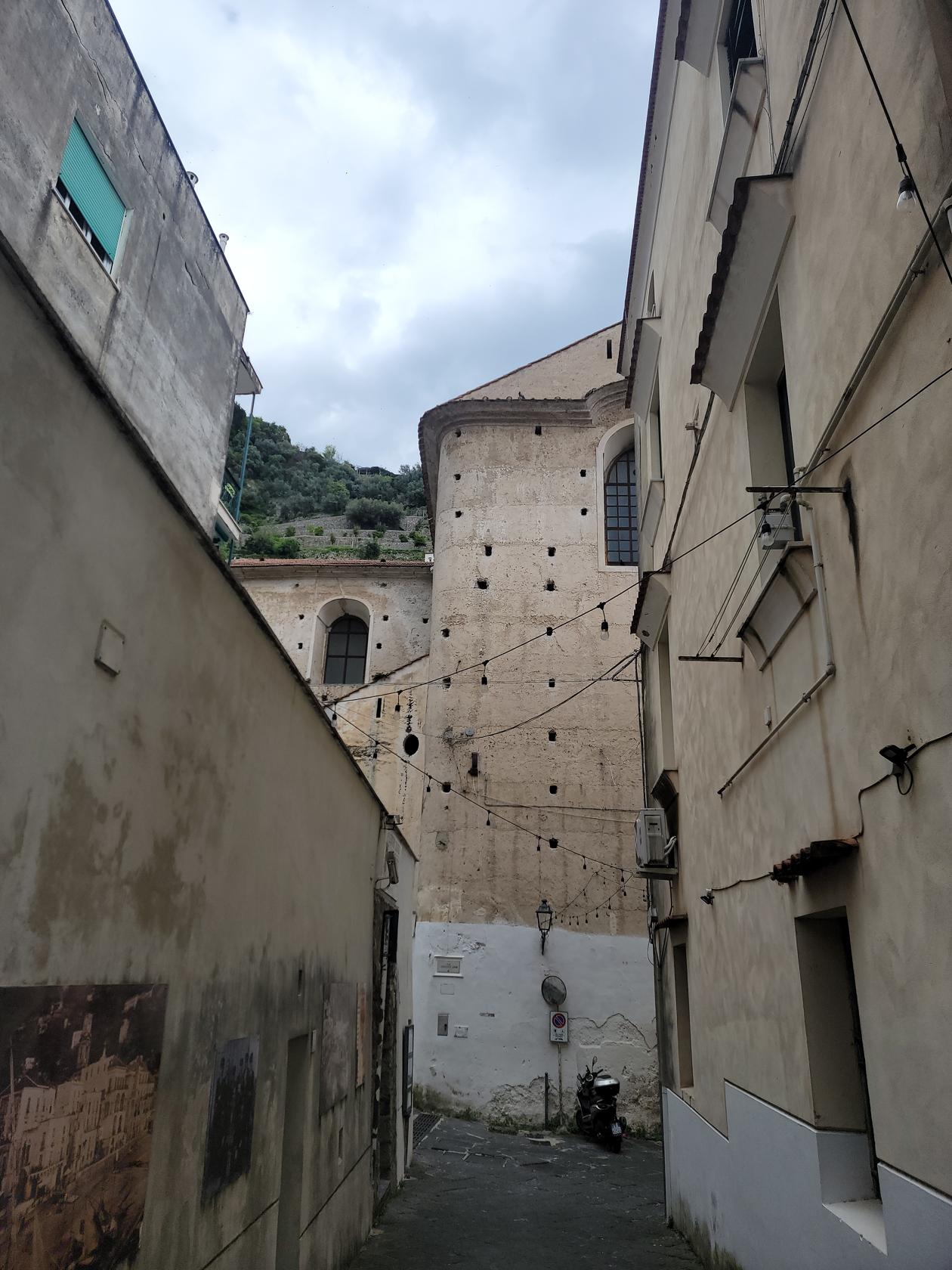
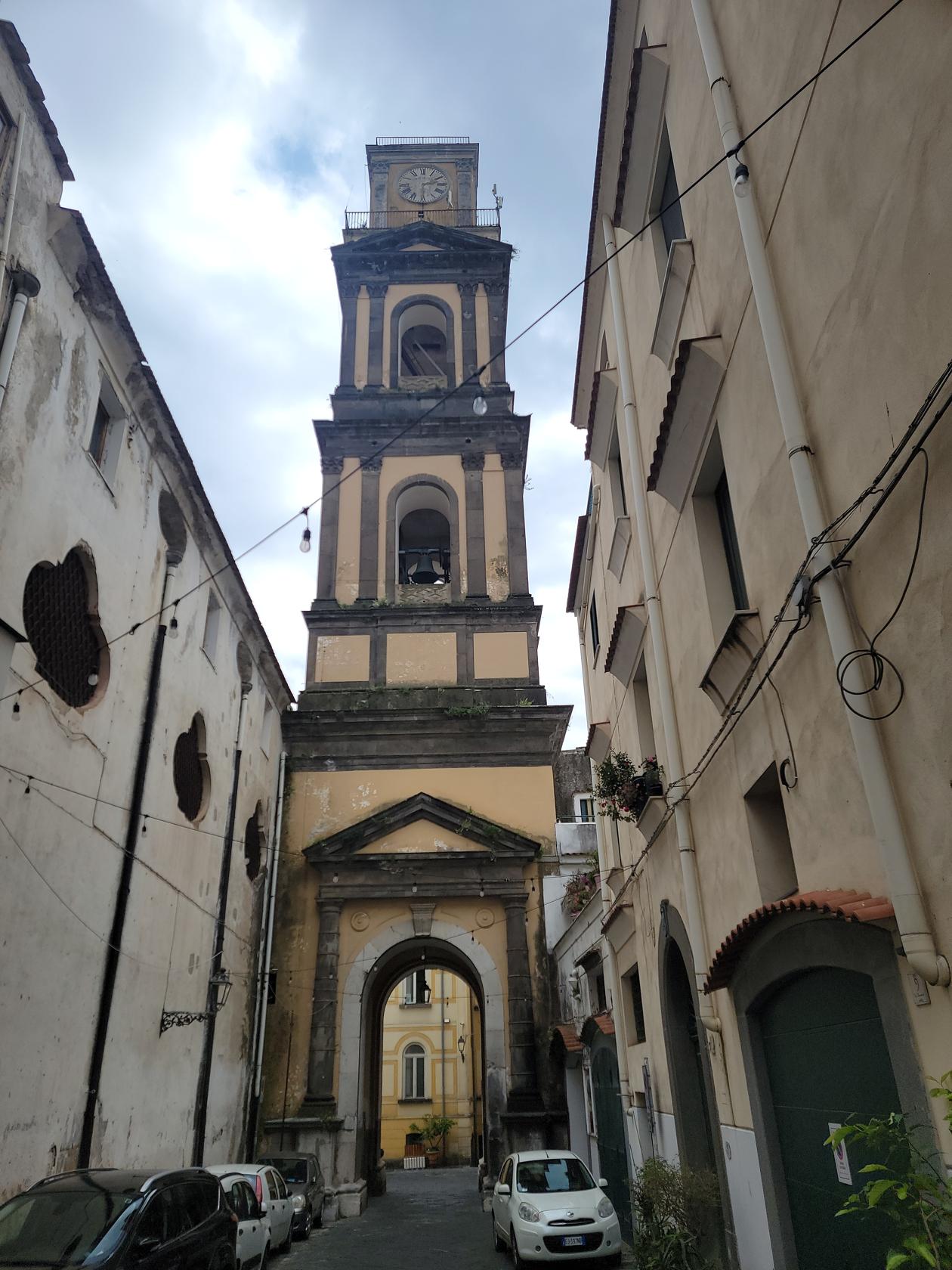
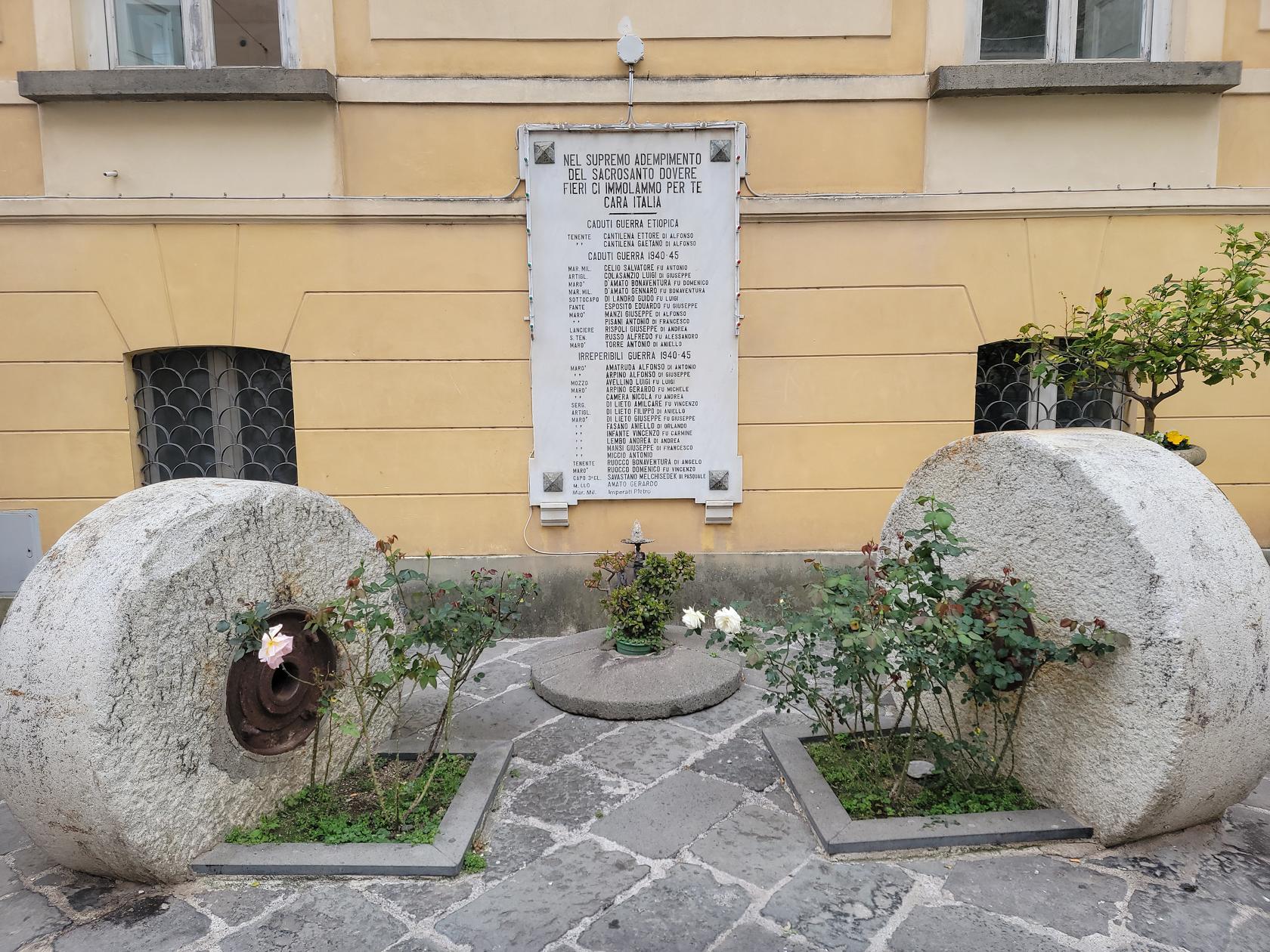
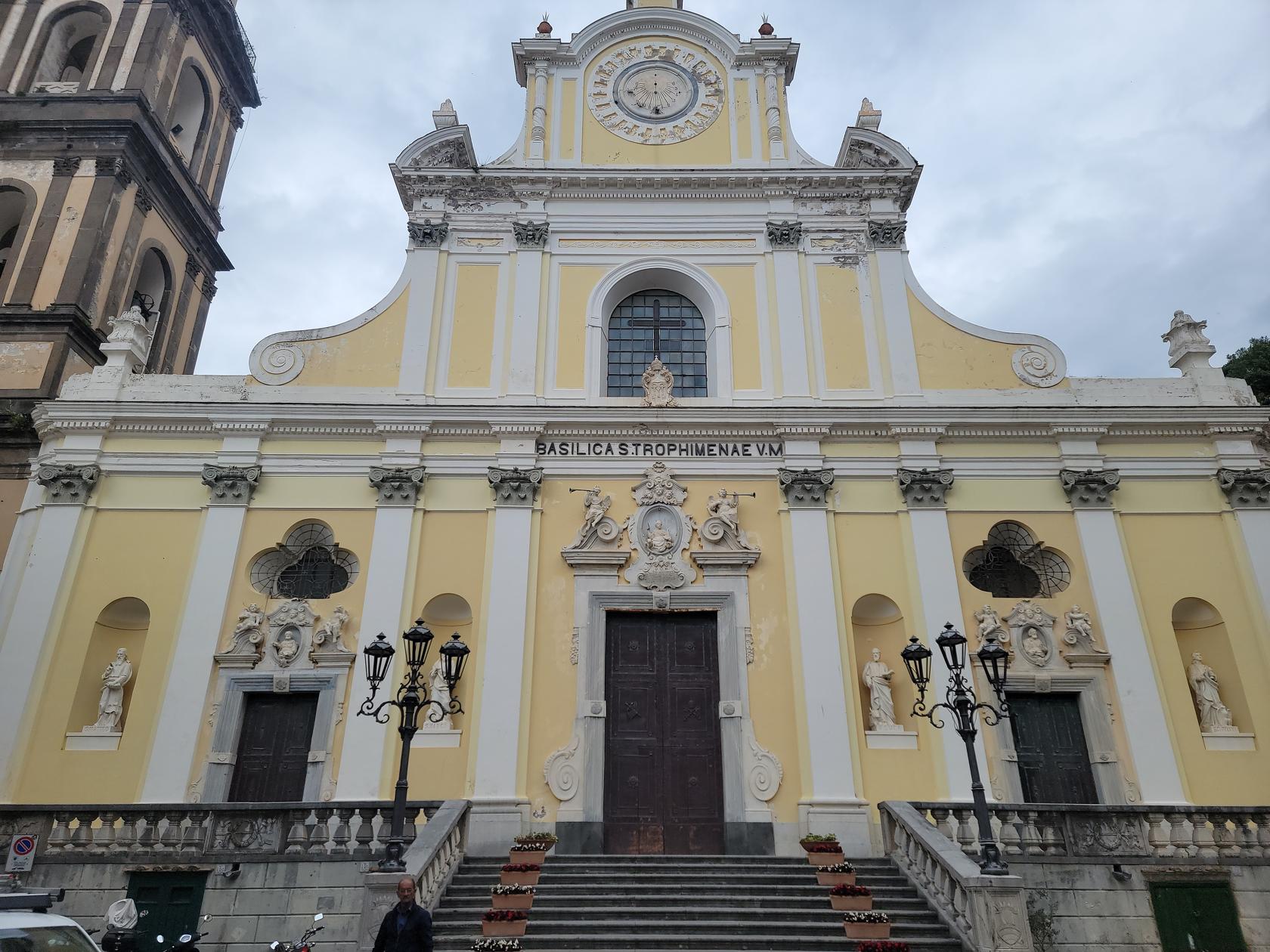
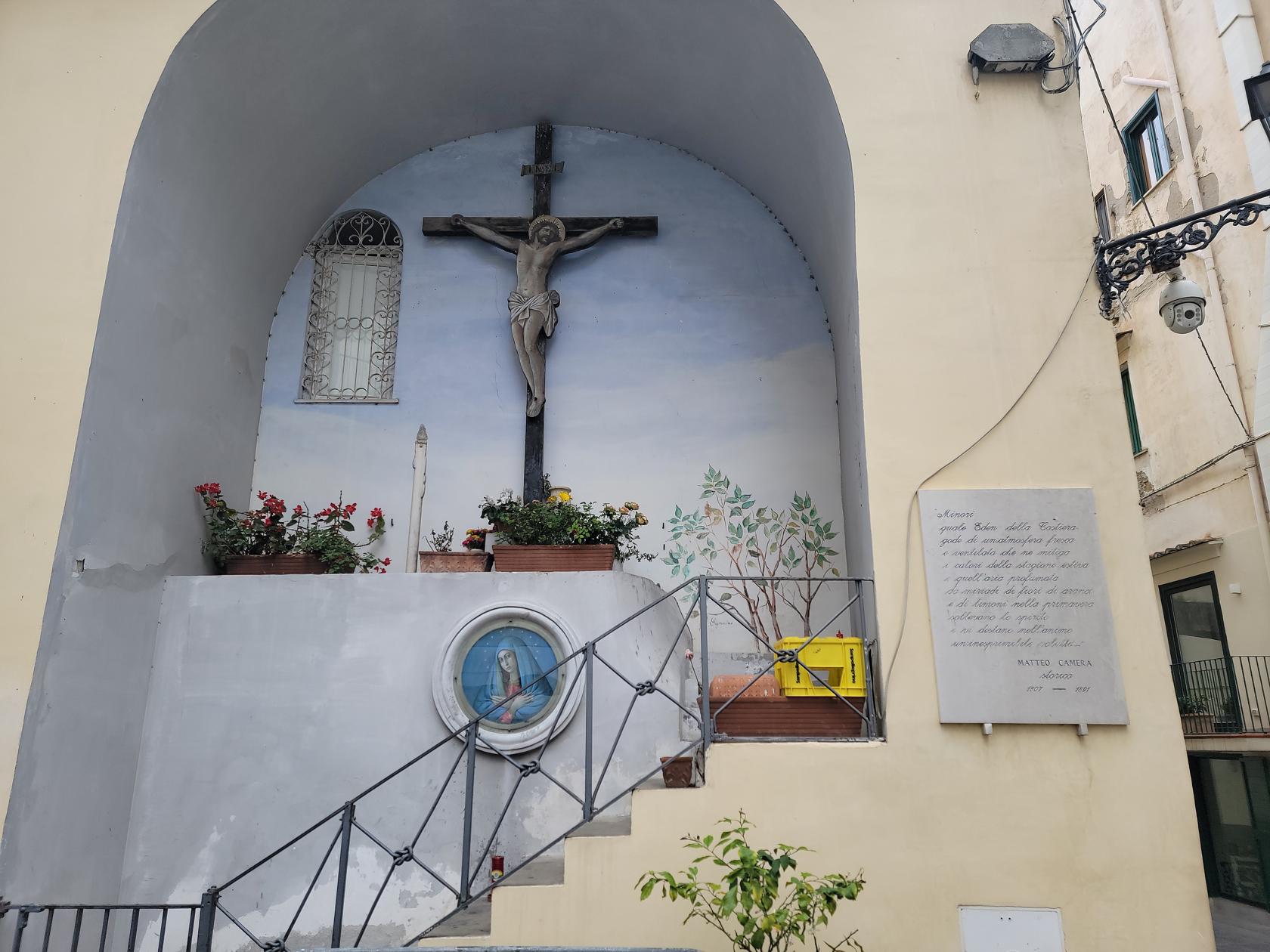
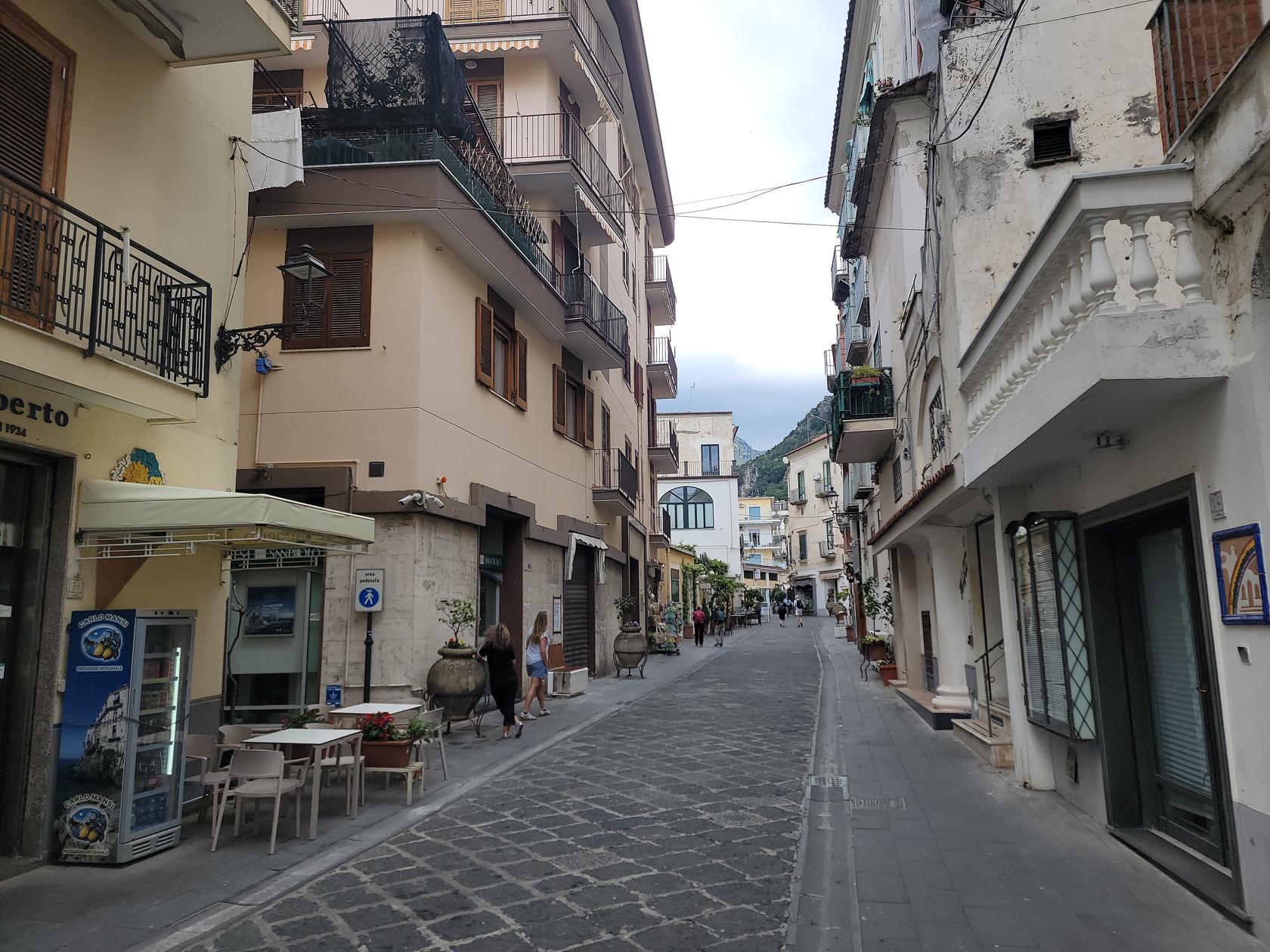
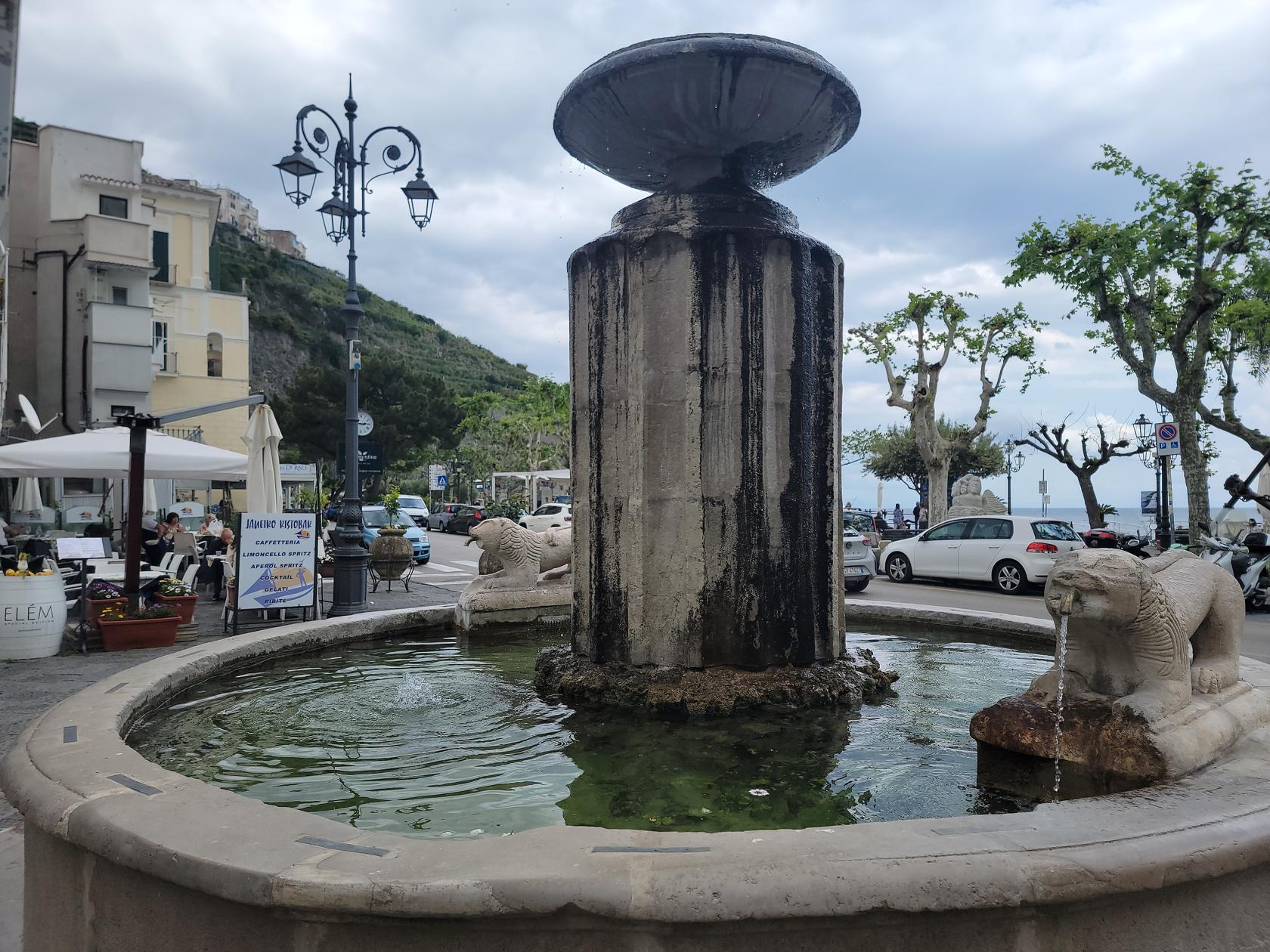
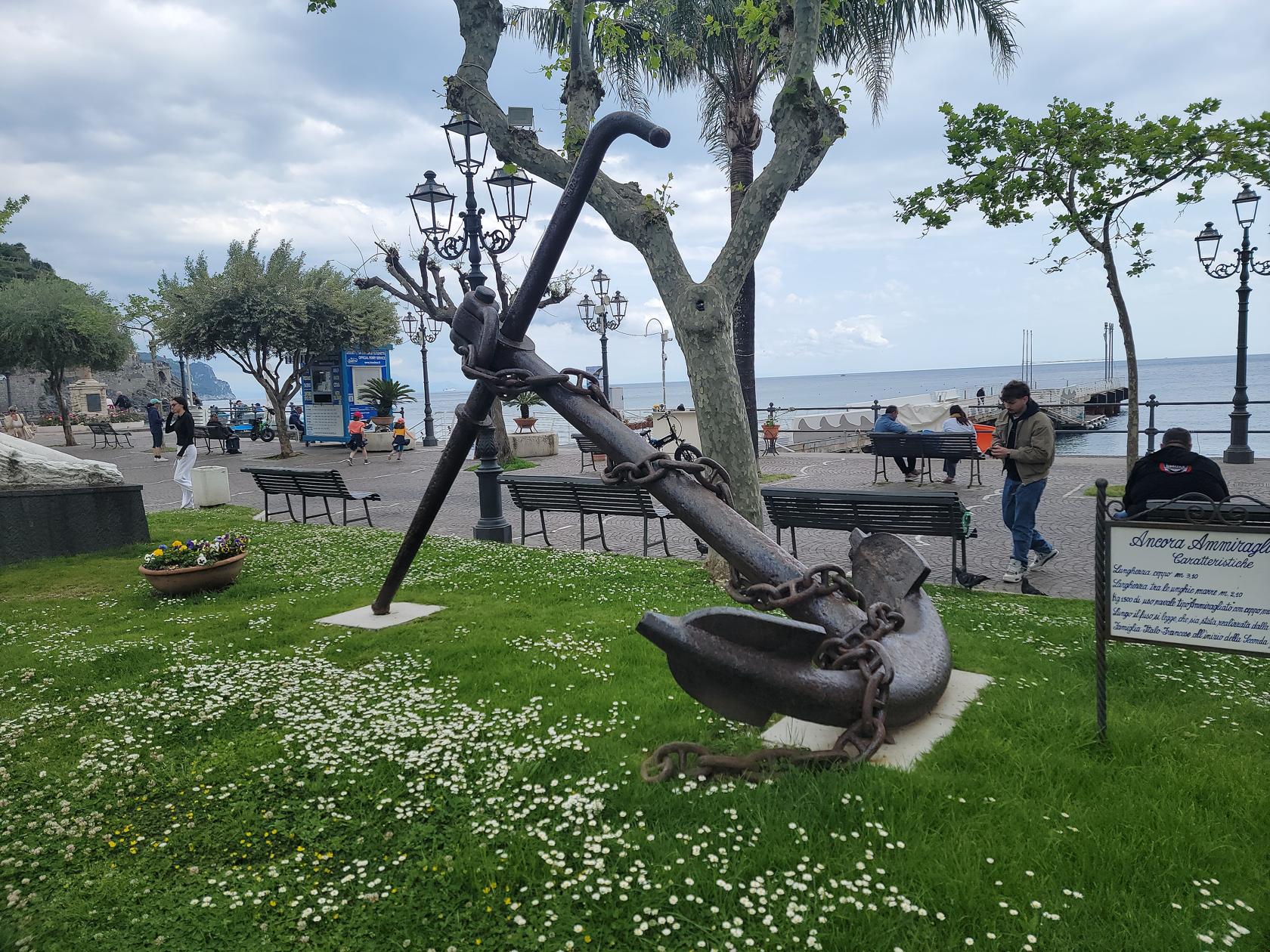
On our second and final day to the Amalfi Coast, we were fortunate enough to enjoy a lemon experience near Tramonti. After our tour and lunch, we visited the other smaller Amalfi towns of Maiori, Minori and finally Cetara. There is not much to see in any of them and may be skipped. Except perhaps for Minori, which if you are looking for a beach spot along the coast, may offer the best option.

Getting There

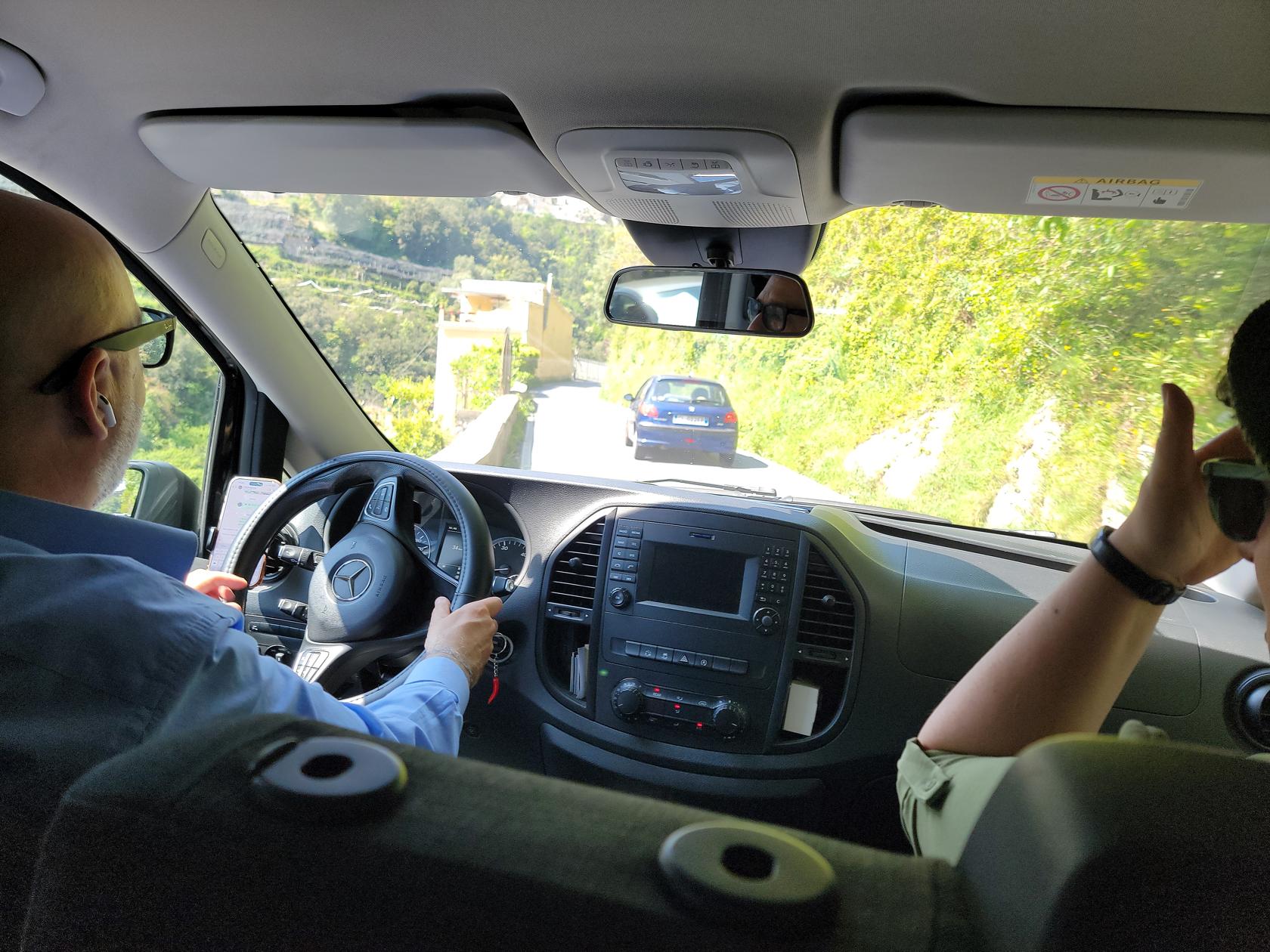
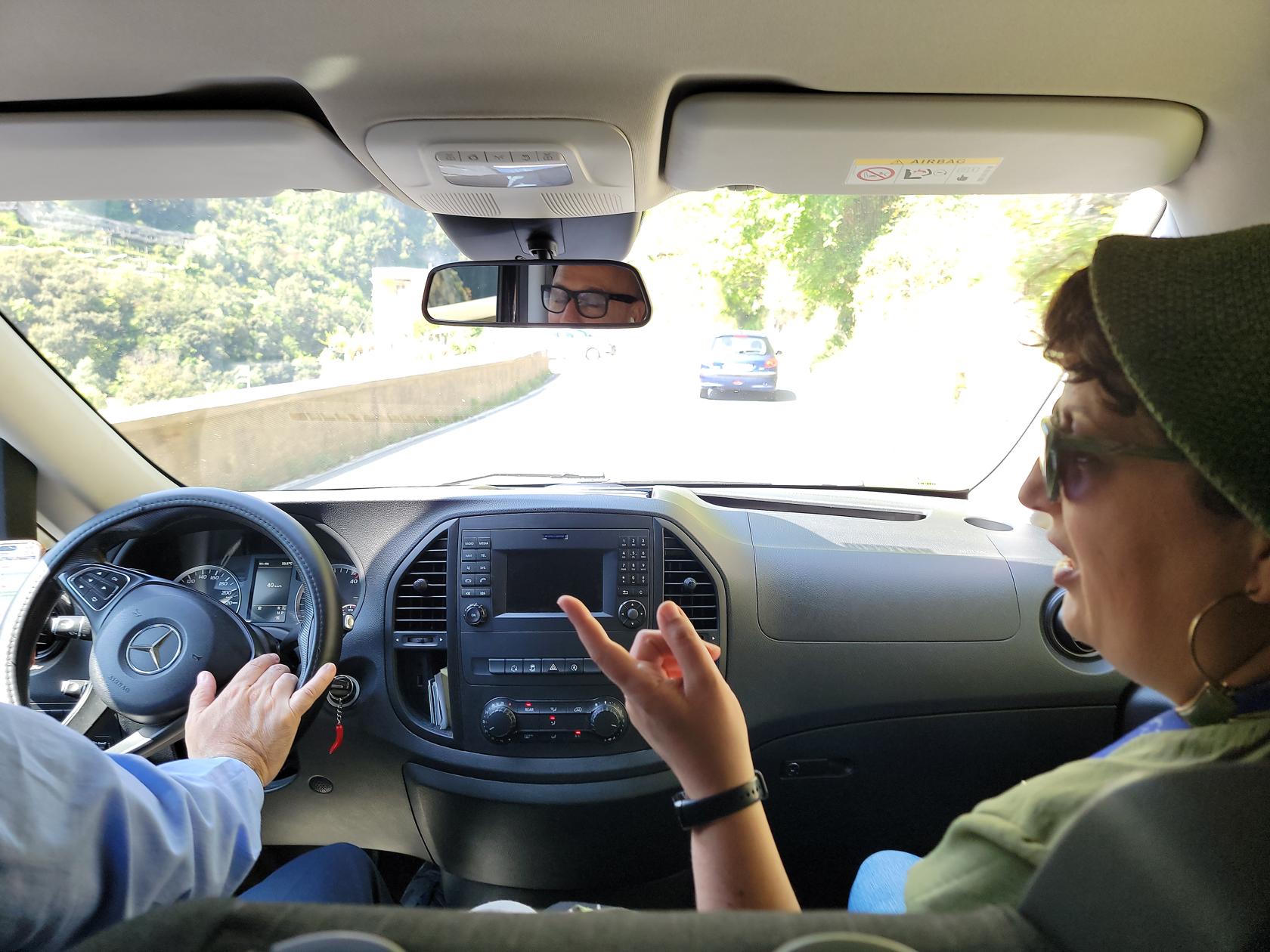
On our second day we had arranged for the same tour guide that we had the previous day, Mind The Nap tours[1]If you would like to find them, they are on one of the more frequently used social media applications.. Therefore, we took a hired vehicle from Naples to drive once again over the Anti Appenine mountains, via SP2a, to Tramonti and then to the other coastal towns. Returning along the coastal road via Vietri sul Mare and A3.
Tramonti

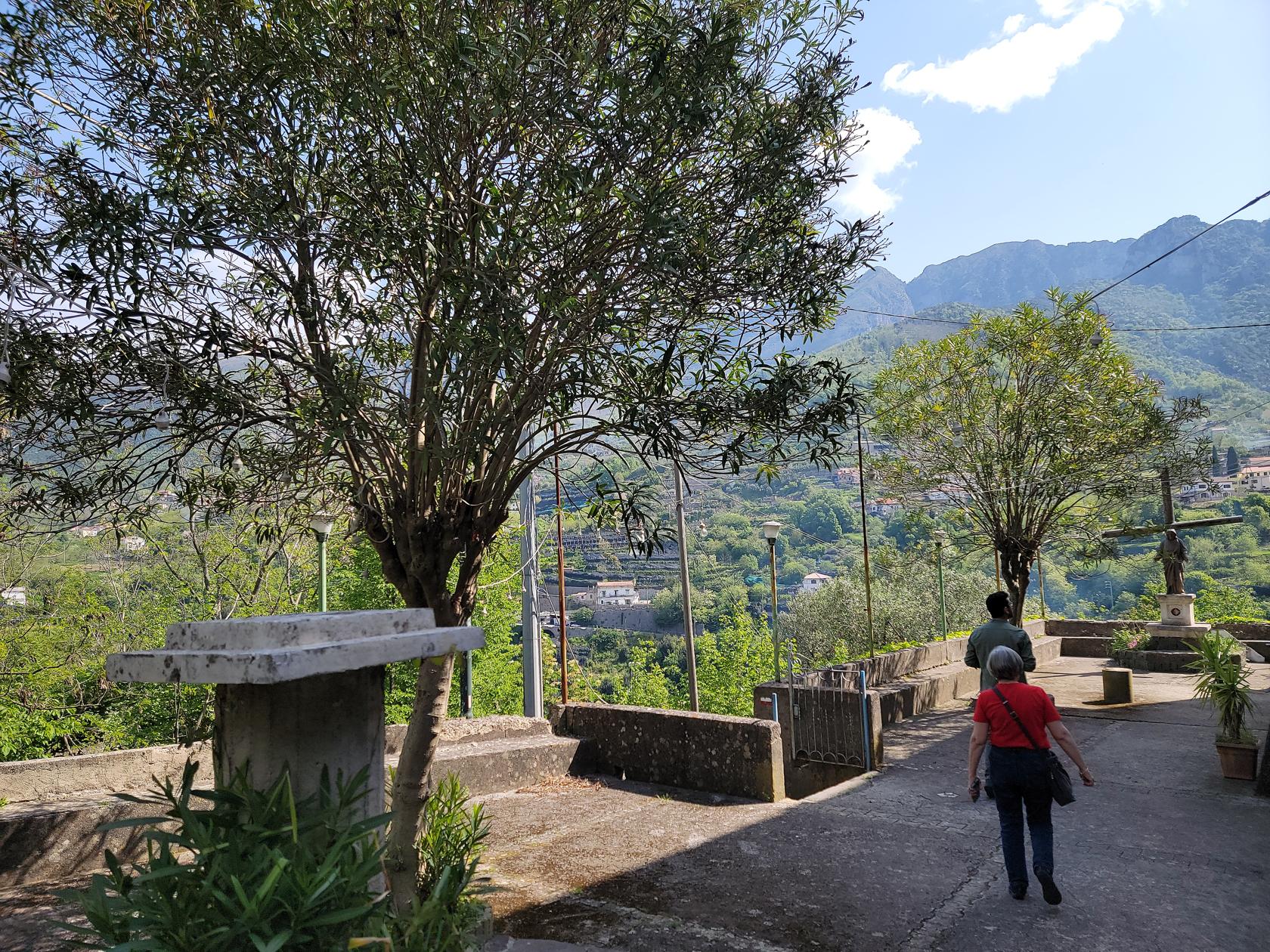
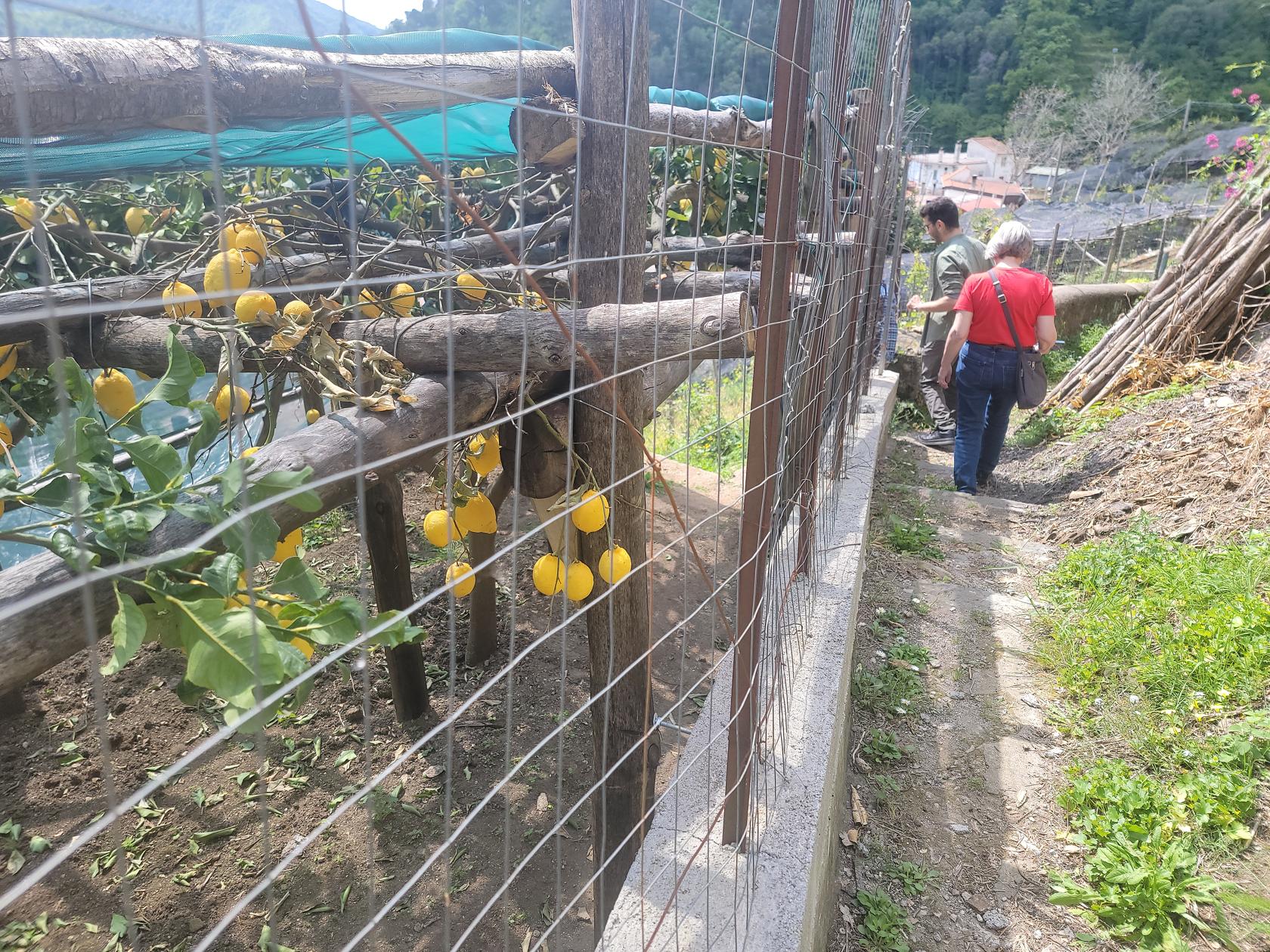
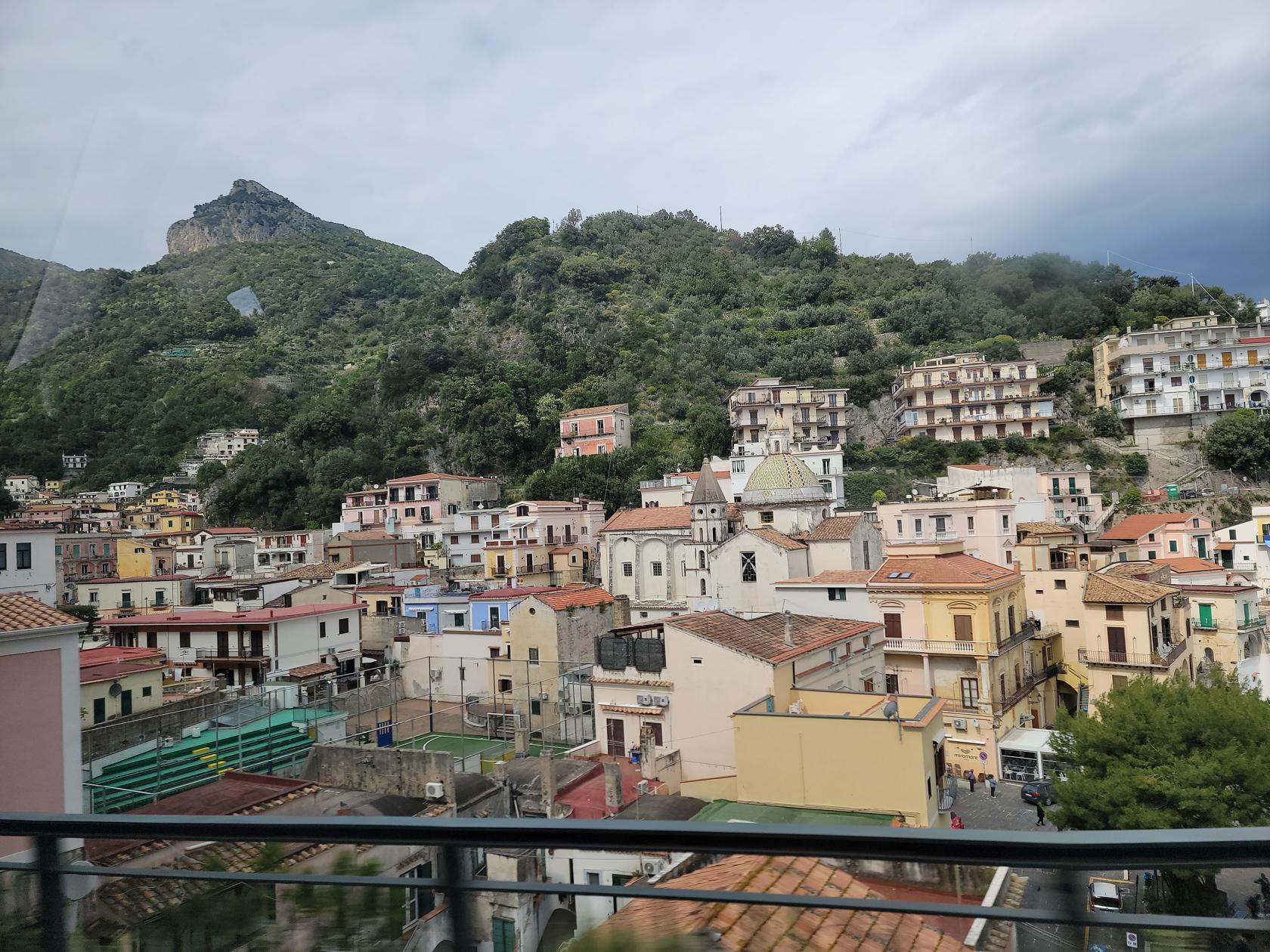
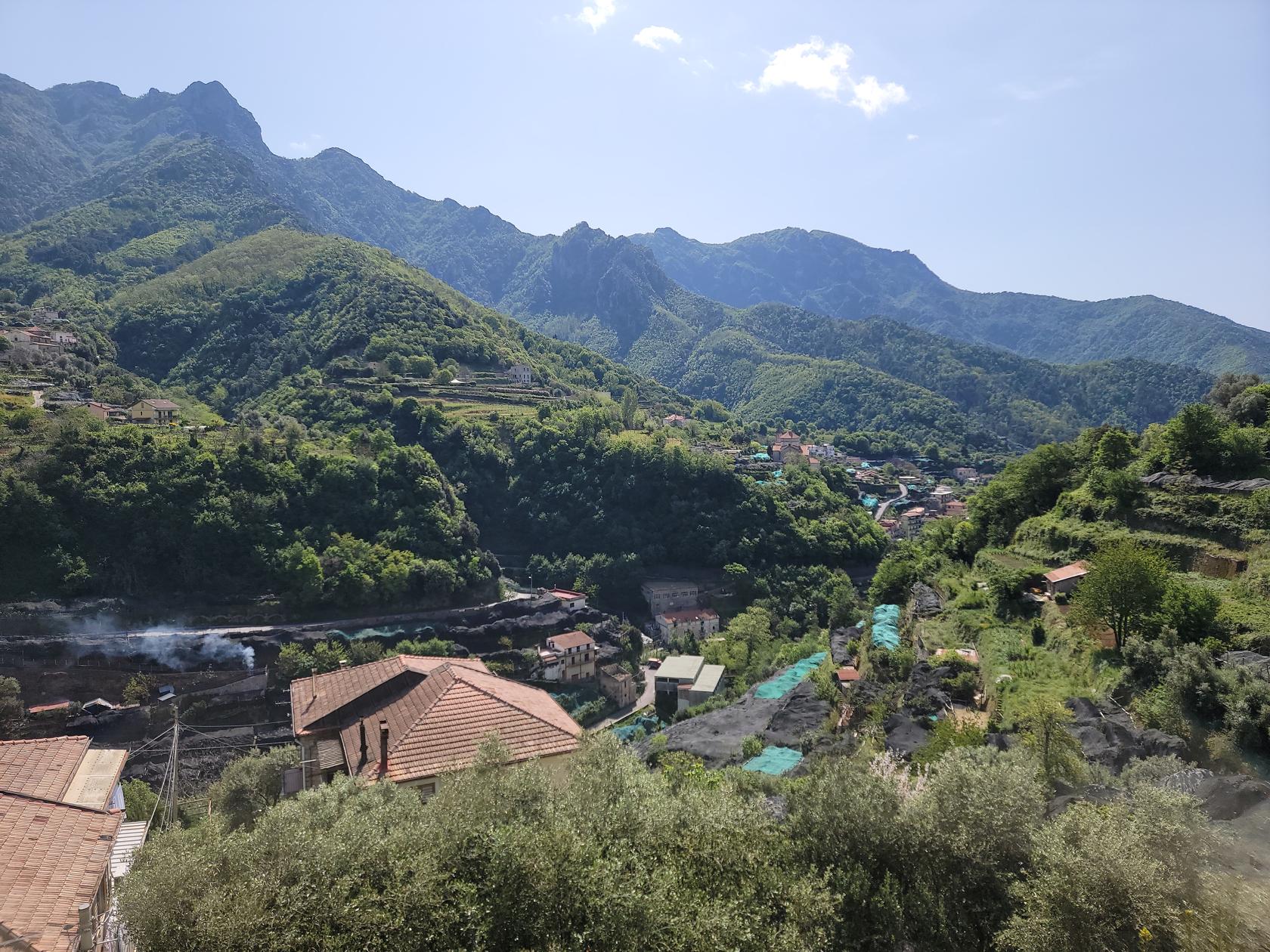
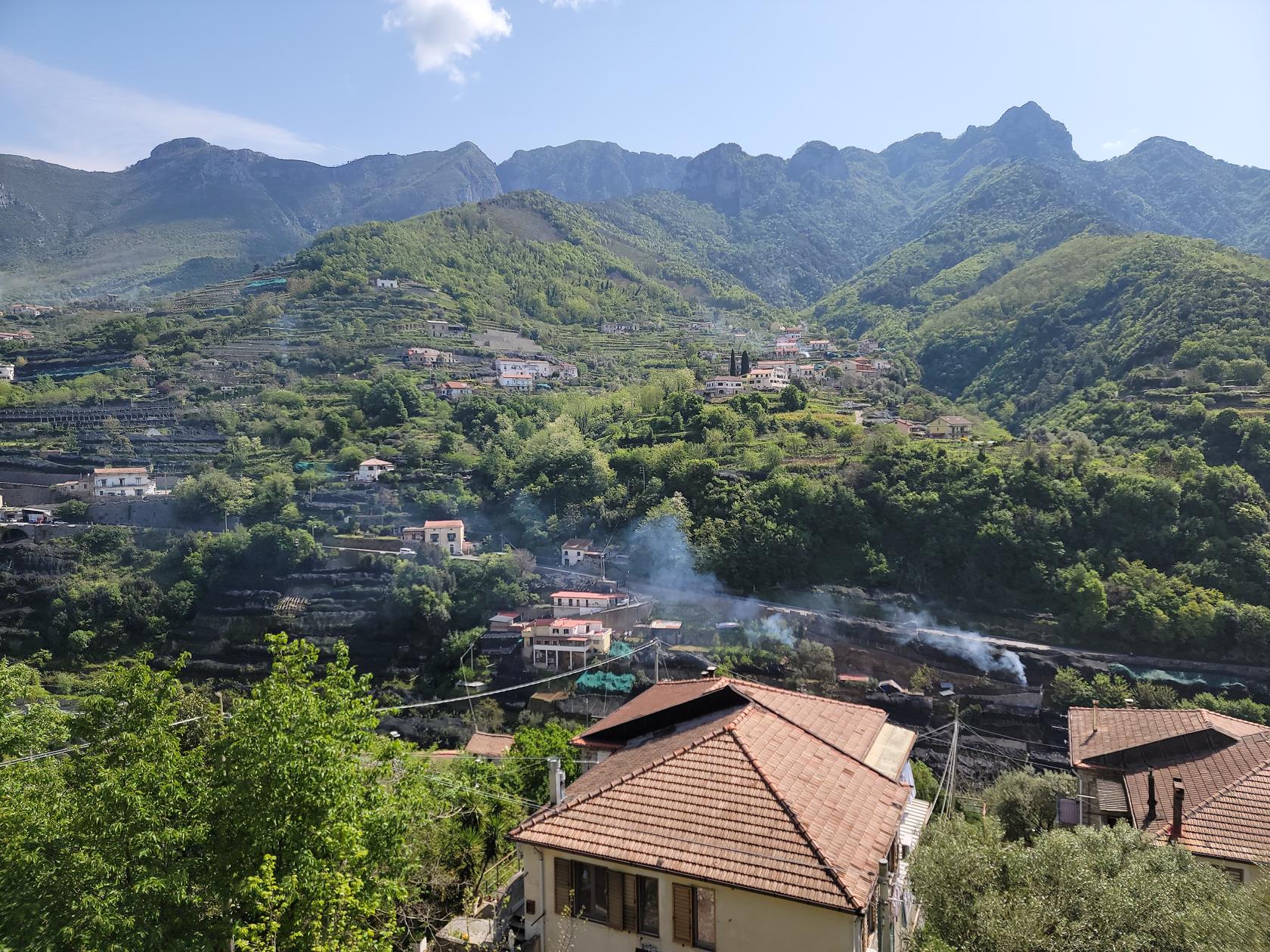
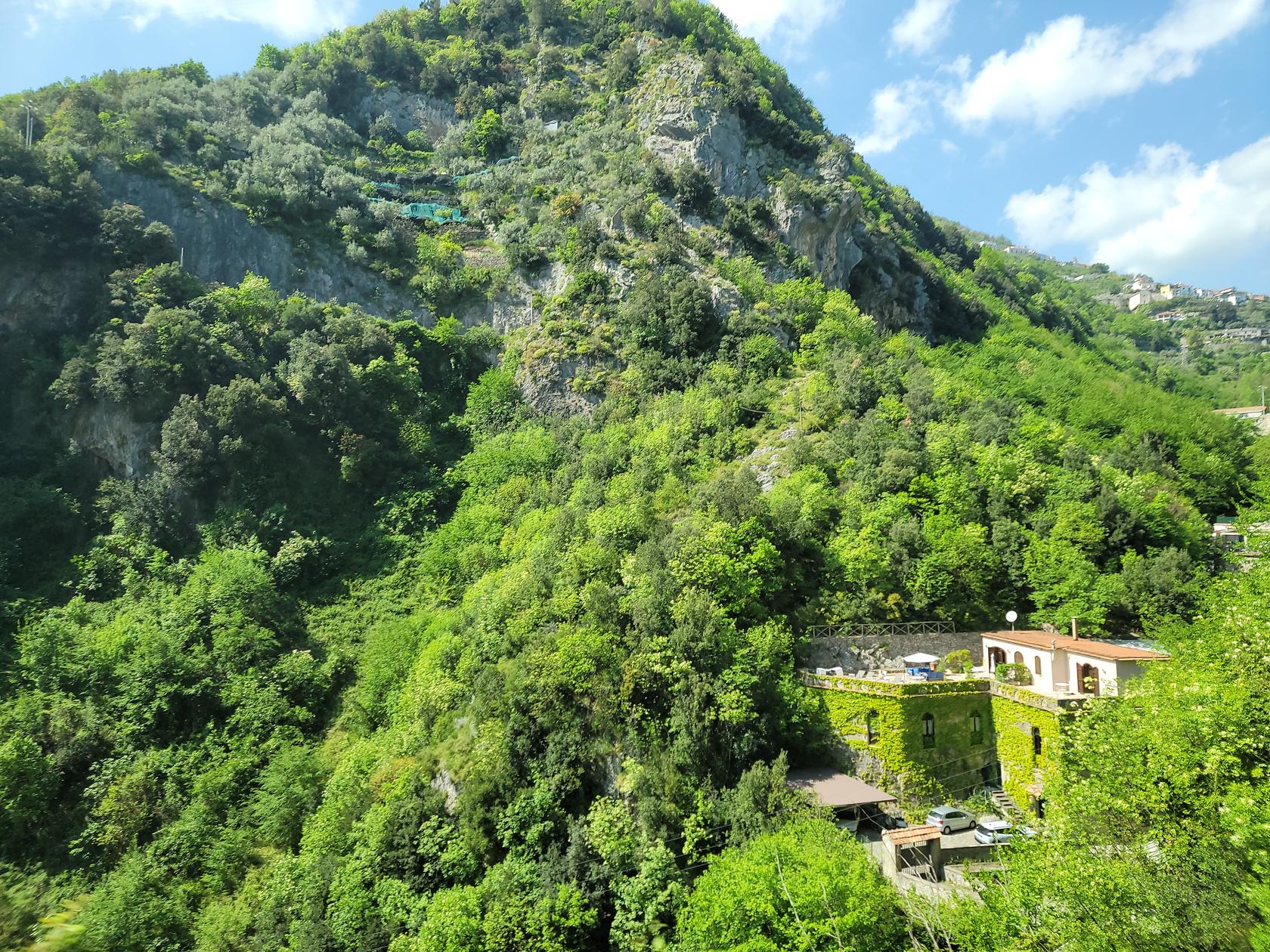
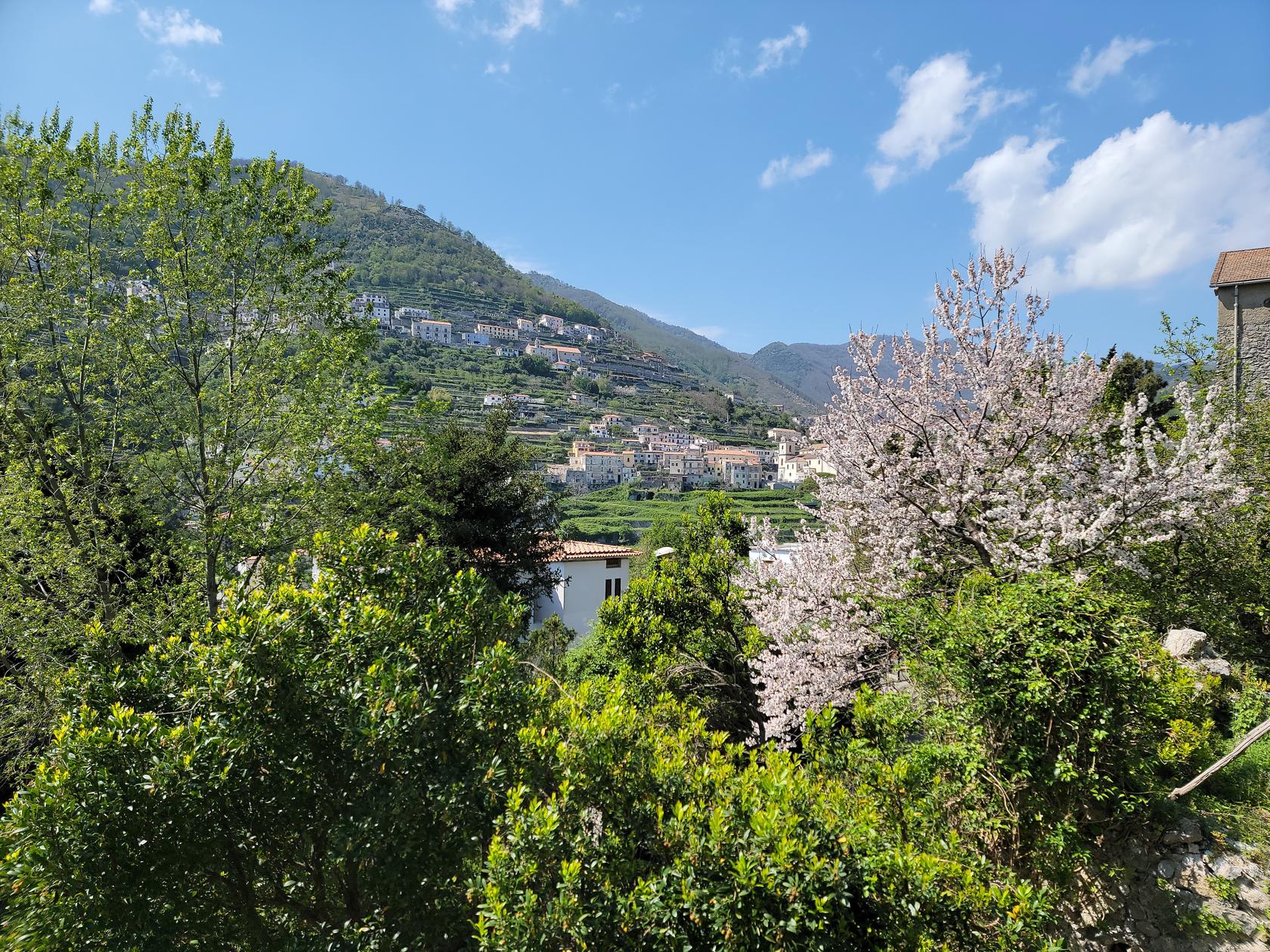
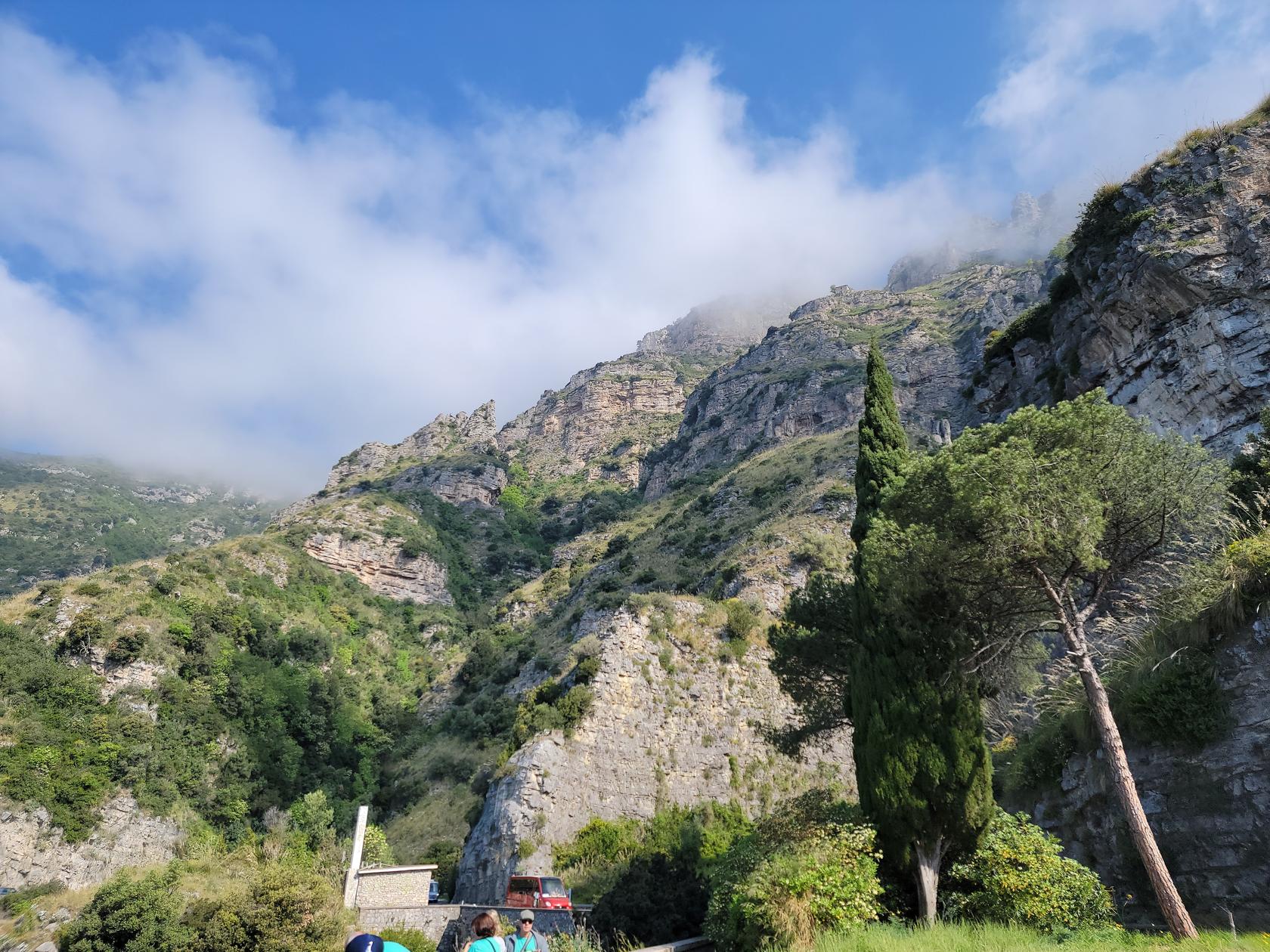
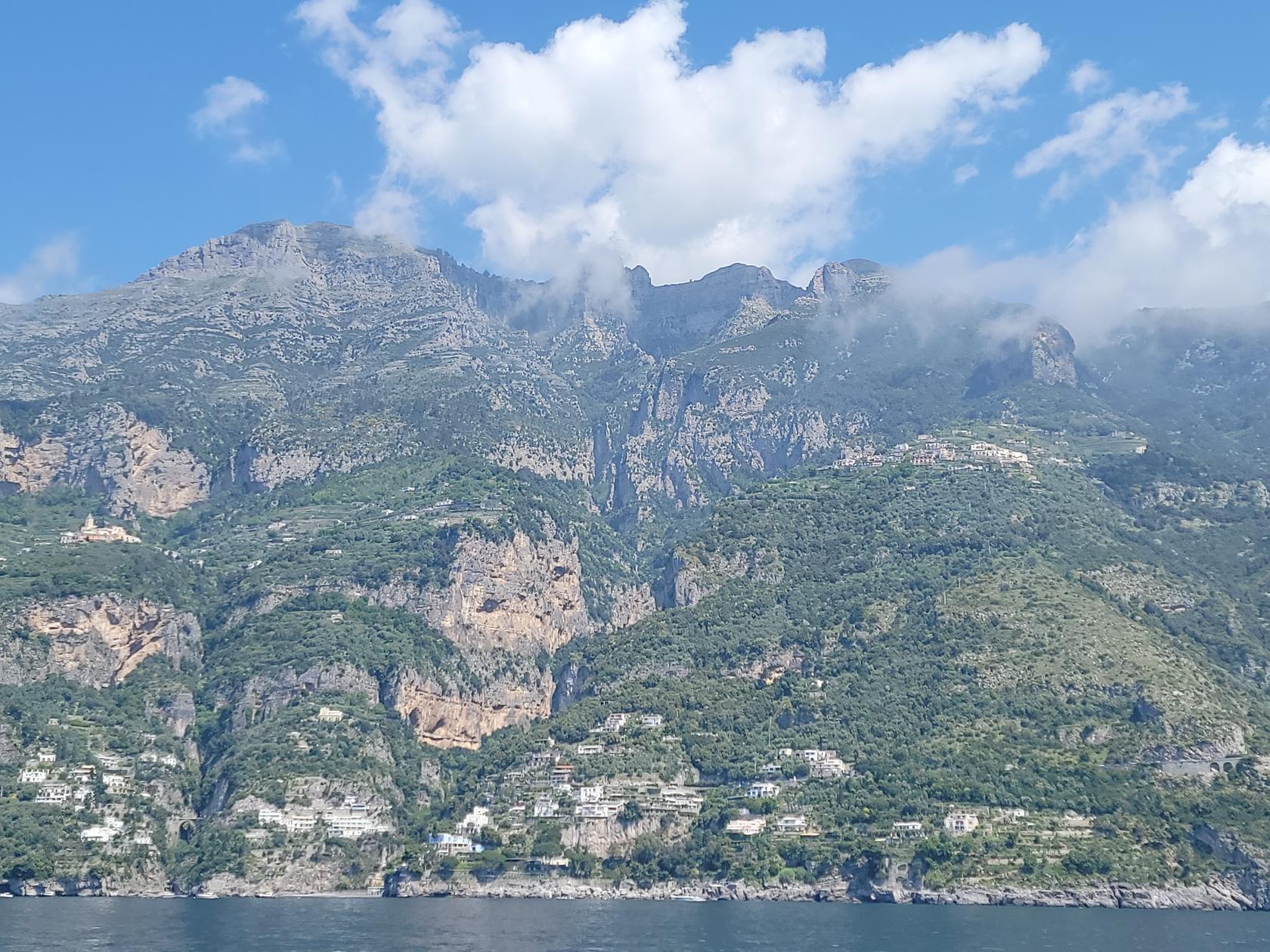
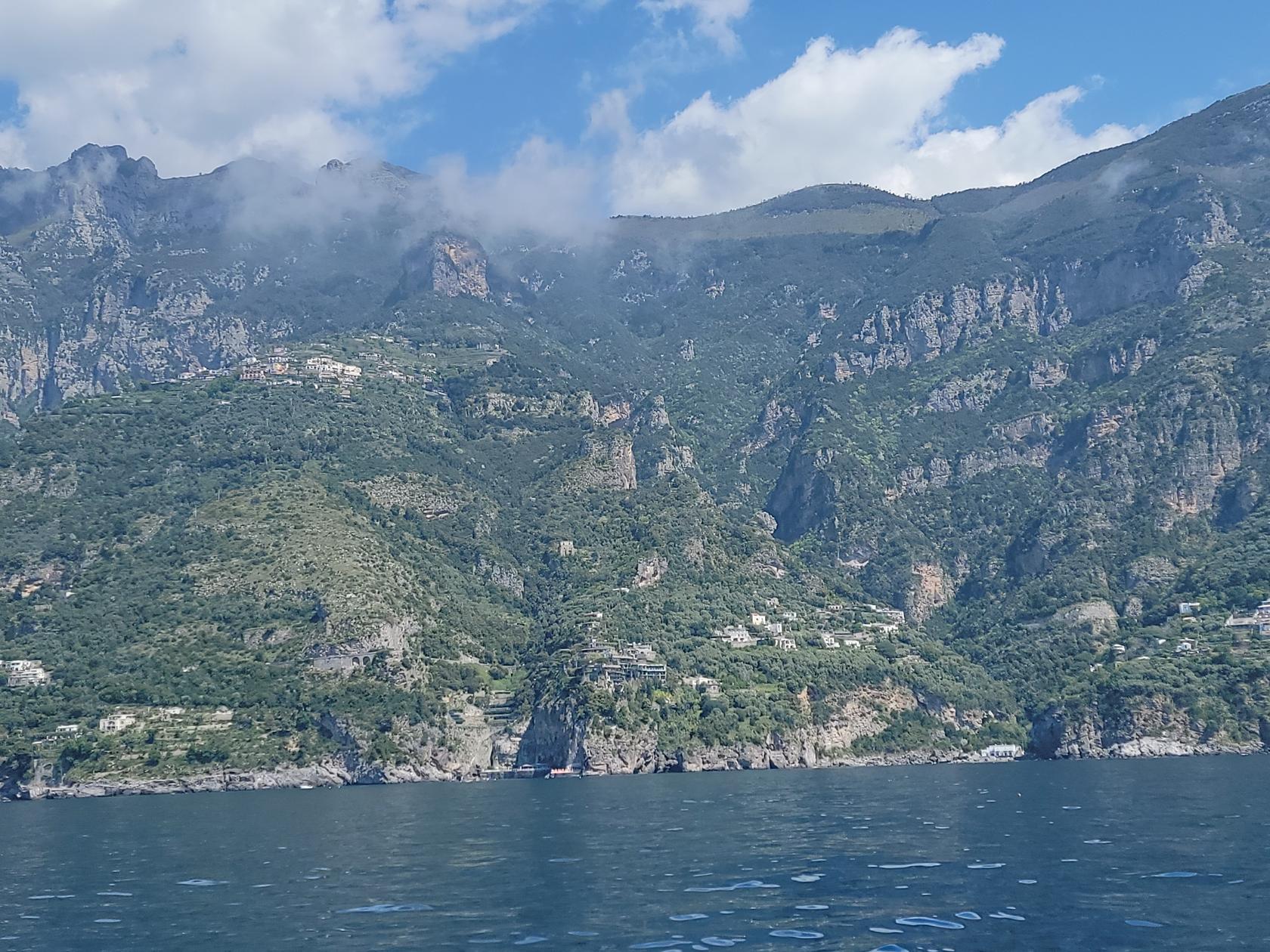
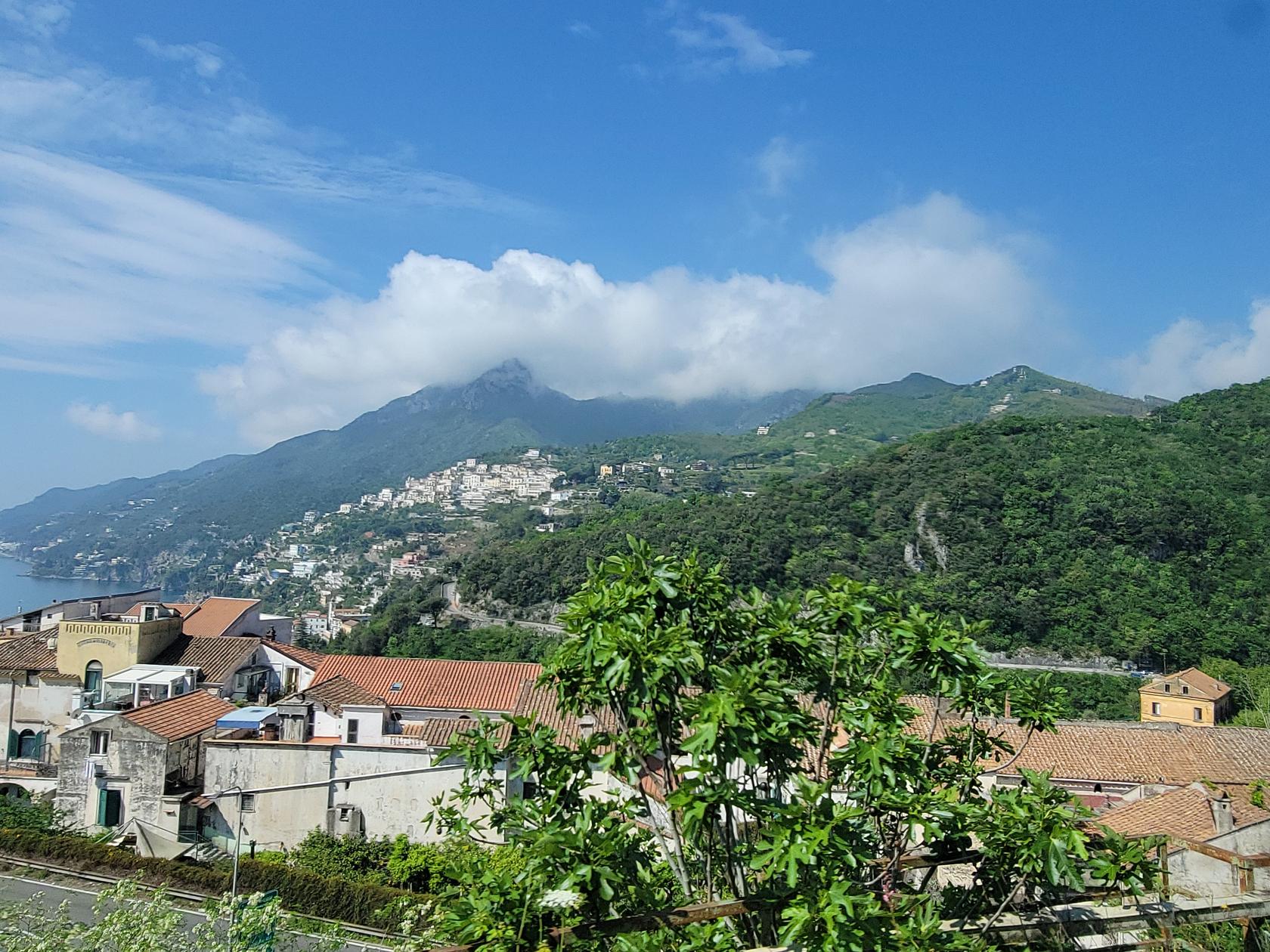
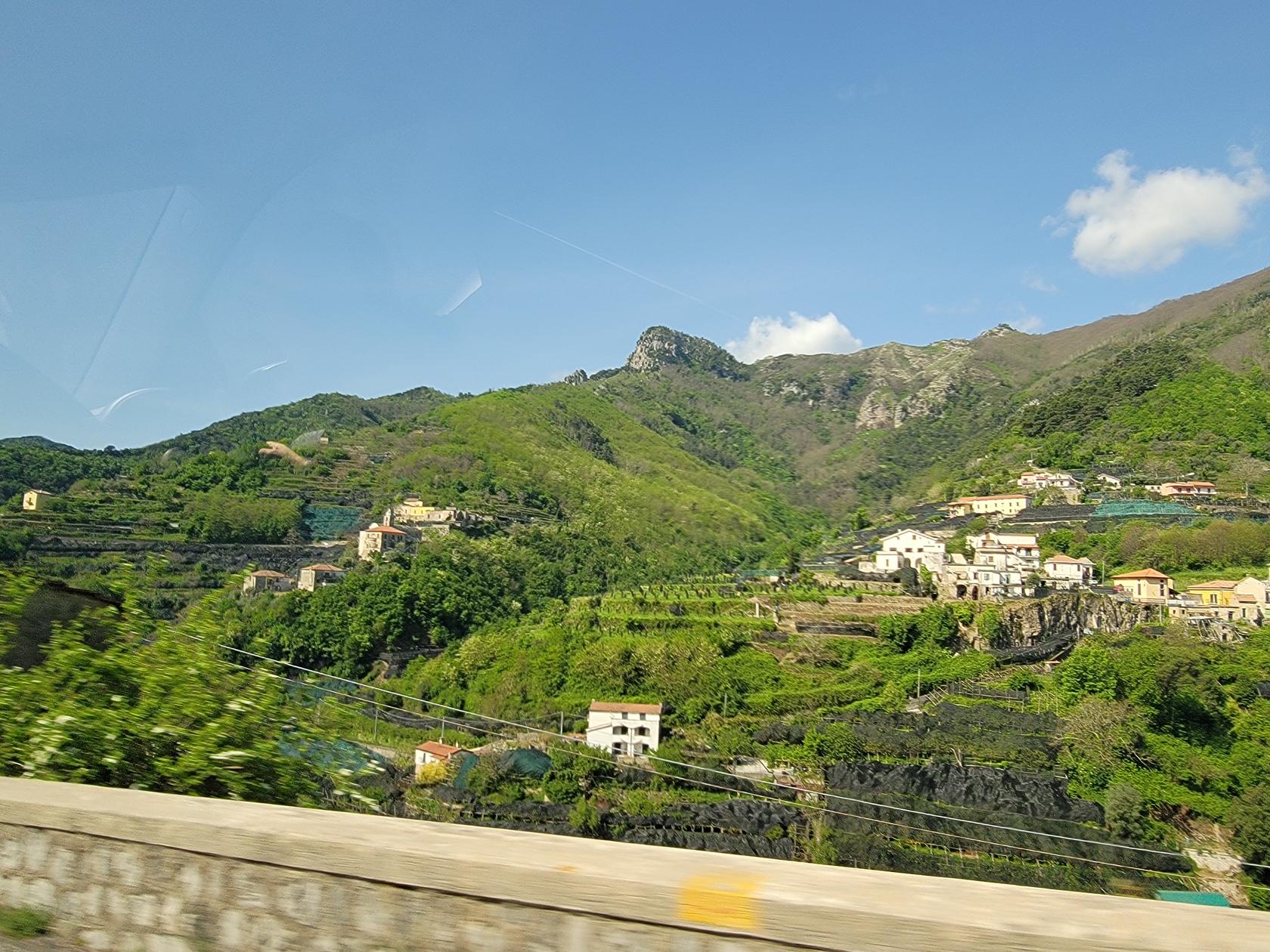
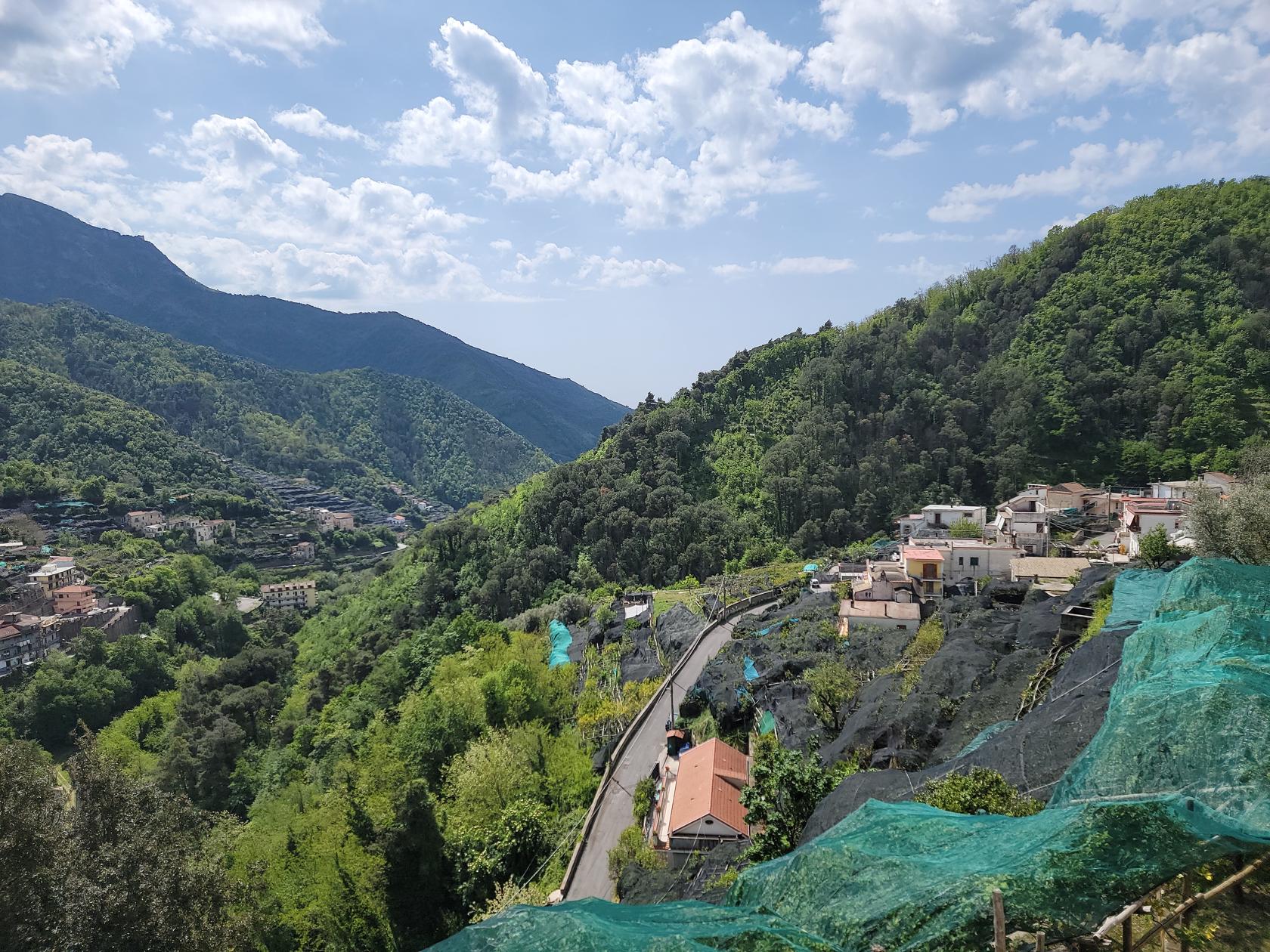
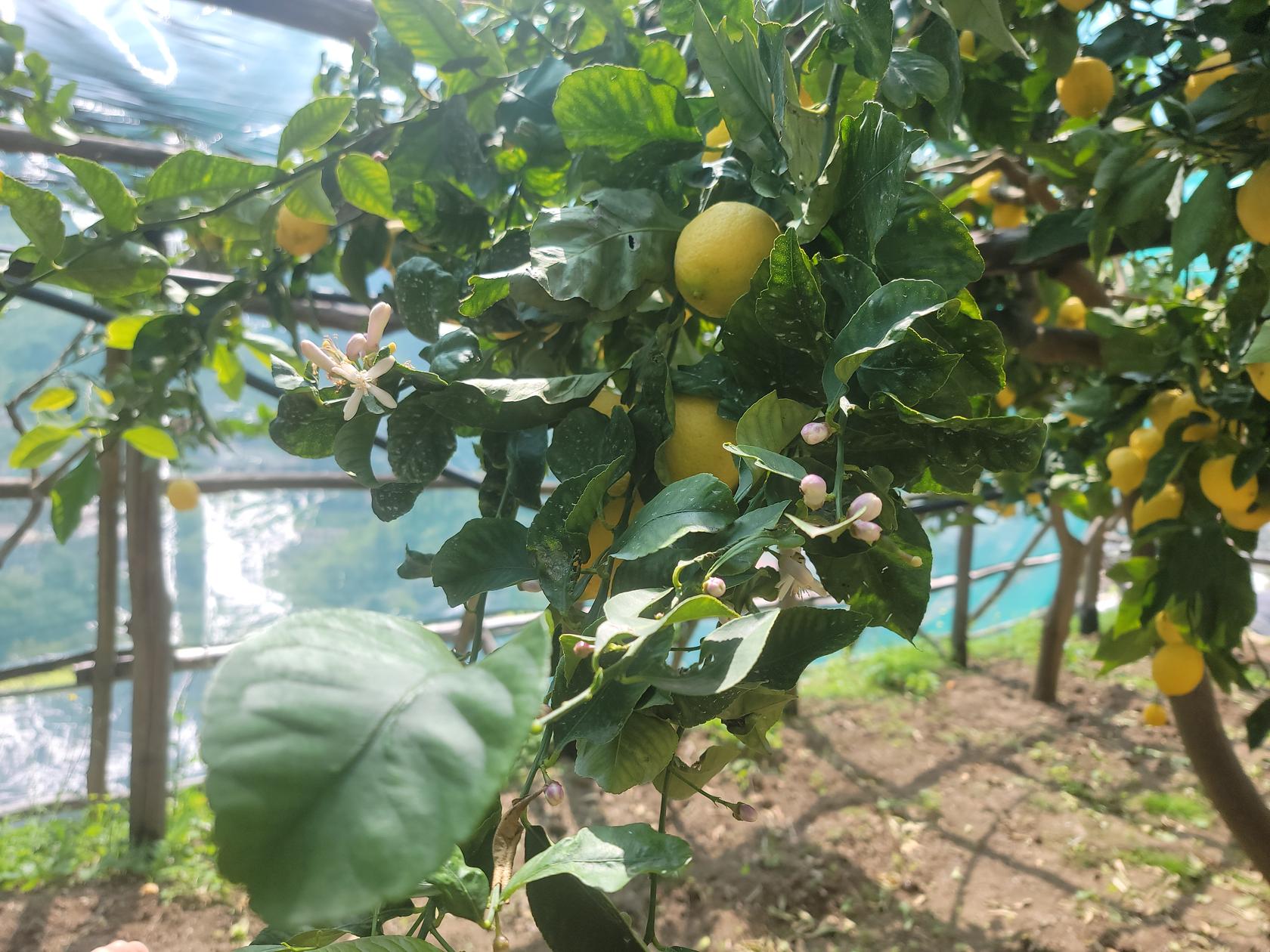
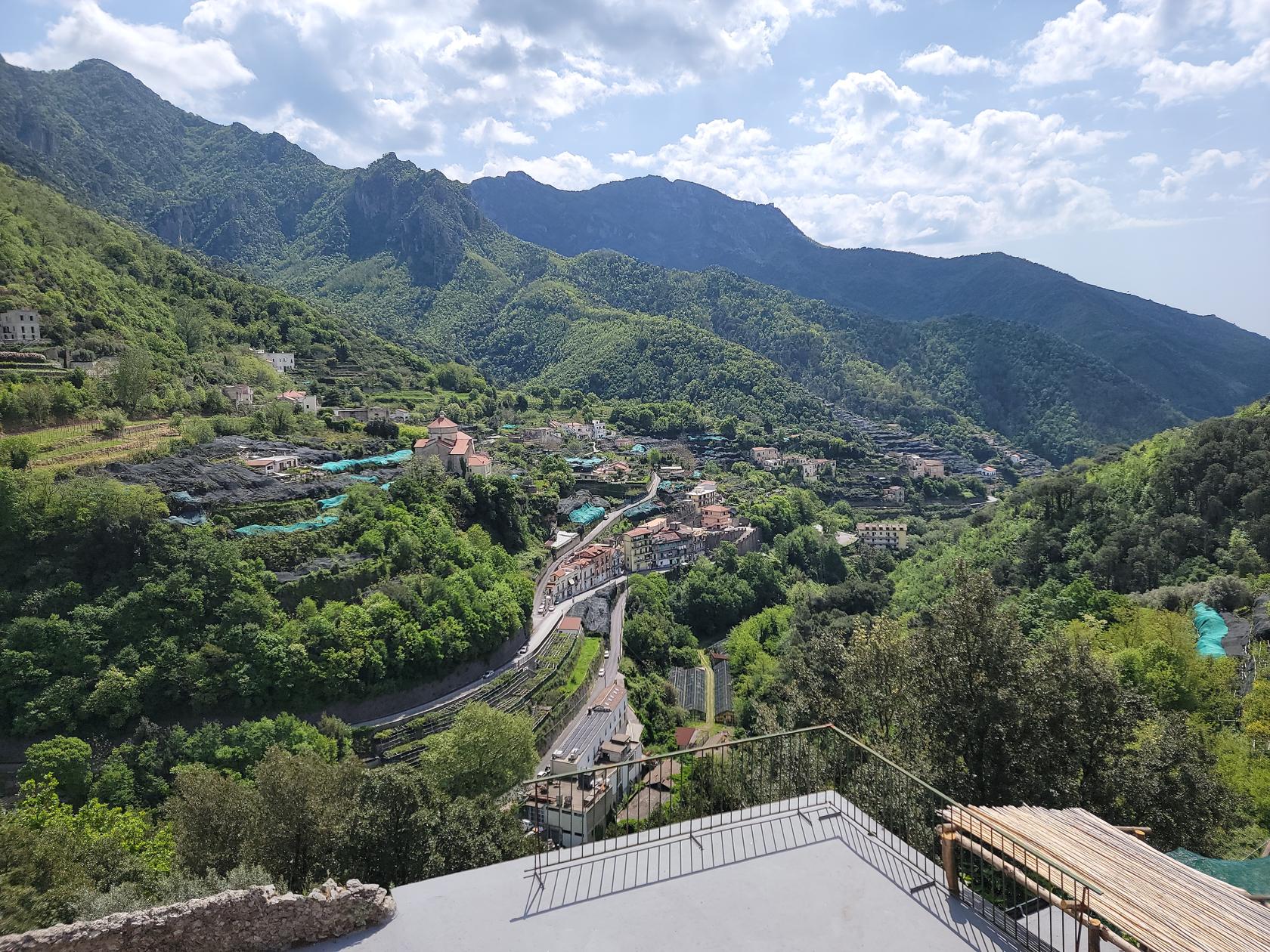
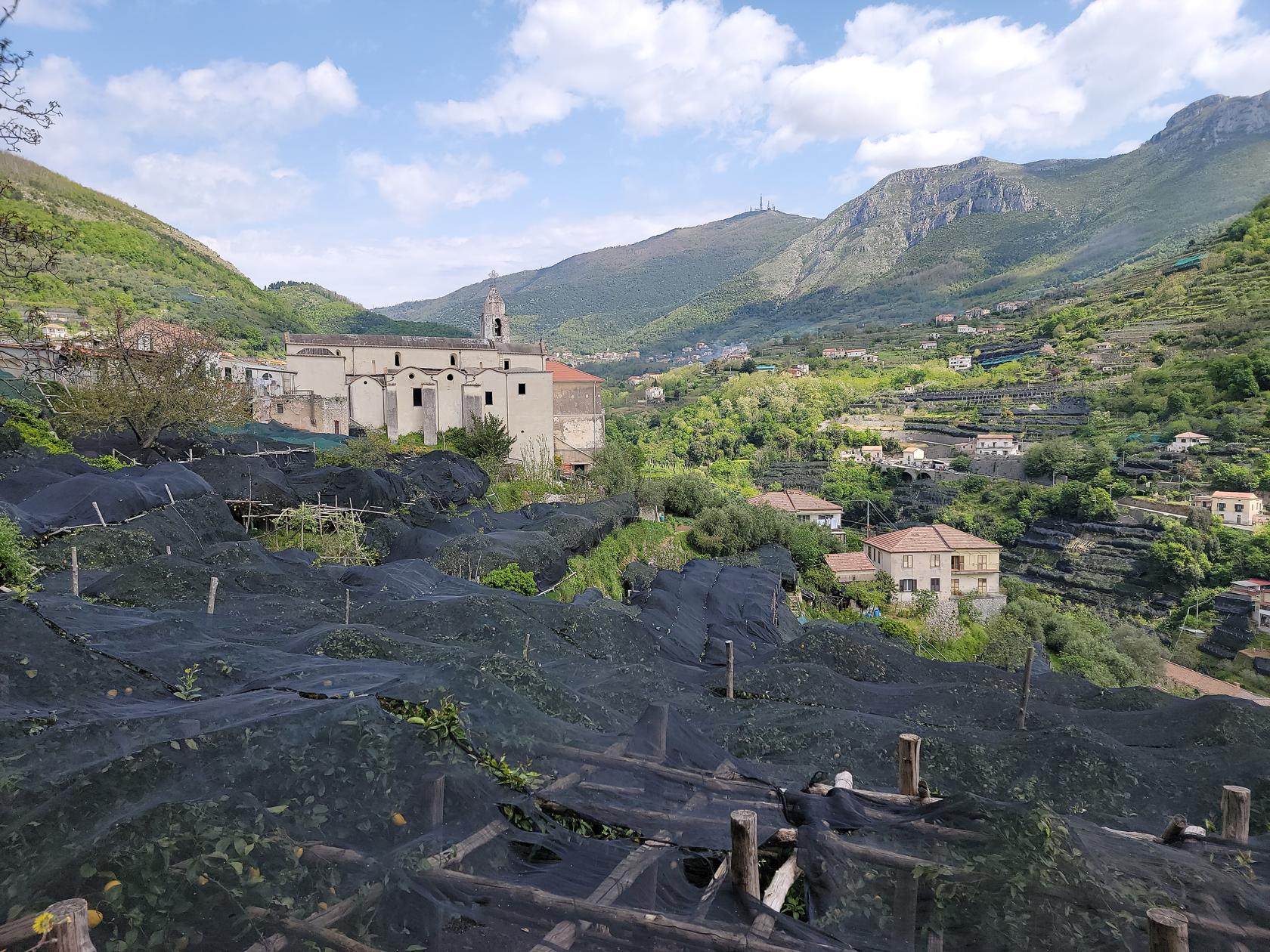
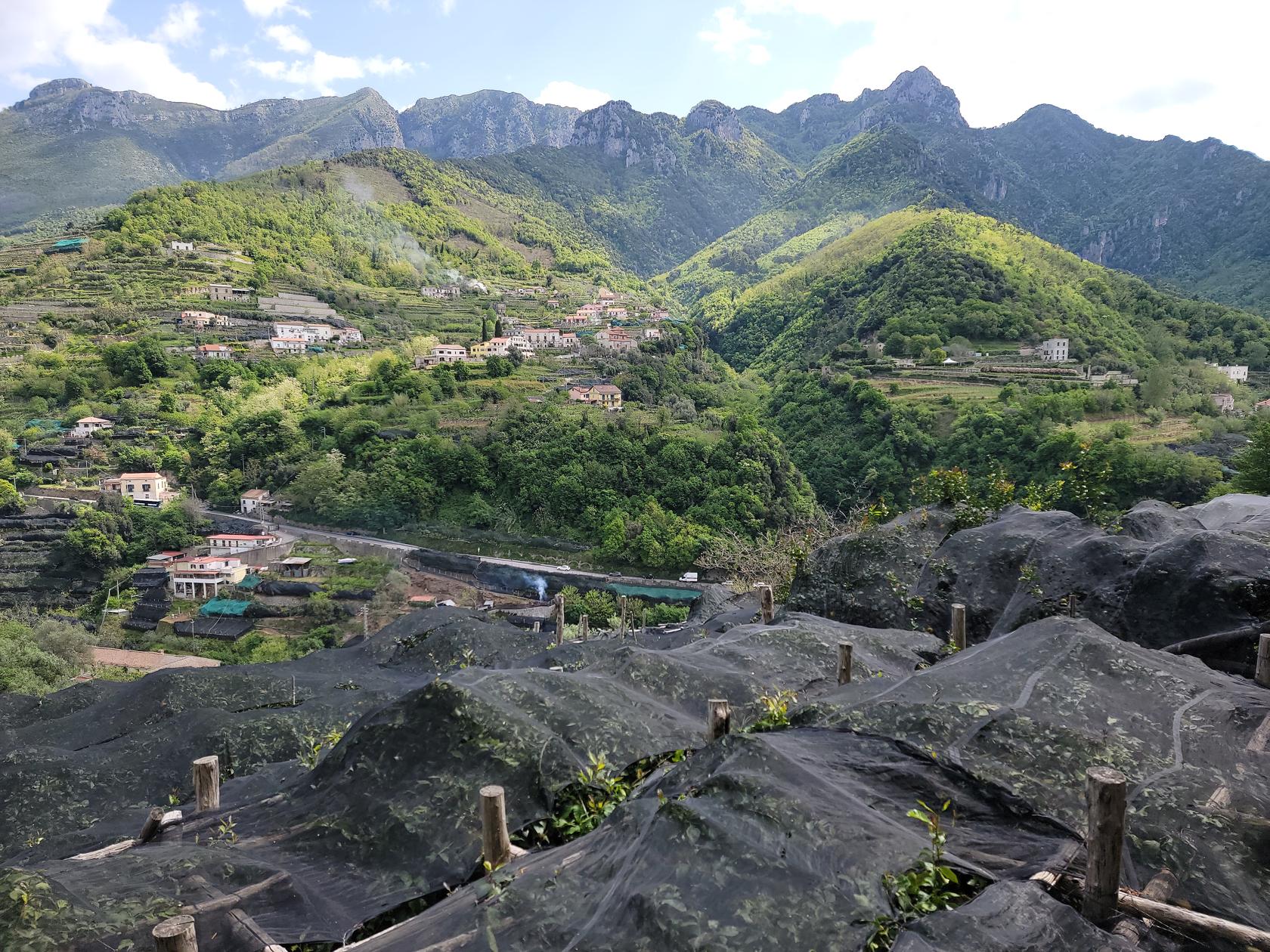
The term for this comune and town literaly means, in between the mountains. As we can attest with the photographs that we took, it definitely is in between the mountains. Our guide explained that the mixture of sun, heat and moisture is excellent for growing lemons in the area and some varieties of grapes.

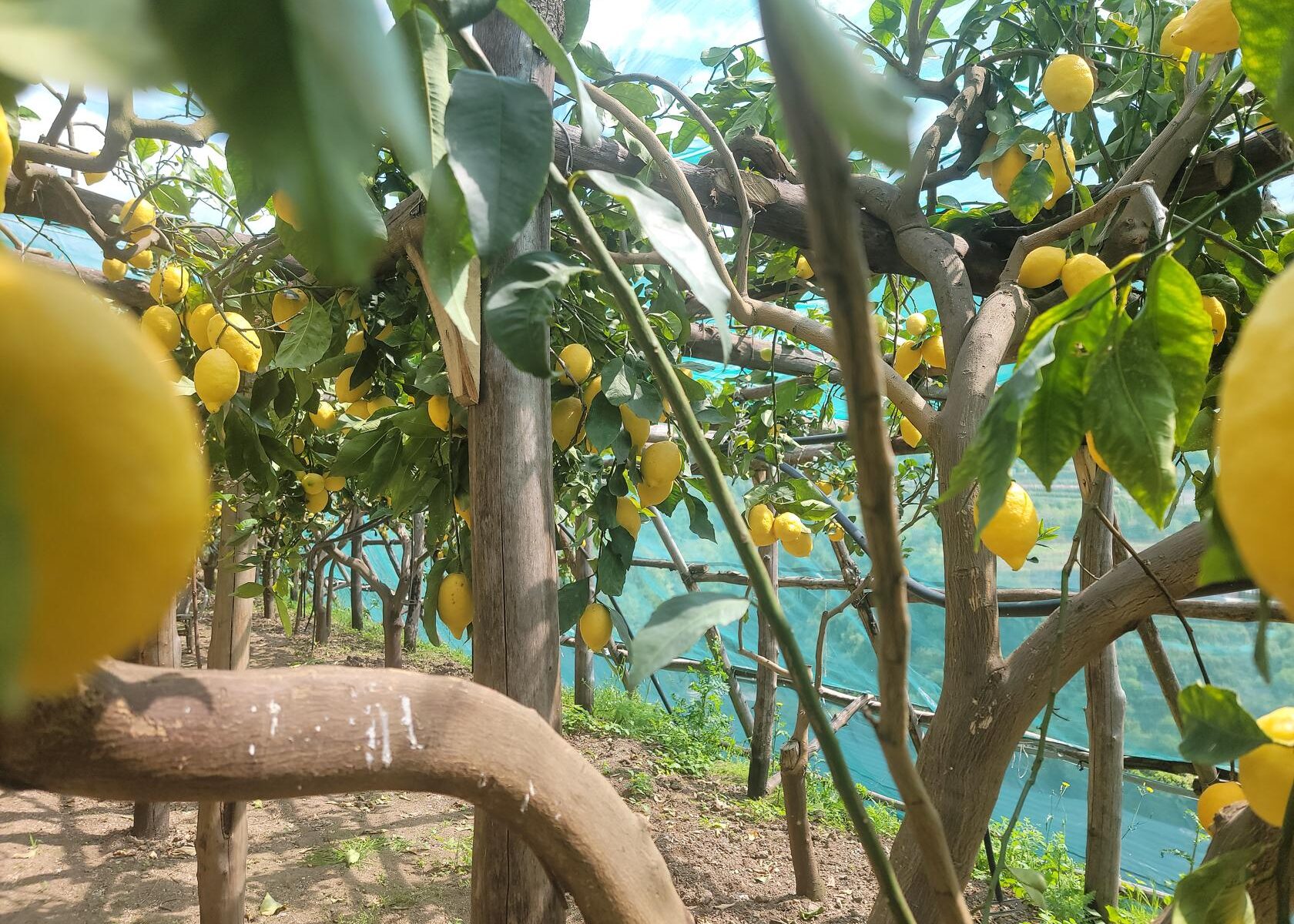
Azienda Agricola Lemon Experience

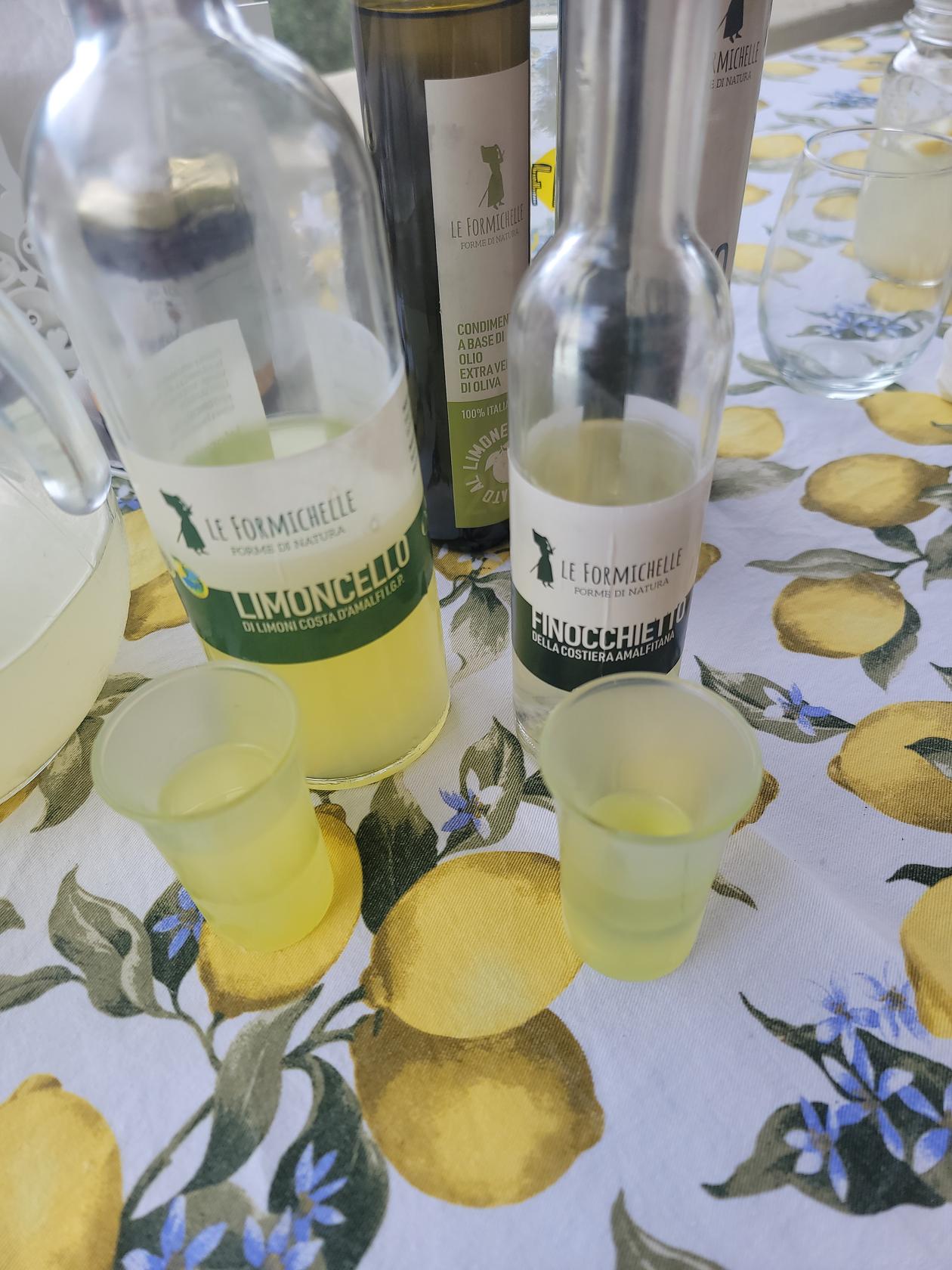
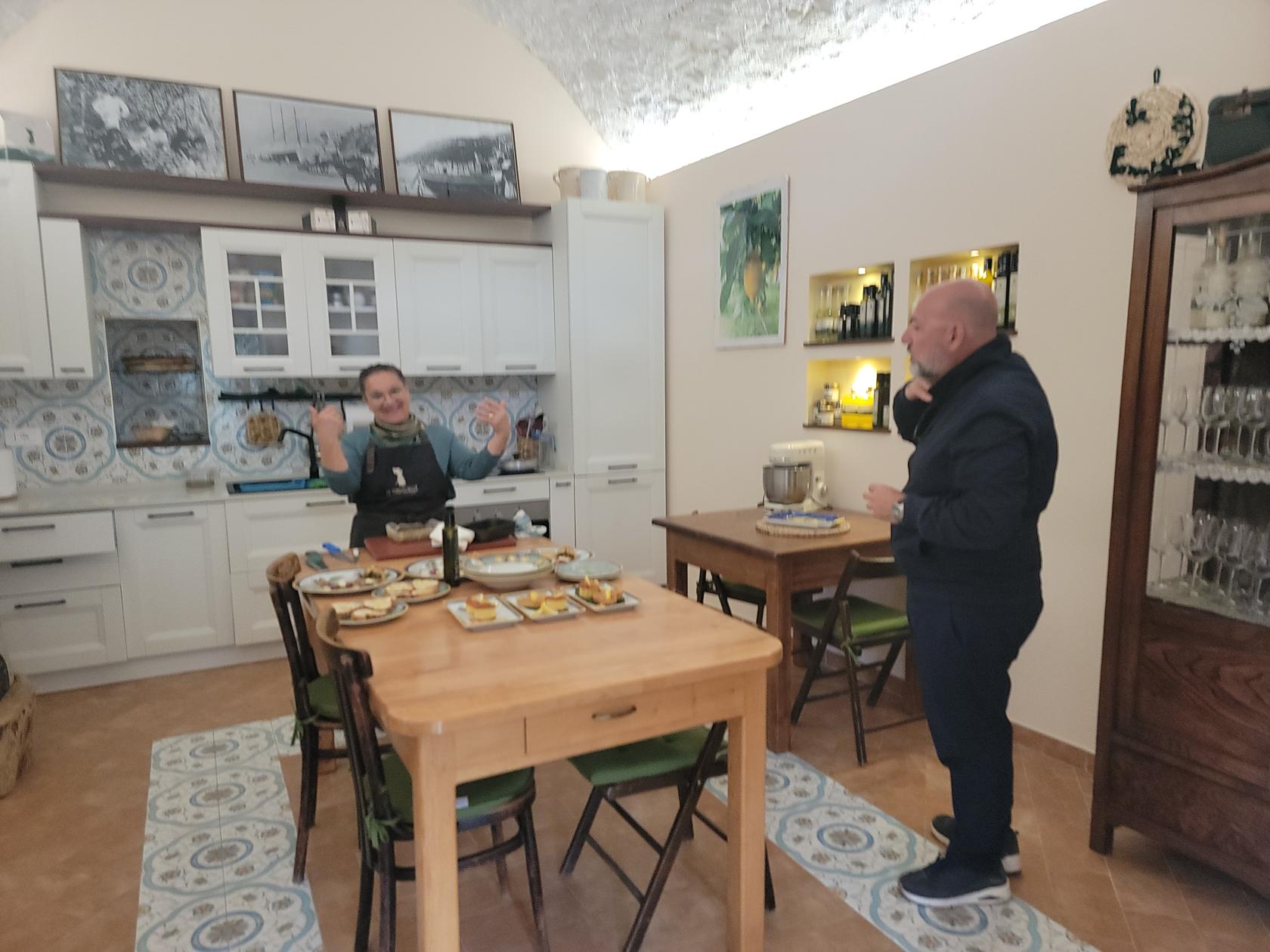
Azienda Agricola Le Formichelle can provide a lemon experience. It is part guided tour, part lunch, with the most complete explanation of lemons you will probably ever experience.
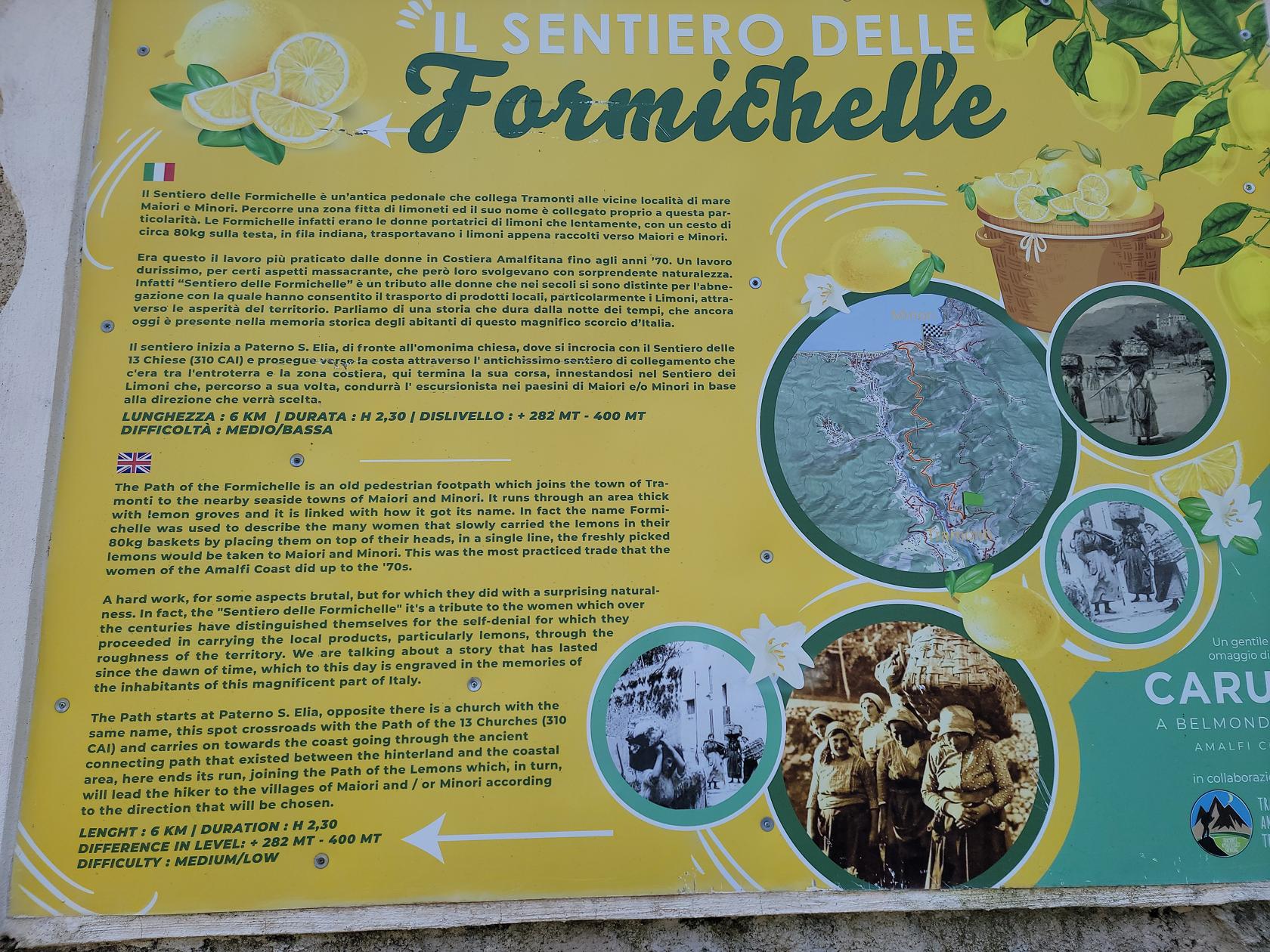
Lemon Experience Tour

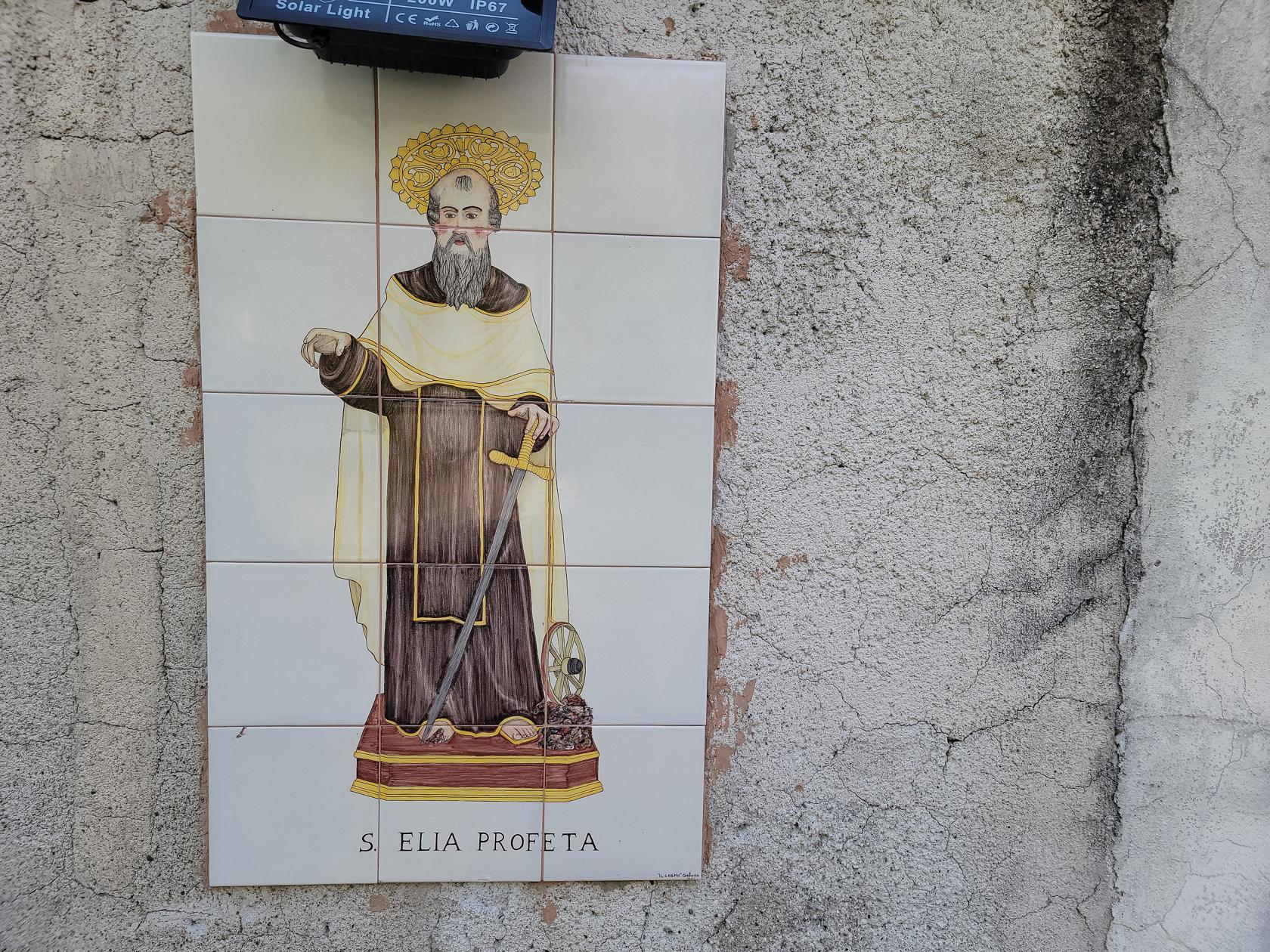
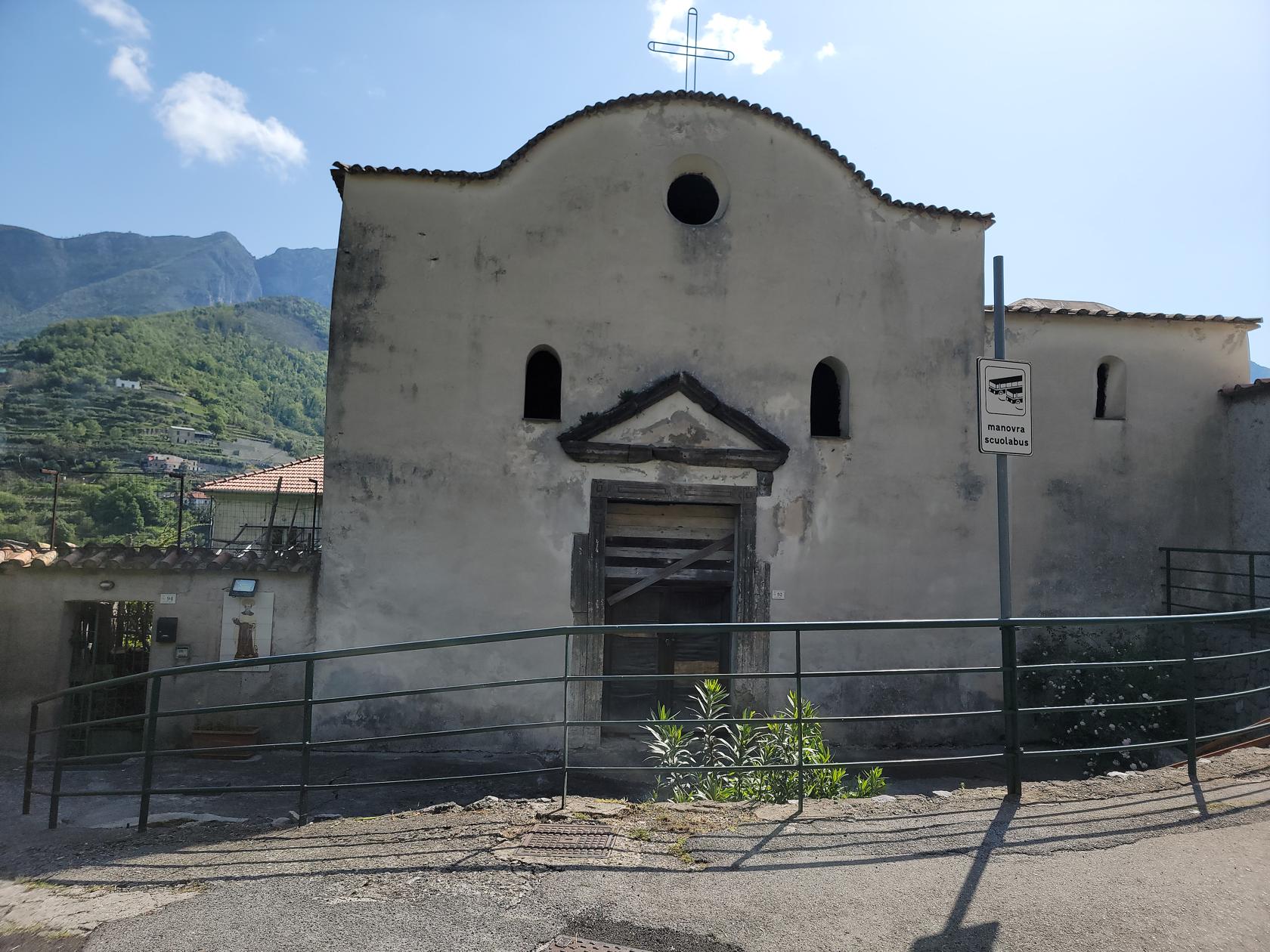
Our tour started out where are tour guide dropped us off, near the small abandoned church of Chiesa parrocchiale S. Elia Profeta in Ferriera, Tramonti.
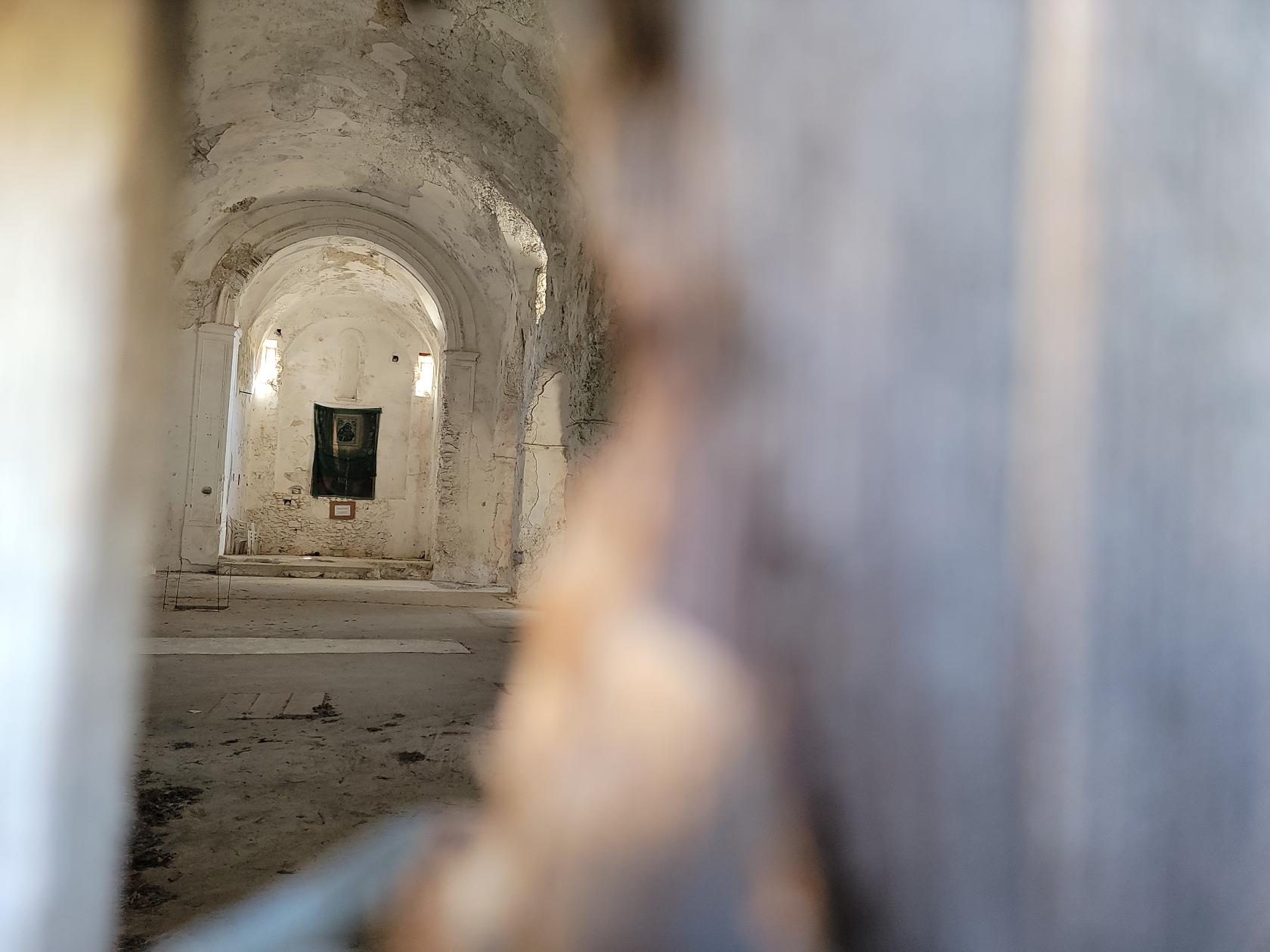
Here our young guide explained in english all the geological, climate and other aspects of lemon growing, while pointing our specific areas between the mountains we were in.
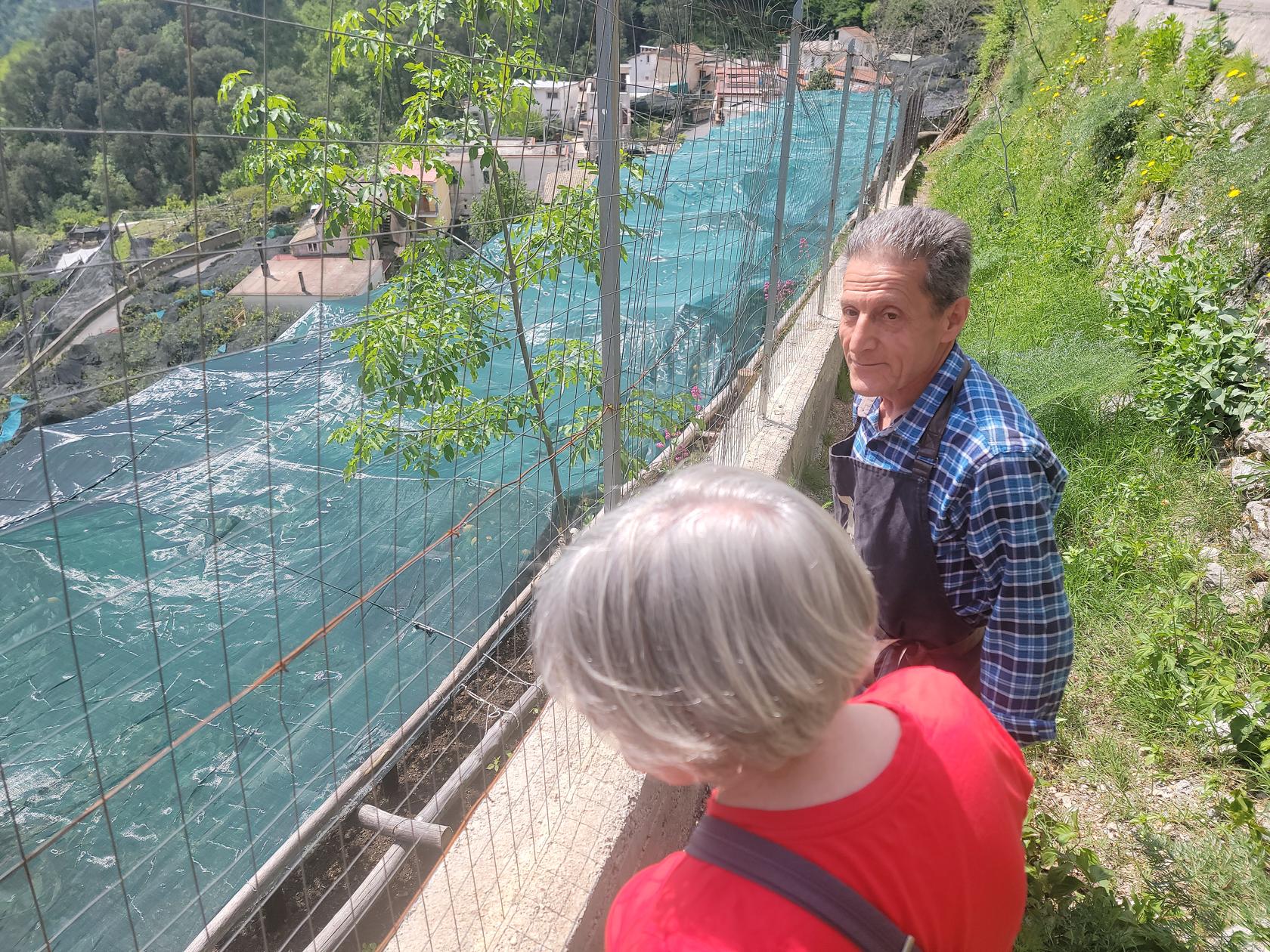
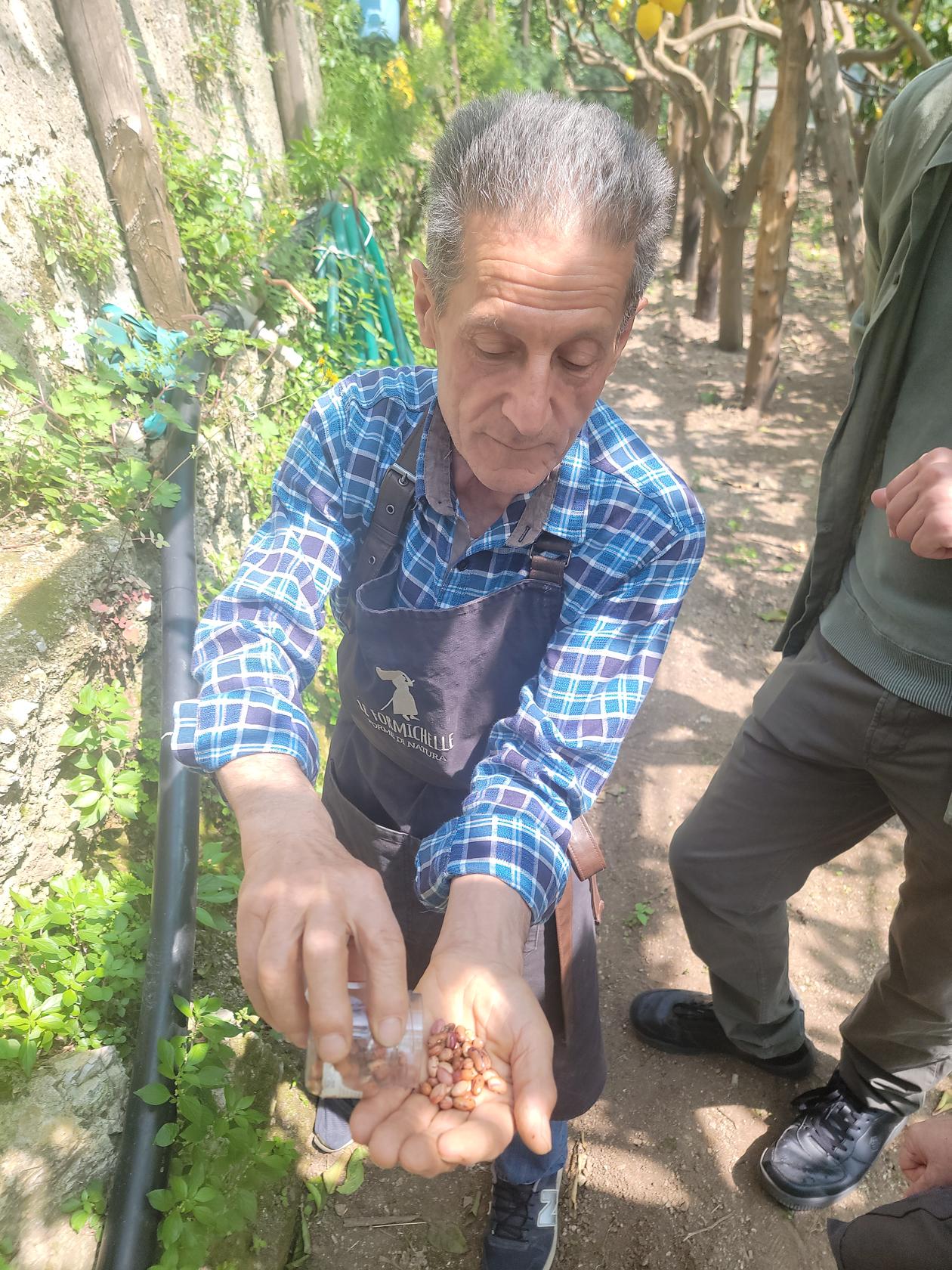
Then he took us to an old man named Ruben, definitely not an Italian name, who explained the horticulture of lemon trees. He showed us how he dries out different kind of seeds from fruit and vegetables that he has raised since he was a child with his father. He is seventy-four years old and does not look a day over sixty.
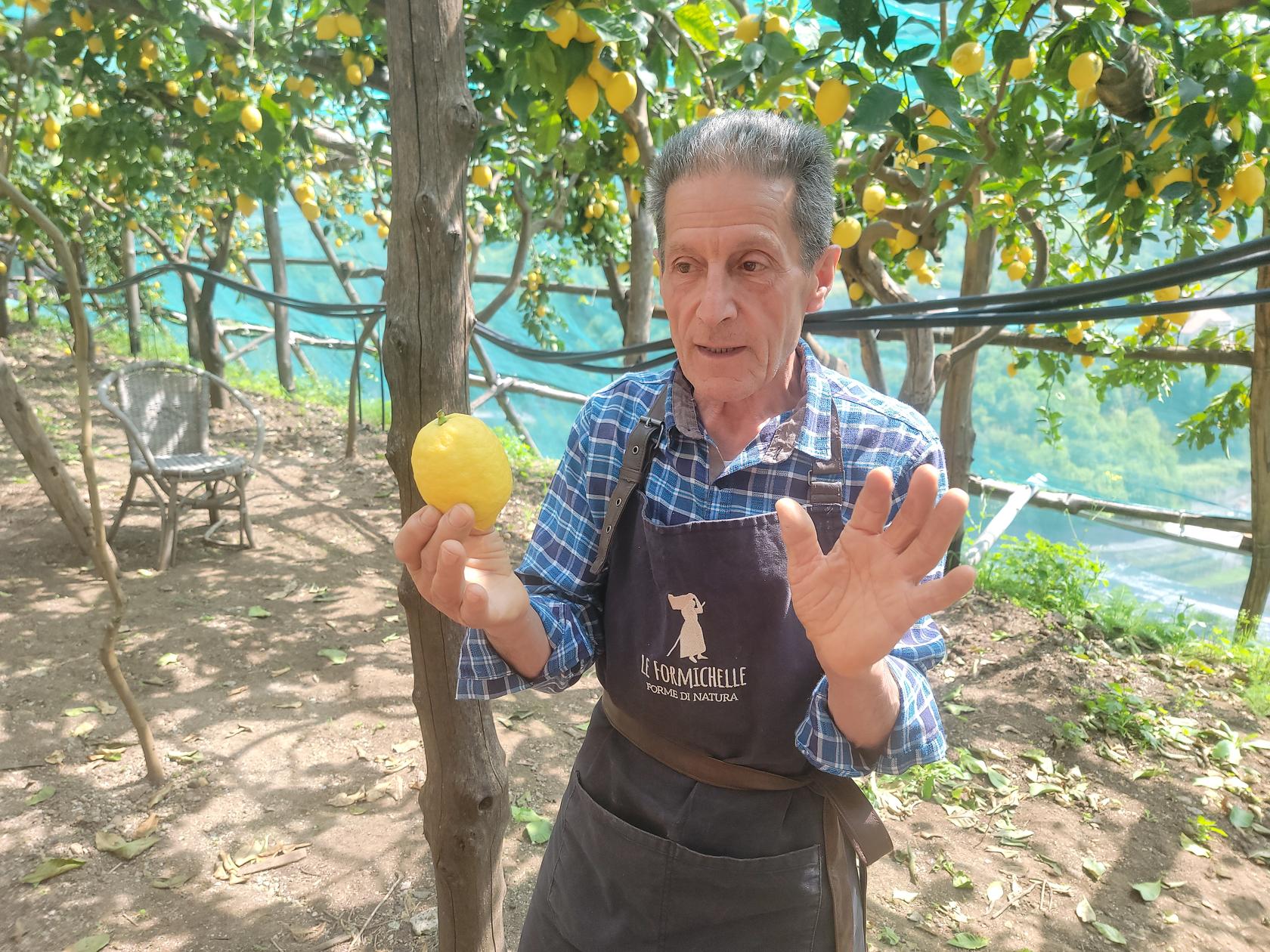
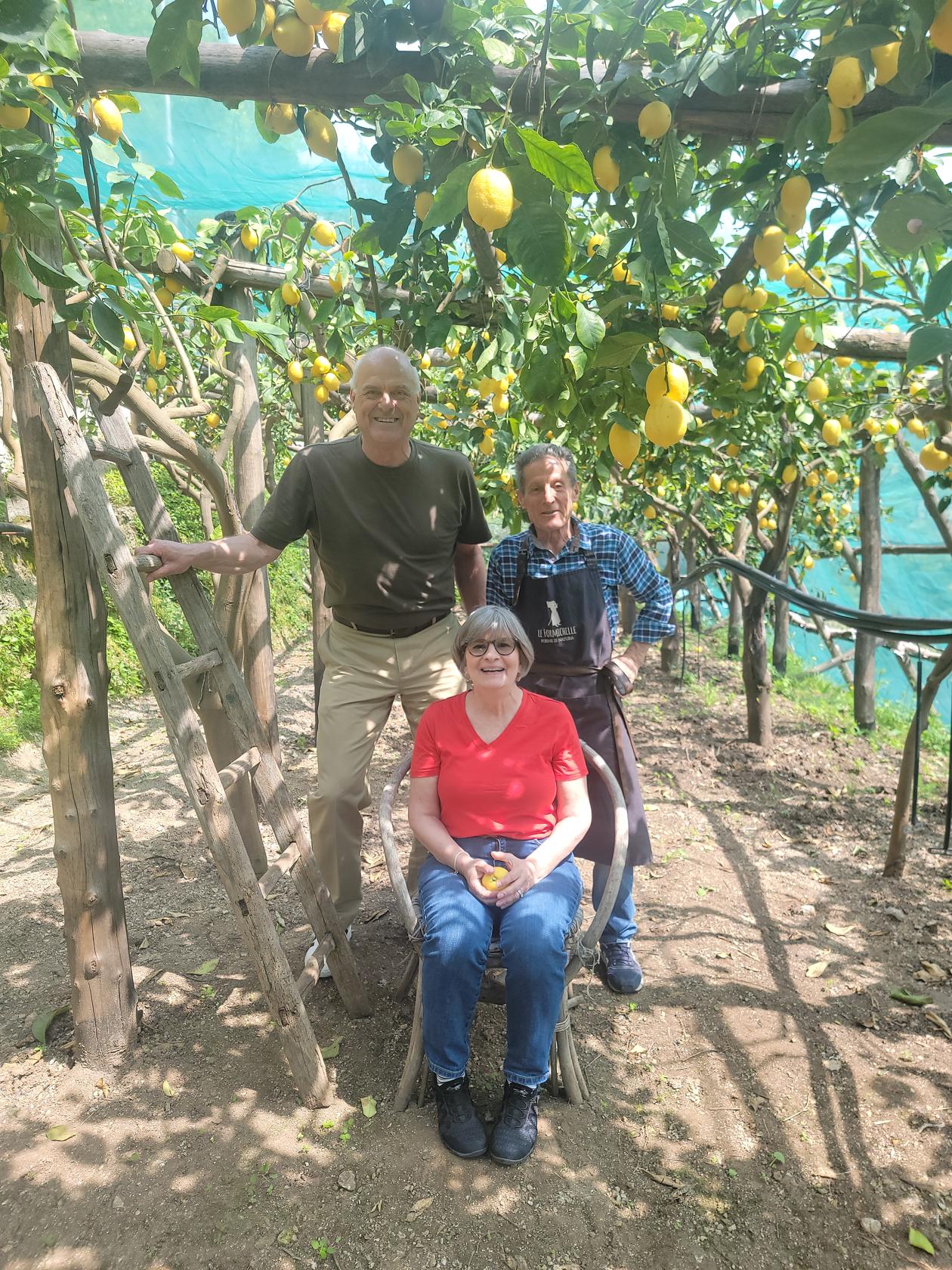
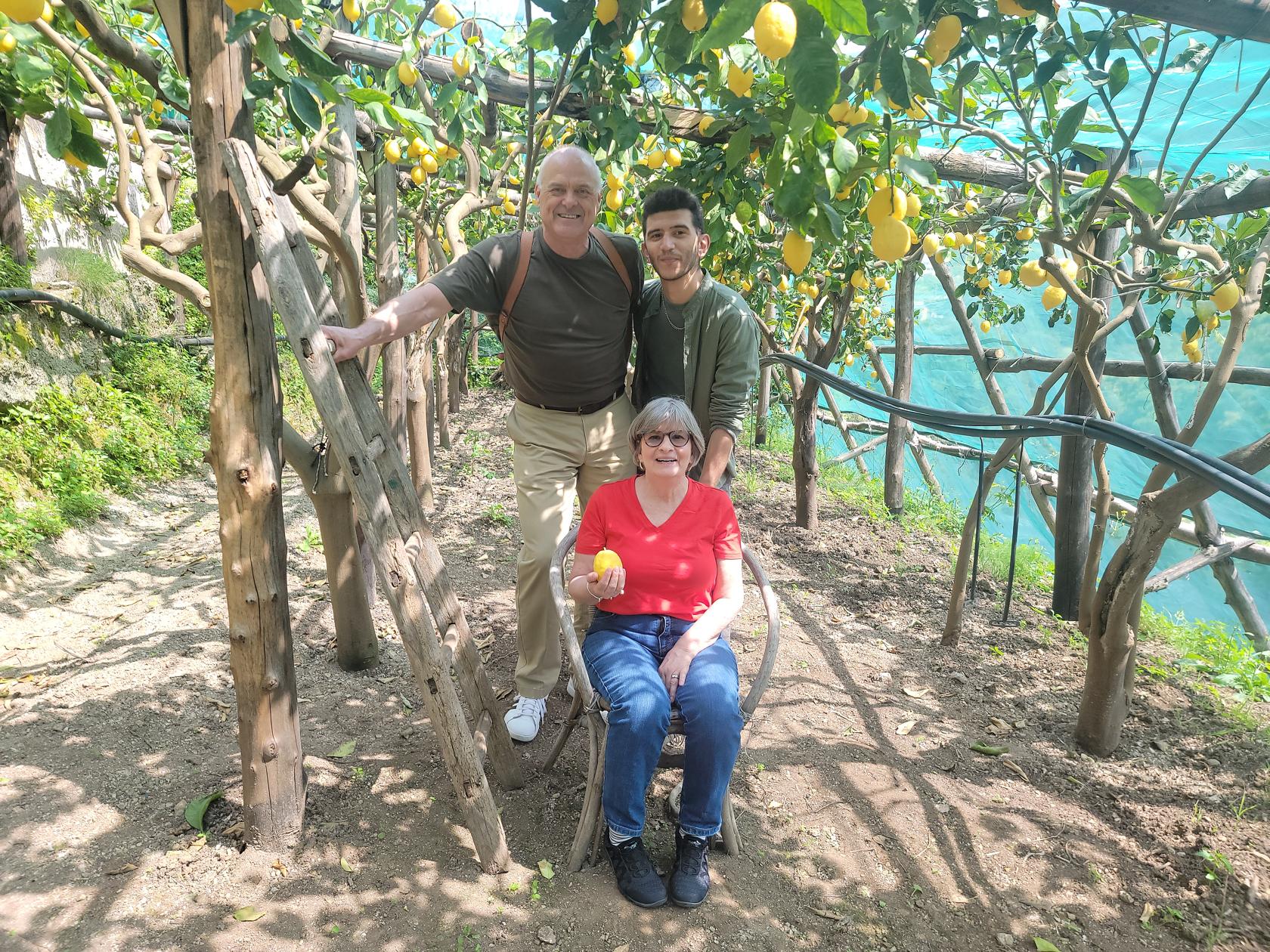
Then we had a cute little photograph session, where he had a small chair strategically placed within his one lemon grove.
Lemon Experience Luncheon

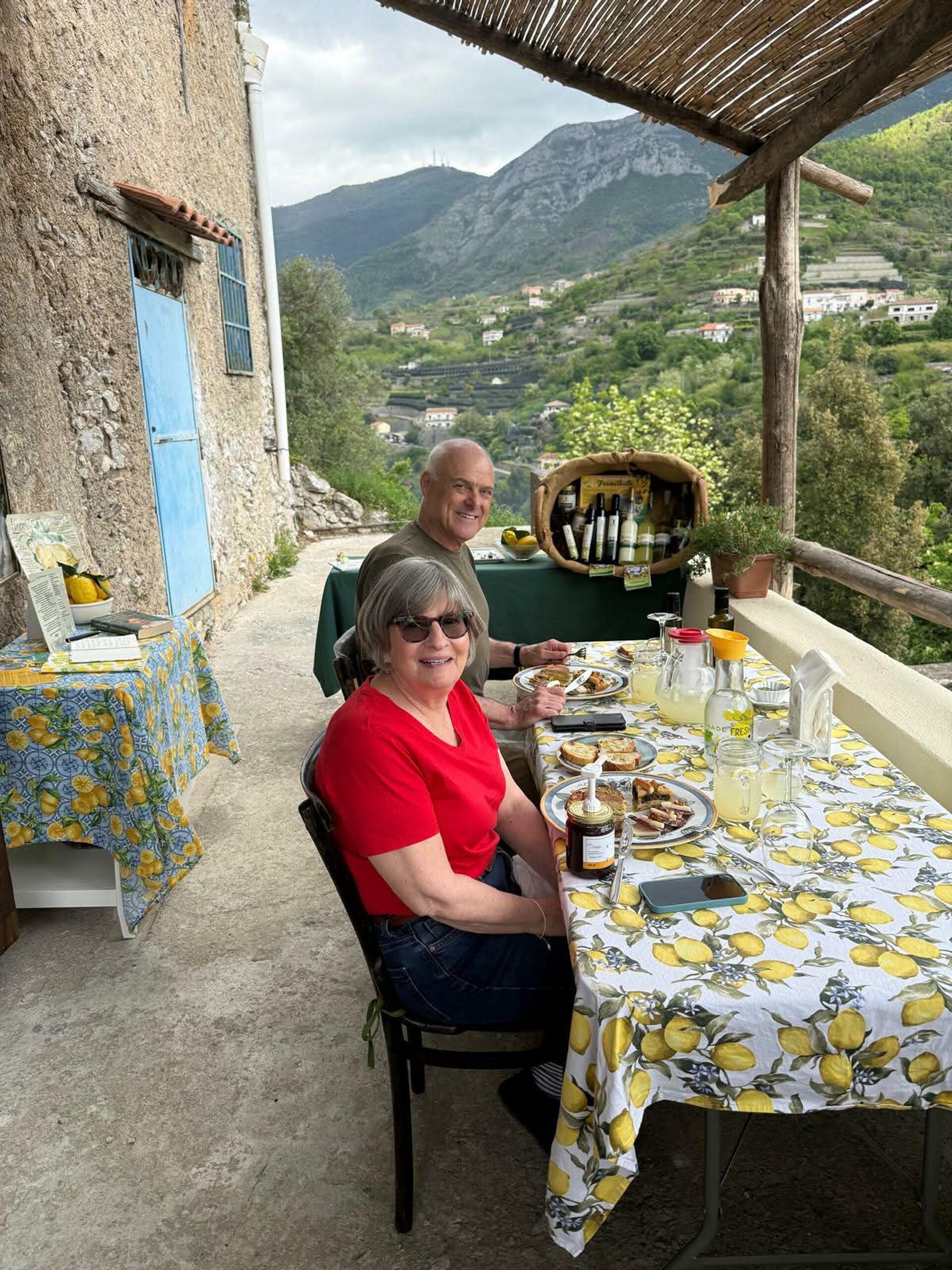
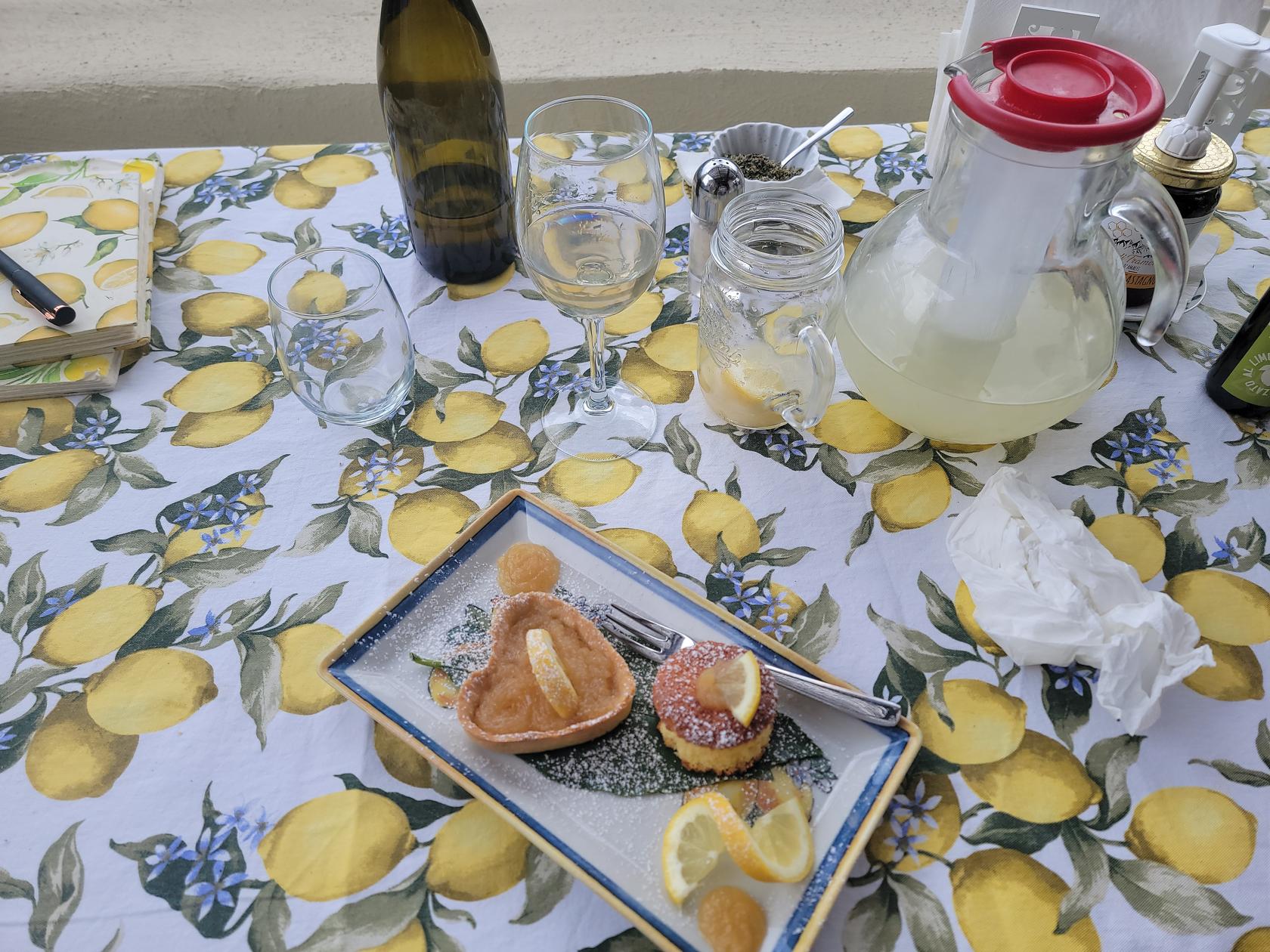
The luncheon was prepared by Ruben’s wife, Luisa. While she cooked inside their small garden house, Ruben prepared for us a Limoncello Spritz for each of us. It was delicious, as well as all the food that was served.
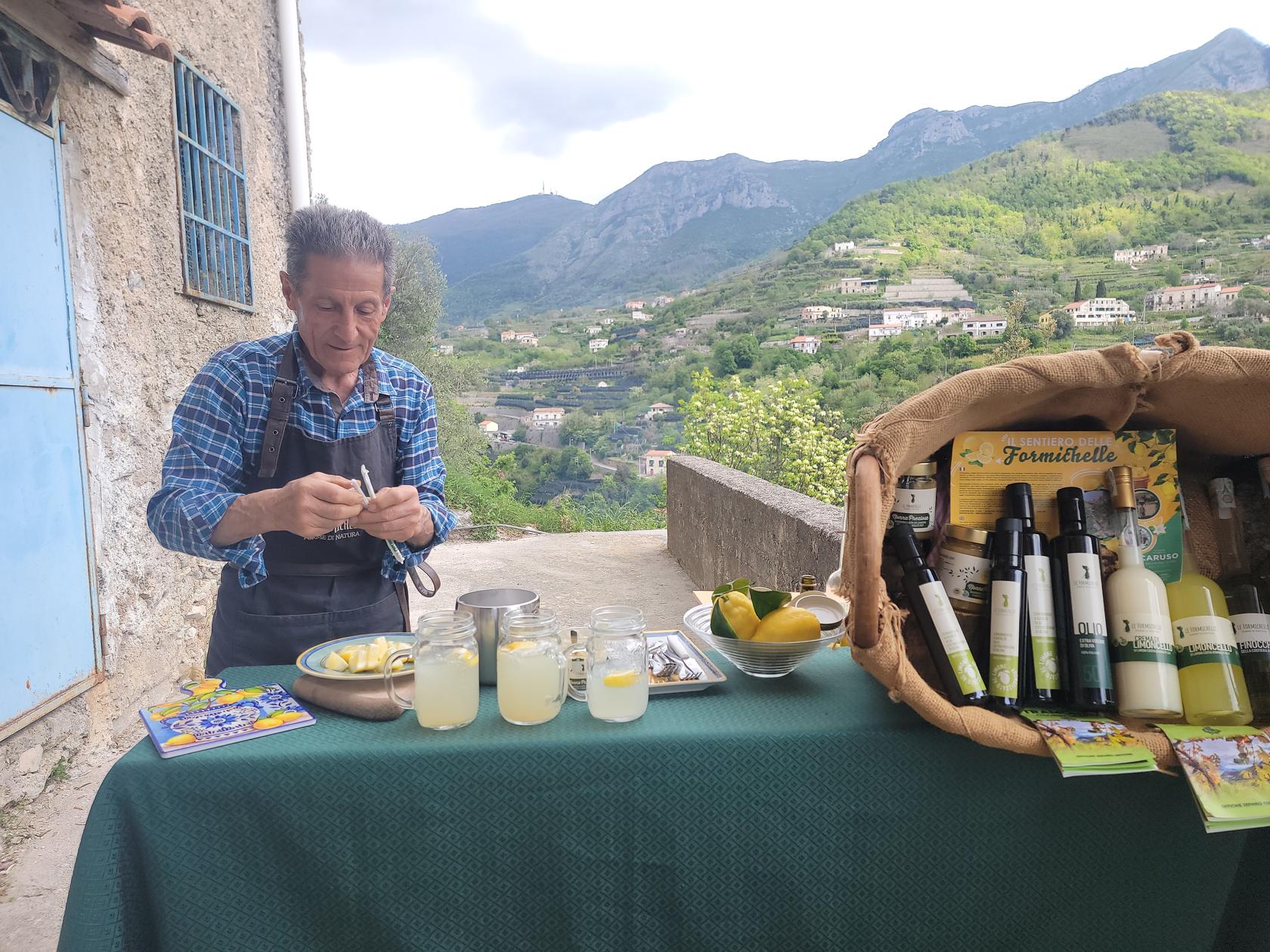
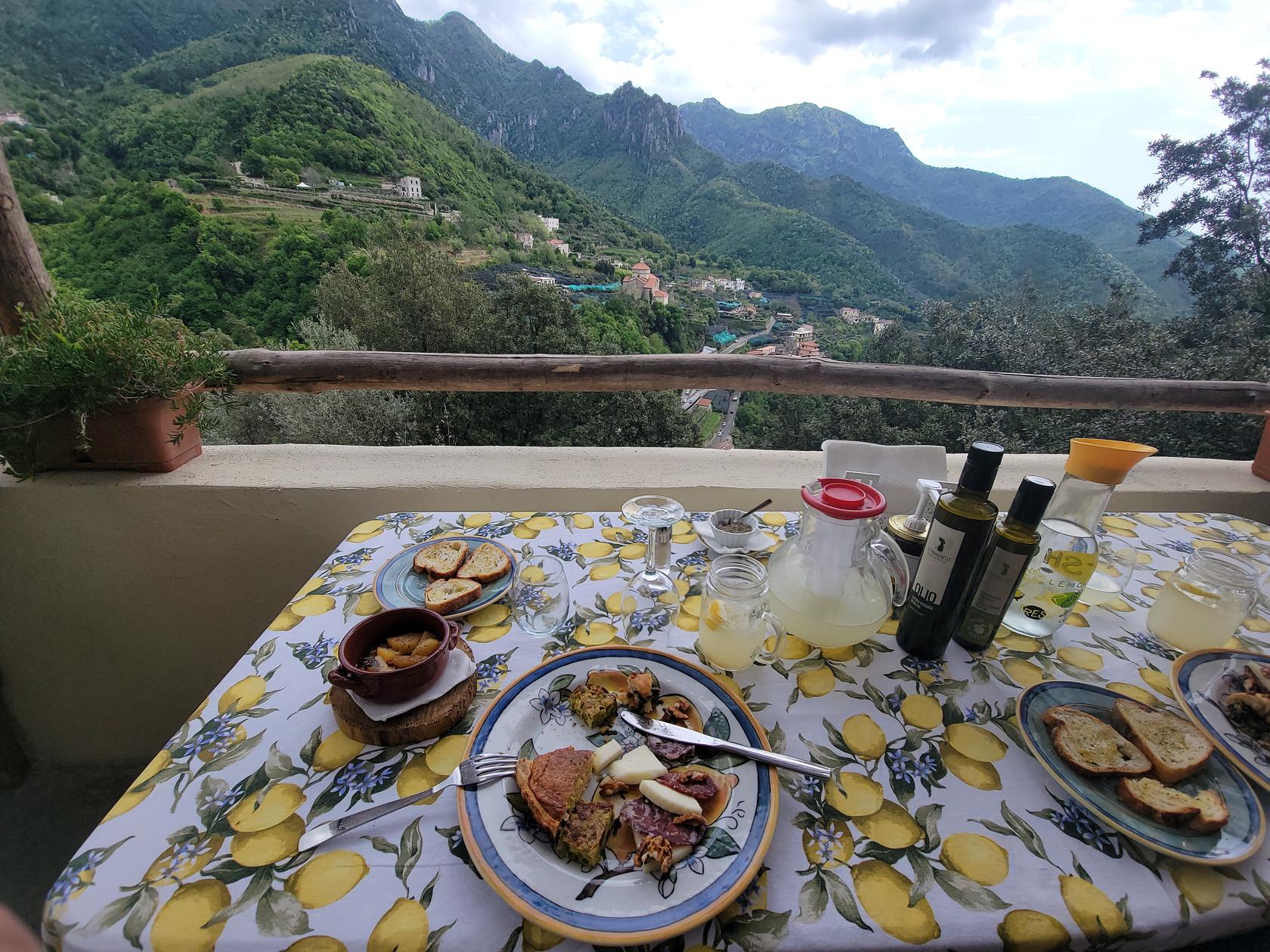
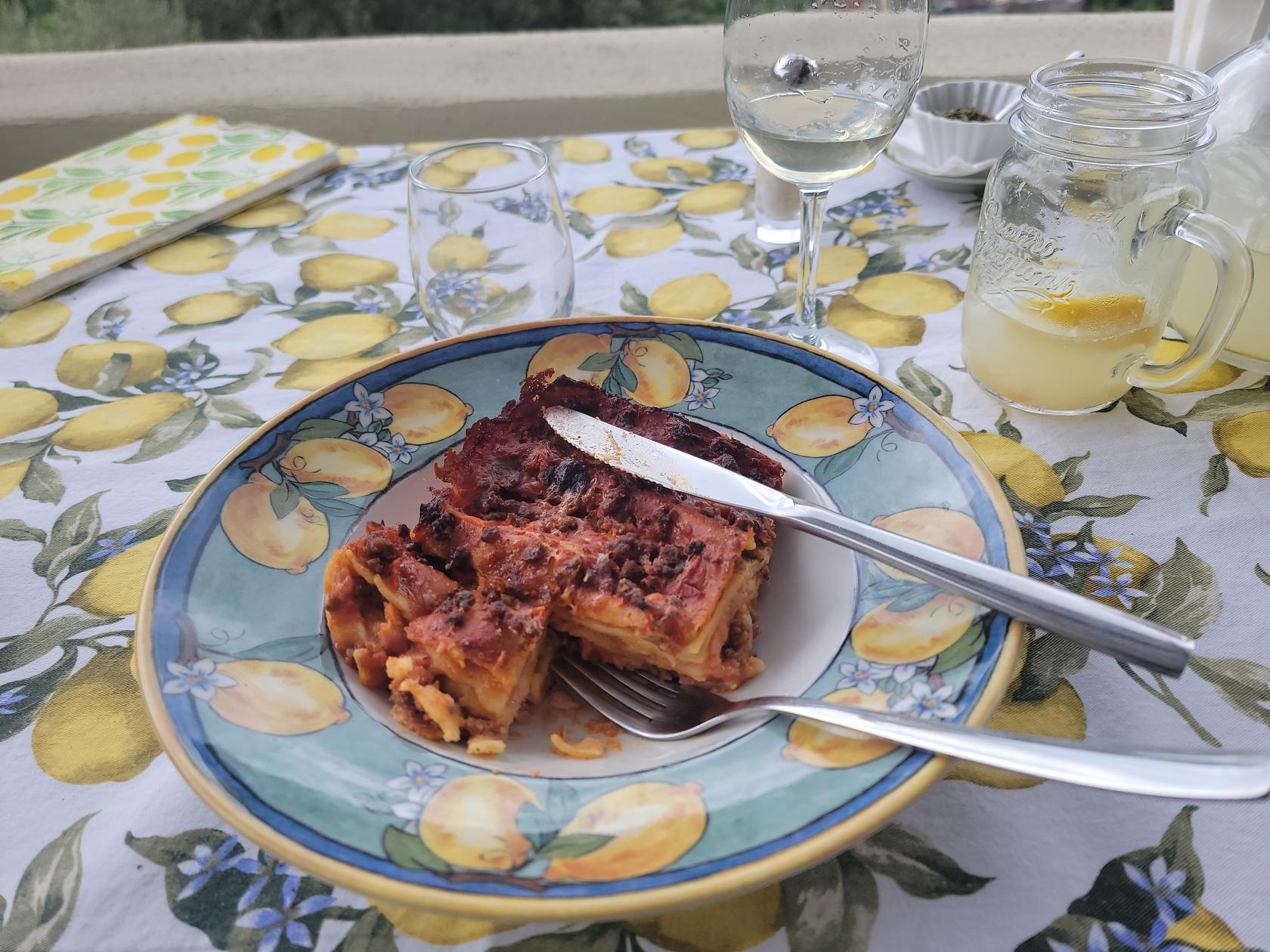
Once we started drinking that, which was made using his own Limoncello, the food started coming out. First the appetizers, then more plentiful food and last a portion of Lasagna.
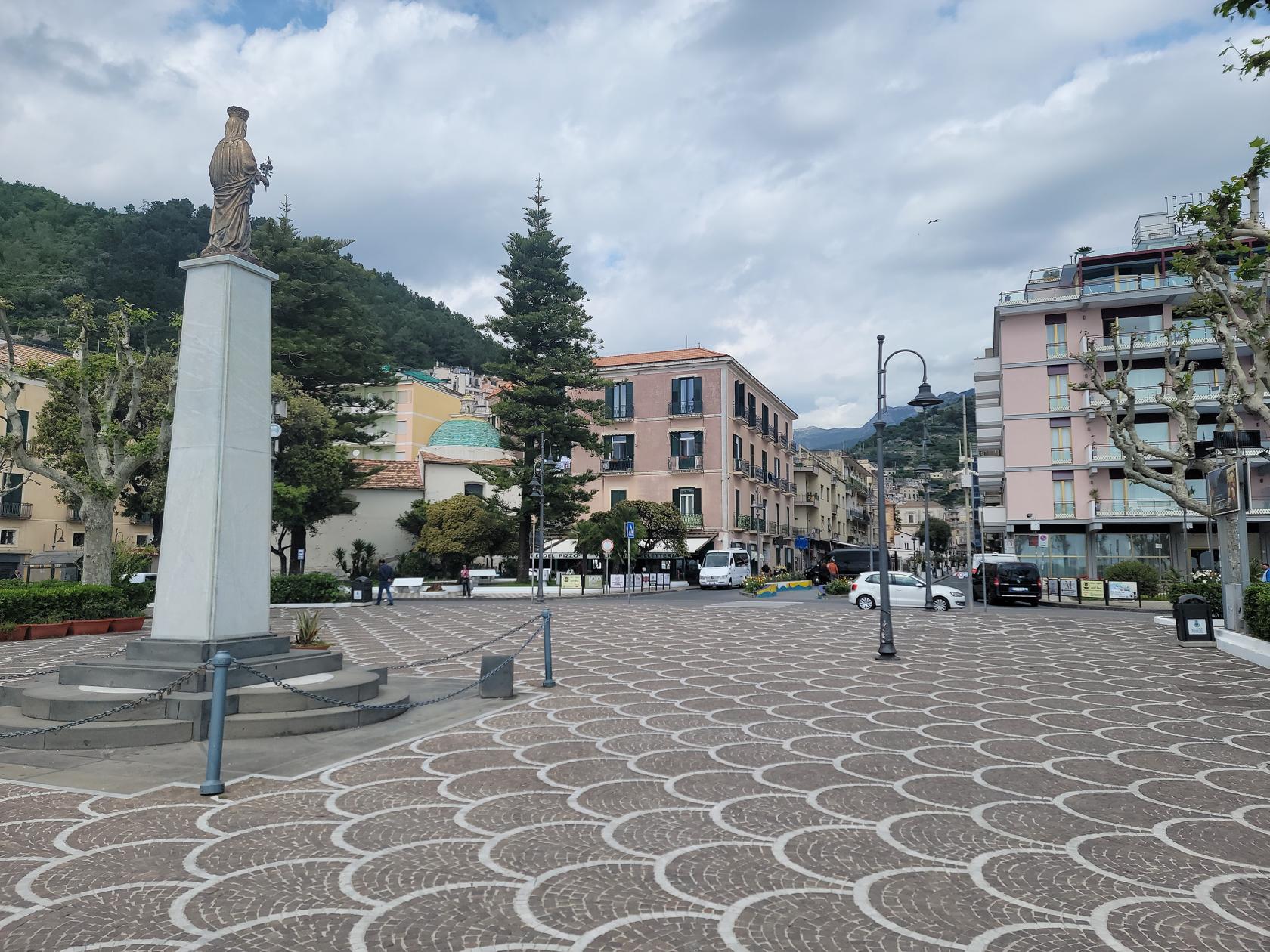
Maiori

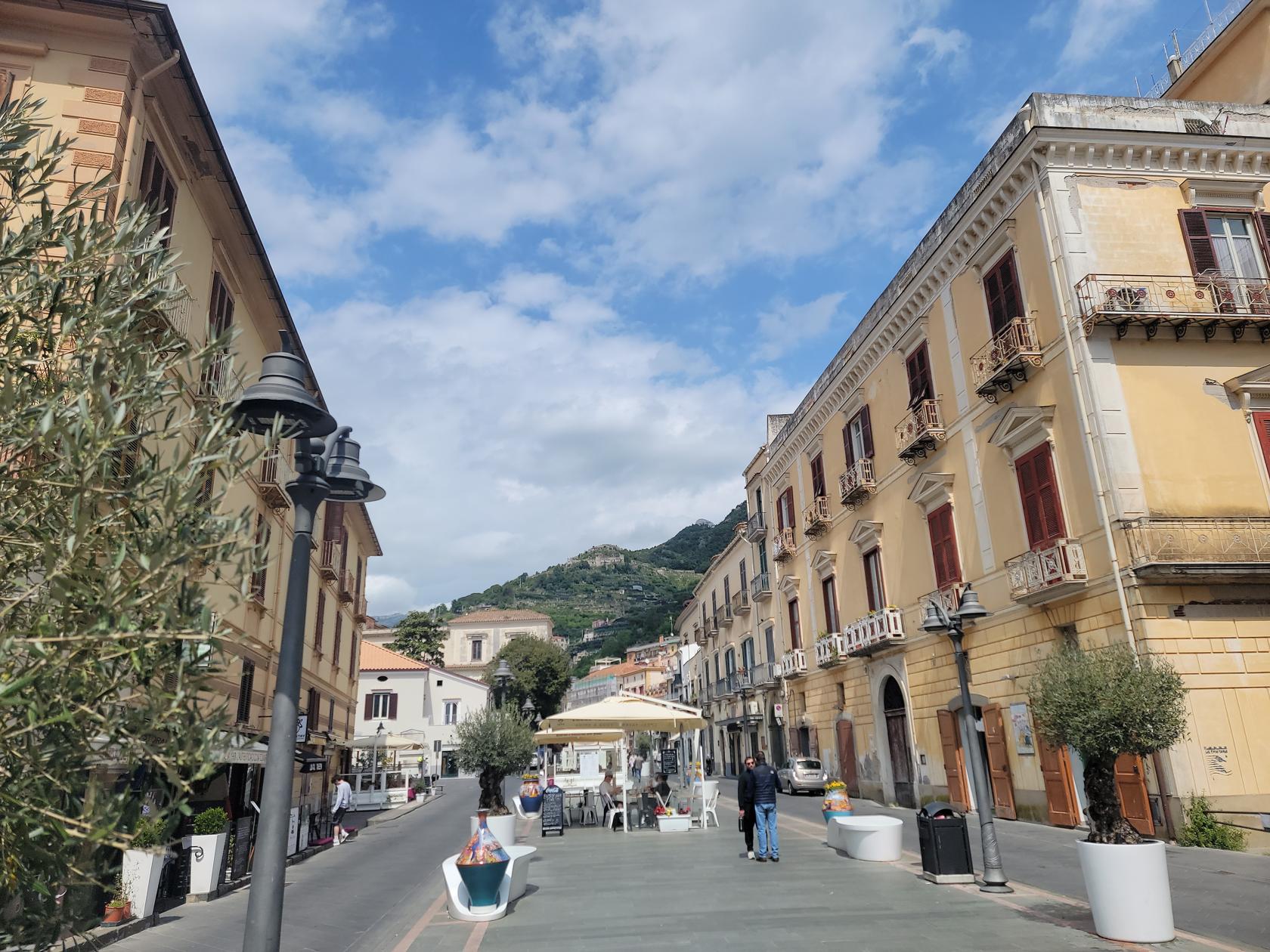
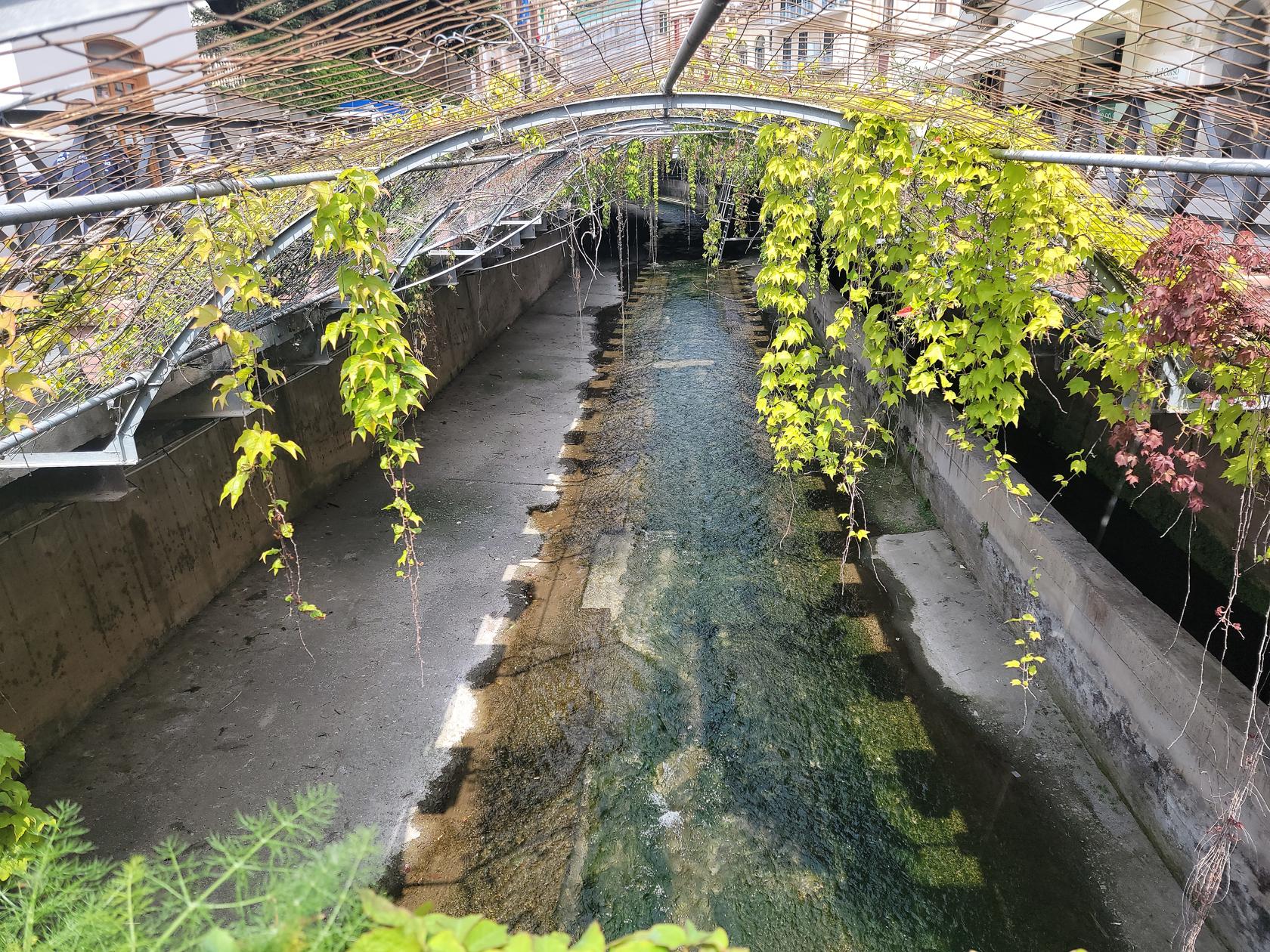
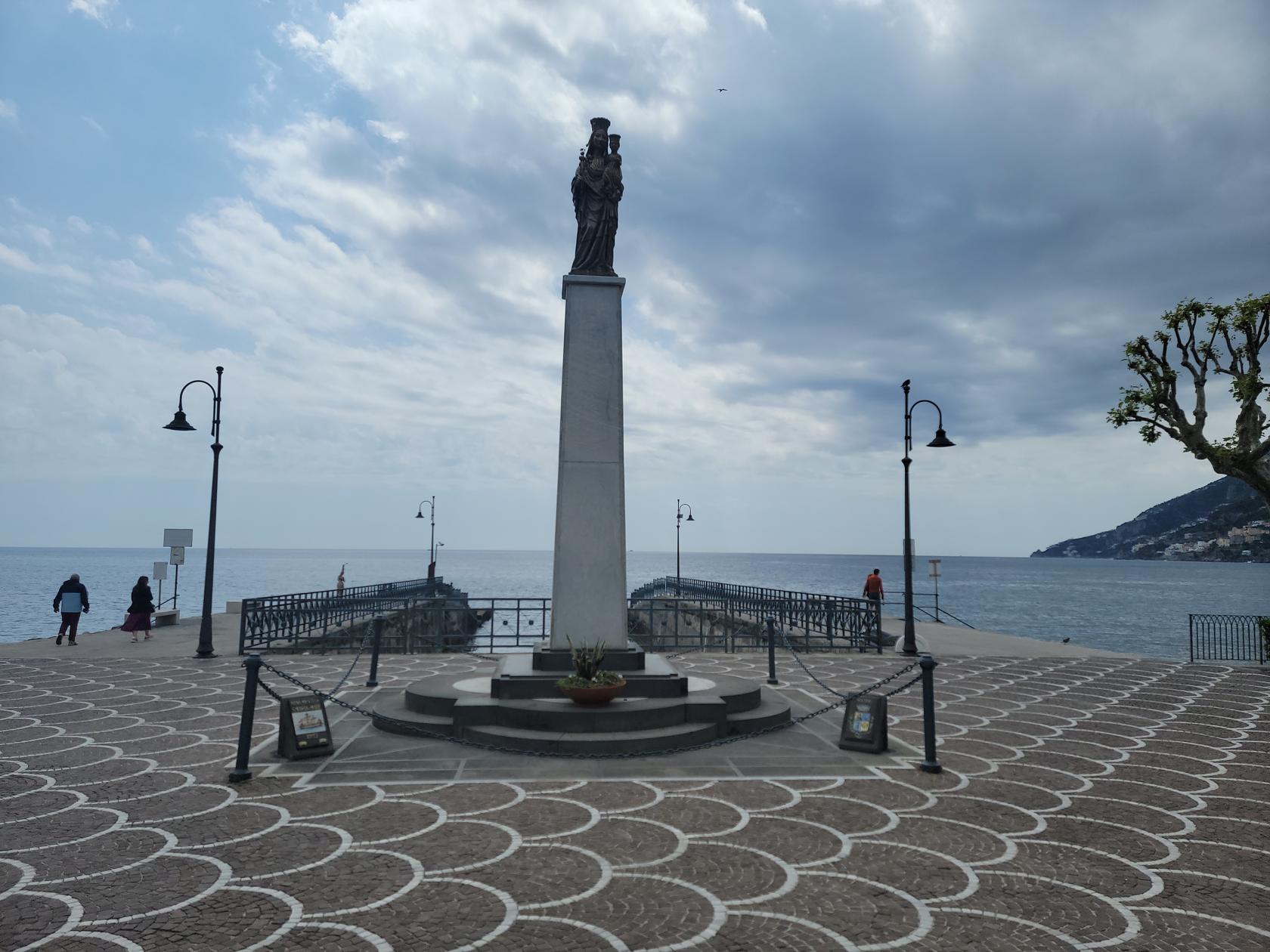
The town of Maiori literally means “major”, after the river which now flows under the Corso Reginna, the river Reghinna Maiori. It has over the years been abbreviated to just Maiori. First founded by the Etruscans, it was later conquered by the Romans, like the rest of Italy.
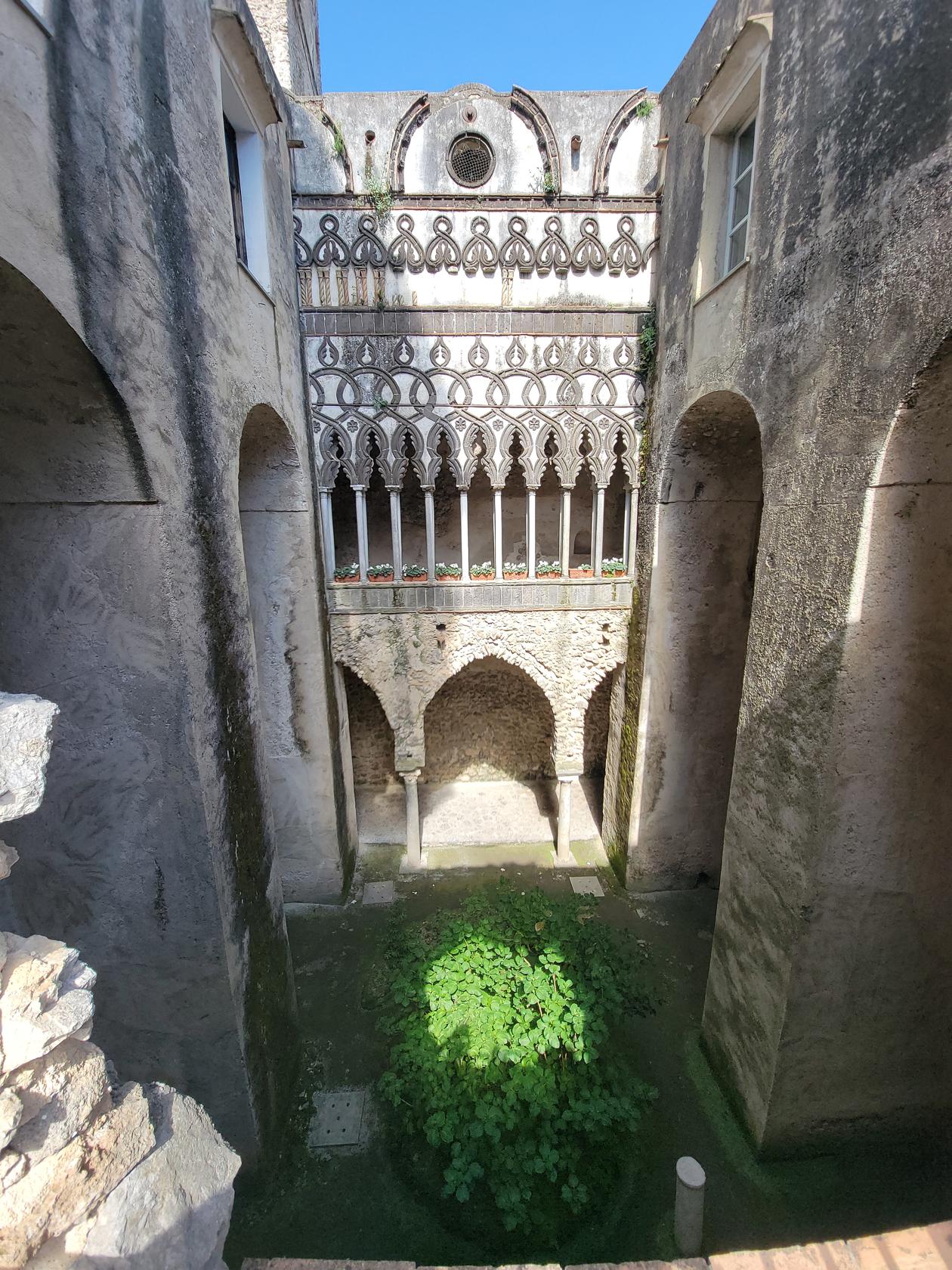
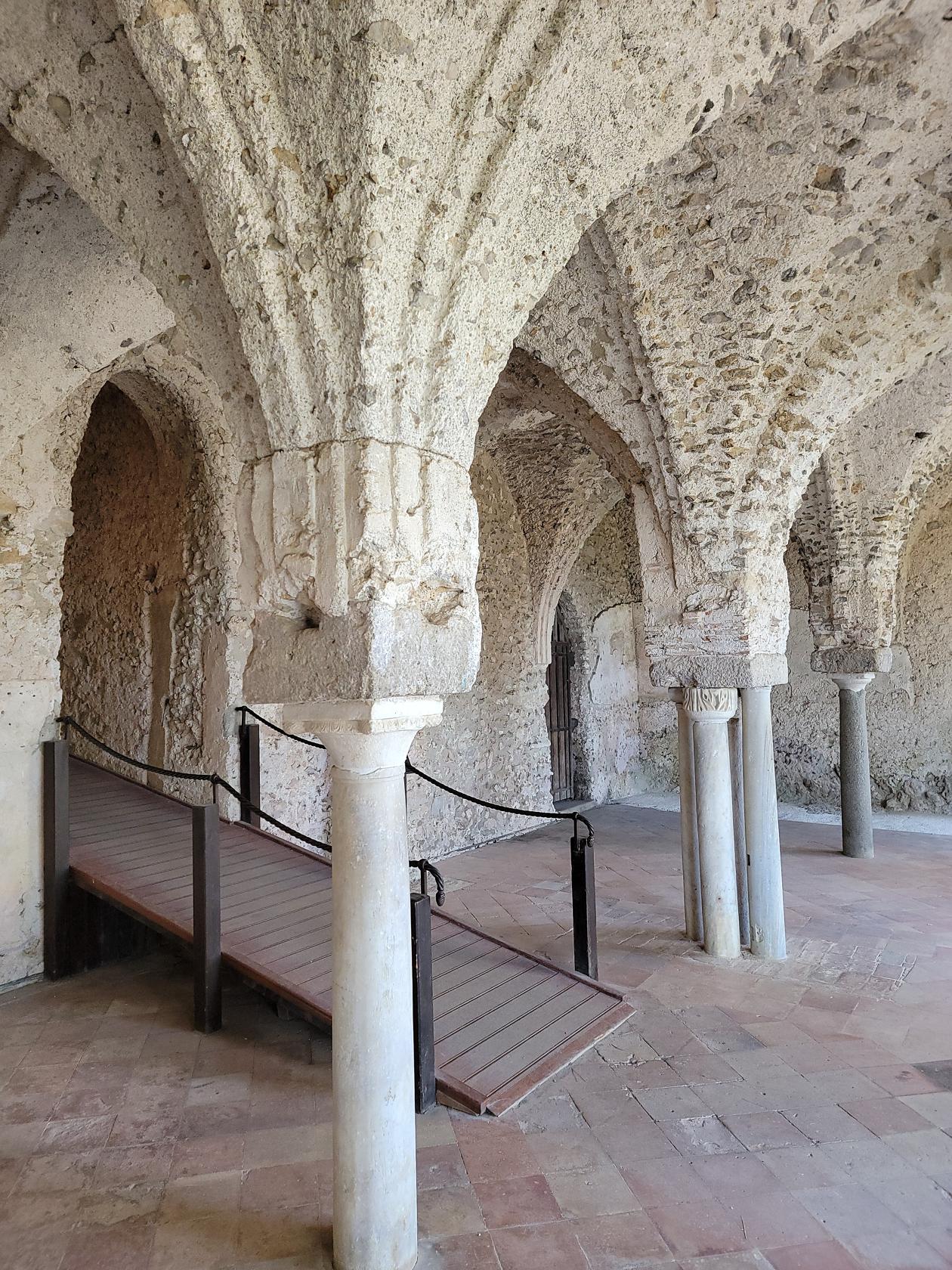
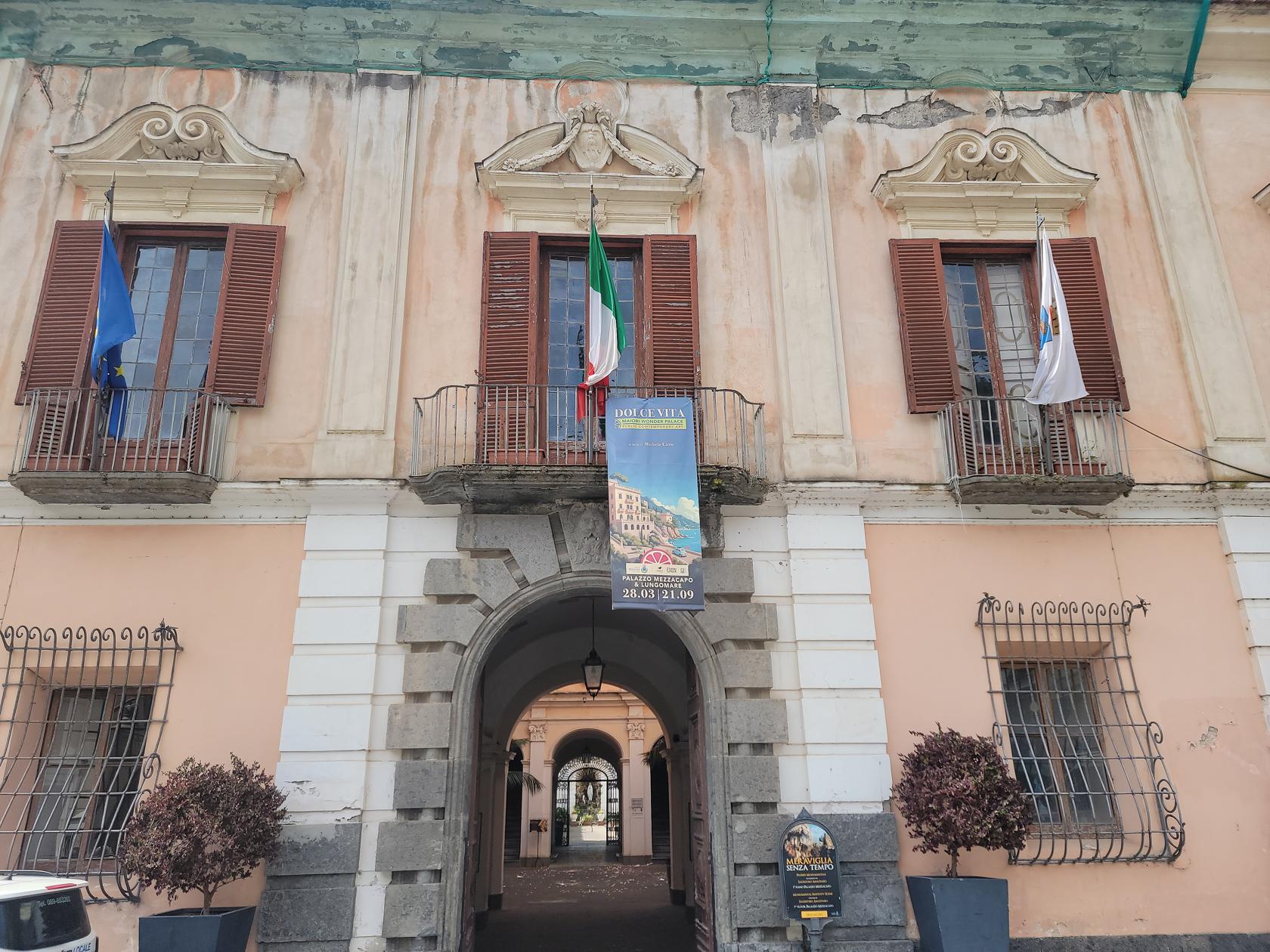
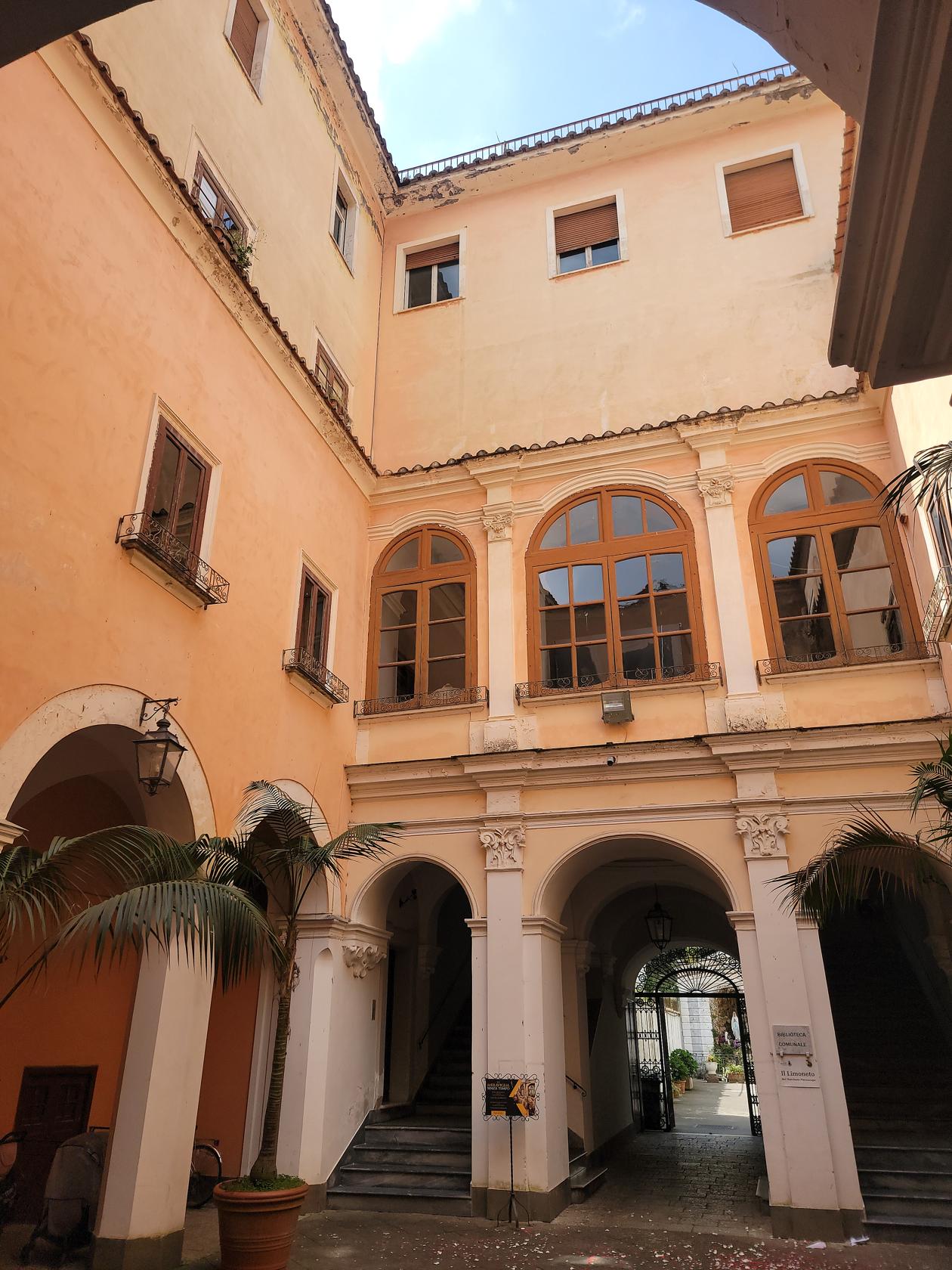
Palazzo Mezzacapo

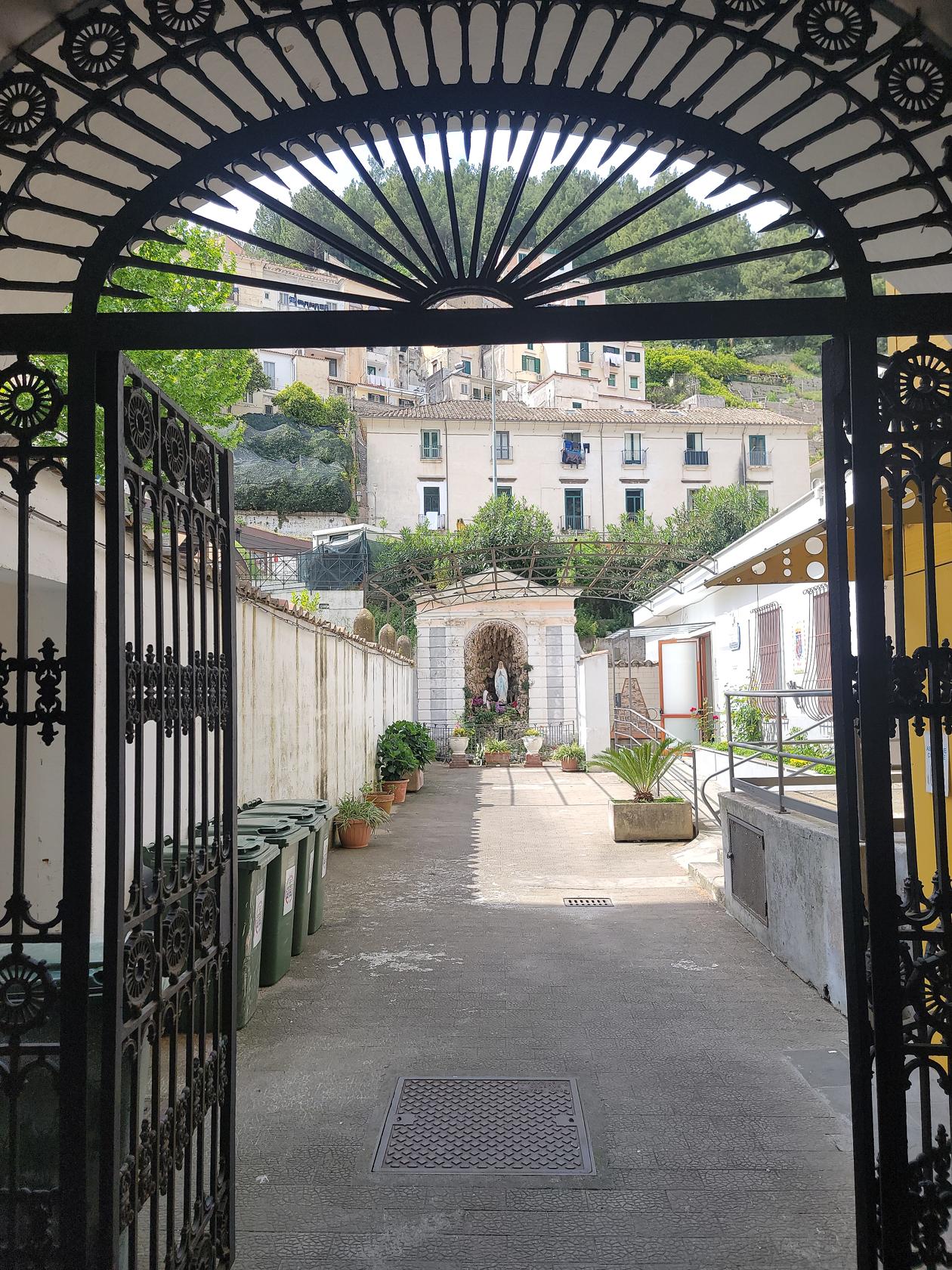
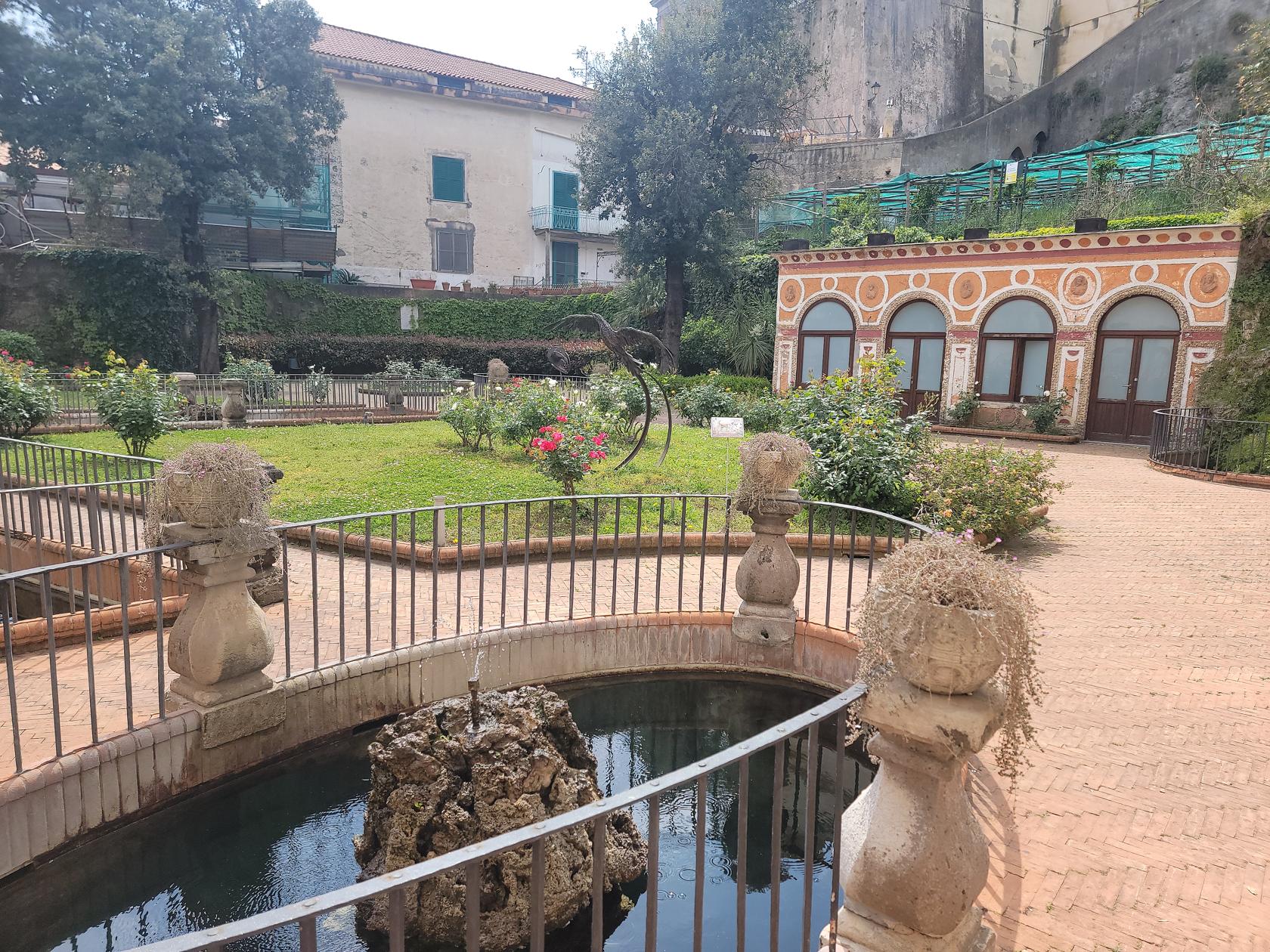
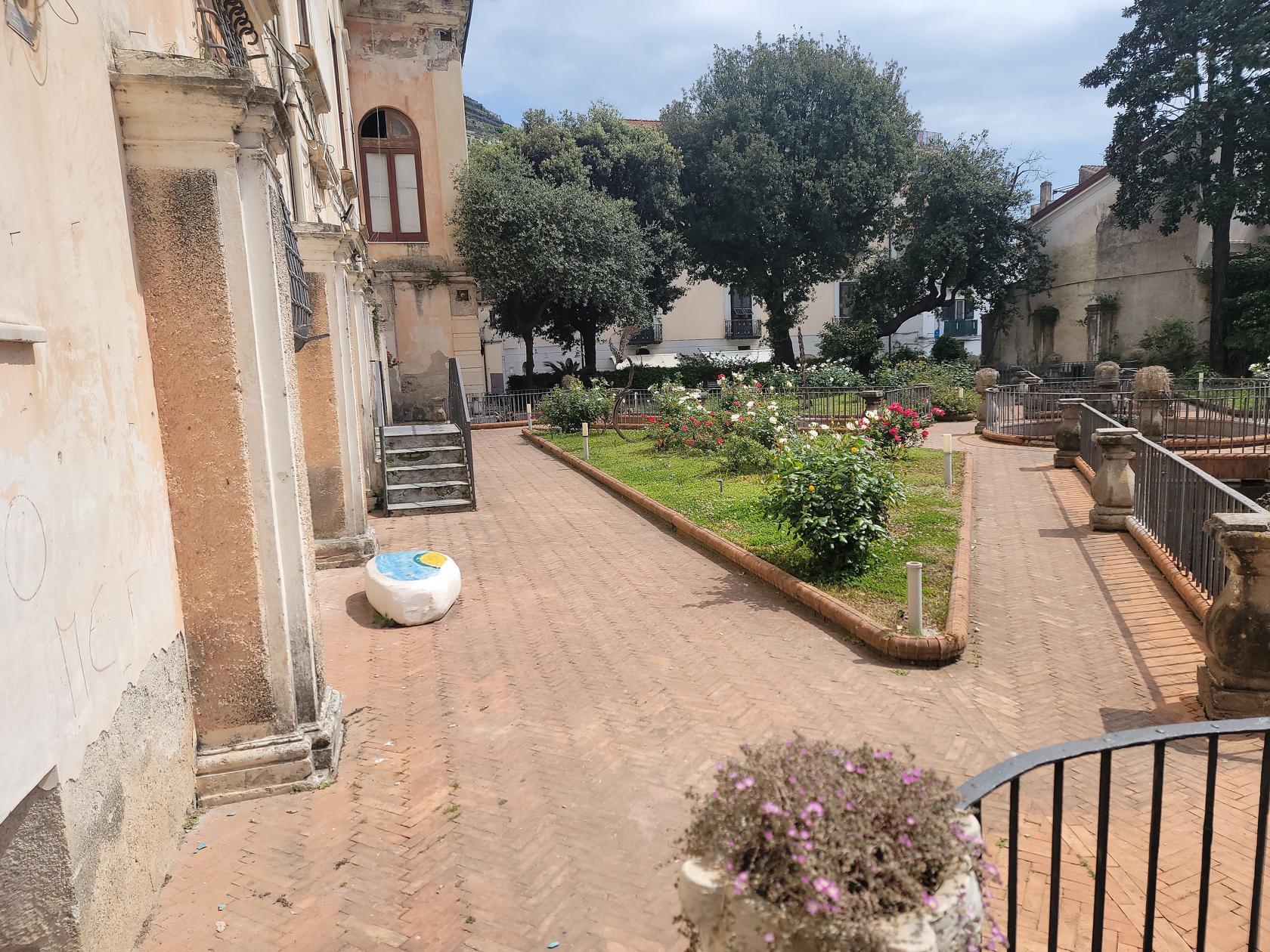
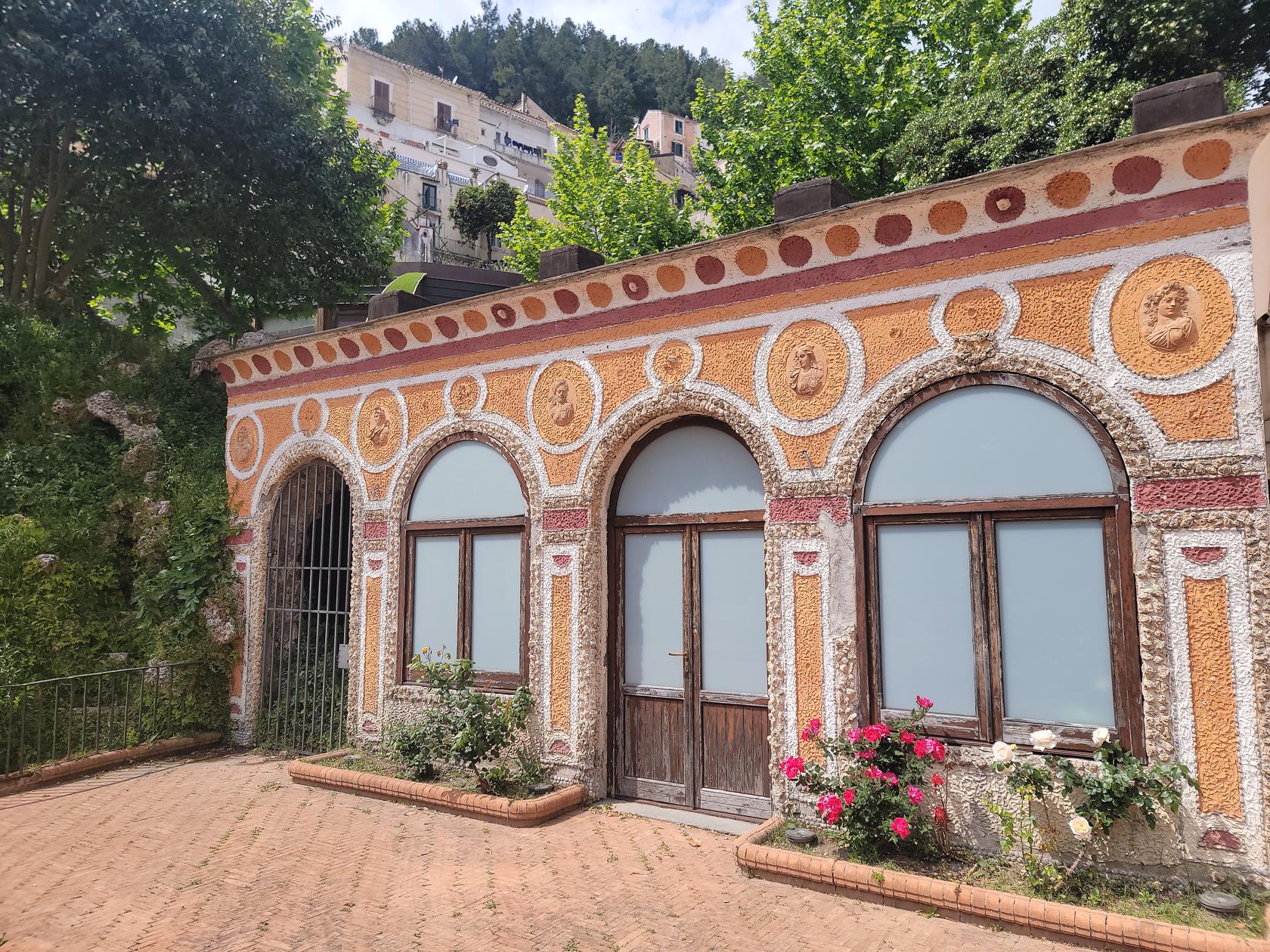
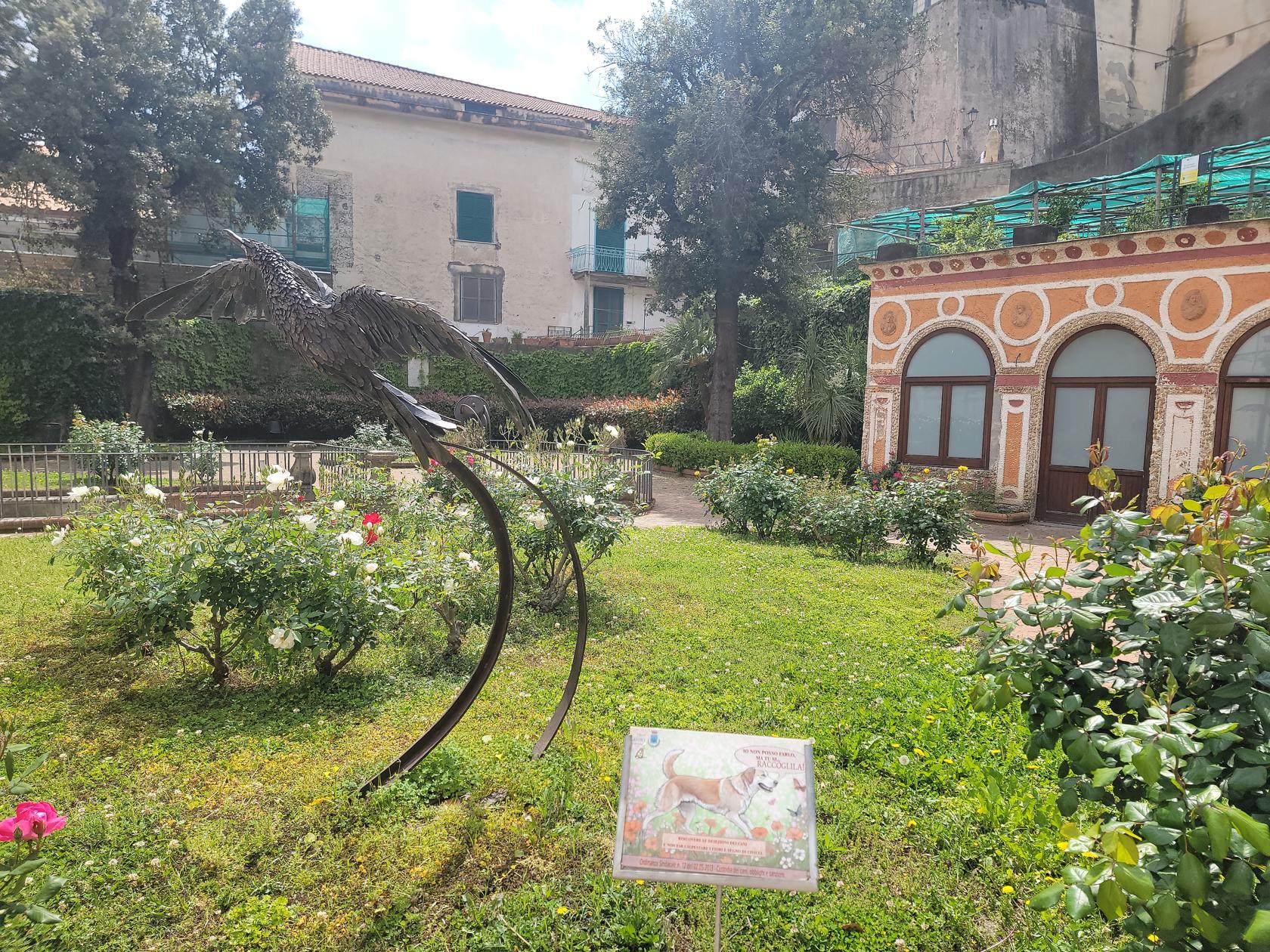
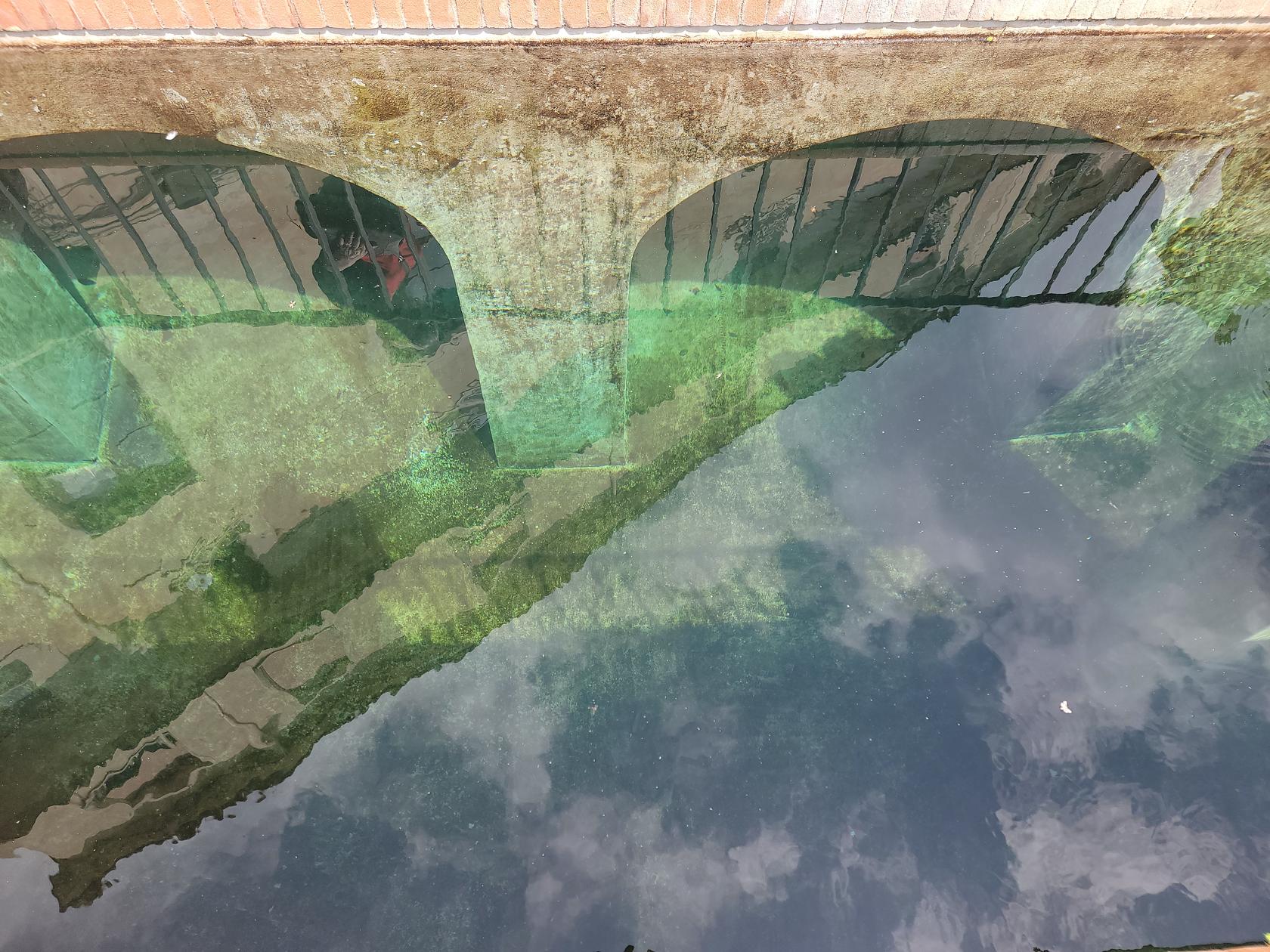
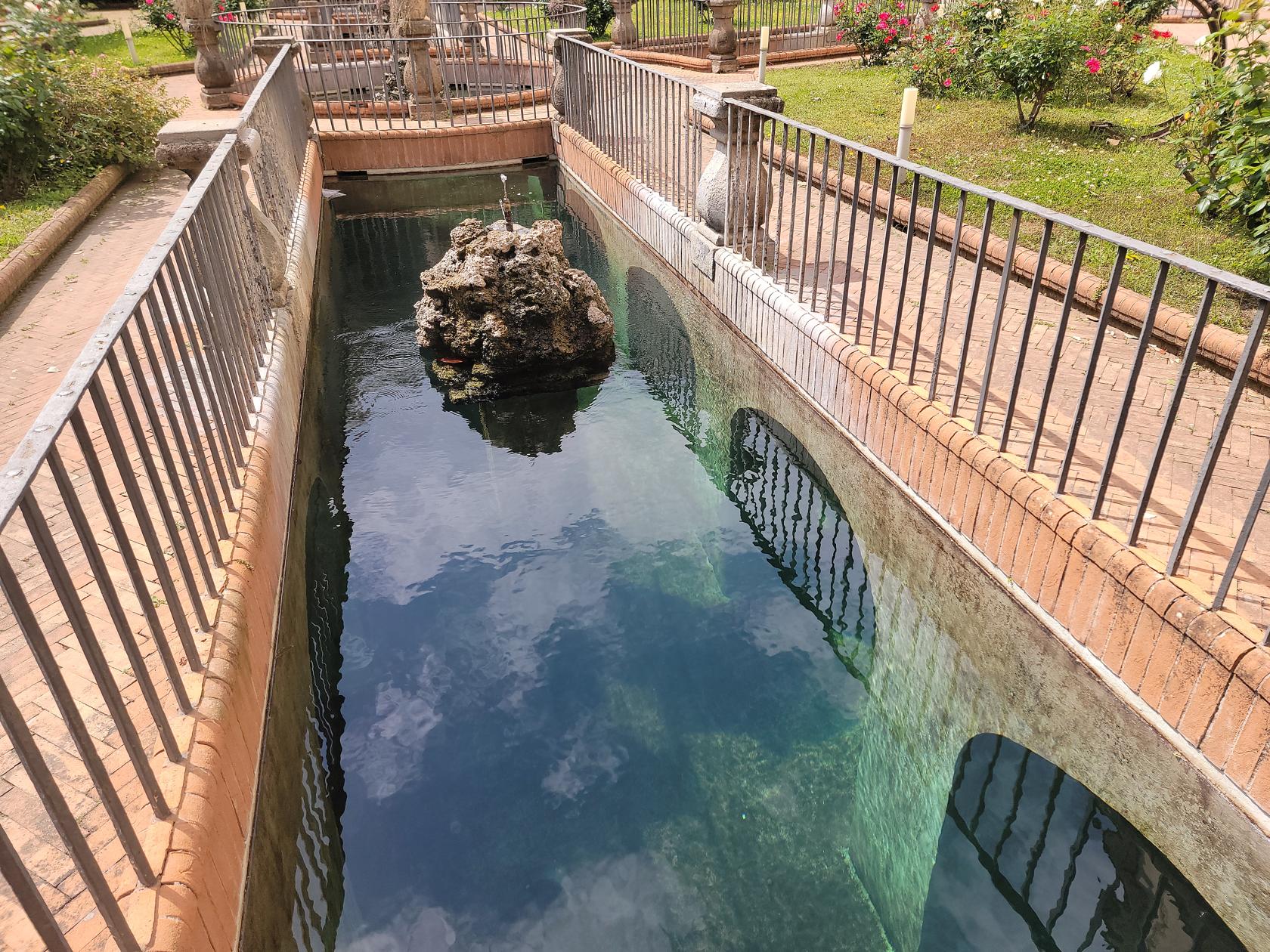
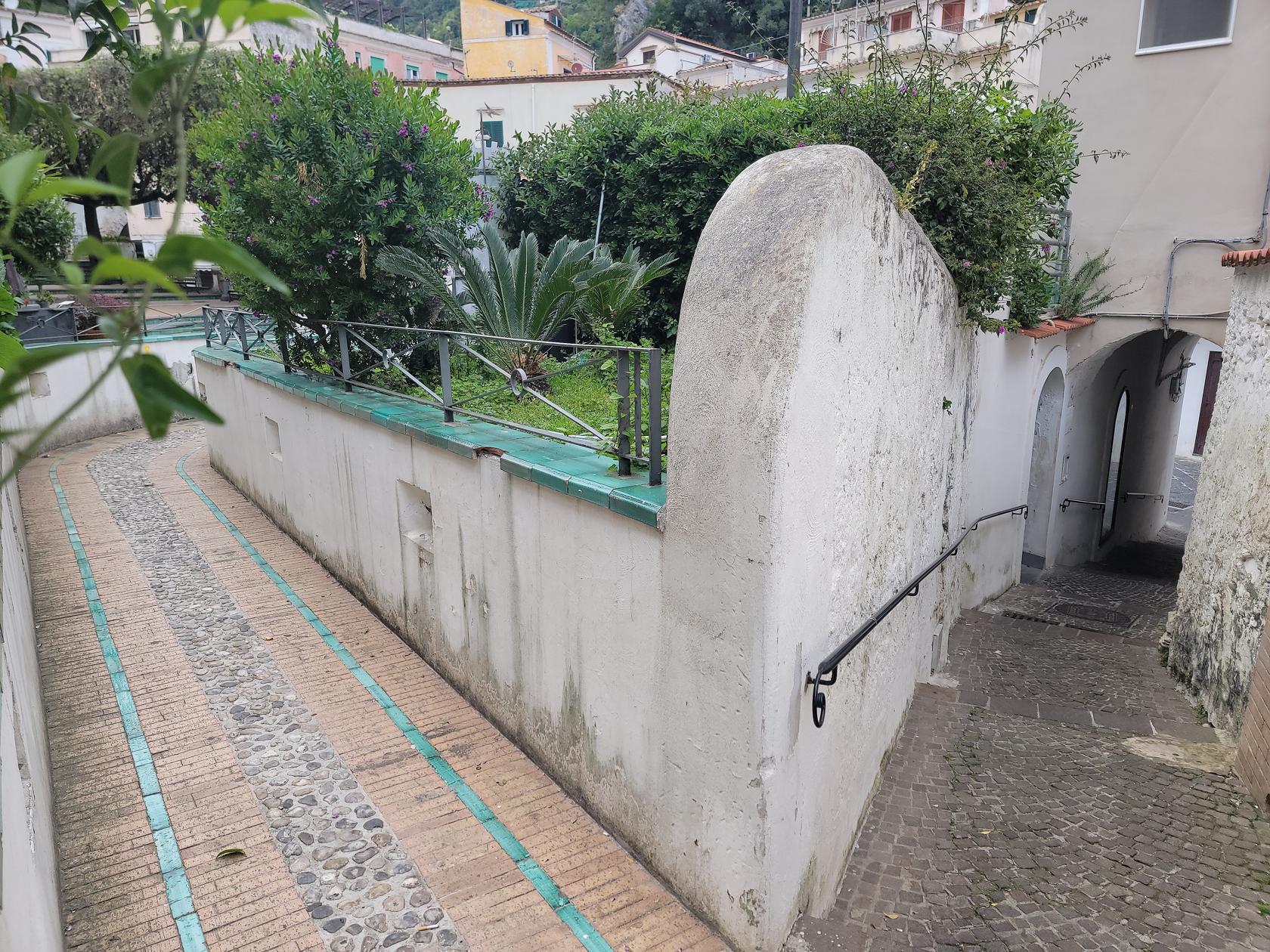
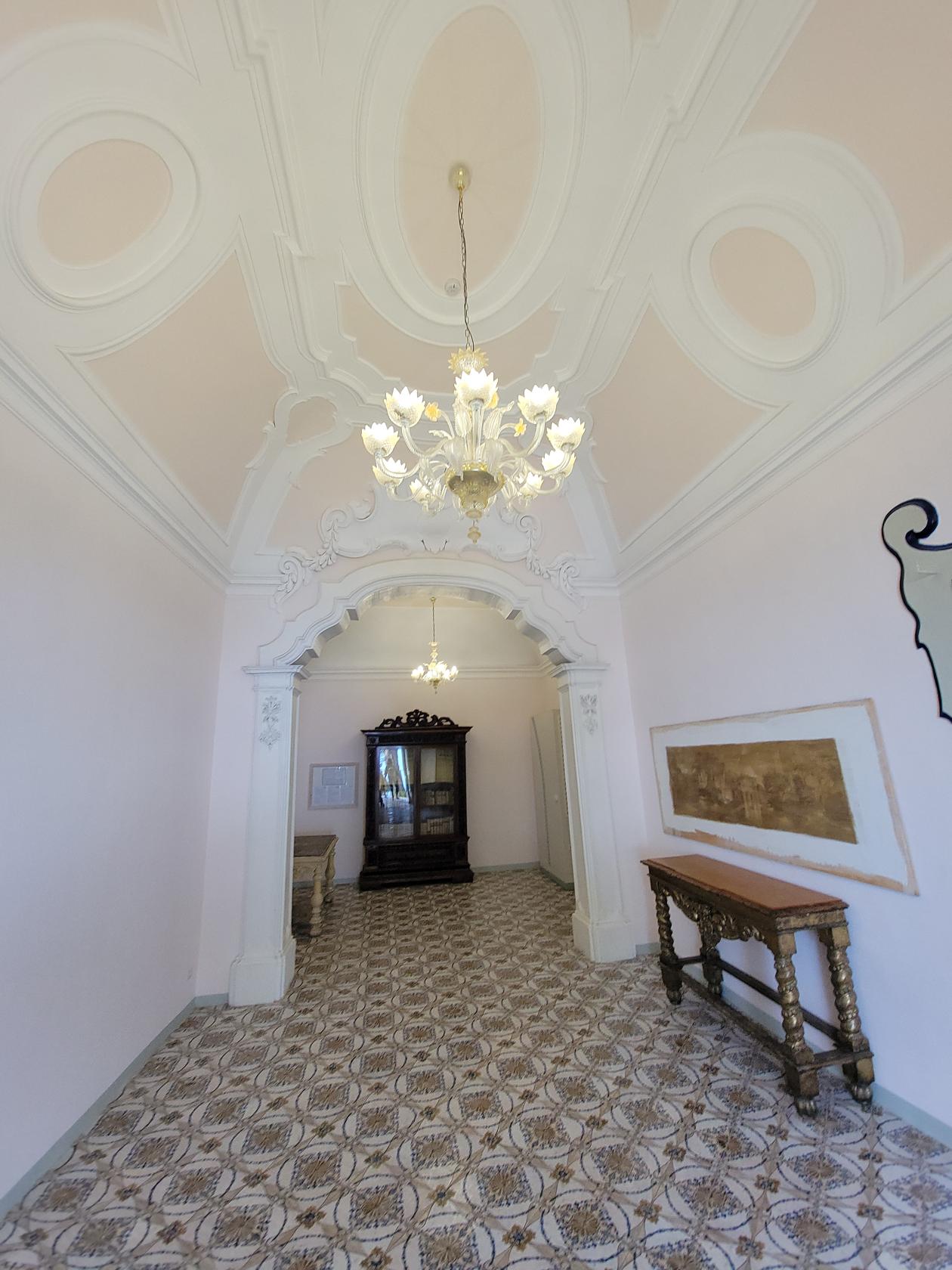
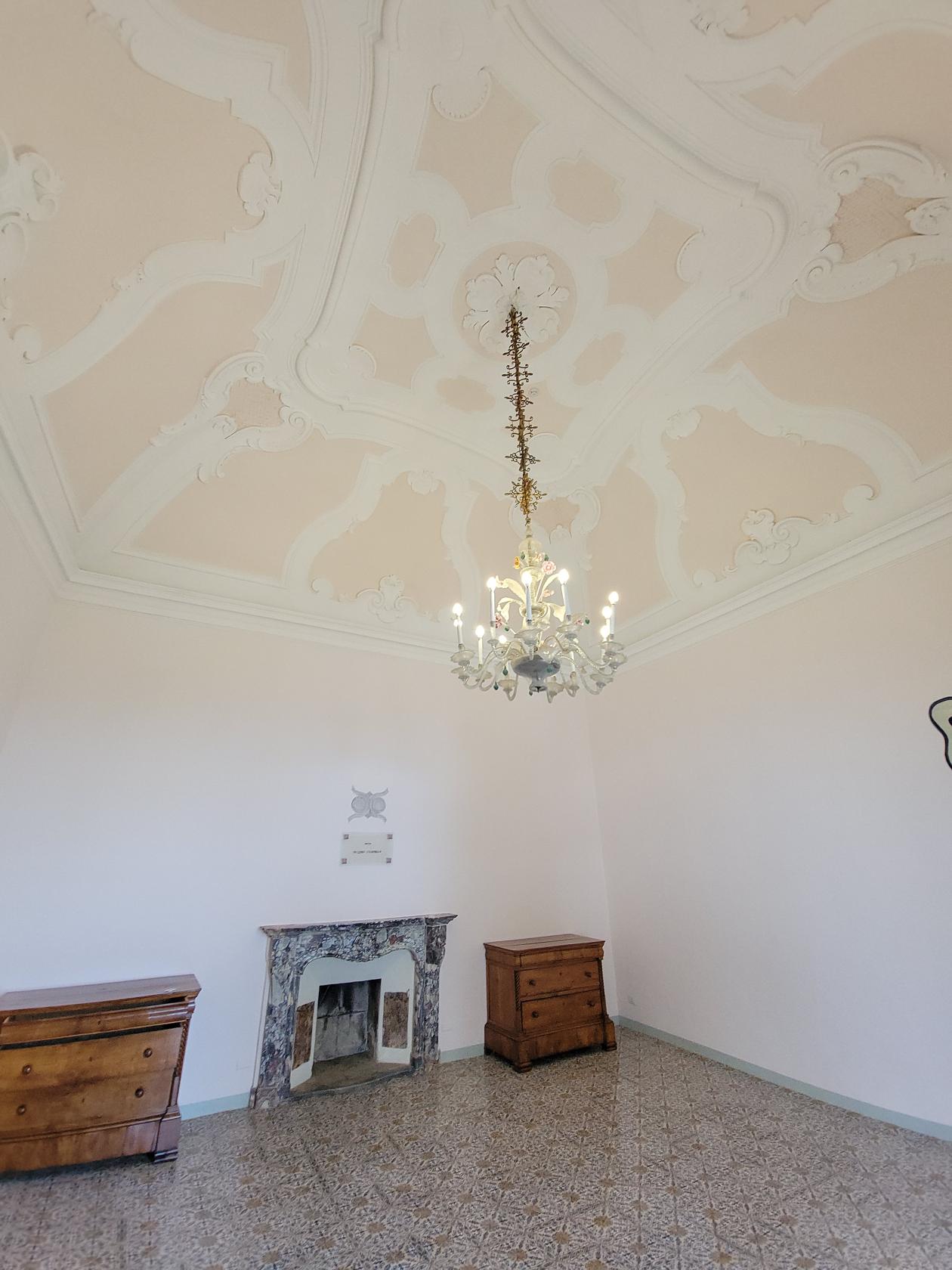
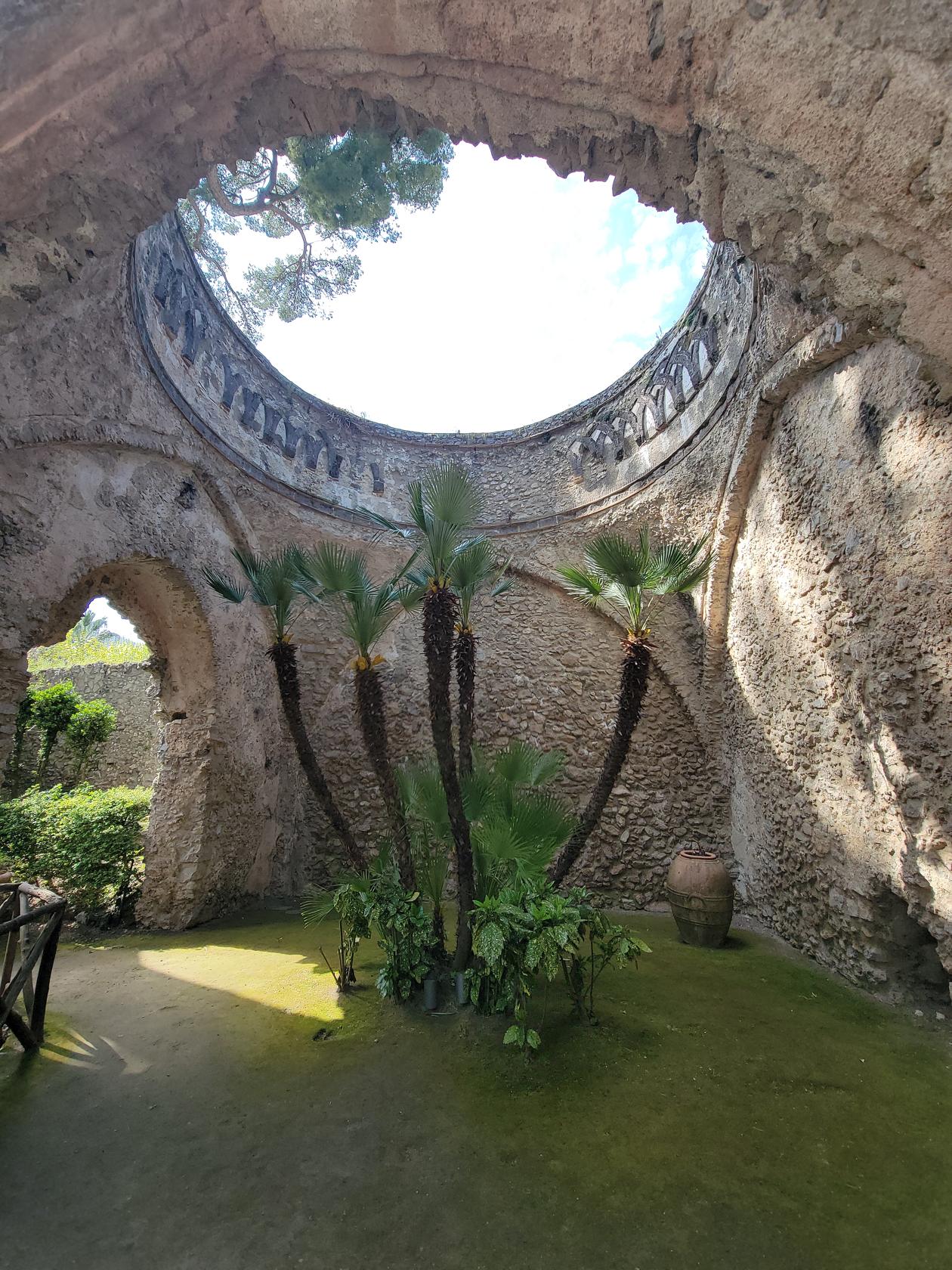
One specific spot to visit would be the Palazzo Mezzacapo, which is situated just off the Corso Reginna in town. It has an very interesting garden with underground vaulted wells.
Minori

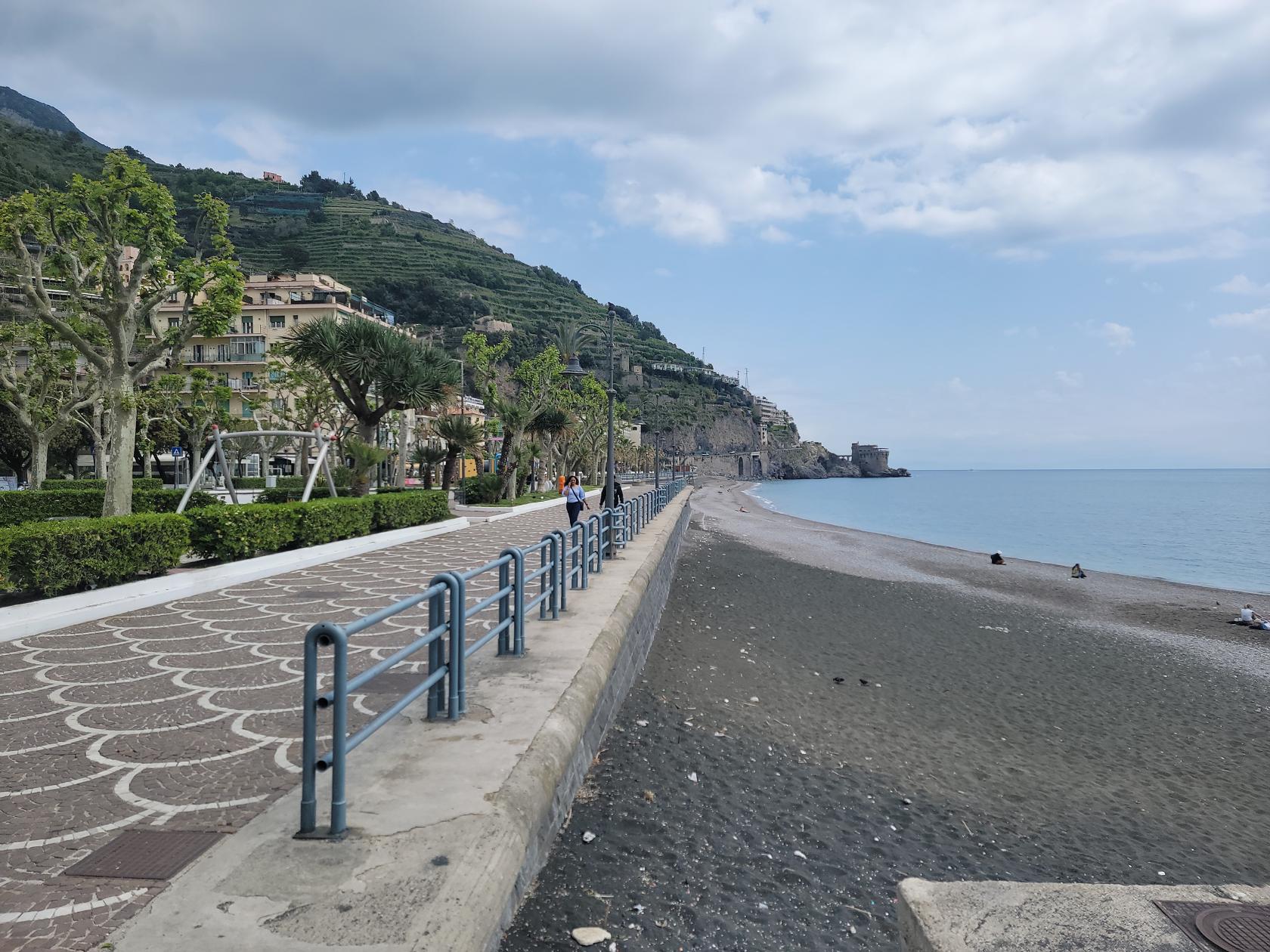
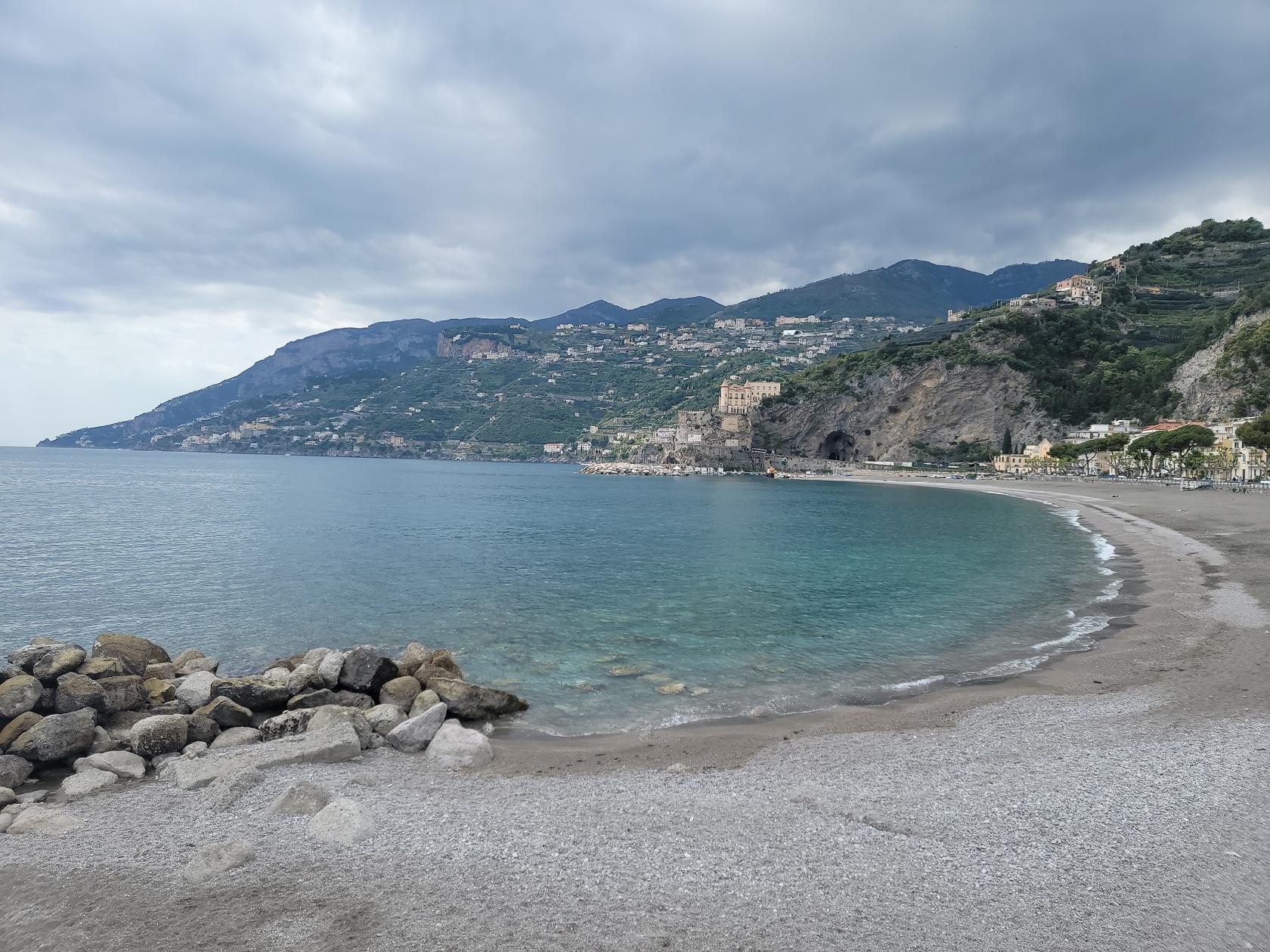
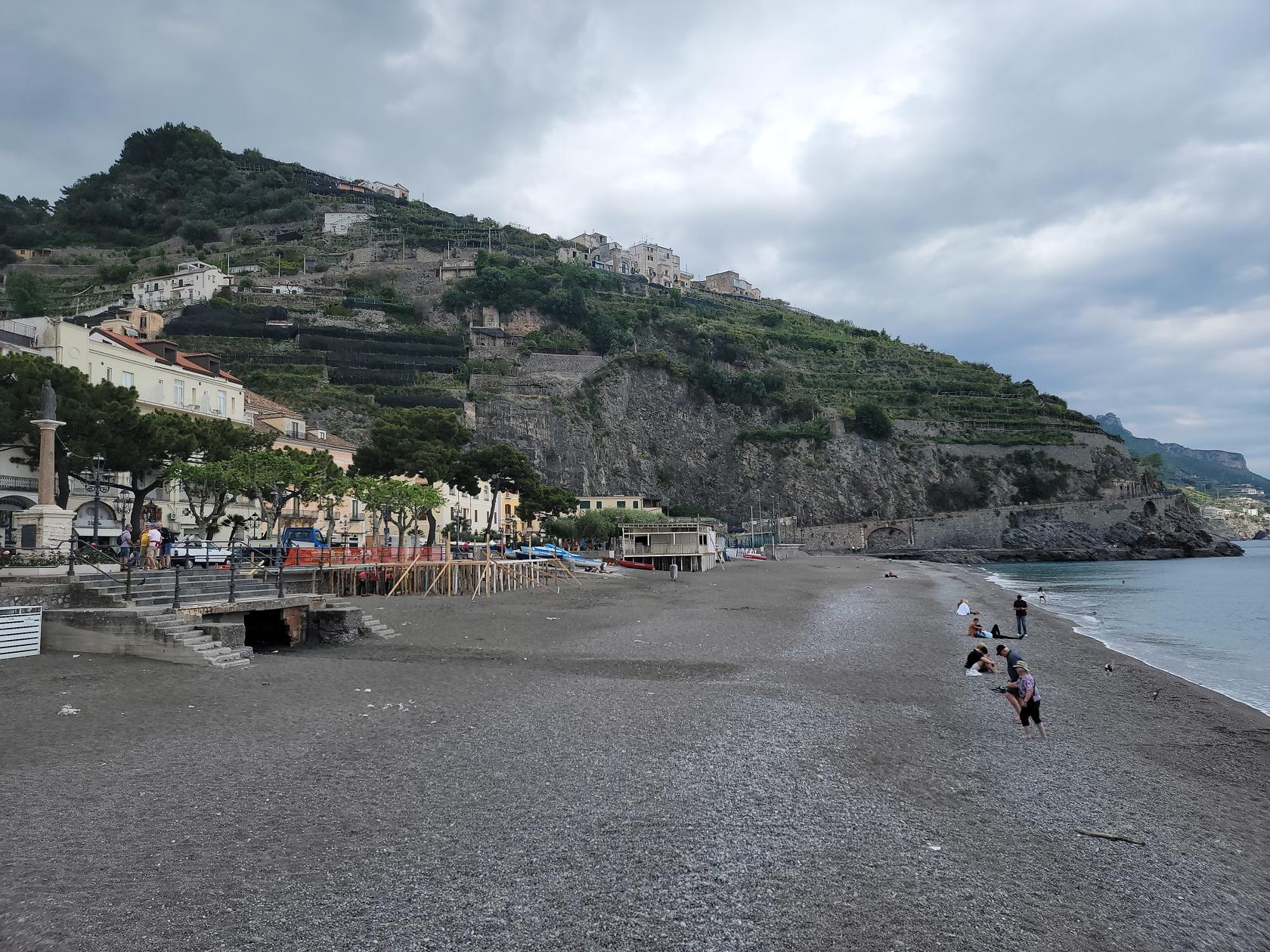
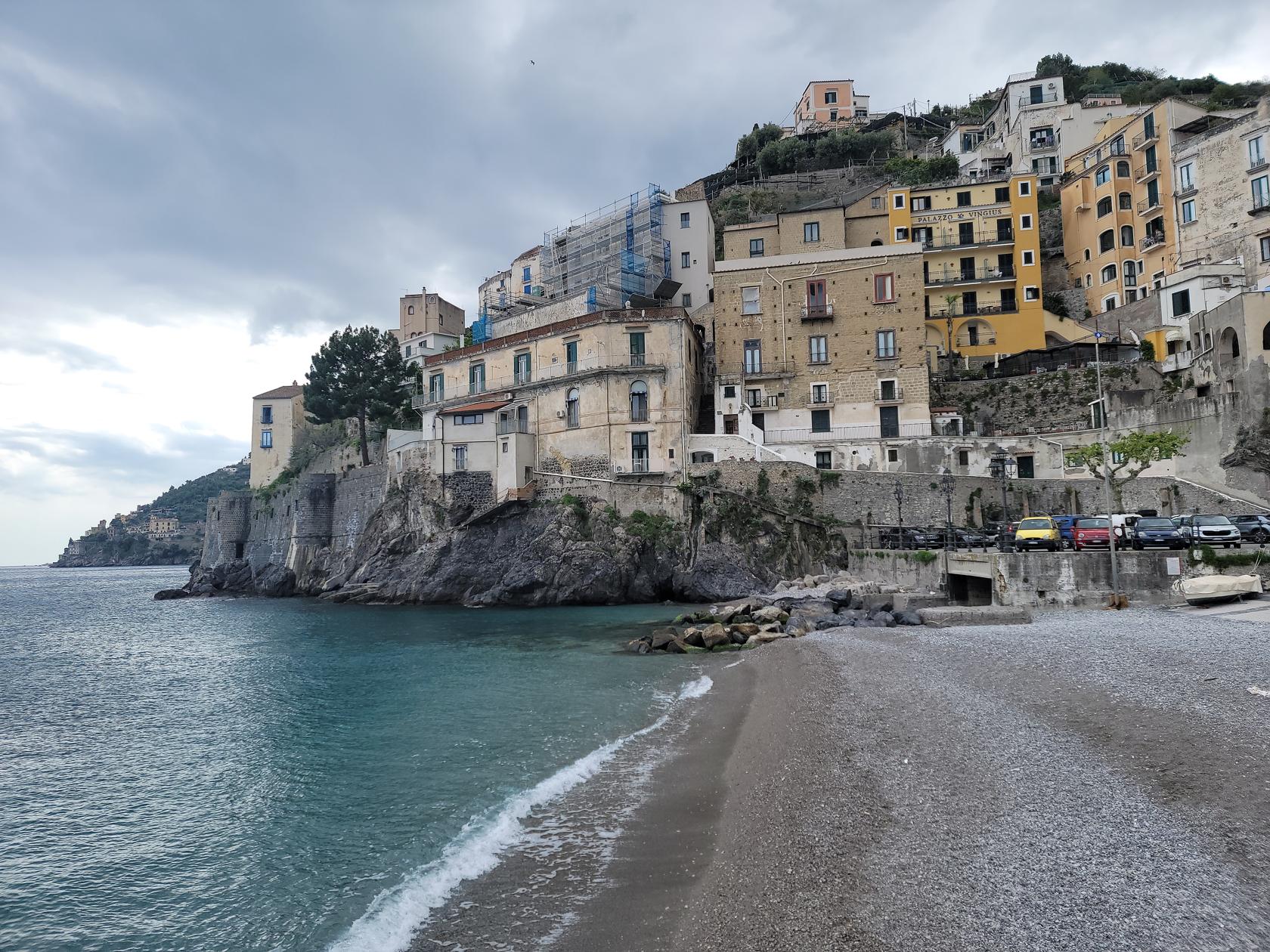
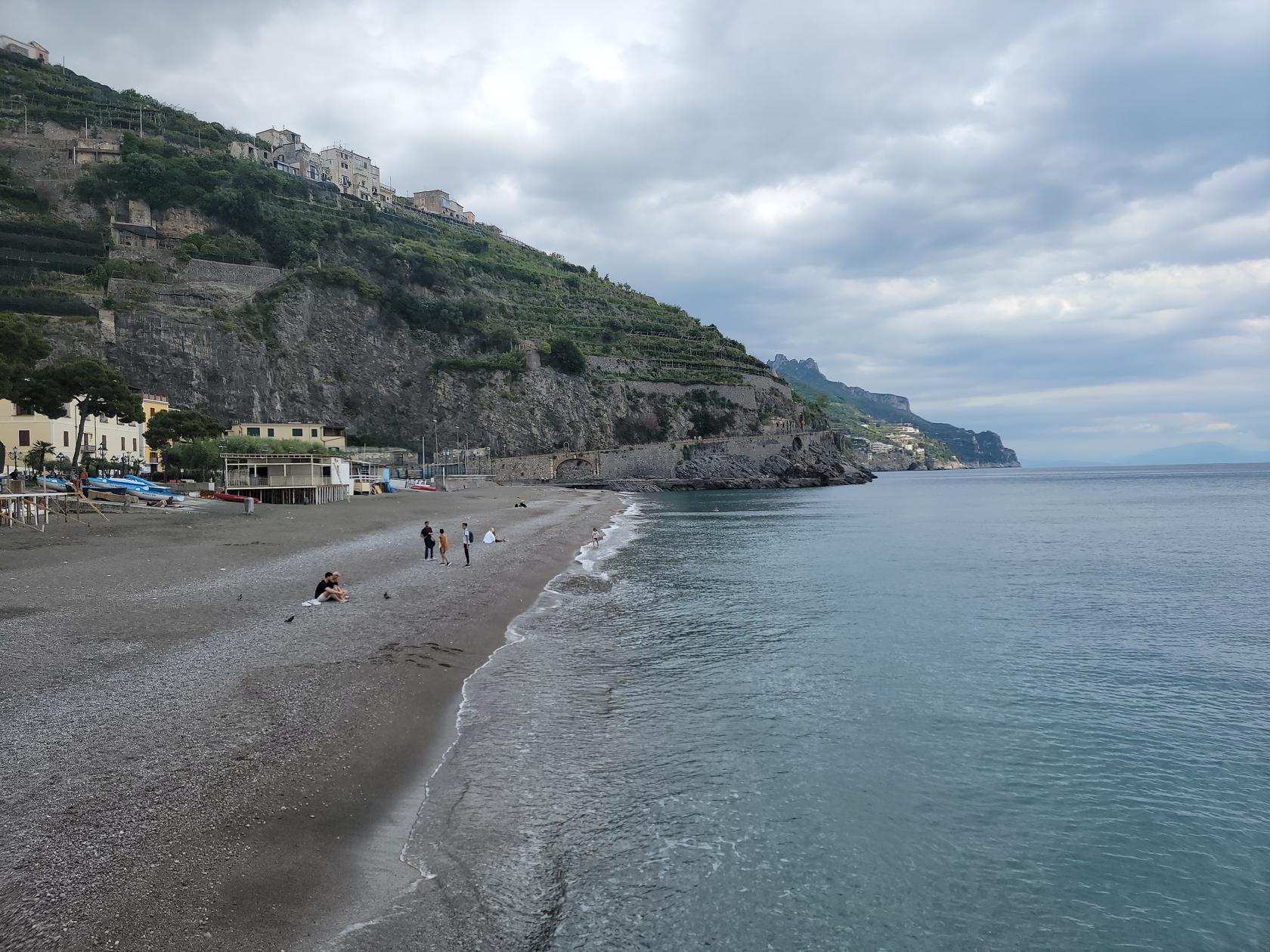
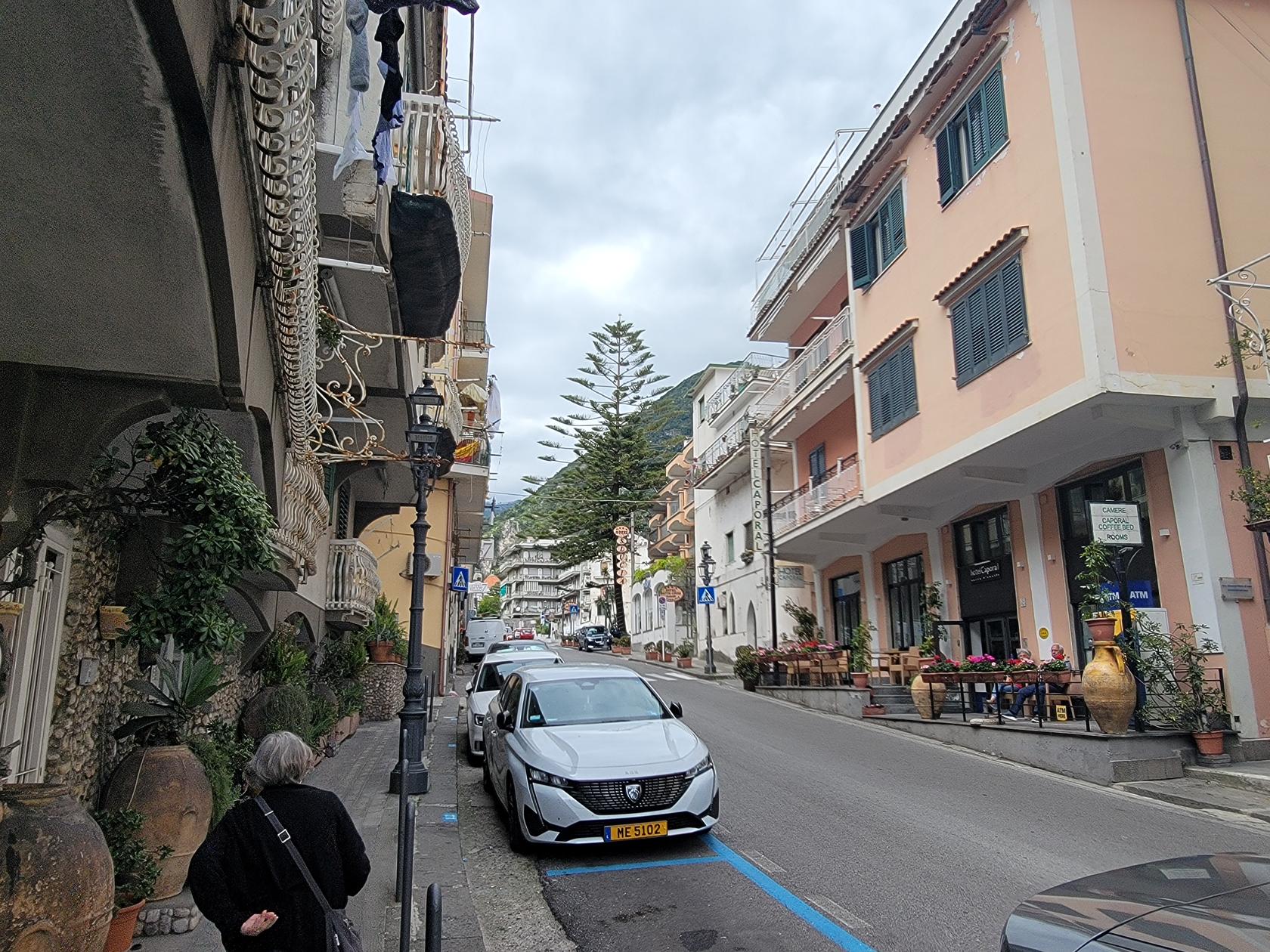
The same is true for the town of Minori, which literally means “minor”, after the river which now flows through it, the Reghinna Minori. The town’s name over the years been abbreviated to just Minori. It’s claim to fame is was used by the Roman high society as a seaside resort. It does have the longest and widest swath of beach on the coast.
Cetera

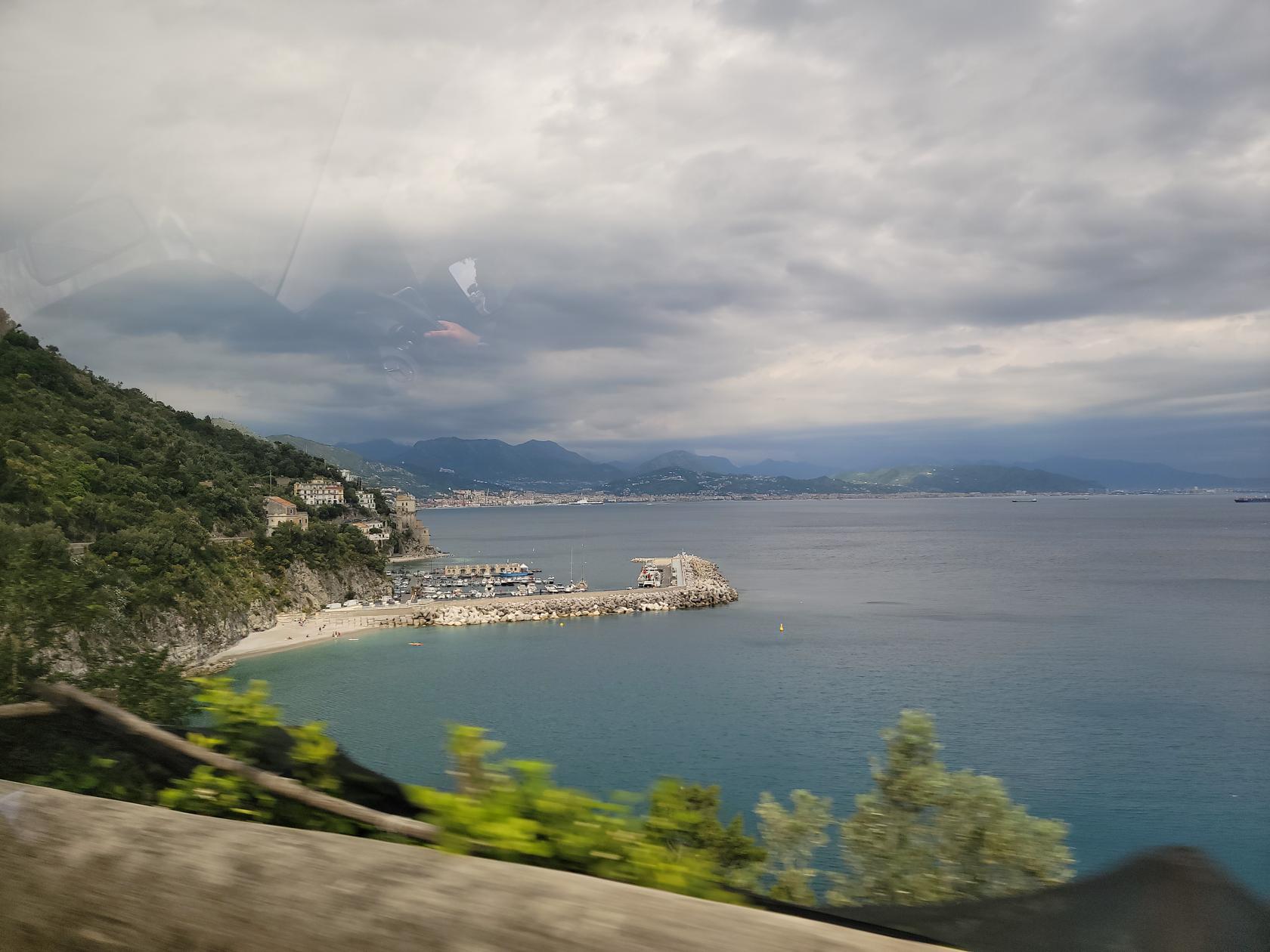
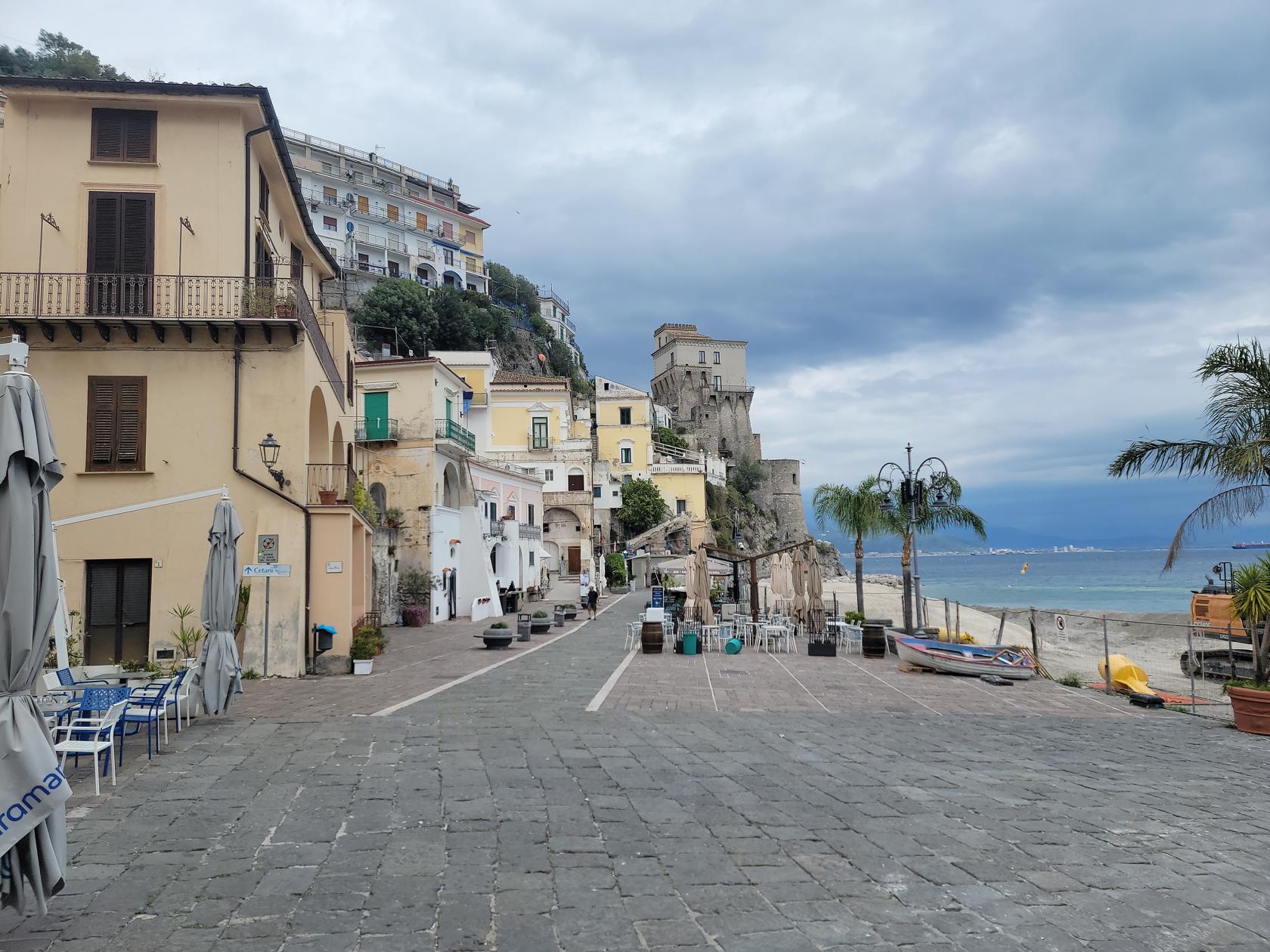
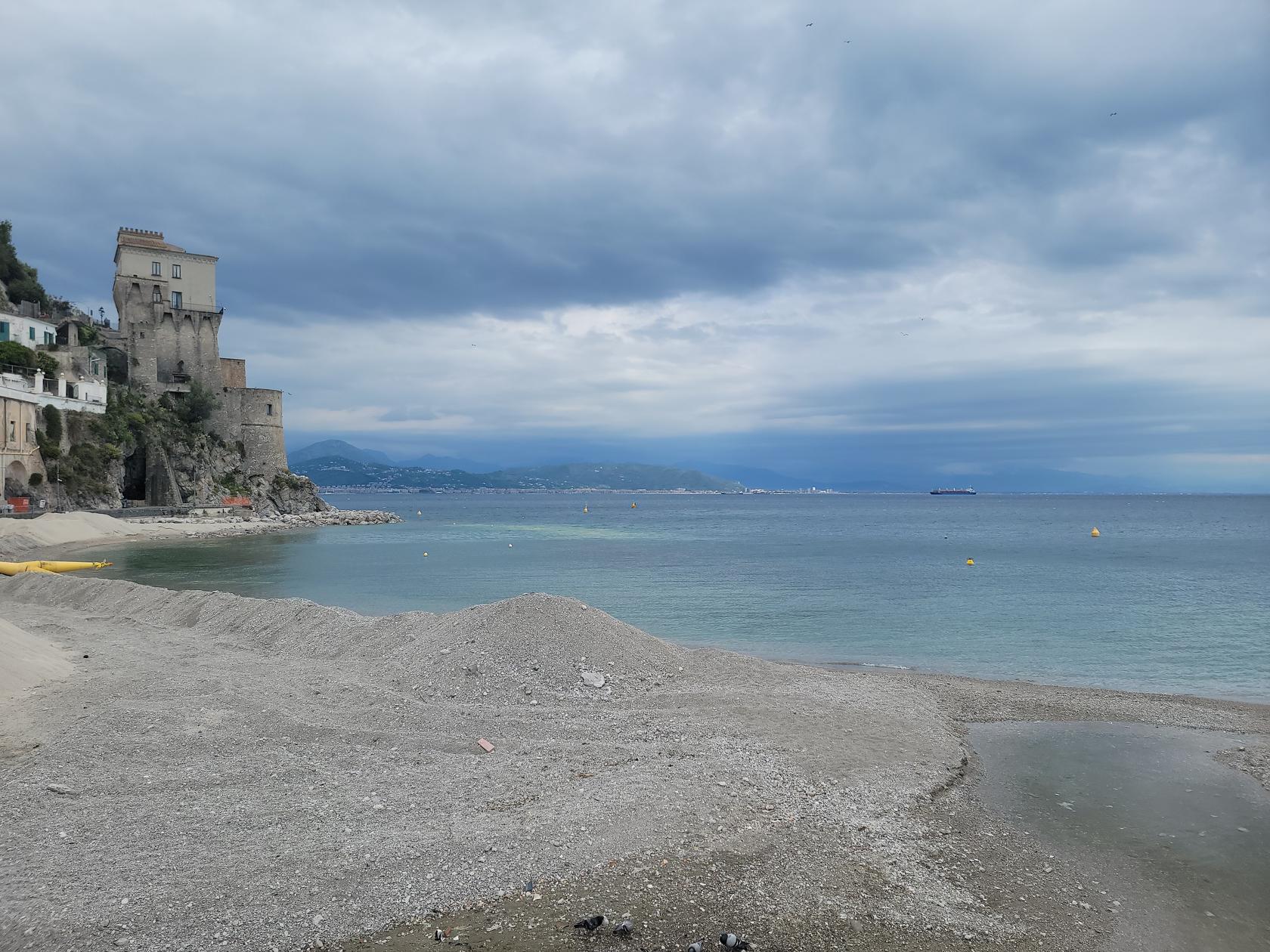
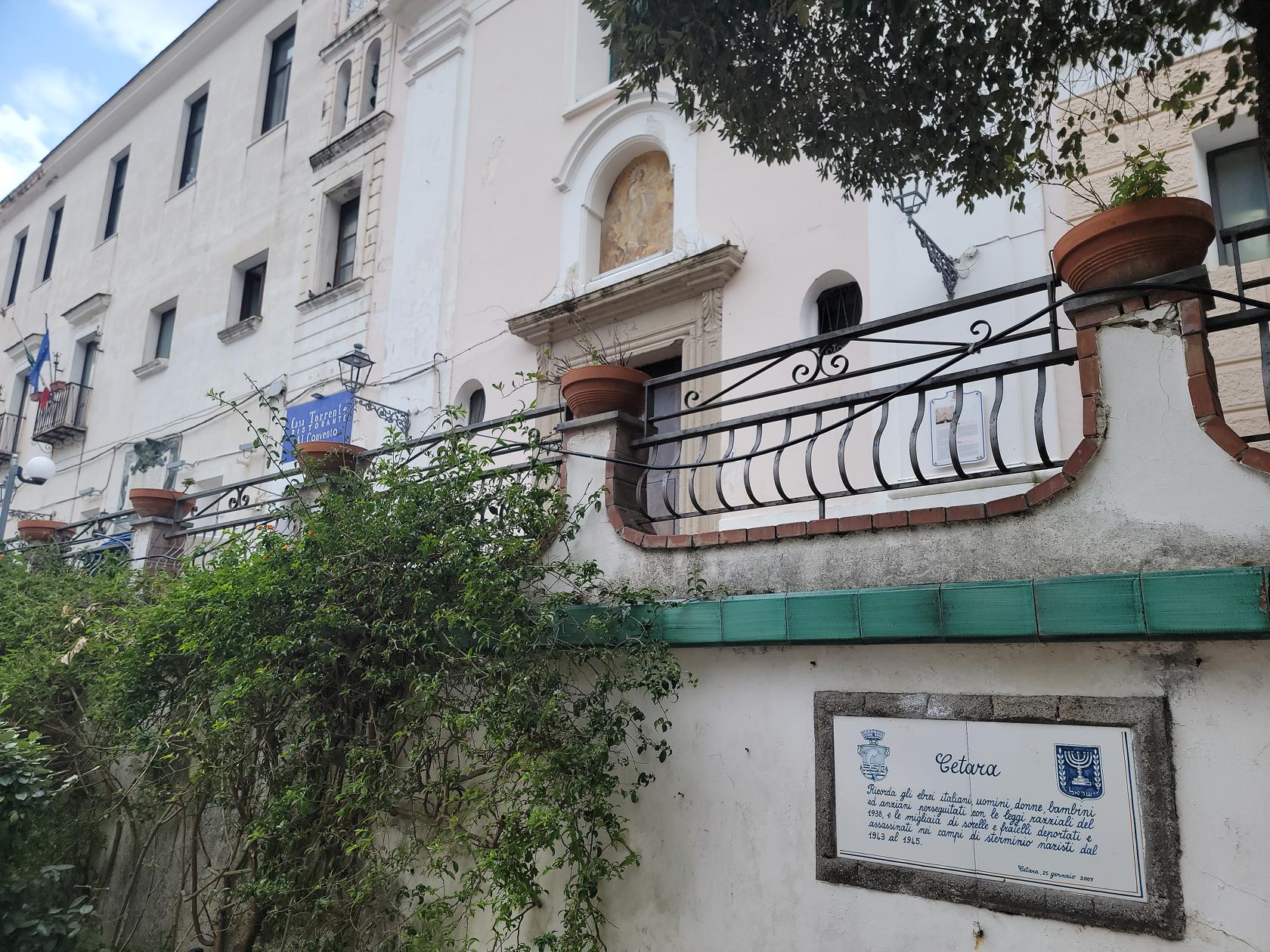
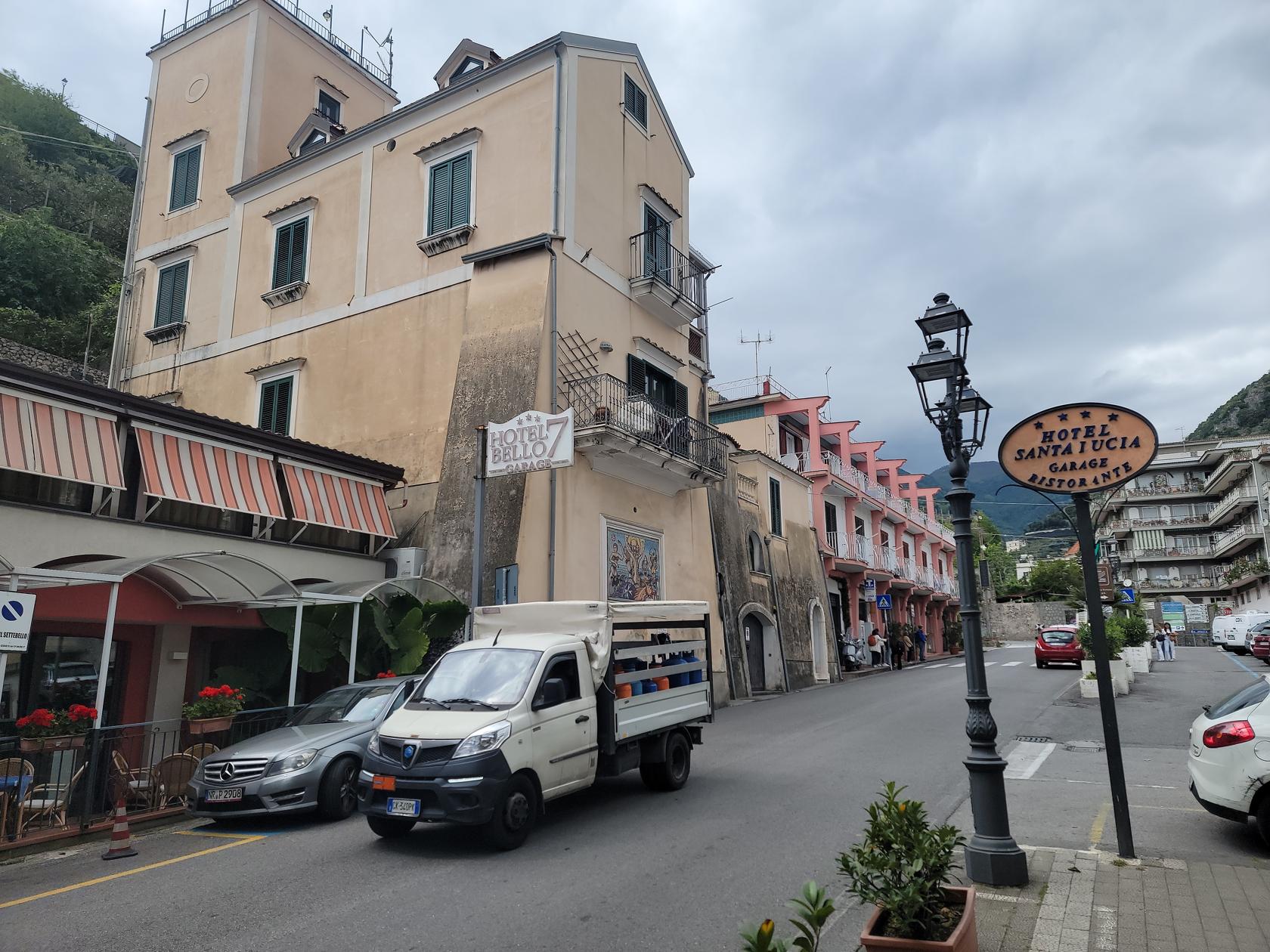
This small town was most likely named after the tuna fishermen that used to live there, as well as the fishmongers, or cetari. Its most important feature is one of the larger Amalfi Coast towers, which dot the coastline and were once used for protection by the Amalfi Federation, or Duchy of Amalfi.
In Conclusion

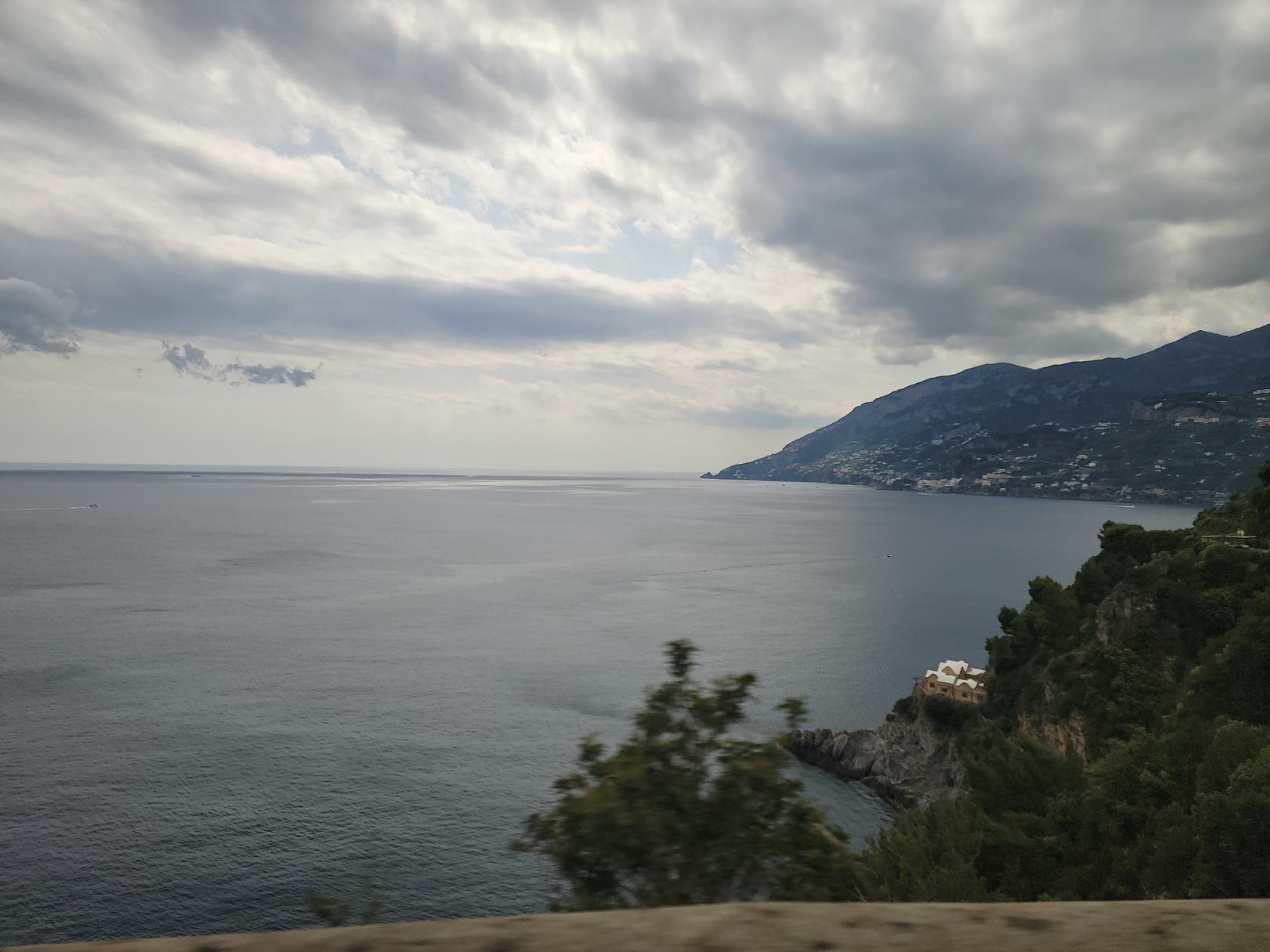
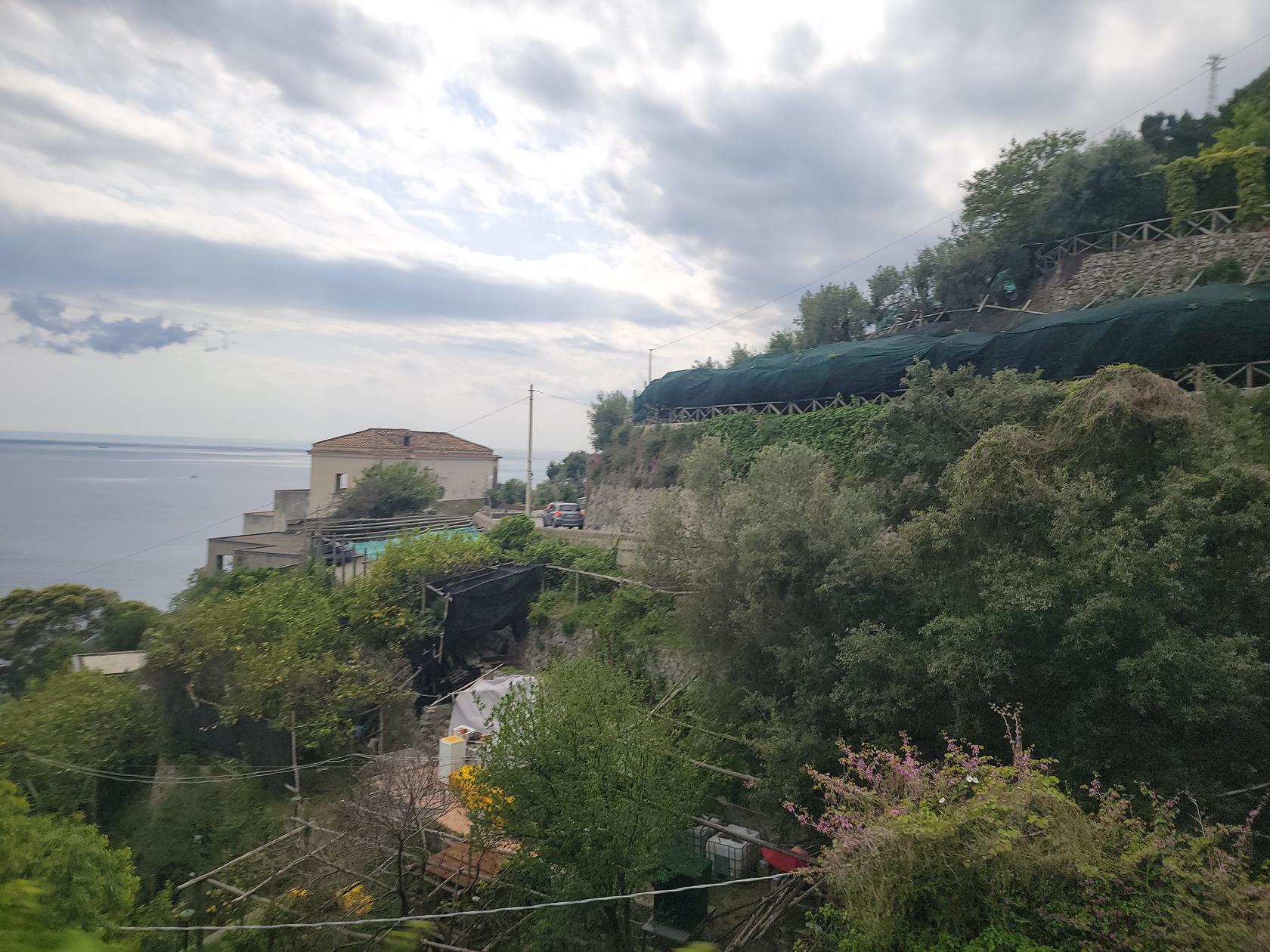
We enjoyed our trip to the Amalfi Coast, overall it was a worthwhile experience. Though I would caution, for me, it did not live up to all of the hype and hyperbole surrounding it as a destination. With some of the towns entertaining cruise ships during the tourist season, it truly could turn into one of the more exasperating places to visit at the wrong time of the calendar year.
However, we had amazing weather, perfect temperatures and manageable numbers of tourist. Though some places were not available to us at this time, since they open up in the later May and June timeframes for peak season; this was not a problem for us, since we are not big shoppers. In any case, we would commend a tour, or private tour if you can afford it. Removing the need to drive the winding roads, was alone a big plus for us.
Enjoy!

References

References
1 If you would like to find them, they are on one of the more frequently used social media applications.

Amalfi Coast, Italy – Part Three

Amalfi Coast

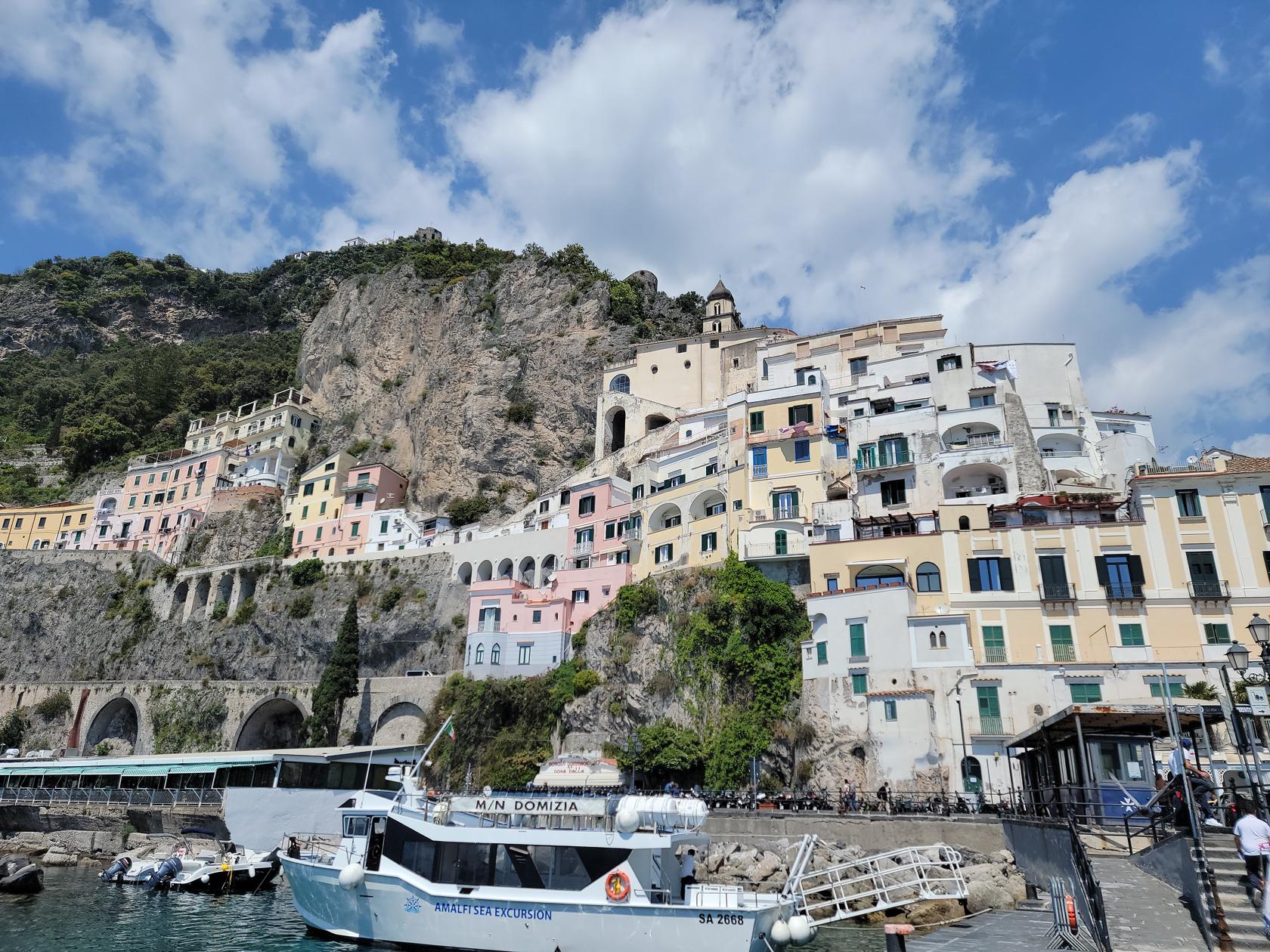
The second part of our first day was filled with visiting the town Amalfi on the eponymouos coast and Ravello,  a bit further away from the shore, but still part of the famous coastline. We joined our driver again, who drove the windy and treacherous coastal road between Positano and Amalfi, while we took the ferry to enjoy the coastline.

Getting There

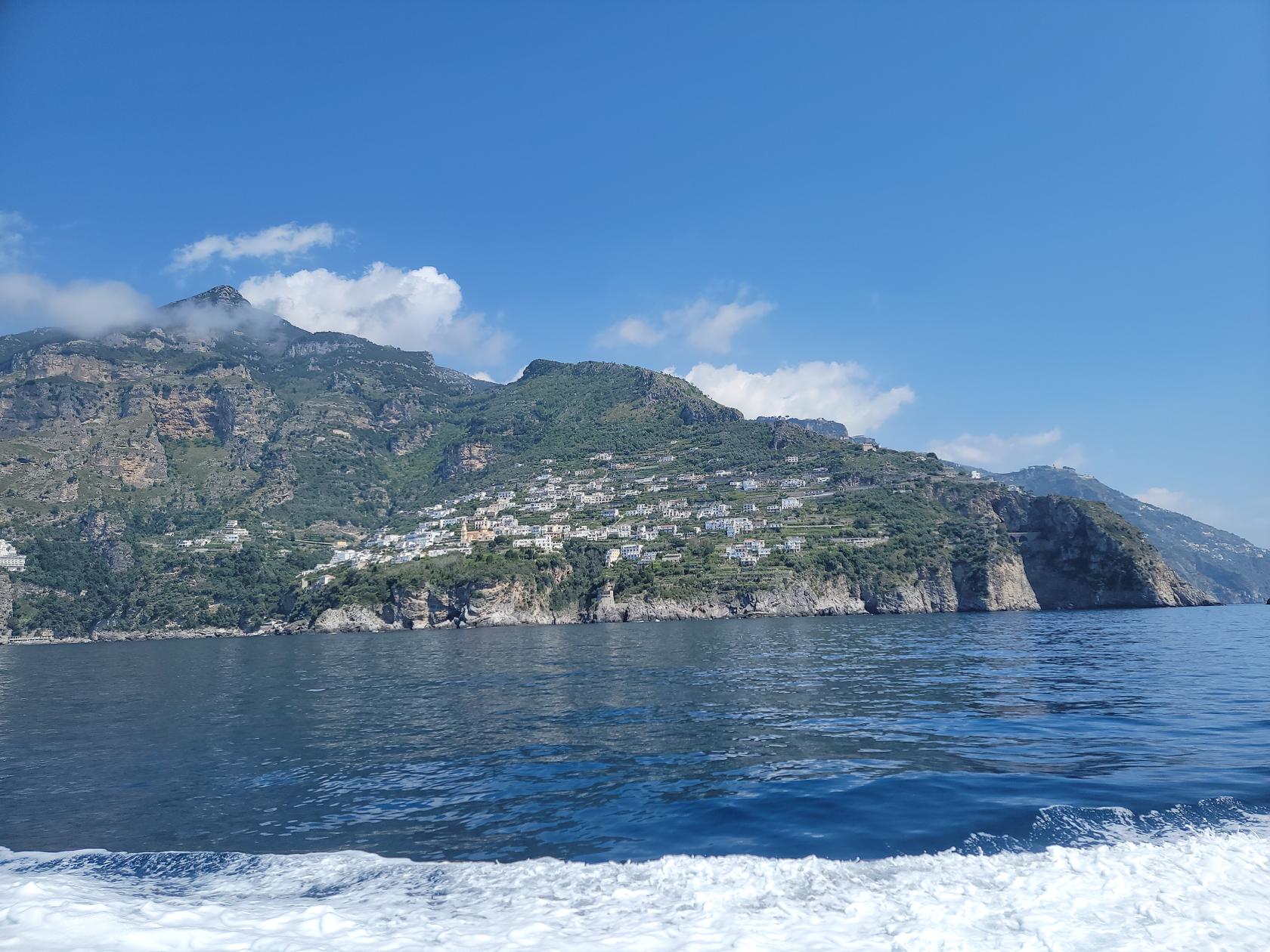
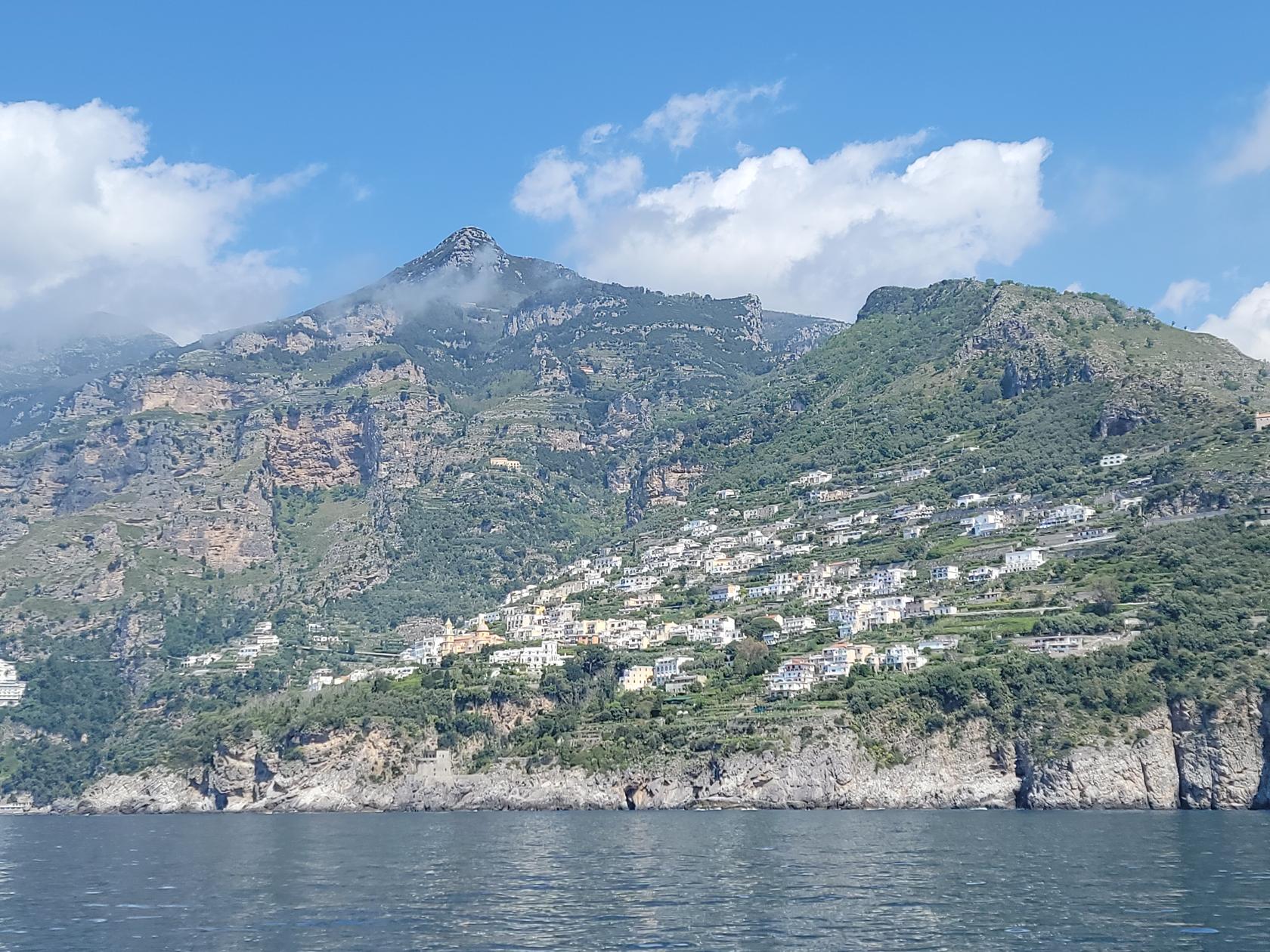
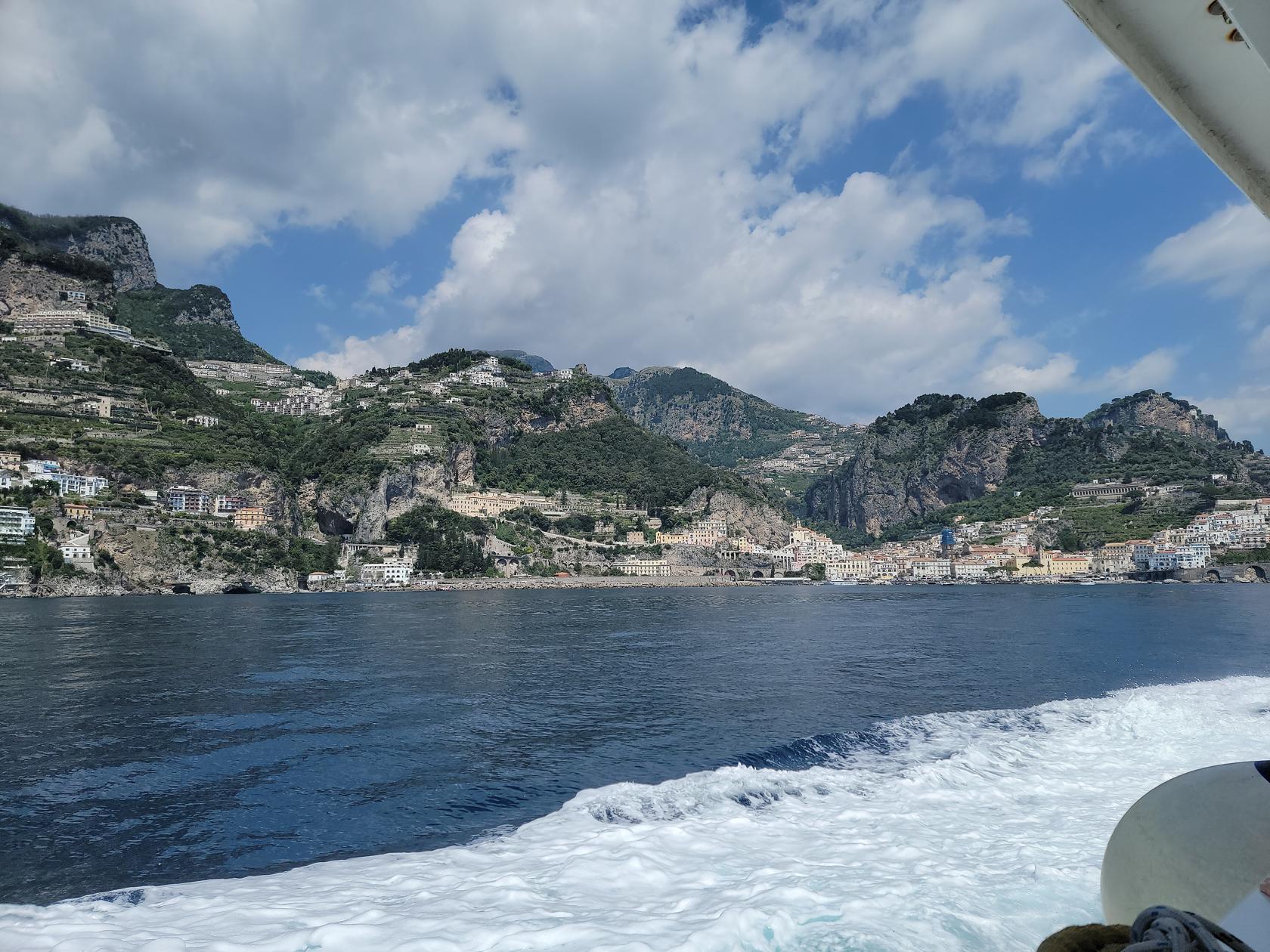
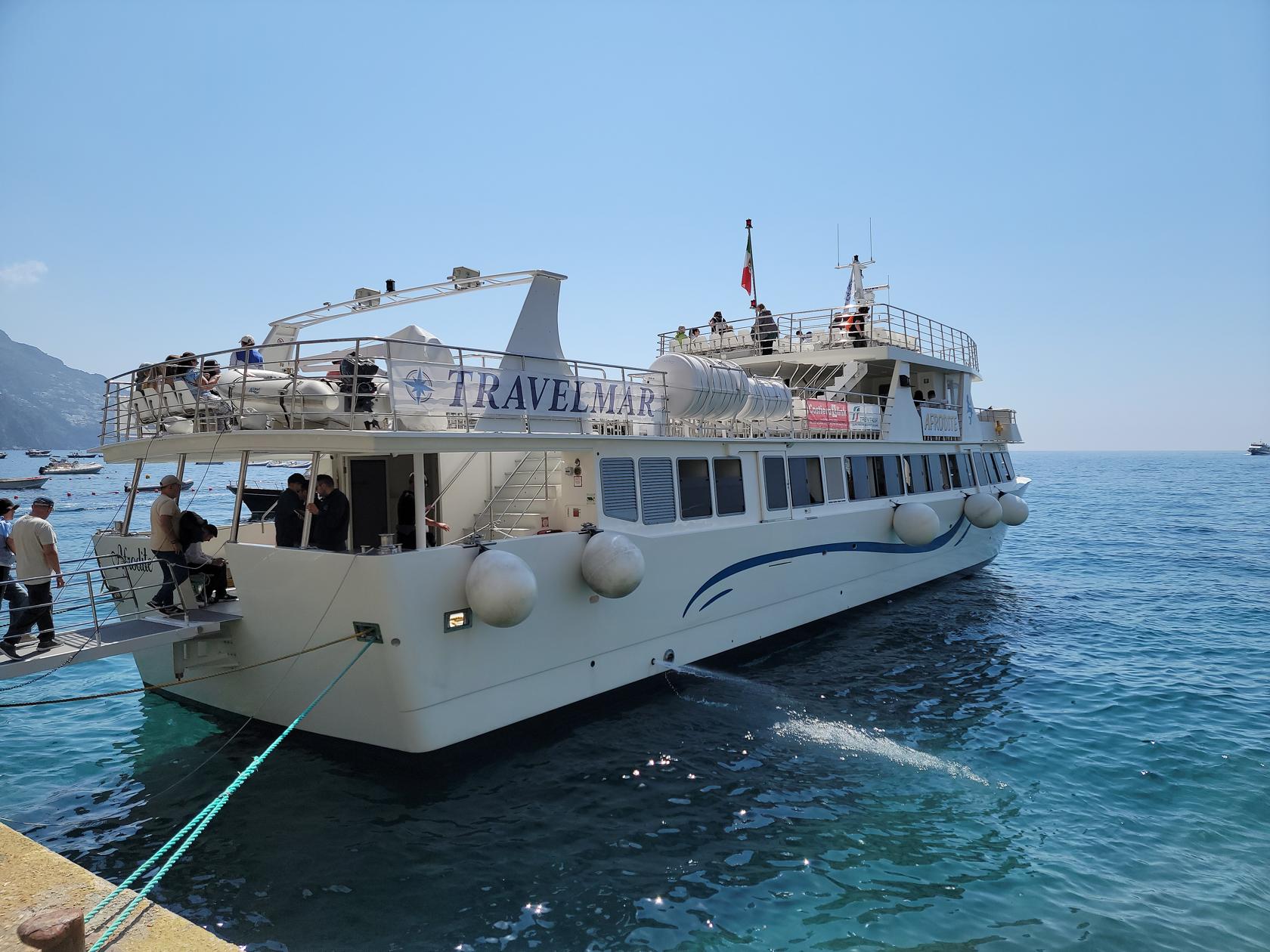
To get to Amalfi, we took the ferry from Positano. It is a thirty minute boat ride along the coast, which when the weather cooperates provides beautiful scenery and a great occasion to take photographs.

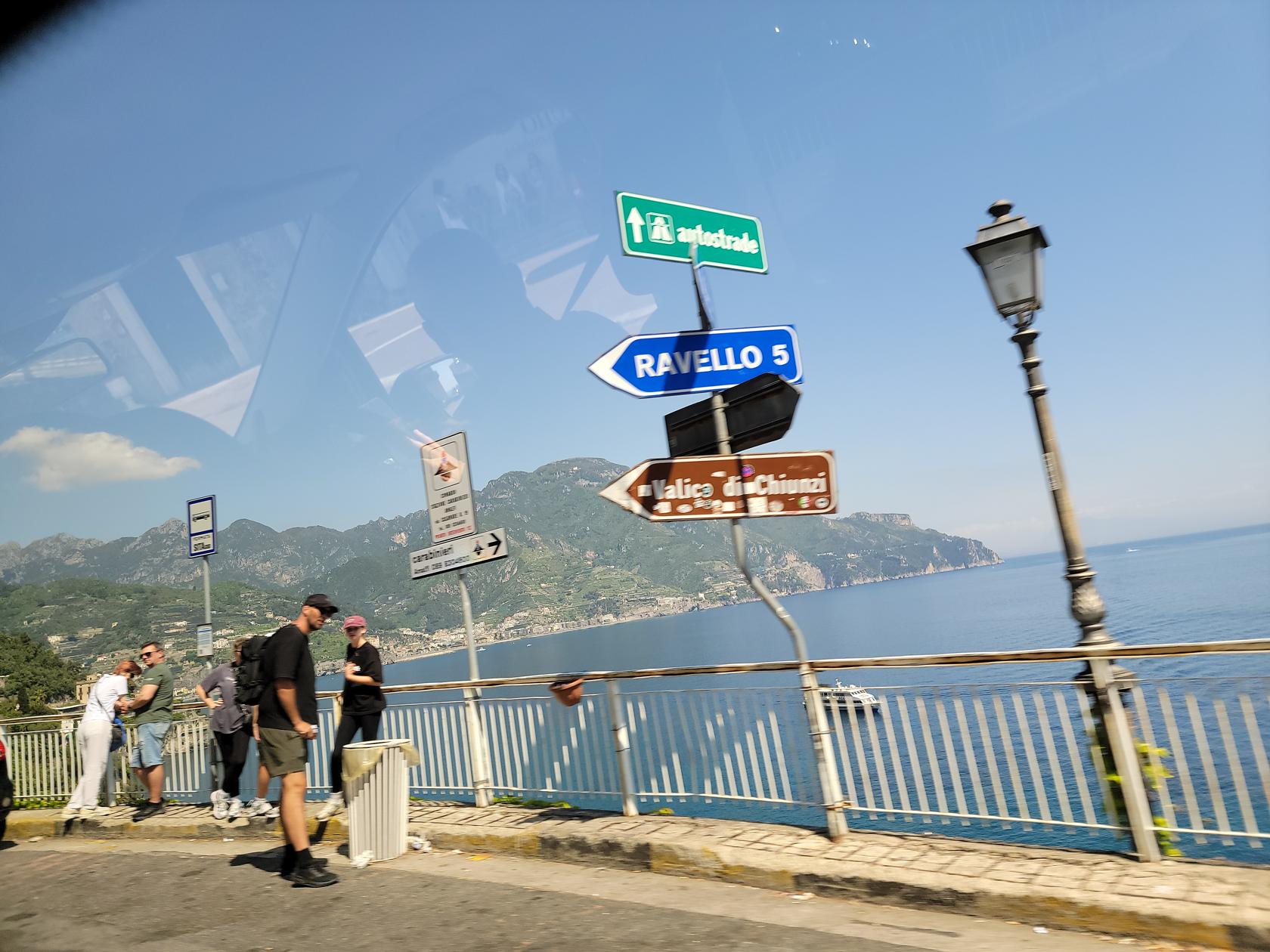
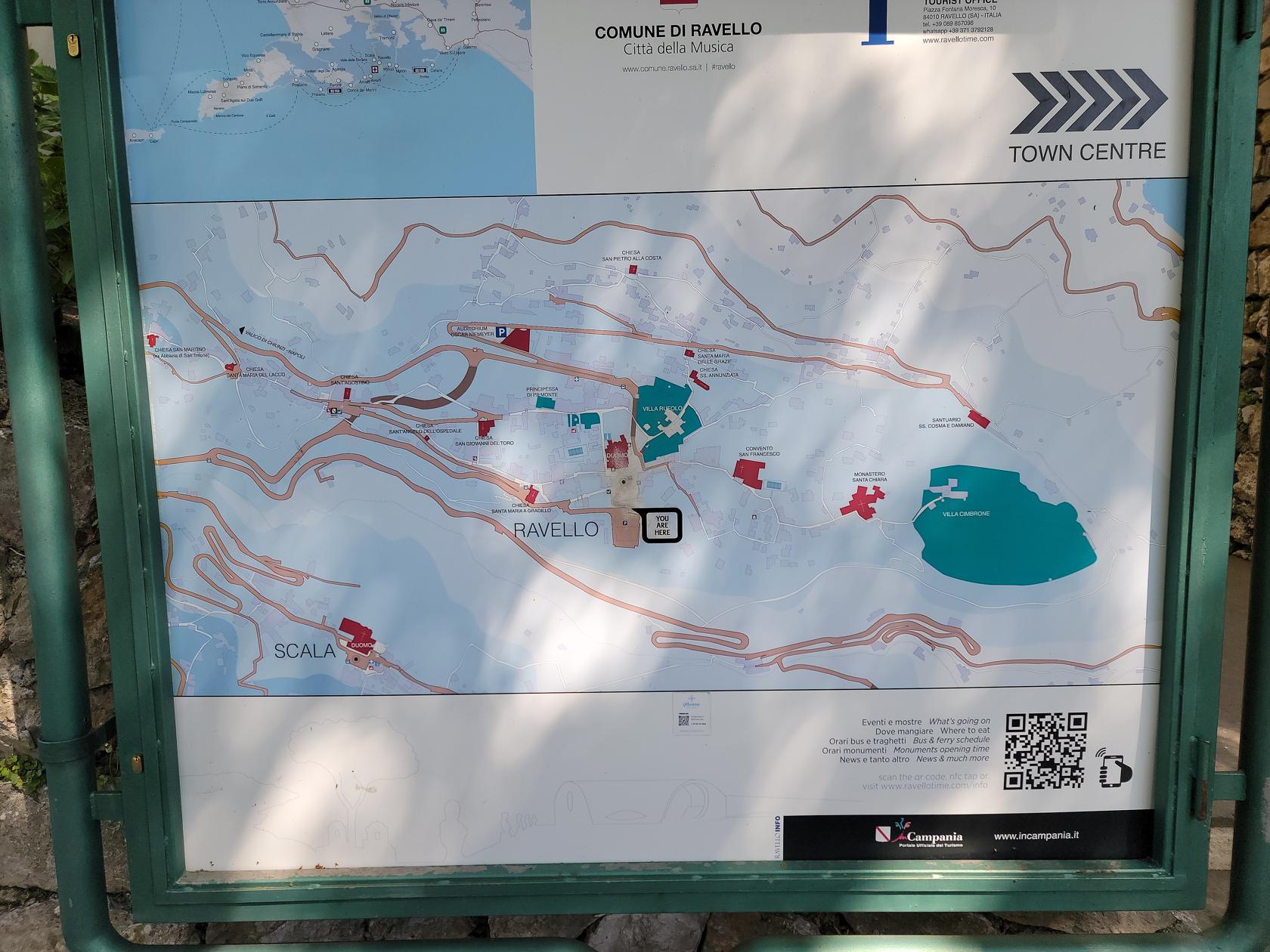
To get to Ravello from Amalfi, you probably should use or hire a car. Since we were had hired a private tour guide for all day, we used the car to ascend the five kilometers up the coast to the town.

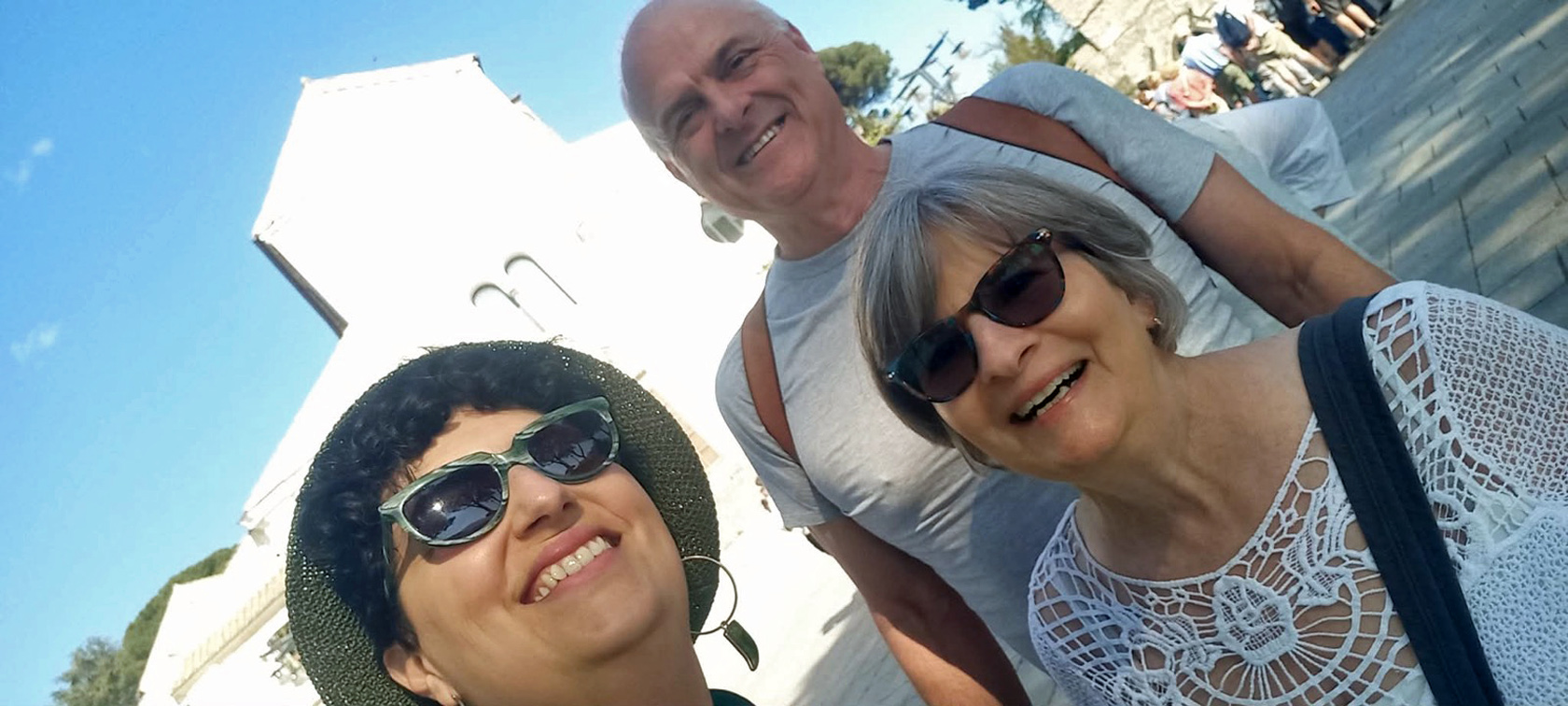
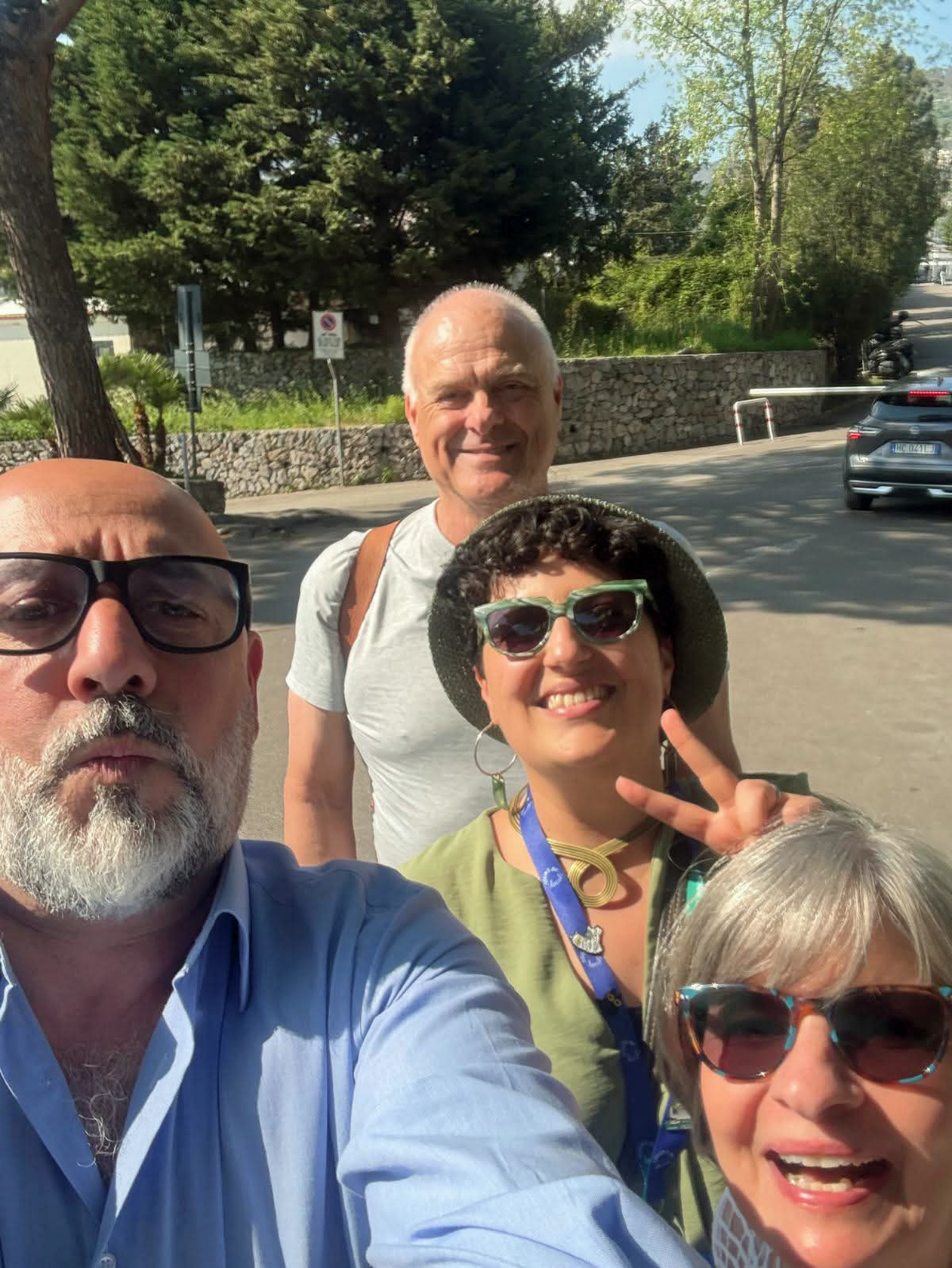
When we arrived, we took a photograph to remember the occasion.

Amalfi

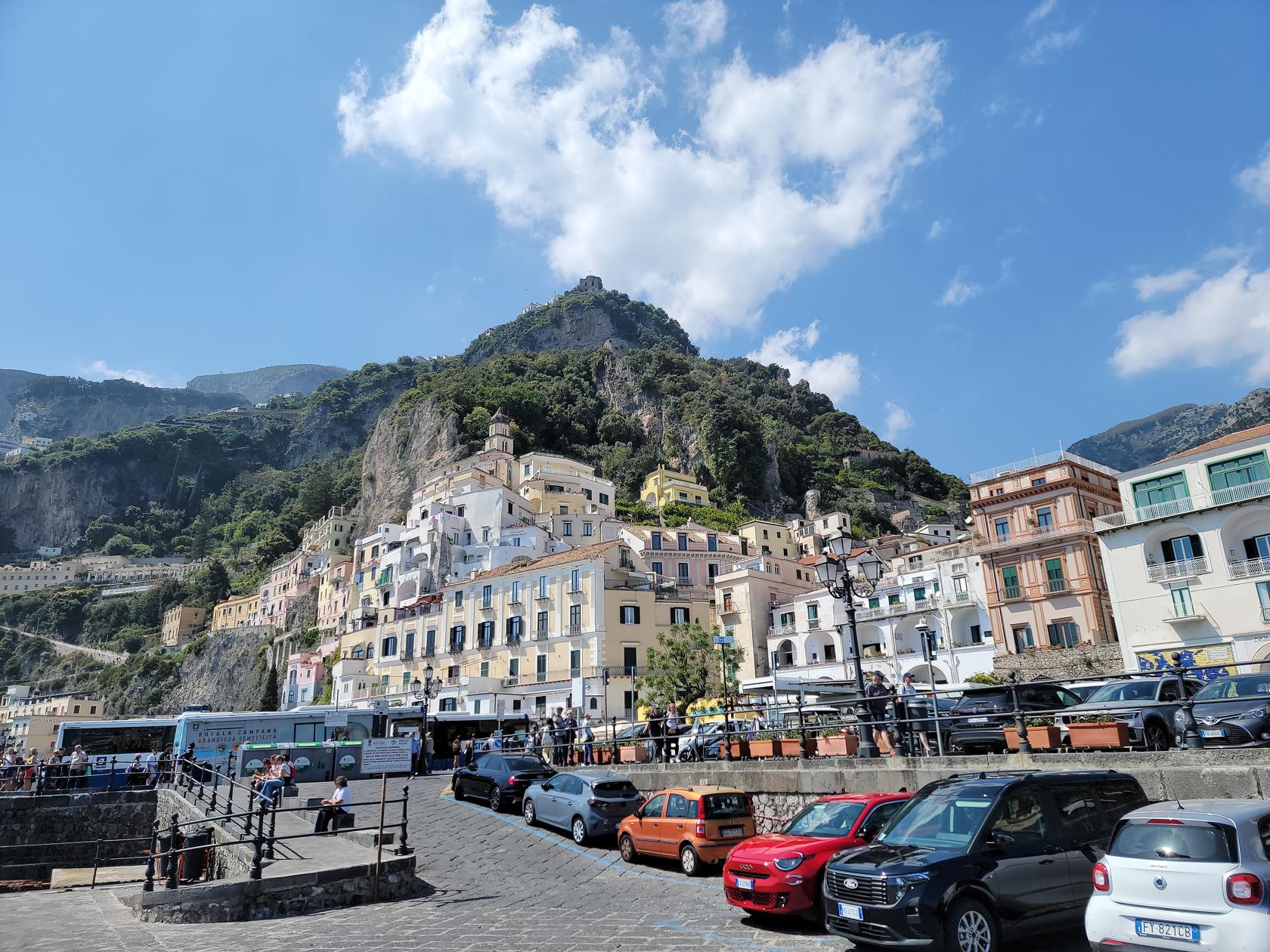
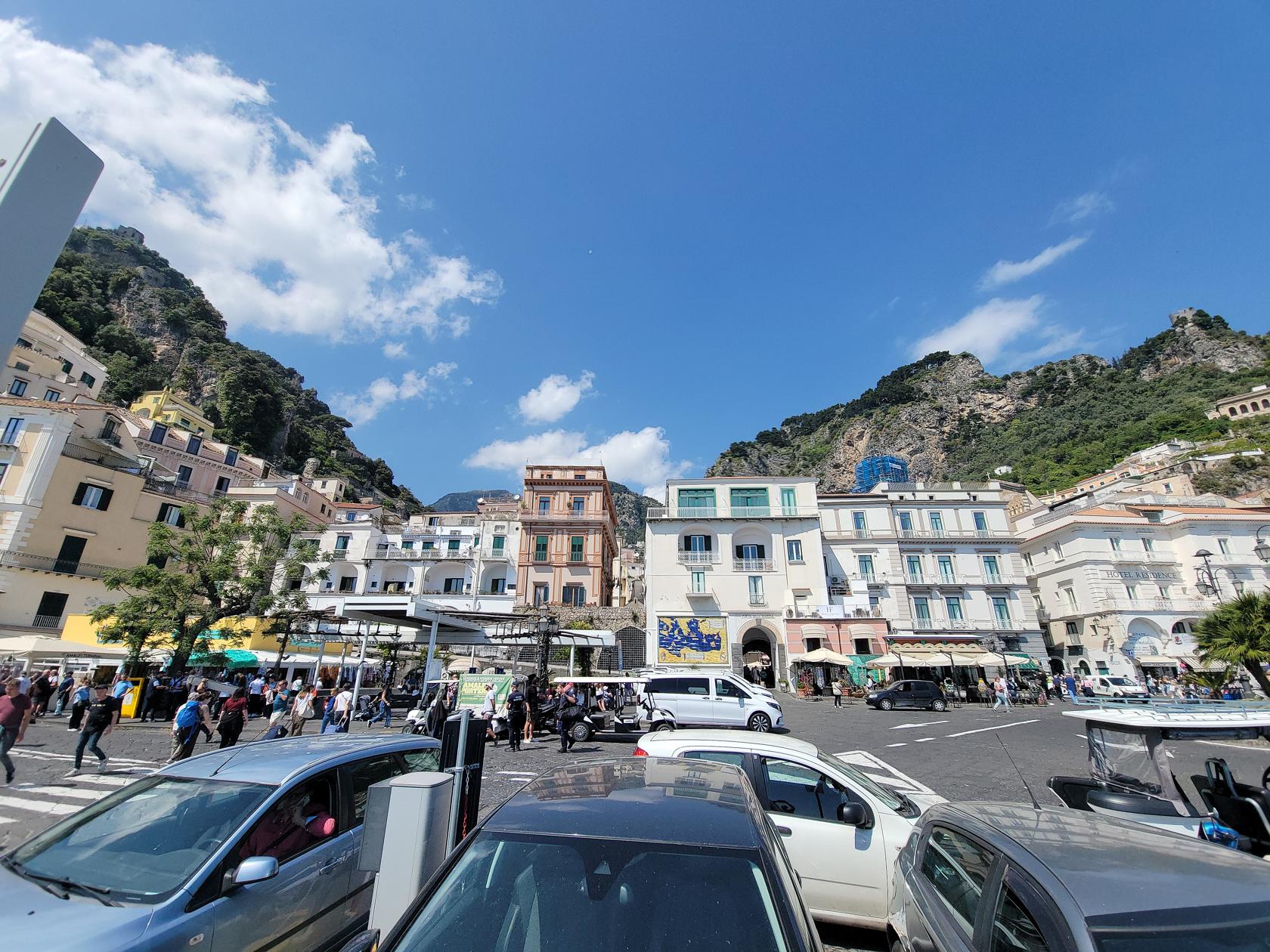
Perhaps fourth best of all the towns along the coast is Amalfi. Some may be surprised, but that is based on our experience of most of the towns. There are many factors for this, including the terrible idea of using part of the waterfront as a parking area, instead of a boardwalk, or even another beach. Therefore, it comes after Positano, Vietri sul Mare[1]this town also has coastal parking, but here it works because it is part of a boardwalk and beach complex. and Ravello.

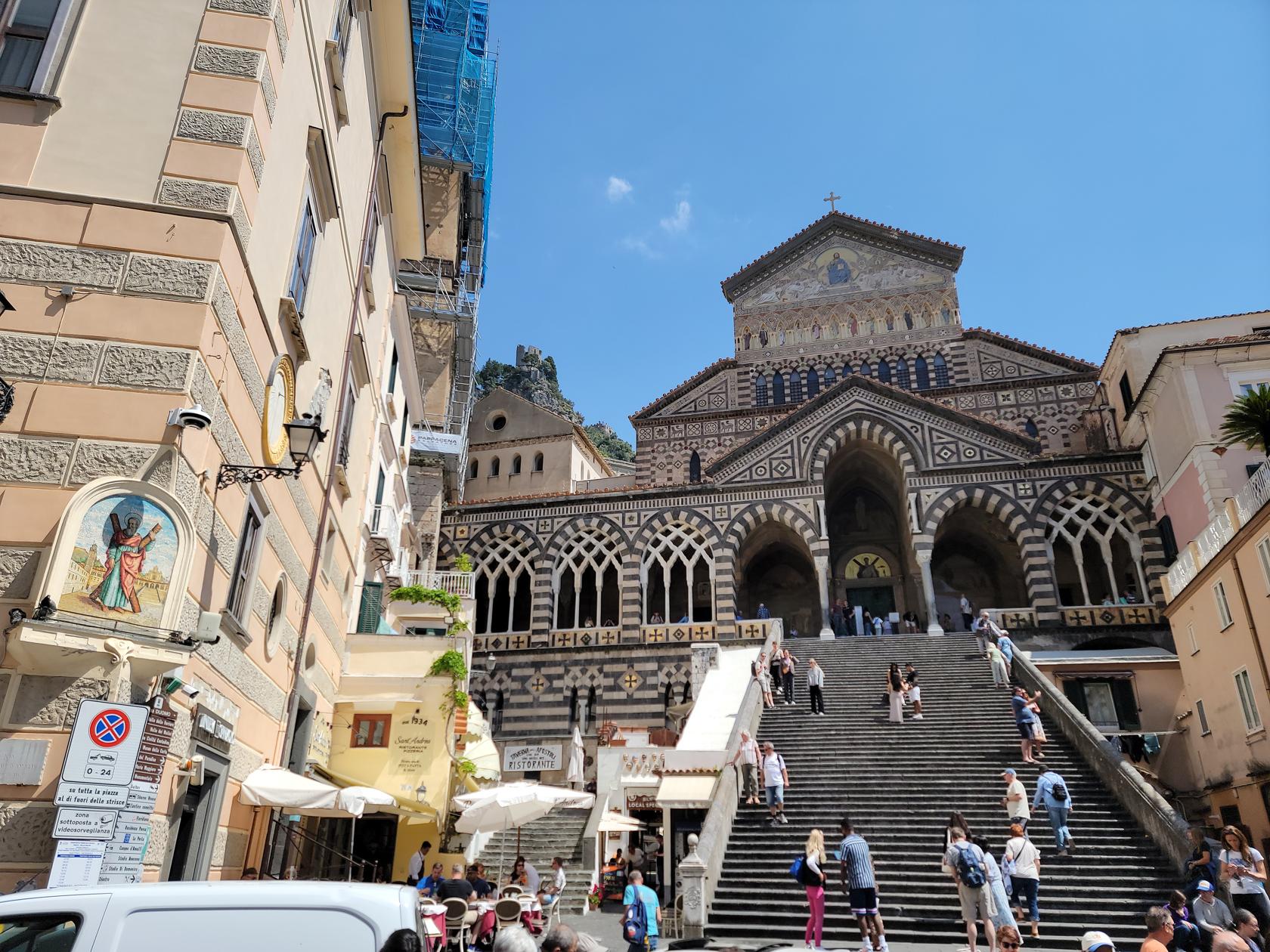
It does have a beautiful cathedral, which unfortunately was closed at the time of our visit.

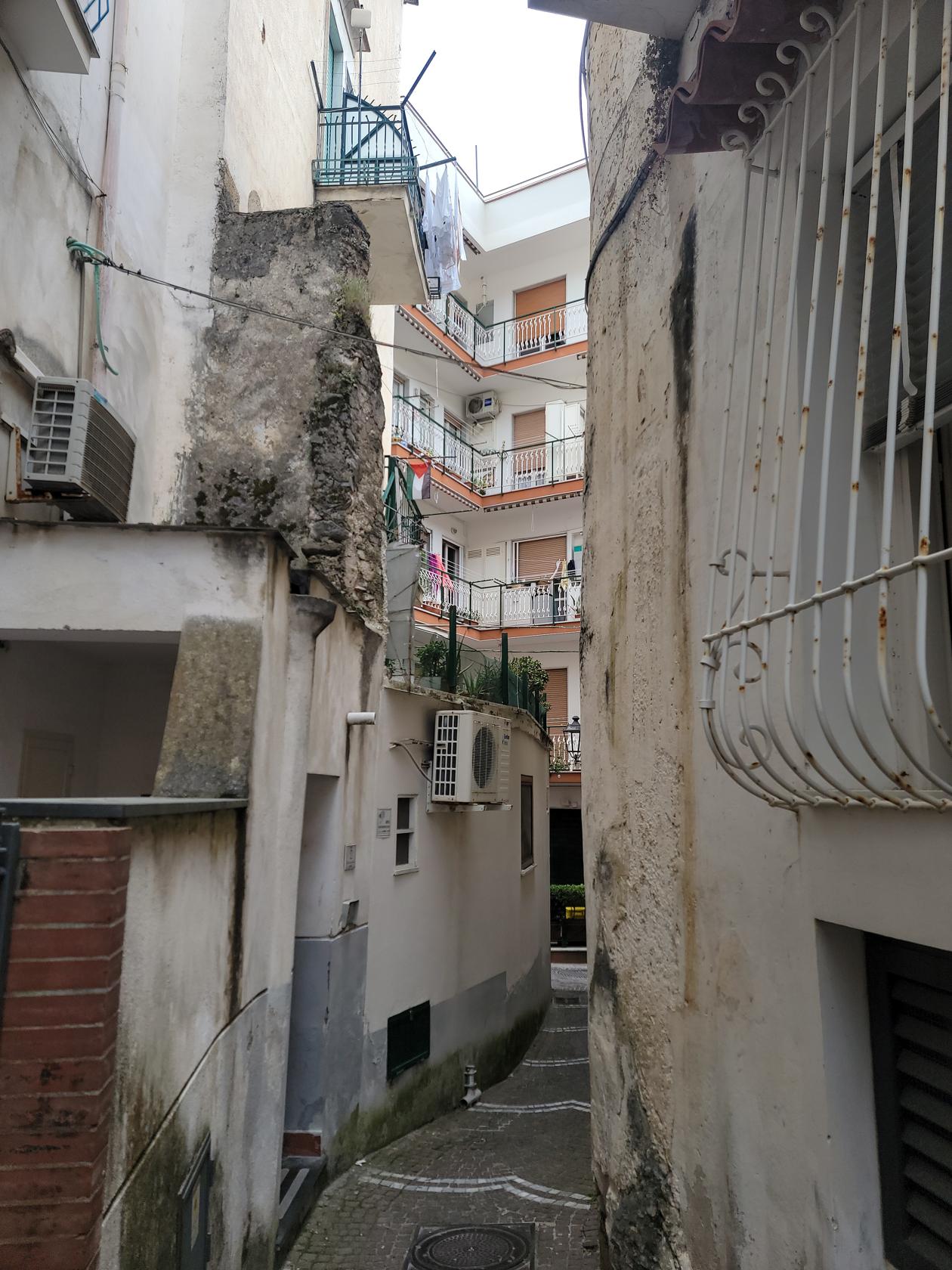
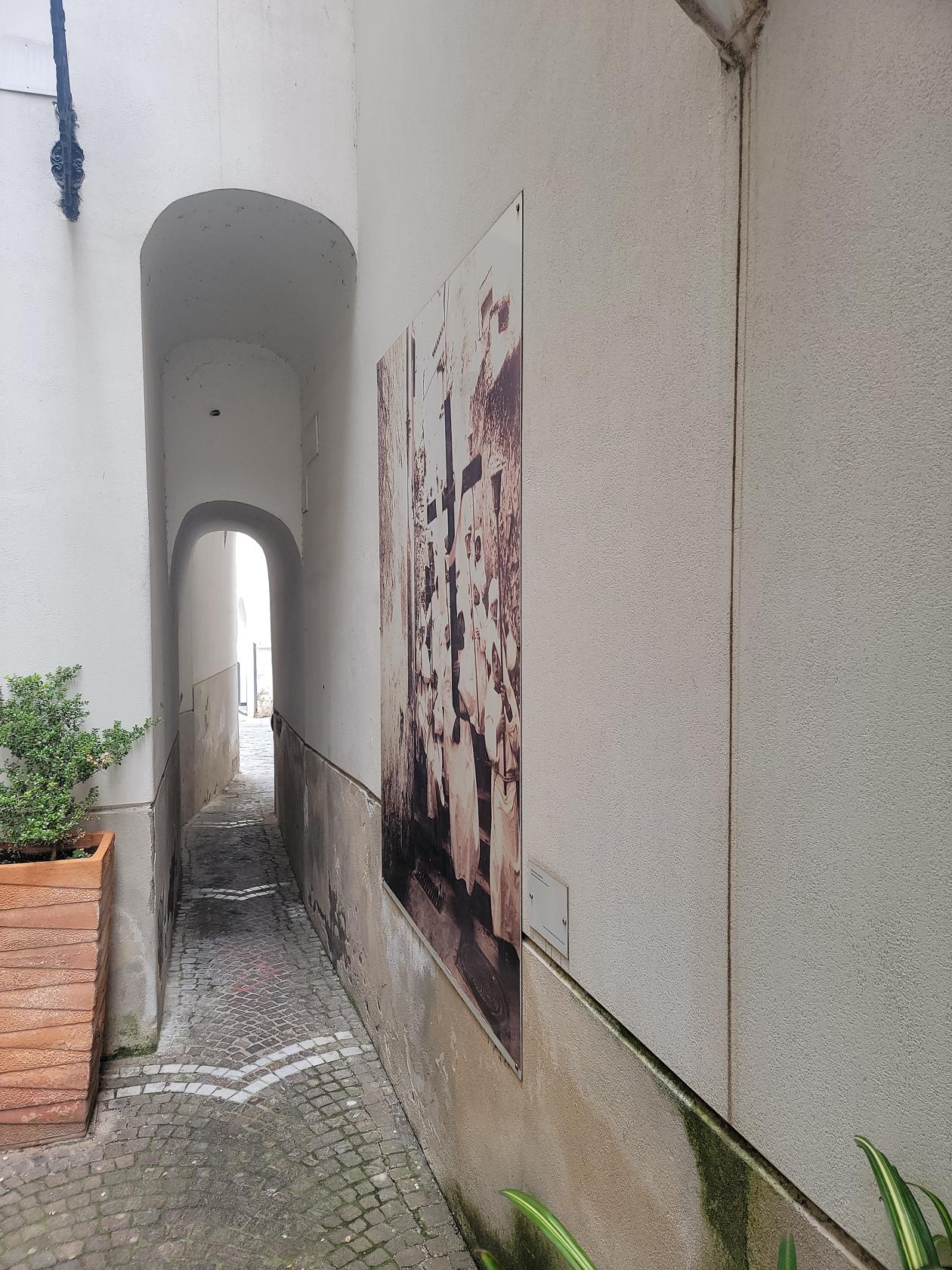
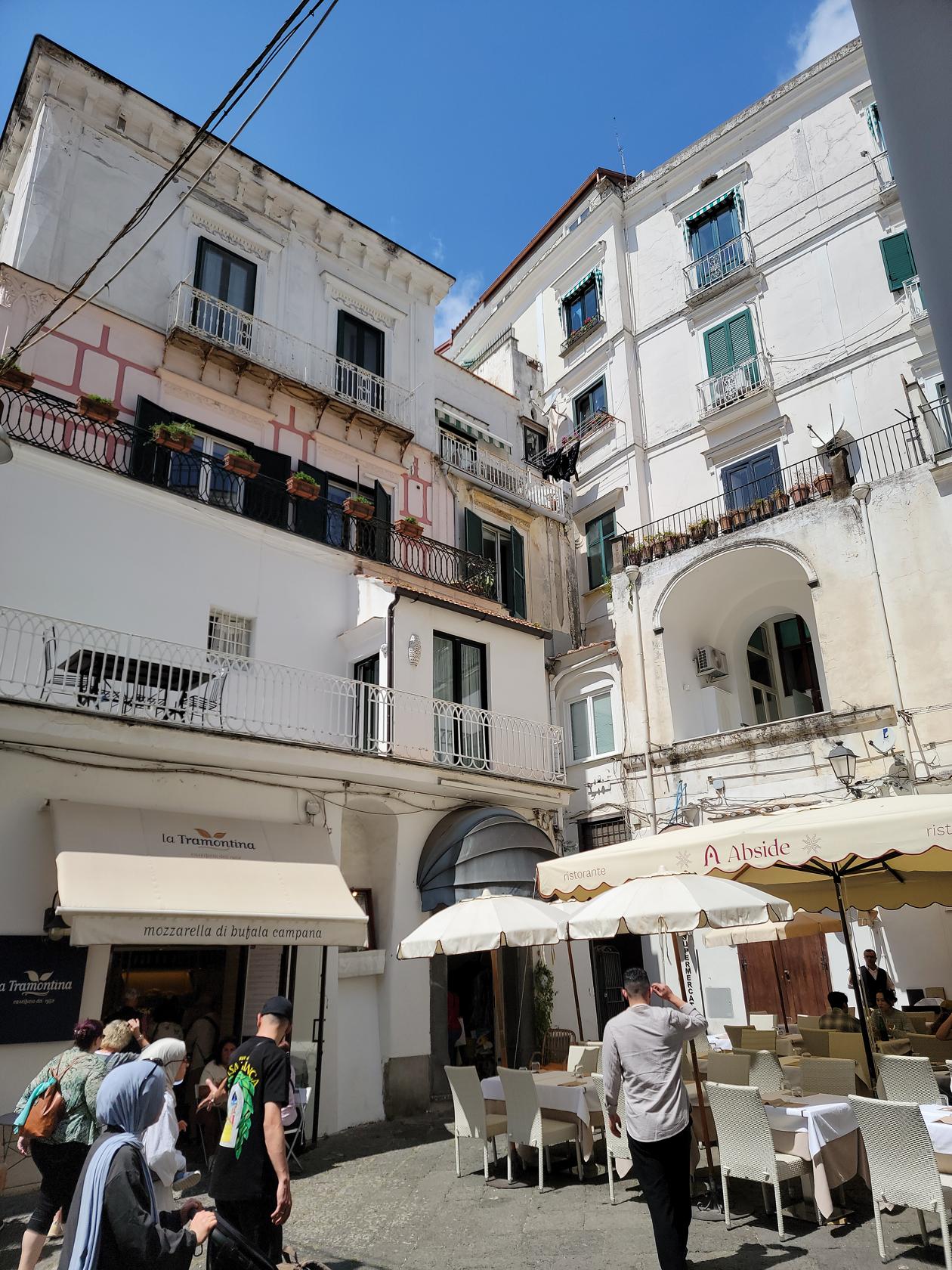
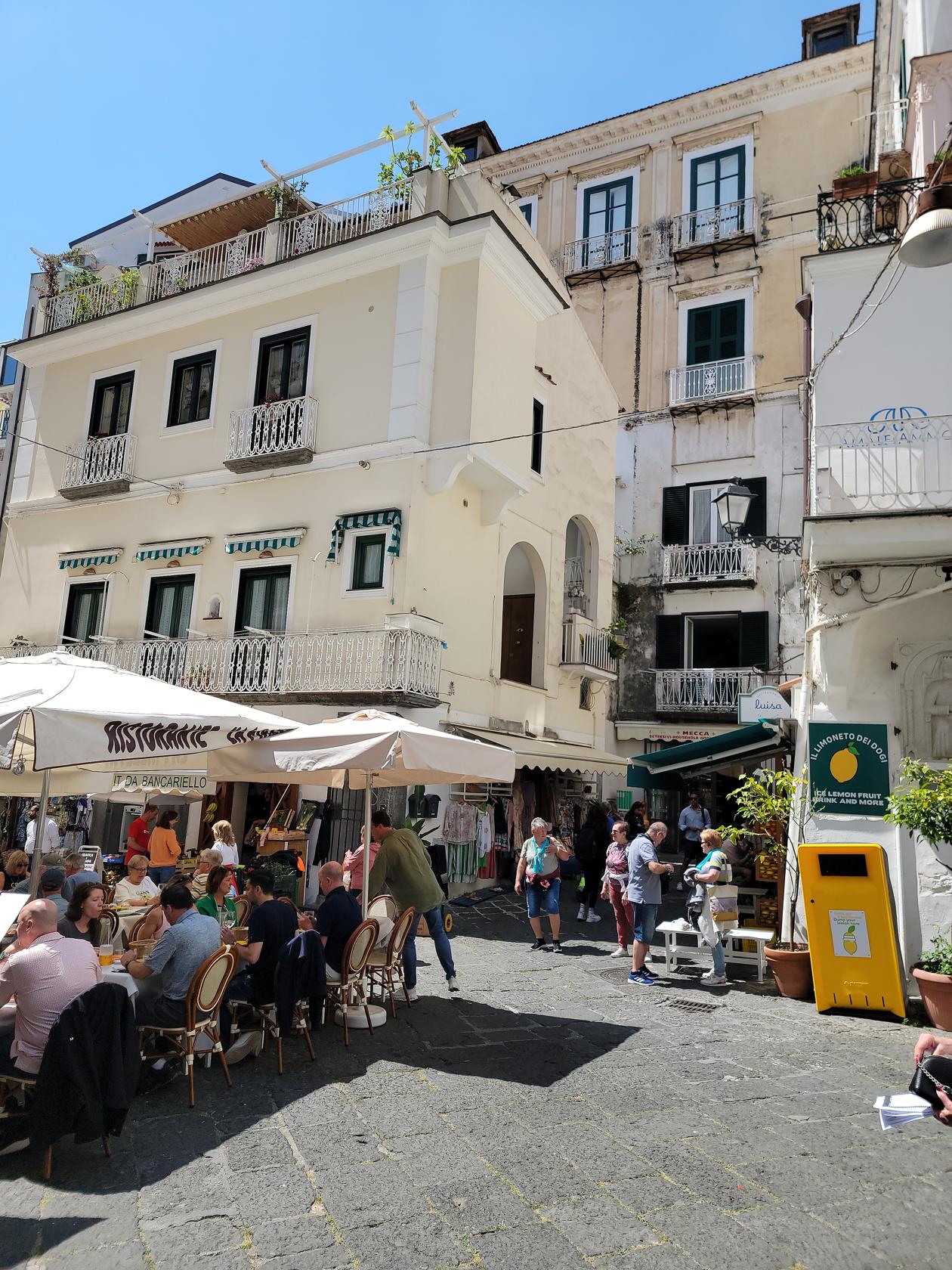
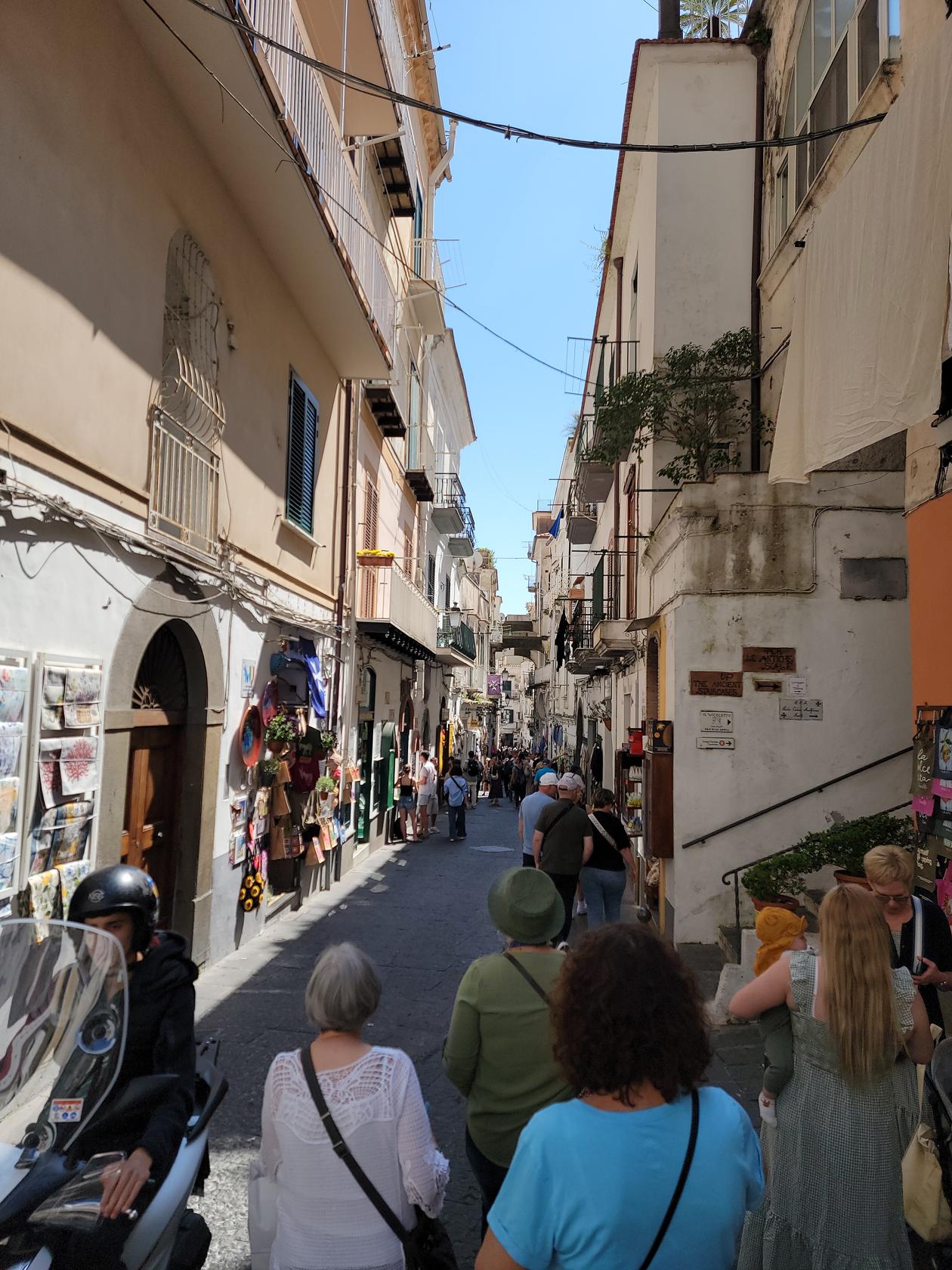
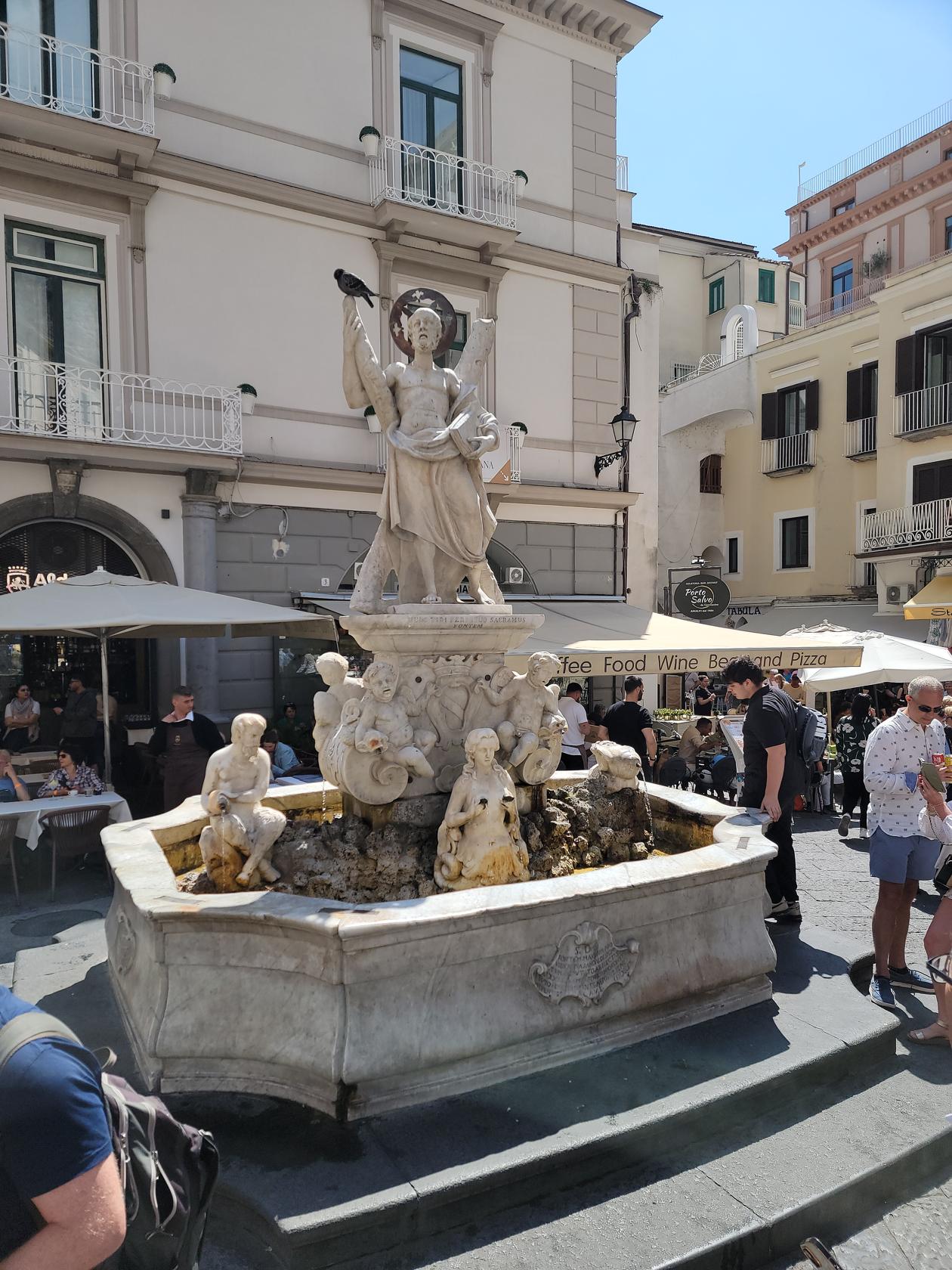
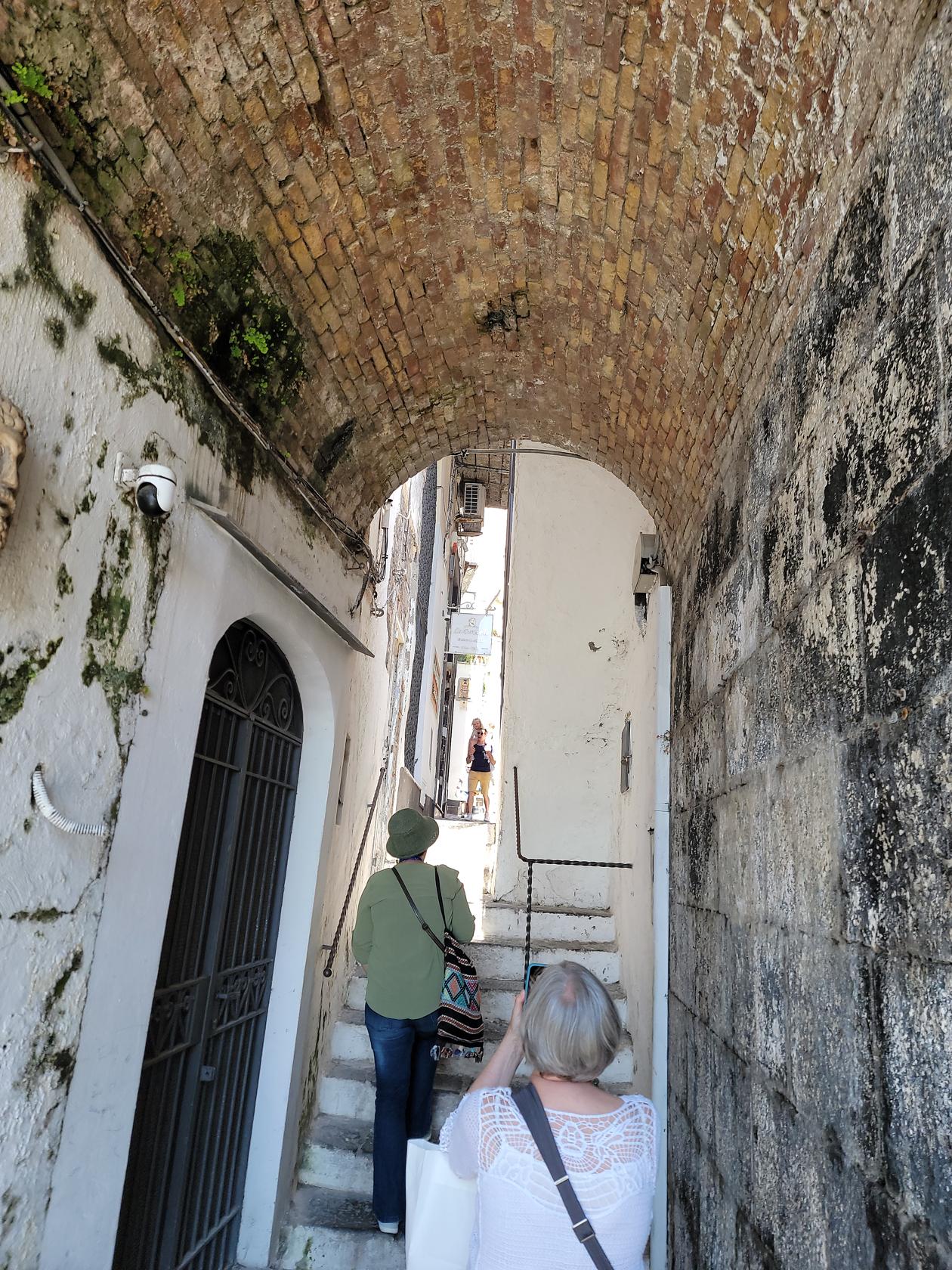
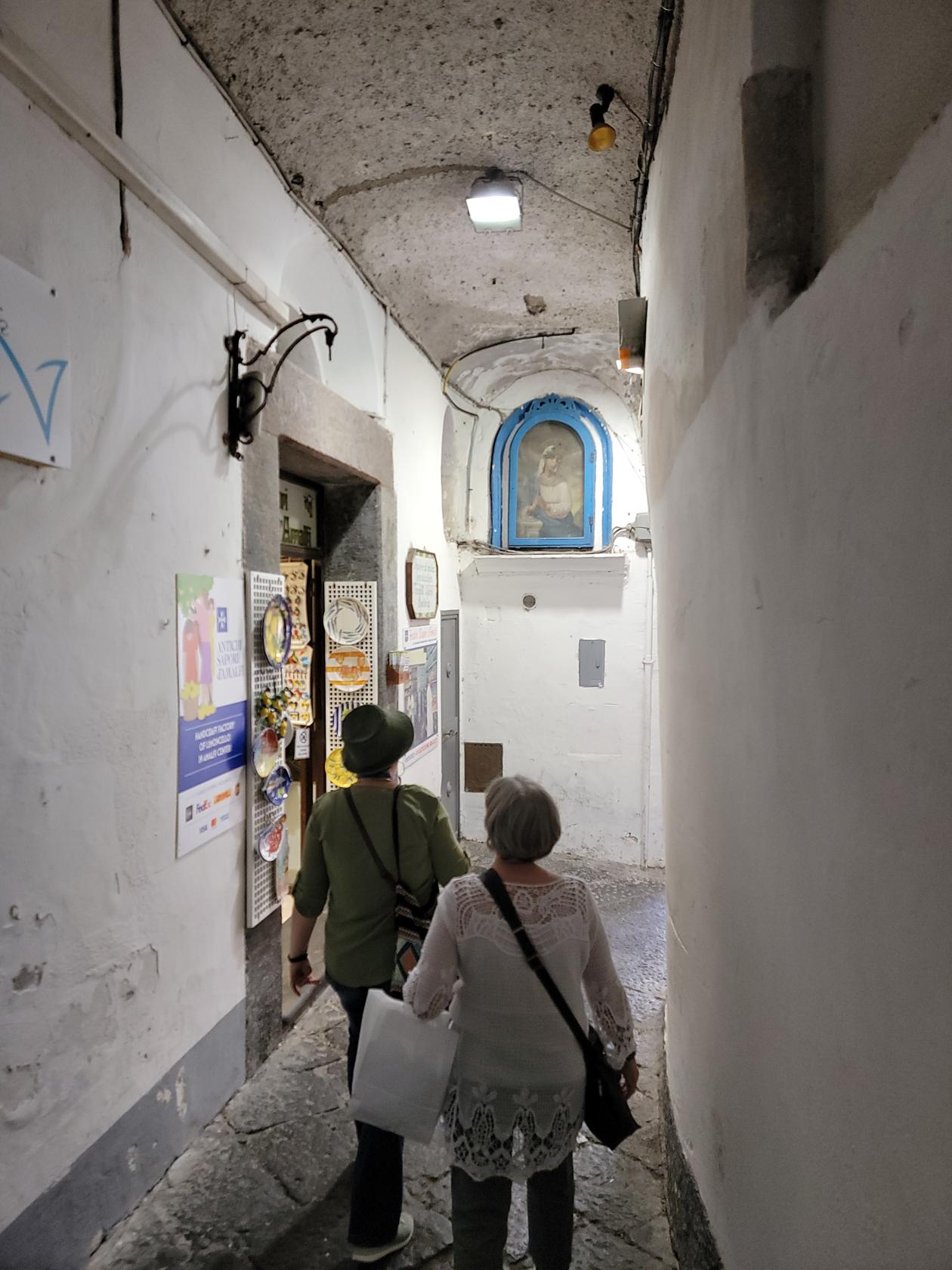
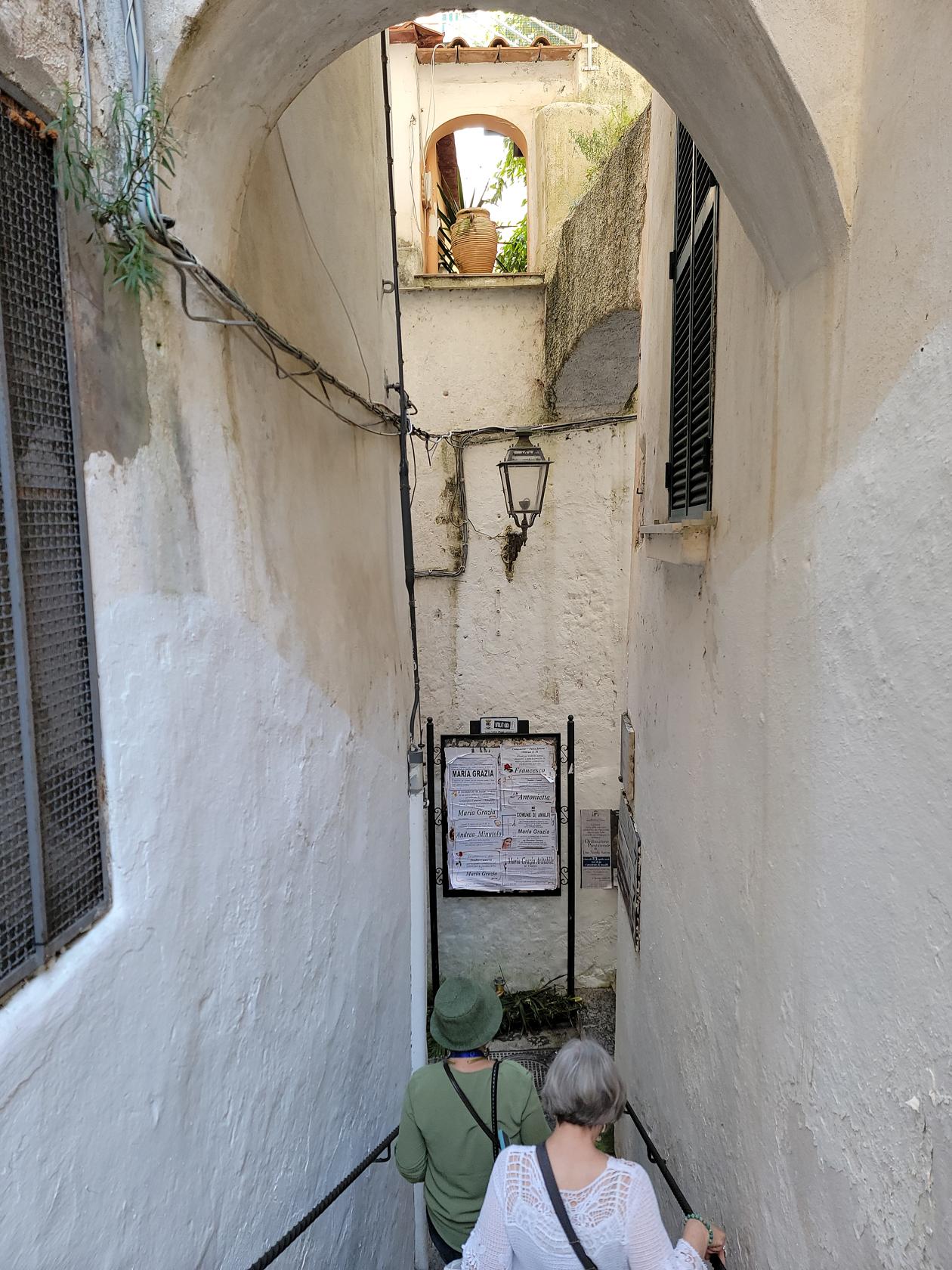
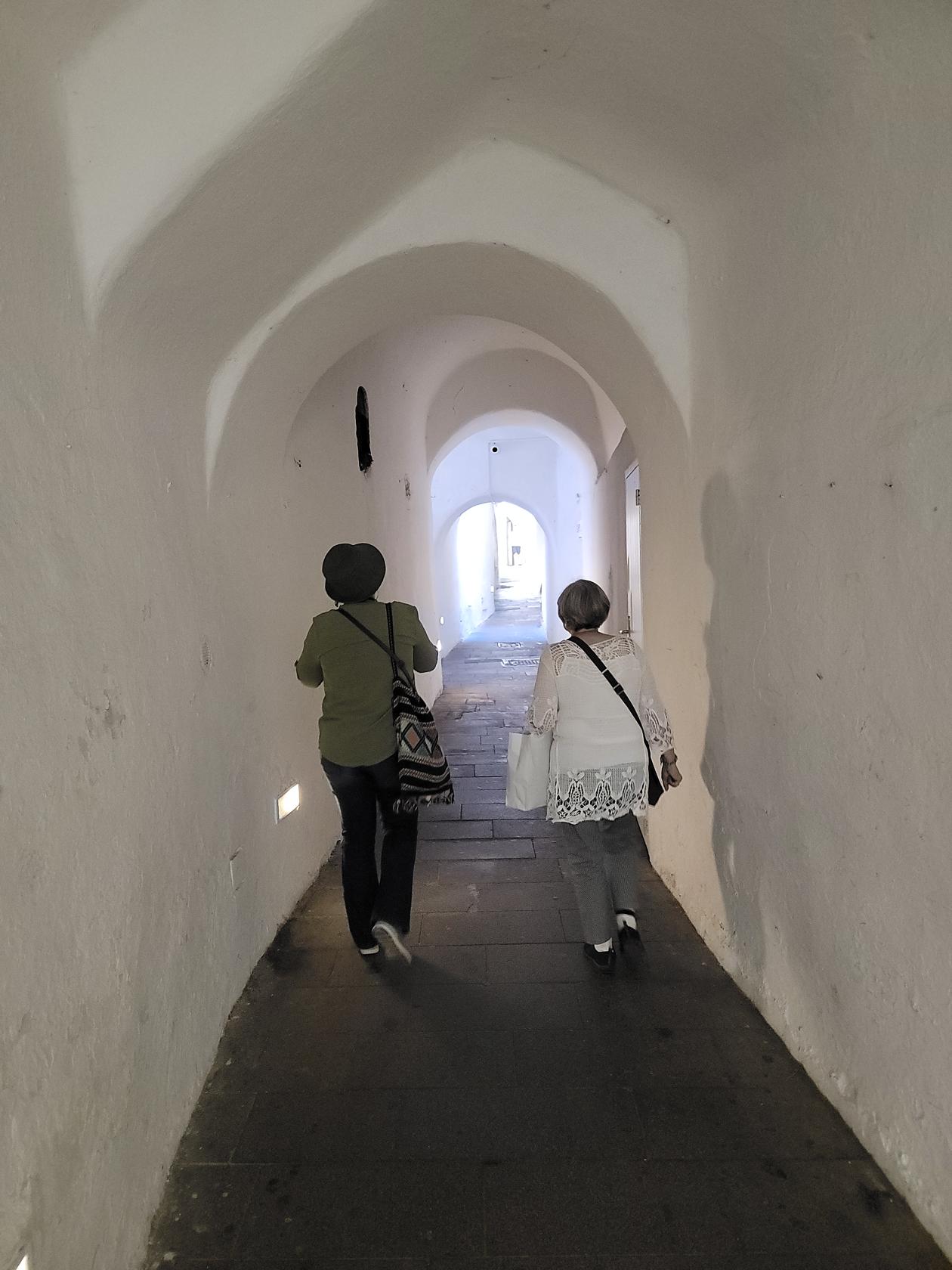
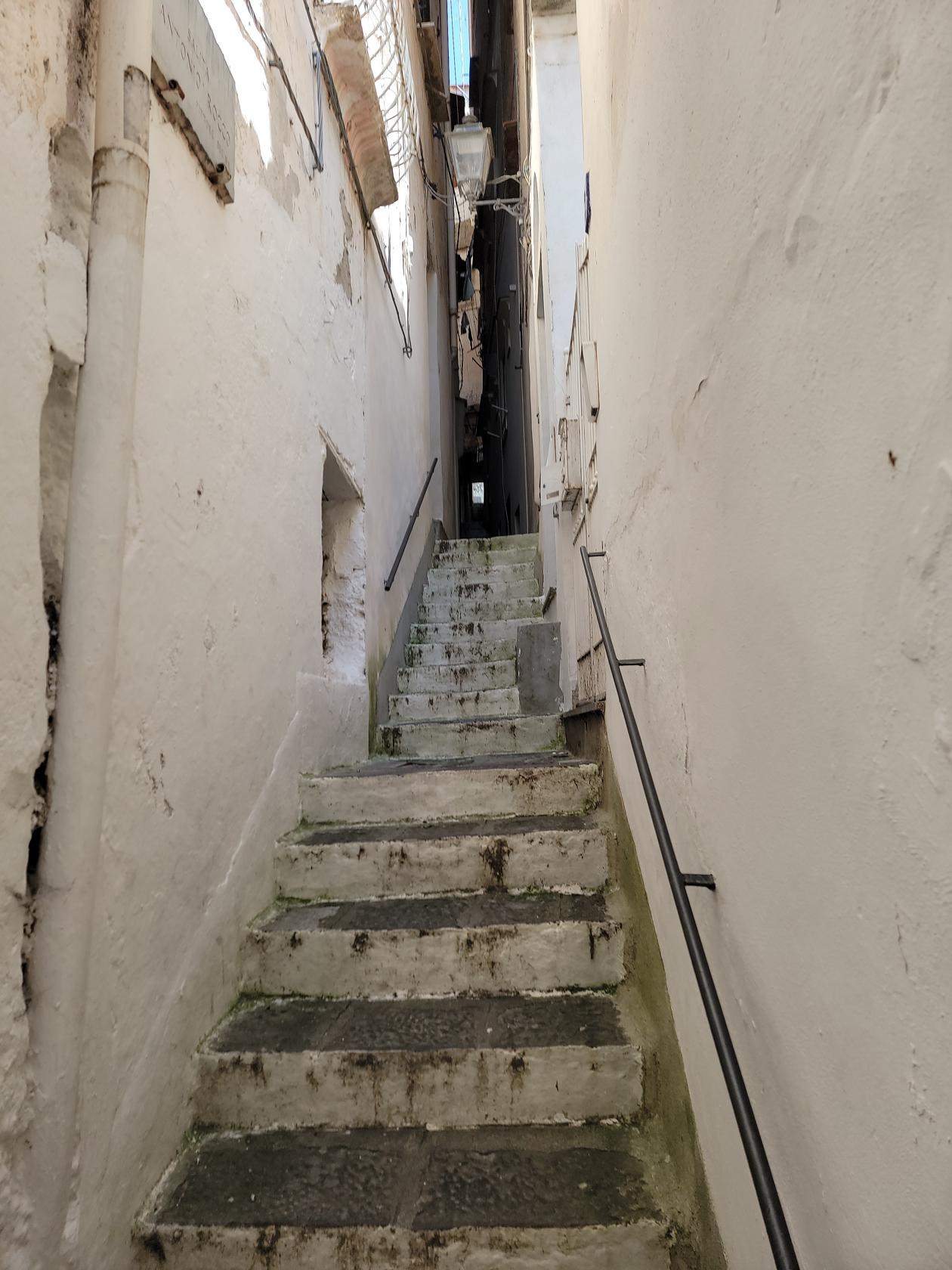
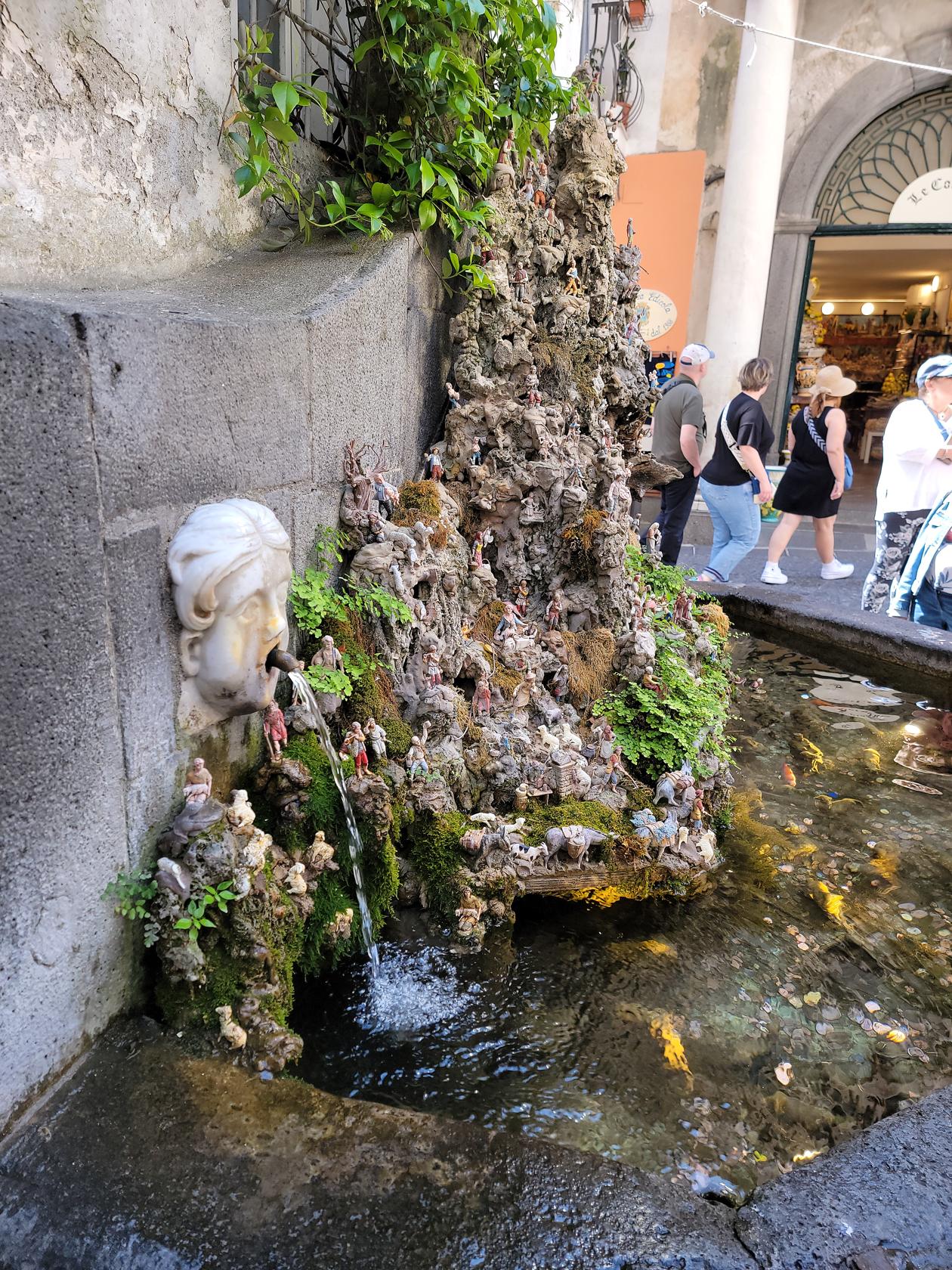
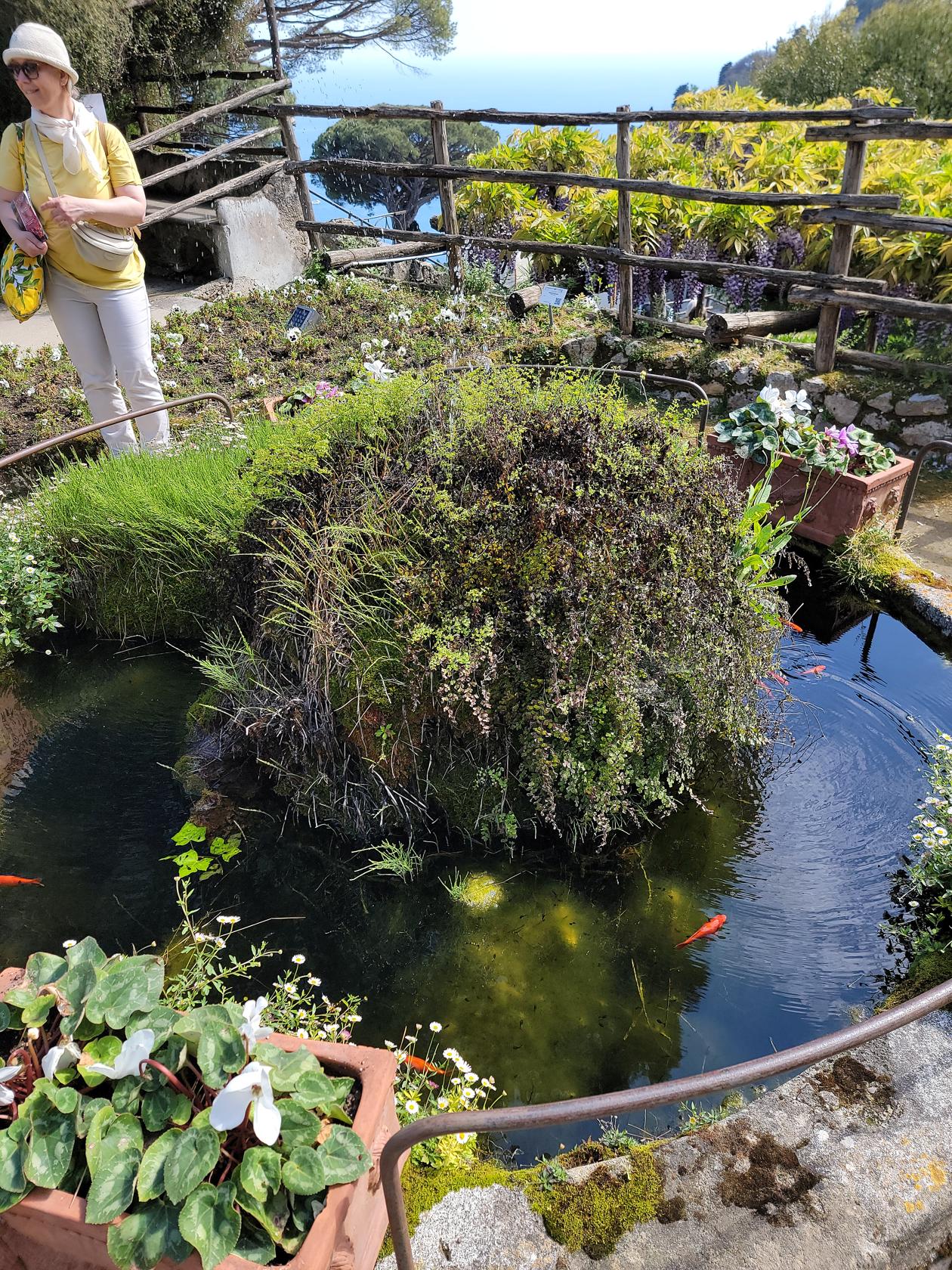
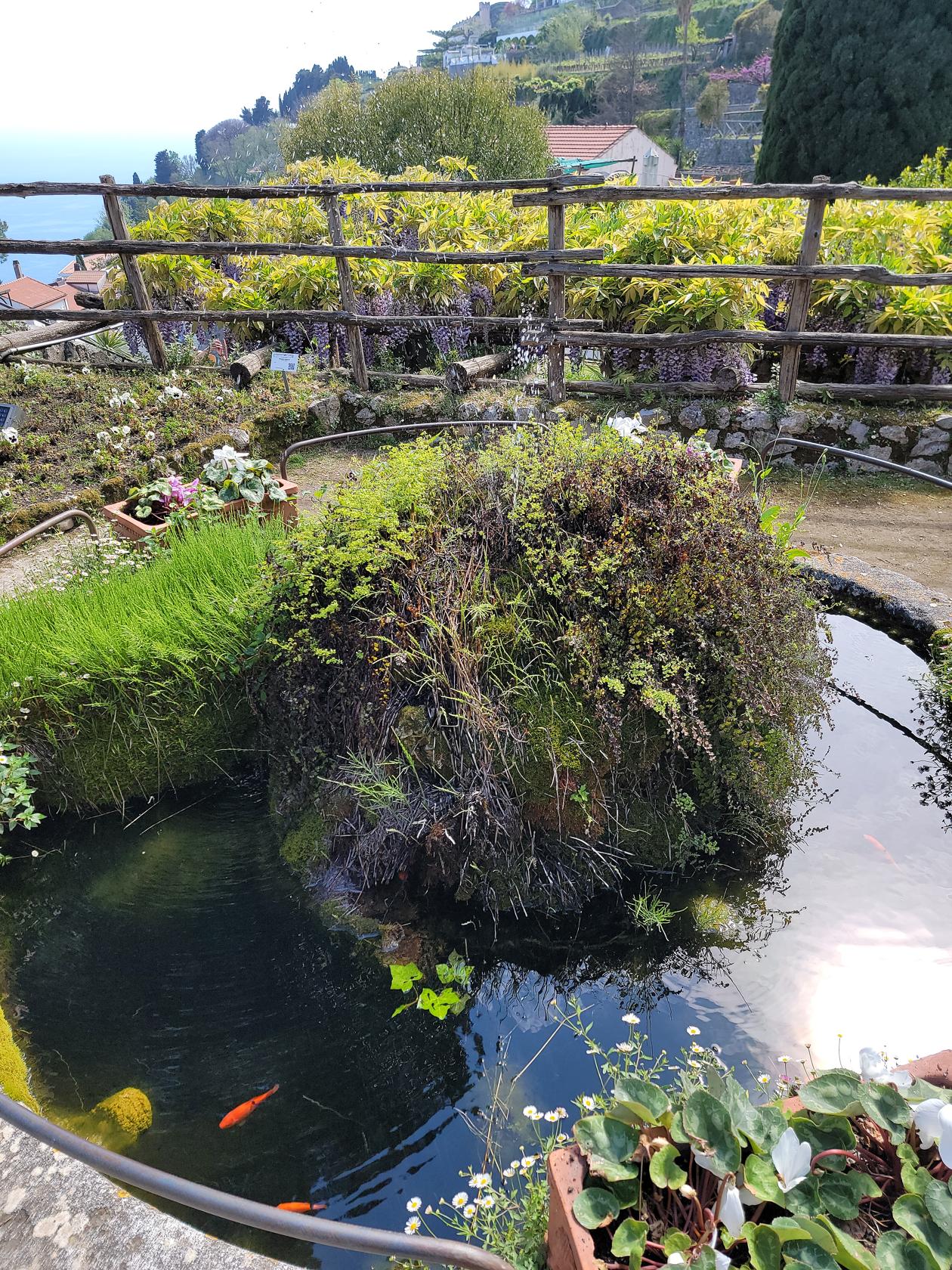
The town has the customary narrow stairs, stairways, alleyways and tunnels, providing a reprieve from the hot summer days for travelers. There are also some interesting fountains in Amalfi, one actually has a cute little diorama built into it of little character, shepards and animals, along with the customary goldfish swimming below.

Ravello

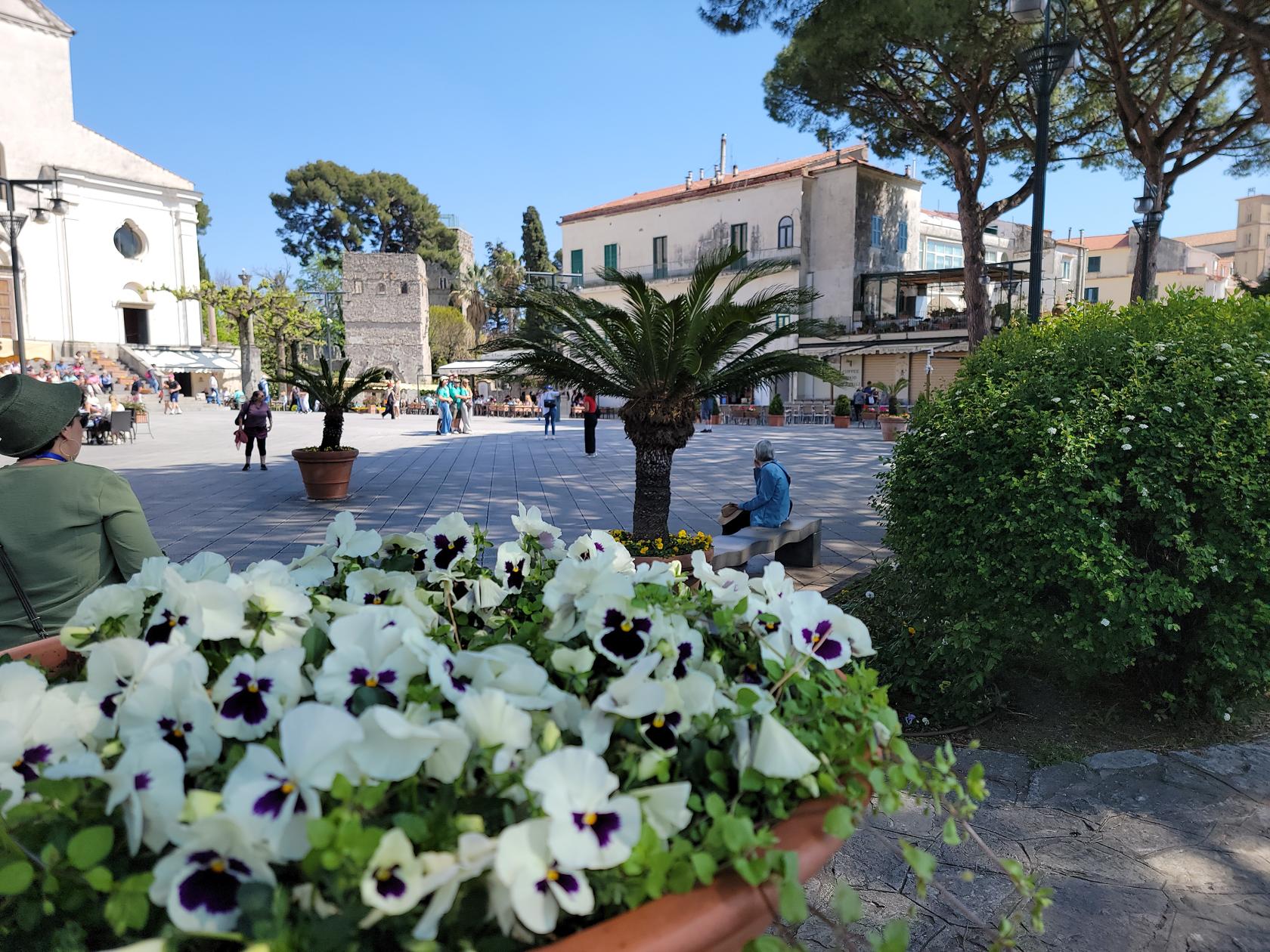
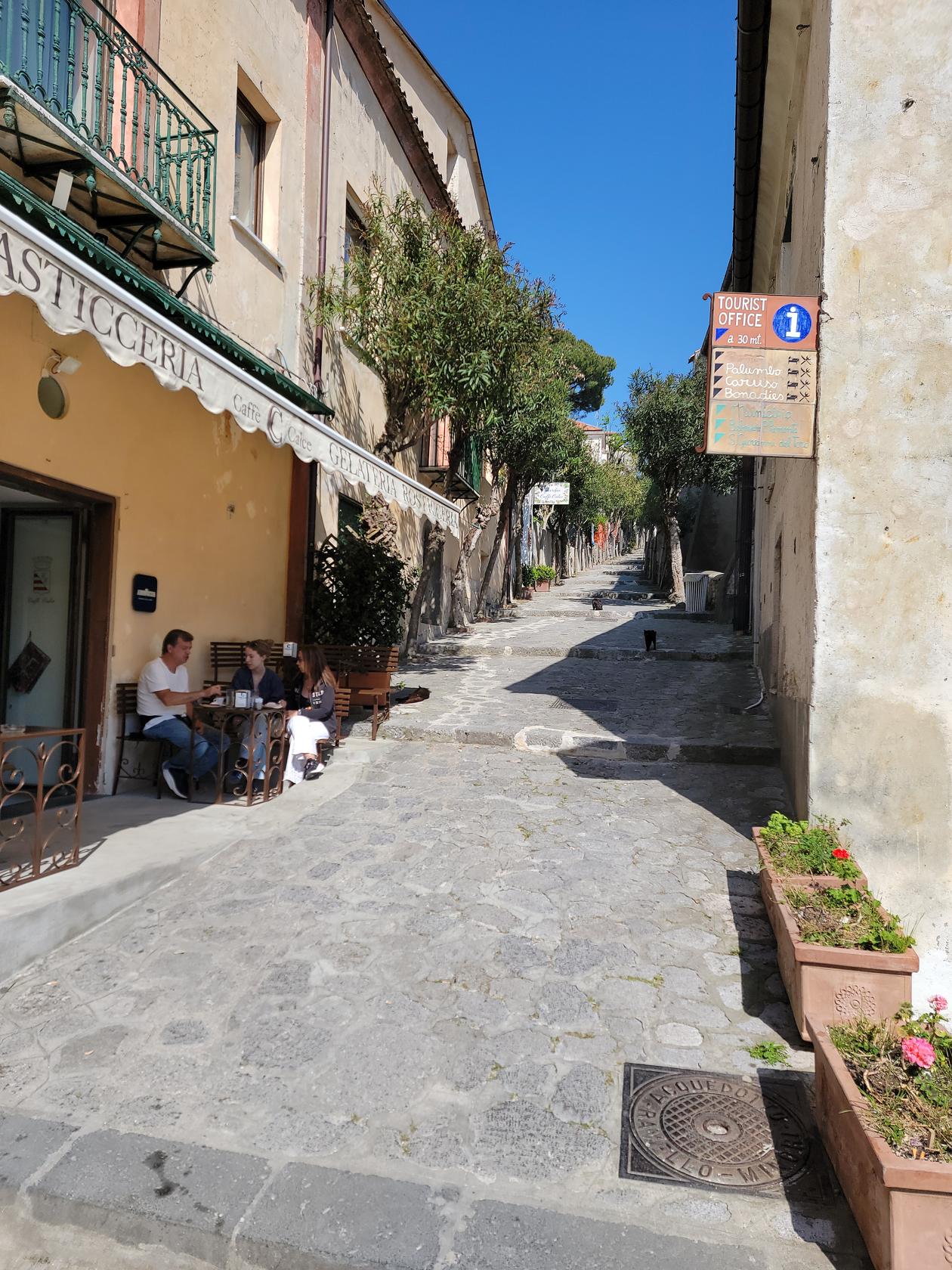
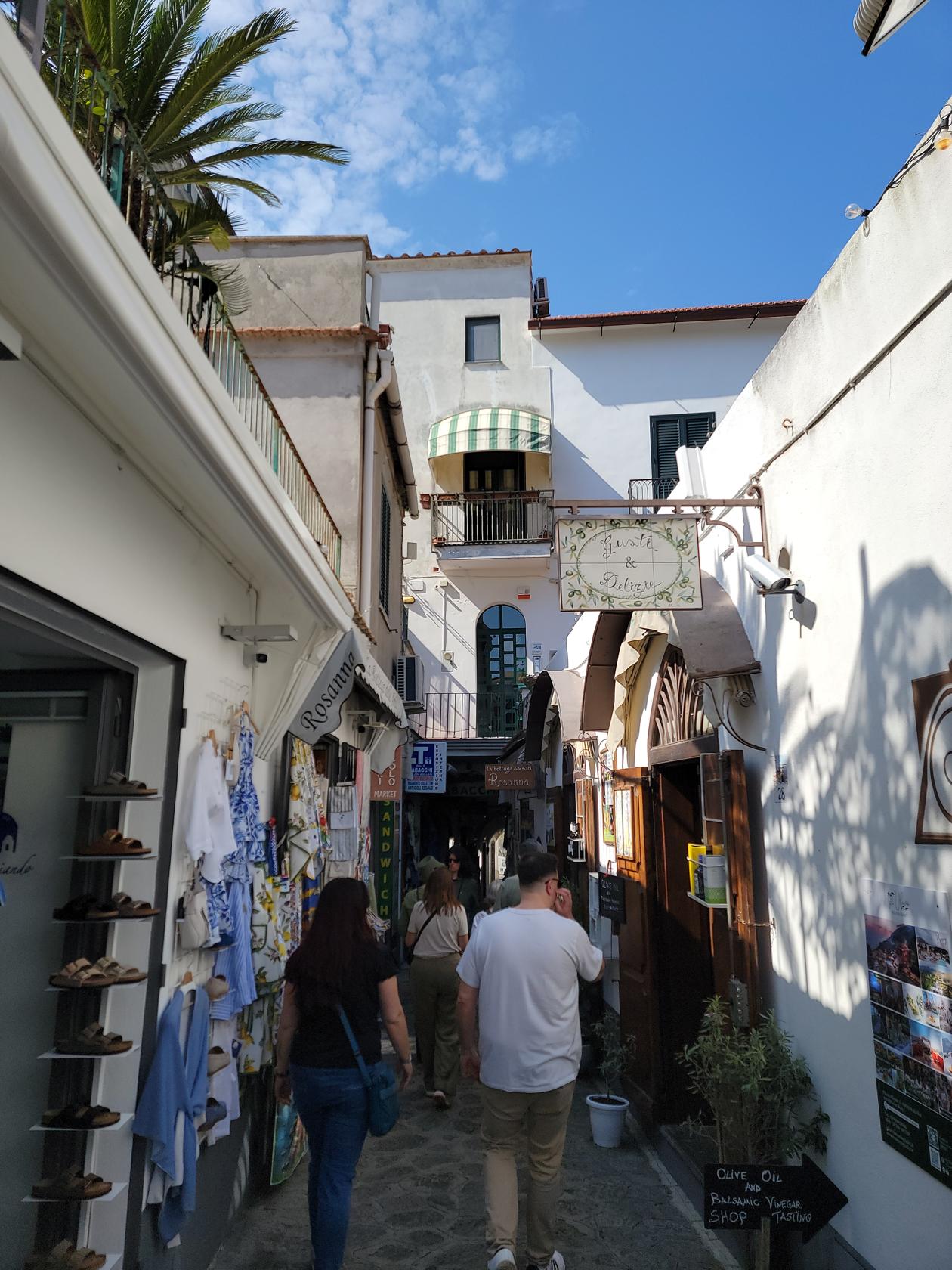
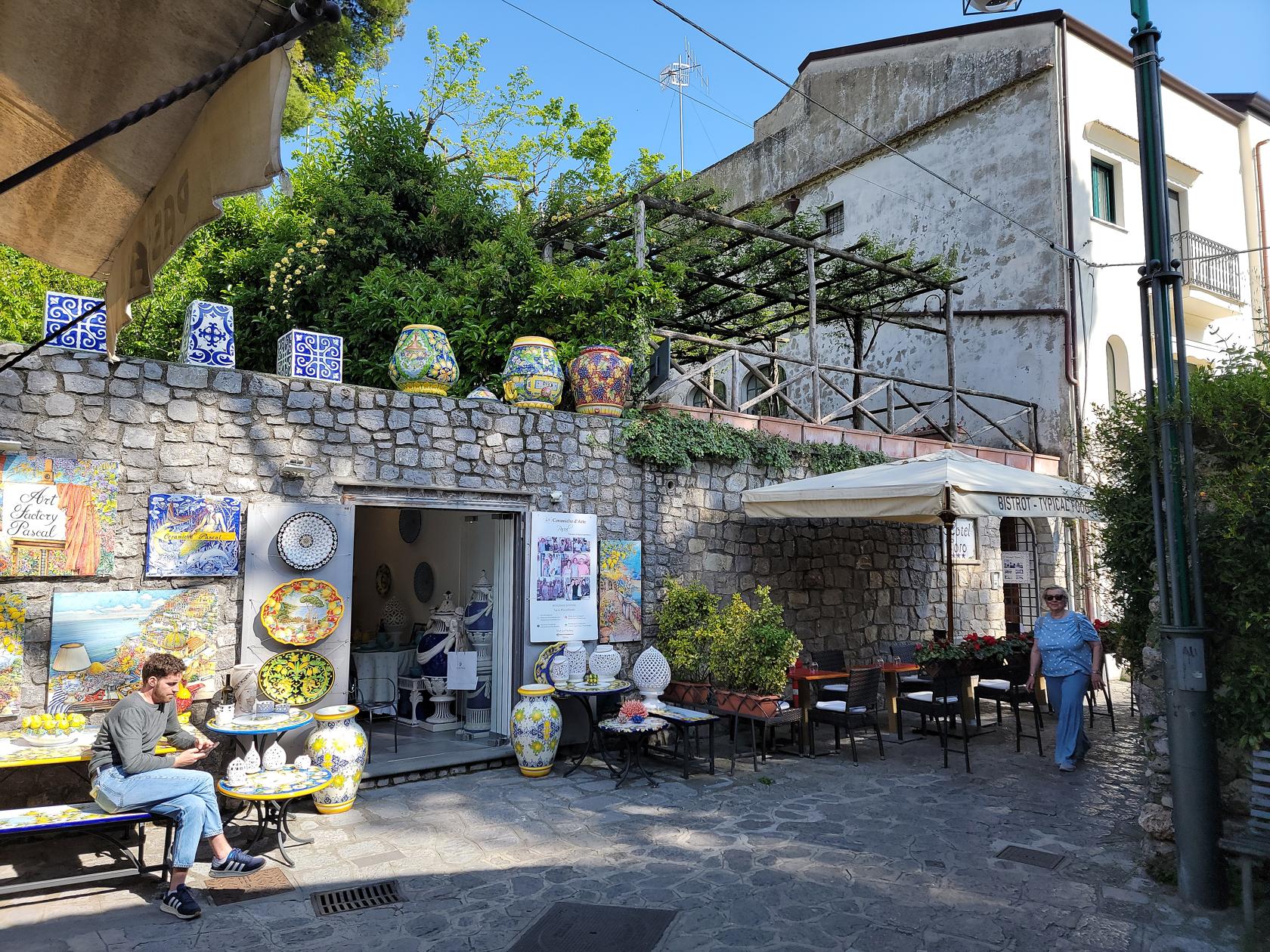
Unlike most other towns along the coast, Ravello kind of stood out. Not only is it more relaxing, since it is obviously visited by fewer people, it is quieter and more laid back. This is most likely due to its smaller size, its elevation and distance from the coast.

Some find it a better alternative than Amalfi. For one, there are better views from the town, from where visitors can see Amalfi’s classic rocky coastline. Plus the relaxed atmosphere adds to the pleasure, especially if you have time to sit and enjoy a drink, or have a gelato at one of the many artigianale gelaterias in the town.

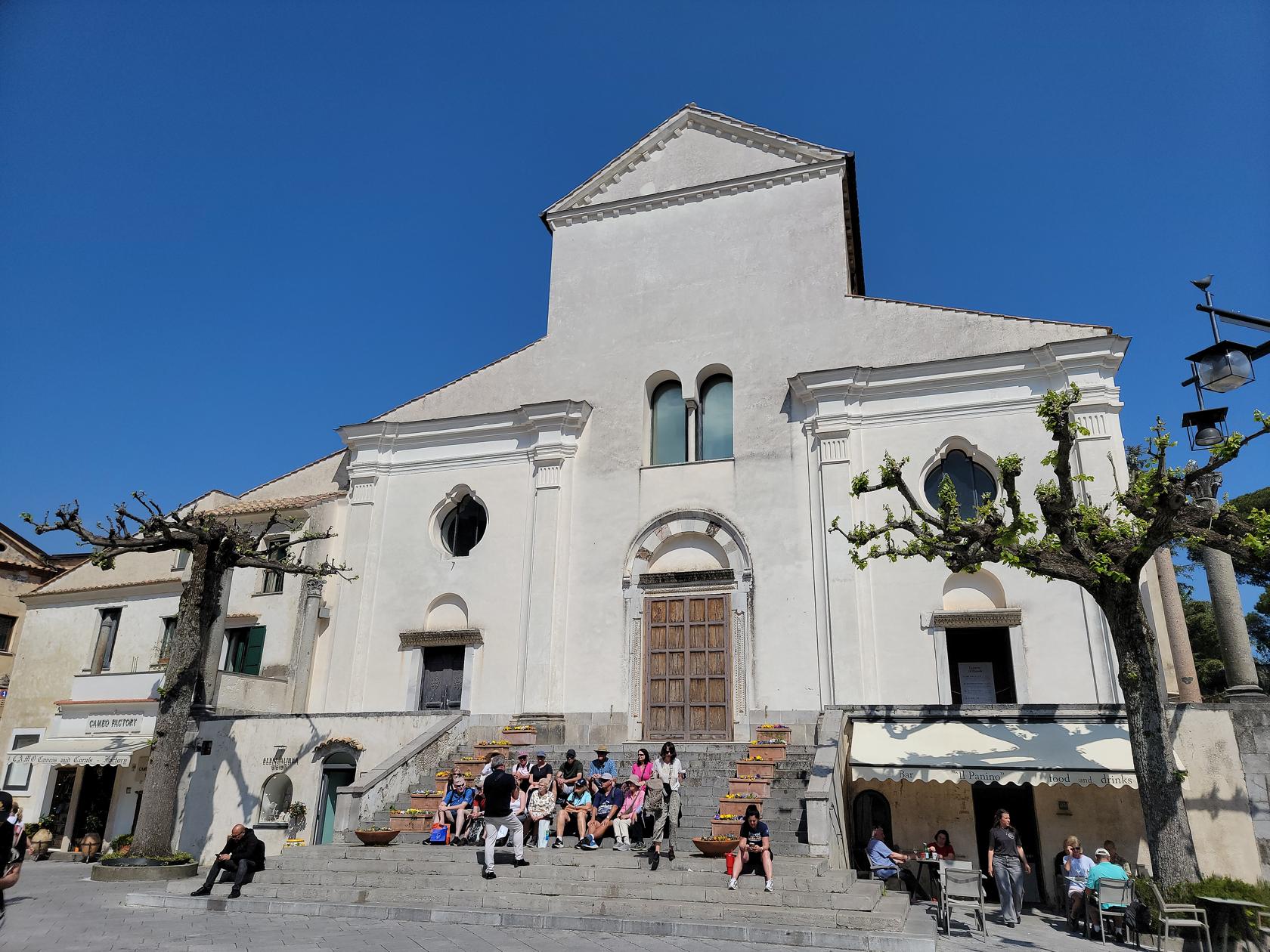
Duomo di Revallo

The main church in town is the Duomo di Ravello, which was unfortunately closed while we were visiting, so the interior remains a mystery to us.

Villa Rufolo

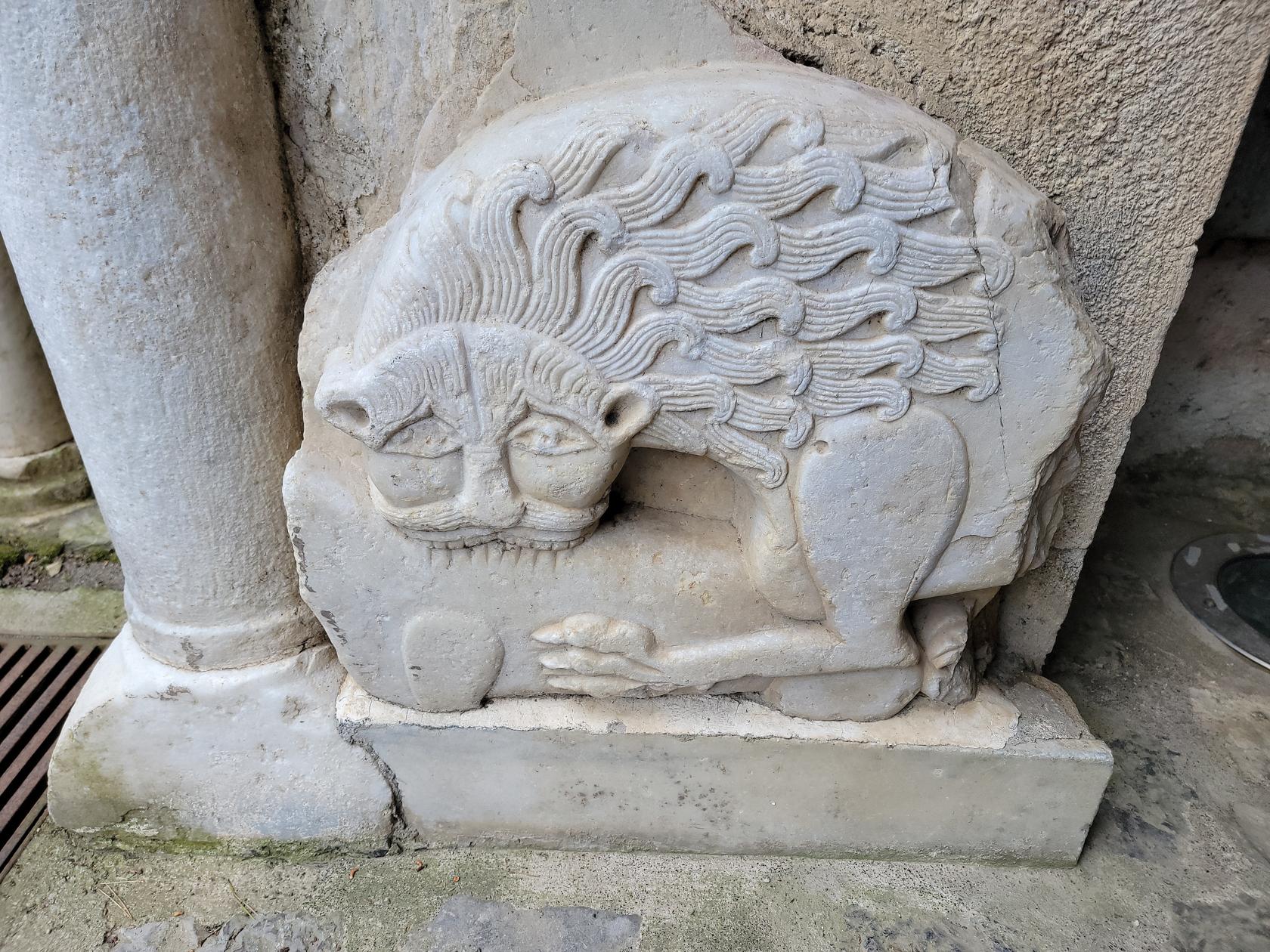
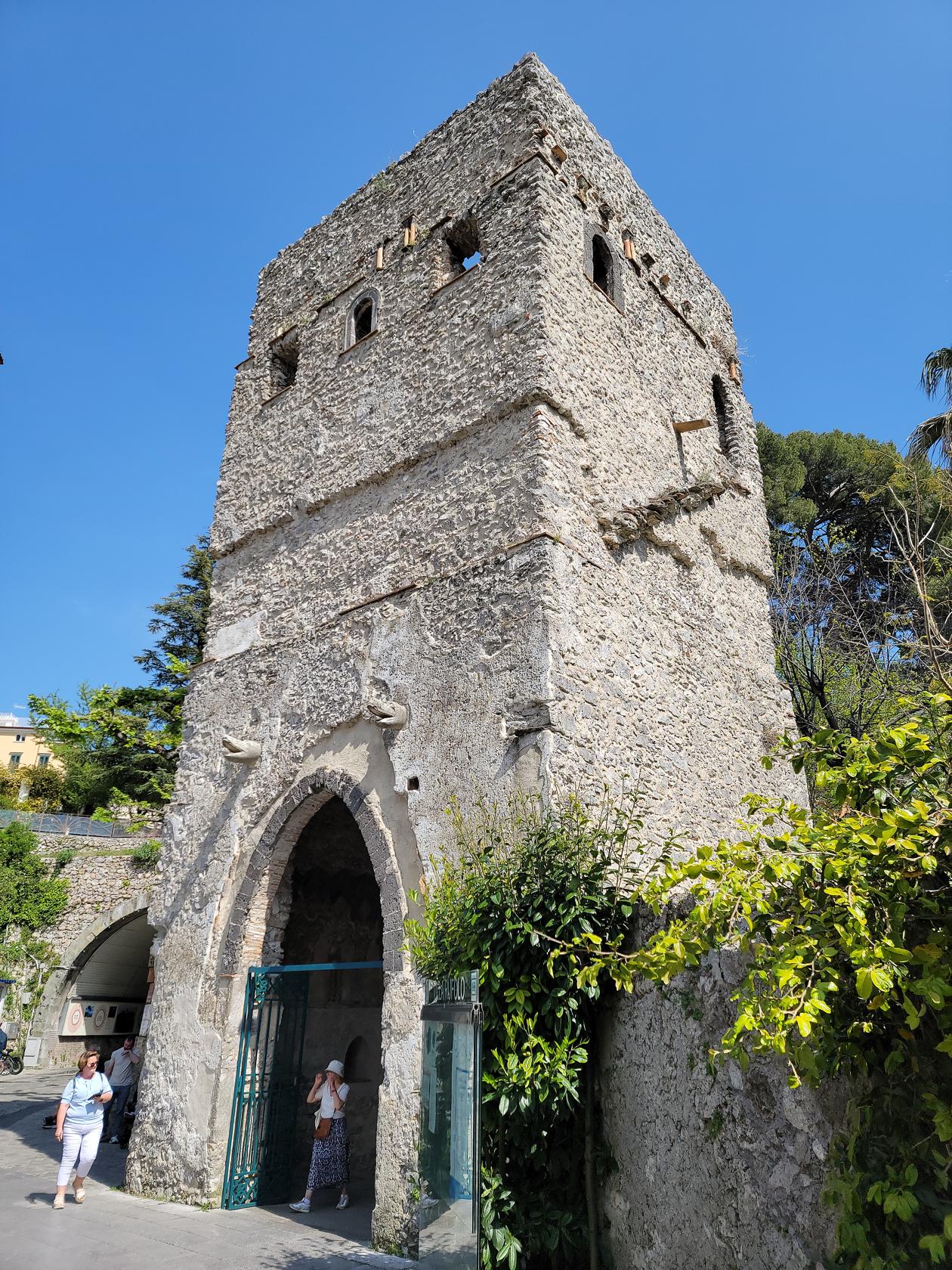
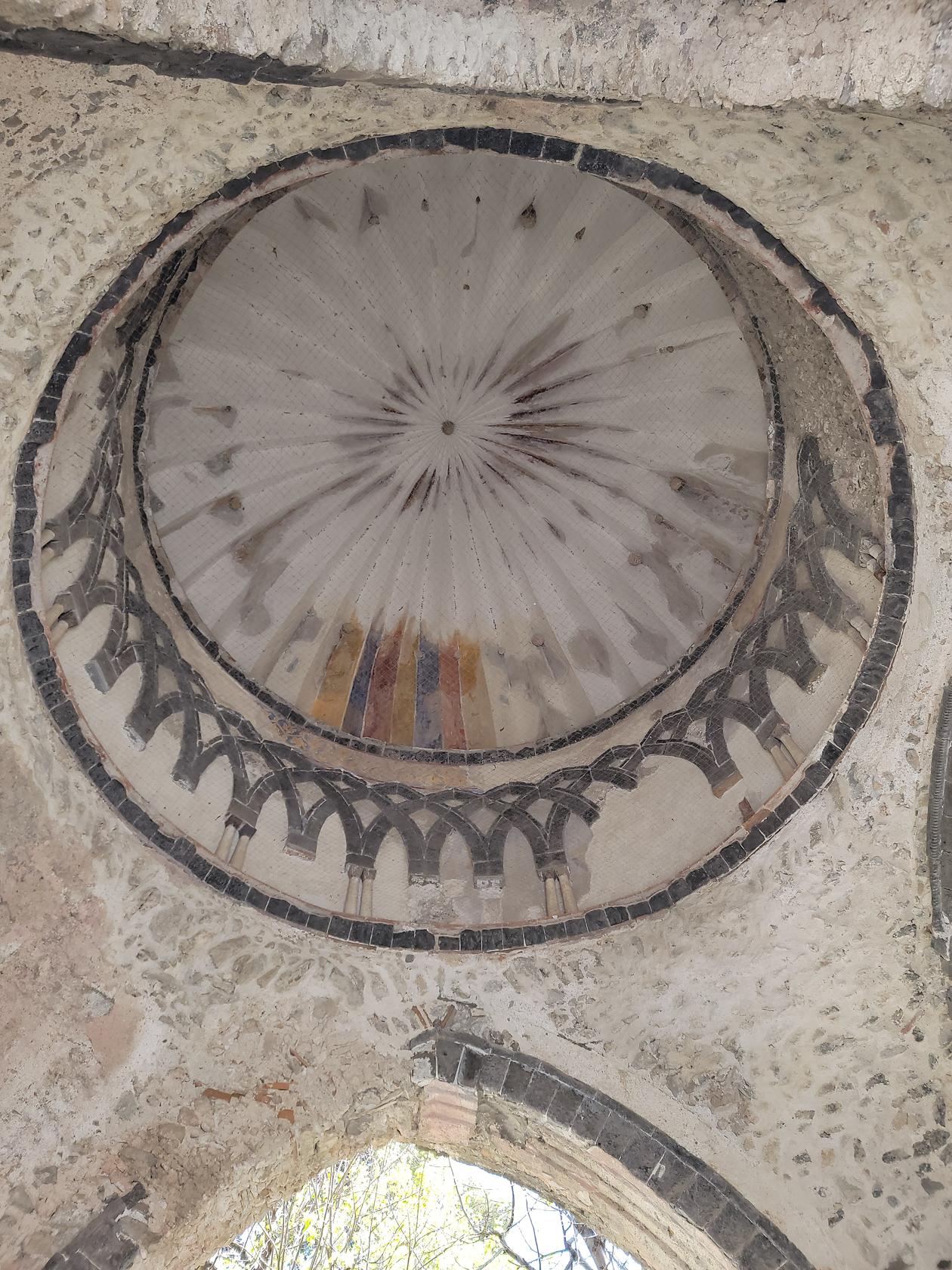
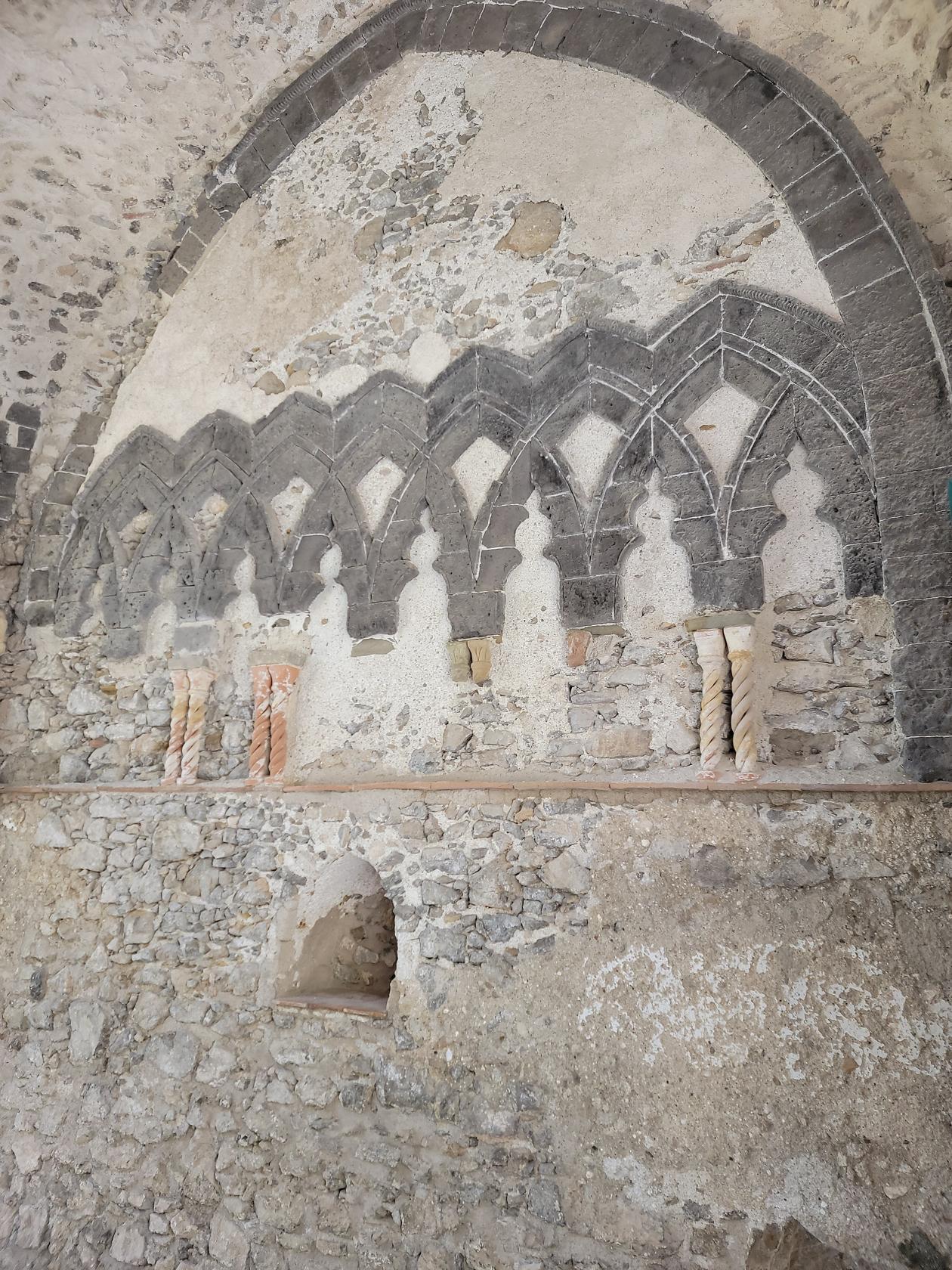
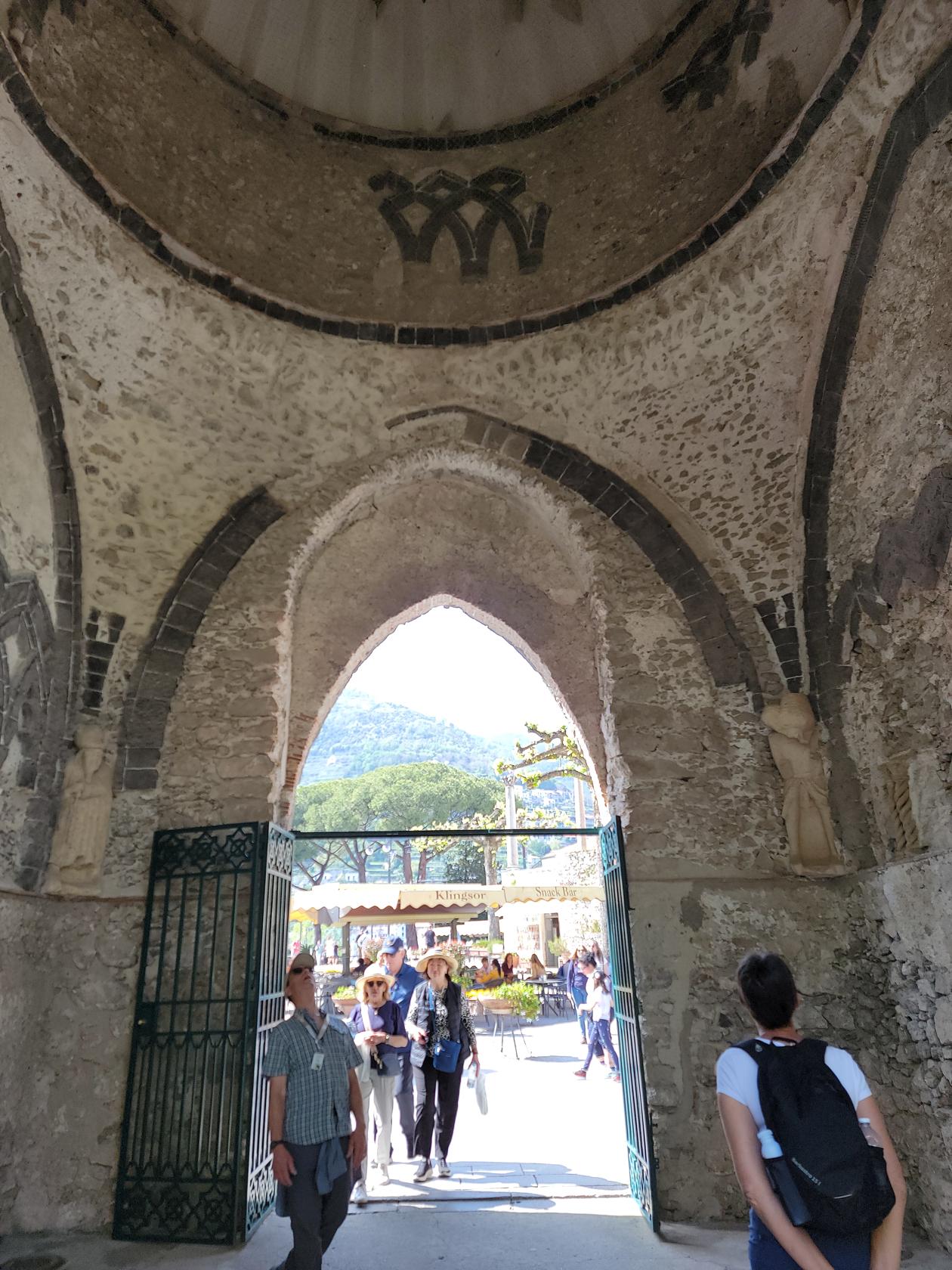
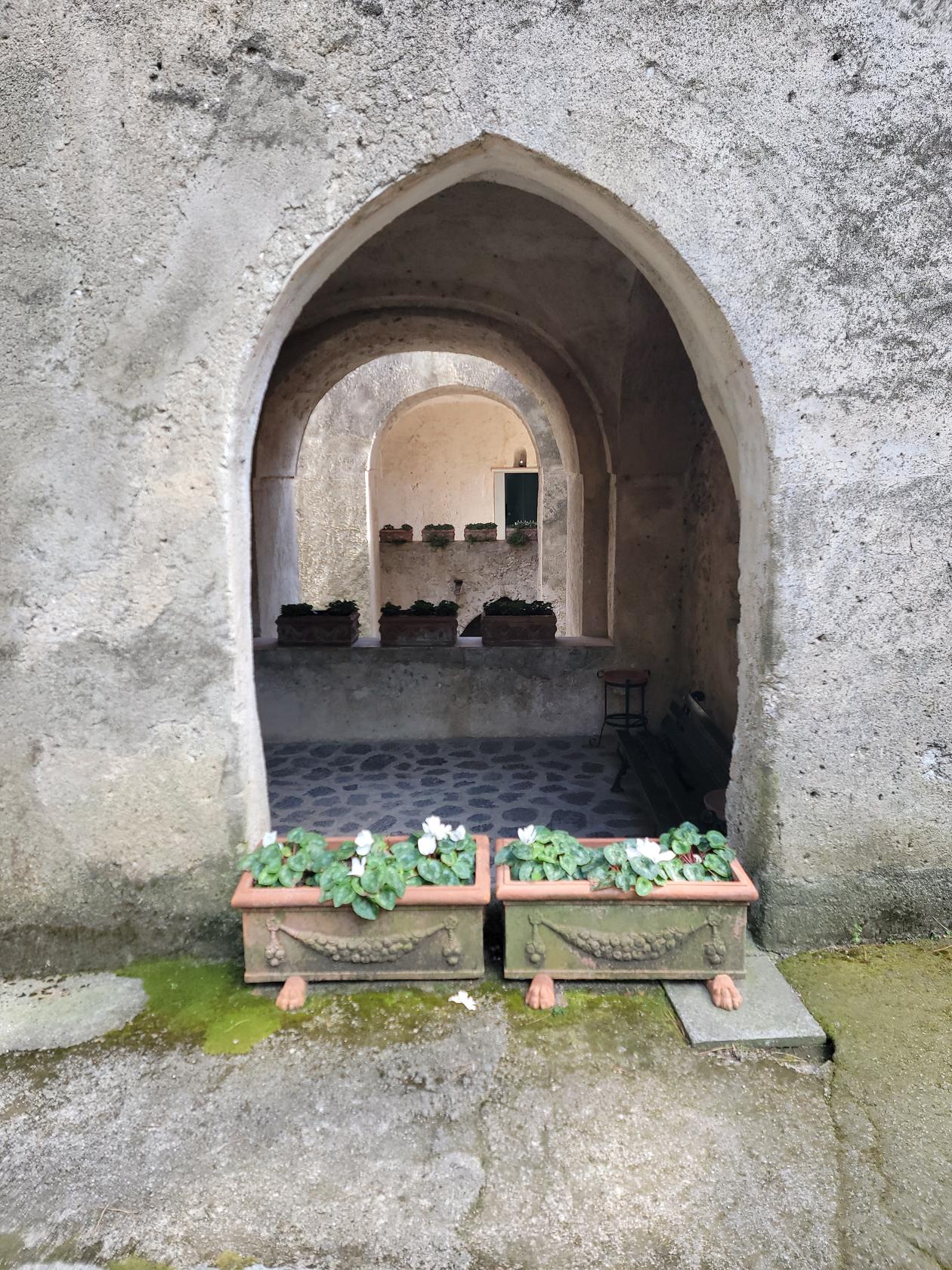
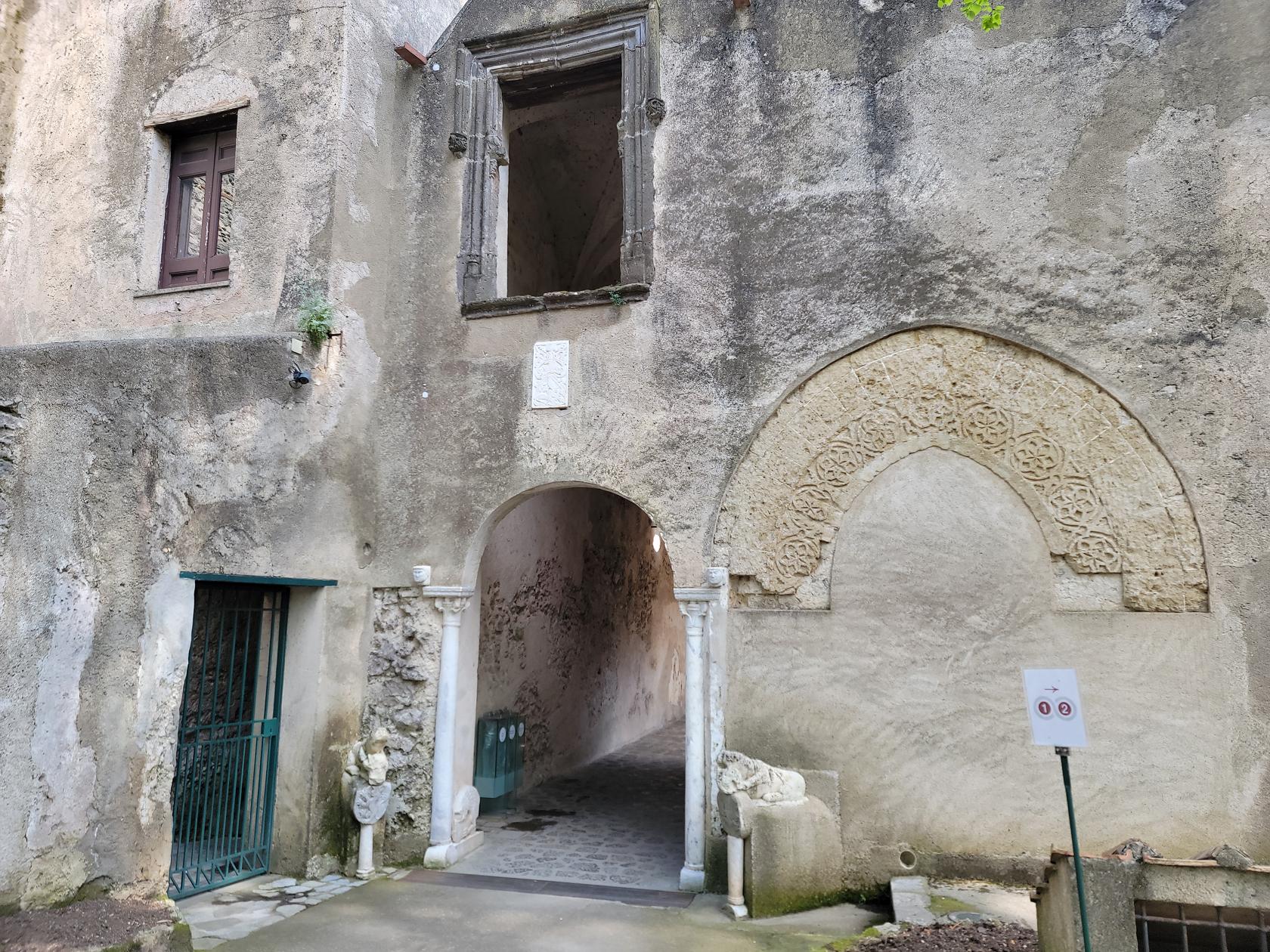
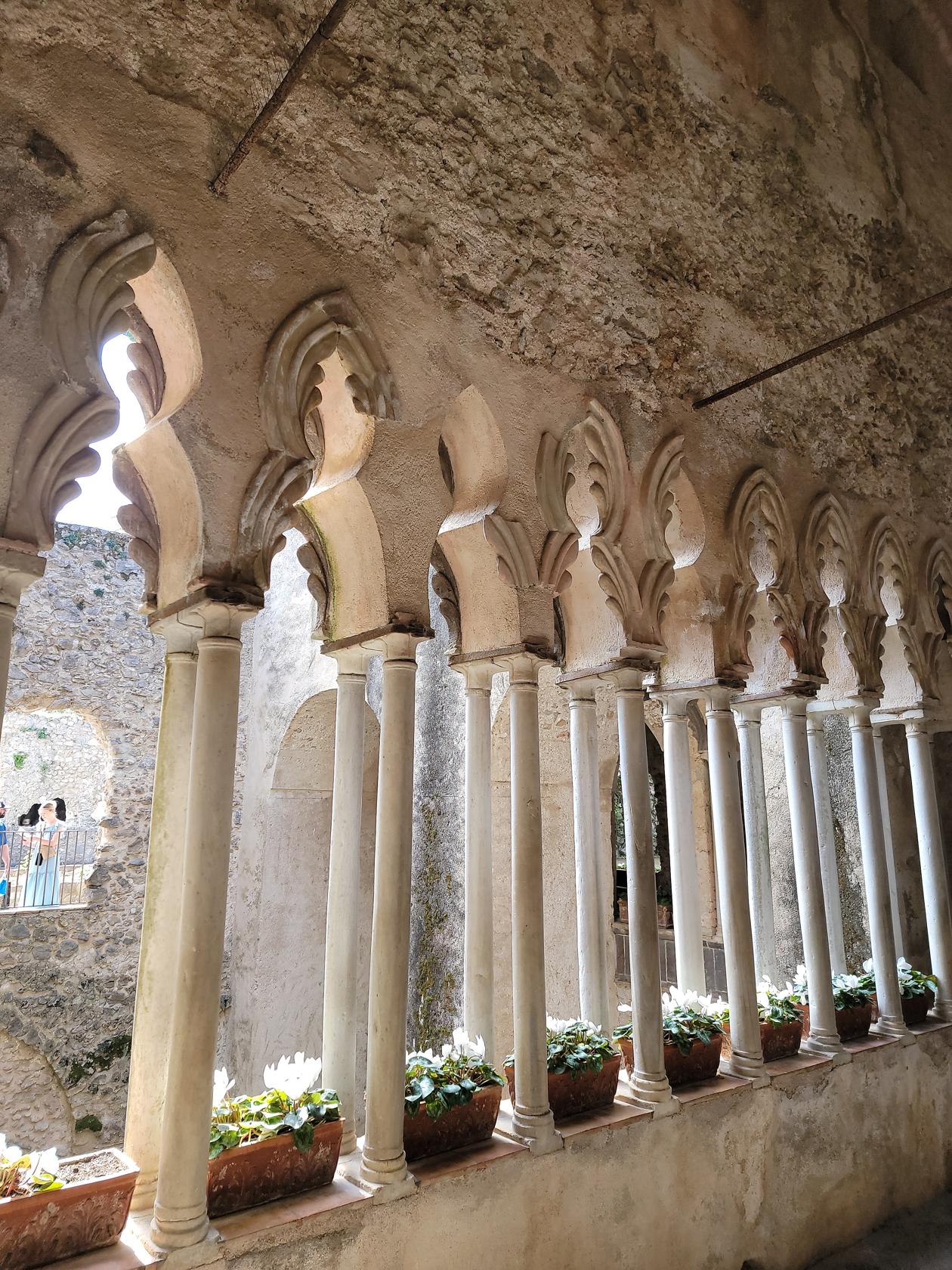
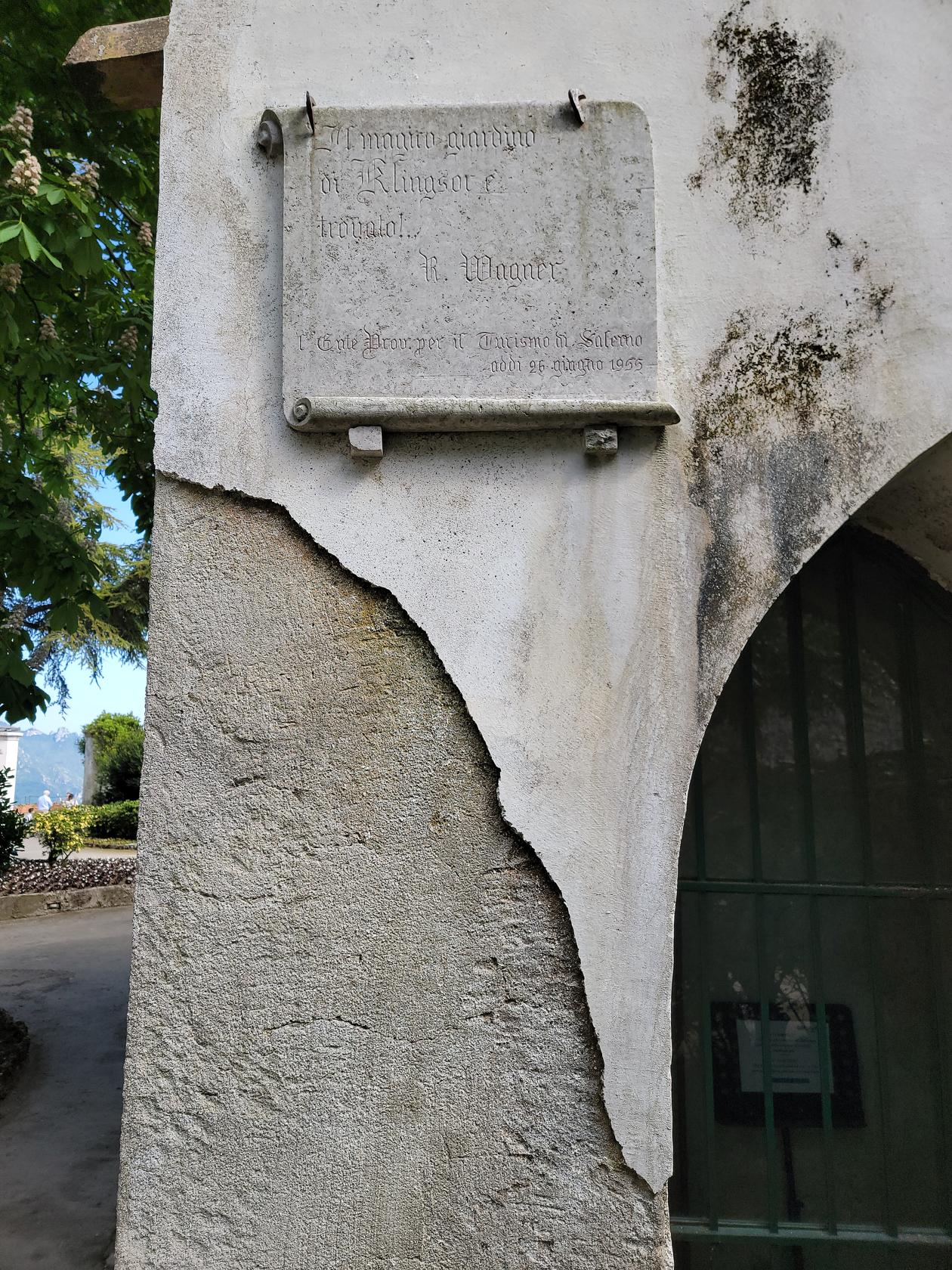
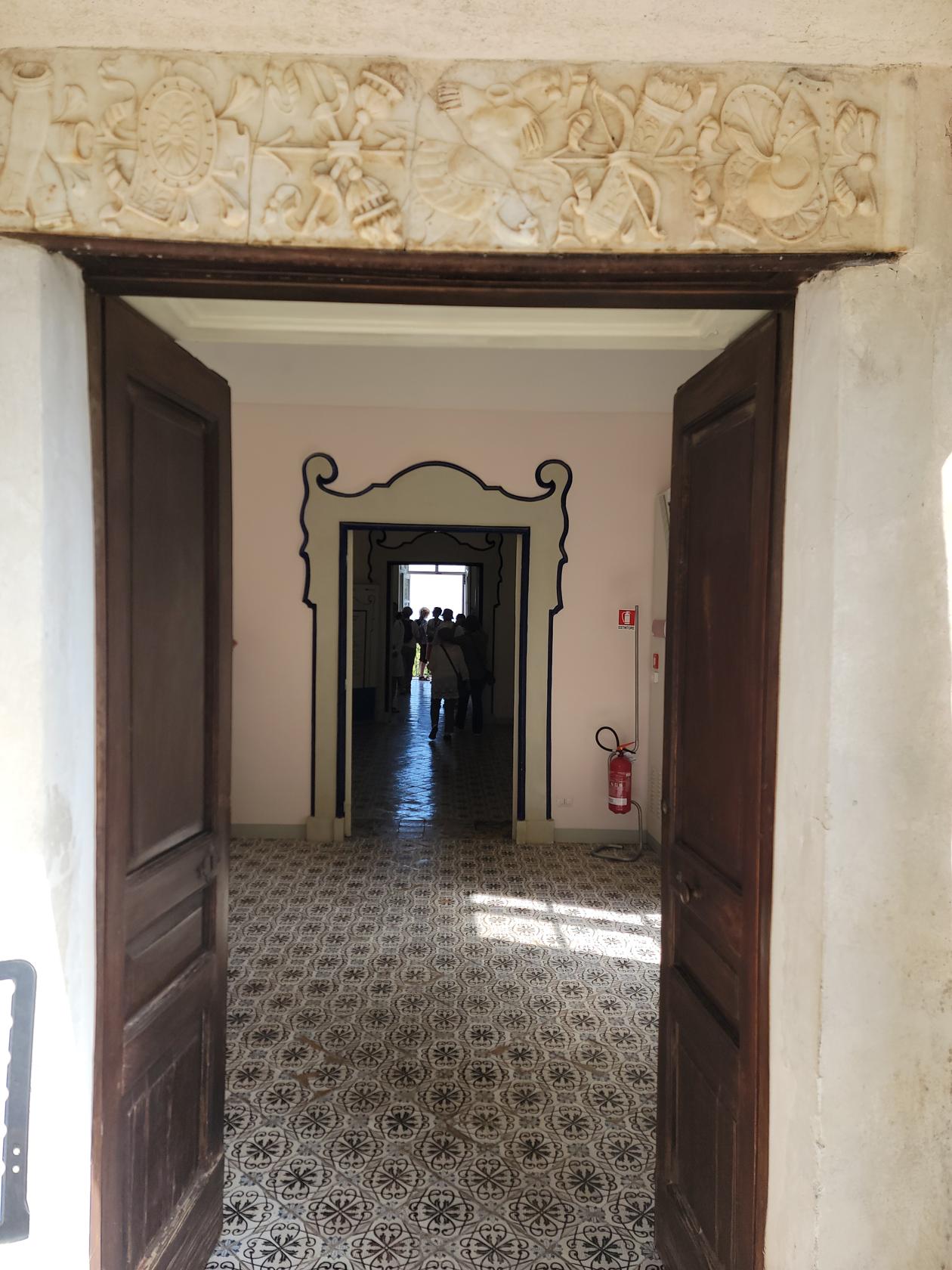
For a small entrance fee you can visit Villa Rufolo in Ravello. The entrance shows some interesting designs and details, that continue in deeper parts of the villa.

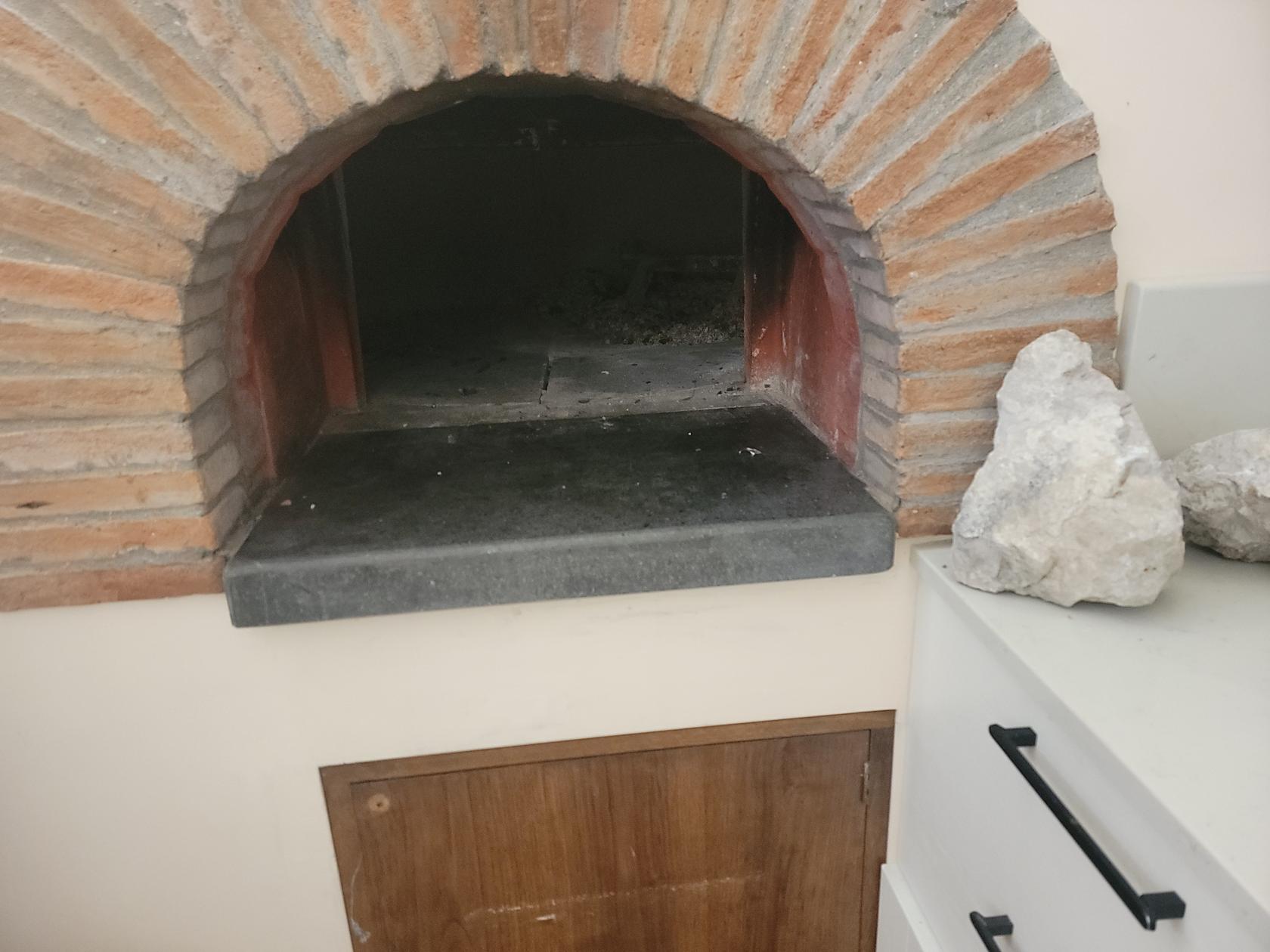
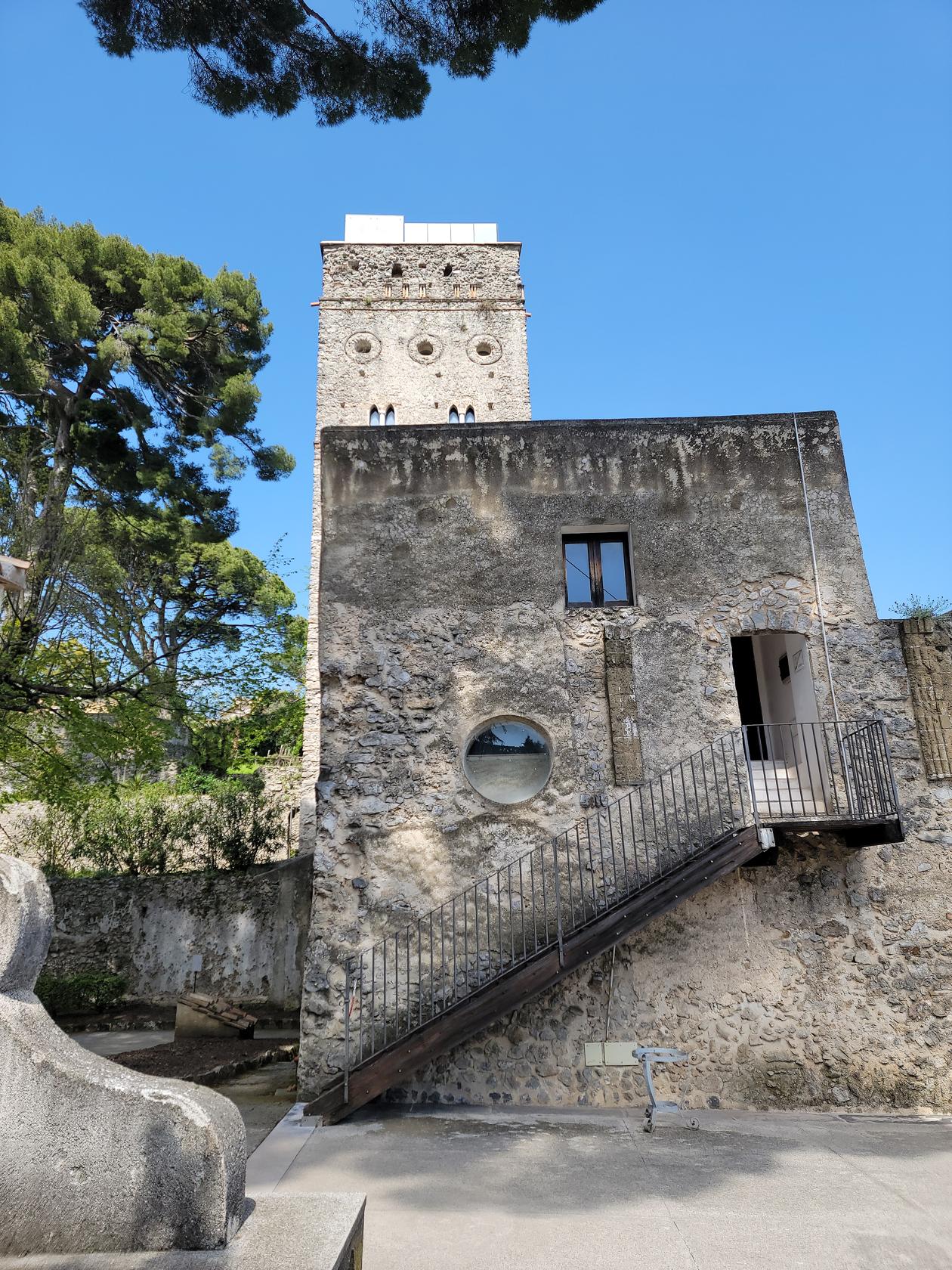
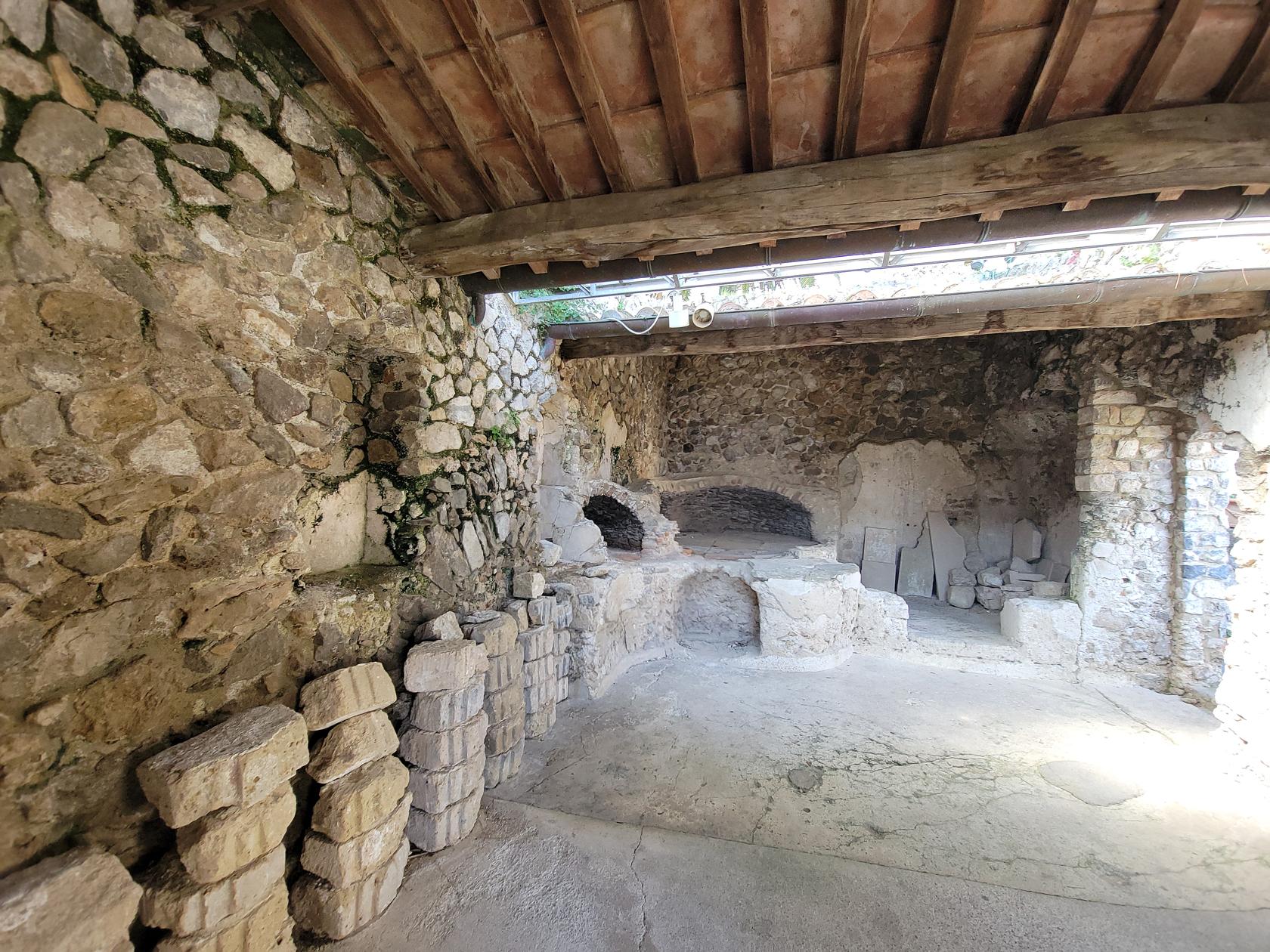
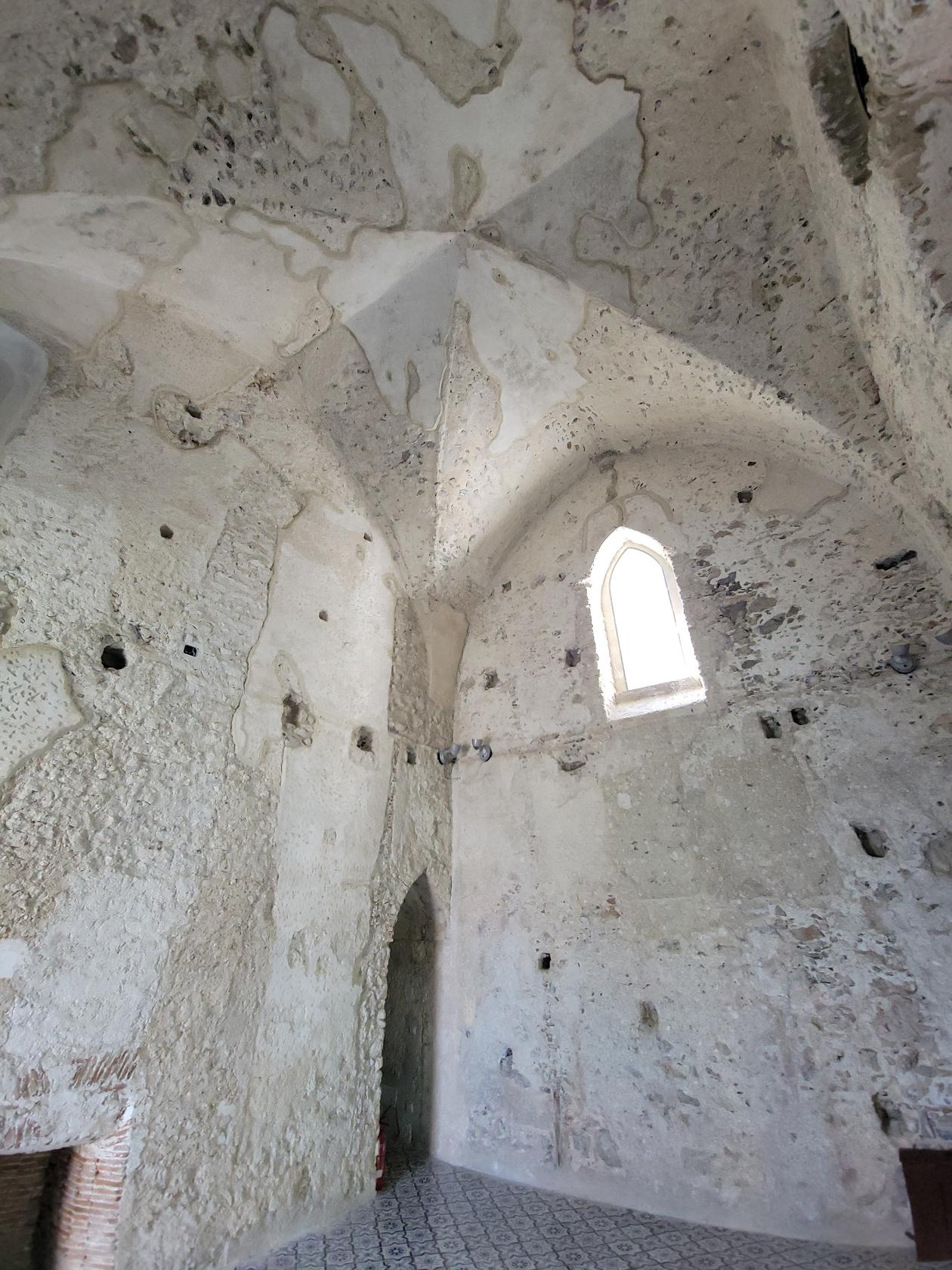
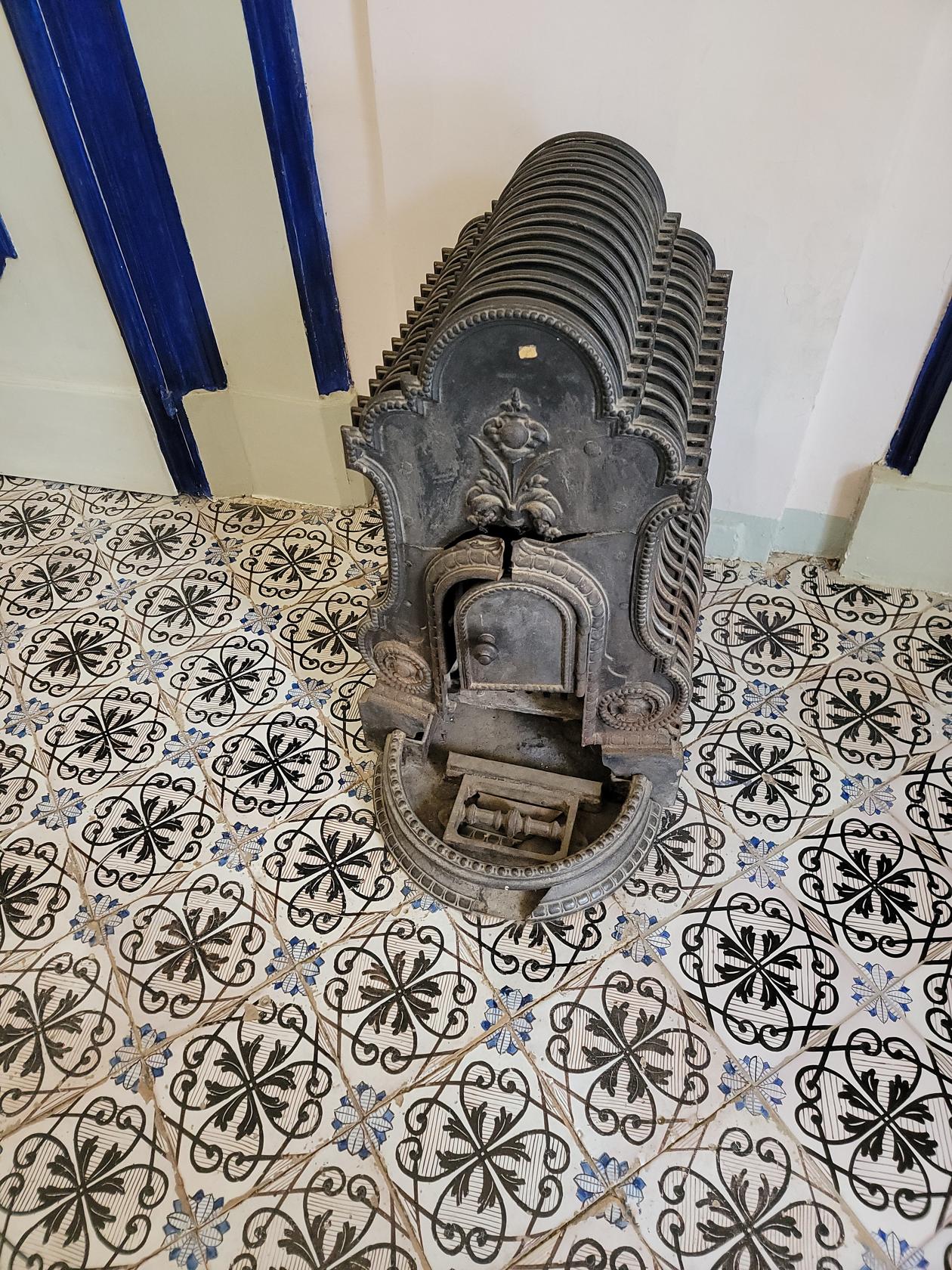
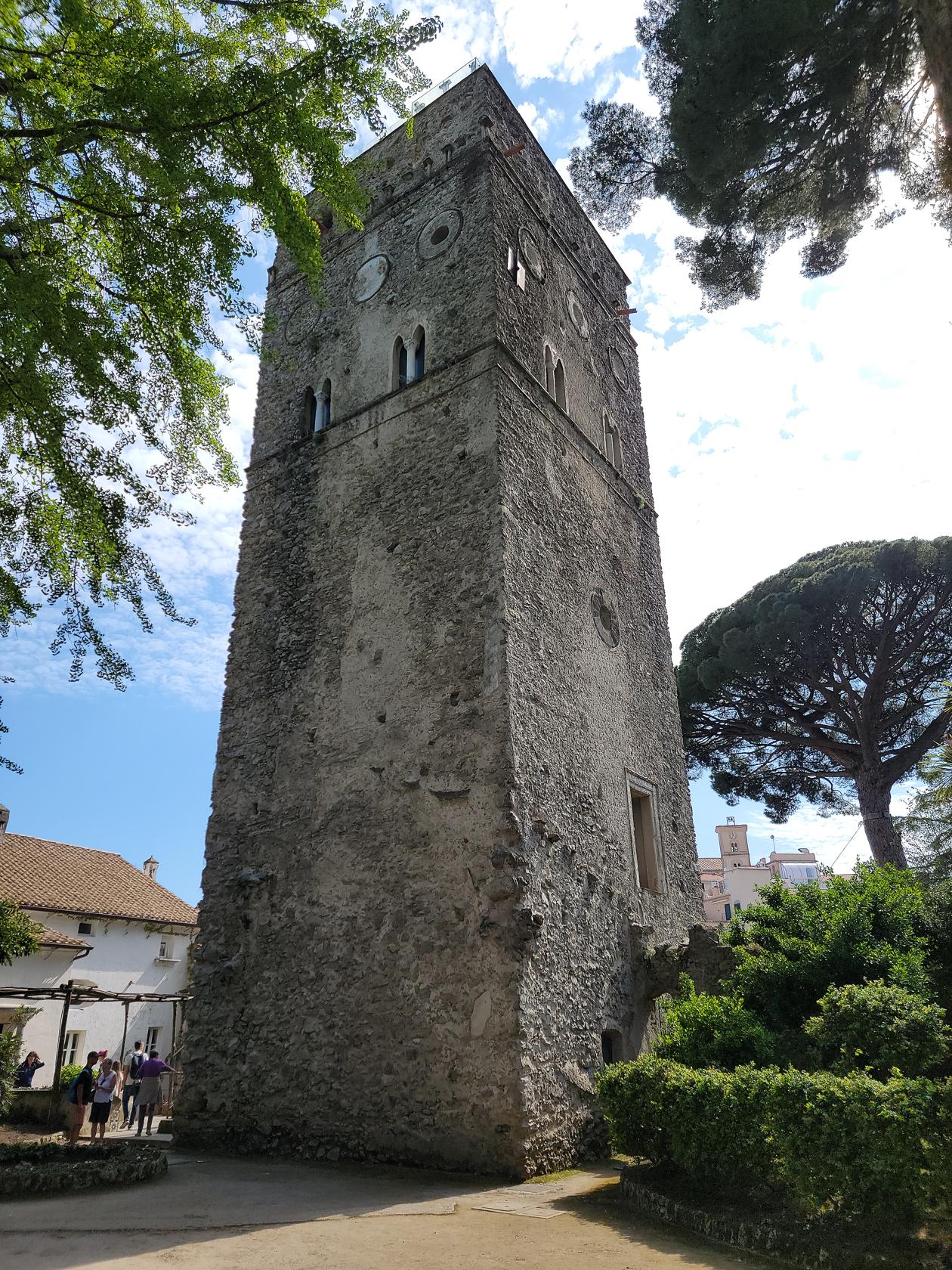
The villa is rather simple, but has some interesting items, like an old stove and a tower. It is kept in relatively fine shape and is a pleasure to walk through.

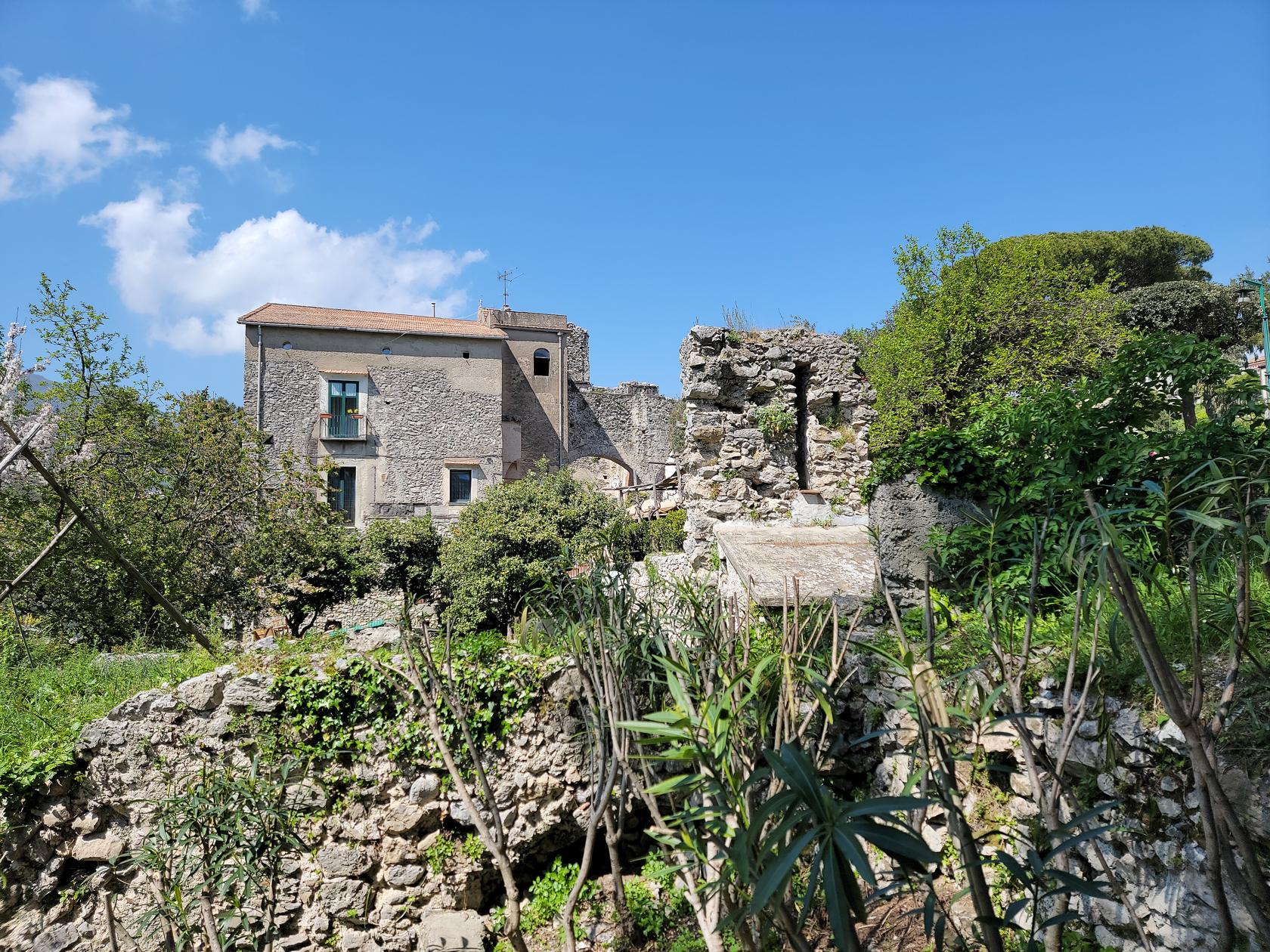
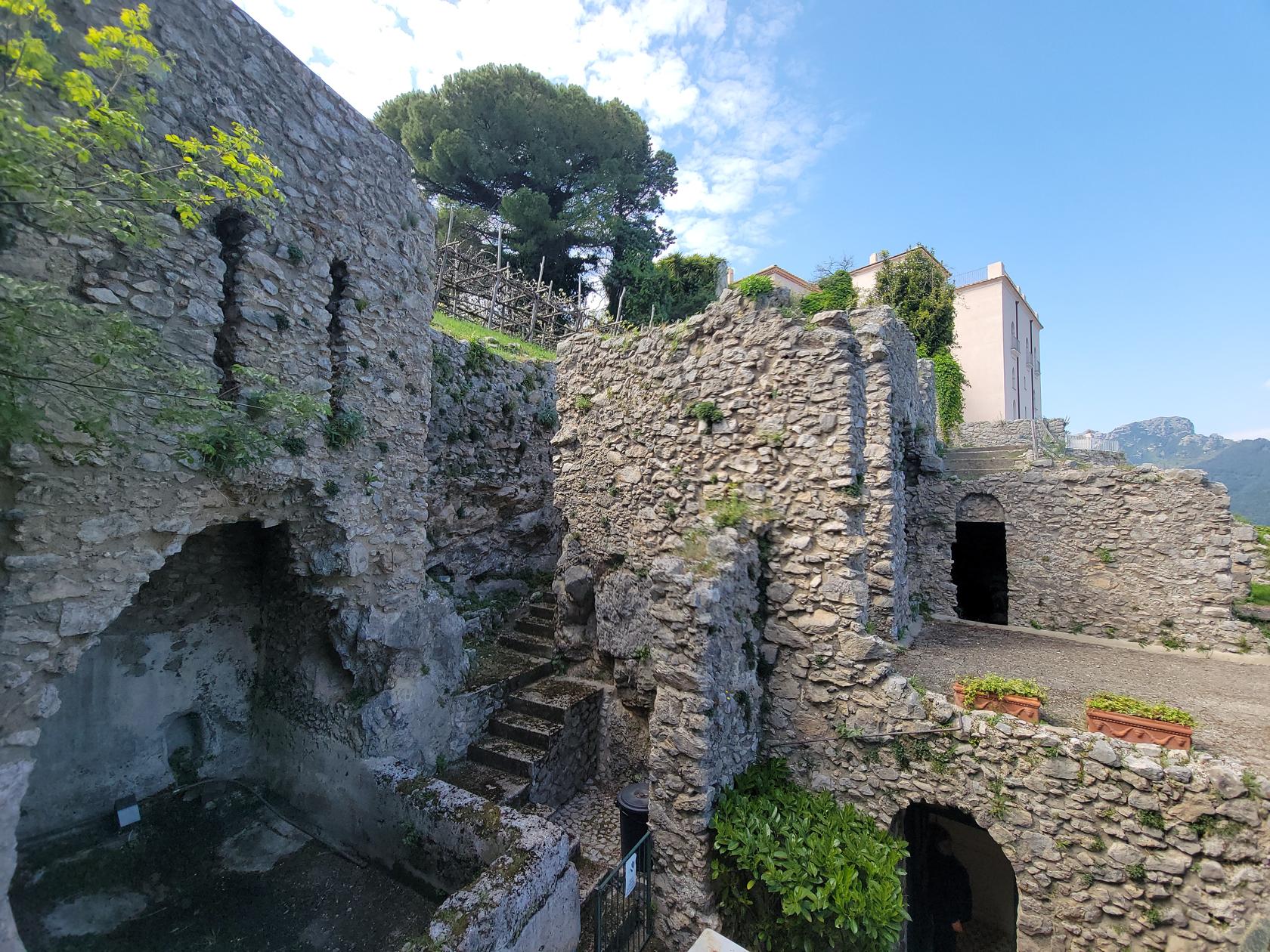
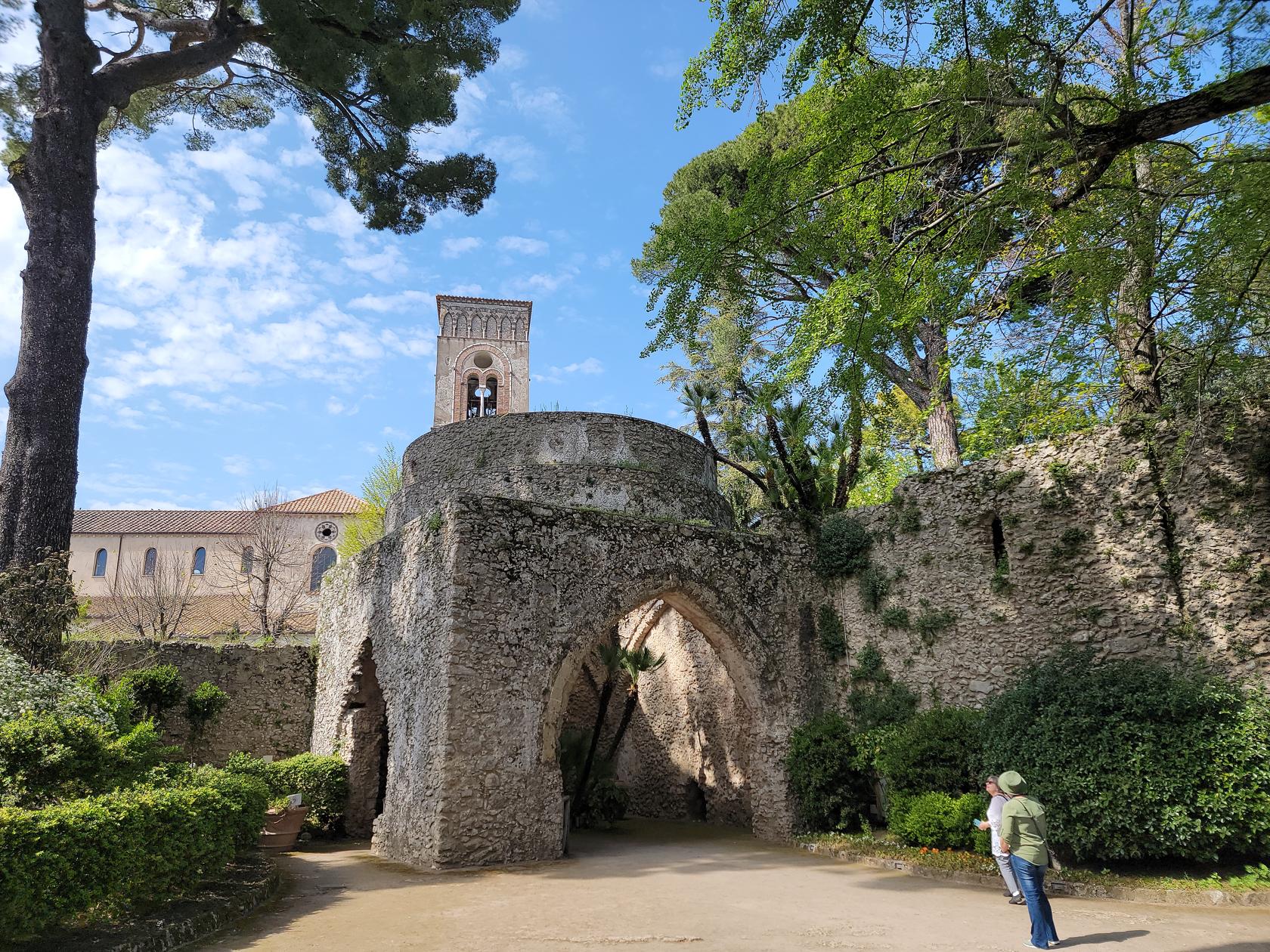
Some of the external structures include a tower, a vaulted building that appears to have been an old chapel and some other old structures near the gardens.

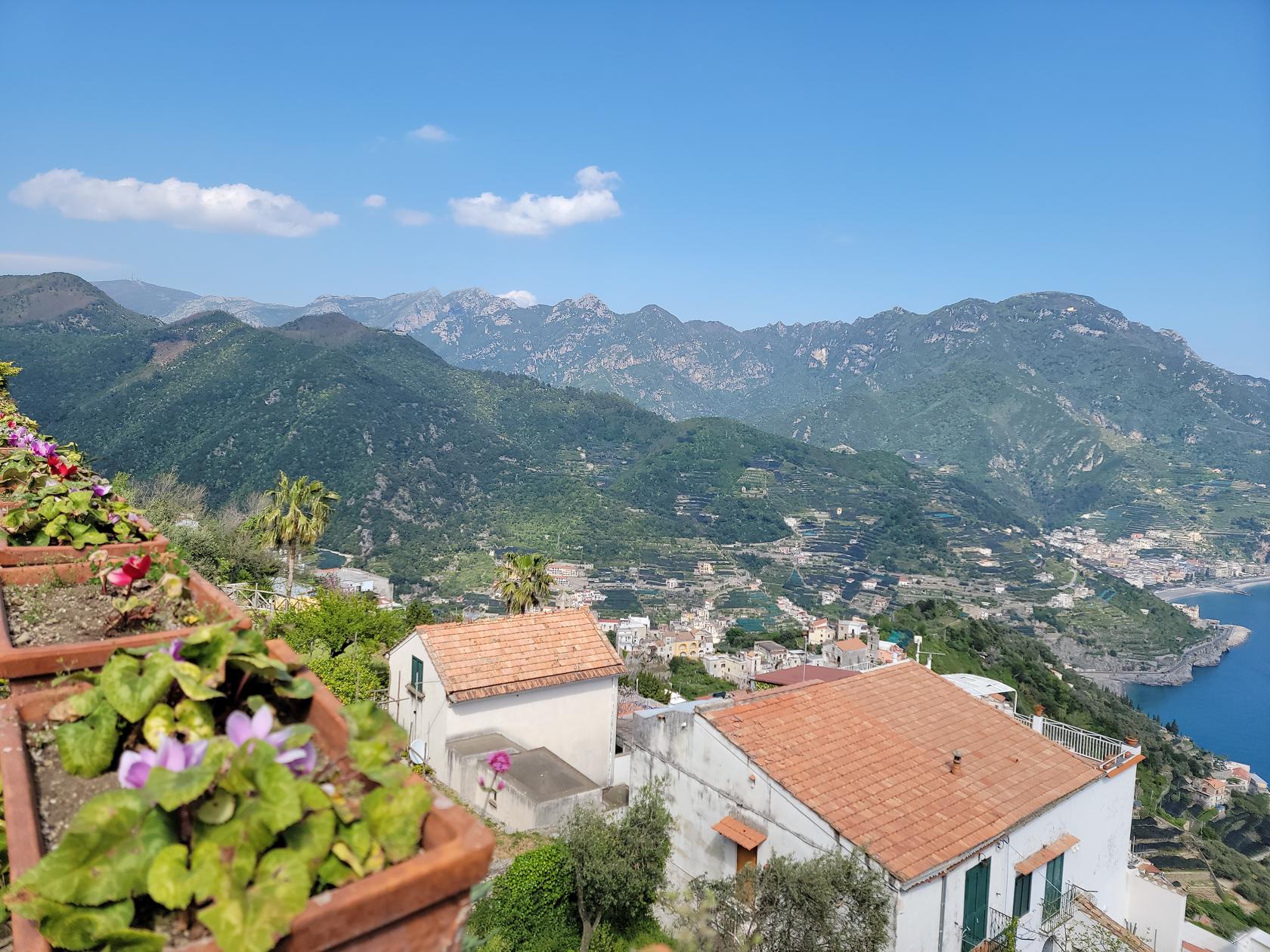
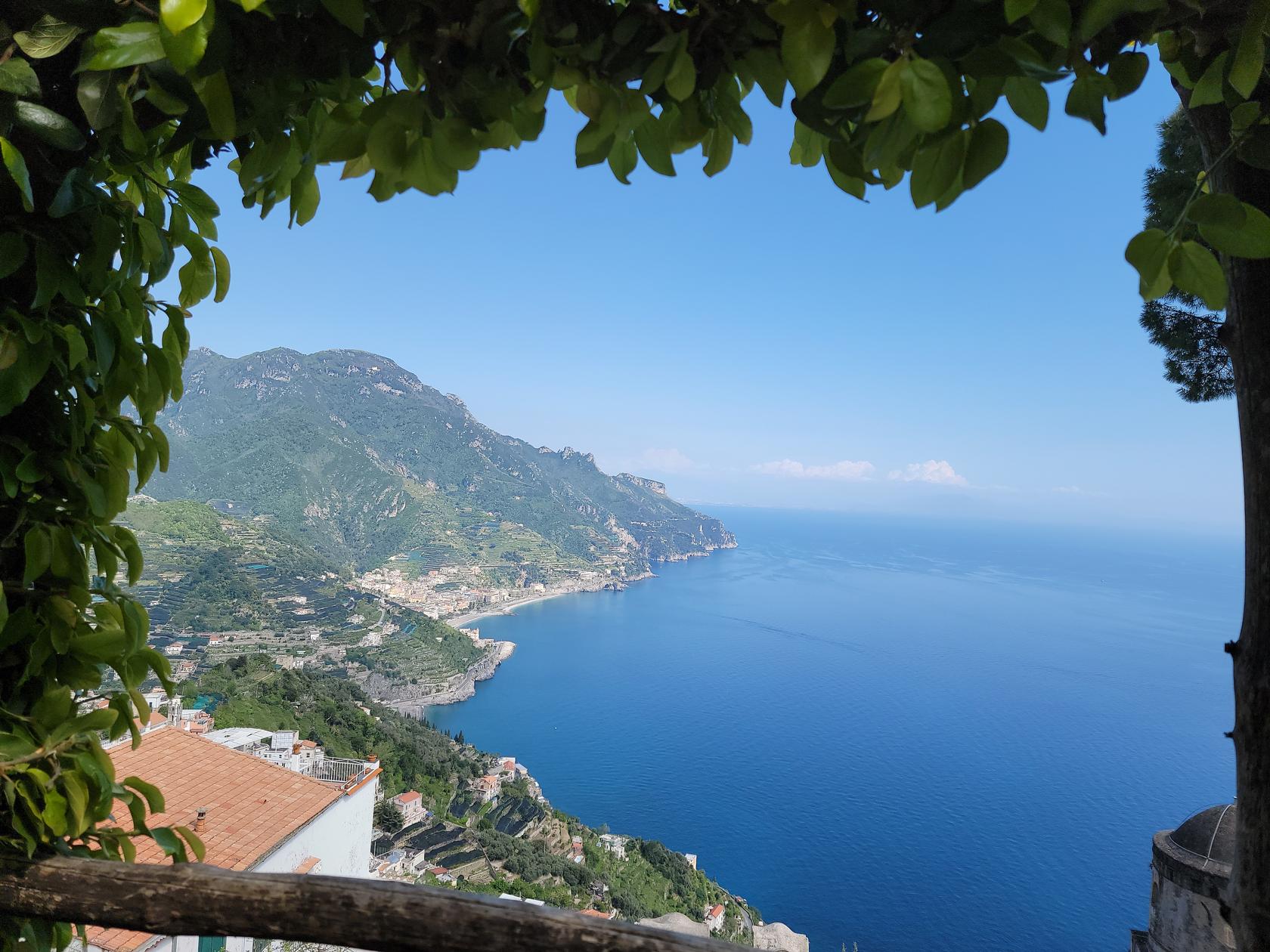
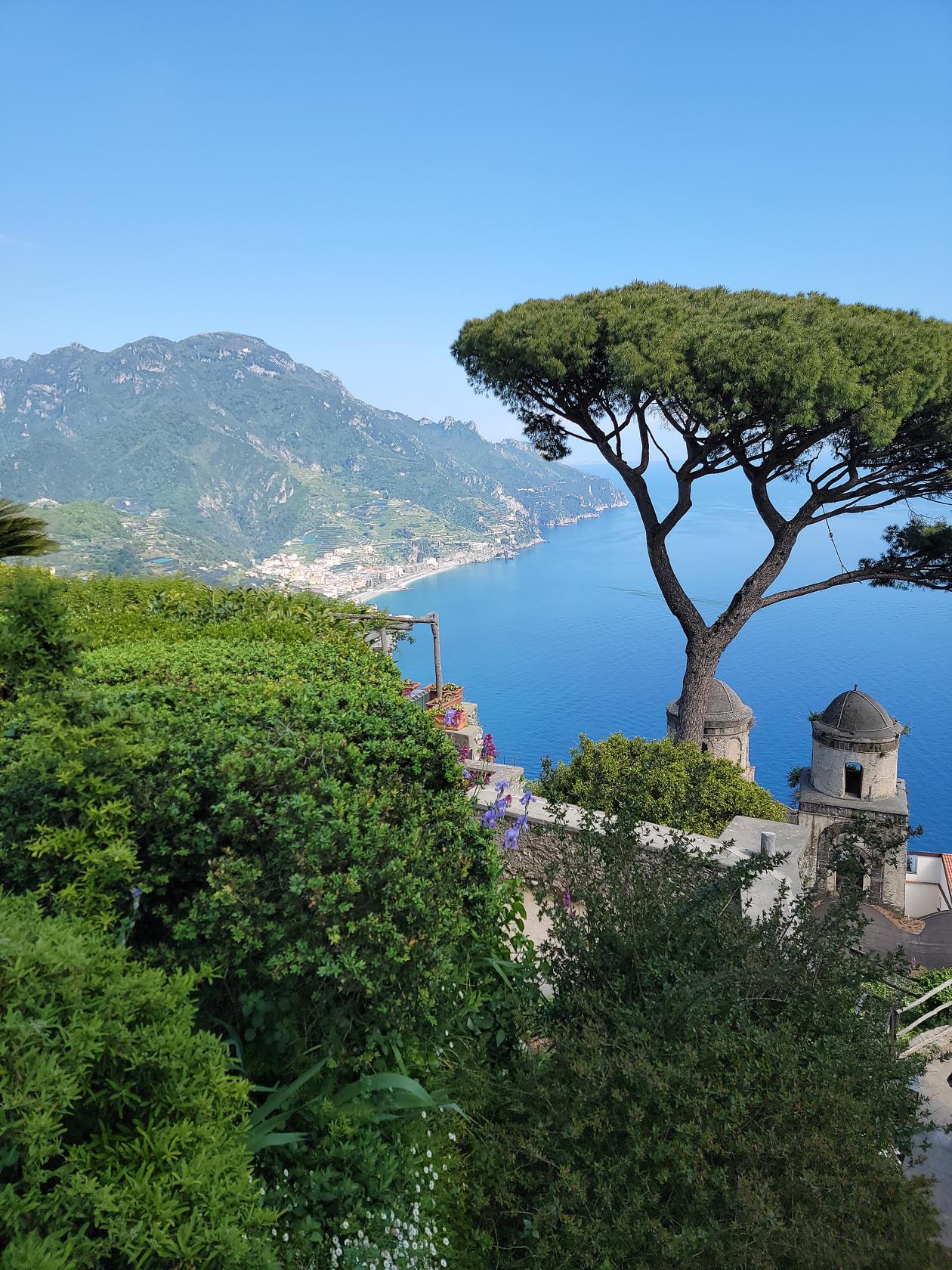
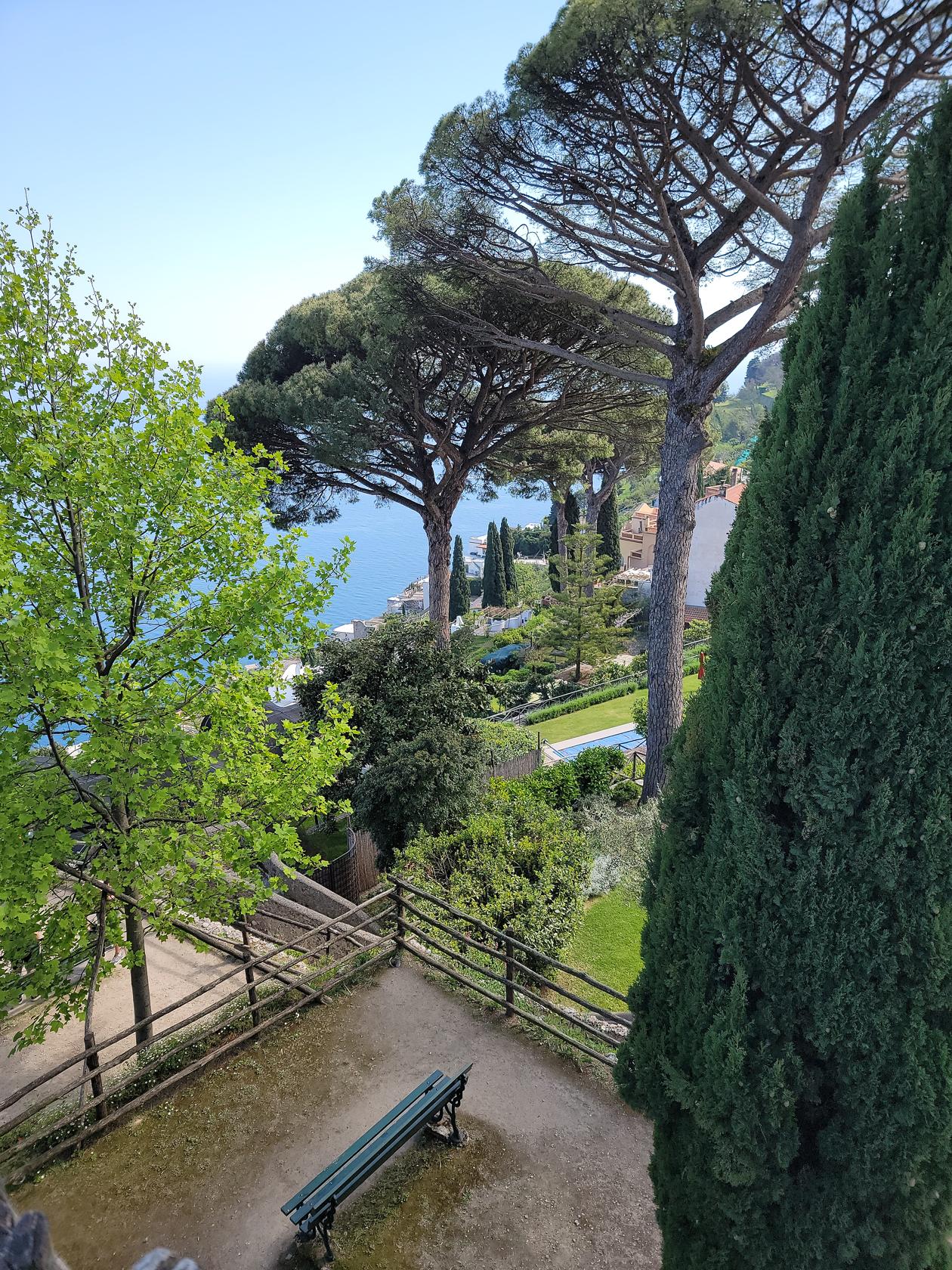
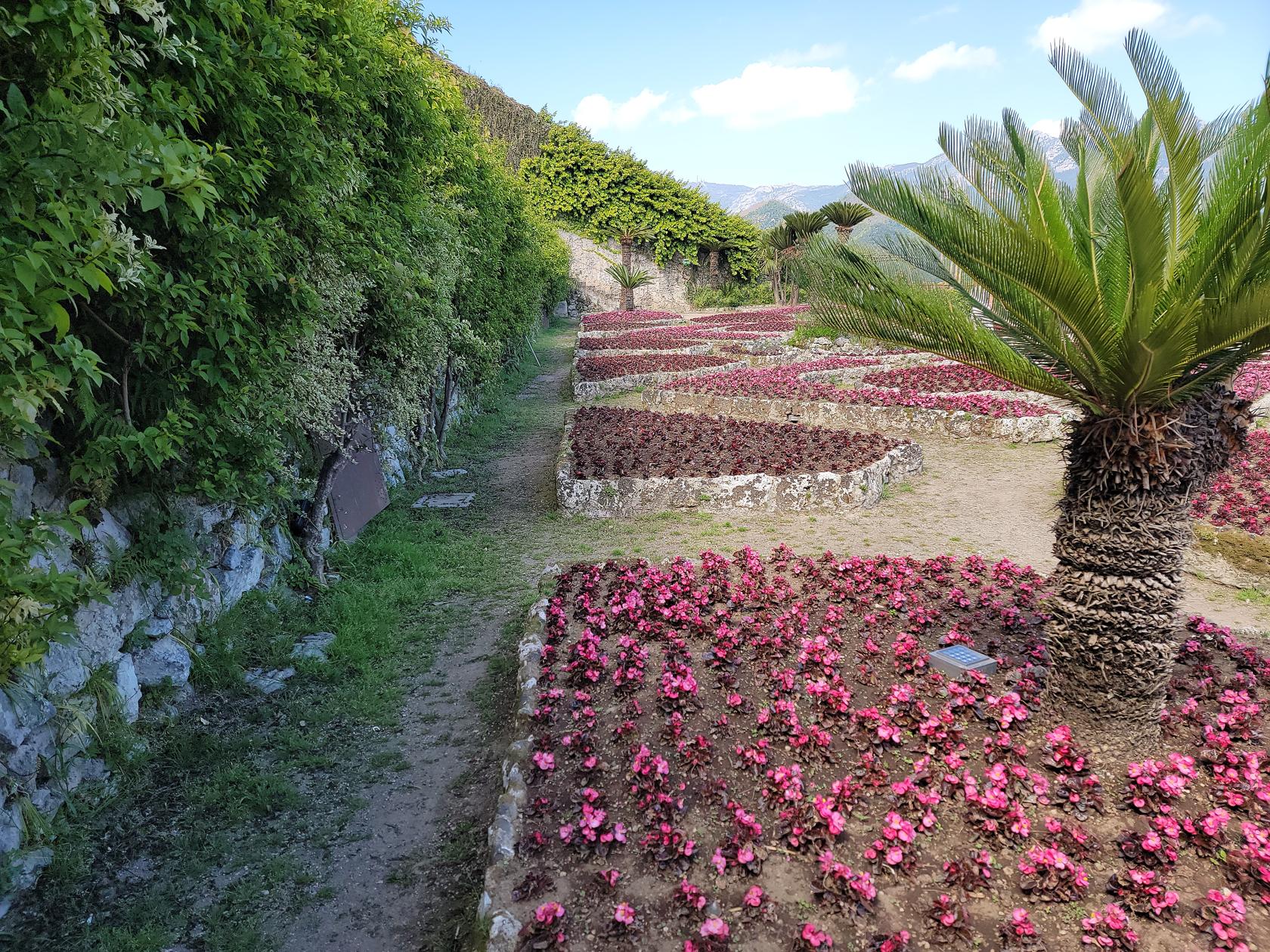
It has a magnificent garden with a beautiful view of the sea. They actually hold concerts from the garden, by extending a stage over the side of the hill, providing a wonderful backdrop for music and other performances.

Restaurants

As part of our first day at the coast, we stopped in Amalfi for lunch some time after one in the afternoon.

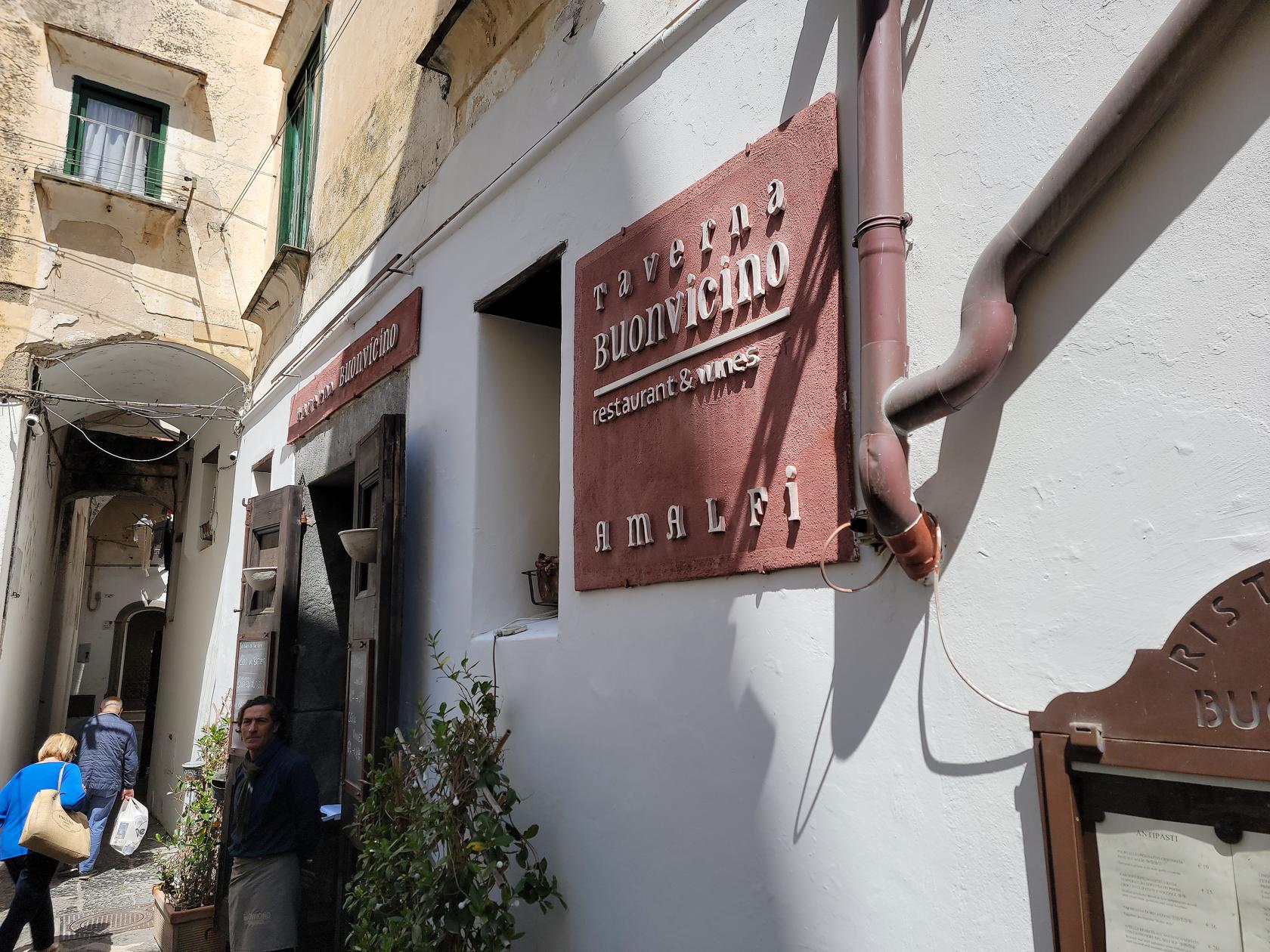
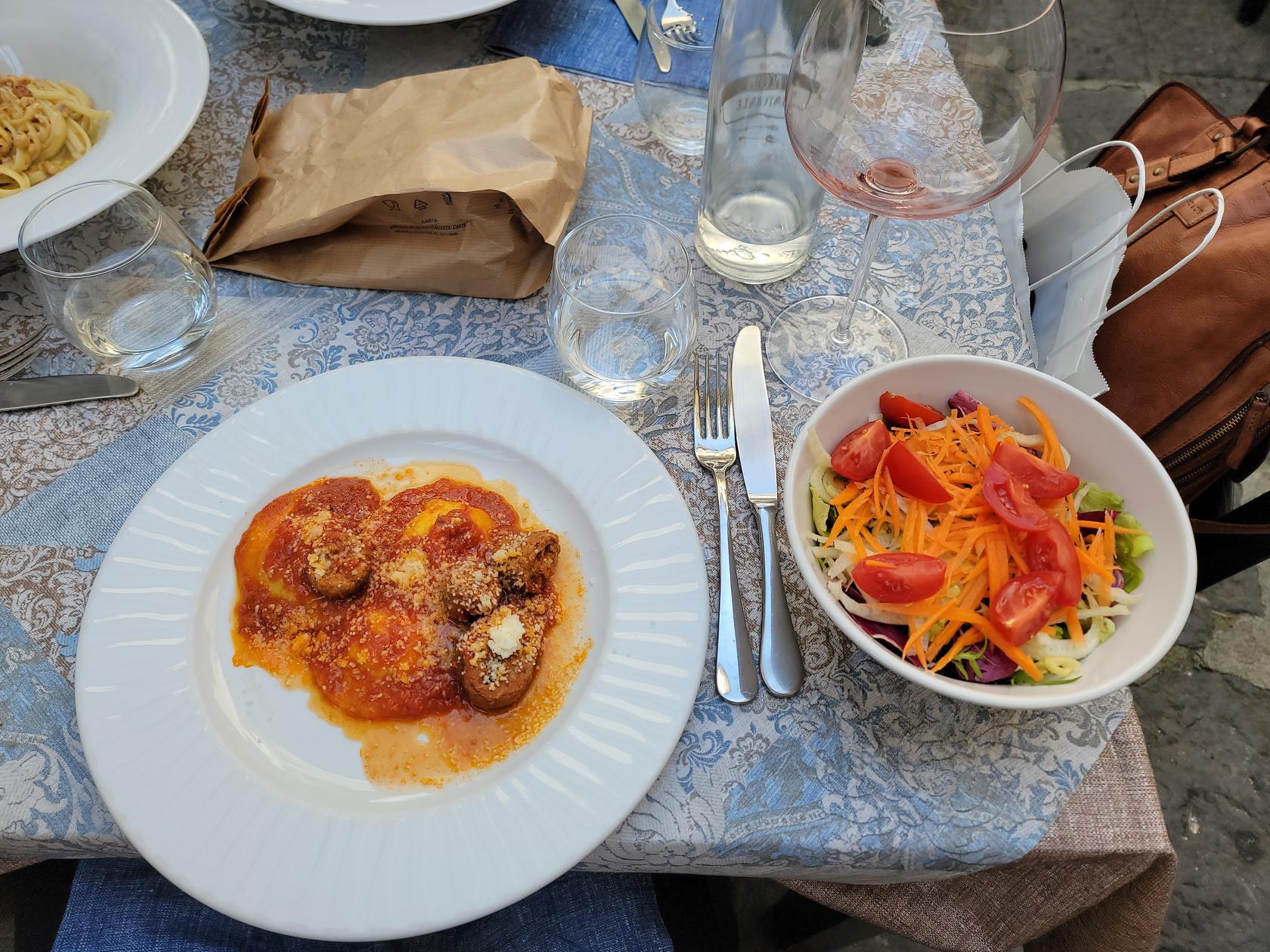
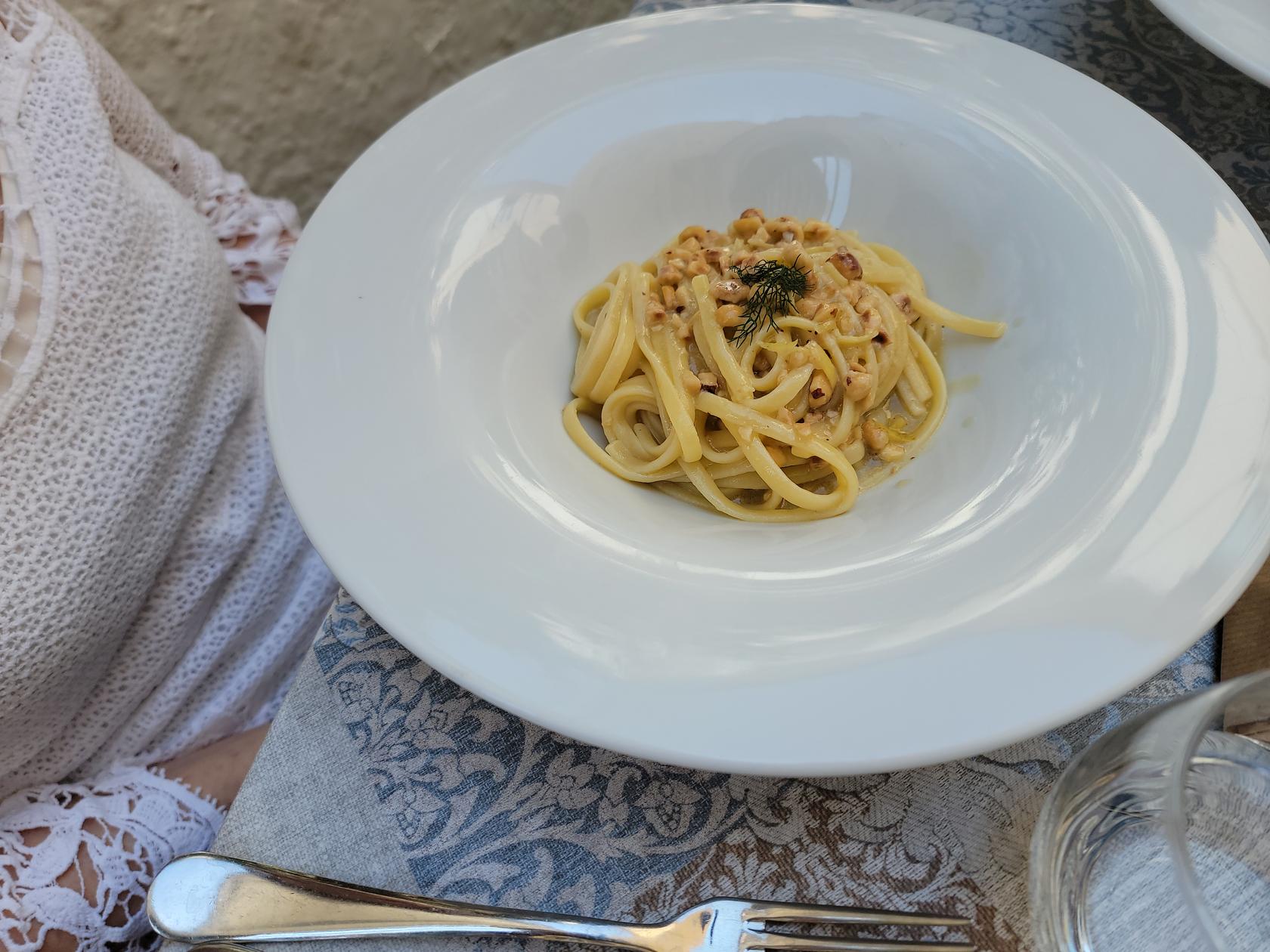
Taverna Buonvicino

A very nice restaurant with a beautiful terrace outside, which is off the beaten path, so no worries about hordes of tourist bothering you while eating.

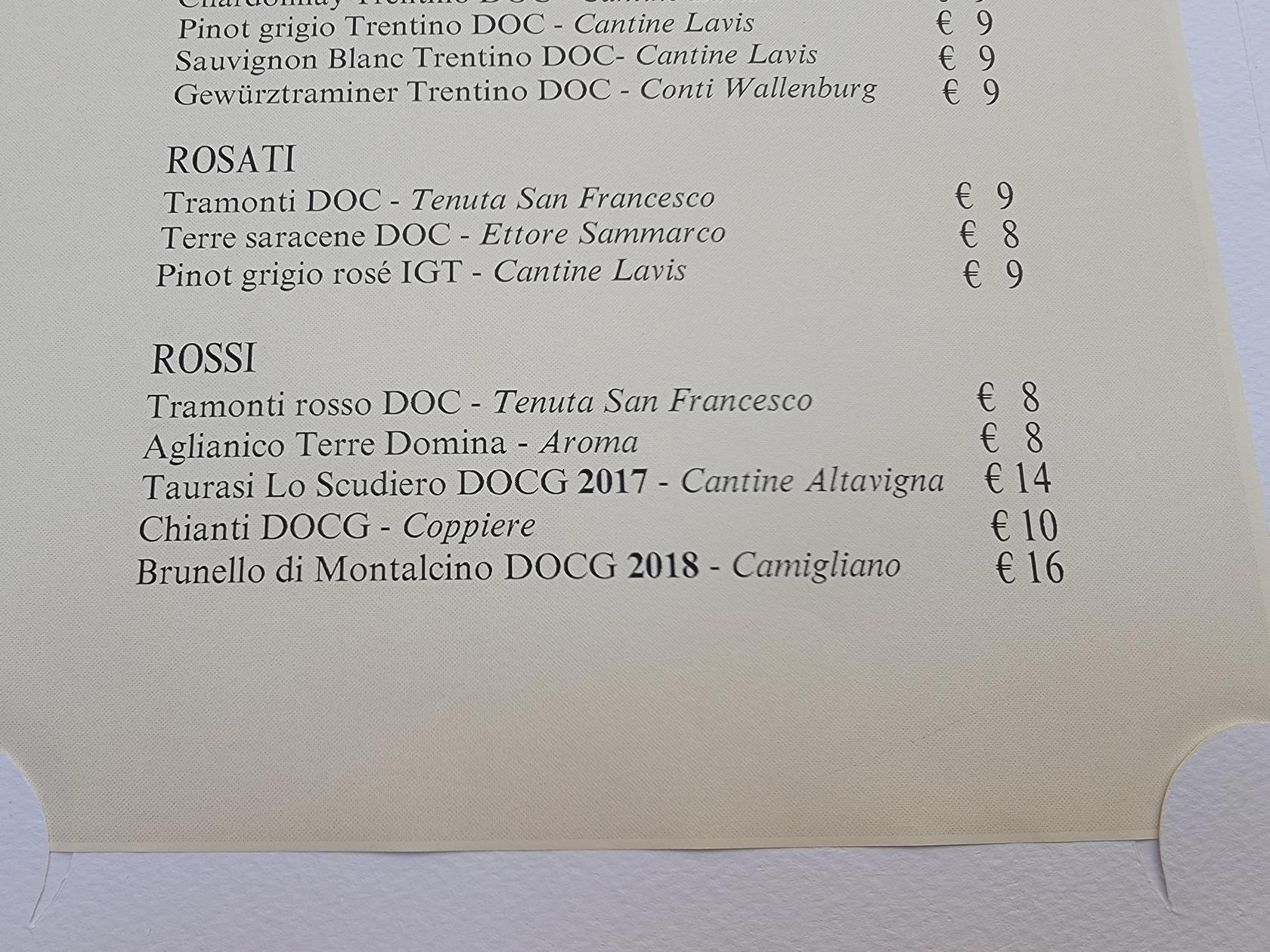
They also have a very good wine list which is stocked with local favorites. I can commend one varietal, Taurasi Lo Scudiero (DOCG), which was exceptionally good.

References

References
1 this town also has coastal parking, but here it works because it is part of a boardwalk and beach complex.

Amalfi Coast, Italy – Part Two

Amalfi Coast

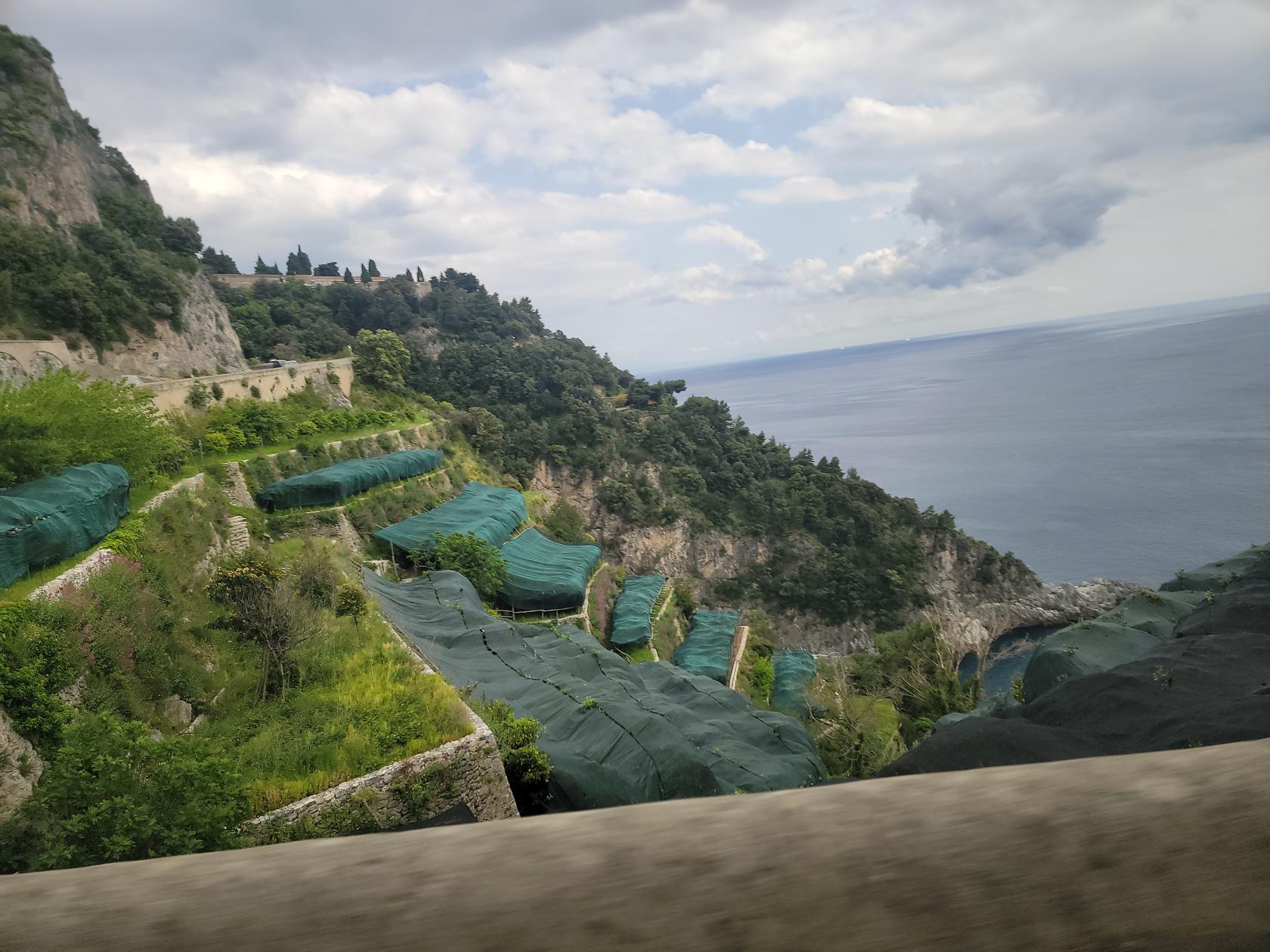
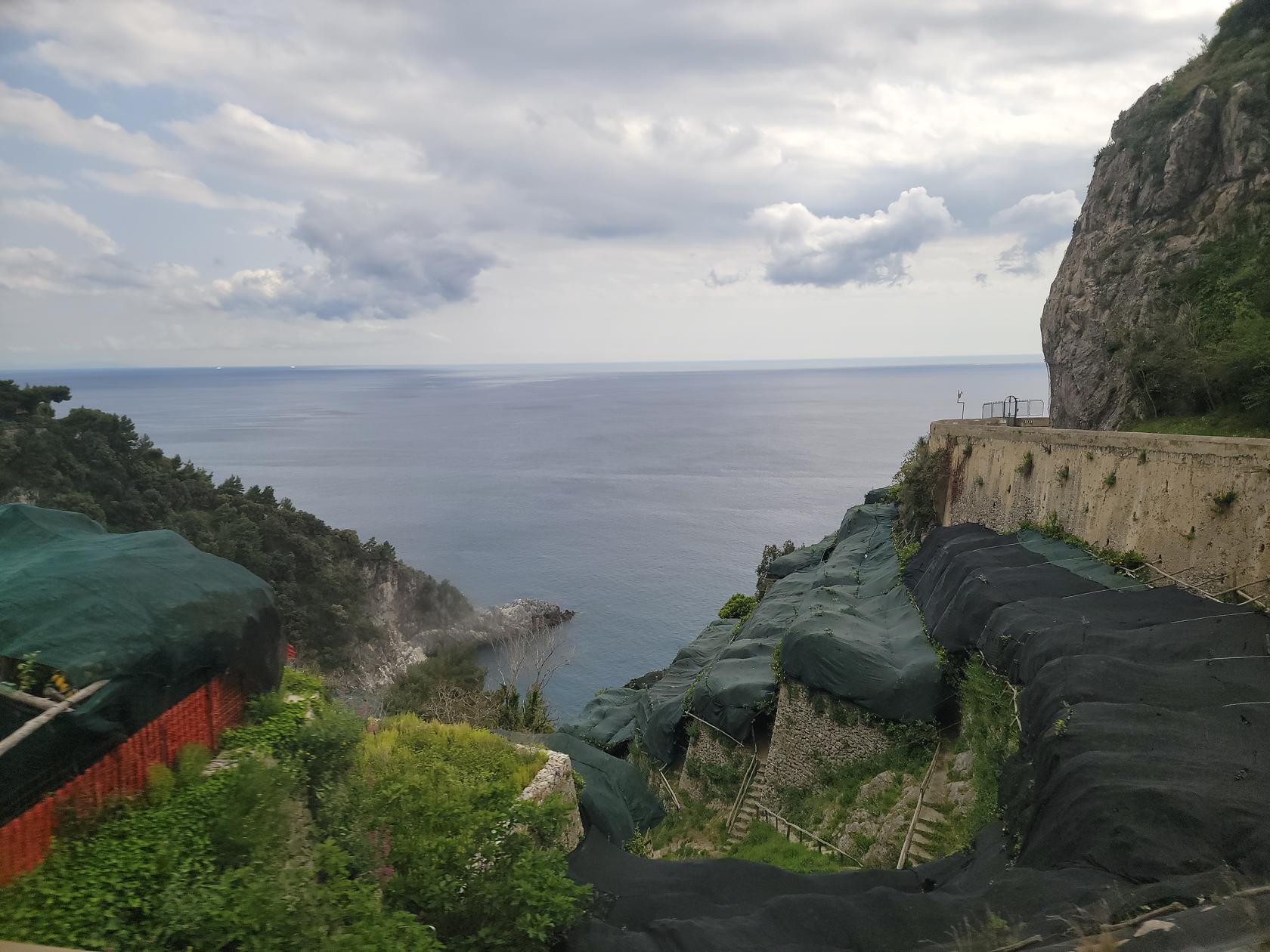
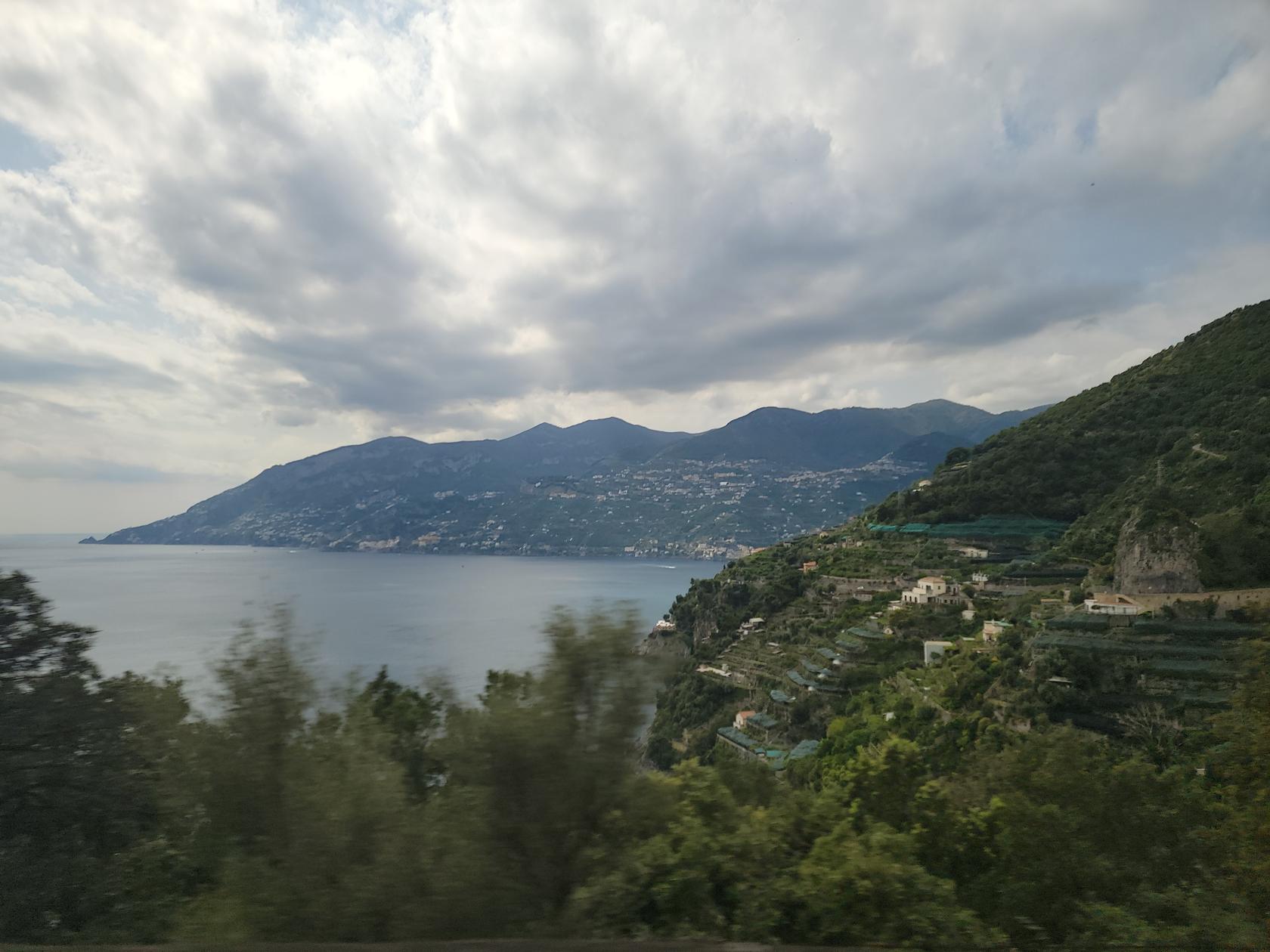
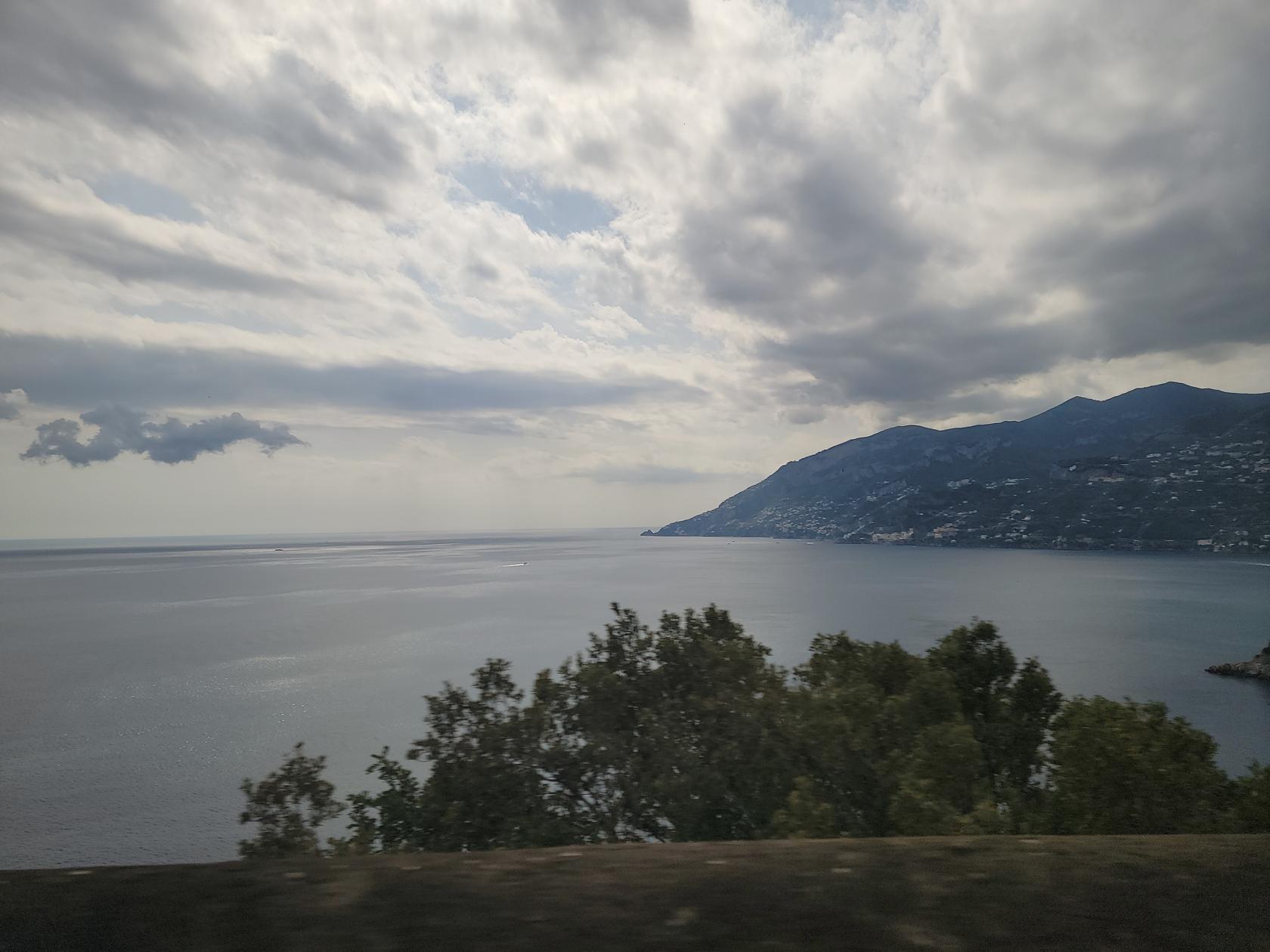
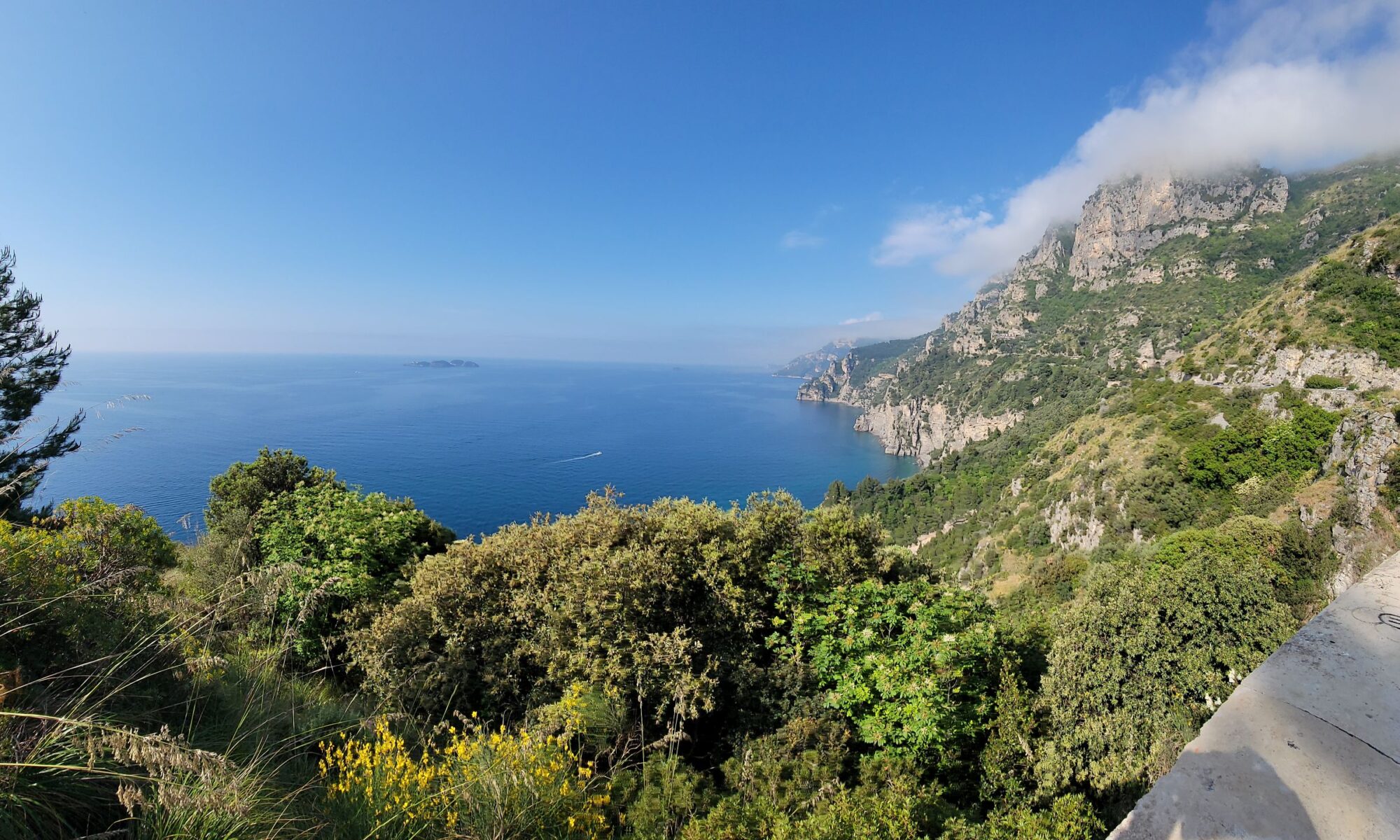
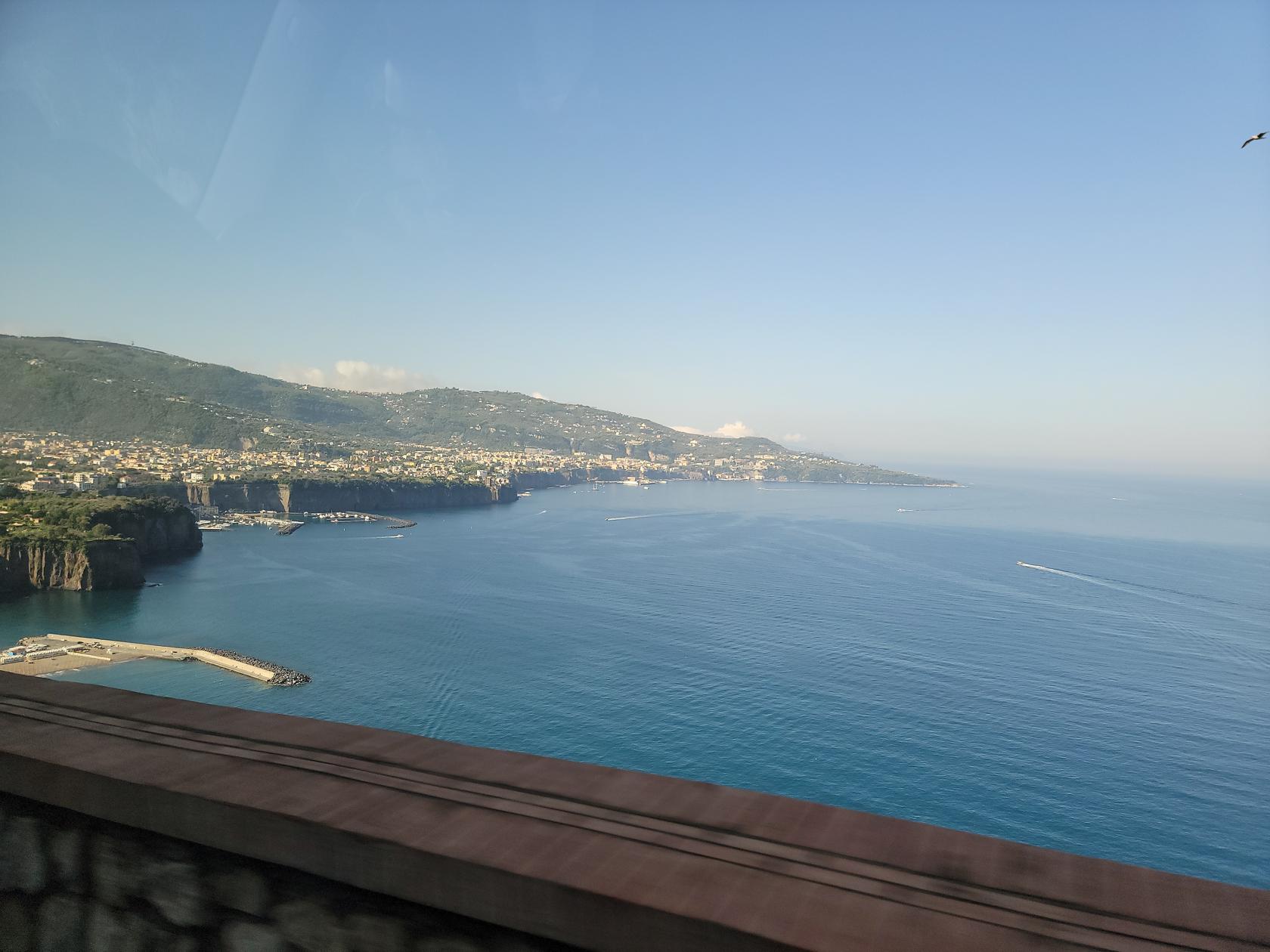
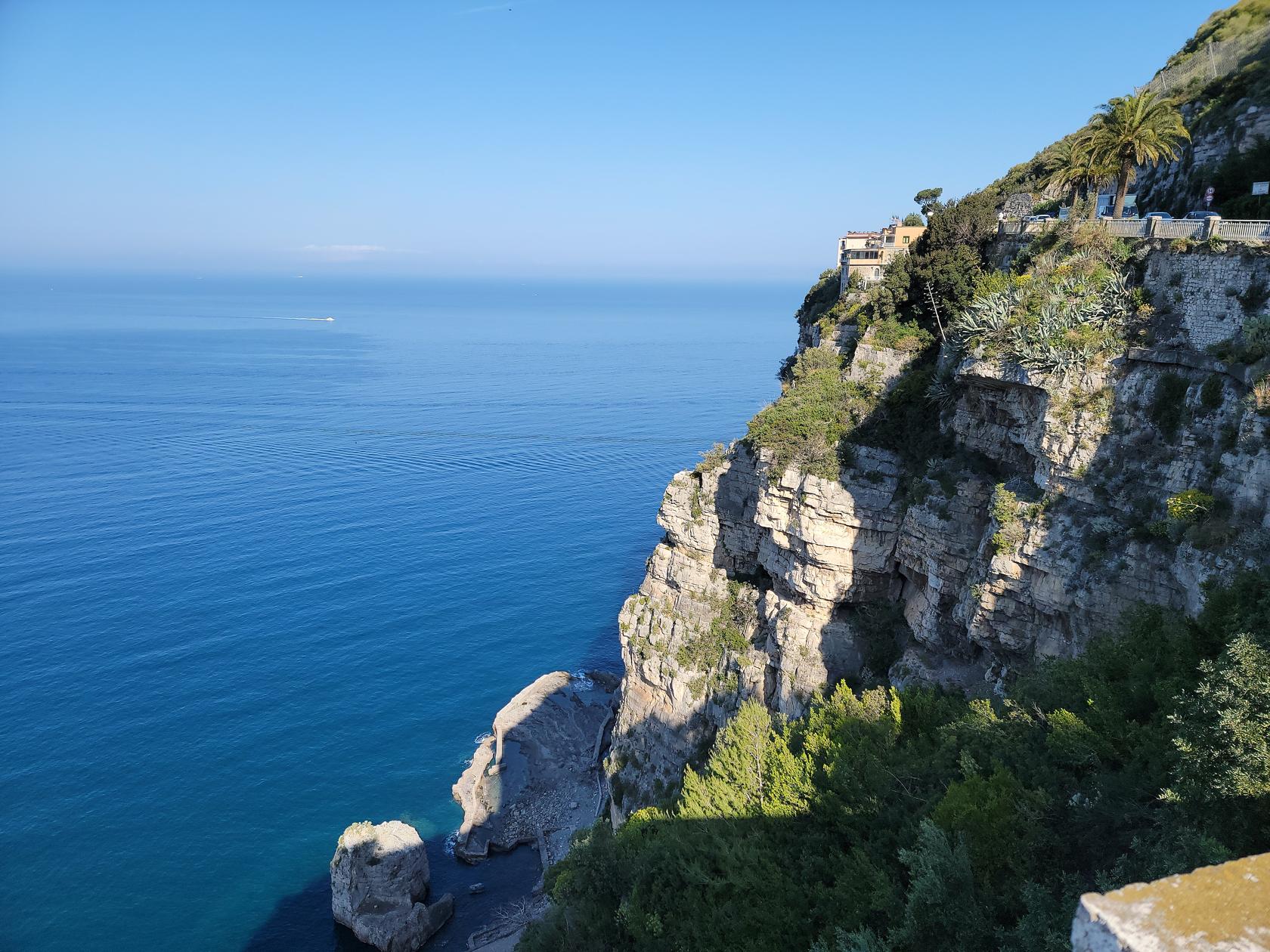
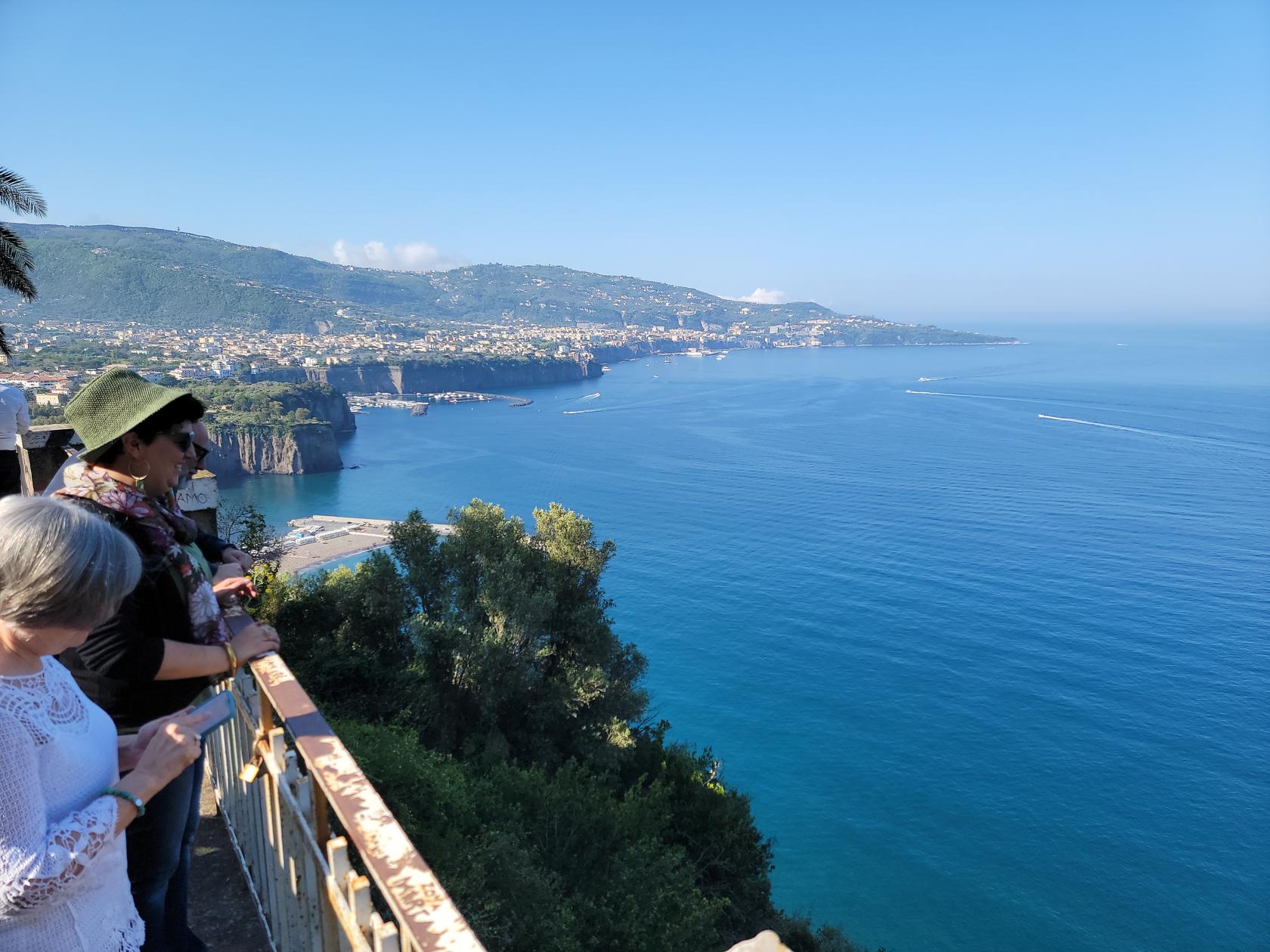
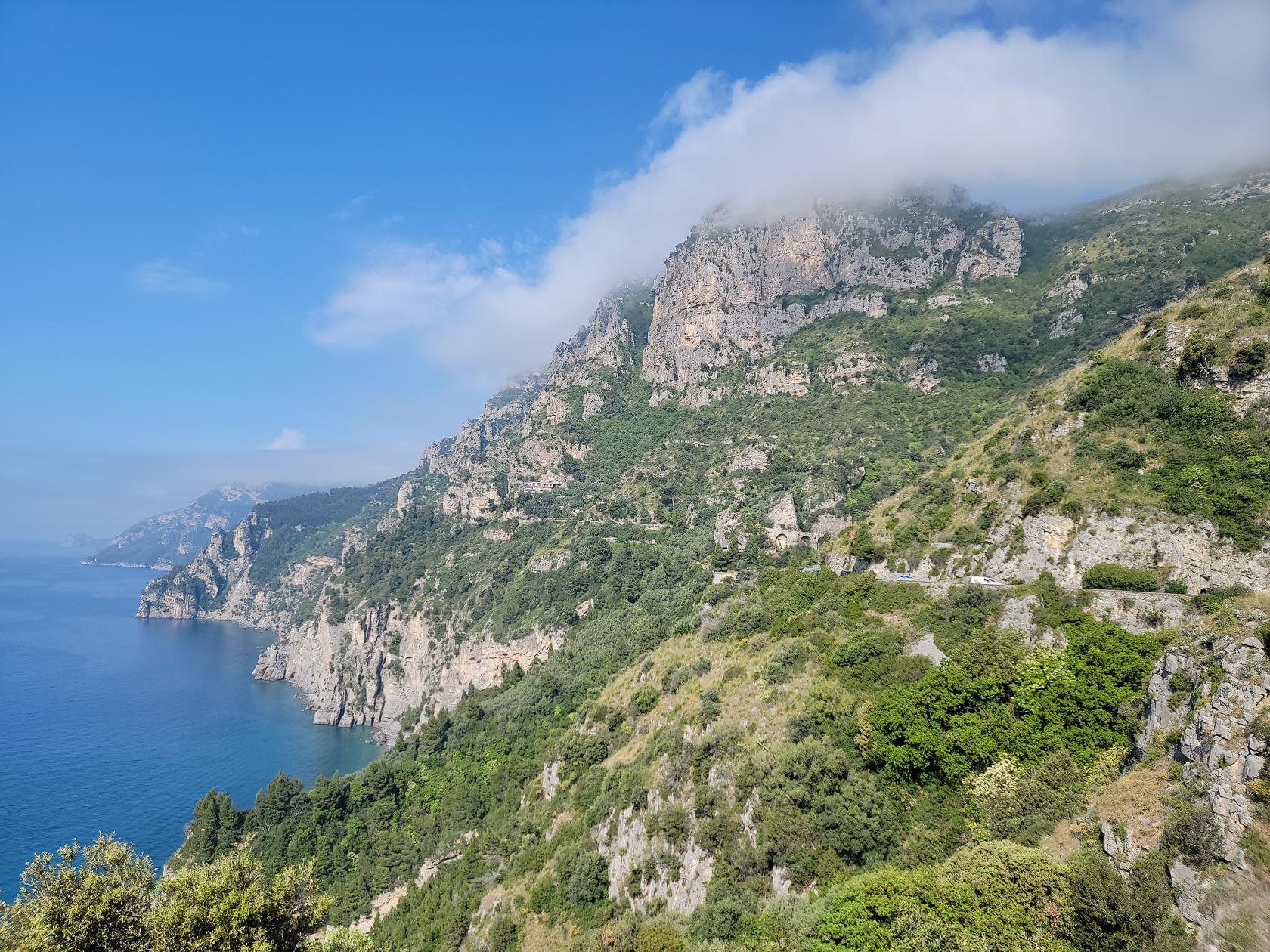
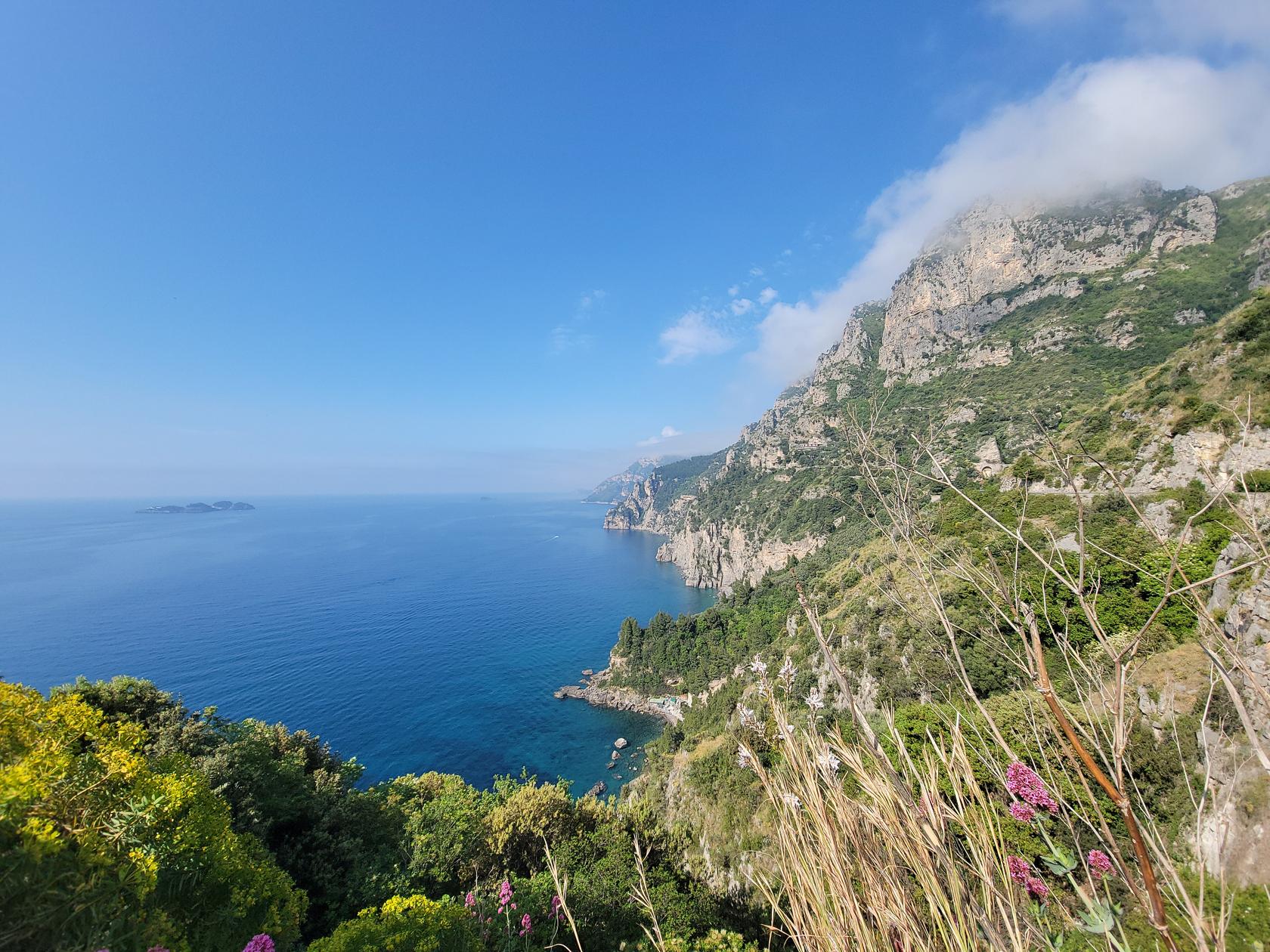
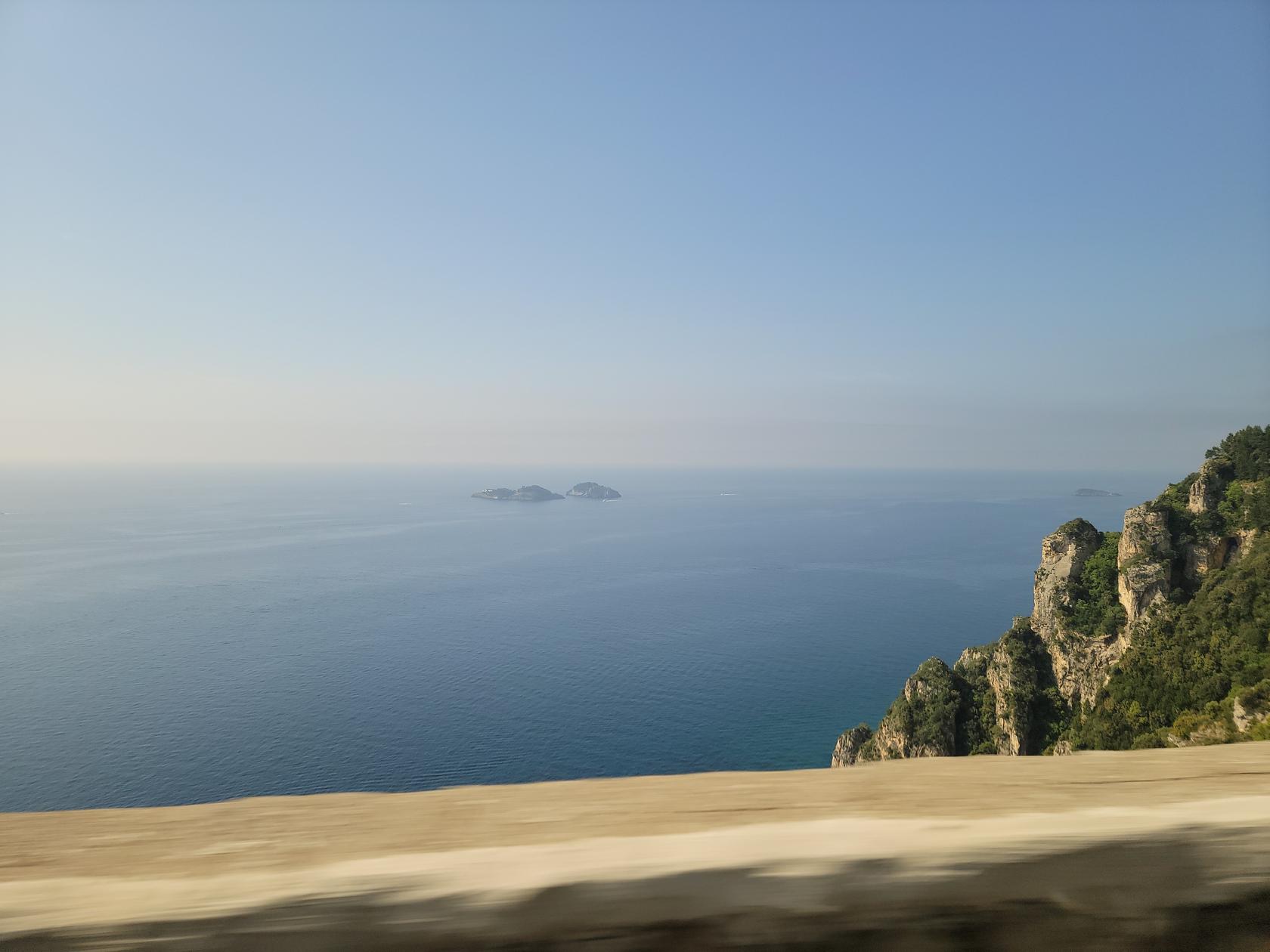
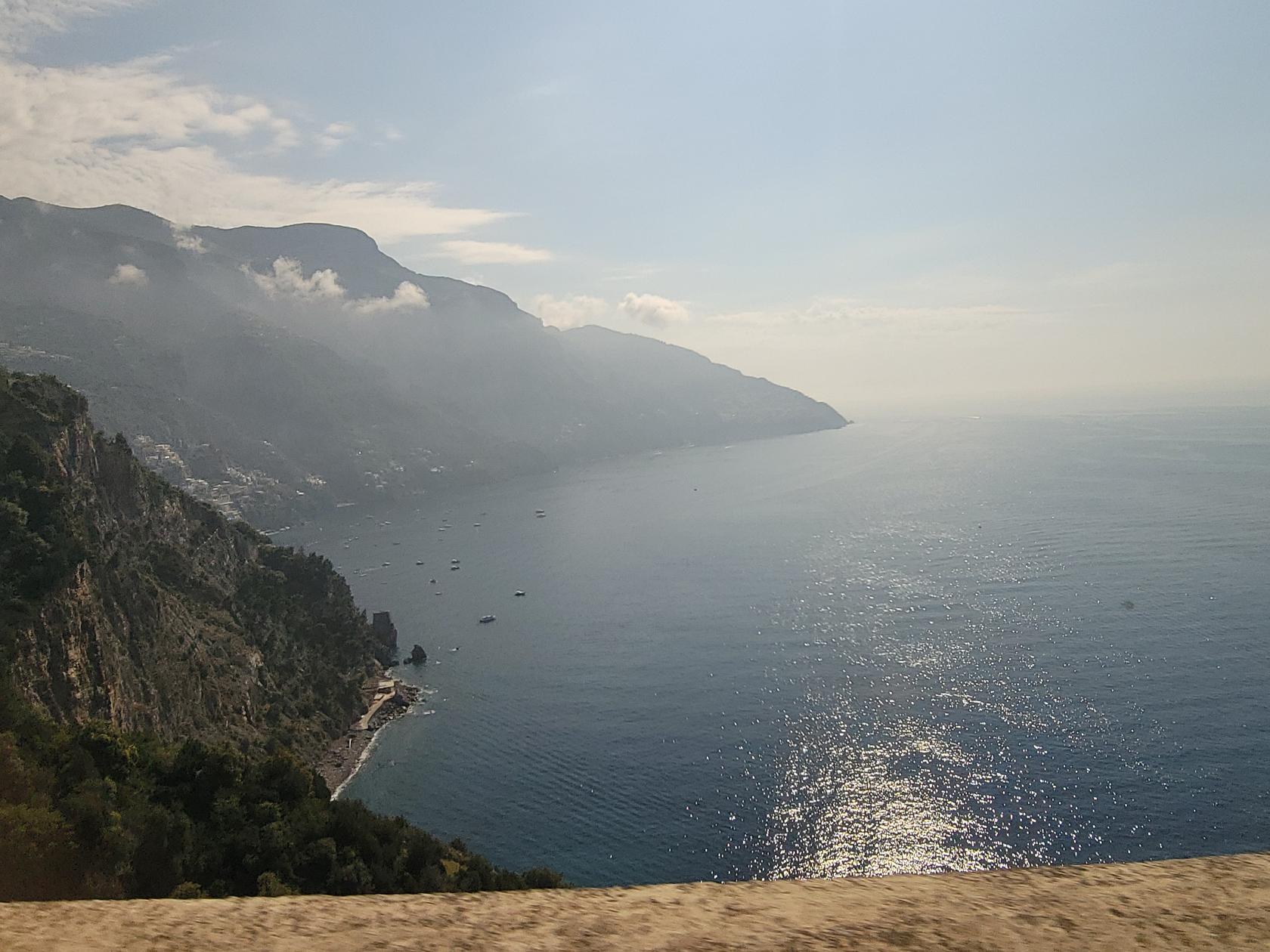
Our second day to the Amalfi Coast, we learned that it is a jagged and very difficult area to navigate. Even with a car it is very windy and has only a few, very narrow roads. Cut out of rock, with the only barrier between you and a thousand foot drop, is an eighteen inch thick concrete wall. Most of the time you can take photographs over it from sitting in your vehicle, so aside from the danger, the road offers amazing views of the sea and the coast.

Getting There

There are not many options, aside from bus service and driving. Bus service seems to be a thriving business, but how they negotiate the roads is beyond me. We found it treacherous enough in our private tour van. If you are prone to motion sickness, take your medication before you leave and attempt the drive.

Mind The Nap

We used Mind The Nap private tours for a two day tour of several towns and a lemon experience. They picked up us up at our hotel in Chiaia and it took us over an hour to go through Naples and over the mountains to the coast.

The views on the first part of the drive were all of Naples and the surrounding area. However, once we ascended the steep mountains and crossed over the top, we entered Sorrento and the jagged coast of Amalfi.

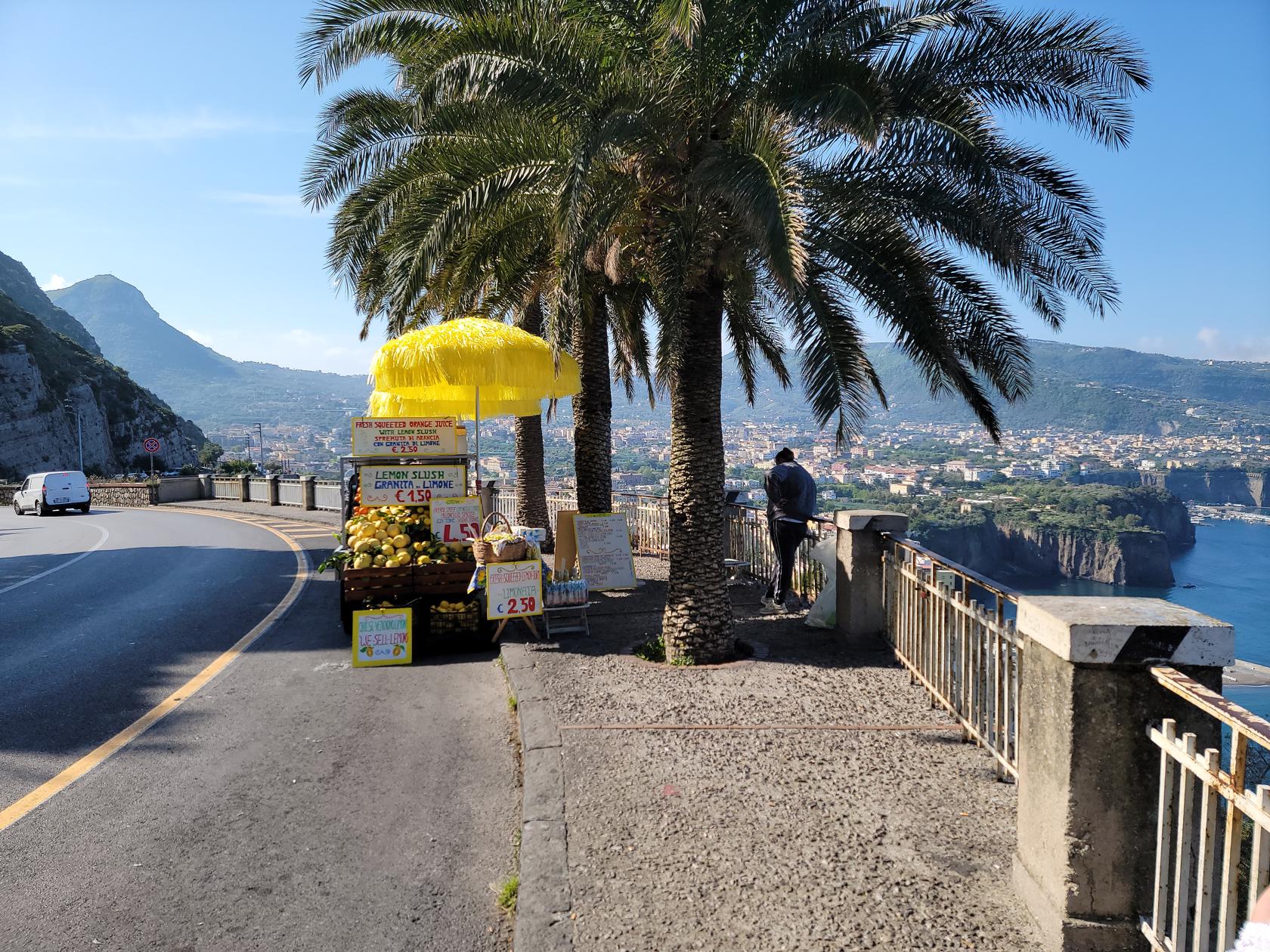
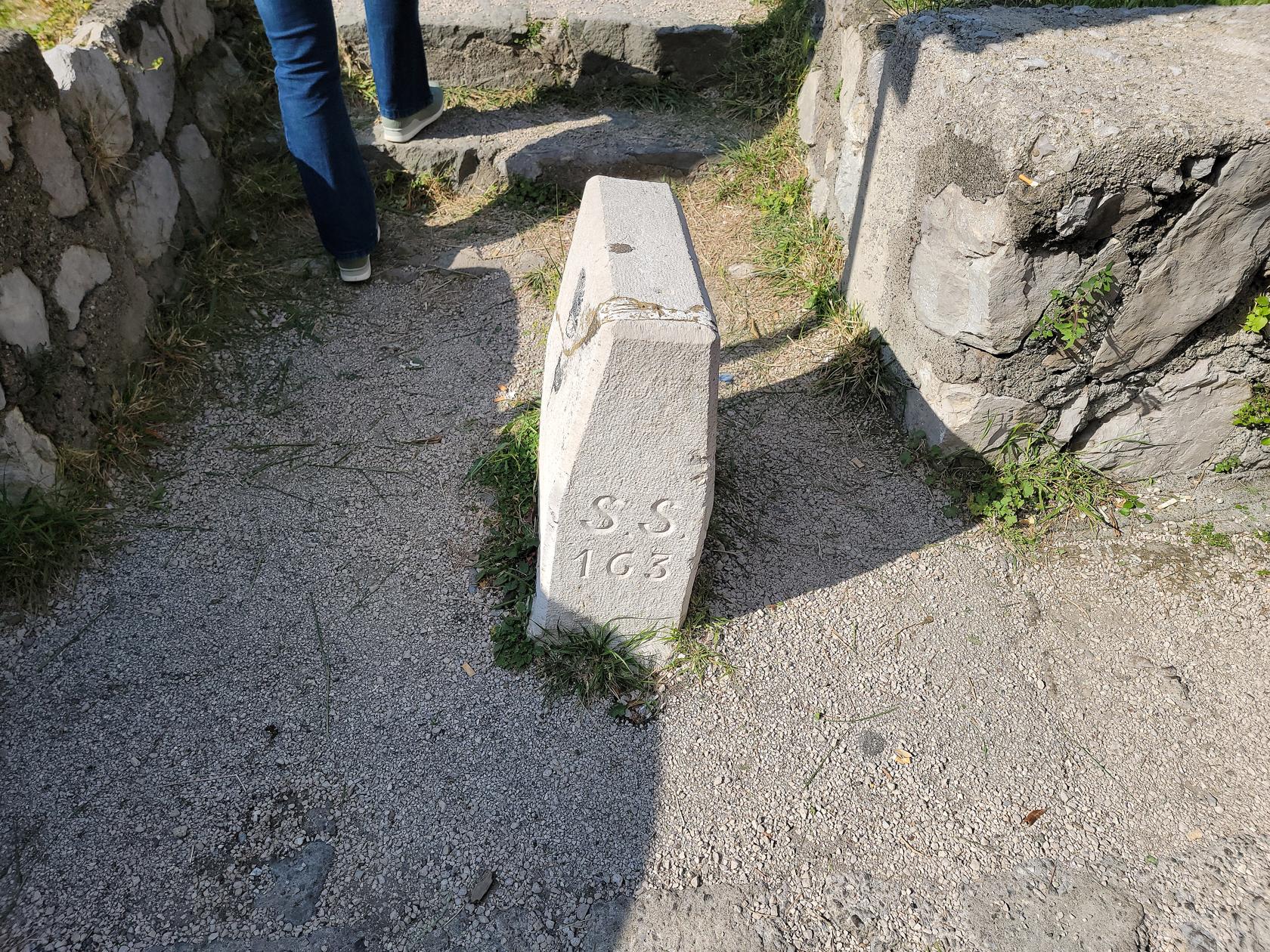
Our tour driver Pasquale used SS163, so we approached Positano from the west.  This allowed us to stop along the route several times to enjoy the coastline views.

Positano

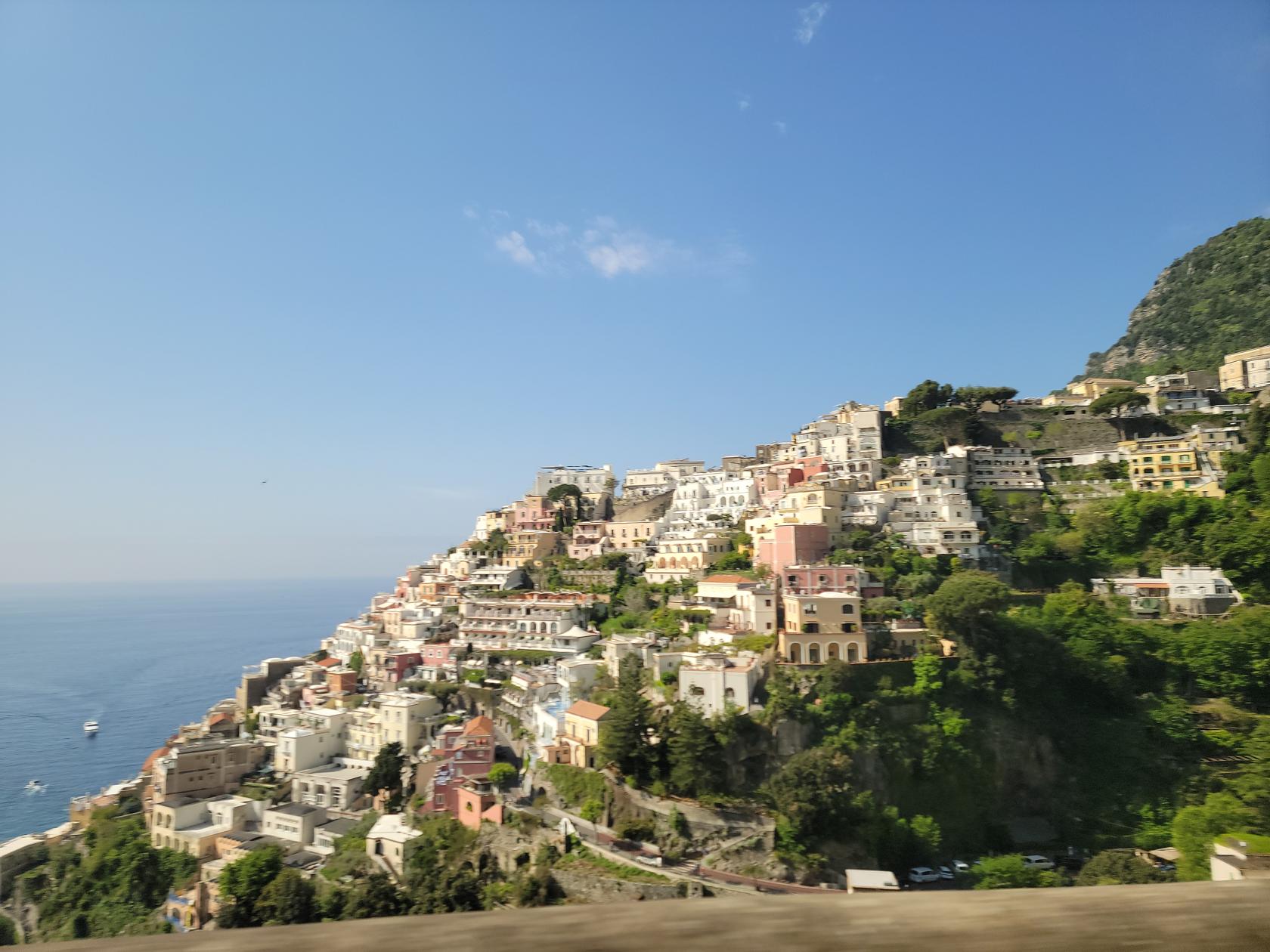
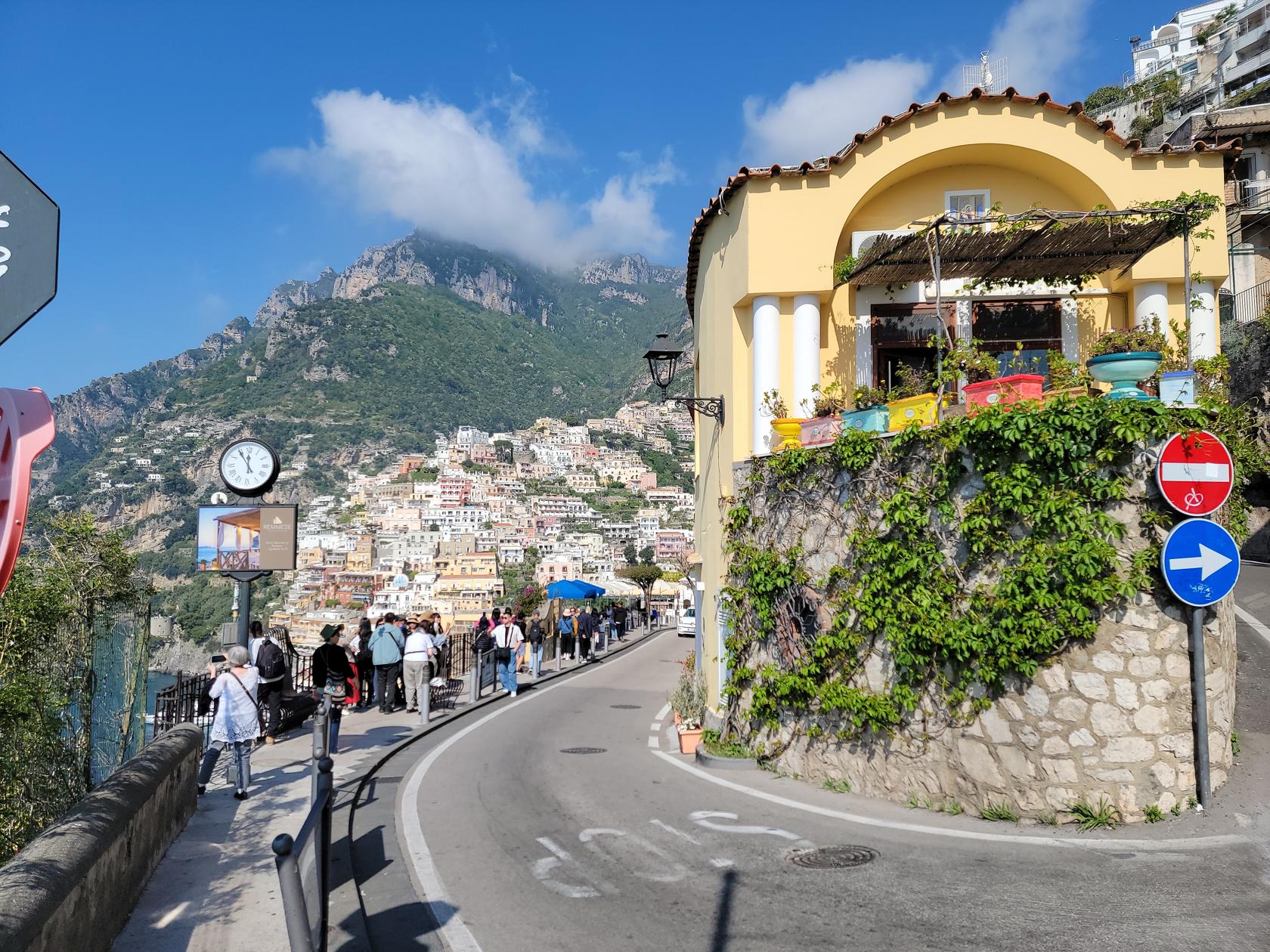
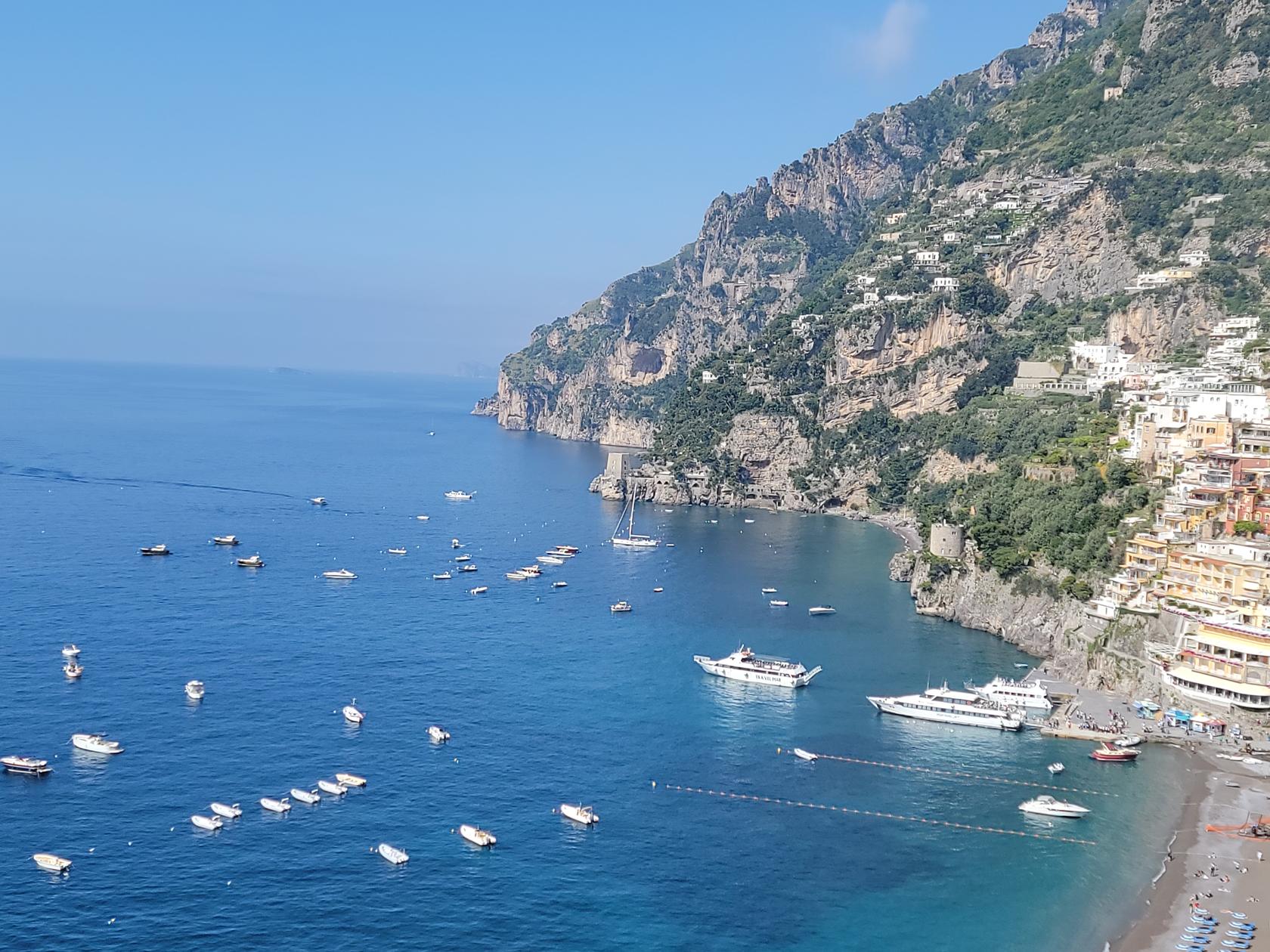
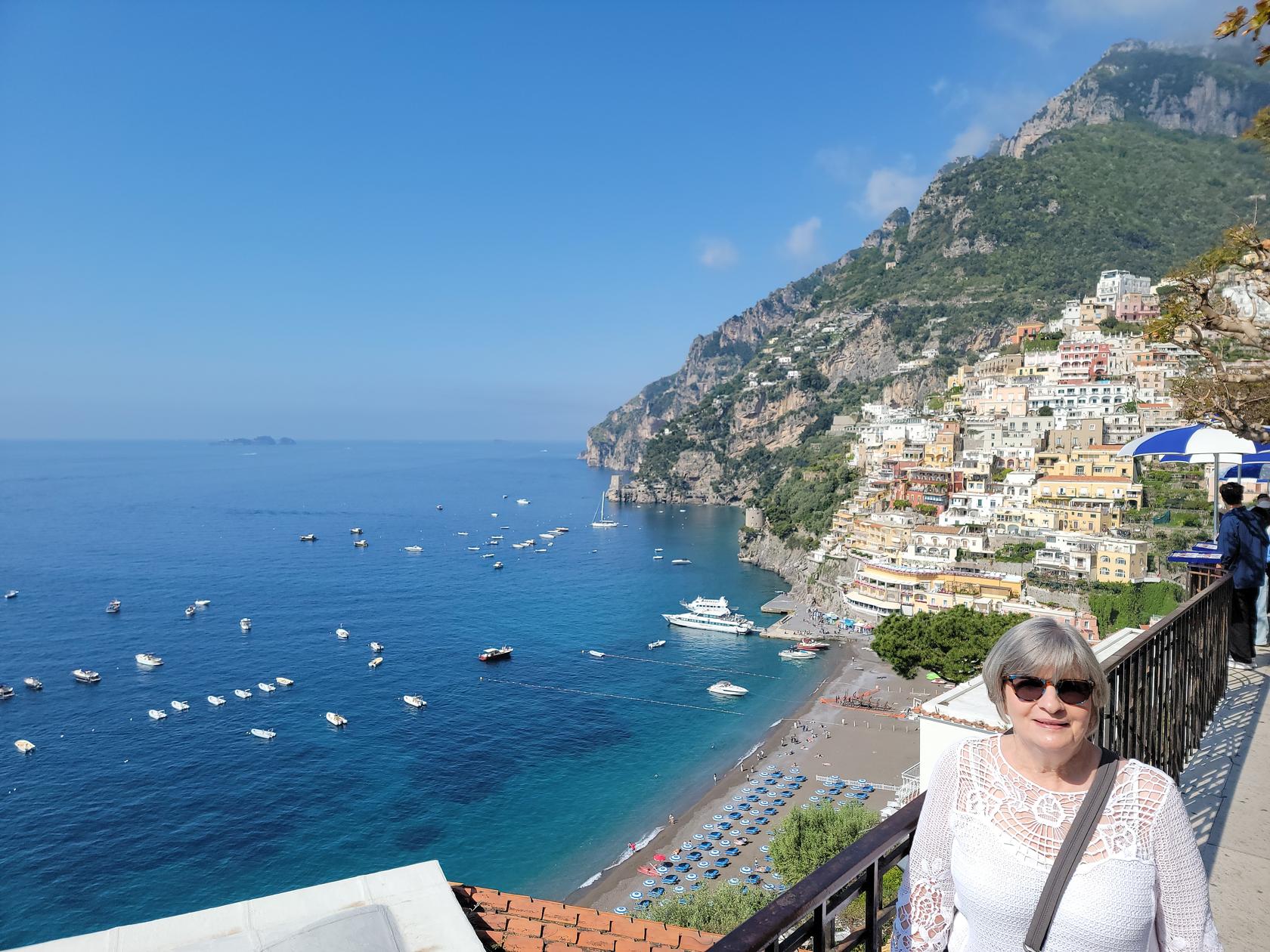
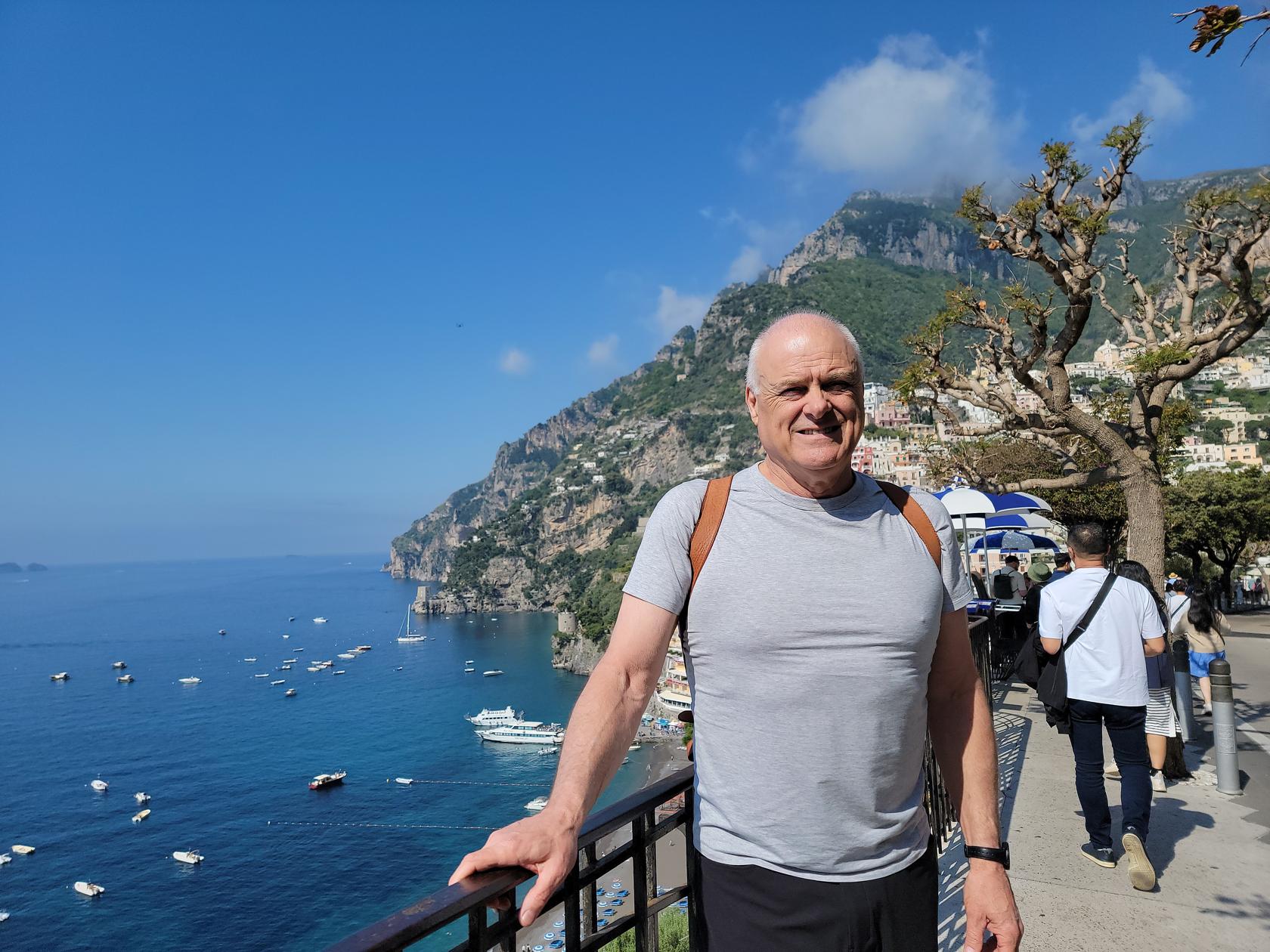
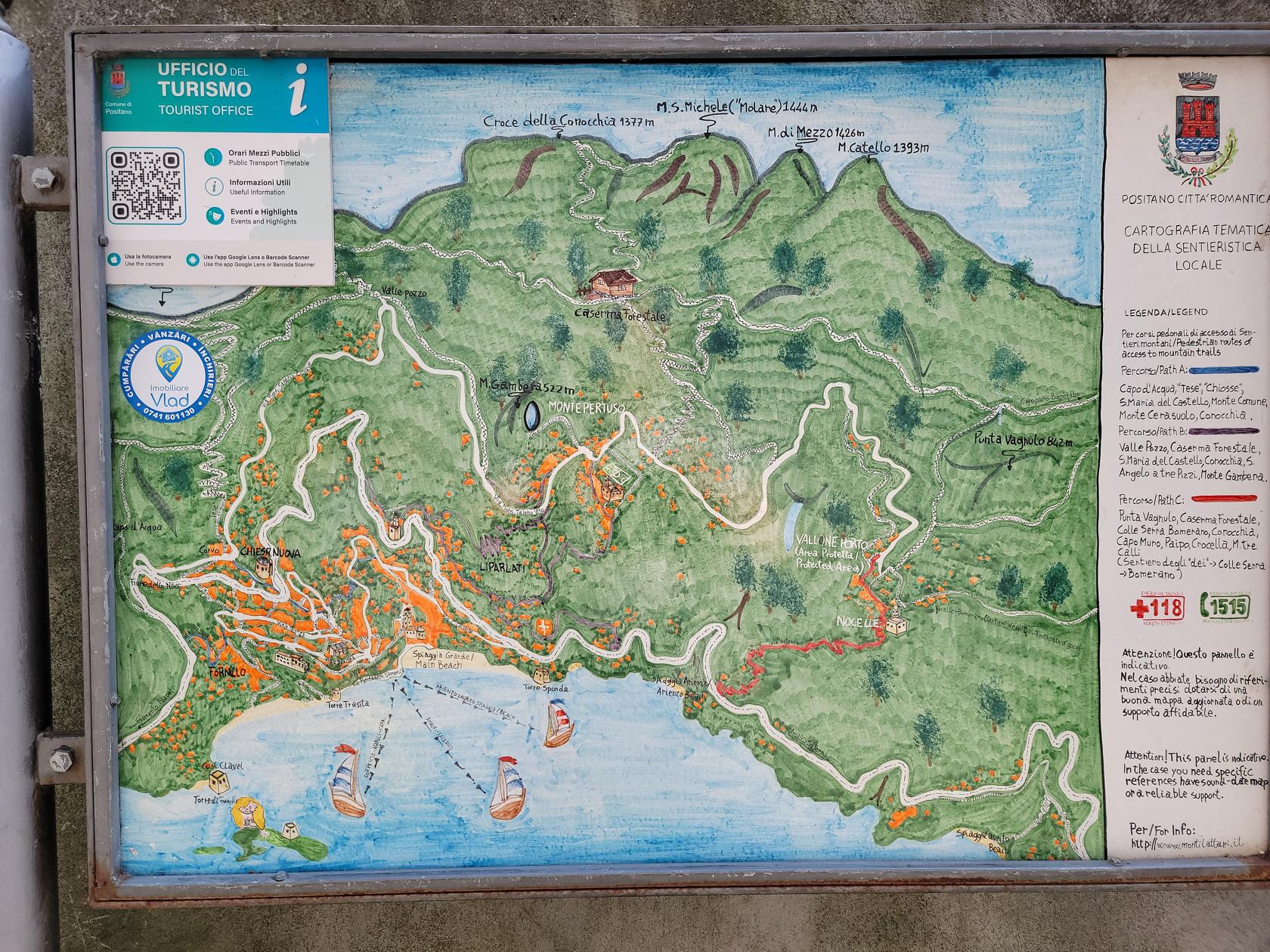
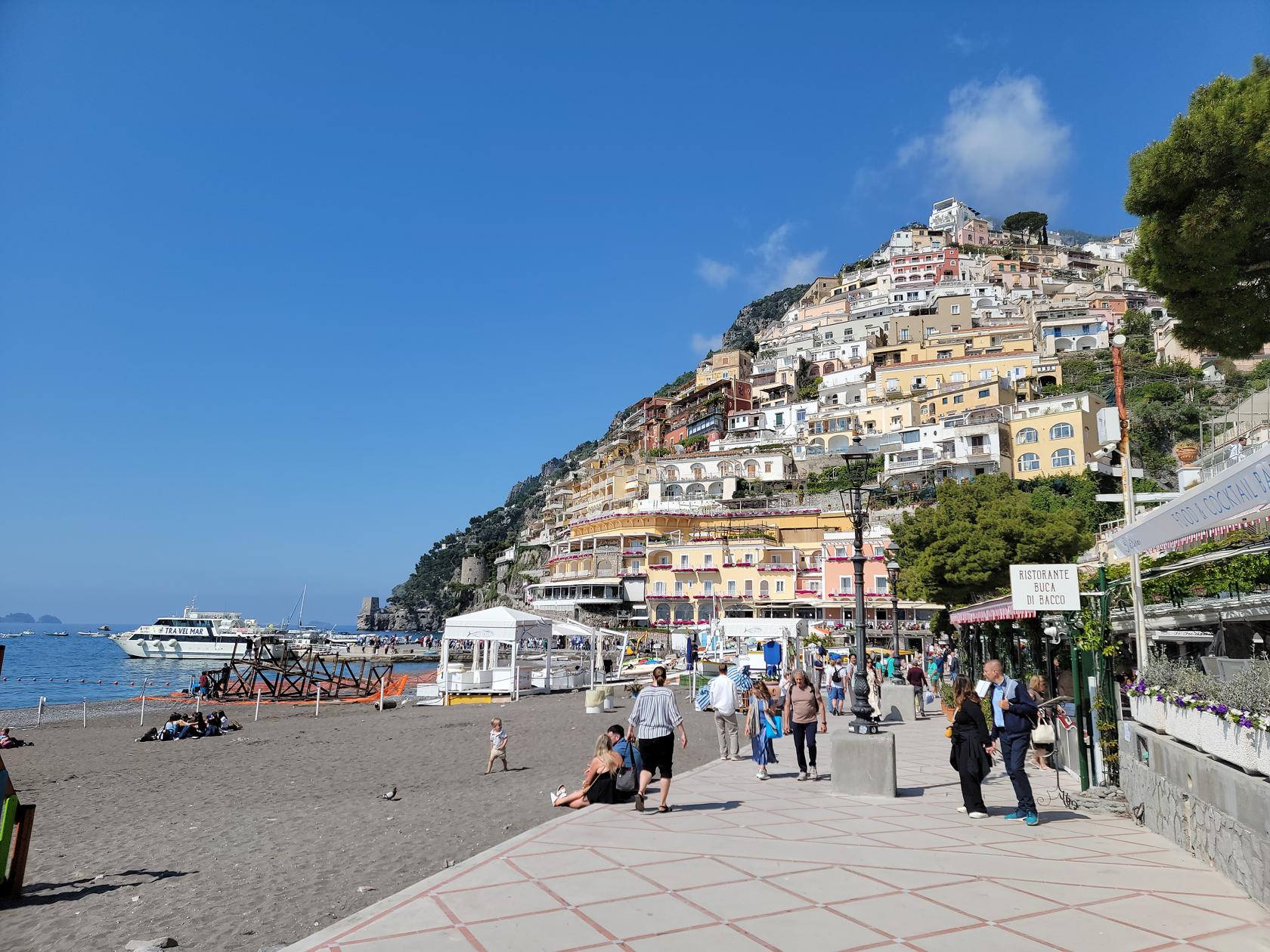
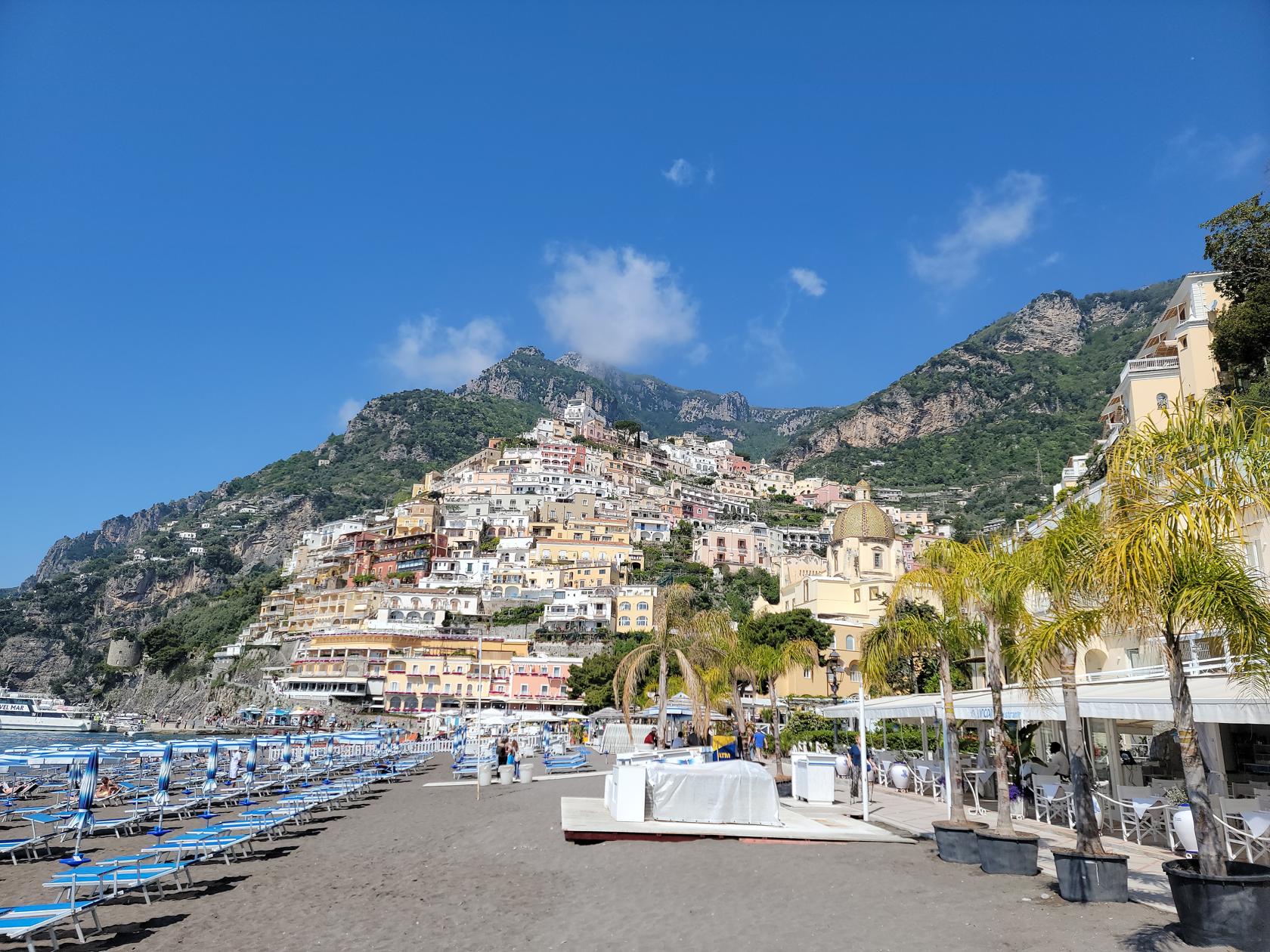
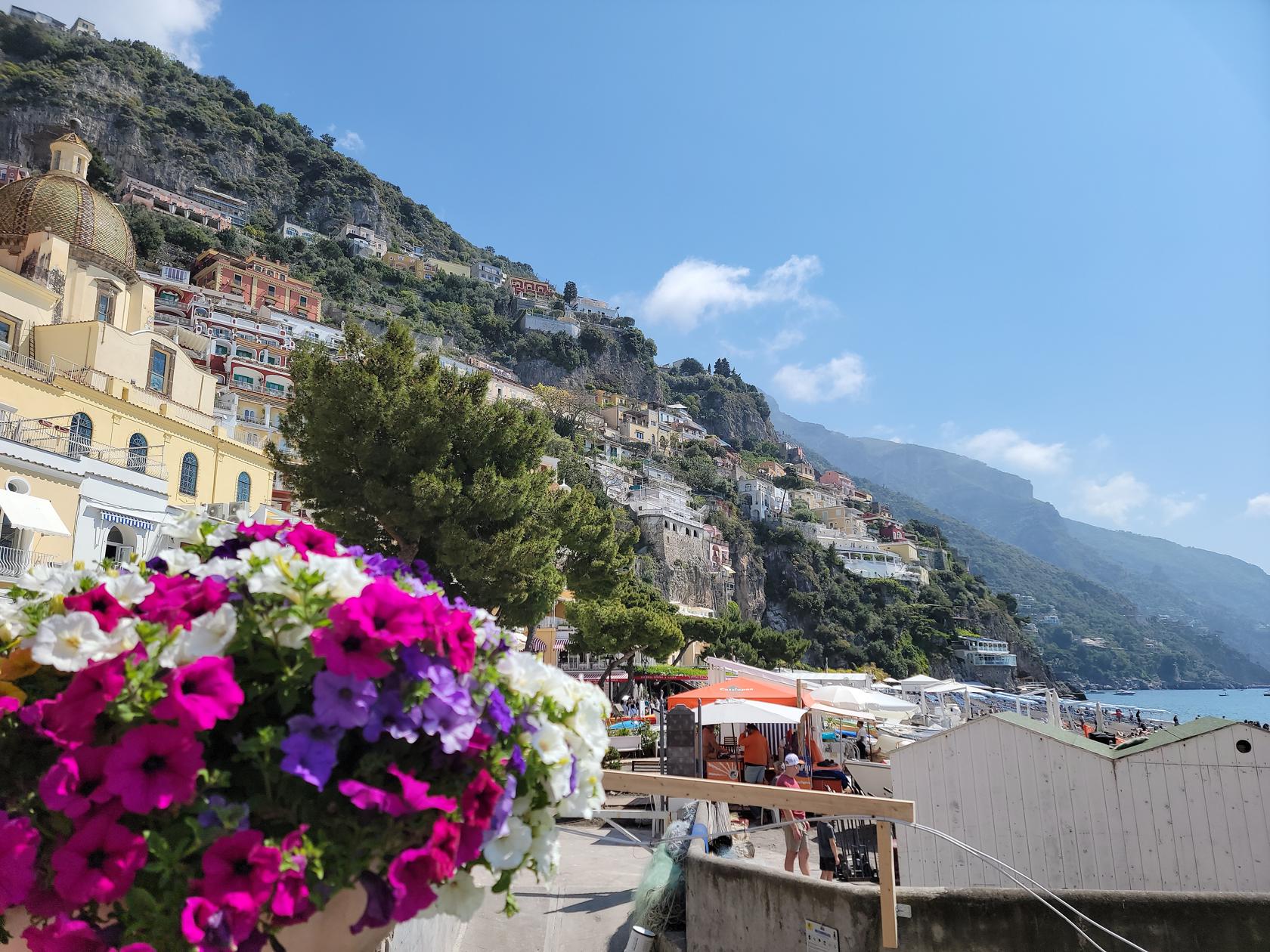
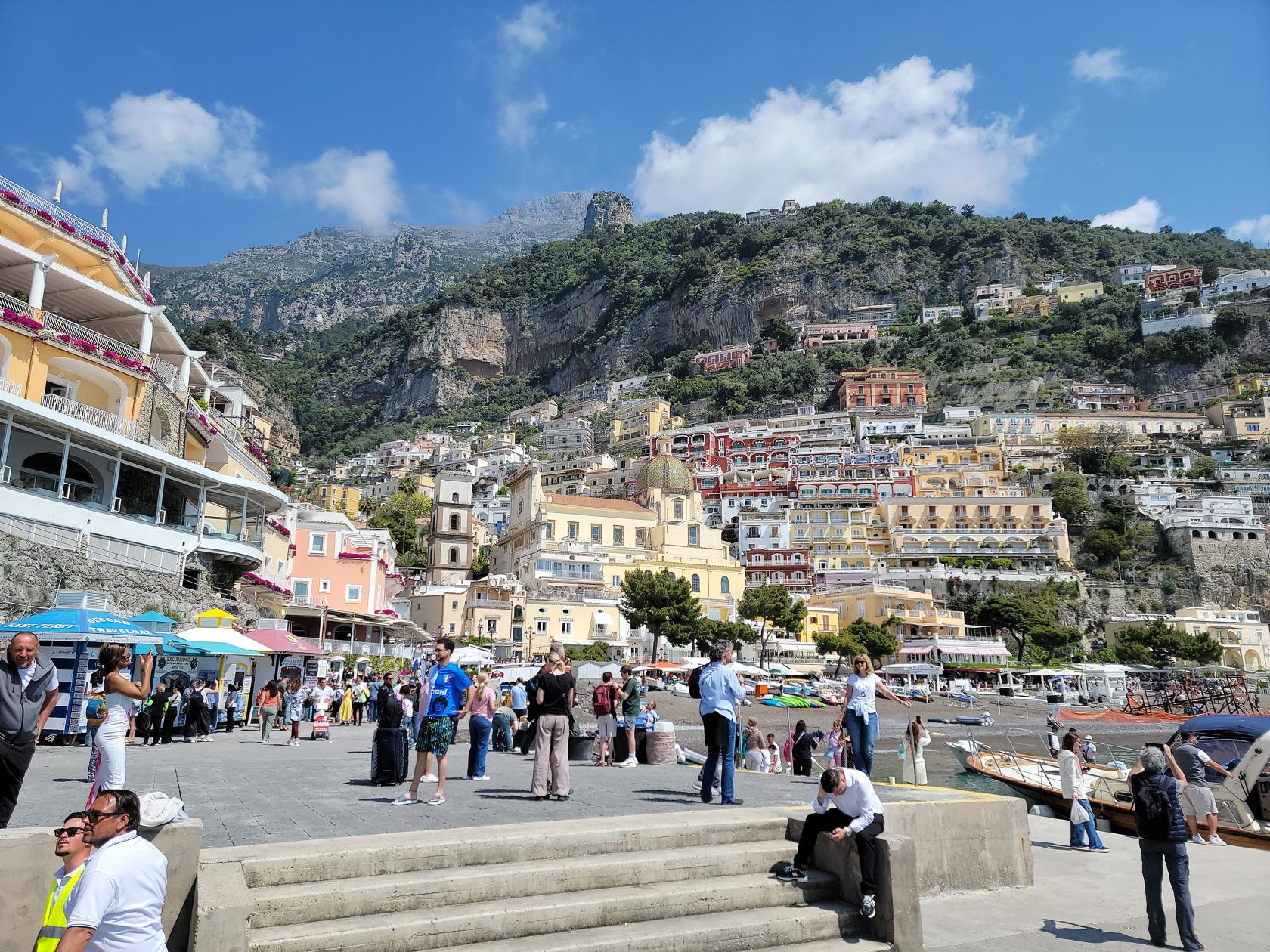
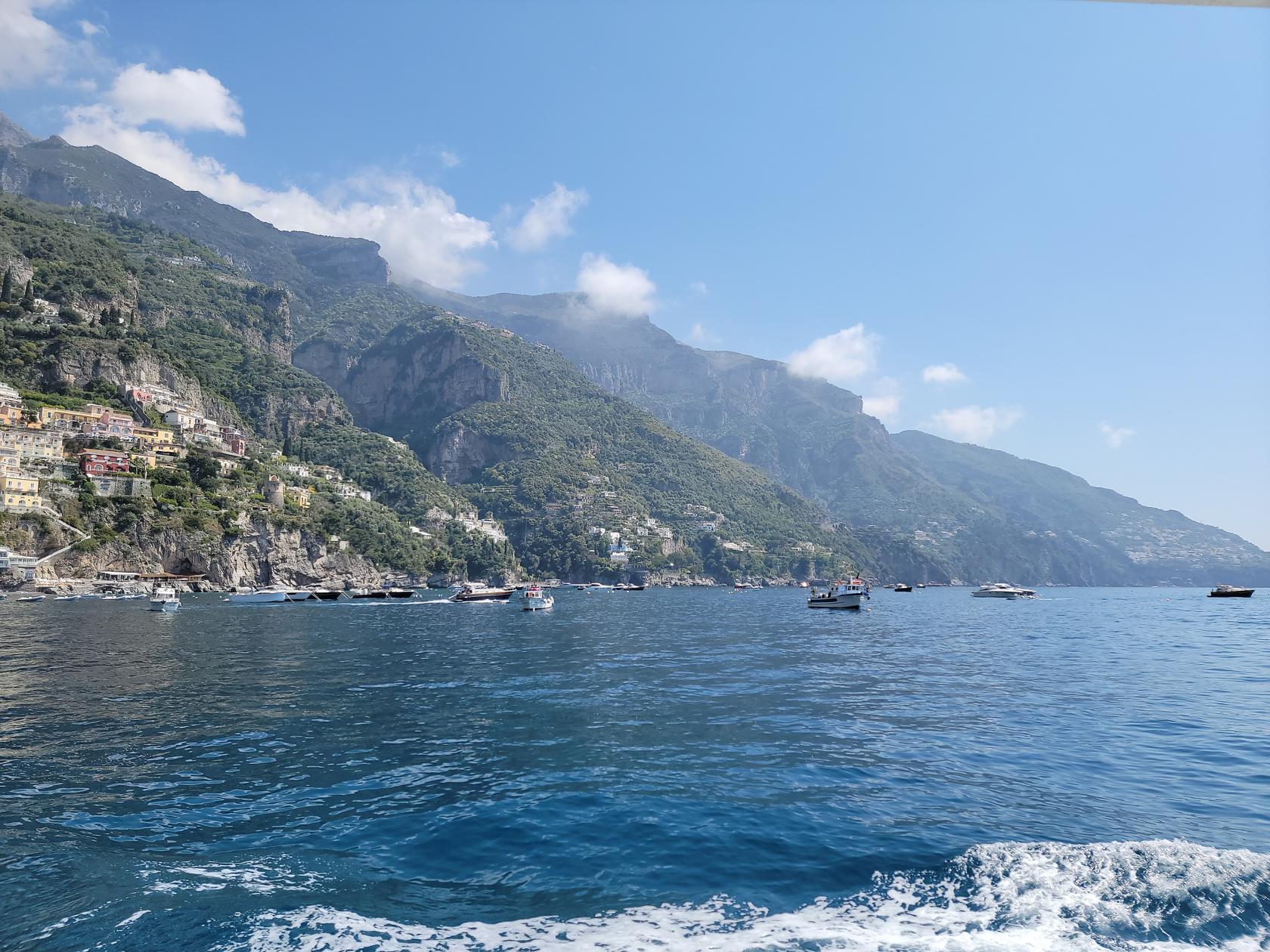
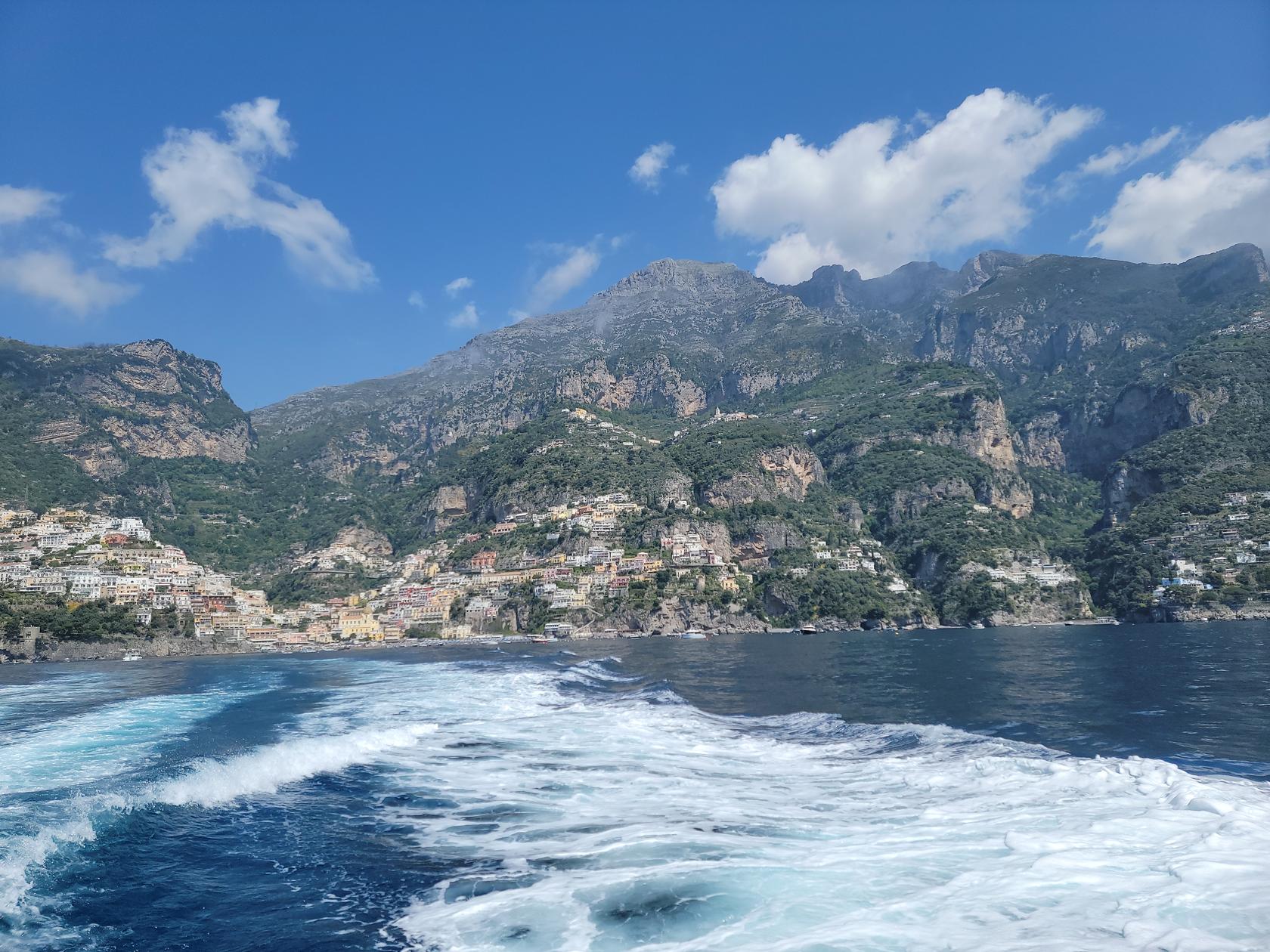
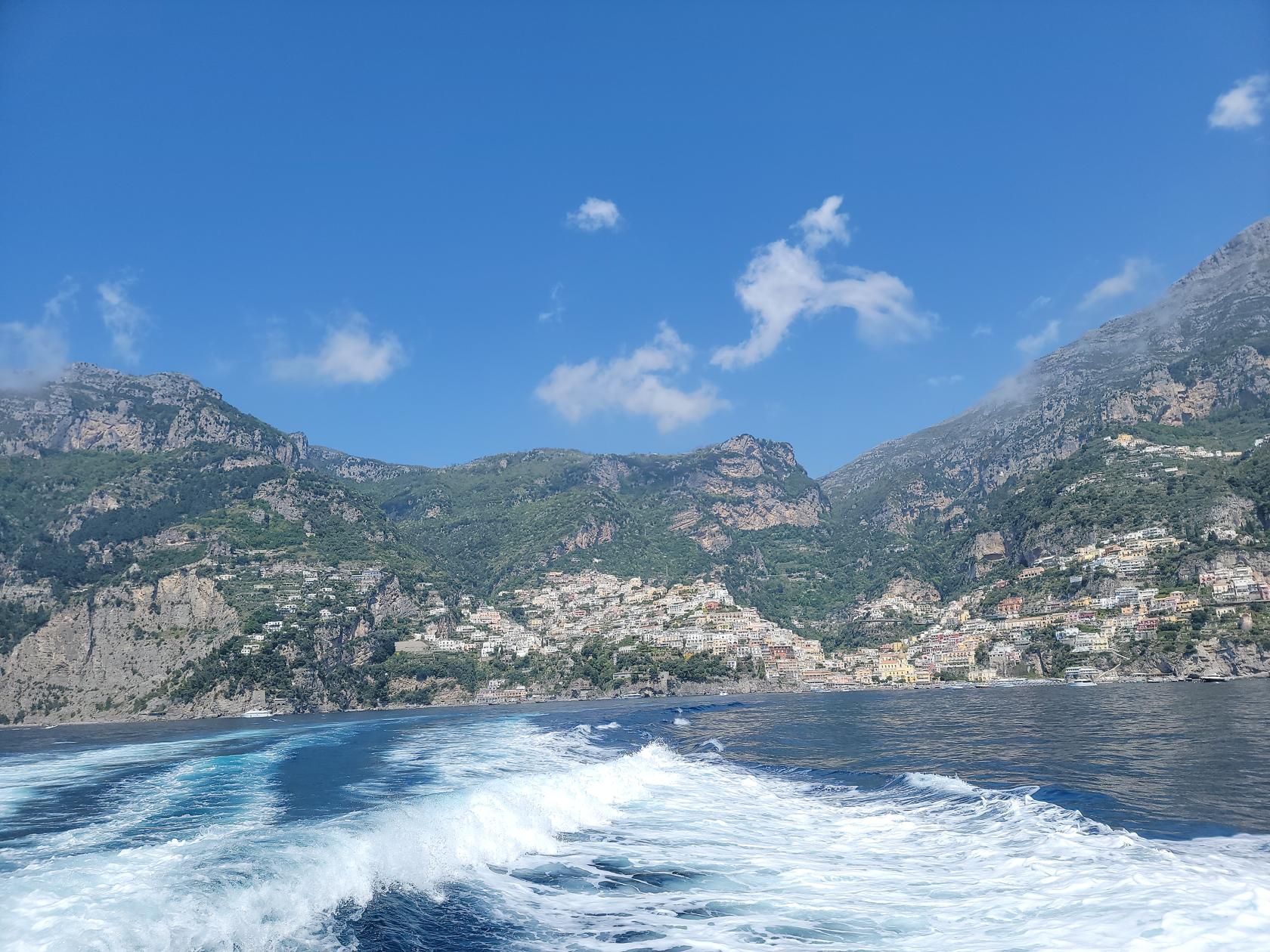
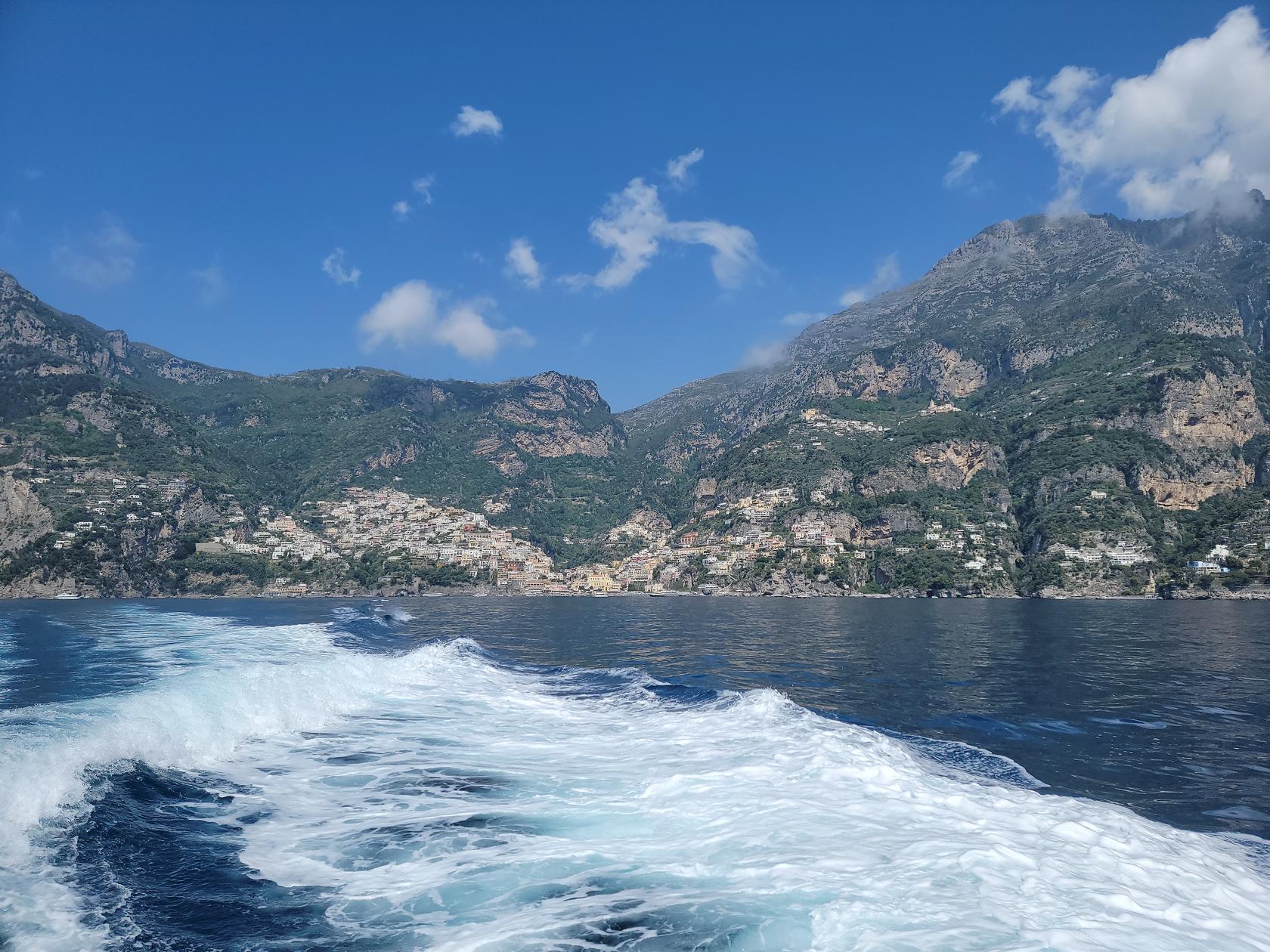
Positano is a small, but beautiful little seaside town at the end of the Amalfi Coast. It is probably the most charming out of all the towns you will find on the coastline. The Strand, or Beach, is small by italian standard, but is most likely filled during the summer, even though it is mostly rocky and you probably have to use footwear.

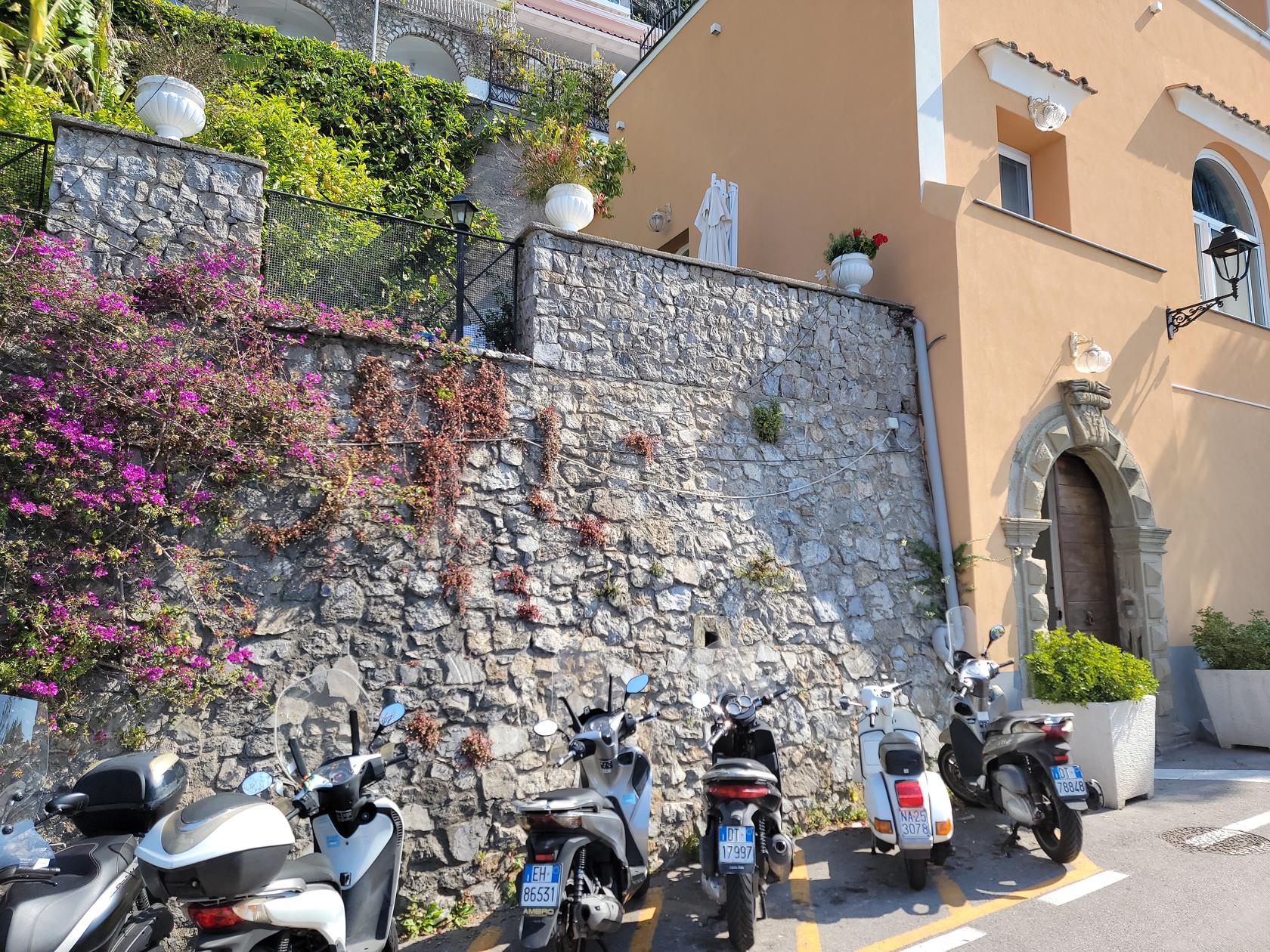
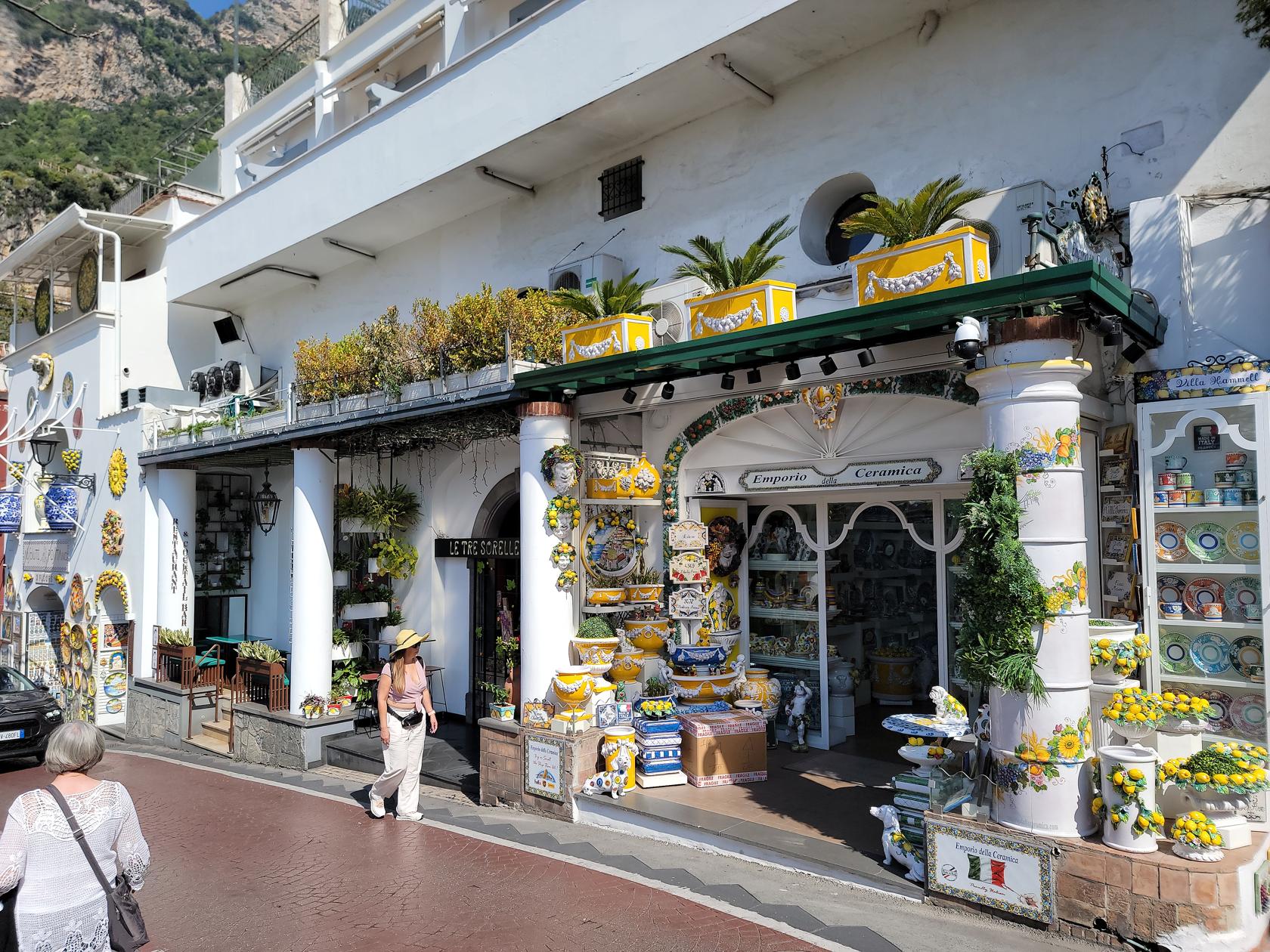
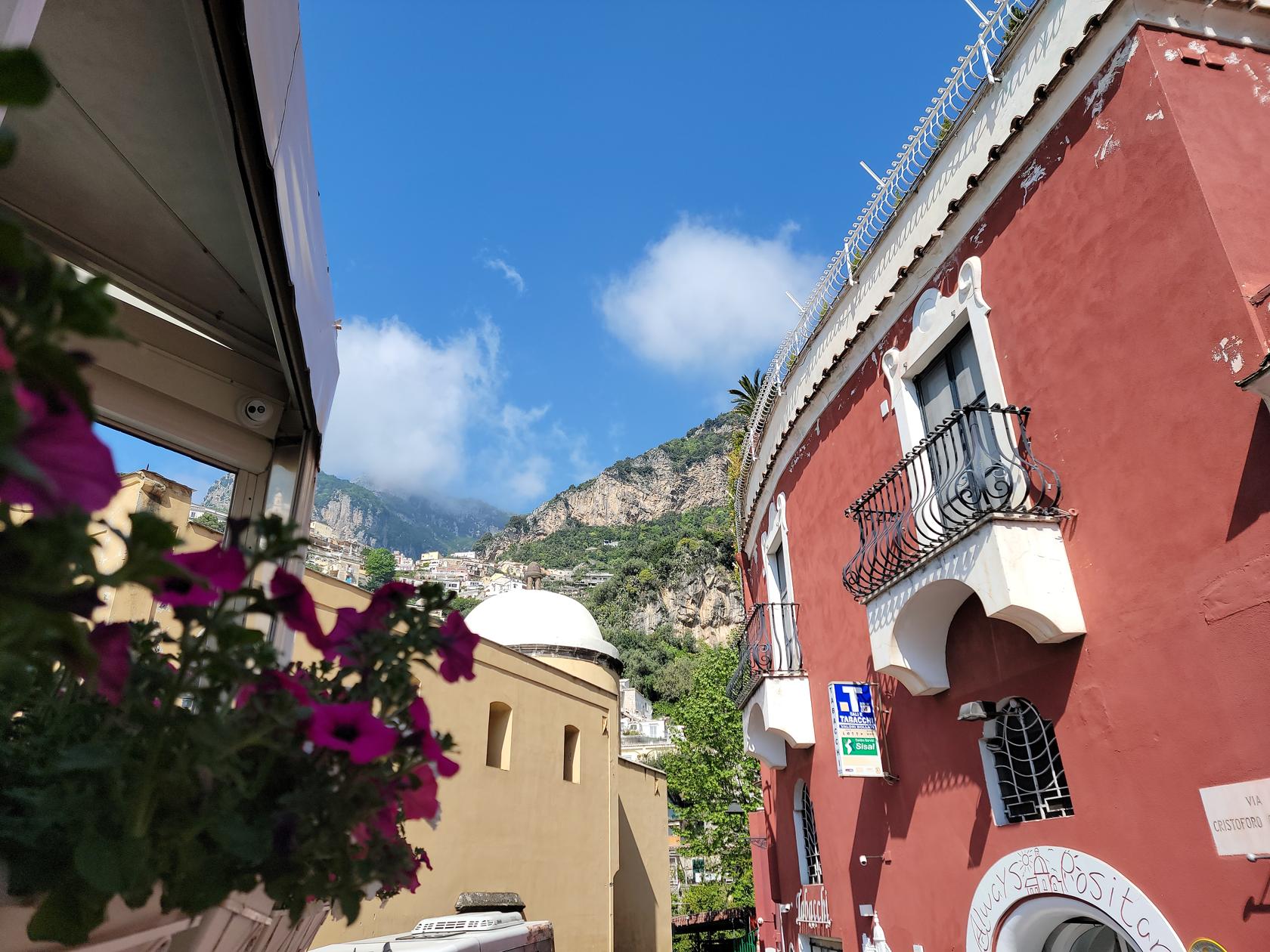
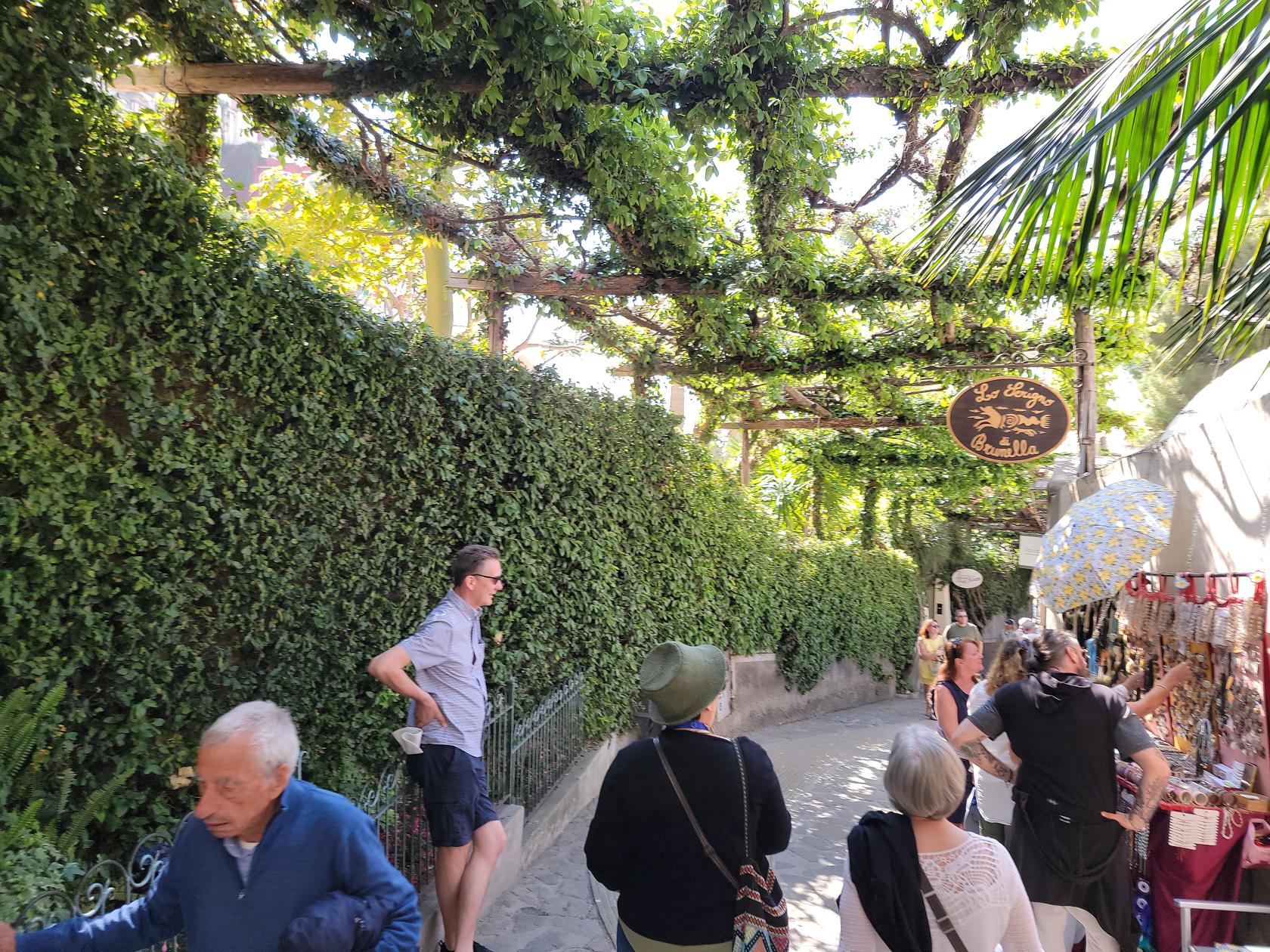
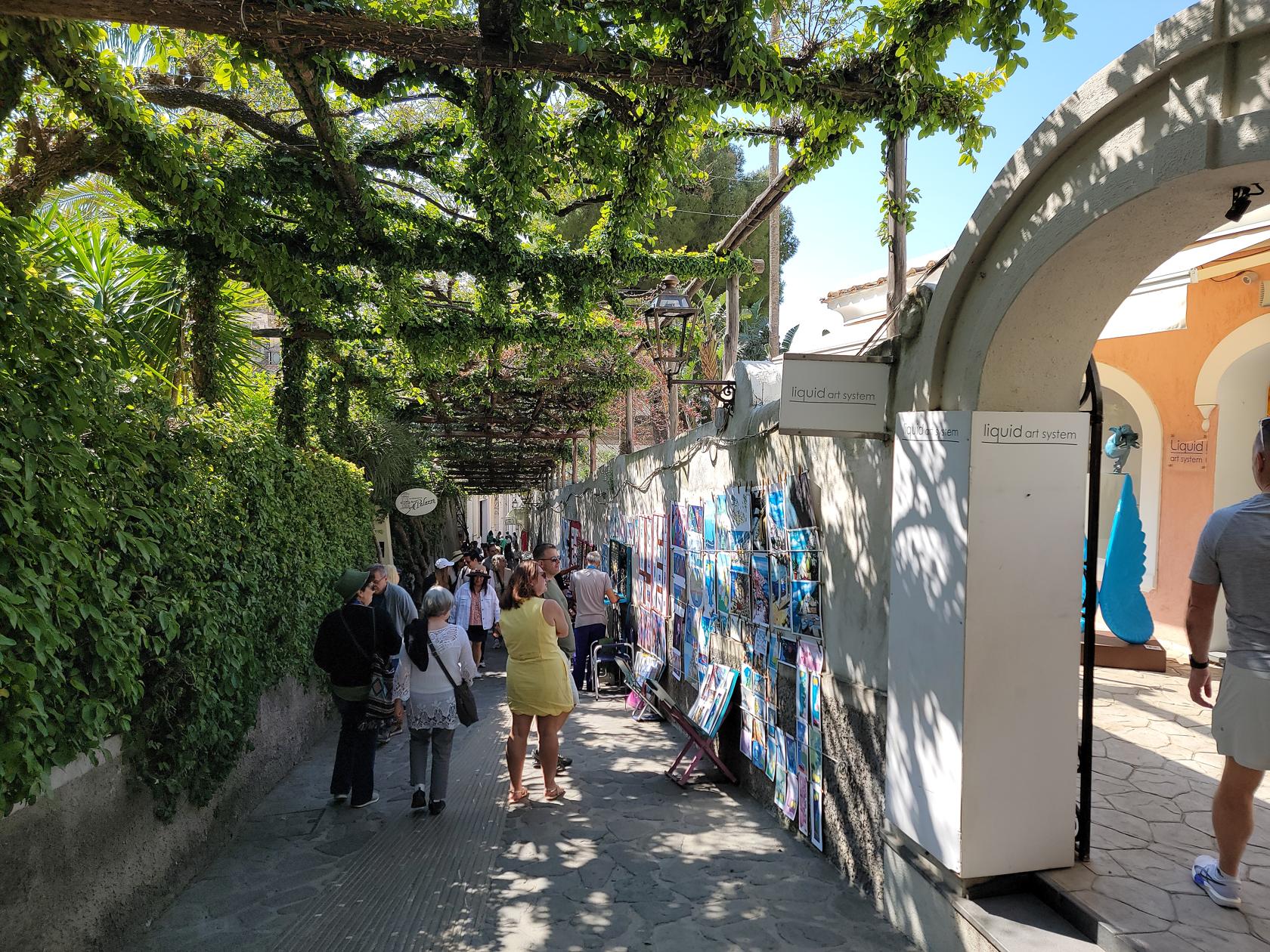
The town is full of stairways and tiny, narrow walkways. In the off-season it is fairly quiet and some of the establishments may not be open until June. Of course, like other places along this coast, you will find a lot of pottery and glassware.

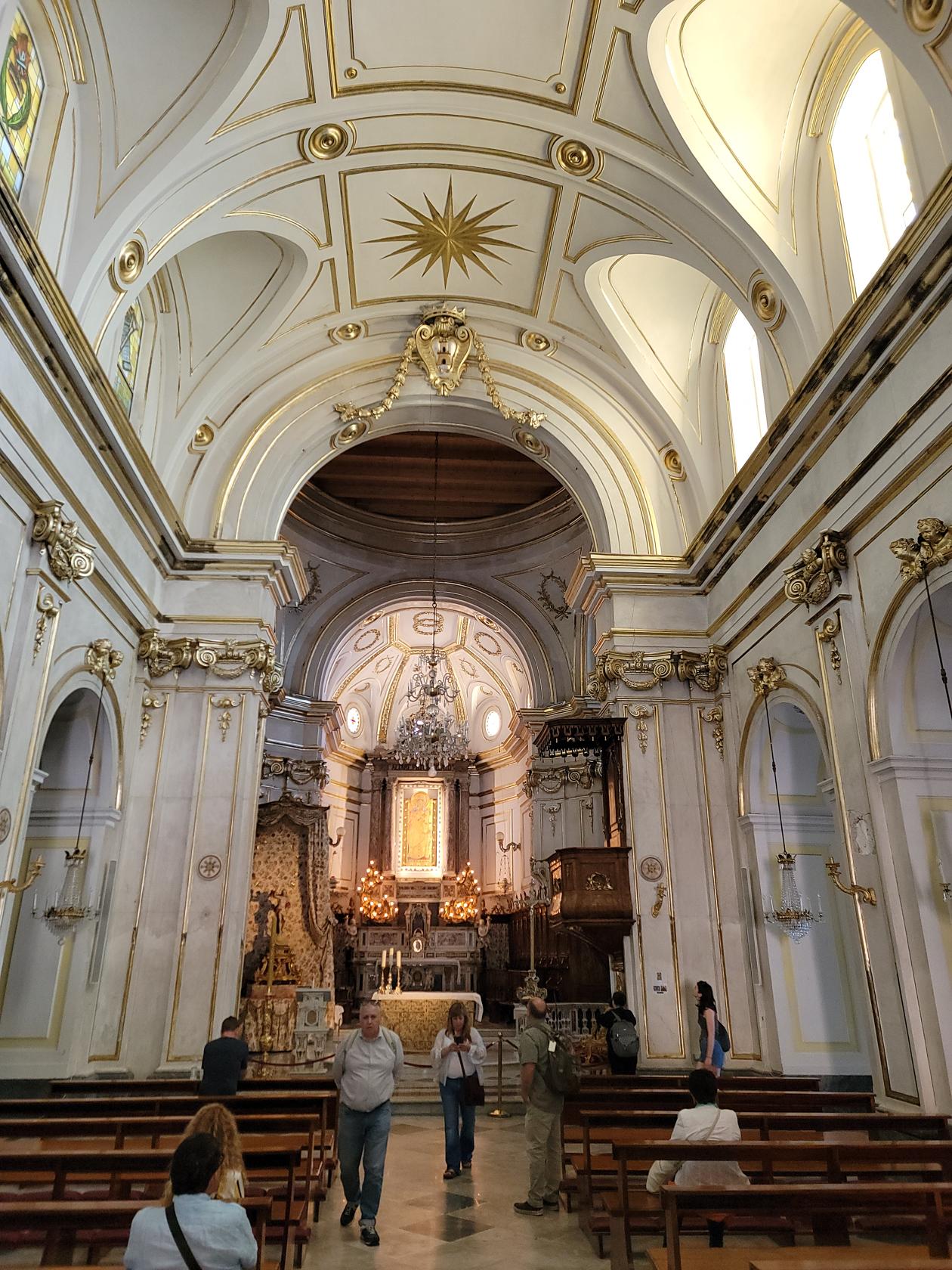
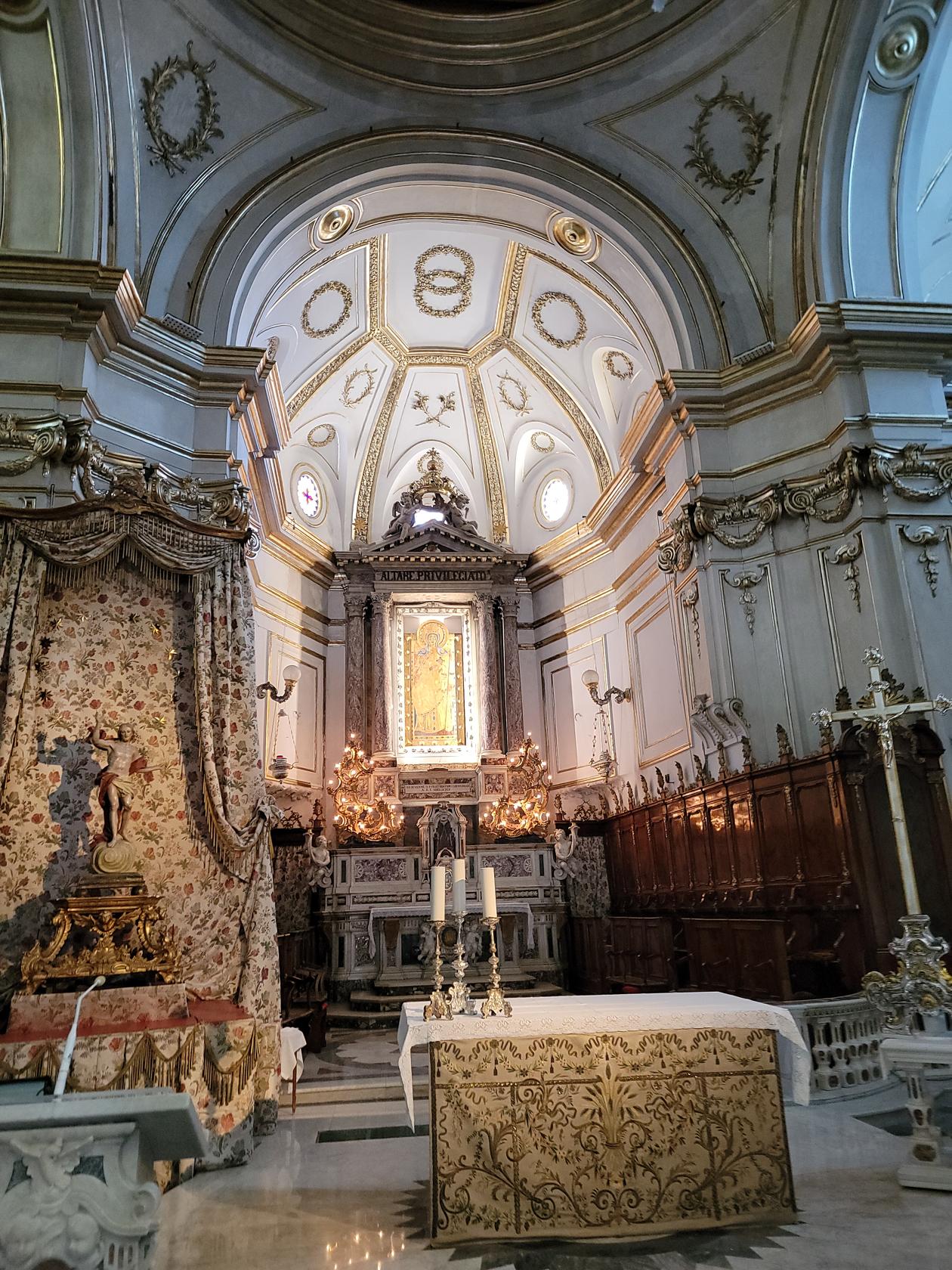
Santa Maria Assunta Church

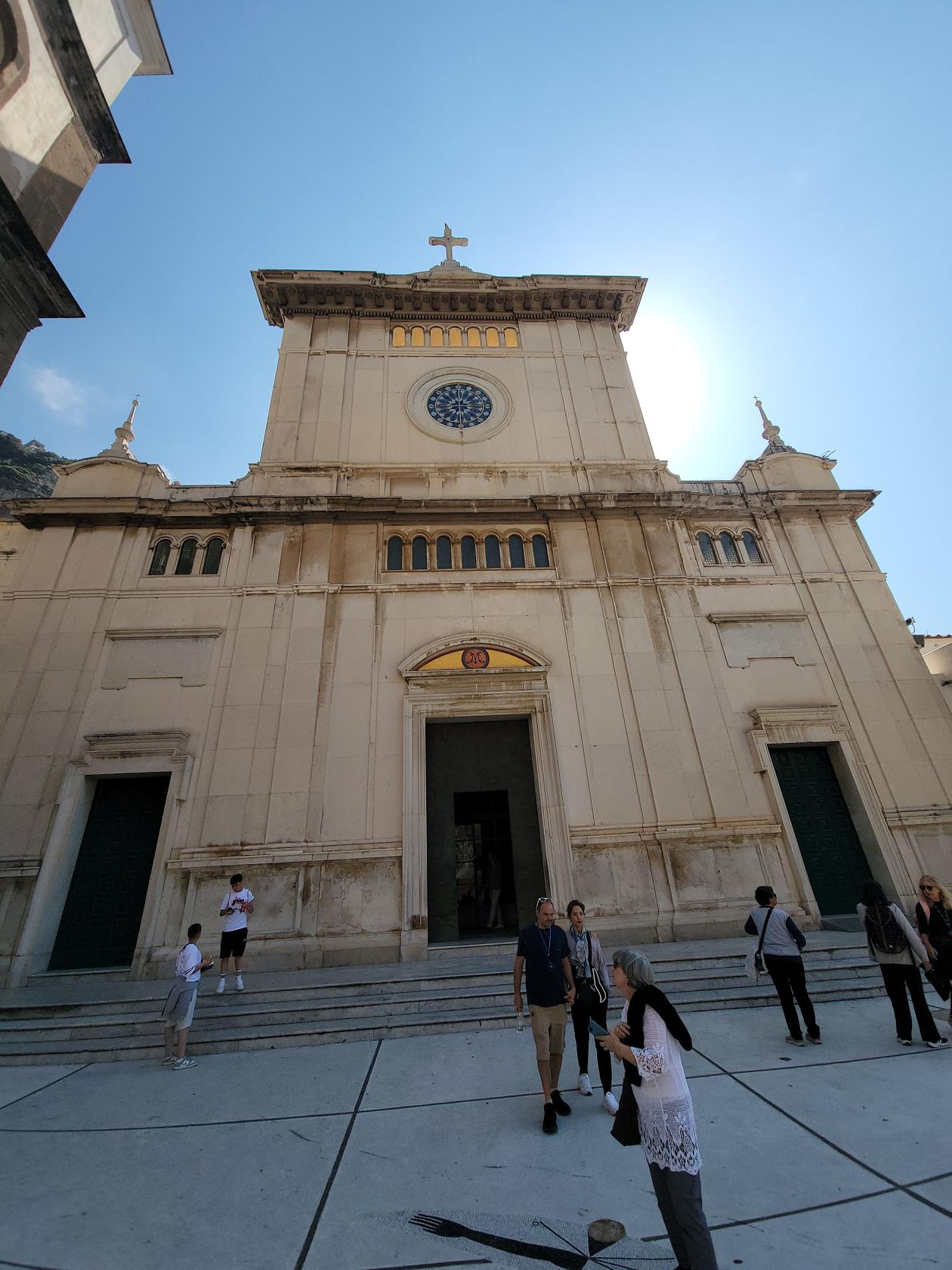
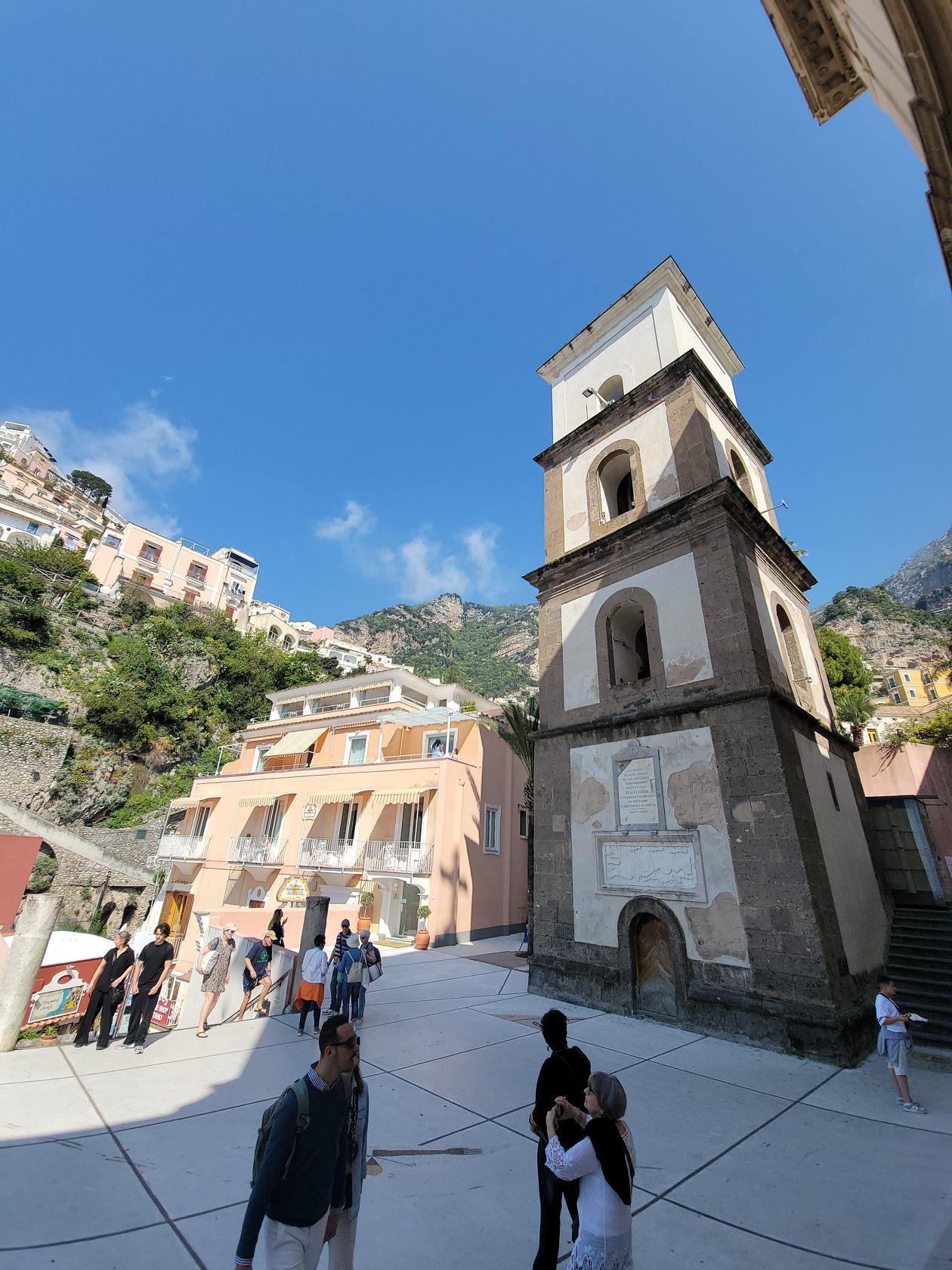
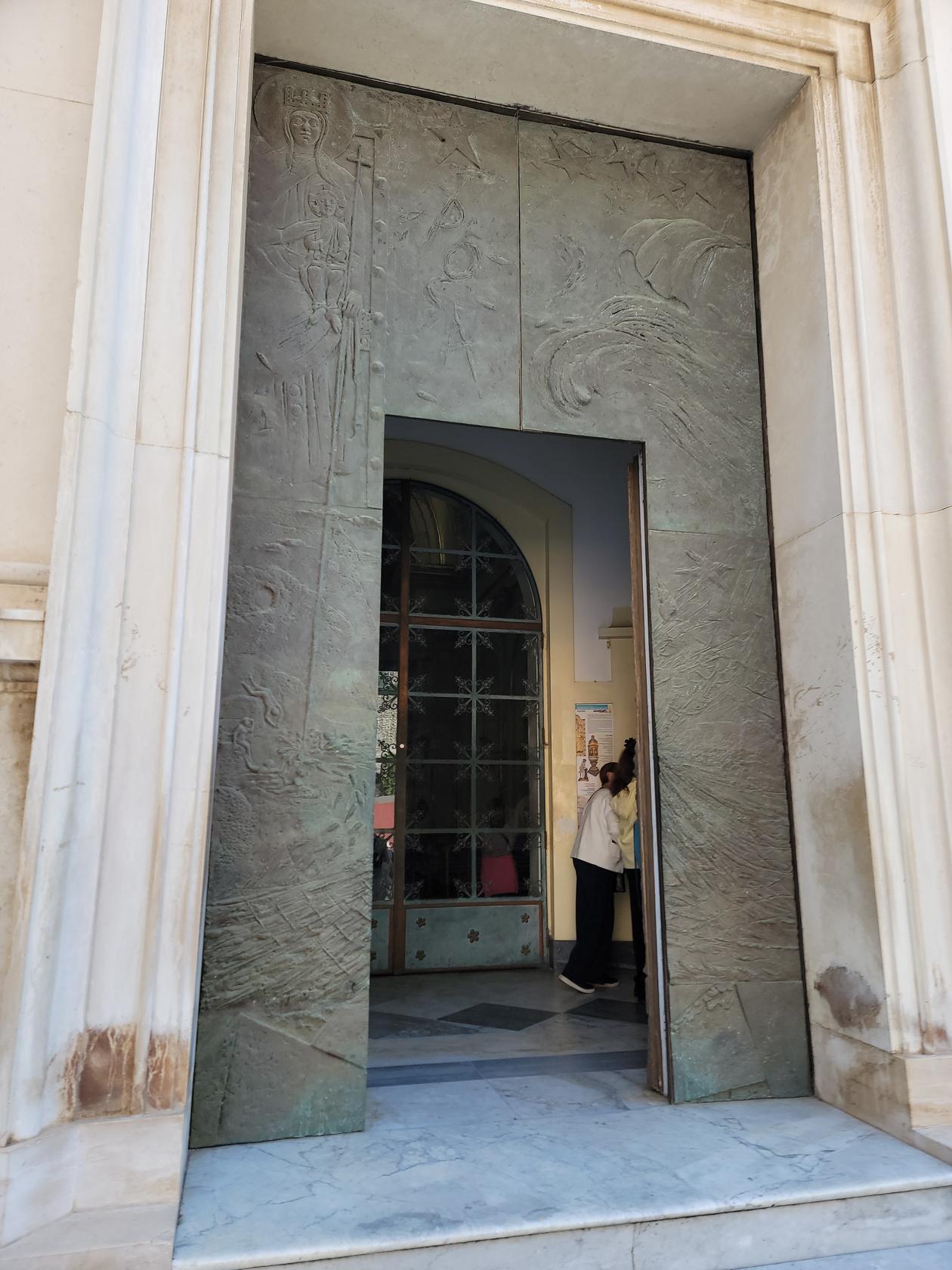
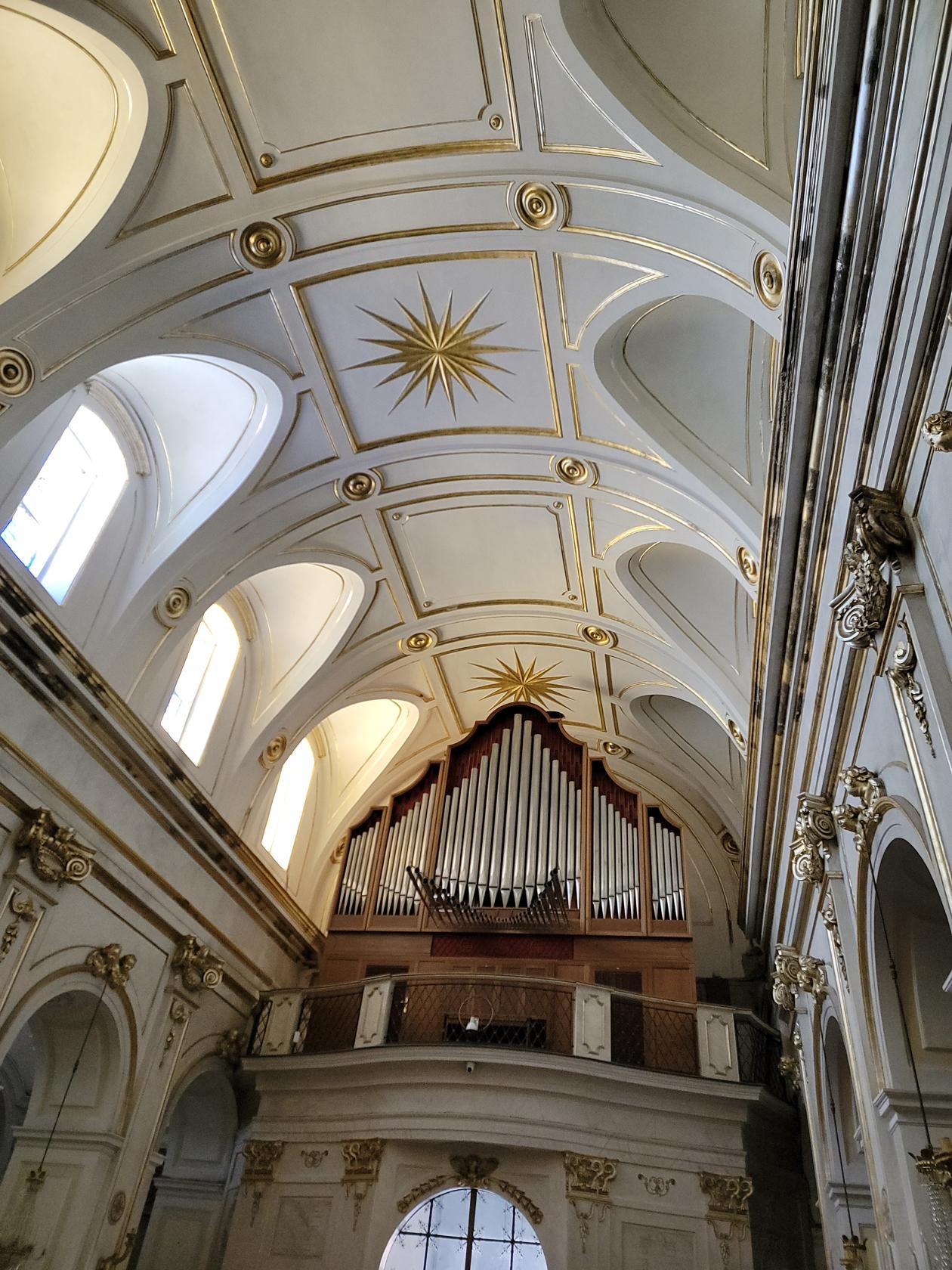
One of the more prominent features in town is the church Santa Maria Assunta. It is one of the churches that has a Black Madonna from the thirteenth century Byzantine period.

Ferry Service

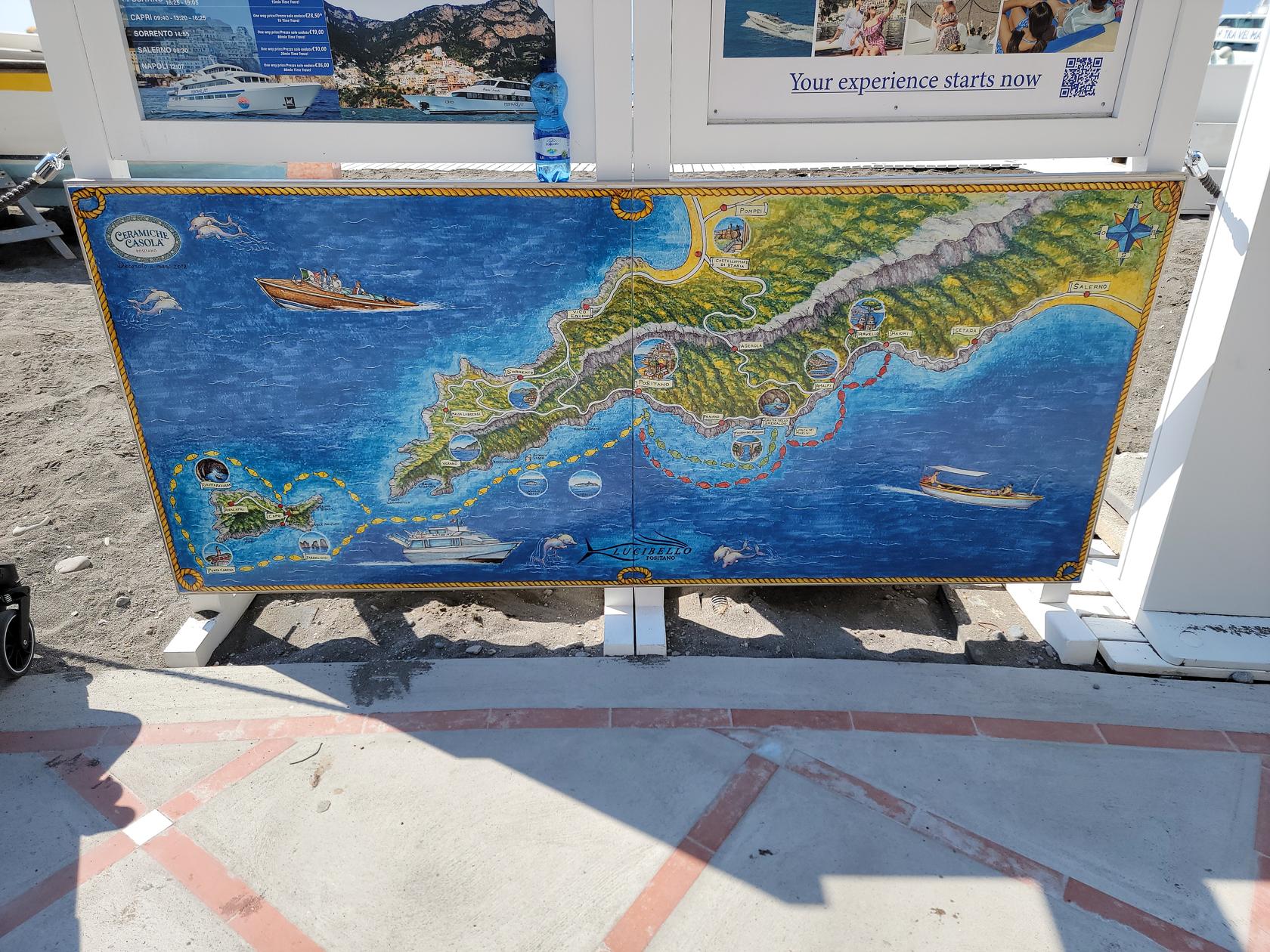
There is Ferry Service from Positano to other parts of the coast. This can be a very effecient way to visit the other towns along the coast, especially if you do not want to negotiate the treacherous roads.

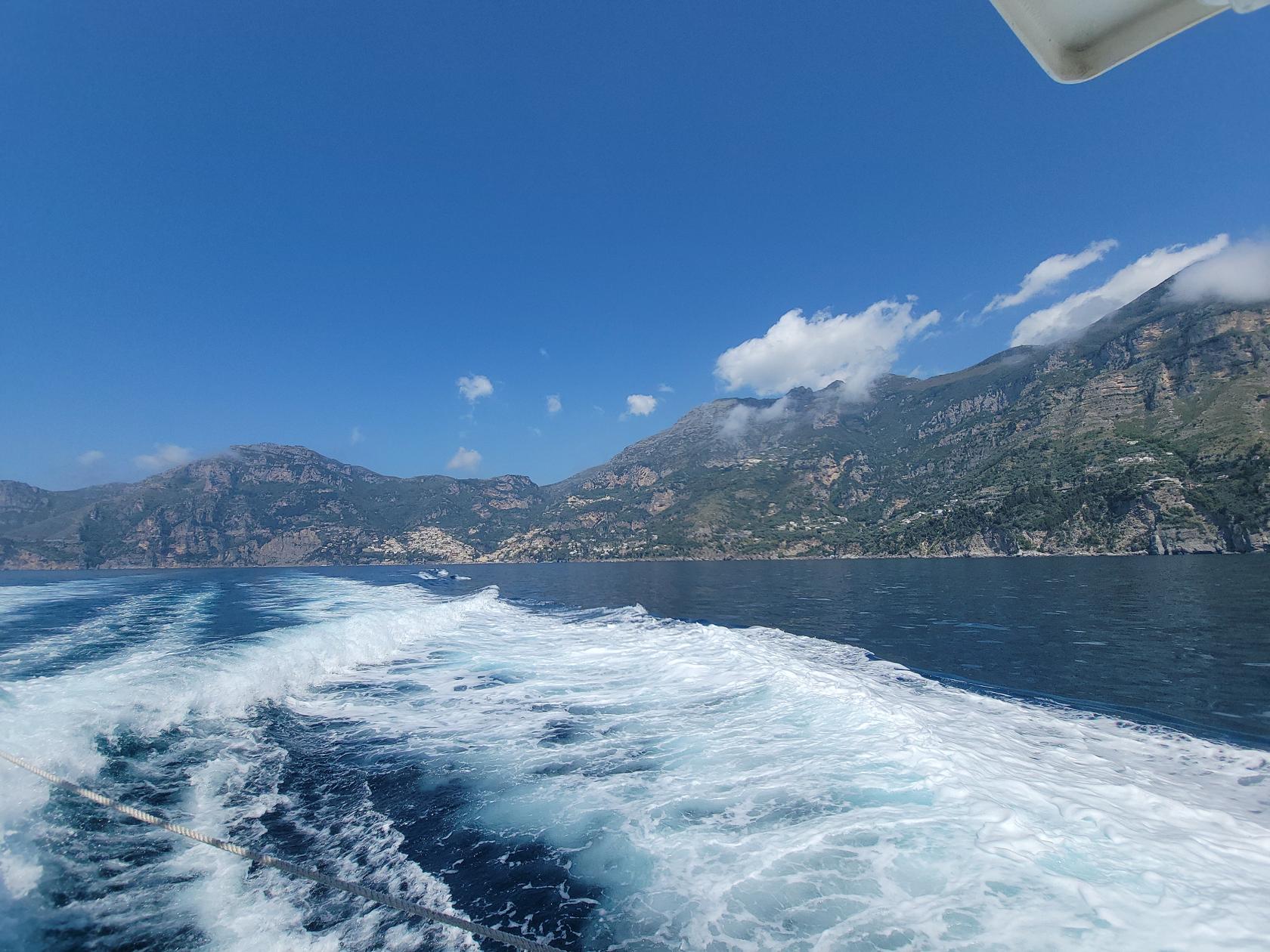
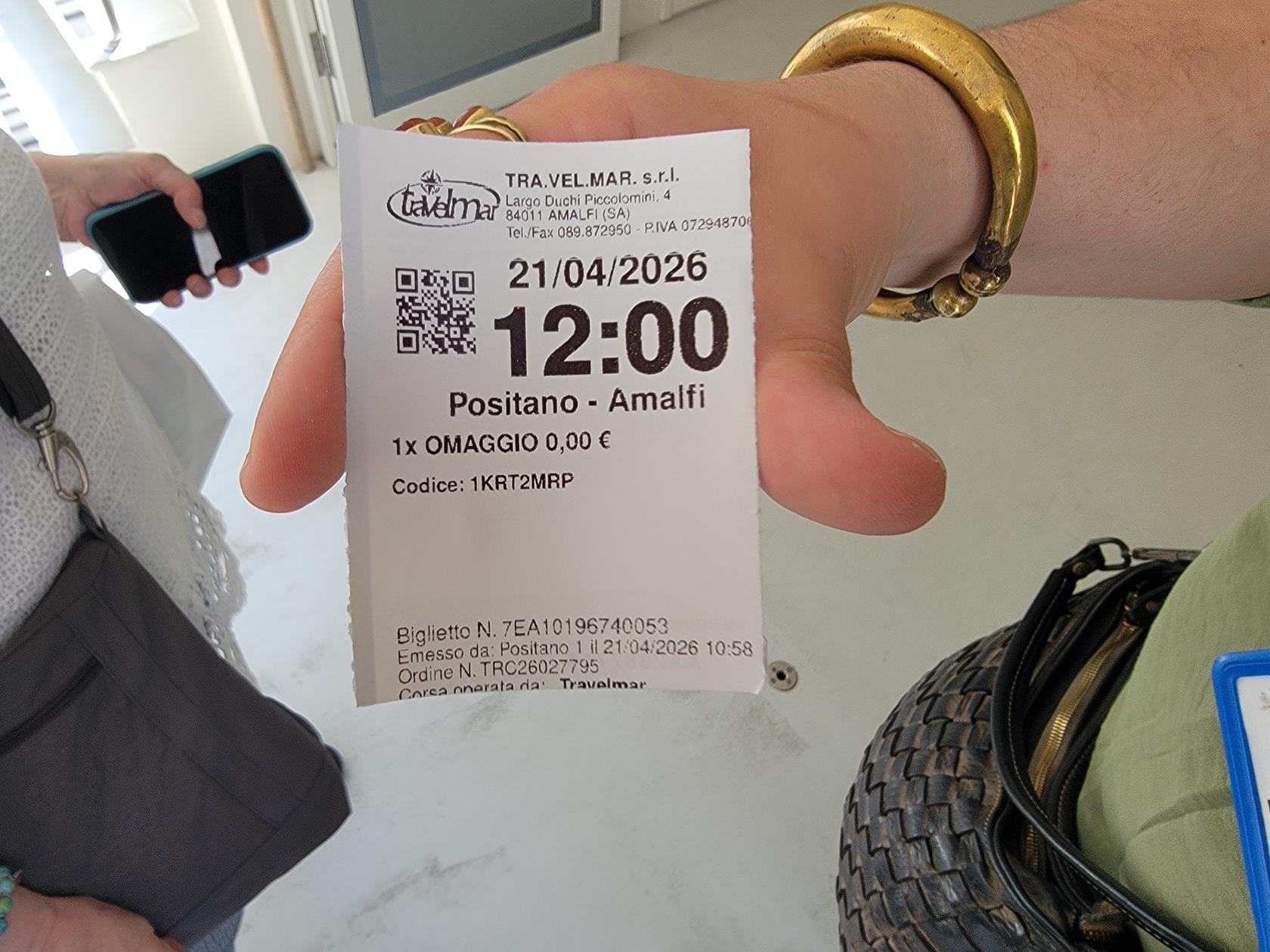
We took the ferry from Positano to Amalfi, while our tour driver drove the route to the other location. It is highly recommended, since you get a perfect view of the coastline, the towns along and the mountains as a backdrop, at least on a clear day.

Restaurants

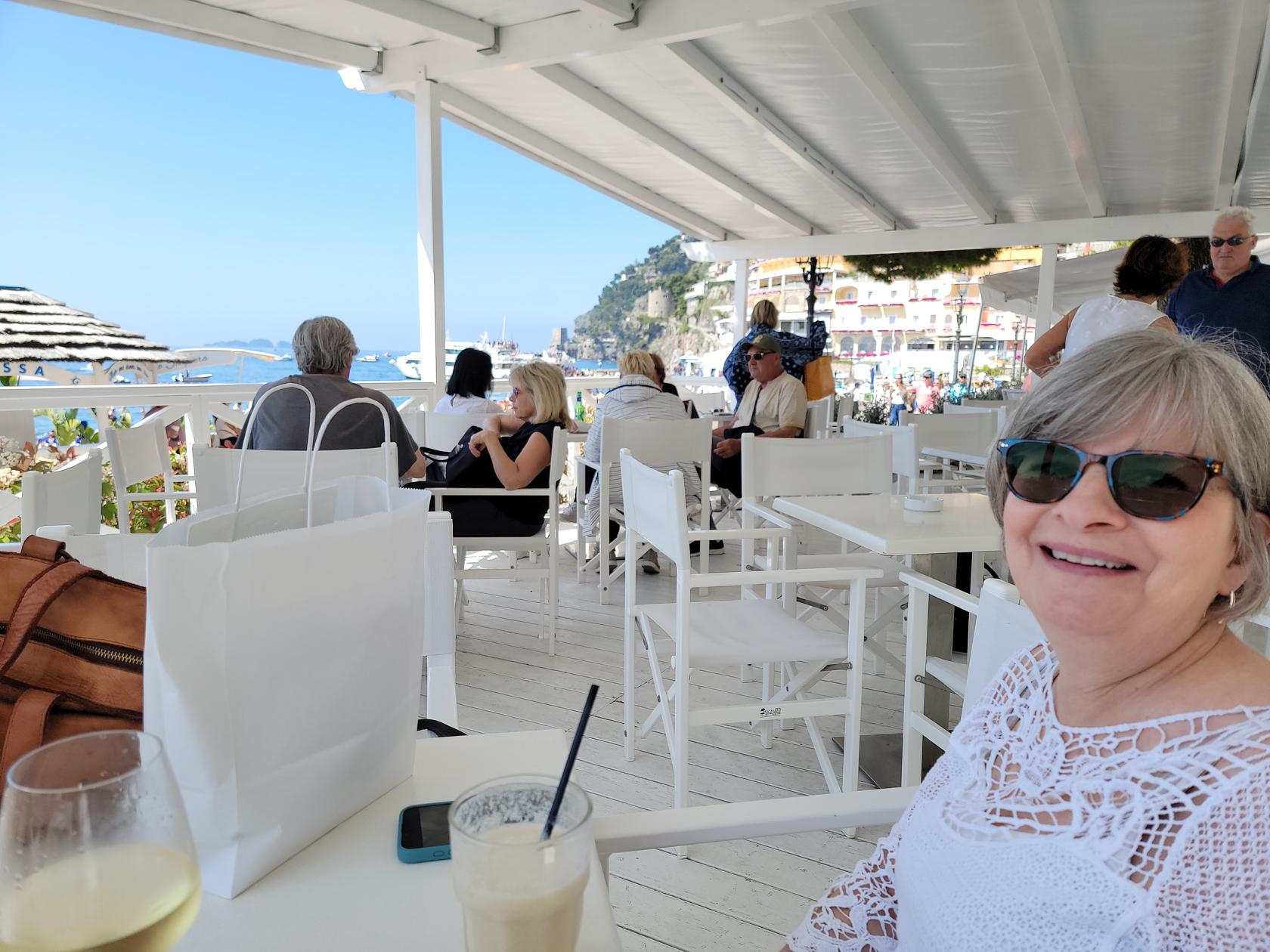
We didn’t really eat here, but we did stop for a drink. The view from many of the bars on the boardwalk is very relaxing and enjoyable.

Blu Bar

At the Blu Bar we just stopped for drinks, which euphemistically means that we had to use the bathroom. The drinks were fairly high-priced, but the facilities were very clean and well maintained. Not sure I would eat here though, the reviews were not very good.

Amalfi Coast, Italy – Part One

Amalfi Coast

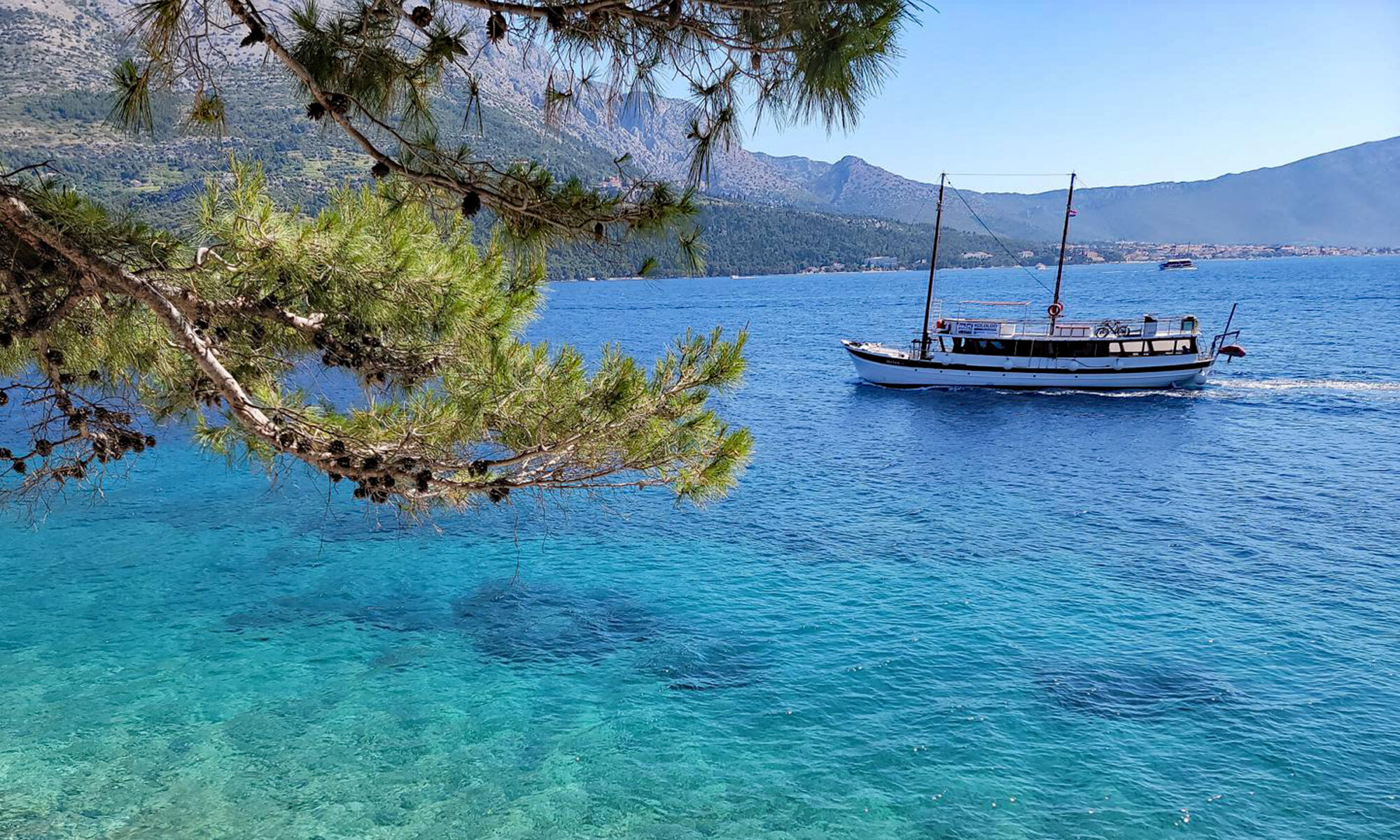
On our first day to the Amalfi Coast, we were fortunate enough to be able to use the train service to get to Vietri sul Mare. Though in hindsight we probably should have used the longer, though more direct regional service, we opted instead for the faster option and had to change trains three times! Don’t make that mistake.

Vietri sul Mare

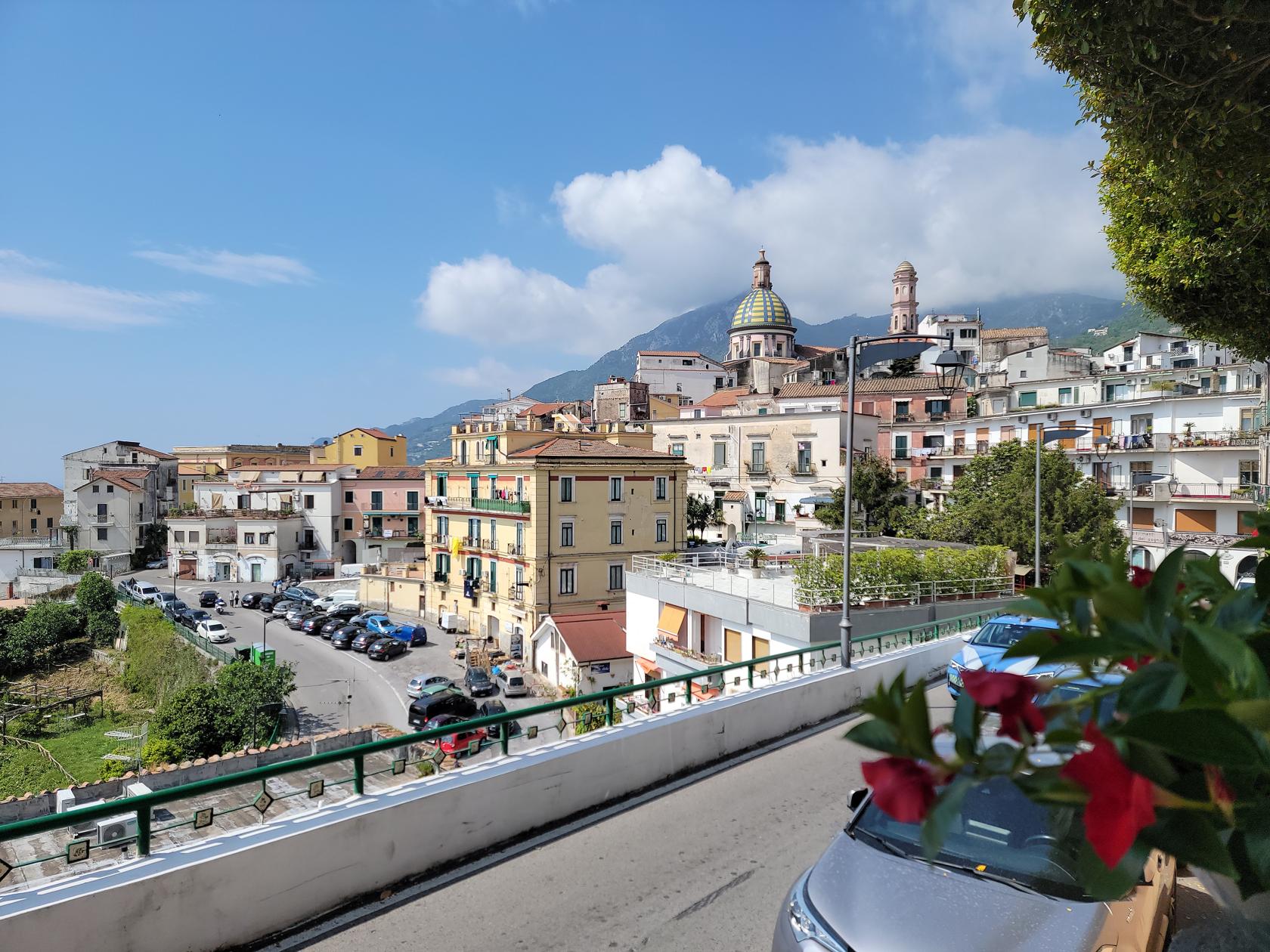
Vietri sul Mare is one of the small towns that comprise the Amalfi Coast. It is also known as the gateway to the coast, the rest are accessible only by car, bus or possibly boat, there is no continuing train service beyond Vietri sul Mare.

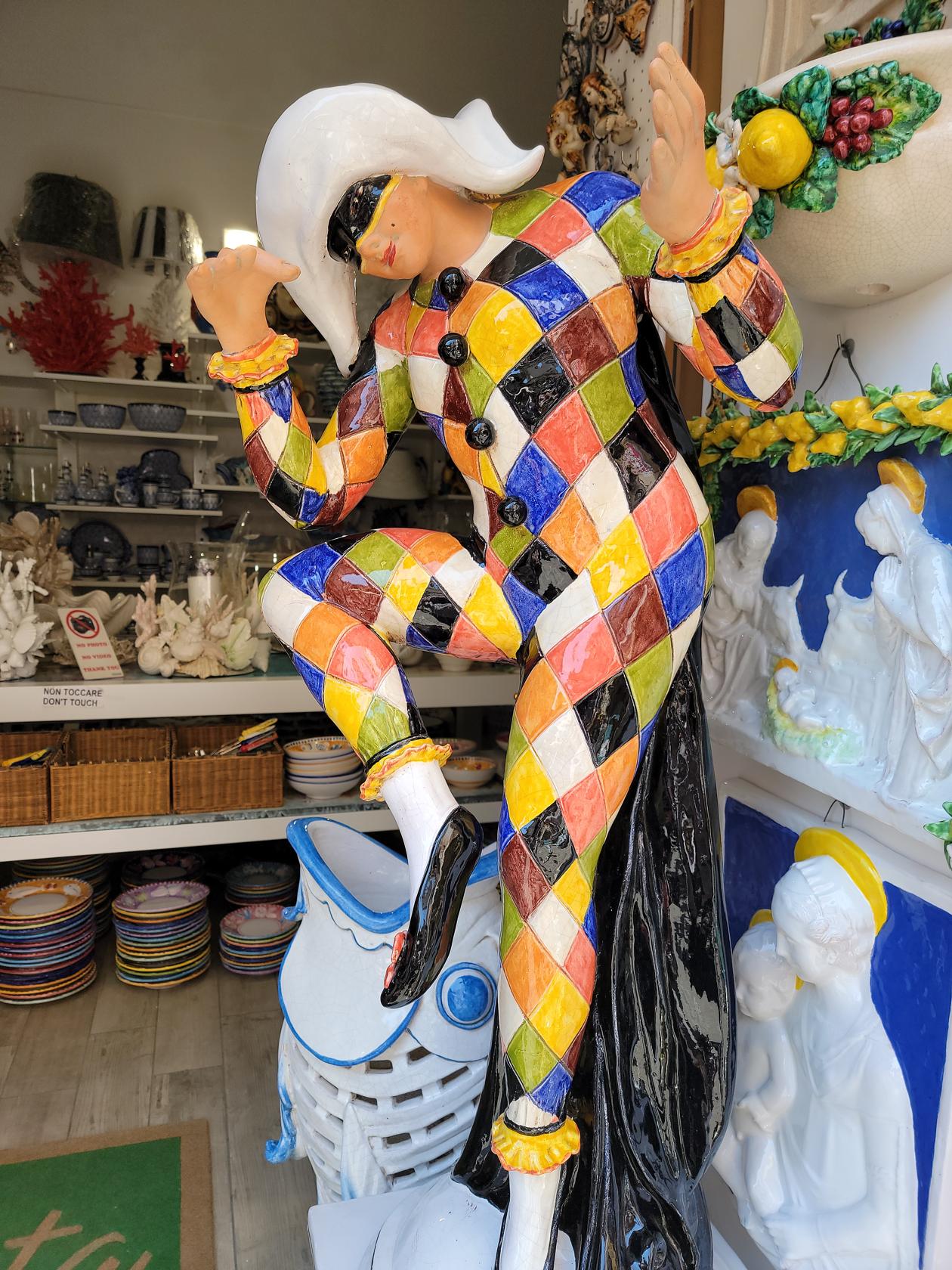
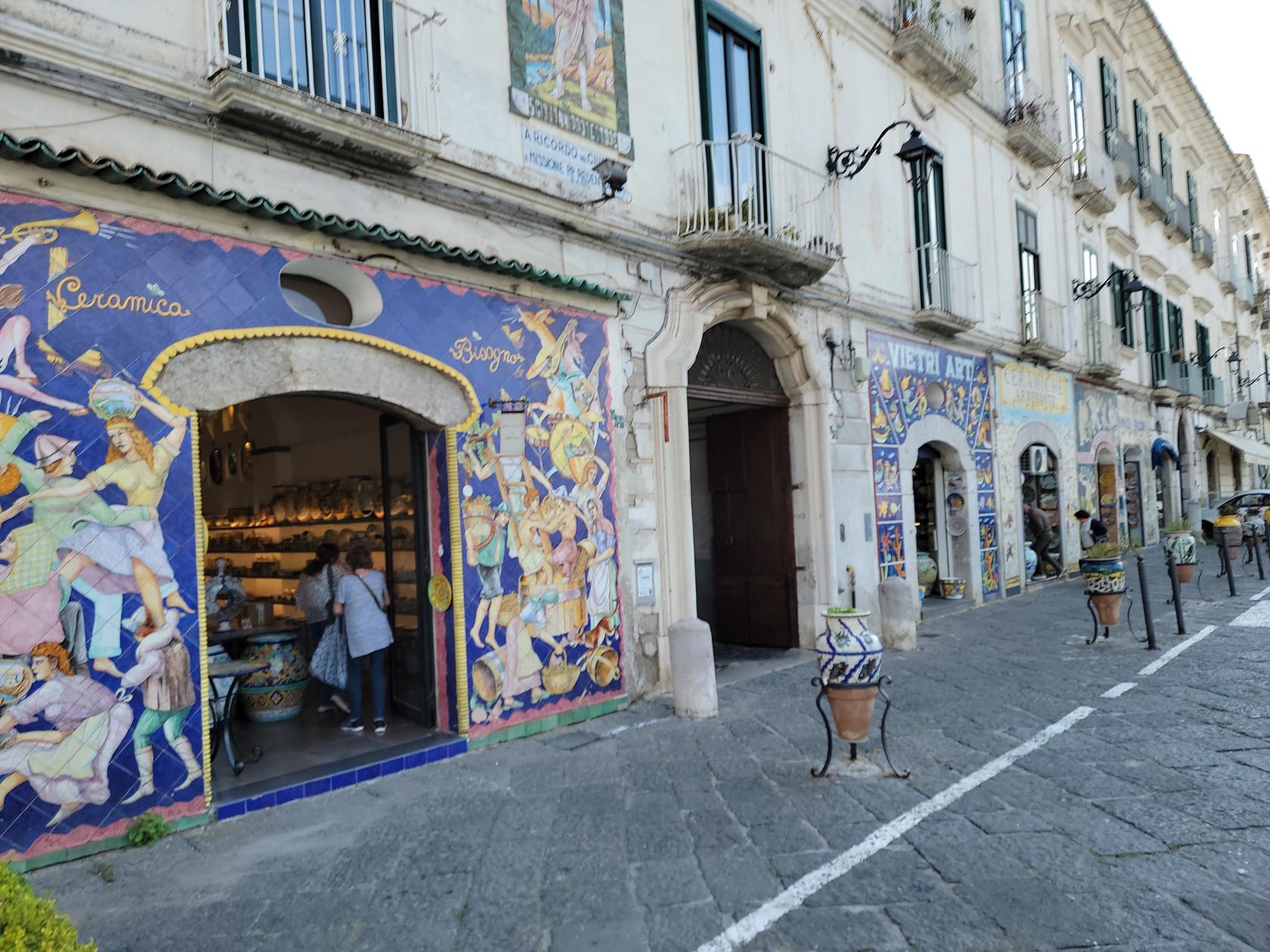
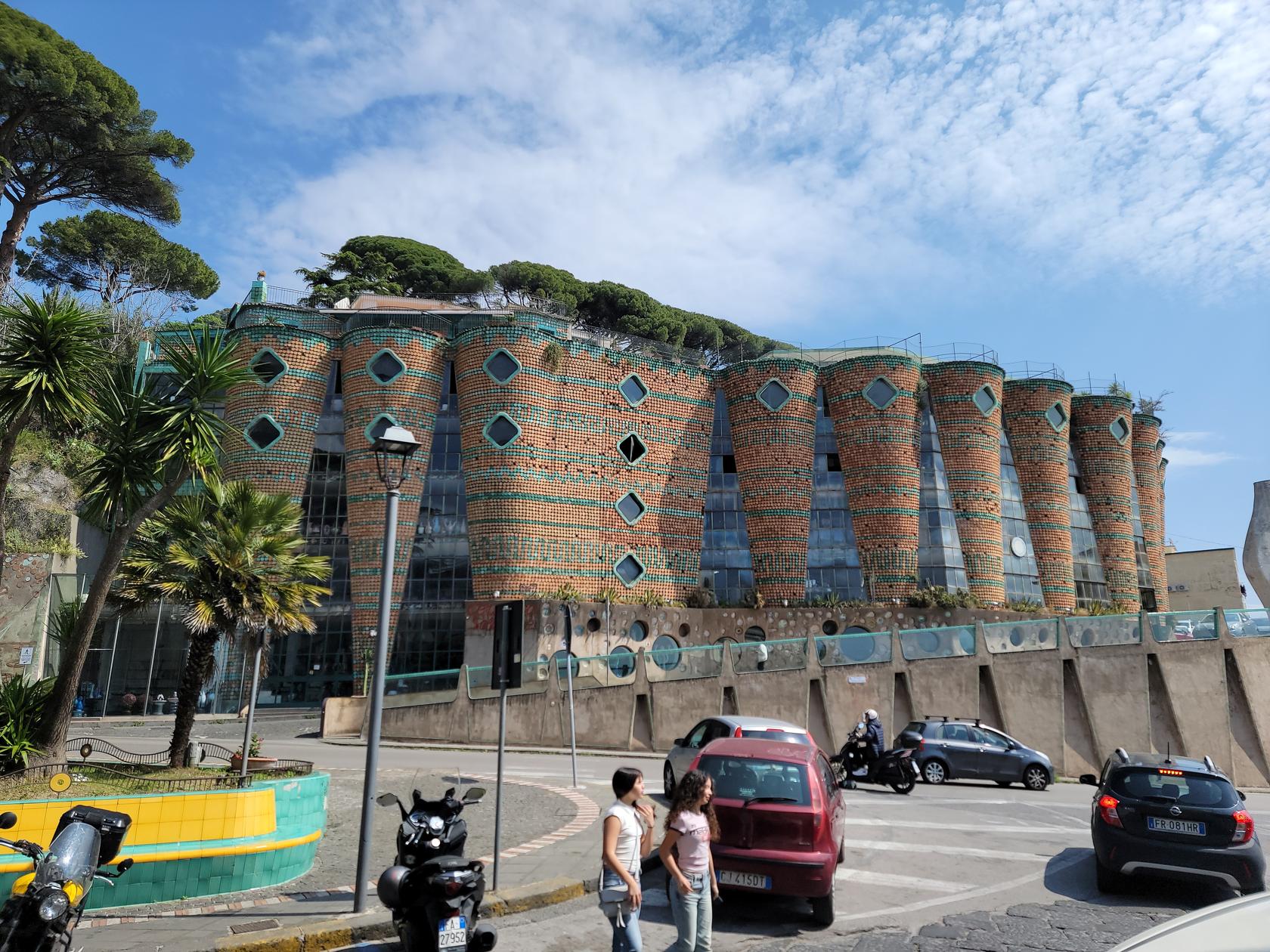
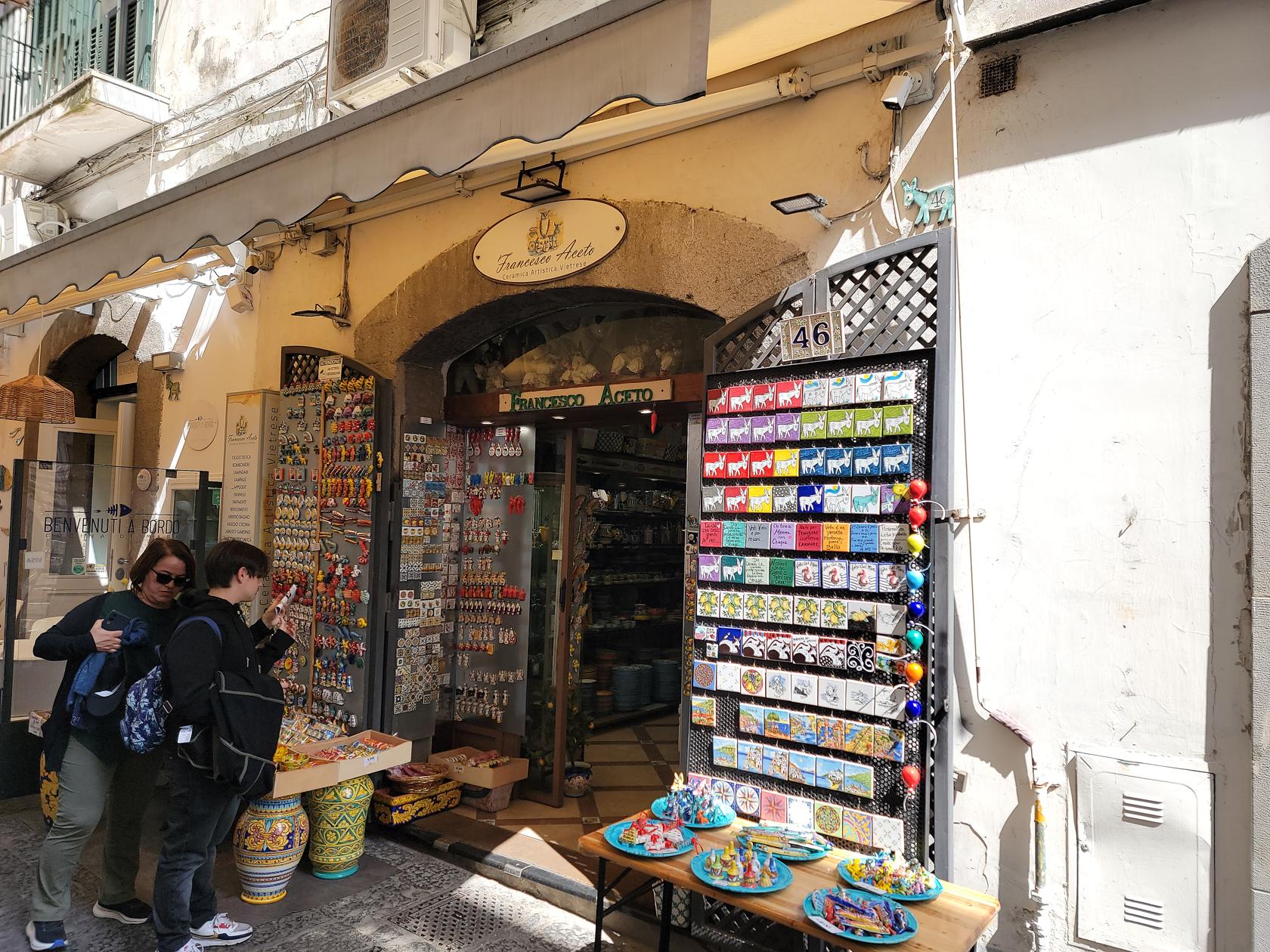
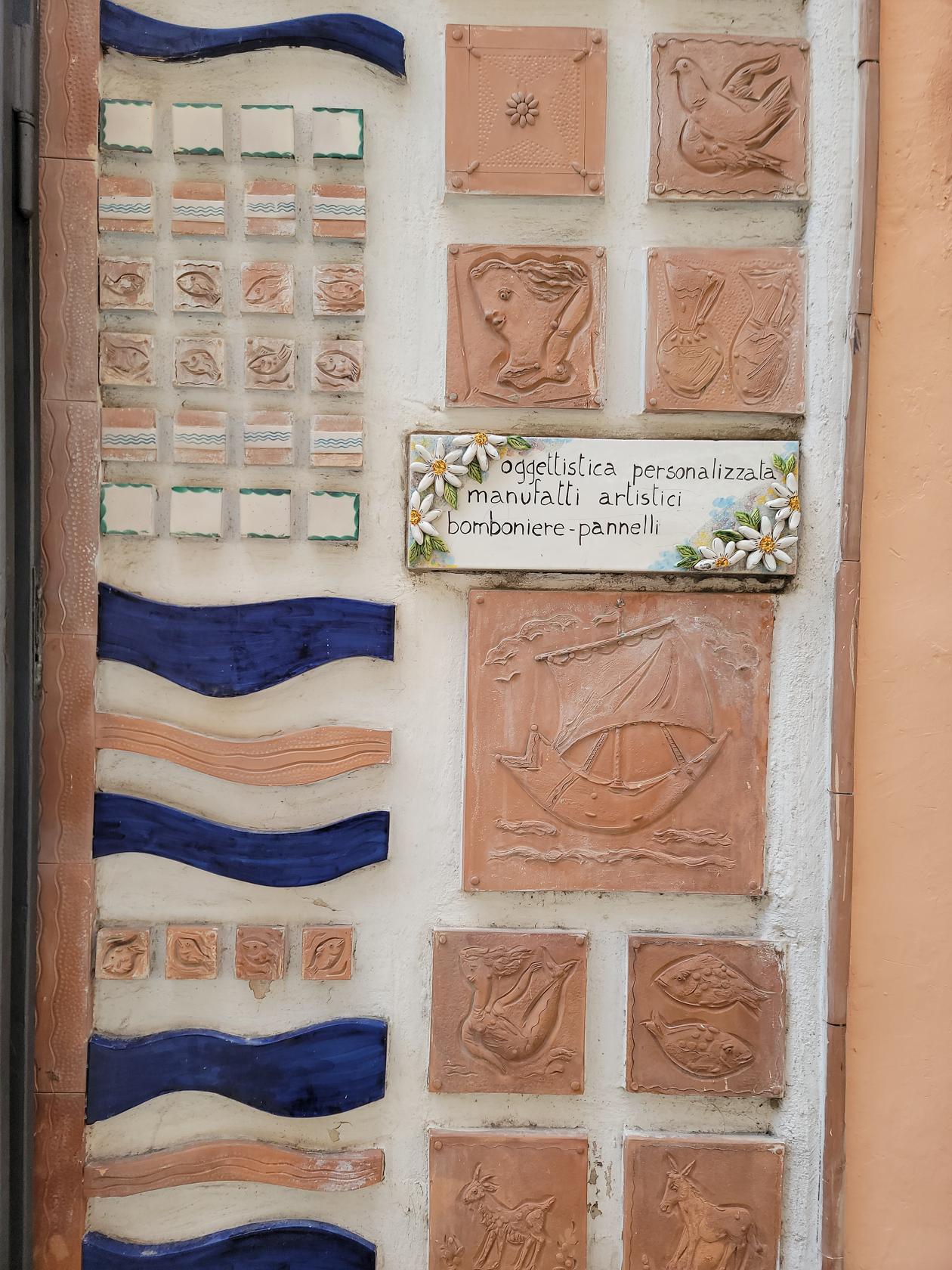
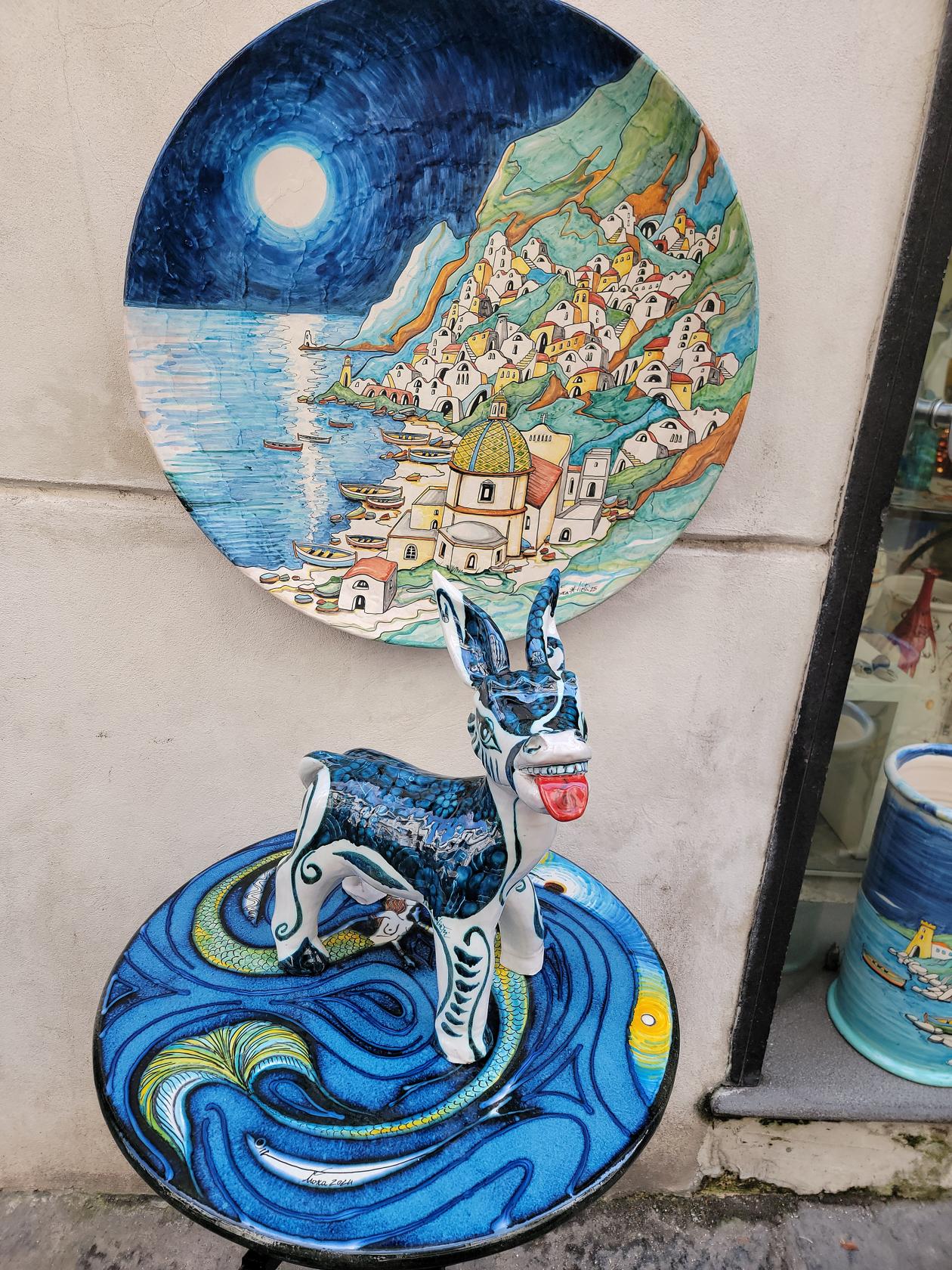
The town is known for its glassware and ceramic factories and shops. Here you will find of plethora of shops selling all sorts of tiles, porcelain and other types of ceramics for use in the house and as decoration.

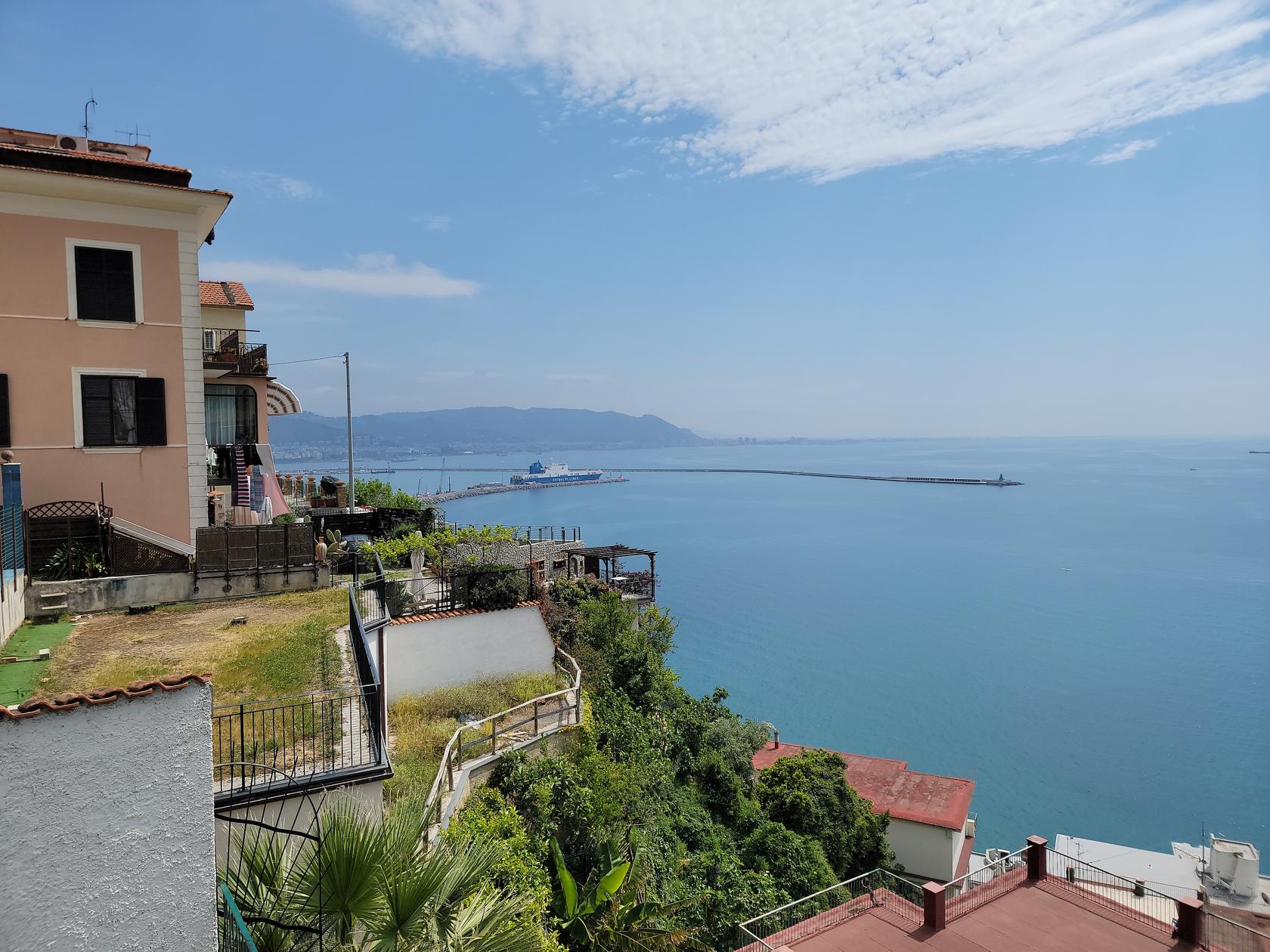
The town is small enough to easily visit within a day. We only needed a few hours to cover the entire town, even walking down from the train station, which luckily has an elevator to bring you down most of the way. However, it should be noted, you will have to walk several hundred meters downhill to reach the beach and then up again. Like the other coastal towns, it is built on a very steep hillside.

Getting There

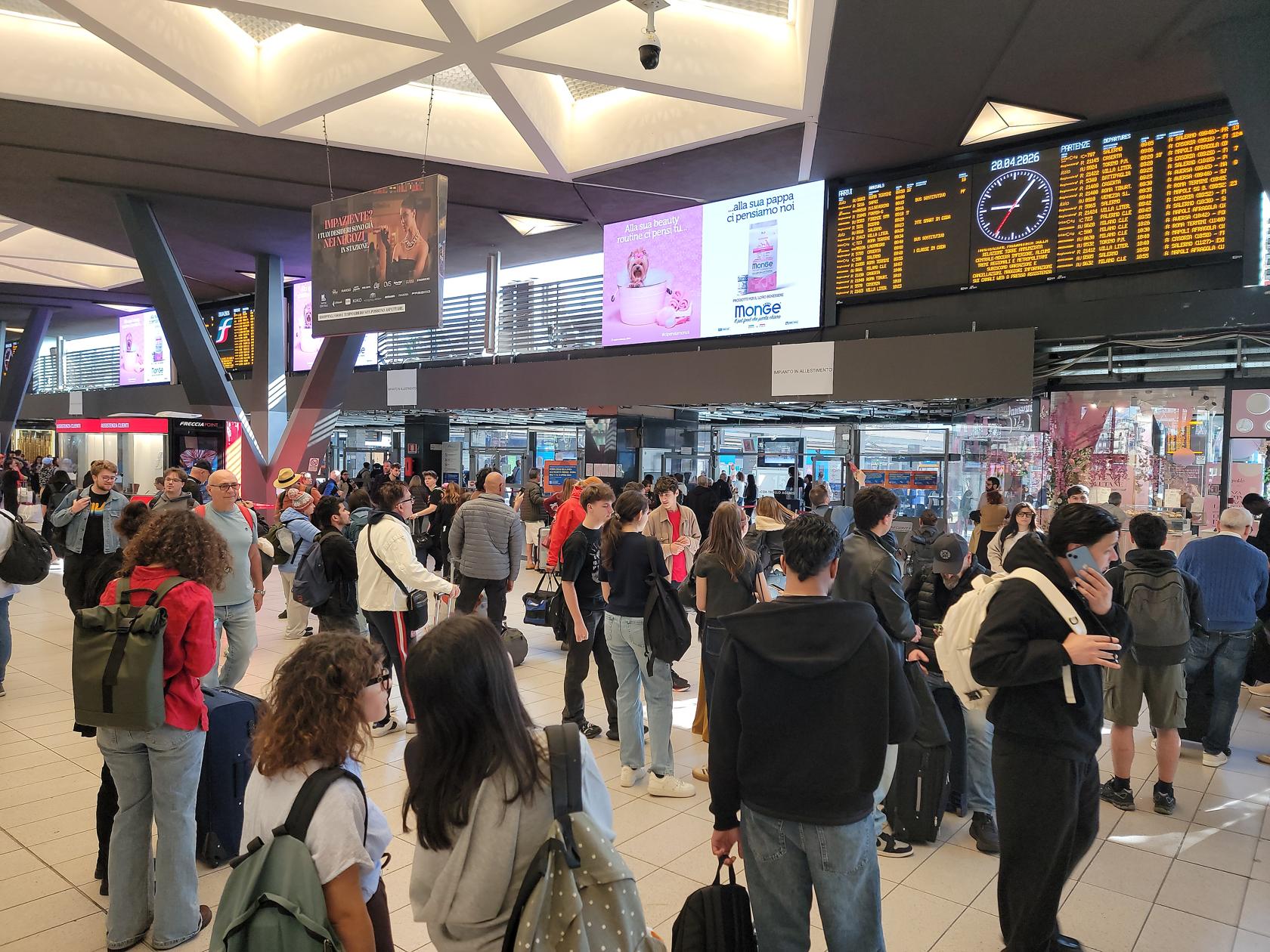
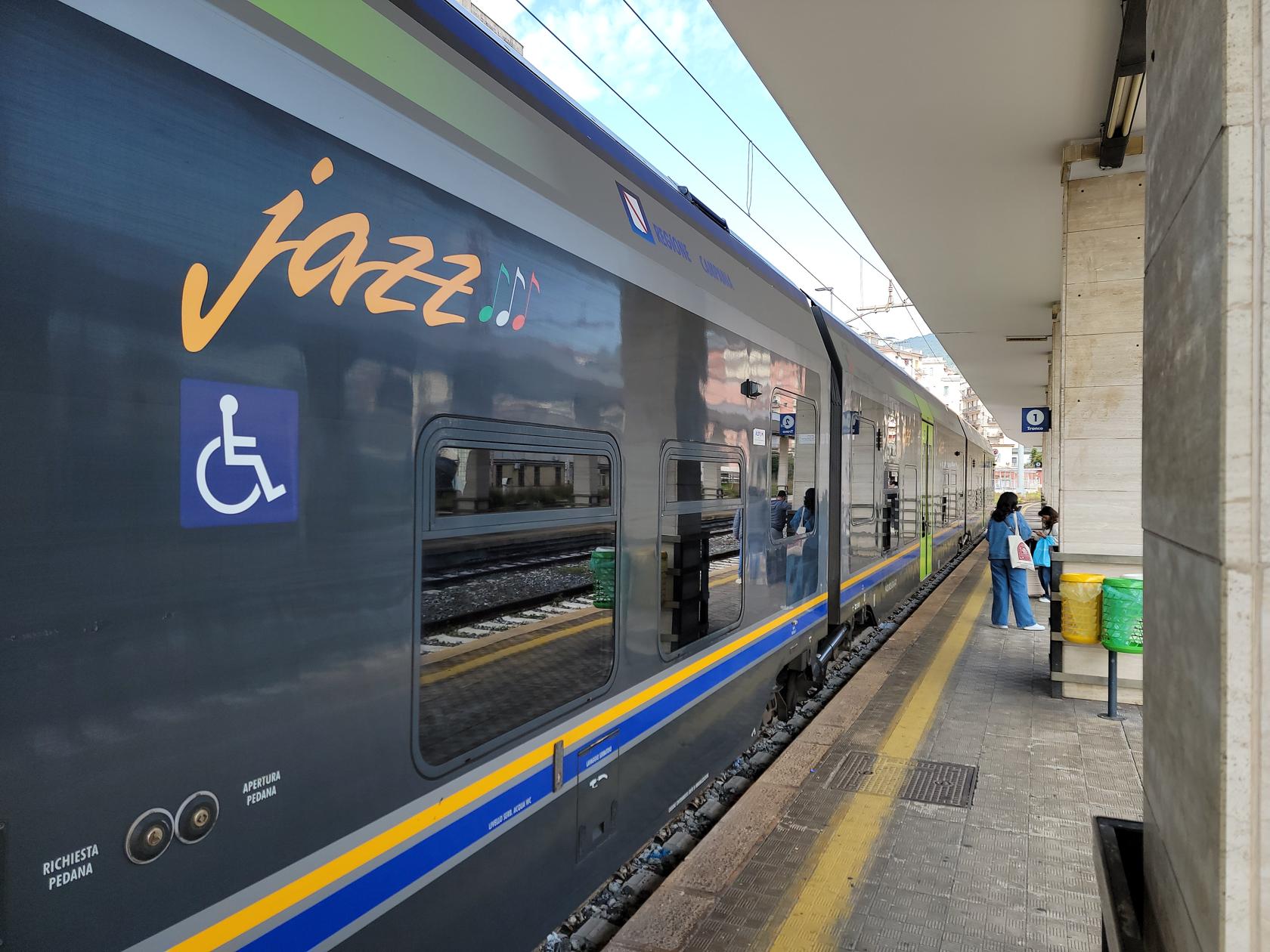
To get to Vietri sul Mare, we had to take two trains from Naples. First, we took a regional train to Napoli Centrale, since the metro was not working. Then we took another train to Solerno. After about a ten minute layover, we took a regional train then to Vietri sul Mare.

For our return, we decided to take regional train back, since it offered a longer, but more direct option to the Piazza Amadeo station by our hotel, removing the need for us to get off and change trains.

Ceramic Tiled Houses

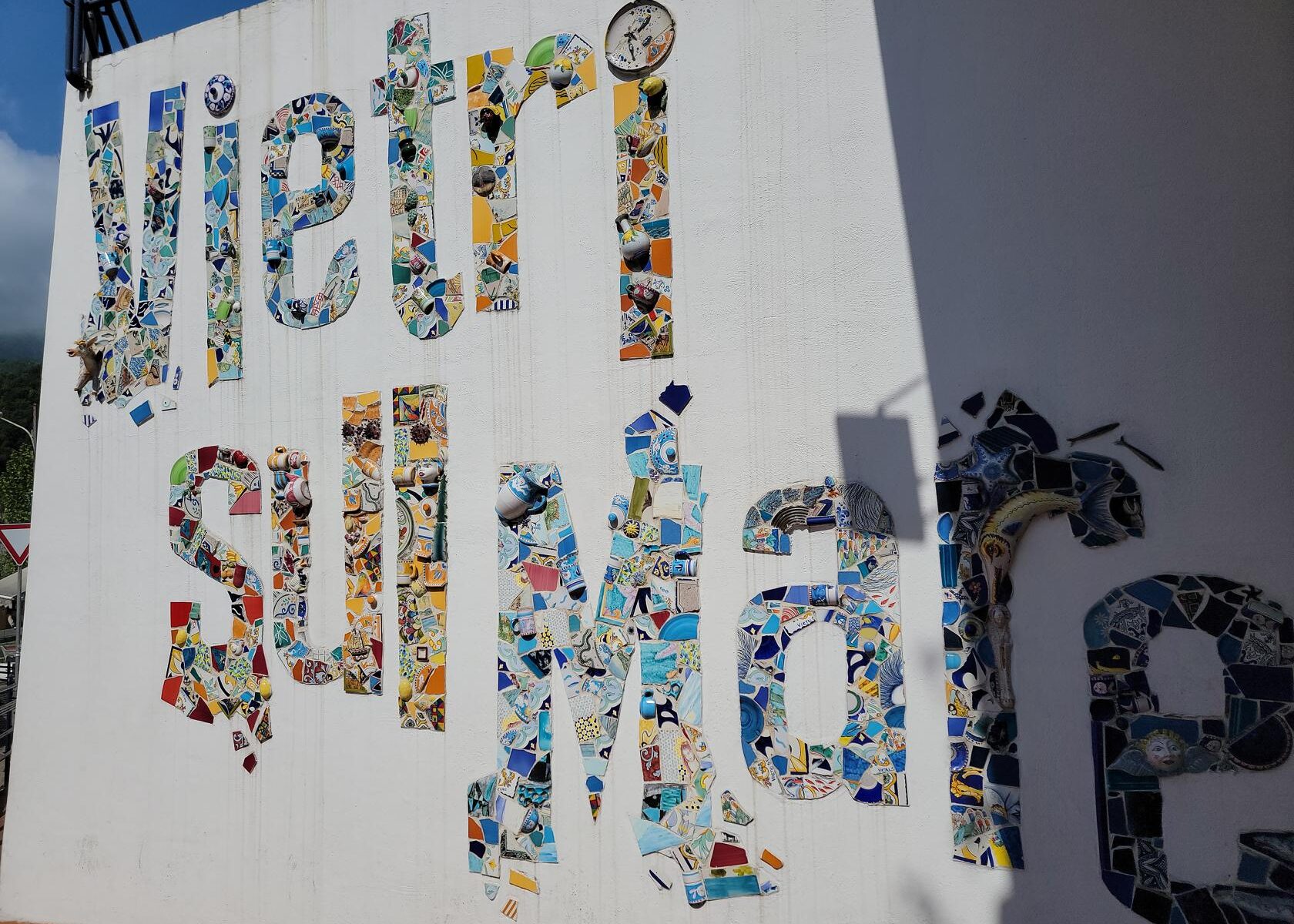
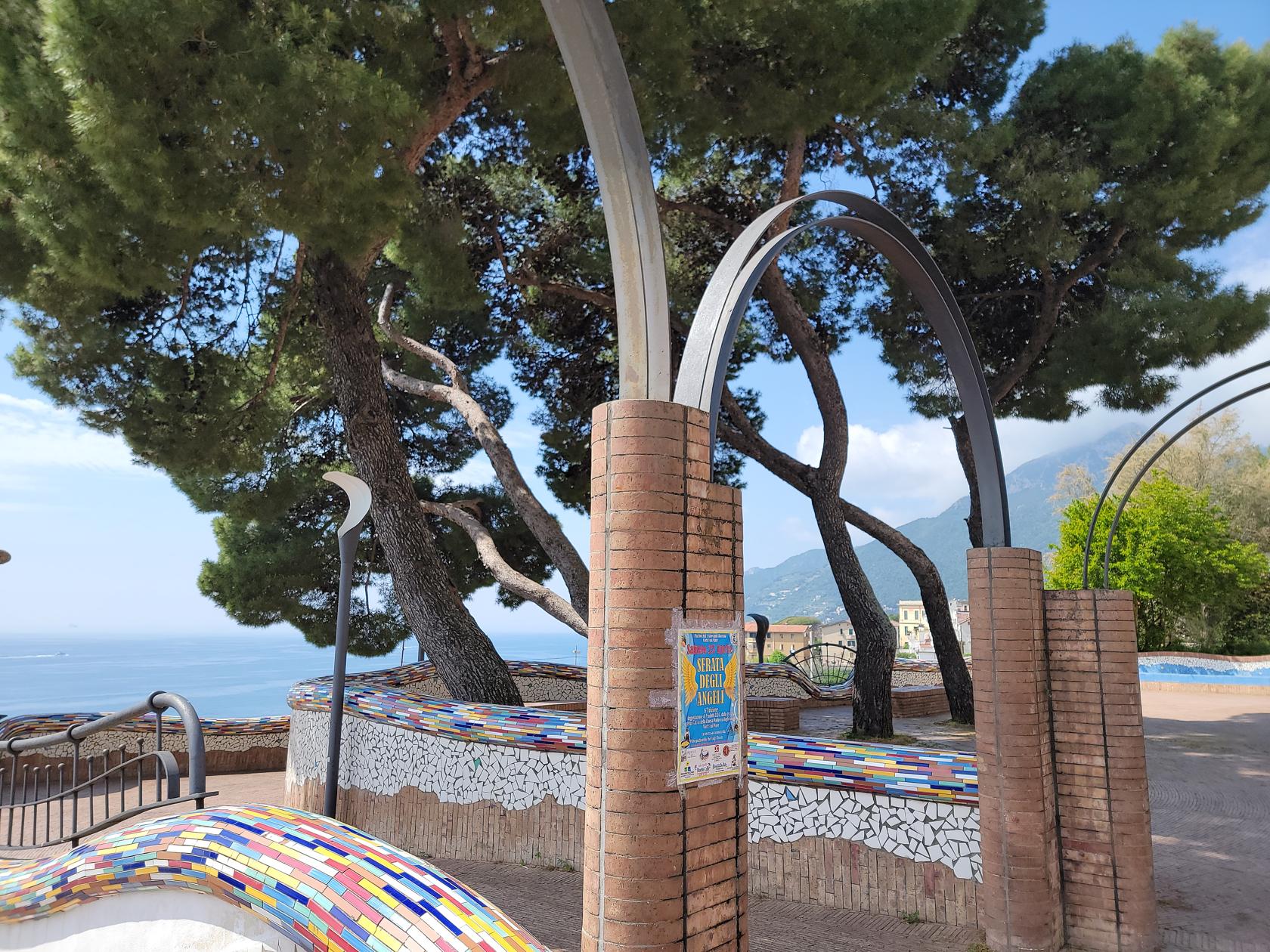
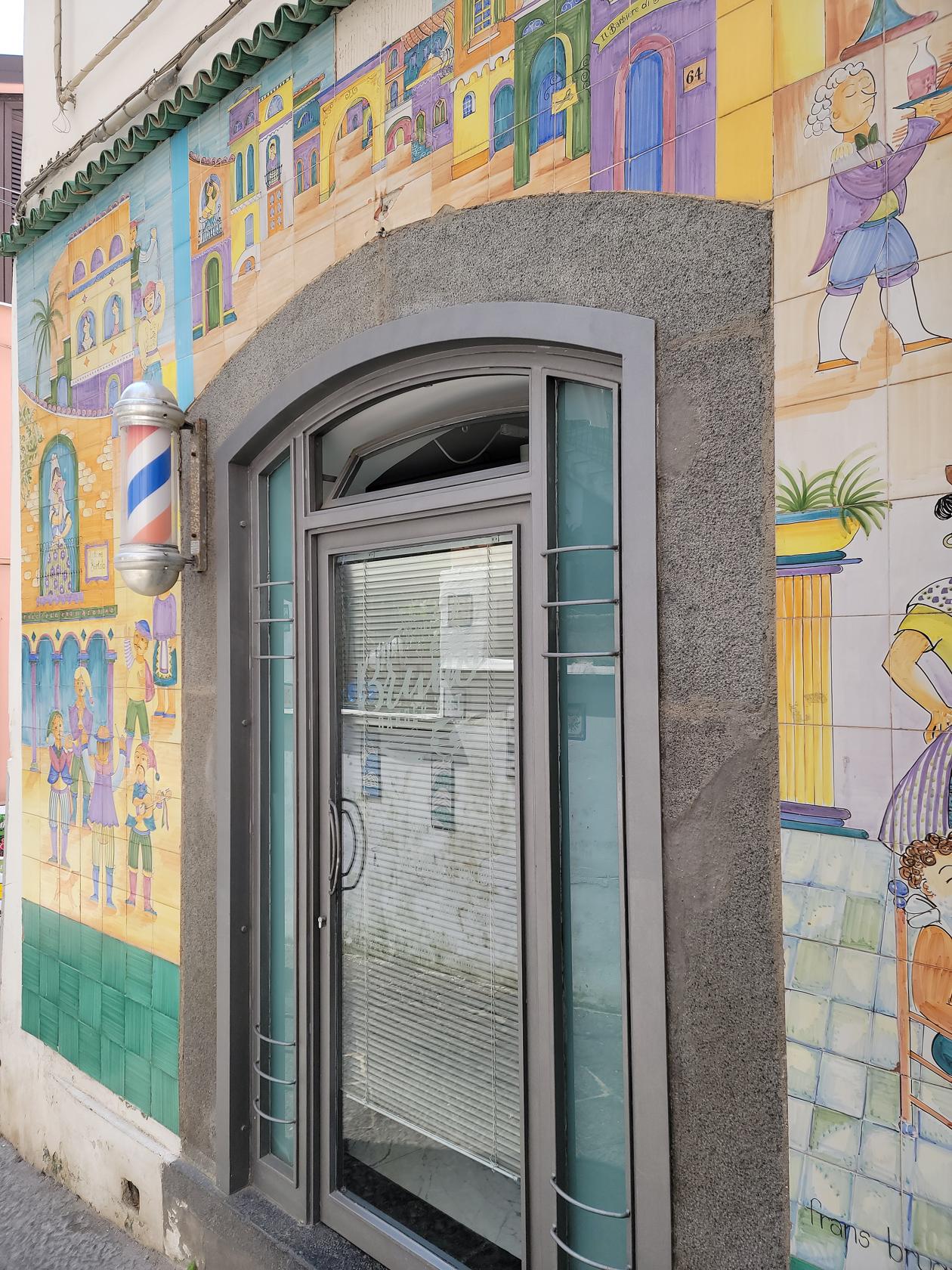
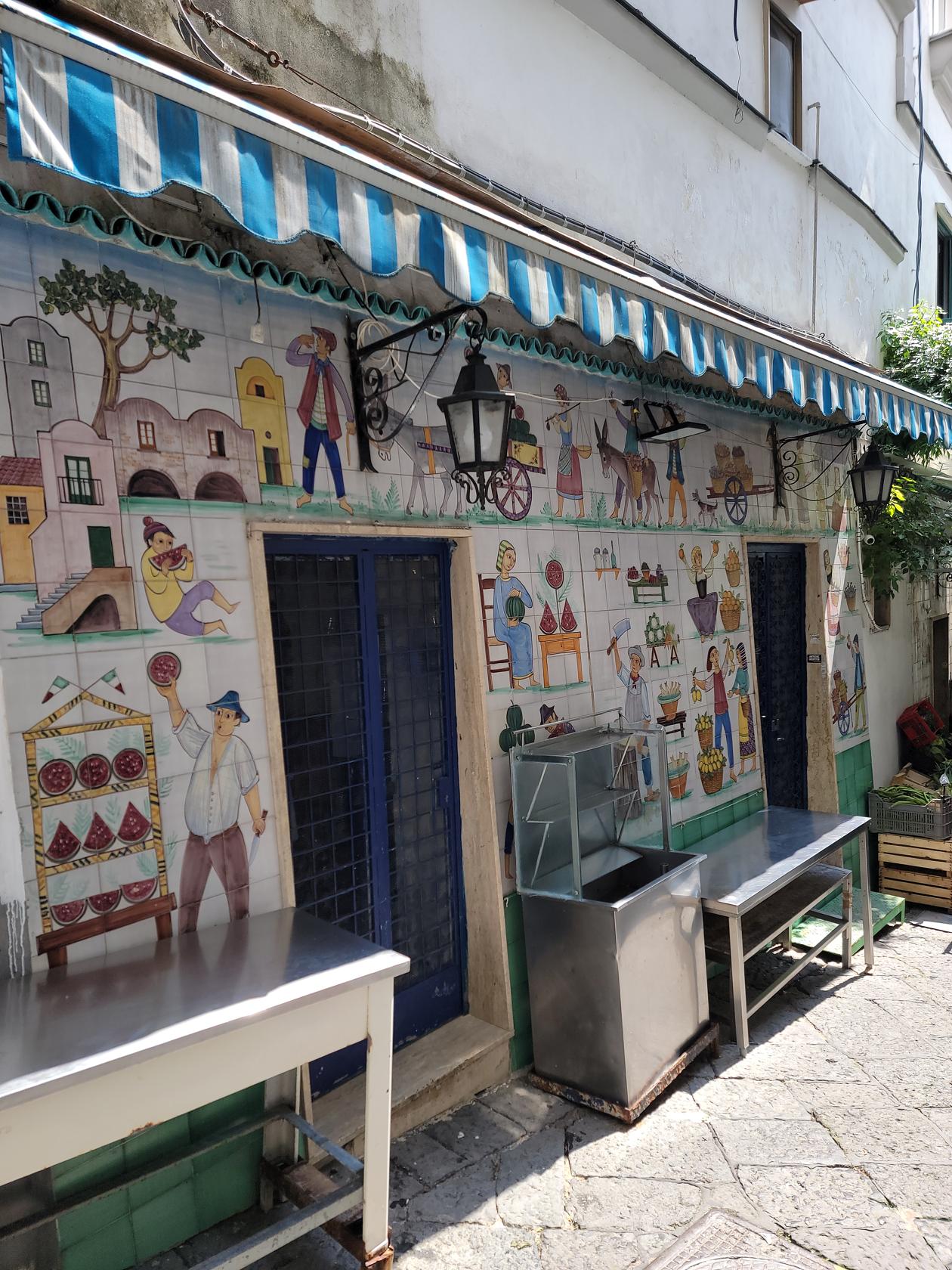
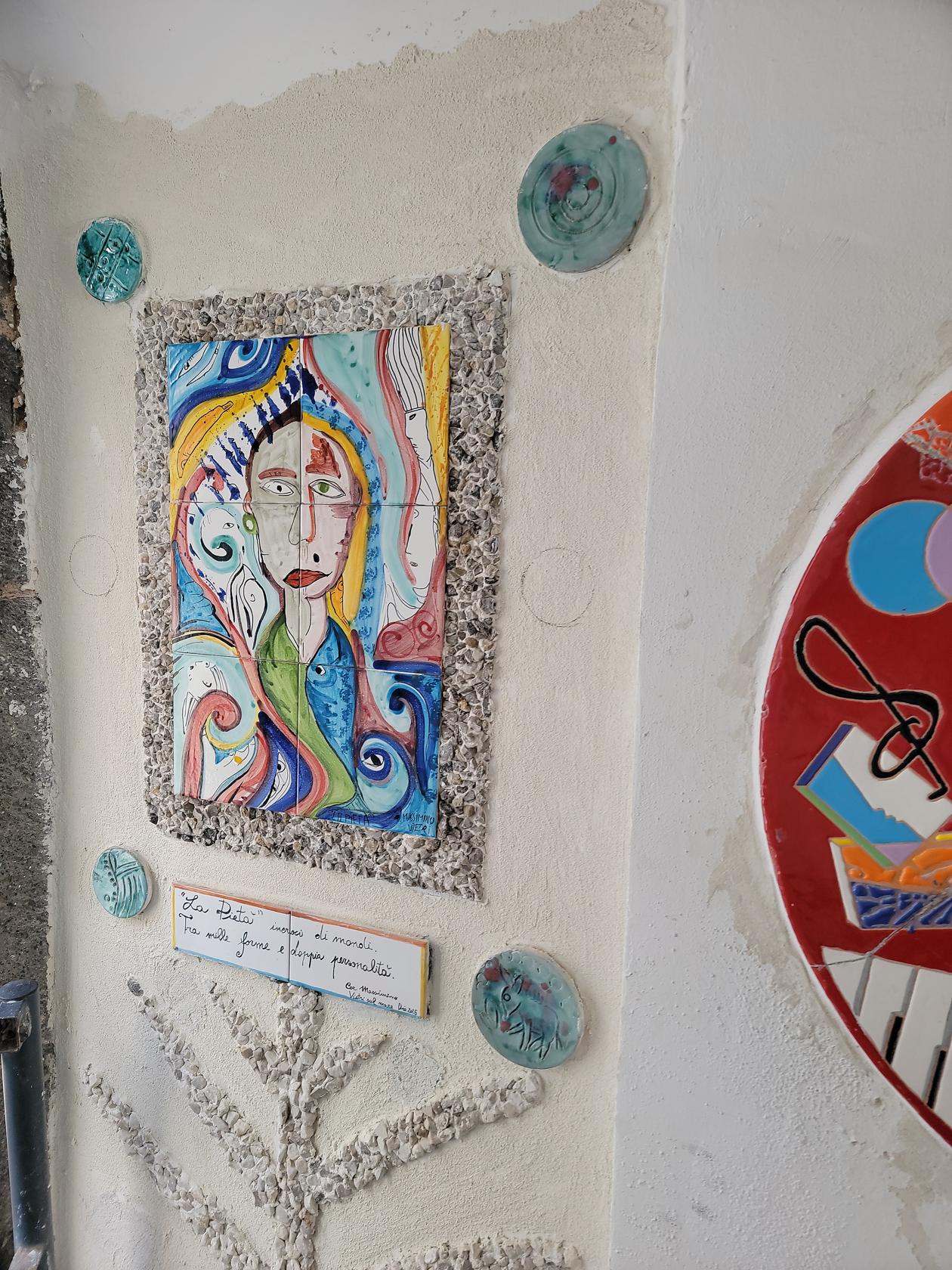
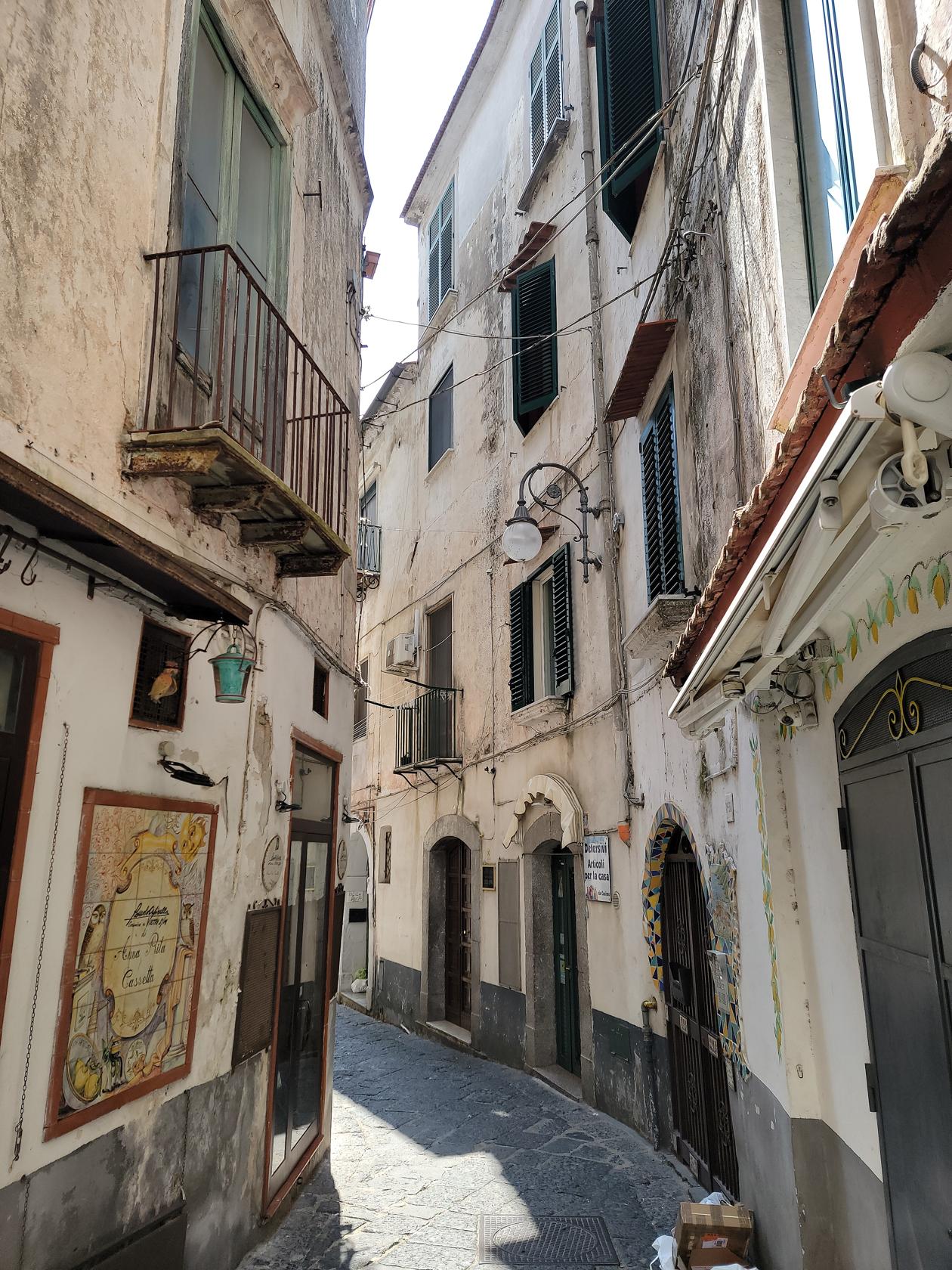
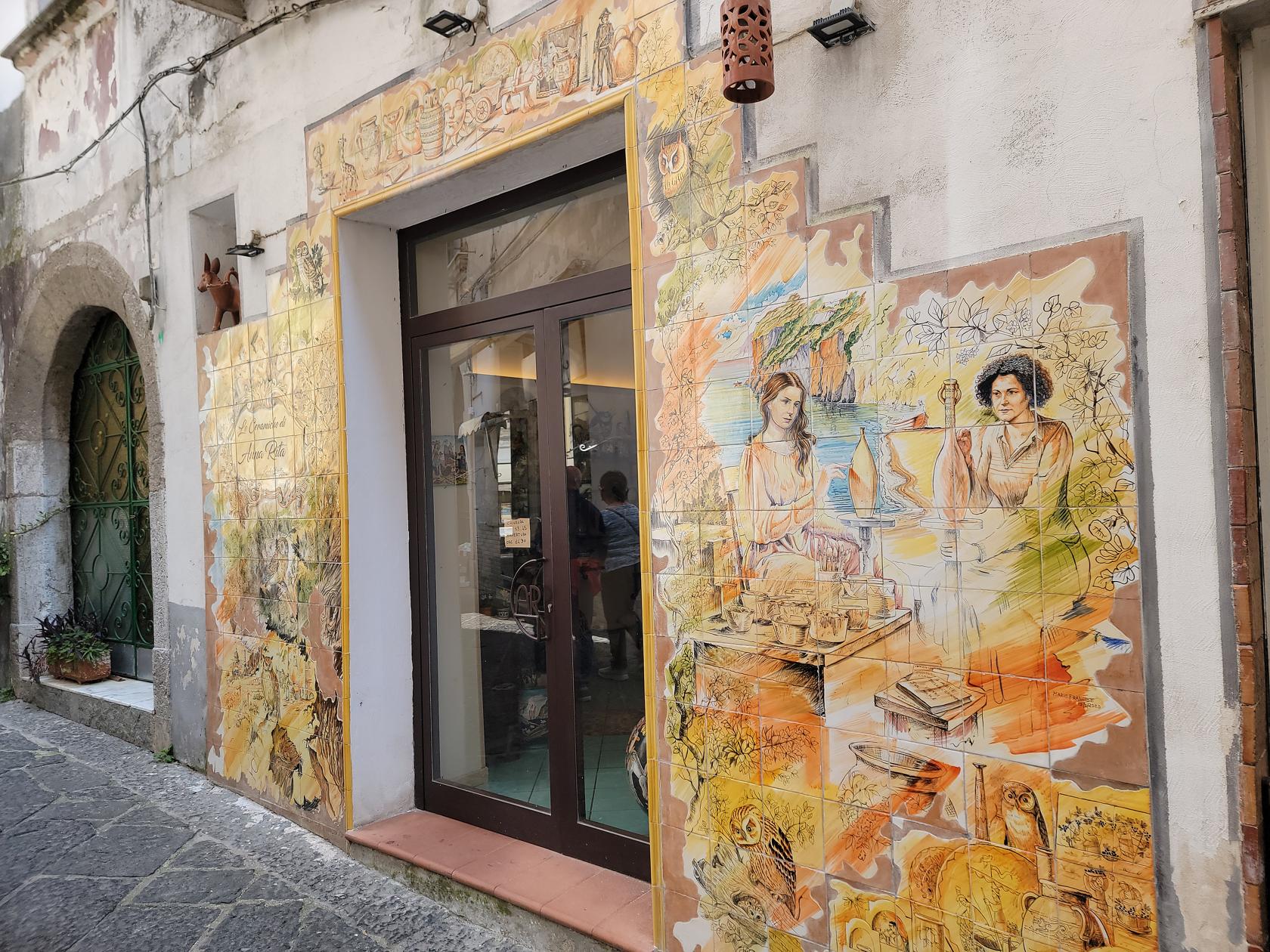
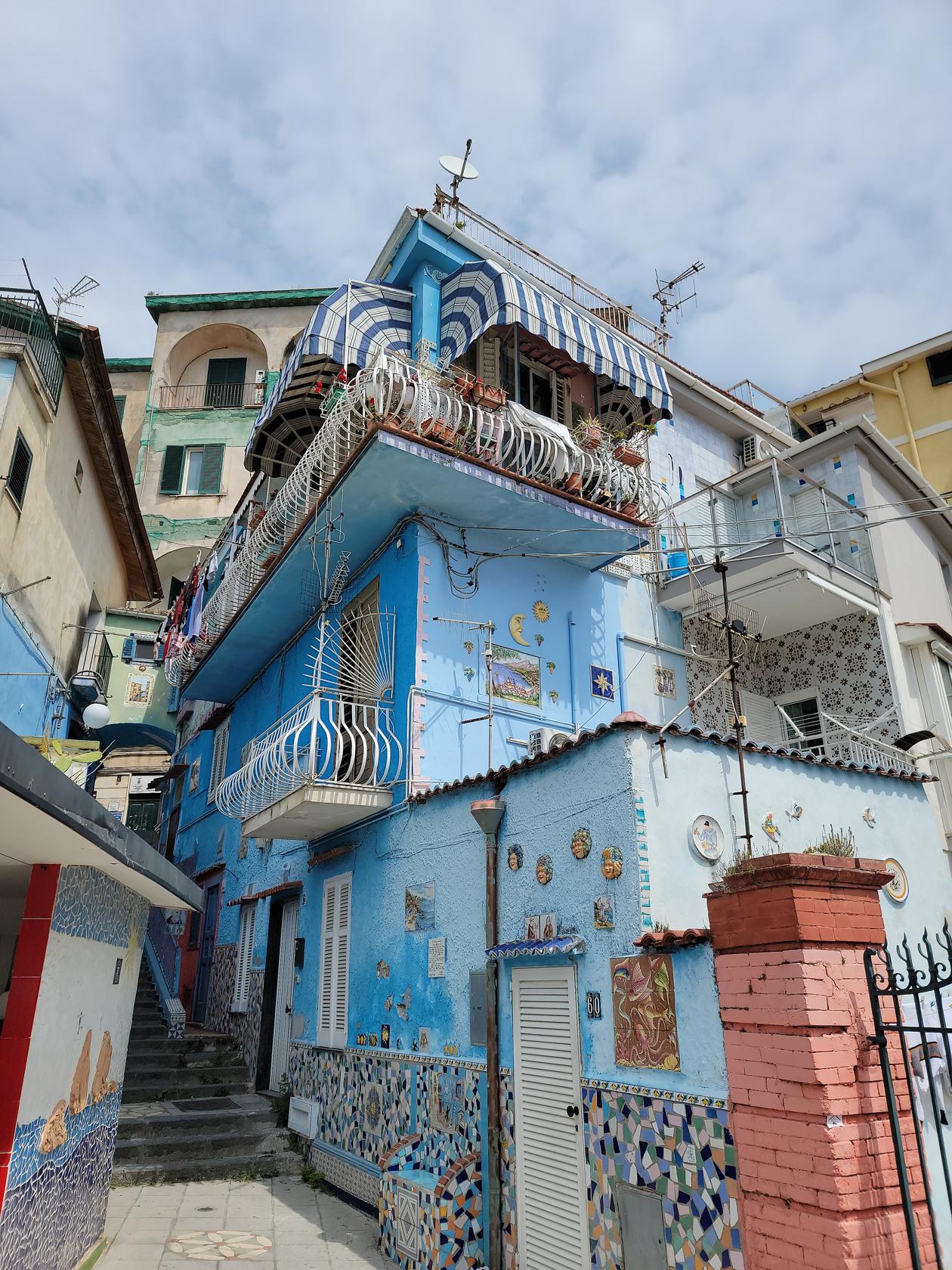
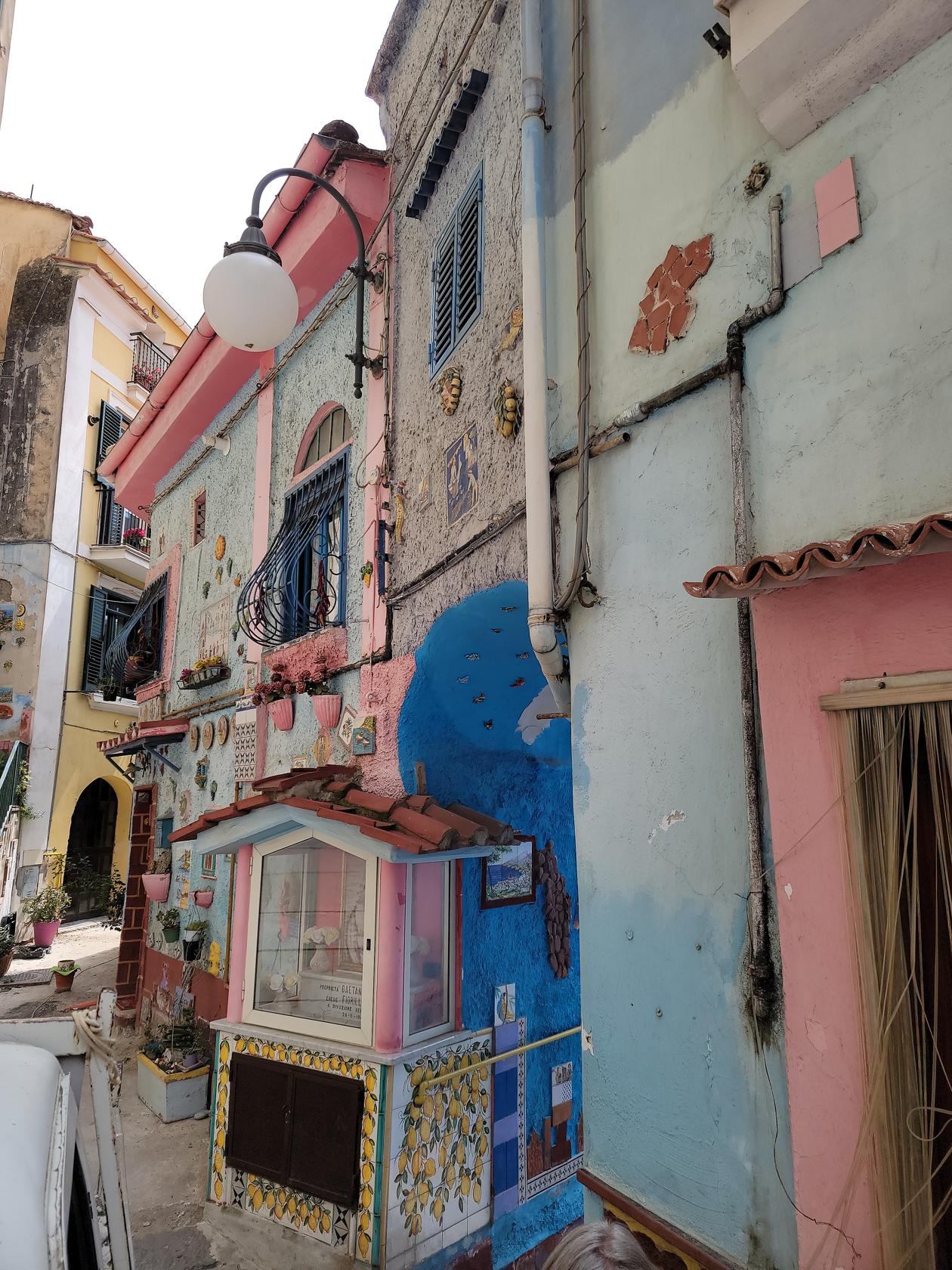
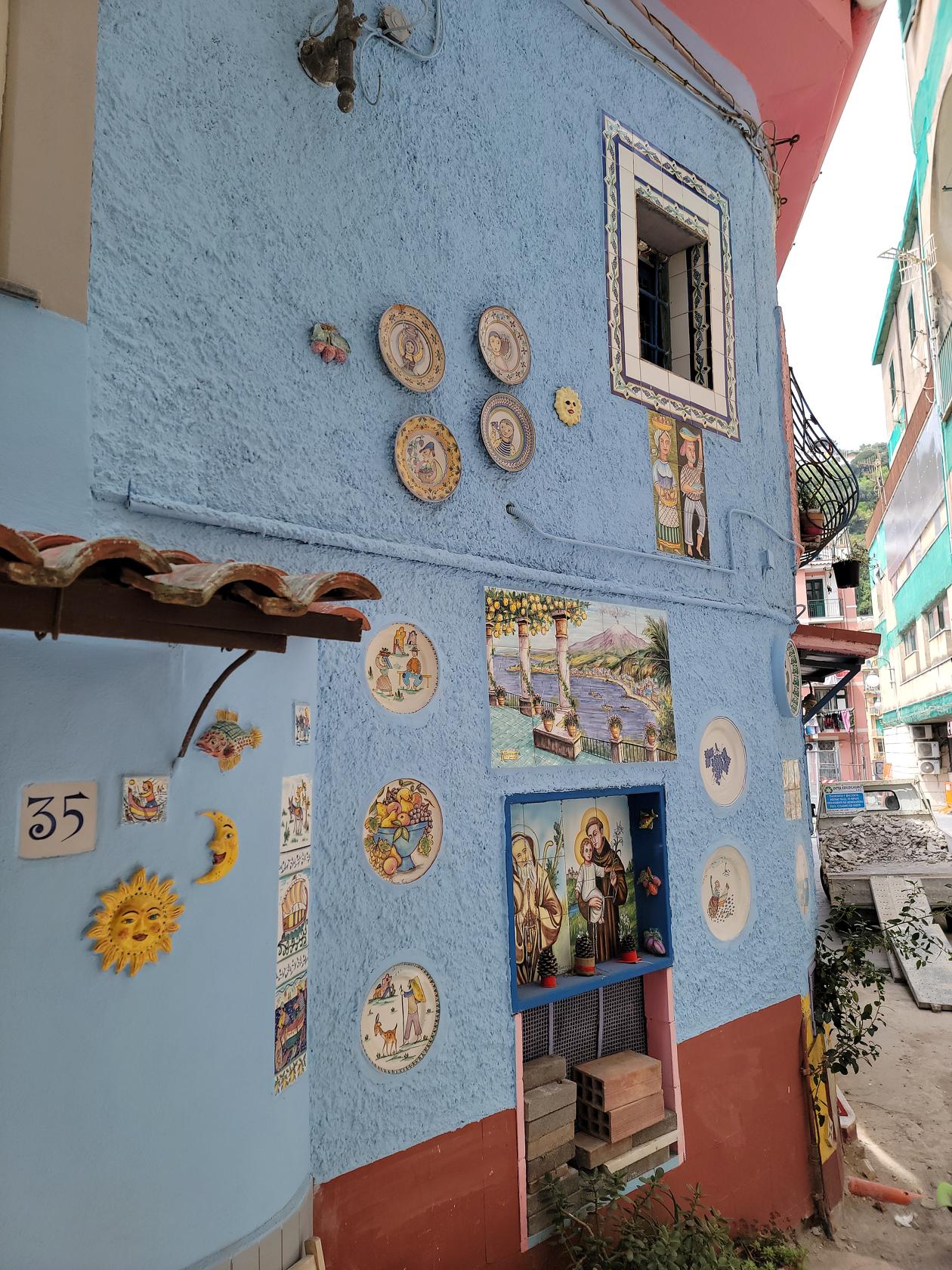
The town is full of tiled shops and buildings. Most of the shop owners tile their entrances as part decoration and part advertisement.

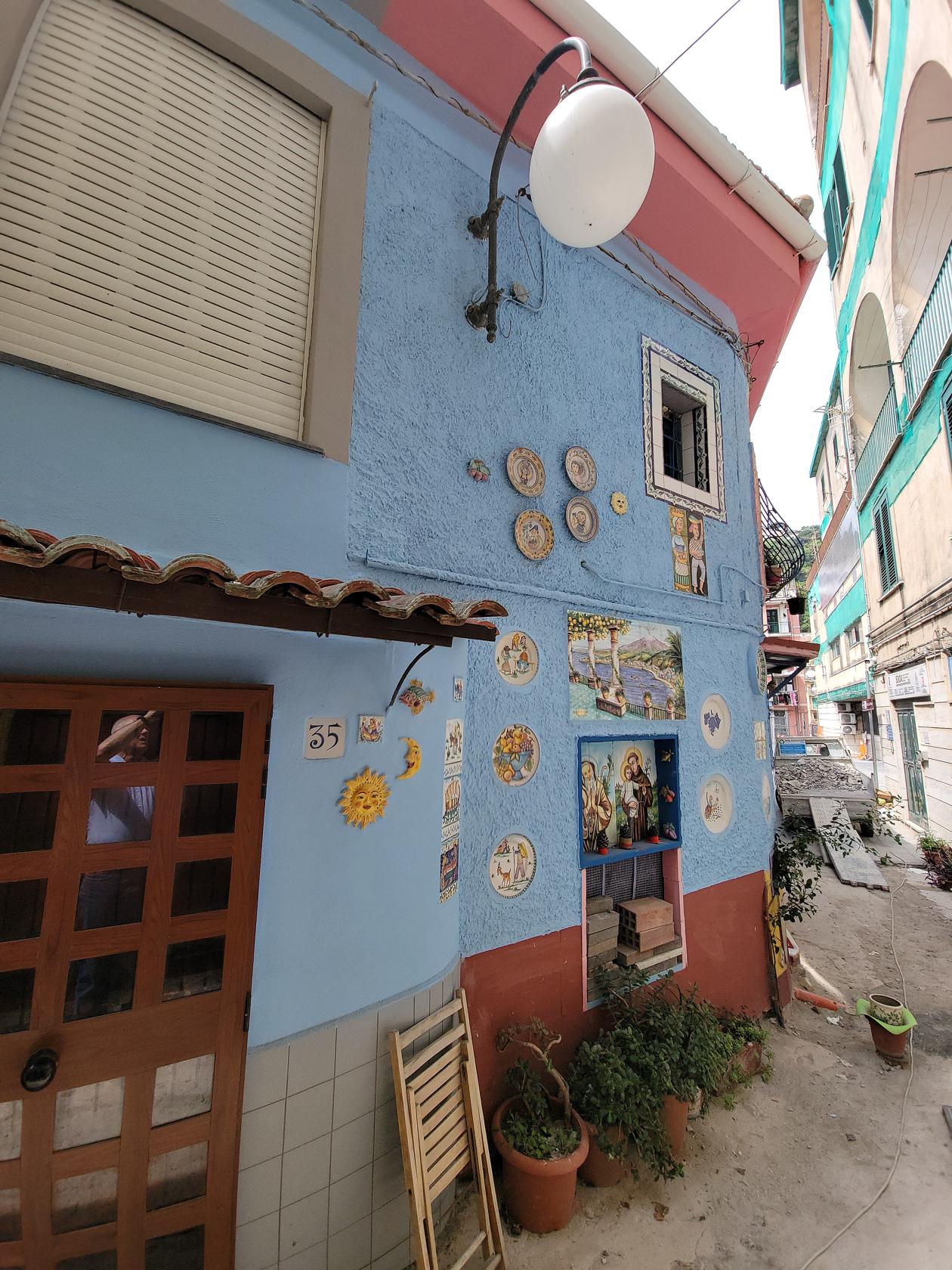
Case Colorate

Perhaps the only house specifically known for its on-going construction and colorful use of tiles. Even when we were there, they seem to be embarking on some new expenditure, both inside and out.

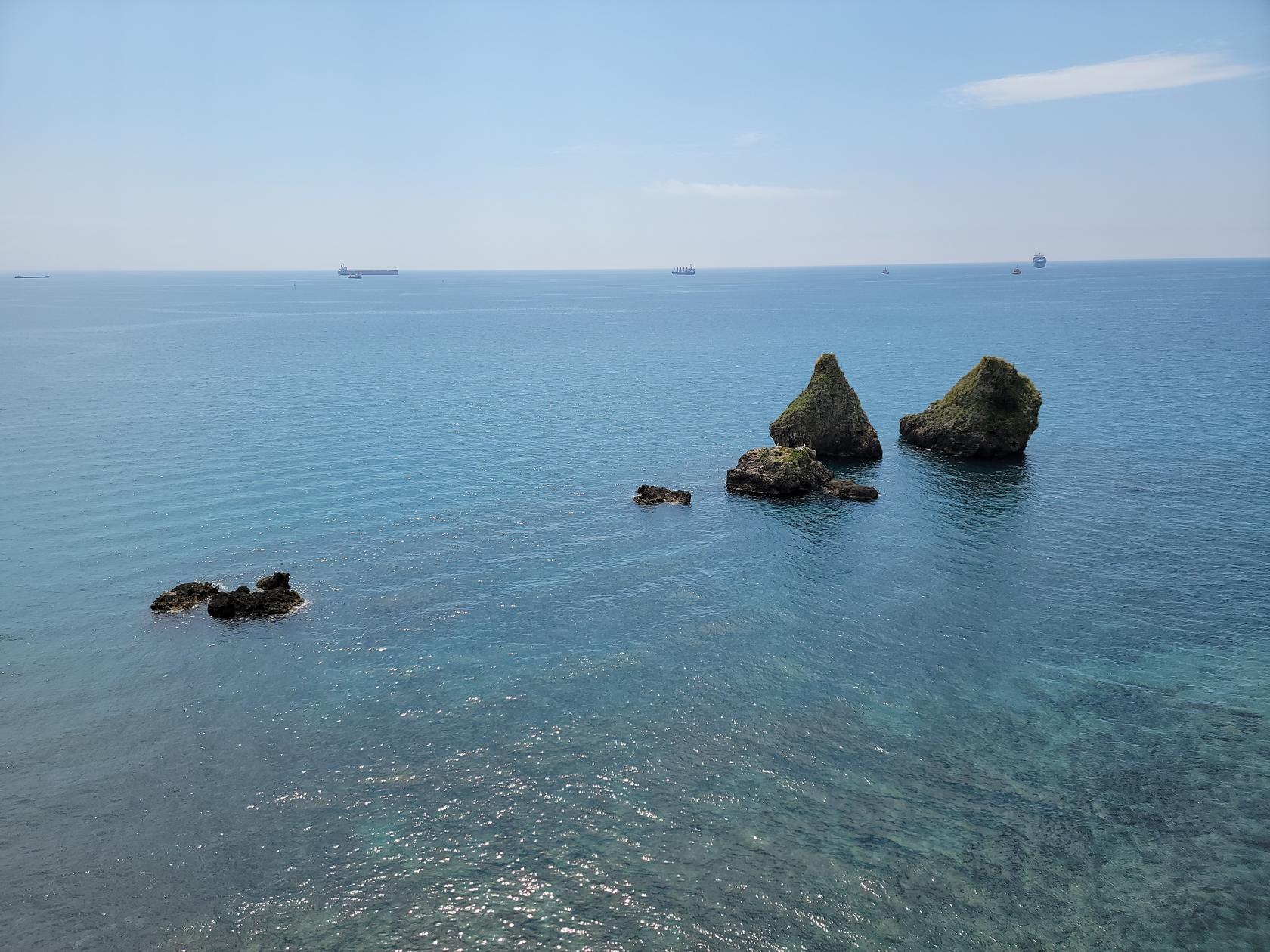
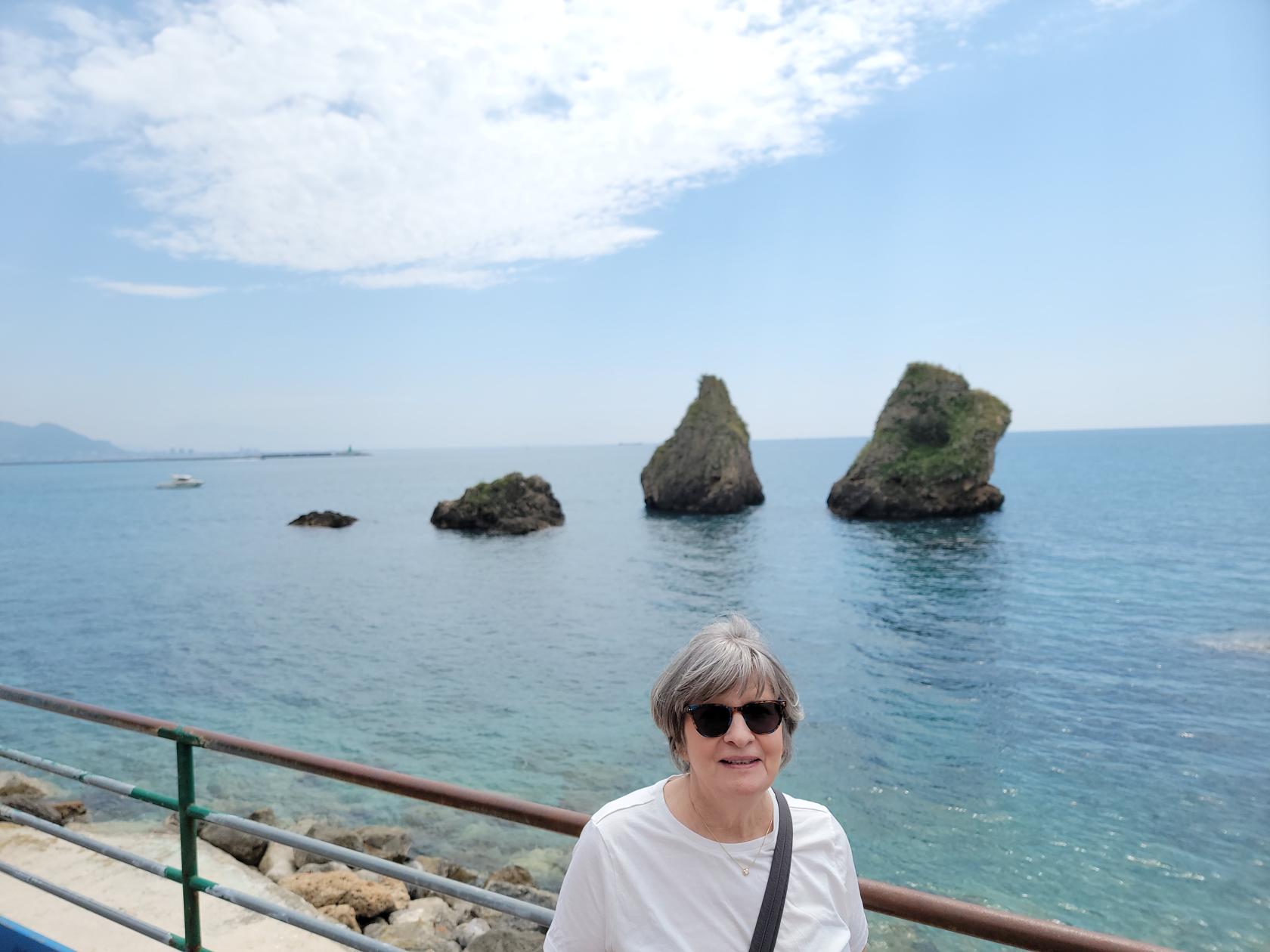
Two Brothers

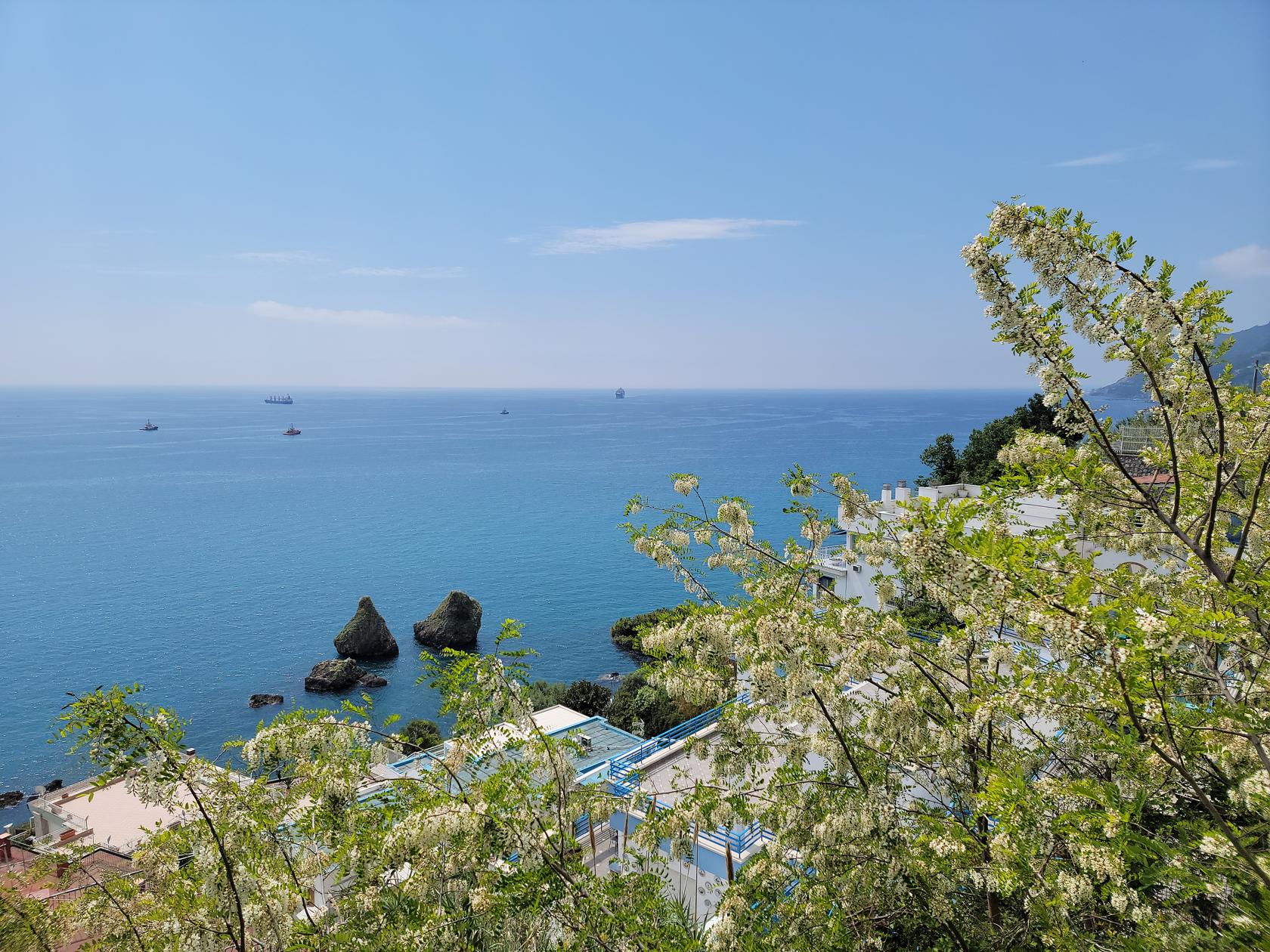
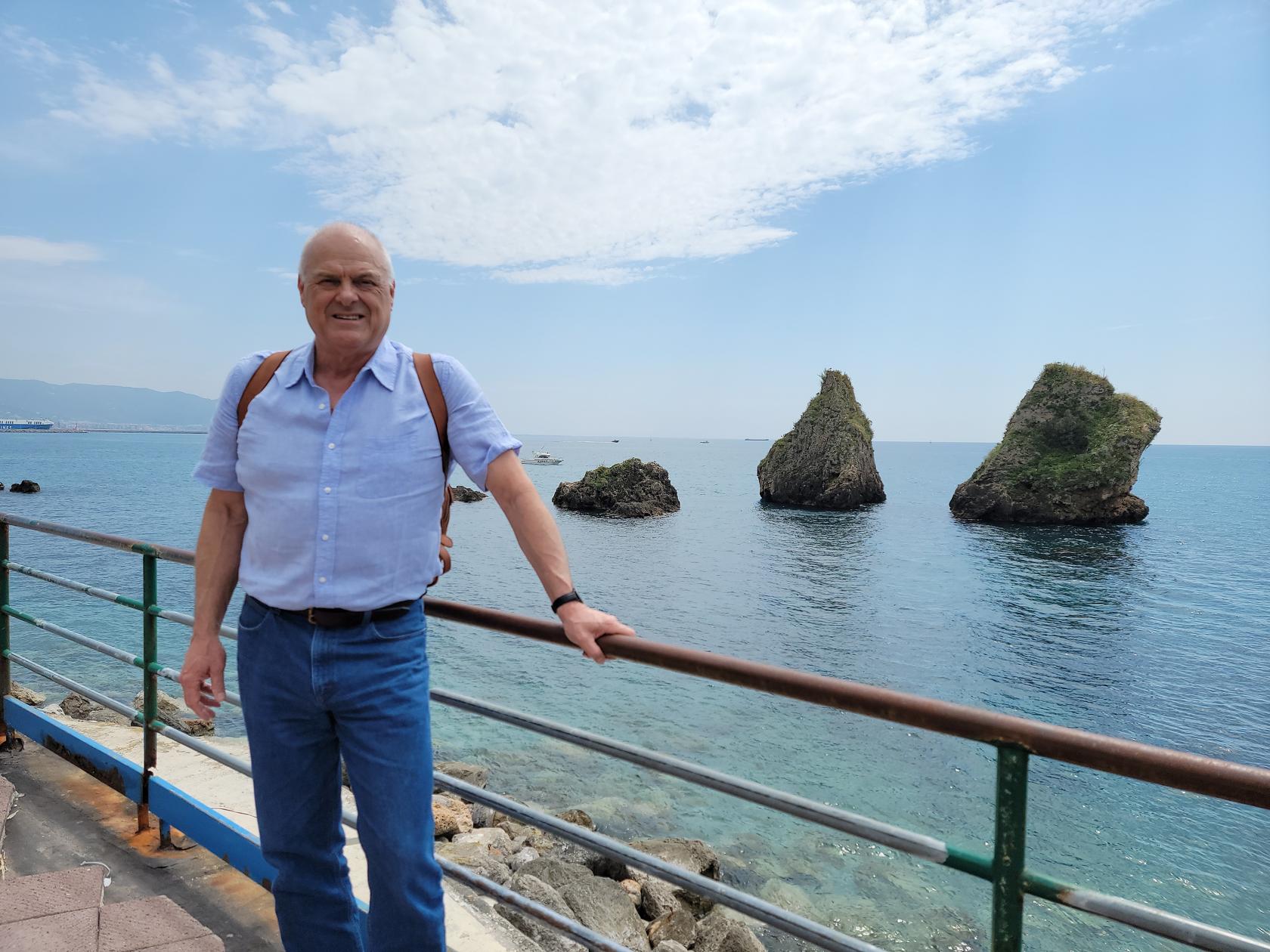
The Two Brothers are apparently from local legend, since when you finally see them, there are not two of them. In any case, it makes for an interesting backdrop for a photograph.

Restaurants

Since this was a day trip, we had time for lunch. Although we did have a few restaurants in mind, the following we found serendipitously.

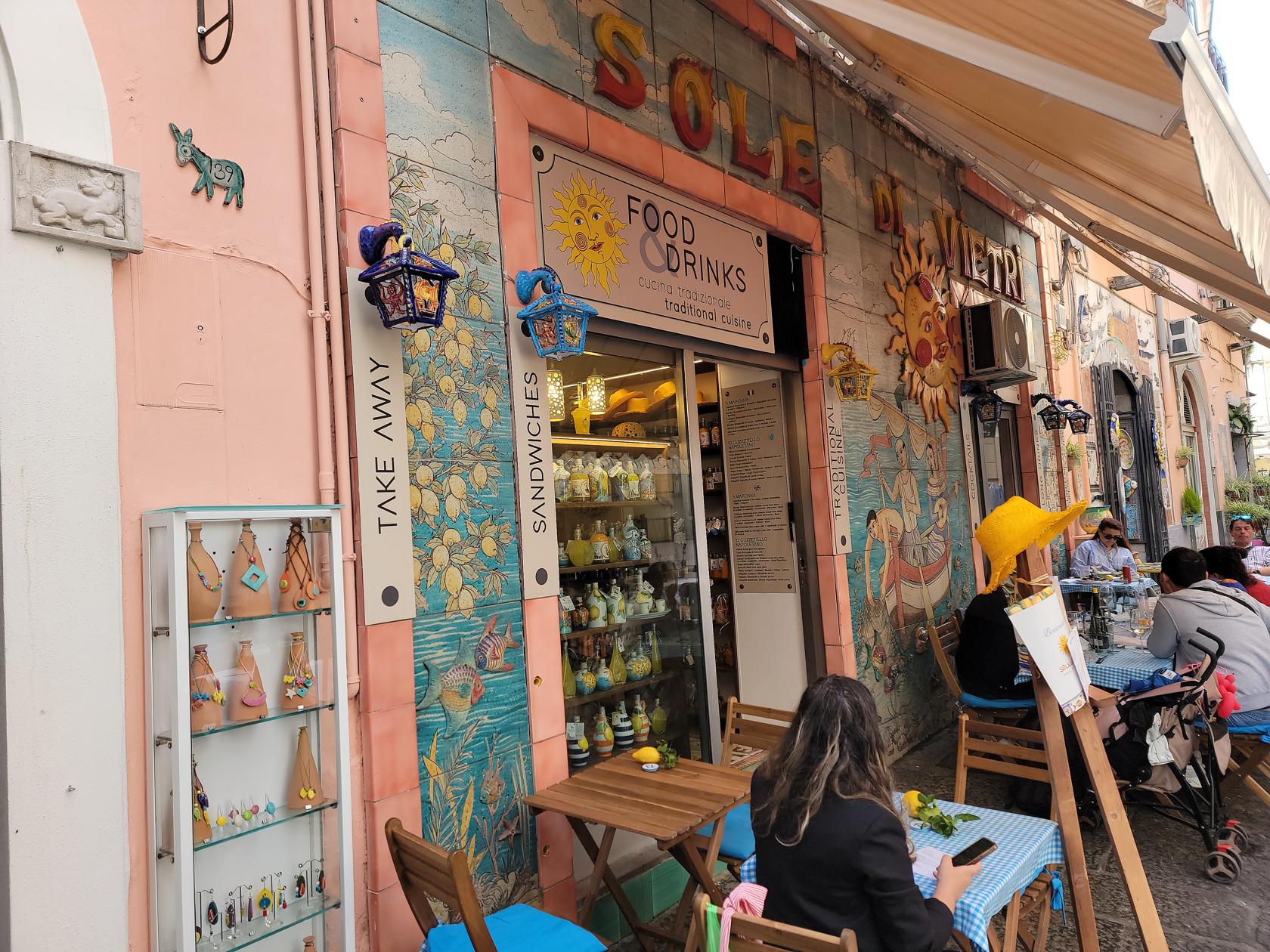
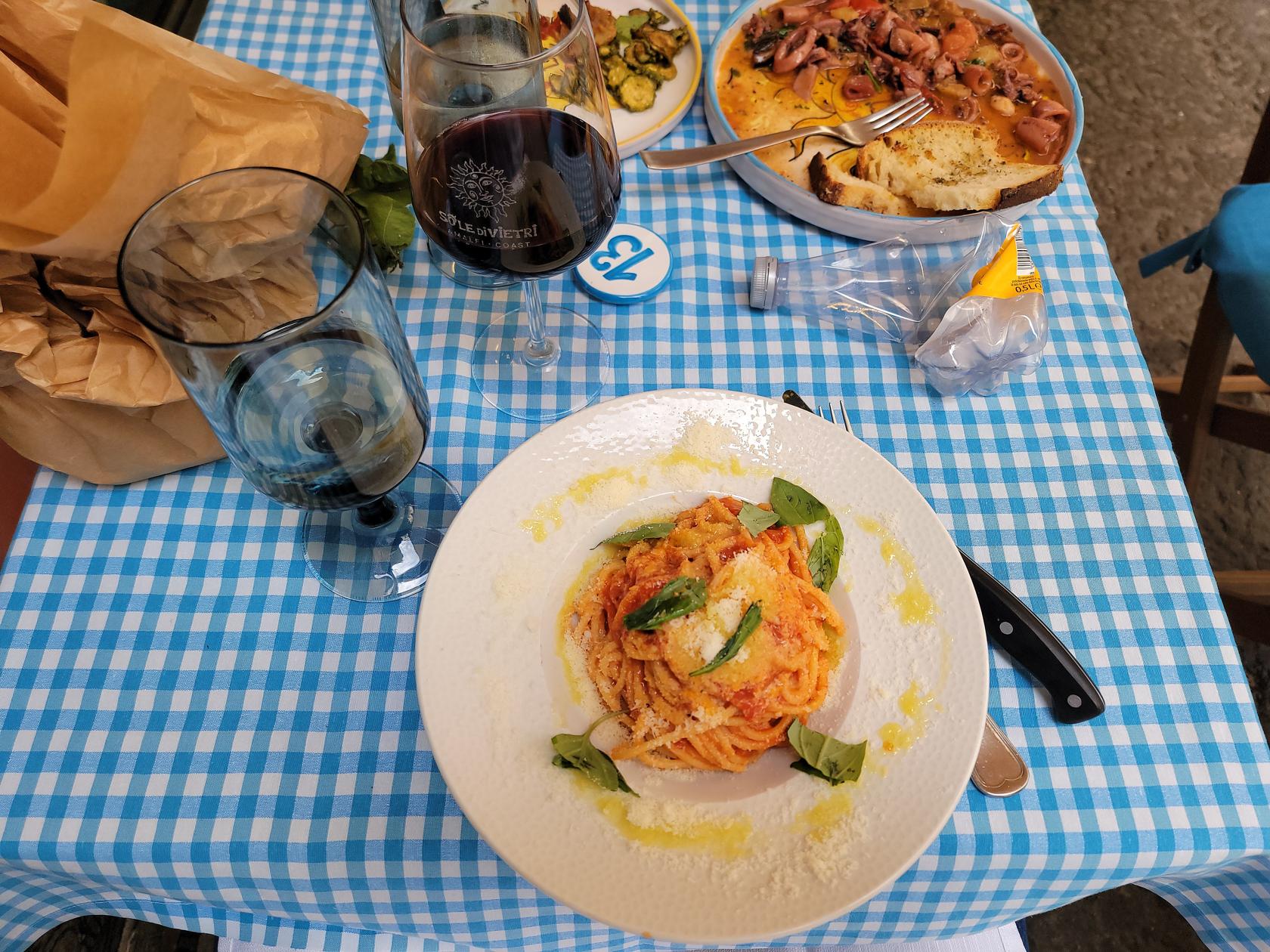
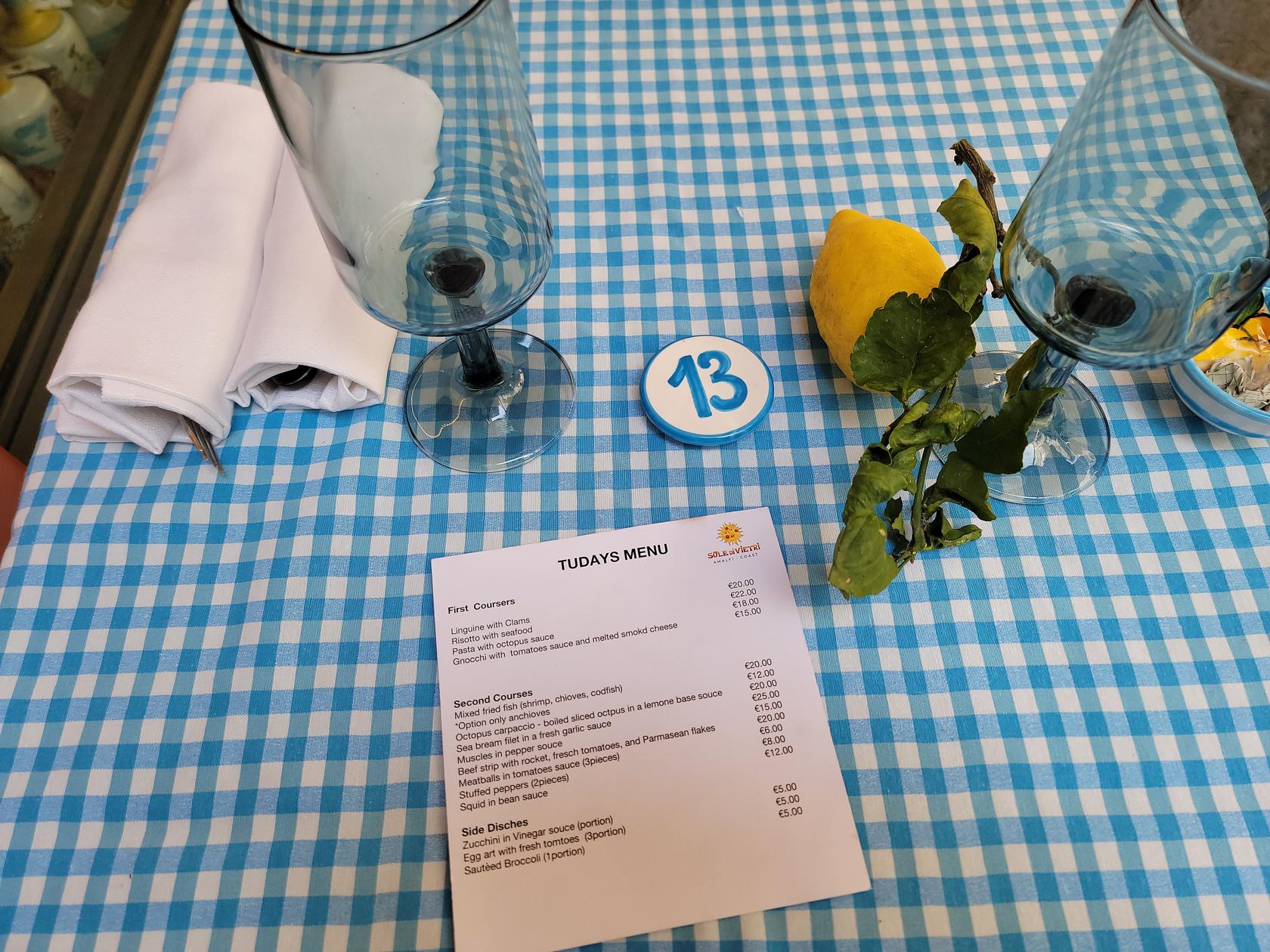
Sole di Vietri

A small restaurant, comparable to a trattoria that serves very good food. Seating outside is limited and might be an issue during the summer months, when it is very busy.

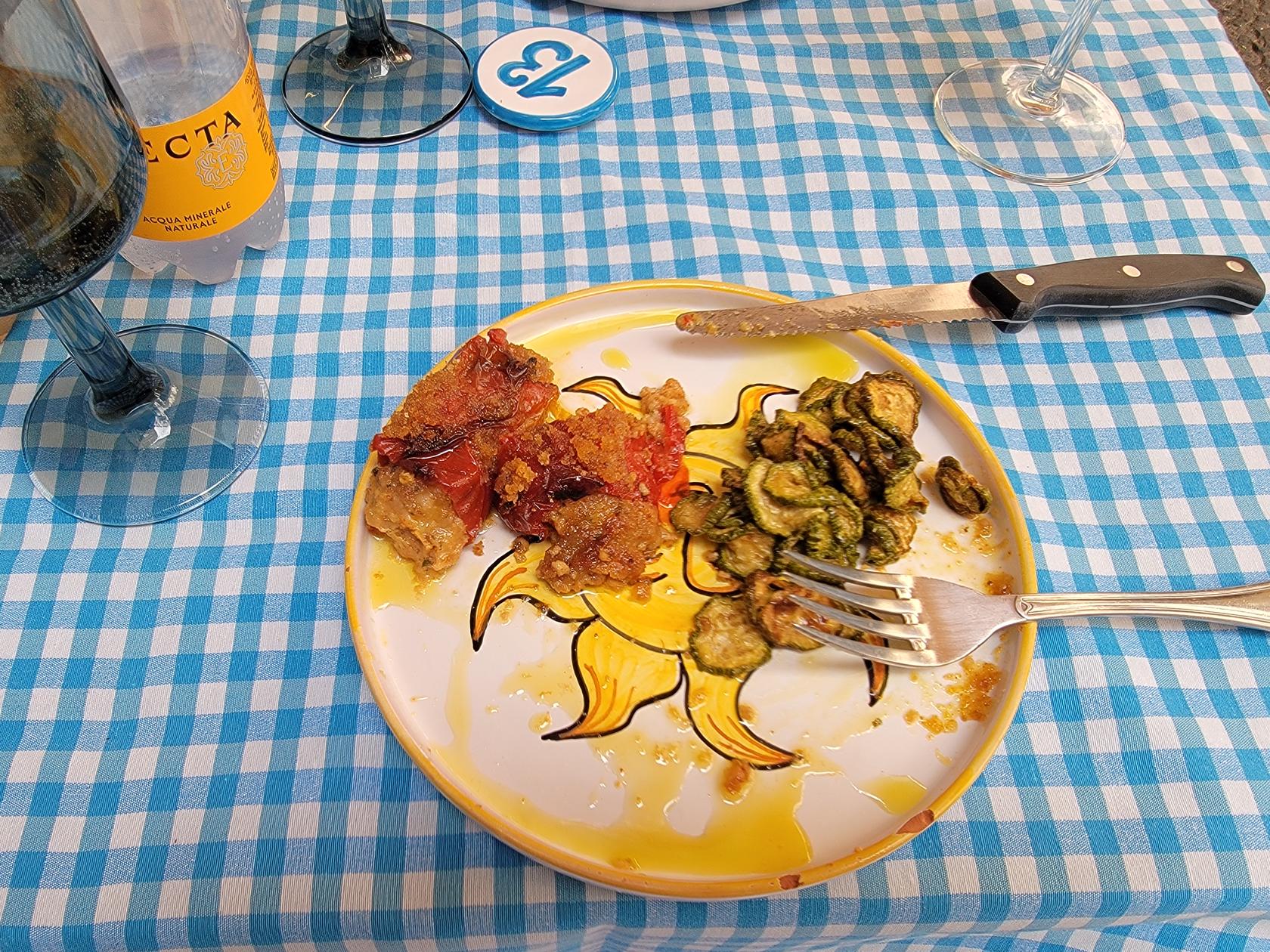
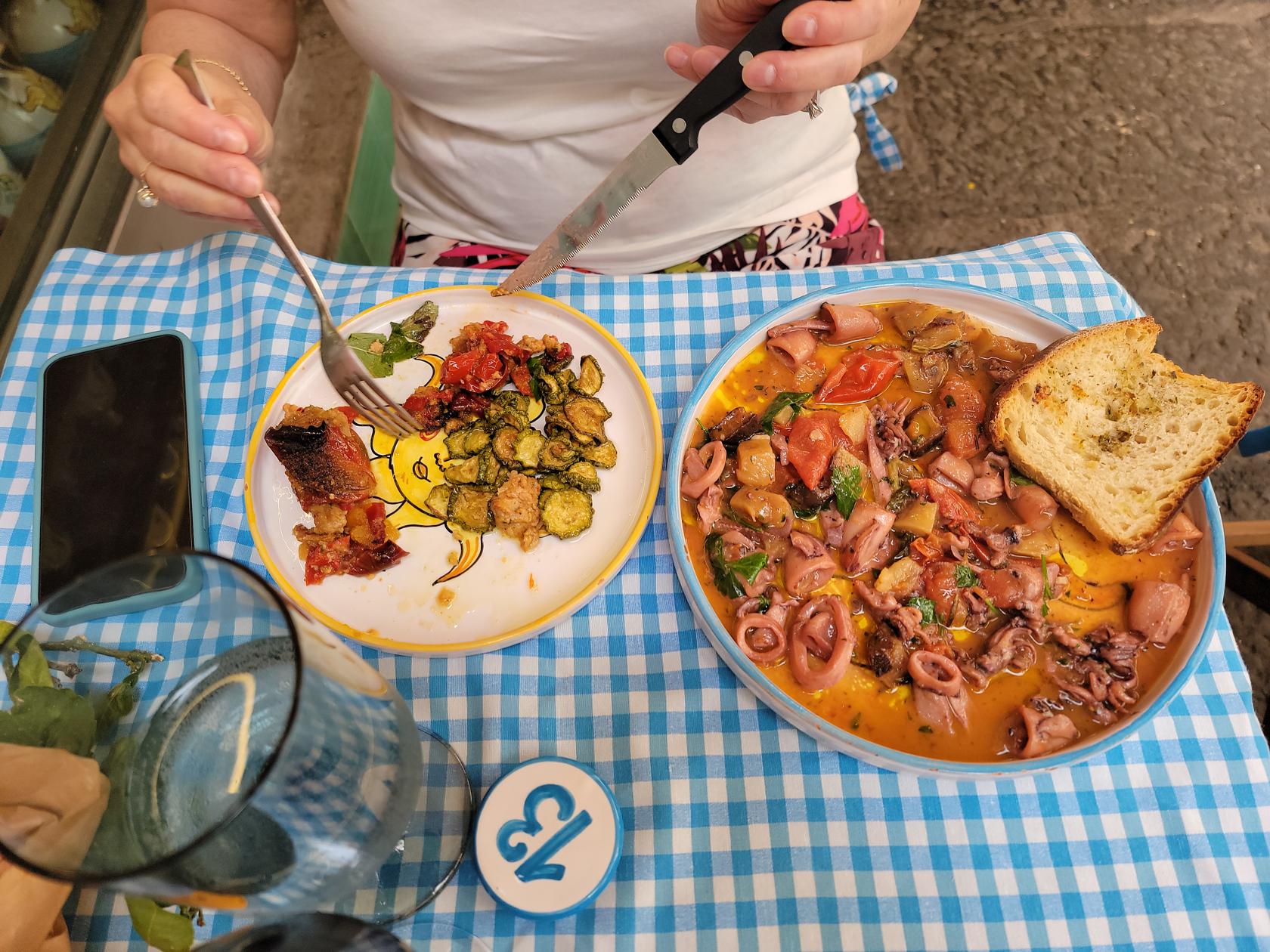
The menu offers daily specials and real home cooking, Italian style. You will find dishes derived from local cuisine, as well as some neopalitan and Italian favorites.

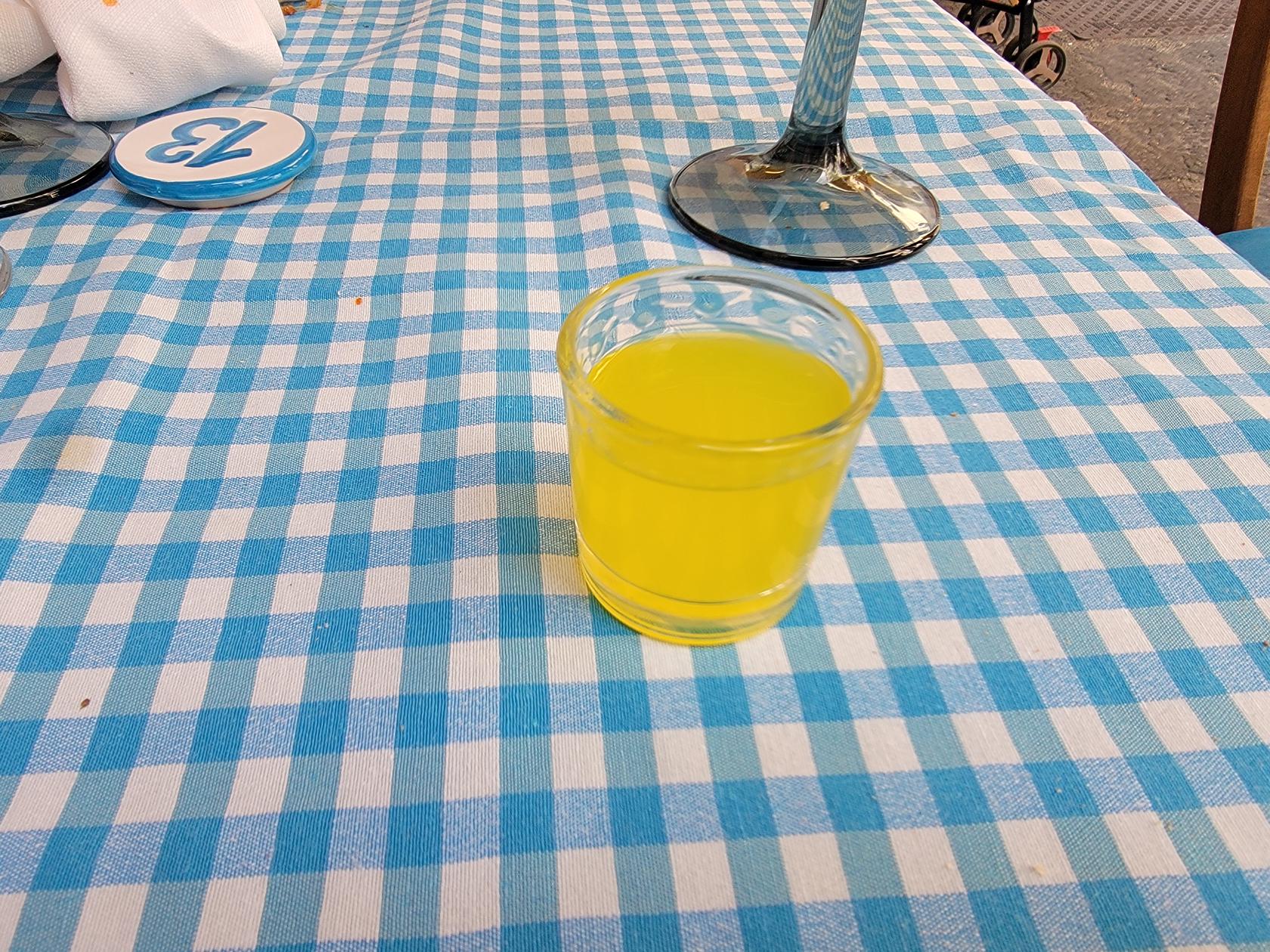
However, all meals should end in a nice glass of Limonchello, a favorite and local specialty.