Tropea, Italy – Onions Anyone?

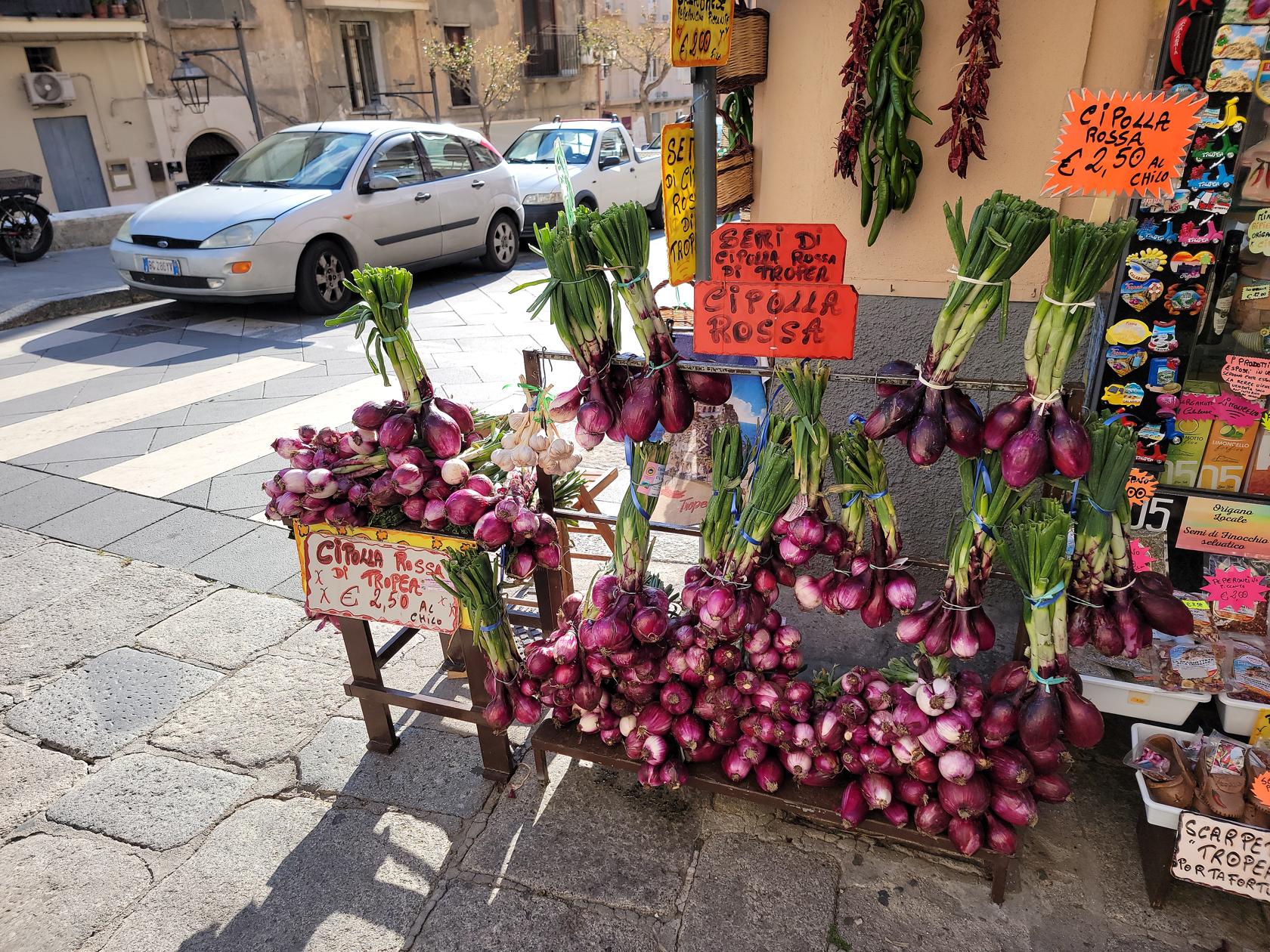
A destination for tourists and those interested in southern Italian cuisine, a stop in Tropea is almost a must. Known for their mixture of Sicilian and Greek influences, this part of Calabria is famous for the Tropean Red Onion, or Cipolla Rossa, one of the most tasty onions in the world. Onions anyone?
Getting There

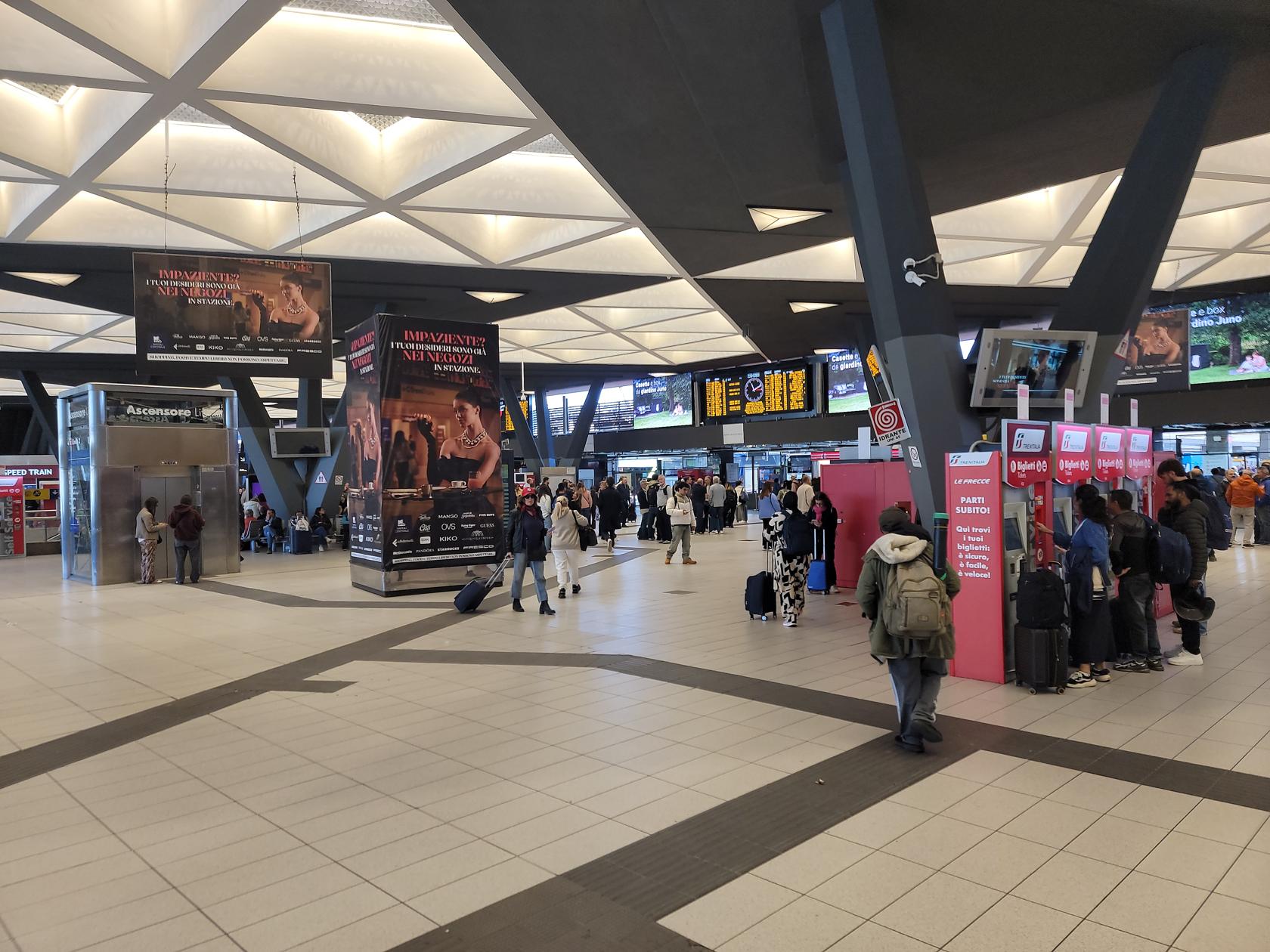
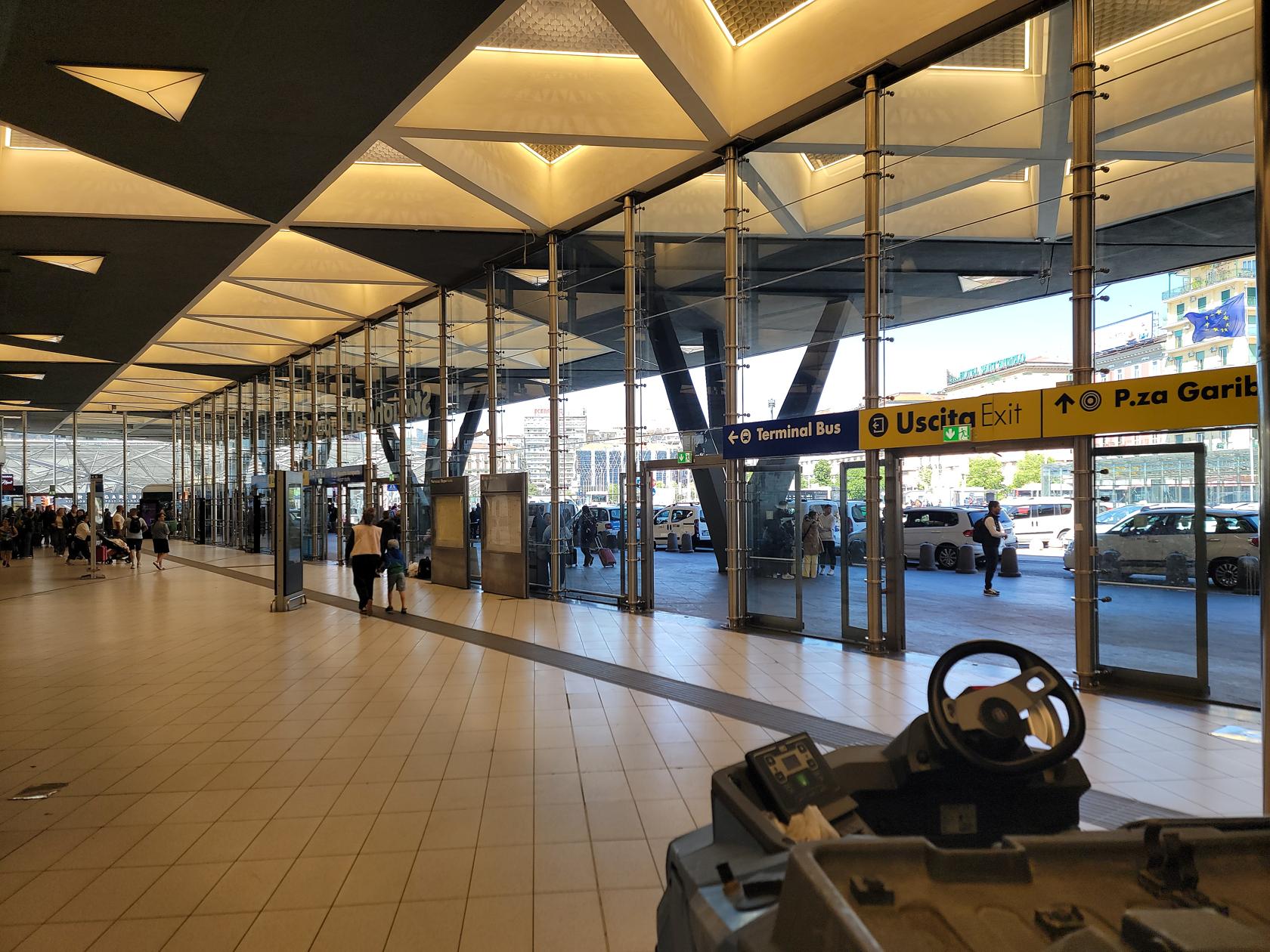
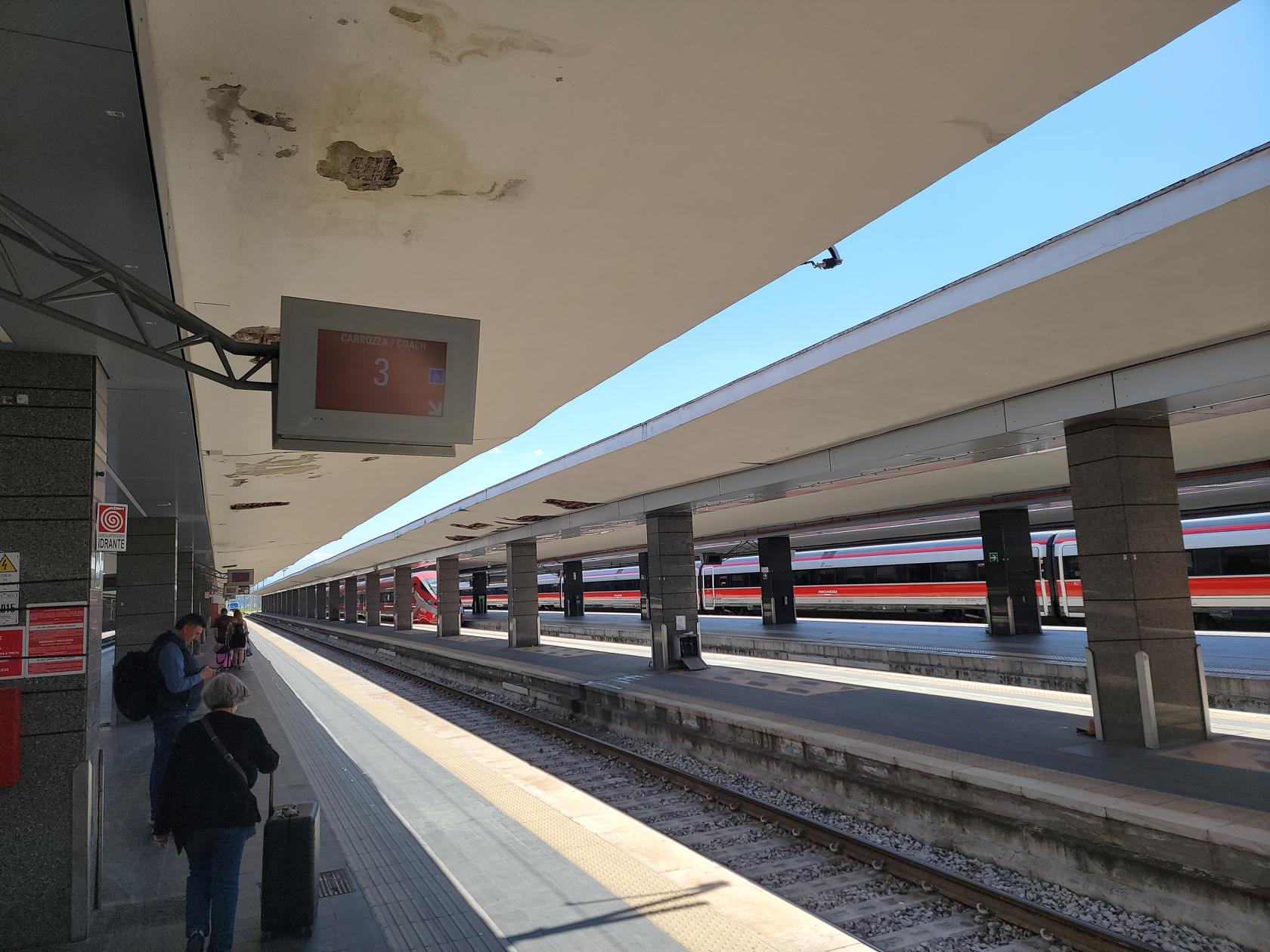
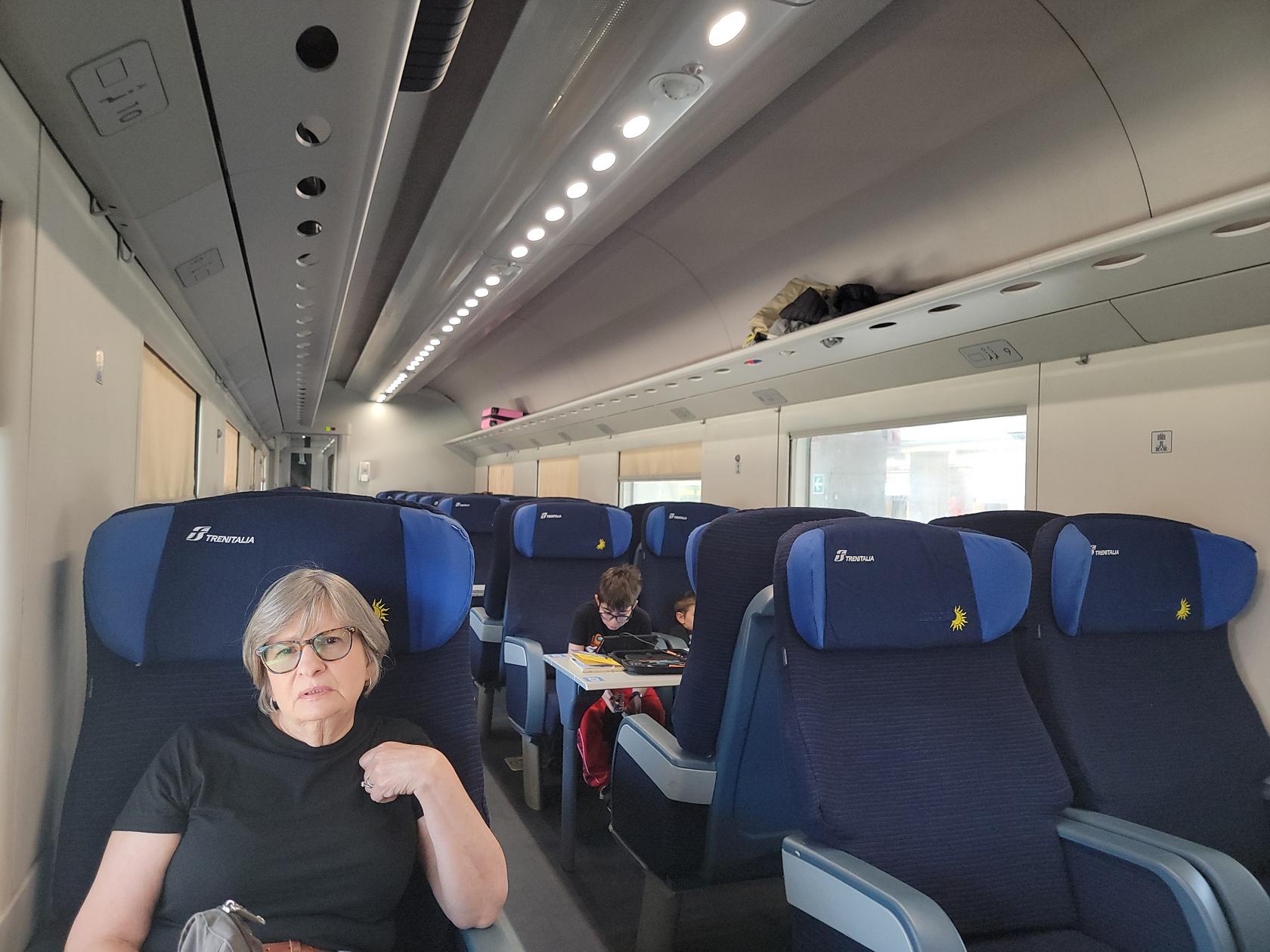
In order to get to Tropea from Sapri we had to take the InterCity train from Sapri to Lamezia Terme Centrale and then connect. Unfortunately there is no logistical way around it. From there we took the local TrennItalia Regional train service to Tropea. This gave us a two and a half hour layover in Lamezia Terme, just enough time for lunch!

Lamezia Terme

Other than connecting with our other train, there was no other reason to visit this place, that is, other than lunch! With two and a half hours layover, we had plenty of time.

Restaurants

Europa da Albano

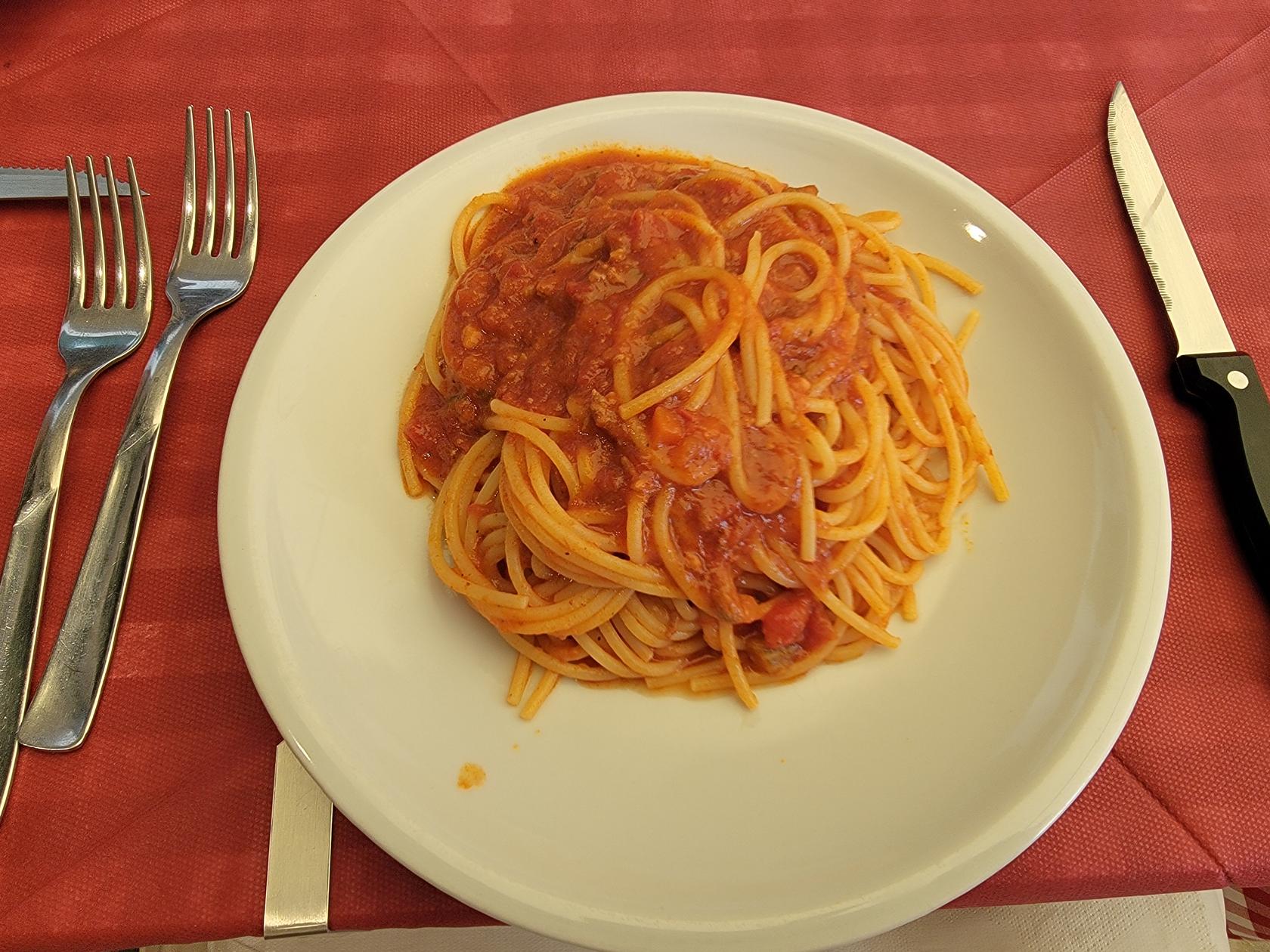
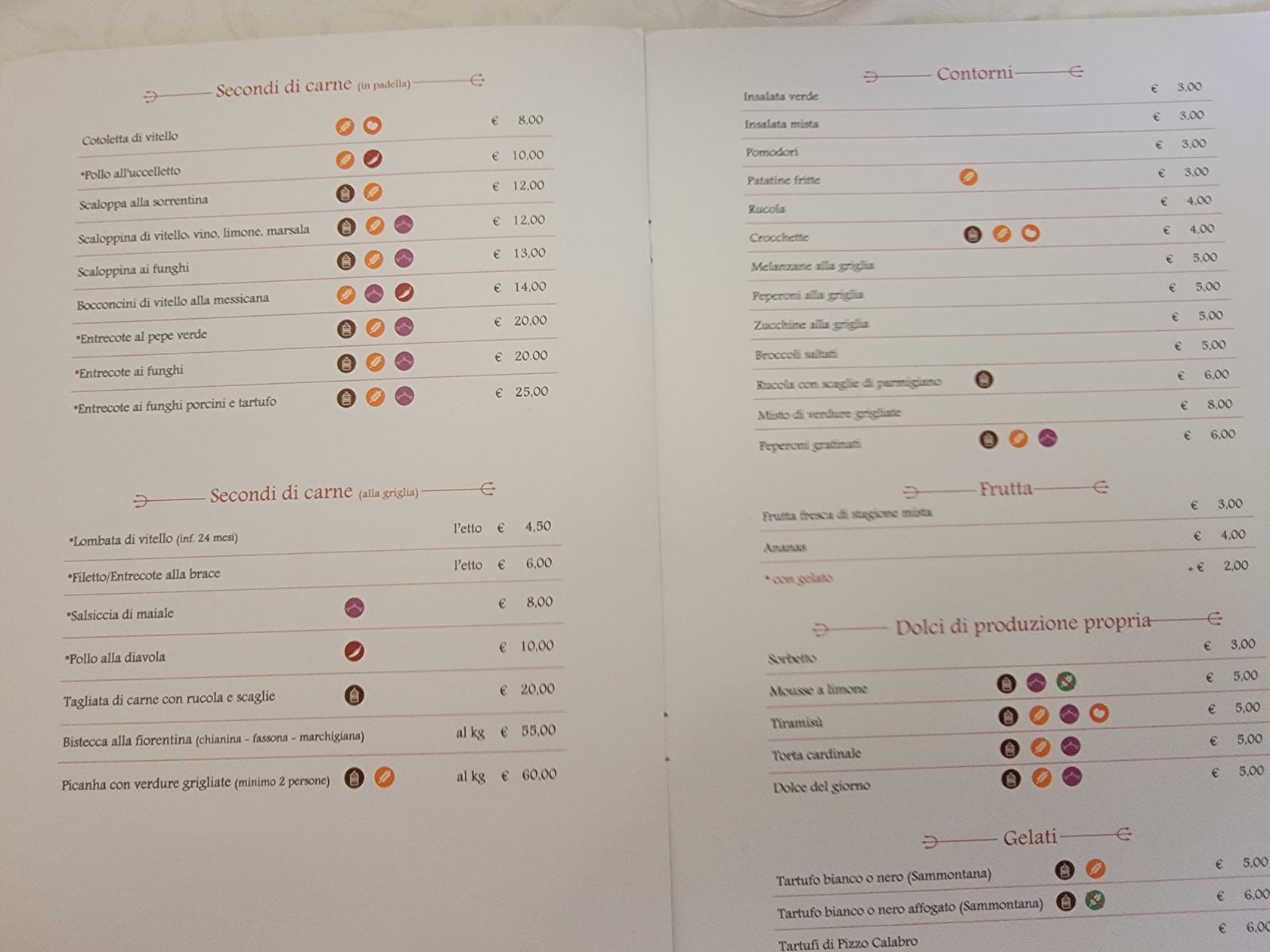
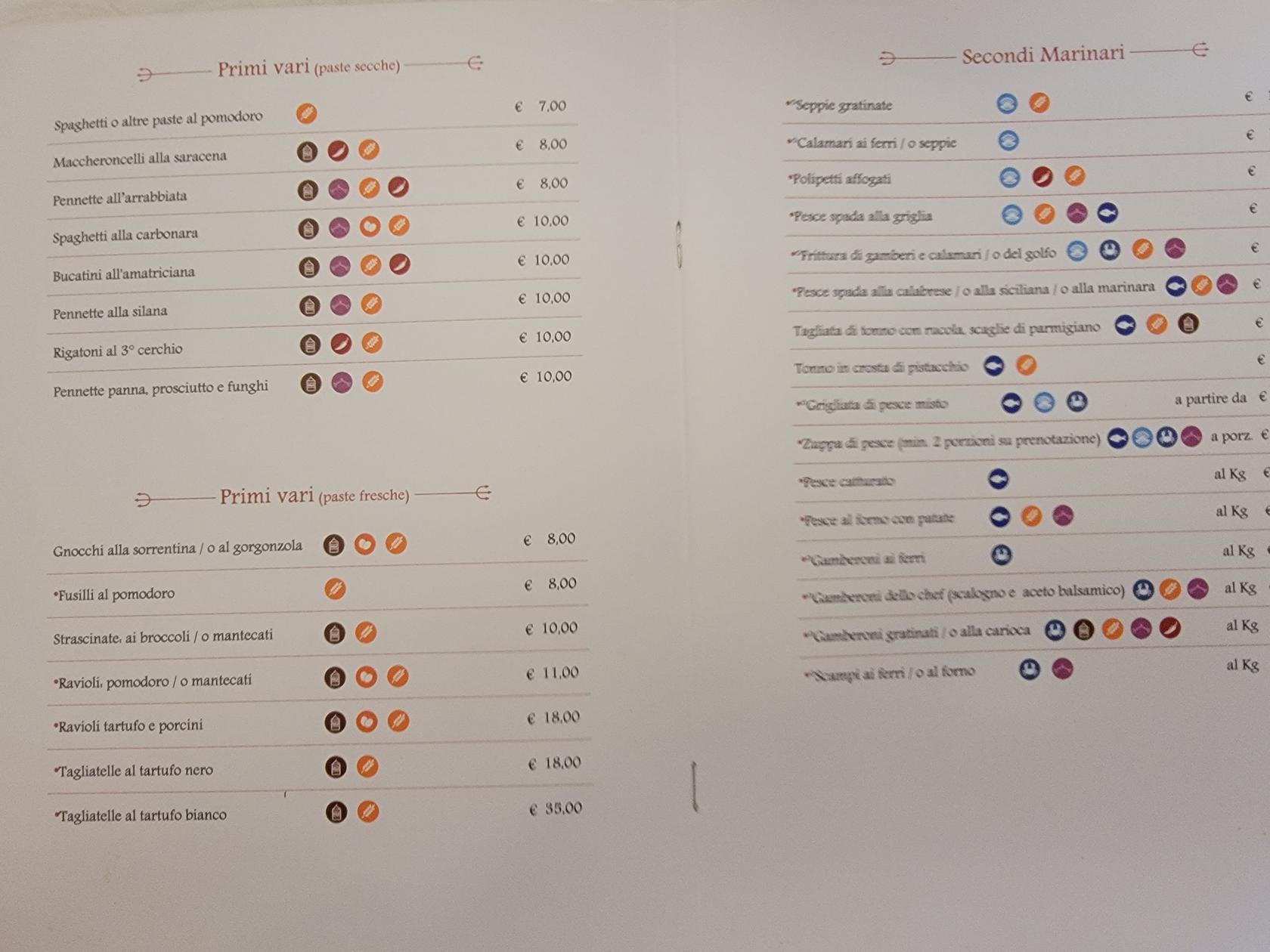
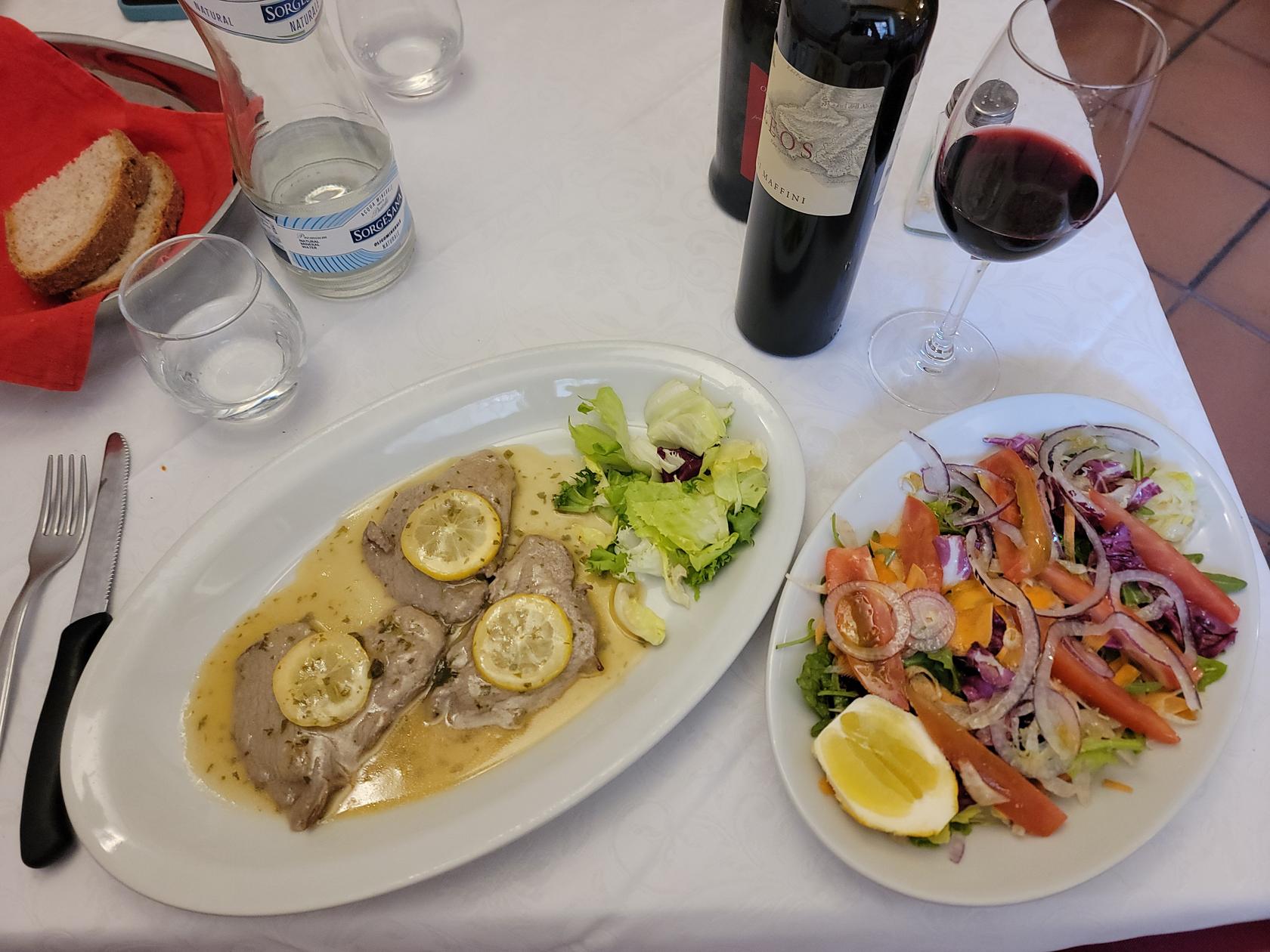
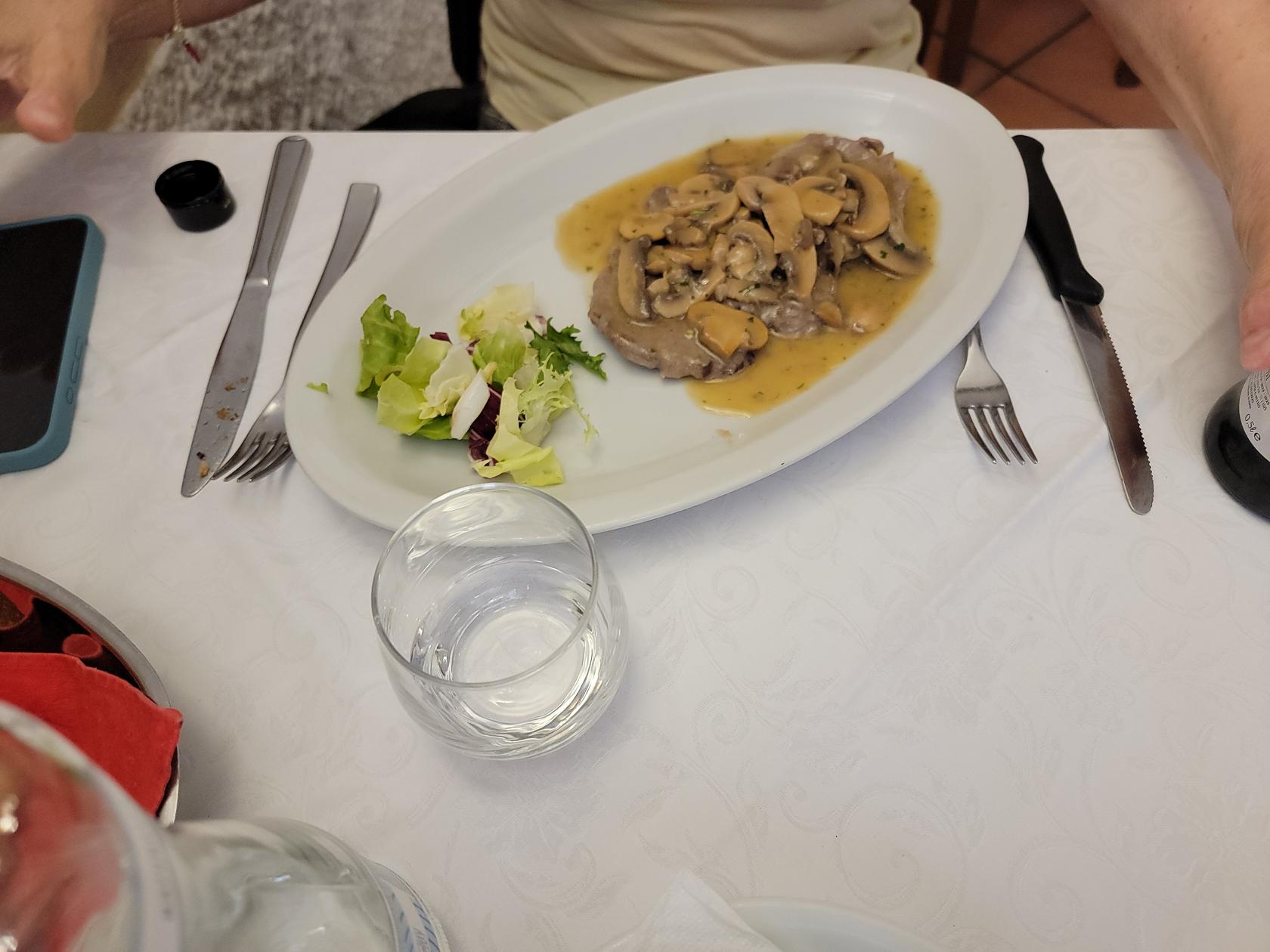
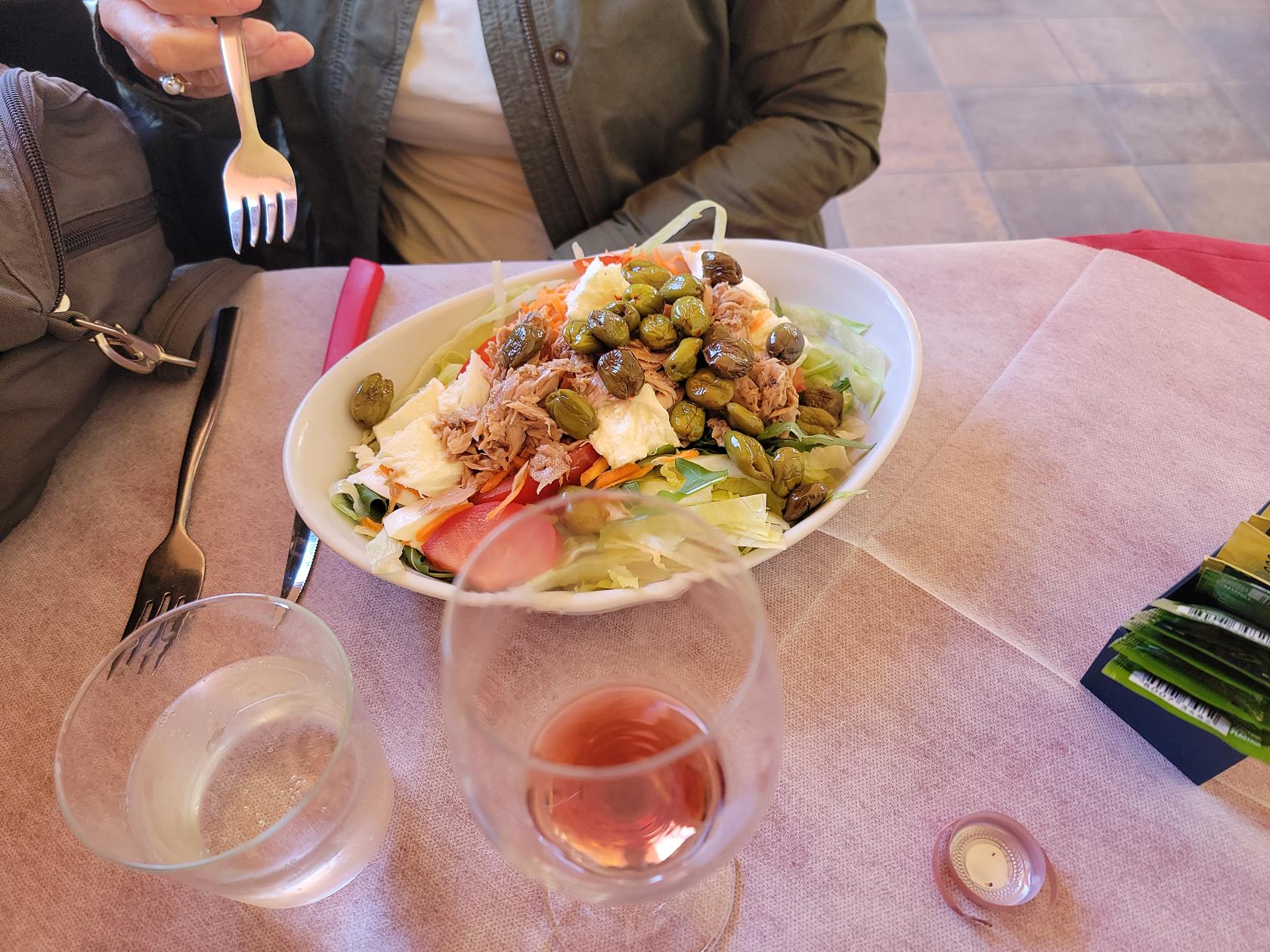
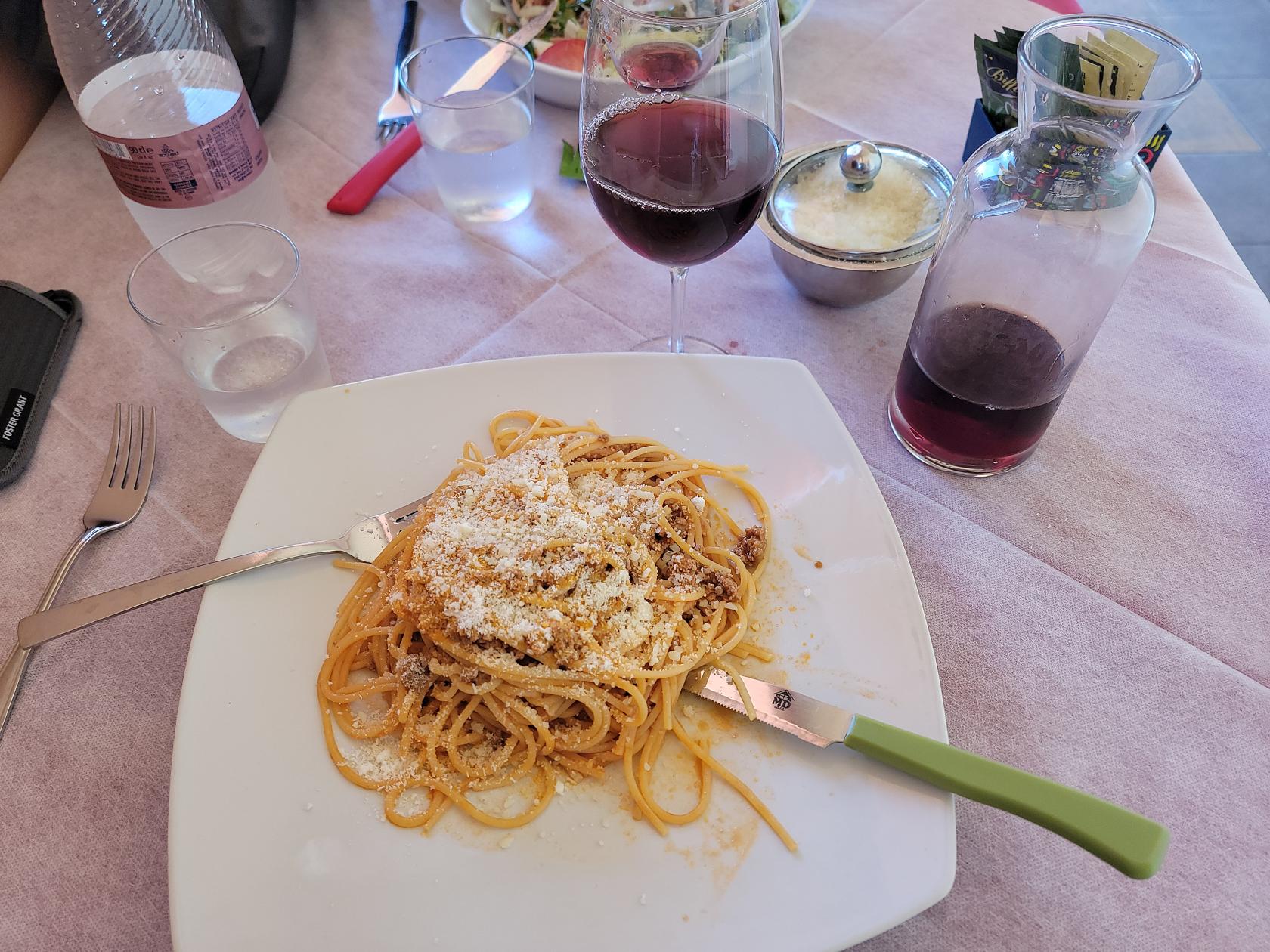
While we were on our InterCity train, I took the liberty of researching what our options were at Lamezia Terme. There weren’t many, but this restaurant and pizzeria caught my eye. It was a good choice. It was very busy inside and out and packed with local people, which is actually a good sign. Though we waited a bit to order, the wait was not bad in the end and our drinks and food arrived within customary promptness.
Tropea
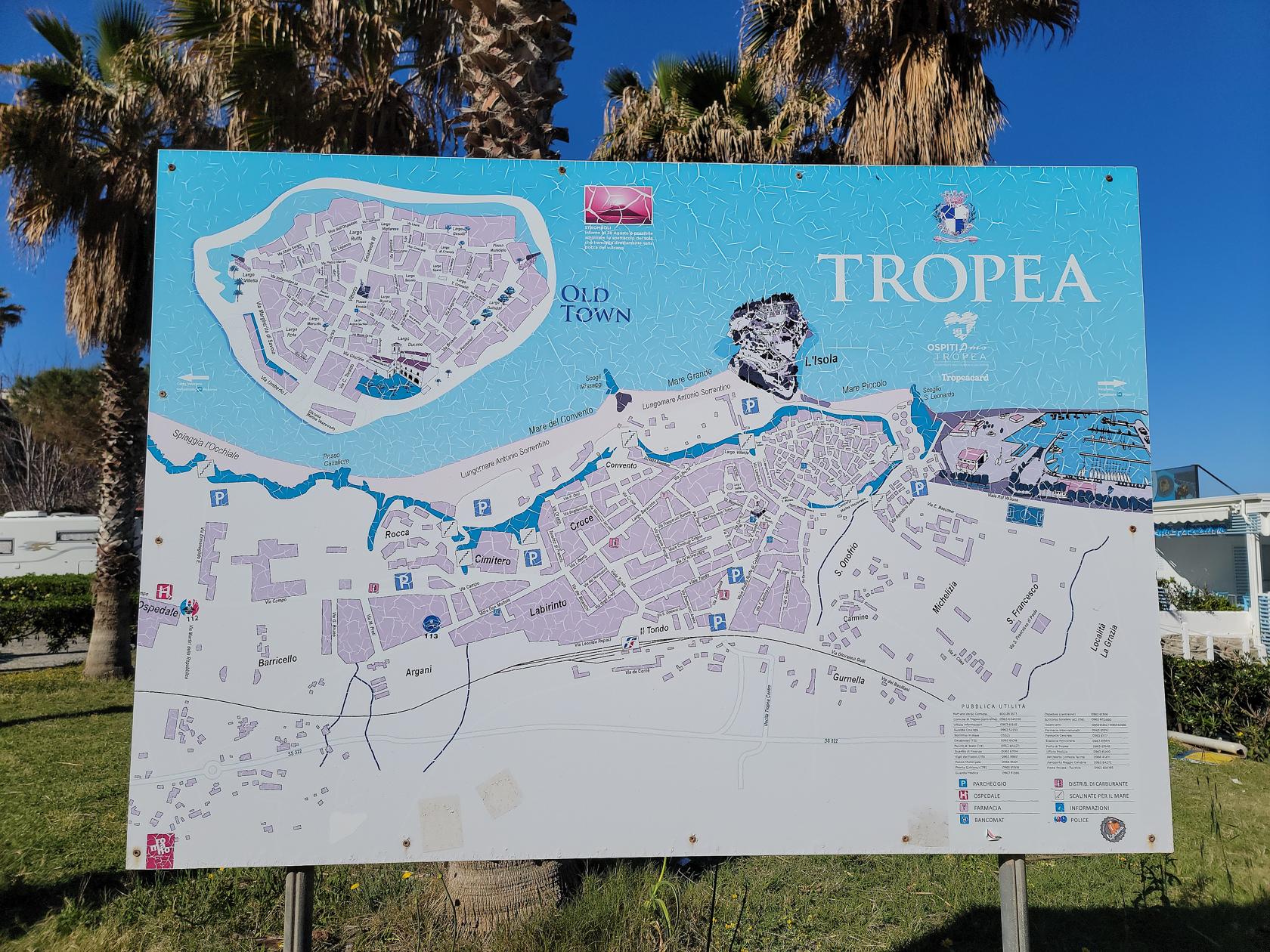
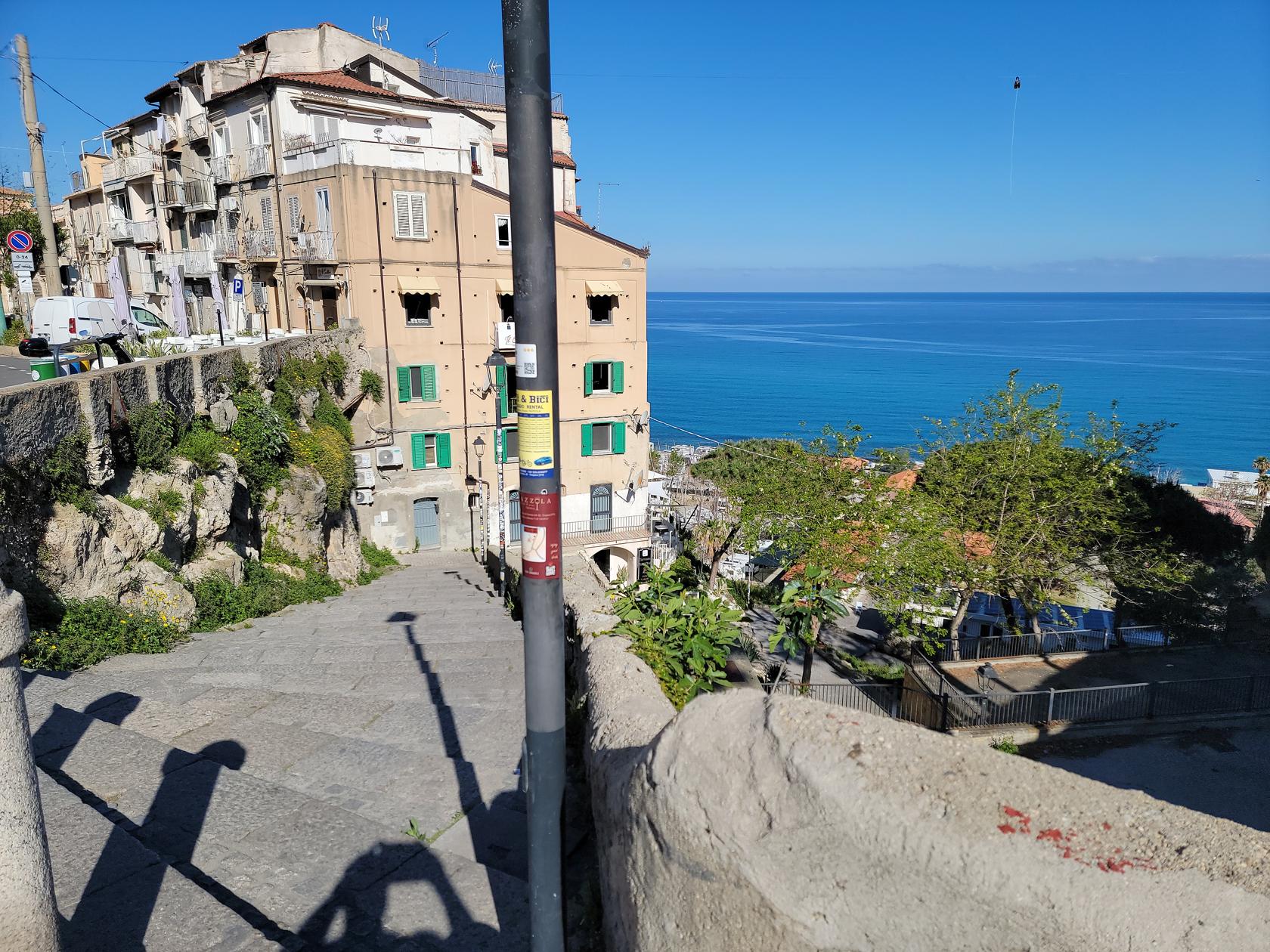
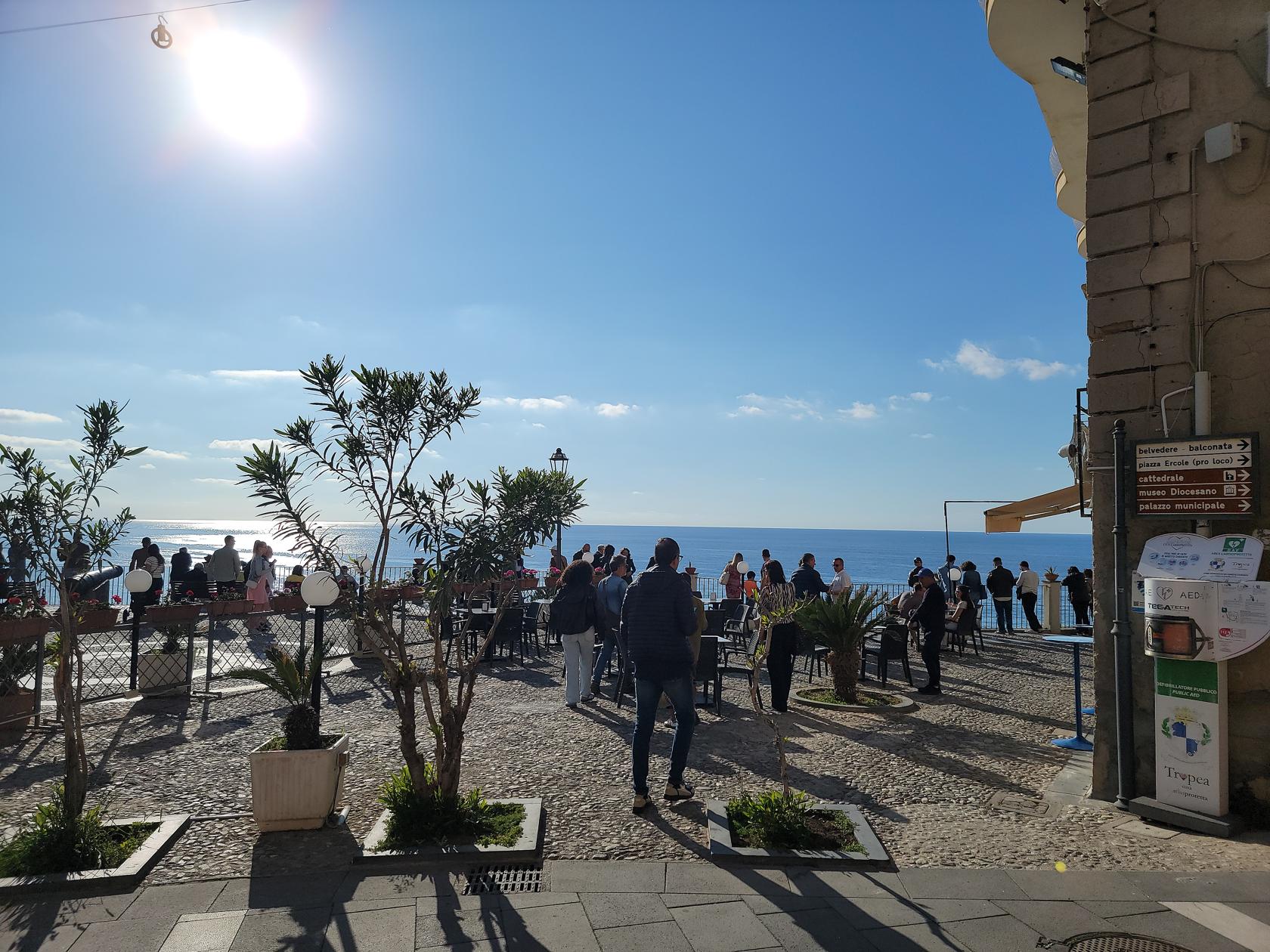
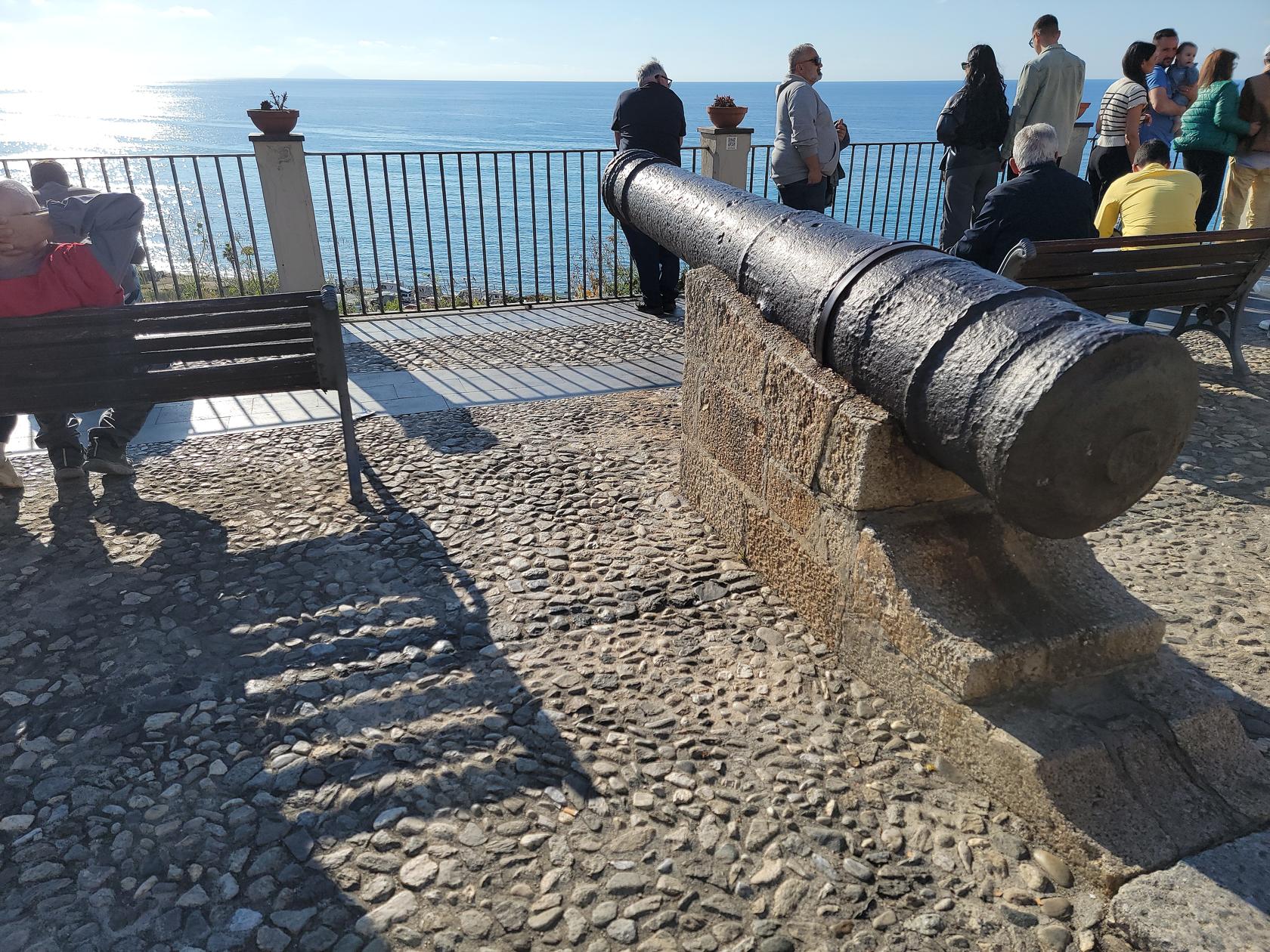
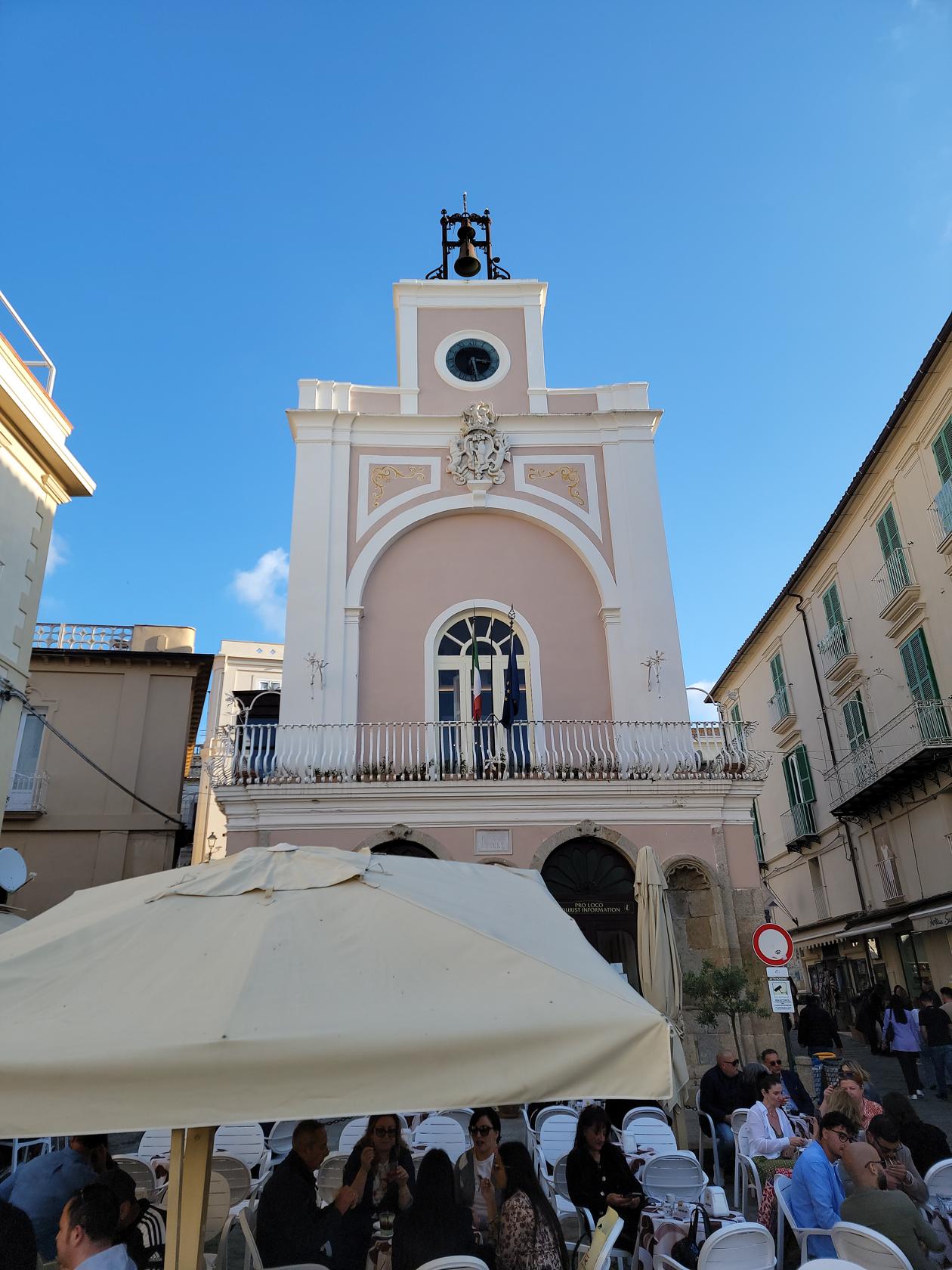
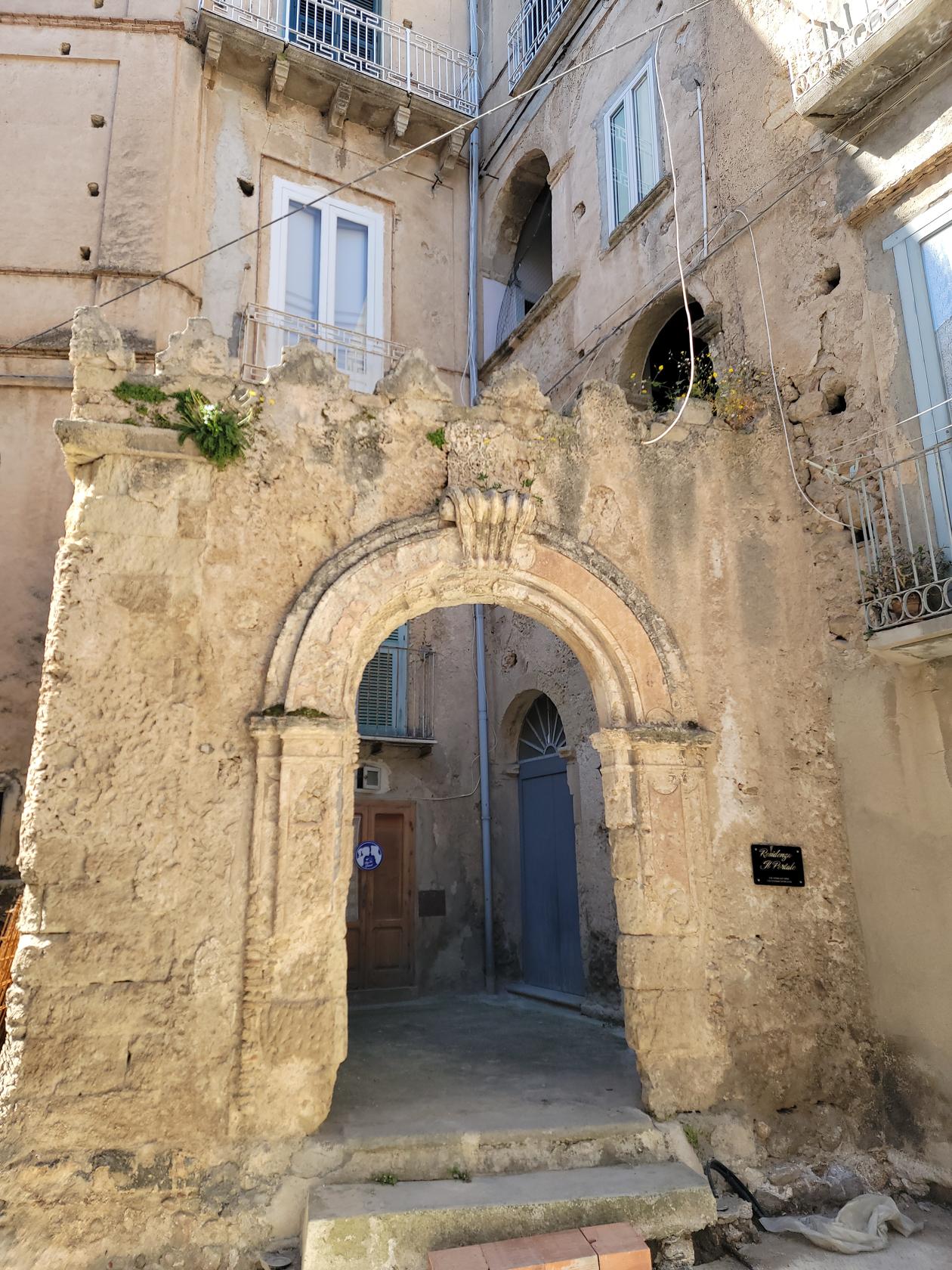
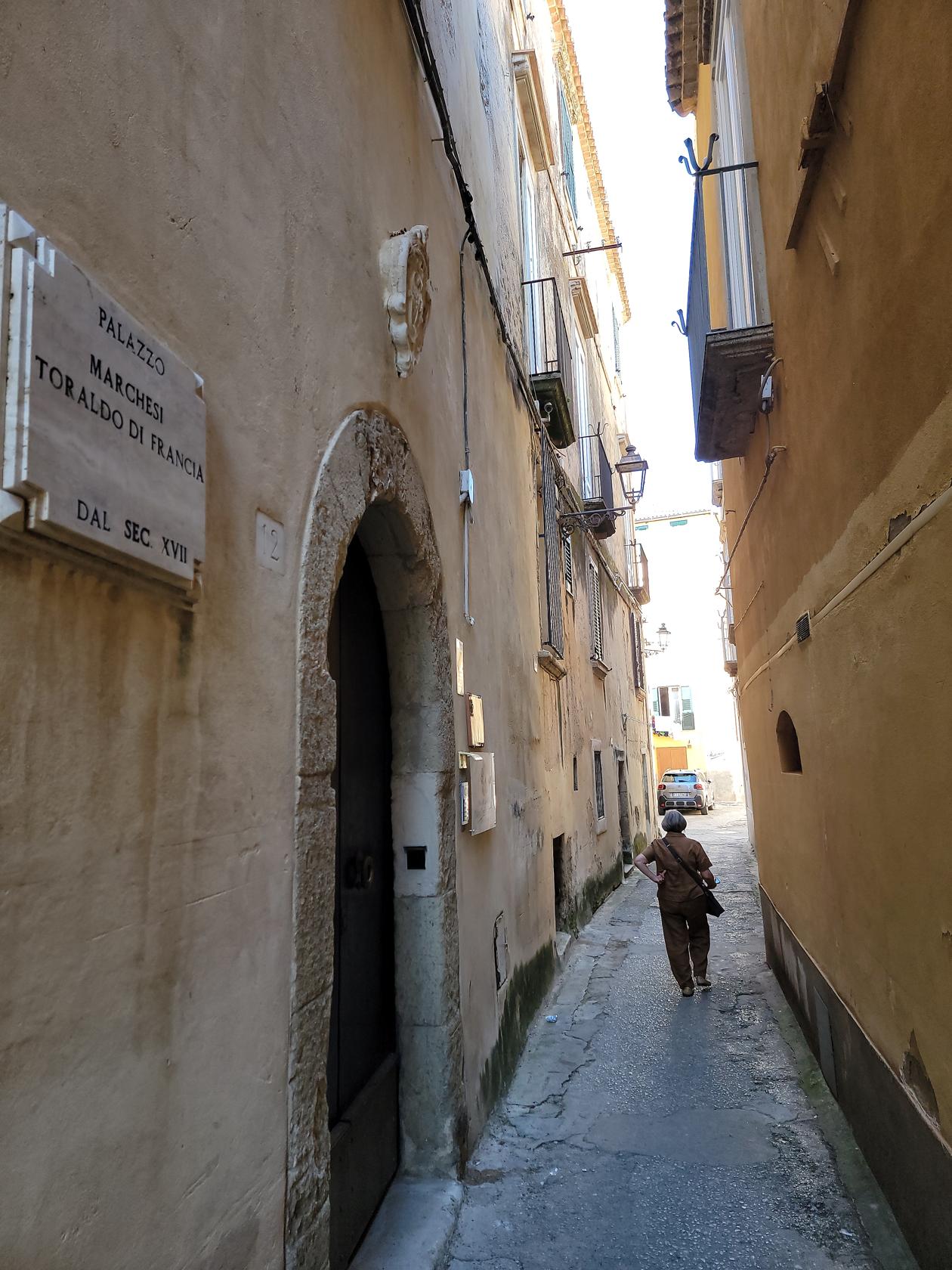
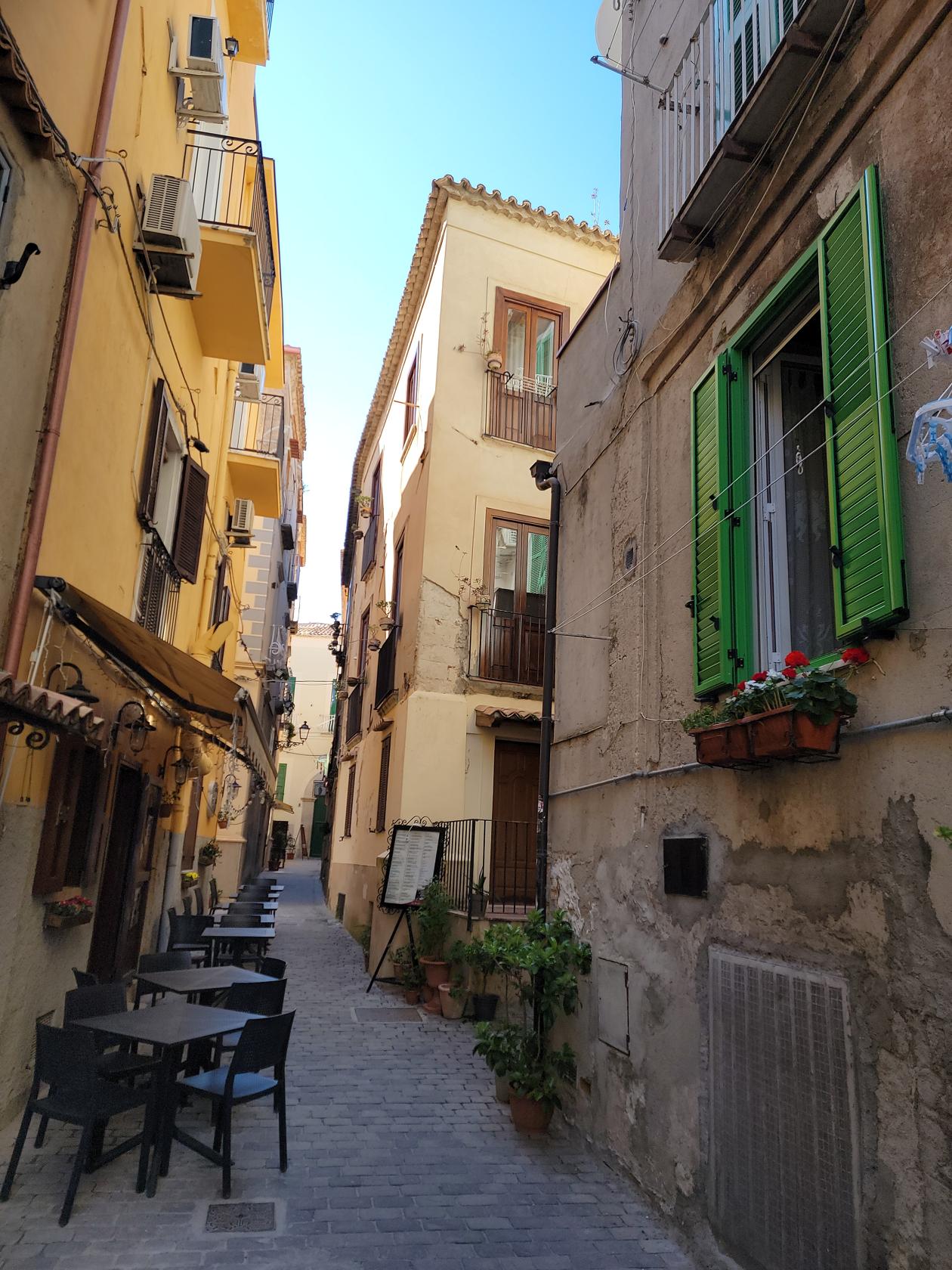
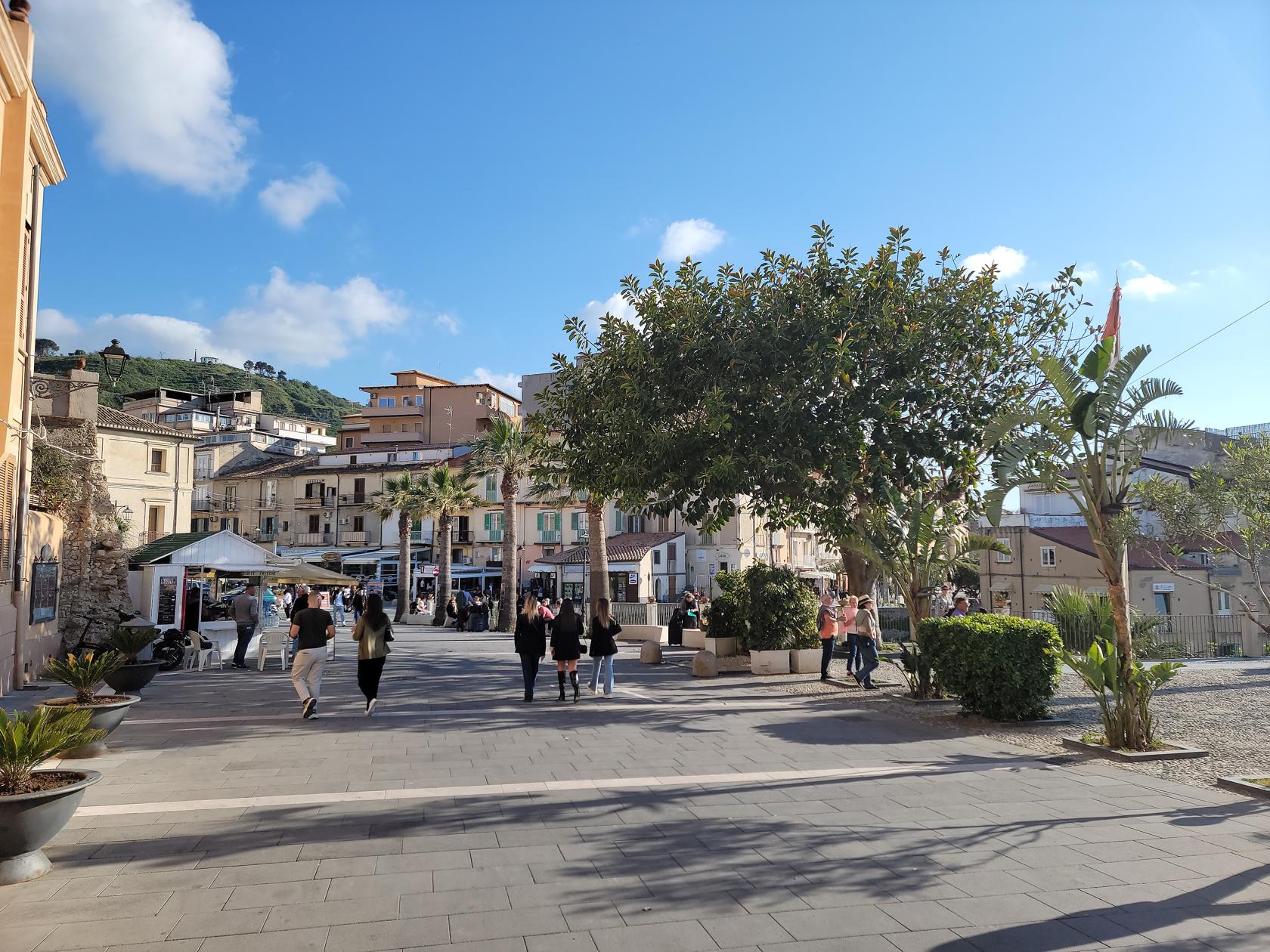
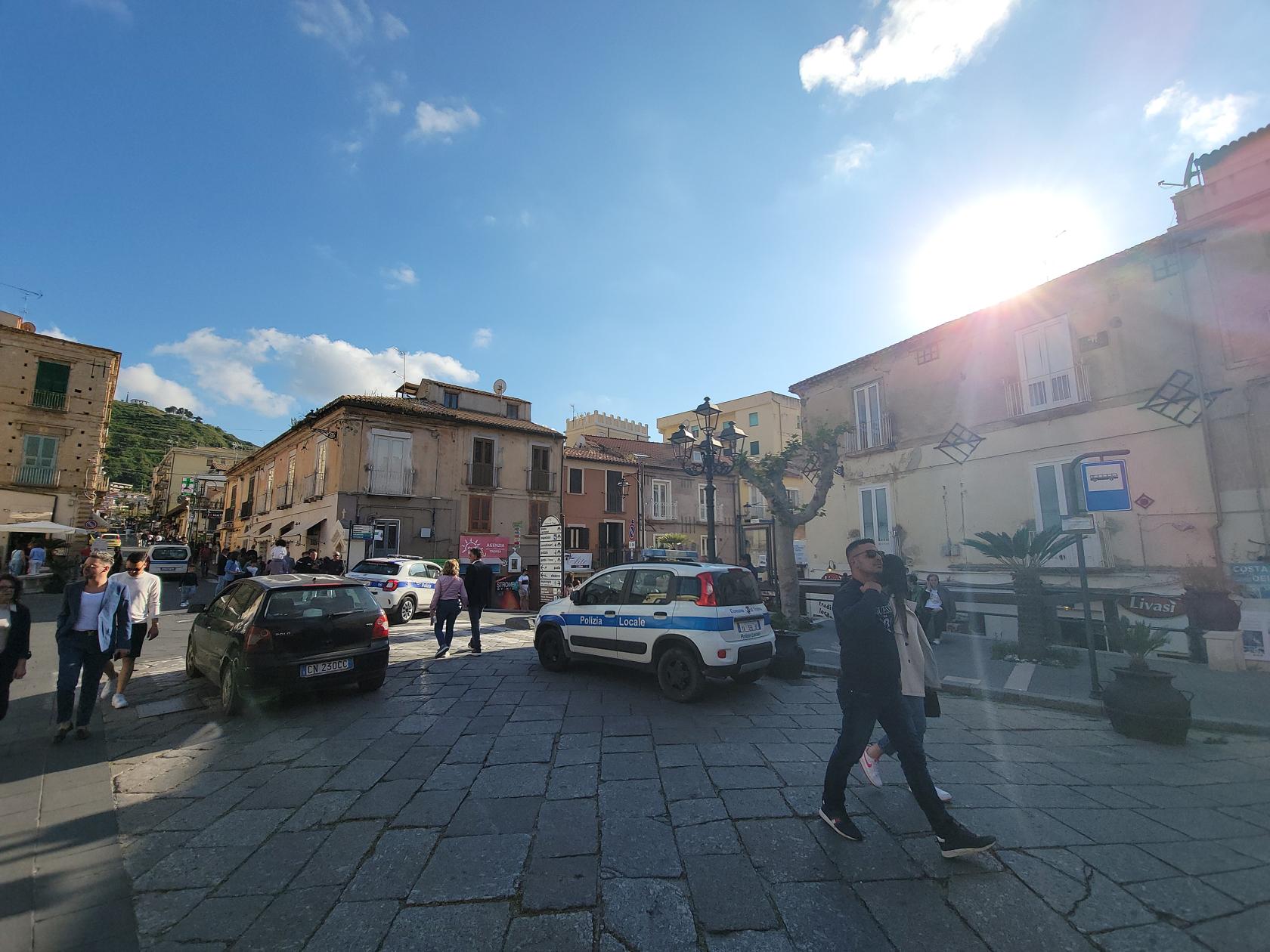
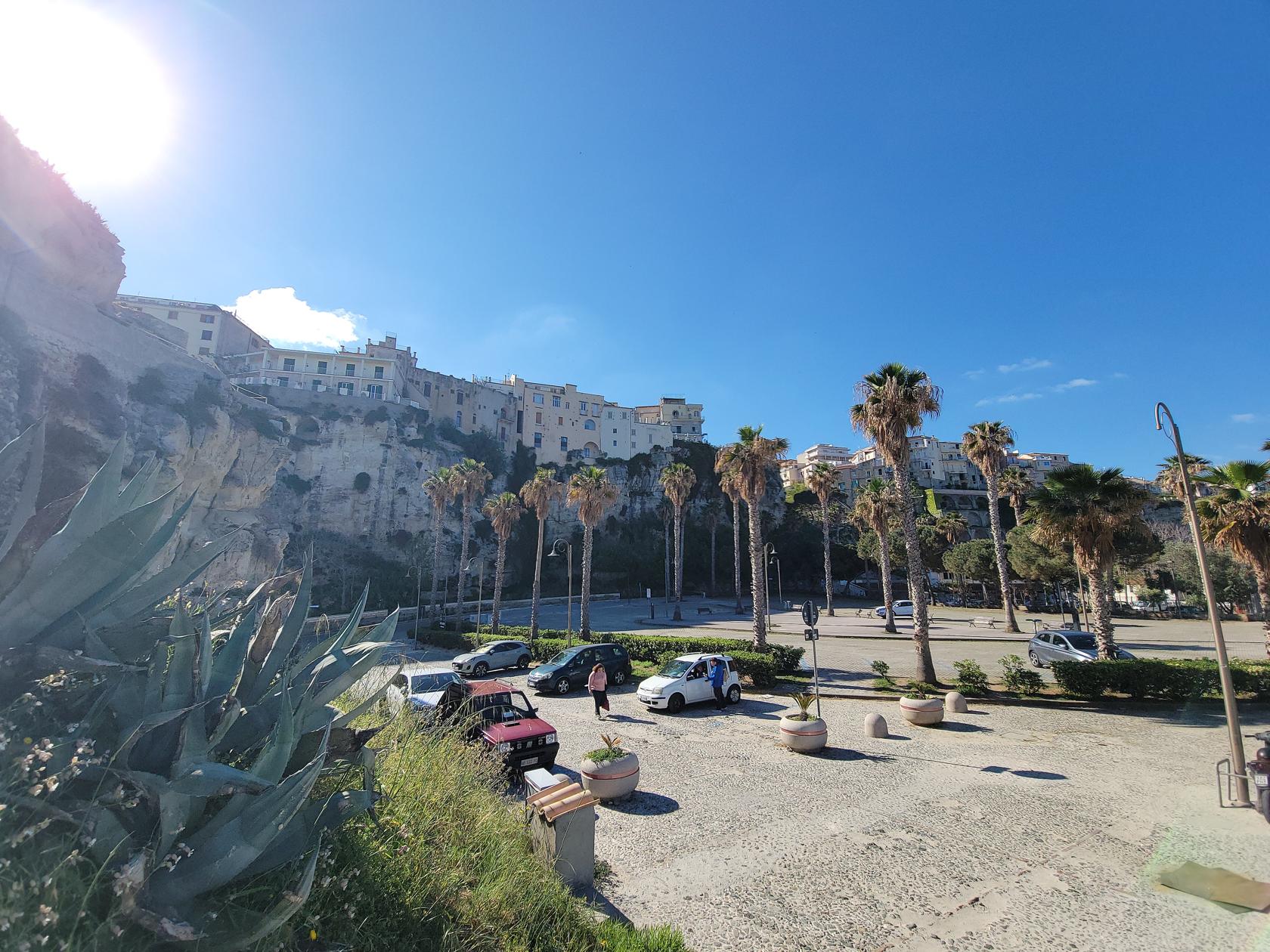
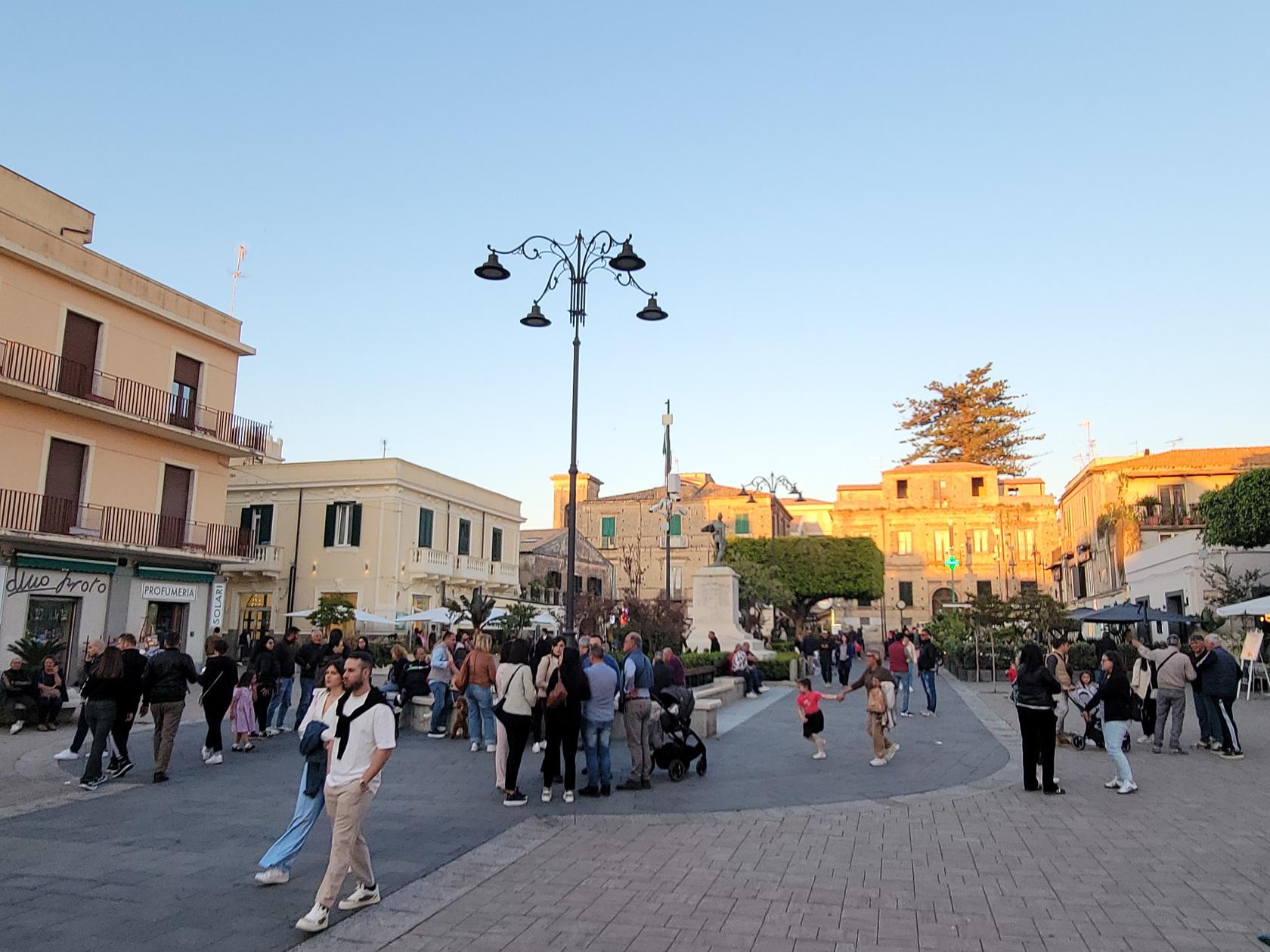
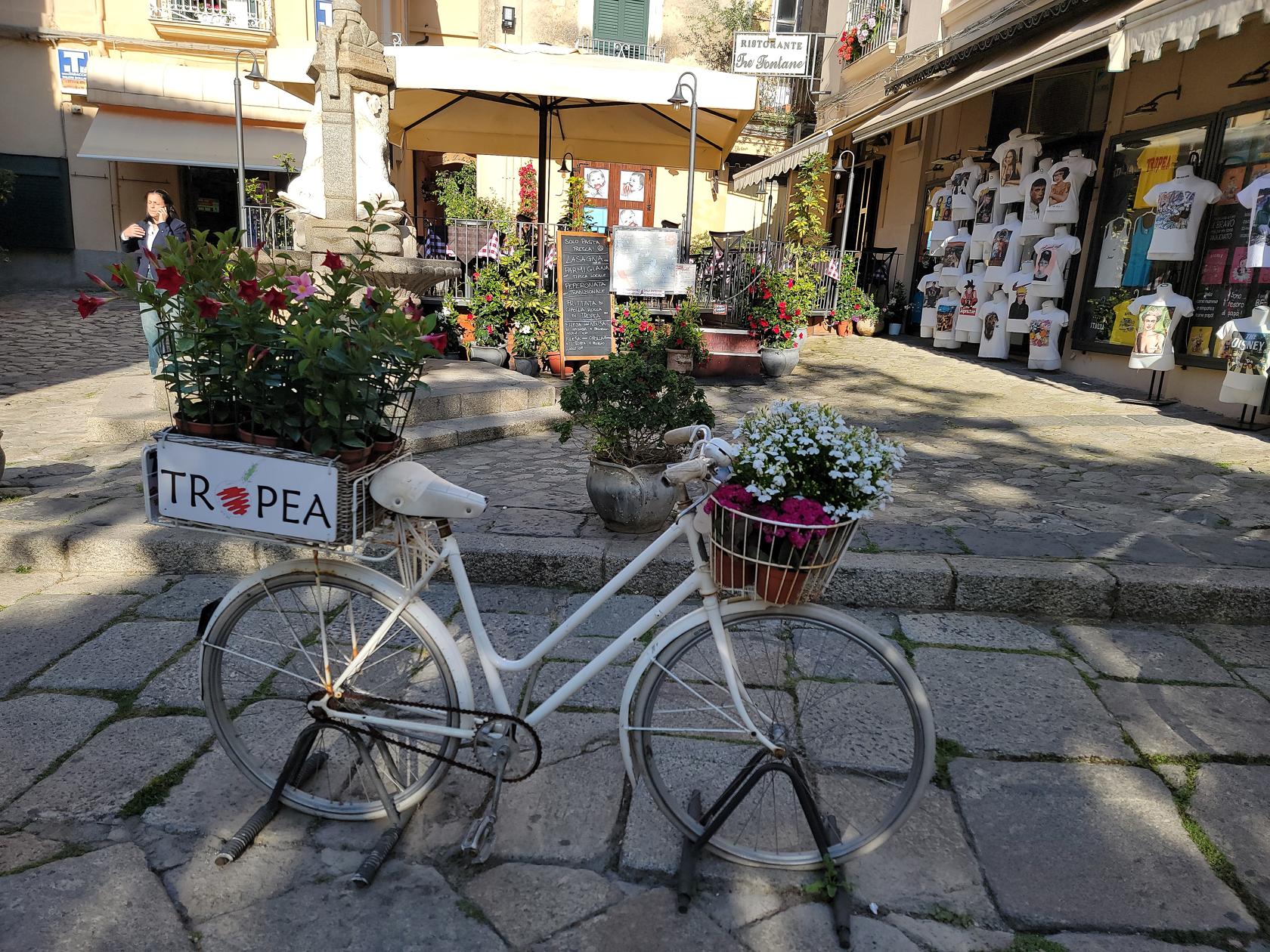
Unknown to us, Tropea is a very busy tourist destination and we were there on a weekend, so the crowds we experienced were kind of unexpected, especially for this time of year.
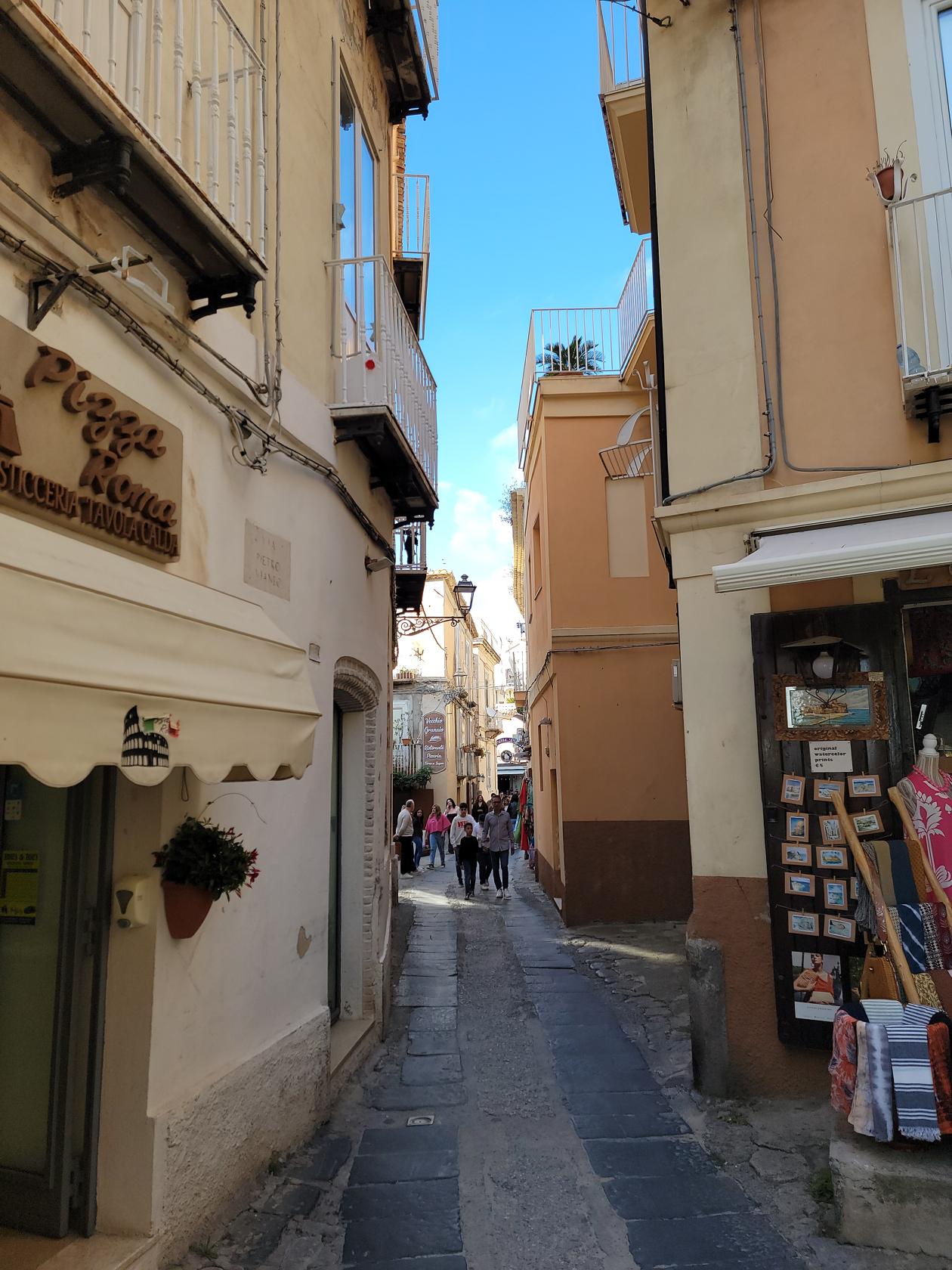
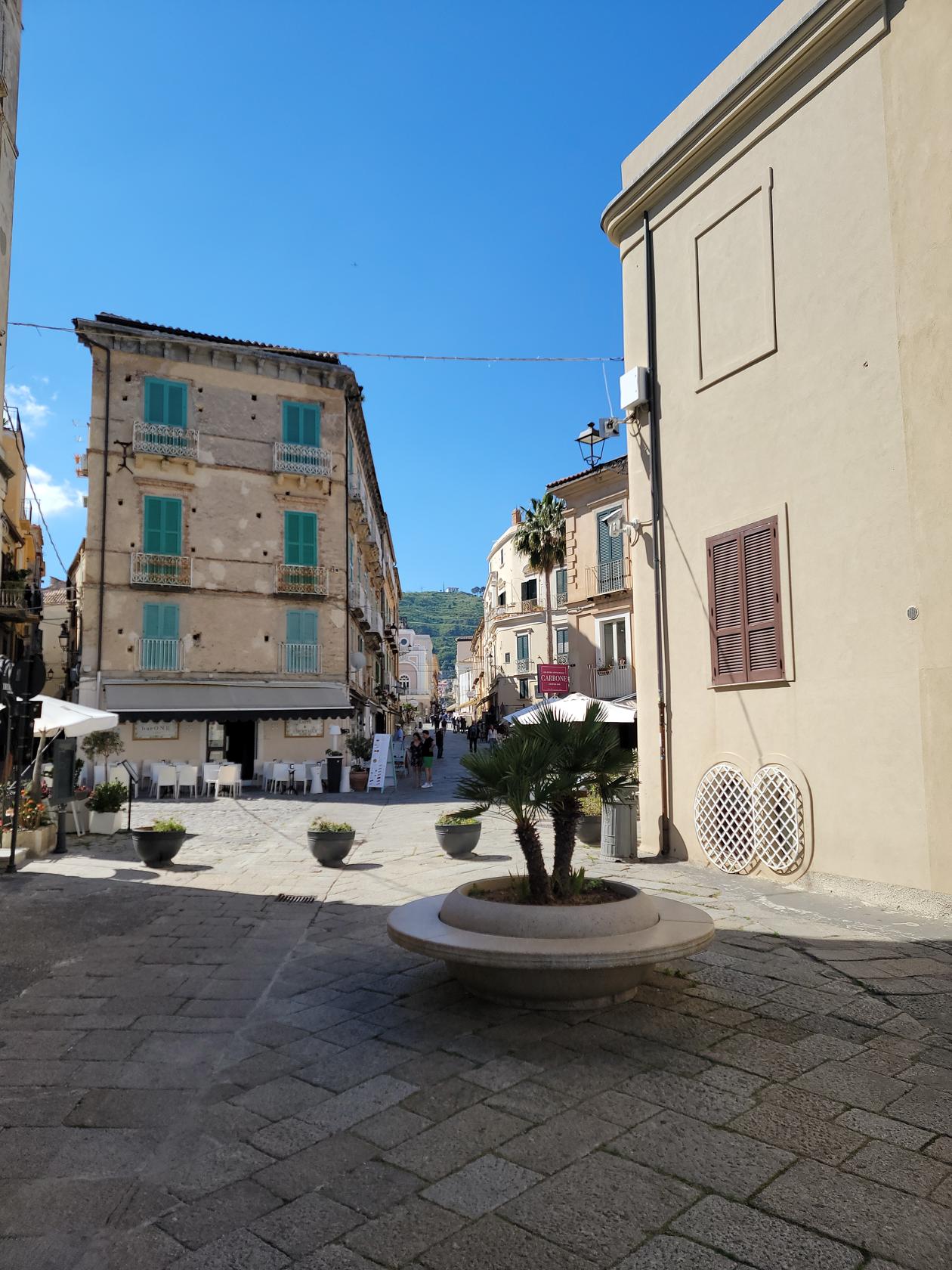
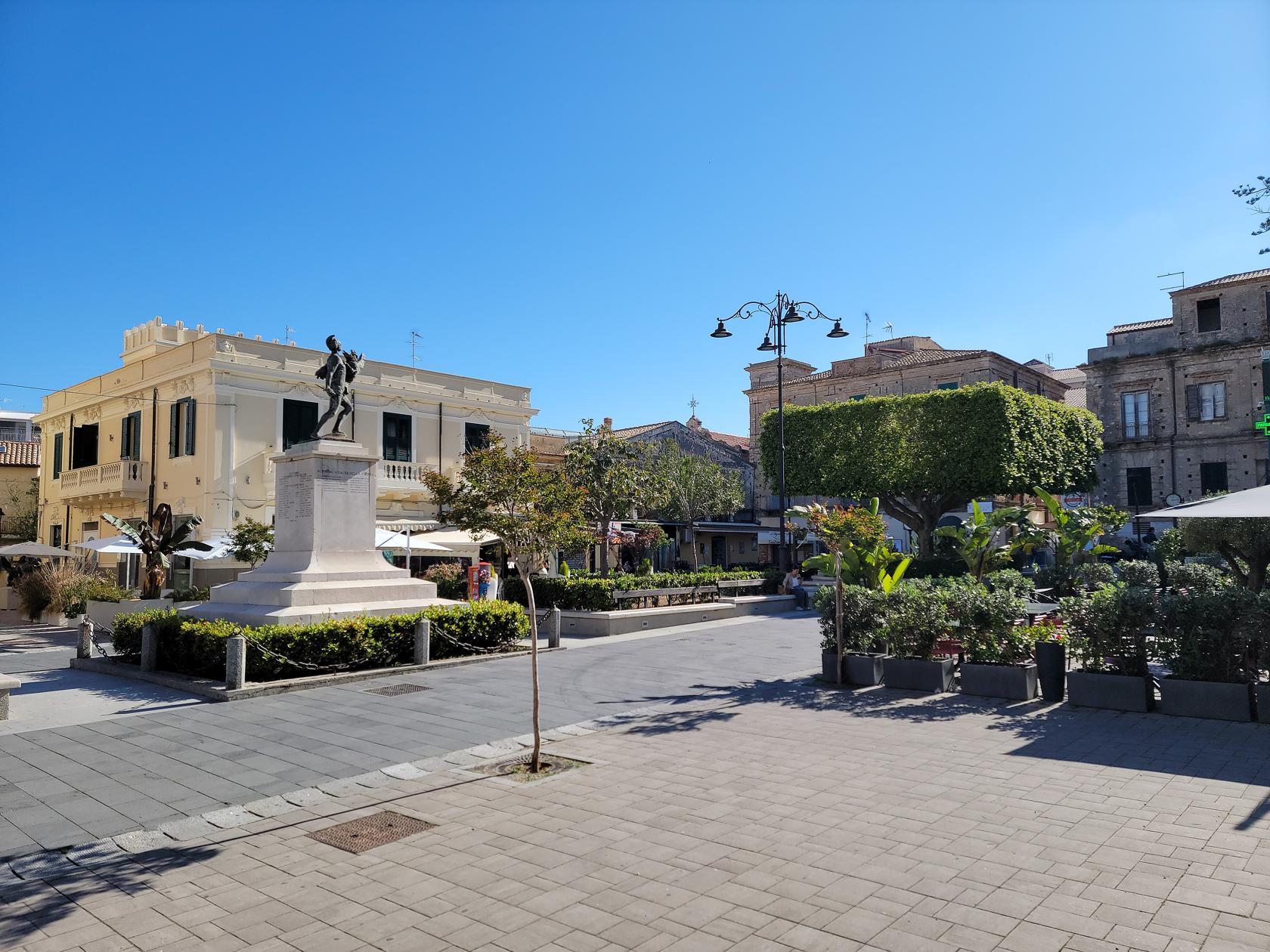
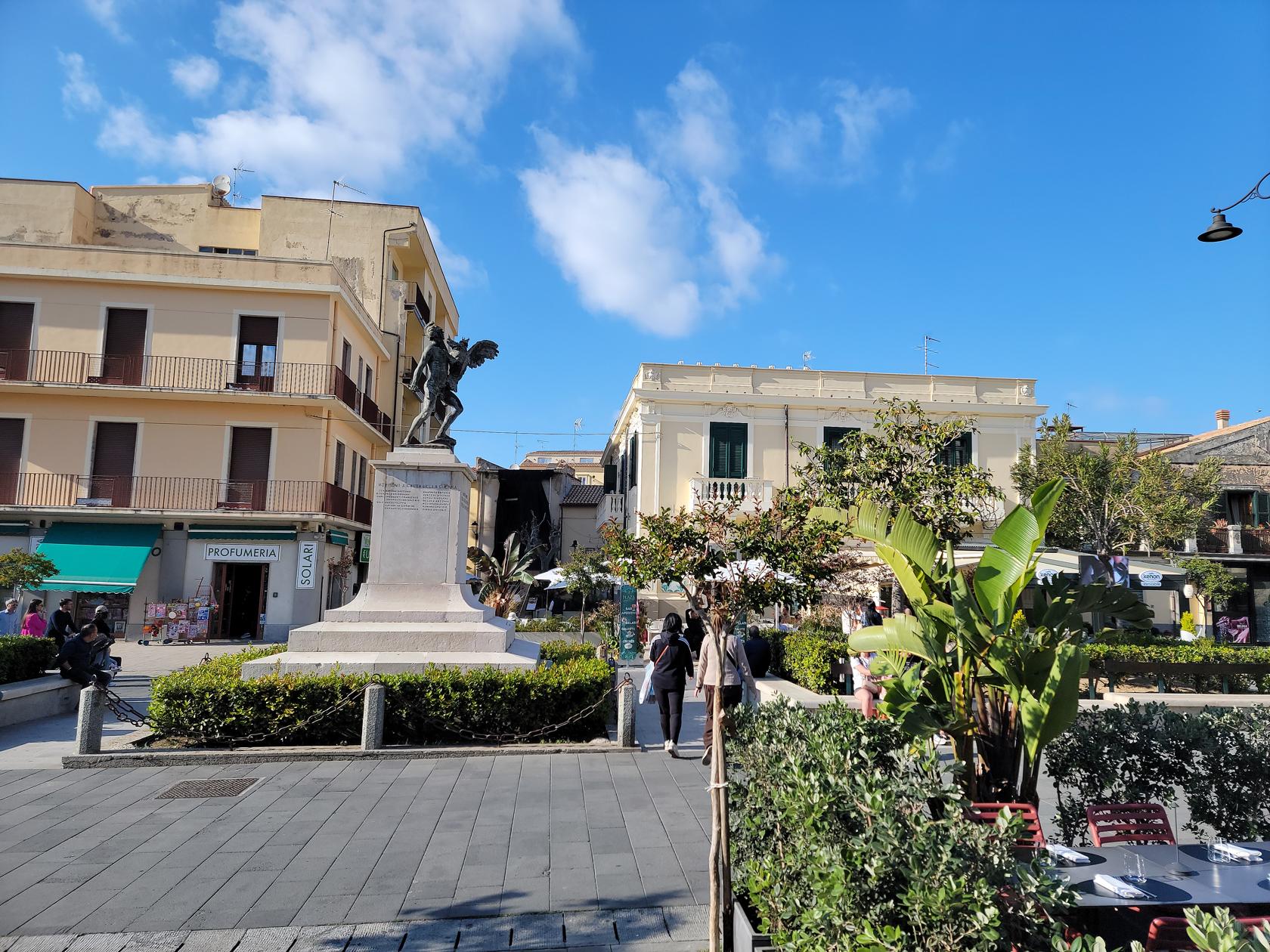
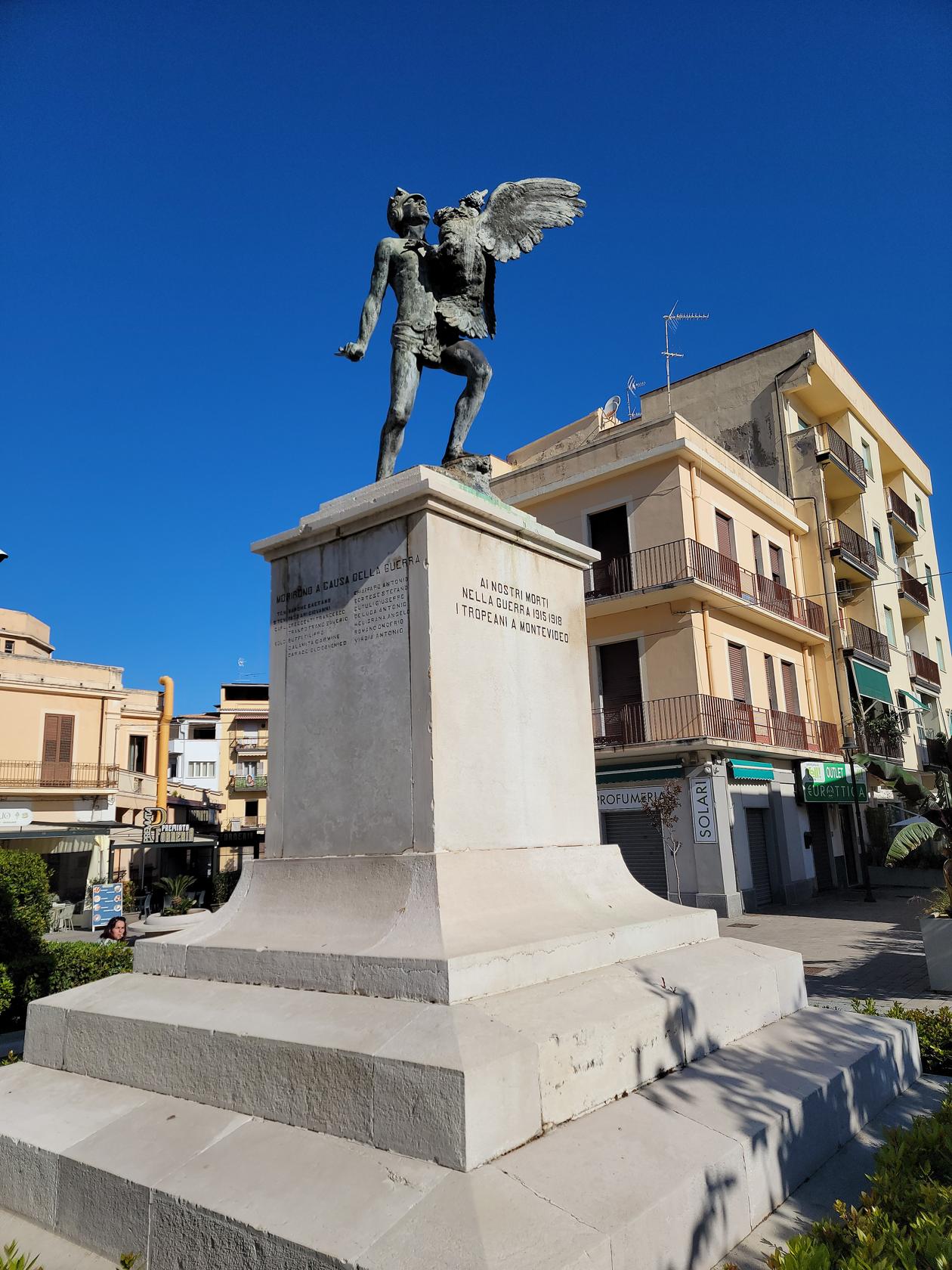
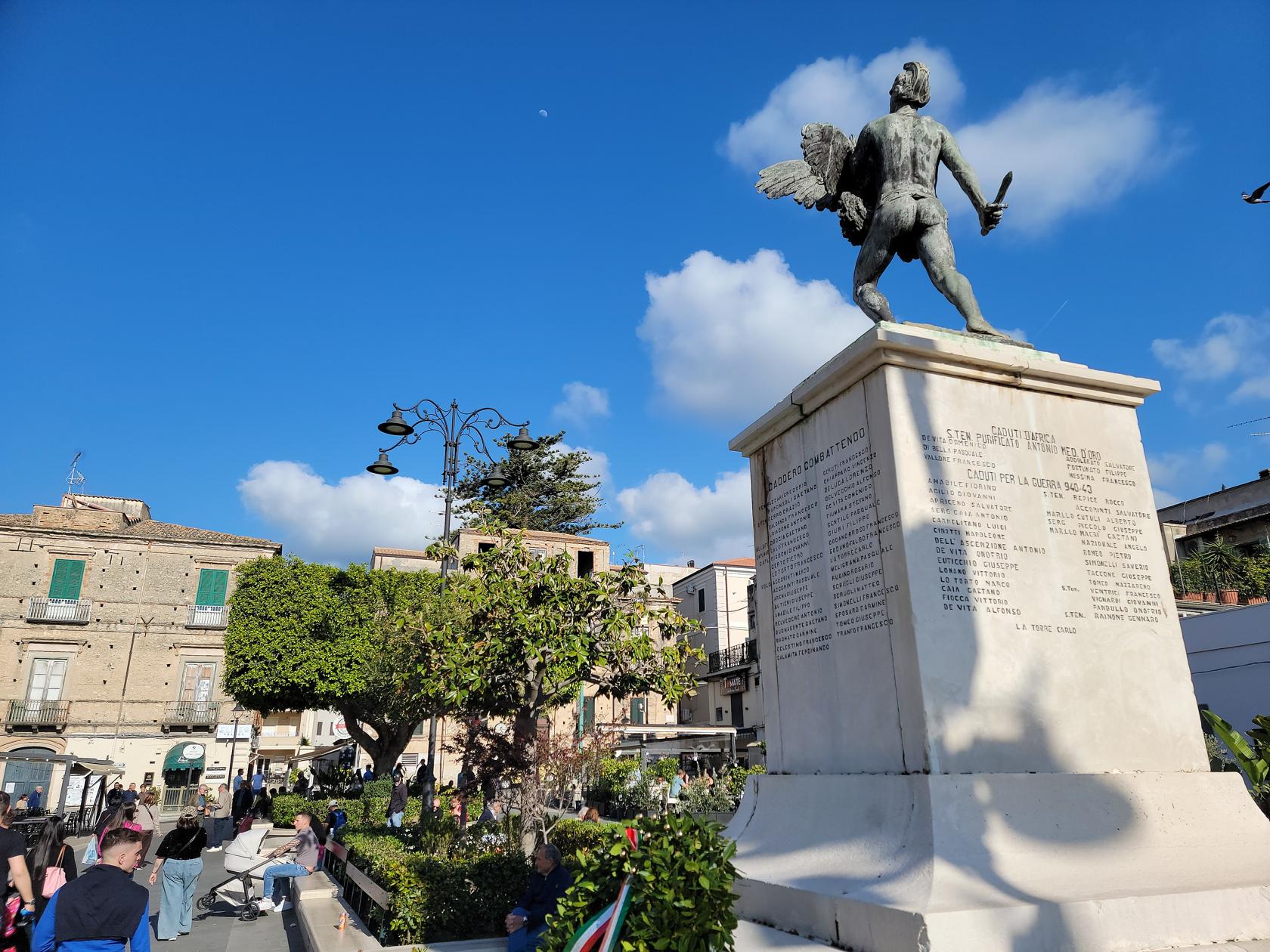
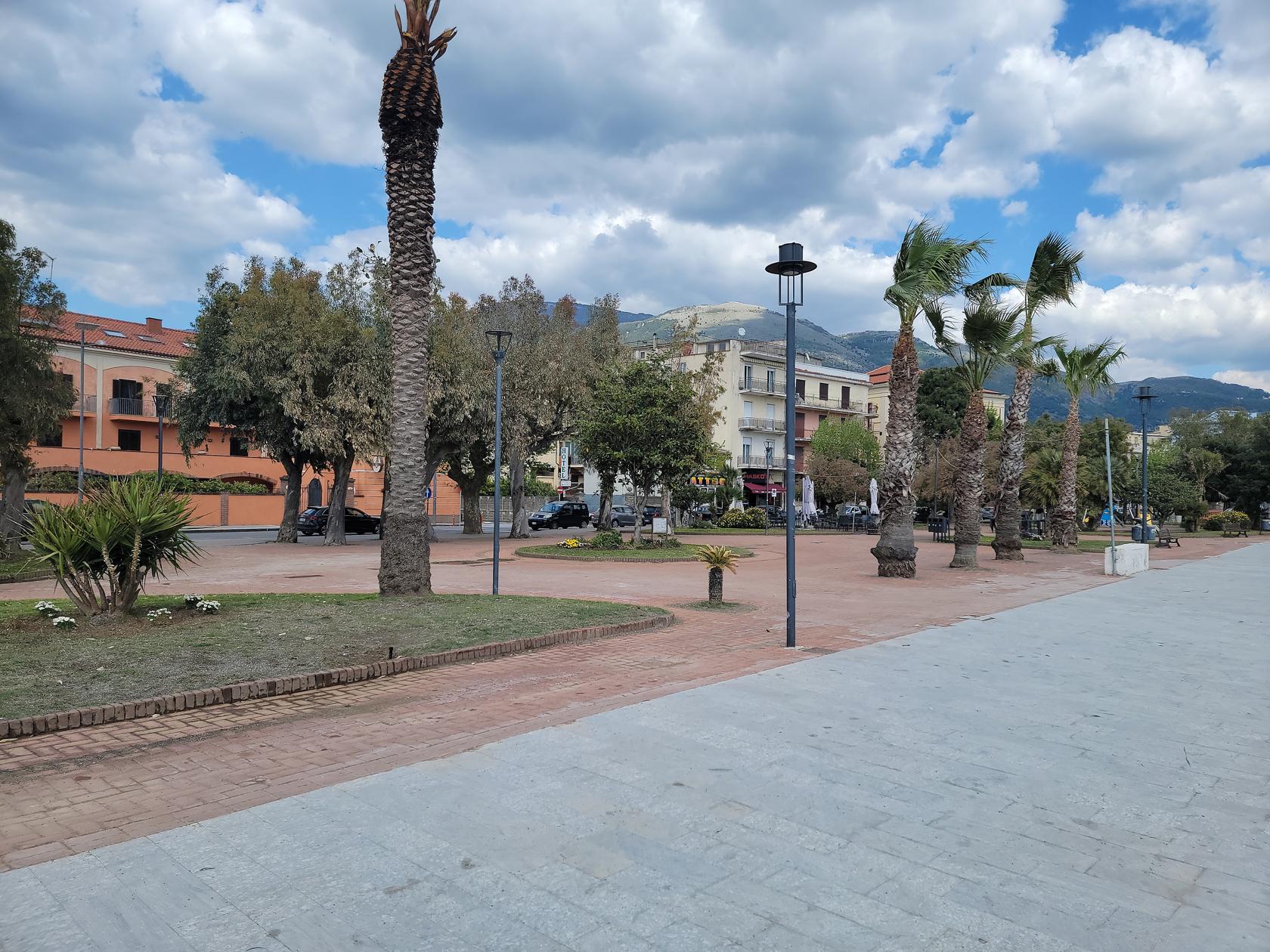
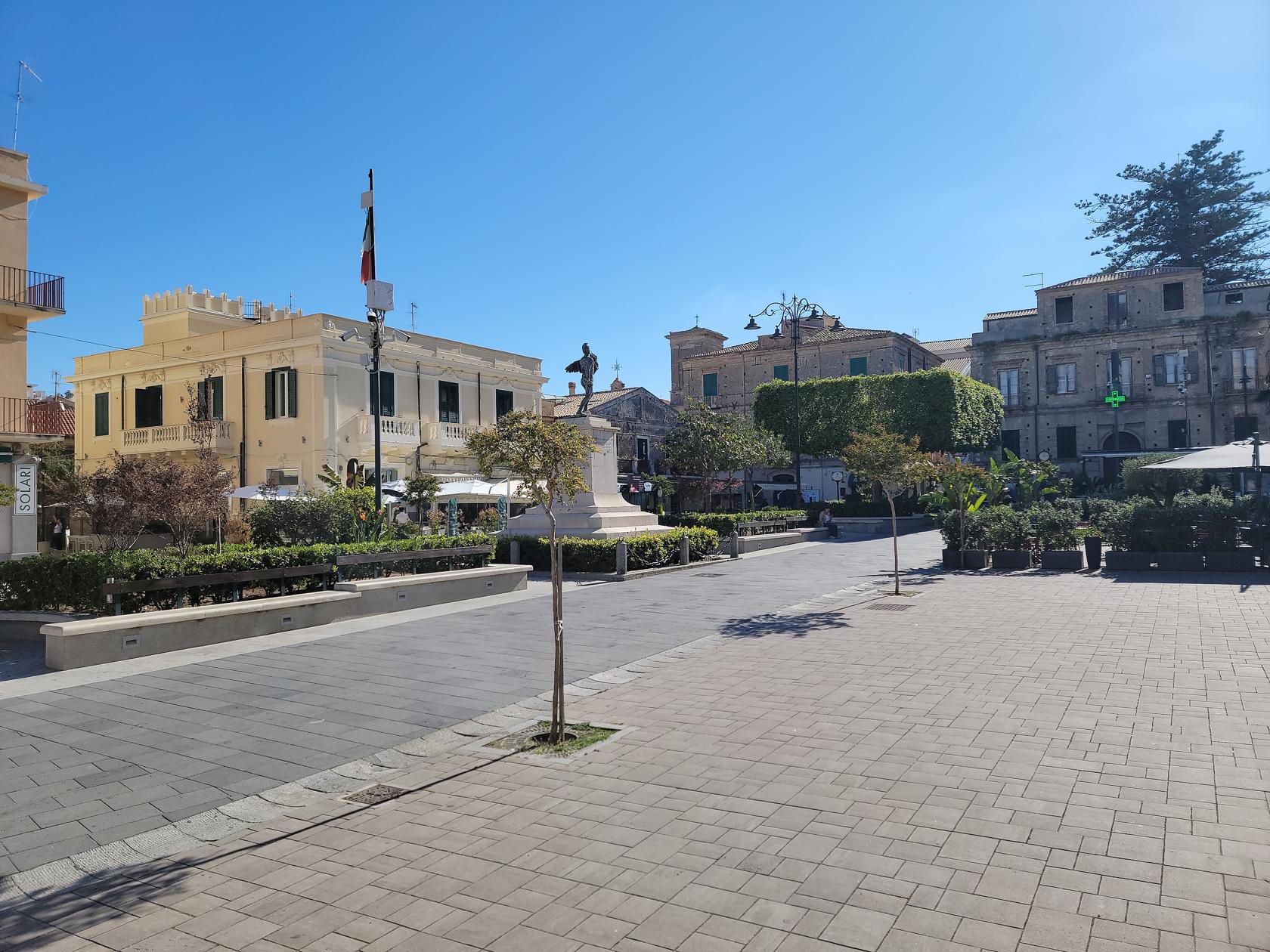
One of the main squares or piazzas close to our hotel, was the Piazza Vittorio Veneto, which our street ran right into, if you walked far enough. It has plenty of seating and a few monuments amongst the trees that have been planted to provide some shade against the sun.
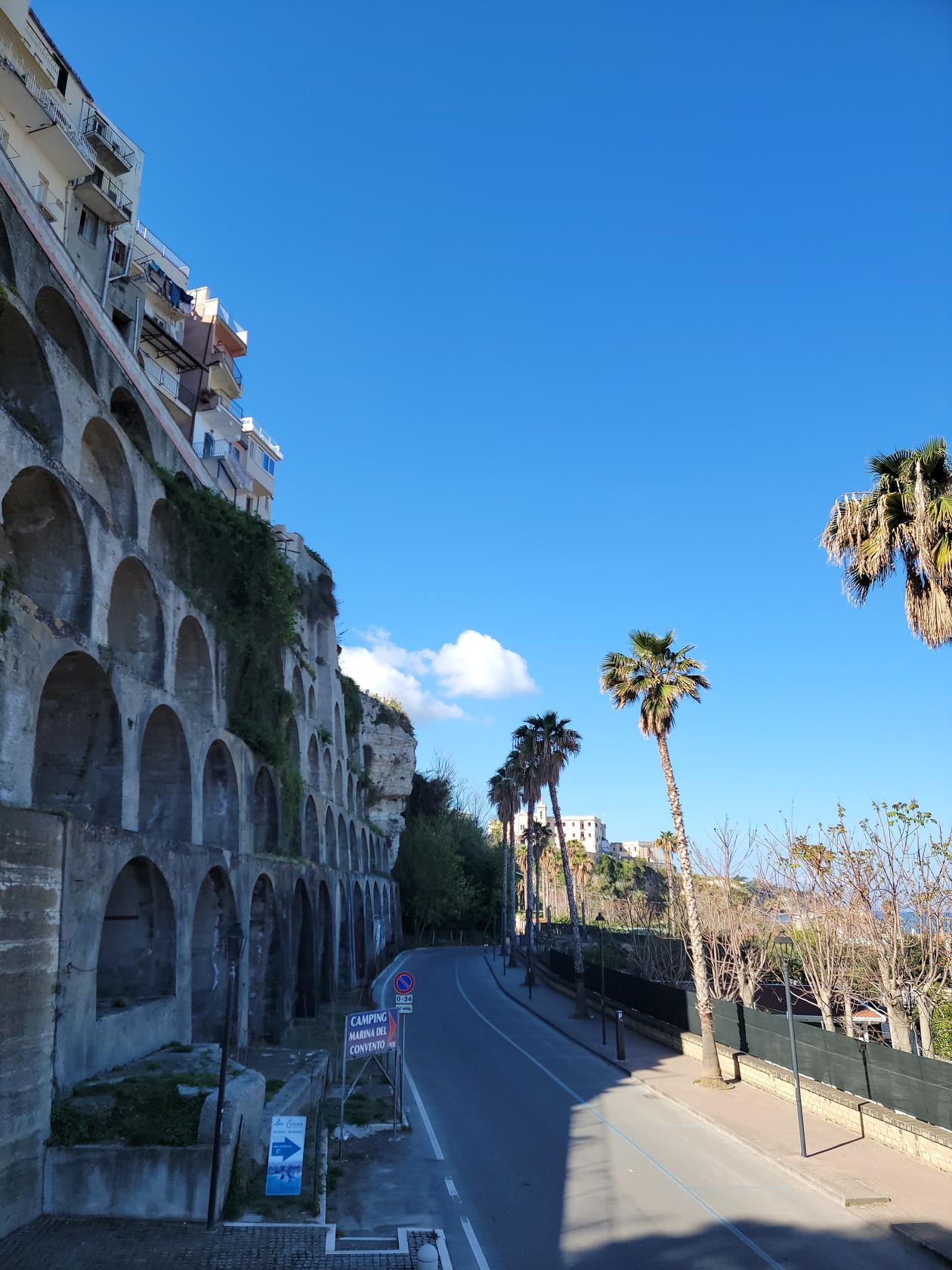
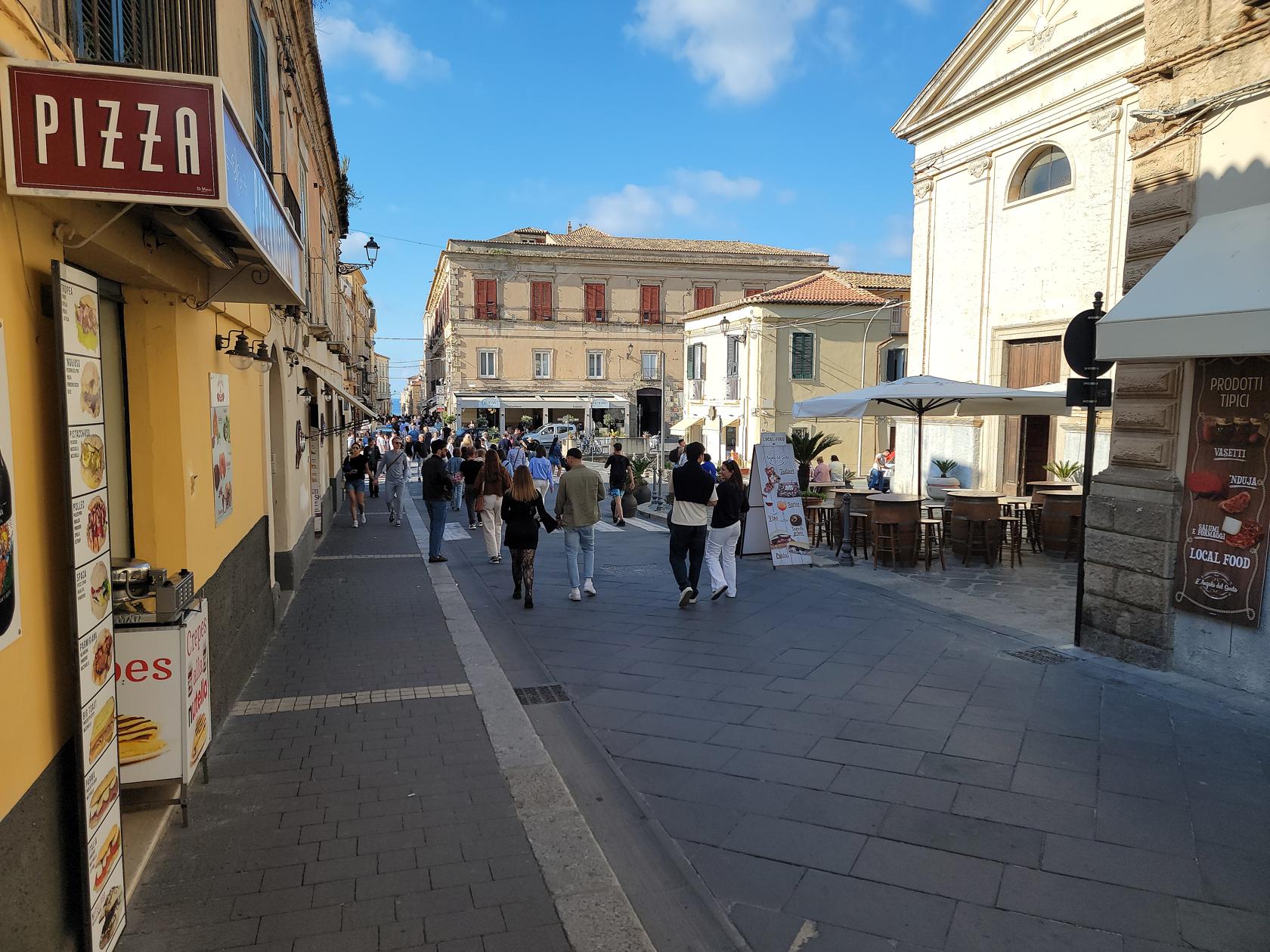
From there the main street in town is the Corso Vittorio Emanuele, which turns into Via Stazione as one gets closer to the train station.
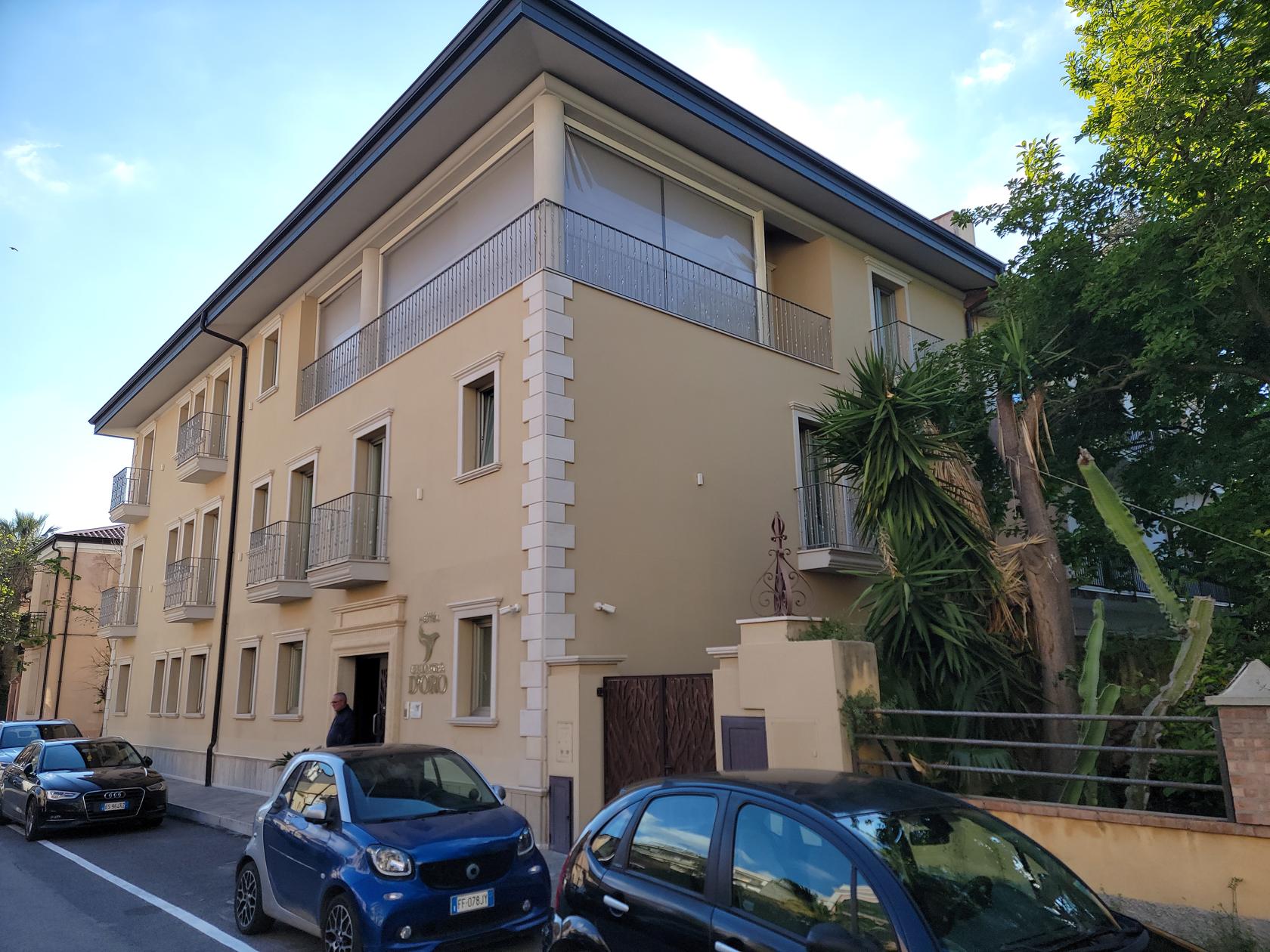
Hotel Colomba D’Oro

In Tropea we stayed at a hotel between the old part of town and the train station. It was just as well, our hotel in the city was the Hotel Colomba D’Oro on via Vittorio Veneto and it proved to be quiet and very comfortable. Our room came with a free morning continental breakfast, which included cooked eggs, pancetta and other warm offerings.
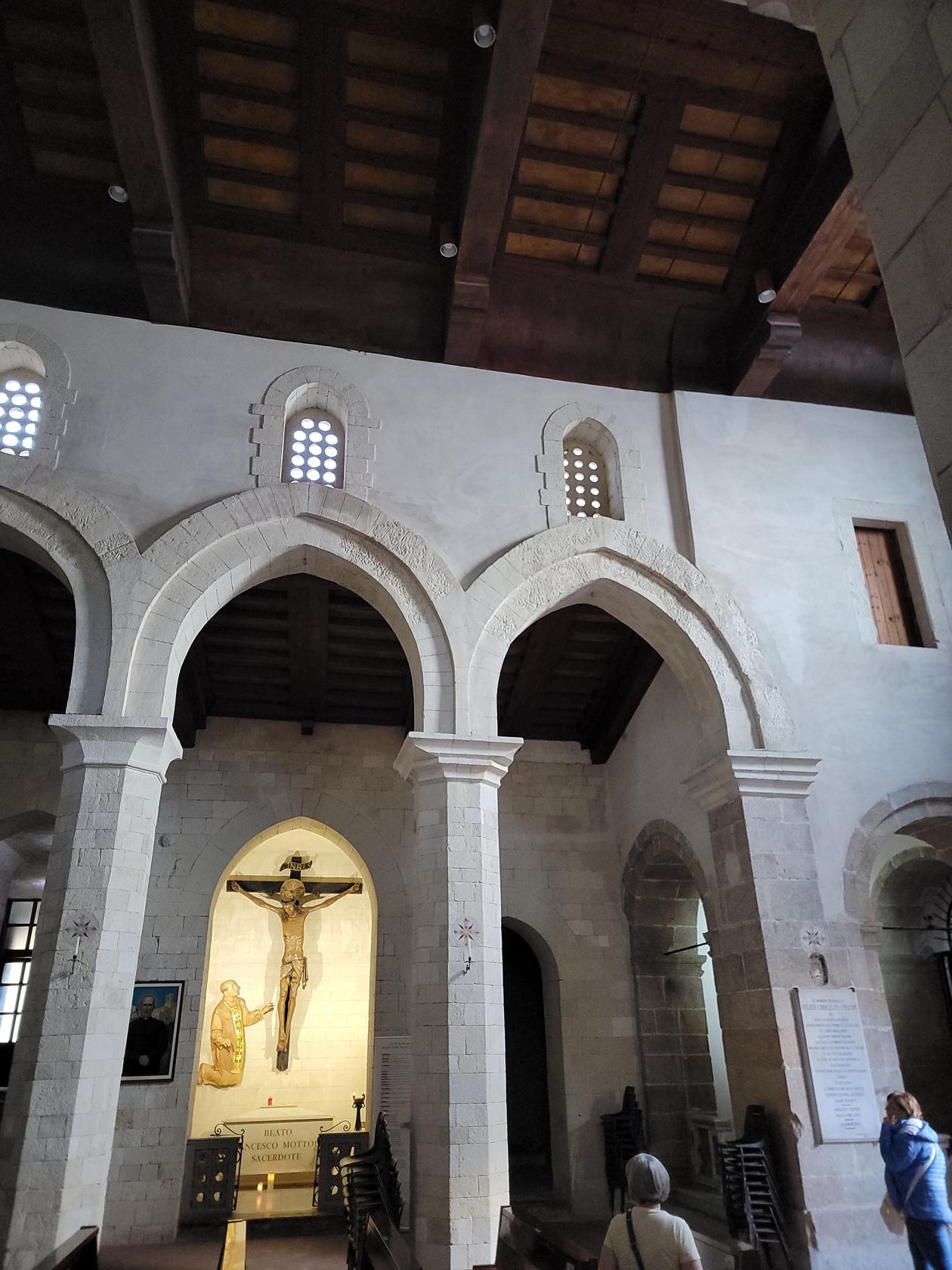
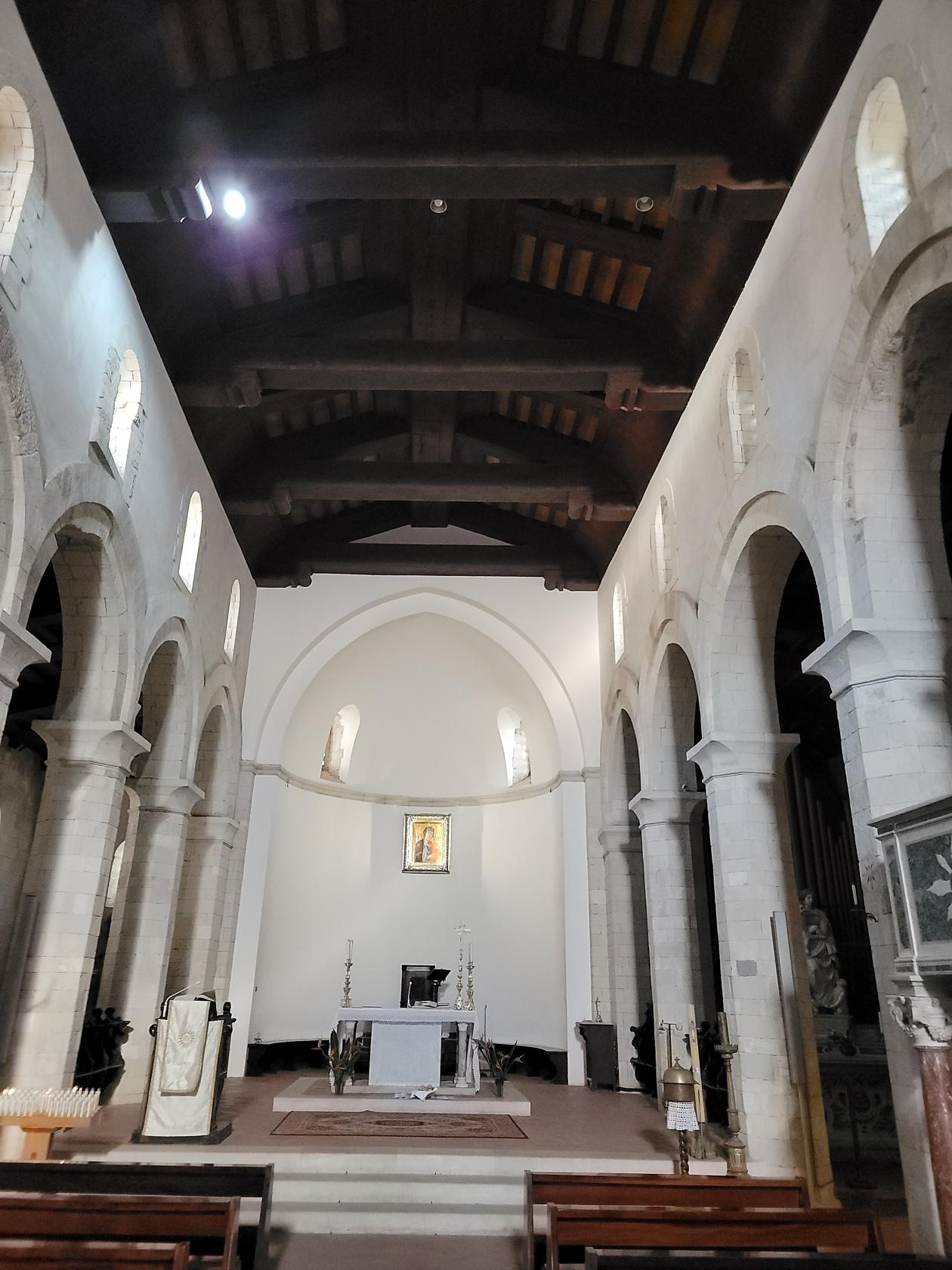
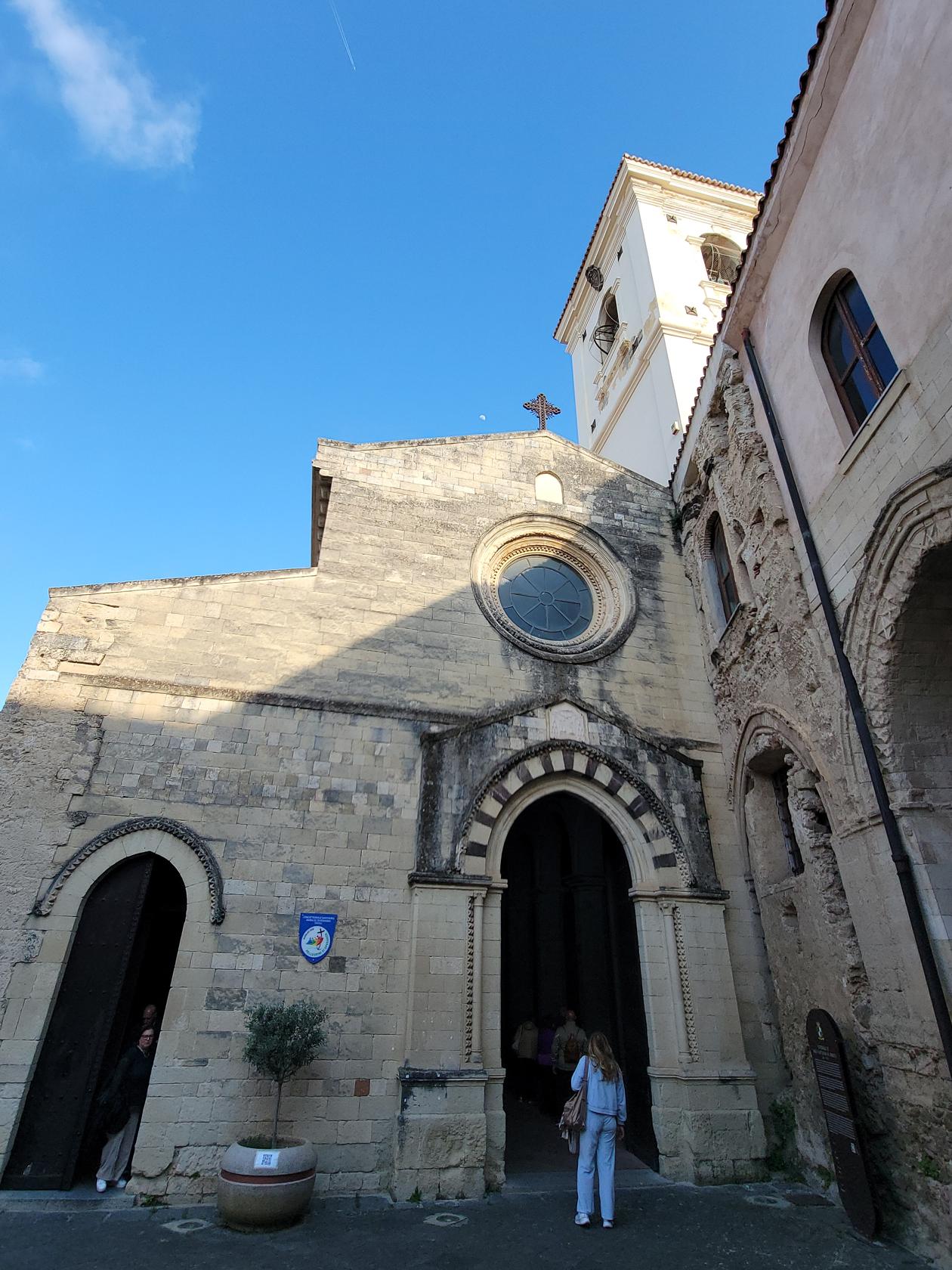
Cathedral of Maria Santissima of Romania

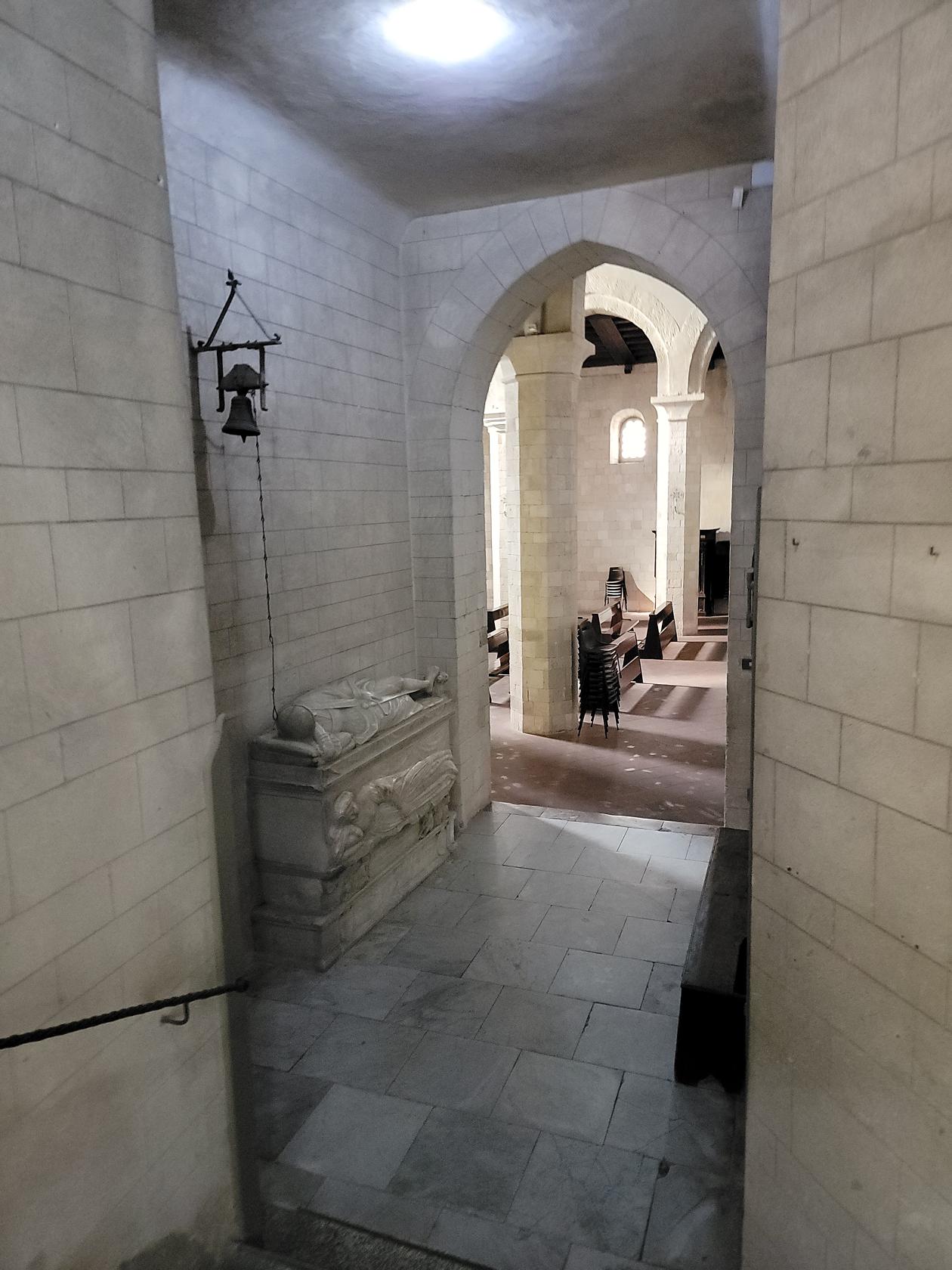
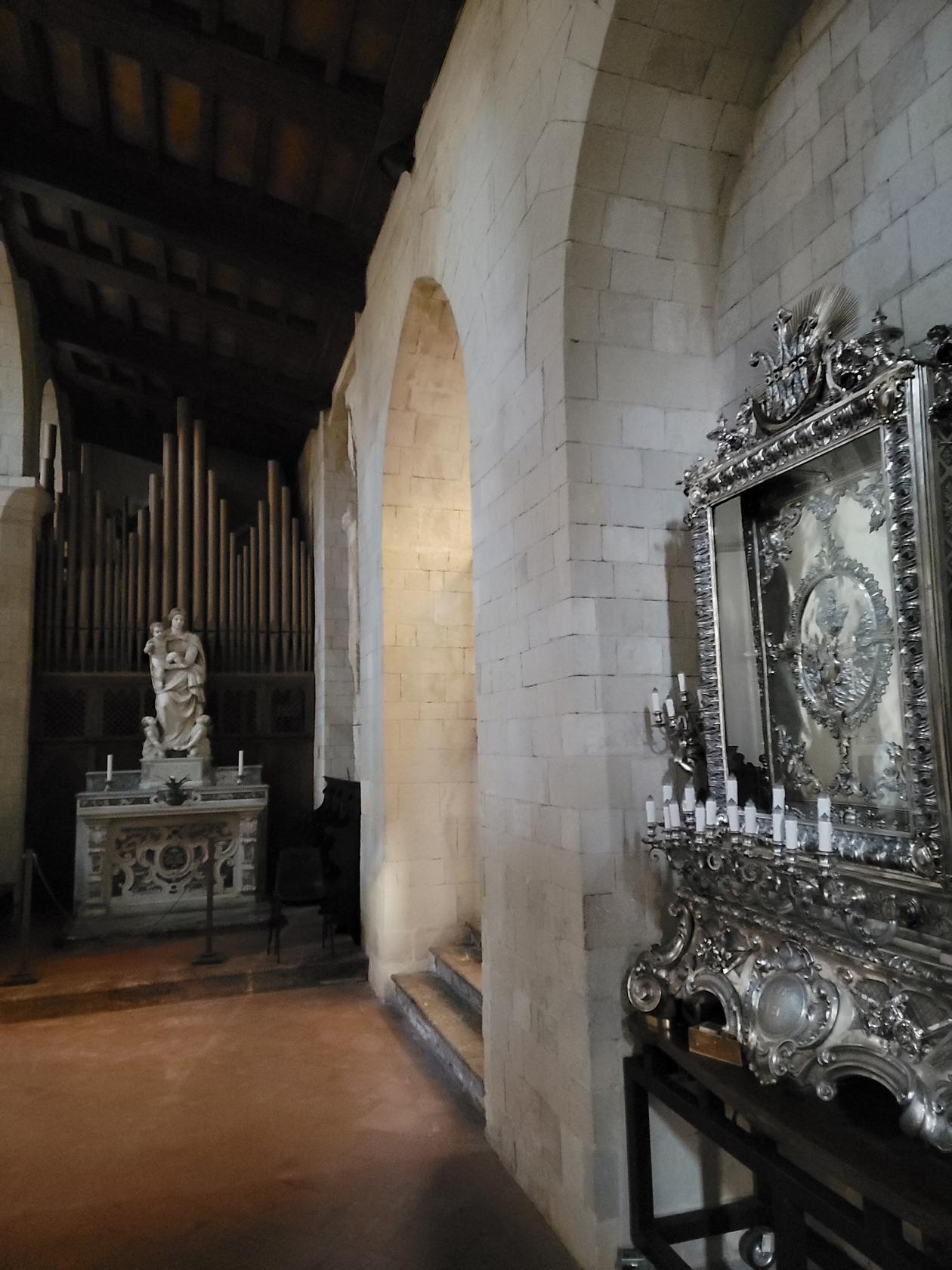
The twelfth century cathedral of Saint Mary of Romania is on Largo Duomo. The interior houses guilt altar for the Virgin of Romania and the Black Crucifix of 1600.
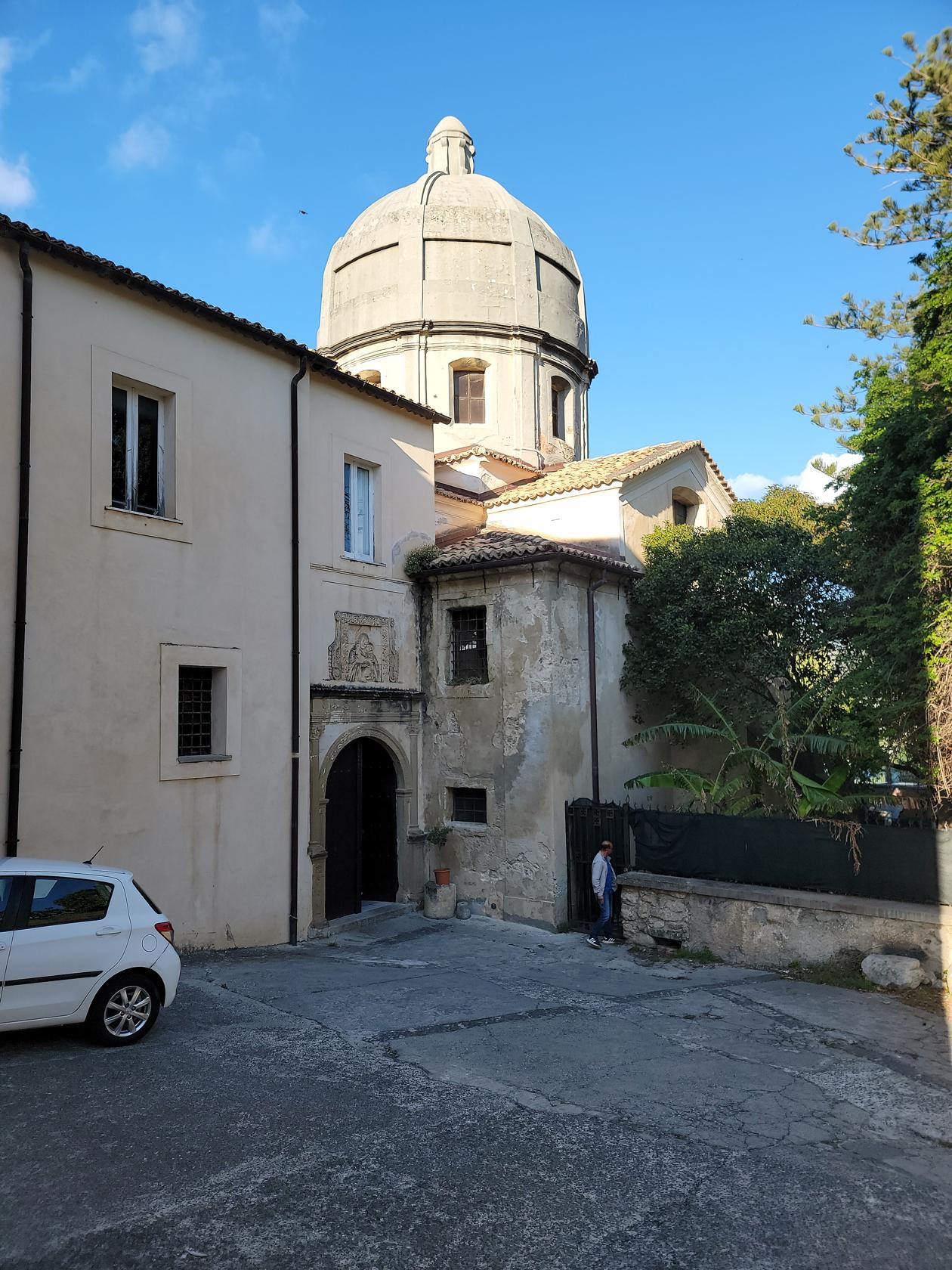
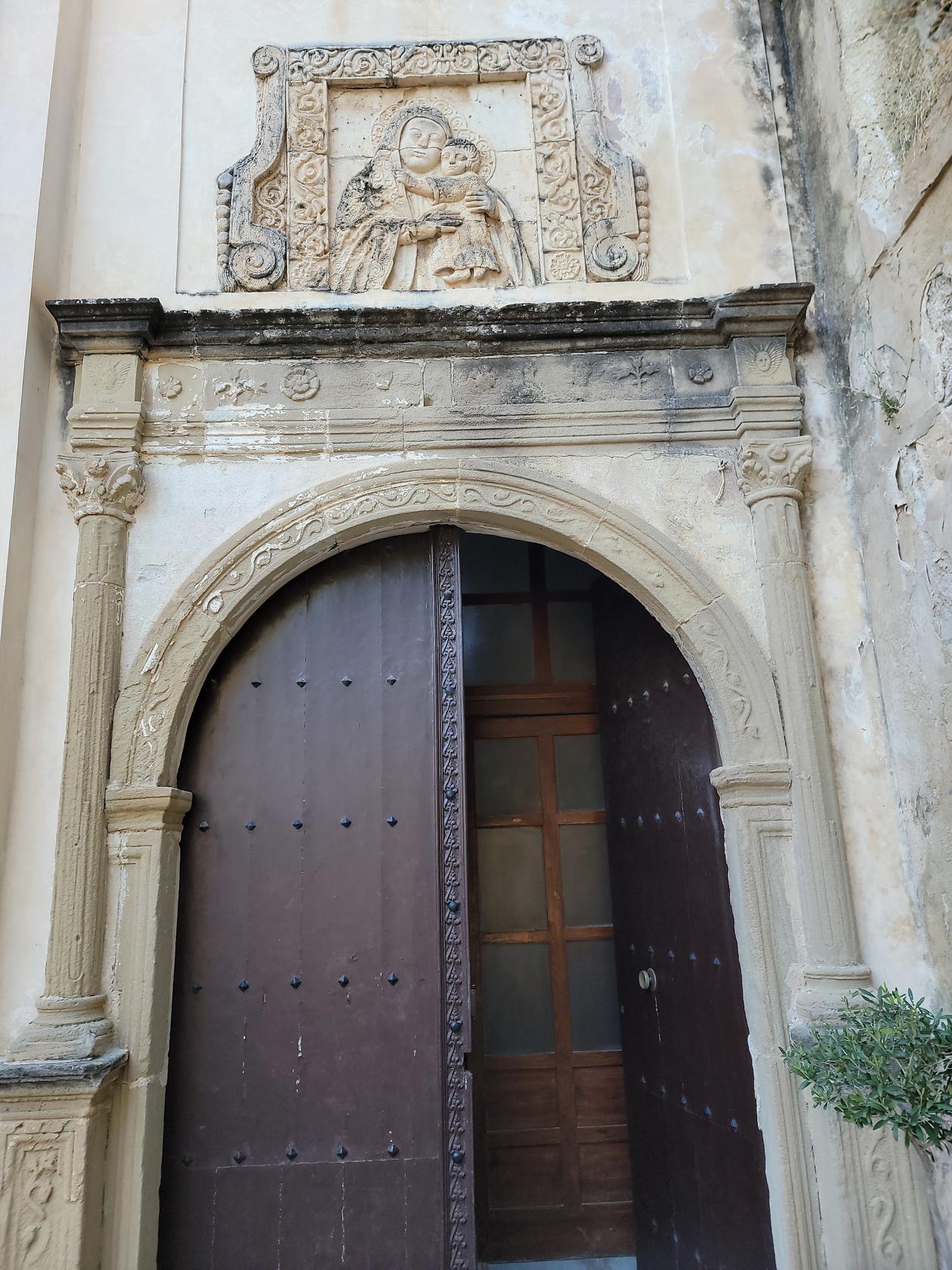
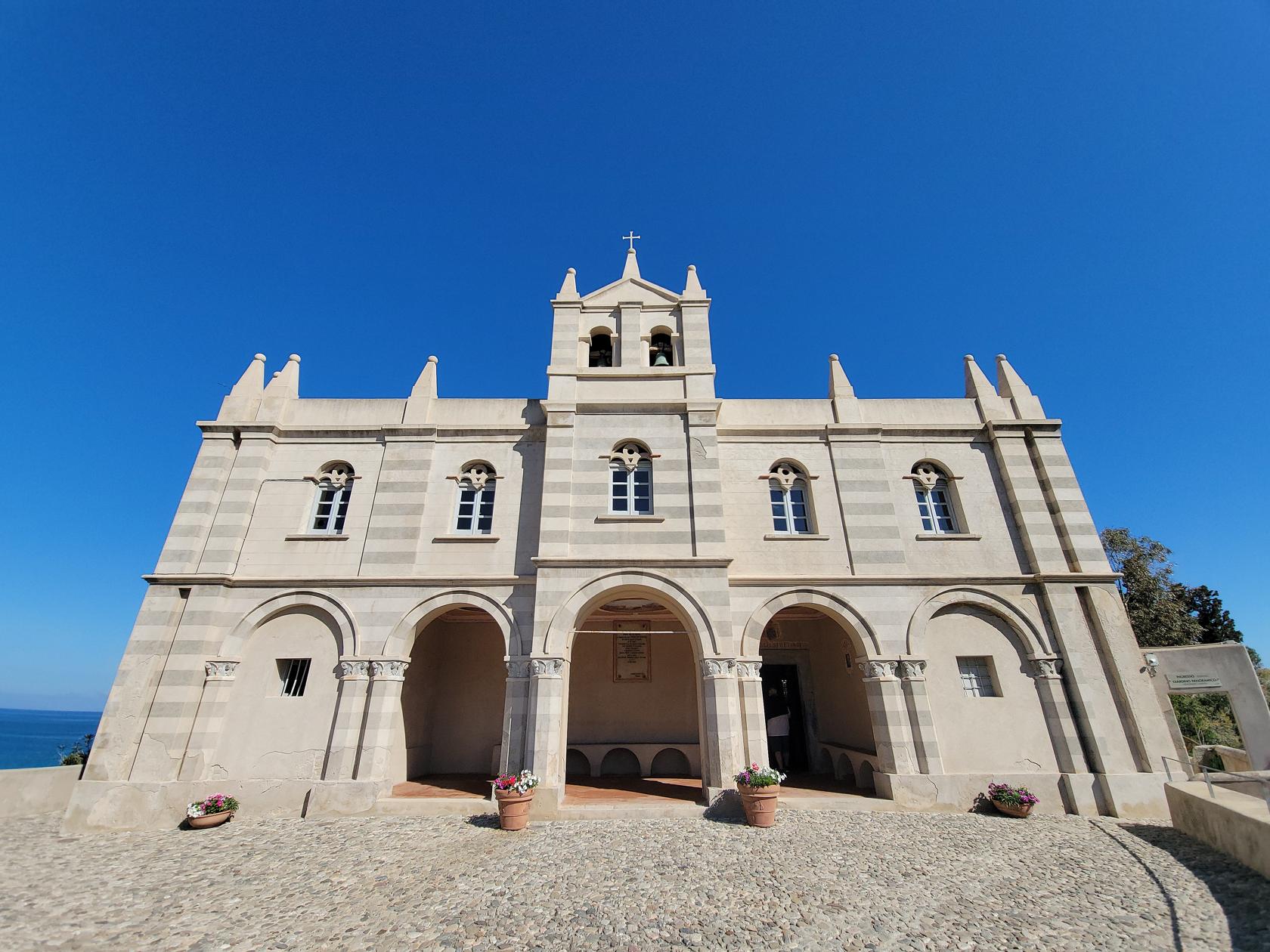
Sanctuary of Santa Maria of the Island of Tropea

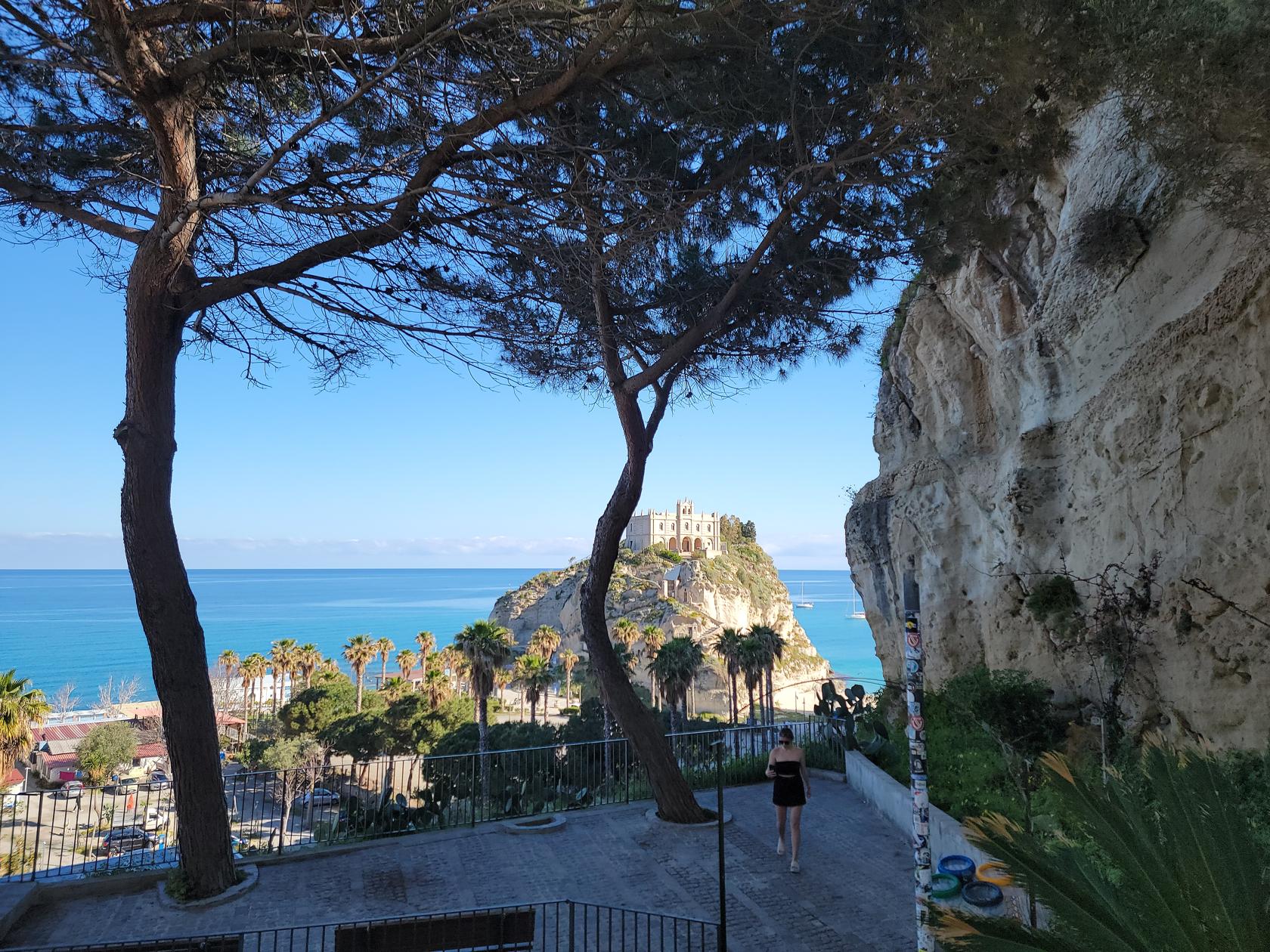
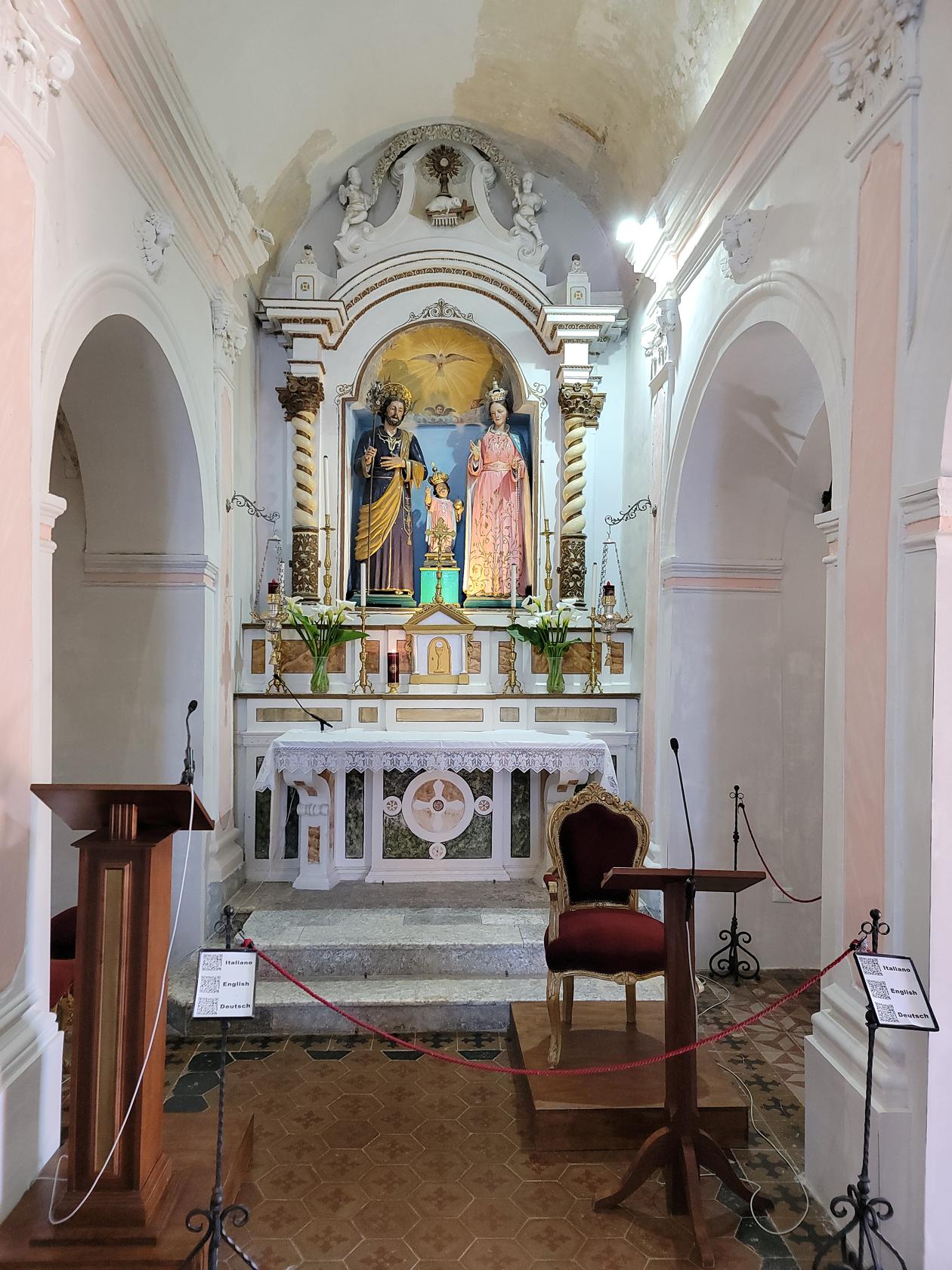
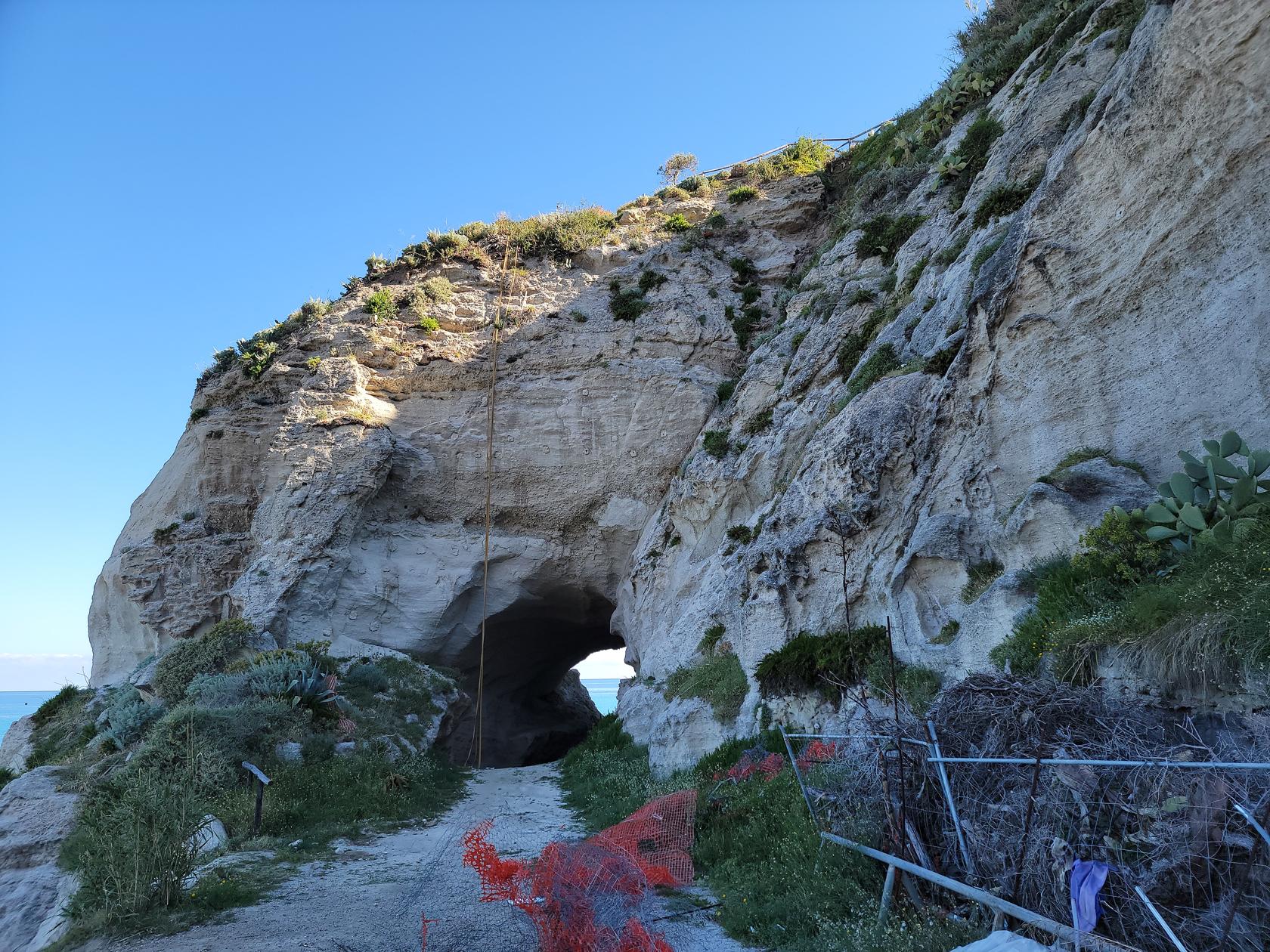
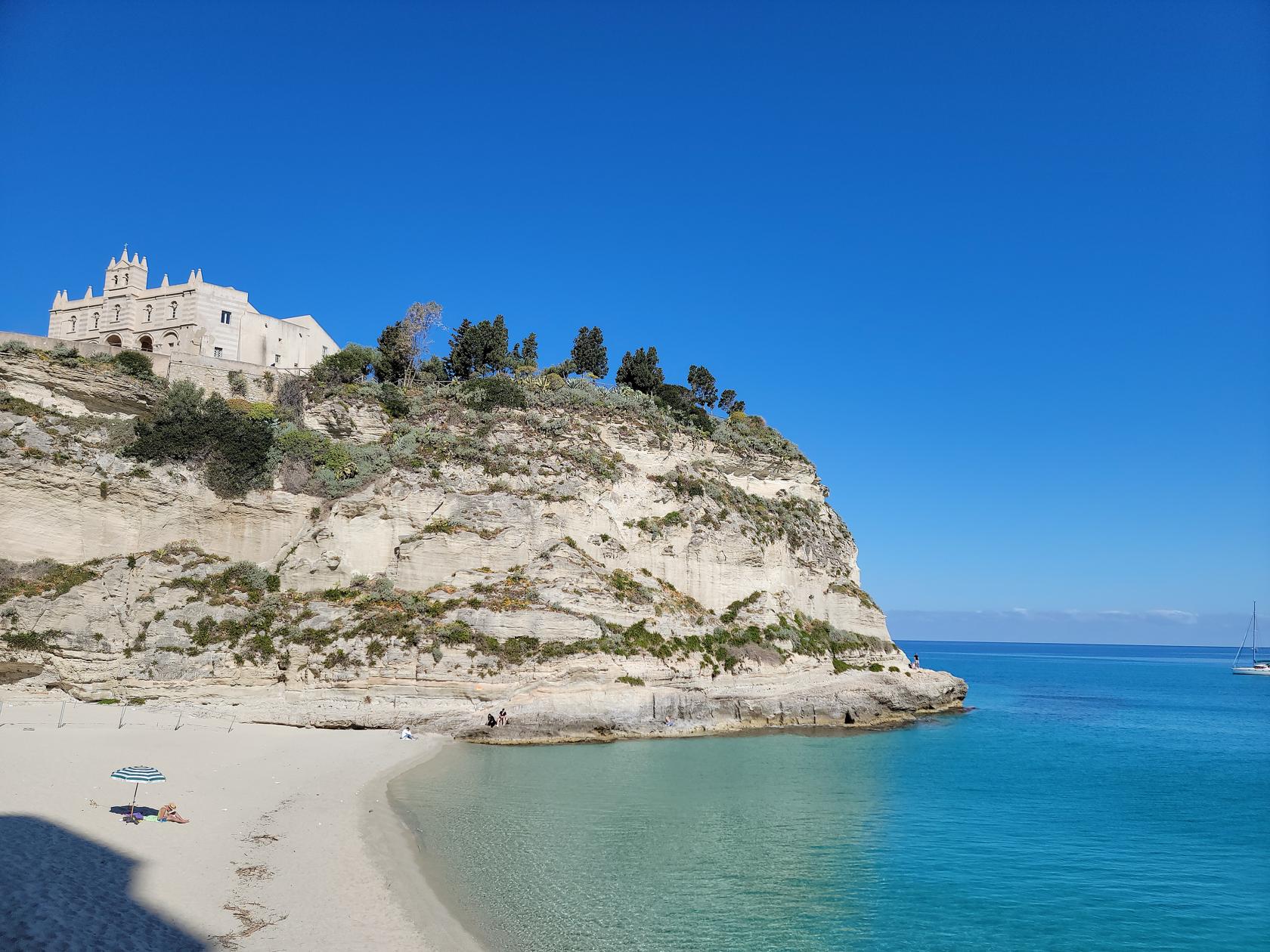
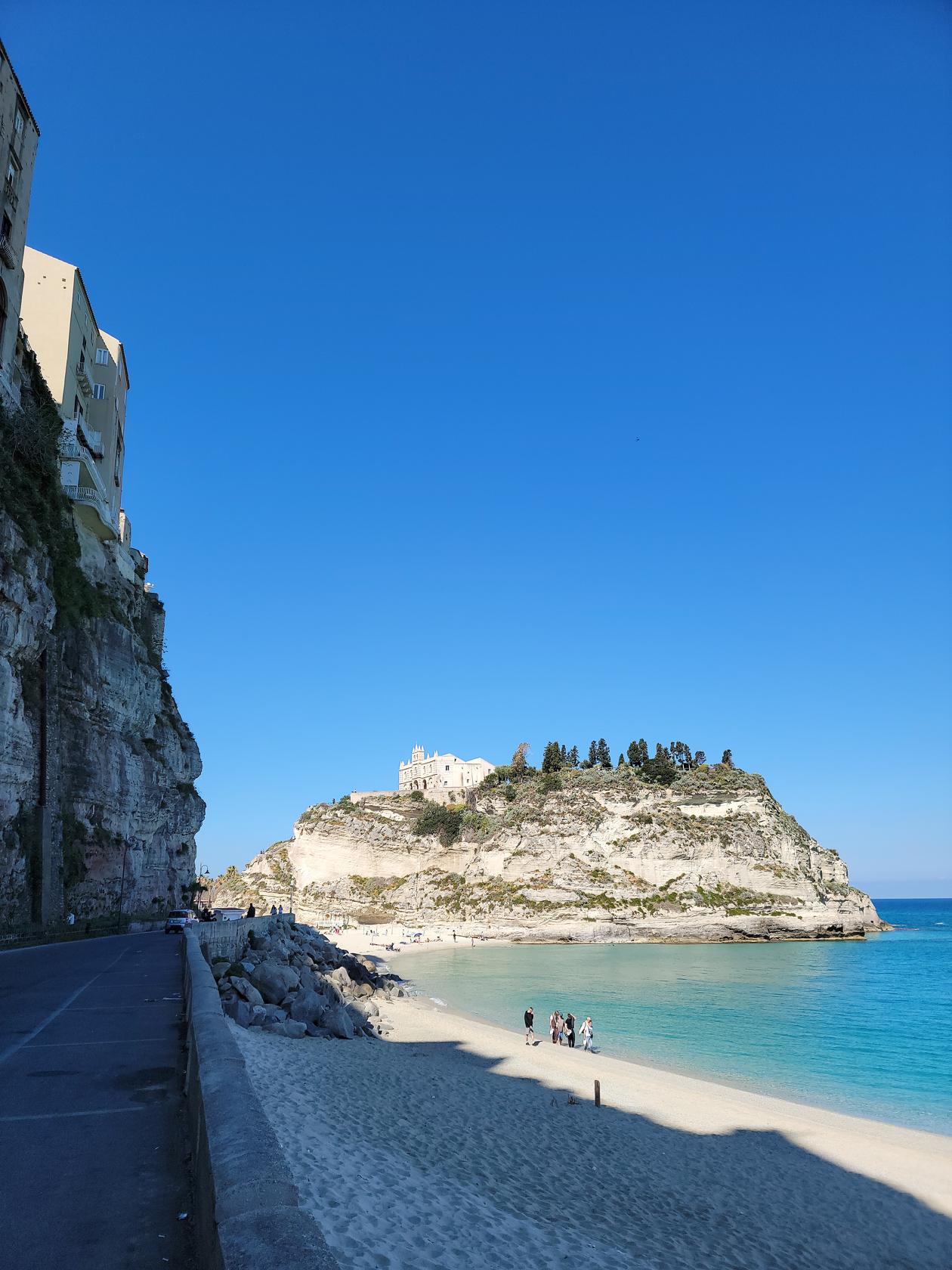
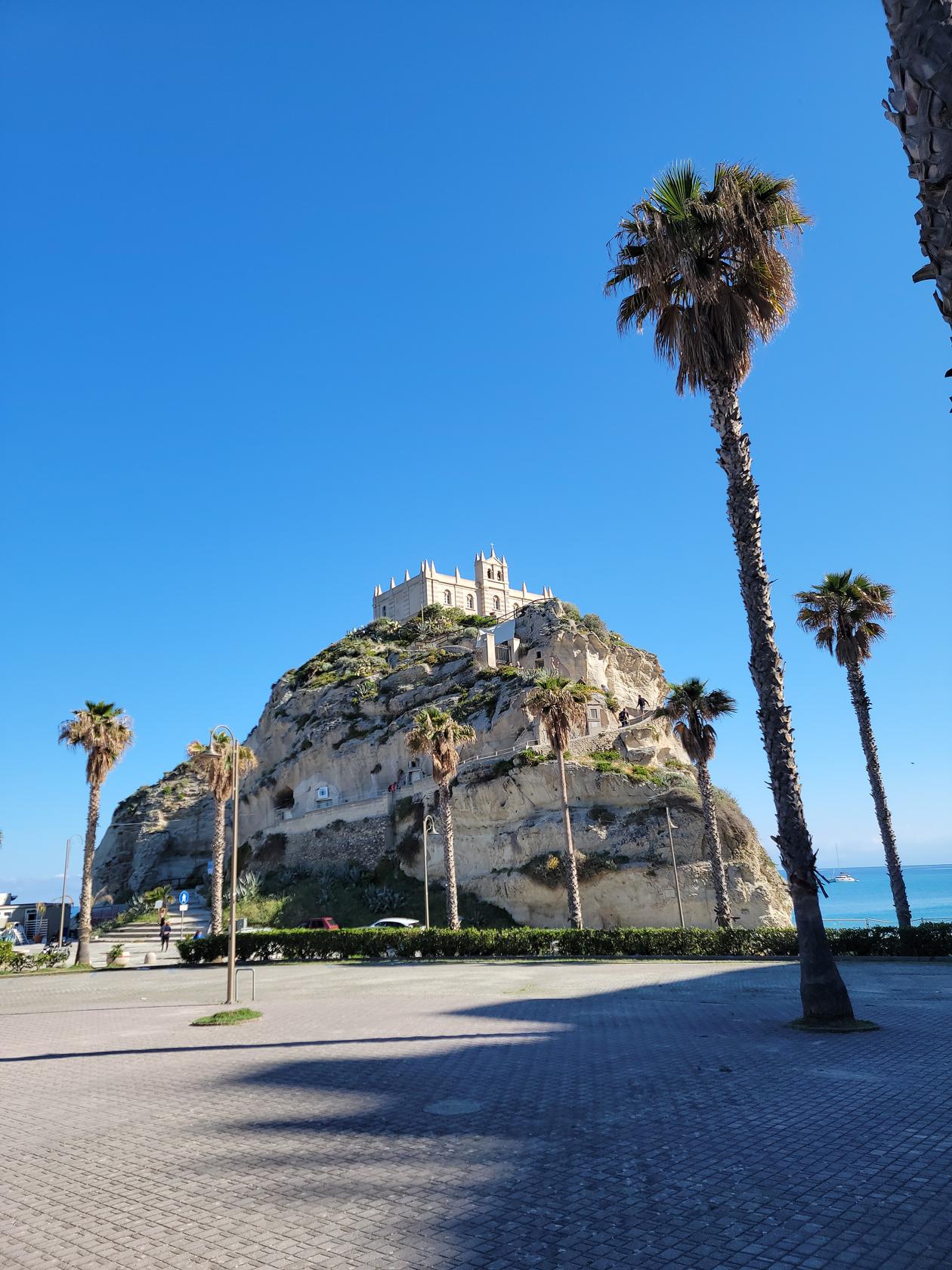
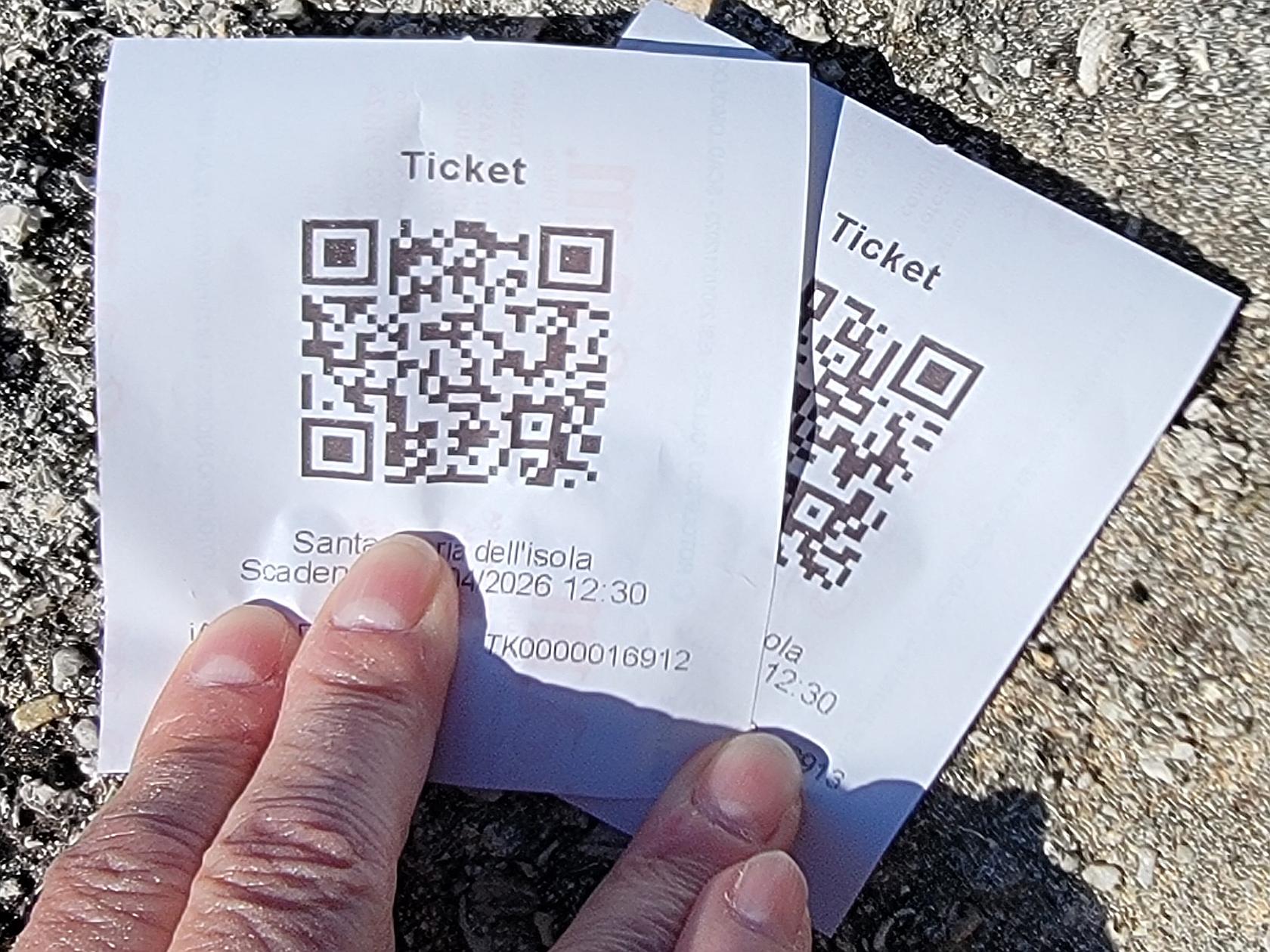
On the presque-isle of Tropea, which is actually to an island than a peninsula, stands the Sanctuary of Santa Maria. In order to get there one has to climb down from the city and ascend the stairs to the sanctuary, which opens around ten in the morning. It is best to get their at opening, because as we where leaving throngs of people appeared and the inside of the chapel is quite tiny.
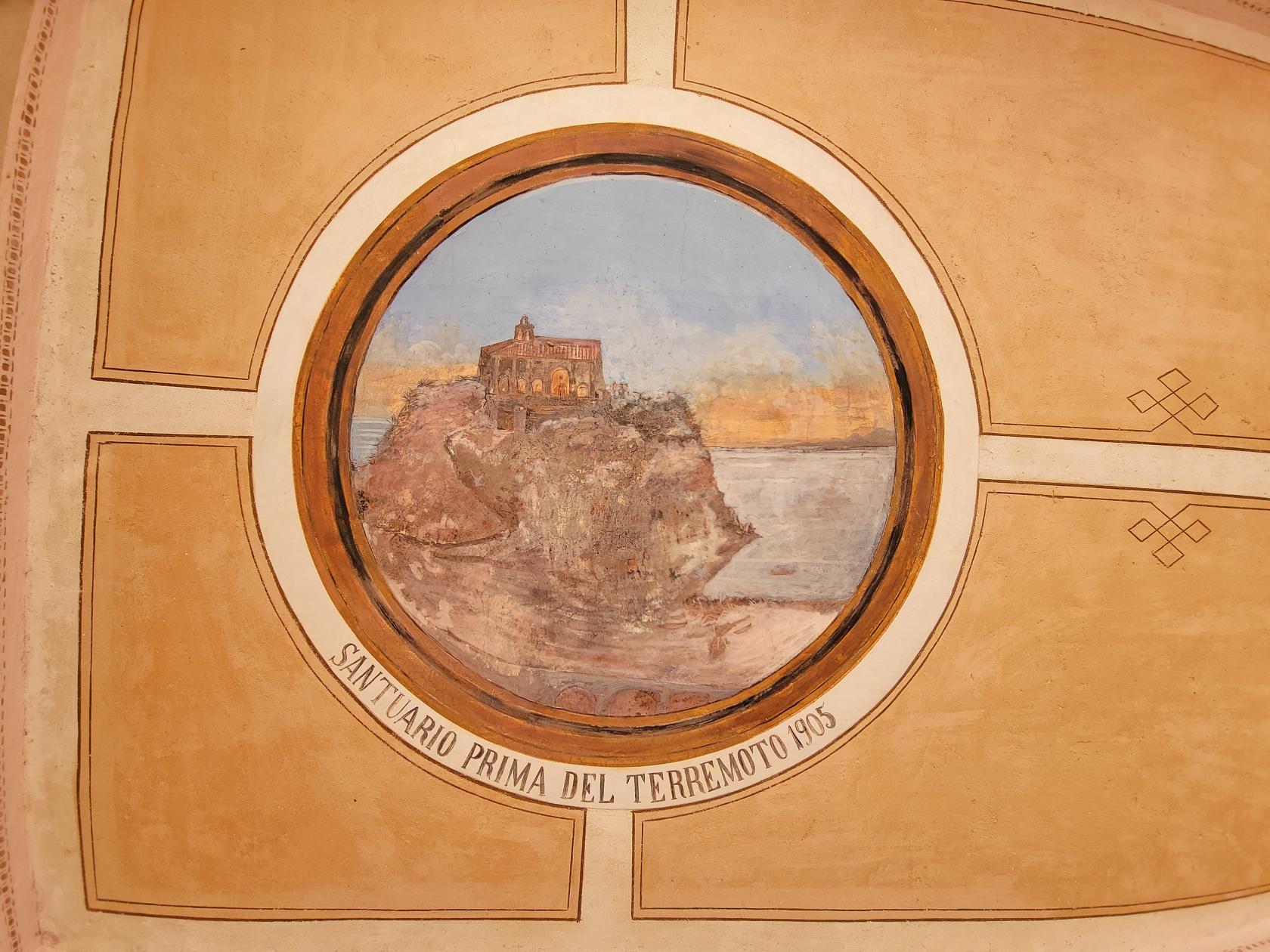
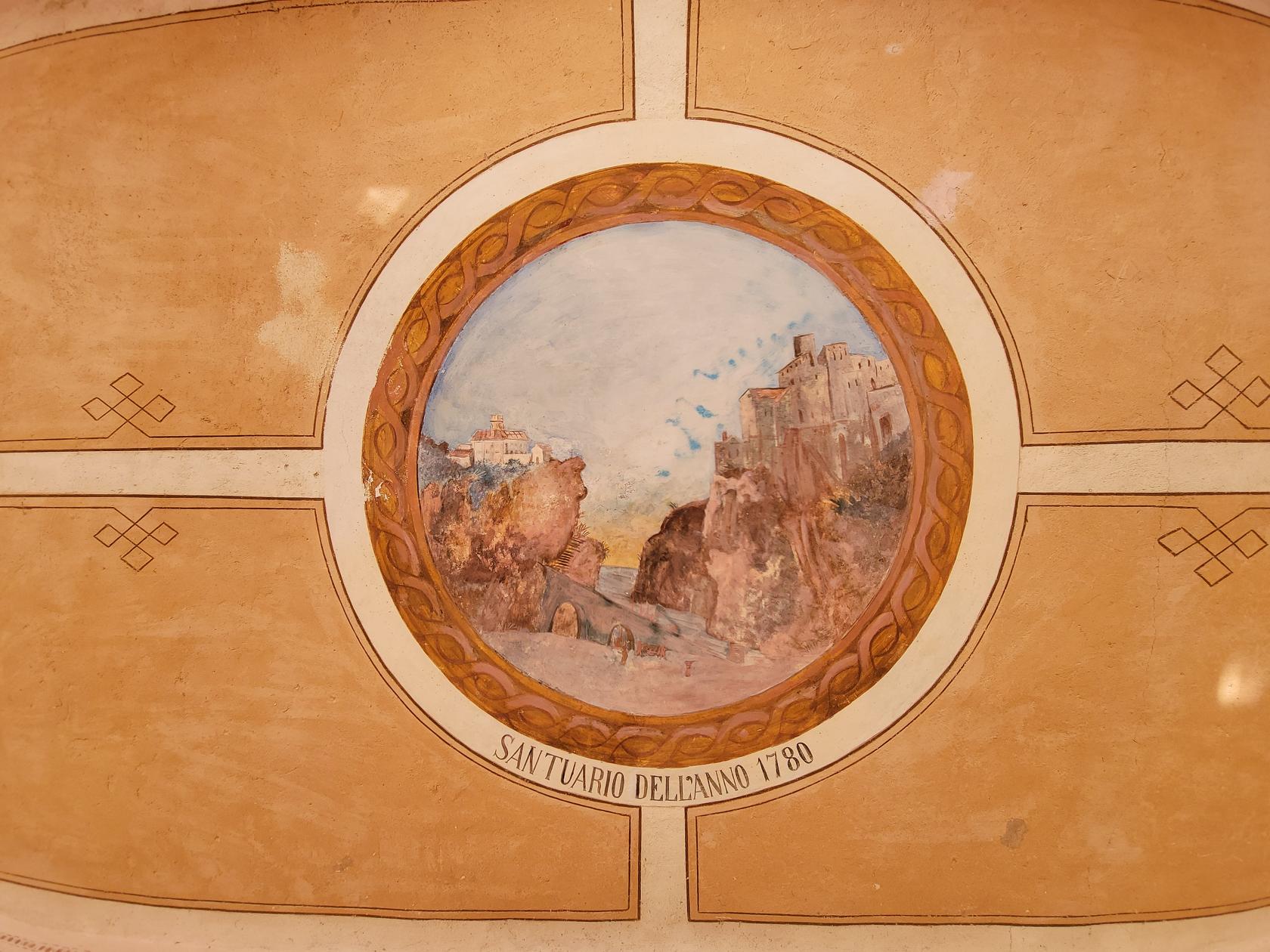
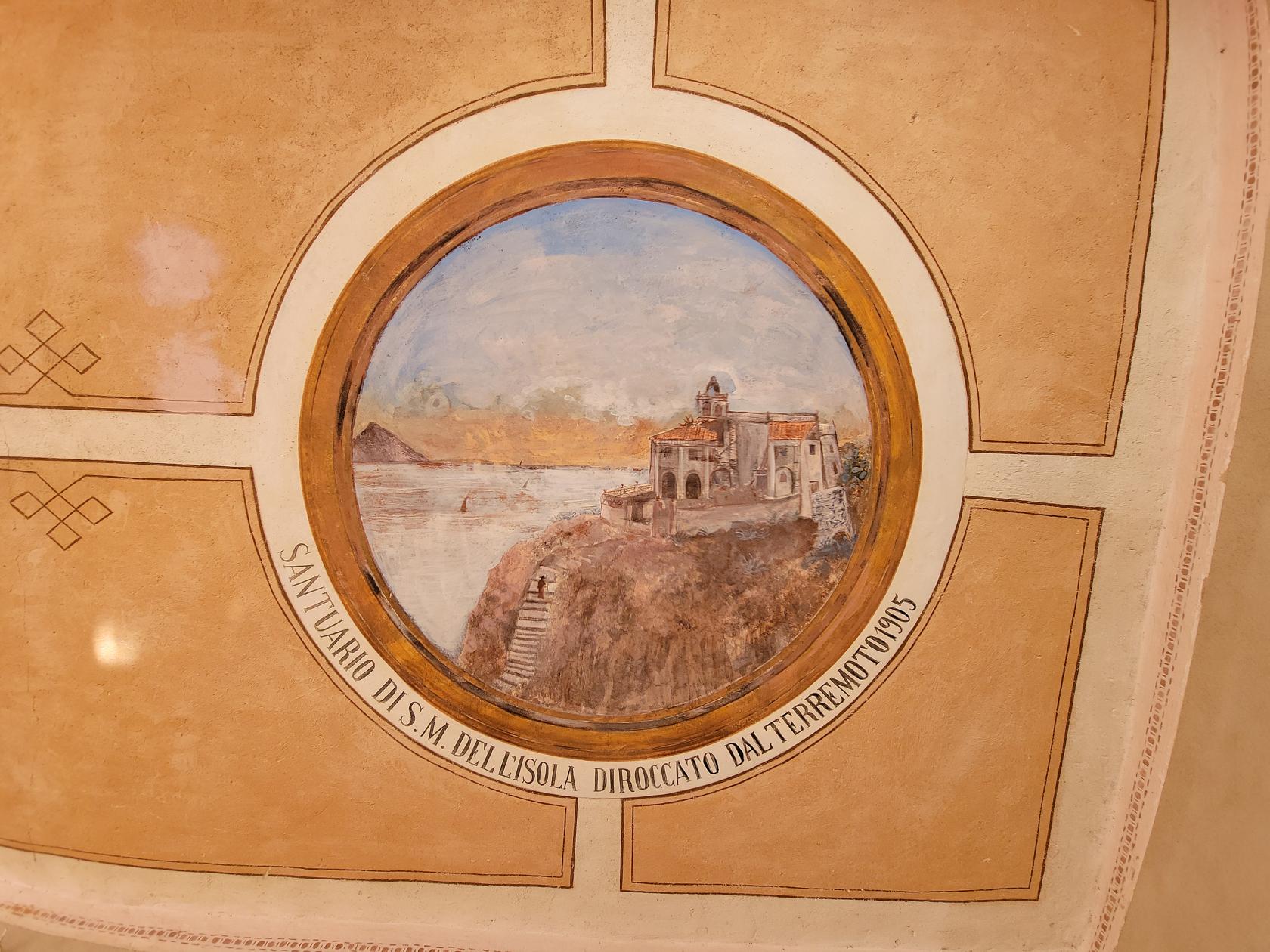
The entrance to the sanctuary is adorned by three painted cielings.
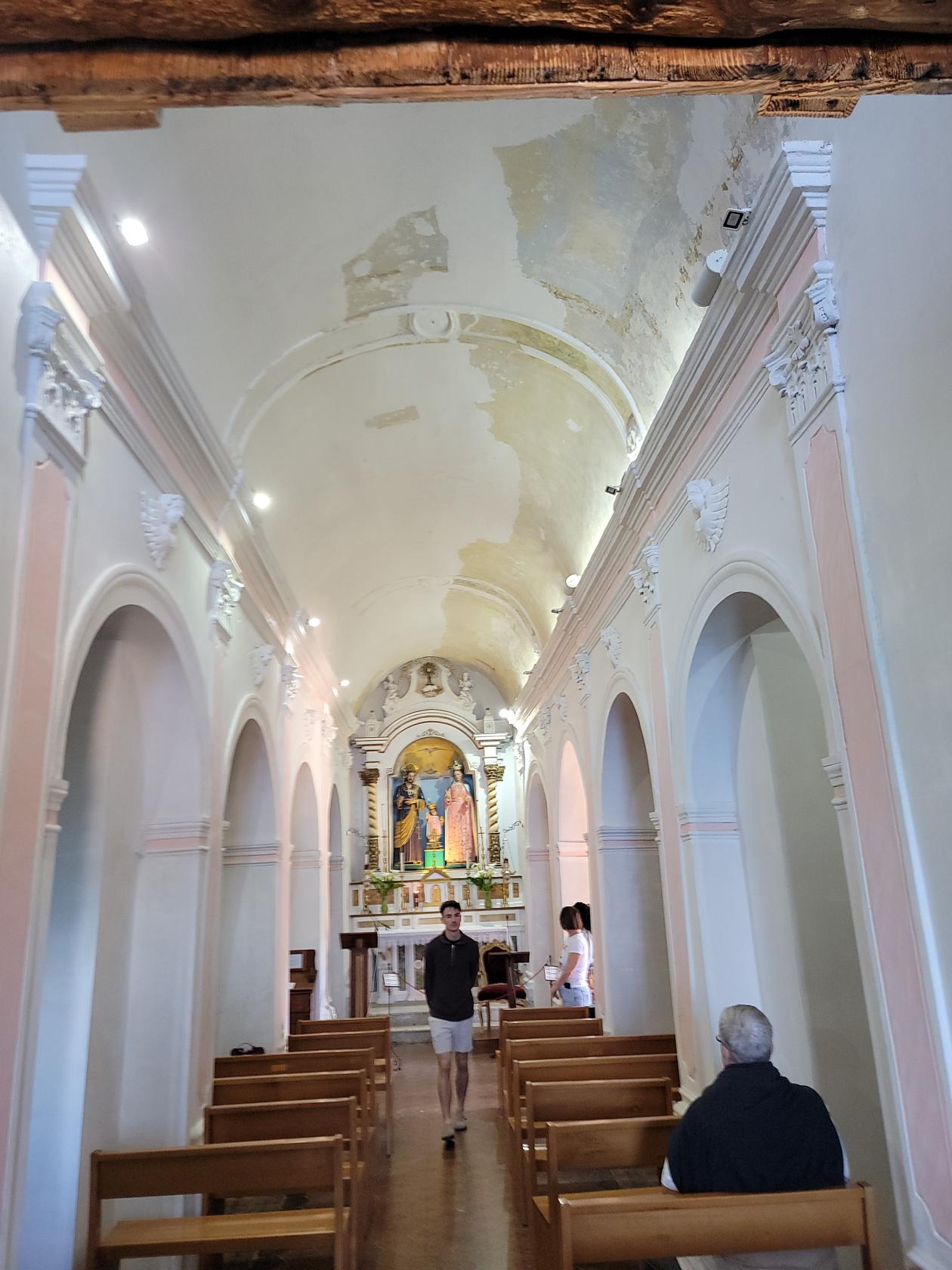
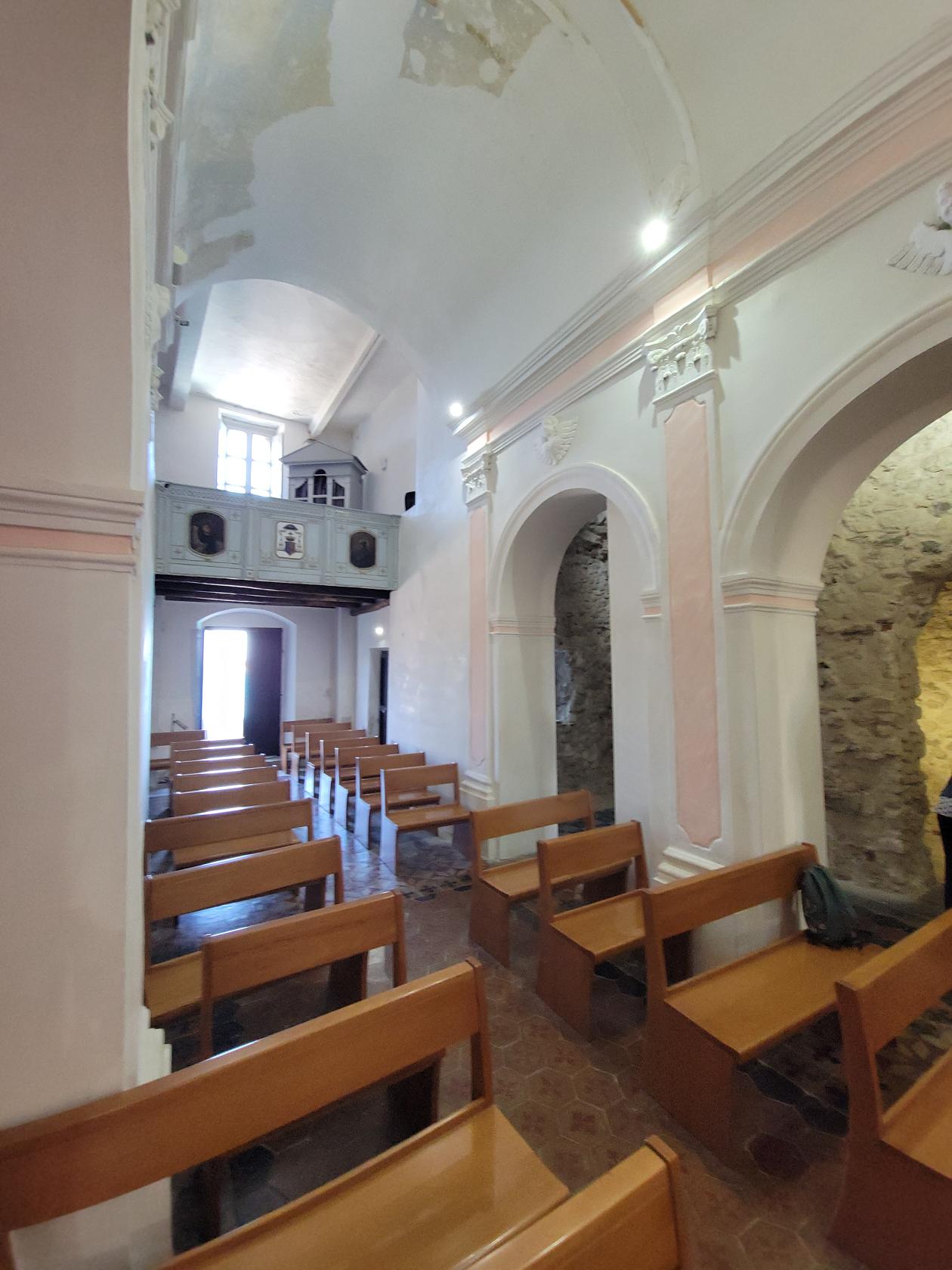
The interior is actually quite small and fitted out with pews, an altar and other accoutrements of catholicism. There is also a small shop where you can by a keepsake, postcards or other memorabilia.
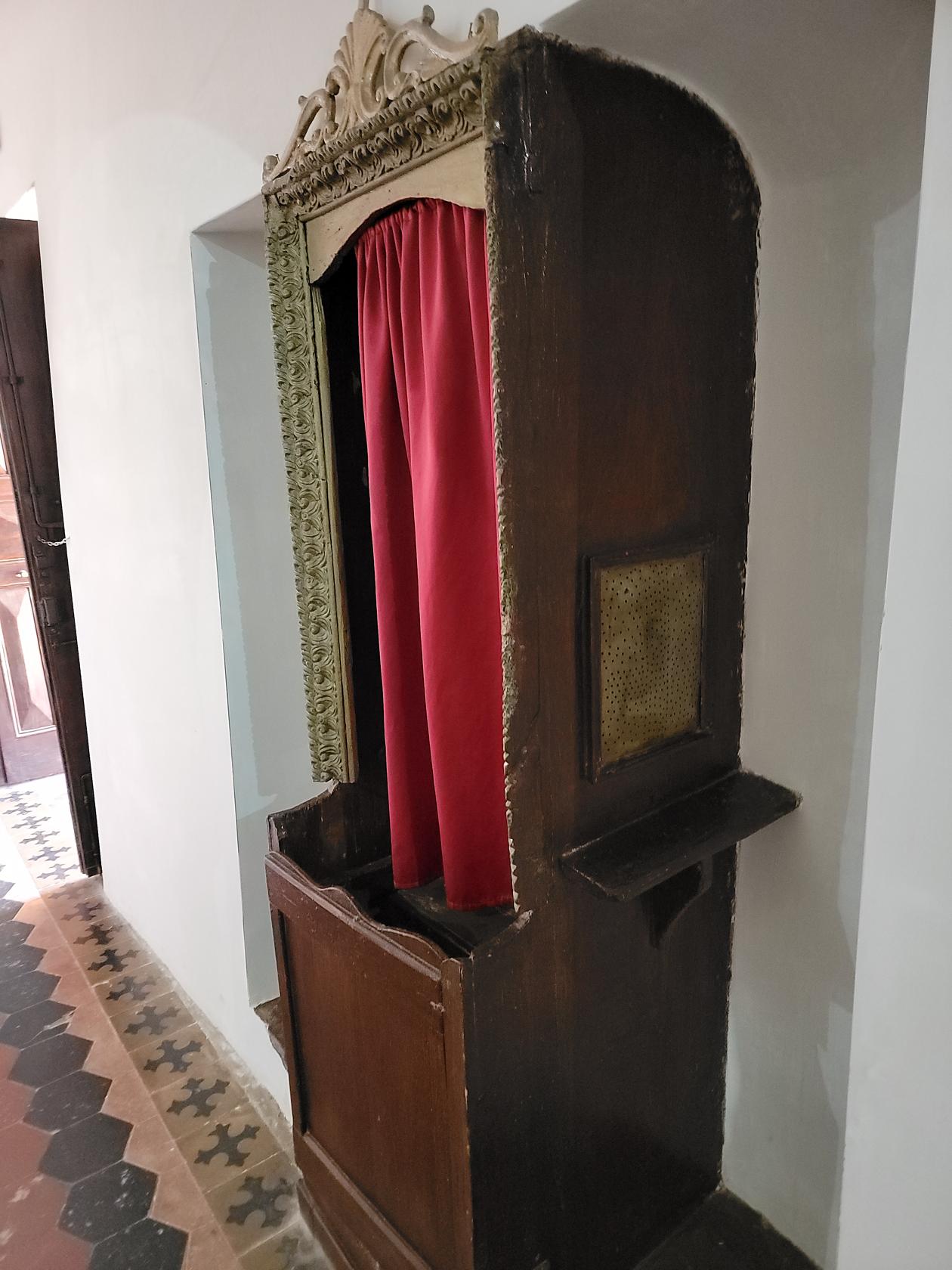
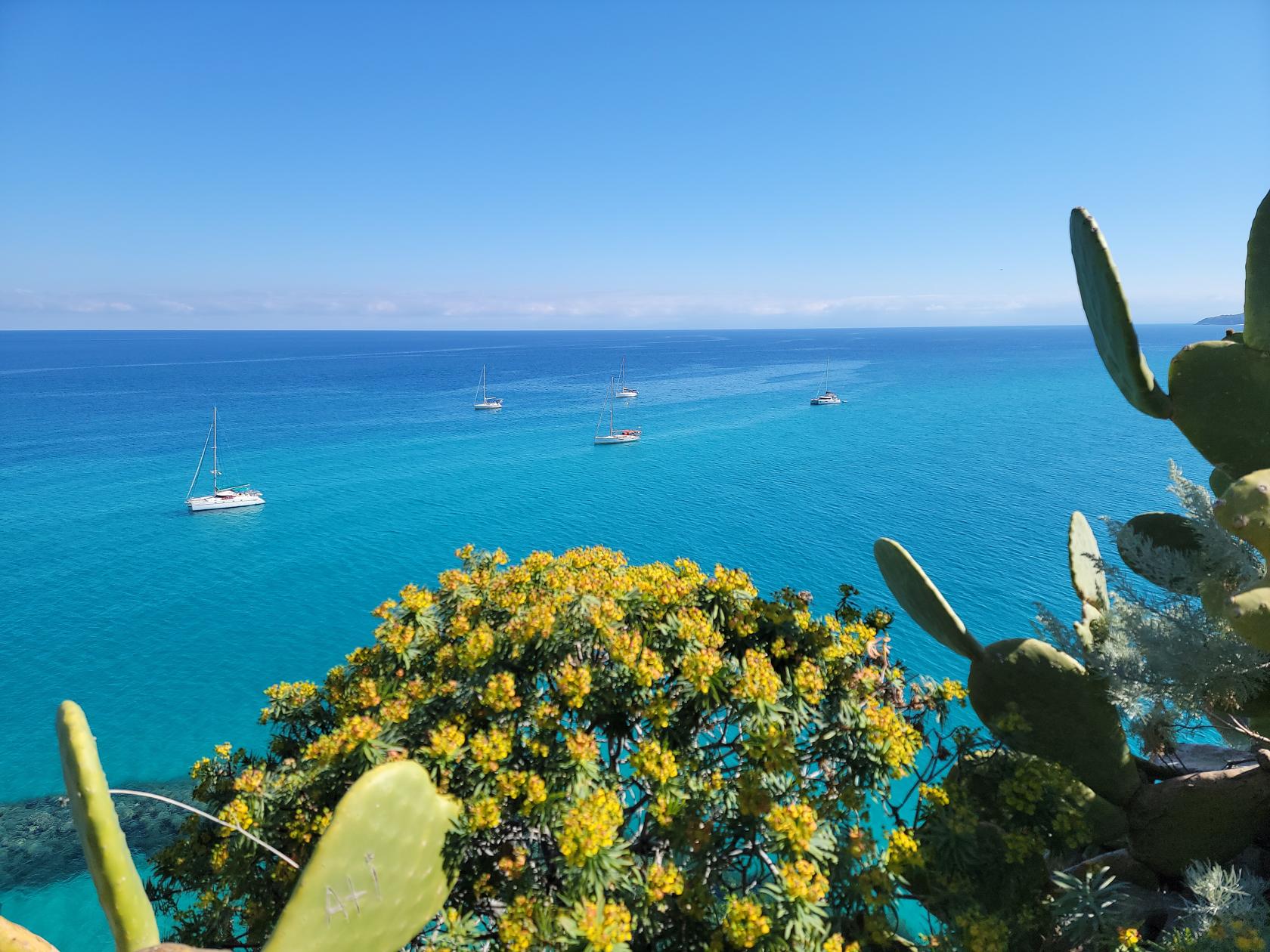
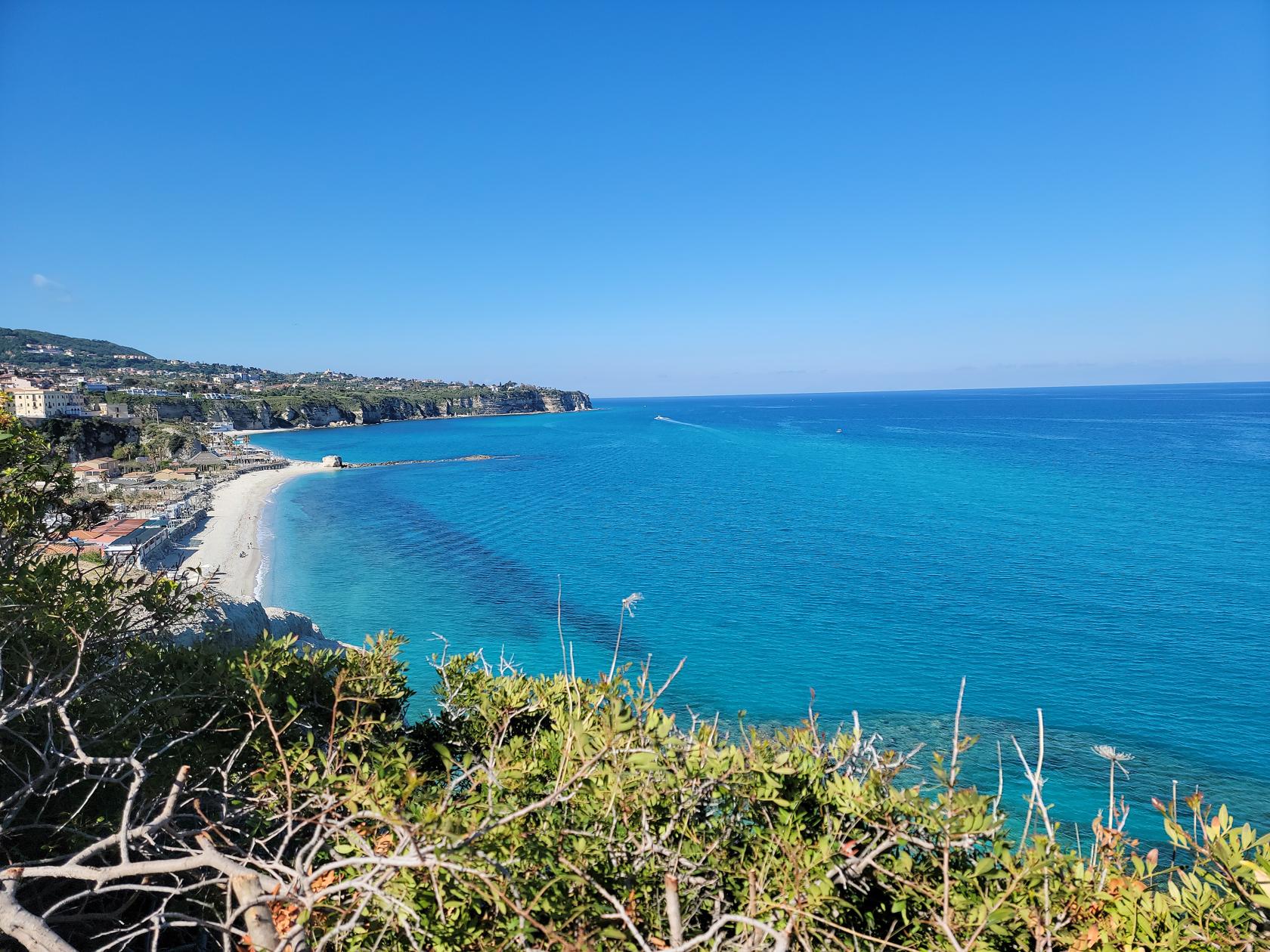
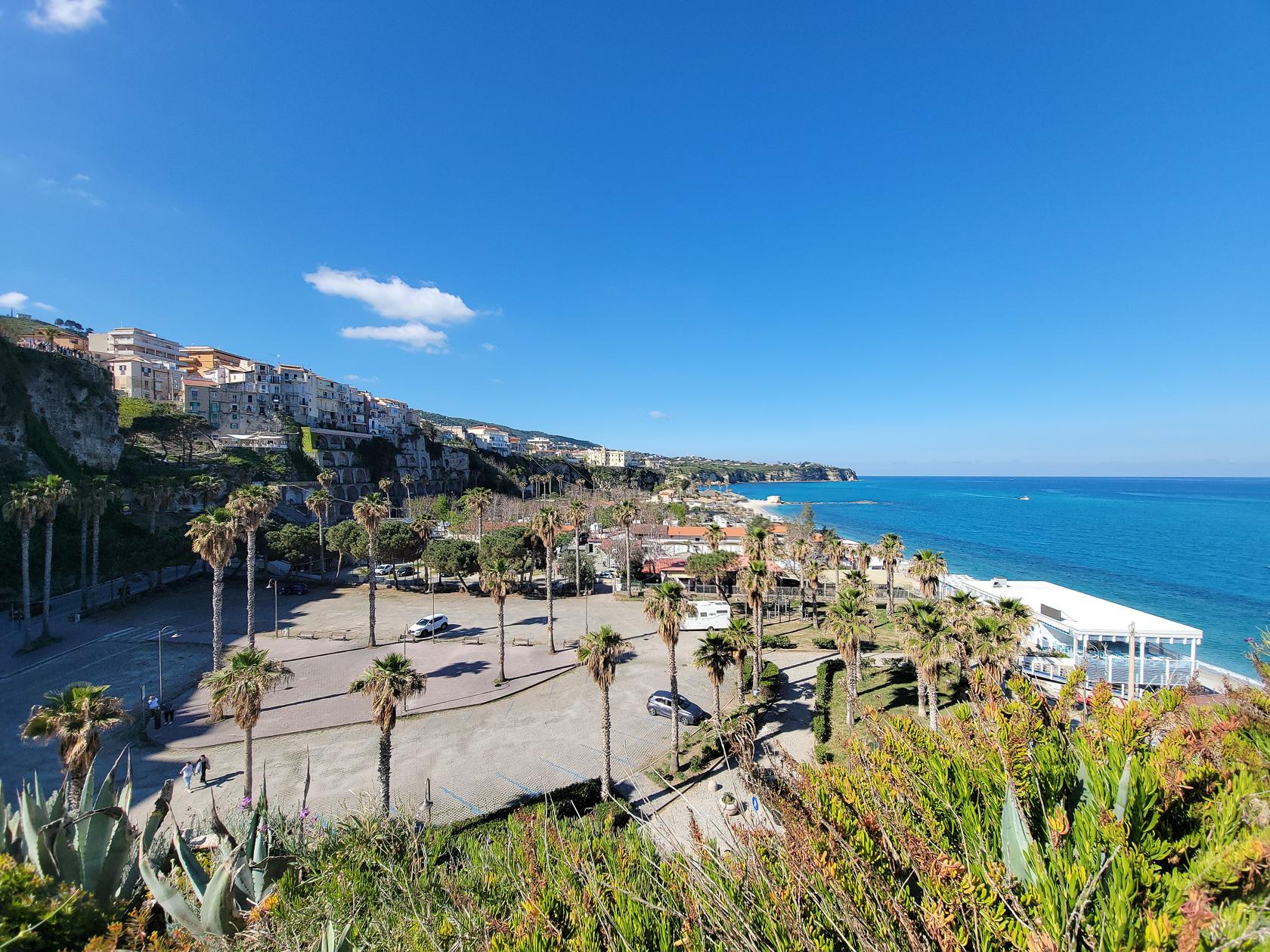
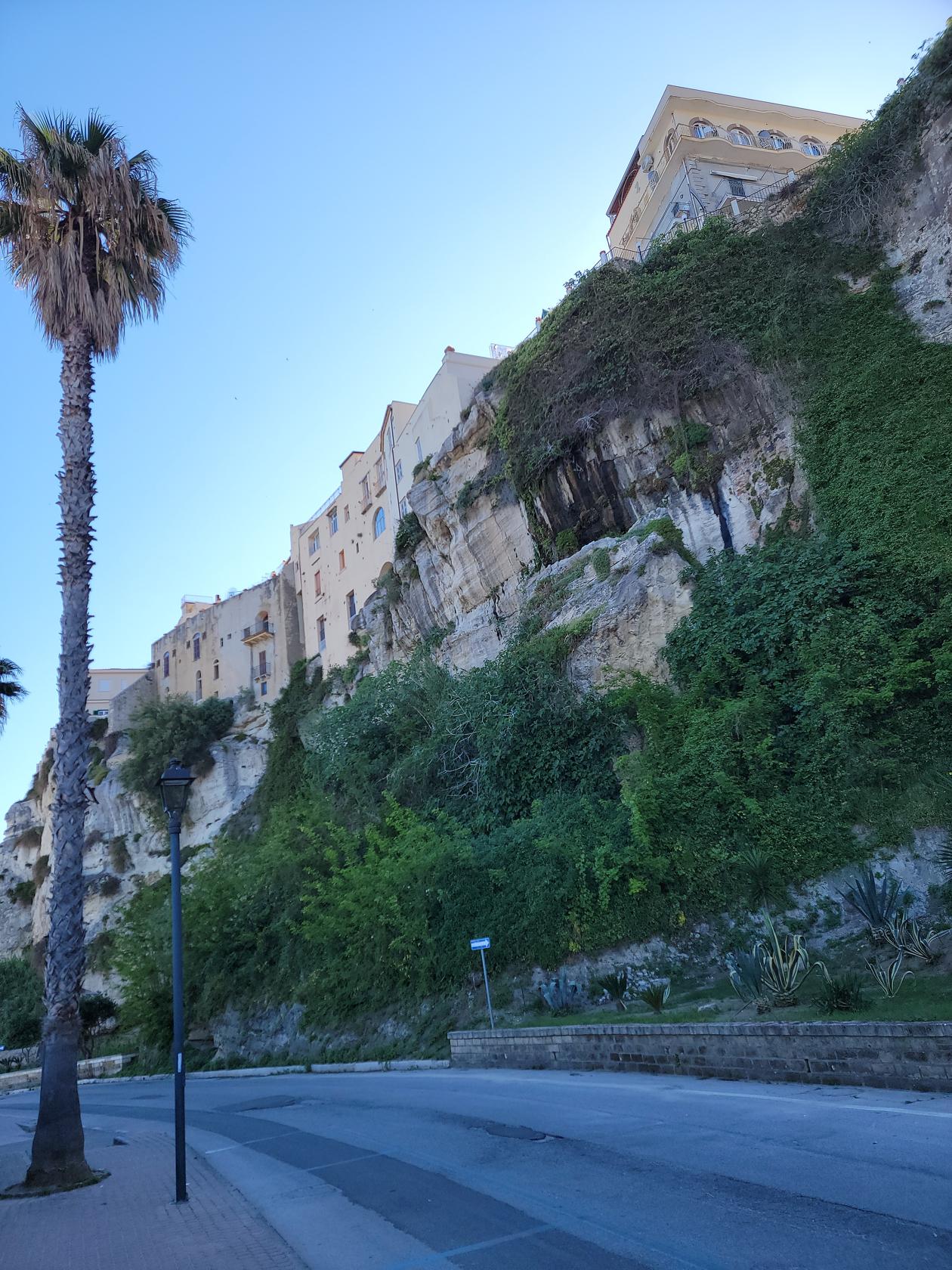
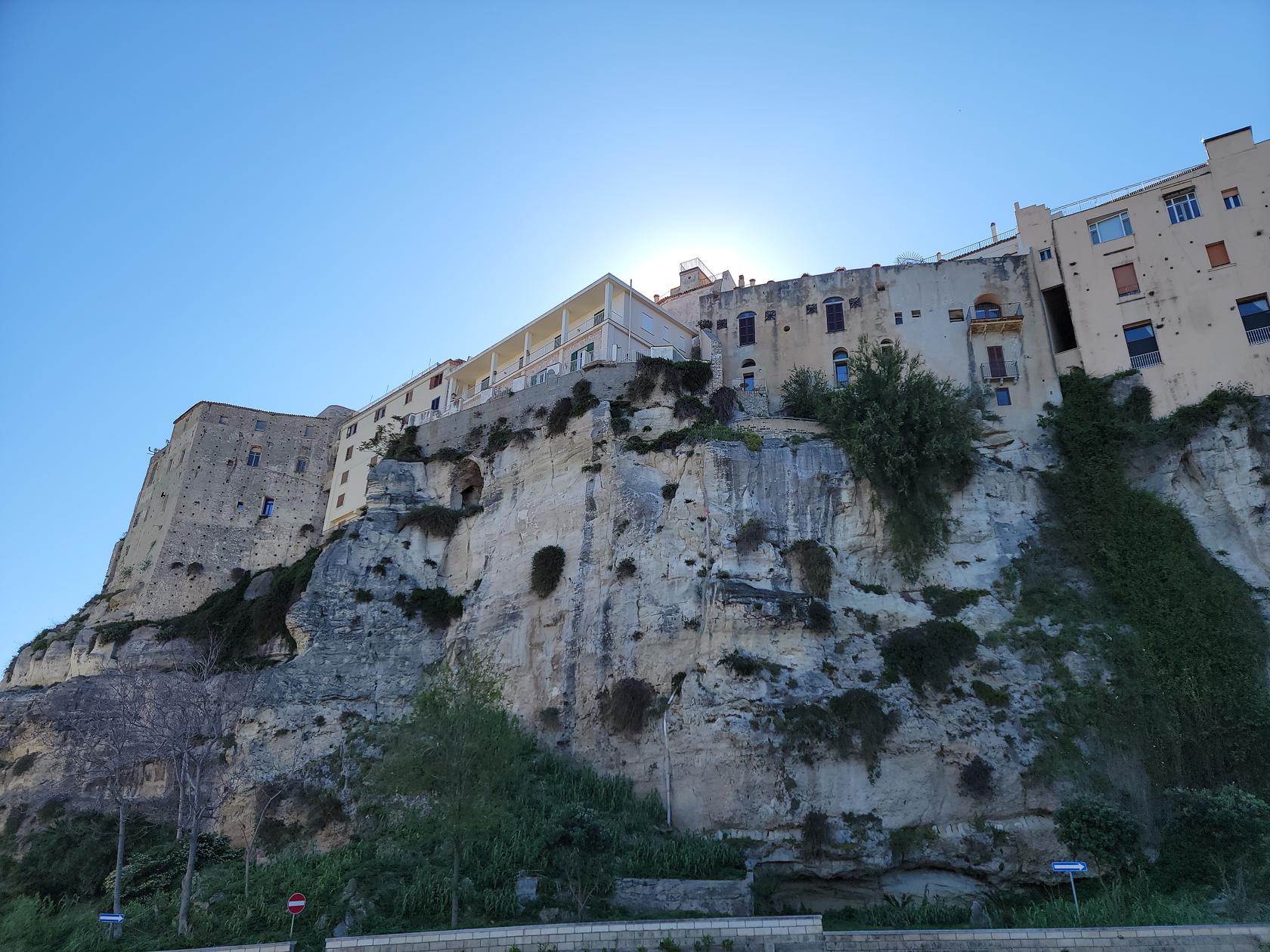
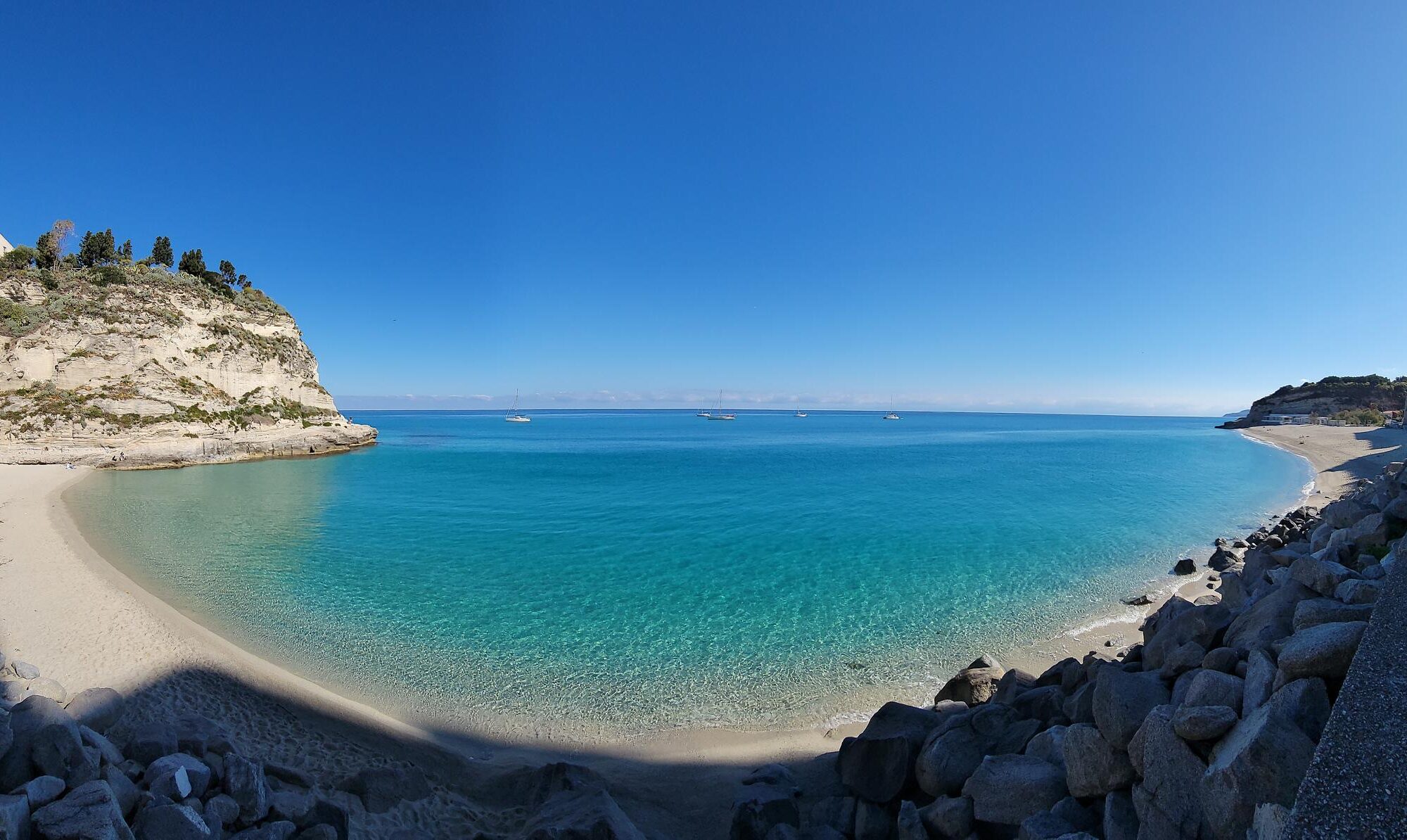
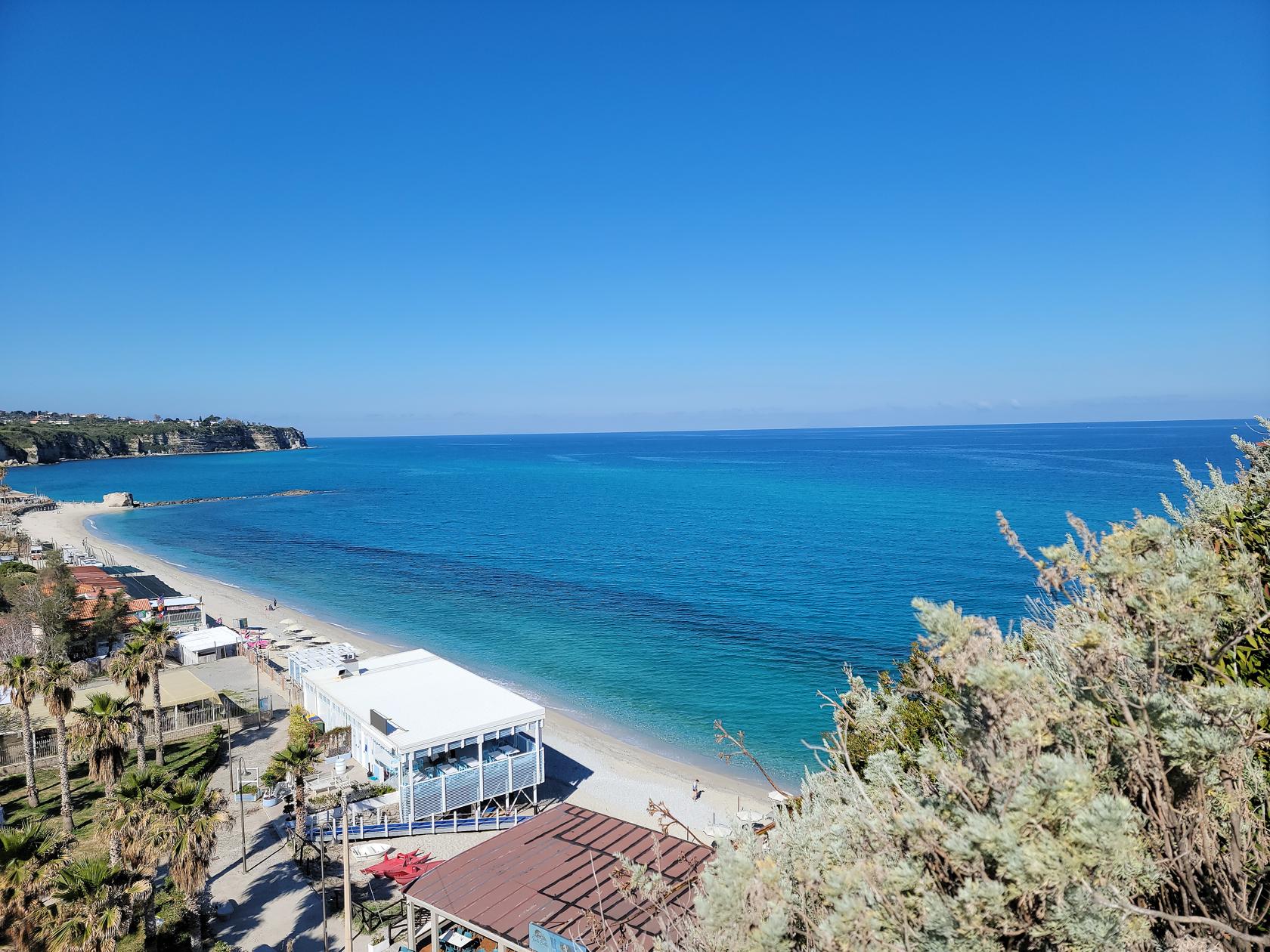
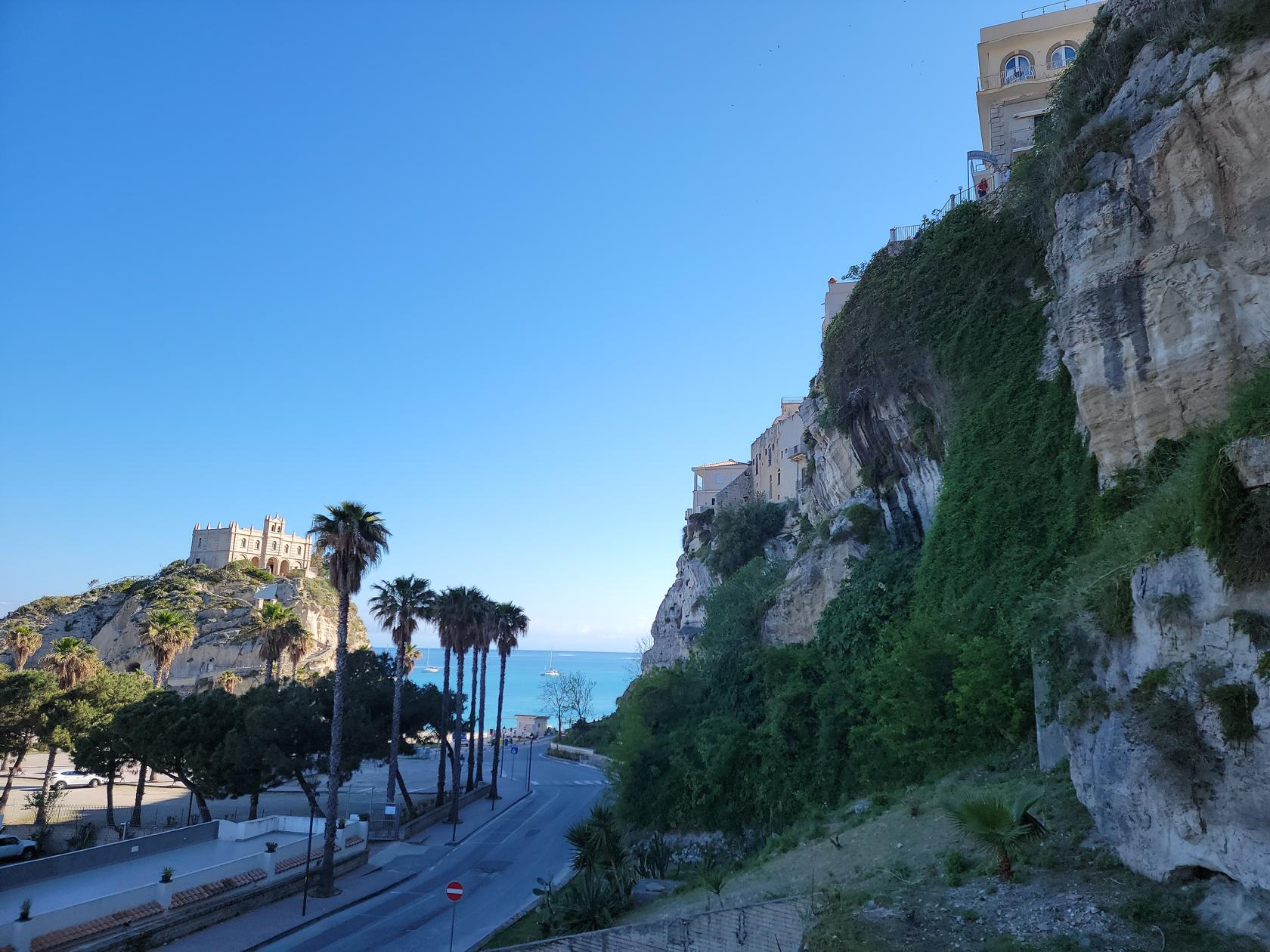
There are a few vantage points in which to take photographs of the surrounding coast and beach, as well as the city of Tropea perched on its cliff.
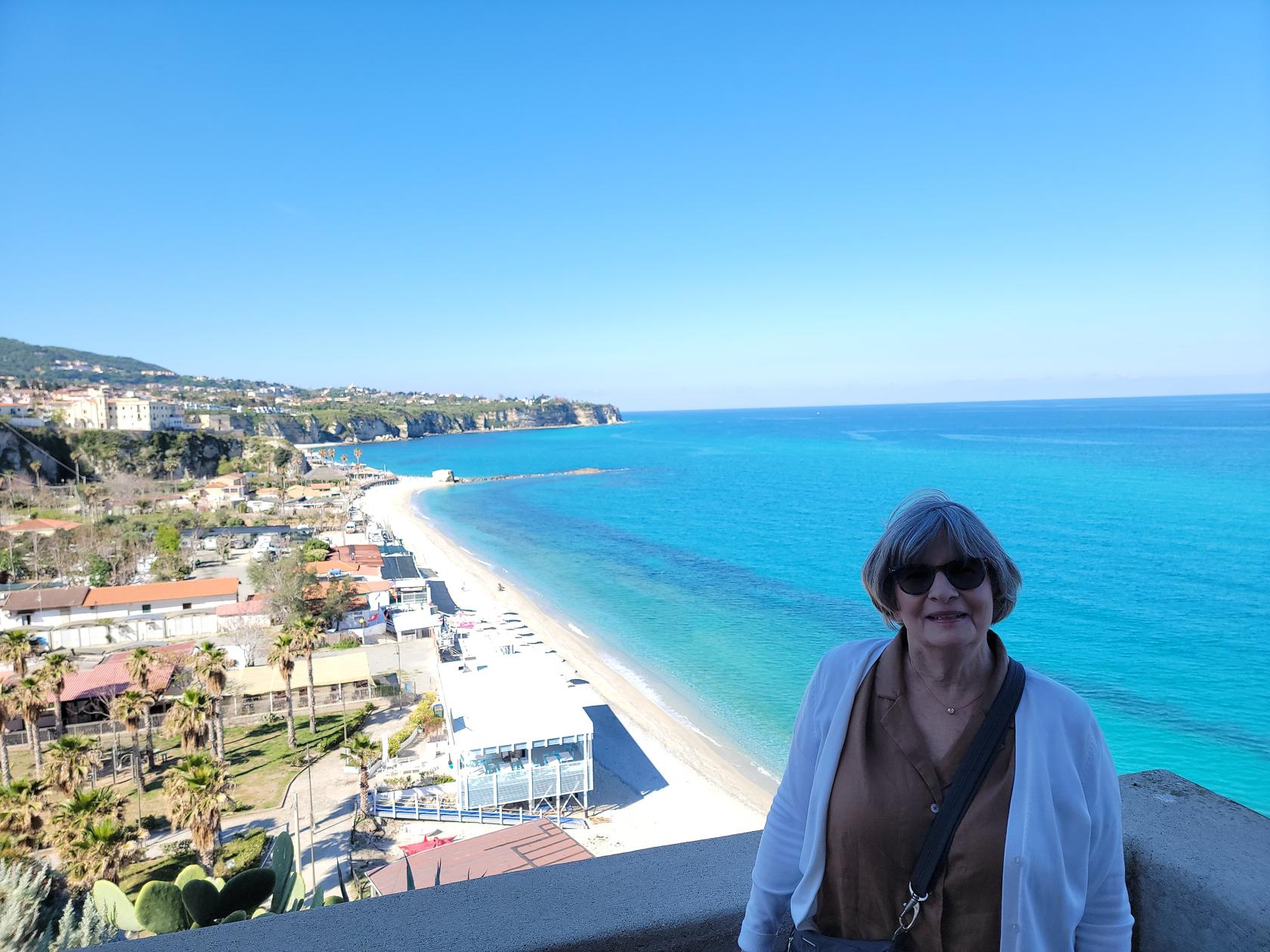
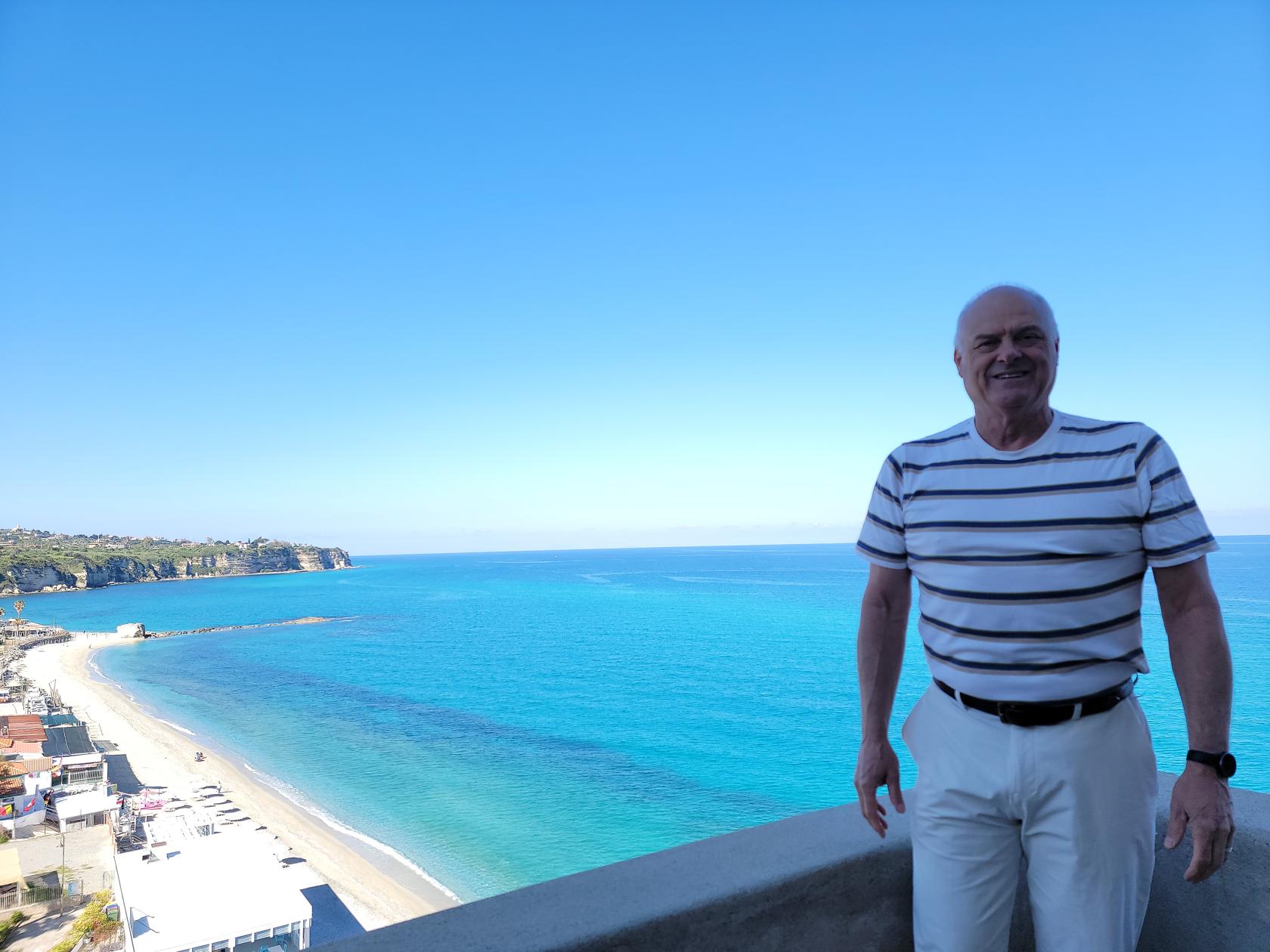
Belvedere Gardens

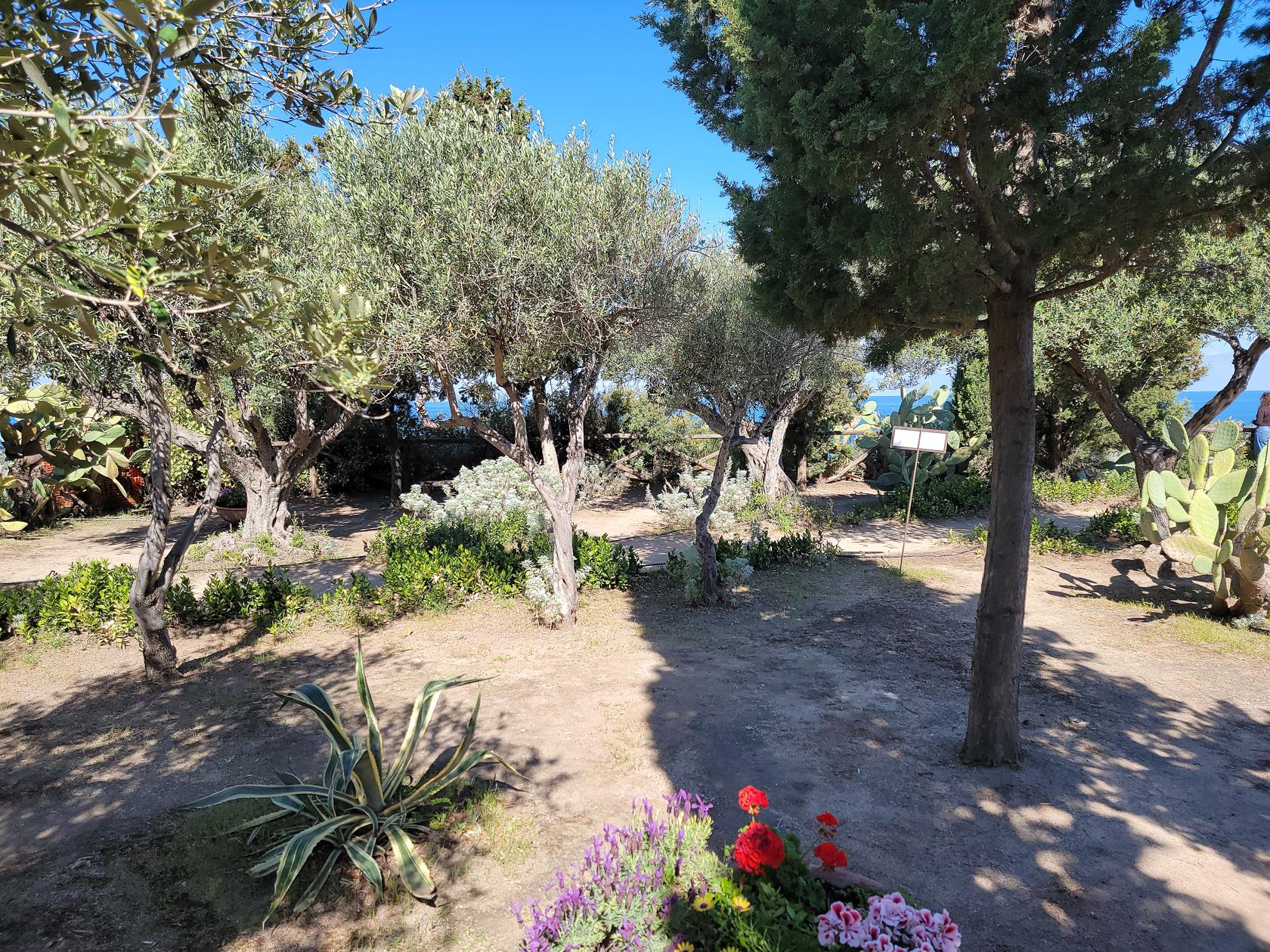
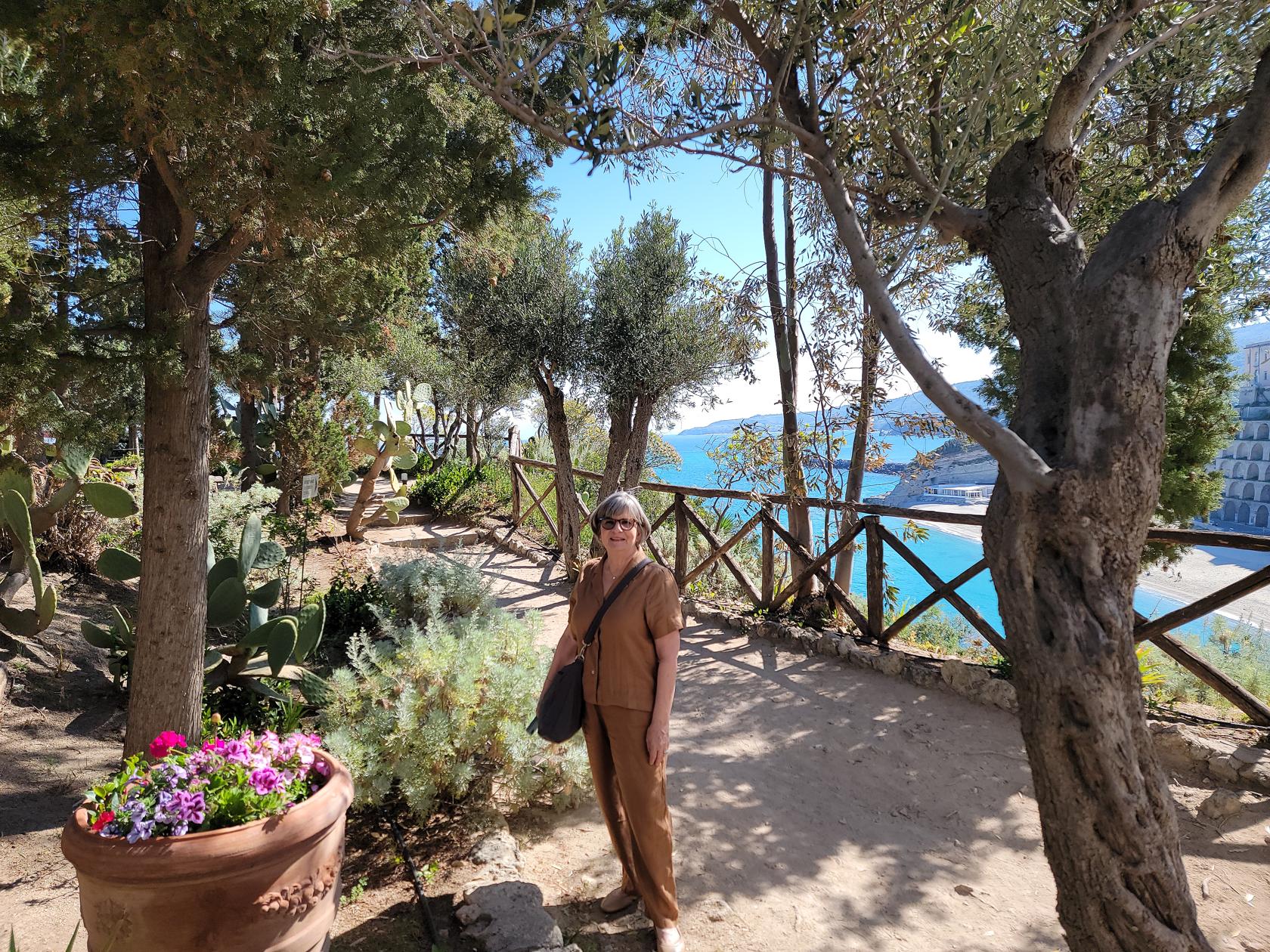
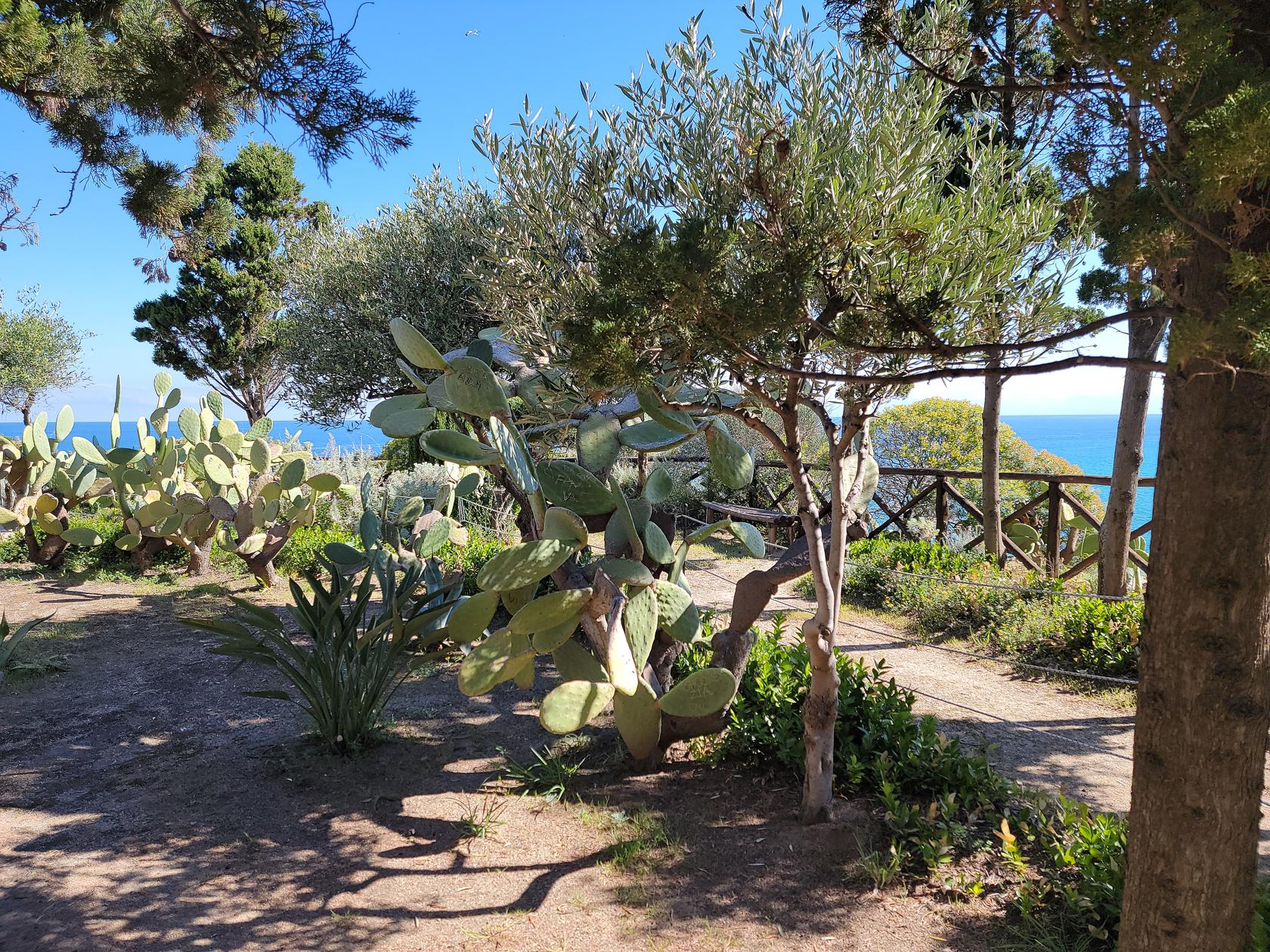
An adjunct to the sanctuary are the Belvedere Gardens, access to which is controlled by entry to the chapel. The gardens command a view of the coastline and with perfect weather equally good photographs of it.
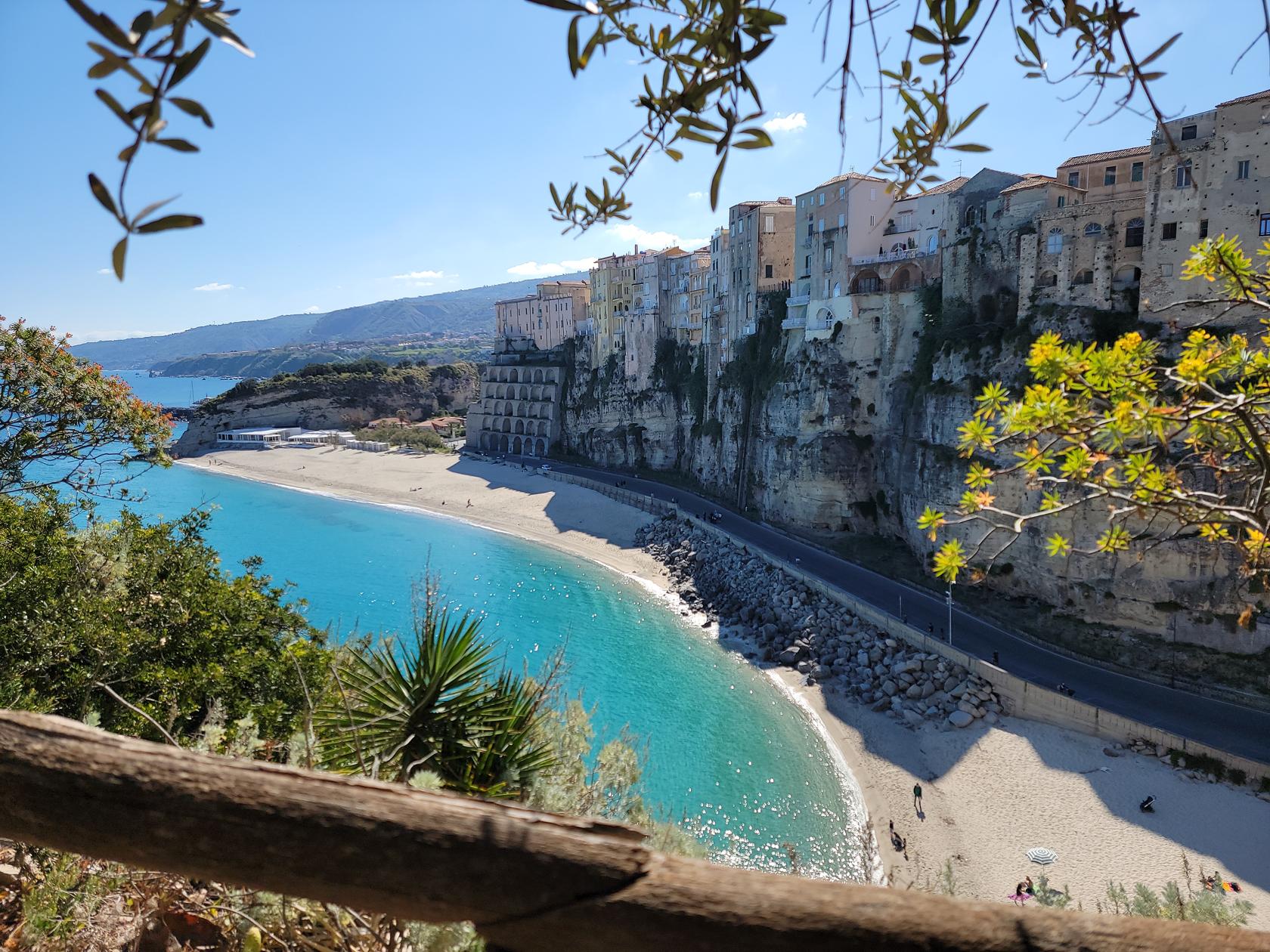
There are a variety of trees in the garden, as well as other bushes and flowering plants. In the day it must have been an amazing place to repose and enjoy the day.
Via Lungo Mare

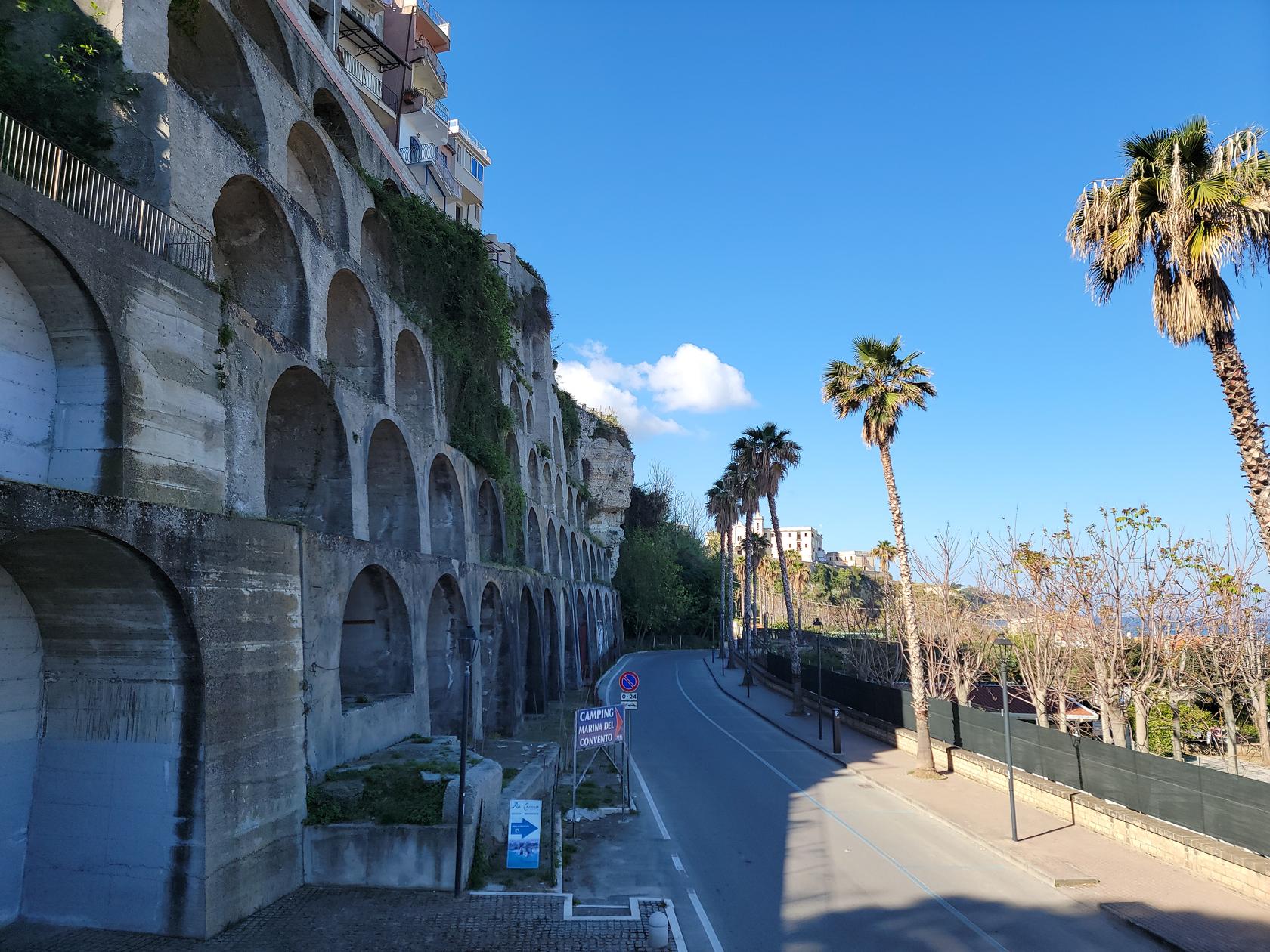
Though the walk along the Lungomare in Tropea is not the best we have been on, it is a nice walk that can bring you back up on the other side of Tropea. It also provides access to the sandy beach that enjoys protection from the wind and the waves and appears to be a favorite for the locals.
Nasocchio – The Apotropian Mask

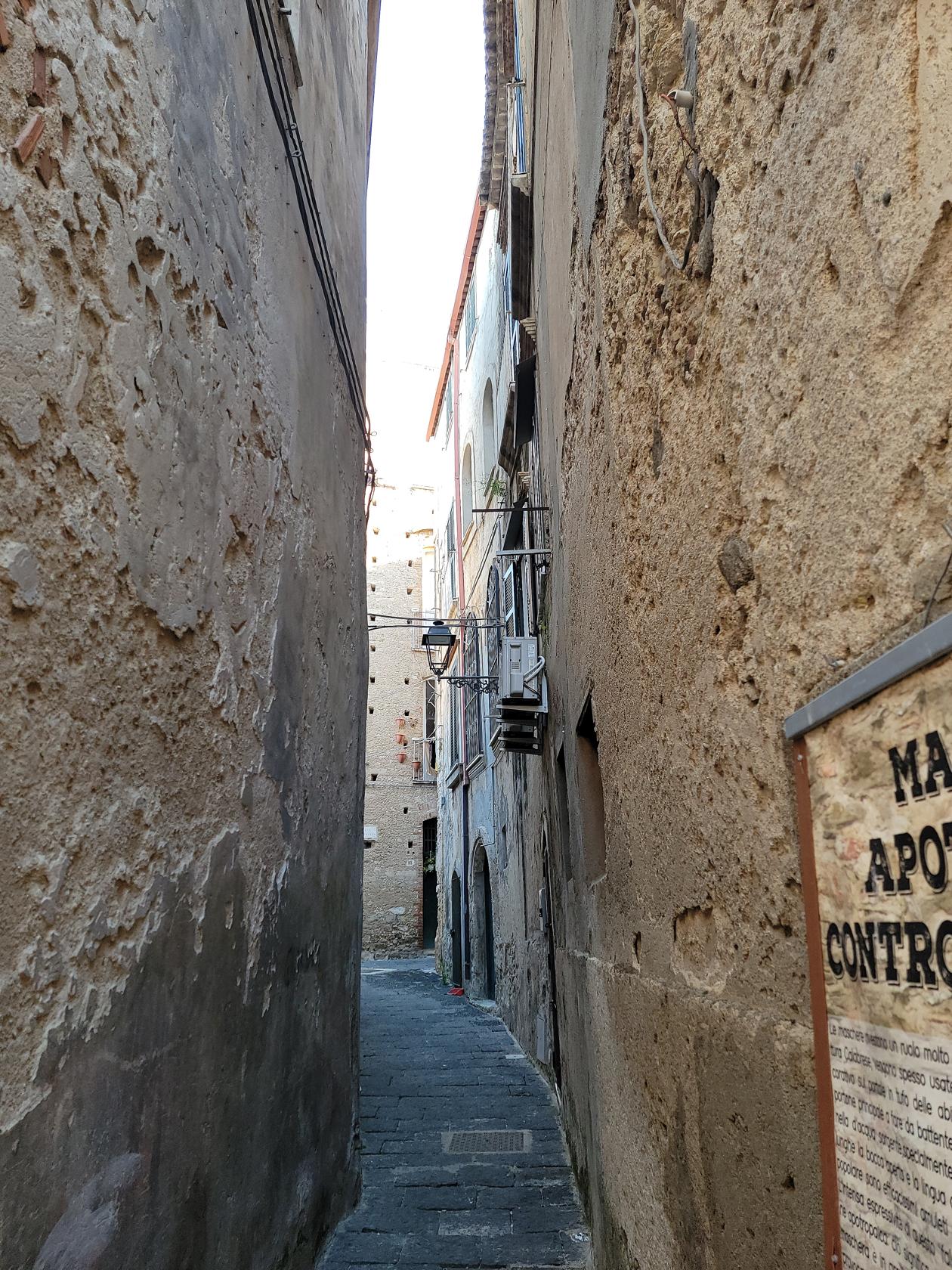
Walking though the town a visitor will occasionally notice a mask that almost looks like a caricature. The closest analog we have in the States are caricature artists that frequent fairs and draw your face with a pencil in a very stylized way. Well, these masks are specific to the Calabrian culture.
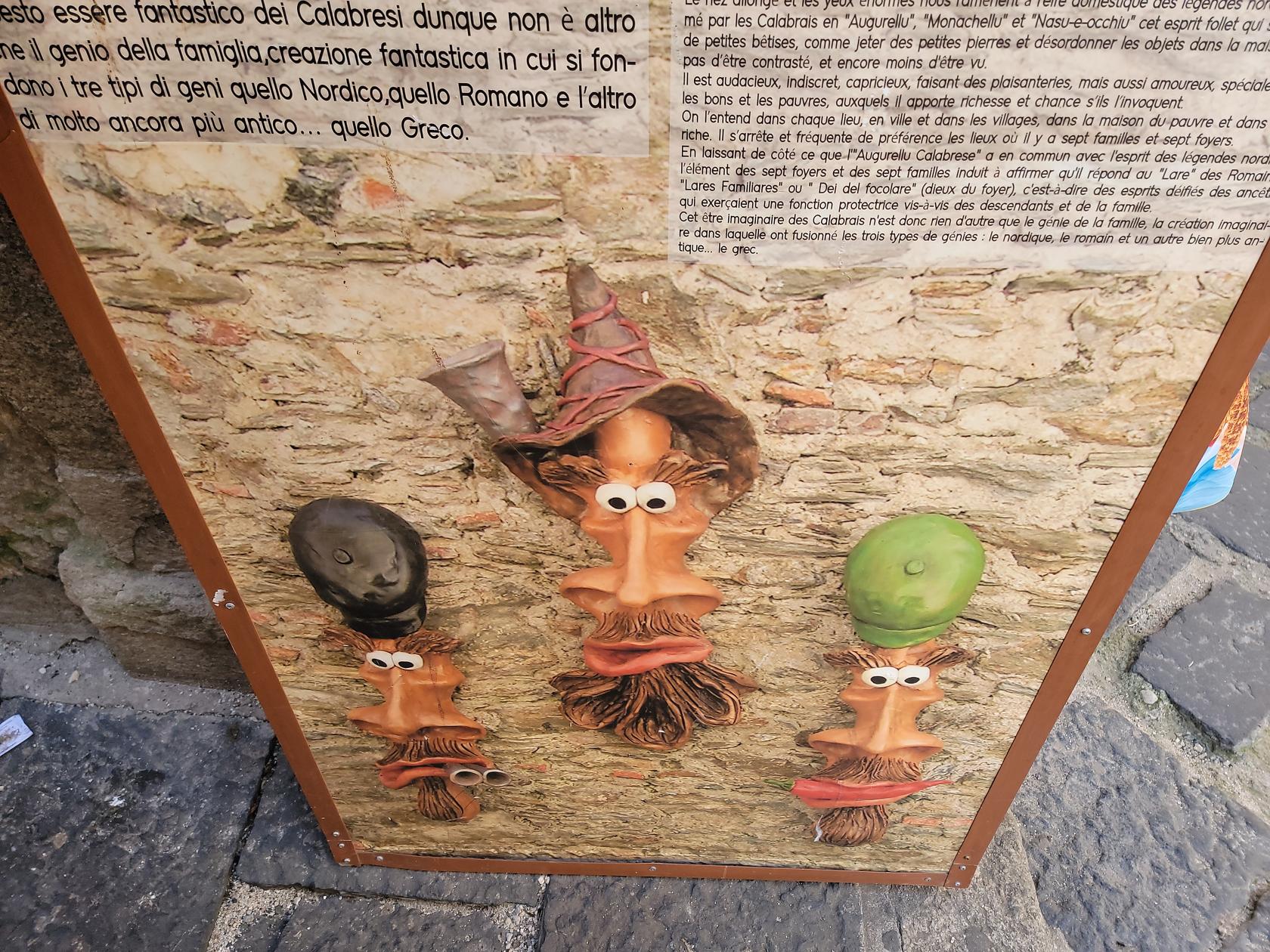
Nasocchio as he is called in Calabrian culture is a mask whose strange and unique glare is supposed to frighten away evil spirits, or what is commonly termed here the Malocchio or Evil Eye. The Italian Horn is meant to function in the same way, as are other strange artifacts in the culture. They are also meant to bring good fortune with their use.

Restaurants

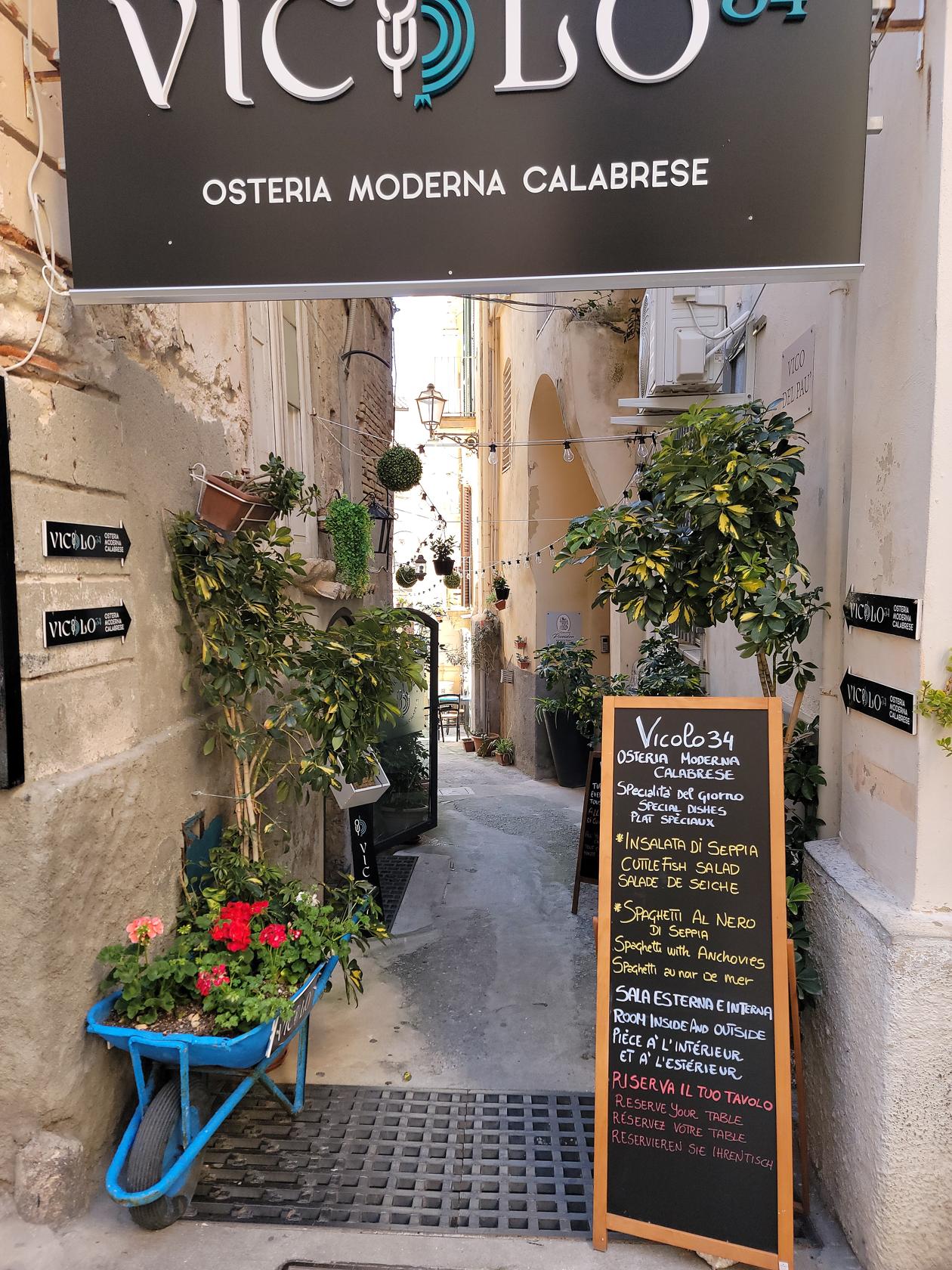
Though we stayed here only for two nights, we still had occasion to visit three restaurants, all of which offered local Calabrian or Sicilian dishes.

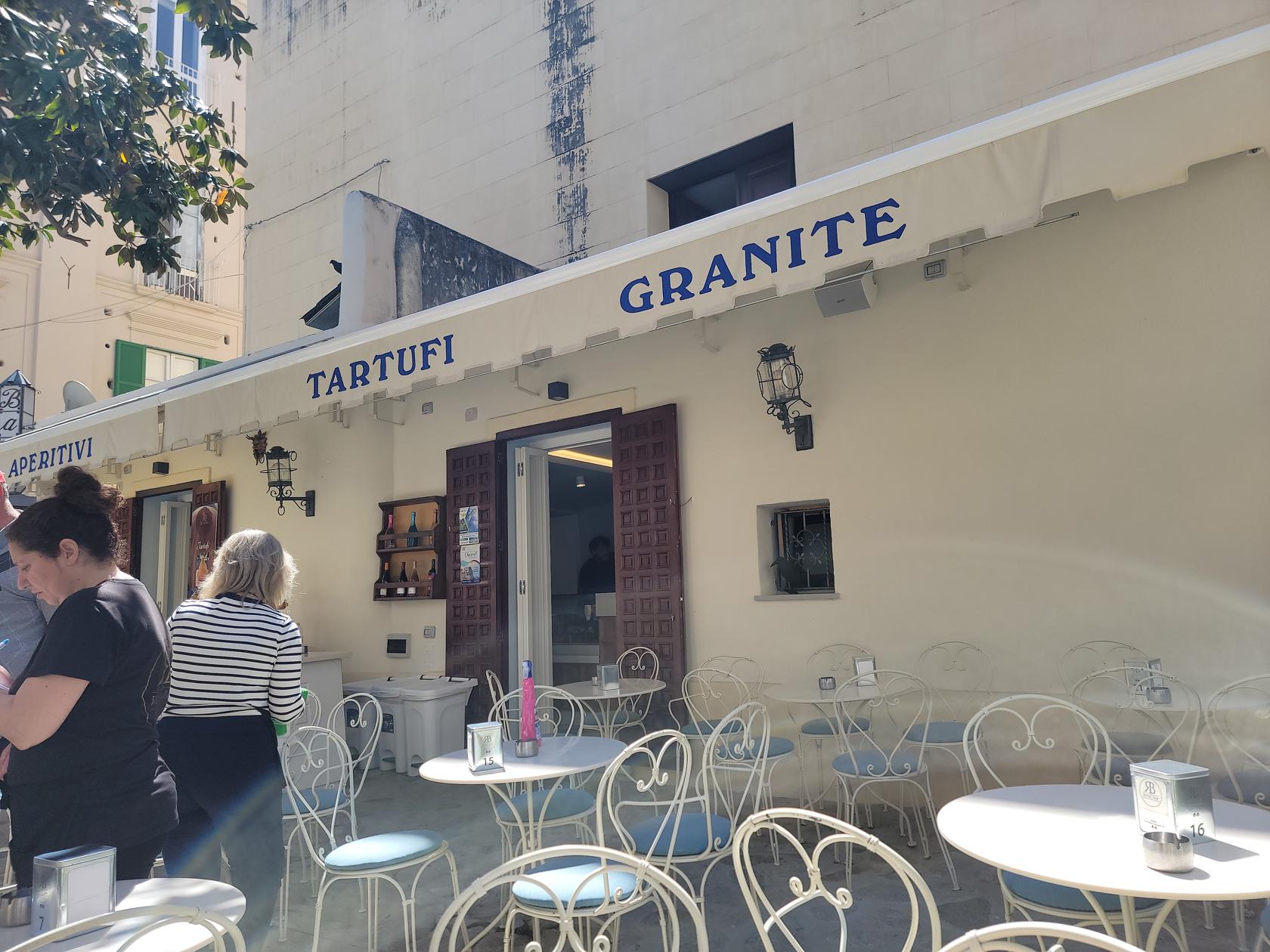
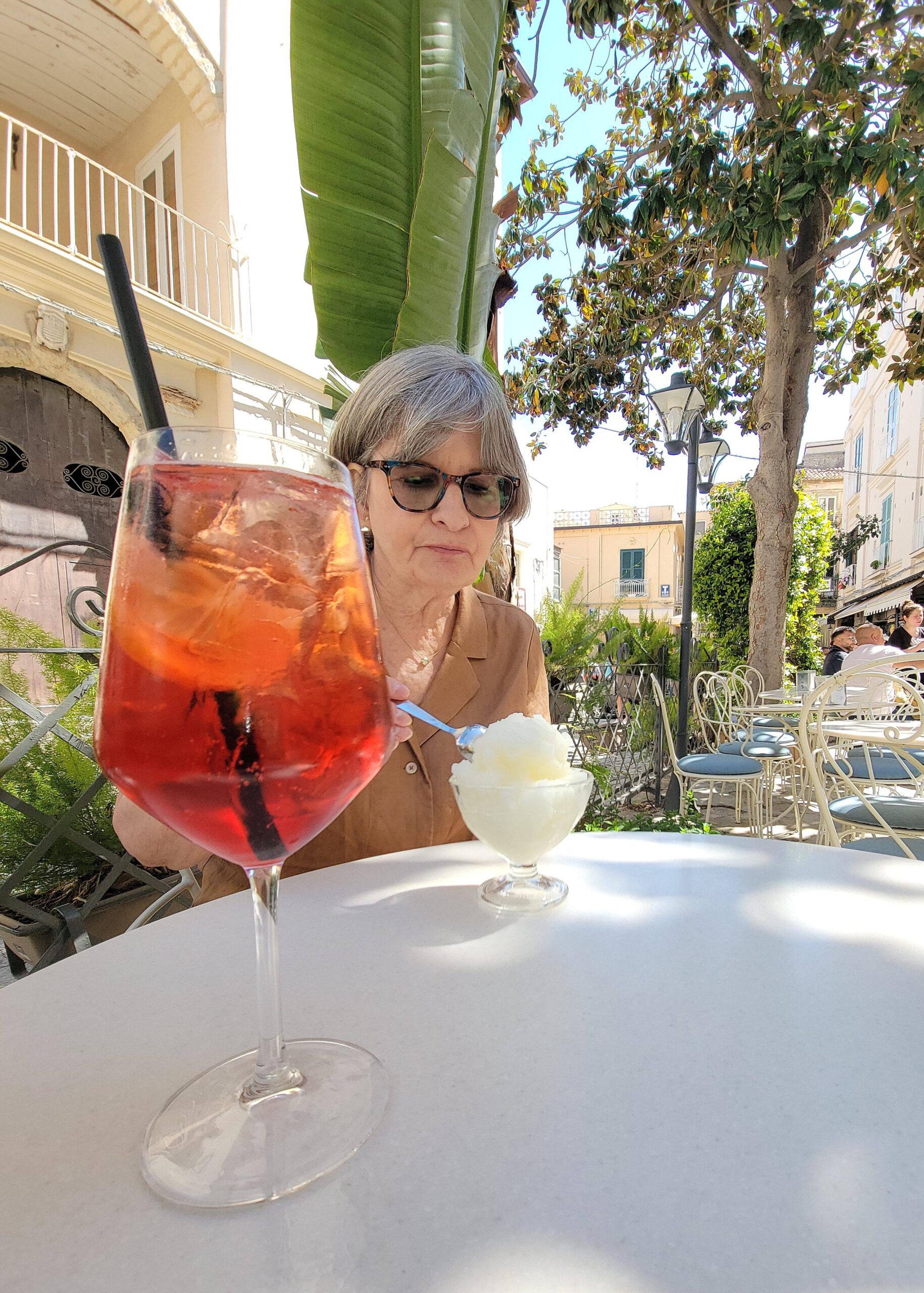
Royal Bar

Not known for their food, we bought some drinks here for a quick rest. Nothing special, but the drinks were okay.
Diamante Rosso Tropea Ristorante

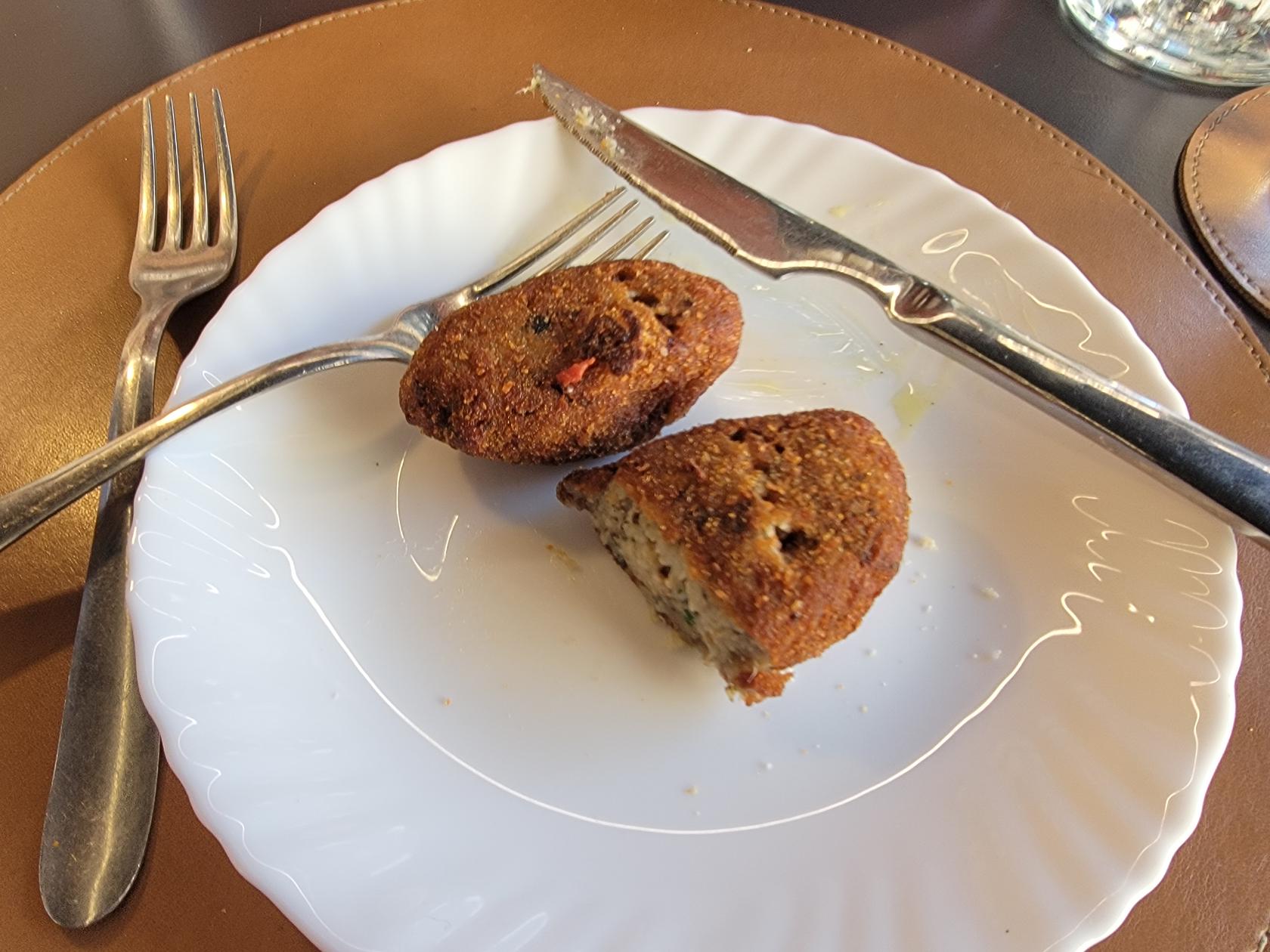
Here we had to try to local al ragu Arancini, or Sicilian breaded and conically shaped stuffed rice balls that are deep-fried. They were amazing, but usually always good, depending where you buy and how they are made. They can actually be purchased at most good local stores, cafes and some marketplaces and quickly heated up for a snack or meal.
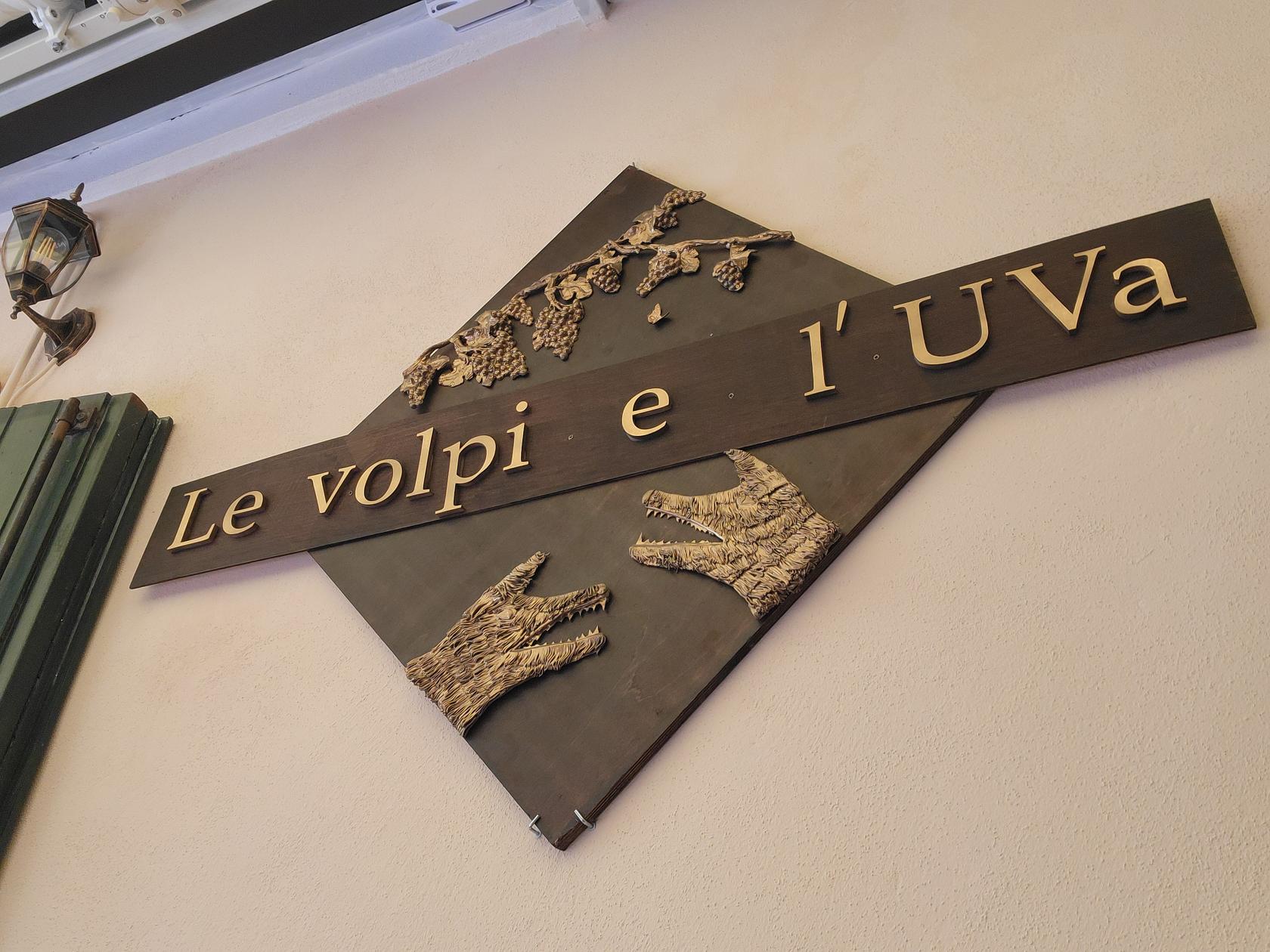
Le Volpe El Uva Ristorante

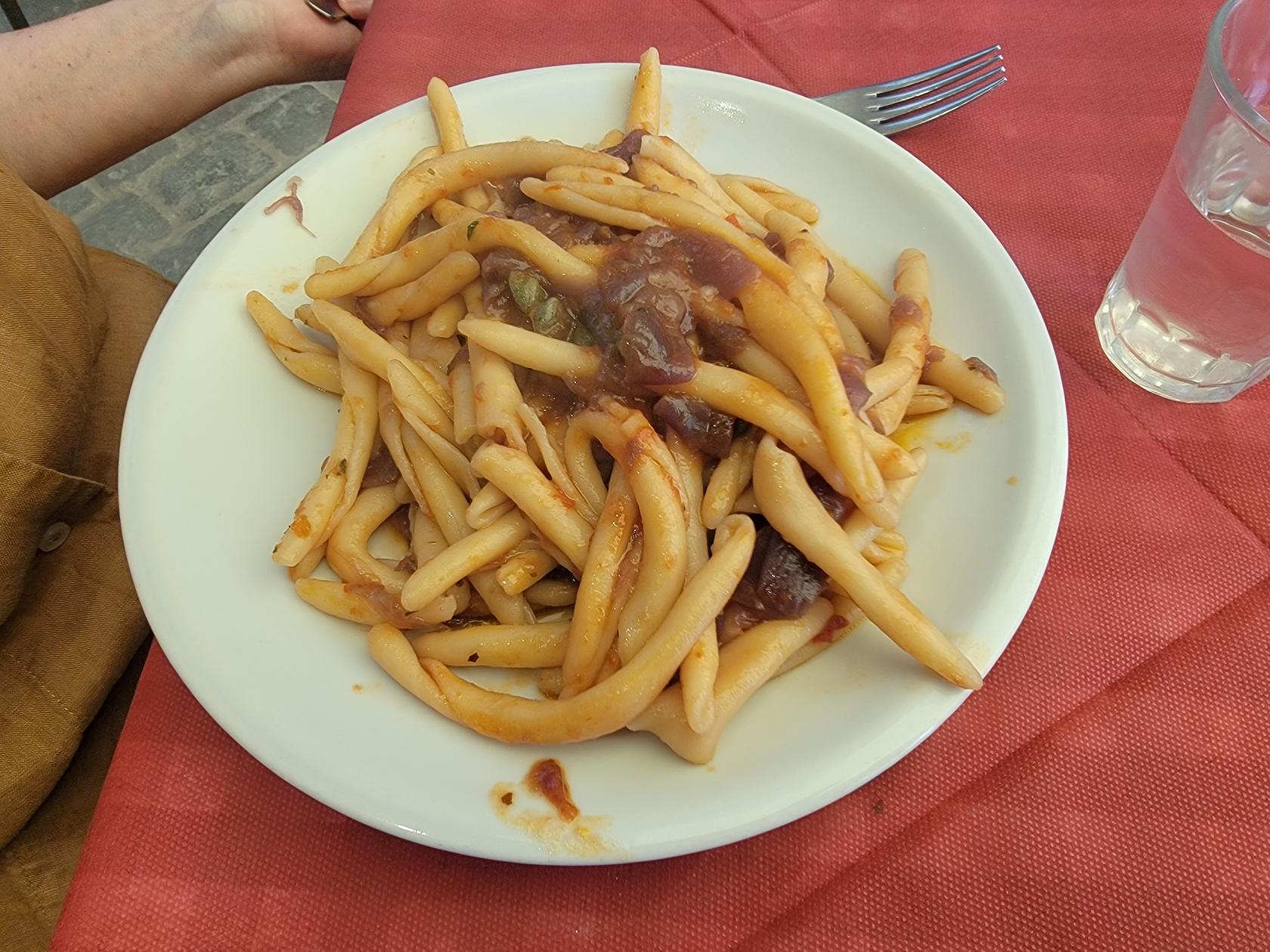
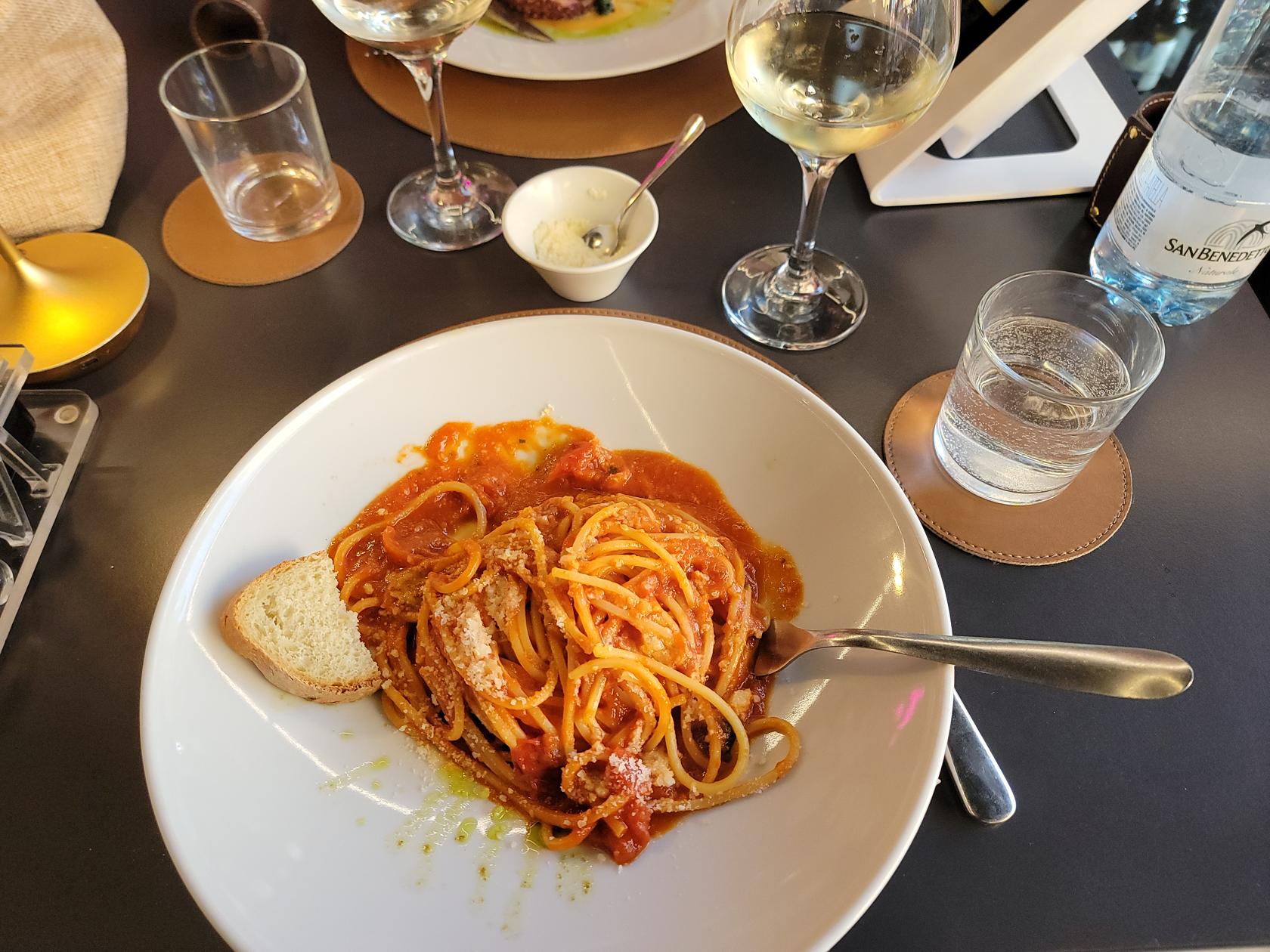
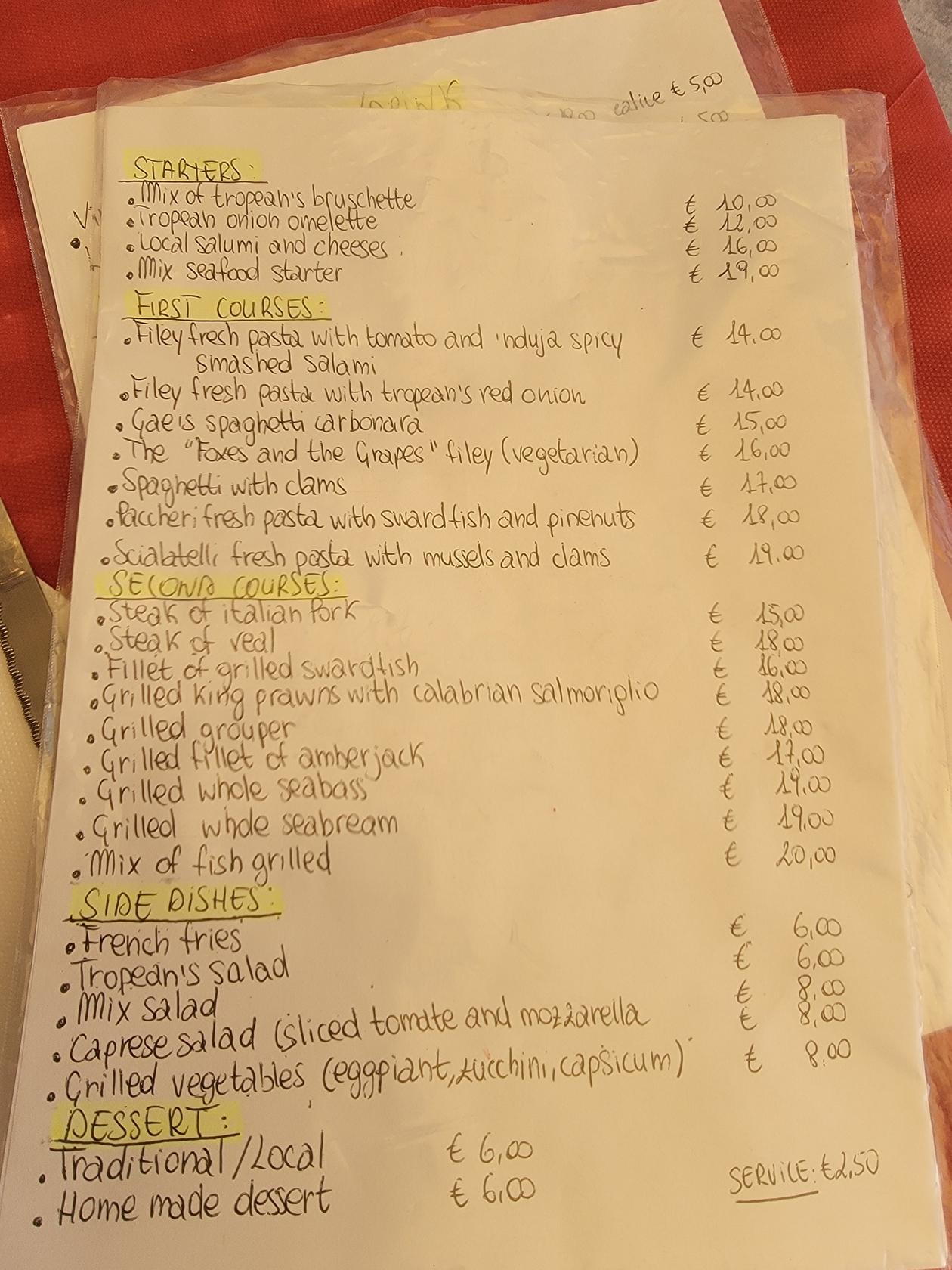
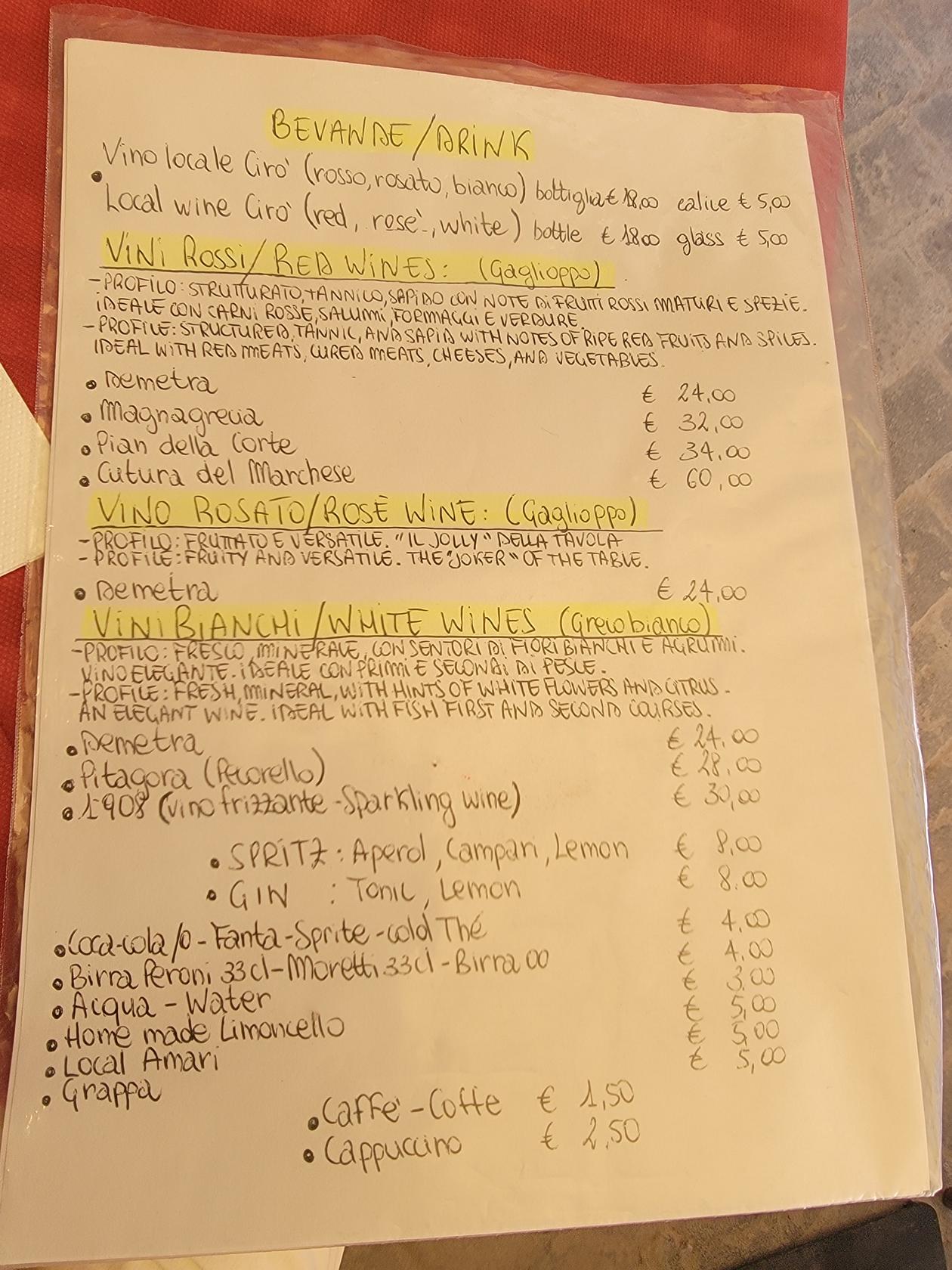
At Le Volpe we ordered a pasta dish each and dessert. The Filey was freshly made and topped with Tropean Onions, which are deliciously sweet, when they are sautéed until they have that glassy look.
Palazzo Teotino Ristorante

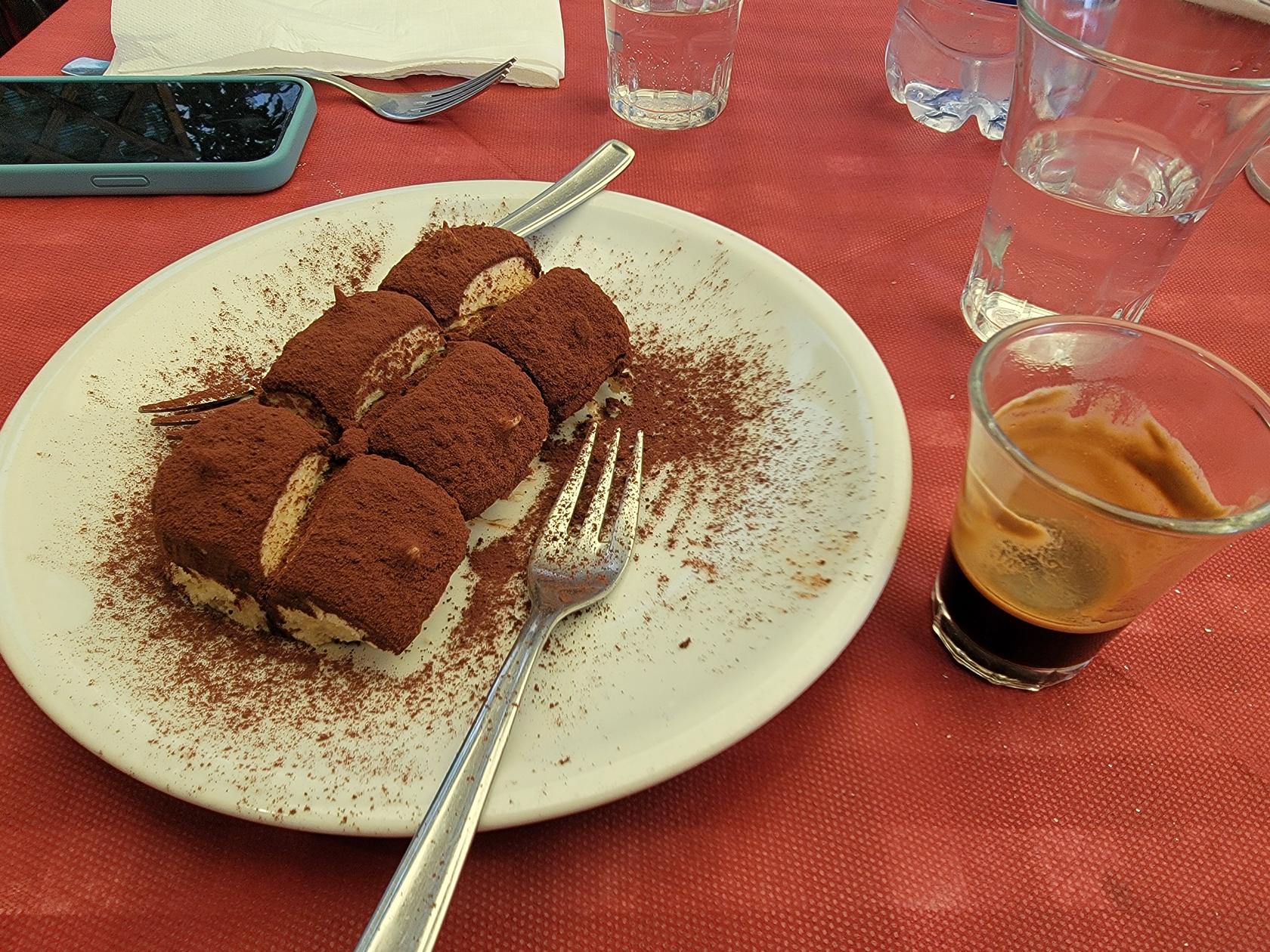
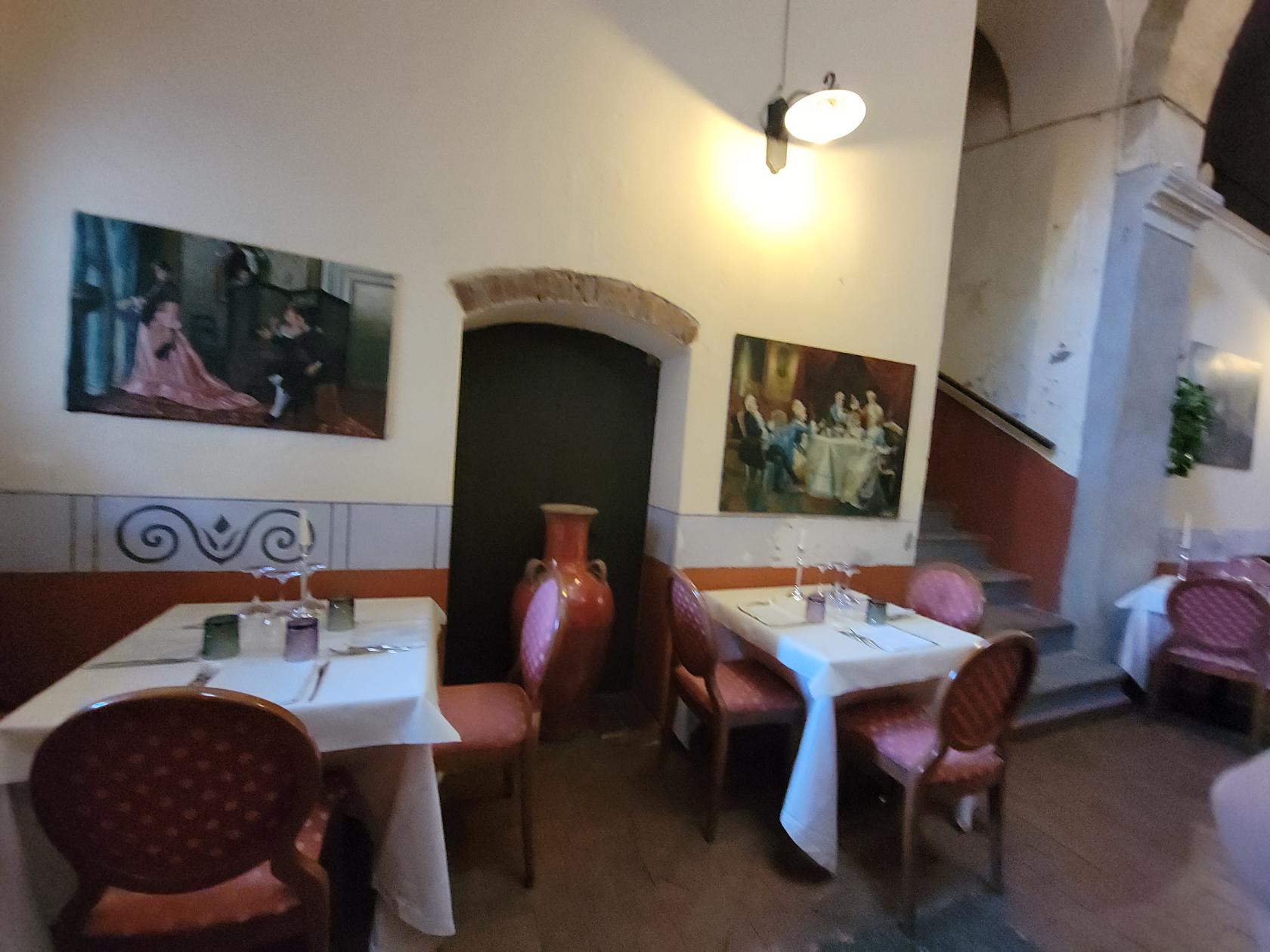
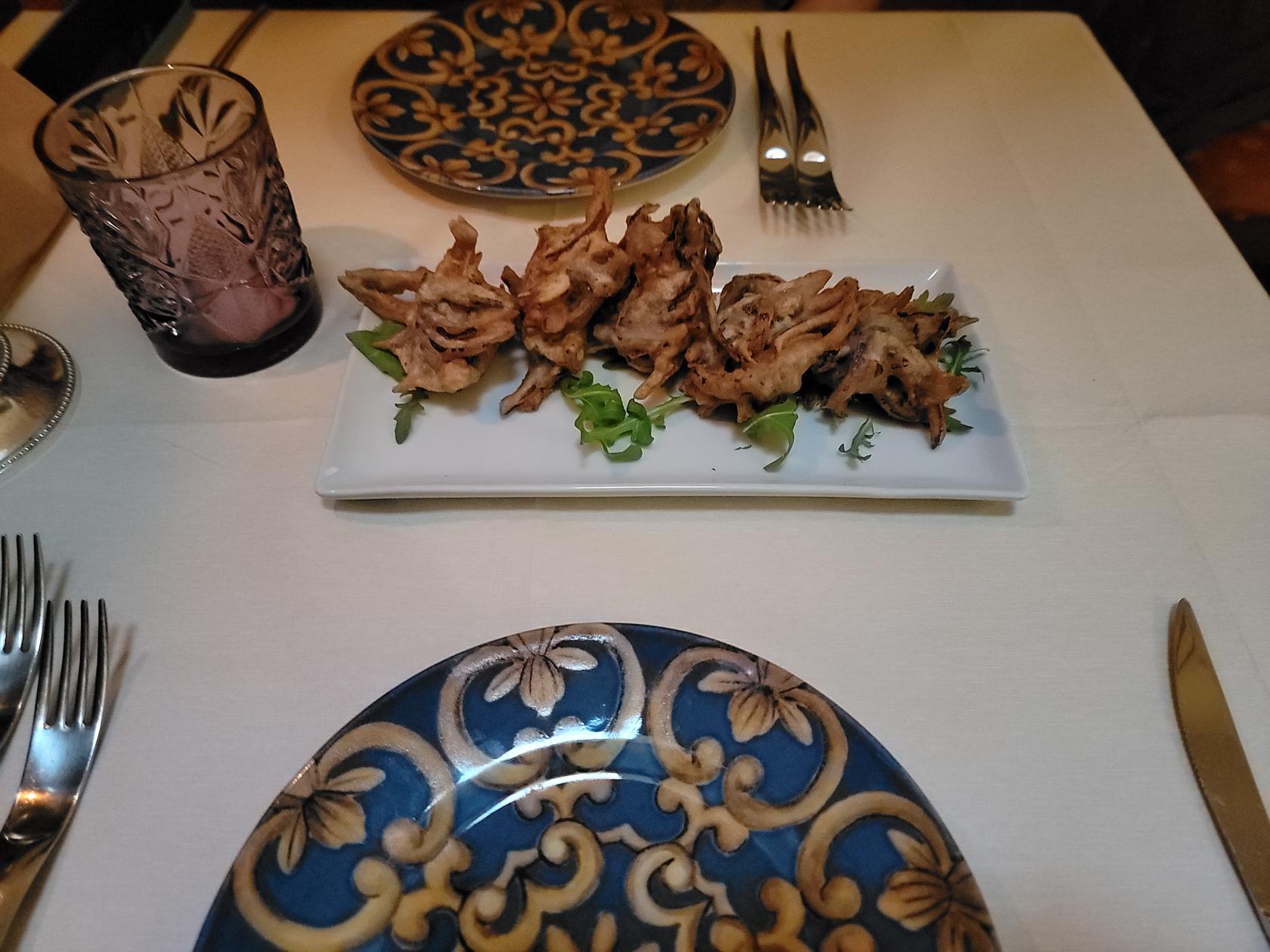
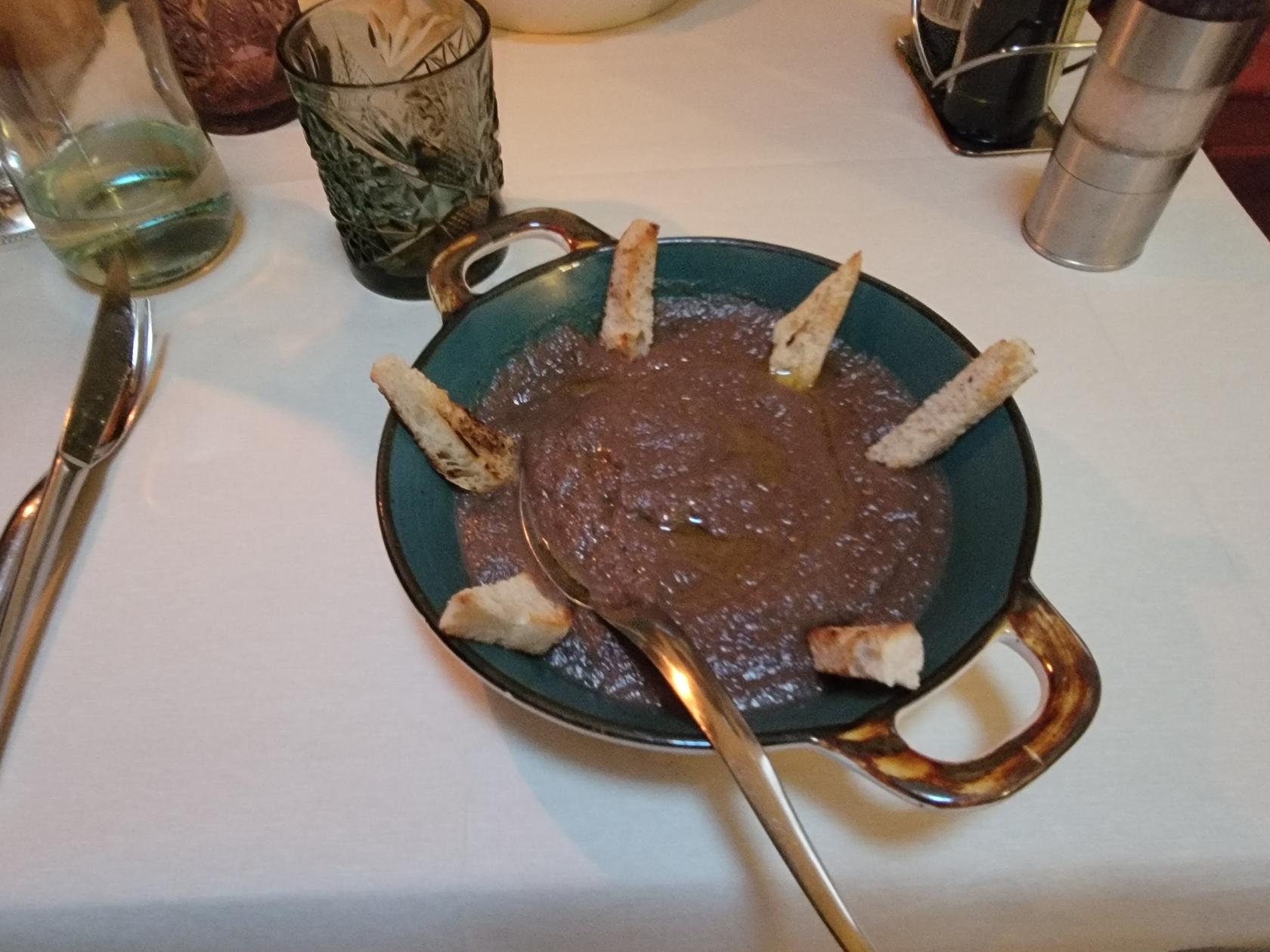
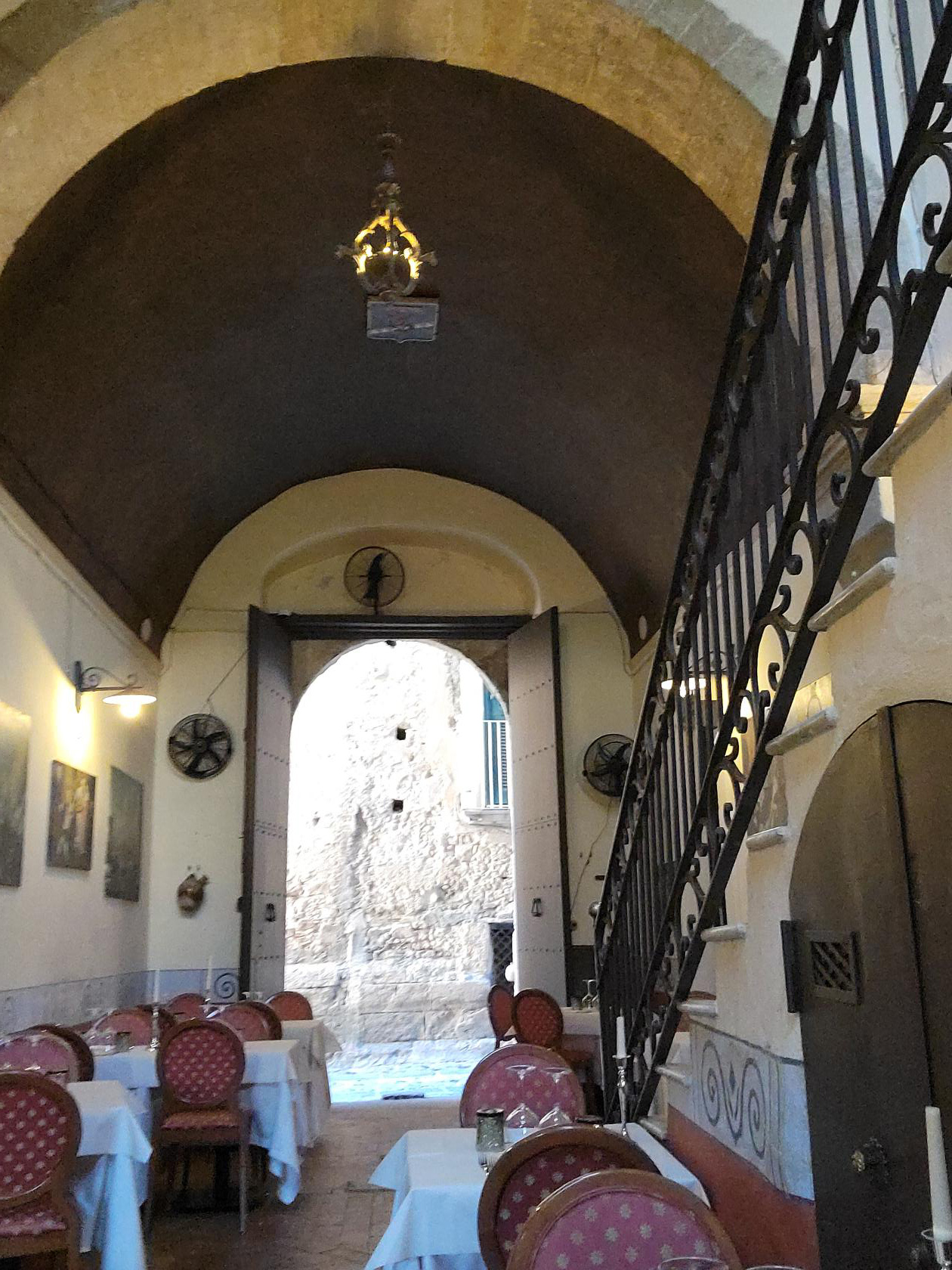
This restaurant is housed in an old palazzo and has both indoor and outdoor seating. We sat indoor right in the foyer next to the stairwell. We came here for the Tropean Onion soup that they advertize and found it very rich and tasty. We can also commend the fried onion floret, you get about four when you order them, so enough to share.
Sapri, Italy – Sunny Interlude

After our week in Naples where we took several days to visit the Amalfi Coast, we headed further south and stopped in Sapri. This was a scheduled visit to break up the trip and offer us a sunny interlude and a bit of repose before continuing to Tropea and later Reggio Calabria.

Sapri

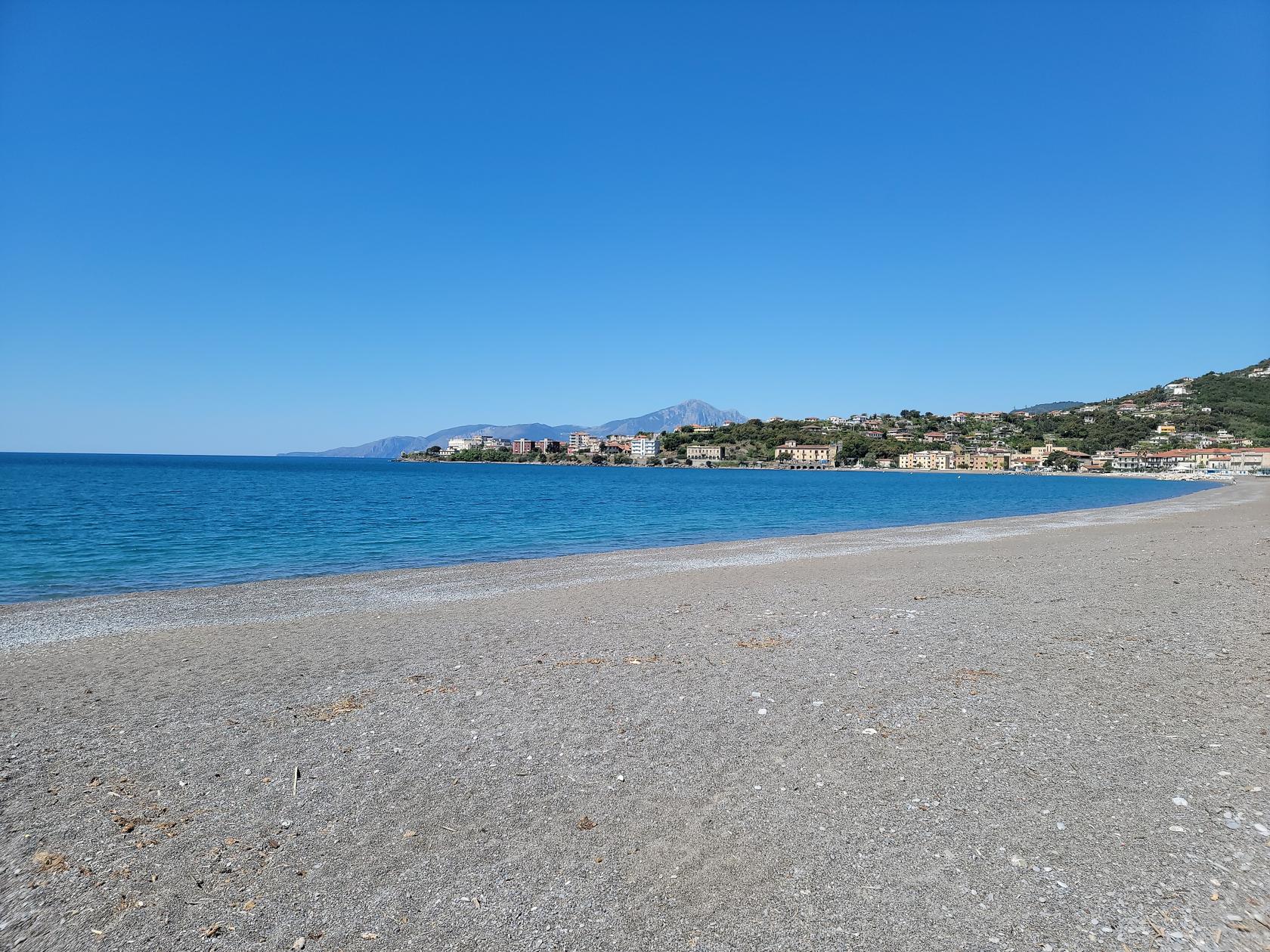
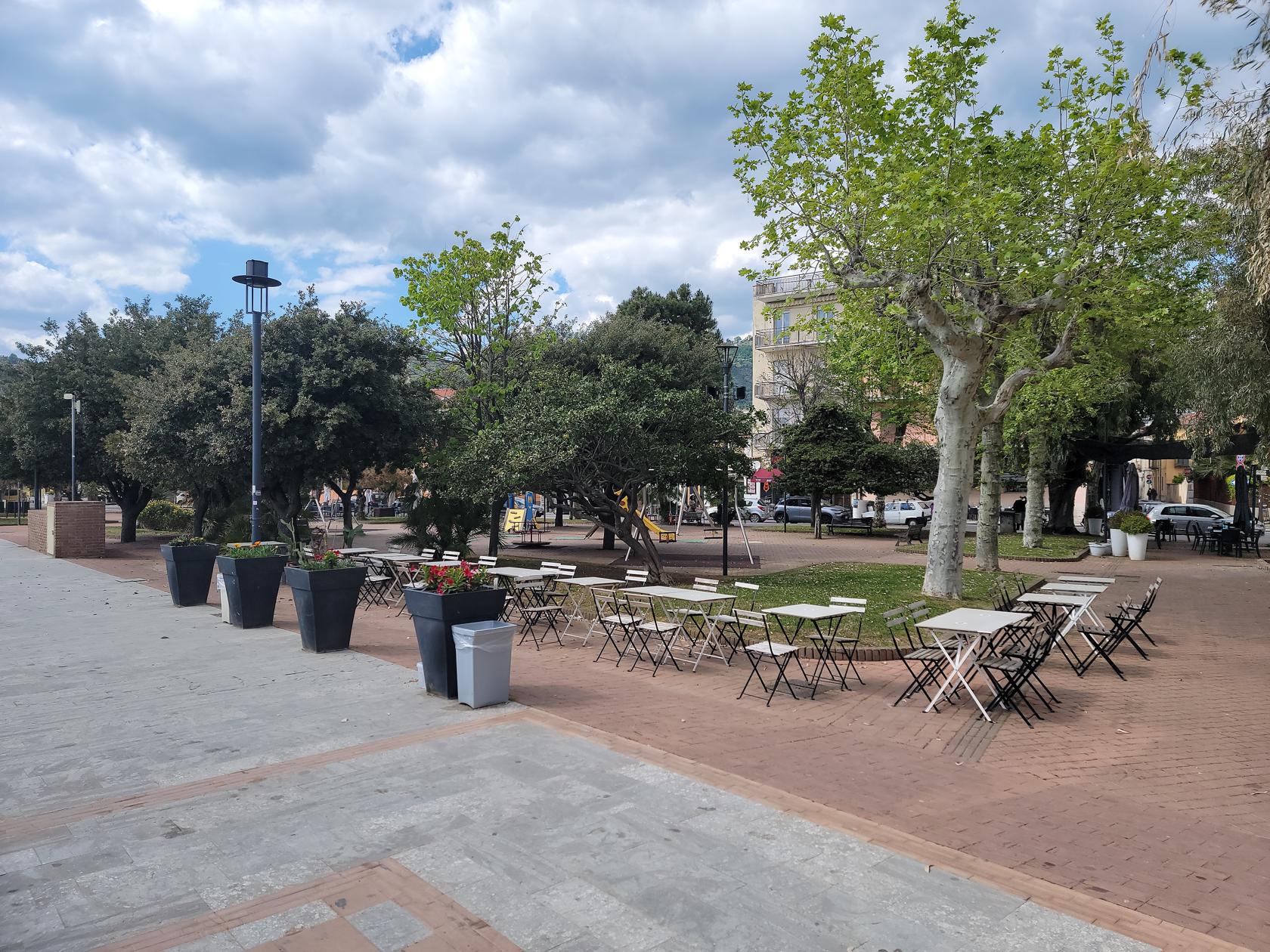
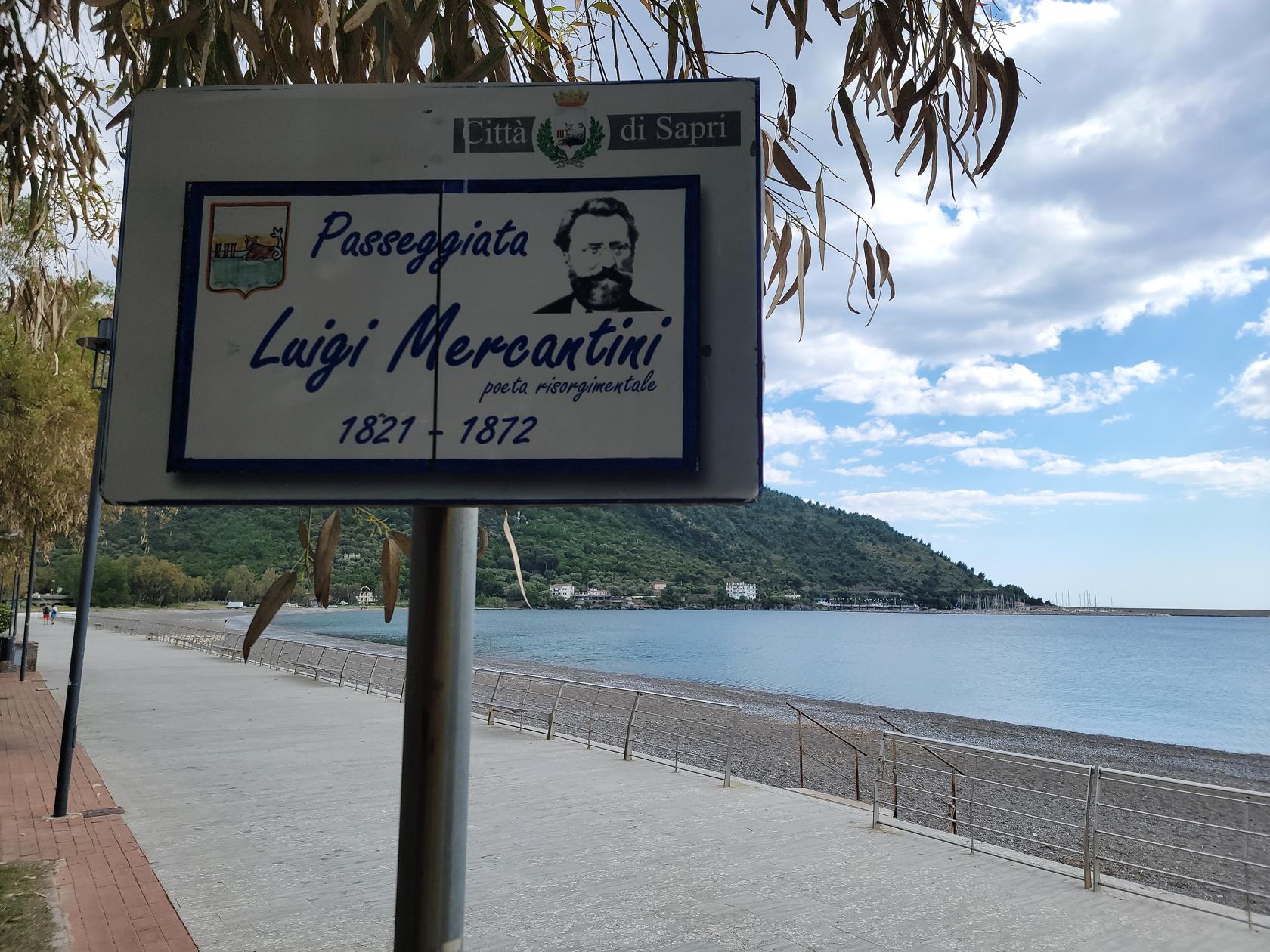
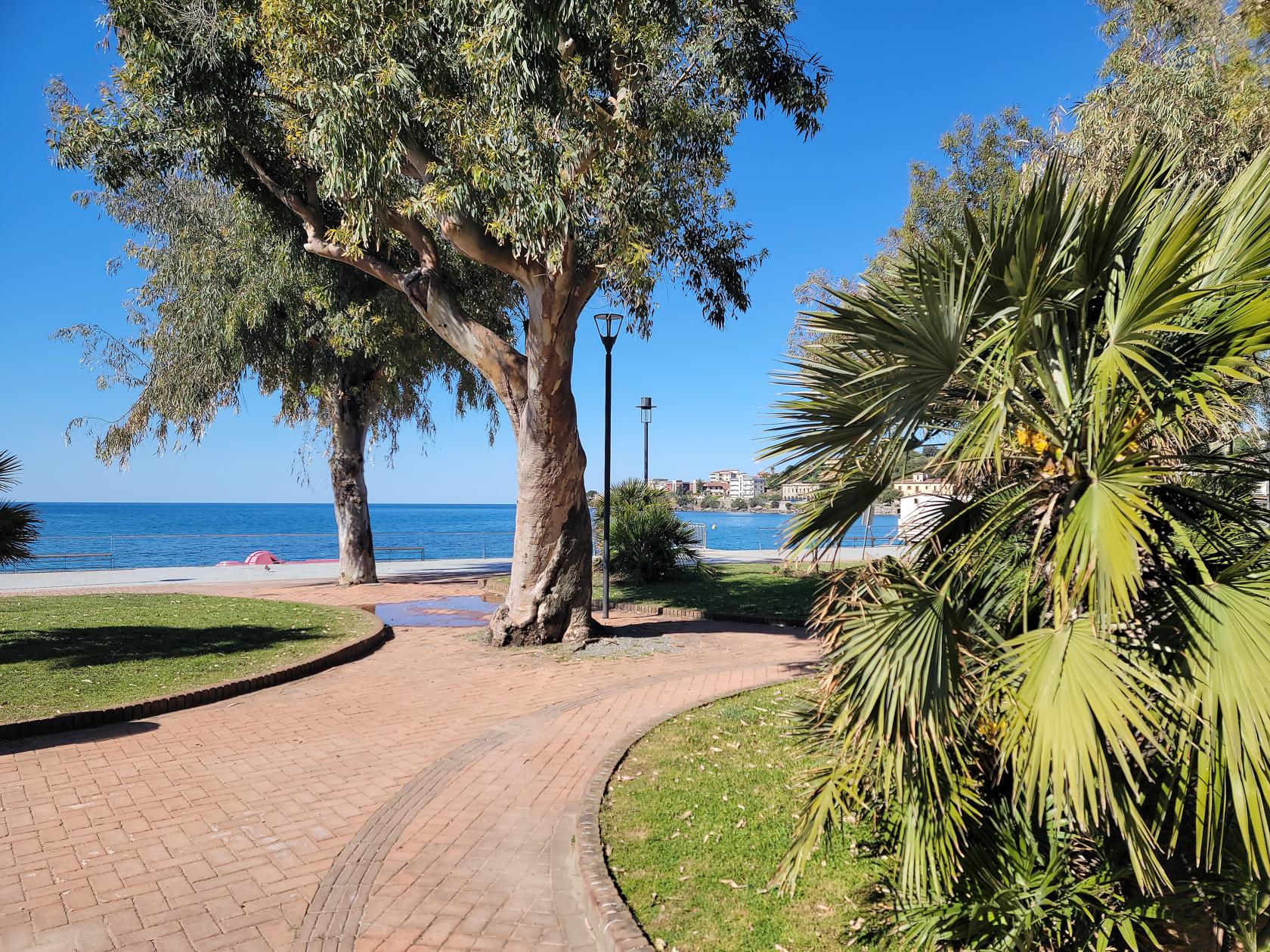
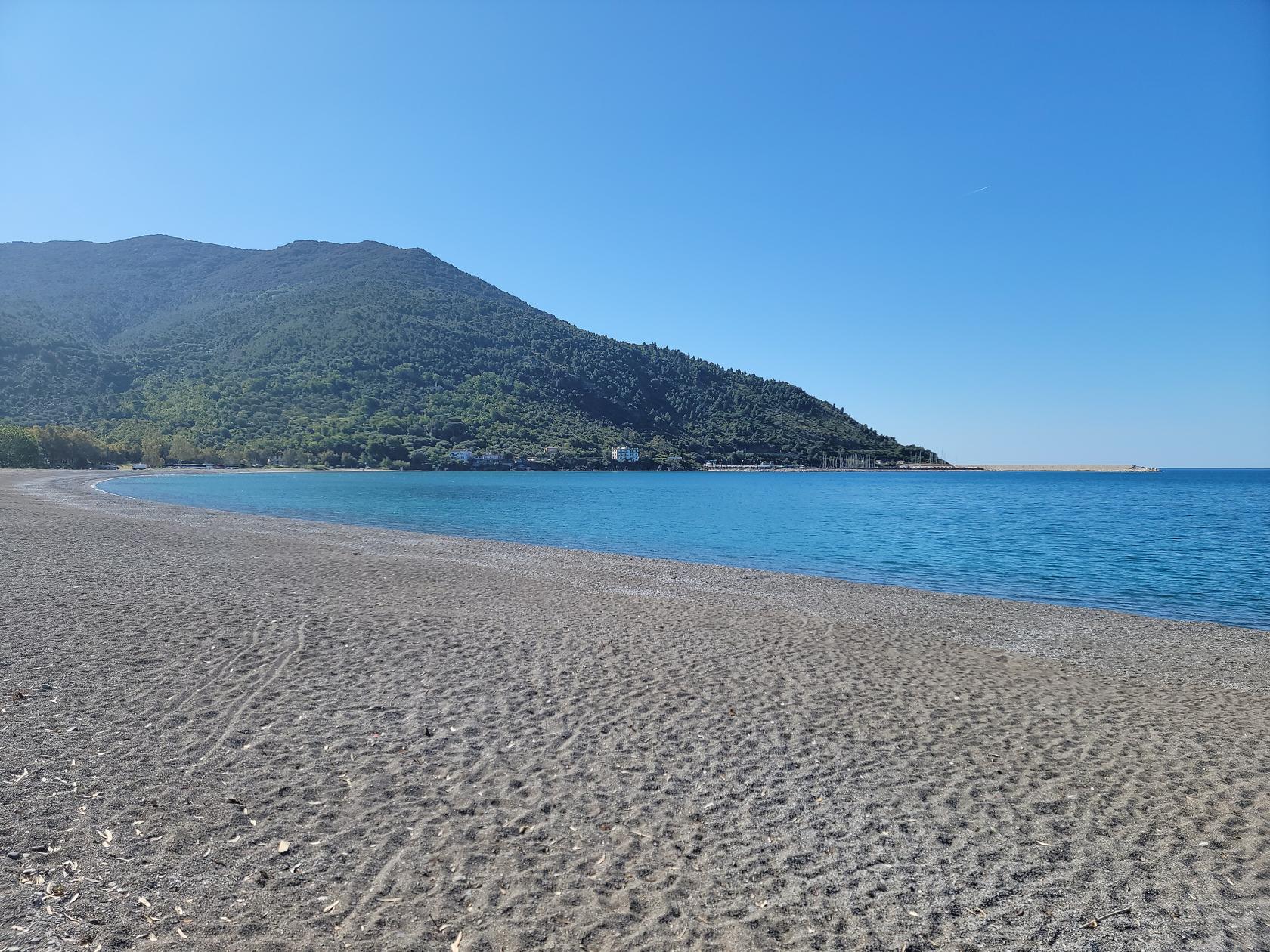
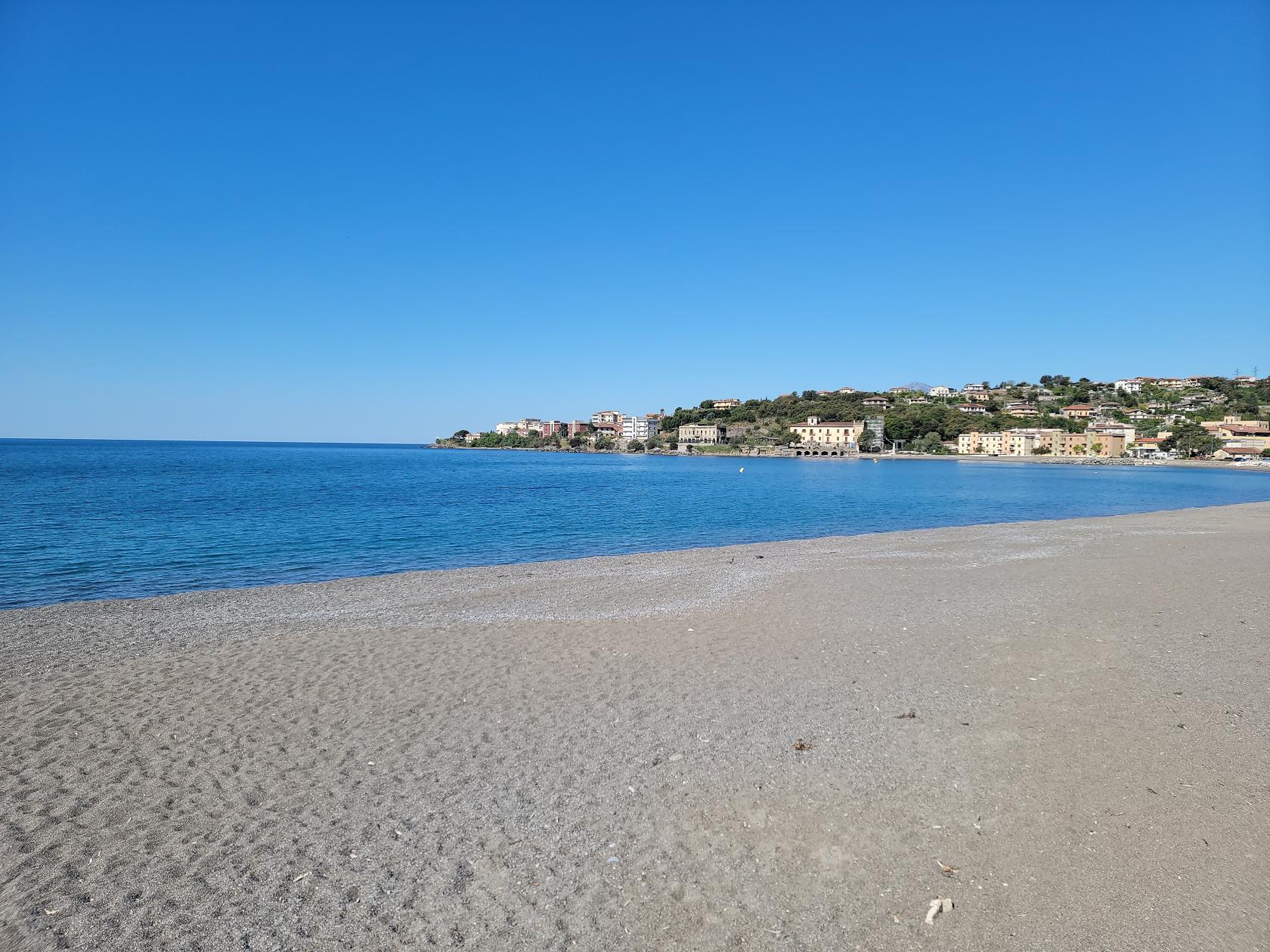
Sapri is a small Italian town that is dominated by its stony beach. While there it was fairly vacant and deviod of other tourists. But there were plenty of restaurants open and we did enjoy that relaxing atmosphere and food.

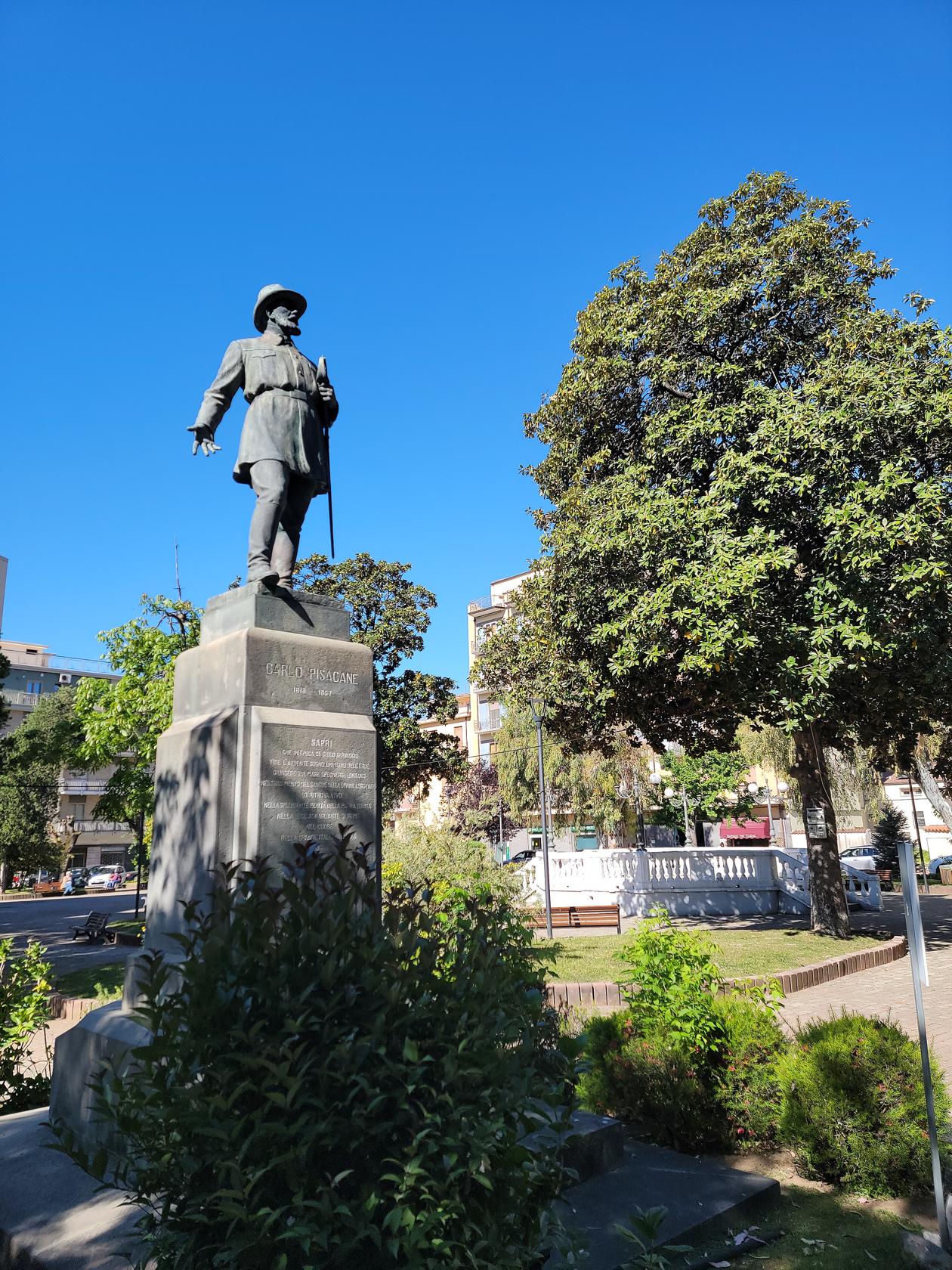
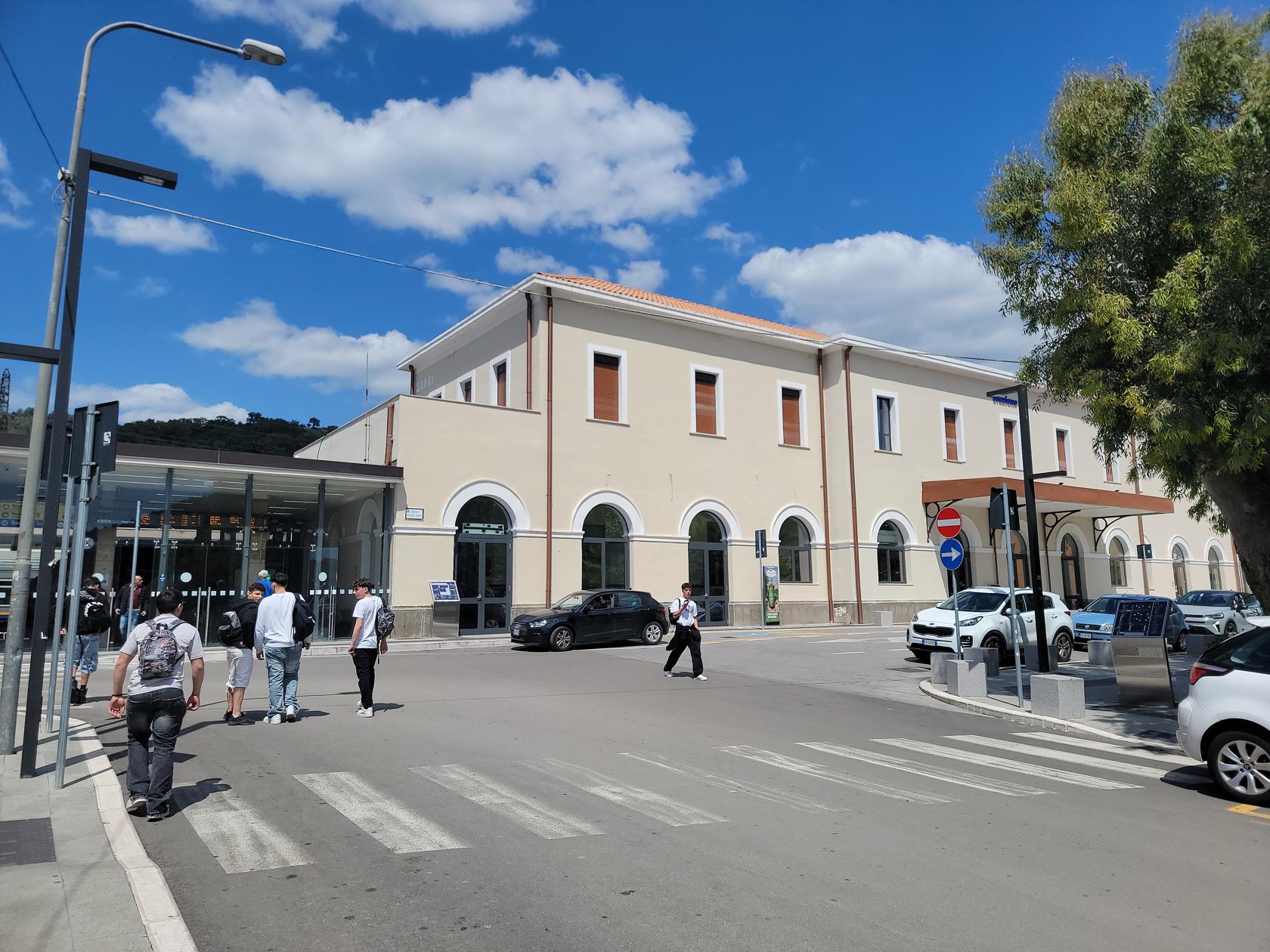
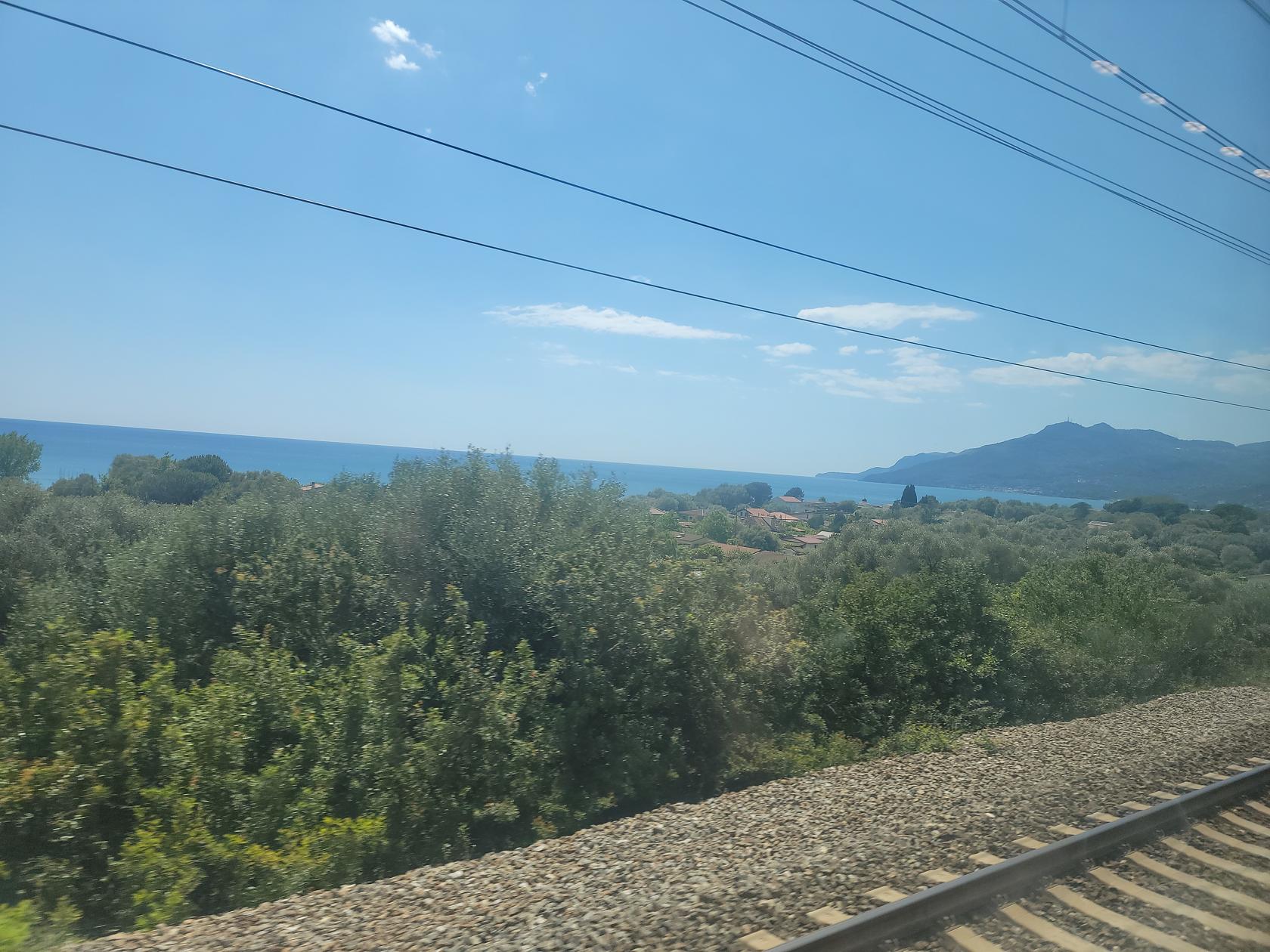
The town itself is nothing to look at, but there are a few spots of interest, all of which were along the coastal area. Situated in the Gulf of Policastro it is surrounded by hills on all three sides. Luckily the train station is a short ten minute walk to and from the beach.

Getting There

There are several trains that run between Naples and Sapri. Perhaps the most convenient one will be the local, which stops at several points, but offers a bit more flexibility.

Our Hotel

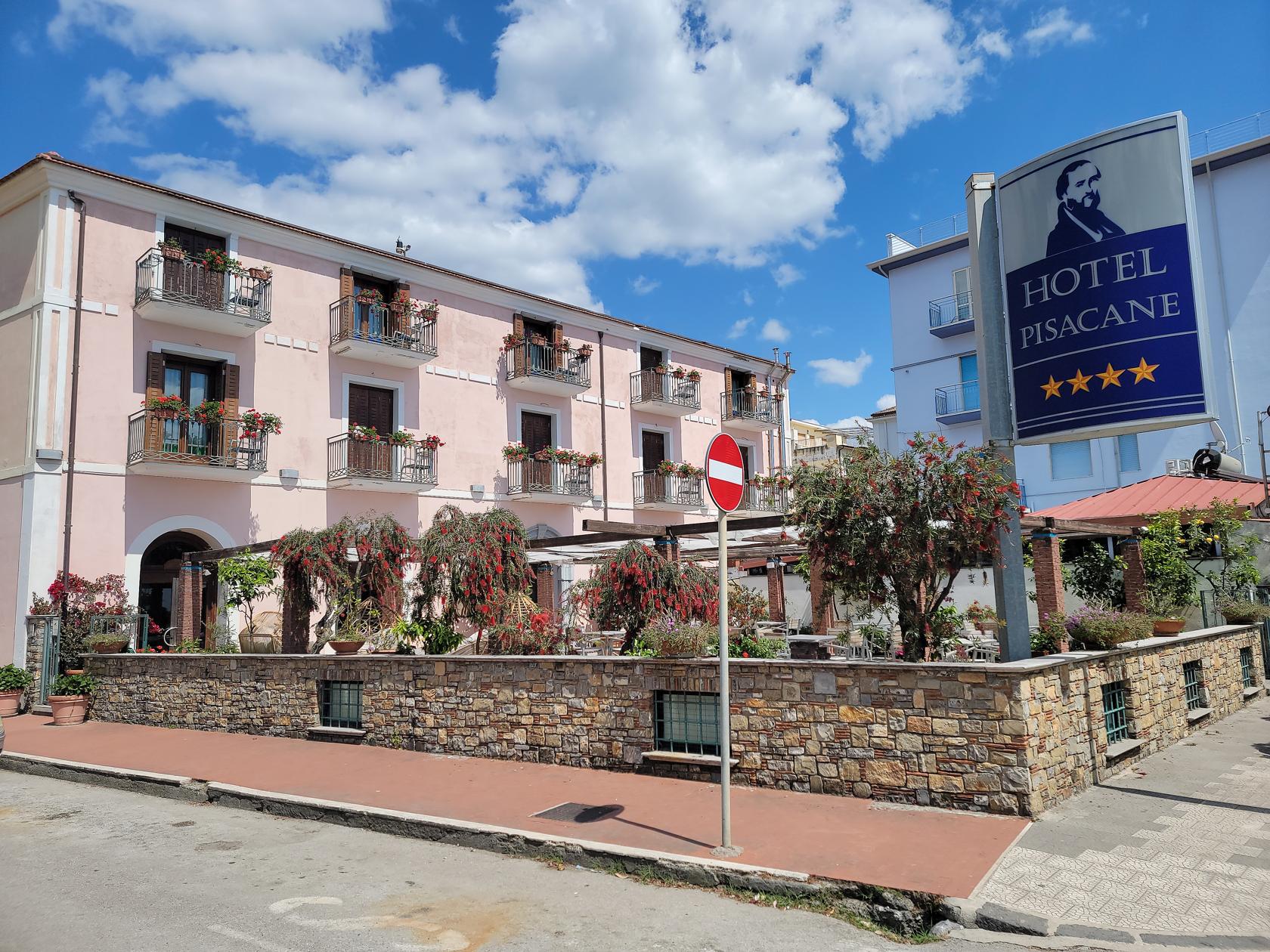
We stayed at the Hotel Pisacane, a small botique style hotel right on the beach. Unfortunately with the exception of breakfast, the restaurant is closed until tourist season which starts in June. Luckily, that did not turn into an issue for us.

The Observatory

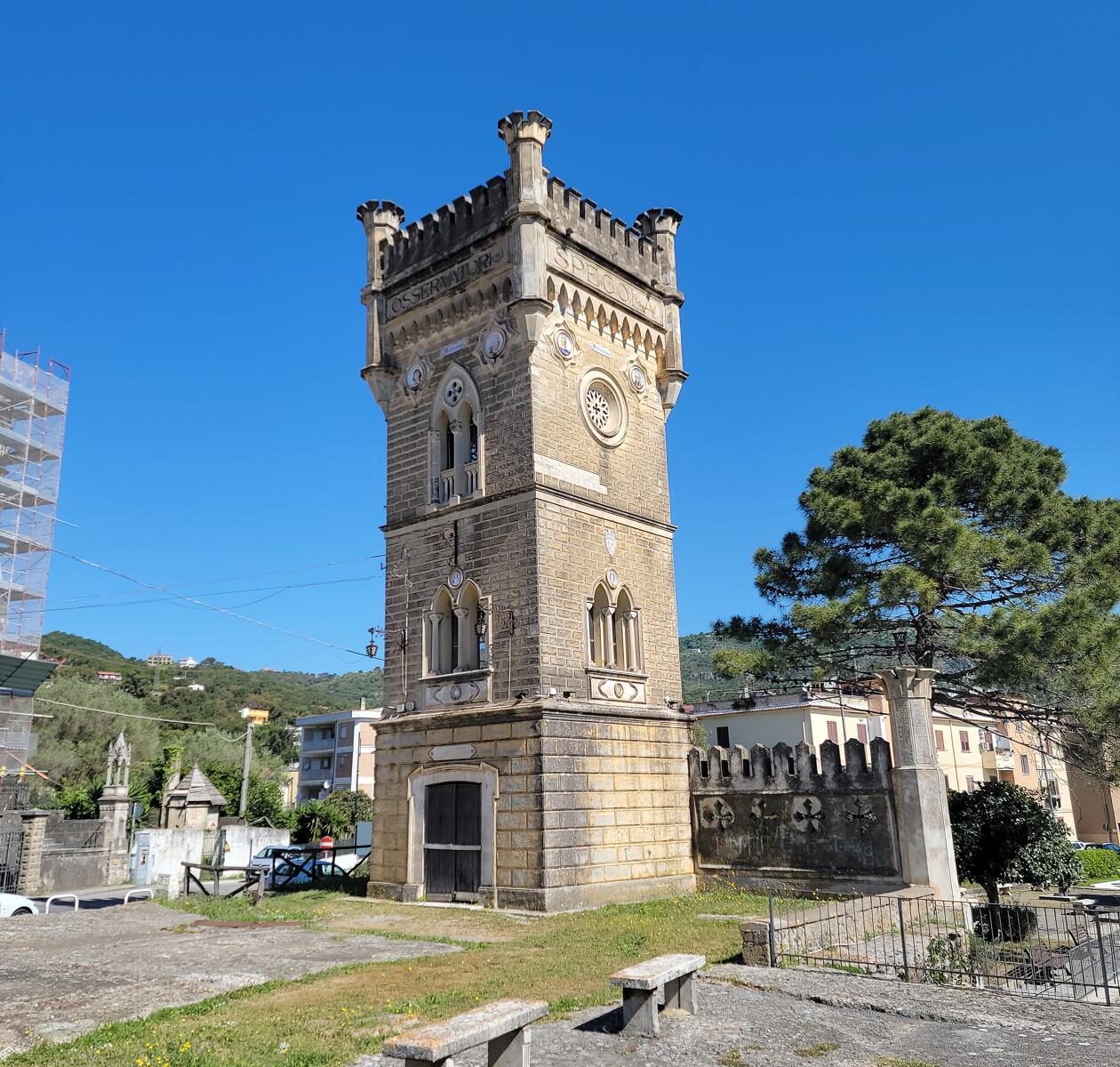
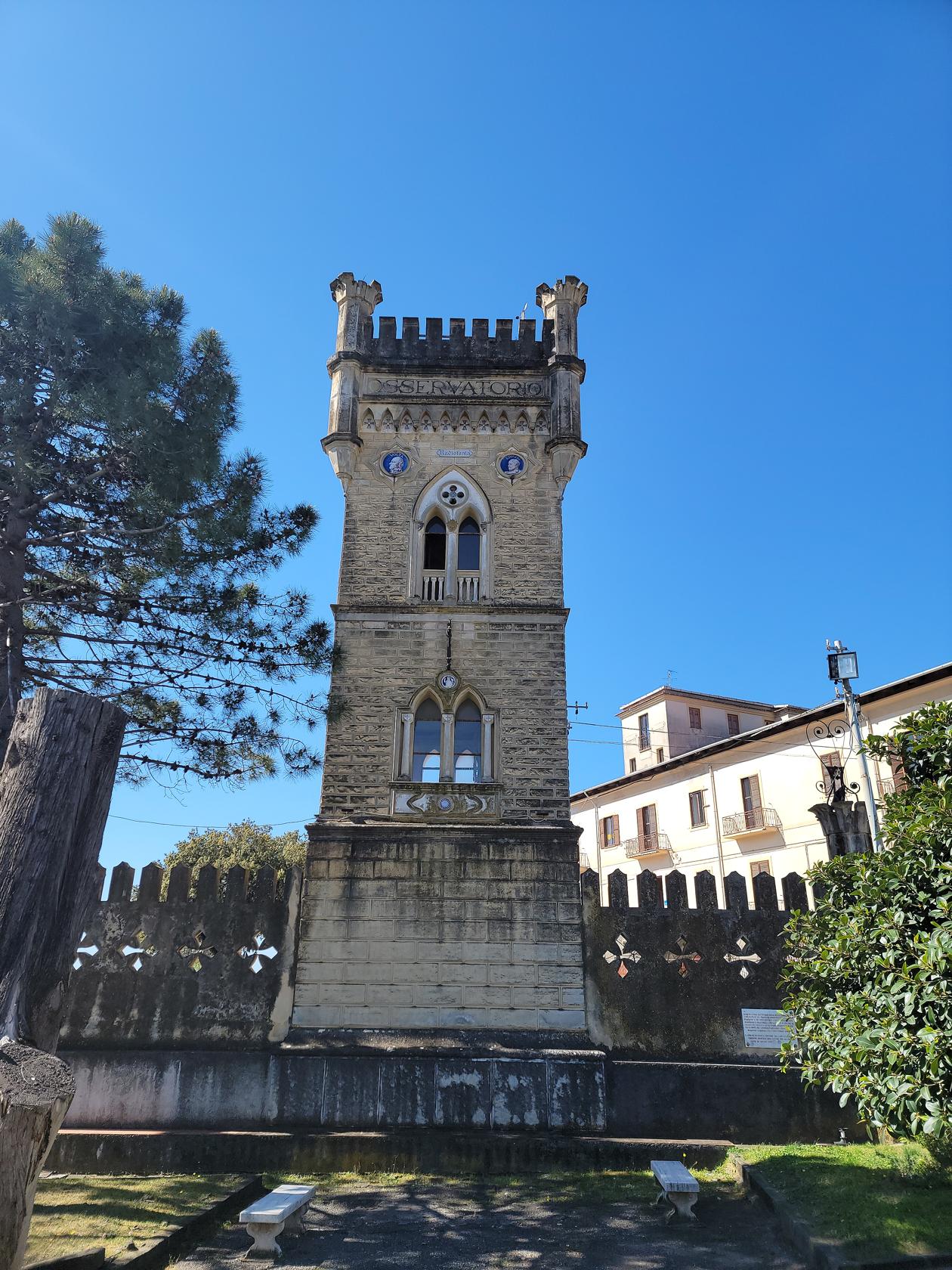
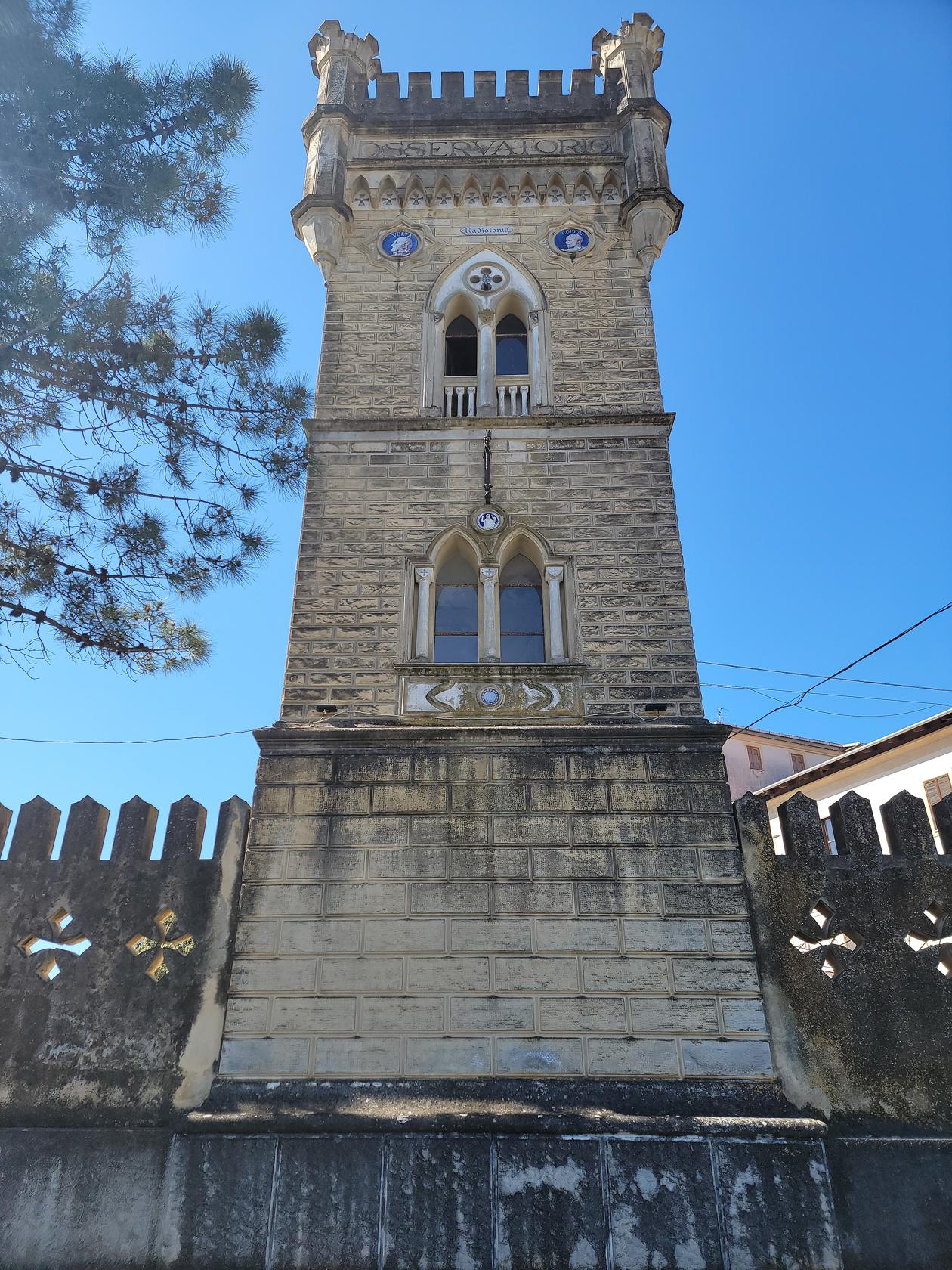
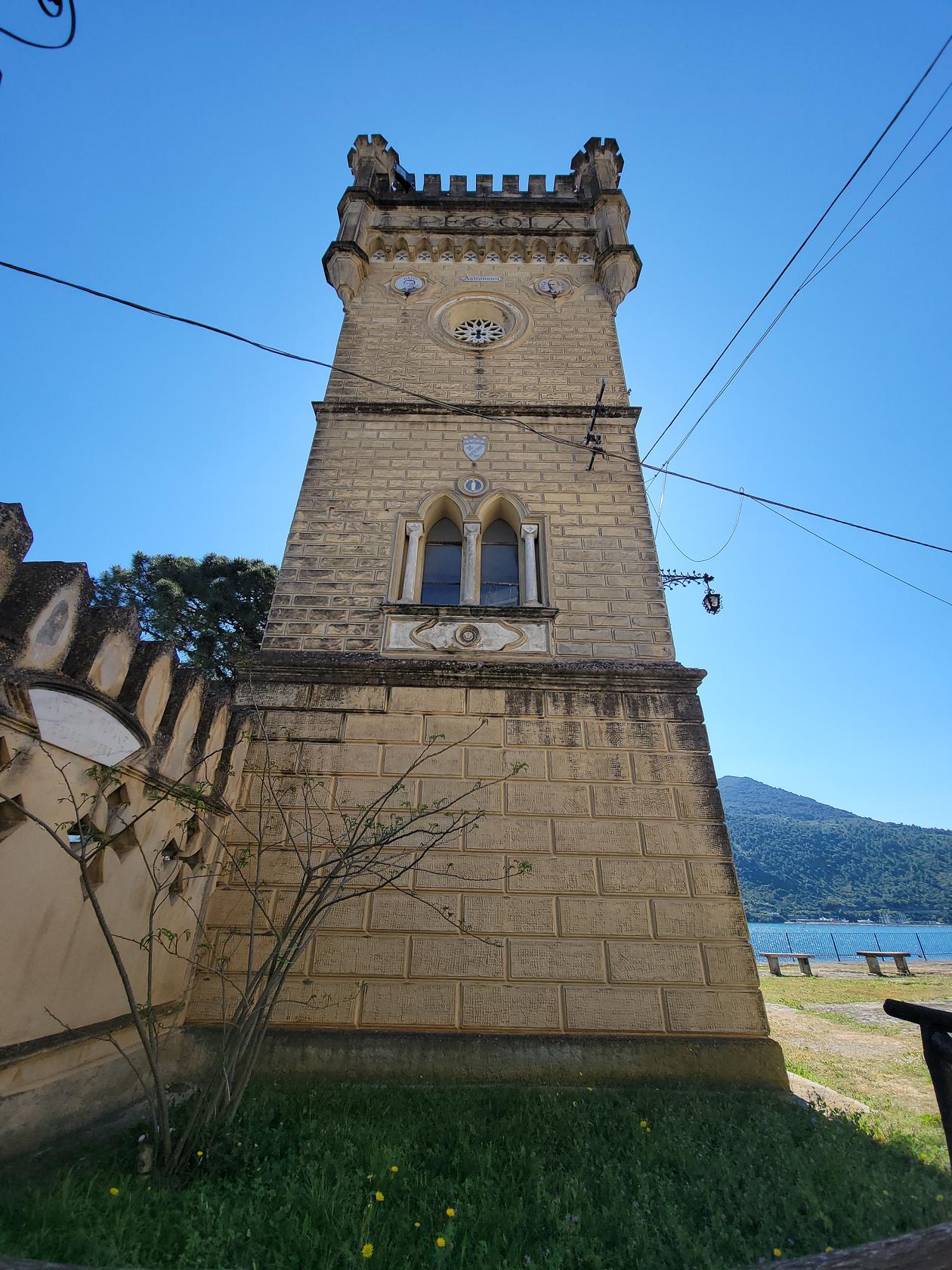
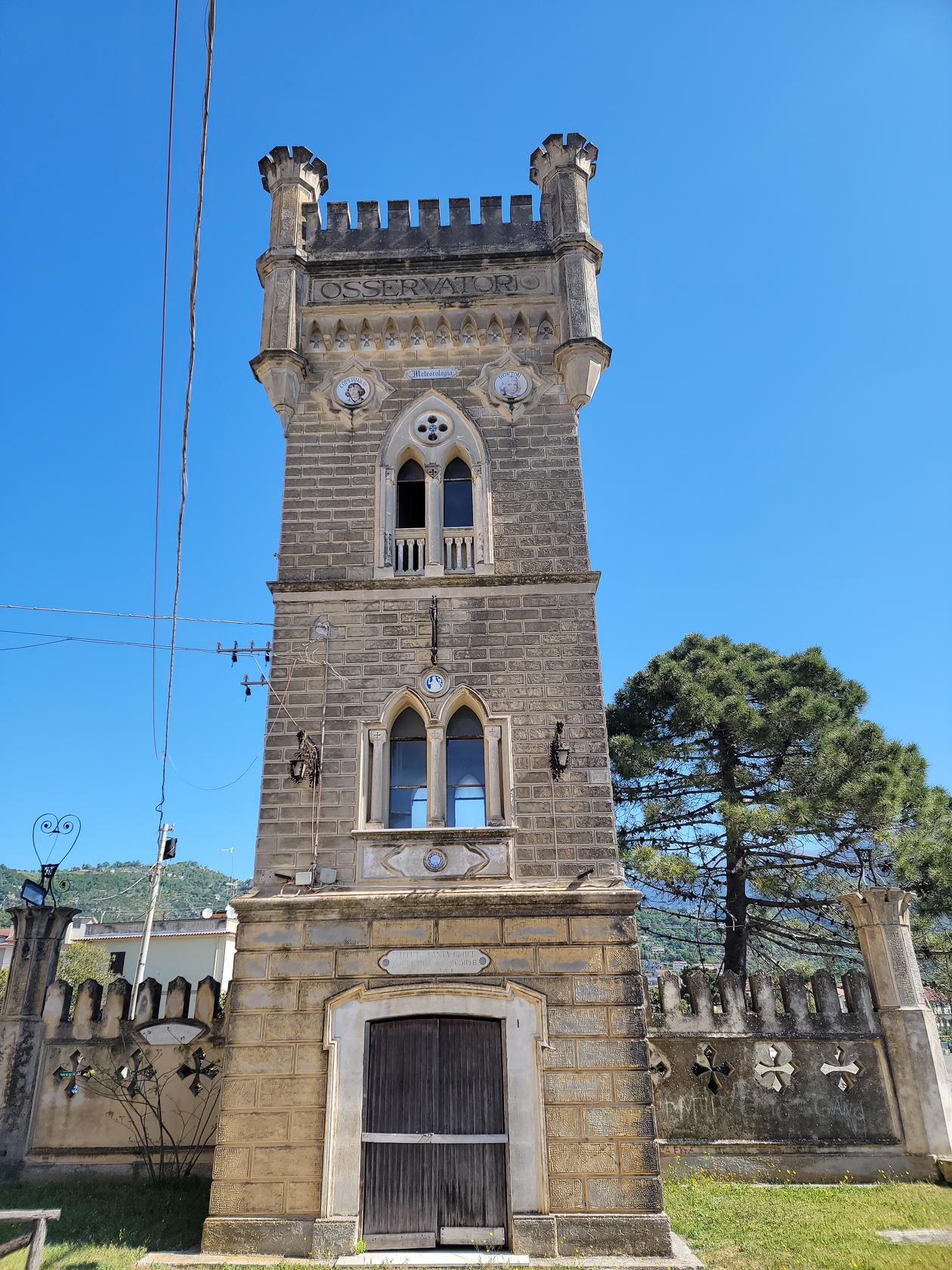
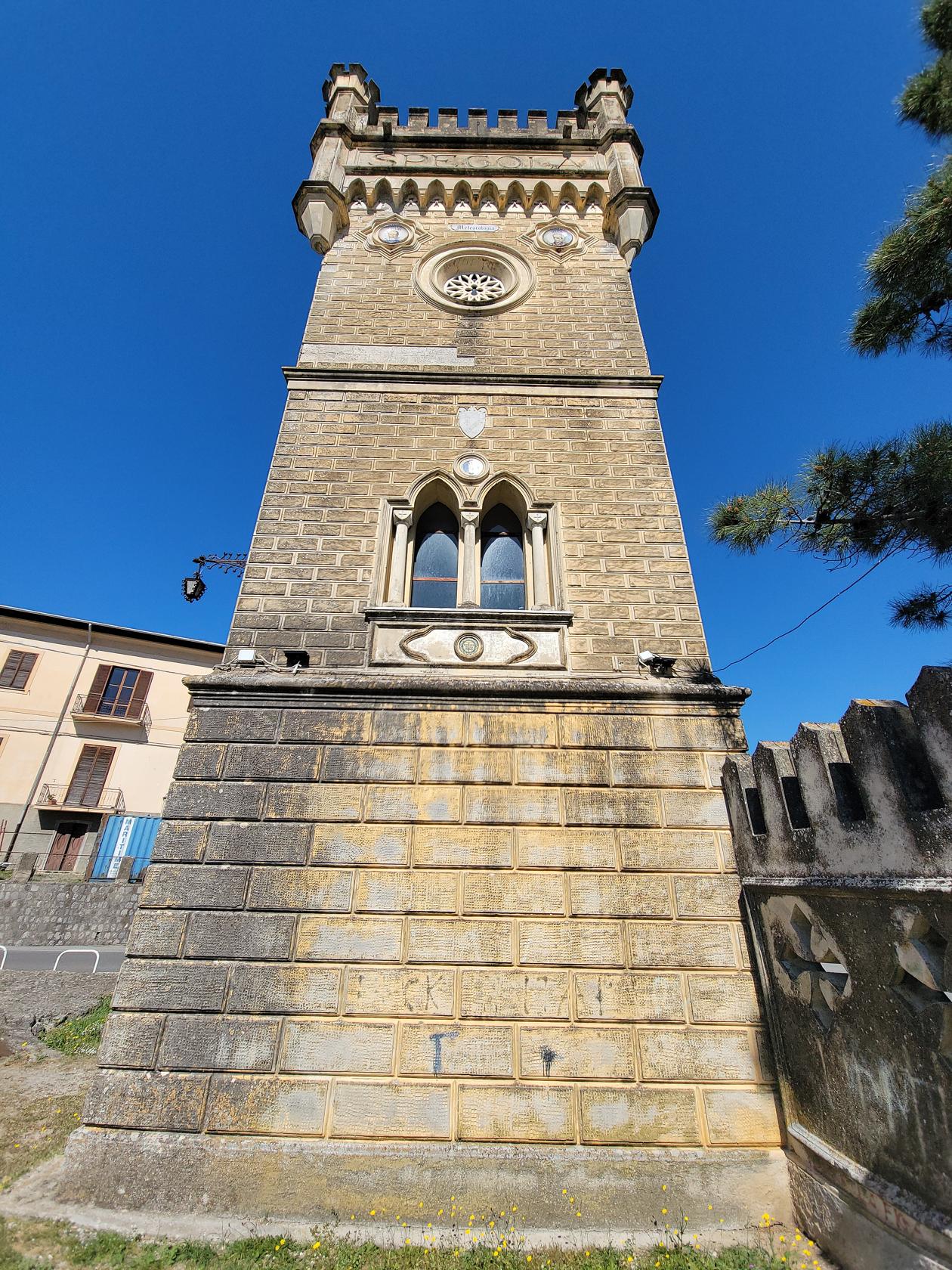
A very tall structure overlooking the Gulf of Policastro. It appears to celebrate eight renowned Italian scientist from astronomy, radio and meterology. It is located on the northern part of the beach, close to the Roman Villa Ruins.

Roman Villa Ruins

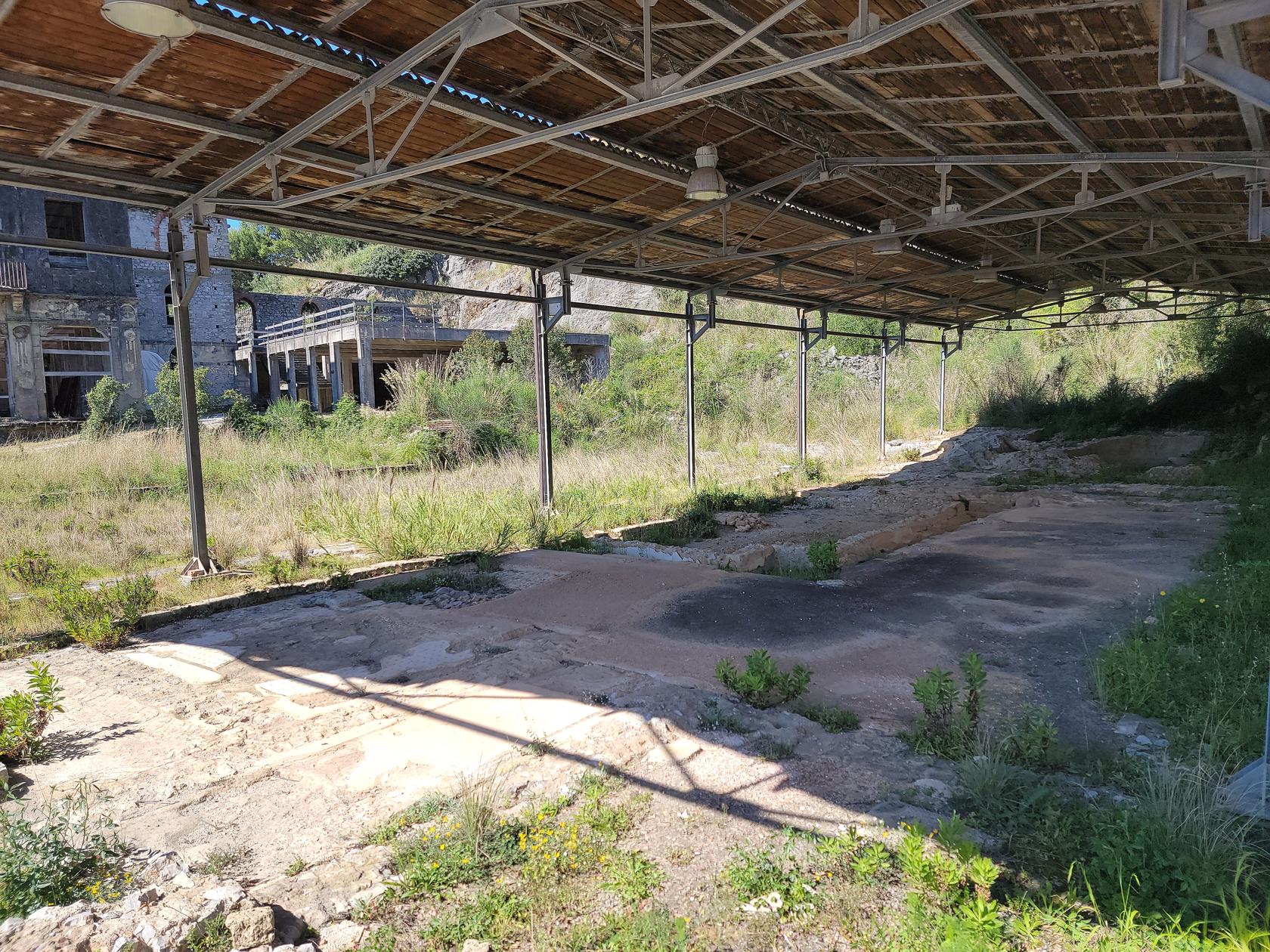
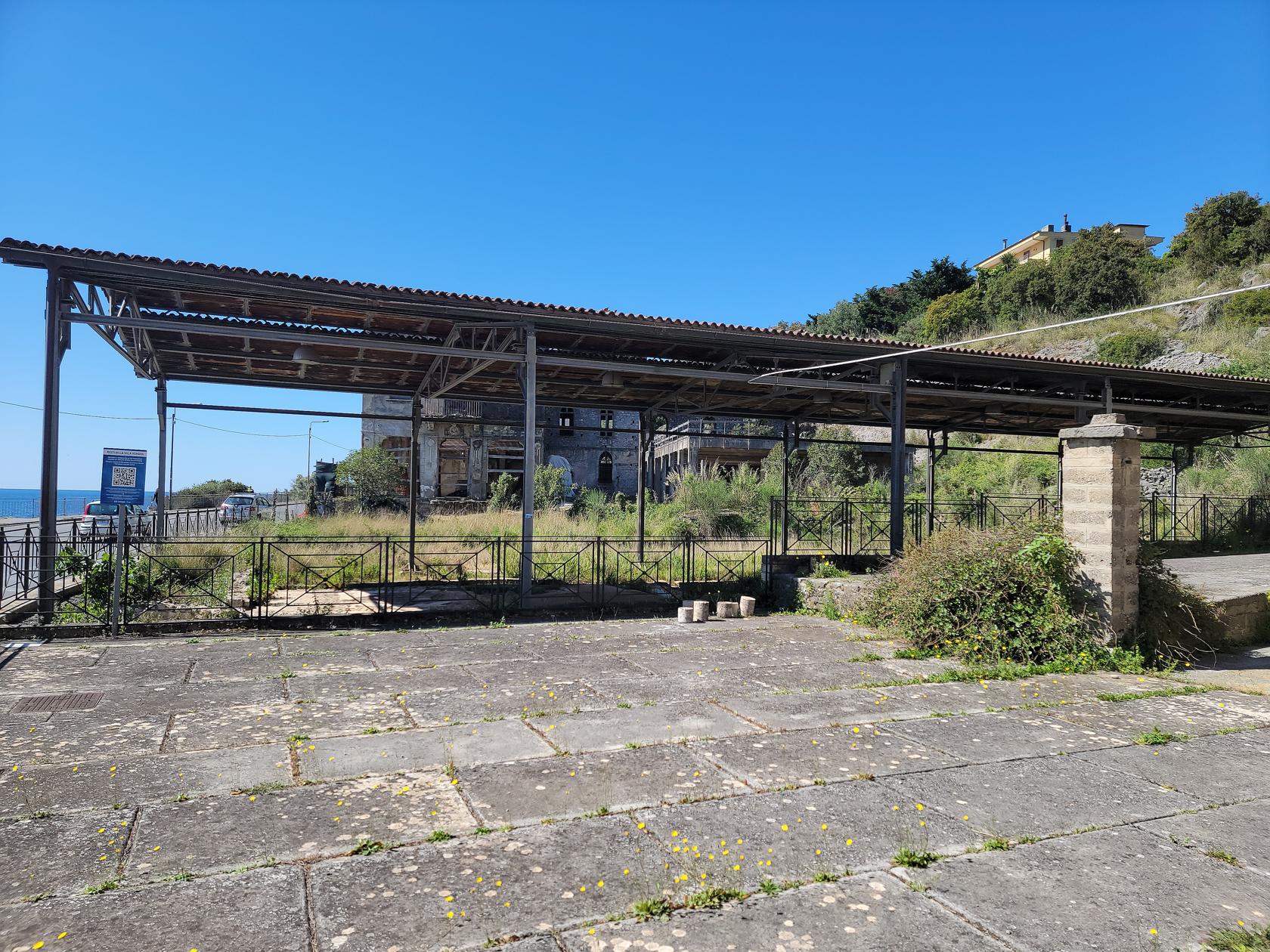
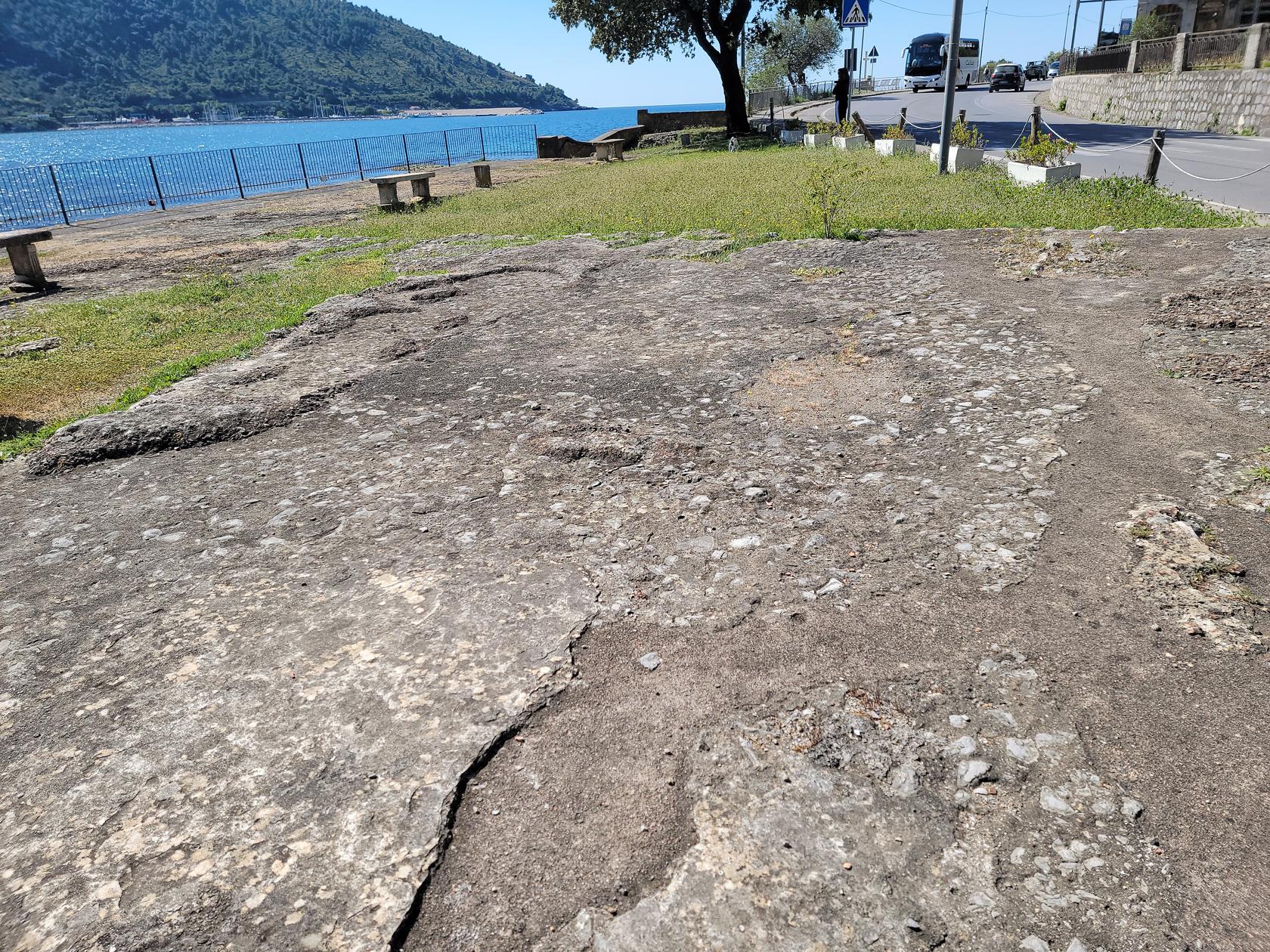
Partially perserved under a canopy, the Roman Villa ruins are also north of town and located close to the observatory. The observatory also has some roman ruins near it that appear to be an old roman cellar or other structure.
Restaurants

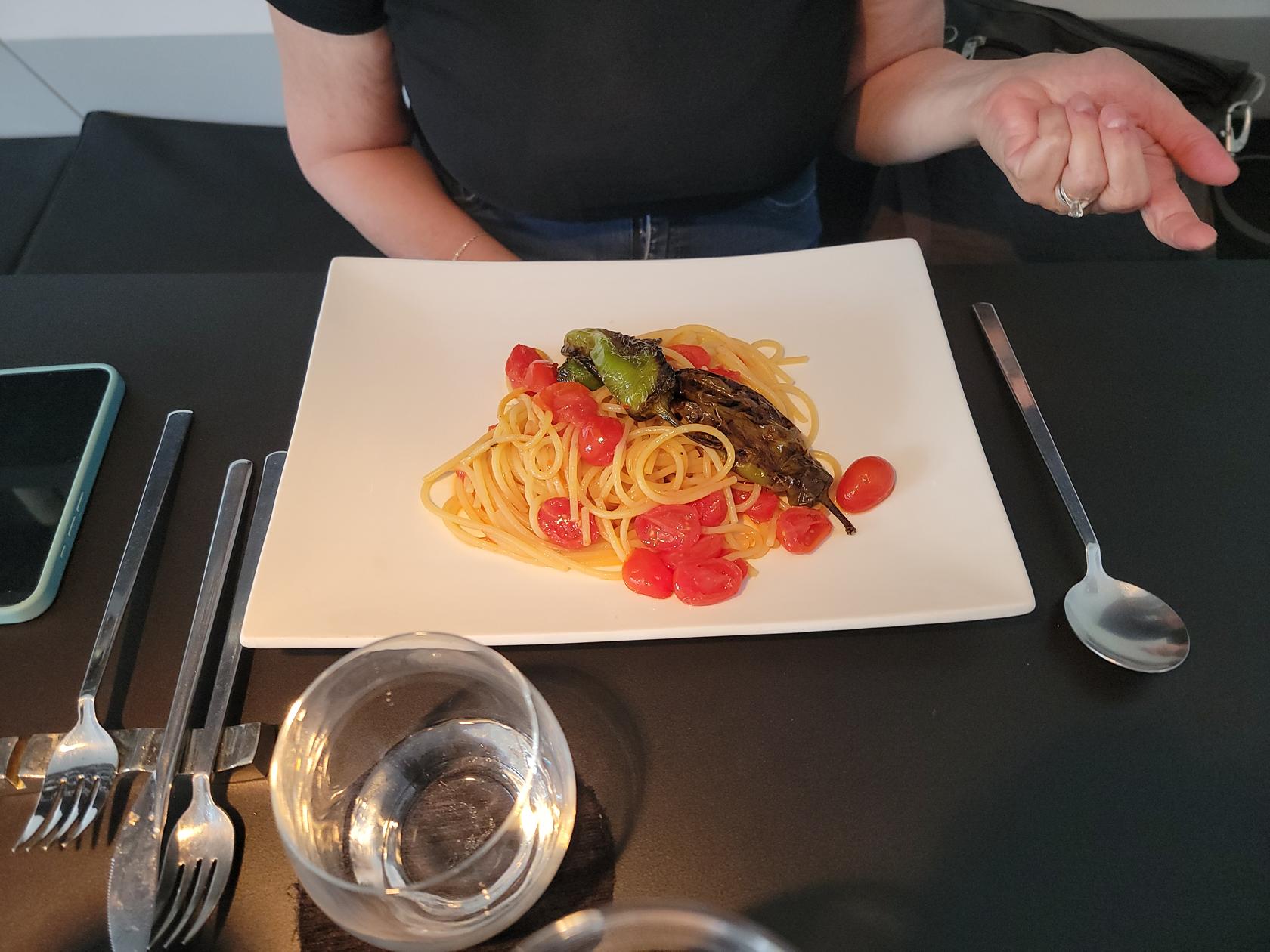
While in Sapri we ate at two good restaurants that were noteworthy. Both of which were for a late lunch. We prefer most of the time to eat a heavier lunch and just skip dinner altogether.

Tintobrace Ristorante

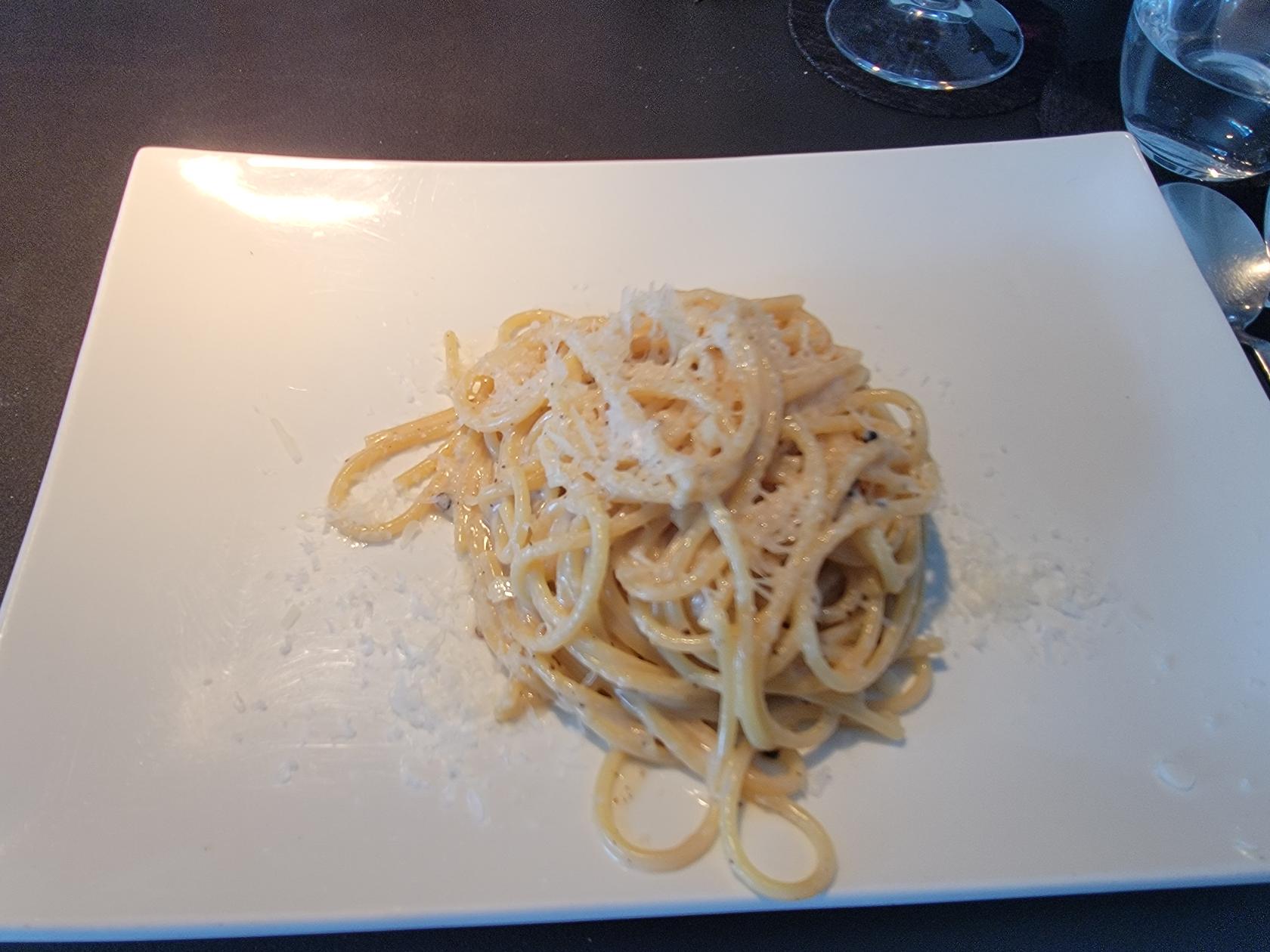
An upscale restaurant that offers Calabrian food and fine selection of local wines by the glass. I would recommend the Cacio and Pepe spaghetti.

Ristorante Lucifero

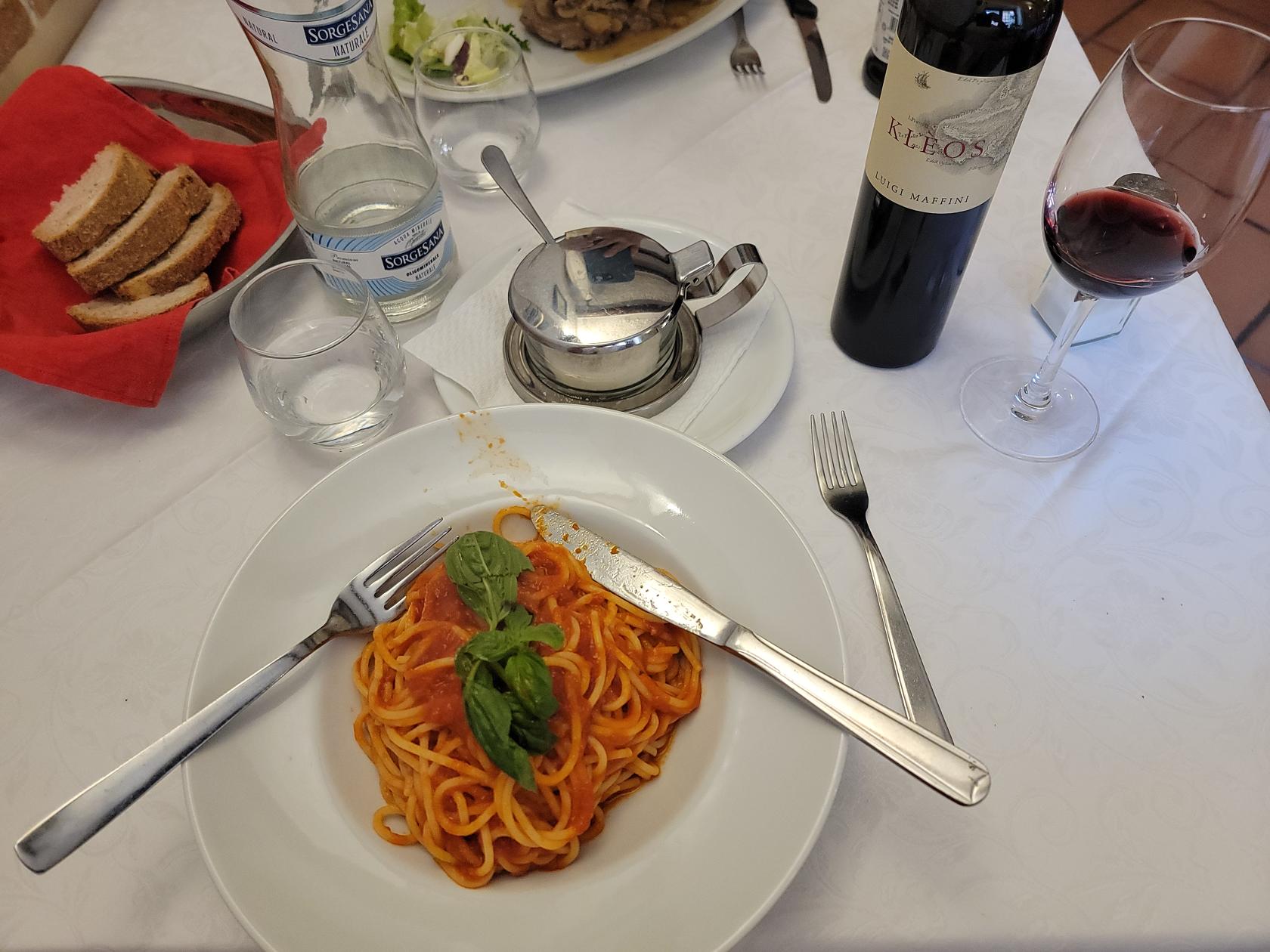
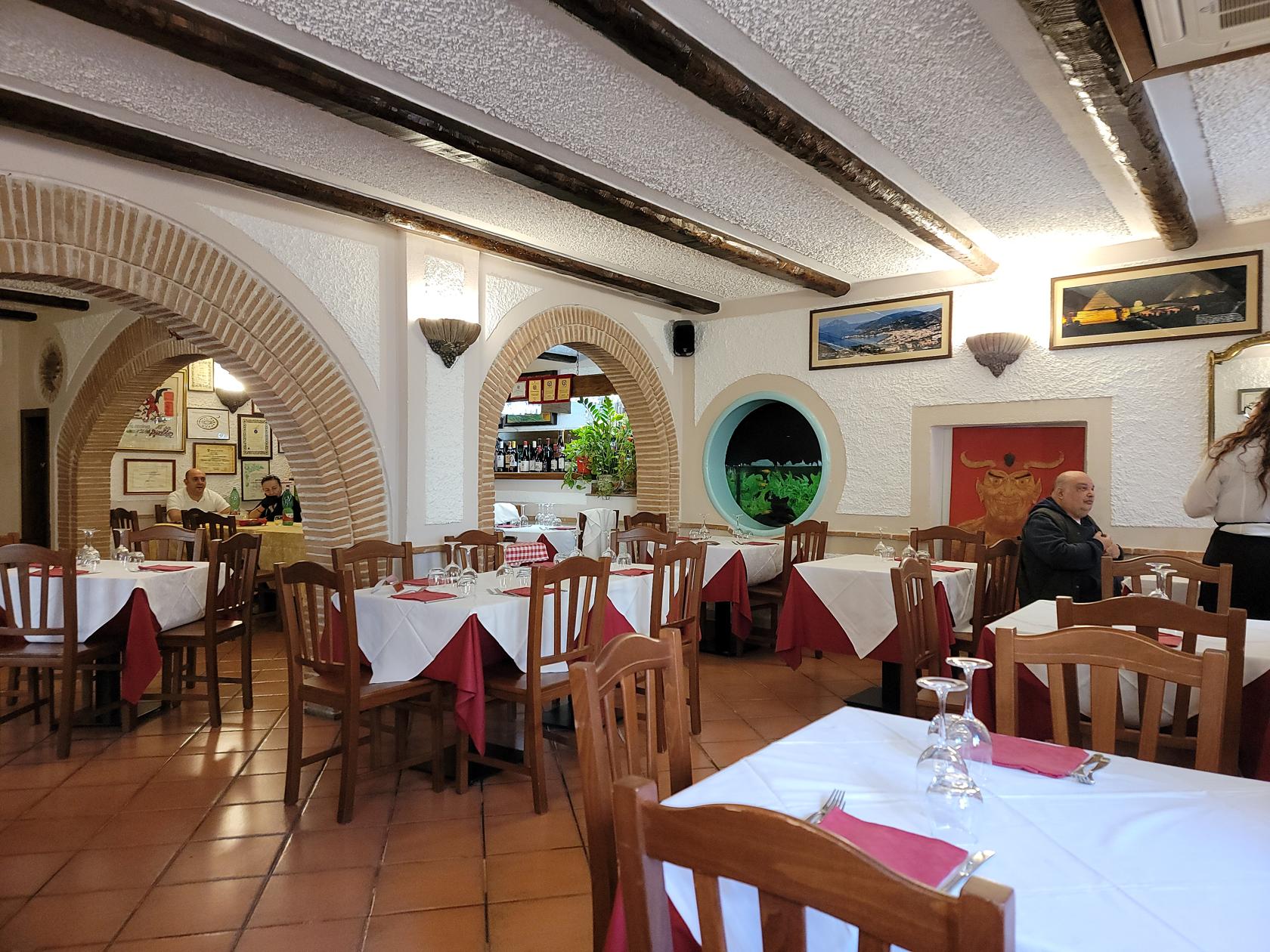
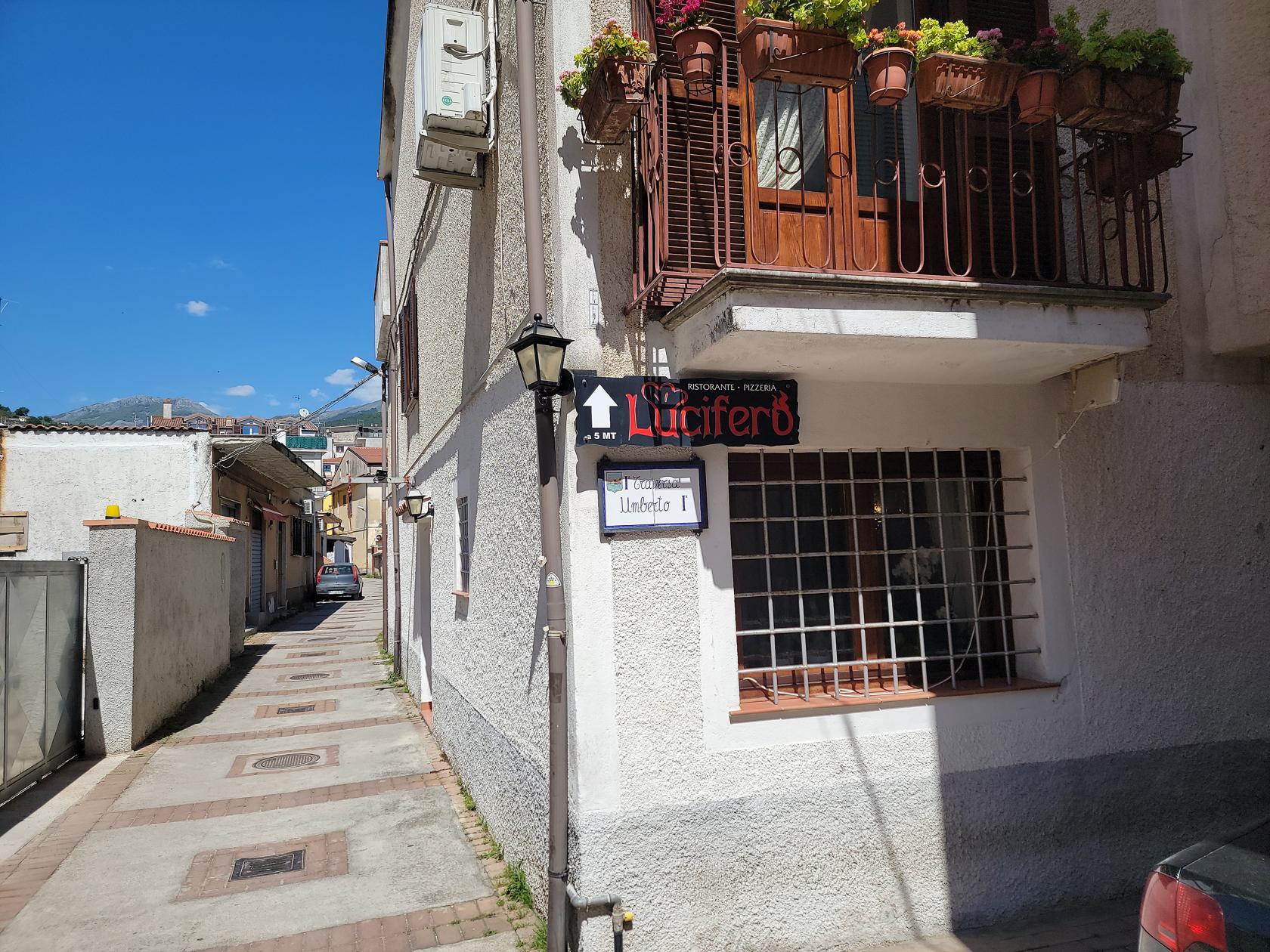
The Ristorante Lucifero is also a pizzeria and has great pizza and pasta specials. It is located in town and not on the beach and is a bit difficult to spot. Therefore, they have added signs along the way to assist.

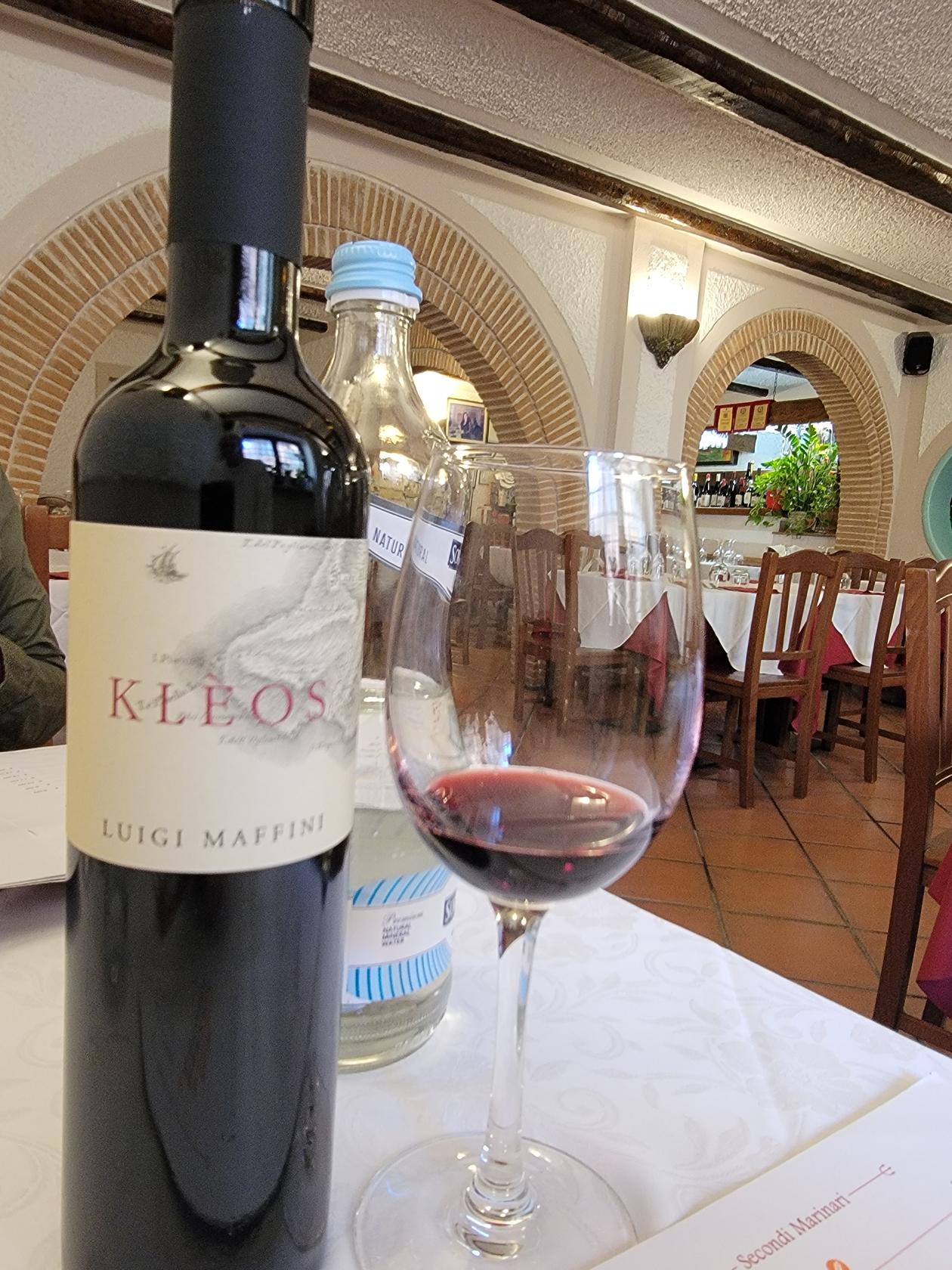
I can commend the Aglianico from Paestum, Italy. Luigi Maffini’s Klèos comes in 50cl bottles and pairs perfectly with pasta and other tomato based dishes. I love Aglianico, it is a deep, clear, ruby wine with hints of plum, berry and dark fruit and is very tasty.

Amalfi Coast, Italy – Part Four

Amalfi Coast

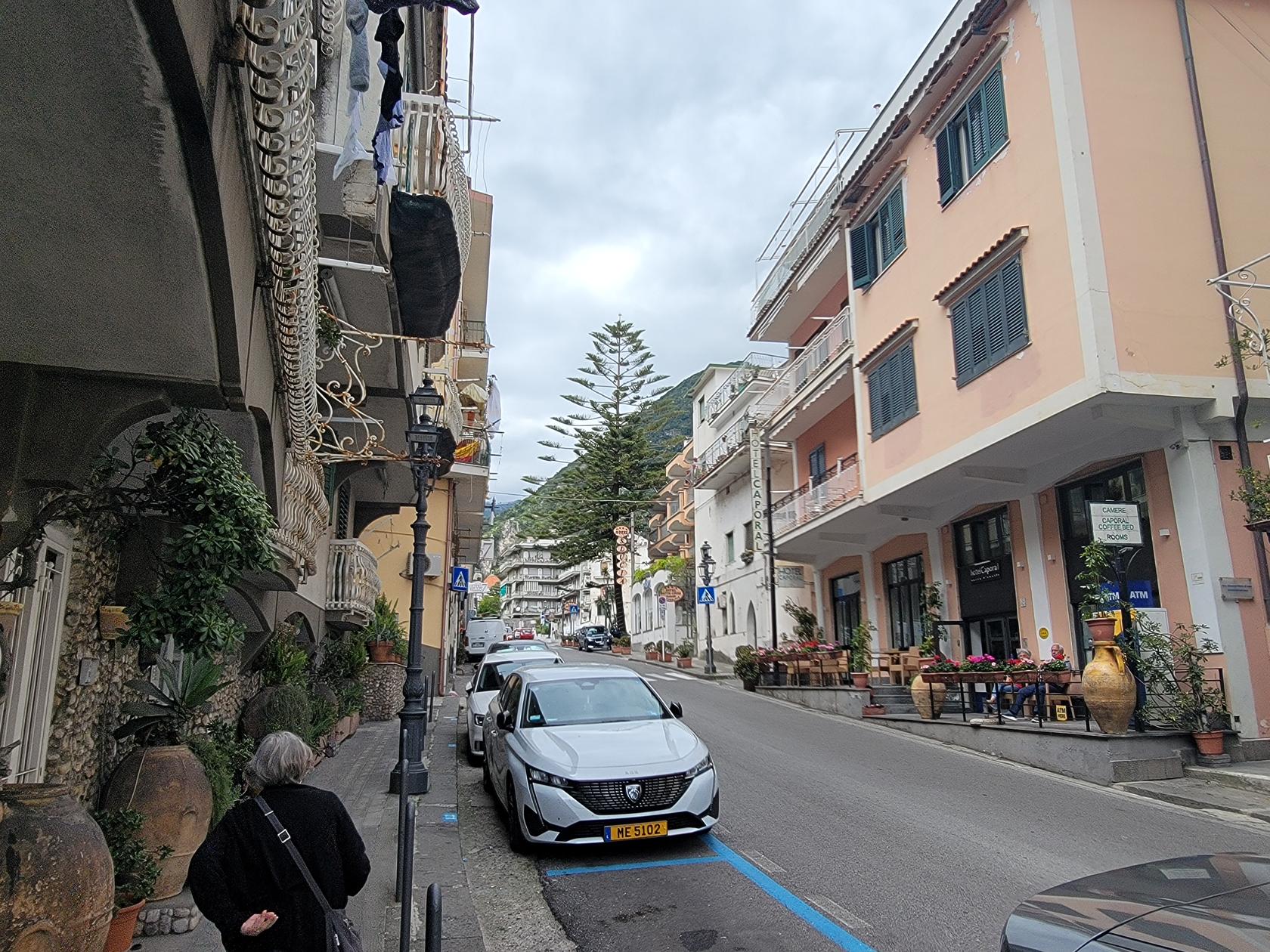
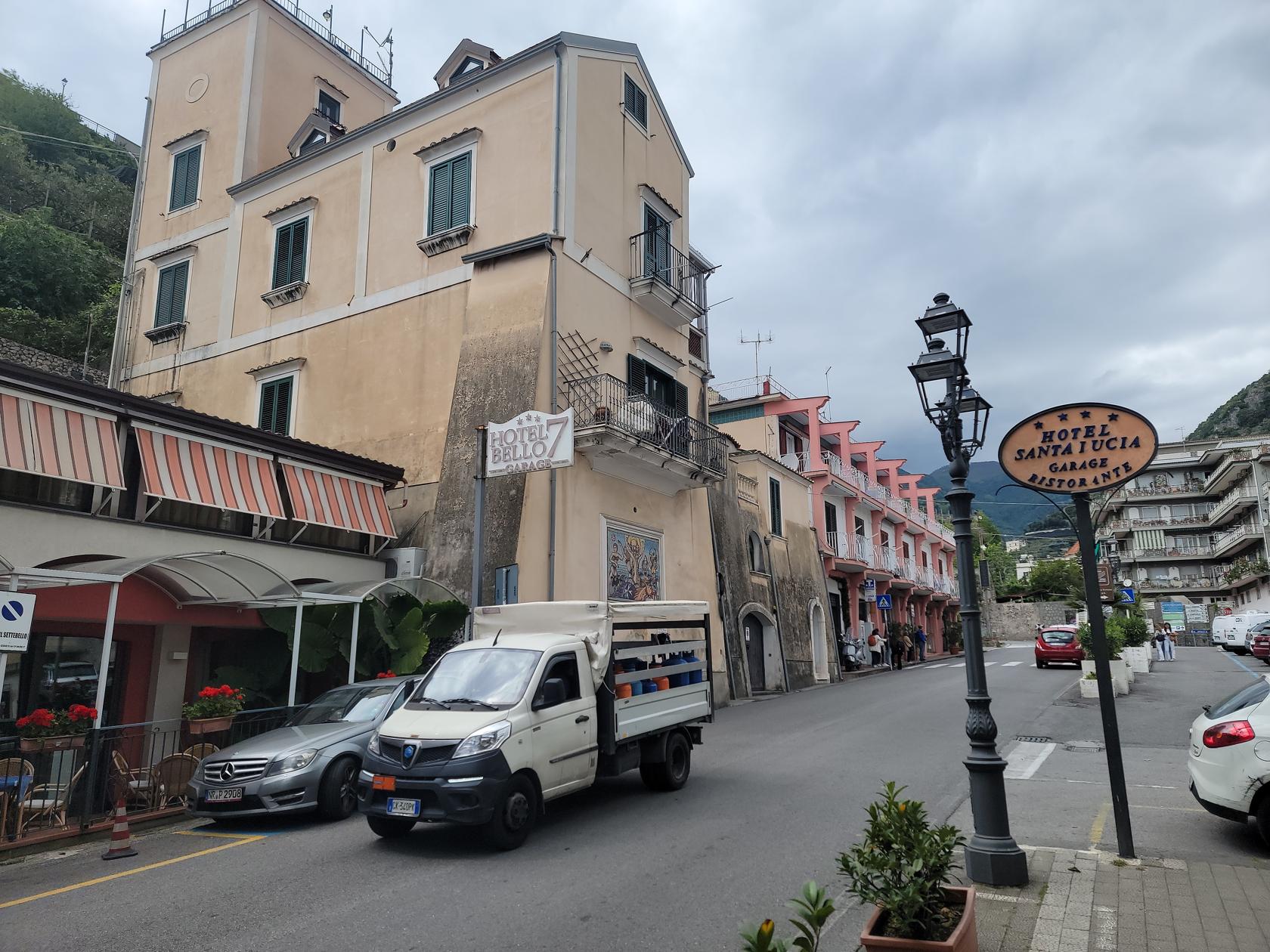
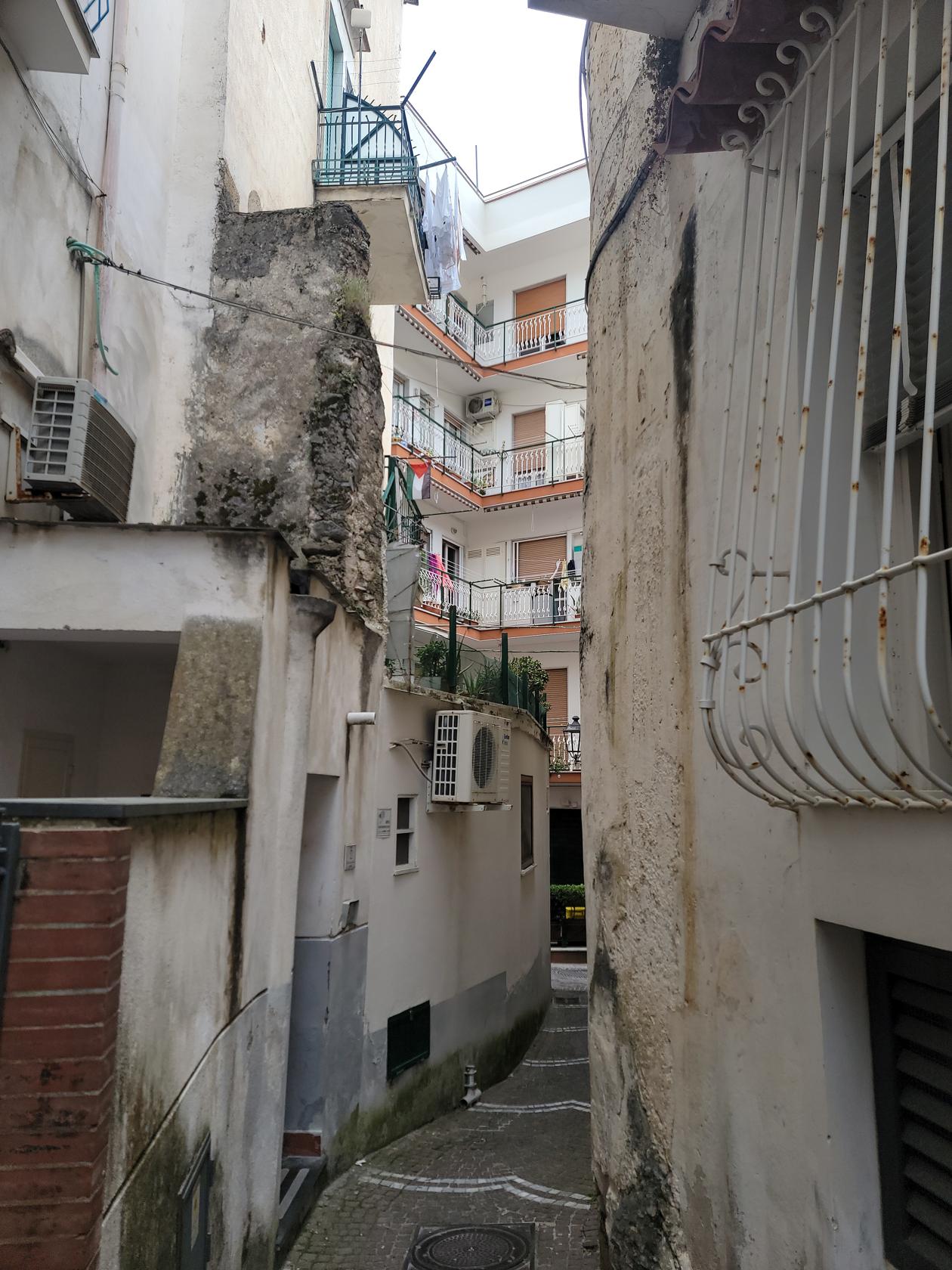
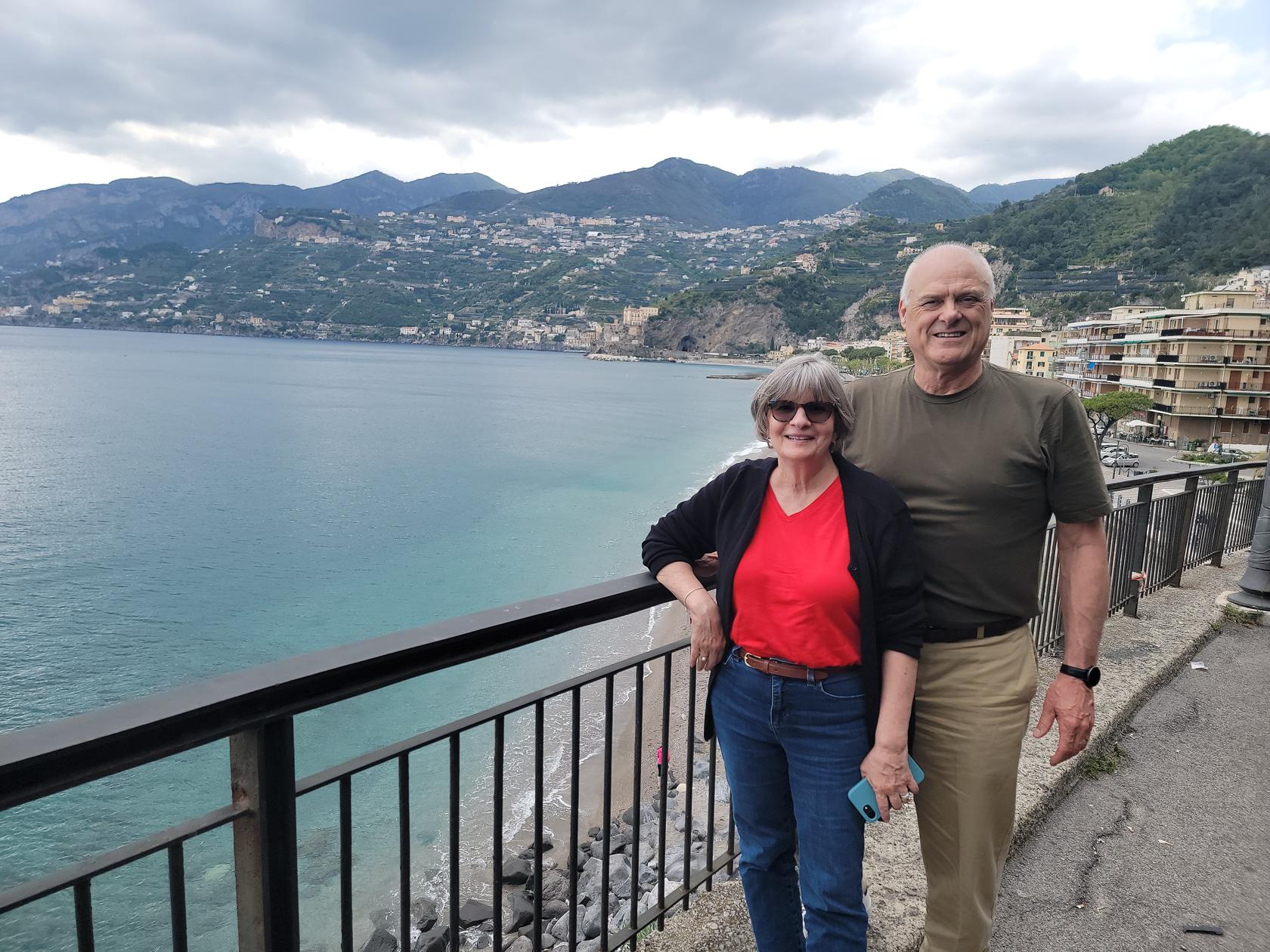
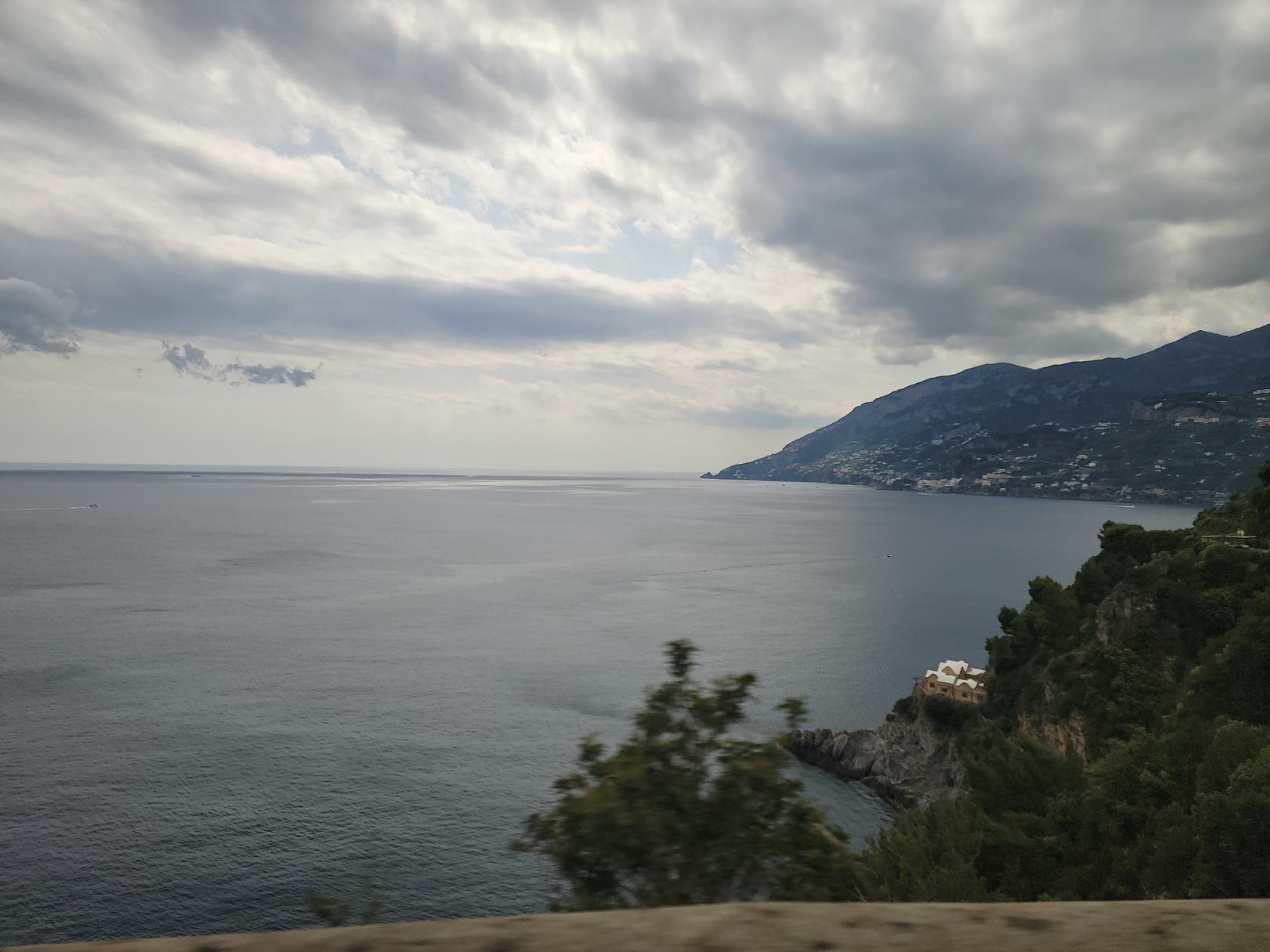
On our second and final day to the Amalfi Coast, we were fortunate enough to enjoy a lemon experience near Tramonti. After our tour and lunch, we visited the other smaller Amalfi towns of Maiori, Minori and finally Cetara. There is not much to see in any of them and may be skipped. Except perhaps for Minori, which if you are looking for a beach spot along the coast, may offer the best option.

Getting There

On our second day we had arranged for the same tour guide that we had the previous day, Mind The Nap tours[1]If you would like to find them, they are on one of the more frequently used social media applications.. Therefore, we took a hired vehicle from Naples to drive once again over the Anti Appenine mountains, via SP2a, to Tramonti and then to the other coastal towns. Returning along the coastal road via Vietri sul Mare and A3.

Tramonti

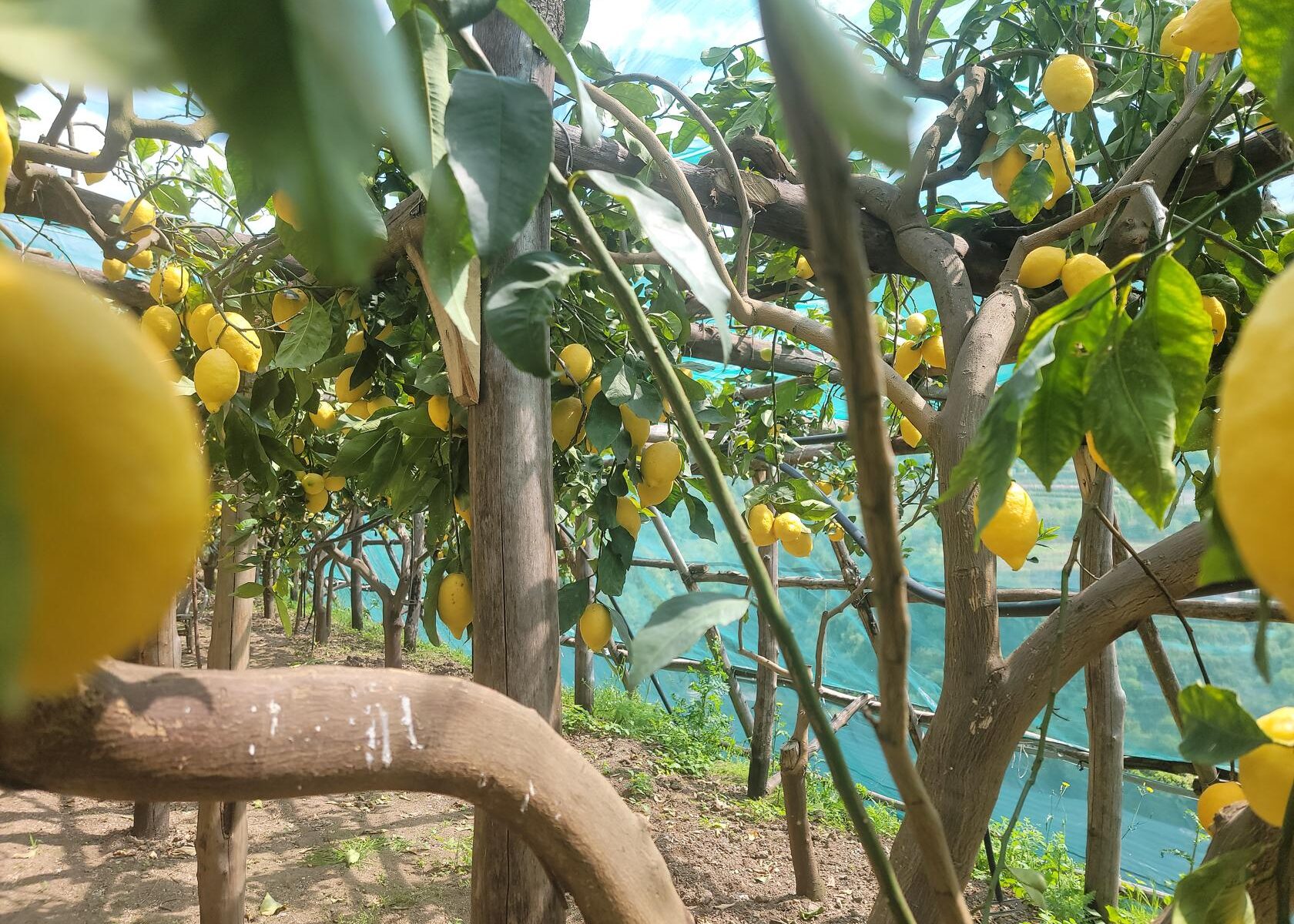
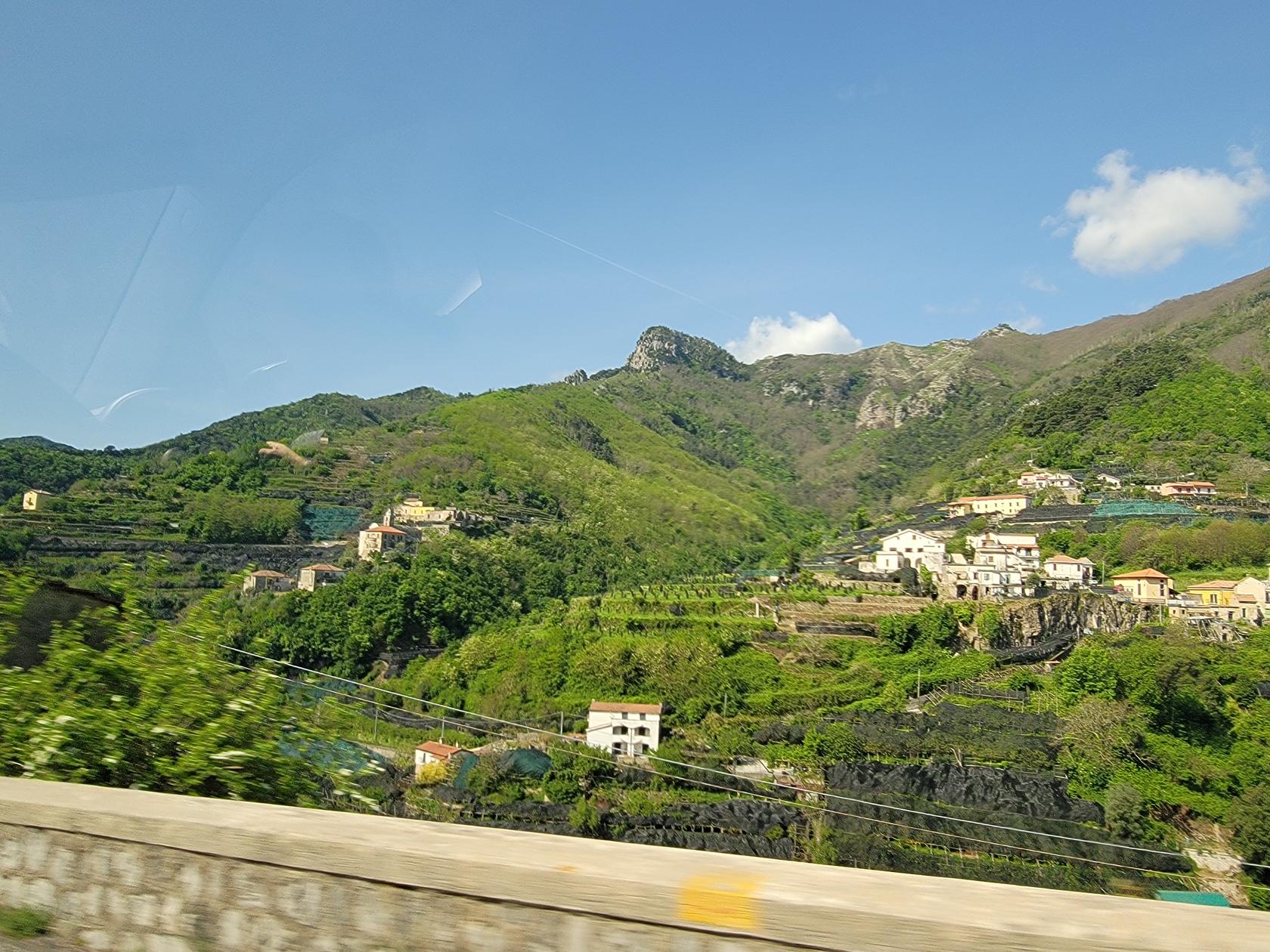
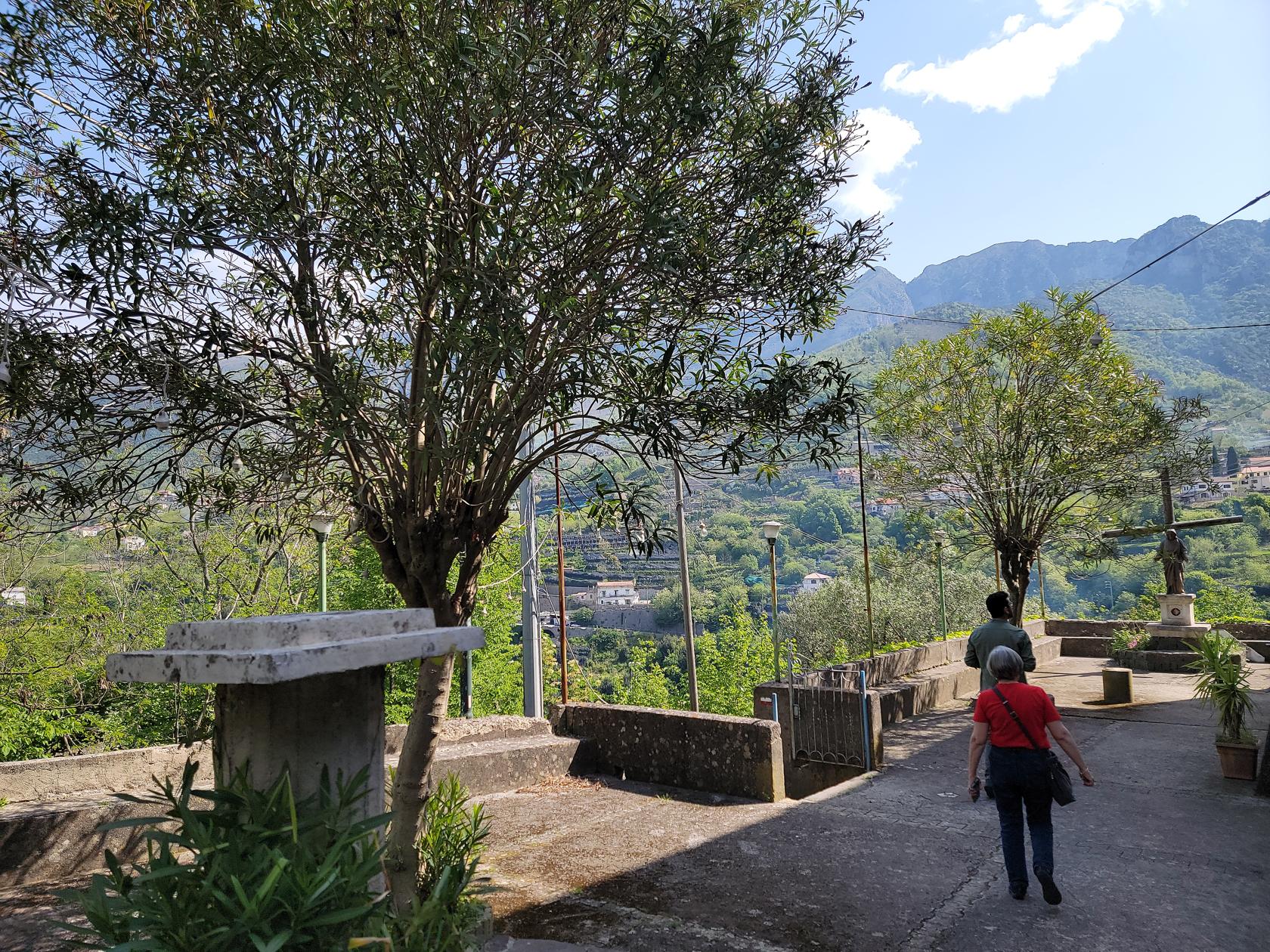
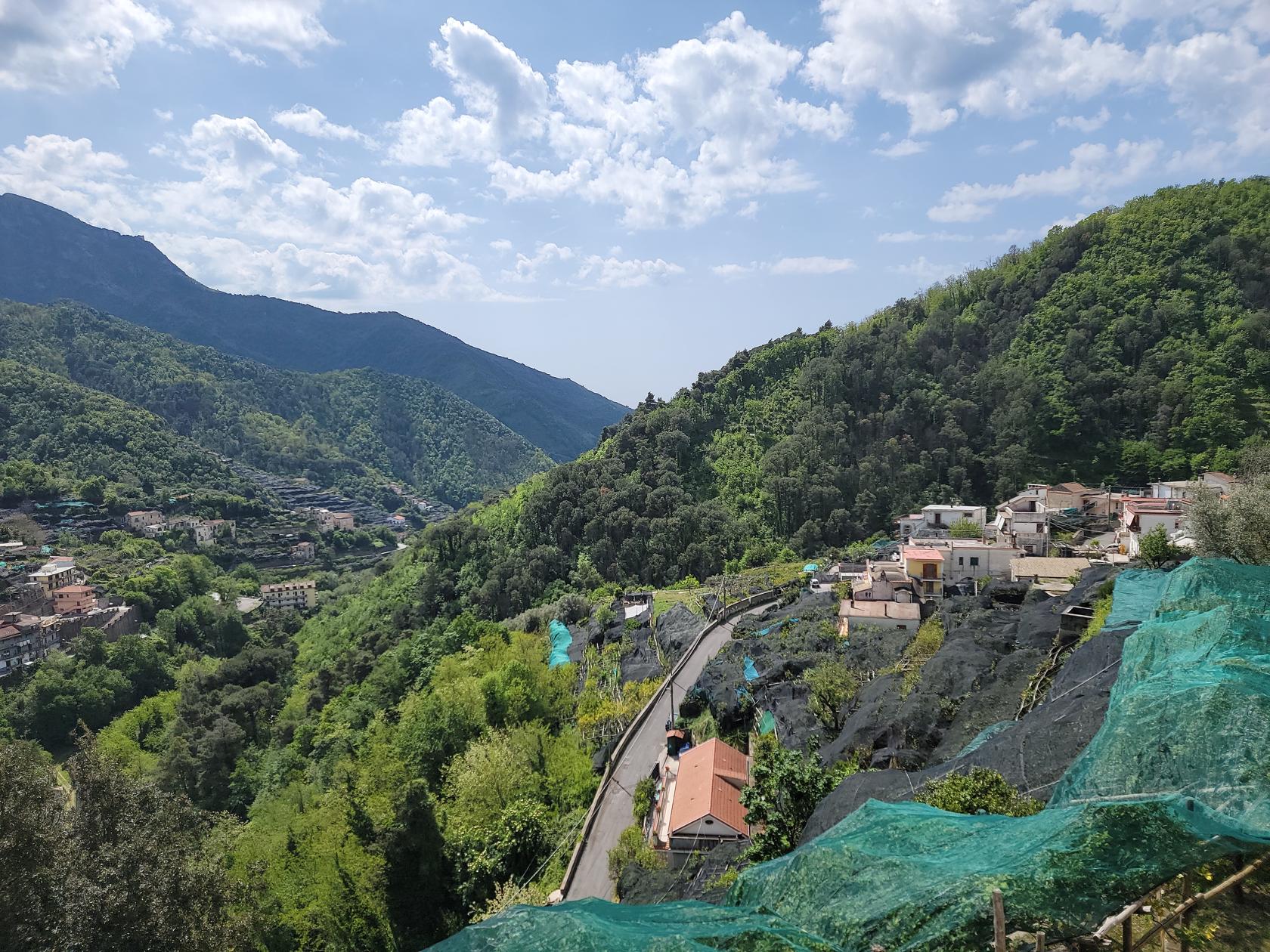
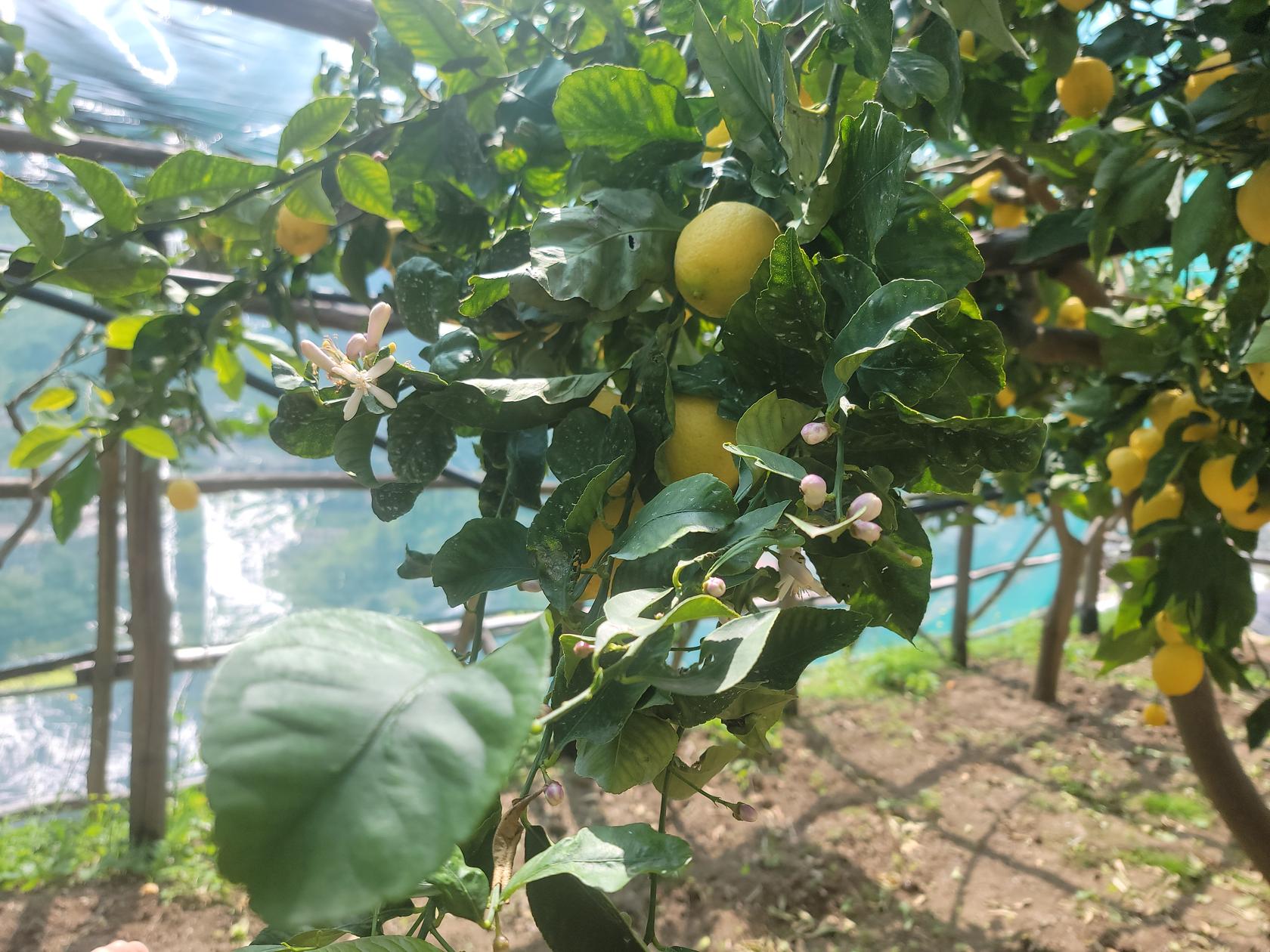
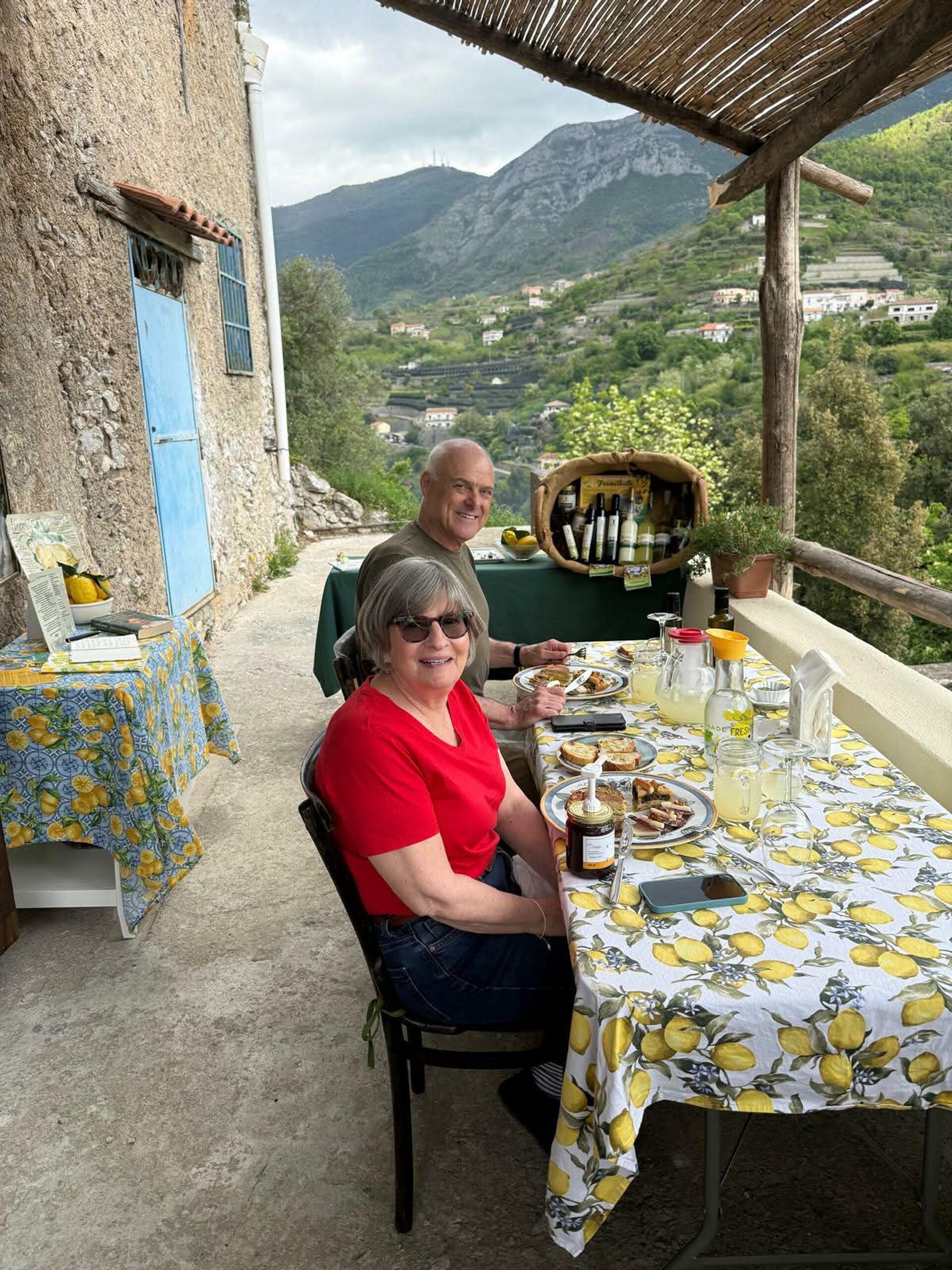
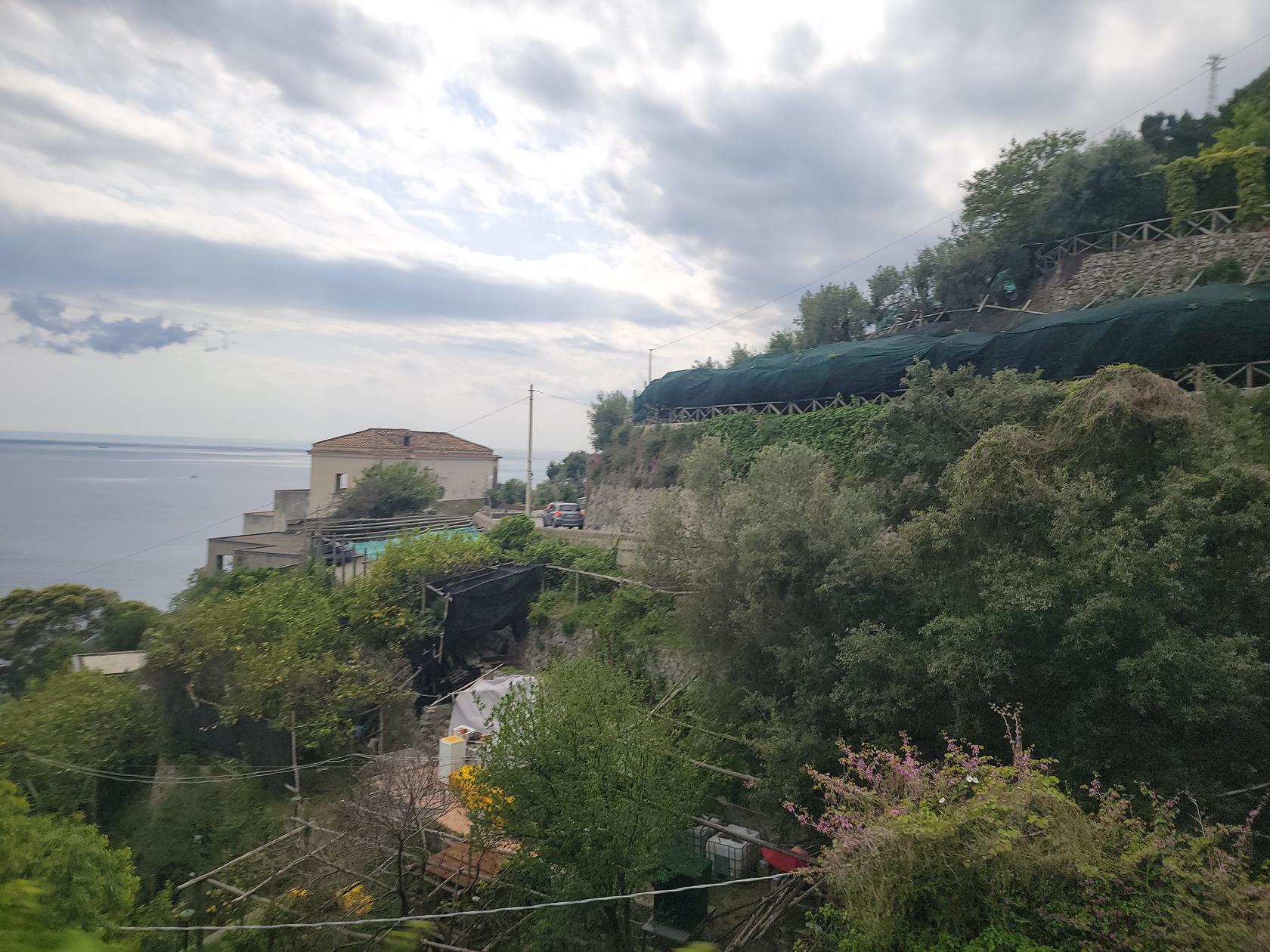
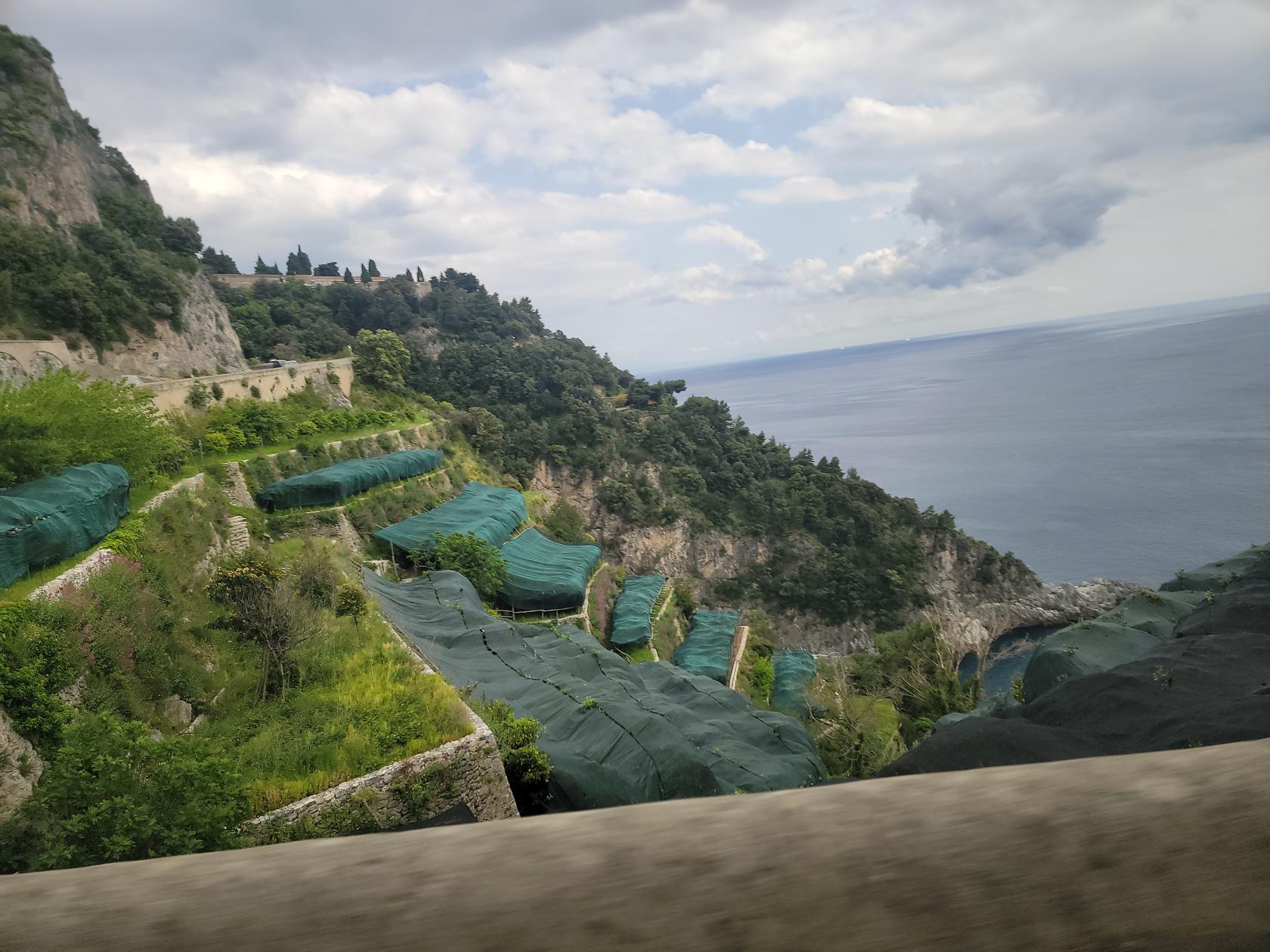
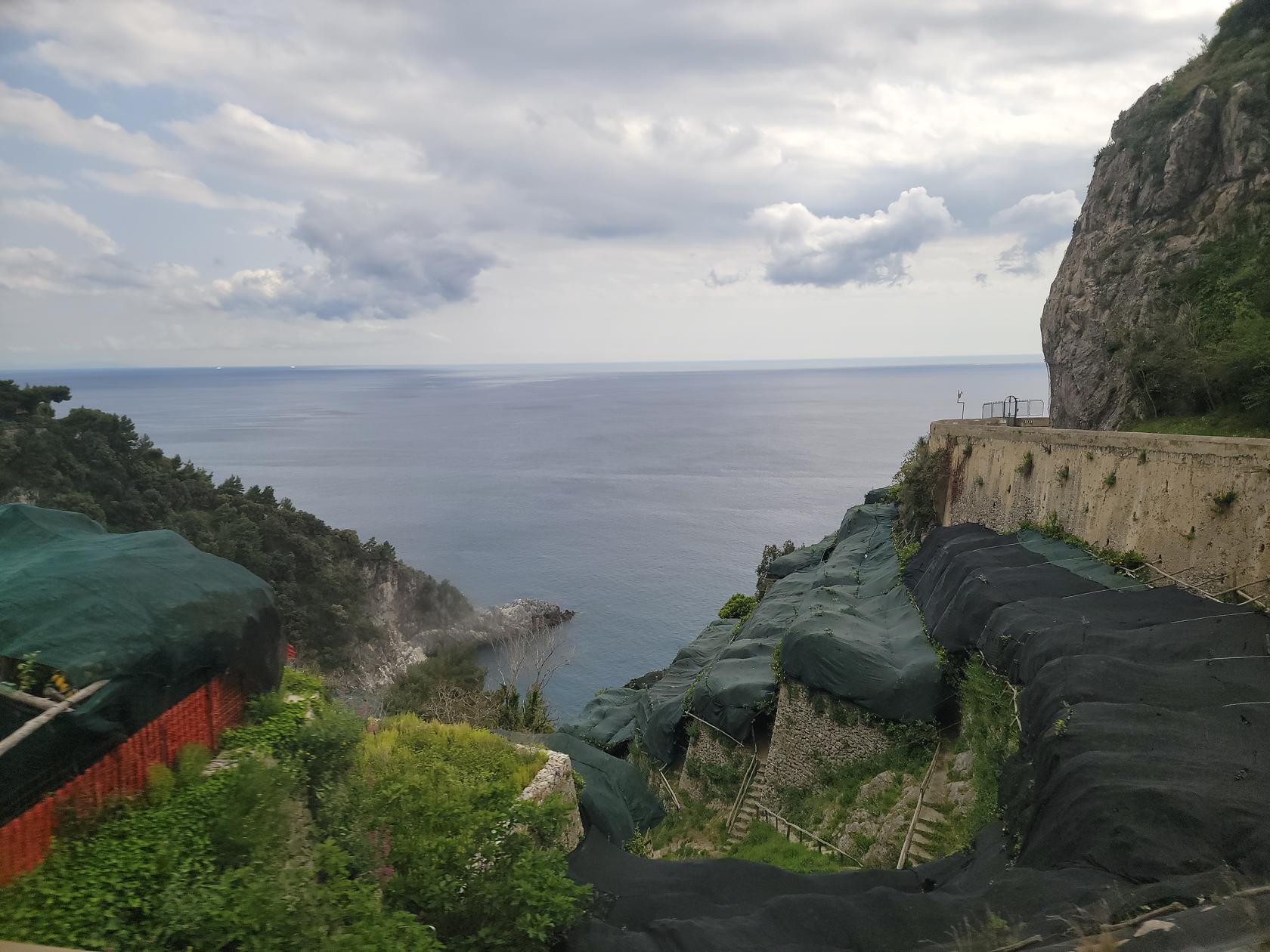
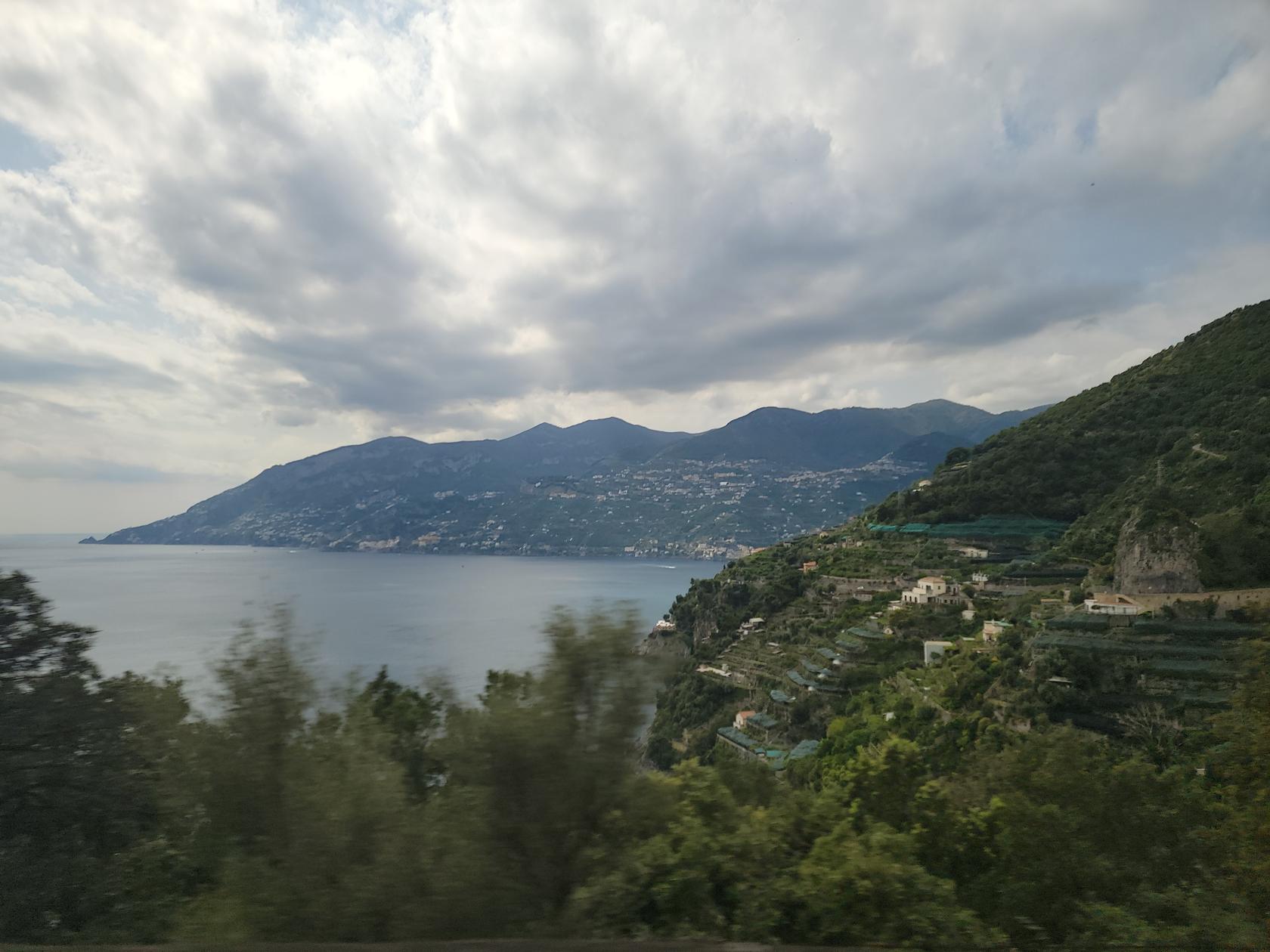
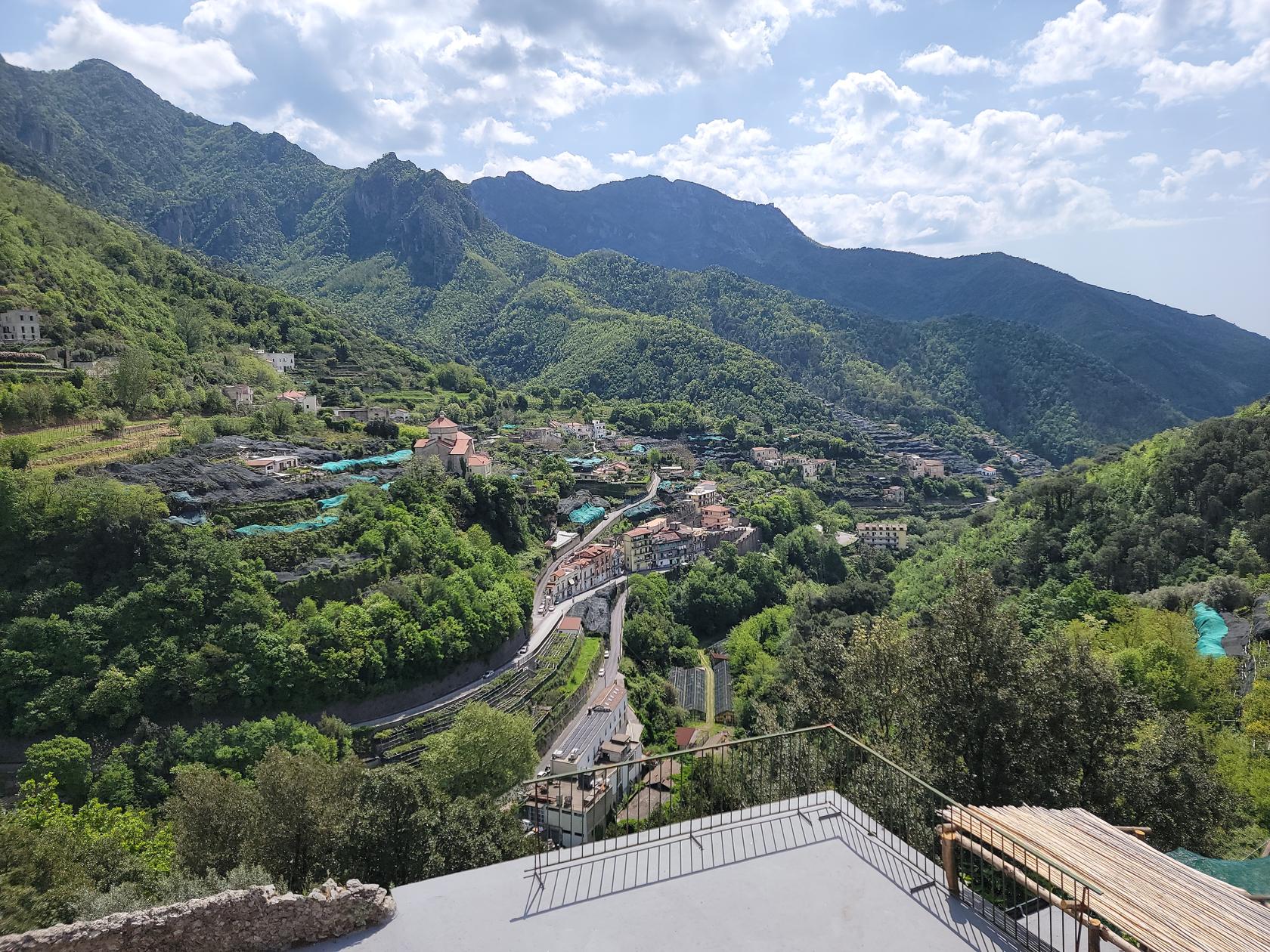
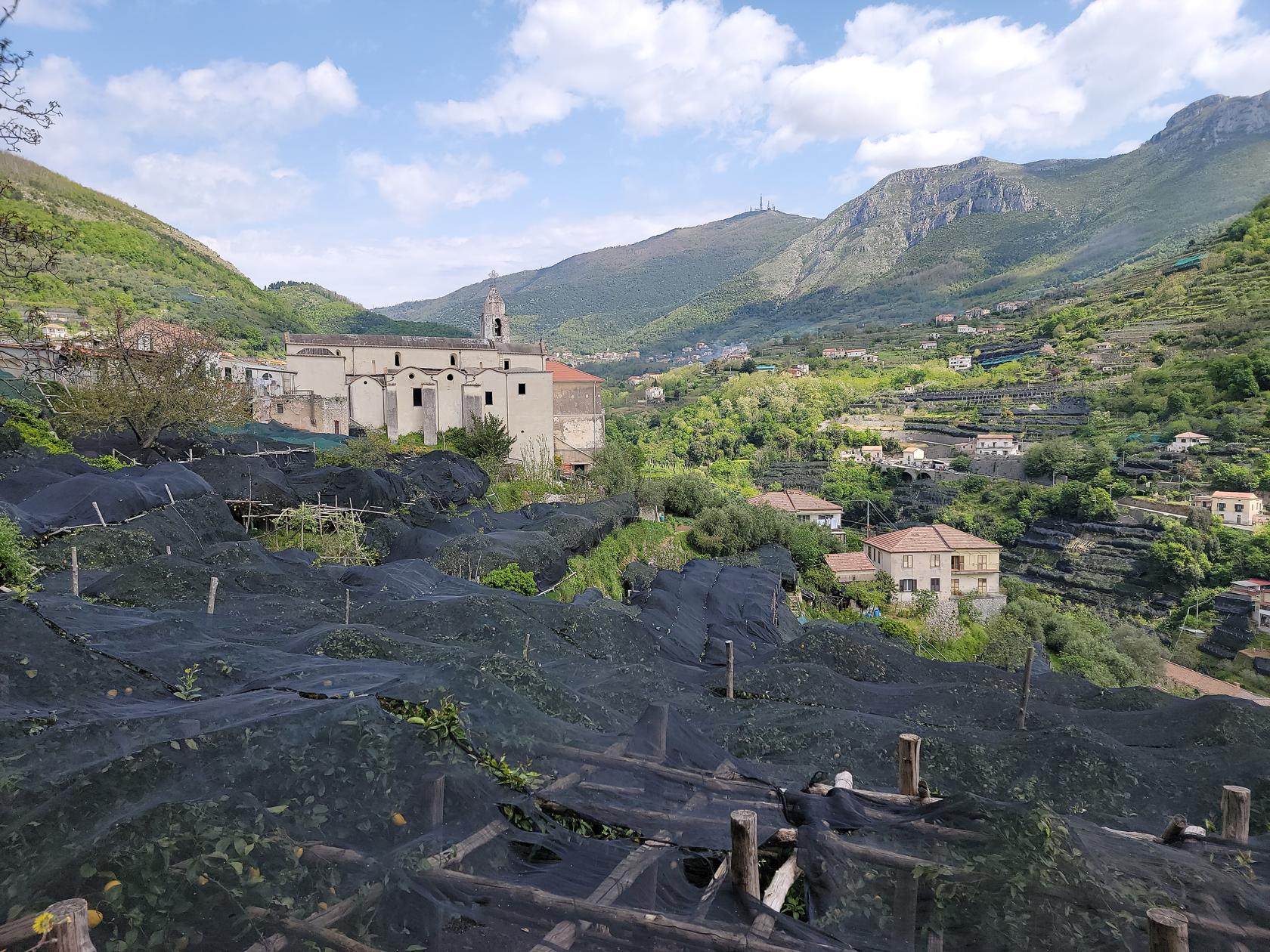
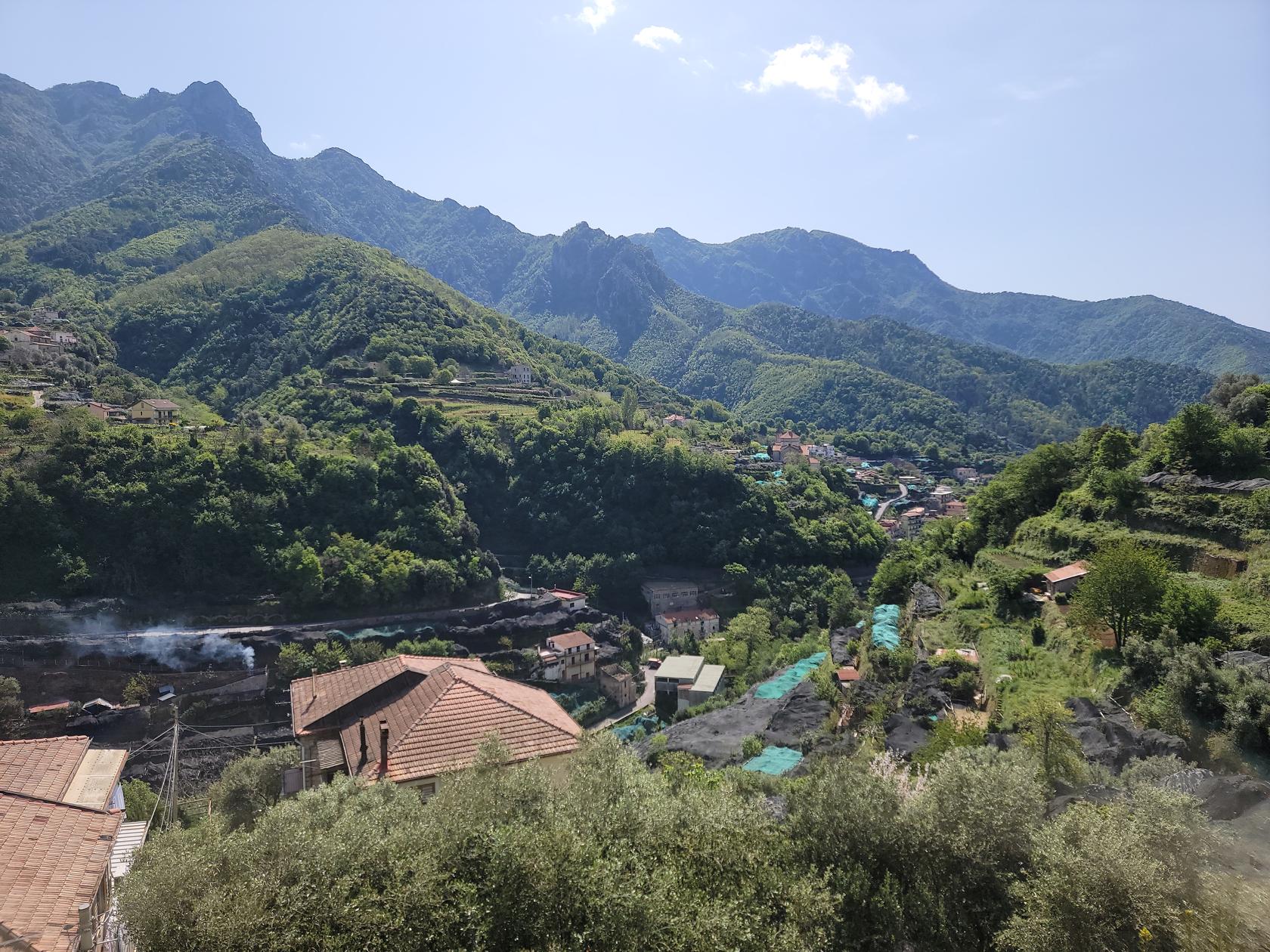
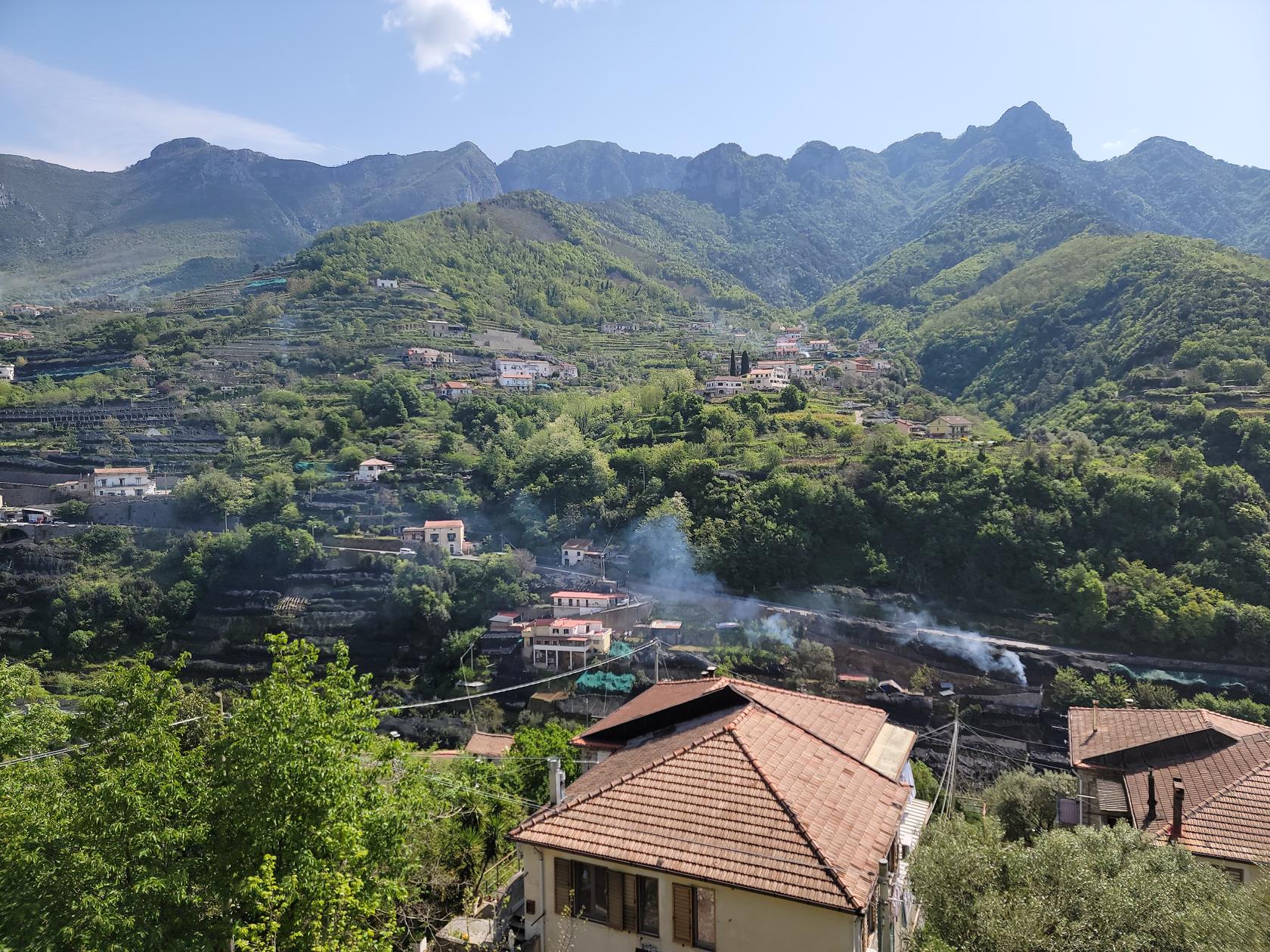
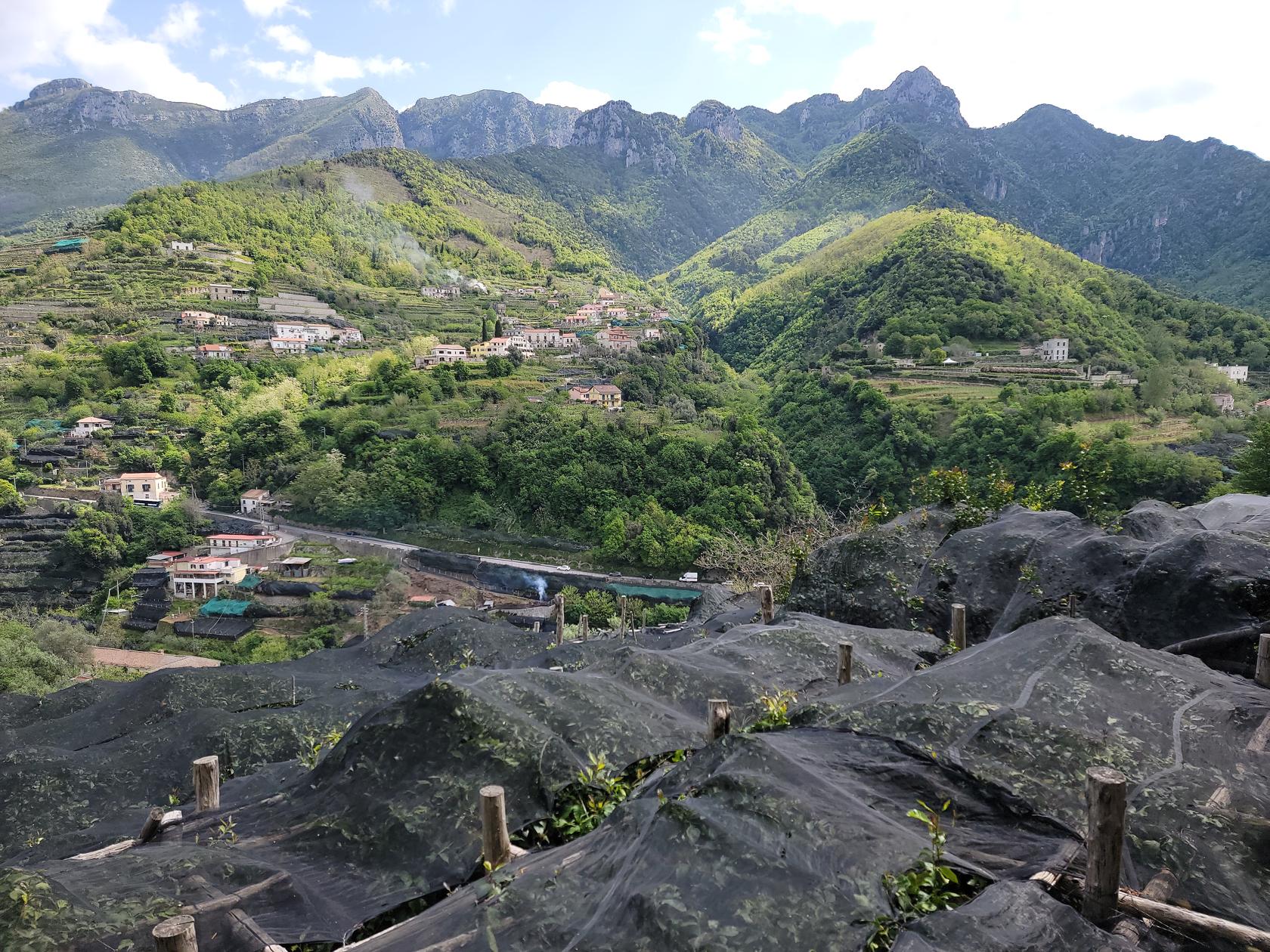
The term for this comune and town literaly means, in between the mountains. As we can attest with the photographs that we took, it definitely is in between the mountains. Our guide explained that the mixture of sun, heat and moisture is excellent for growing lemons in the area and some varieties of grapes.

Azienda Agricola Lemon Experience

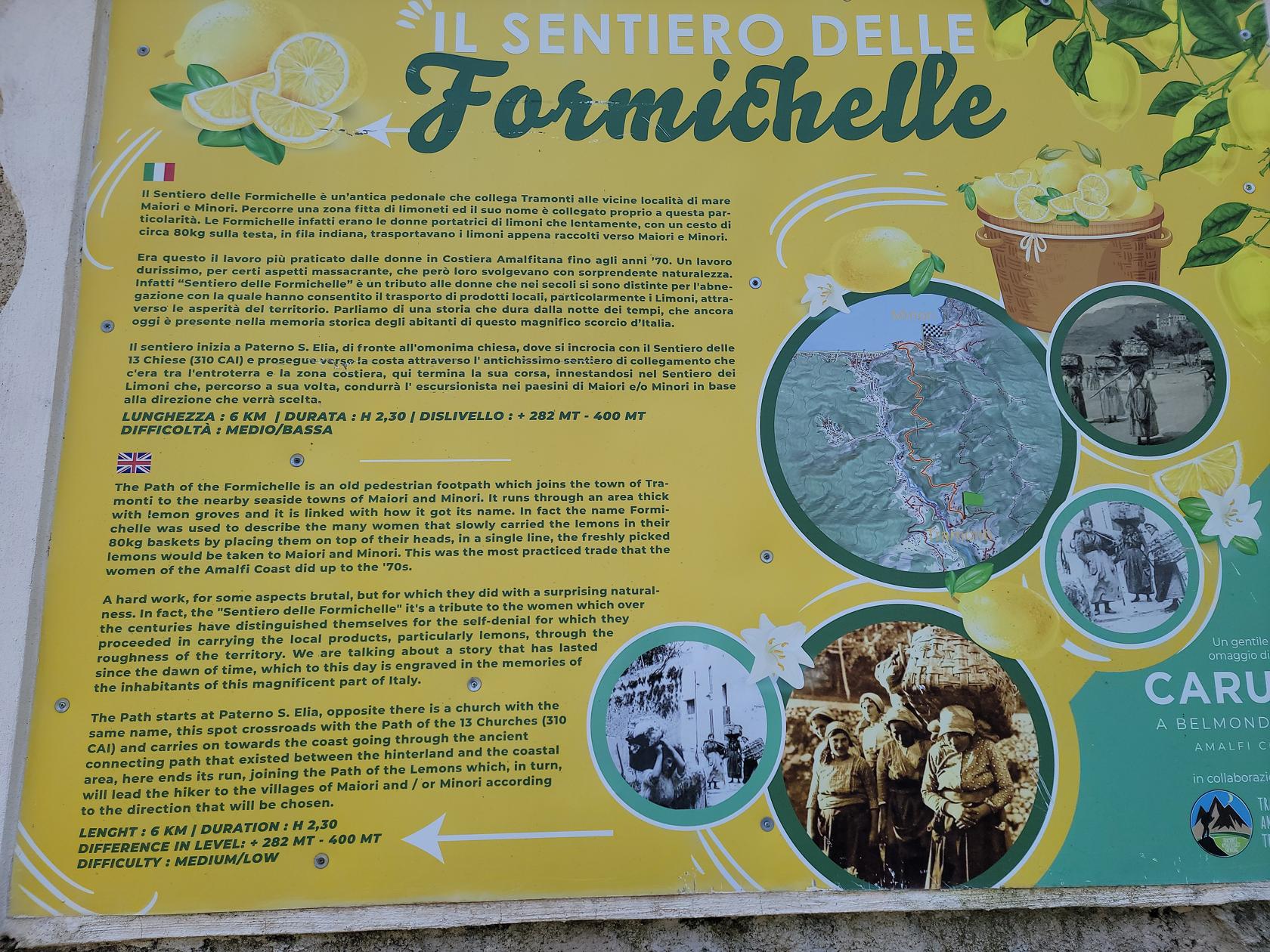
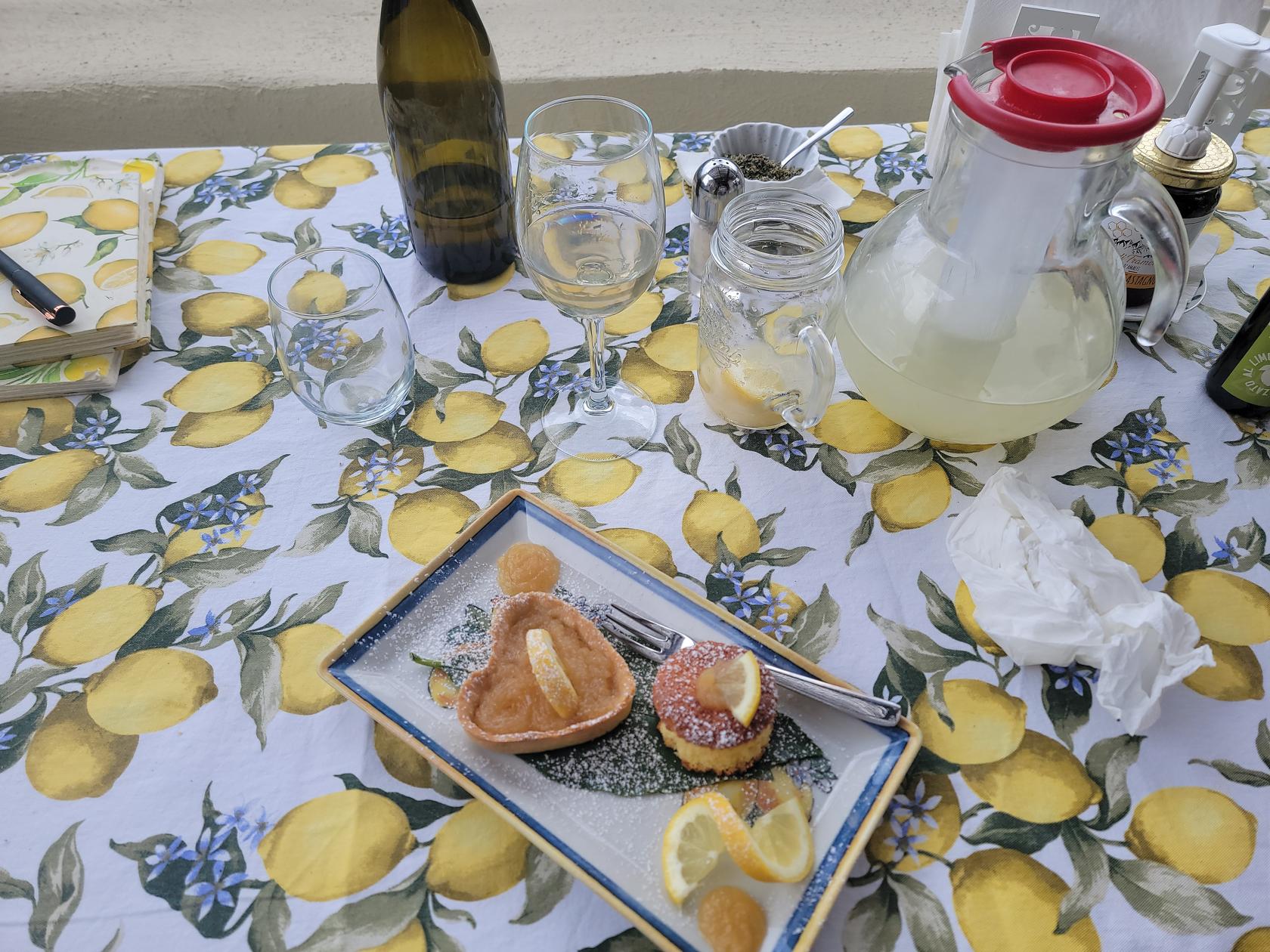
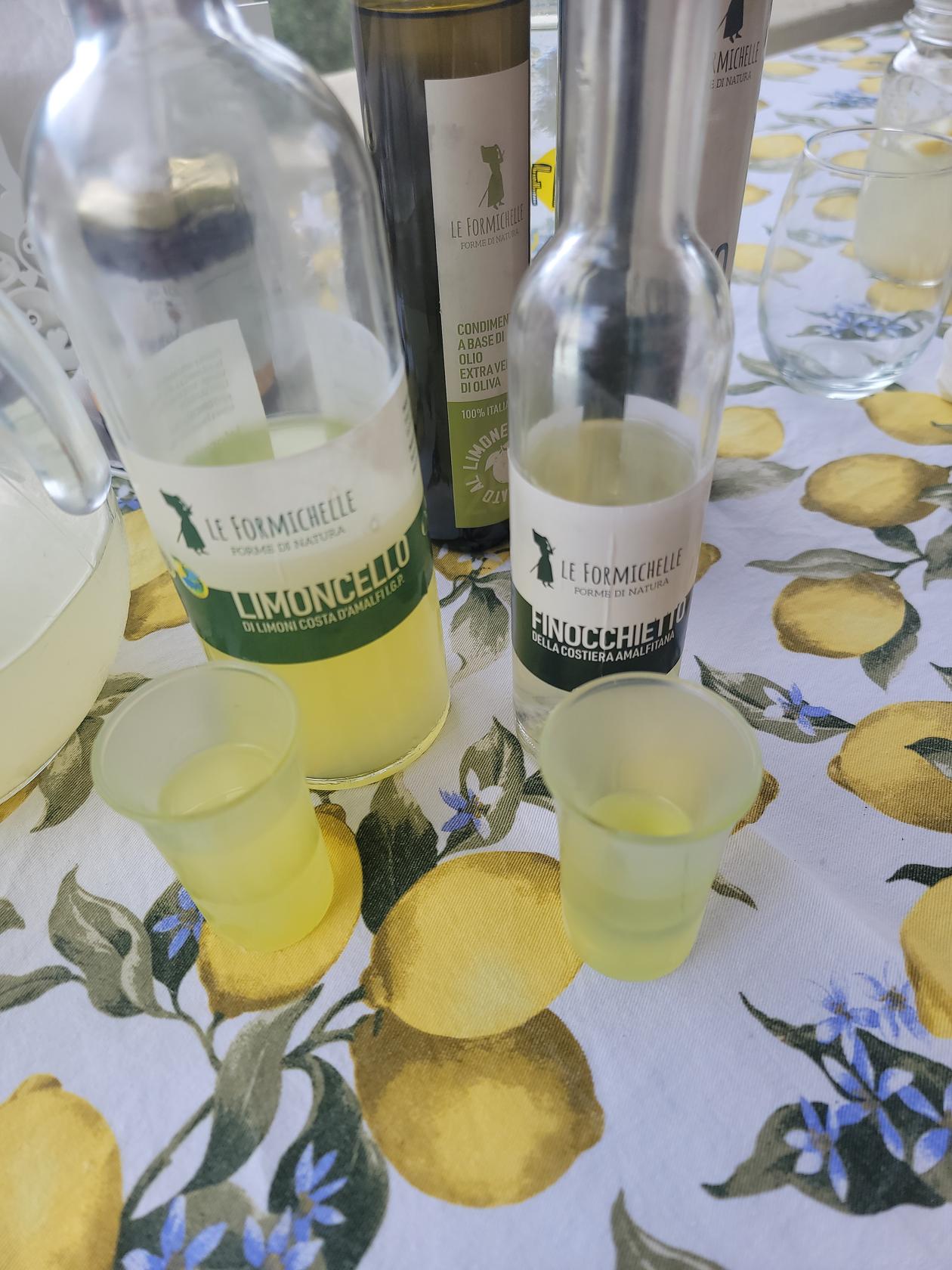
Azienda Agricola Le Formichelle can provide a lemon experience. It is part guided tour, part lunch, with the most complete explanation of lemons you will probably ever experience.
Lemon Experience Tour

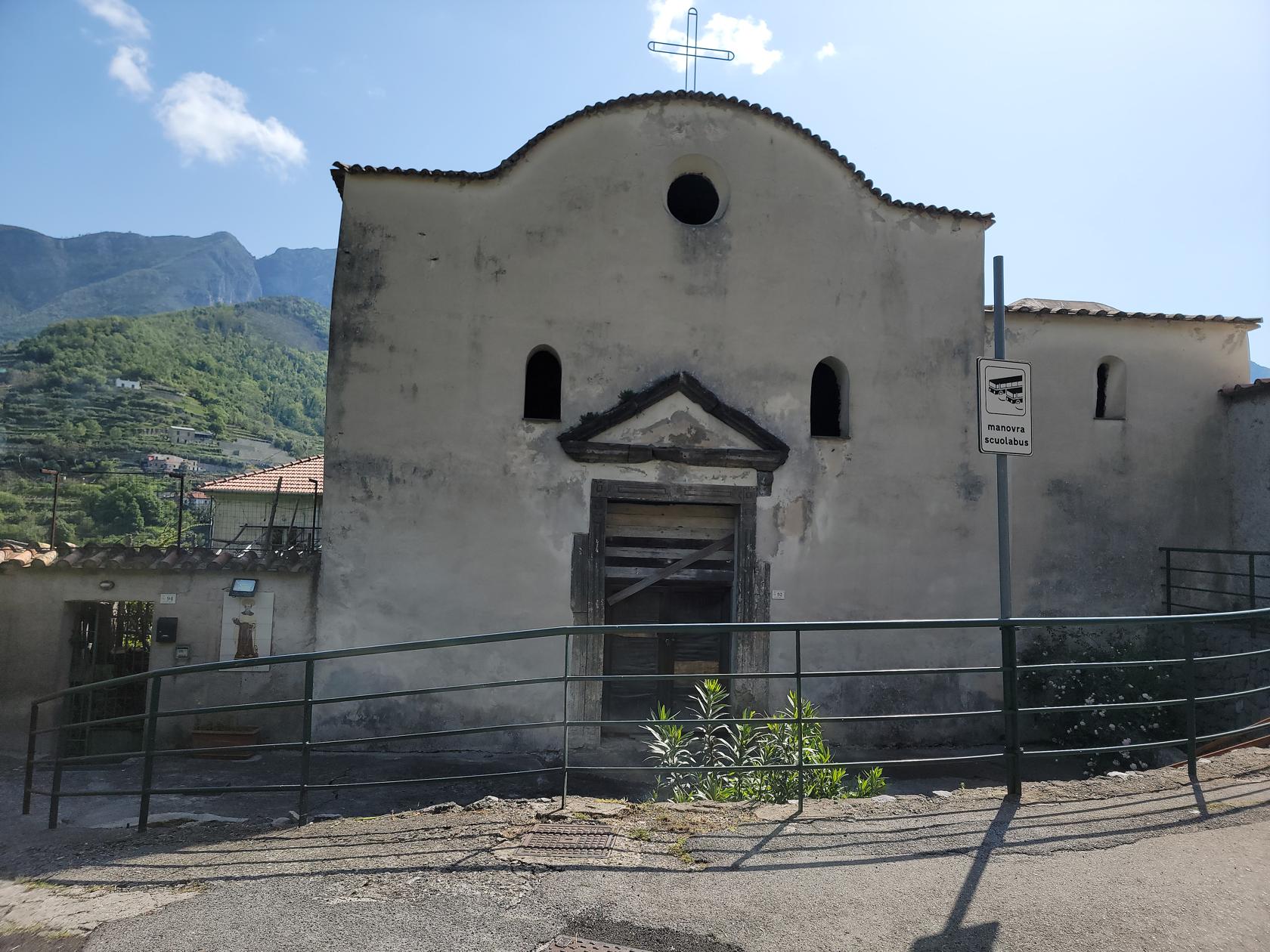
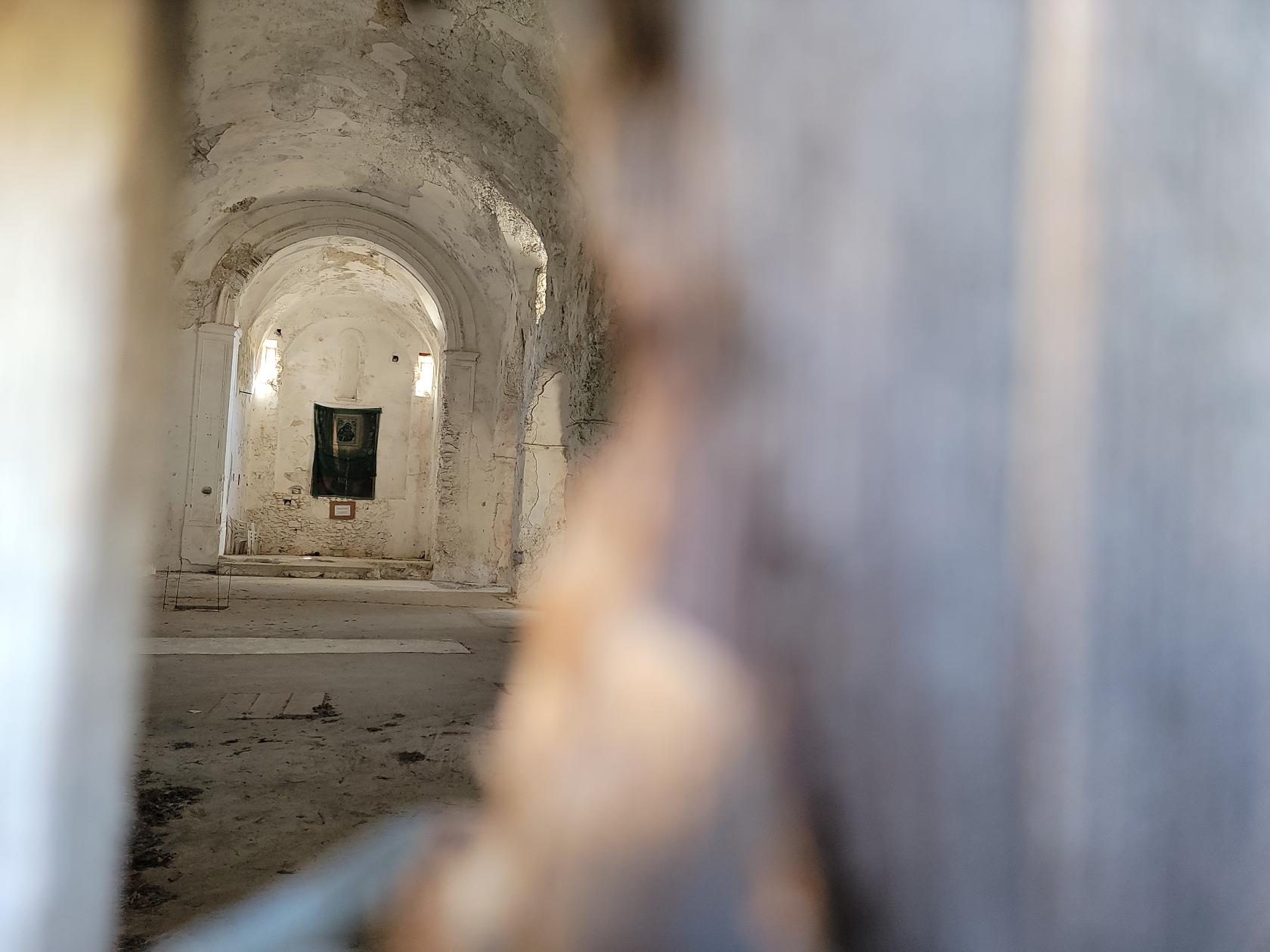
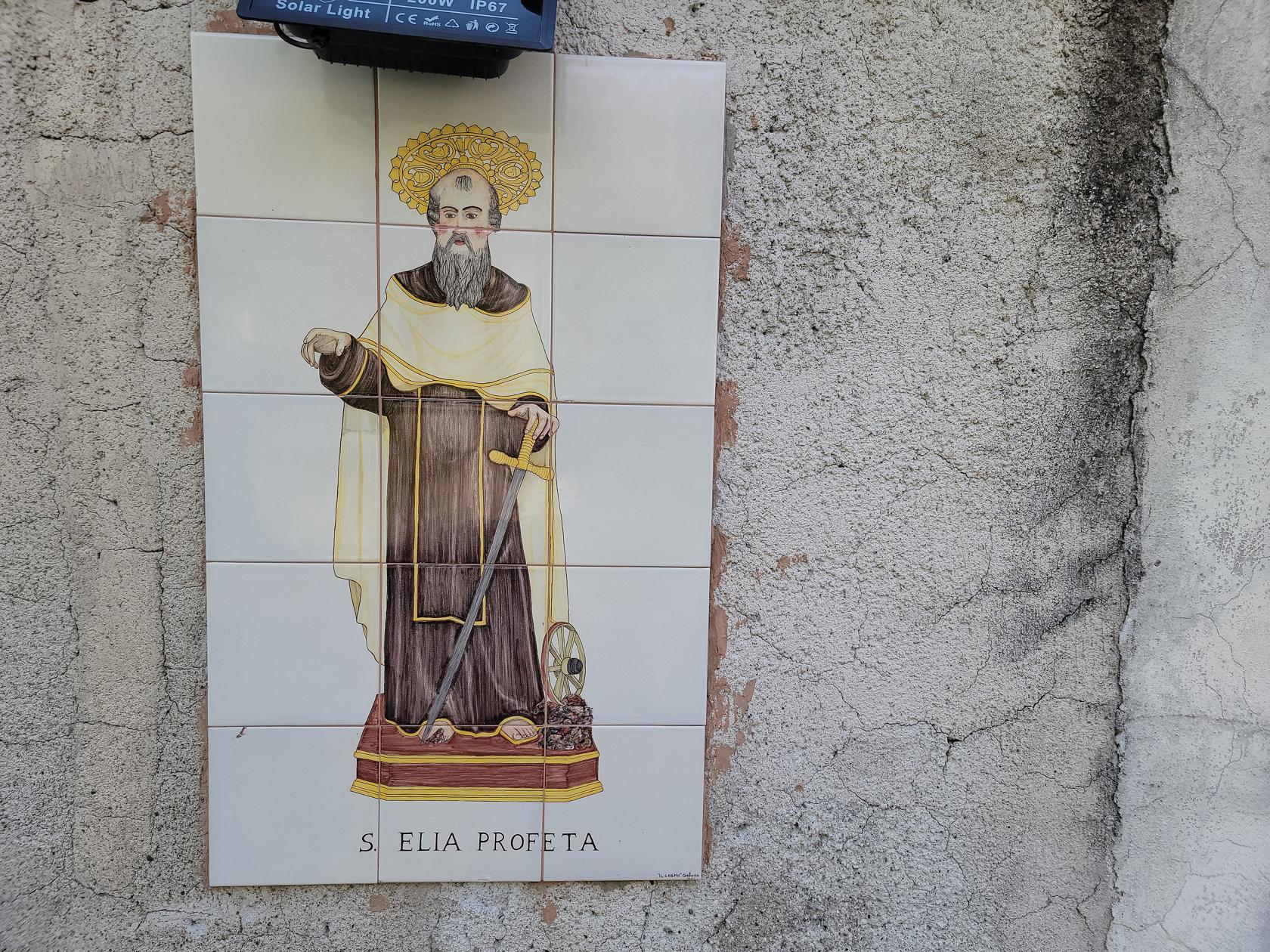
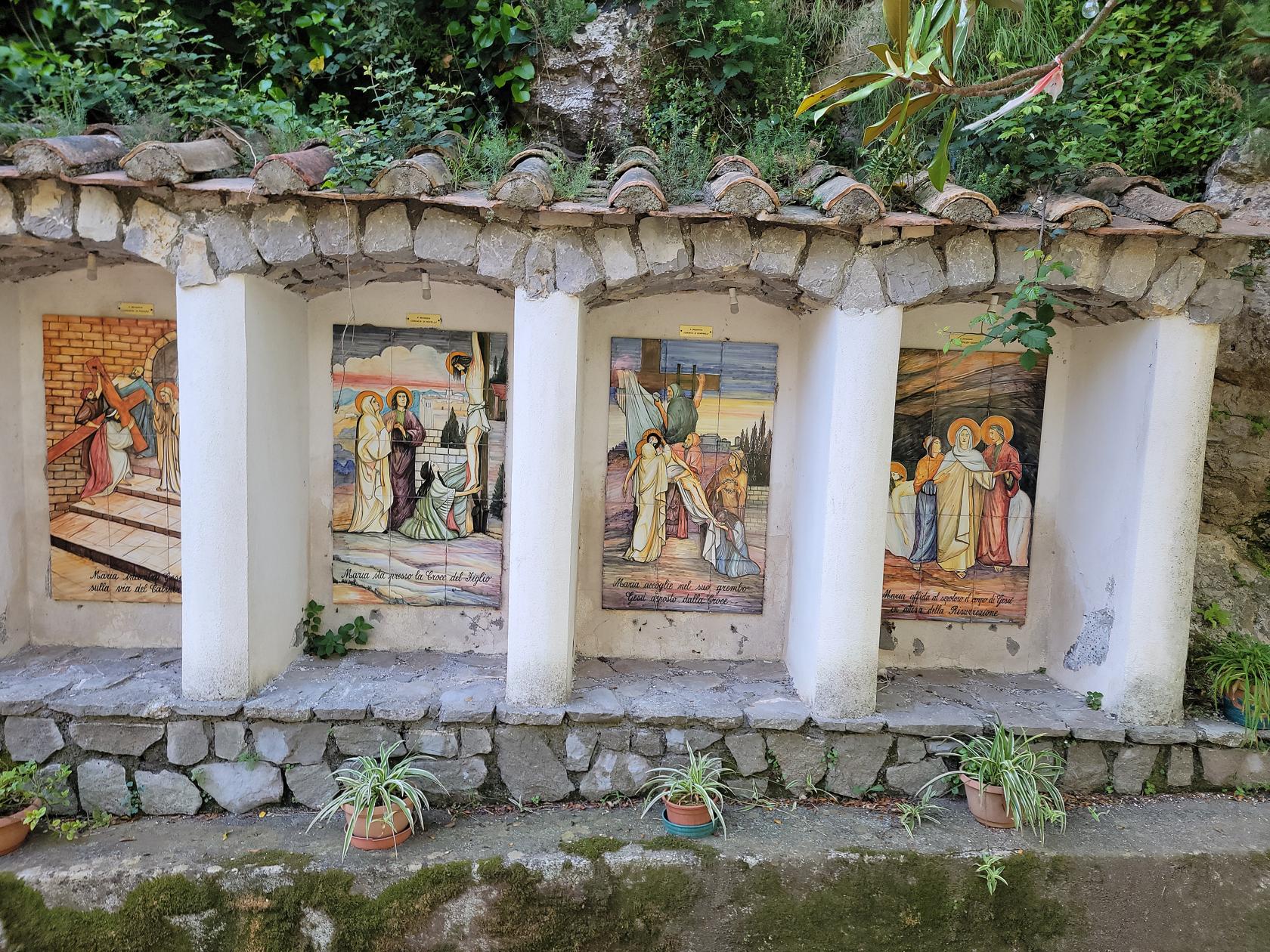
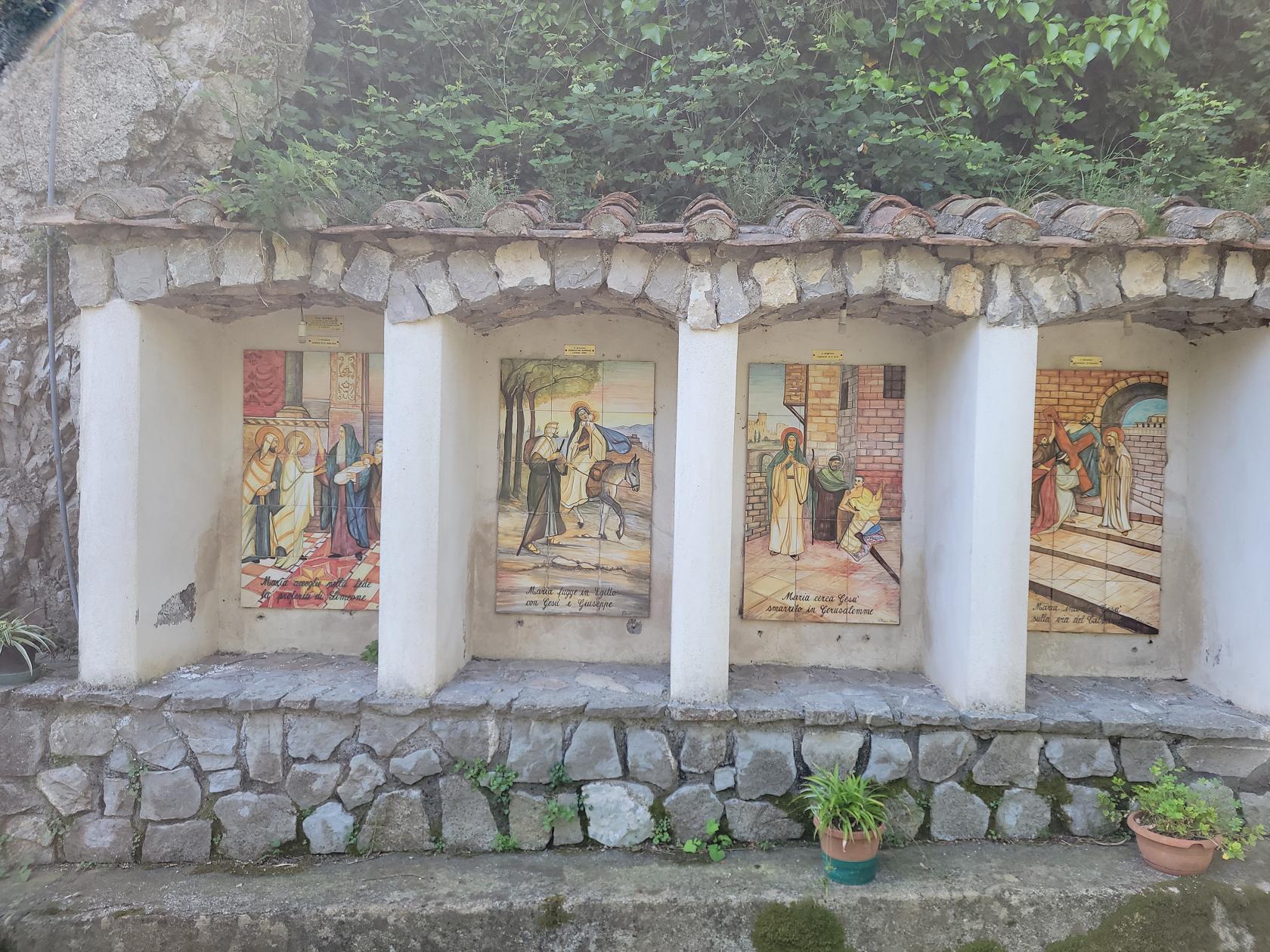
Our tour started out where are tour guide dropped us off, near the small abandoned church of Chiesa parrocchiale S. Elia Profeta in Ferriera, Tramonti.

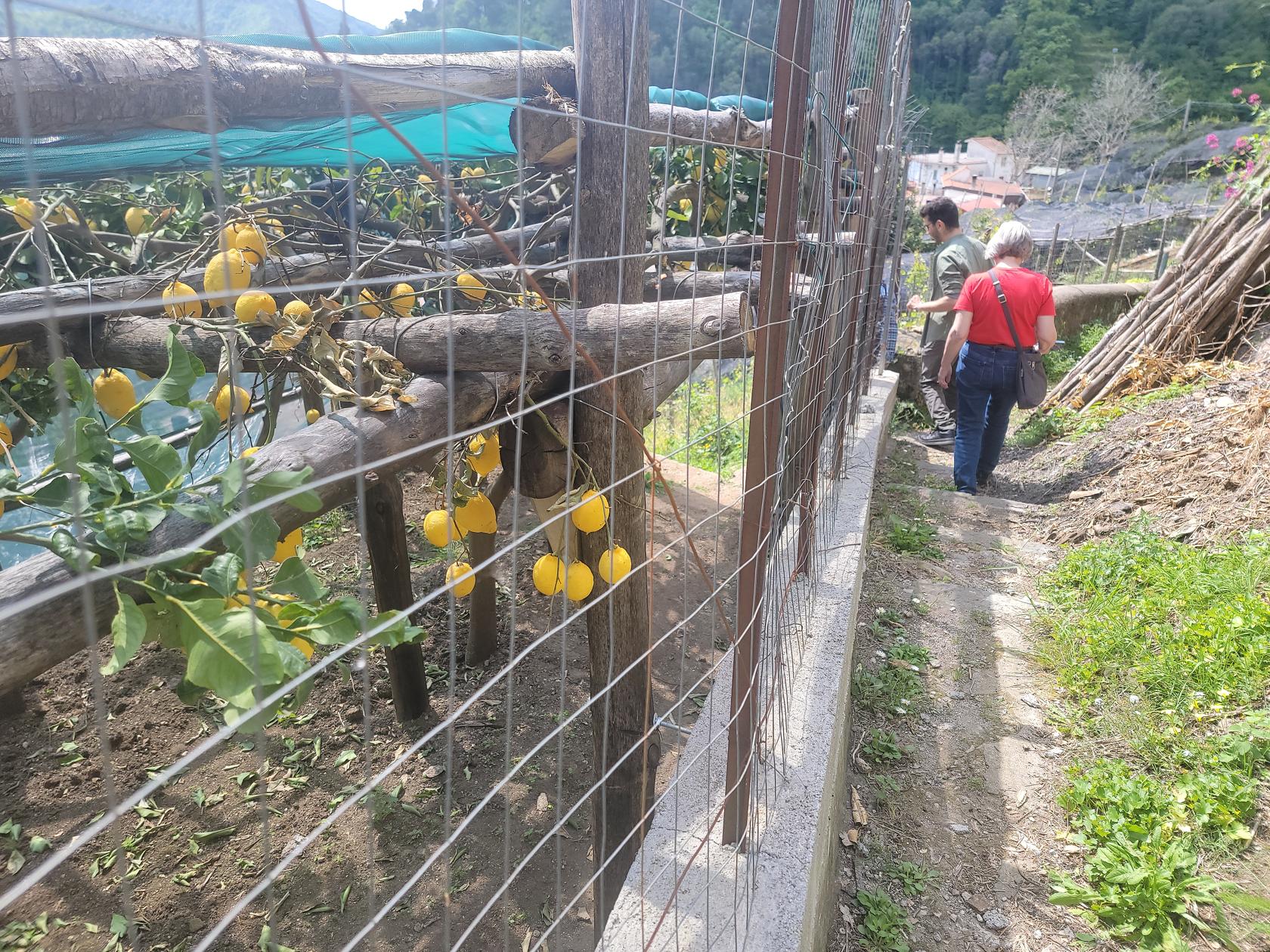
Here our young guide explained in english all the geological, climate and other aspects of lemon growing, while pointing our specific areas between the mountains we were in.

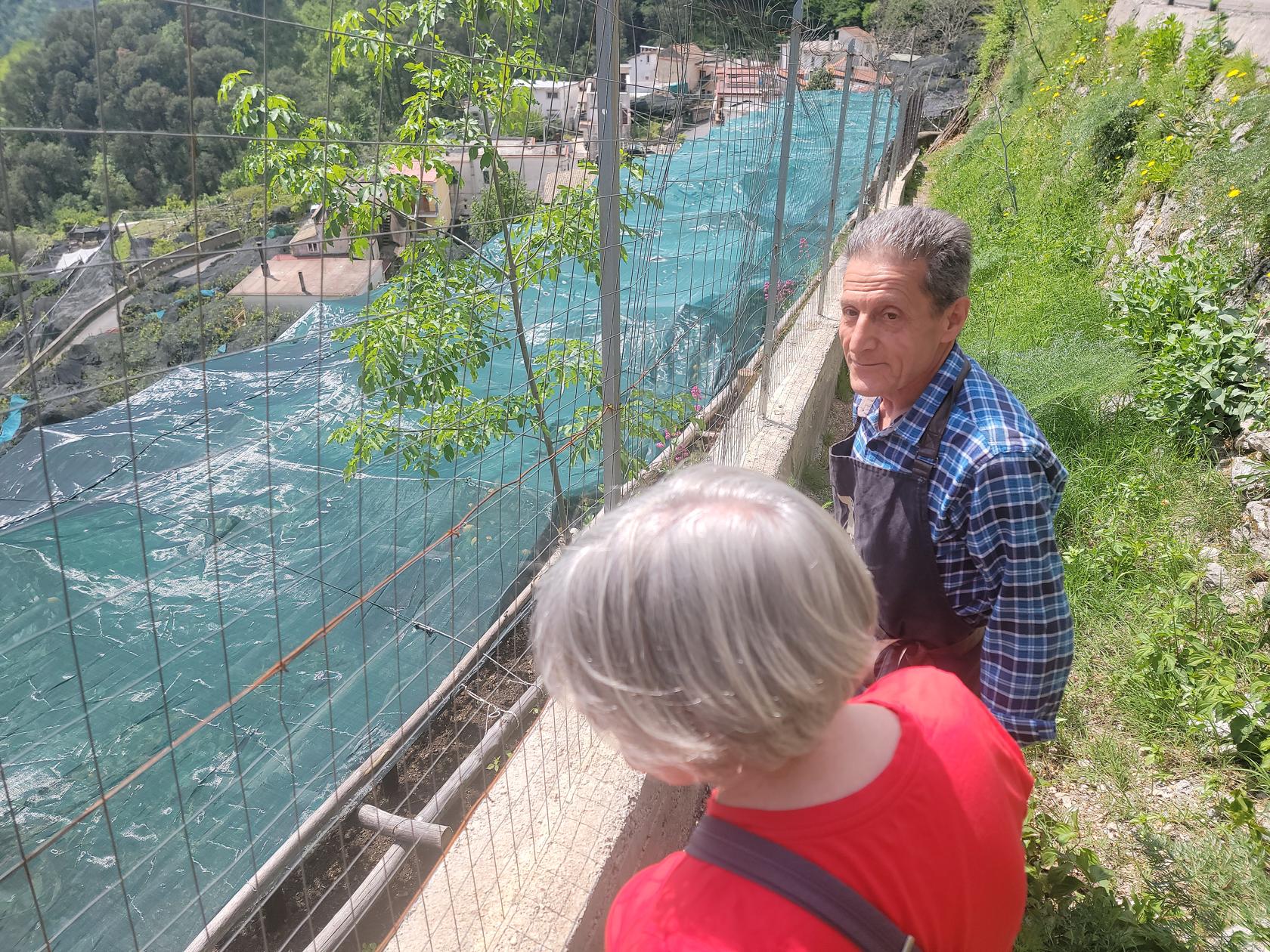
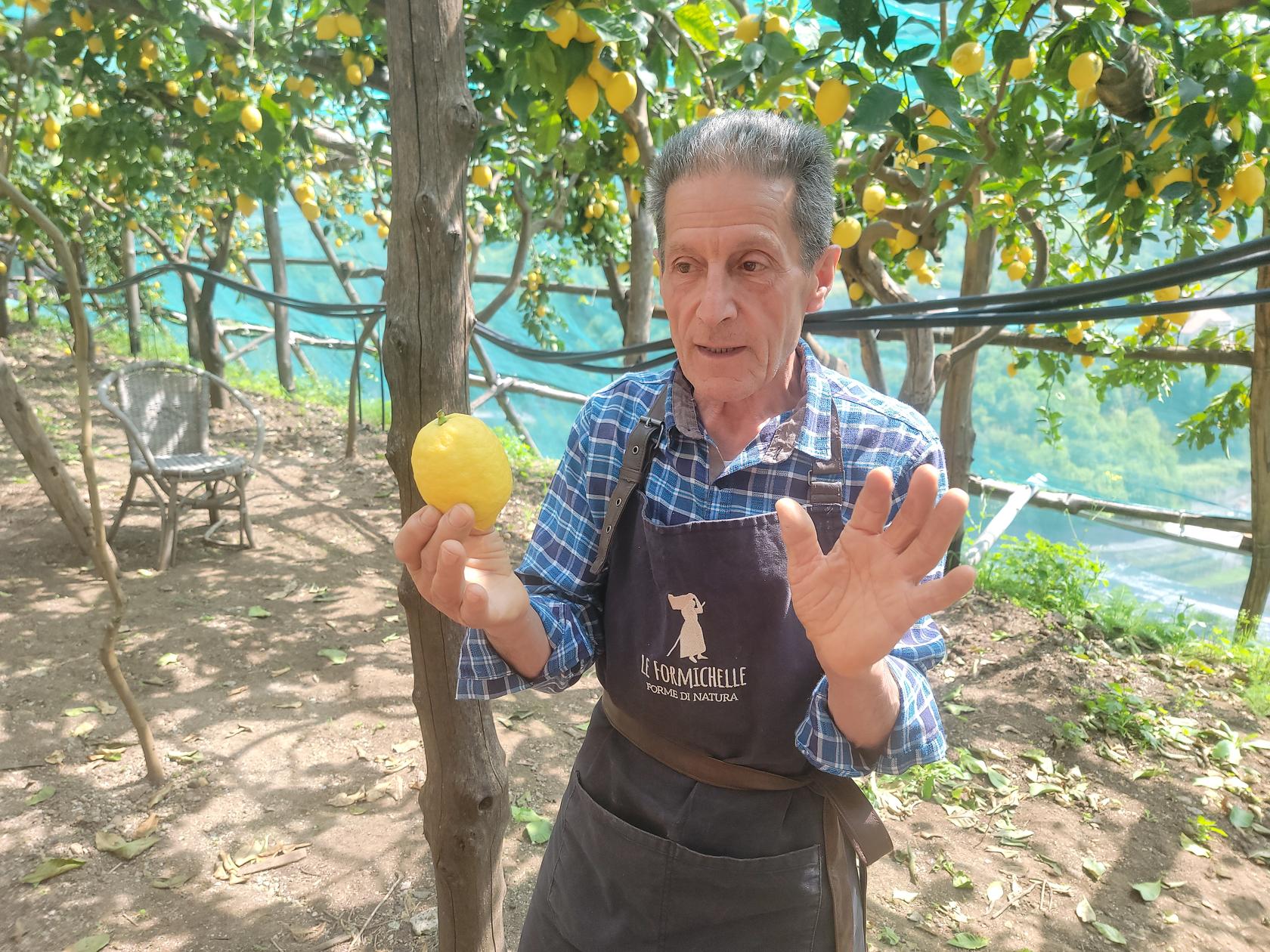
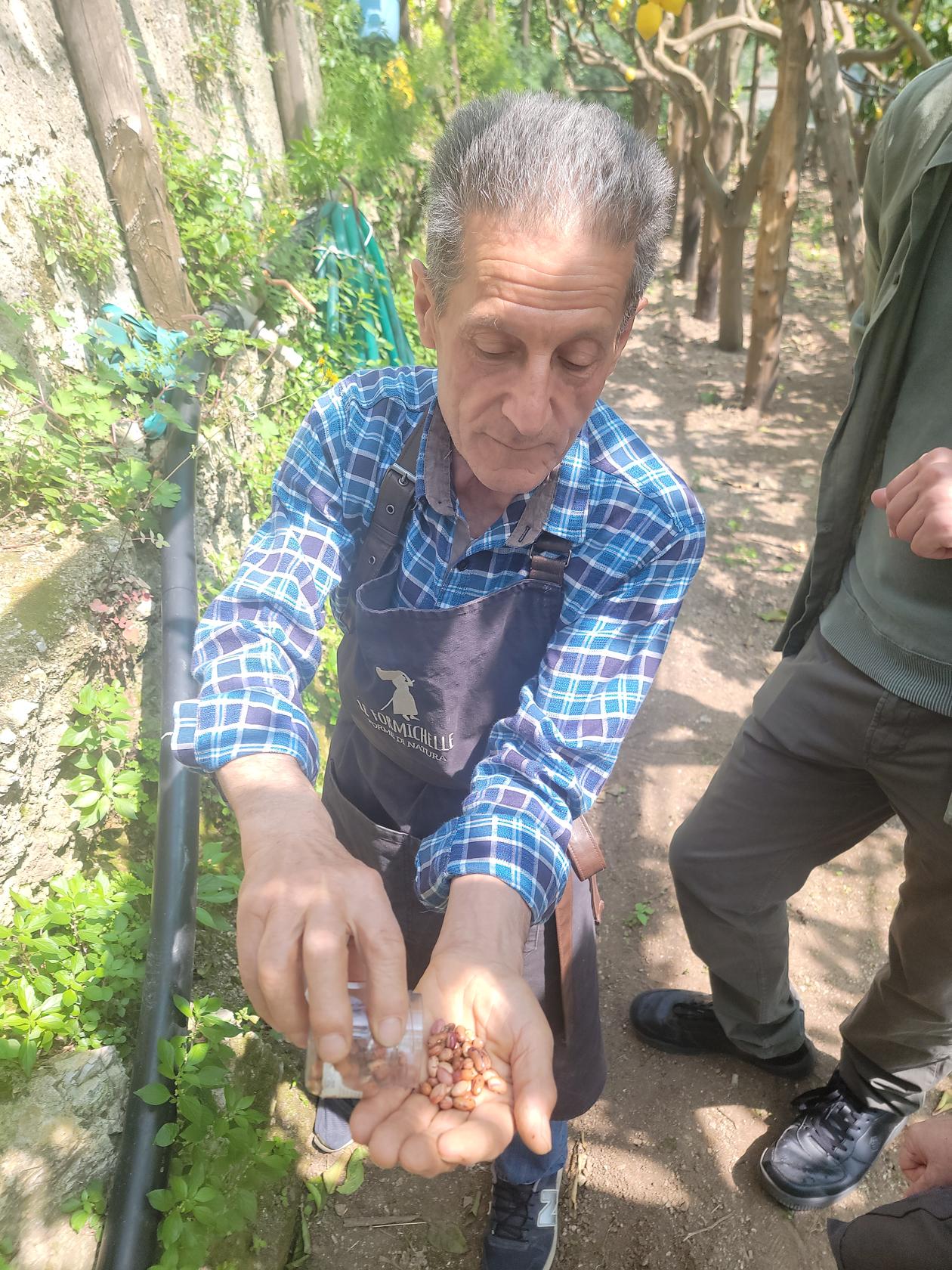
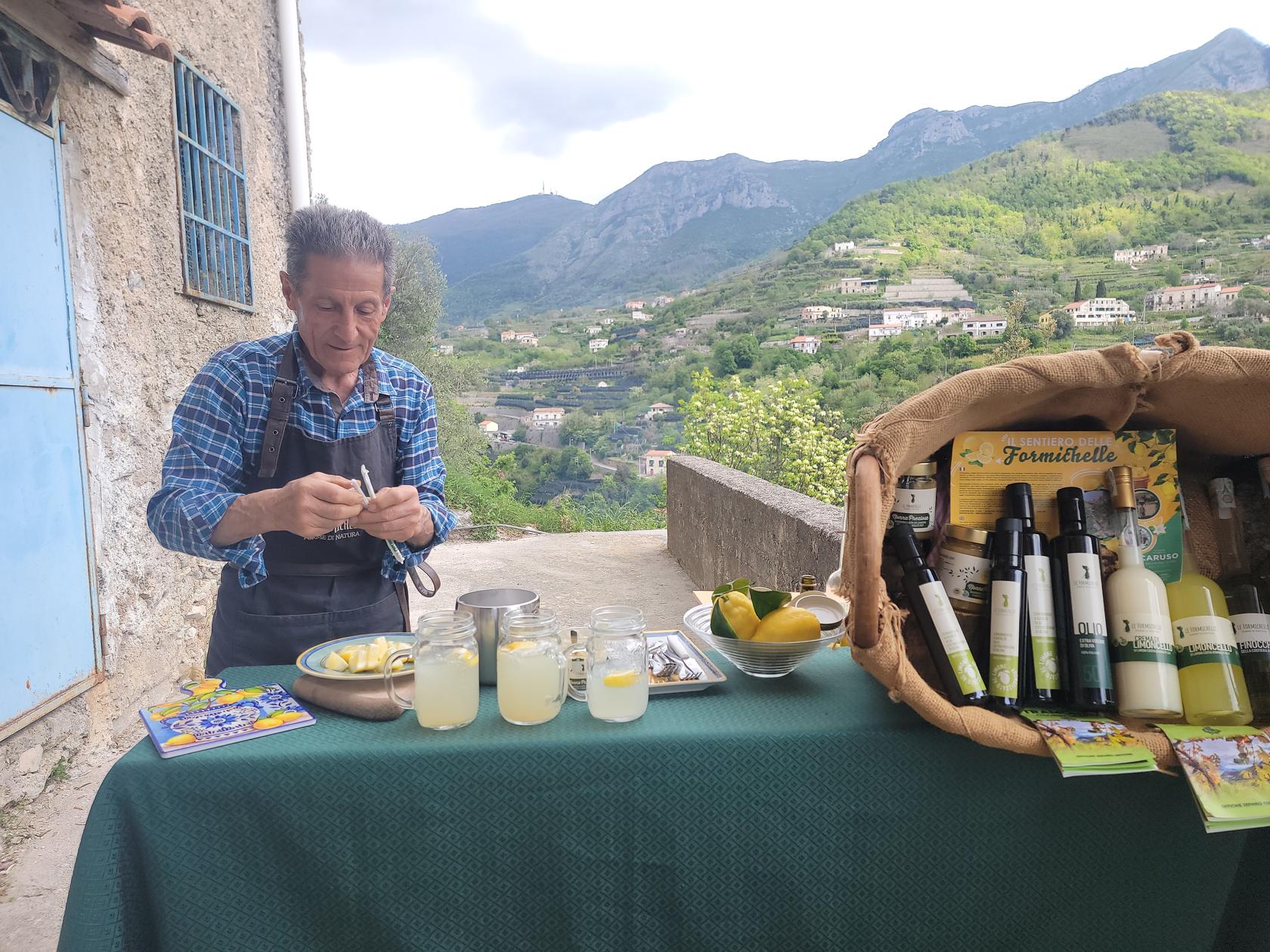
Then he took us to an old man named Ruben, definitely not an Italian name, who explained the horticulture of lemon trees. He showed us how he dries out different kind of seeds from fruit and vegetables that he has raised since he was a child with his father. He is seventy-four years old and does not look a day over sixty.

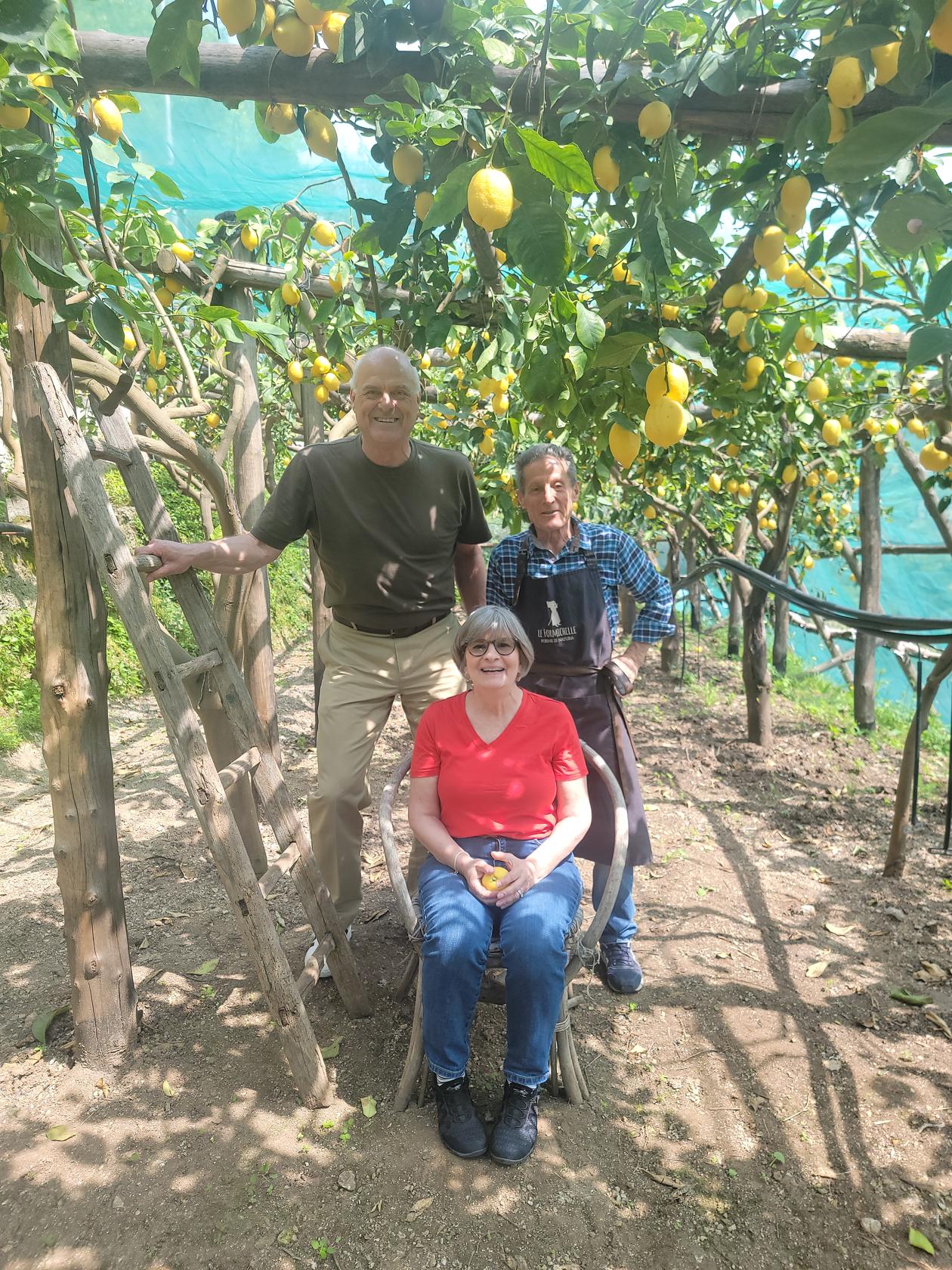
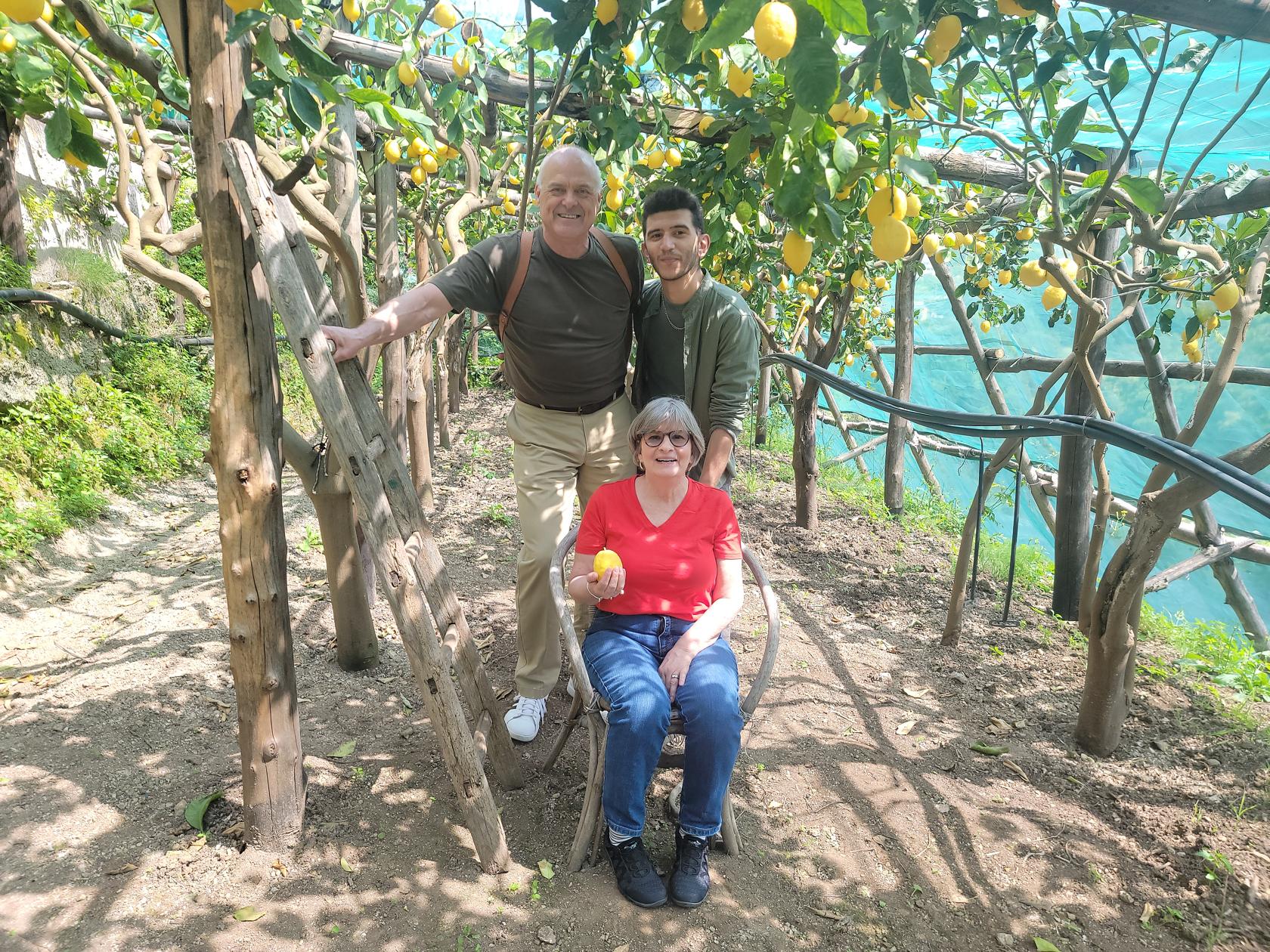
Then we had a cute little photograph session, where he had a small chair strategically placed within his one lemon grove.
Lemon Experience Luncheon

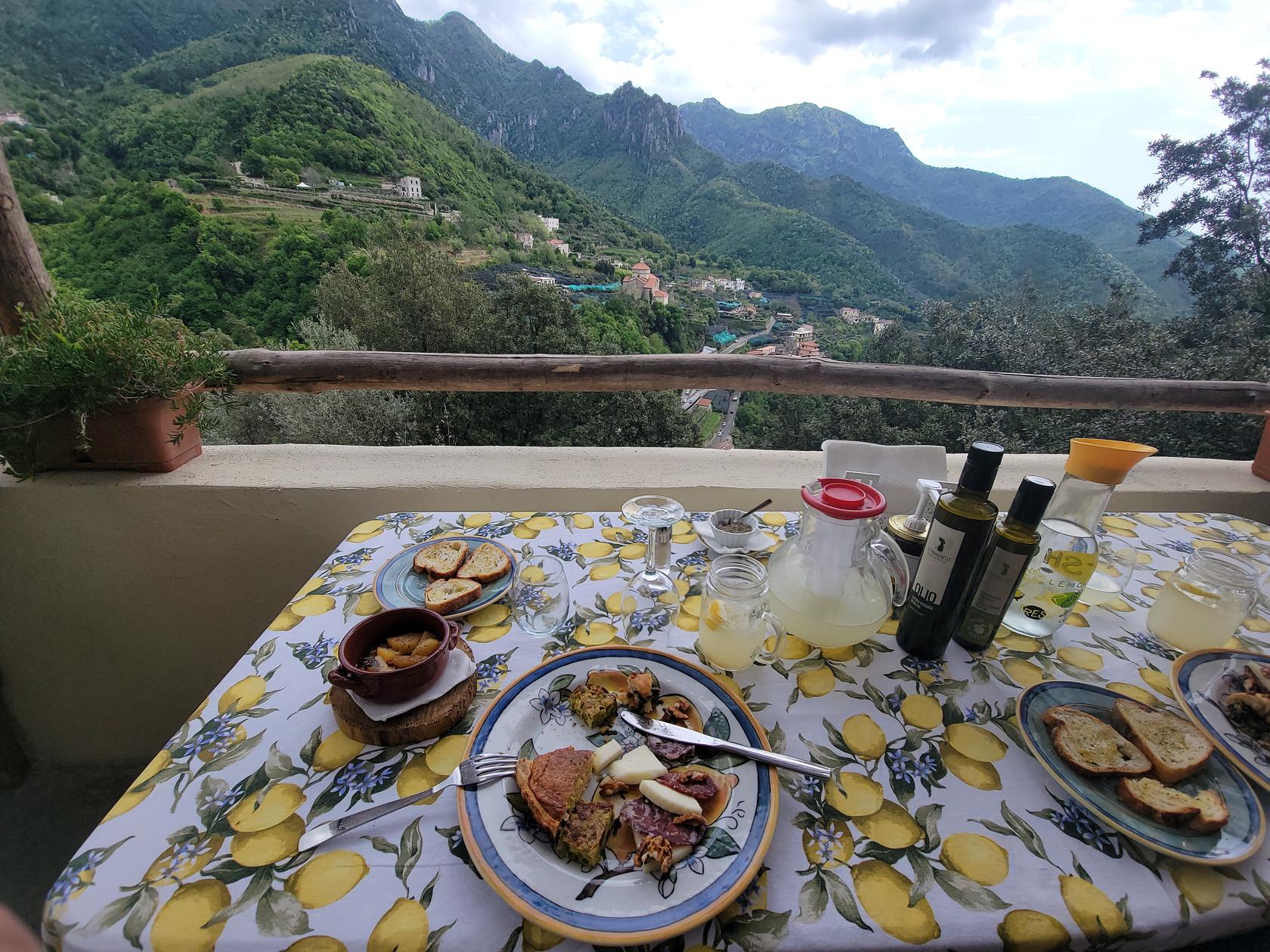
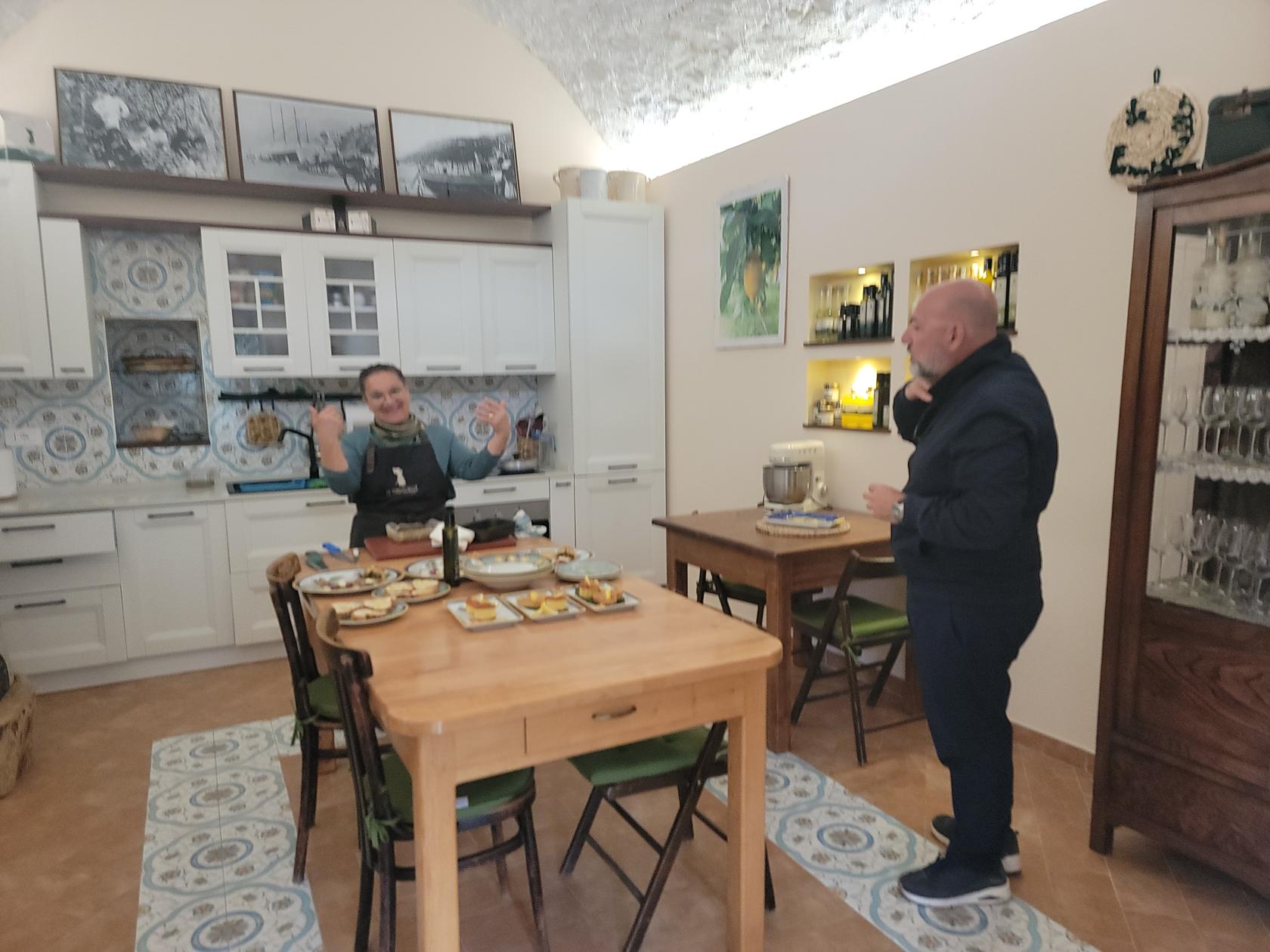
The luncheon was prepared by Ruben’s wife, Luisa. While she cooked inside their small garden house, Ruben prepared for us a Limoncello Spritz for each of us. It was delicious, as well as all the food that was served.
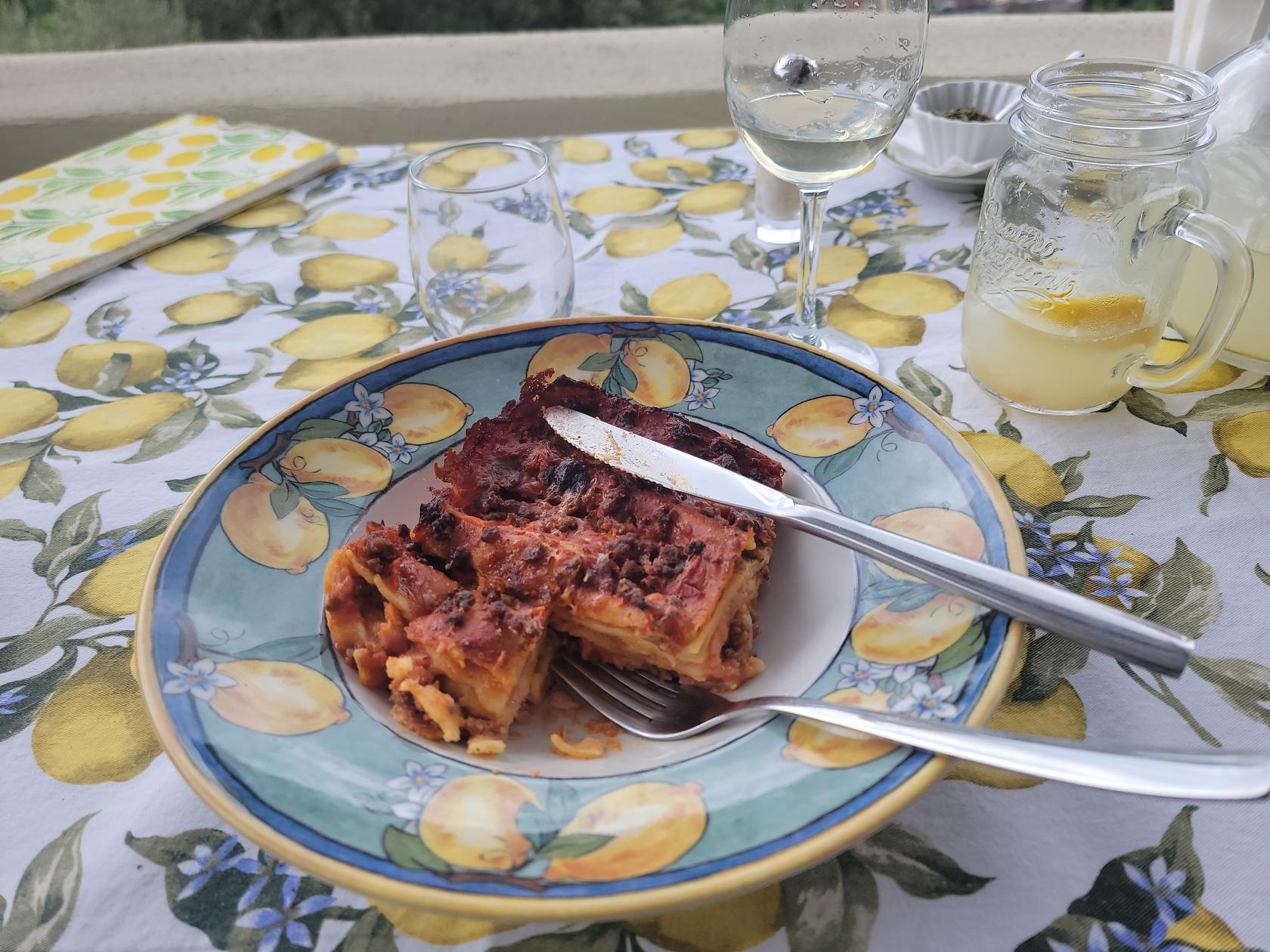
Once we started drinking that, which was made using his own Limoncello, the food started coming out. First the appetizers, then more plentiful food and last a portion of Lasagna.

Maiori

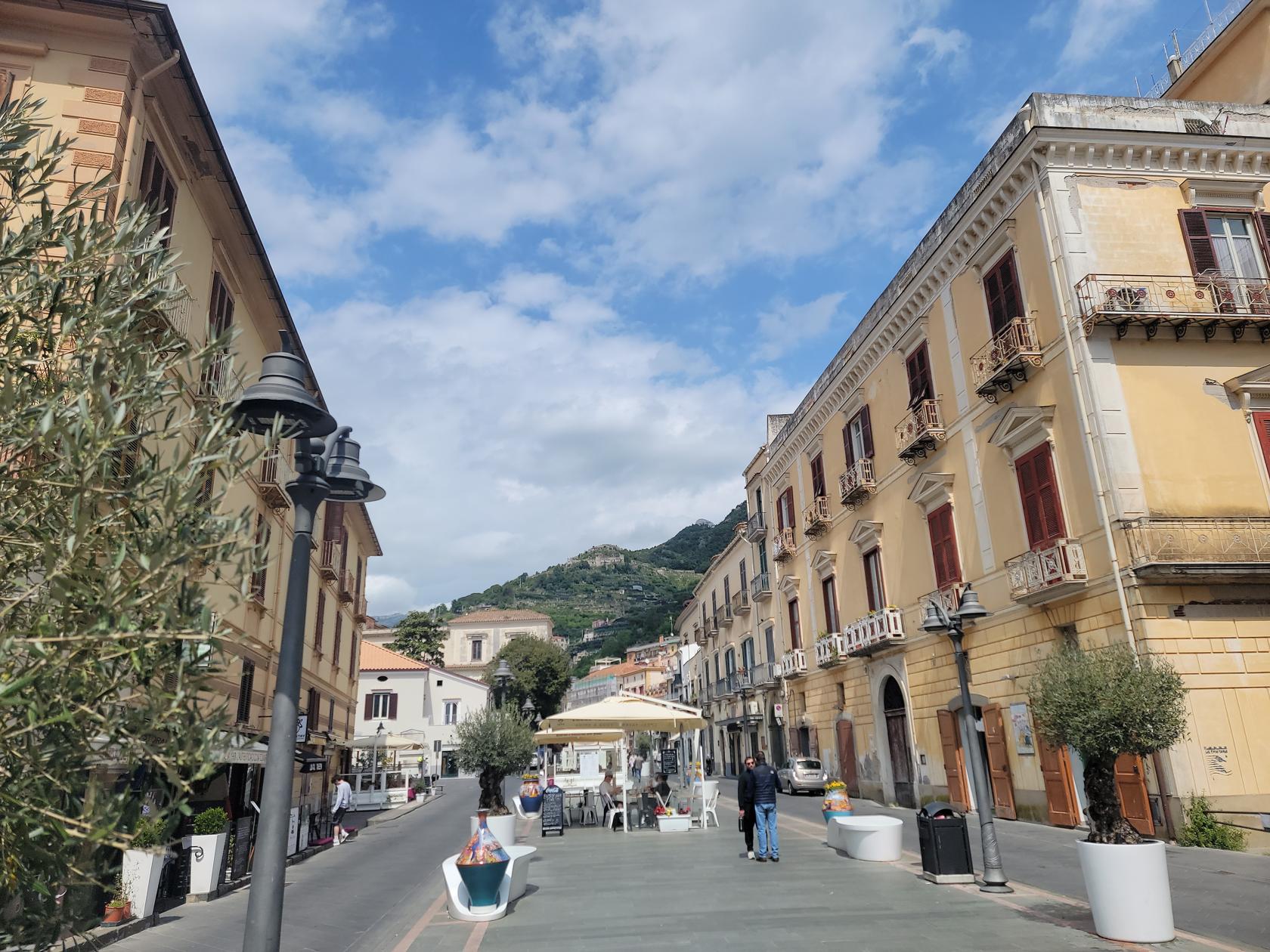
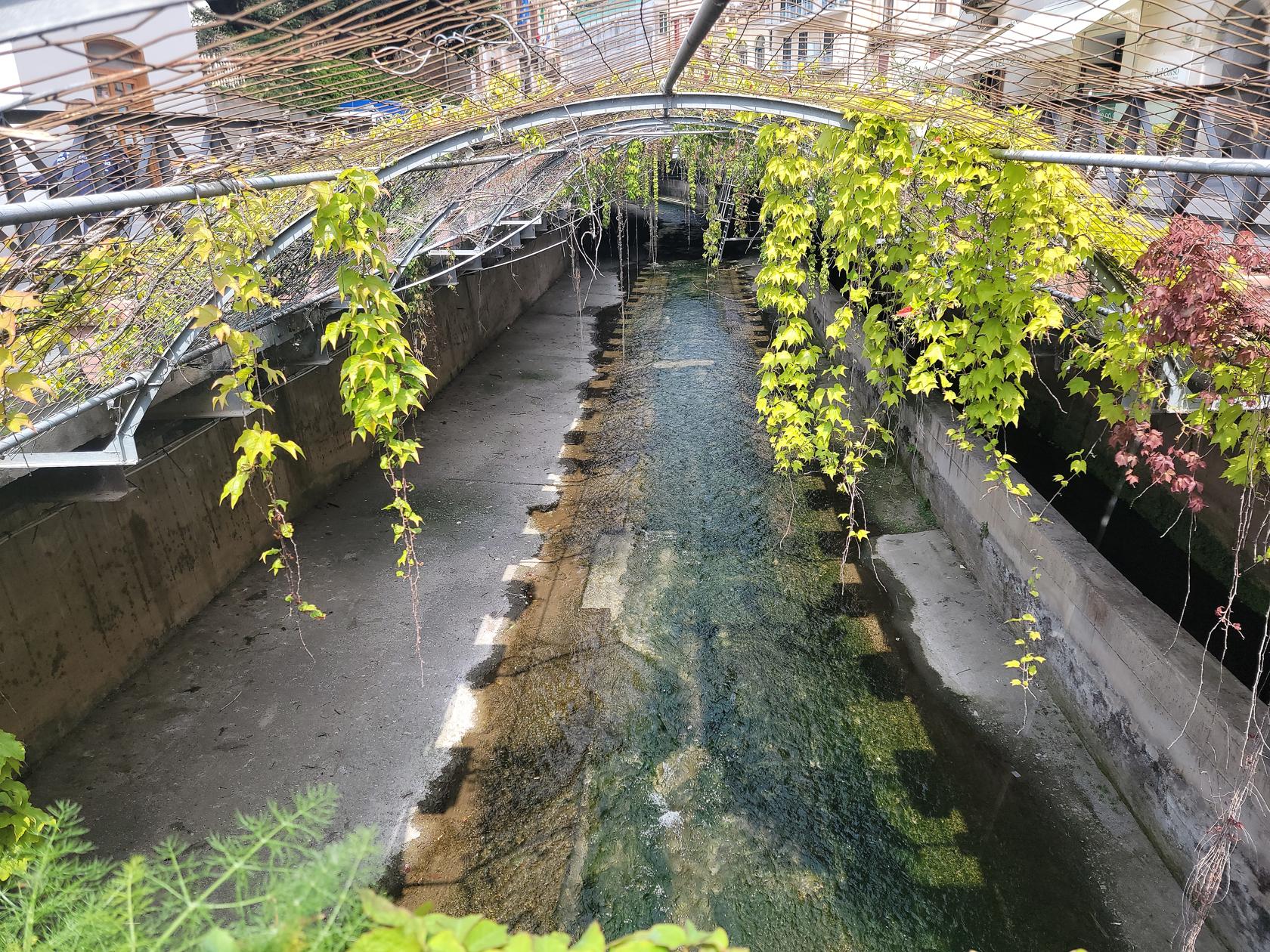
The town of Maiori literally means “major”, after the river which now flows under the Corso Reginna, the river Reghinna Maiori. It has over the years been abbreviated to just Maiori. First founded by the Etruscans, it was later conquered by the Romans, like the rest of Italy.

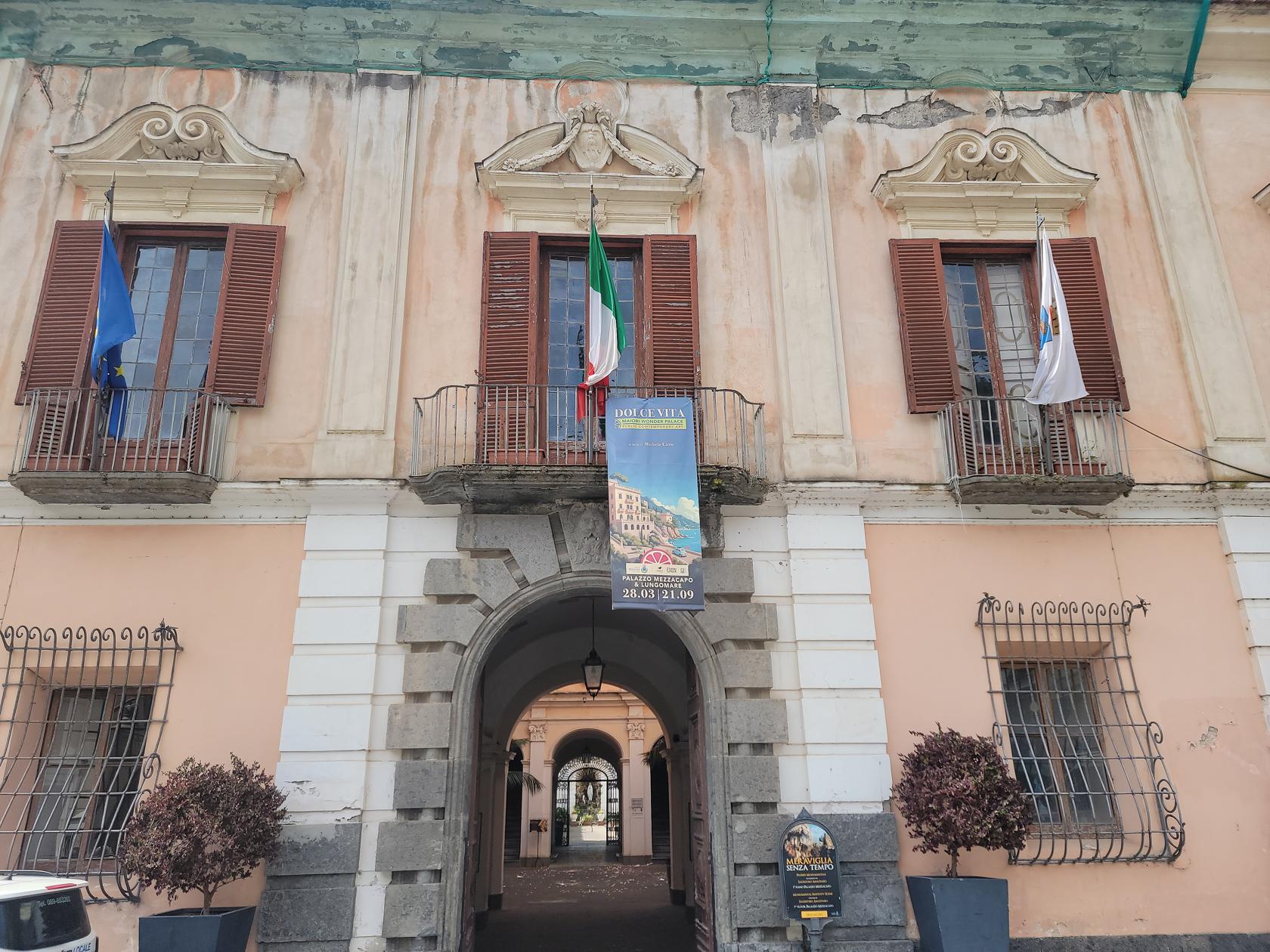
Palazzo Mezzacapo

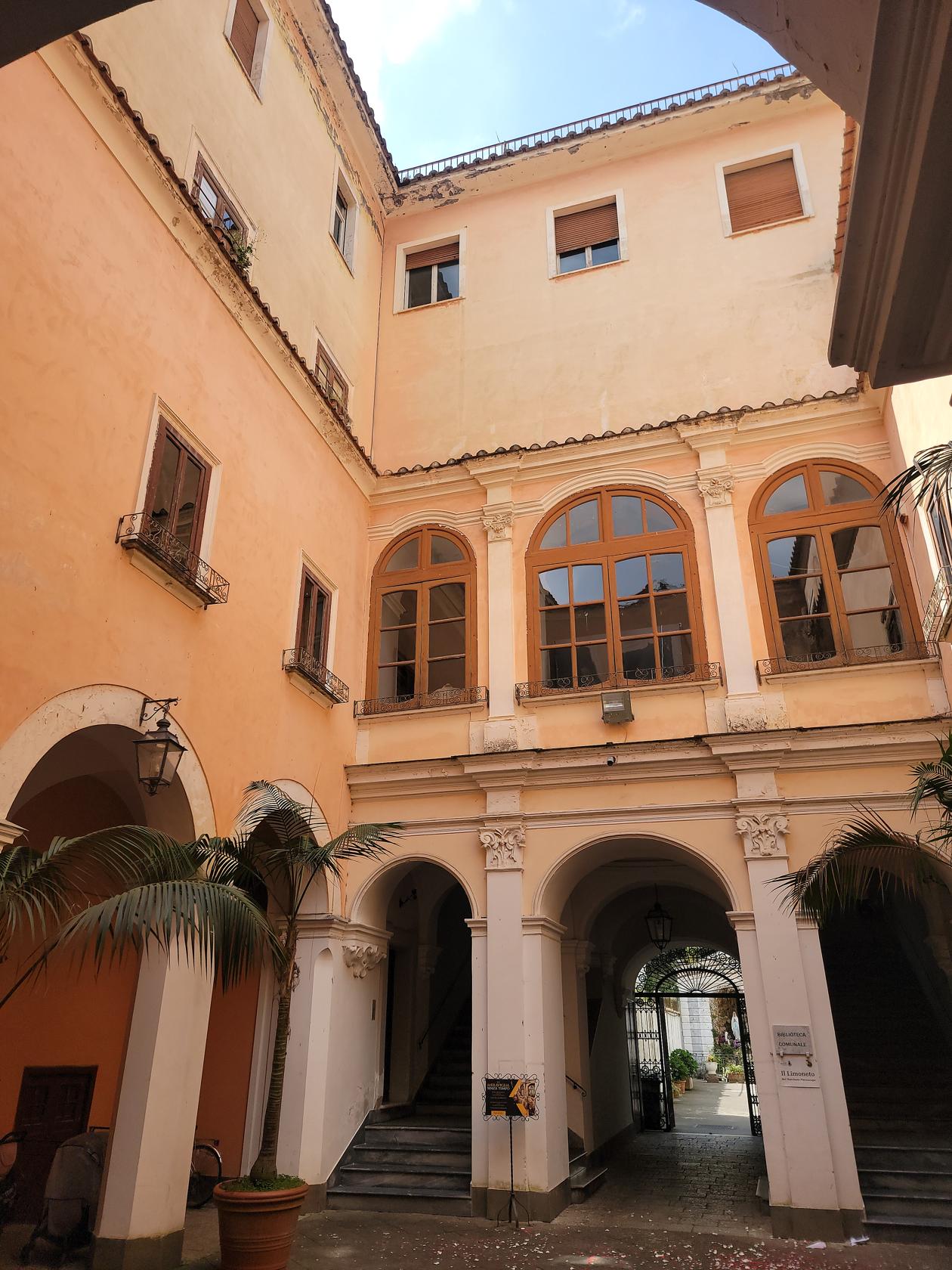
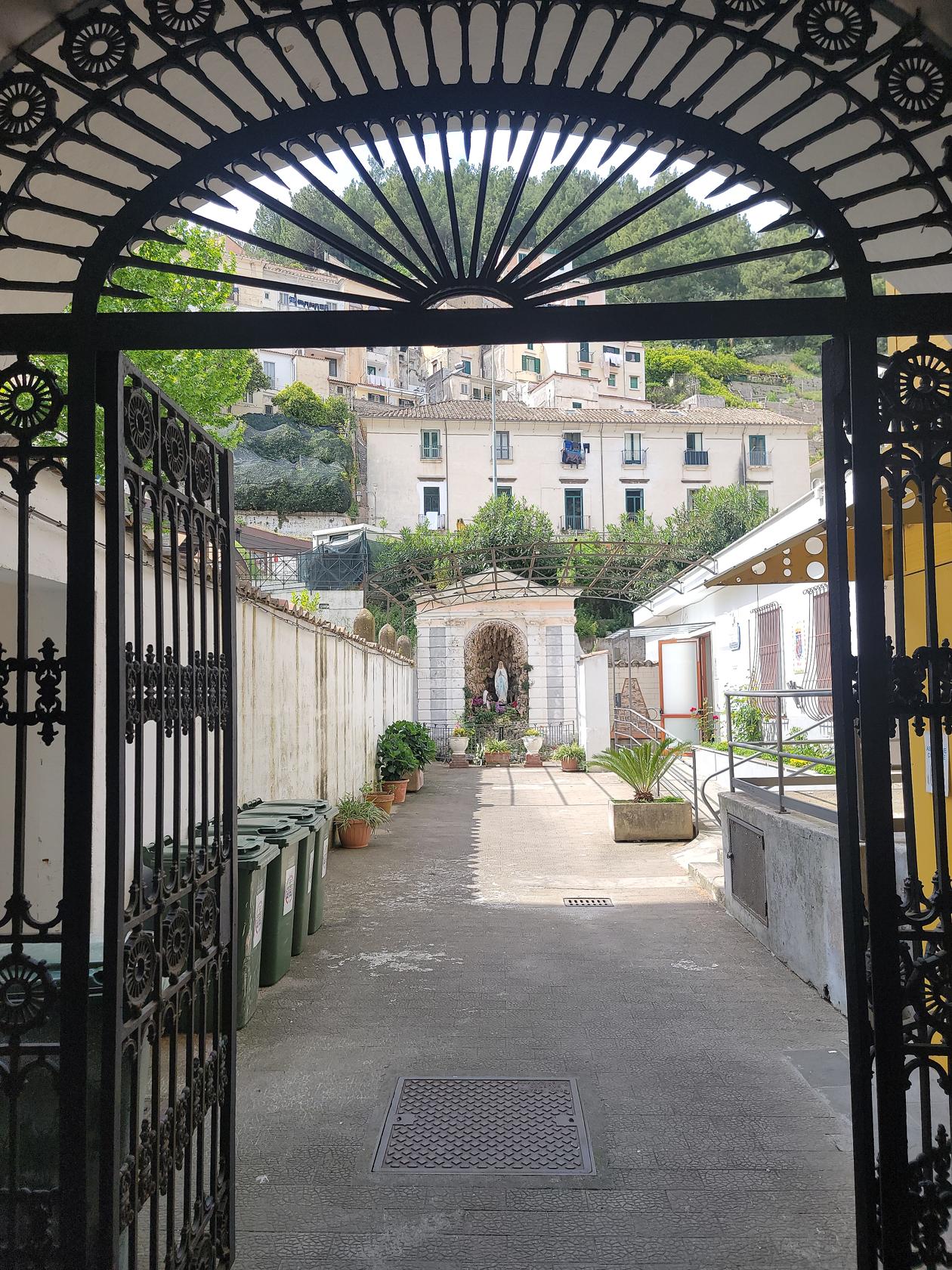
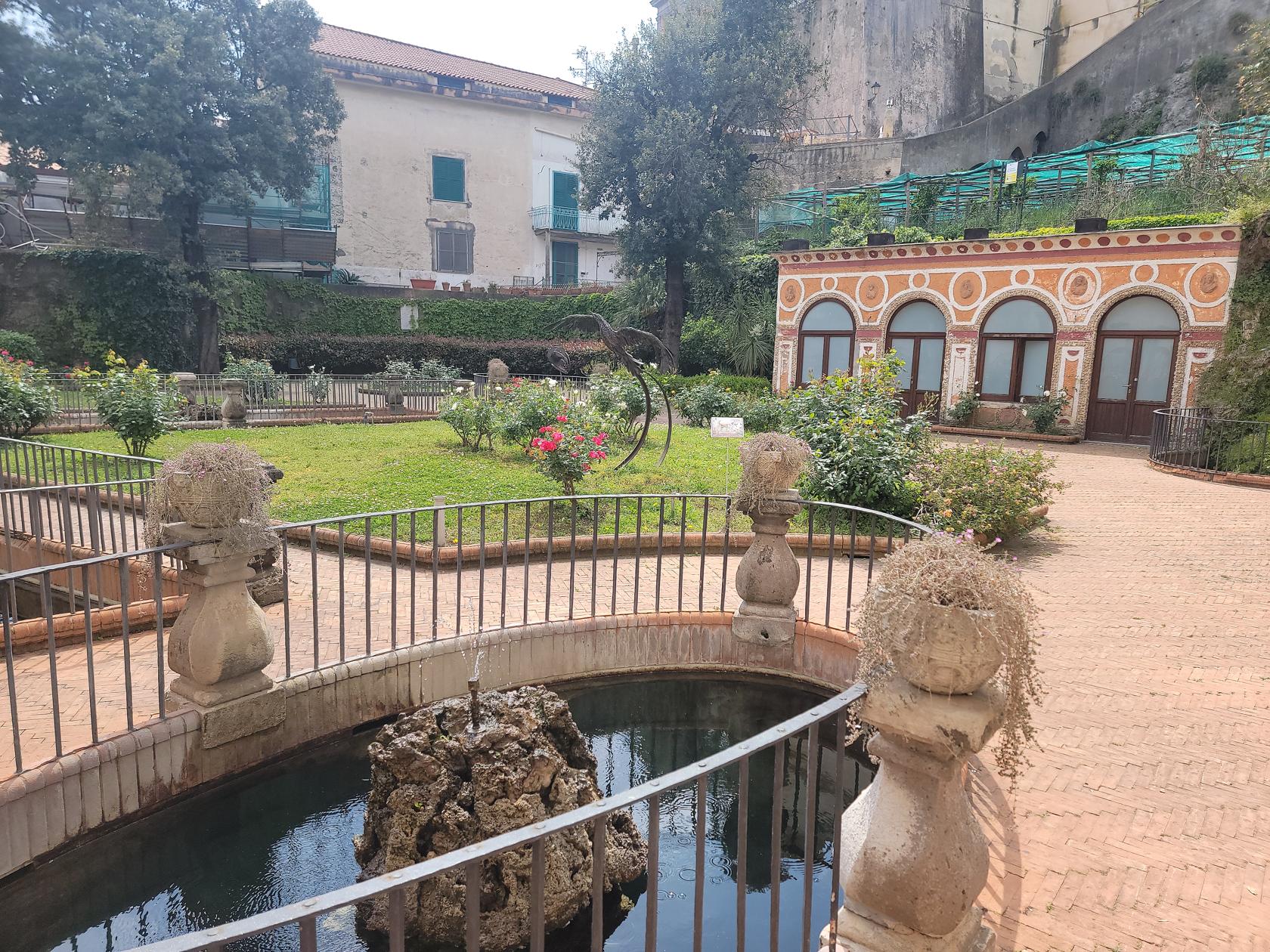
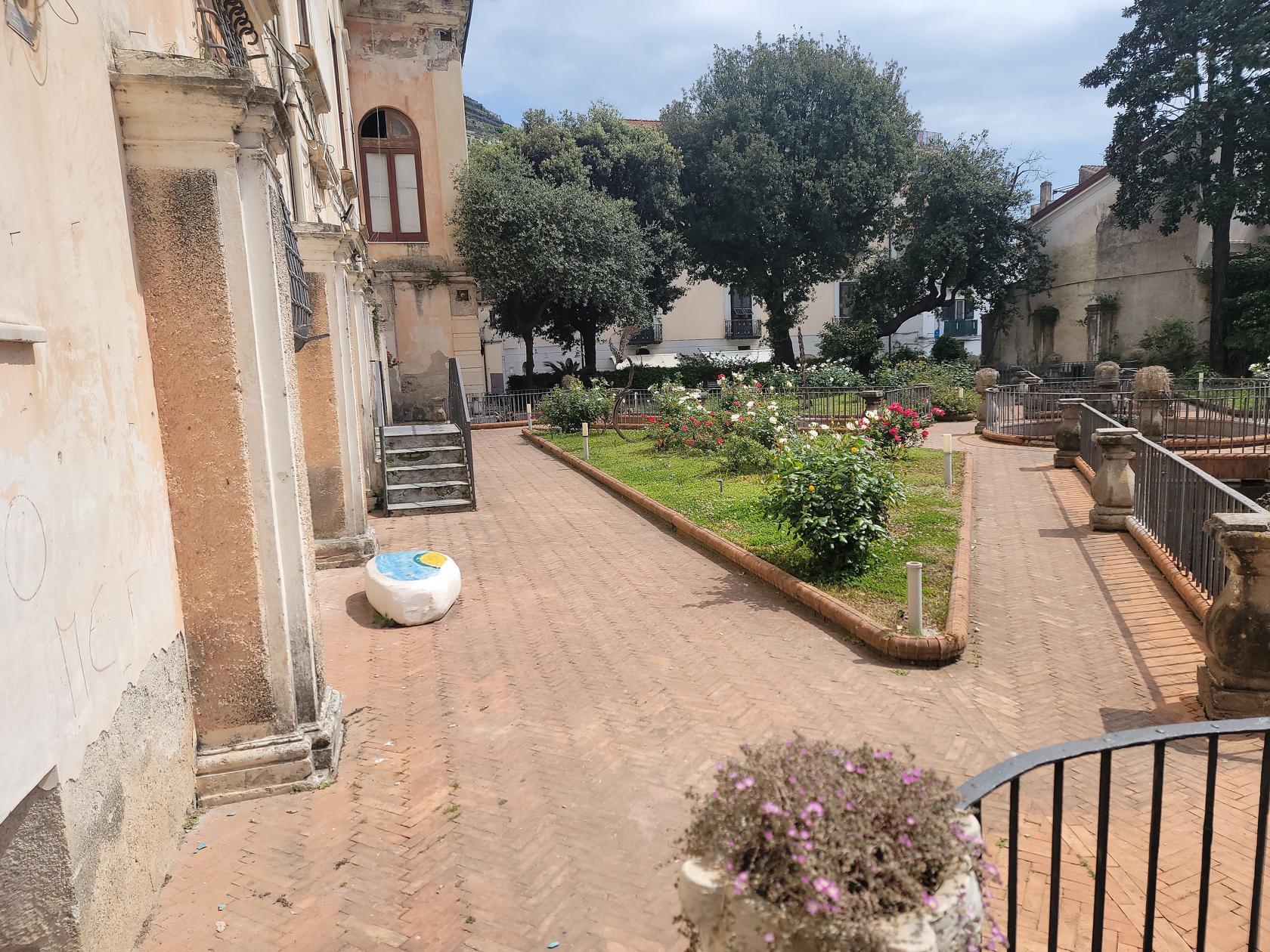
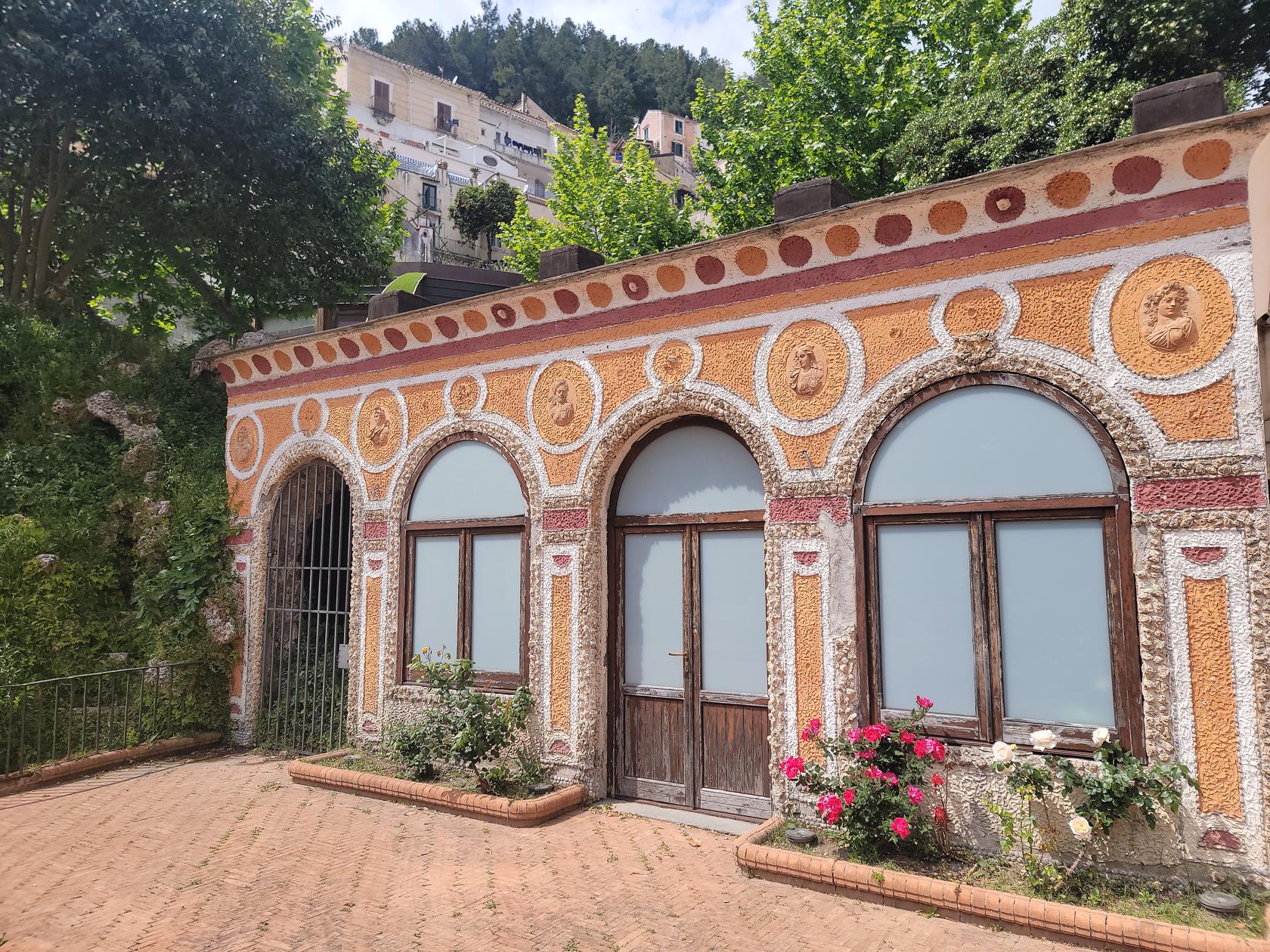
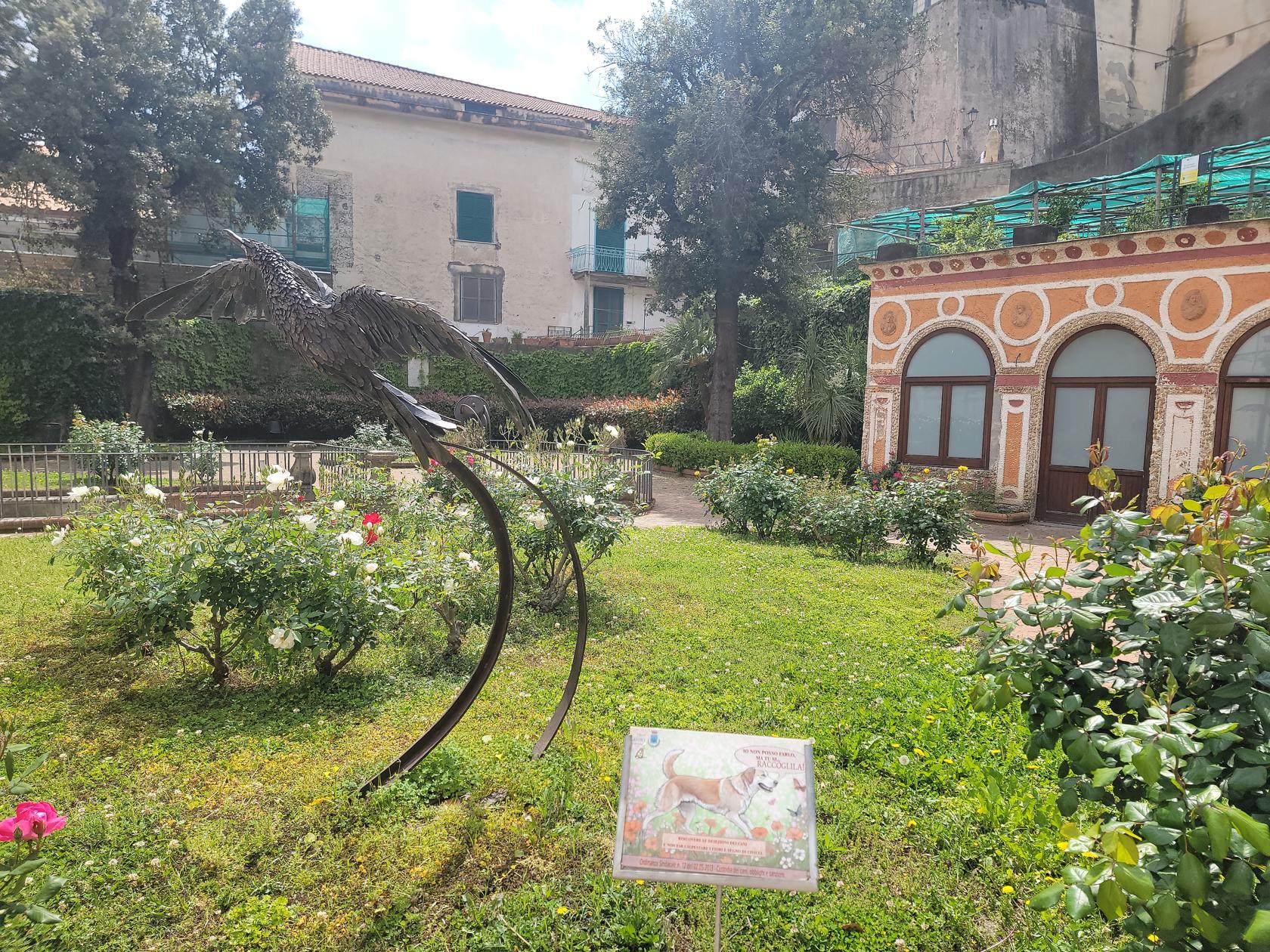
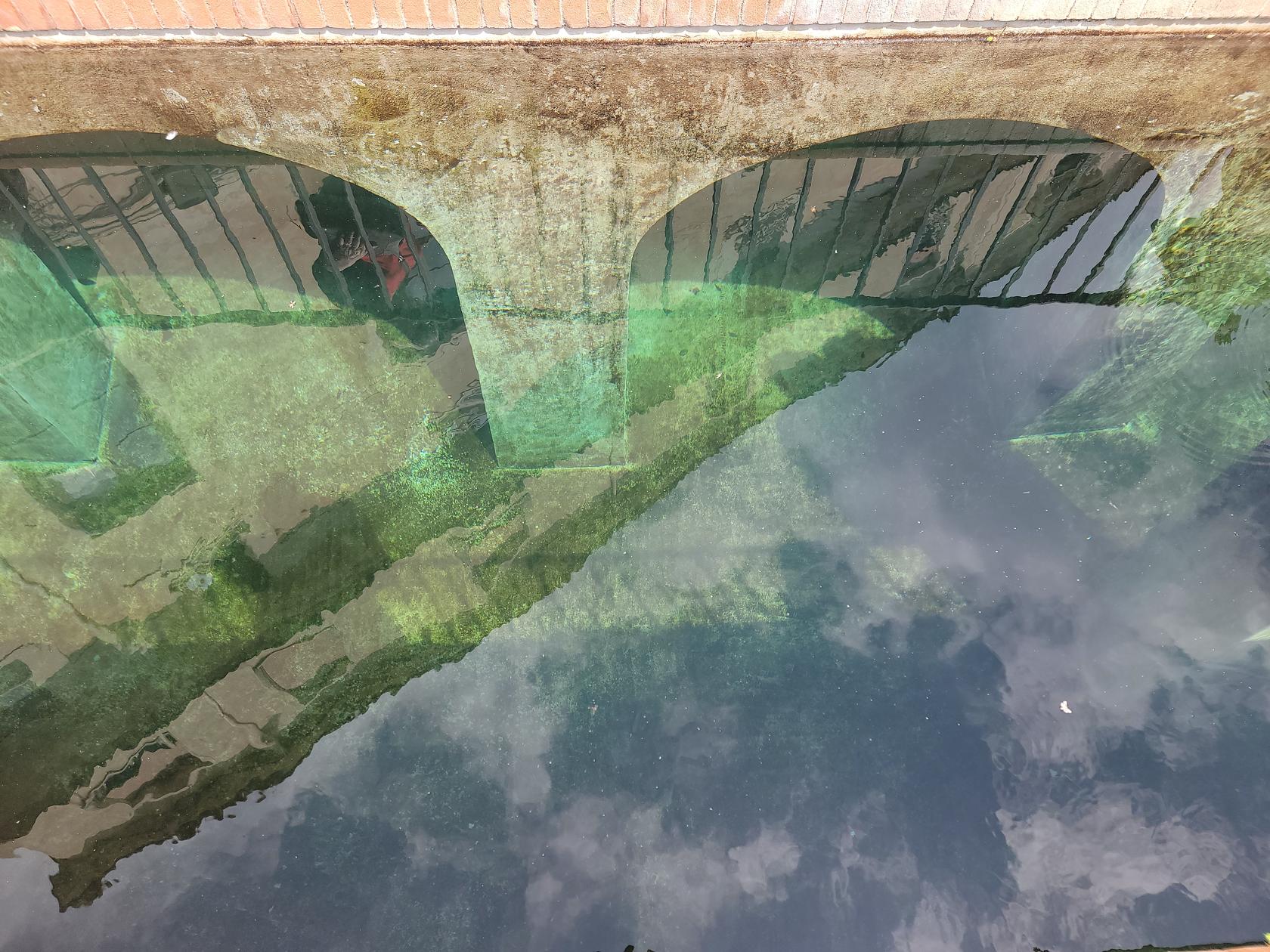
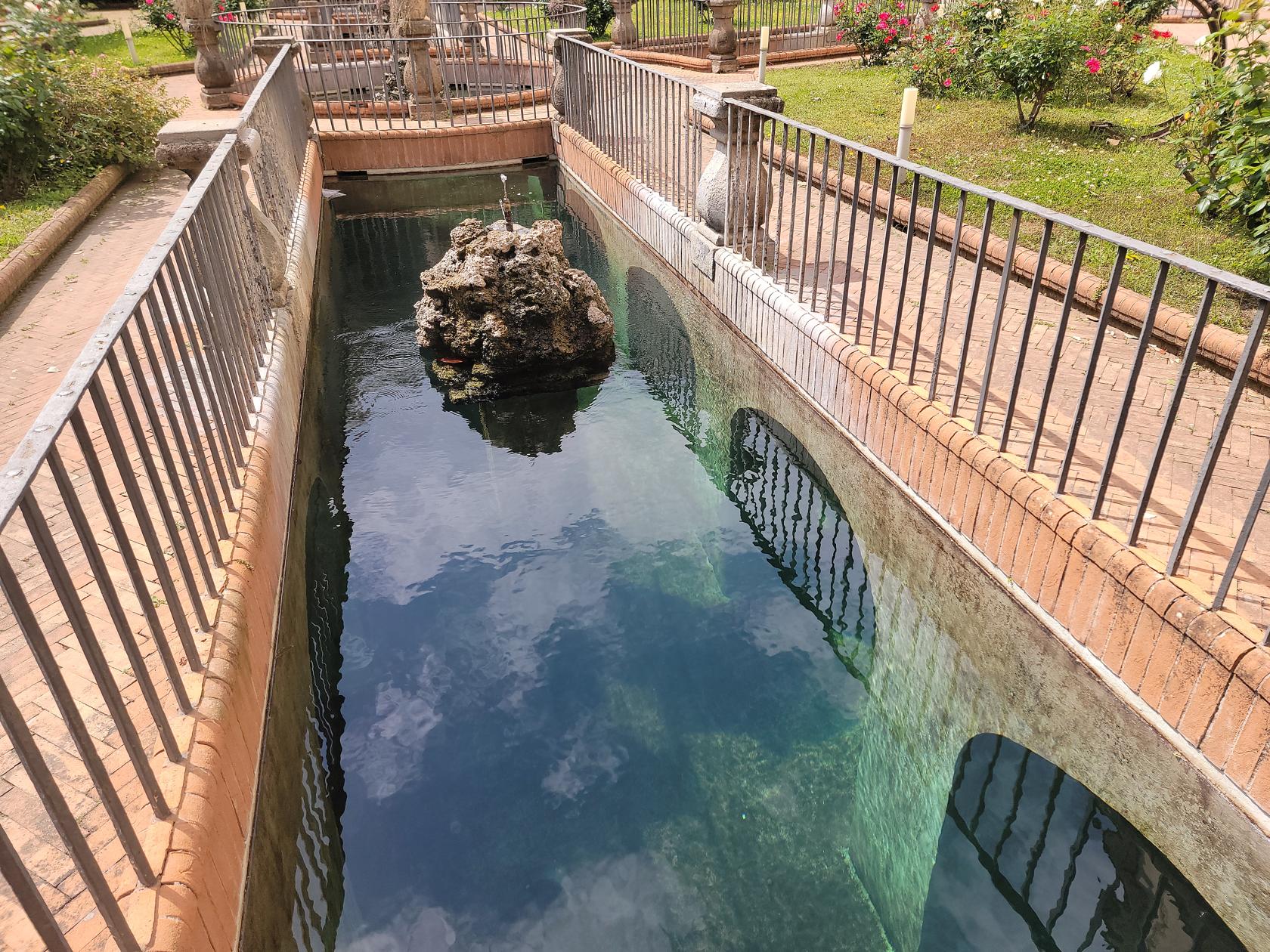
One specific spot to visit would be the Palazzo Mezzacapo, which is situated just off the Corso Reginna in town. It has an very interesting garden with underground vaulted wells.

Minori

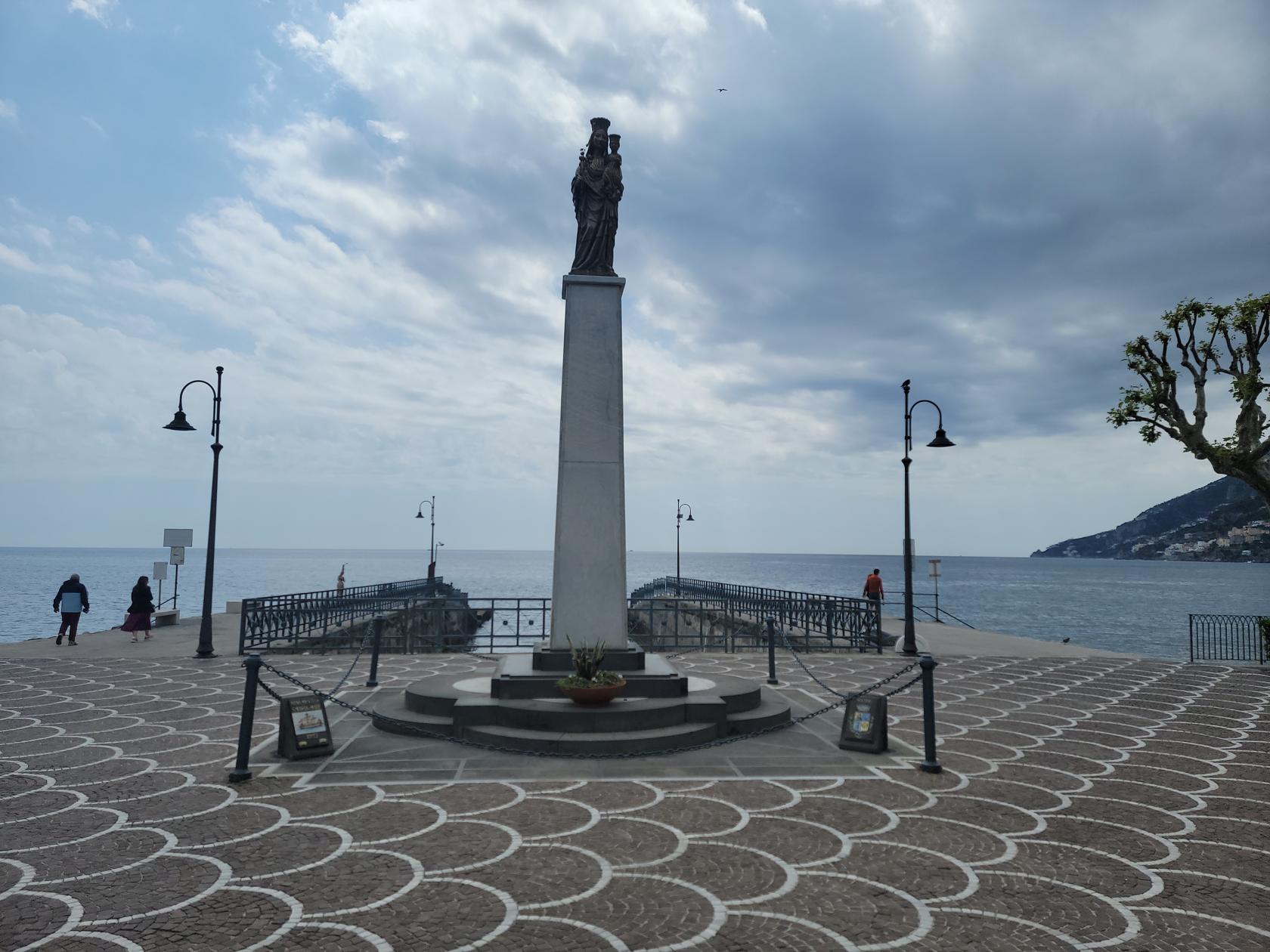
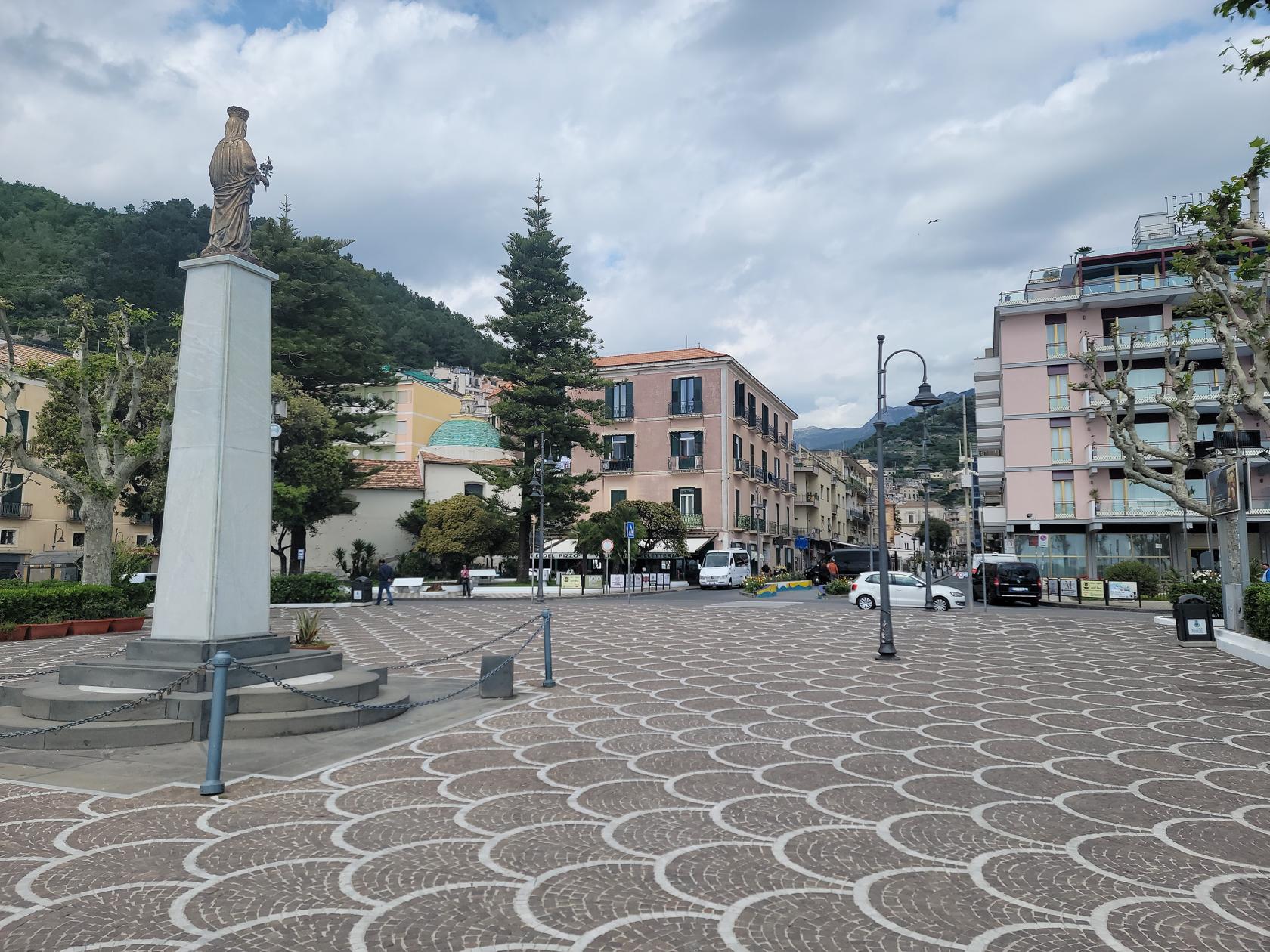
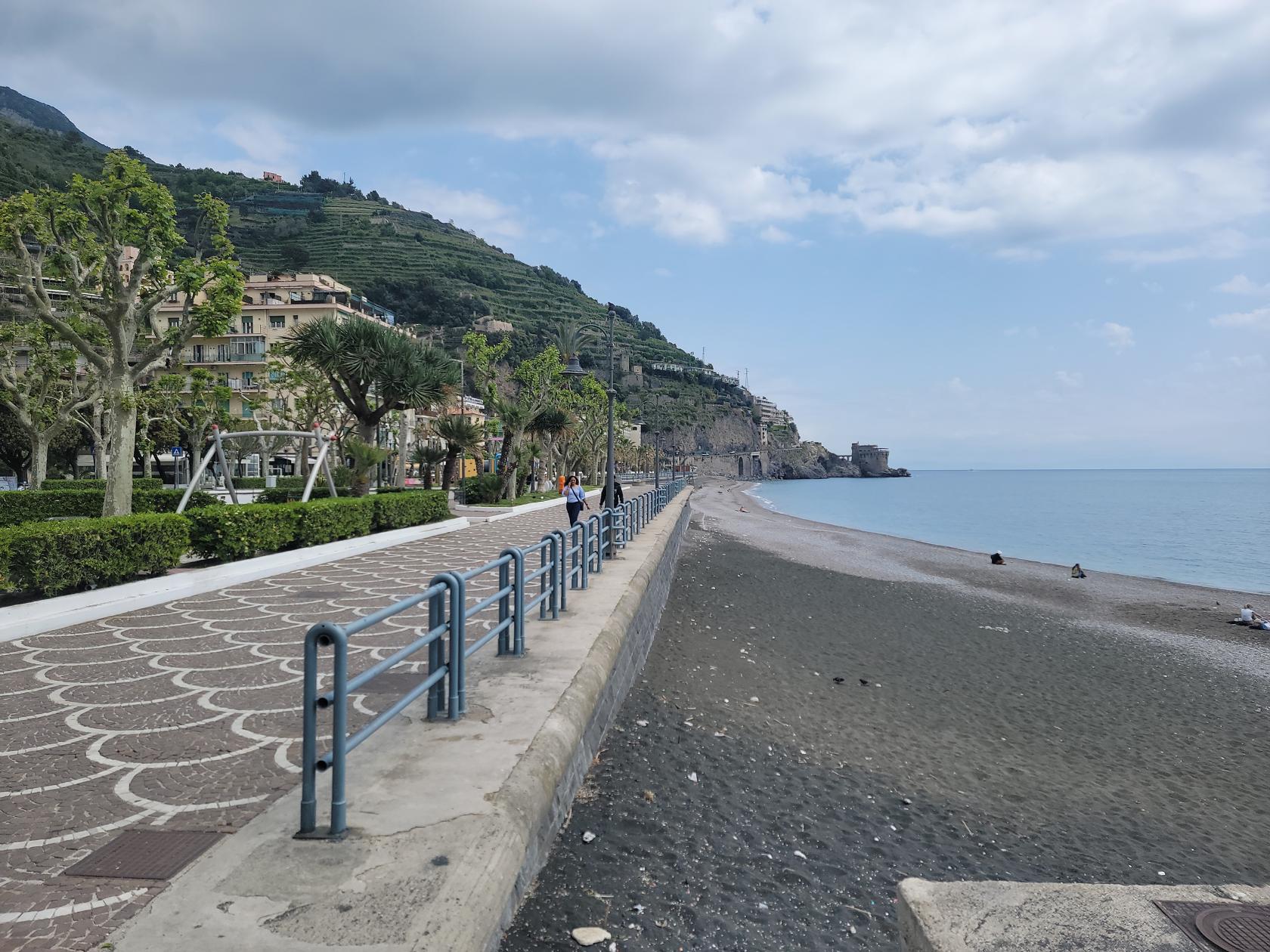
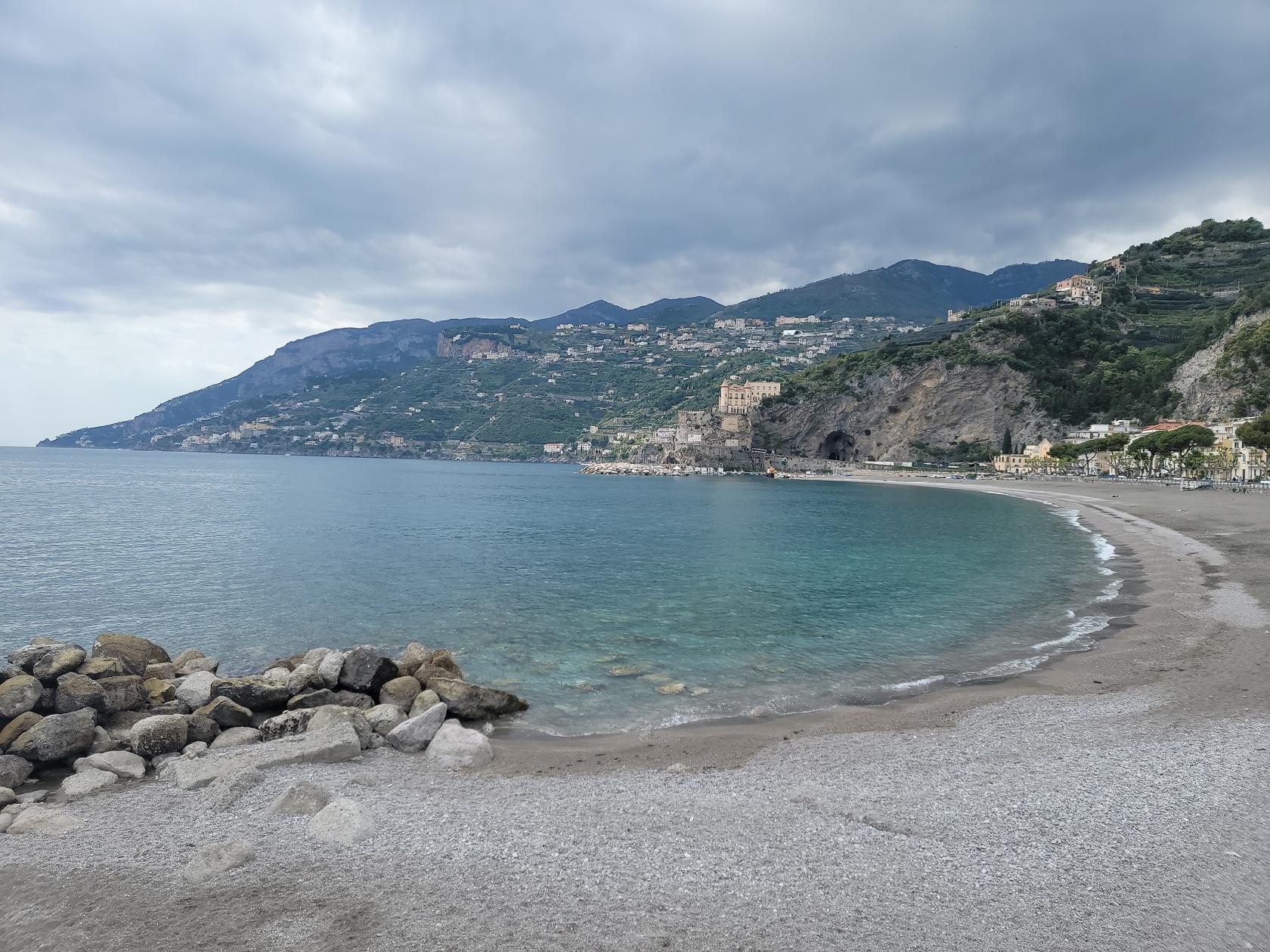
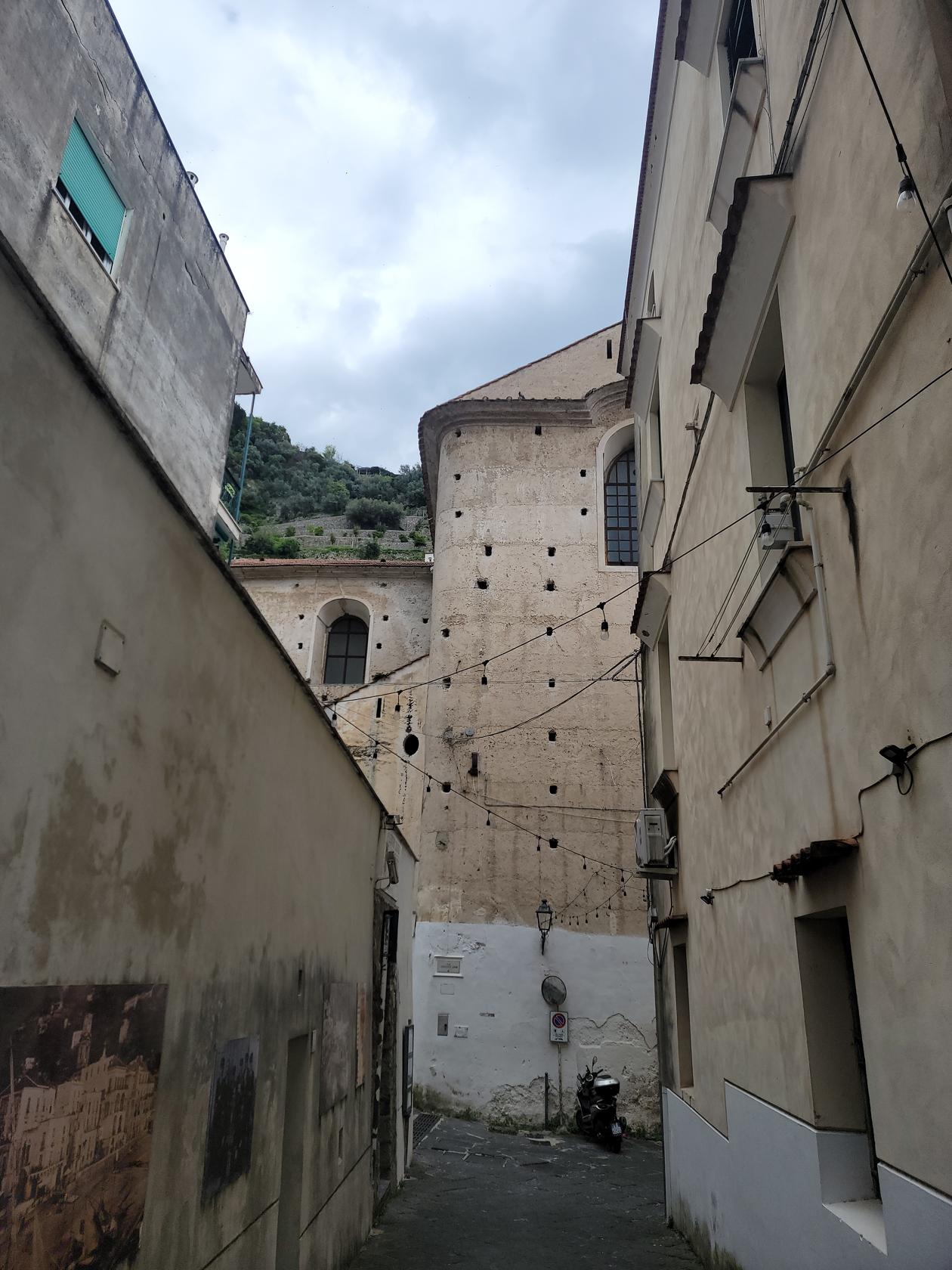
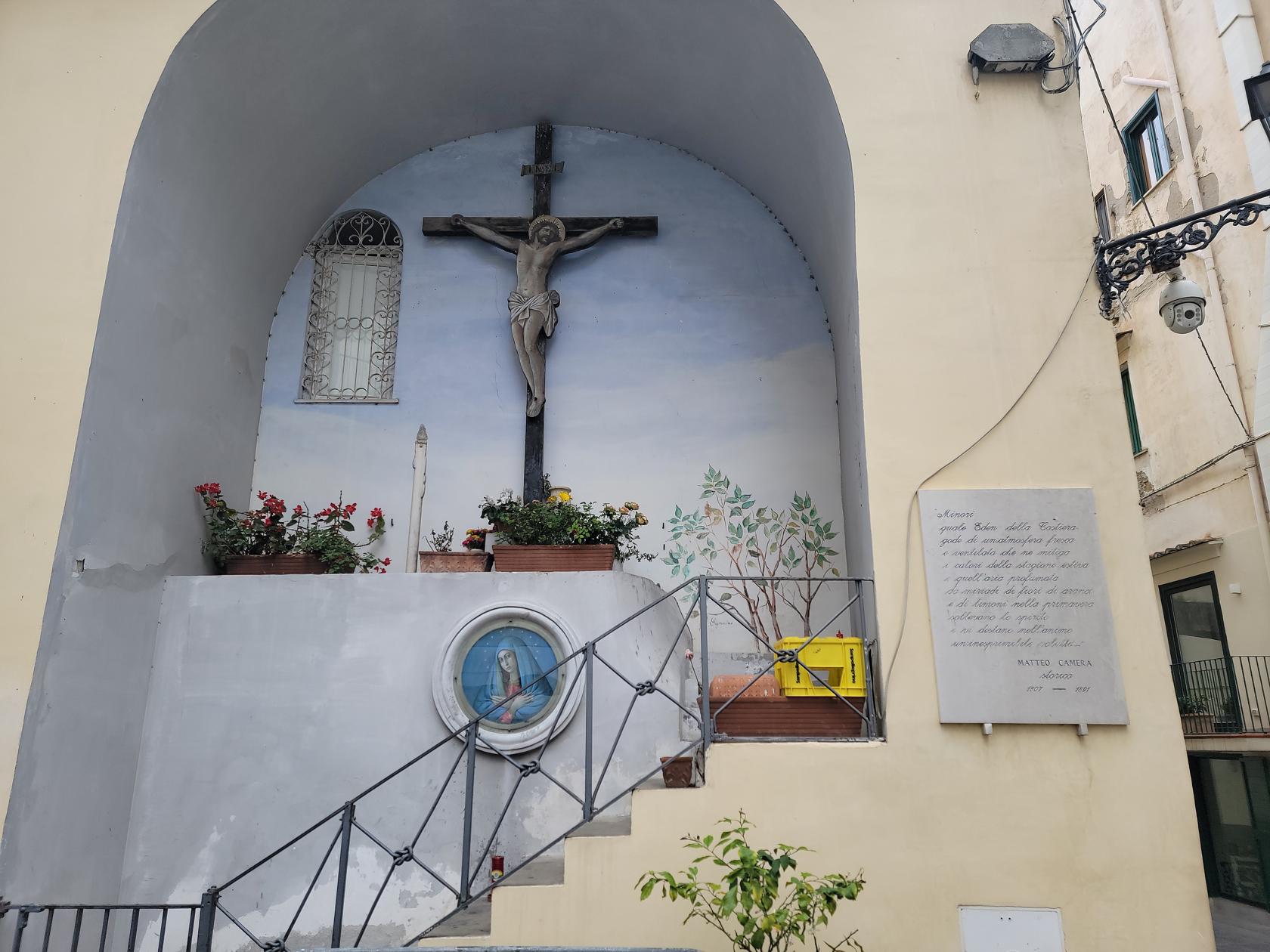
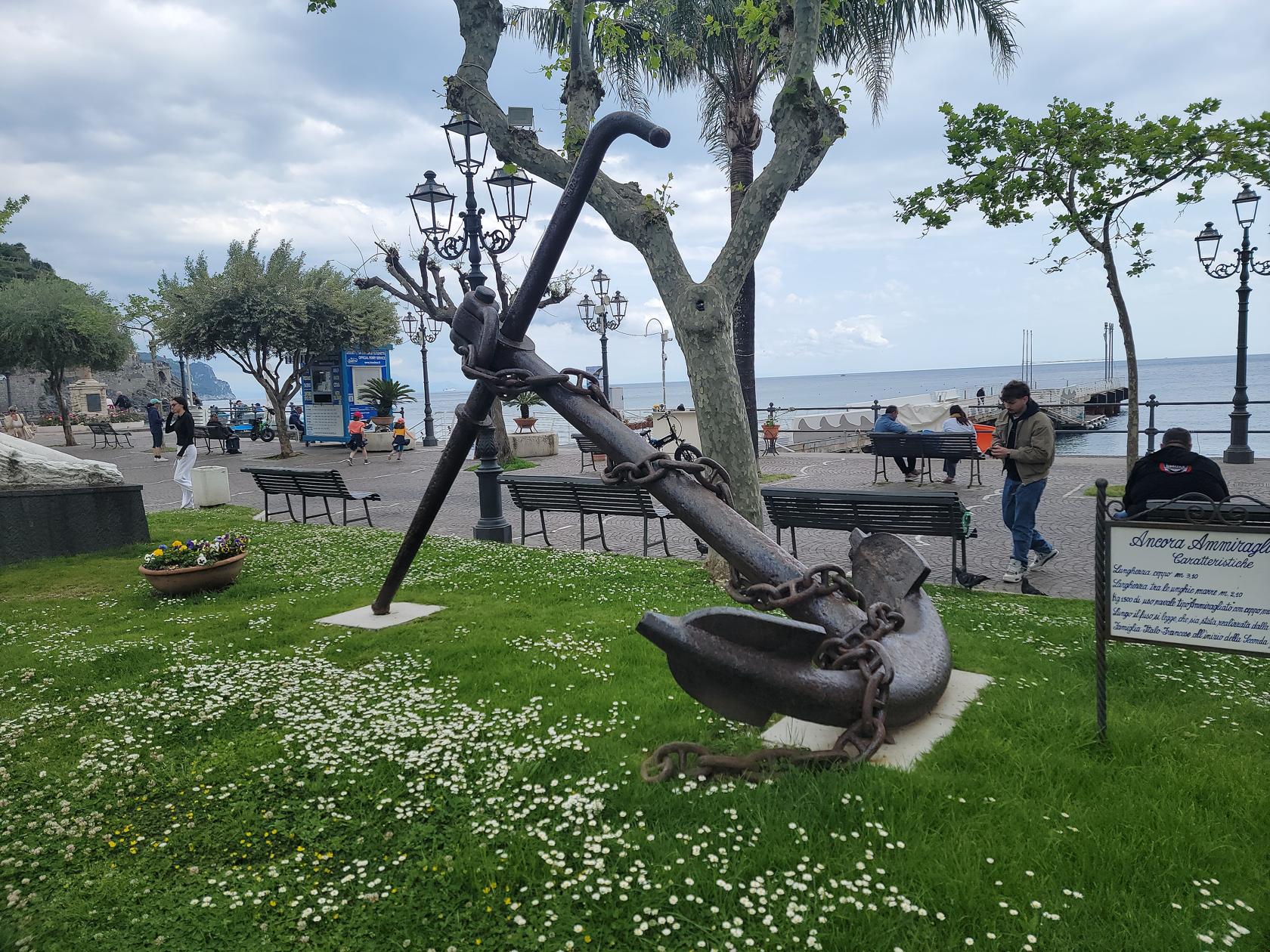
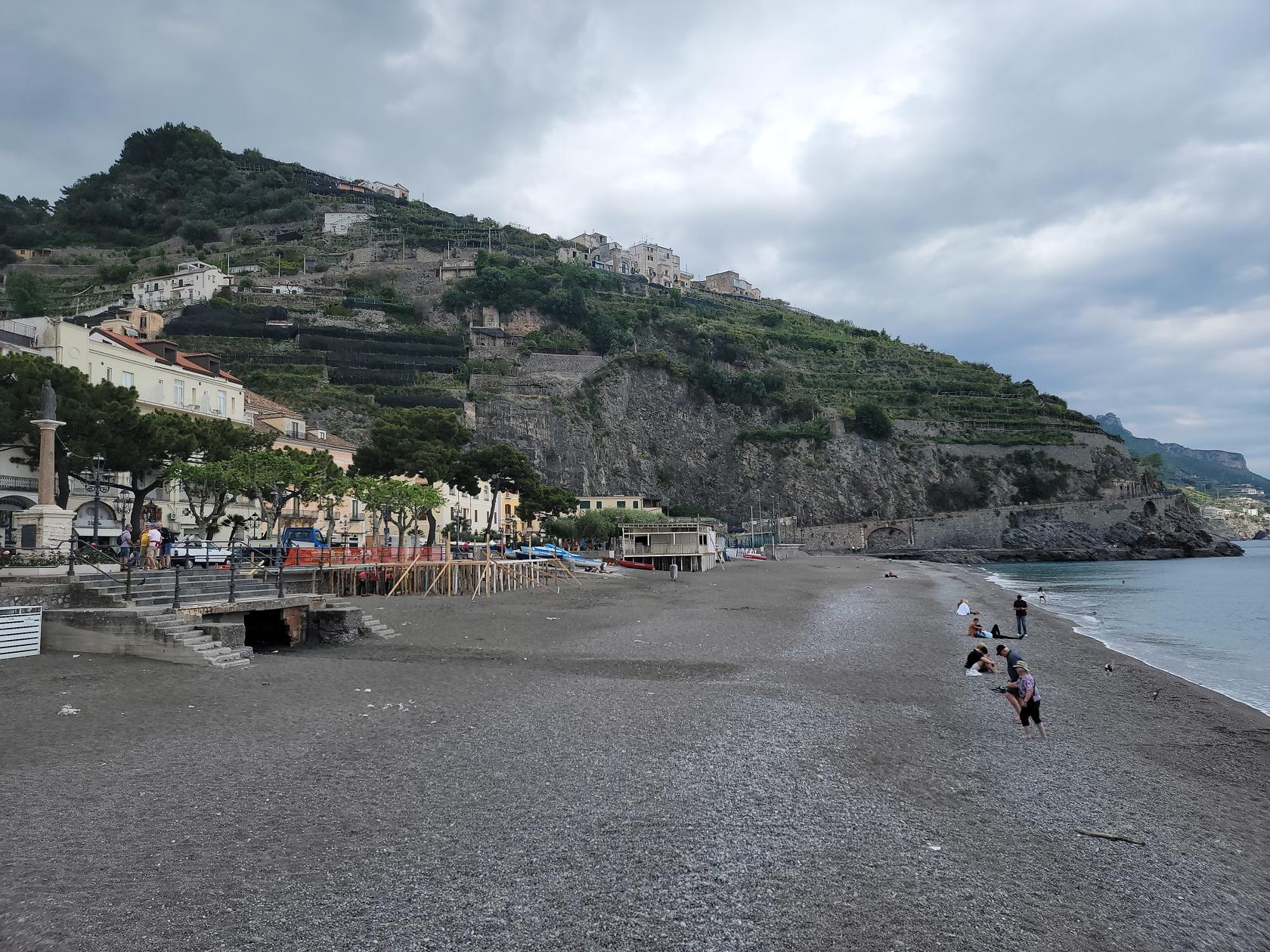
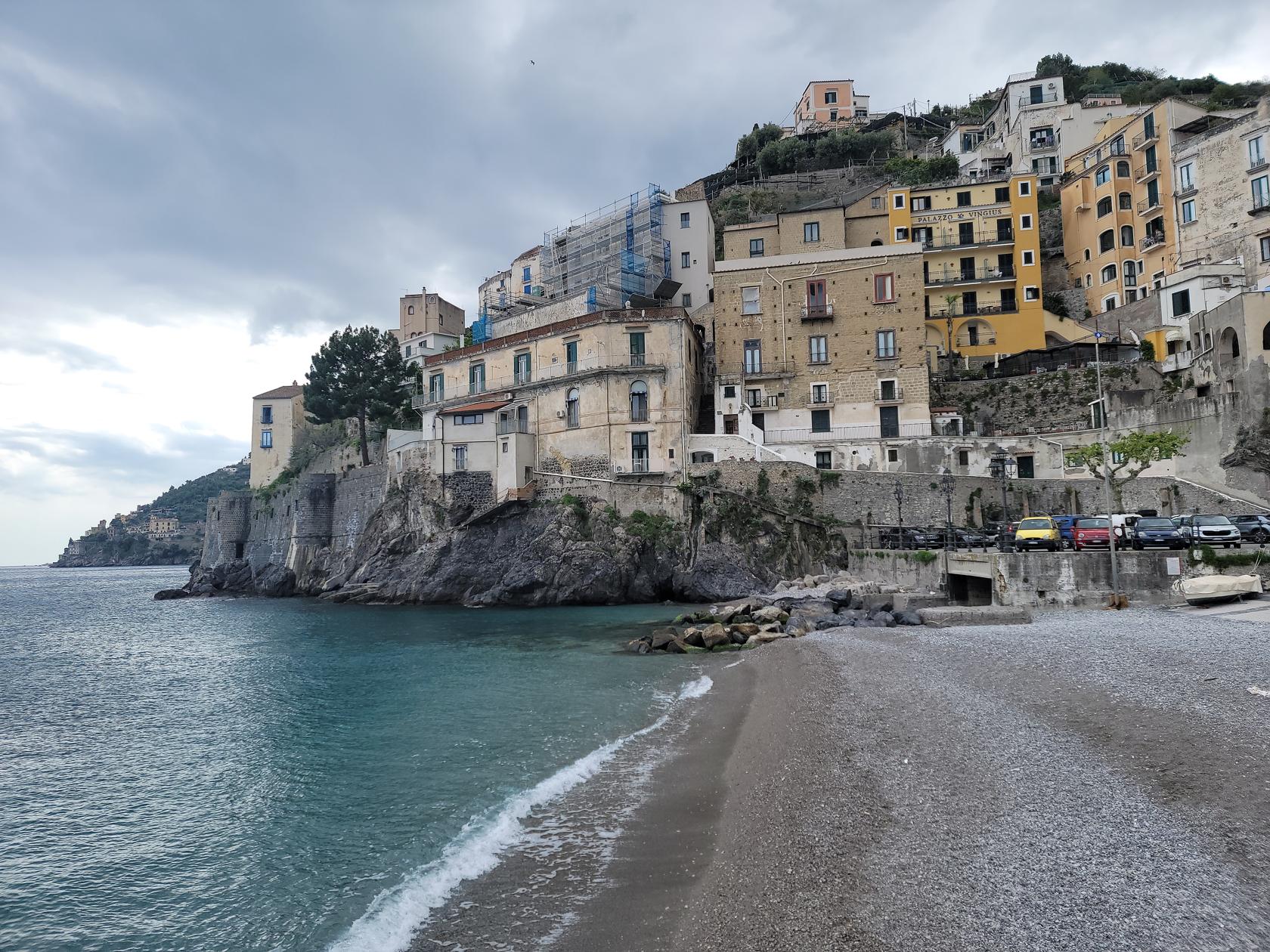
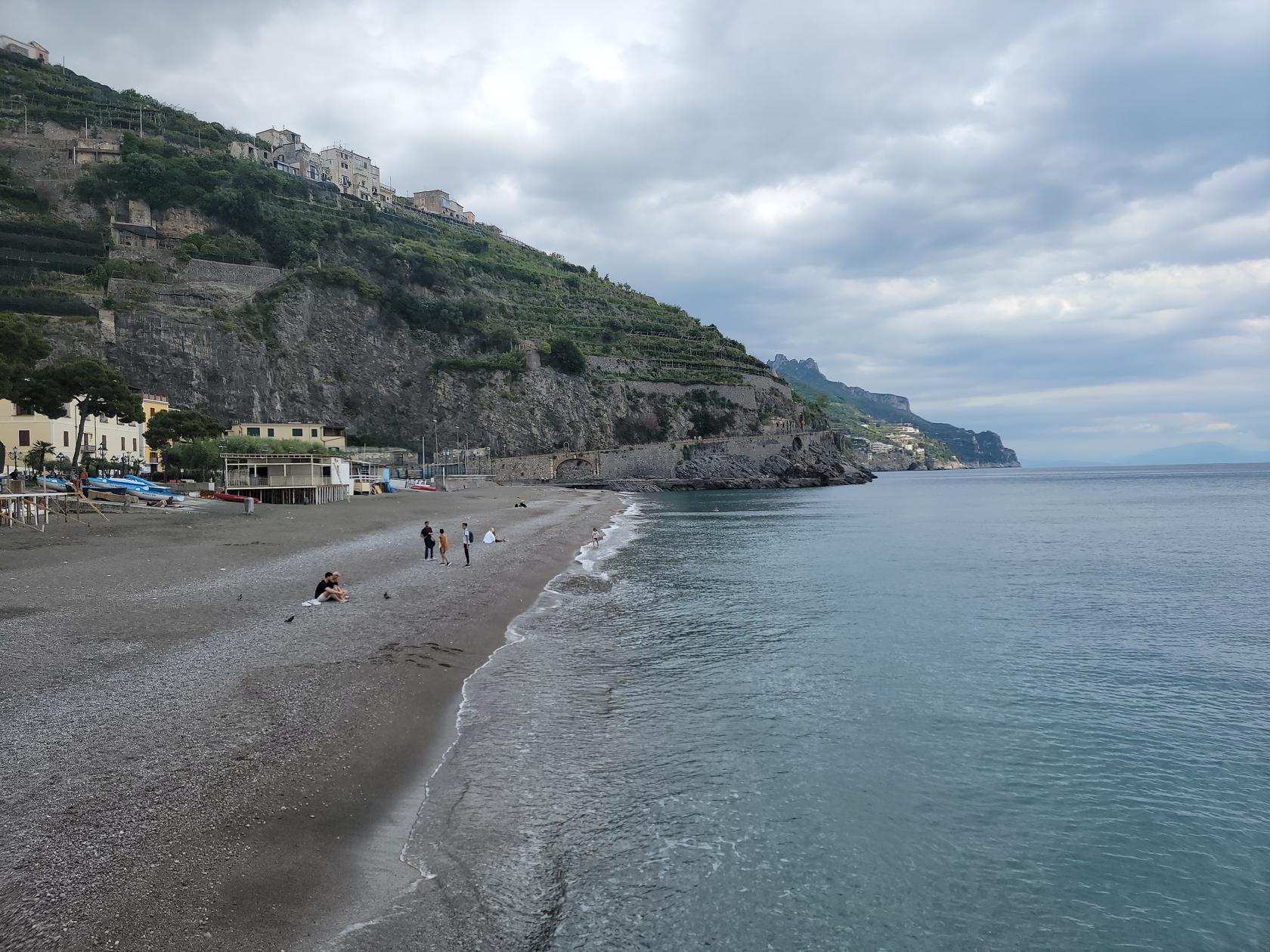
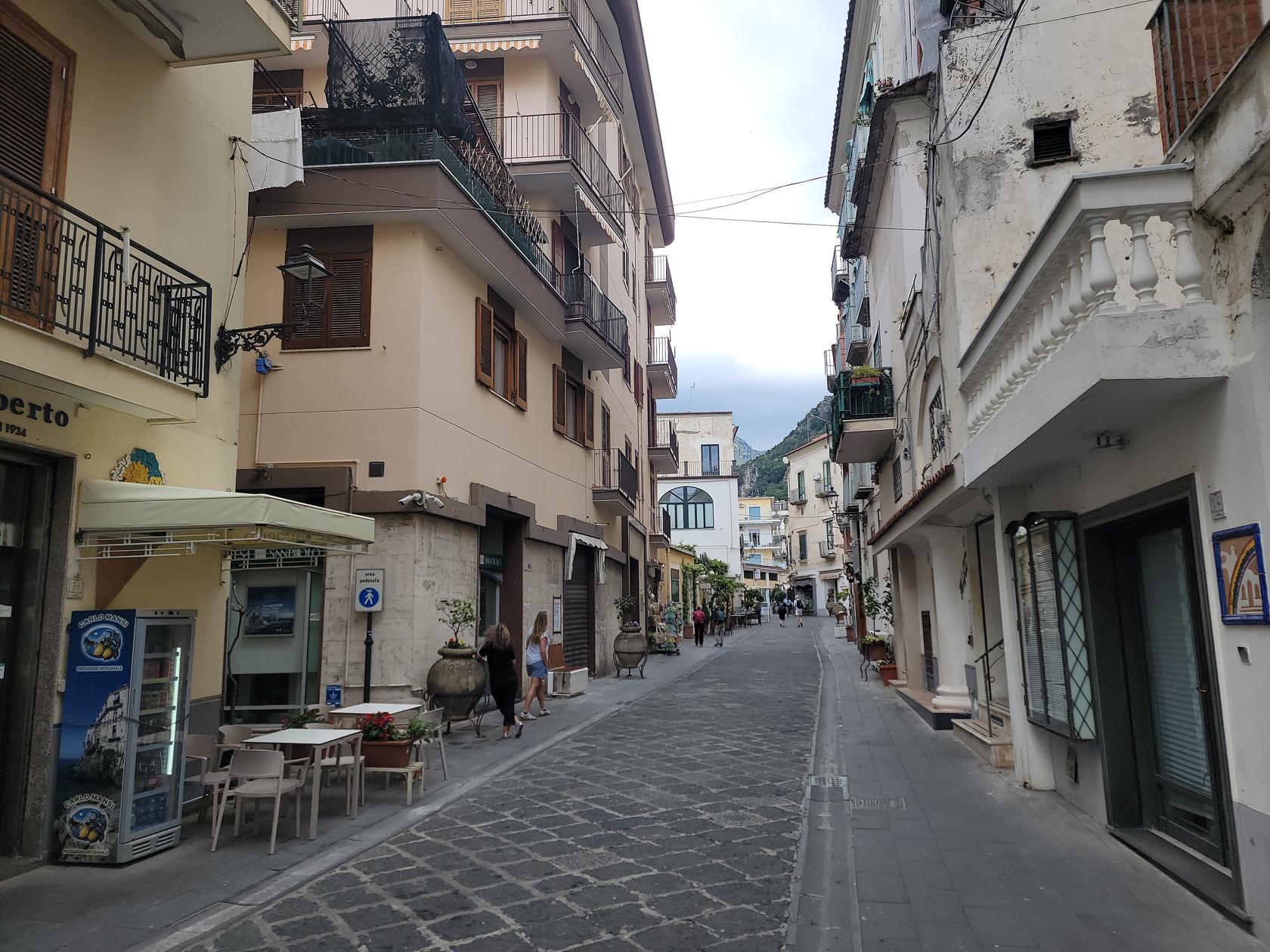
The same is true for the town of Minori, which literally means “minor”, after the river which now flows through it, the Reghinna Minori. The town’s name over the years been abbreviated to just Minori. It’s claim to fame is was used by the Roman high society as a seaside resort. It does have the longest and widest swath of beach on the coast.

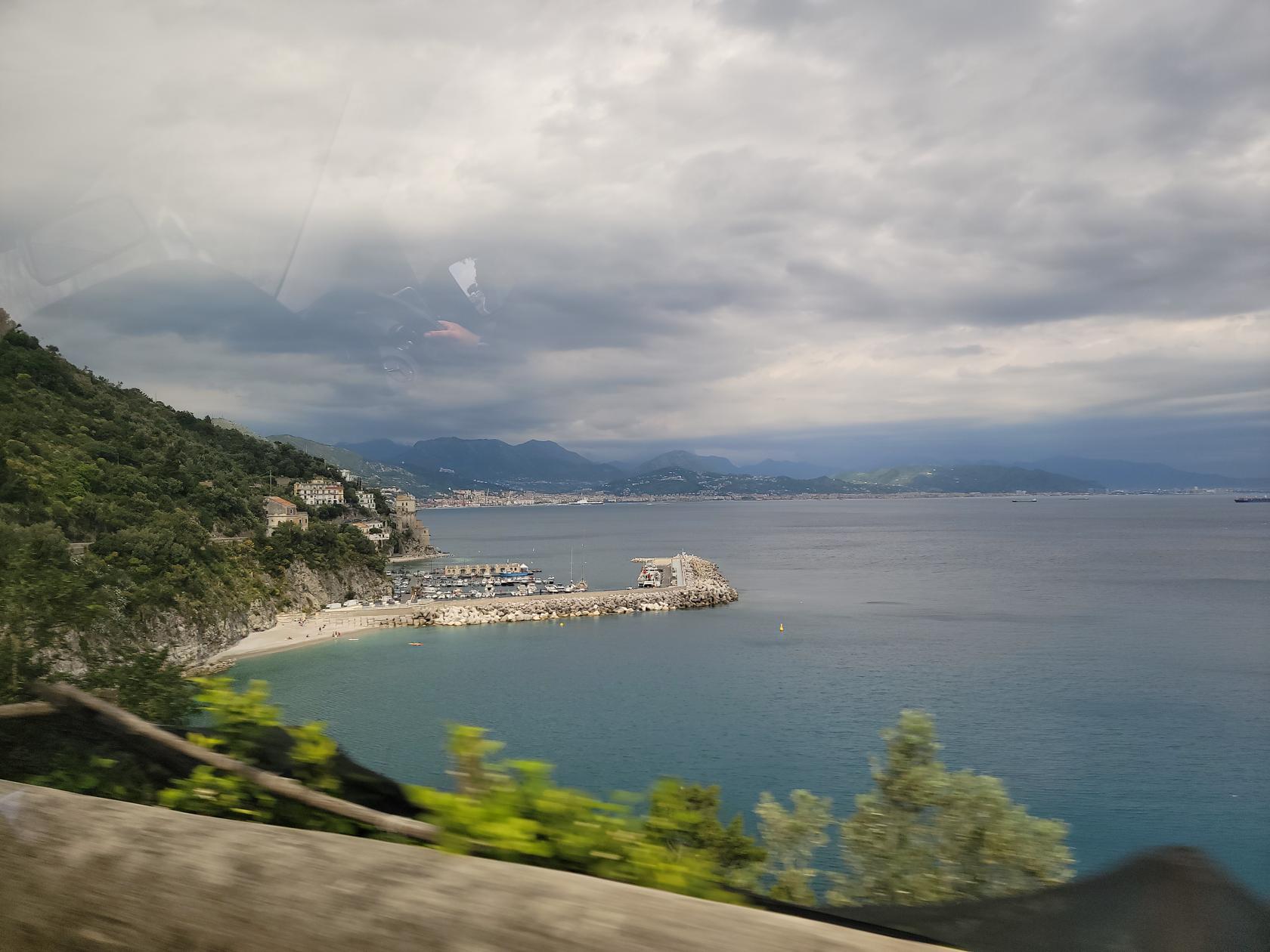
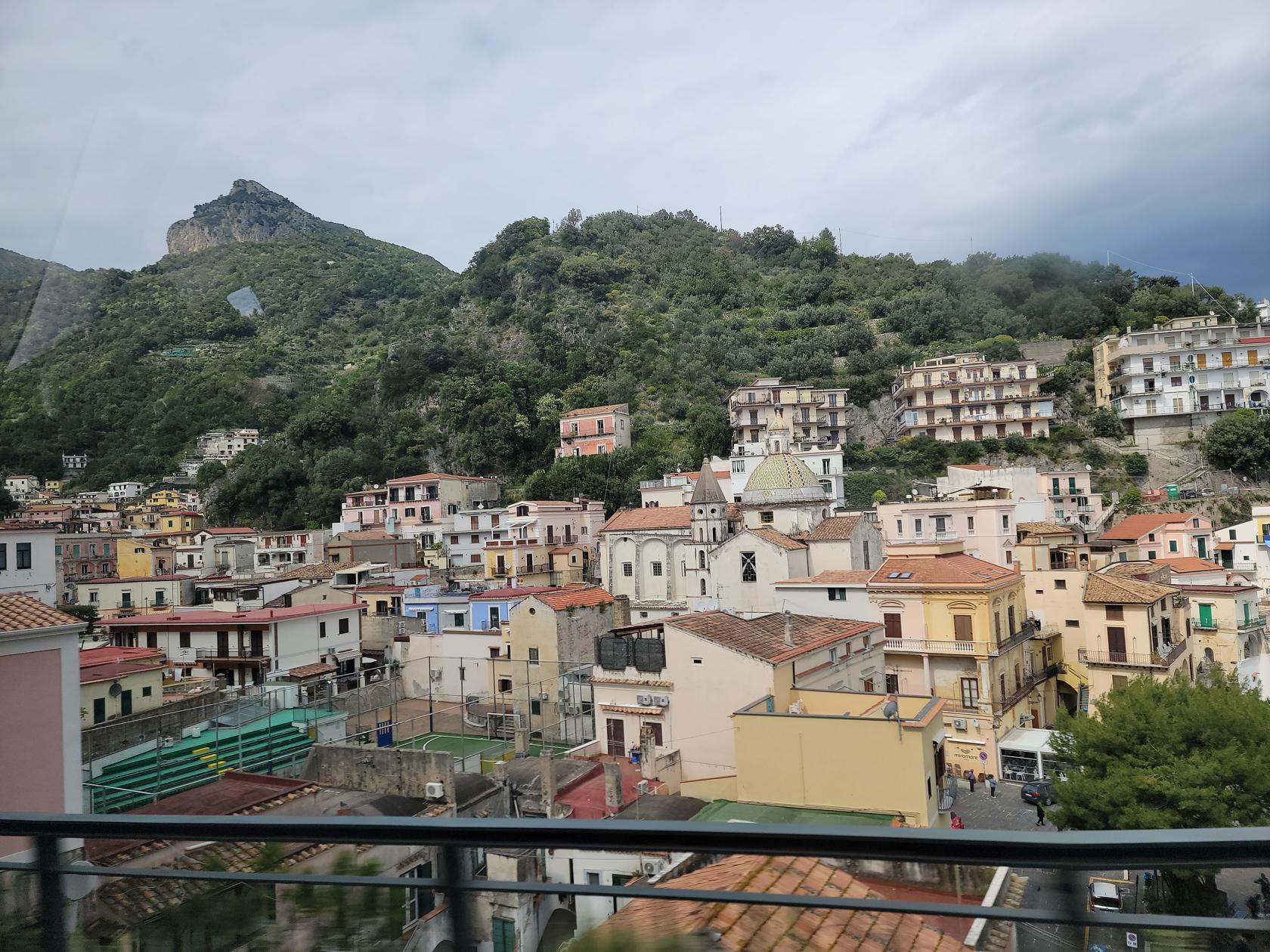
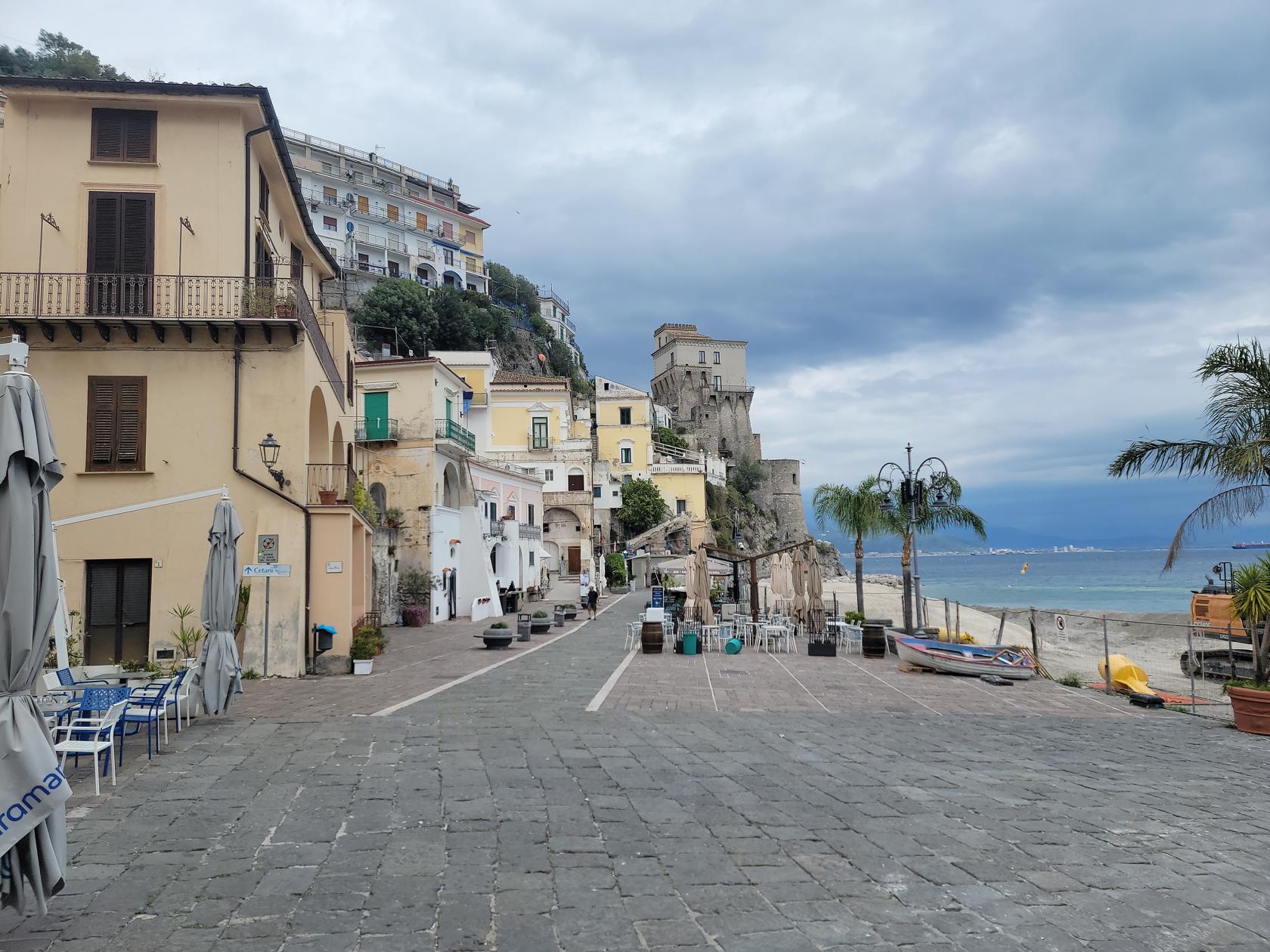
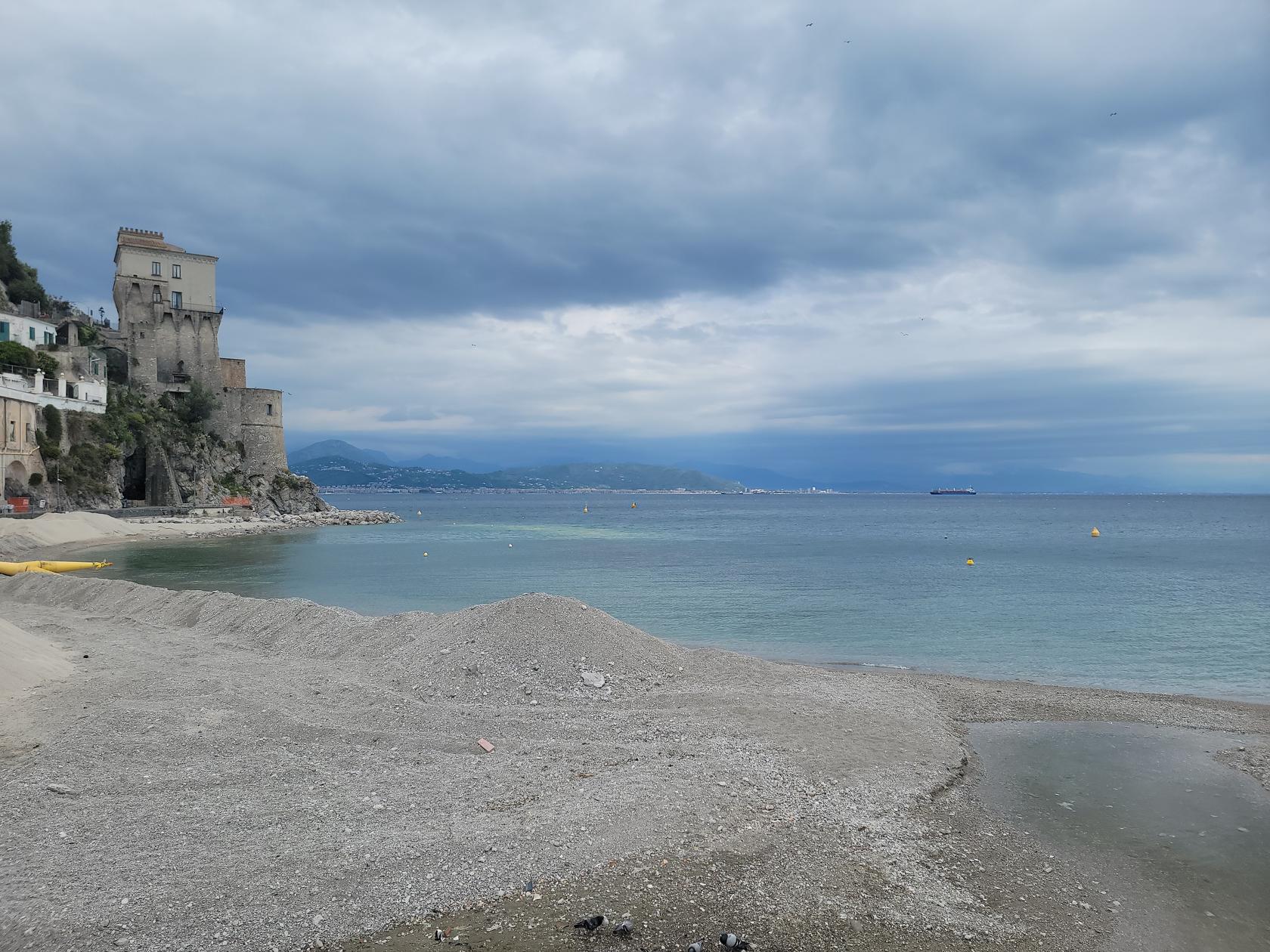
Cetera

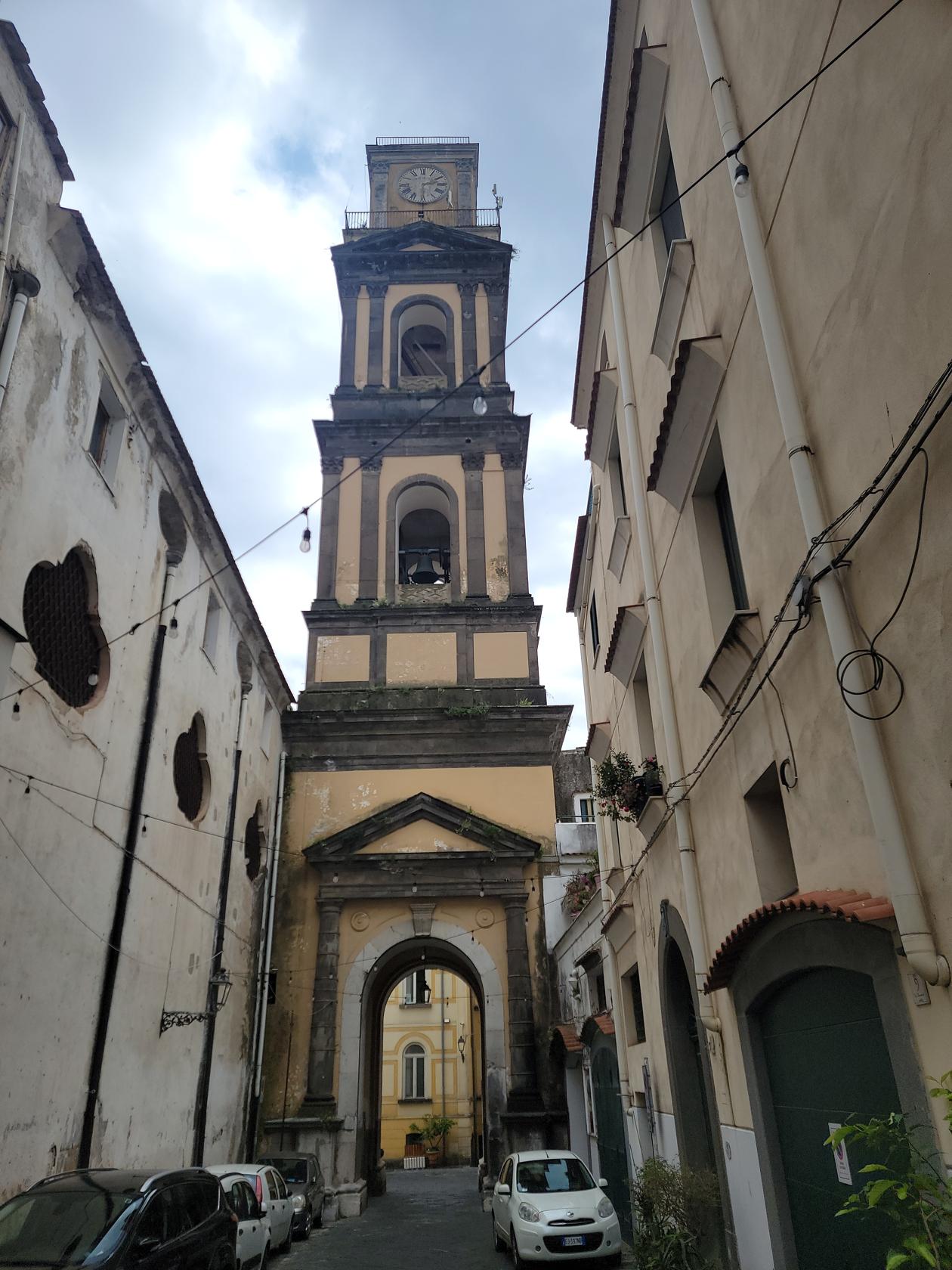
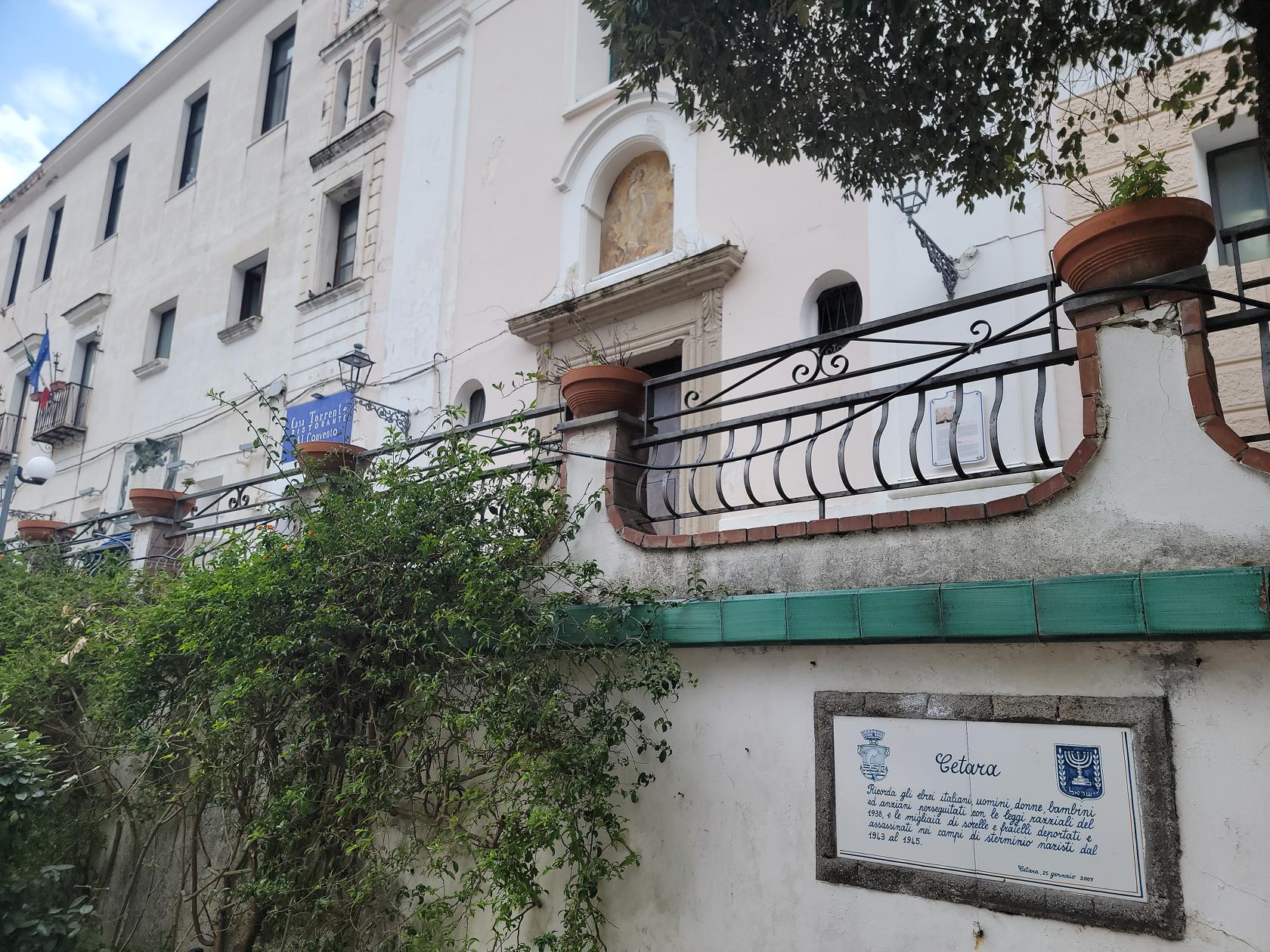
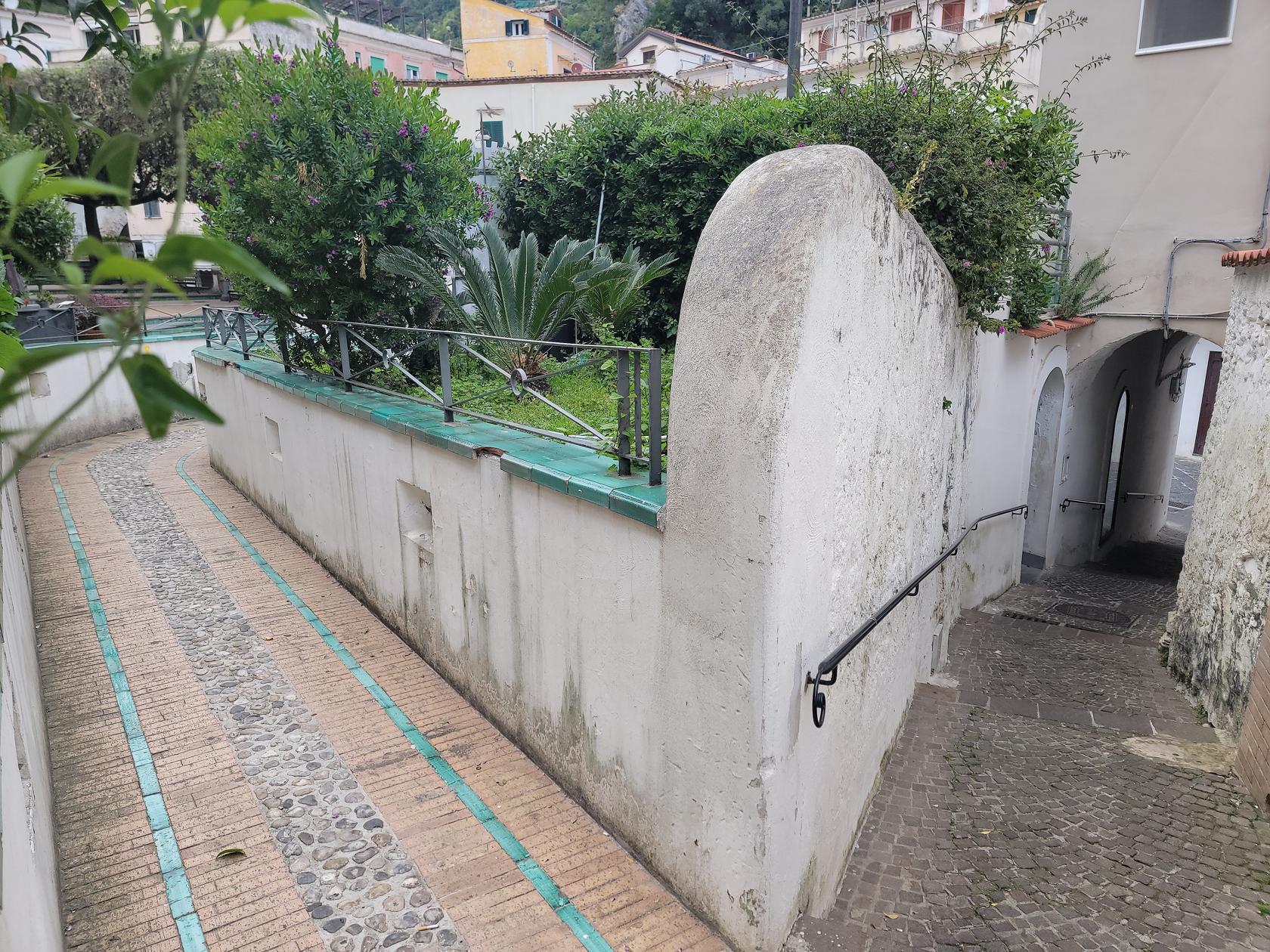
This small town was most likely named after the tuna fishermen that used to live there, as well as the fishmongers, or cetari. Its most important feature is one of the larger Amalfi Coast towers, which dot the coastline and were once used for protection by the Amalfi Federation, or Duchy of Amalfi.

In Conclusion

We enjoyed our trip to the Amalfi Coast, overall it was a worthwhile experience. Though I would caution, for me, it did not live up to all of the hype and hyperbole surrounding it as a destination. With some of the towns entertaining cruise ships during the tourist season, it truly could turn into one of the more exasperating places to visit at the wrong time of the calendar year.

However, we had amazing weather, perfect temperatures and manageable numbers of tourist. Though some places were not available to us at this time, since they open up in the later May and June timeframes for peak season; this was not a problem for us, since we are not big shoppers. In any case, we would commend a tour, or private tour if you can afford it. Removing the need to drive the winding roads, was alone a big plus for us.

Enjoy!

References

References
1 If you would like to find them, they are on one of the more frequently used social media applications.