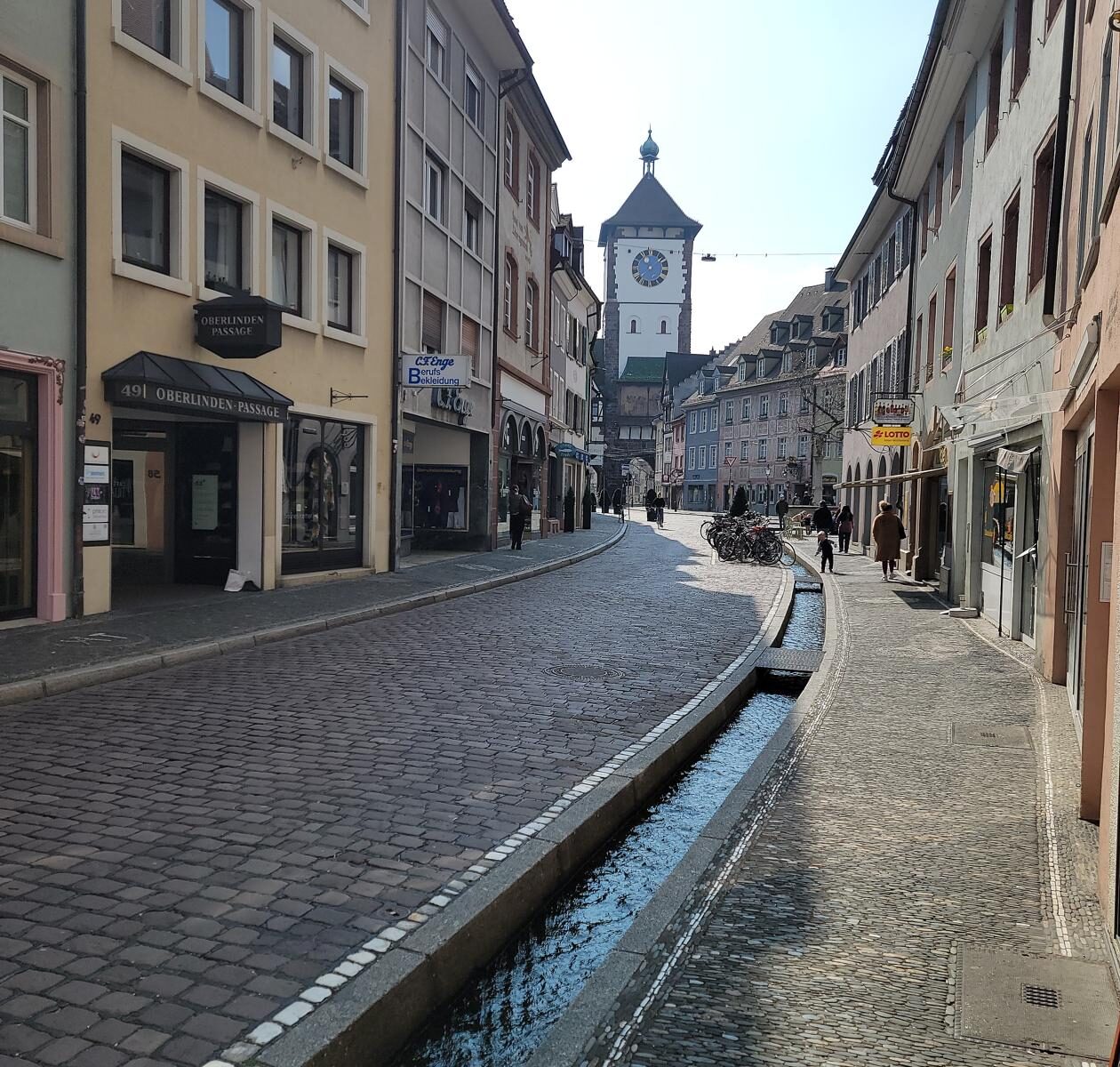
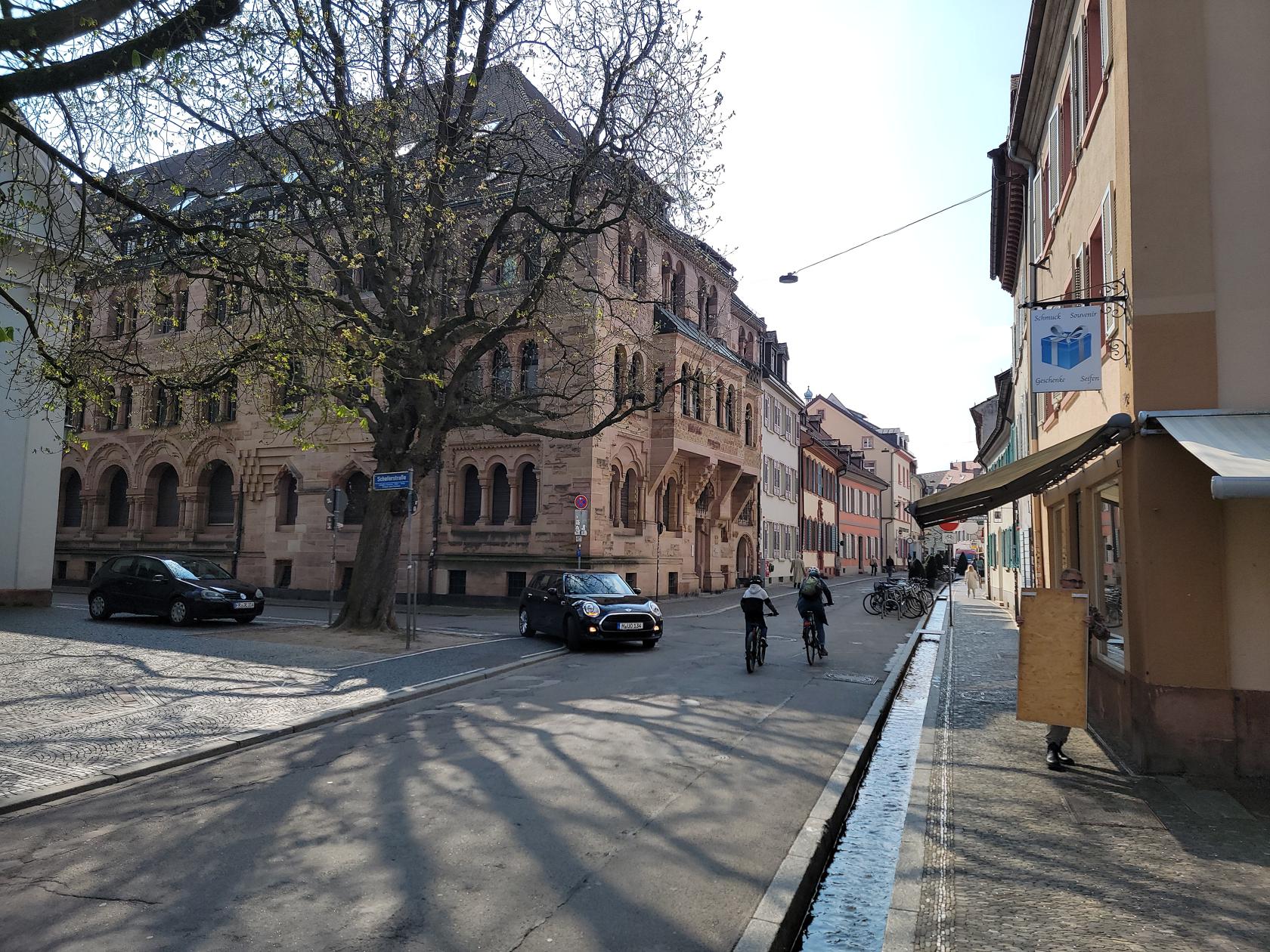
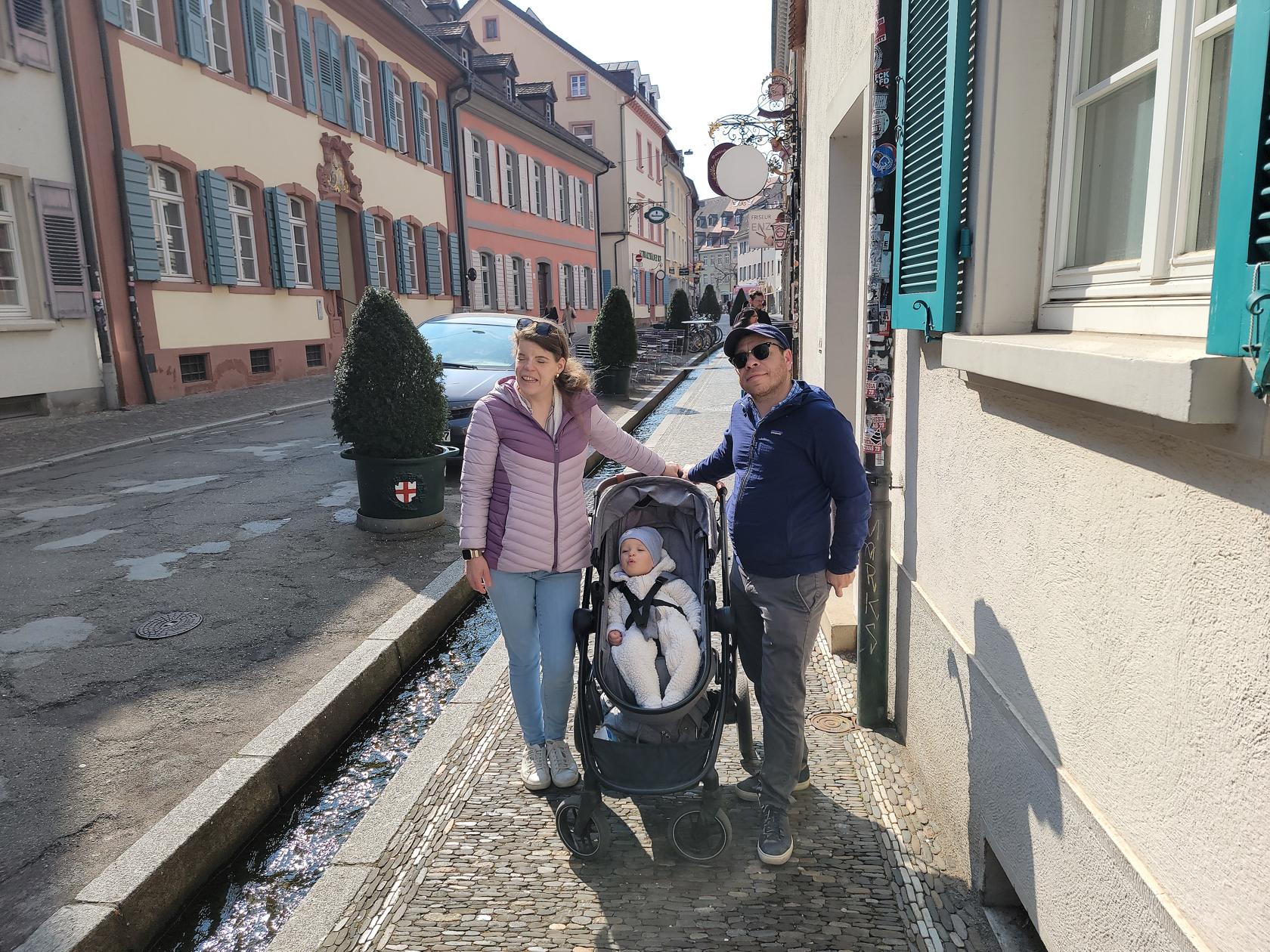
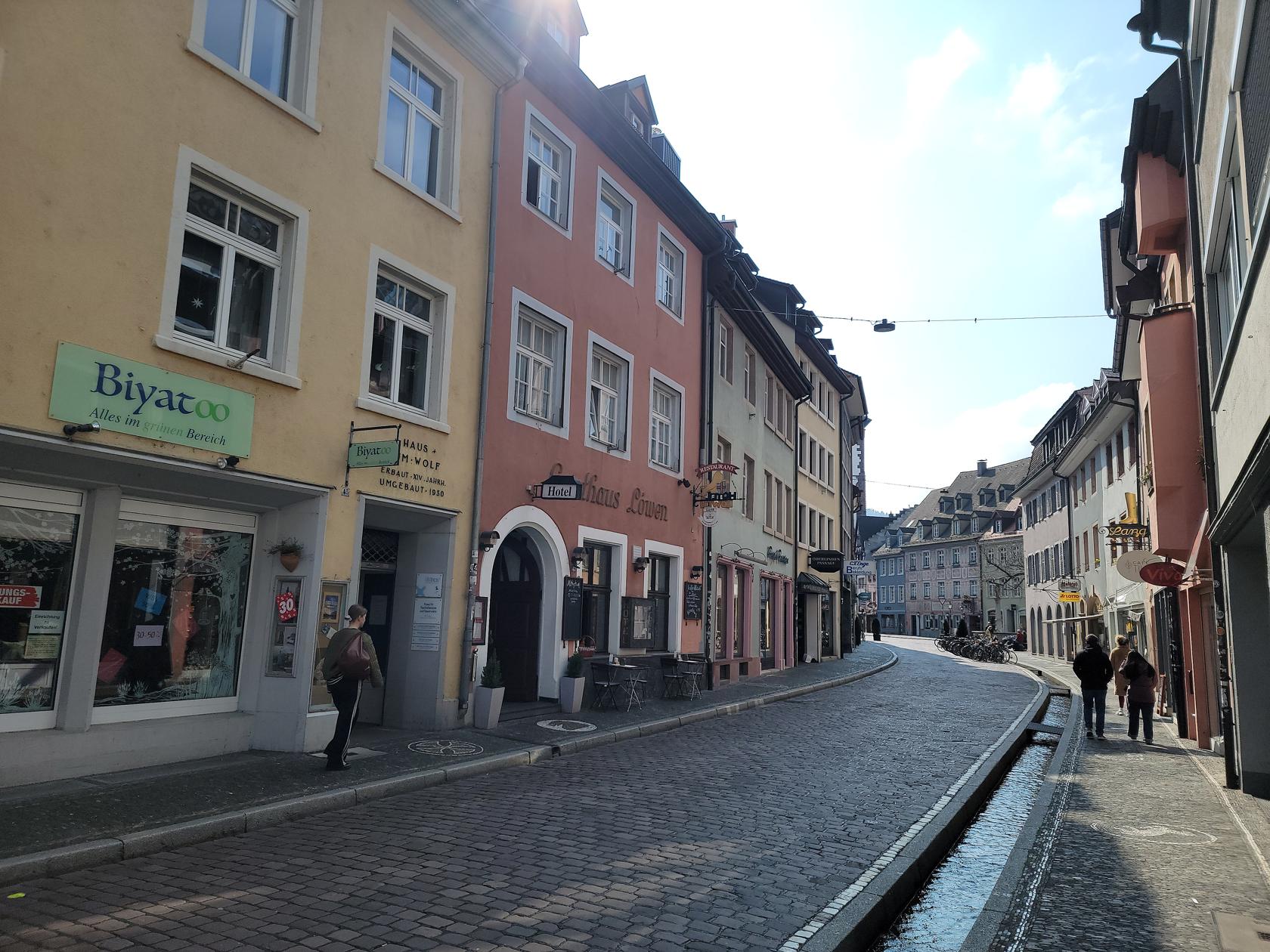
The one unique feature this city has over others that we have visited are its Bächle, or small streams or runnels that network themselves through most city streets. Though in the past they were used for waste disposal and fire suppression, their contemporary revision is much cleaner and used more for fun than anything functional.
Freiburg im Breisgau
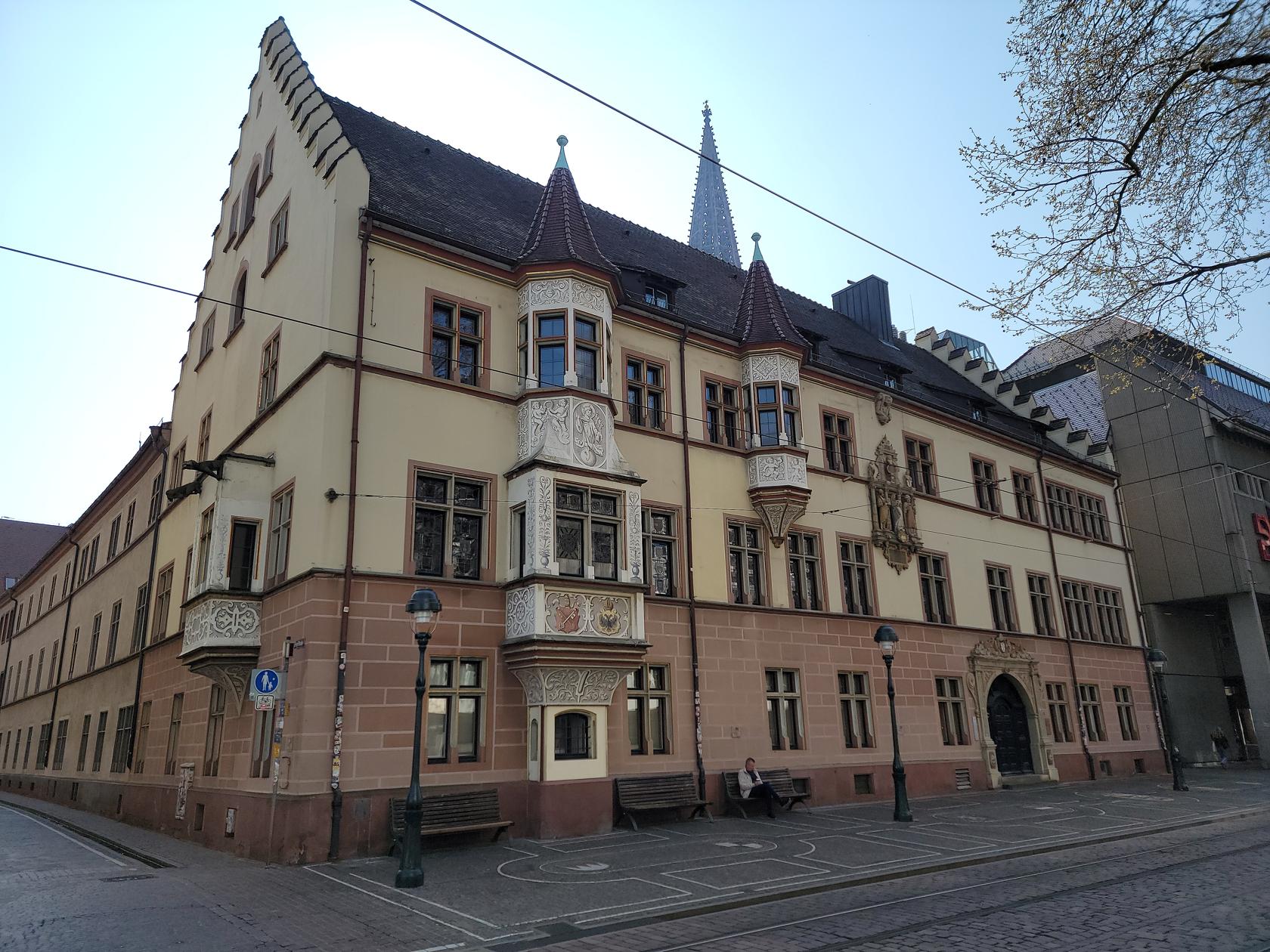
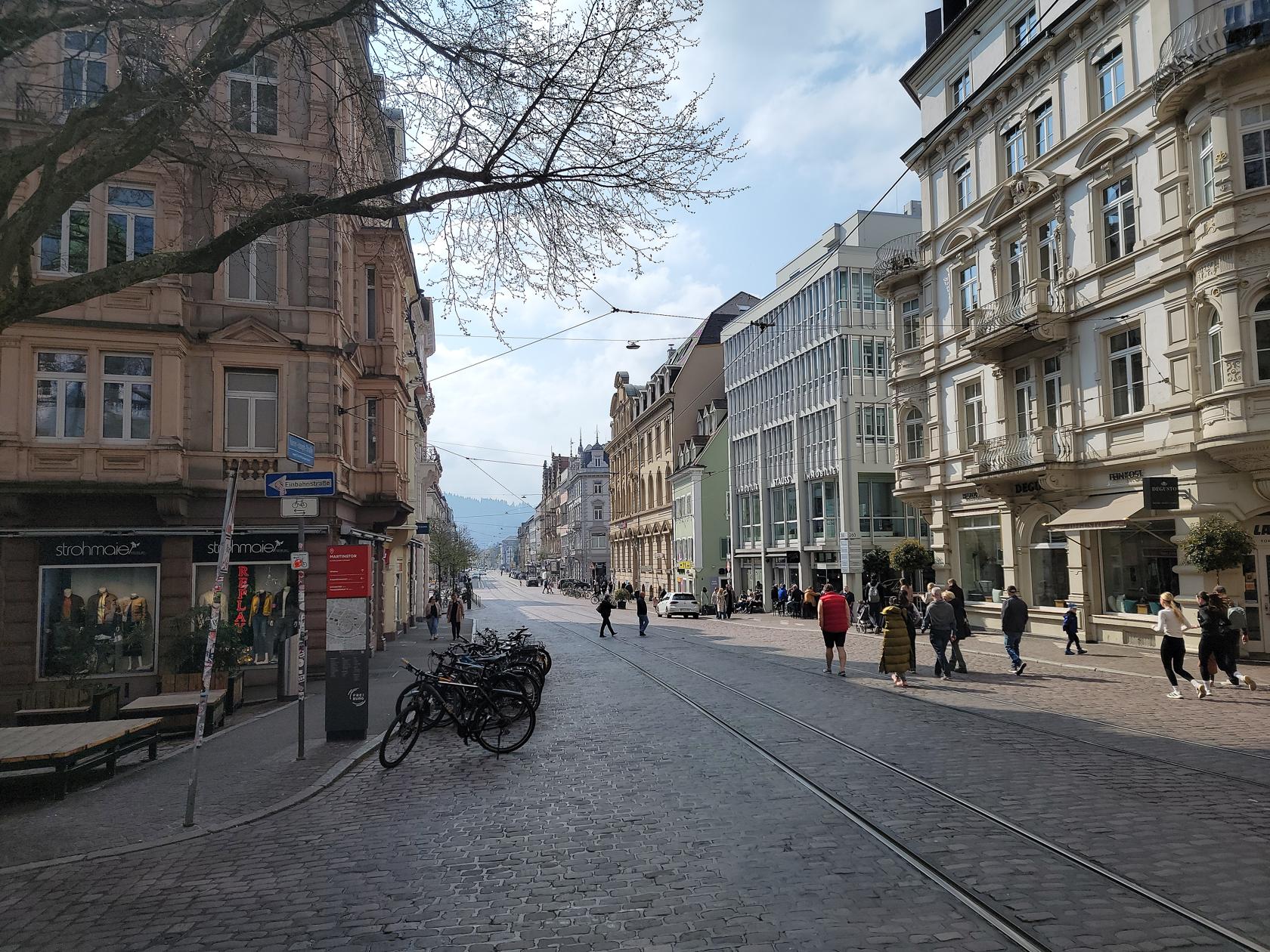
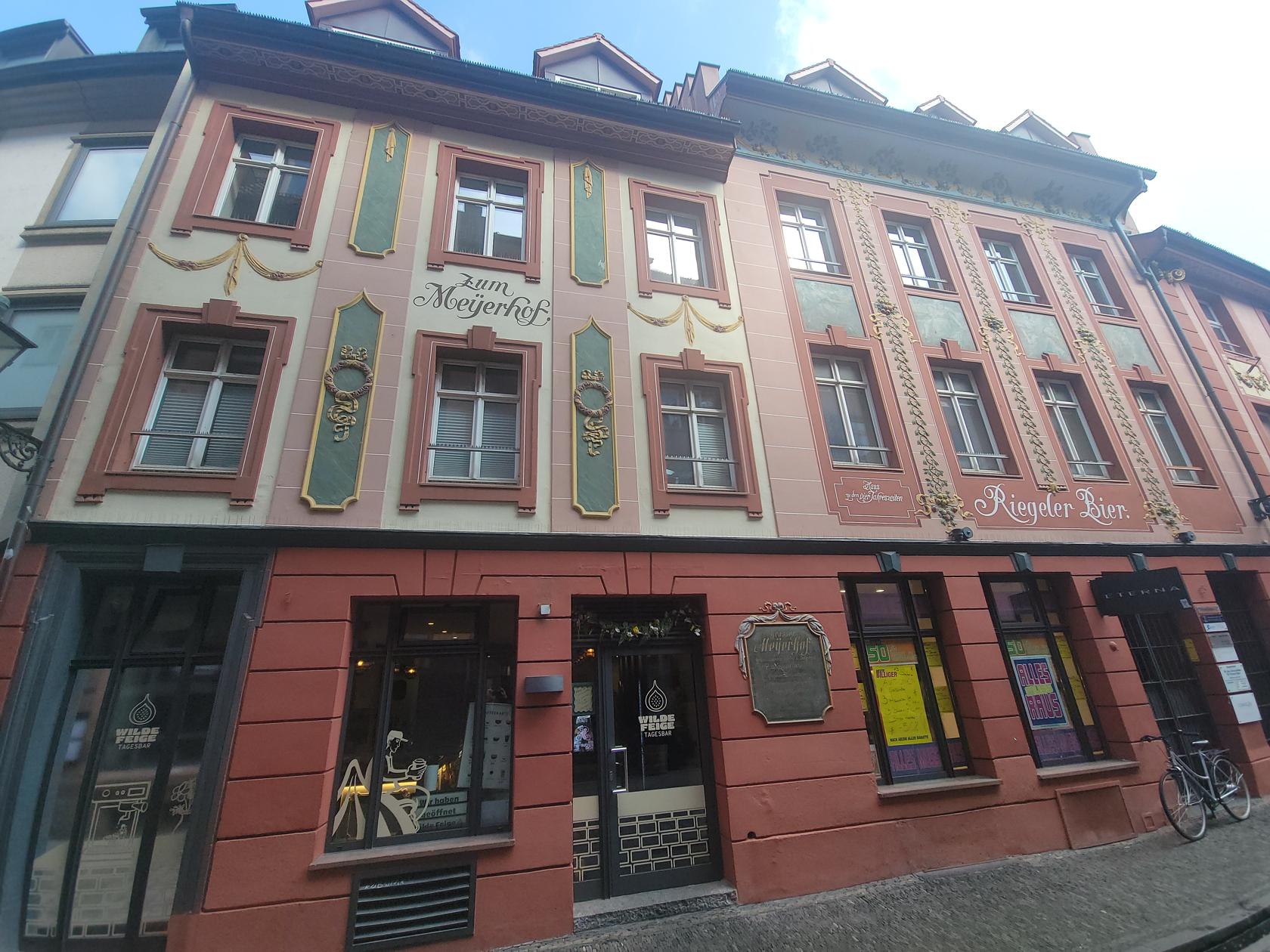
The city lays on the lower west side of the Schwarzwald, or the Black Forest. It is an odd mixture of contemporary and renovated old buildings, but appears to be very liveable. They have an active tram system and local buses, though the residents do appear to enjoy walking for the most part.
Getting There
It is almost necessary to use the A5 to reach the city, though I imagine there might be other ways as well. We entered from the north, via Europaplatz, where we found adequate parking nearby. Europaplatz offers access to the tram system and might be a good starting point for those not wishing to walk.
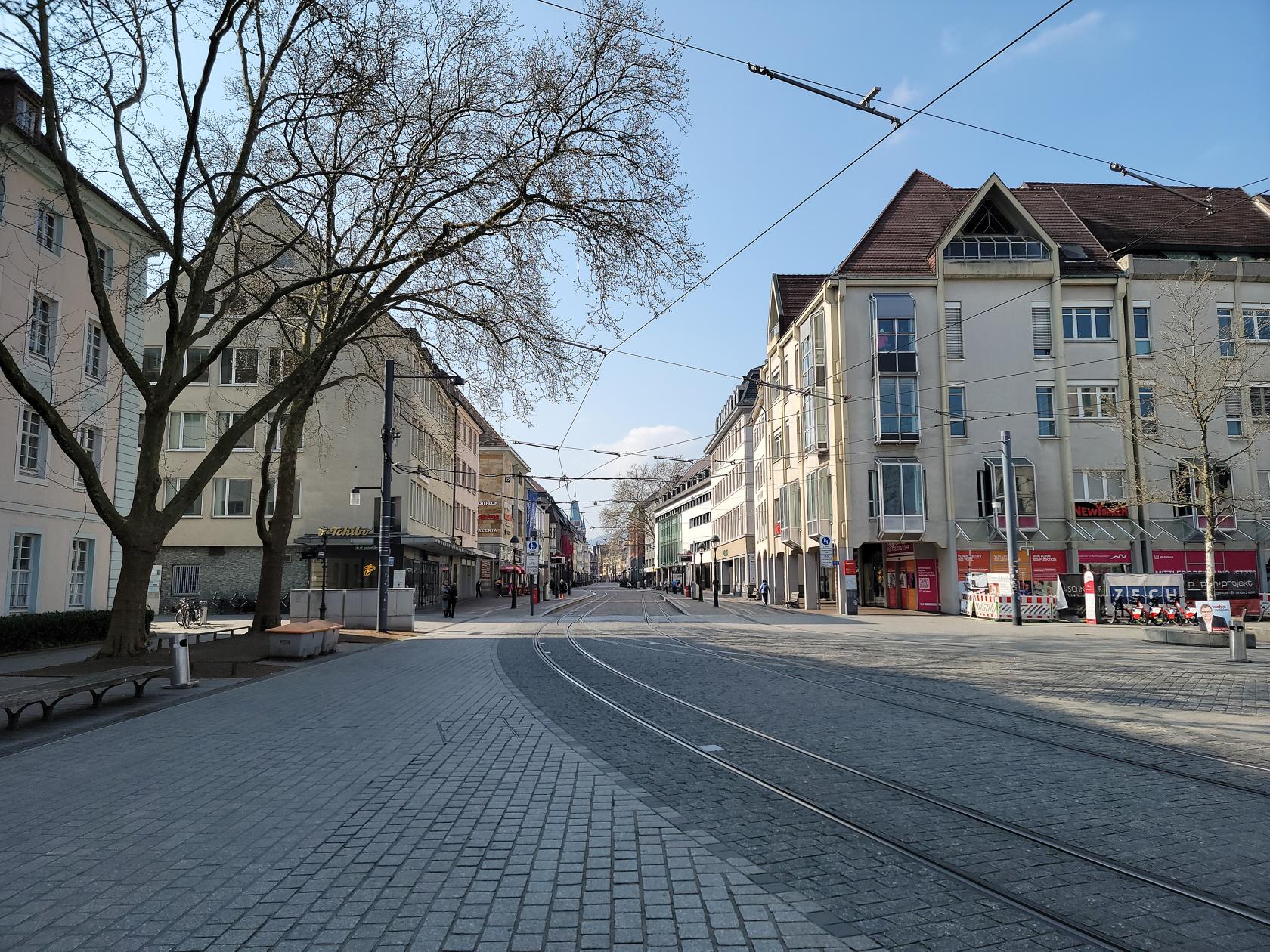
The Bächle
The Bächle[1]the term is Bächlein in german are on most streets, at least in the older parts of the city. As a child, if you’ve ever had the occasion to play in a small stream or ditch, then you would just love Freiburg im Breisgau. They sure delight the city children. The city appears to be very child friendly and they even sell little boats on a string for children to play with in the Bächle.
Schwabentor
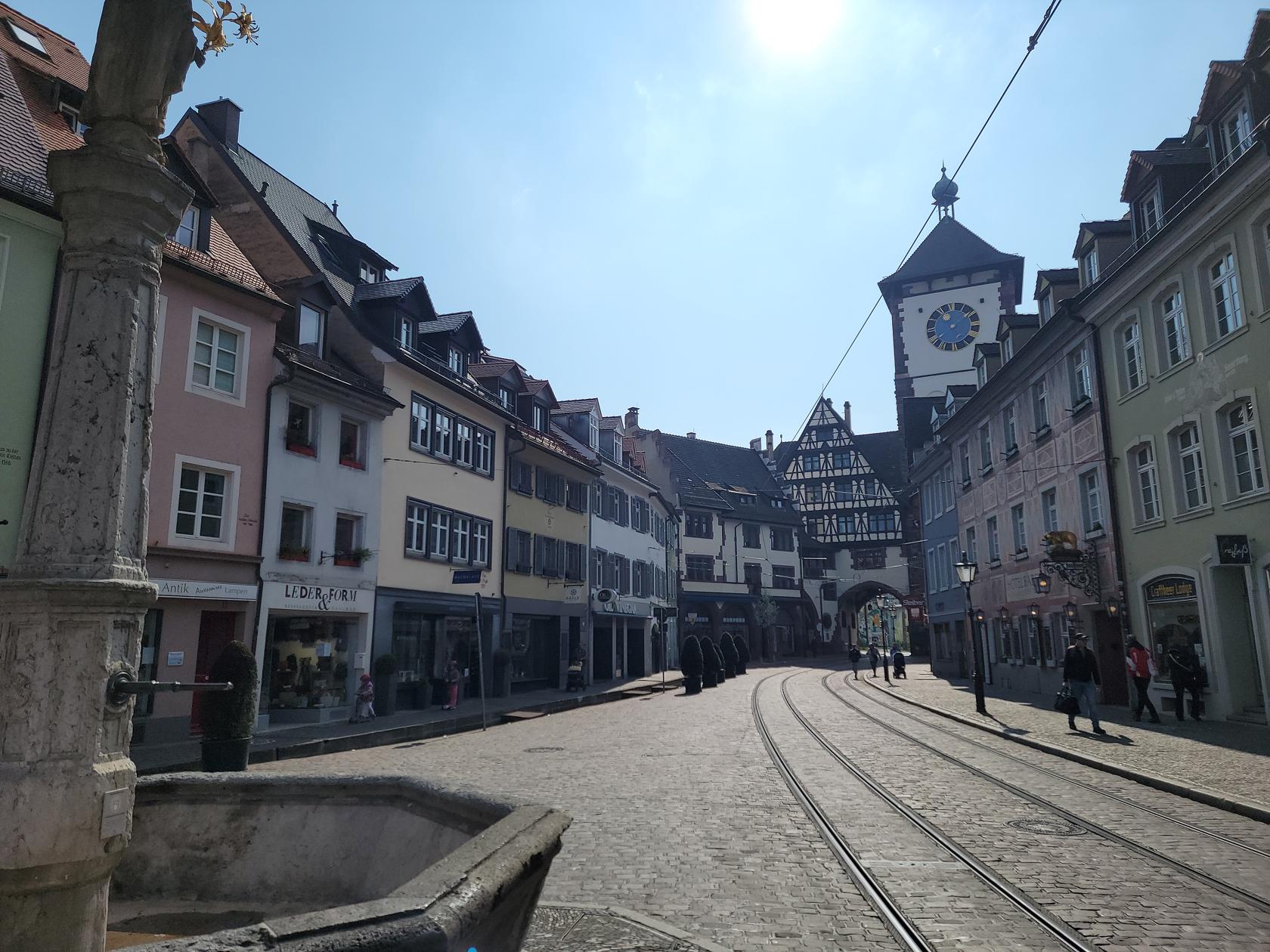
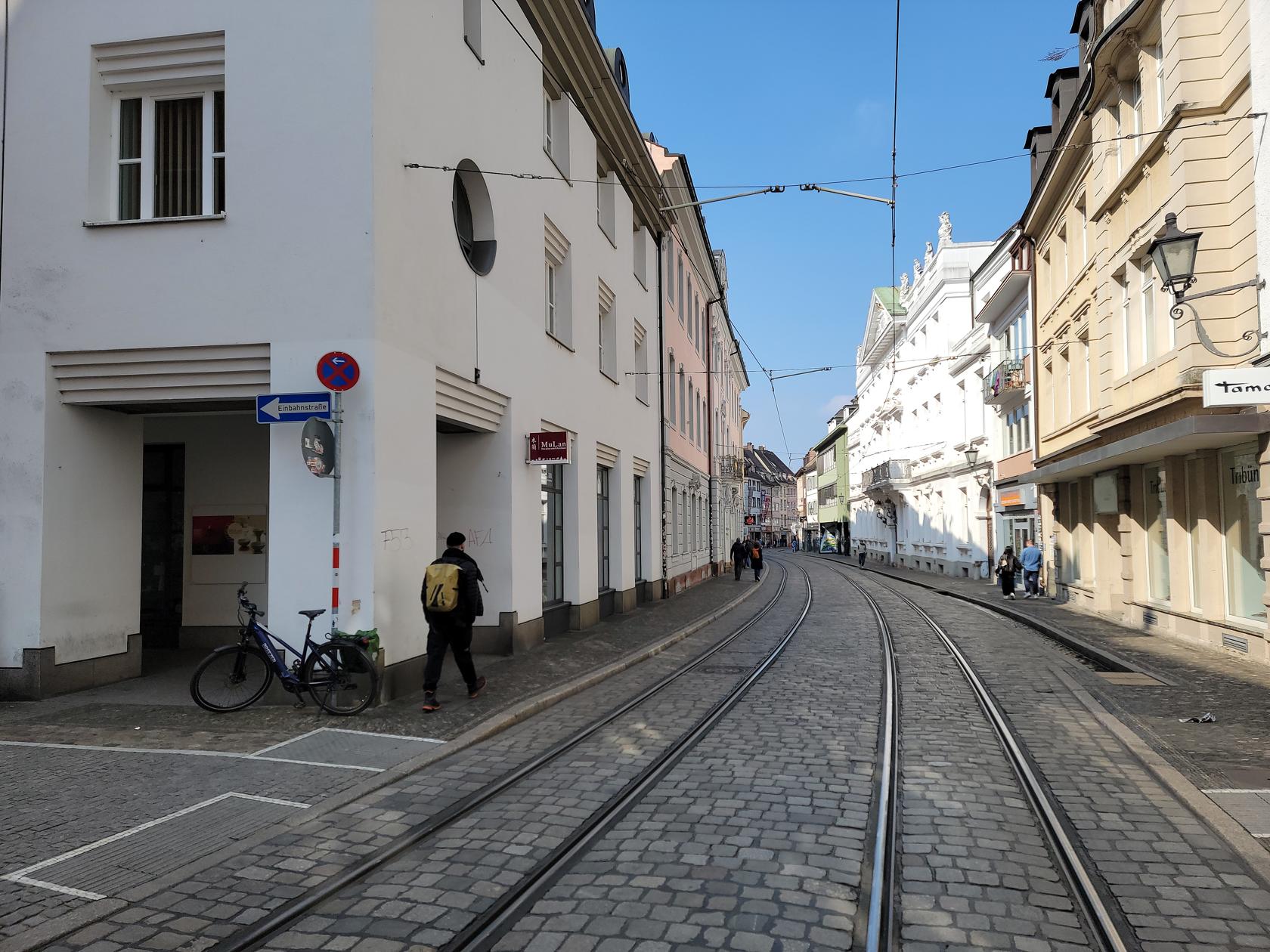
The Schwabentor, or Swabian Gate, is the most recent gate to the city and is located on Herrenstraße, another street which has a Bächle.
Freiburger Münster
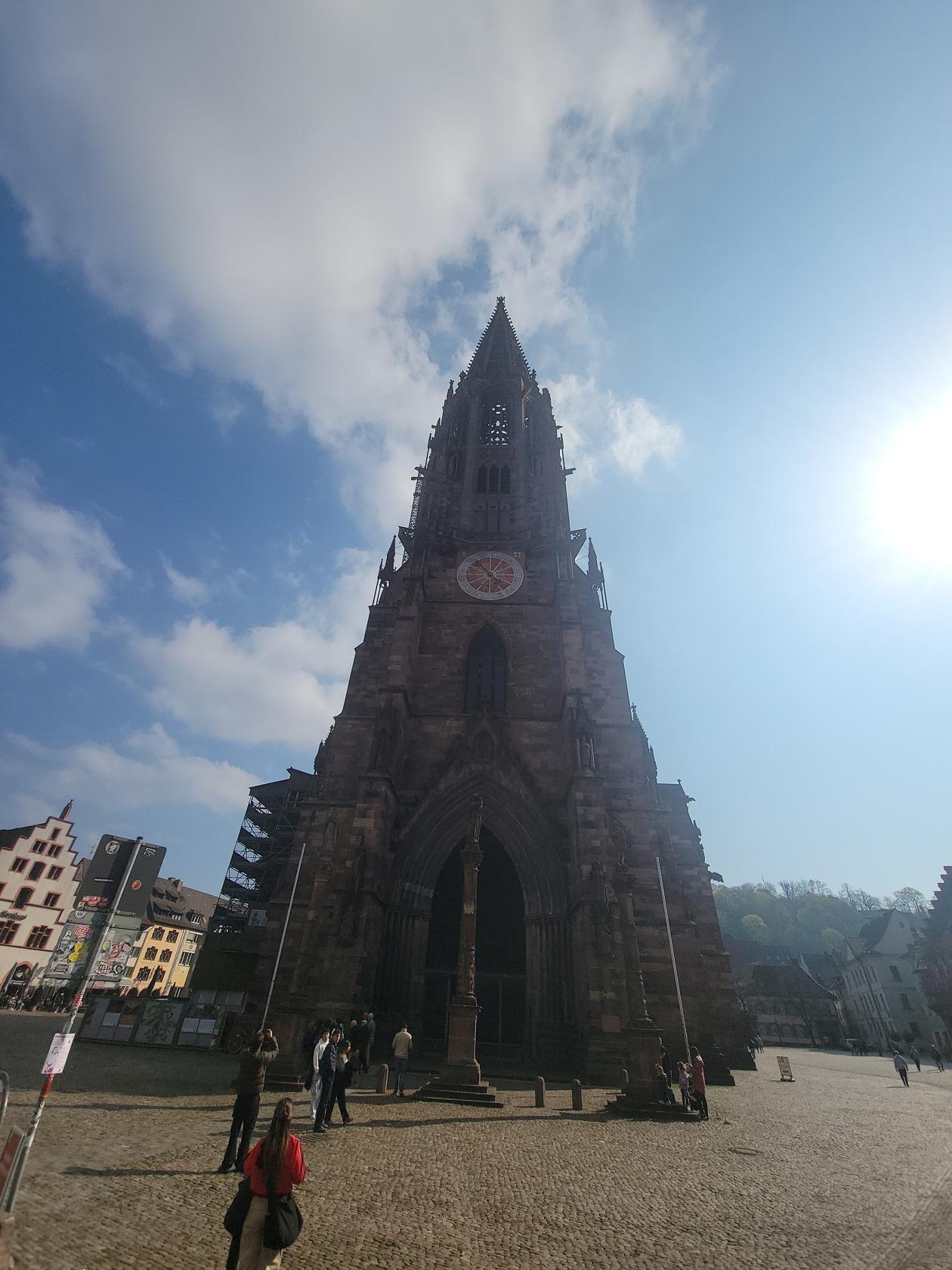
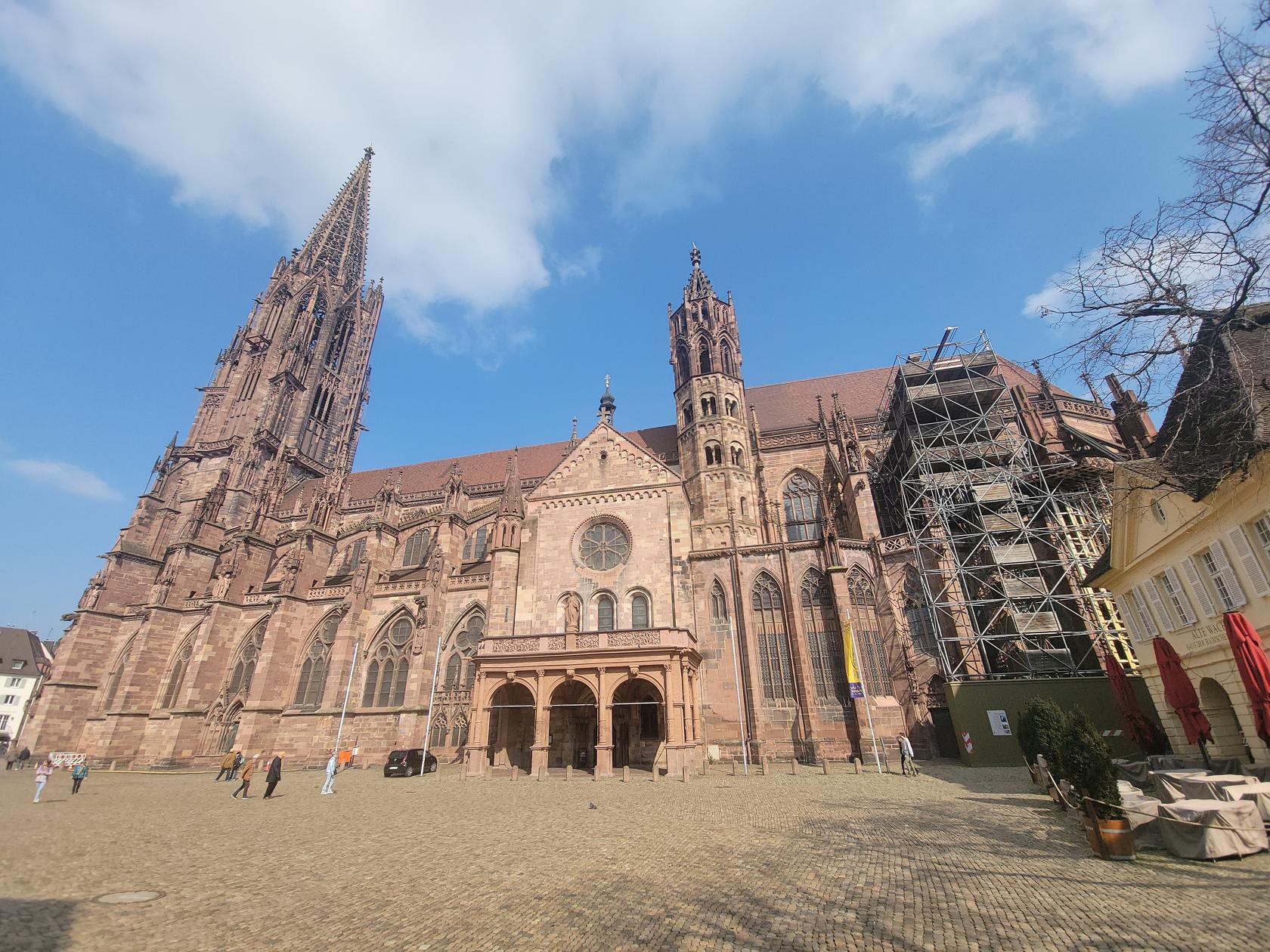
The first bricks for the large gothik style Freiburger Münster, or Münster Unserer Lieben Frau, were laid around 1146. After several incantations as a small unassuming church through 1260, the church was redesigned with new importance in the late 1200s. It wasn’t until the late 1400s that it attained is final form one can see today.
Münsterplatz And Merchant’s Hall
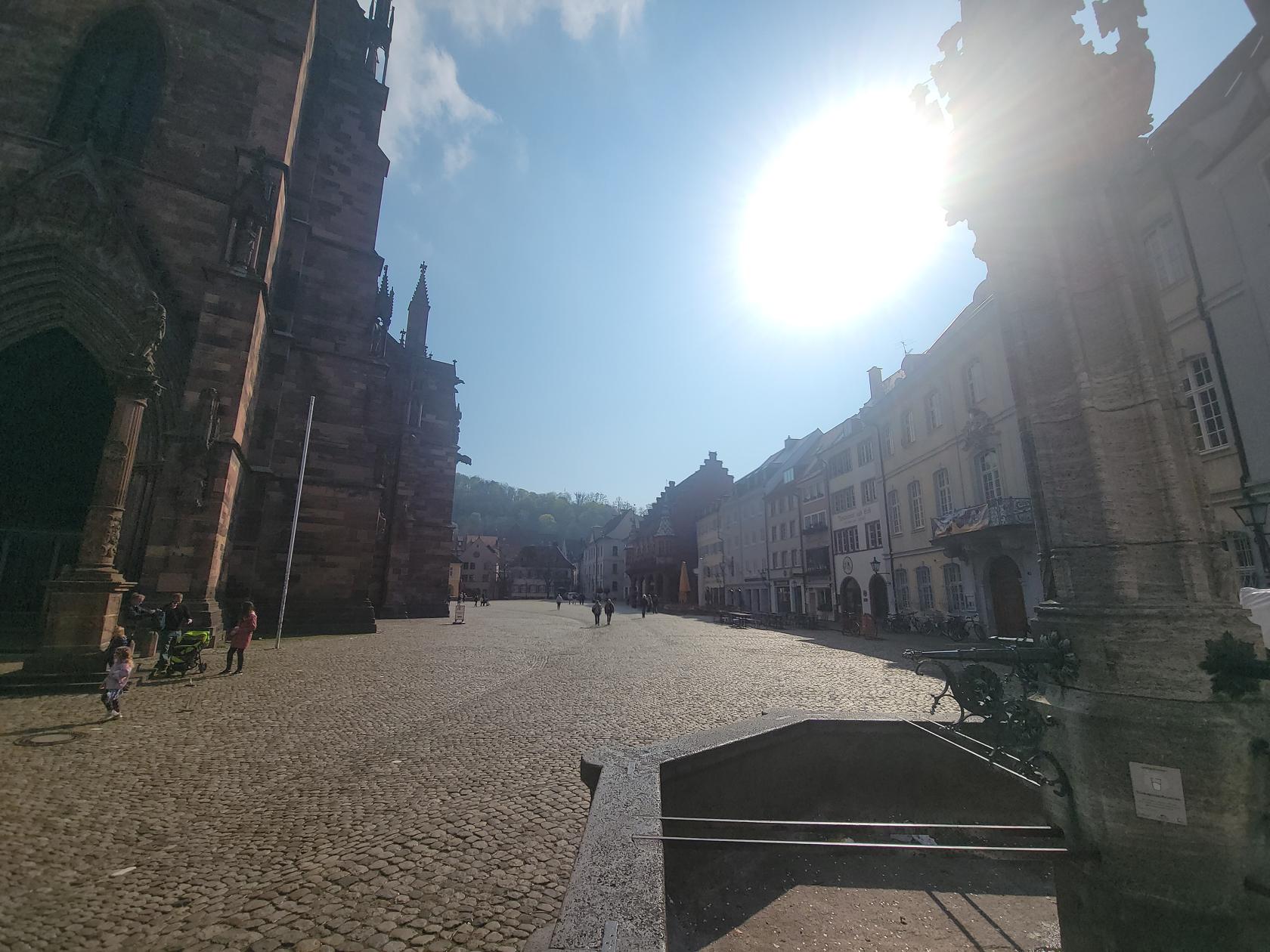
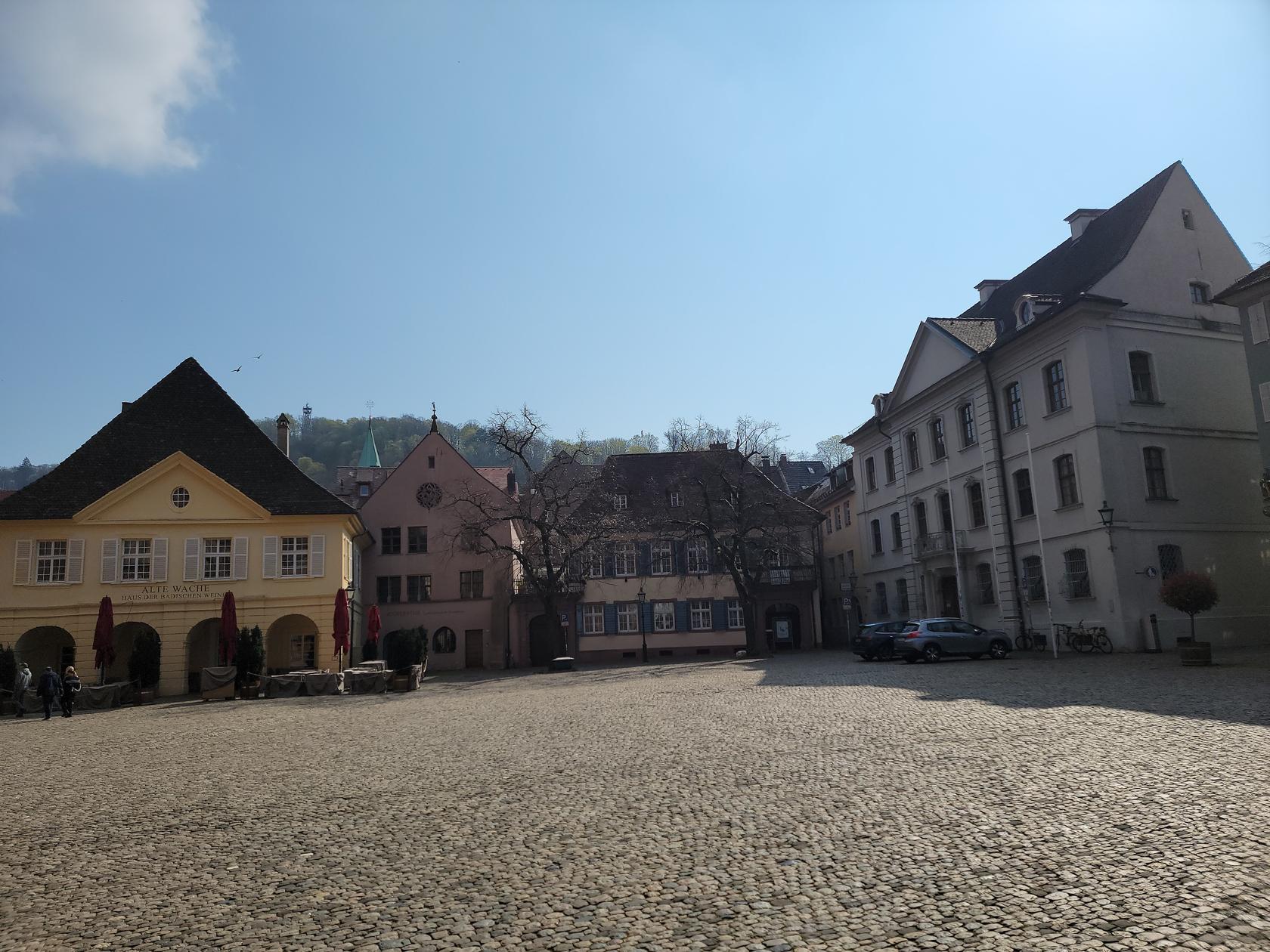
The Münsterplatz is adjacent to the cathedral and includes several city buildings and businesses.
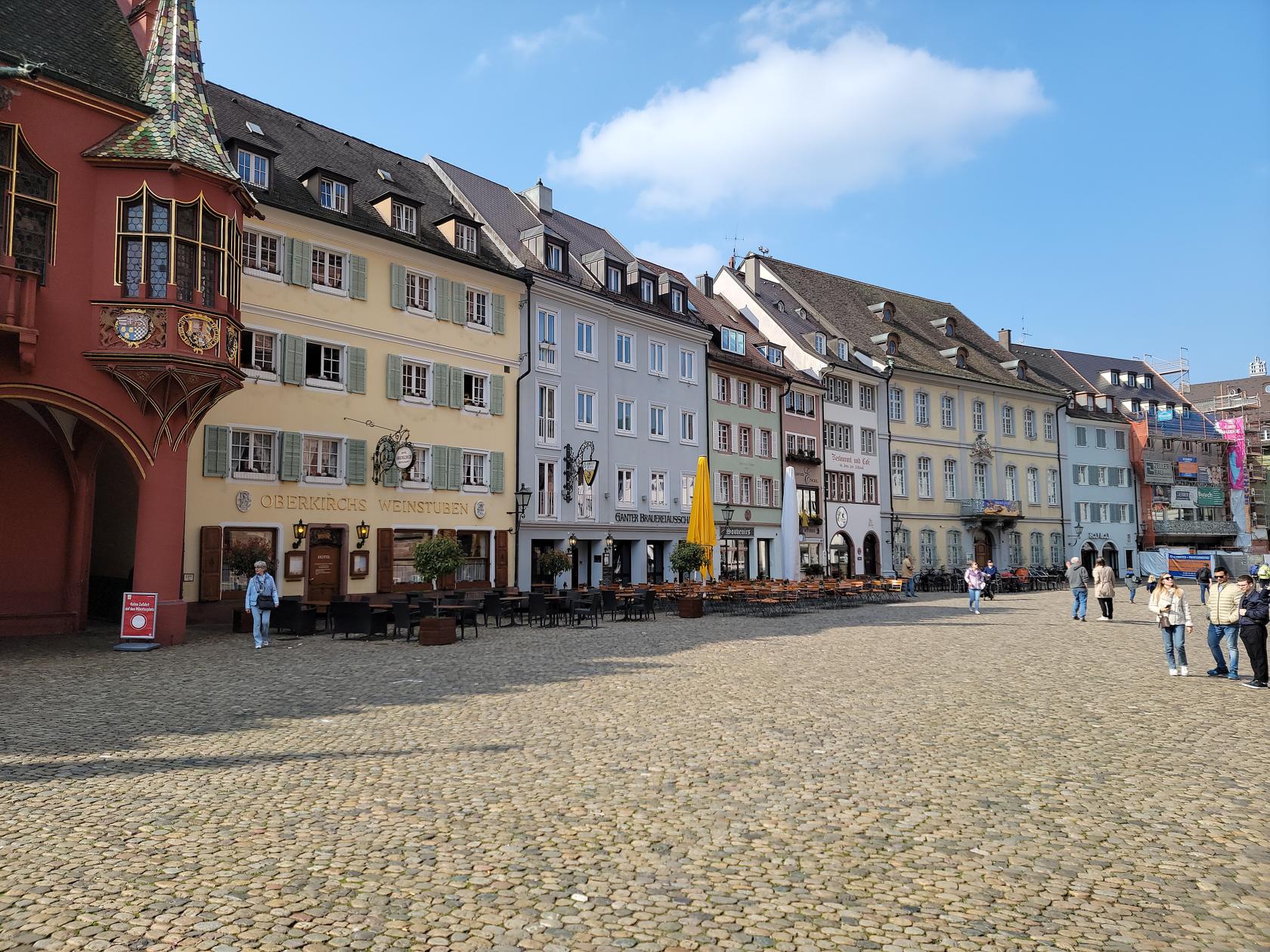
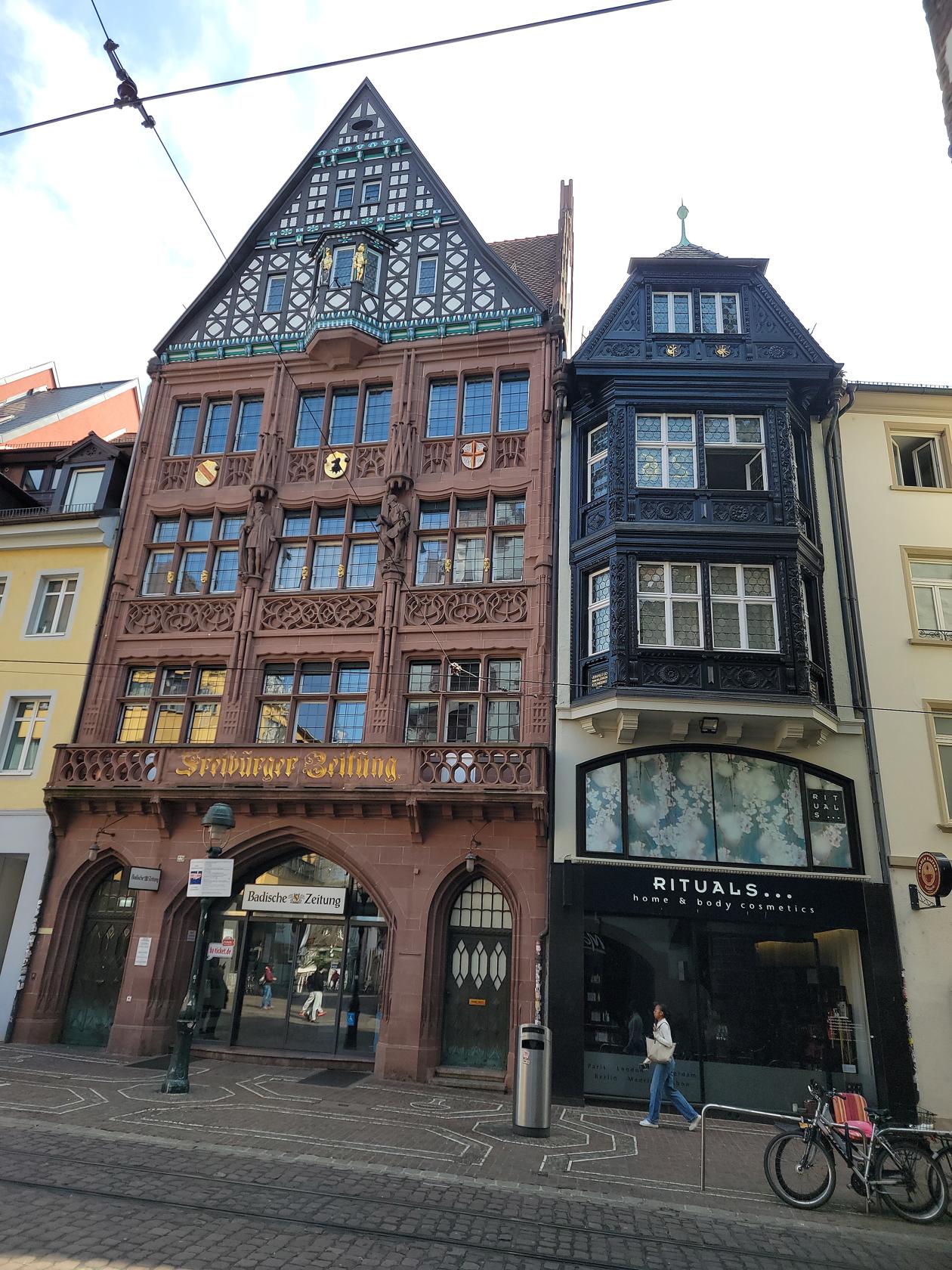
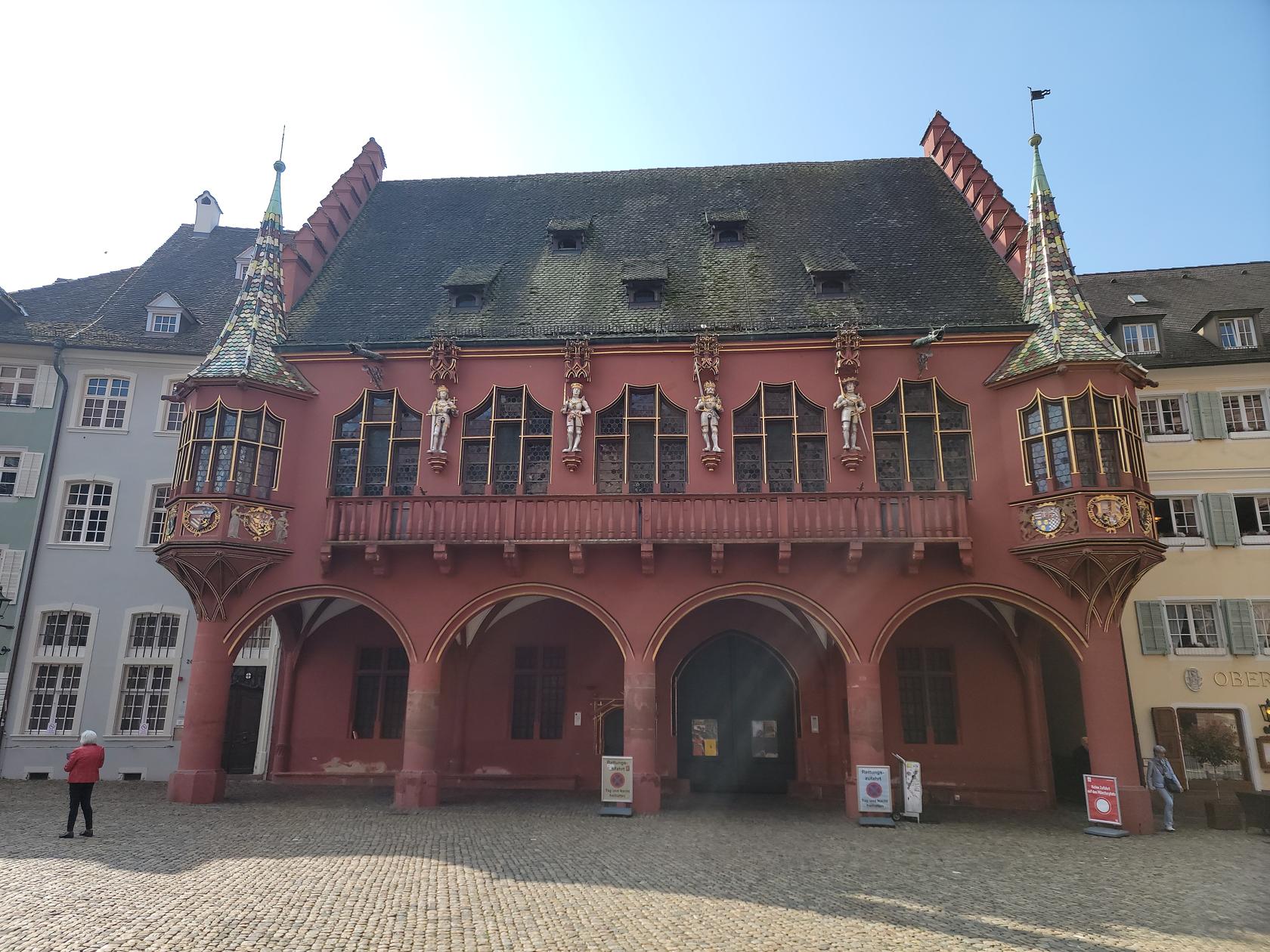
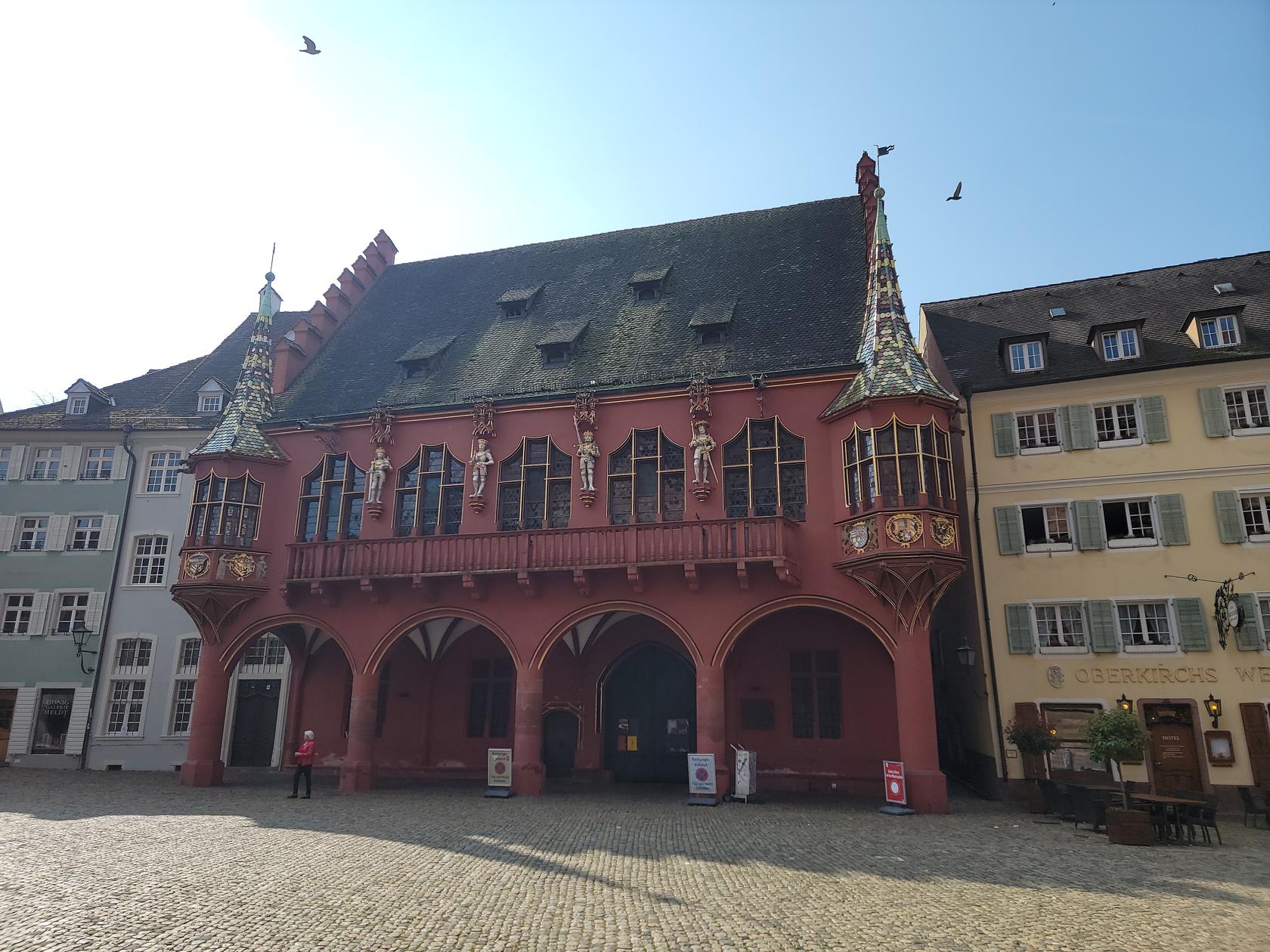
One historic building that stands out in Münsterplatz is the Historisches Kaufhaus, or Merchant’s Hall. With its striking red exterior it is impossible to miss and the result of contemporary renovations, having suffered bomb damage and other design changes throughout the years. The facade today is adorned with replicas of Holy Roman Emperors and an Archduke, who did not become emperor because he died before his father and didn’t inherit all of his father’s titles.
Augustinerplatz
Though not much to look at the Augustinerplatz is where the museum and several other important government buildings are located, including for us ironically, the Italian Consulate.
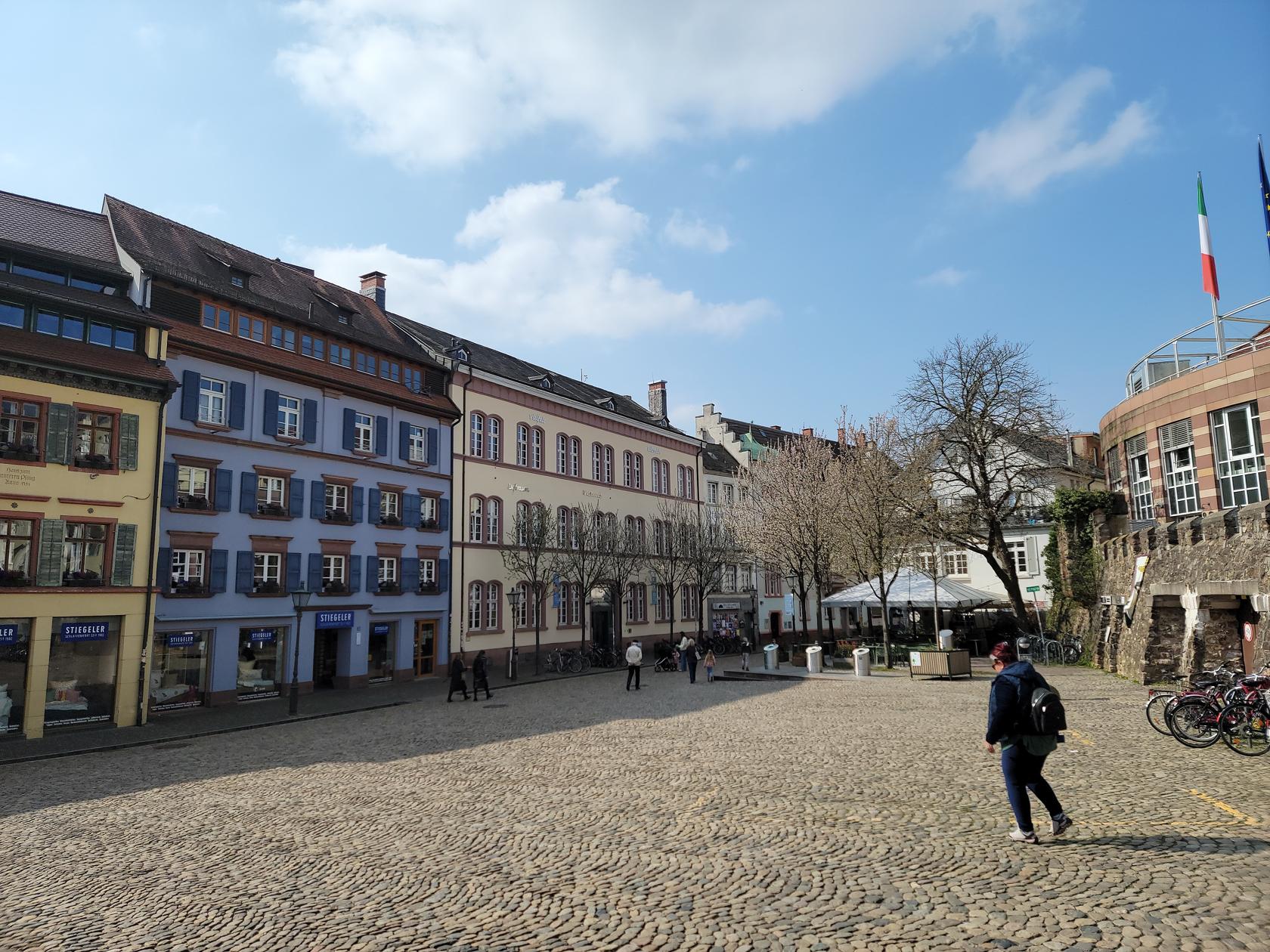
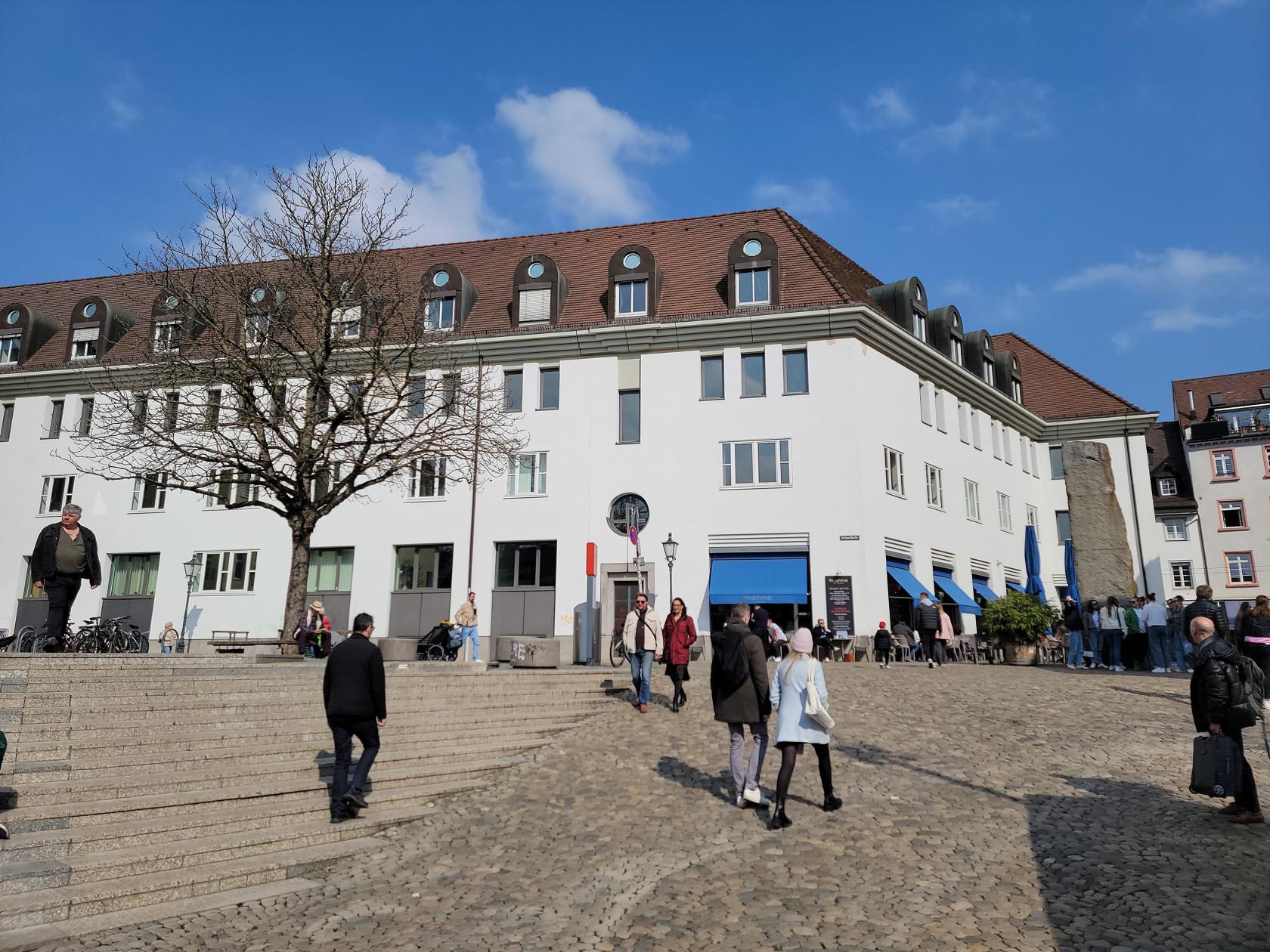
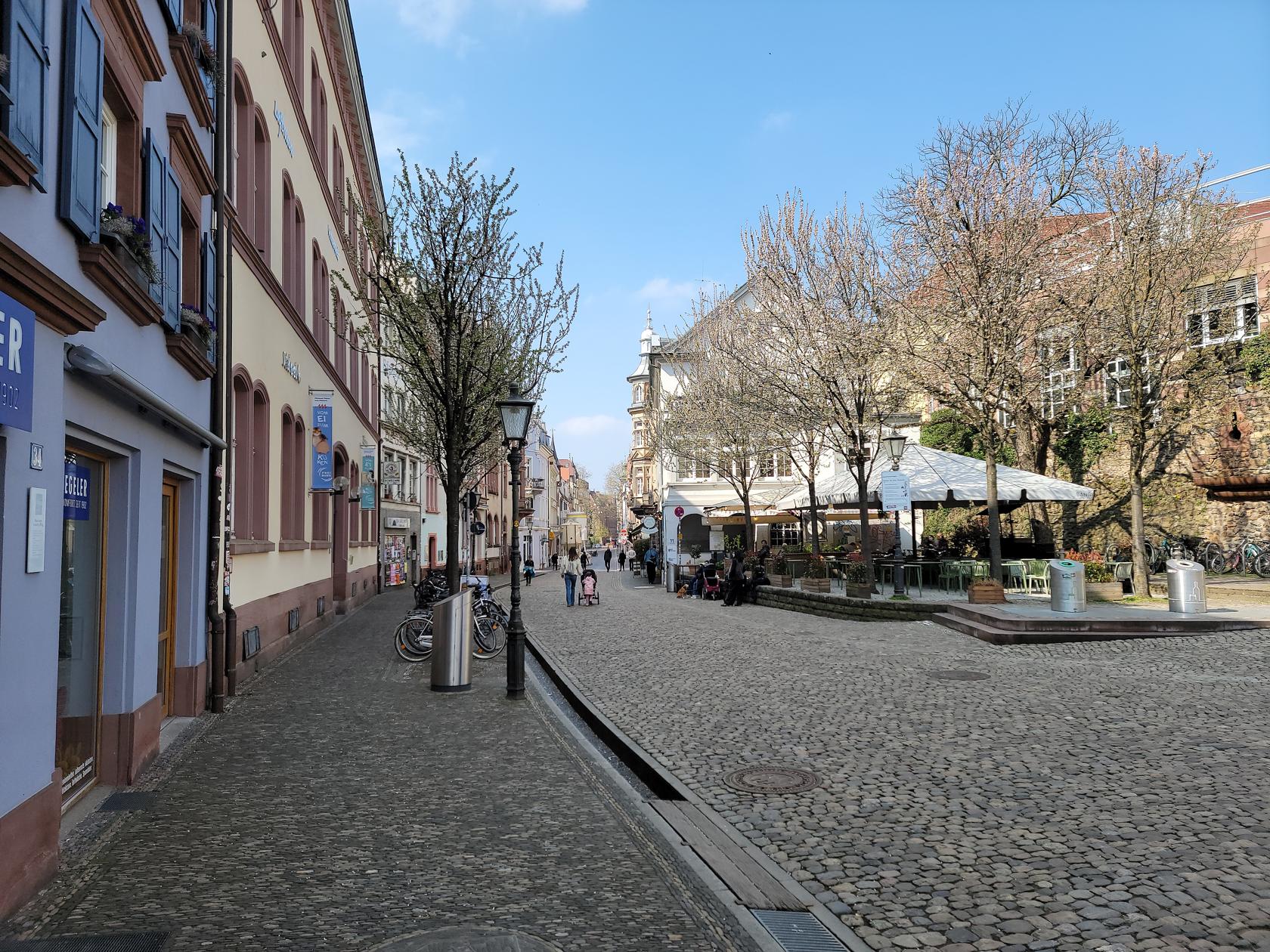
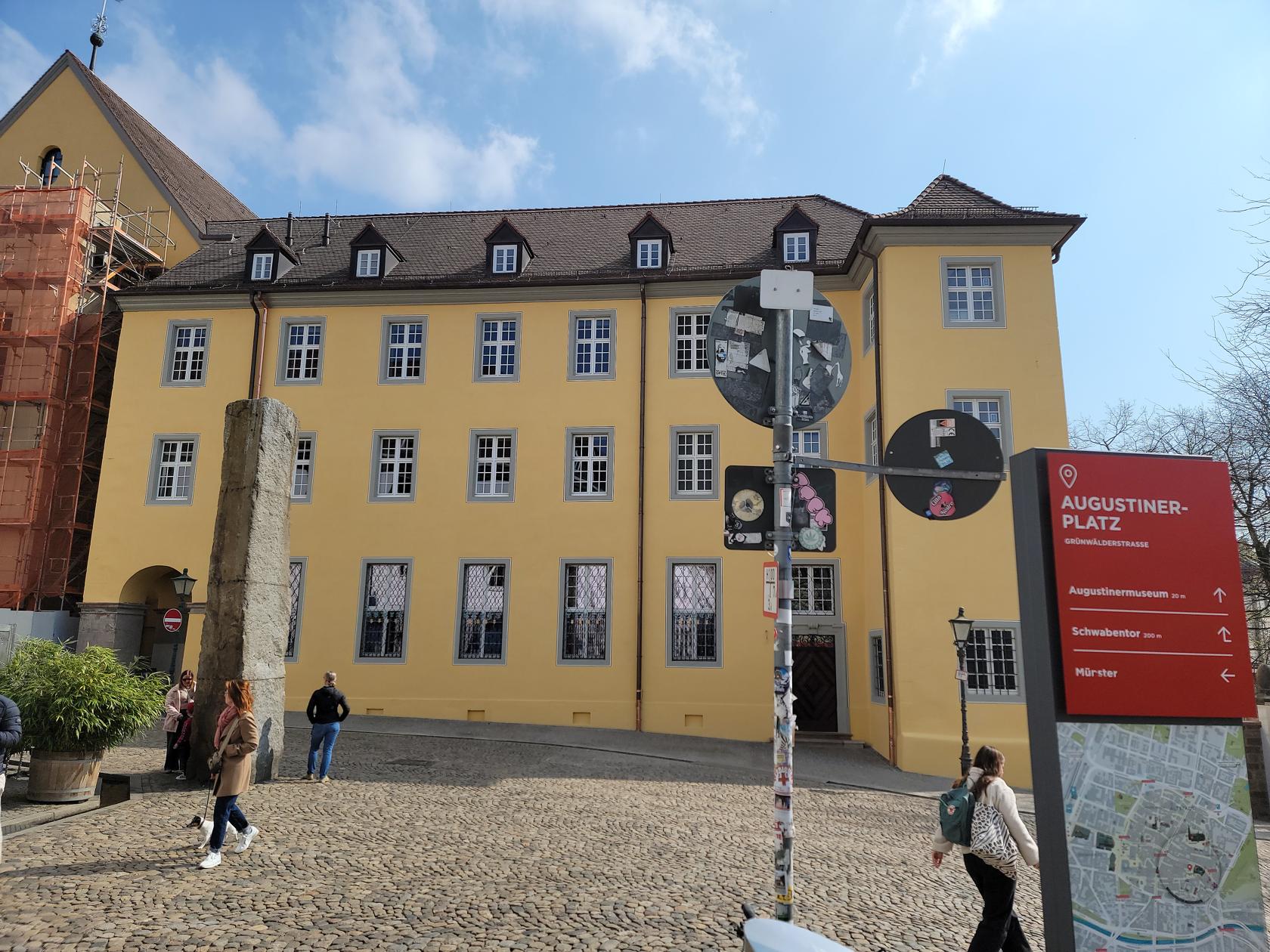
Connecting Augustinerplatz to Kaiser-Josephstraße is Gerberau street.
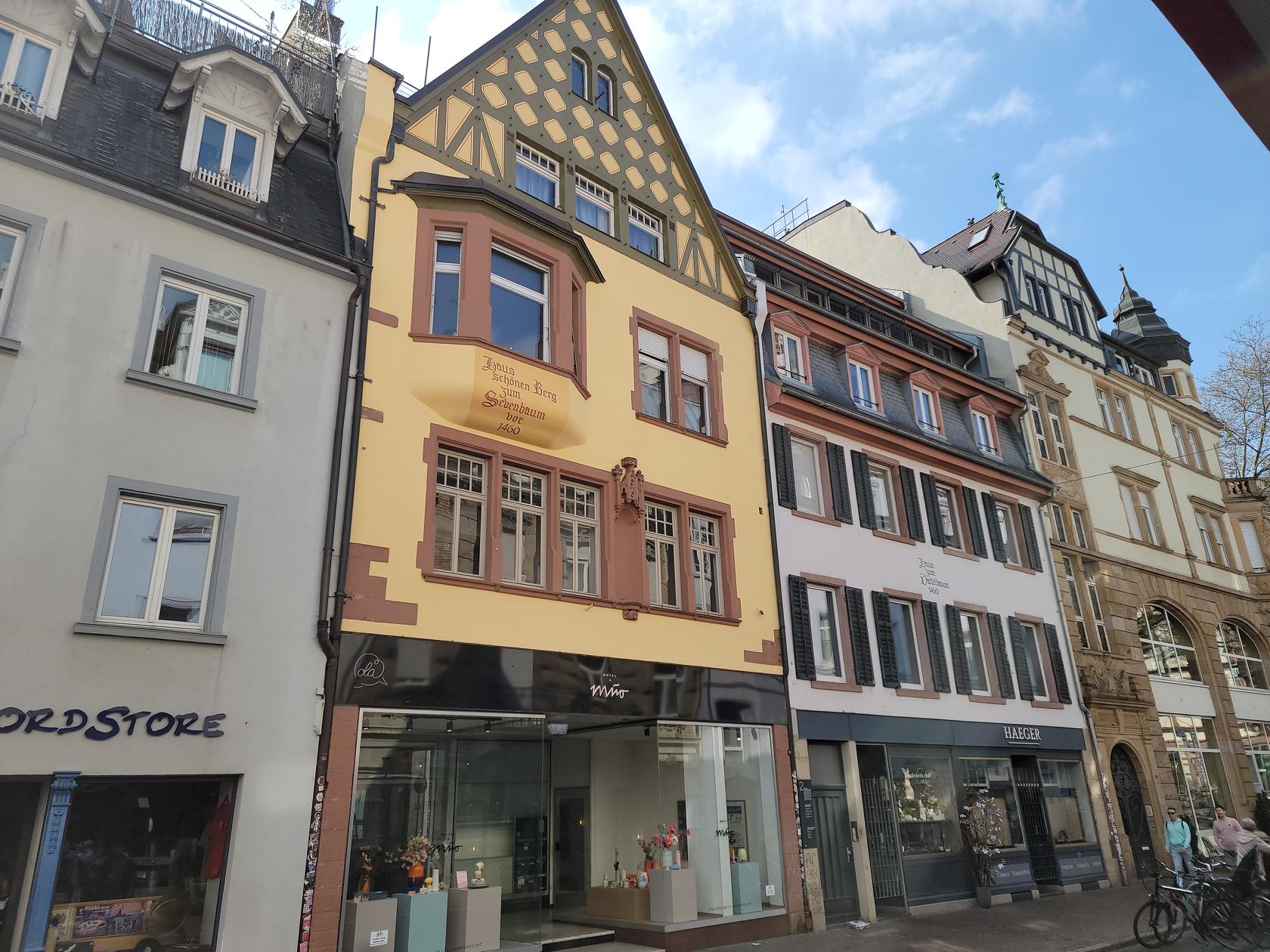
Martinstor
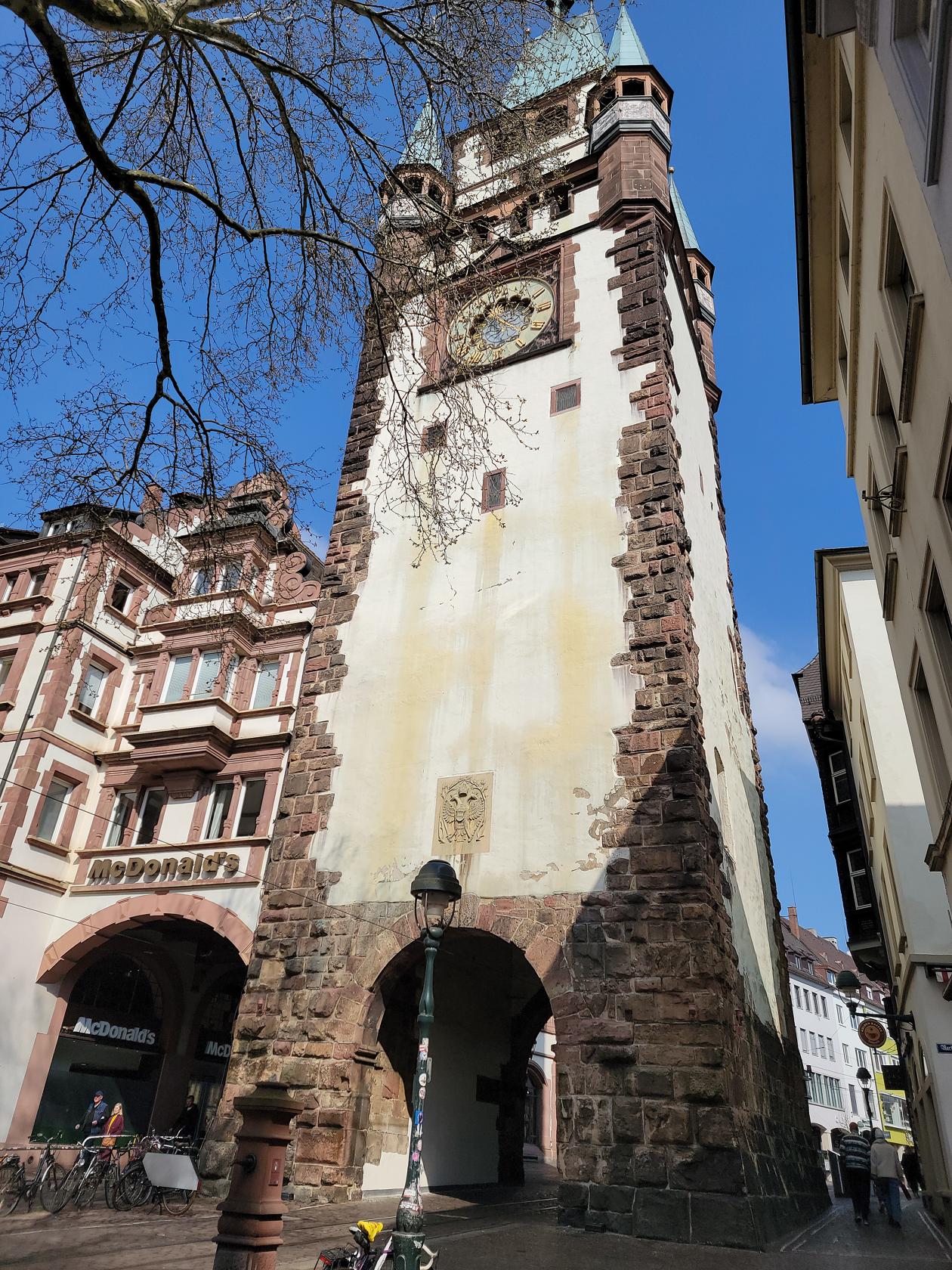
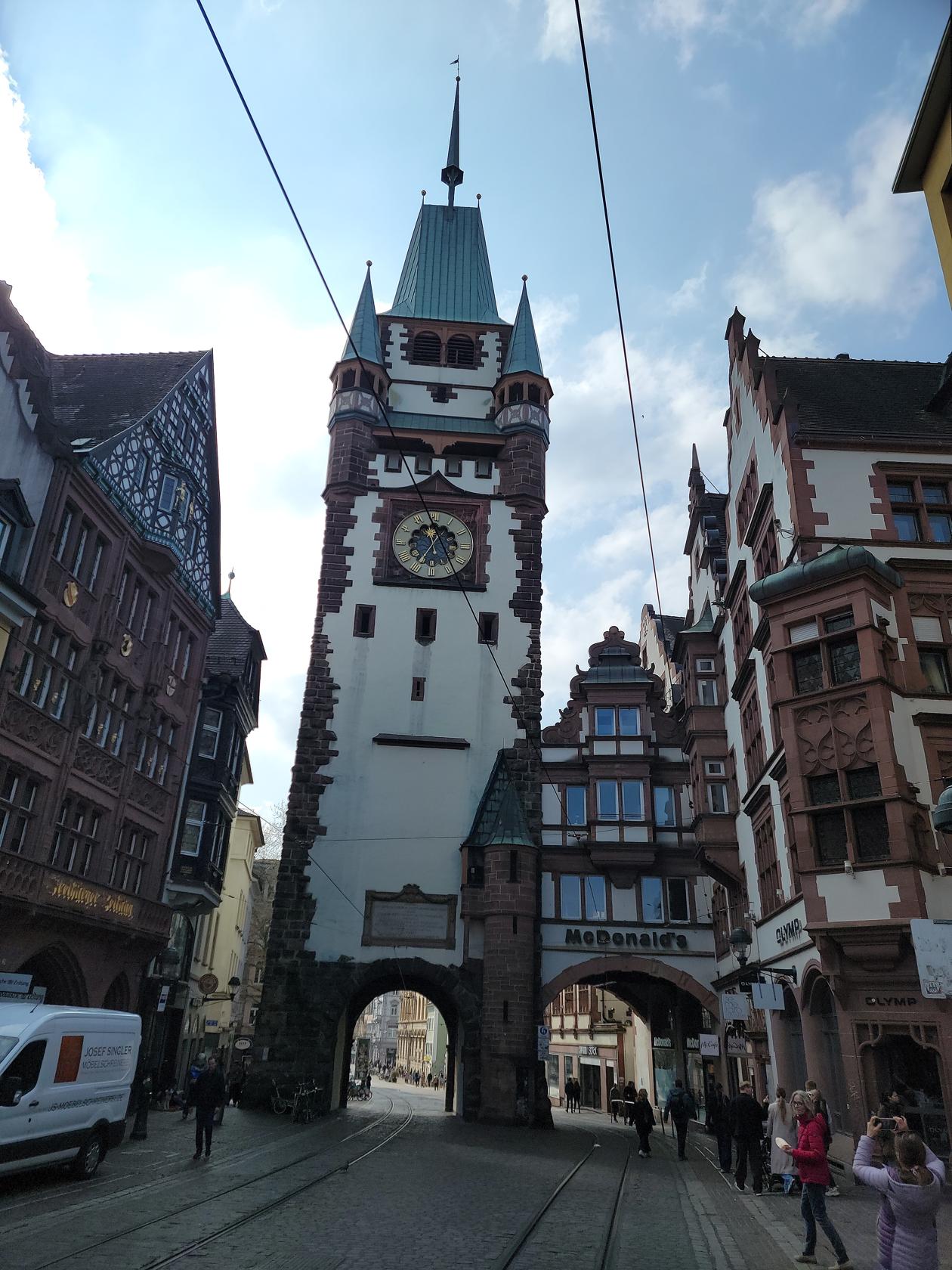
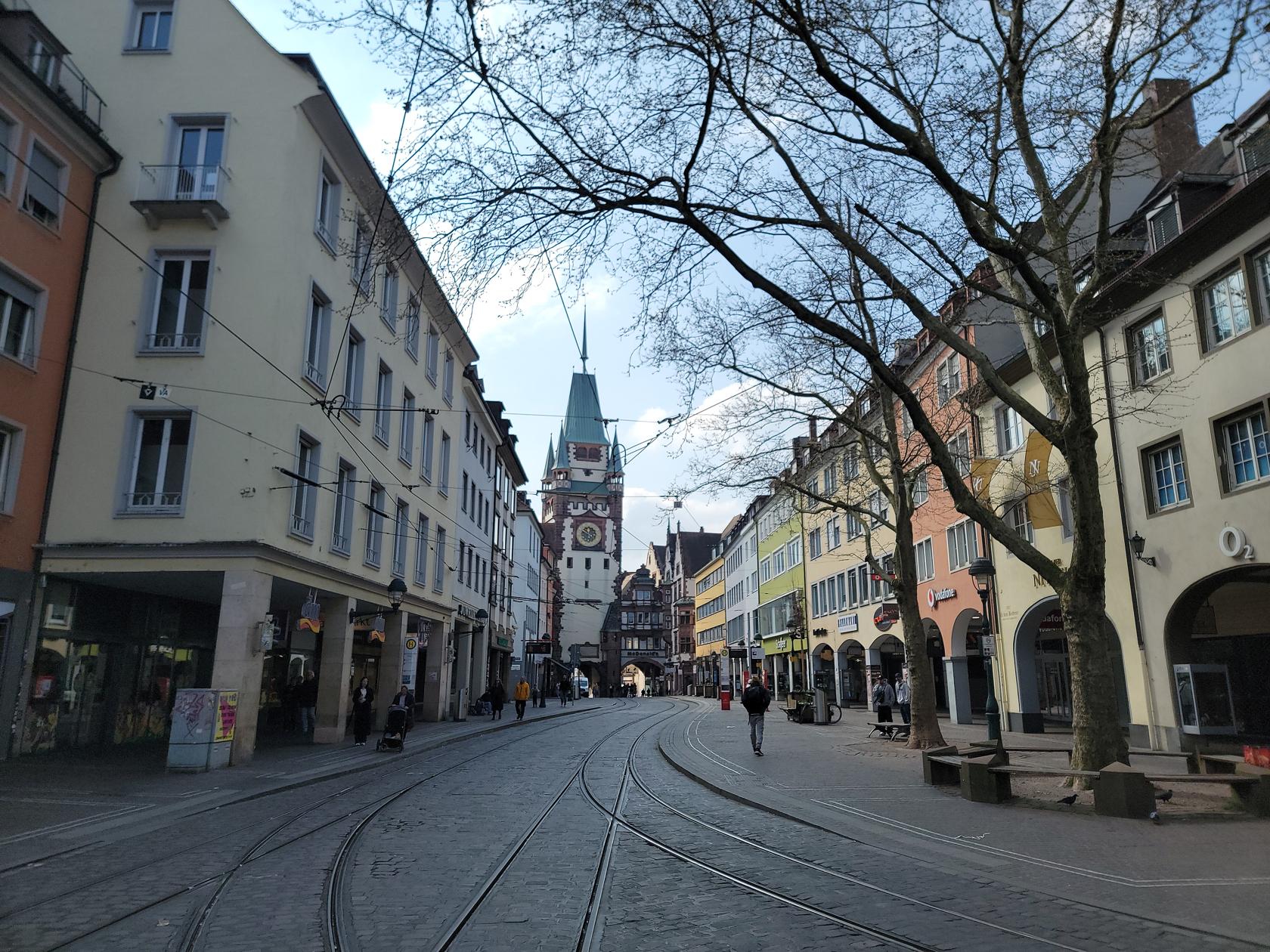
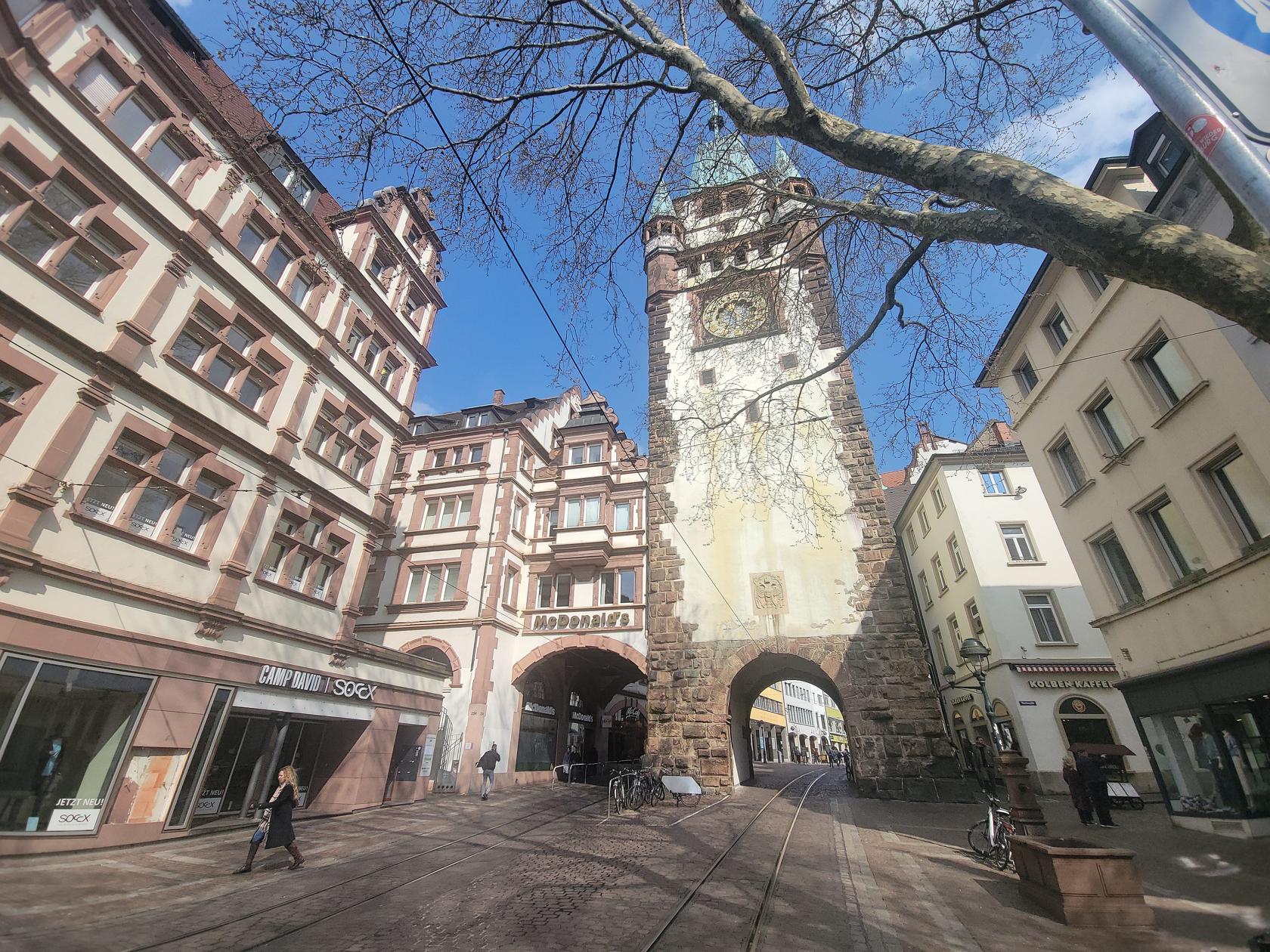
A major gate in the city, aside from the swabian gate, or Scwabentor, is Martinstor. Located on Kaiser-Josephstraße, more or less in the center of town, the tower stands above all the other buildings. The street runs directly through the tower, like in many other walled cities in Germany and delineates the old city from its newer parts.
Restaurants
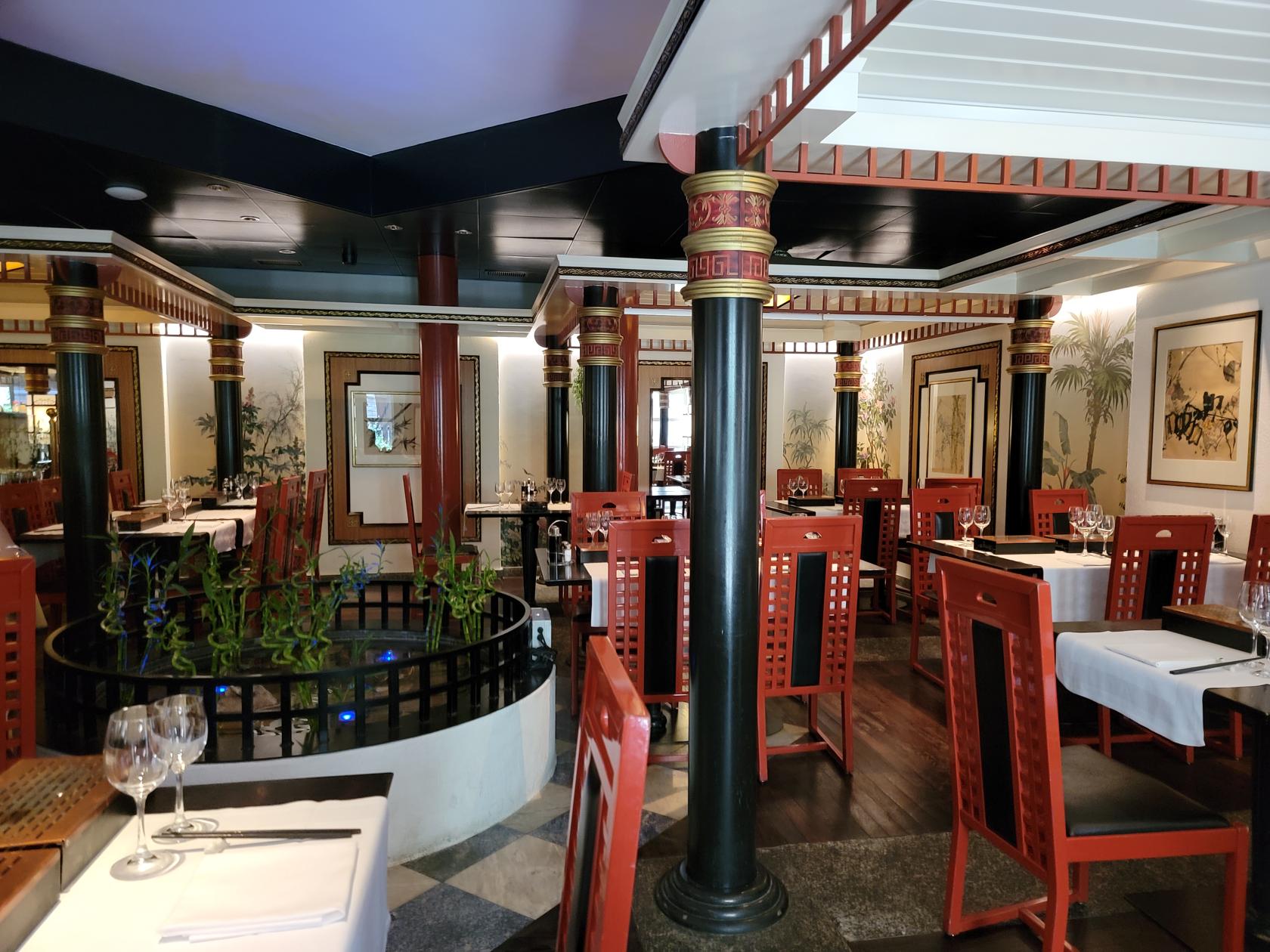
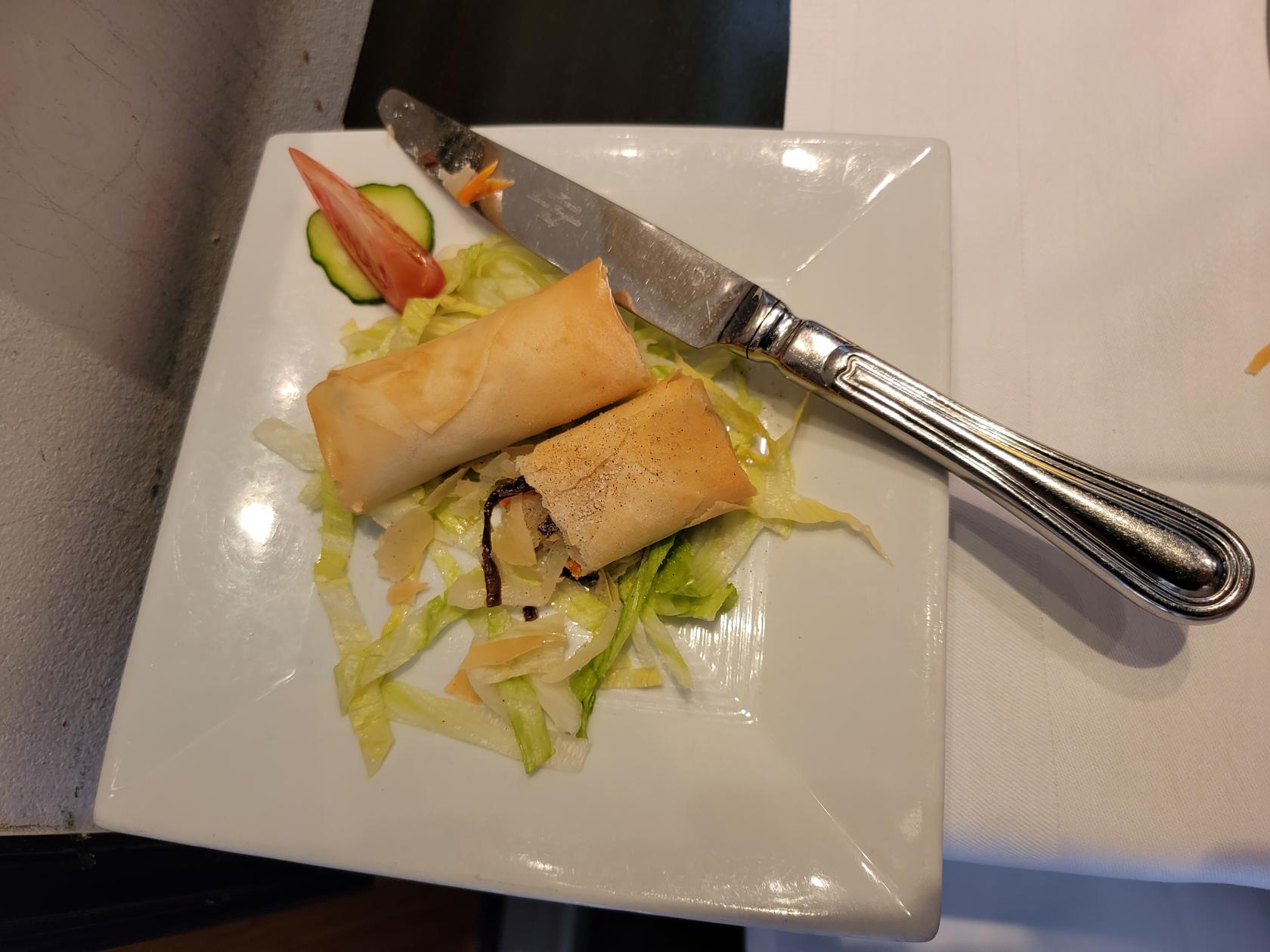
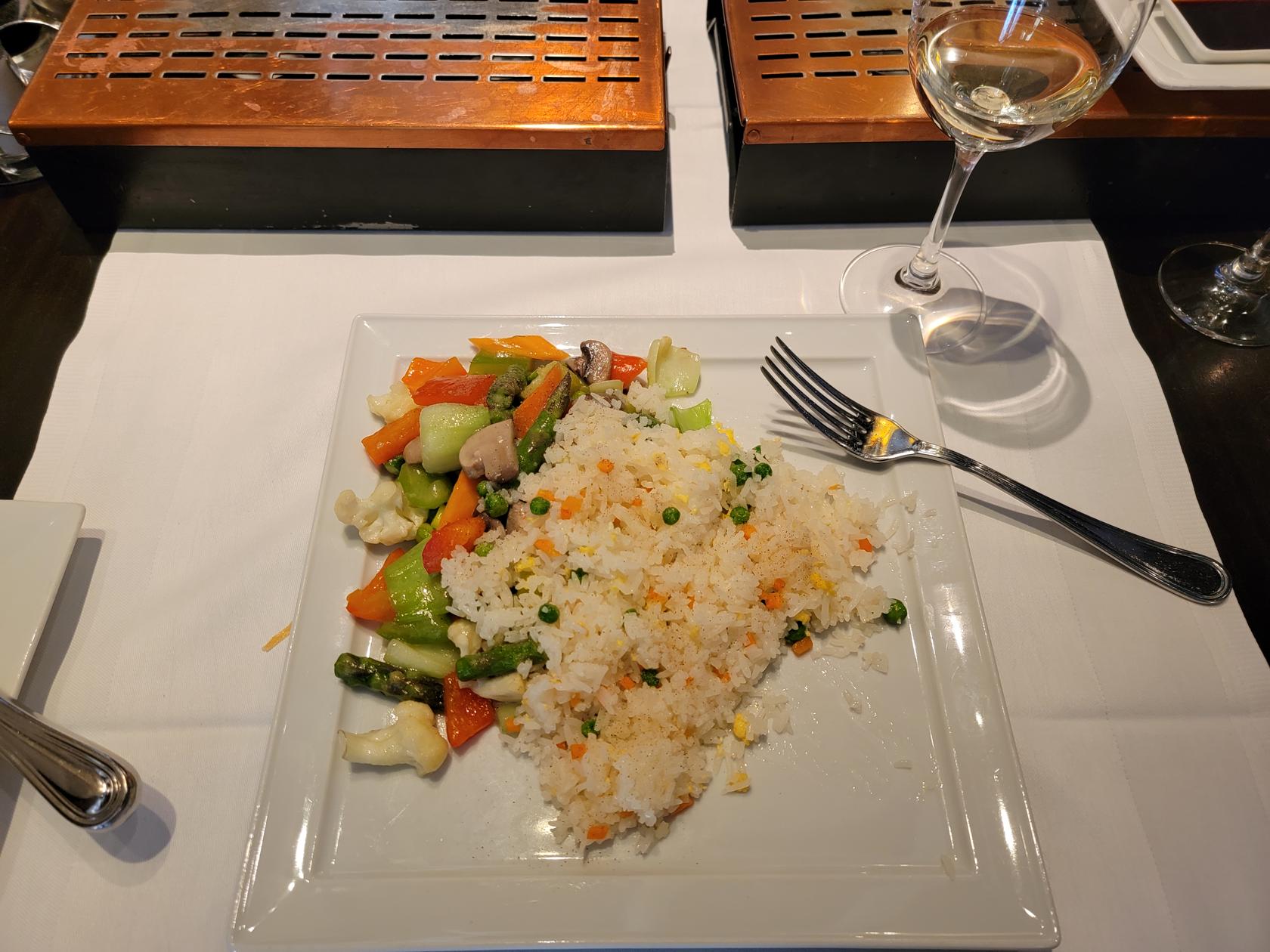
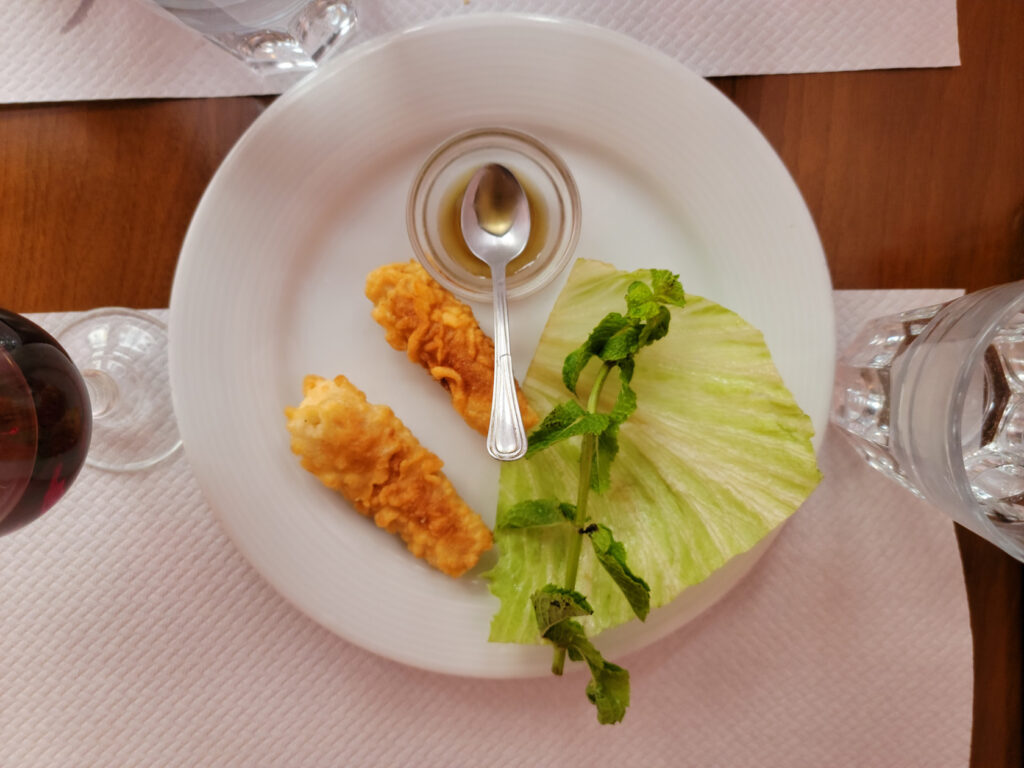
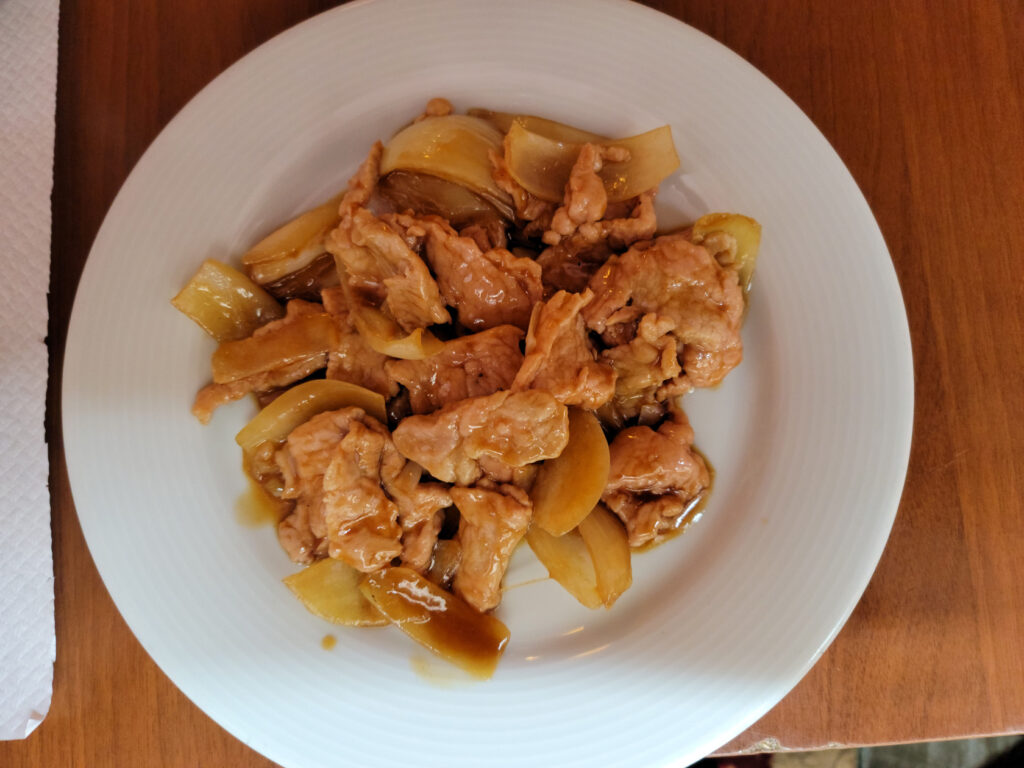
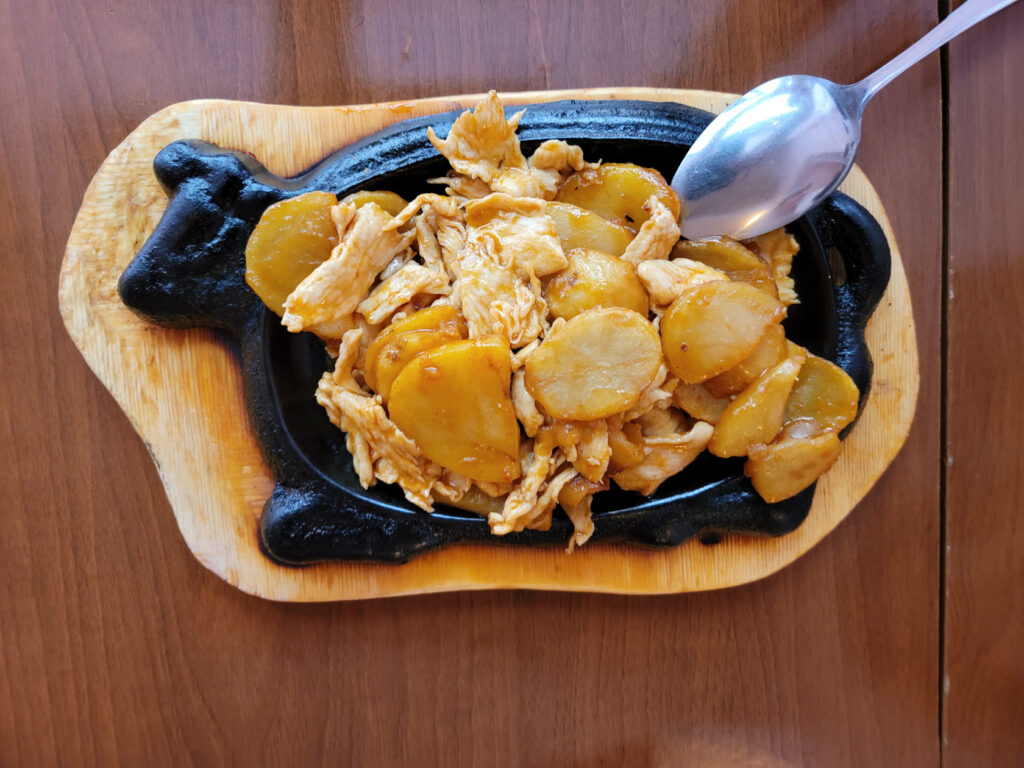
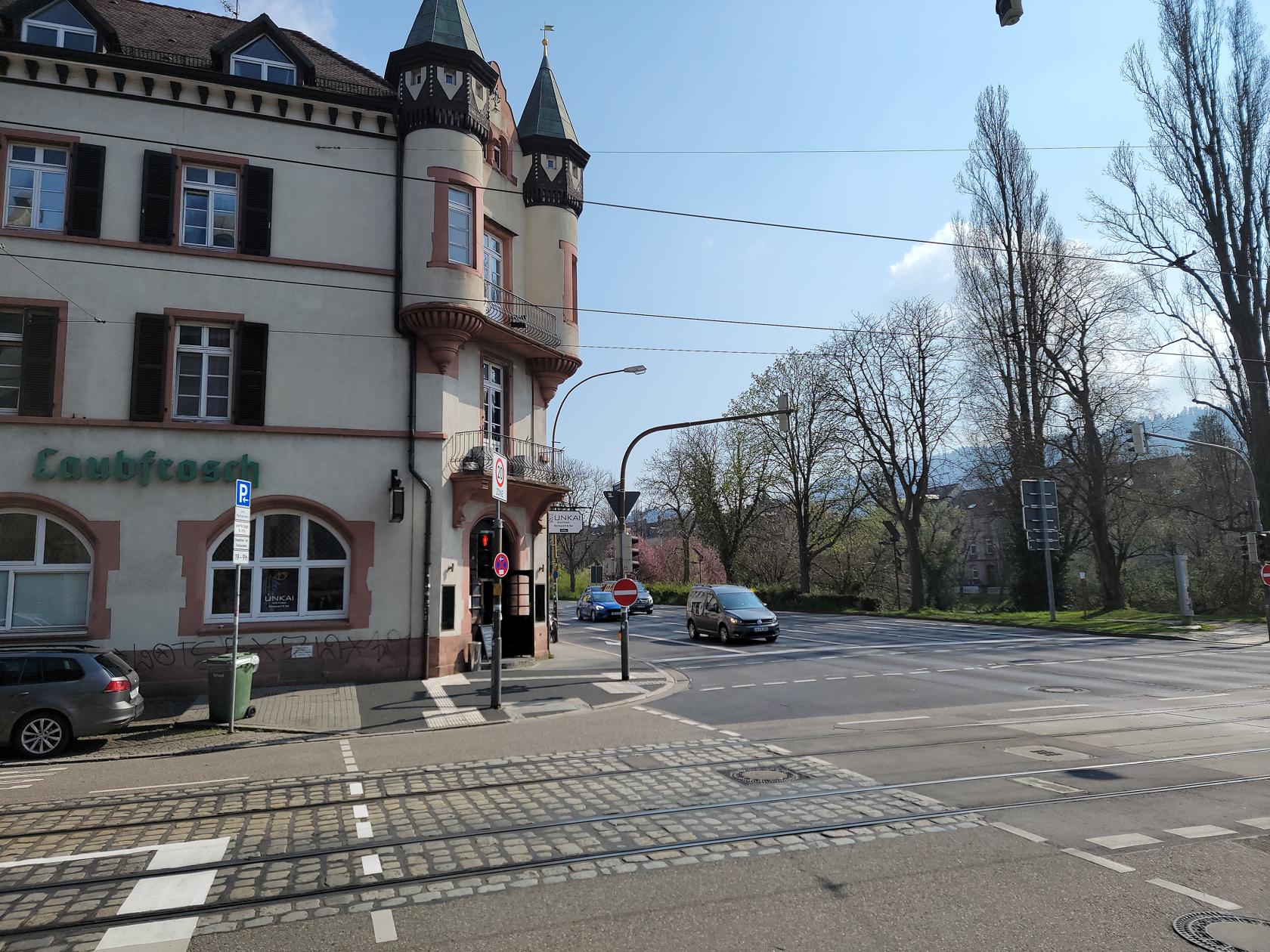
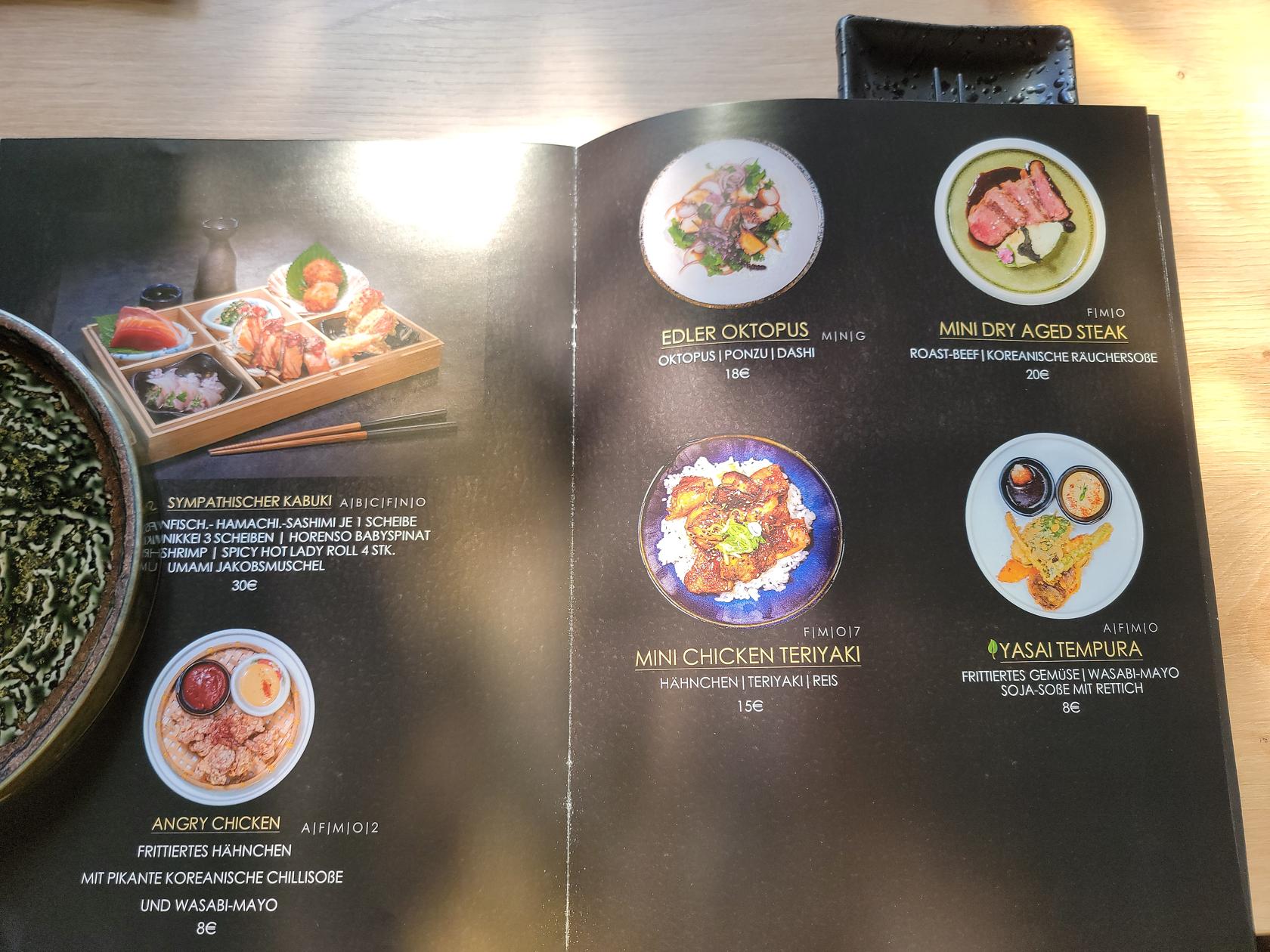
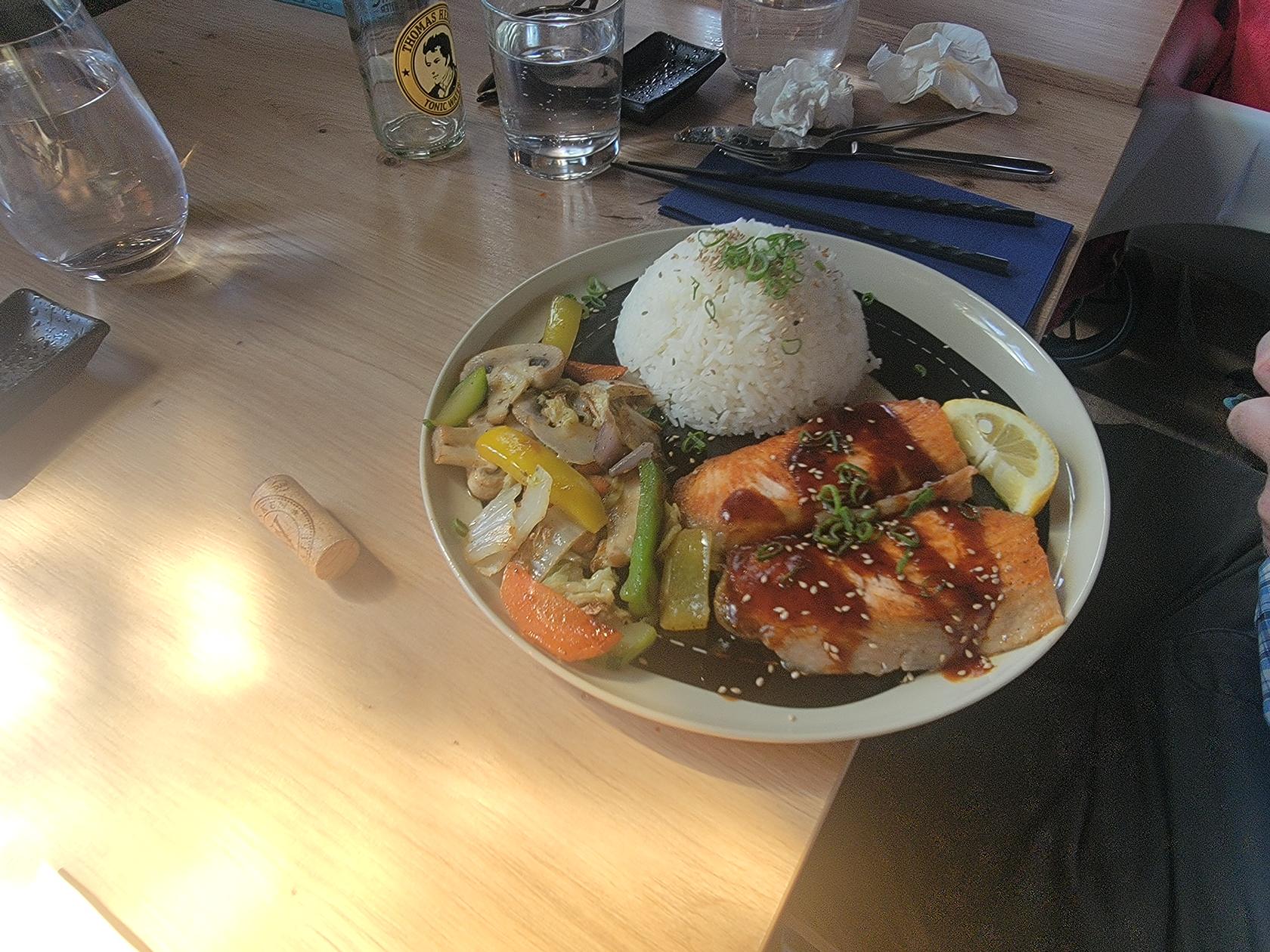
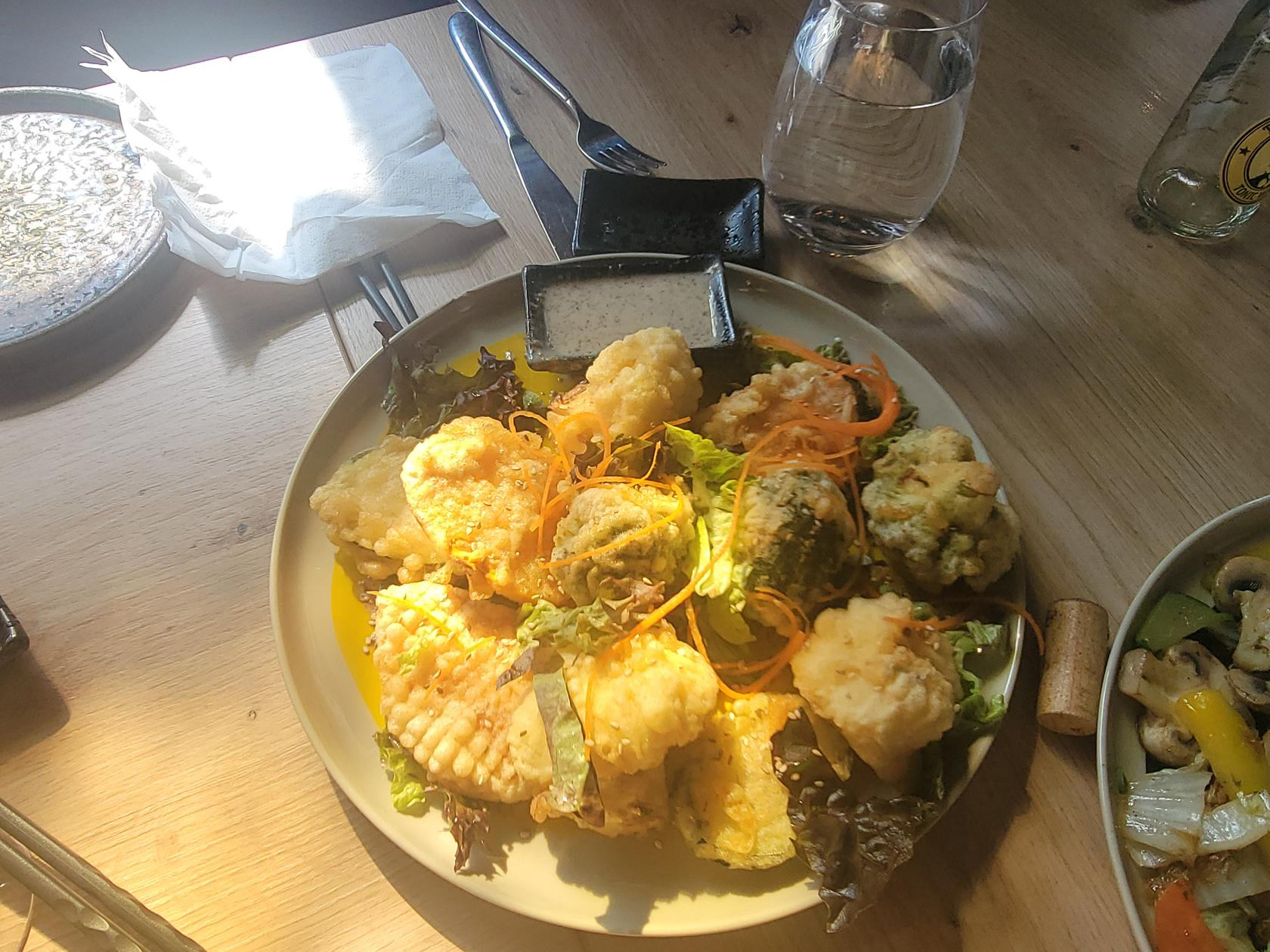
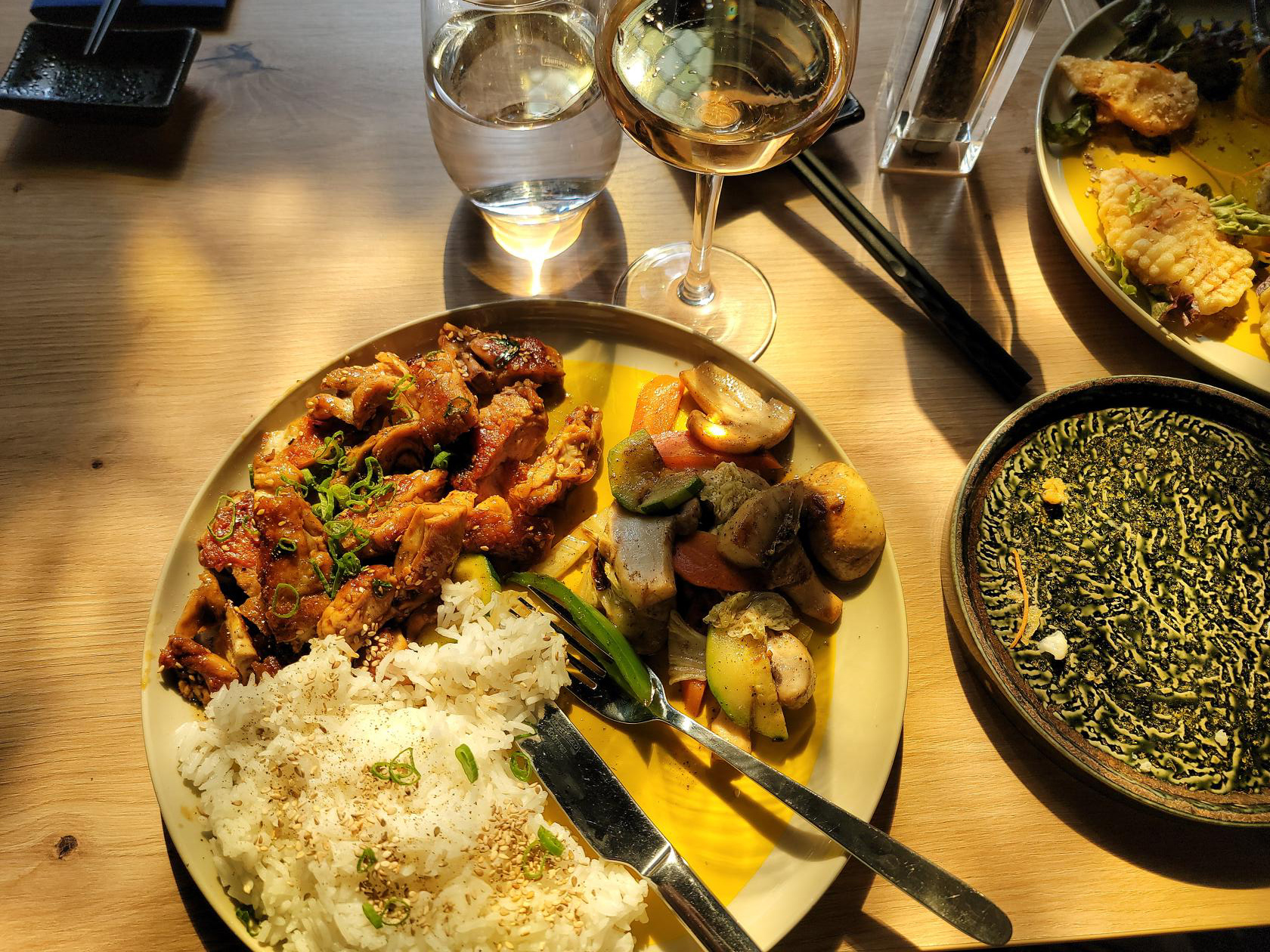
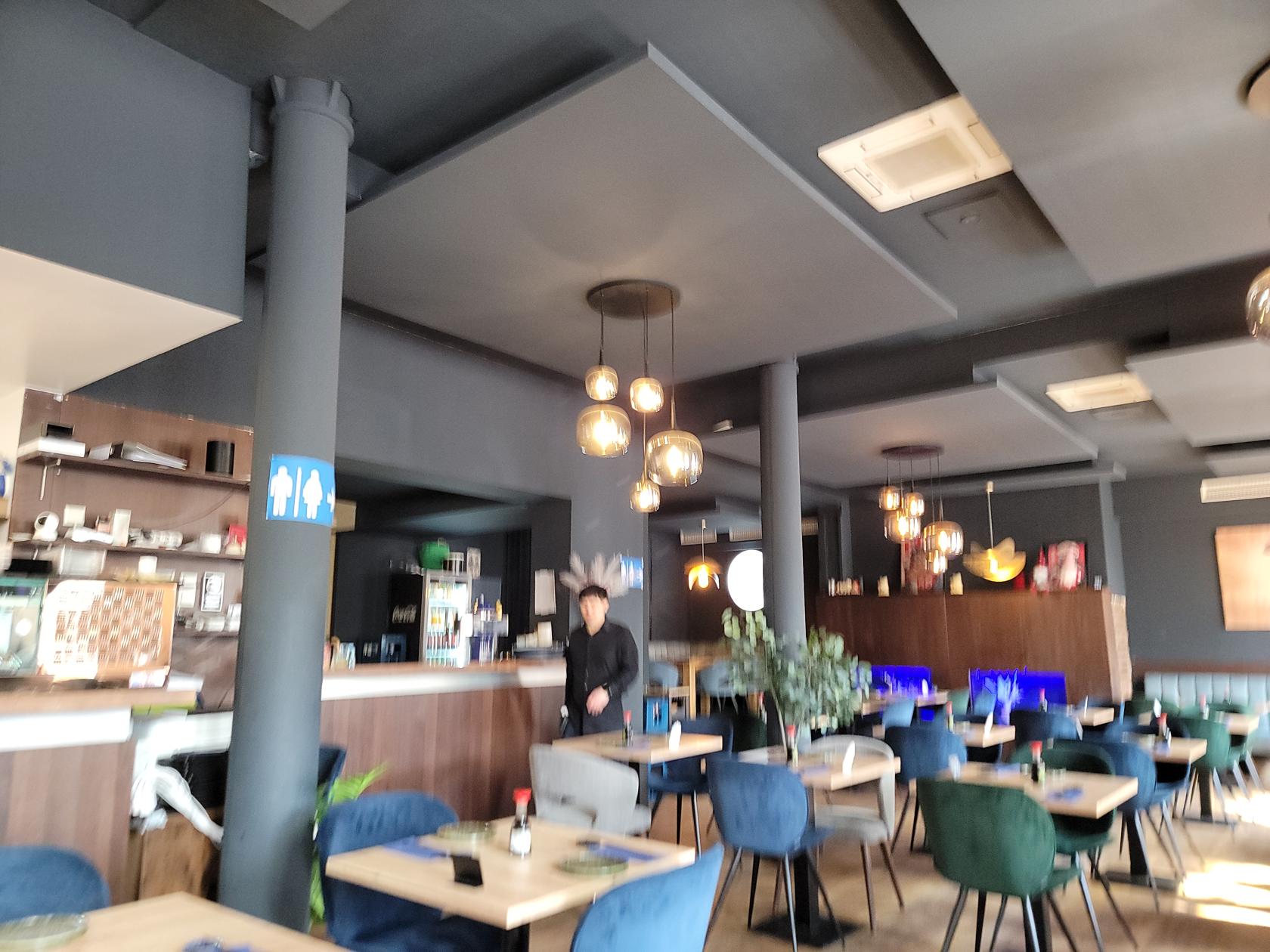
For our day trip we chose to have chinese or japanese and found a nice modern place that opened in the remains of the old Laubfrosch restaurant.
Unkai
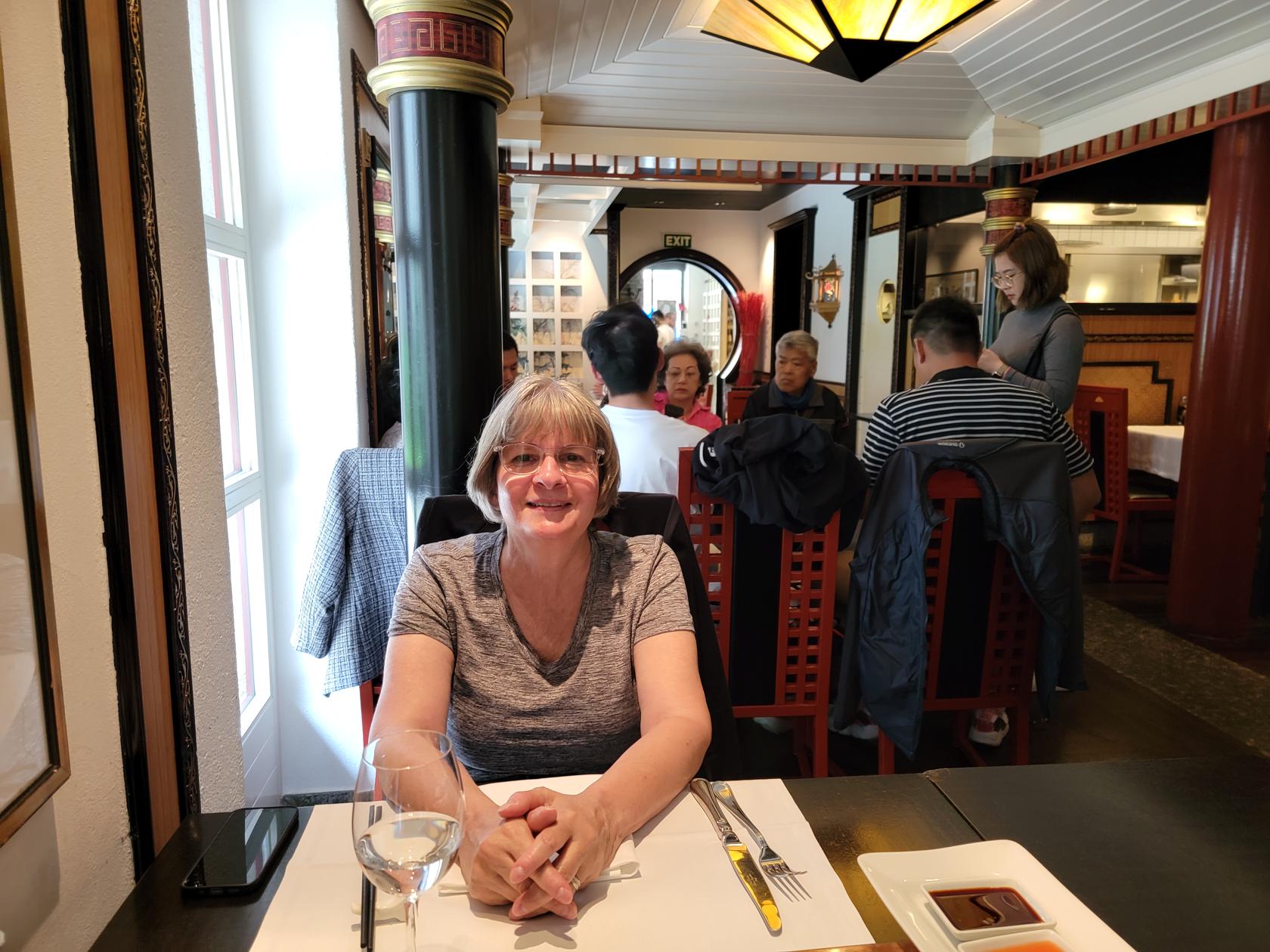
If you are looking for either chinese or japanese cuisine look no further than Unkai Asian Fusion.
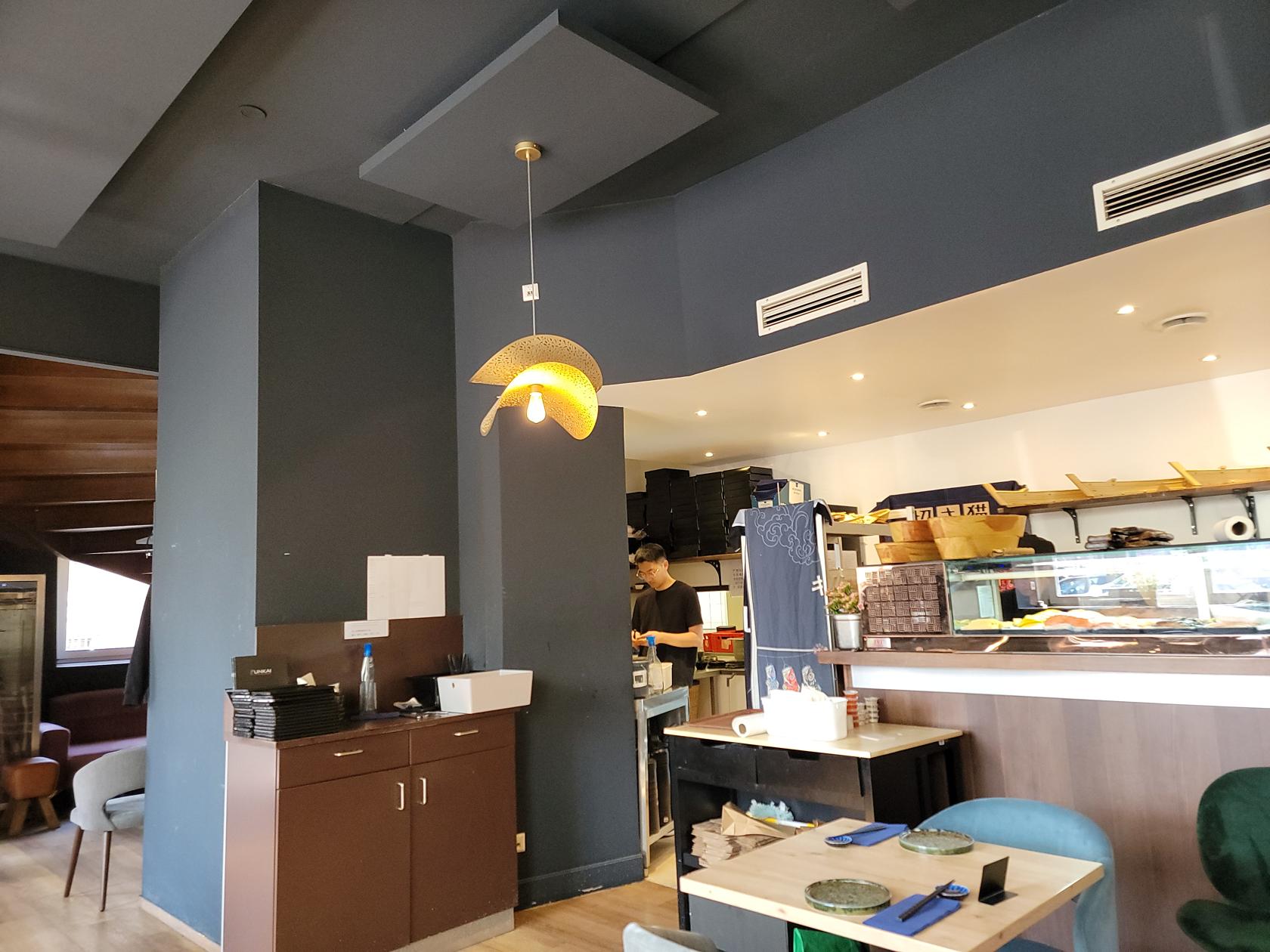
The decor inside is decidedly modern and the staff is very attentive to your needs, especially if that has to do with children.
References
| ↑1 | the term is Bächlein in german |
|---|