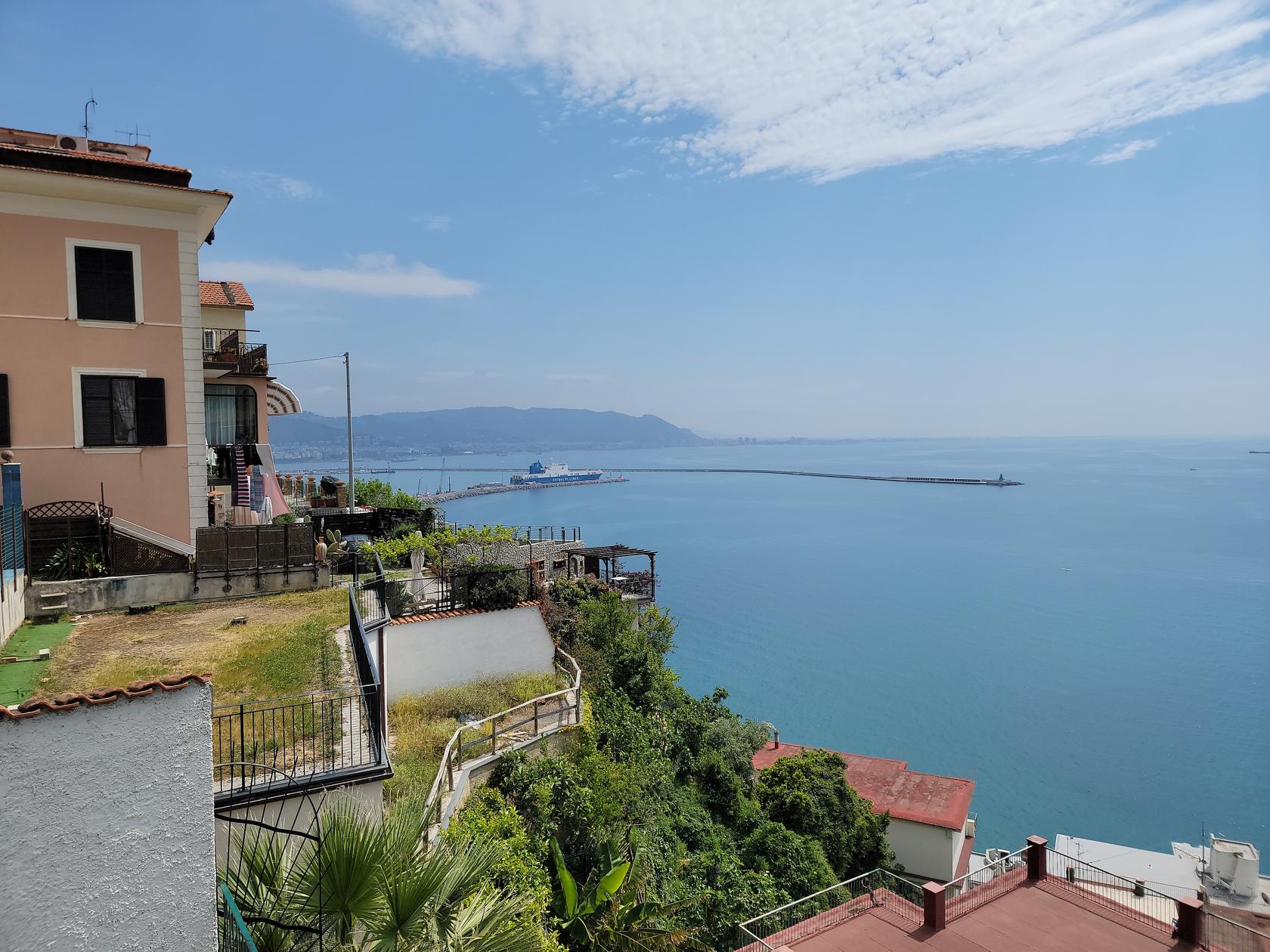
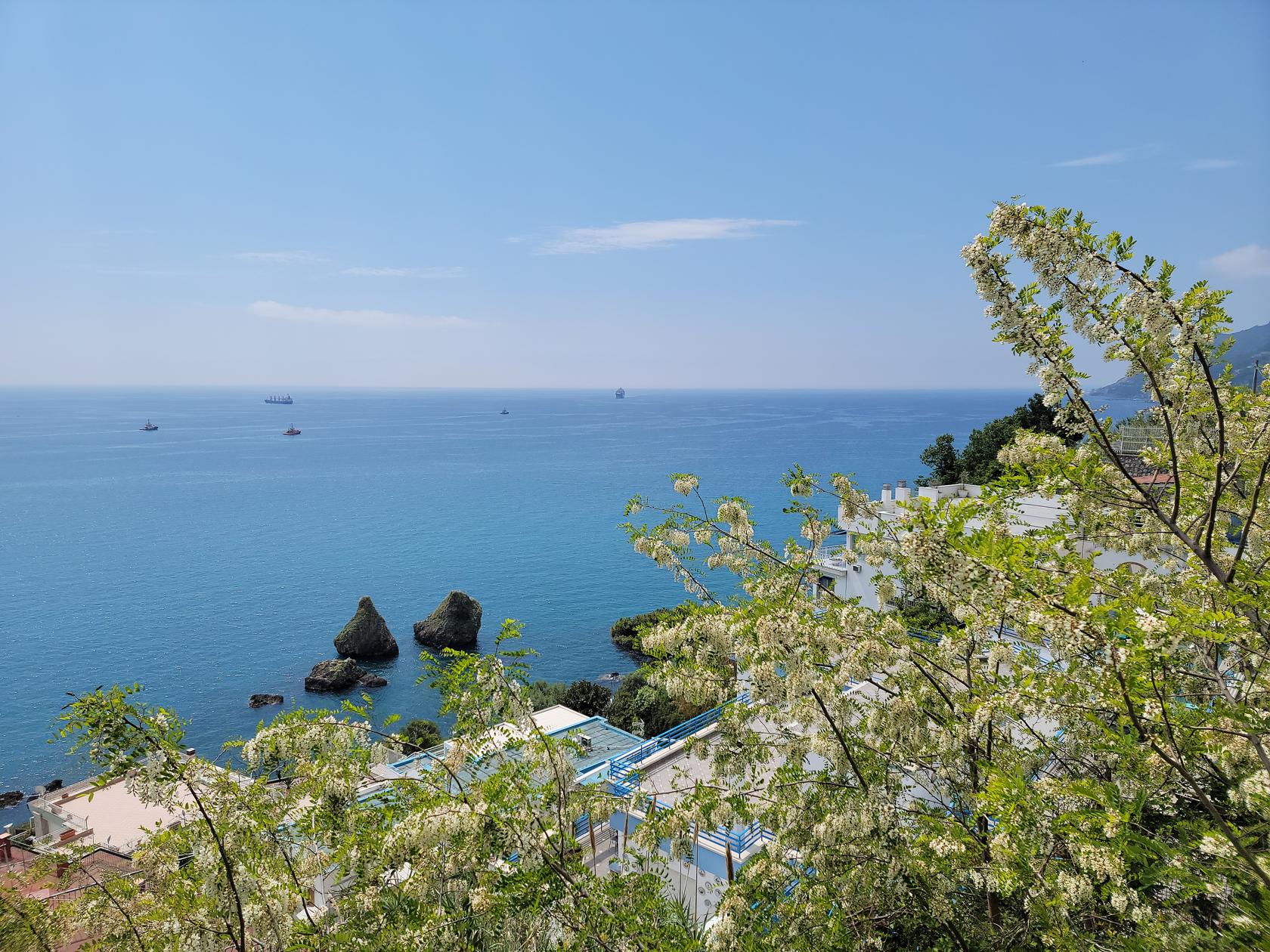
After our week in Naples where we took several days to visit the Amalfi Coast, we headed further south and stopped in Sapri. This was a scheduled visit to break up the trip and offer us a sunny interlude and a bit of repose before continuing to Tropea and later Reggio Calabria.
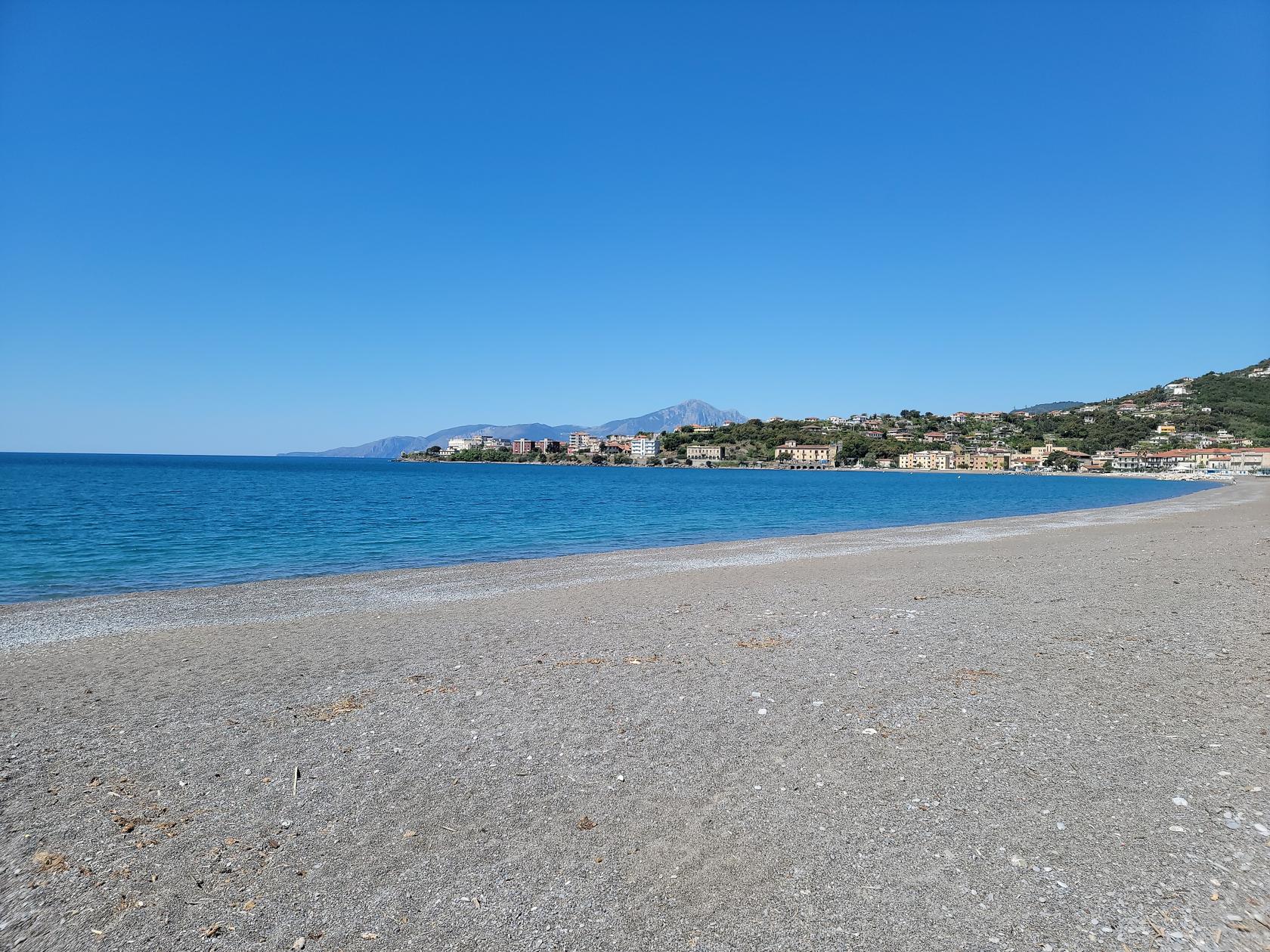
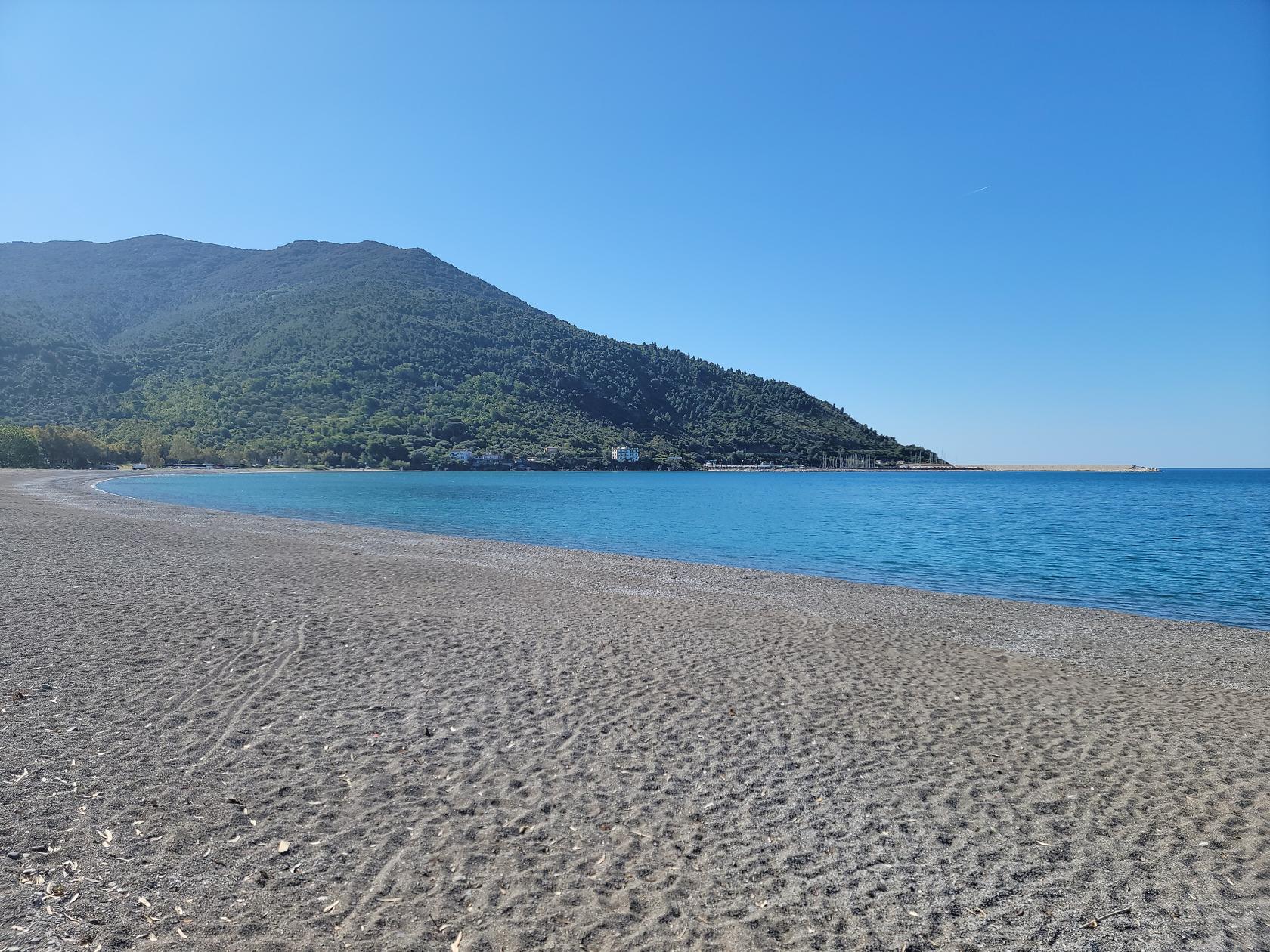
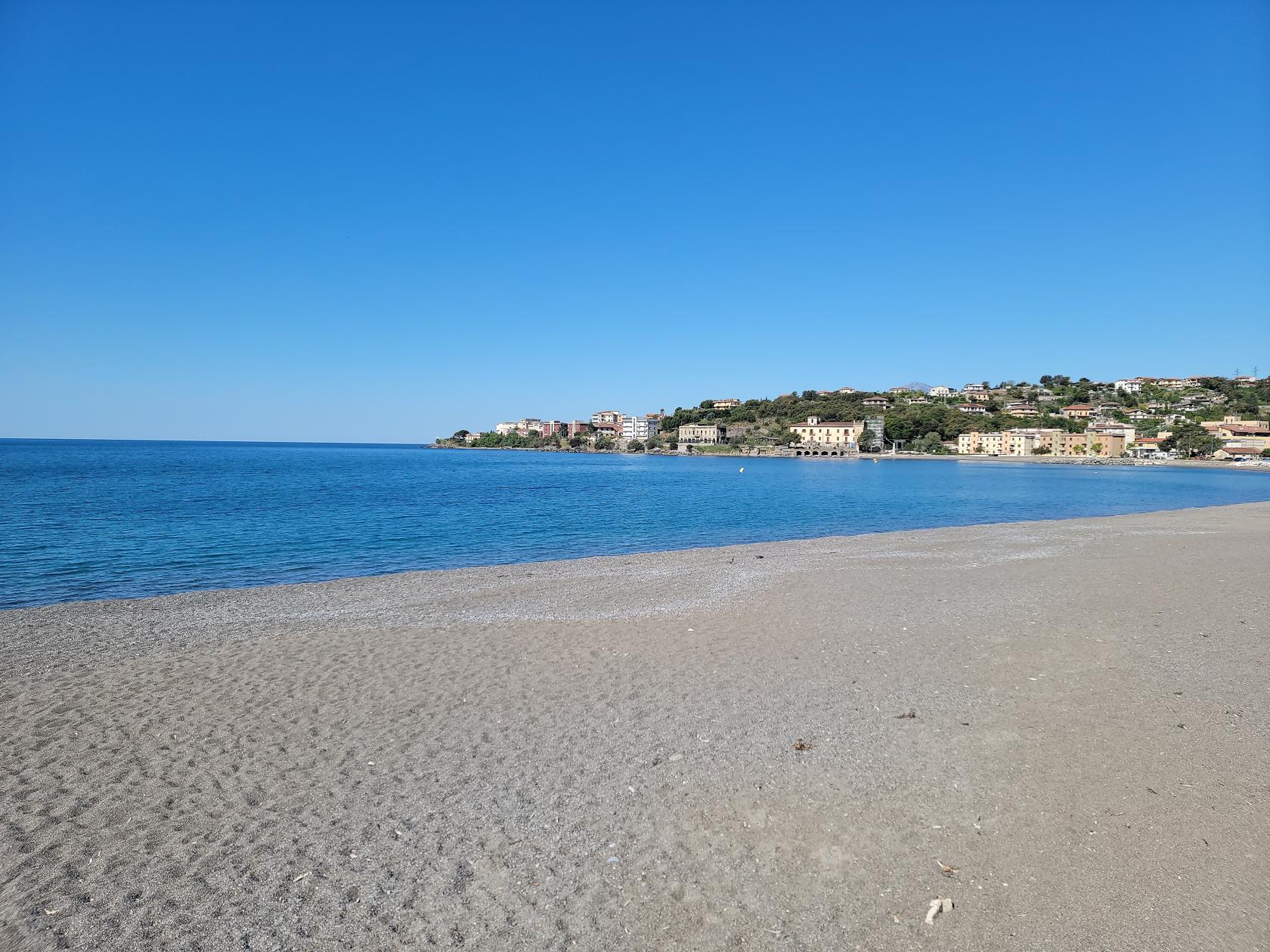
Stoney Beach – Sapri, Italy
Sapri
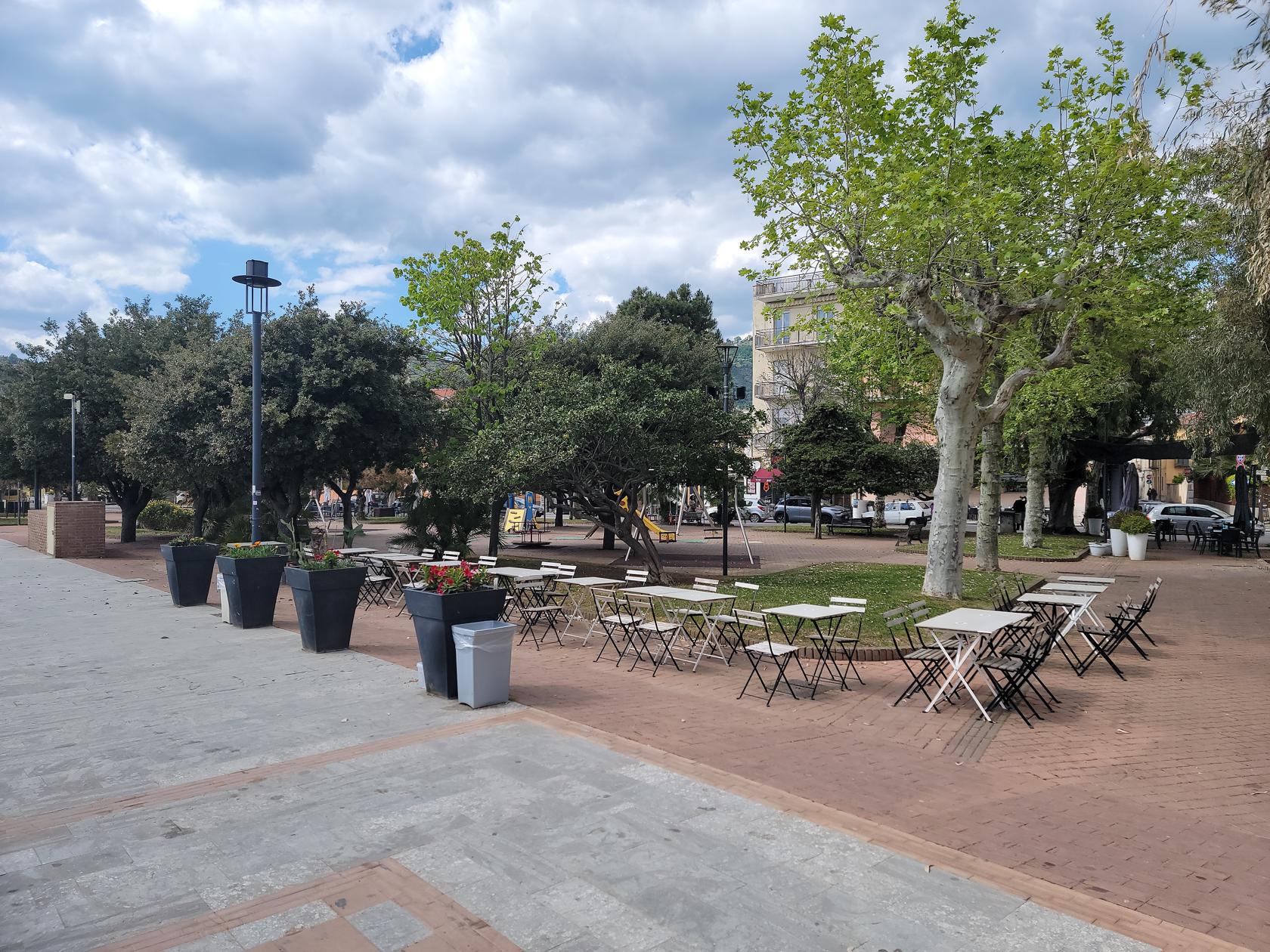
Sapri is a small Italian town that is dominated by its stony beach. While there it was fairly vacant and deviod of other tourists. But there were plenty of restaurants open and we did enjoy that relaxing atmosphere and food.
Boardwalk – Sapri, Italy
Boardwalk – Sapri, Italy
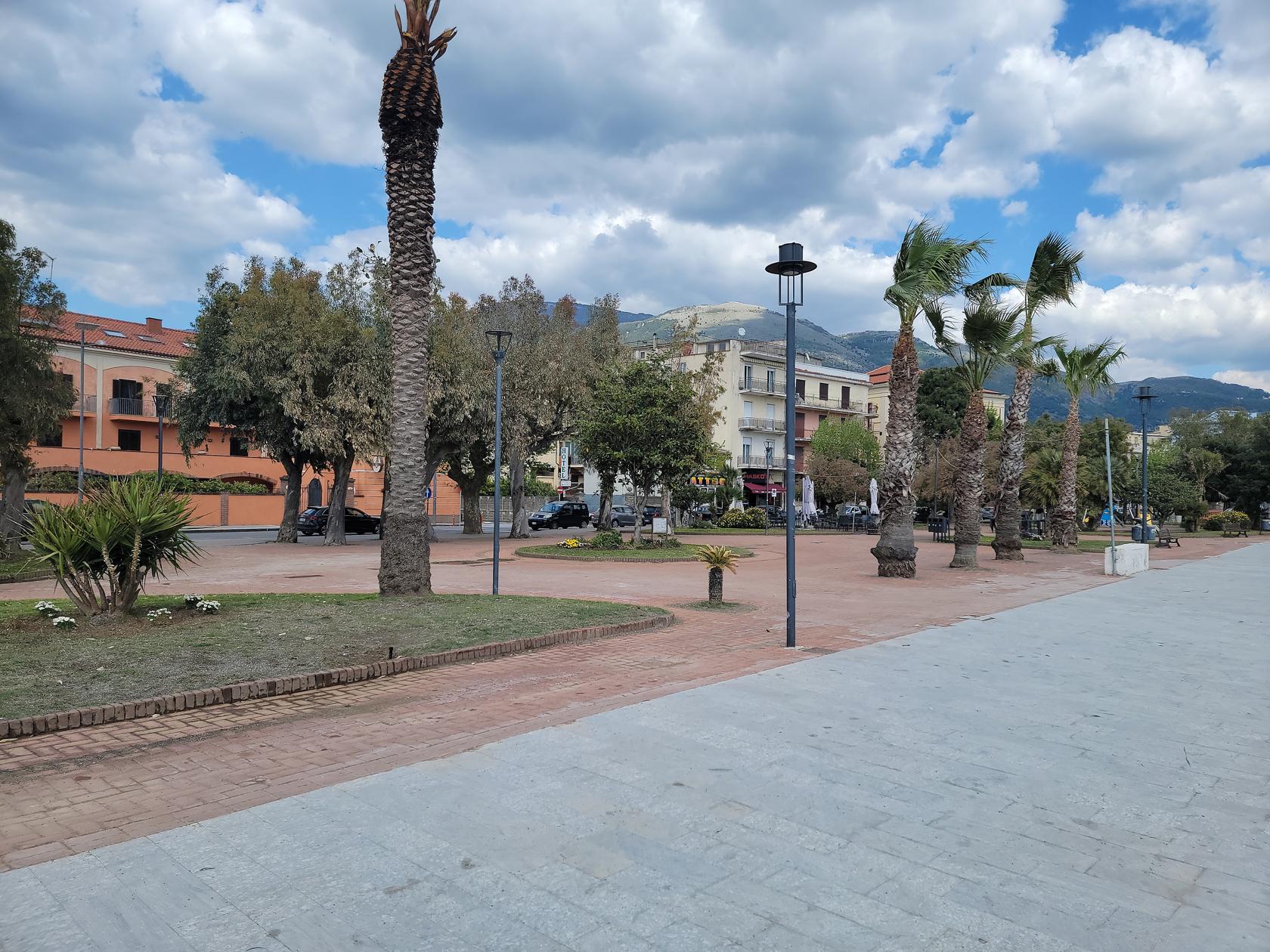
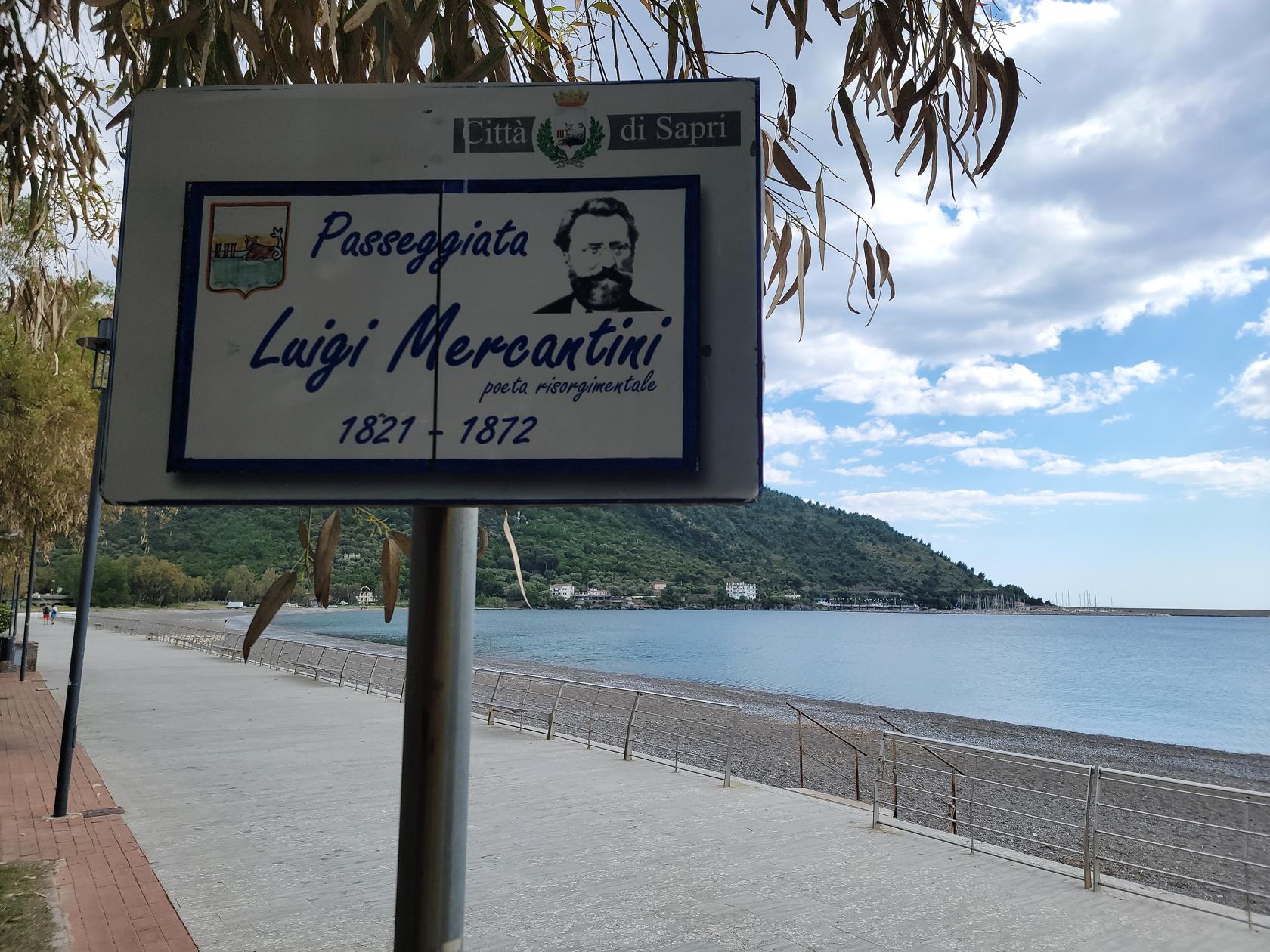
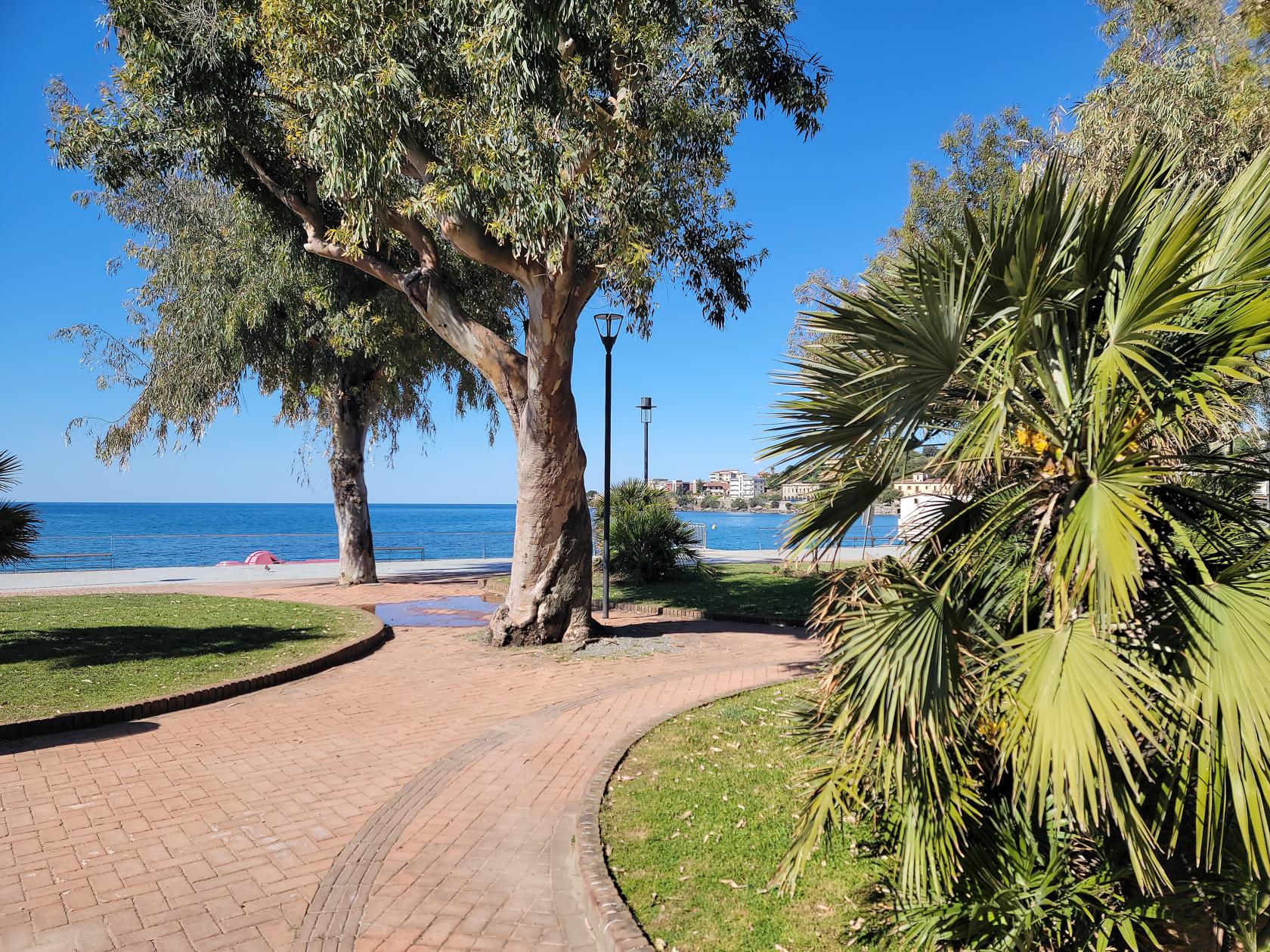
Boardwalk or Passeggiata – Sapri, Italy
Boardwalk – Sapri, Italy
Beach – Sapri, Italy
Beach – Sapri, Italy
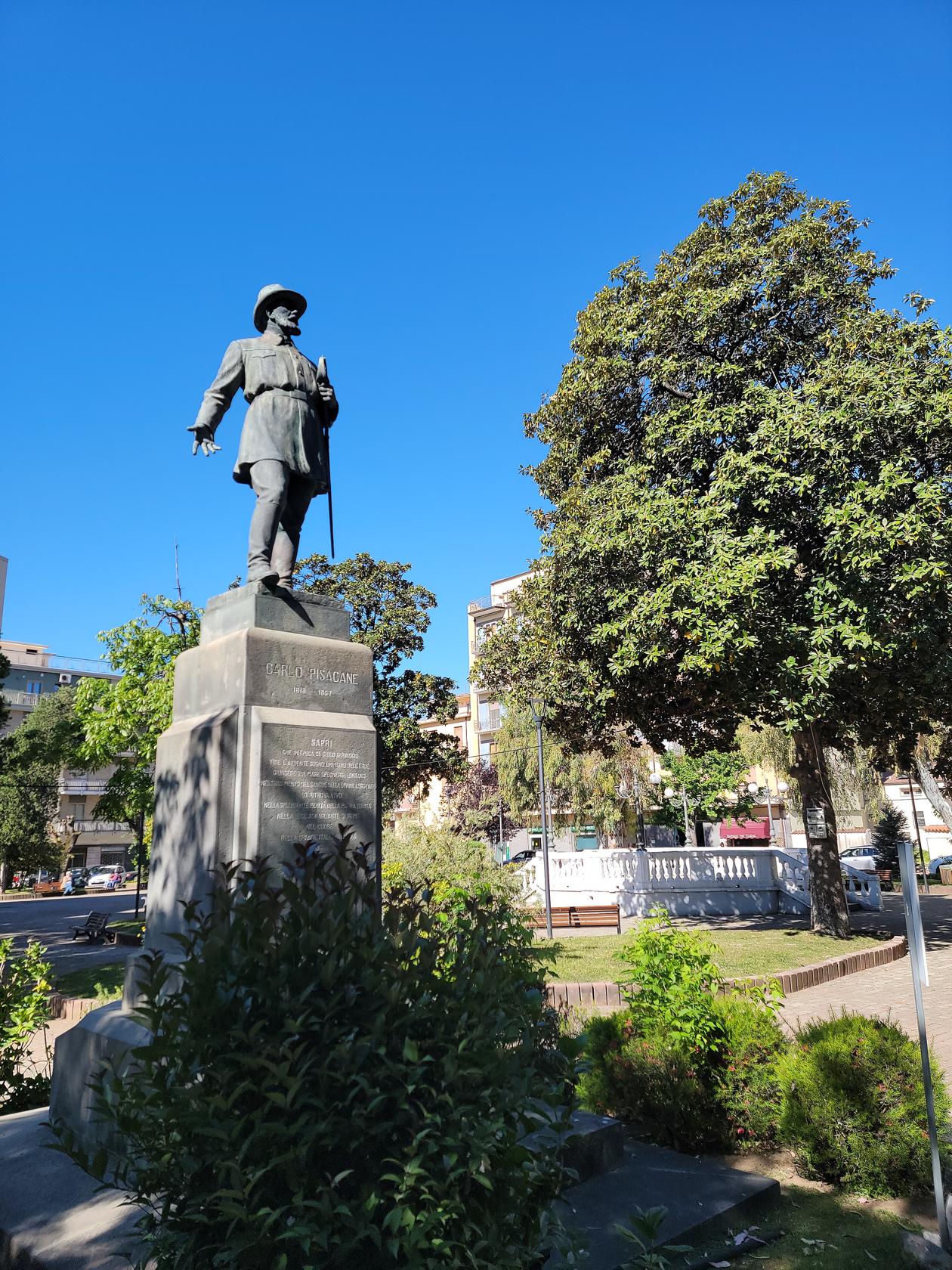
Carlo Pisacane Statue – Sapri, Italy
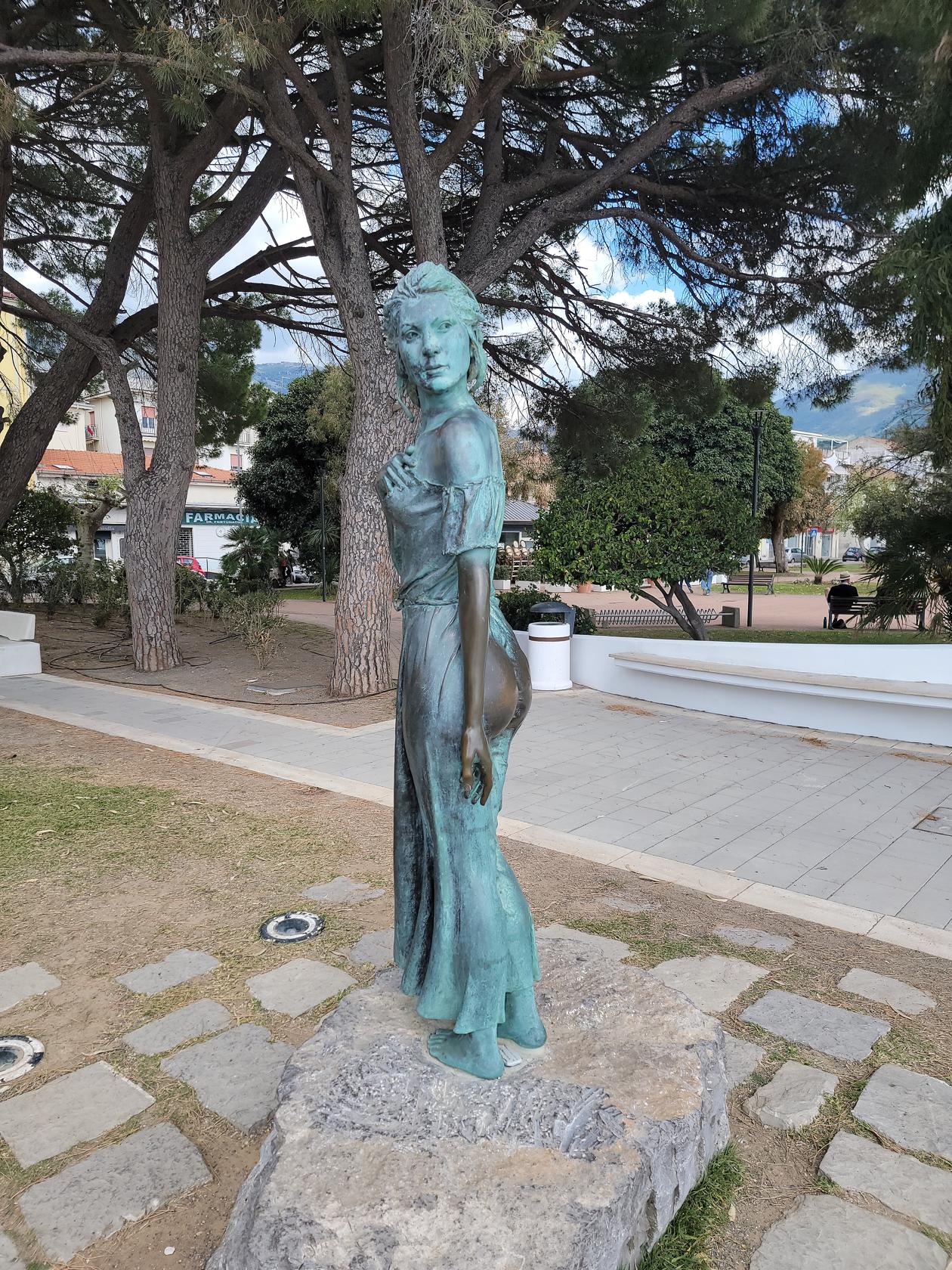
Bronze Girl – Sapri, Italy
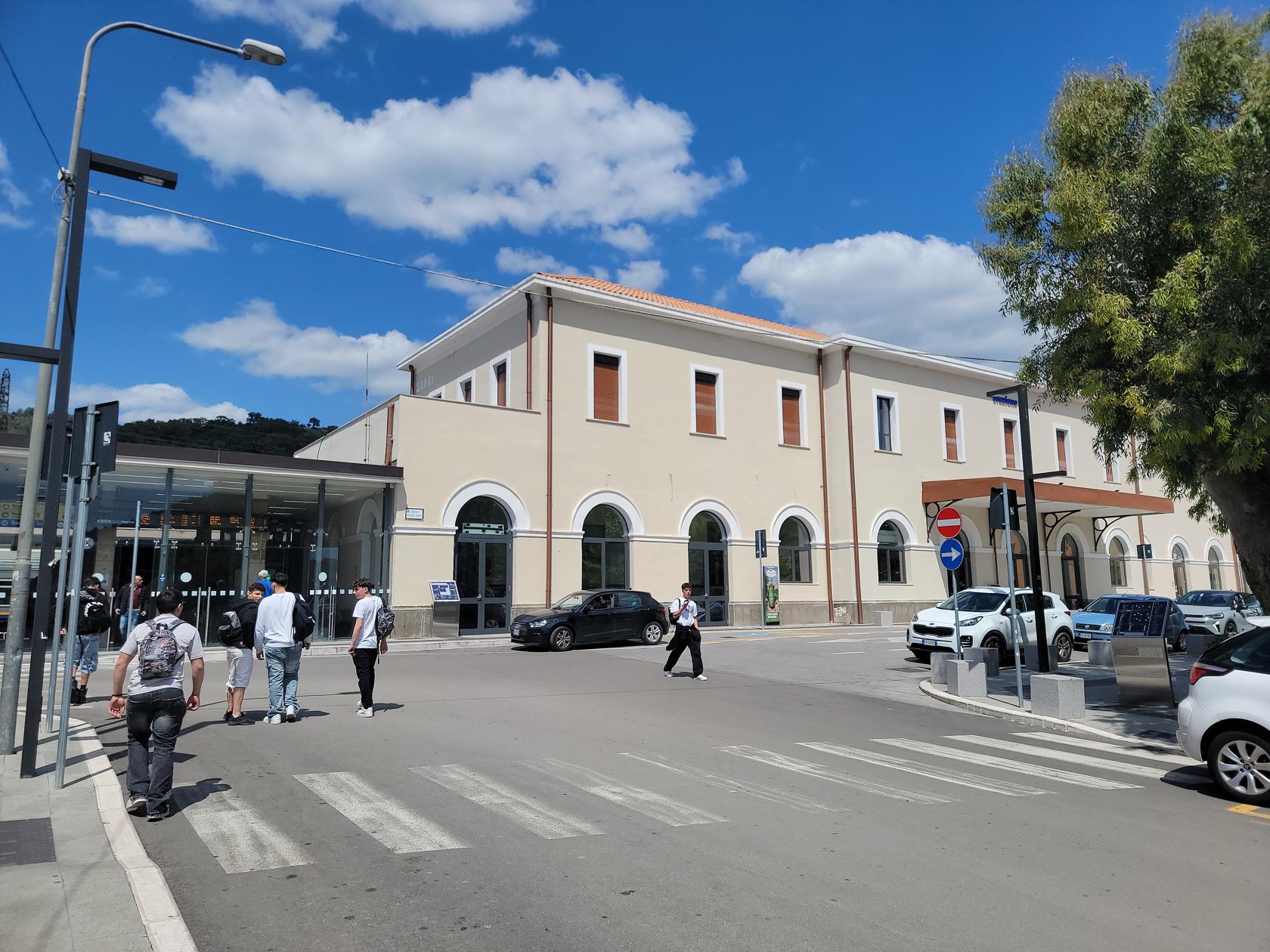
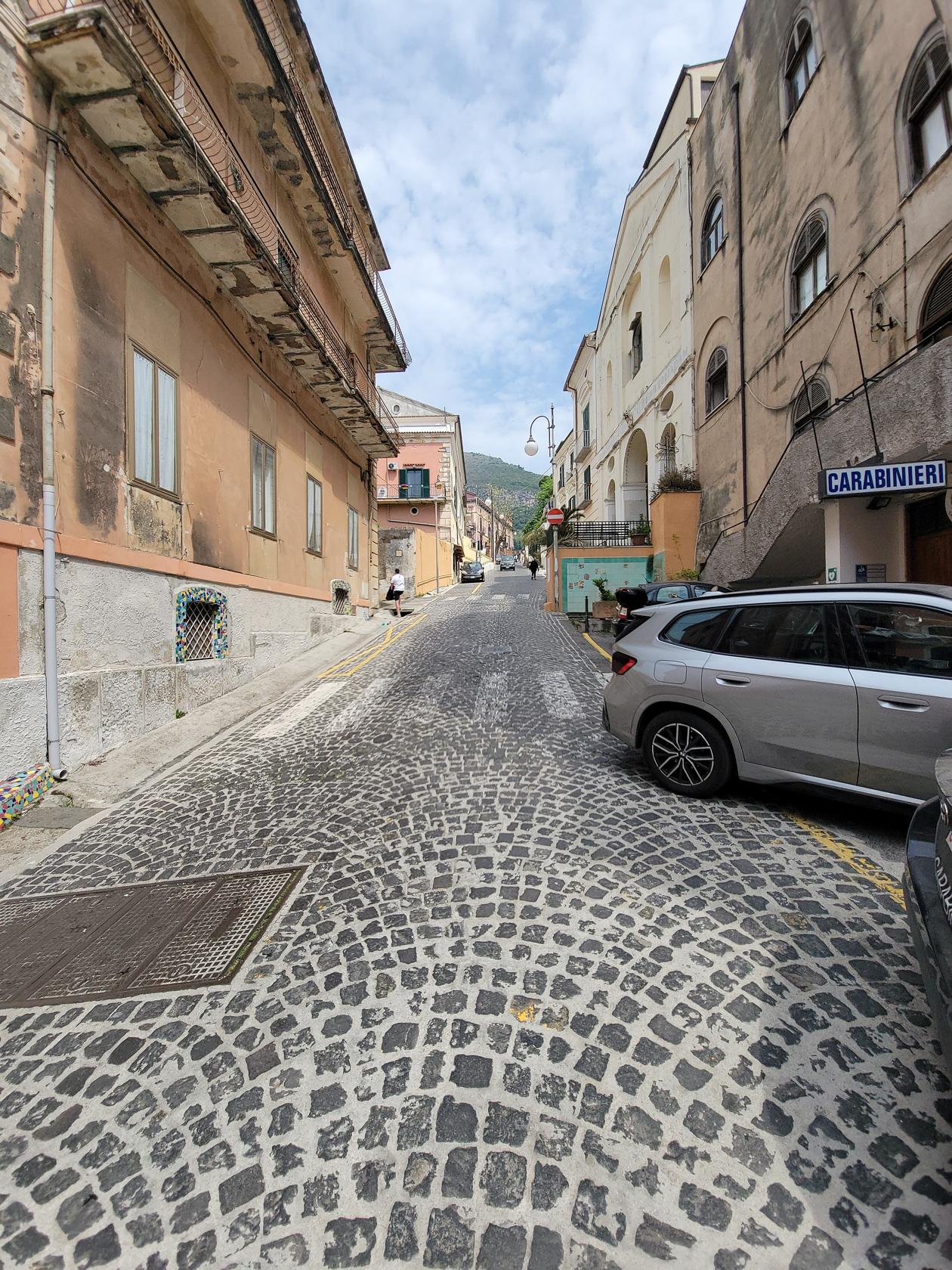
The town itself is nothing to look at, but there are a few spots of interest, all of which were along the coastal area. Situated in the Gulf of Policastro it is surrounded by hills on all three sides. Luckily the train station is a short ten minute walk to and from the beach.
Sapri Train Station – Sapri, Italy
Getting There
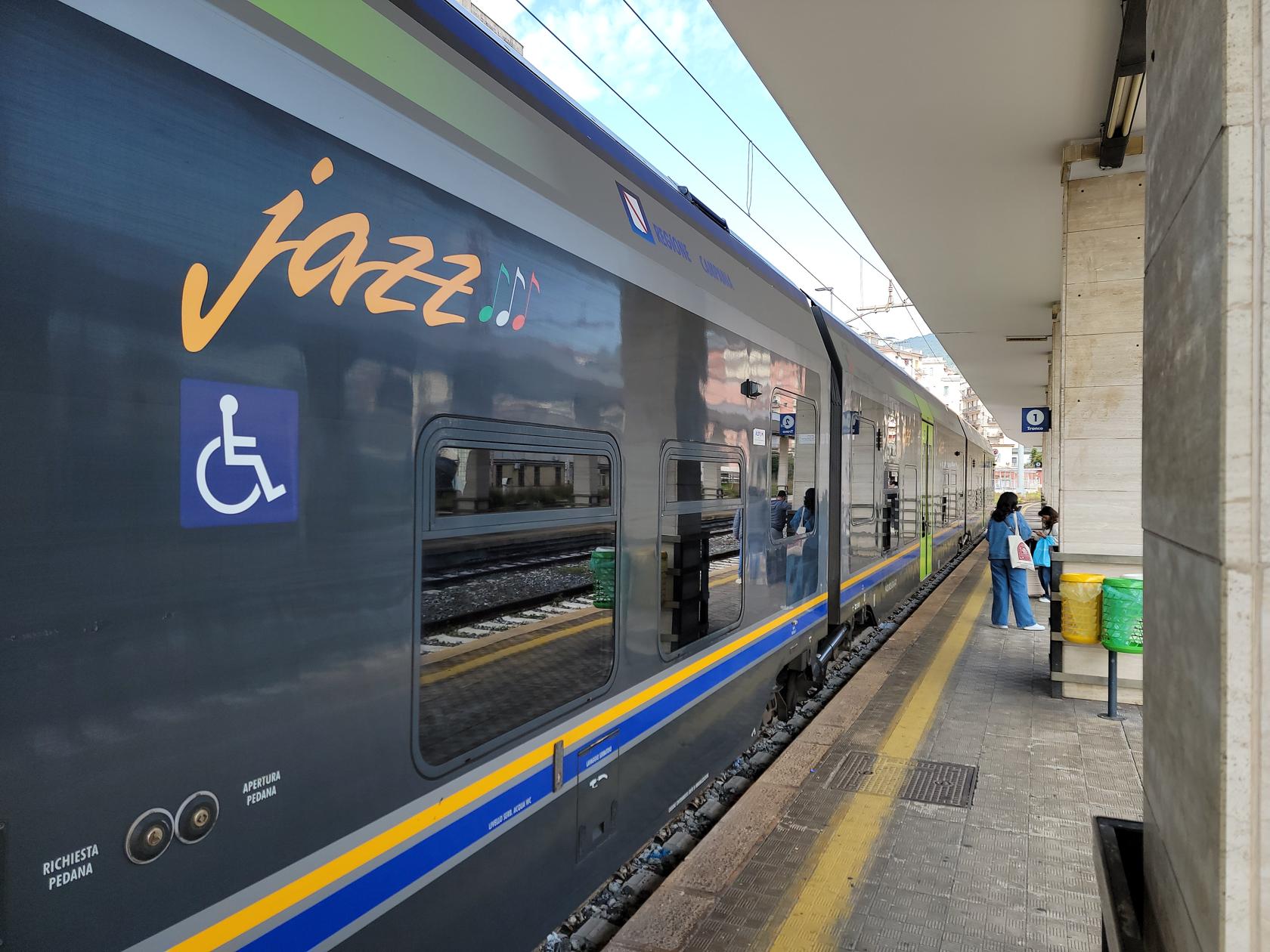
There are several trains that run between Naples and Sapri. Perhaps the most convenient one will be the local, which stops at several points, but offers a bit more flexibility.
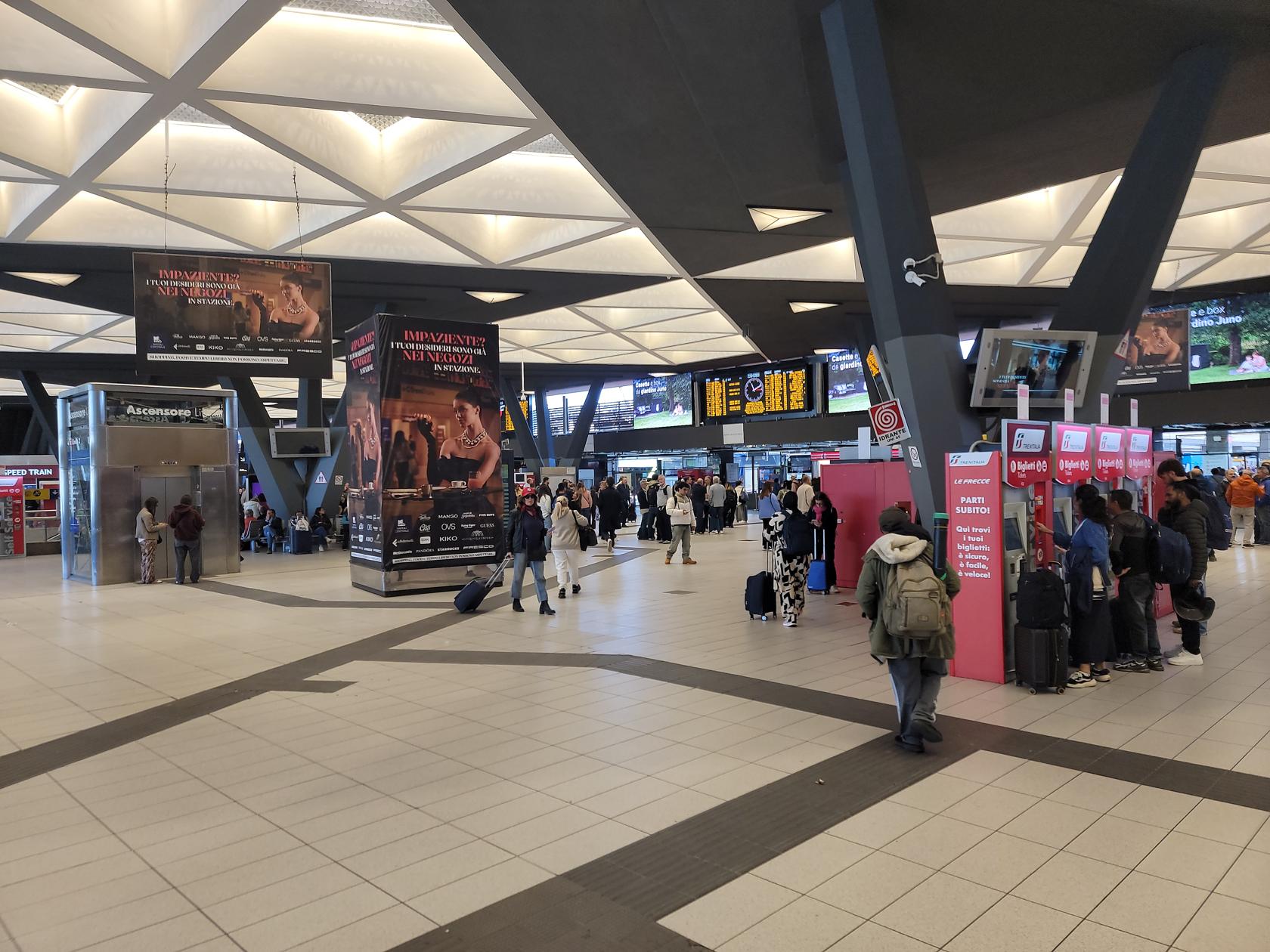
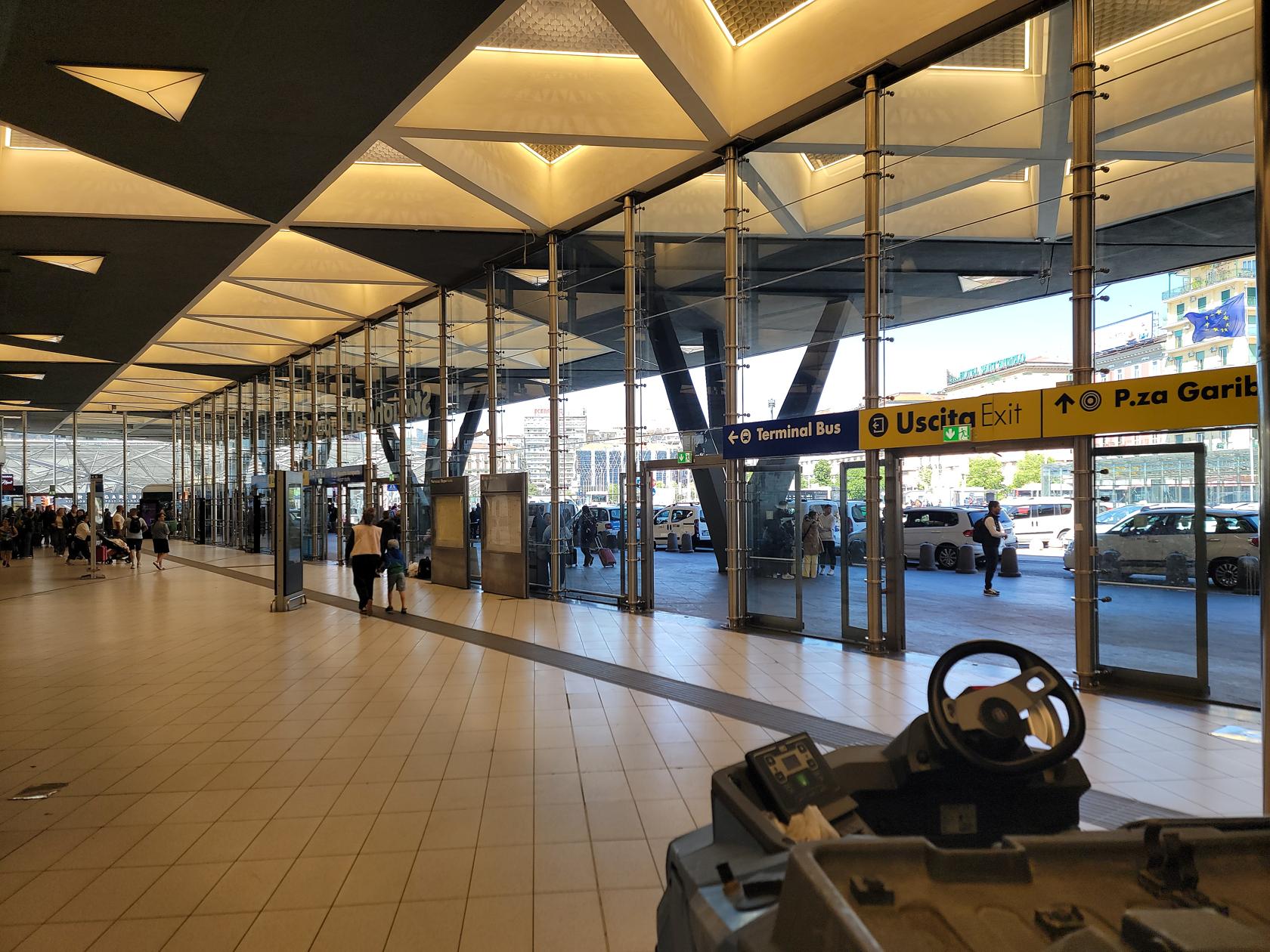
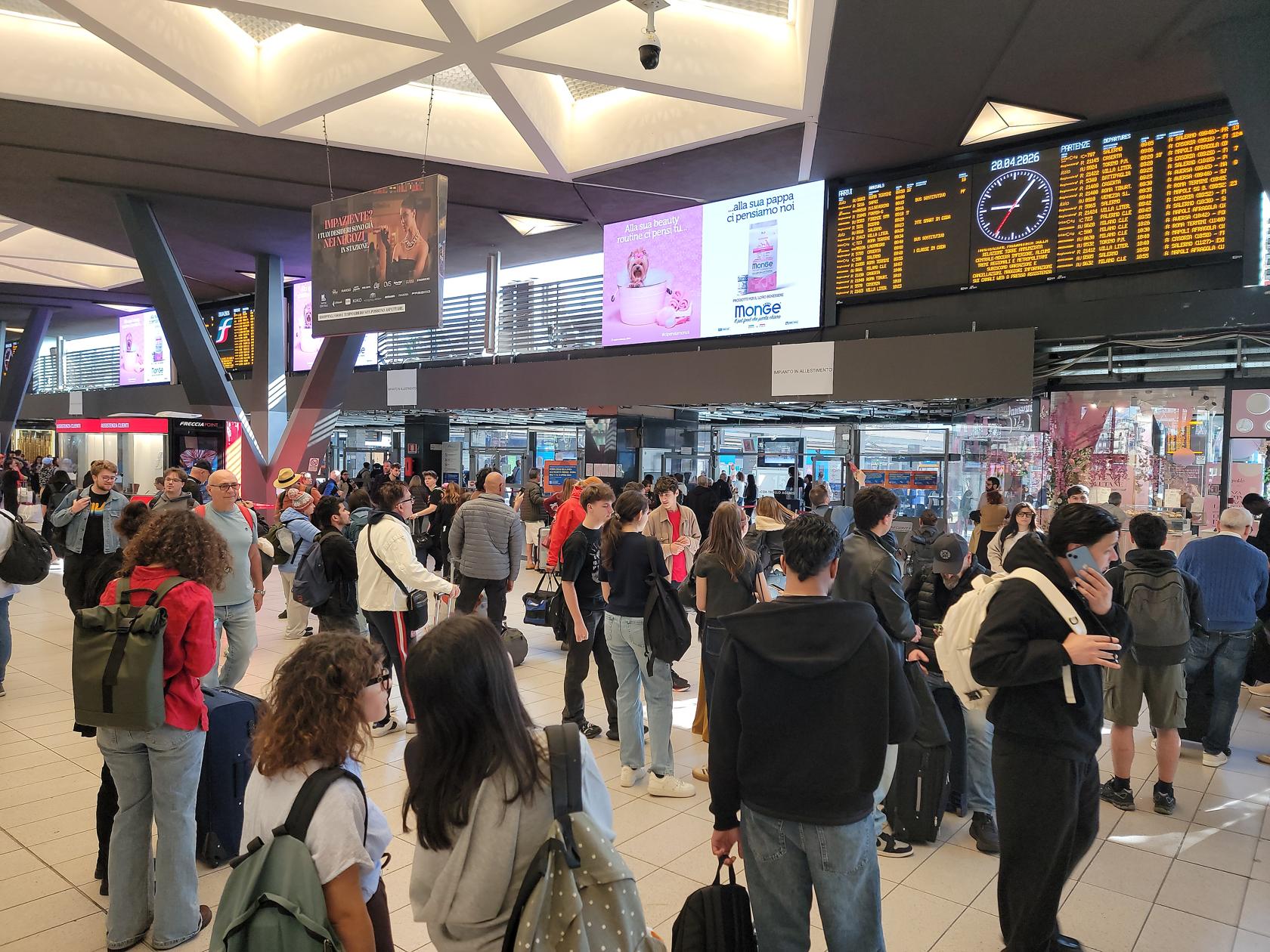
Napoli Centrale – Naples, Italy
Napoli Centrale – Naples, Italy
Napoli Centrale – Naples, Italy
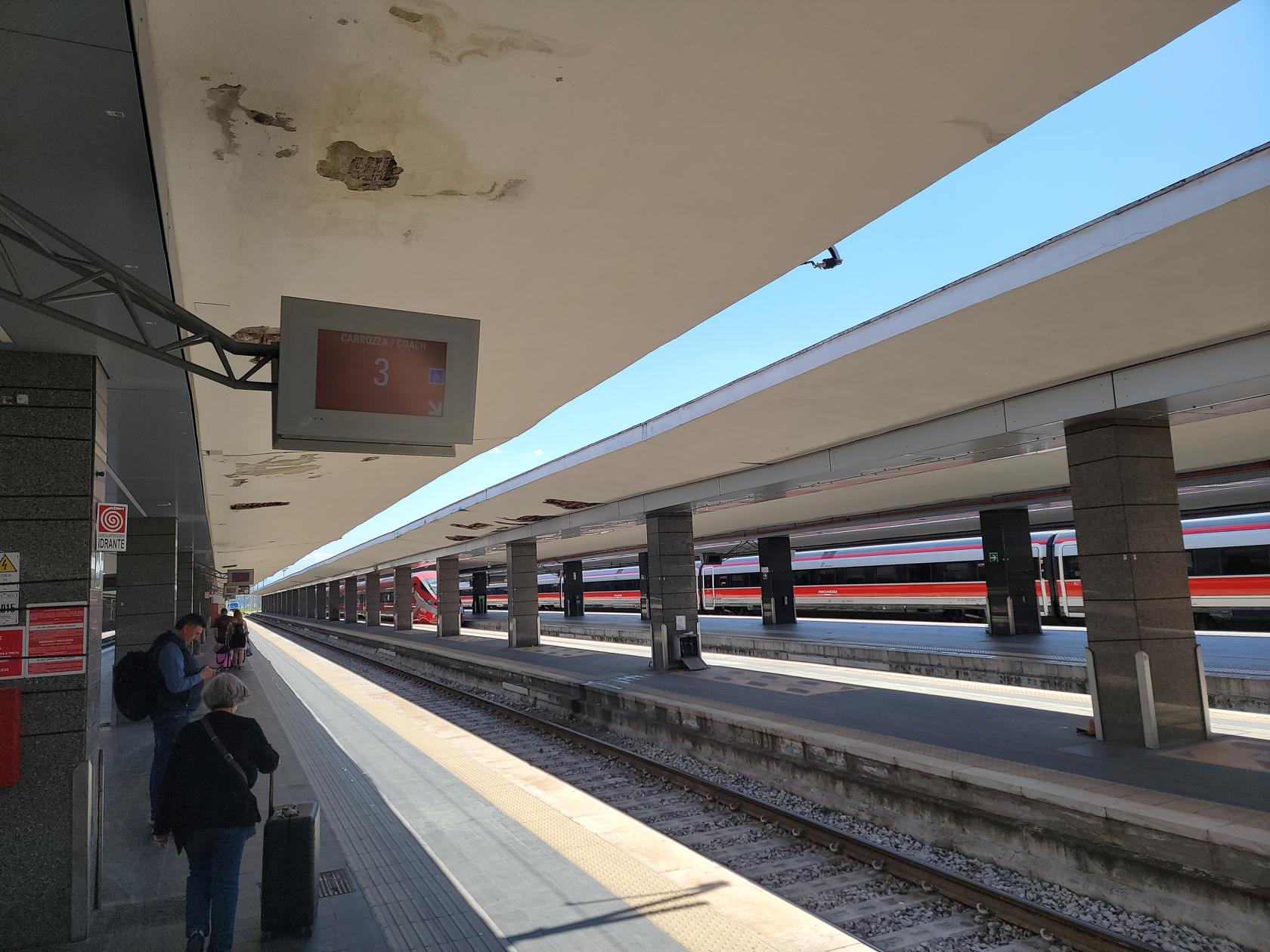
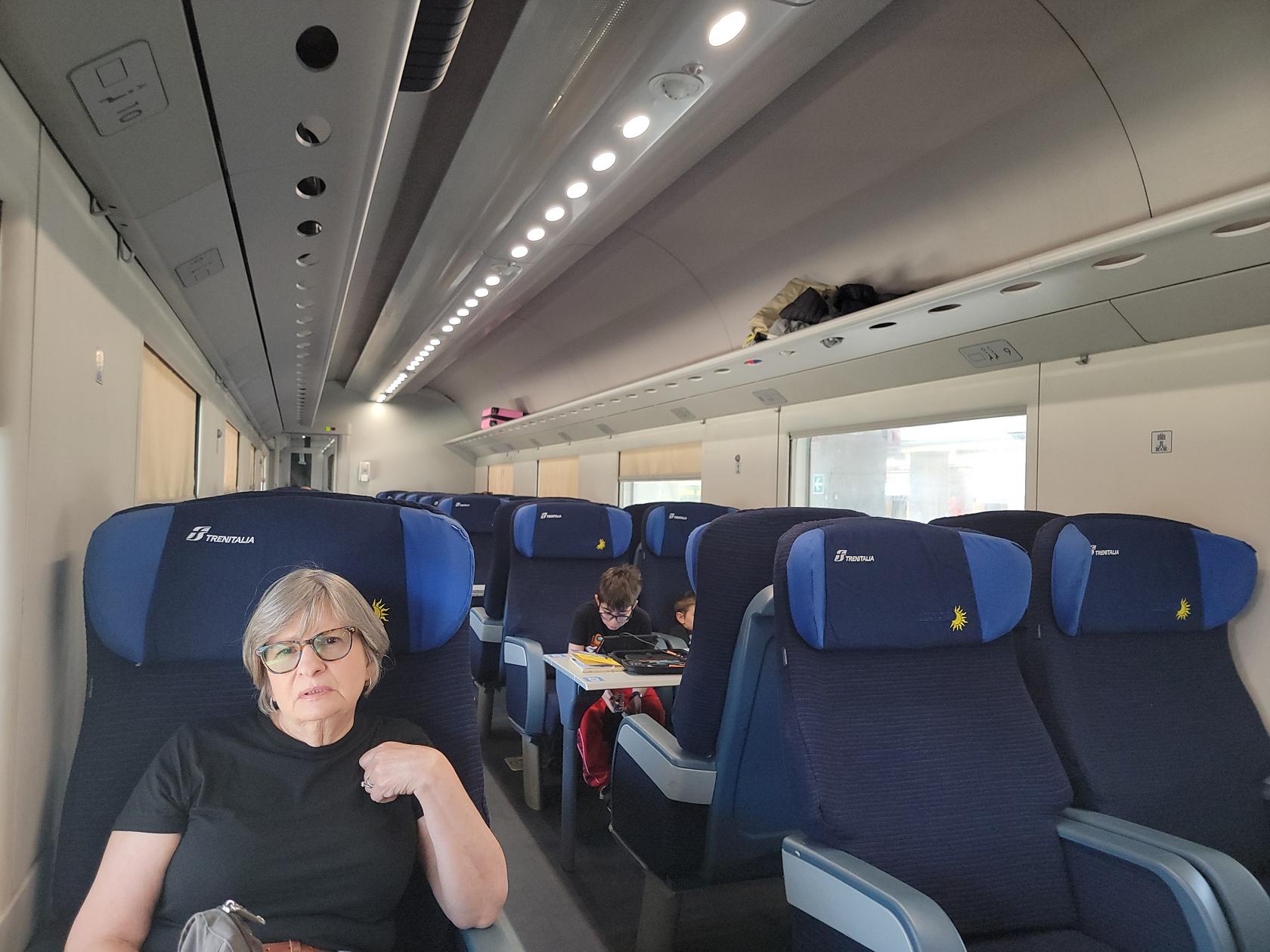
Patti – InterCity Train to Sapri – Naples, Italy
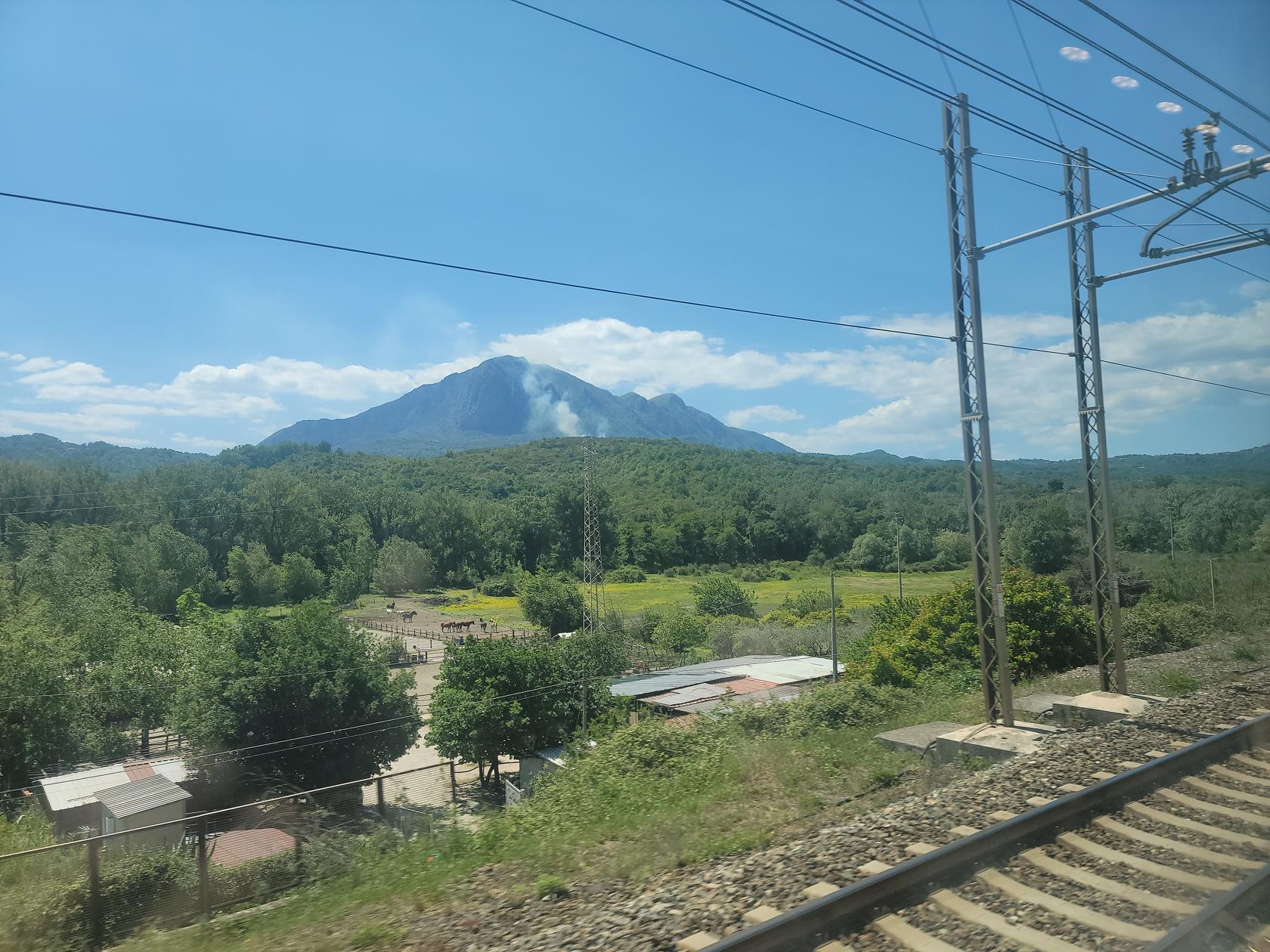
Forest Fire – InterCity Train to Sapri – Naples, Italy
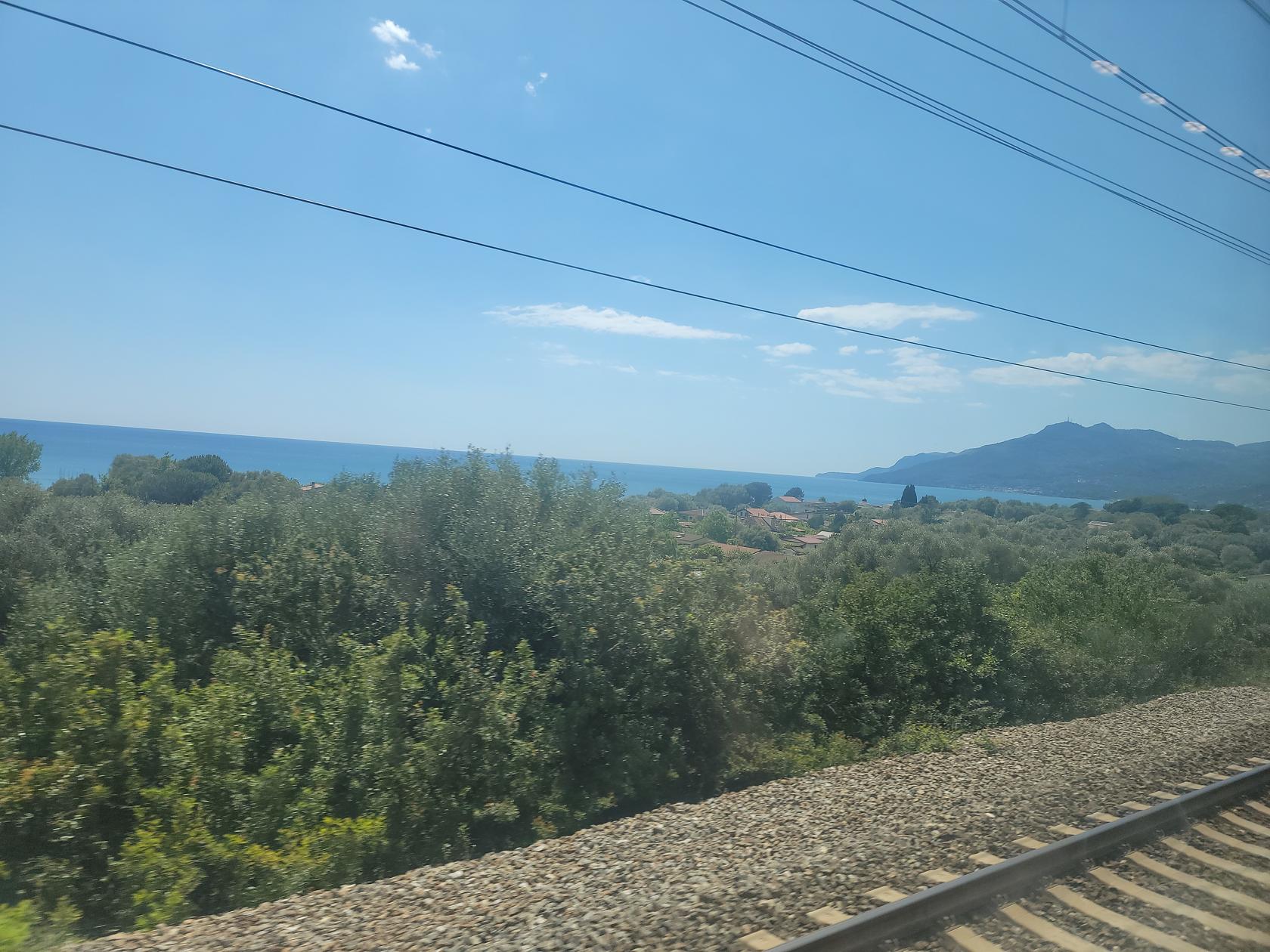
Gulf of Policastro – InterCity Train to Sapri – Naples, Italy
Our Hotel
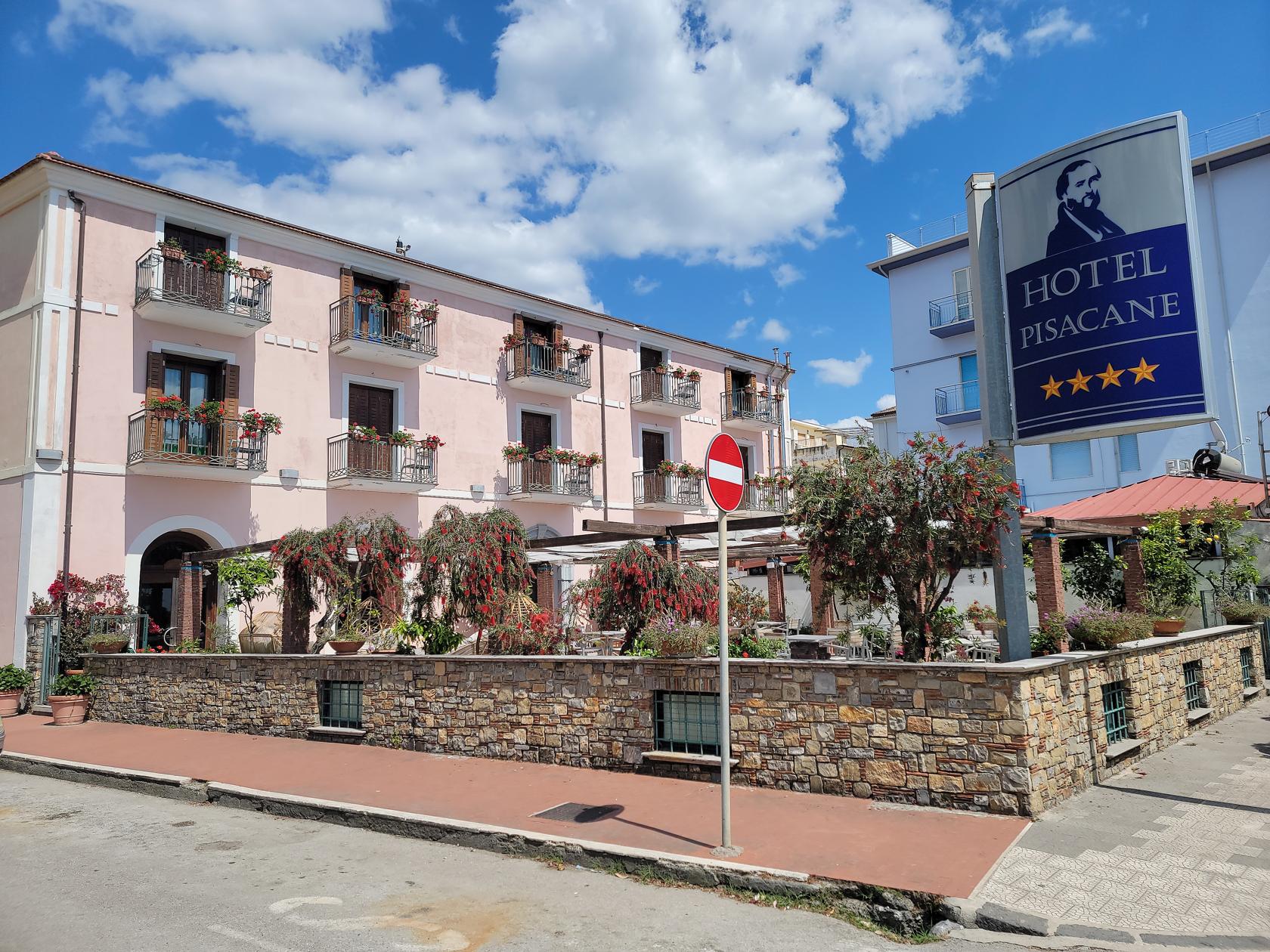
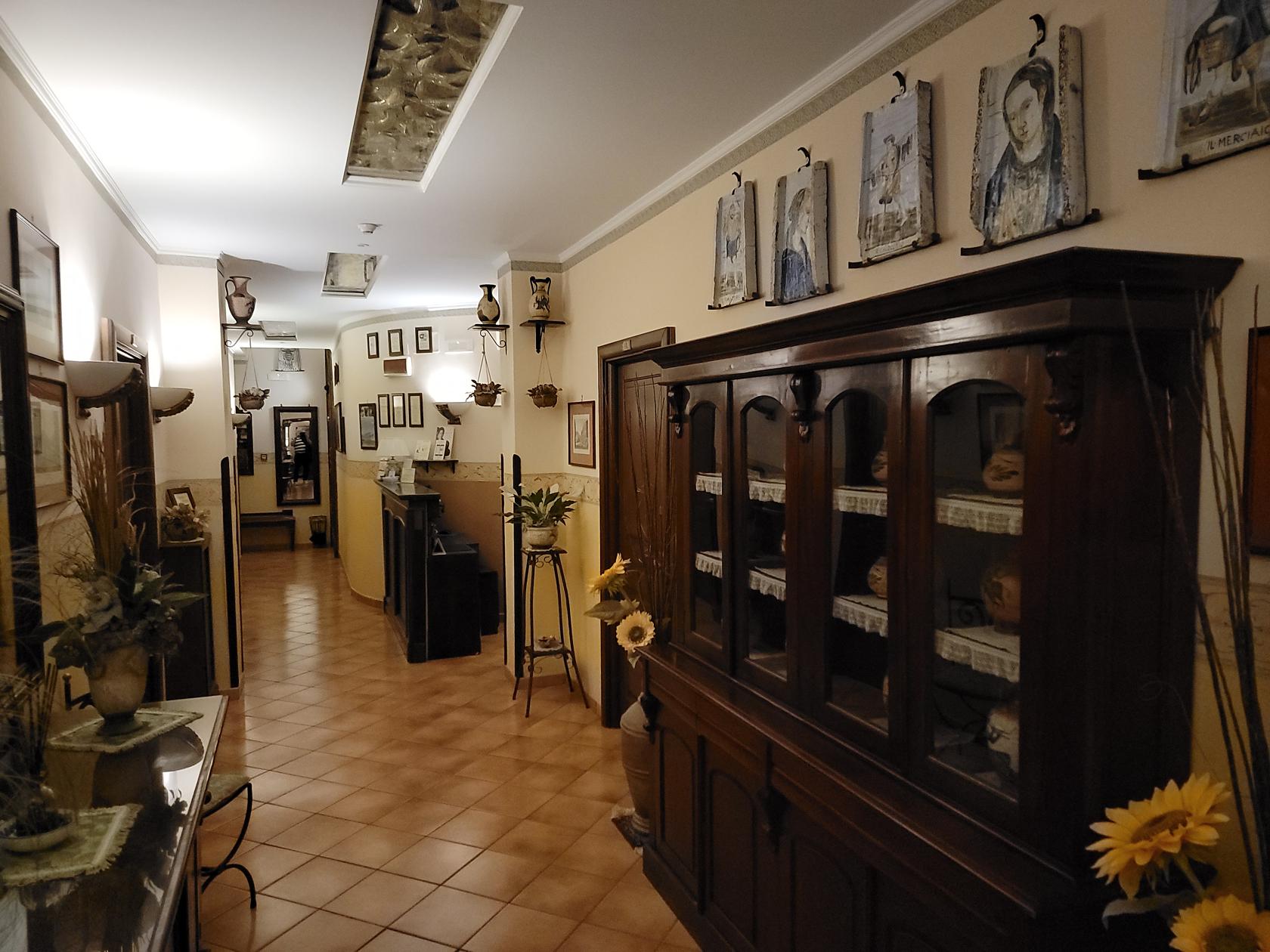
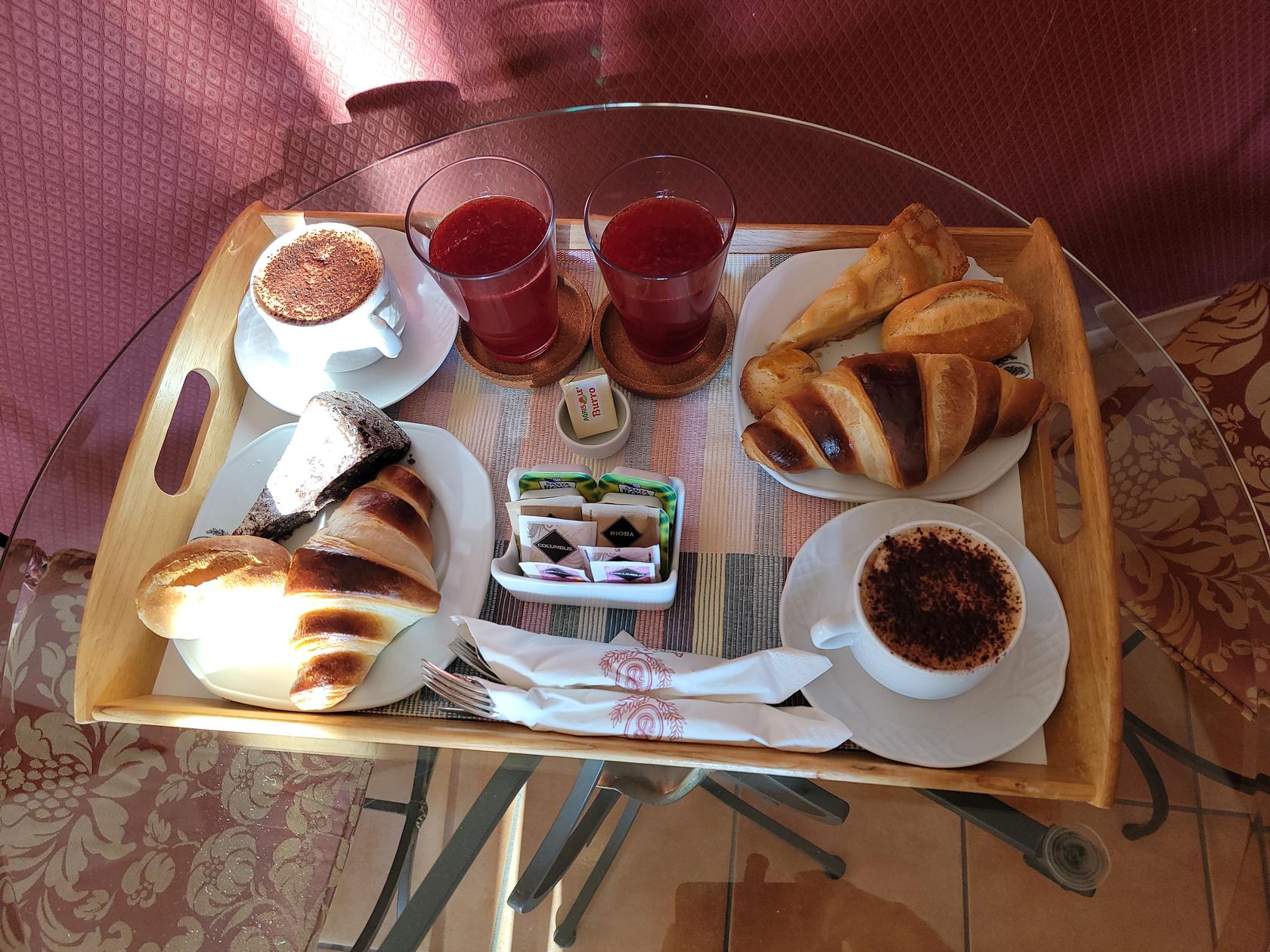
We stayed at the Hotel Pisacane, a small botique style hotel right on the beach. Unfortunately with the exception of breakfast, the restaurant is closed until tourist season which starts in June. Luckily, that did not turn into an issue for us.
Entrance – Hotel Pisacane – Sapri, Italy
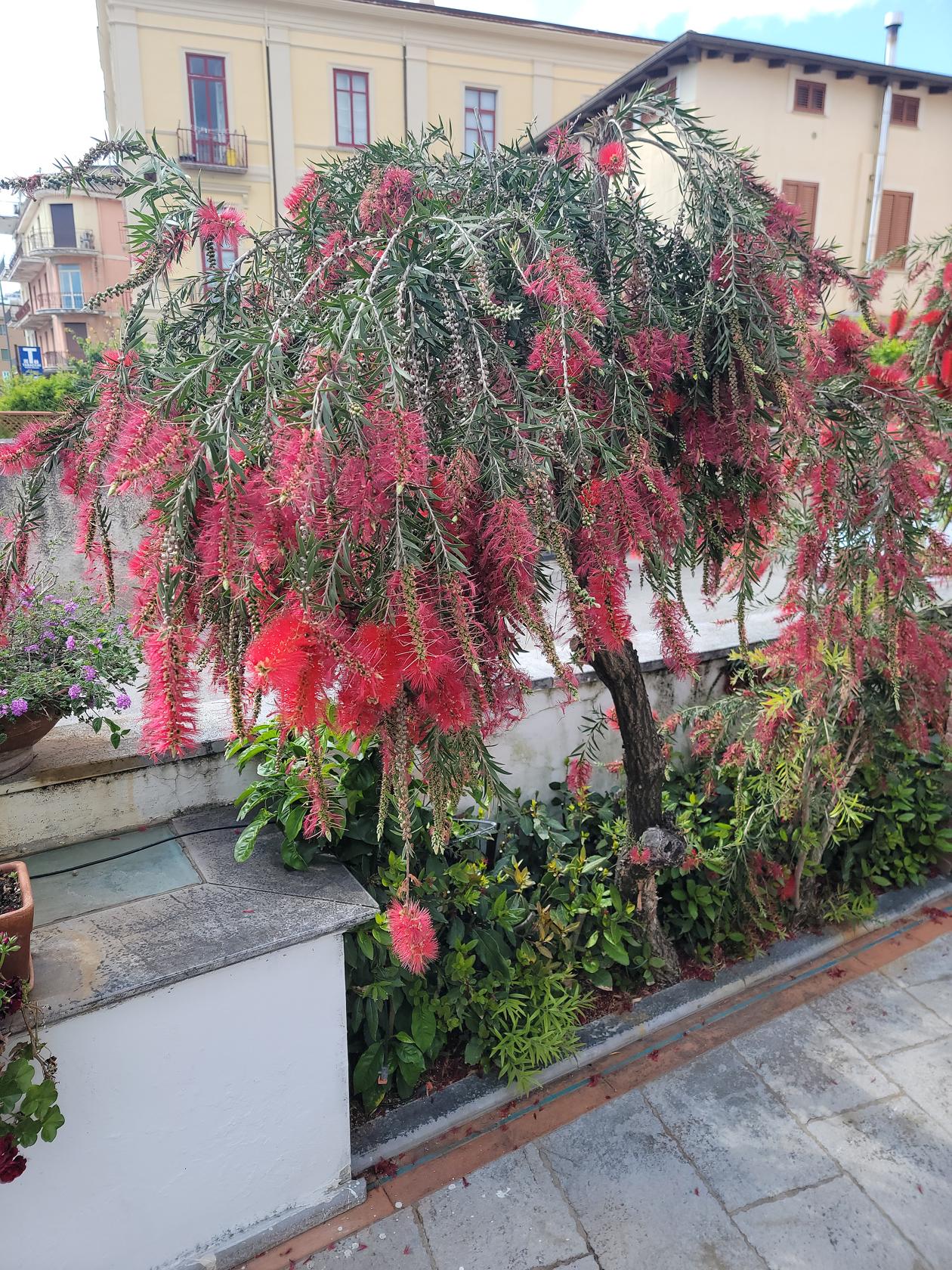
Interesting Tree – Hotel Pisacane – Sapri, Italy
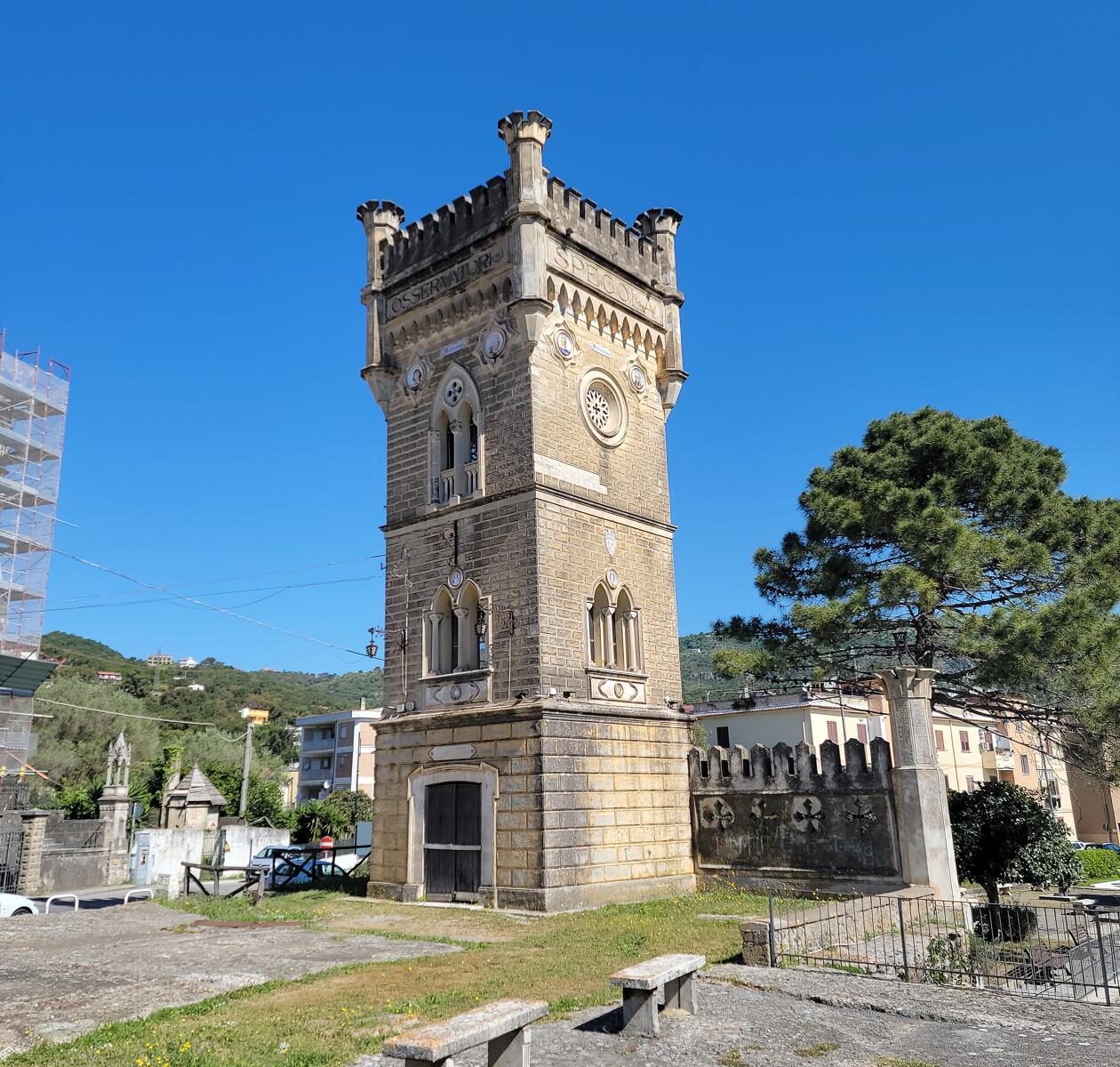
The Observatory
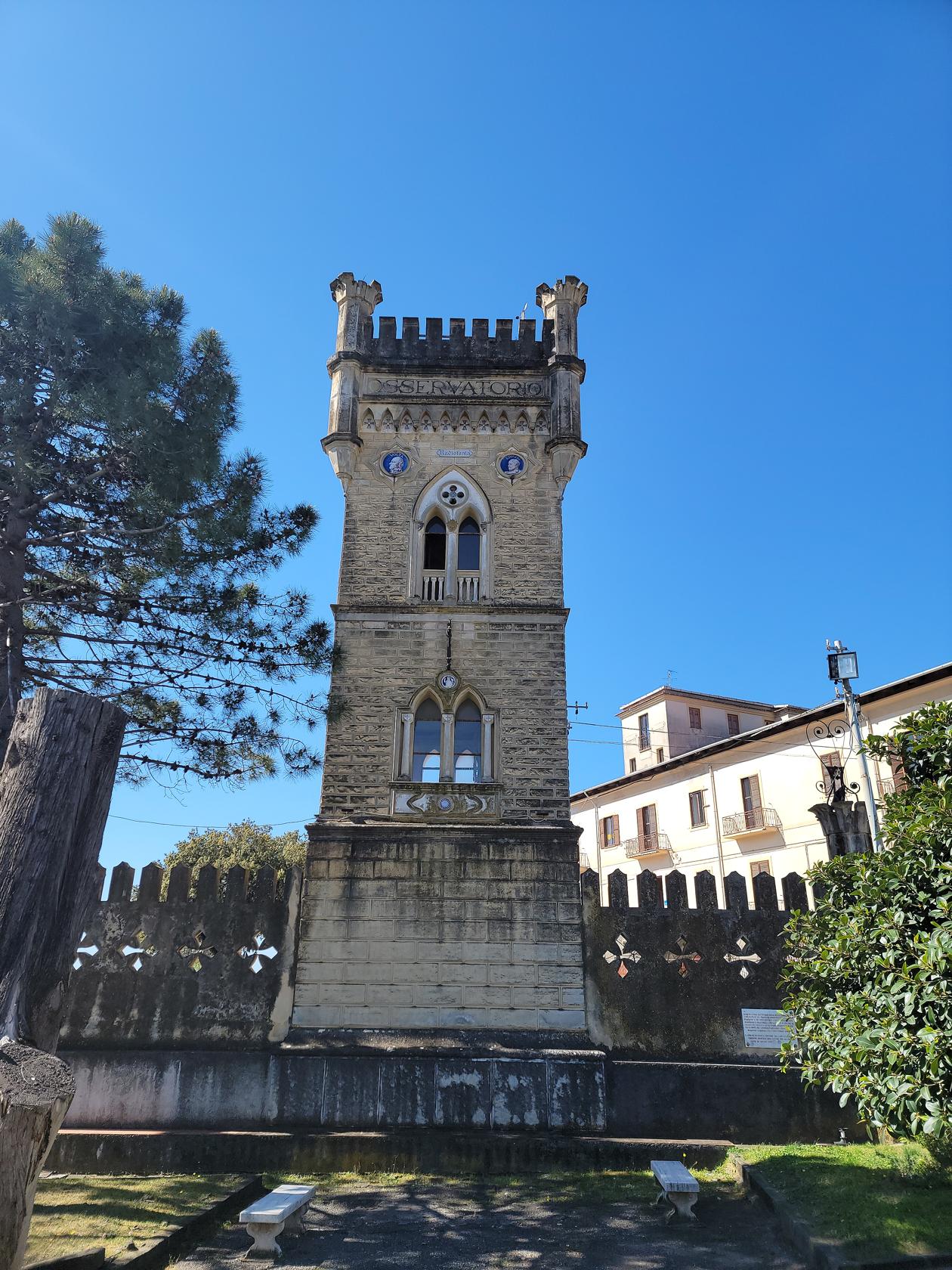
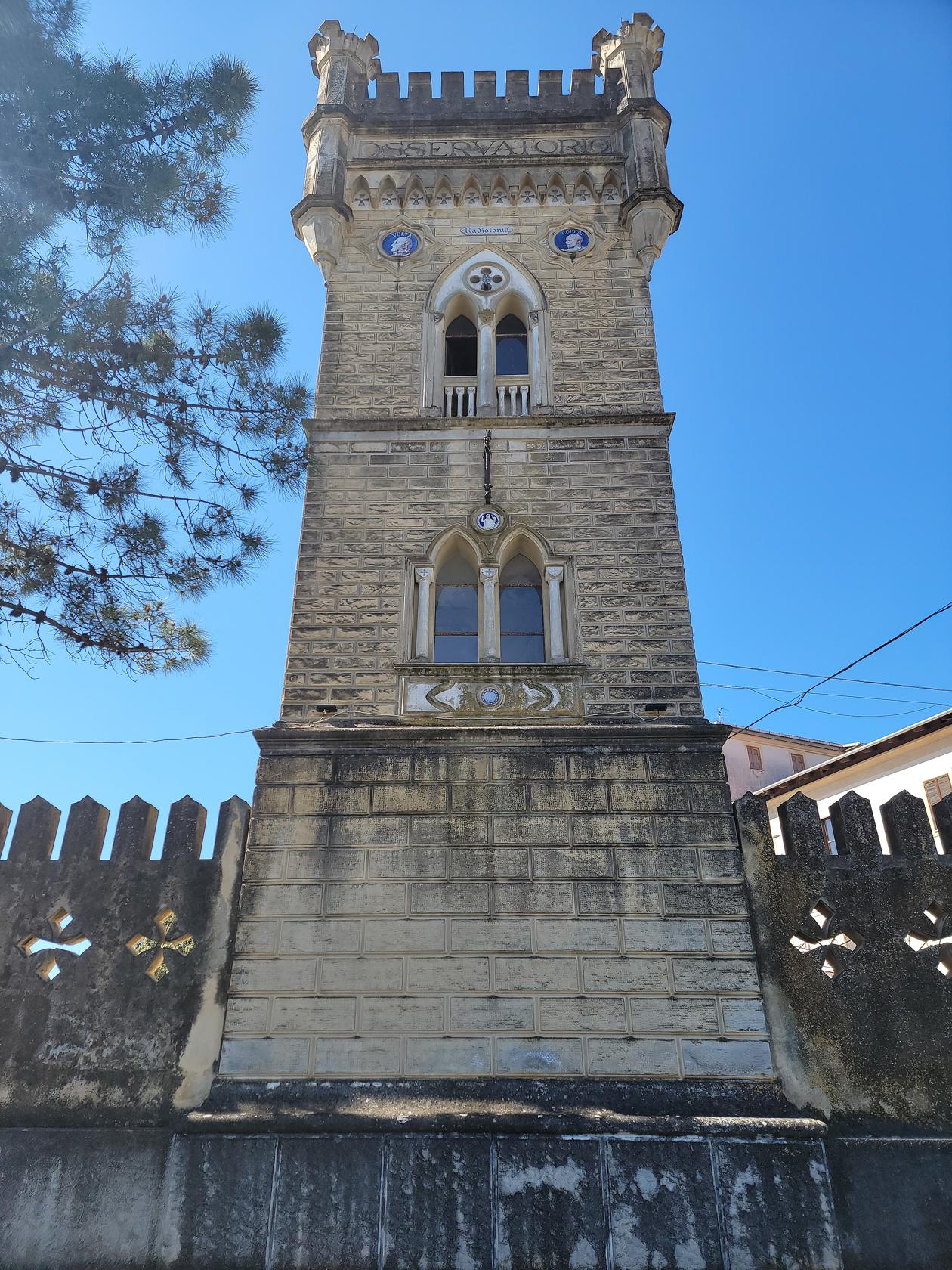
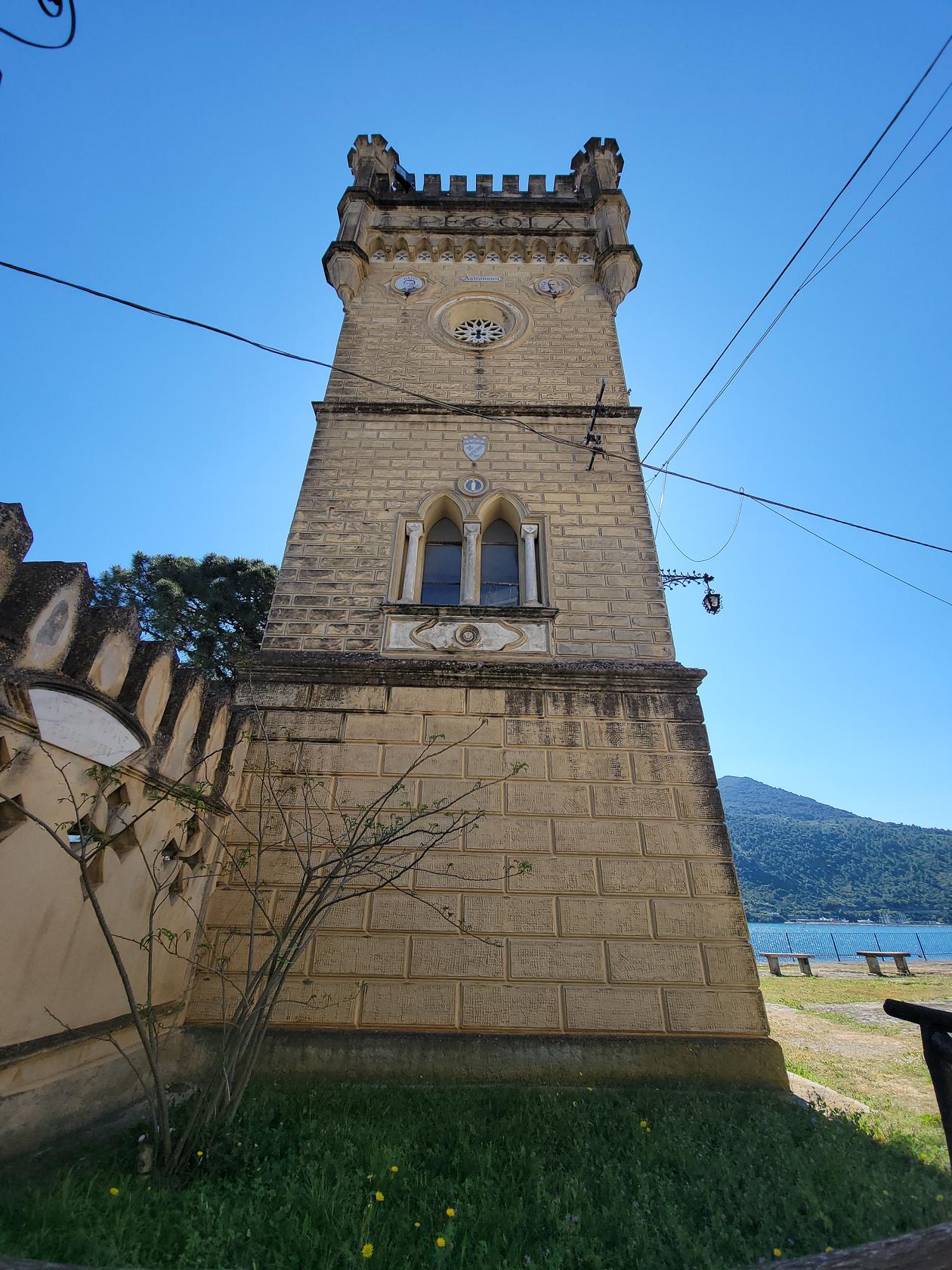
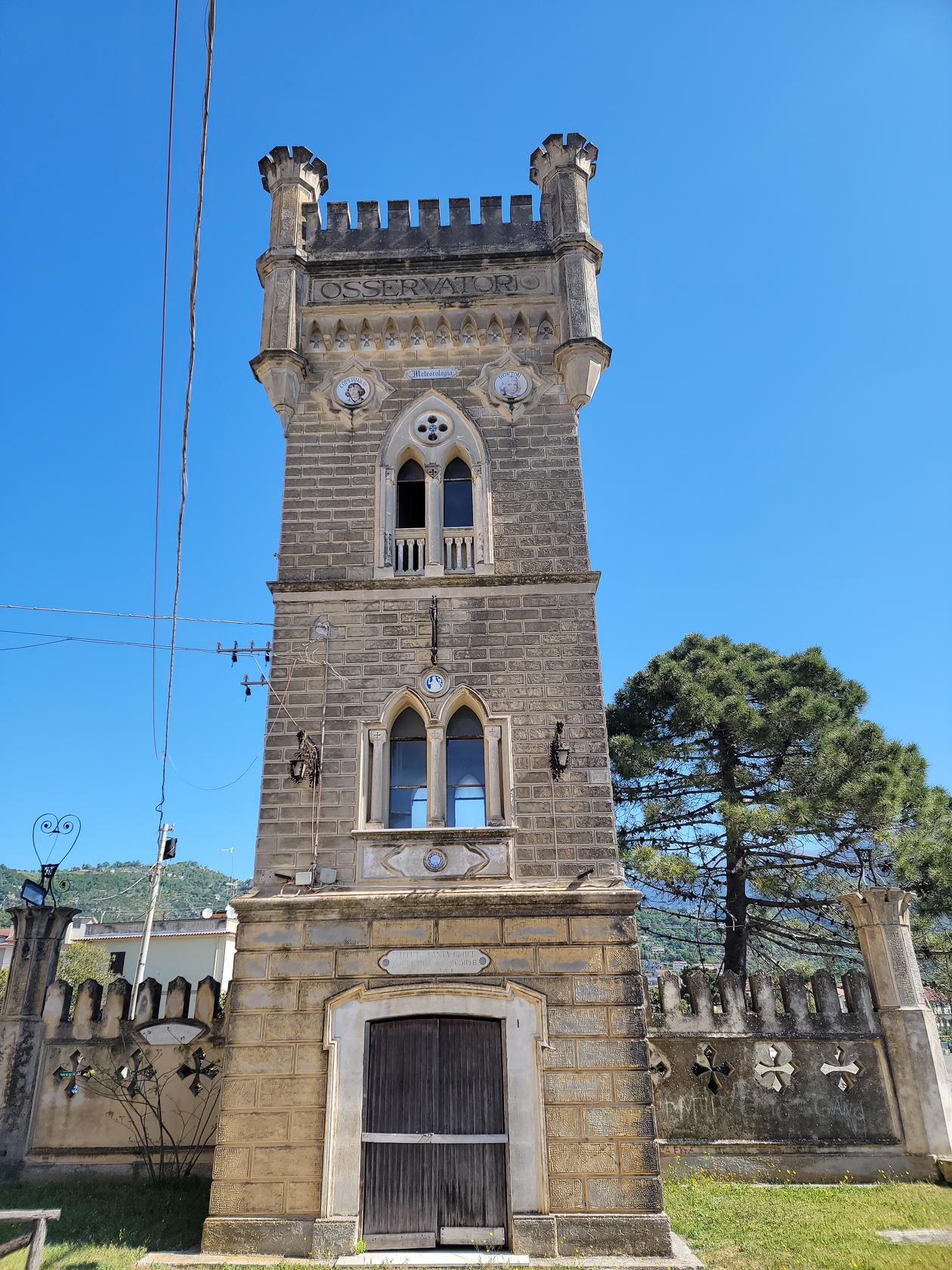
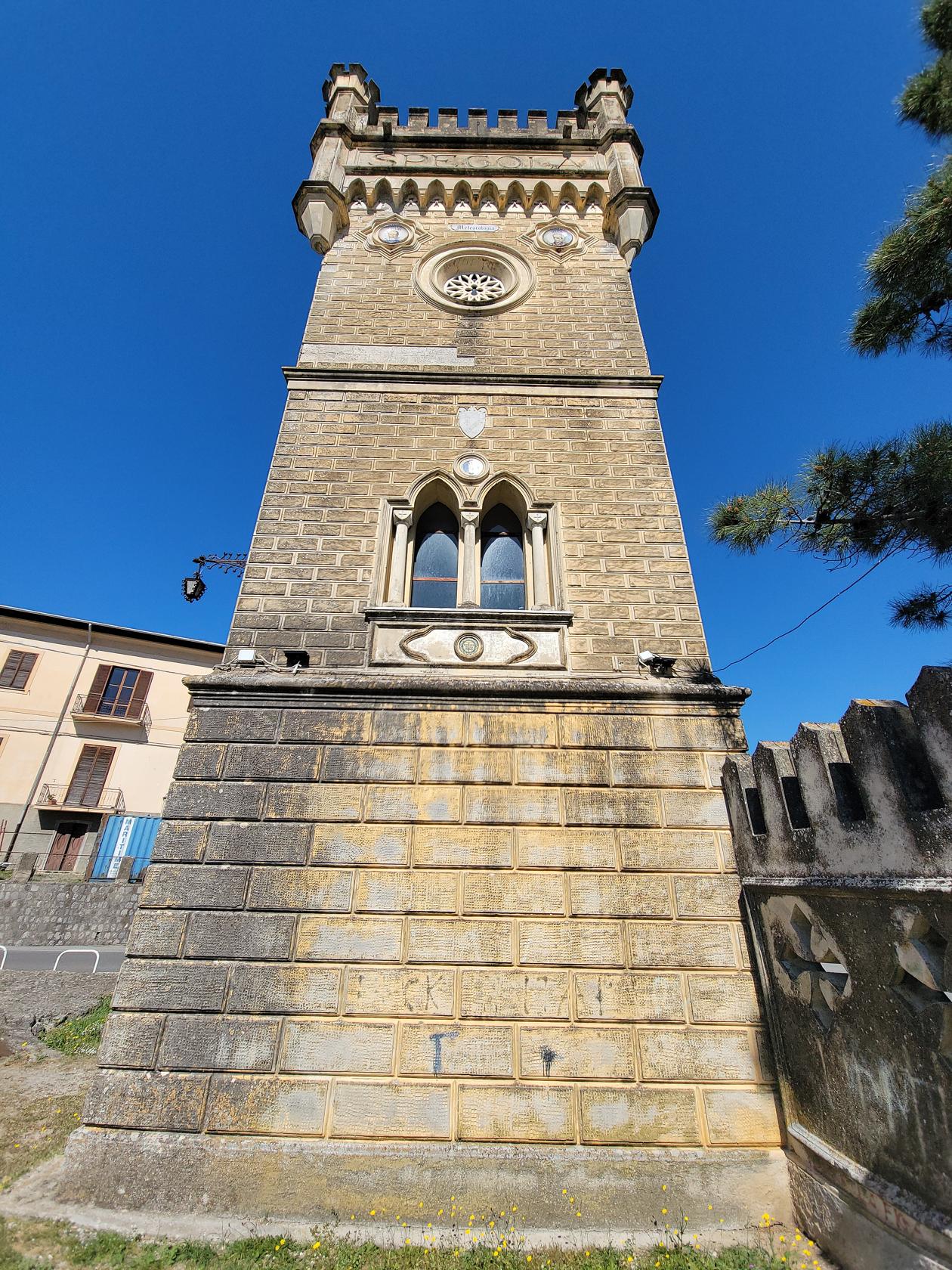
A very tall structure overlooking the Gulf of Policastro. It appears to celebrate eight renowned Italian scientist from astronomy, radio and meterology. It is located on the northern part of the beach, close to the Roman Villa Ruins.
Radio Greats Volta and Edison – Observatory Tower – Sapri, Italy
Radio – Volta and Edison – Observatory Tower – Sapri, Italy
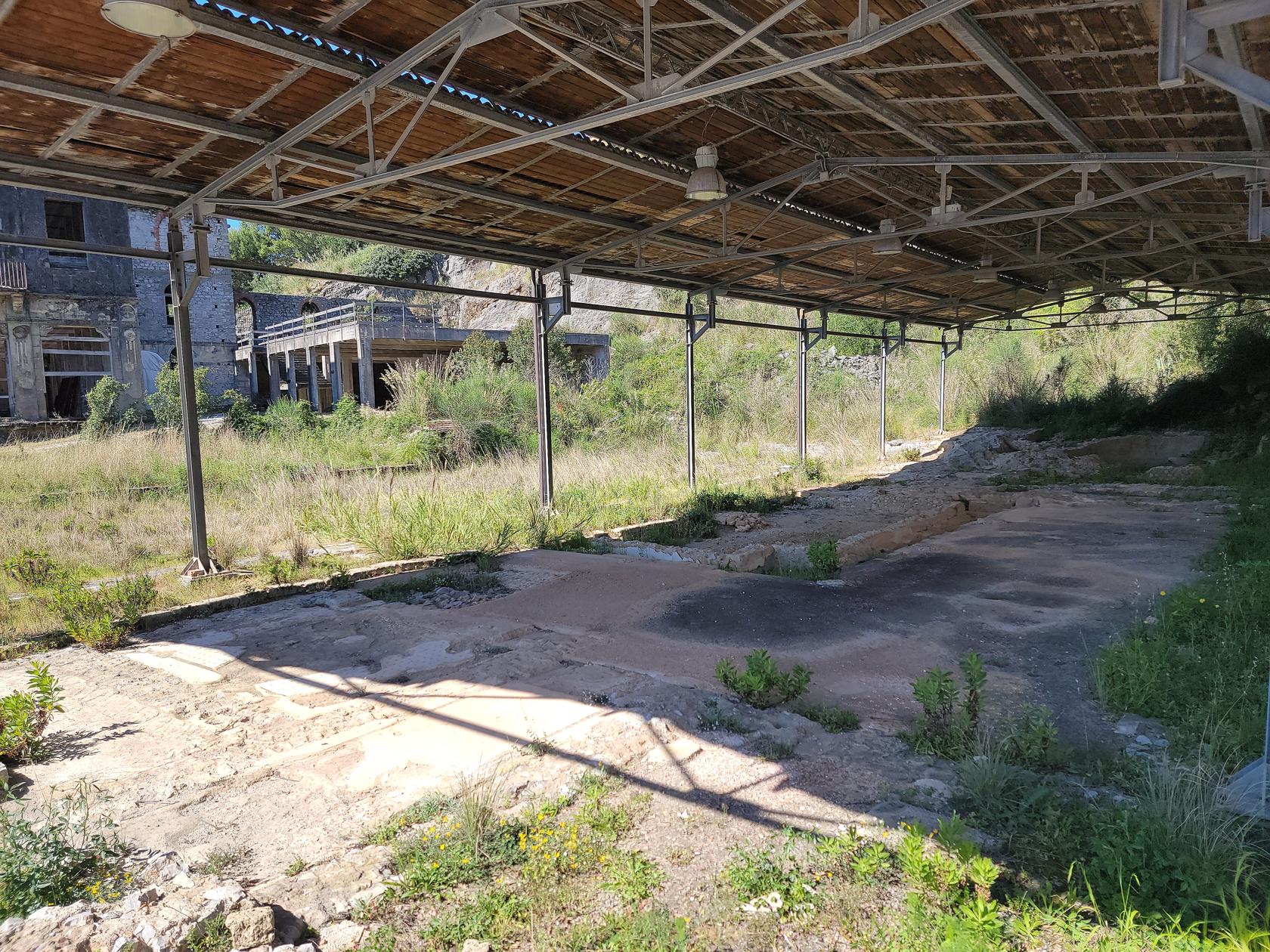
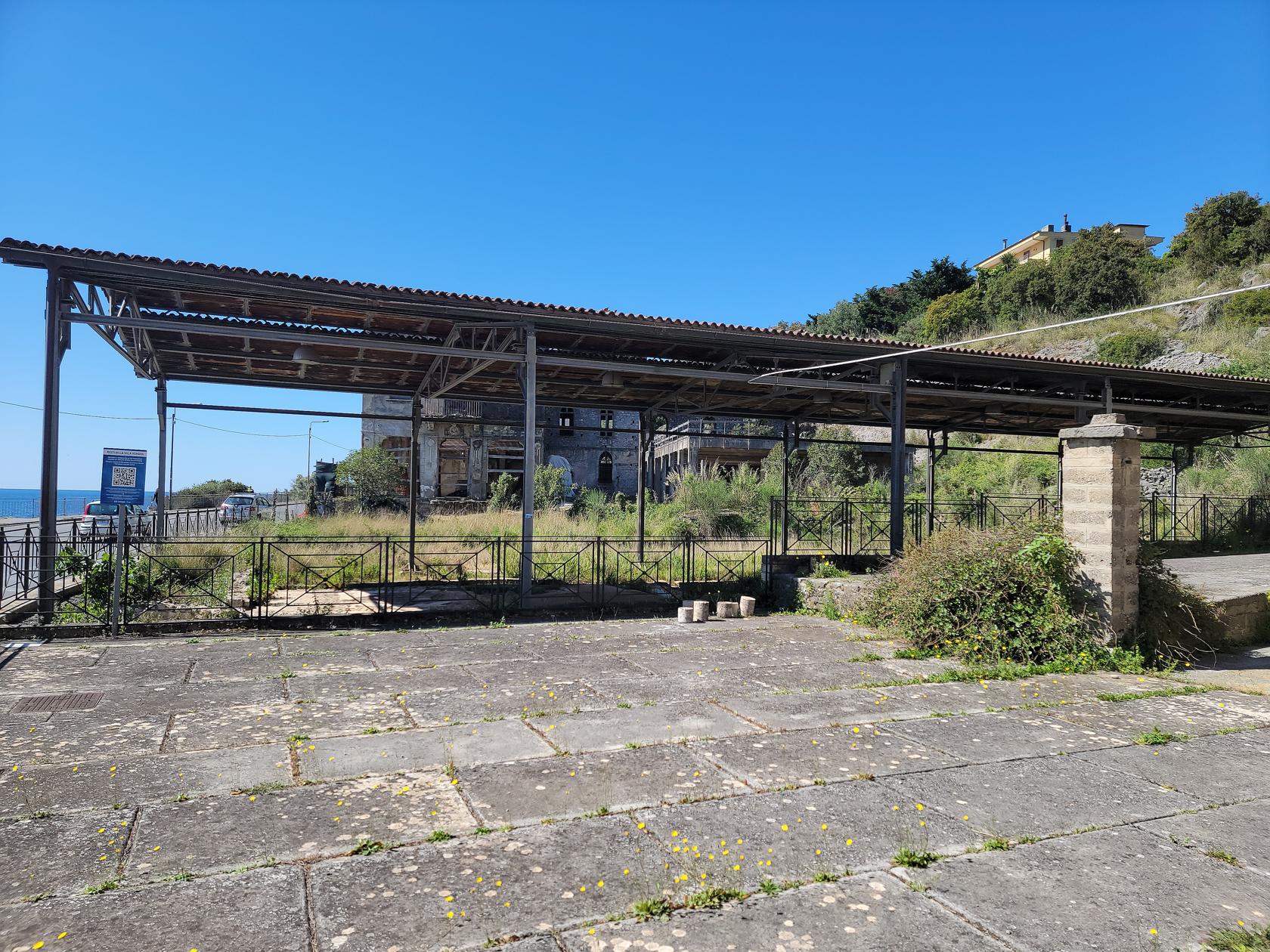
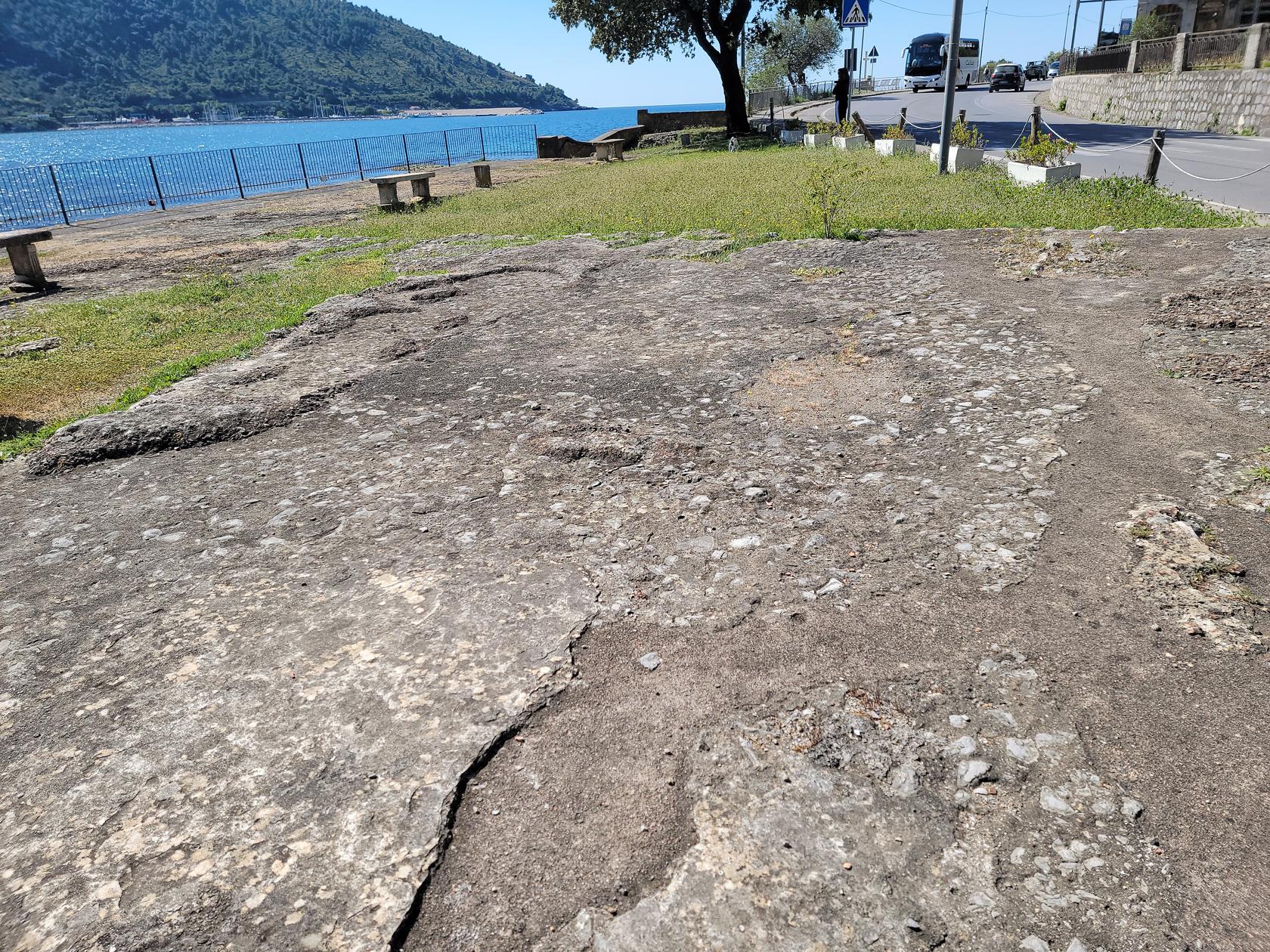
Partially perserved under a canopy, the Roman Villa ruins are also north of town and located close to the observatory. The observatory also has some roman ruins near it that appear to be an old roman cellar or other structure.
Old Villa Romana Ruins – Sapri, Italy
Old Villa Romana Ruins – Sapri, Italy
Old Roman Ruins – Sapri, Italy
Old Roman Ruins – Sapri, Italy
Restaurants
While in Sapri we ate at two good restaurants that were noteworthy. Both of which were for a late lunch. We prefer most of the time to eat a heavier lunch and just skip dinner altogether.
Tintobrace Ristorante
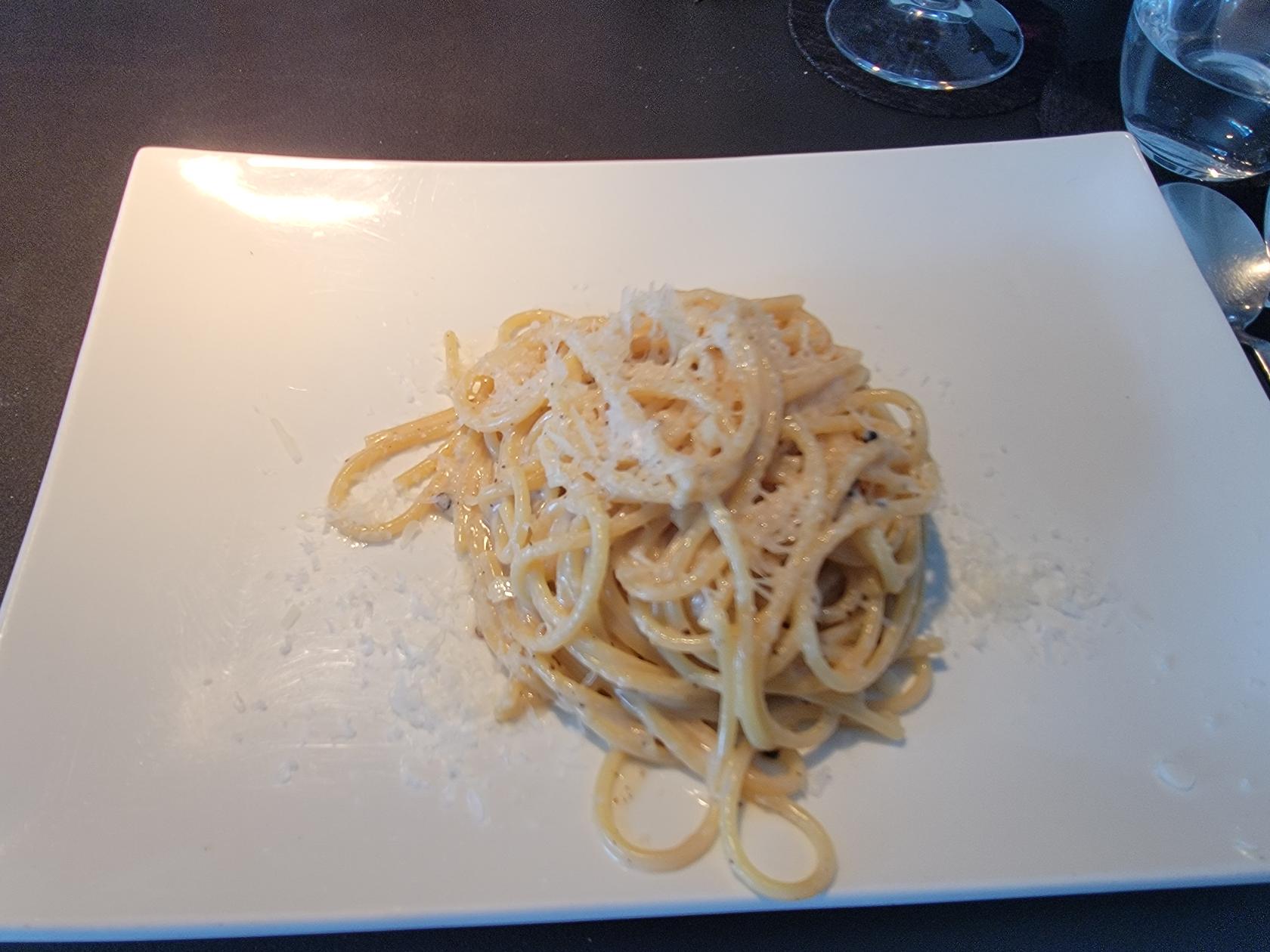
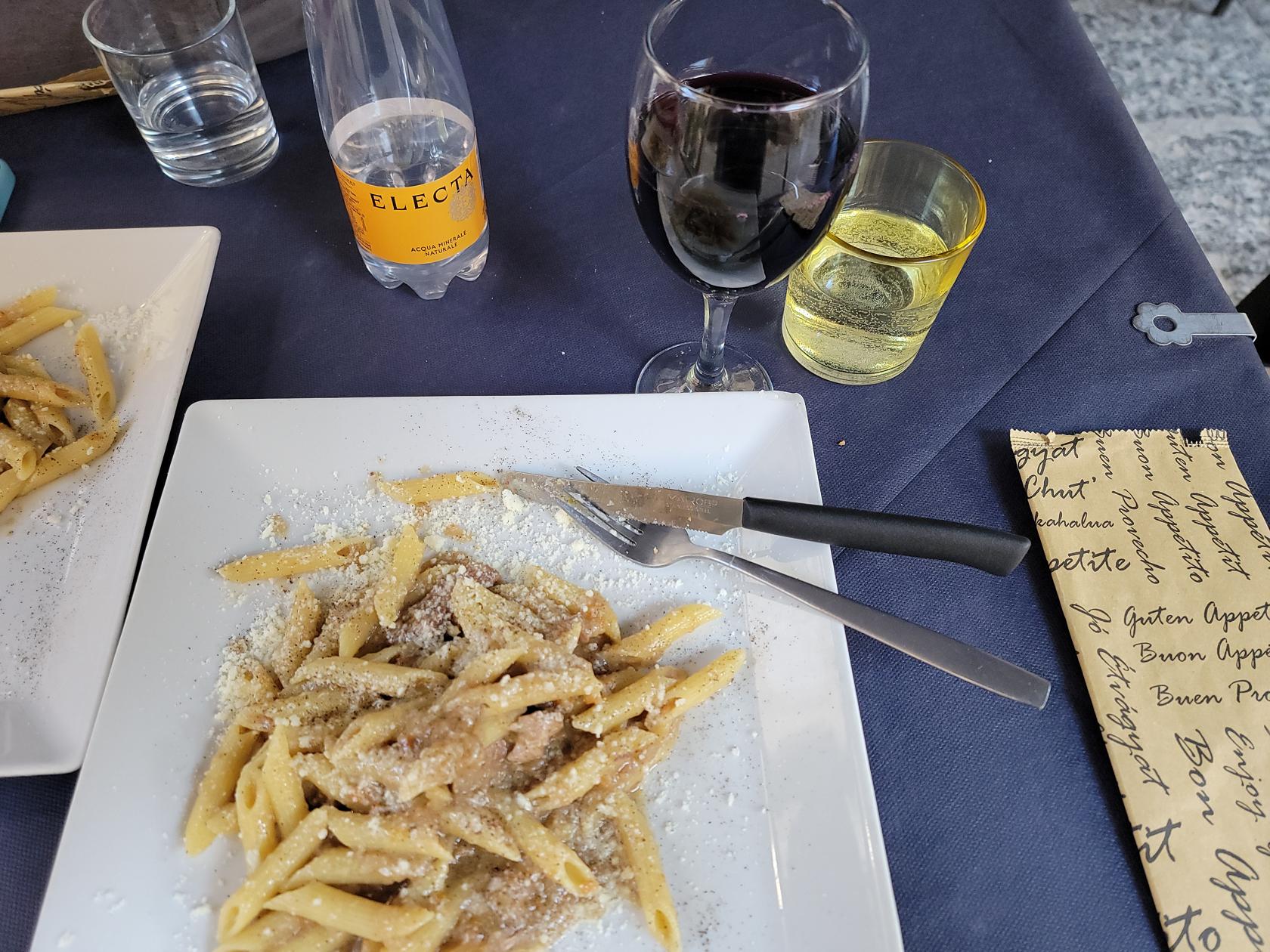
An upscale restaurant that offers Calabrian food and fine selection of local wines by the glass. I would recommend the Cacio and Pepe spaghetti.
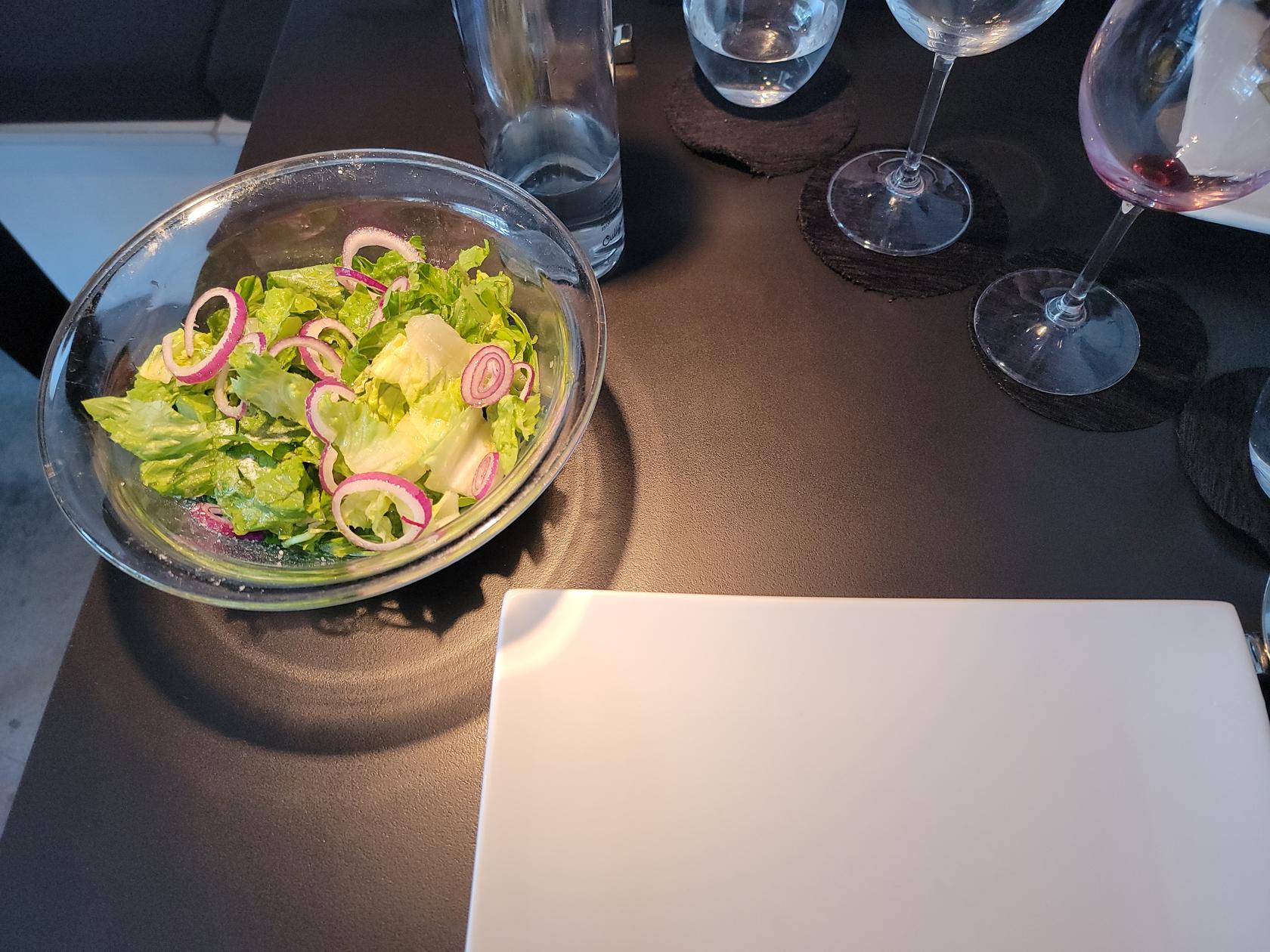
Insalata Mista with Onions – Tintobrace Ristorante – Sapri, Italy
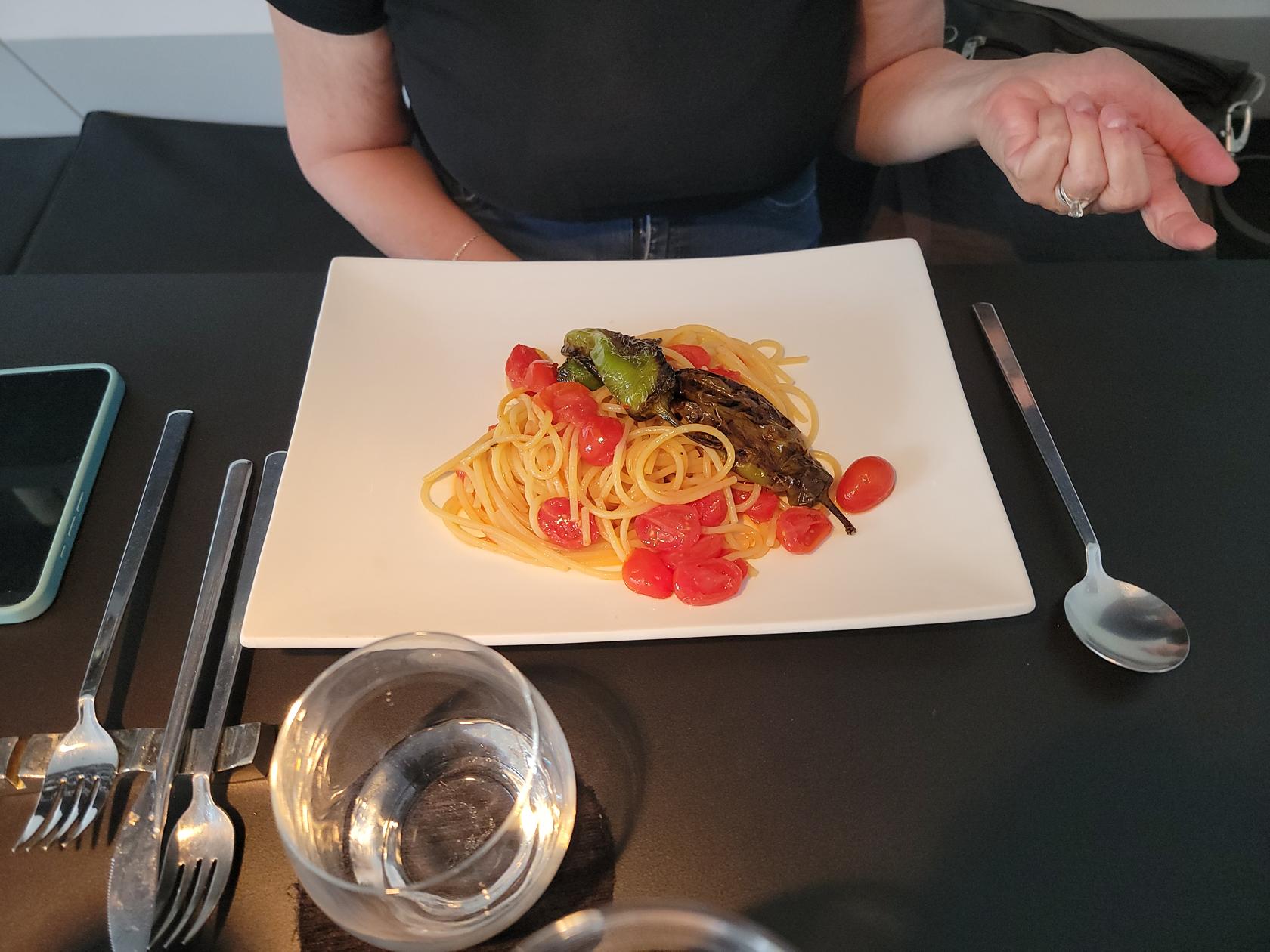
Pasta with Tomatoes and Roasted Peppers – Tintobrace Ristorante – Sapri, Italy
Cacio and Pepe Spaghetti – Tintobrace Ristorante – Sapri, Italy
Ristorante Lucifero
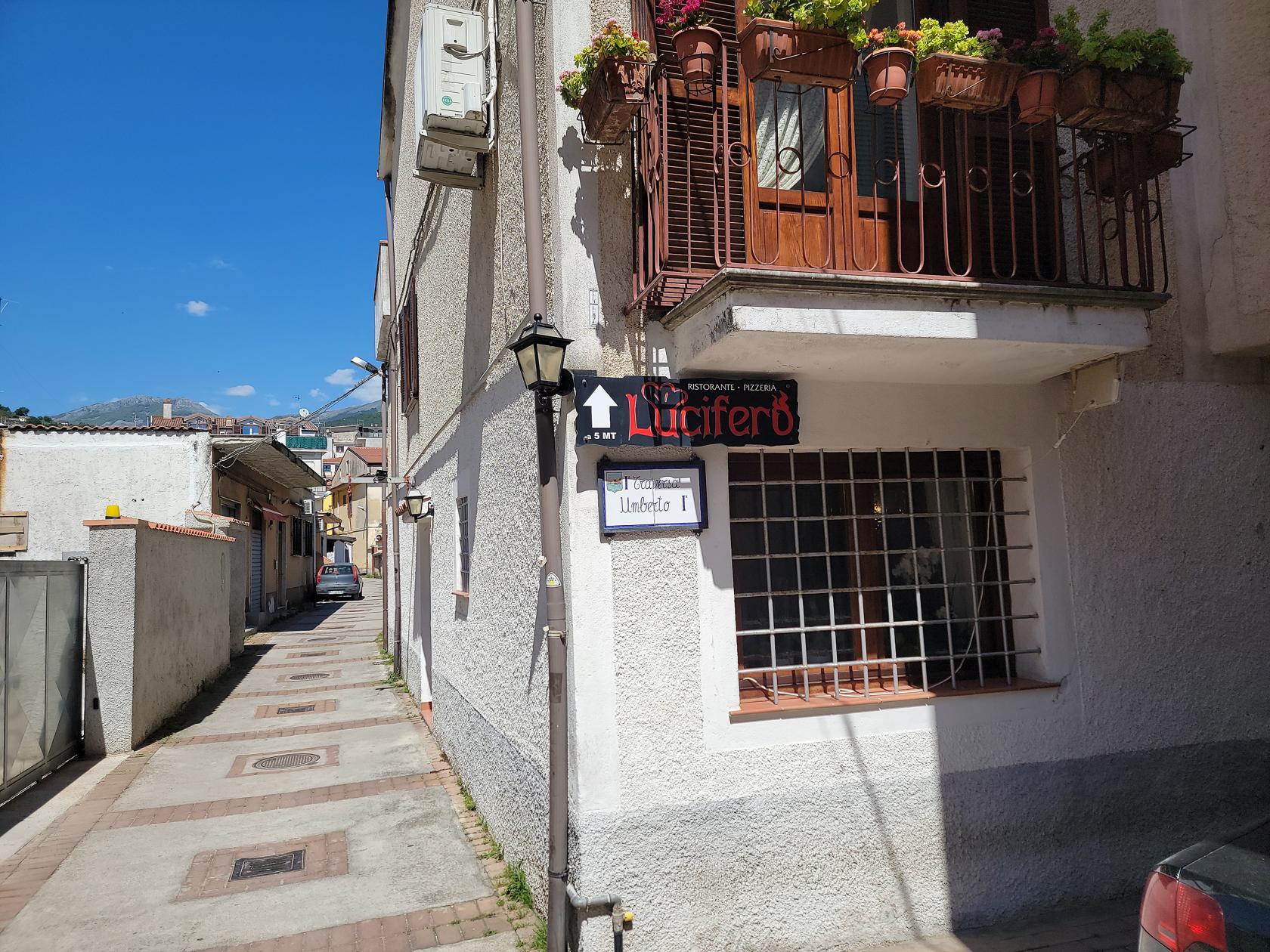
The Ristorante Lucifero is also a pizzeria and has great pizza and pasta specials. It is located in town and not on the beach and is a bit difficult to spot. Therefore, they have added signs along the way to assist.
Sign to Restaurant – Ristorante Lucifero – Sapri, Italy
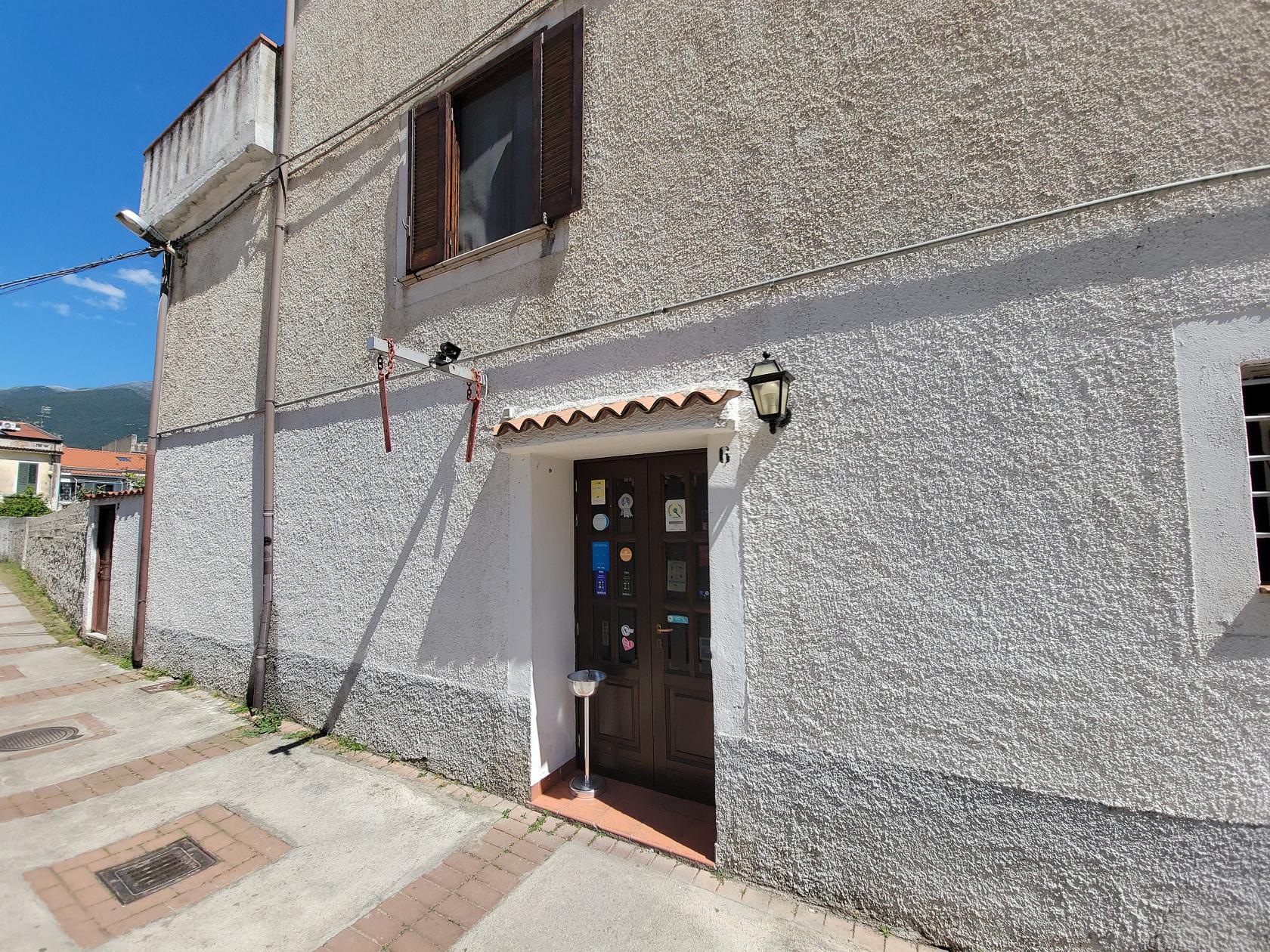
Entrance – Ristorante Lucifero – Sapri, Italy
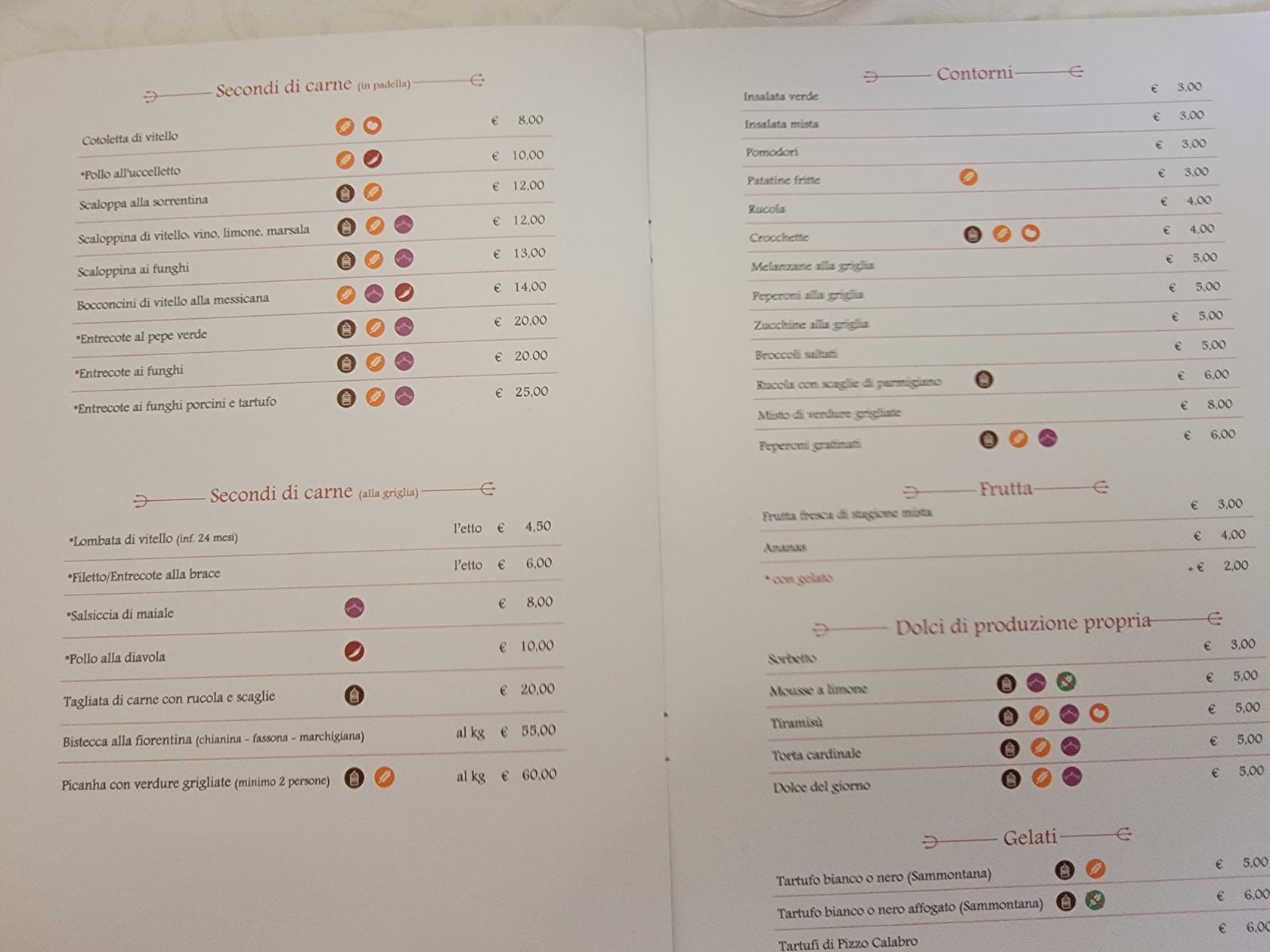
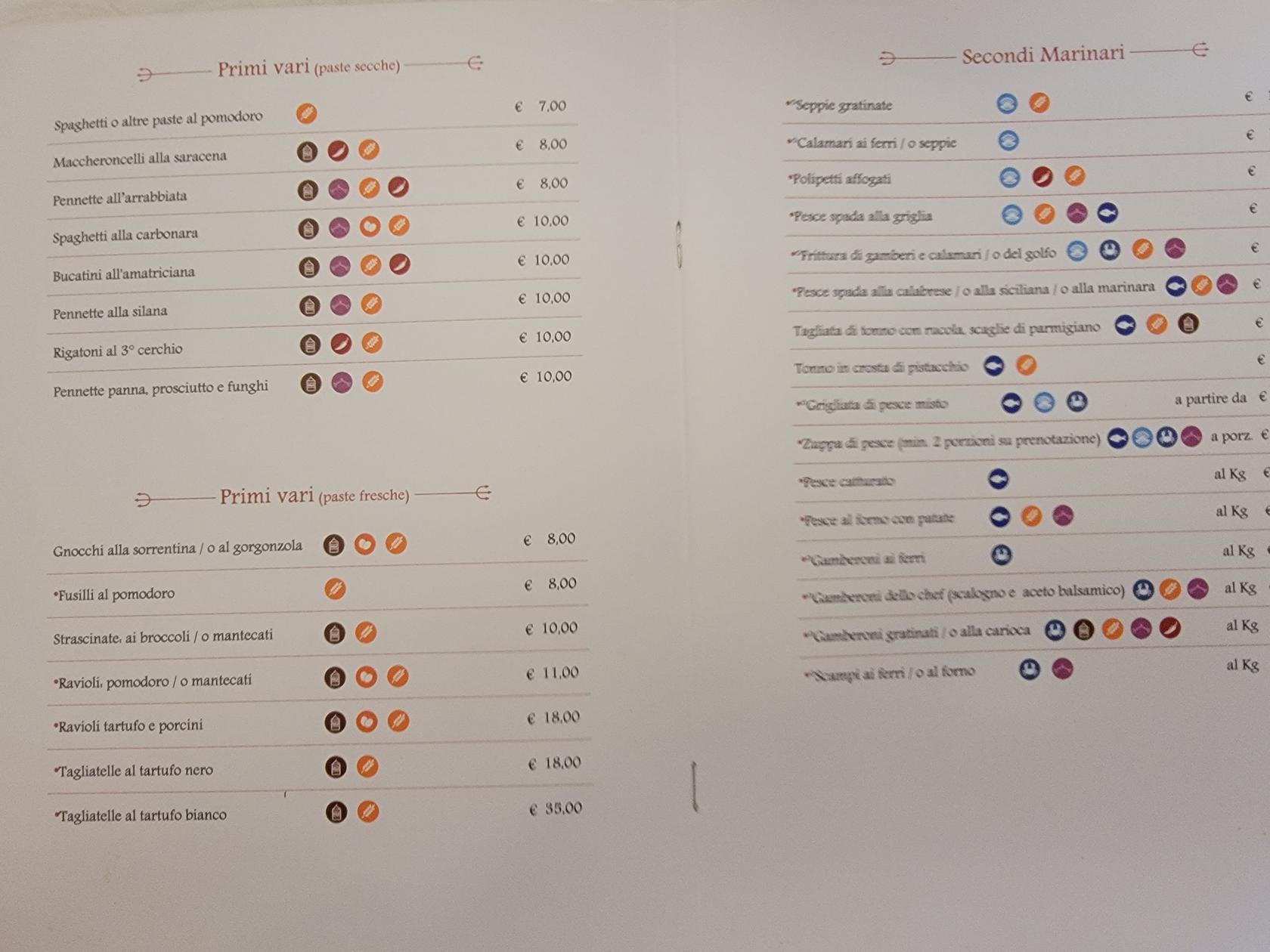
Secondi and Sides – Ristorante Lucifero – Sapri, Italy
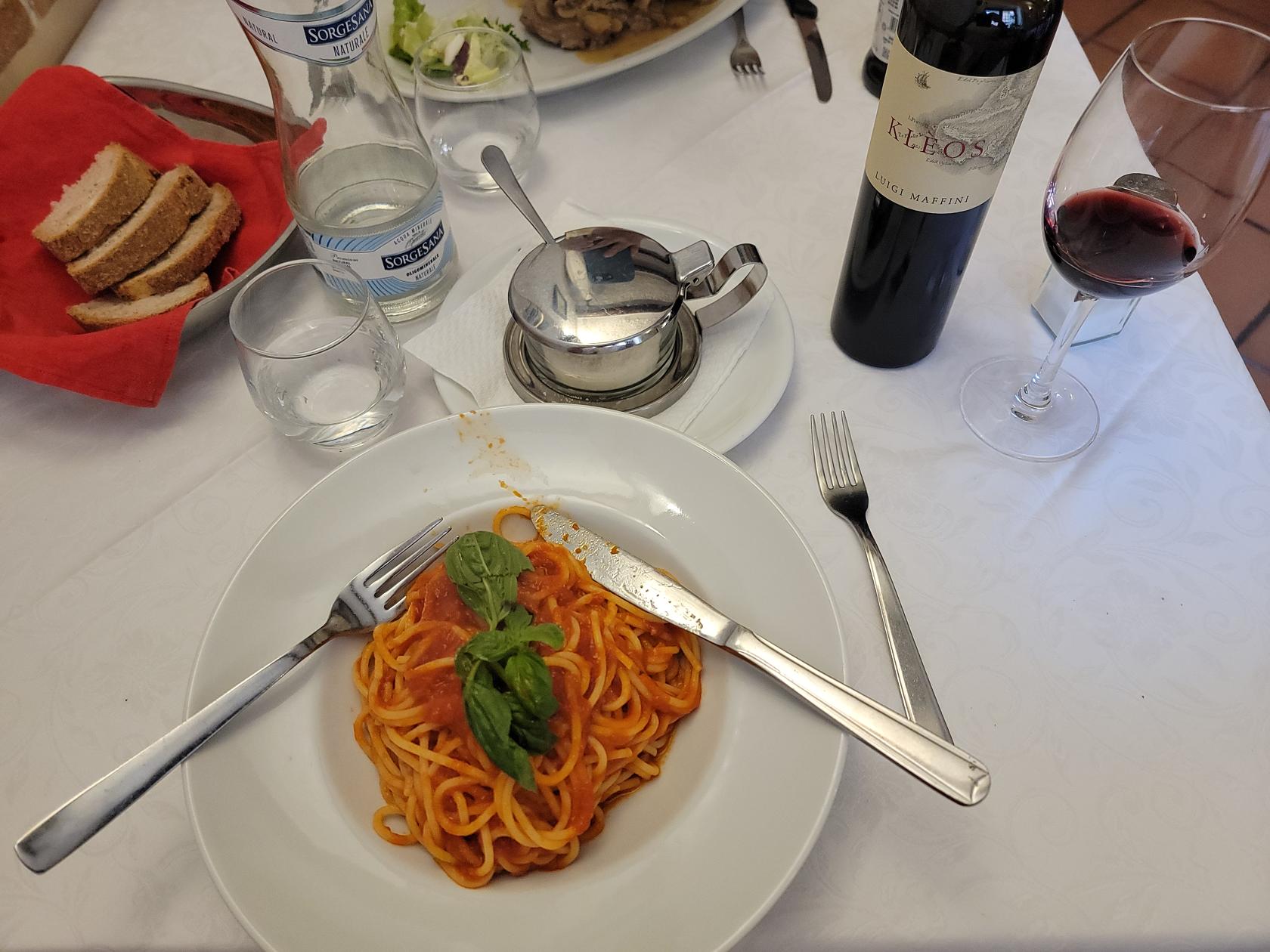
Choose your pasta type, choose your sauce – Ristorante Lucifero – Sapri, Italy
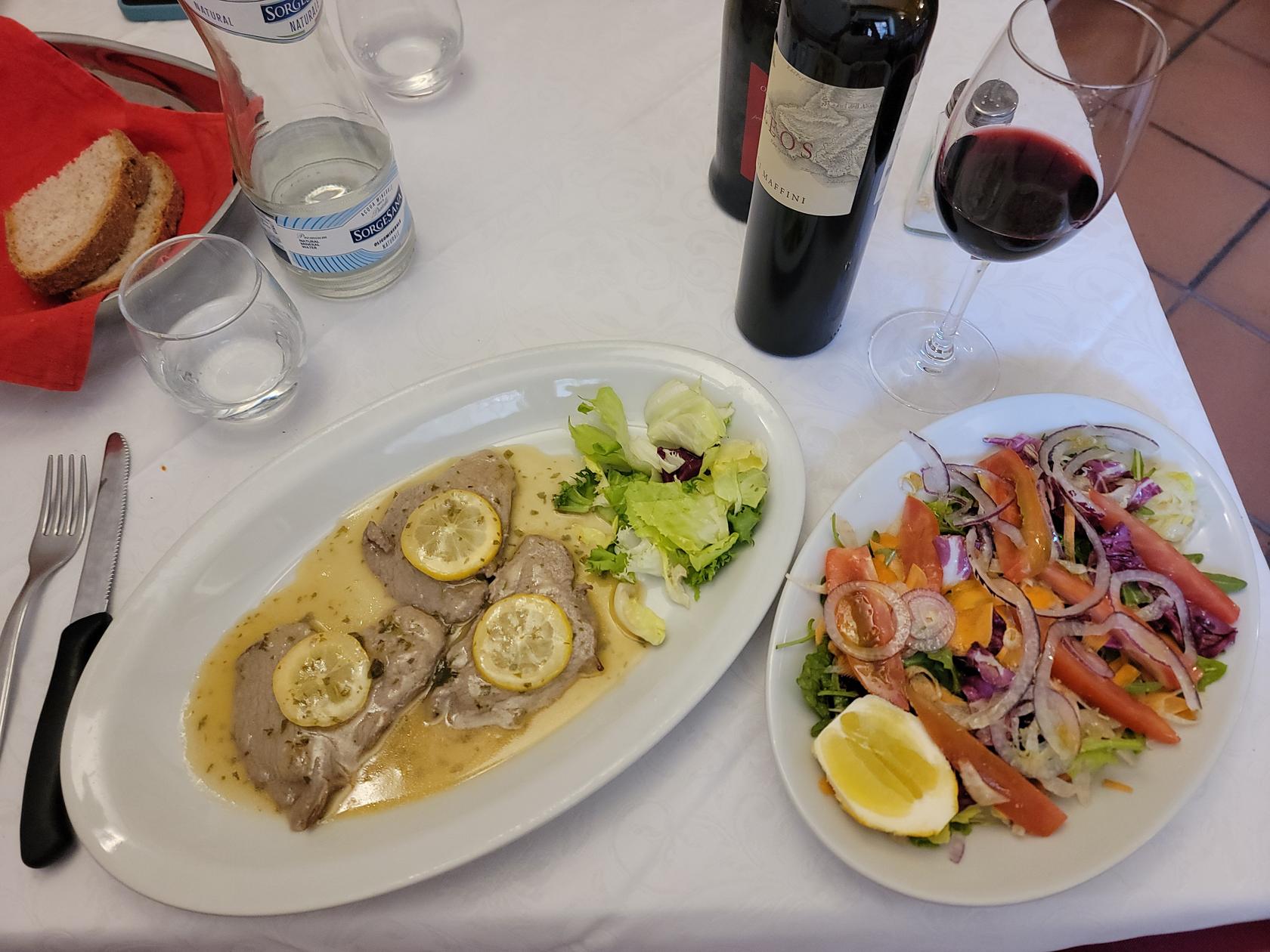
Veal with Mushrooms and Insalata Mista – Ristorante Lucifero – Sapri, Italy
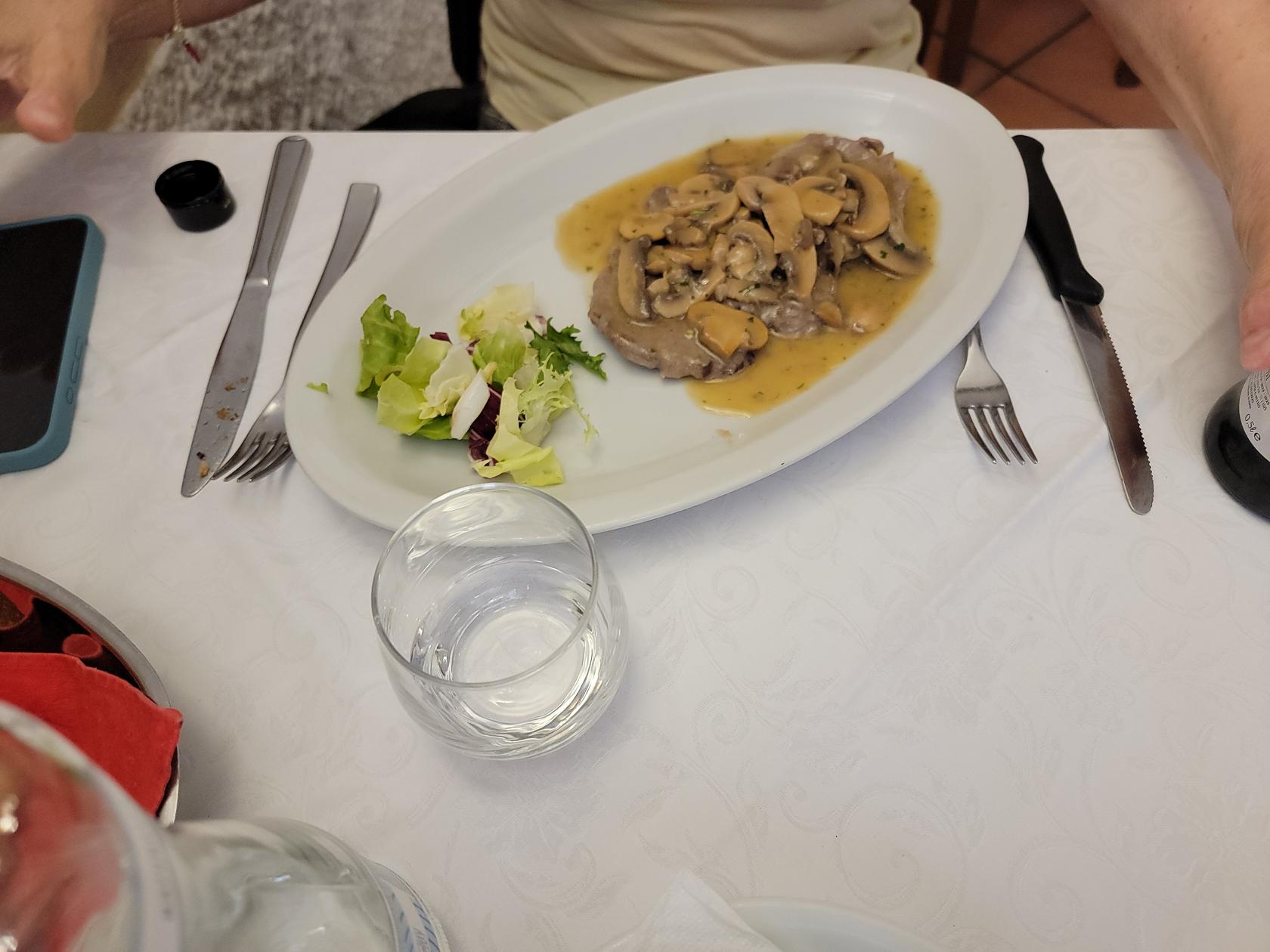
Veal with Mushrooms – Ristorante Lucifero – Sapri, Italy
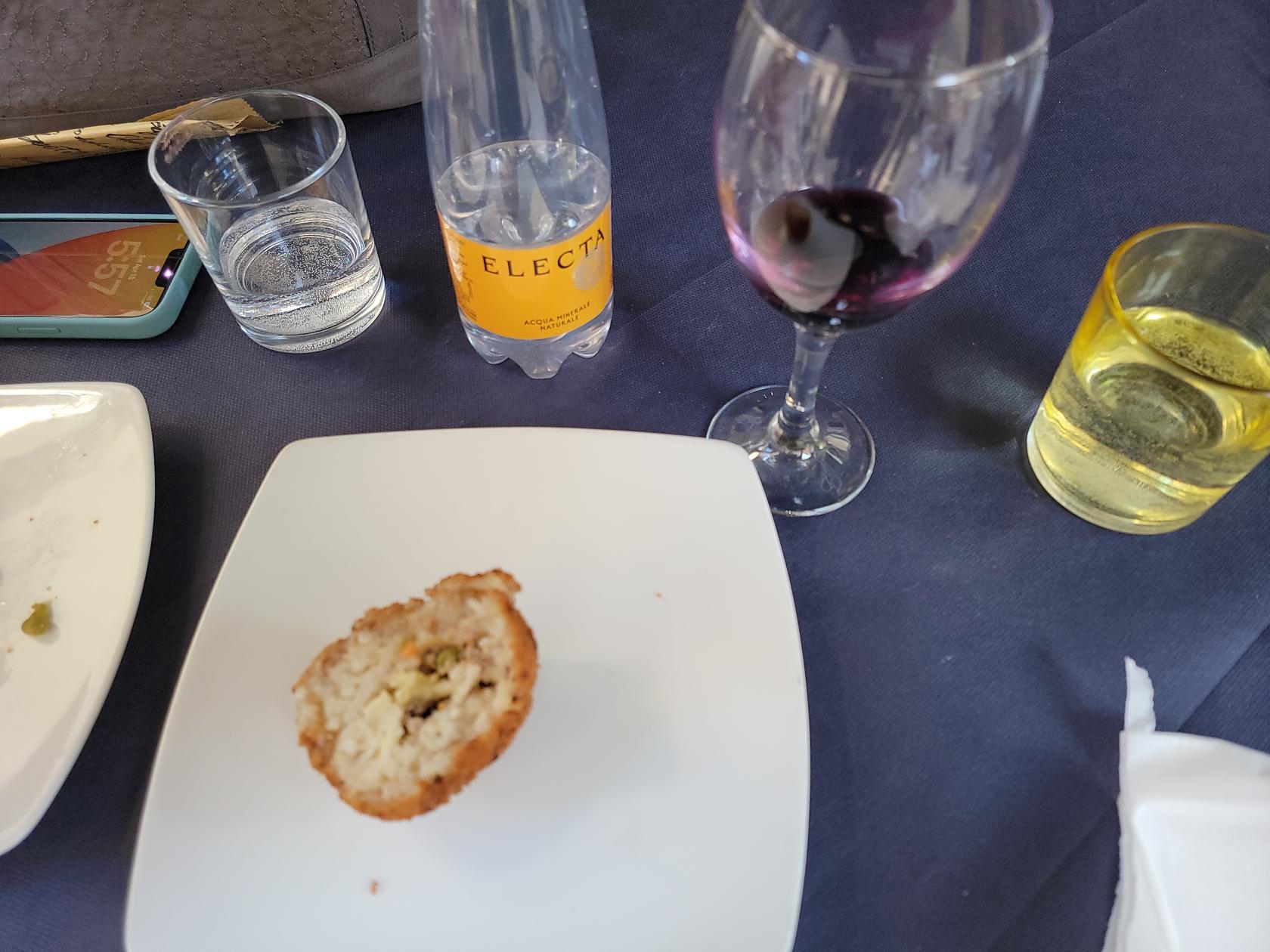
Pasta alla Ragu – Ristorante Lucifero – Sapri, Italy
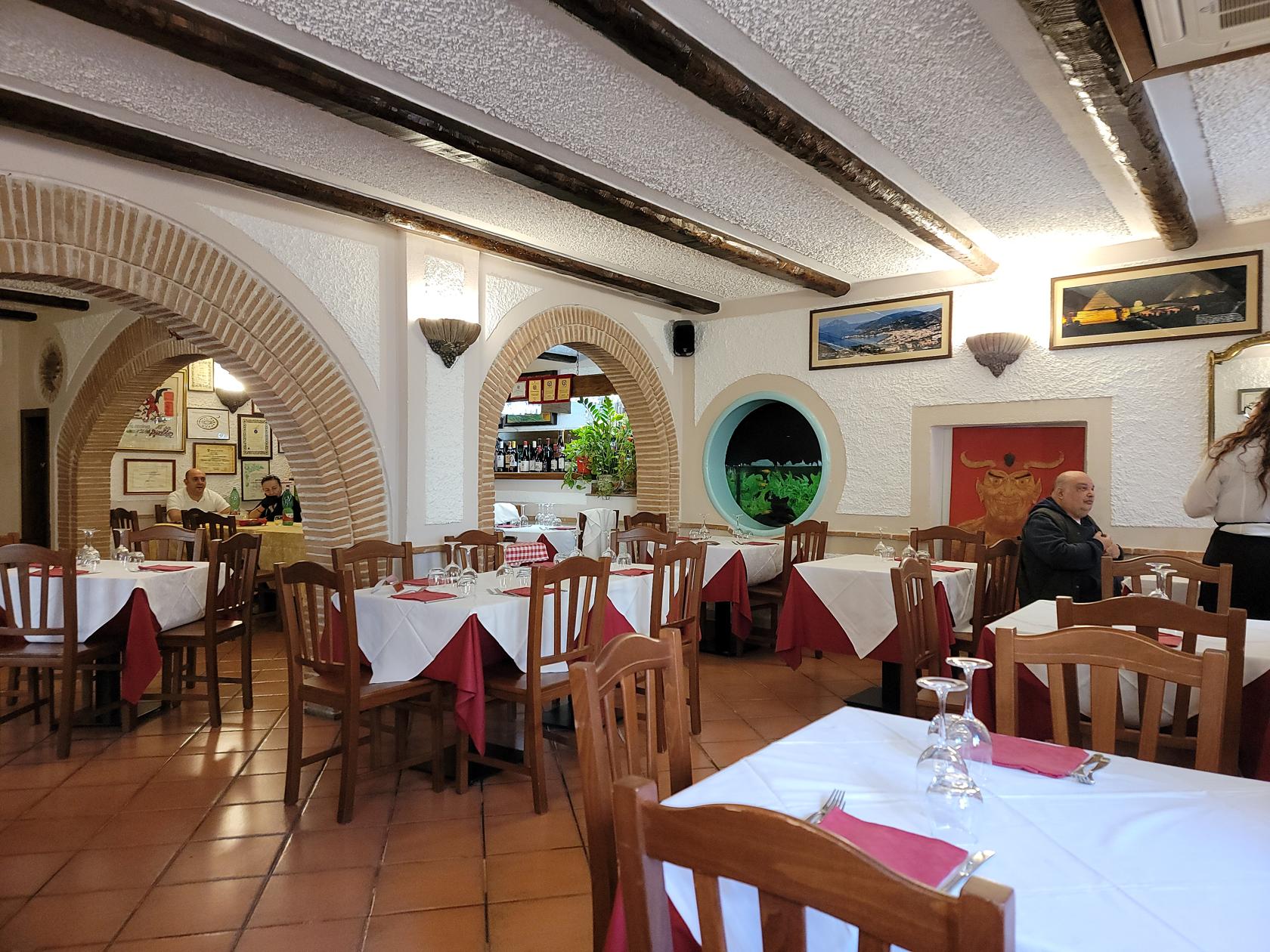
Inside – Ristorante Lucifero – Sapri, Italy
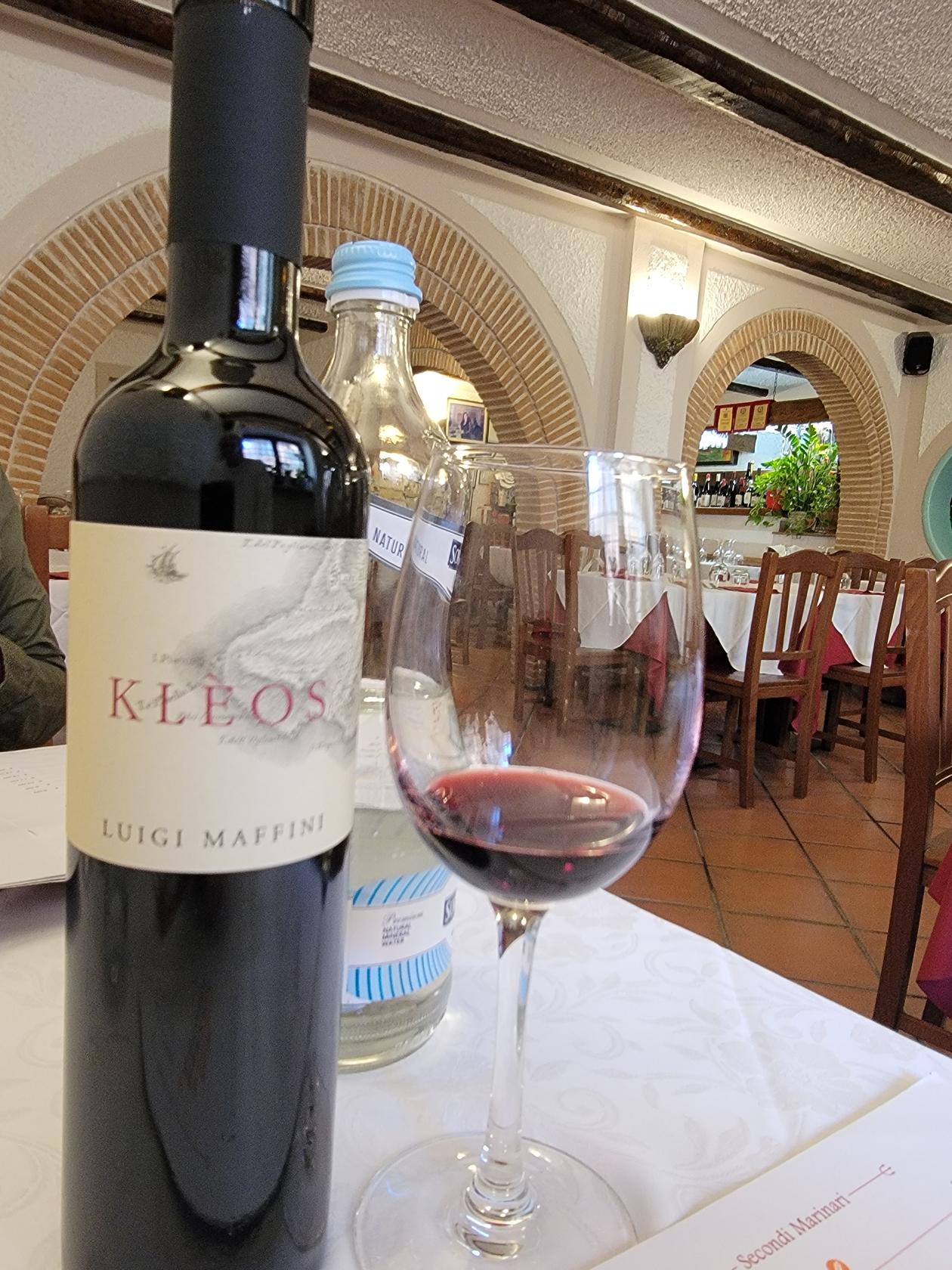
I can commend the Aglianico from Paestum, Italy. Luigi Maffini’s Klèos comes in 50cl bottles and pairs perfectly with pasta and other tomato based dishes. I love Aglianico, it is a deep, clear, ruby wine with hints of plum, berry and dark fruit and is very tasty.
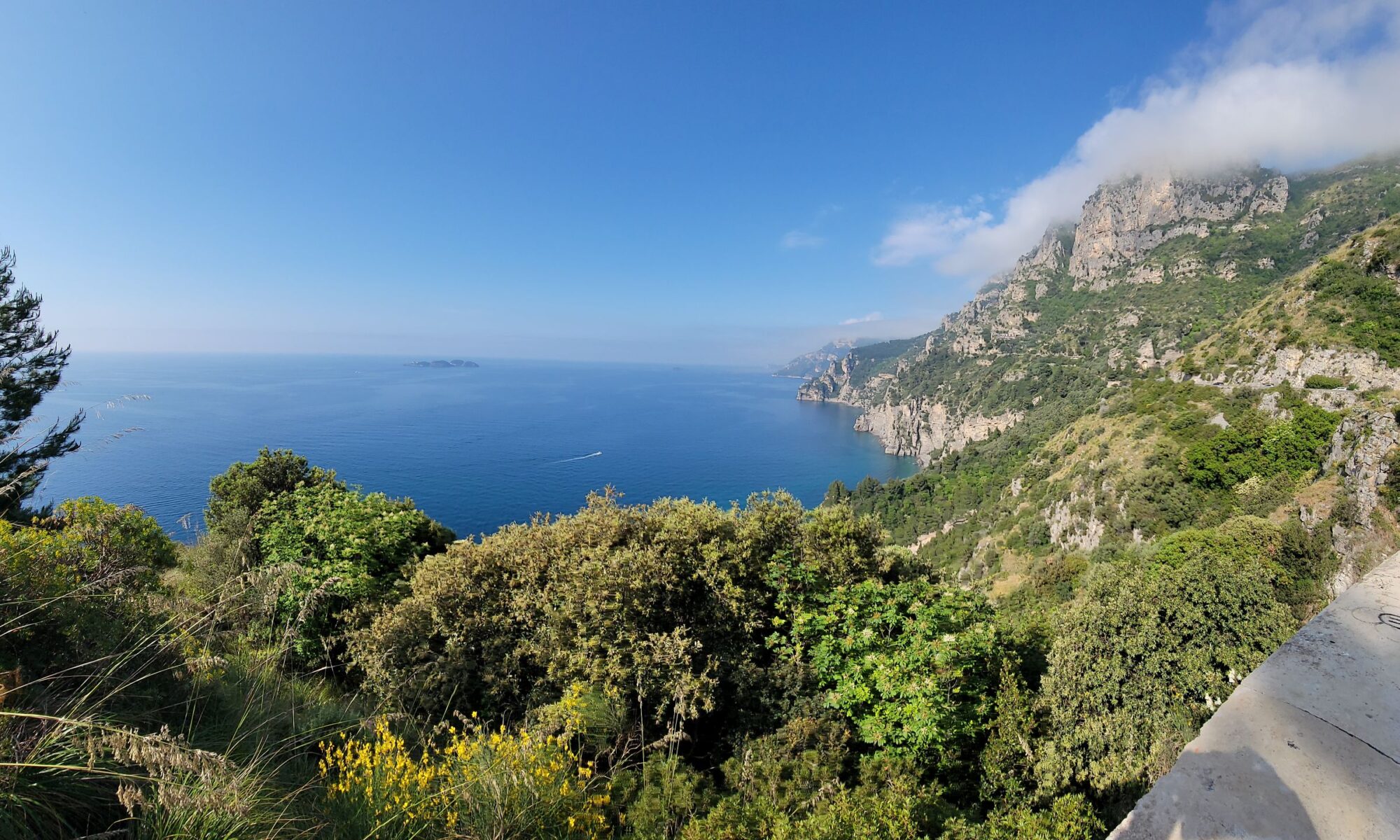
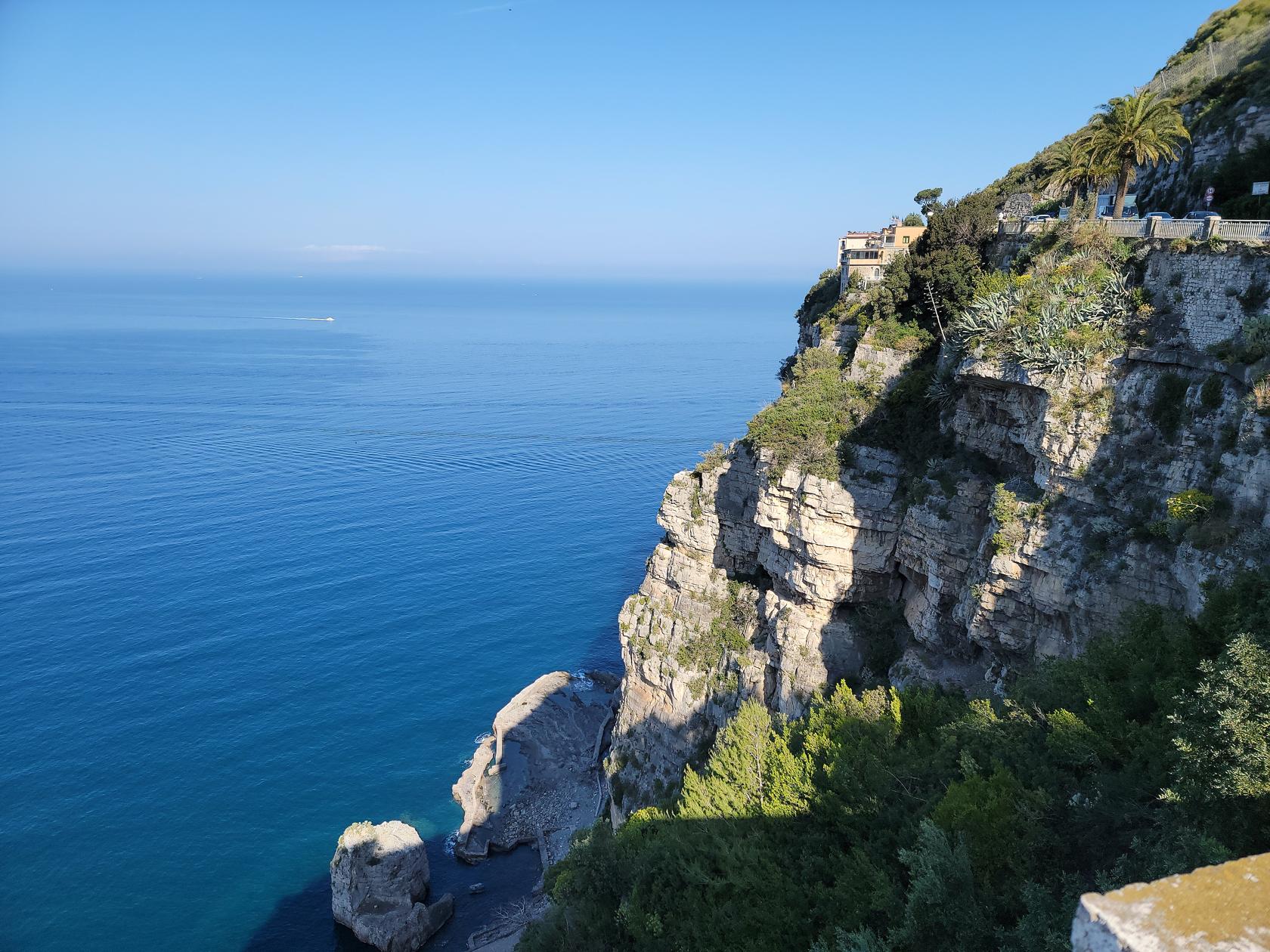
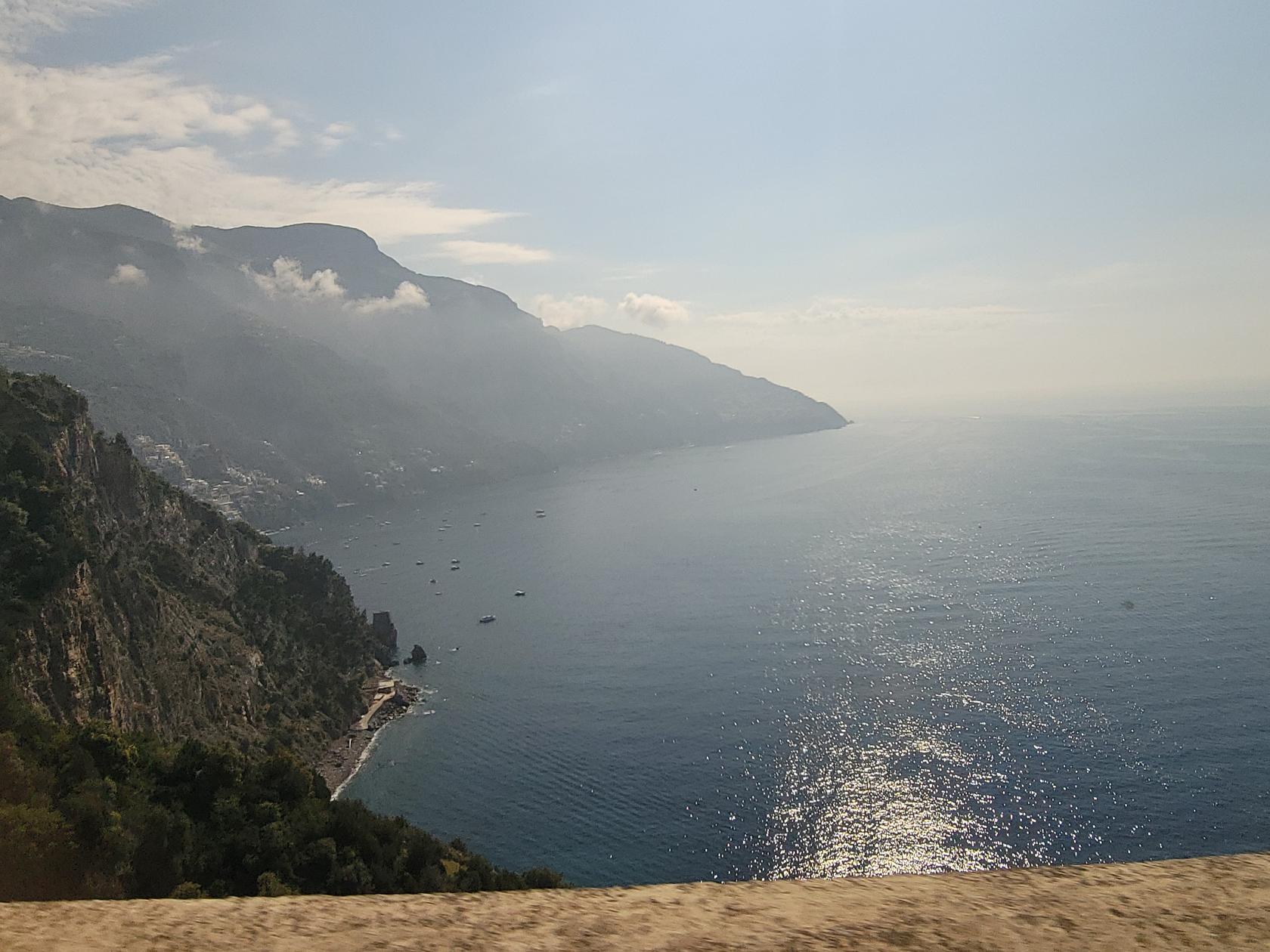
Our second day to the Amalfi Coast, we learned that it is a jagged and very difficult area to navigate. Even with a car it is very windy and has only a few, very narrow roads. Cut out of rock, with the only barrier between you and a thousand foot drop, is an eighteen inch thick concrete wall. Most of the time you can take photographs over it from sitting in your vehicle, so aside from the danger, the road offers amazing views of the sea and the coast.
Getting There
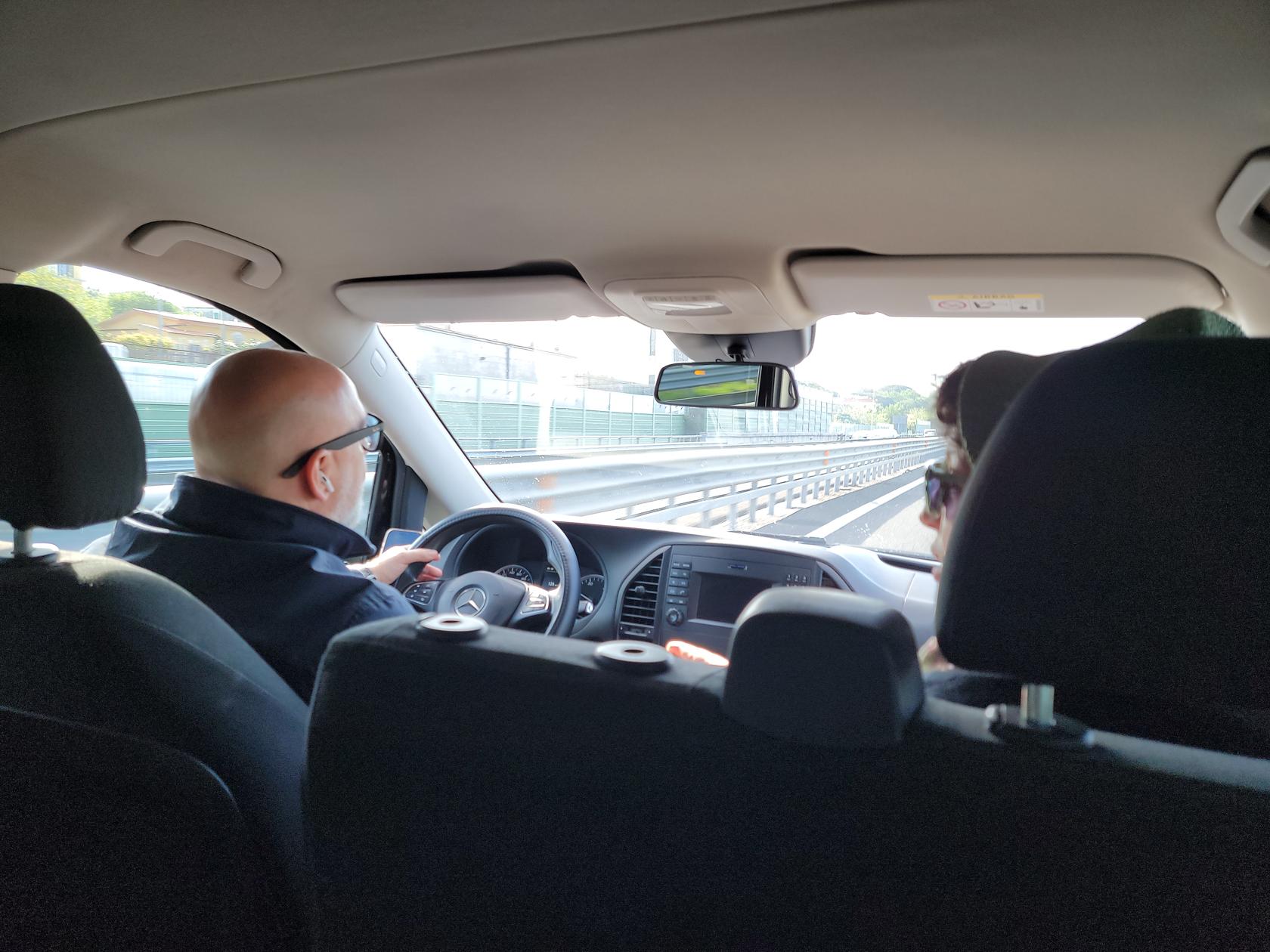
There are not many options, aside from bus service and driving. Bus service seems to be a thriving business, but how they negotiate the roads is beyond me. We found it treacherous enough in our private tour van. If you are prone to motion sickness, take your medication before you leave and attempt the drive.
Driving from Chiaia – Mind The Nap Private Tour – Amalfi Coast – Naples, Italy
Coastal Road – Mind The Nap Private Tour – Amalfi Coast – Naples, Italy
Mind The Nap
We used Mind The Nap private tours for a two day tour of several towns and a lemon experience. They picked up us up at our hotel in Chiaia and it took us over an hour to go through Naples and over the mountains to the coast.
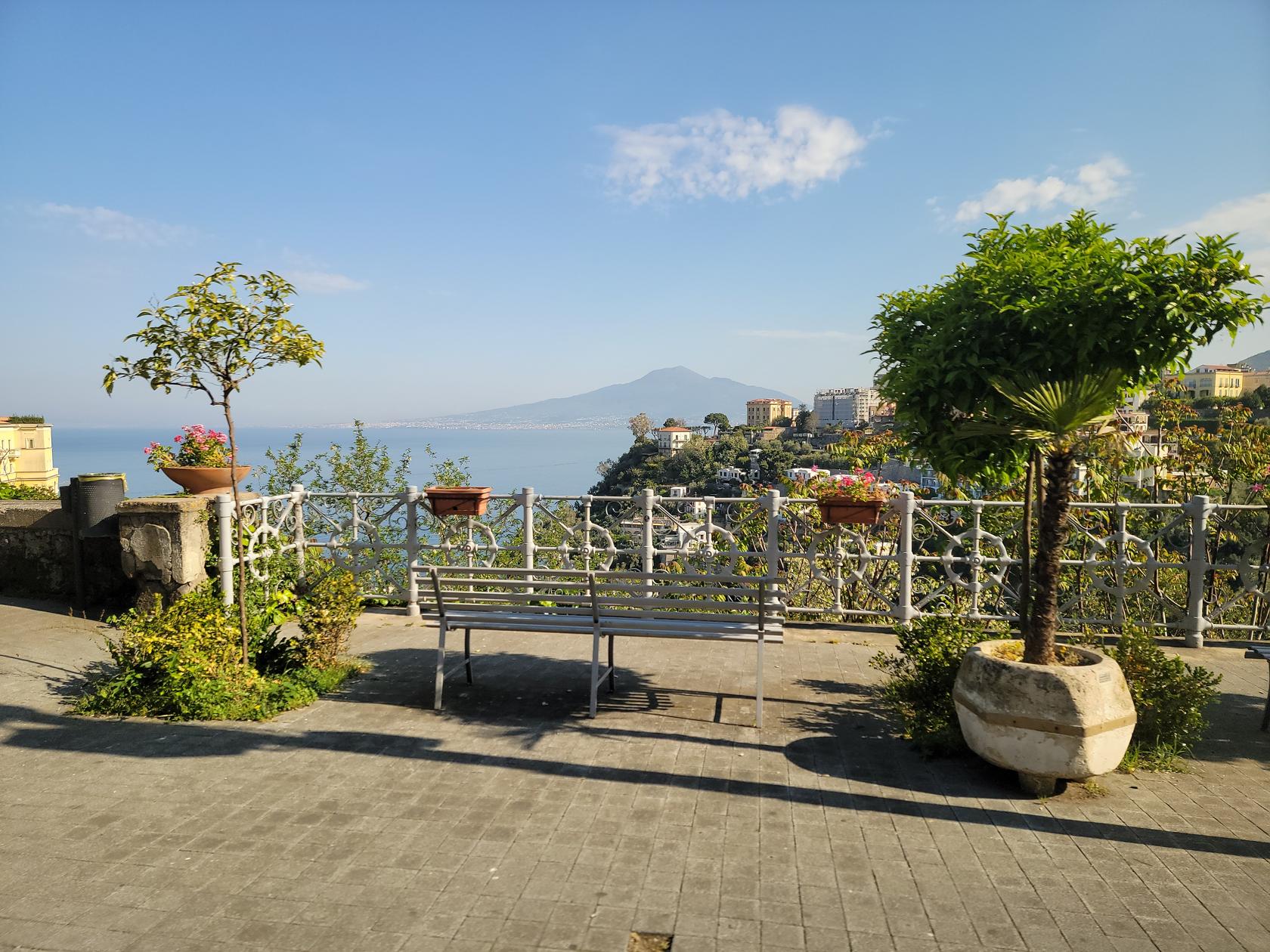
Vesuvius – Mind The Nap Private Tour – Amalfi Coast – Naples, Italy
Vico Equense – Mind The Nap Private Tour – Amalfi Coast – Sorrento, Italy
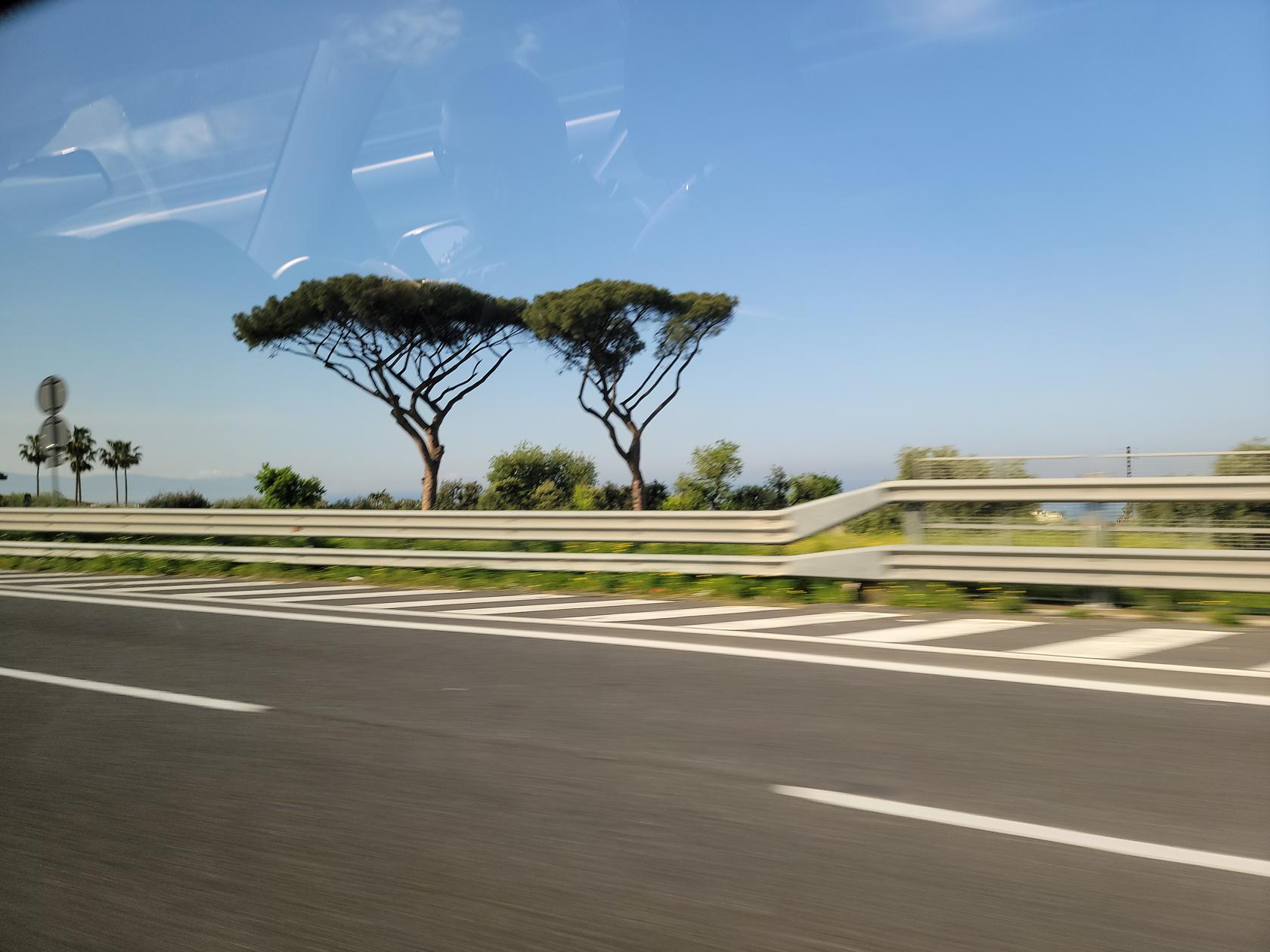
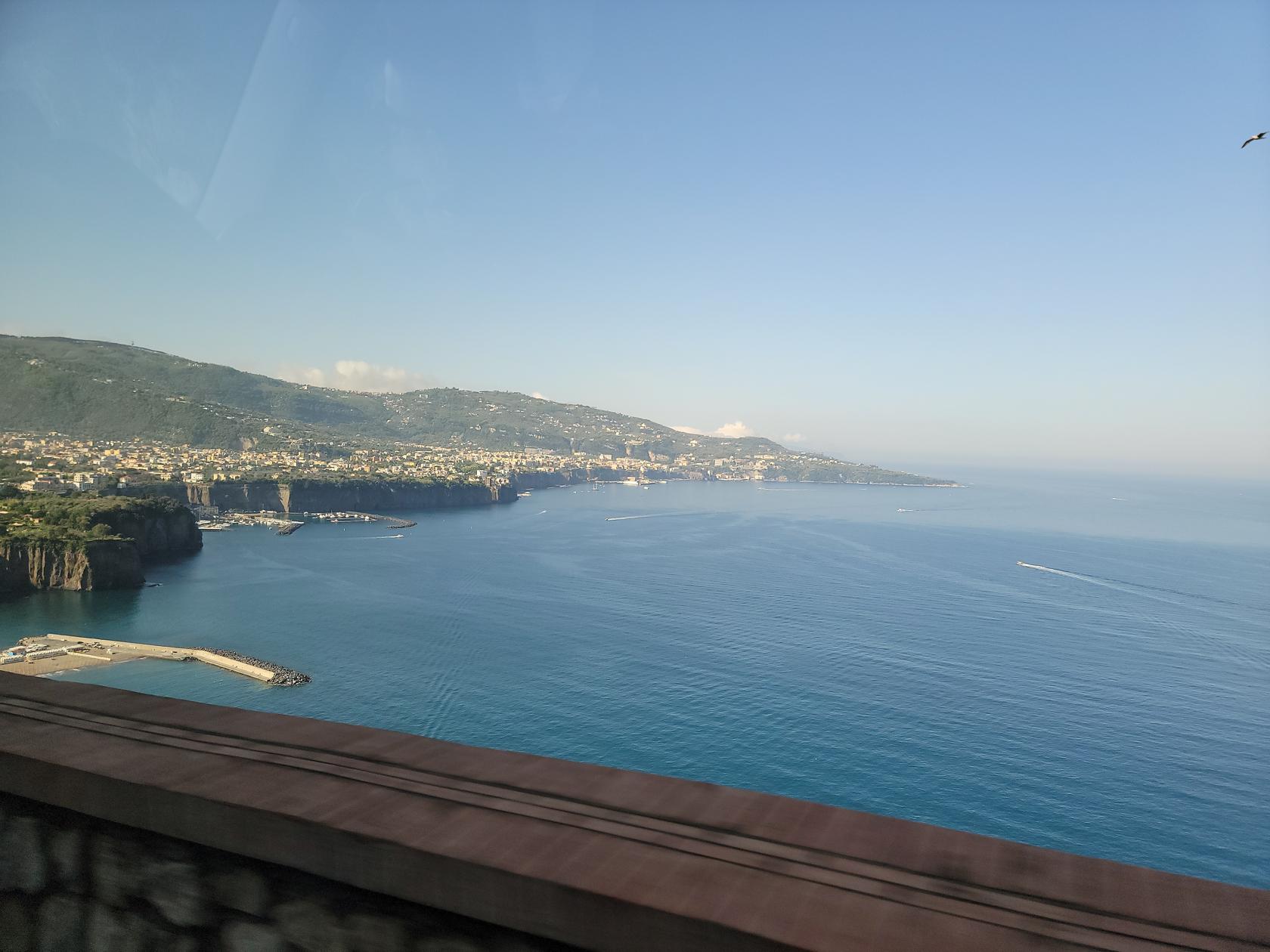
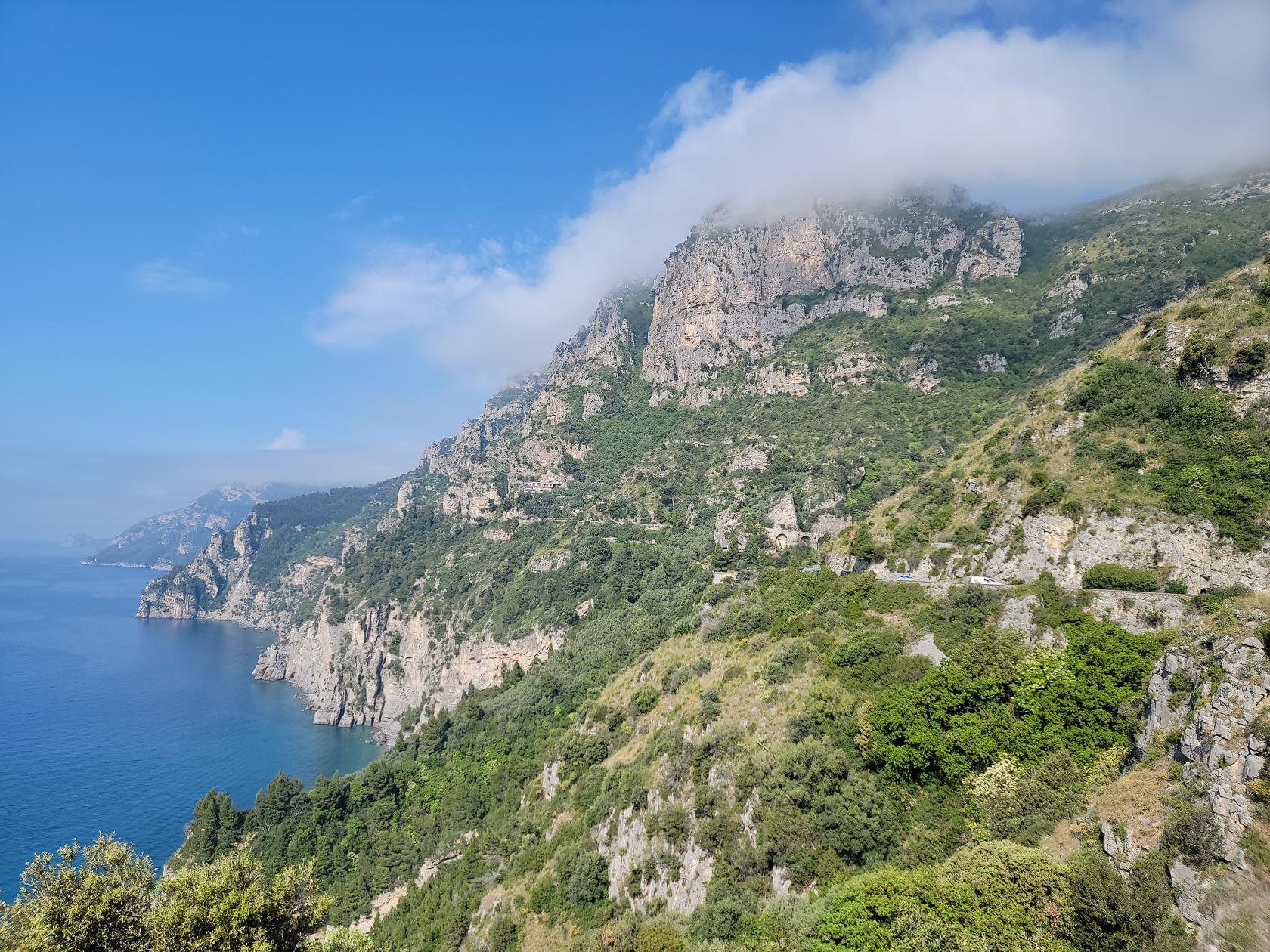
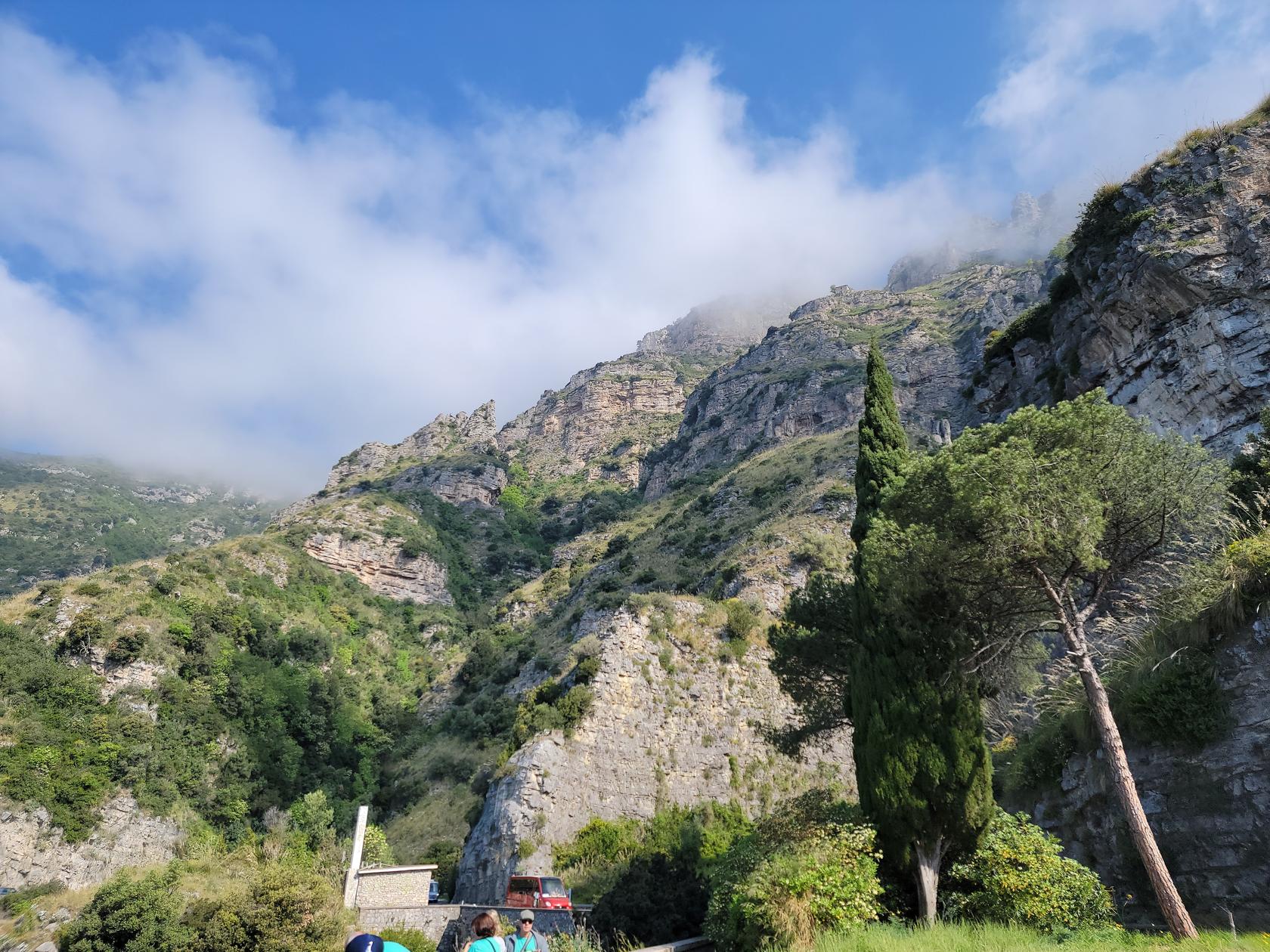
The views on the first part of the drive were all of Naples and the surrounding area. However, once we ascended the steep mountains and crossed over the top, we entered Sorrento and the jagged coast of Amalfi.
Coastal Roads – Mind The Nap Private Tour – Amalfi Coast – Sorrento, Italy
Vico Equense – Mind The Nap Private Tour – Amalfi Coast – Sorrento, Italy
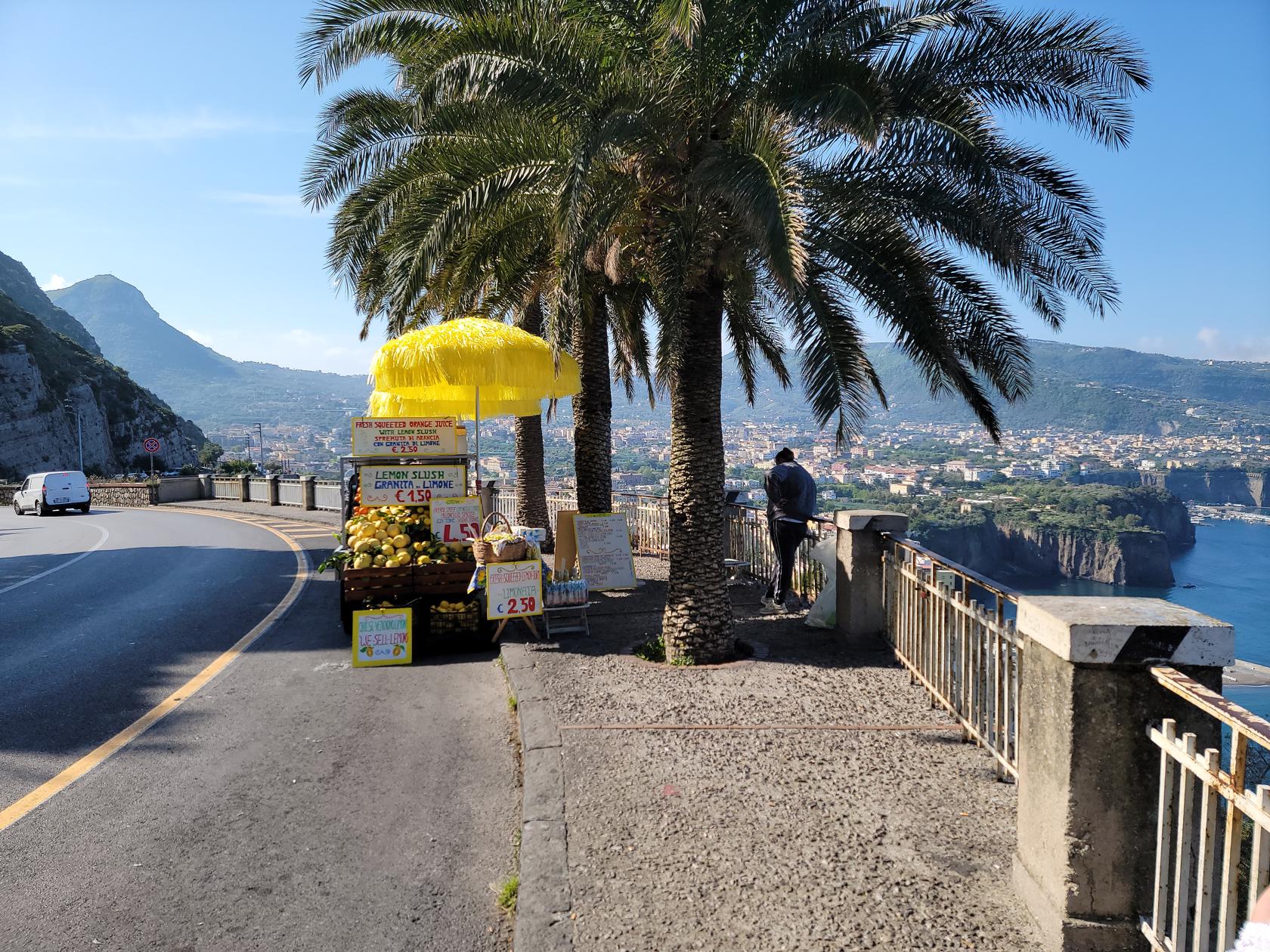
Lemon Stand – Mind The Nap Private Tour – Amalfi Coast – Sorrento, Italy
Patti – Mind The Nap Private Tour – Amalfi Coast – Sorrento, Italy
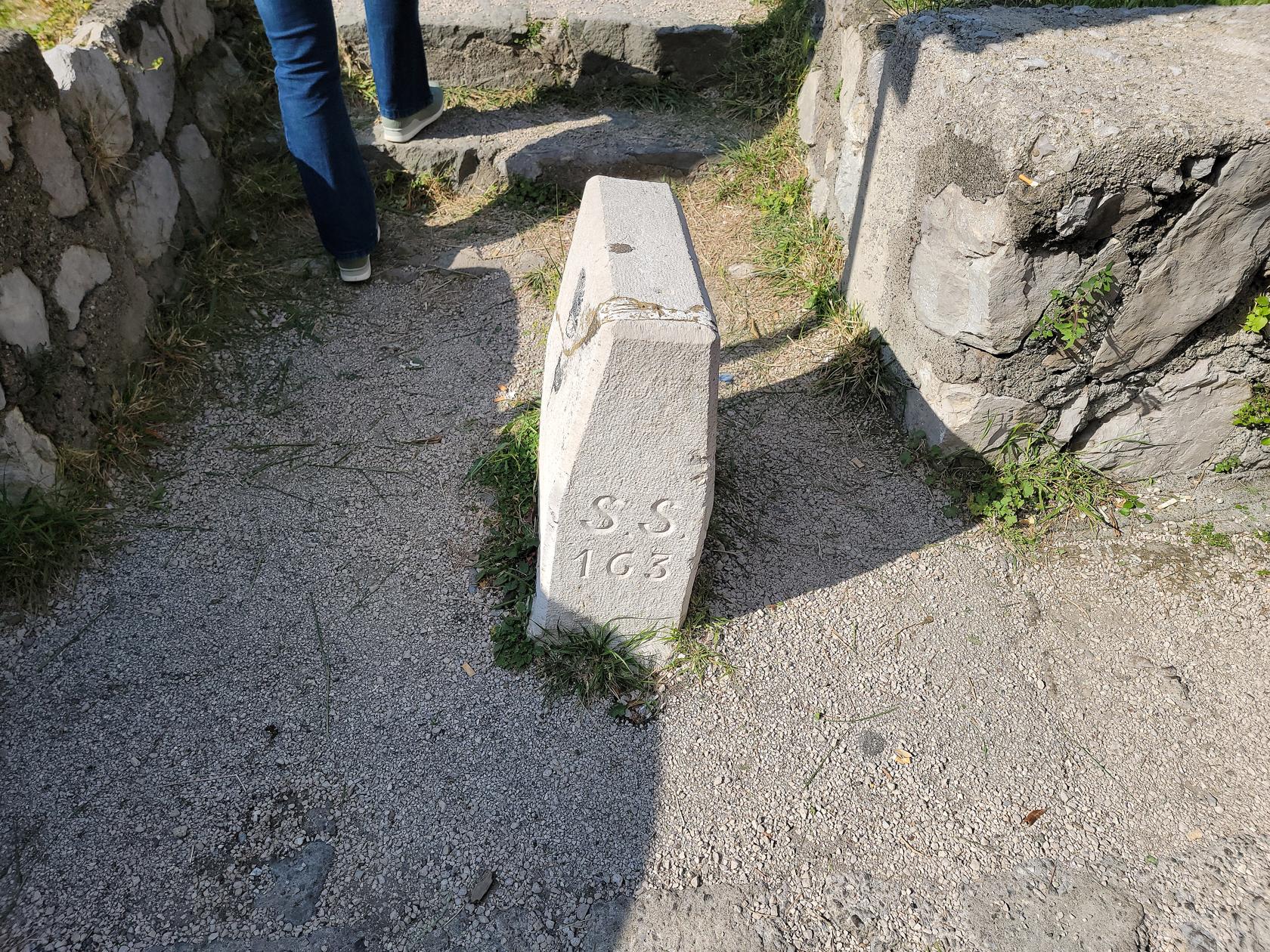
Mile Marker on State Road – Mind The Nap Private Tour – Amalfi Coast – Sorrento, Italy
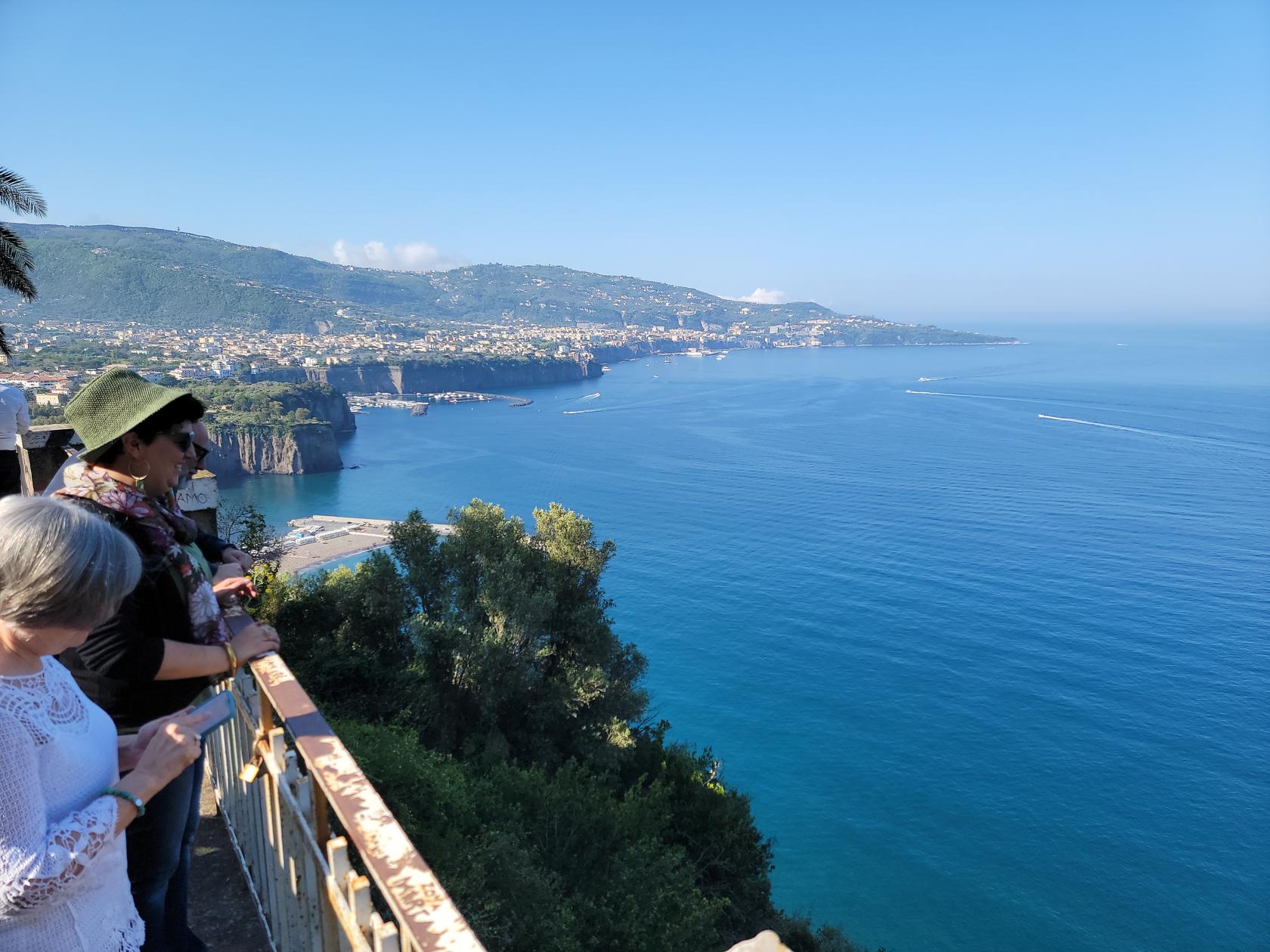
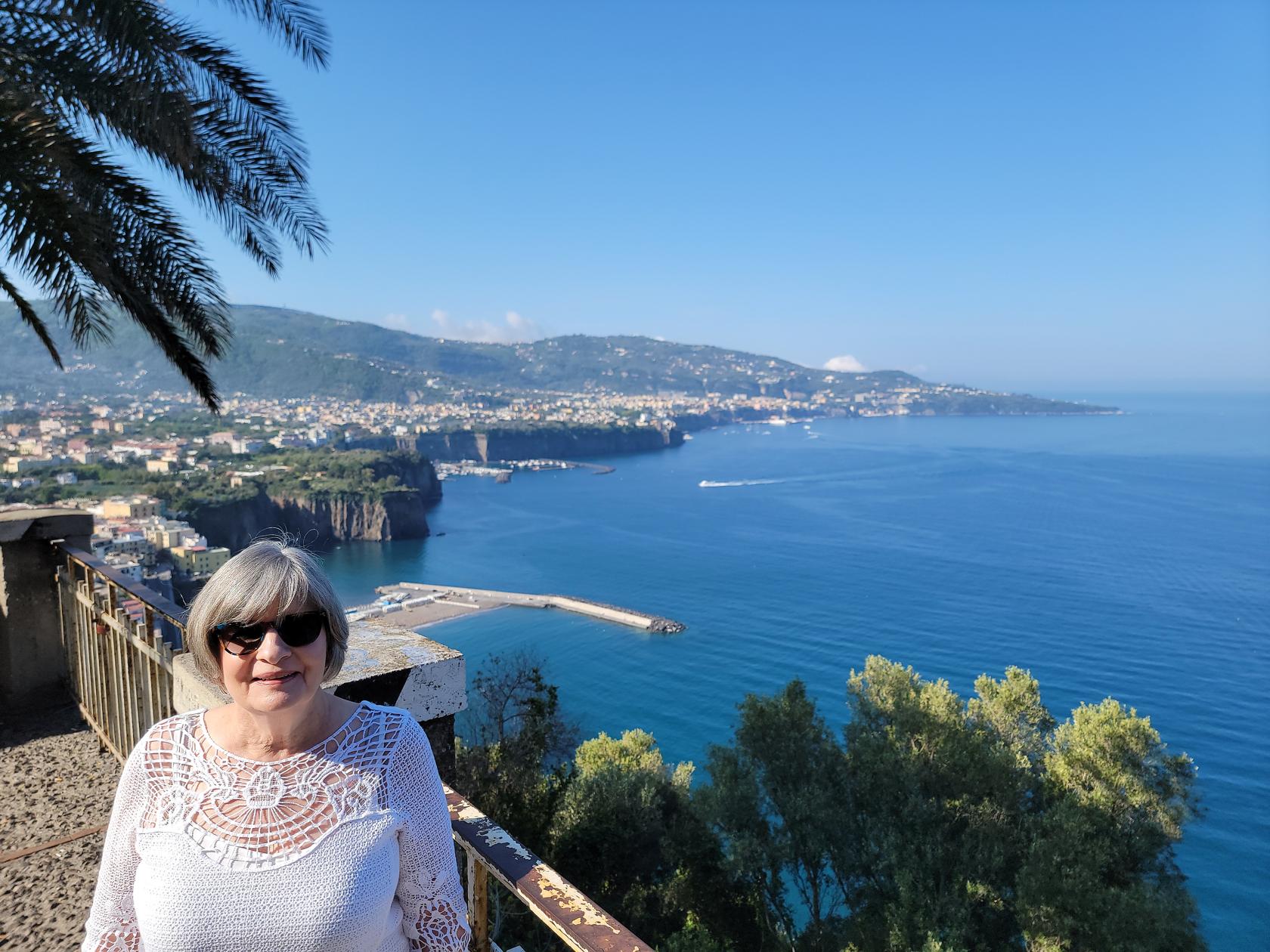
Tordigliano Belvedere – Mind The Nap Private Tour – Amalfi Coast – Sorrento, Italy
Tordigliano Belvedere – Mind The Nap Private Tour – Amalfi Coast – Sorrento, Italy
Tordigliano Belvedere – Mind The Nap Private Tour – Amalfi Coast – Sorrento, Italy
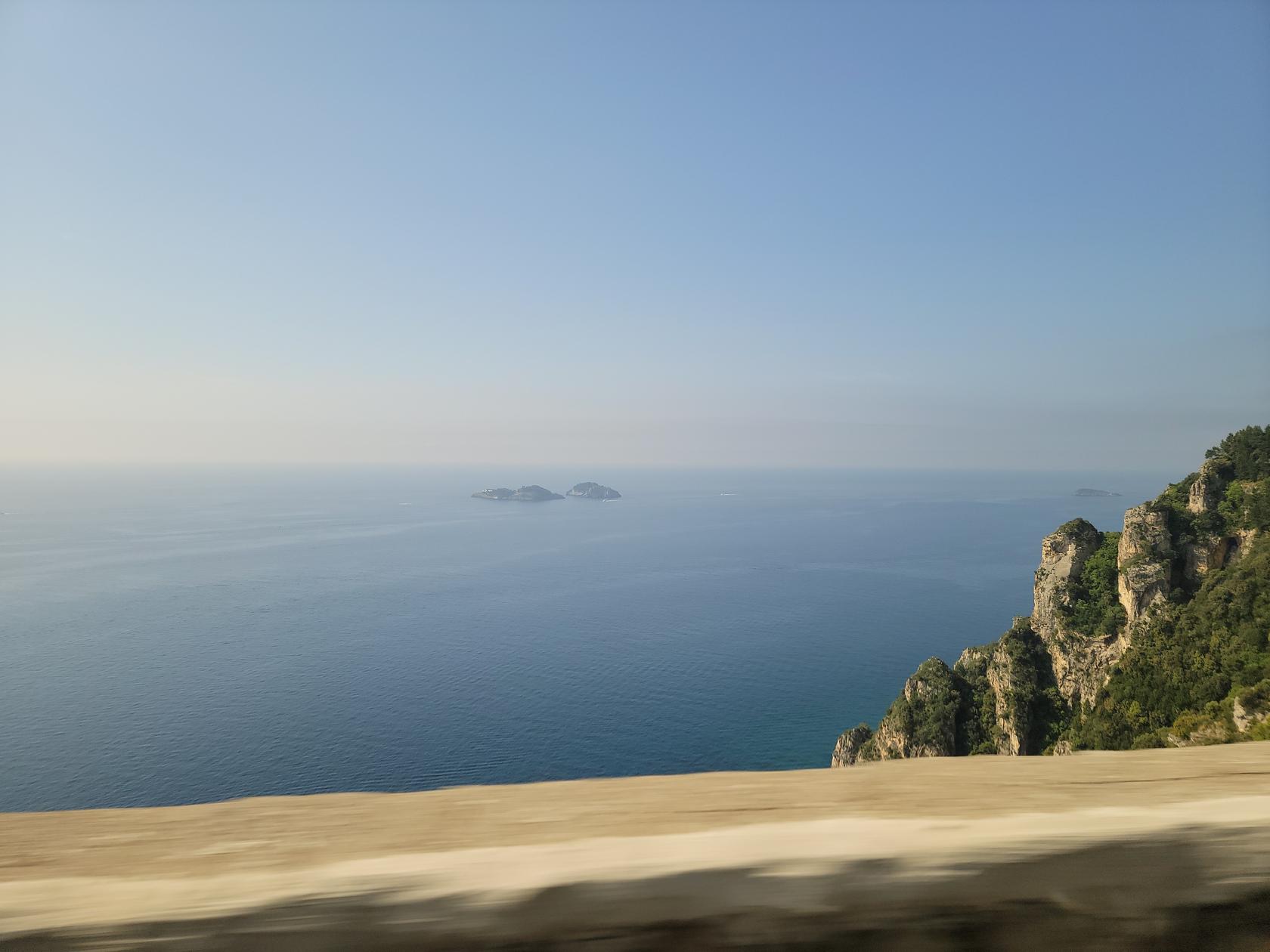
Li Galli Isles – Mind The Nap Private Tour – Amalfi Coast – Sorrento, Italy
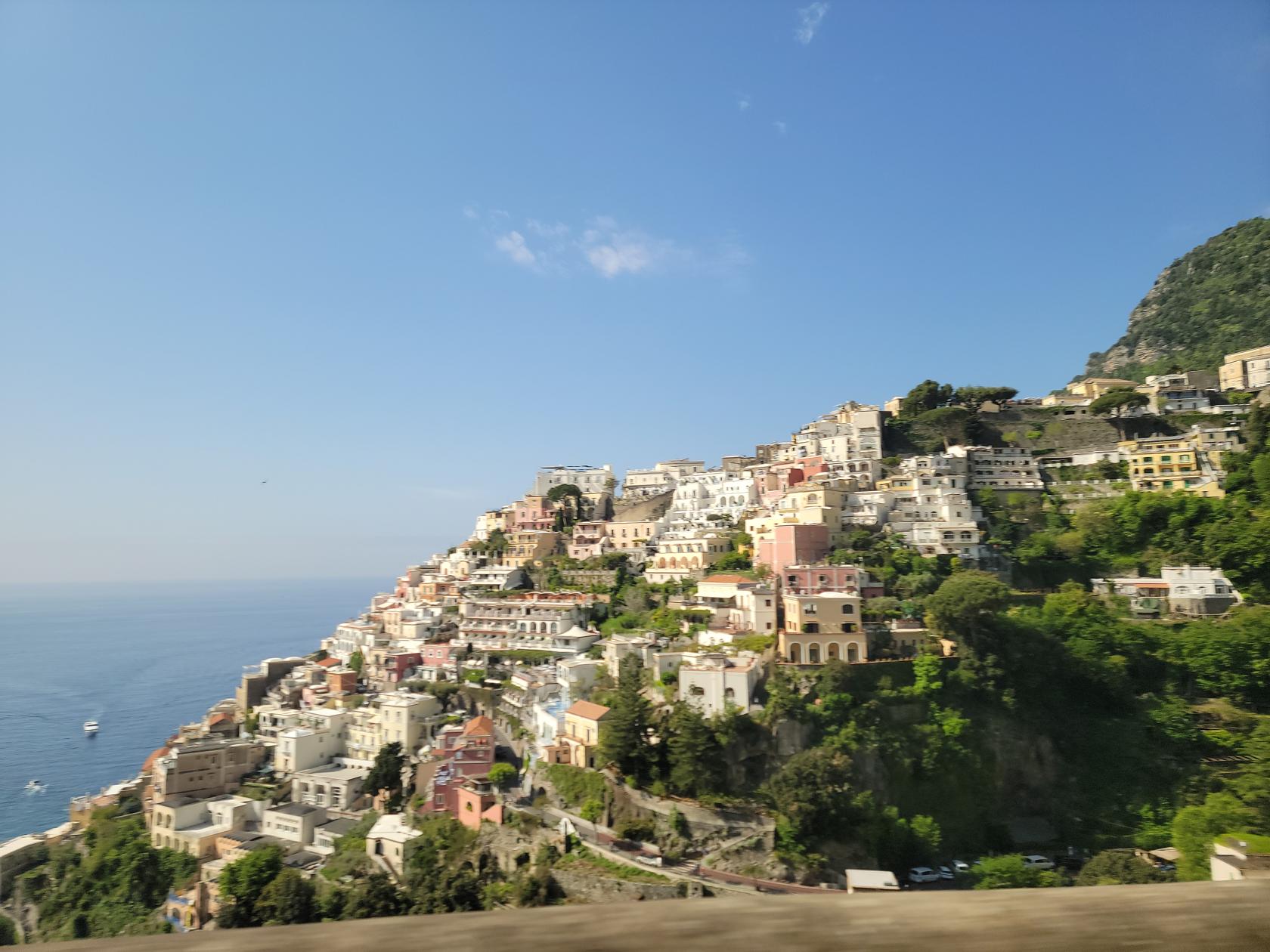
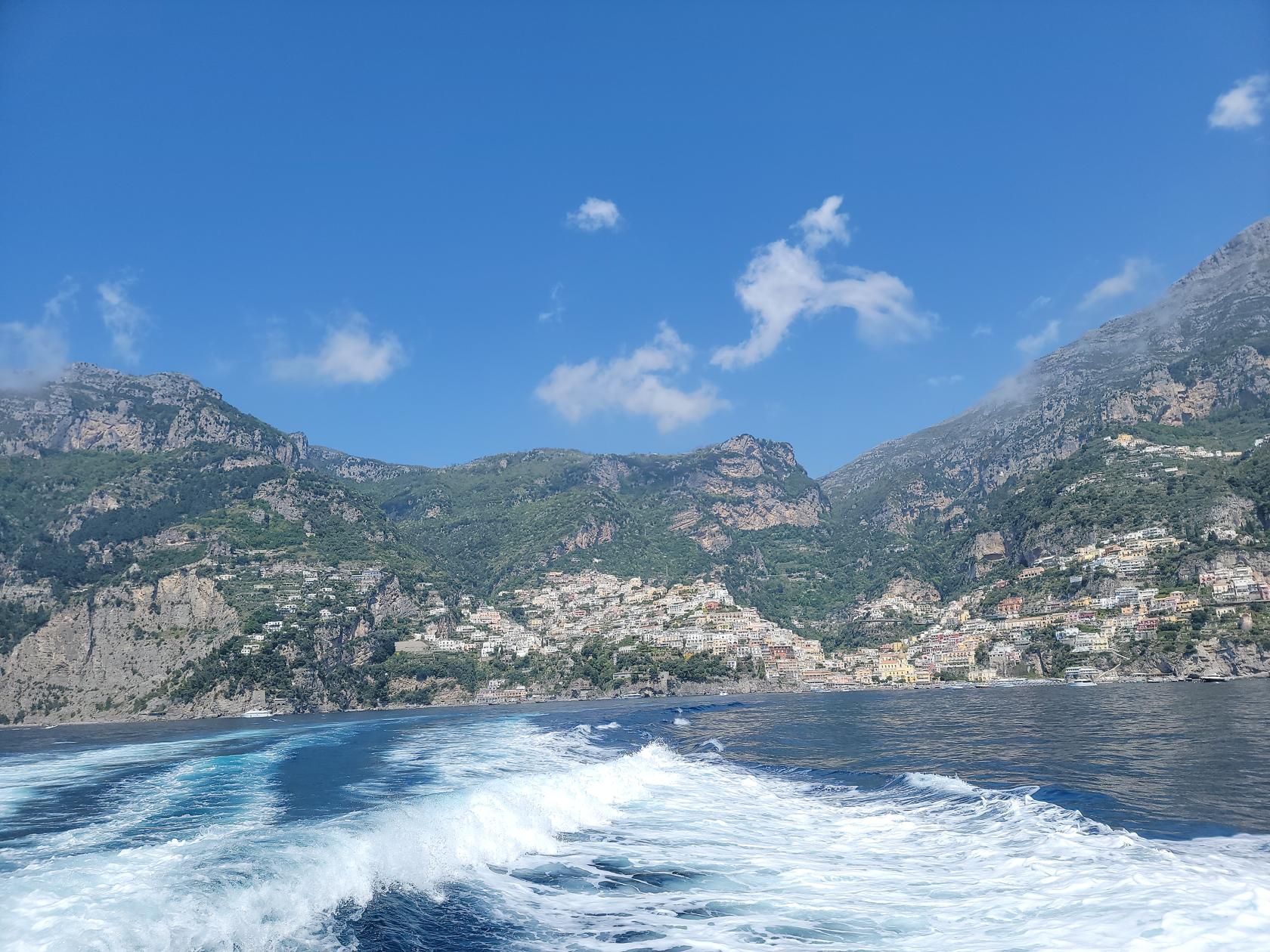
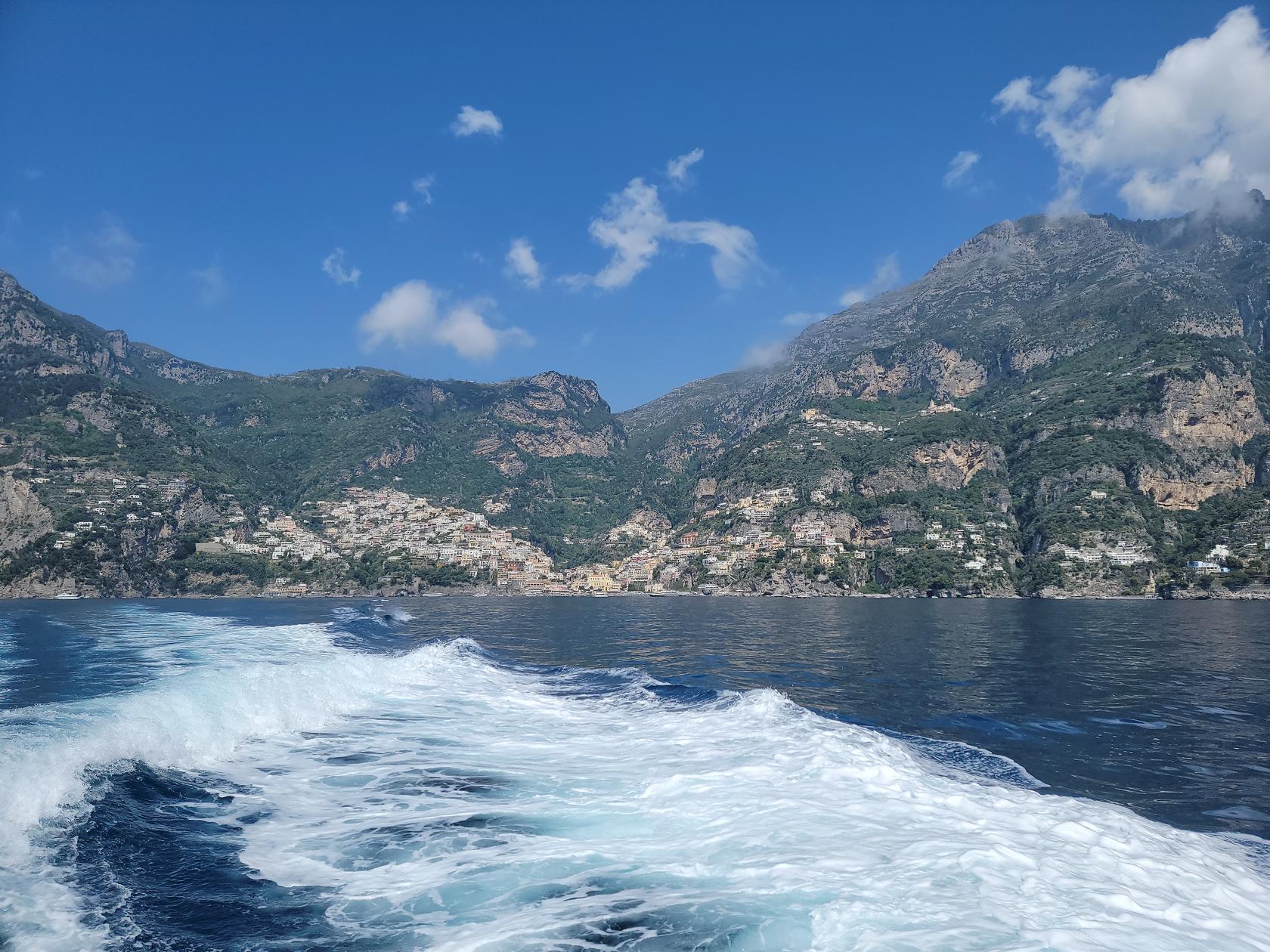
Getting close to Positano – Mind The Nap Private Tour – Amalfi Coast – Sorrento, Italy
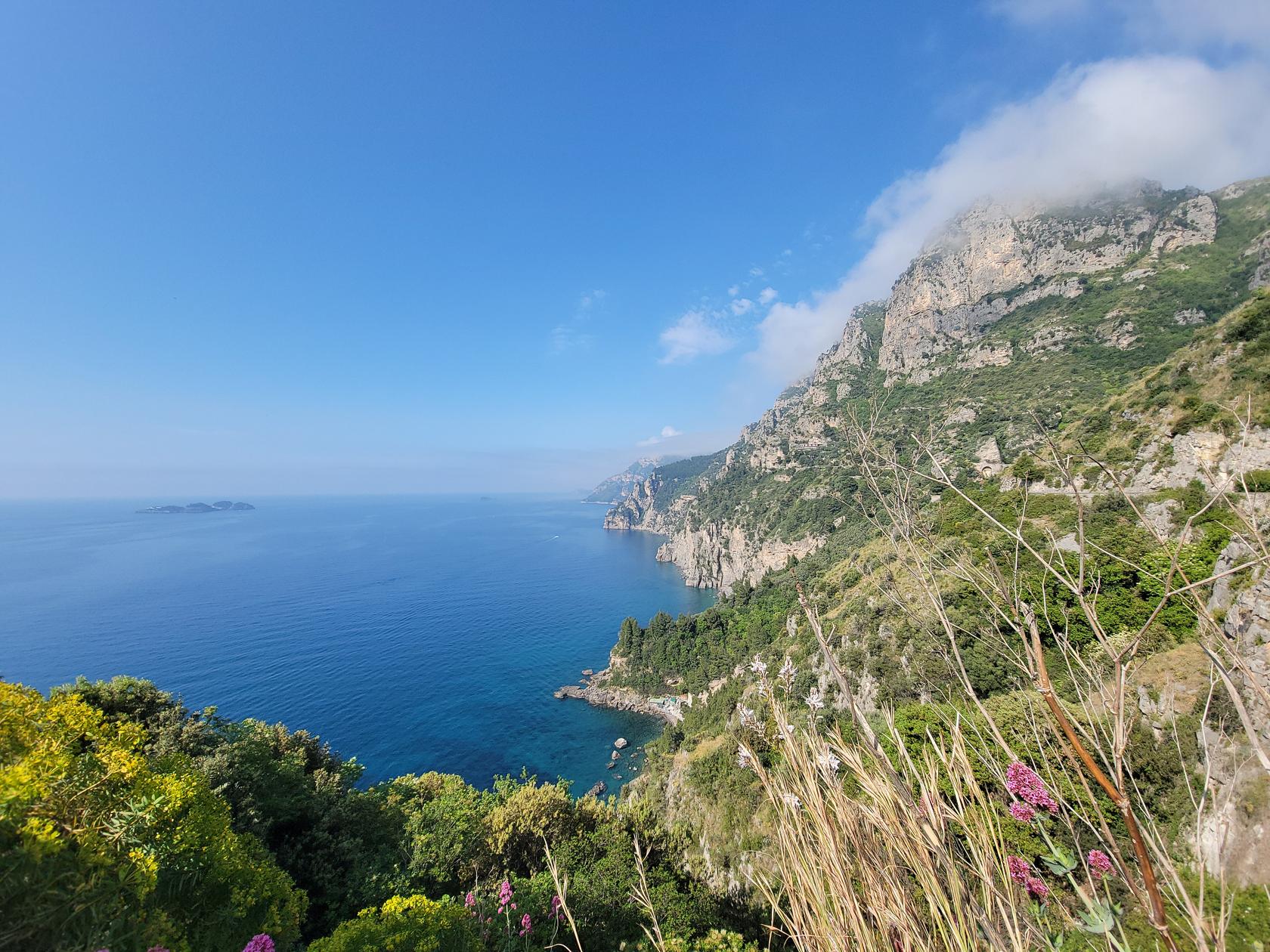
Our tour driver Pasquale used SS163, so we approached Positano from the west. This allowed us to stop along the route several times to enjoy the coastline views.
Upper Positano – Mind The Nap Private Tour – Amalfi Coast – Sorrento, Italy
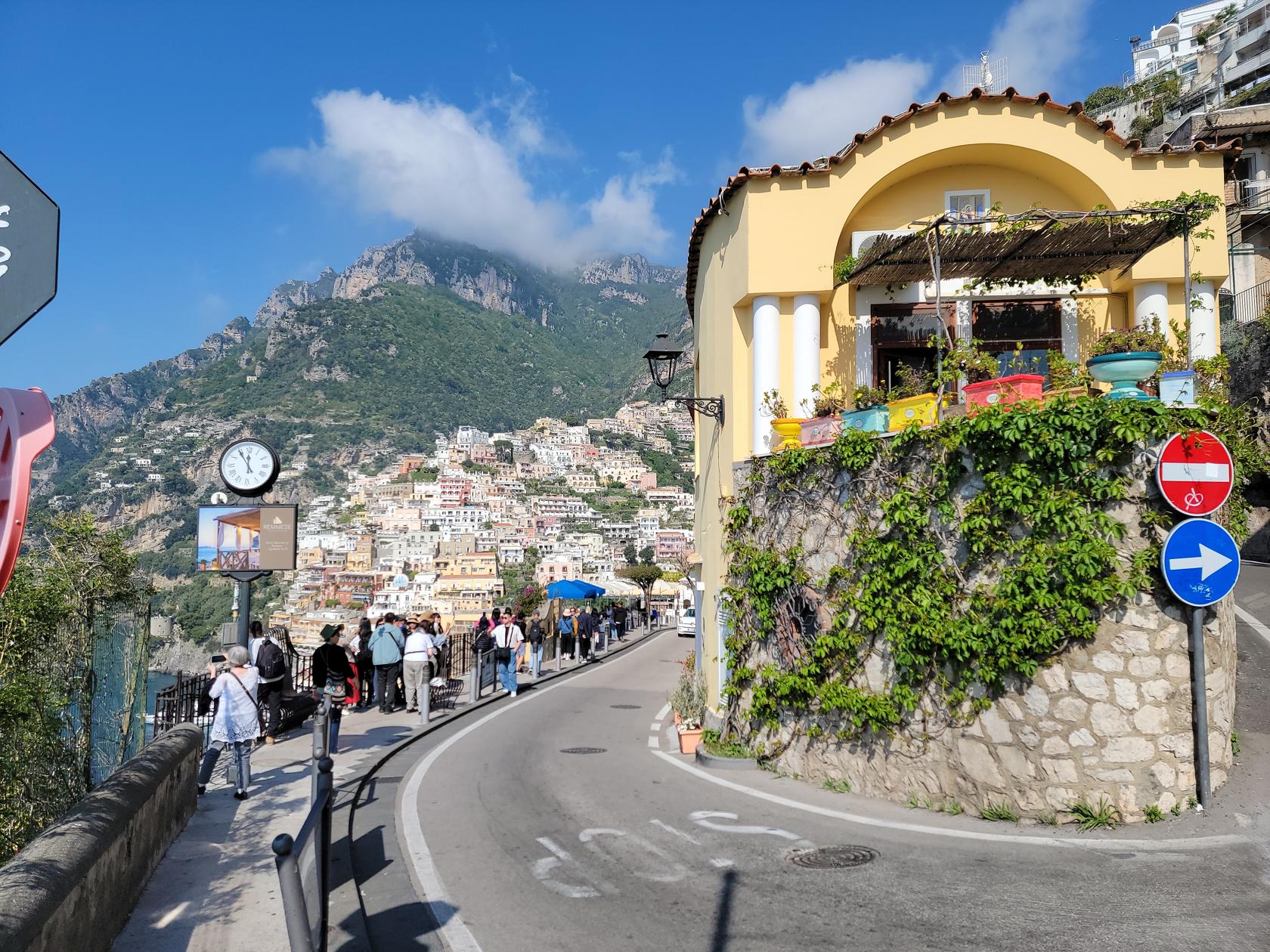
Entering the town – Mind The Nap Private Tour – Amalfi Coast – Positano, Italy
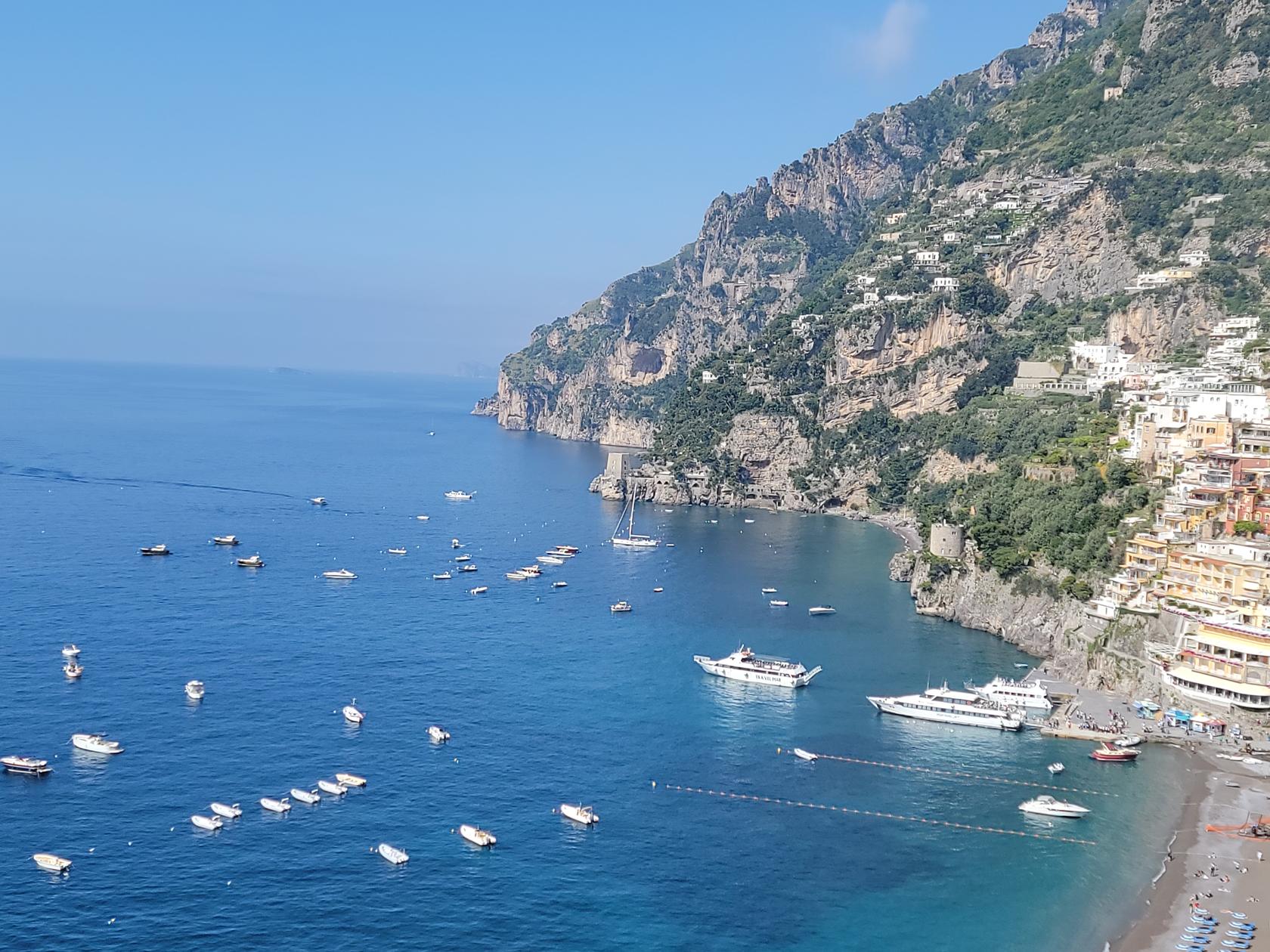
Ferry Dock and Bay – Mind The Nap Private Tour – Amalfi Coast – Positano, Italy
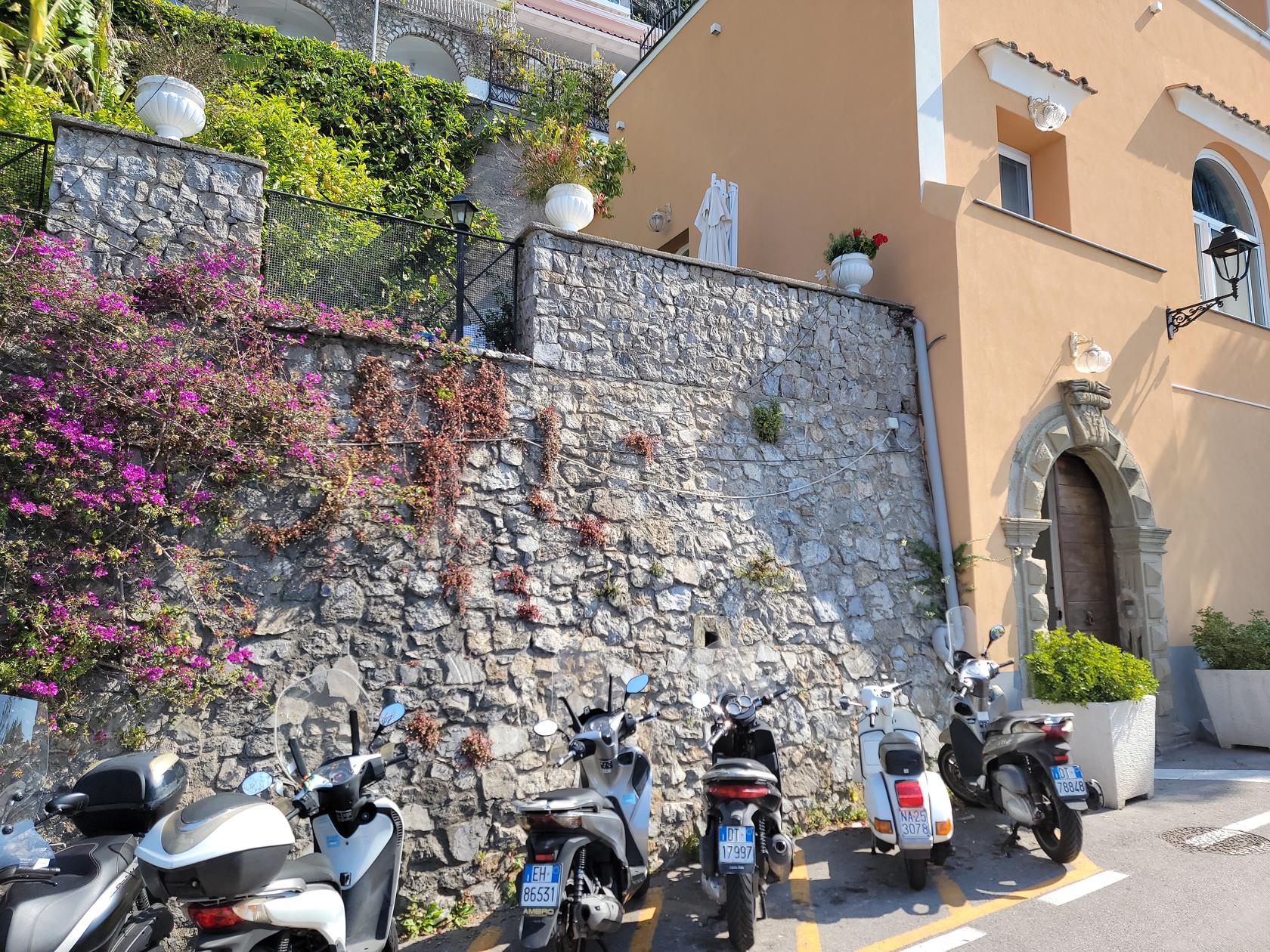
Scooters – Mind The Nap Private Tour – Amalfi Coast – Positano, Italy
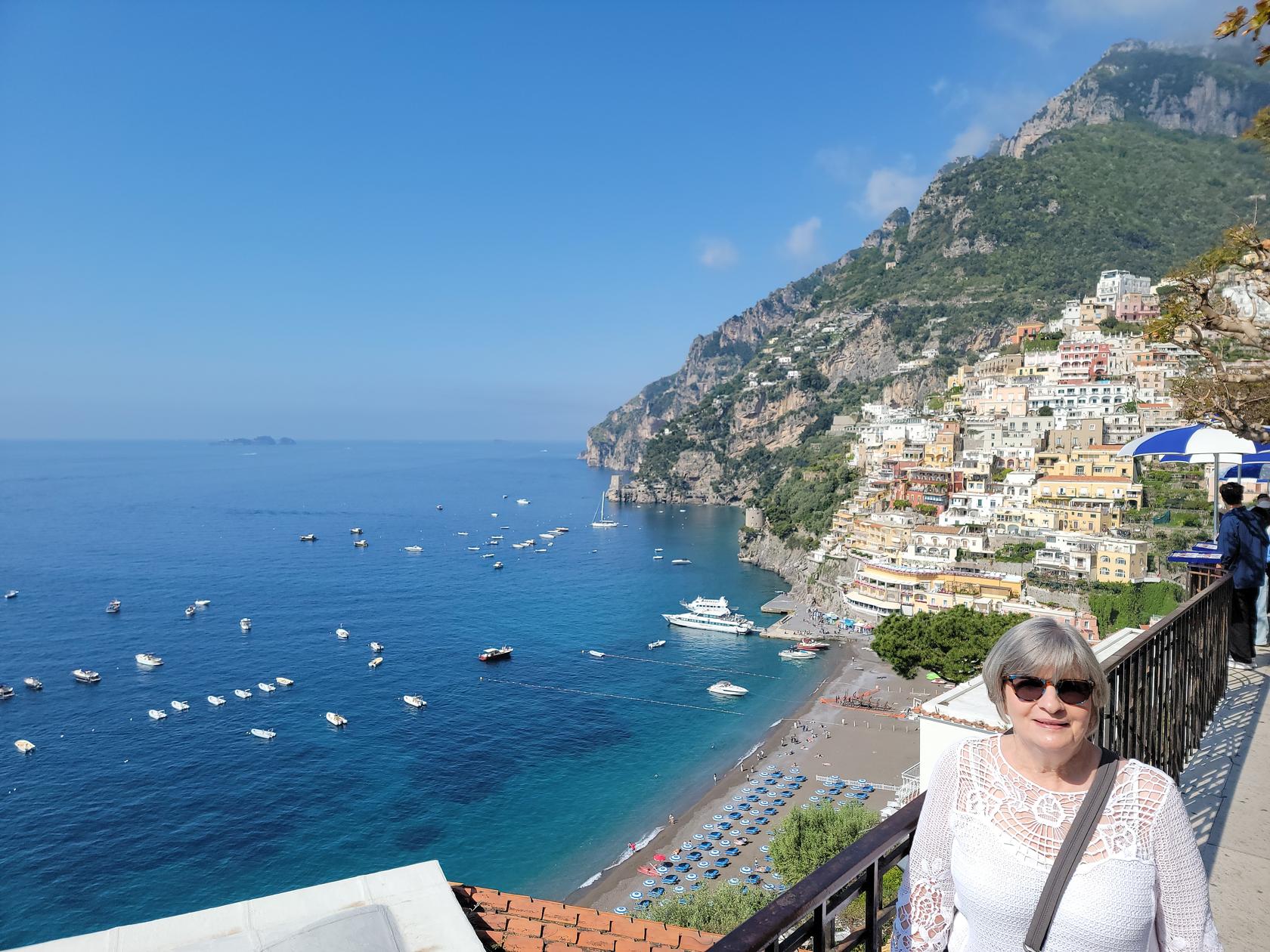
Patti – Mind The Nap Private Tour – Amalfi Coast – Positano, Italy
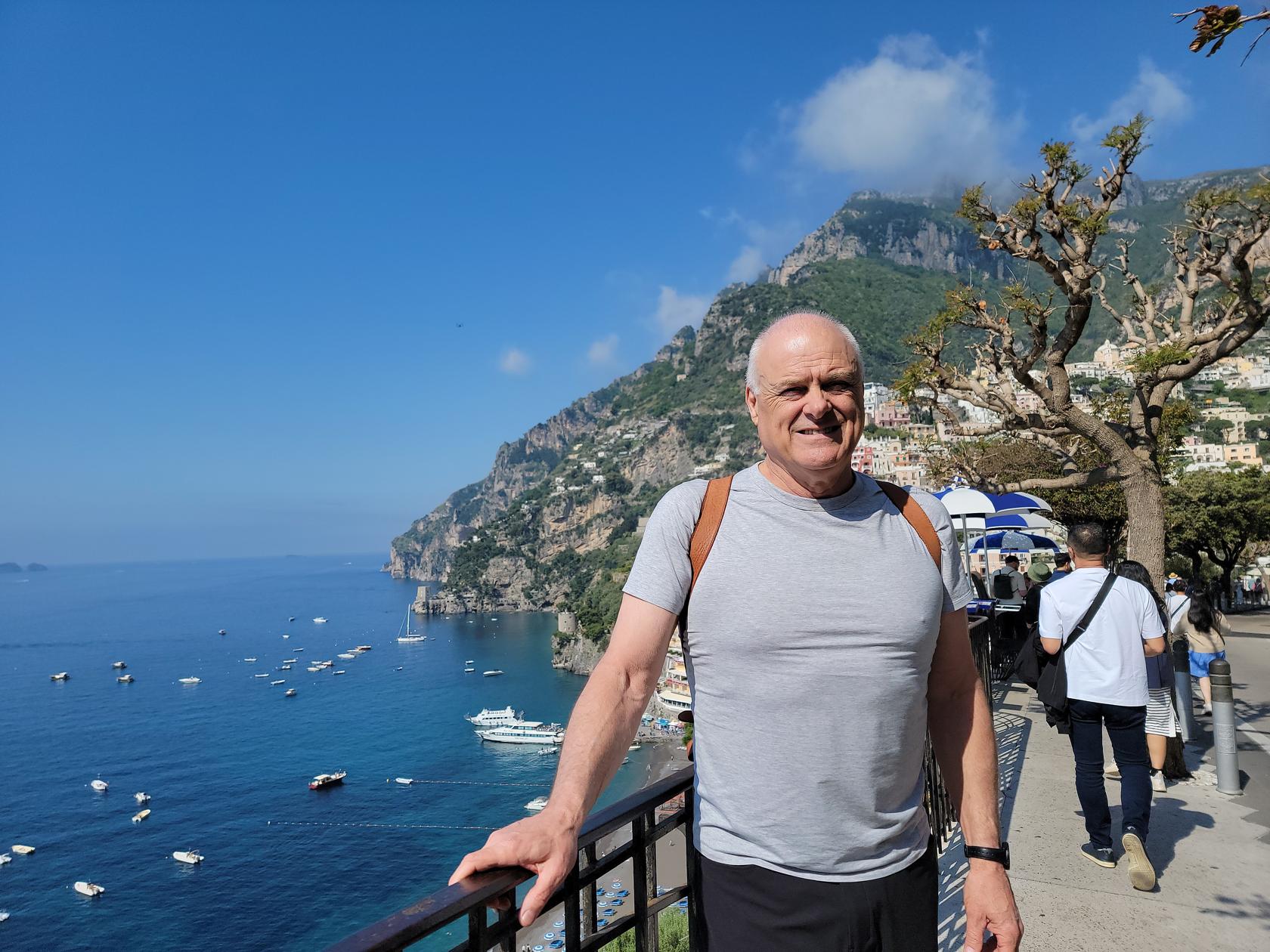
Erick – Mind The Nap Private Tour – Amalfi Coast – Positano, Italy
Positano
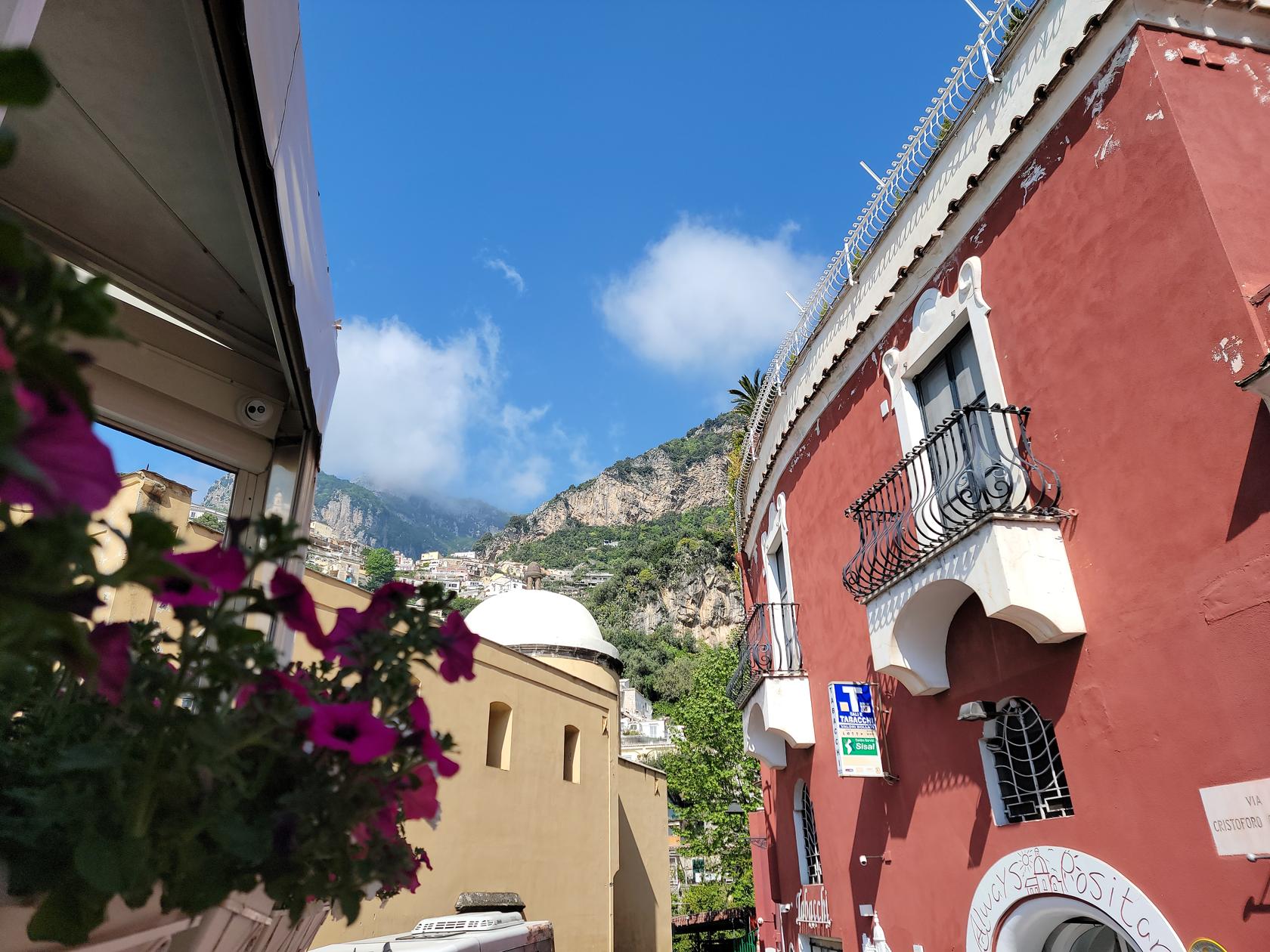
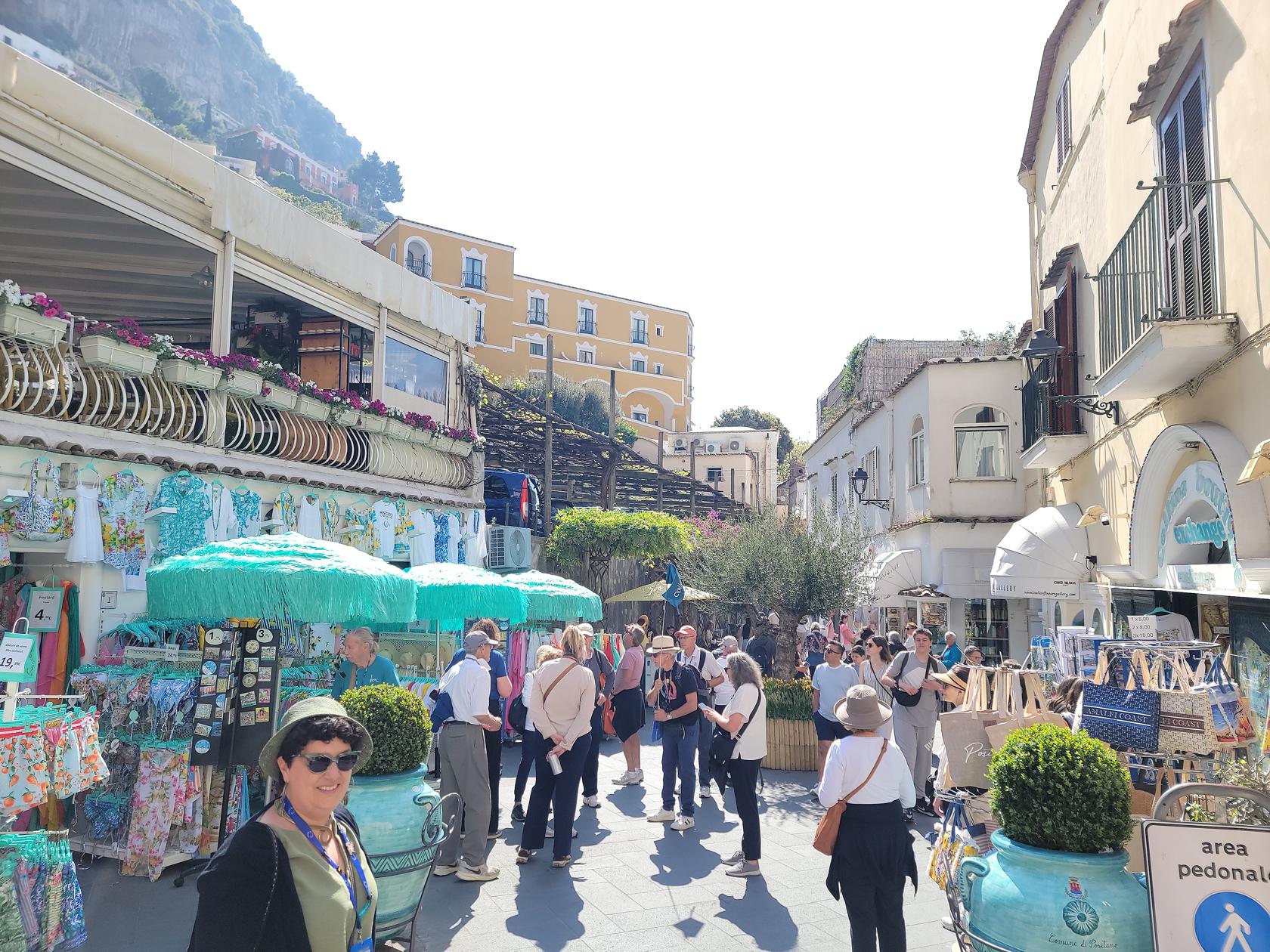
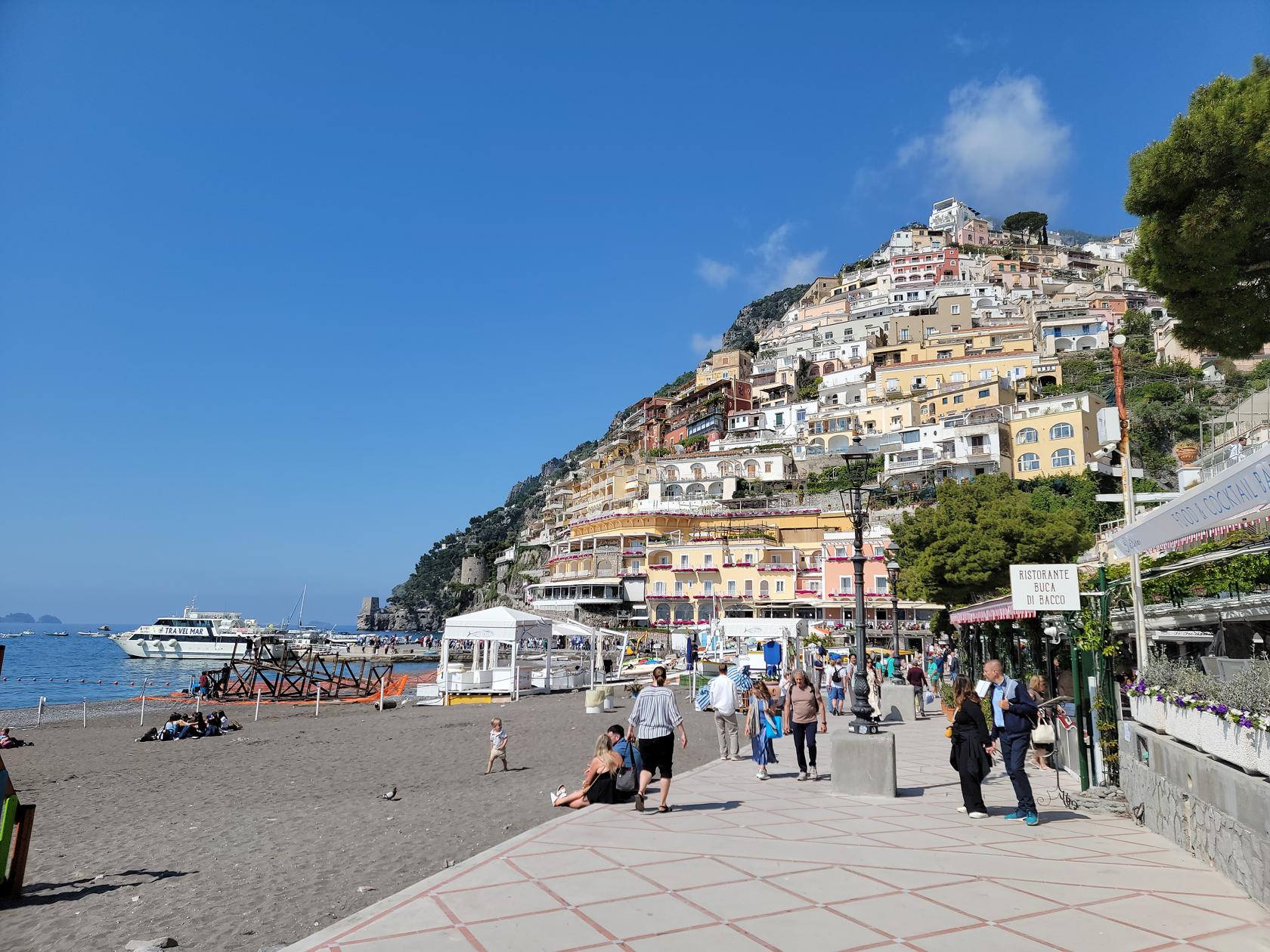
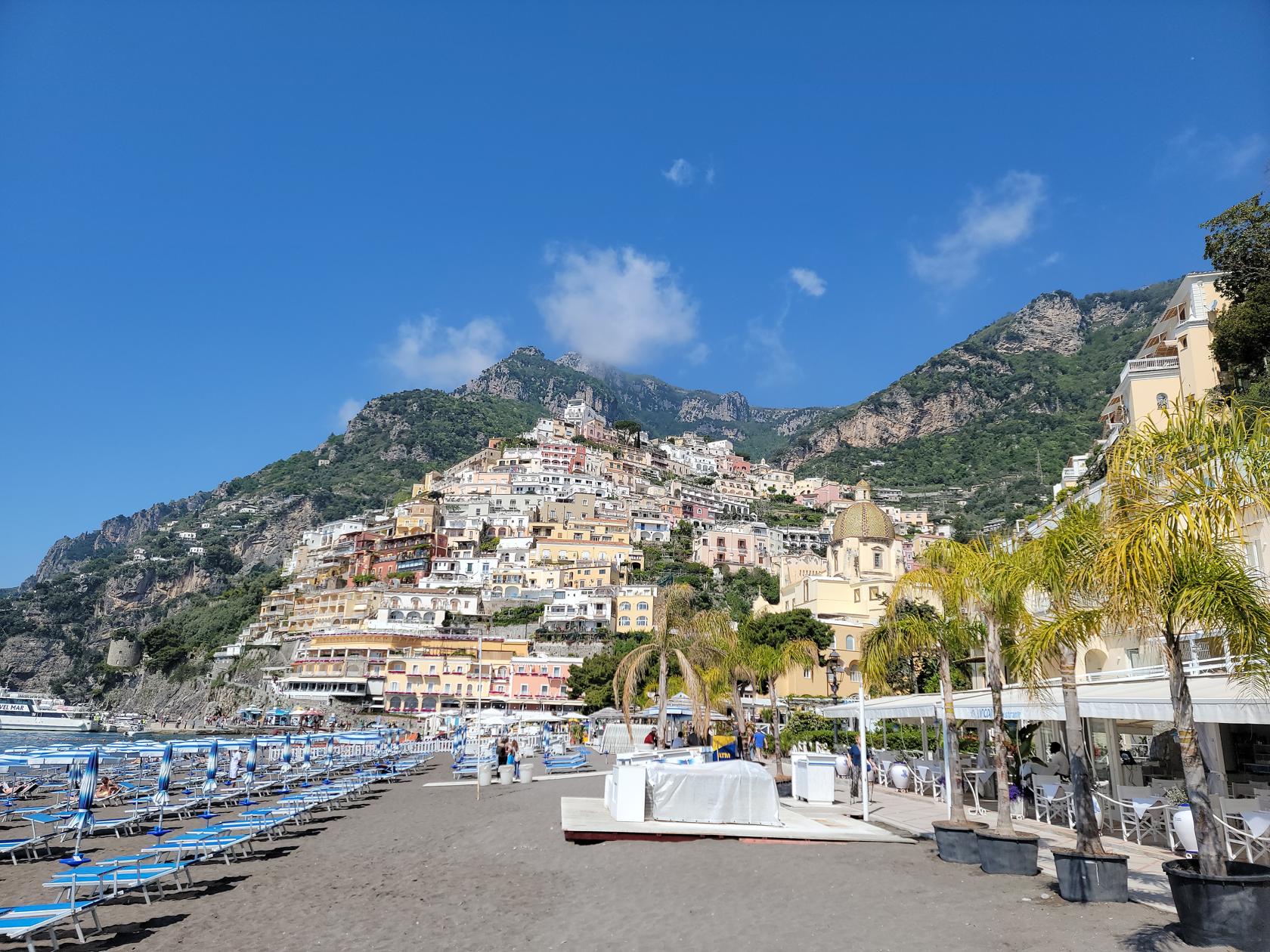
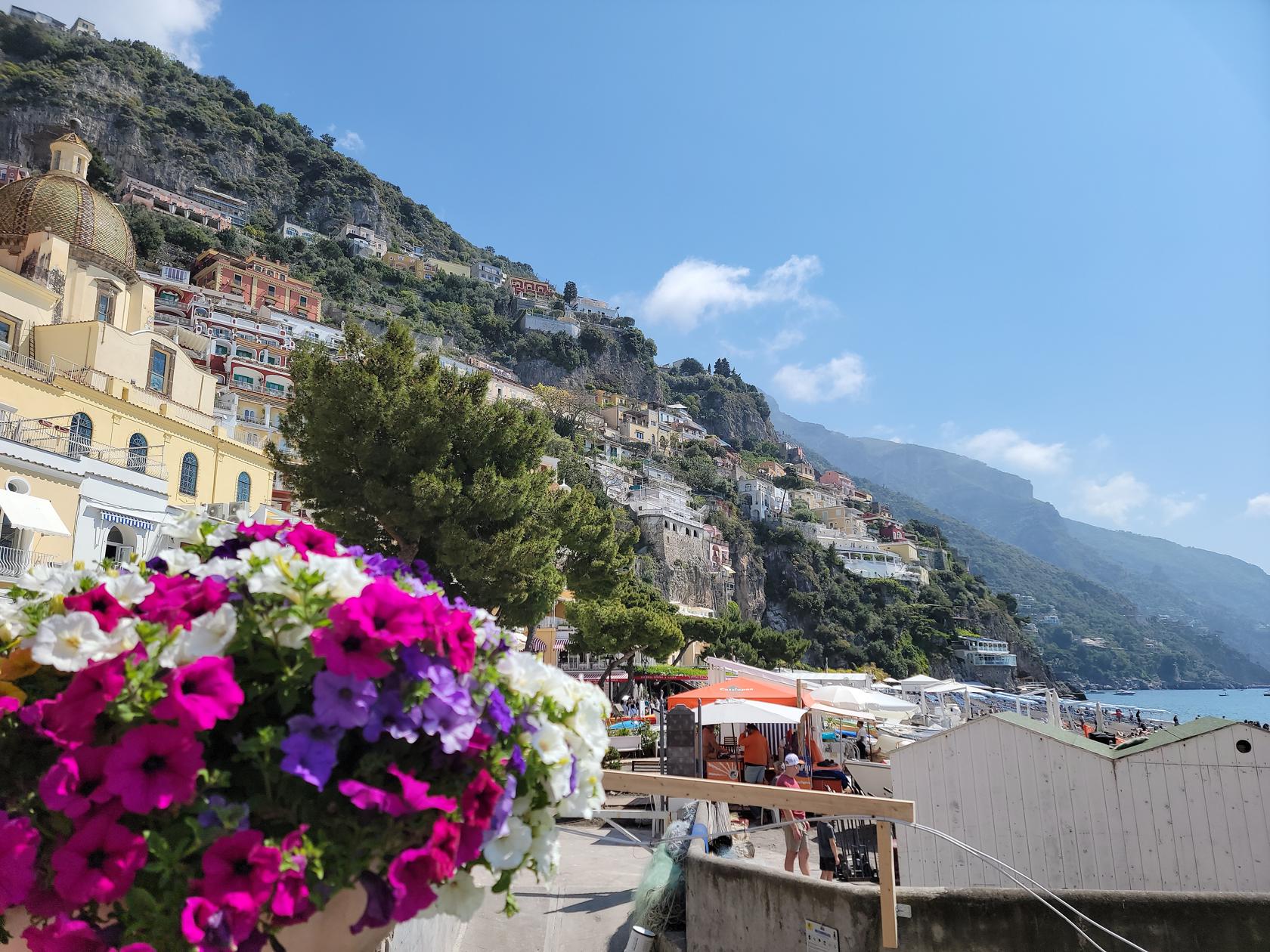
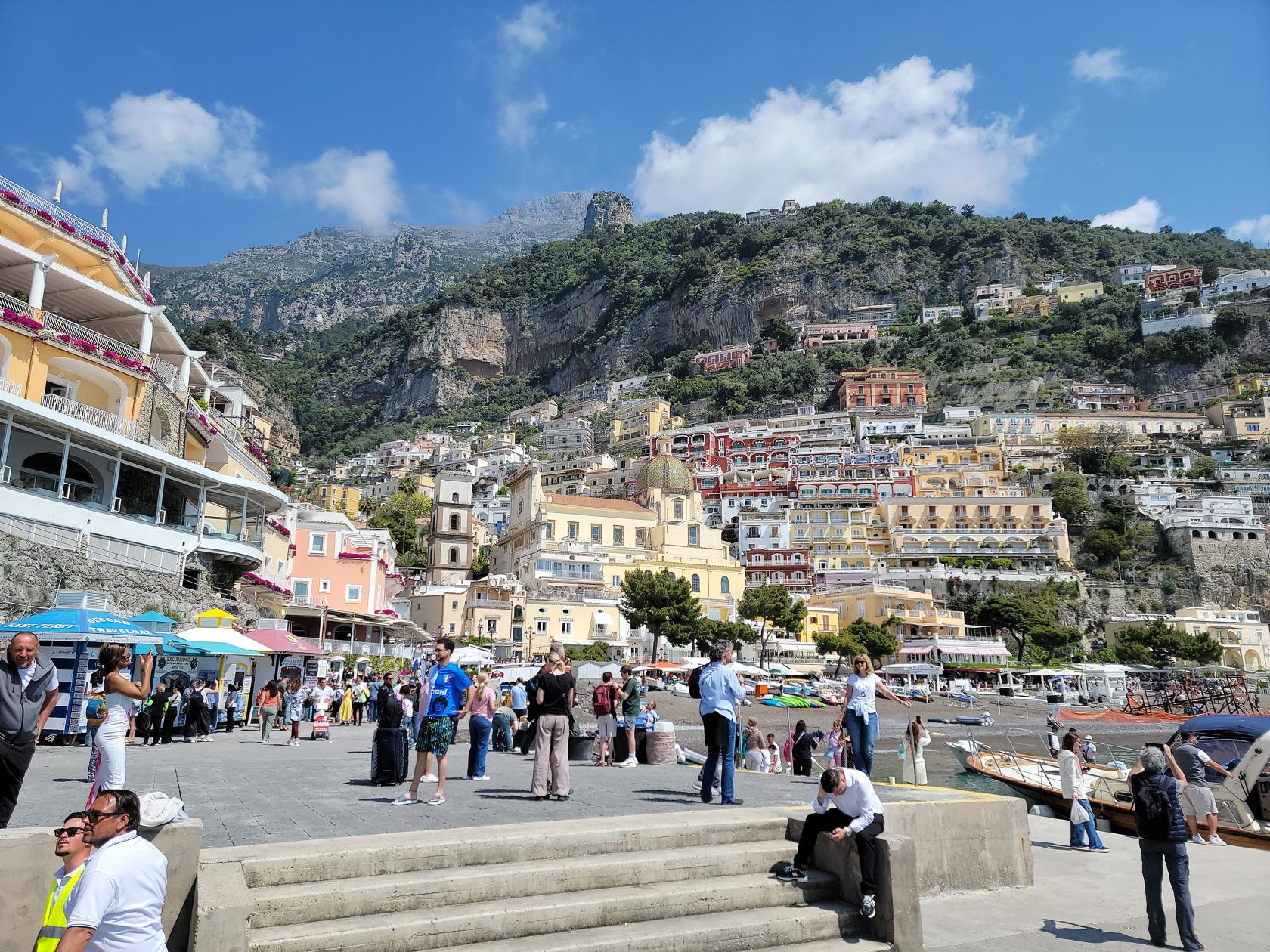
Positano is a small, but beautiful little seaside town at the end of the Amalfi Coast. It is probably the most charming out of all the towns you will find on the coastline. The Strand, or Beach, is small by italian standard, but is most likely filled during the summer, even though it is mostly rocky and you probably have to use footwear.
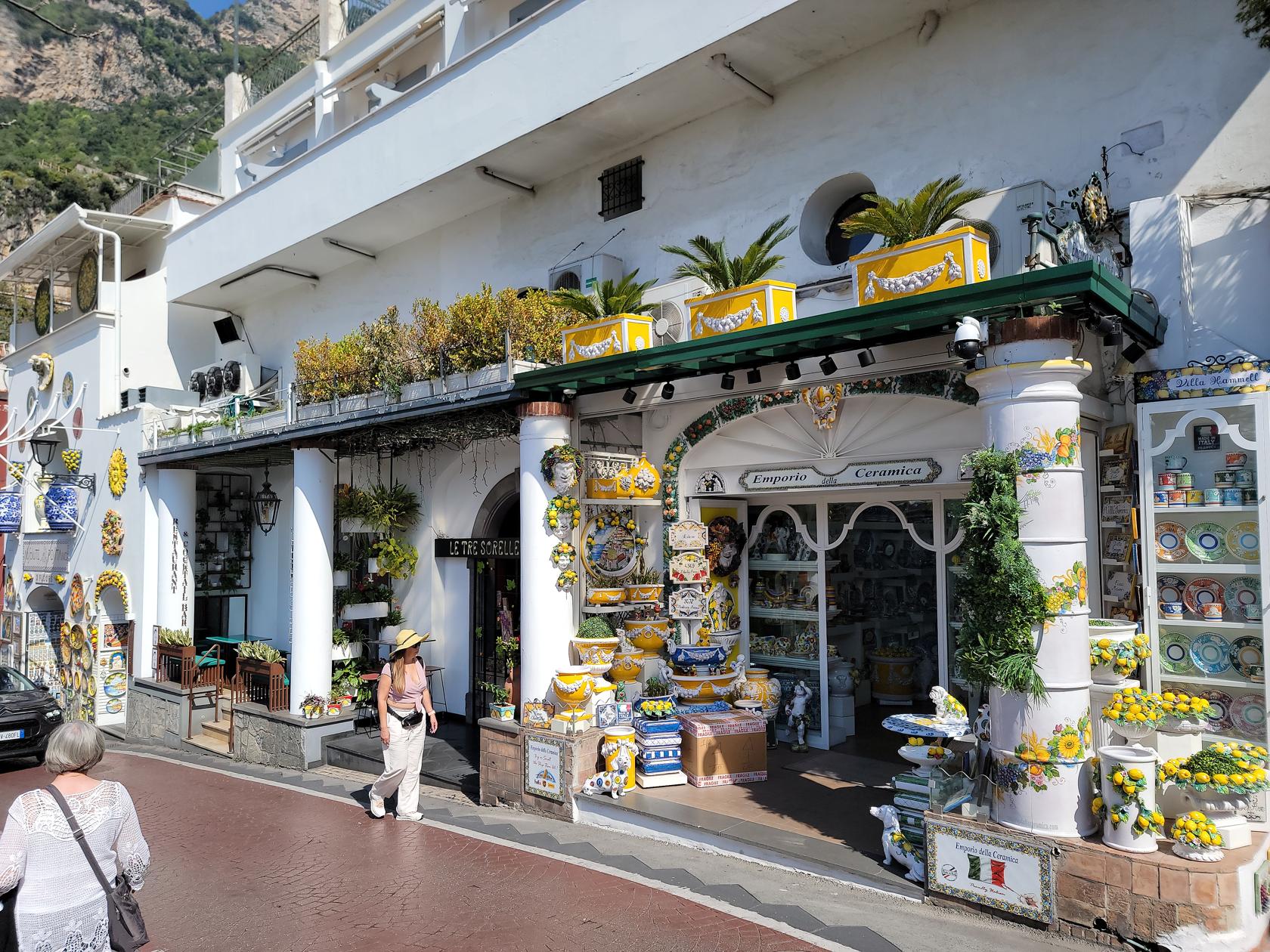
Lemon Shops – Mind The Nap Private Tour – Amalfi Coast – Positano, Italy
High Cliffs – Mind The Nap Private Tour – Amalfi Coast – Positano, Italy
Federica, our tour guide – Mind The Nap Private Tour – Amalfi Coast – Positano, Italy
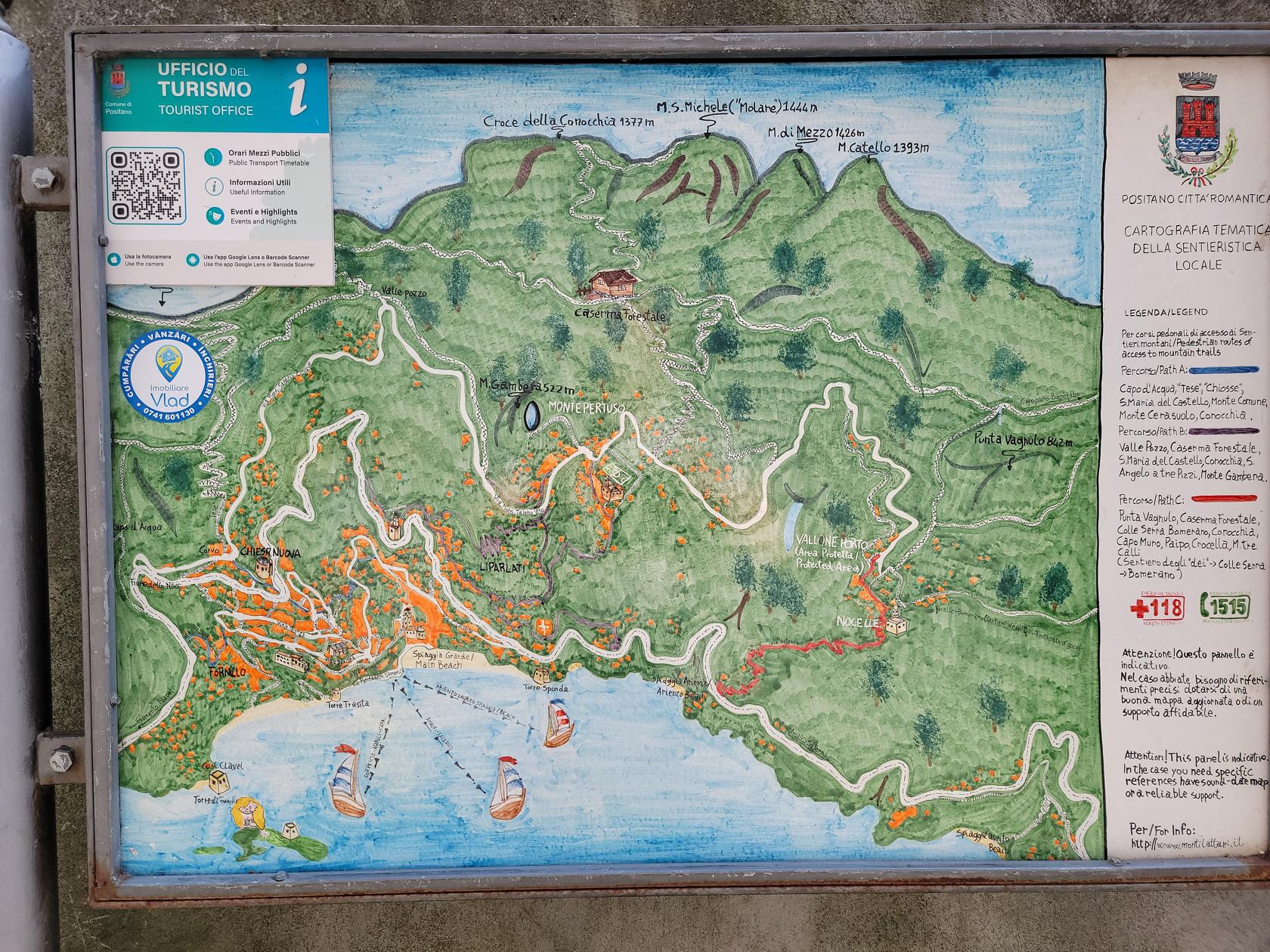
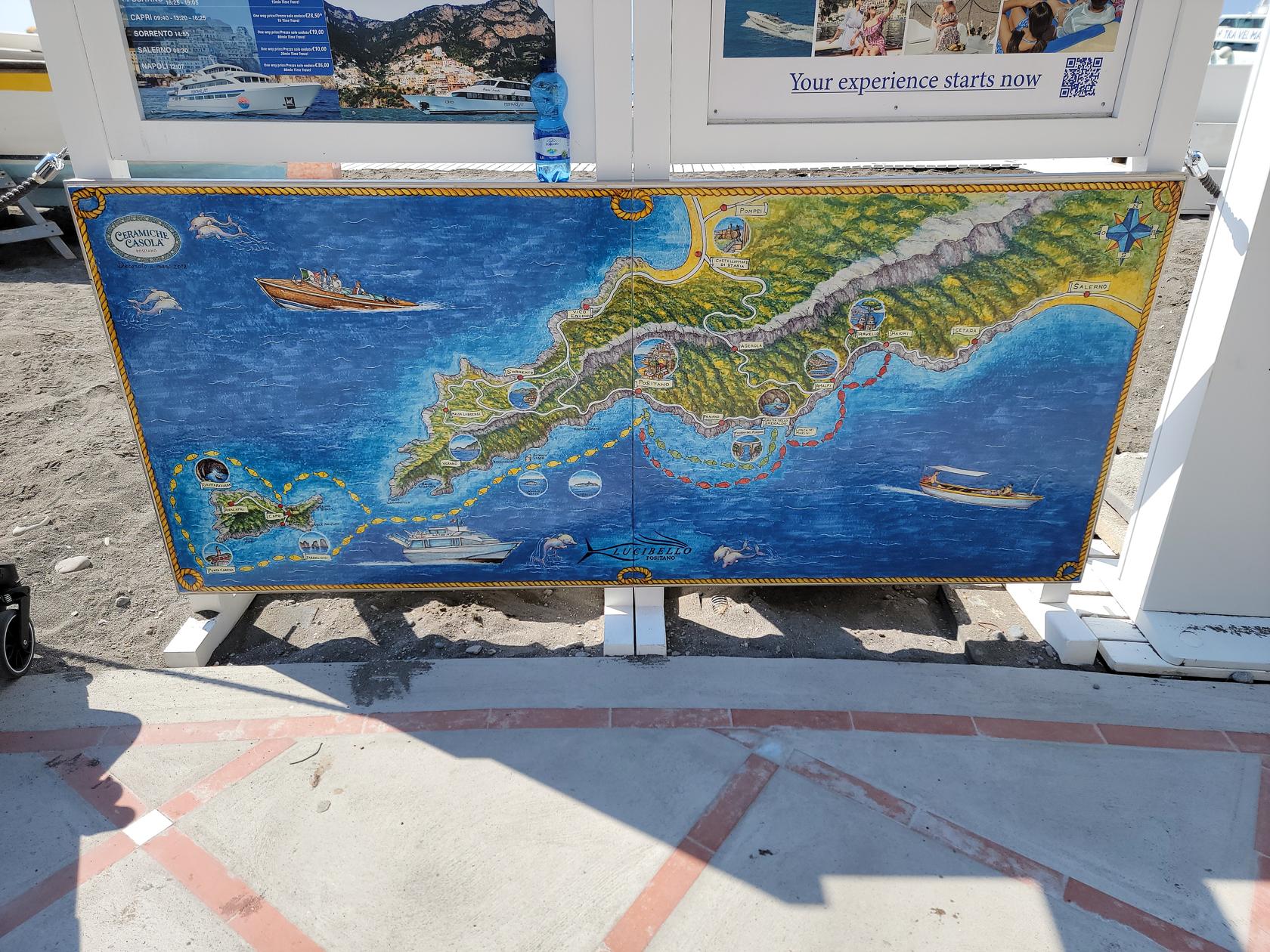
Map of the area – Mind The Nap Private Tour – Amalfi Coast – Positano, Italy
Via del Mulini – Mind The Nap Private Tour – Amalfi Coast – Positano, Italy
Via del Mulini – Mind The Nap Private Tour – Amalfi Coast – Positano, Italy
Map of Boat Routes – Mind The Nap Private Tour – Amalfi Coast – Positano, Italy
Boardwalk – Mind The Nap Private Tour – Amalfi Coast – Positano, Italy
Beach and upper Positano – Mind The Nap Private Tour – Amalfi Coast – Positano, Italy
Coastline – Mind The Nap Private Tour – Amalfi Coast – Positano, Italy
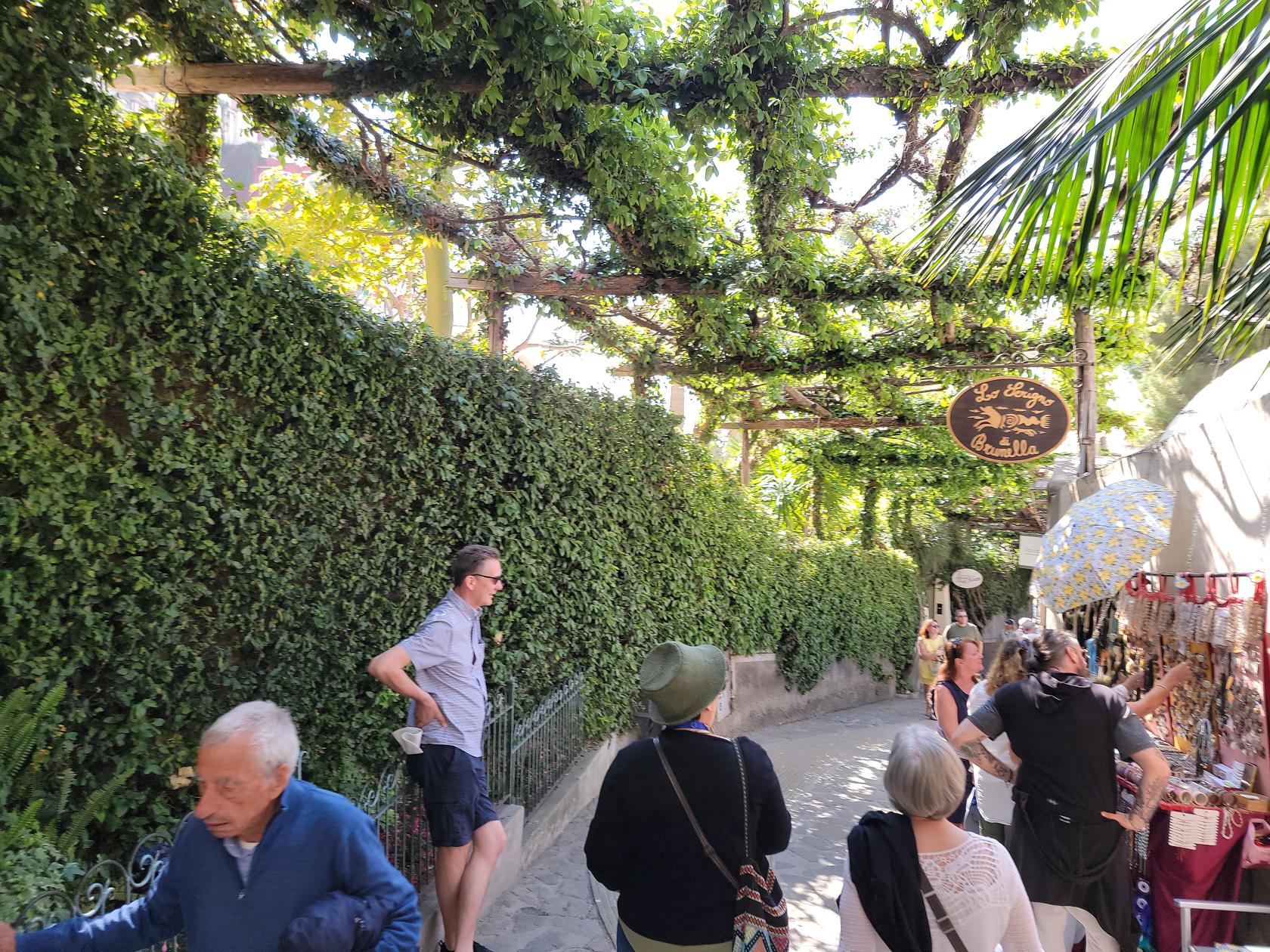
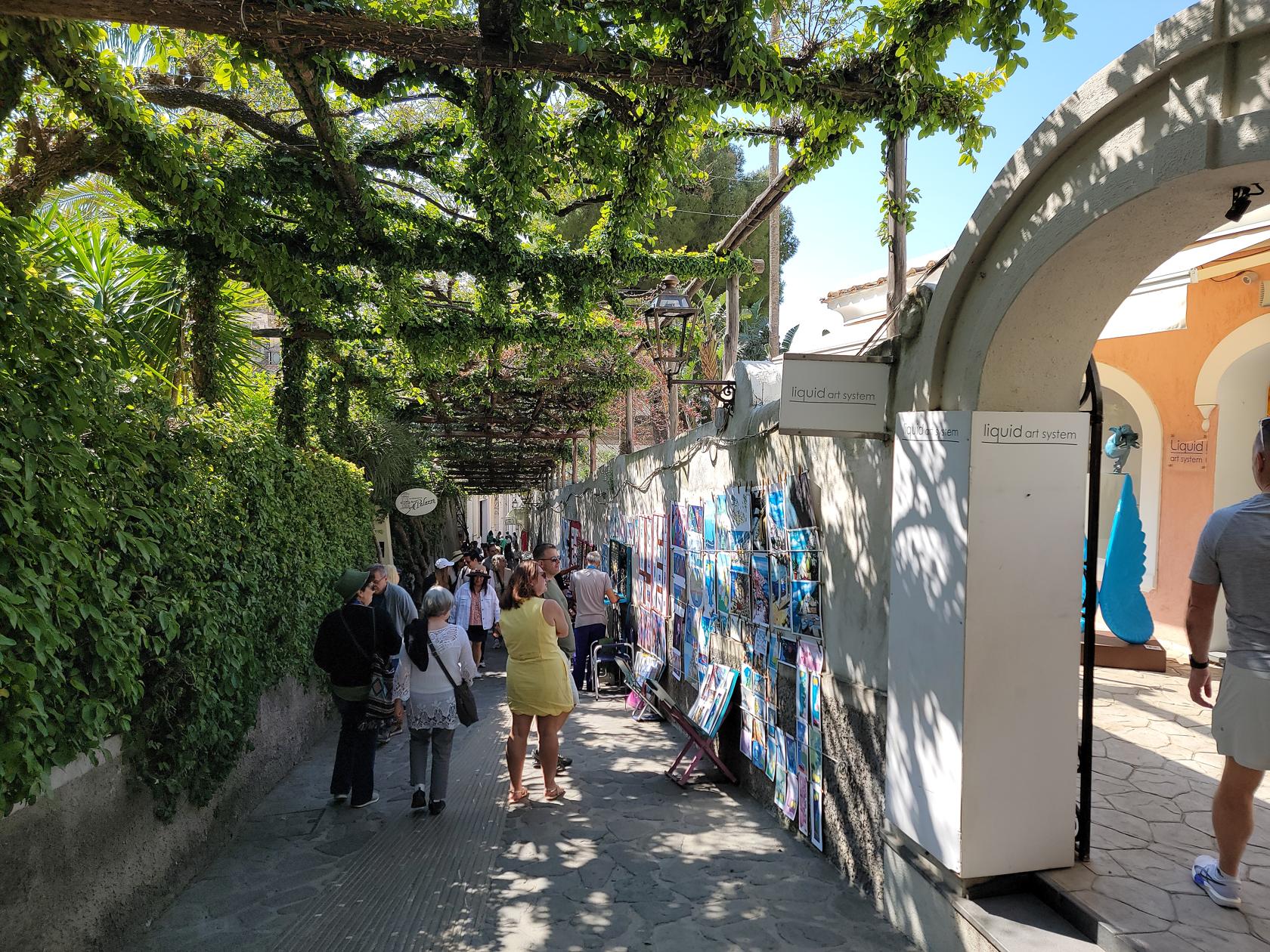
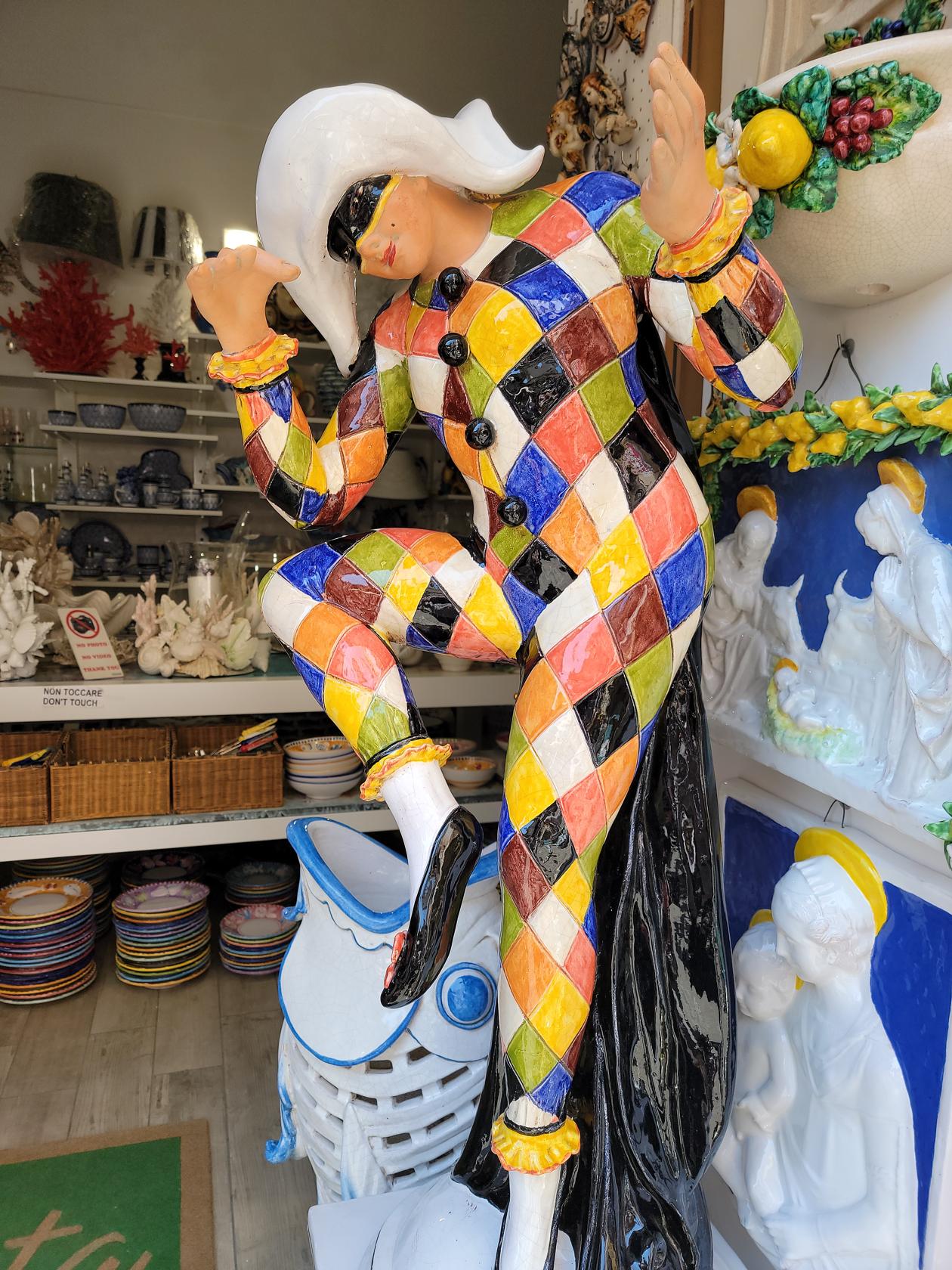
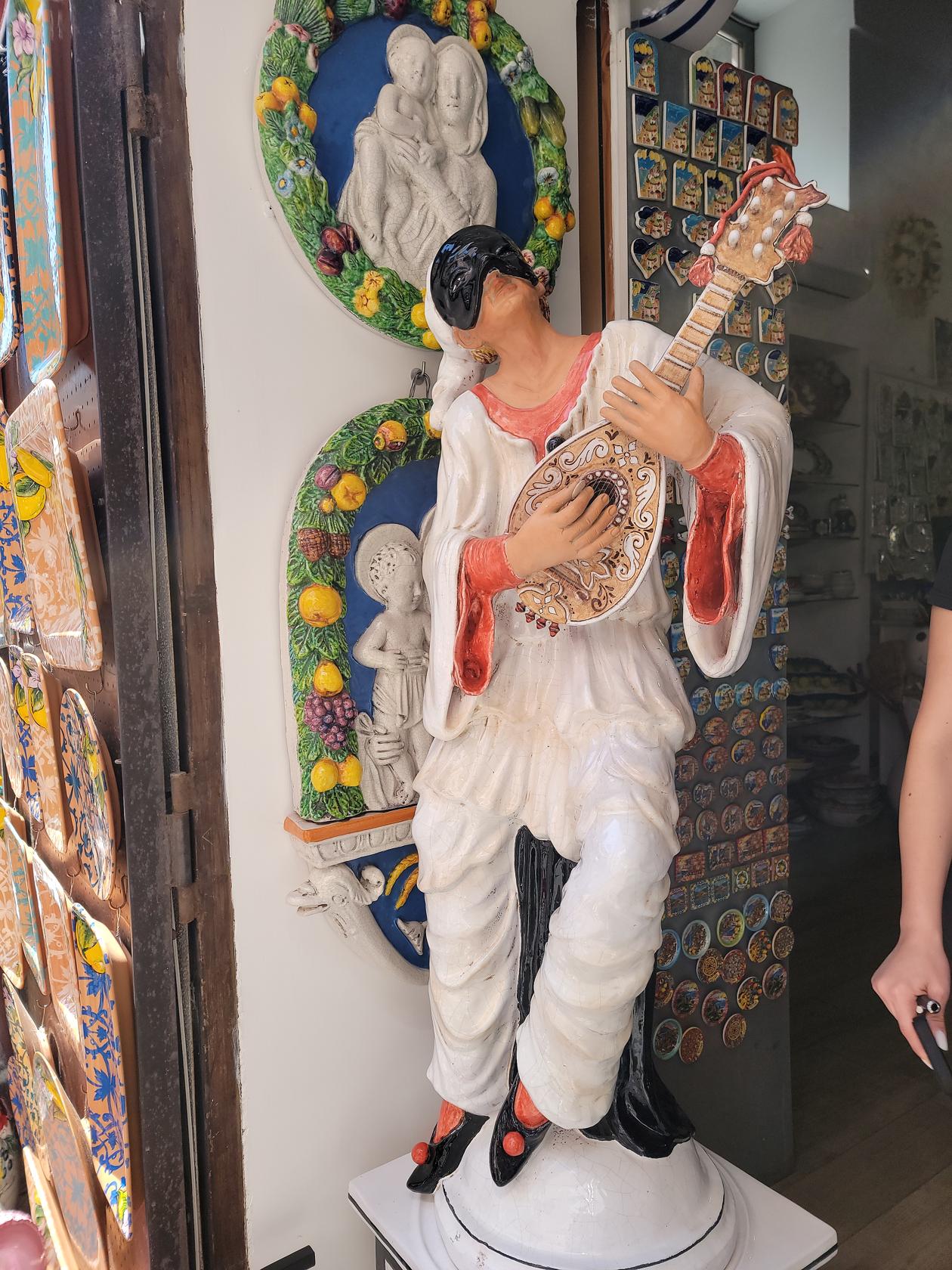
The town is full of stairways and tiny, narrow walkways. In the off-season it is fairly quiet and some of the establishments may not be open until June. Of course, like other places along this coast, you will find a lot of pottery and glassware.
Harlequin – Mind The Nap Private Tour – Amalfi Coast – Positano, Italy
Pulcinella – Mind The Nap Private Tour – Amalfi Coast – Positano, Italy
Santa Maria Assunta Church
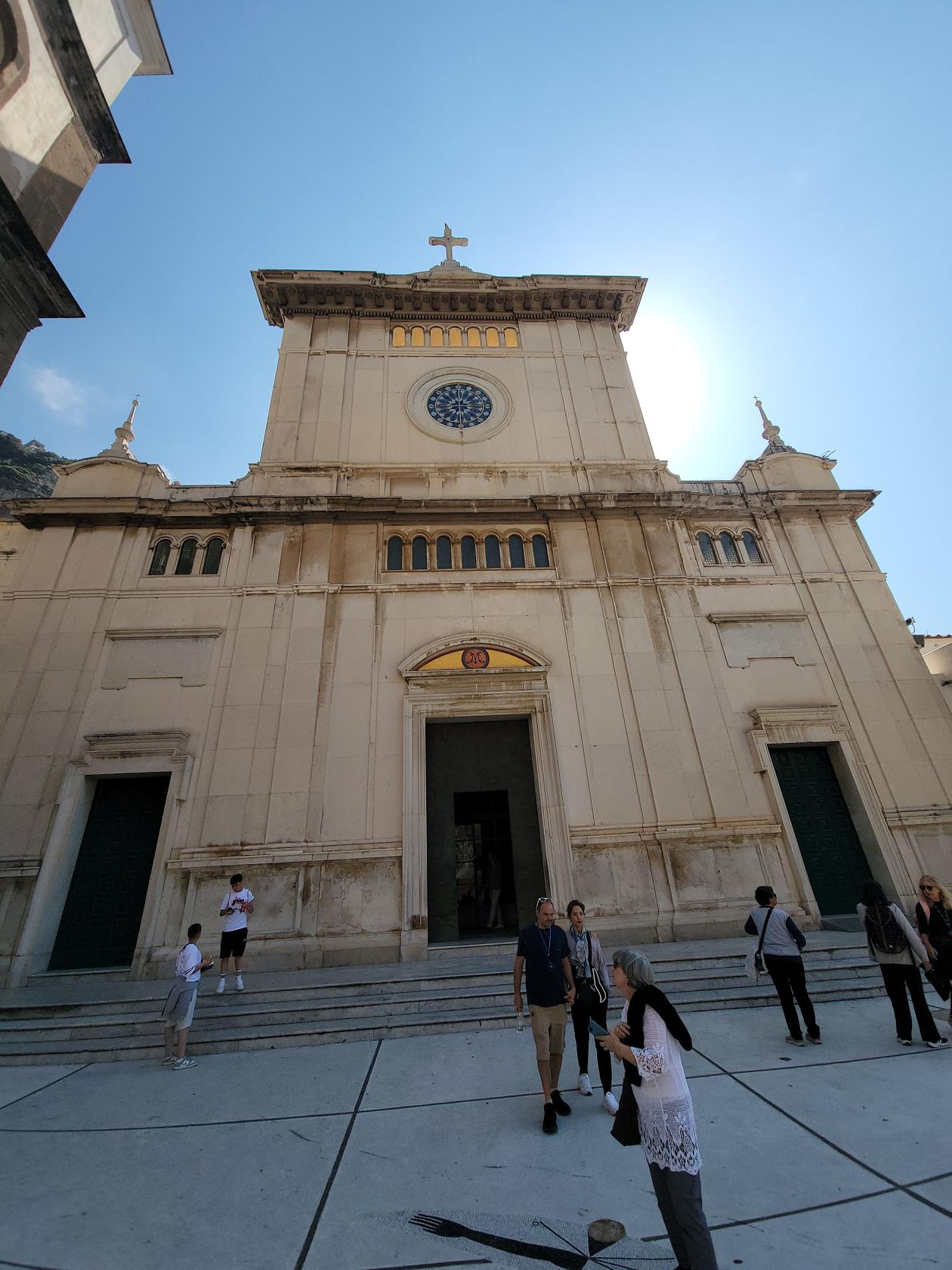
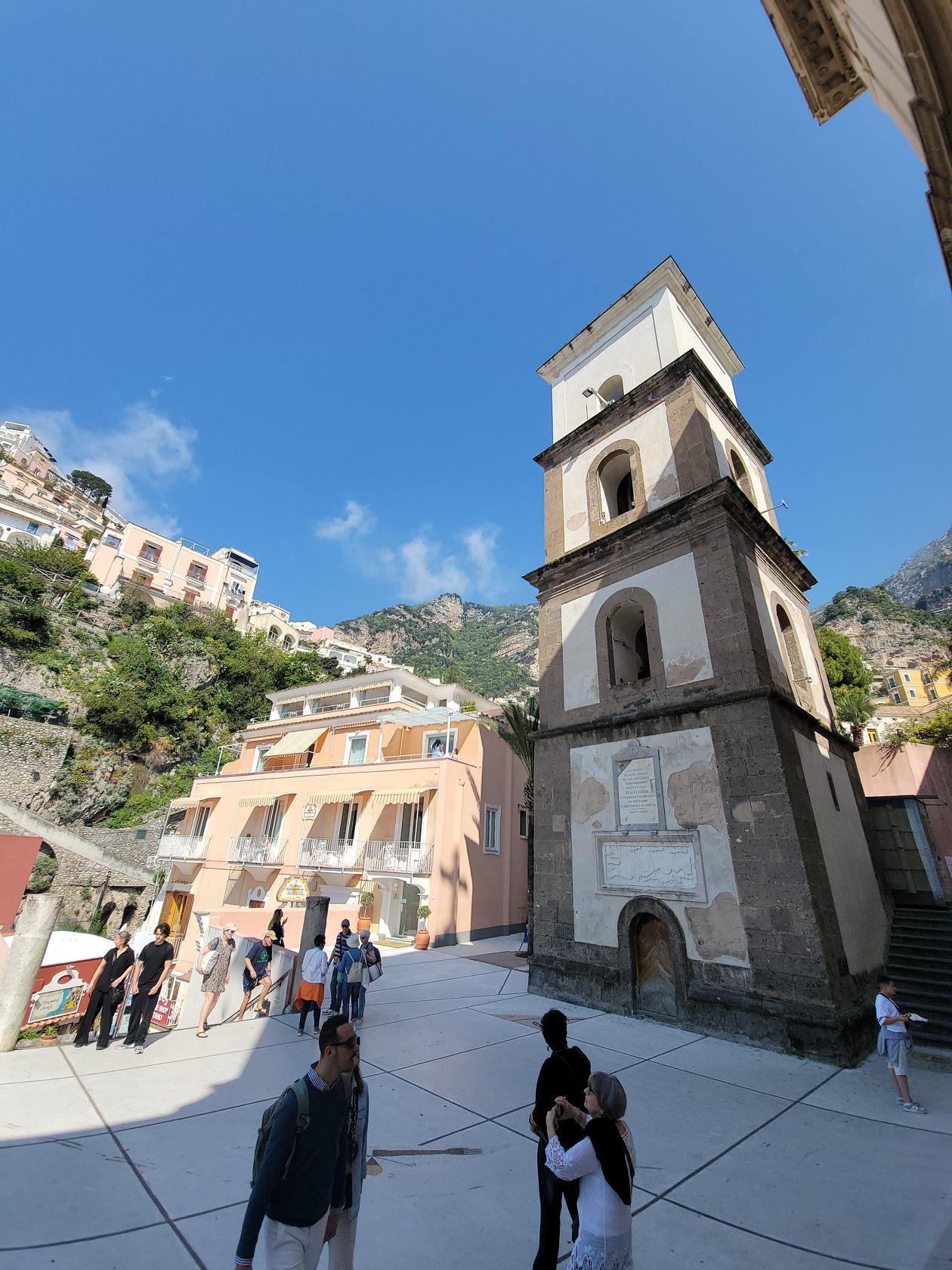
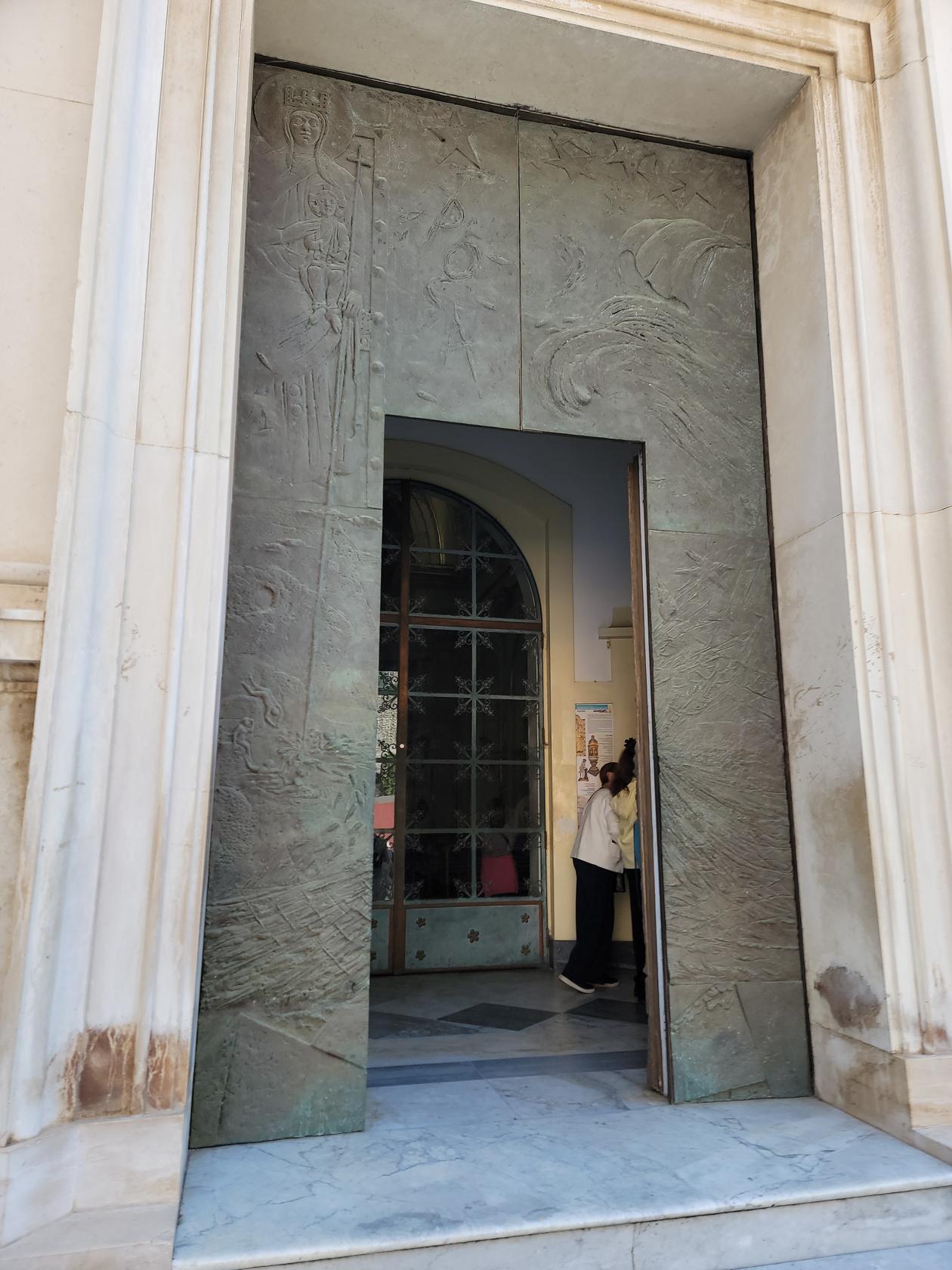
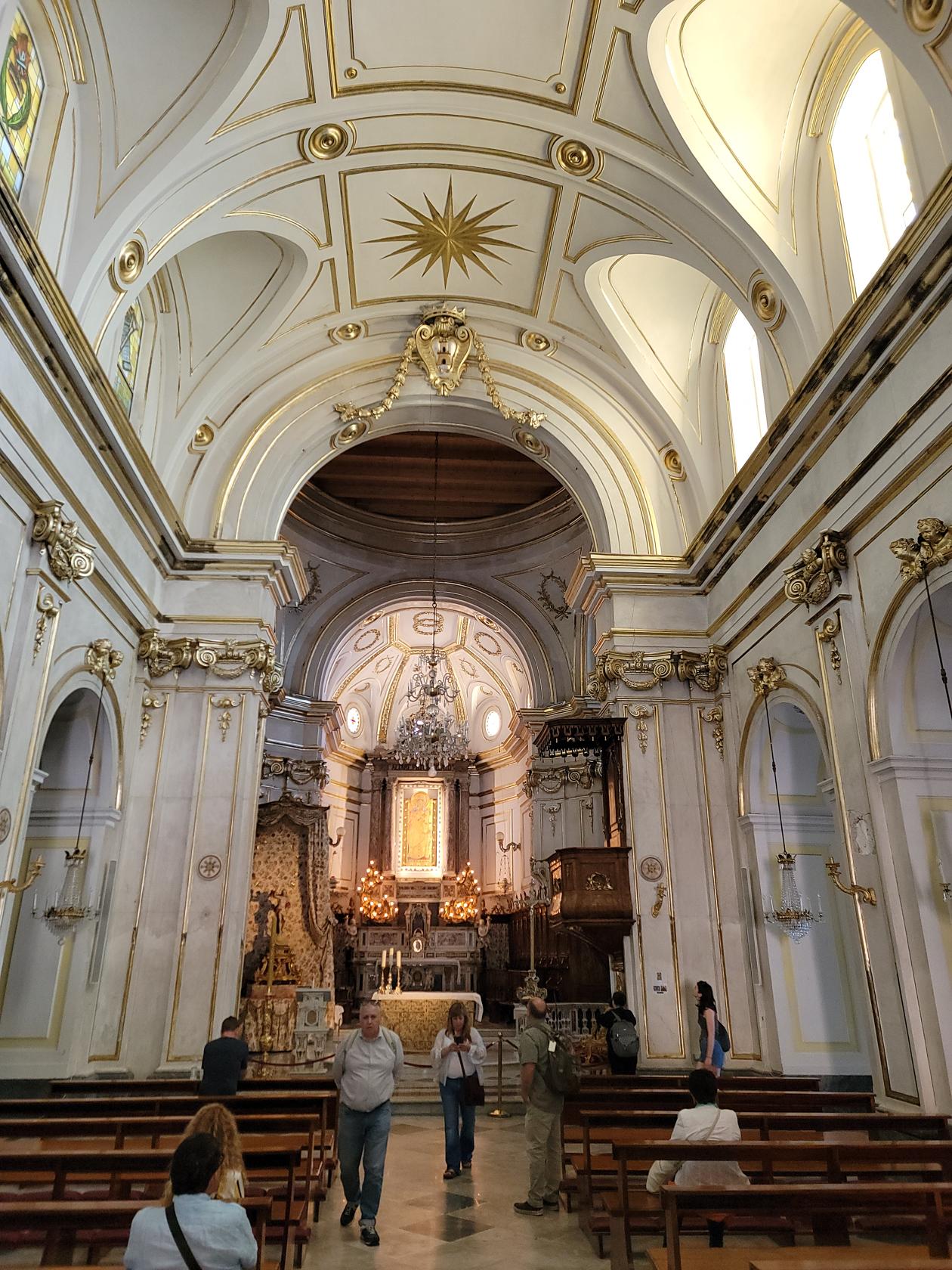
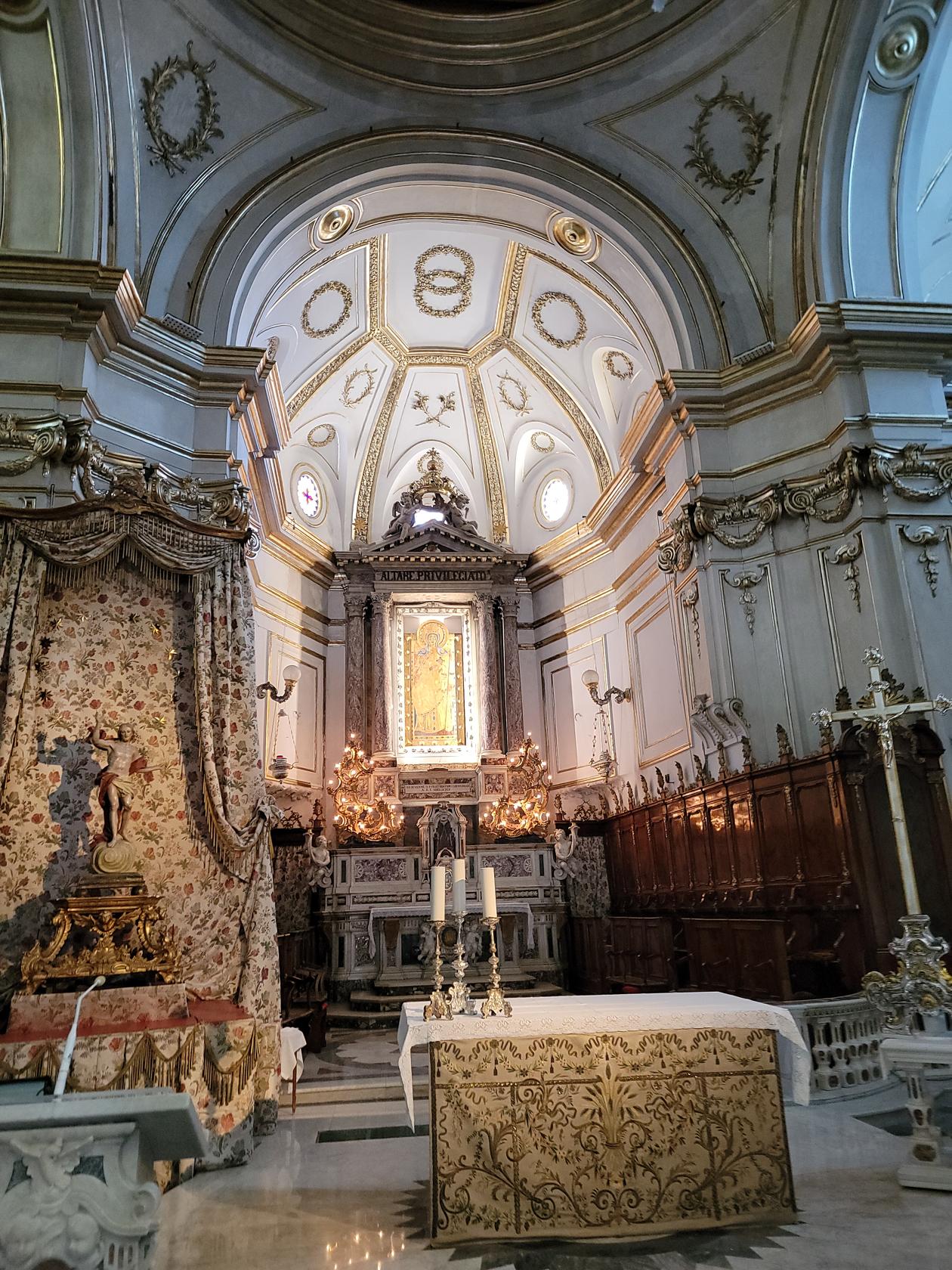
One of the more prominent features in town is the church Santa Maria Assunta. It is one of the churches that has a Black Madonna from the thirteenth century Byzantine period.
Entrance Santa Maria Assunta Church – Mind The Nap Private Tour – Amalfi Coast – Positano, Italy
Tower of Santa Maria Assunta Church – Mind The Nap Private Tour – Amalfi Coast – Positano, Italy
Santa Maria Assunta Church – Mind The Nap Private Tour – Amalfi Coast – Positano, Italy
Santa Maria Assunta Church – Mind The Nap Private Tour – Amalfi Coast – Positano, Italy
Santa Maria Assunta Church – Mind The Nap Private Tour – Amalfi Coast – Positano, Italy
Santa Maria Assunta Church – Mind The Nap Private Tour – Amalfi Coast – Positano, Italy
Santa Maria Assunta Church – Mind The Nap Private Tour – Amalfi Coast – Positano, Italy
Santa Maria Assunta Church – Mind The Nap Private Tour – Amalfi Coast – Positano, Italy
Ferry Service
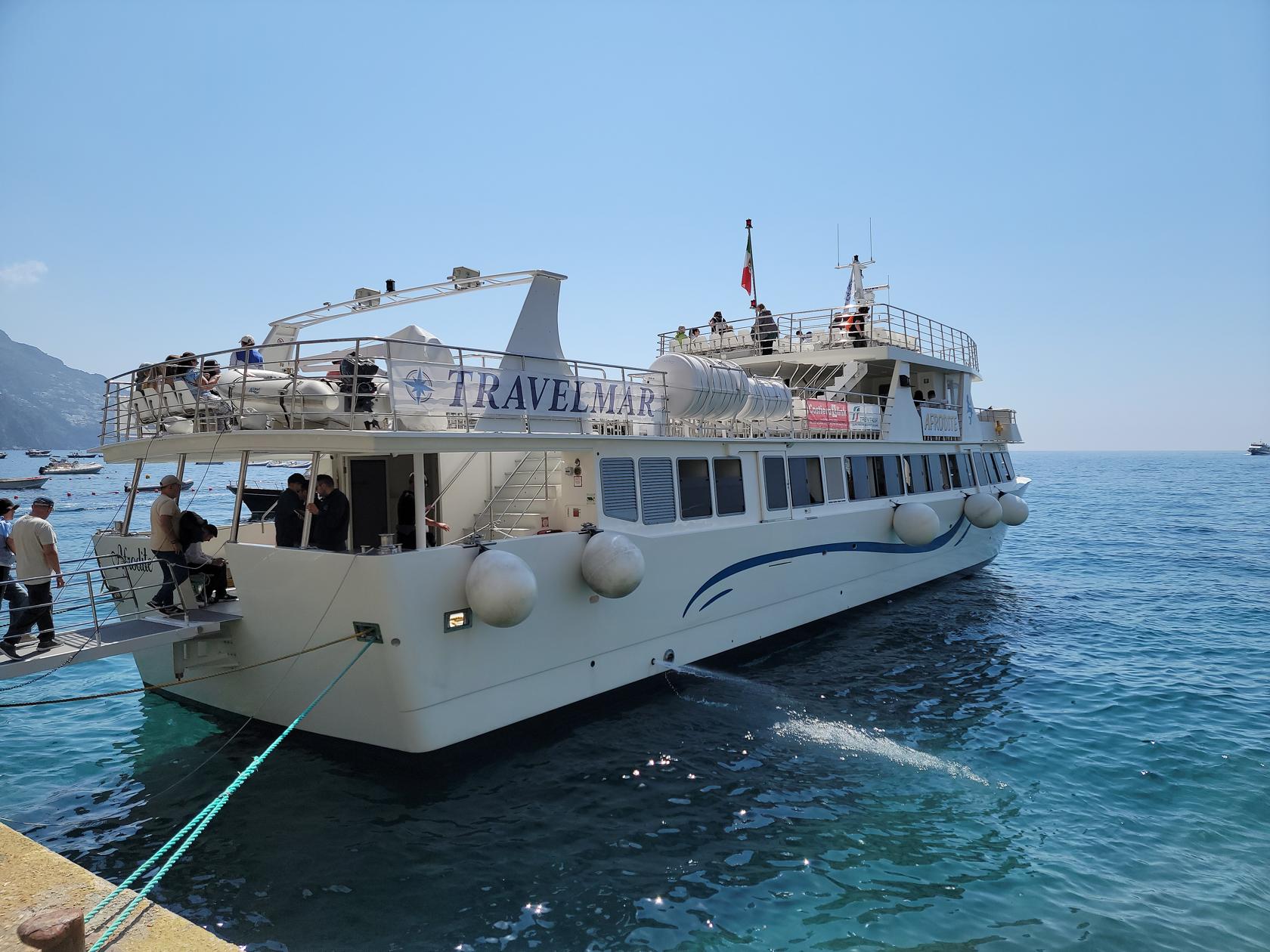
There is Ferry Service from Positano to other parts of the coast. This can be a very effecient way to visit the other towns along the coast, especially if you do not want to negotiate the treacherous roads.
Ferry to Amalfi – Mind The Nap Private Tour – Amalfi Coast – Positano, Italy
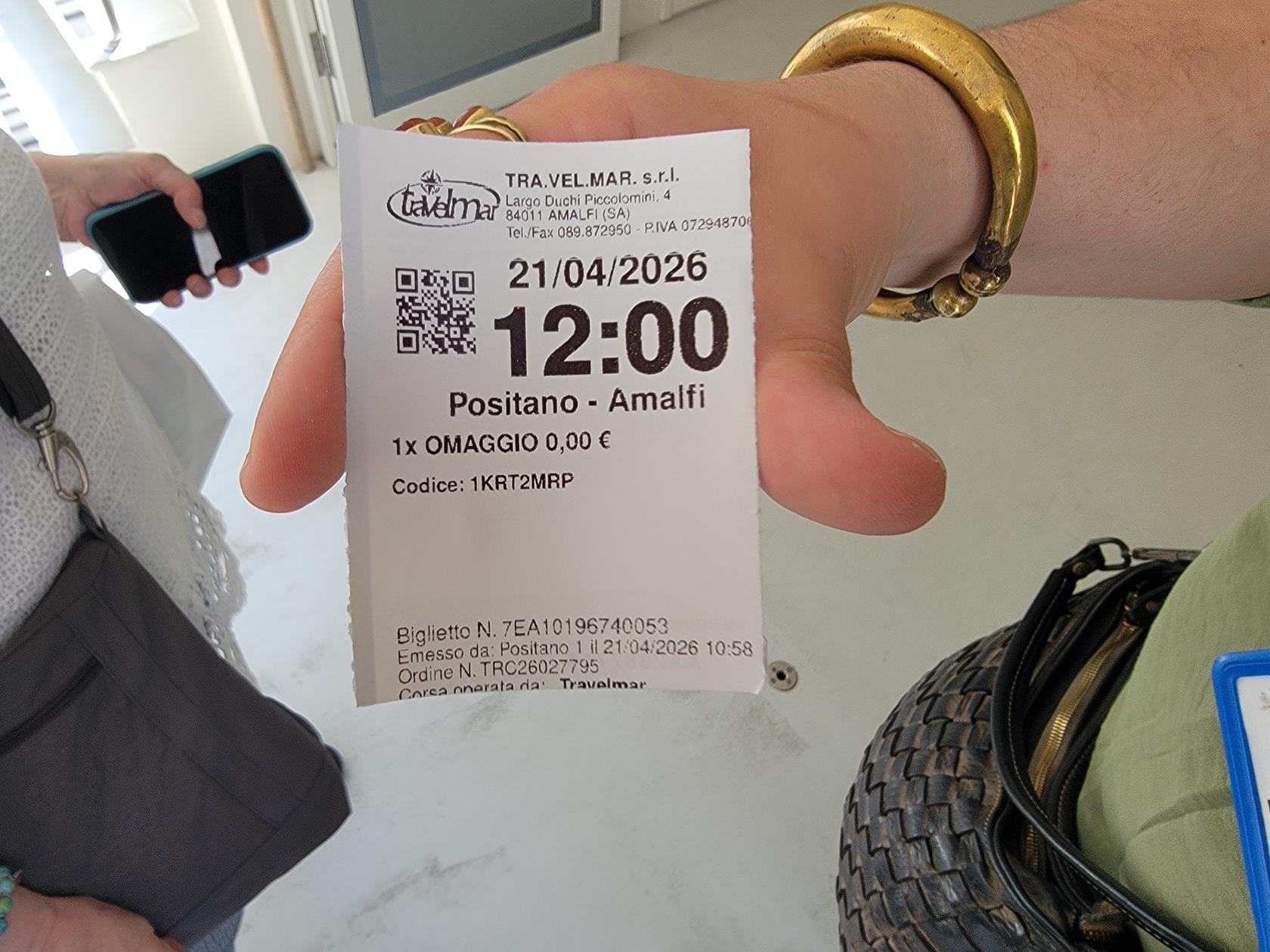
Tickets For Two – Ferry to Amalfi – Mind The Nap Private Tour – Amalfi Coast – Positano, Italy
Ferry to Amalfi – Mind The Nap Private Tour – Amalfi Coast – Positano, Italy
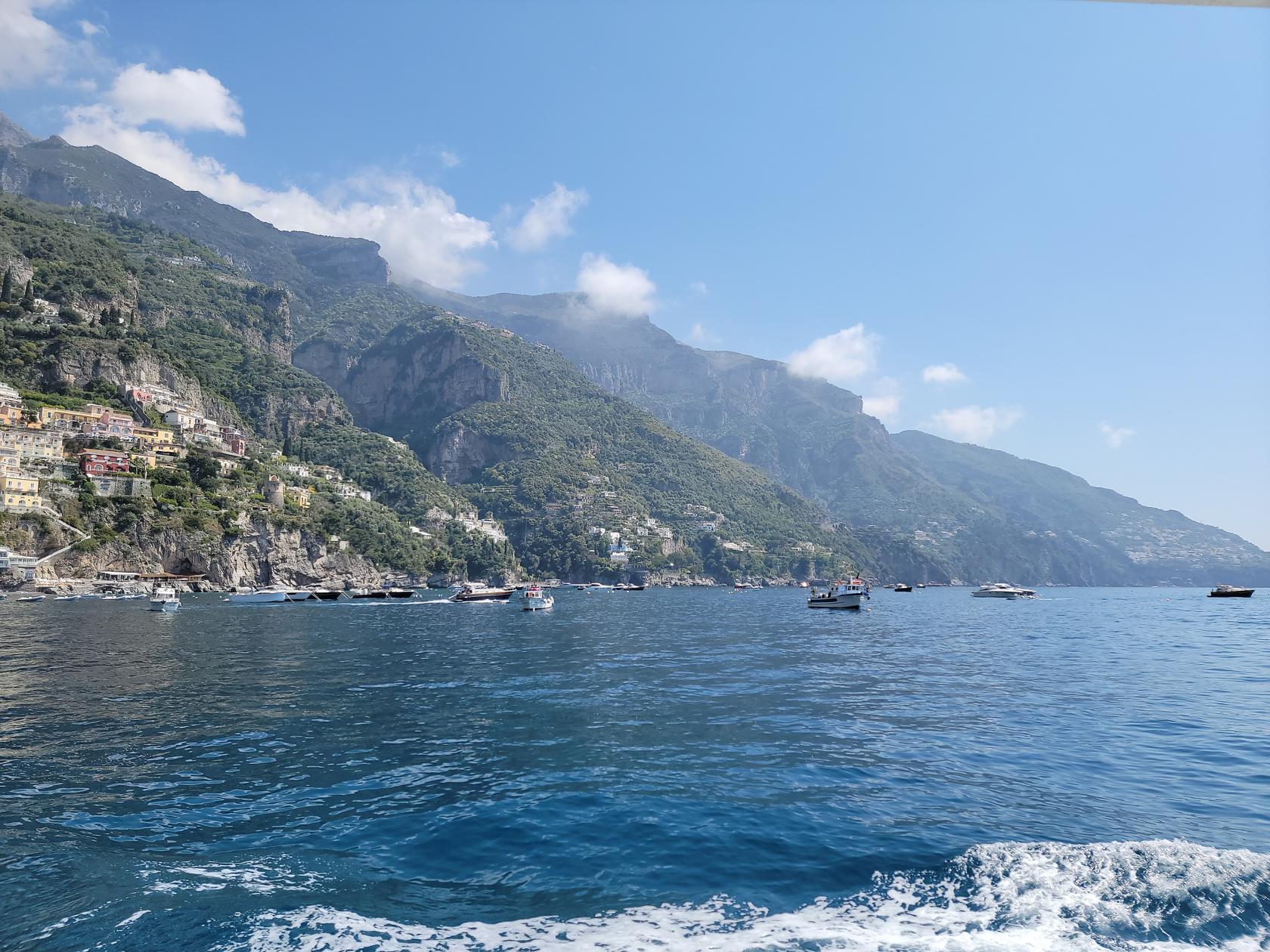
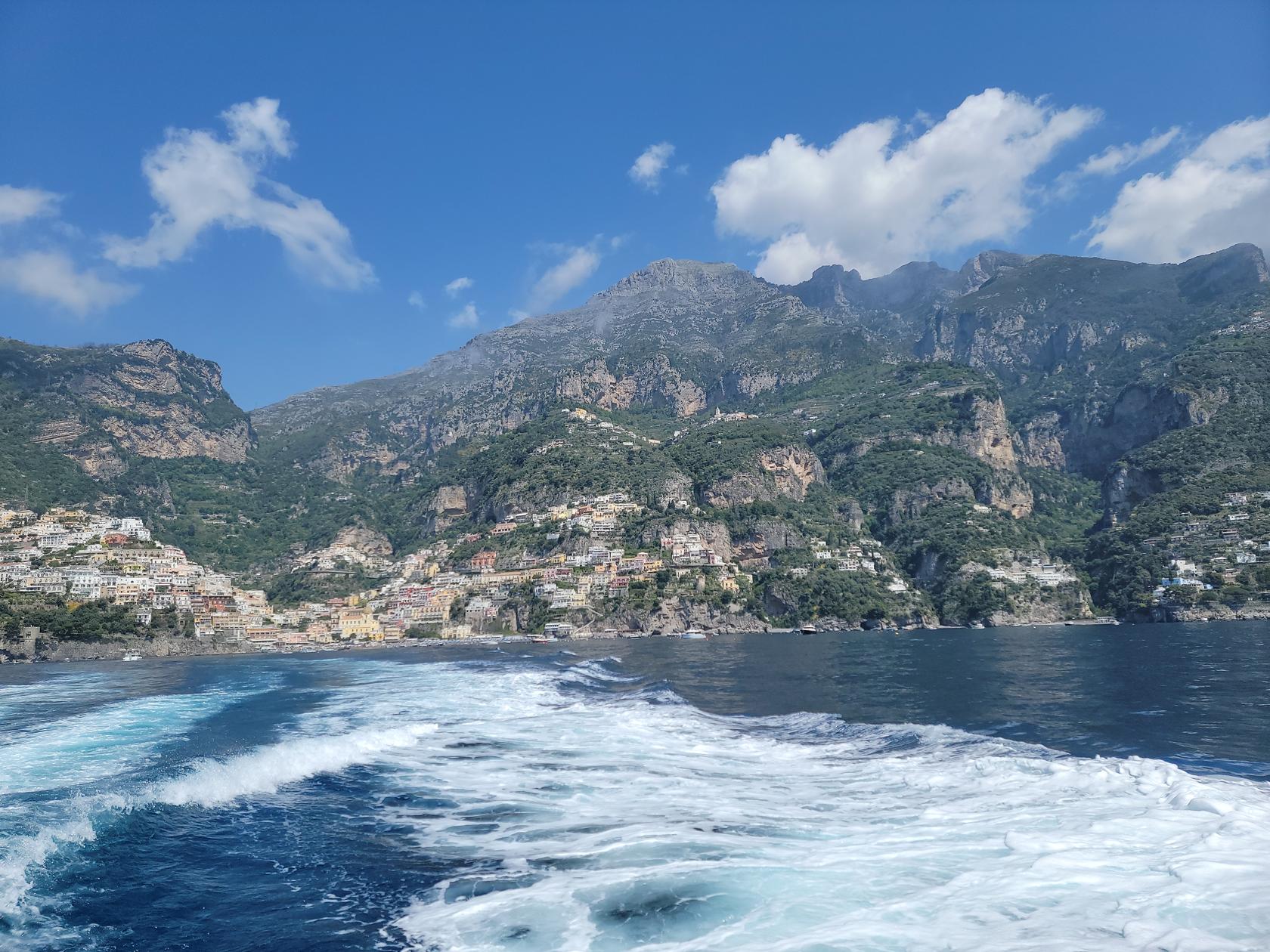
We took the ferry from Positano to Amalfi, while our tour driver drove the route to the other location. It is highly recommended, since you get a perfect view of the coastline, the towns along and the mountains as a backdrop, at least on a clear day.
Ferry to Amalfi – Mind The Nap Private Tour – Amalfi Coast – Positano, Italy
Ferry to Amalfi – Mind The Nap Private Tour – Amalfi Coast – Positano, Italy
Ferry to Amalfi – Mind The Nap Private Tour – Amalfi Coast – Positano, Italy
Ferry to Amalfi – Mind The Nap Private Tour – Amalfi Coast – Positano, Italy
Ferry to Amalfi – Mind The Nap Private Tour – Amalfi Coast – Positano, Italy
Ferry to Amalfi – Mind The Nap Private Tour – Amalfi Coast – Positano, Italy
Restaurants
We didn’t really eat here, but we did stop for a drink. The view from many of the bars on the boardwalk is very relaxing and enjoyable.
Blu Bar
At the Blu Bar we just stopped for drinks, which euphemistically means that we had to use the bathroom. The drinks were fairly high-priced, but the facilities were very clean and well maintained. Not sure I would eat here though, the reviews were not very good.
Patti – Blu Bar – Mind The Nap Private Tour – Amalfi Coast – Positano, Italy
On our first day to the Amalfi Coast, we were fortunate enough to be able to use the train service to get to Vietri sul Mare. Though in hindsight we probably should have used the longer, though more direct regional service, we opted instead for the faster option and had to change trains three times! Don’t make that mistake.
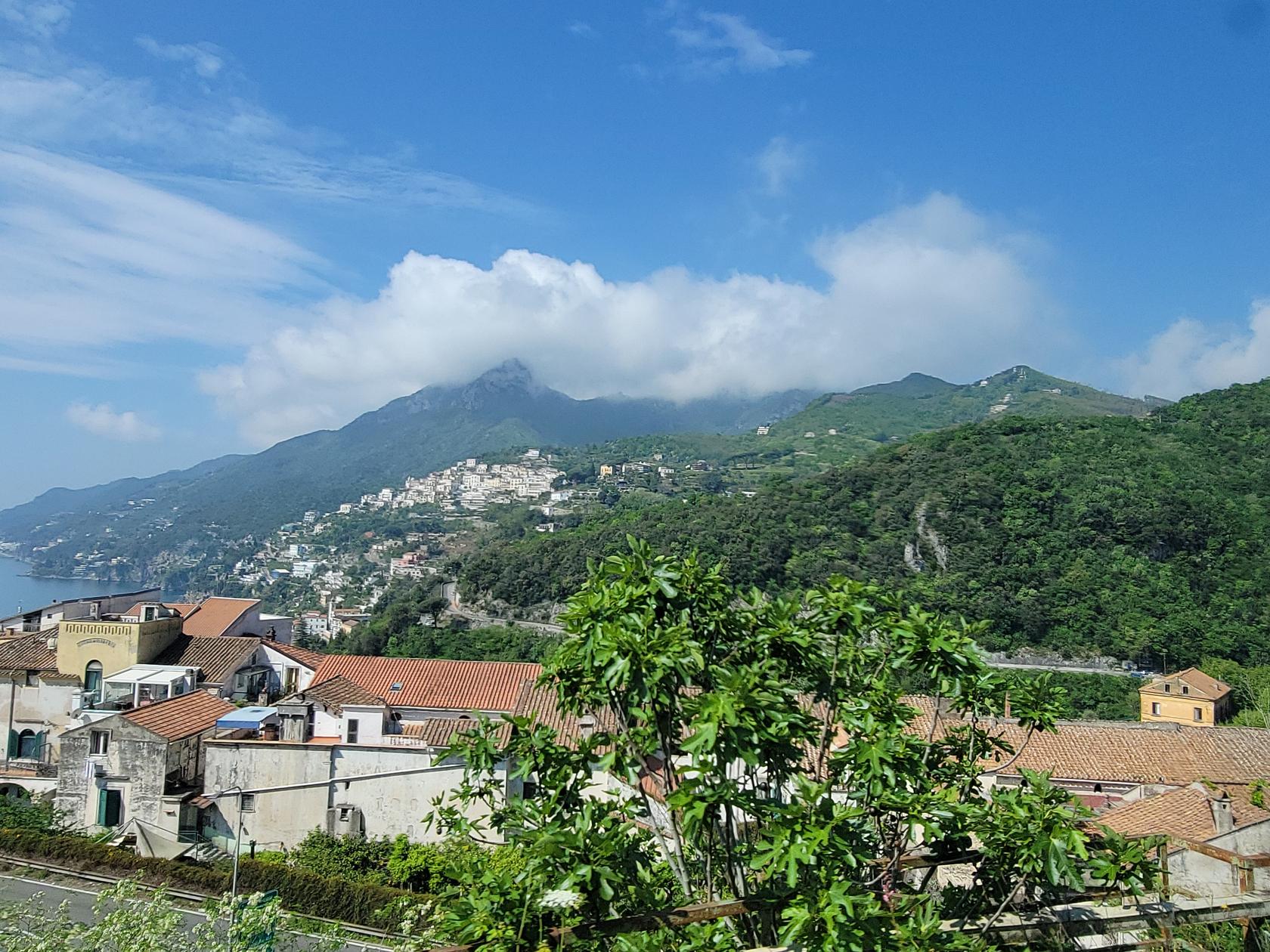
Coast and Mountains – Vietri sul Mare, Italy
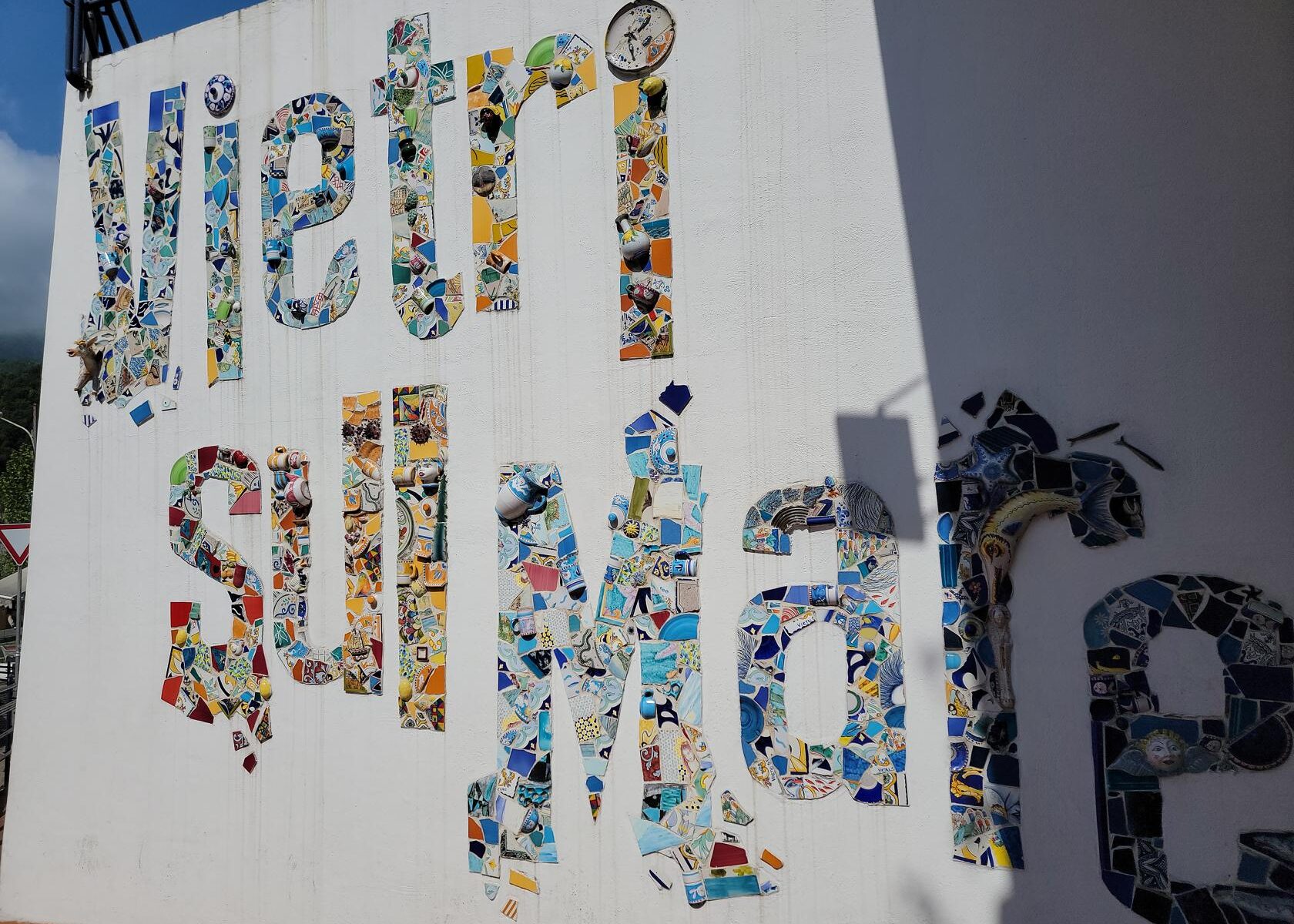
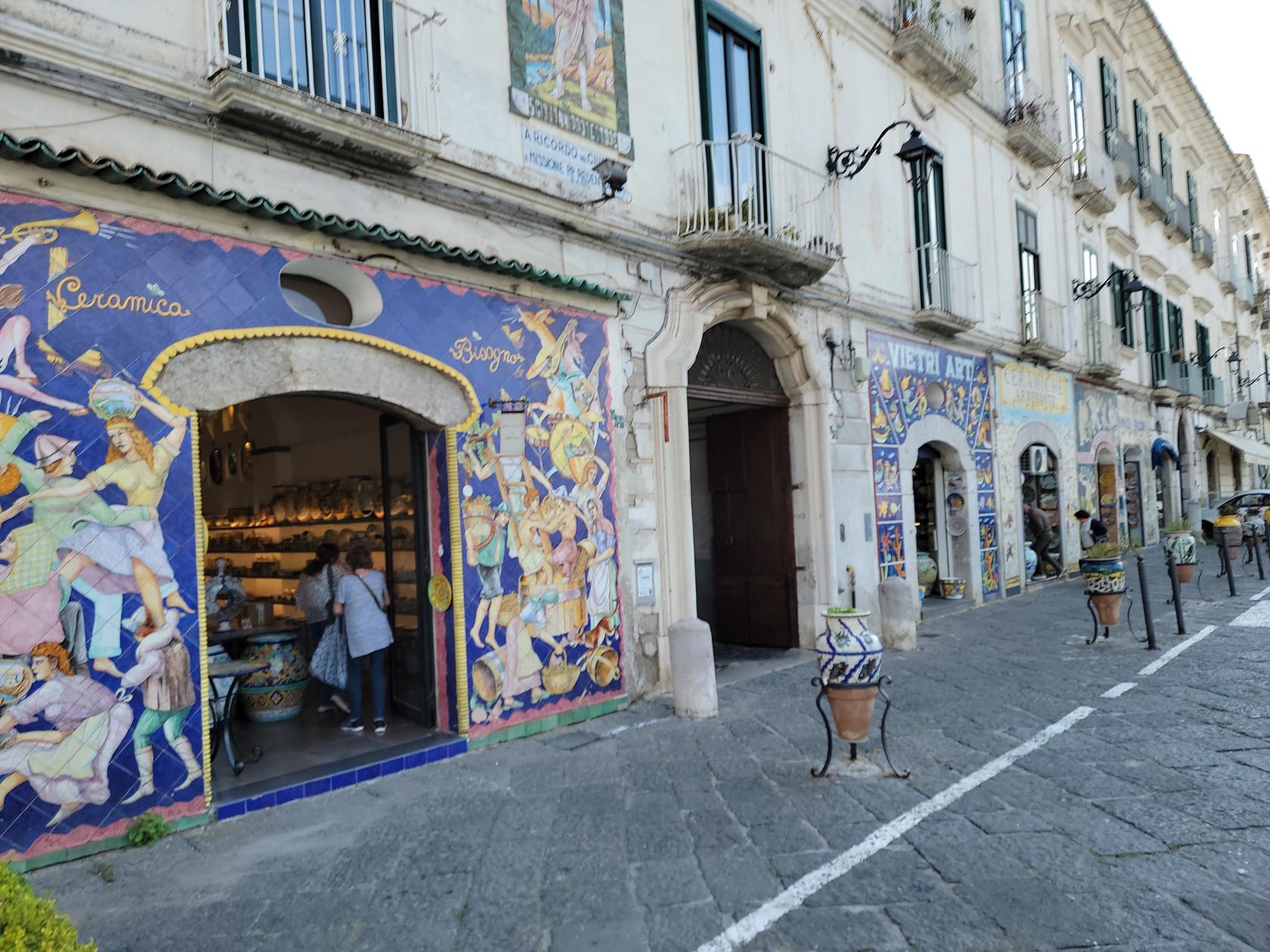
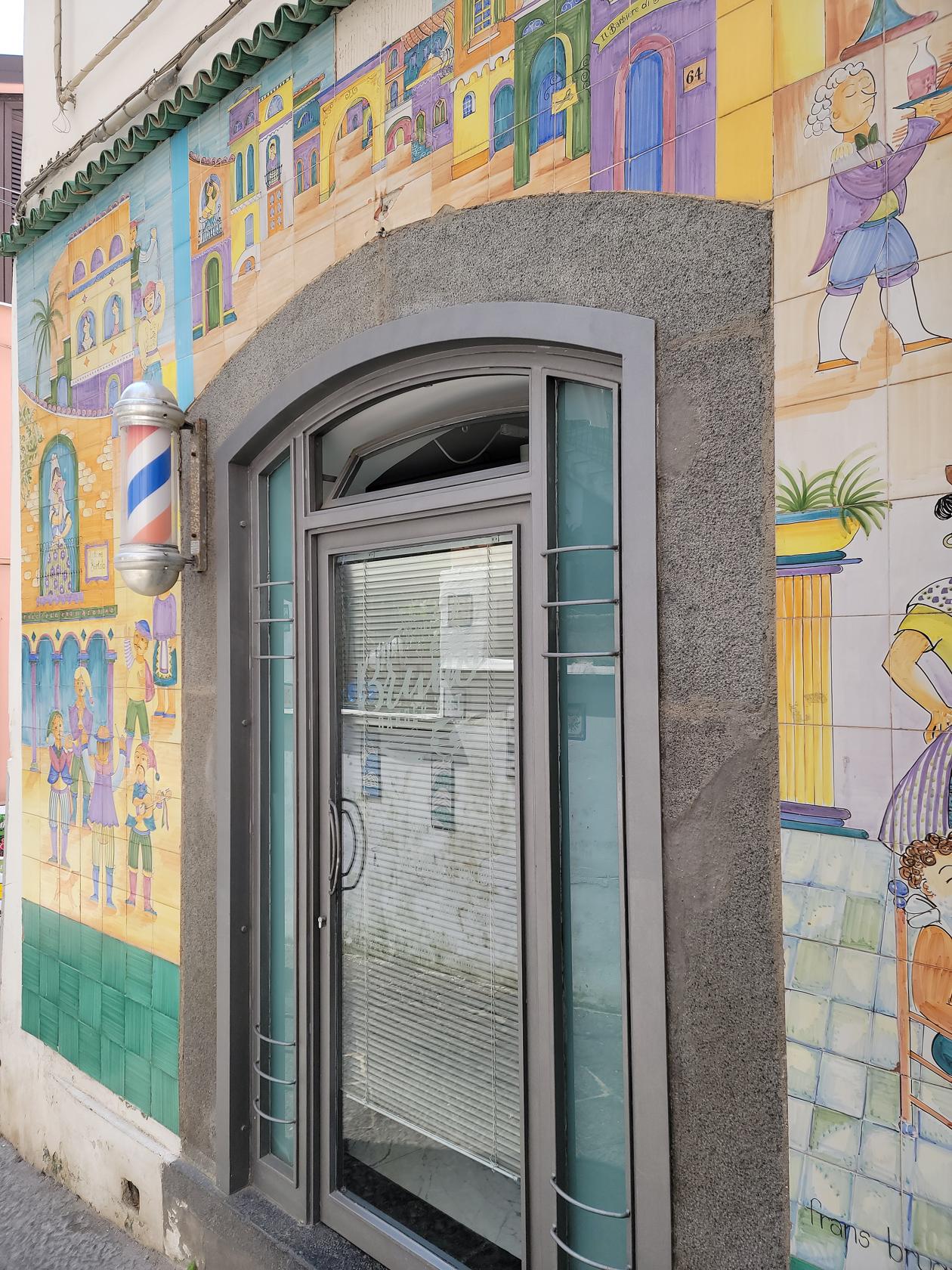
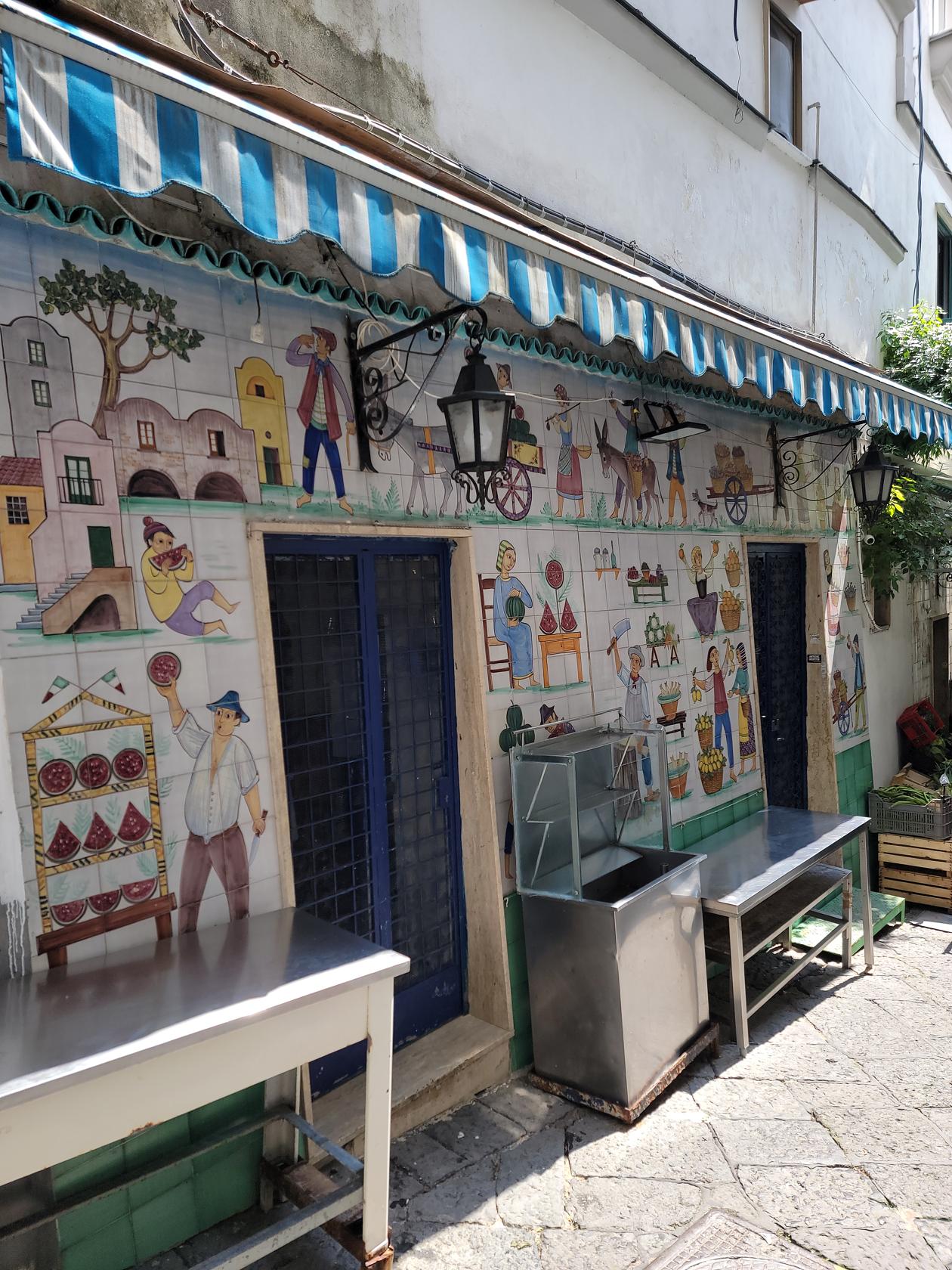
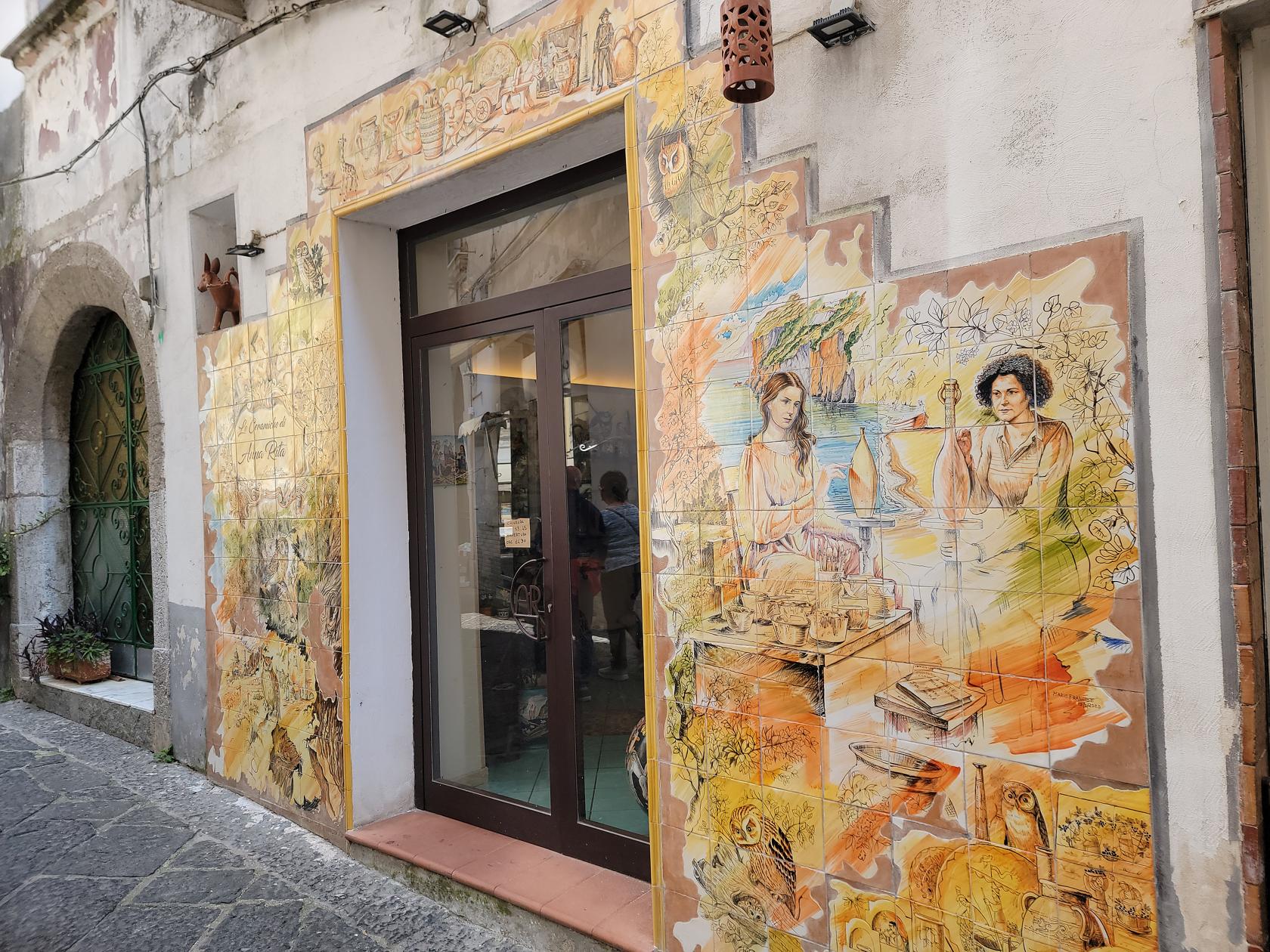
Tiled Store Fronts – Vietri sul Mare, Italy
Vietri sul Mare
Vietri sul Mare is one of the small towns that comprise the Amalfi Coast. It is also known as the gateway to the coast, the rest are accessible only by car, bus or possibly boat, there is no continuing train service beyond Vietri sul Mare.
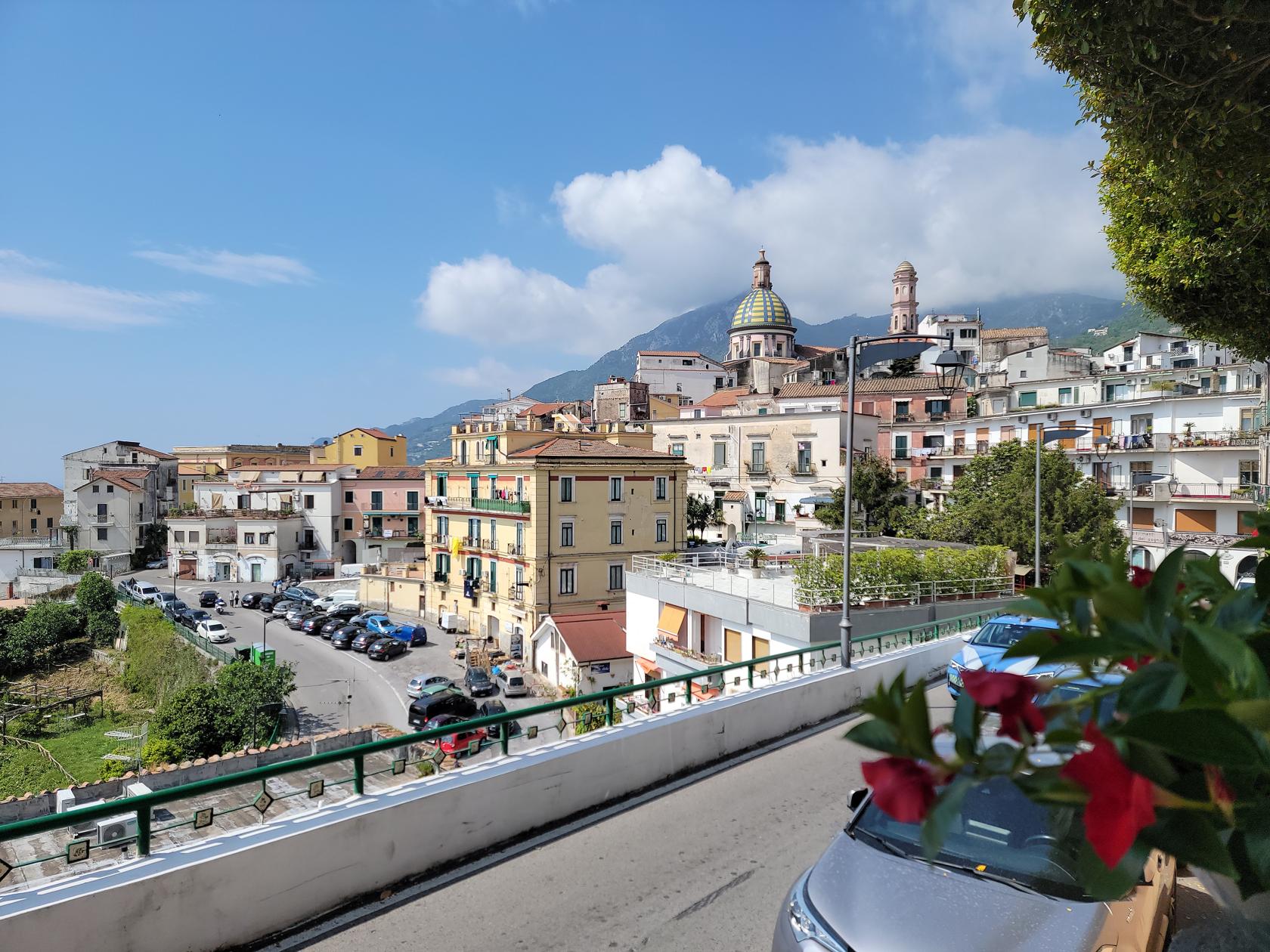
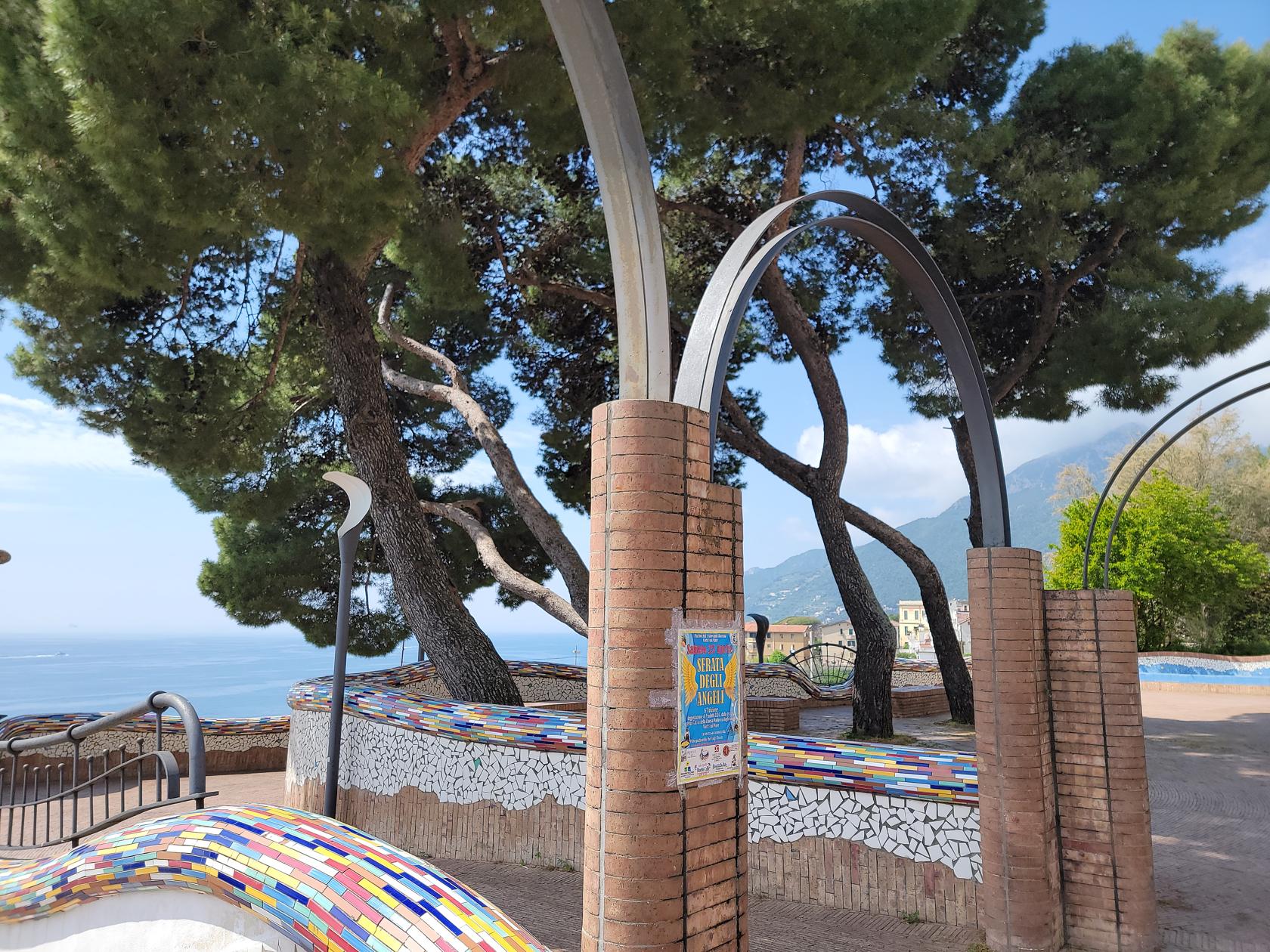
Park and Overlook coming into town – Vietri sul Mare, Italy
The Church’s tiled dome – Vietri sul Mare, Italy
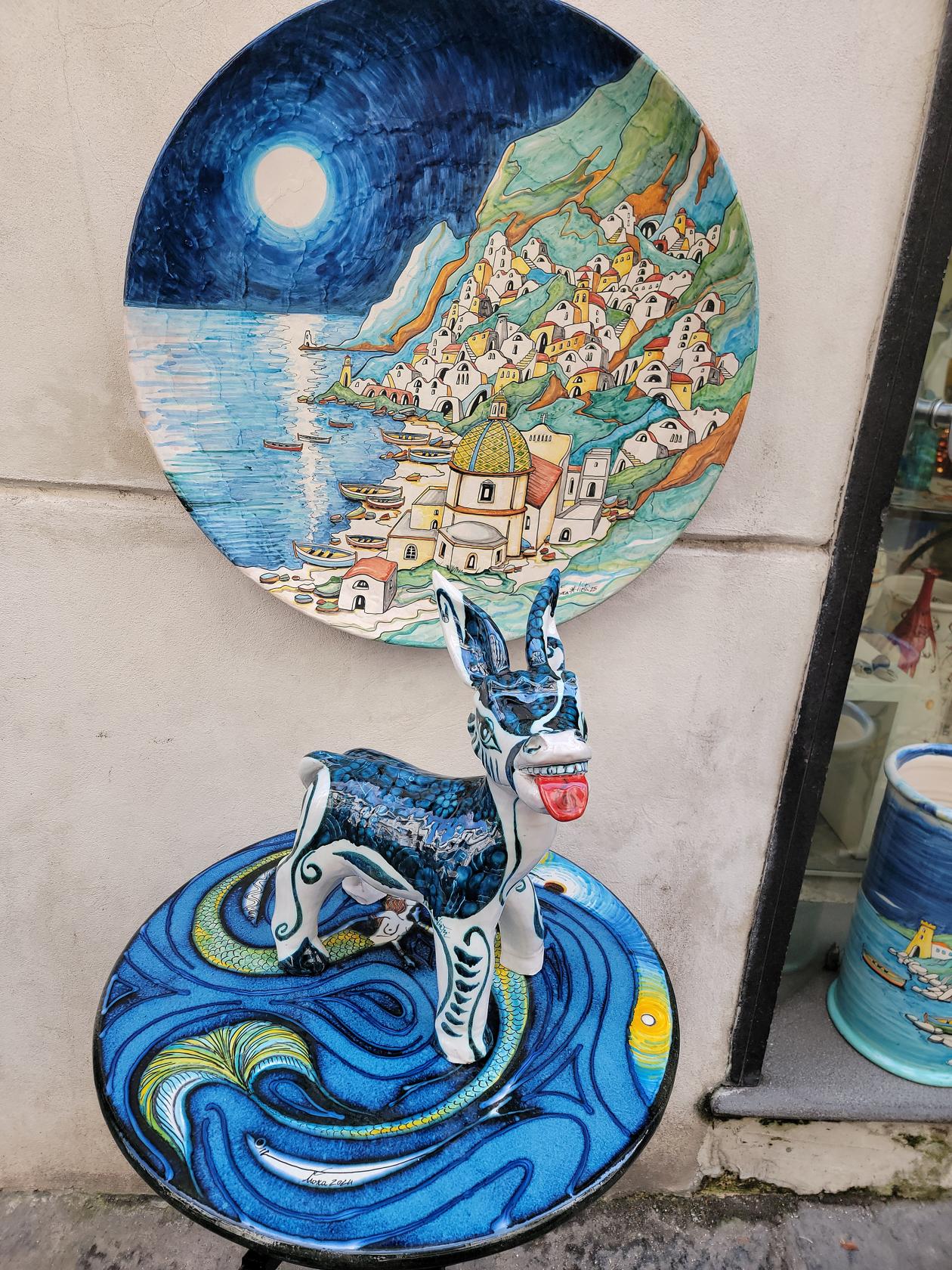
The town is known for its glassware and ceramic factories and shops. Here you will find of plethora of shops selling all sorts of tiles, porcelain and other types of ceramics for use in the house and as decoration.
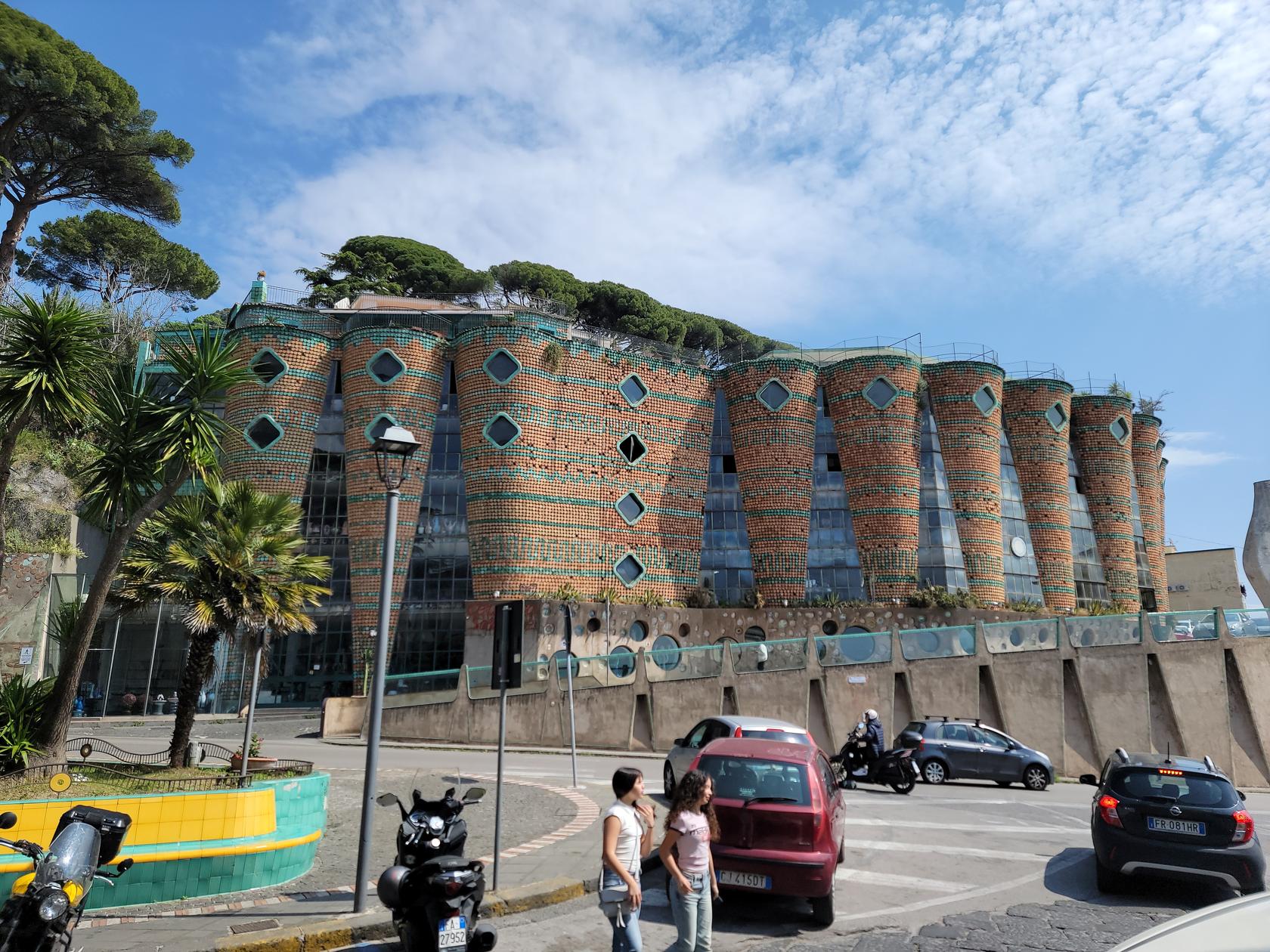
The old cermic factory – Ceramica Artistica Solimene Vincenzo – Vietri sul Mare, Italy
Villa Comunale Vietri sul Mare – Vietri sul Mare, Italy
The town is small enough to easily visit within a day. We only needed a few hours to cover the entire town, even walking down from the train station, which luckily has an elevator to bring you down most of the way. However, it should be noted, you will have to walk several hundred meters downhill to reach the beach and then up again. Like the other coastal towns, it is built on a very steep hillside.
Solerno Container Ship port – Vietri sul Mare, Italy
View of ships – Vietri sul Mare, Italy
Long and narrow stairways – Vietri sul Mare, Italy
Long and narrow stairways – Vietri sul Mare, Italy
Clean Streets – Vietri sul Mare, Italy
Narrow Alleys – Vietri sul Mare, Italy
Getting There
To get to Vietri sul Mare, we had to take two trains from Naples. First, we took a regional train to Napoli Centrale, since the metro was not working. Then we took another train to Solerno. After about a ten minute layover, we took a regional train then to Vietri sul Mare.
Napoli Centrale Station – Naples, Italy
For our return, we decided to take regional train back, since it offered a longer, but more direct option to the Piazza Amadeo station by our hotel, removing the need for us to get off and change trains.
Solerno Station – Solerno, Italy
Ceramic Tiled Houses
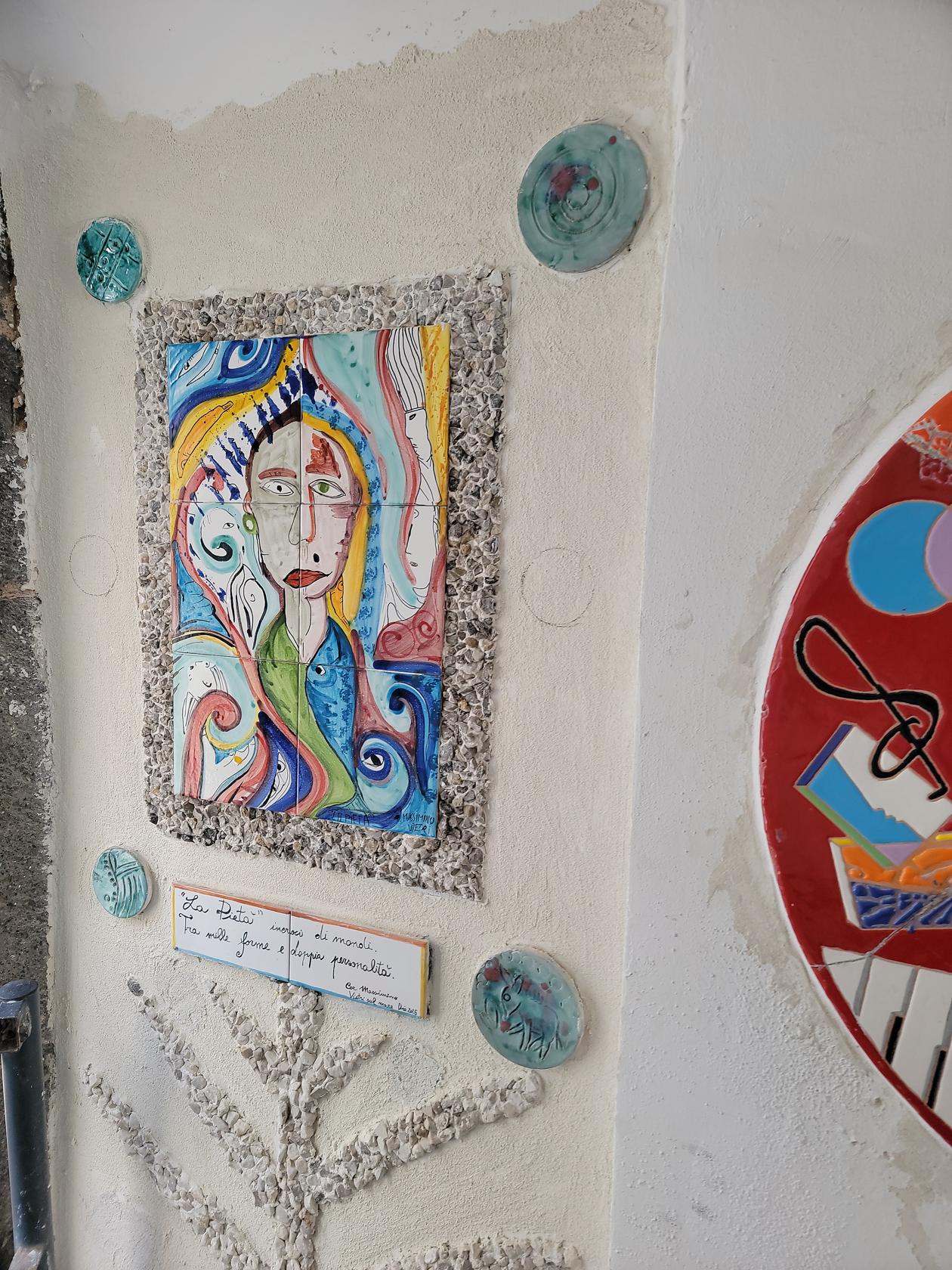
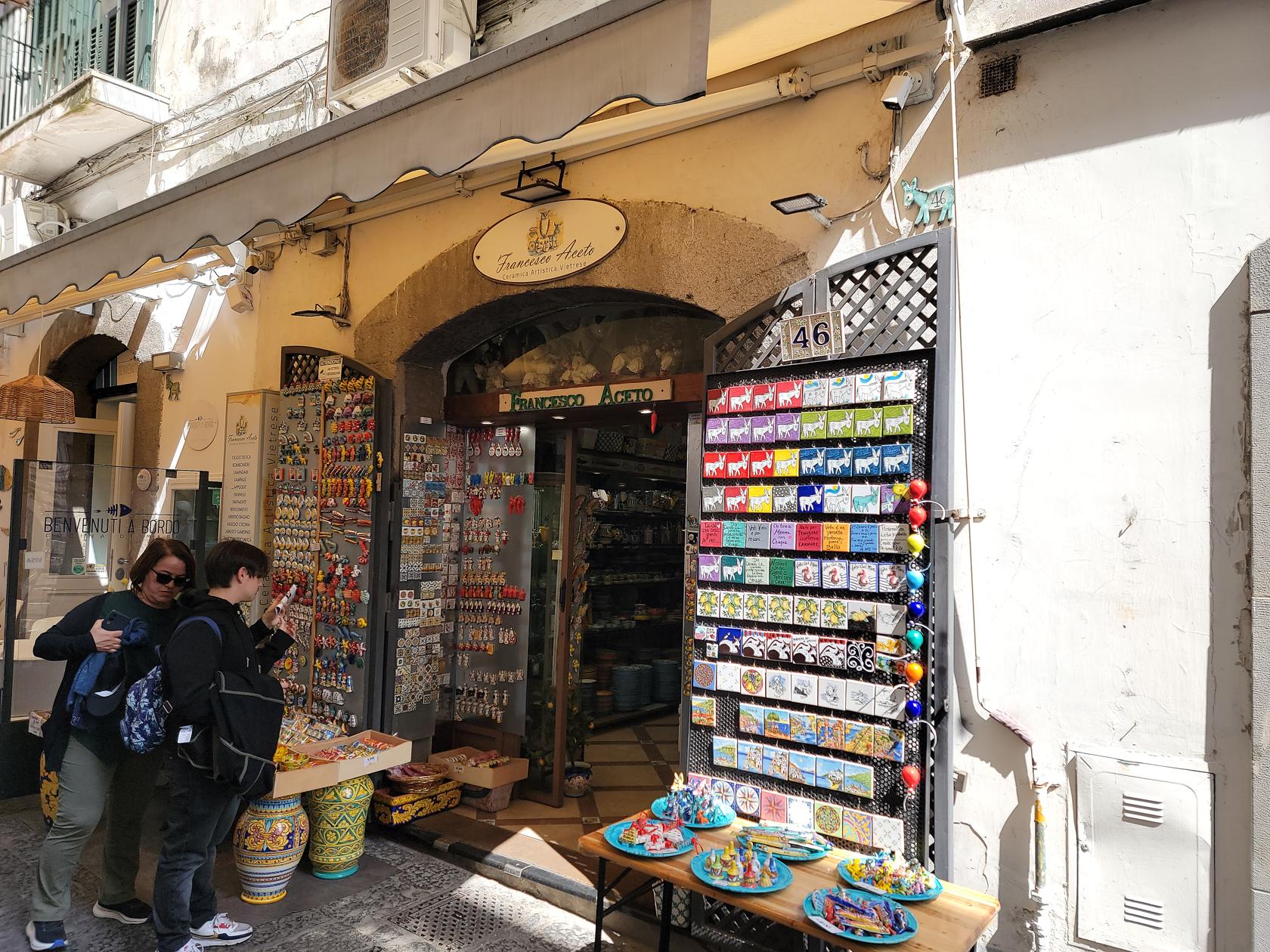
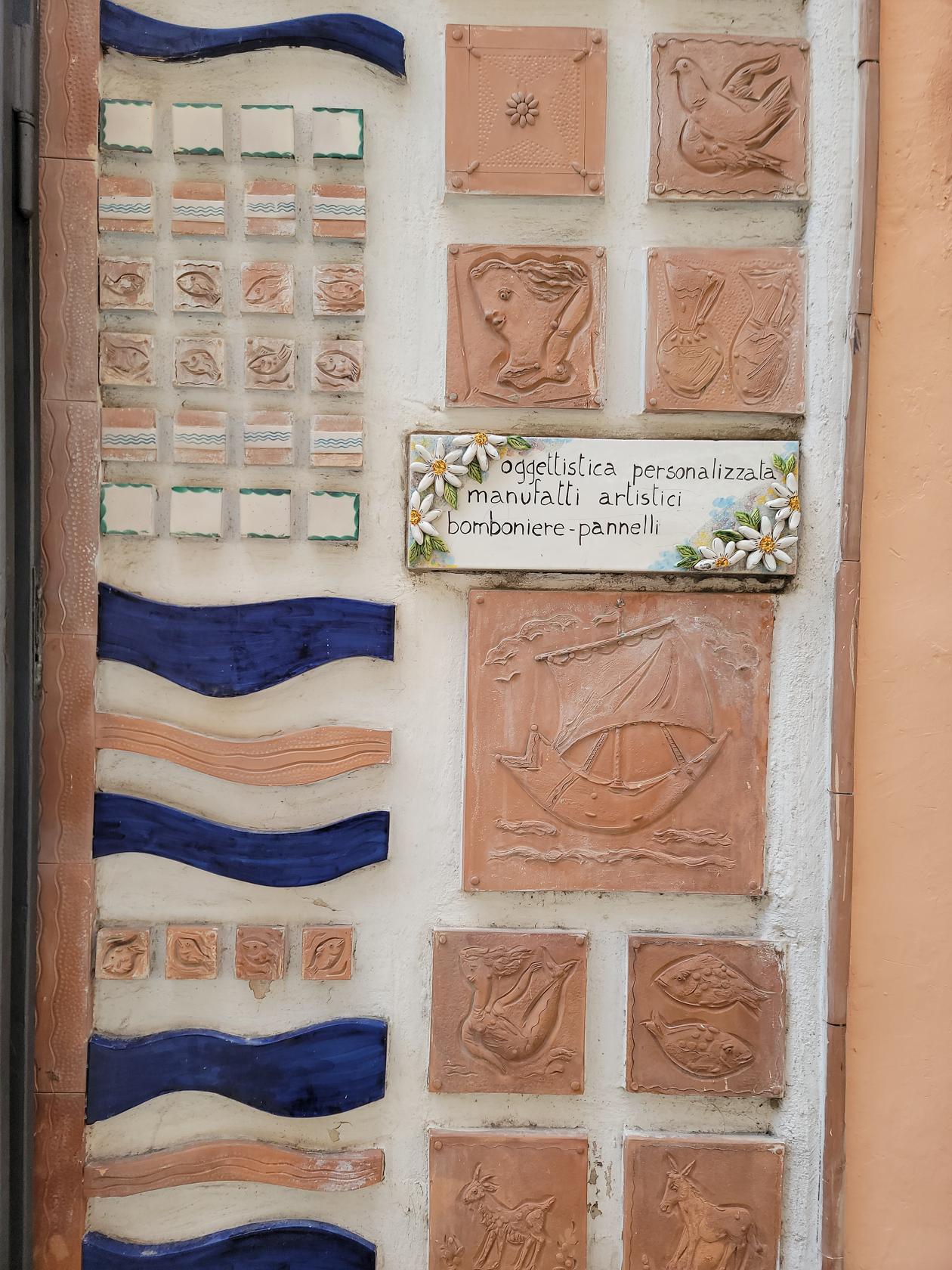
The town is full of tiled shops and buildings. Most of the shop owners tile their entrances as part decoration and part advertisement.
Tiled Store Fronts – Vietri sul Mare, Italy
Tiled Store Fronts – Vietri sul Mare, Italy
Tiled Store Fronts – Vietri sul Mare, Italy
Tiled Store Fronts – Vietri sul Mare, Italy
Tiled Store Fronts – Vietri sul Mare, Italy
Ceramic souvenirs – Vietri sul Mare, Italy
Terracota – Vietri sul Mare, Italy
Ceramics – Vietri sul Mare, Italy
Case Colorate
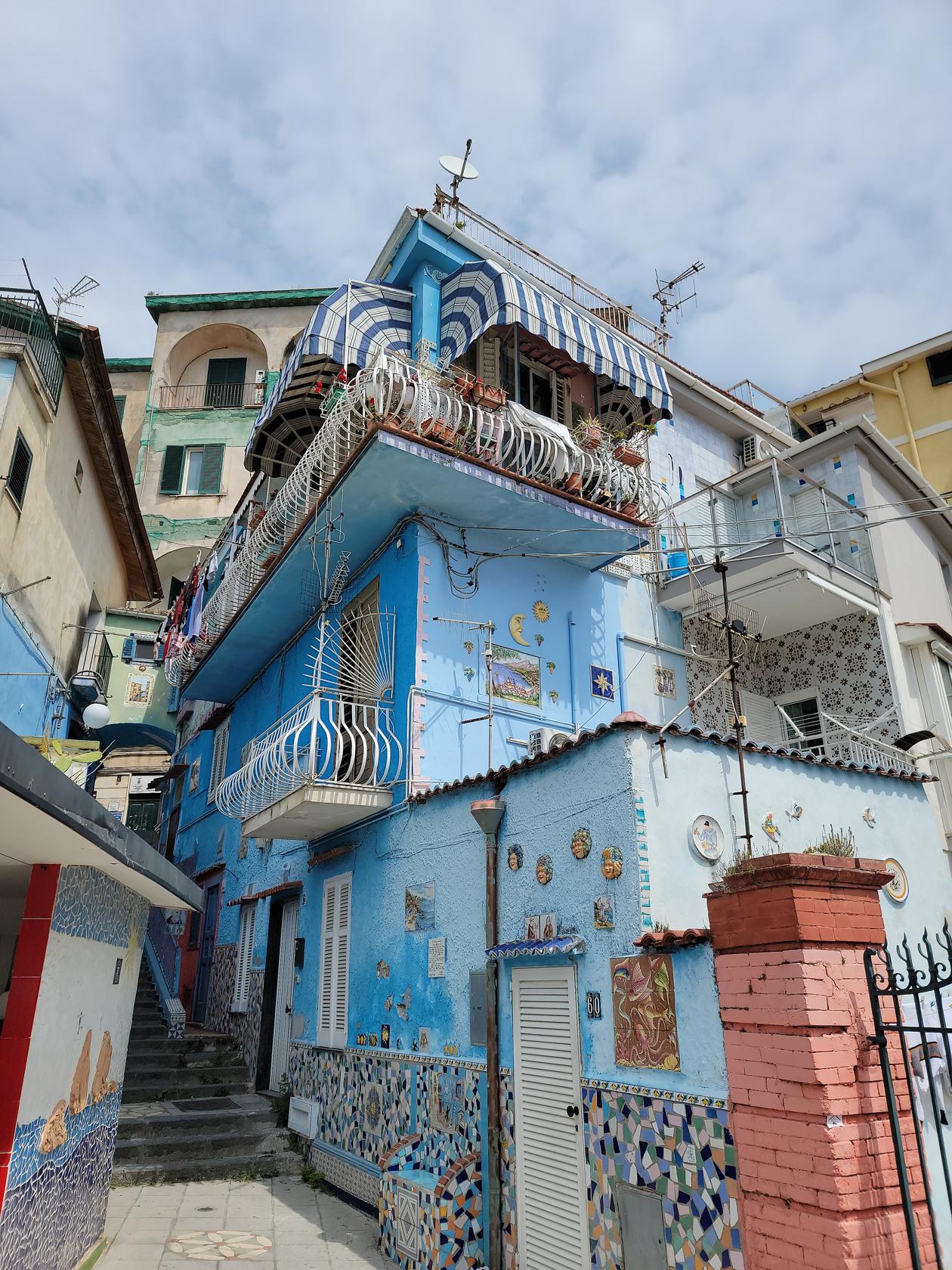
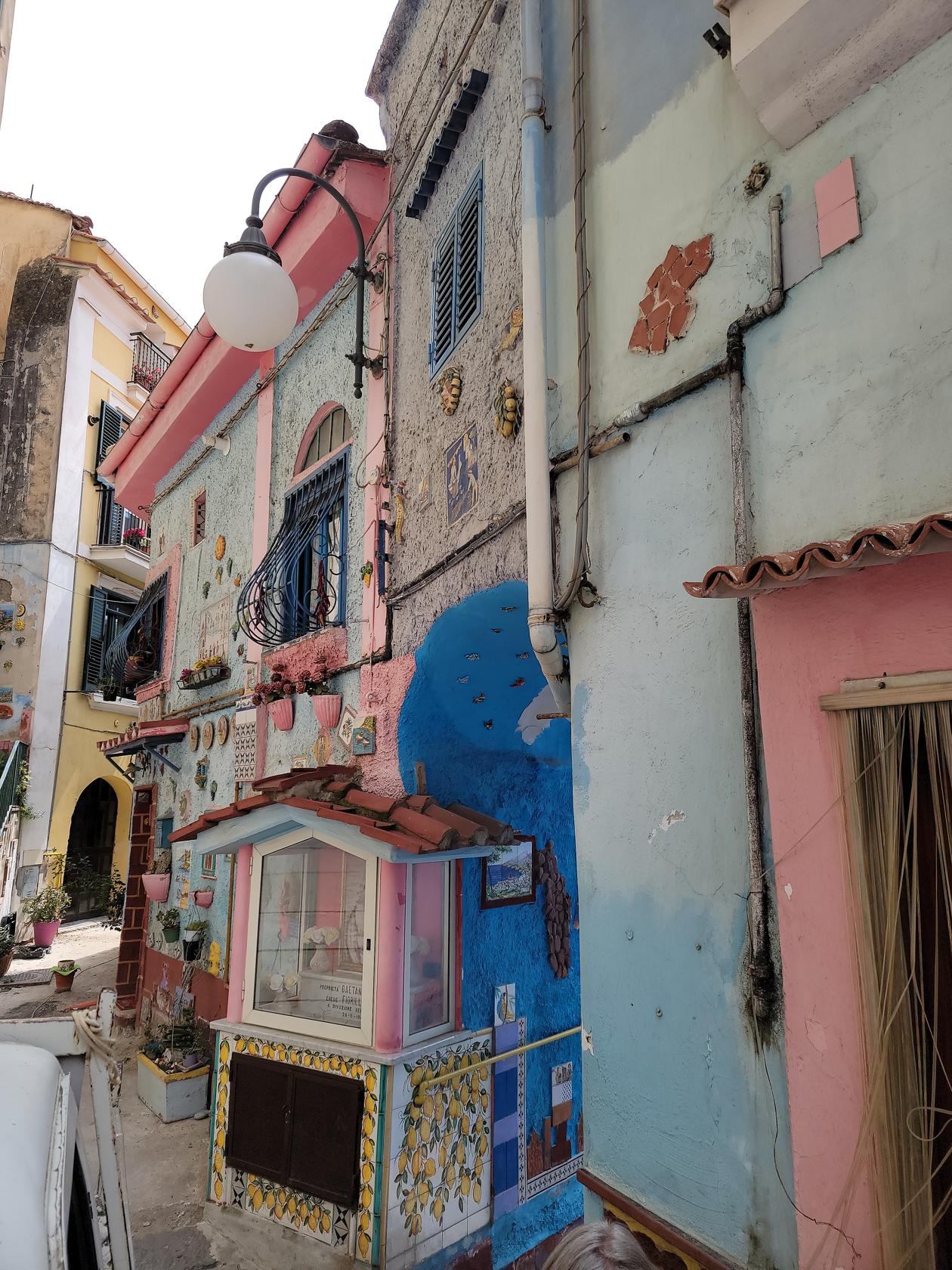
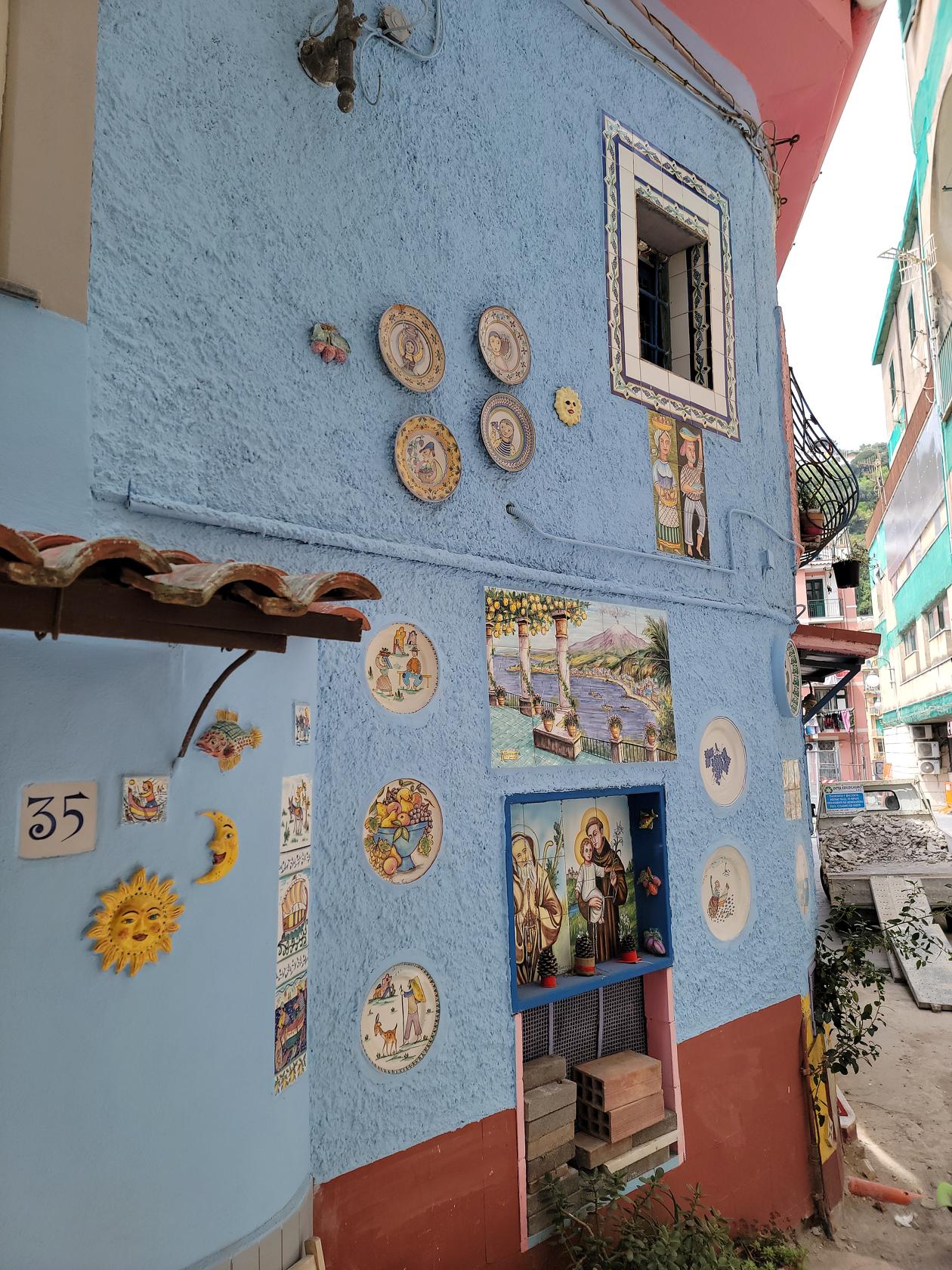
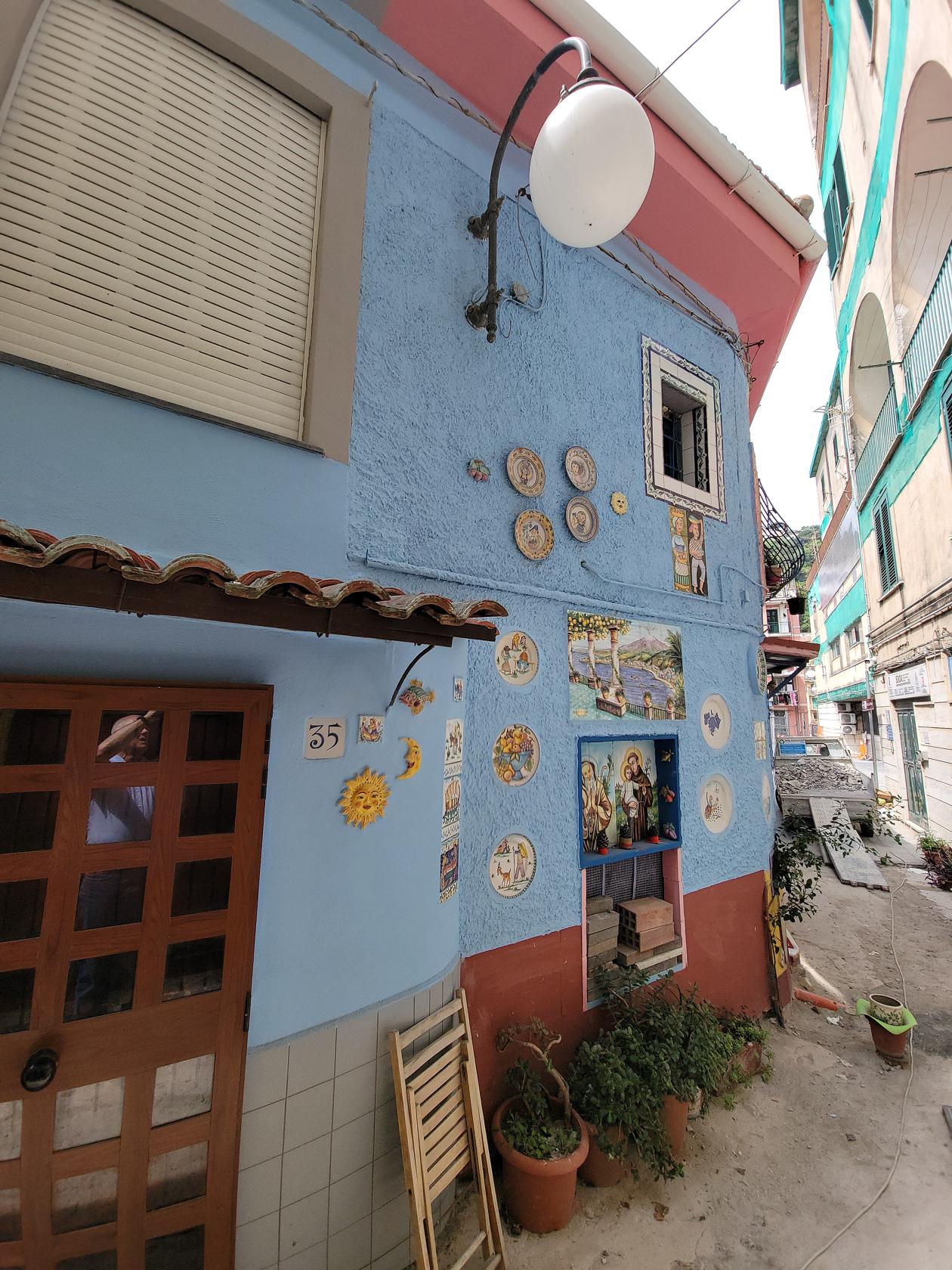
Perhaps the only house specifically known for its on-going construction and colorful use of tiles. Even when we were there, they seem to be embarking on some new expenditure, both inside and out.
Case Colorate – Vietri sul Mare, Italy
Case Colorate – Vietri sul Mare, Italy
Case Colorate – Vietri sul Mare, Italy
Case Colorate – Vietri sul Mare, Italy
Two Brothers
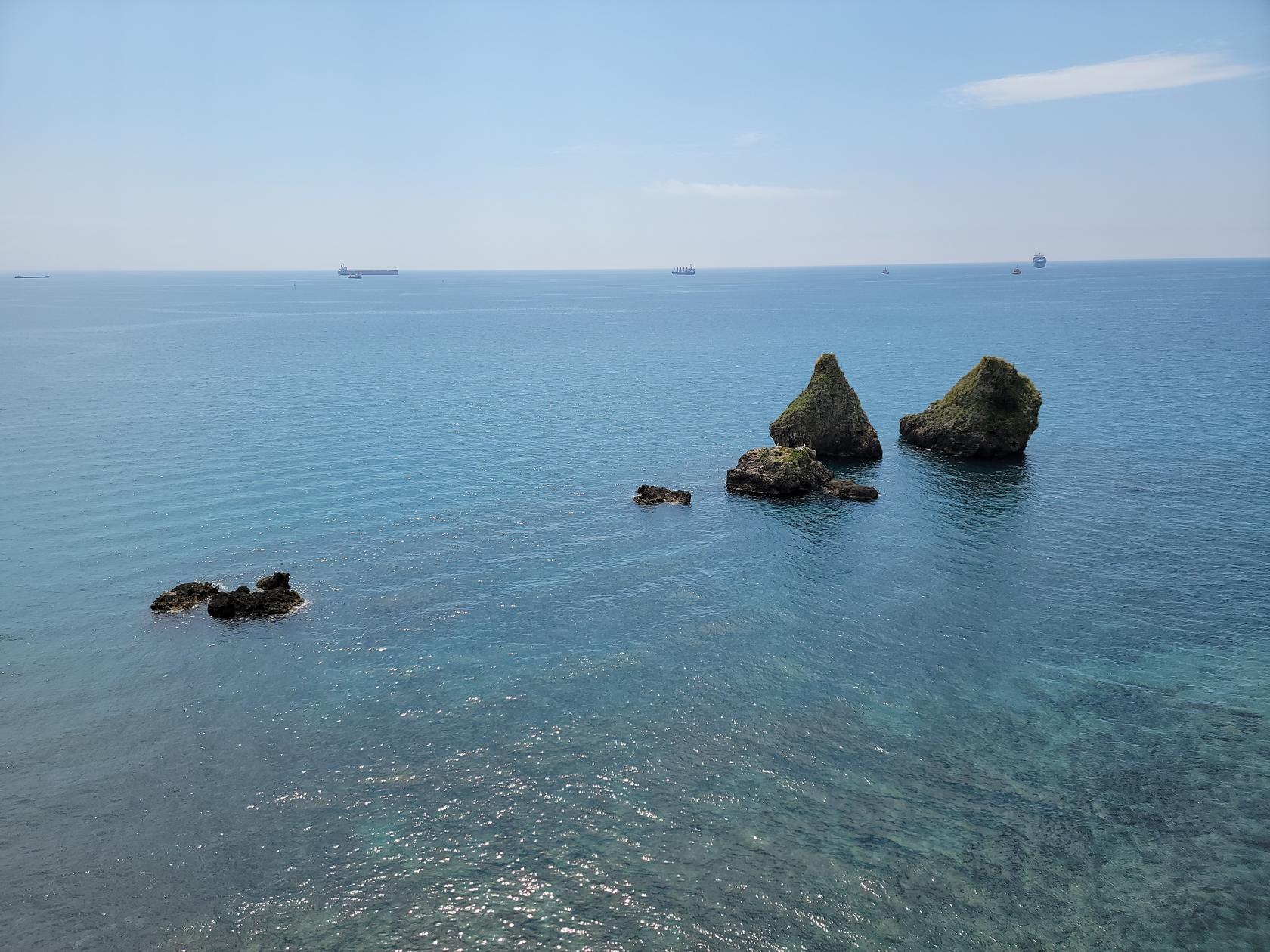
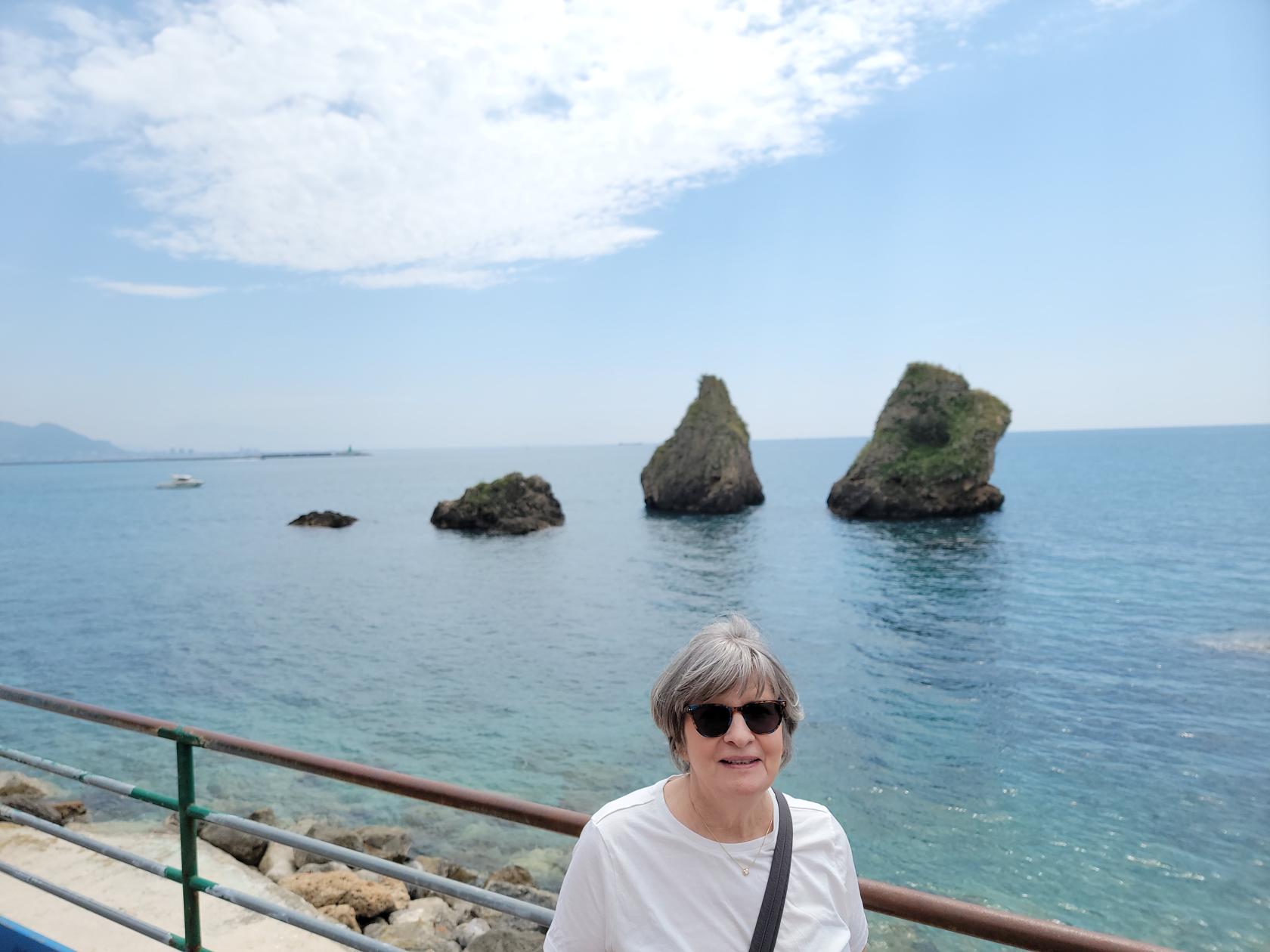
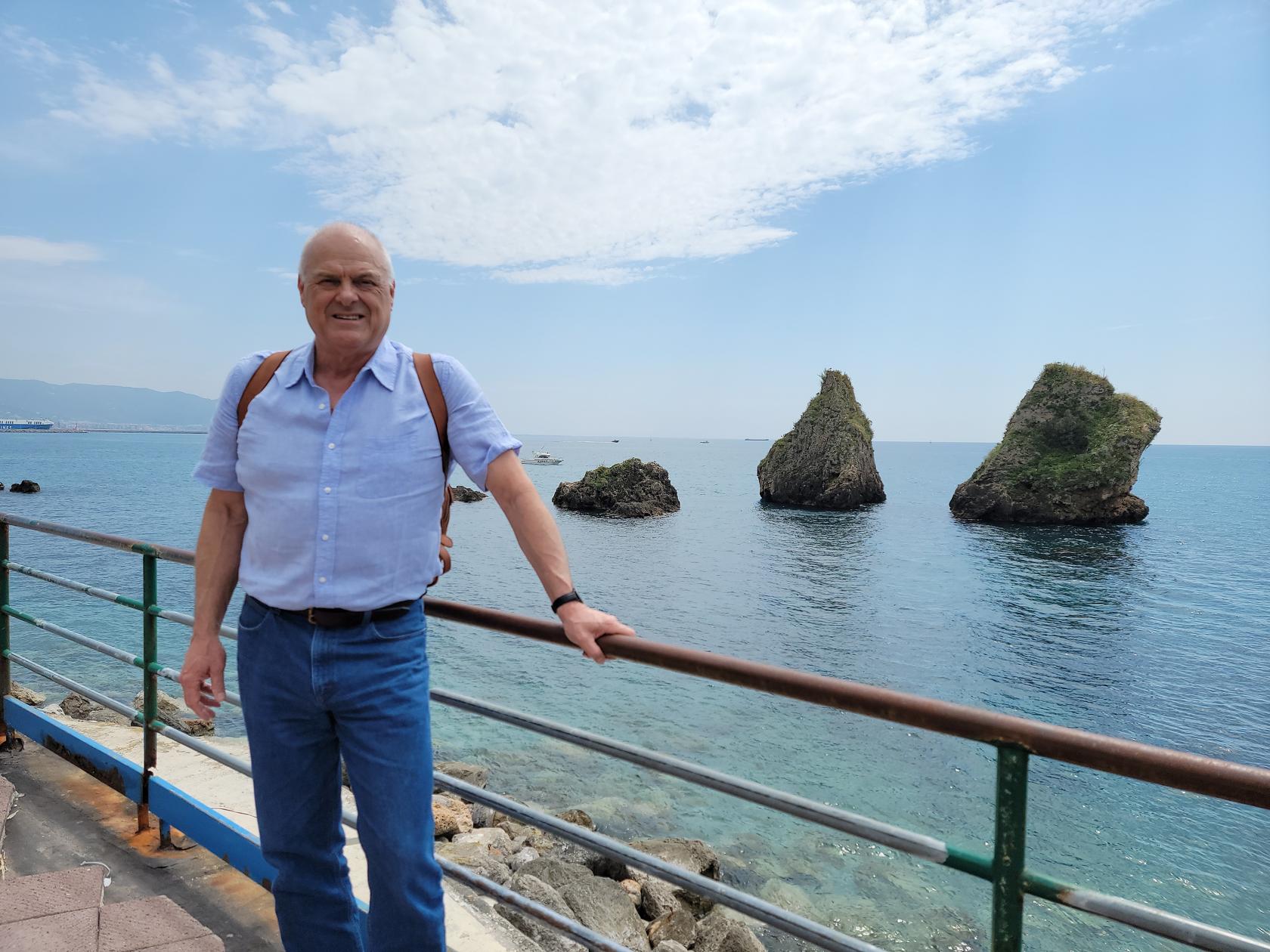
The Two Brothers are apparently from local legend, since when you finally see them, there are not two of them. In any case, it makes for an interesting backdrop for a photograph.
View of ships – Vietri sul Mare, Italy
The Two Brothers – Vietri sul Mare, Italy
Patti – The Two Brothers – Vietri sul Mare, Italy
Erick – The Two Brothers – Vietri sul Mare, Italy
Restaurants
Since this was a day trip, we had time for lunch. Although we did have a few restaurants in mind, the following we found serendipitously.
Sole di Vietri
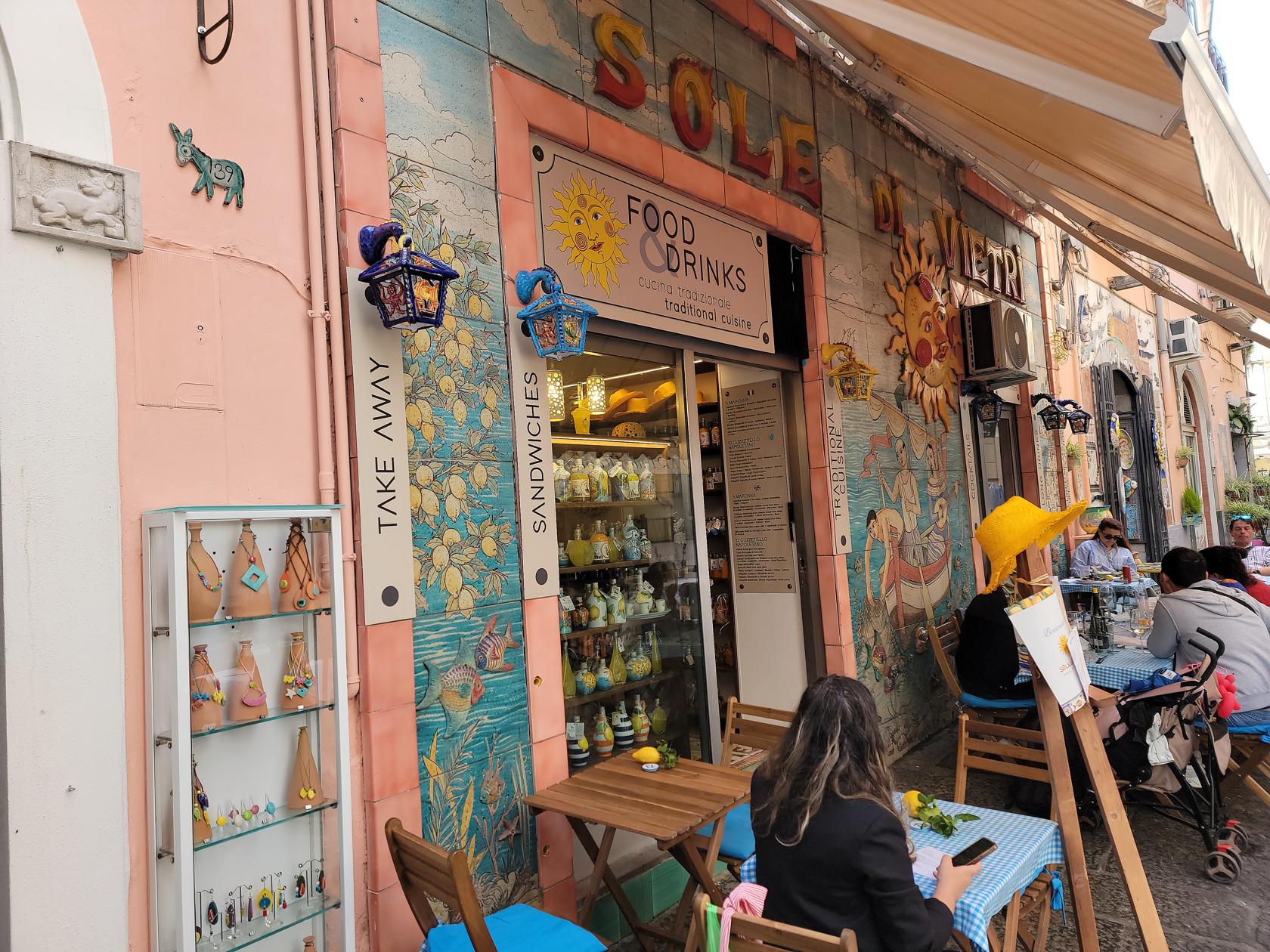
A small restaurant, comparable to a trattoria that serves very good food. Seating outside is limited and might be an issue during the summer months, when it is very busy.
Front – Sole de Vietri Ristorante – Vietri sul Mare, Italy
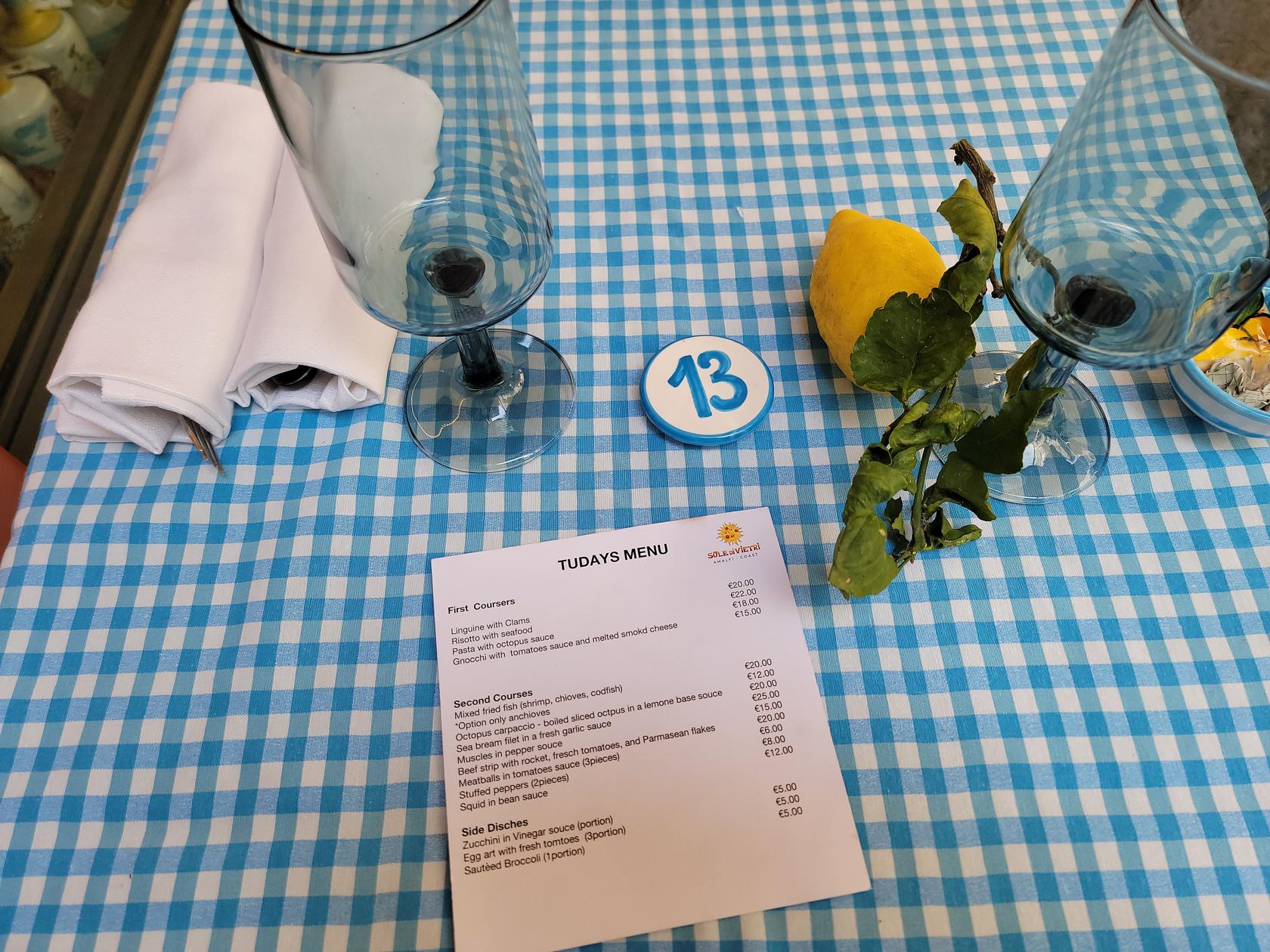
The menu offers daily specials and real home cooking, Italian style. You will find dishes derived from local cuisine, as well as some neopalitan and Italian favorites.
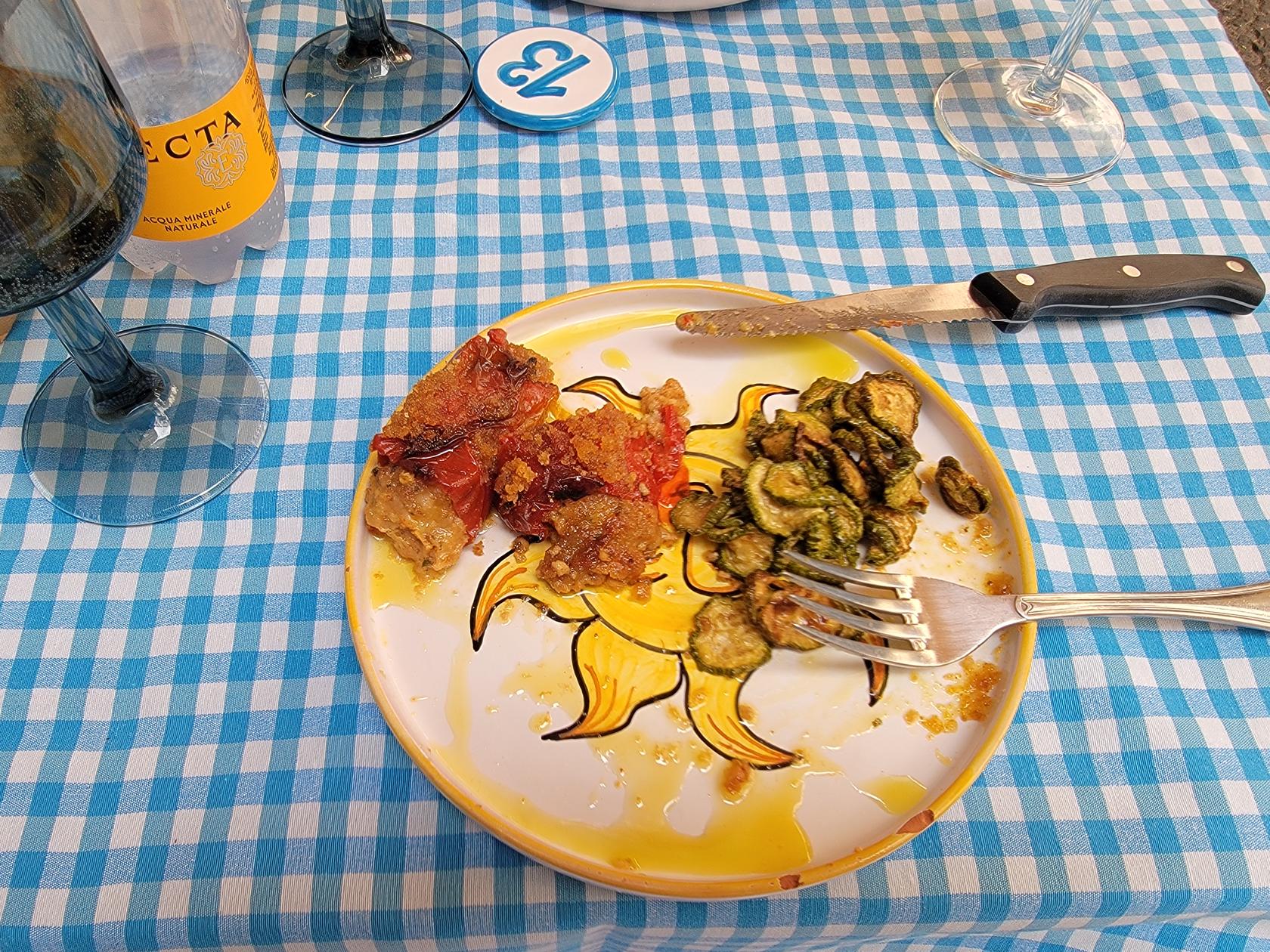
Cold Zucchini with Balsamic and Stuffed Peppers – Sole de Vietri Ristorante – Vietri sul Mare, Italy
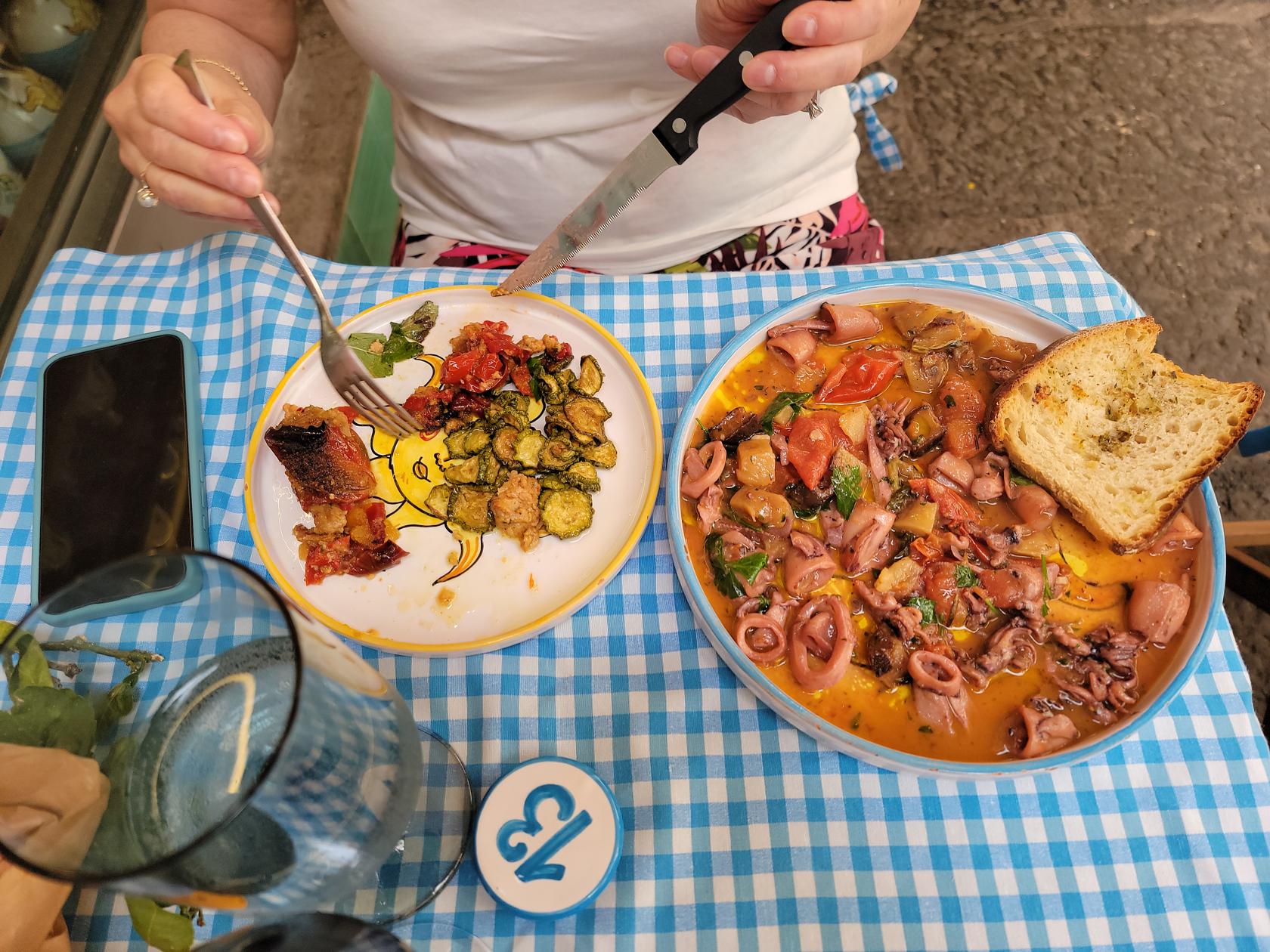
Squid with tomatoes and potatoes – Sole de Vietri Ristorante – Vietri sul Mare, Italy
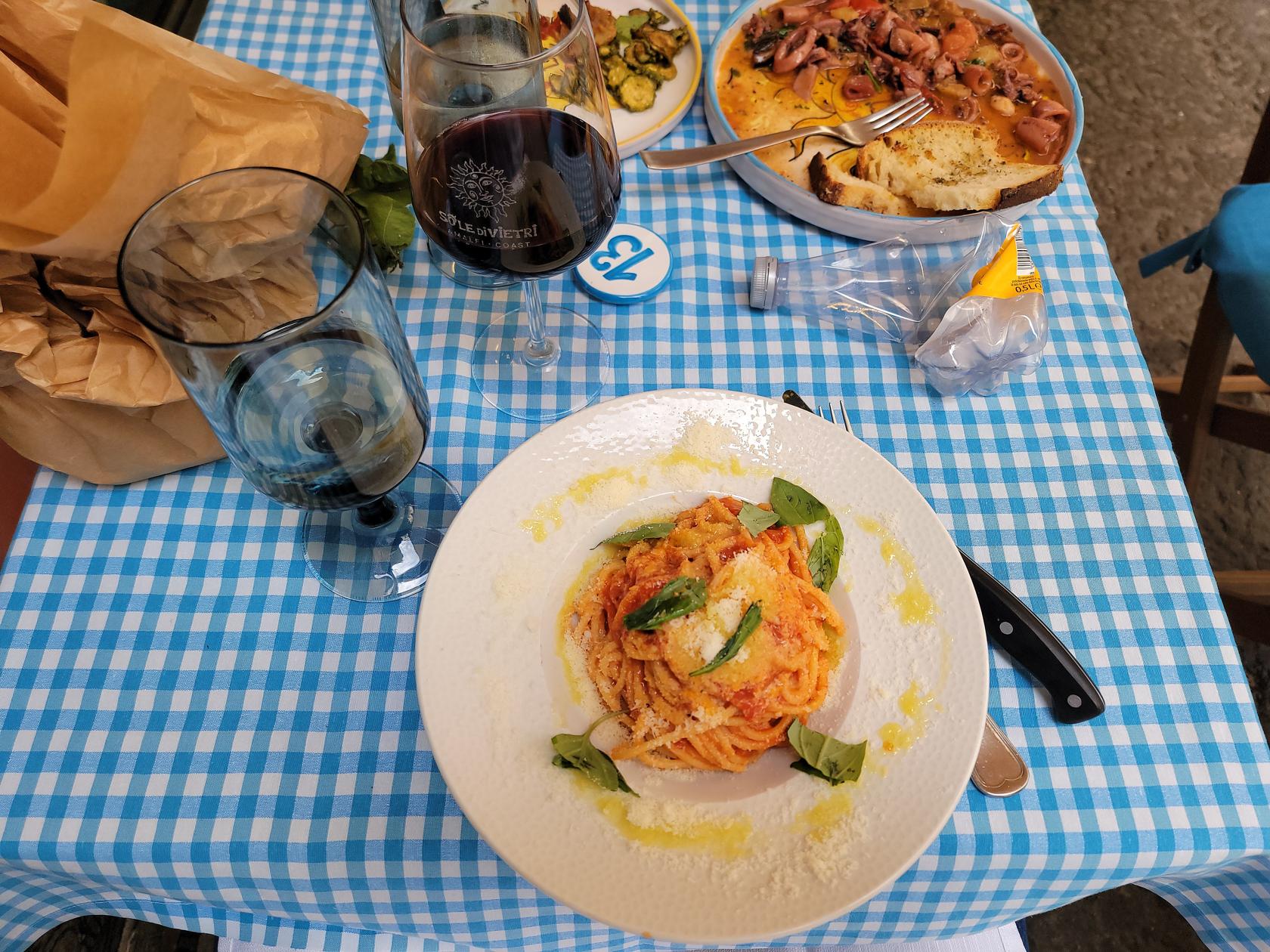
Pasta Fresca – Sole de Vietri Ristorante – Vietri sul Mare, Italy
Our Table and Menu – Sole de Vietri Ristorante – Vietri sul Mare, Italy
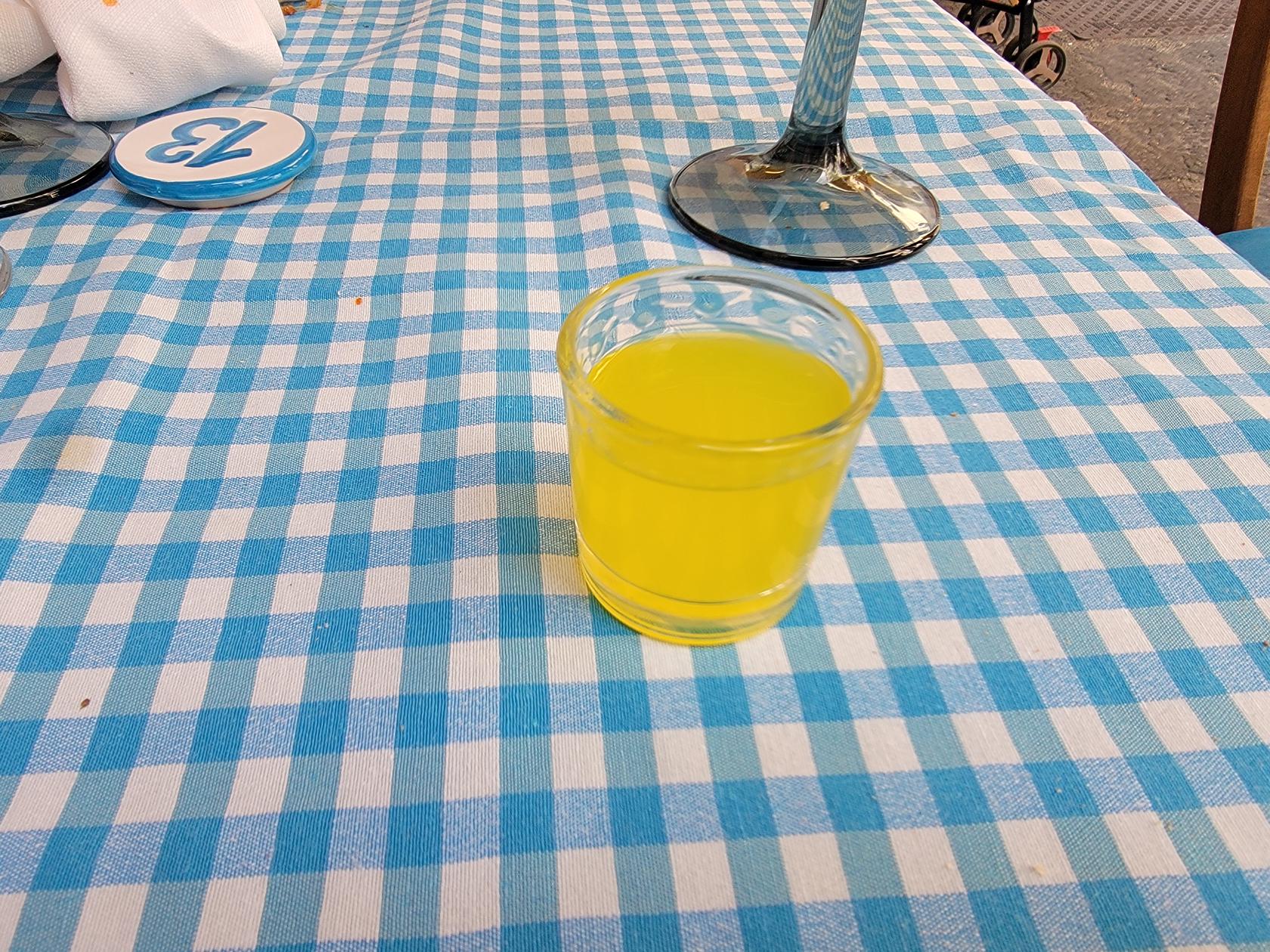
However, all meals should end in a nice glass of Limonchello, a favorite and local specialty.
Limonchello – Sole de Vietri Ristorante – Vietri sul Mare, Italy
Recently we made a decision to return to Naples, if only to use it as a launch point to visit the Amalfi Coast. It was a brief return to enjoy the food and some of the sites we fell in love with four years ago.
Naples
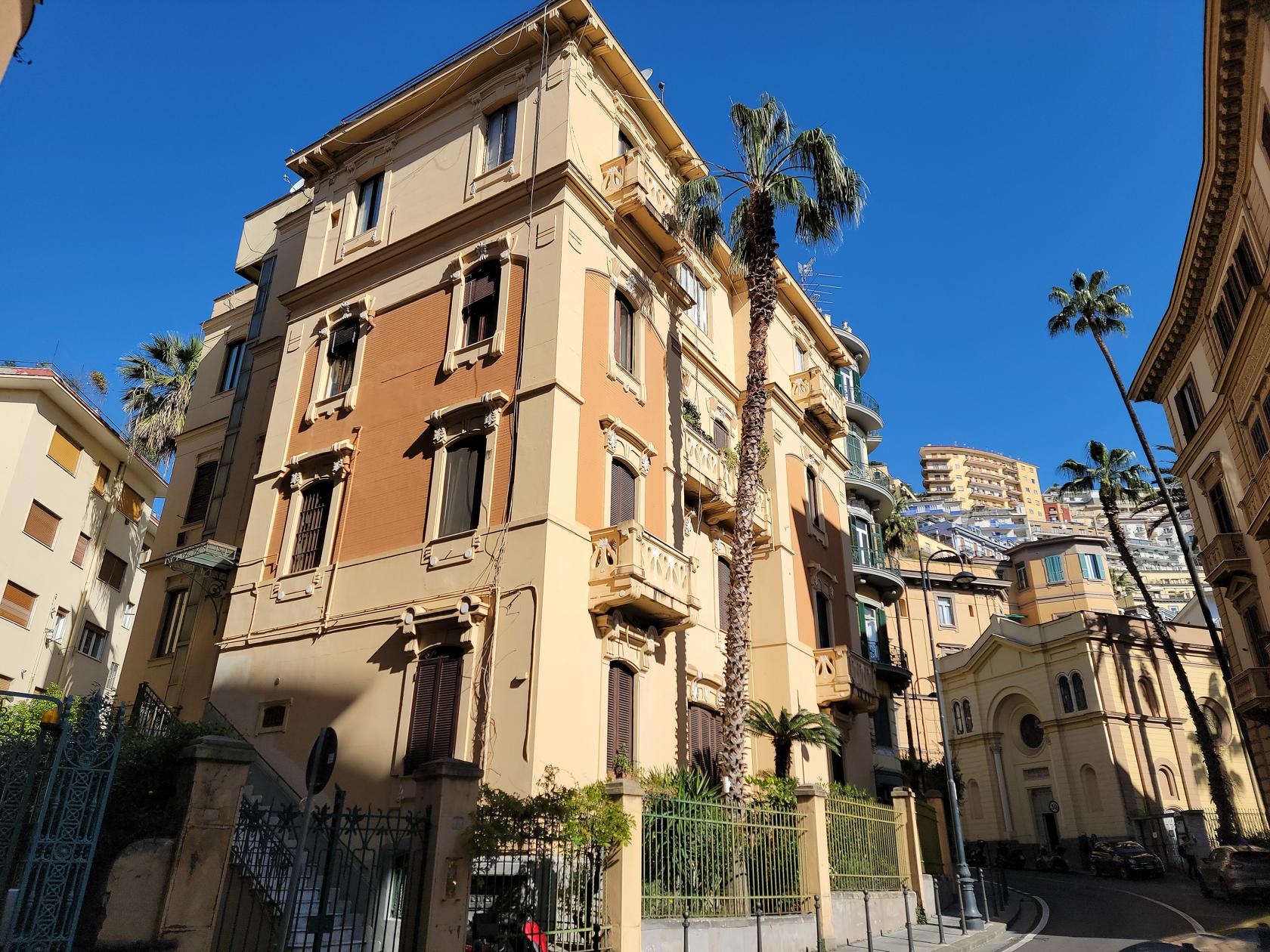
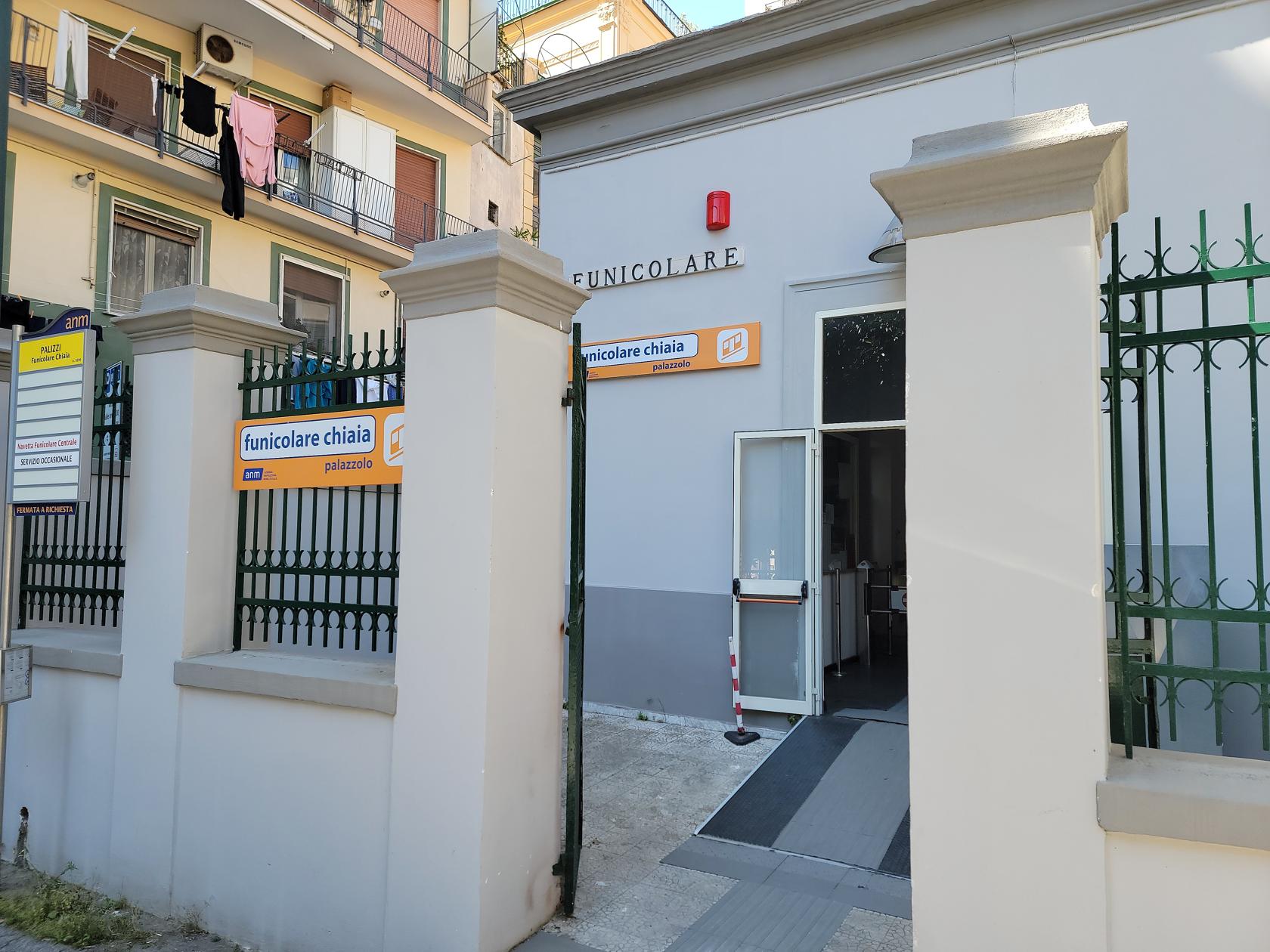
When we travel to Naples, we usually stay in Chiaia. It is an upscale and slightly newer part of Naples that offers a bit more quiet and relief from the tourist activity in the center. It also offers a furnicular to Vomero, which can be used to hop over to the Spanish Quarter, as well as great metro and regional train service.
Chiaia – Naples, Italy
Chiaia – Naples, Italy
Coming into Spanish Quarter – Naples, Italy
Chiaia – Naples, Italy
Getting There
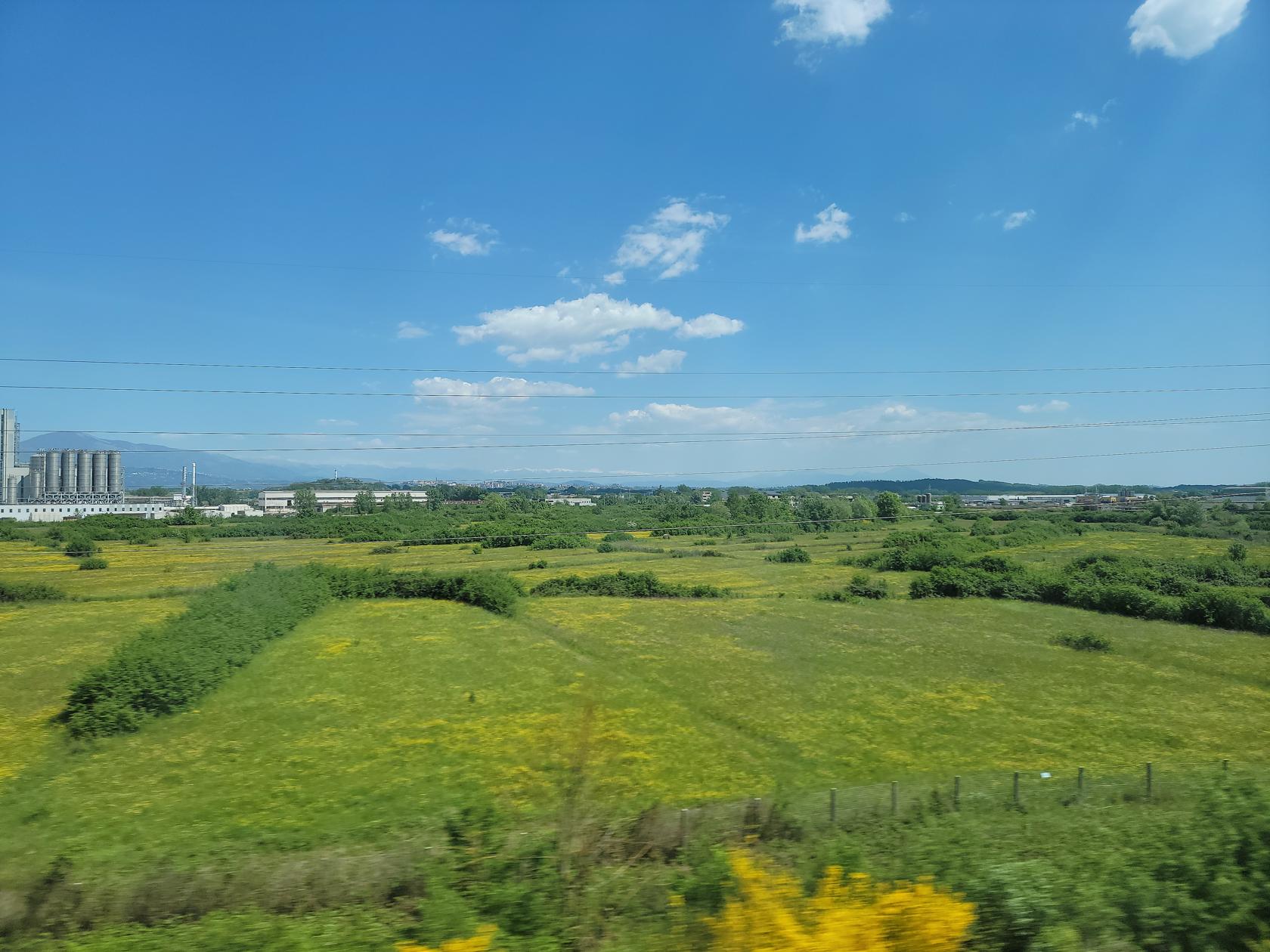
We took the FrecciaRossa TrenItalia service from Torino’s Porta Nuova. It takes about six hours and makes about just as many stops along the way. We normally purchase or make sandwiches for such trips, so that we may enjoy the trip without getting overly hungry.
Coming into Naples – Naples, Italy
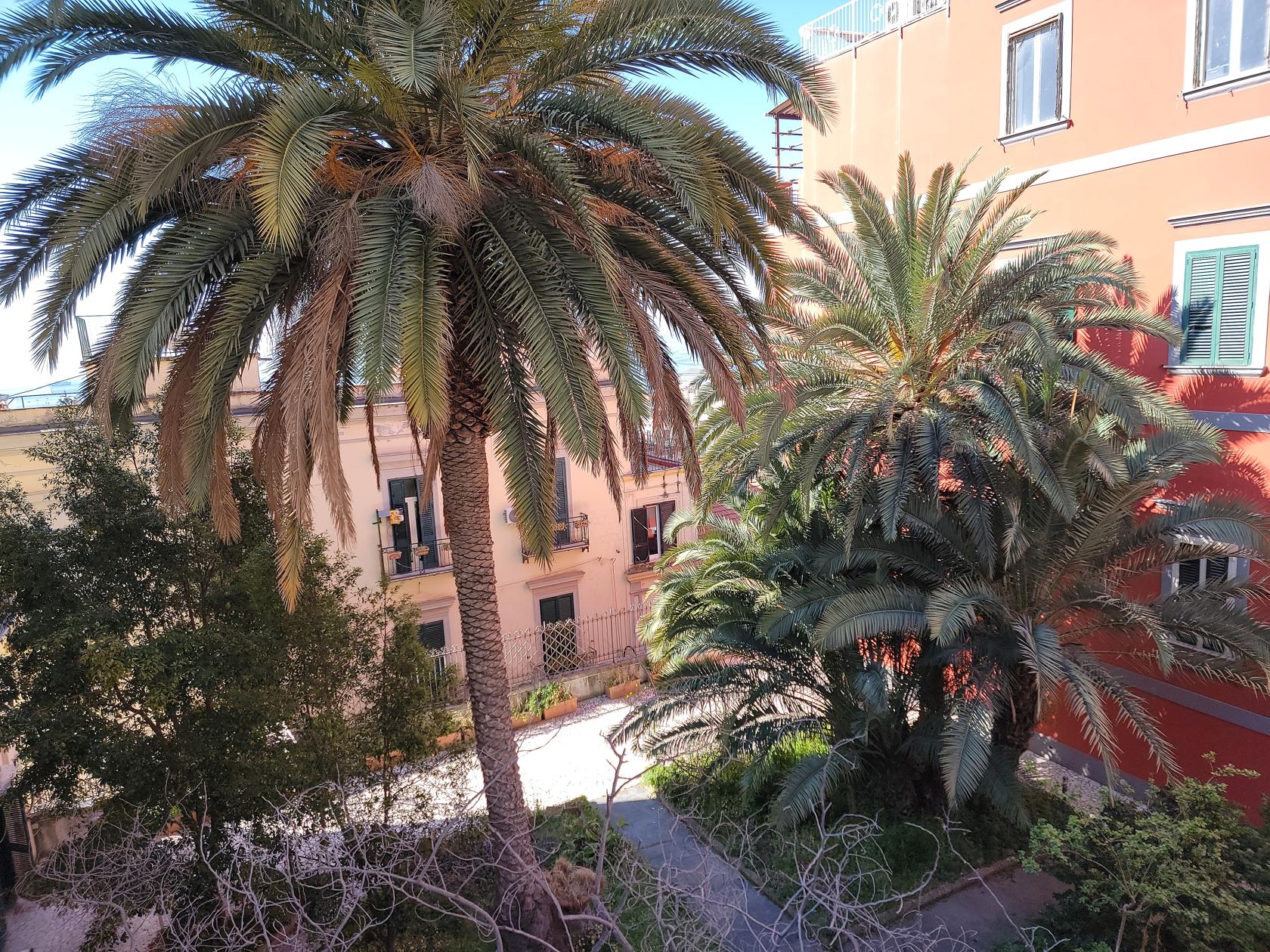
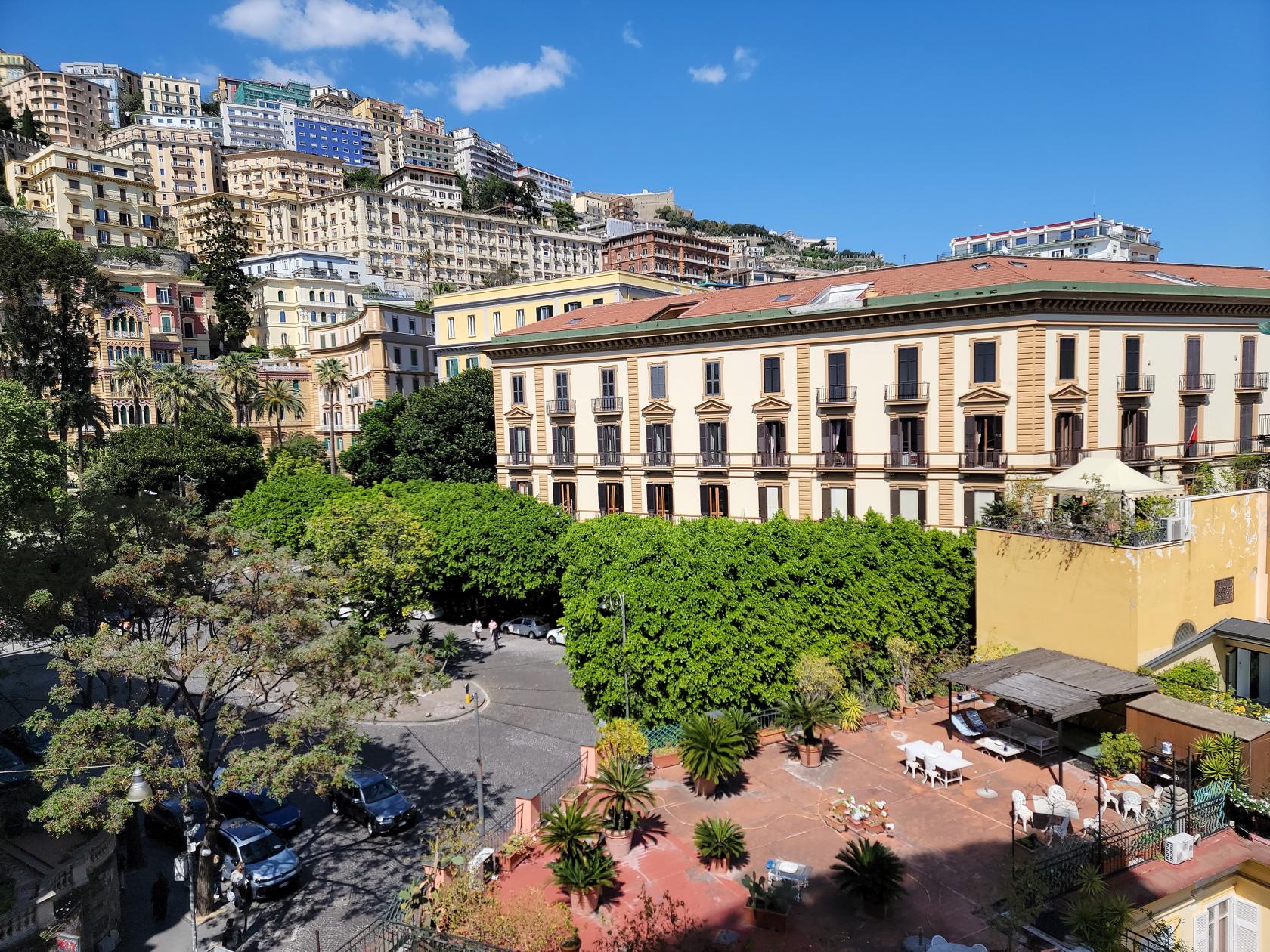
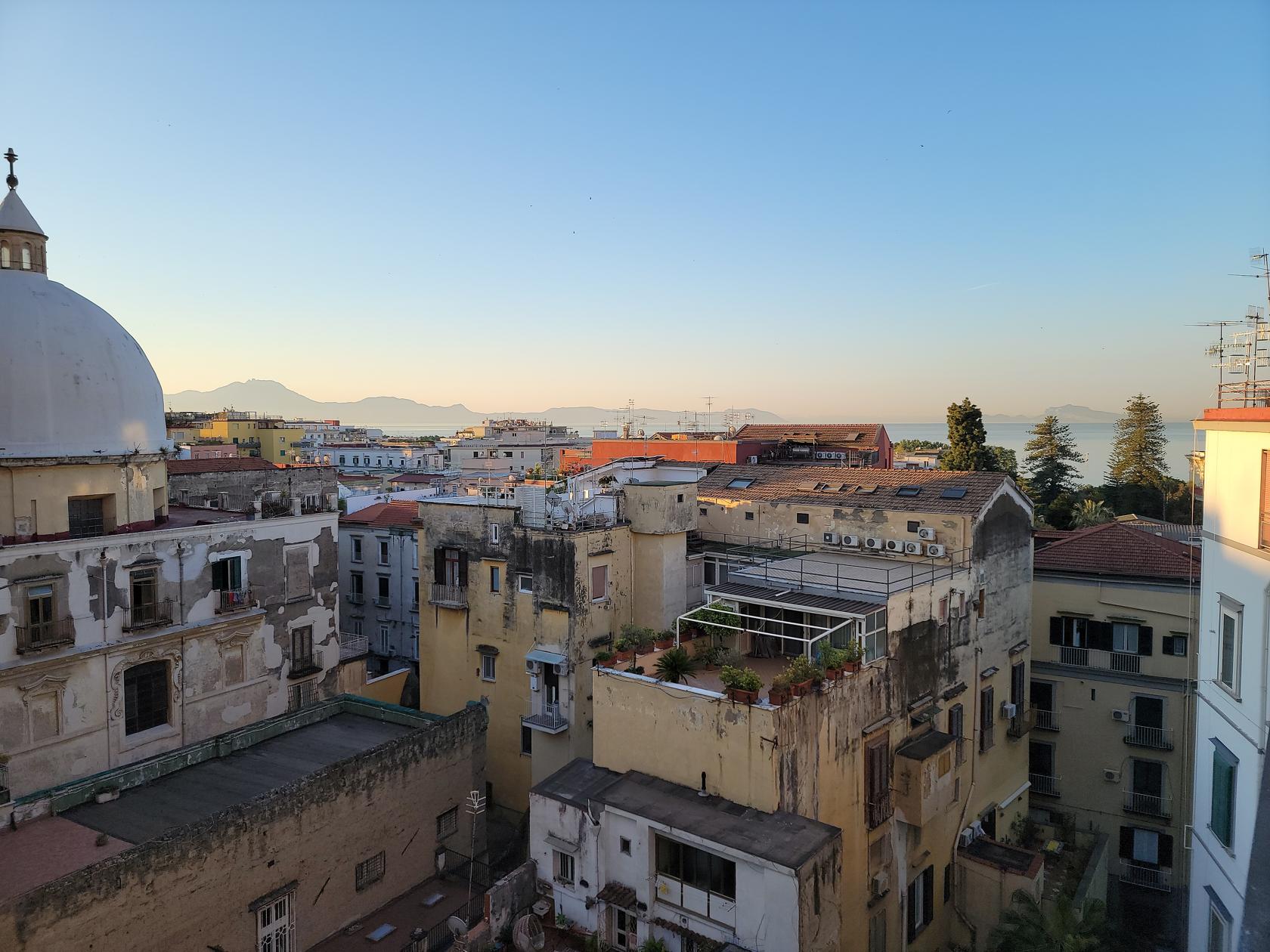
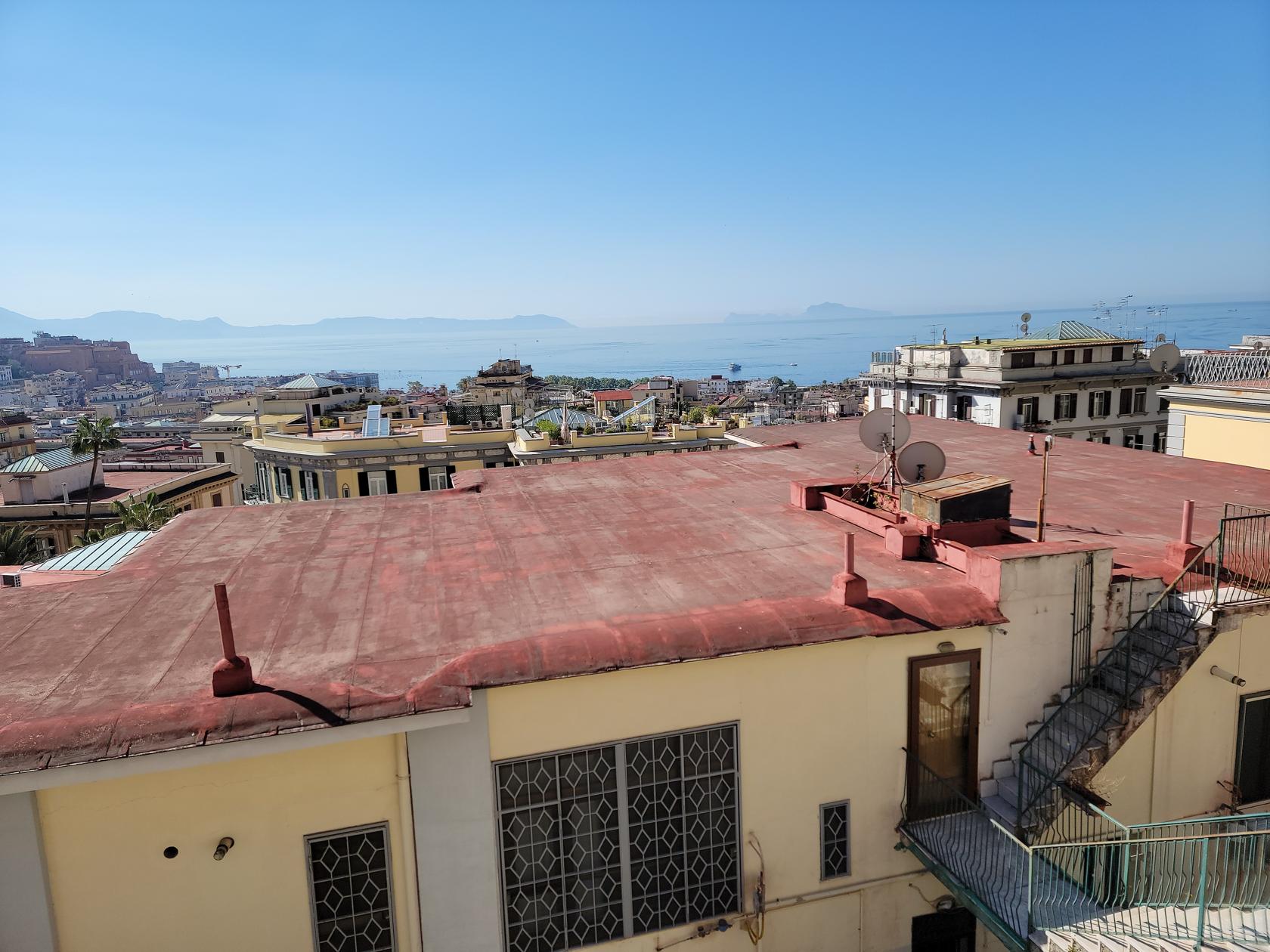
View from our hotel – Pinto Storey – Chiaia – Naples, Italy
View from our hotel – Pinto Storey – Chiaia – Naples, Italy
Hotel Pinto Storey
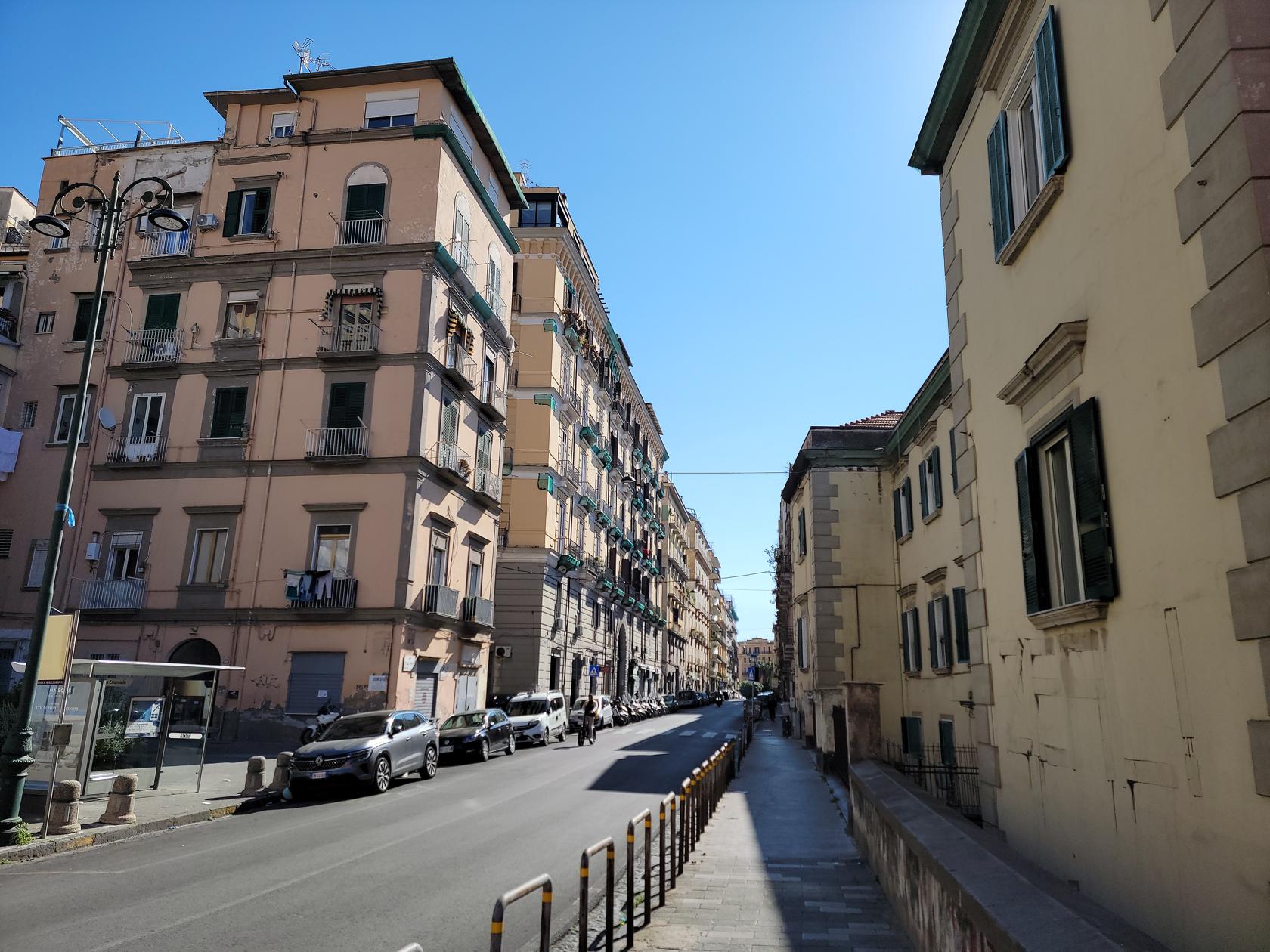
Again, we booked the Pinto Storey hotel in Chiaia. A simple, quiet three star hotel occupying one floor by the Piazza Amadeo. It is a very convenient place to stay, because there is the metro and regional train stop in the Piazza, which gives you quick access to the entire city and beyond.
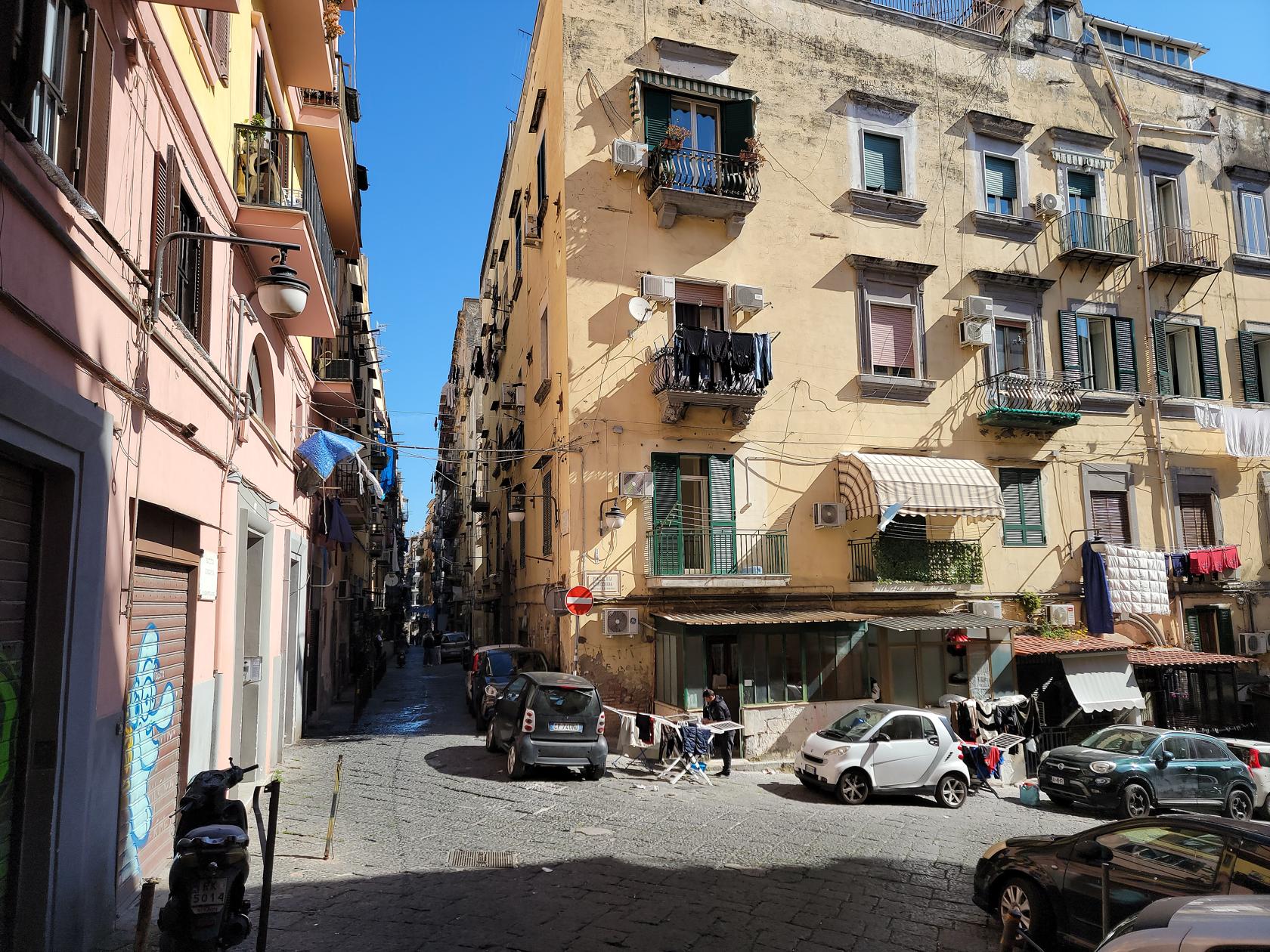
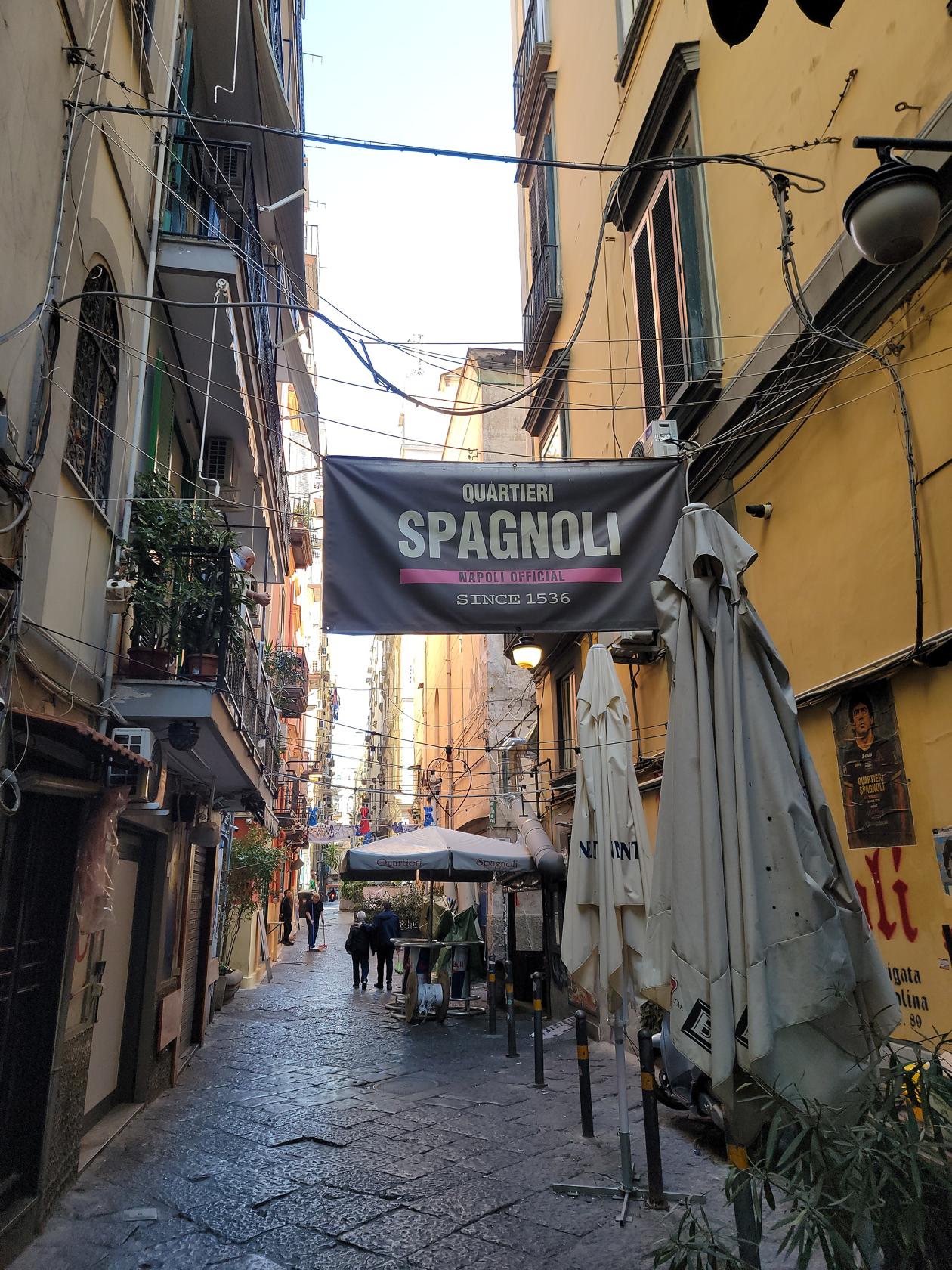
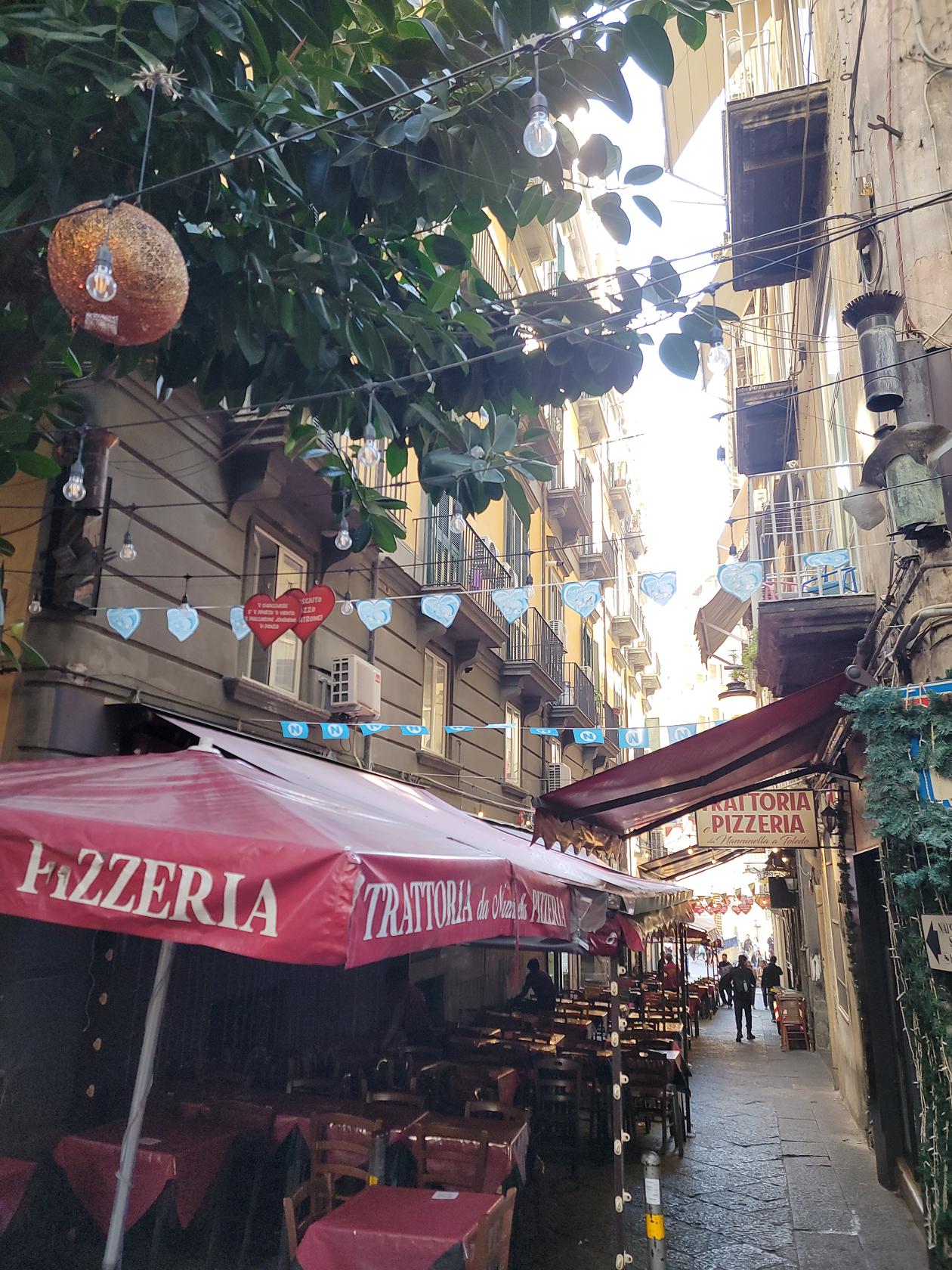
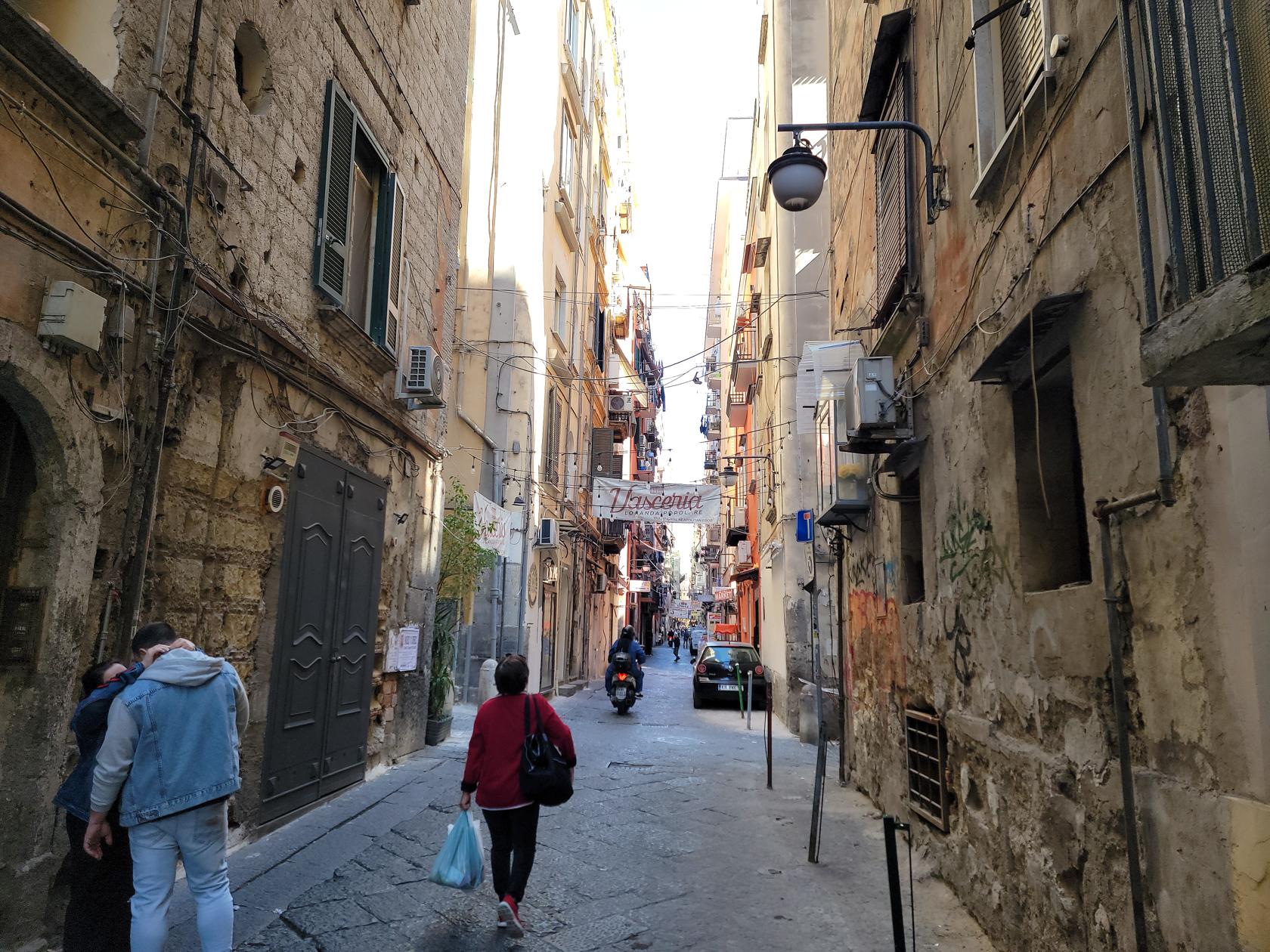
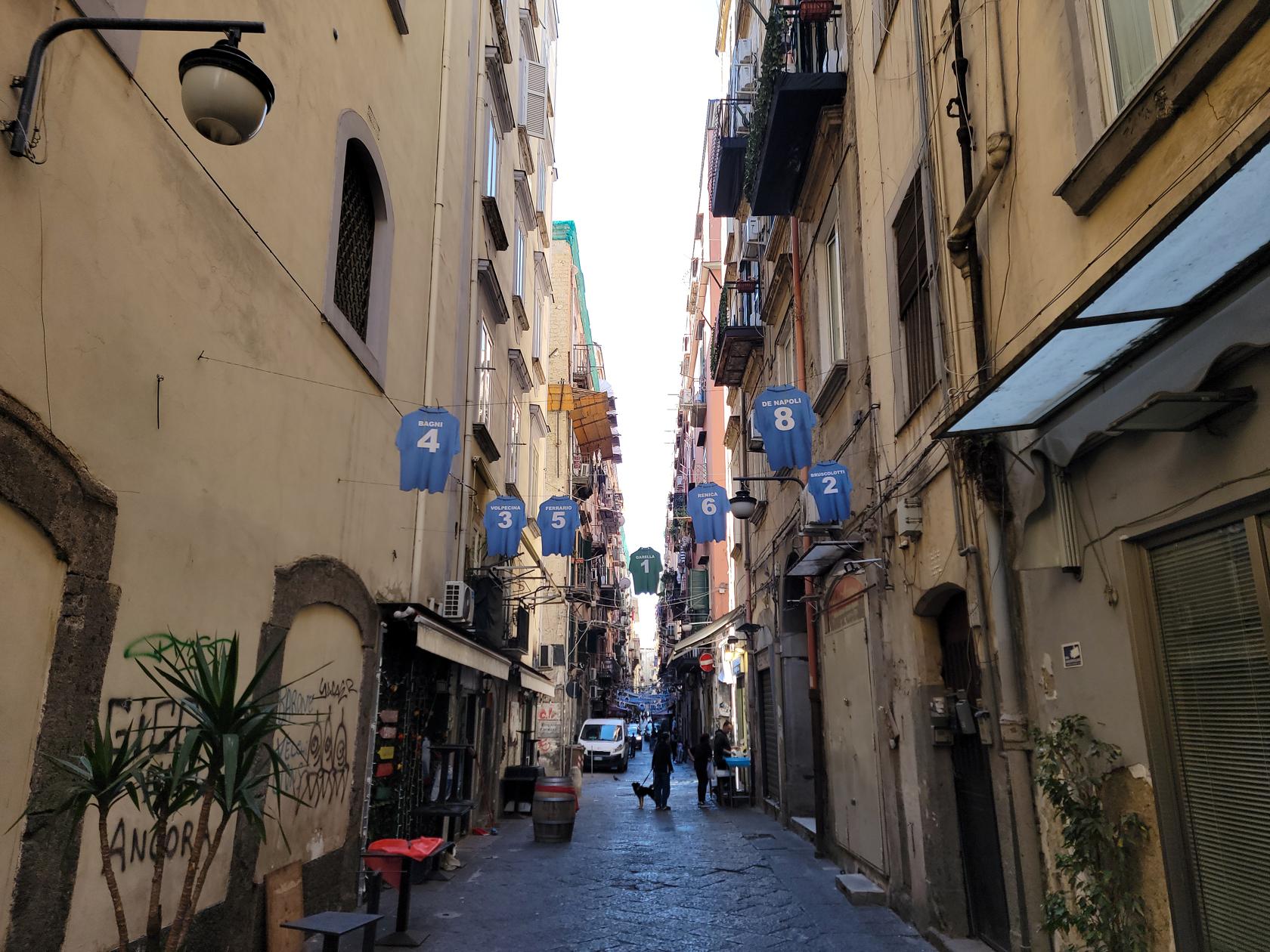
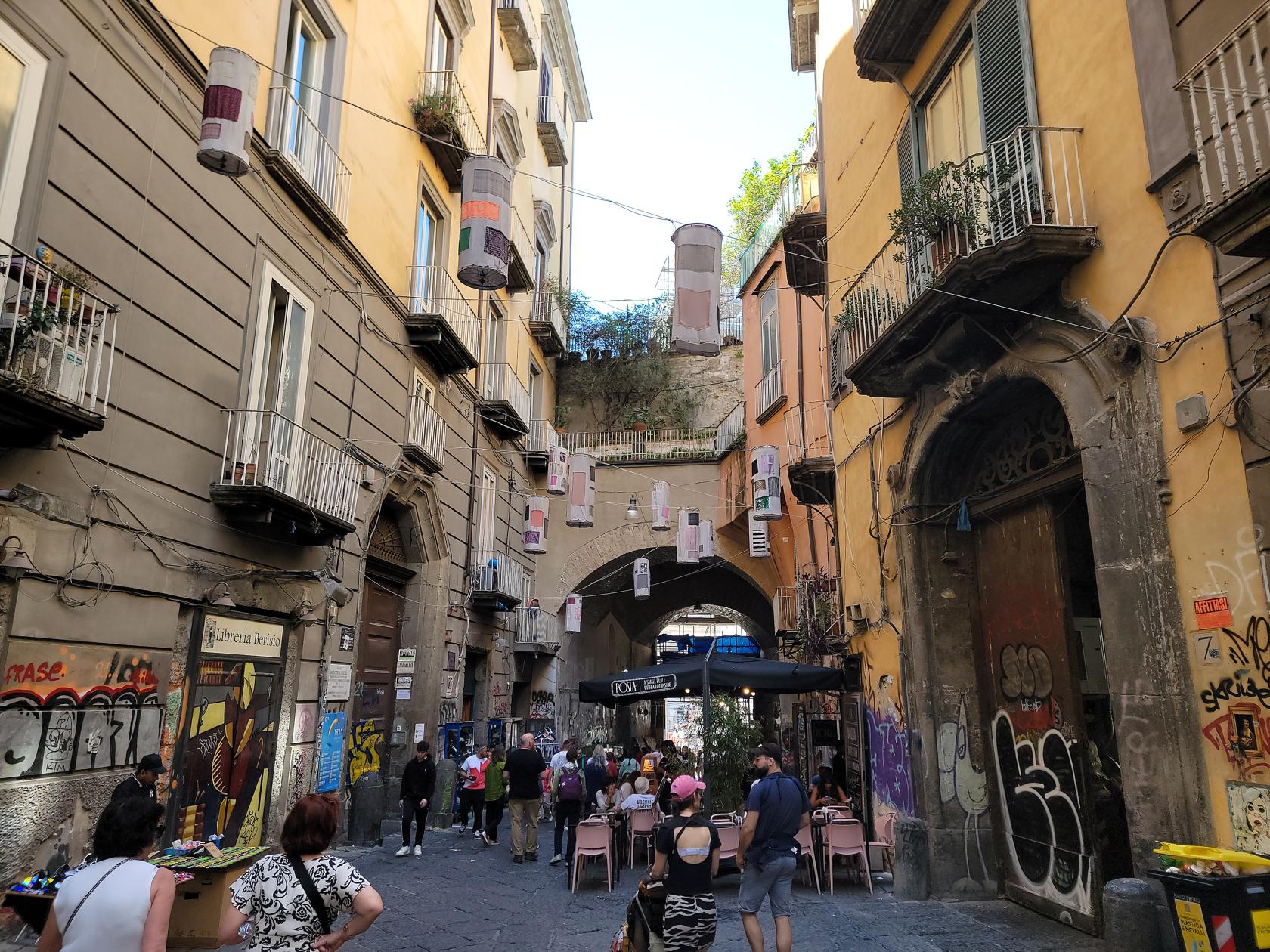
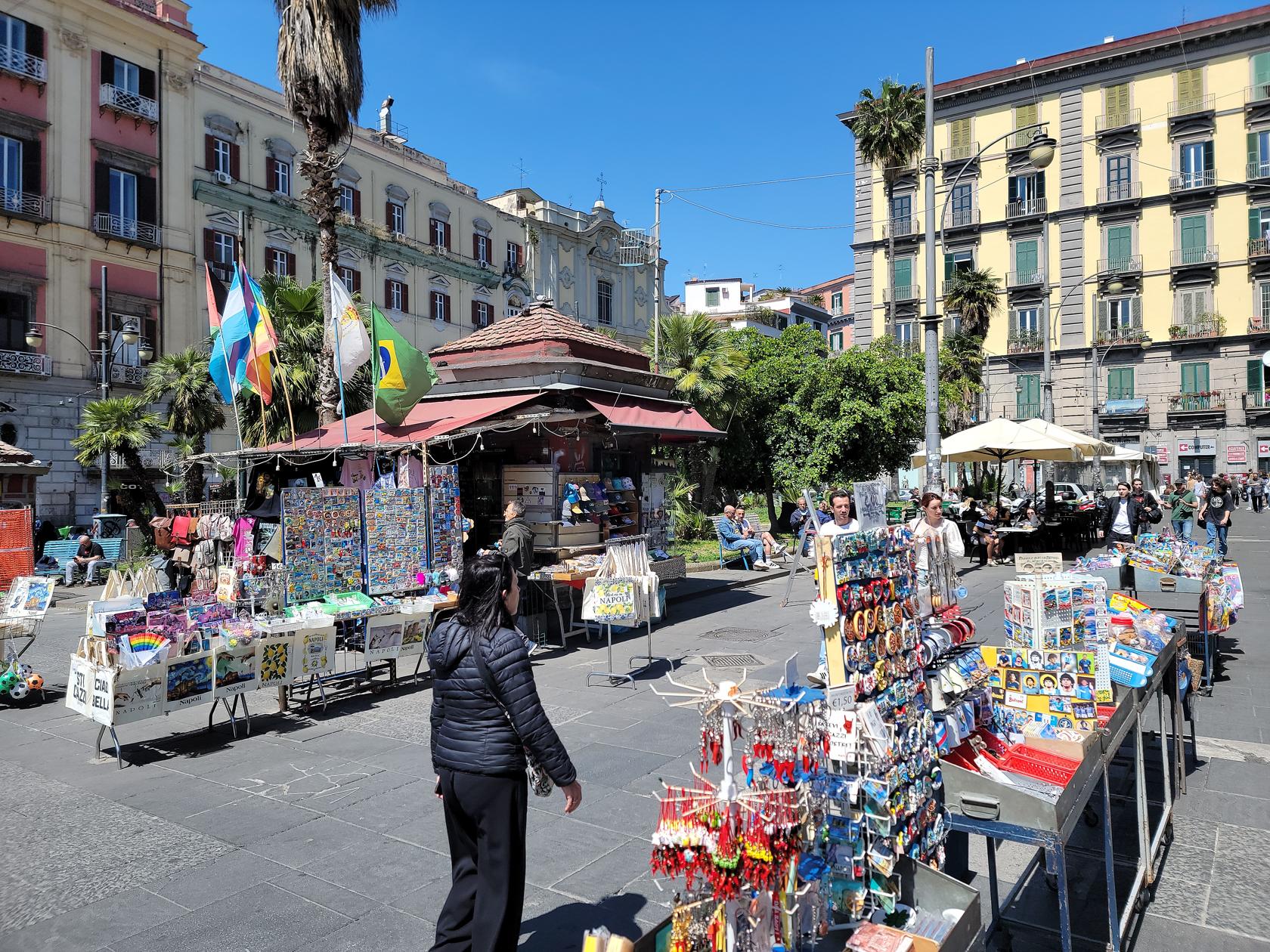
We visited the Spanish Quarter before and see that there is much more activity here now, since we were last here at the end of the pandemic. It is worth a walk through if you have never been here and there seem to be several streets now that have active stores and street vendors on them.
Spanish Quarter – Naples, Italy
Spanish Quarter – Naples, Italy
Spanish Quarter – Naples, Italy
Spanish Quarter – Naples, Italy
Spanish Quarter – Naples, Italy
Spanish Quarter – Naples, Italy
Spanish Quarter – Naples, Italy
Spanish Quarter – Naples, Italy
Centro
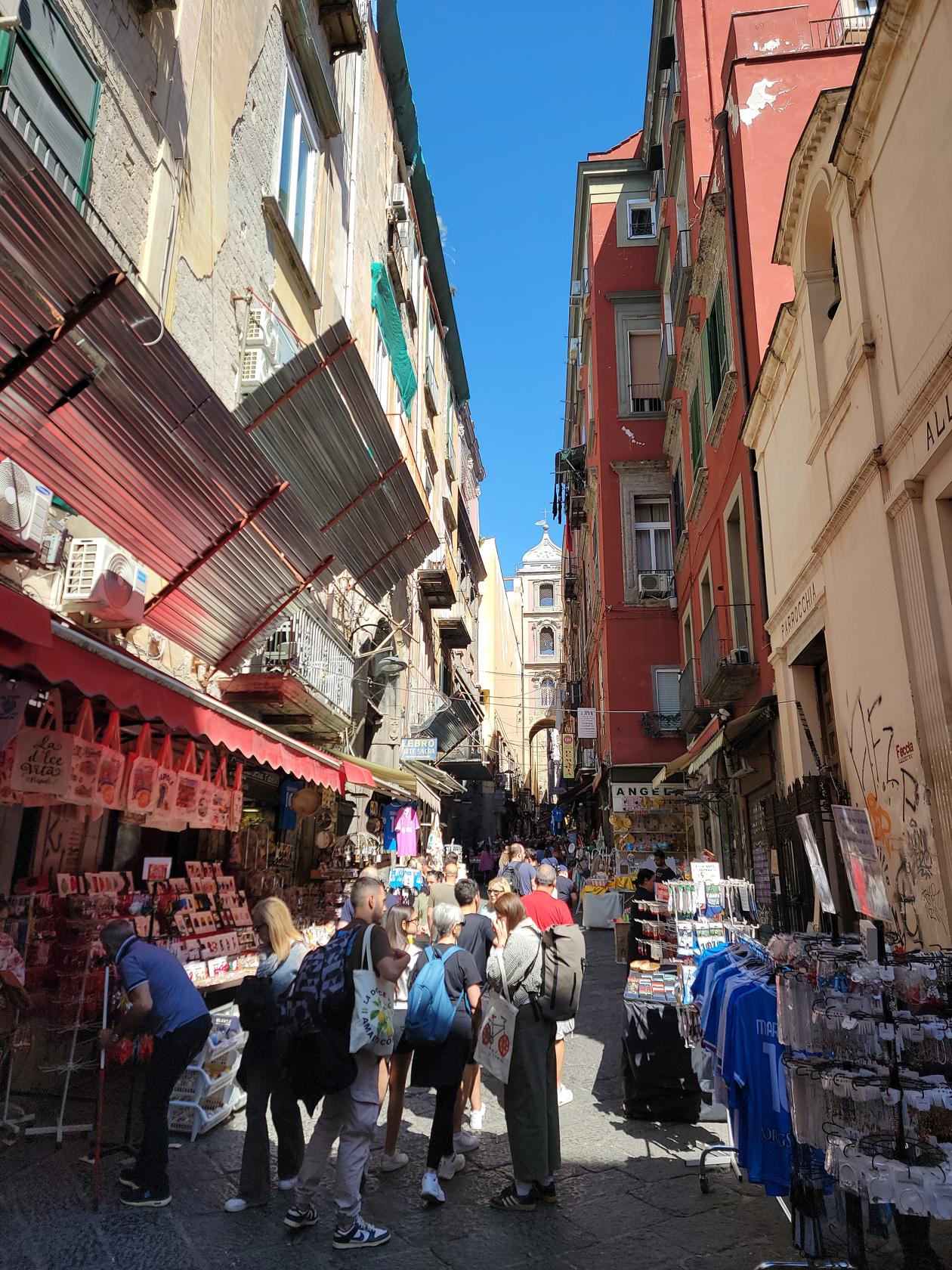
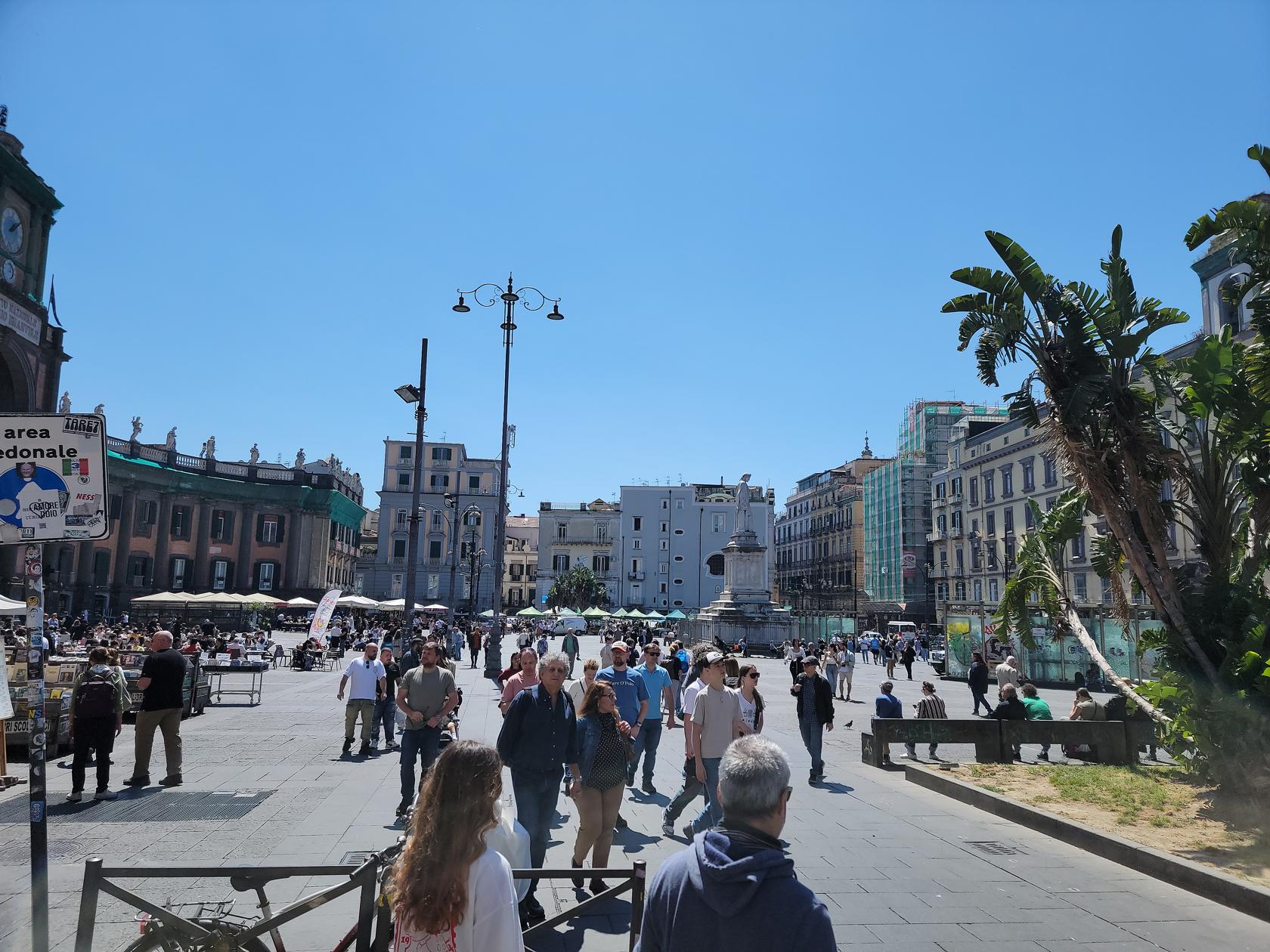
The center part of the city has not changed a bit. The central shopping street is just a busy as when we were here last time. A stroll up the christmas street is also a must if you come for a visit.
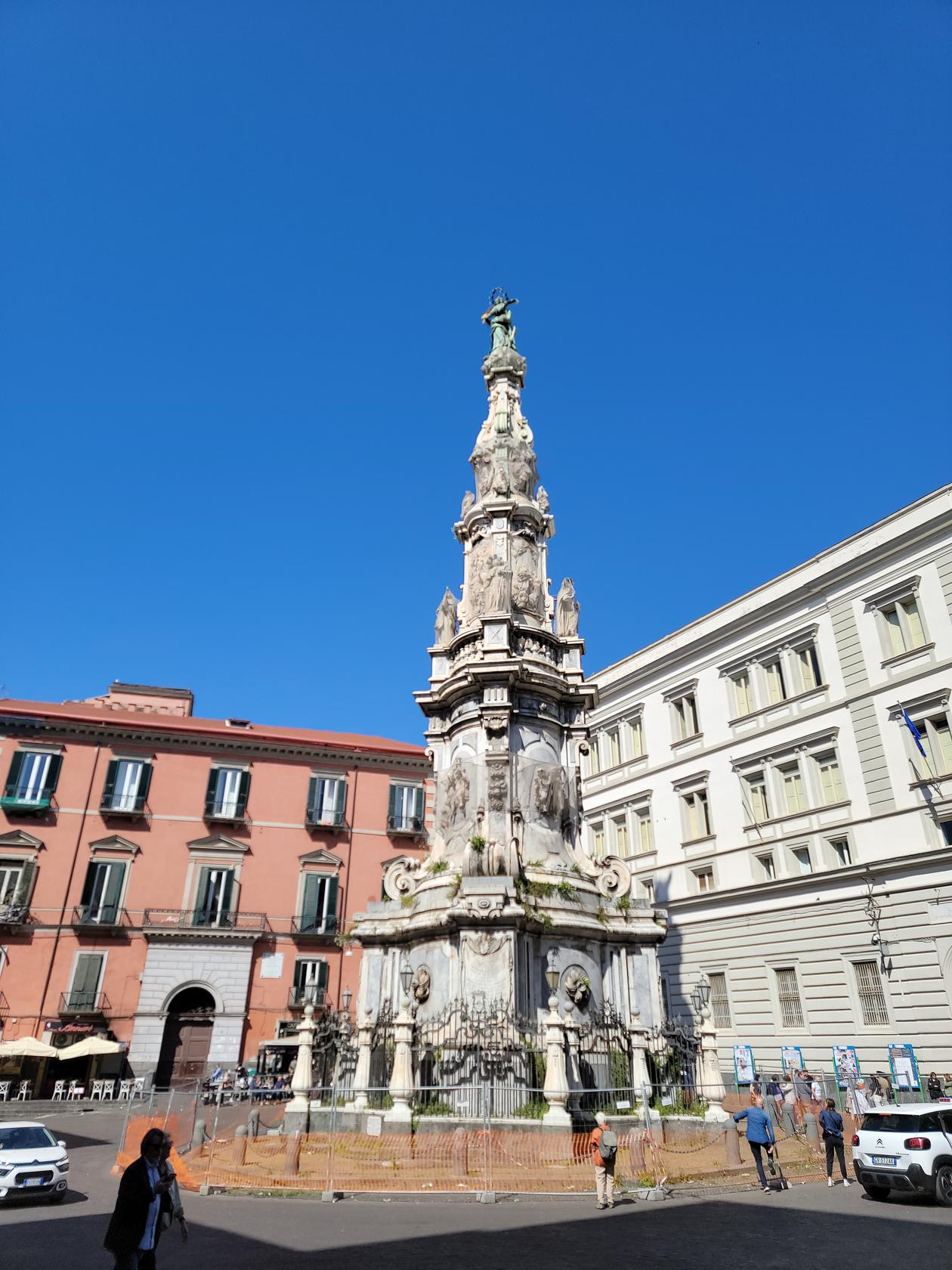
Obelisk San Domenico – Naples, Italy
Via Vicaria Vecchia – Naples, Italy
Porta d’Alba – Naples, Italy
Piazza Dante – Naples, Italy
Piazza Dante – Naples, Italy
Voremo
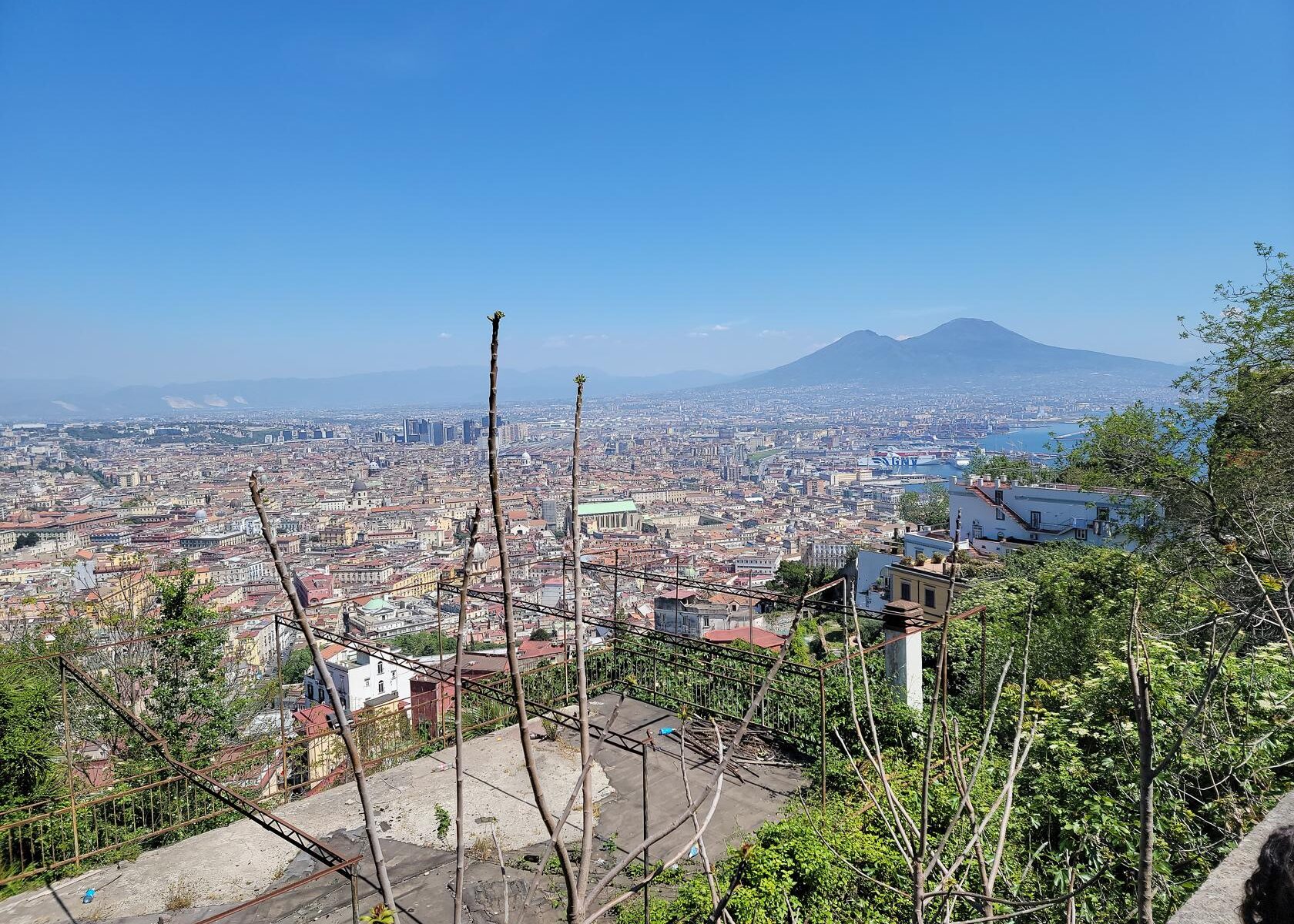
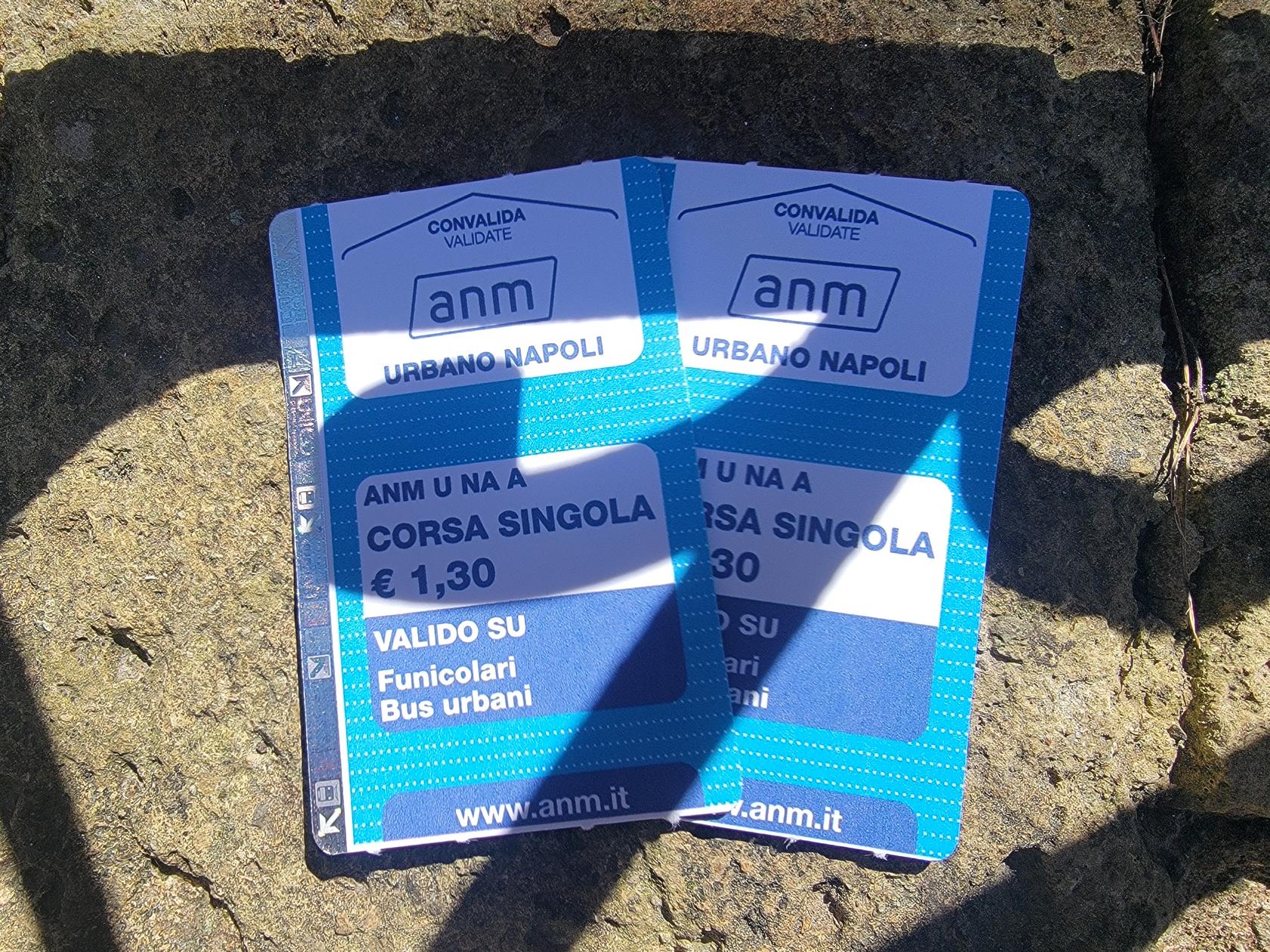
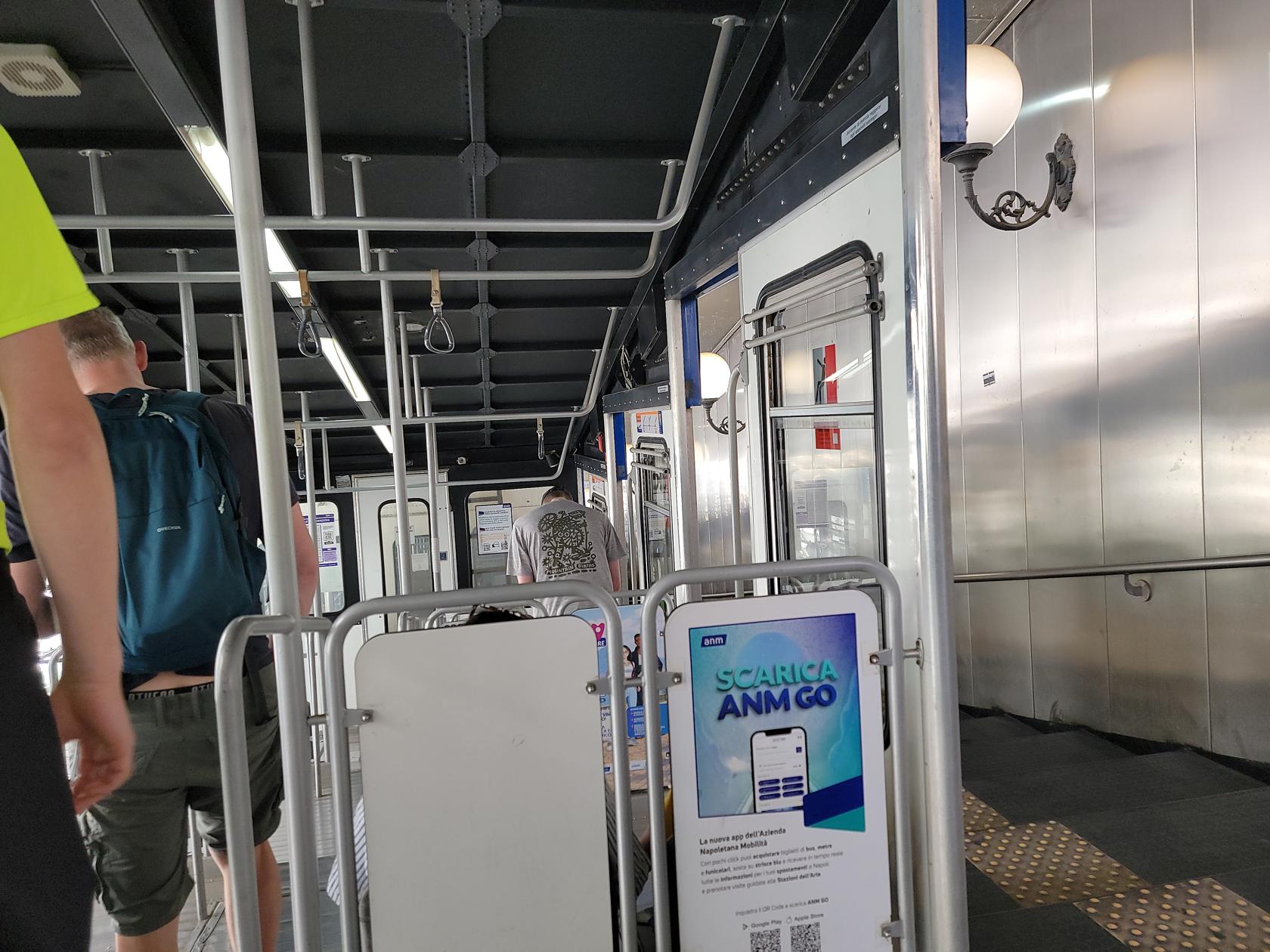
One our way back to Chiaia we took the furnicular up to Voremo to get a few photographs of Monte Somma and Vesuvius. They do not cost much and provide an easy means for getting around the more difficult parts of the city.
Tickets for Two – Vomero – Naples, Italy
Furnicular – Vomero – Naples, Italy
Furnicular – Vomero – Naples, Italy
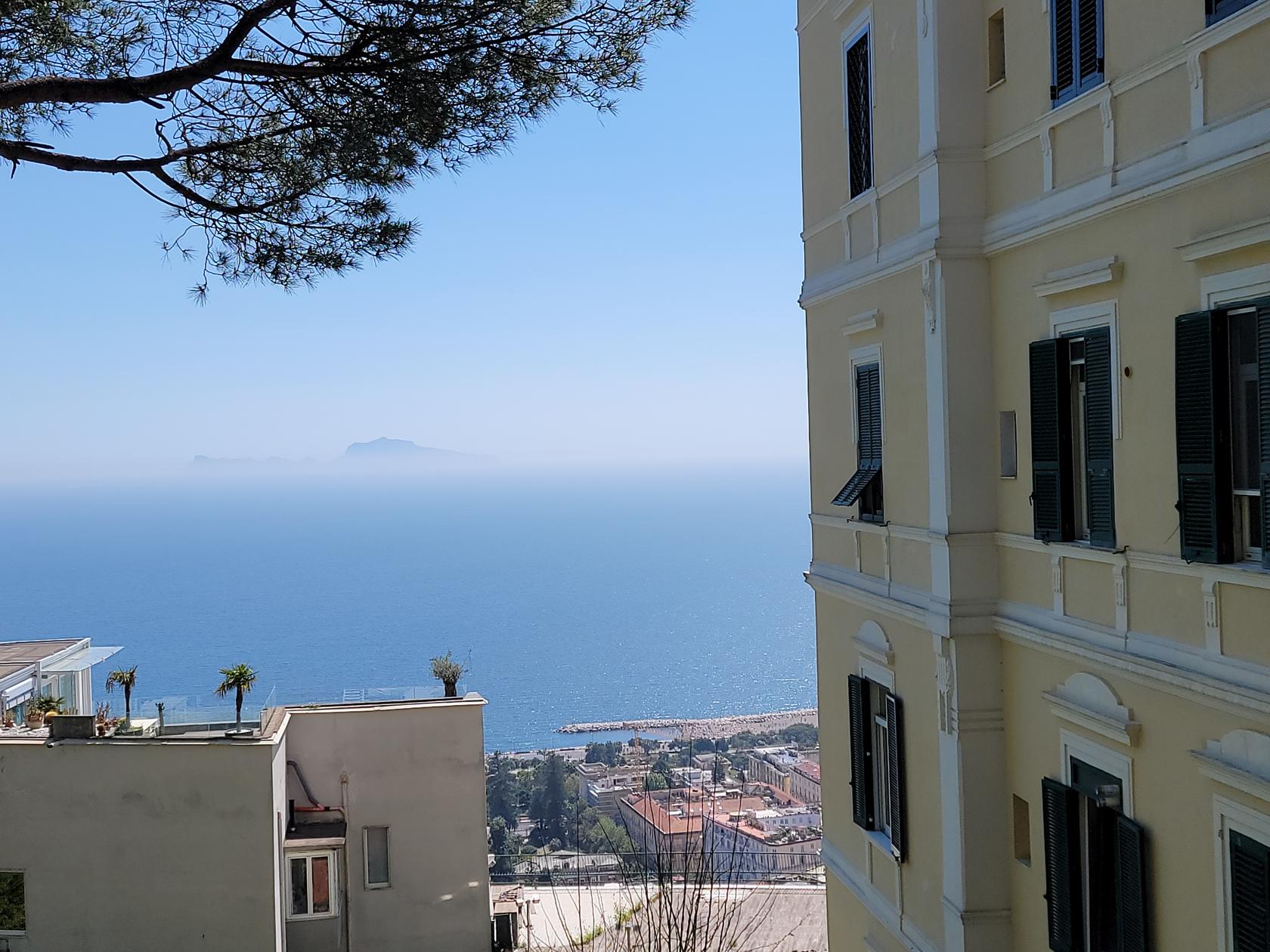
Capri – Vomero – Naples, Italy
Restaurants
We came to Naples having only one restaurant on our list of places we wanted to visit. Any others were based on proximity or a quick search for a place to eat. However, half of the time we were here, we didn’t even eat dinner. Preferring rather to enjoy a large lunch at our day trip destinations instead.
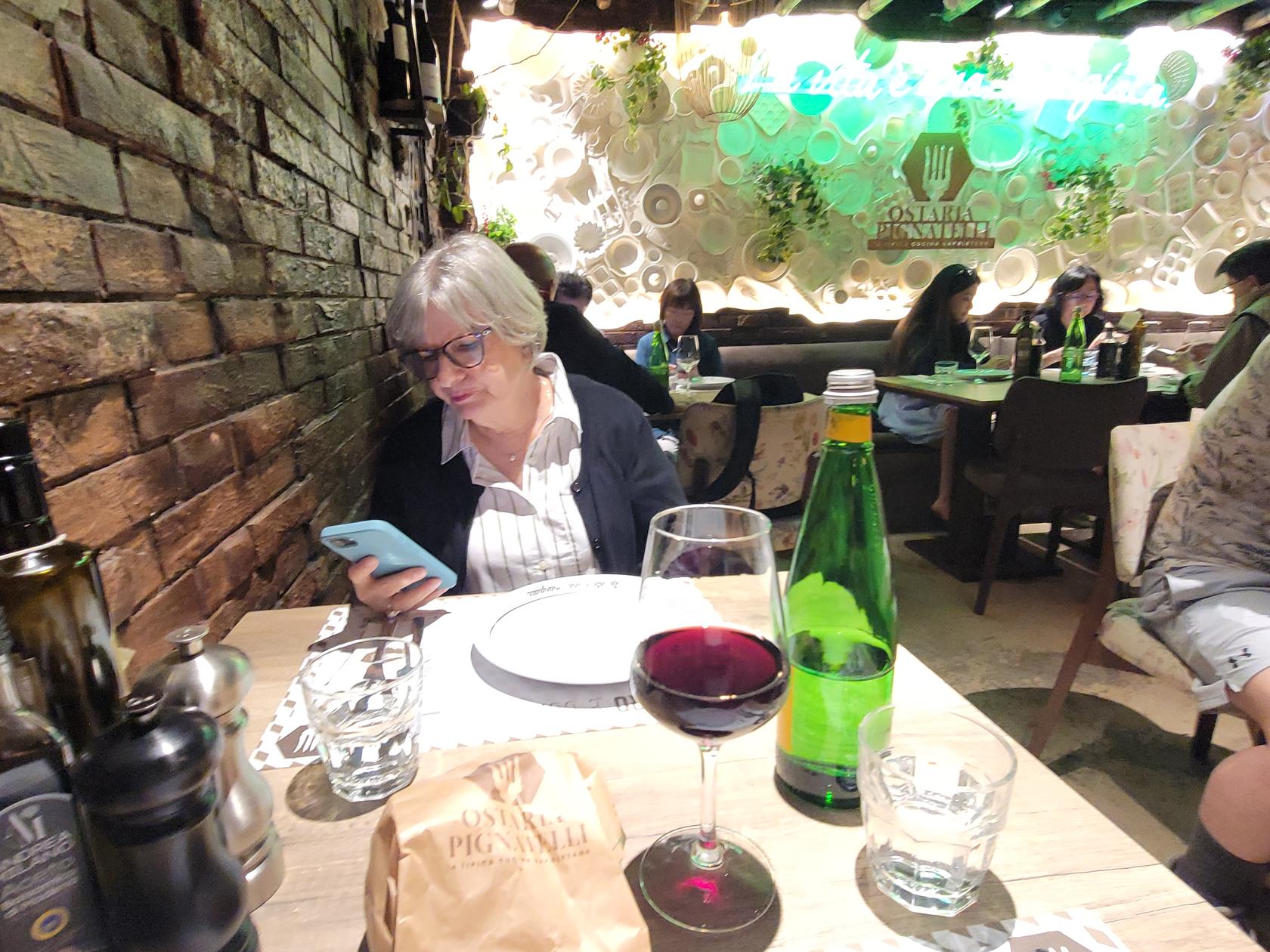
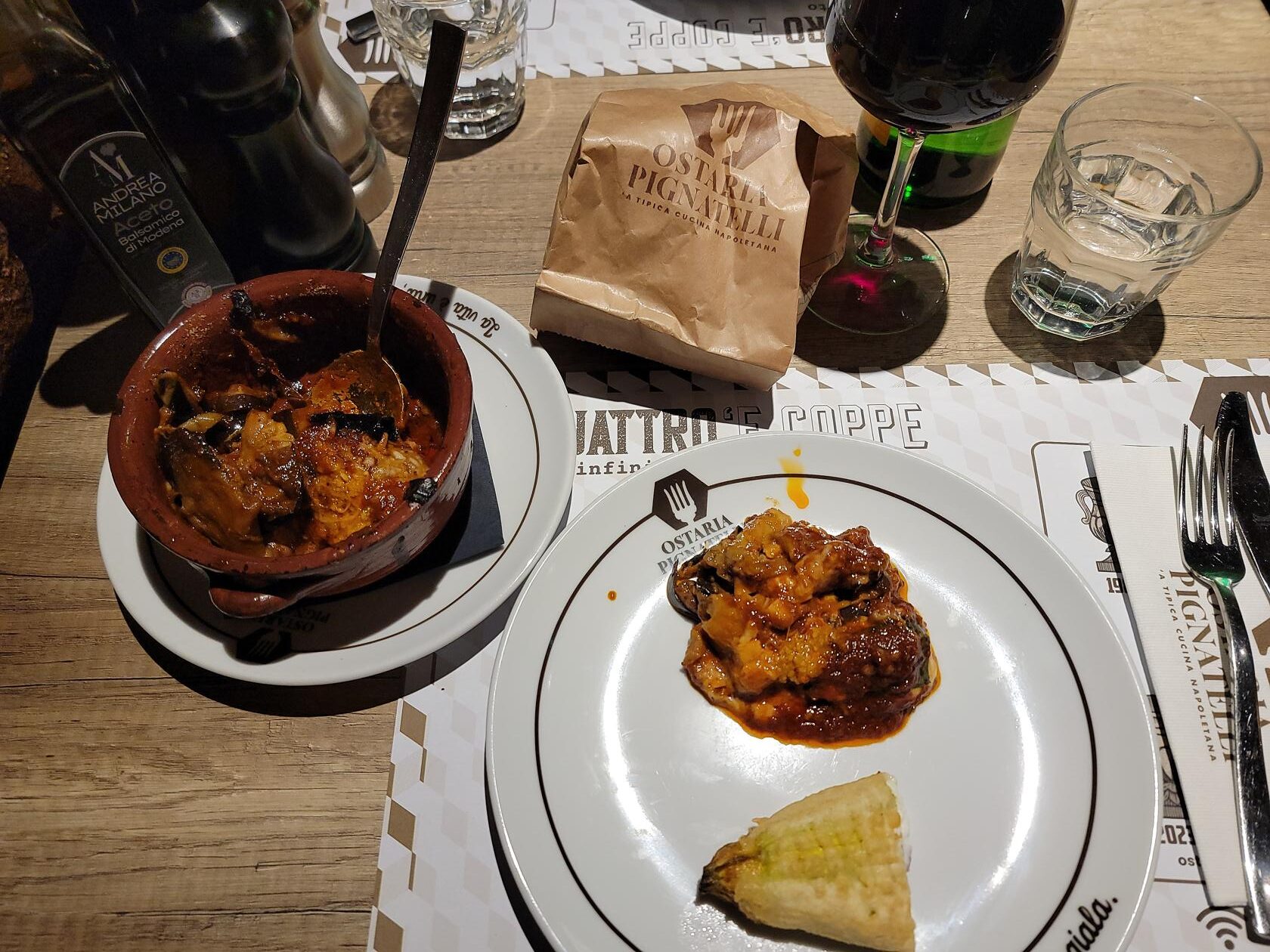
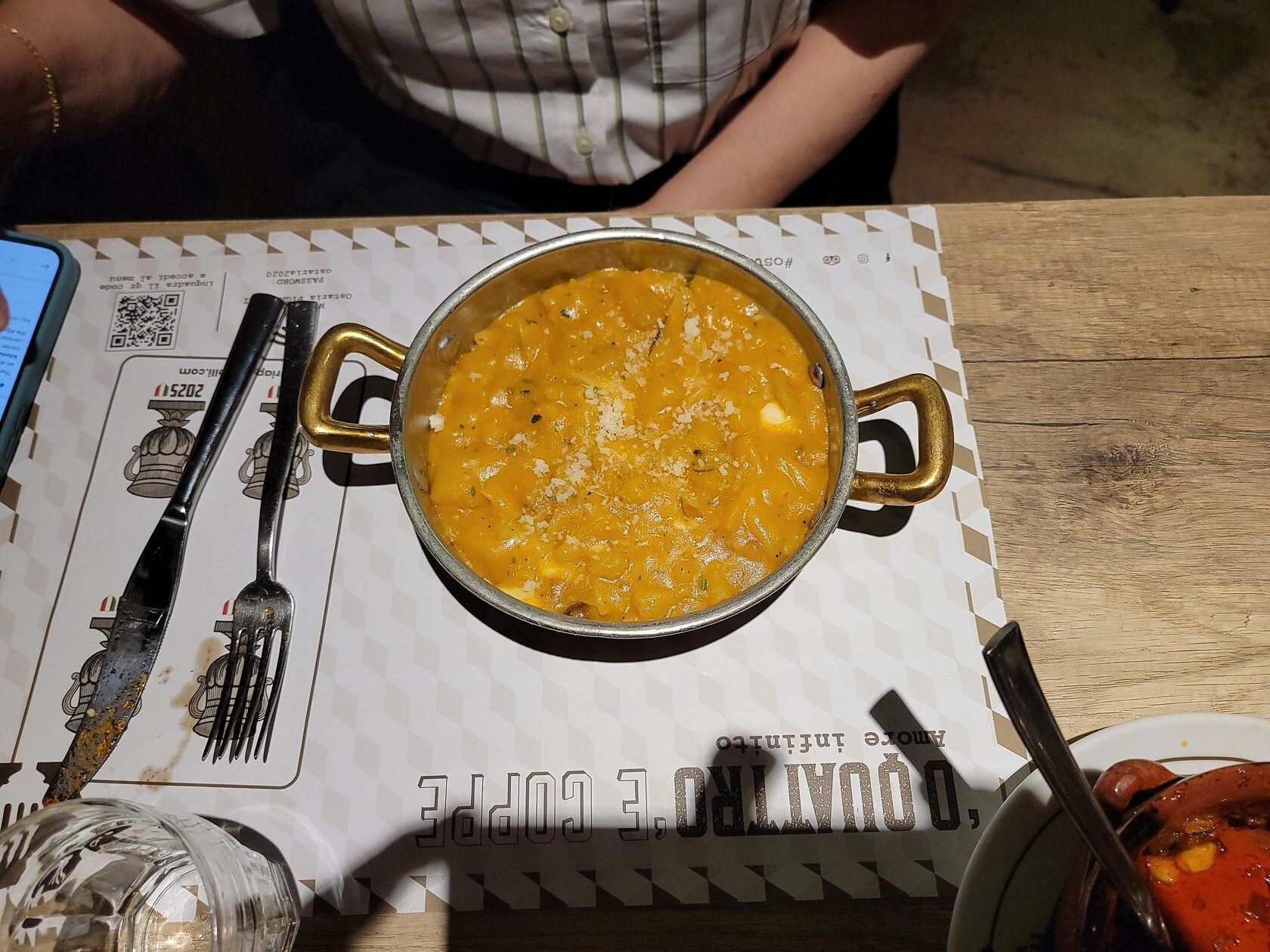
Osteria Pignatelli
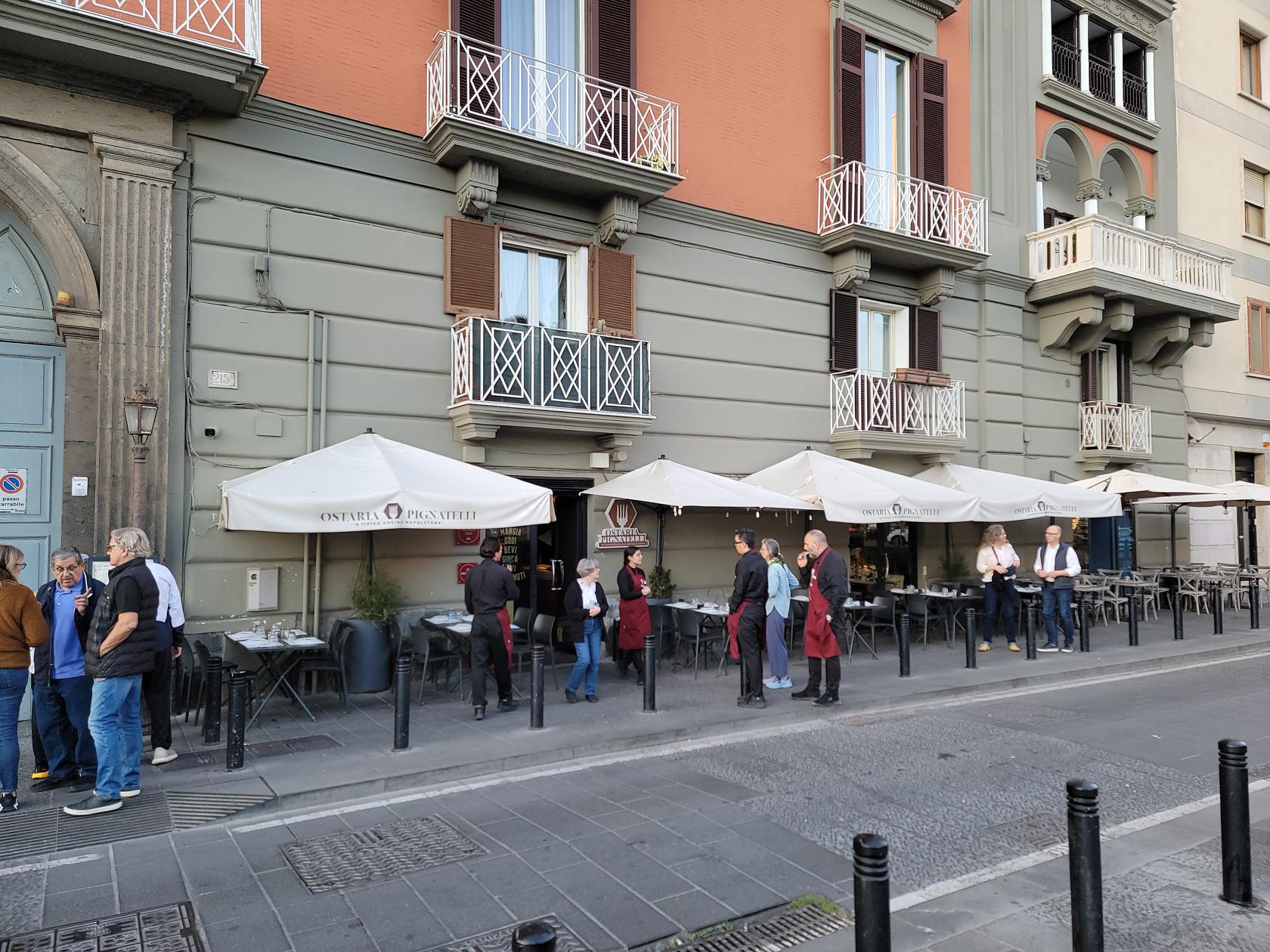
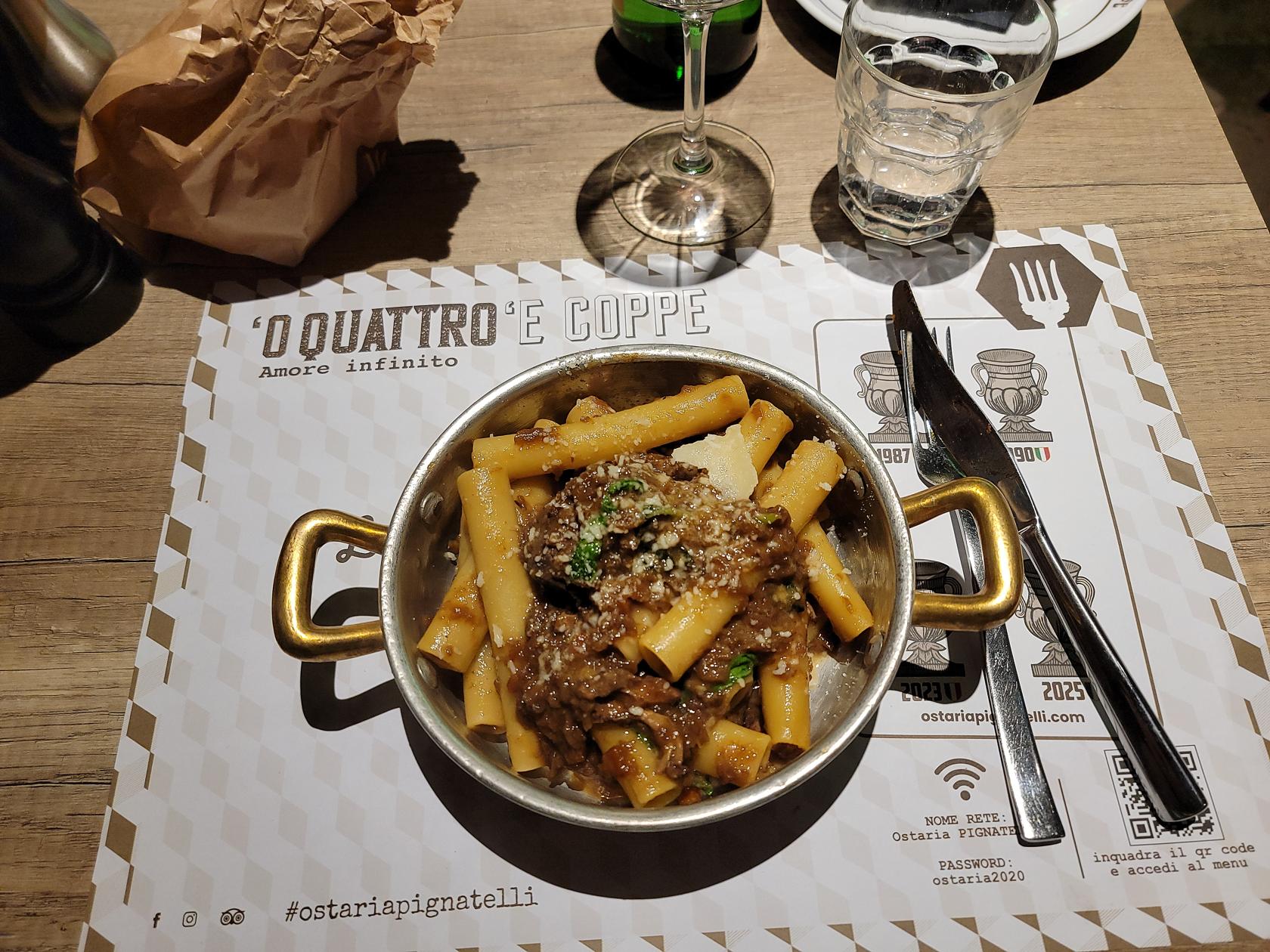
A highly rated restaurant, that for all intents and purposes you should call for a reservation, since it tends to get very busy. The interior is appealing and fairly modern. The food is very good as well. Perhaps not the best I have had in Naples, but equal to the Michelin stars they have earned.
Front – Osteria Pignatelli – Chiaia – Naples, Italy
Pasta Genovese – Osteria Pignatelli – Chiaia – Naples, Italy
Portico Pizzeria é Trattoria
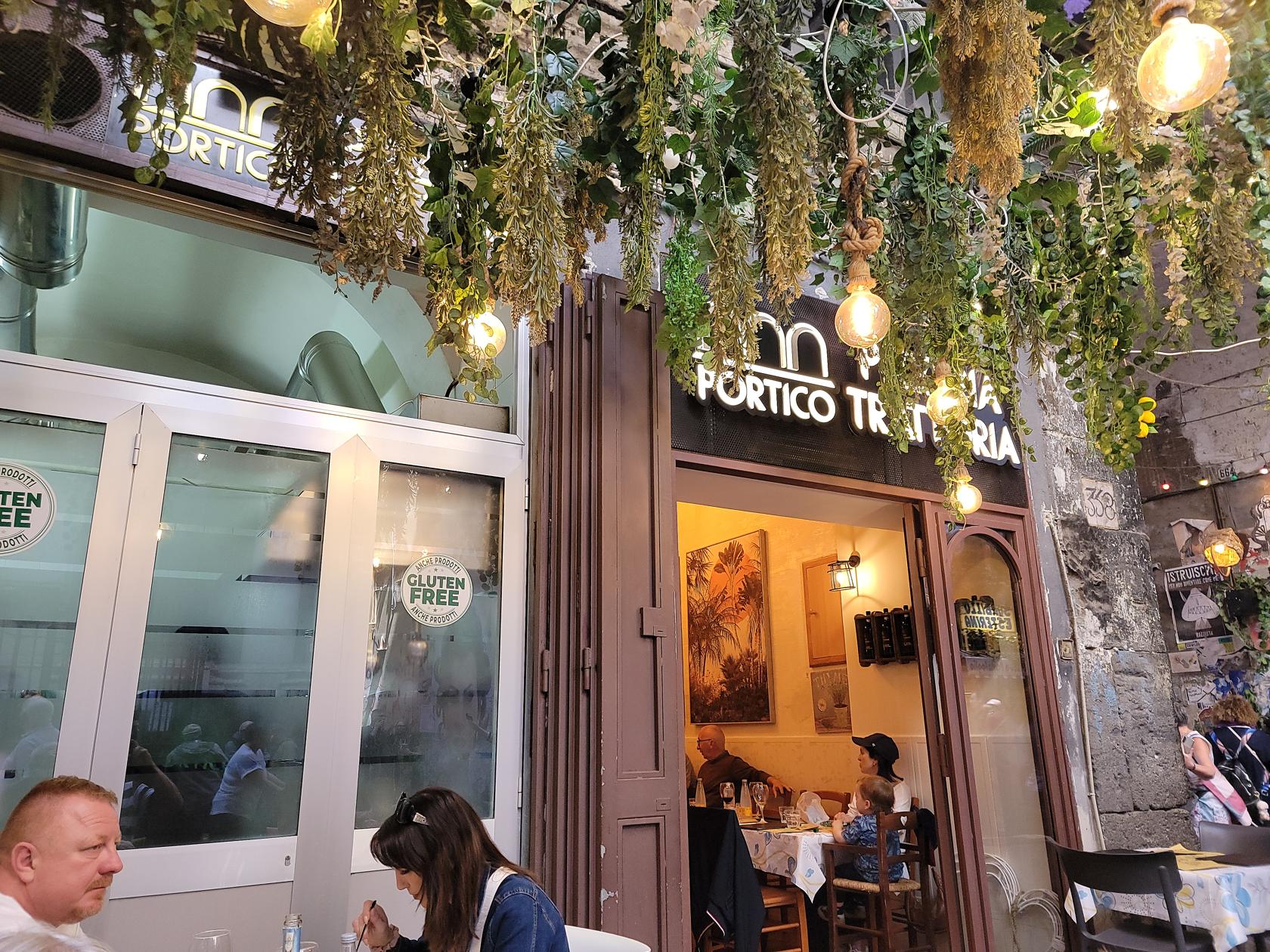
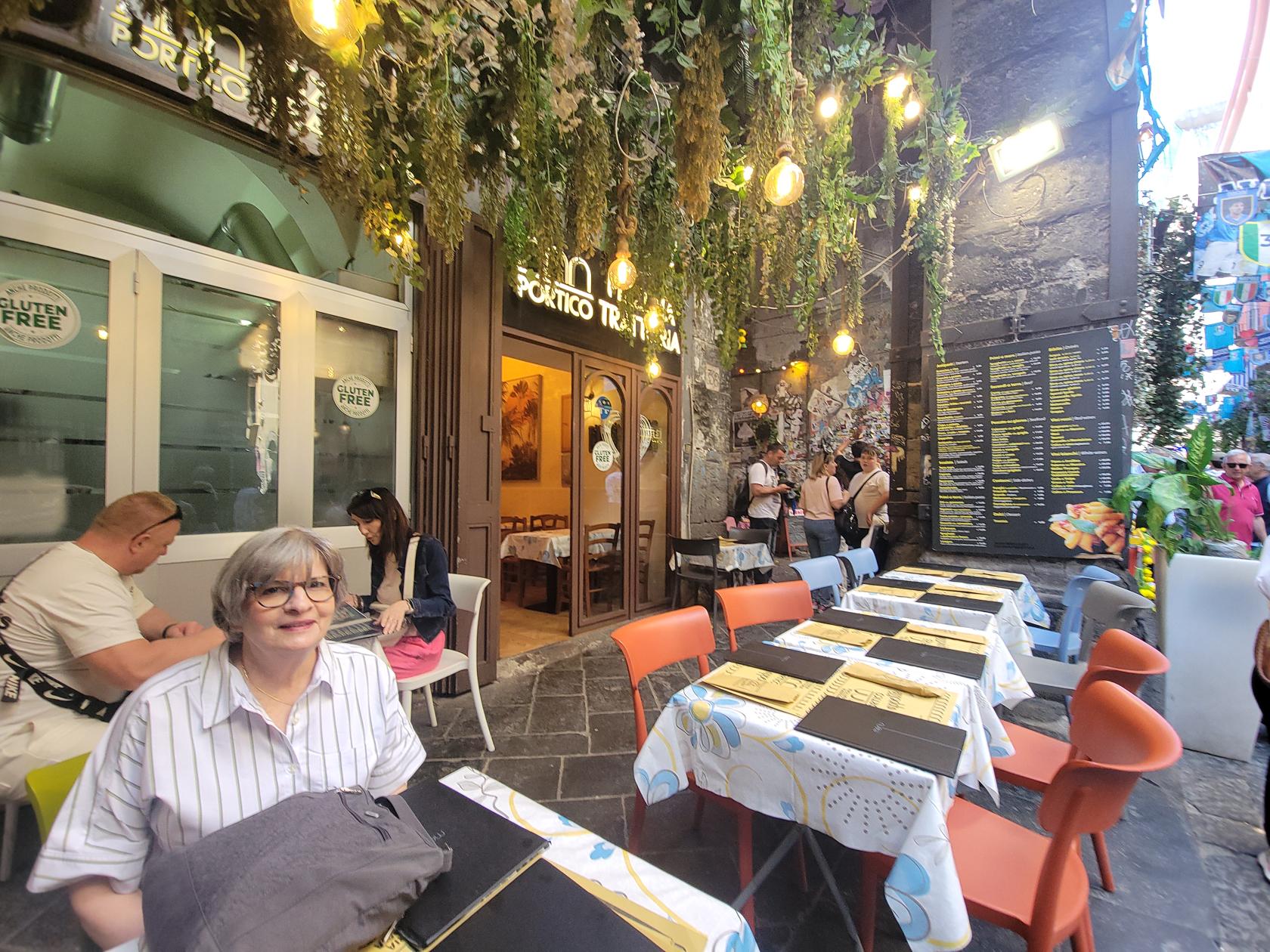
On Via dei Tribunali is the Portico Pizzeria é Trattoria. We stopped here for lunch and enjoyed a nice meal at surprisingly reasonable prices for this part of the city. The service was timely and the food was very good, so it is commendable.
Entrance – Portico Pizzeria e Trattoria – Naples, Italy
Patti – Portico Pizzeria e Trattoria – Naples, Italy
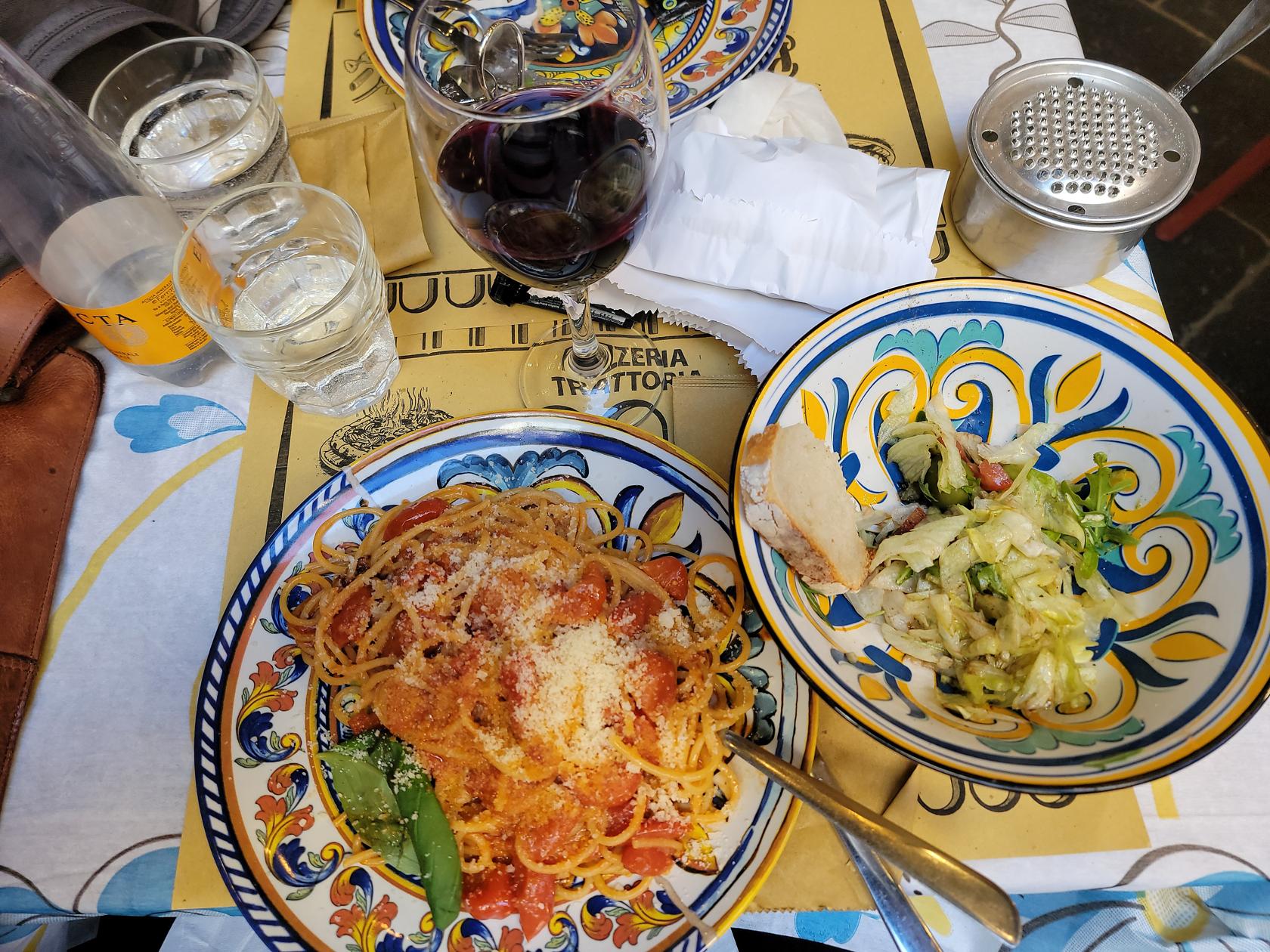
Pasta Fresca and Insalata Mista – Portico Pizzeria e Trattoria – Naples, Italy
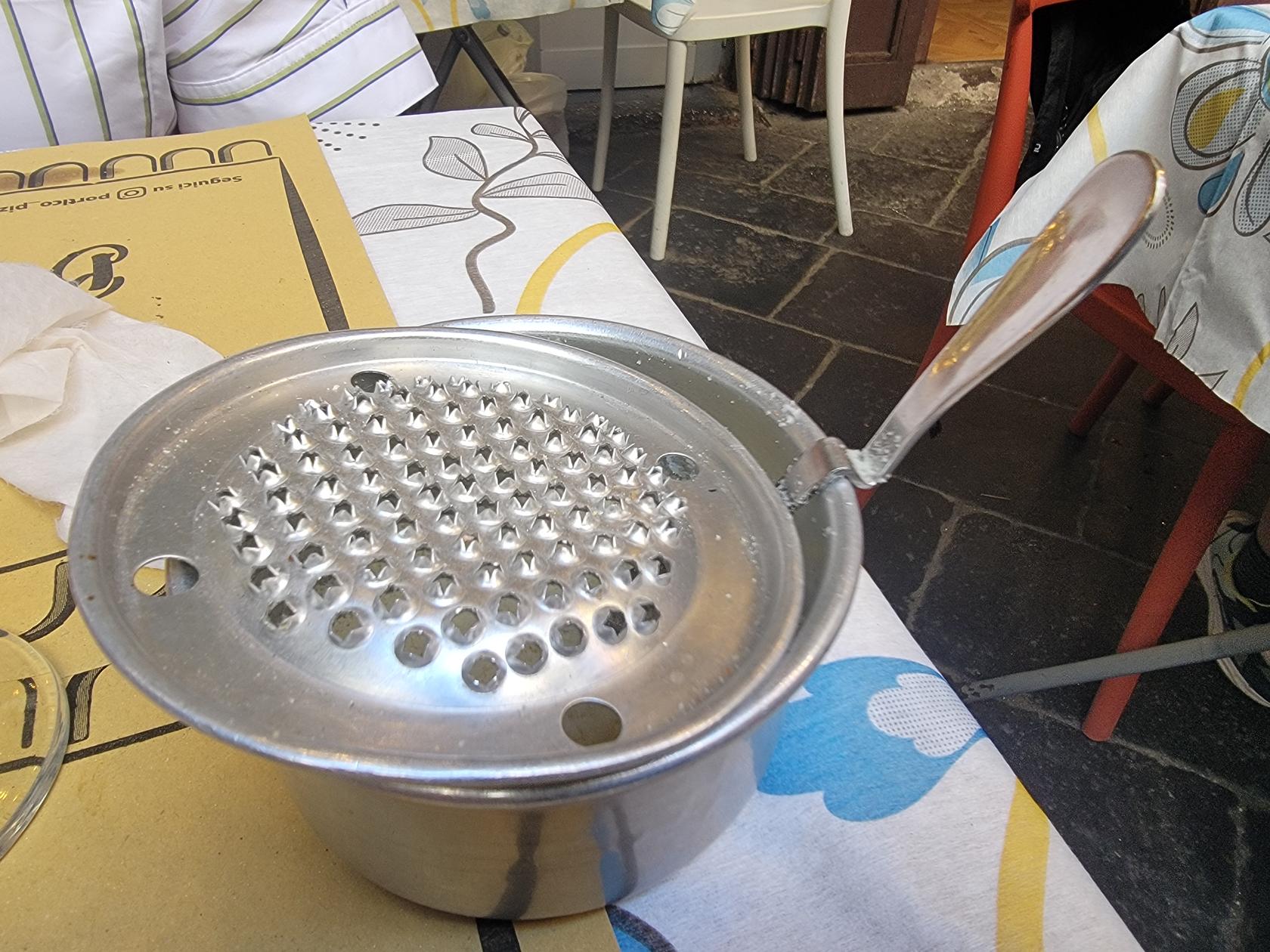
Mozzarella Spoon – Portico Pizzeria e Trattoria – Naples, Italy
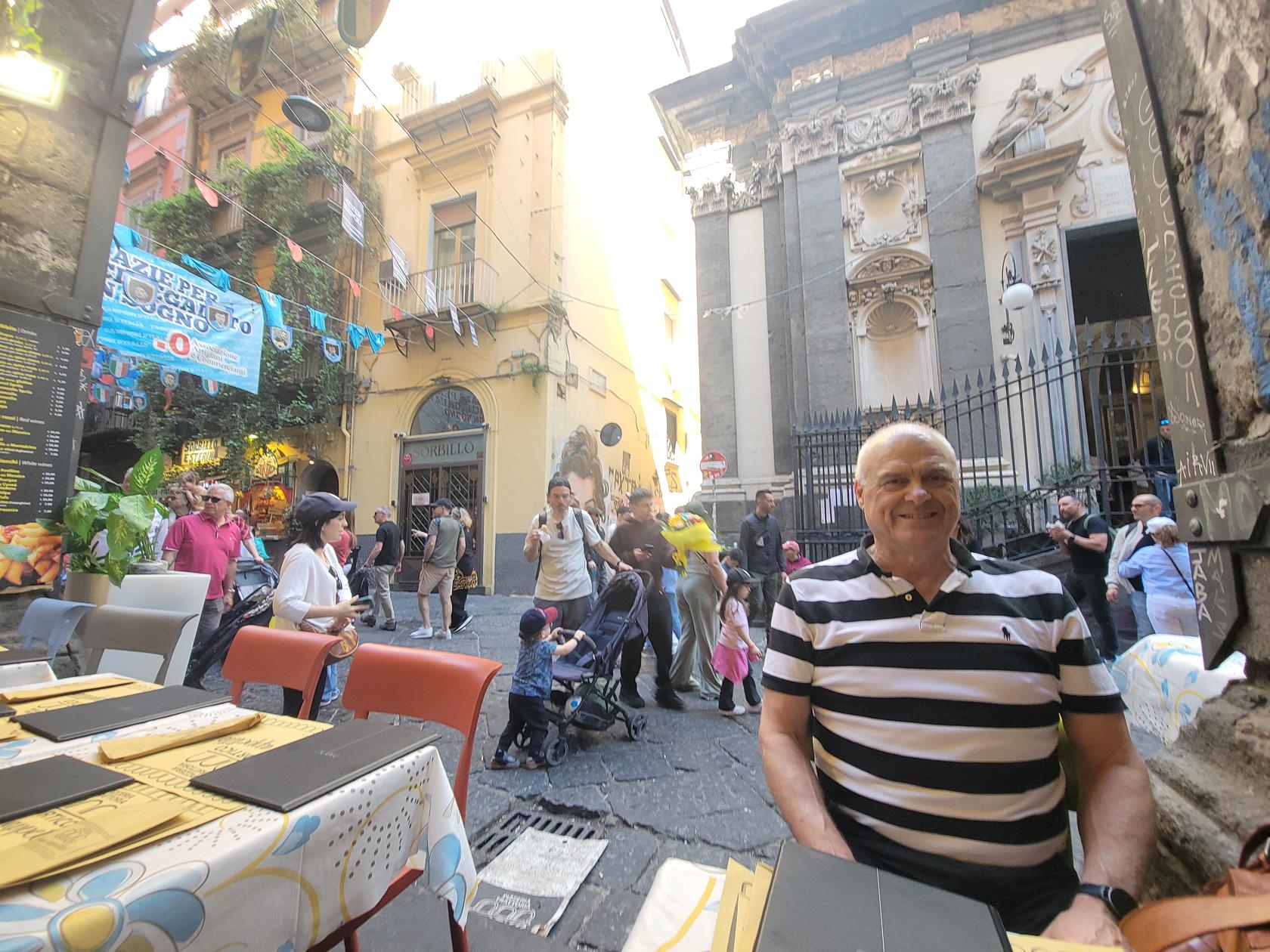
Erick – Portico Pizzeria e Trattoria – Naples, Italy
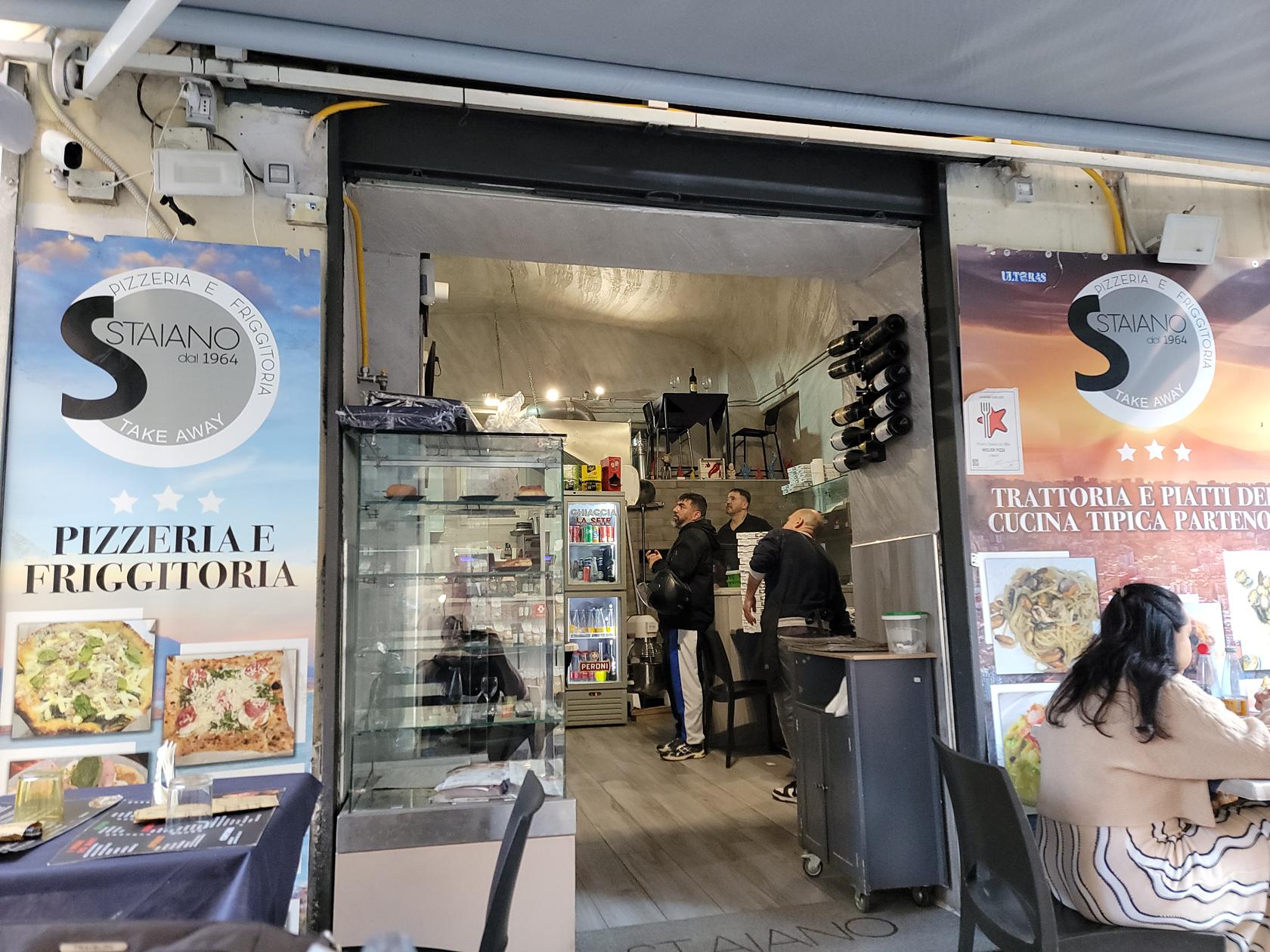
Pizzeria Staiano Dal 1964
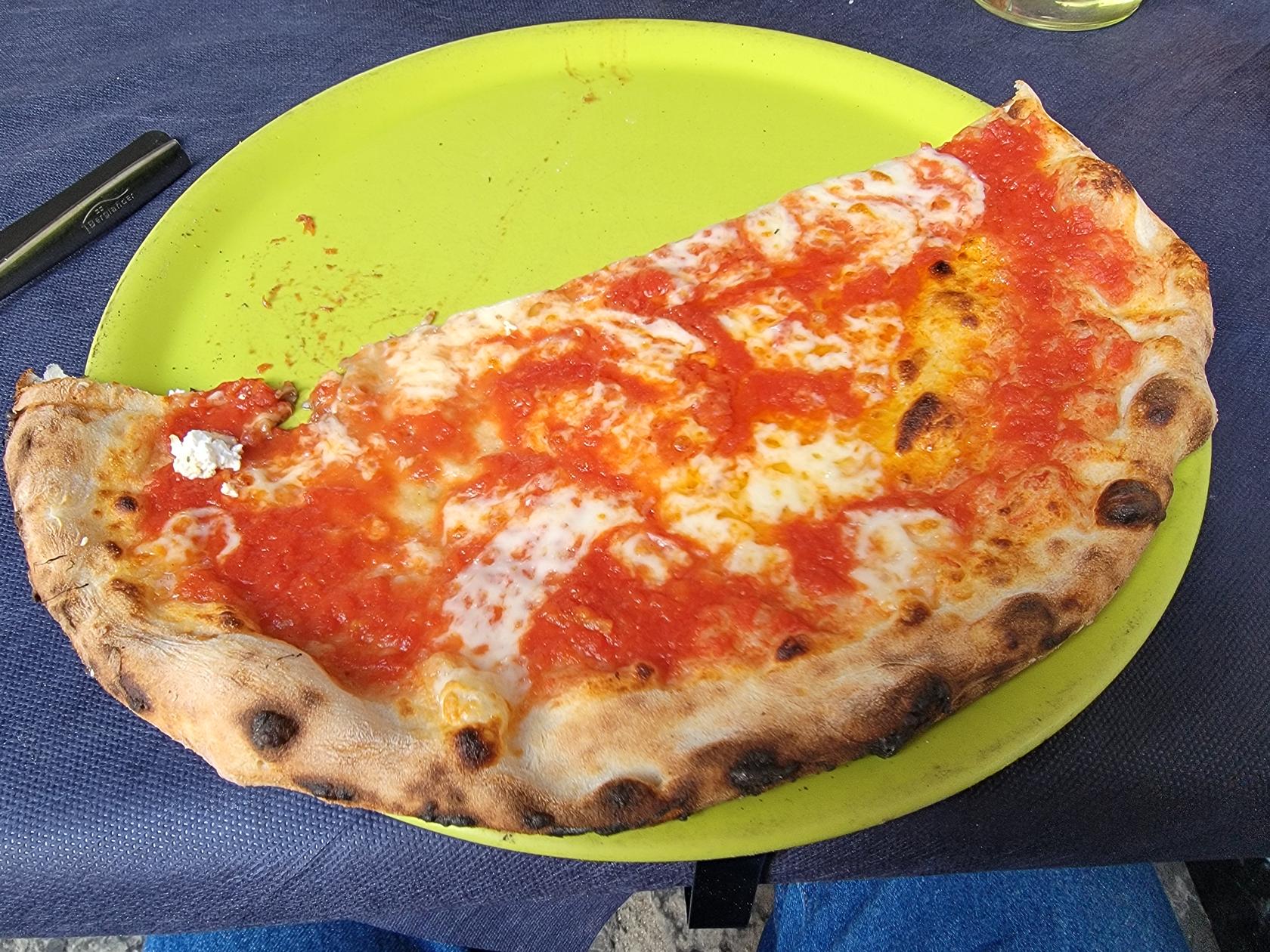
This is a small family own trattoria that specializes in pizza. They also have a menu that changes each day, which contains a nice selection of local specialities.
Due to the fact that we came back to Bari for one night, since our return flight leaves out of Bari airport, we thought one last post on other things we had not mentioned in our prior posts might be in order. We booked and stayed again at Murex Bed and Breakfast, and sometimes when you’ve already been in a town or city, that may make all the difference.
Corso Regina Elena – Trani, Italy
We enjoyed our stay in Bari, but felt that if it weren’t for its location to other places that interested us, we probably would have just done a day trip to it. So, I would consider it more a place of convenience than one you can sink your teeth into and really enjoy, like Trani.
Various Other Points Of Interest In The City
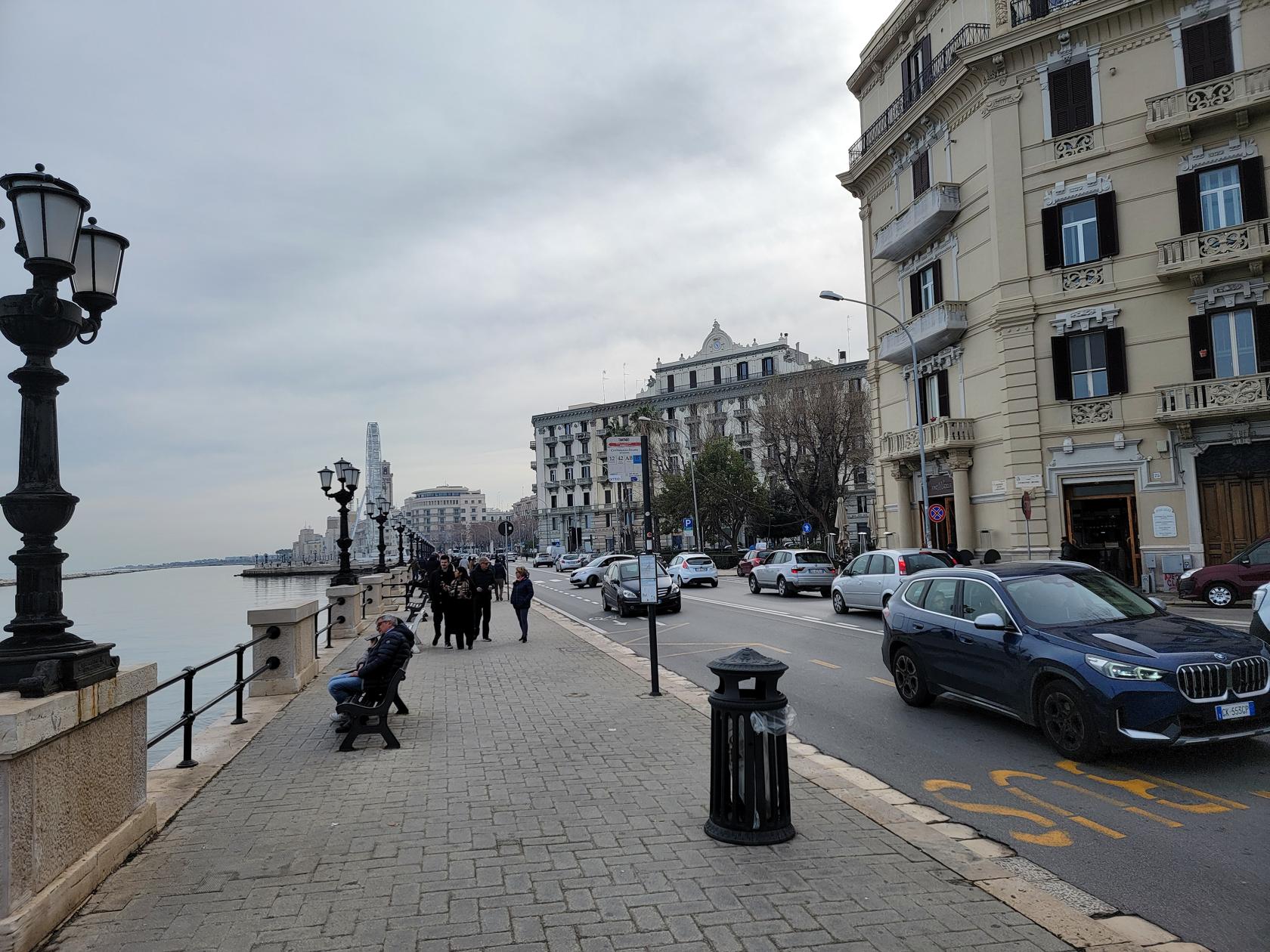
Below are some of the other points of interest that can be easy to miss just walking around looking at the next pin on your map. This is one advantage of slow travel, having the time just to meander around and have a proper Stadtbummel. One word of caution, if you plan on taking a walk along the Lungomare Araldo di Crollalanza make sure the wind is blowing out to sea. The water surrounded by the Faro Molo Sant’Antonio is a real sewer and stinks.
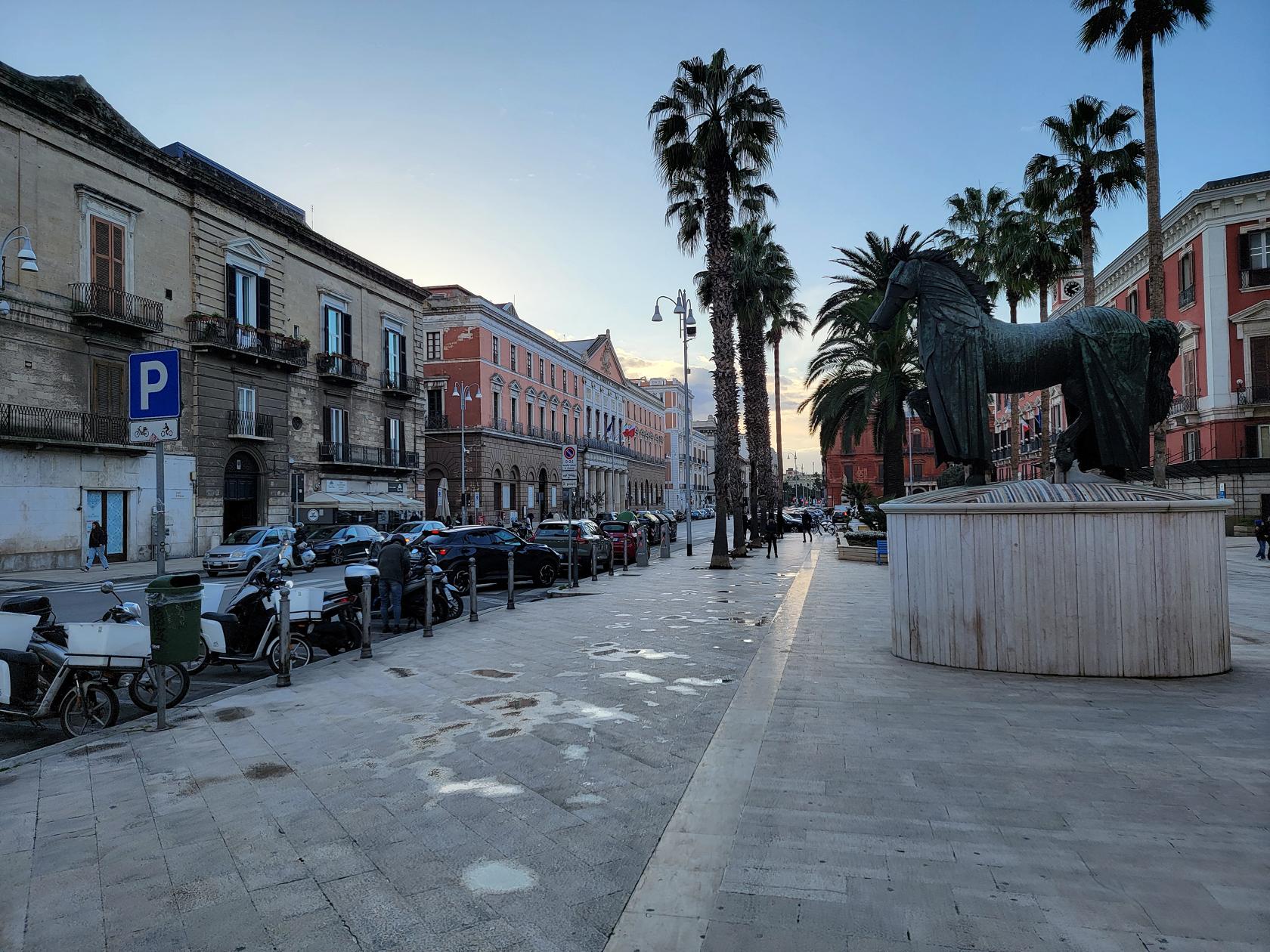
Via Vittorio Emanuelle – Bari, Italy
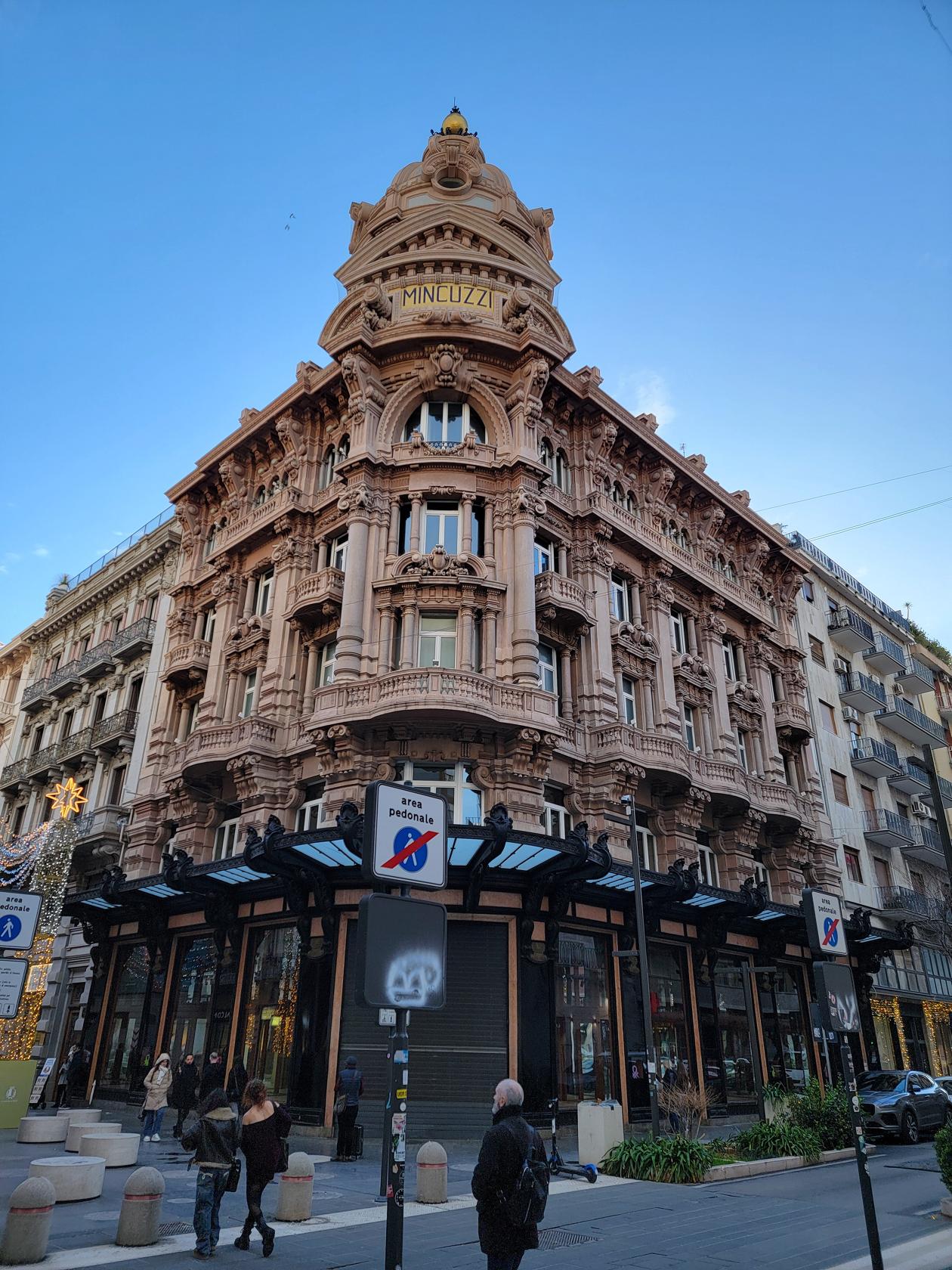
Micuzzi building – Bari, Italy
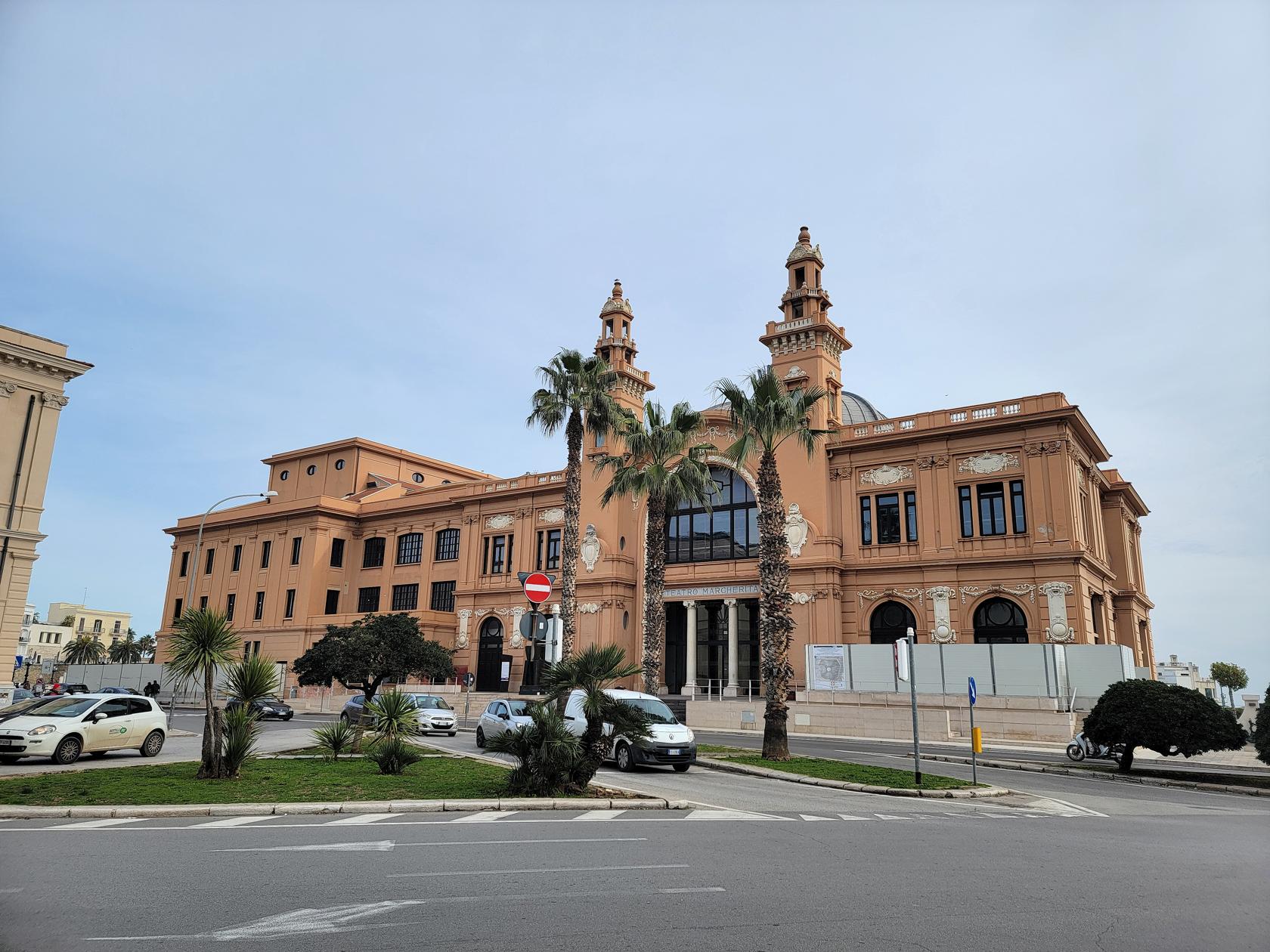
Teatro Margherita – Bari, Italy
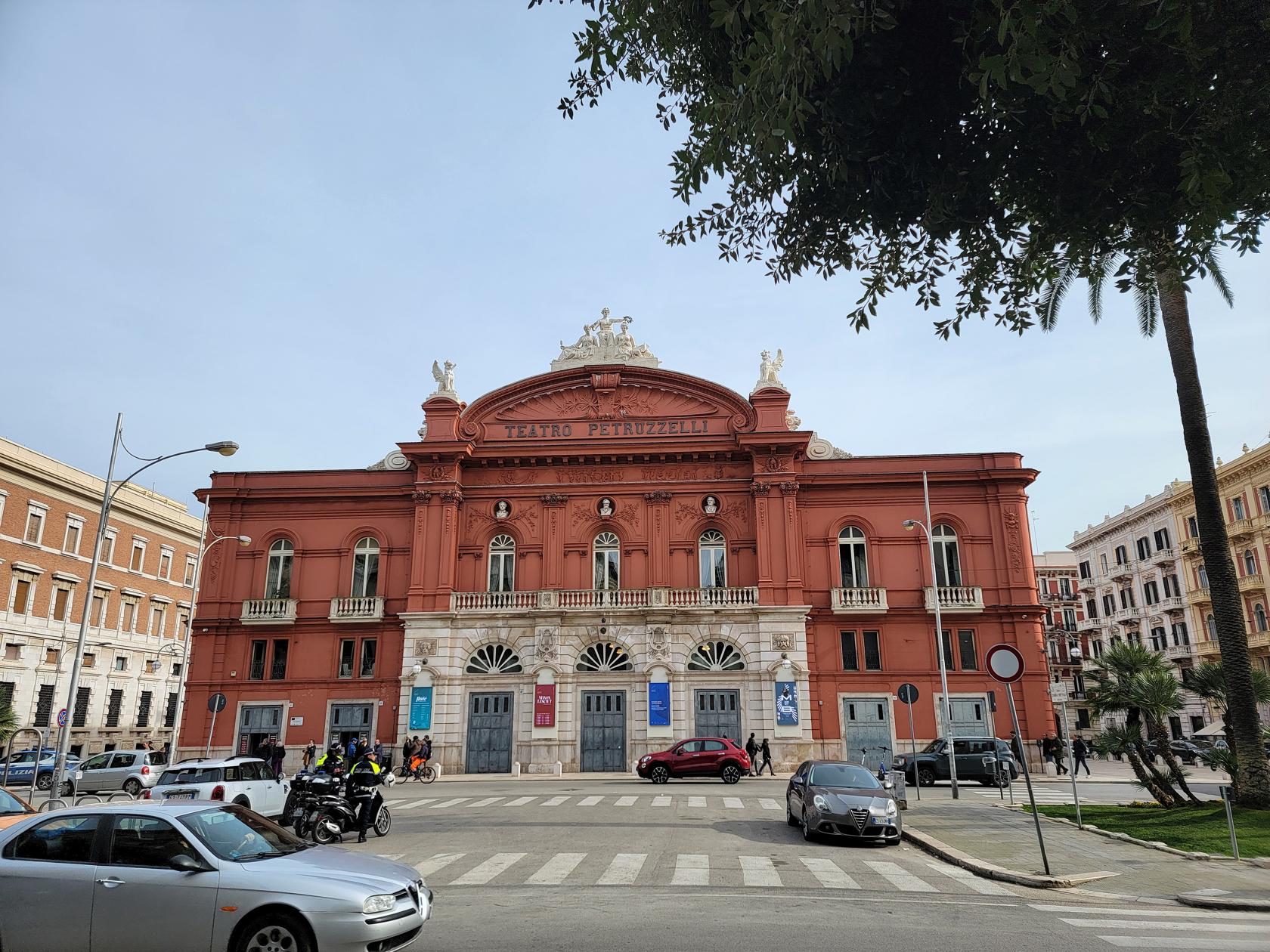
Teatro Petruzzelli – Bari, Italy
Lungomare Araldo di Crollalanza – A real sewer – Bari, Italy
Bari Centralé
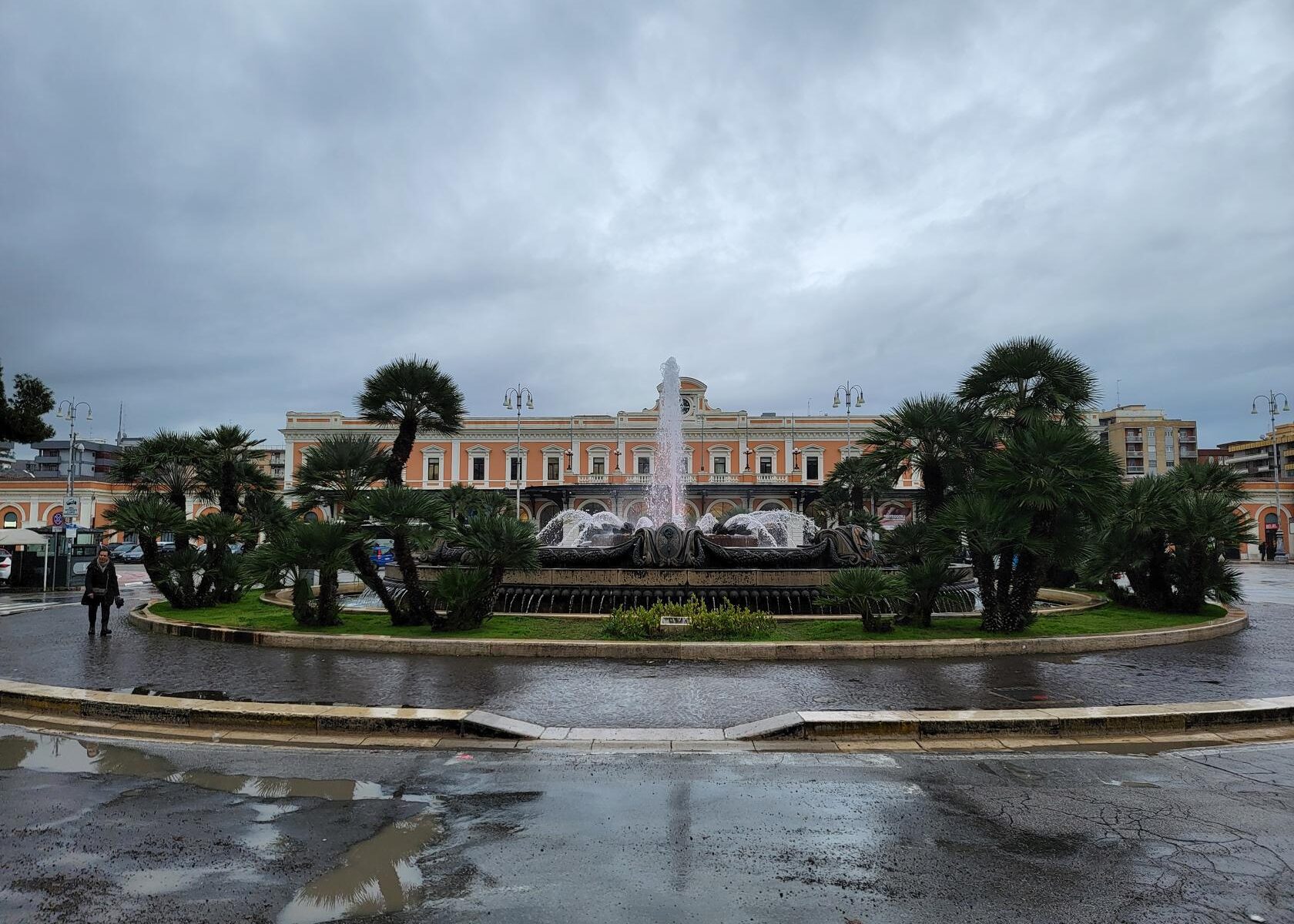
The main train station in Bari is a must for those taking day trips in and out of the city. It is approximately a fifteen to twenty minute walk from the historic center straight down the main shopping avenue of Via Sparano da Bari. It connects with all forms of TrennItalia trains and some regional trains as well.
Bari Centrale train station – Bari, Italy
Restaurants
Some final thoughts on restaurants in Bari. The below are some of the places we visited when we just didn’t know what to do, the weather was cooperating or we were just looking for something different.
Saporé Cucineria Pugliese
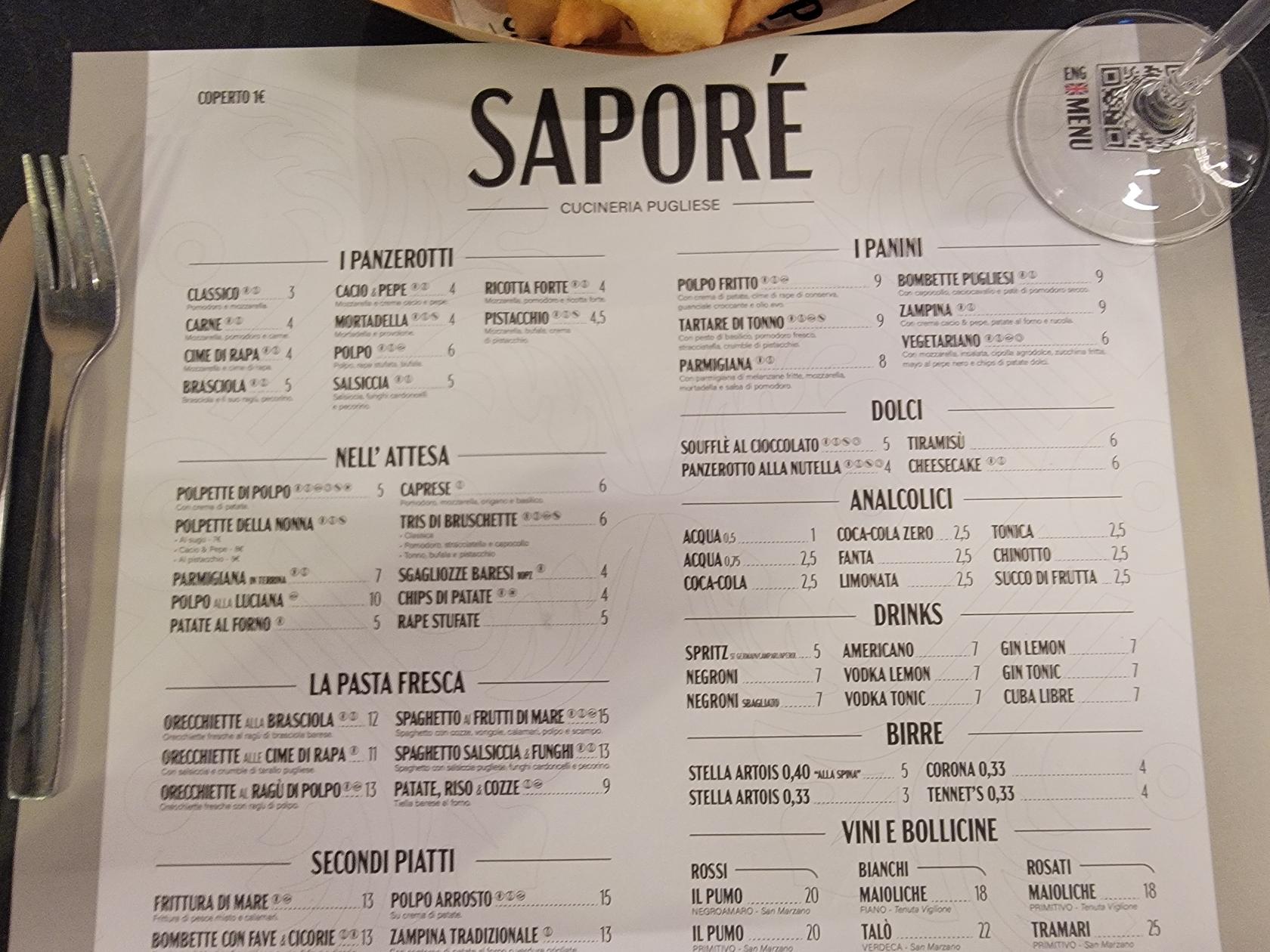
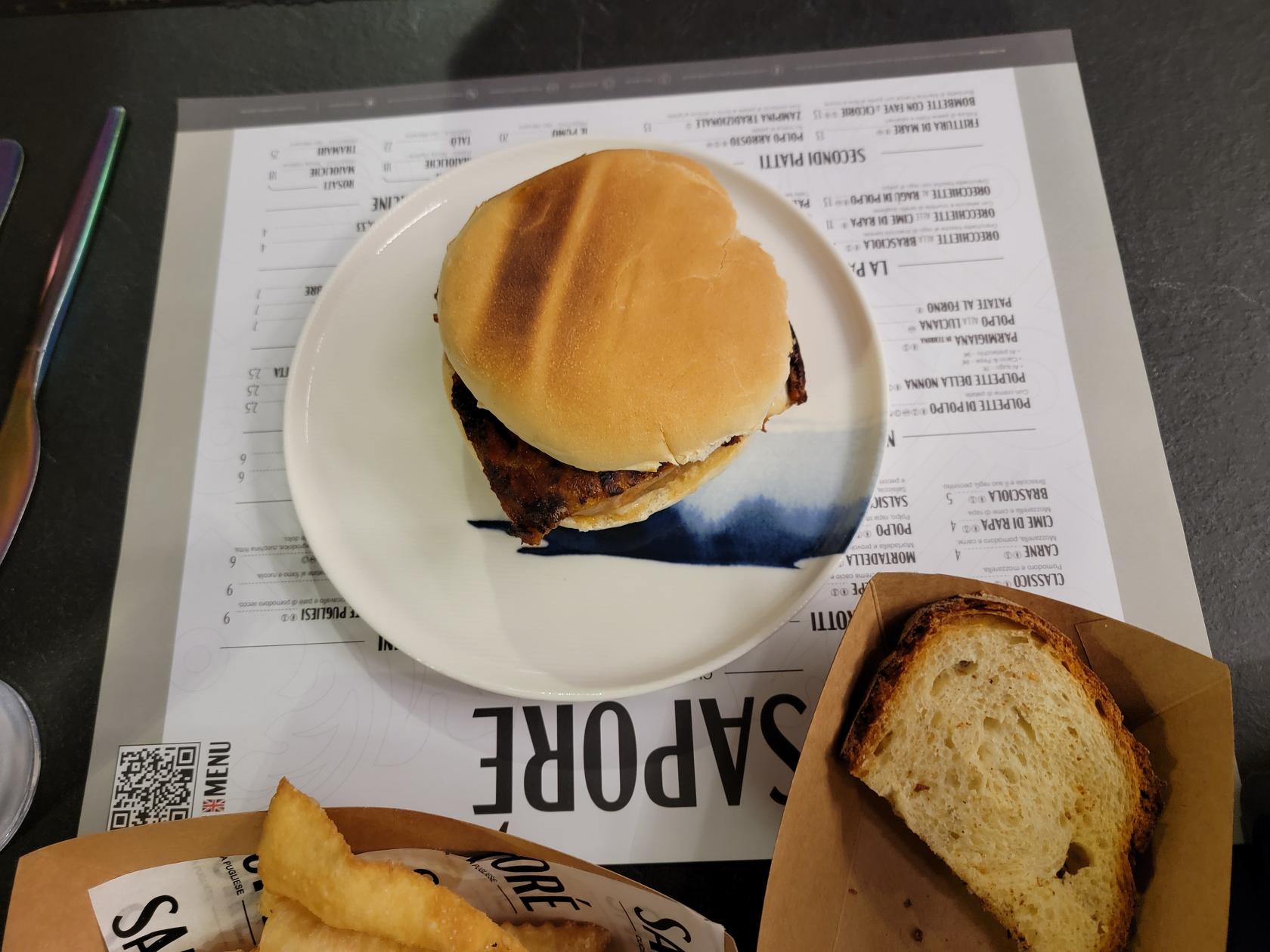
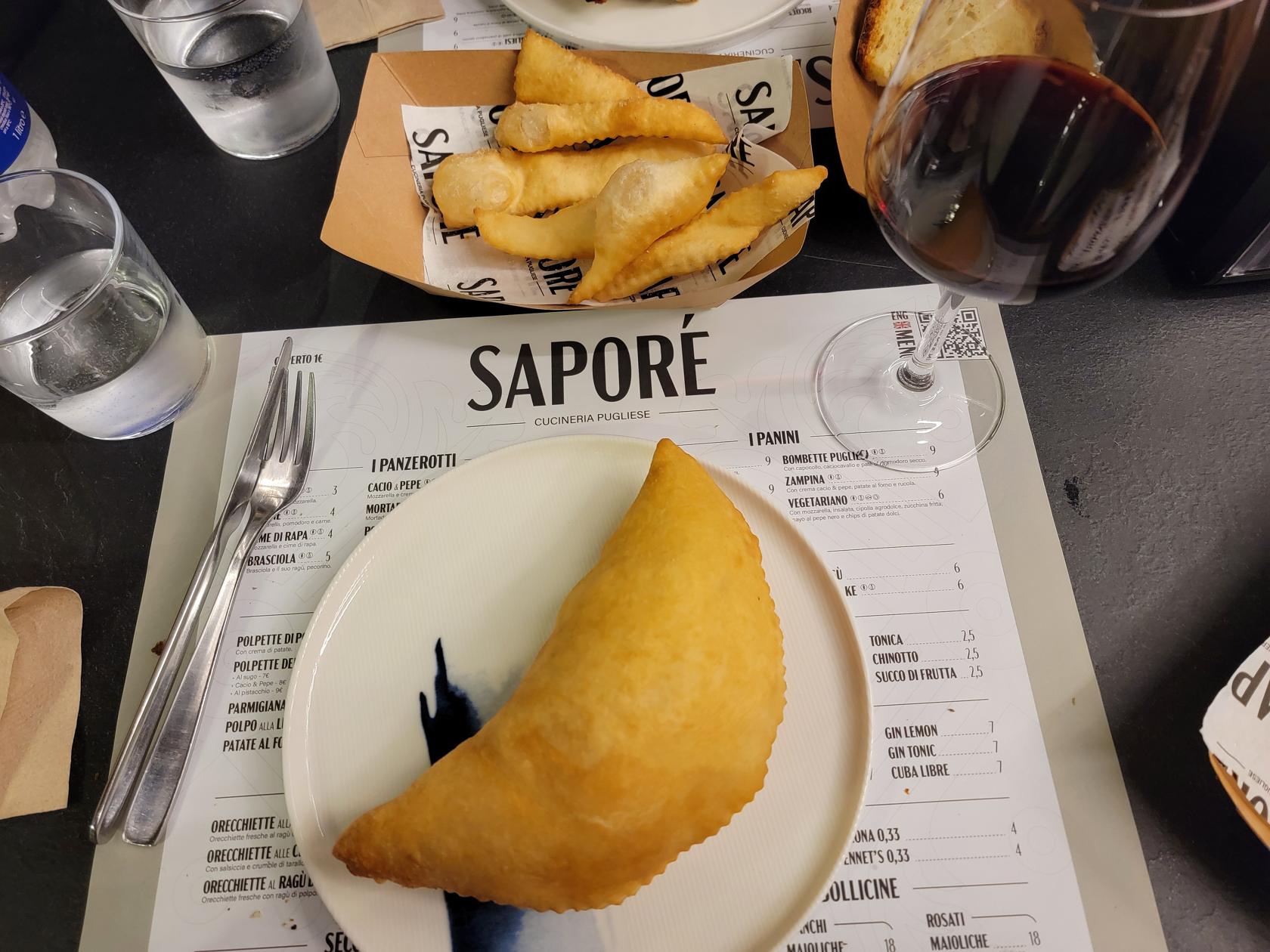
Saporé has authentic Pugliese Cuisine and snack food and is located on Corso Vittorio Emanuele II. Nothing fancy here, just good home cooking with traditional food items, Apulia’s answer to fast food. Don’t worry, you shouldn’t break your wallet at this establishment. Even the wine is reasonably priced.
Menu – Saporé Cucineria Pugliese – Bari, Italy
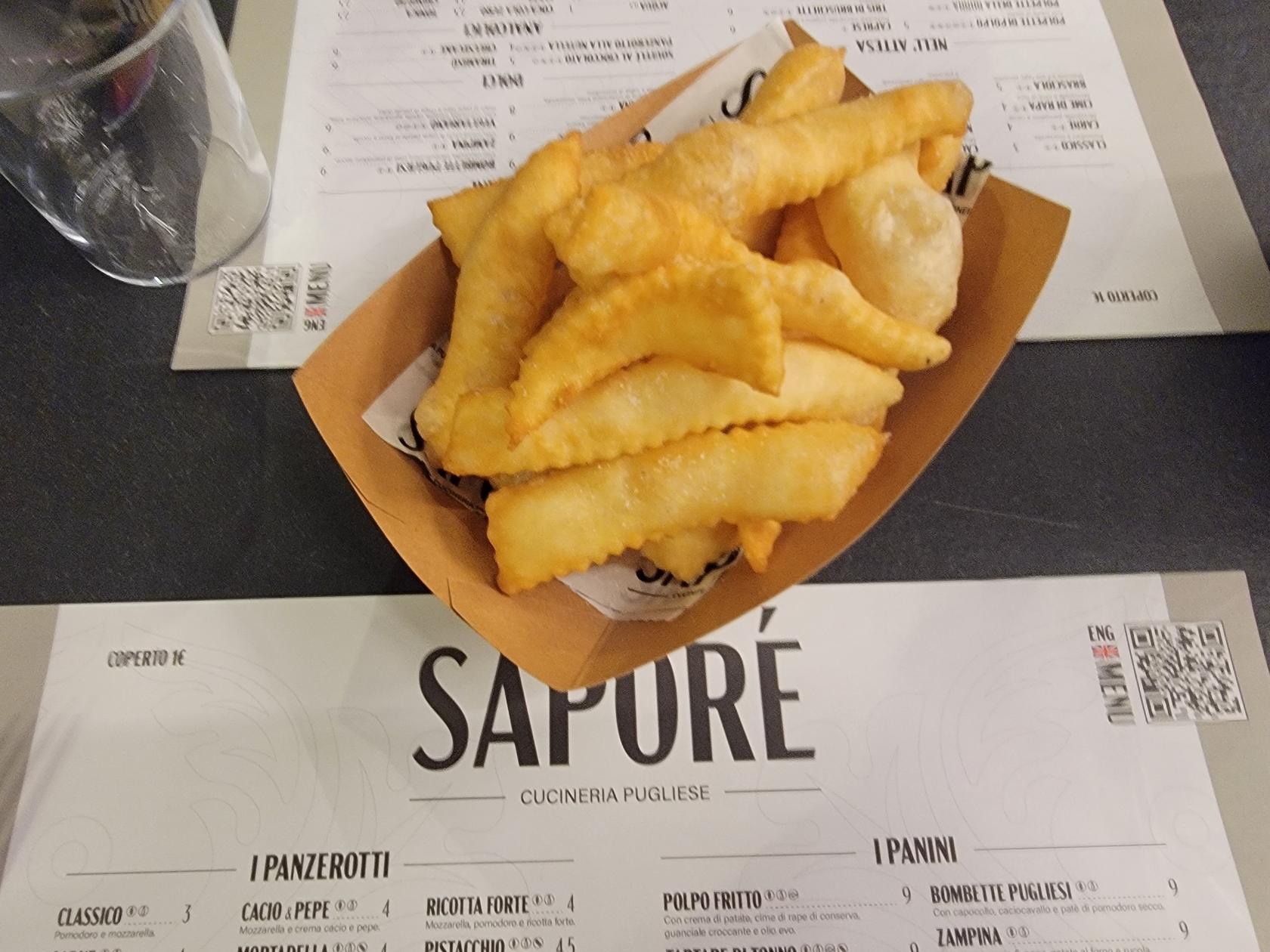
Deep fried pizza bits with sea salt – Saporé Cucineria Pugliese – Bari, Italy
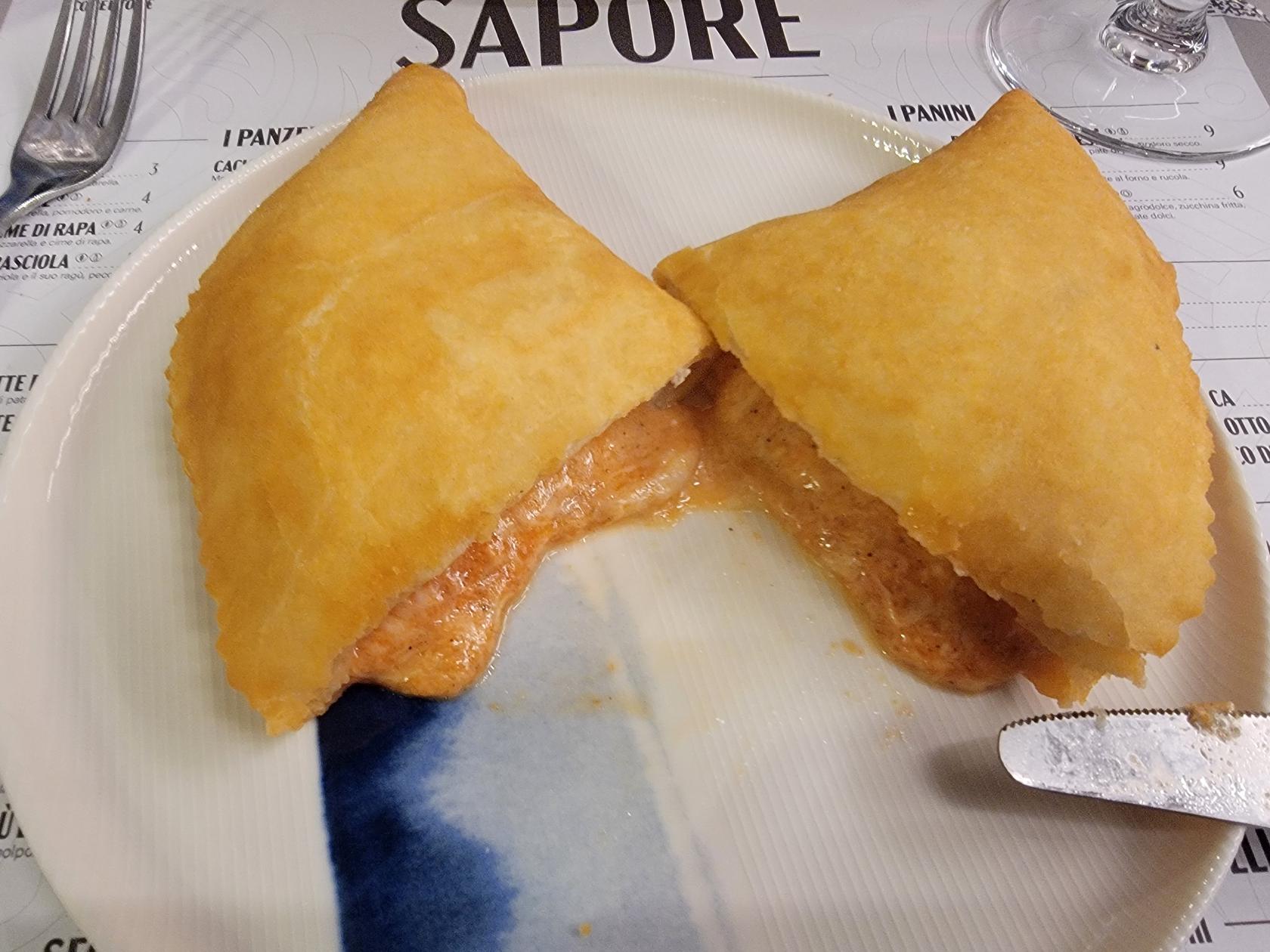
Panzerotti Ricotta Forte – Saporé Cucineria Pugliese – Bari, Italy
Panzerotti Ricotta Forte – Saporé Cucineria Pugliese – Bari, Italy
Da Michele Pizzeria
The famous pizza of Naples comes to Bari with Da Michele’s Pizzeria. His classic thin crust and speedy service never disappoints. If you are looking for something in a pinch, don’t have a lot of time, or are just tired of eating Pugliese cuisine, Da Michele’s Pizzeria will have something for you. It is located on the corner of Corso Vittorio Emanuele II and Via Benedetto Petrone.
Da Michele Pizzeria – Original Neapolitan Pizza – Bari, Italy
Da Michele Pizzeria – Margherita Pizza – Bari, Italy
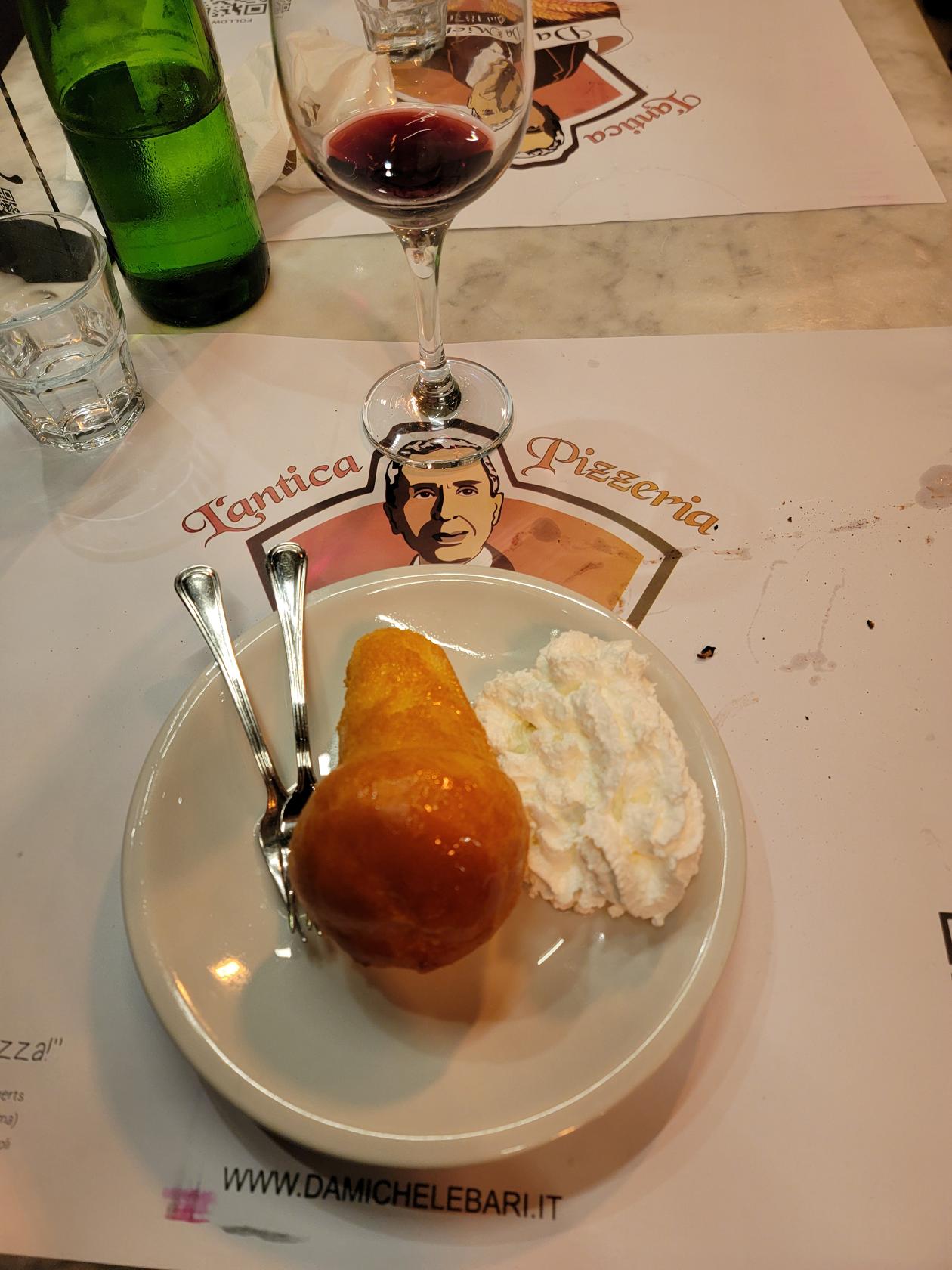
Da Michele Pizzeria – BaBa pastry – Bari, Italy
Ristorante Cinese Pechino
If you are someone who needs a fix of Chinese food every once in a while like me, then Ristorante Cinese Pechino might suit your needs. It was a five minute walk just inside Murat from our Bed & Breakfast in the historic district.
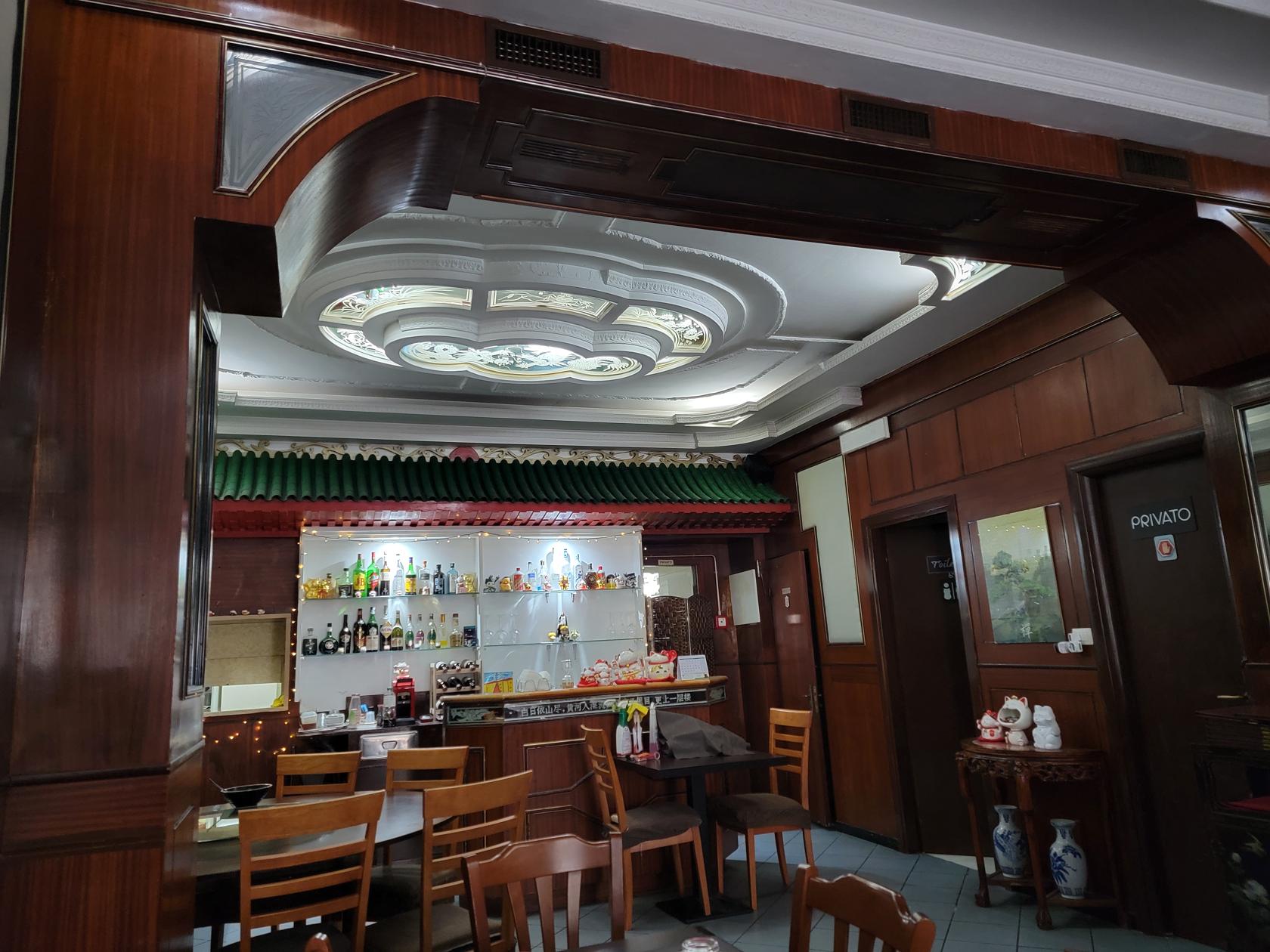
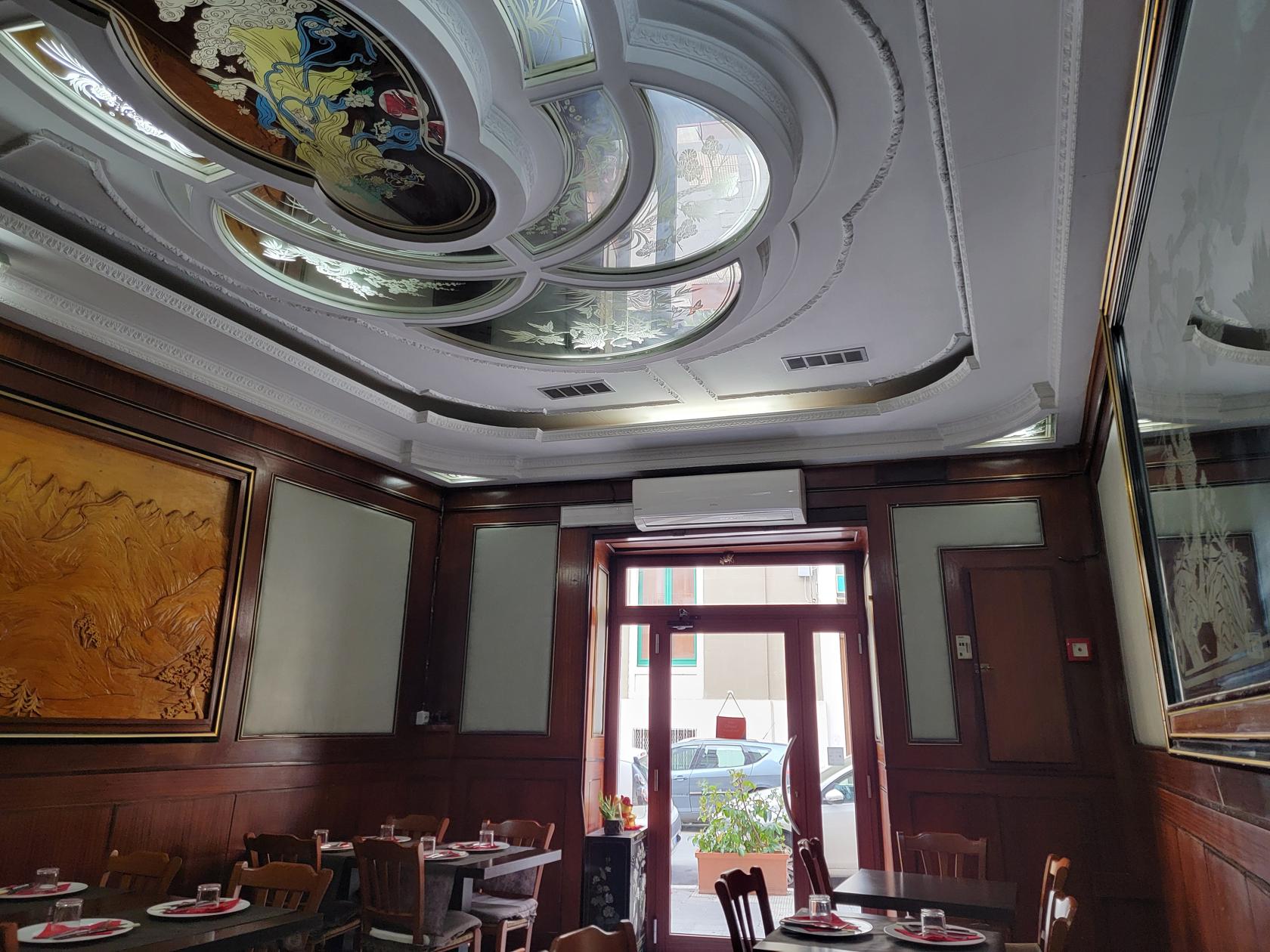
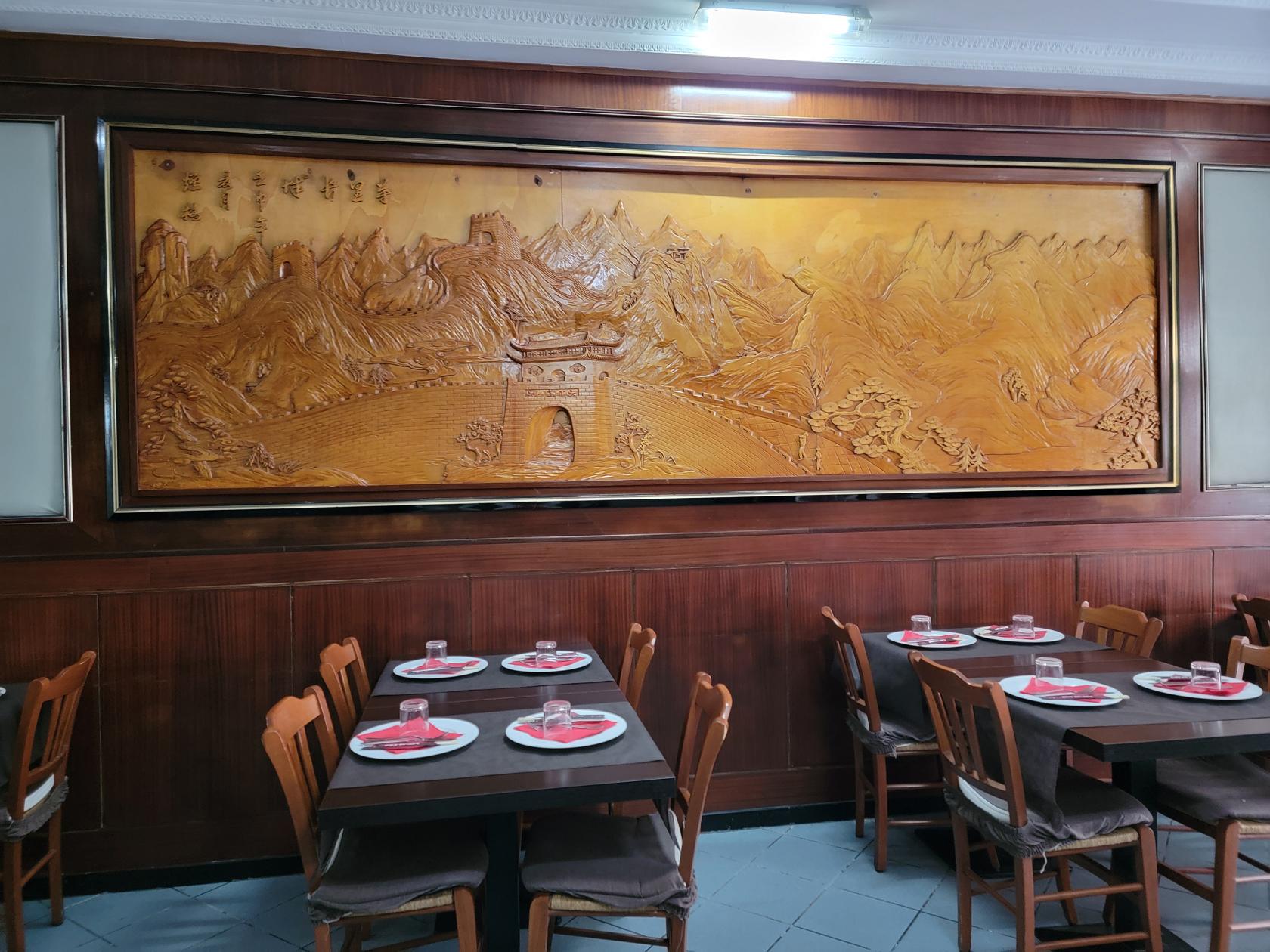
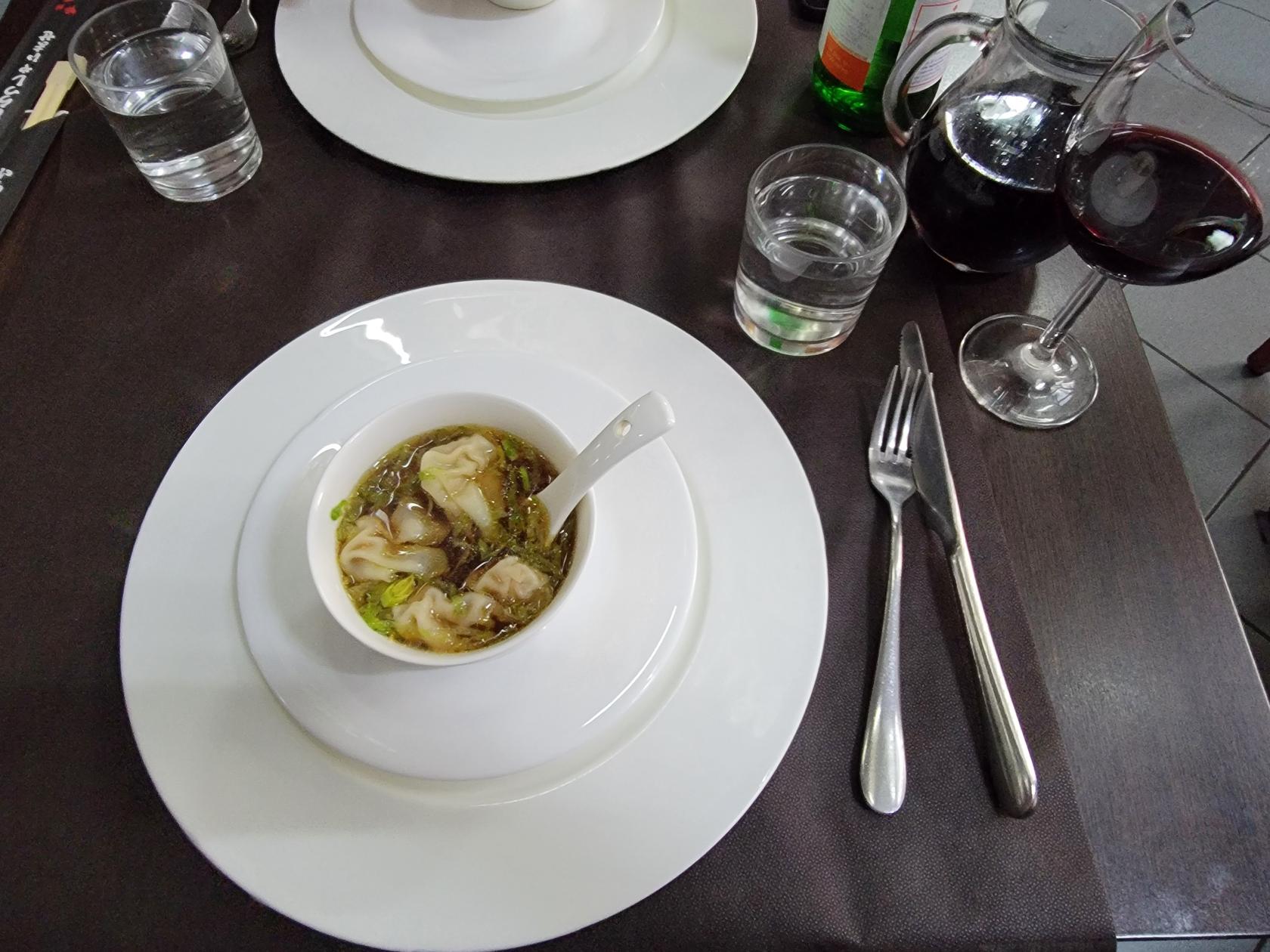
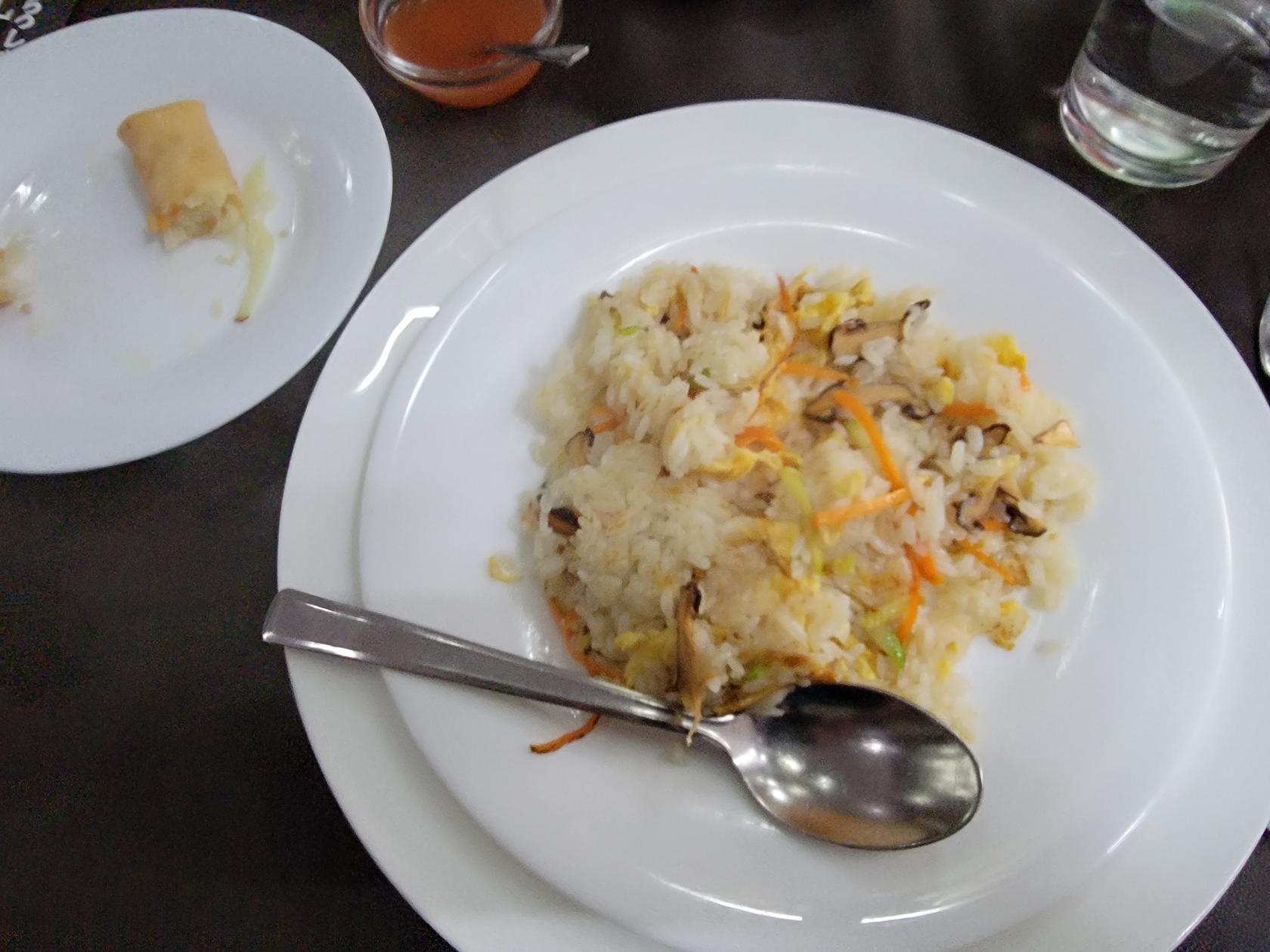
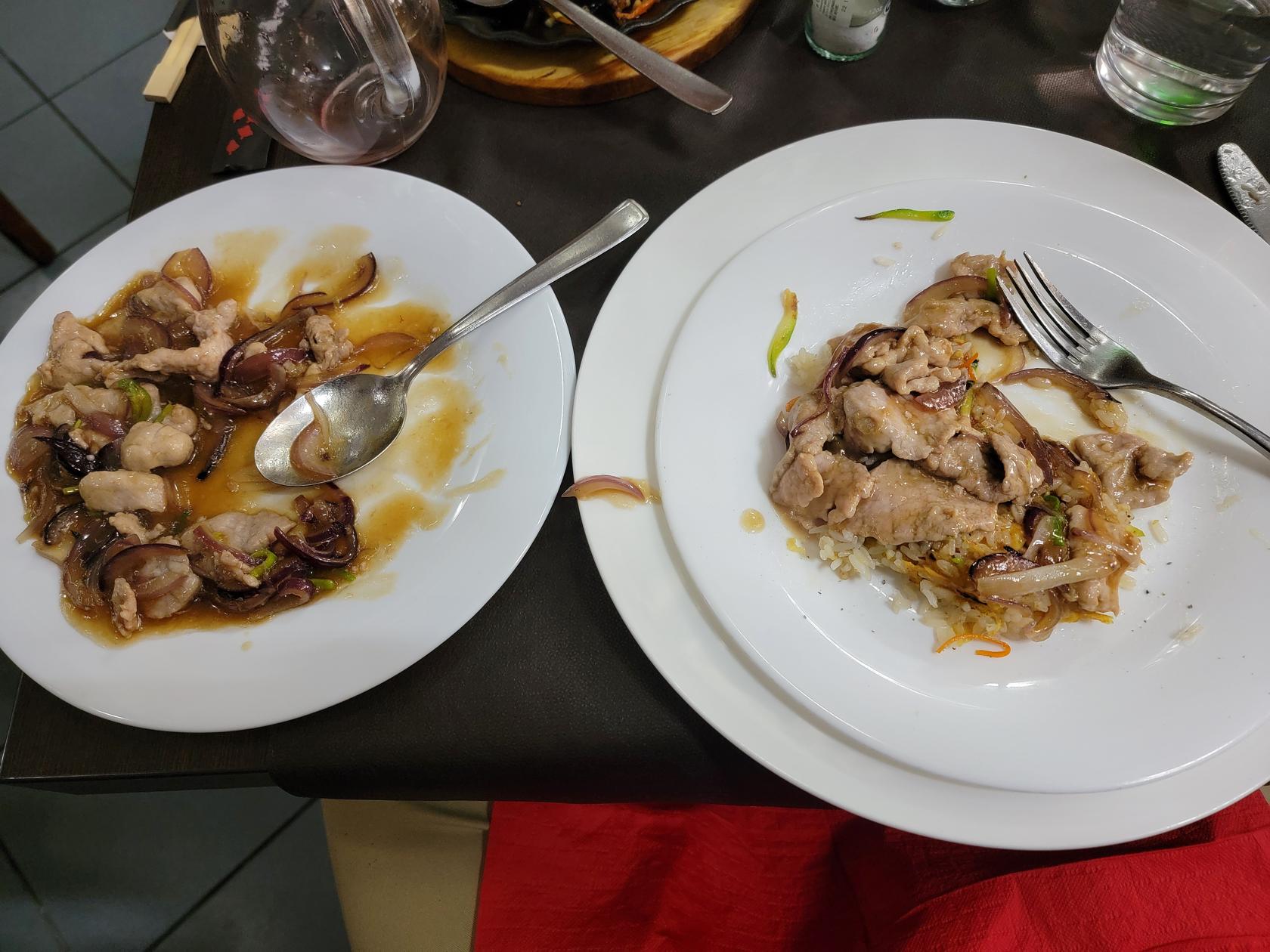
The food is a bit on the salty side, as I found the Maiale con Cipolle (pork and onions in brown sauce). However, the Wonton Soup was very good as were the Involtini Primavera.
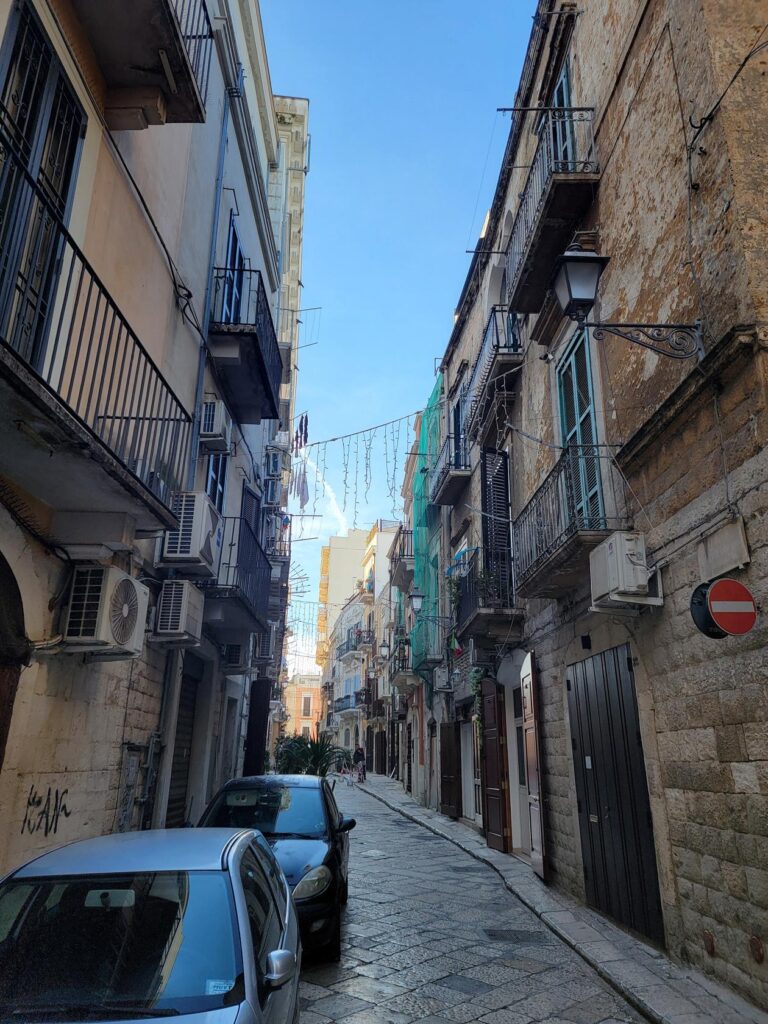
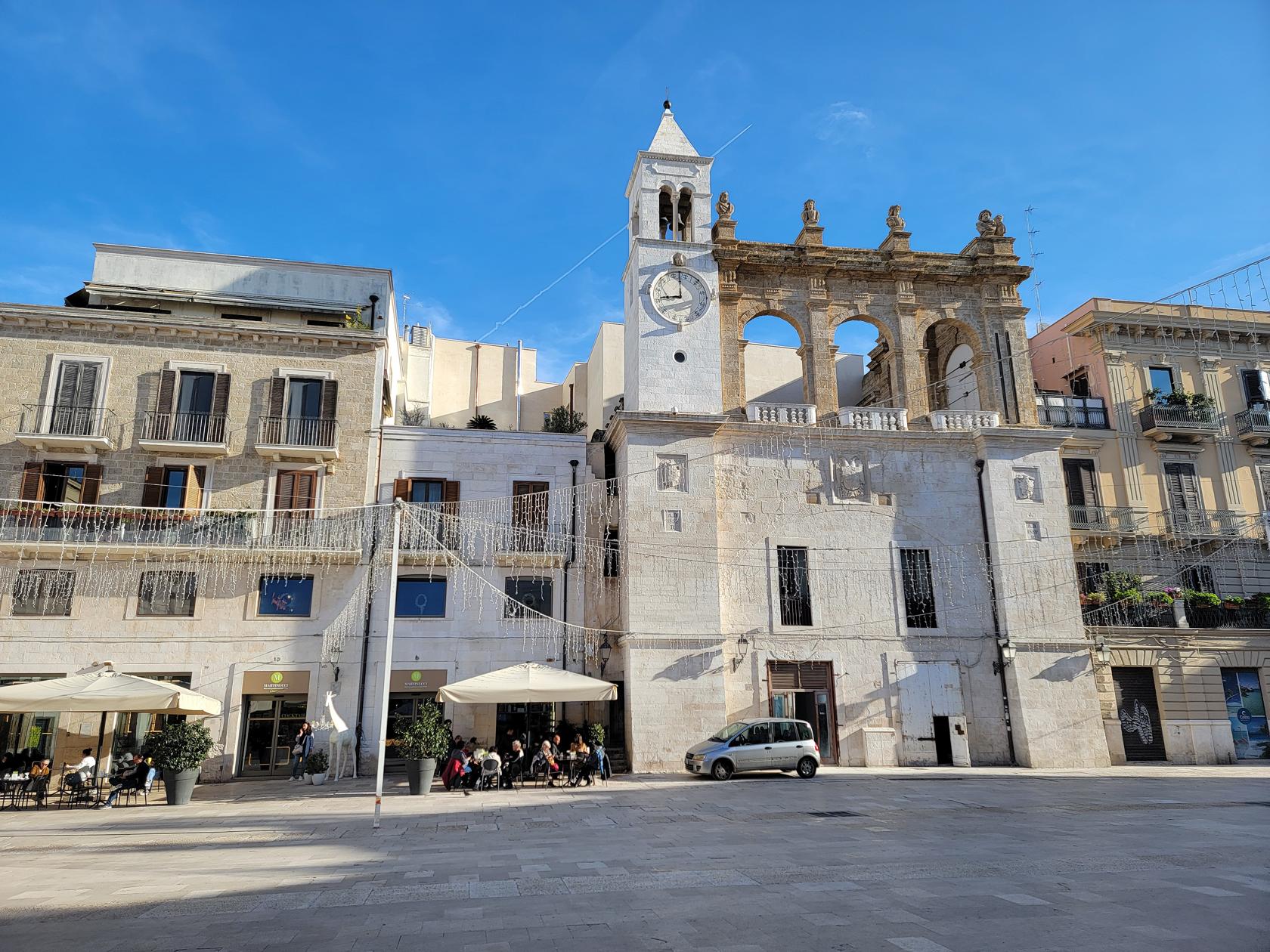
Bari is an ancient city built on a peninsula in the Adriatic Sea on the east coast of Italy. It is part of the Apulia region of that country and for many centuries considered part of Southern Italy, which until early twentieth century was considered distinct from the Northern Italy.
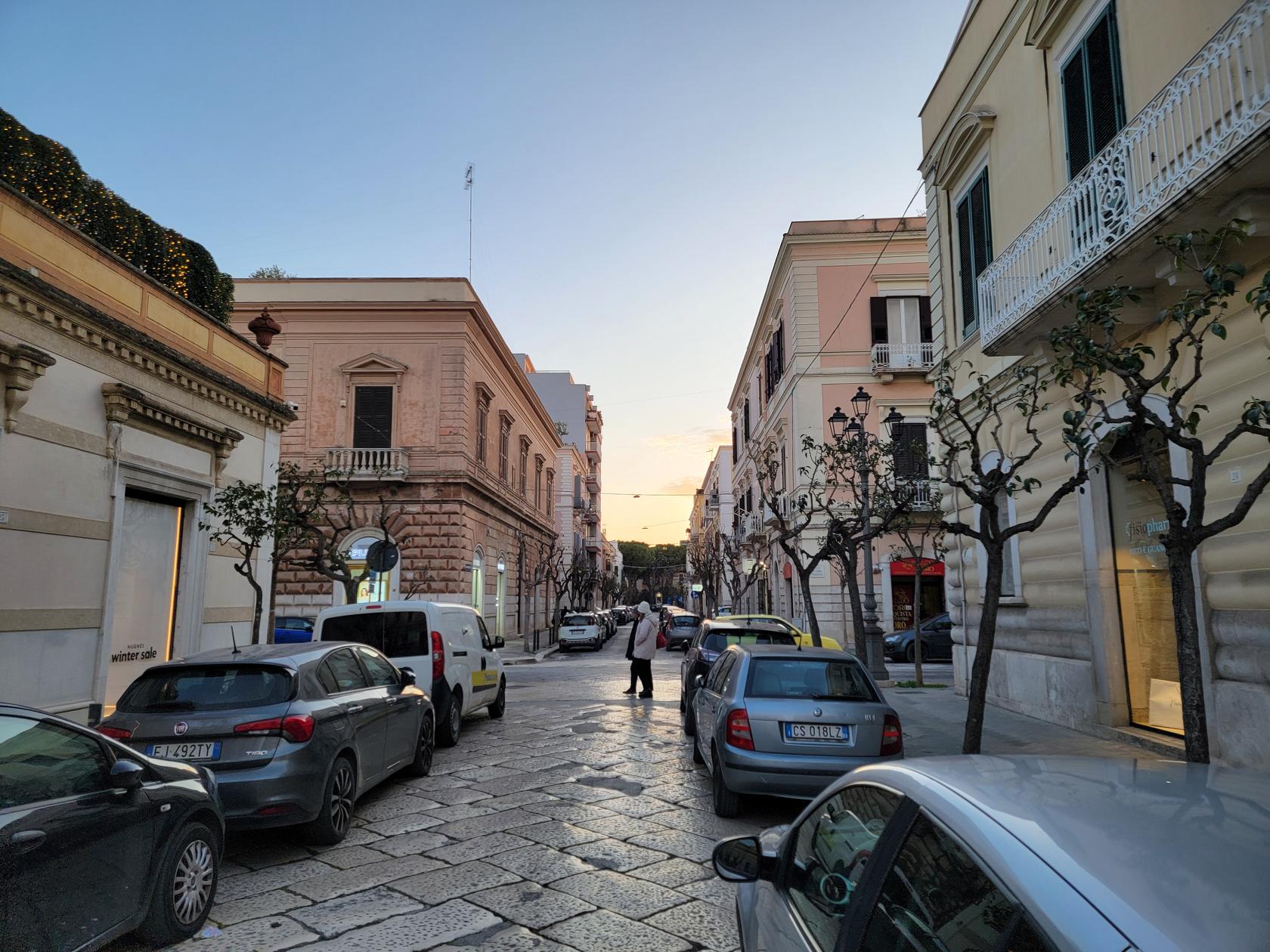
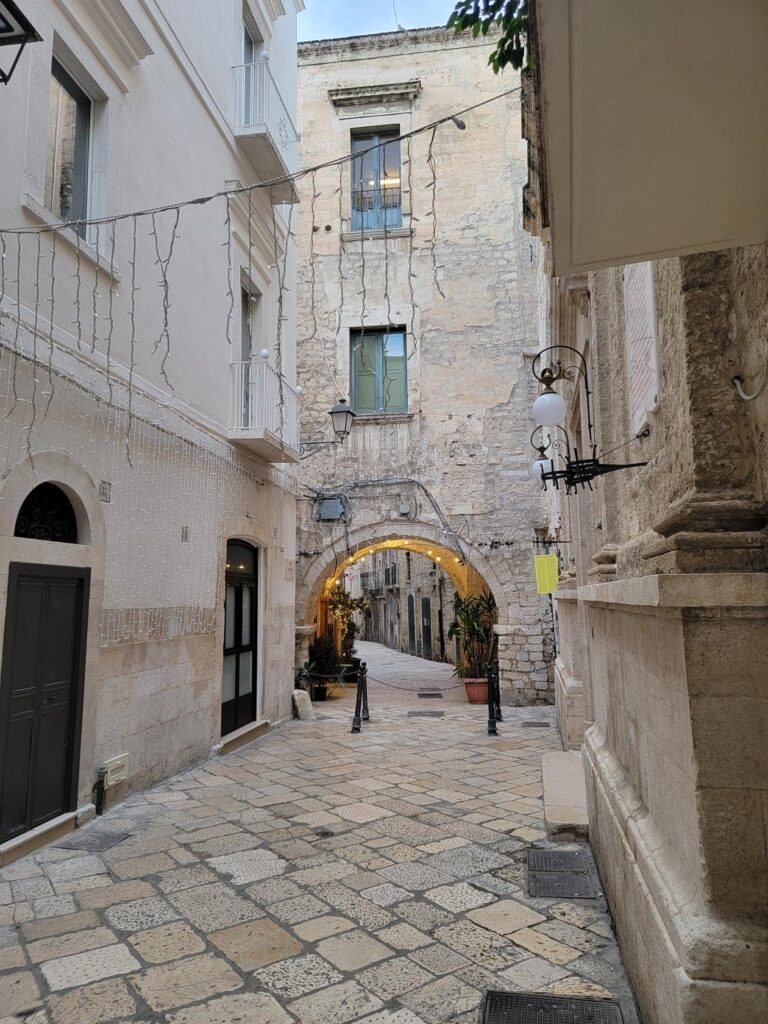
The historic city streets – Bari, Italy
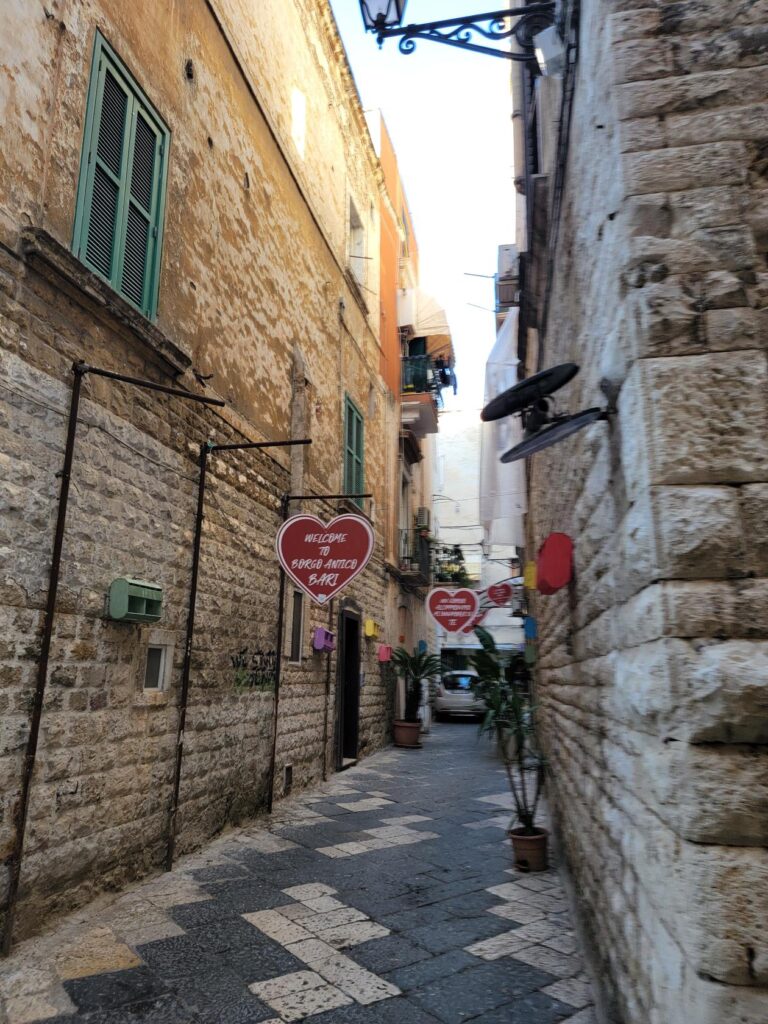
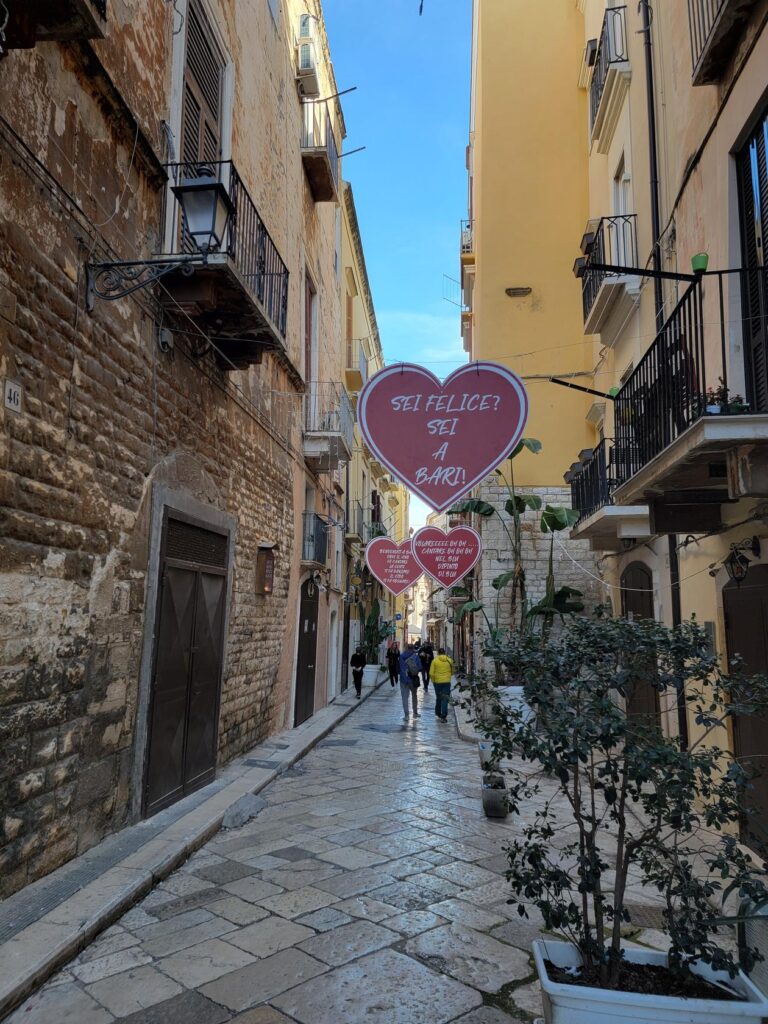
Welcome signs in the city streets – Bari, Italy
More signs in the city streets – Bari, Italy
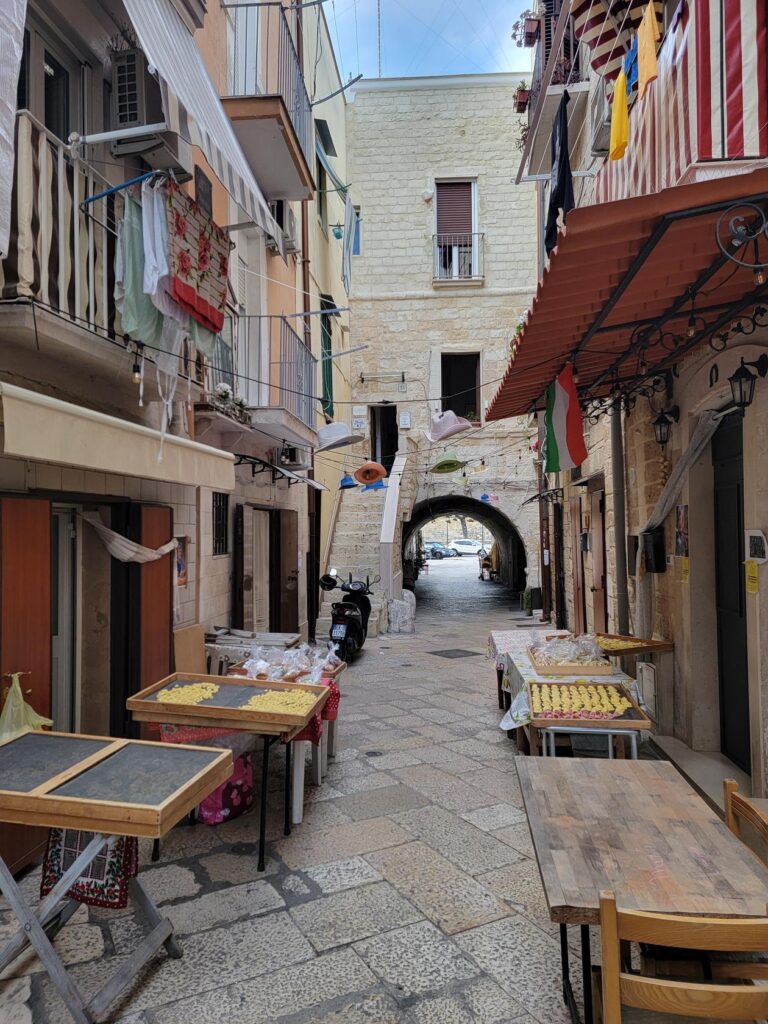
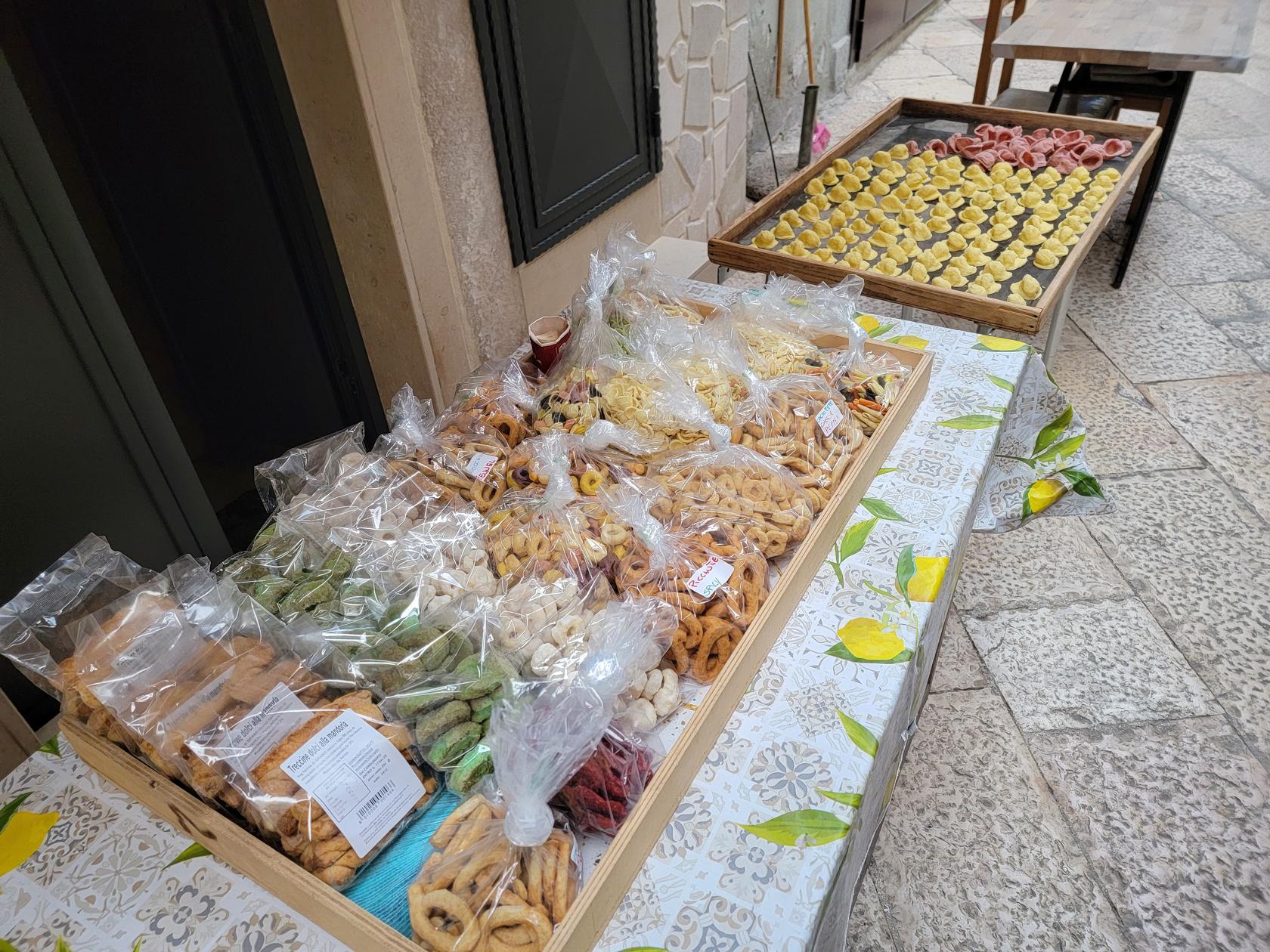
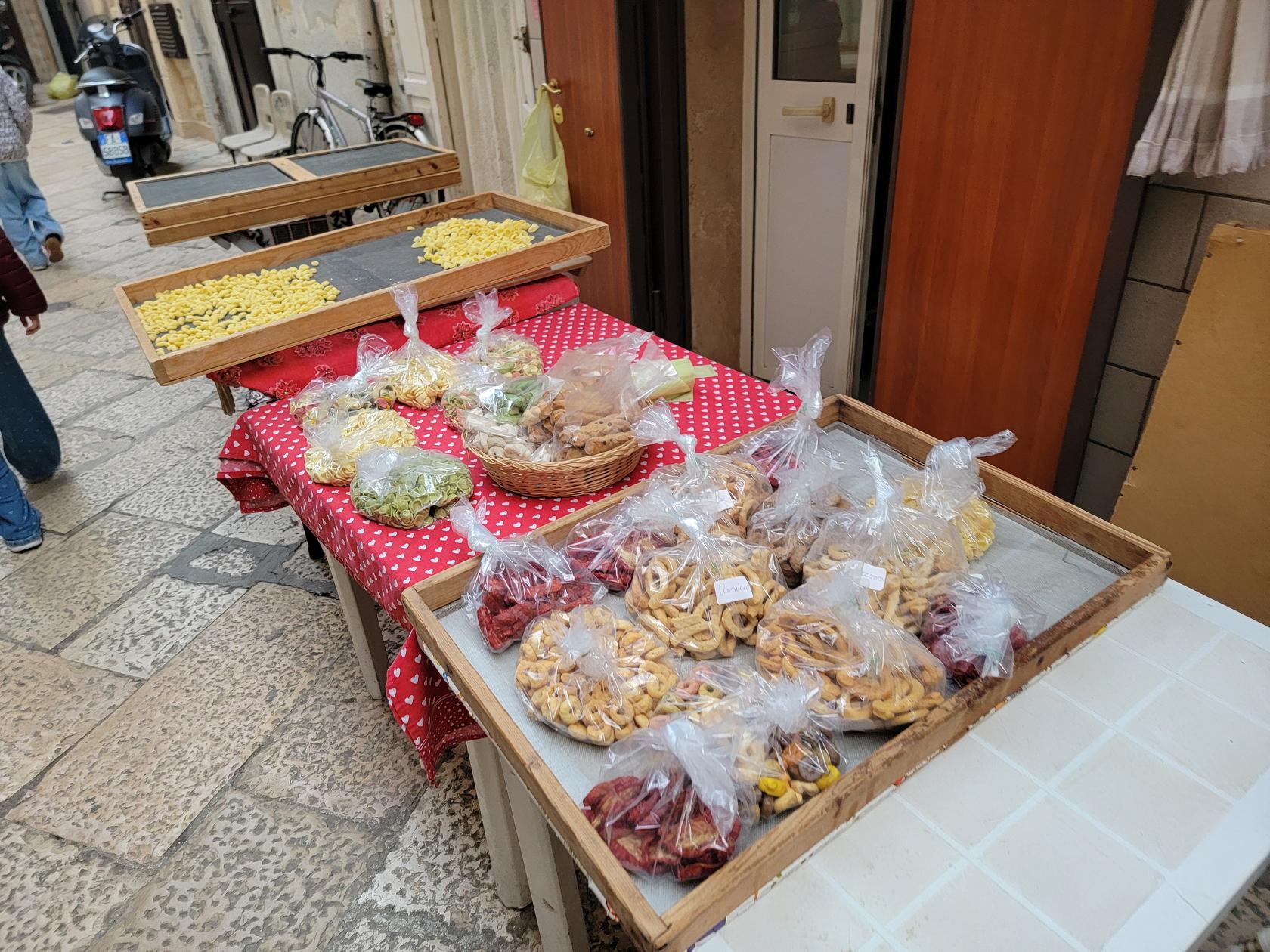
The pasta ladies offerings – Orecchiette pasta – Bari, Italy
One of the arches in the city – Bari, Italy
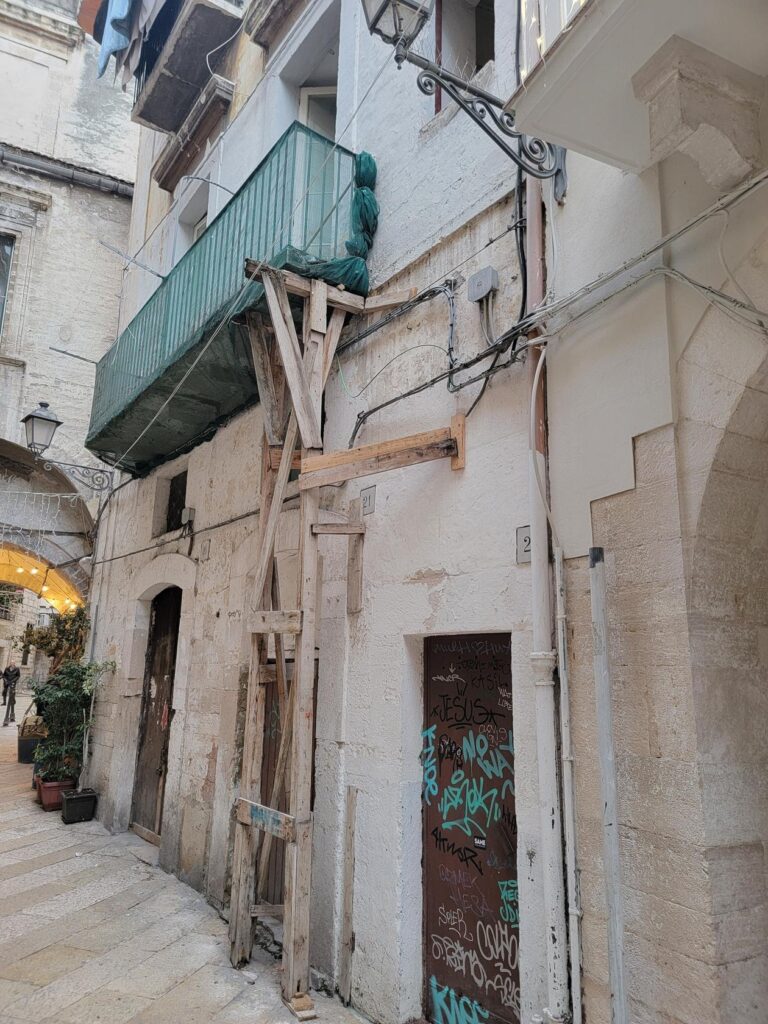
Roman scaffolding – Bari, Italy
The Italians here speak their own language, which is distinct from Italian and descended from the Neapolitan Dialect called the Barese Dialect. The differences here are also reflected in the food, pasta and other cultural areas.
The pasta ladies offerings – Orecchiette pasta – Bari, Italy
The pasta ladies offerings – other treats – Bari, Italy
Piazza Mercantile – Bari, Italy
Via Melo di Bari – Bari, Italy
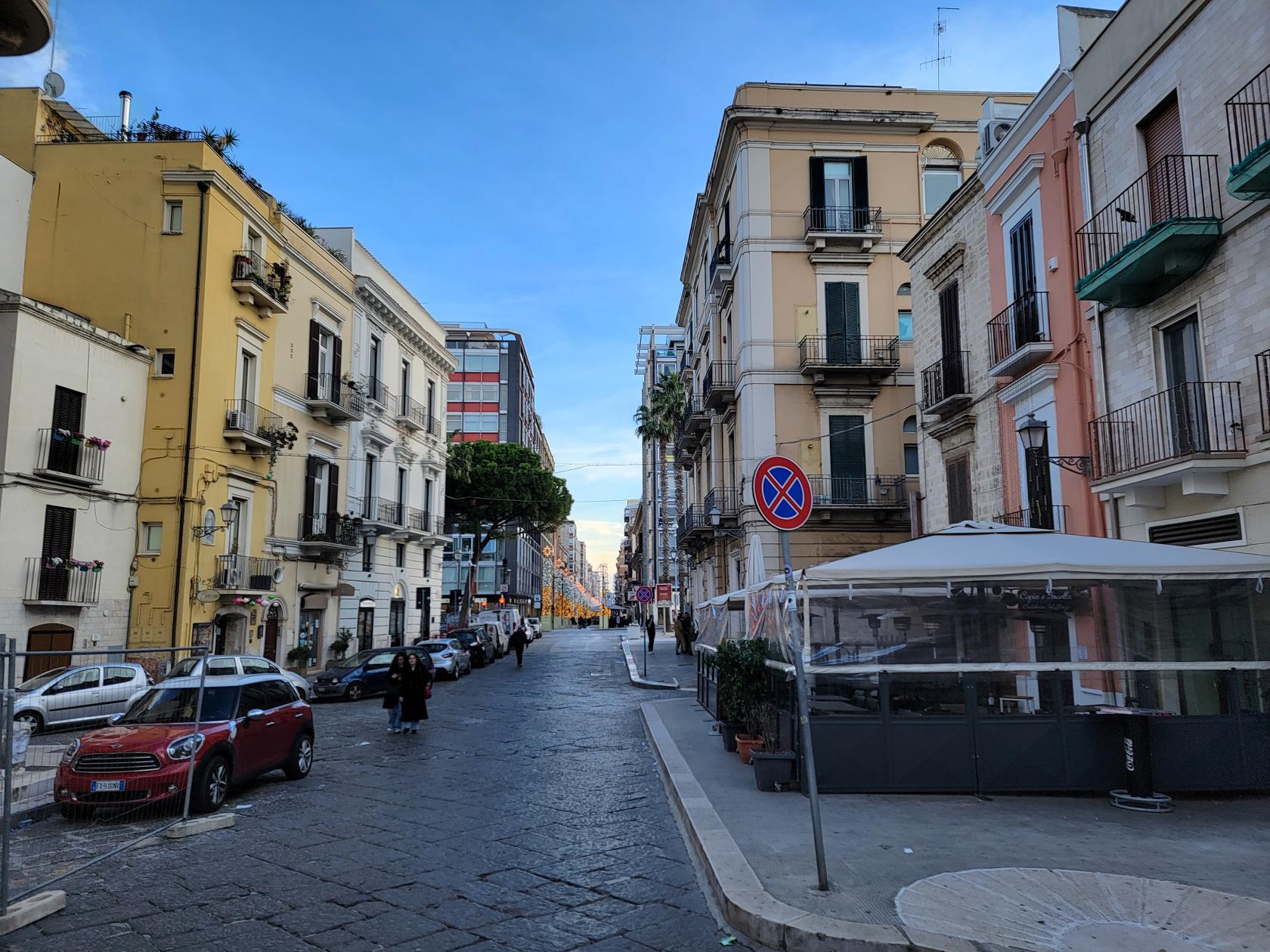
The city itself has four distinct areas or sections, the old ancient part of the city is located on the peninsula. The train station is located in Murat, which may be considered the business section of the city.
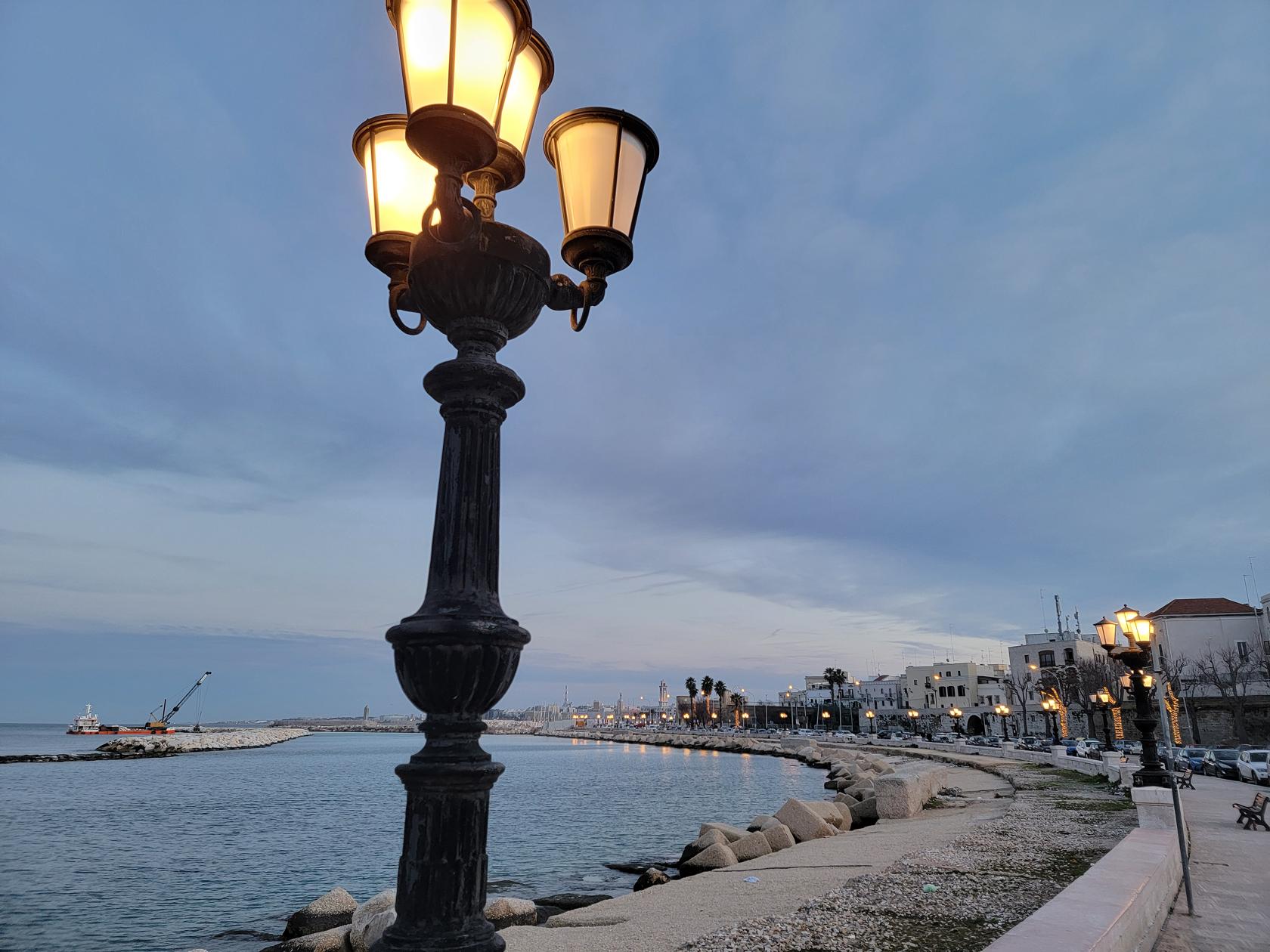
Lungomare Imperatore Augusto – Bari, Italy
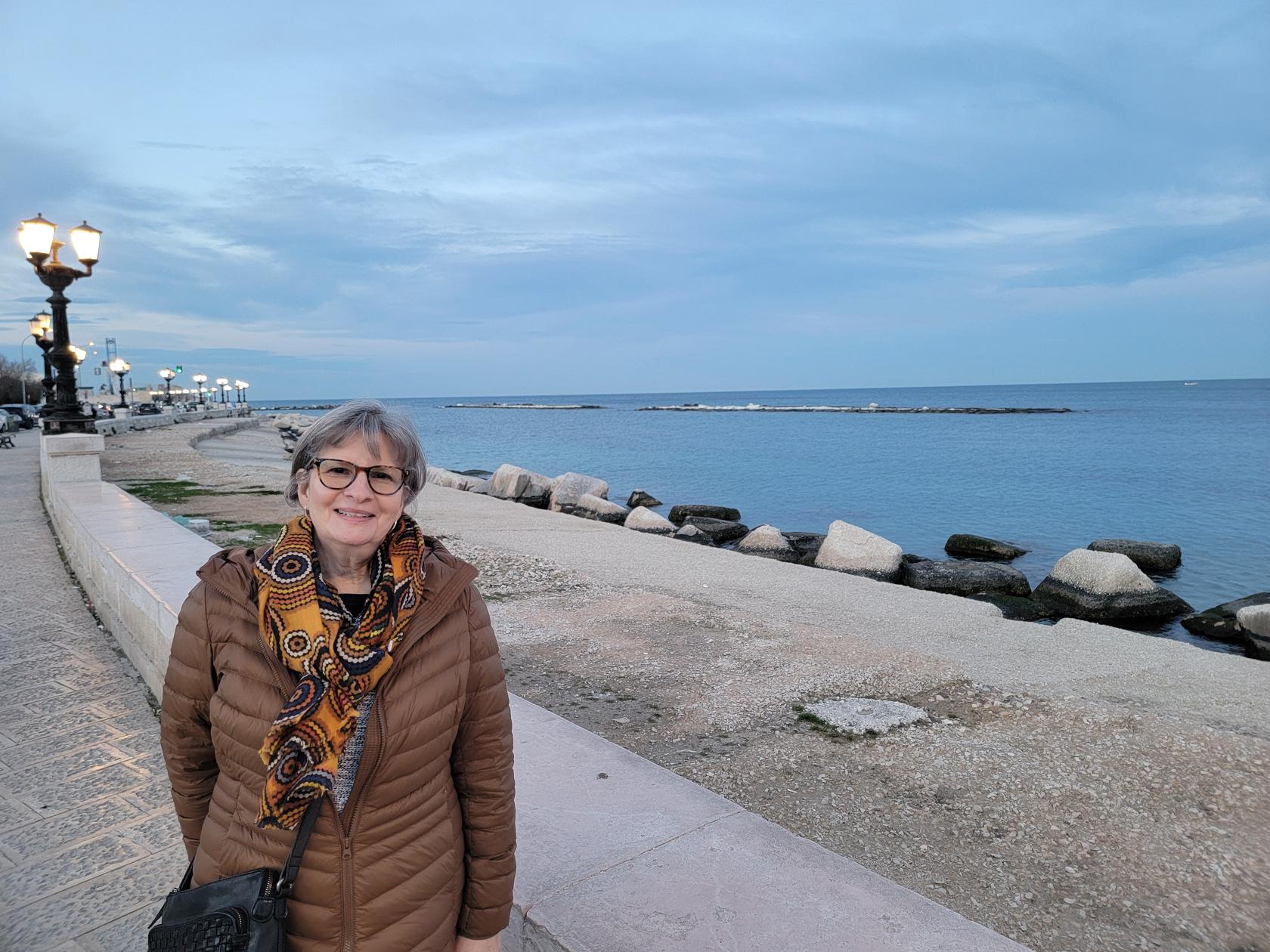
Lungomare Imperatore Augusto – Patti – Bari, Italy
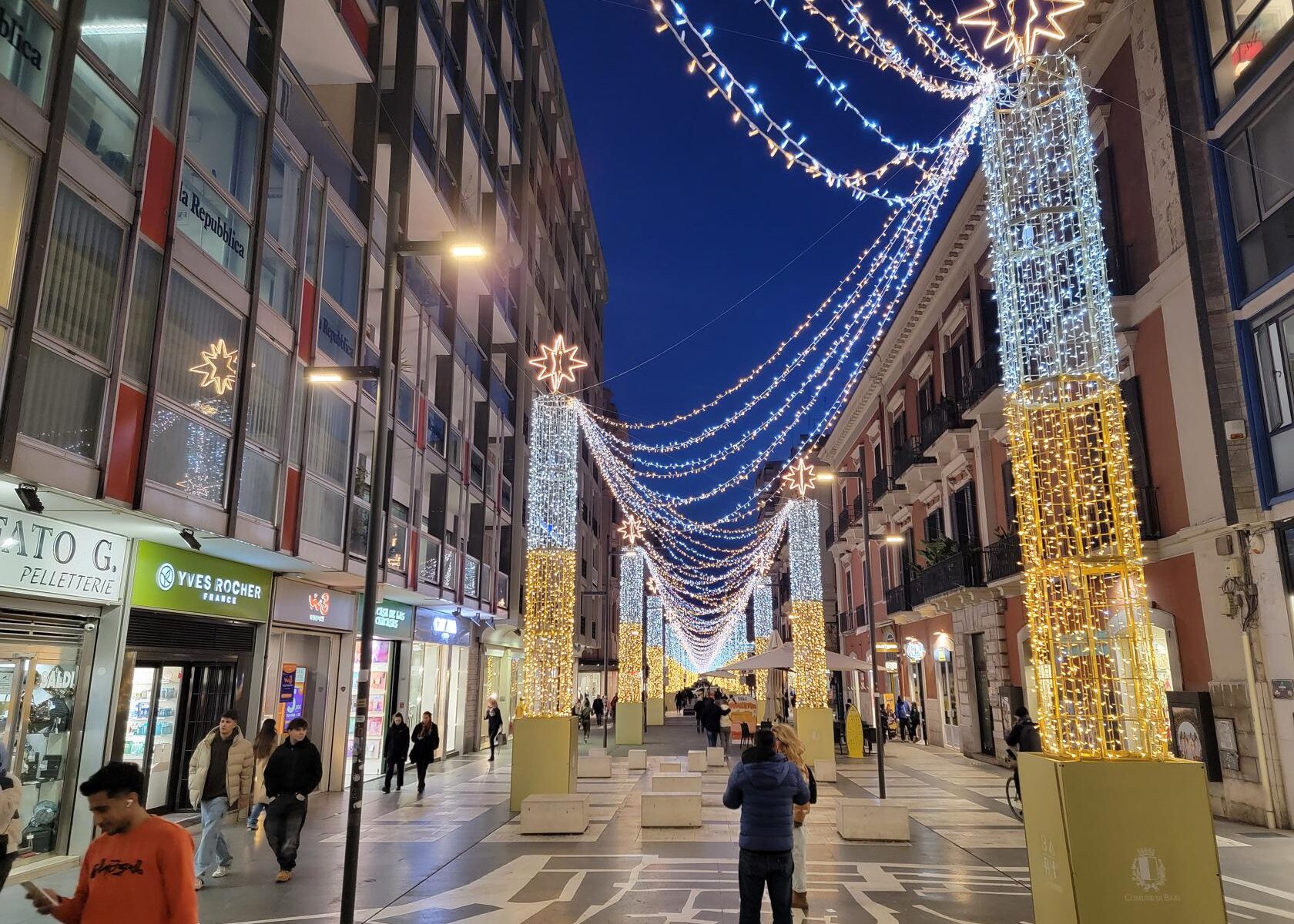
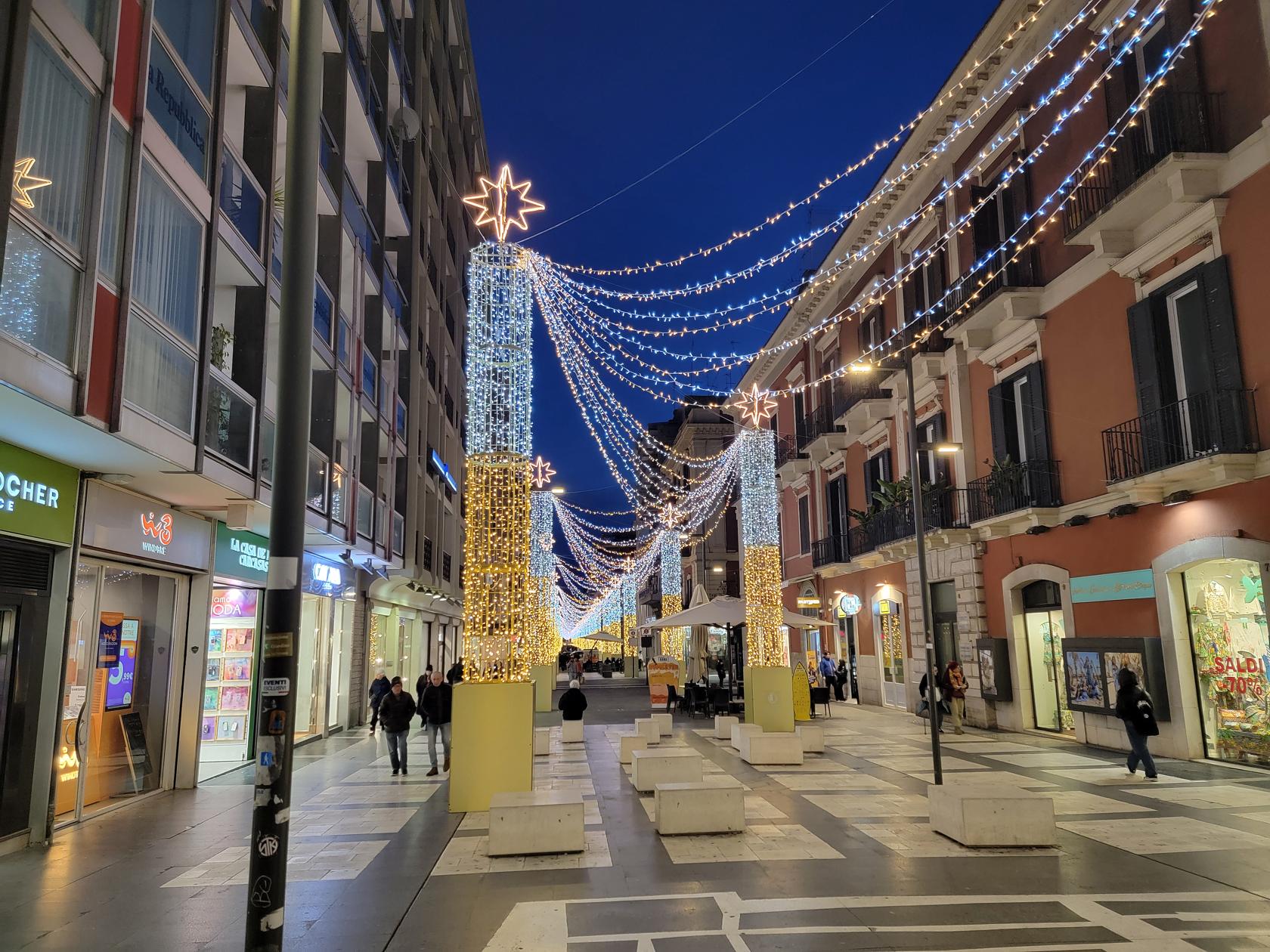
Via Andrea da Bari – Decorated for Christmas – Bari, Italy
Via Andrea da Bari – Bari, Italy
Getting There
Since we are located in Northern Italian city of Turin, there are two options for us to get there, either the Turin or Milan airport. Since RyanAir has service to many small cities in Italy, Turin being one of them, they were the right choice for us. They provide a direct non-stop flight from Turin to Bari which only takes an hour and a half. It’s not cheap, but on the reasonable side. Even in January, with two flights a day, the plan was almost full.
Leaving Turin – Turin Airport, Turin
RyanAir – Turin Airport, Turin
Flying over the Adriatic Coast of Italy – Italy
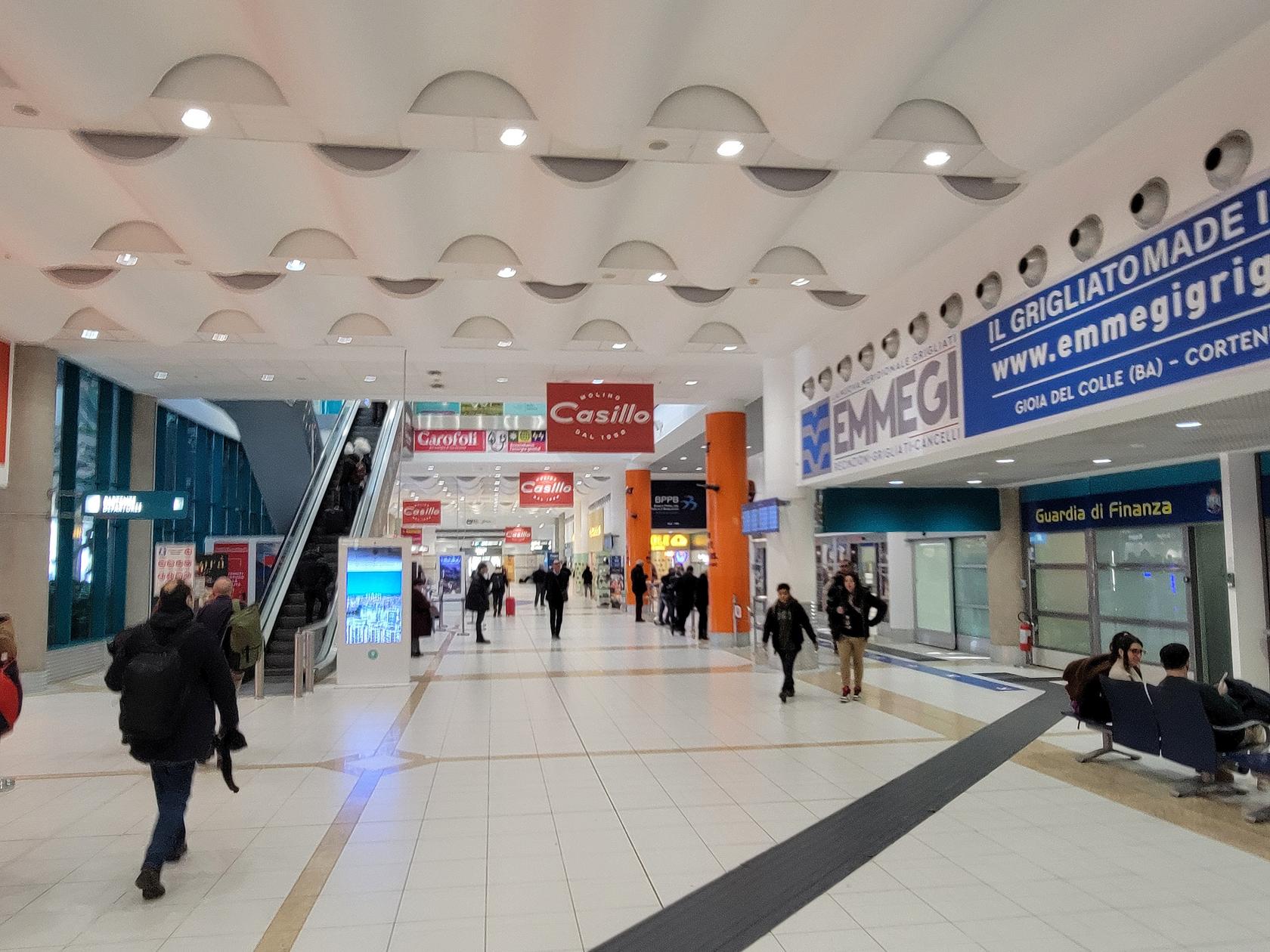
Bari Airport – Bari, Italy
Once we landed there were several options to get from the airport to the city. Train, bus, taxi and rent-a-car. When we can, we always prefer and ride the train. We just find it more relaxing and trouble free, but that of course depends on the country and the railroad that is available.
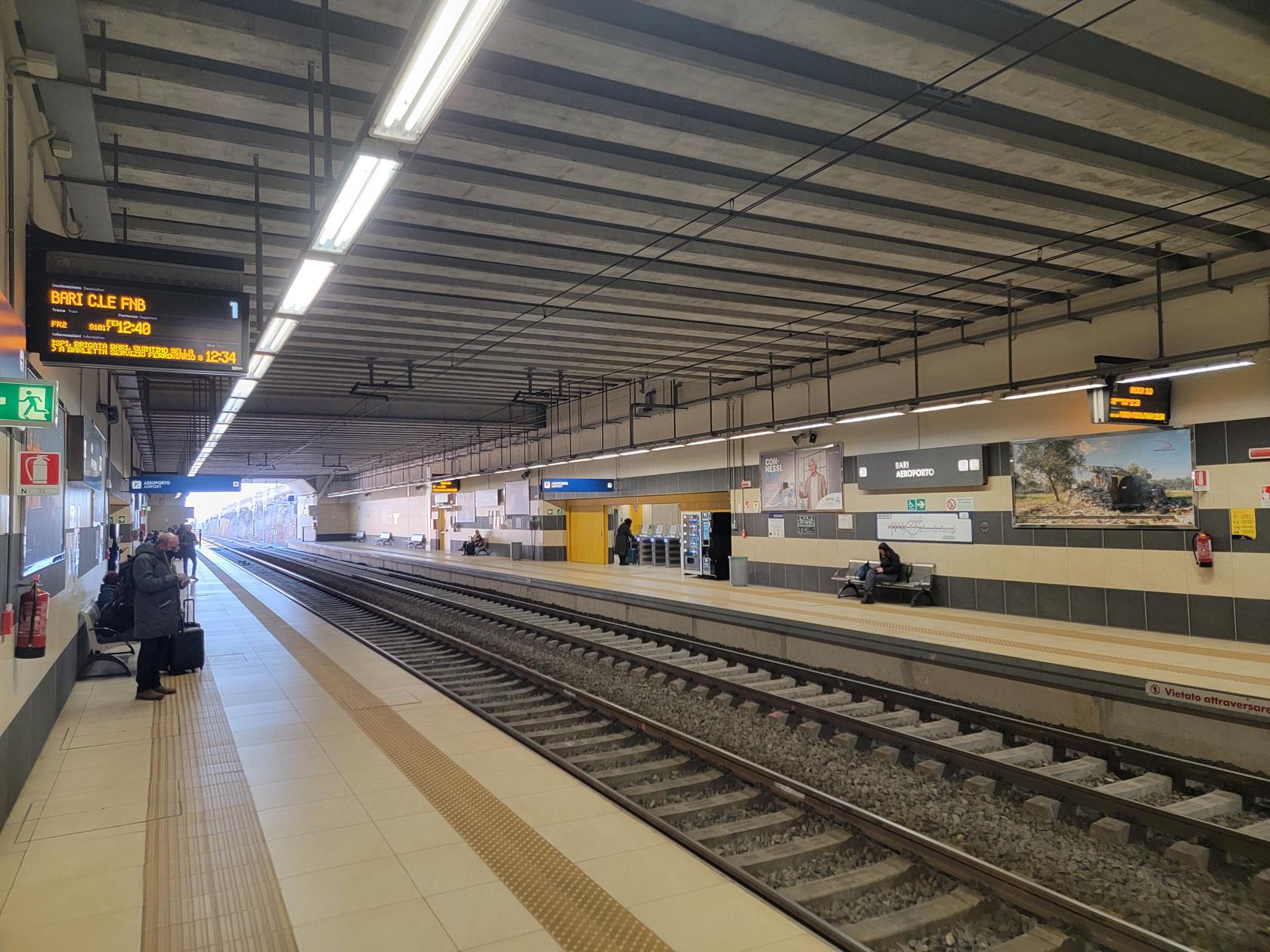
Apulia has its own train system, separate from TrennItalia, so we purchased tickets at the desk before entering the train station (I figure, I can always install the phone application later for any return business). The trip from Bari Airport to Bari Centrale (C.le) takes about thirty minutes with about four of five stops in between.
Bari Airport Train Station – Bari, Italy
Next stop, Bari Centrale – Bari, Italy
Where We Stayed
Frankly, I no longer care for BnBs and will take a hotel over them any day. However, given the opportunity to check other Bed and Breakfast places, outside the crap these applications serve up, we will book our stays with them, provided we have thoroughly checked them out ahead of time using other people’s recommendations as our source material.
More signs in the city streets – Bari, Italy
Welcome signs in the city streets – Bari, Italy
The historic city streets – Bari, Italy
Murex B&B
Murex B&B is a very nice modern Bed & Breakfast in the heart of the ancient city of Bari. The owners are young, attentive and respectful of our needs. The amenities that are provided are sufficient and plentiful. Our room came with breakfast each morning and other treats, that would not normally be provided at some hotels and definitely not at those other places.
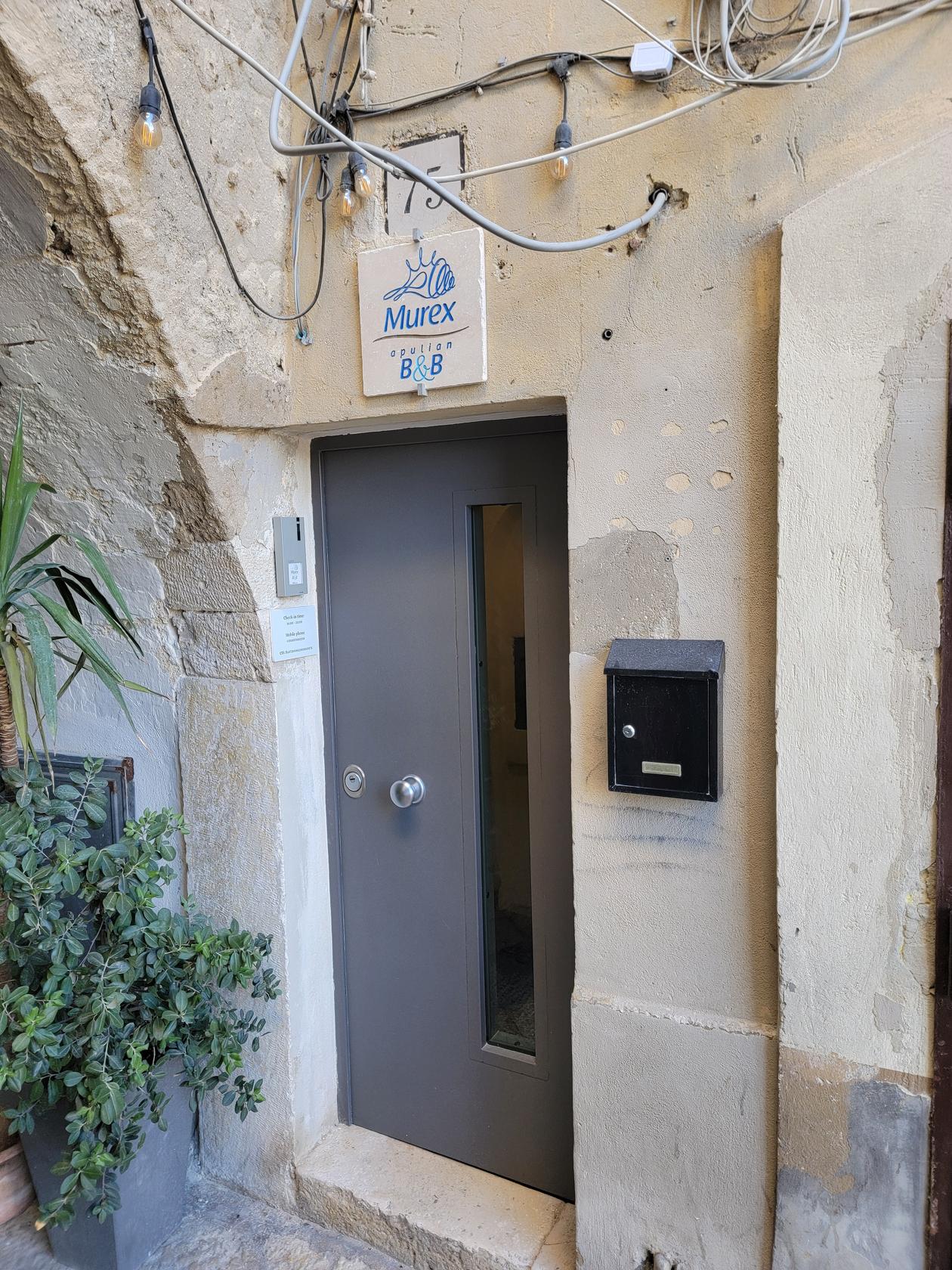
Main door – Murex B&B – Bari, Italy
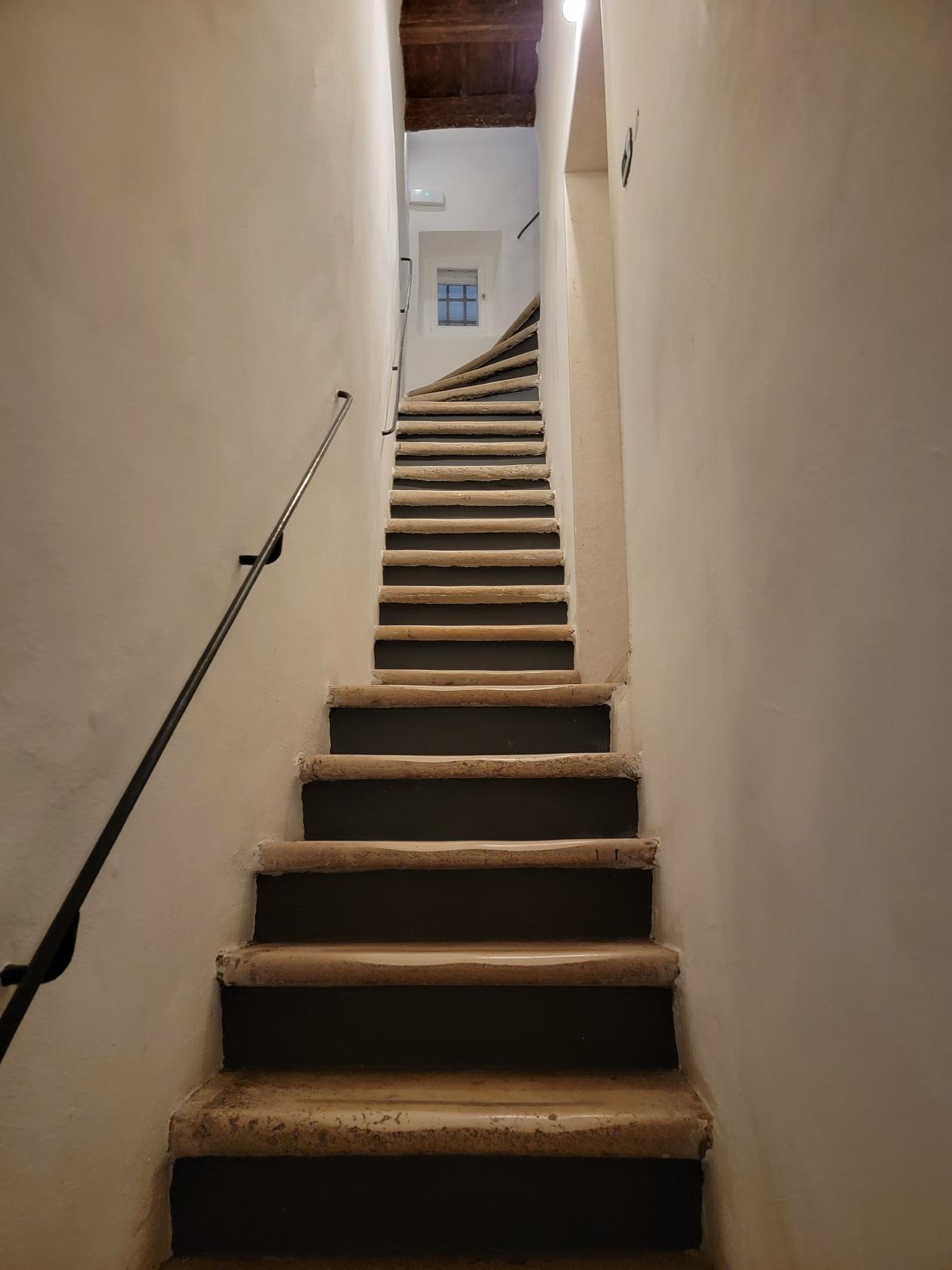
The ascent to our B&B – Murex B&B – Bari, Italy
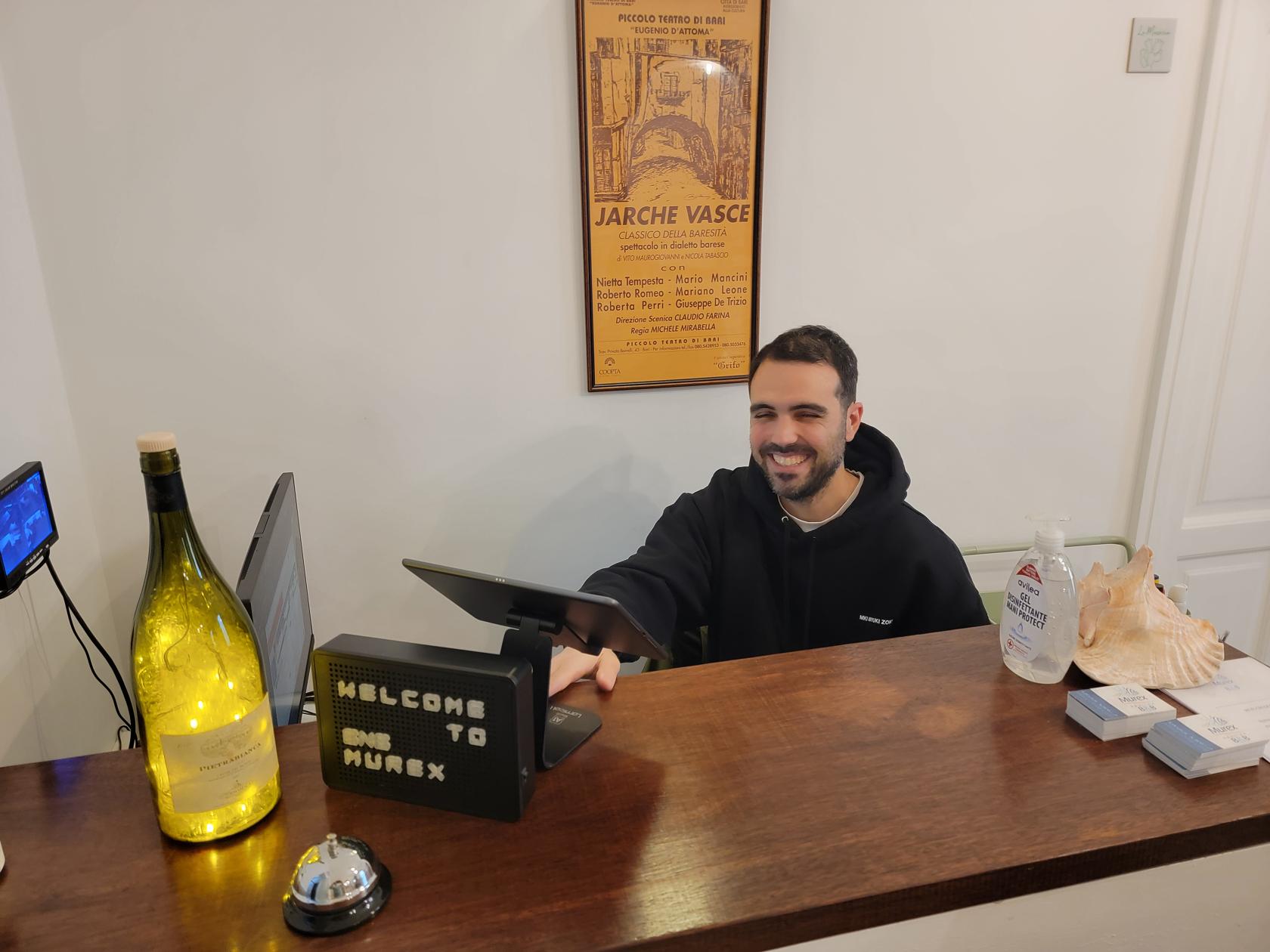
Our host Antonio – Murex B&B – Bari, Italy
One word of caution however, the staircase to enter is rather steep. So, if you require assistance with your luggage, you should ask. The owners are more than obliging to any requests and will carry it up and down for you.
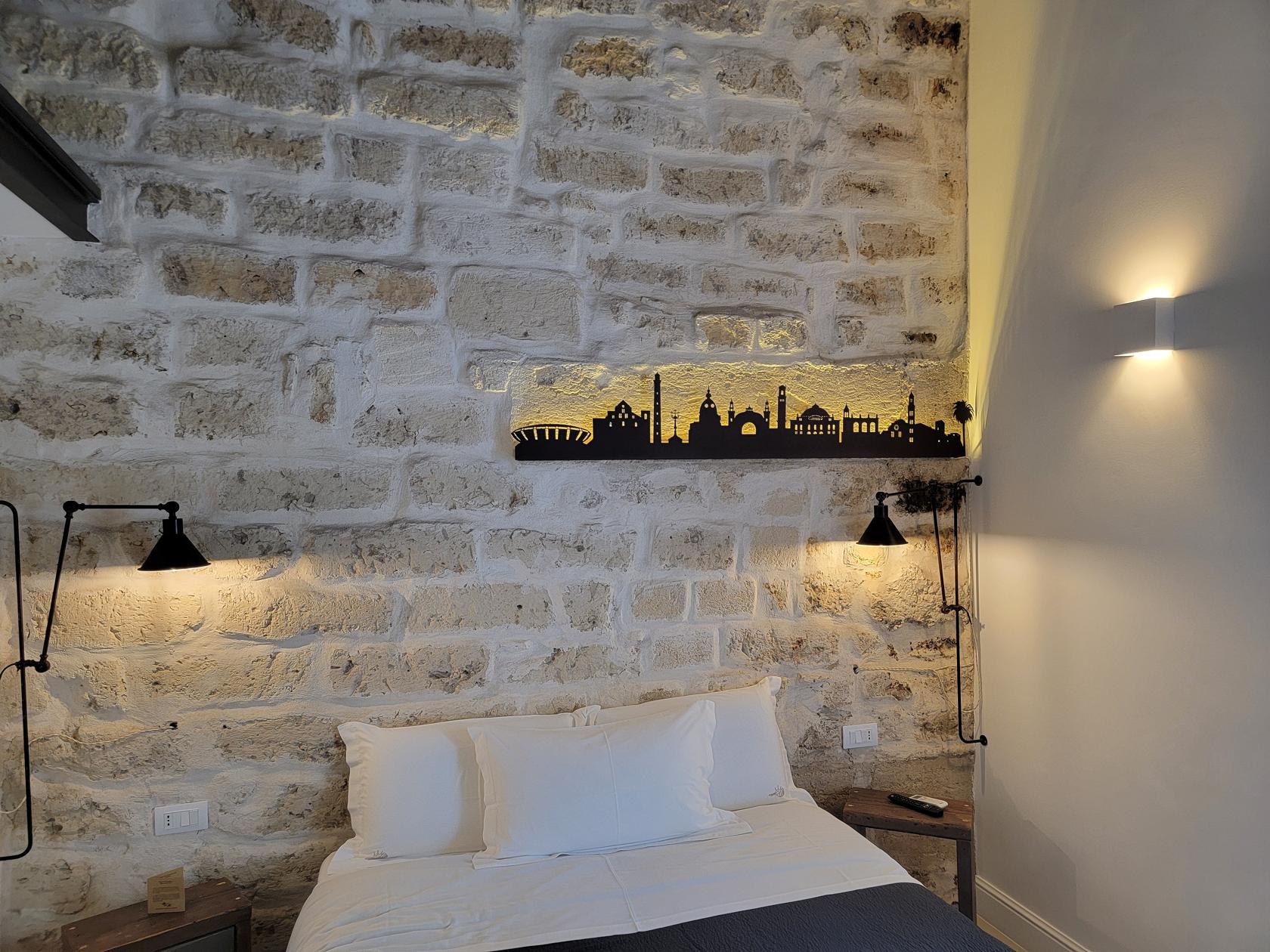
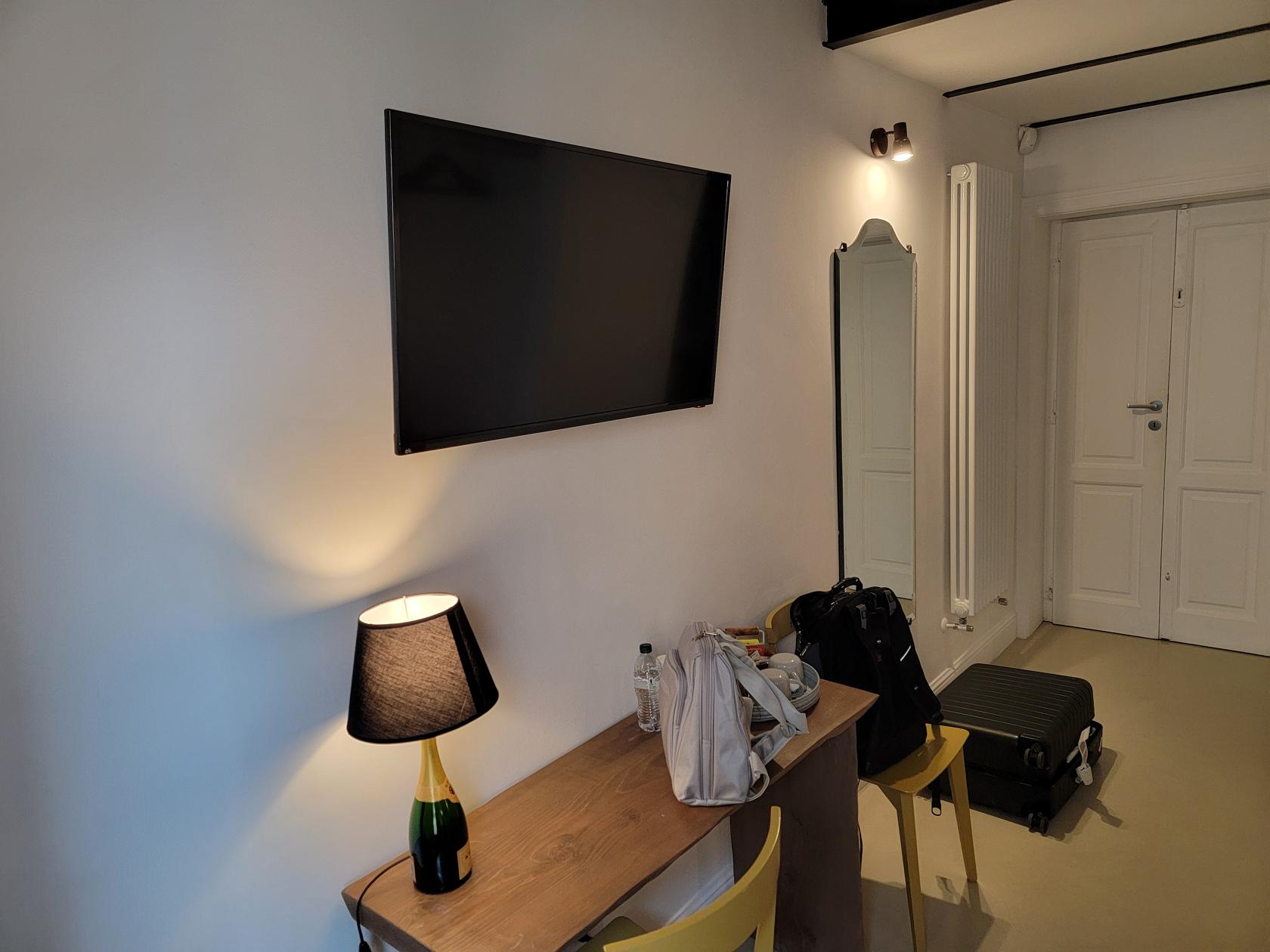
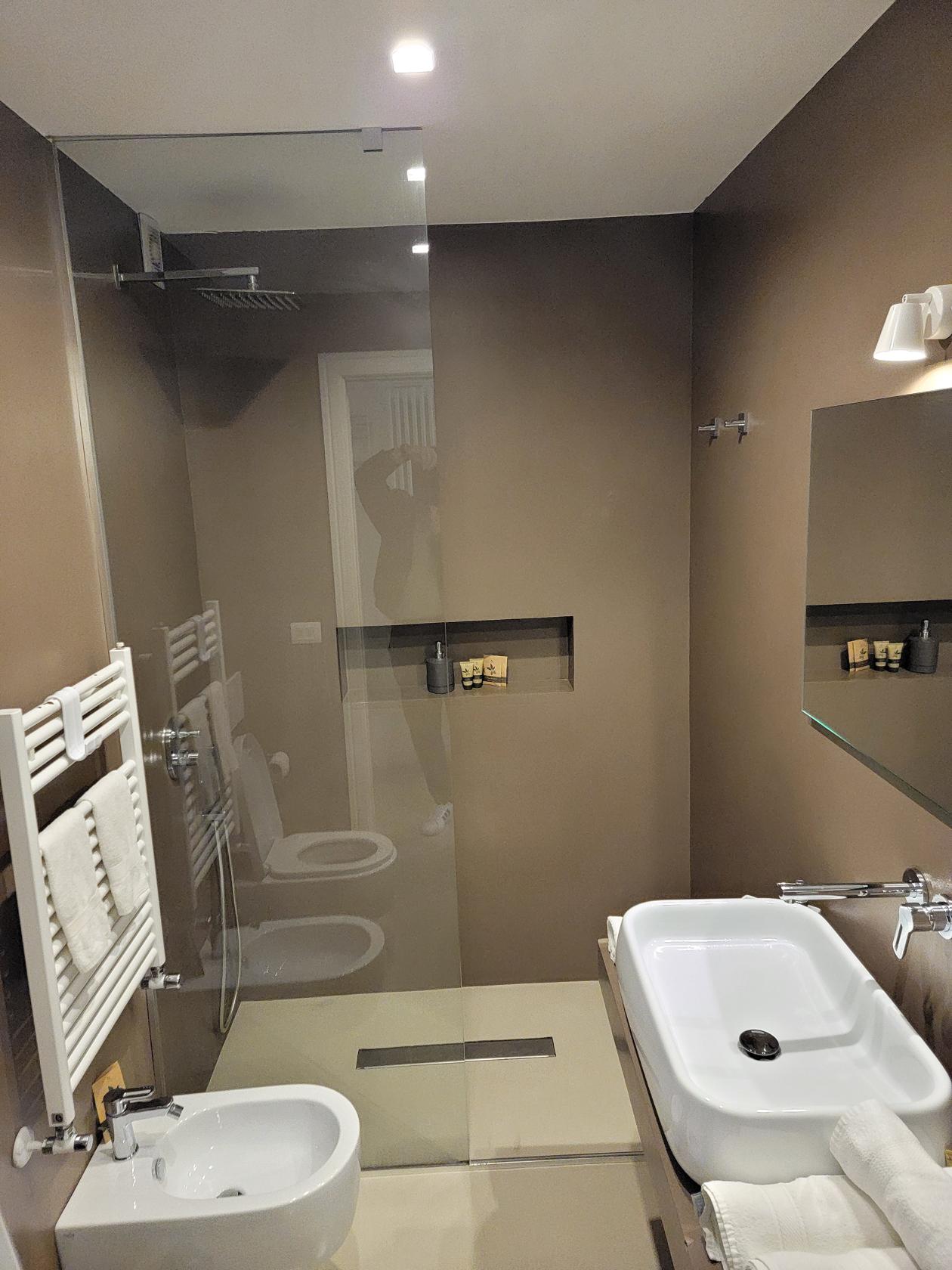
La Citta room – Murex B&B – Bari, Italy
La Citta room – Murex B&B – Bari, Italy
La Citta room – Murex B&B – Bari, Italy
Our room was La Città, it was spacious, well lit and warm. The bed was firm with a cushion top and it definitely helped me nod off.
Basilica Pontificia San Nicola
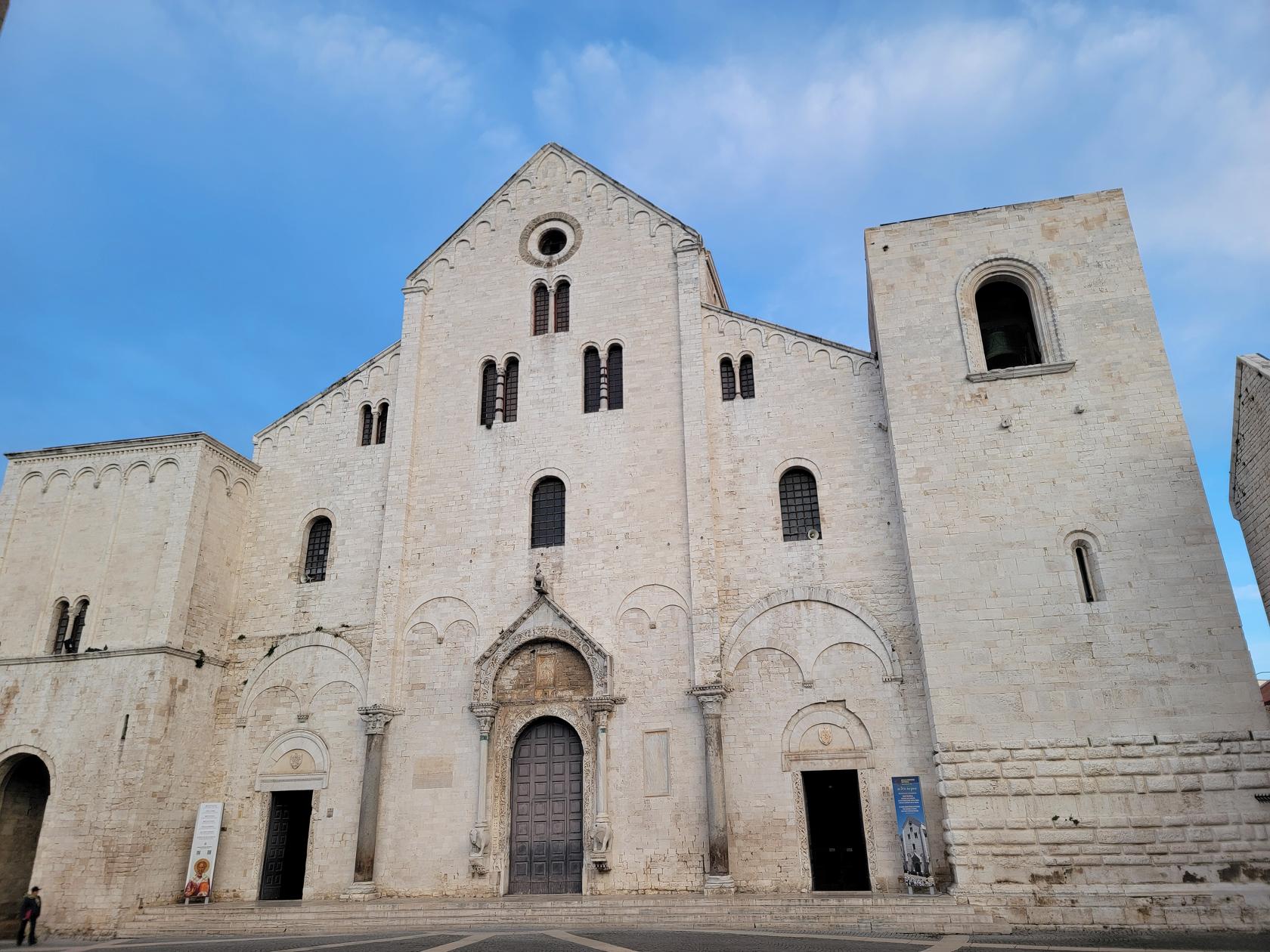
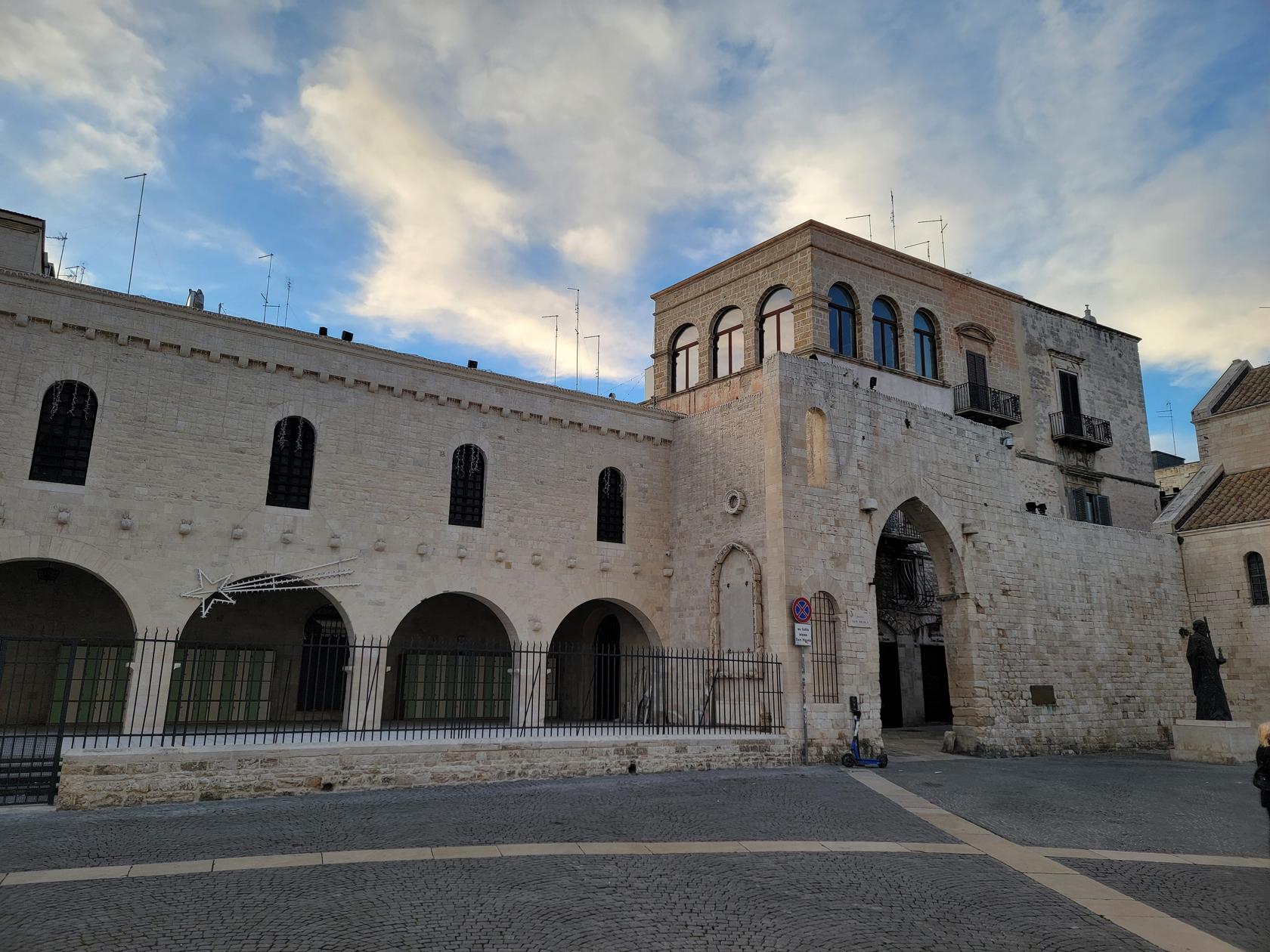
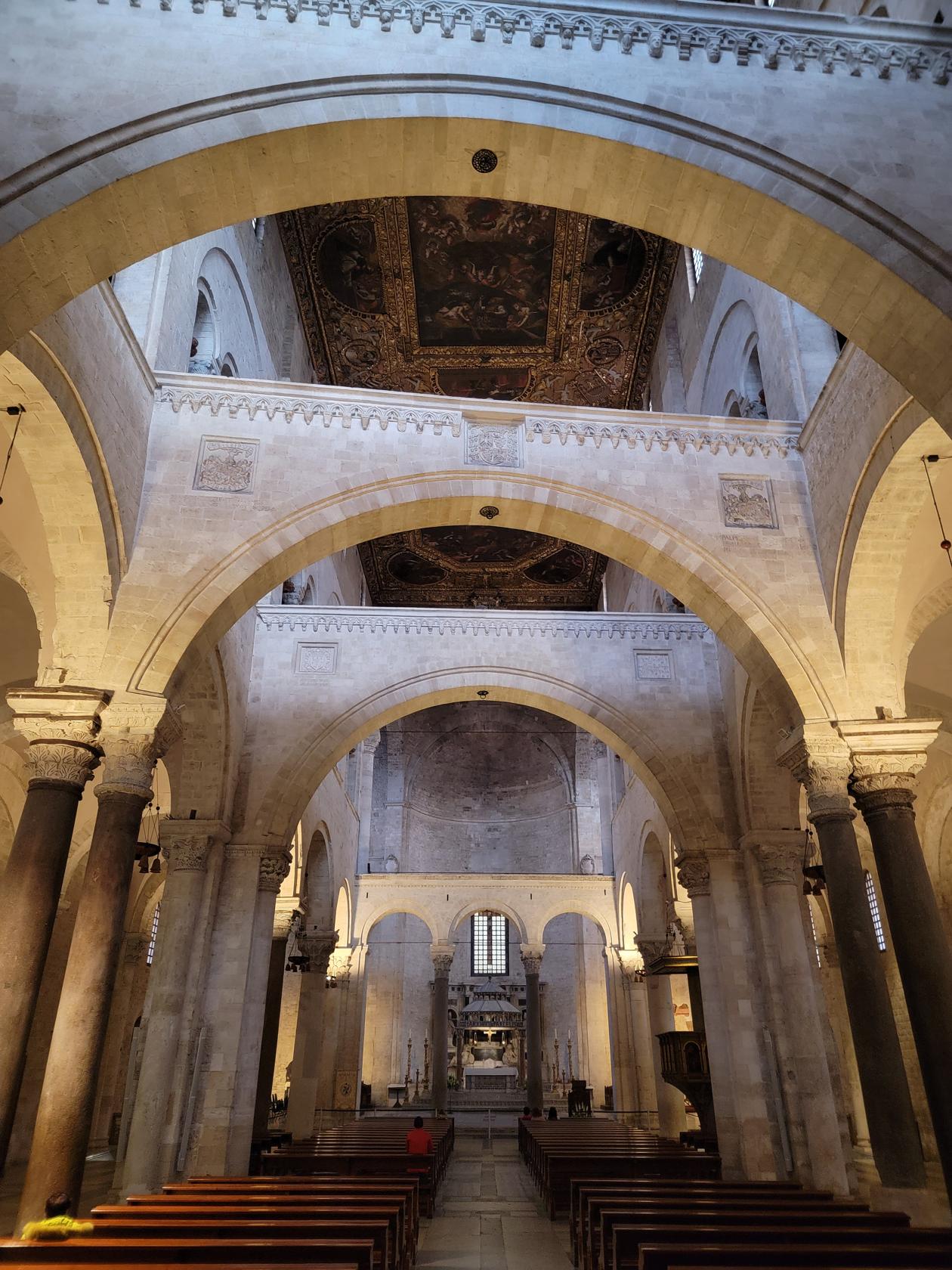
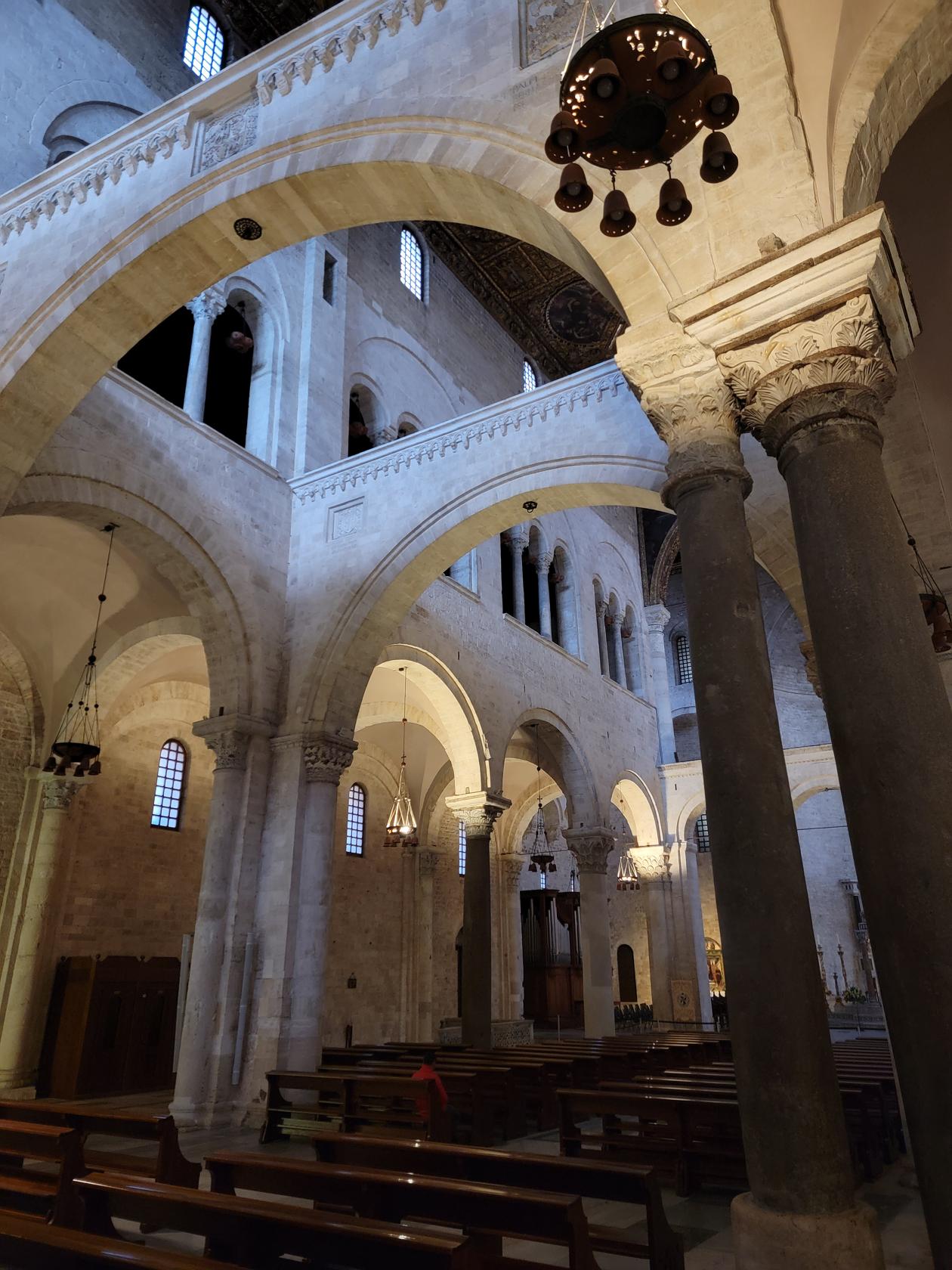
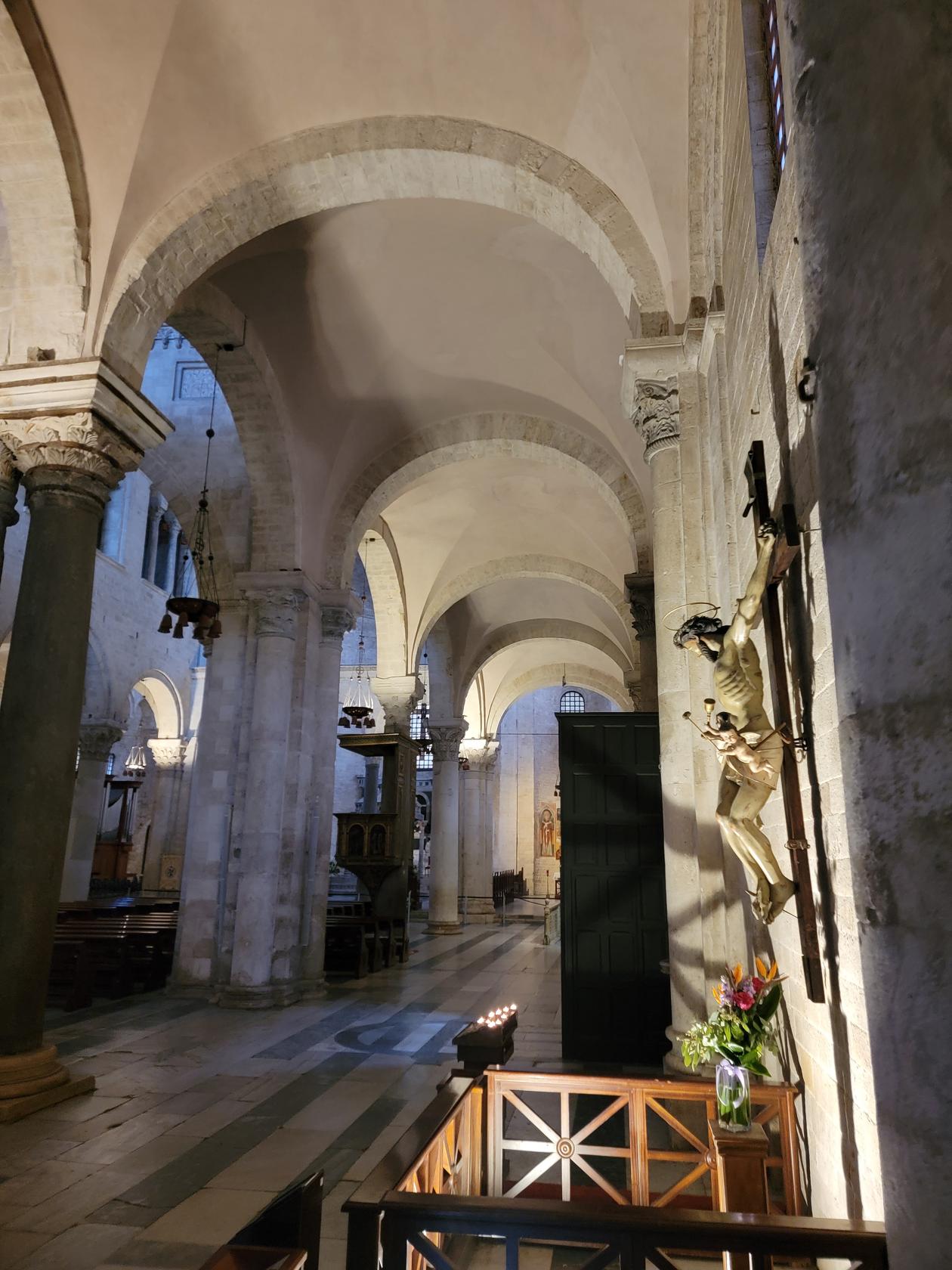
The Basilica Pontificia San Nicola was built in the late eleventh and early twelfth centuries and consists of a basic architecture of a nave with neighboring aisles.
Basilica Pontificia San Nicola – Main Entrance – Bari, Italy
Basilica Pontificia San Nicola – Courtyard – Bari, Italy
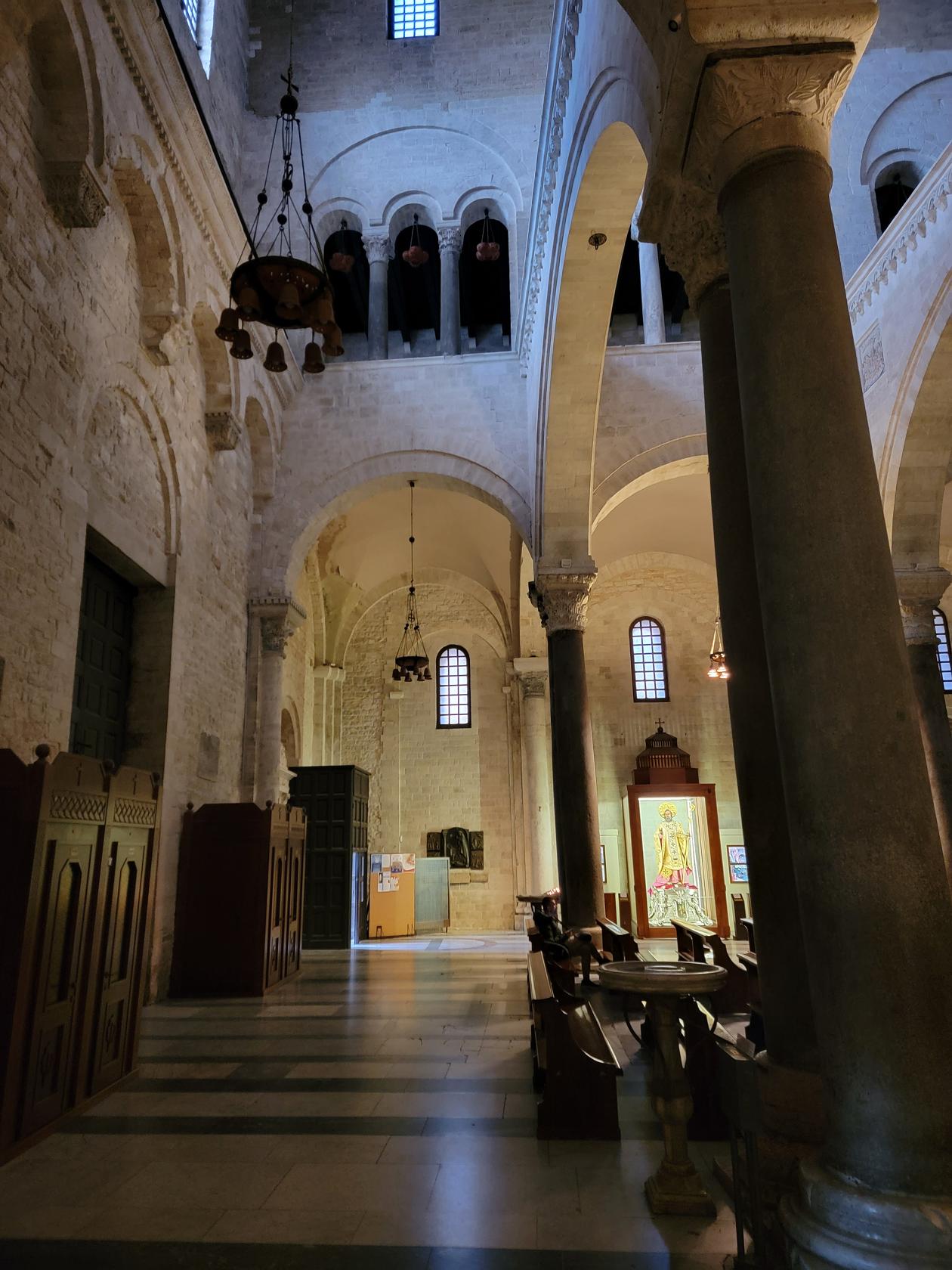
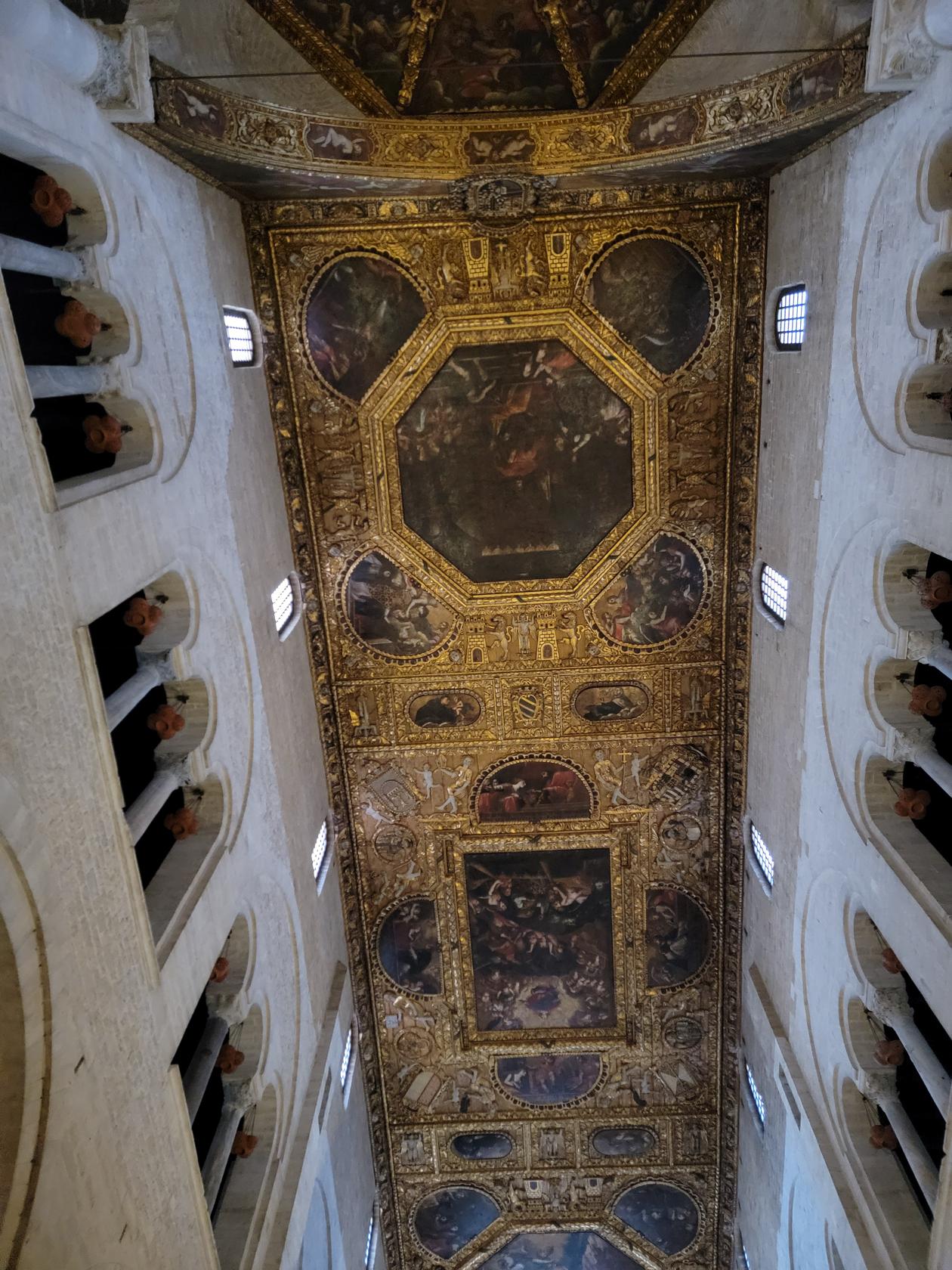
The ceiling and interior has a rarity to it, that only an ancient church can provide. The roof is made of wood and is occluded by arches buttressing the sides together, few if any at right angles to each other, giving the entire interior a rather haphazard look.
Basilica Pontificia San Nicola – Interior – Bari, Italy
Basilica Pontificia San Nicola – Interior – Bari, Italy
Basilica Pontificia San Nicola – Interior – Bari, Italy
Basilica Pontificia San Nicola – Interior – Bari, Italy
Basilica Pontificia San Nicola – Interior – Bari, Italy
Basilica Pontificia San Nicola – Ornate Ceiling – Bari, Italy
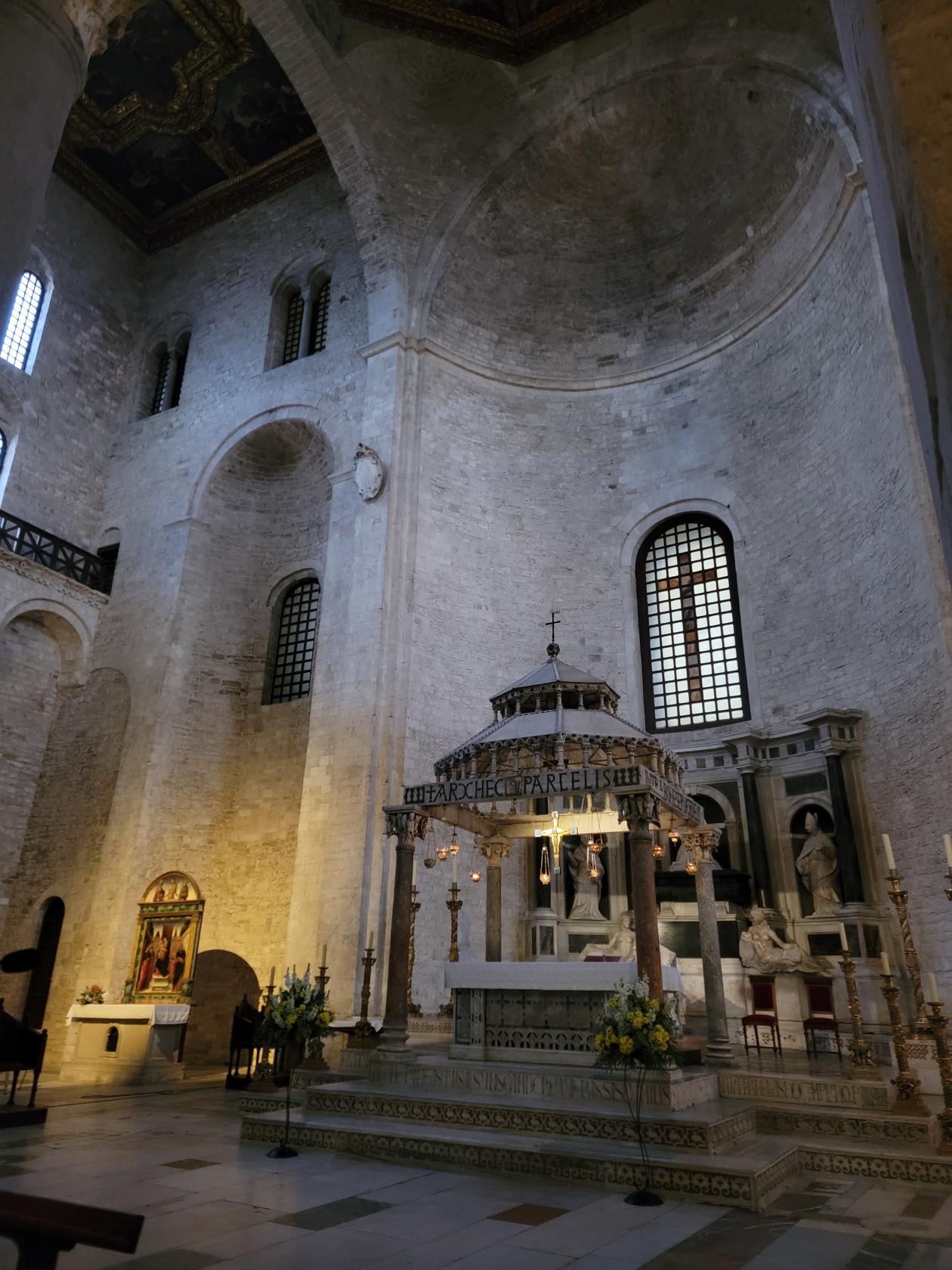
Basilica Pontificia San Nicola – Altar – Bari, Italy
Basilica Pontificia San Nicola – Interior – Bari, Italy
The Crypt
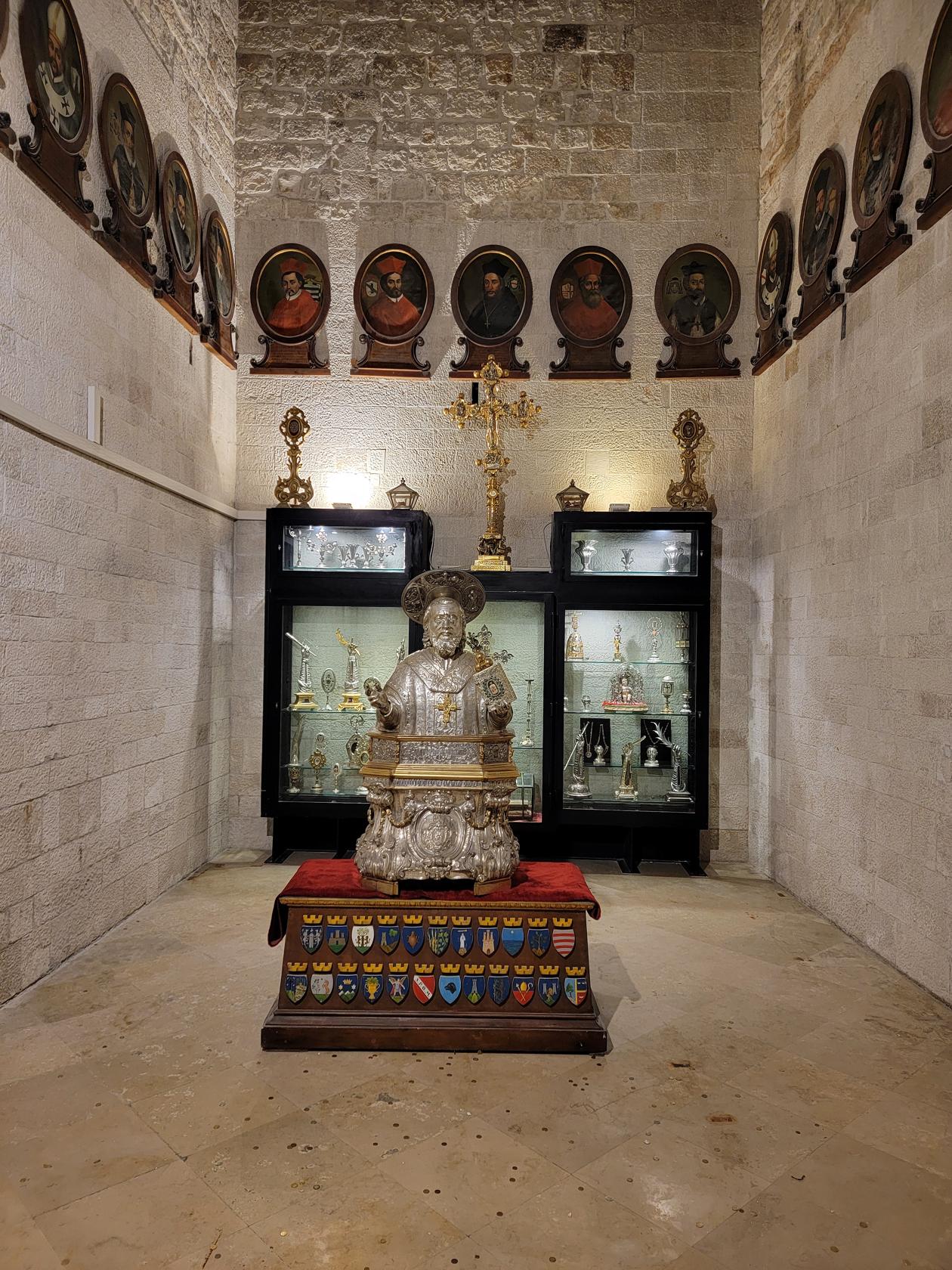
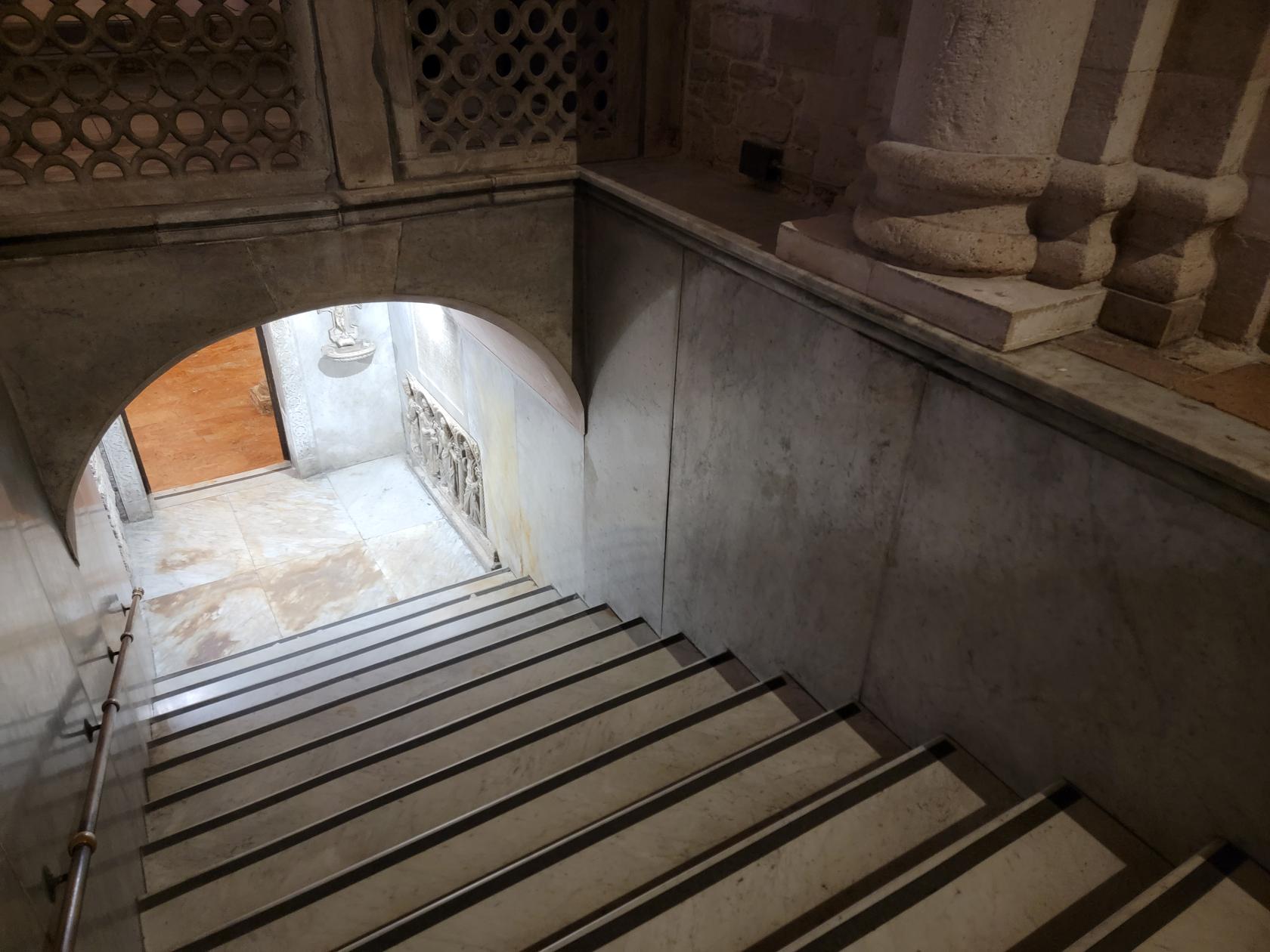
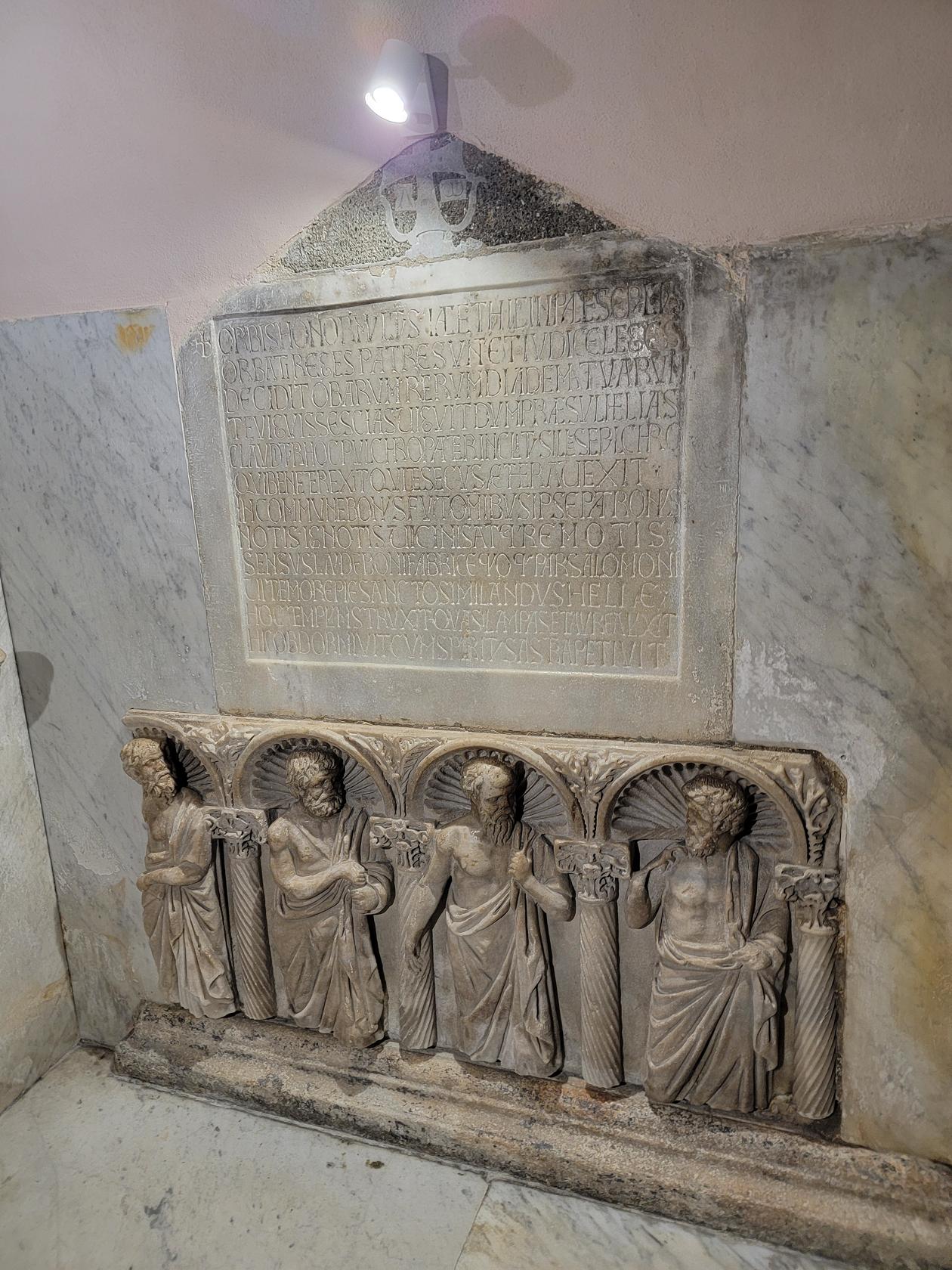
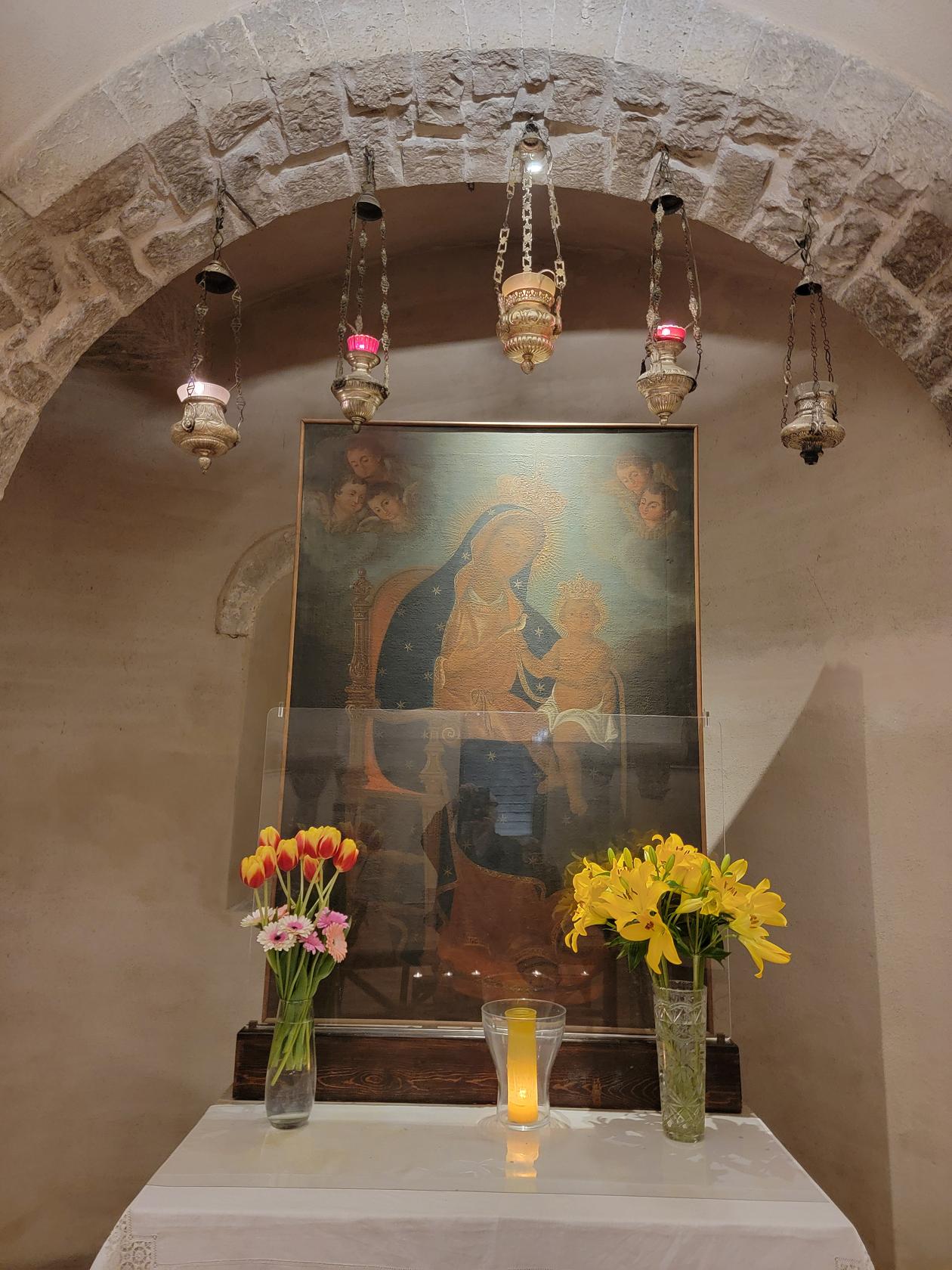
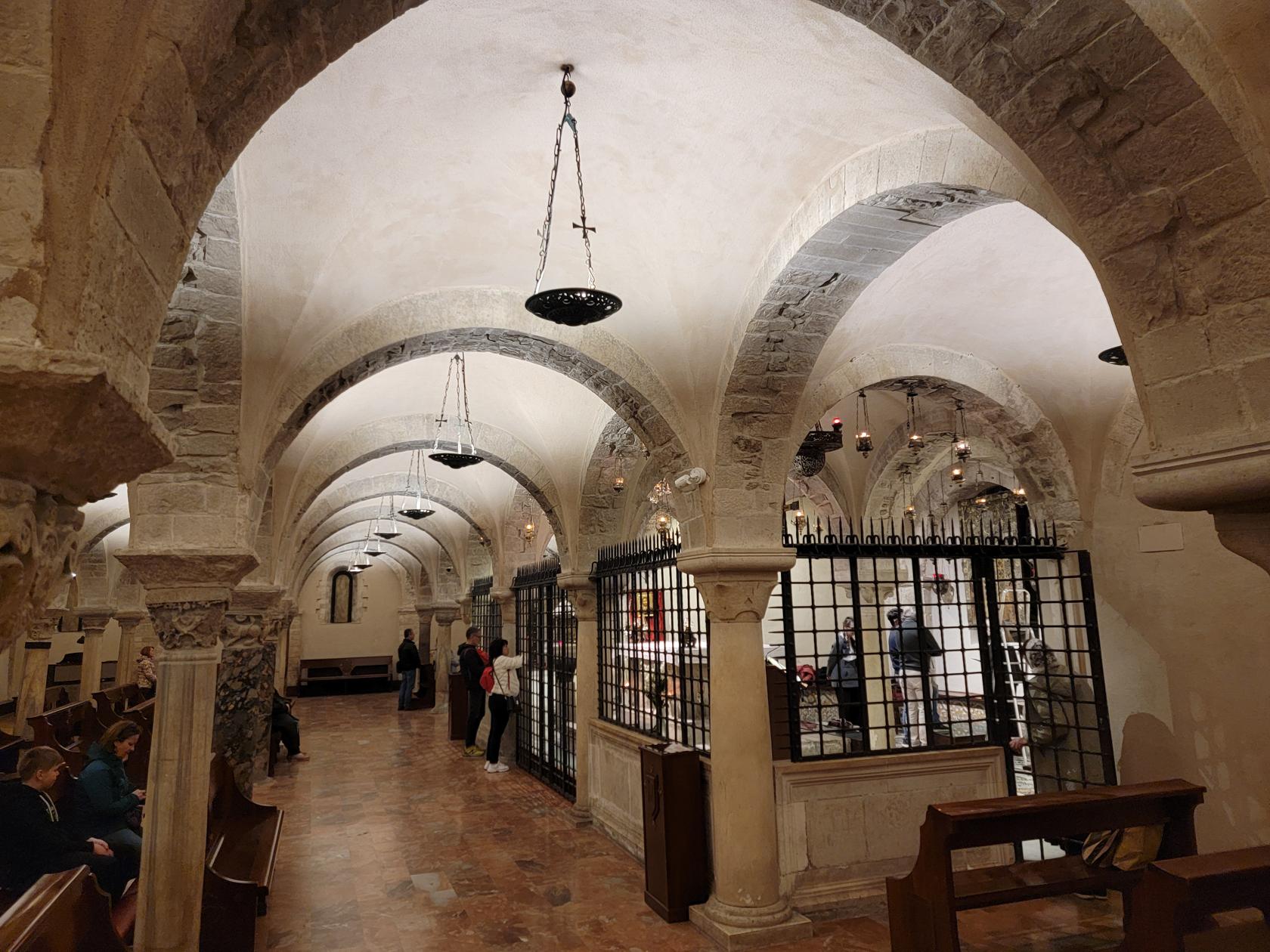
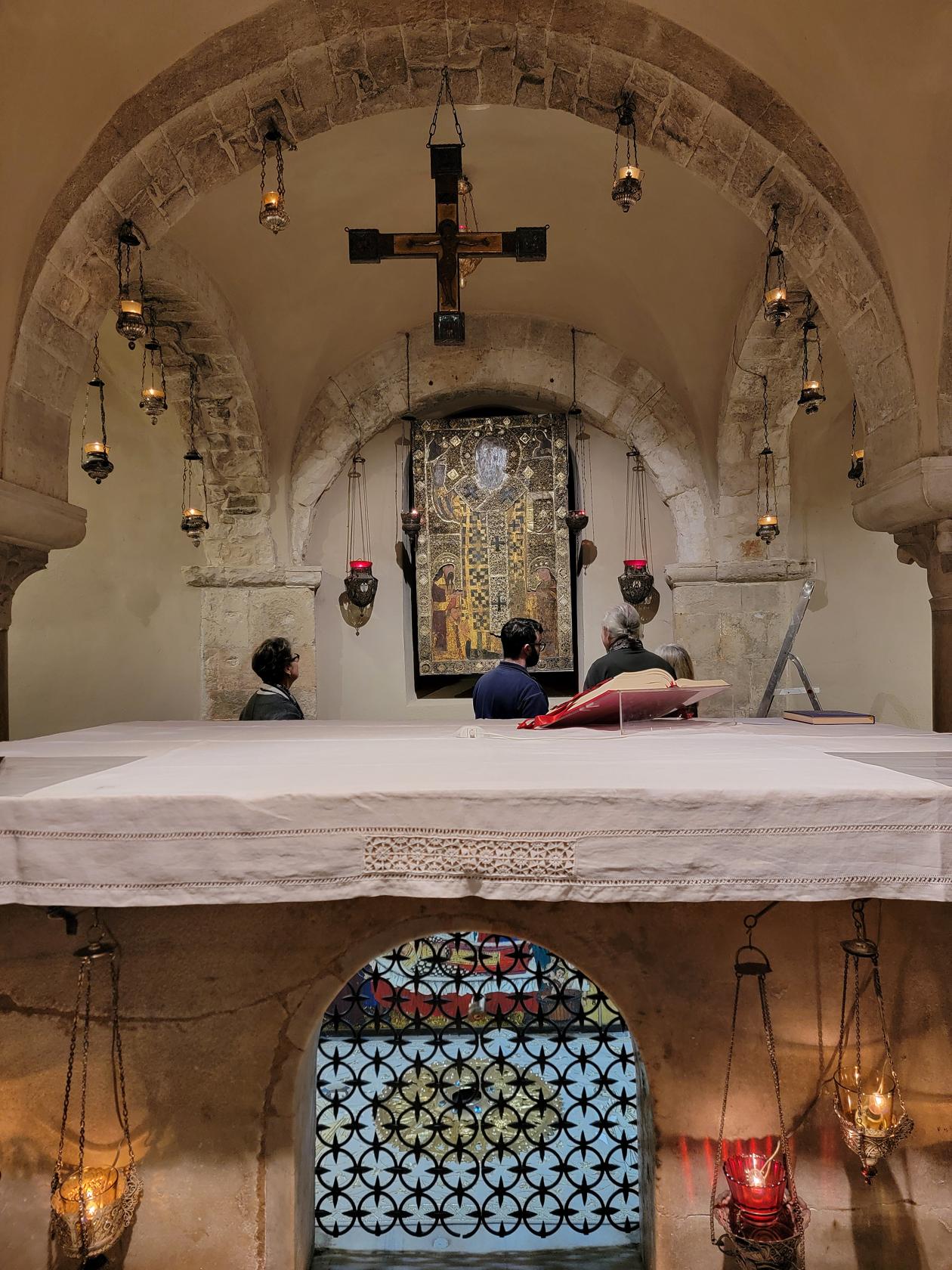
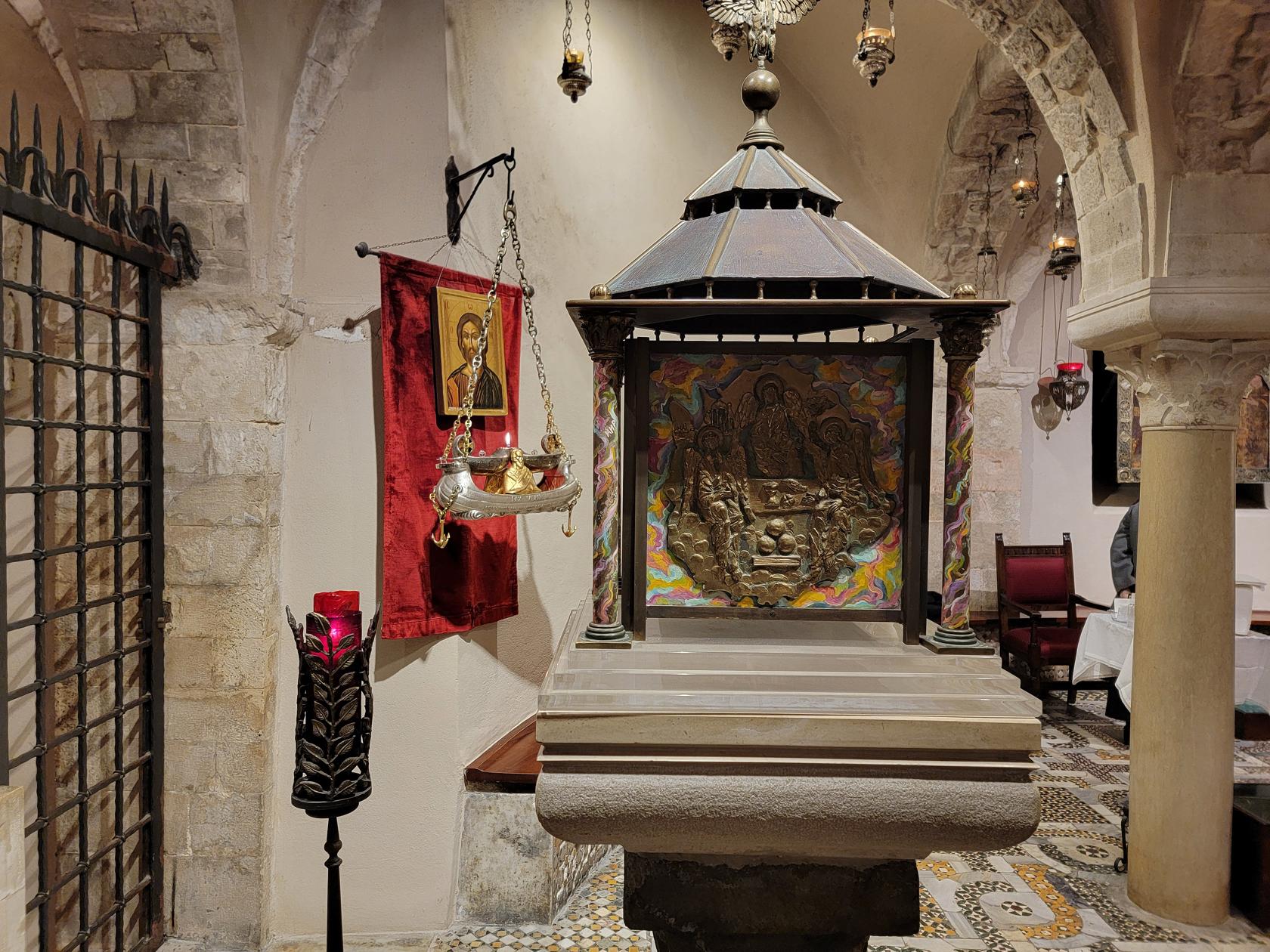
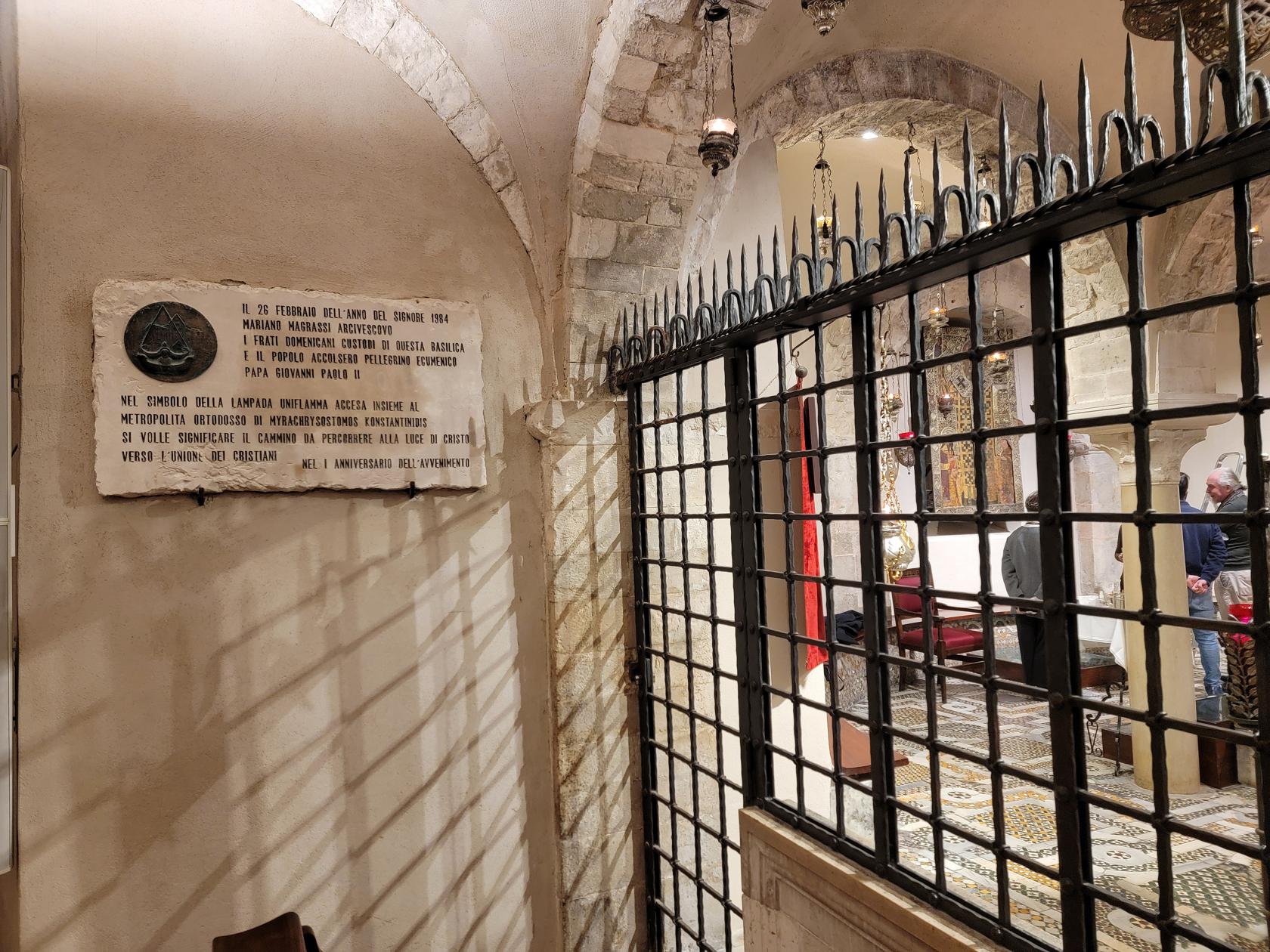
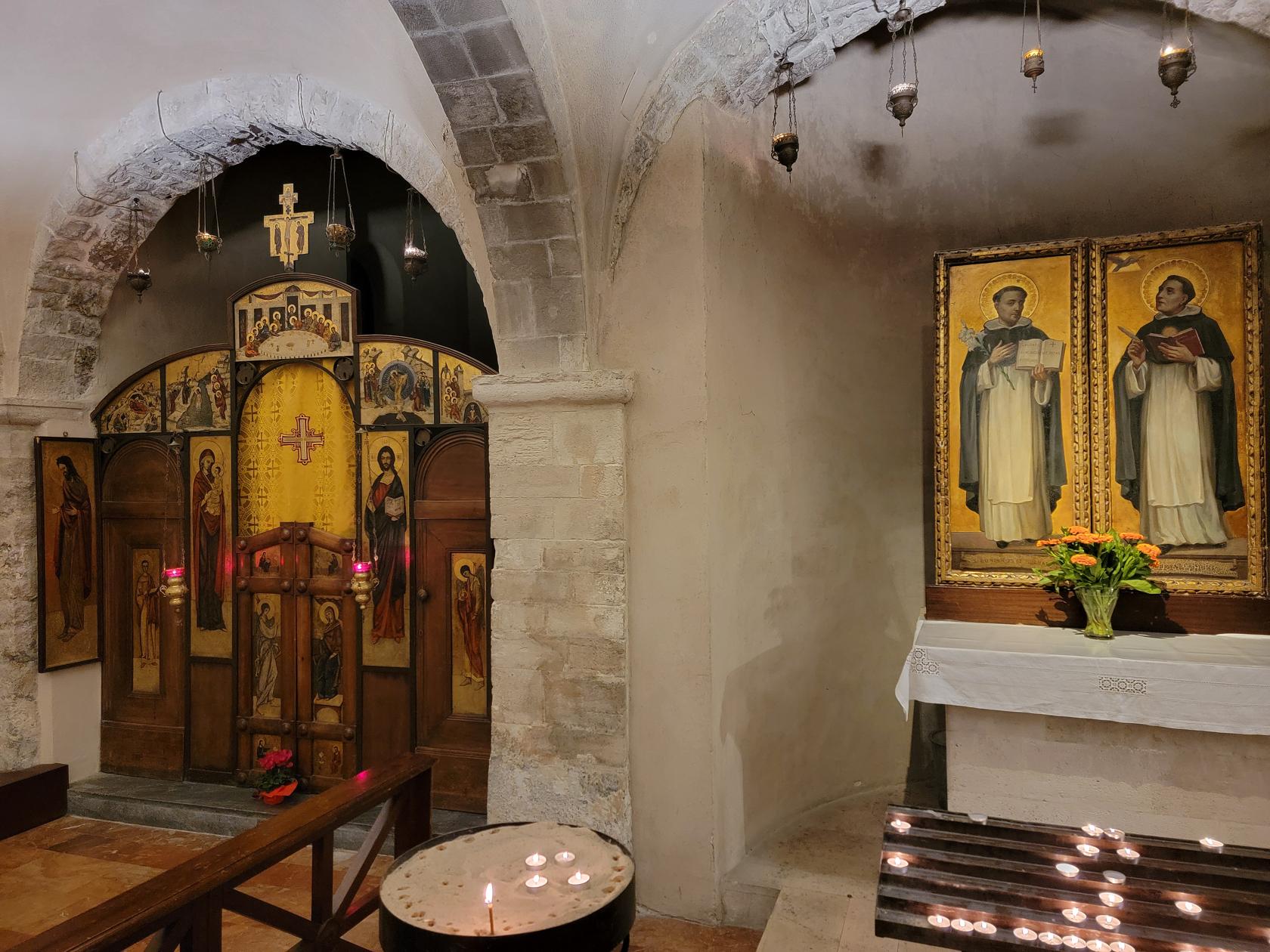
Here you can find the tomb of Saint Nicholas, the patron saint of Christmas. The crypt is a beautiful room with myriad arches all of which are adorned with unique capitols.
Basilica Pontificia San Nicola – Crypt – Bari, Italy
Basilica Pontificia San Nicola – Crypt – Bari, Italy
Basilica Pontificia San Nicola – Crypt – Bari, Italy
Basilica Pontificia San Nicola – Crypt – Bari, Italy
Basilica Pontificia San Nicola – Crypt – Bari, Italy
Basilica Pontificia San Nicola – Crypt – Bari, Italy
Basilica Pontificia San Nicola – Crypt – Bari, Italy
Basilica Pontificia San Nicola – Crypt – Bari, Italy
Restaurants
Our first day here we only had time for one meal. Since we ate rather late in the afternoon, around three o’clock, we simply weren’t hungry enough for dinner later that evening.
Matiti Pasta Bistrot
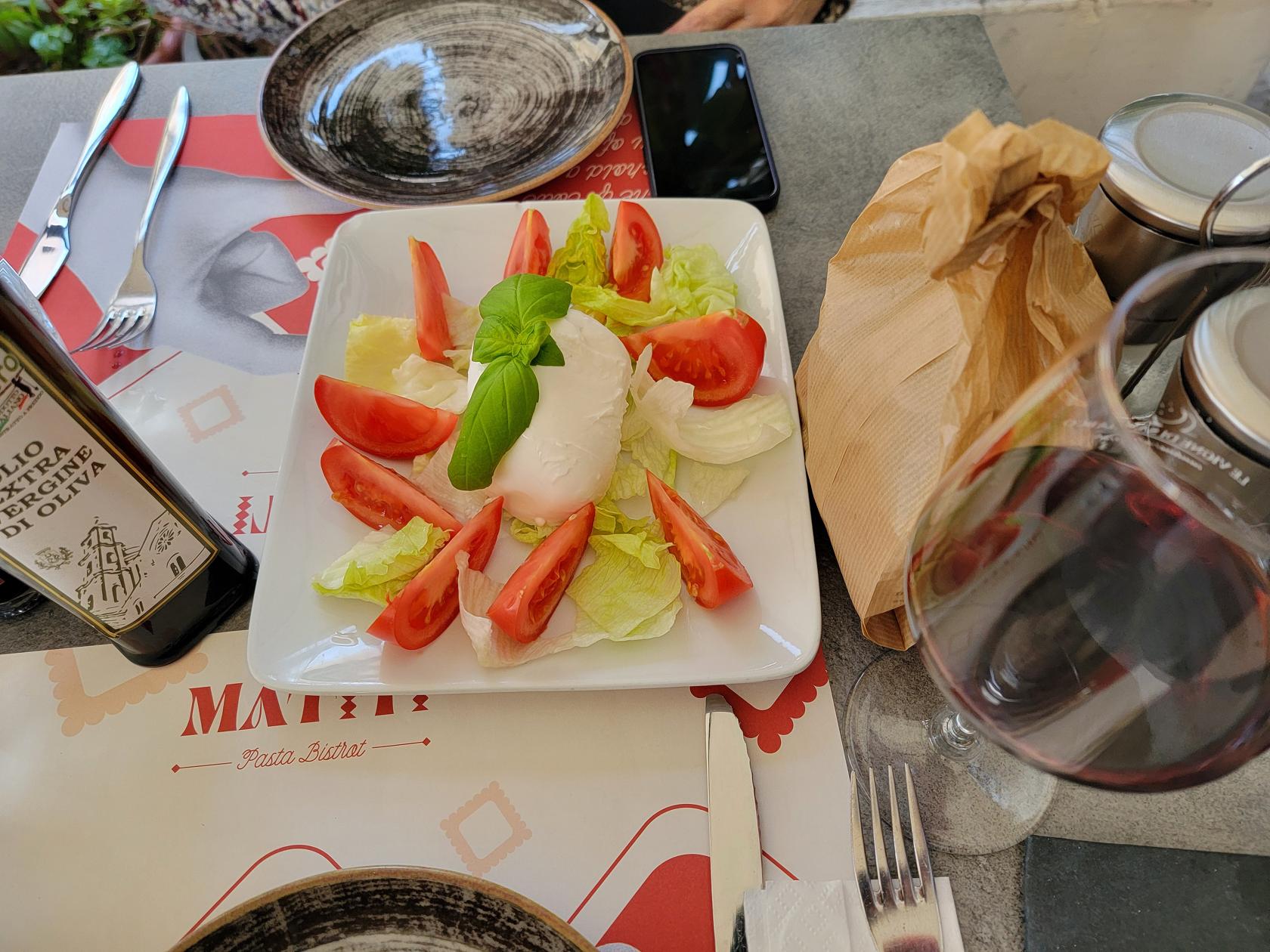
This bistrot did not get very good ratings online, however we found both the food and service adequate for lunch. I ordered a glass of red Primitivo wine from the area which was just delicious, and a 5€ glass, it didn’t hurt my wallet either.
Patti’s Caprese – Matiti Pasta Bistro – Bari, Italy
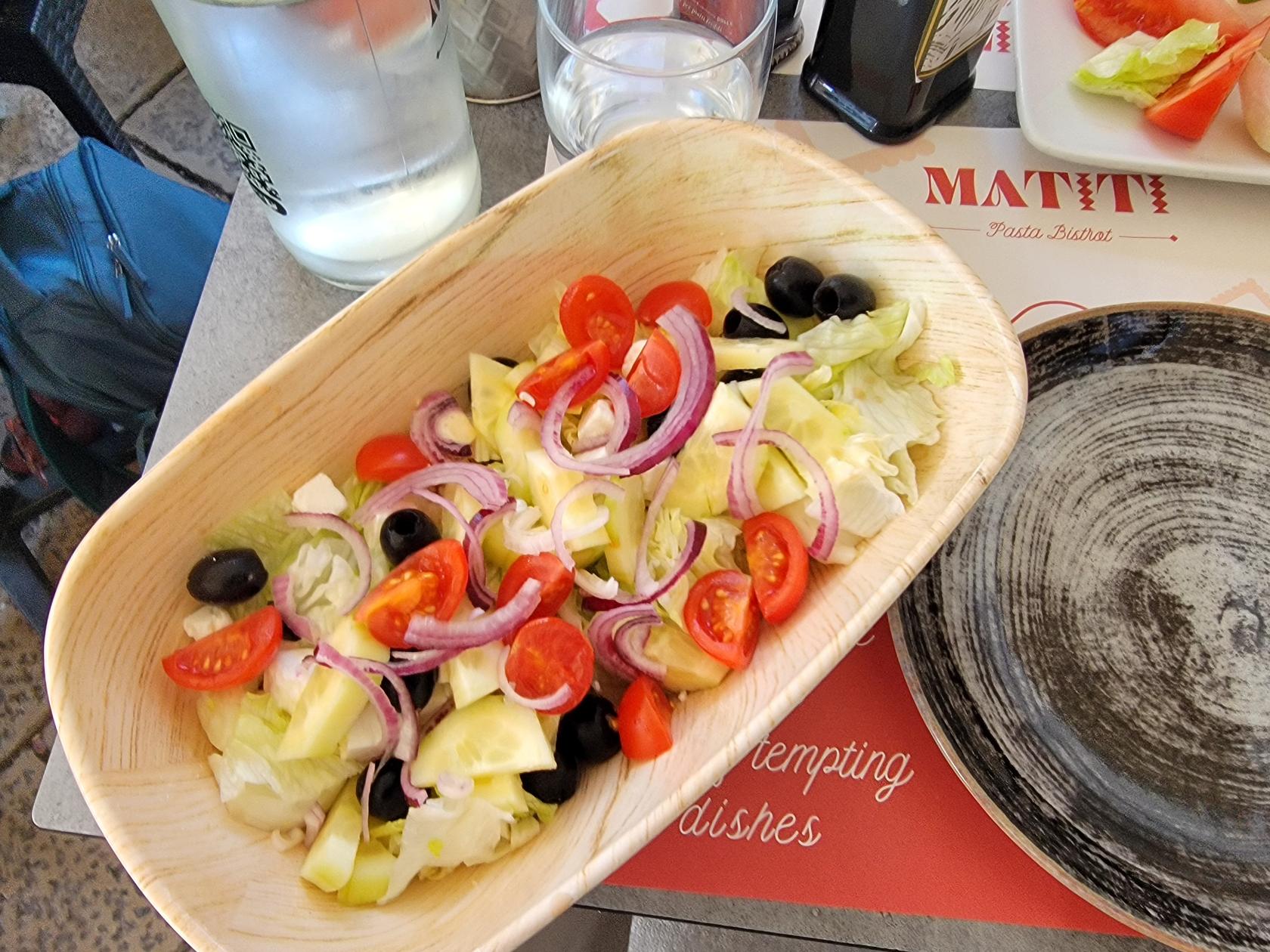
Erick’s Insalata Mista – Matiti Pasta Bistro – Bari, Italy
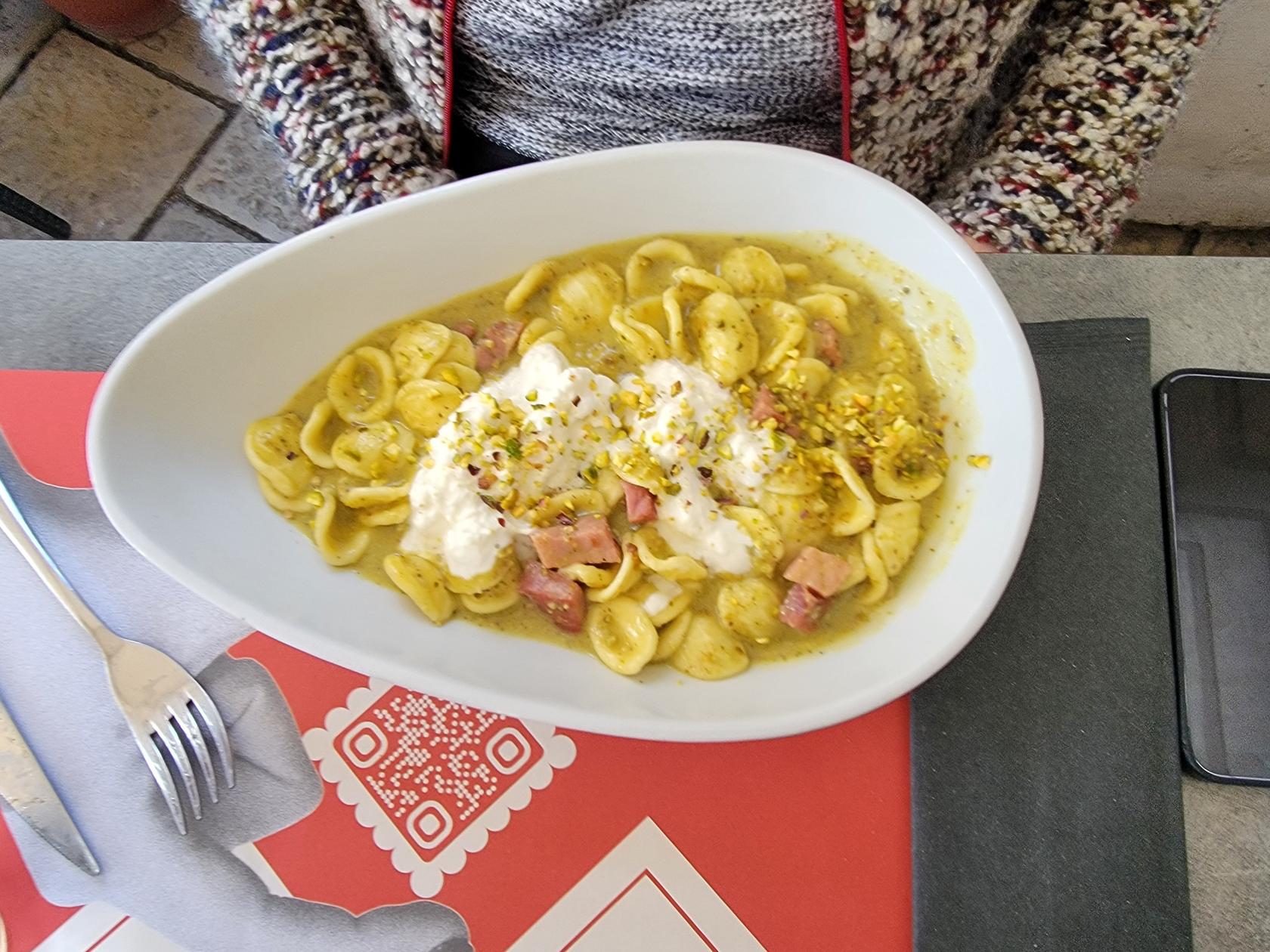
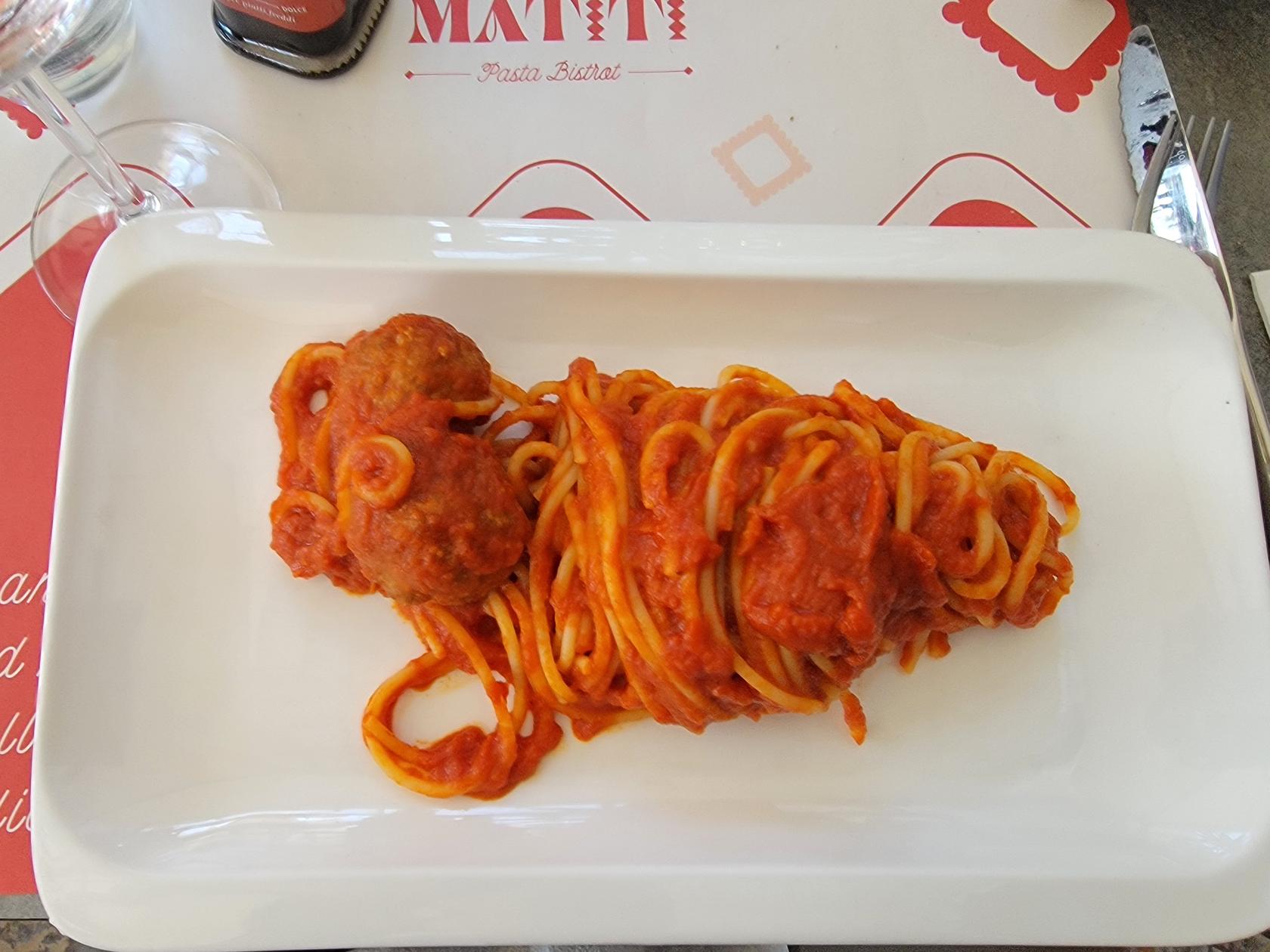
We kept things simple with a Caprese Salad, an Insalata Mista and later some pasta. After that I had an espresso and a sambuca. The total came to 62€ for two people, with two glasses of wine and coperto.
Patti’s Orecchiette with Speck and Pistachio Cream Sauce – Matiti Pasta Bistro – Bari, Italy
Erick’s Spaghetti and Meatballs – Matiti Pasta Bistro – Bari, Italy
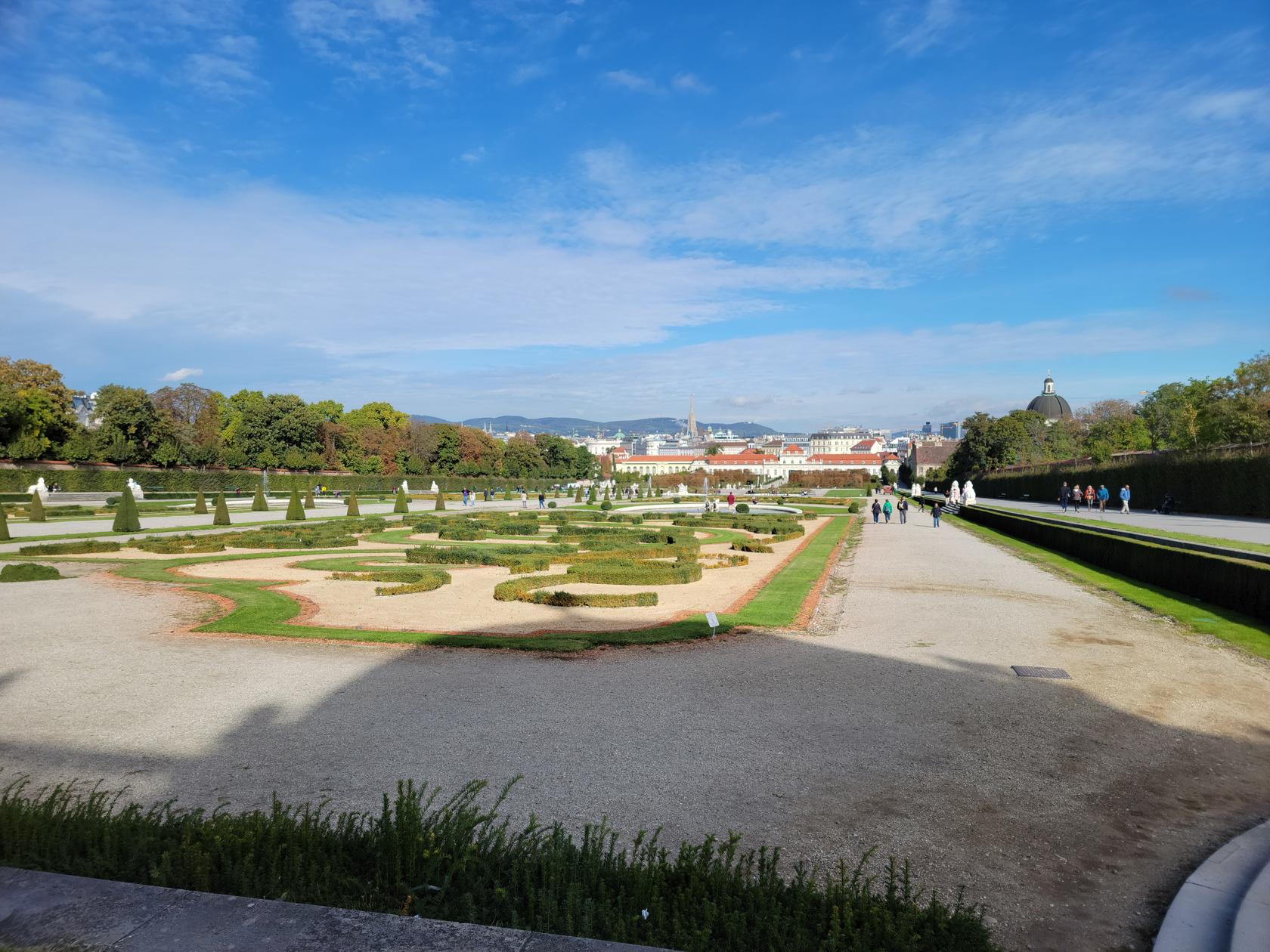
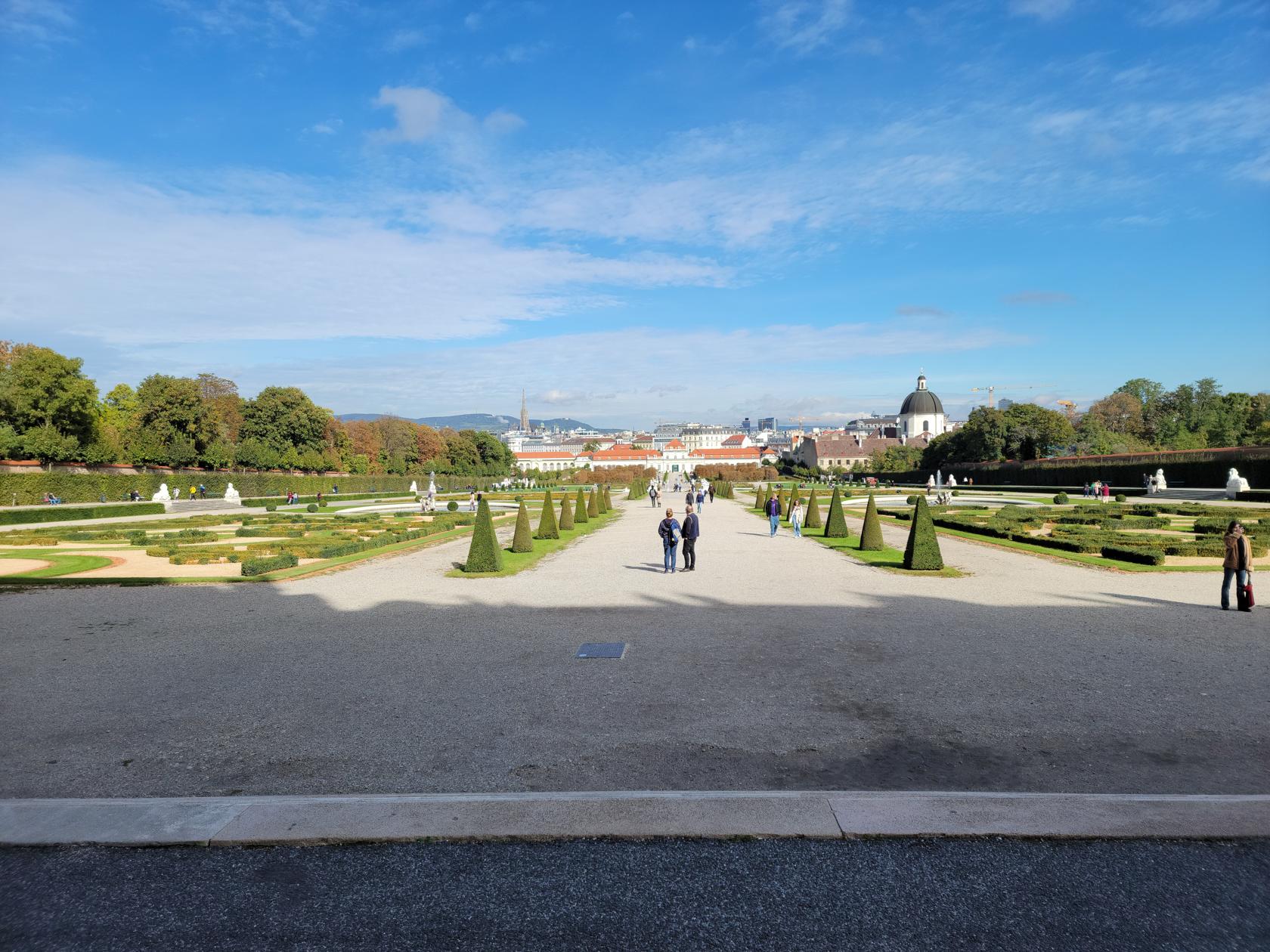
Below the cacophony of Vienna’s innere Stadt, the Resselpark, Karlskirche and the Kärtner Ring is a rather large conglomeration of museums, gardens and fountains is the Belvedere Palace.
Belvedere Palace and Gardens
Belvedere
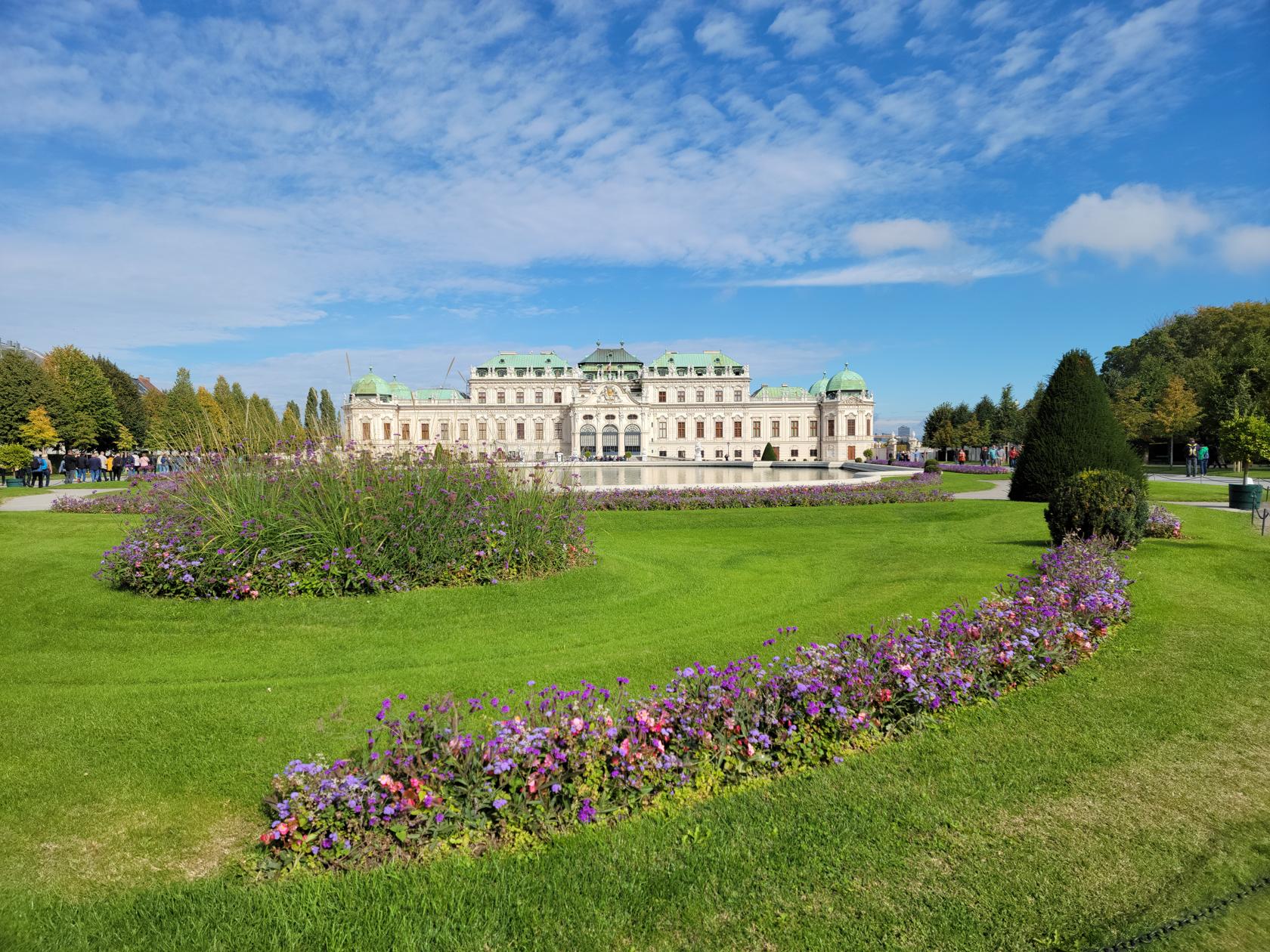
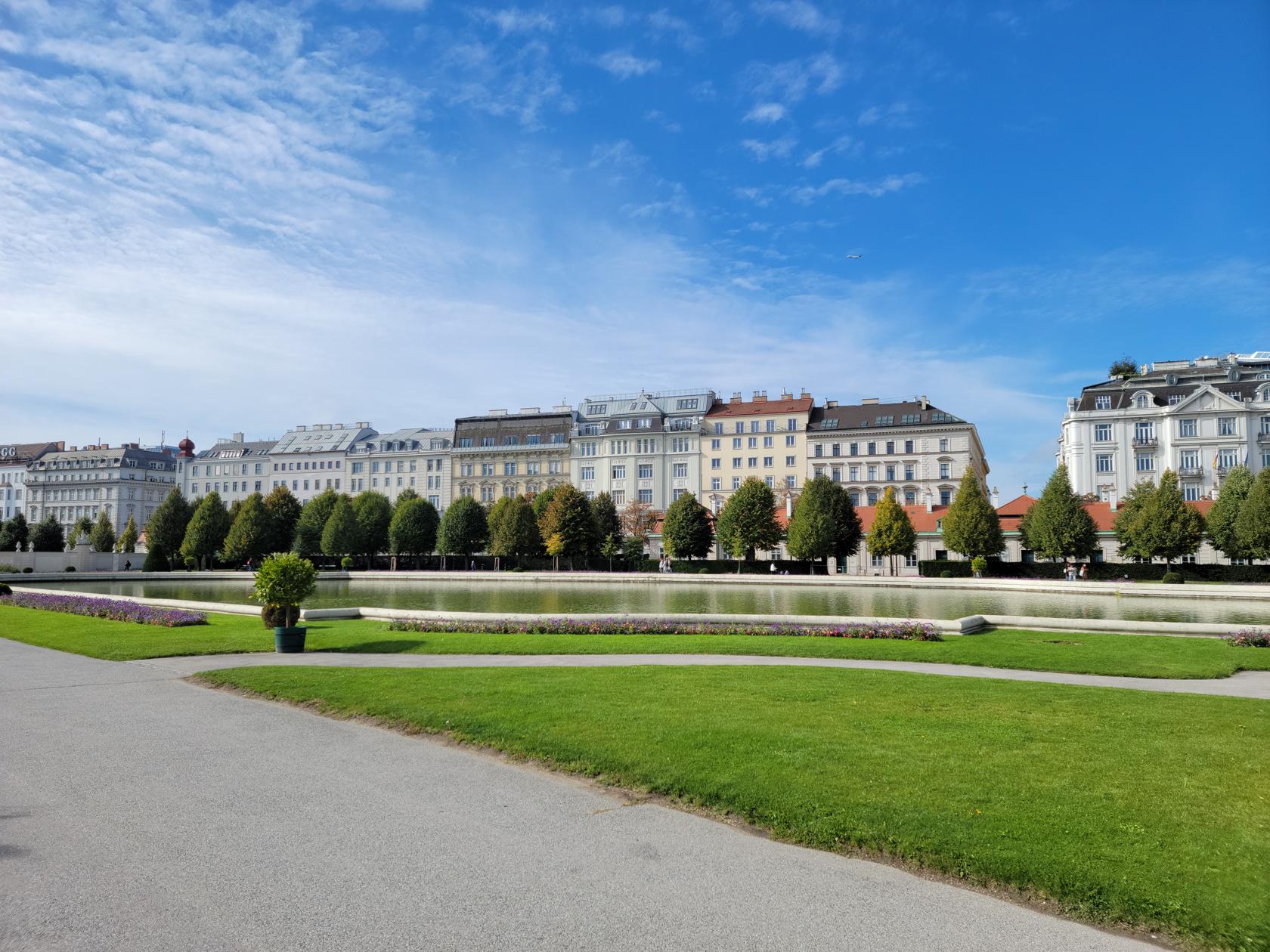
The palace and its gardens are divided in two, known as the Oberen (Upper) and Unteren (Lower) Belvedere. Between them one can find the exceptional gardens of the palace called the Belvedere Gardens. To the right of this are also the Botanical Gardens, which we did not have time to visit.
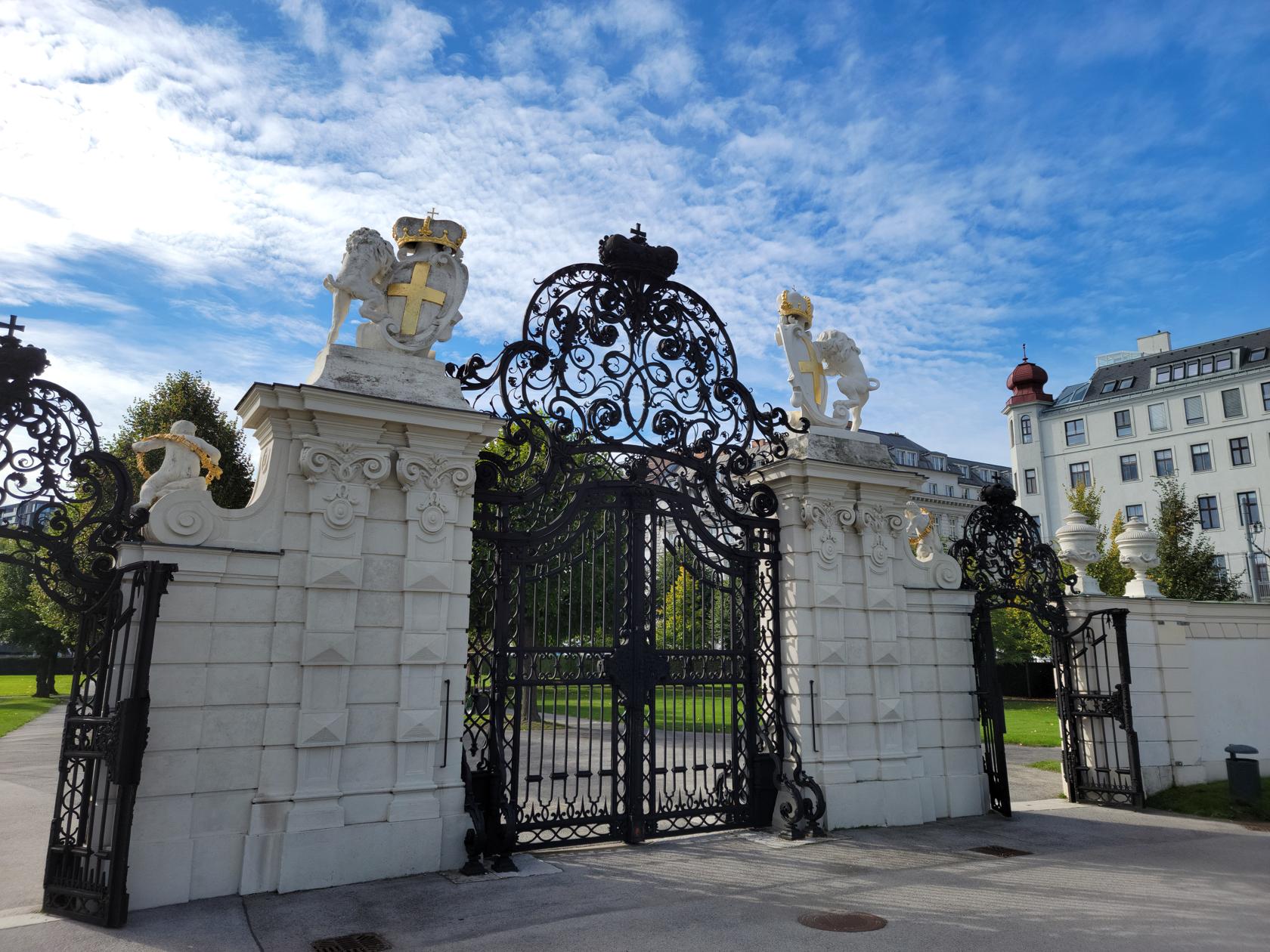
Belvedere Gate Entrance
Belvedere Gardens – Upper and Lower Belvedere Museums – Tickets For Two
Upper Belvedere
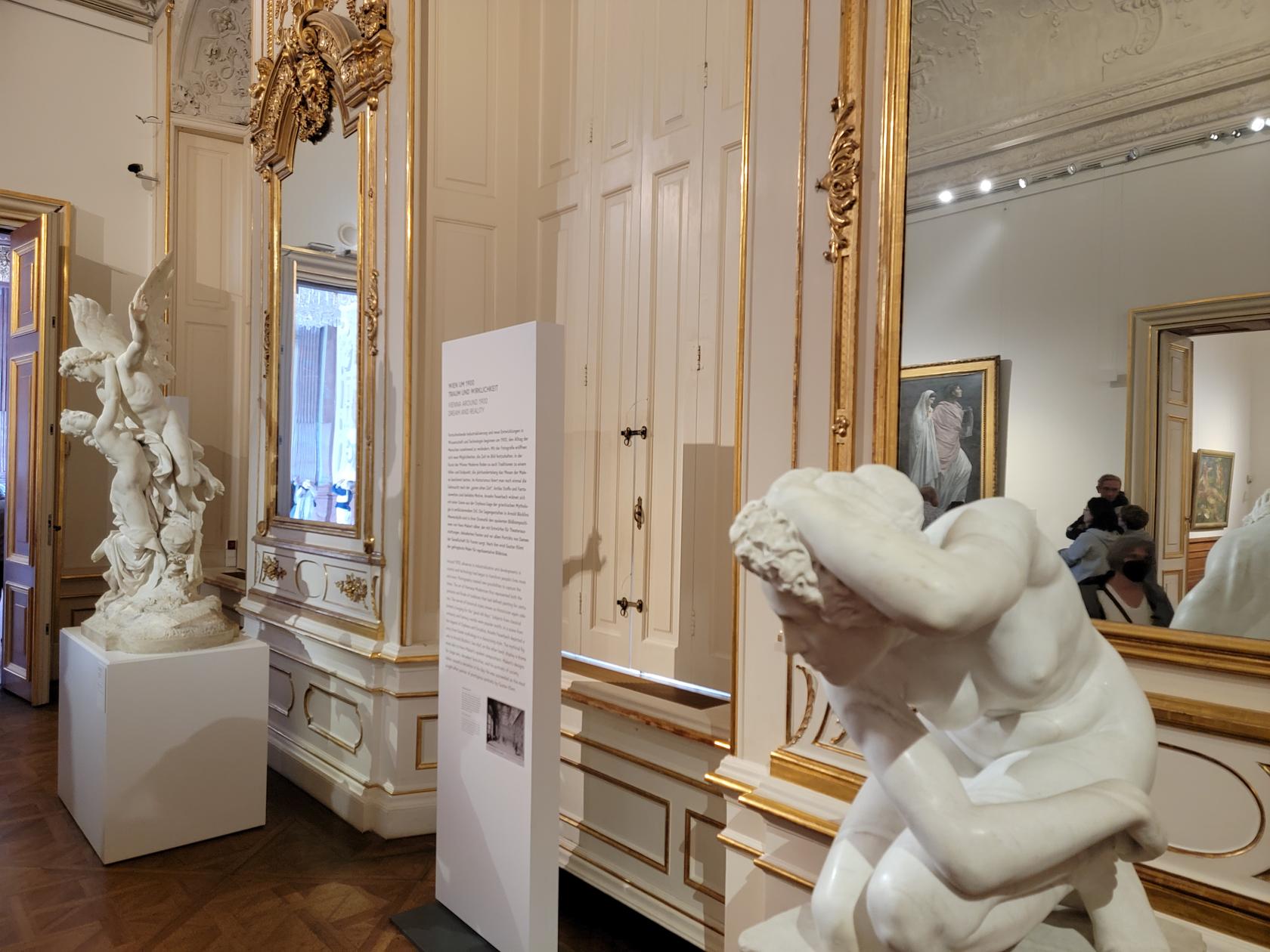
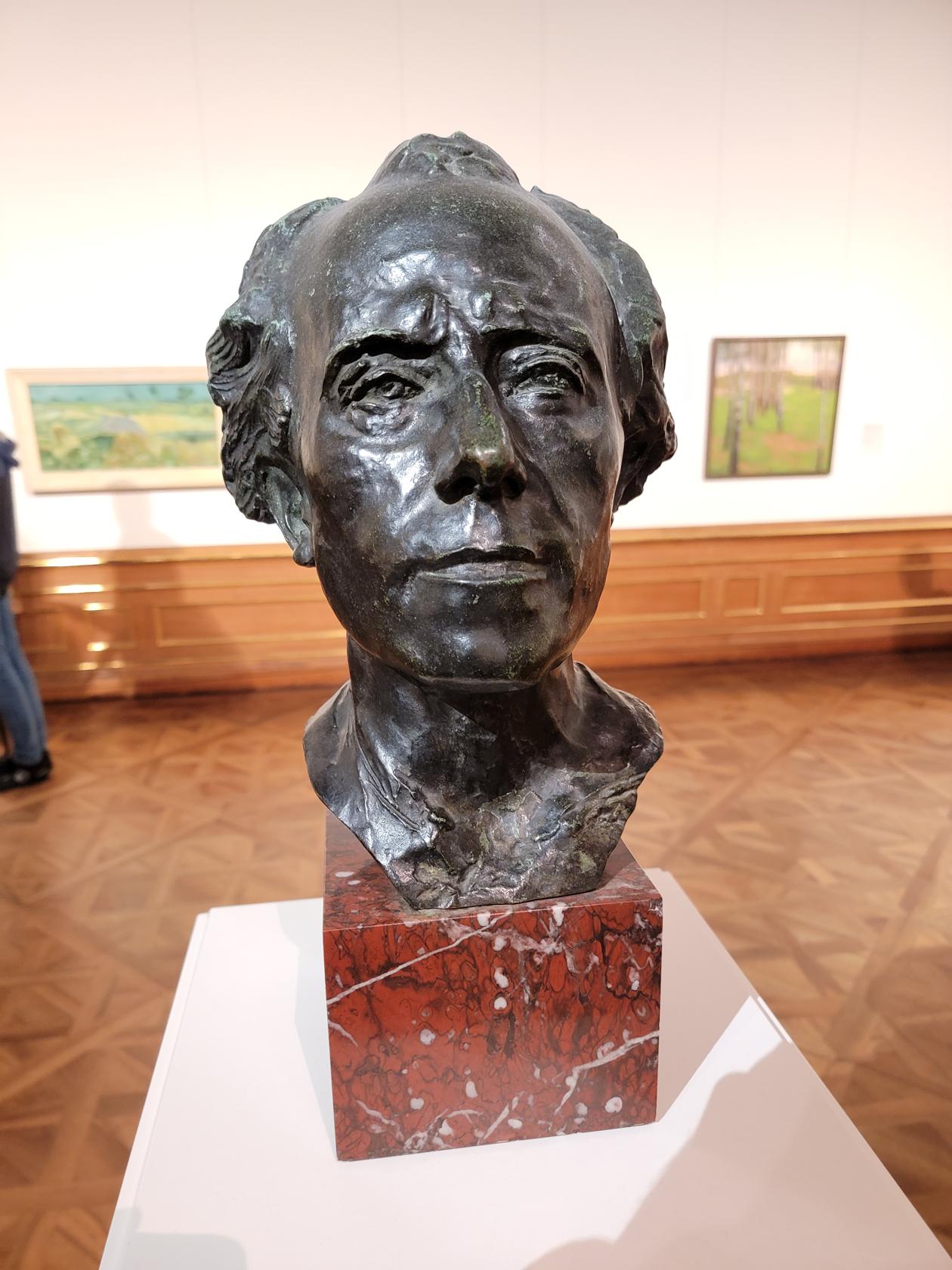
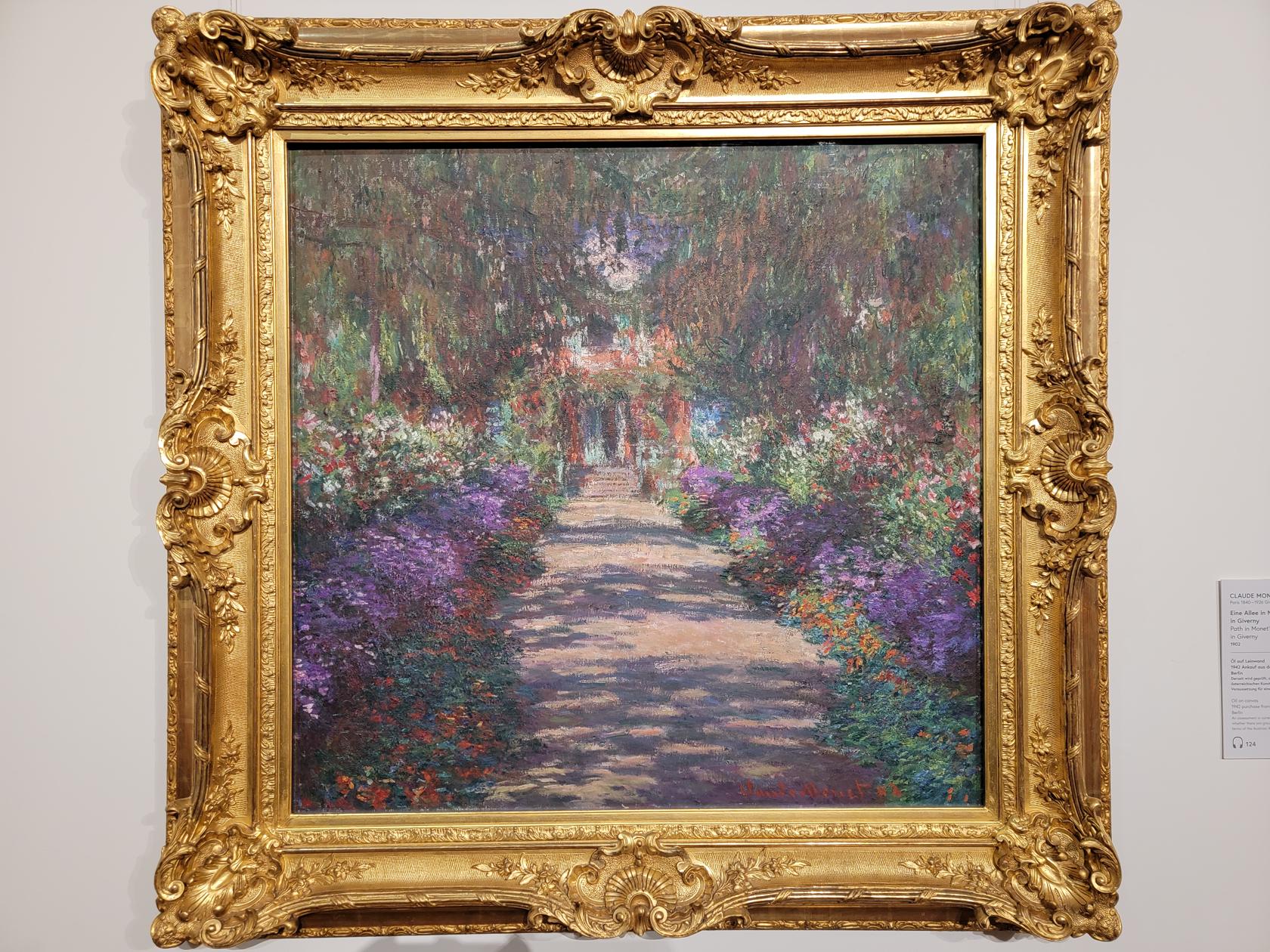
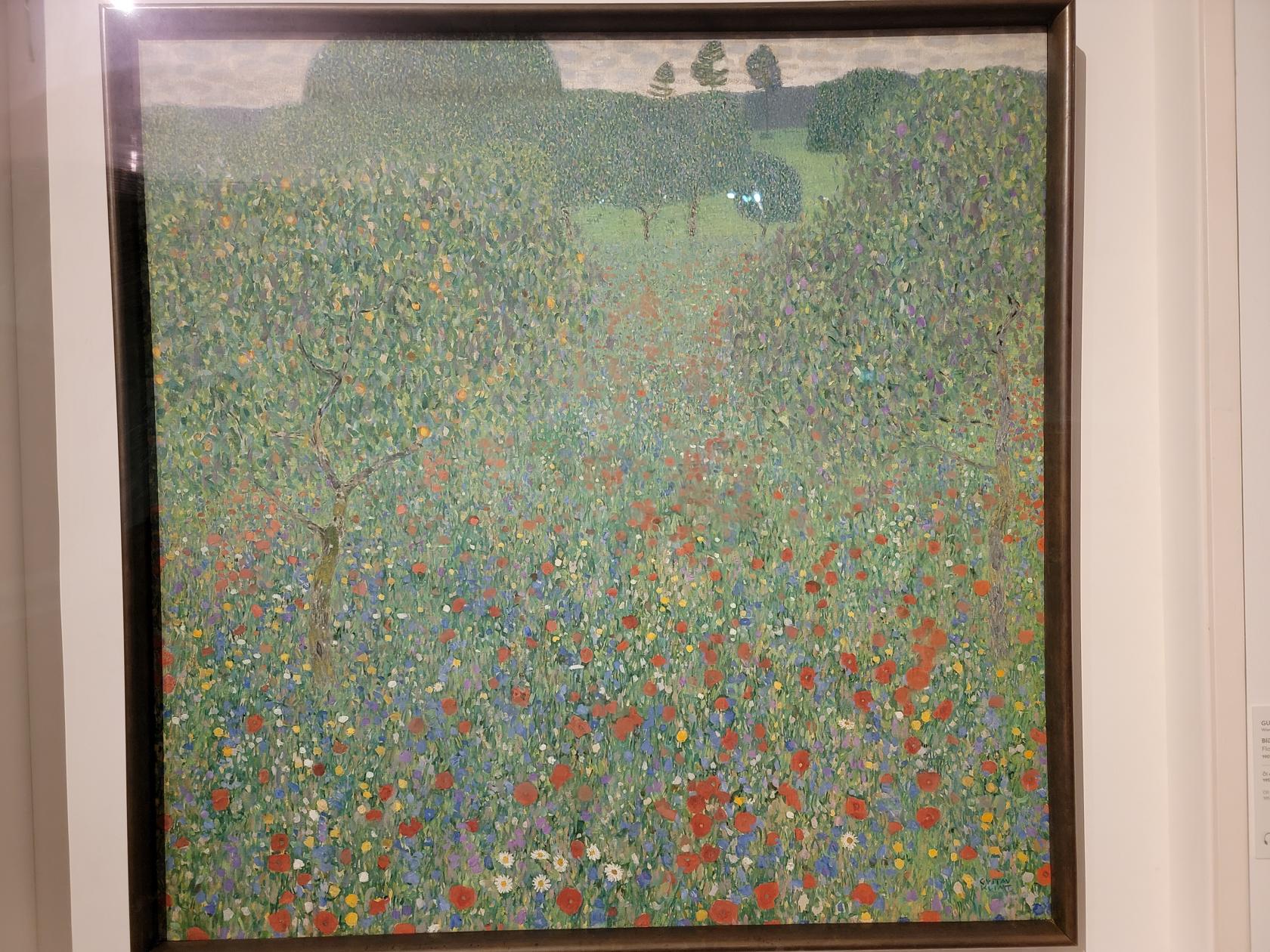
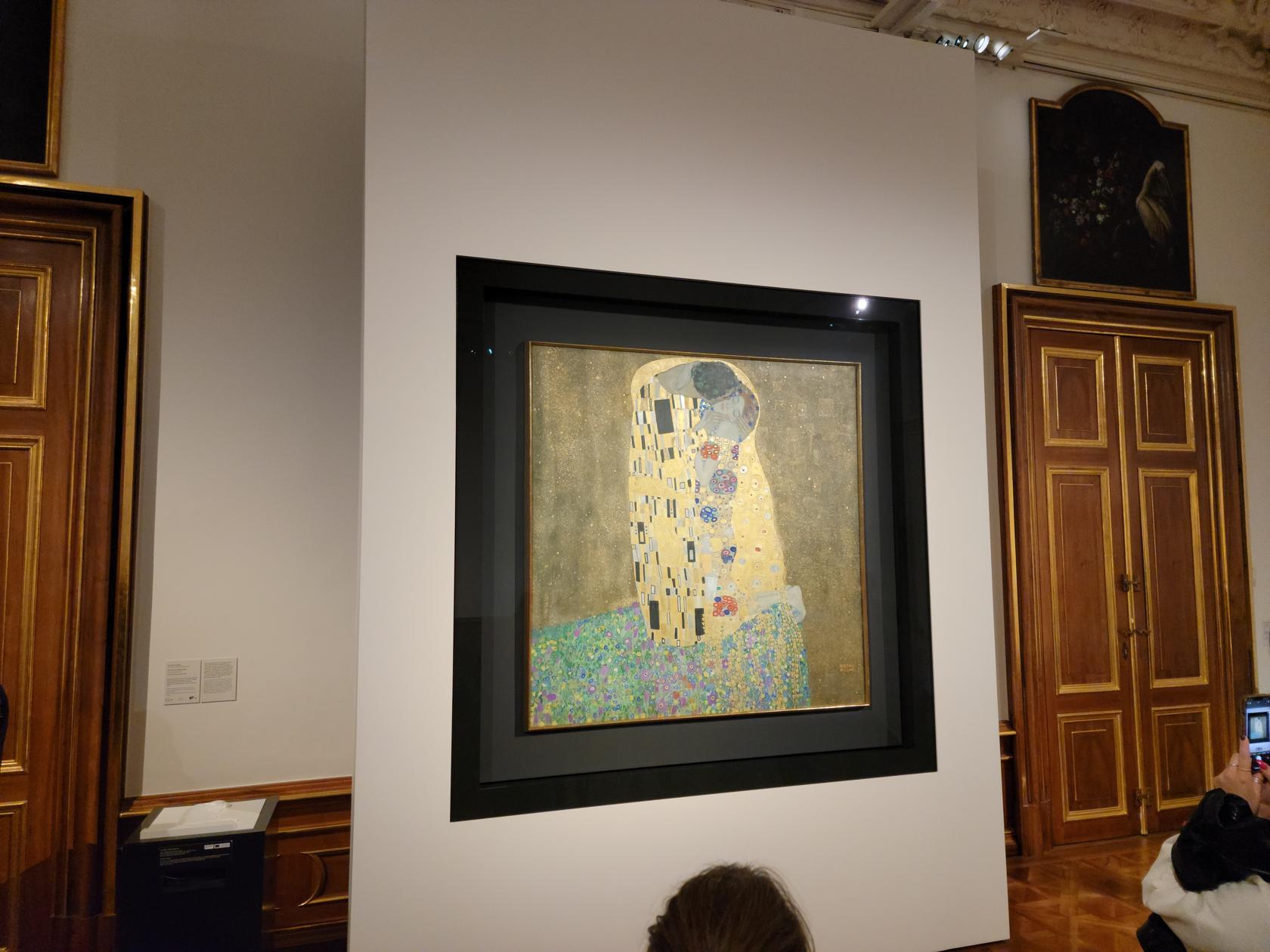
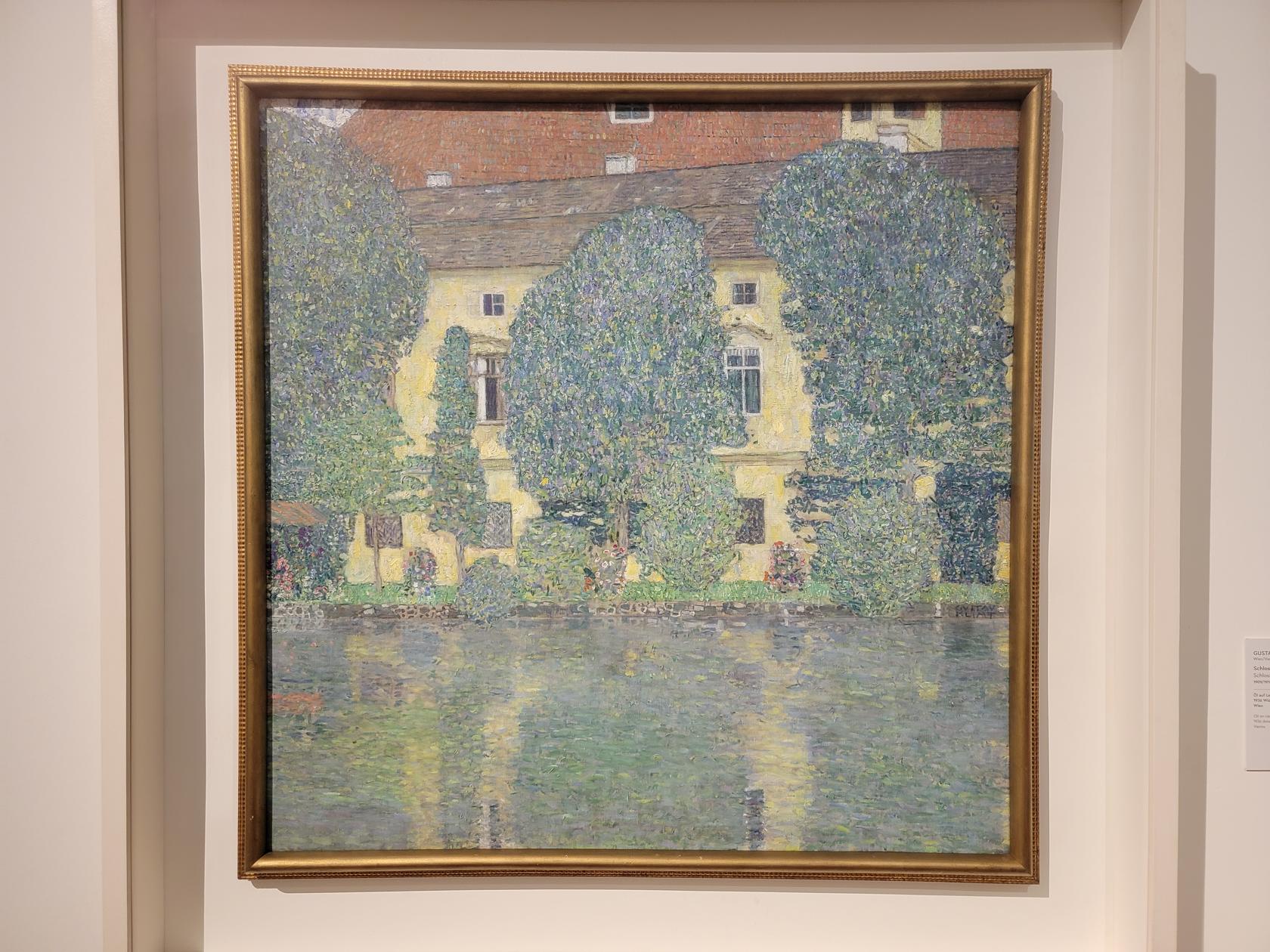
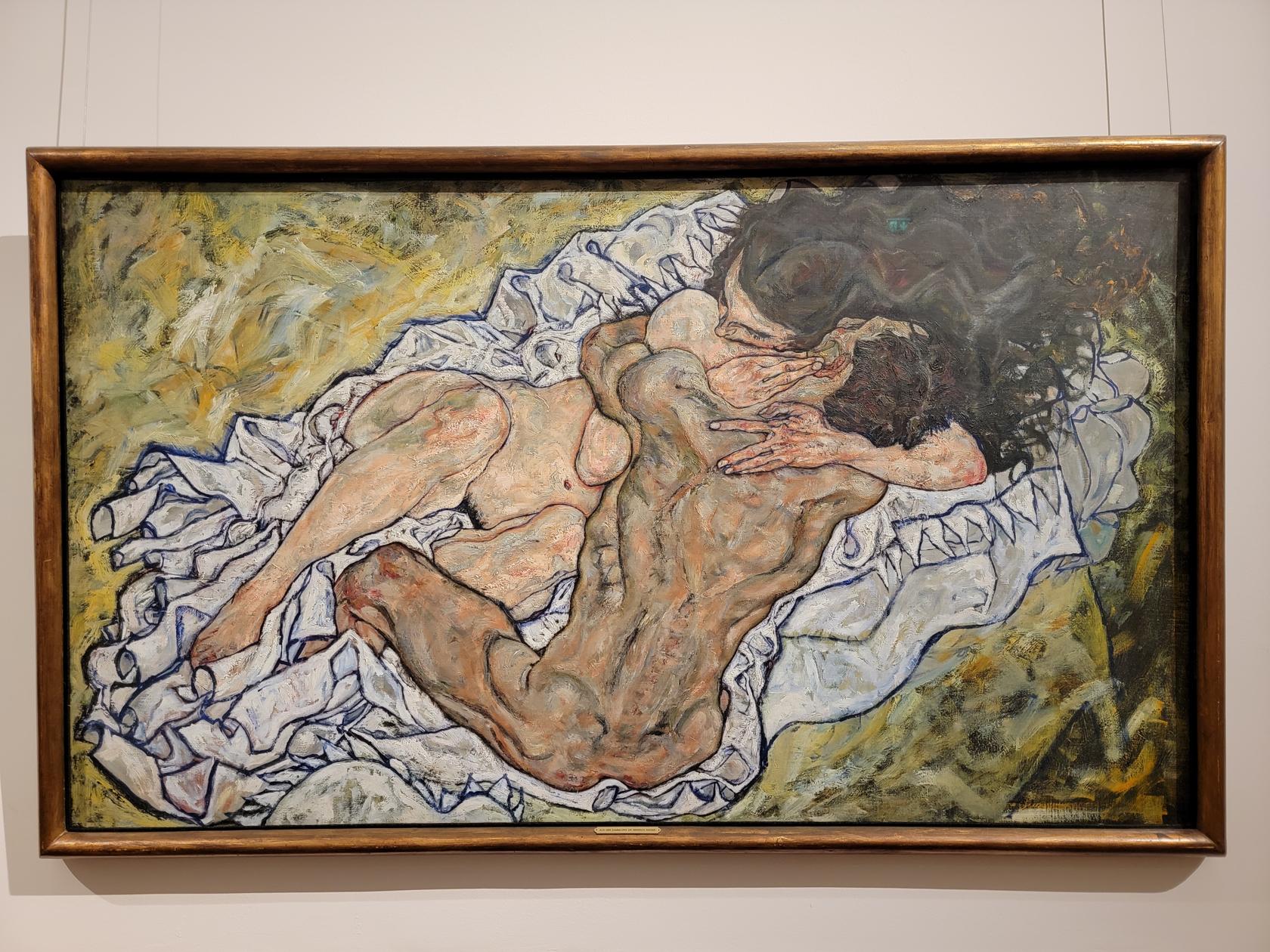
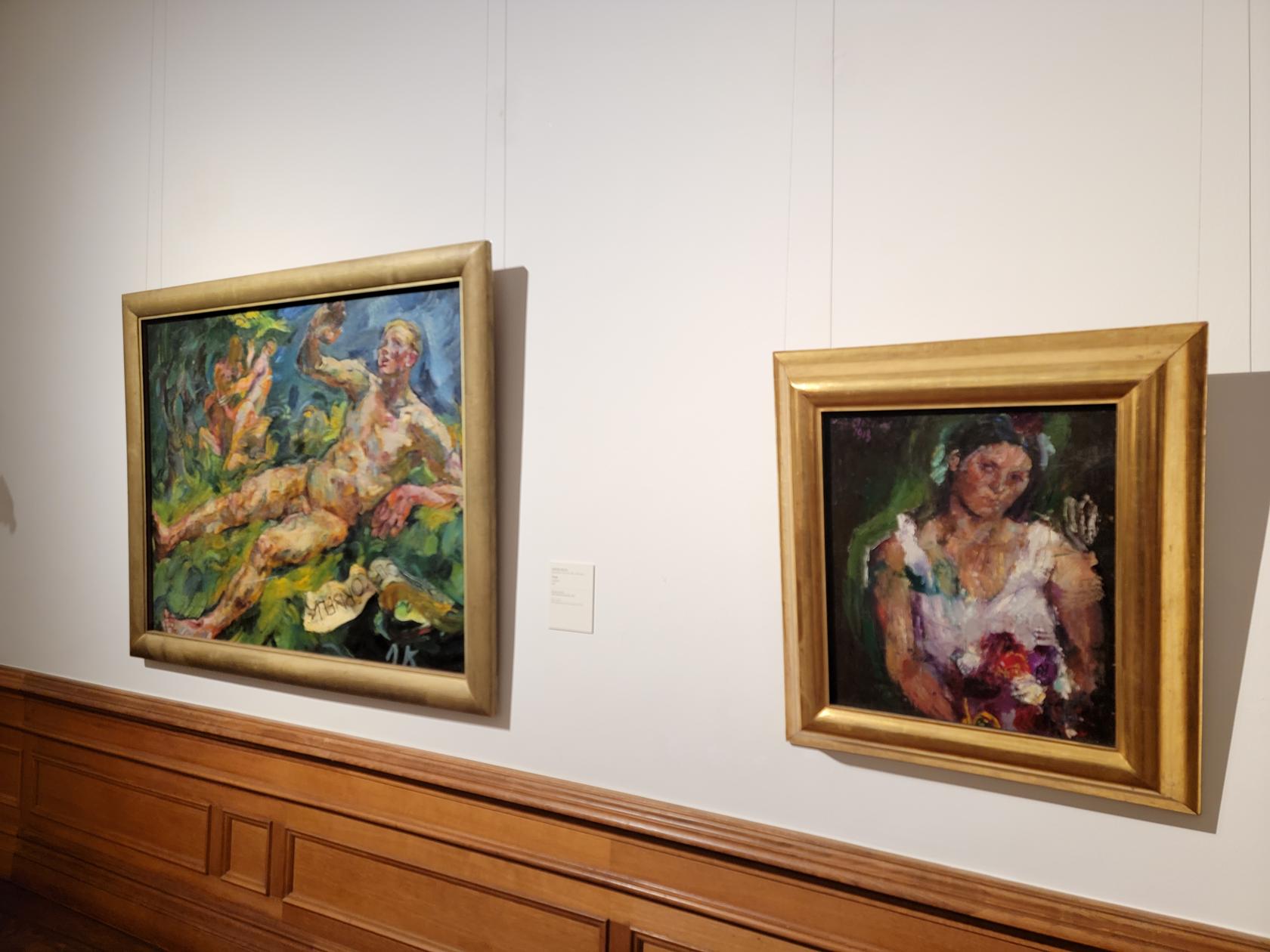
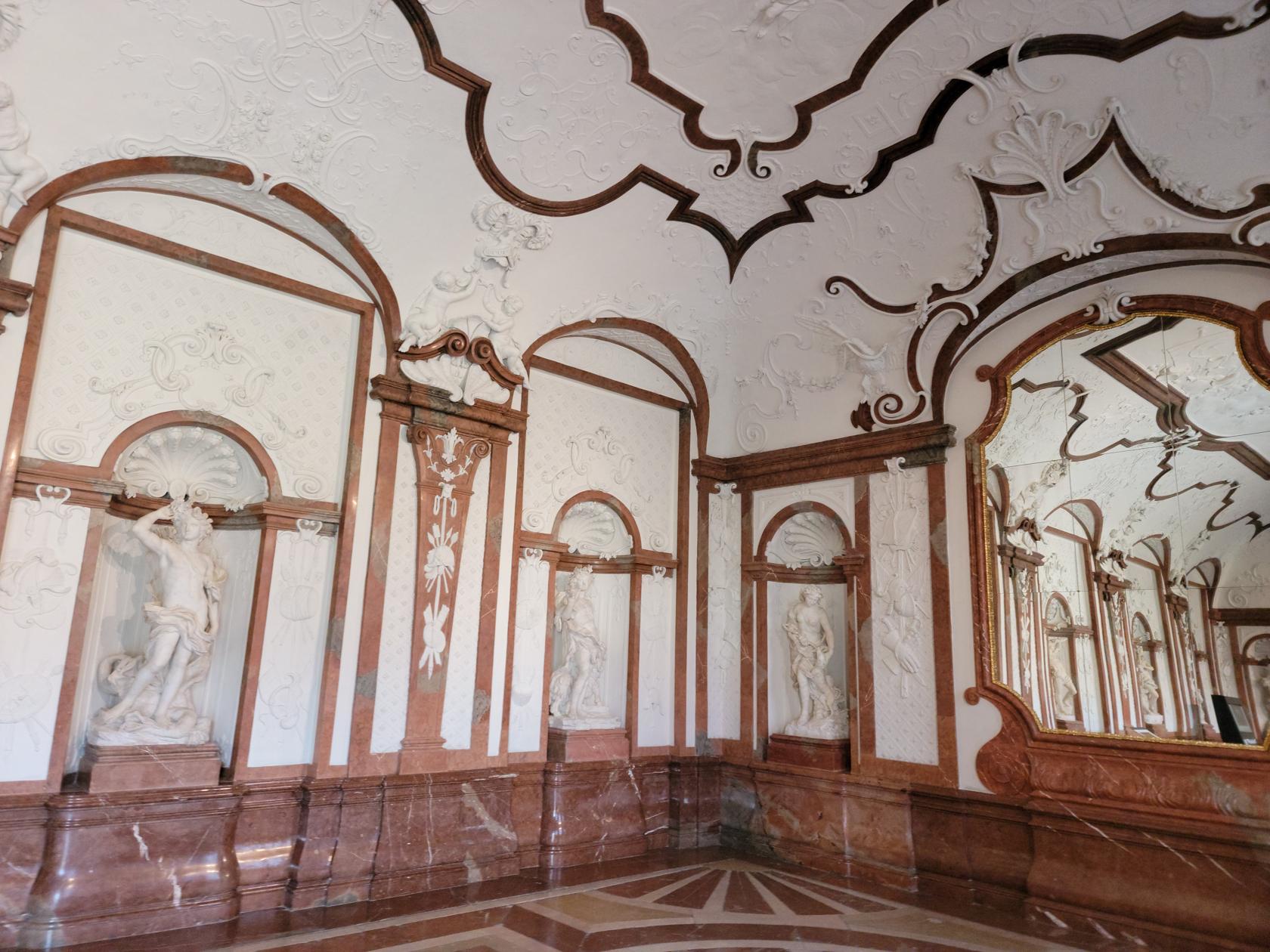
This museum holds the primary collection of the Belvedere, including many famous artists, Austria’s own Klimt and others like Monet, Rodin and Schiele. Words cannot describe what a slow walk and intense focus on these works feels like unless you visit these works in person. Second best is a slide show on those pieces that I found the most moving and interesting of the collection, enjoy.
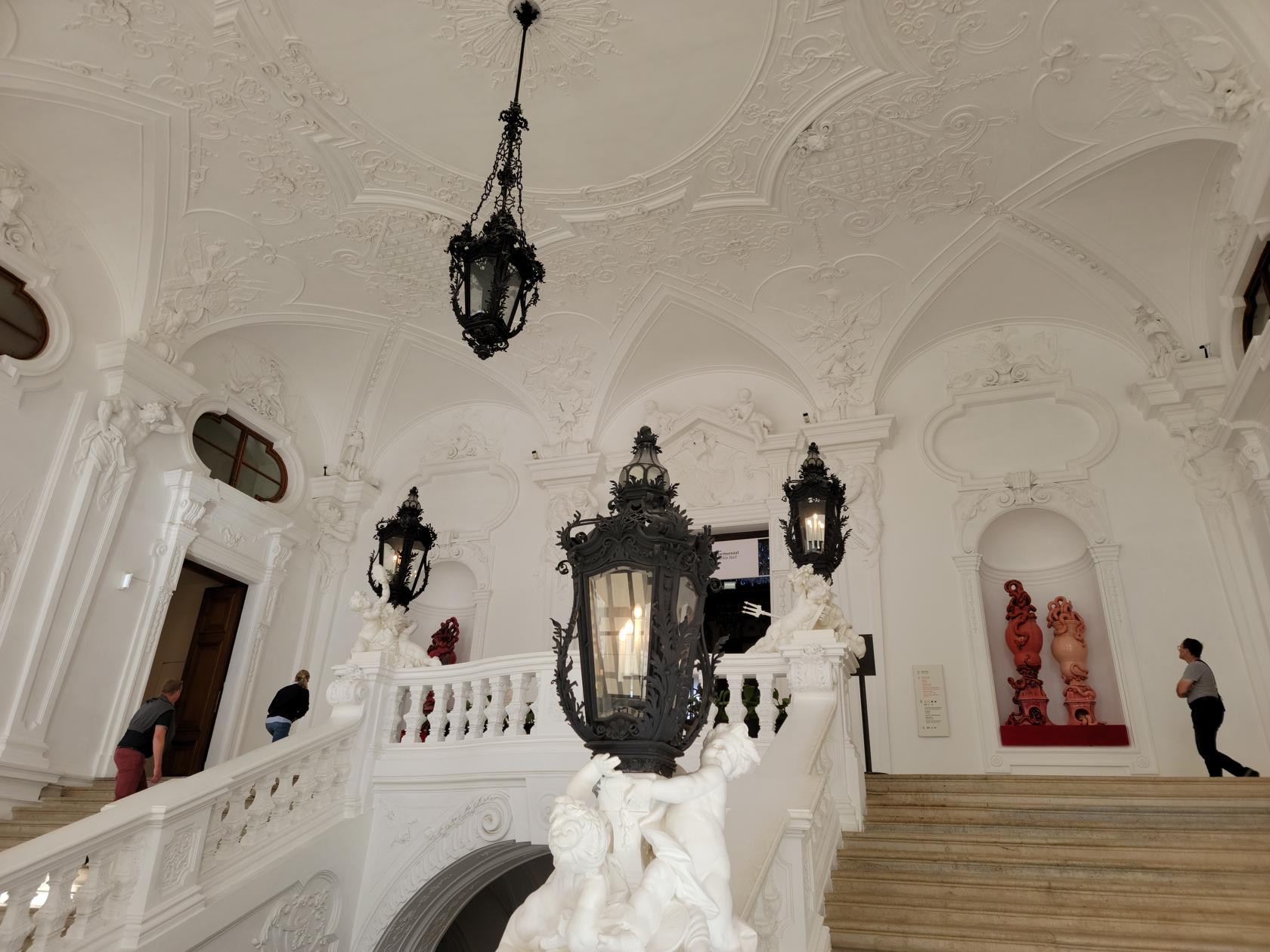
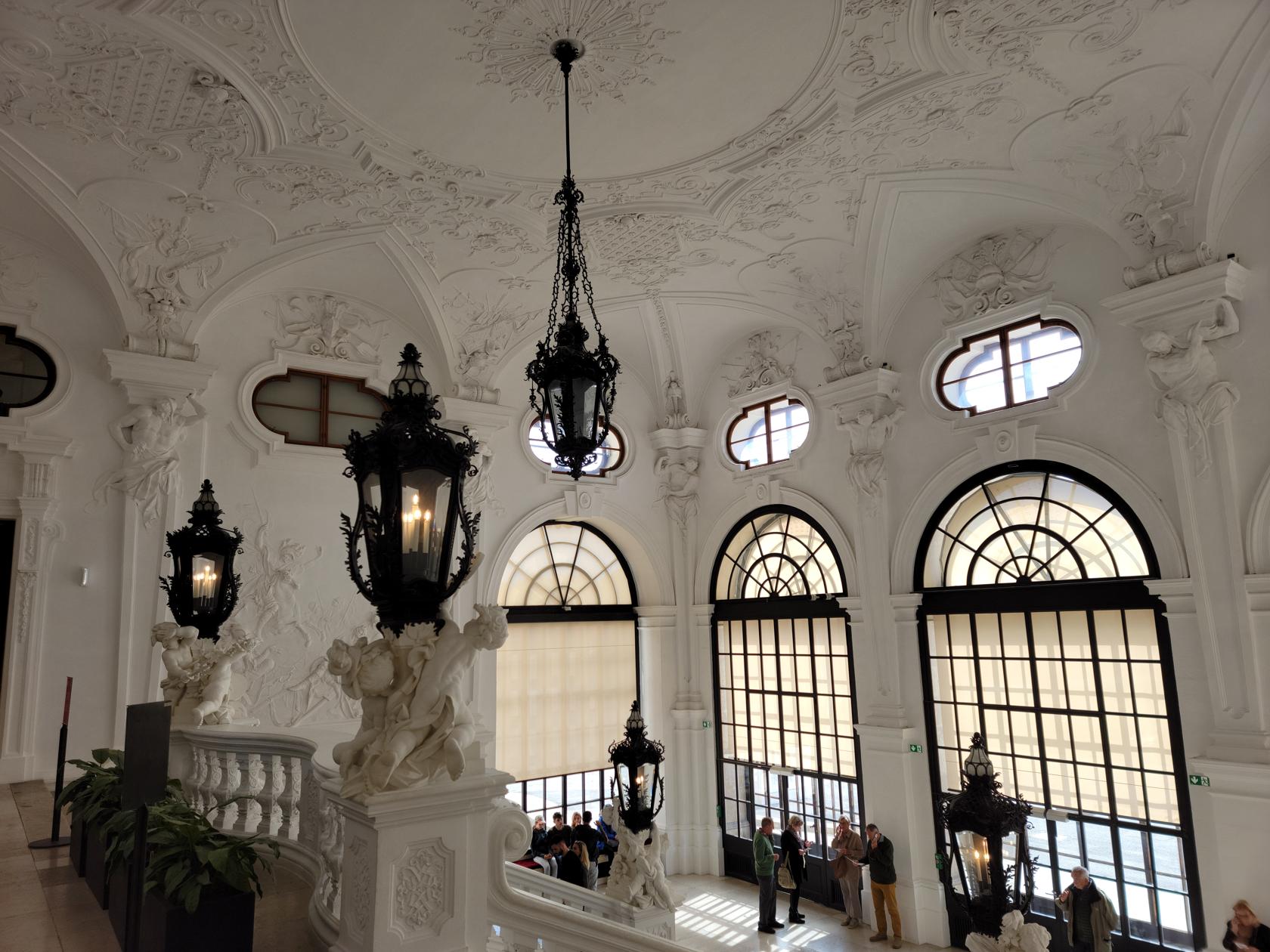
Upper Belvedere Museum – Stairway
Upper Belvedere Museum – Grand Stairway
Upper Belvedere Museum – Stairway – Medusa Gorgon
Upper Belvedere Museum – Stairway – Stheno and Euryale Gorgons
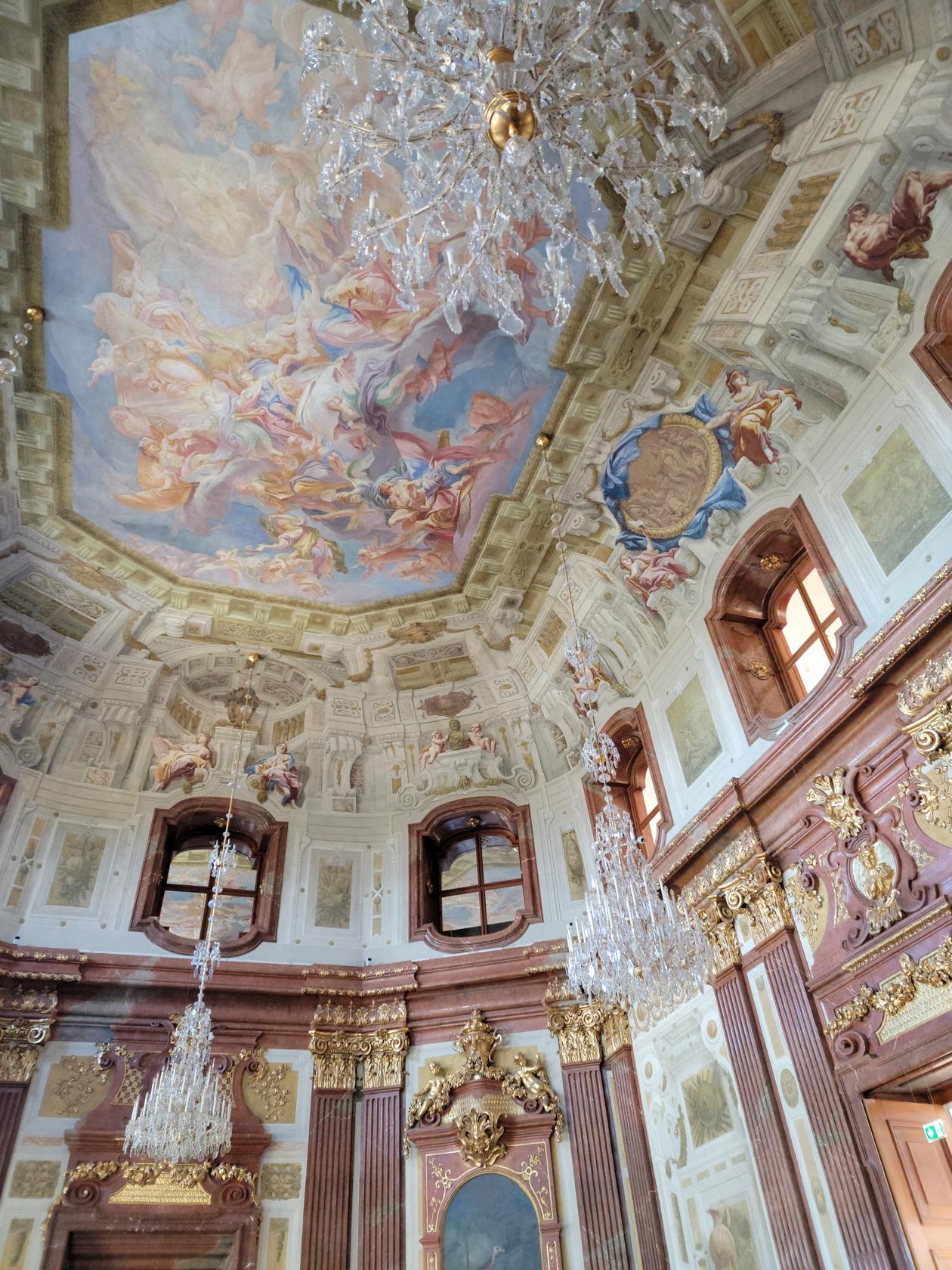
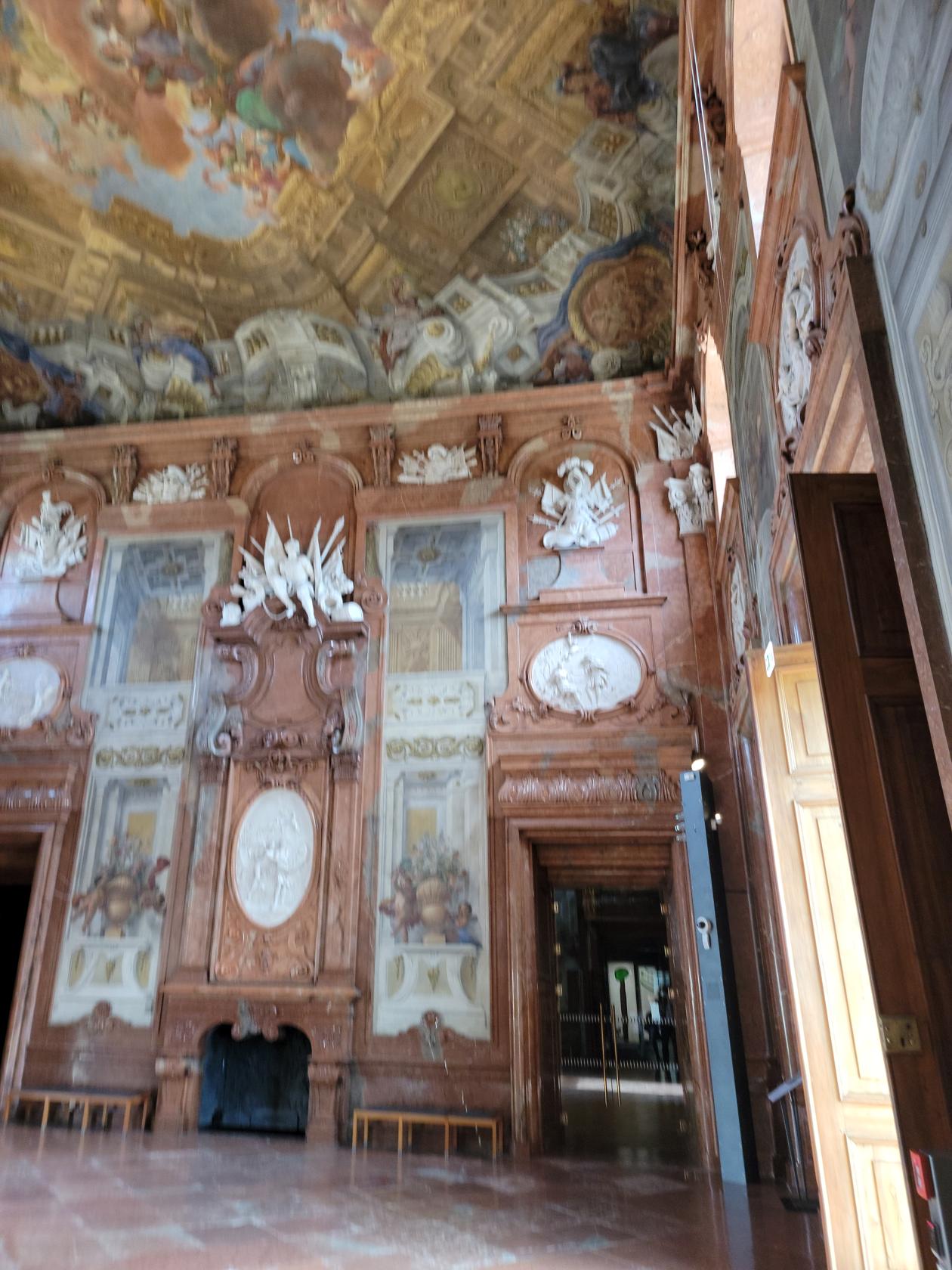
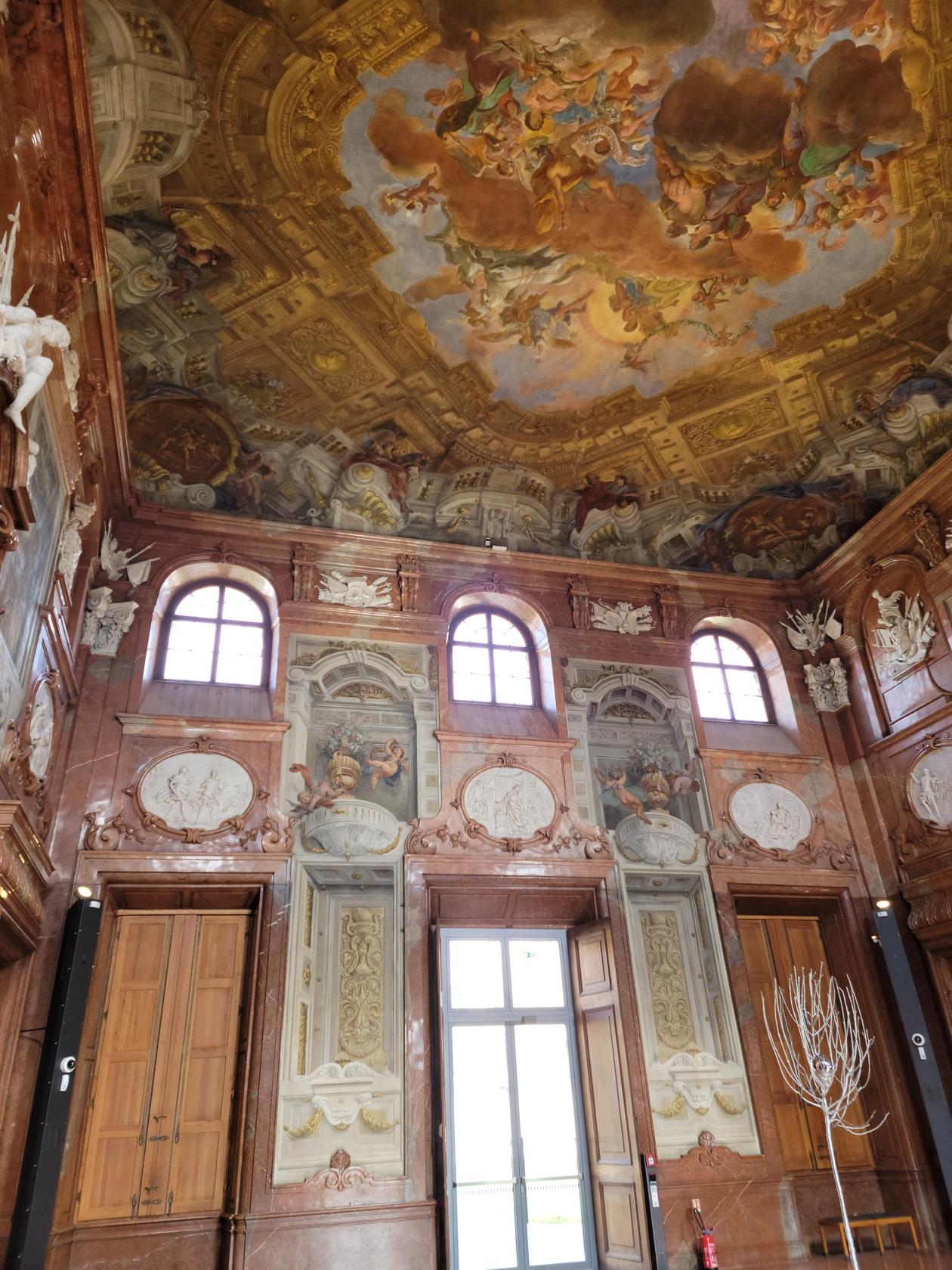
Upper Belvedere Museum – Grand Hall
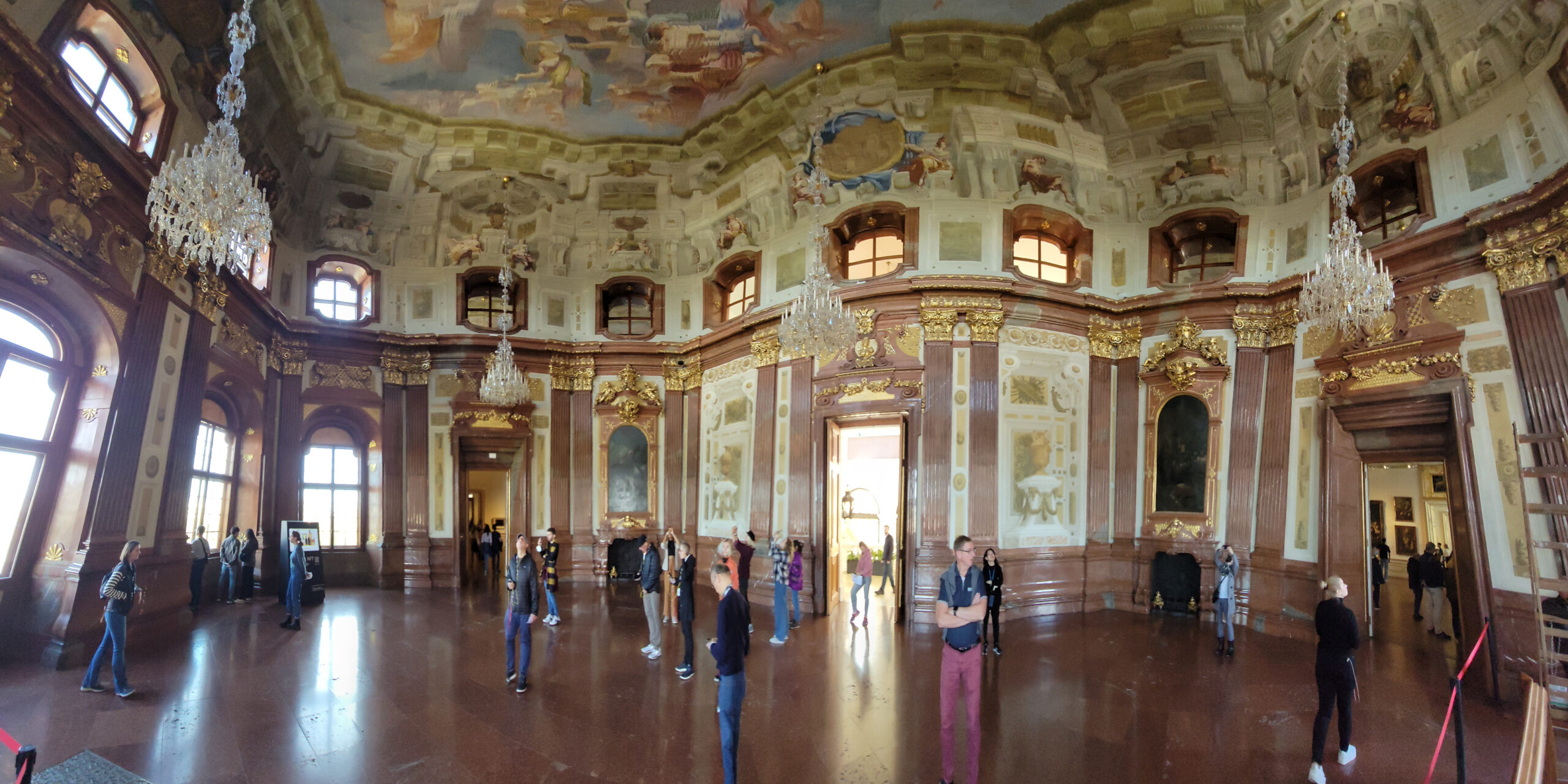
Upper Belvedere Museum – Grand Hall – Panorama (distorted)
Upper Belvedere Museum – Grand Hall
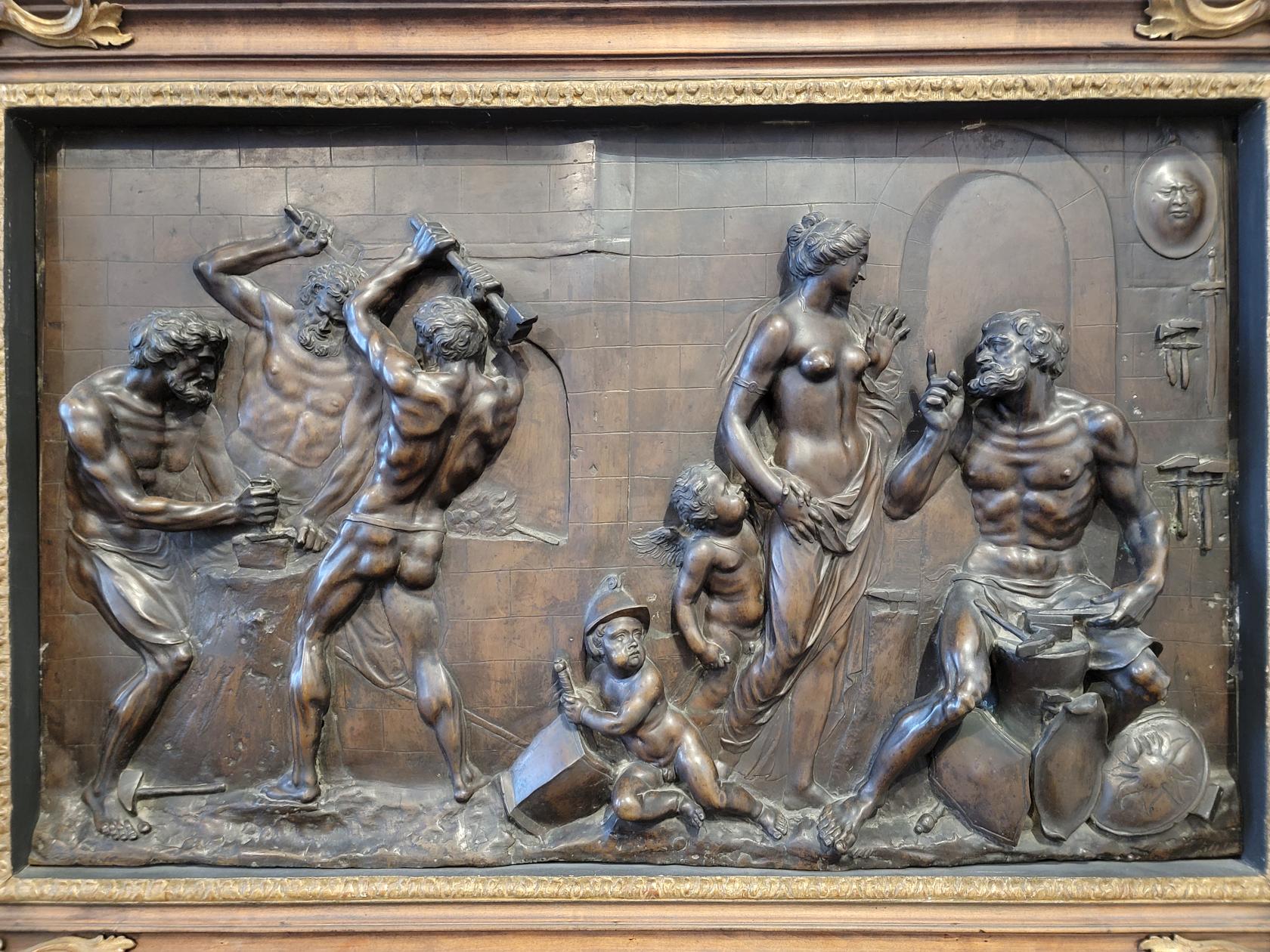
Upper Belvedere Museum – Donner – Venus in the Forge of Vulcan
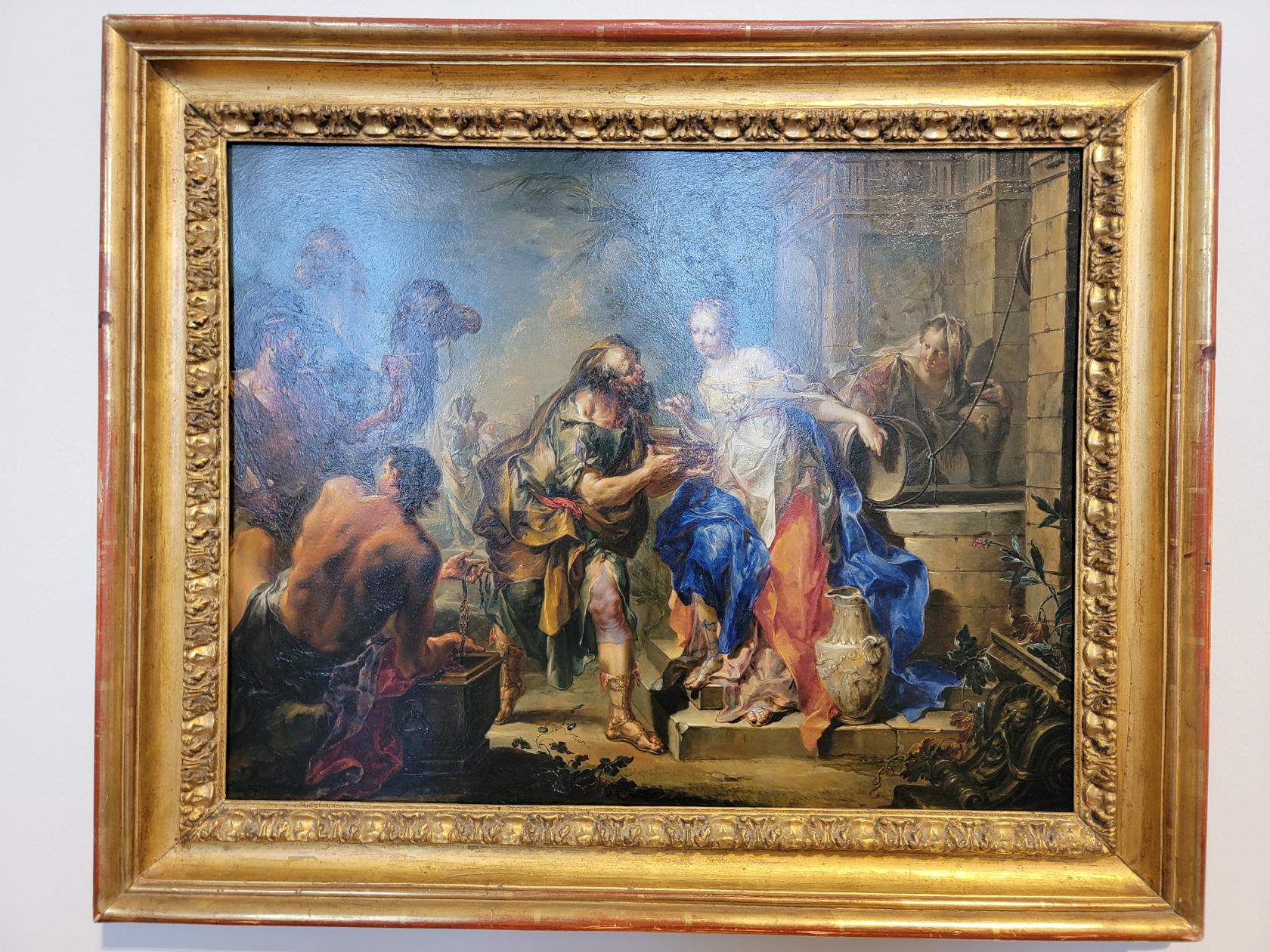
Upper Belvedere Museum – Platzer – Rebecca at the Well
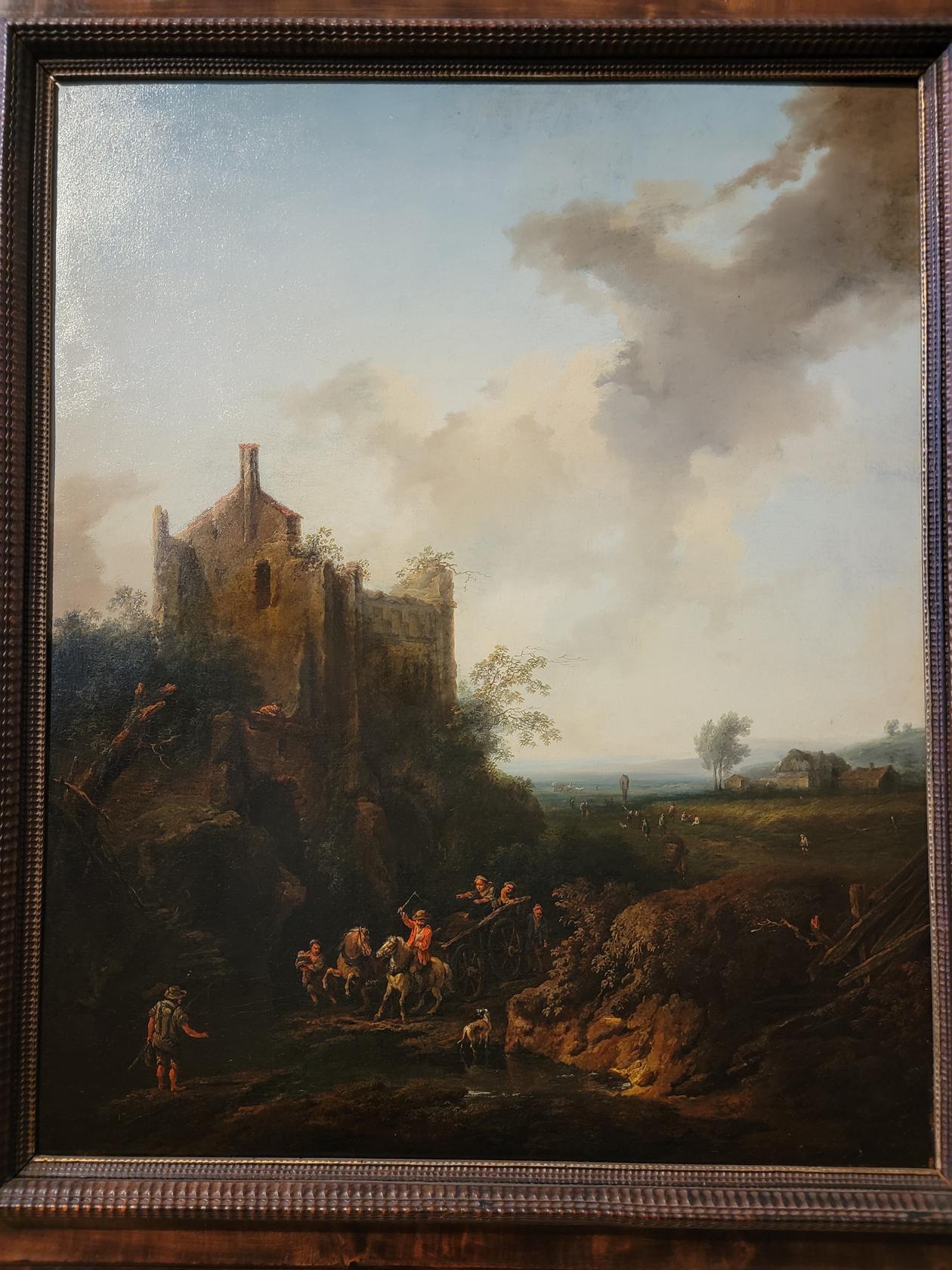
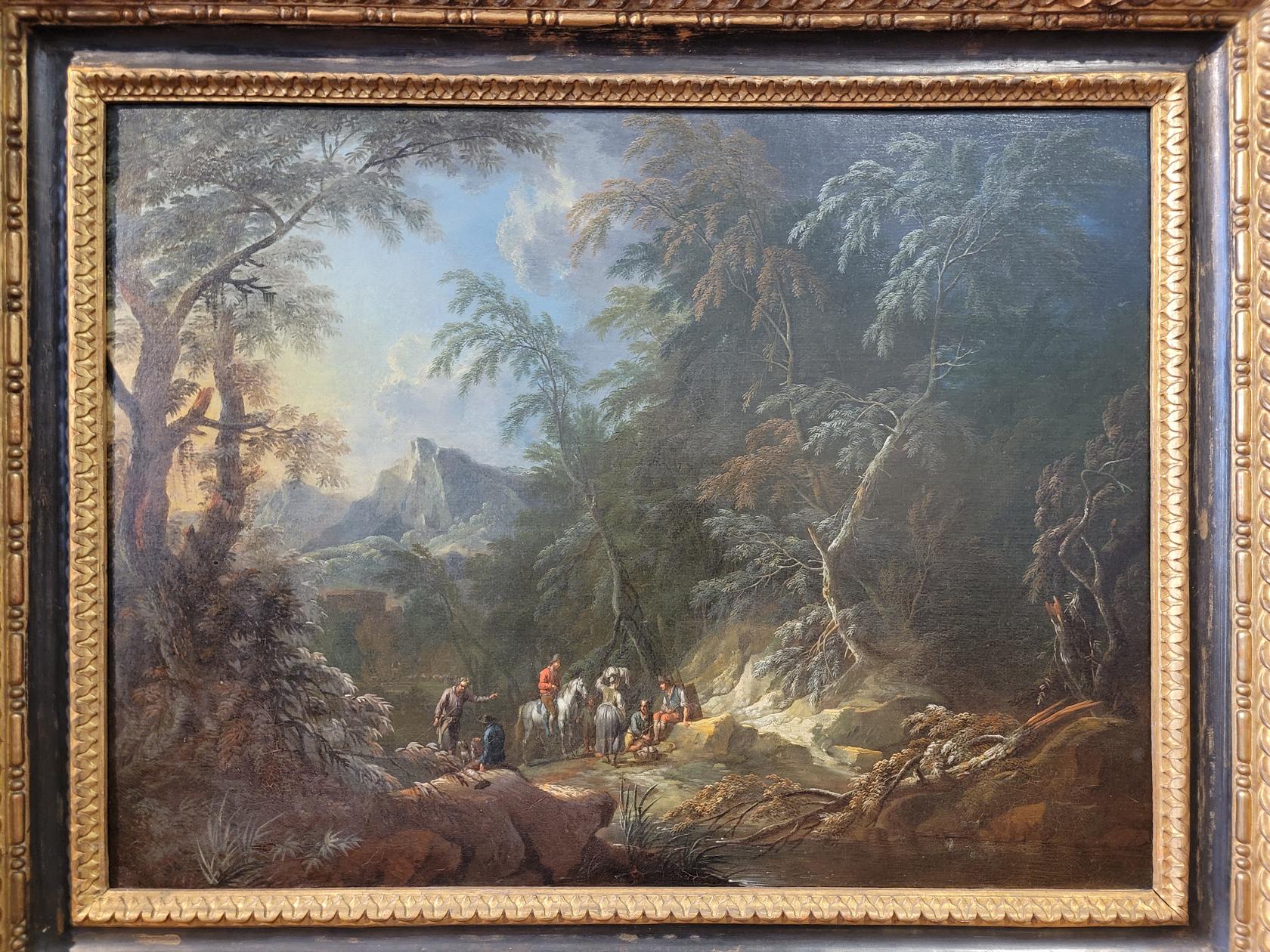
Upper Belvedere Museum – Brandt – Castle Ruin and Horse Cart
Upper Belvedere Museum – Schinnagl – Morgen
Upper Belvedere Museum – Schinnagl – Abend
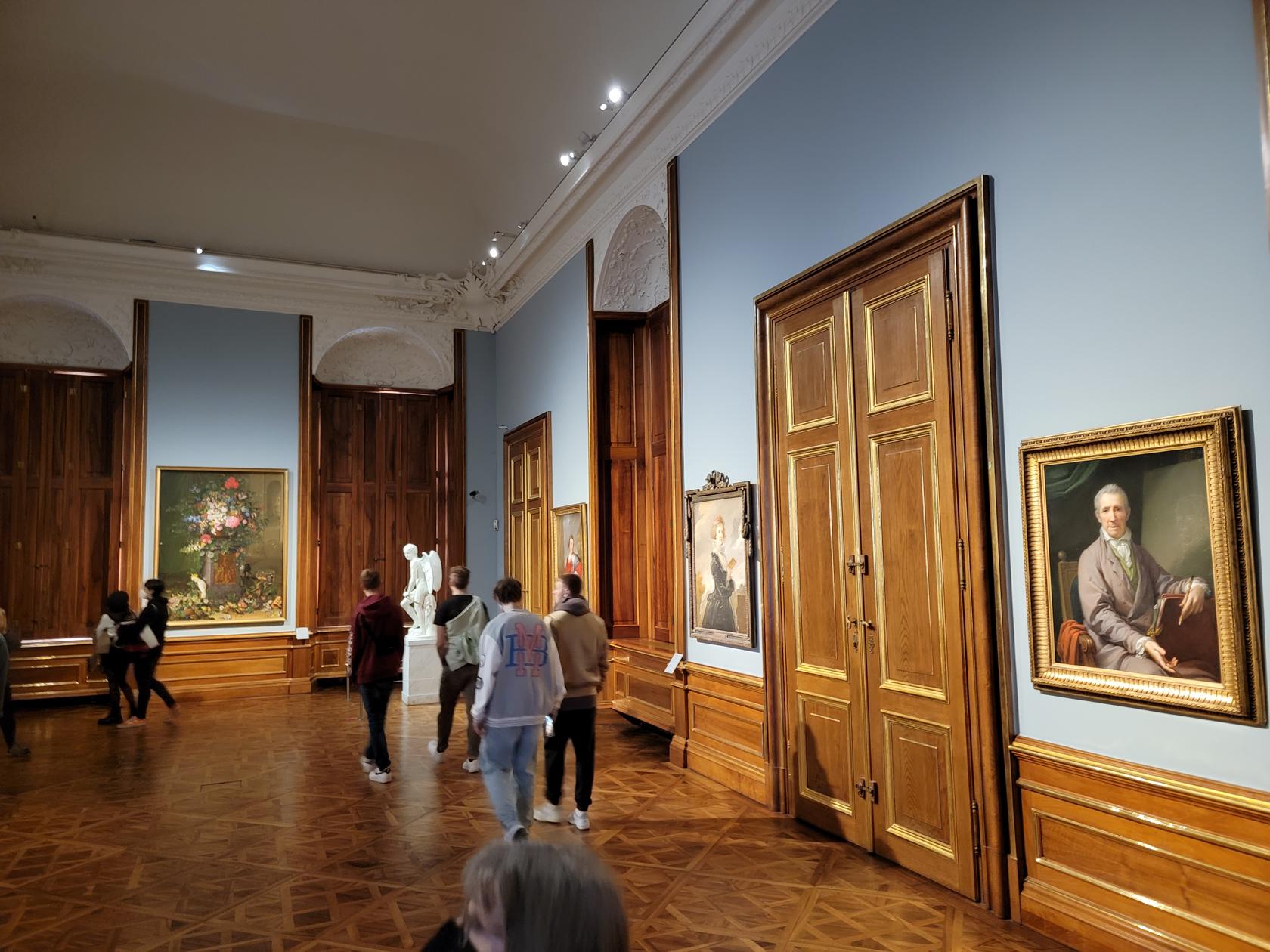
Upper Belvedere Museum – Portrait Hall
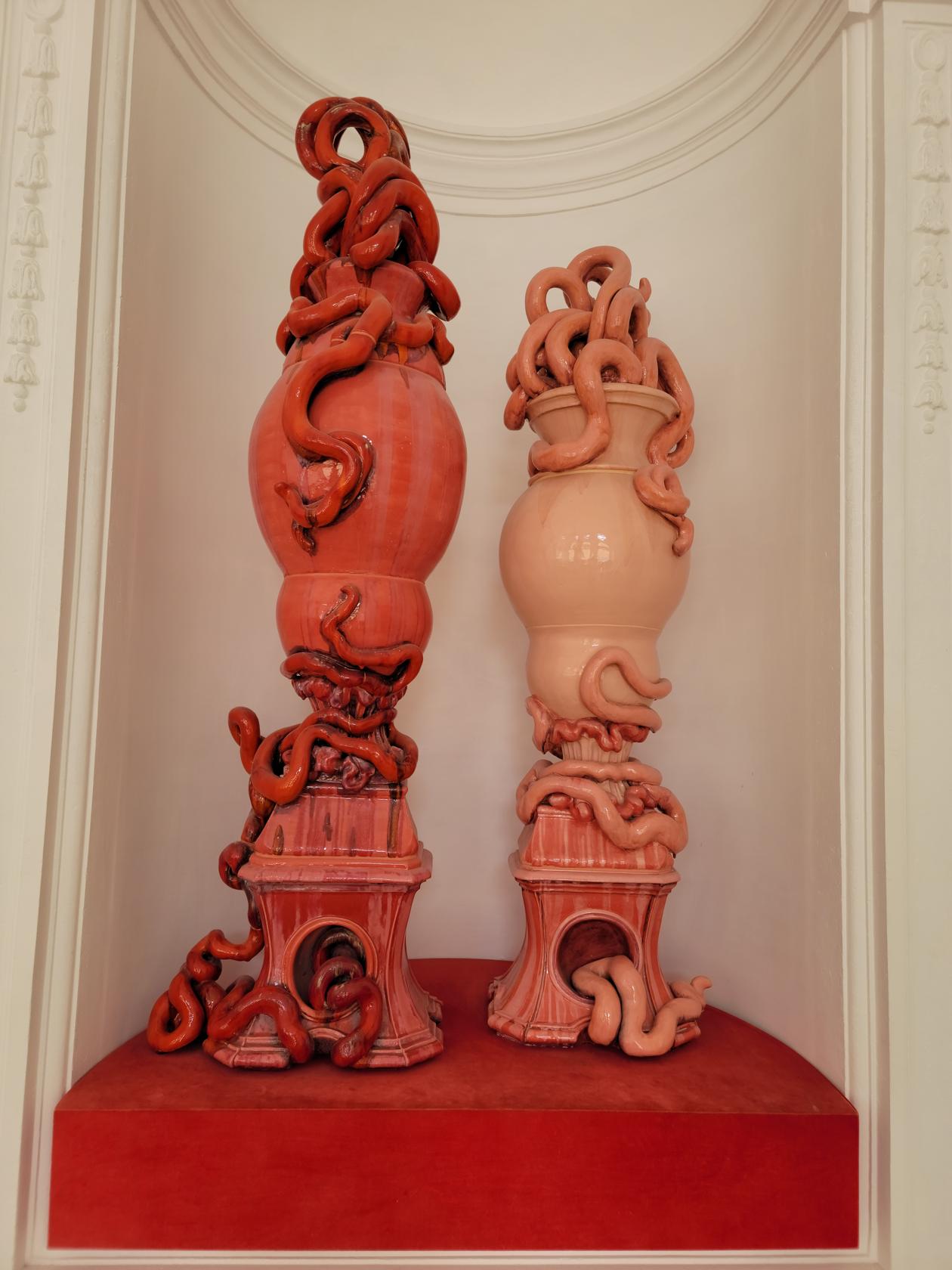
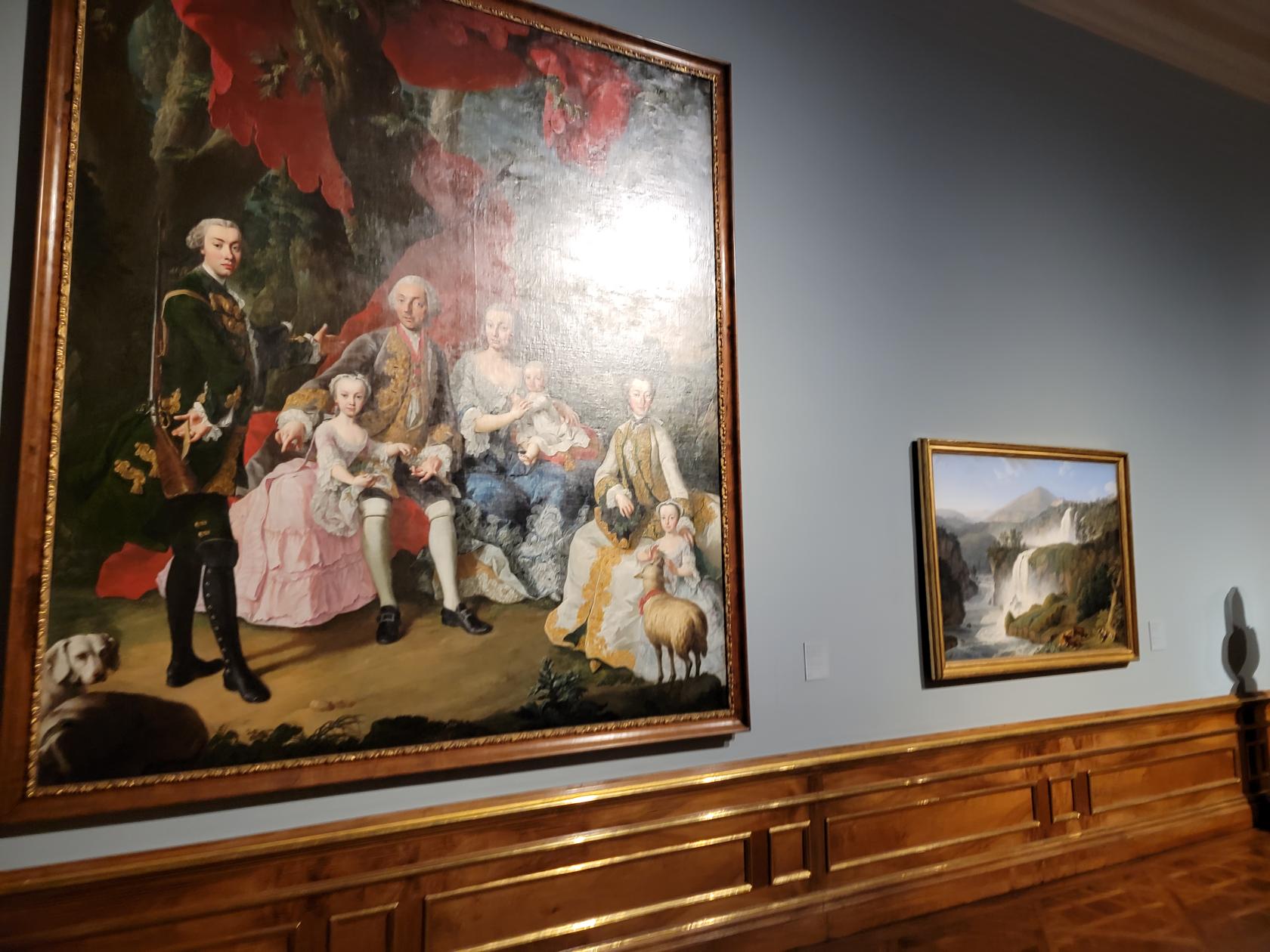
Upper Belvedere Museum – Other works
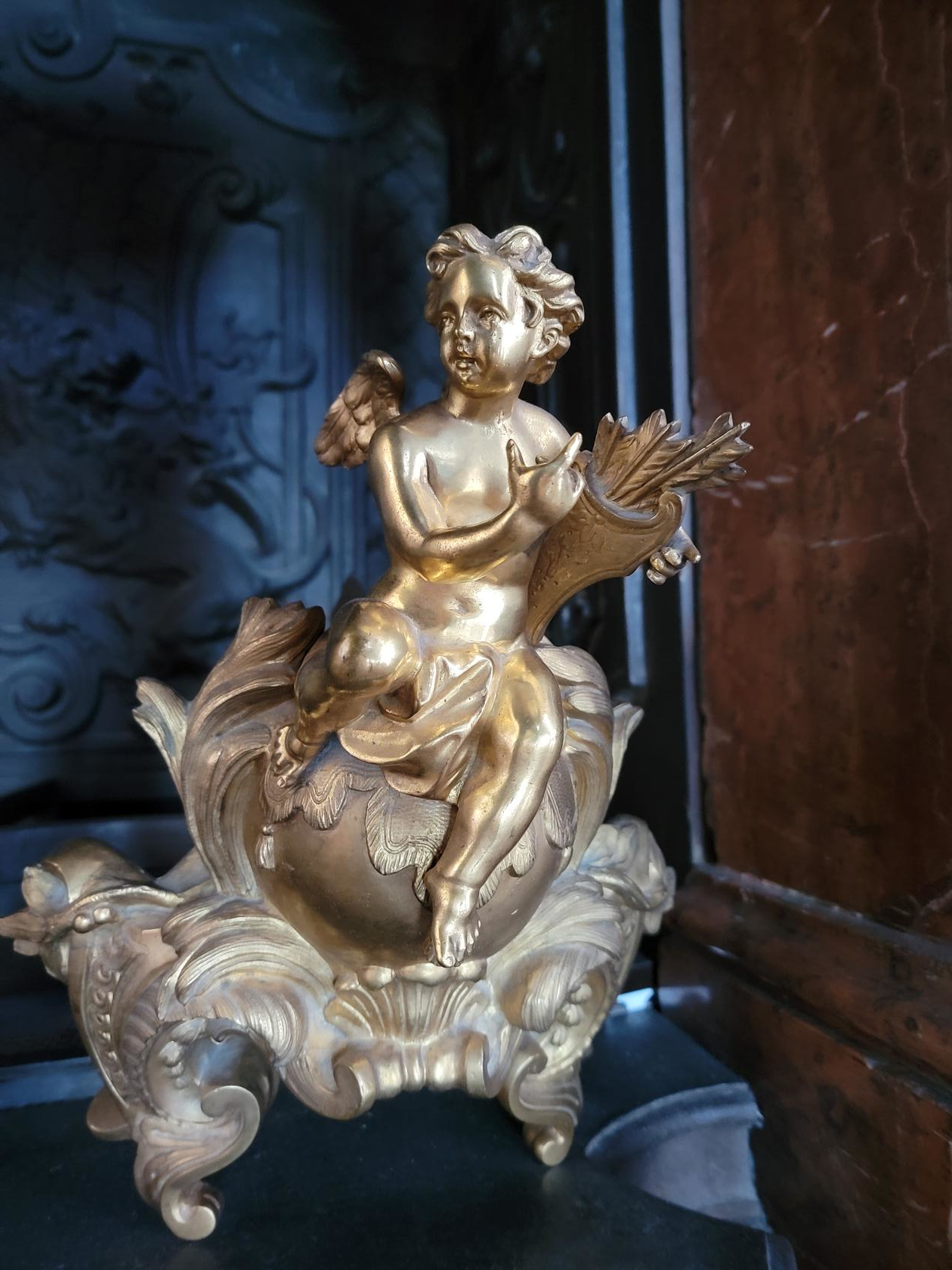
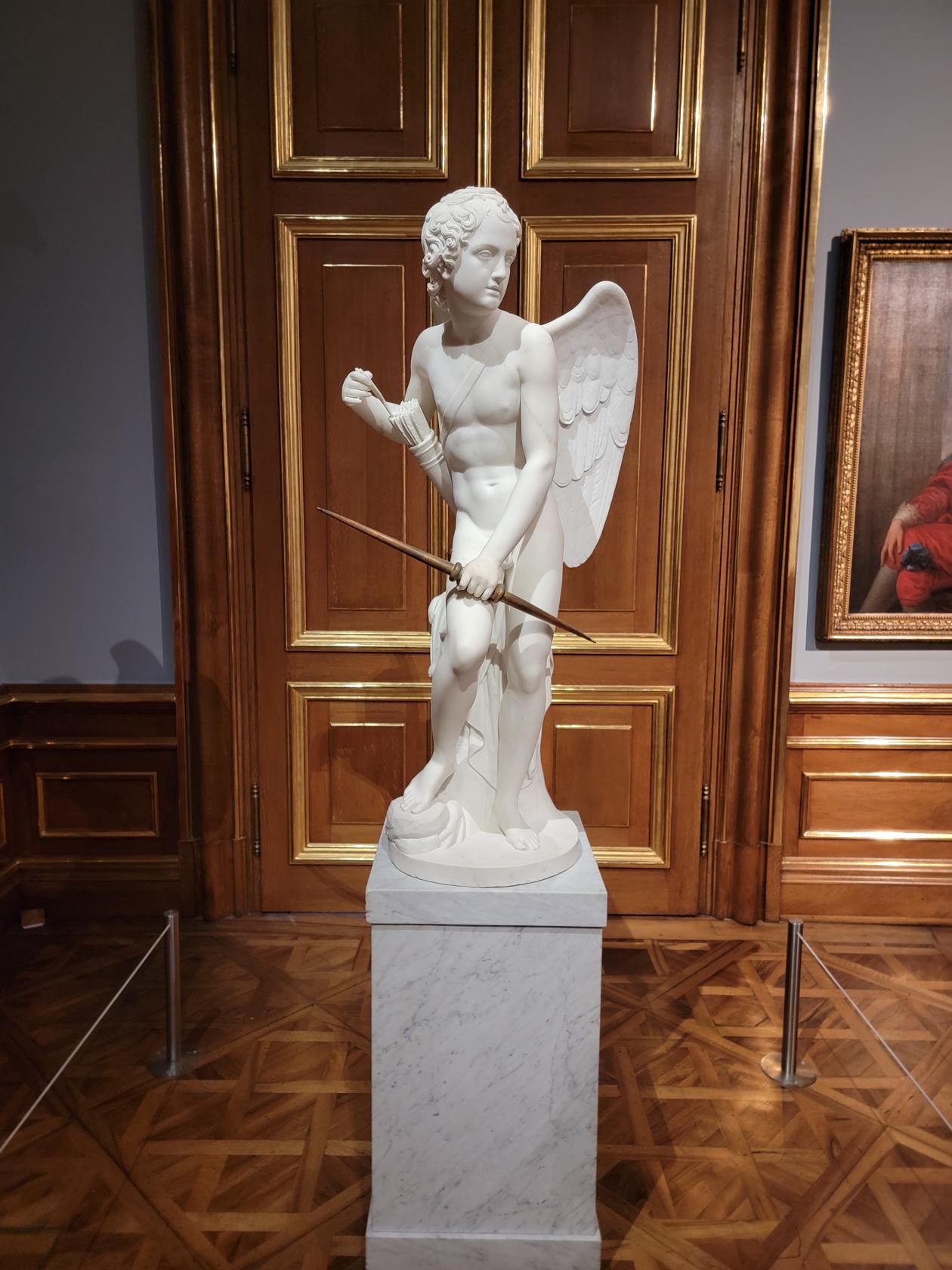
Upper Belvedere Museum – Schaller – Adolescent Cupid
Upper Belvedere Museum – Other Marble Works
Upper Belvedere Museum – Rodin – Bust of Gustav Mahler
Upper Belvedere Museum – Monet – Path in Garden of Giverny
Upper Belvedere Museum – Klimt – Flowering Poppies
Upper Belvedere Museum – Klimt
Upper Belvedere Museum – Klimt – Schloßkammer in der Attersee
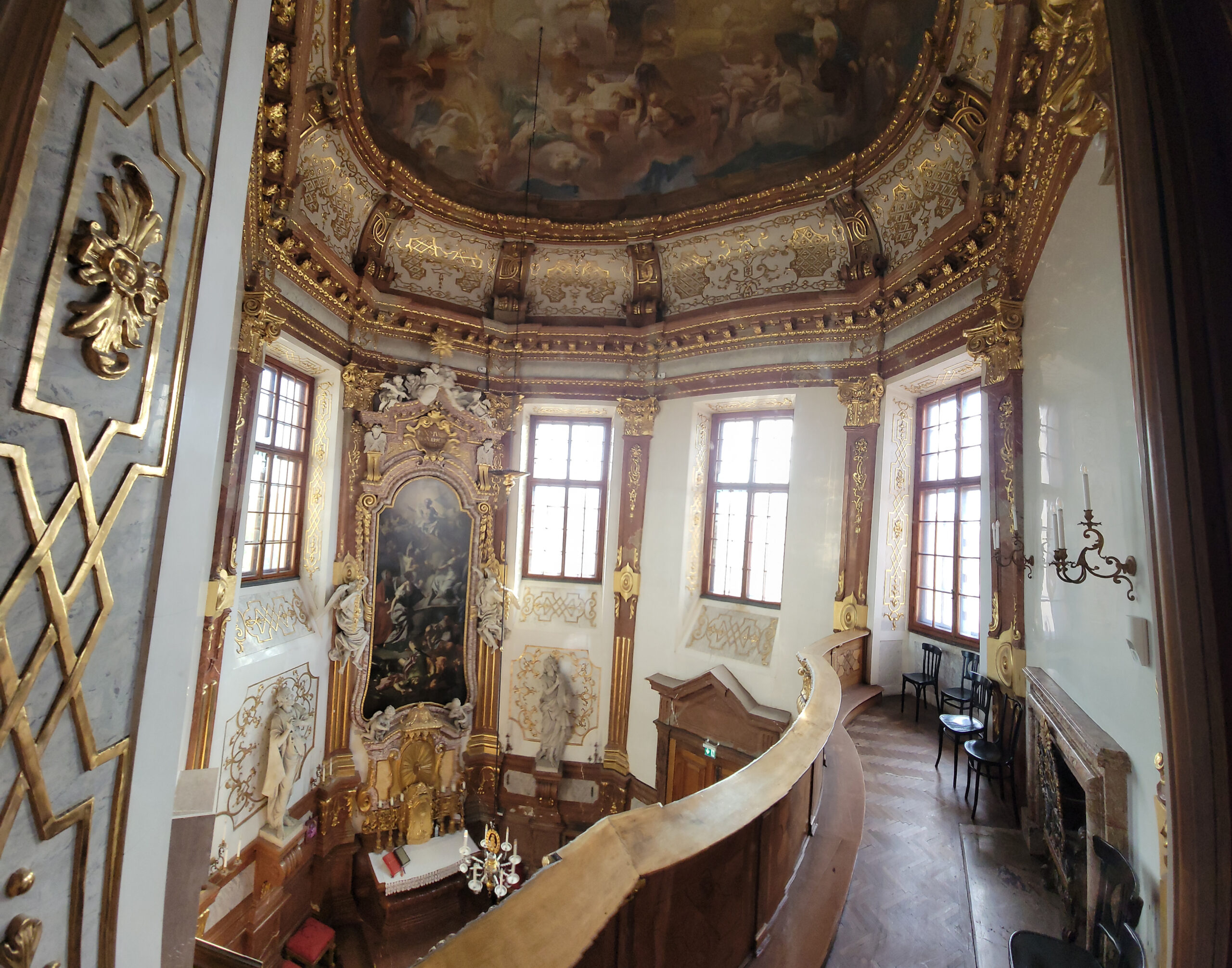
Upper Belvedere Museum – Schloßkapelle – Castle Chapel
Upper Belvedere Museum – Schiele – Die Umarmung – The Embrace
Upper Belvedere Museum – Kolig
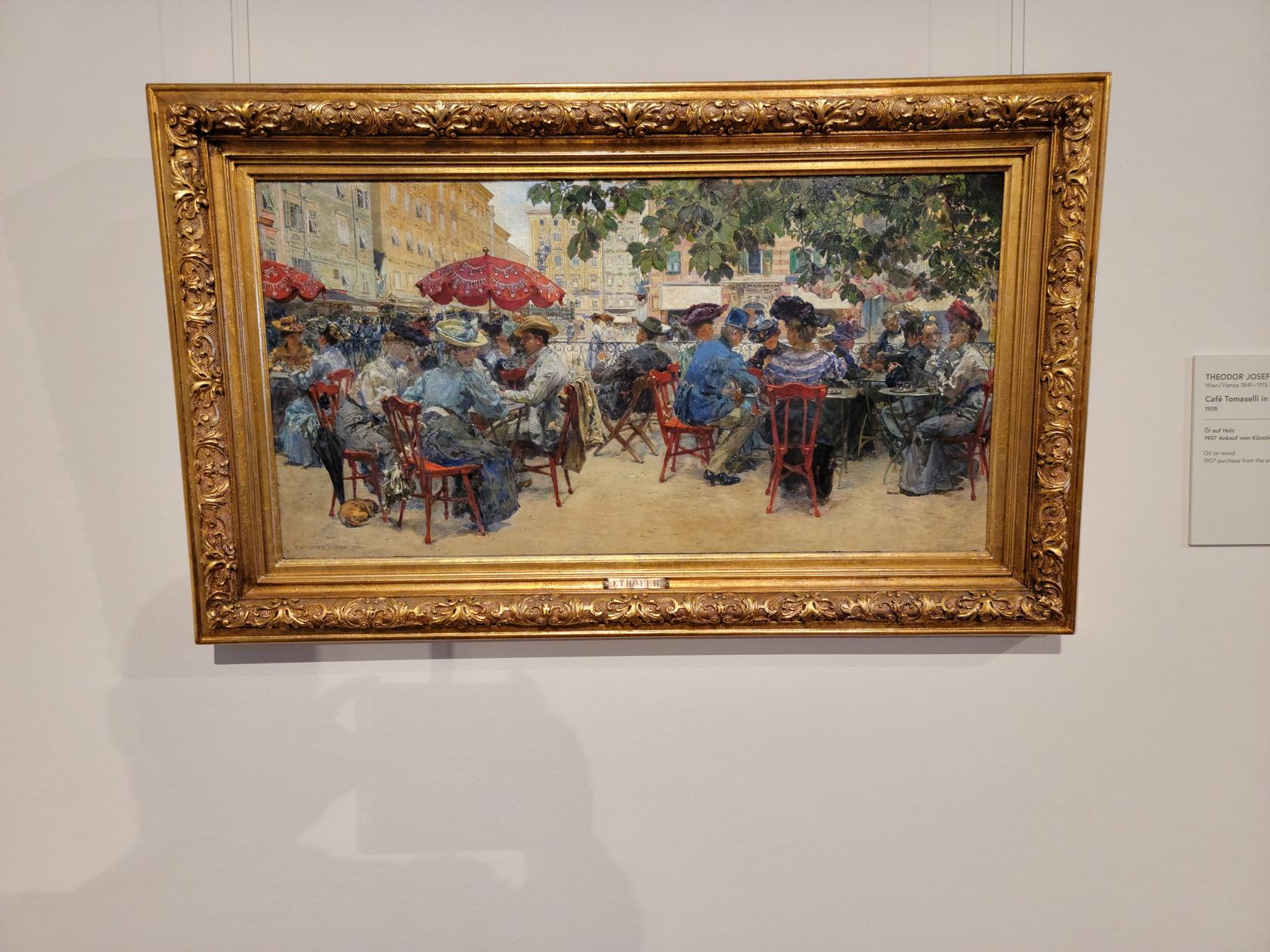
Upper Belvedere Museum – Ethofer – Café Tomaselli in Salzburg
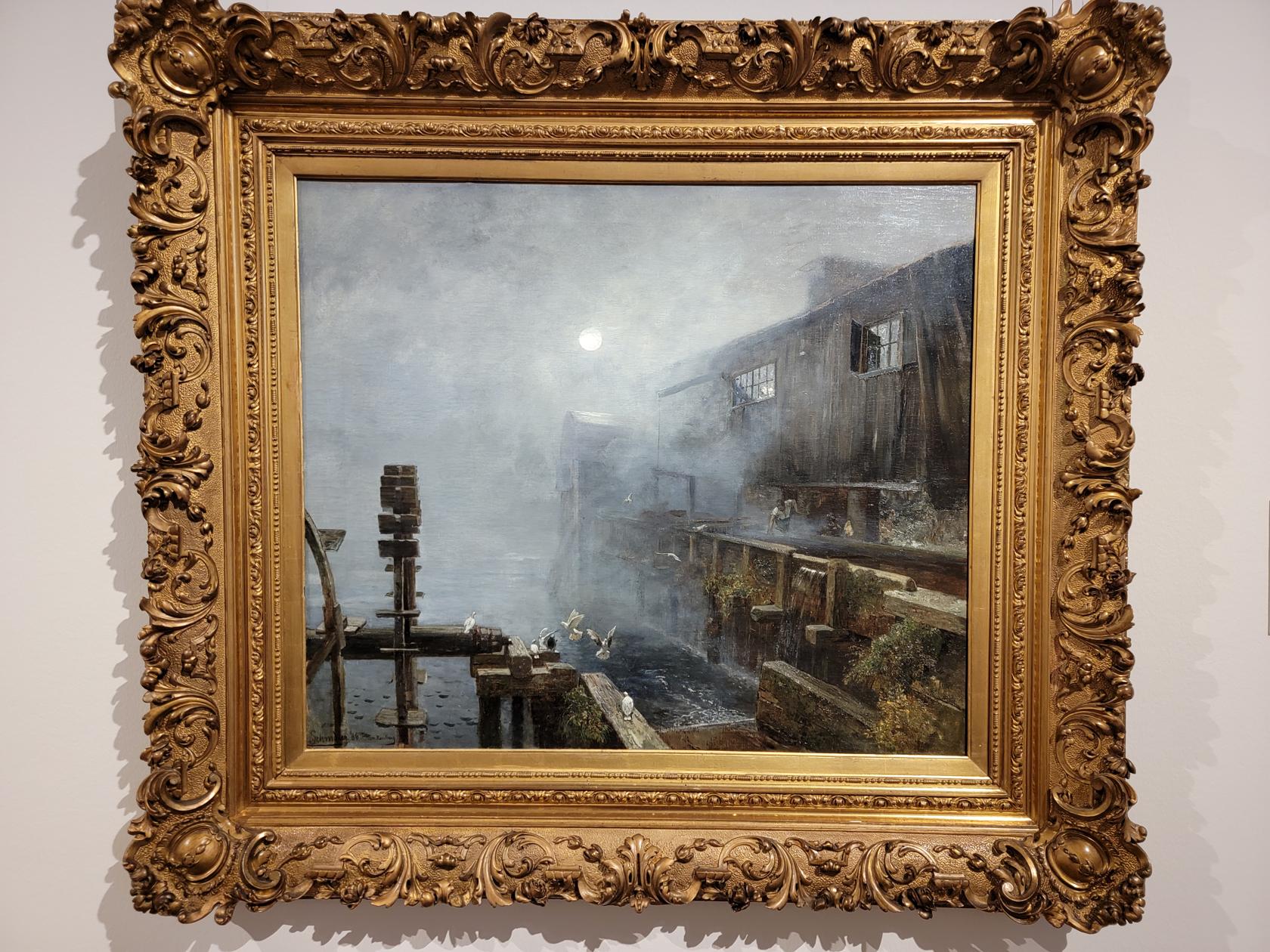
Upper Belvedere Museum – Schindler – Saw Mill in Morning Mist
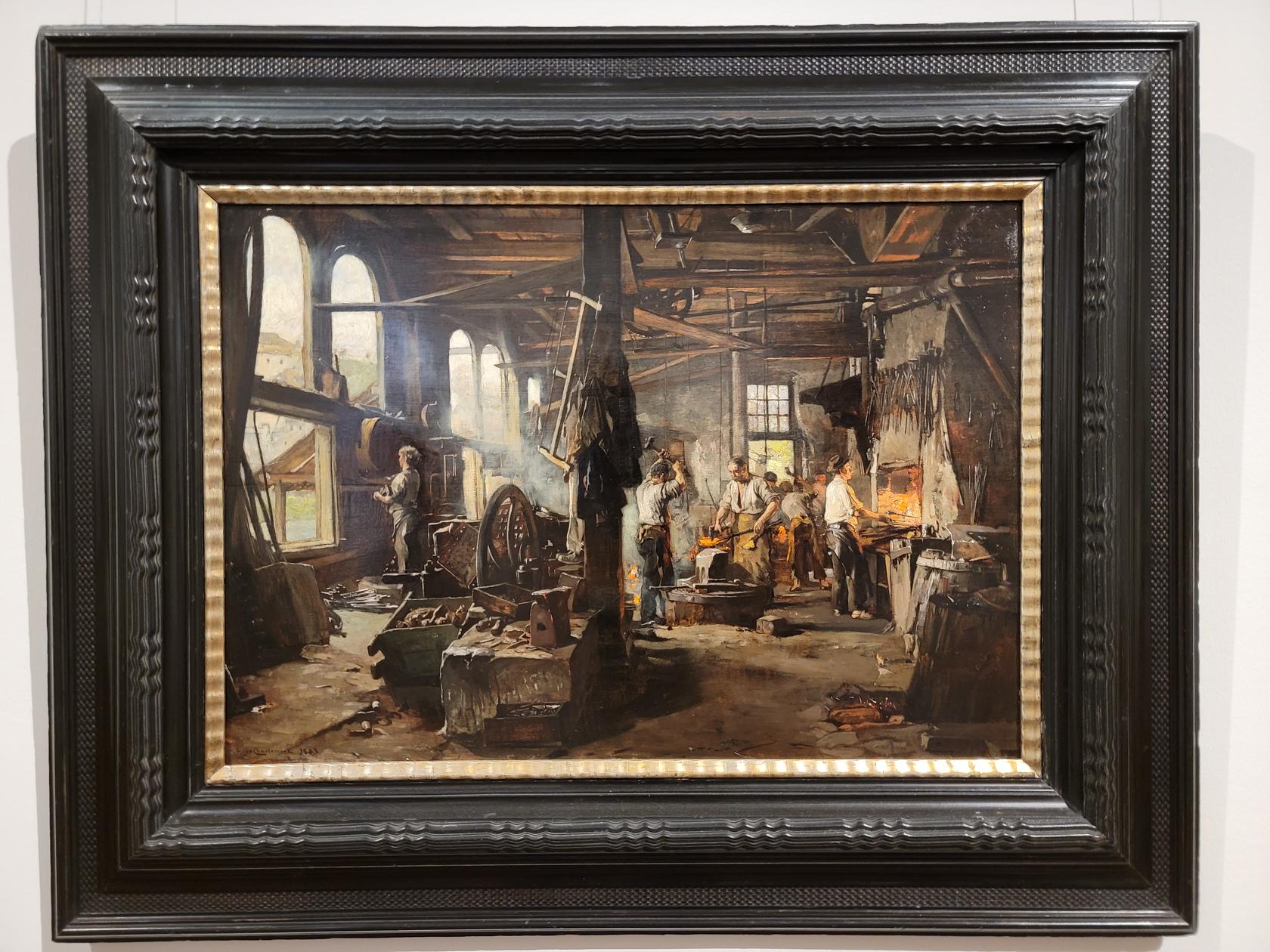
Upper Belvedere Museum – Charlemont – Inside a Hammer Mill
Upper Belvedere Museum – Thoren – Cow attacked by Wolves
Belvedere Gardens
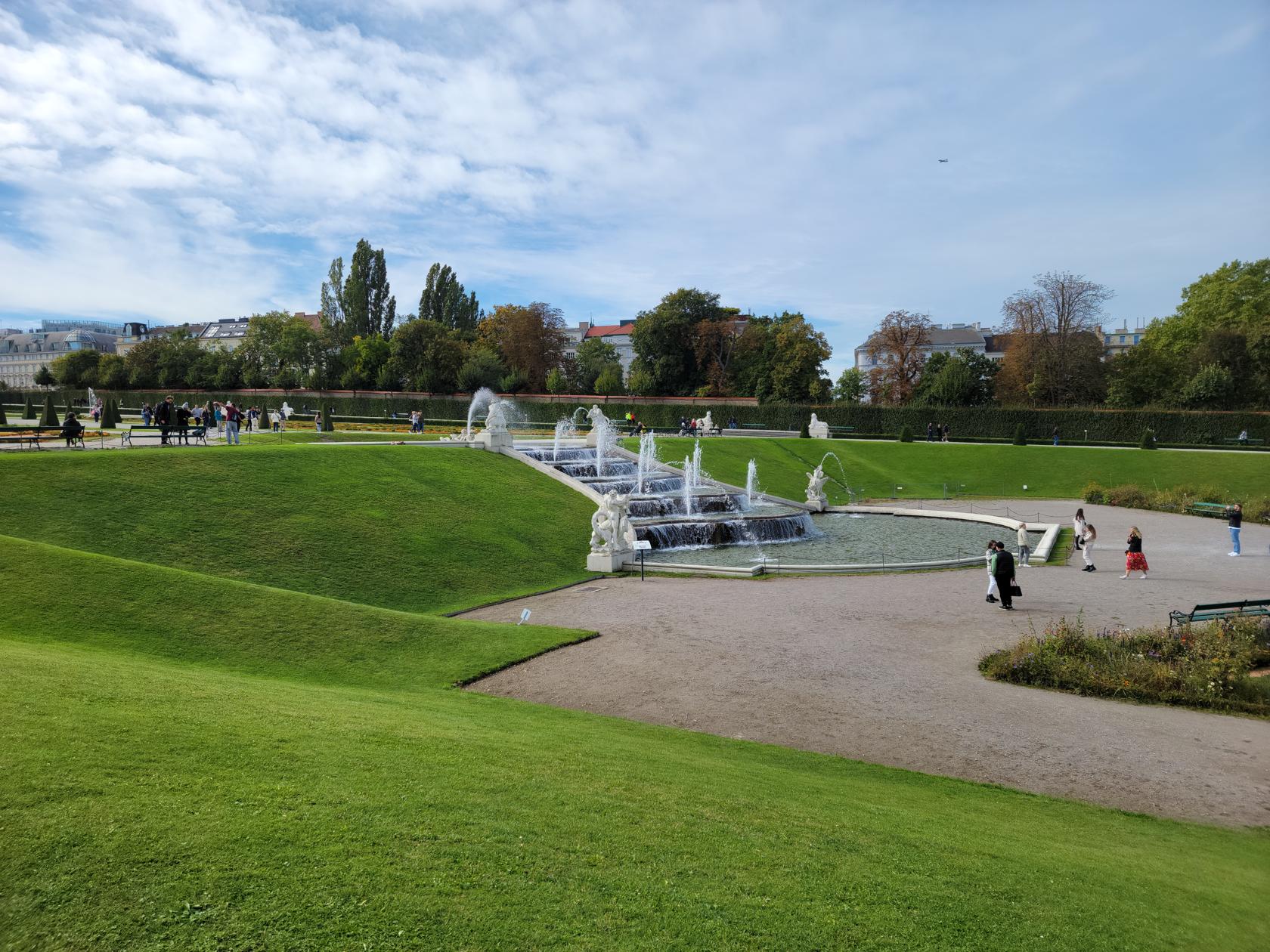
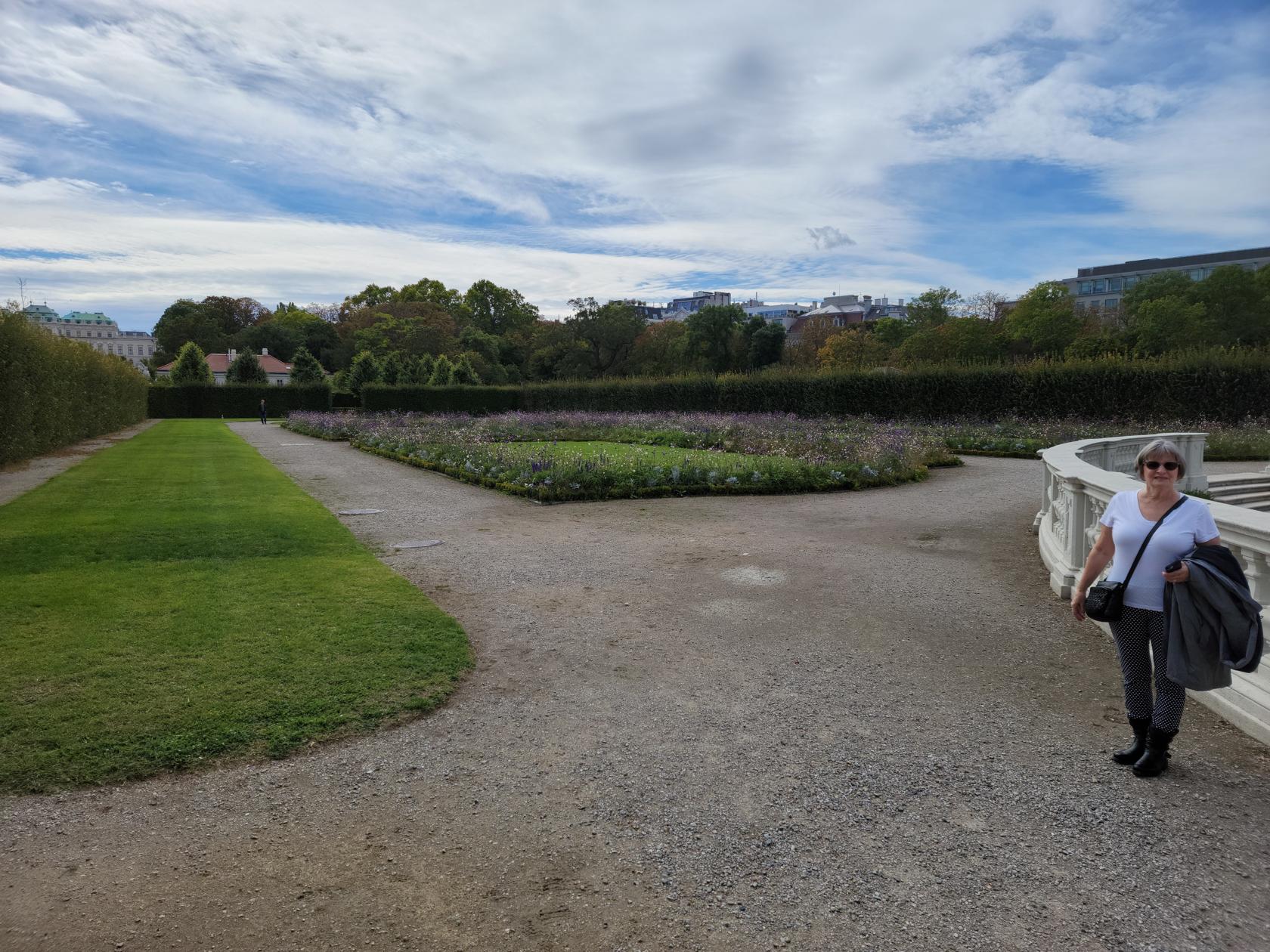
A marvelous September day, a breeze with some chill and a beautiful garden go hand in hand, especially when you can share it with someone; in this case, my wife.
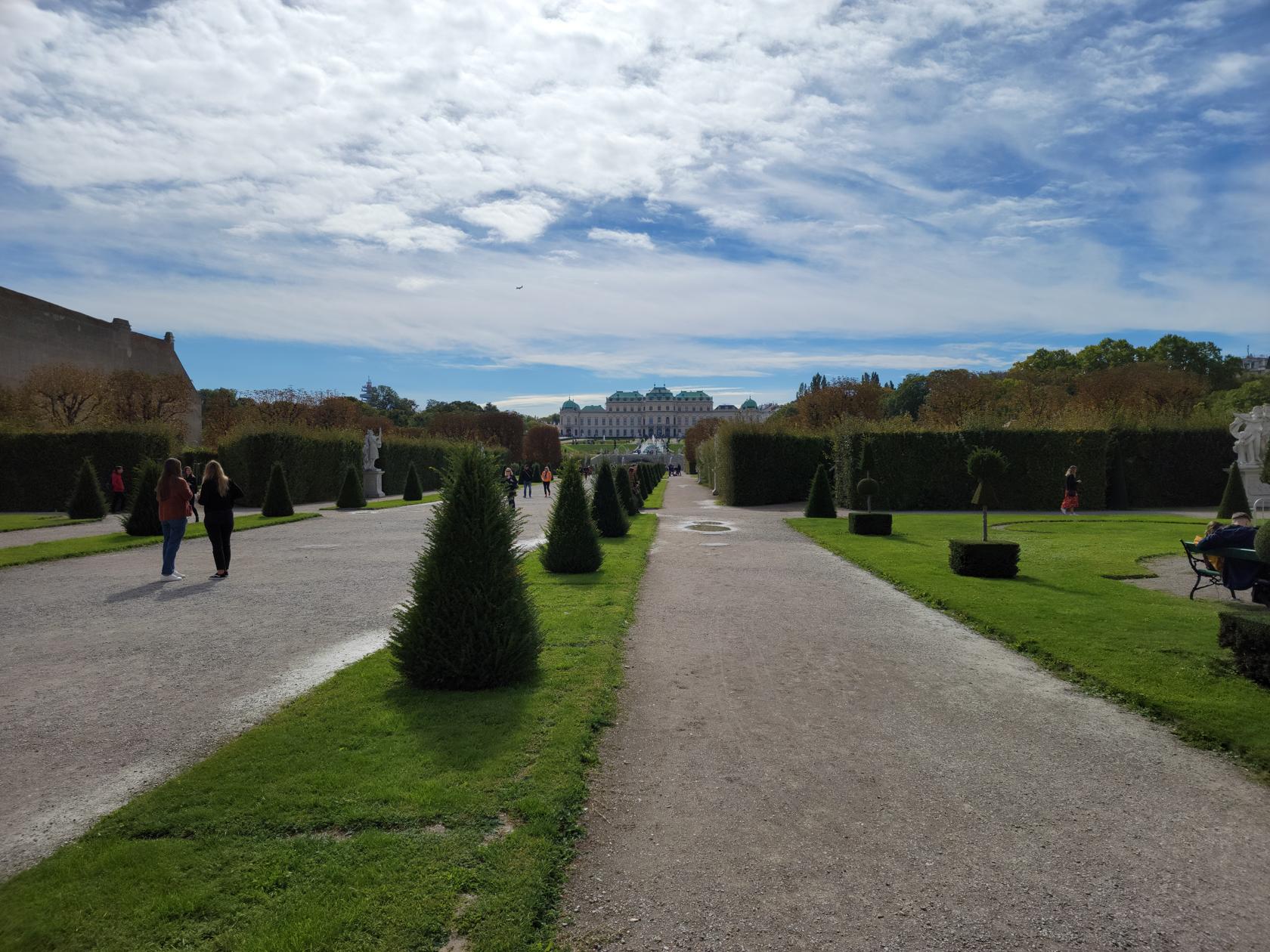
Belvedere Gardens
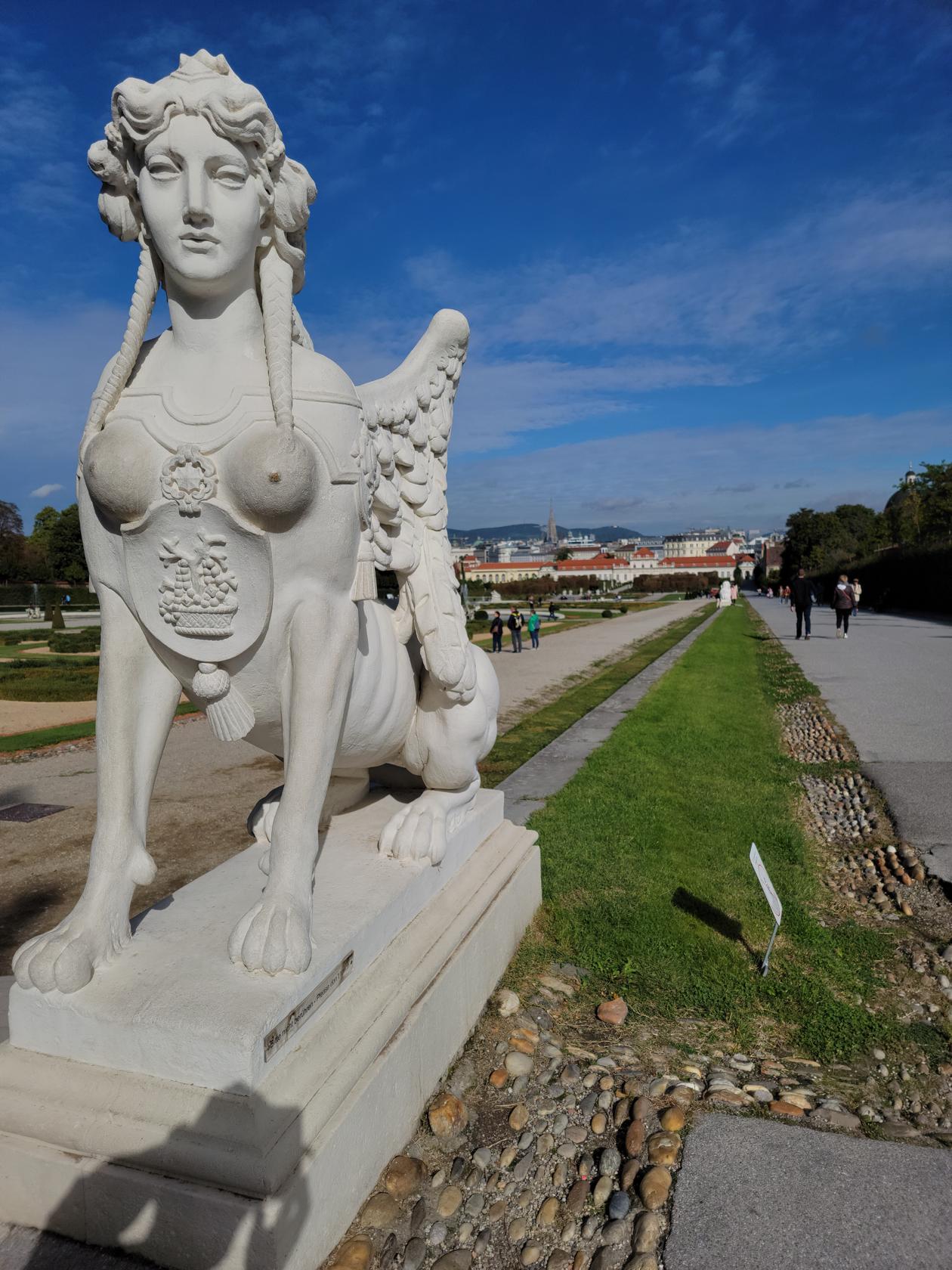
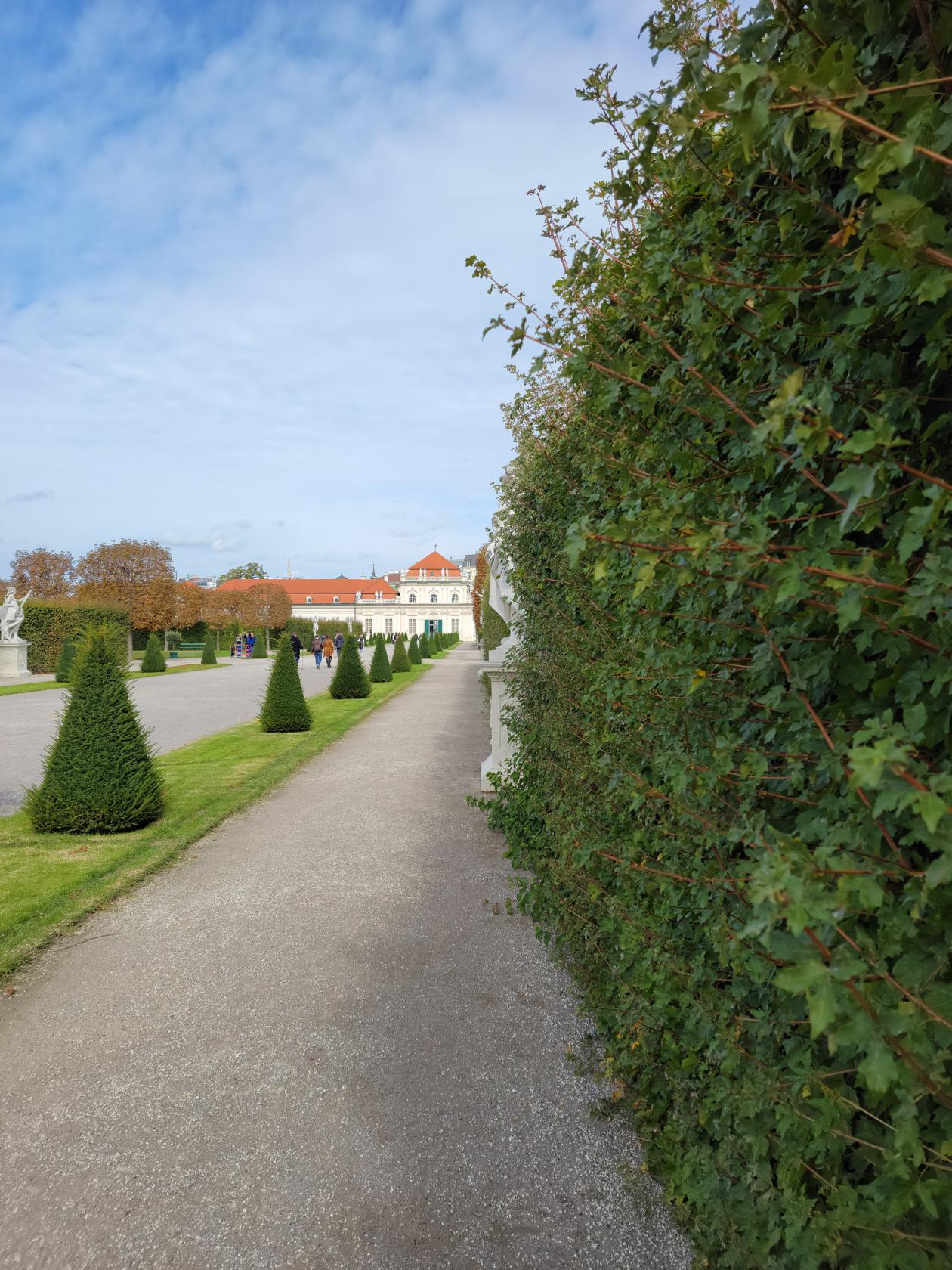
Belvedere Gardens – View of Lower Belvedere
Belvedere Gardens – Upper Belvedere
Belvedere Gardens and Reflecting Pond
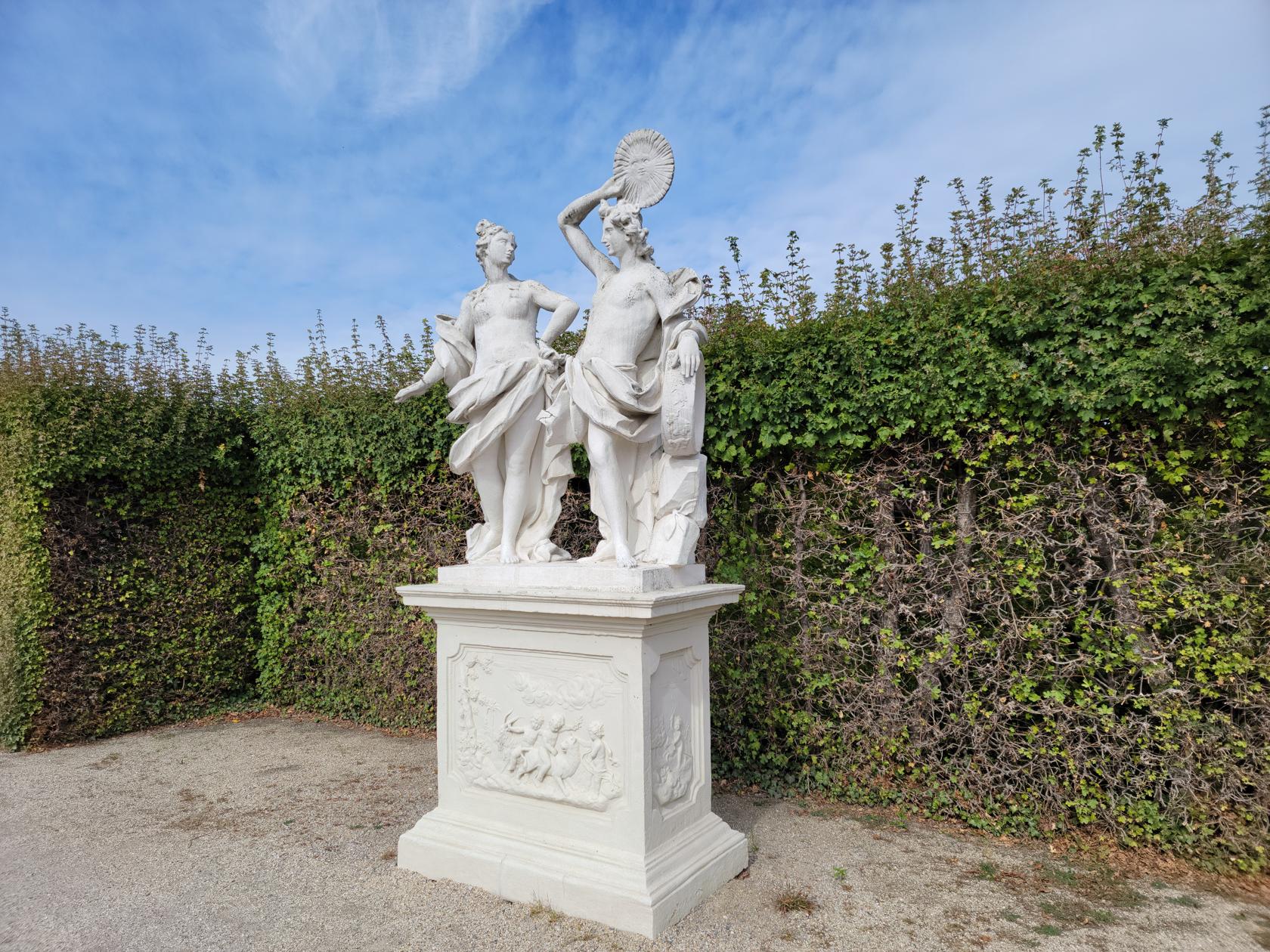
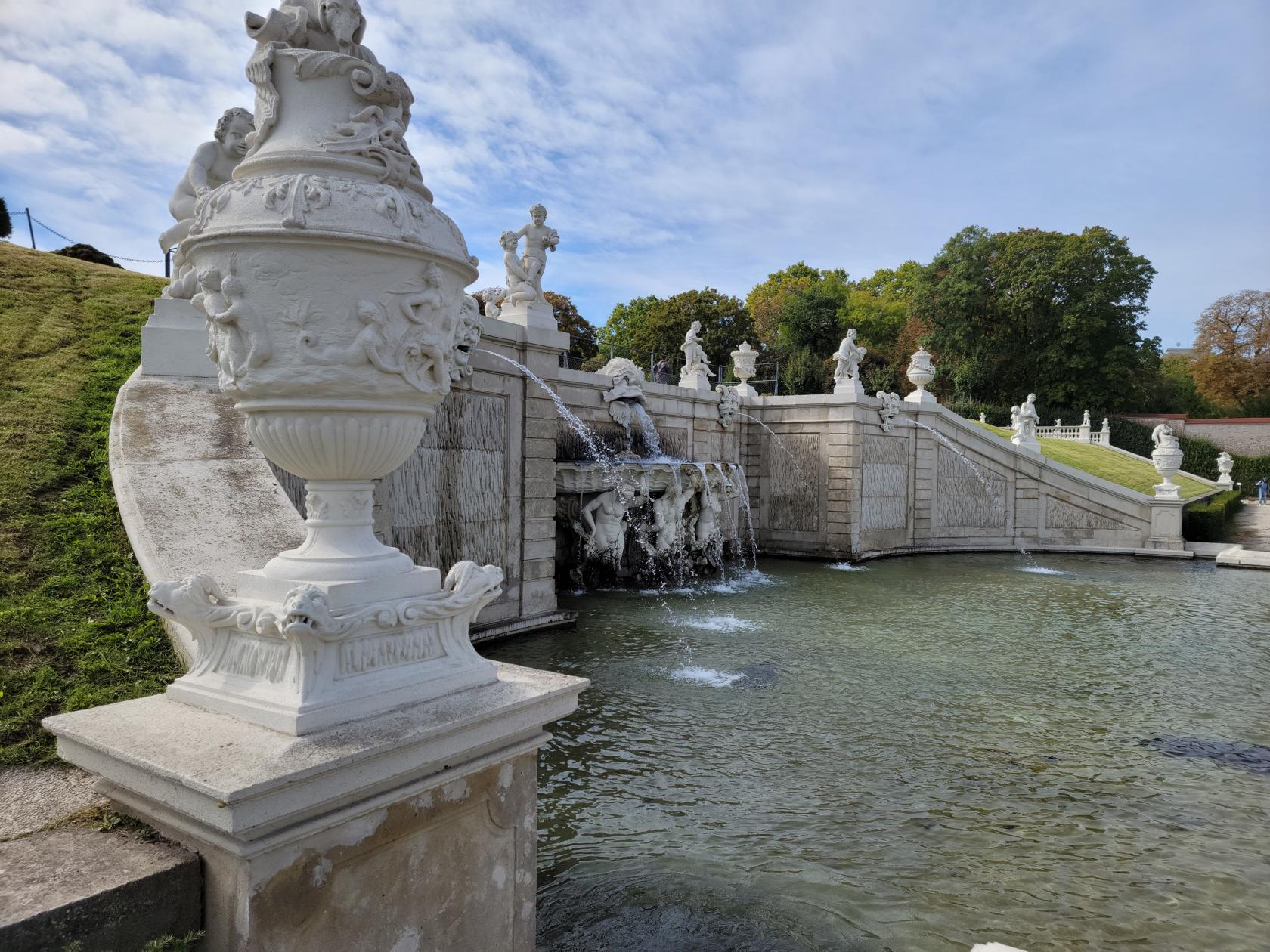
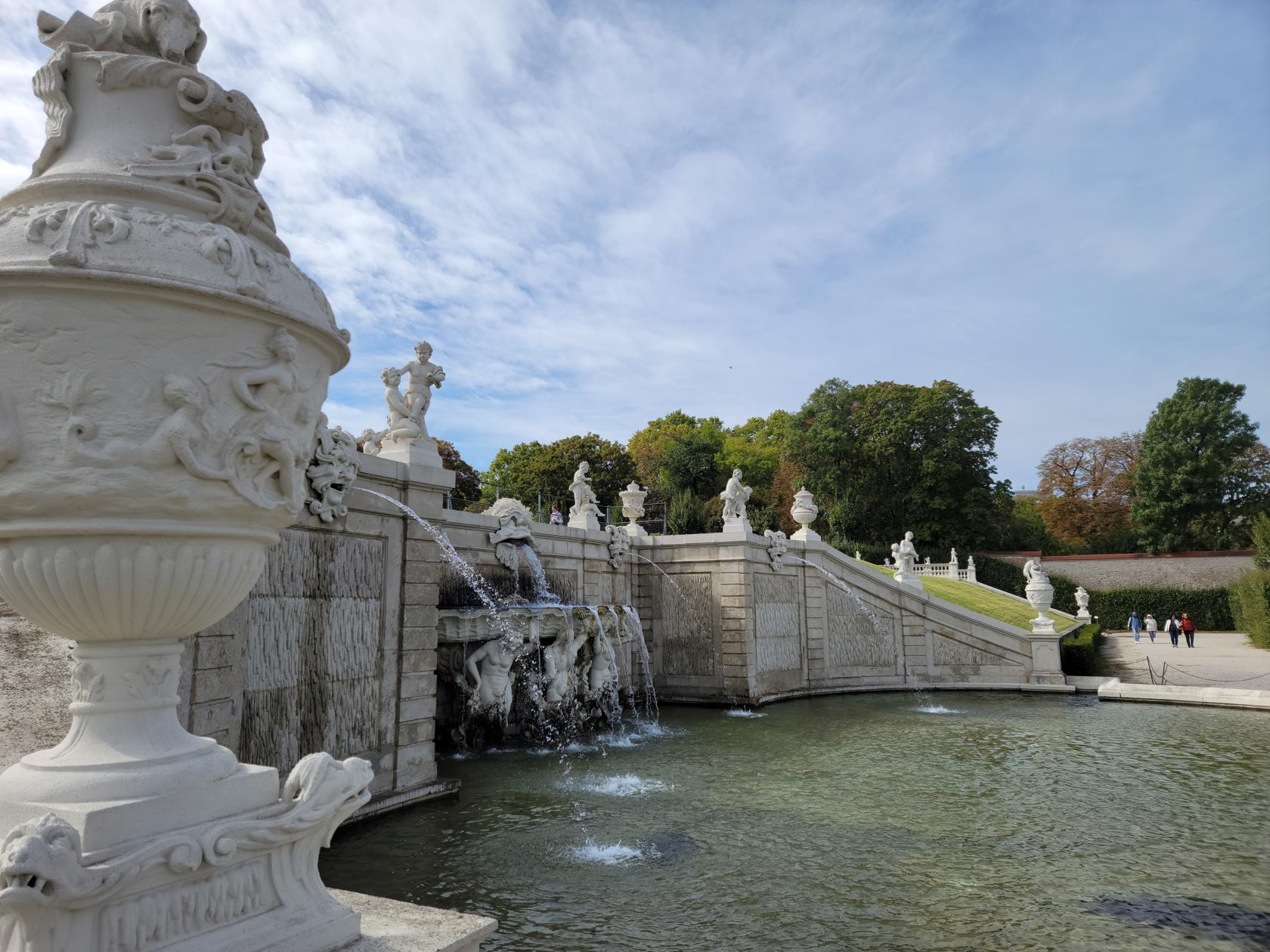
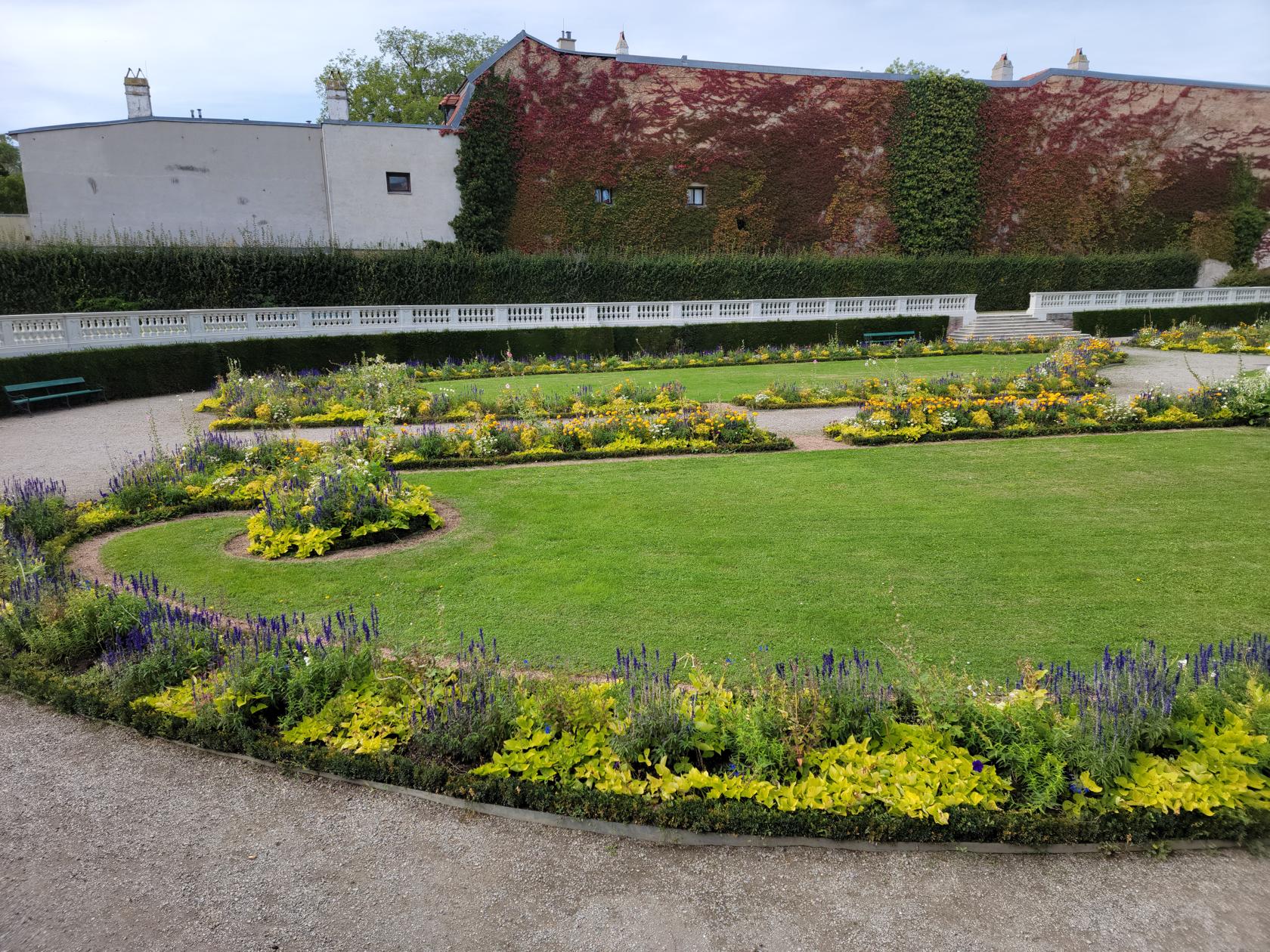
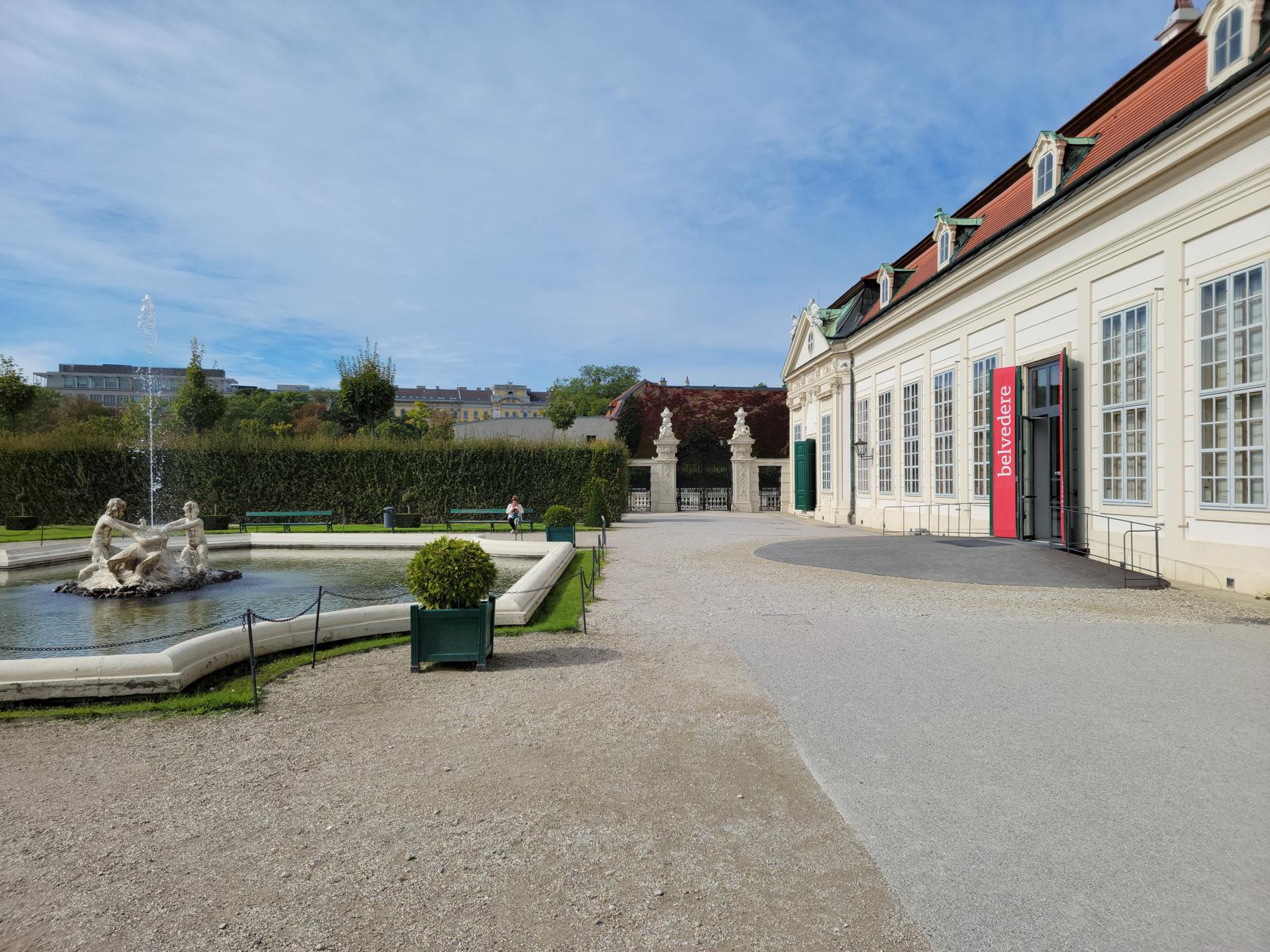
Lower Belvedere Museum – Lower Gardens and Step Fountain
Lower Belvedere Museum – Lower Gardens
Lower Belvedere Museum – Lower Gardens and Muscle Fountain
Lower Belvedere Museum – Lower Gardens and Muscle Fountain
Belvedere Gardens – View of Vienna
Lower Belvedere Museum – Lower Gardens
Lower Belvedere Museum – Lower Gardens
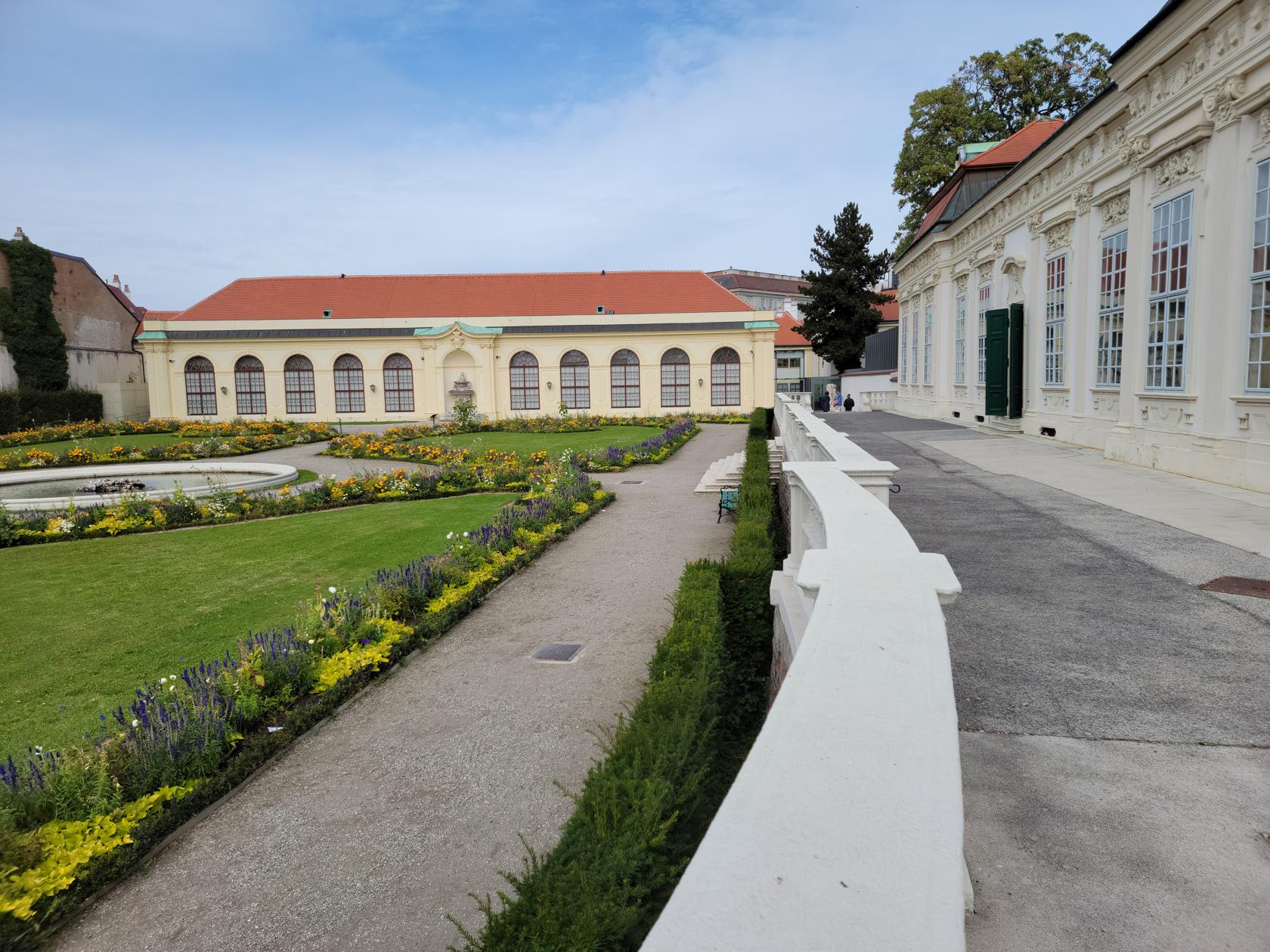
Lower Belvedere Museum – Gardens
Lower Belvedere Museum – Gardens
Lower Belvedere Museum – Patti in the Gardens
We had a great time just slowly walking through the gardens and listening to the fountains, enjoying the landscape[1]Which is being prepared for the Belvedere’s up and coming Jubilee next year in 2023. and the stillness that you do not get in other parts of this very busy city.
Lower Belvedere
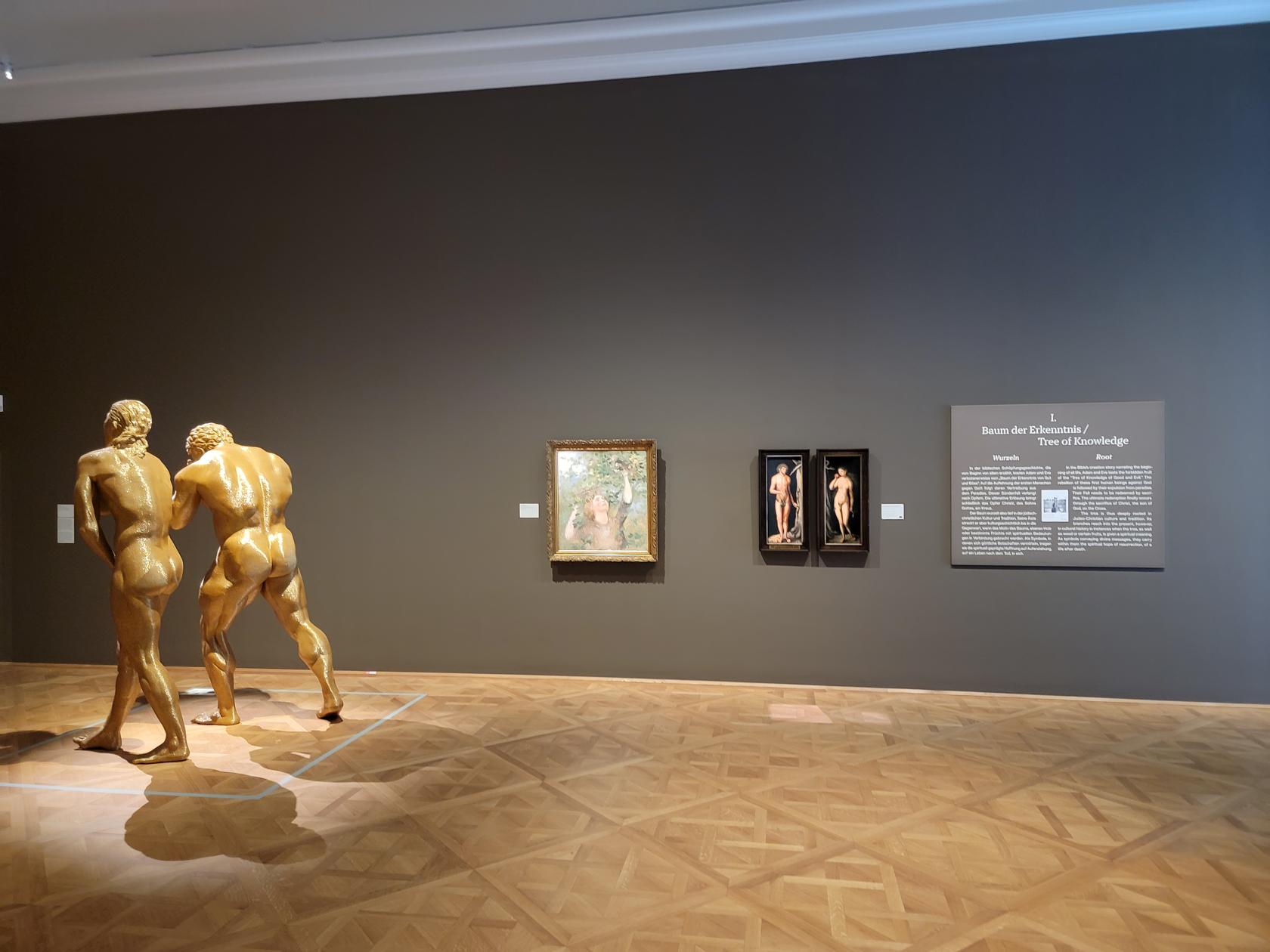
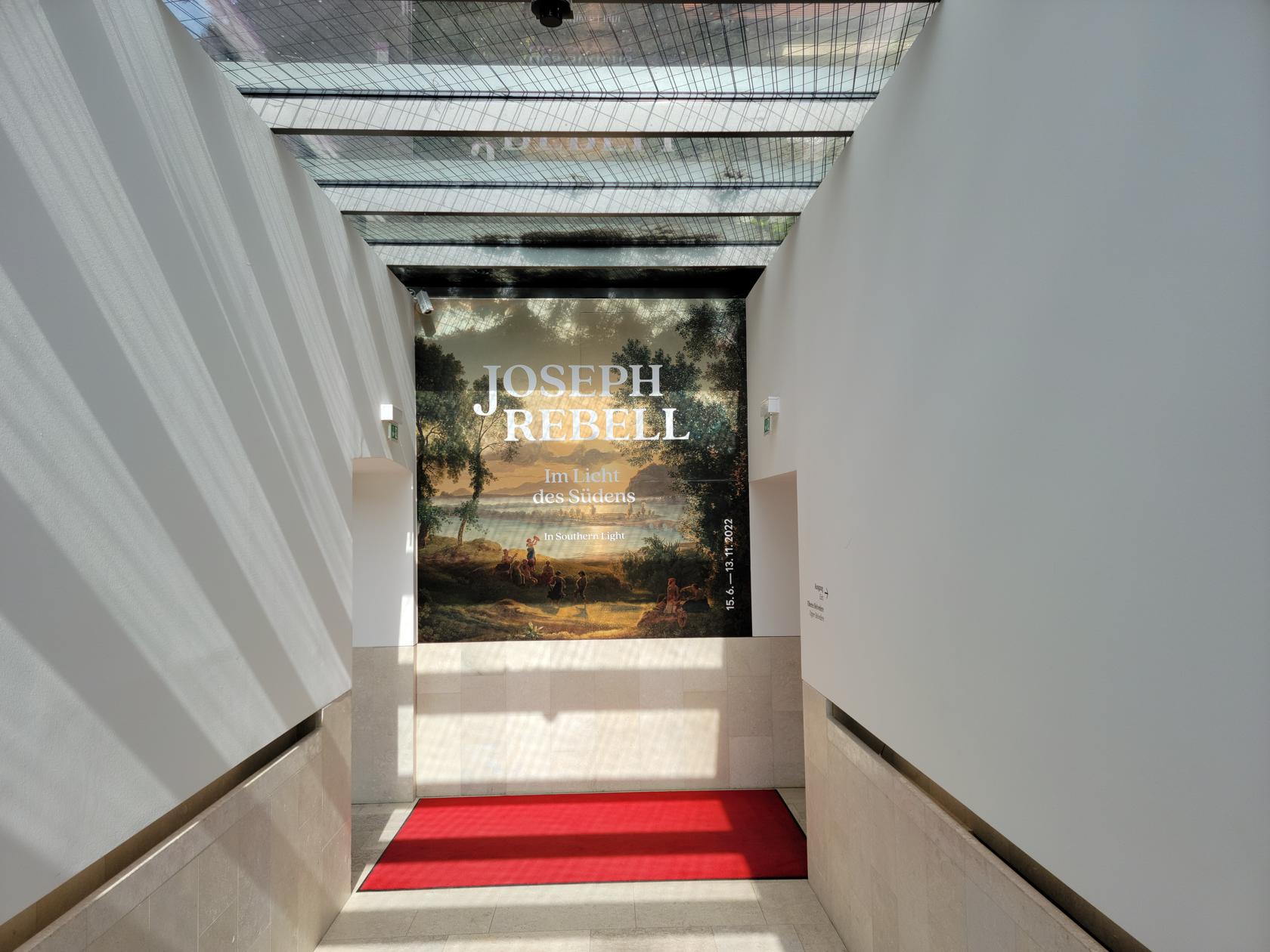
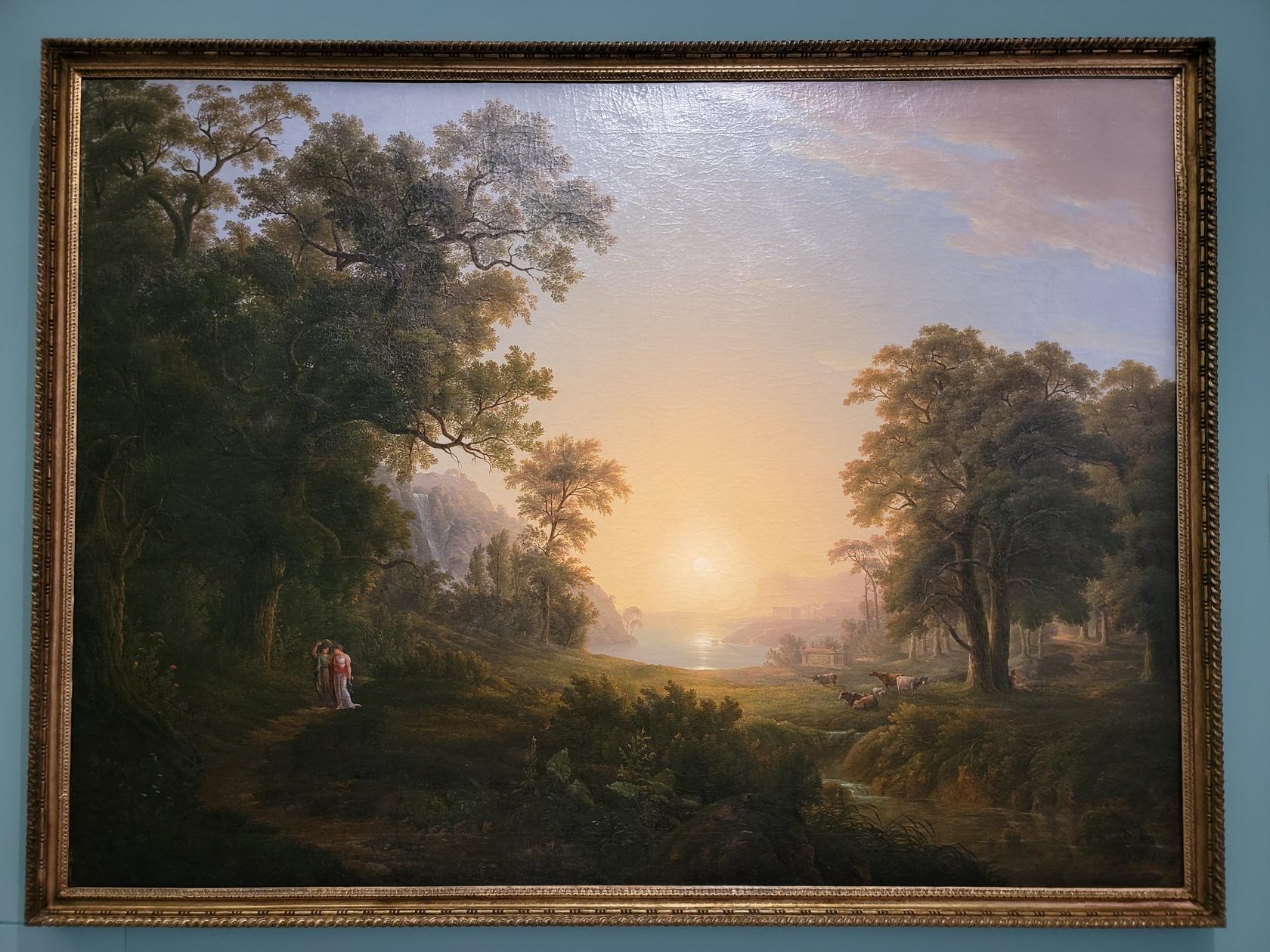
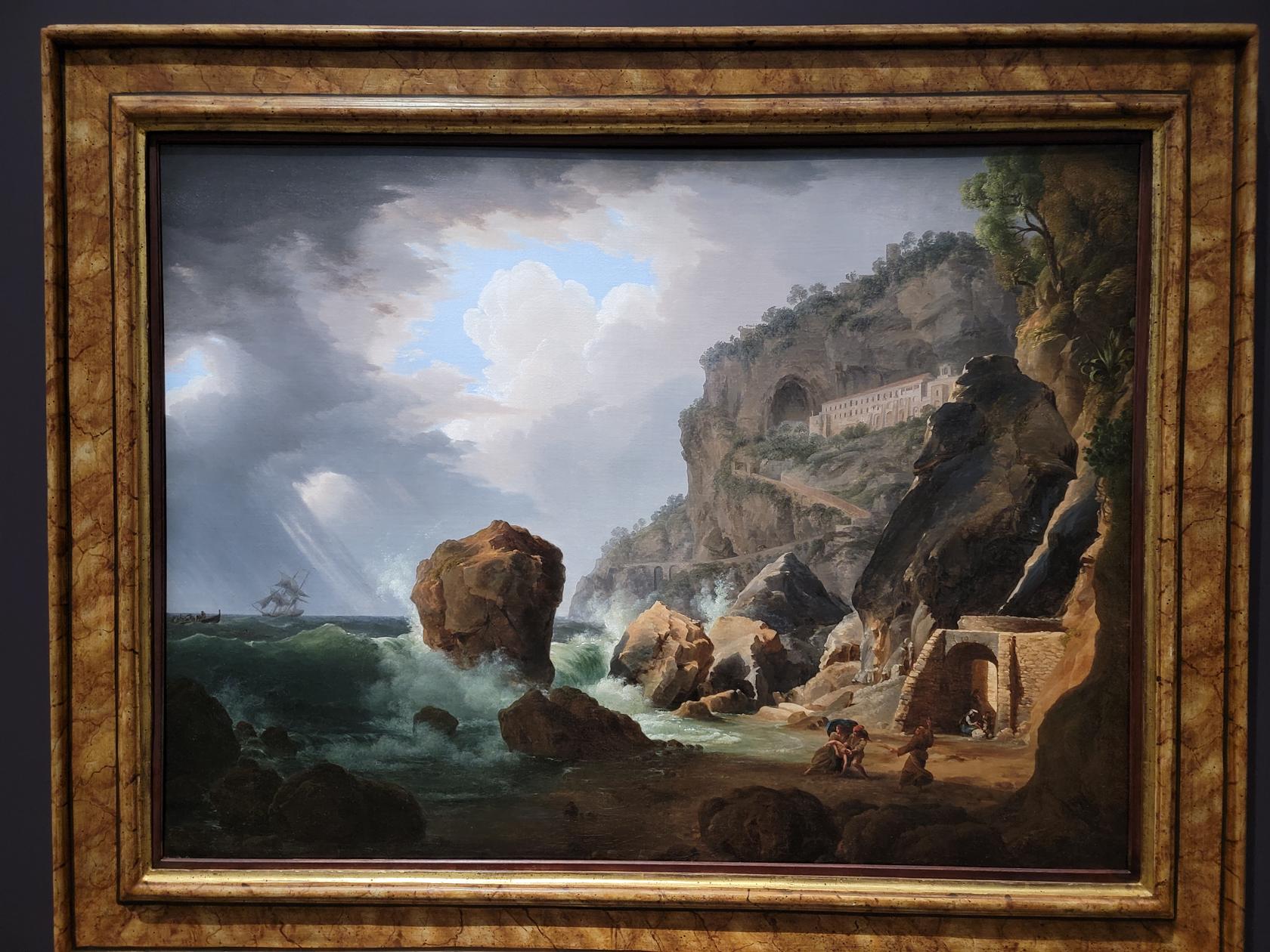
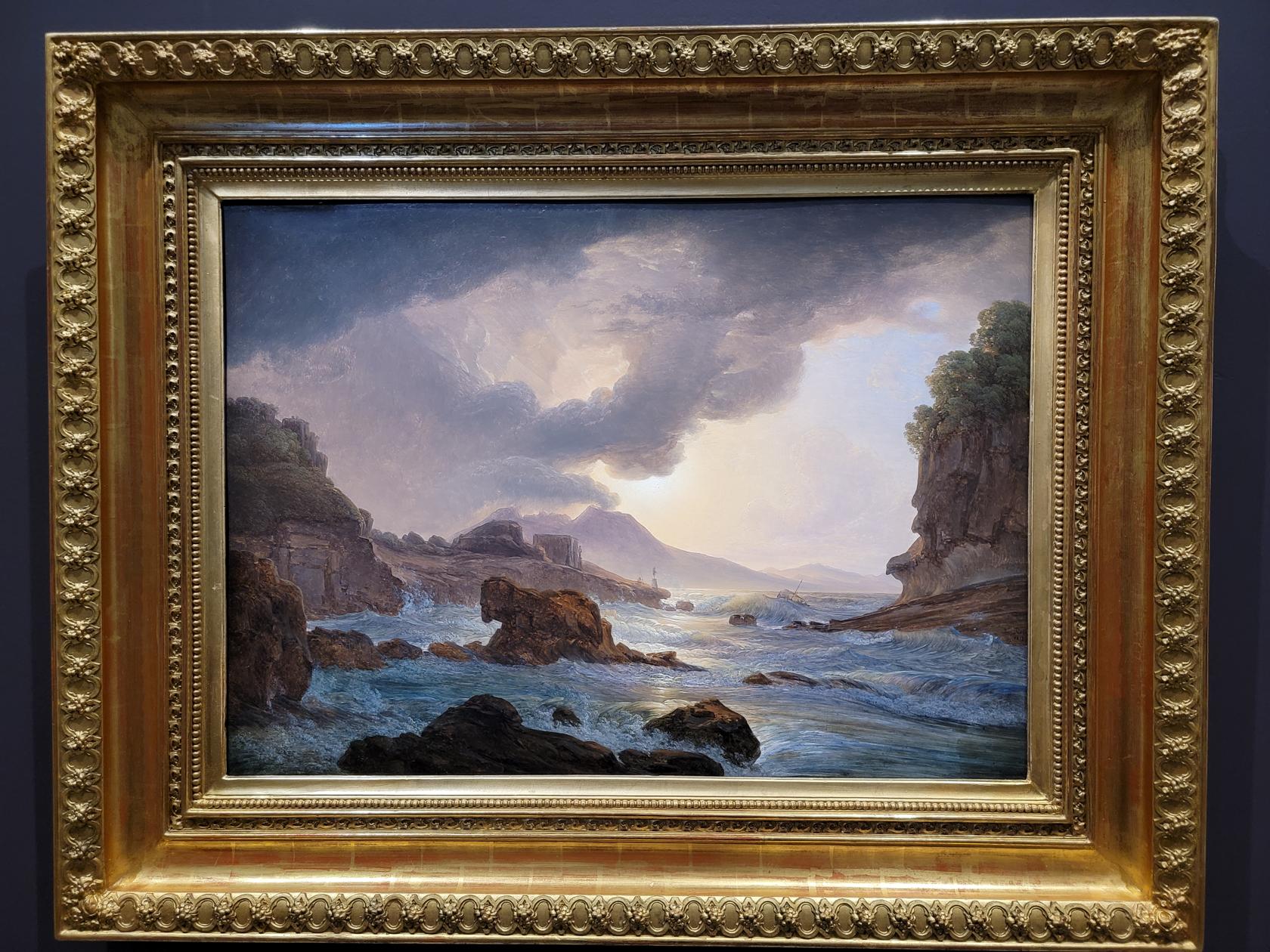
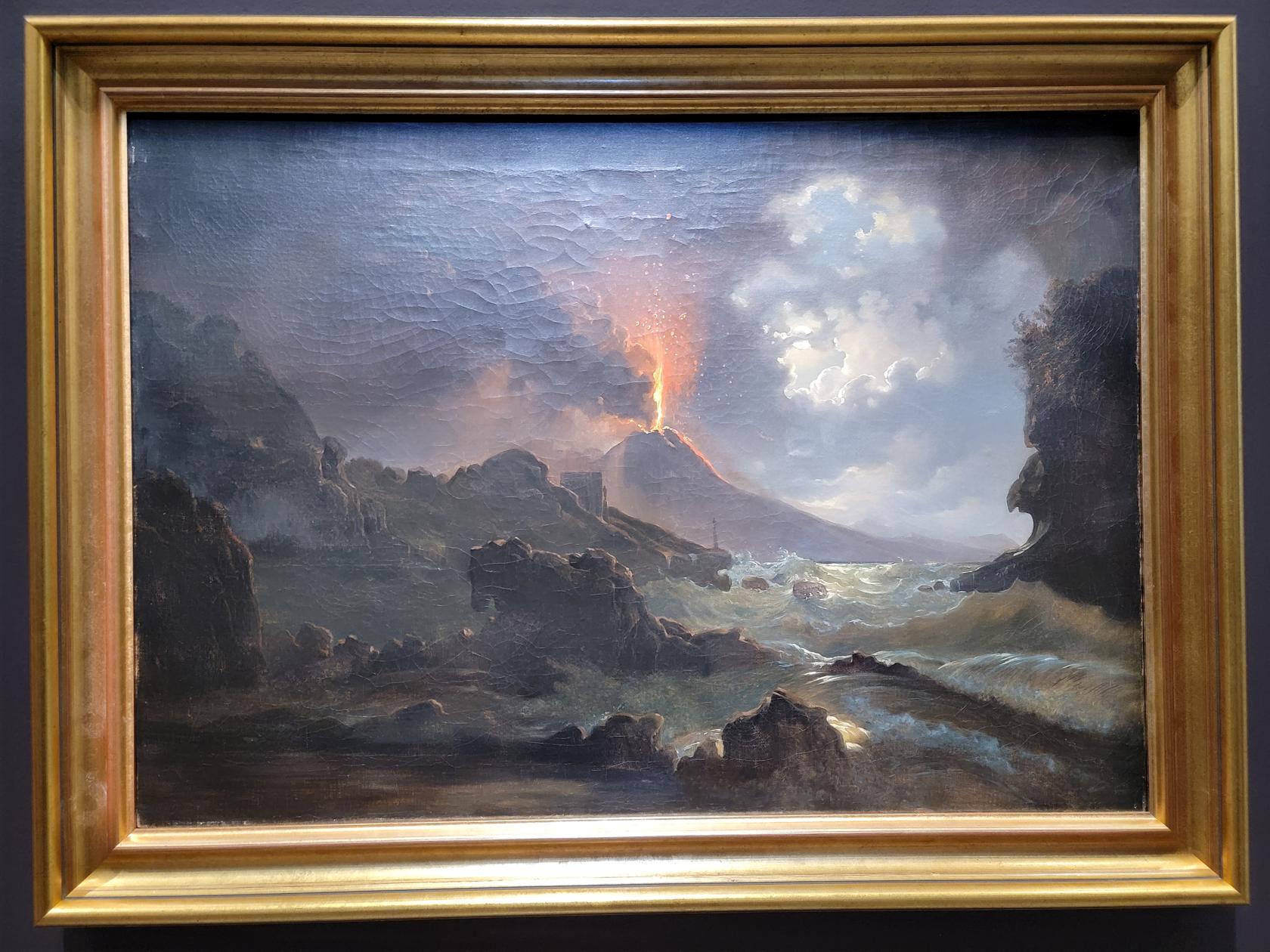
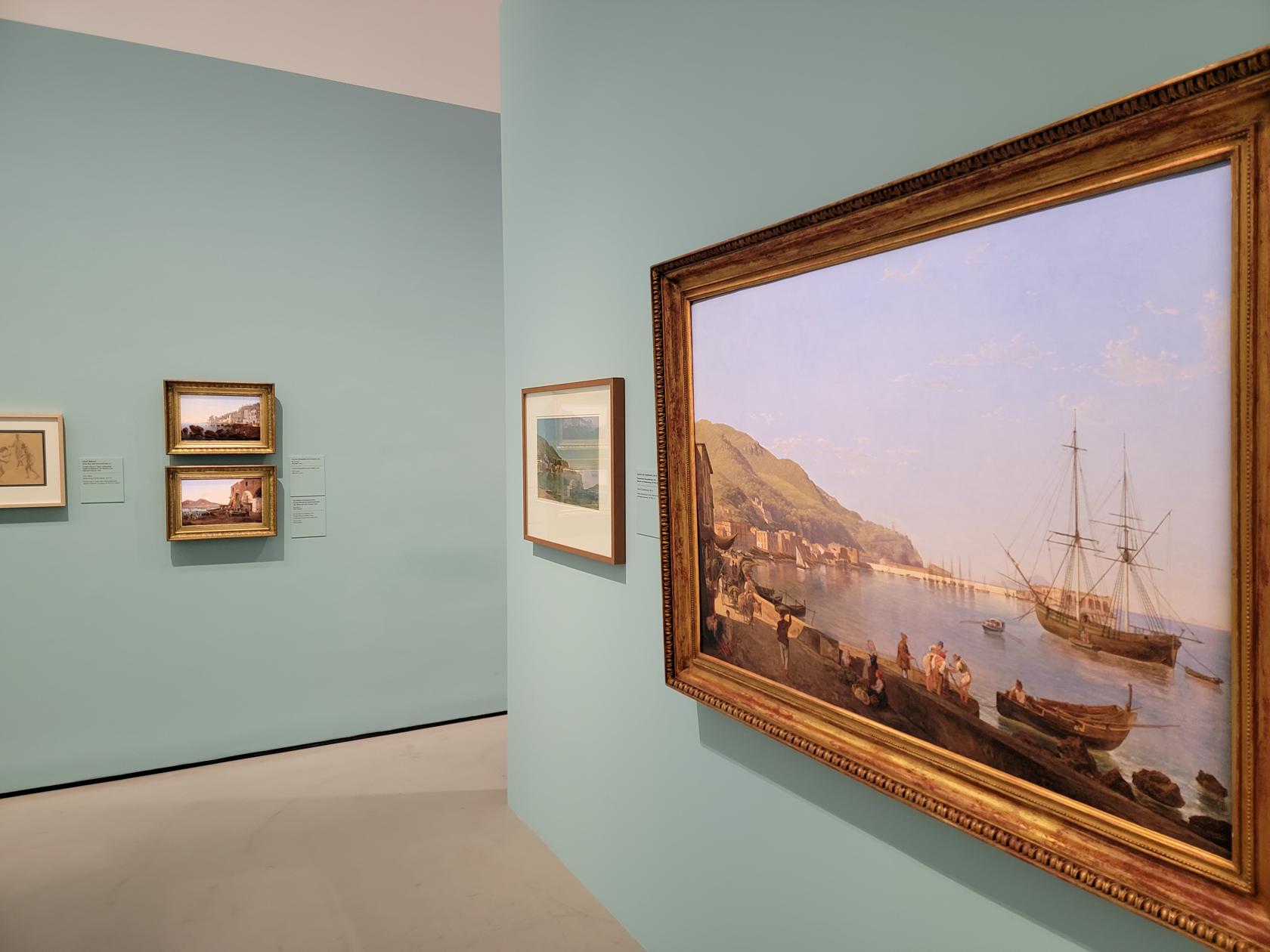
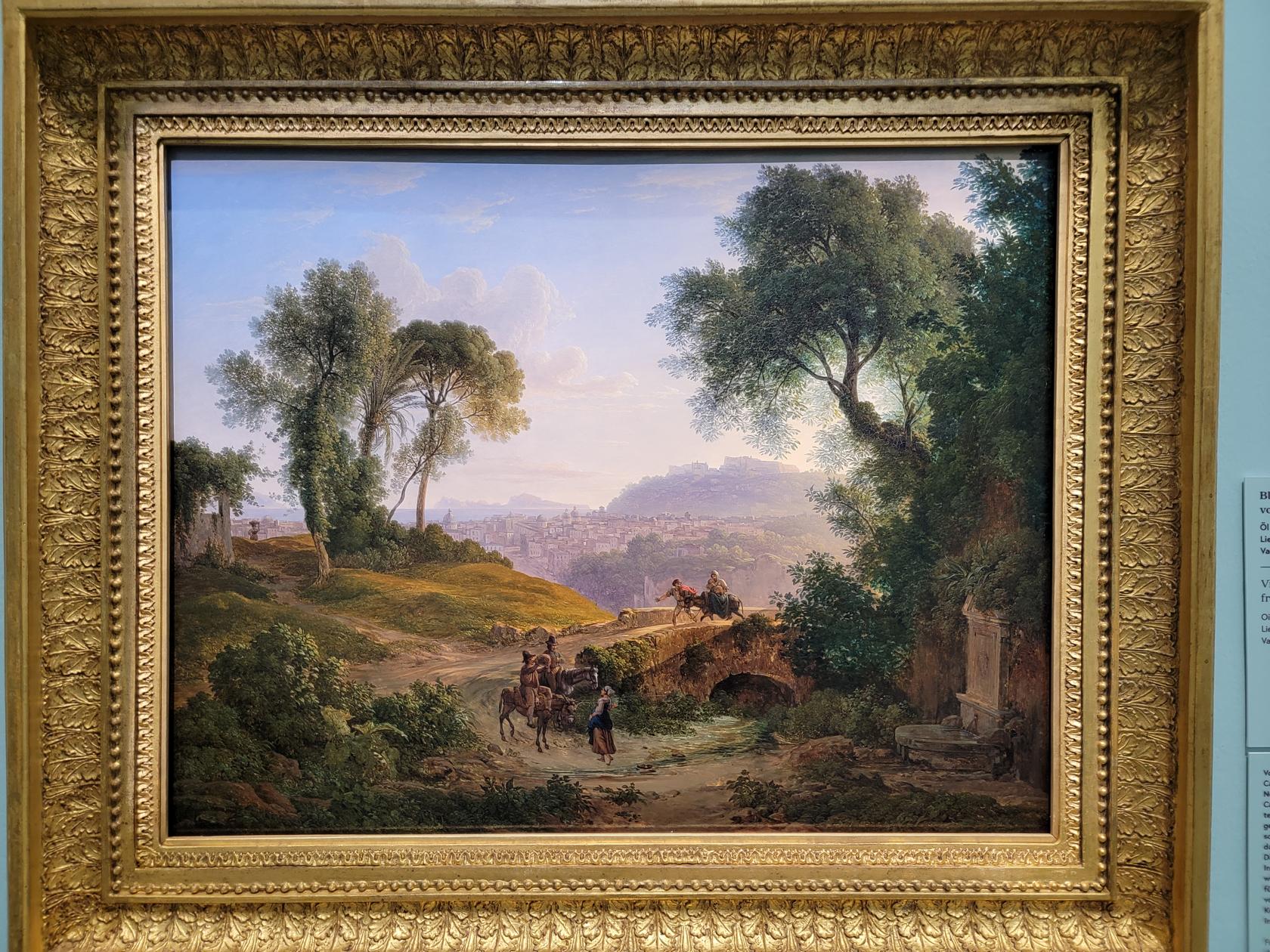
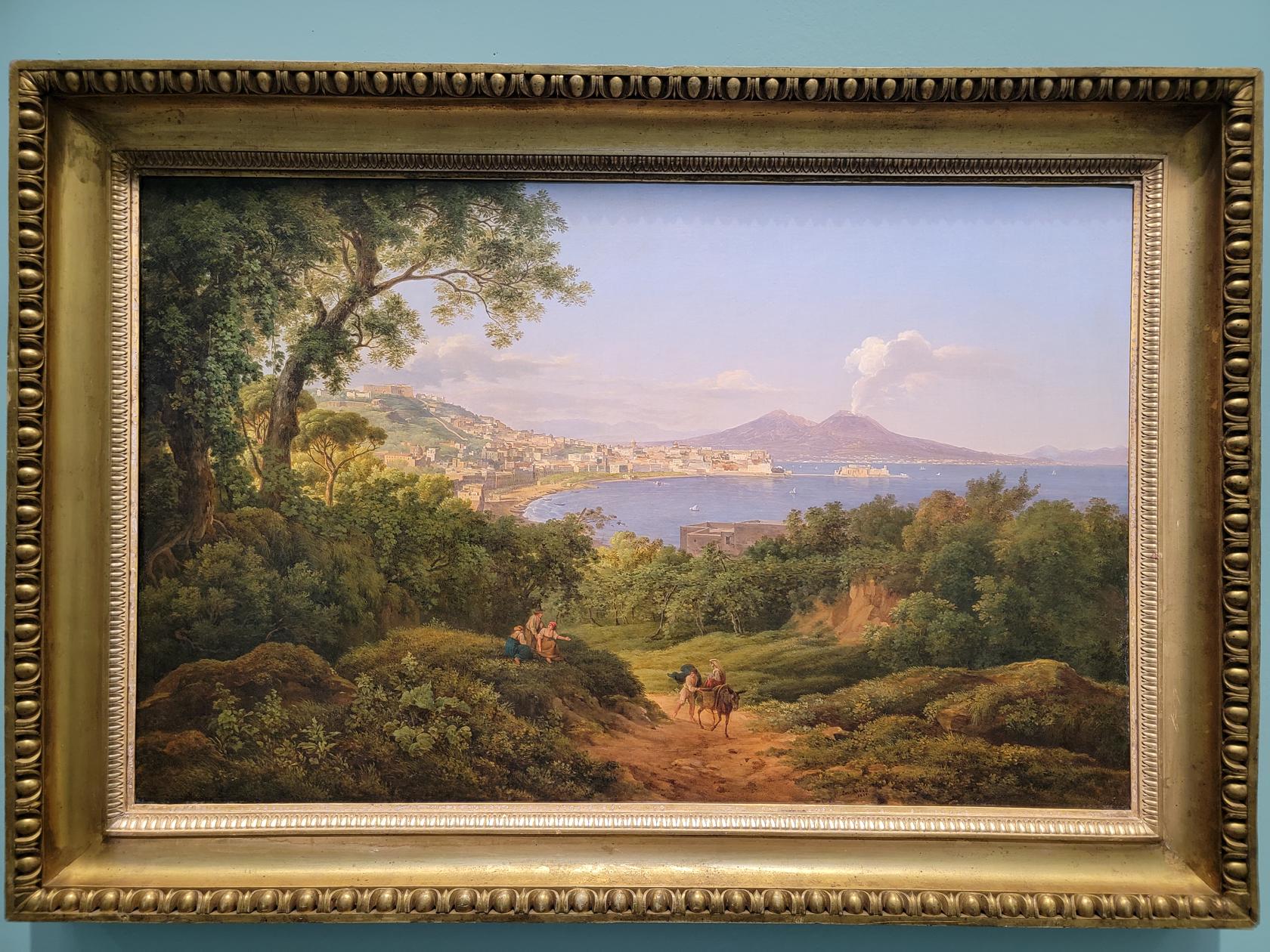
This part of the museum contains more off-beat art works. Mostly contemporary artists and works, the Joseph Rebell collection, which goes back to the early 1800s, is extremely good and important. His landscapes of Naples, Vesuvius and other parts of the Mediterranean. Again, it is best to view these works in the context of a slide show.
Lower Belvedere Museum
Lower Belvedere Museum – Exhibits
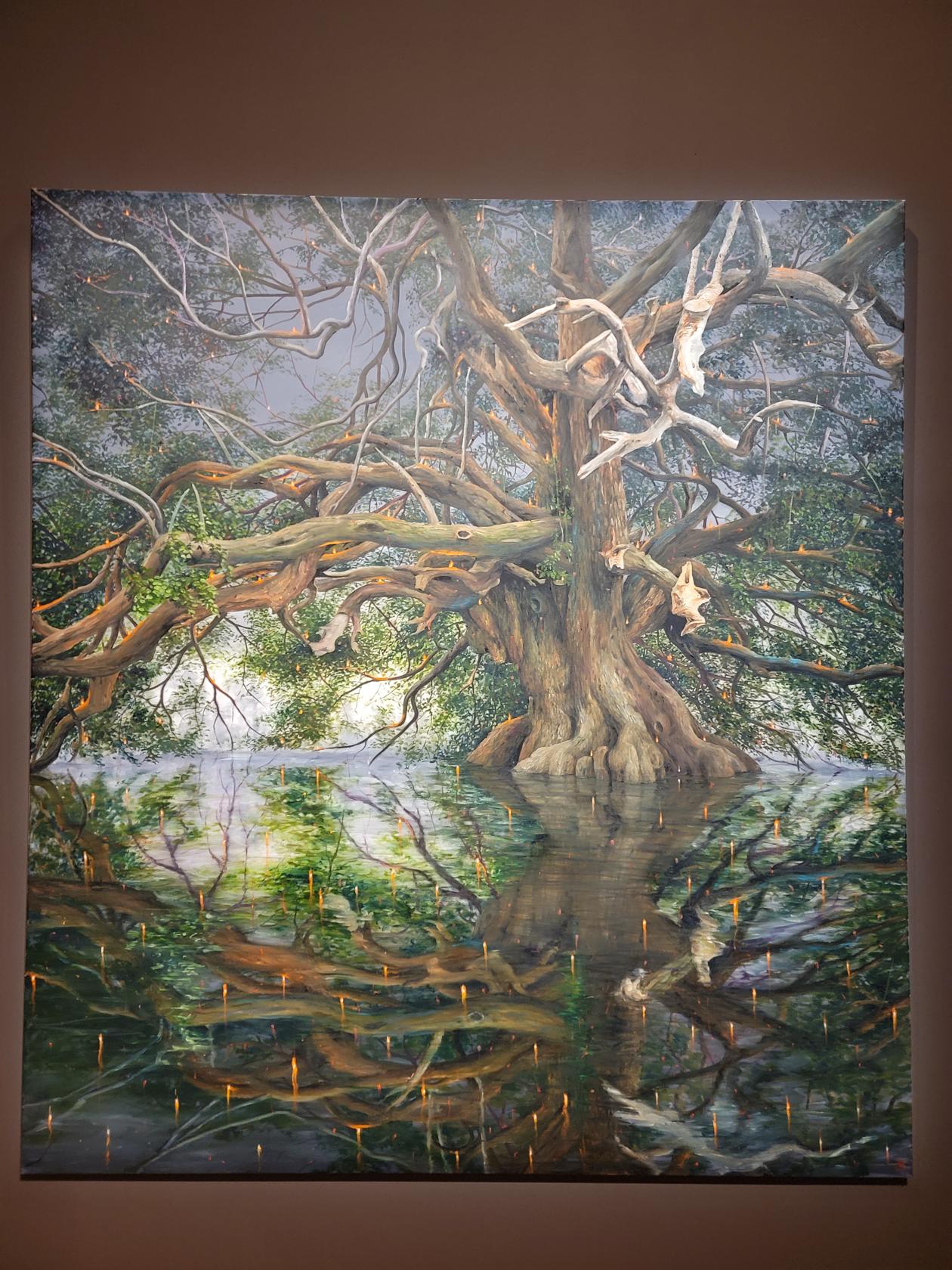
Lower Belvedere Museum – Bielik – Tree with Lights
Lower Belvedere Museum – Exhibits
Lower Belvedere Museum – Exhibits
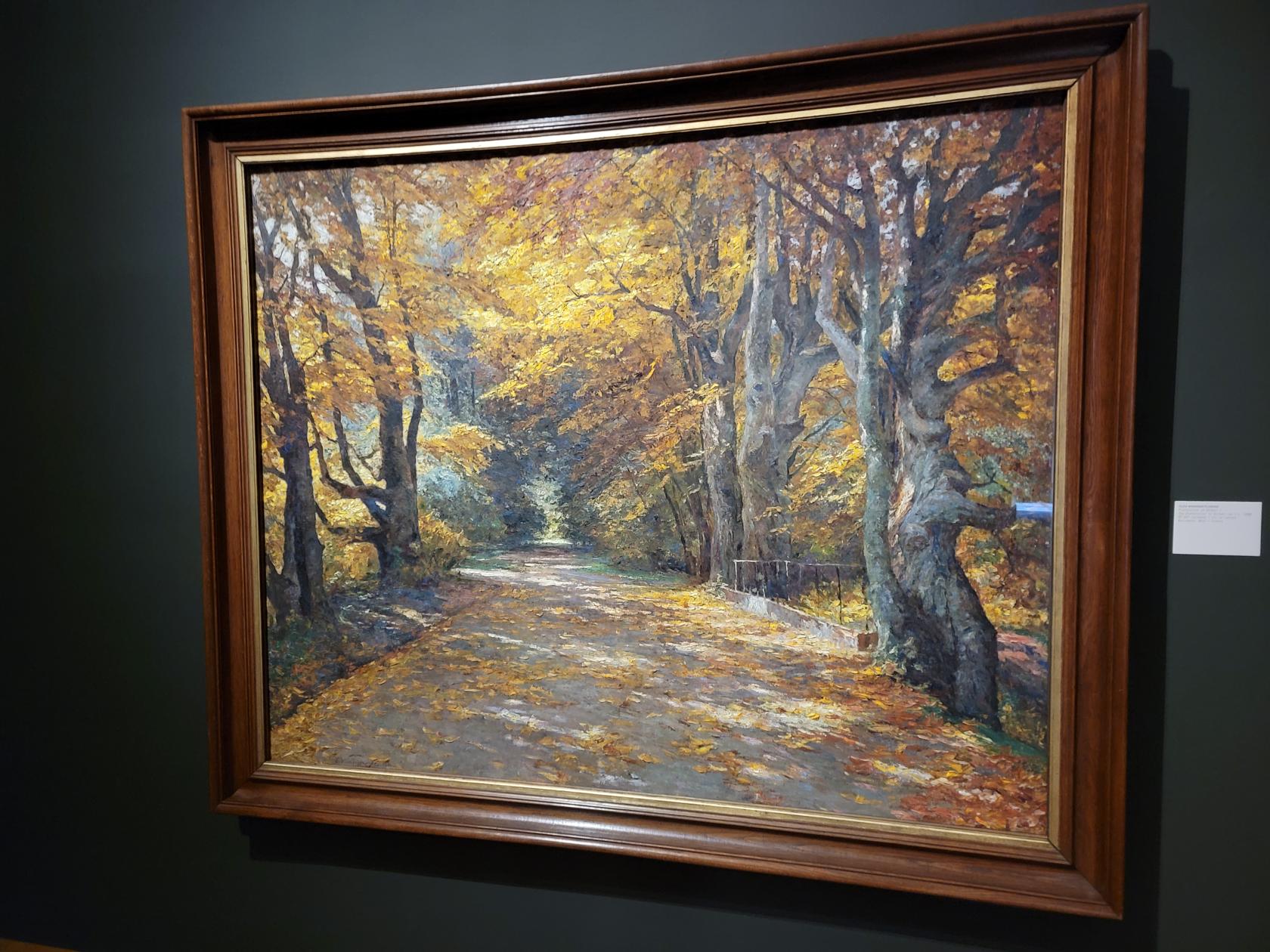
Lower Belvedere Museum – Wisinger-Florian – Prater Alle im Herbst
Lower Belvedere Museum – Exhibits
Lower Belvedere Museum – Exhibits
Lower Belvedere Museum – Exhibits
Lower Belvedere Museum – Exhibits
Lower Belvedere Museum – Exhibits
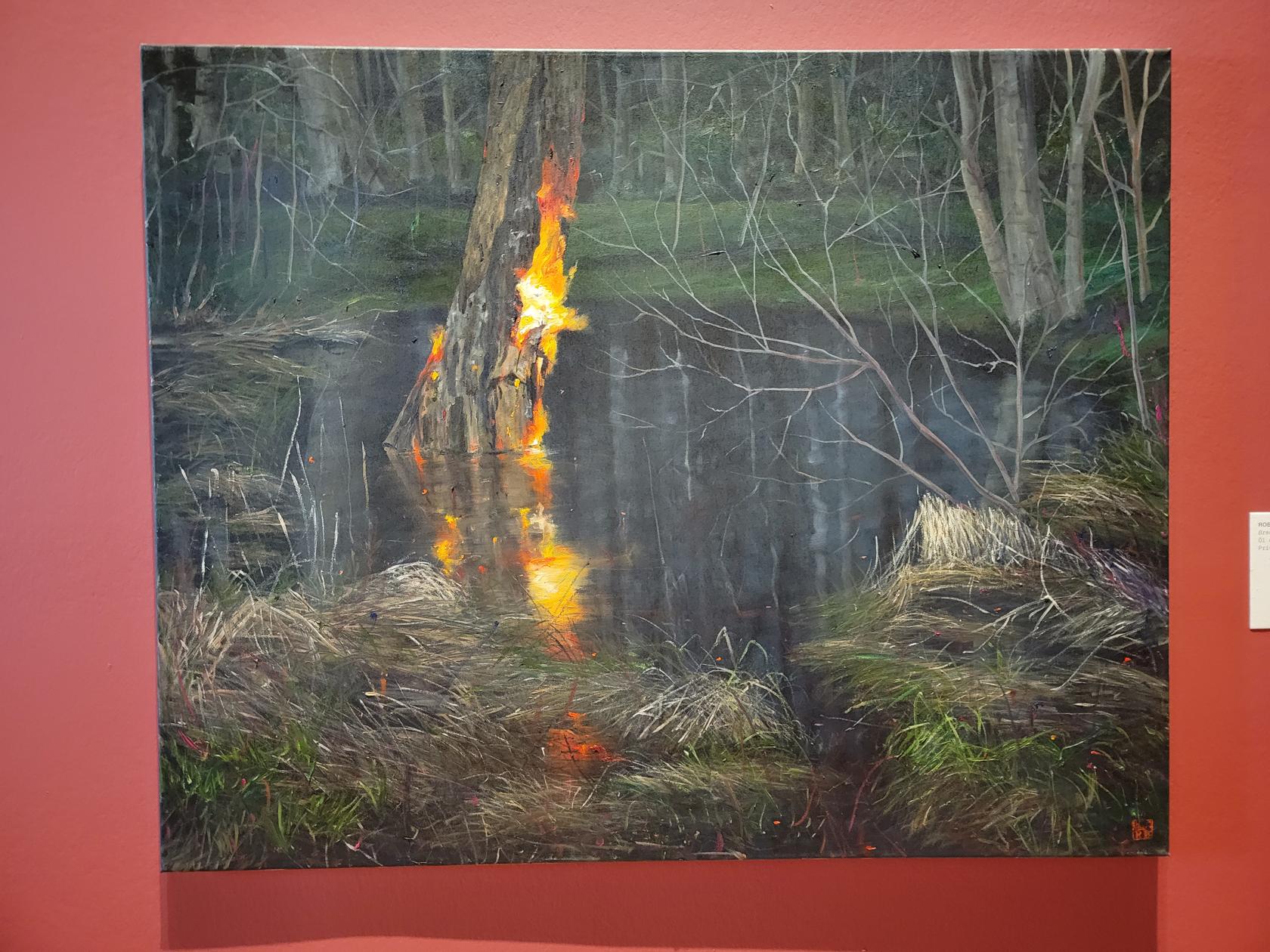
Lower Belvedere Museum – Bielik – Burning Tree
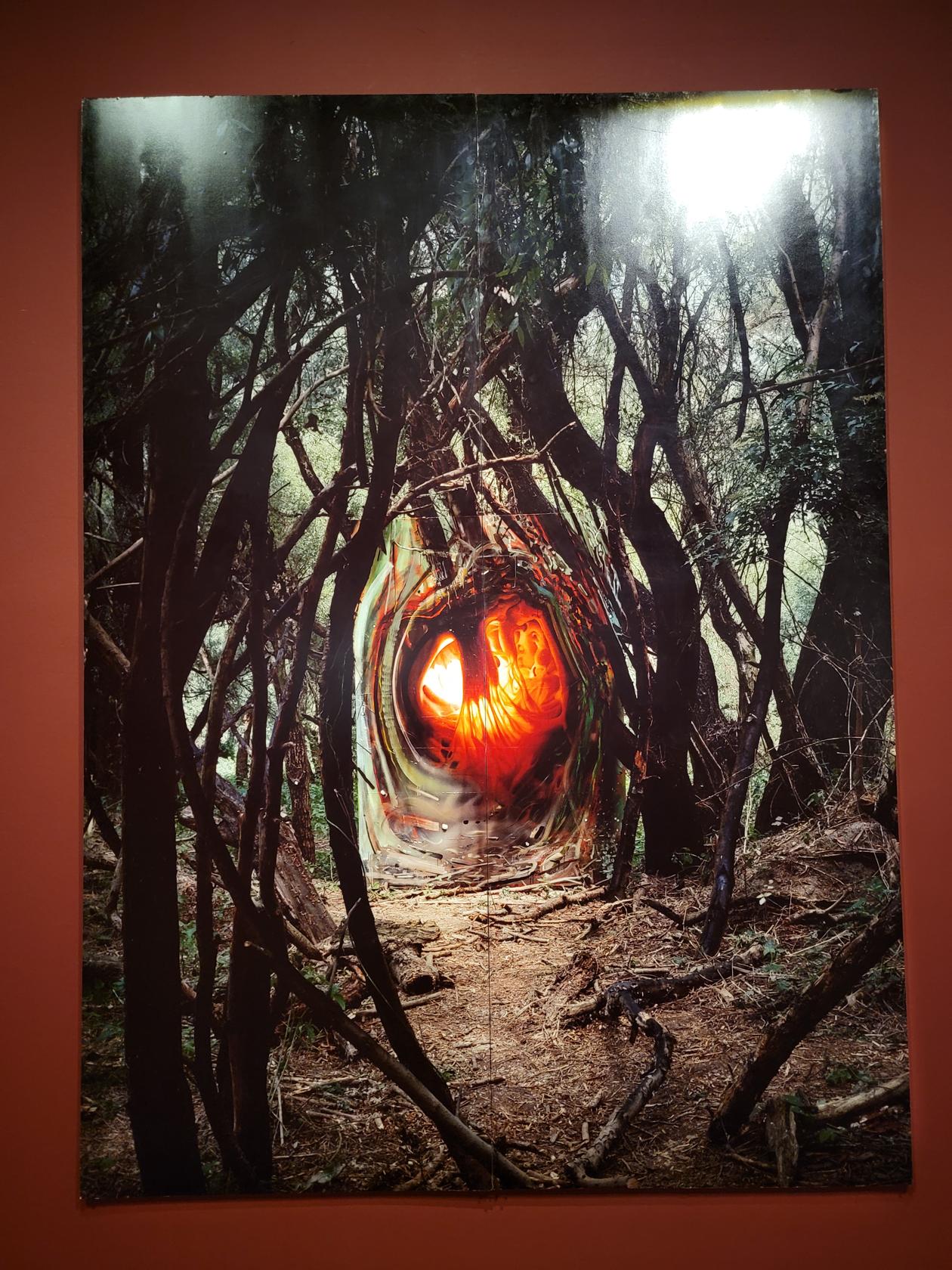
Lower Belvedere Museum – Fischer – Heart of Reality
Lower Belvedere Museum – Exhibits
Lower Belvedere Museum – Exhibits of Joseph Rebel
Lower Belvedere Museum – Old Horse Stables
Lower Belvedere Museum – Church Related Exhibits
Lower Belvedere Museum – Church Related Exhibits
Lower Belvedere Museum – Church Related Exhibits
Lower Belvedere Museum – Church Related Exhibits
Lower Belvedere Museum – Rebell
Lower Belvedere Museum – Rebell
Lower Belvedere Museum – Rebell
Lower Belvedere Museum – Rebell – Mediterranean Works
Lower Belvedere Museum – Rebell – Mediterranean Works
Lower Belvedere Museum – Rebell – Mediterranean Works
Lower Belvedere Museum – Rebell – Mediterranean Works
Lower Belvedere Museum – Rebell – Mediterranean Works
That concludes our visit to Vienna. We found it a fast paced interesting place to visit that eagerly welcomes tourists. Extremely cosmopolitan where it is easier to find an Italian restaurant than a traditional Viennese one, but such is the price of progress and tourism. For that, one might have to venture further, perhaps to Graz, or even Güssing in Burgenland.
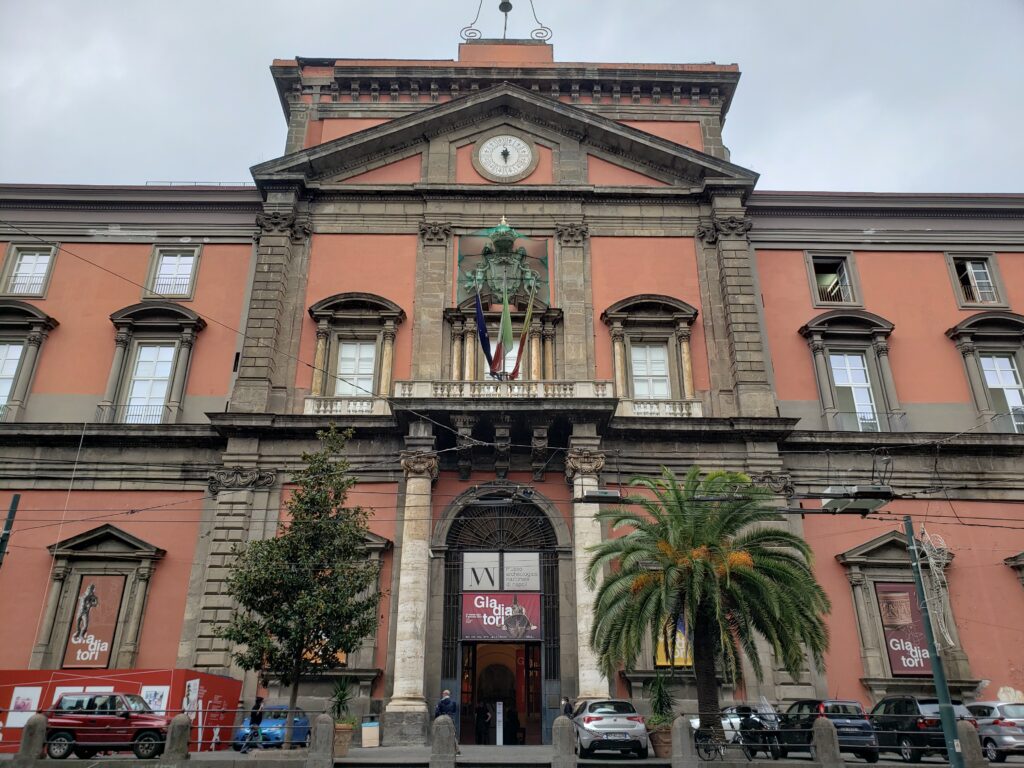
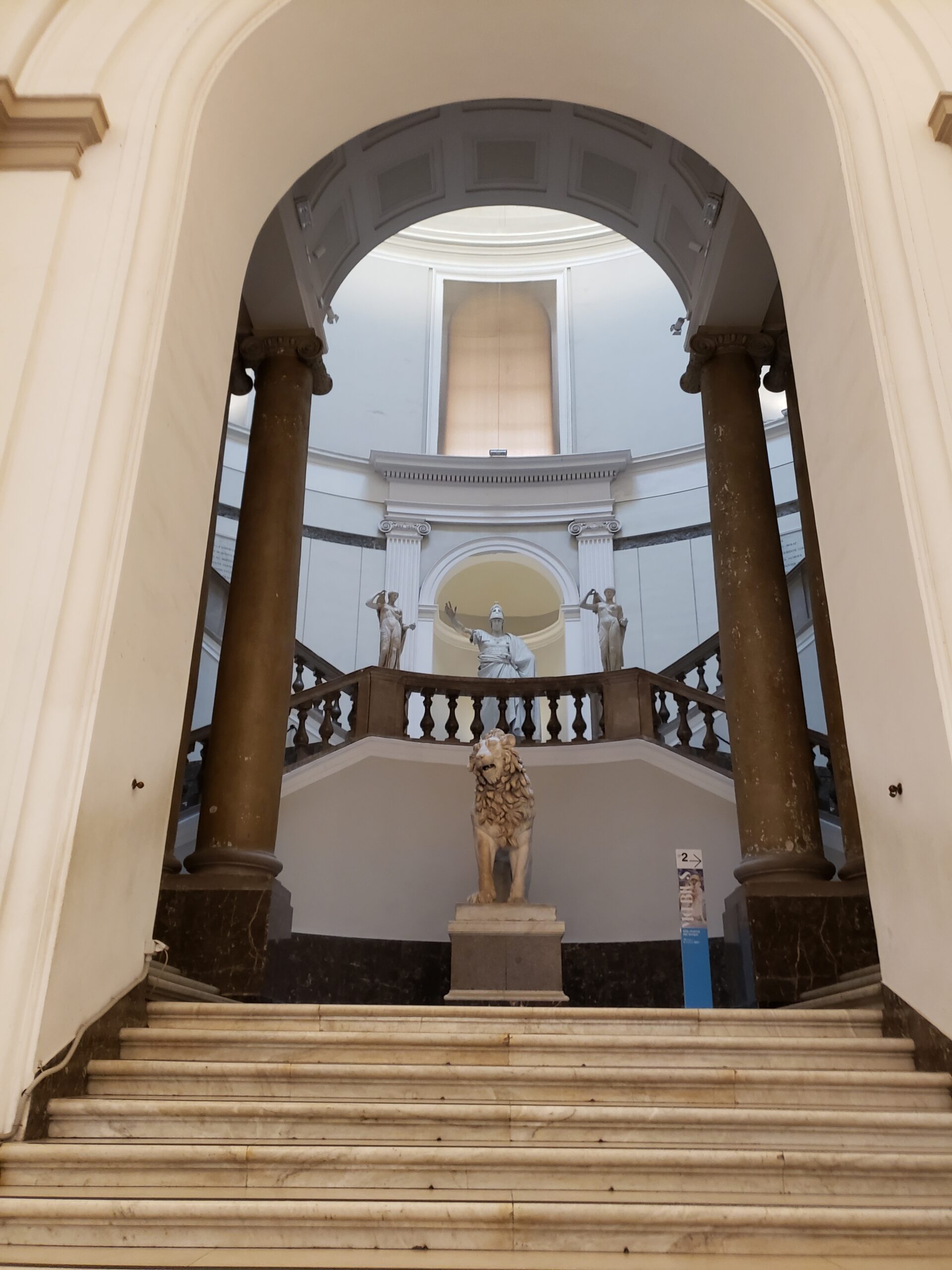
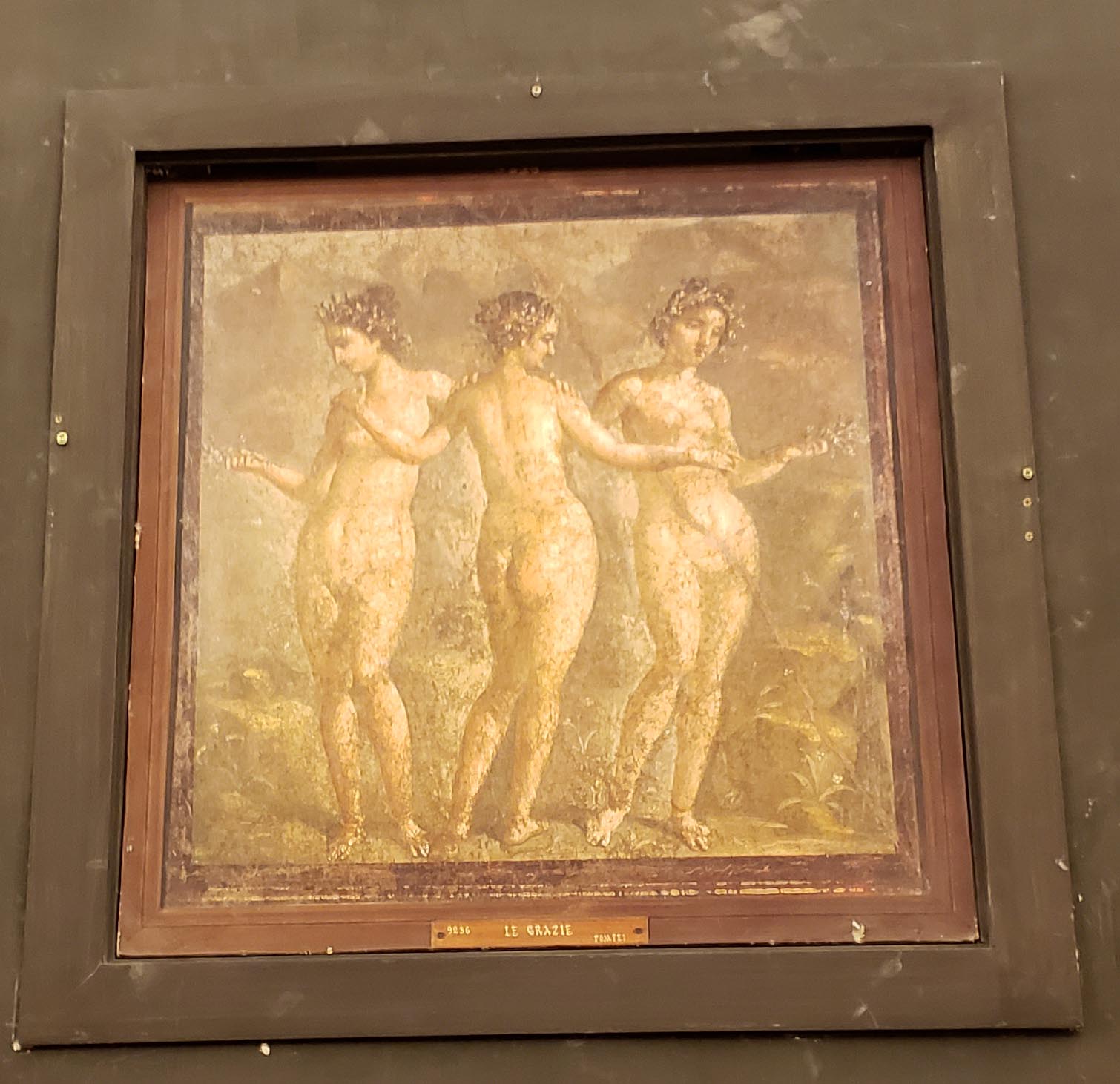
If you are an archaeological nut and ever have enough time to spend in Naples, you must visit the National Archaeological Museum. It houses an impressive collection from ancient Naples, from its ancient Greek roots through its Roman and Sicilian Empire phases, to the present. It also has a fabulous collection of artifacts from Pompeii and the Roman Period. It is found on the interesection of Piazza Cavour and Via Enrico Pessina. At the time of this writing, it can no longer be gotten to by the Museum Metro Stop, which has been closed for some time, but rather from the Piazza Cavour Metro Stop and then a short walk along that street.
National Archaeological Museum – Main Entrance
The Ground or First Floor – Main Gallery
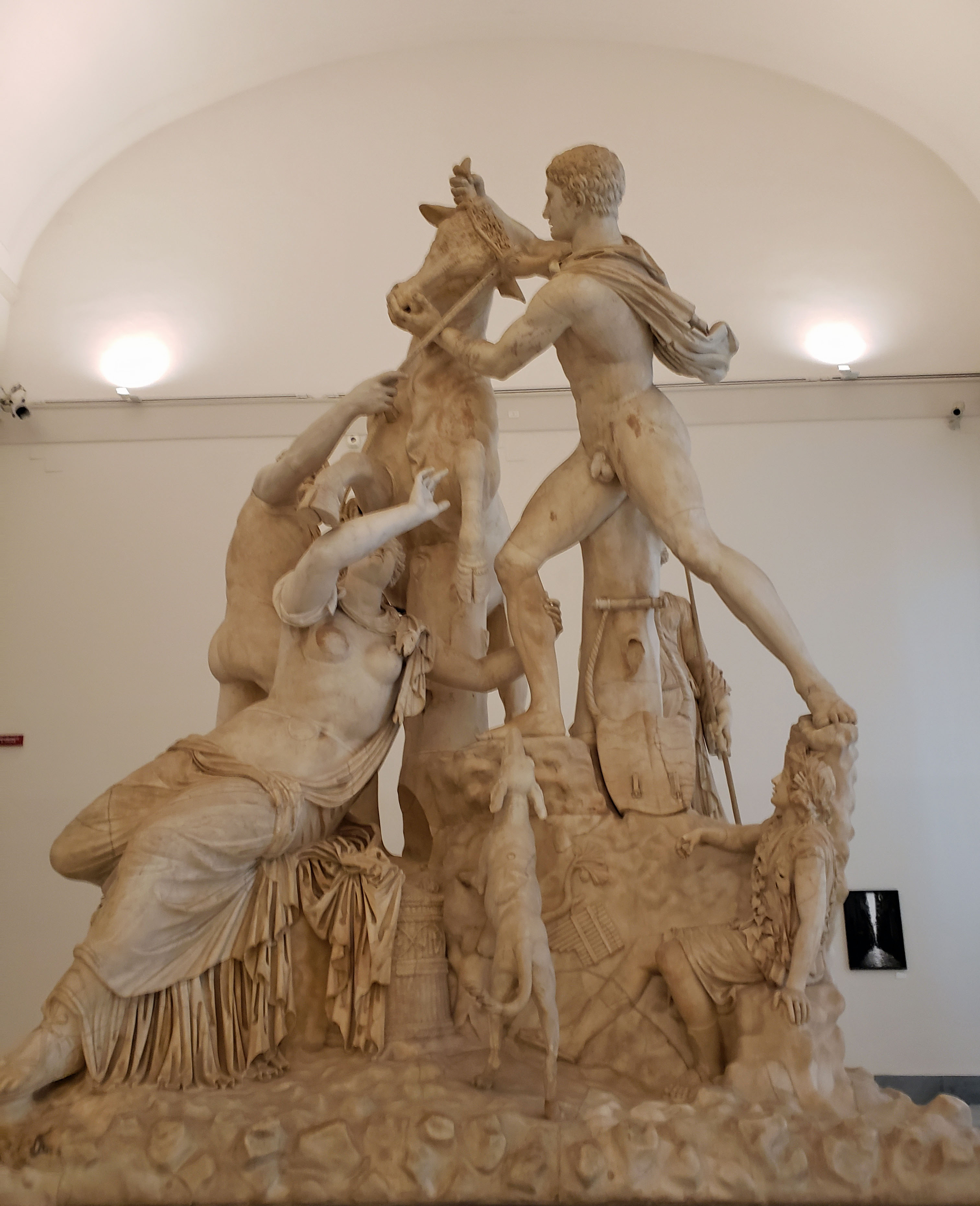
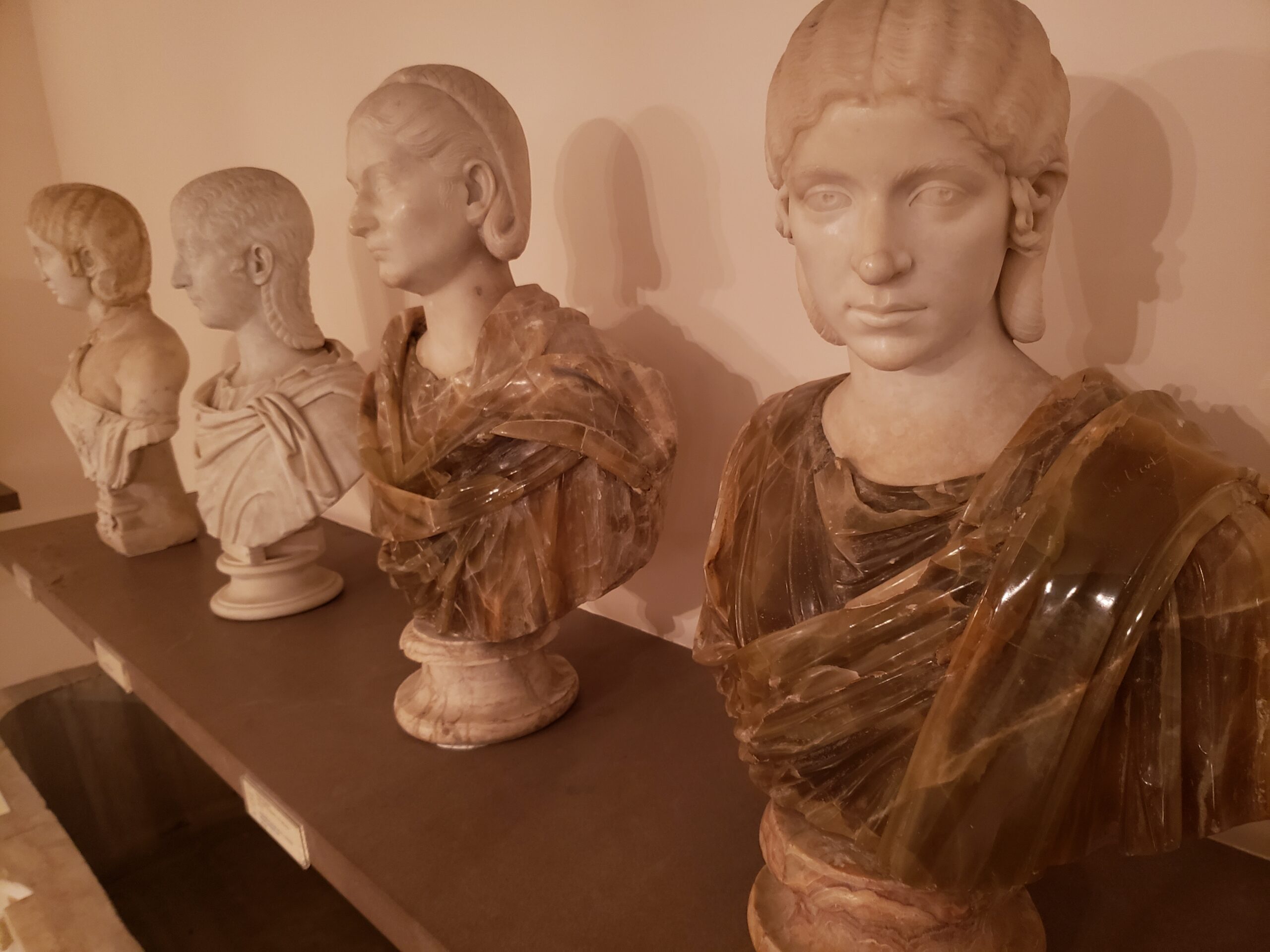
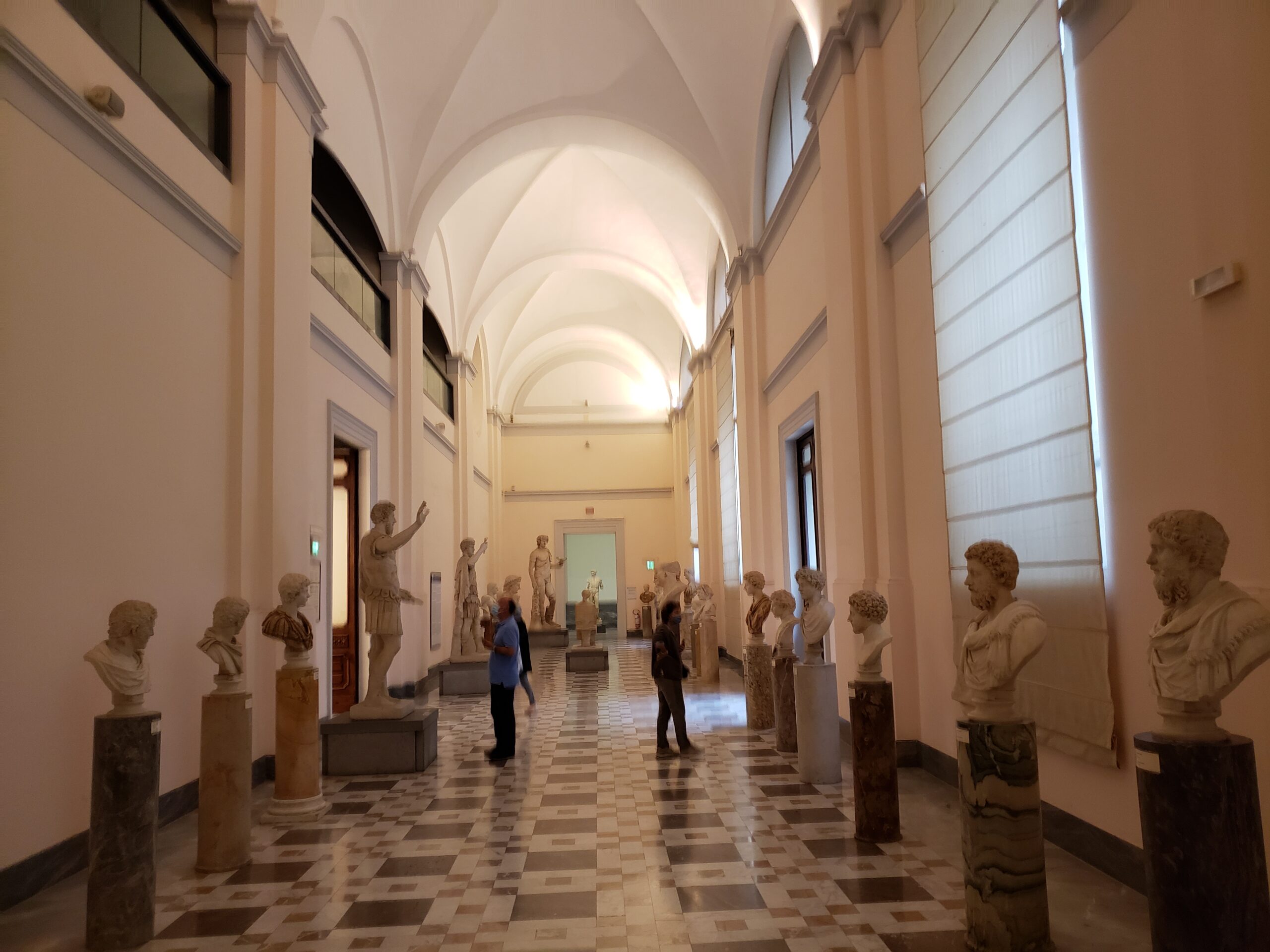
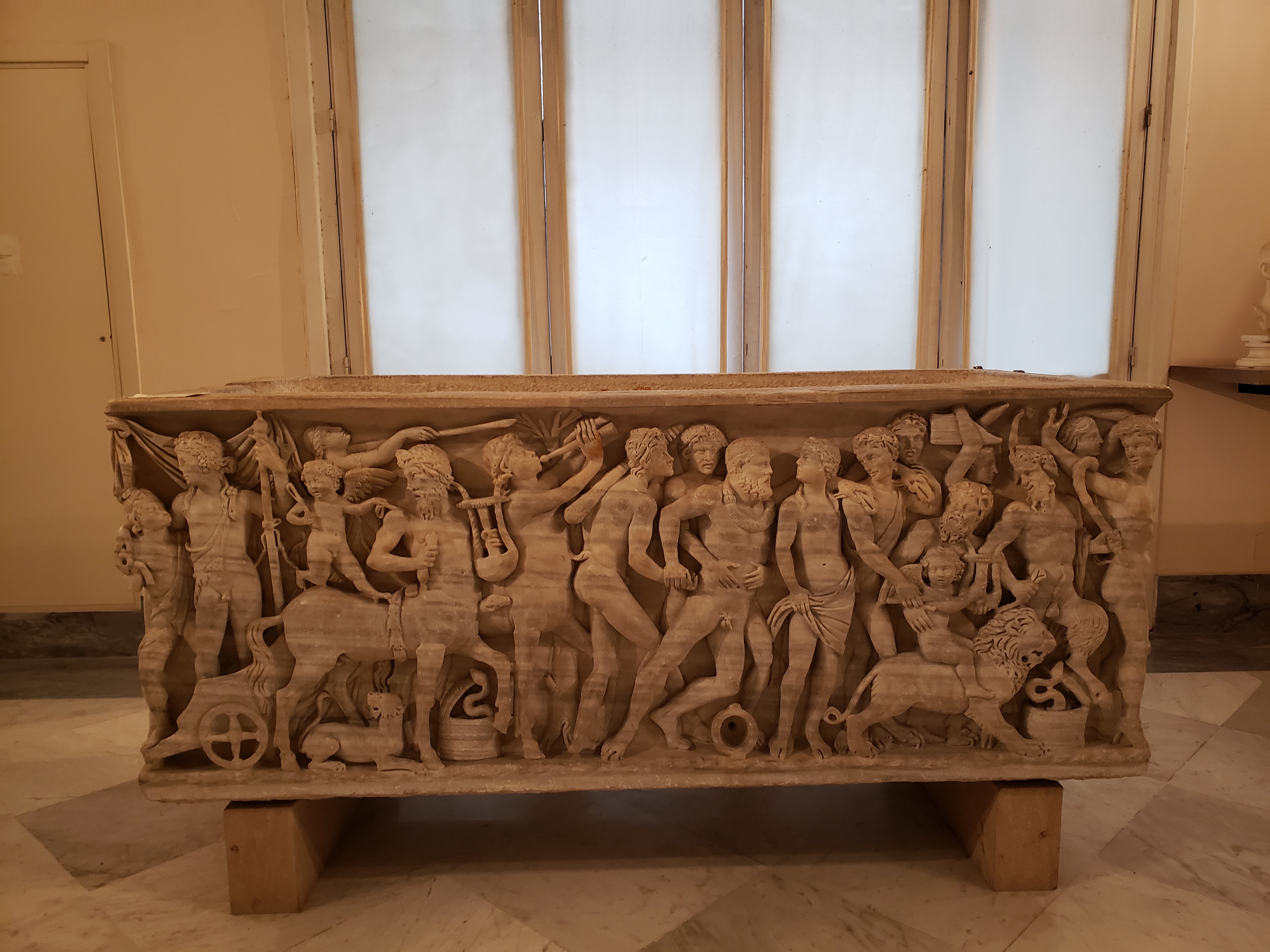
The main gallery on the ground floor has a unique and amazing collection of statues, mostly from the Roman Period, but there are also more ancient sculptures as well. It features in the back of the hall the Farnese Bull from Roman times.
National Archaeological Museum – Statue Hall – Bull – Farnese Collection – Largest Sculpture from Antiquity
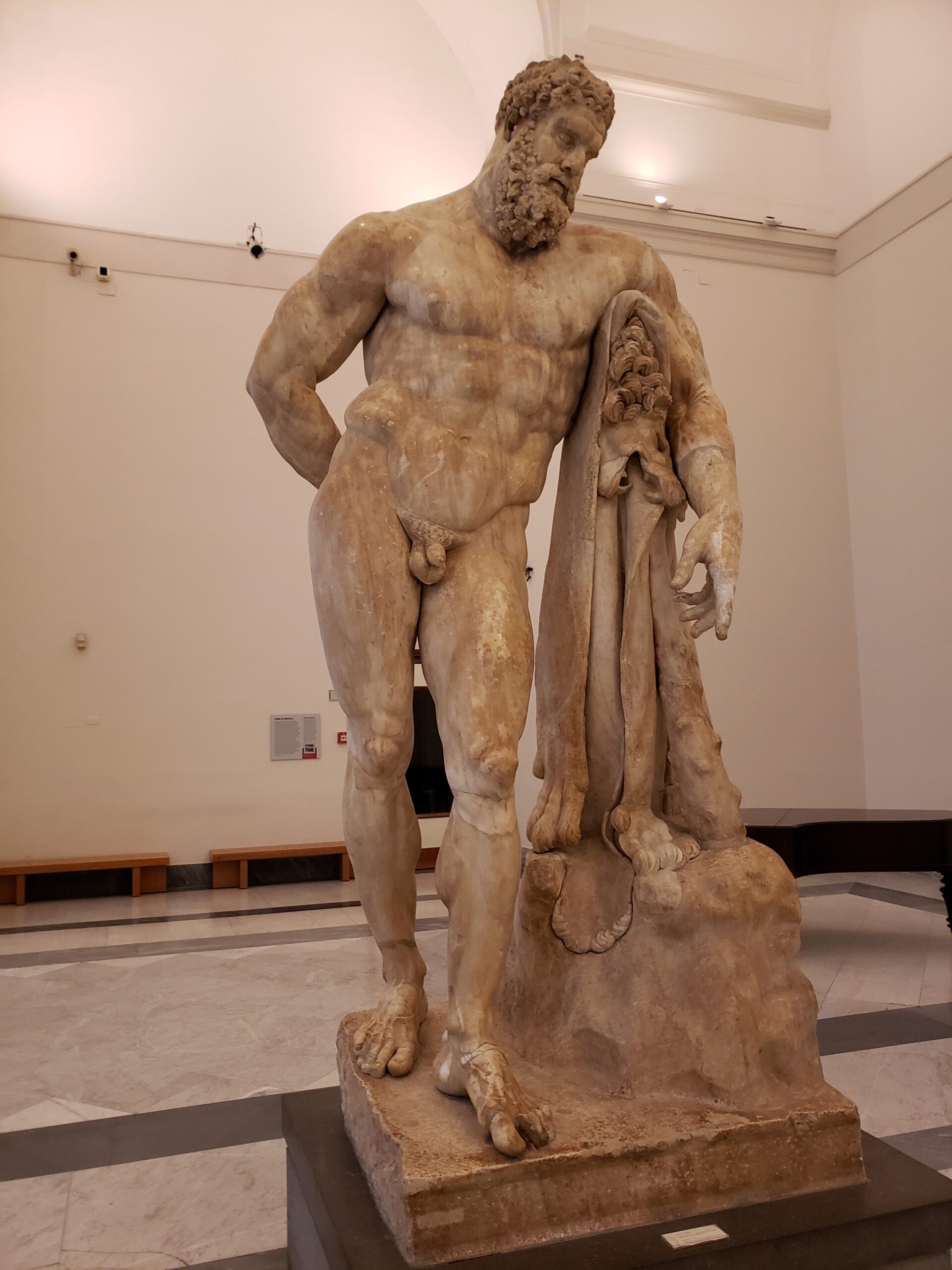
There are also a few other examples from the Farnese Collection, including Hercules and others. This section is definitely worth a quiet, long walk through with plenty of reading and afterthought. Examination of any one of these magnificent works reveal detail that someone in today’s day and age would think otherwise superfluous, and yet it would not be the work it is today without that fine attention to detail.
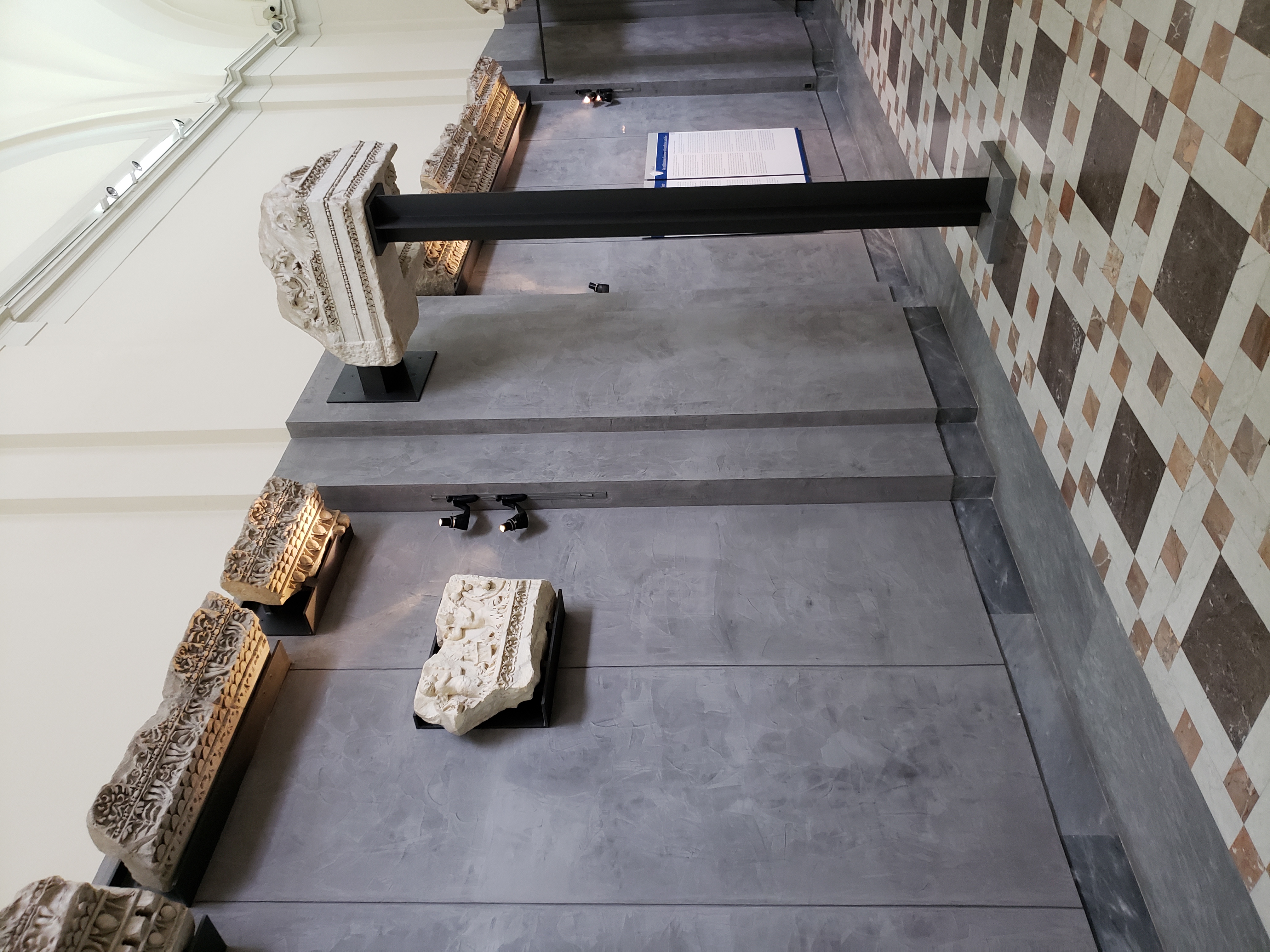
National Archaeological Museum – Statue Hall – Architectural Elements
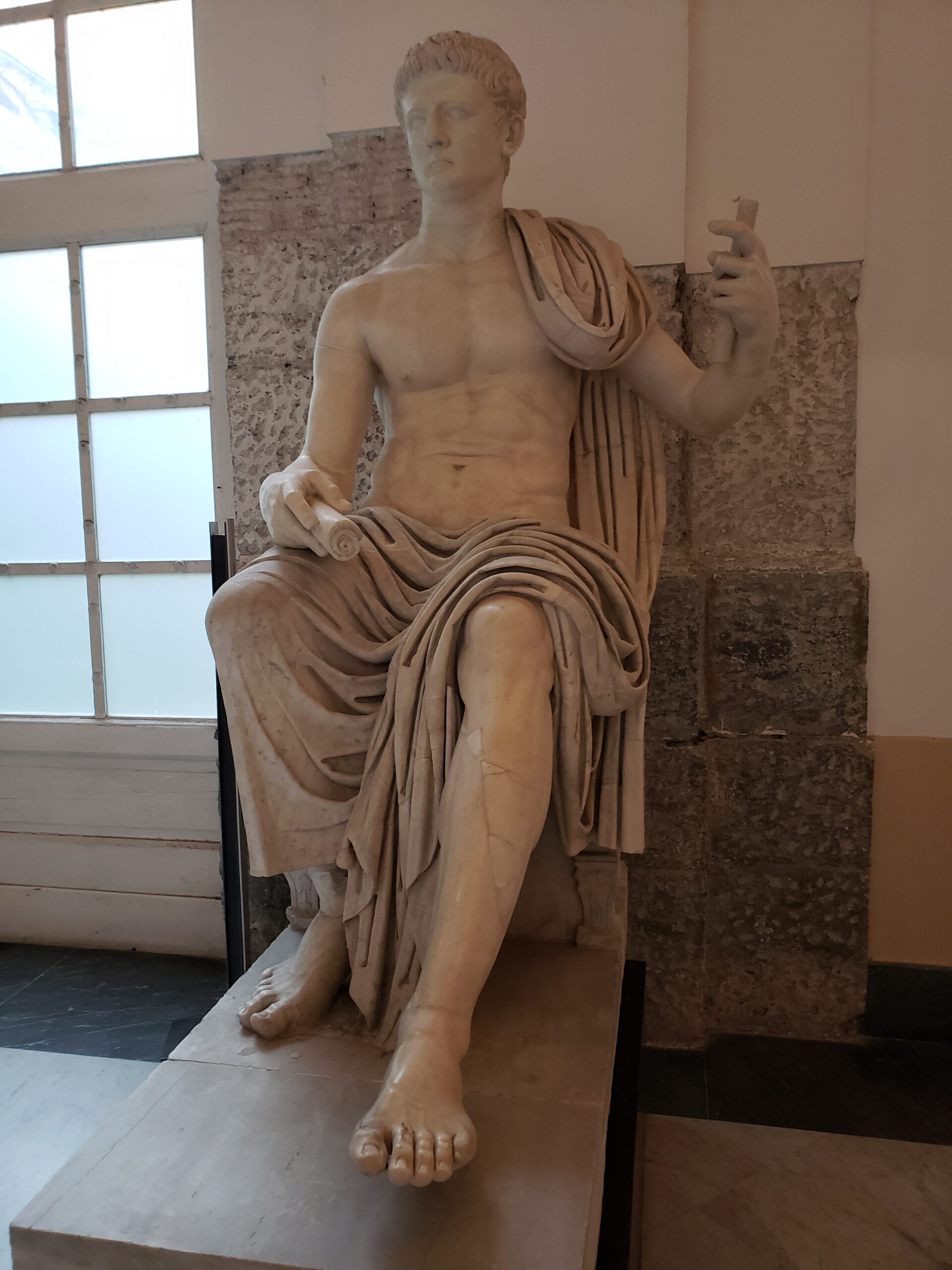
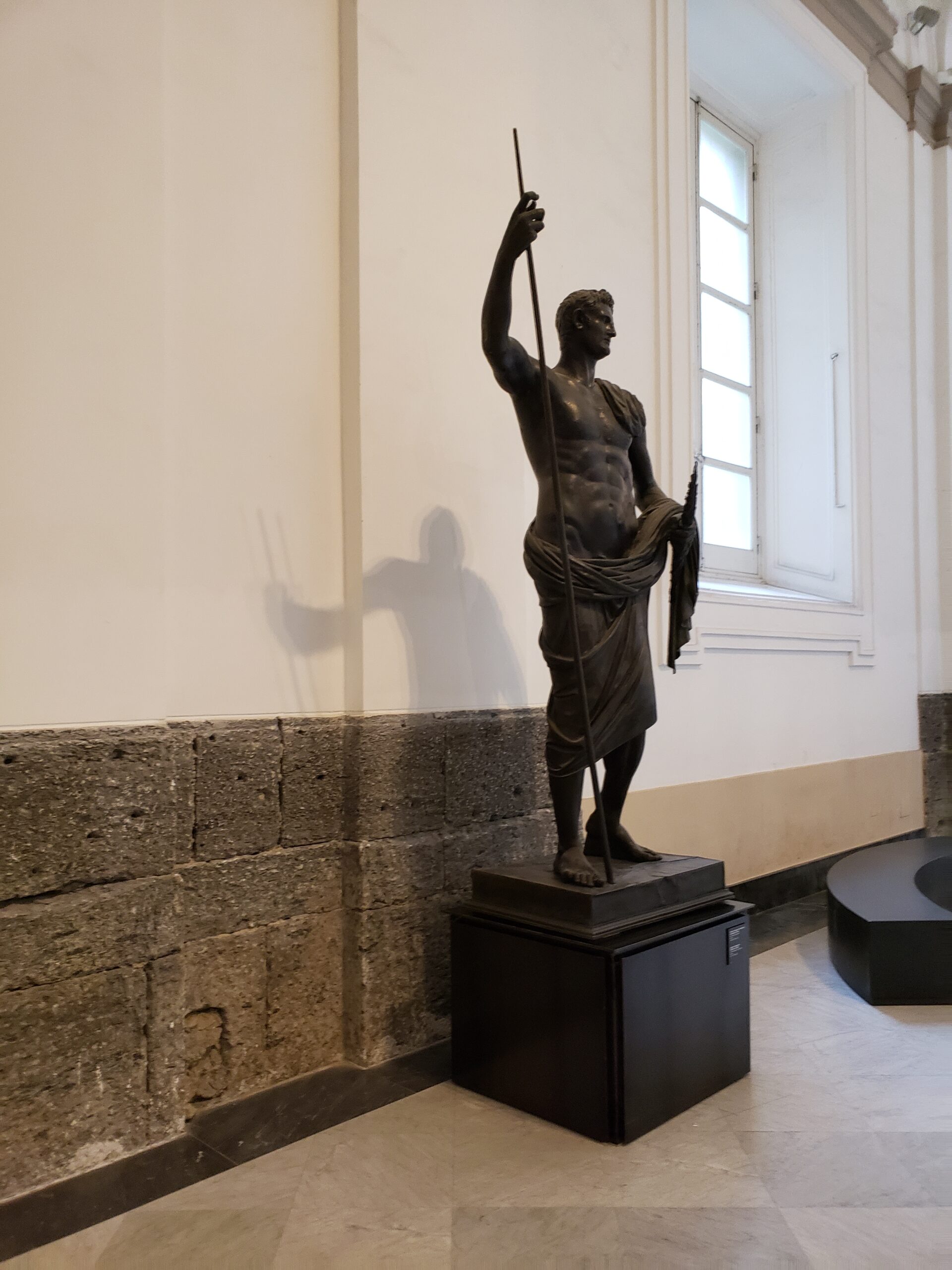
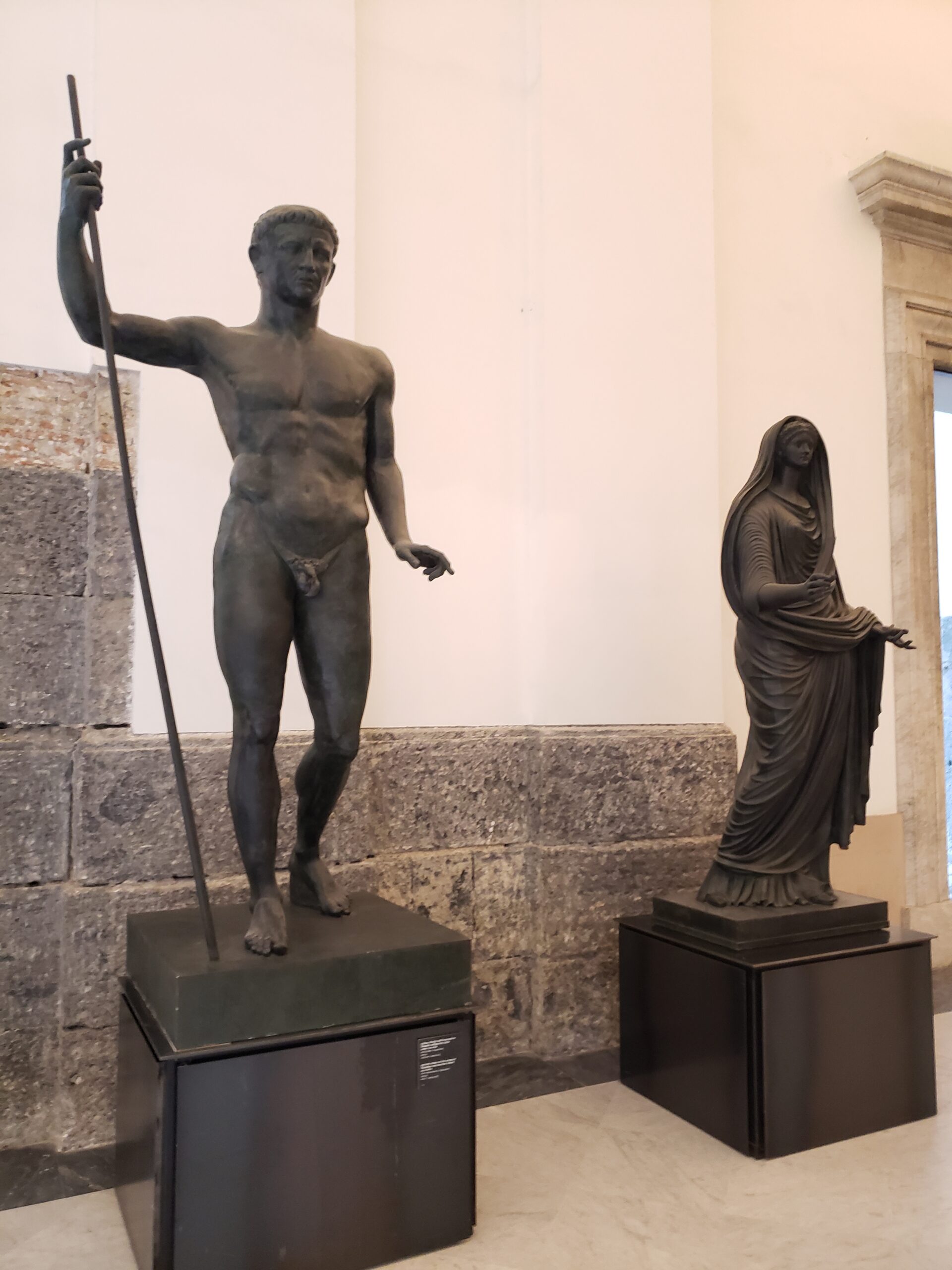
National Archaeological Museum – Statue Hall – Large Statues – Roman
National Archaeological Museum – Statue Hall – Women Busts
National Archaeological Museum – Statue Hall – Hercules – Farnese Collection
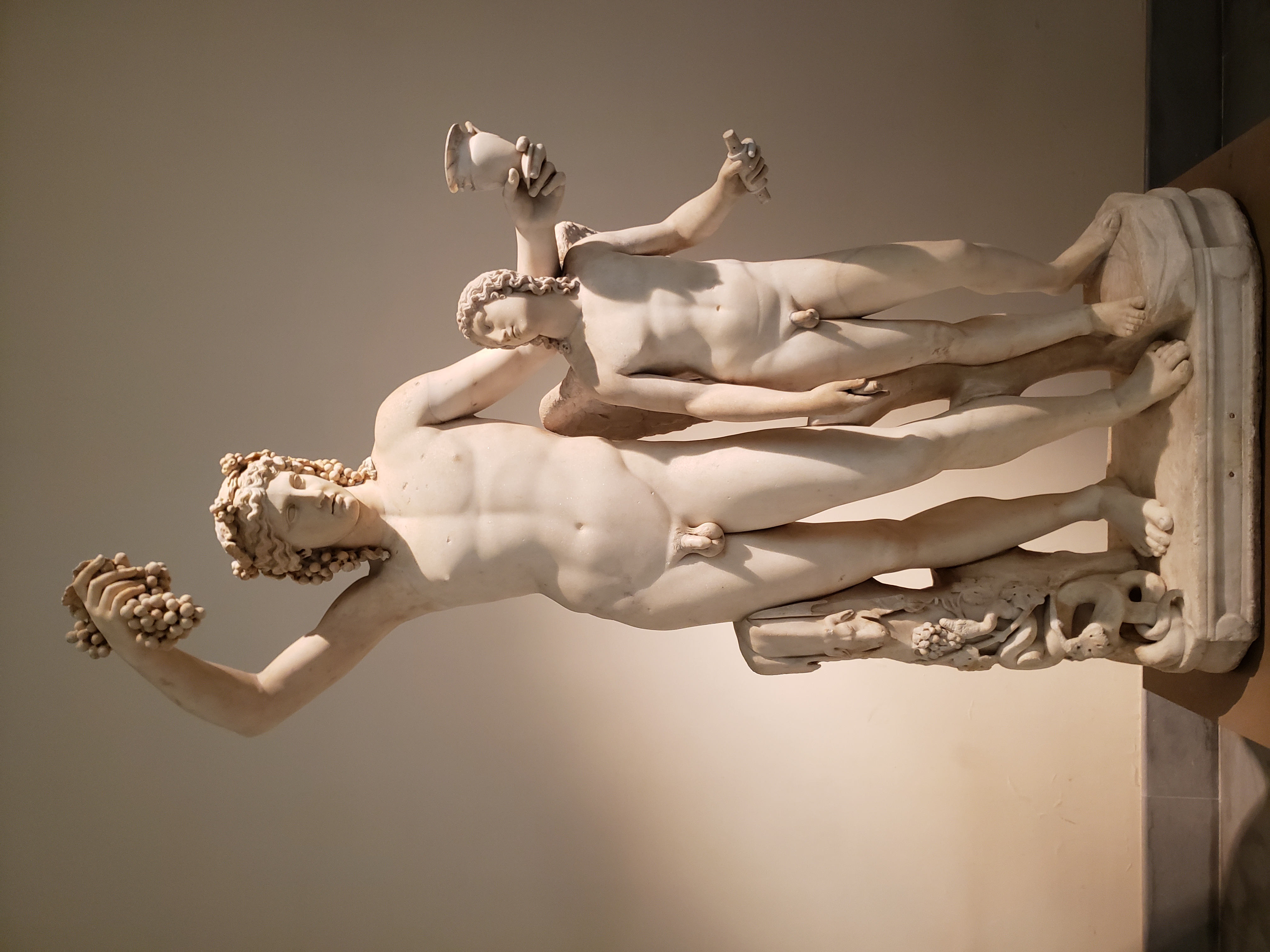
National Archaeological Museum – Statue Hall – Dionysus and Eros
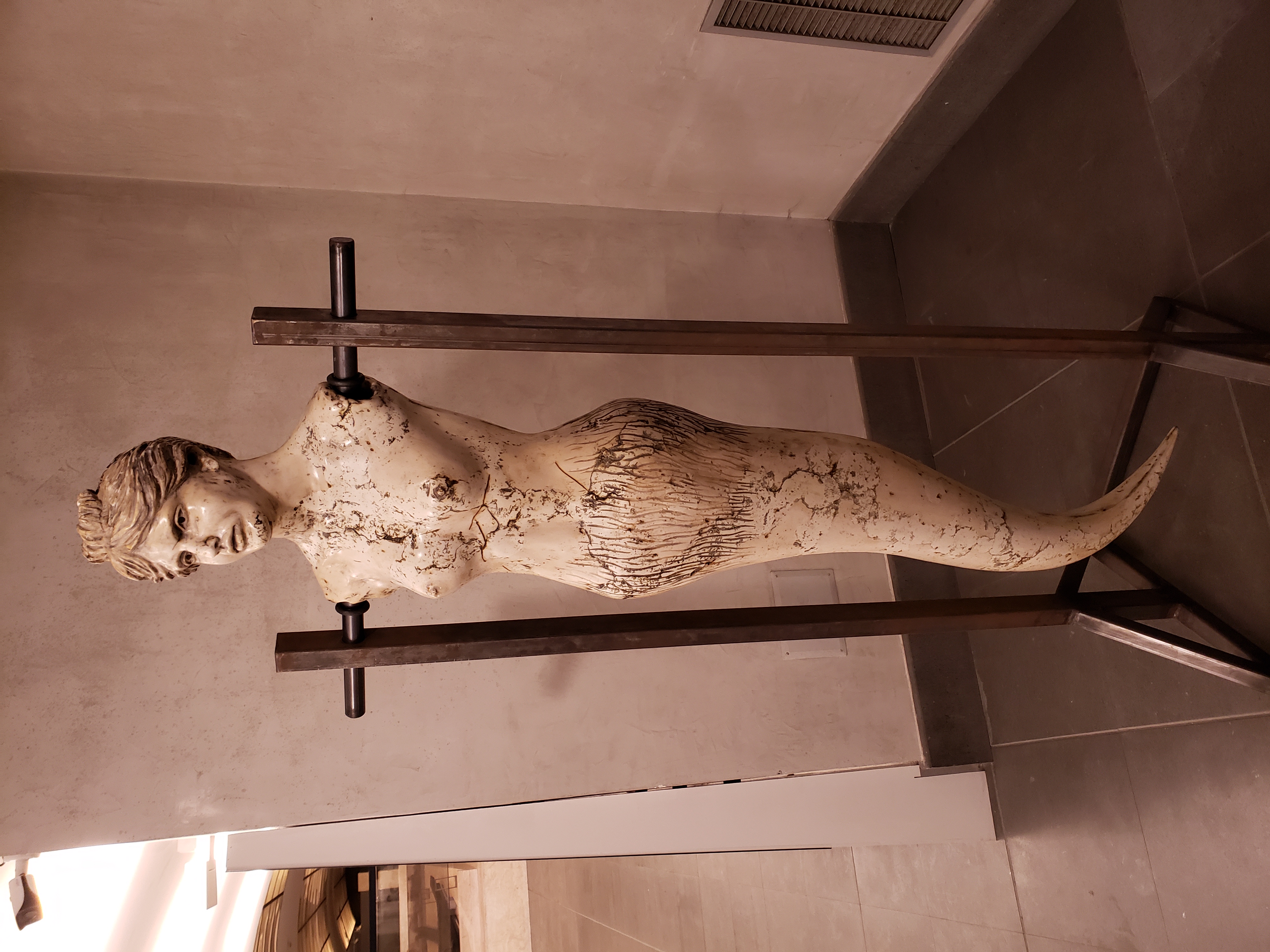
National Archaeological Museum – Statue Hall – Mermaid
National Archaeological Museum – Statue Hall – Busts of Leaders
National Archaeological Museum – Statue Hall – Relief
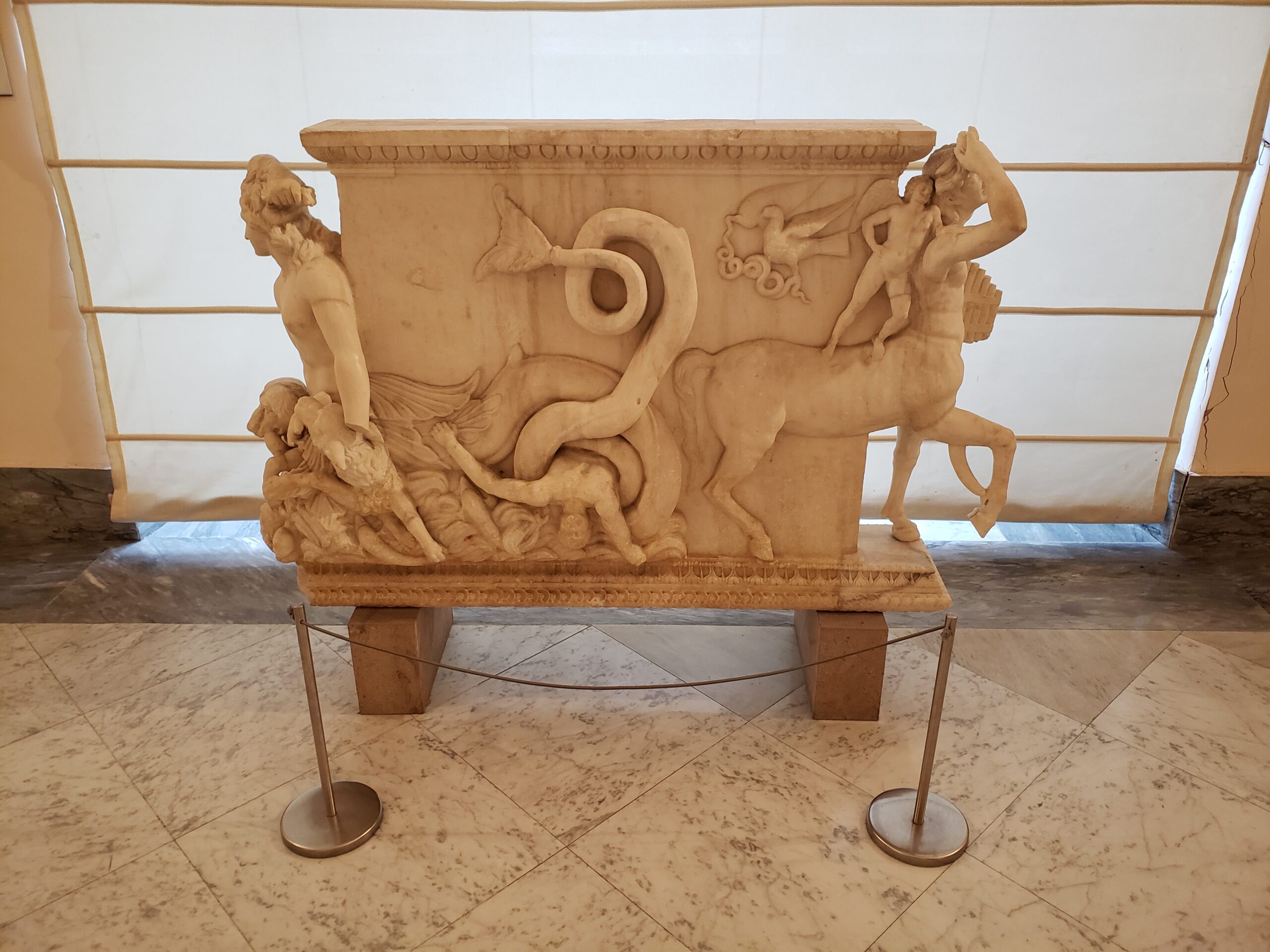
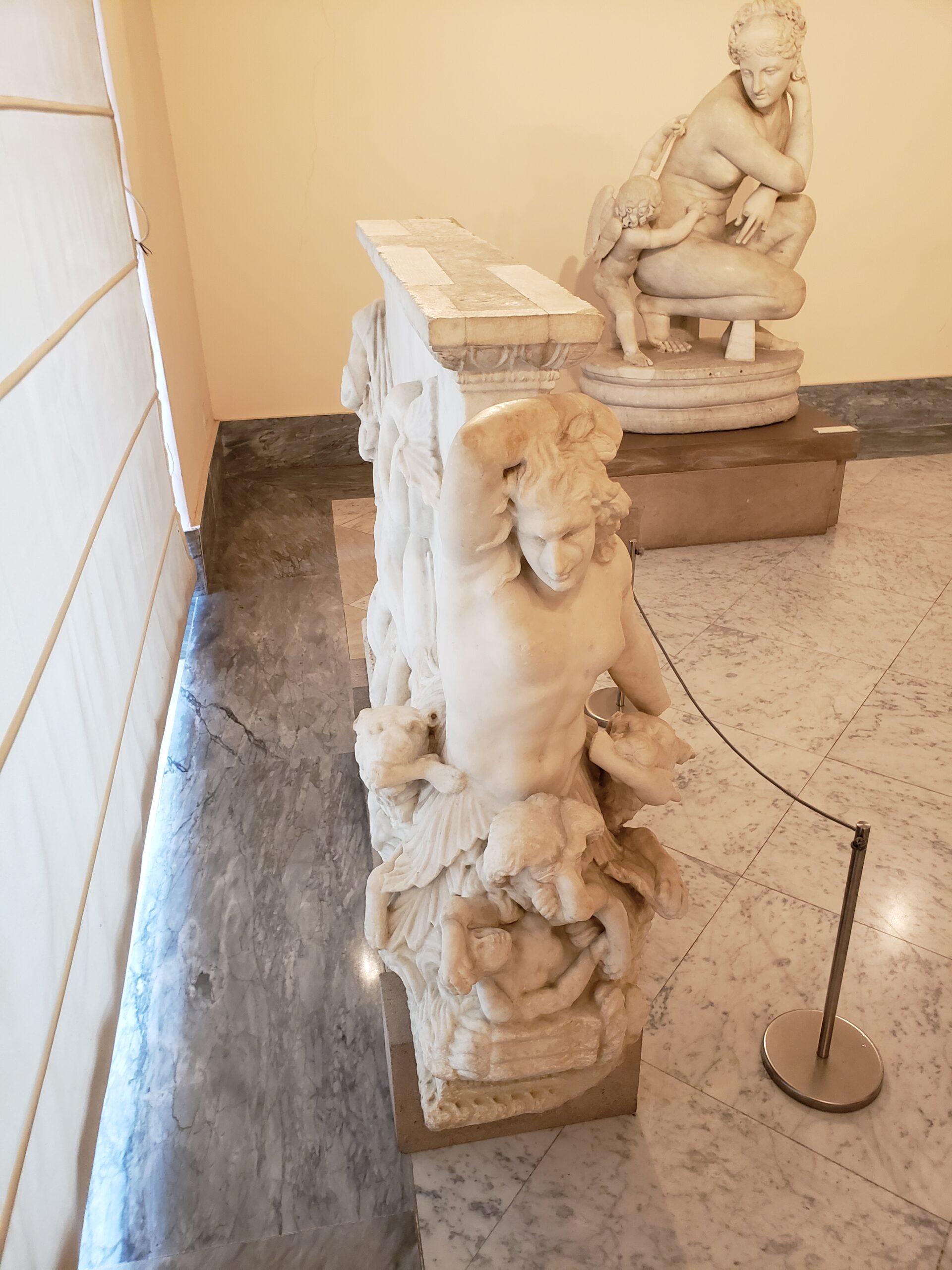
National Archaeological Museum – Statue Hall – Trapezium Table Support – Villa Madama – Homeric myth of Scylla gripping Ulysses’s sailors
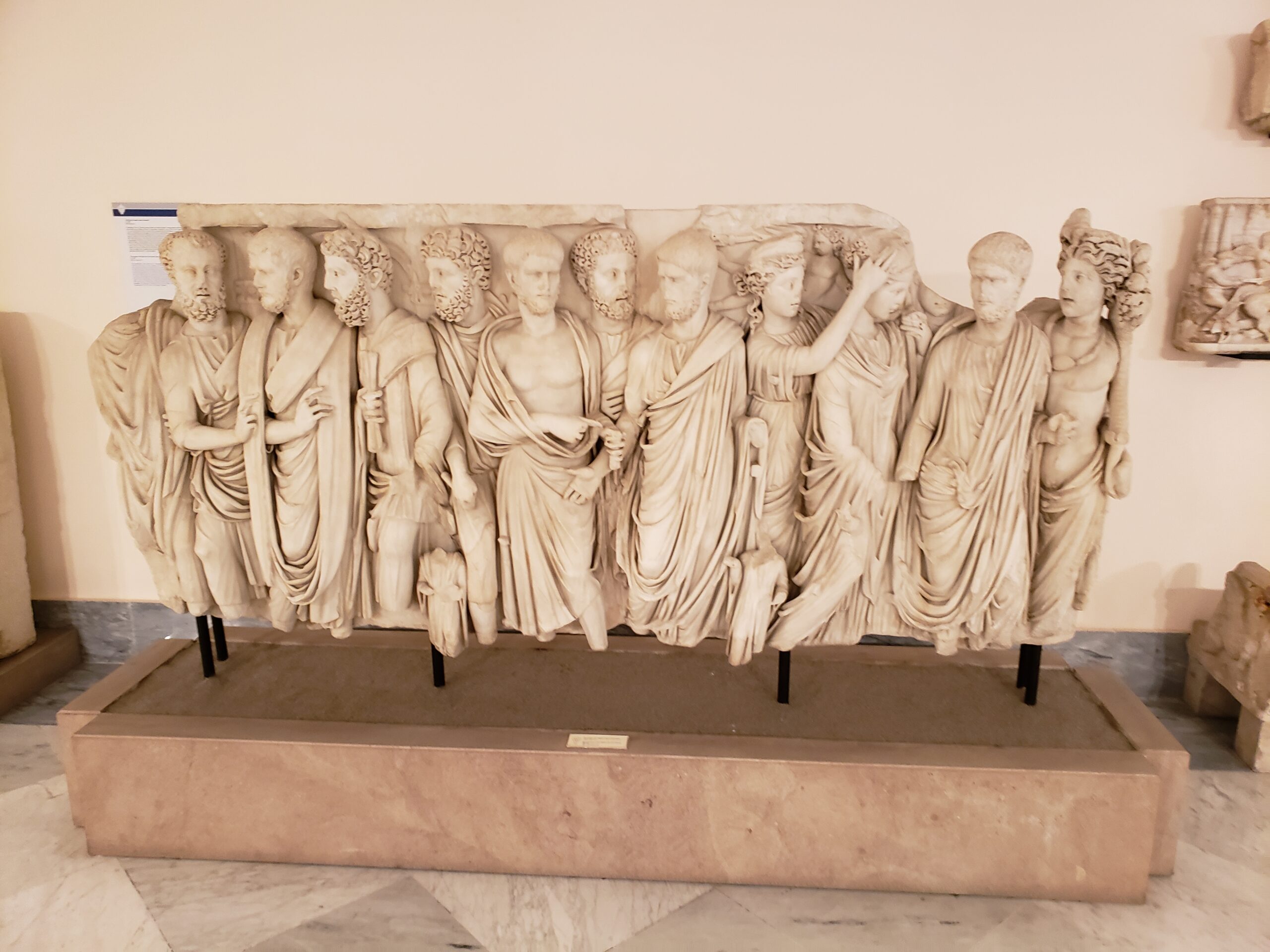
National Archaeological Museum – Statue Hall – Relief
National Archaeological Museum – Statue Hall – Sarcophagus
National Archaeological Museum – Statue Hall – Large Statues
National Archaeological Museum – Statue Hall – Large Statues
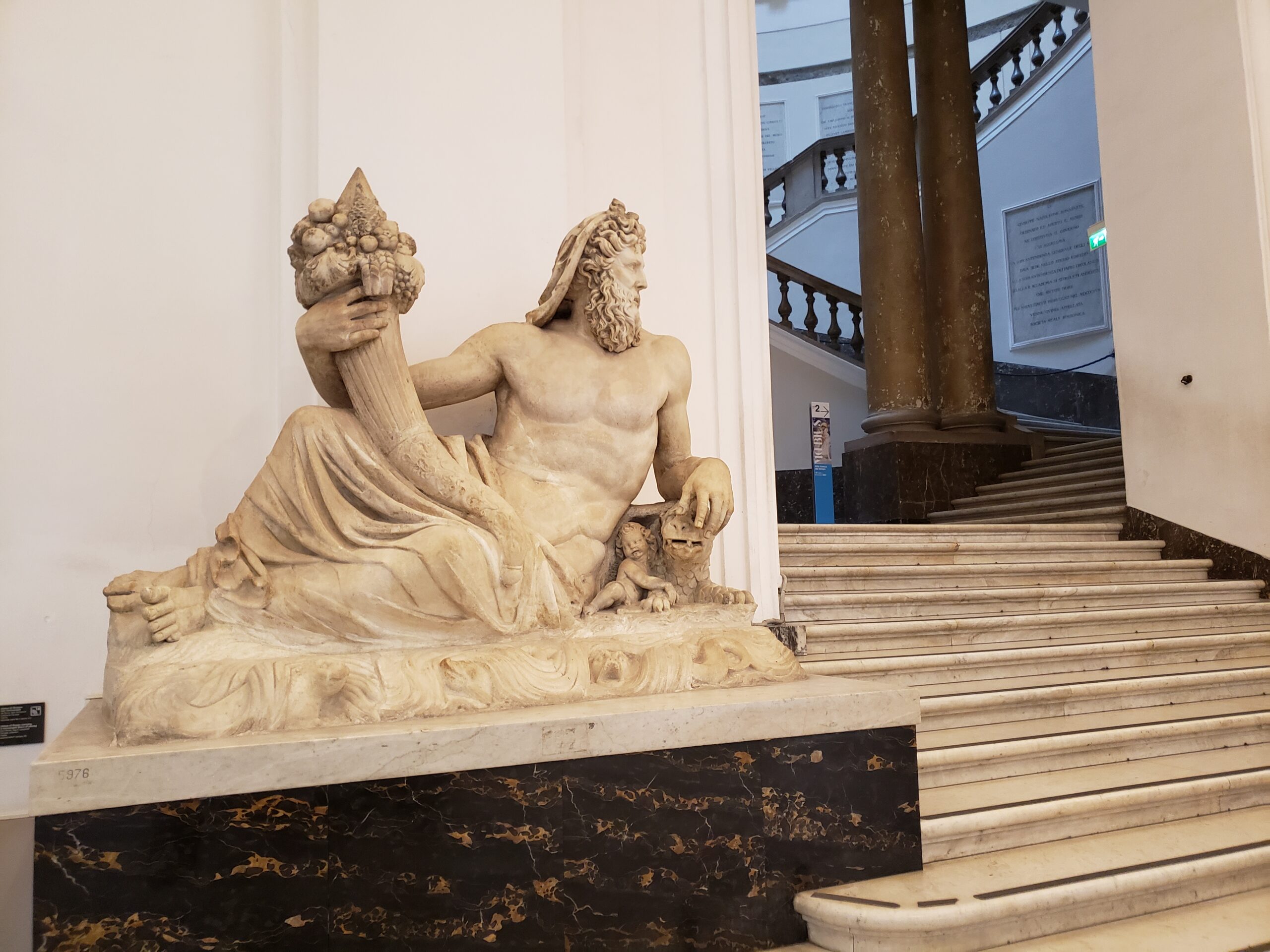
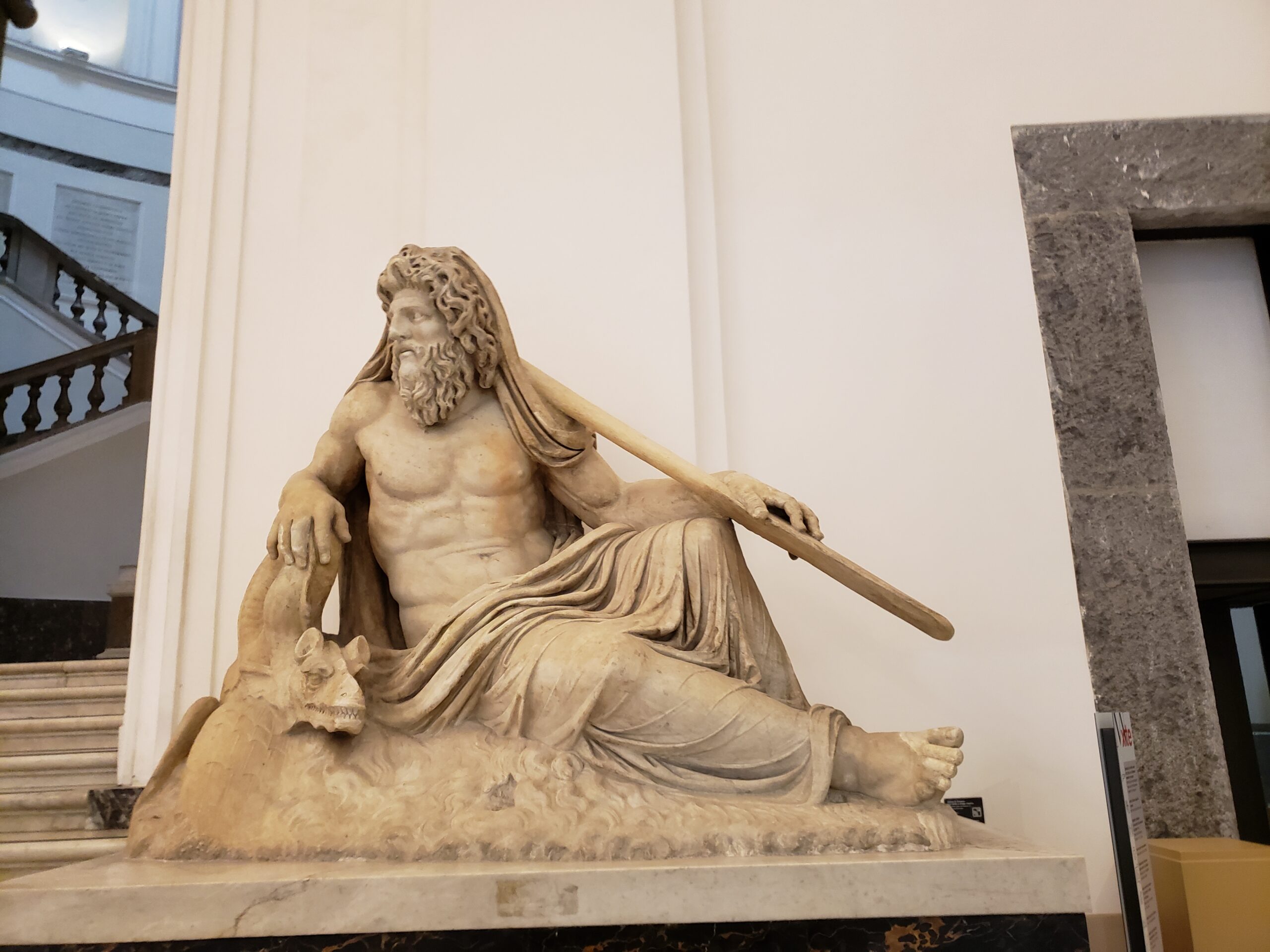
Leaving the main gallery and proceeding upstairs you pass the two dominant representations of Ocean or Oceanus, the god the ultimate river – the oceans. It is still not none precisely the etymology of this word and therefore it may not have any antecendents. However, one look at these two figures and you can tell that whomever this god represented, he was a very serious fellow, he had to be the dominate force for all water.
National Archaeological Museum – Statue Hall – Large Statue of Ocean holding a cornucopia – Entrance to Upstairs
National Archaeological Museum – Statue Hall – Entrance to Upstairs
National Archaeological Museum – Statue Hall – Large Statue of Ocean holding an Oar and a Sea Dragon – Entrance to Upstairs
The First Floor – The Mosaic Gallery
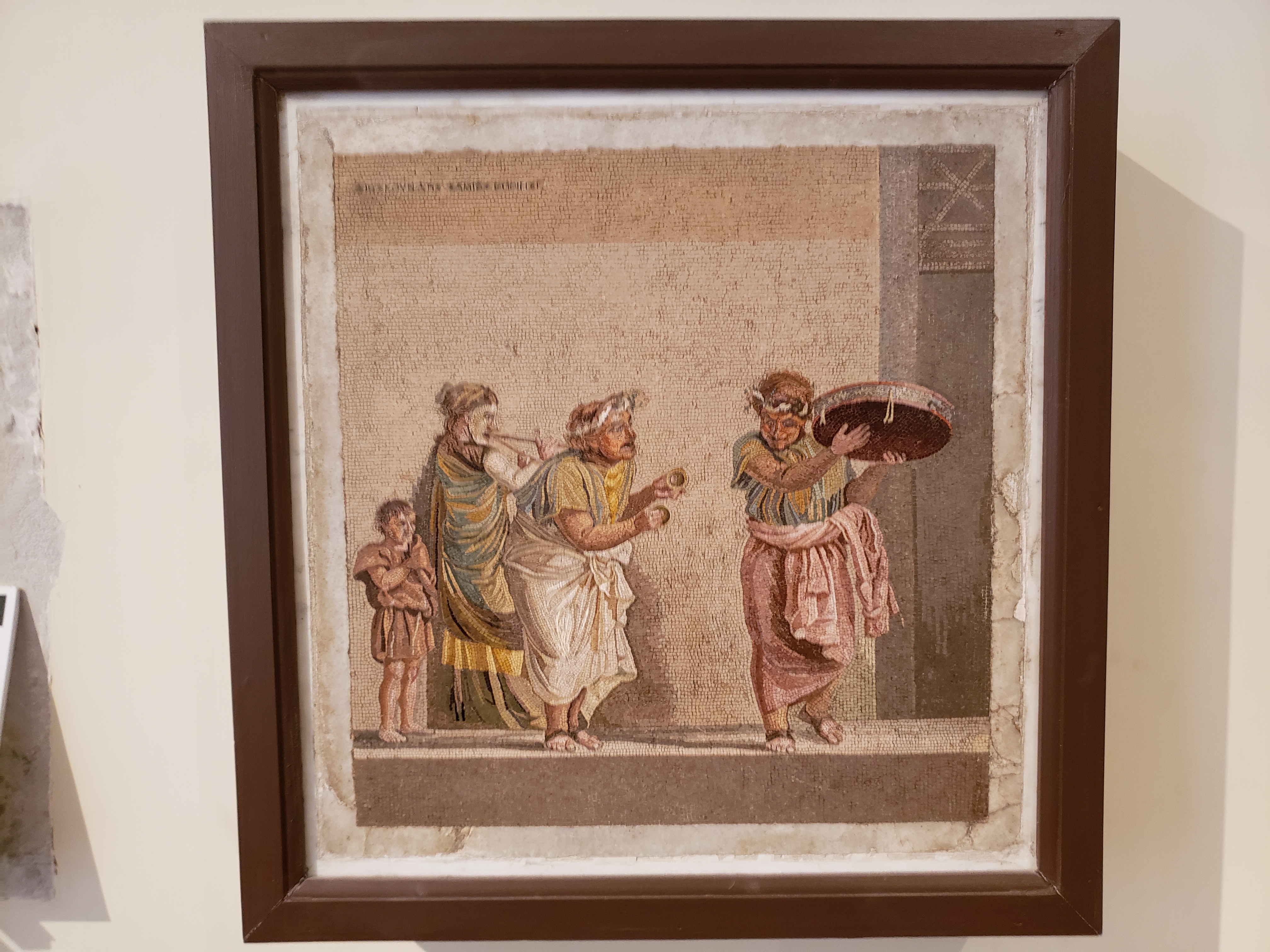
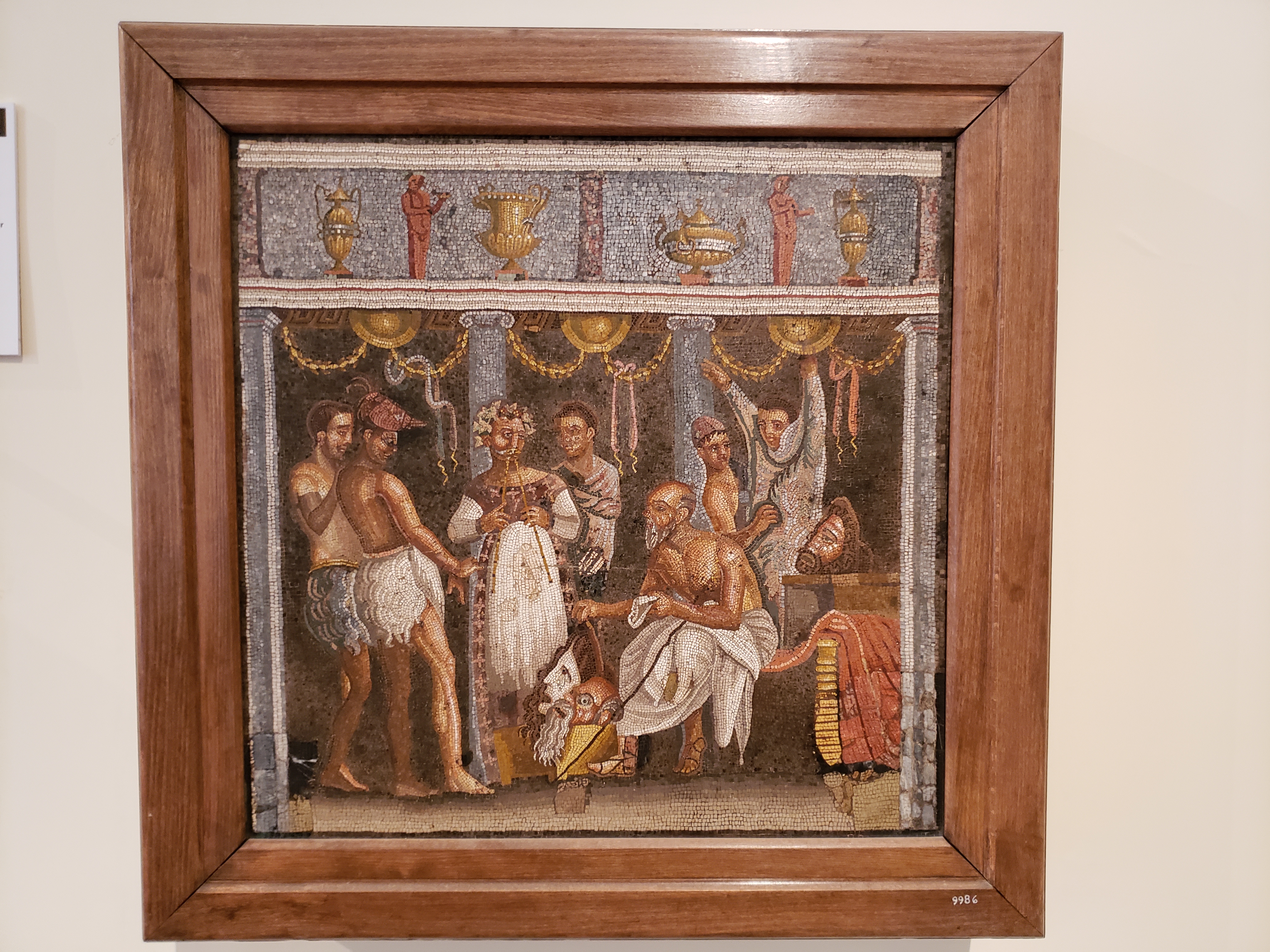
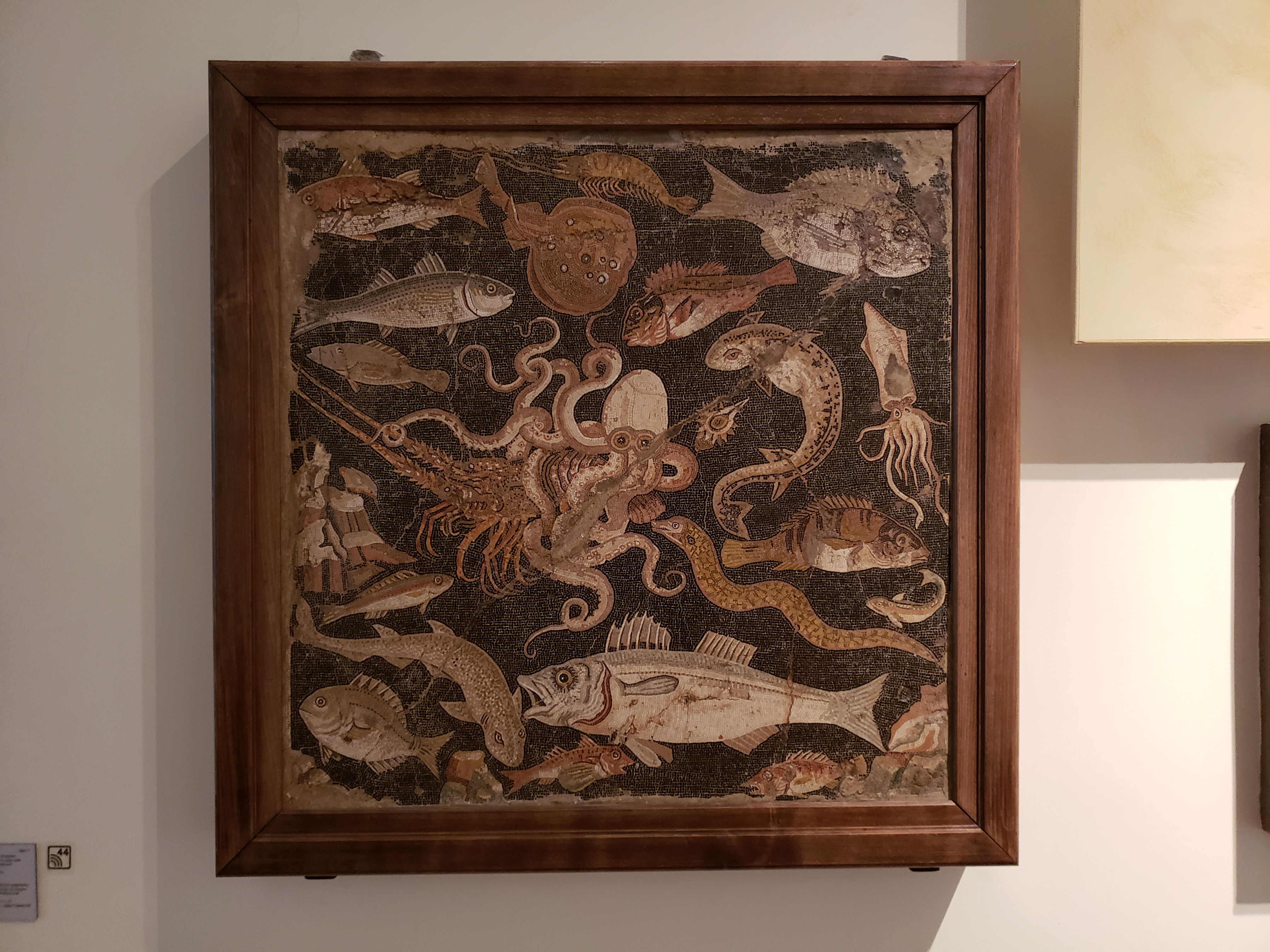
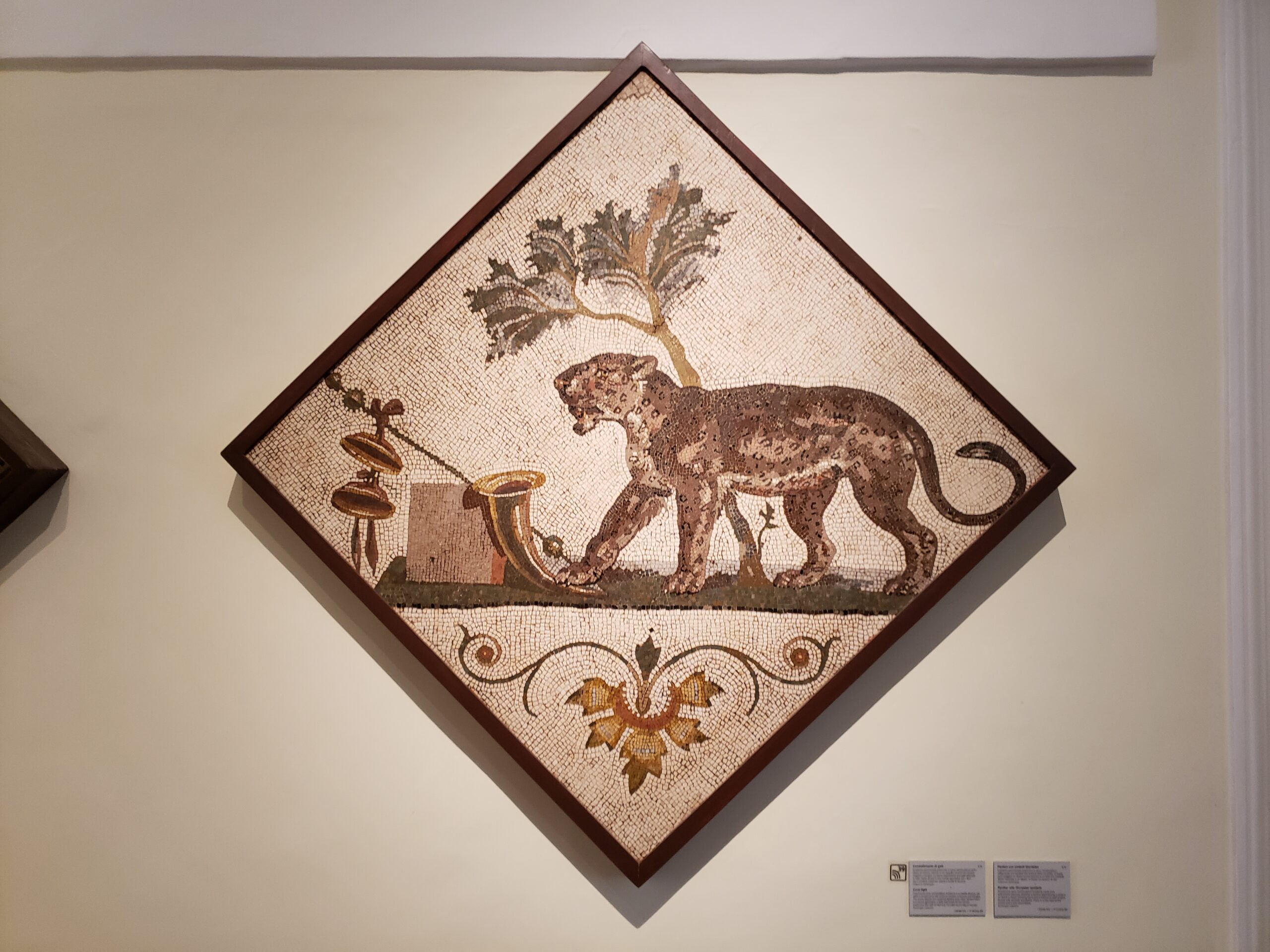
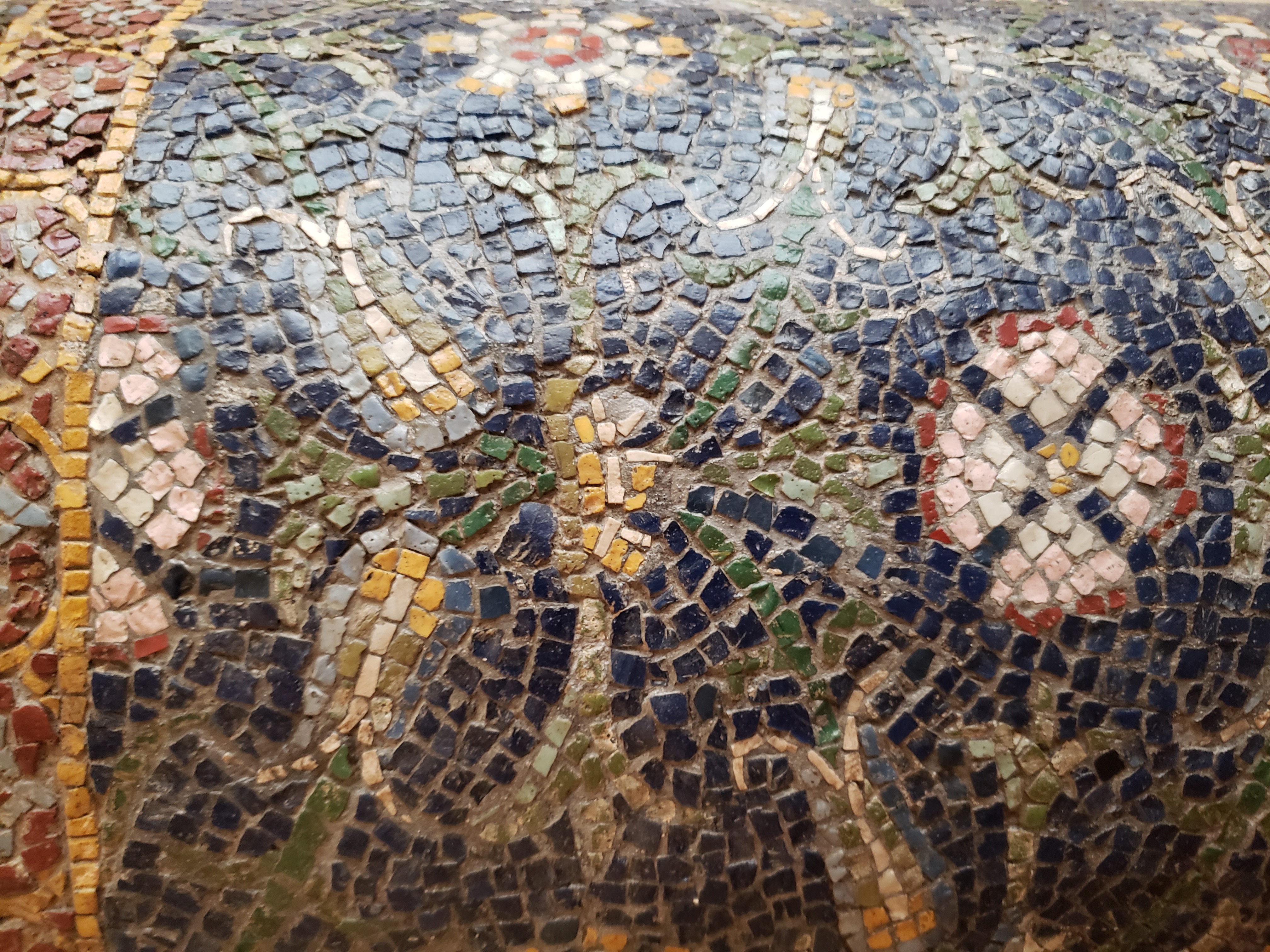
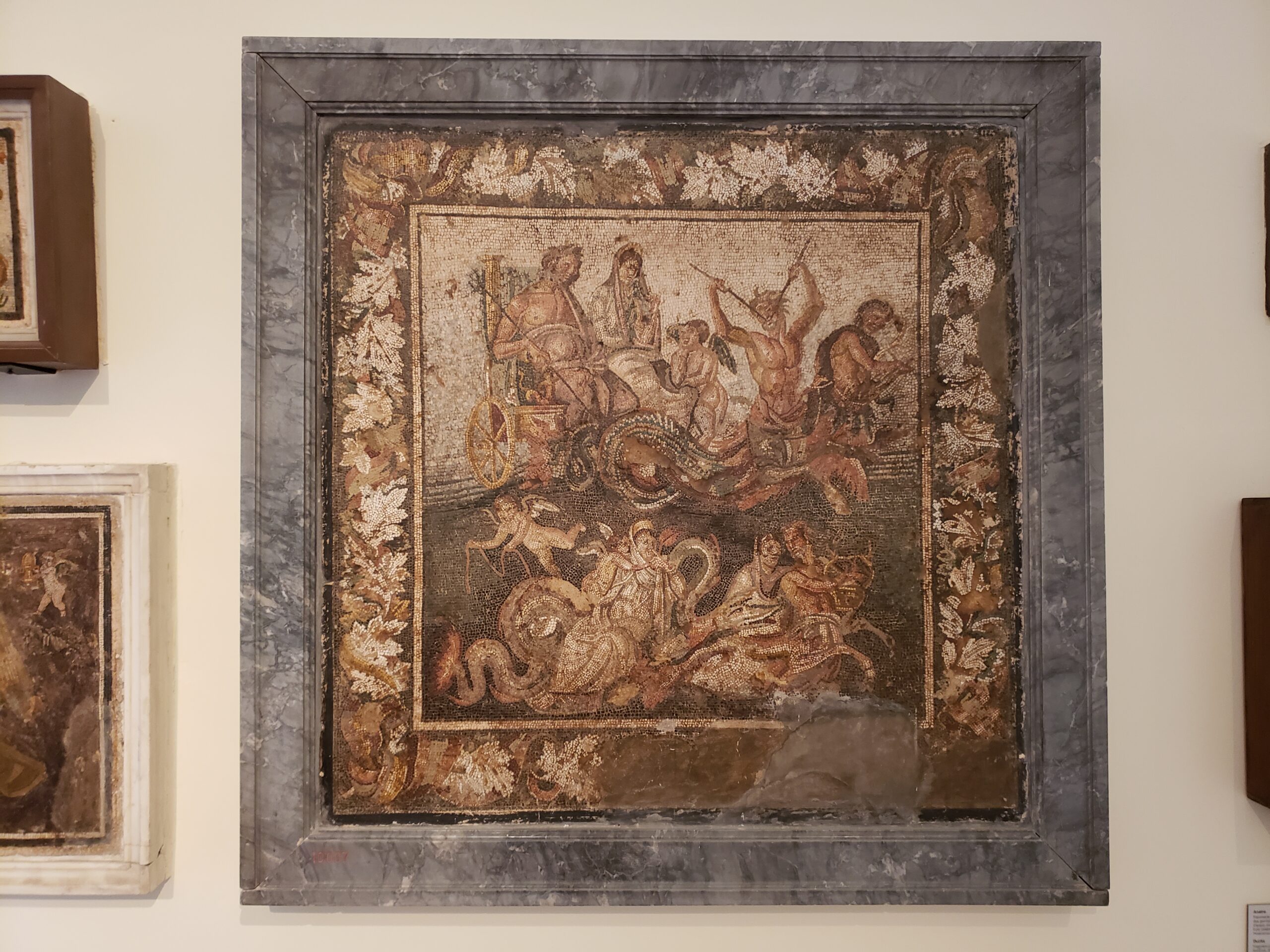
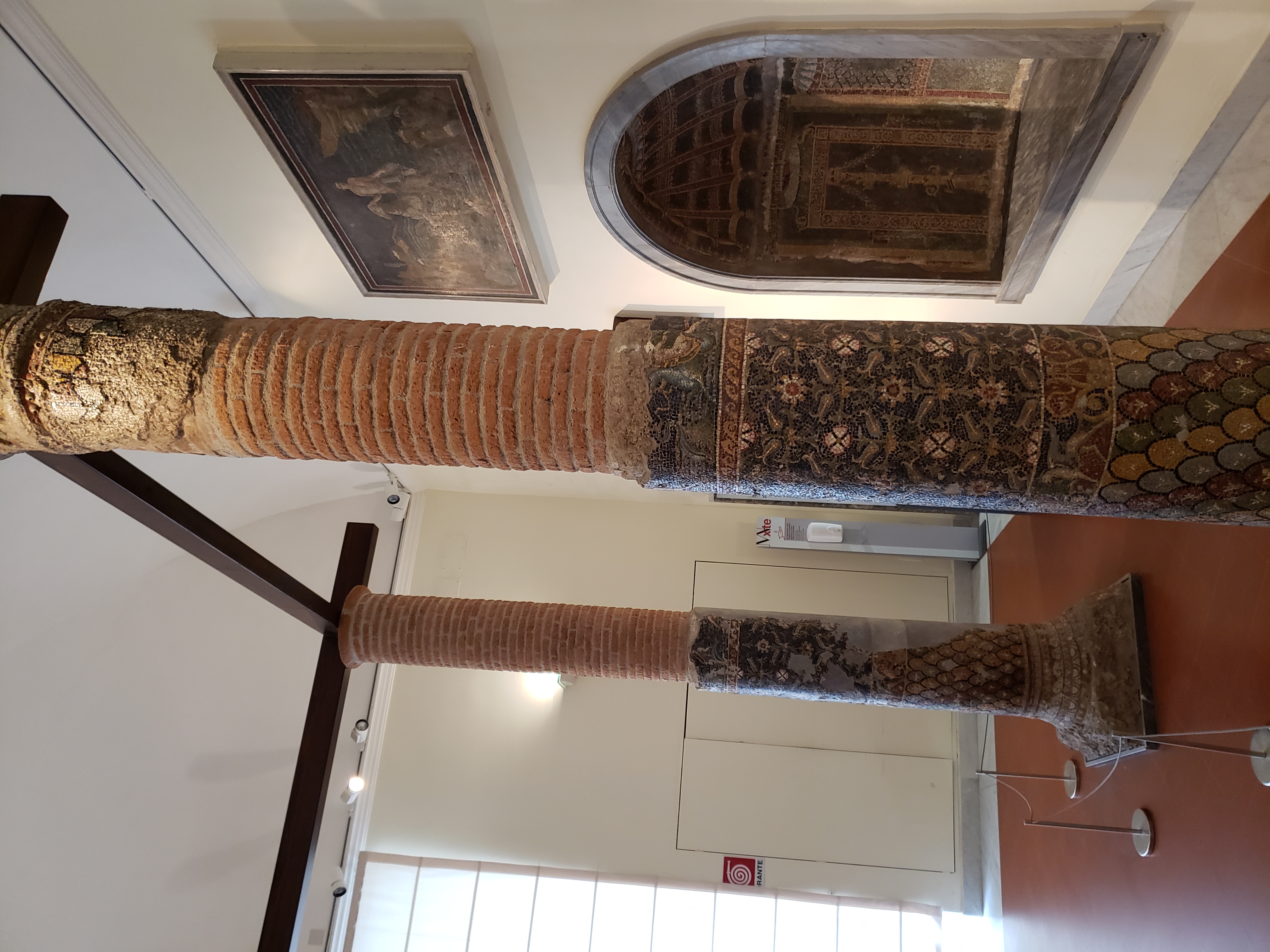
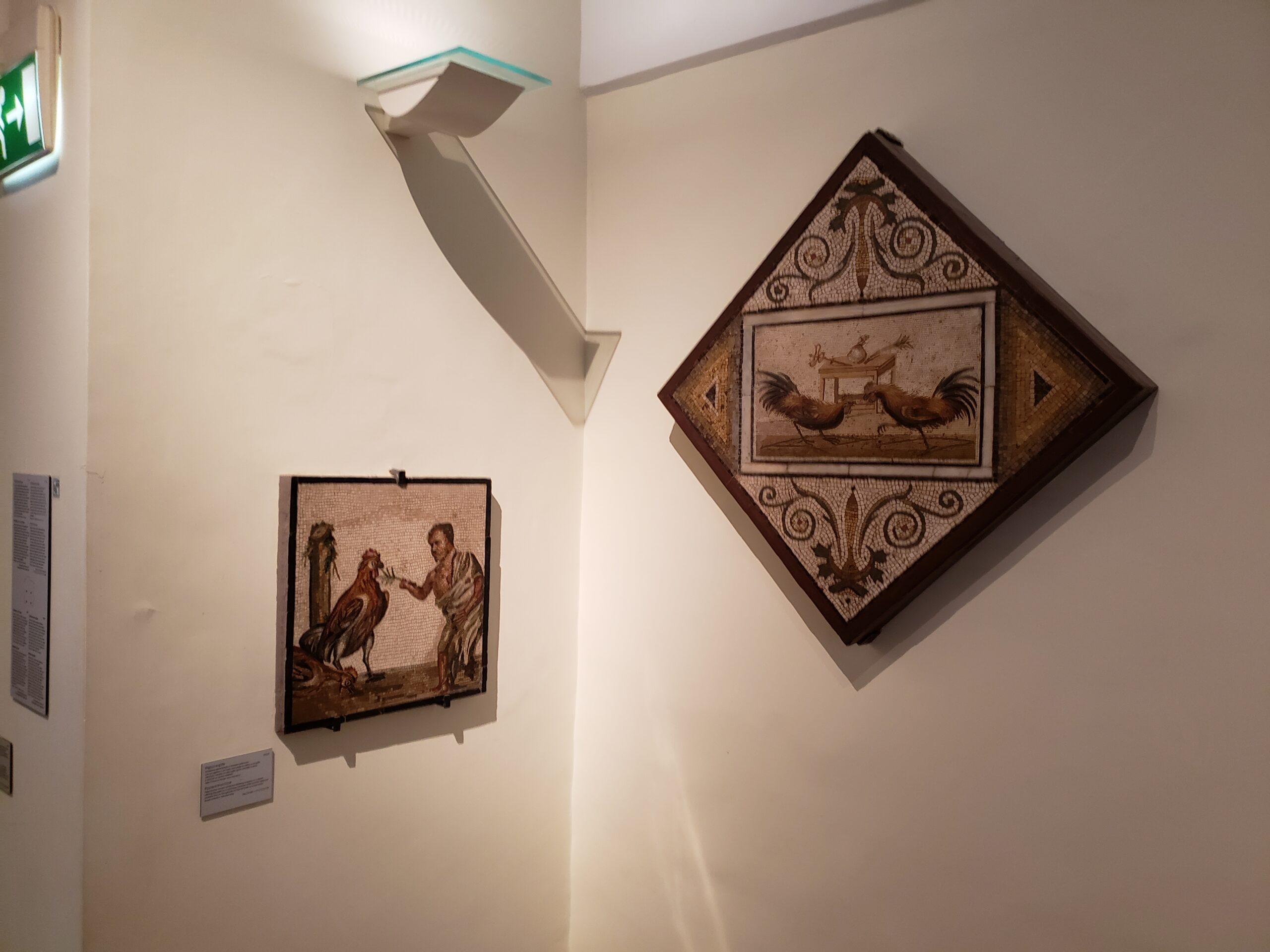
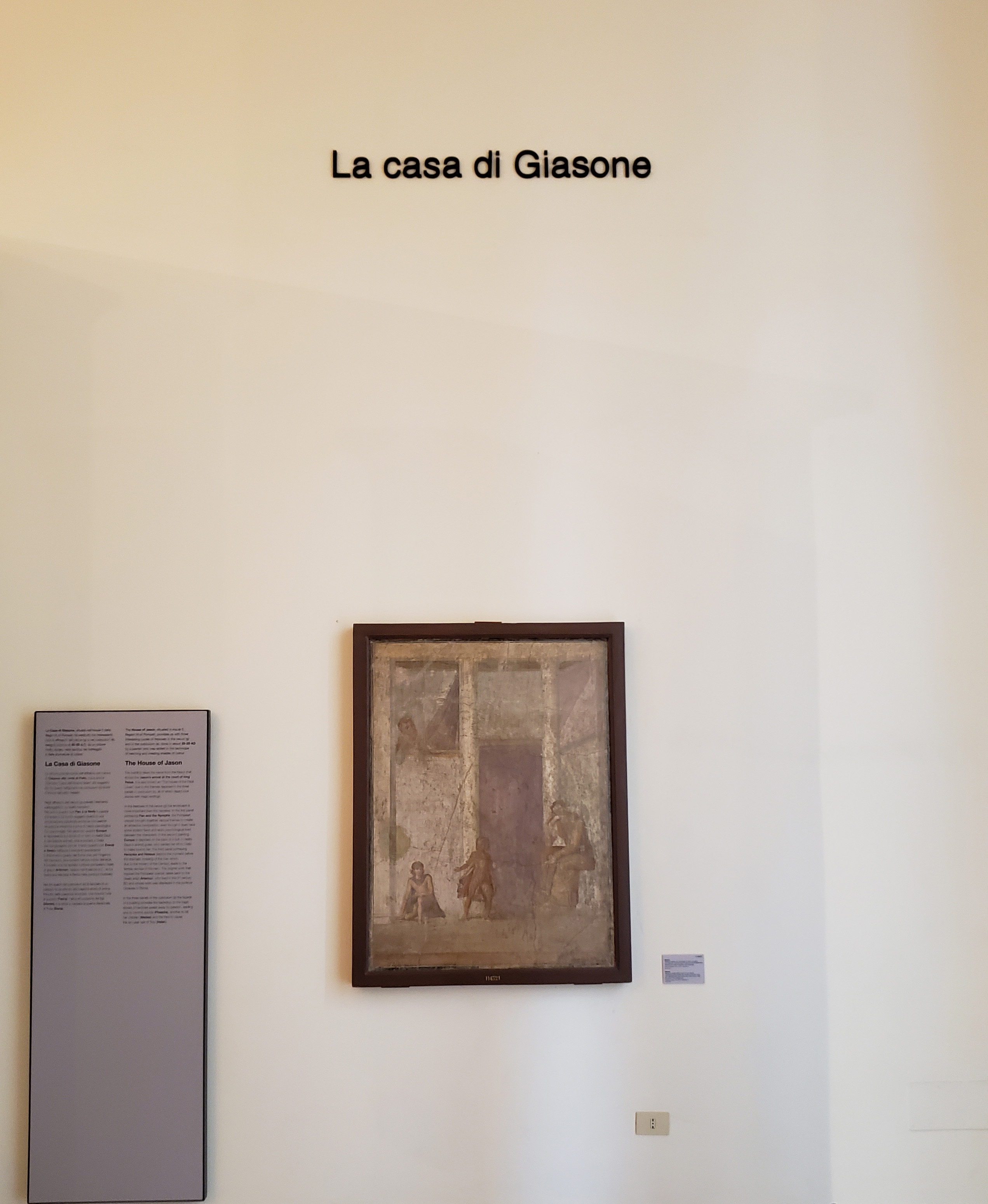
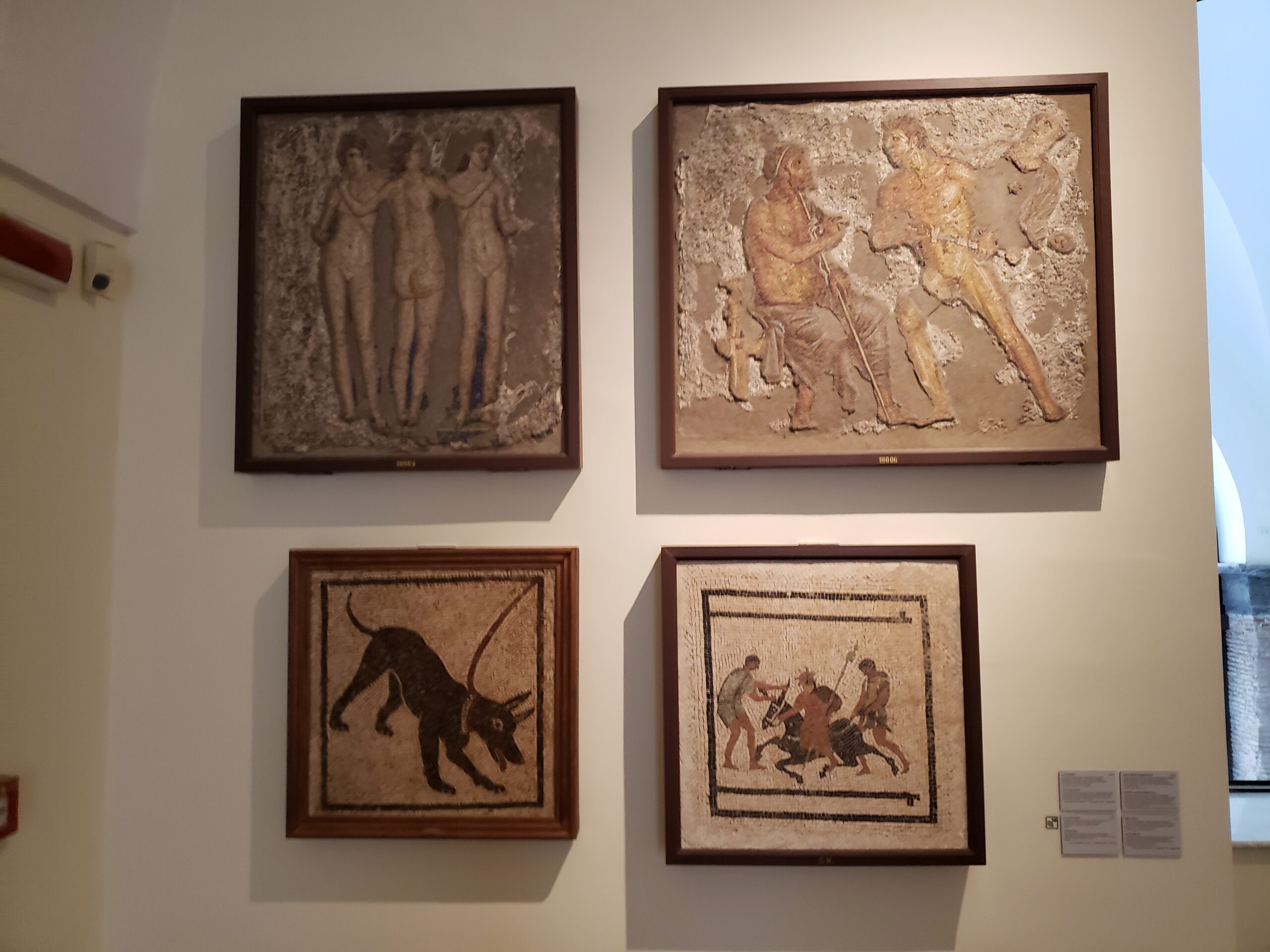
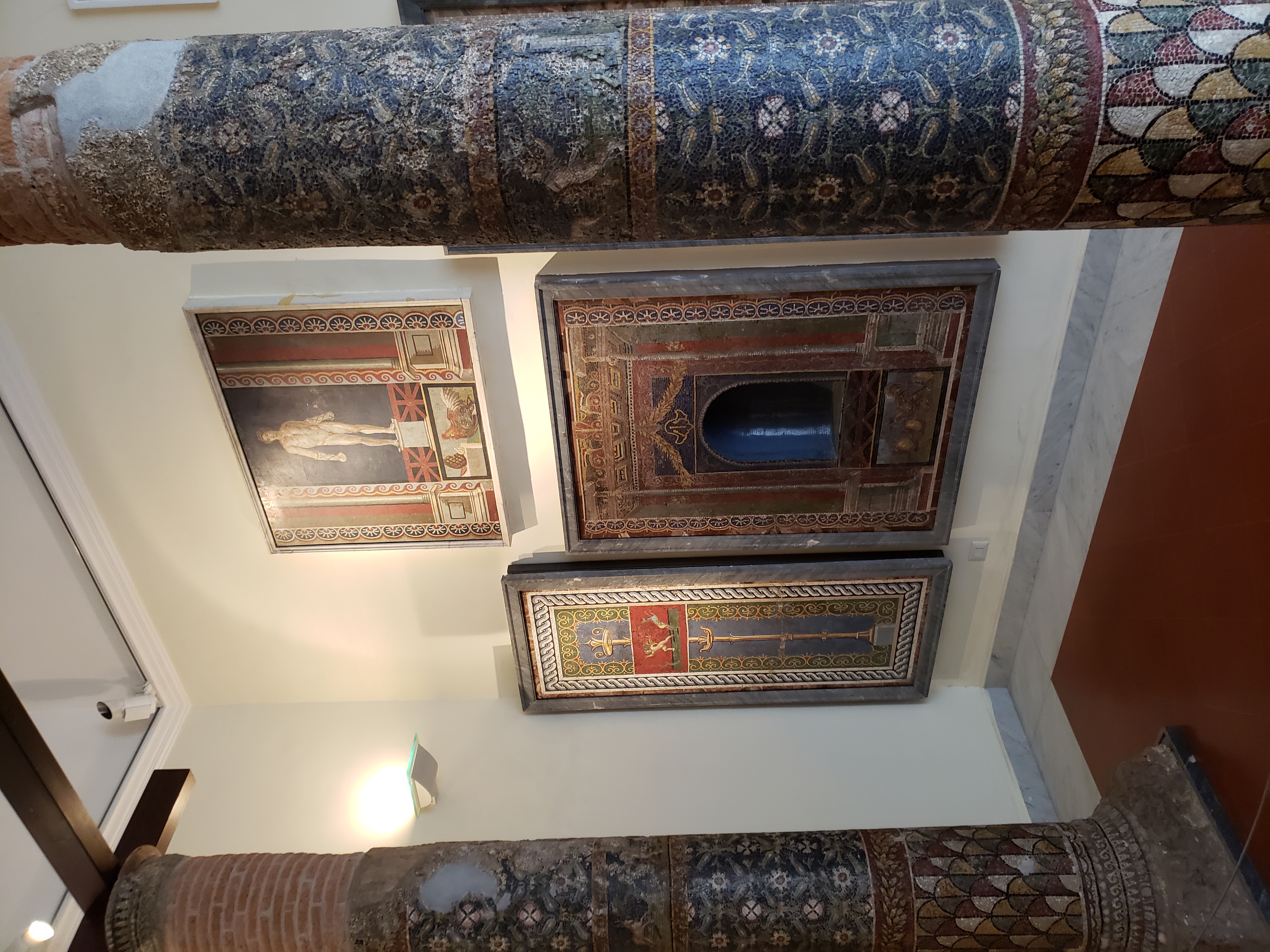
Here one can find all sorts of ancient mosaics, however most are from Pompeii. Made of paste and ceramic all are equisitely done in the form of a story to tell the onlooker.
National Archaeological Museum – Mosaic Hall – Mosaics made with Glass and Paste
National Archaeological Museum – Mosaic Hall – Mosaics made with Glass and Paste
National Archaeological Museum – Mosaic Hall – Mosaics made with Glass and Paste
National Archaeological Museum – Mosaic Hall – Leopard
National Archaeological Museum – Mosaic Hall
National Archaeological Museum – Mosaic Hall – Mosaics made with Glass and Paste
National Archaeological Museum – Mosaic Hall
National Archaeological Museum – Mosaic Hall – From Houses
National Archaeological Museum – Mosaic Hall – Numerous Household Examples
National Archaeological Museum – Mosaic Hall
The Third Floor – The Glass Gallery
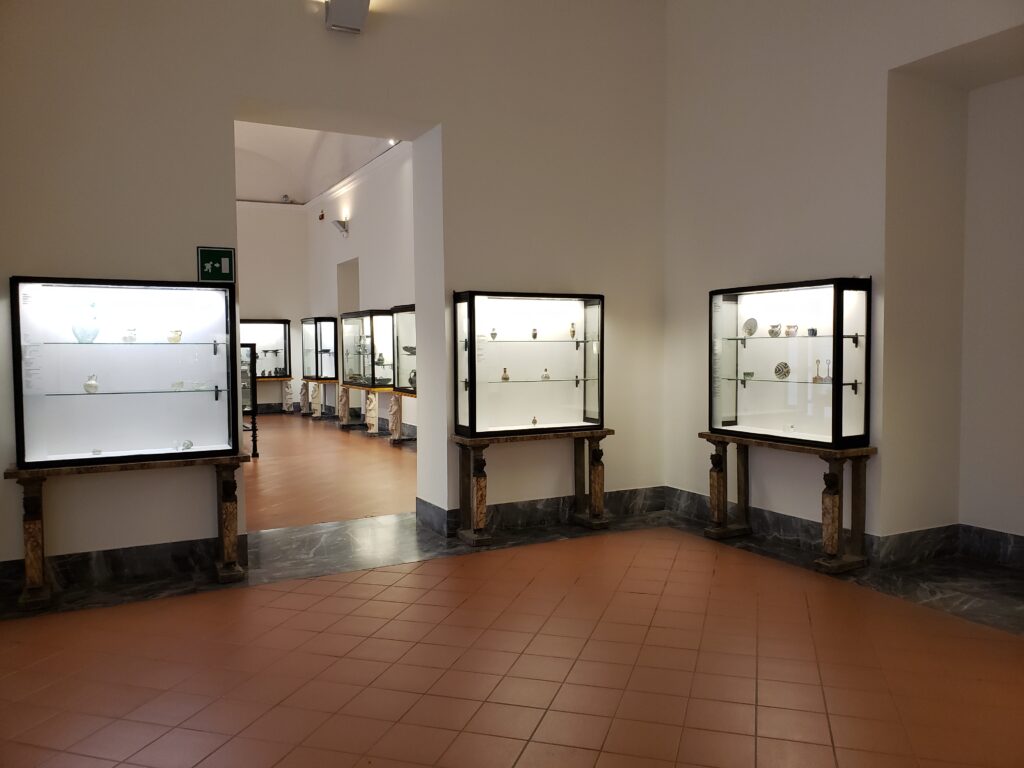
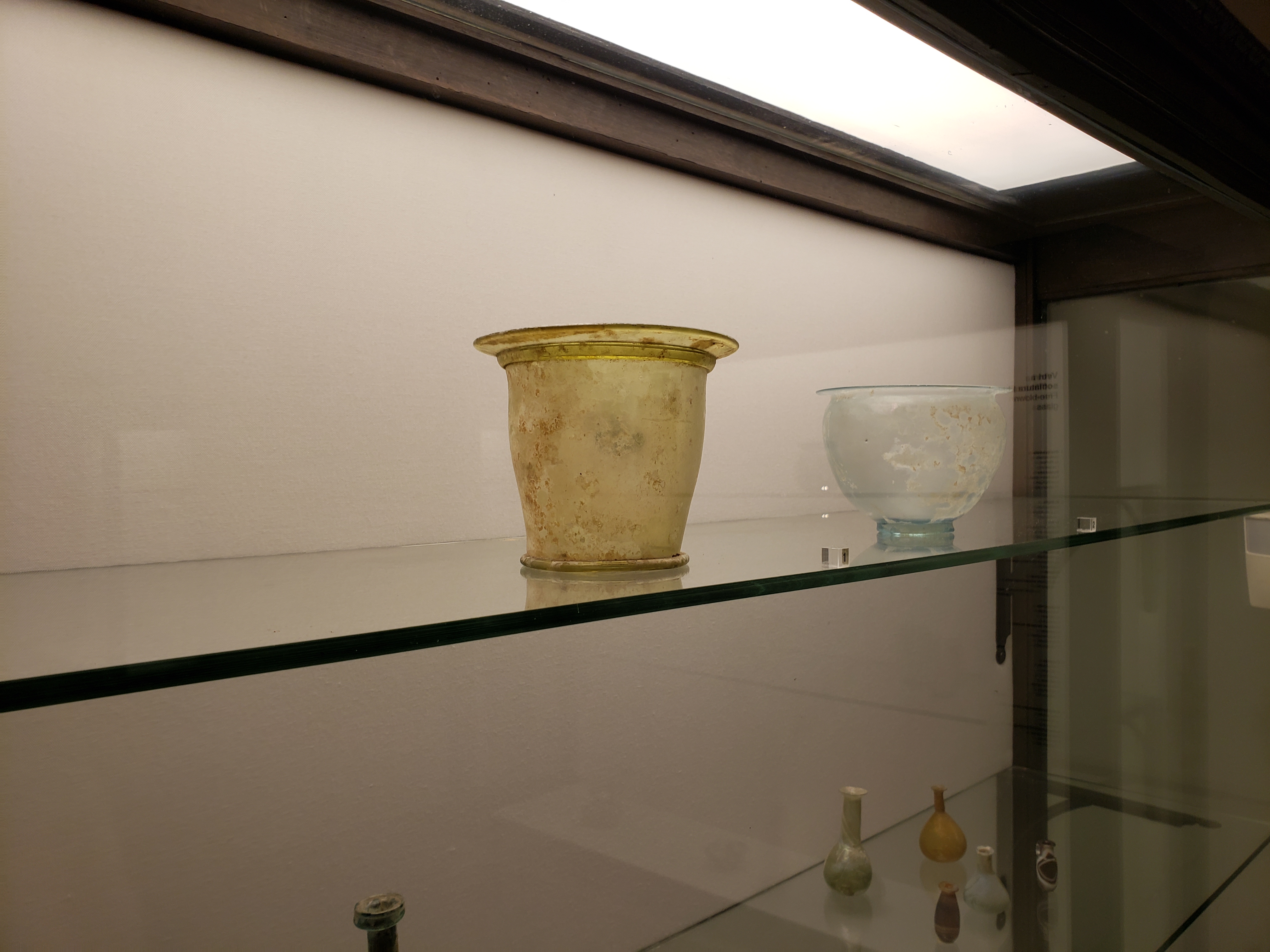
Has a small, succinct, but very important collection of ancient glass made during the Pompeiien and Roman periods. Some have handwork and detail that cannot be rivaled today.
National Archaeological Museum – Glass Gallery
National Archaeological Museum – Glass Gallery
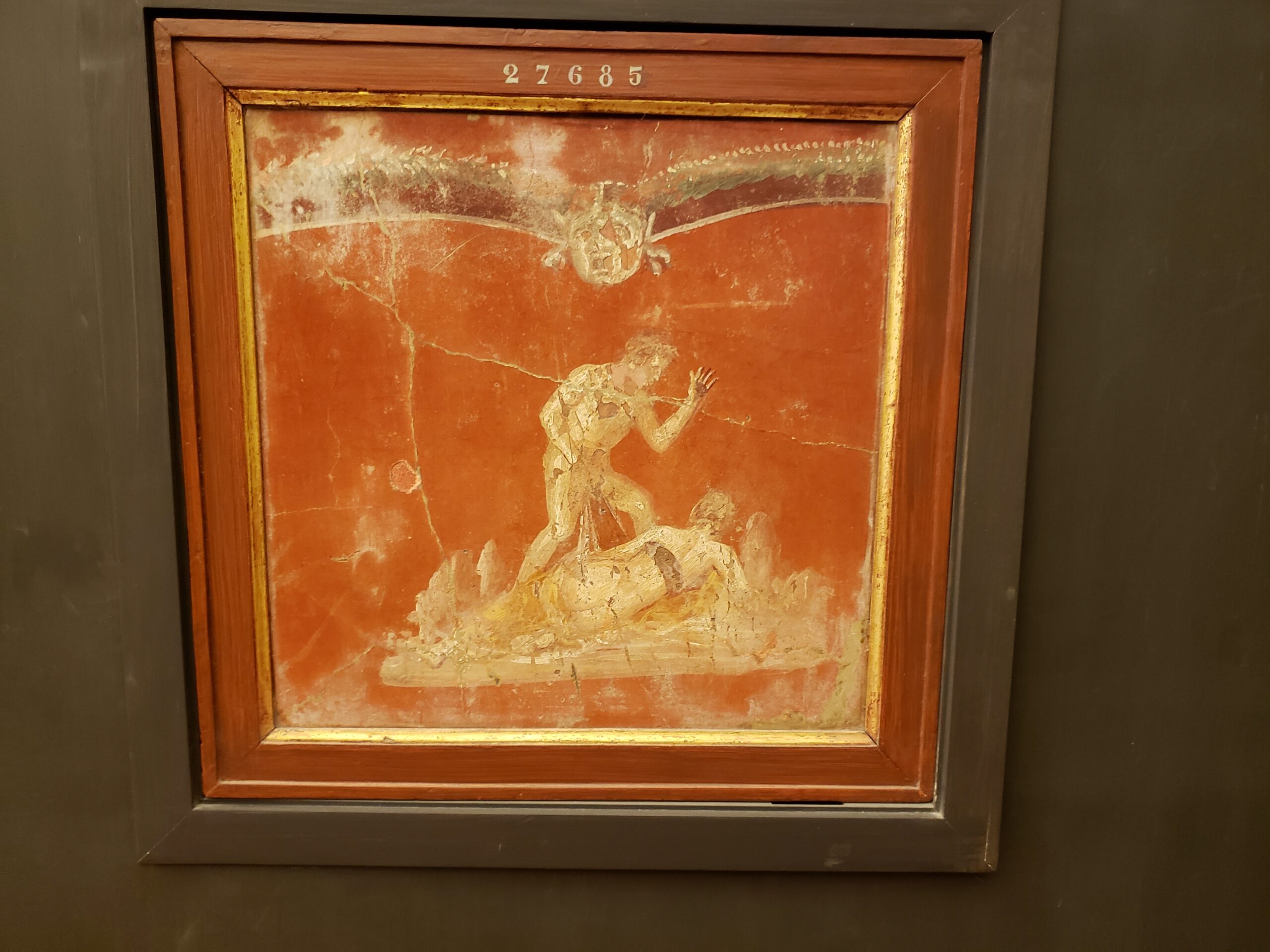
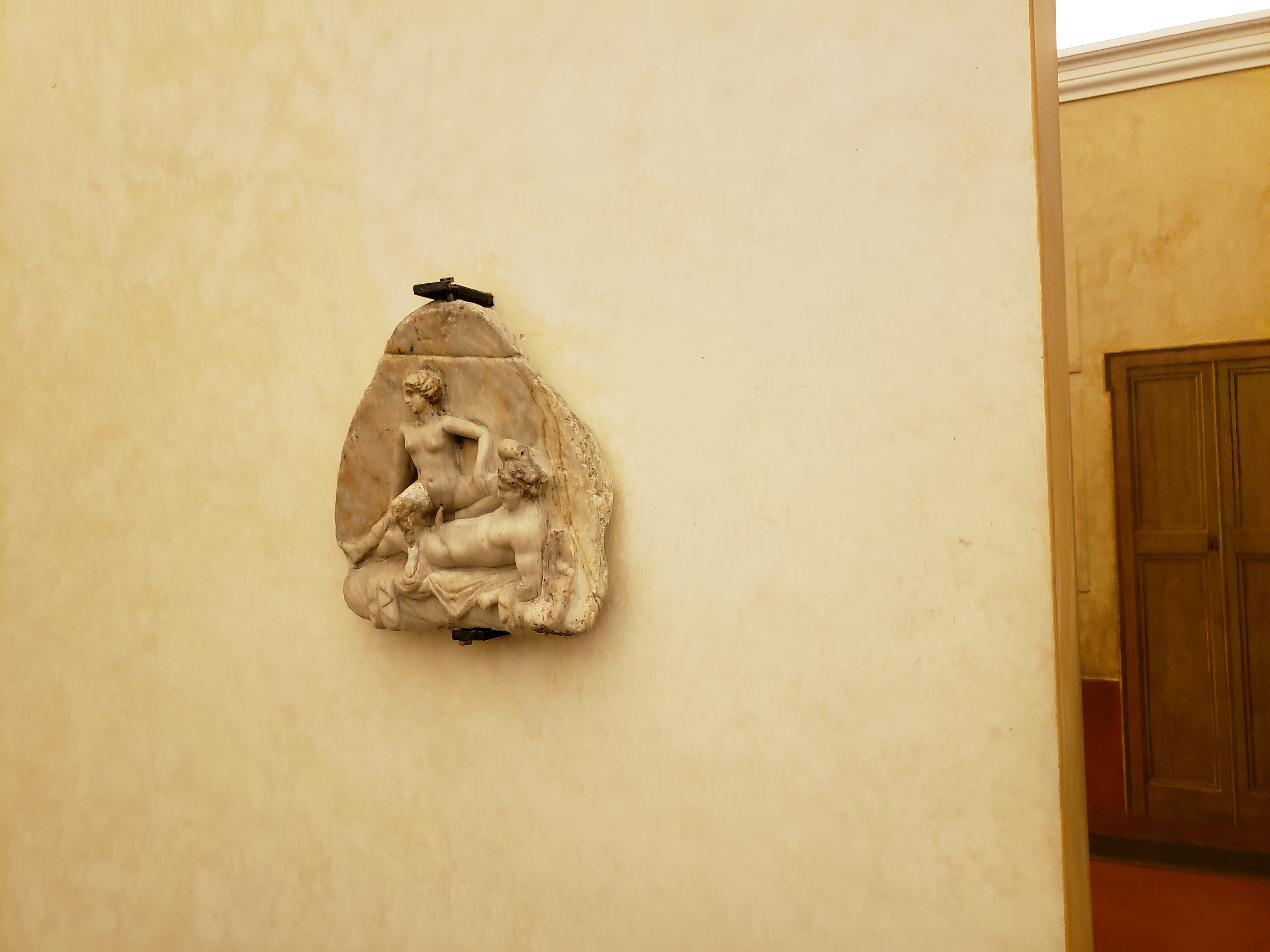
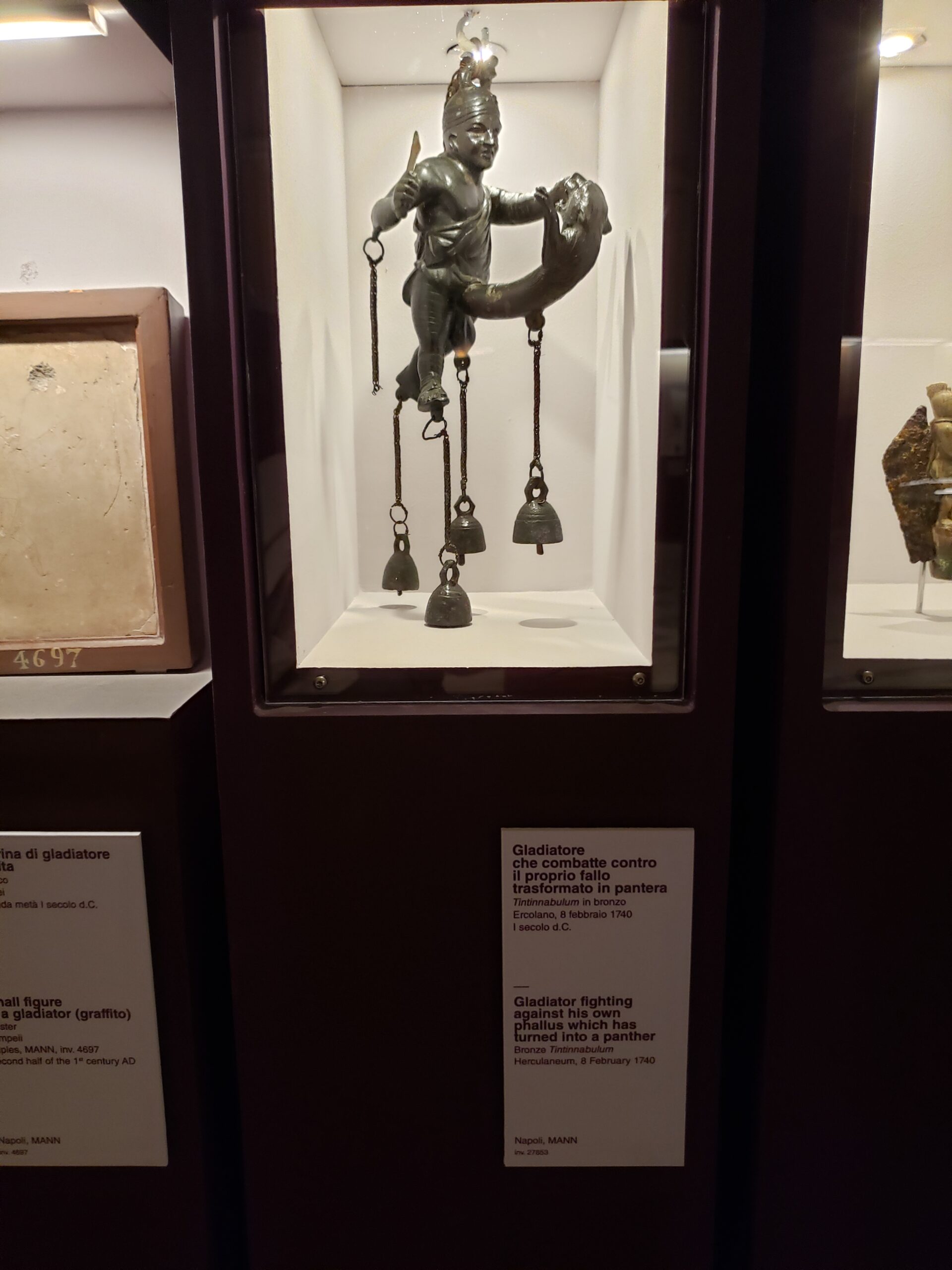
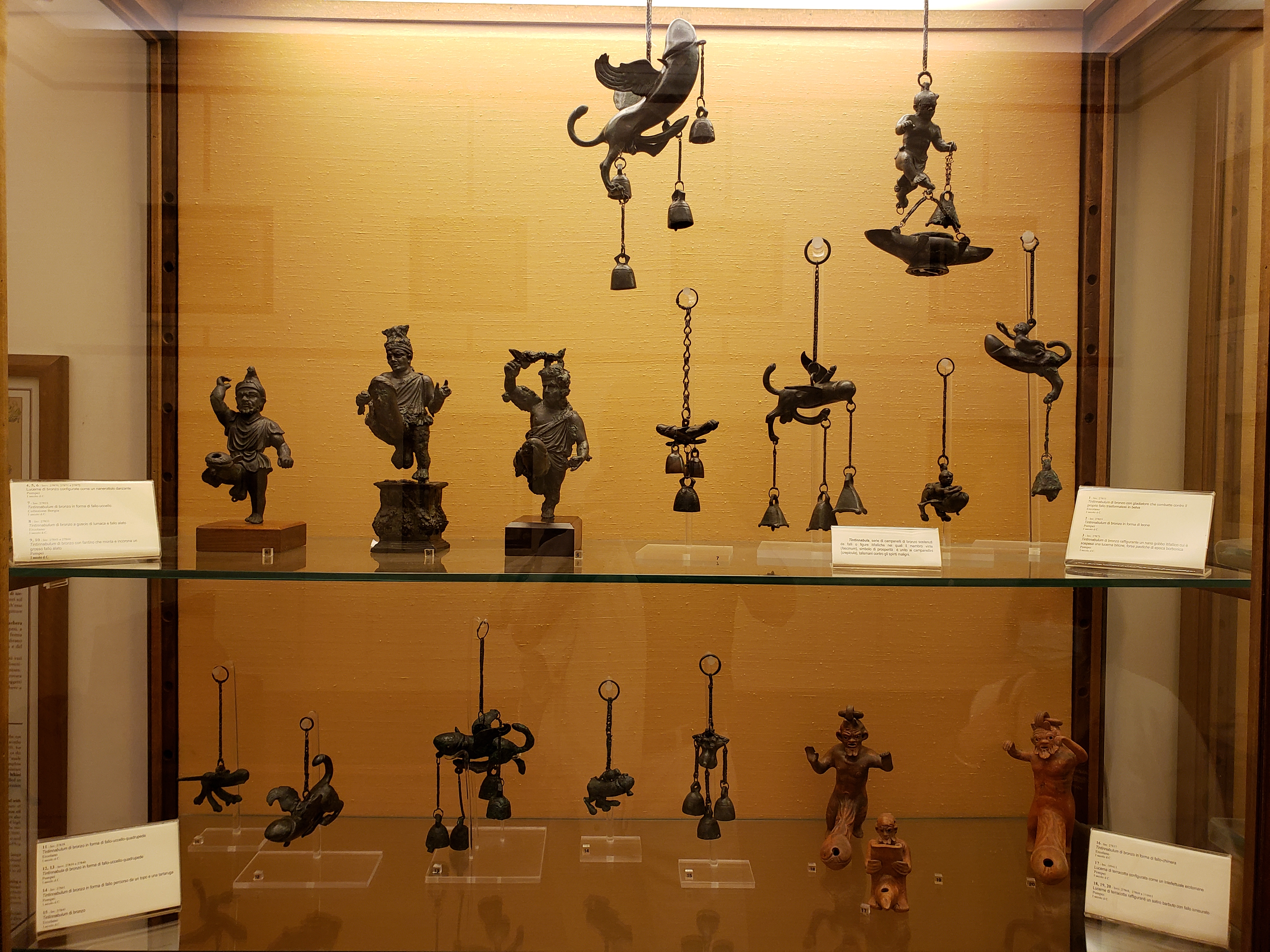
The Gallery of Pompeiien Erotica
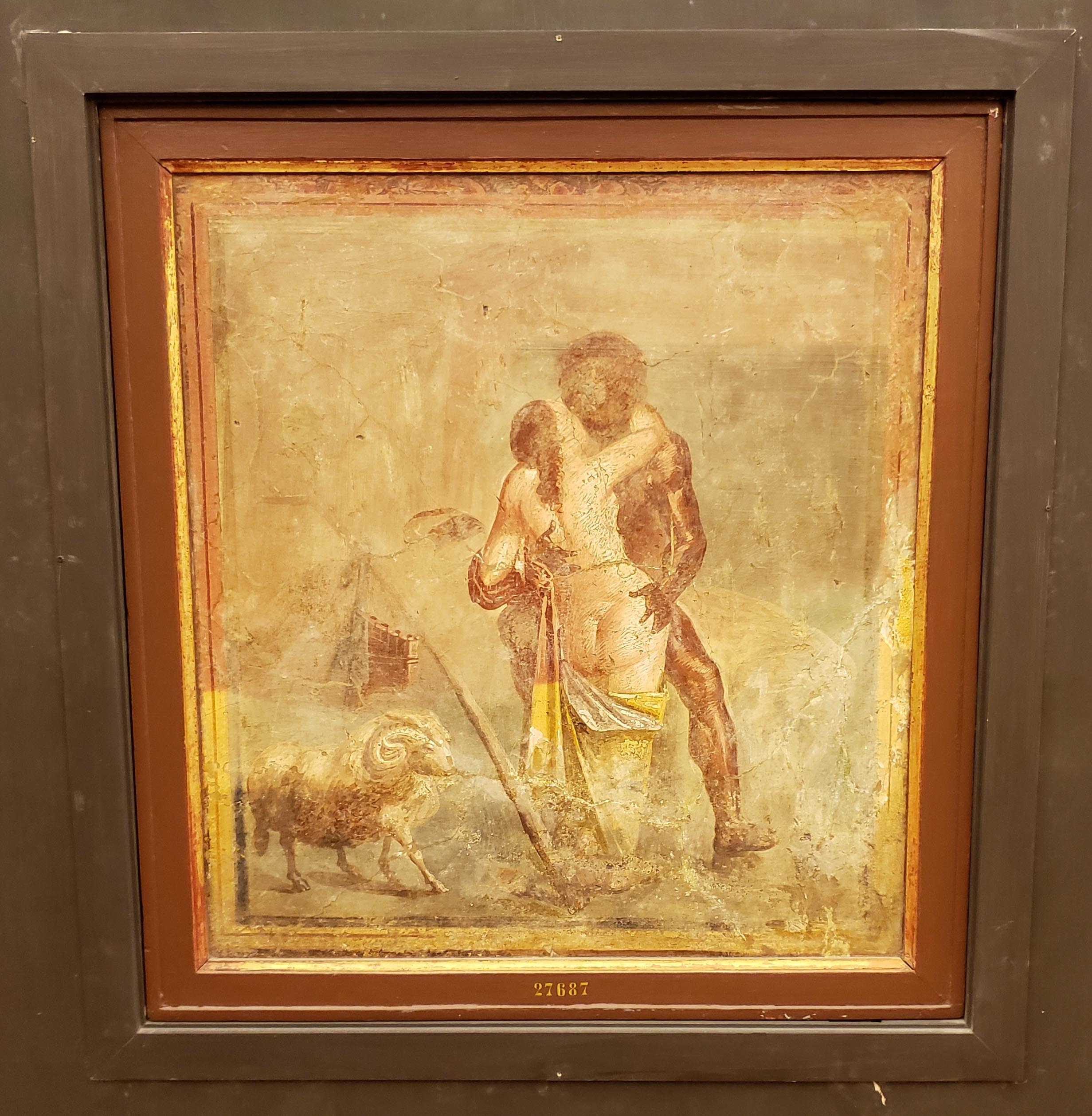
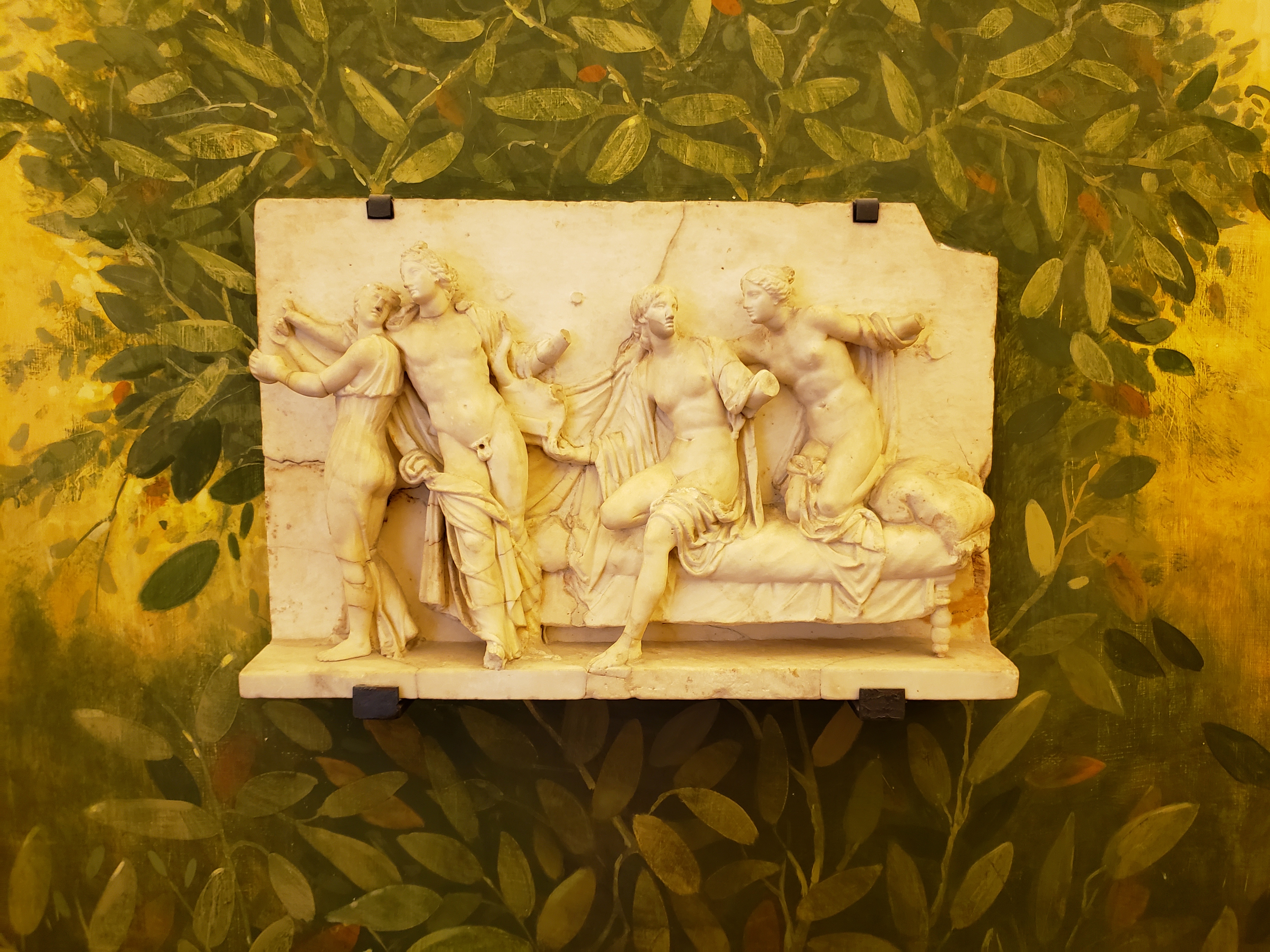
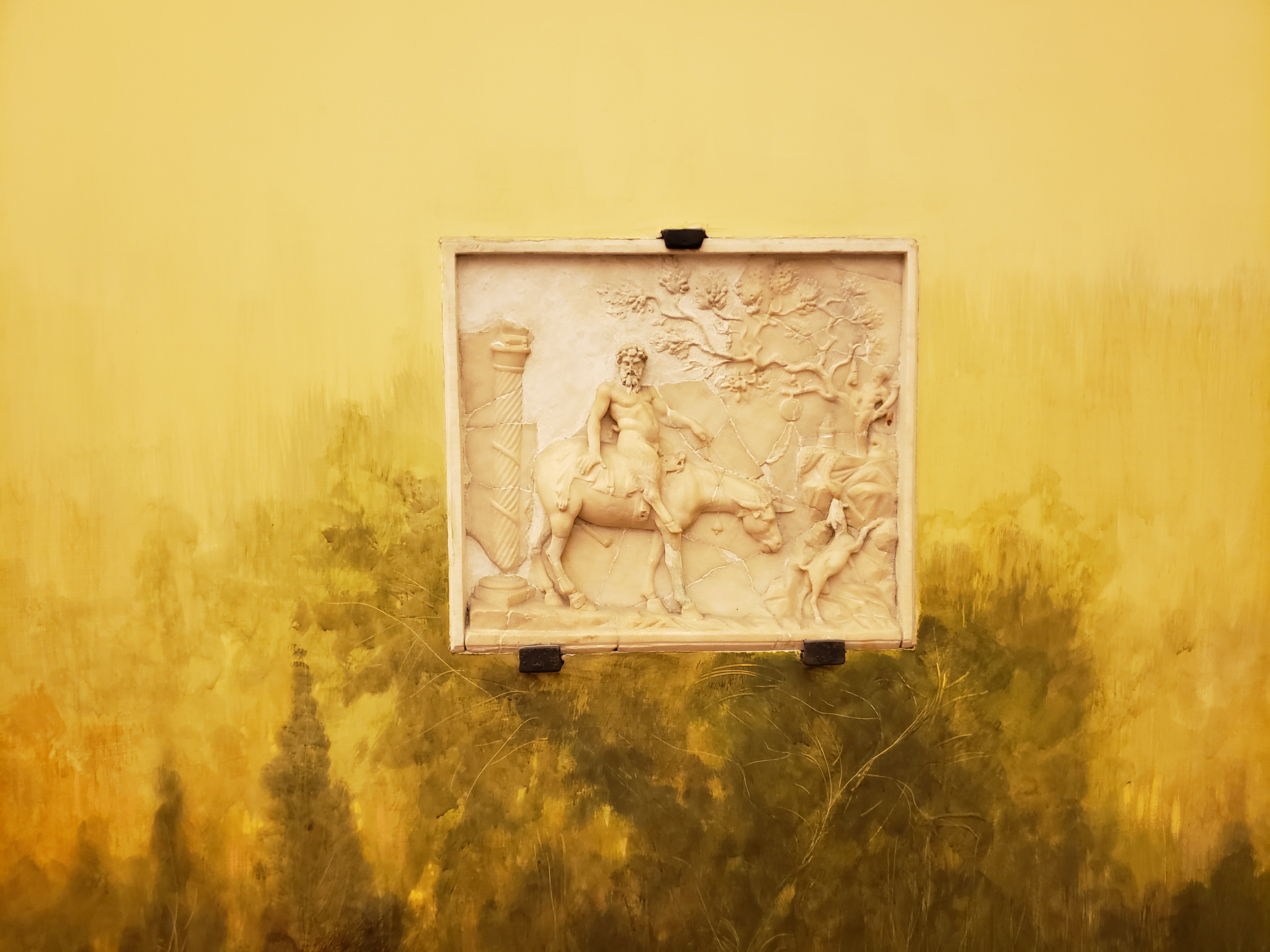
No visit would be complete without a visit to the erotic gallery, where all manner of erotica are on display from the dead city of Pompeii. The Quakers and the Puritans would have had a field day in this city at its peak. Not only was prostitution flaunted as an everday fact in everyone’s face, but the public had personal art created for display and enjoyment in their own houses. Without much else to say the following is shown as a slideshow, feel free to opt-out if you are not up to the intellectual and spiritual challenge.
National Archaeological Museum – Erotic Art
National Archaeological Museum – Erotic Art
National Archaeological Museum – Erotic Mythological Paintings
National Archaeological Museum – Erotic Art – Household Items From Pompeii
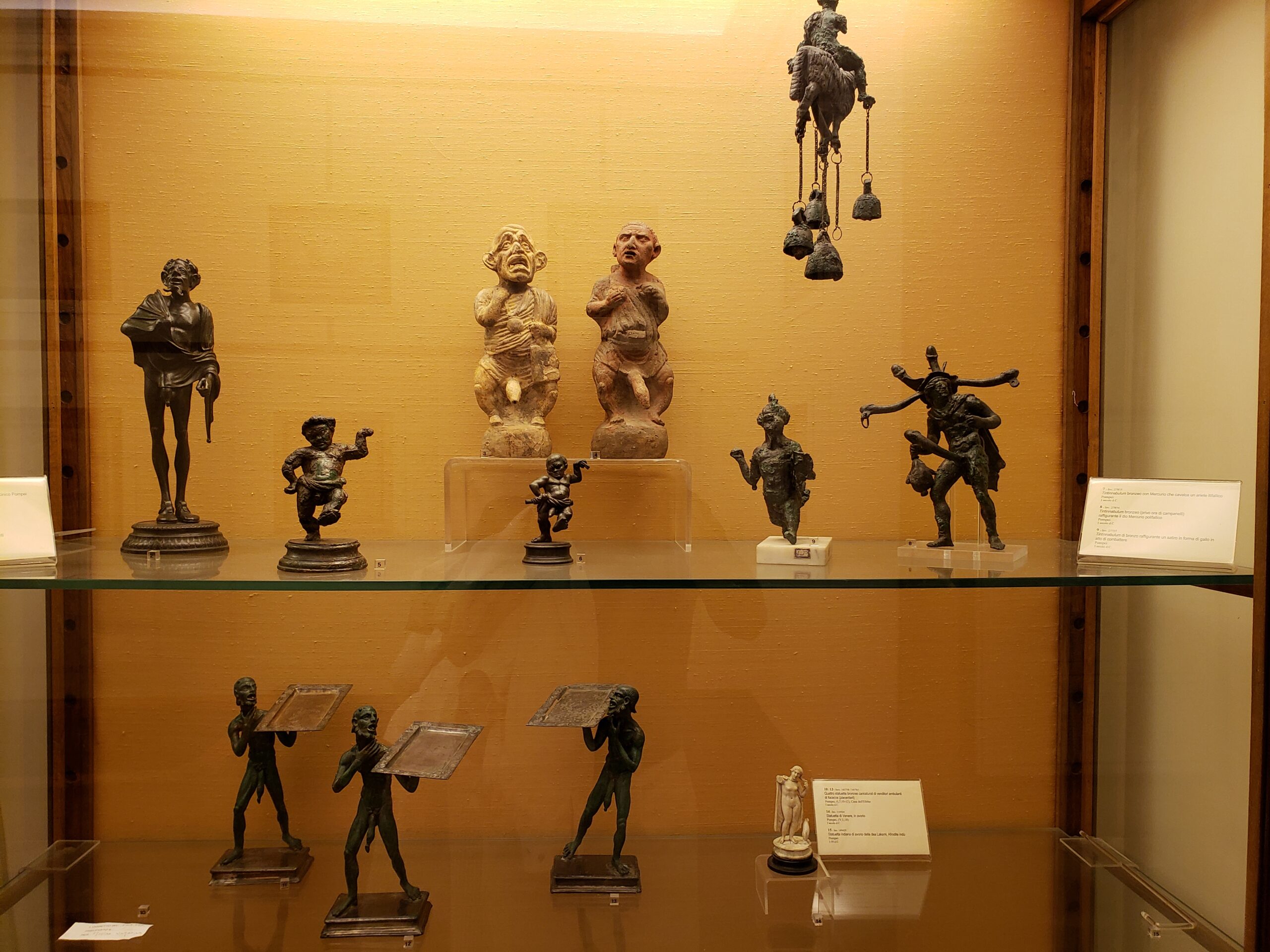
National Archaeological Museum – Erotic Art – House Doorbells From Pompeii
National Archaeological Museum – Erotic Art – Household Items From Pompeii
National Archaeological Museum – Erotic Art – Household Items From Pompeii
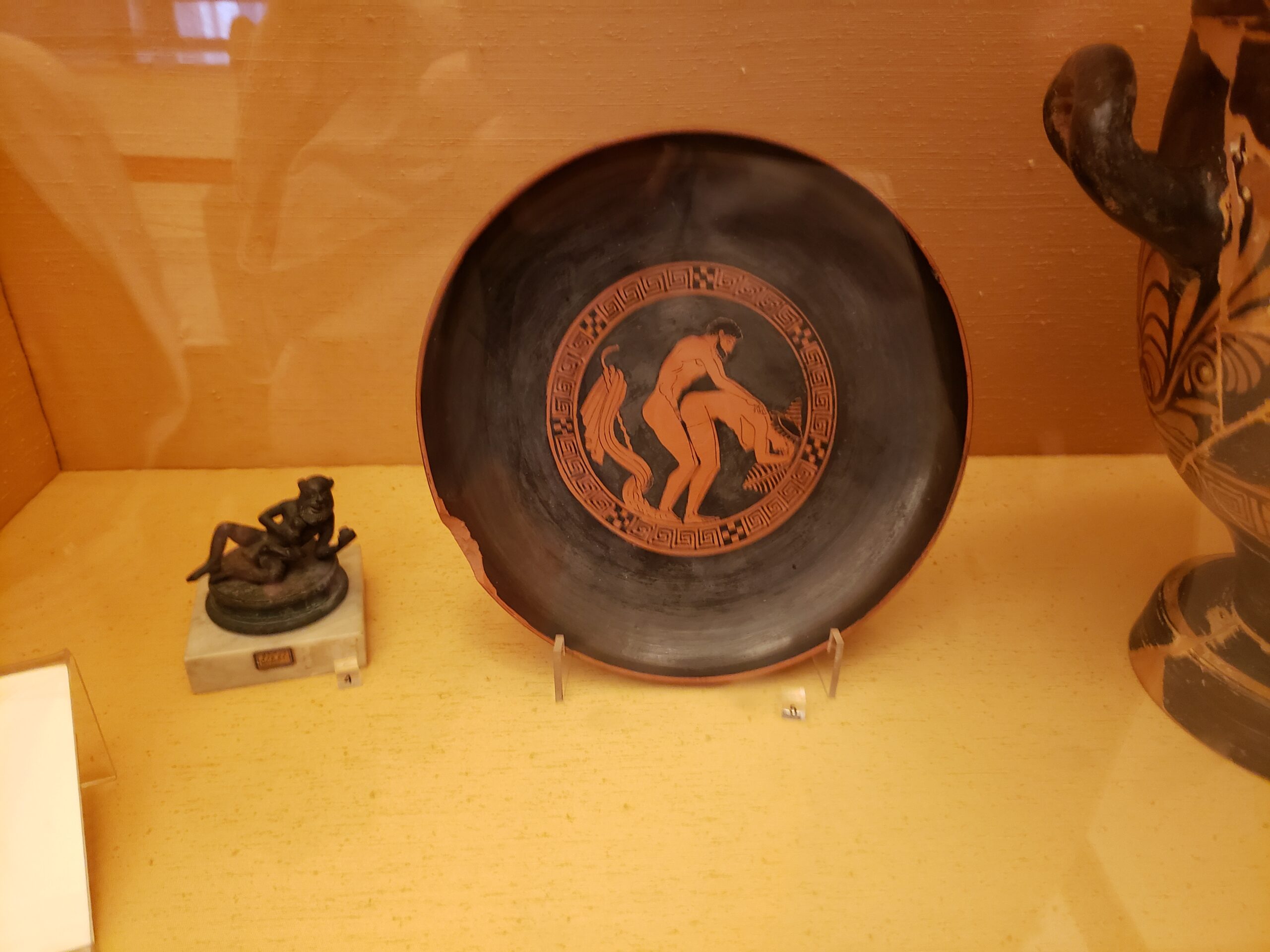
National Archaeological Museum – Erotic Art – Dish and Small Bronze
The Basement Floor – The Maritime Archaeological Gallery
All things maritime are located in the basement floor. A wide collection of maritime artifacts and archaeological specific display can be found in this section. There are also displays from the escavations of Pompeii having to do with the city itself, including is ancient public plumbing.
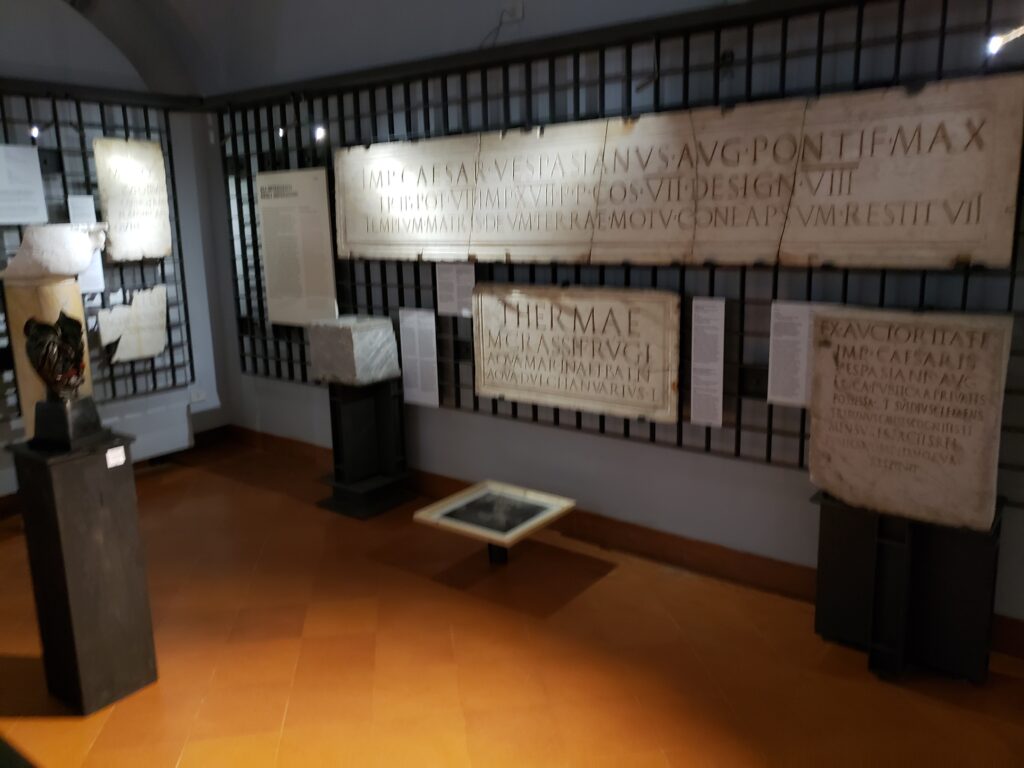
National Archaeological Museum – Maritime Hall – Old Signs
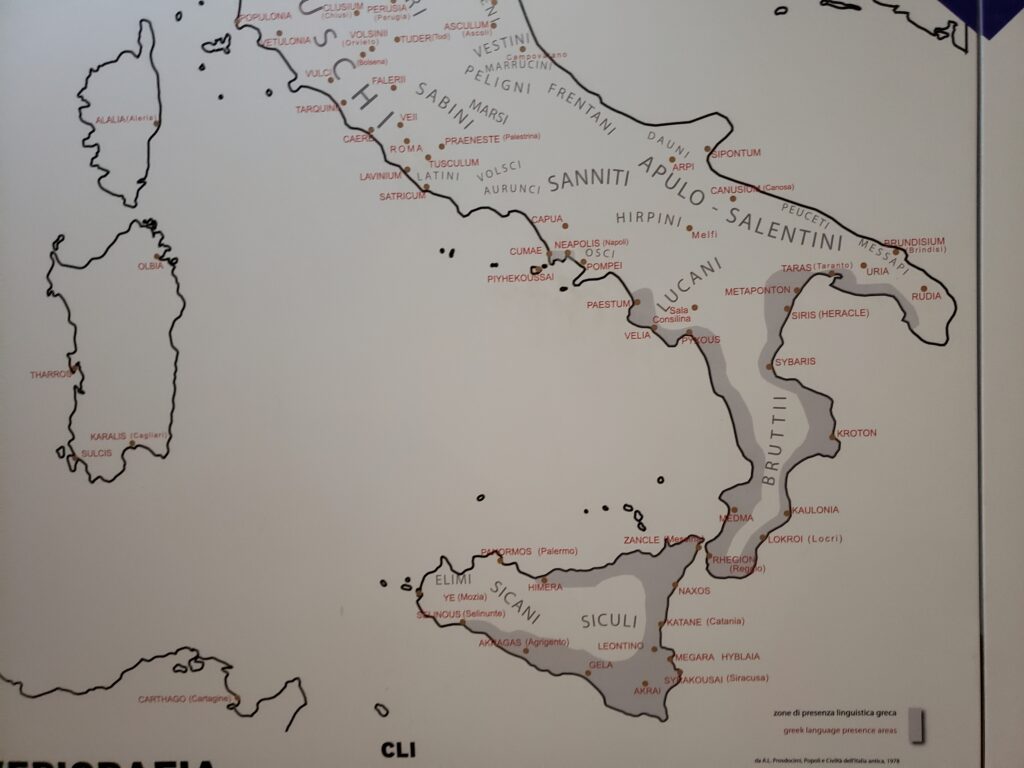
National Archaeological Museum – Maritime Hall – Ancient Trading Ports and Important Cities
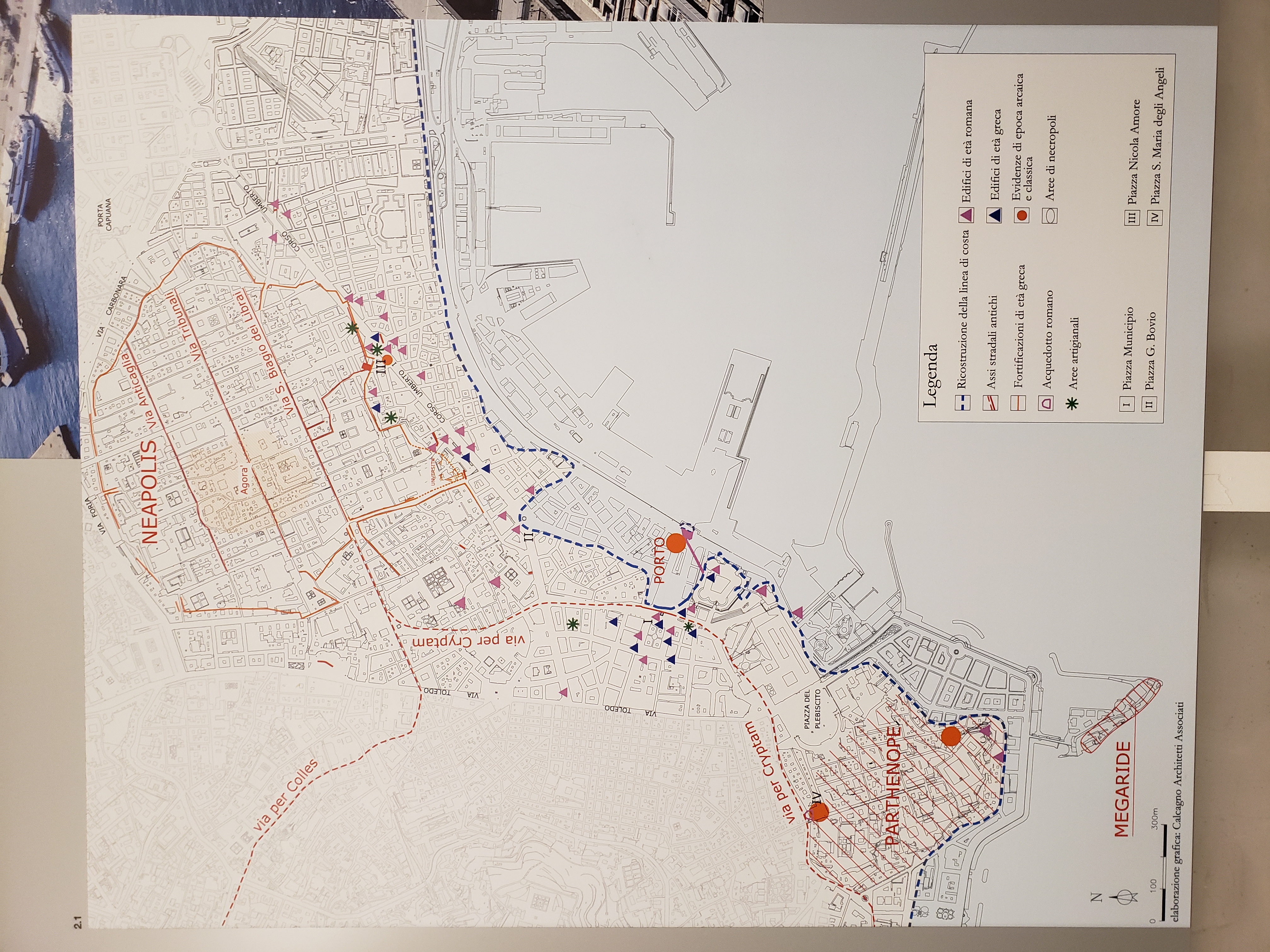
National Archaeological Museum – Maritime Hall – Archaeological Map of Parthenope
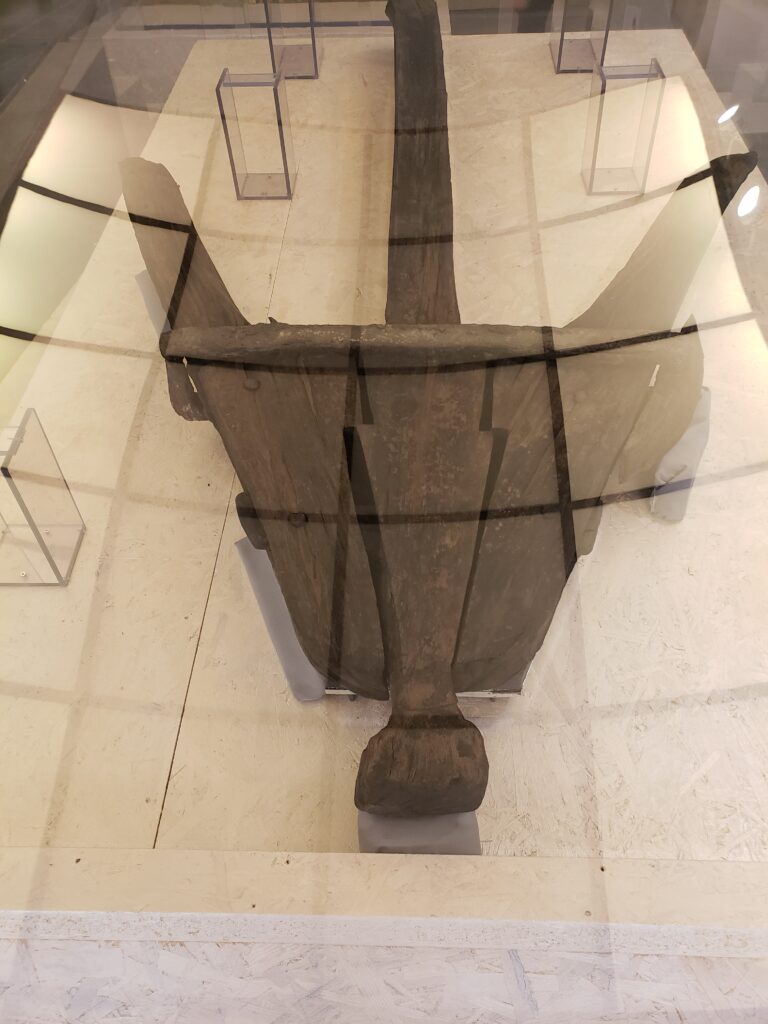
National Archaeological Museum – Maritime Hall – Large Anchor
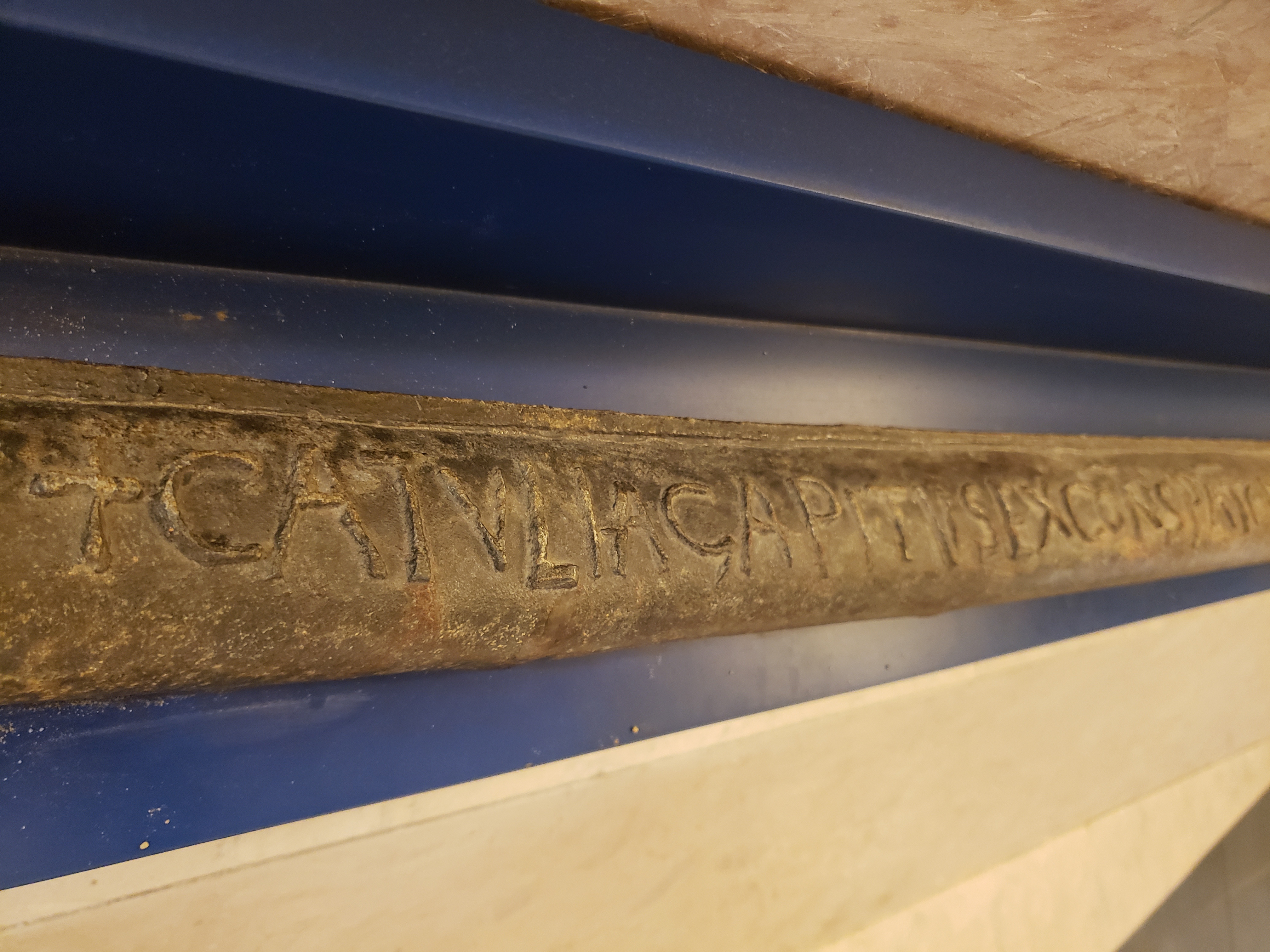
National Archaeological Museum – Maritime Hall – Old Lead Pipe
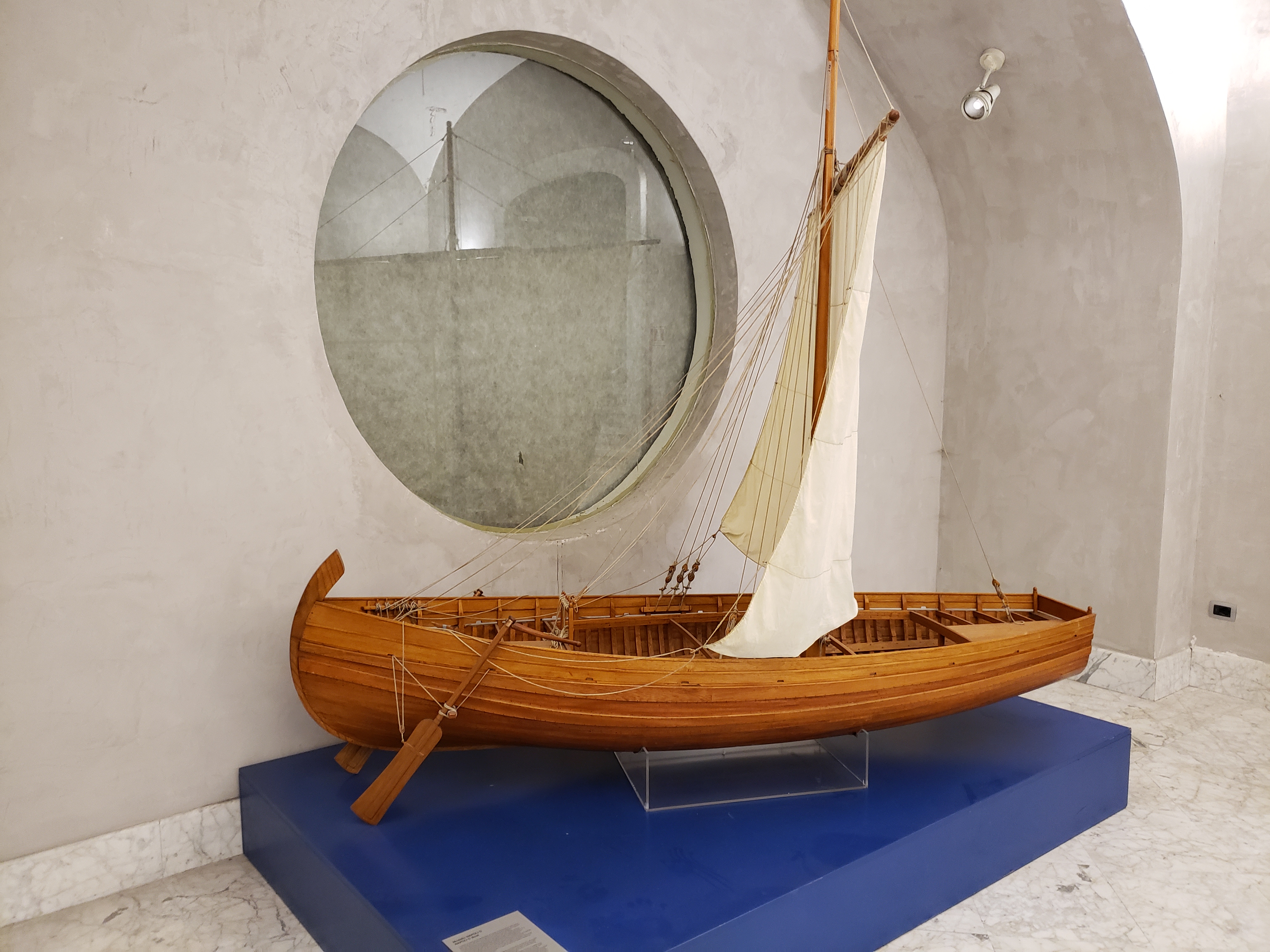
National Archaeological Museum – Maritime Hall – Reproduction of an Ancient Bark from Campania
Restaurants
Ristorante Demeter Ristotrattoria
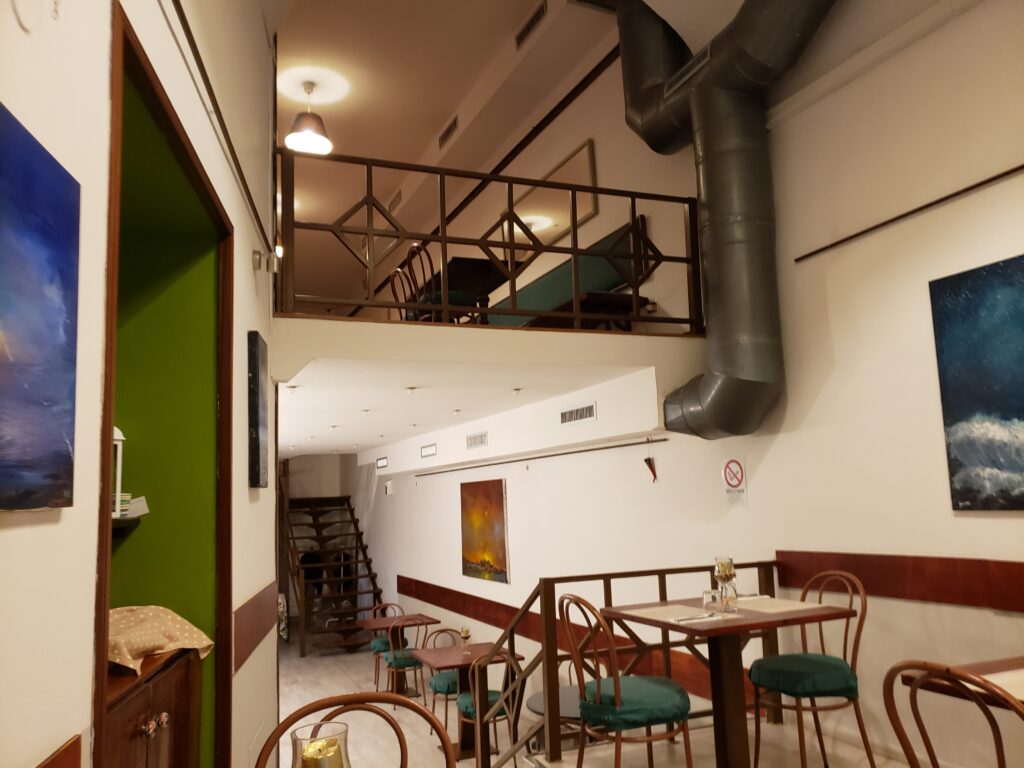
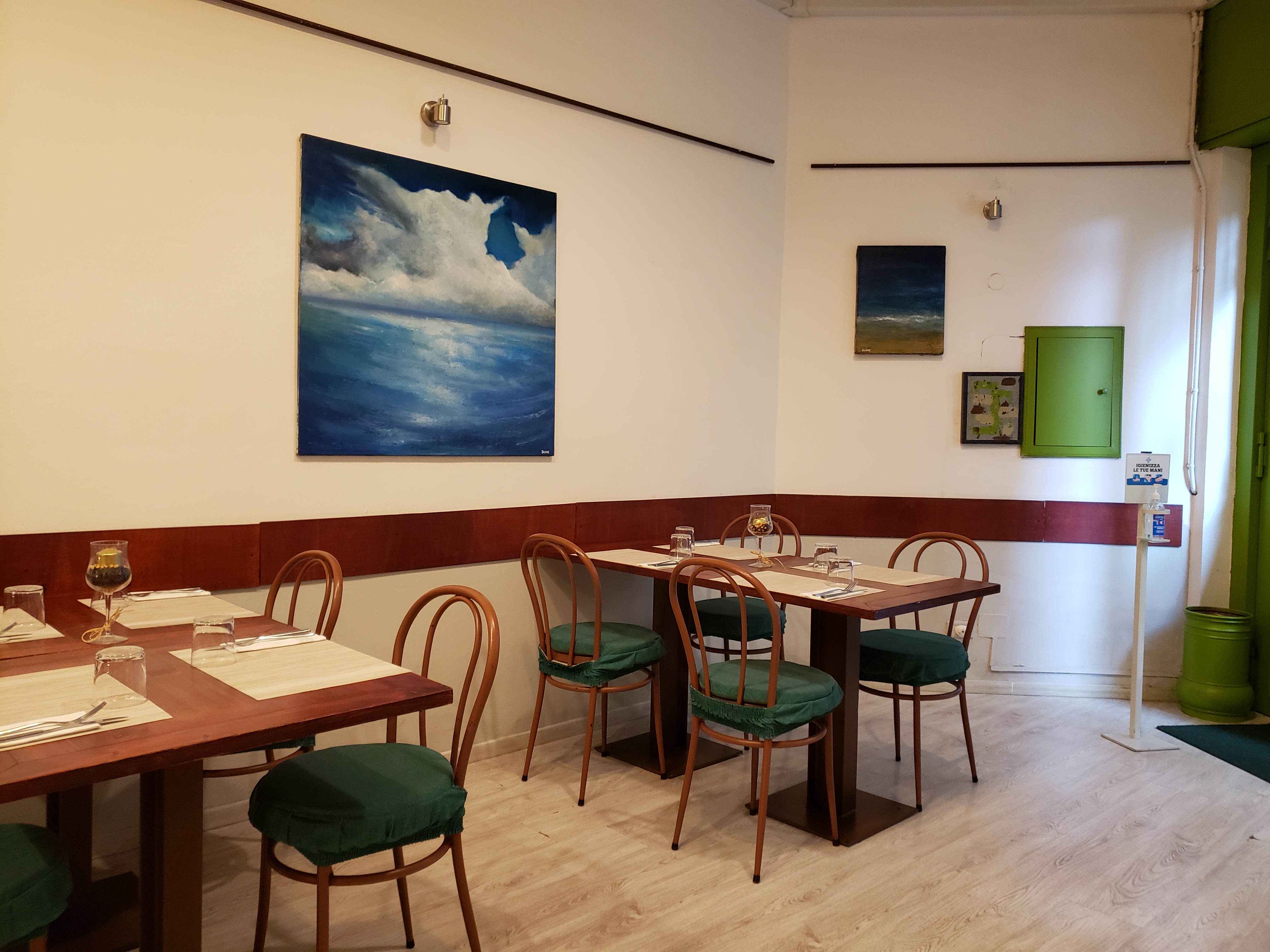
A short fifteen minute walk away from the museum, down the Via Santa Maria di Costantinopoli, Via San Sebastiano and Via Santa Chiara (all the same street mind you), you will find Ristorante Demeter Ristotrattoria. Another exceptional place with homemade creations to tempt most palettes. We entered this restaurant just before it started raining and were not disappointed, a fine place to visit with nice staff that is definitely NOT a tourist trap.
Naples, San Guiseppe – Ristorante Demeter Ristotrattoria – Inside
Naples, San Guiseppe – Ristorante Demeter Ristotrattoria – Inside
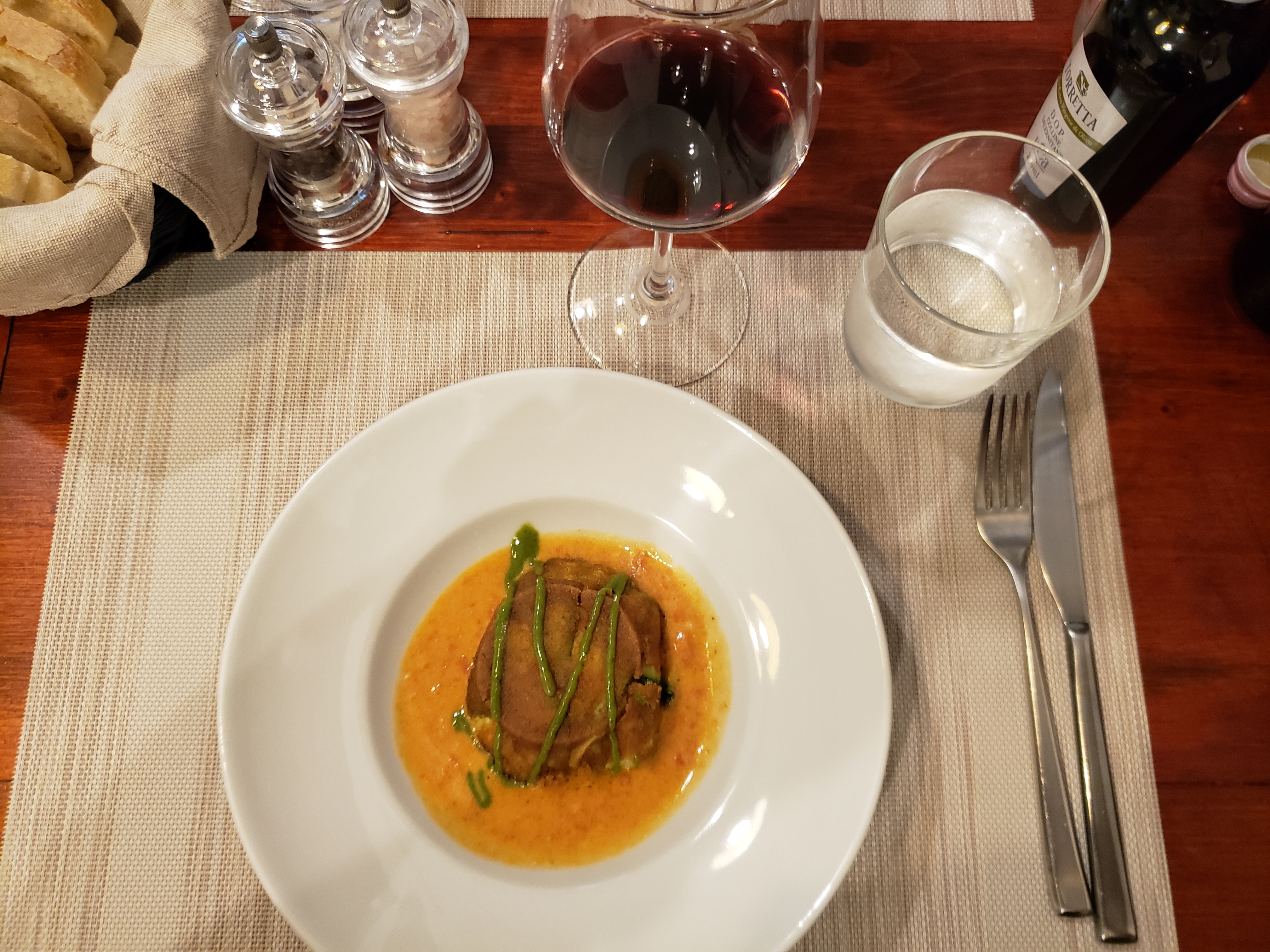
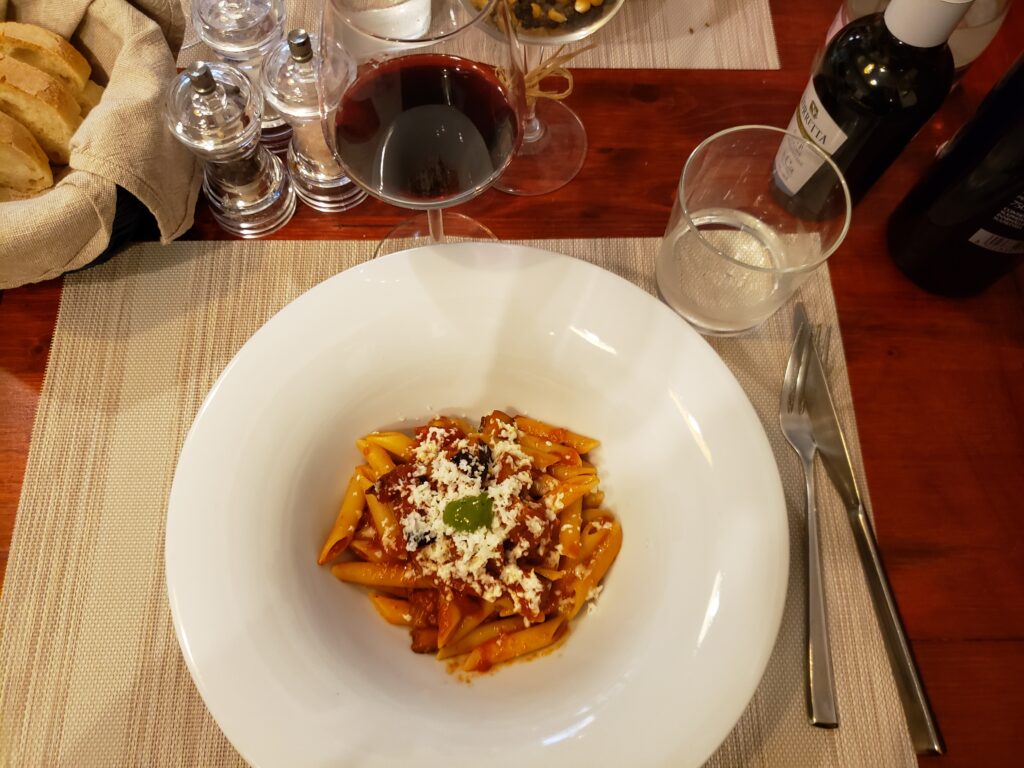
Naples, San Guiseppe – Ristorante Demeter Ristotrattoria – Fried Eggplant in a tomato reduction with pesto
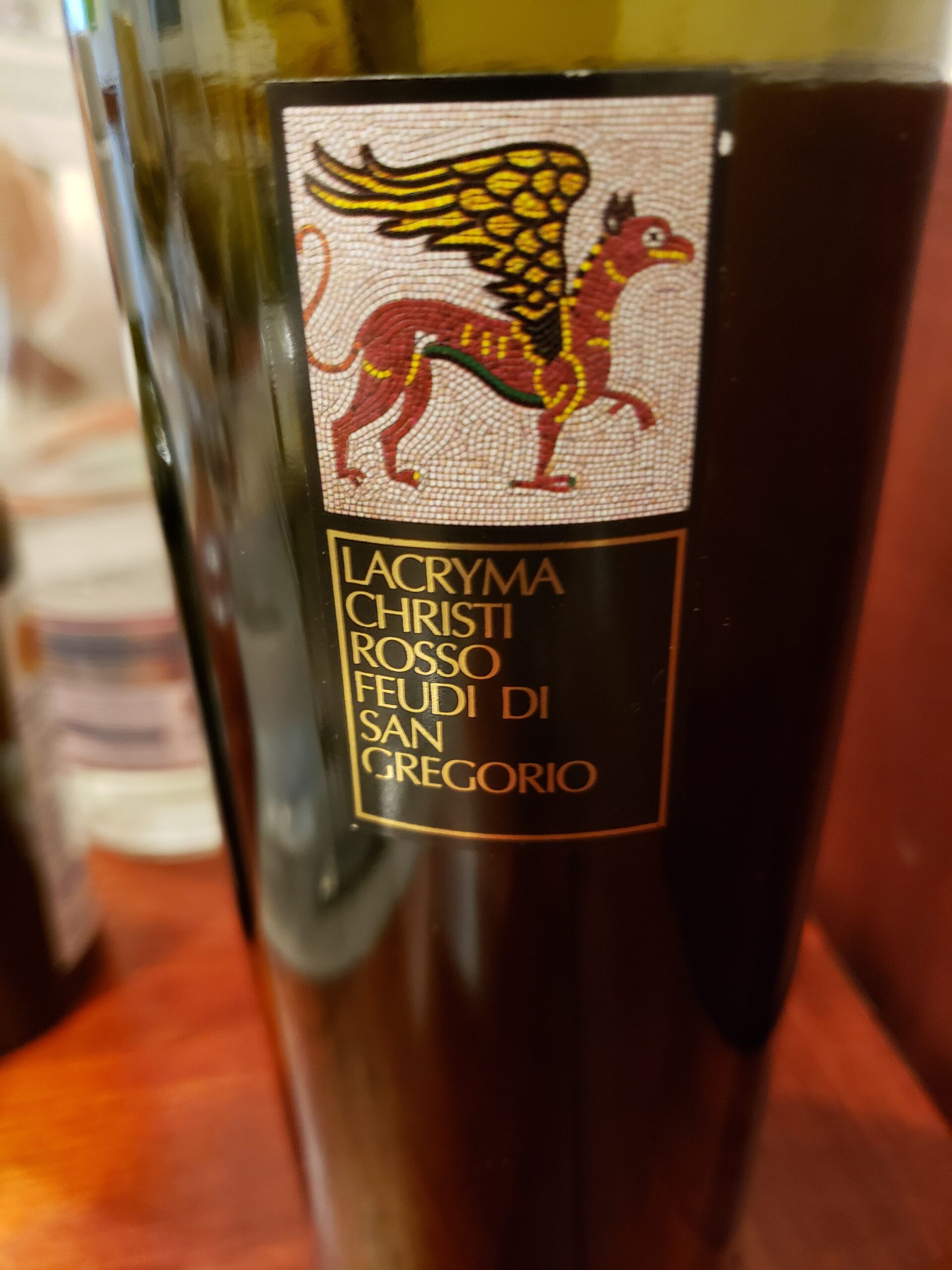
Naples, San Guiseppe – Ristorante Demeter Ristotrattoria – Lacryma Red
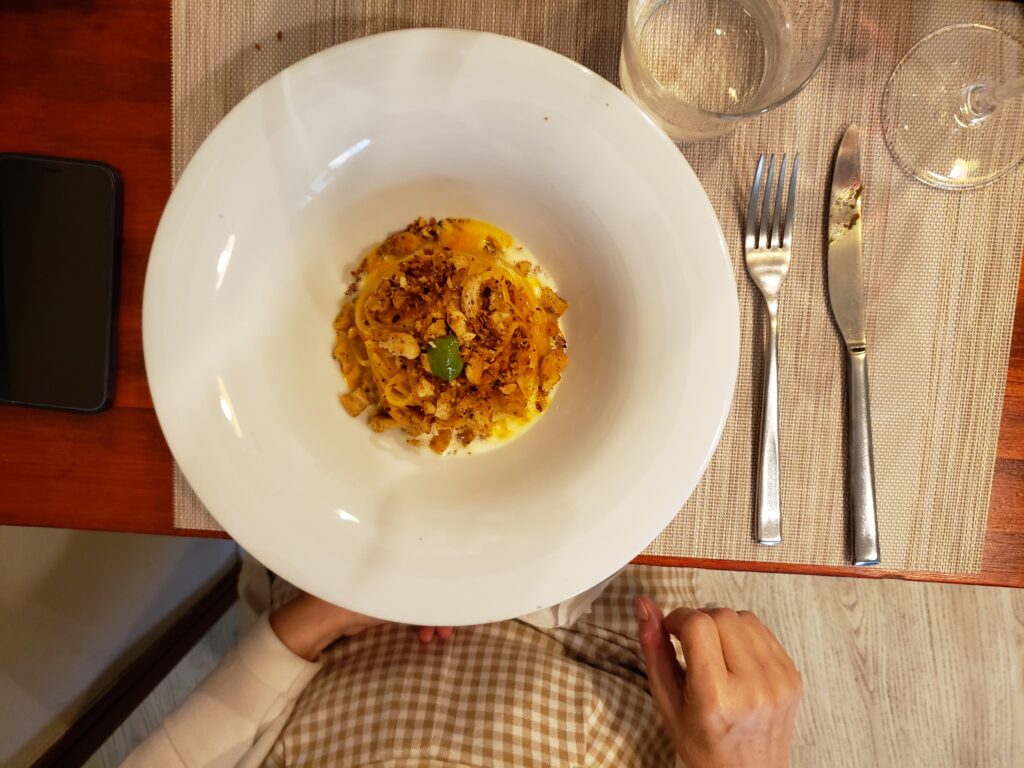
Naples, San Guiseppe – Ristorante Demeter Ristotrattoria – Pasta Norman
Naples, San Guiseppe – Ristorante Demeter Ristotrattoria – Pasta with Peppers and Taralli
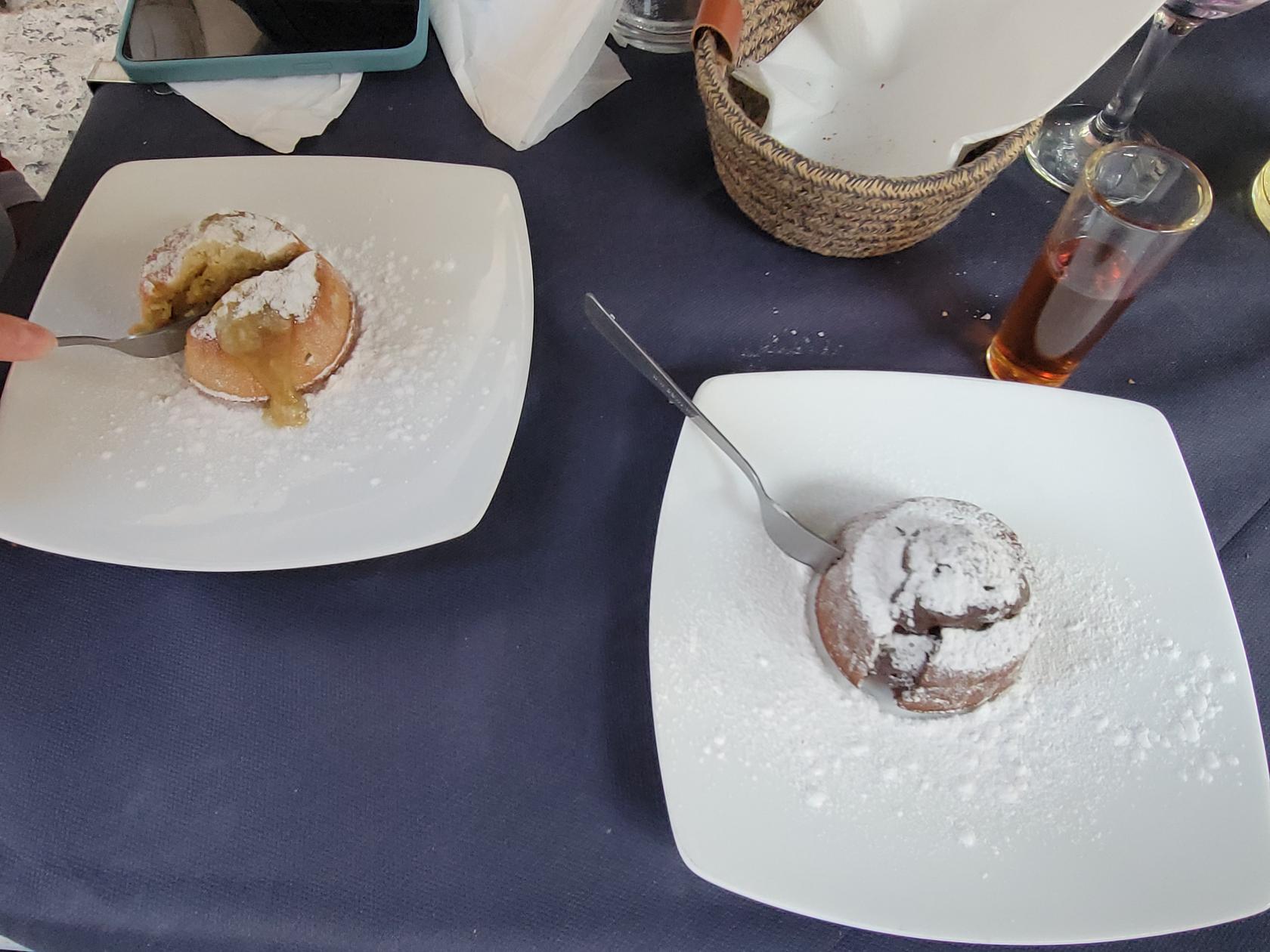
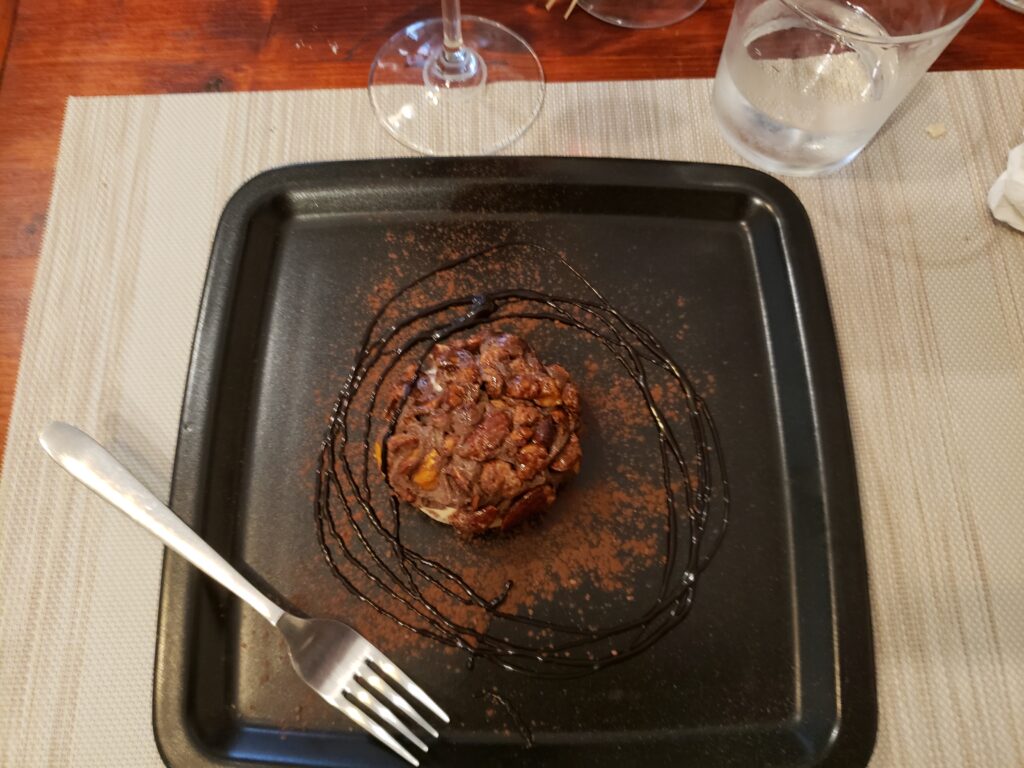
Naples, San Guiseppe – Ristorante Demeter Ristotrattoria – Tart with Pecans
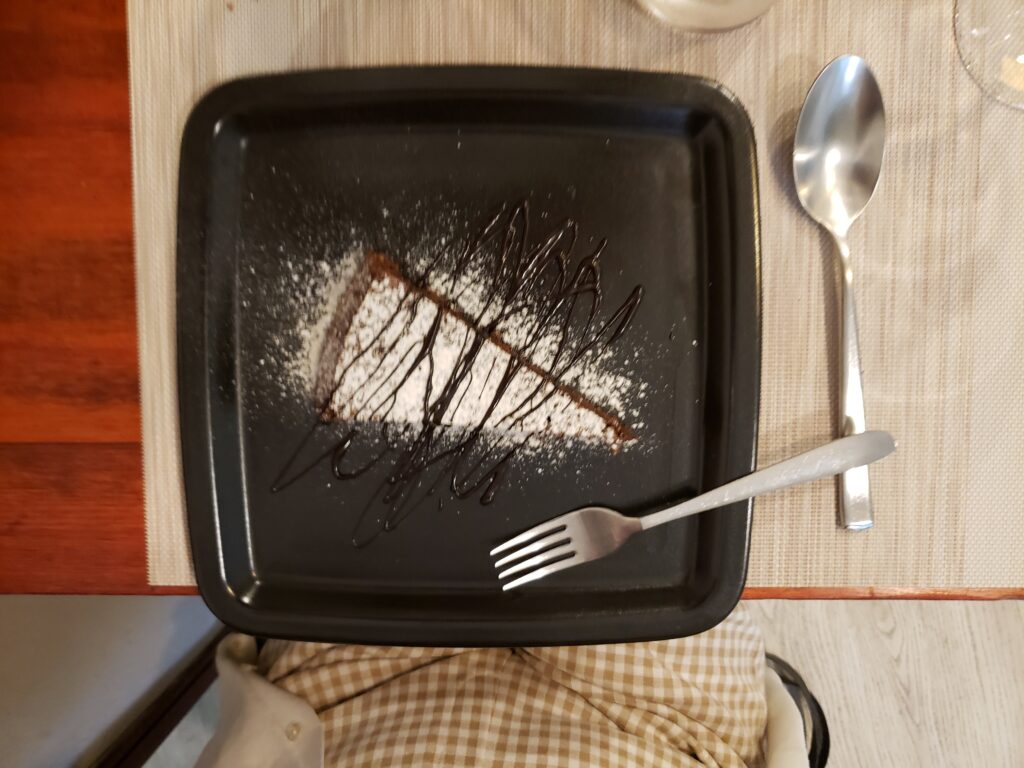
Naples, San Guiseppe – Ristorante Demeter Ristotrattoria – Chocolate Cake with powdered sugar
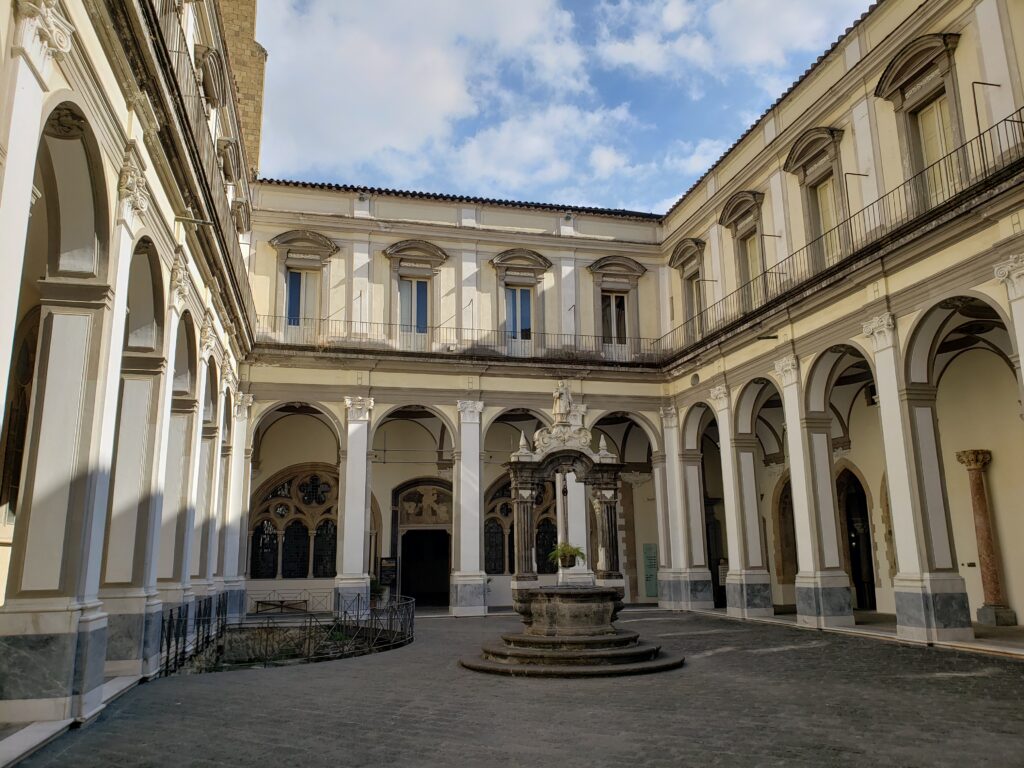
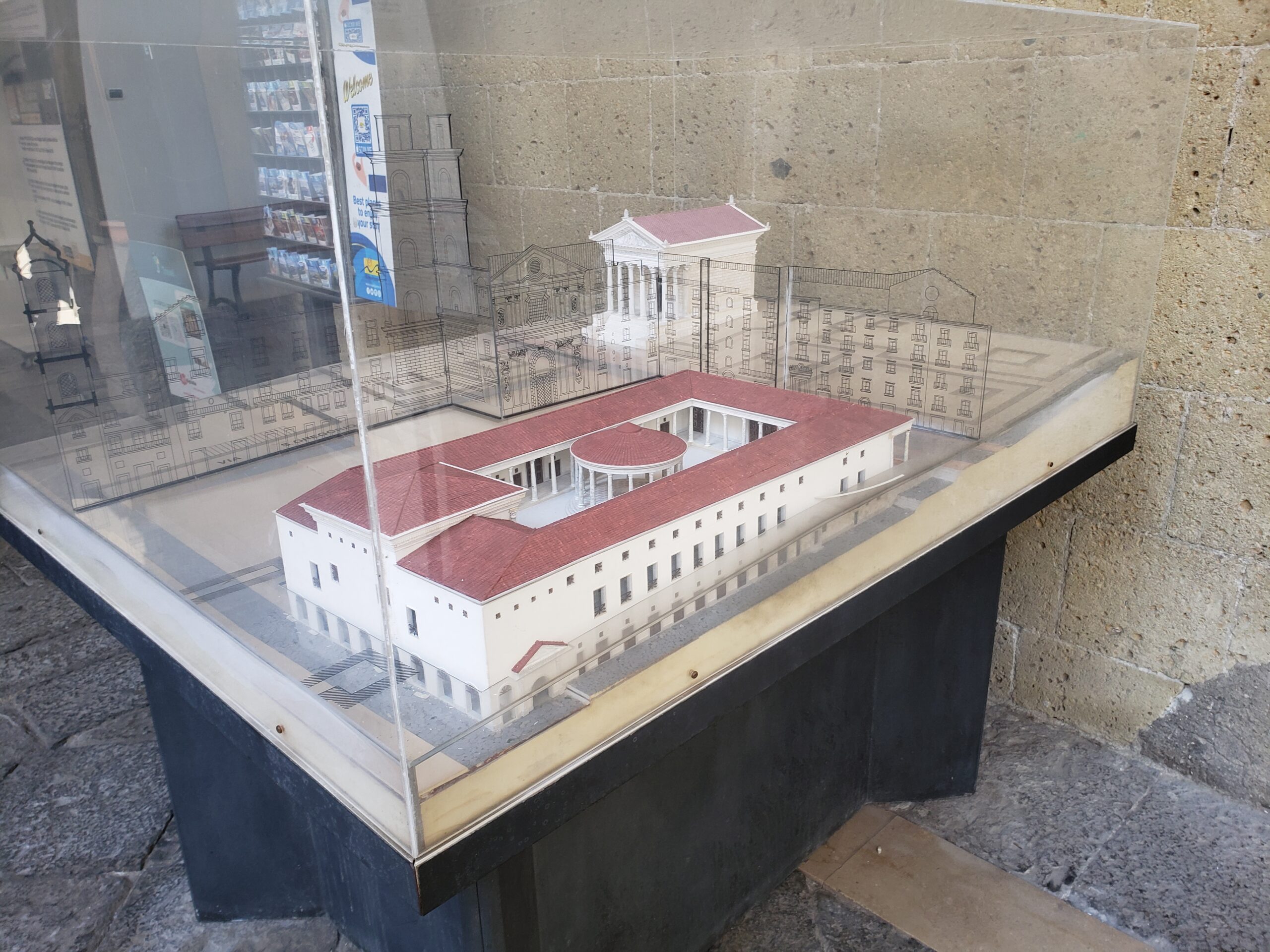
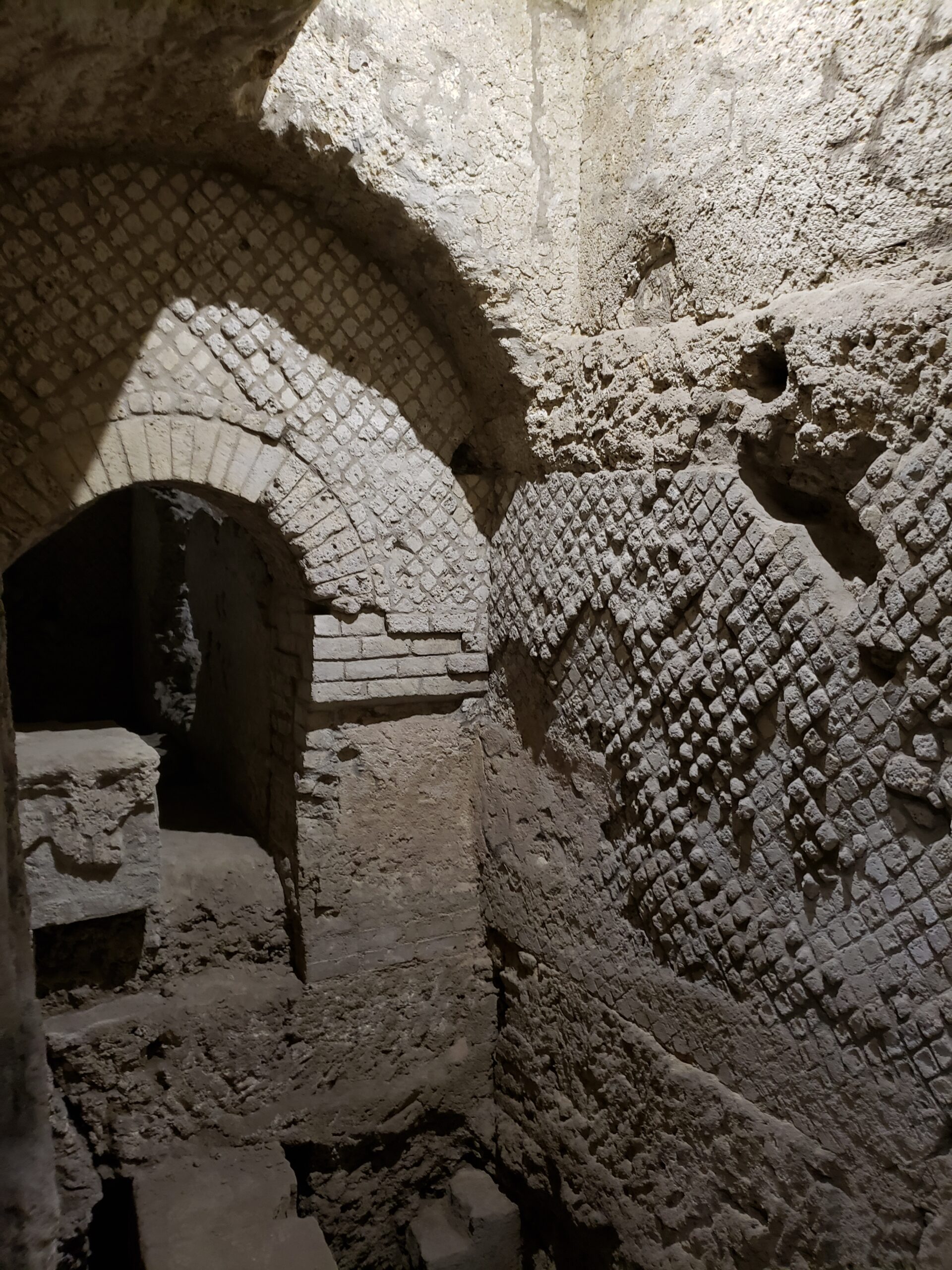
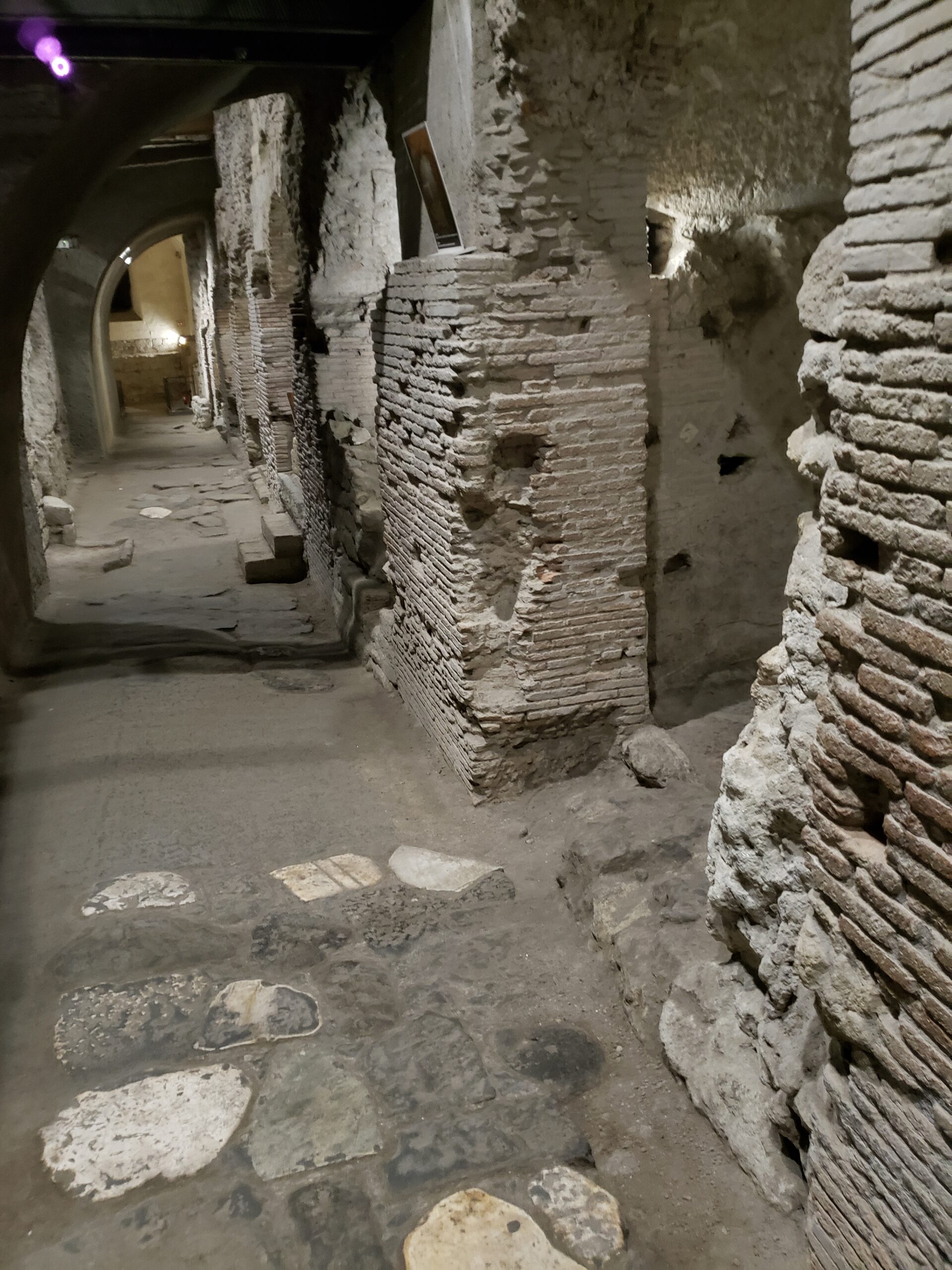
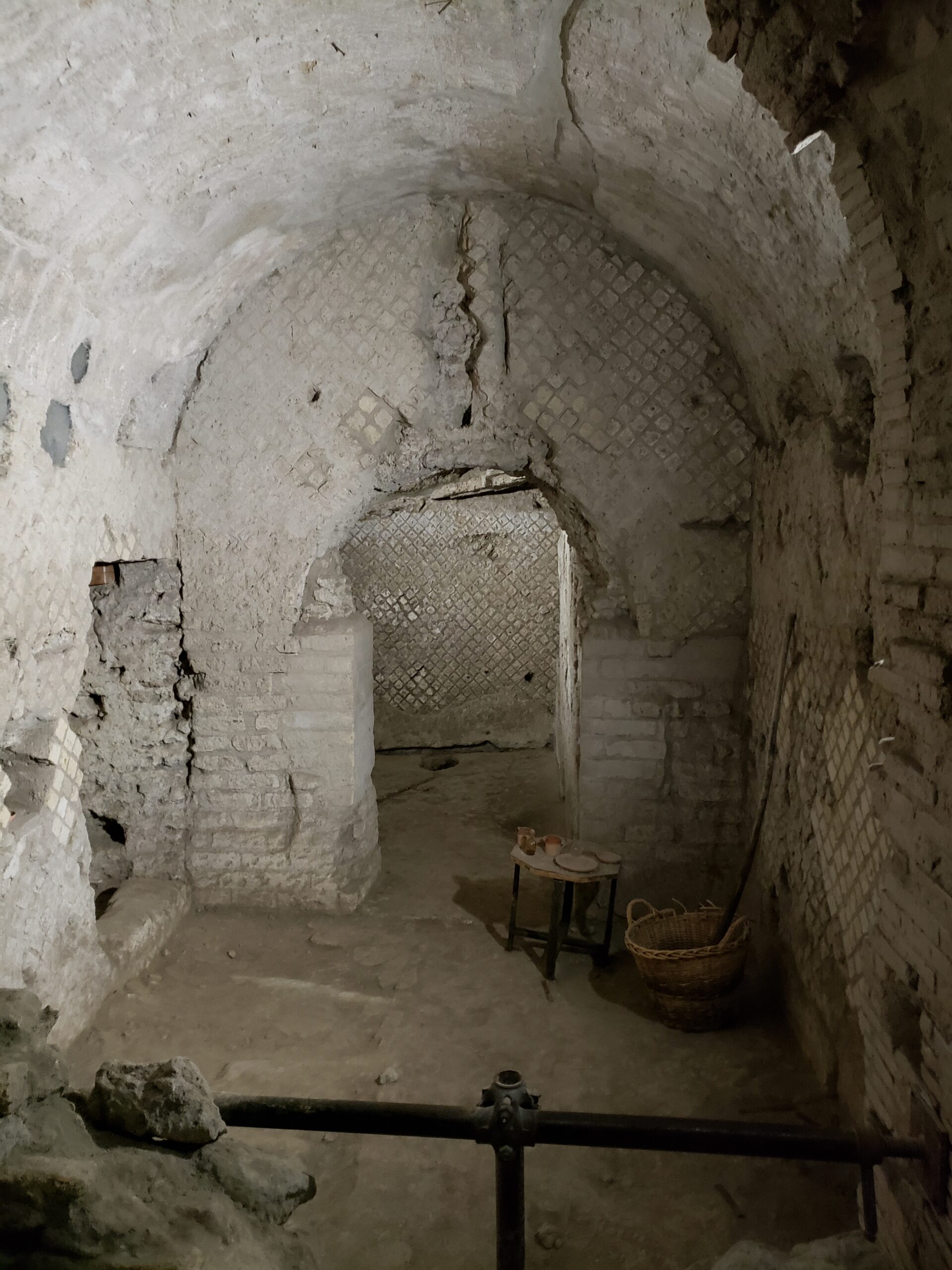
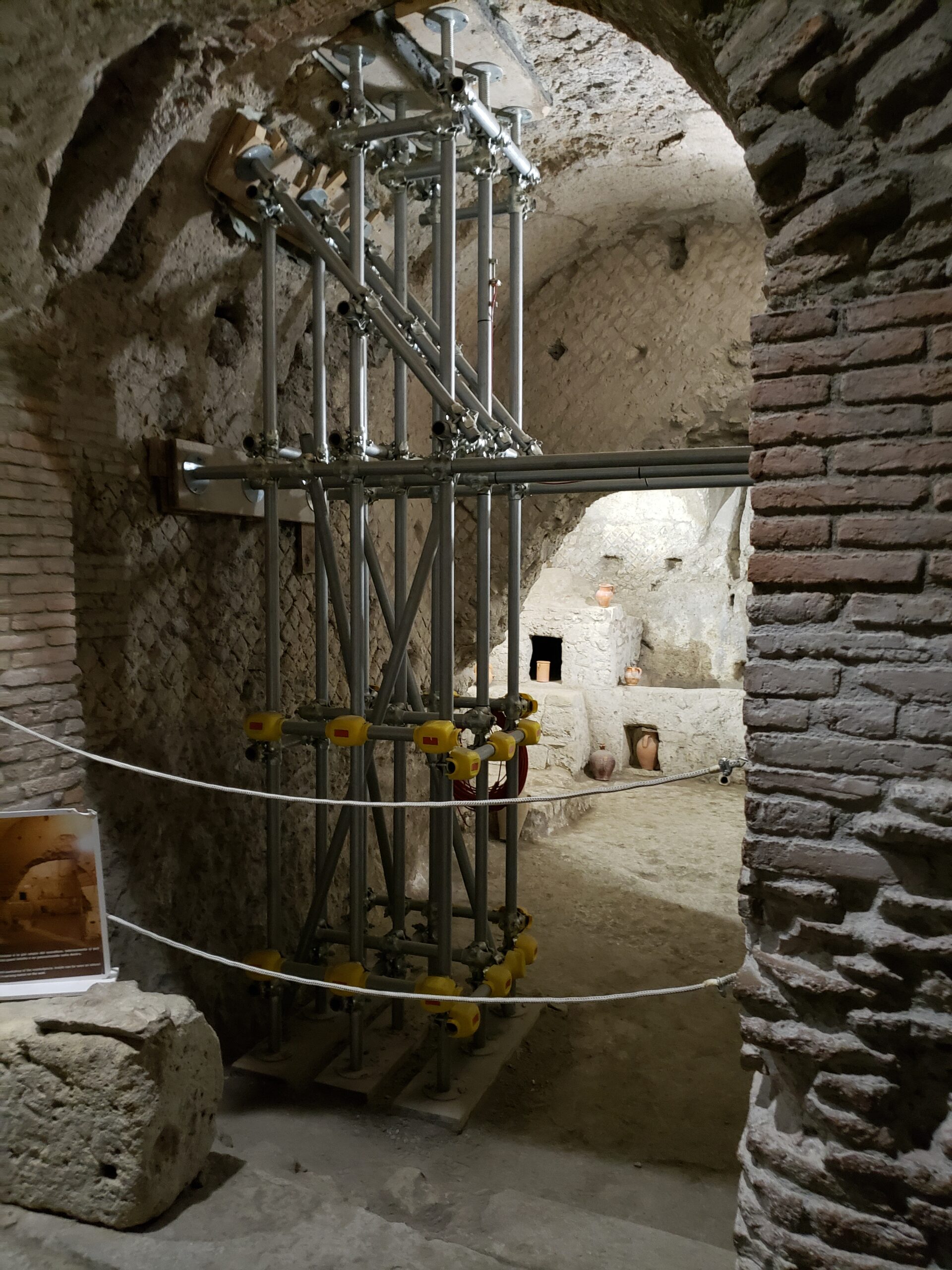
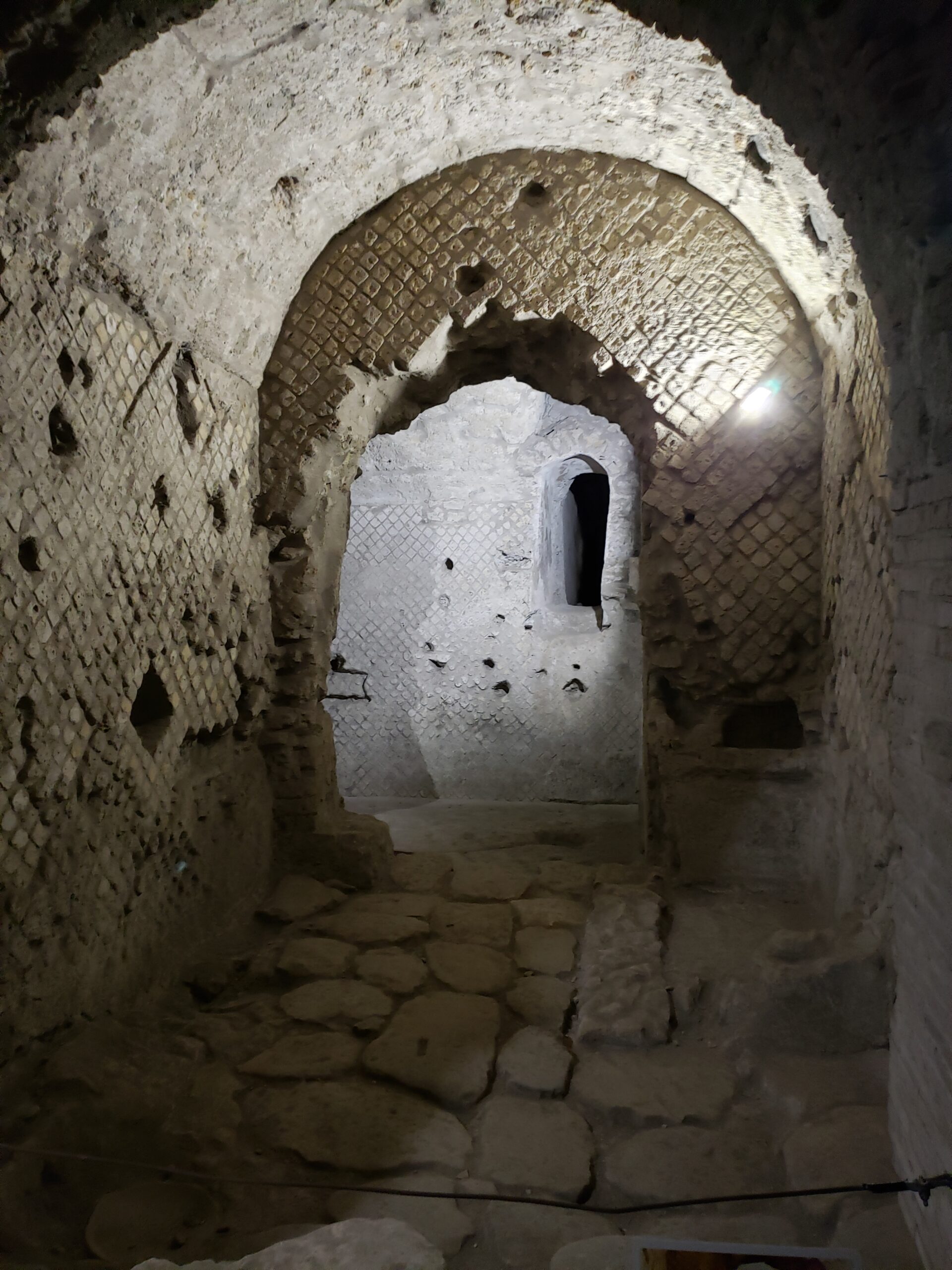
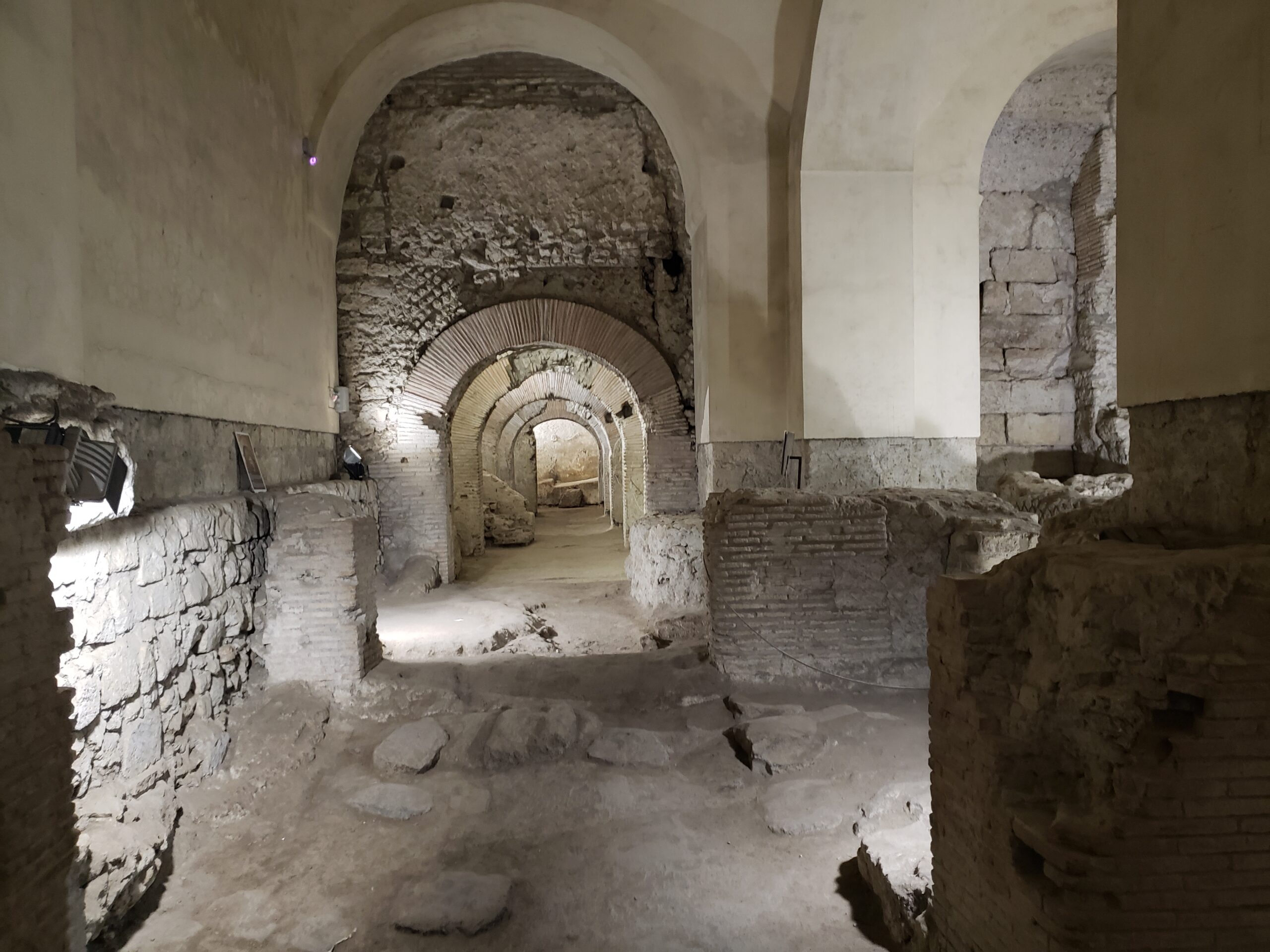
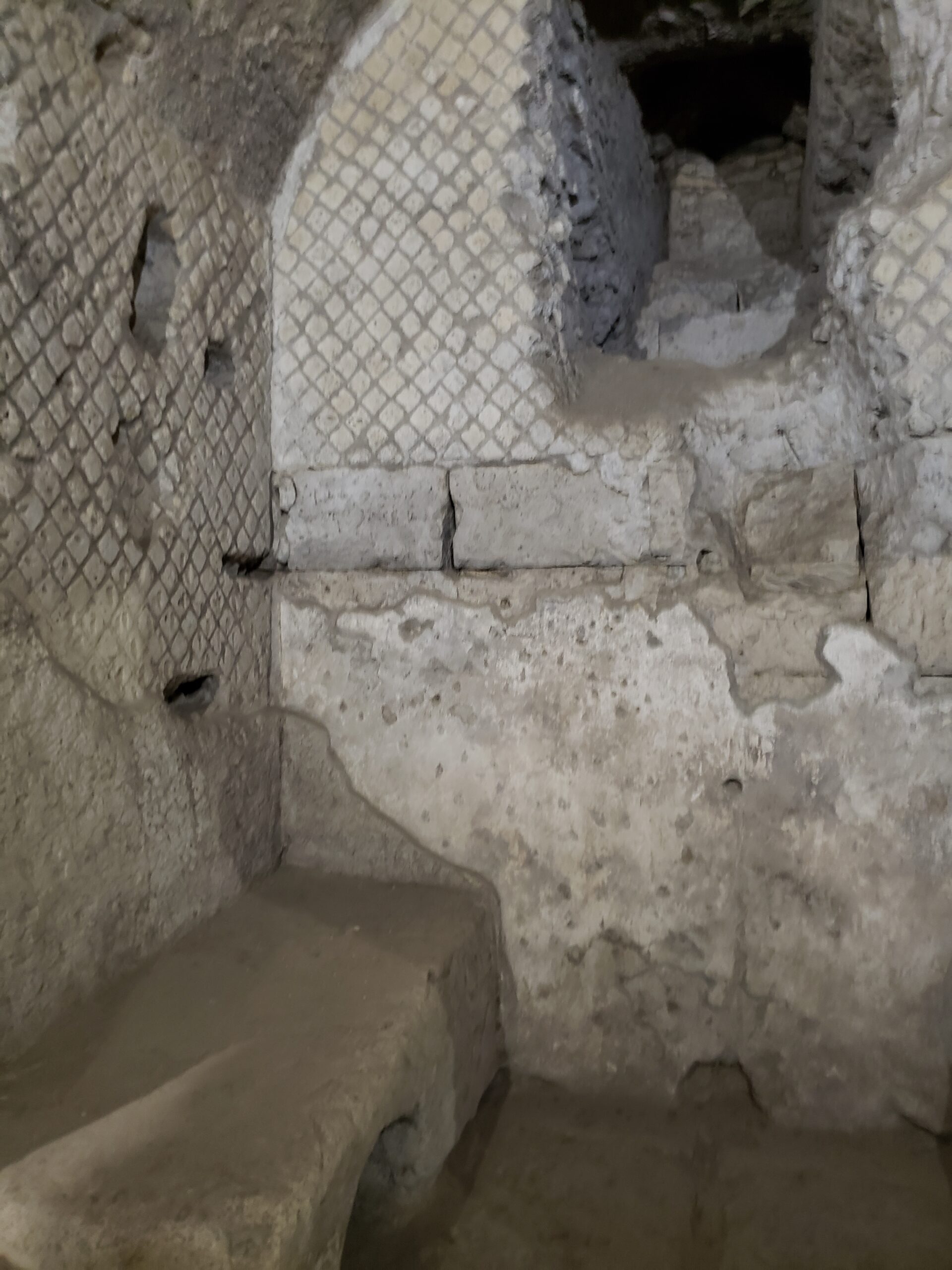
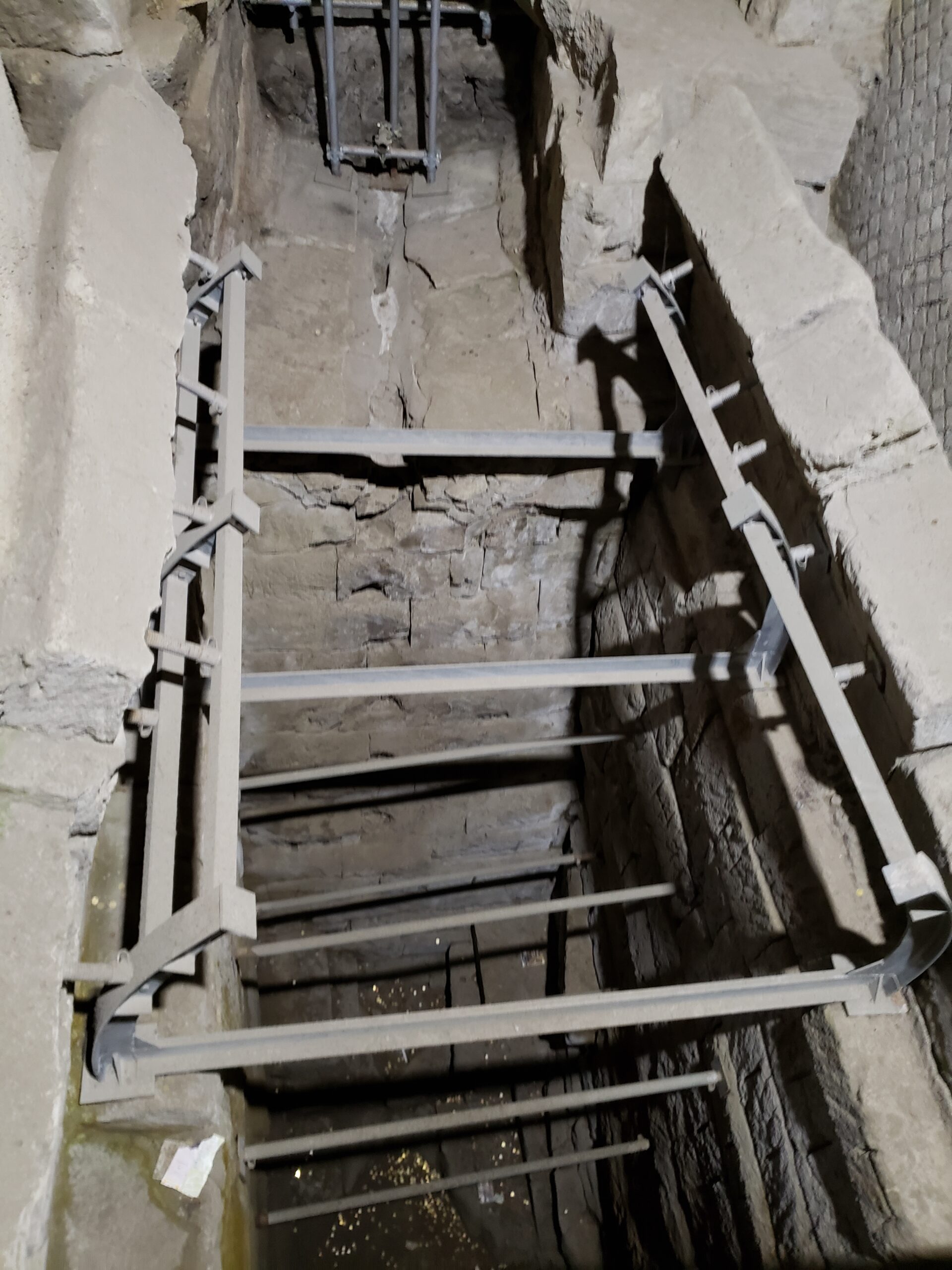
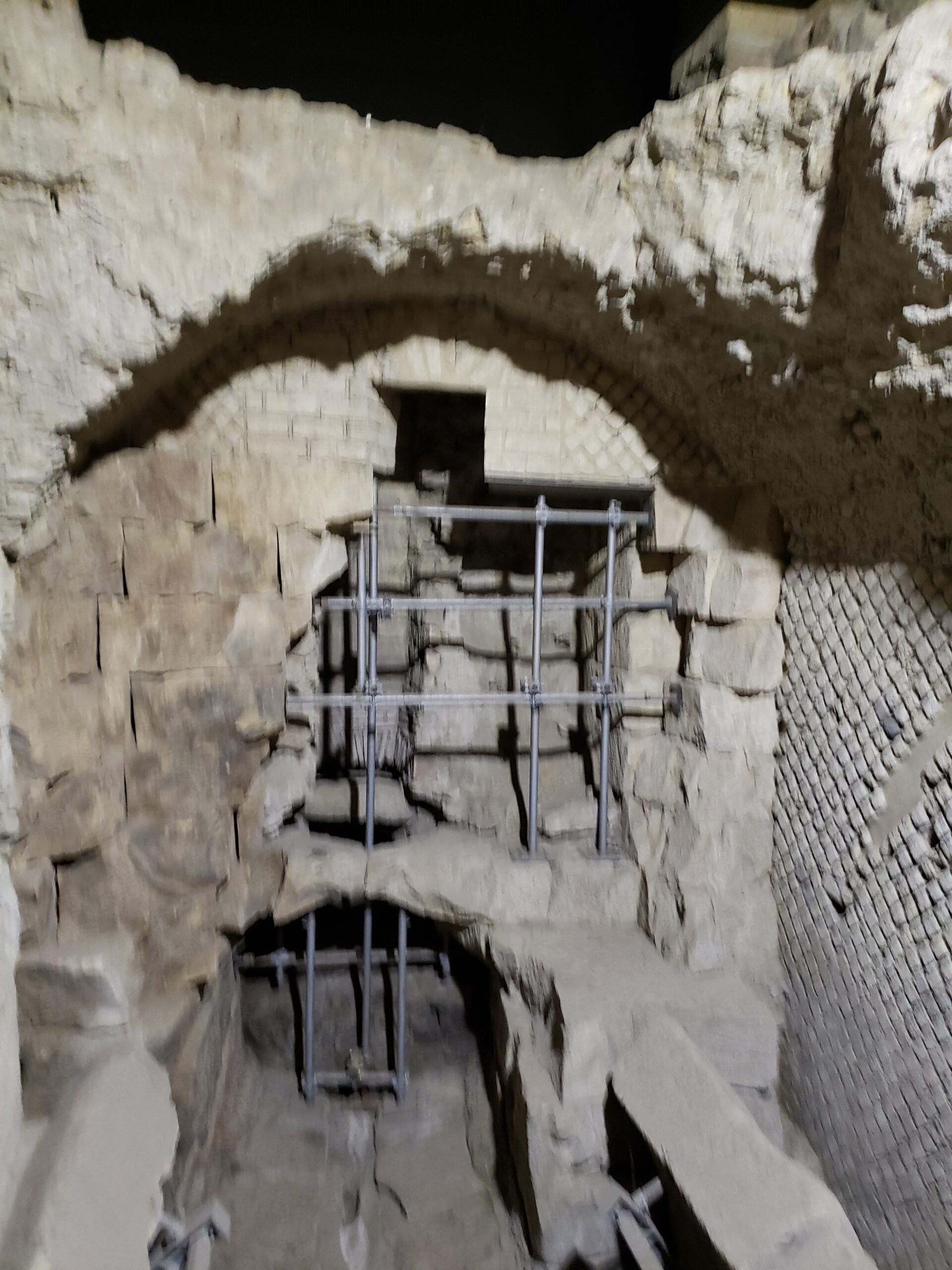
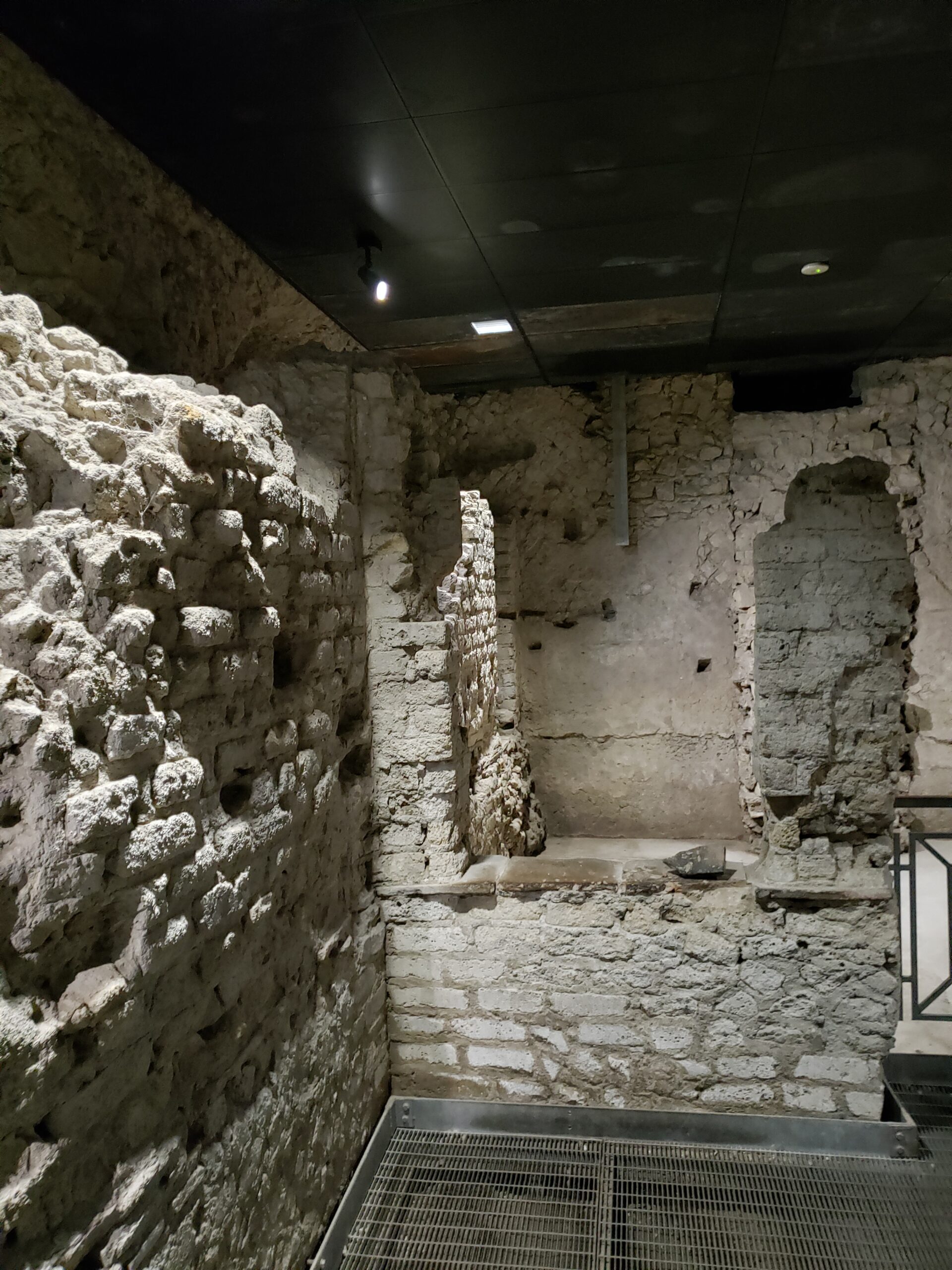
In the back of Piazza San Gaetano, alongside the tower, you will find the entry point to a very interesting treat, and a very historically important place for understanding Naples as a city, especially its age. Here you will find the La Neapolis Sotterrate, or the ancient underground marketplace.
La Neapolis Sotterrata – Internal Palazzo with well
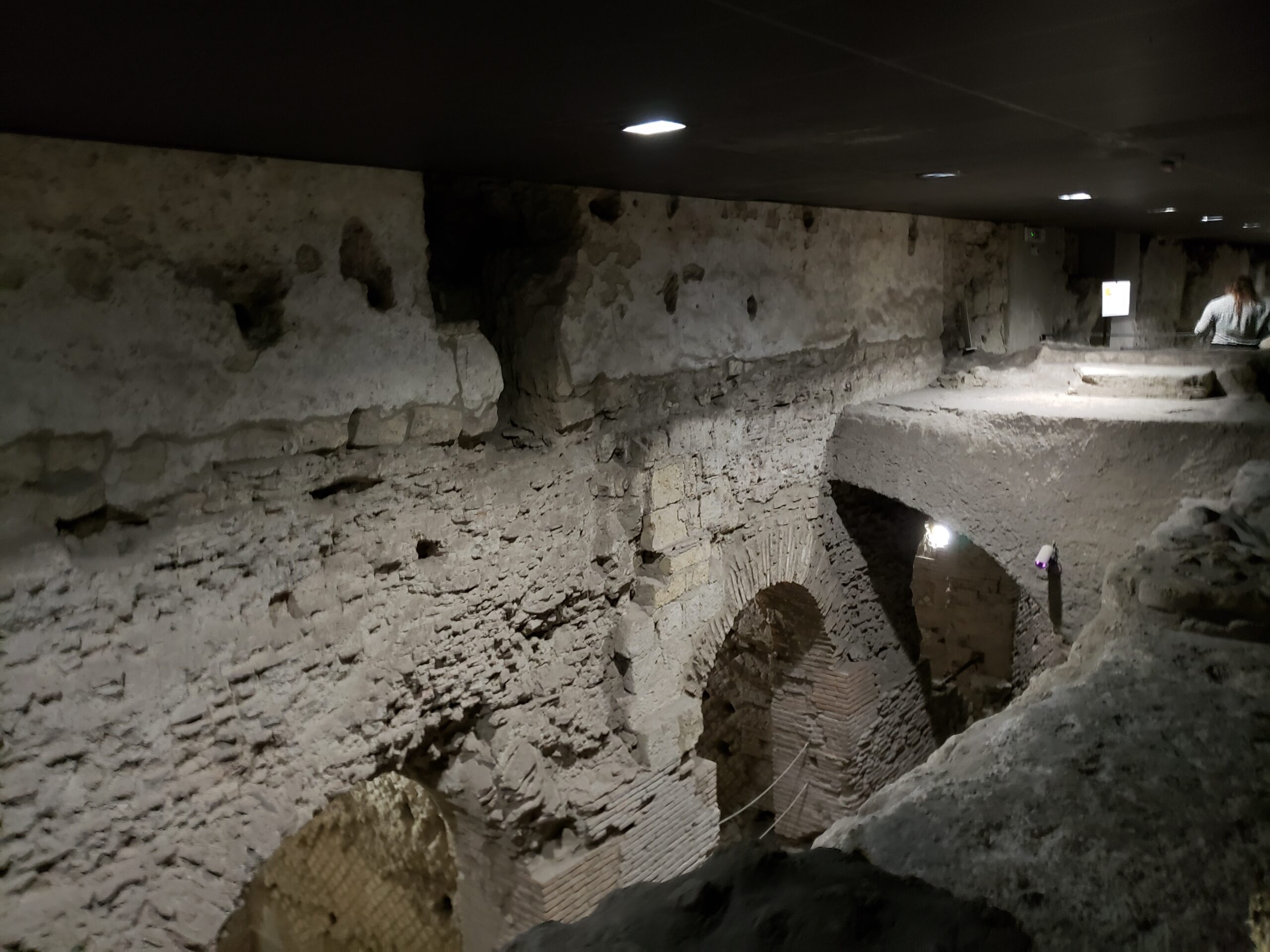
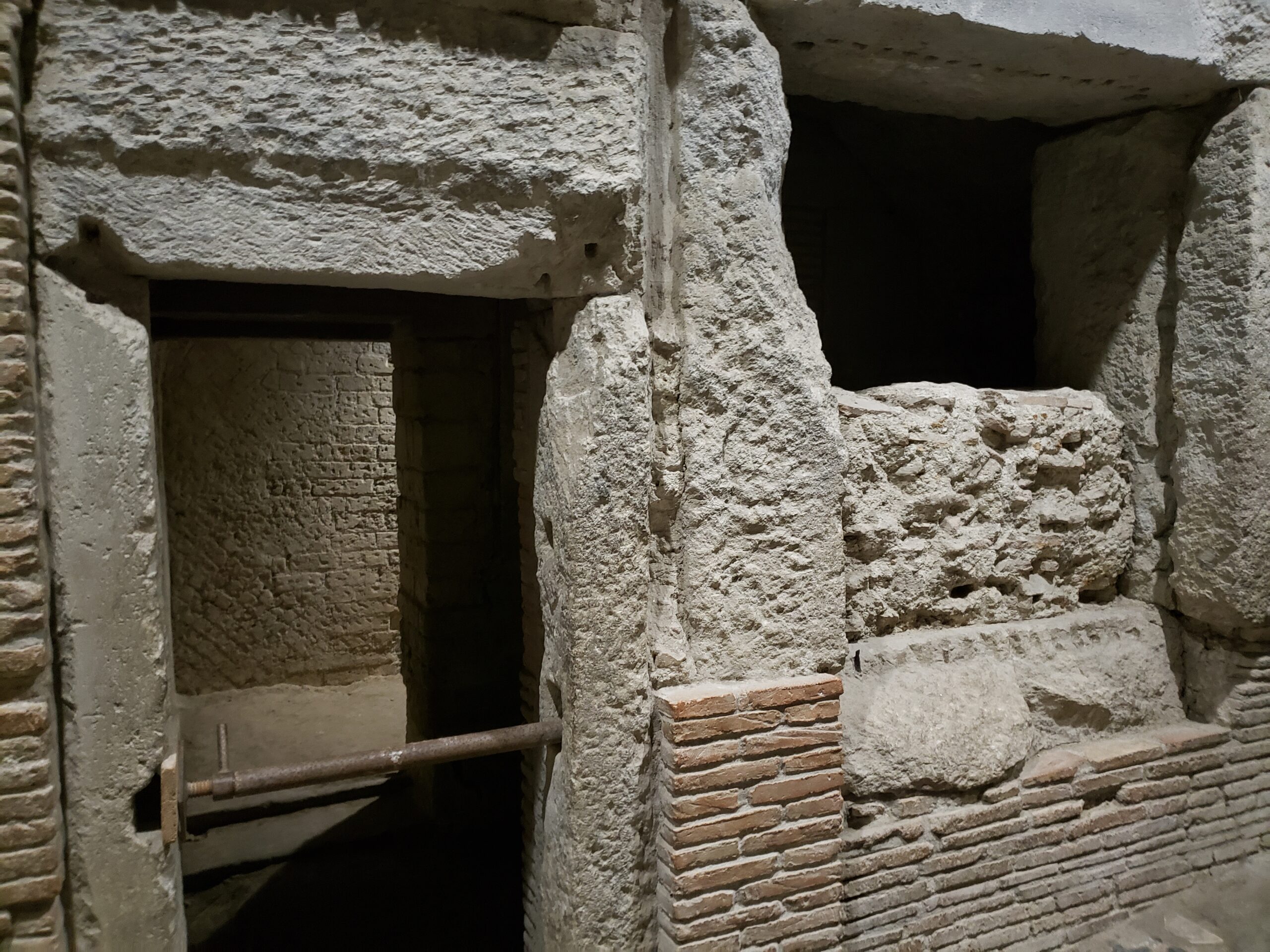
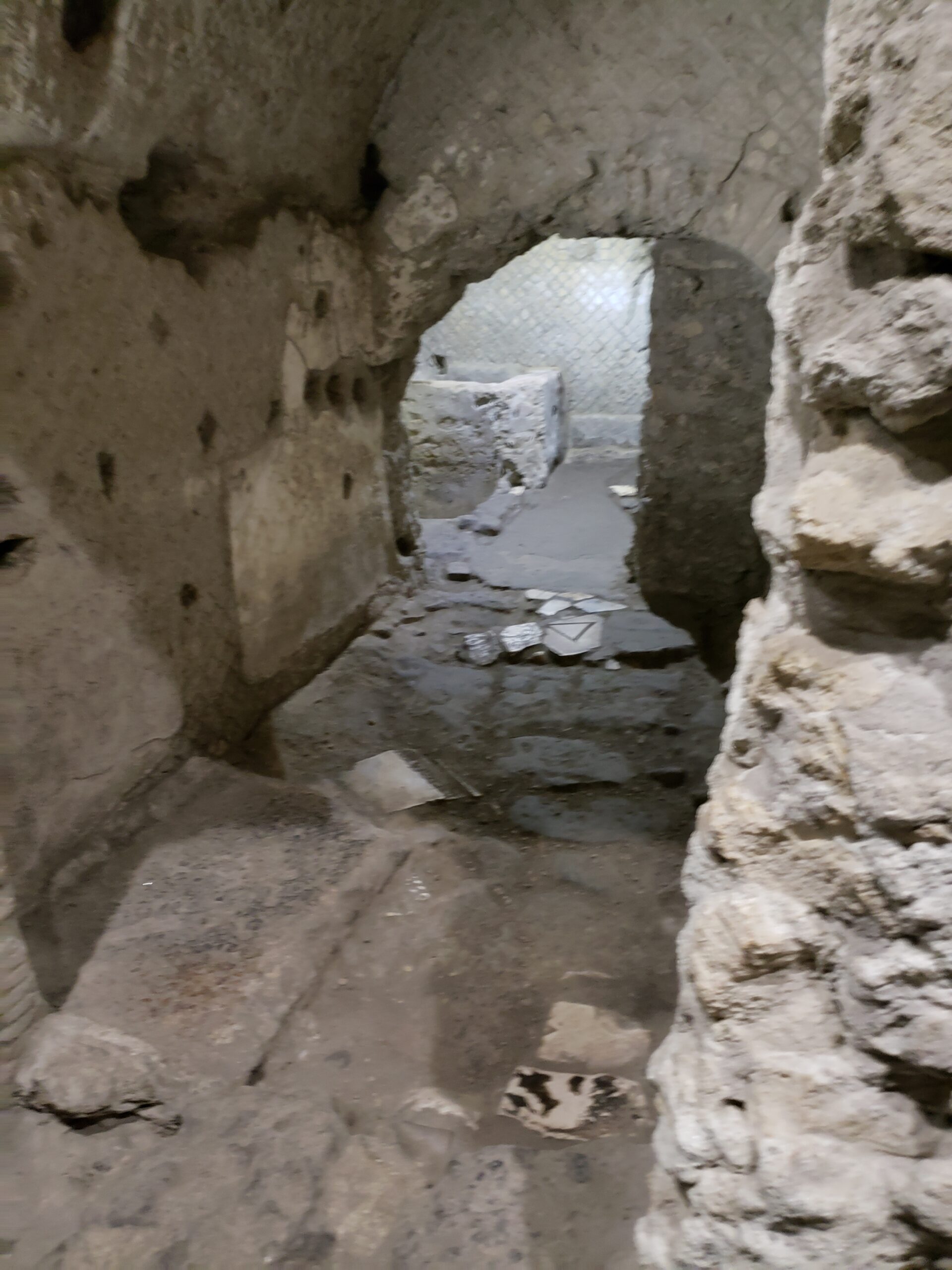
The Ancient Neapolis was founded back in the fifth century BCE by the Greeks. Many of the artifacts and architecture of this place date back to this time. The market, or Macellum, was a two story structure that ran along underneath the current structure of the convent which now stands over top of it. Many of the streets in this area start with Vico and not Via, indicating the ancient Greek origins (all streets that start with this have a corresponding ancient road structure beneath them).
The entry fee is minimal and they have guided tours available in English. We found the tour very informative and important in trying to appreciate the age of city of Naples. Here is a slide show with what you will see if you have time to consider this historical adventure.
La Neapolis Sotterrata – Model and Diorama
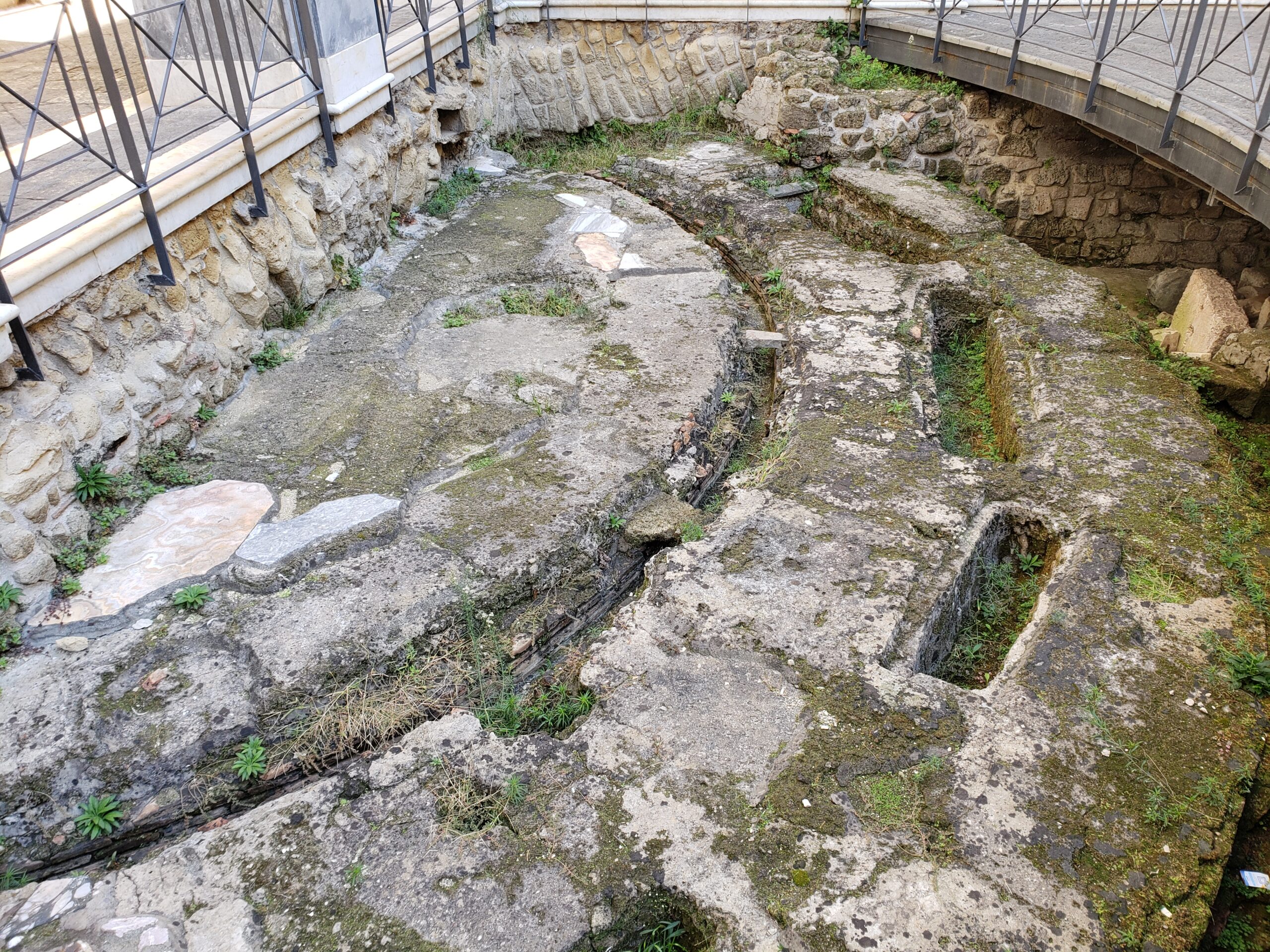
La Neapolis Sotterrata – Ancient Graves unearthed in the palazzo
La Neapolis Sotterrata – Entering Ancient Underground Marketplace
La Neapolis Sotterrata – Ancient Underground Marketplace – Detail of pyramidal bricks
La Neapolis Sotterrata – Ancient Underground Marketplace – Main Street or Vico
La Neapolis Sotterrata – Ancient Treasury
La Neapolis Sotterrata – Ancient Underground Marketplace – Laundry
La Neapolis Sotterrata – Ancient Underground Marketplace – Typical Two Room Store Layout
La Neapolis Sotterrata – Ancient Underground Marketplace – Ancient Store
La Neapolis Sotterrata – Ancient Underground Marketplace – Ancient Access Point
La Neapolis Sotterrata – Ancient Underground Marketplace – Side Cul du Sac
La Neapolis Sotterrata – Ancient Underground Marketplace – Ancient Bakery
La Neapolis Sotterrata – Ancient Underground Marketplace
La Neapolis Sotterrata – Ancient Underground Marketplace – Current Escavations
La Neapolis Sotterrata – Ancient Underground Marketplace
La Neapolis Sotterrata – Ancient Underground Marketplace
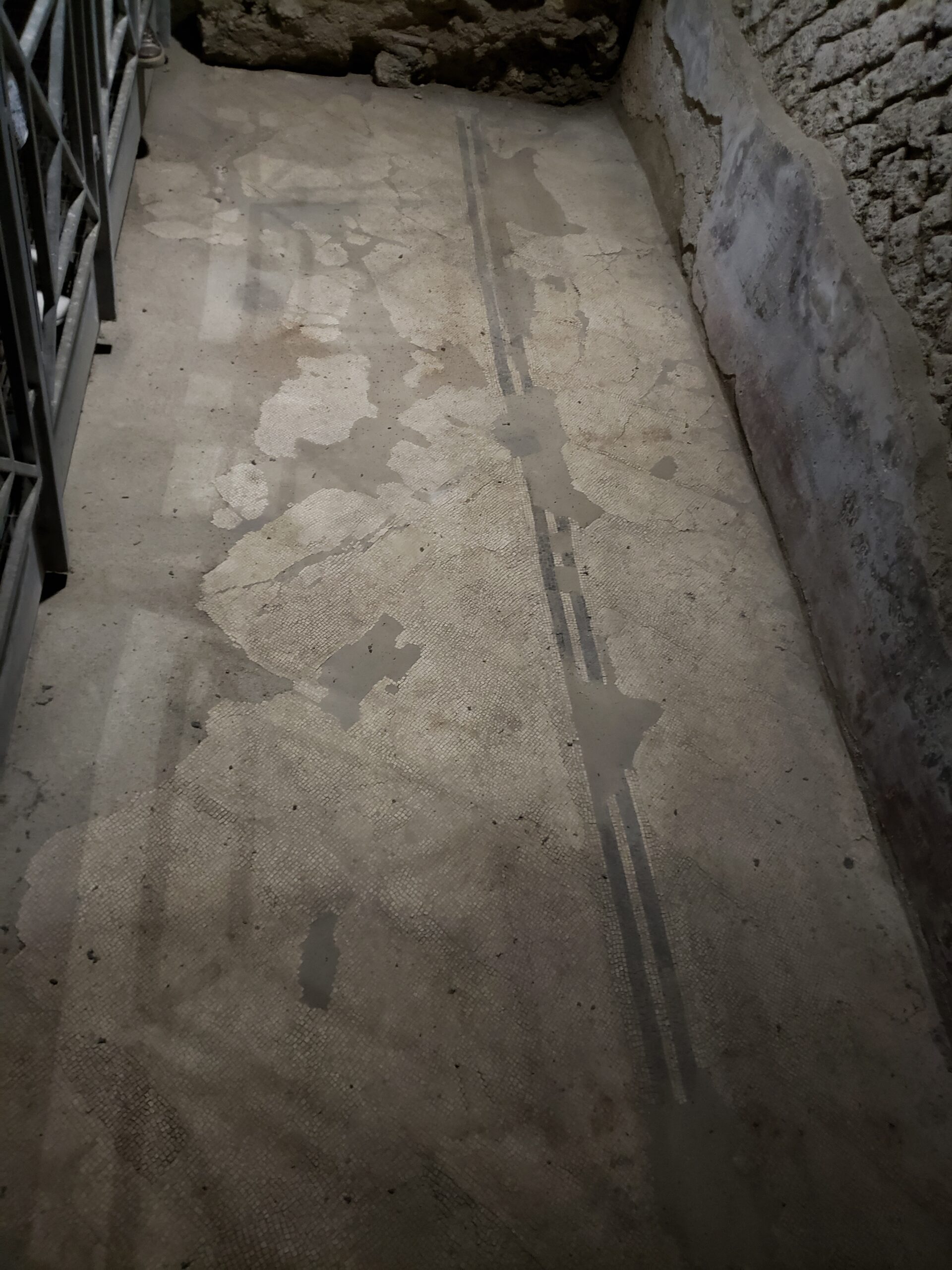
La Neapolis Sotterrata – Ancient Underground Marketplace – Old Mosaic Floor
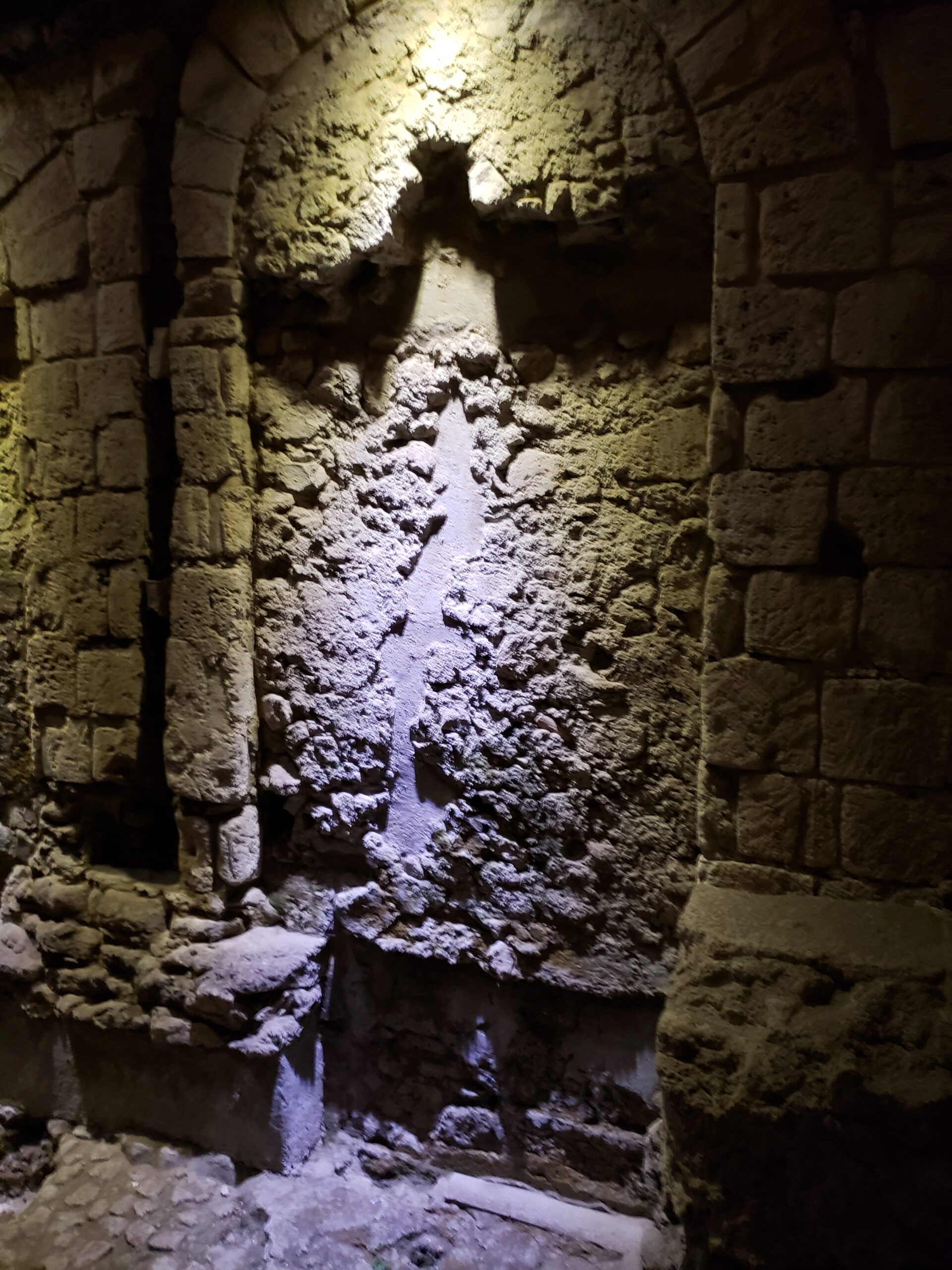
La Neapolis Sotterrata – Ancient Underground Marketplace – Aqueduct Entry Point
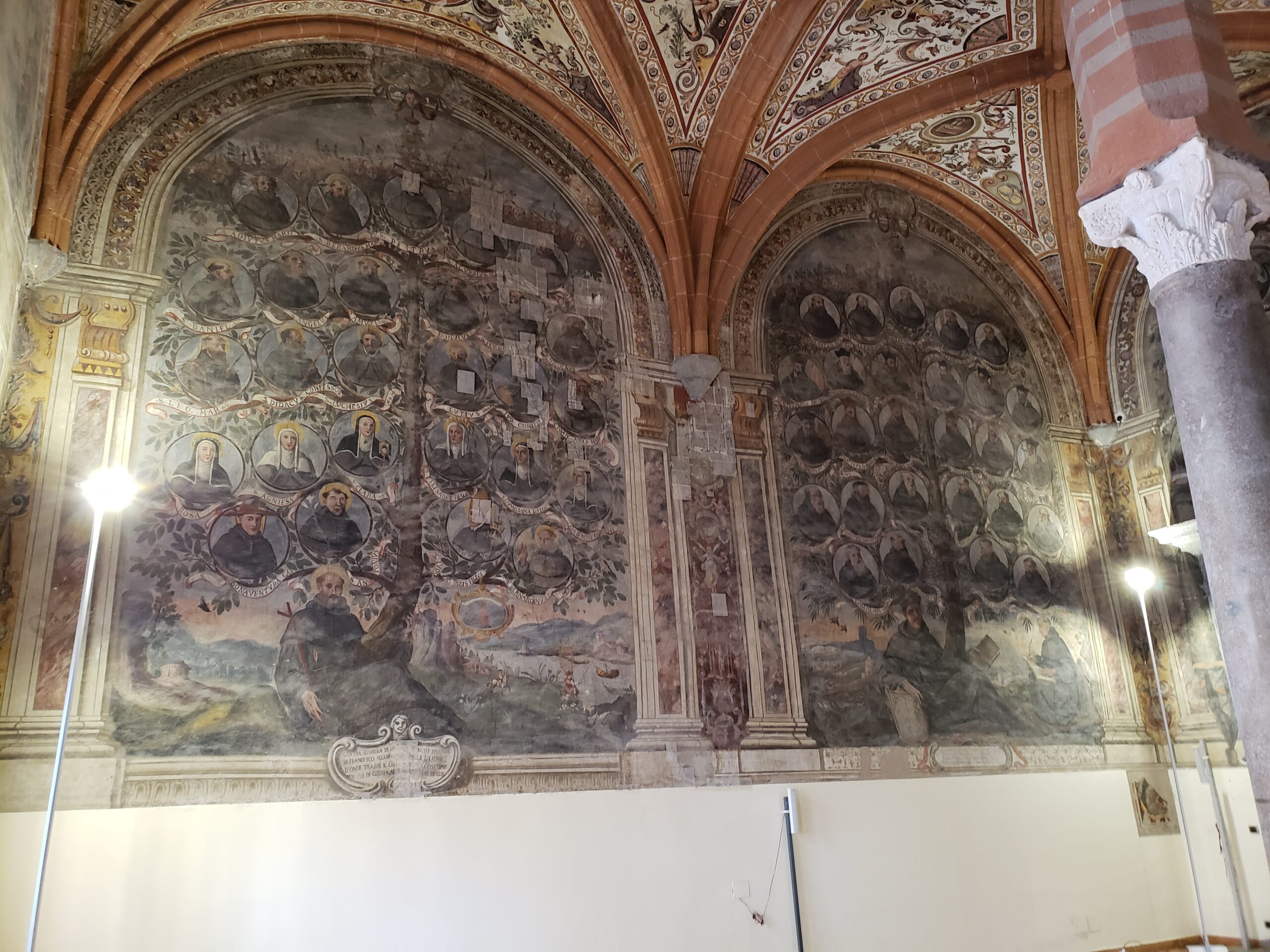
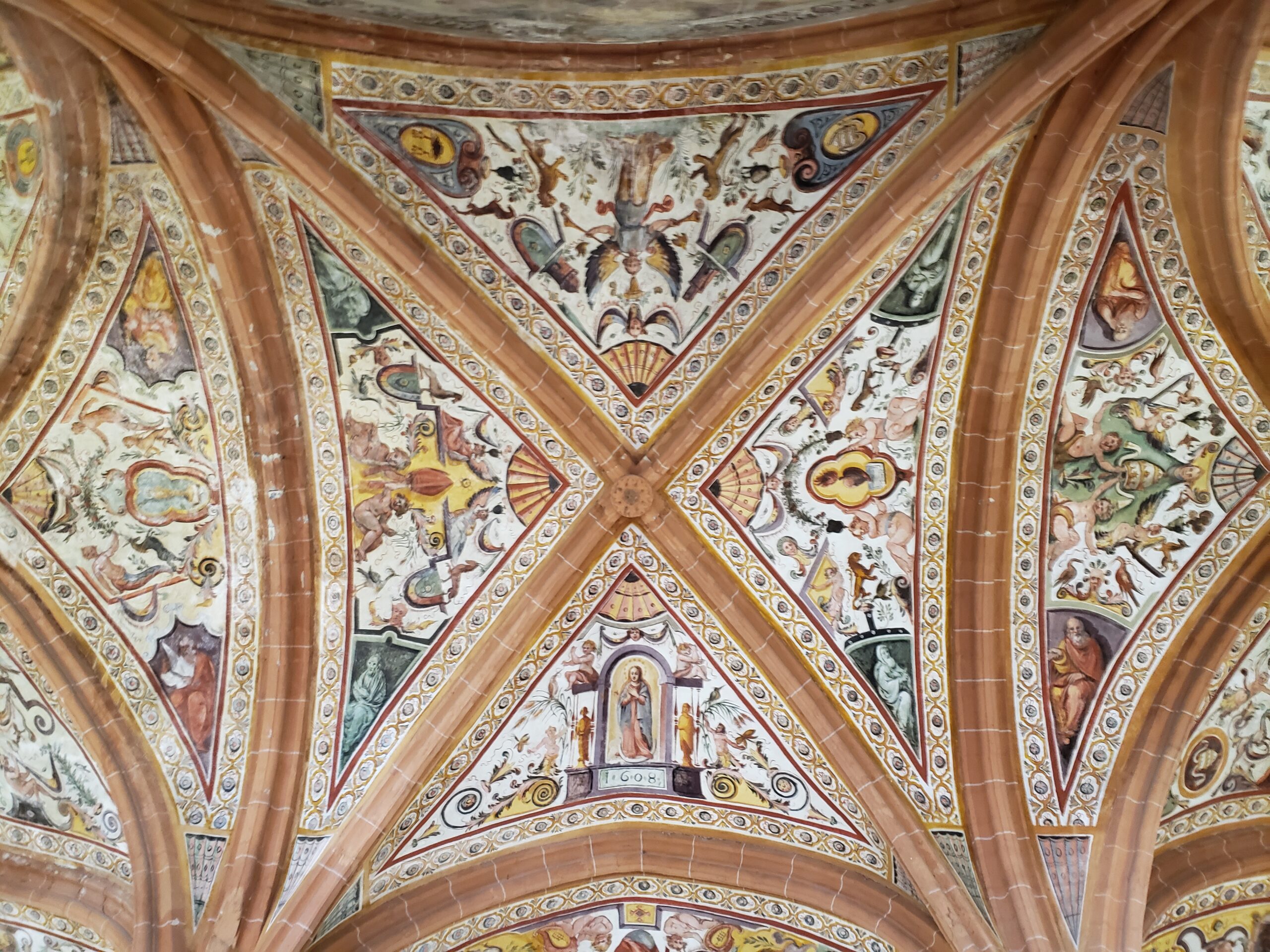
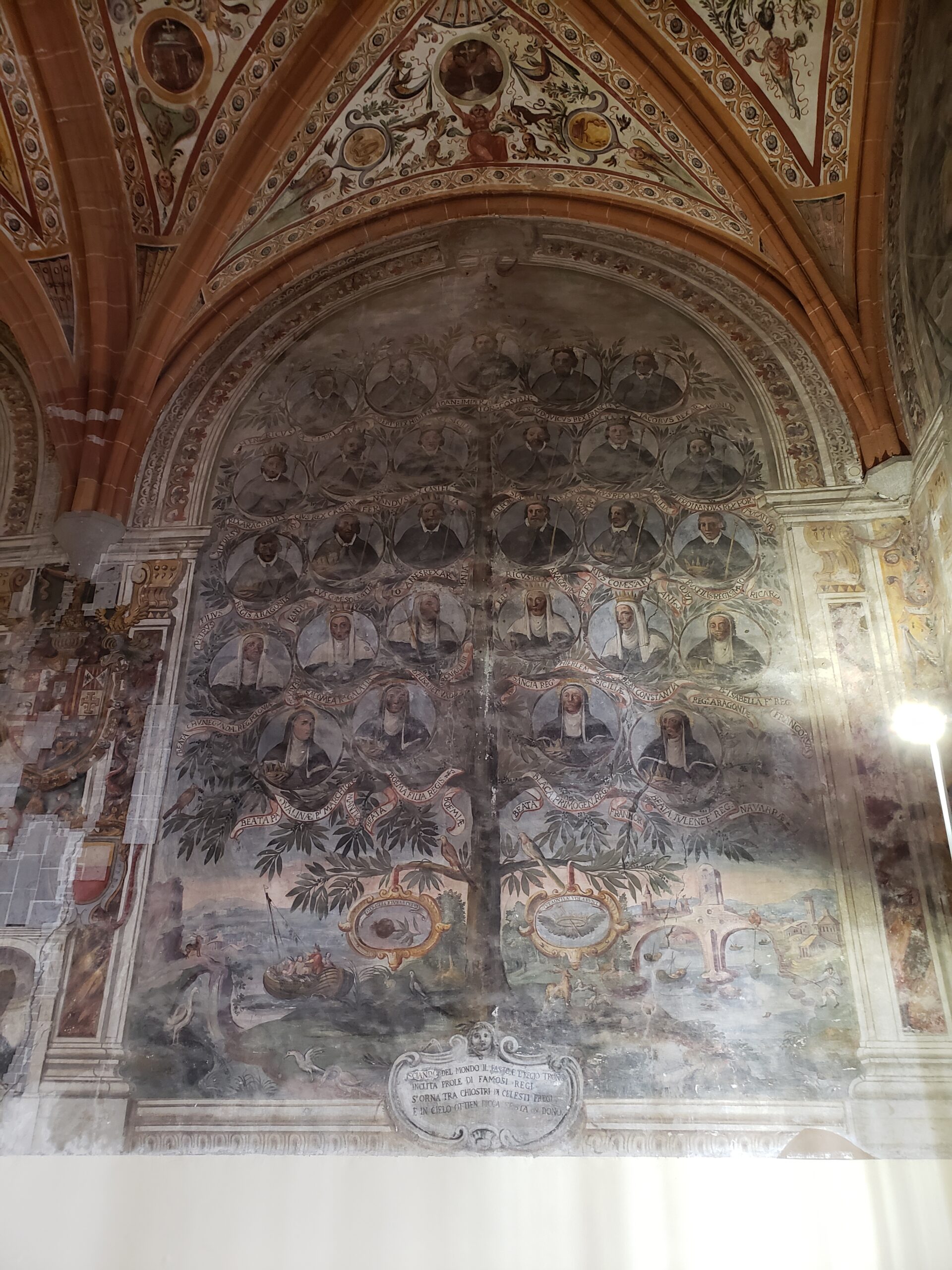
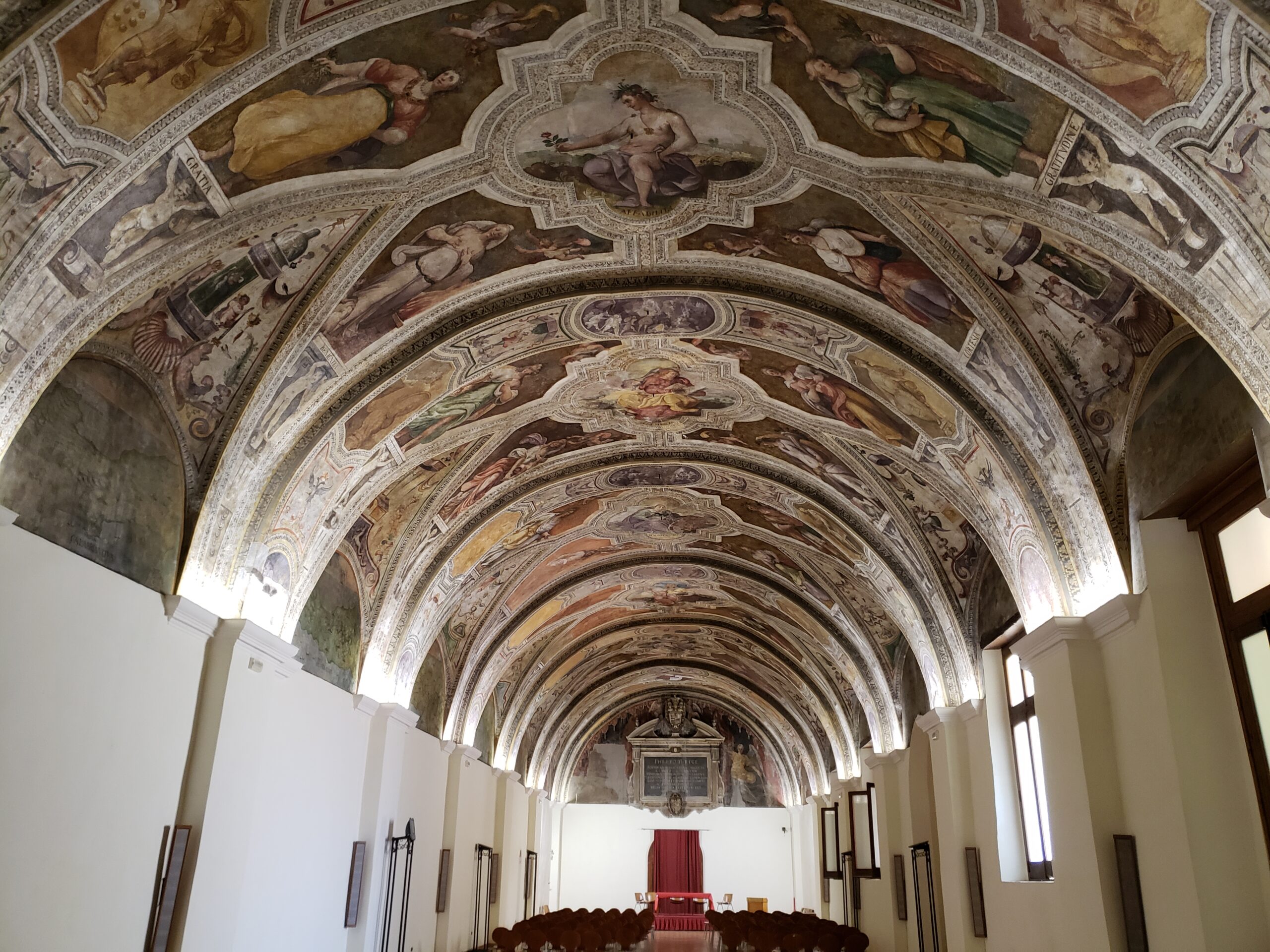
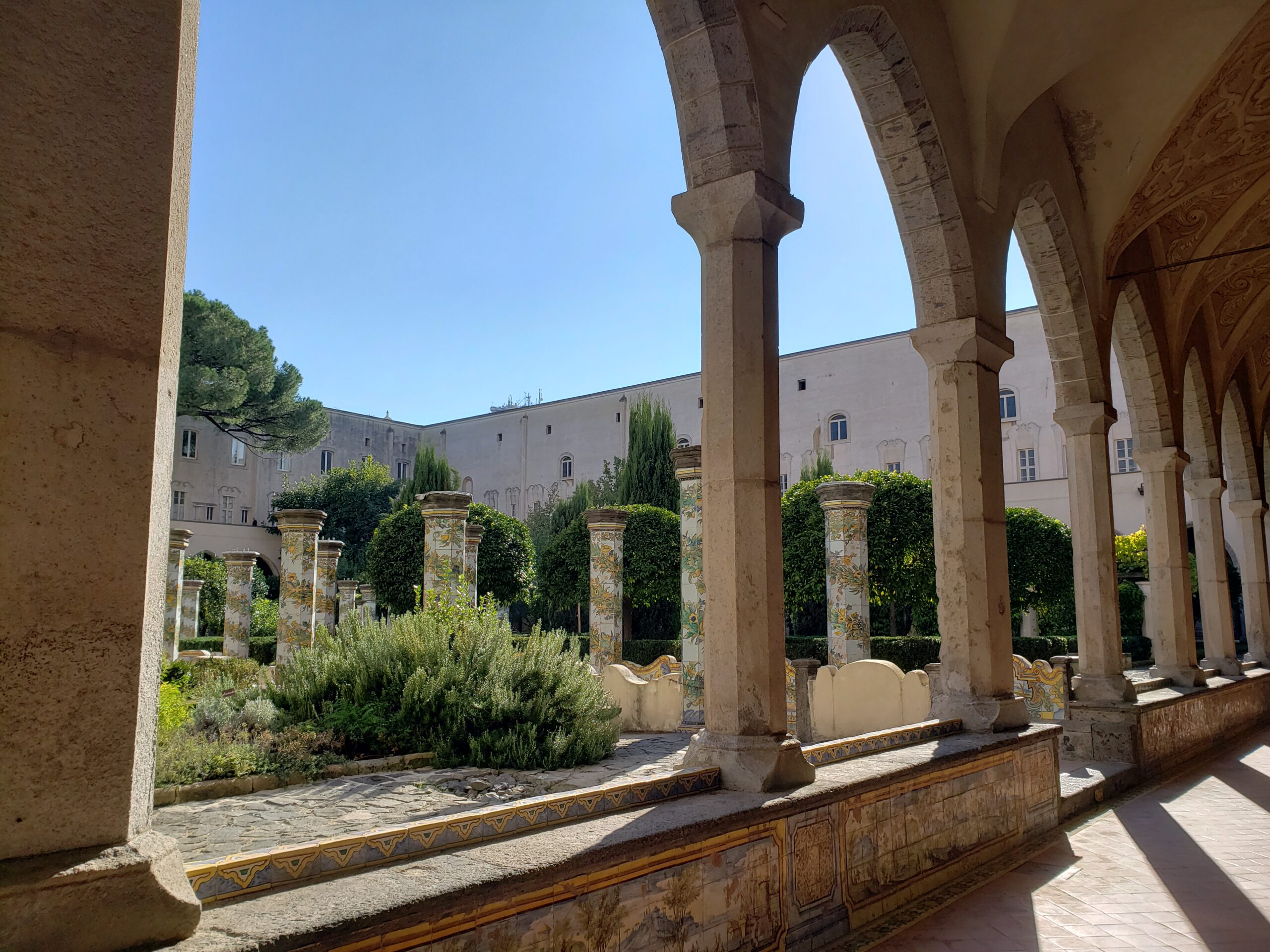
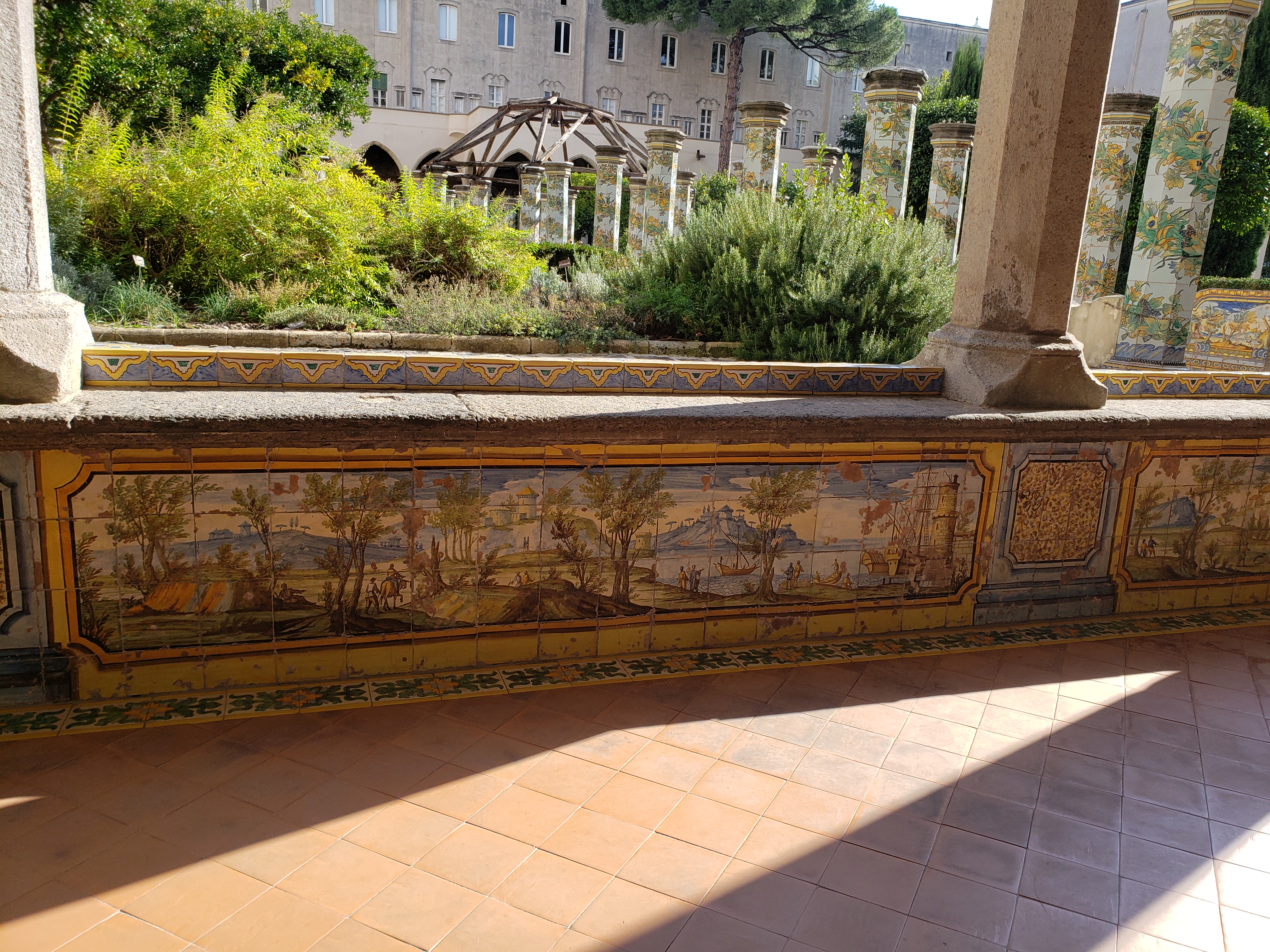
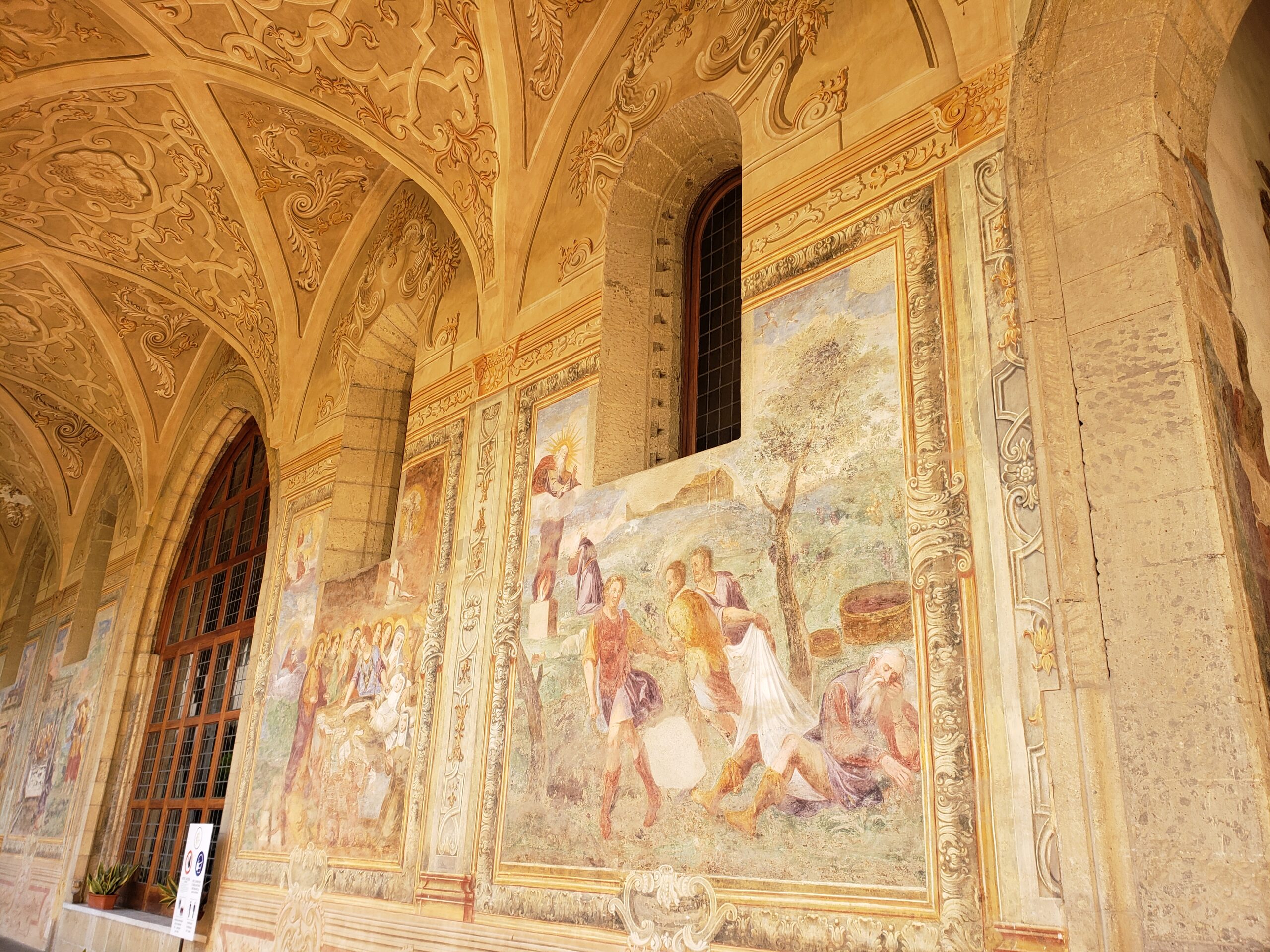
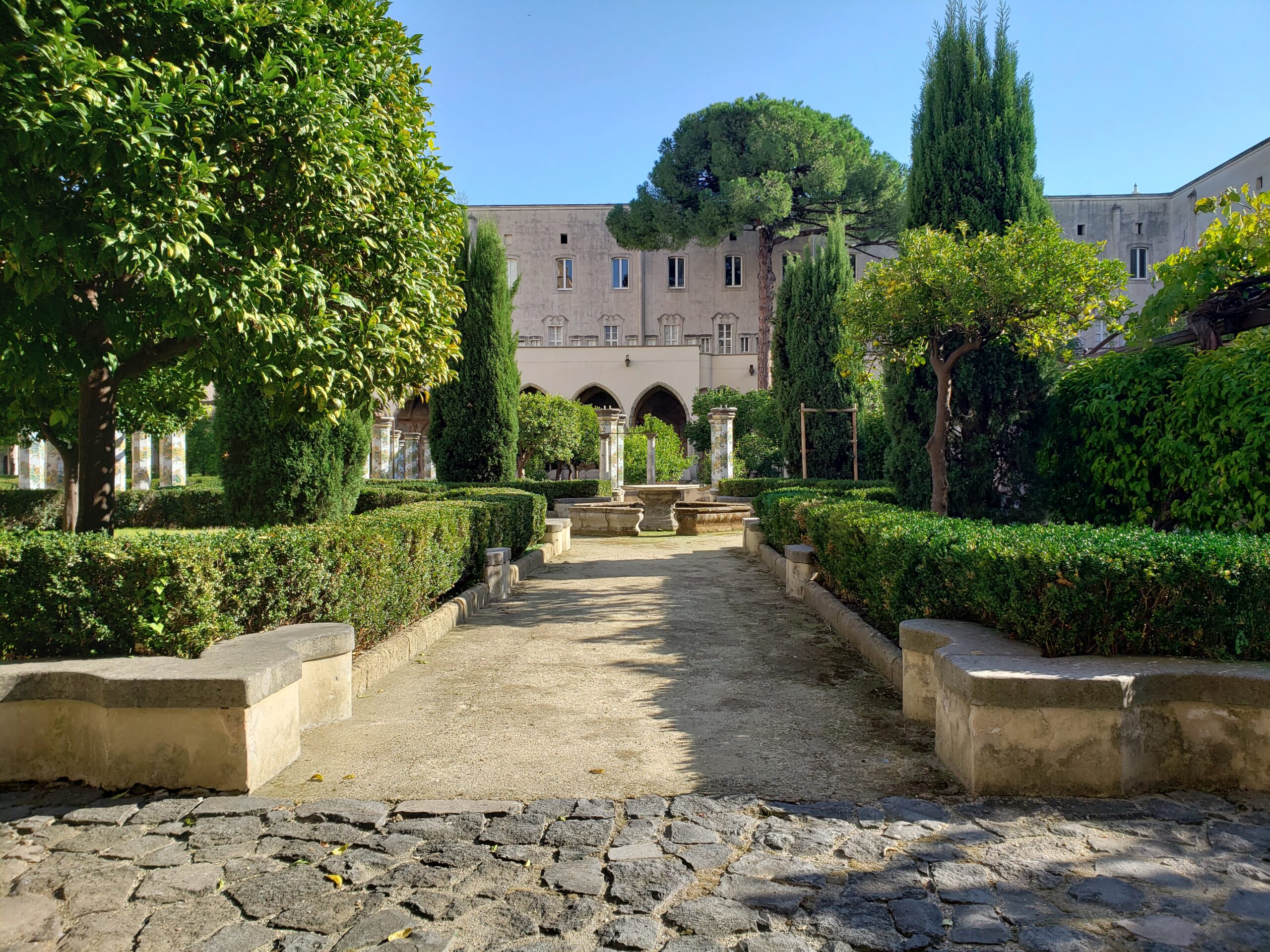
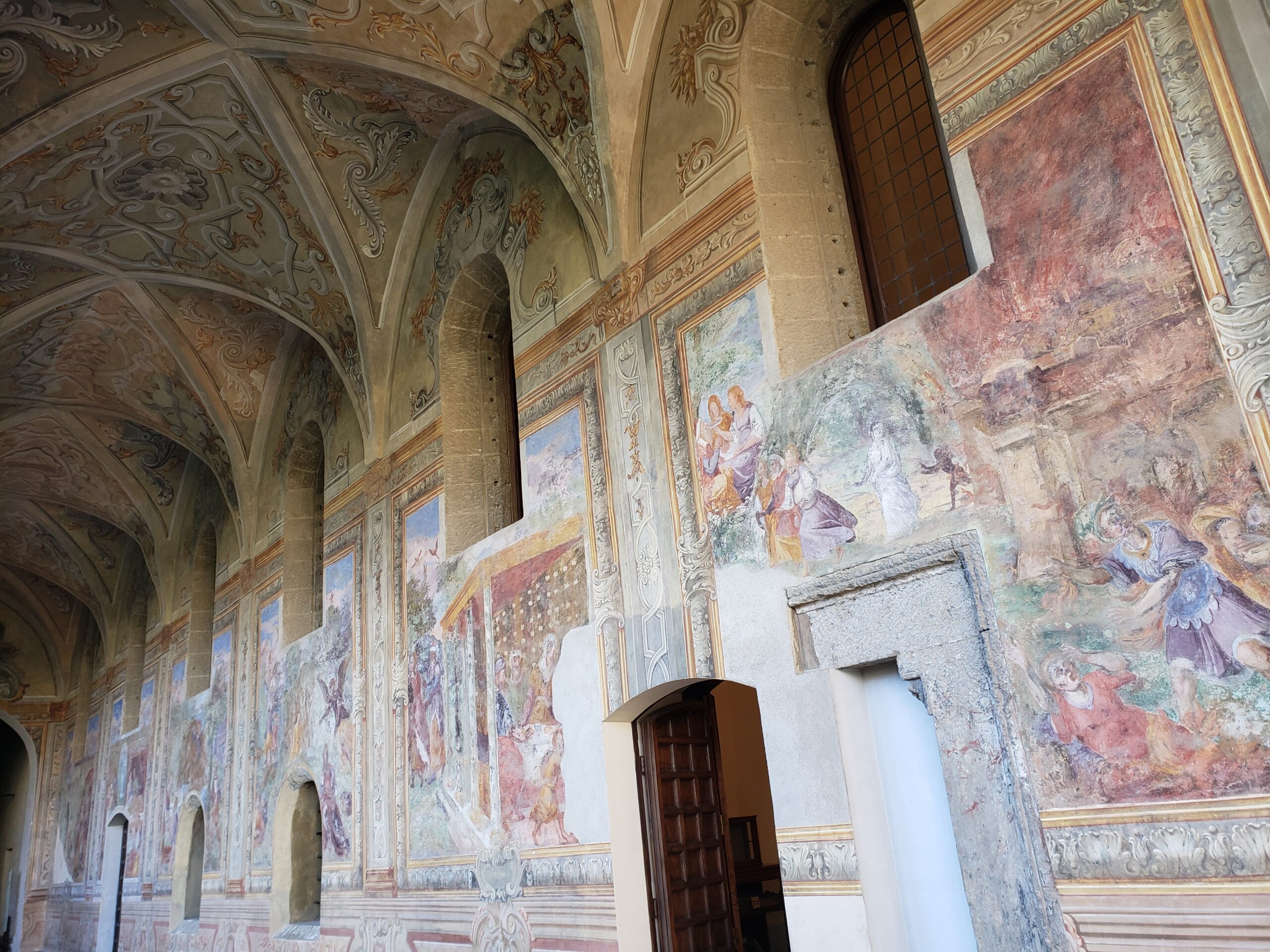
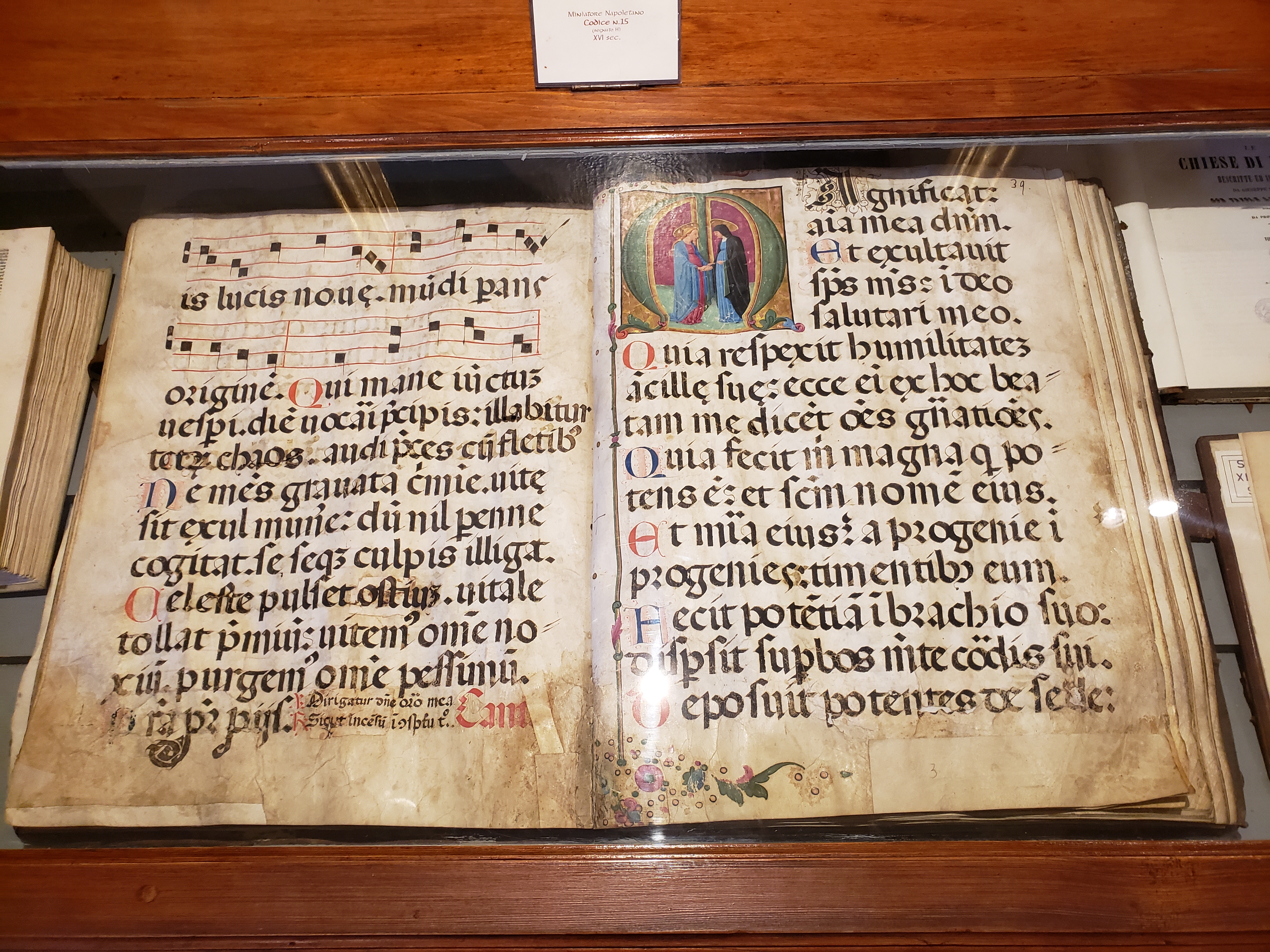
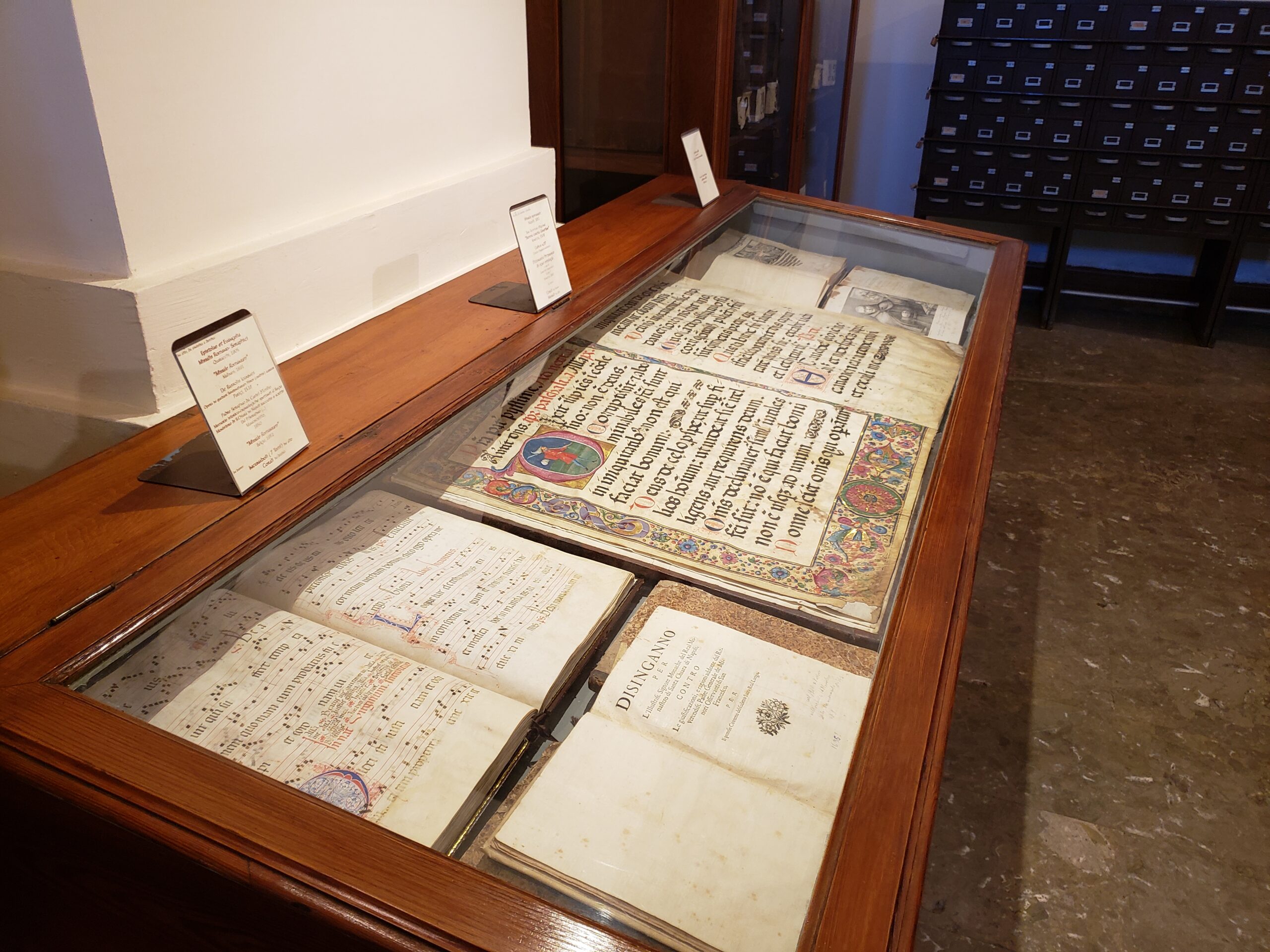
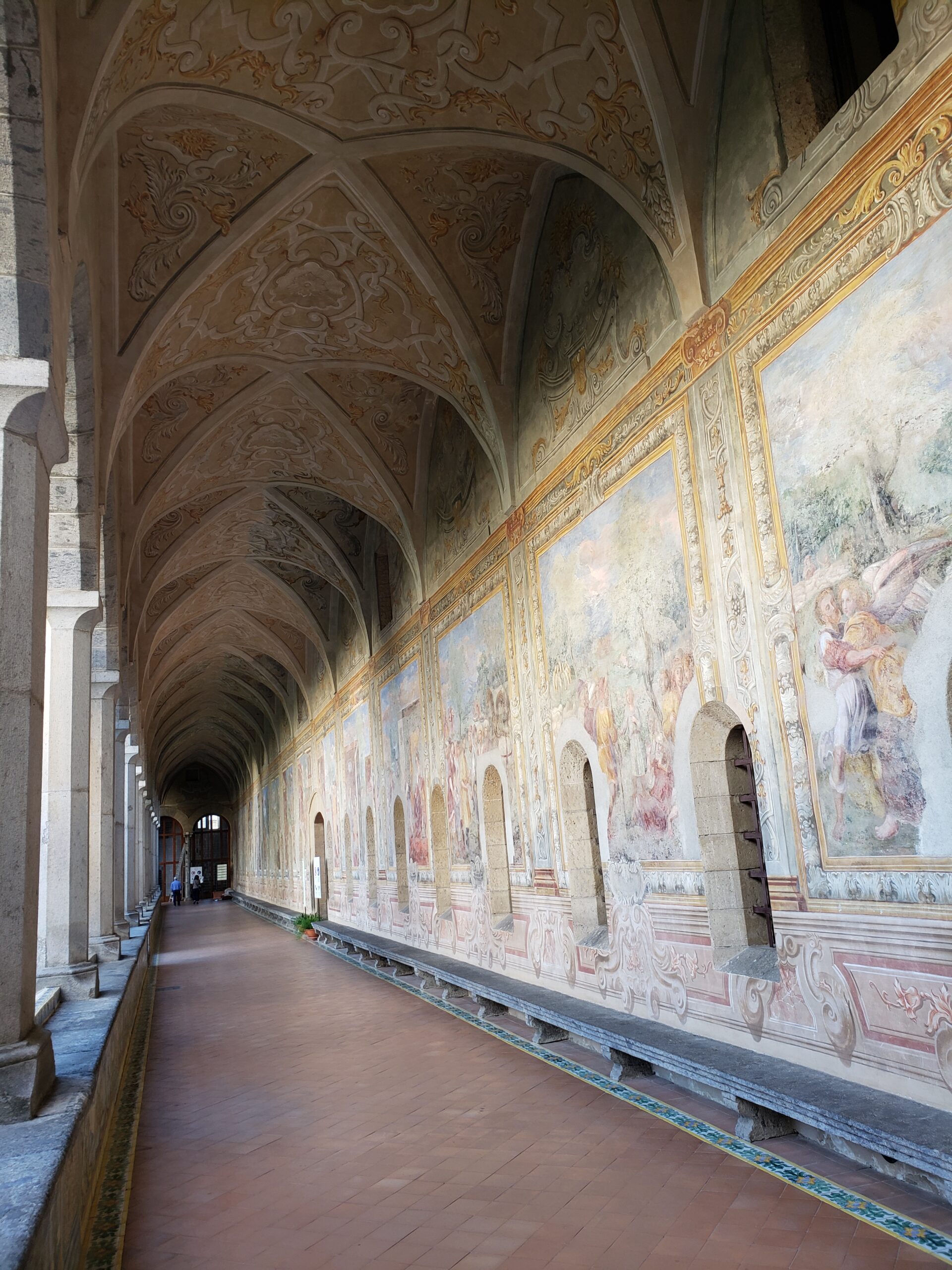
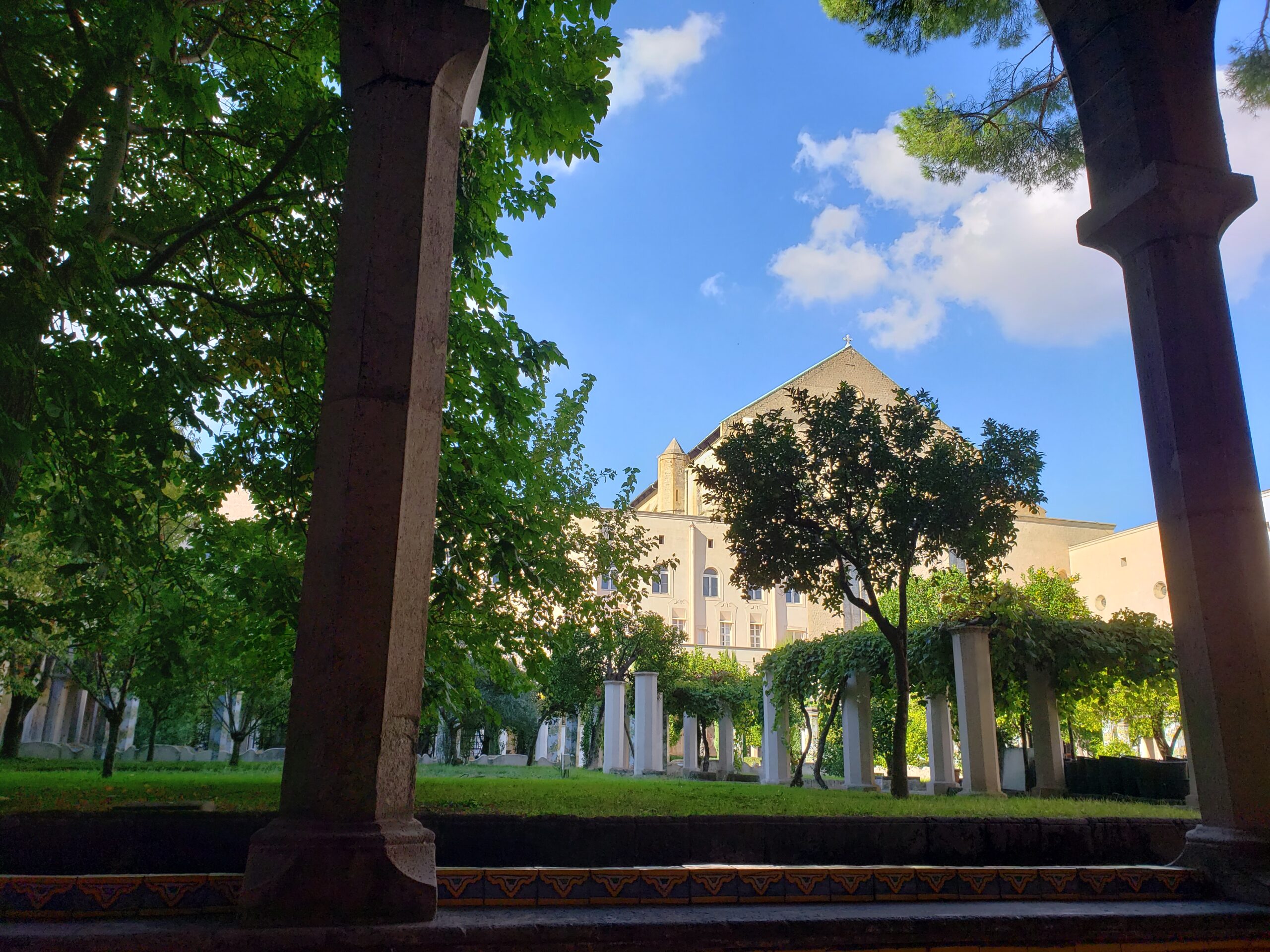
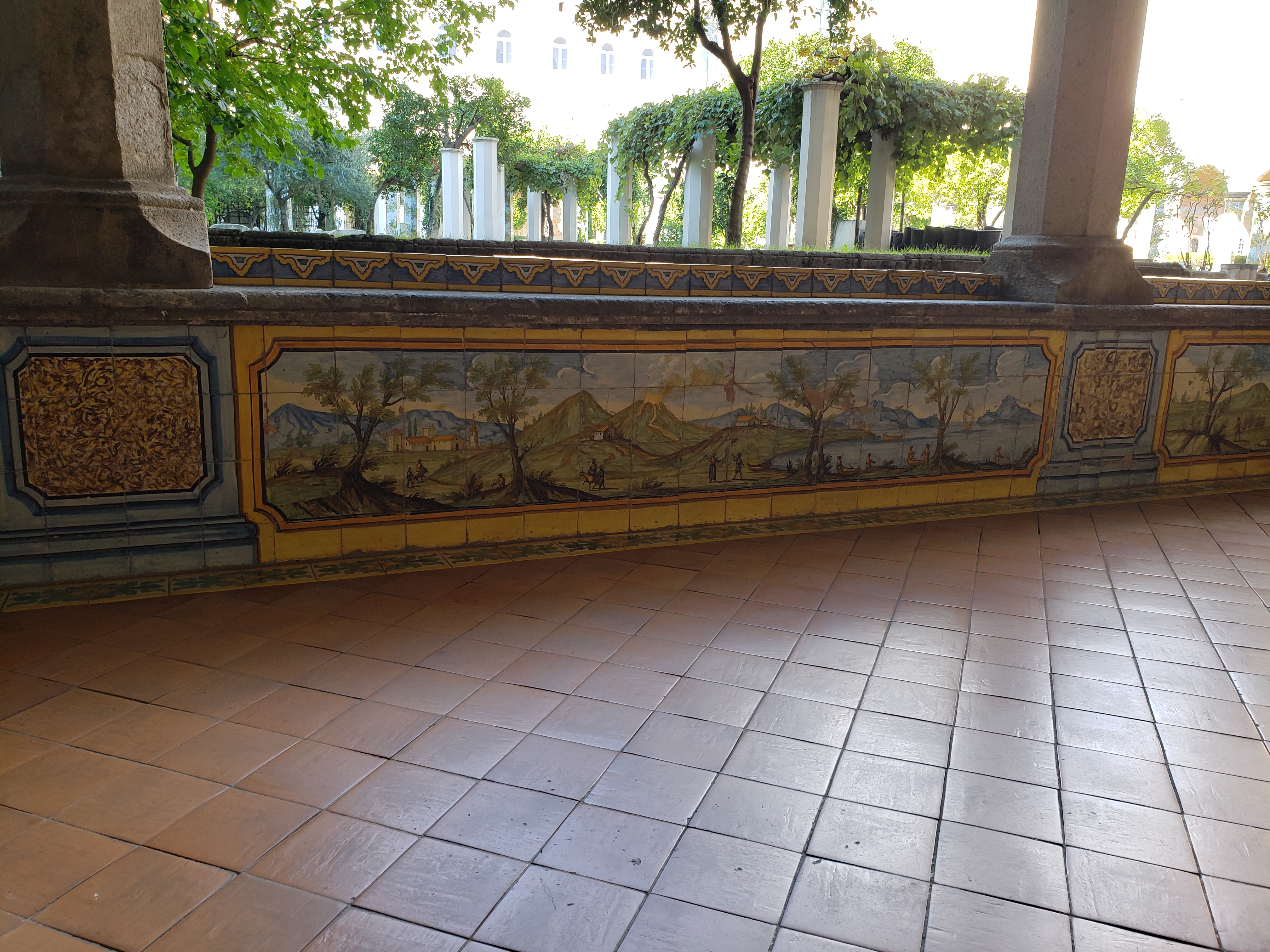
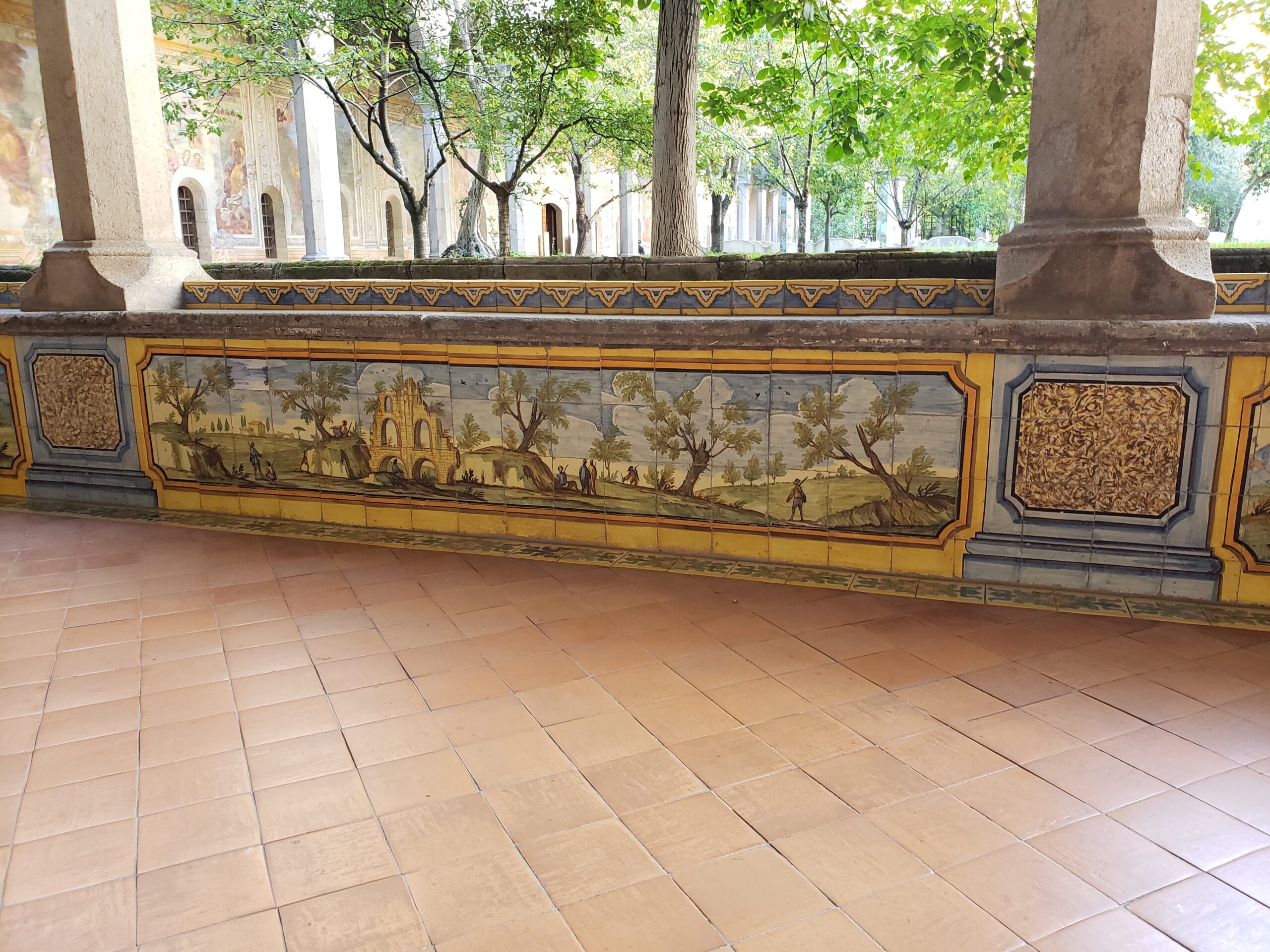
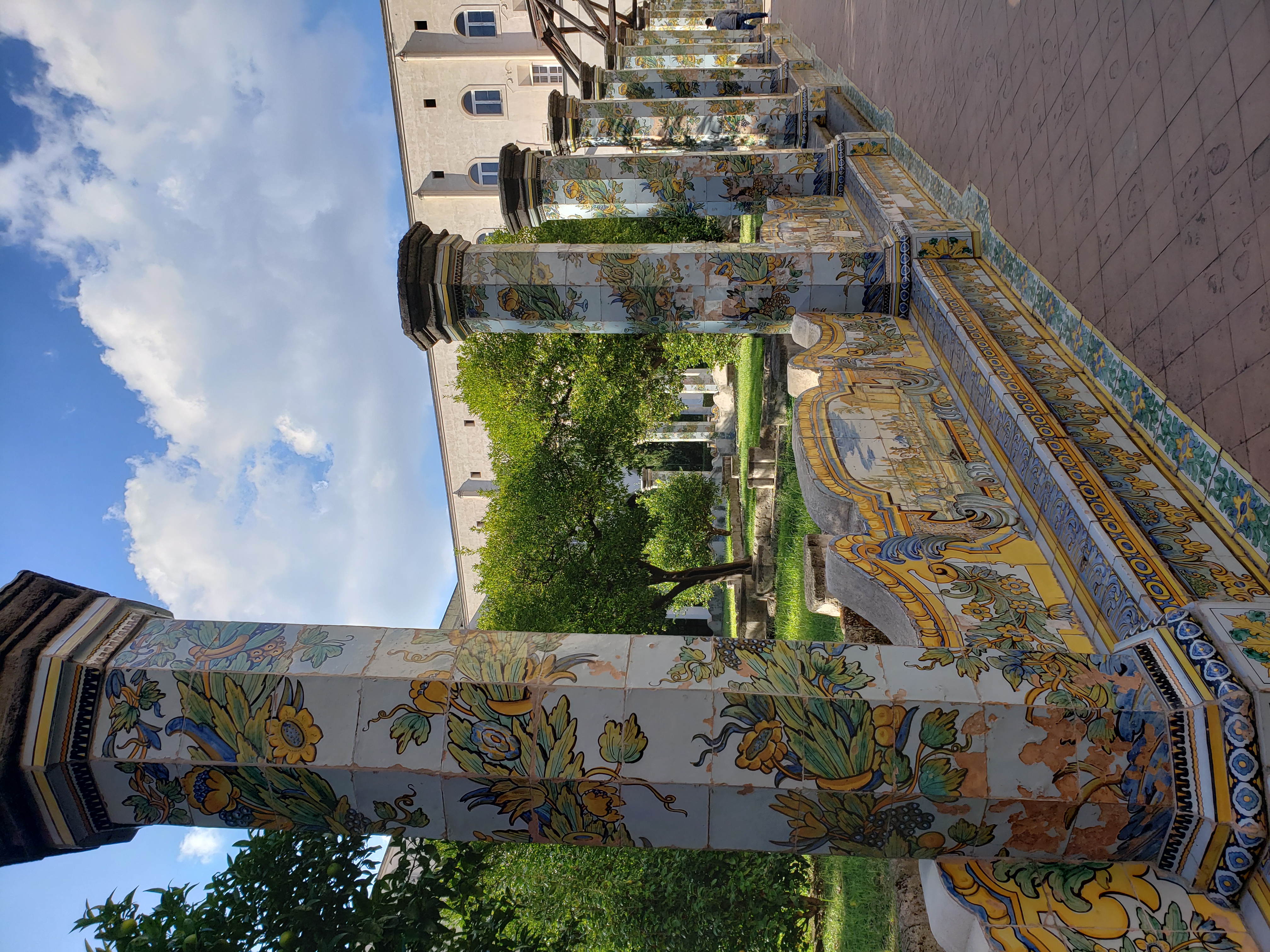
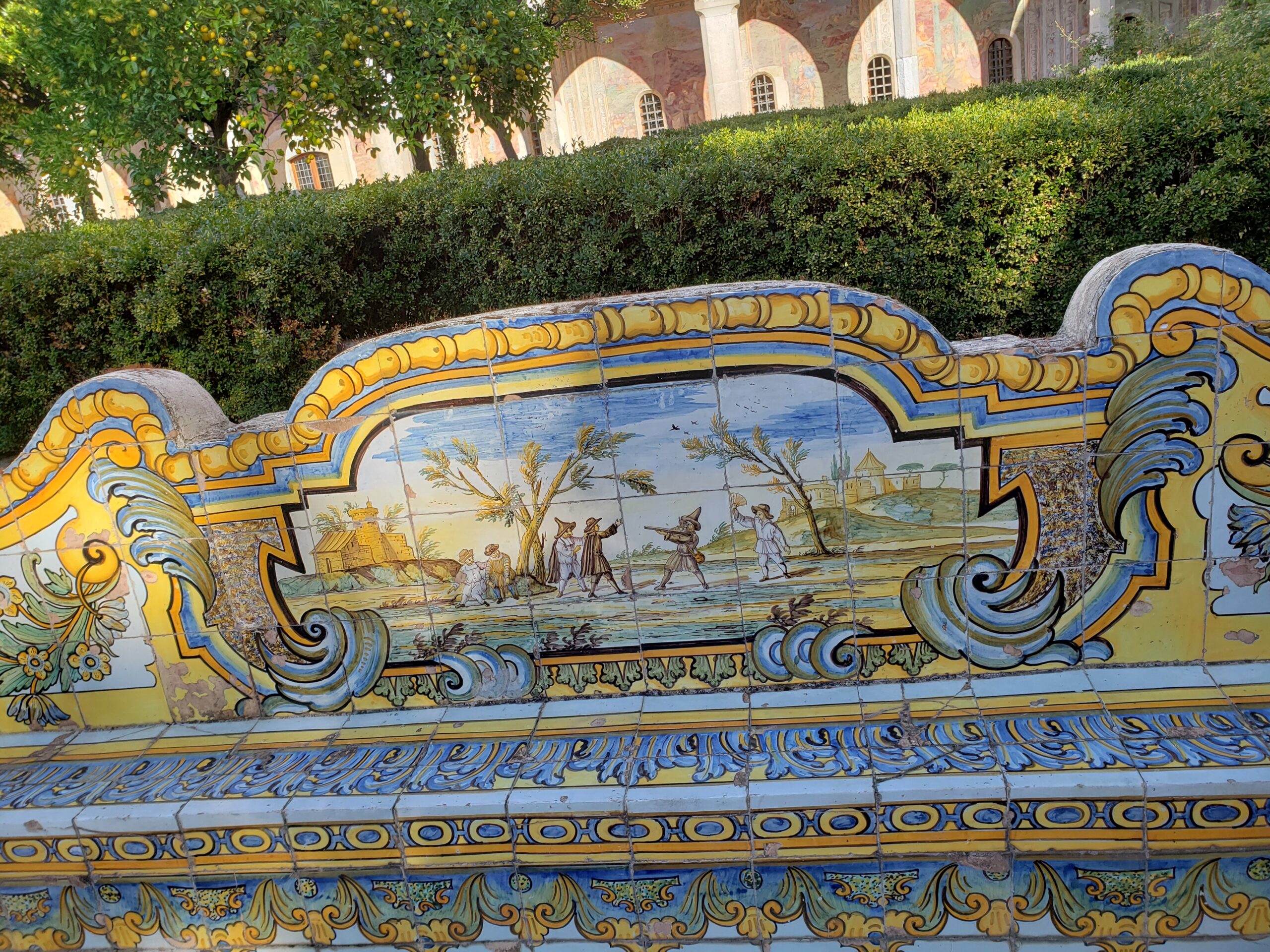
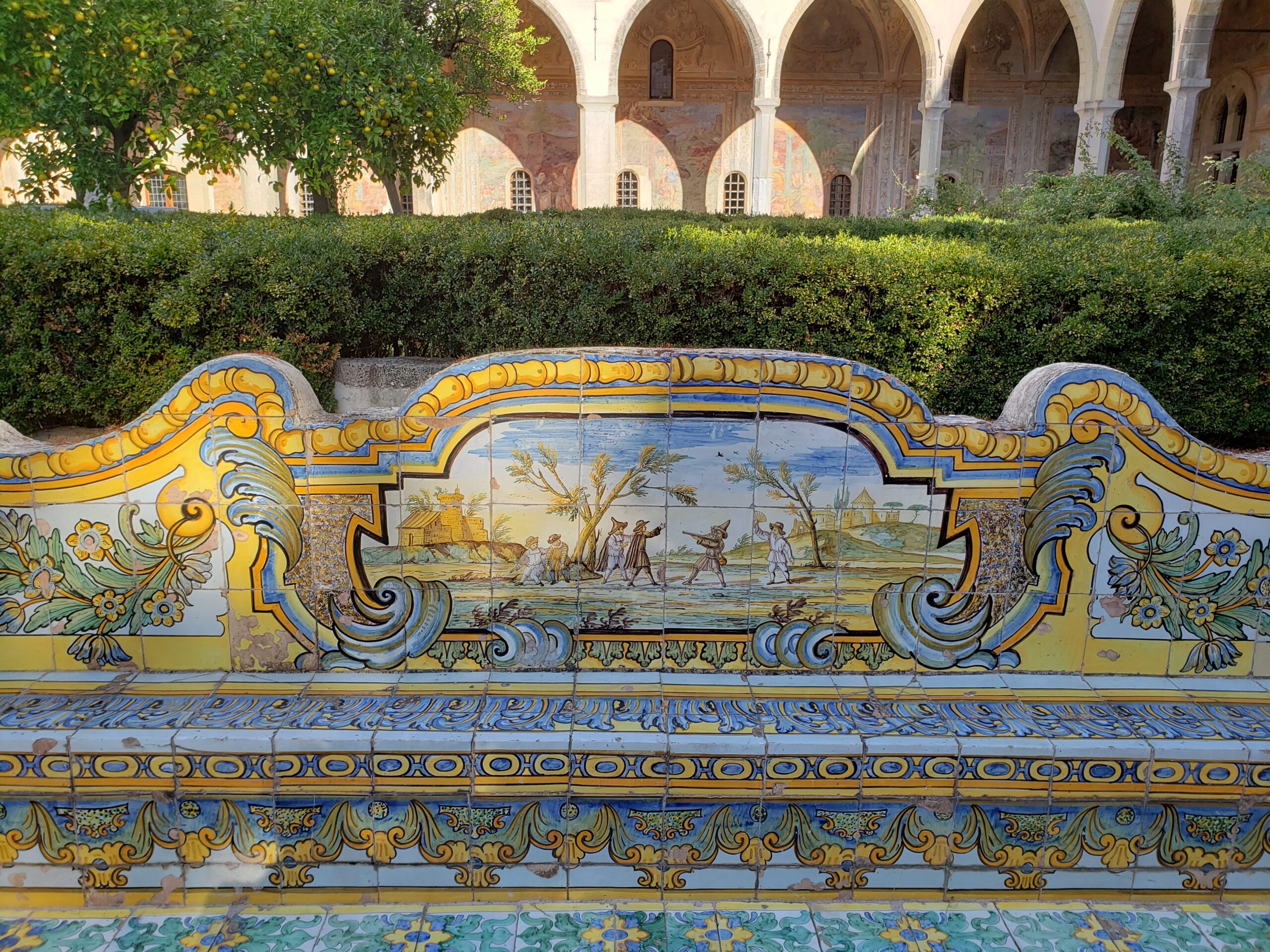
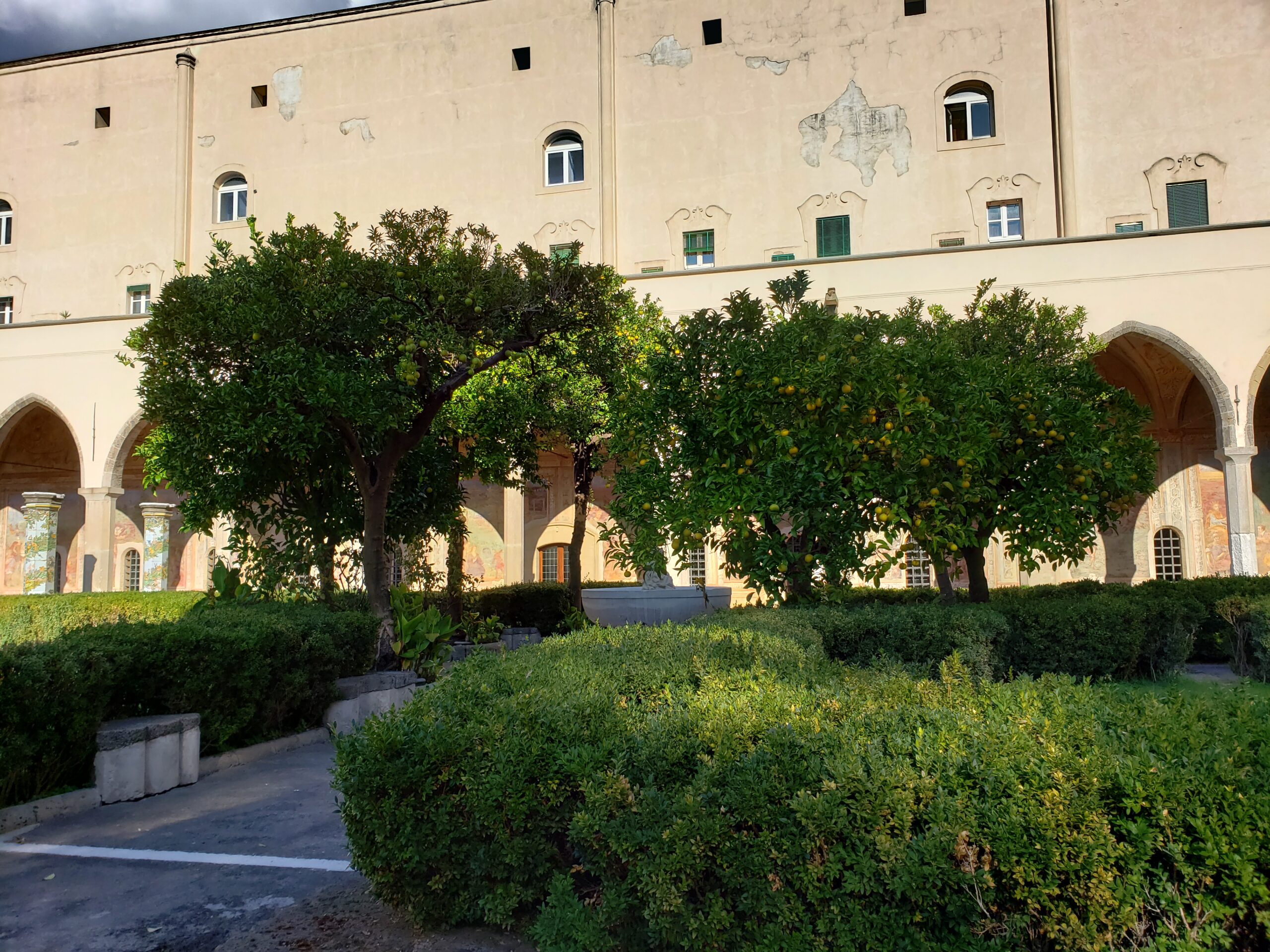
There are a few cloisters in Naples worth visiting, if you have the time and interest. Since it was at the end of our trip and we were lacking time, we chose the Cloister of Santa Chiara to visit, which sits right in the middle of the Historic Center and not far from all of the shopping, which we were interested in doing as well.
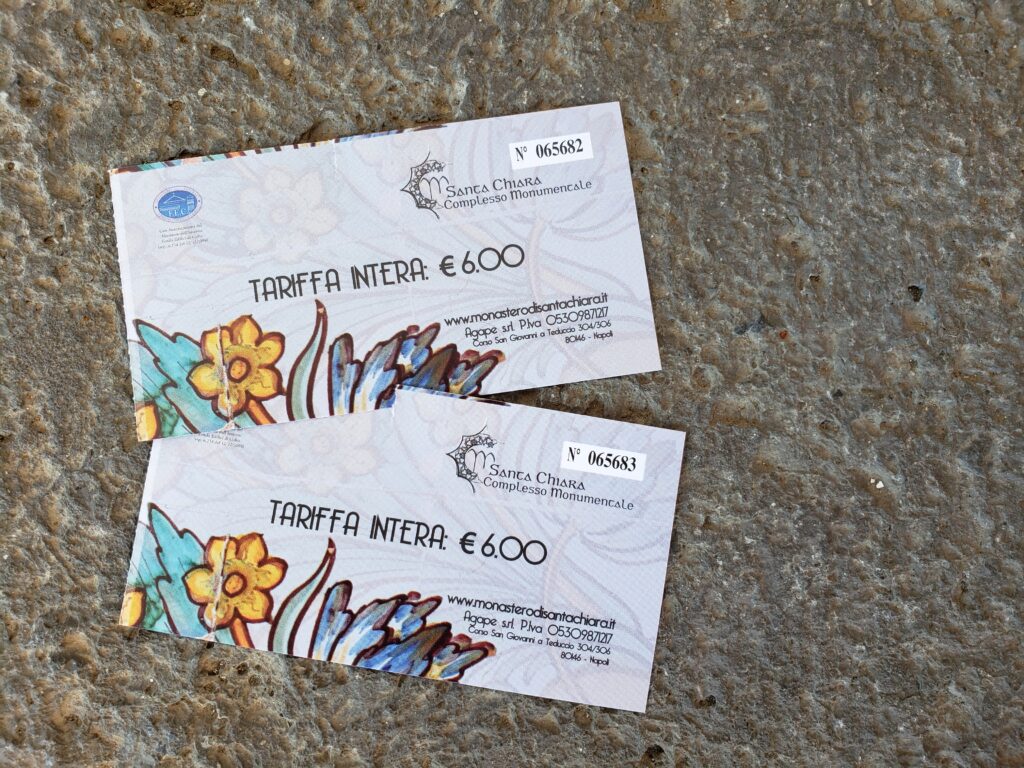
Cloister – Tickets For Two
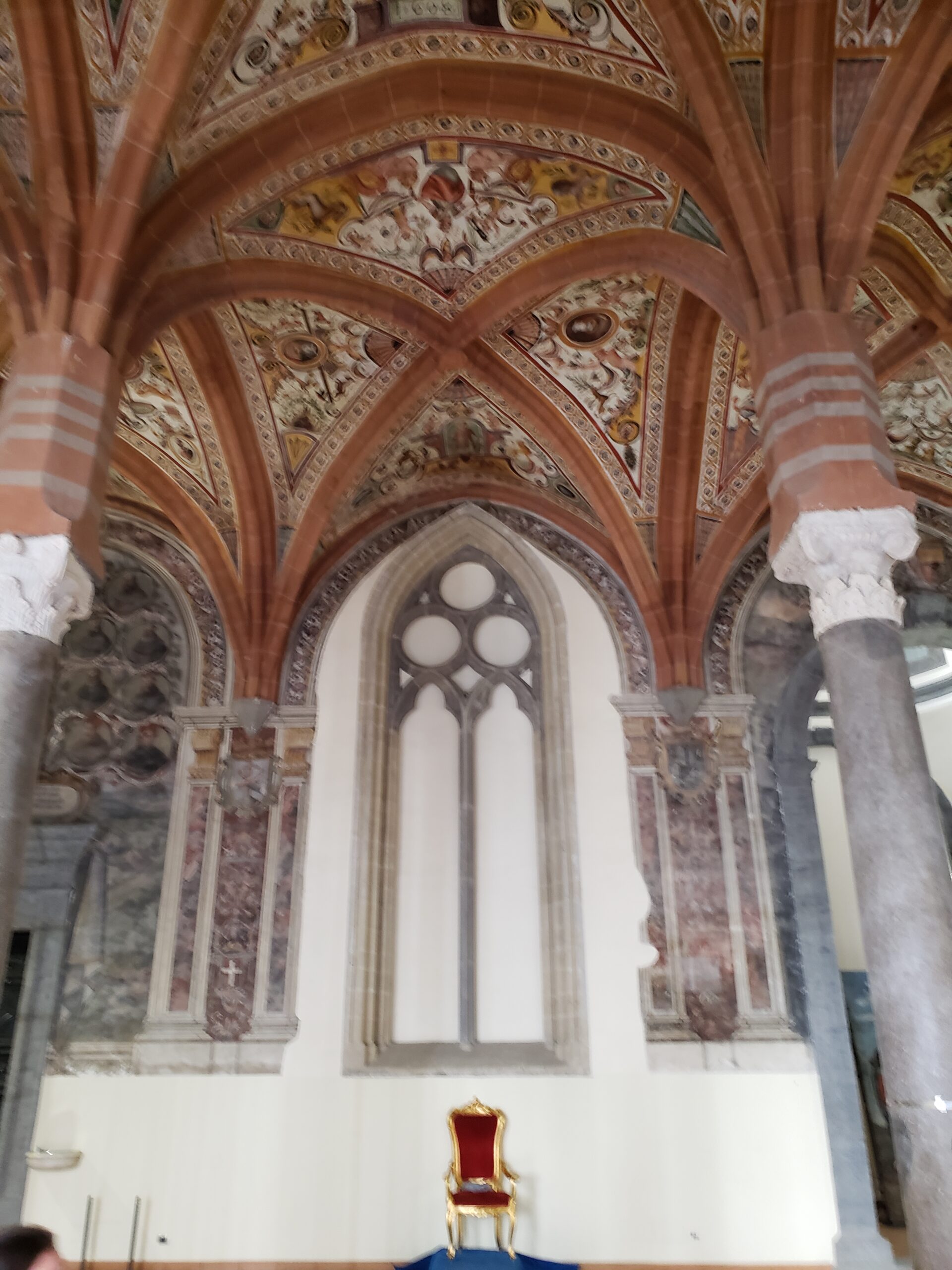
Chiostro di Santa Chiara
The cloister is behind a large church which suffered greatly during the allied bombings of Naples in the 1940s. Apparently the church took most of the damaged and the cloister was left, more of less, intact for us to enjoy today.