Amalfi Coast
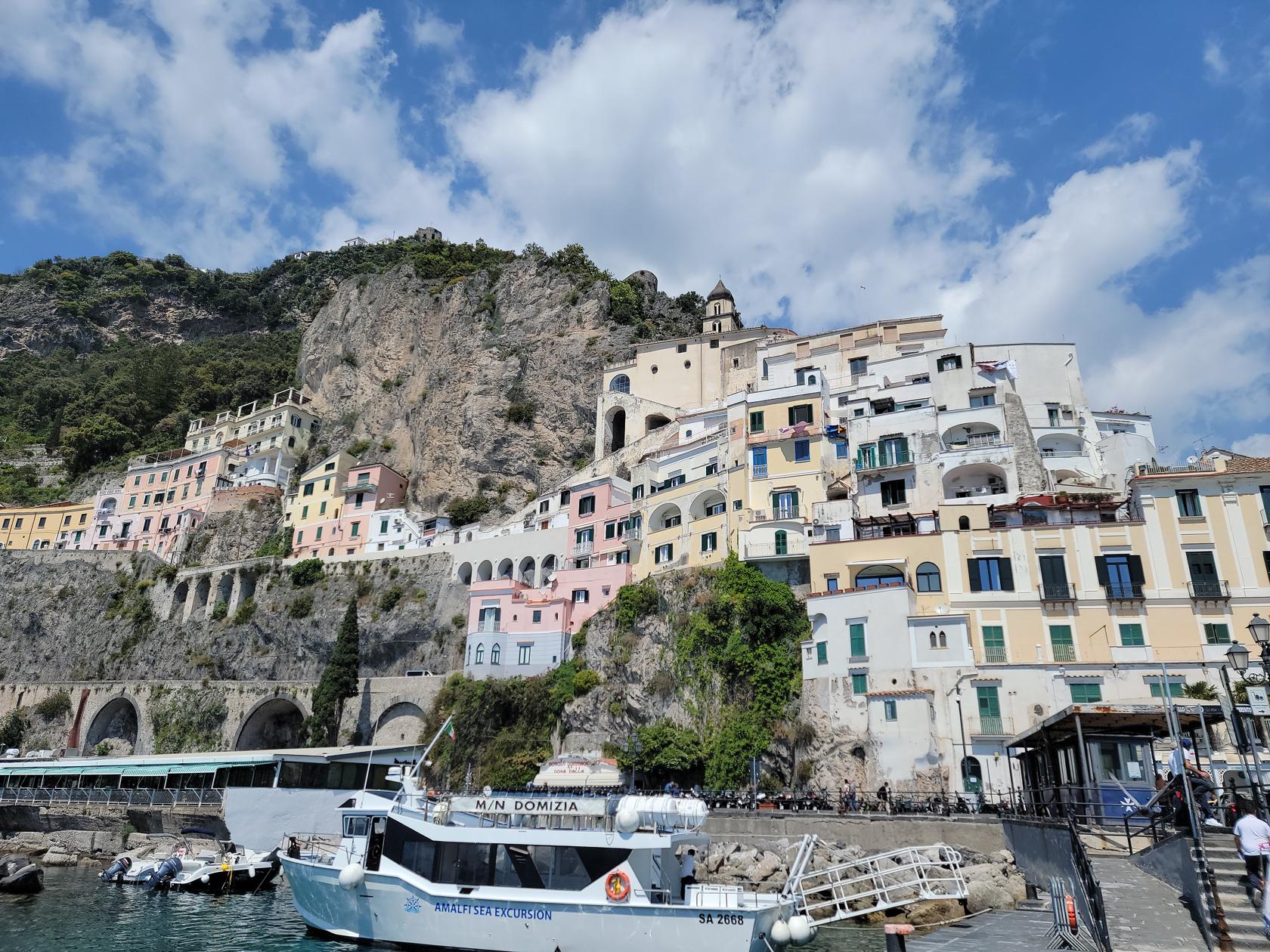
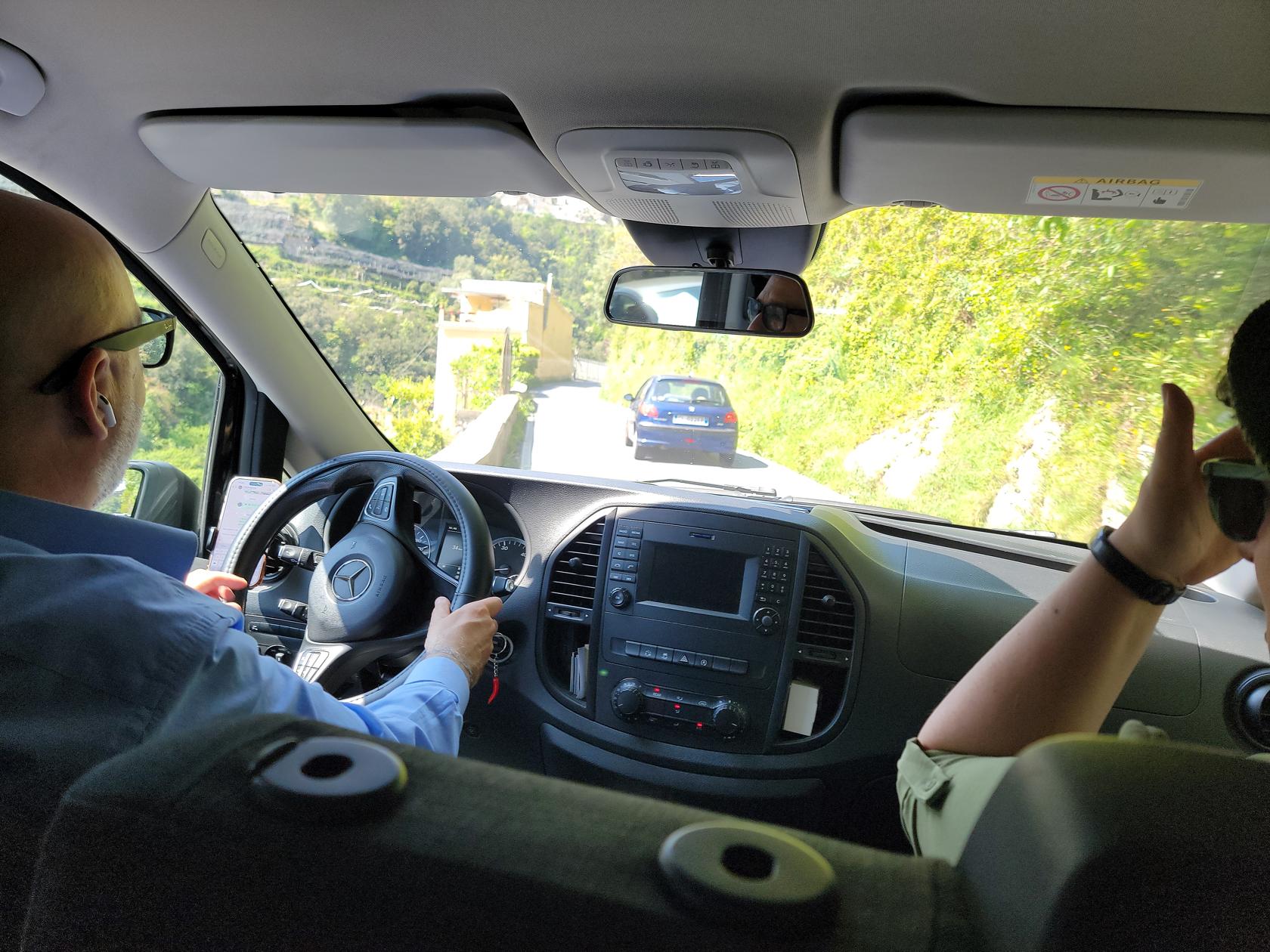
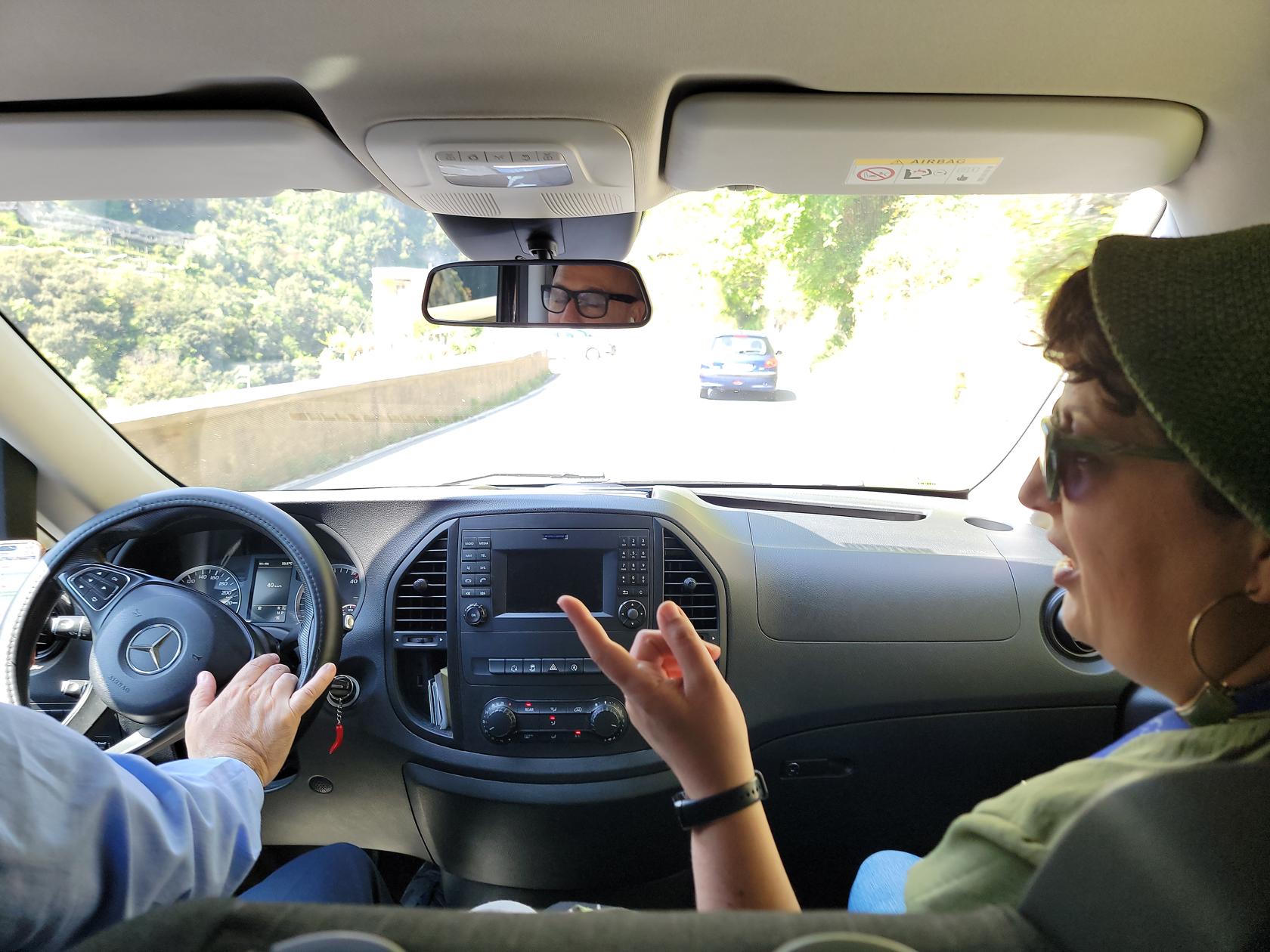
The second part of our first day was filled with visiting the town Amalfi on the eponymouos coast and Ravello, a bit further away from the shore, but still part of the famous coastline. We joined our driver again, who drove the windy and treacherous coastal road between Positano and Amalfi, while we took the ferry to enjoy the coastline.
Getting There
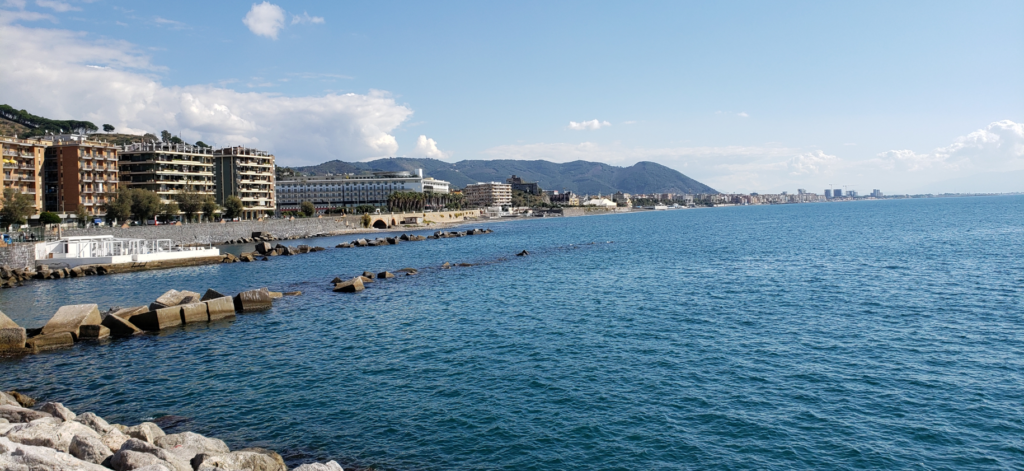
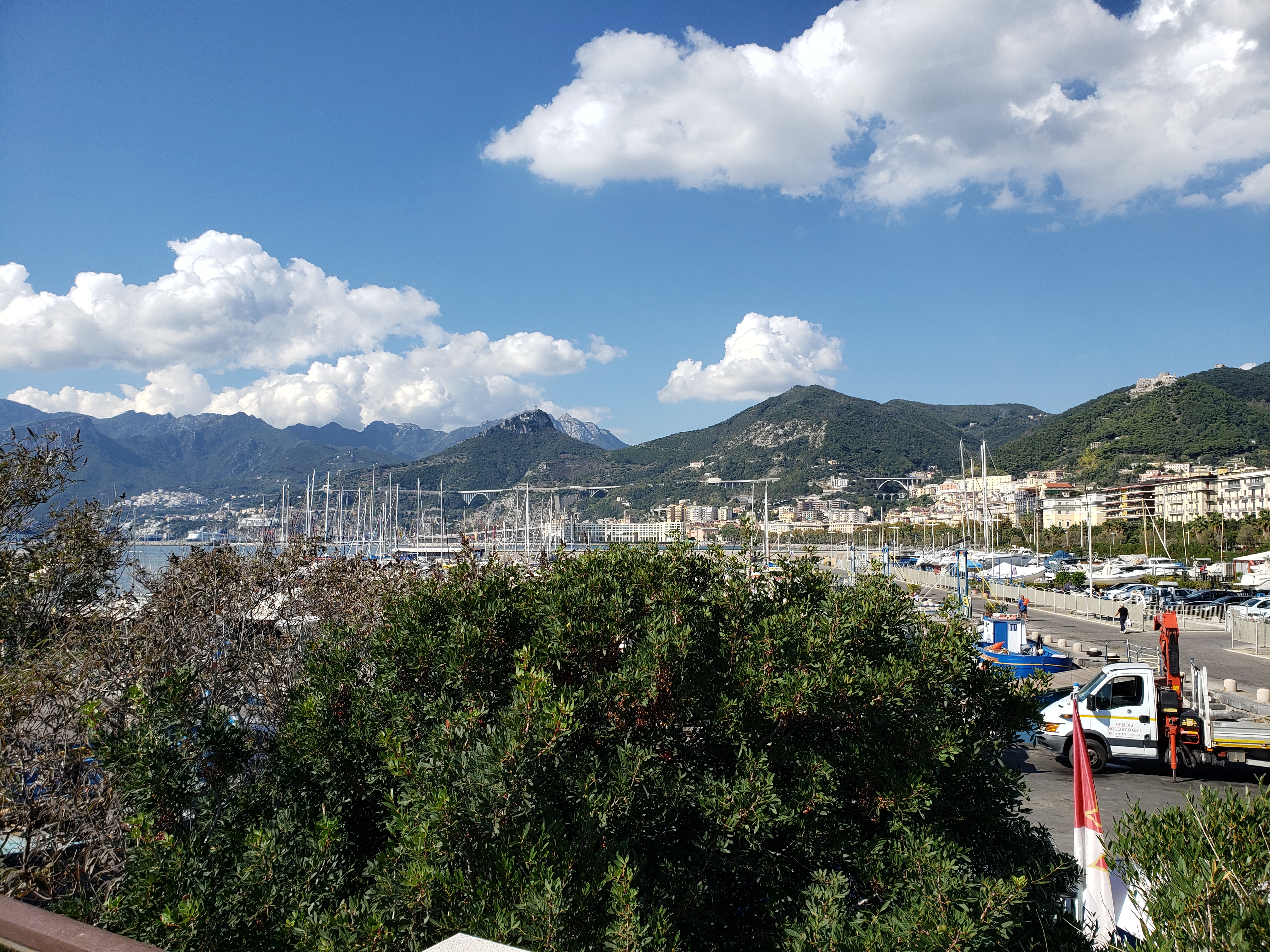
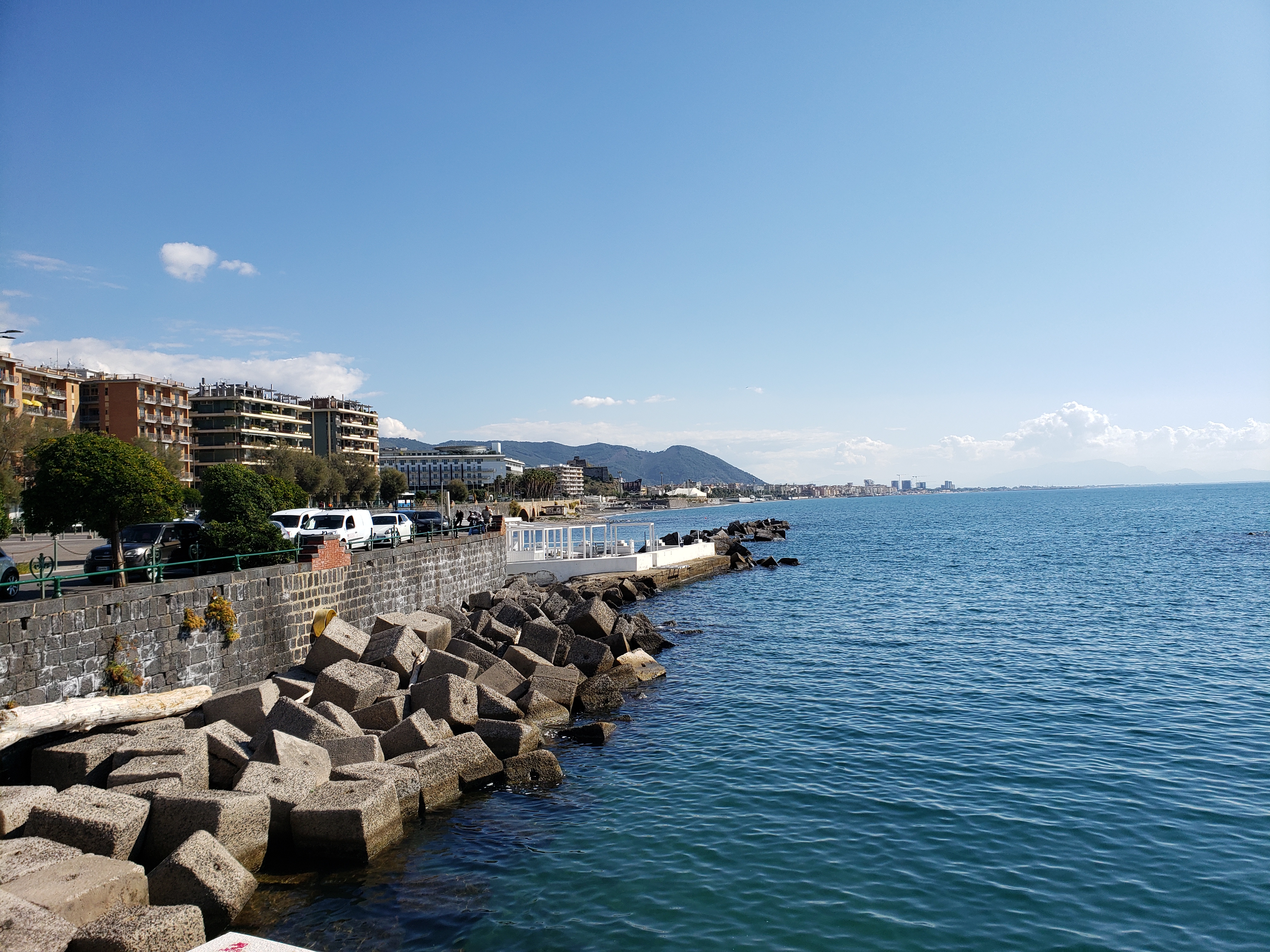
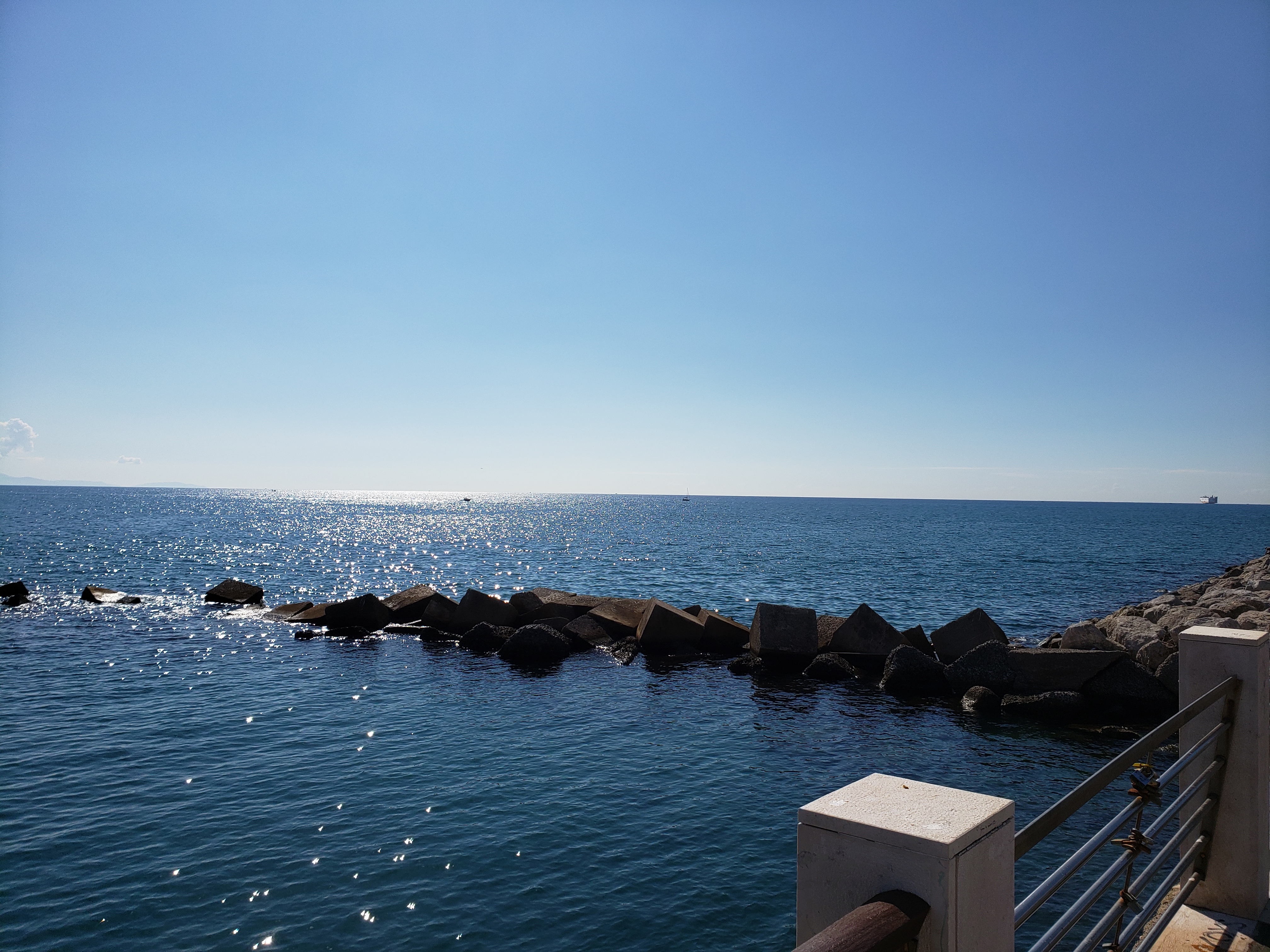
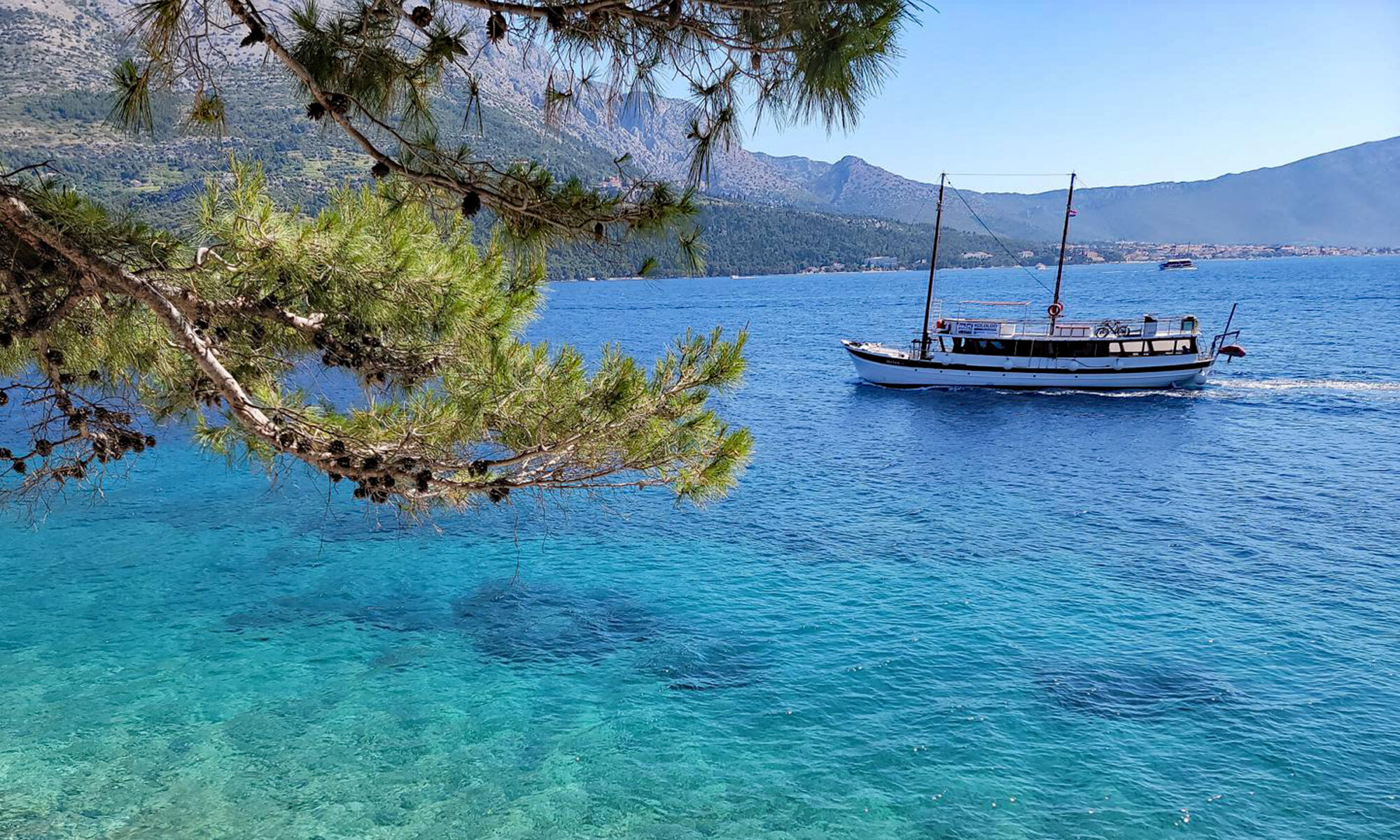
To get to Amalfi, we took the ferry from Positano. It is a thirty minute boat ride along the coast, which when the weather cooperates provides beautiful scenery and a great occasion to take photographs.
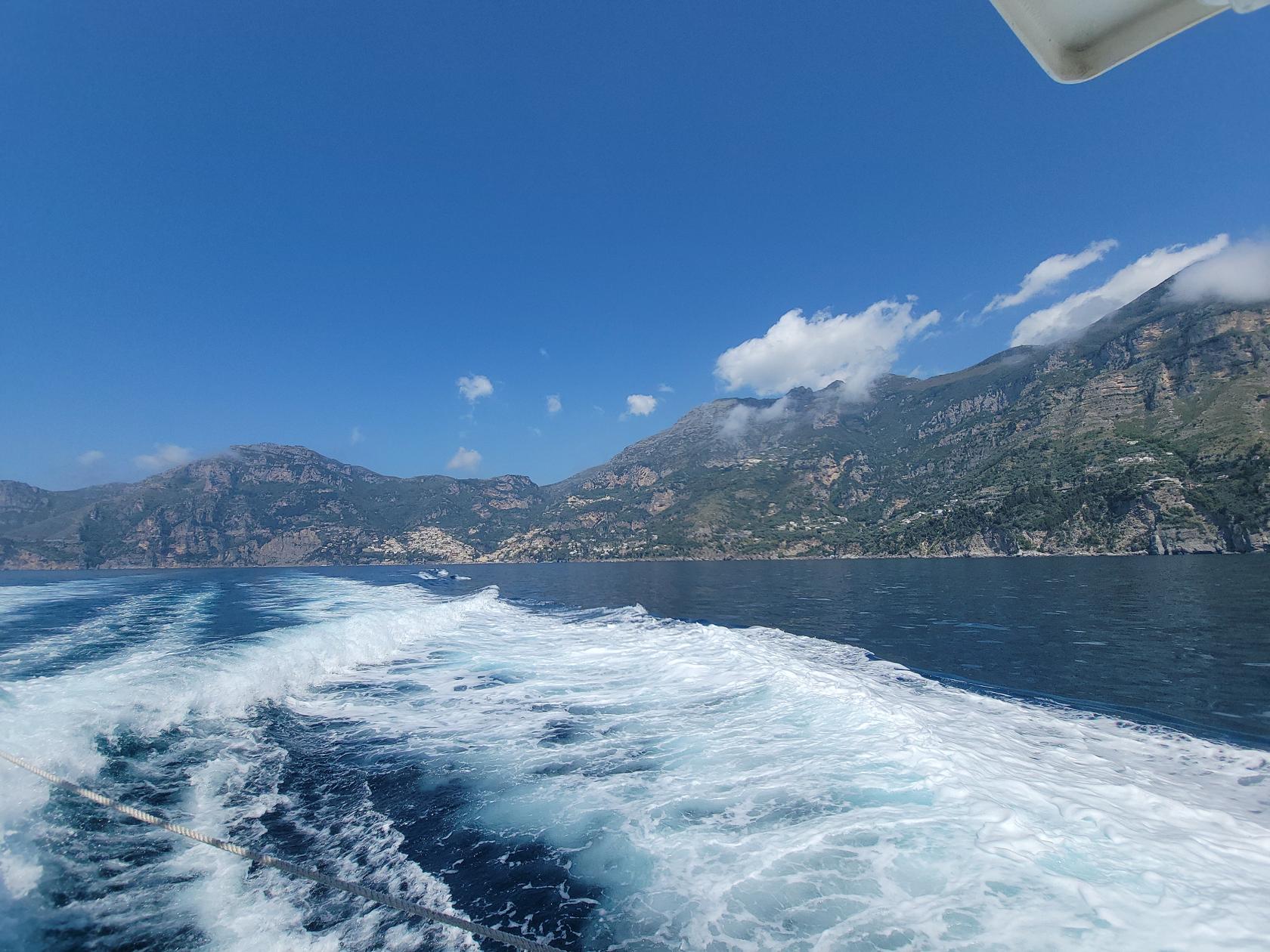
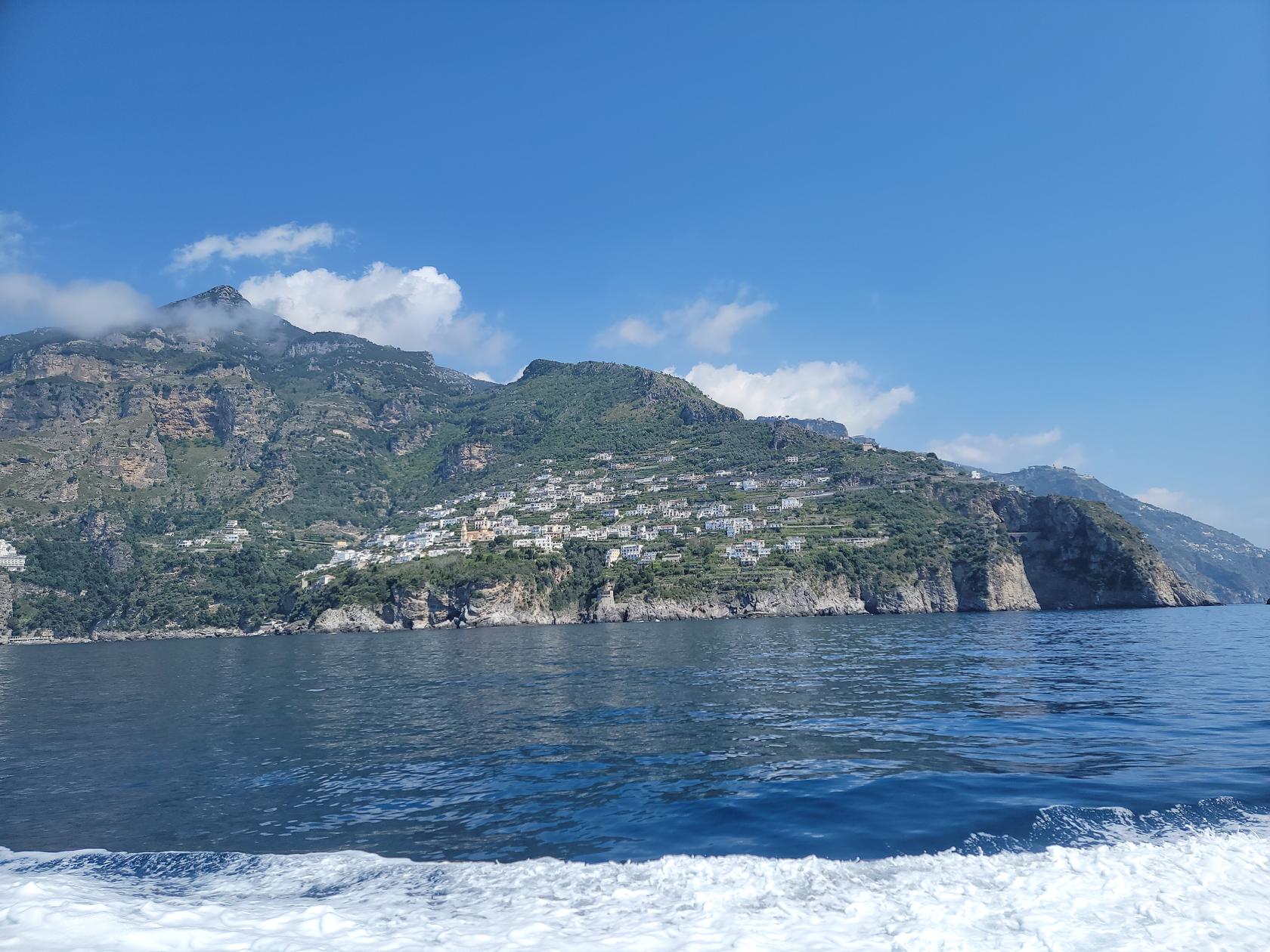
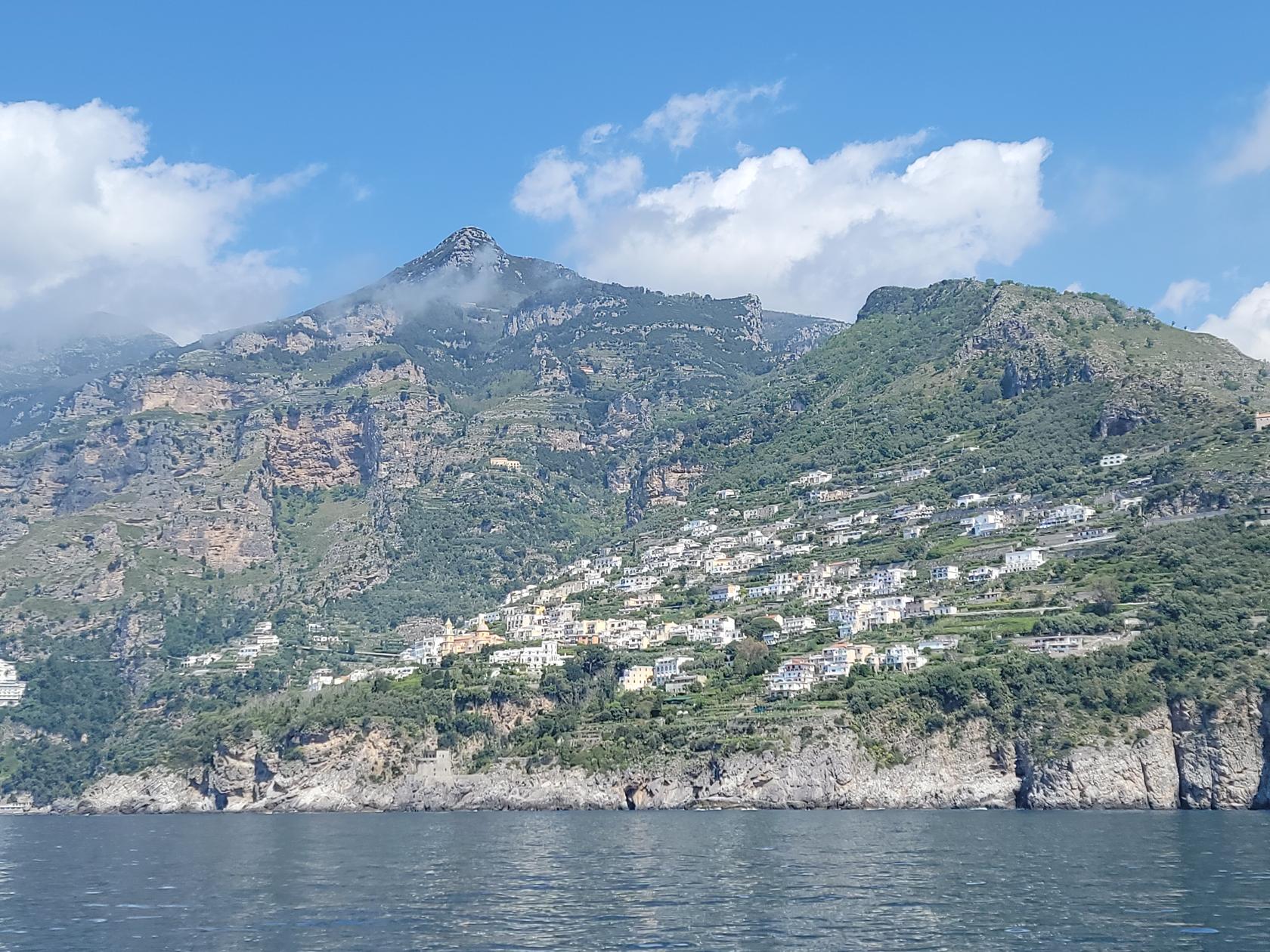
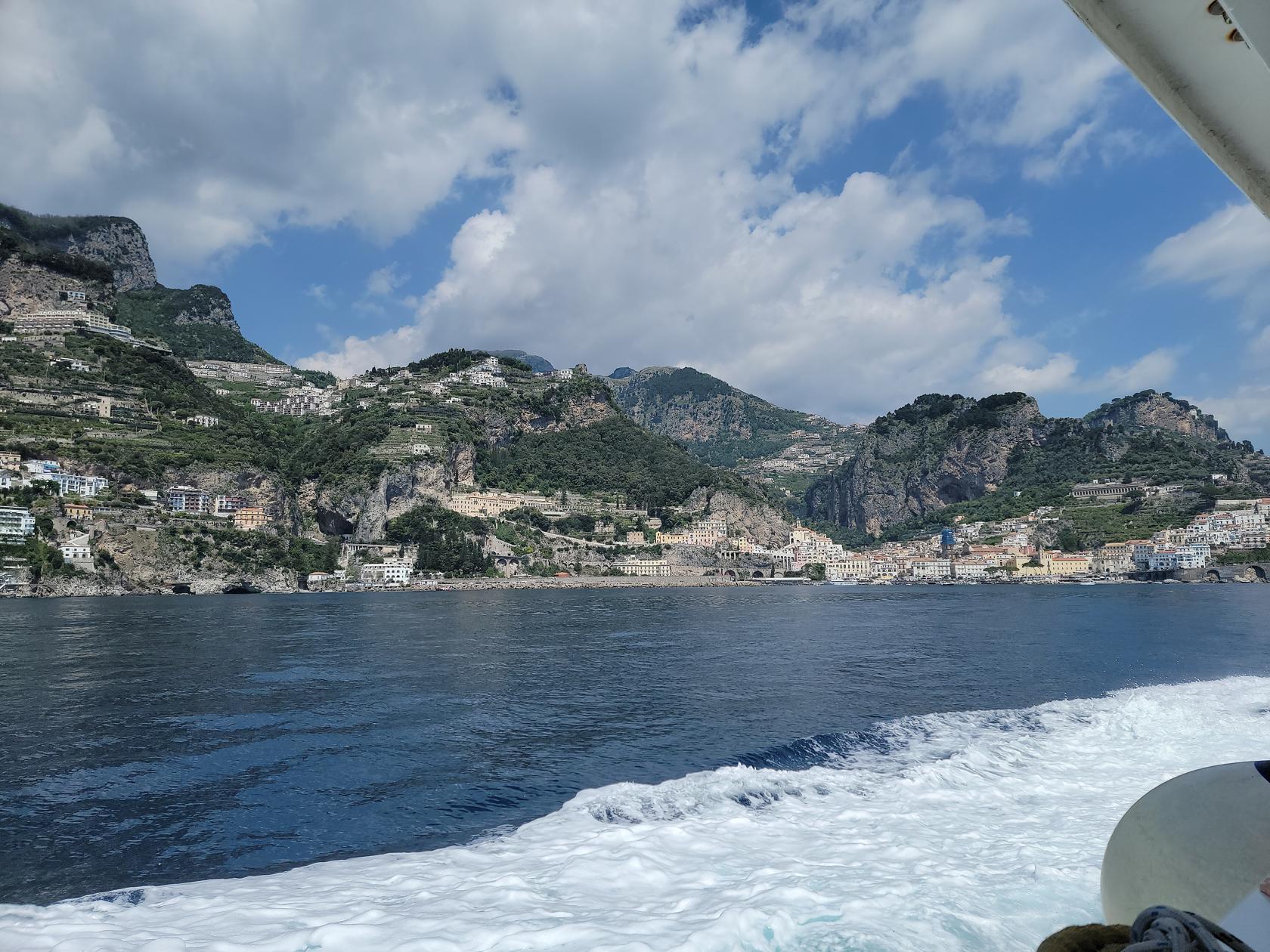
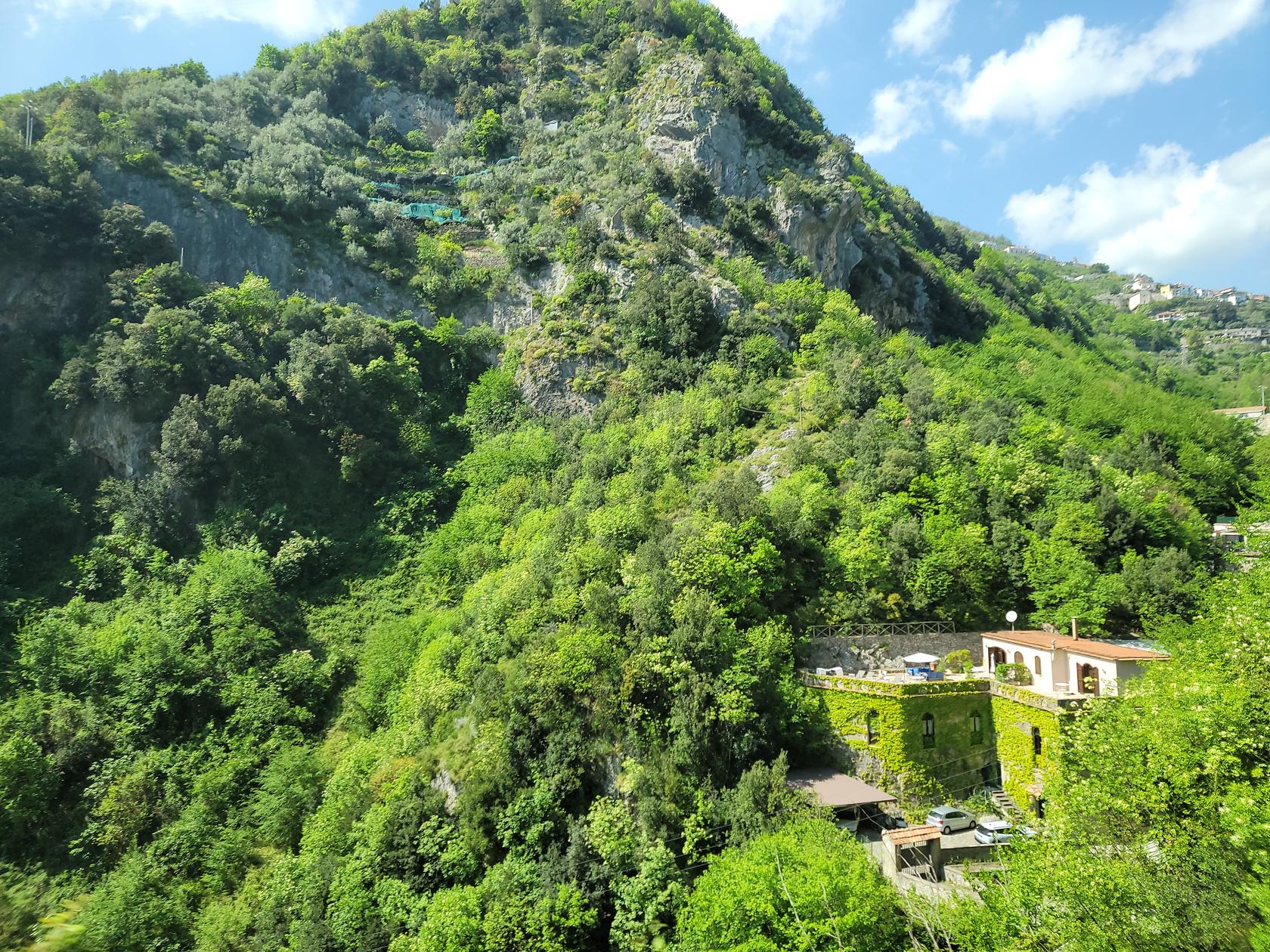
To get to Ravello from Amalfi, you probably should use or hire a car. Since we were had hired a private tour guide for all day, we used the car to ascend the five kilometers up the coast to the town.
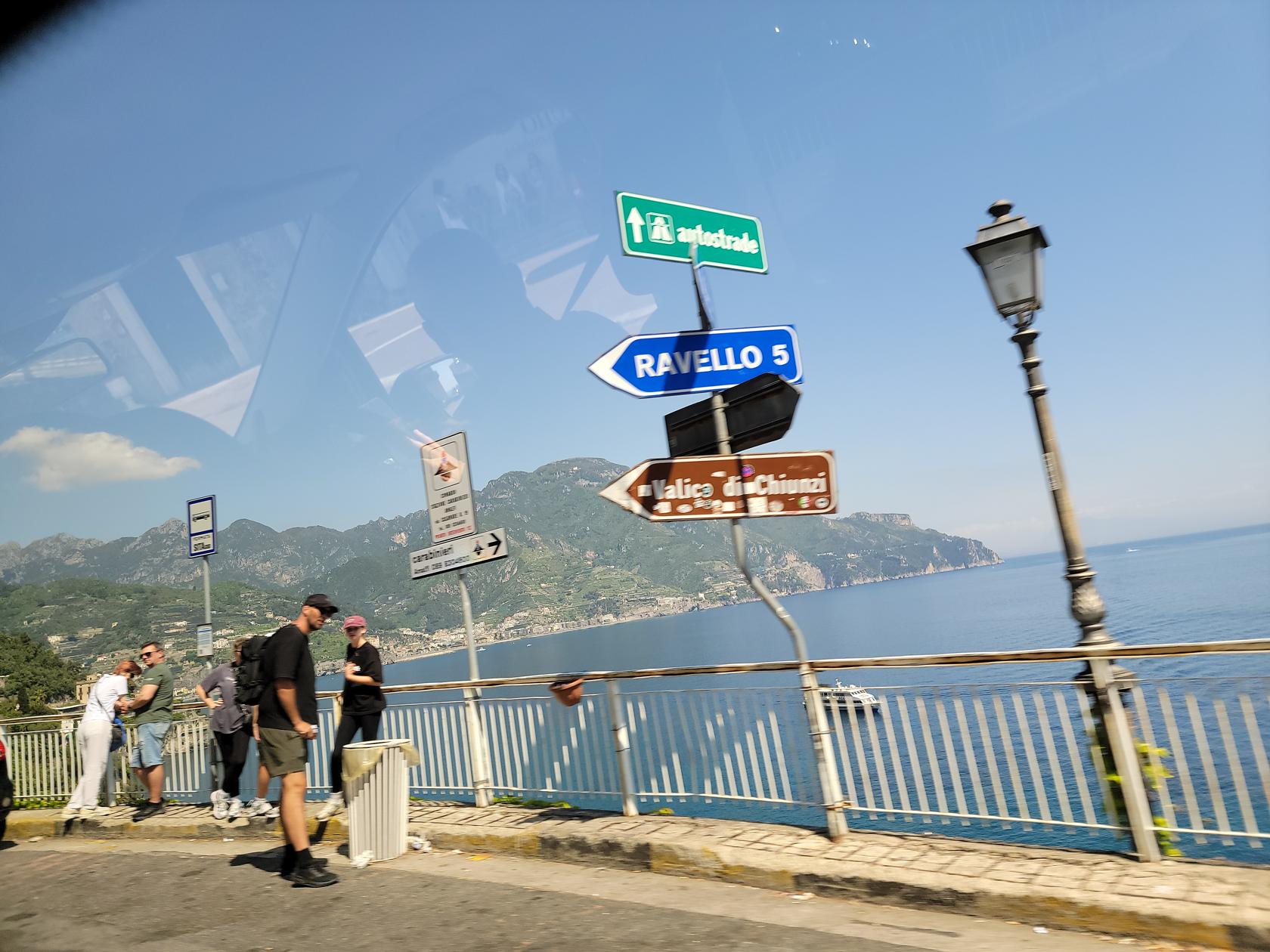
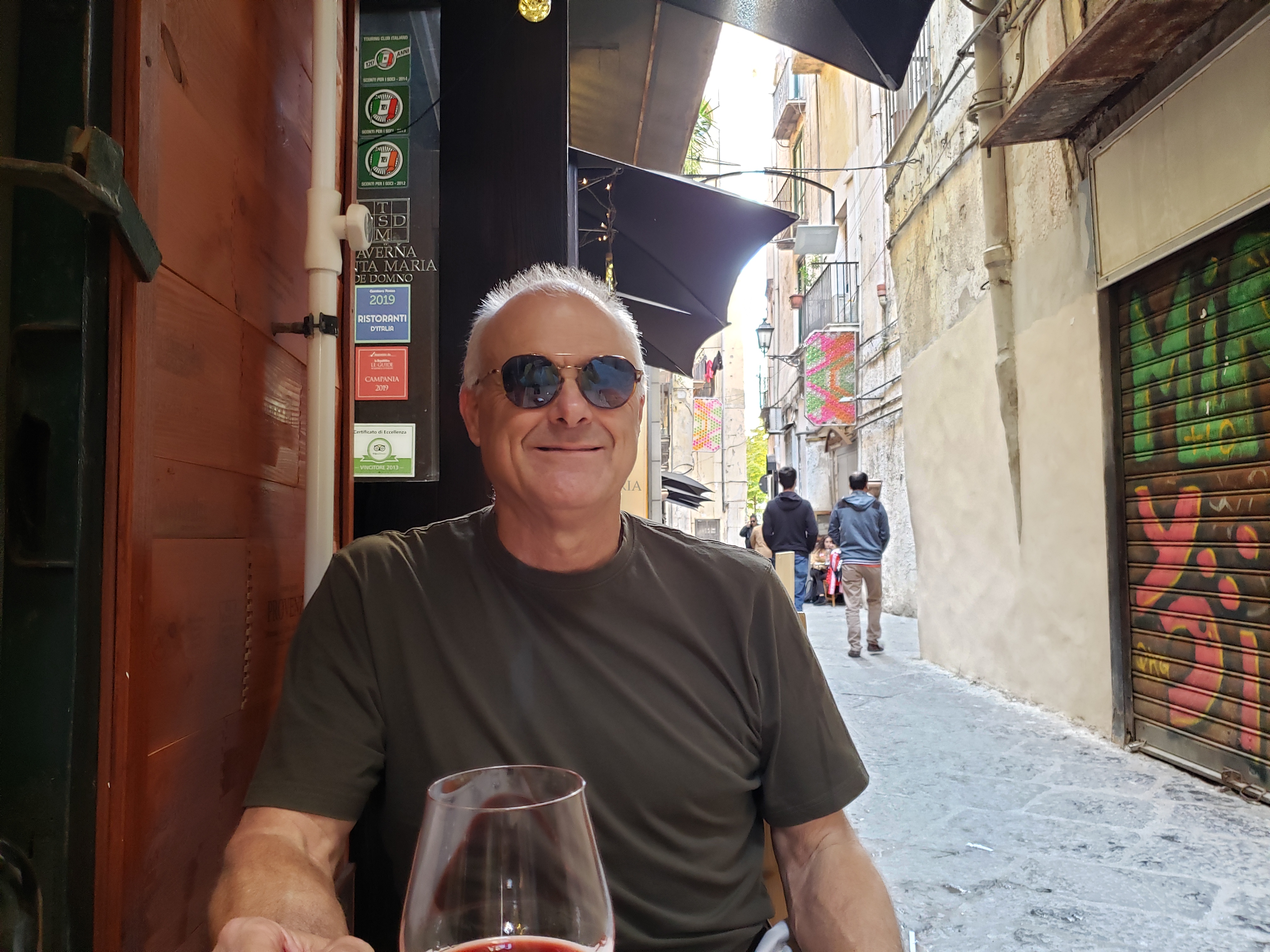
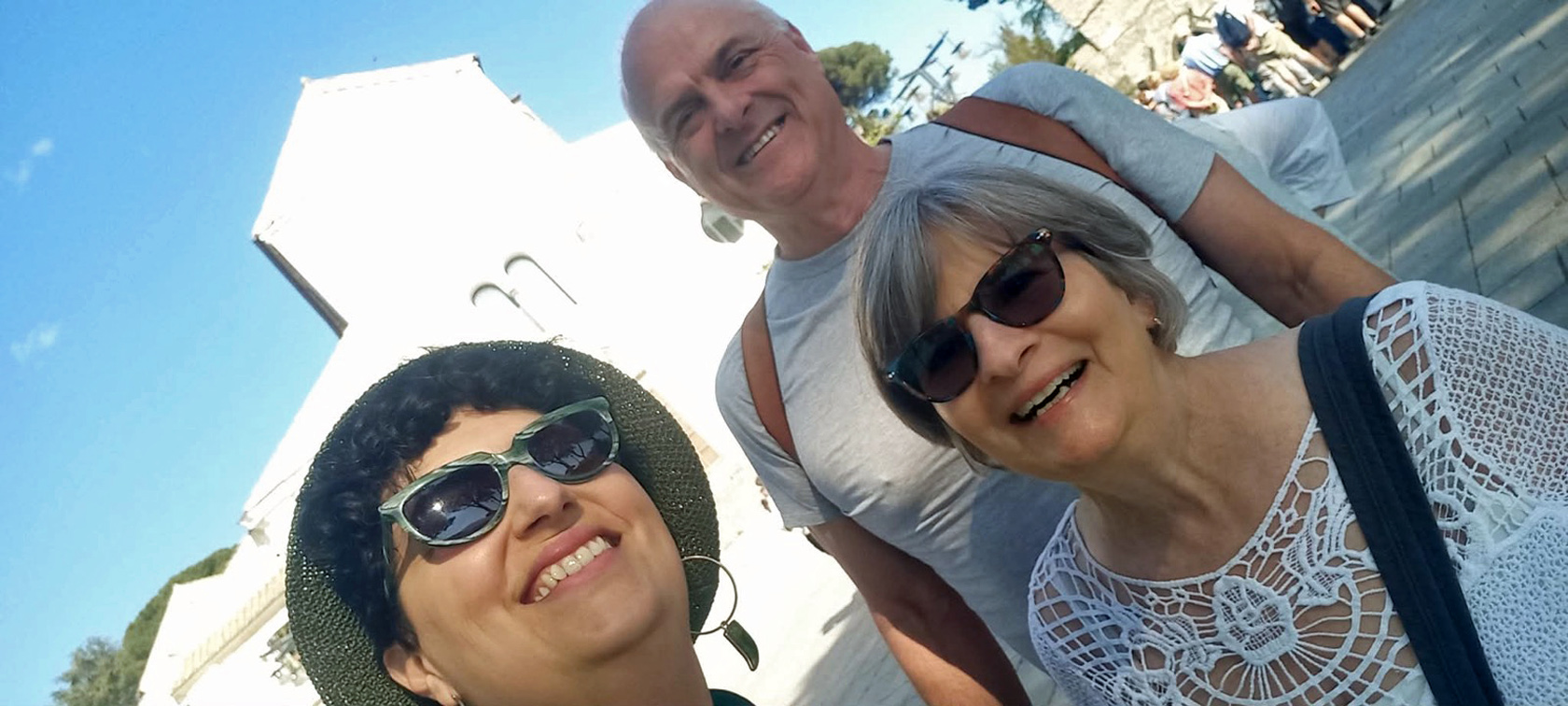
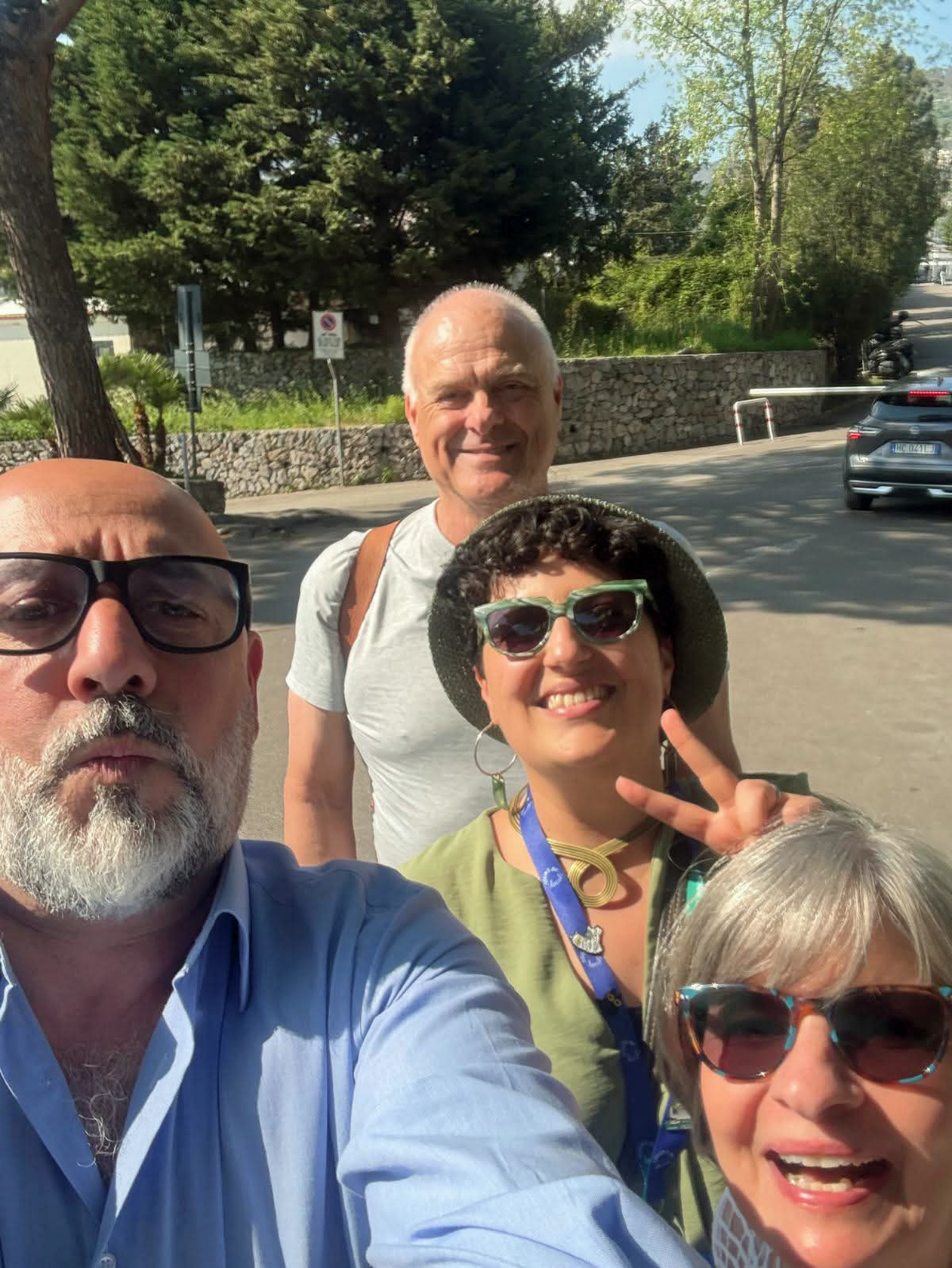
When we arrived, we took a photograph to remember the occasion.
Amalfi
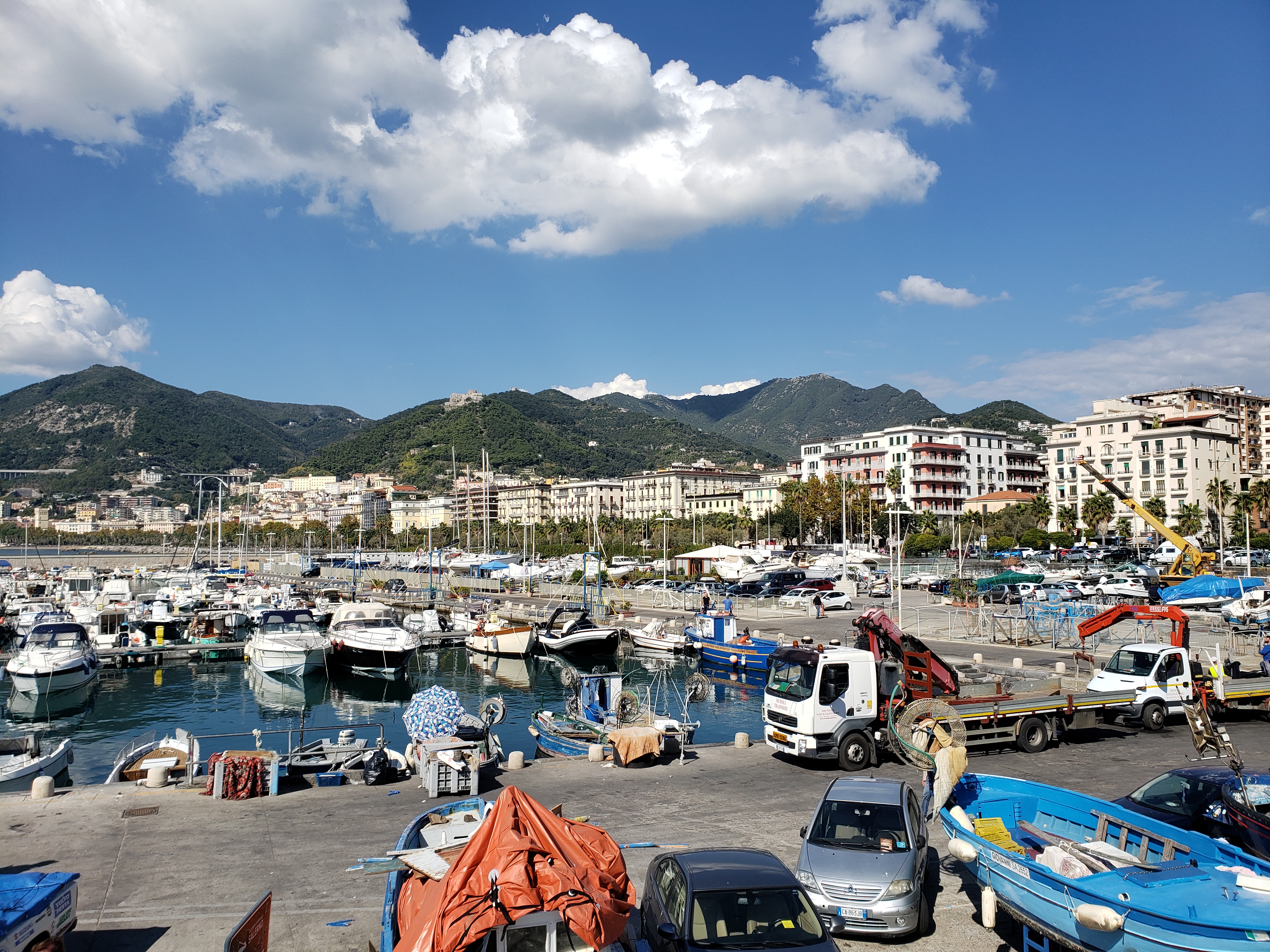
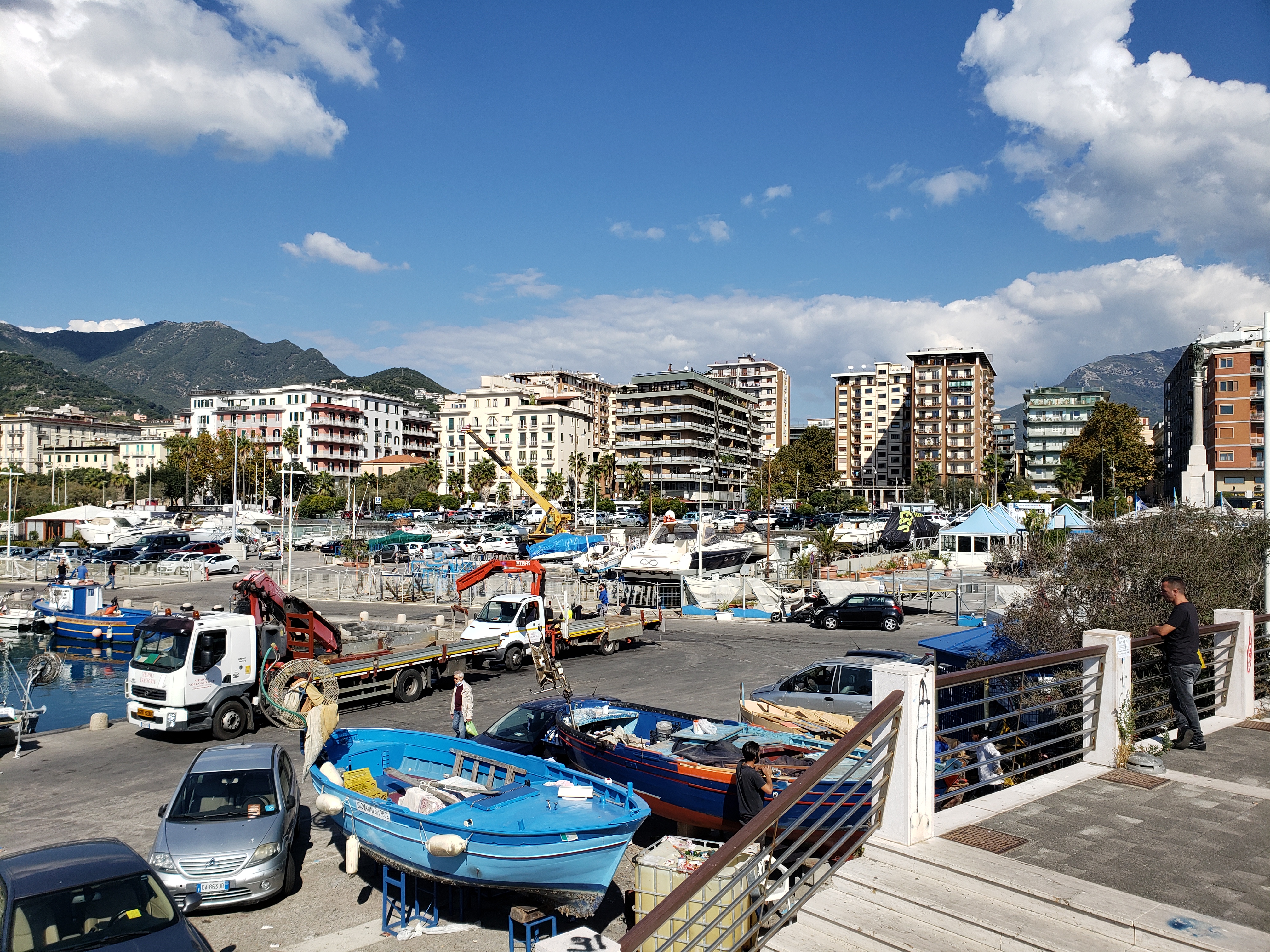
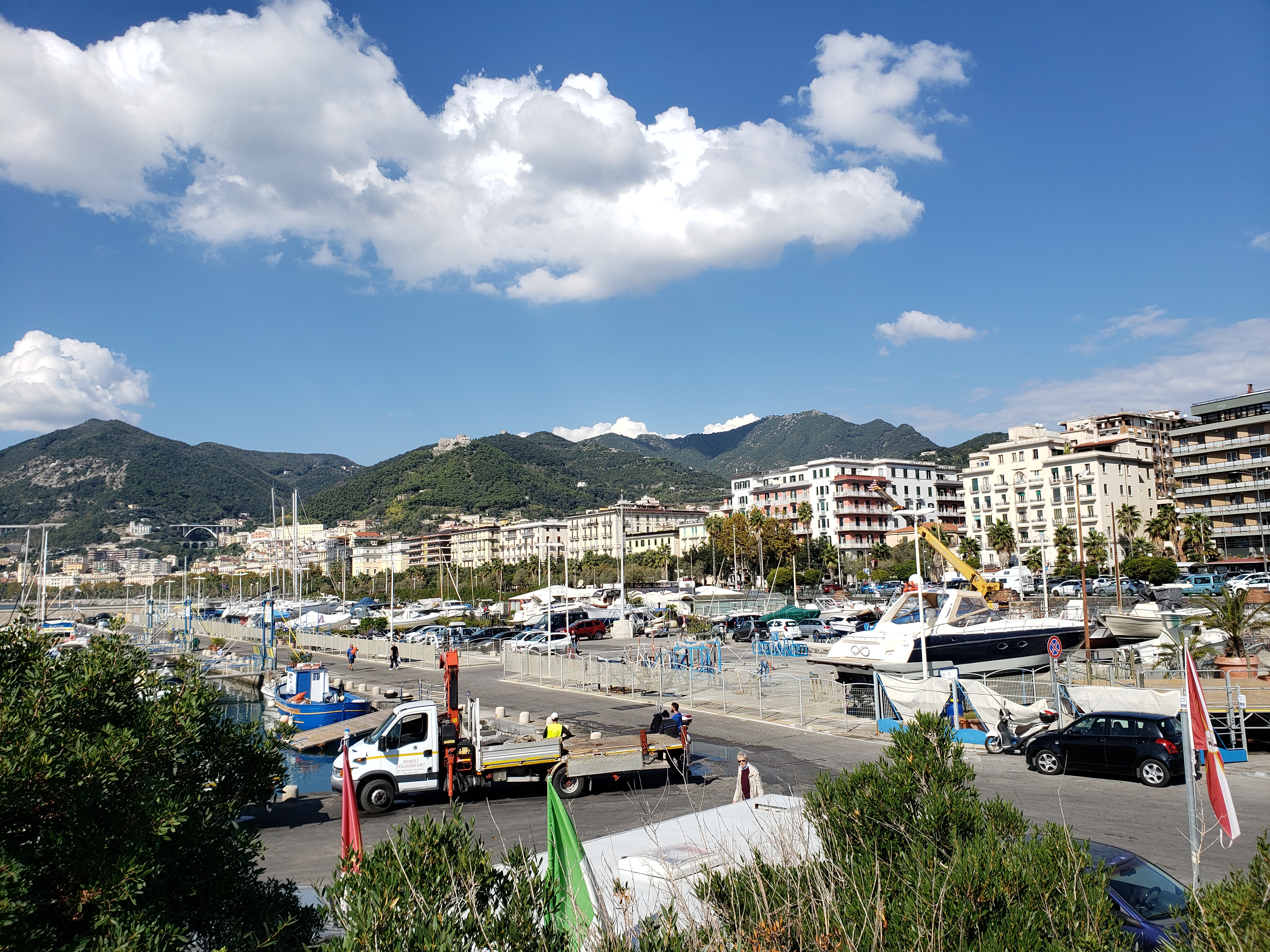
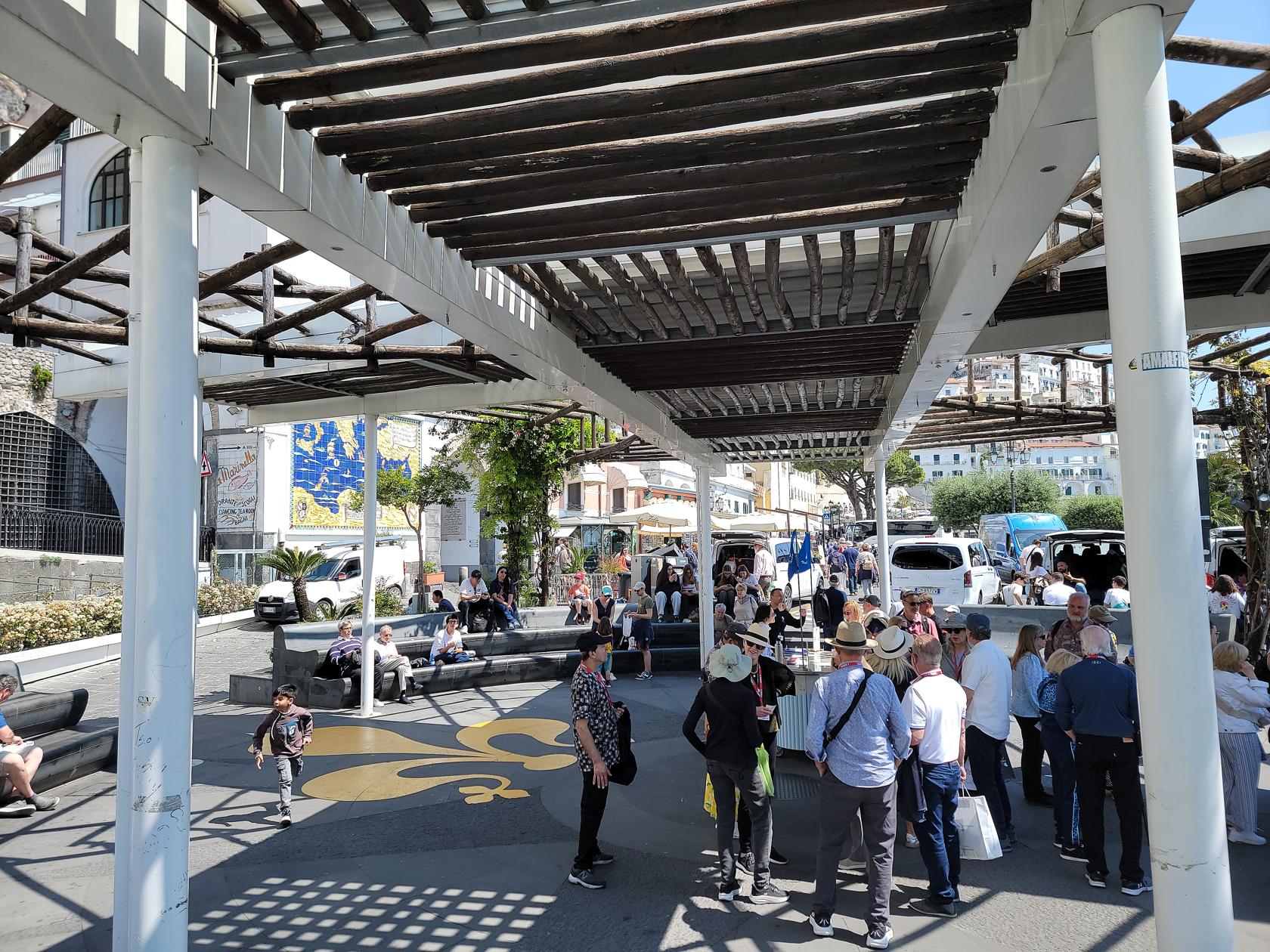
Perhaps fourth best of all the towns along the coast is Amalfi. Some may be surprised, but that is based on our experience of most of the towns. There are many factors for this, including the terrible idea of using part of the waterfront as a parking area, instead of a boardwalk, or even another beach. Therefore, it comes after Positano, Vietri sul Mare[1]this town also has coastal parking, but here it works because it is part of a boardwalk and beach complex. and Ravello.
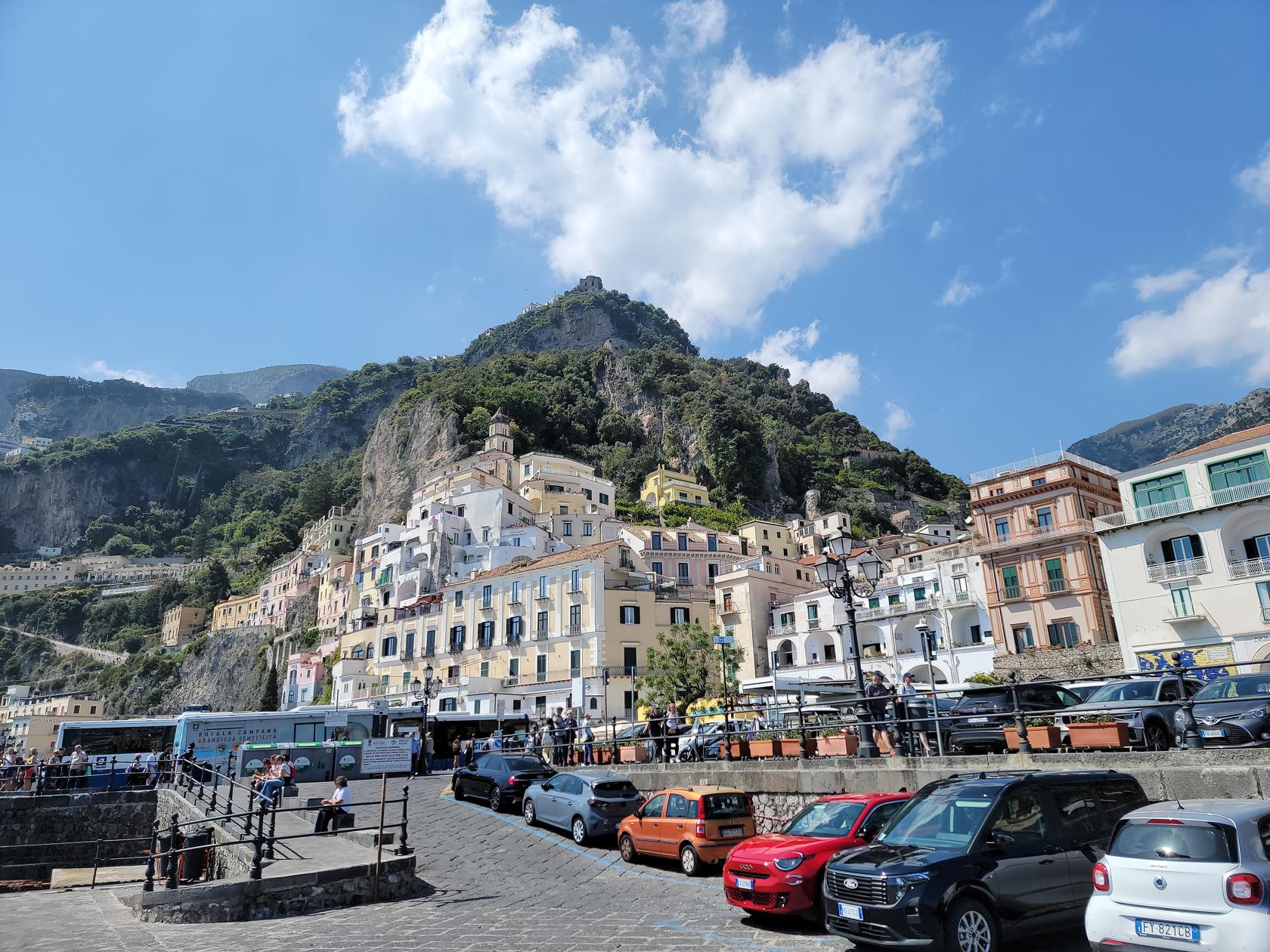
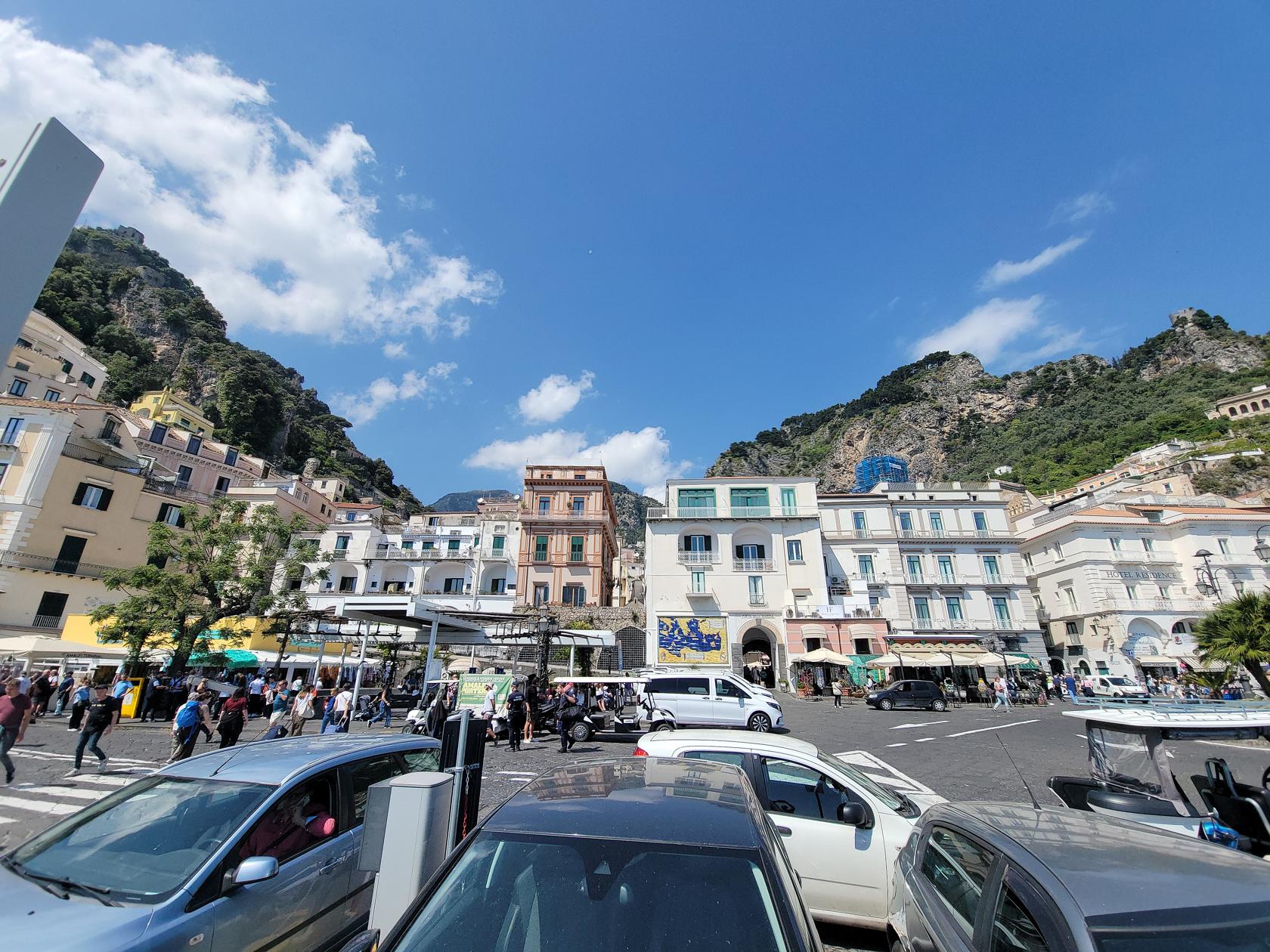
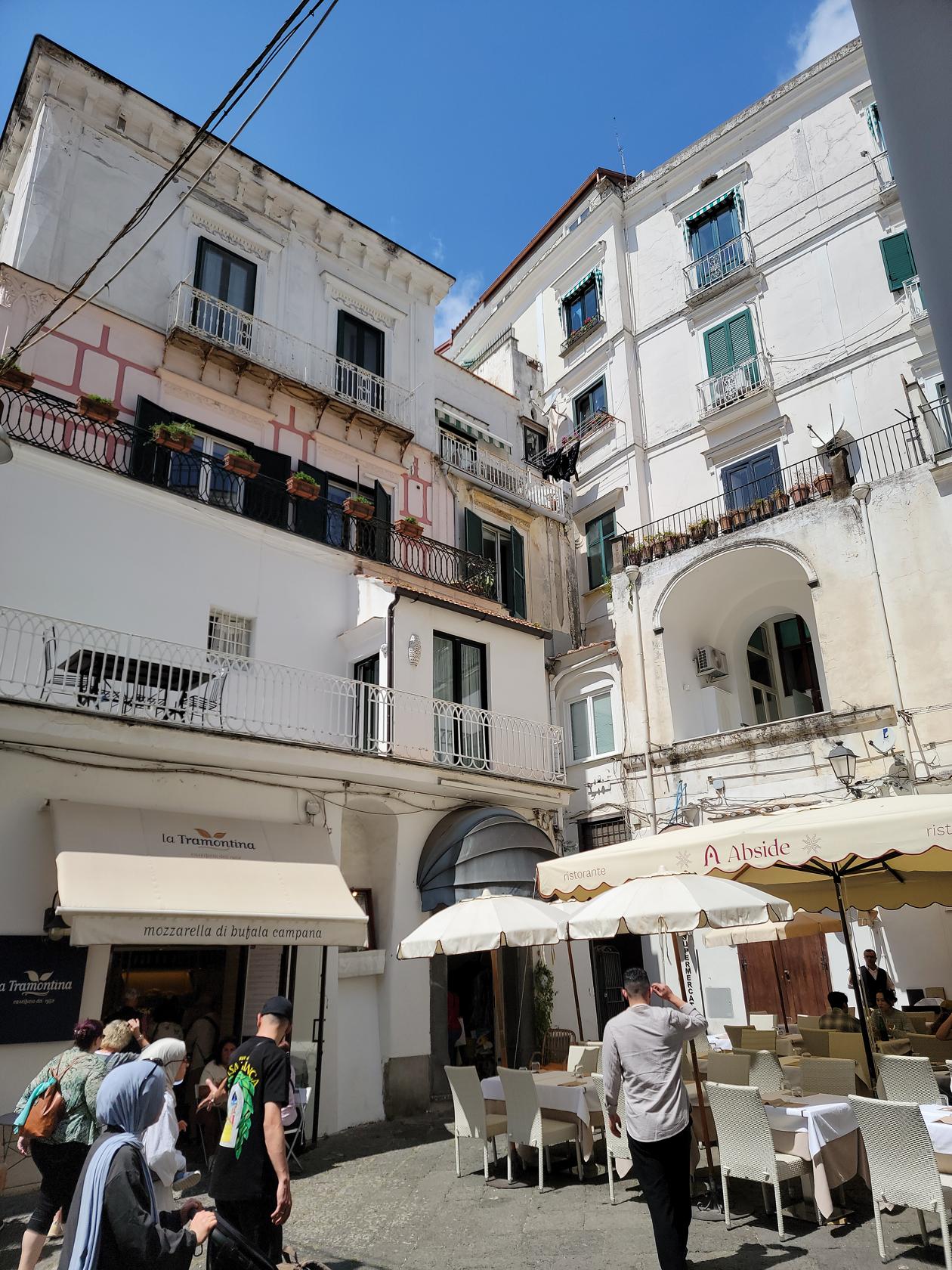
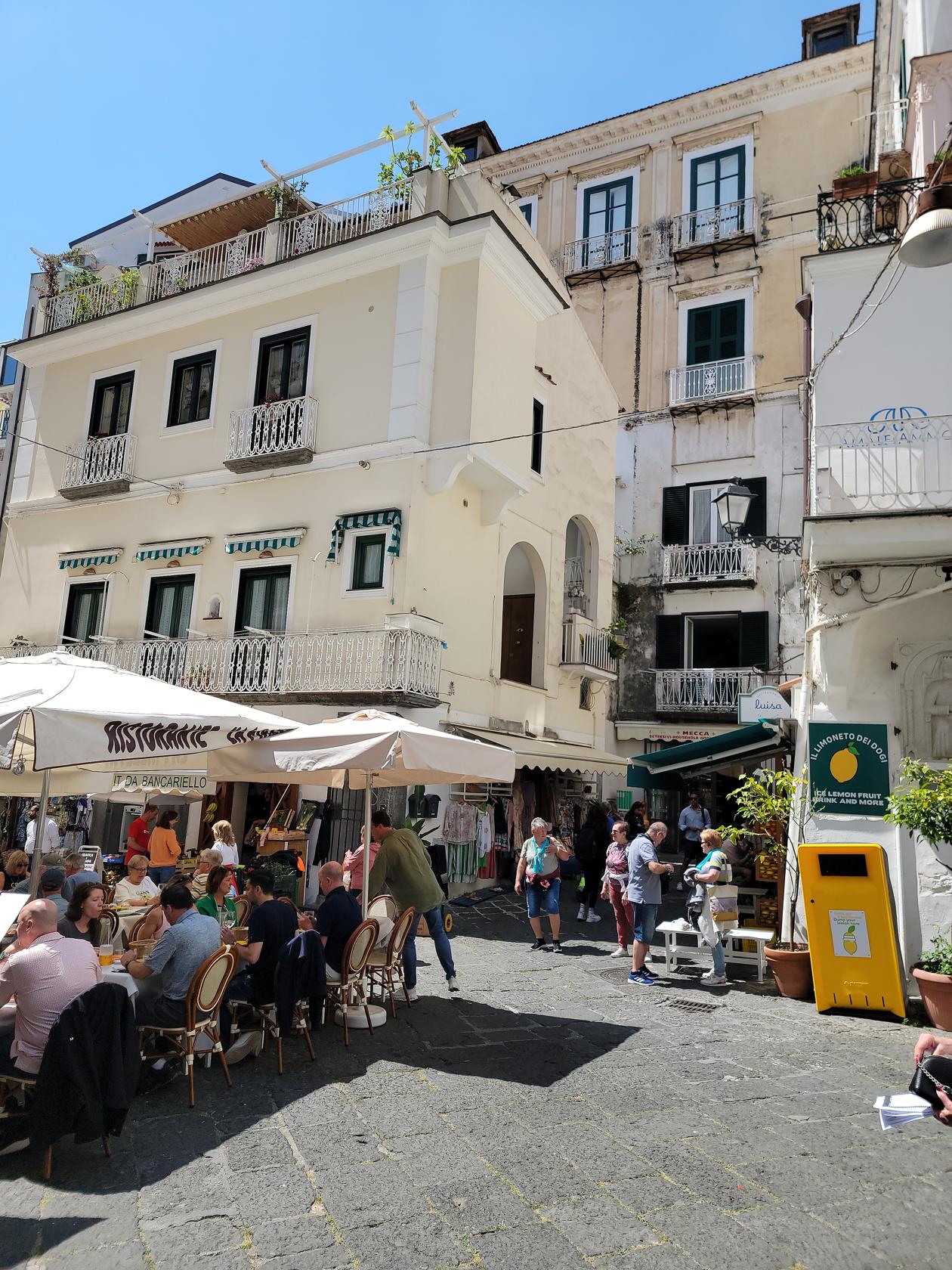
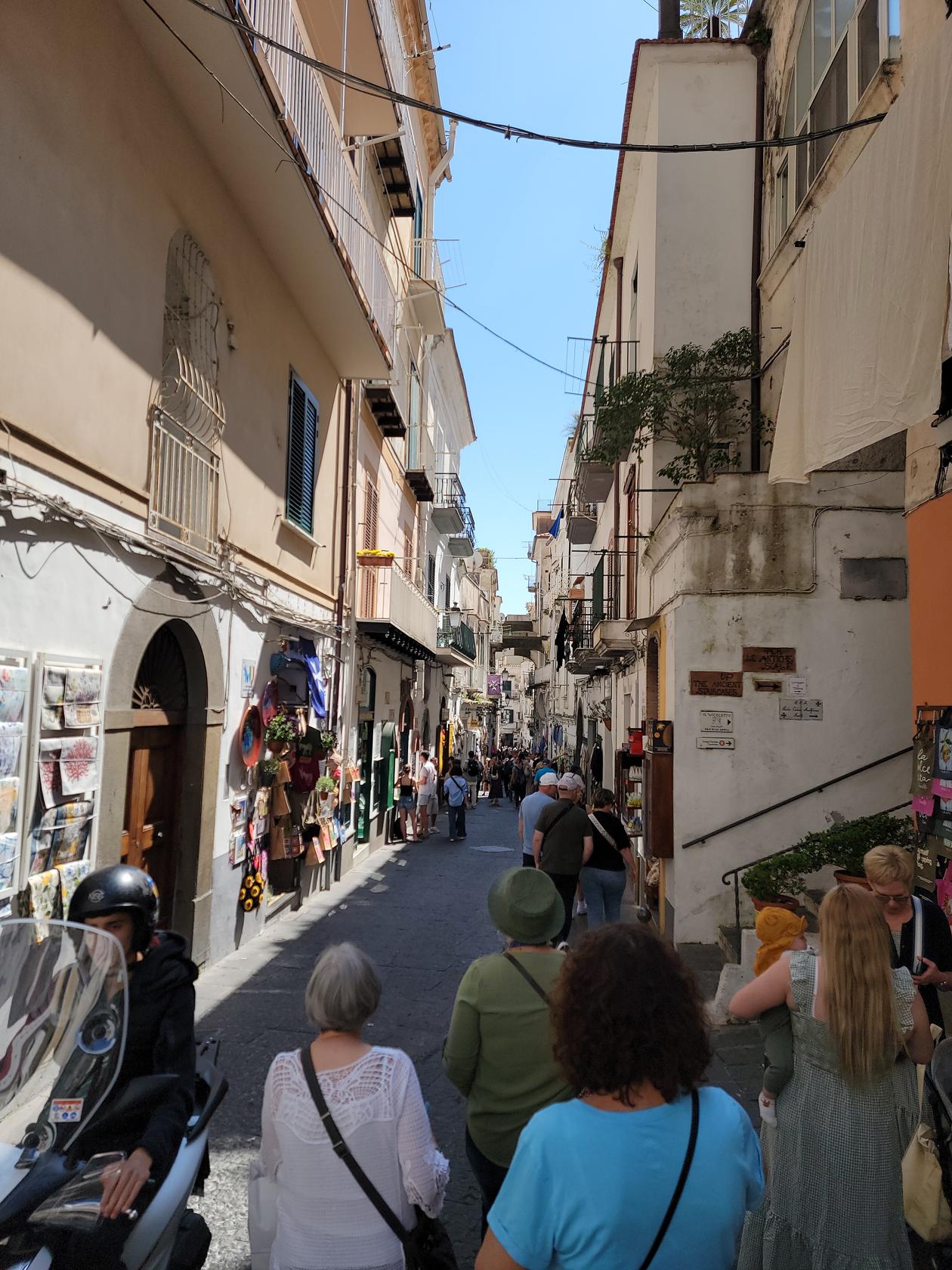
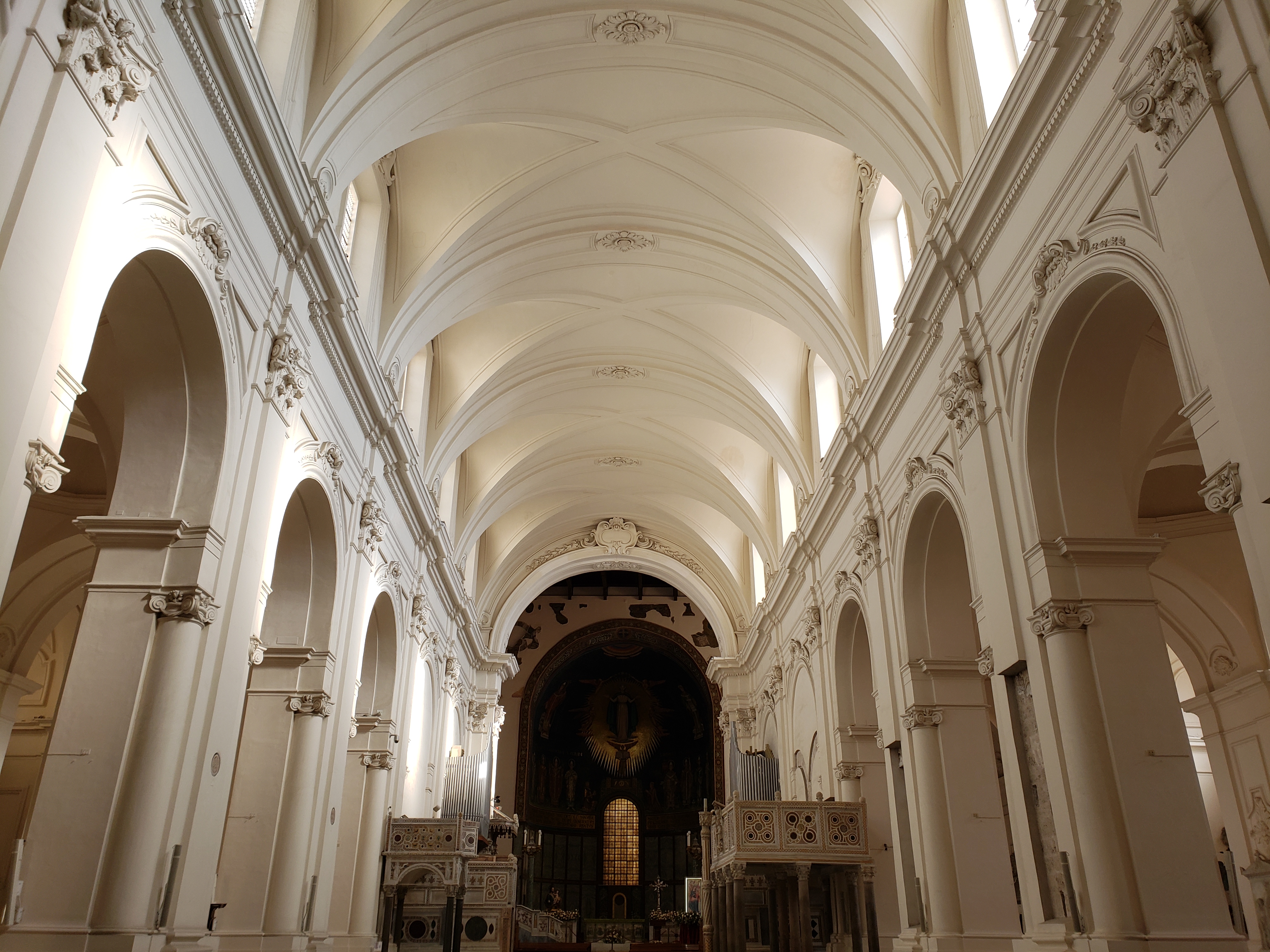
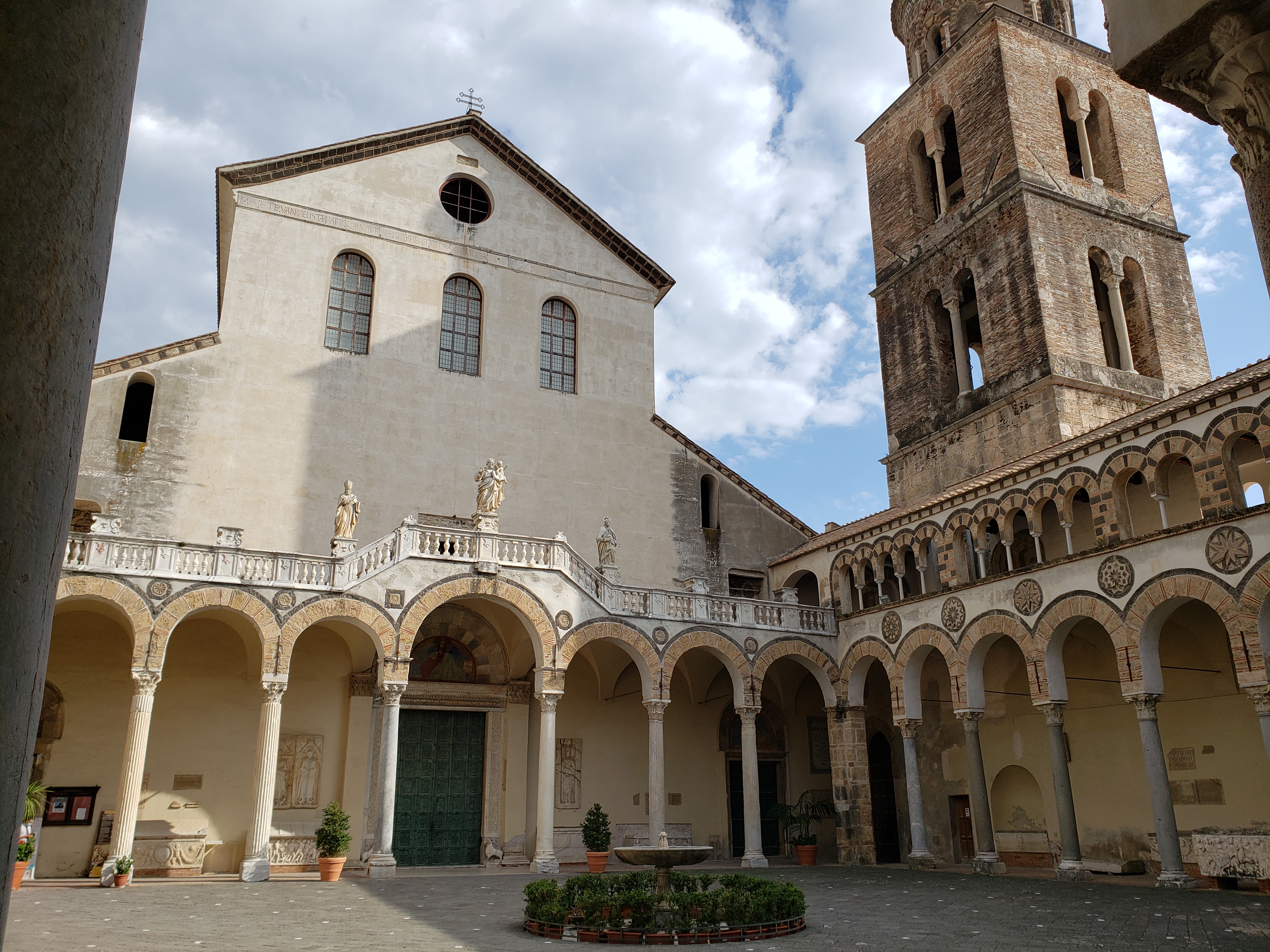
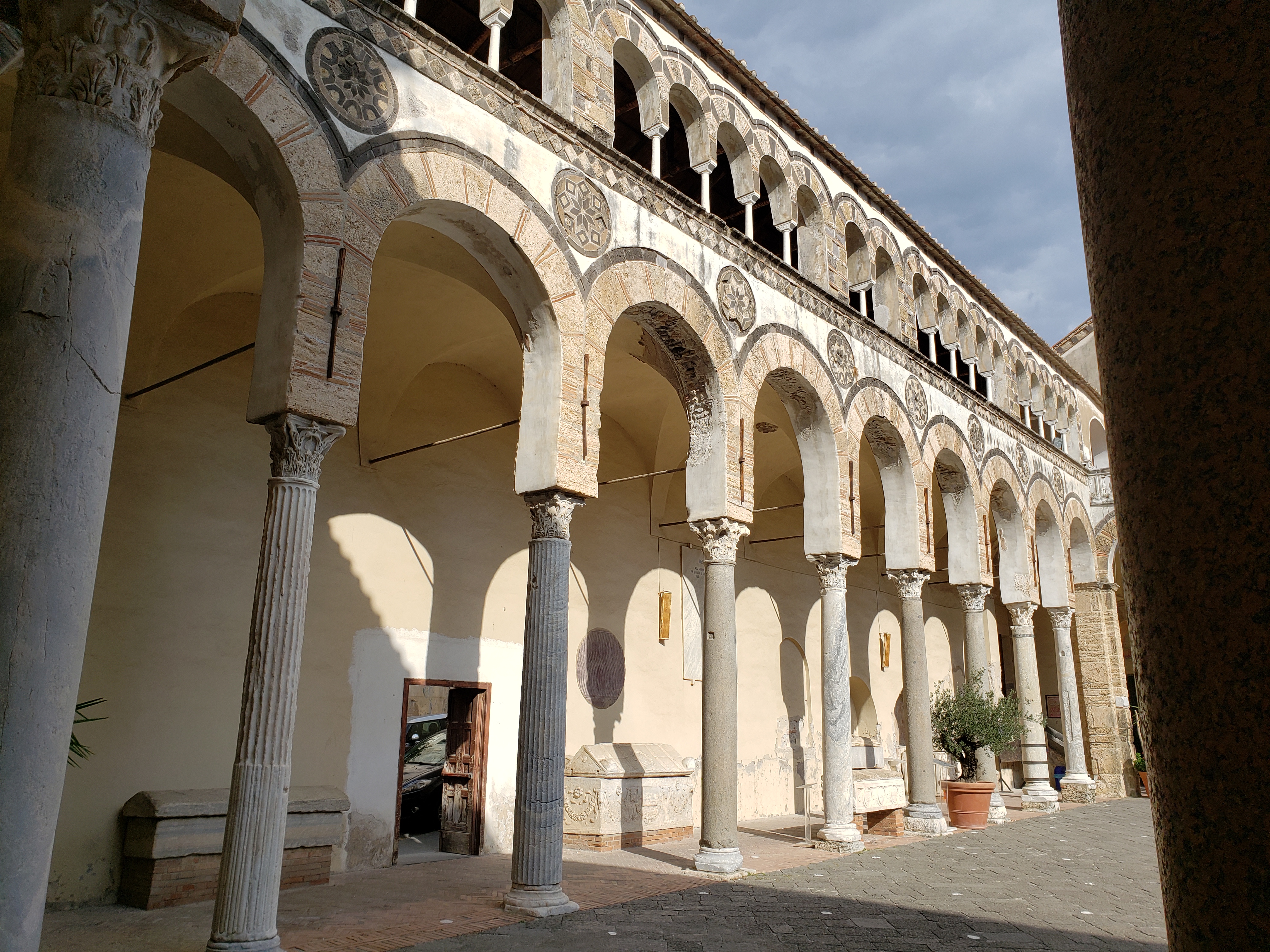
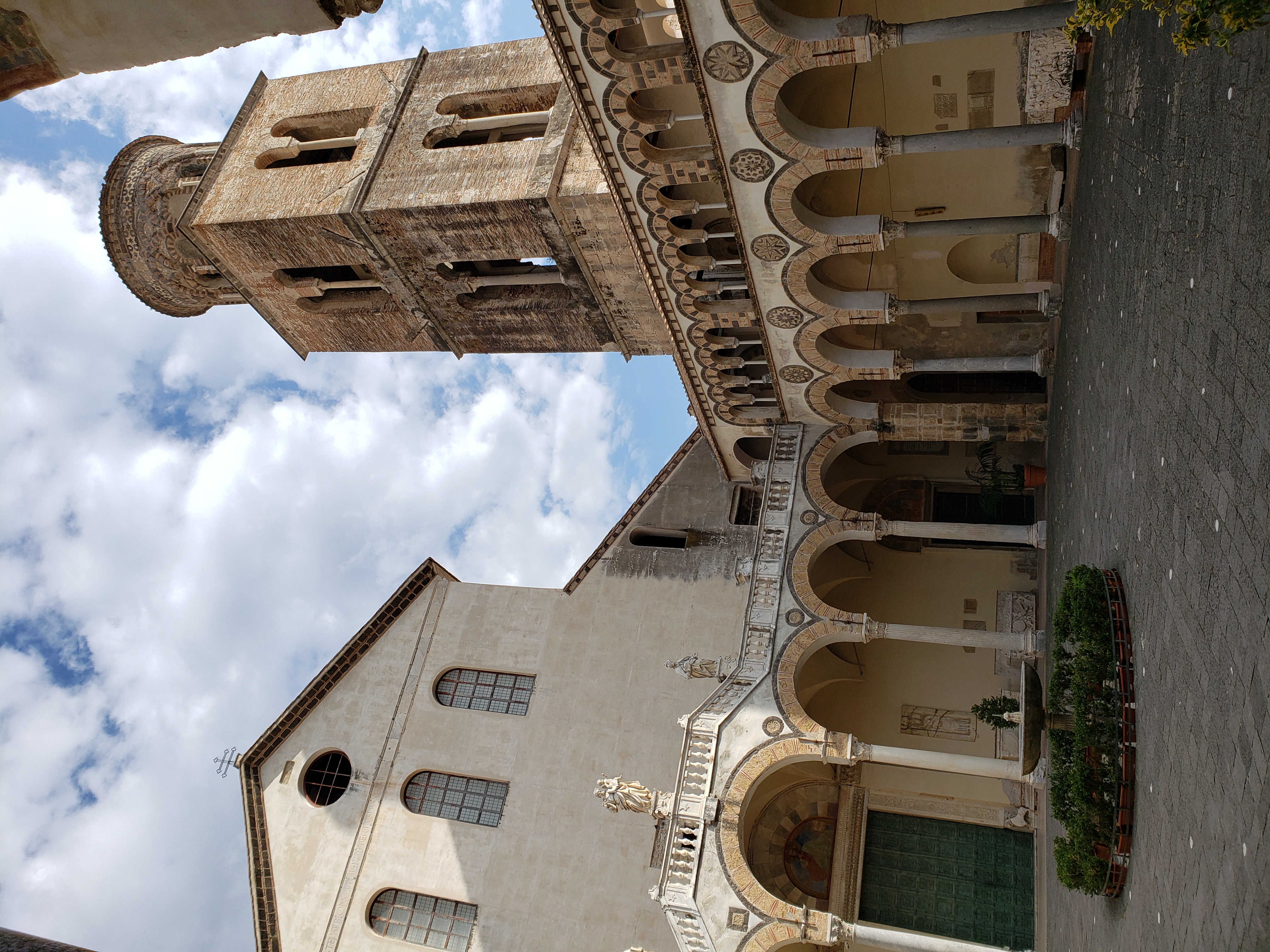
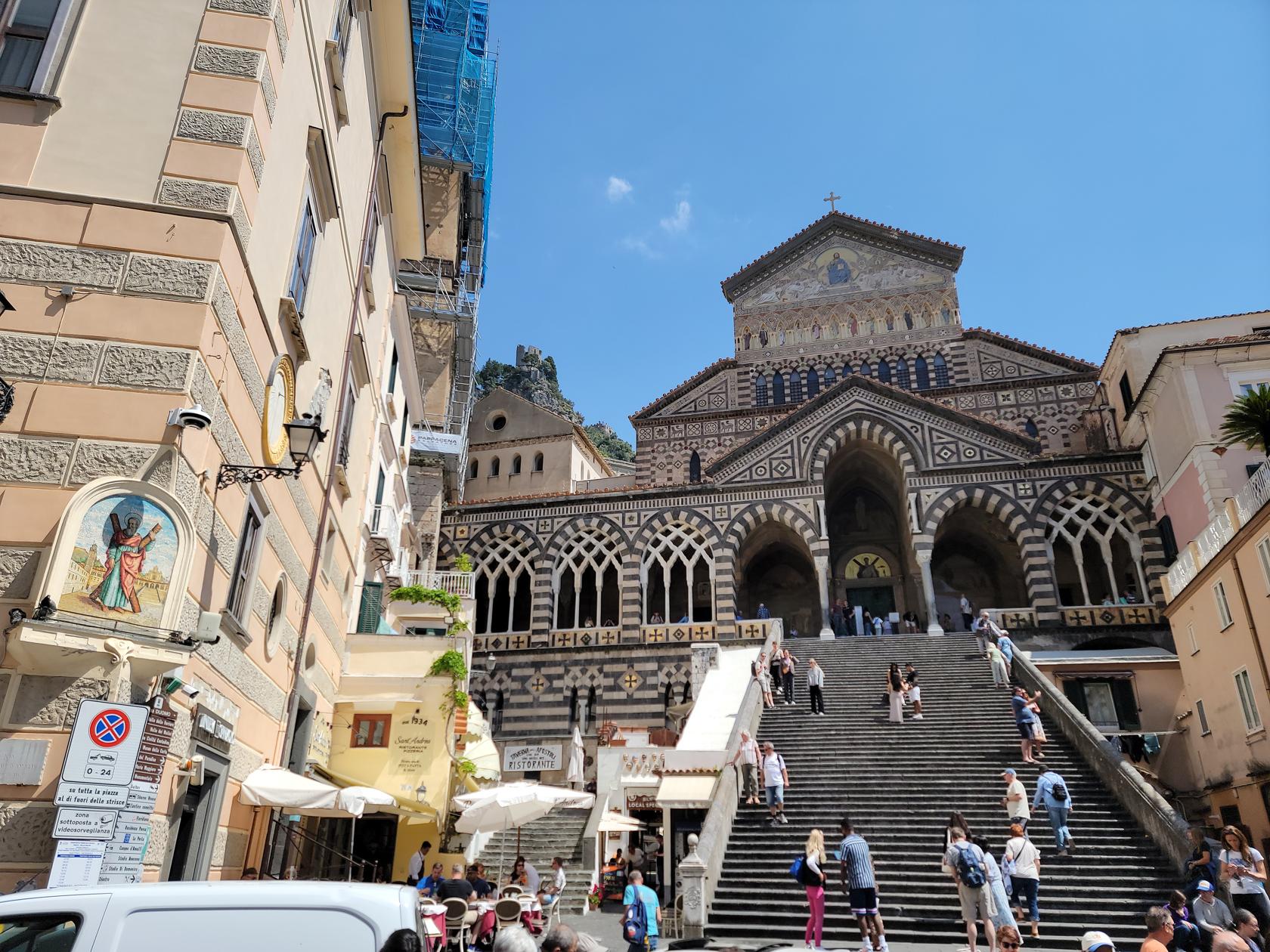
It does have a beautiful cathedral, which unfortunately was closed at the time of our visit.
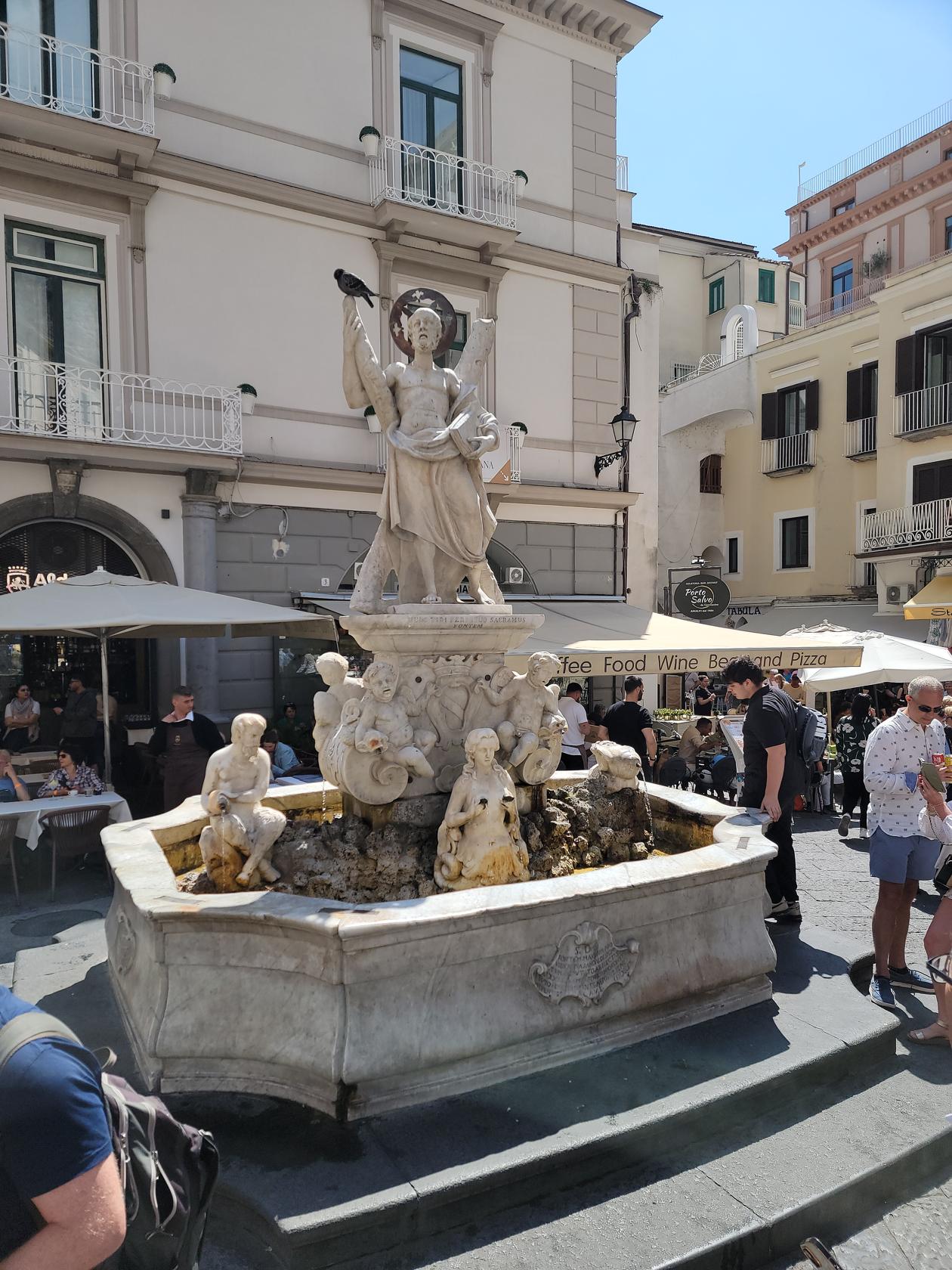
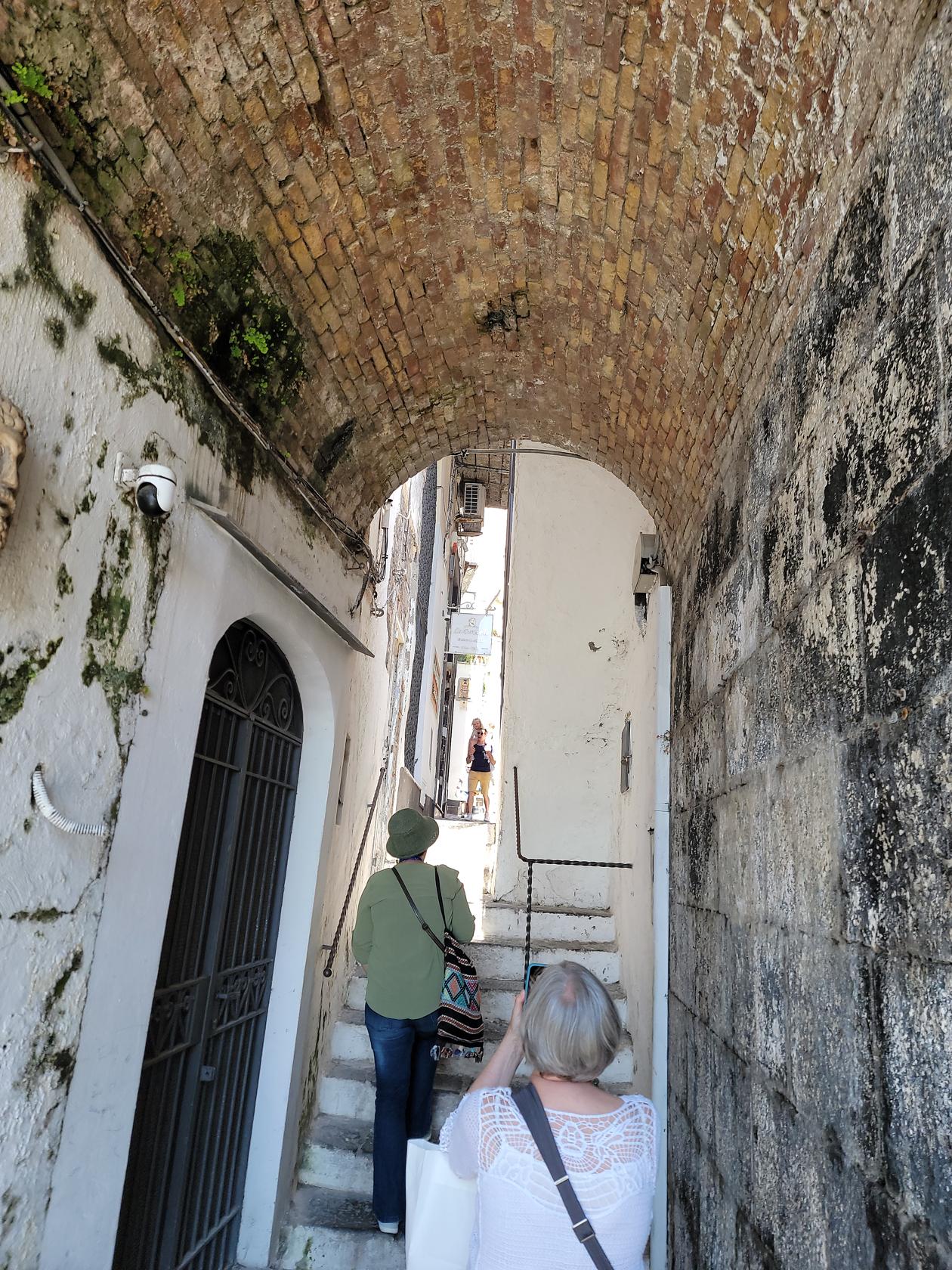
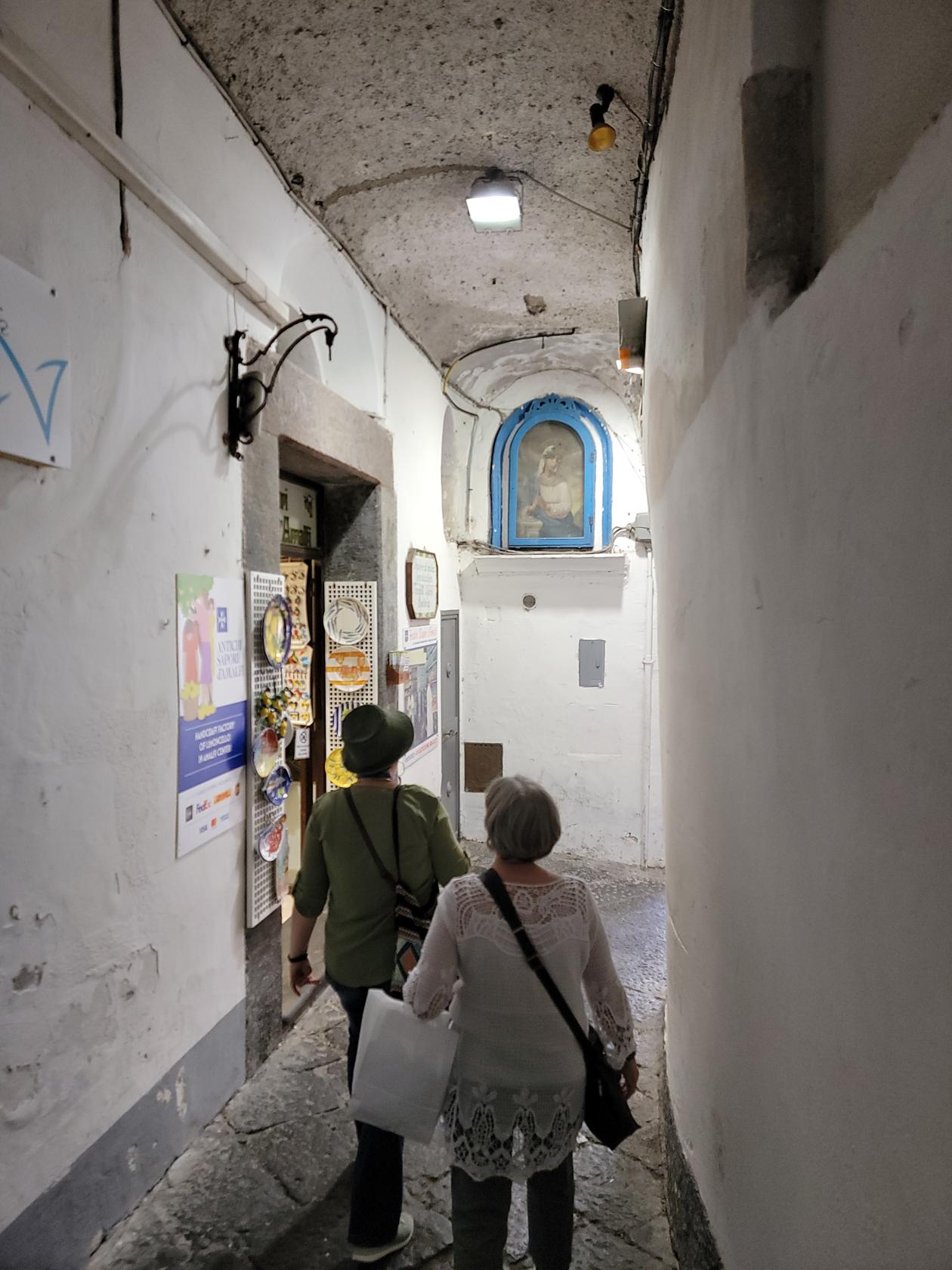
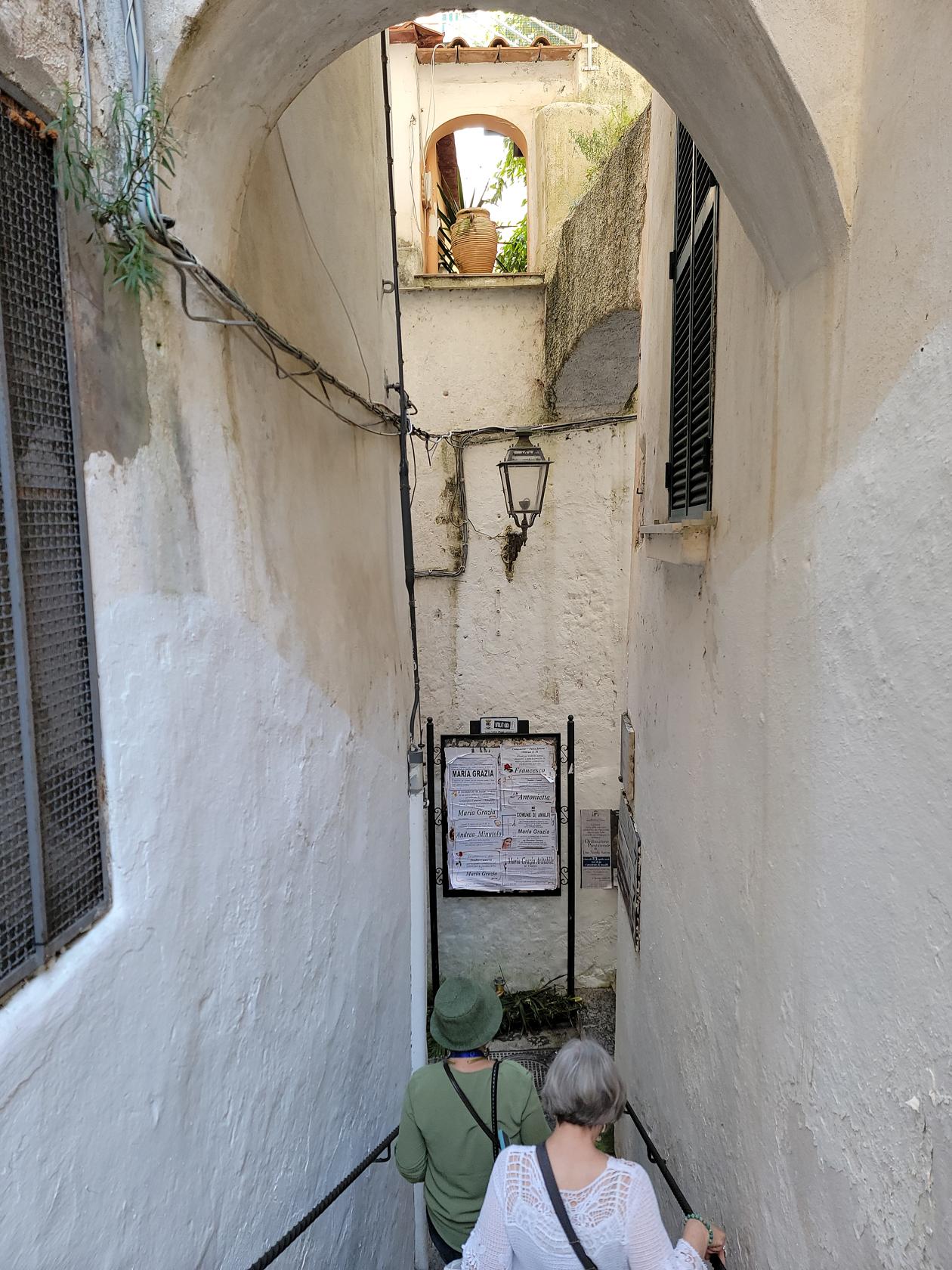
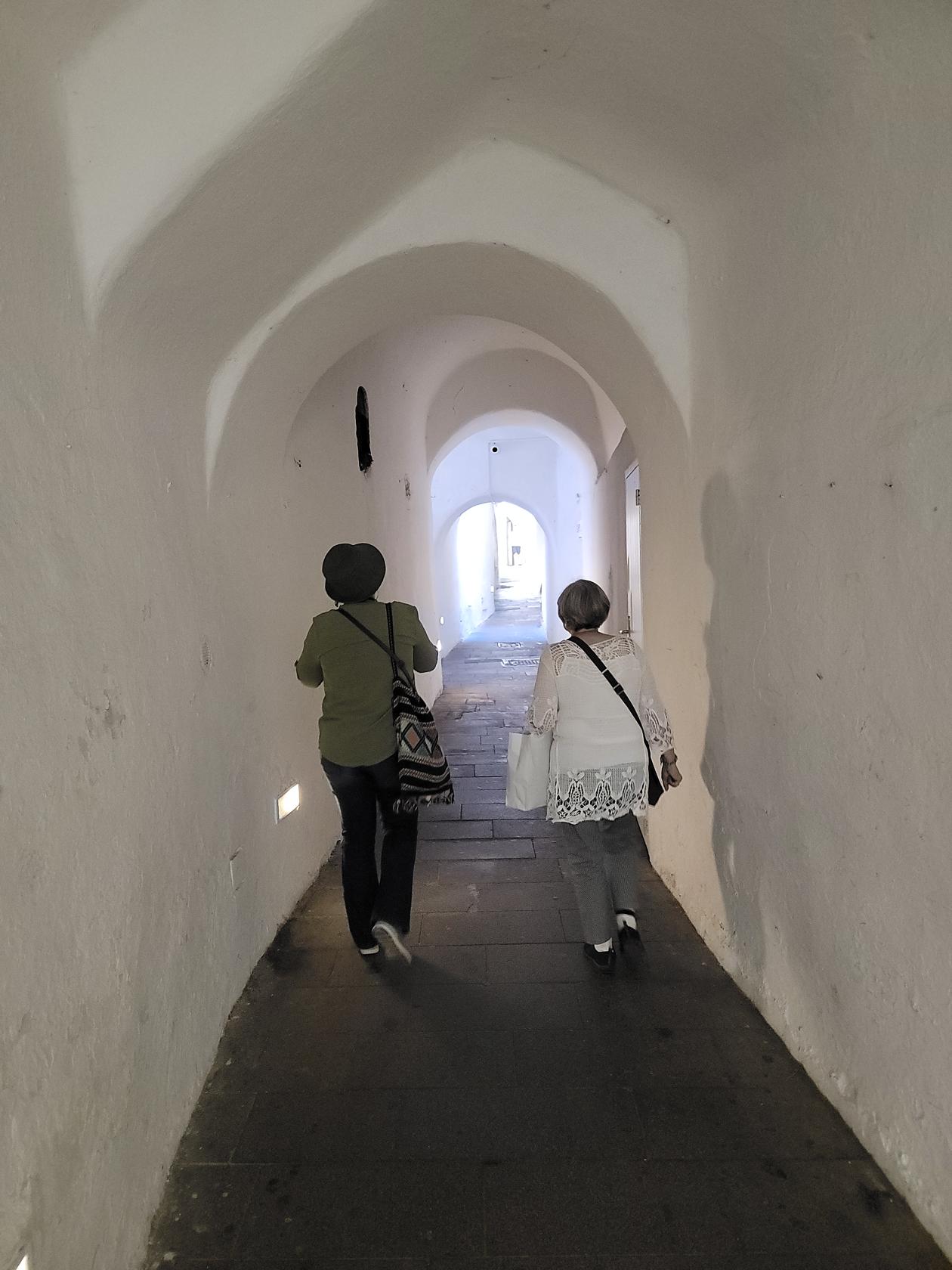
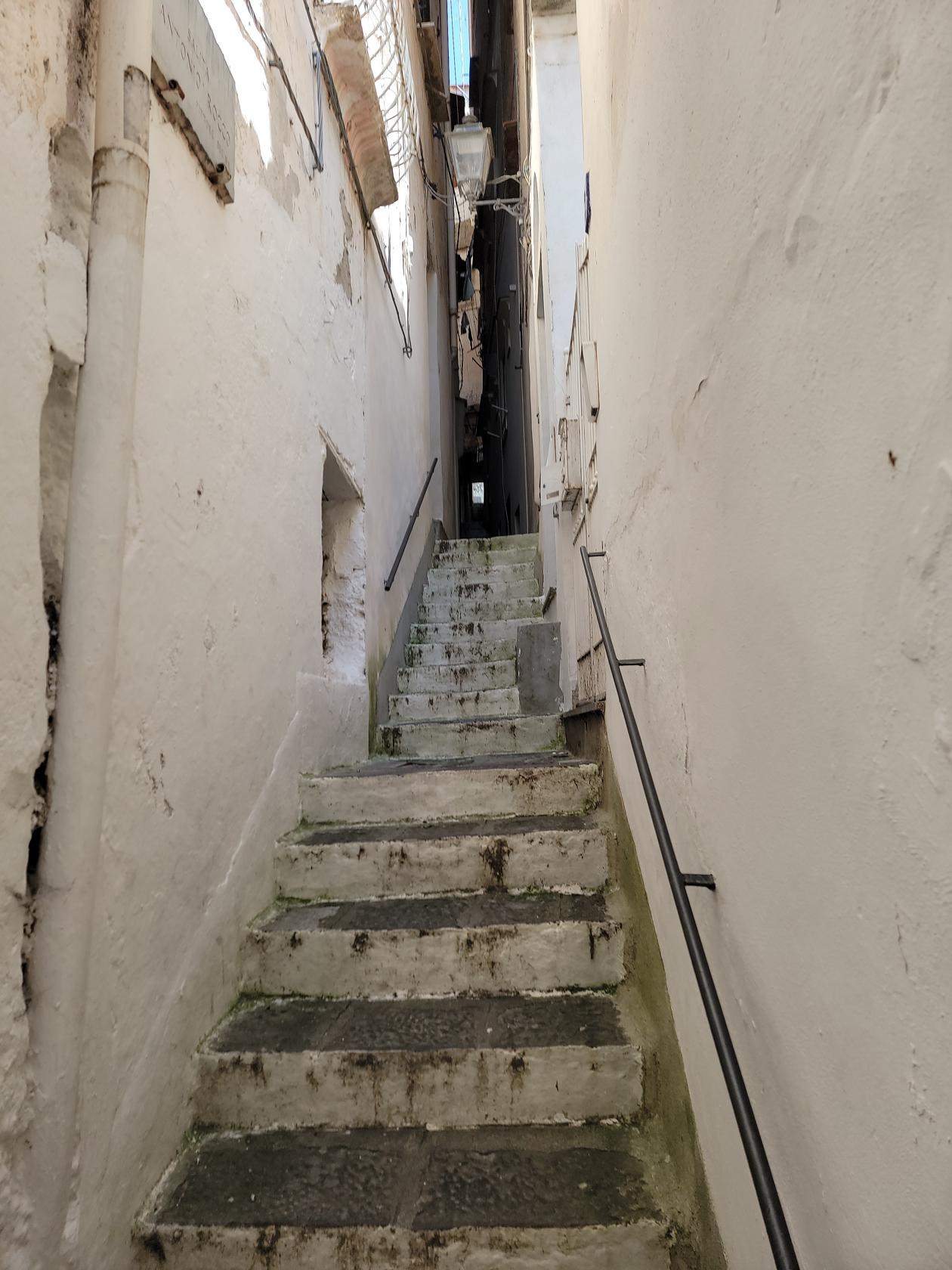
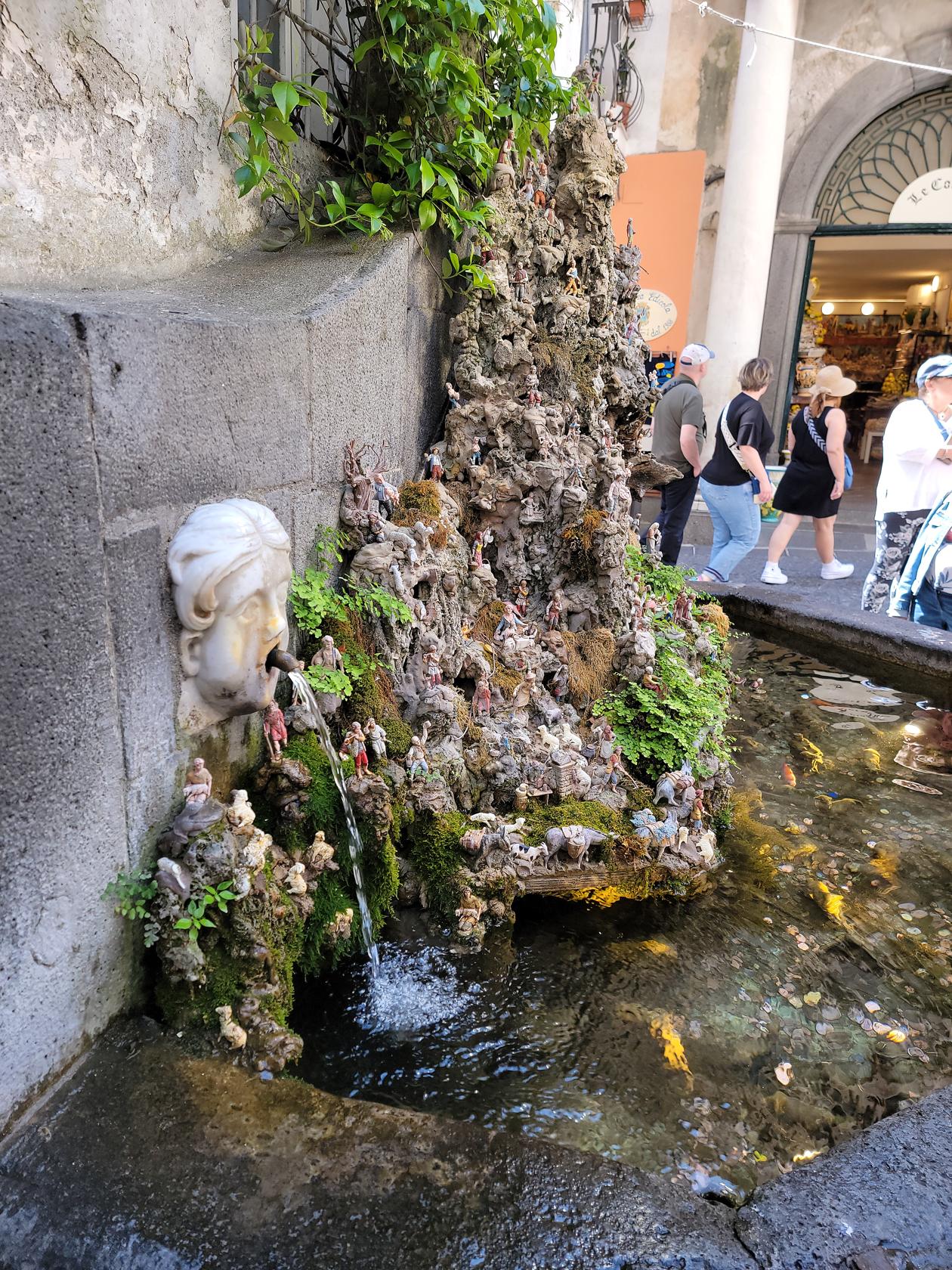
The town has the customary narrow stairs, stairways, alleyways and tunnels, providing a reprieve from the hot summer days for travelers. There are also some interesting fountains in Amalfi, one actually has a cute little diorama built into it of little character, shepards and animals, along with the customary goldfish swimming below.
Ravello
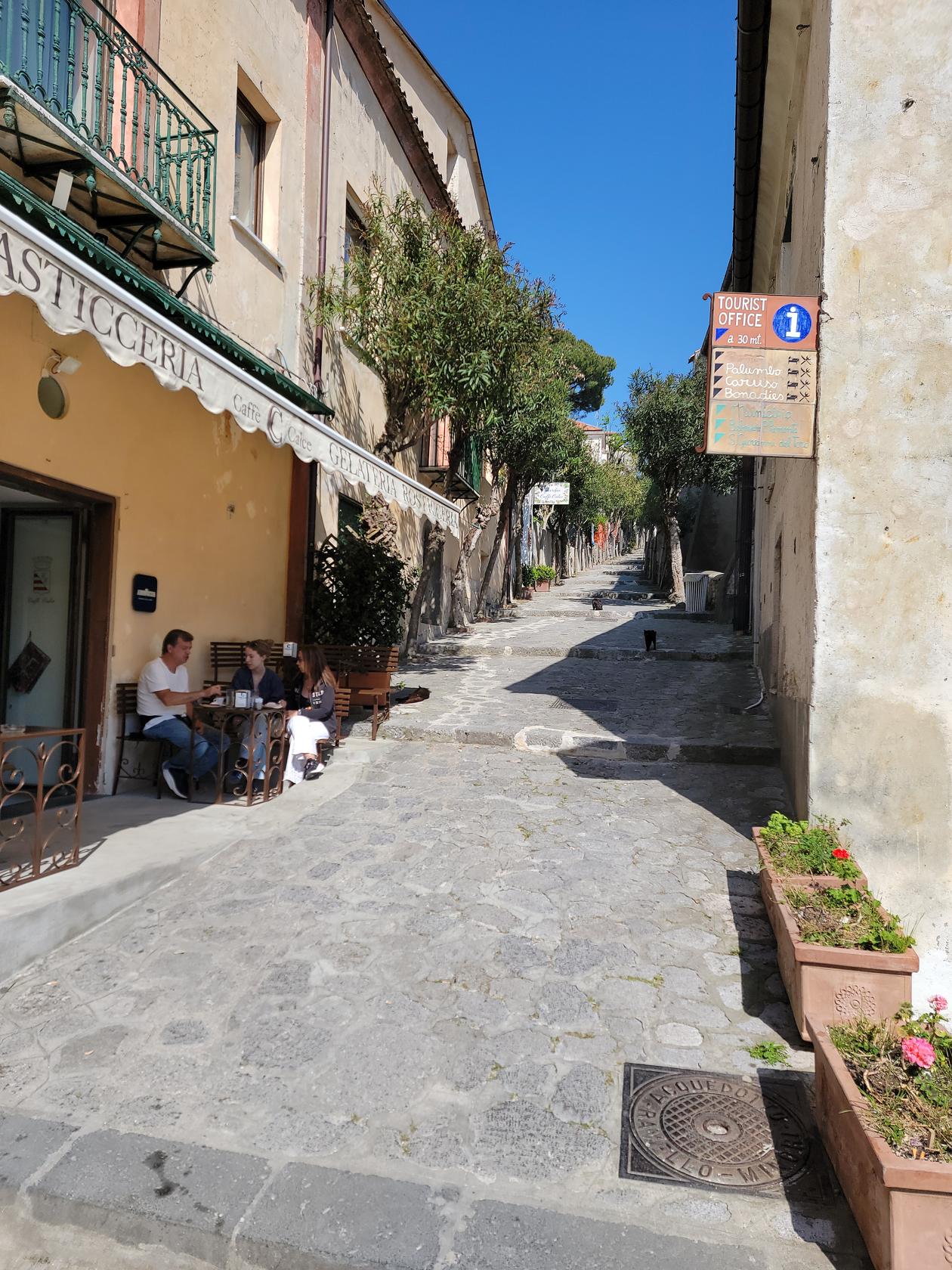
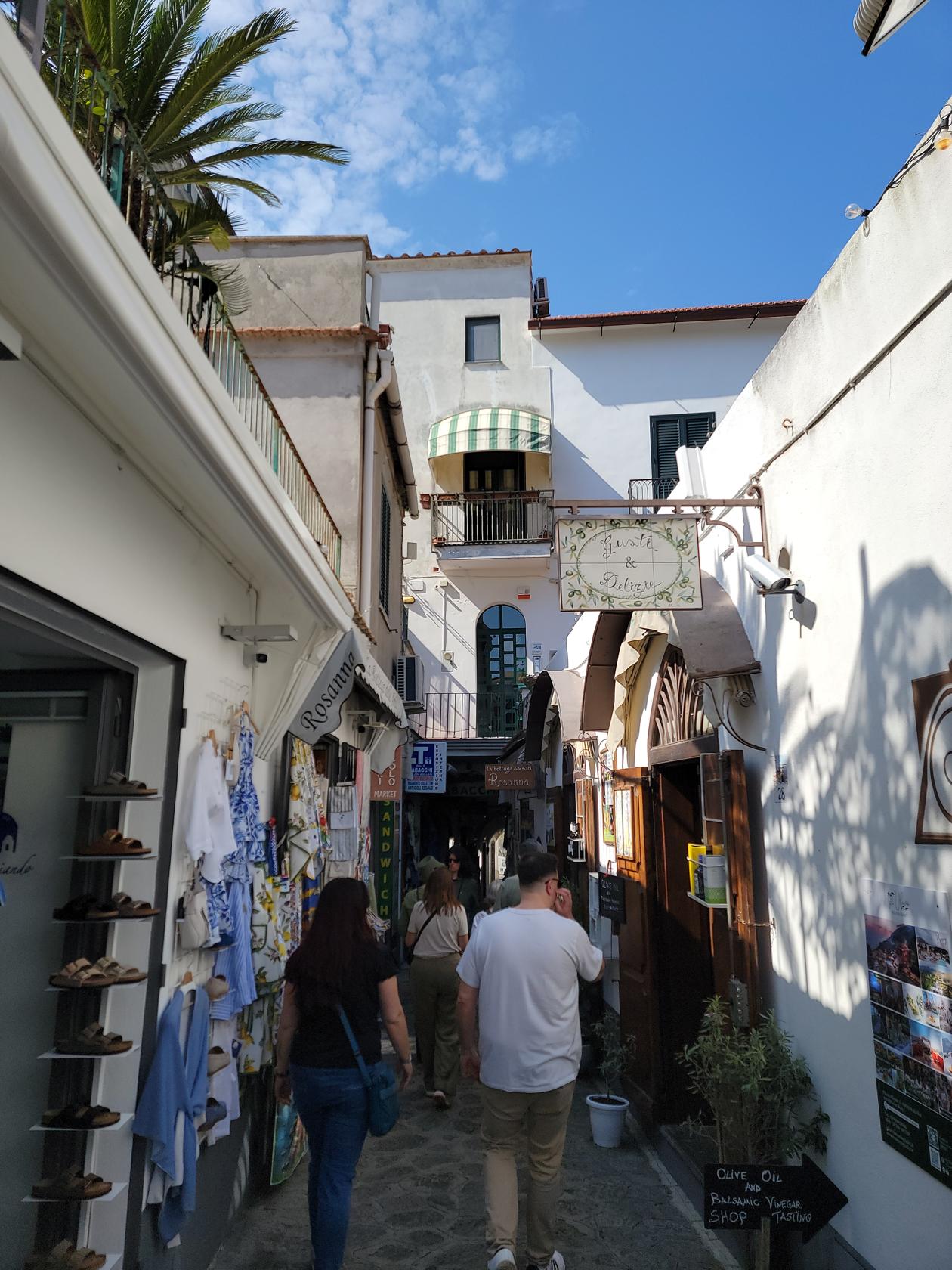
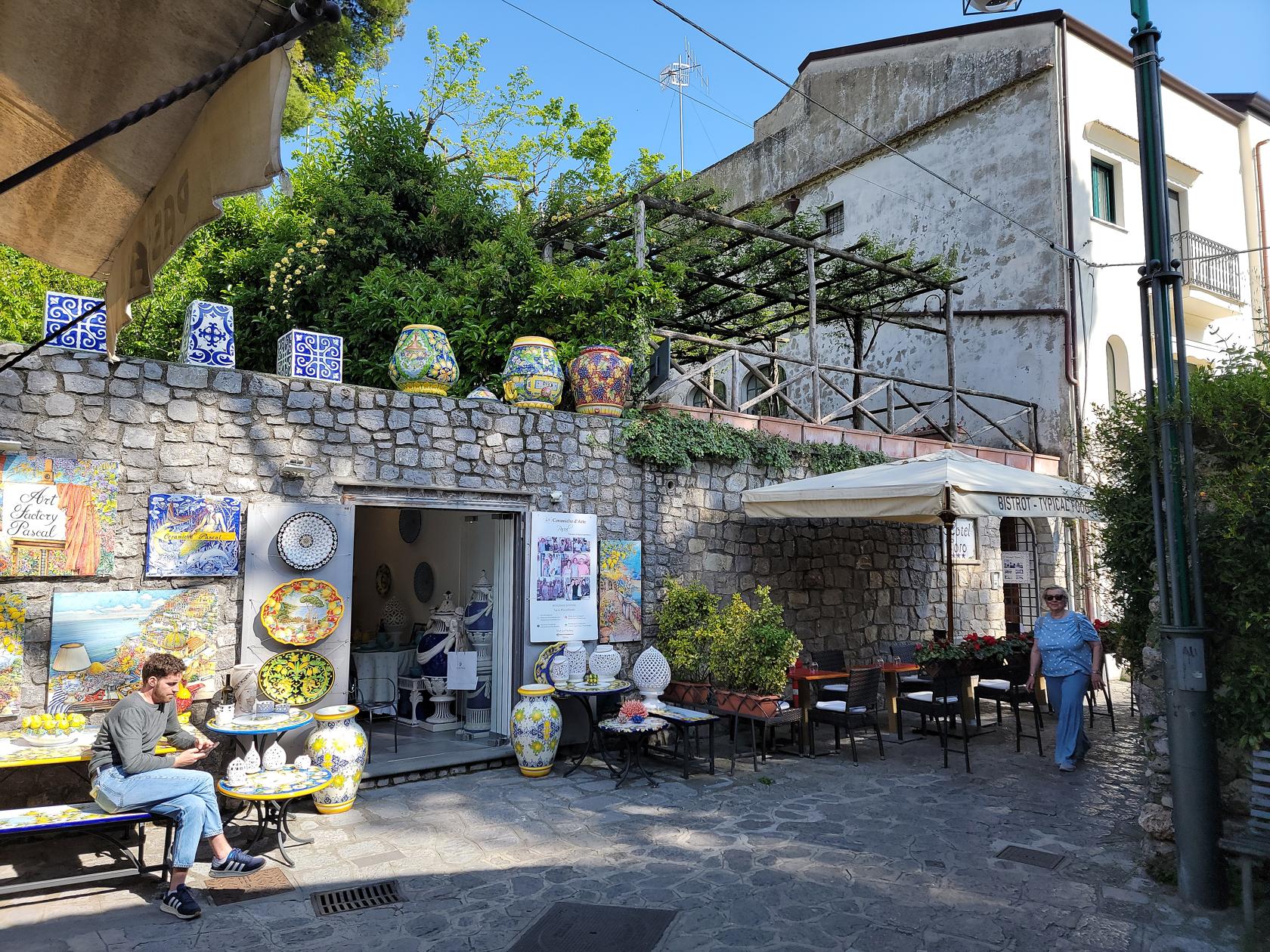
Unlike most other towns along the coast, Ravello kind of stood out. Not only is it more relaxing, since it is obviously visited by fewer people, it is quieter and more laid back. This is most likely due to its smaller size, its elevation and distance from the coast.
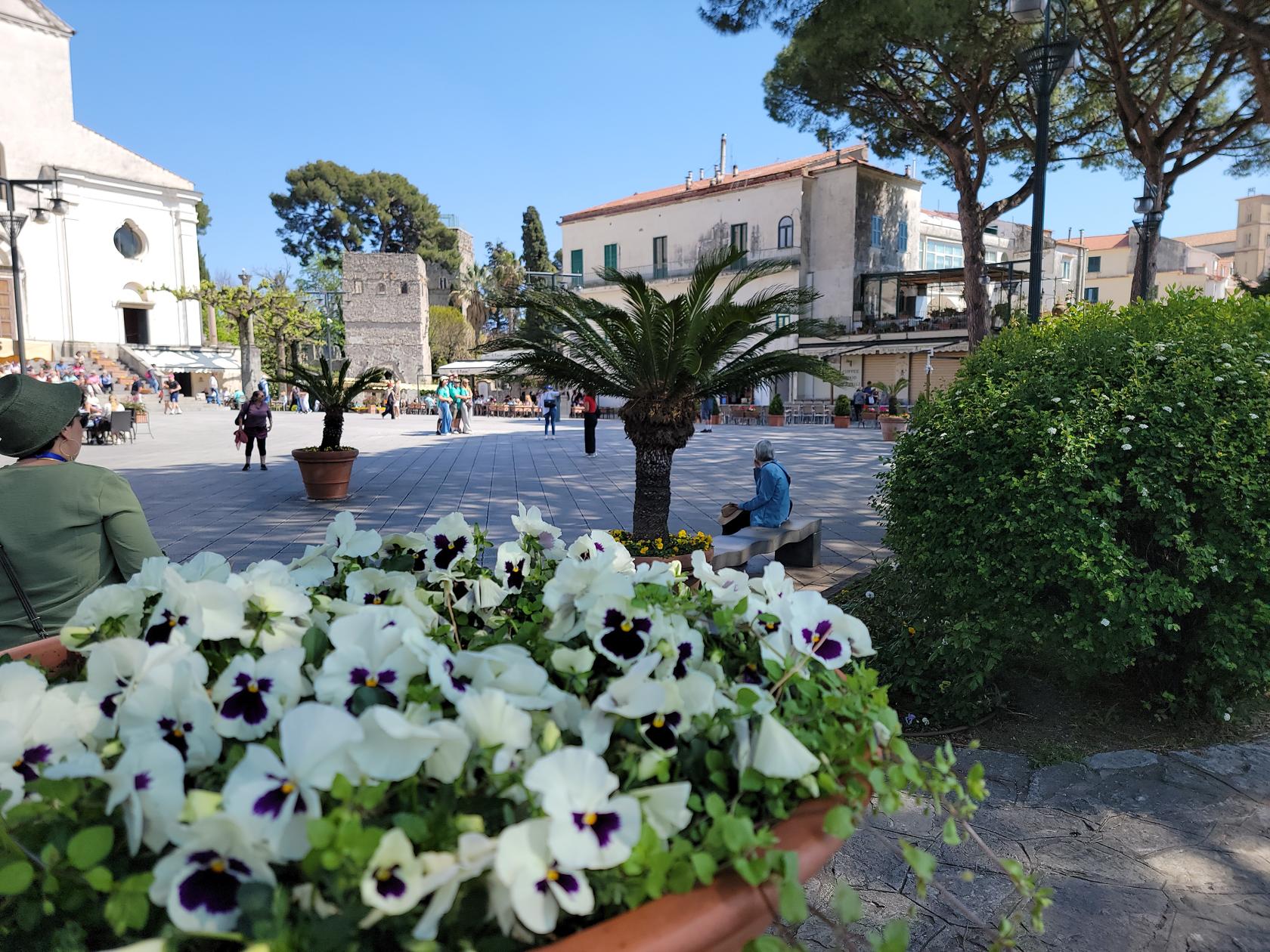
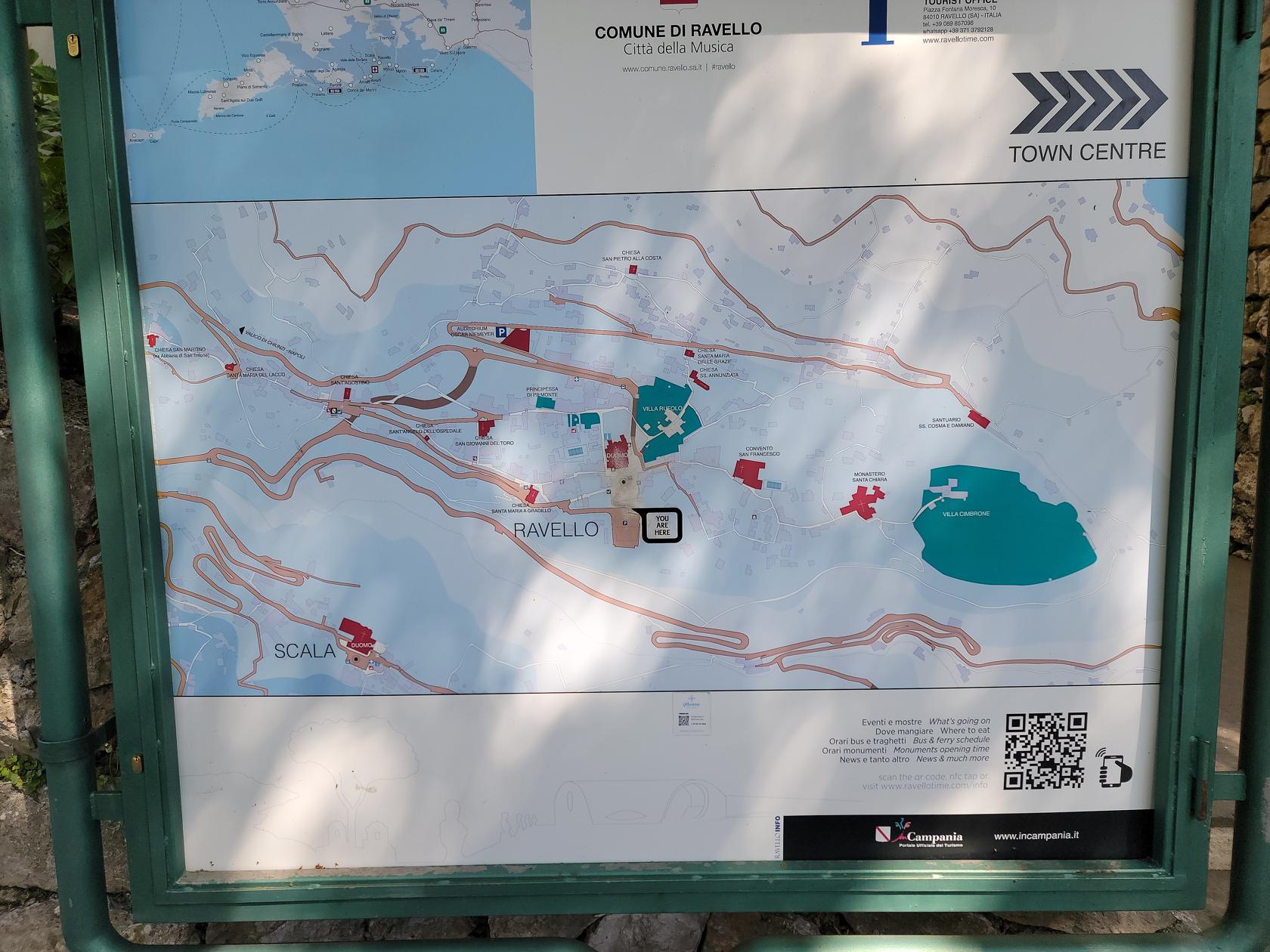
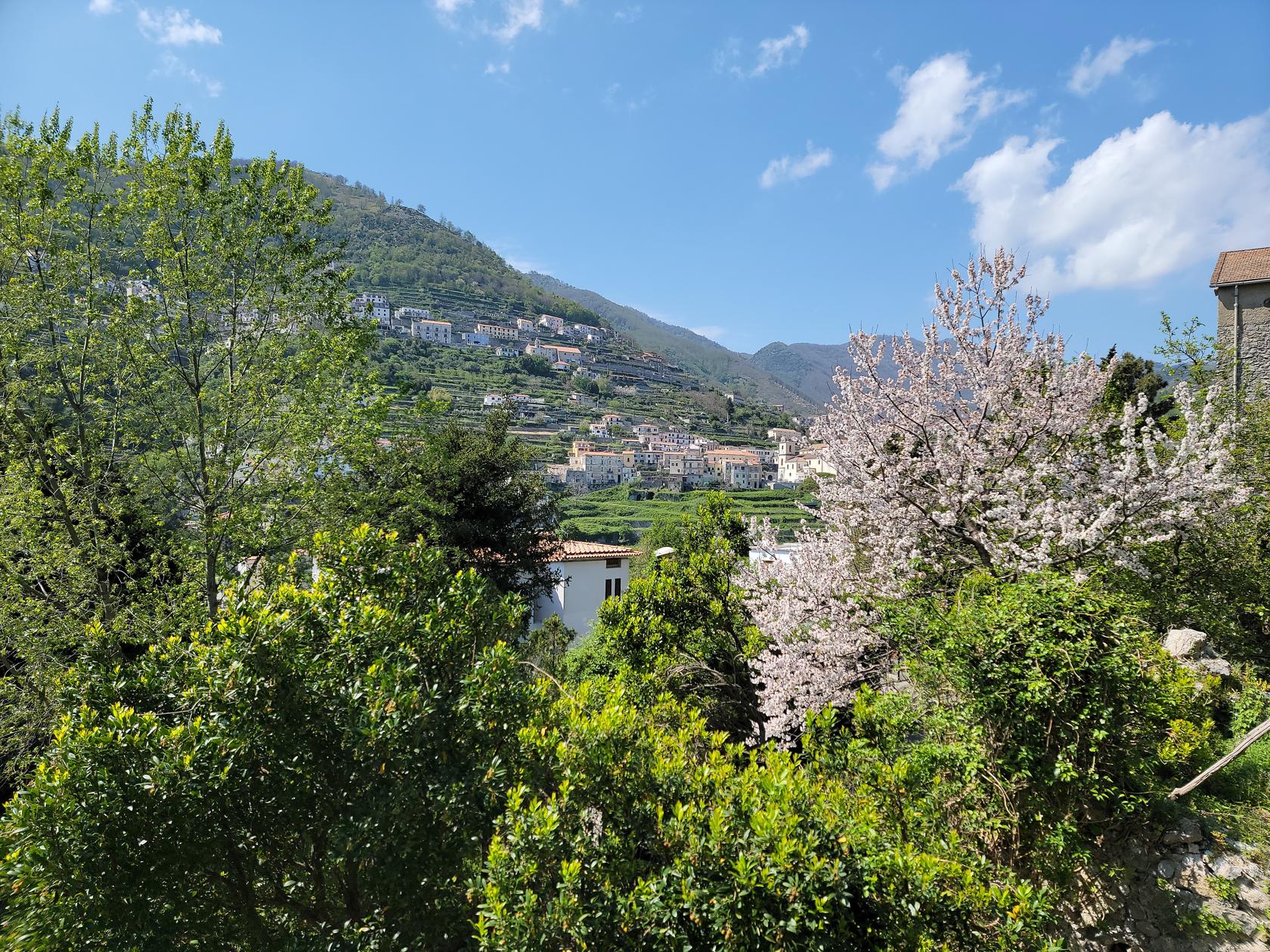
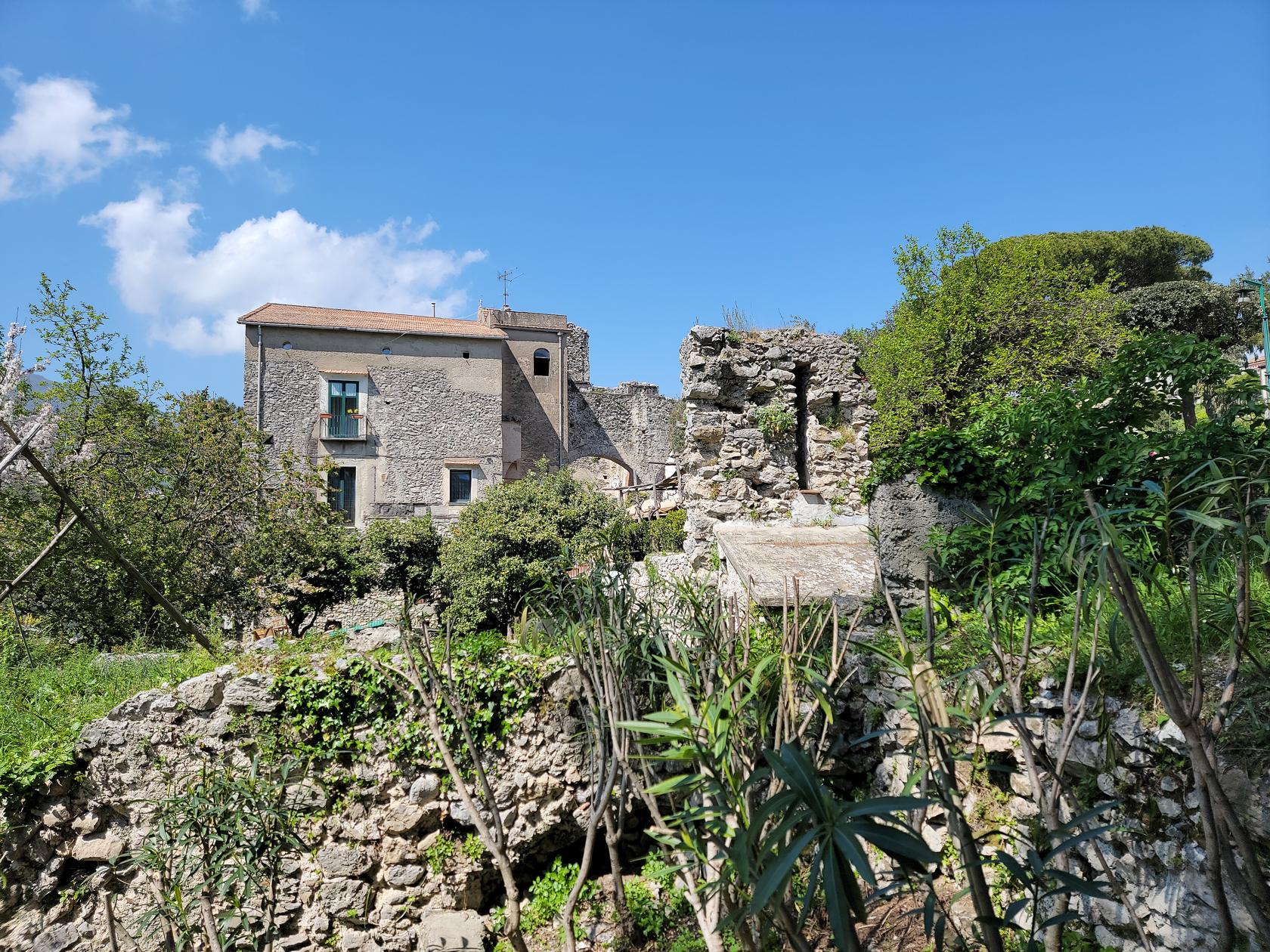
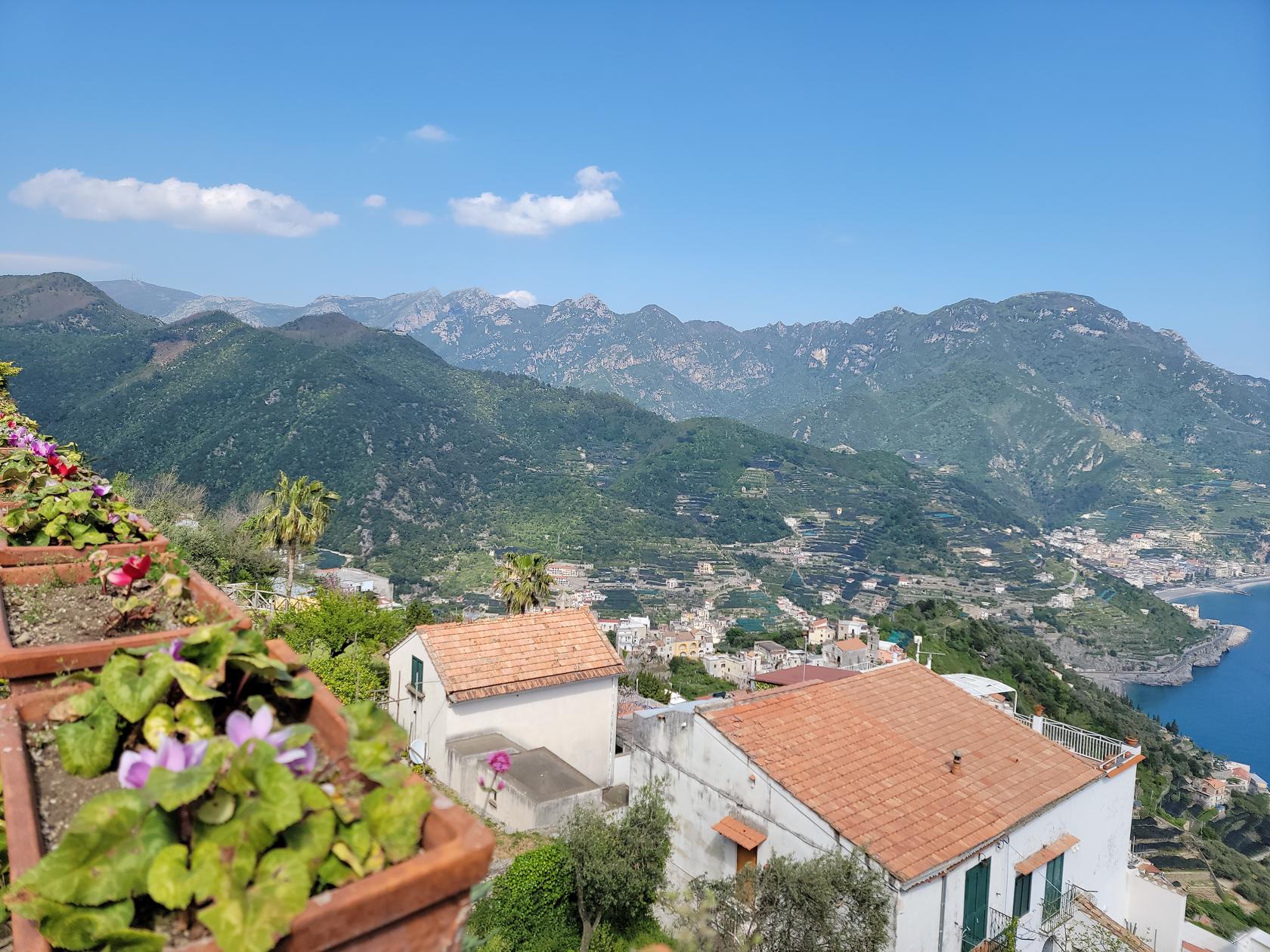
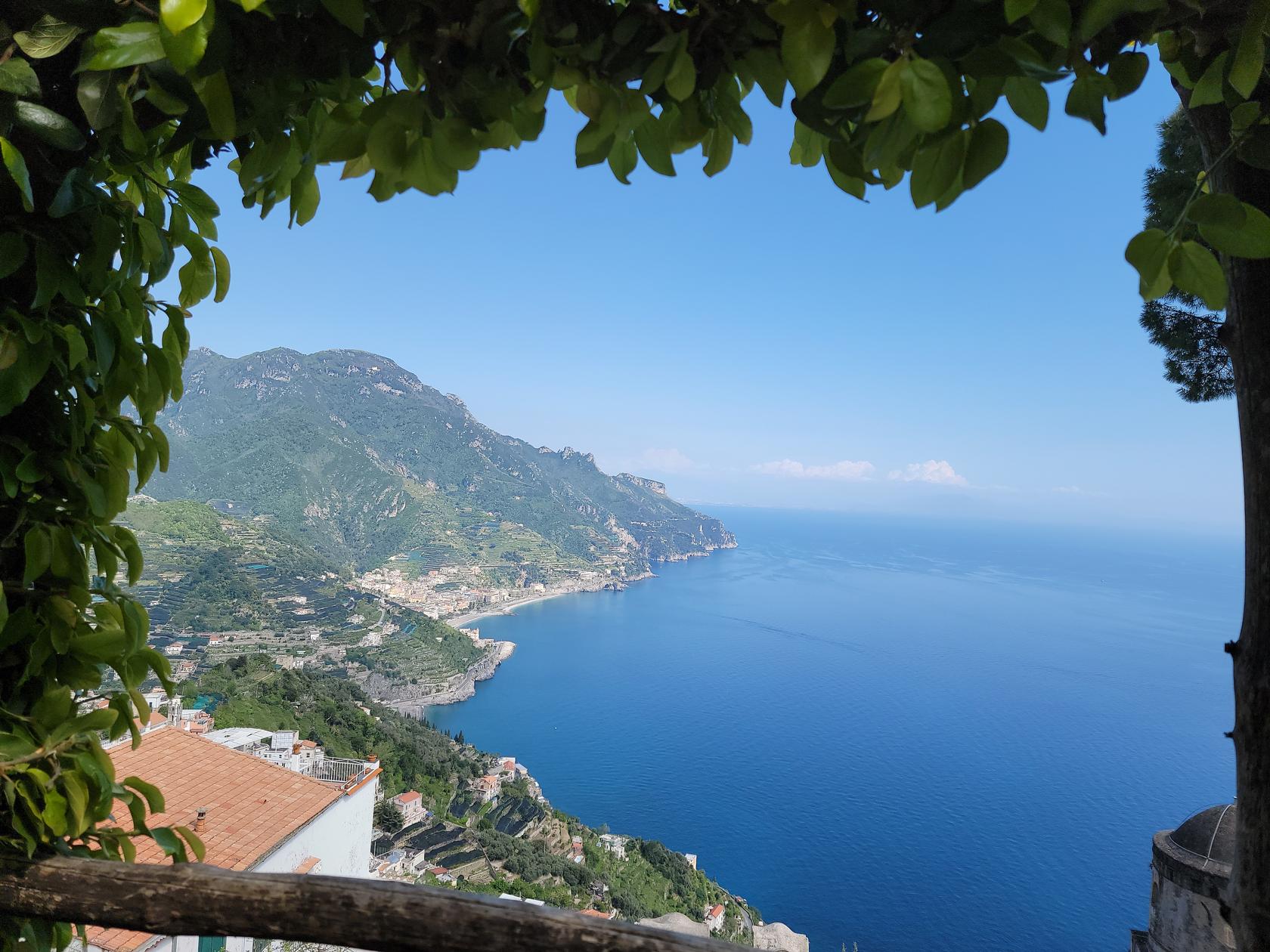
Some find it a better alternative than Amalfi. For one, there are better views from the town, from where visitors can see Amalfi’s classic rocky coastline. Plus the relaxed atmosphere adds to the pleasure, especially if you have time to sit and enjoy a drink, or have a gelato at one of the many artigianale gelaterias in the town.
Duomo di Revallo
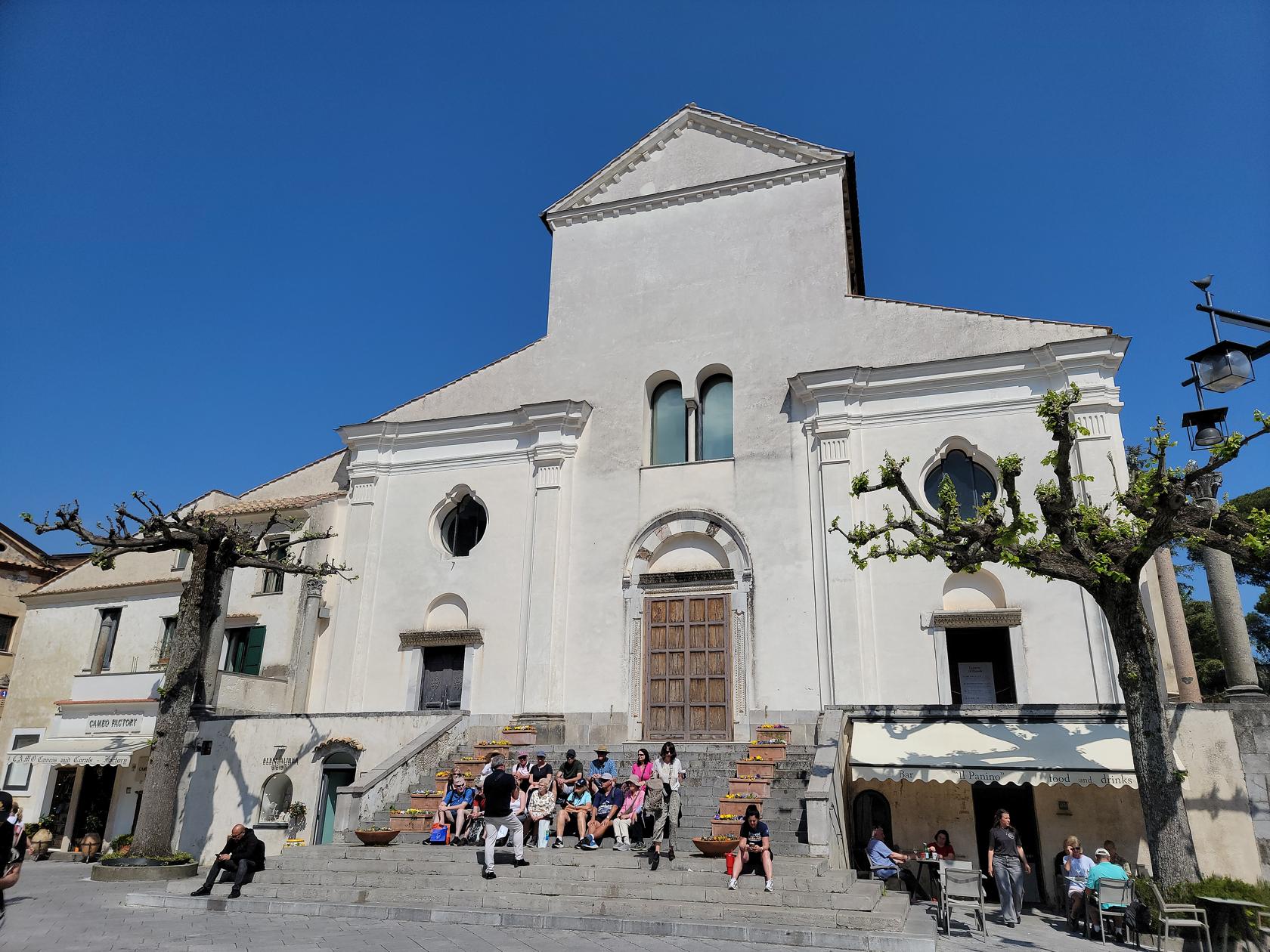
The main church in town is the Duomo di Ravello, which was unfortunately closed while we were visiting, so the interior remains a mystery to us.
Villa Rufolo
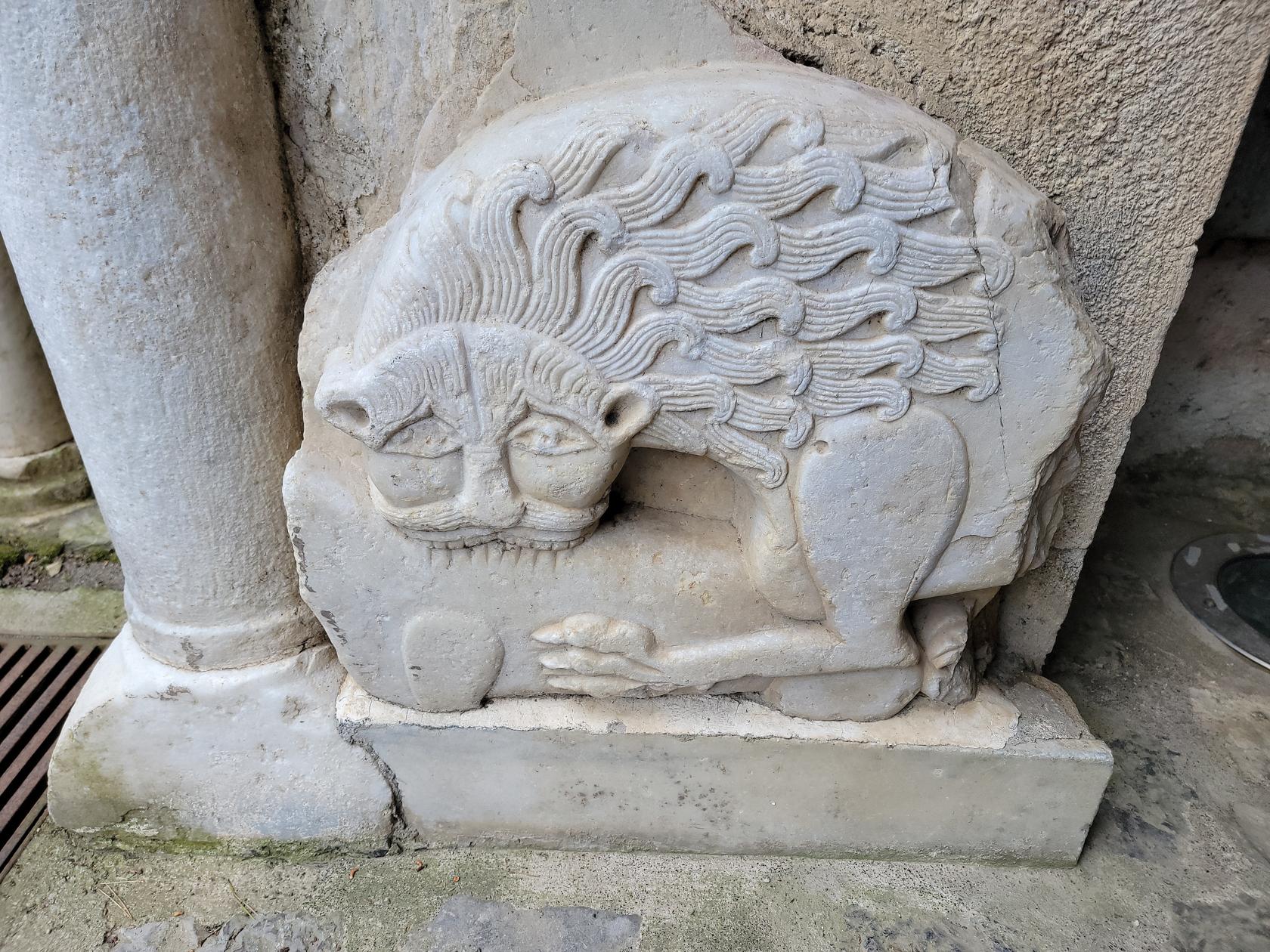
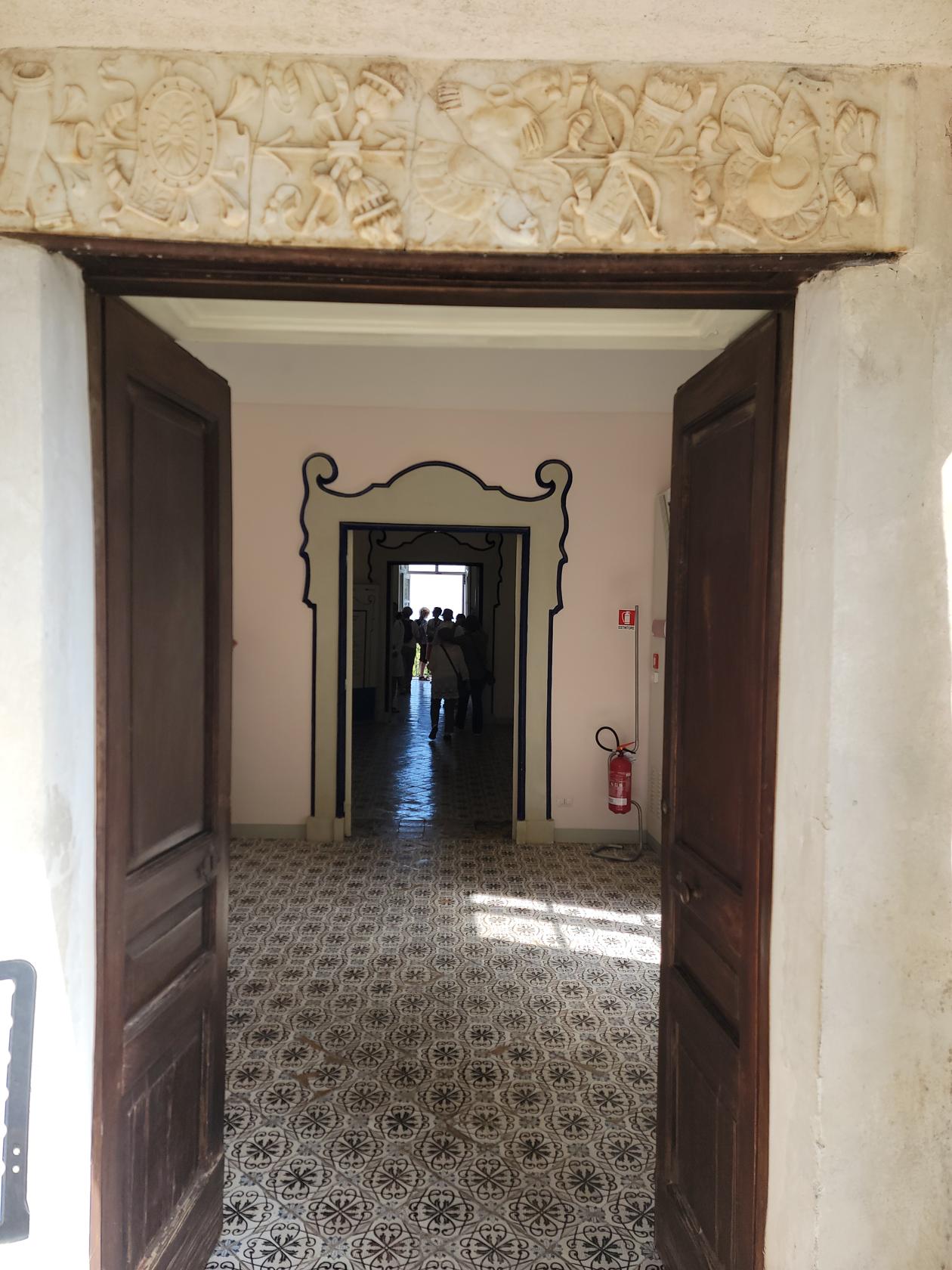
For a small entrance fee you can visit Villa Rufolo in Ravello. The entrance shows some interesting designs and details, that continue in deeper parts of the villa.
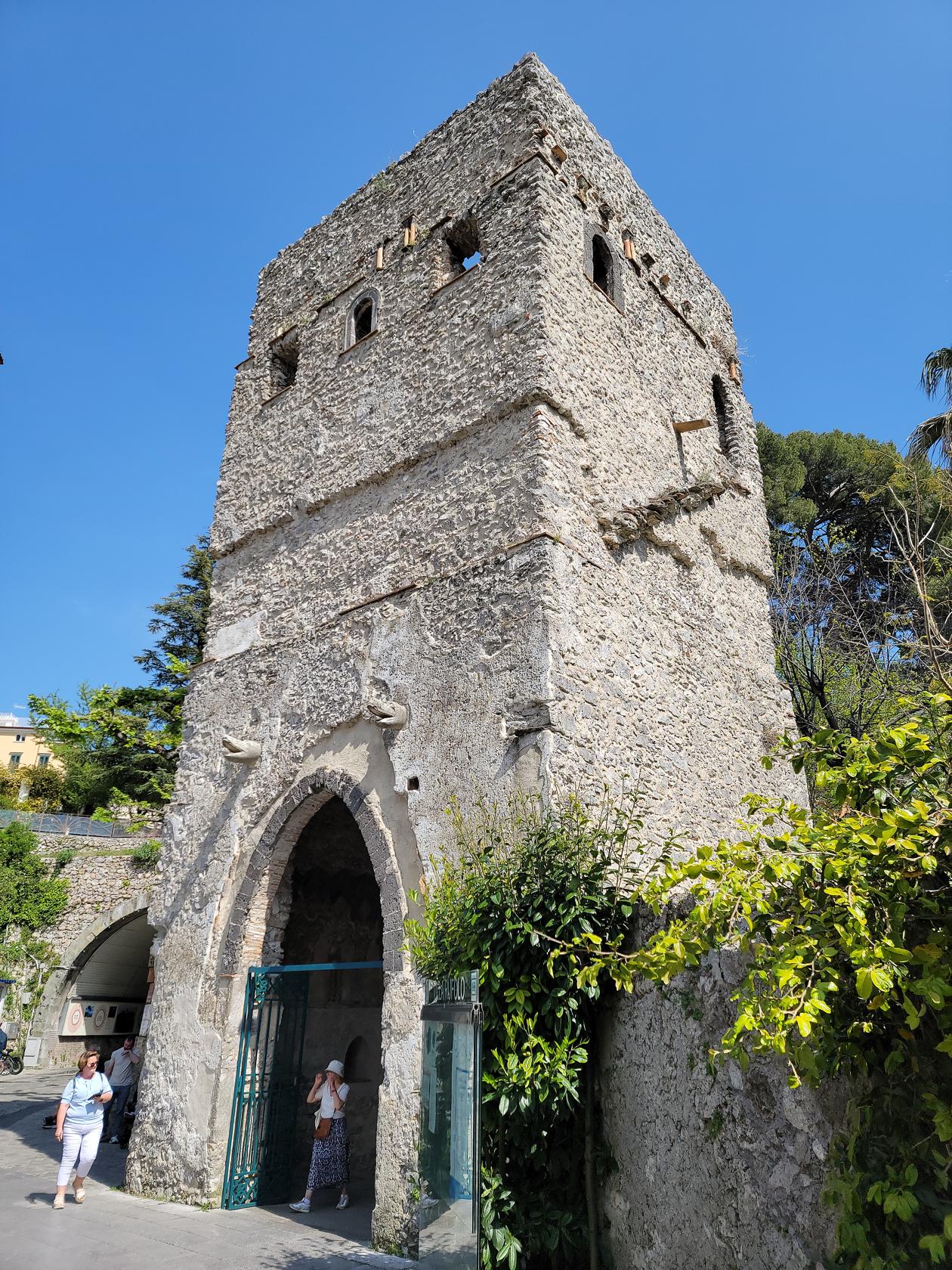
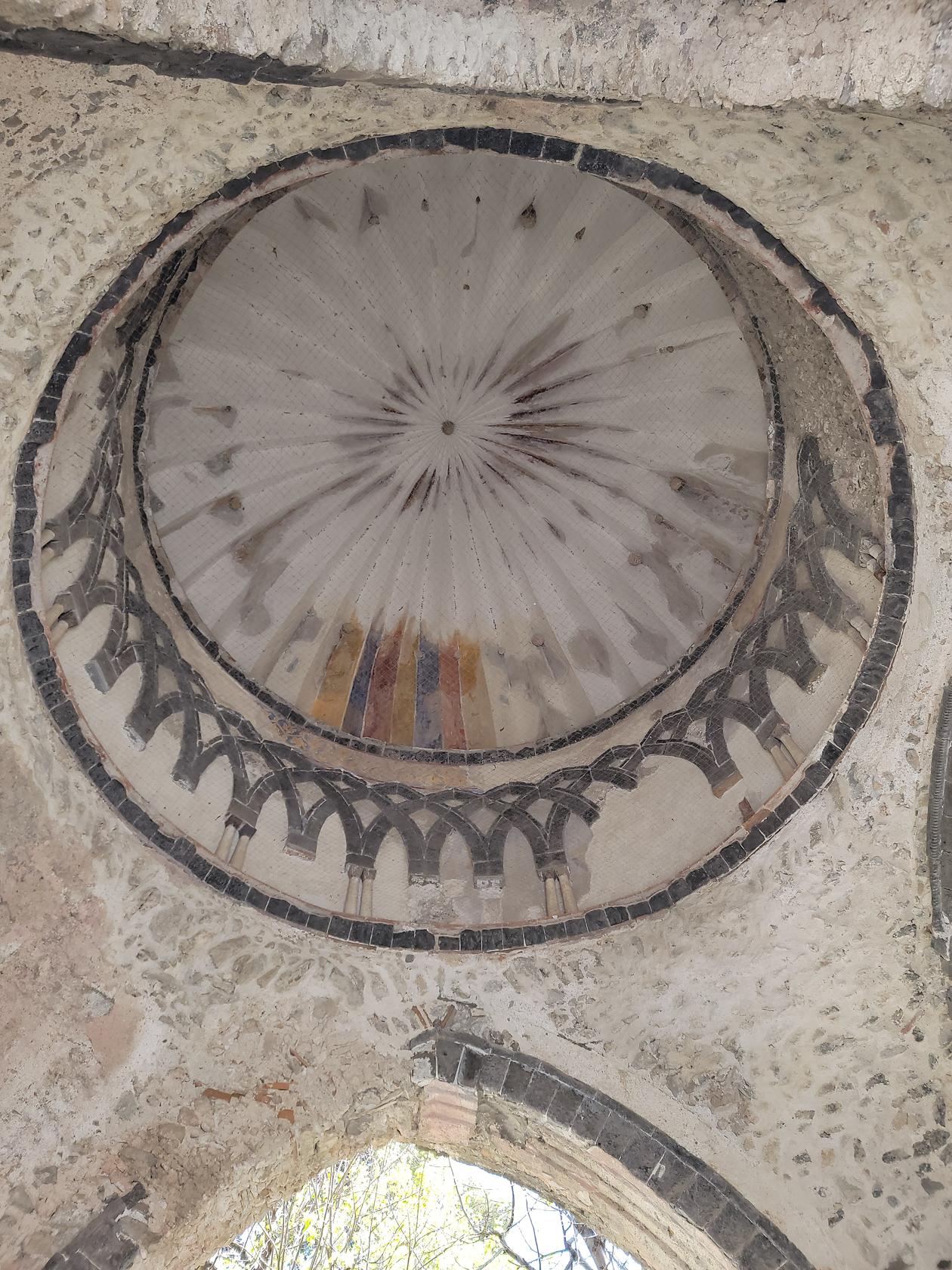
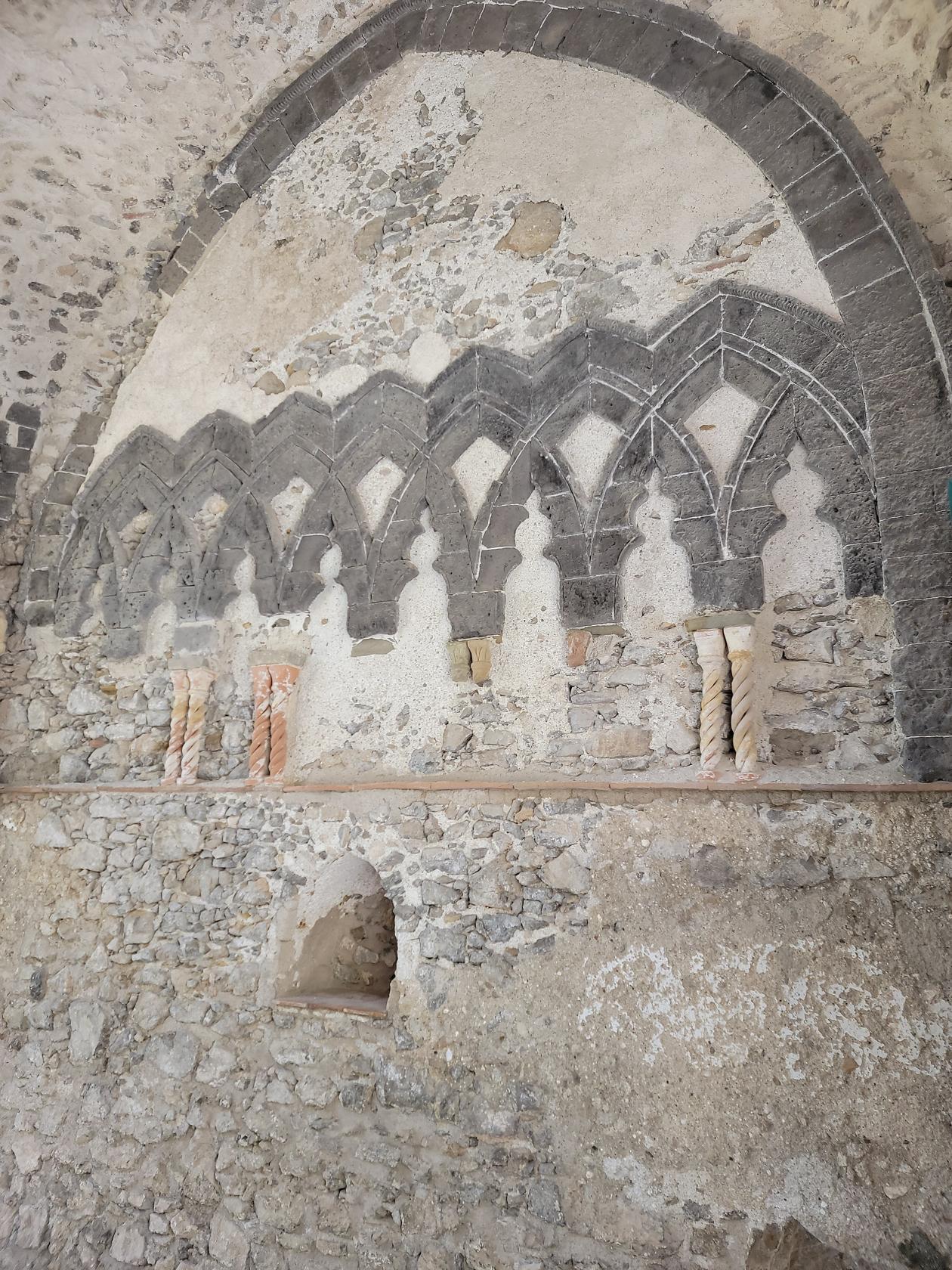
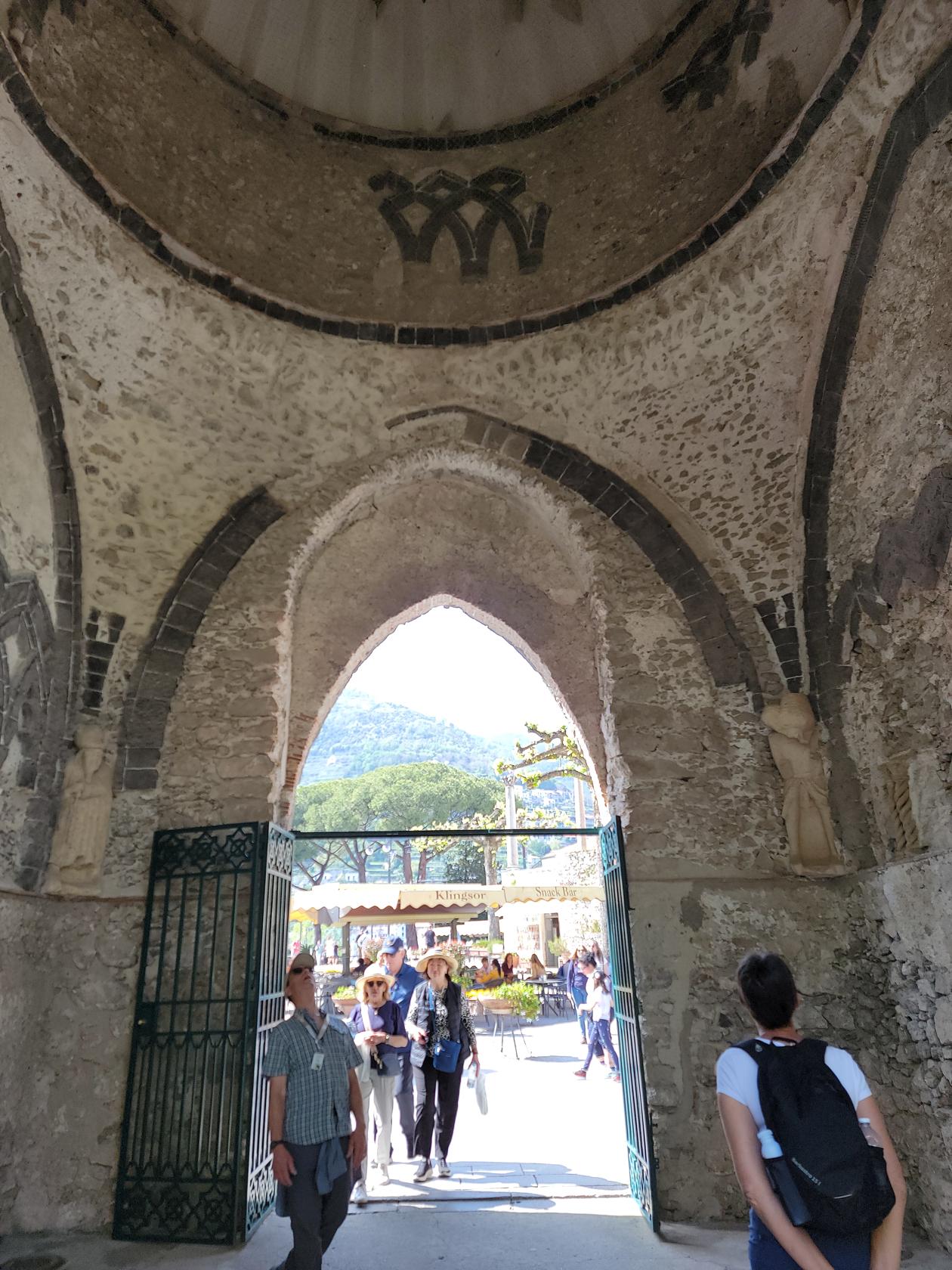
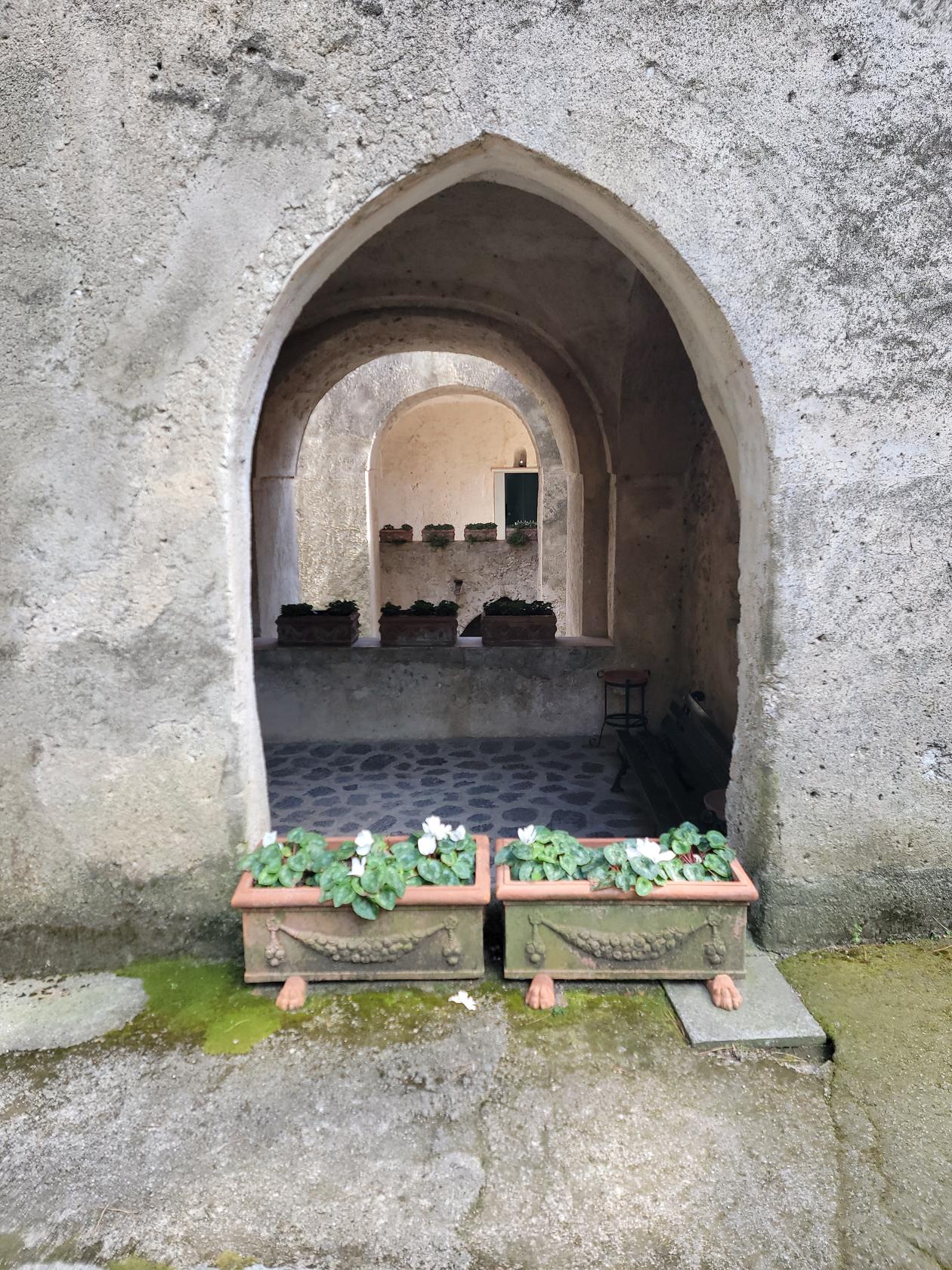
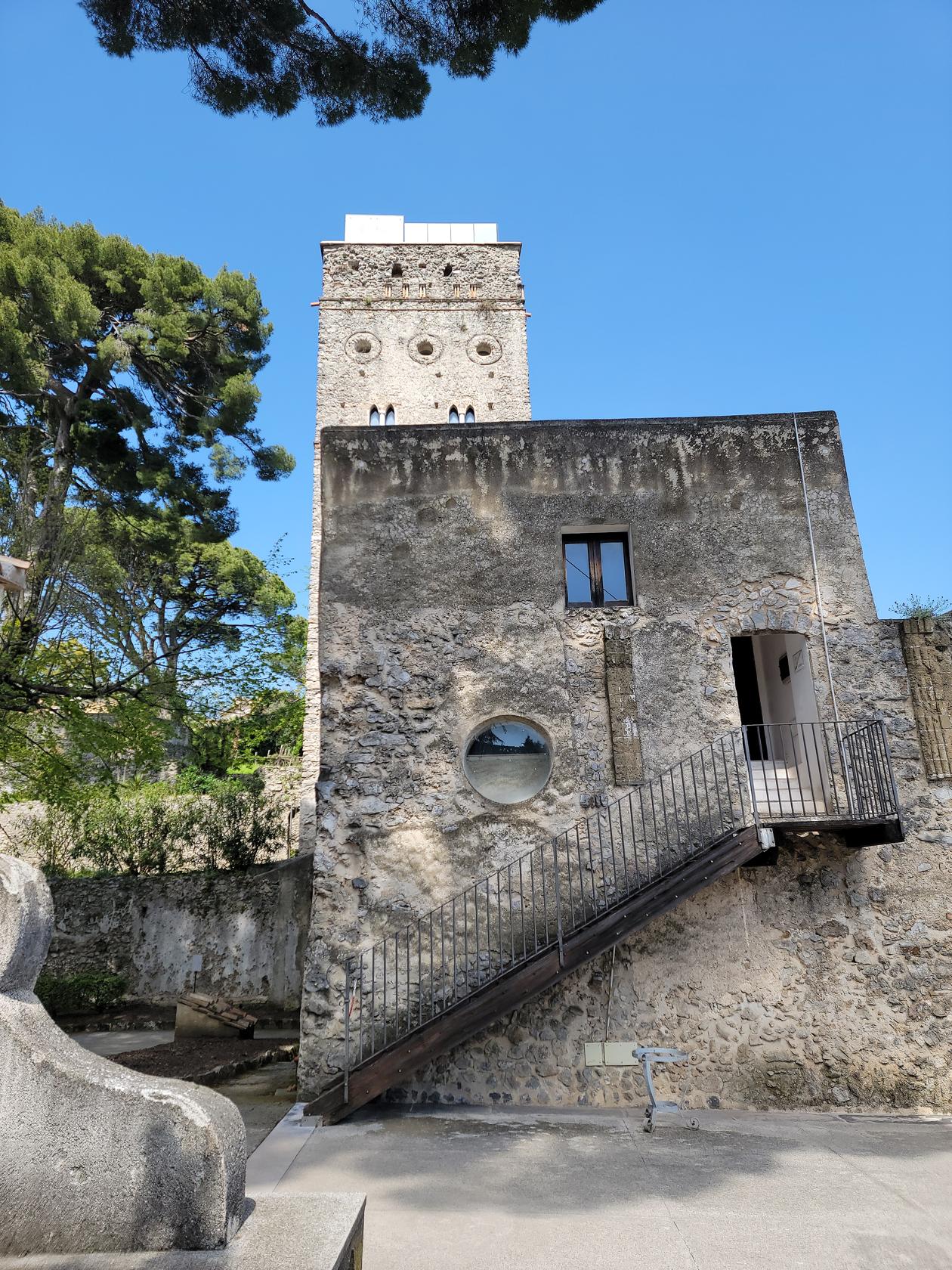
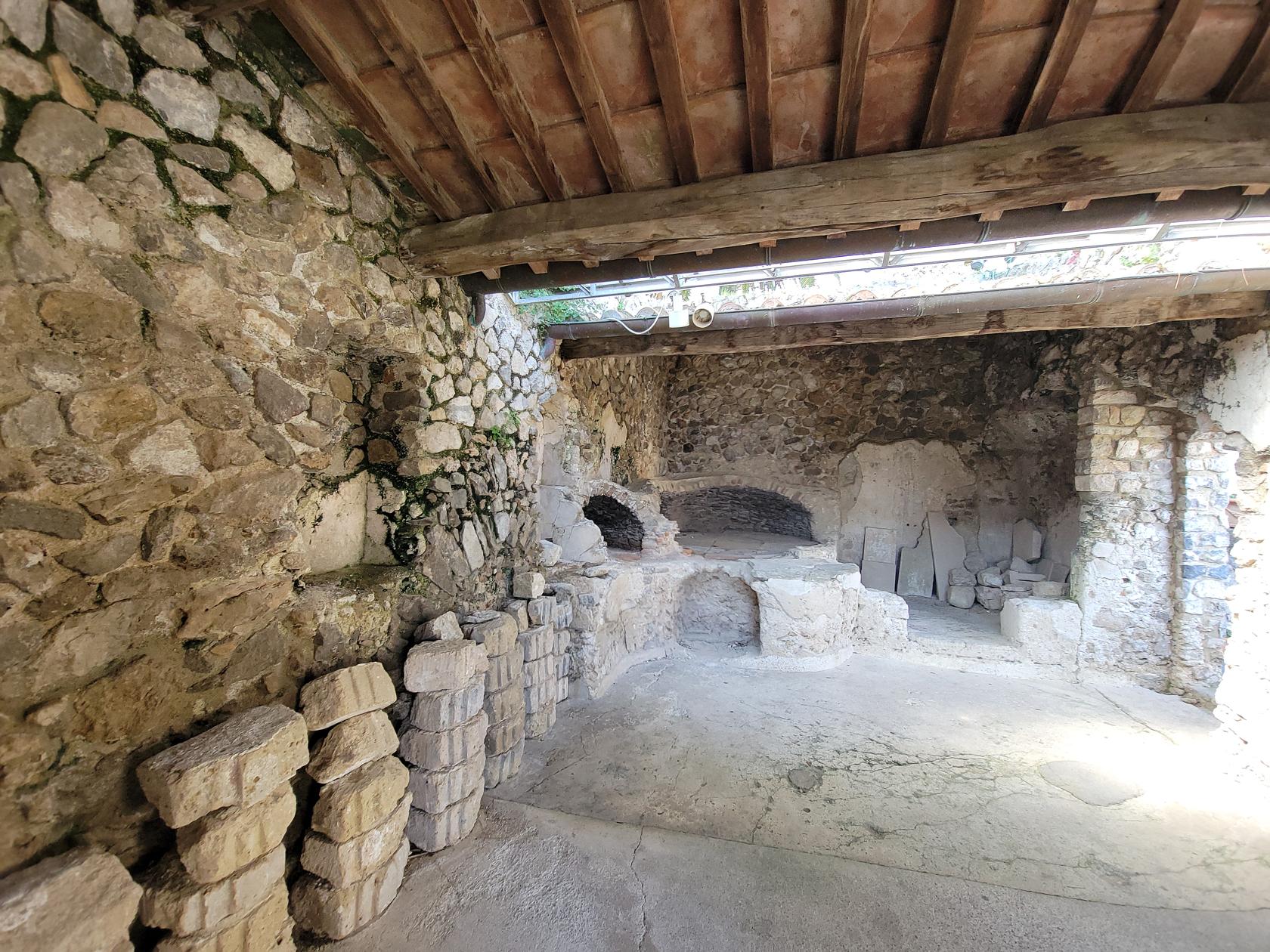
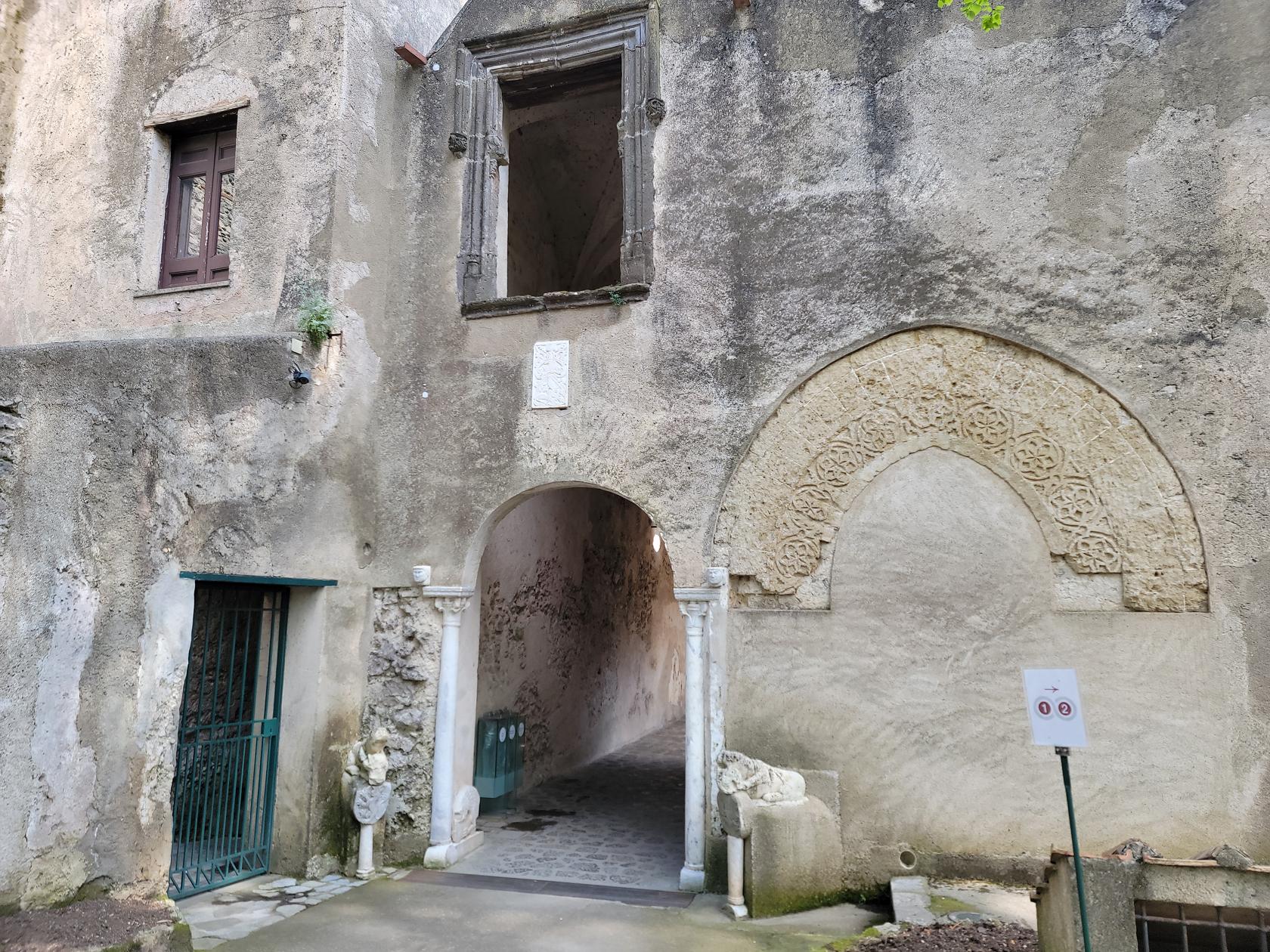
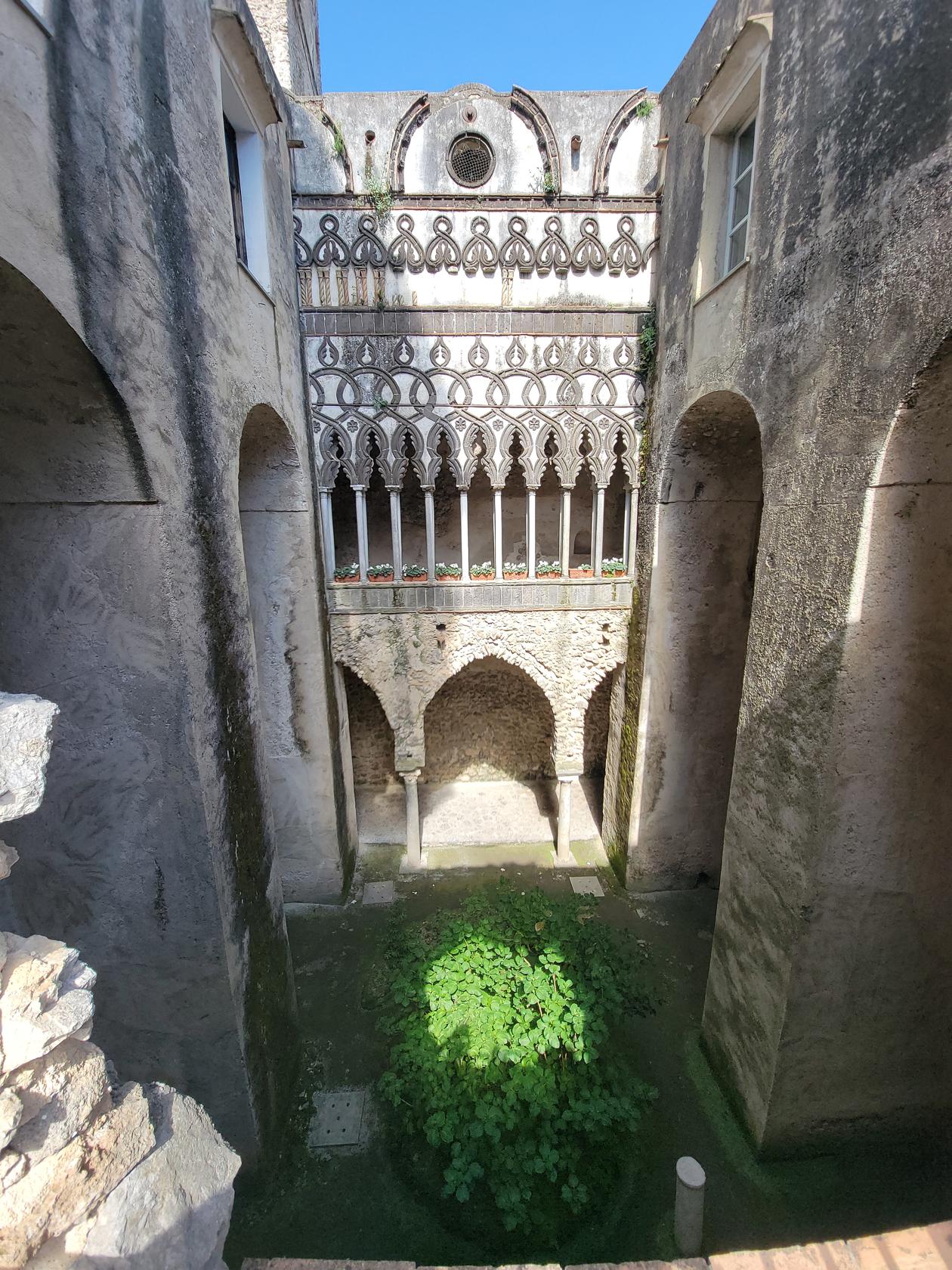
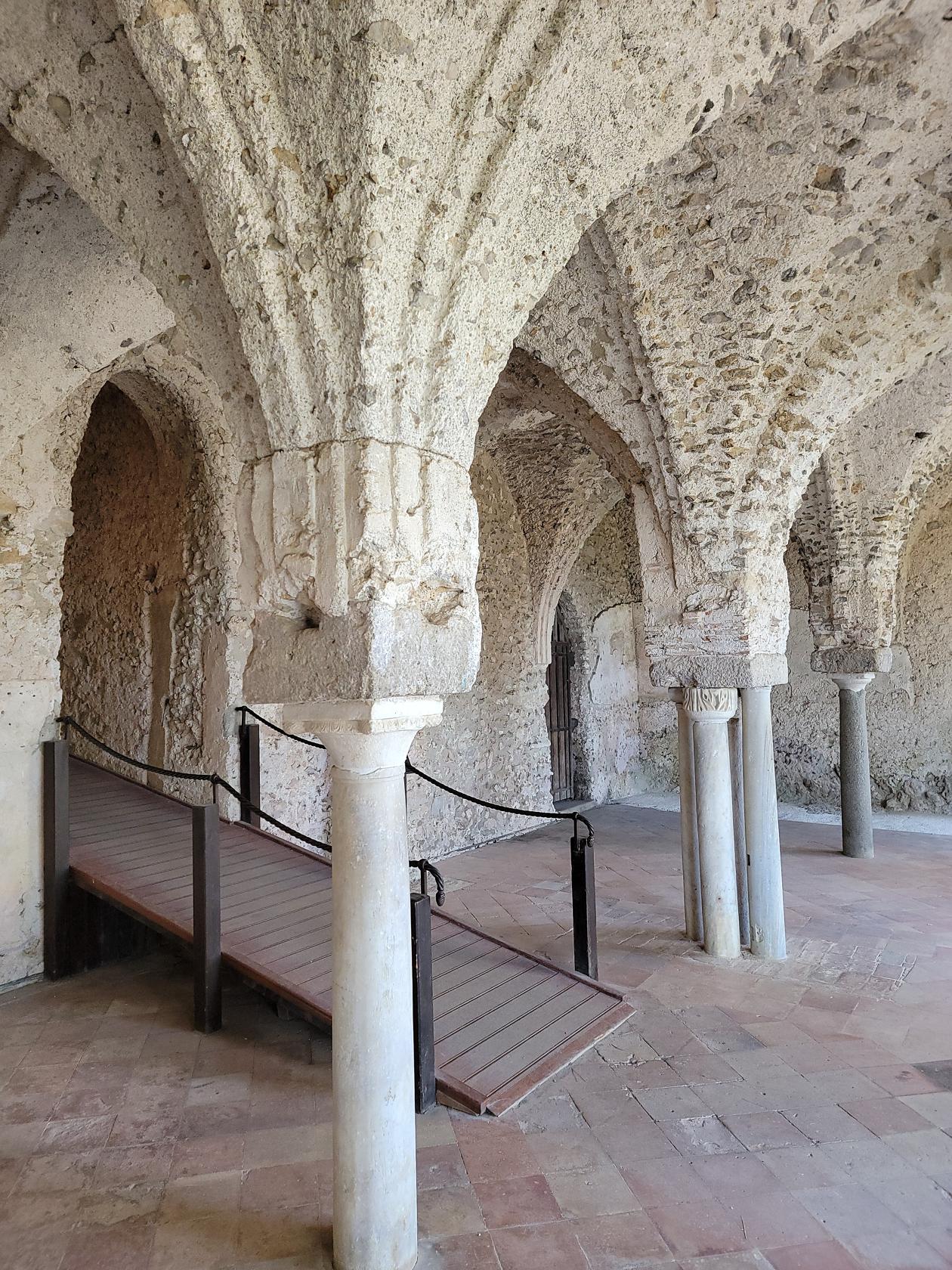
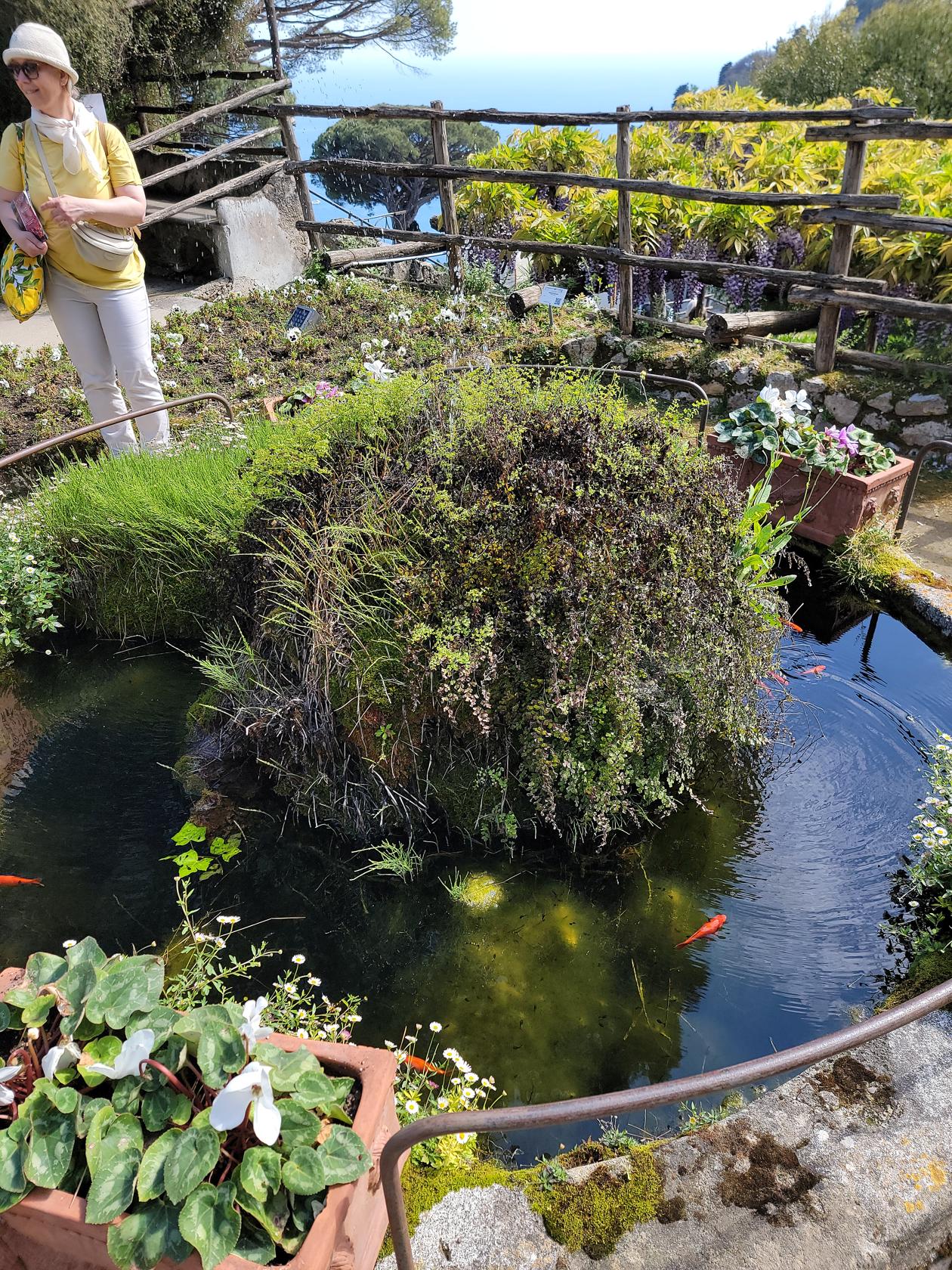
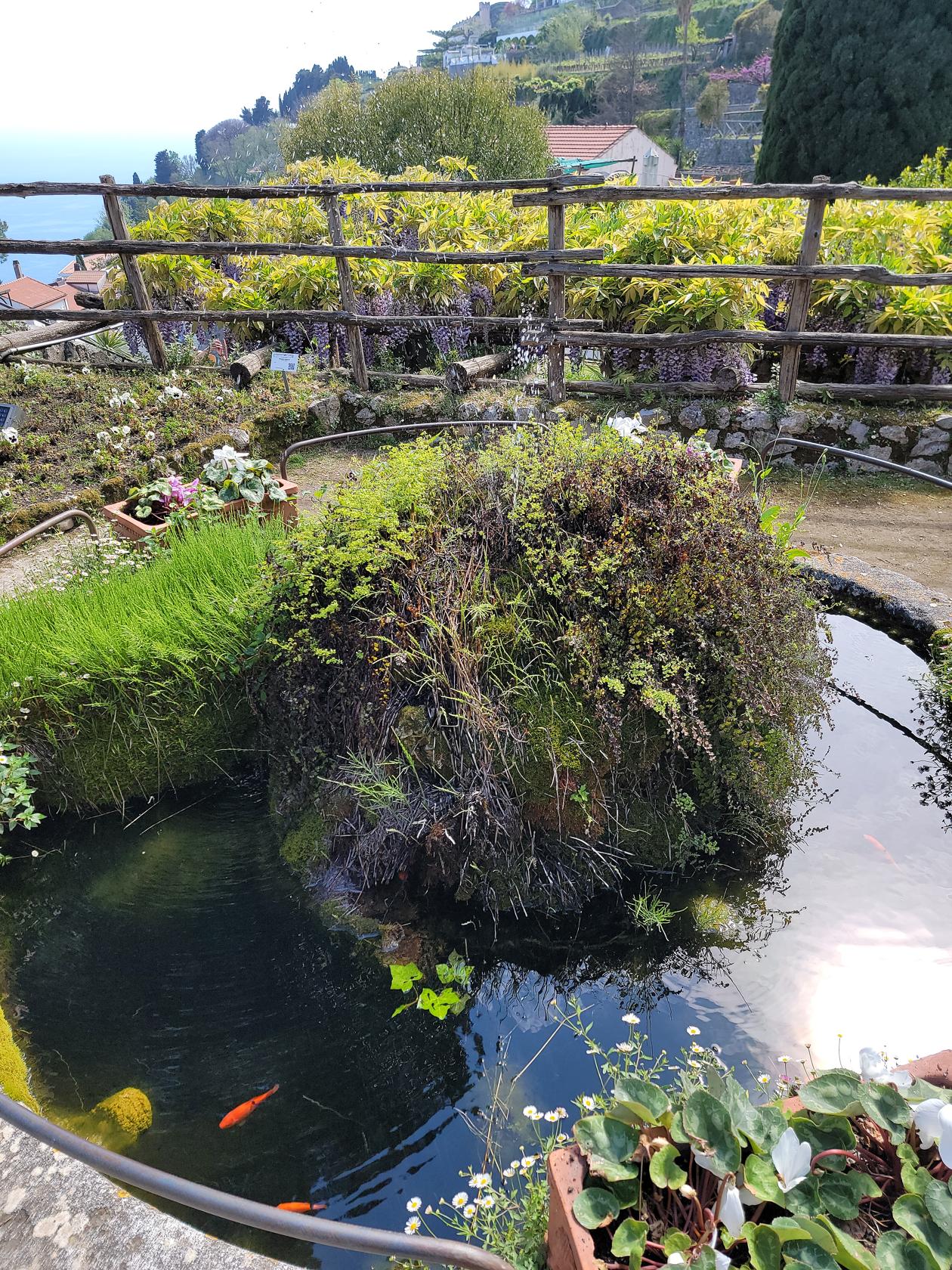
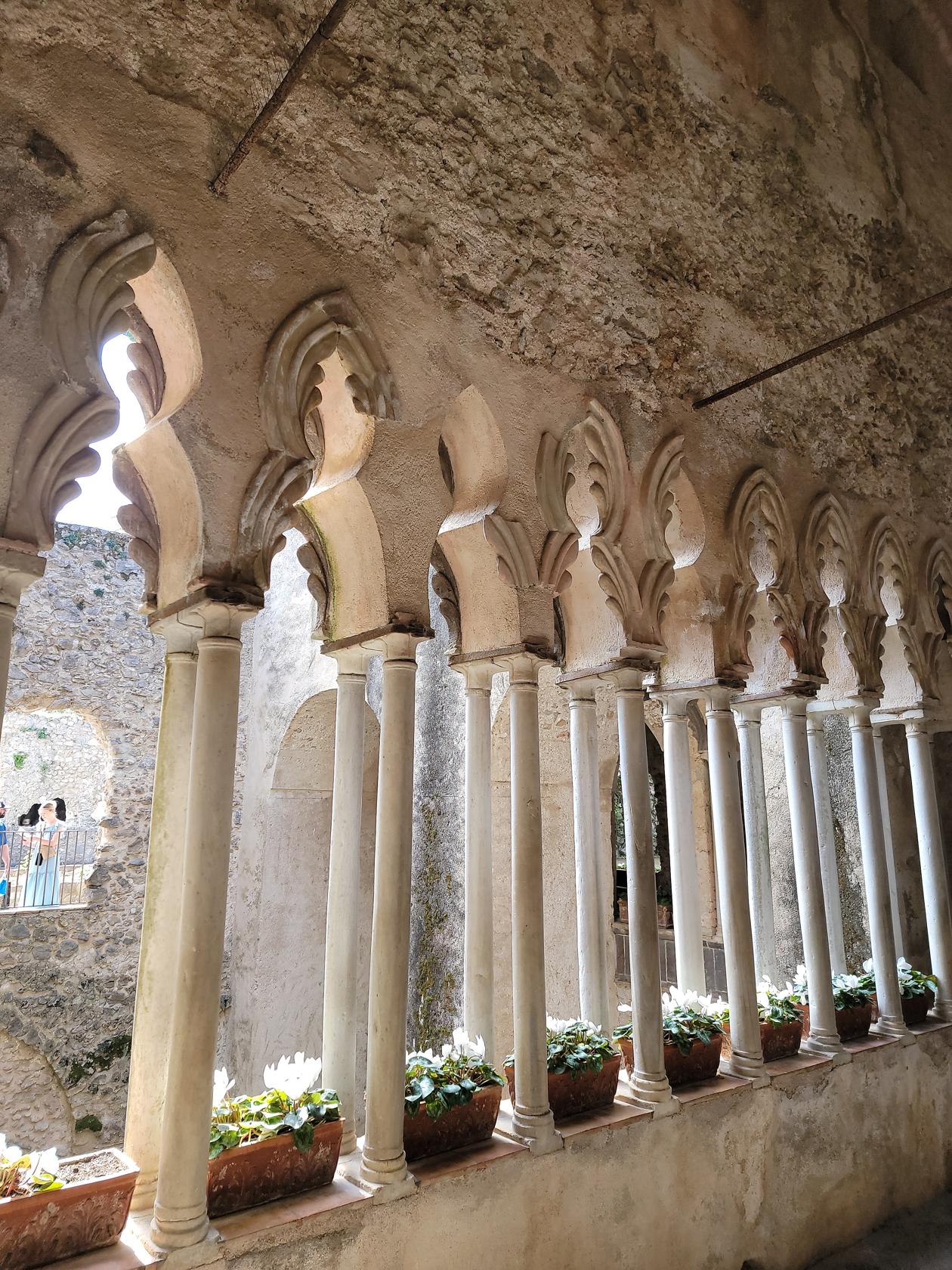
The villa is rather simple, but has some interesting items, like an old stove and a tower. It is kept in relatively fine shape and is a pleasure to walk through.
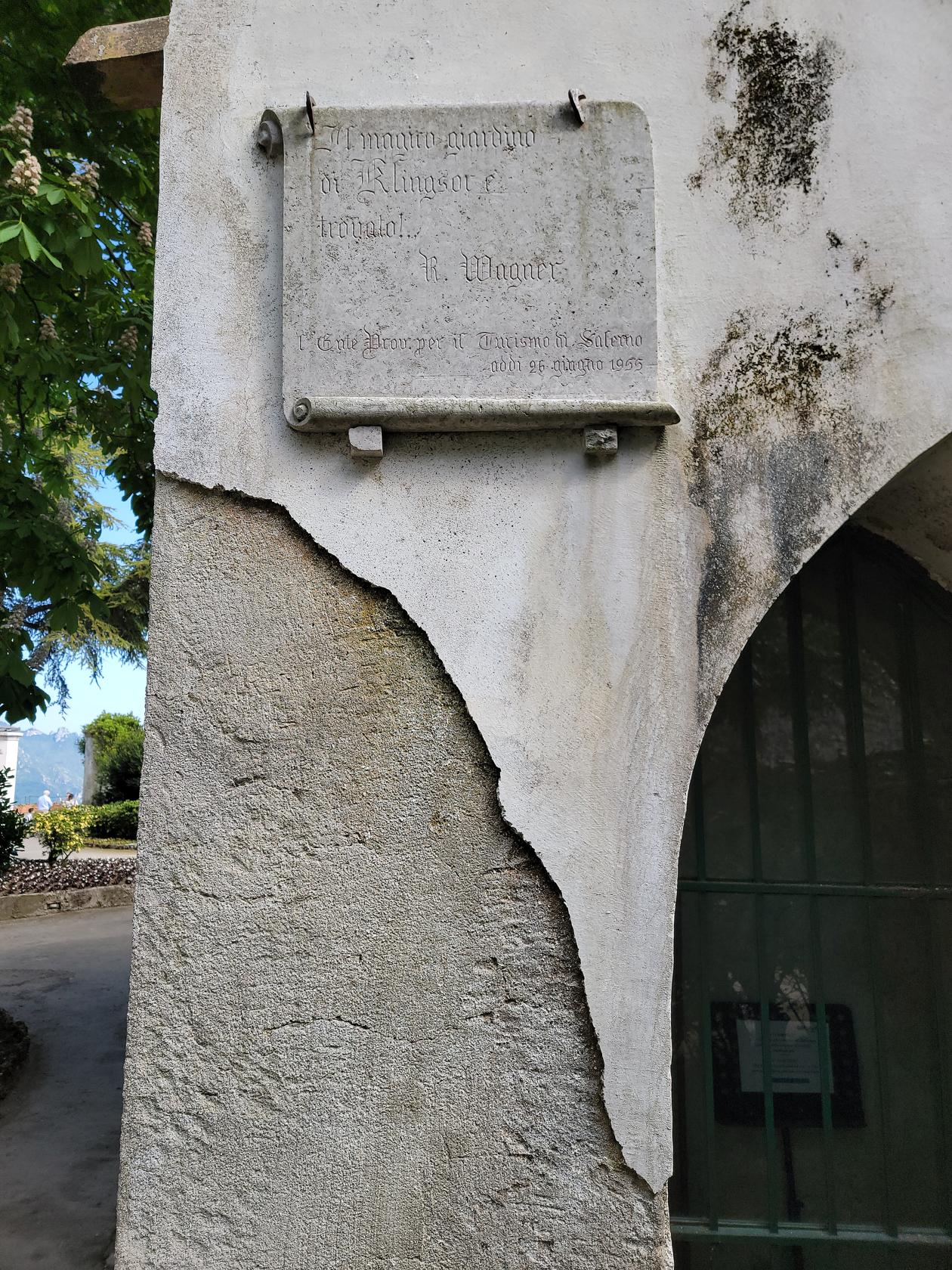
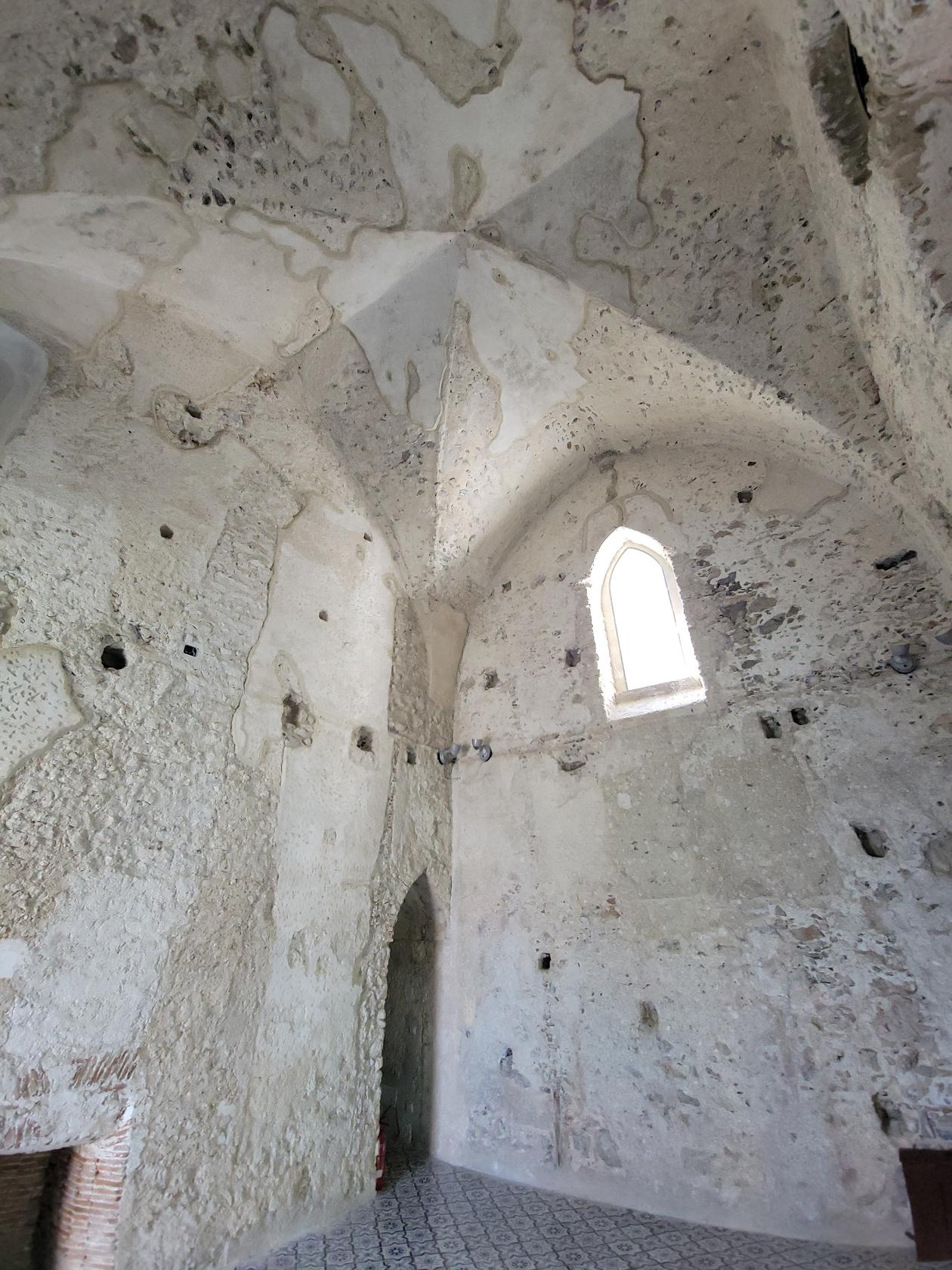
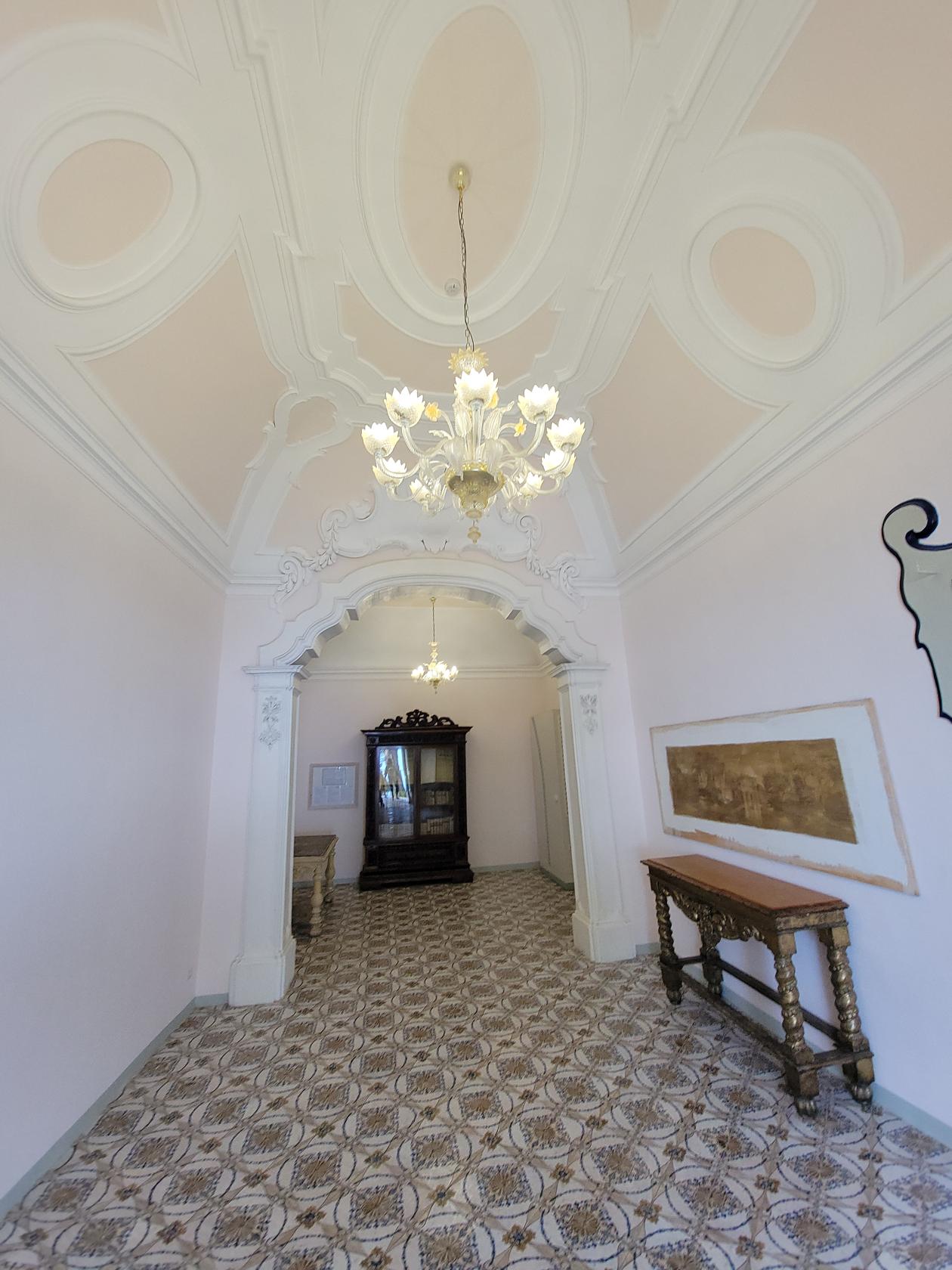
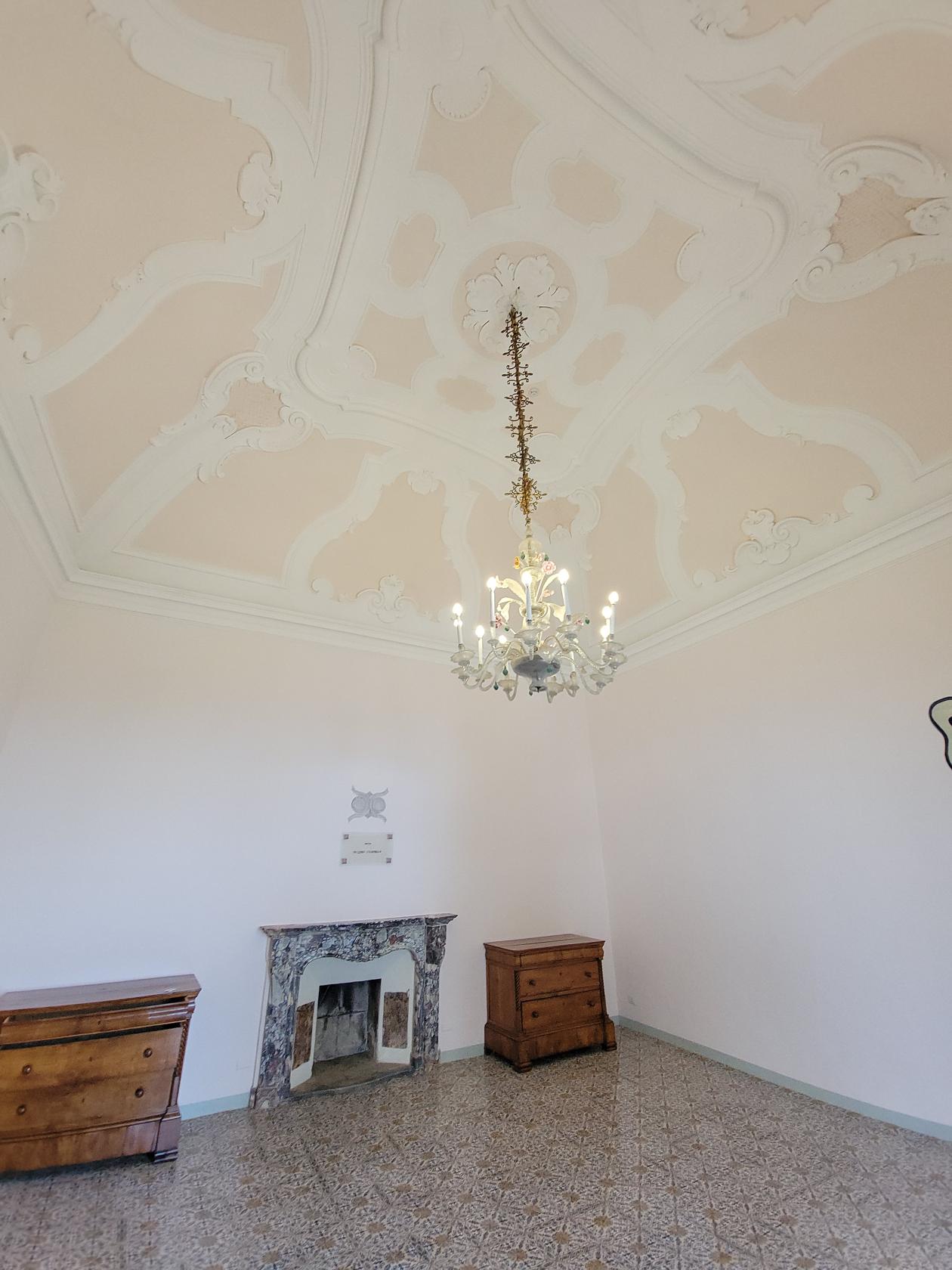
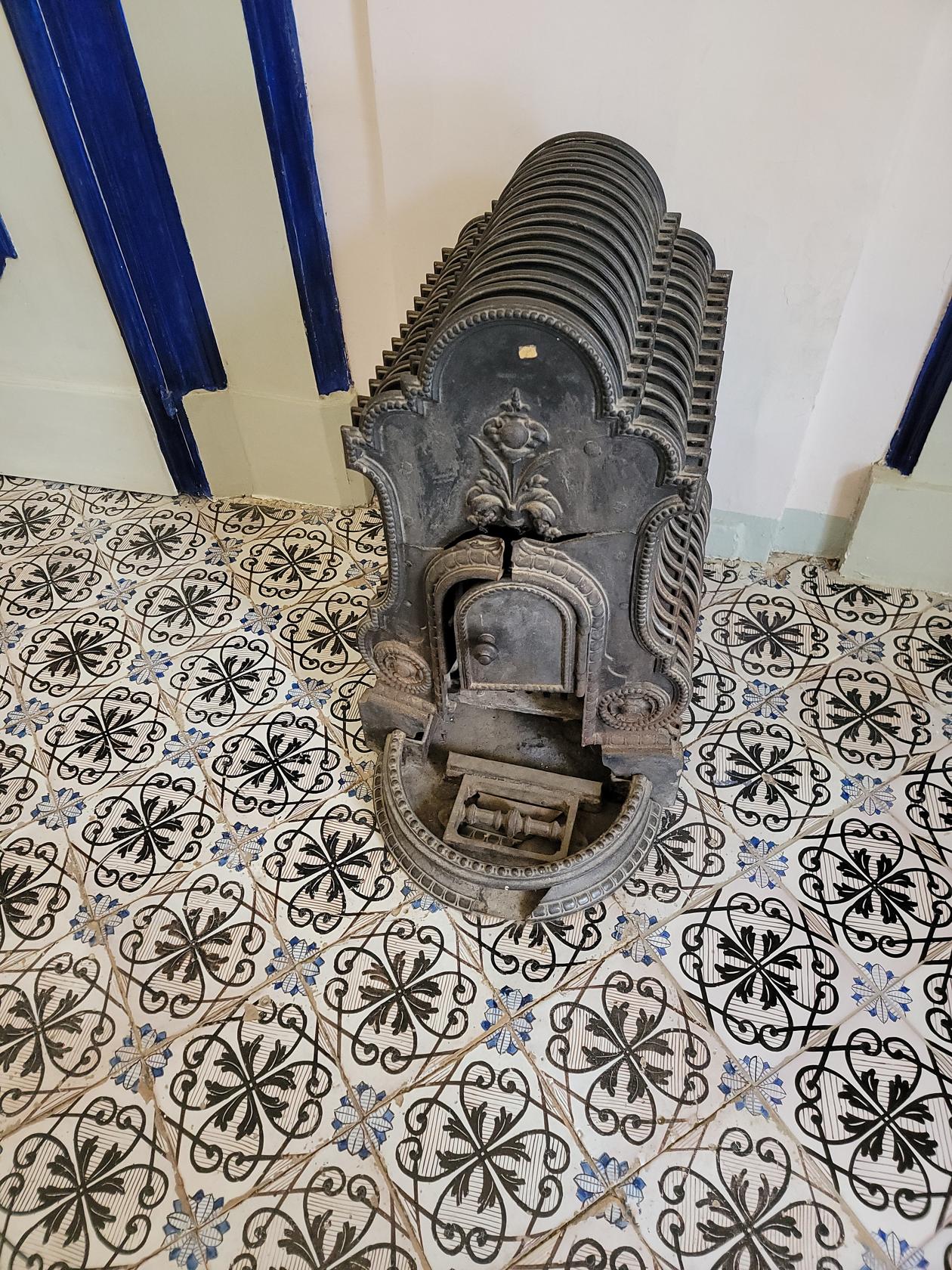
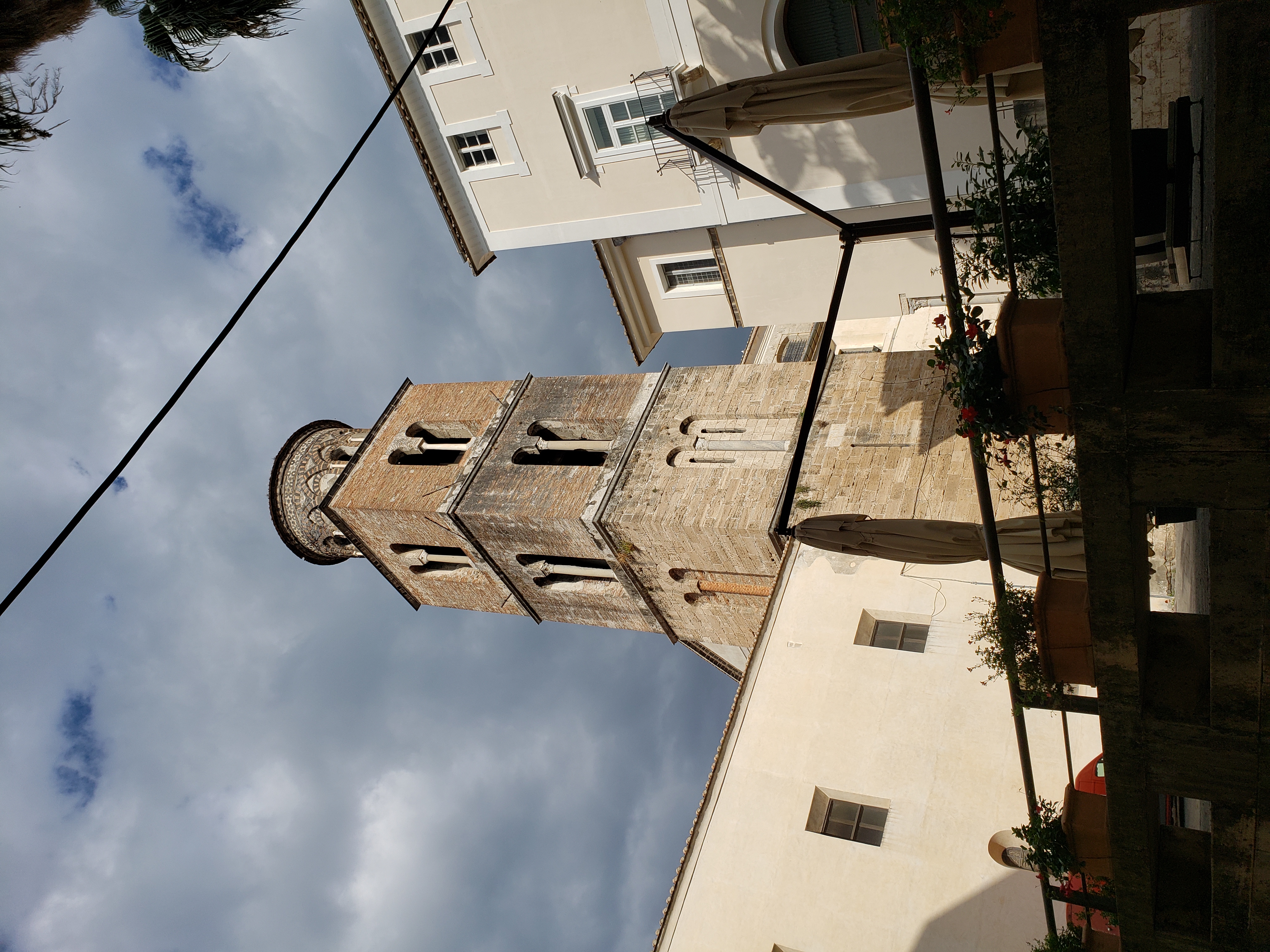
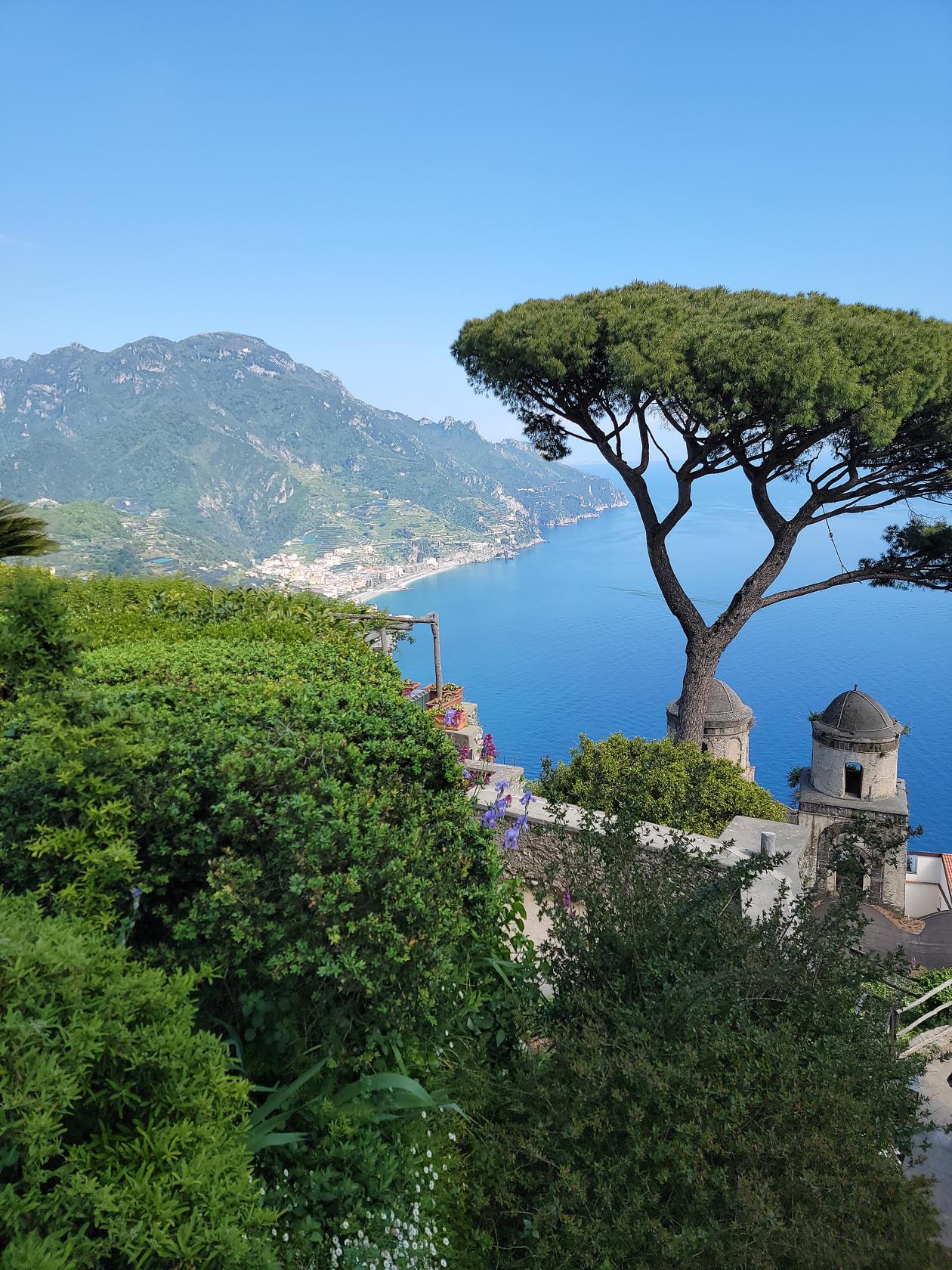
Some of the external structures include a tower, a vaulted building that appears to have been an old chapel and some other old structures near the gardens.
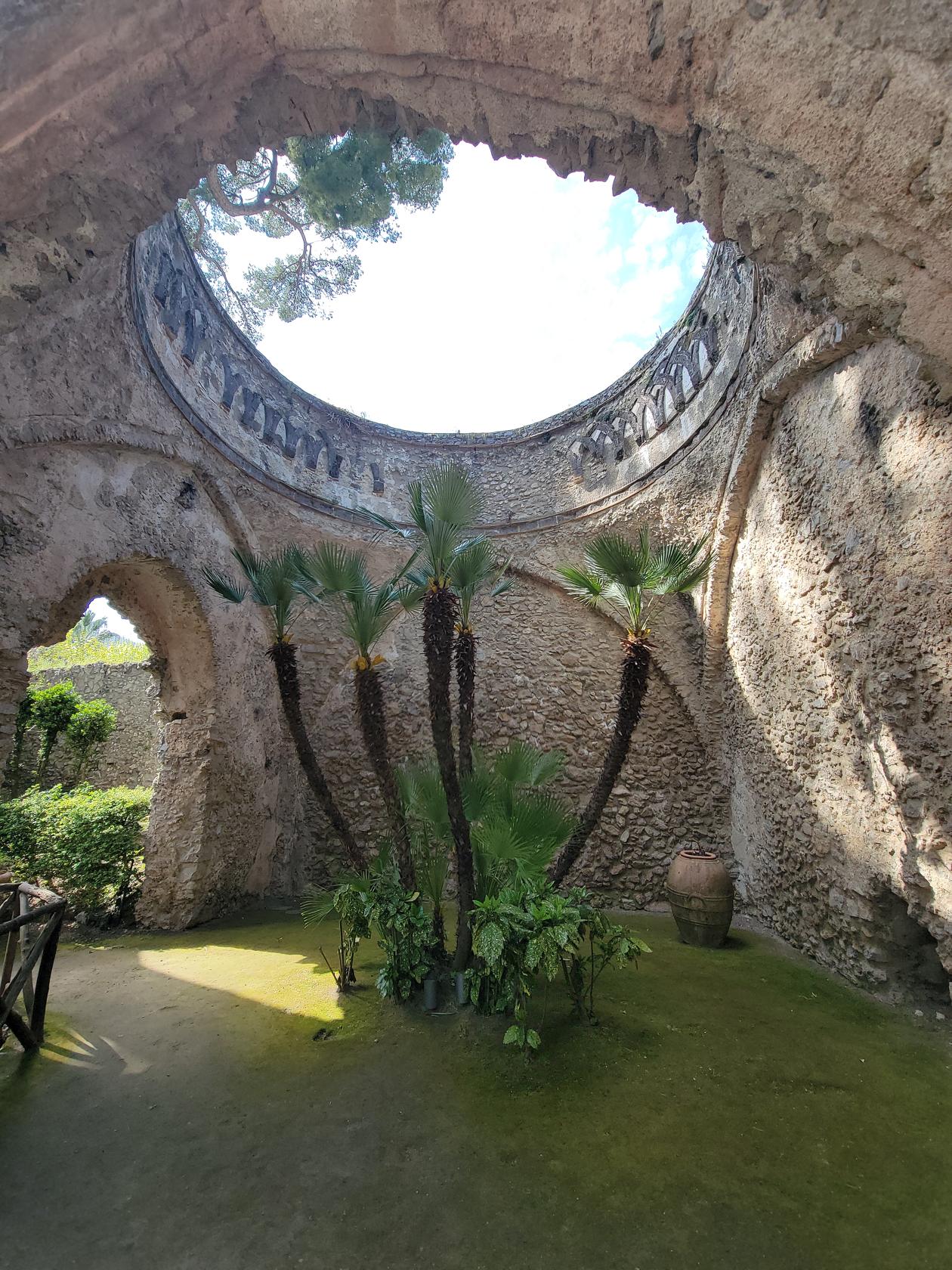
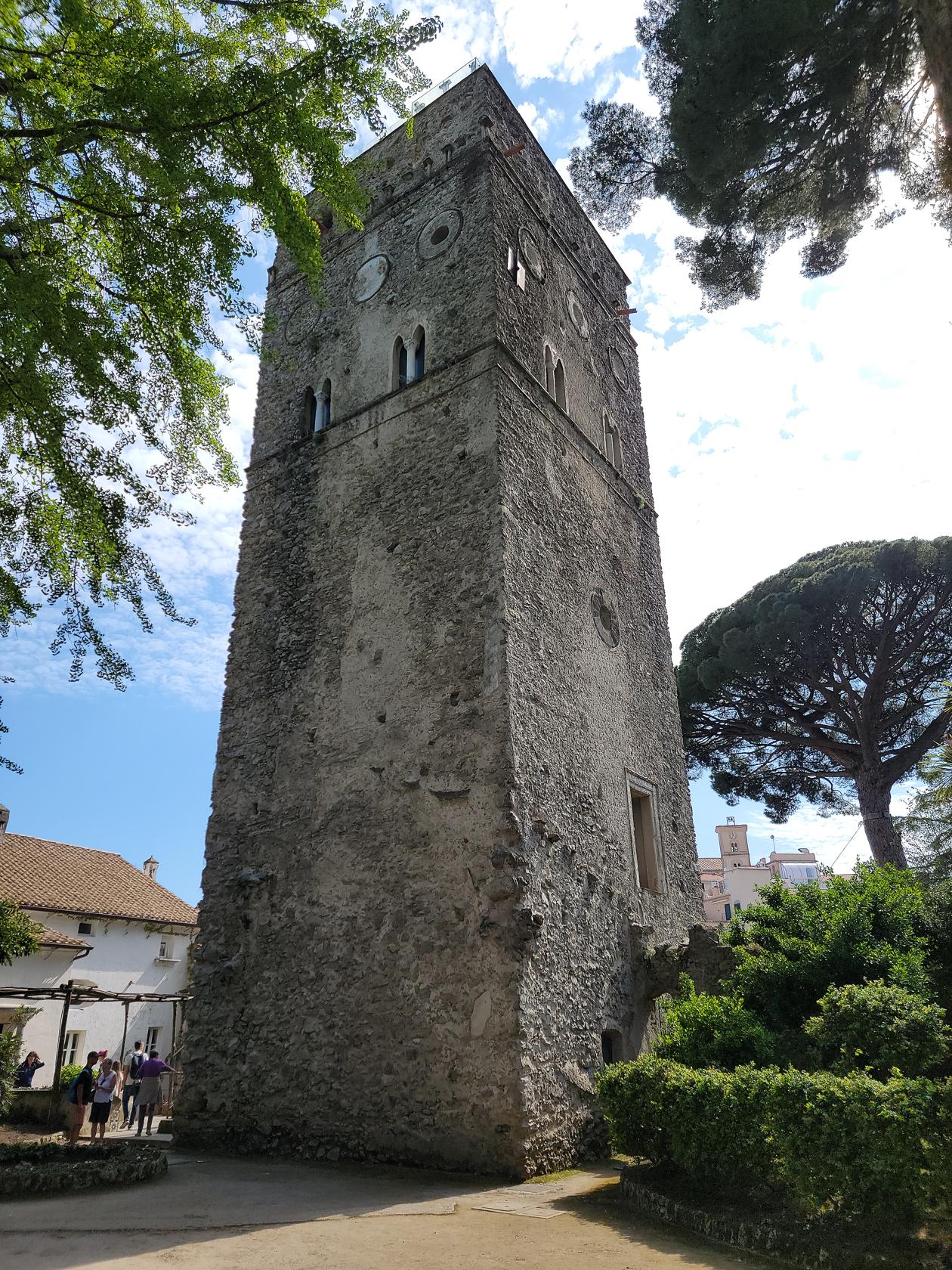
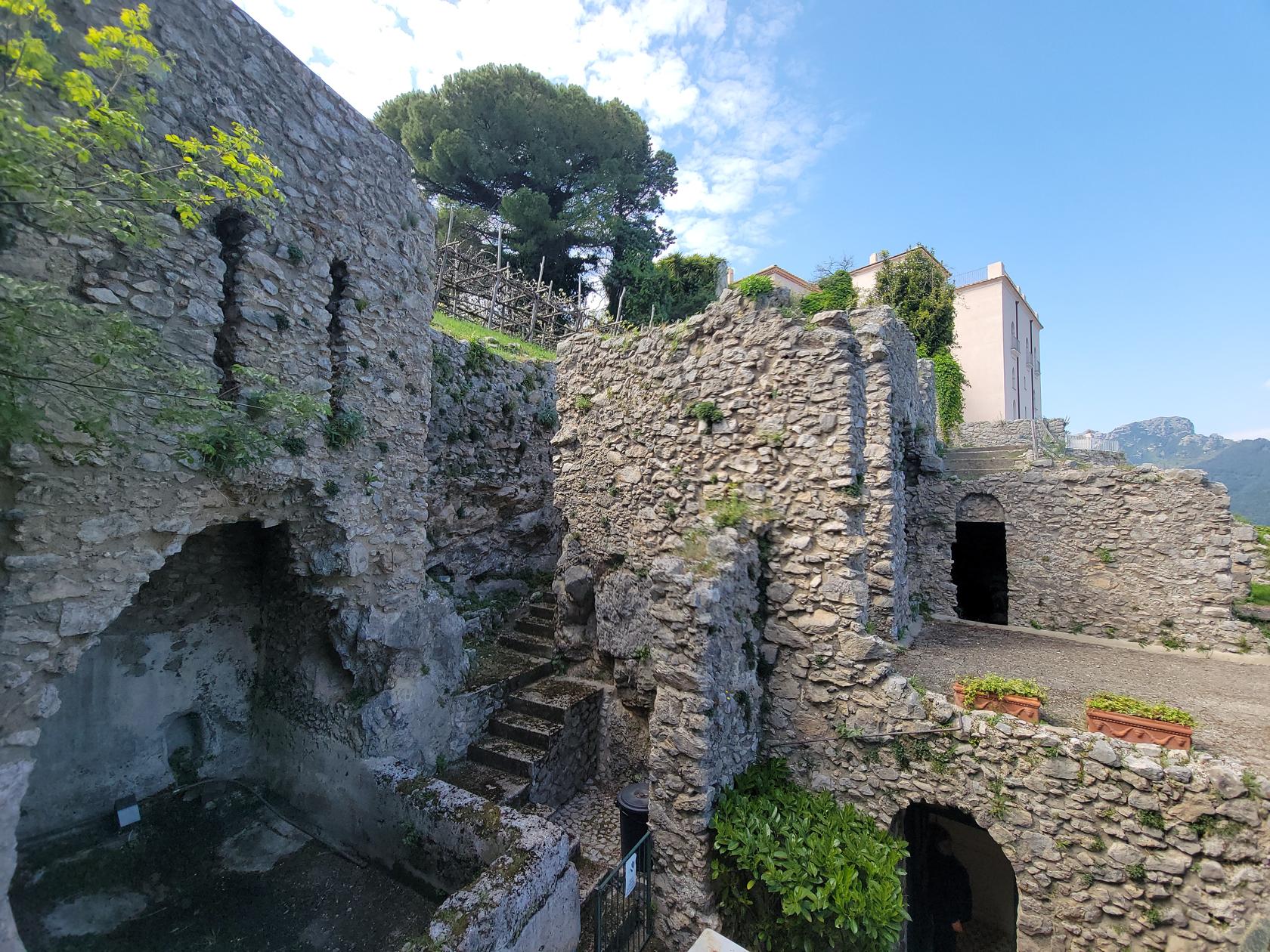
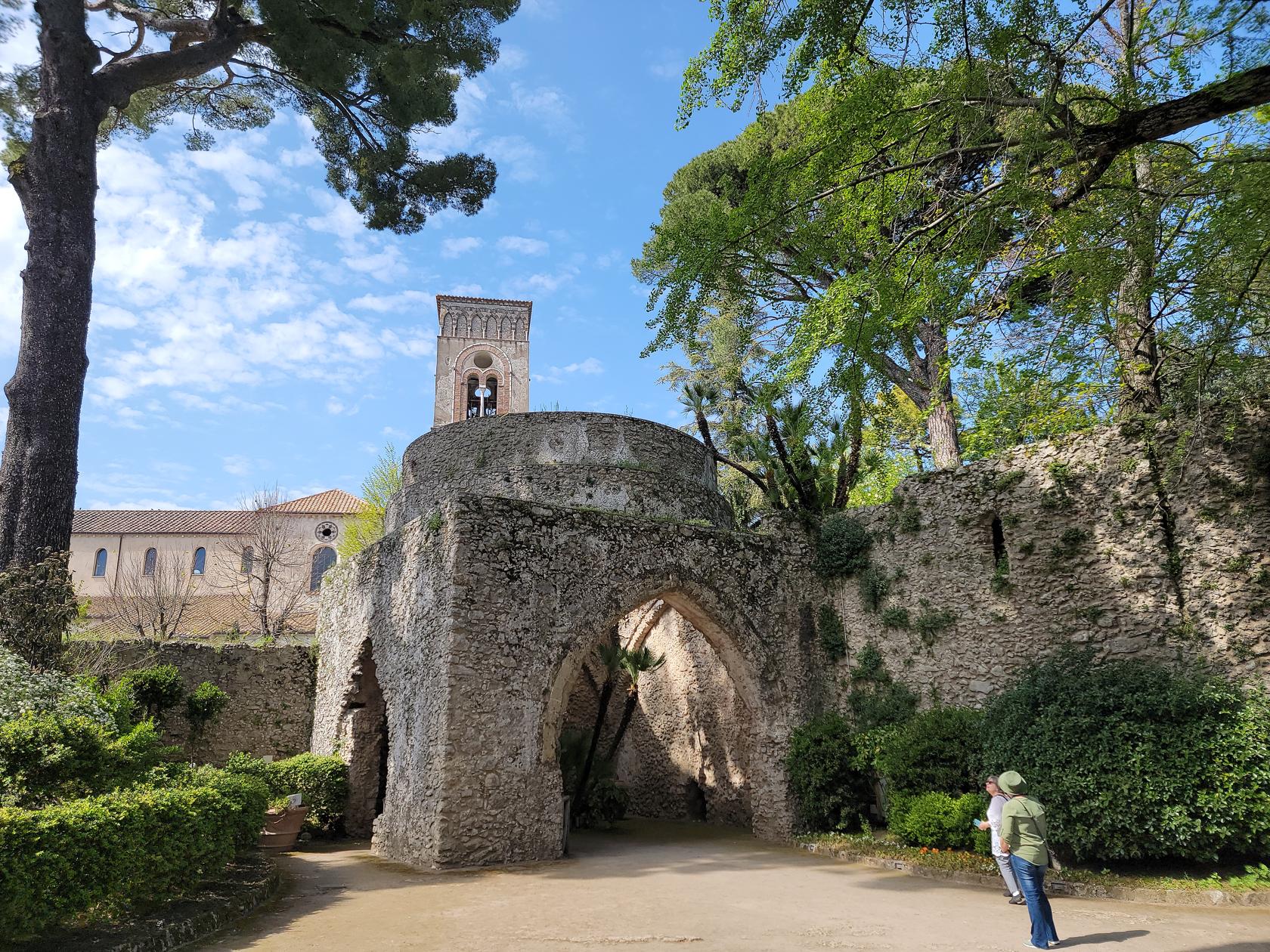
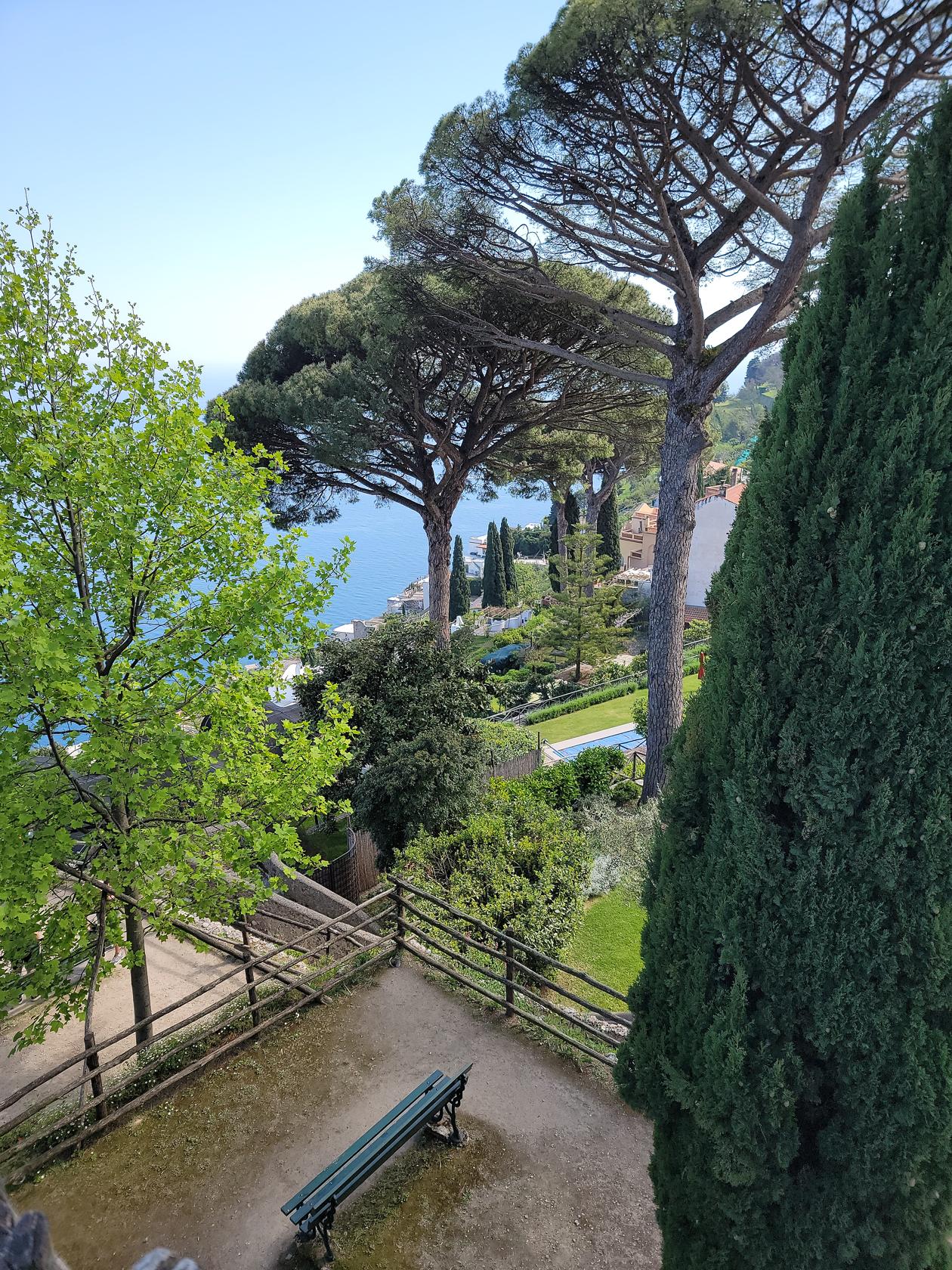
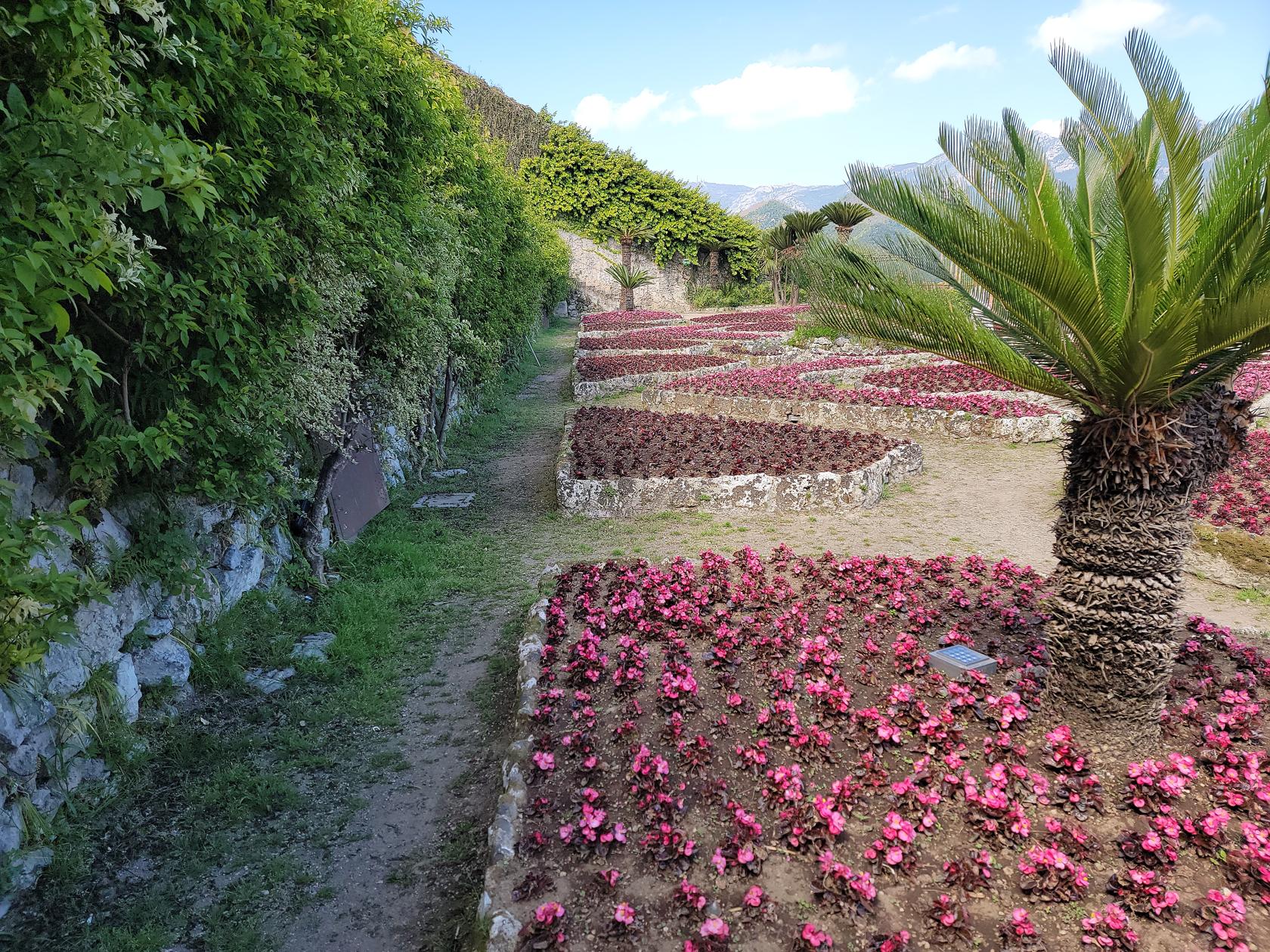
It has a magnificent garden with a beautiful view of the sea. They actually hold concerts from the garden, by extending a stage over the side of the hill, providing a wonderful backdrop for music and other performances.
Restaurants
As part of our first day at the coast, we stopped in Amalfi for lunch some time after one in the afternoon.
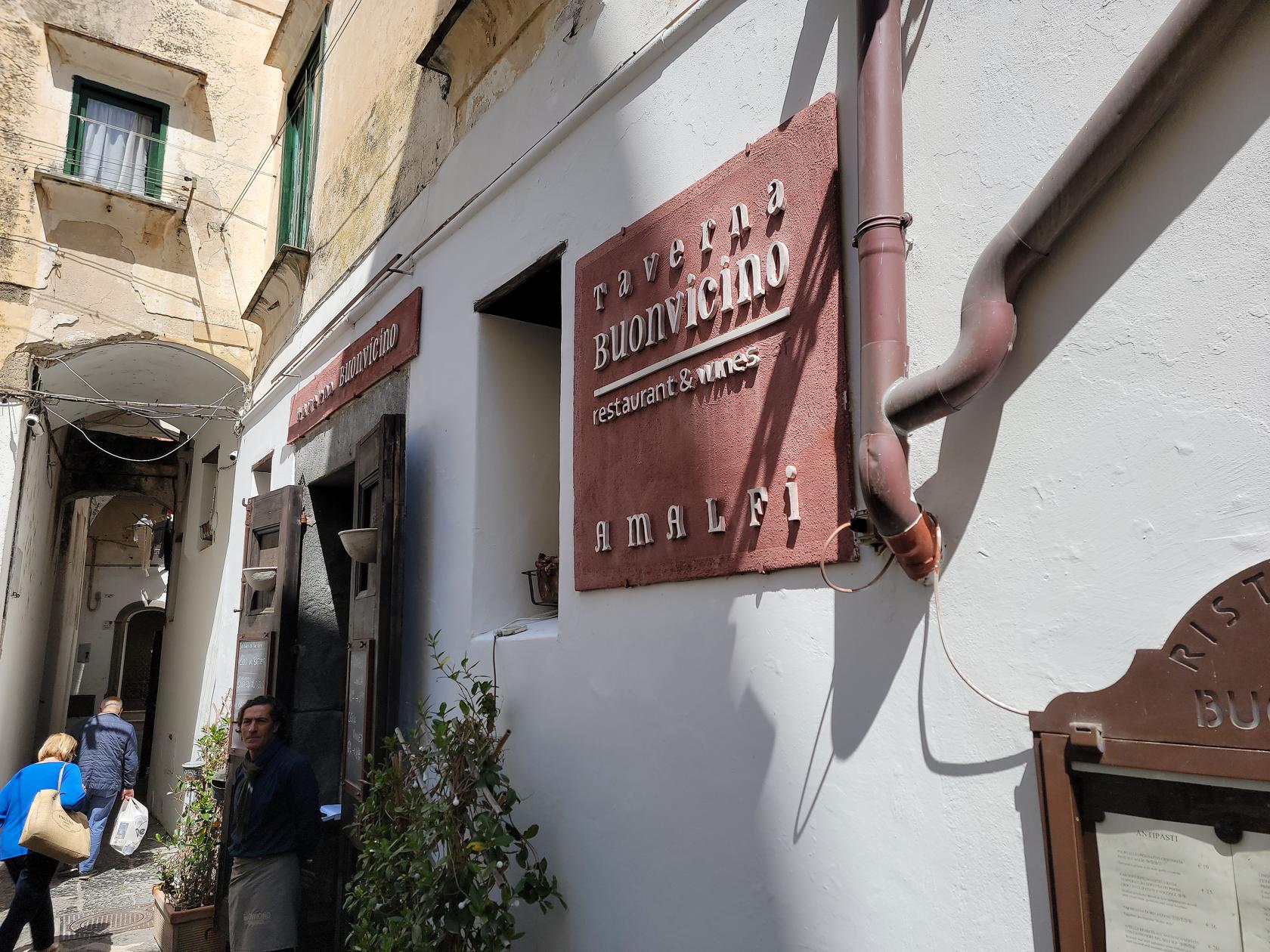
Taverna Buonvicino
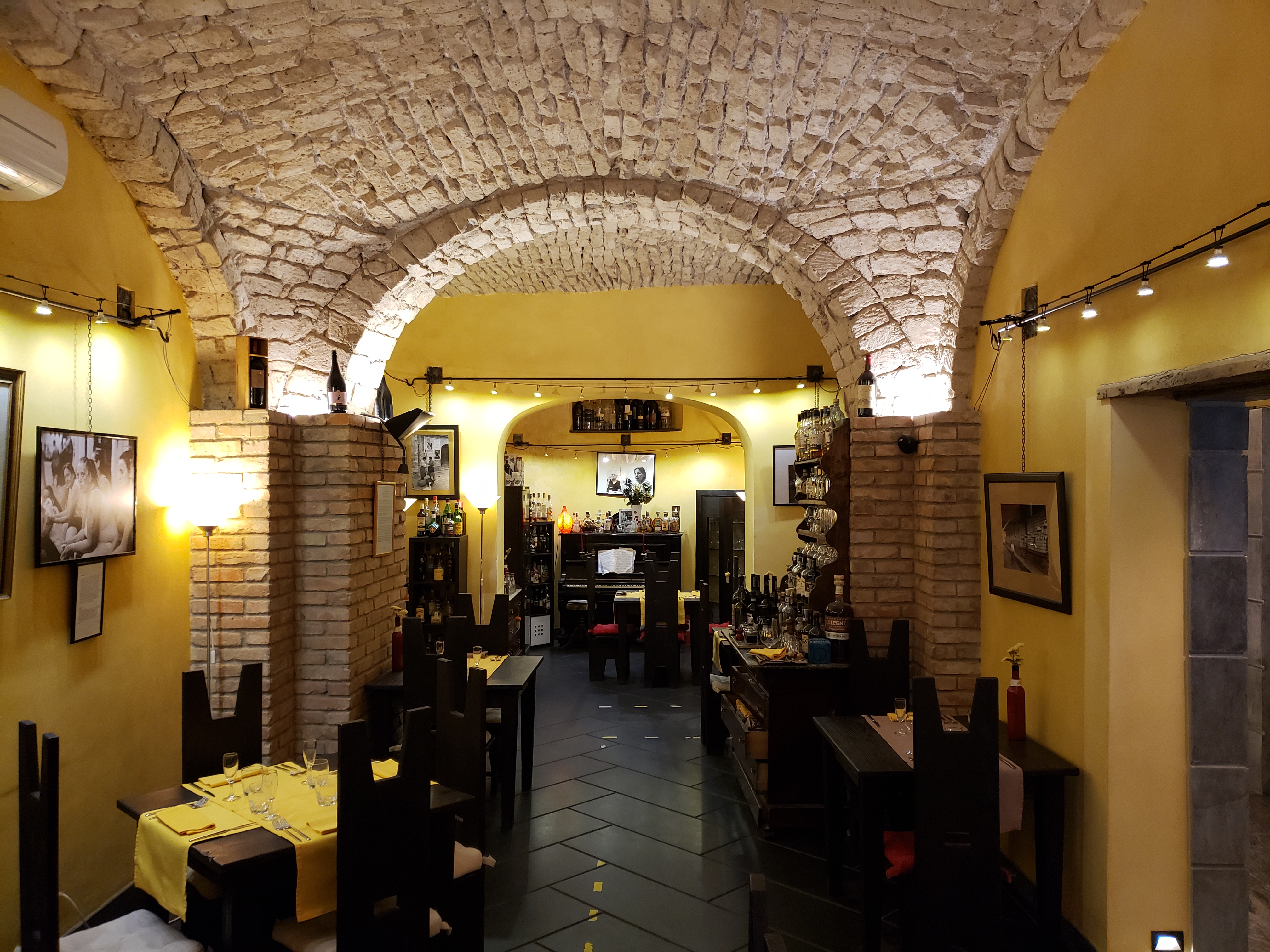
A very nice restaurant with a beautiful terrace outside, which is off the beaten path, so no worries about hordes of tourist bothering you while eating.
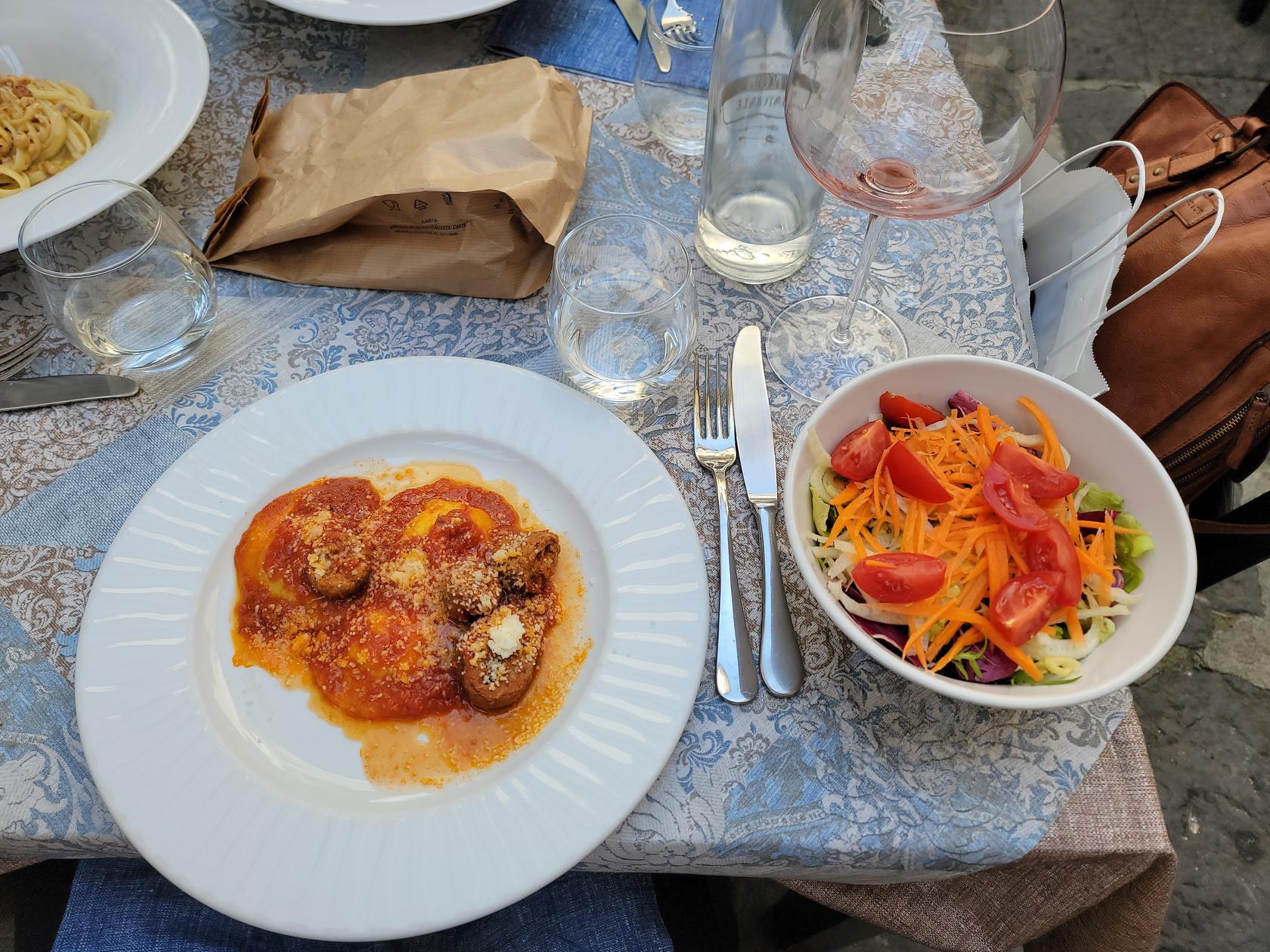
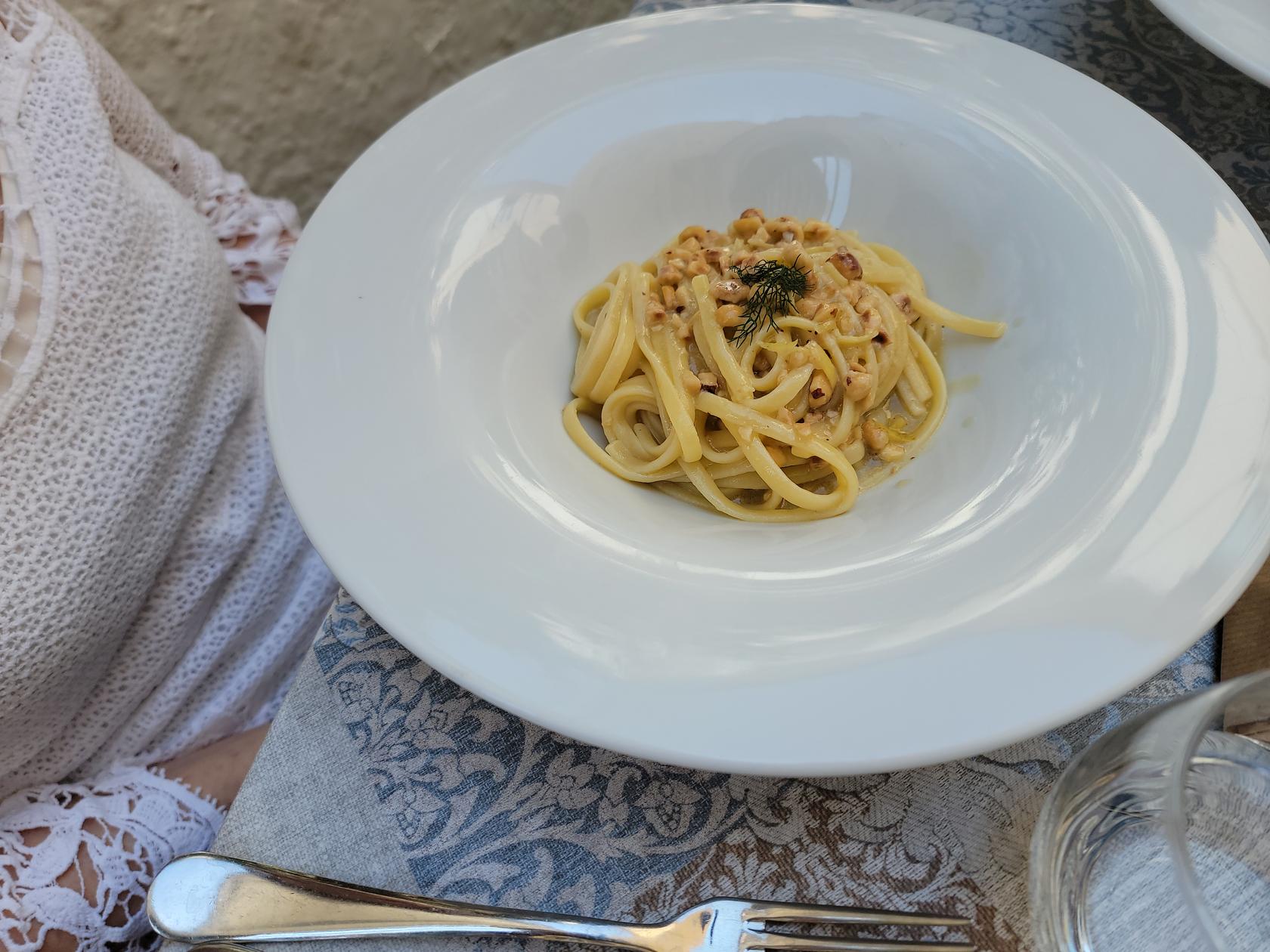
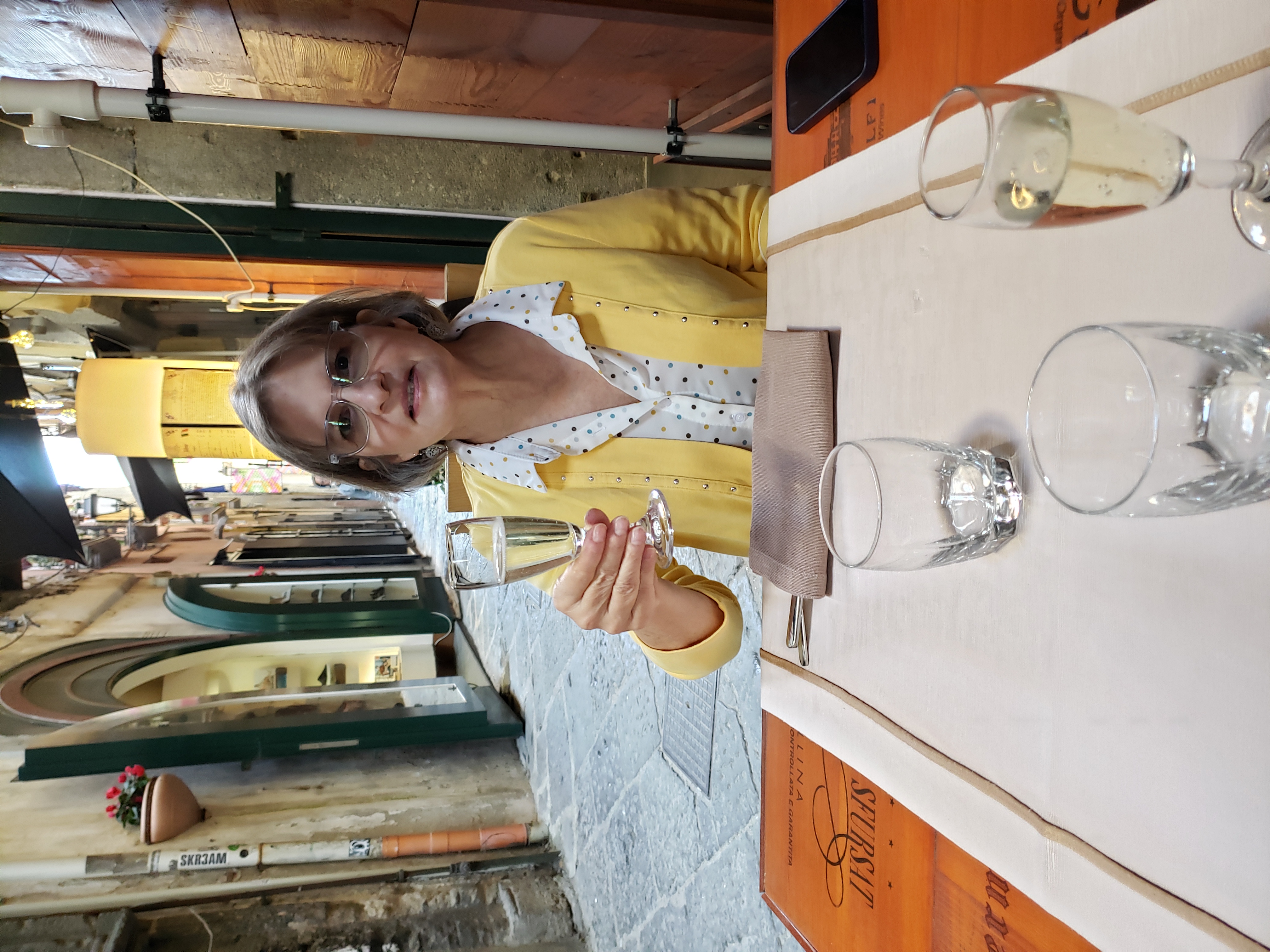
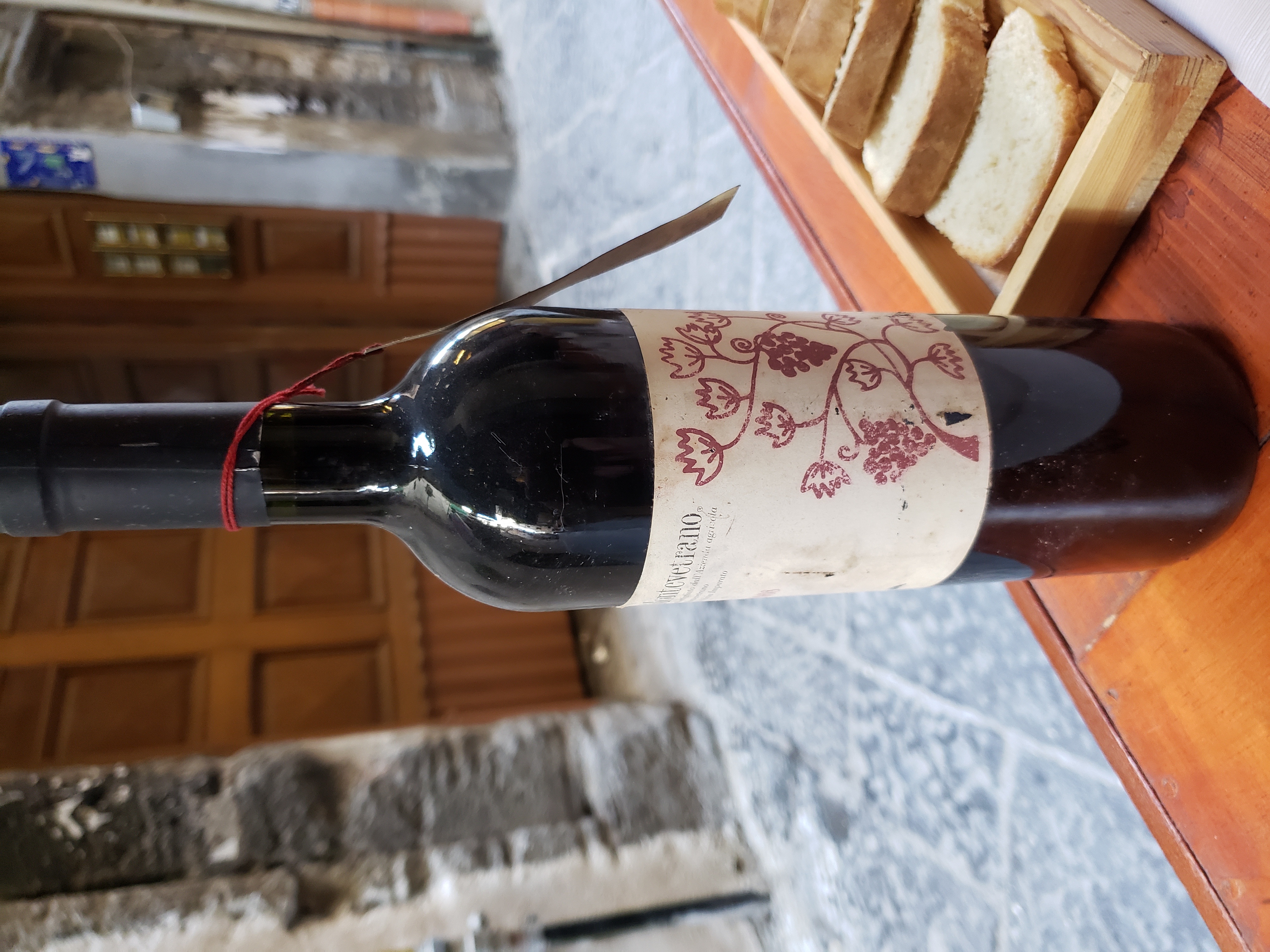
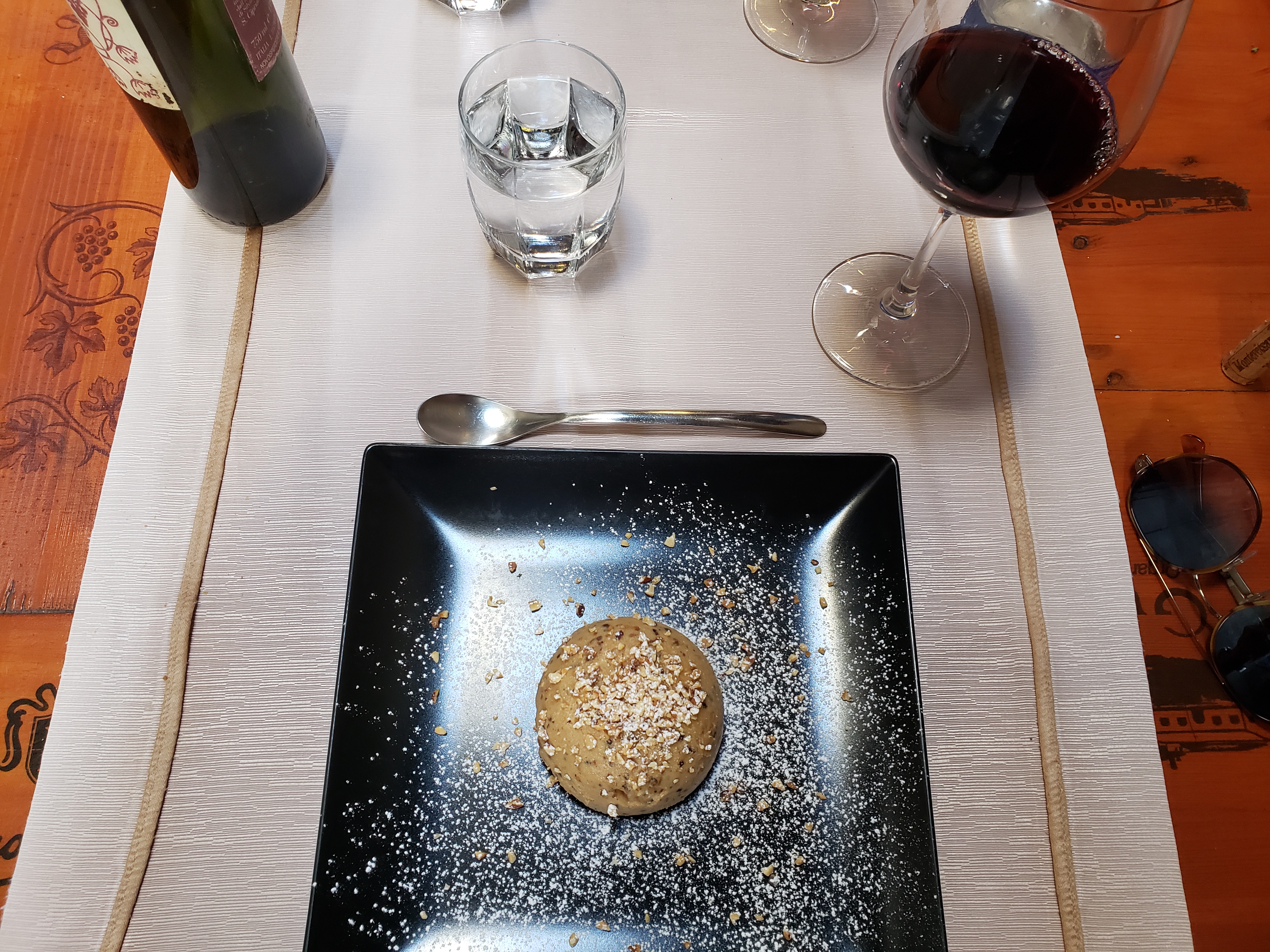
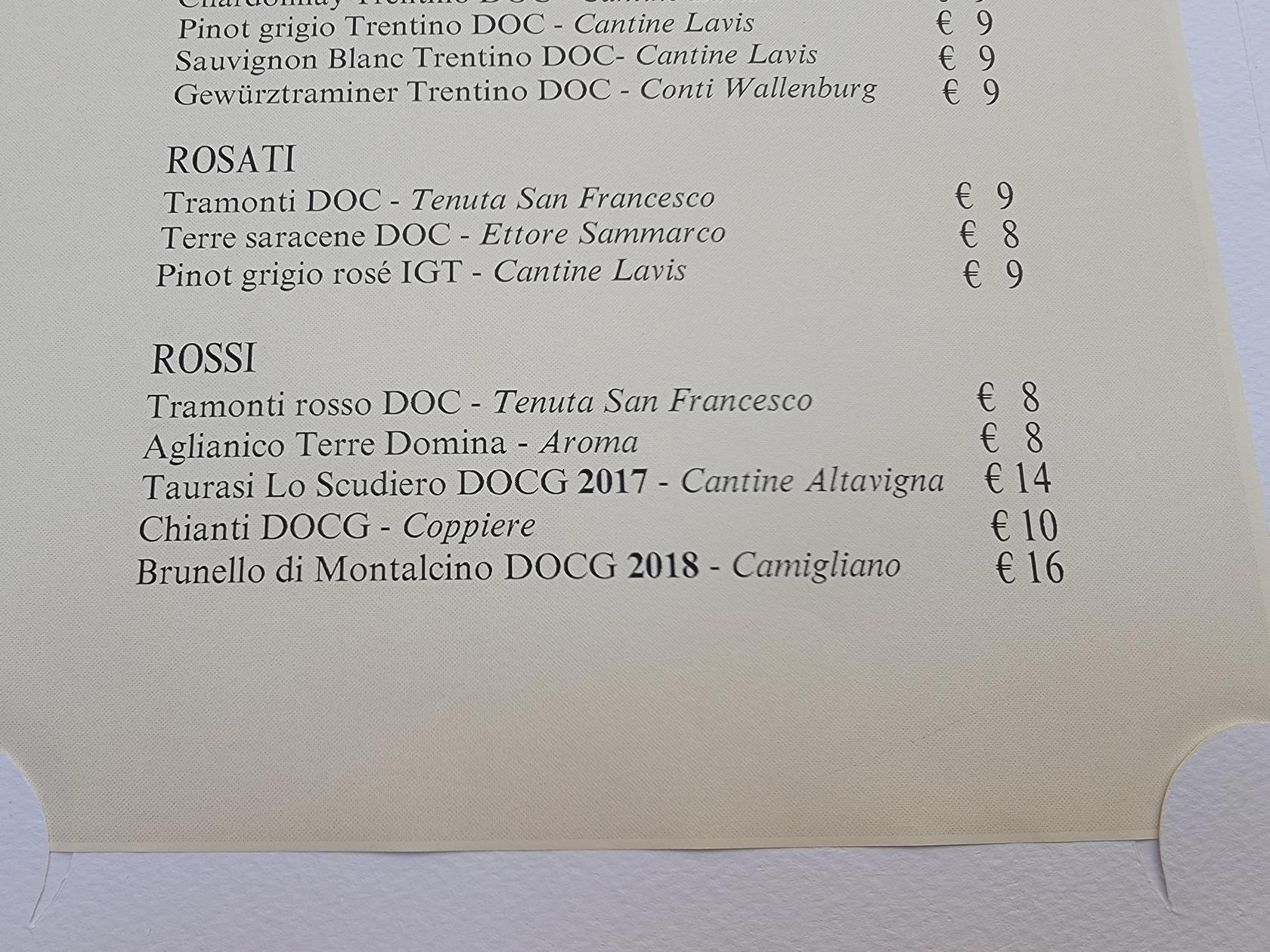
They also have a very good wine list which is stocked with local favorites. I can commend one varietal, Taurasi Lo Scudiero (DOCG), which was exceptionally good.
References
| ↑1 | this town also has coastal parking, but here it works because it is part of a boardwalk and beach complex. |
|---|