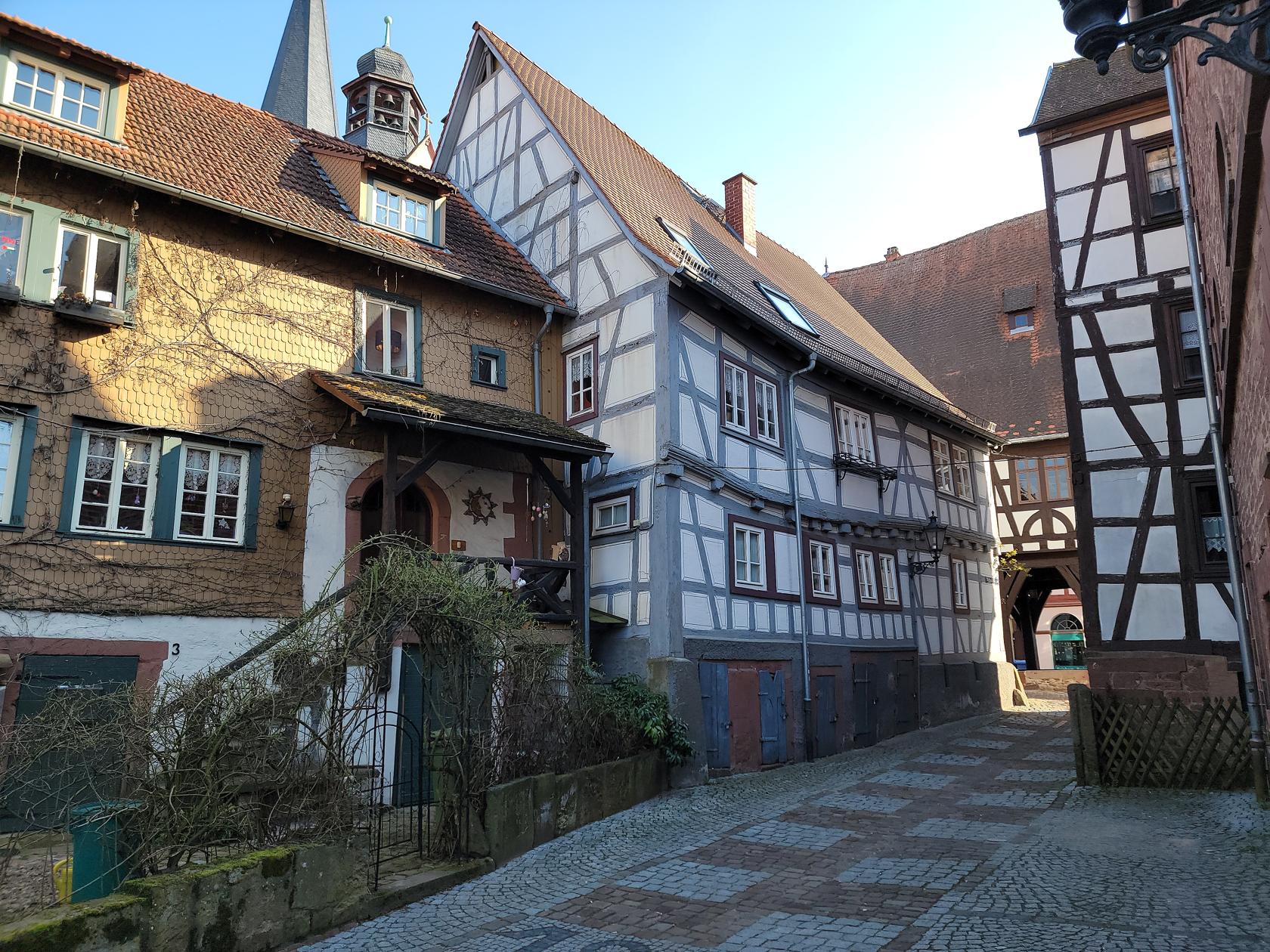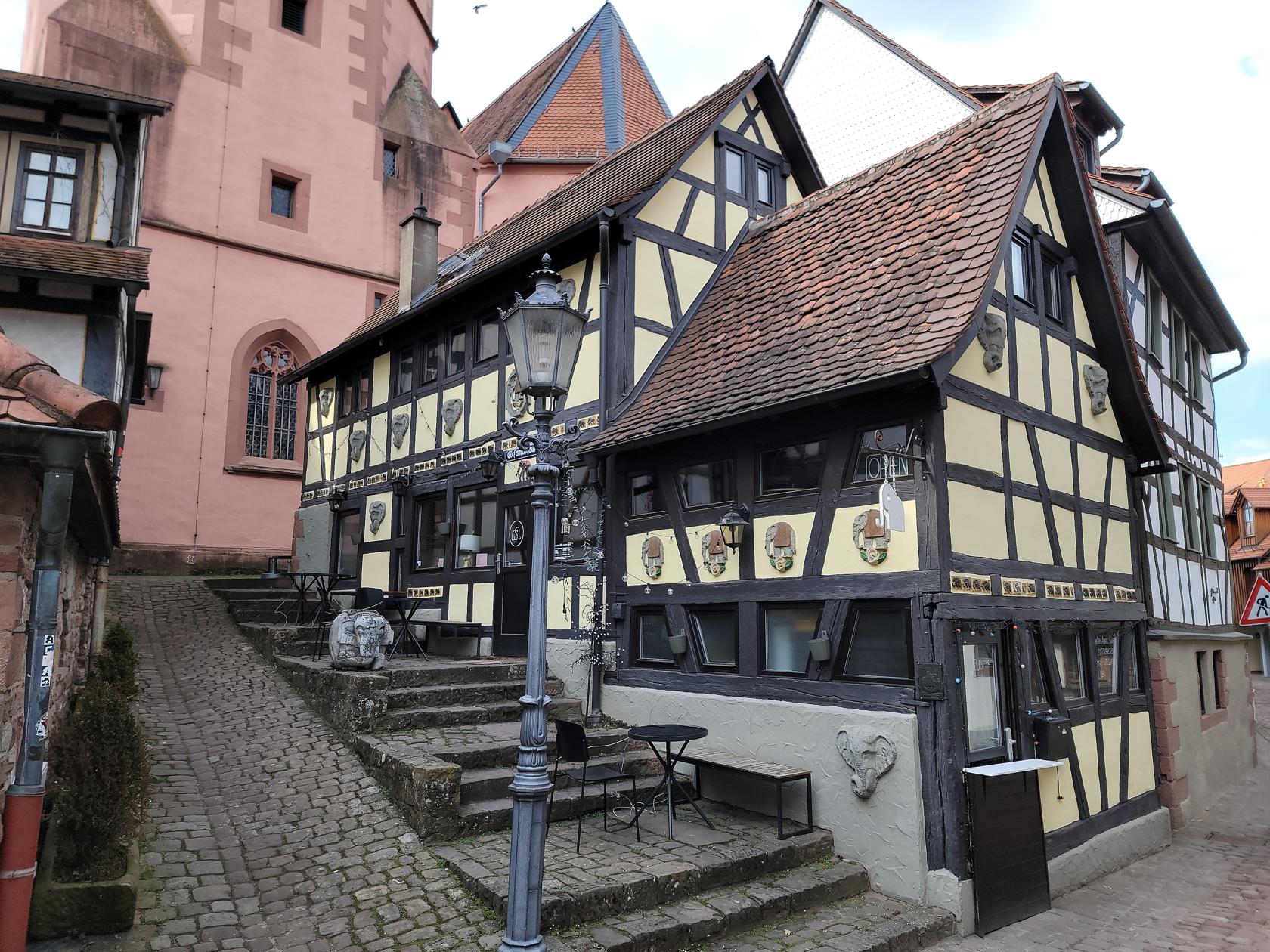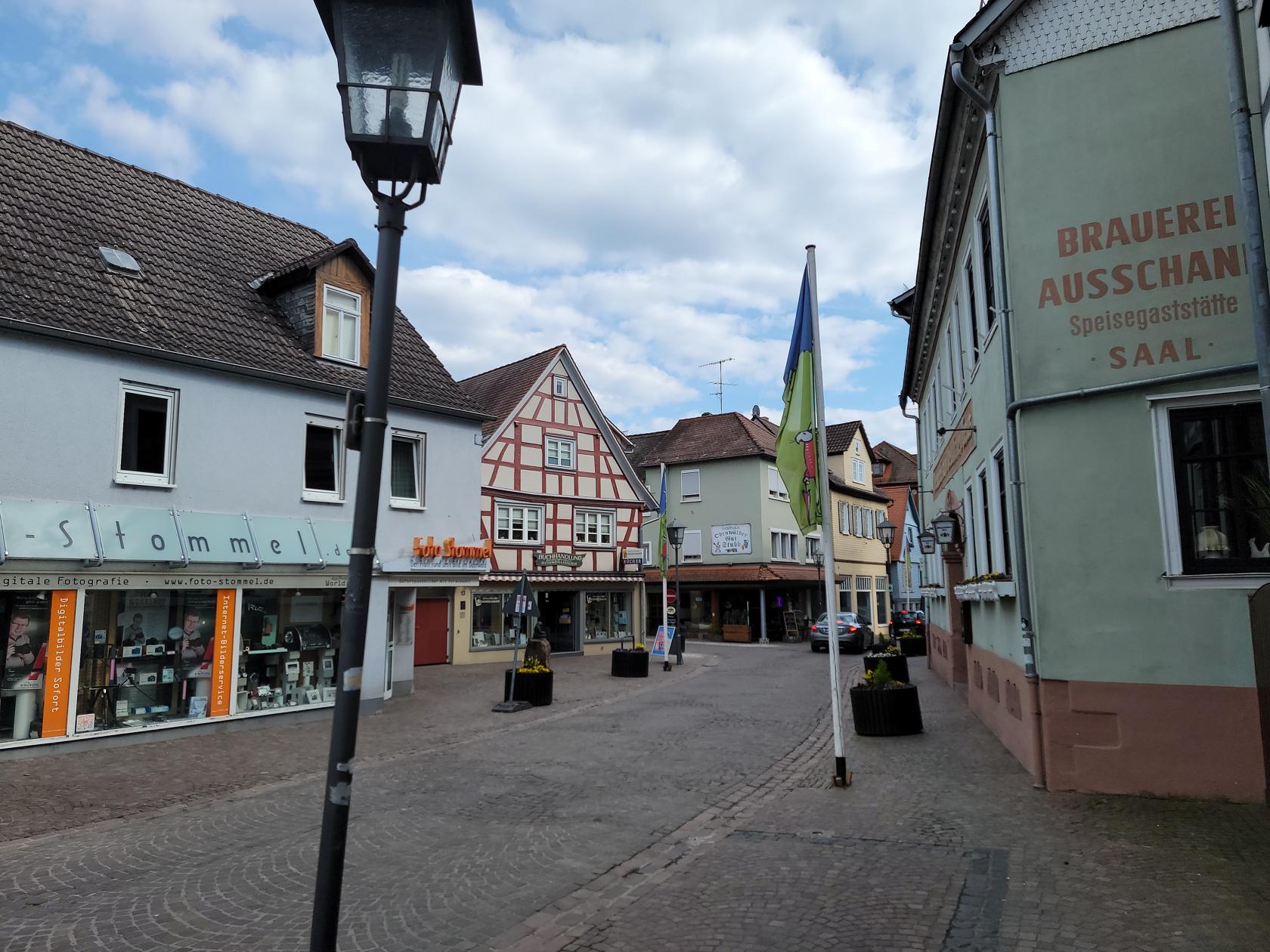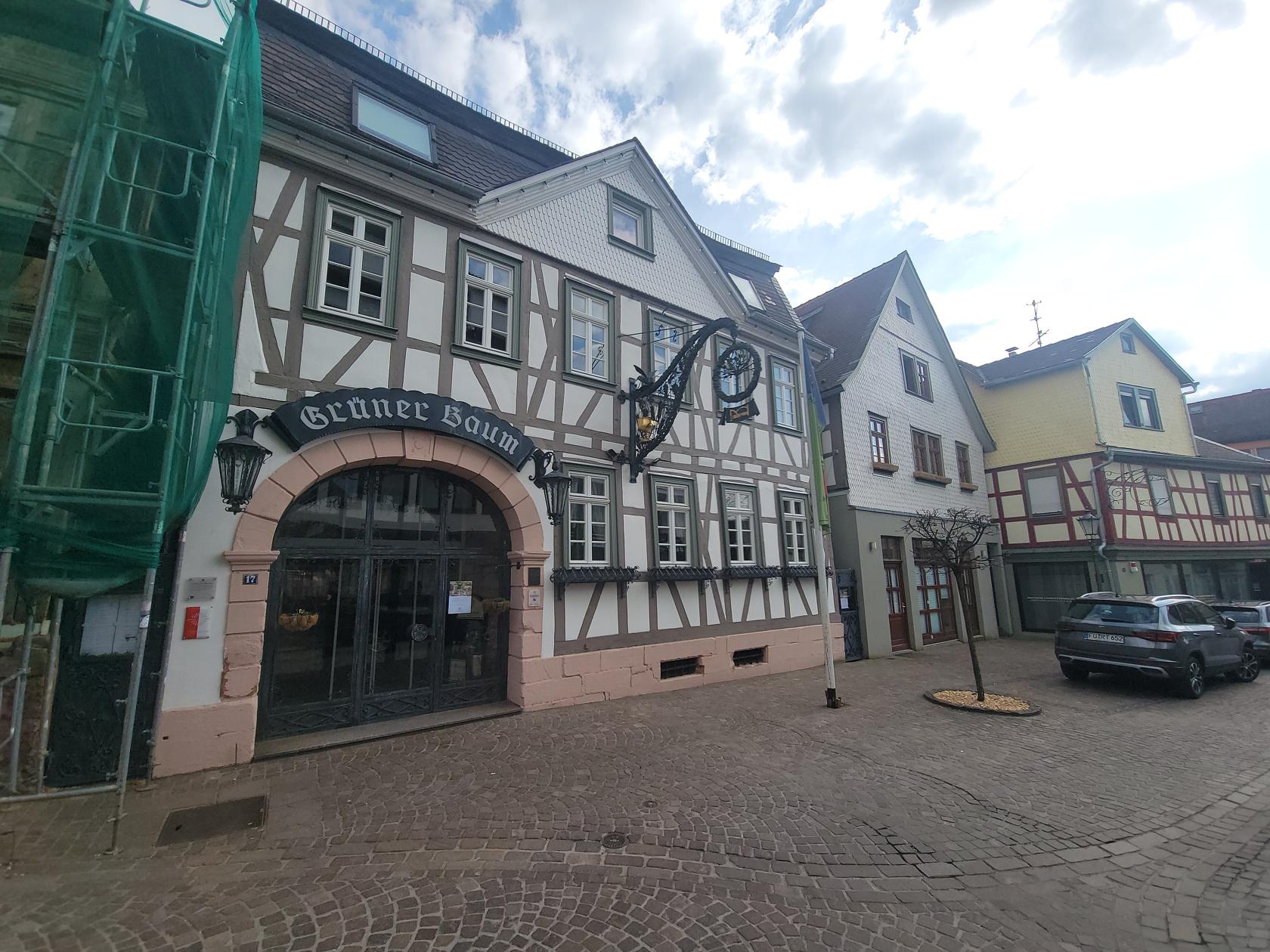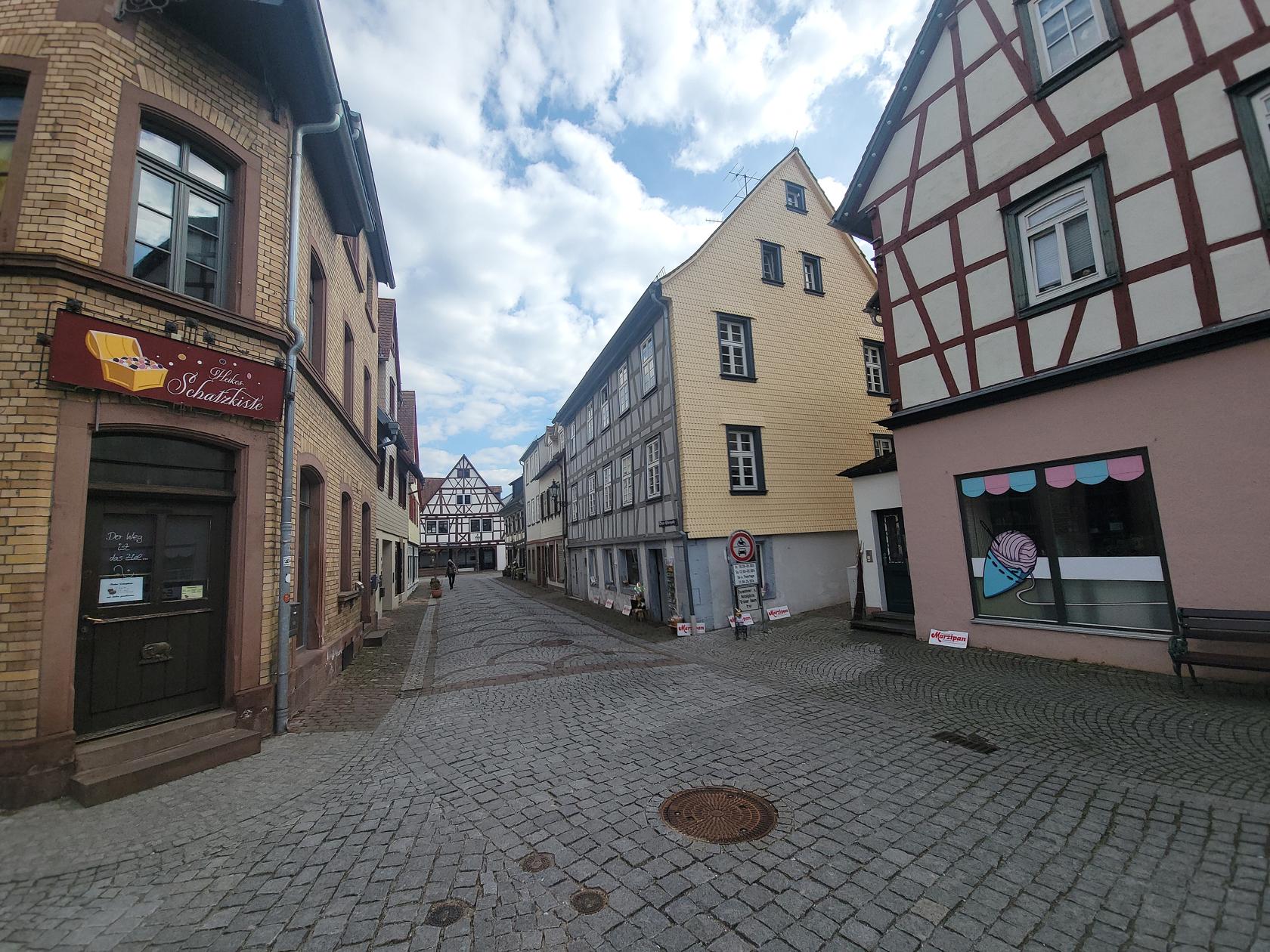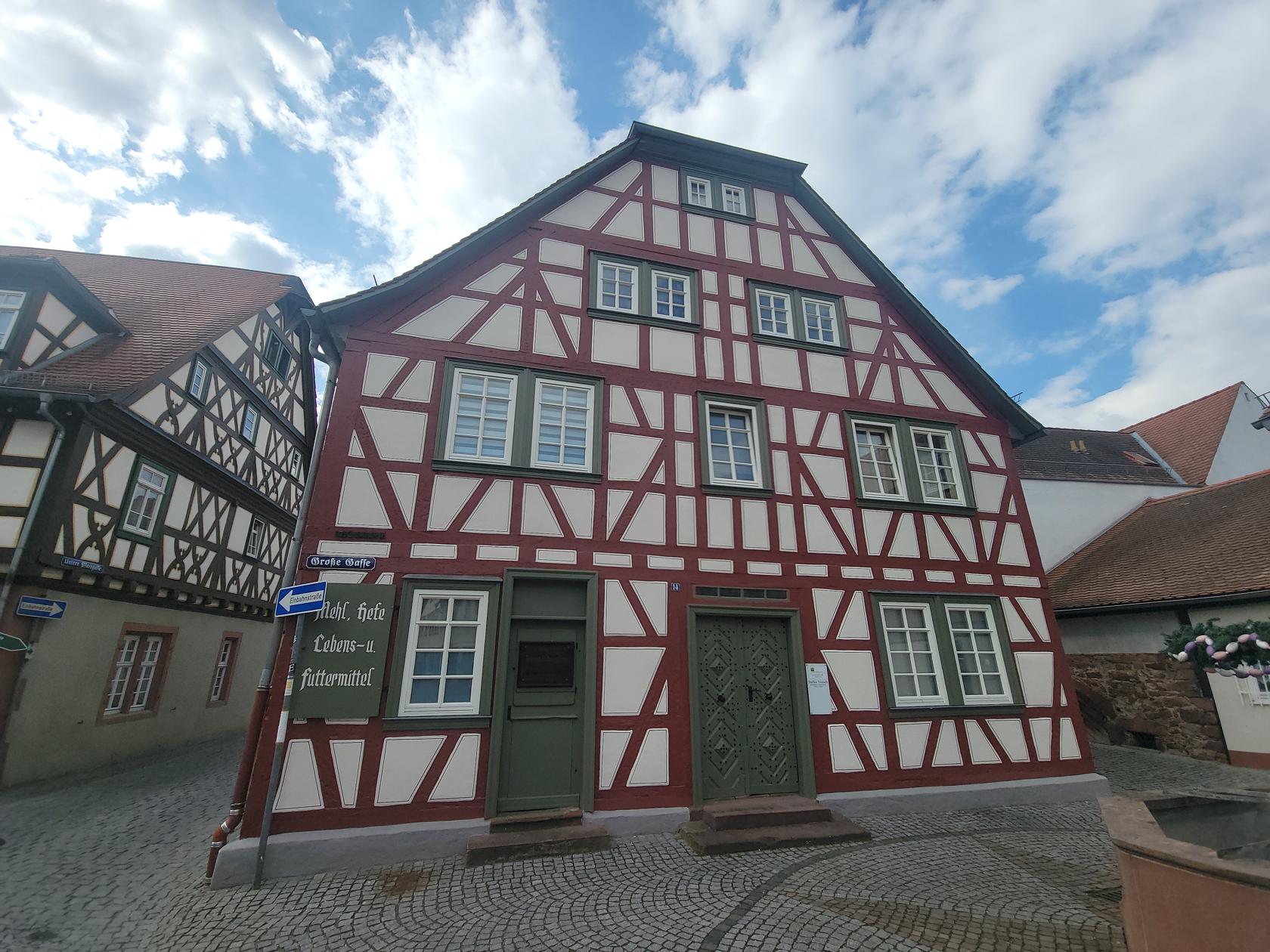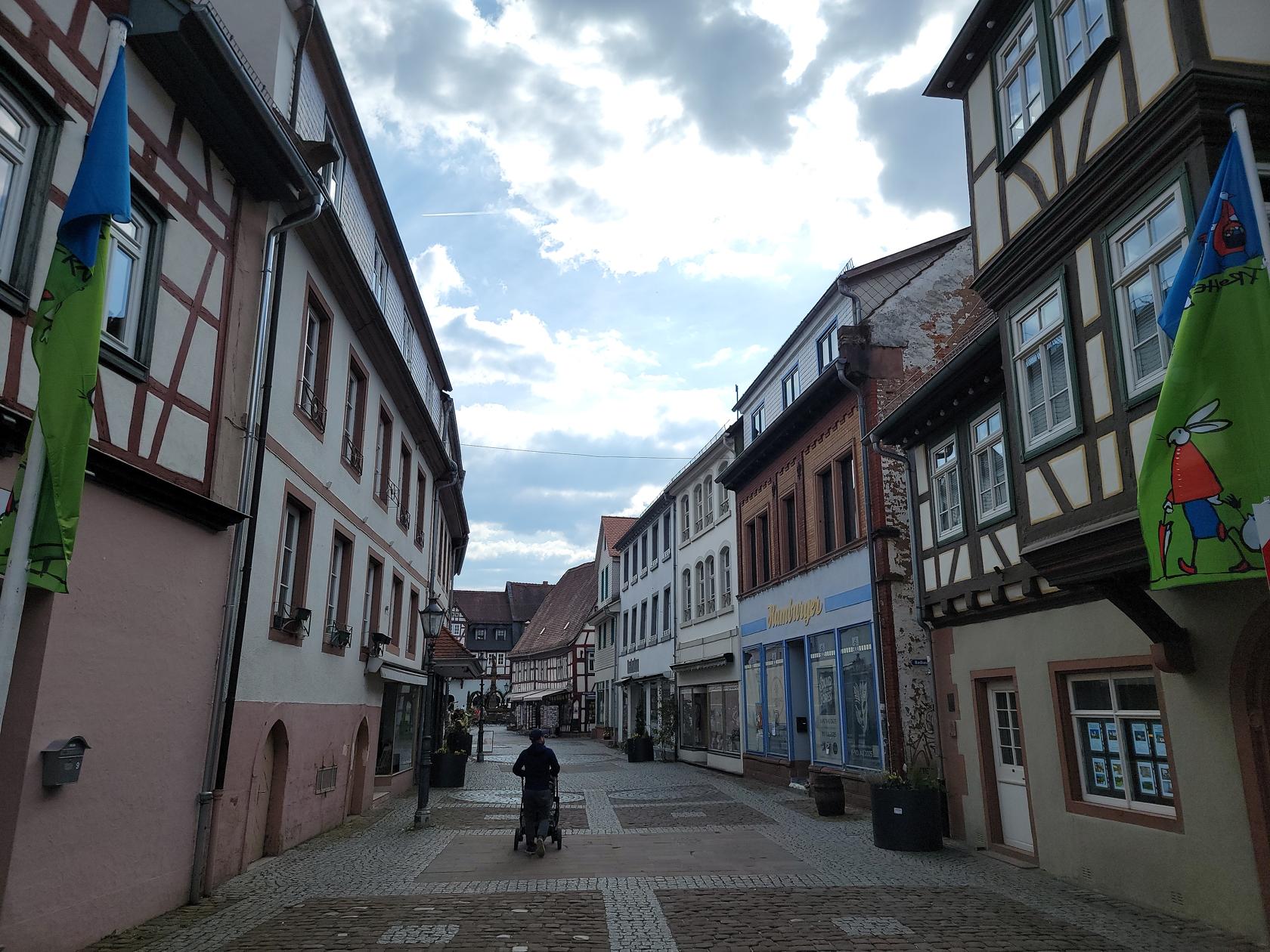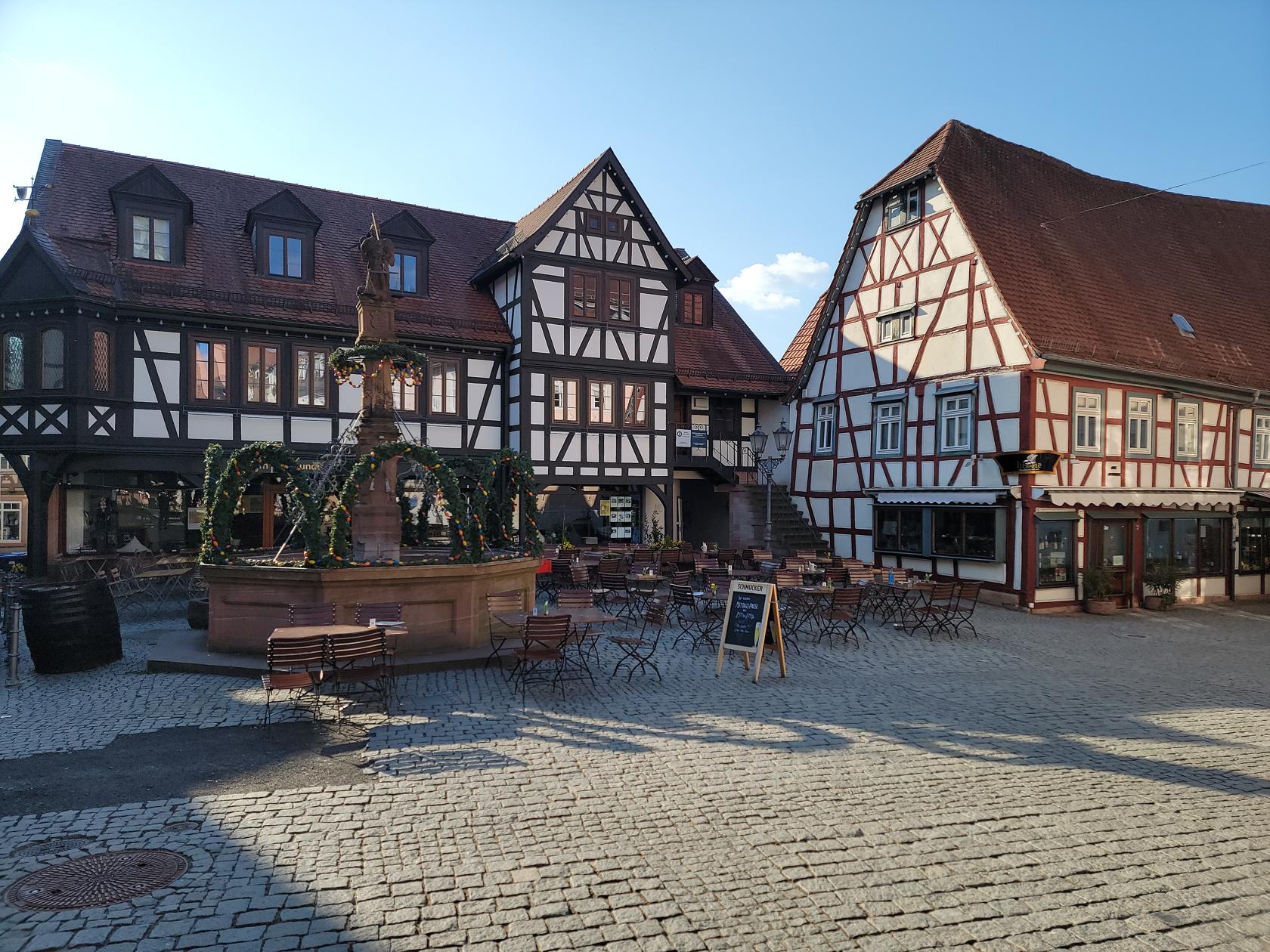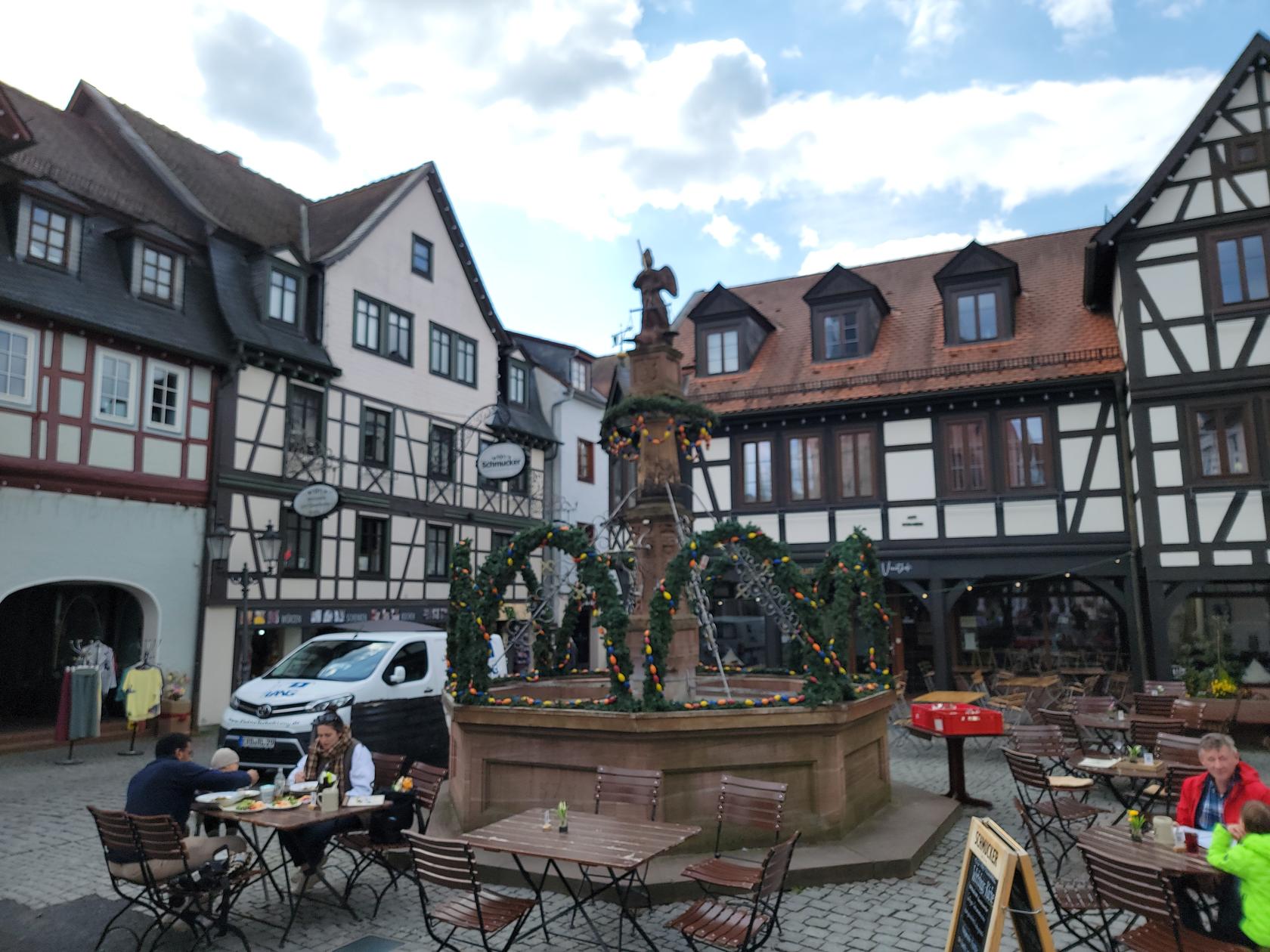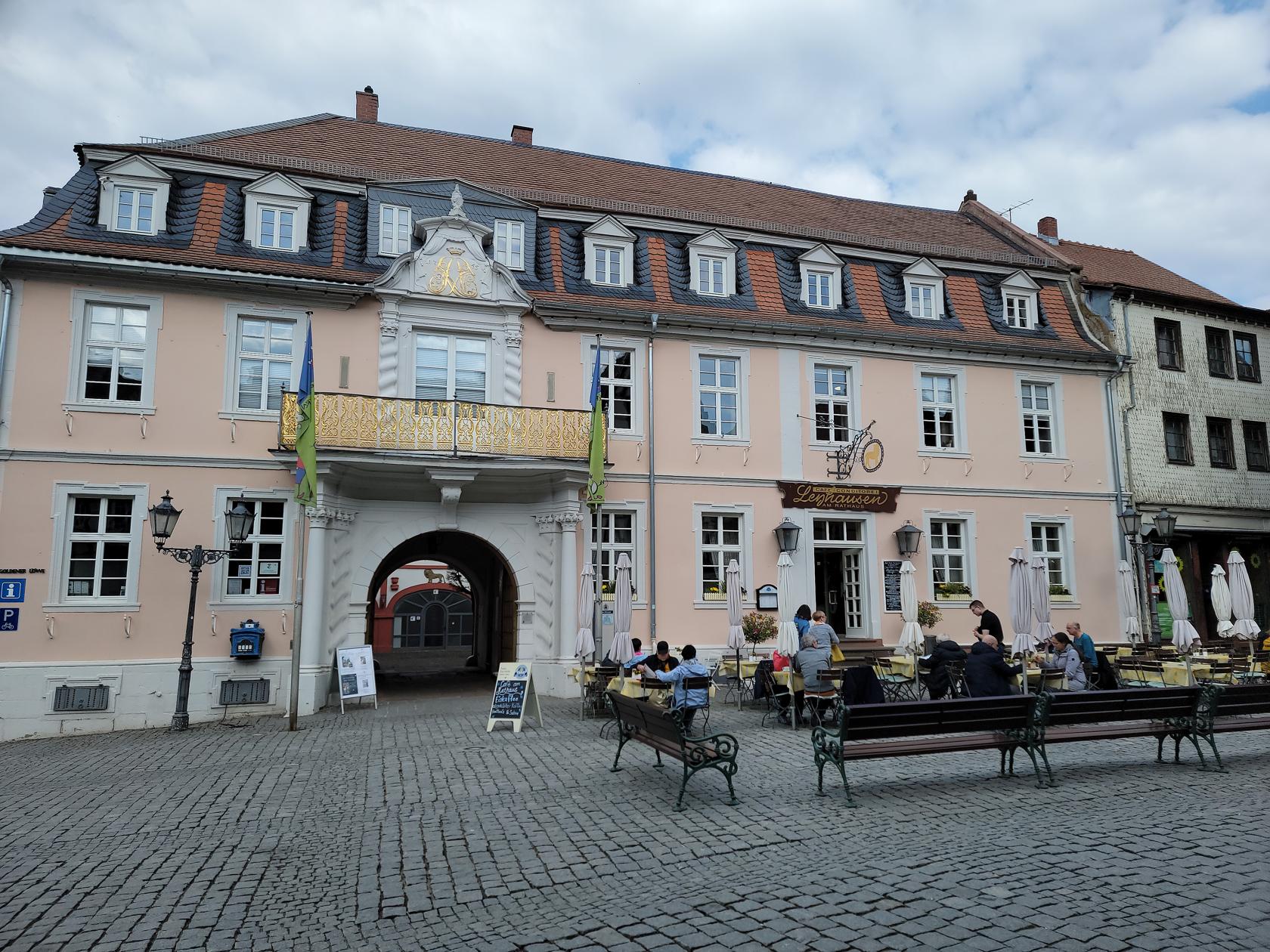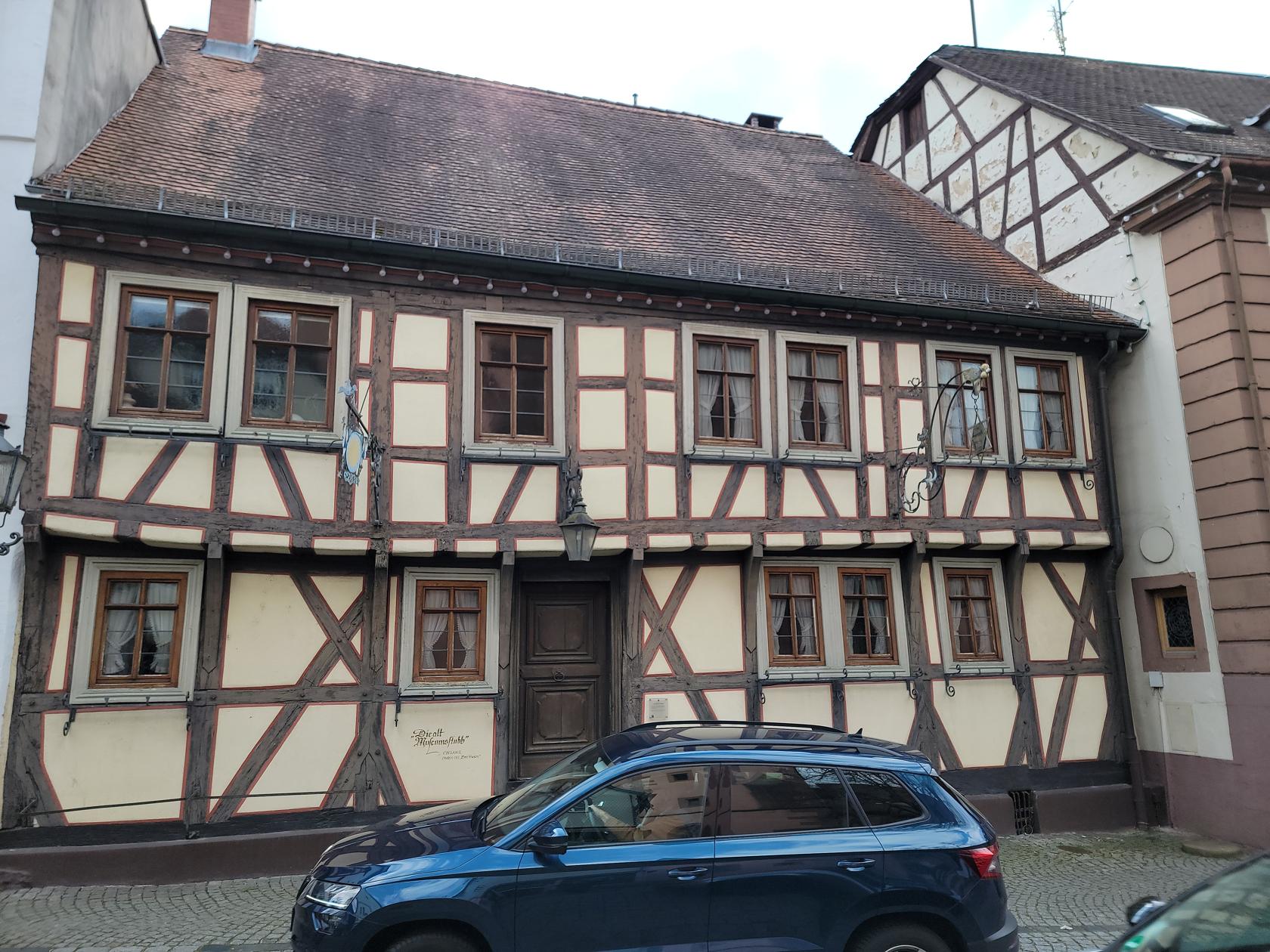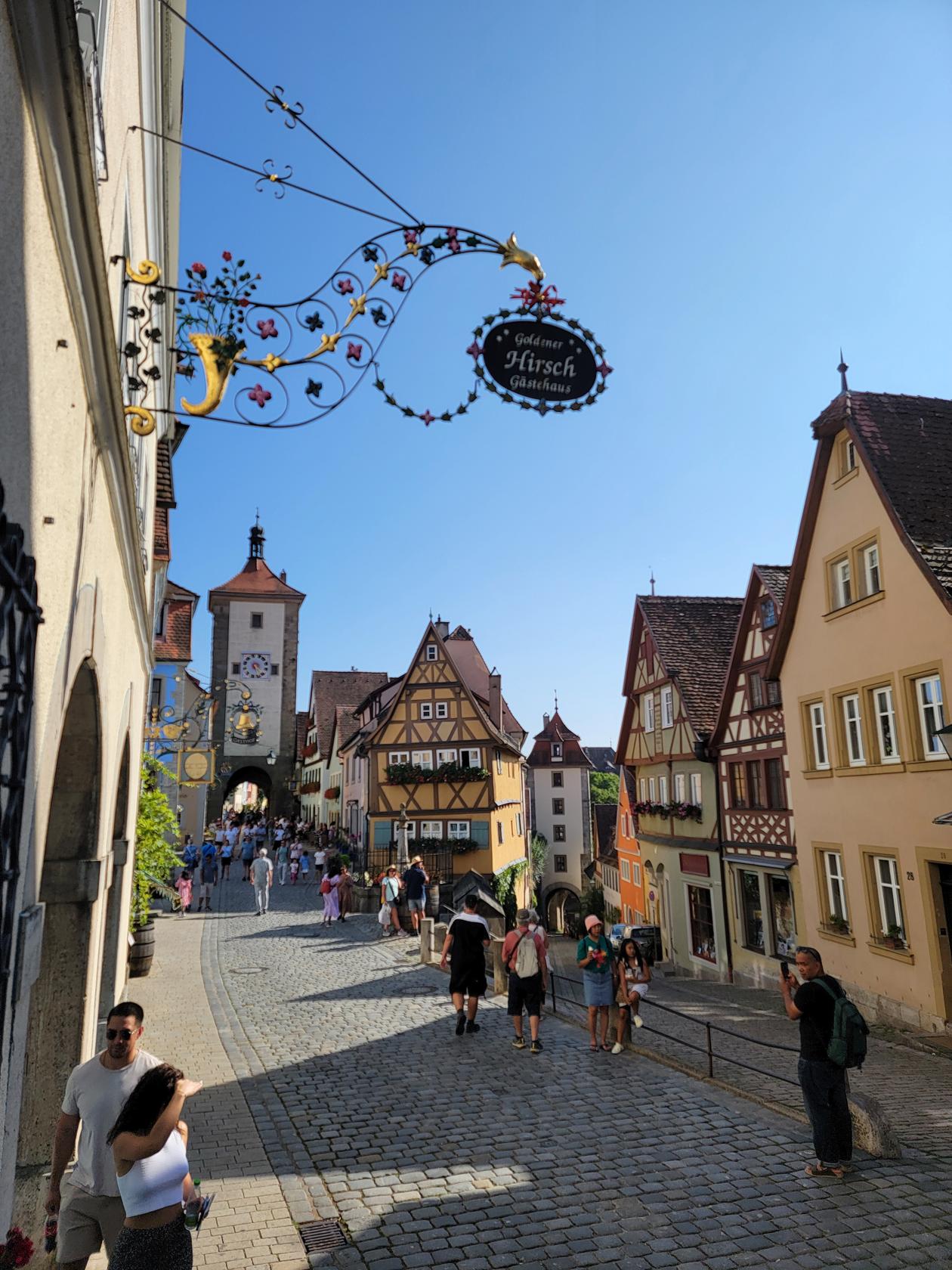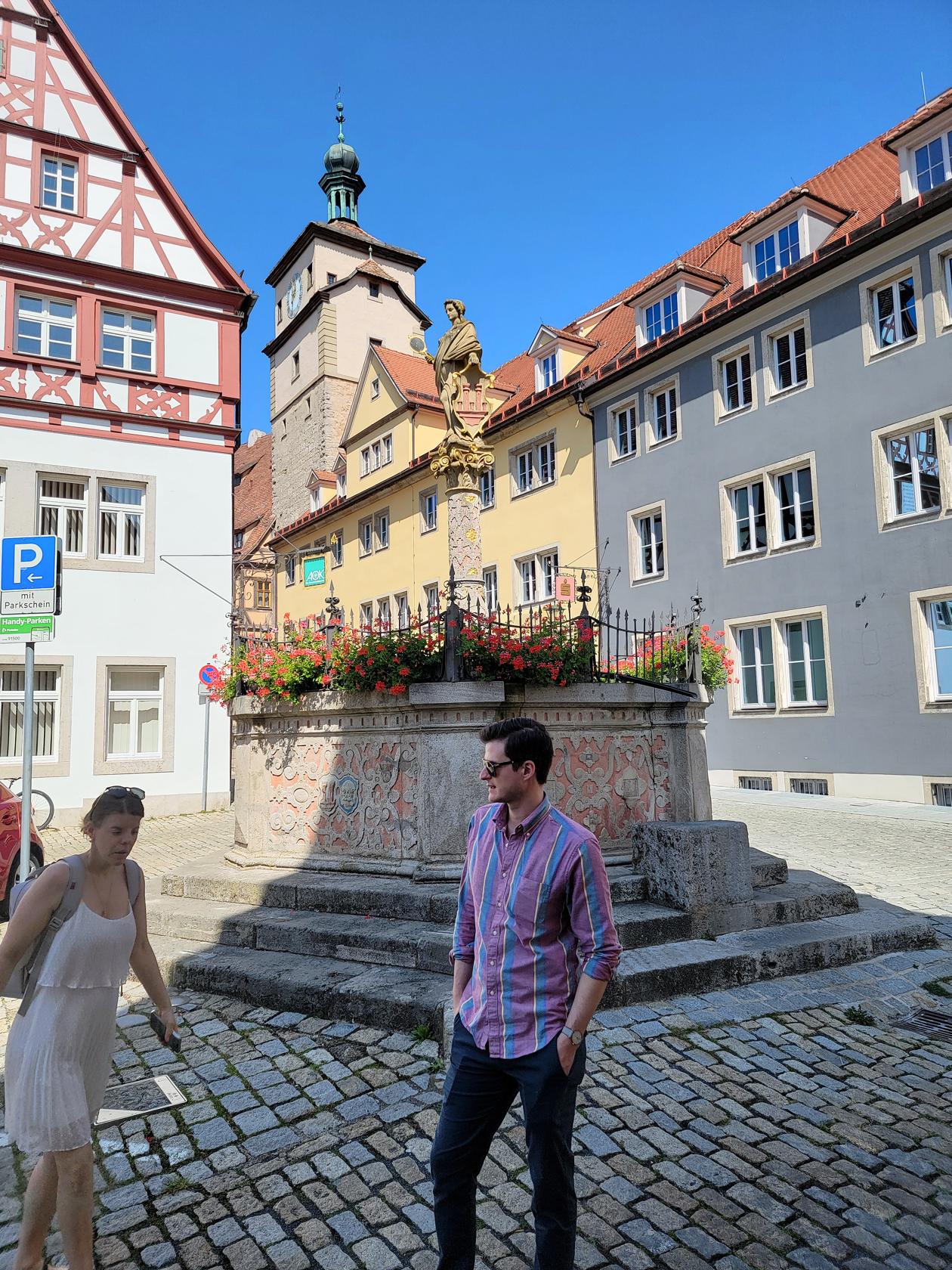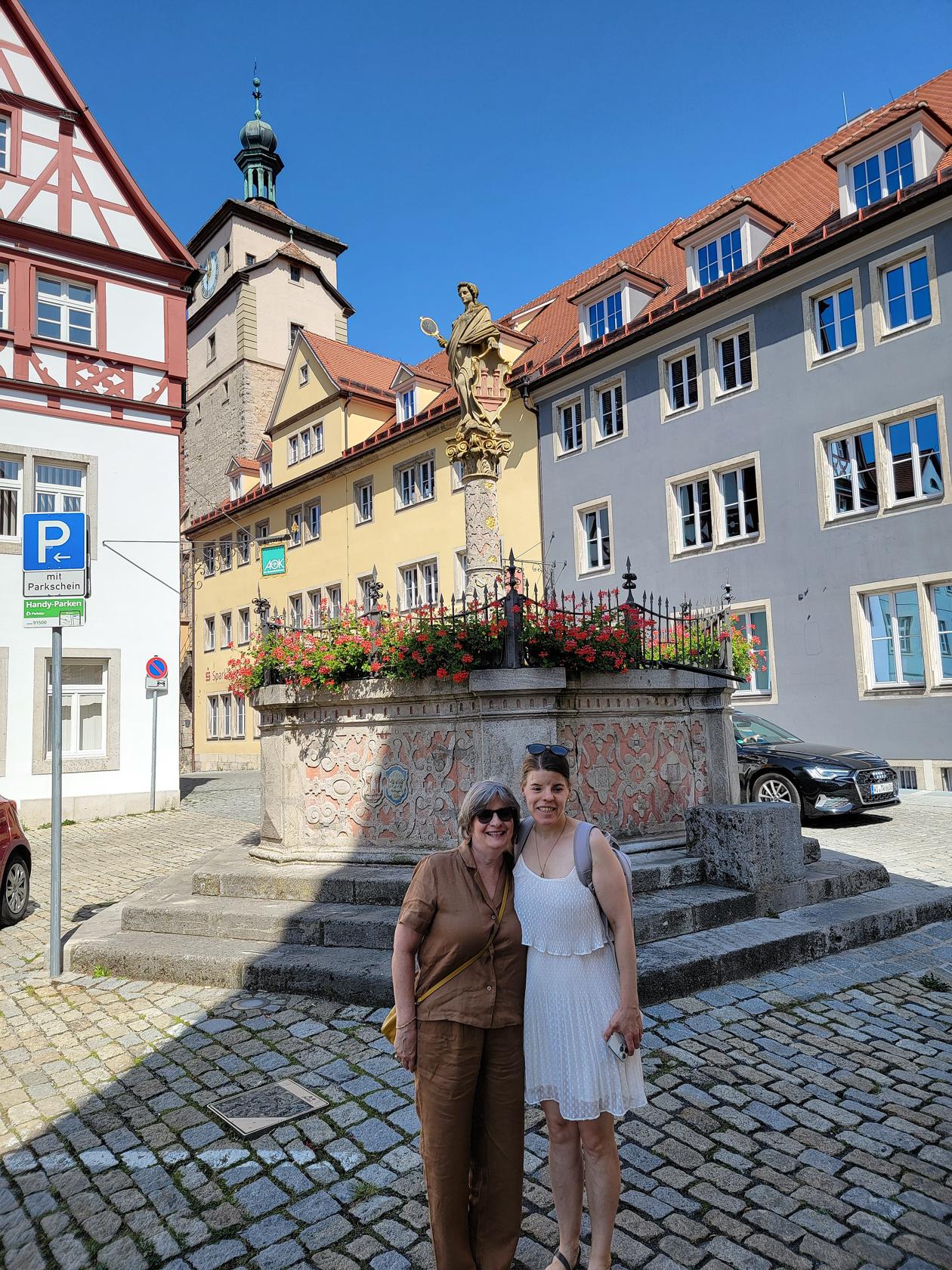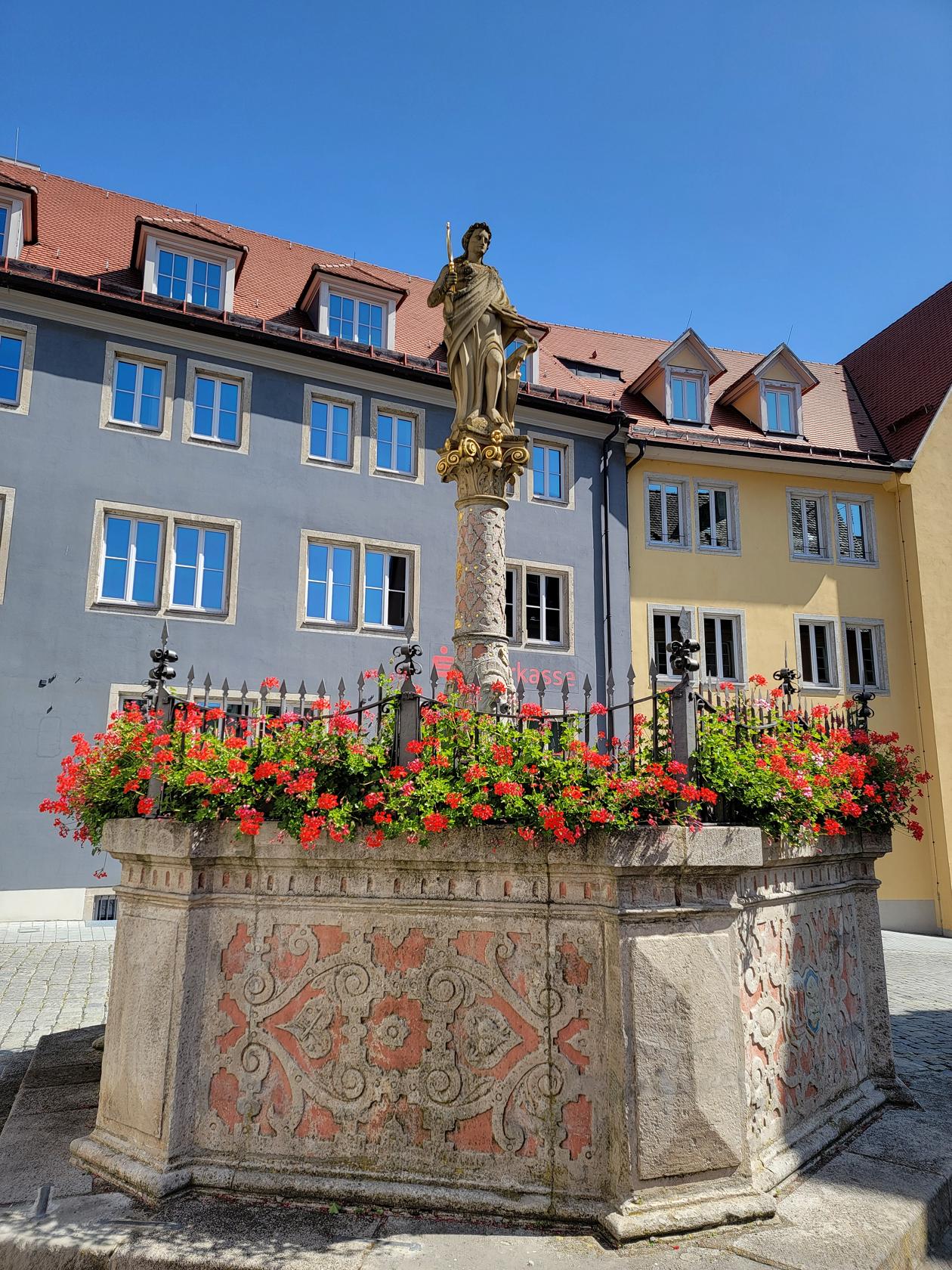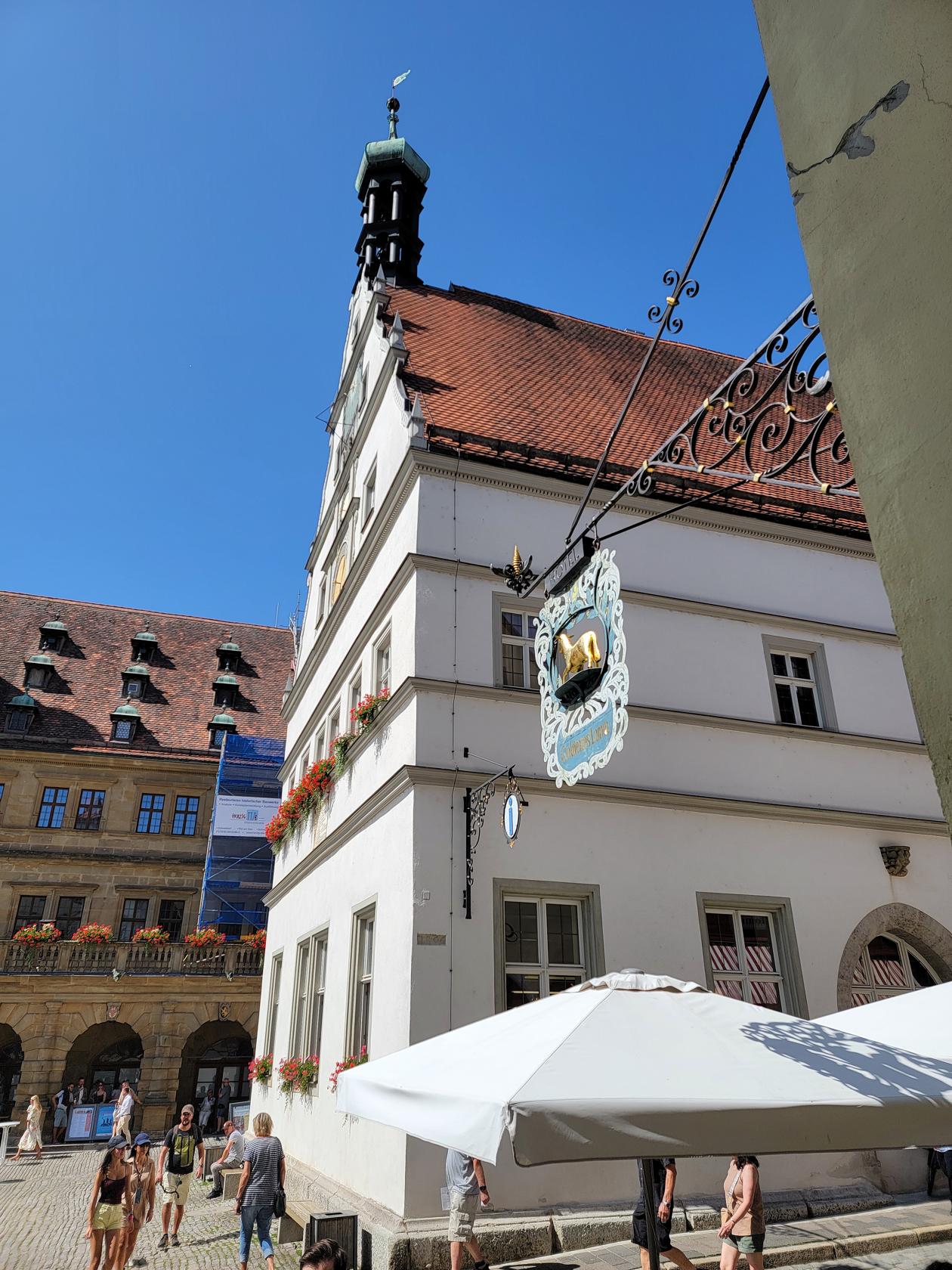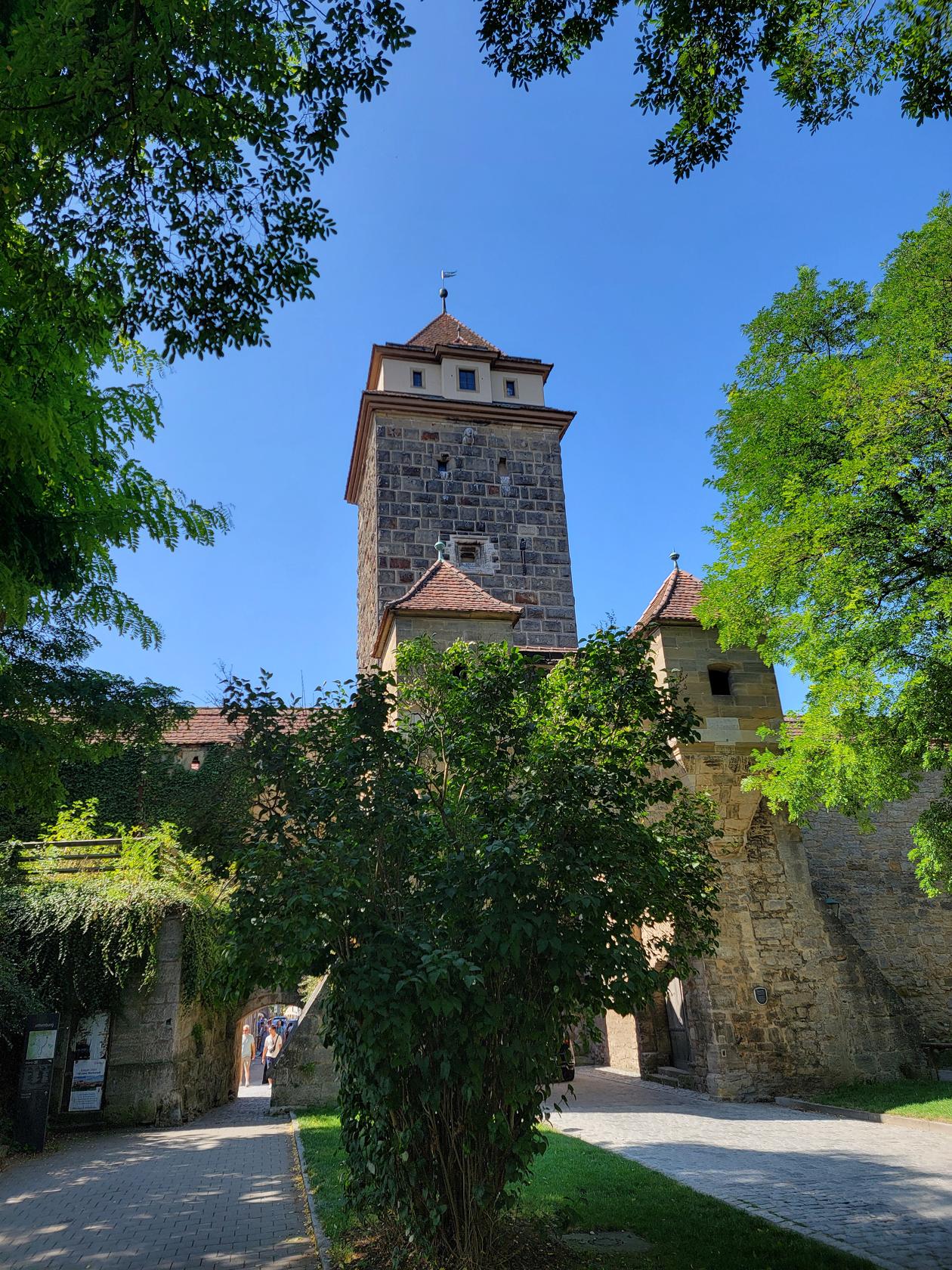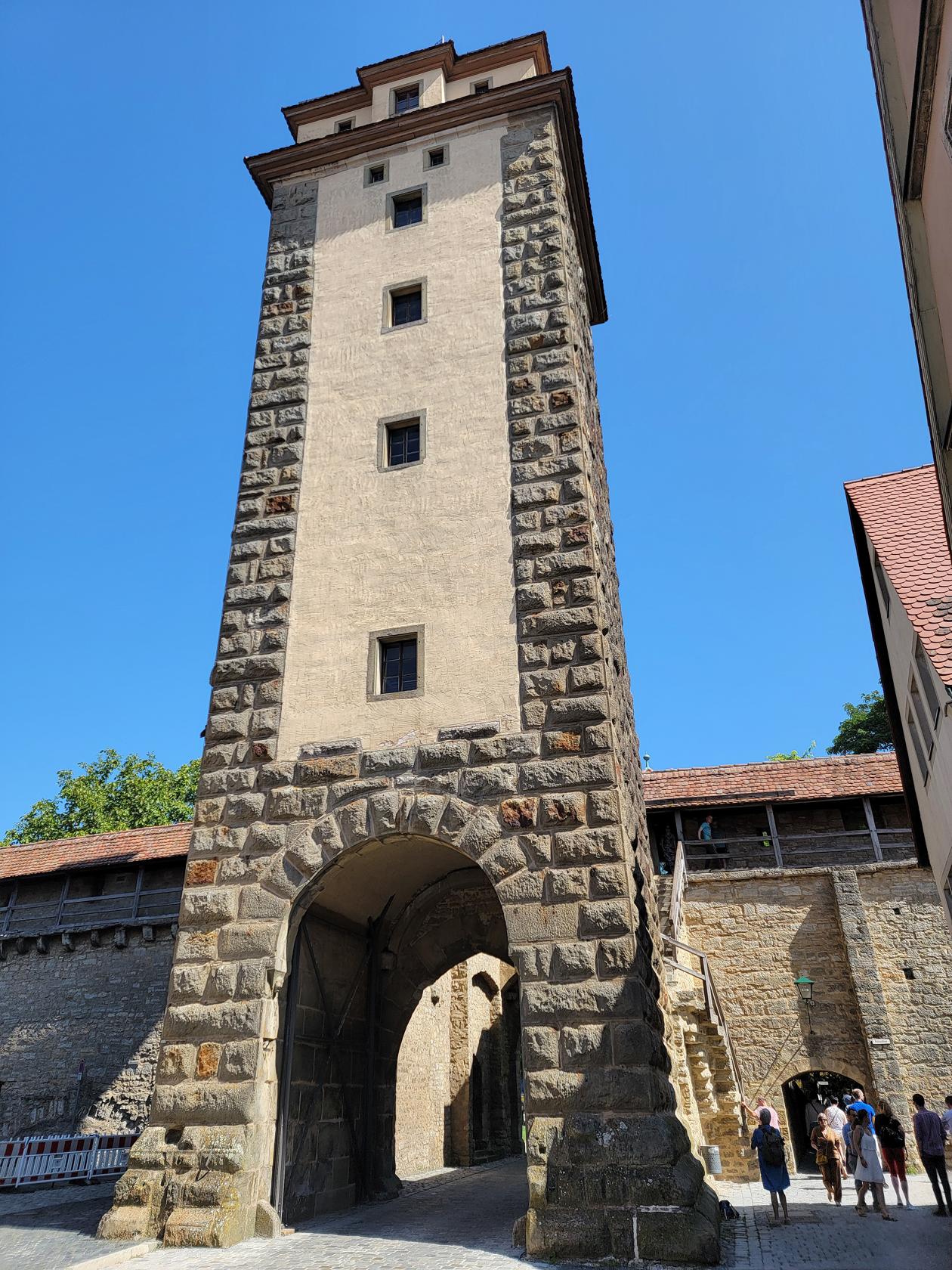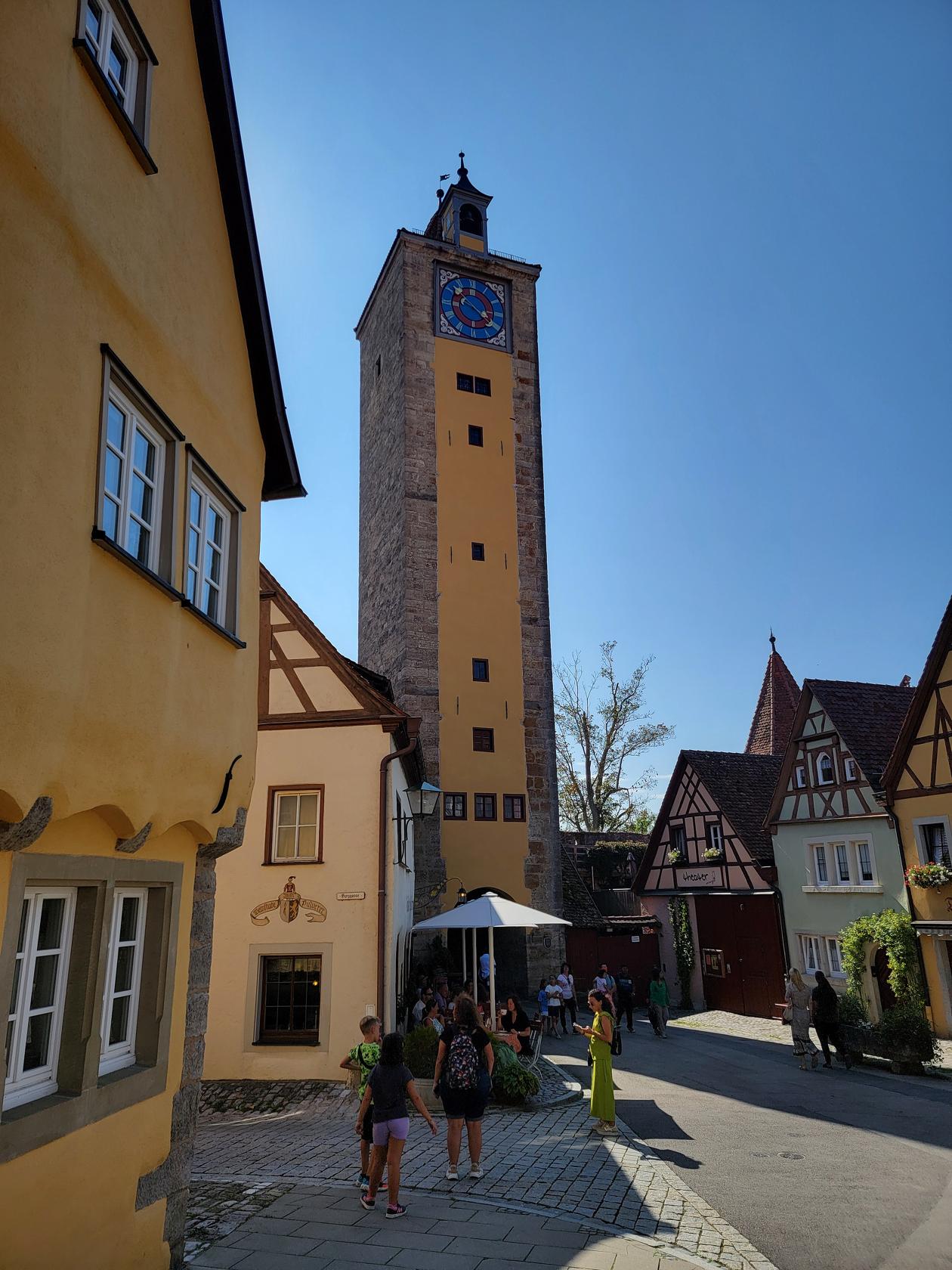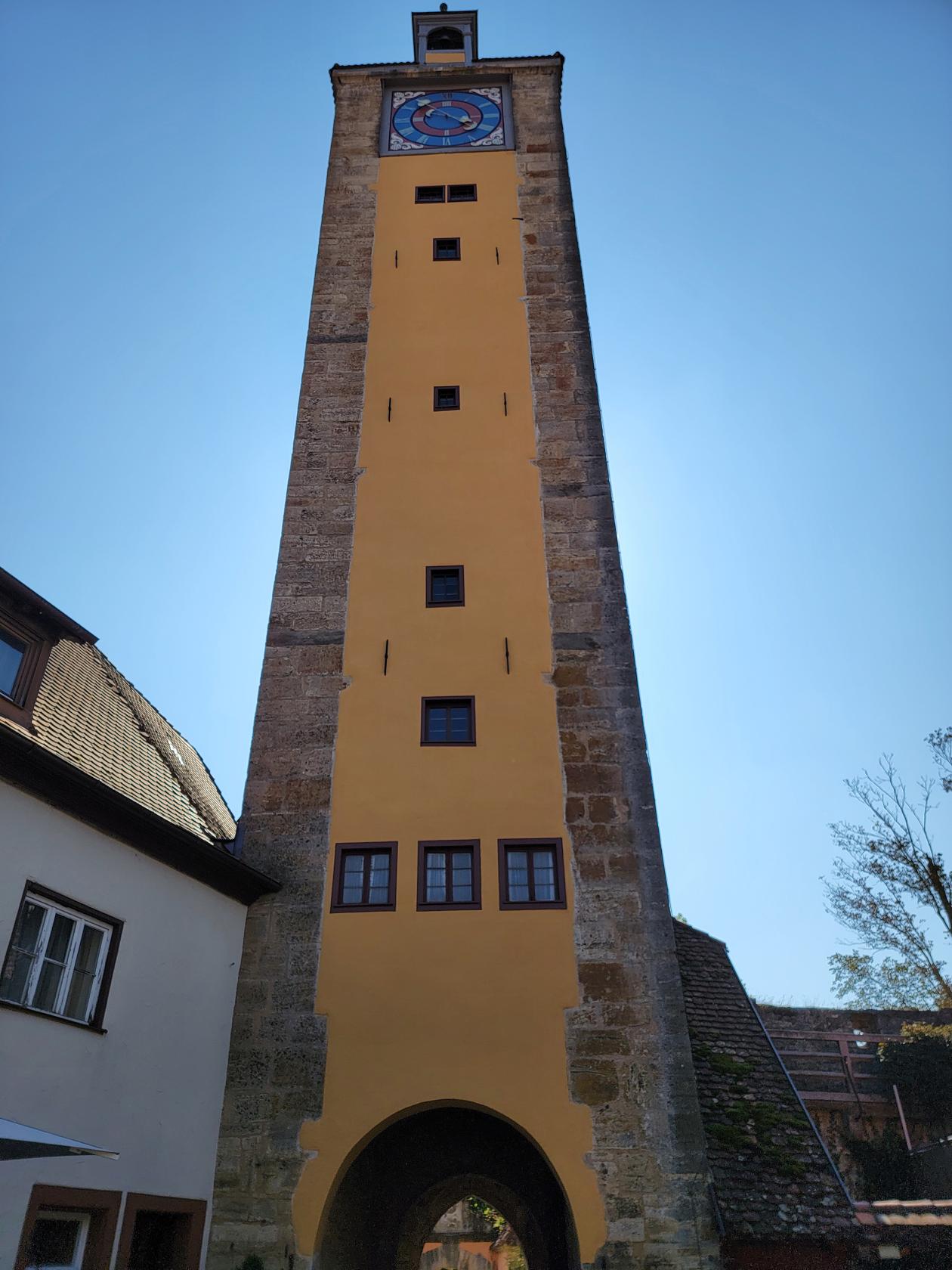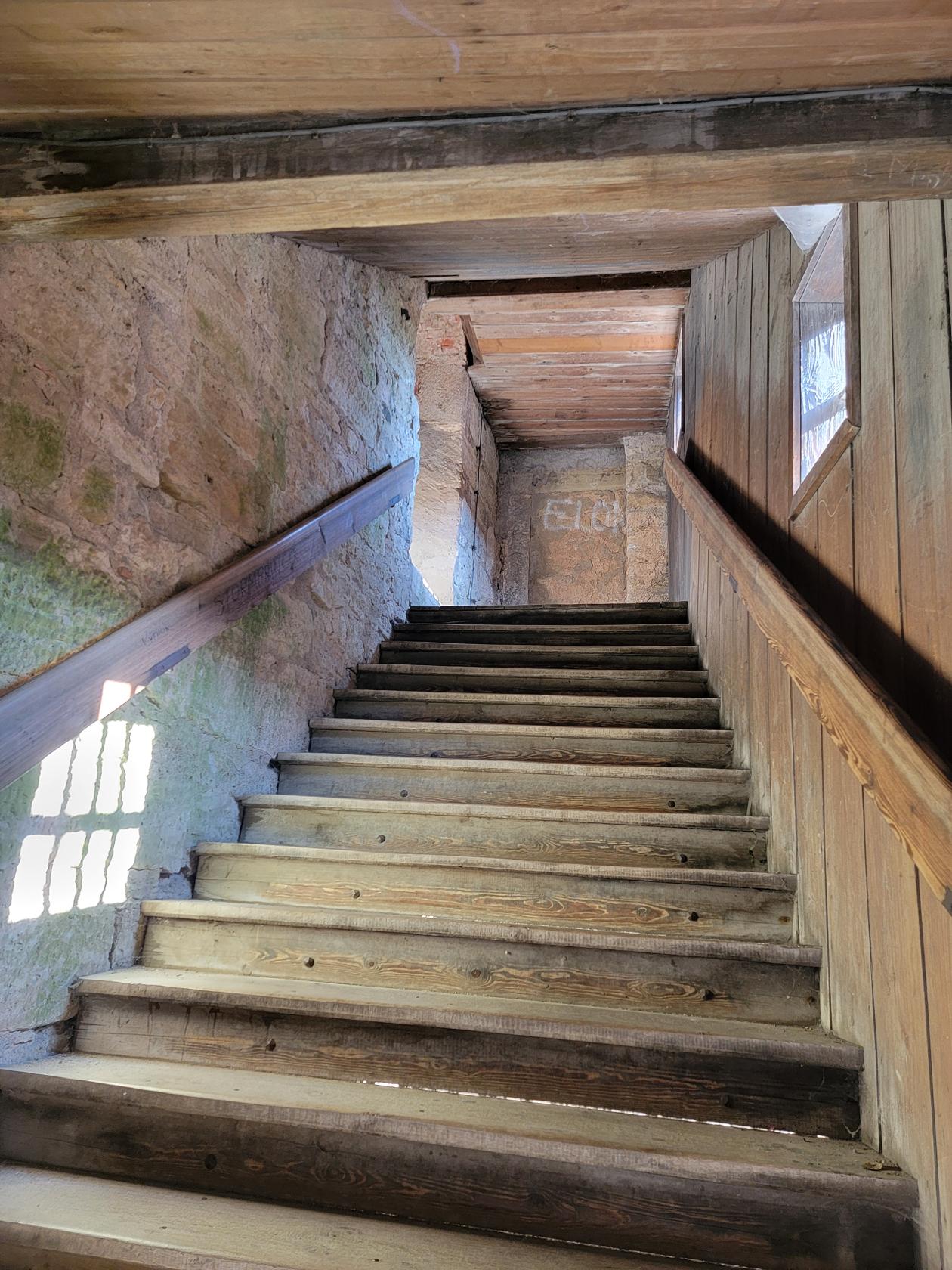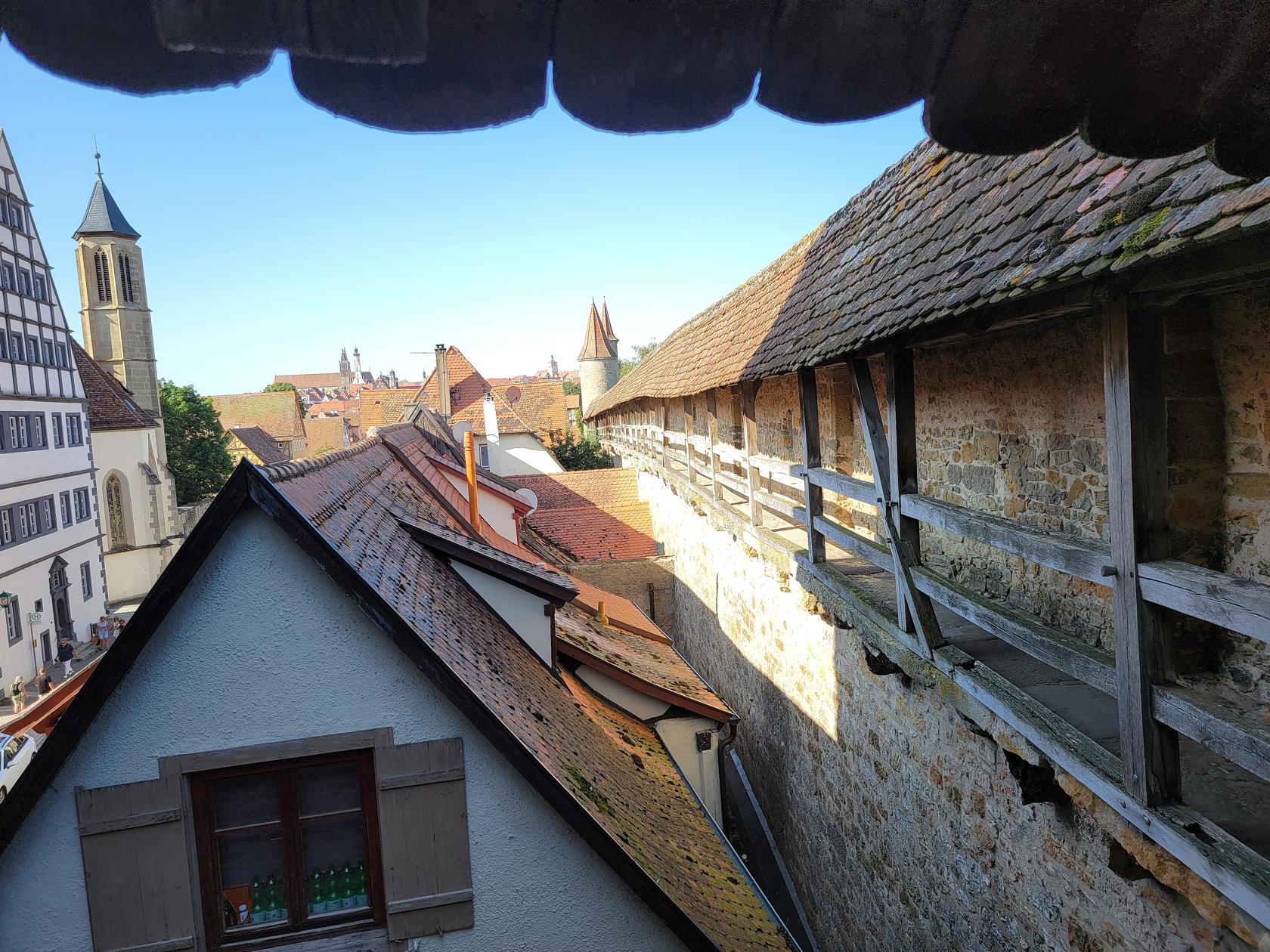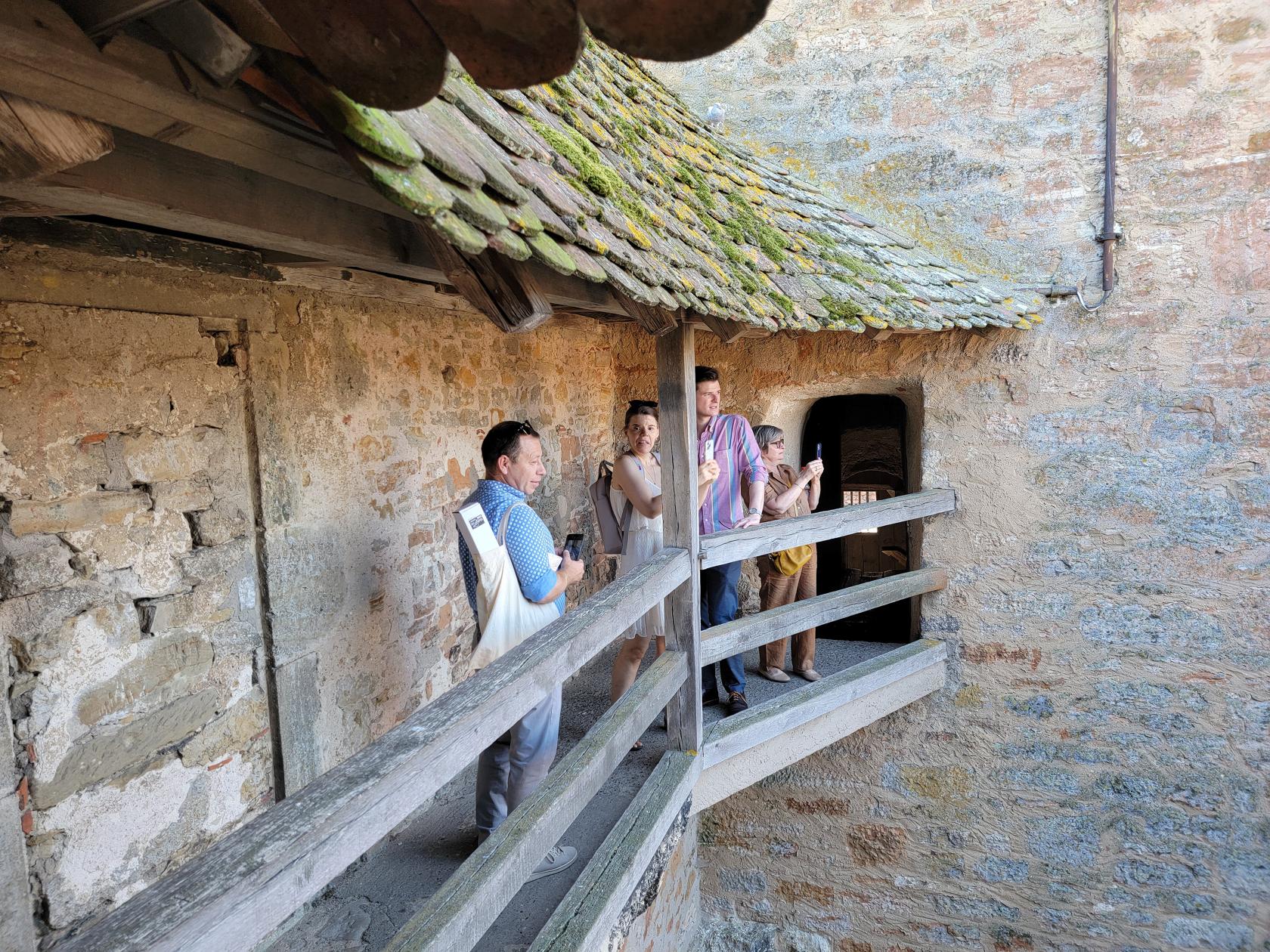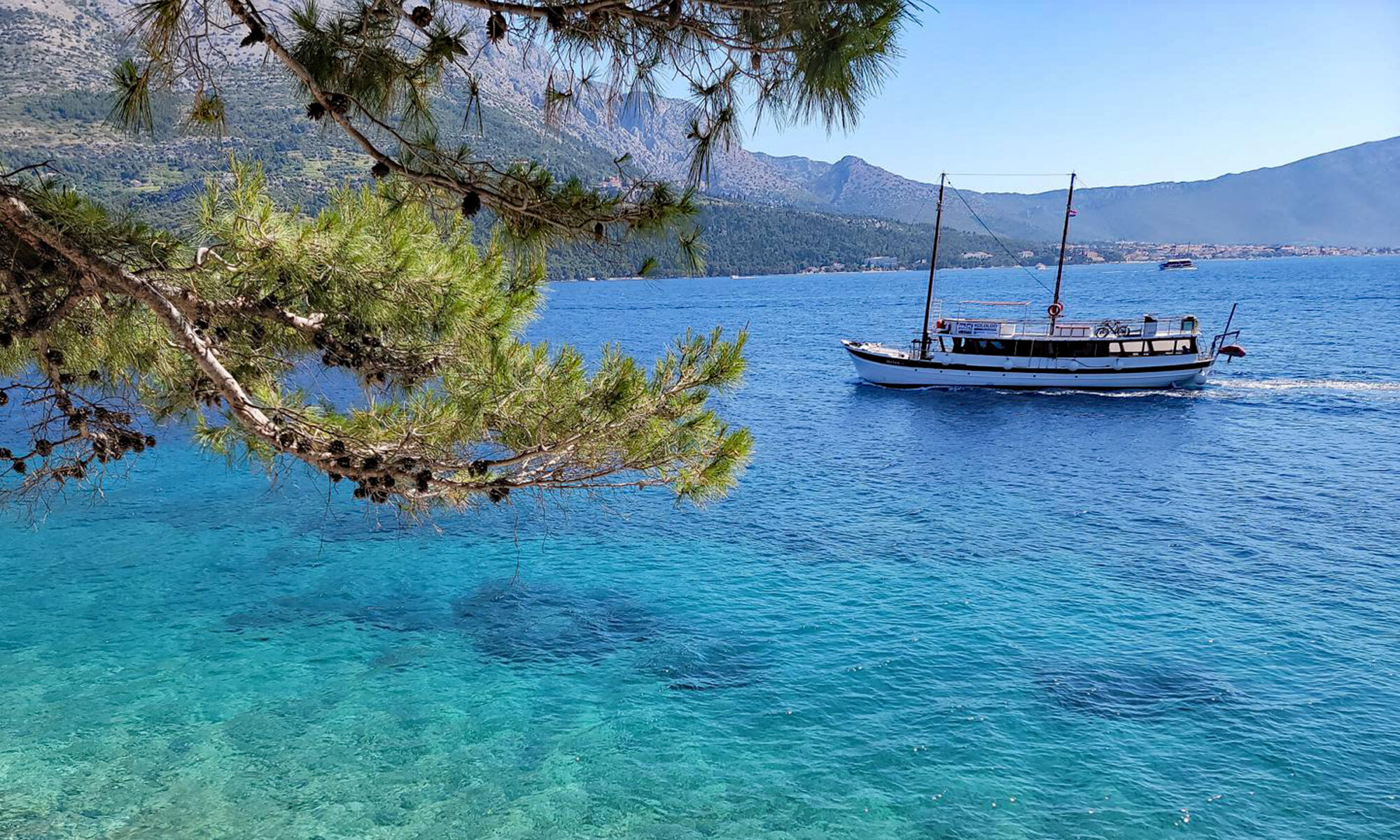
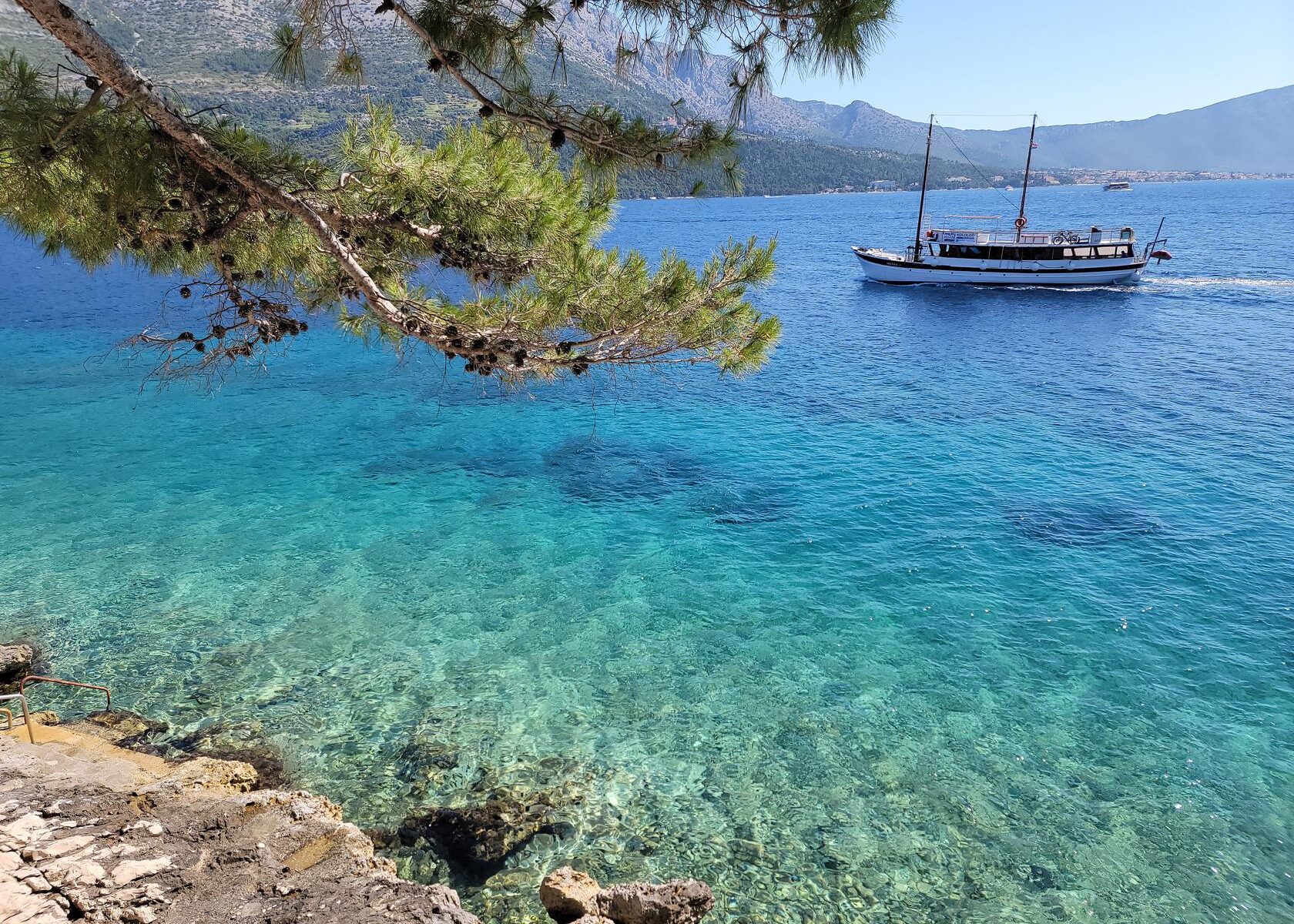
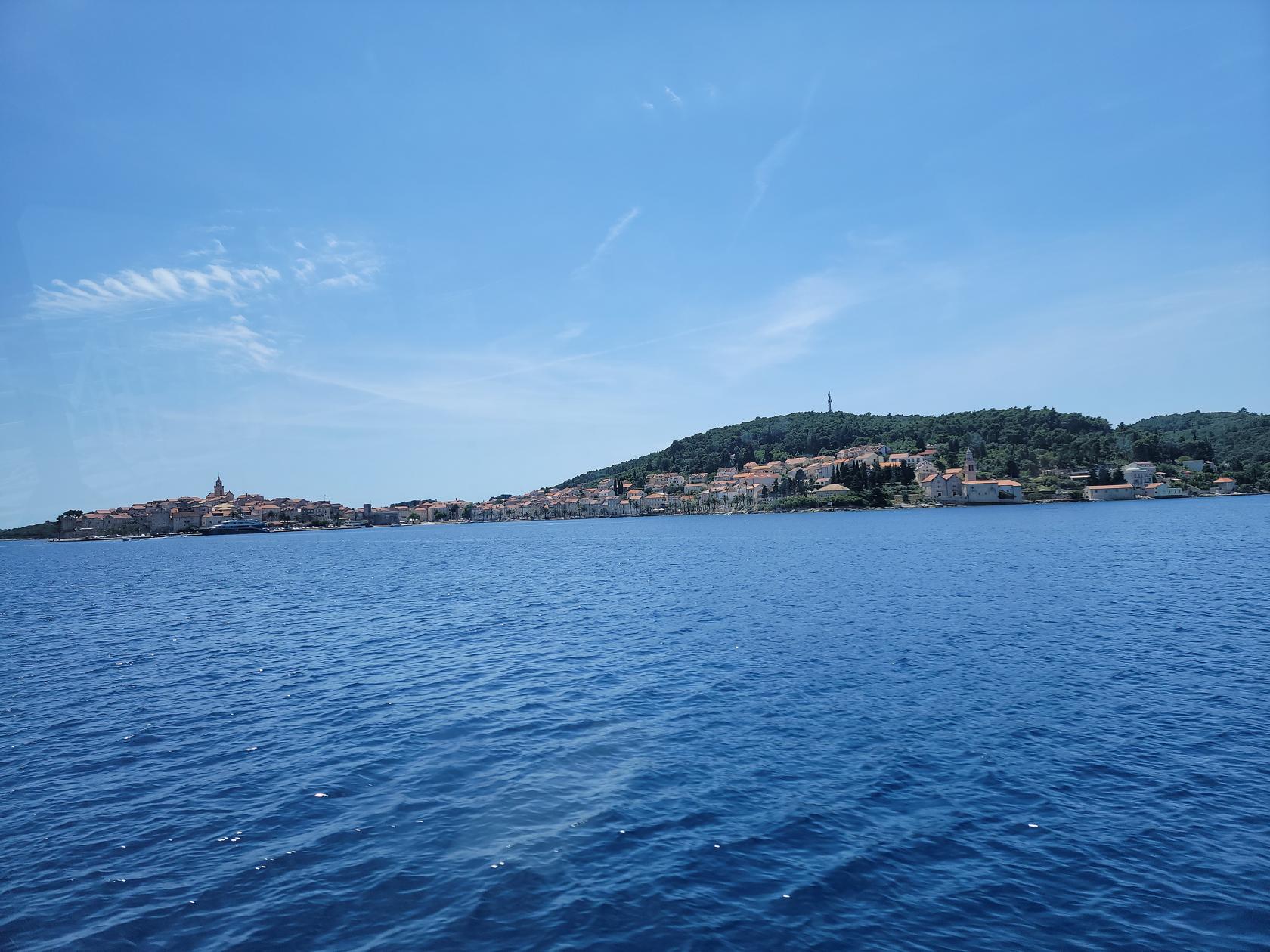
After Split, Croatia we had planned on taking a detour to one of the islands for a bit of an escape. We knew it was going to be crowded, since tourist season was upon us and we thought it would be great to also break up the distance between Split and Dubrovnik. Our choice was the town of Korčula, on the eponymous island in Croatia.
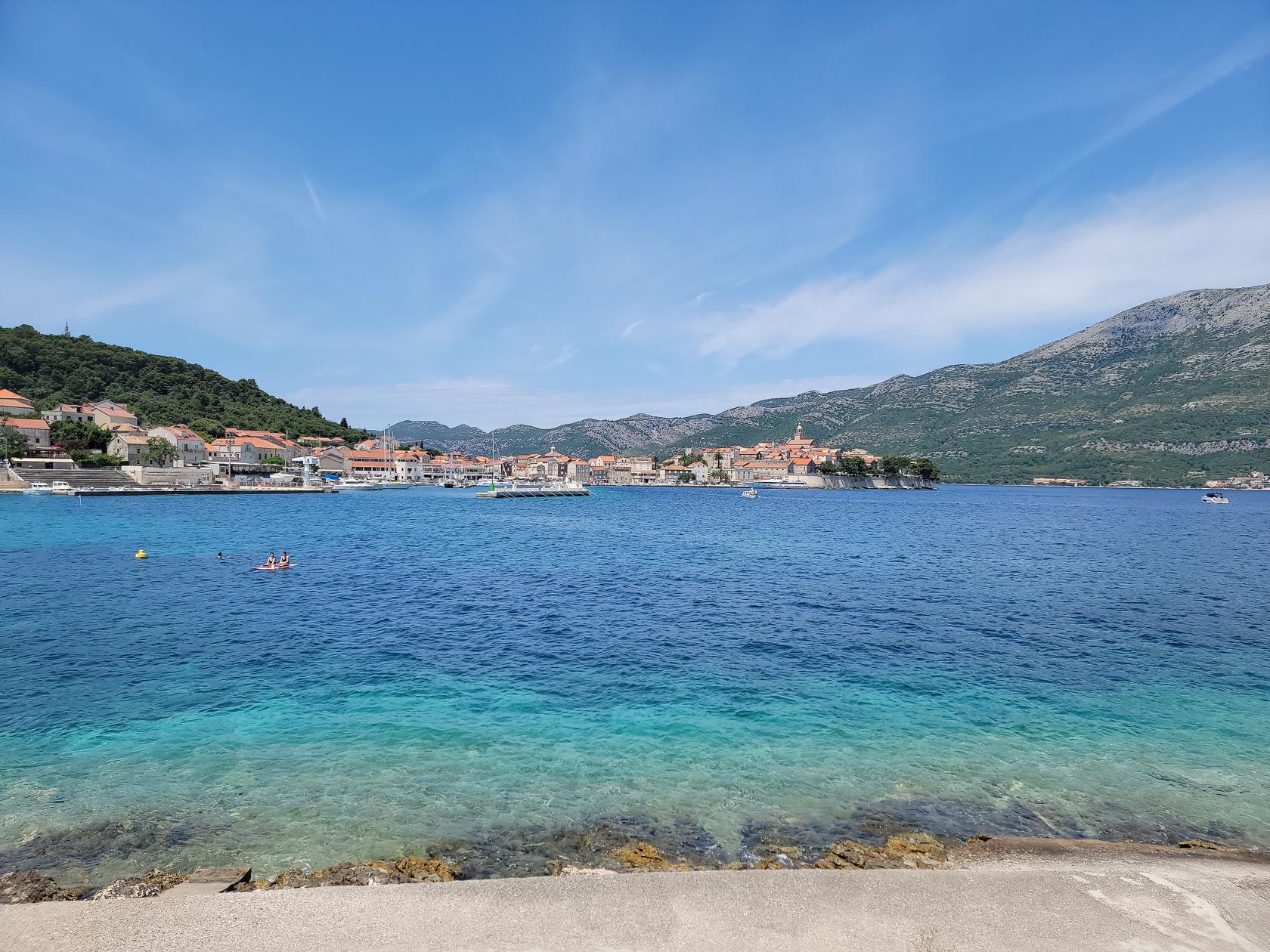
Korčula
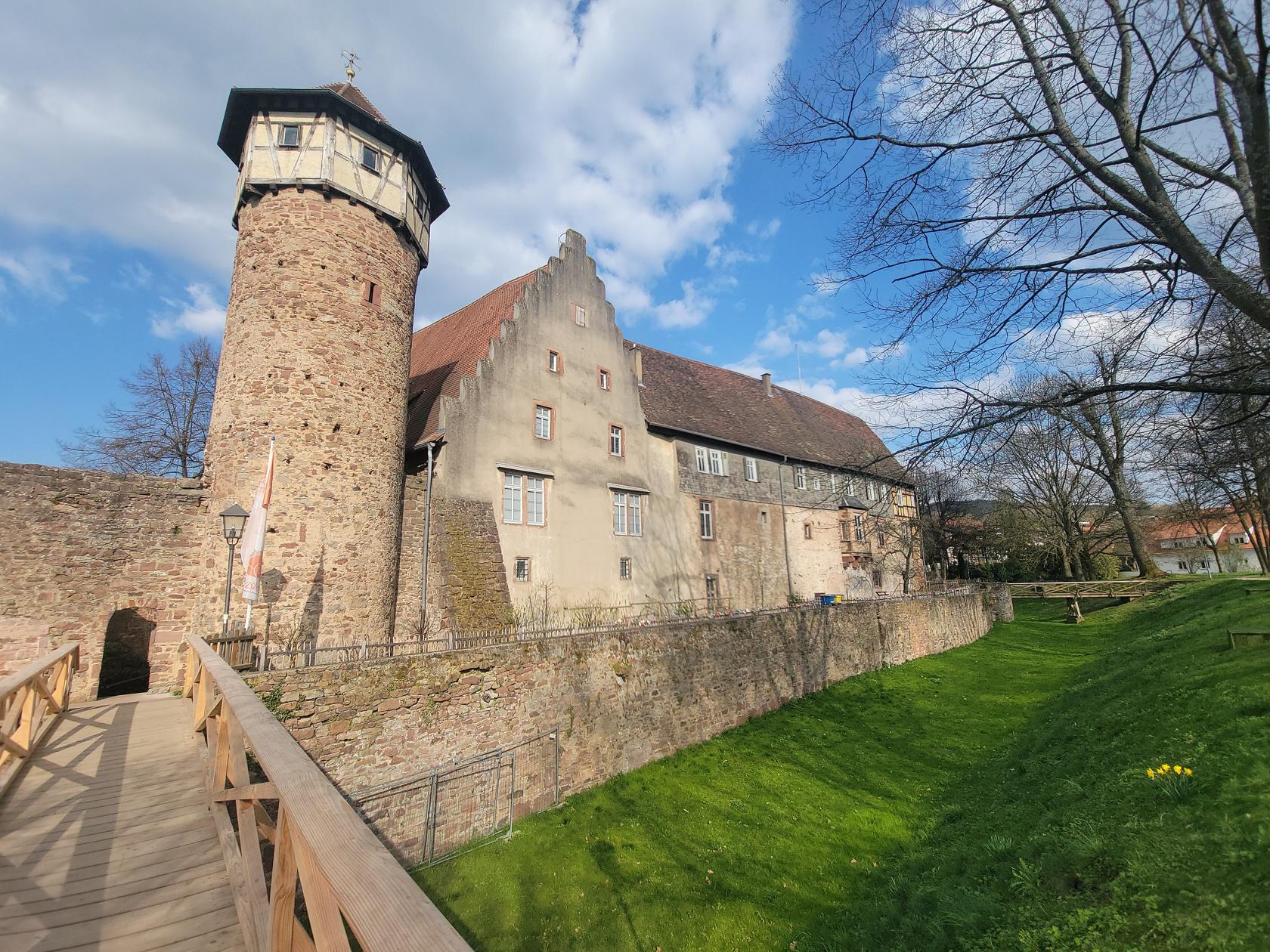
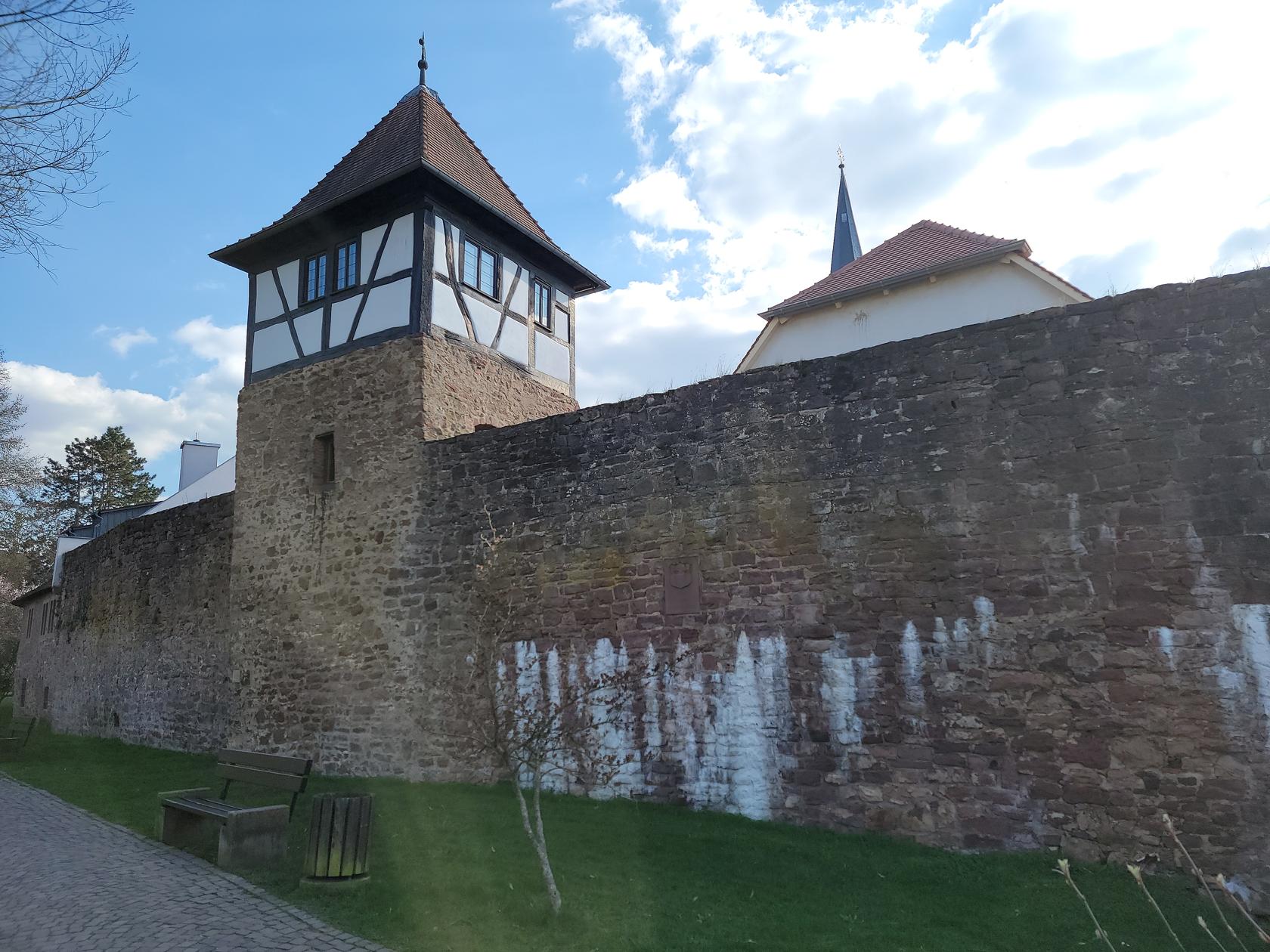
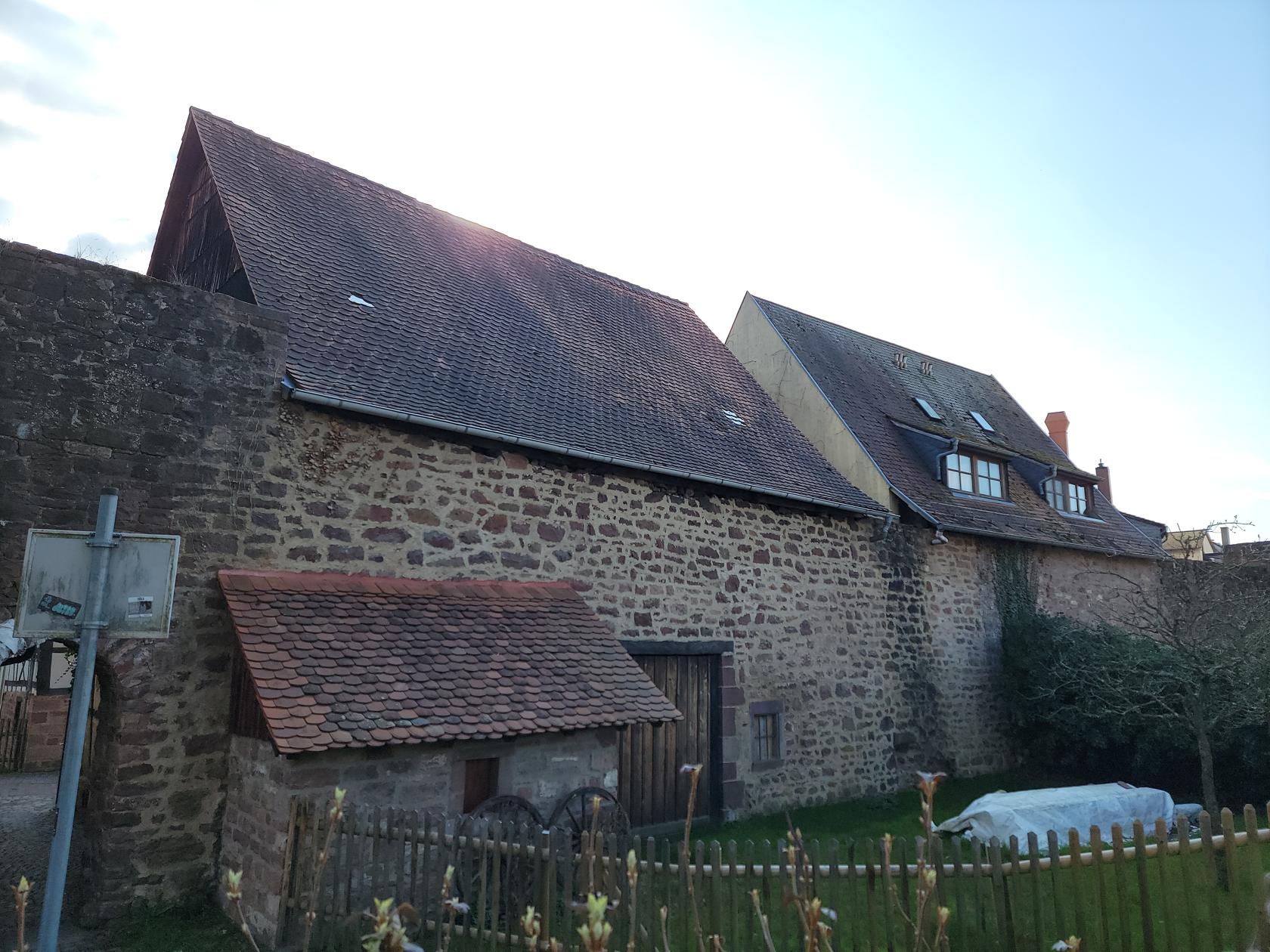
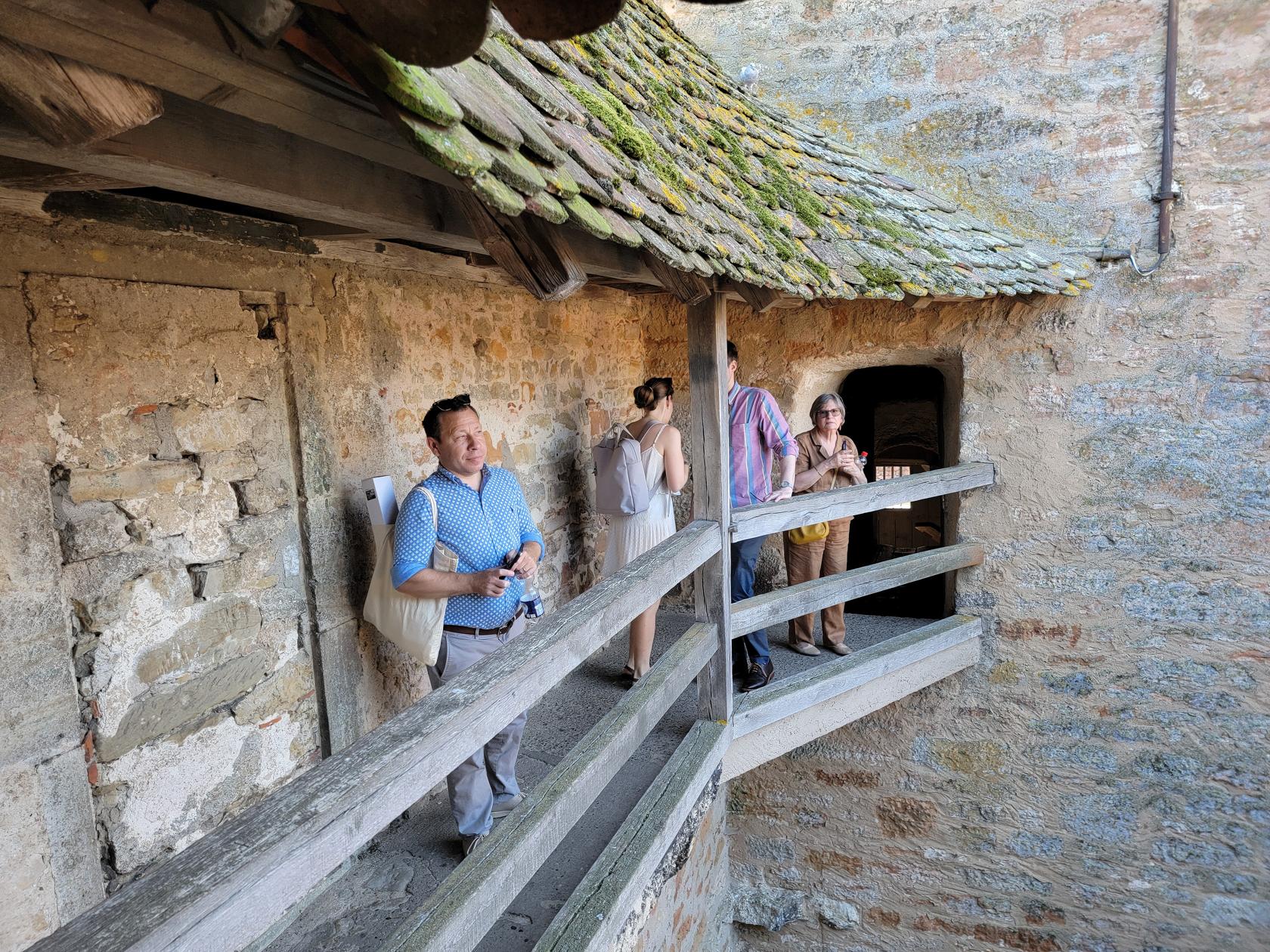
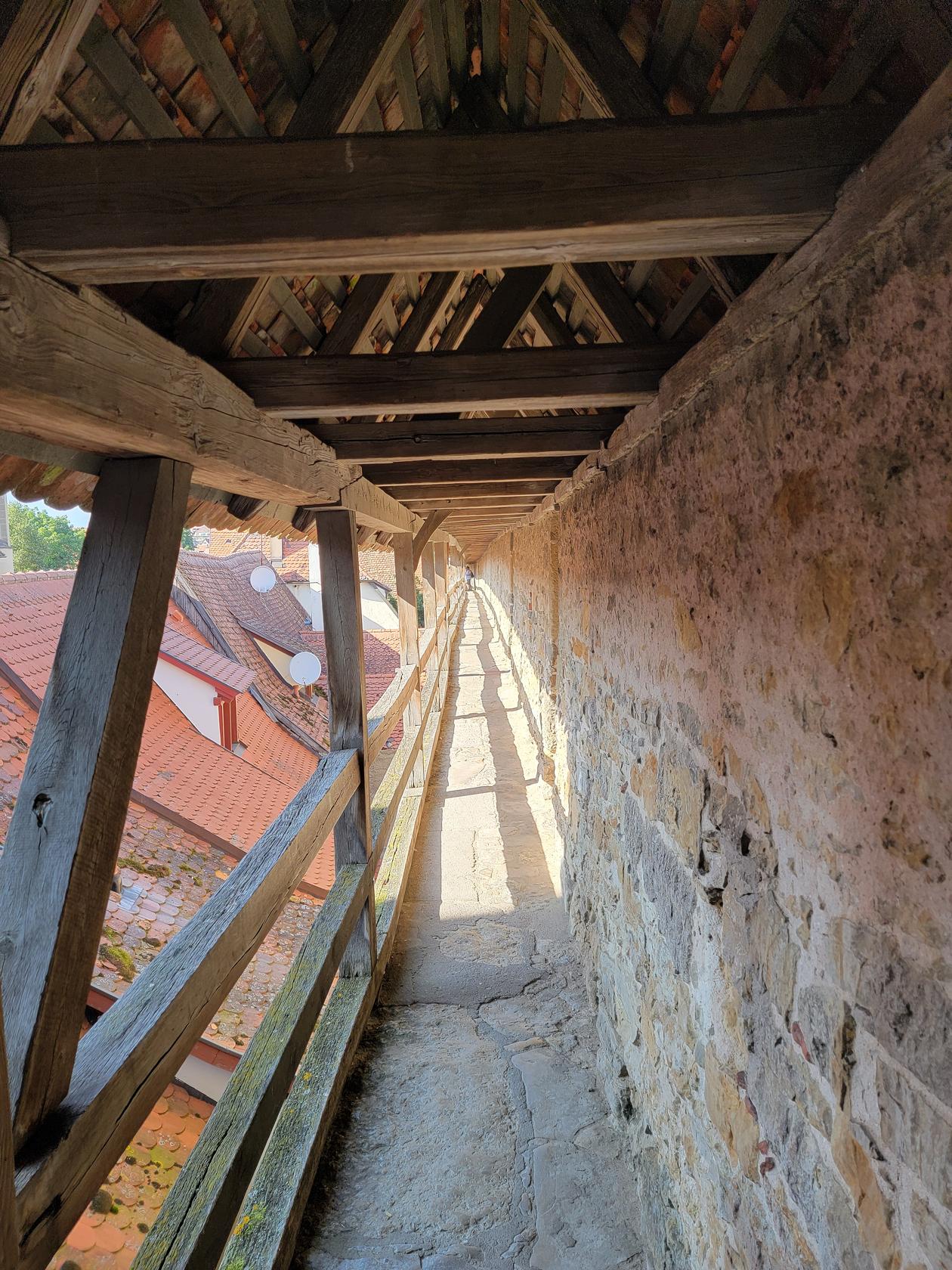
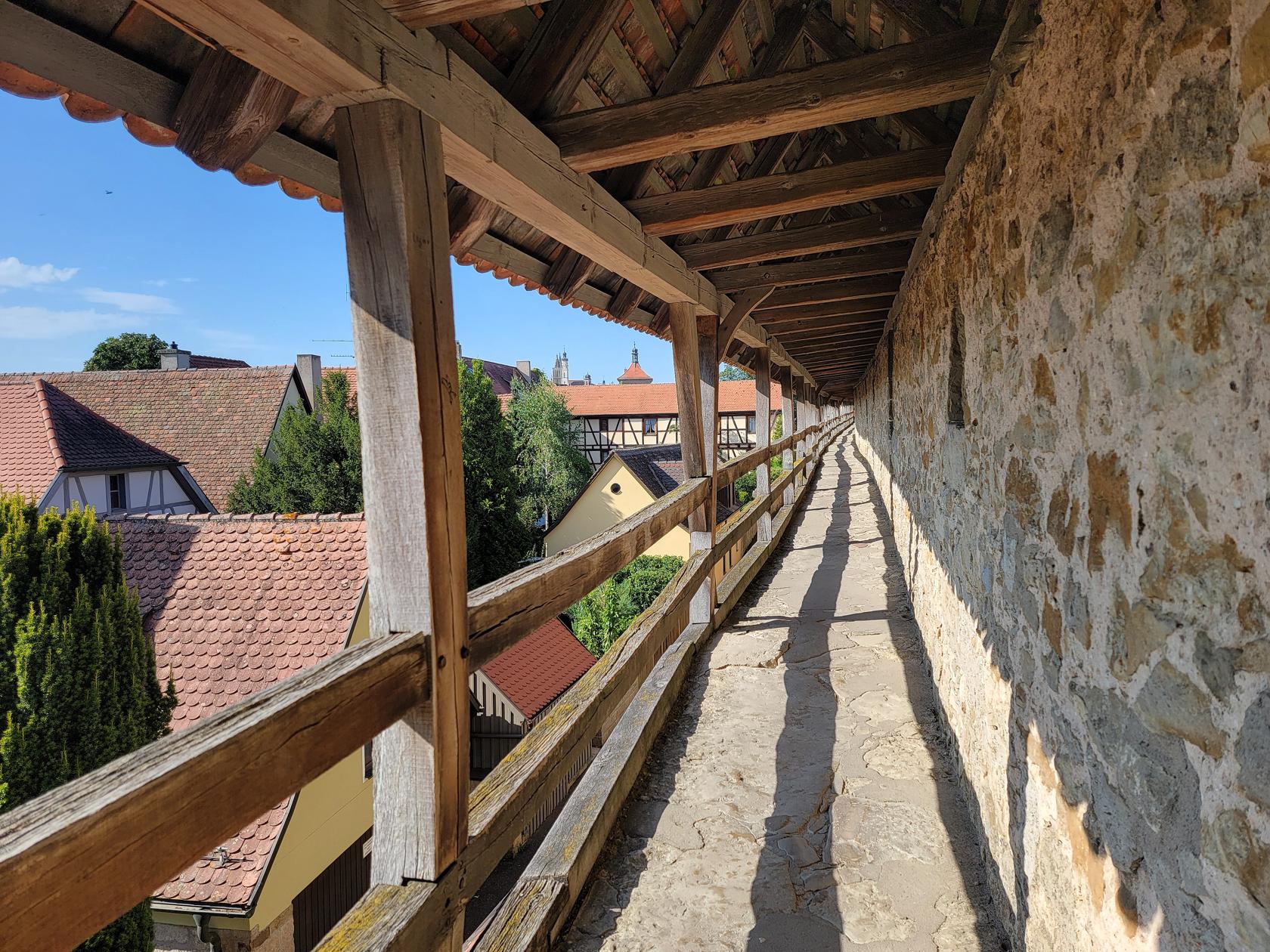
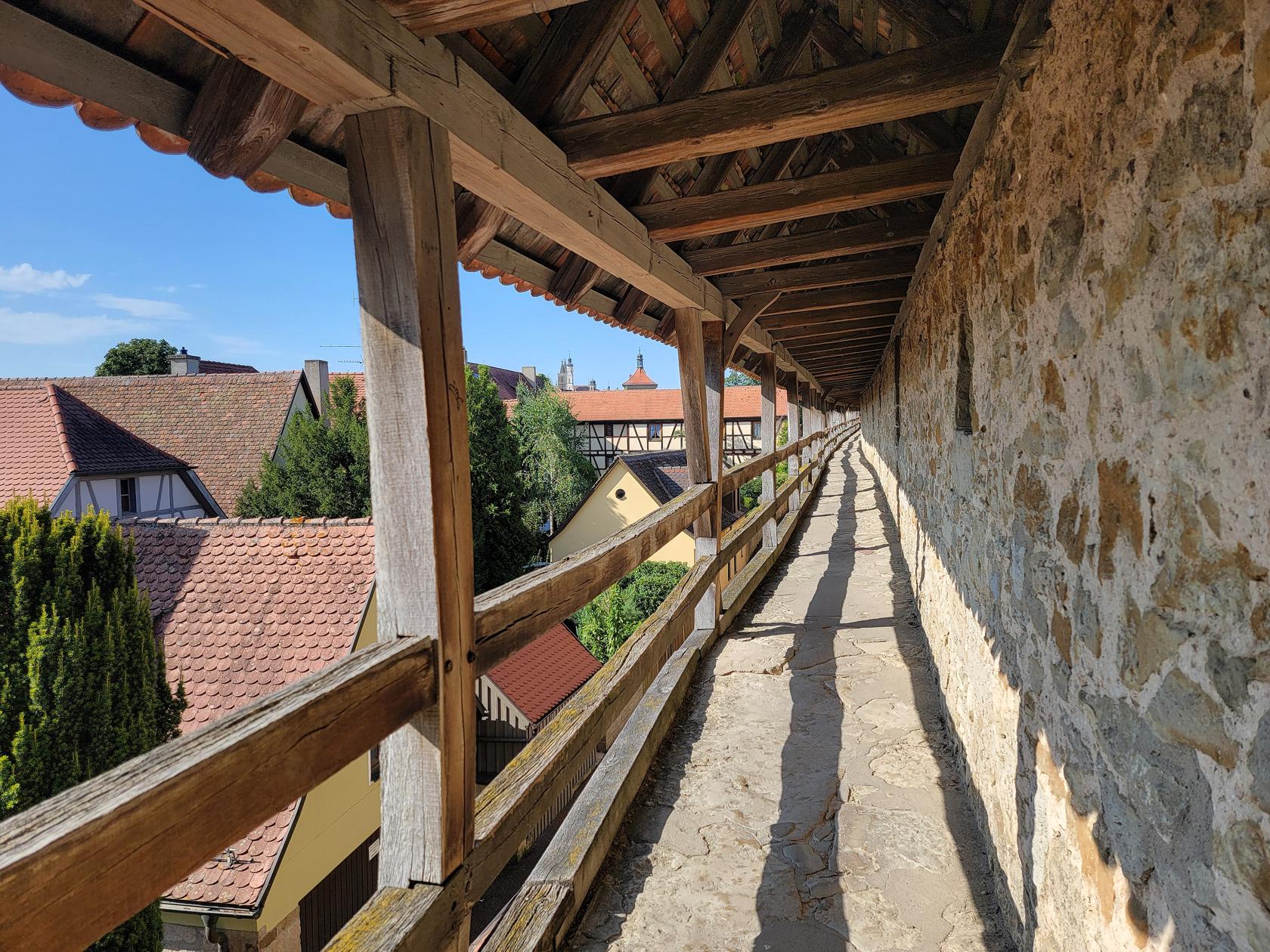
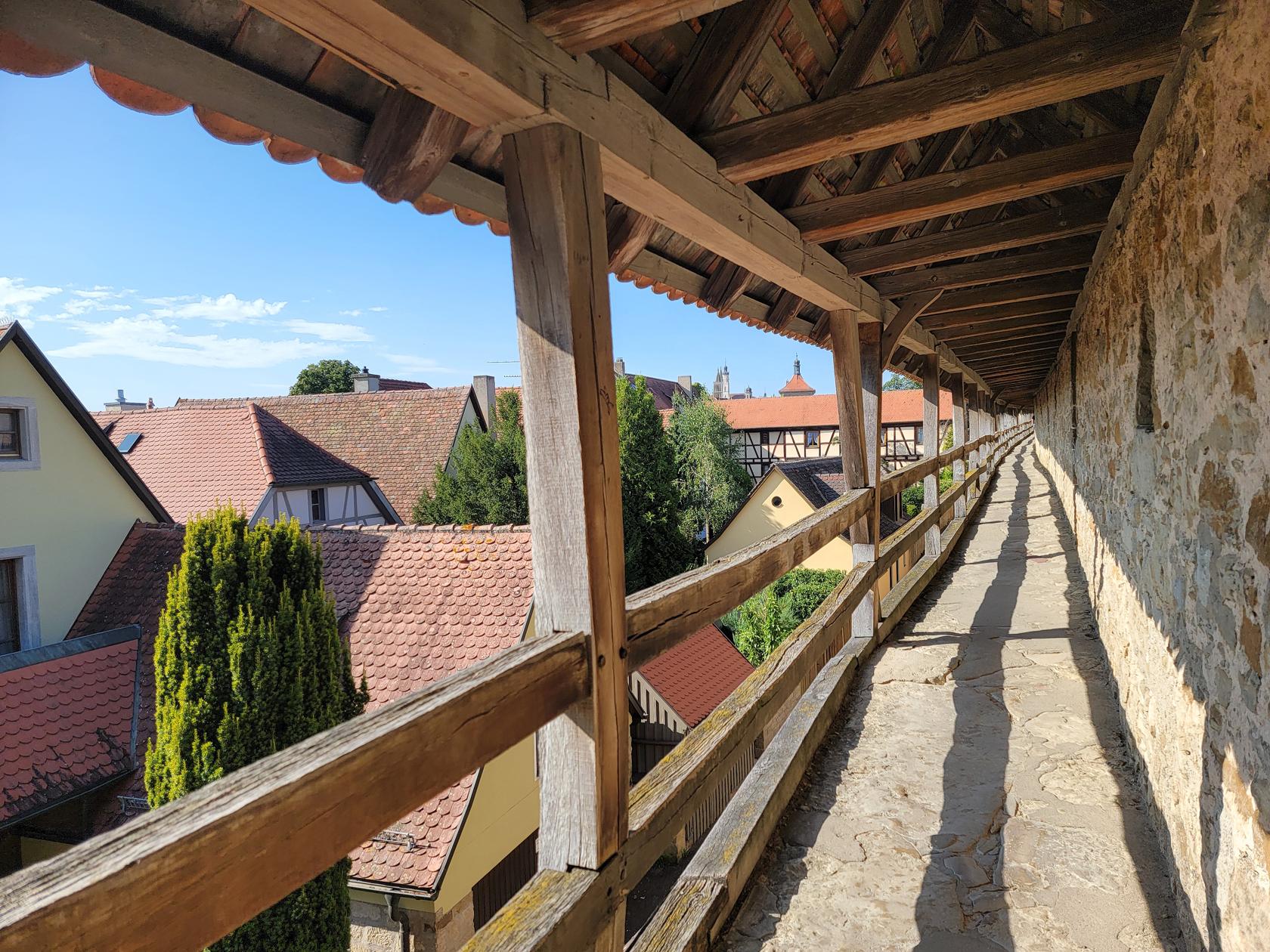
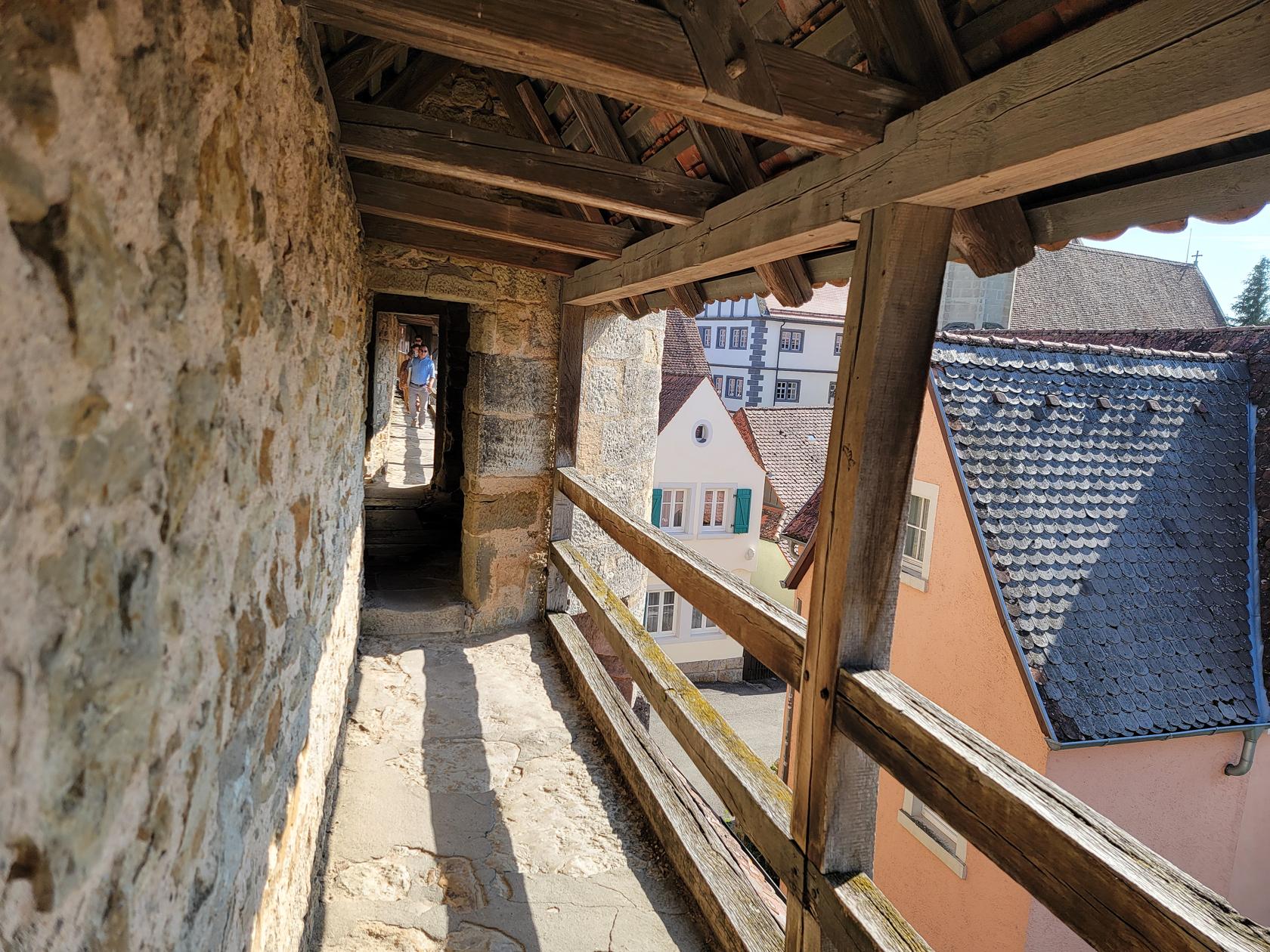
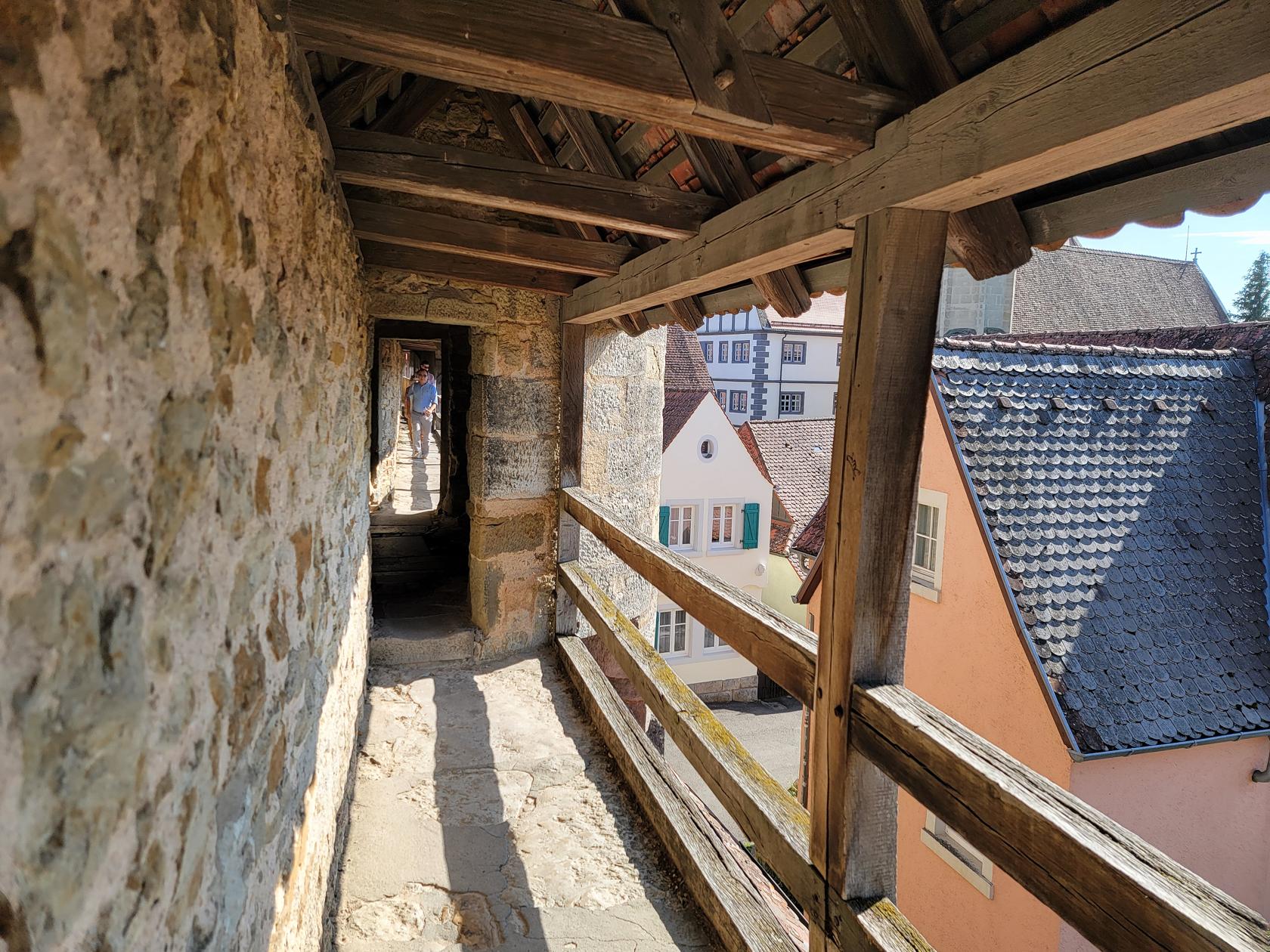
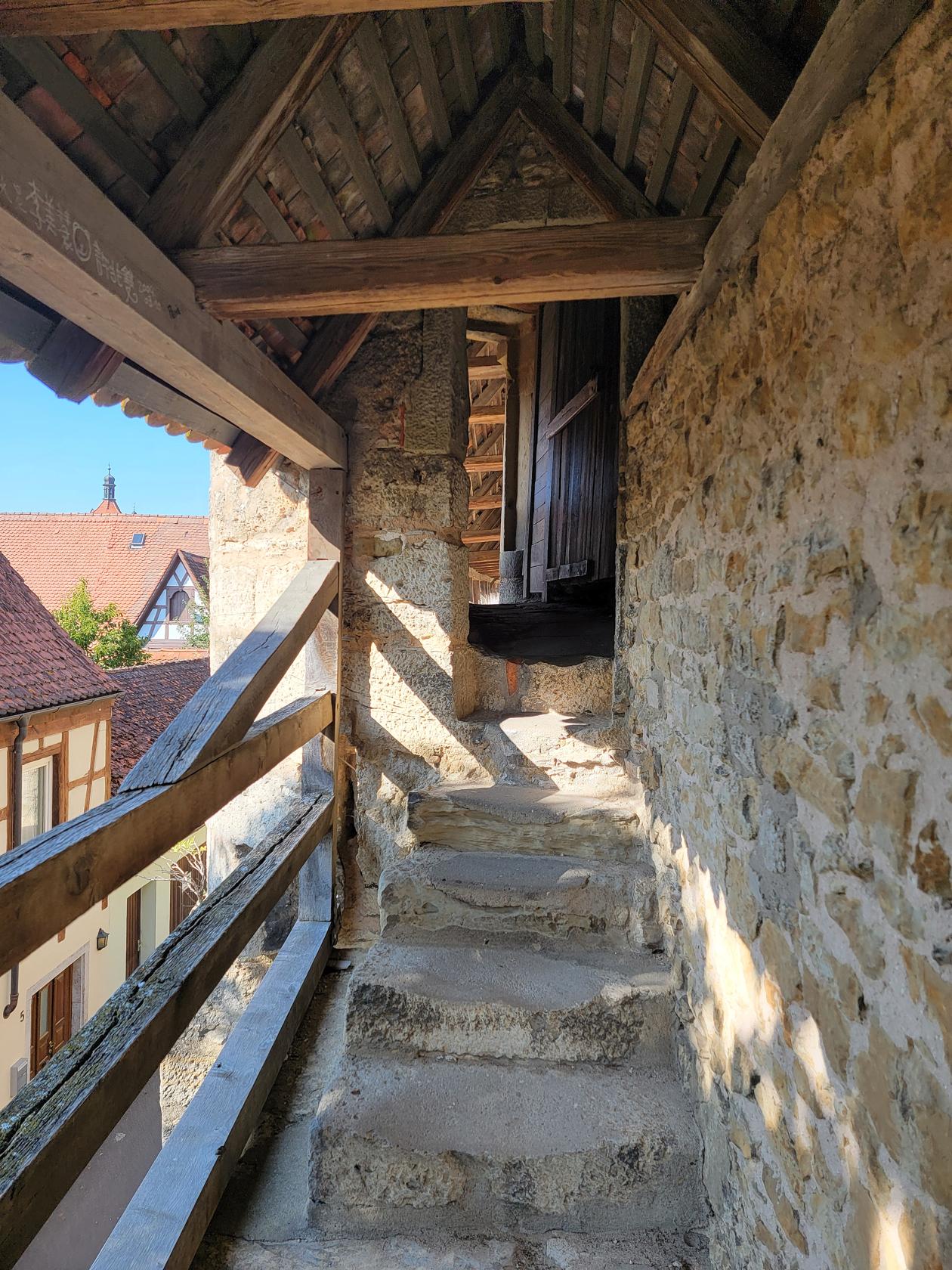
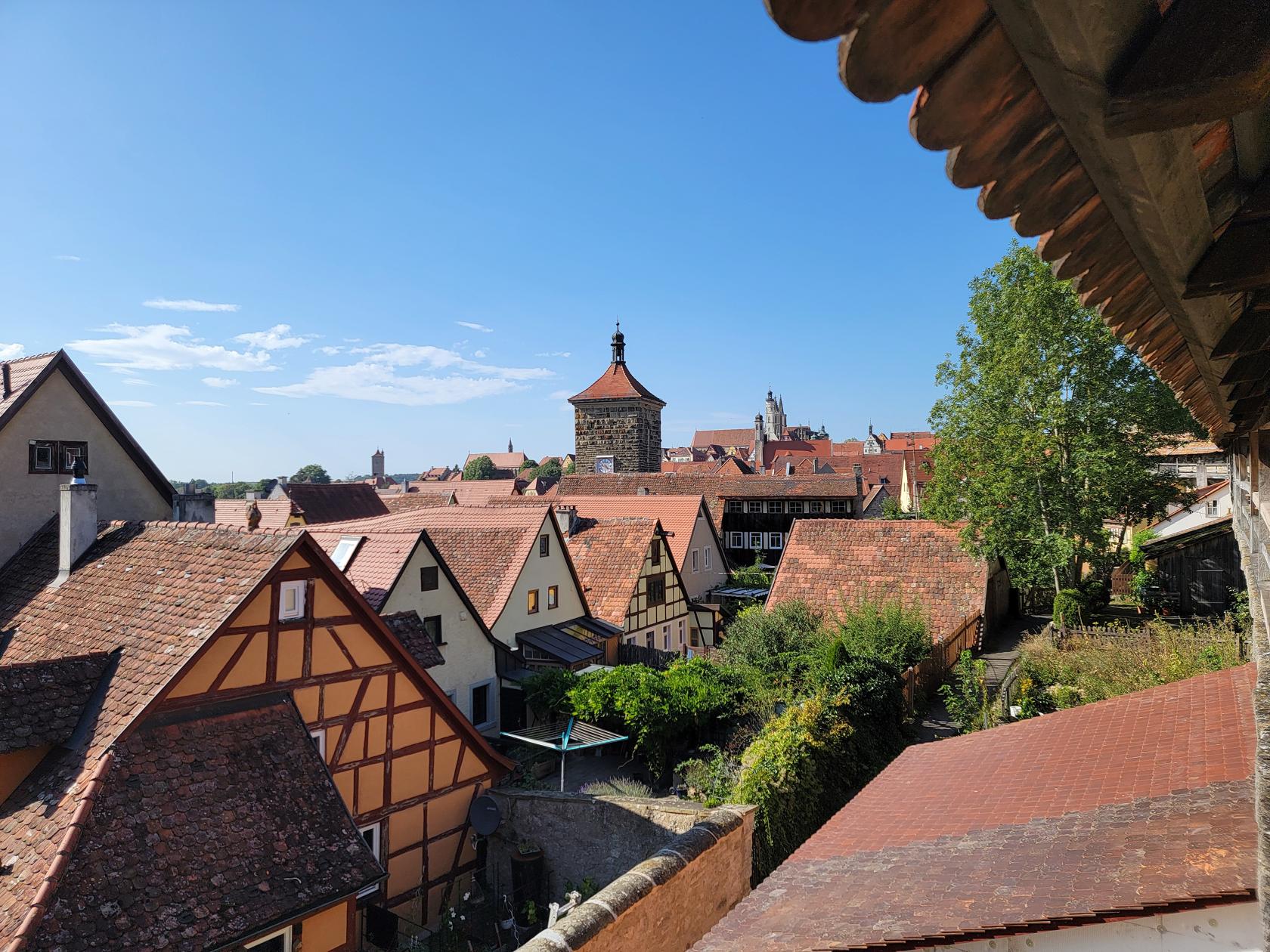
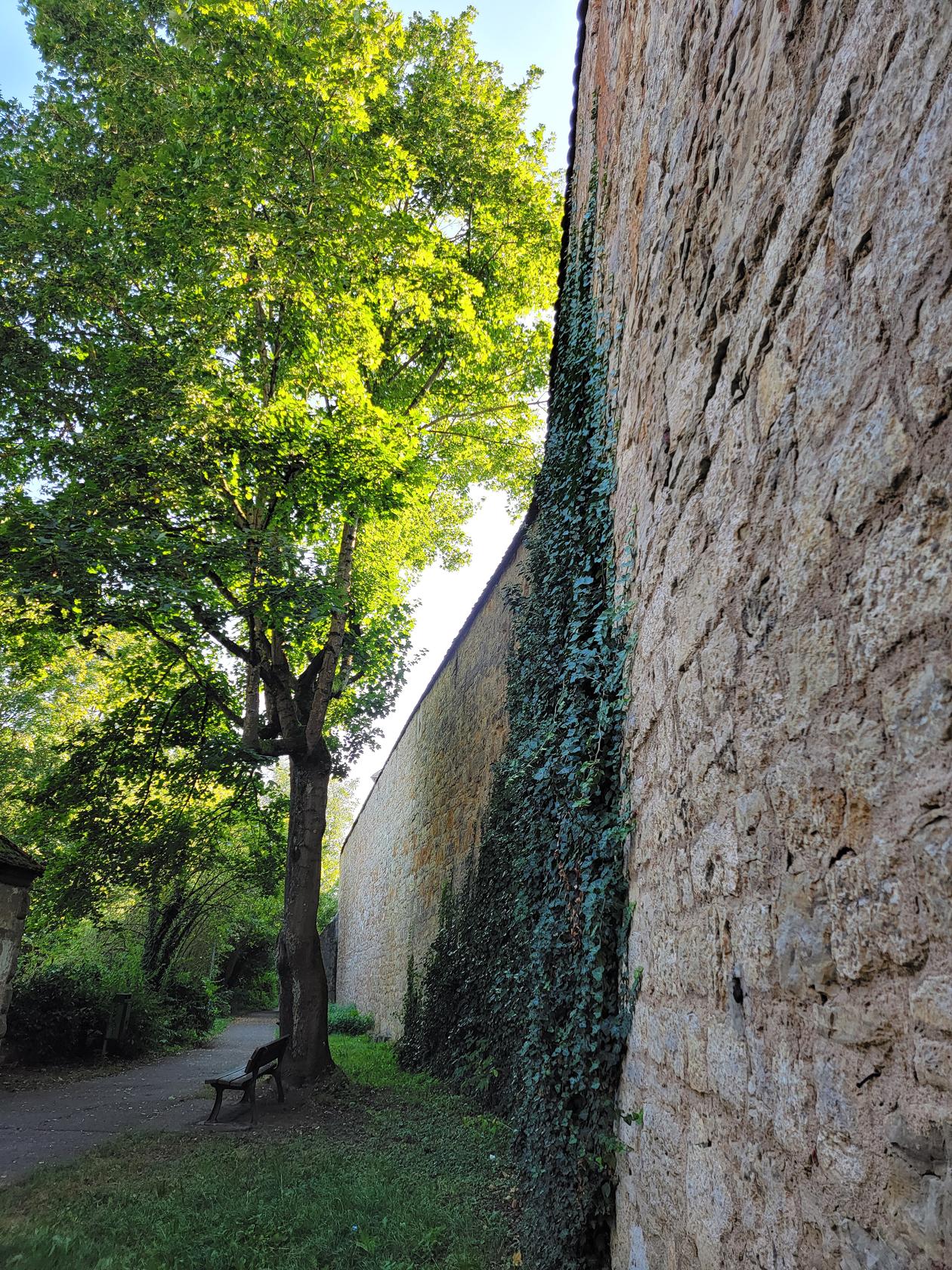
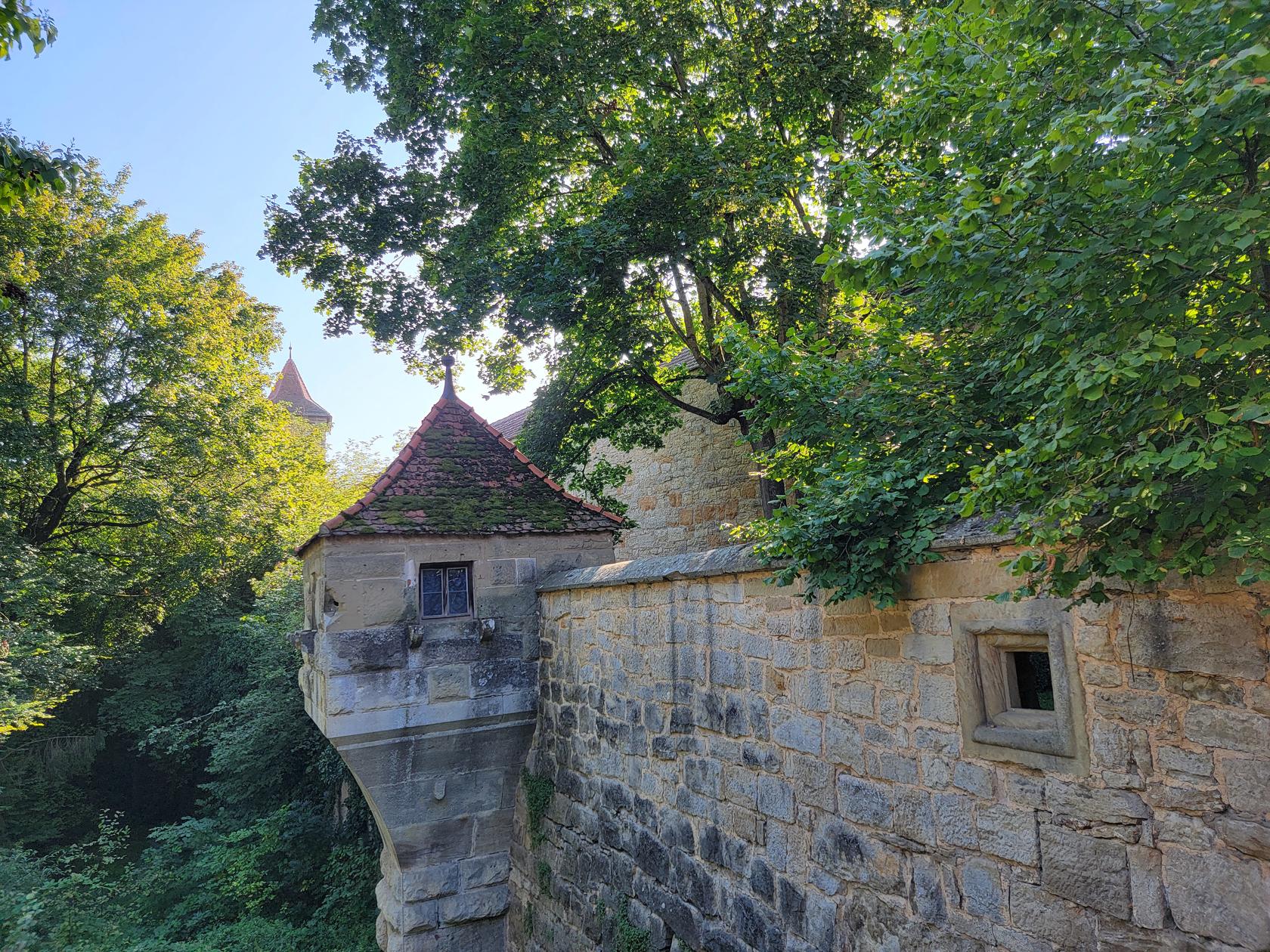
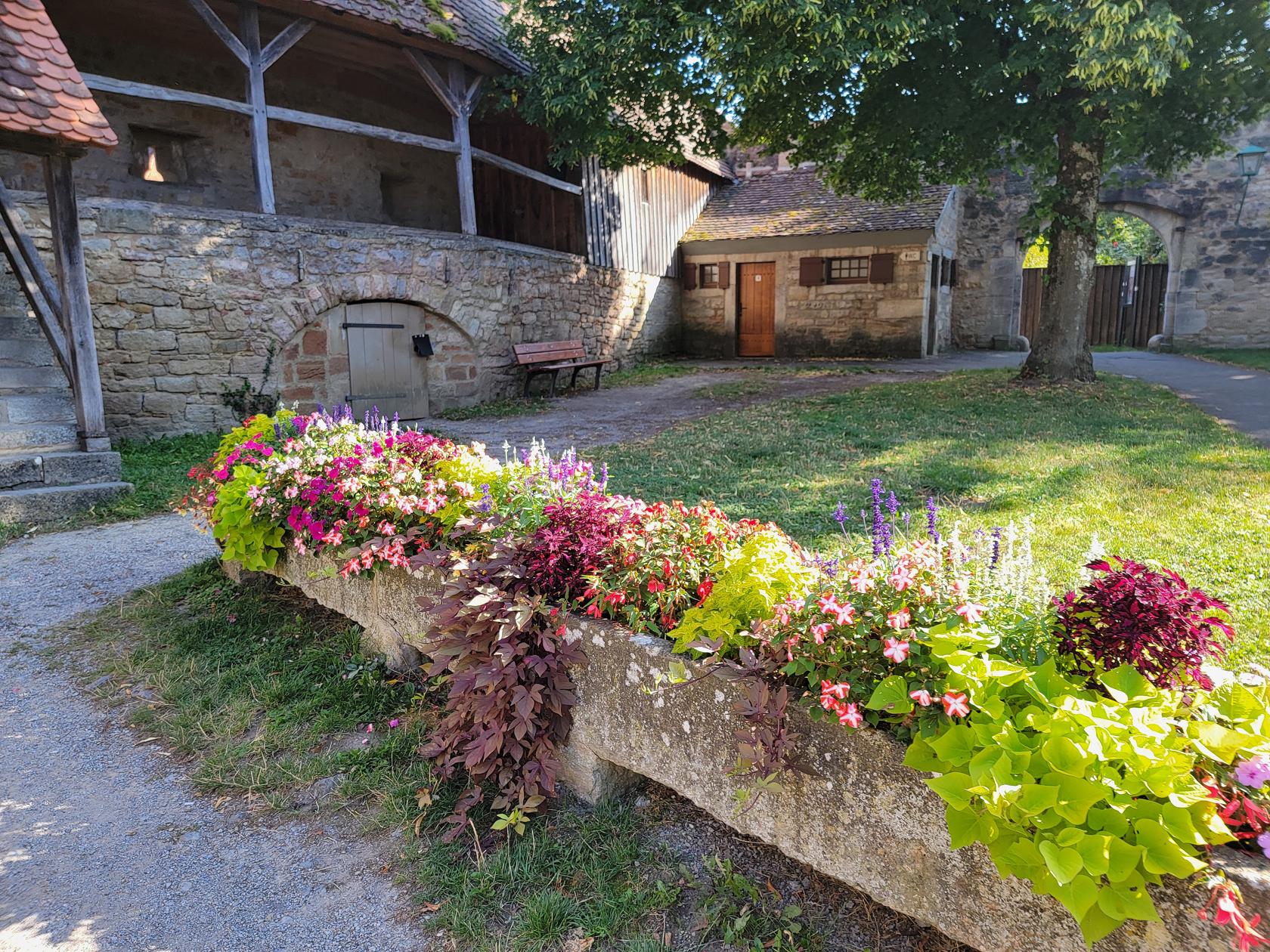
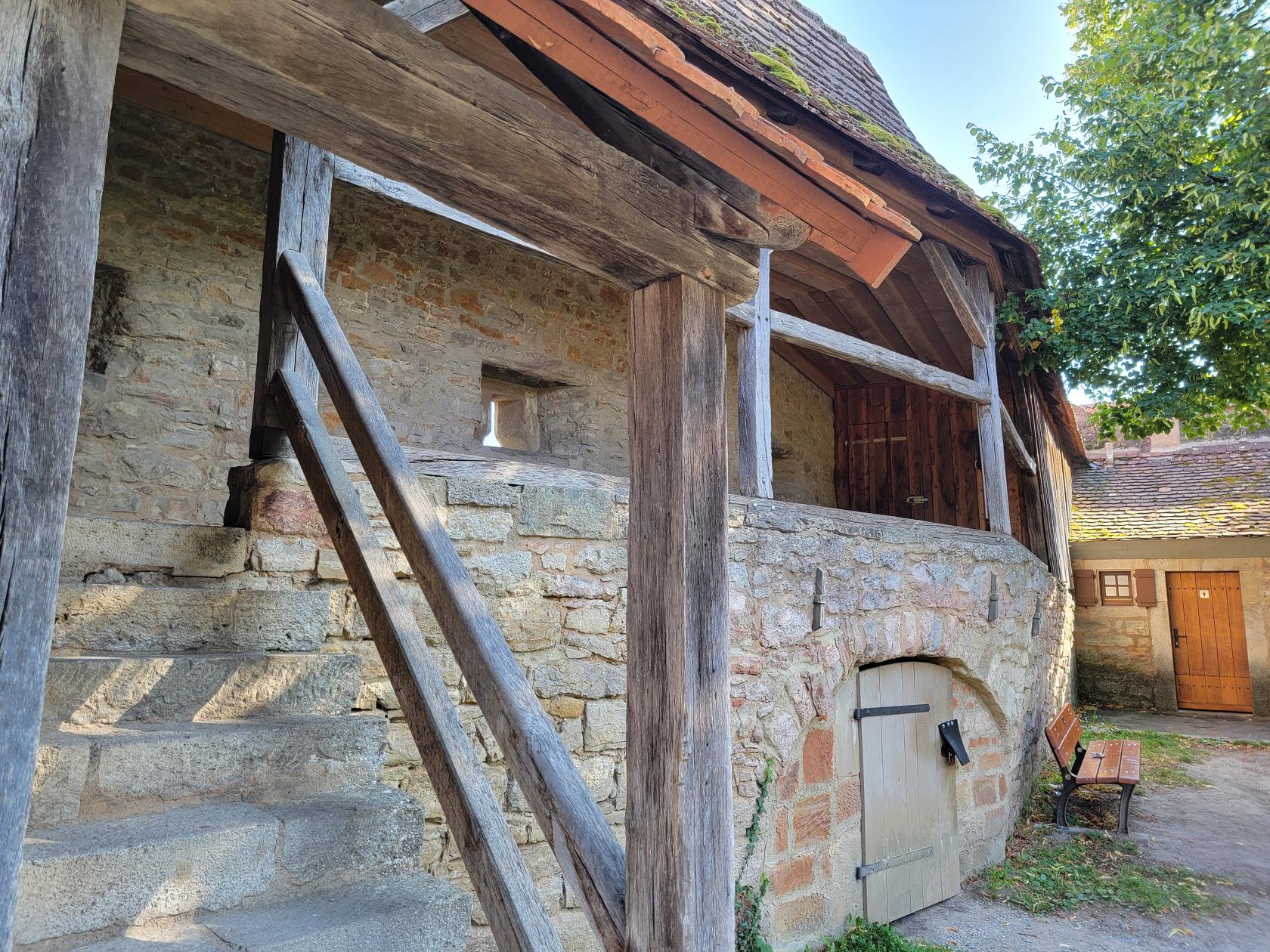
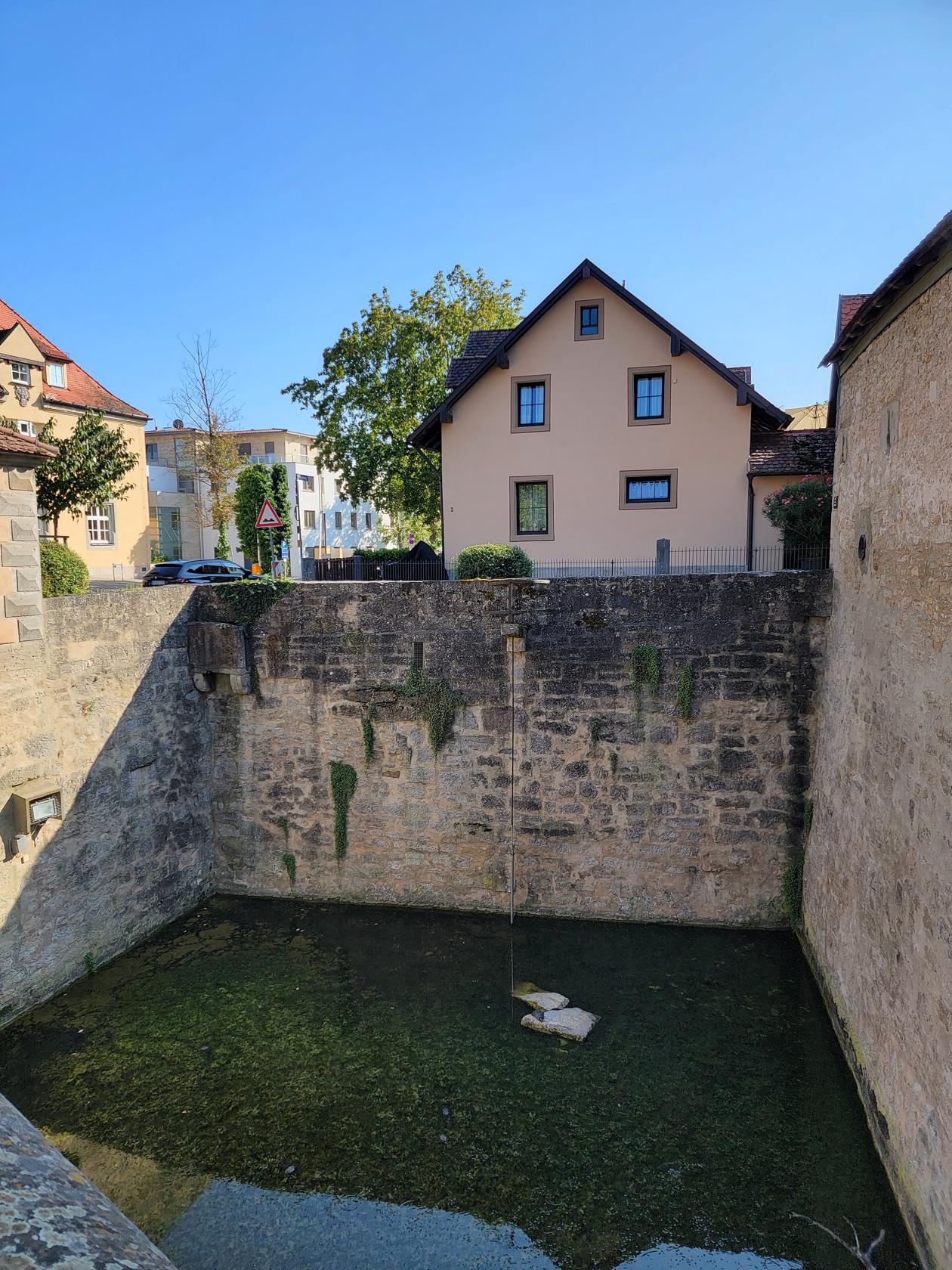
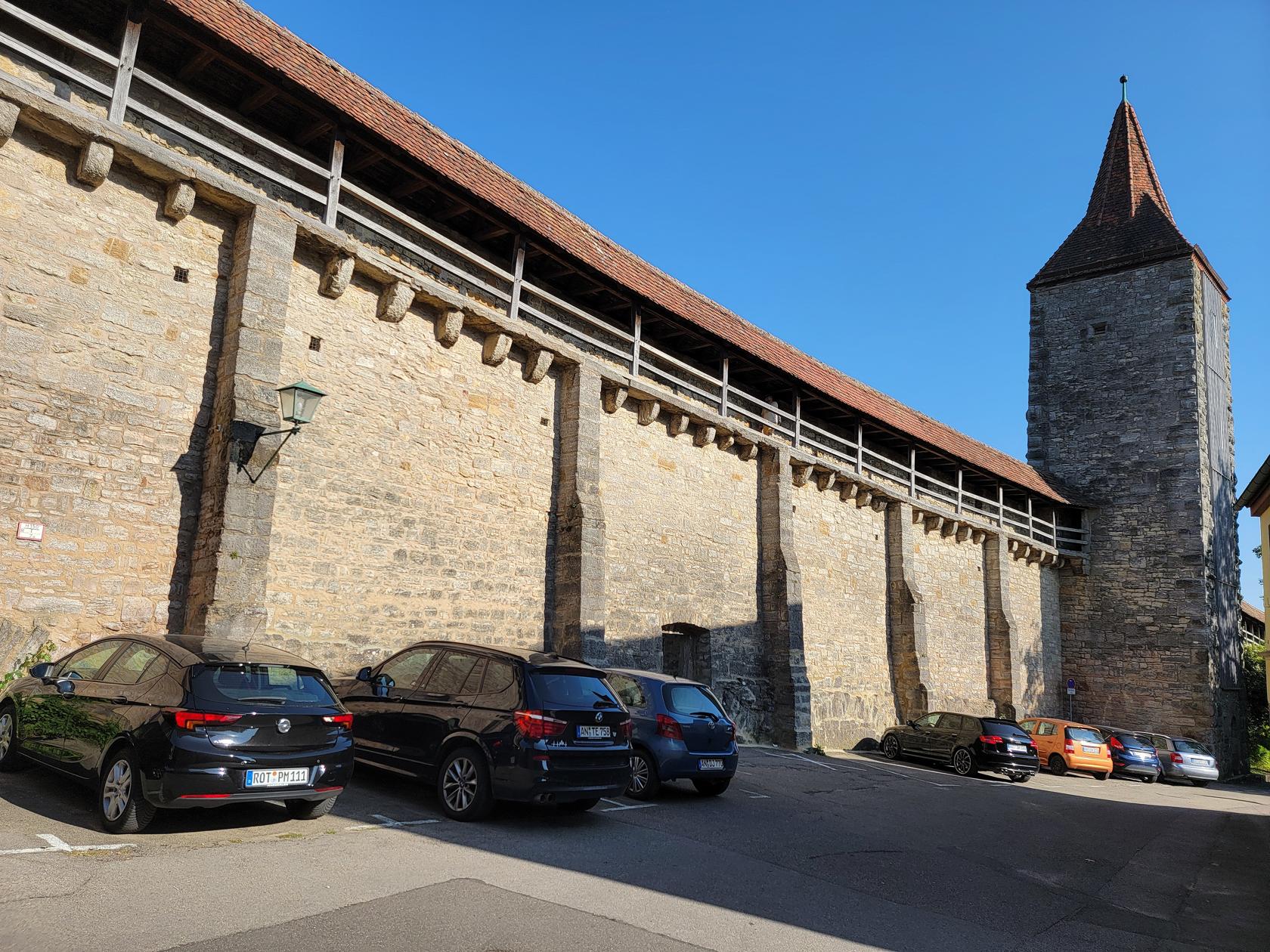
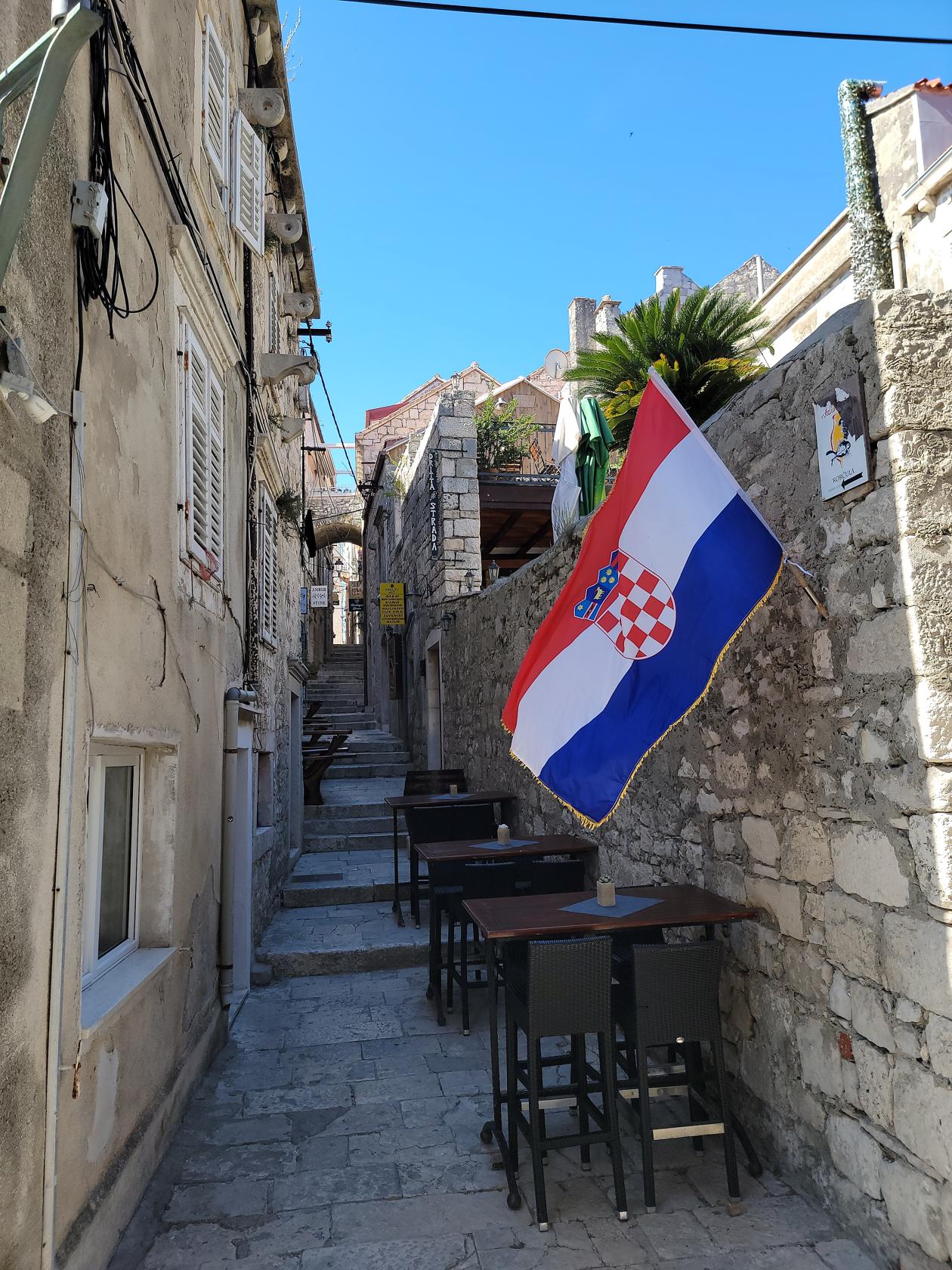
Is a small medieval walled town that was protected from the outside by walls. It was, in fact, not until later in the nineteenth century that citizen were allowed to build outside the walls.
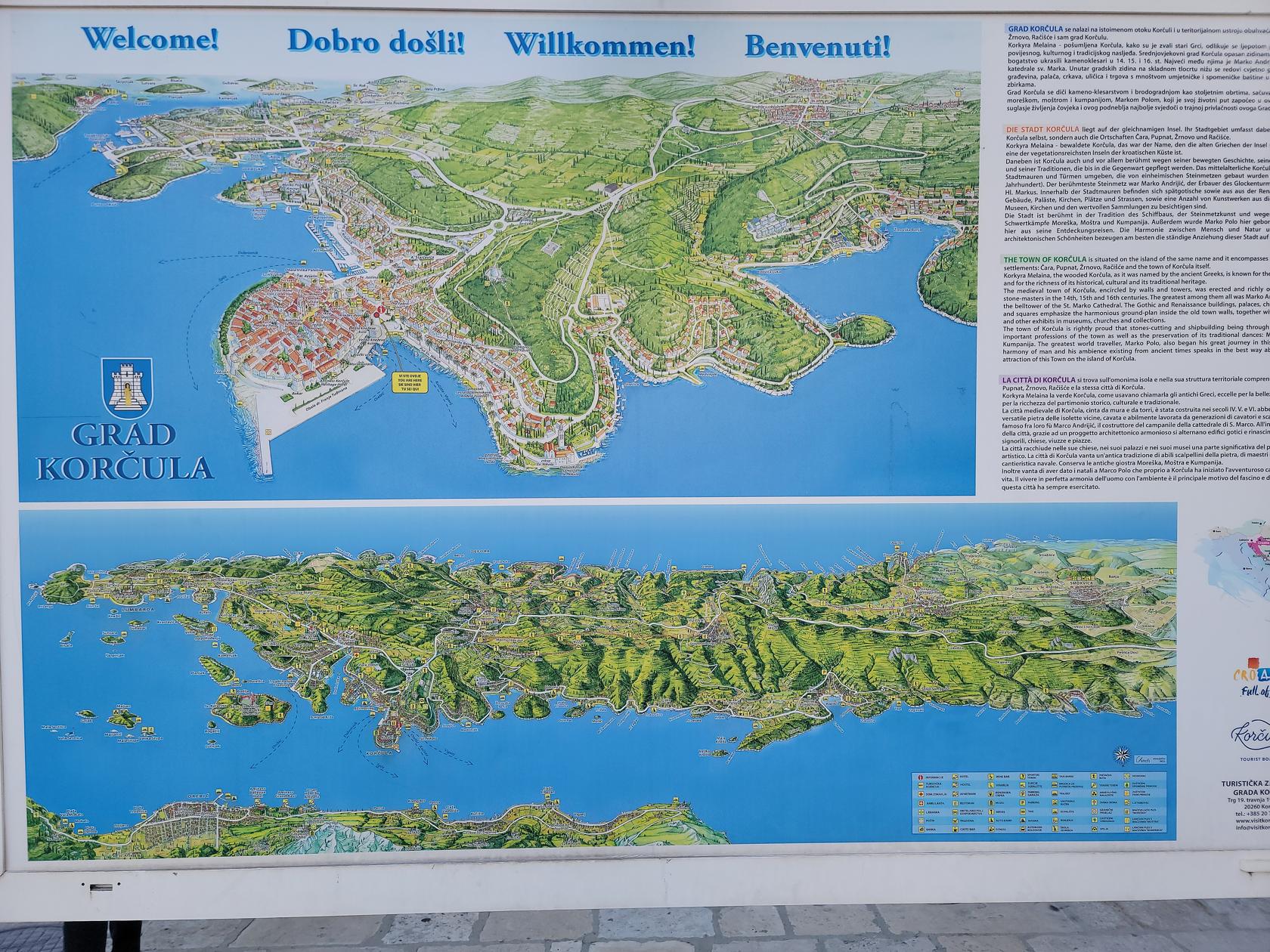
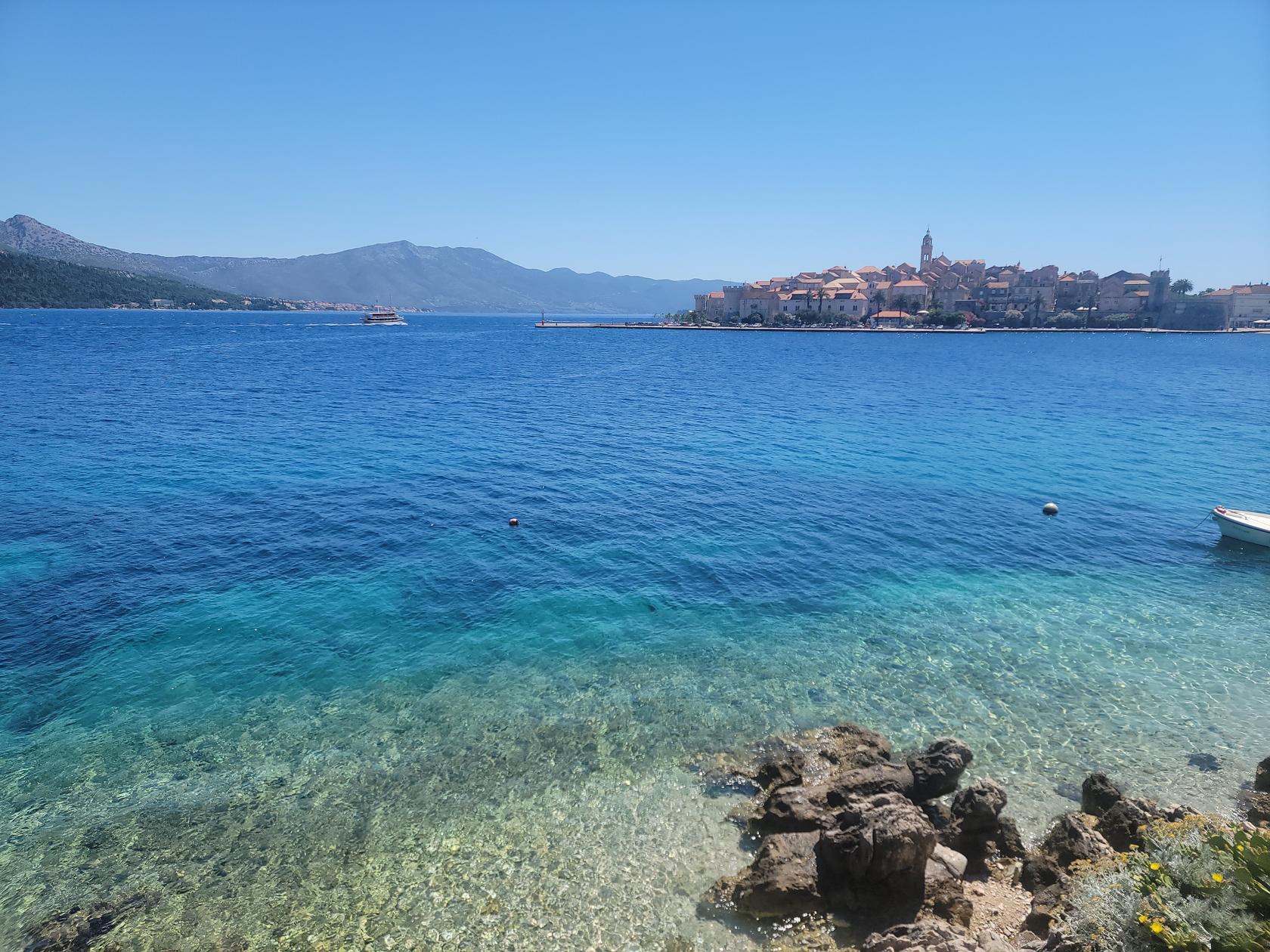
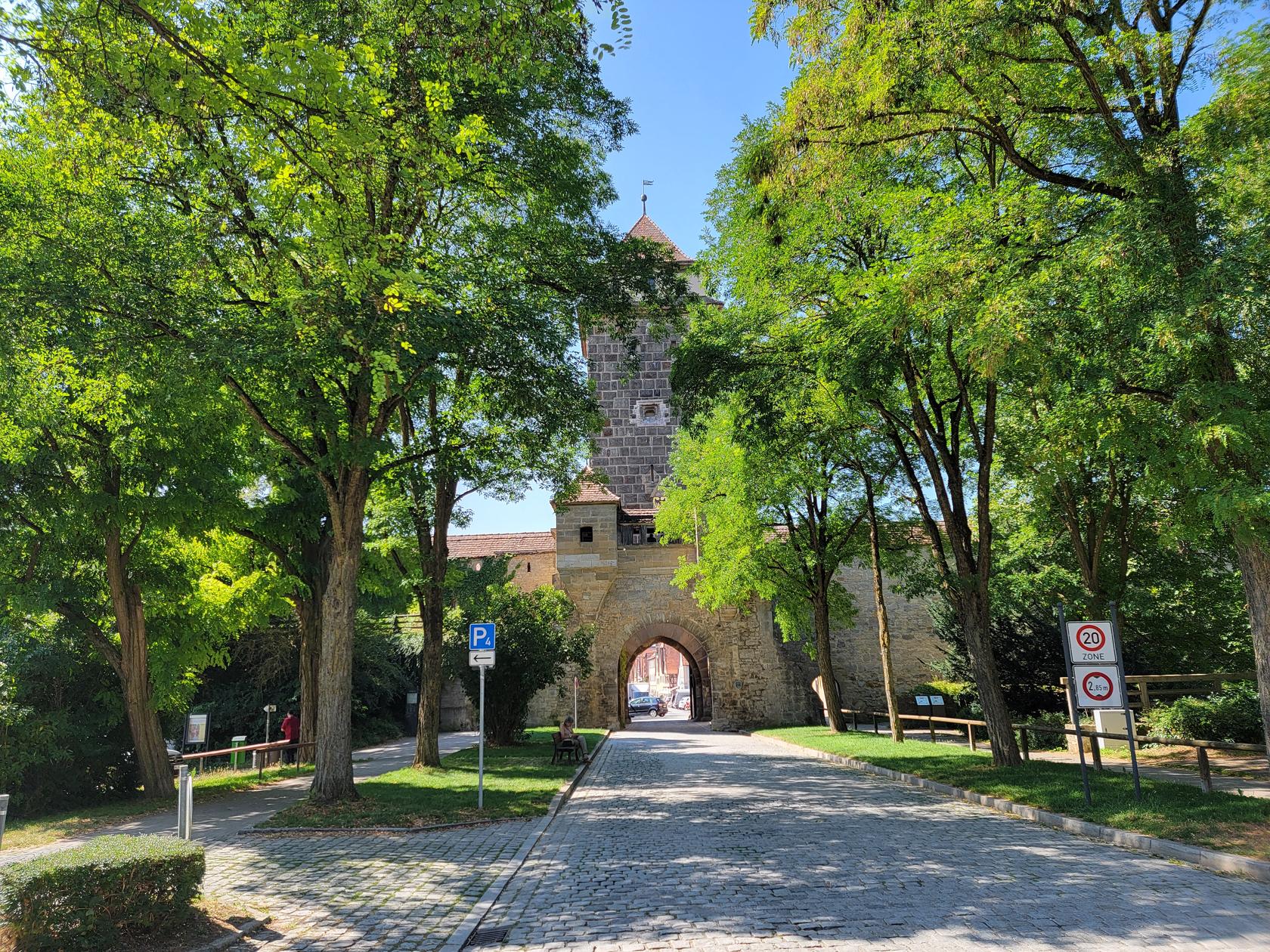
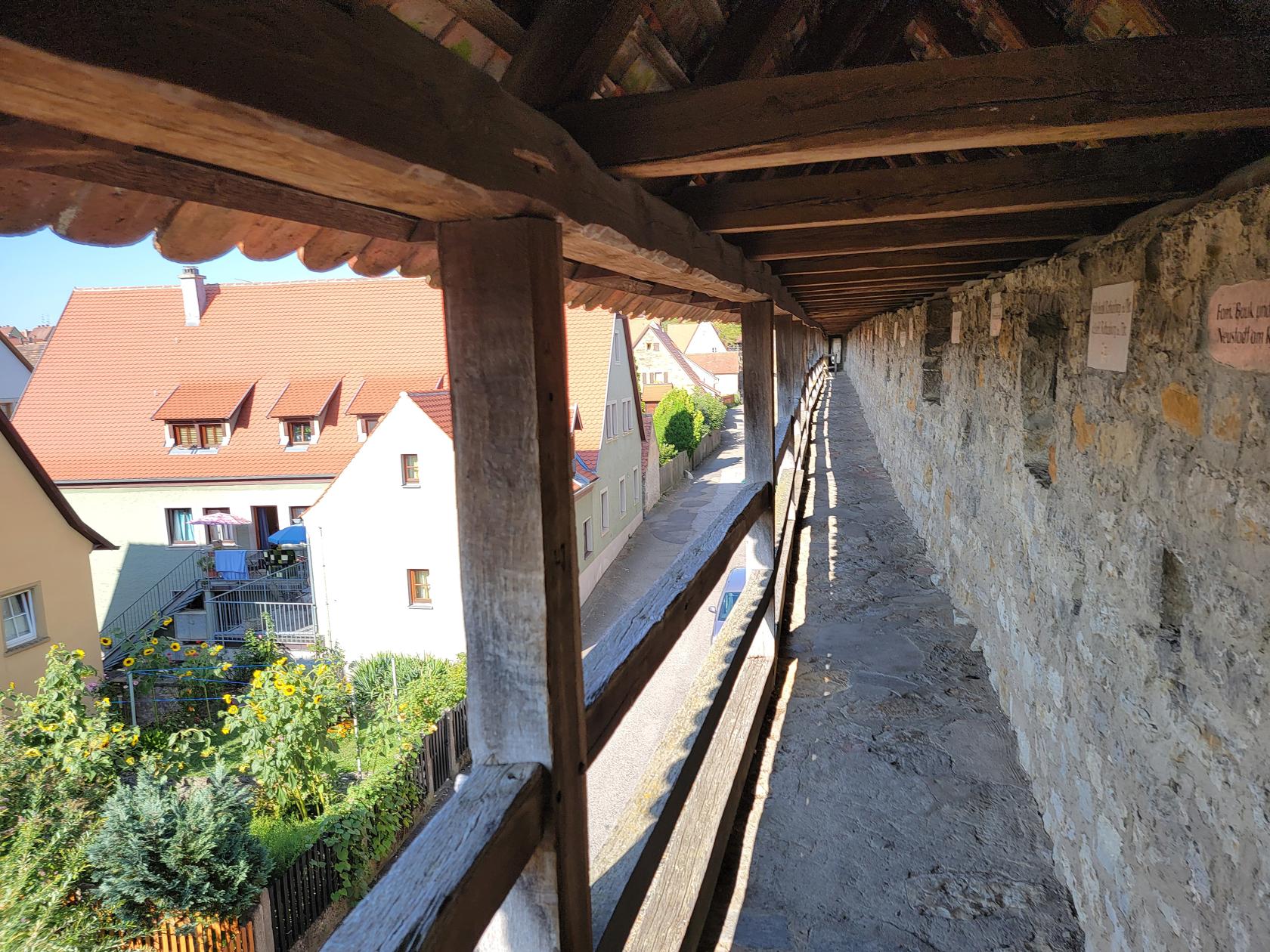
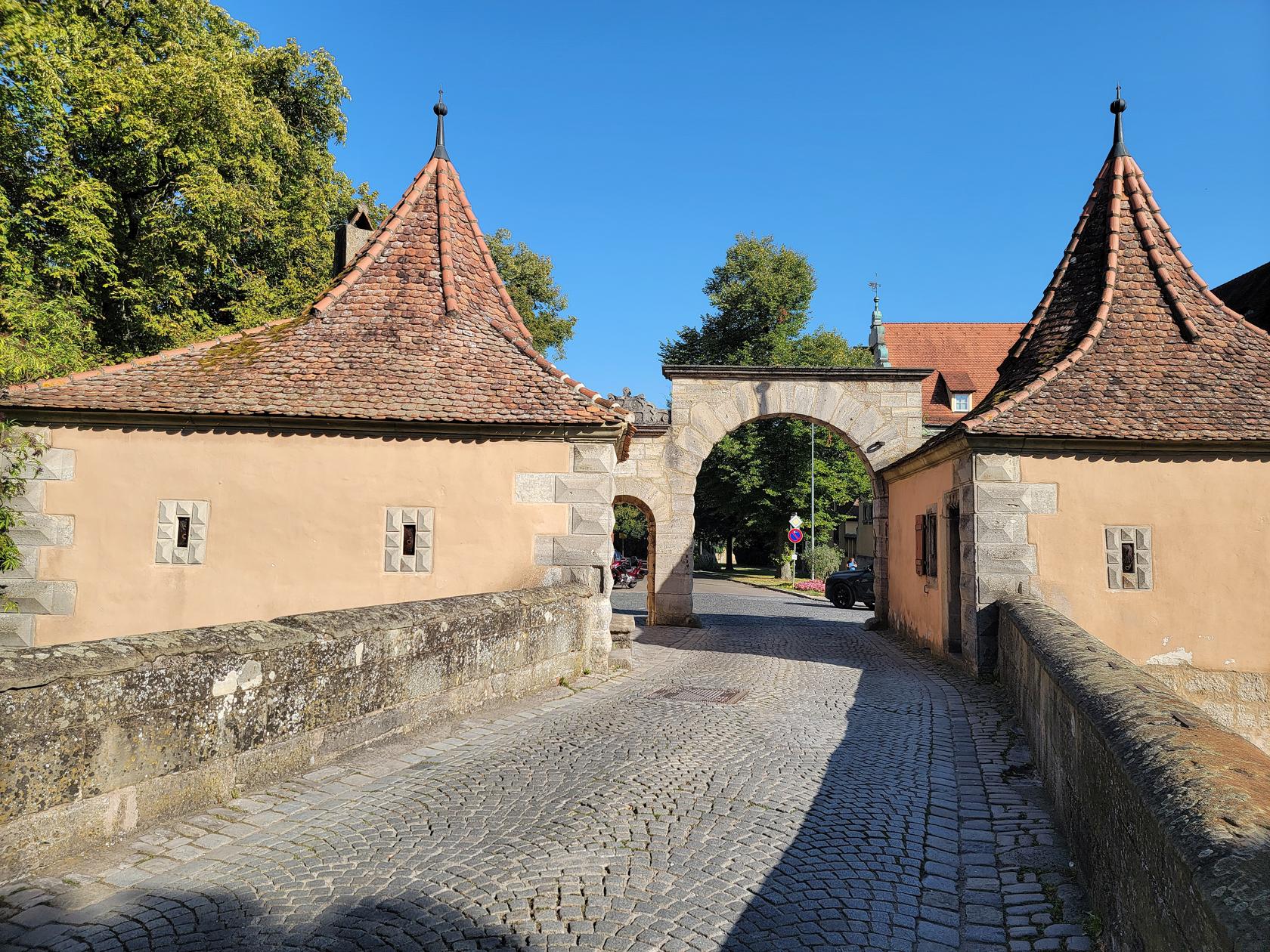
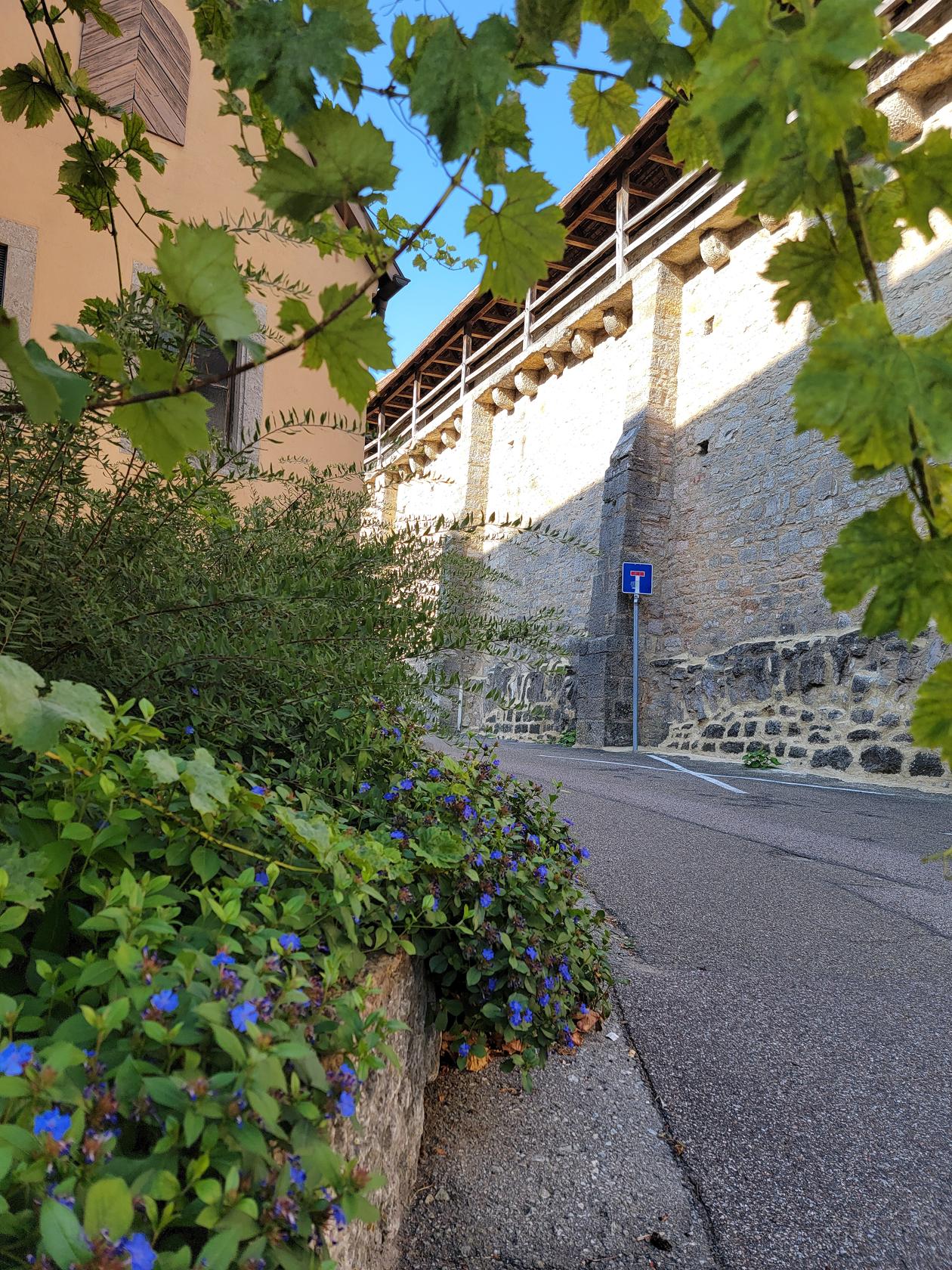
The main entrance to the town is the large main gate. Today it is left open, but before modern times it was closed at night. There is a street that encircles the entire town and is very nice for a slow walk, while you enjoy the scenery and hopefully the weather.
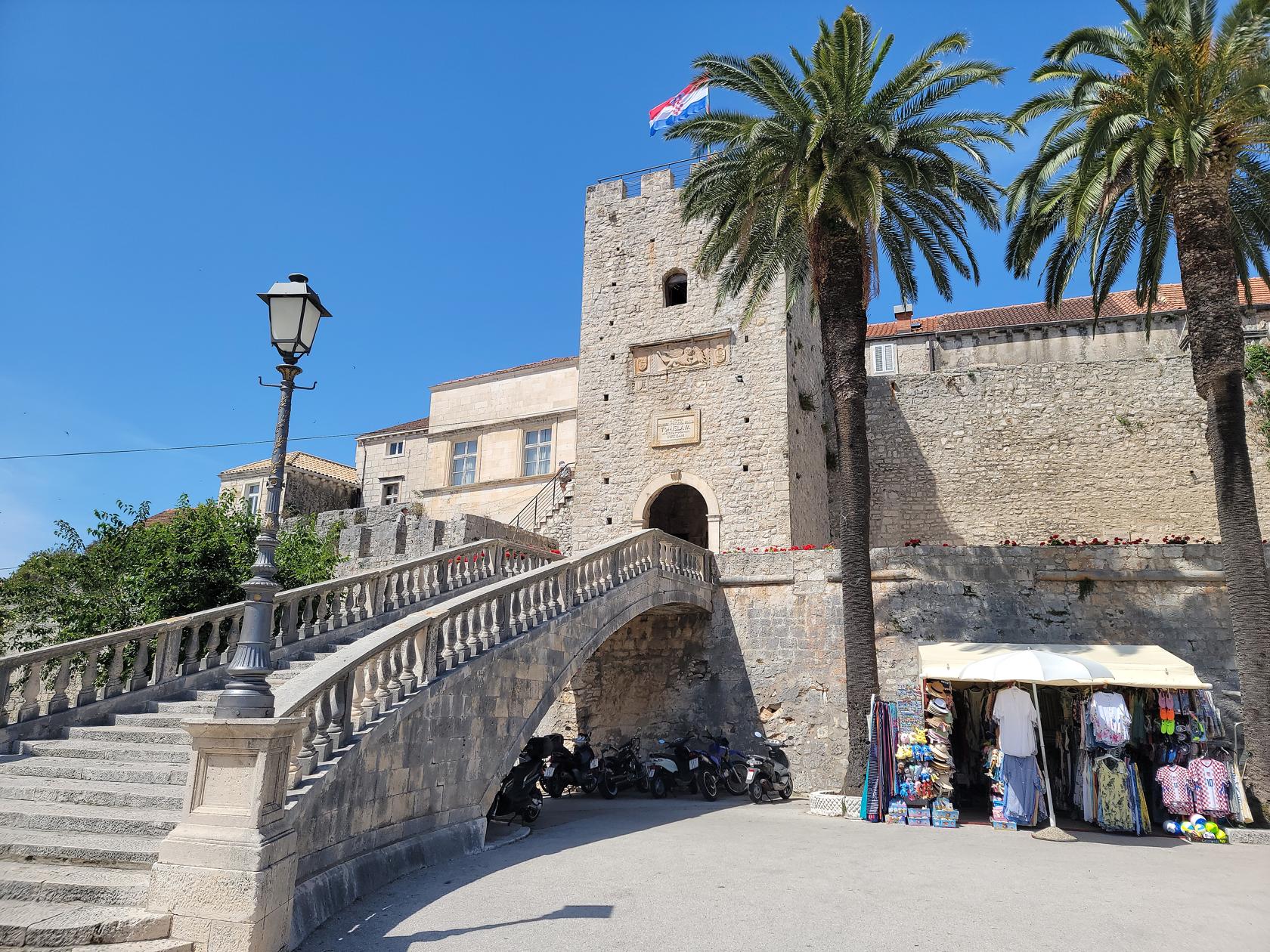
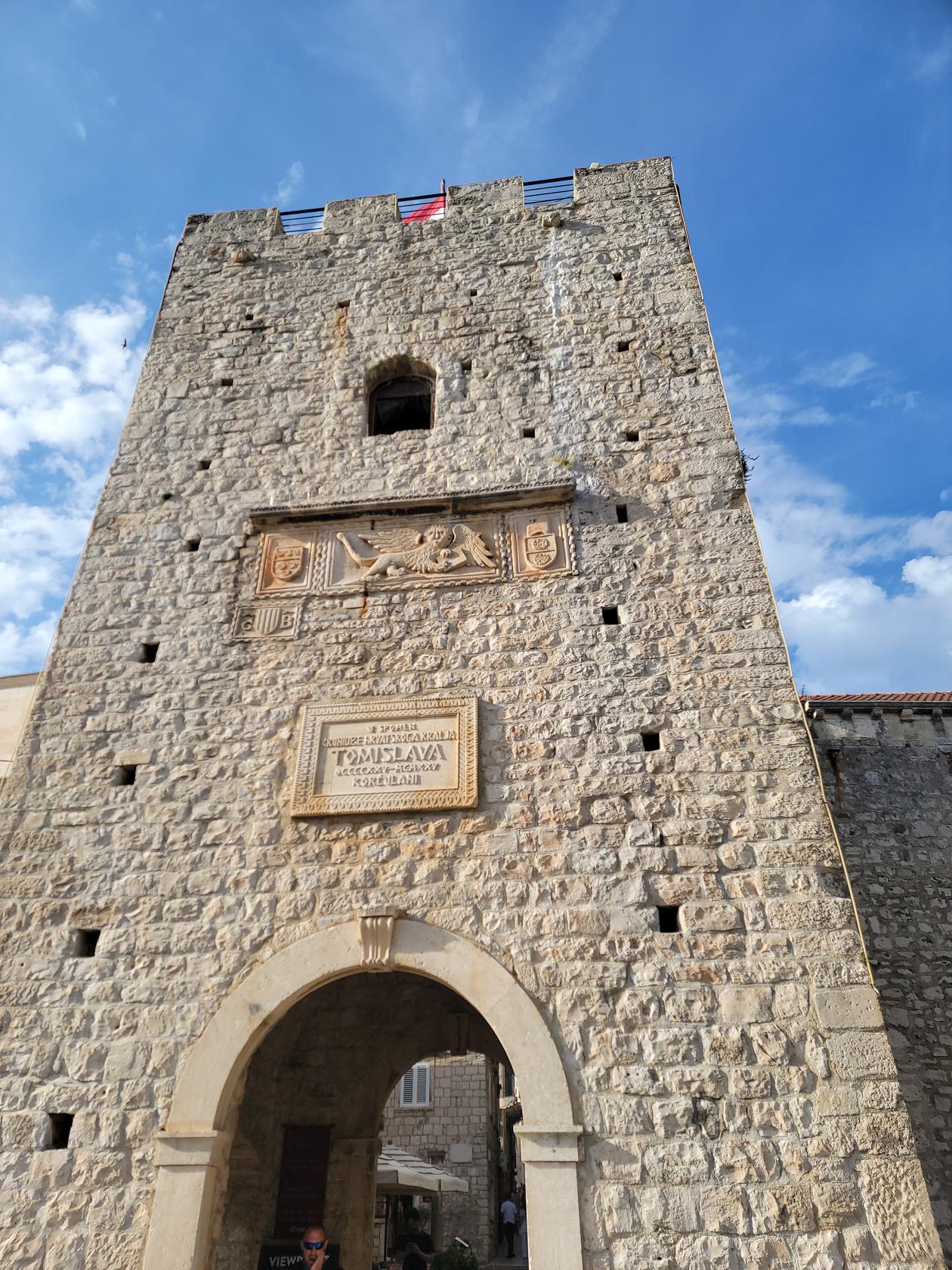
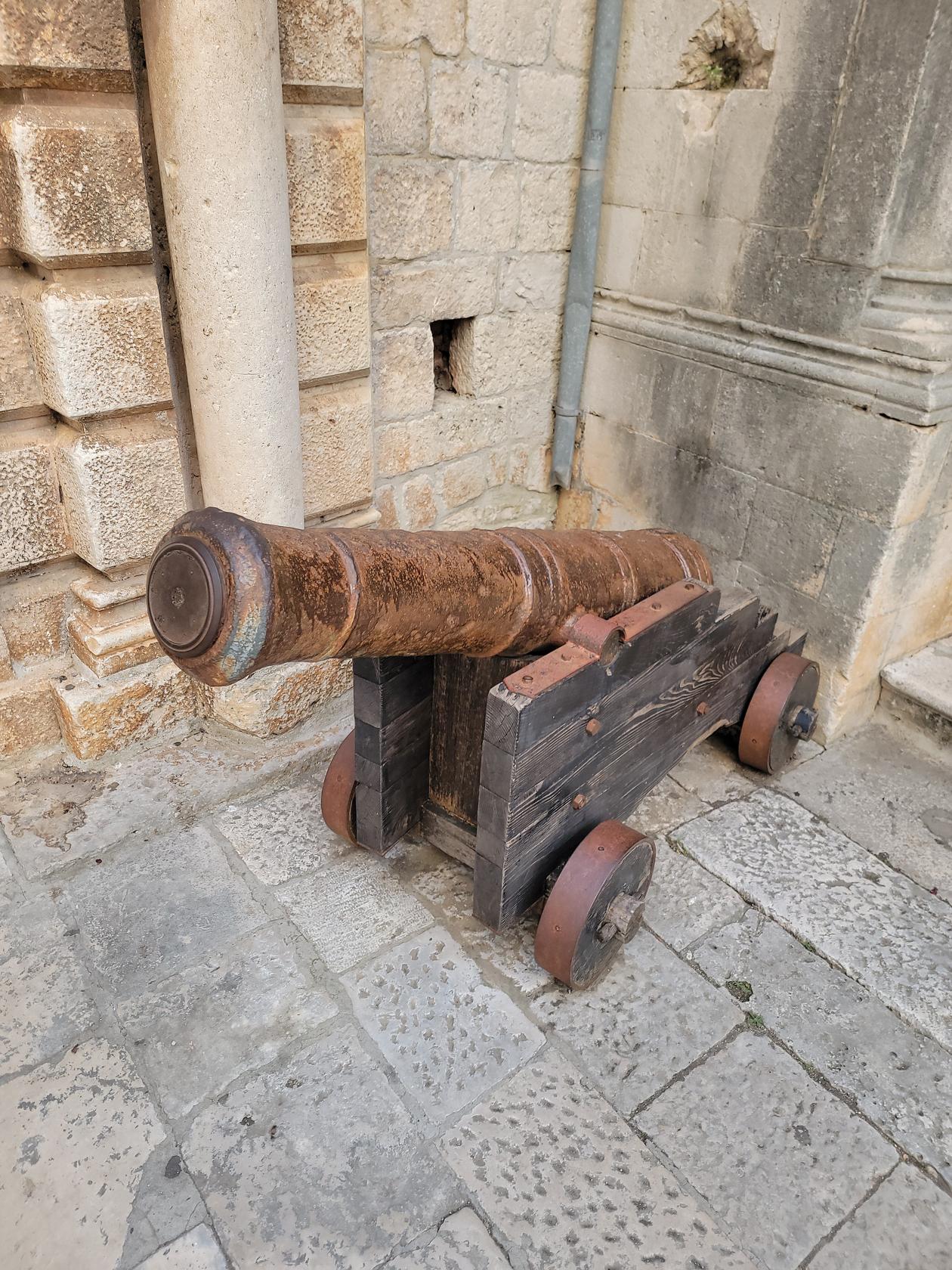
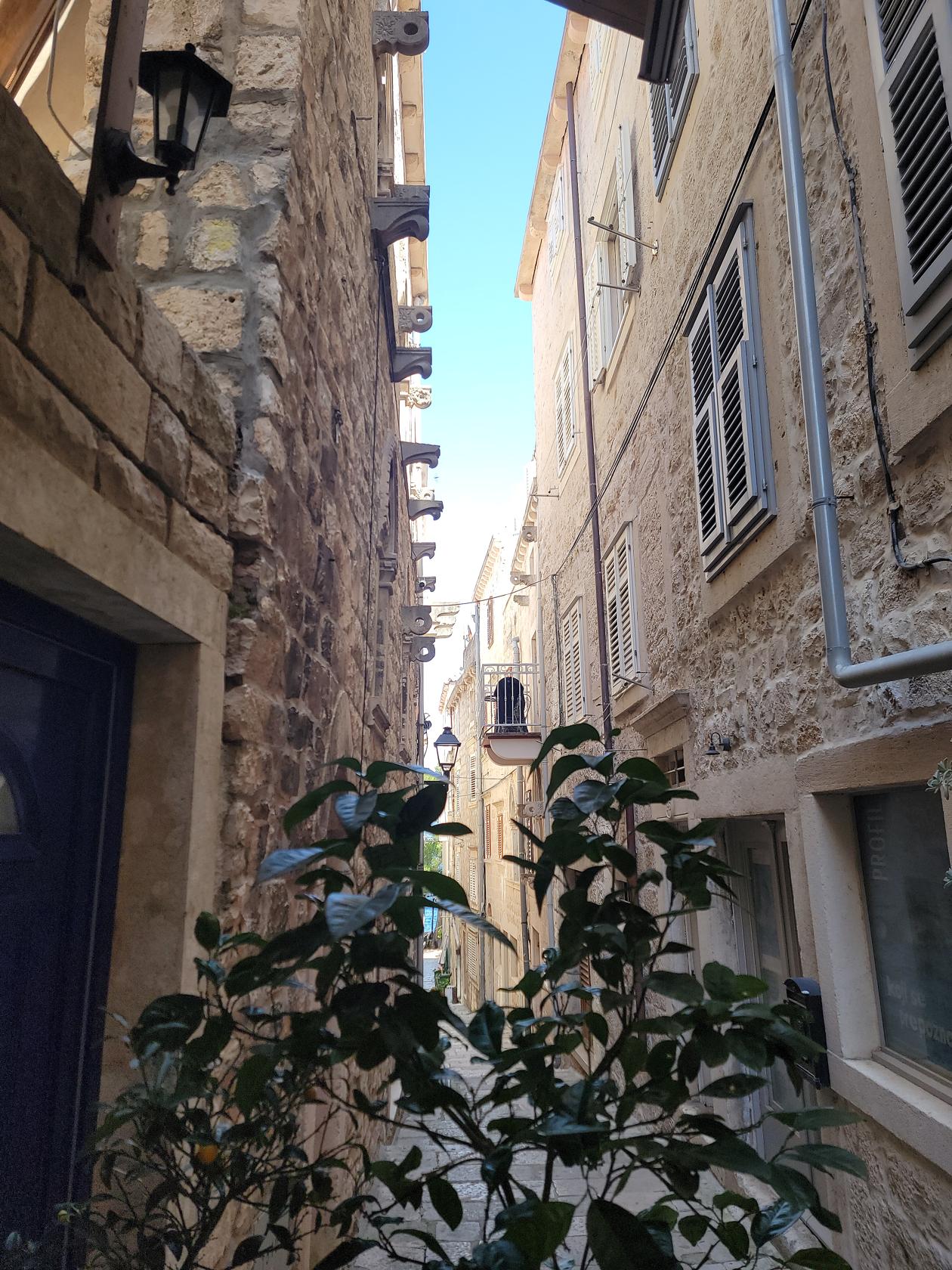
The town is laid out in a herringbone or pinnate leaf pattern. This allows for better air circulation, while at the same time offering protection against the most violent of storms that come in from the sea.
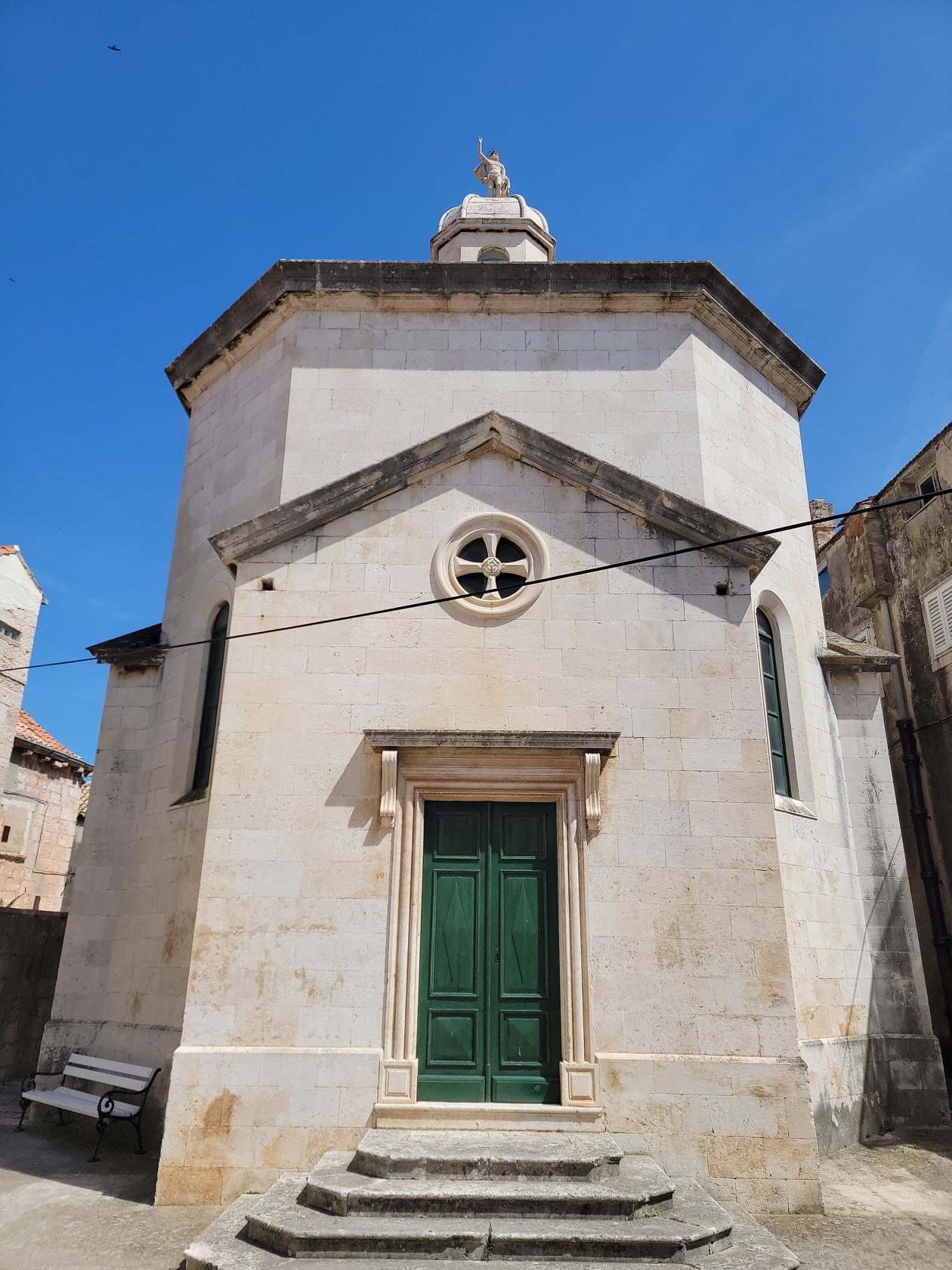
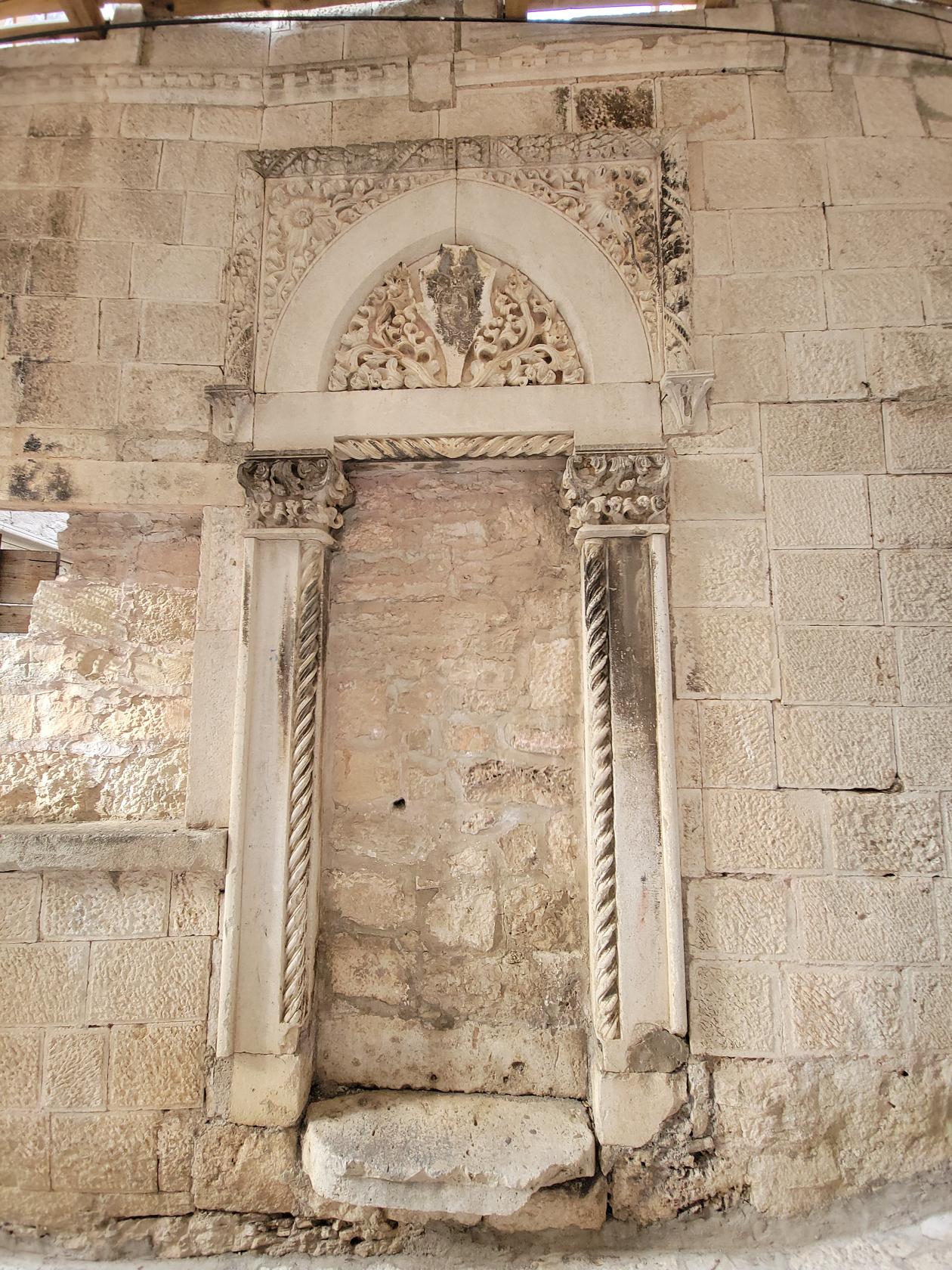
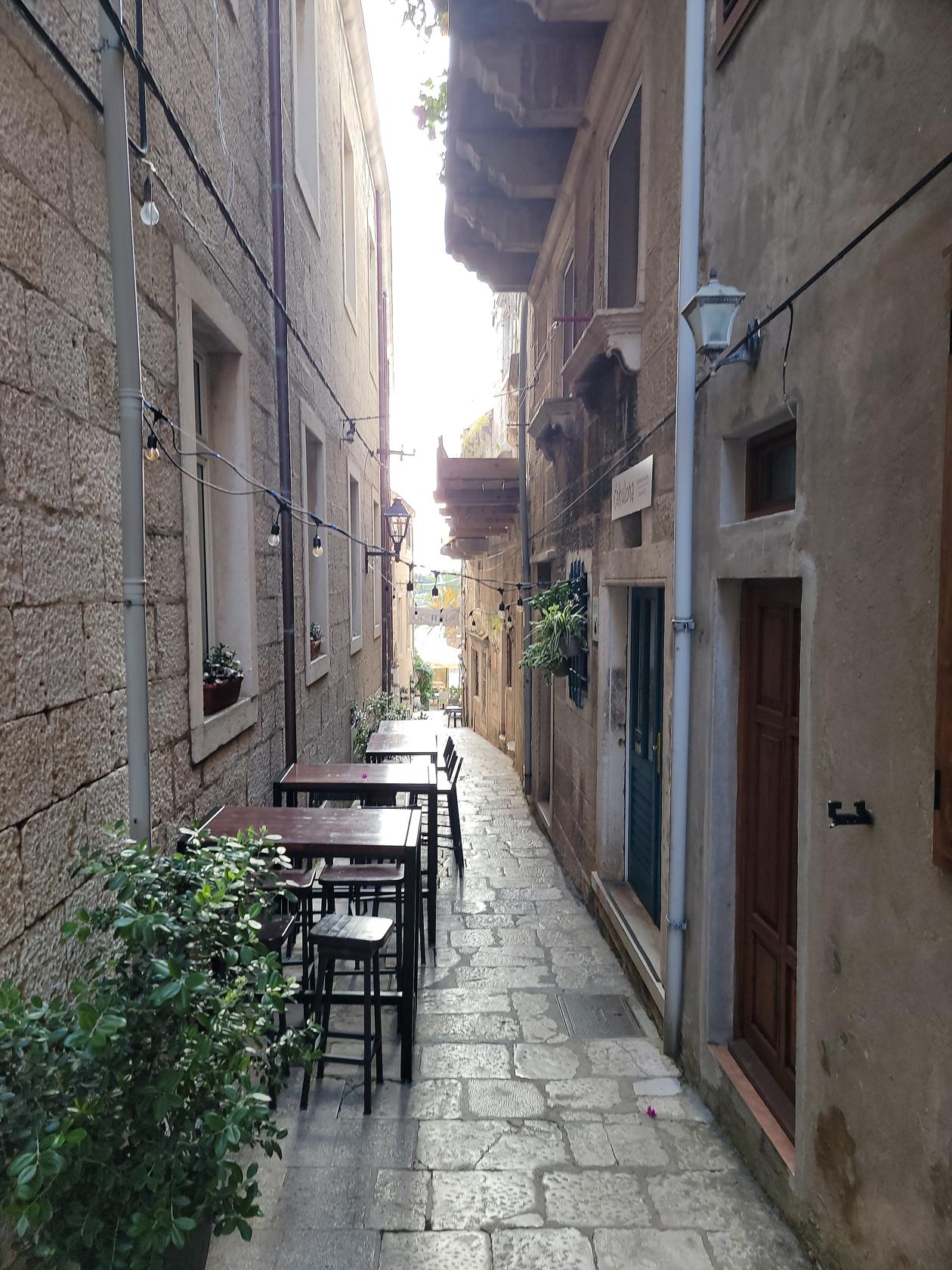
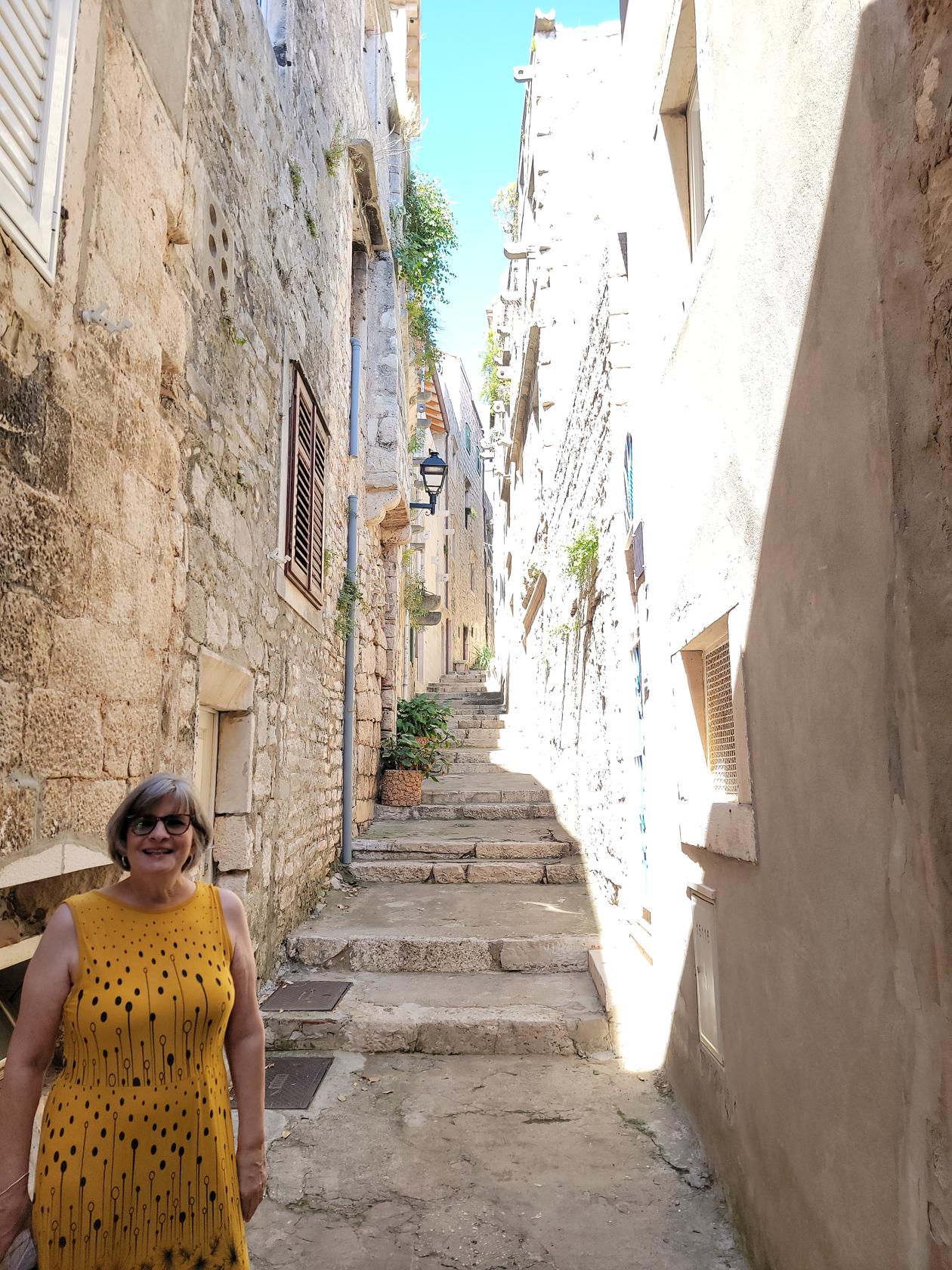
The name of the island and town is derived from an Illyrian-Greek word that means the rock passage. It has been inhabited for at least a few thousand years. The Greeks were frequent visitor in the 6th B.C.E., and perhaps arrived on the island even before that time. The original population were colonies of Illyrians, which have left their telltale marks throughout the island. From the early 3rd B.C.E. the Romans knew of the island and subdued it later for five hundred years. Some of the Latin that was taught in those days, still lingers in the speech of the town’s peoples.
GettingThere
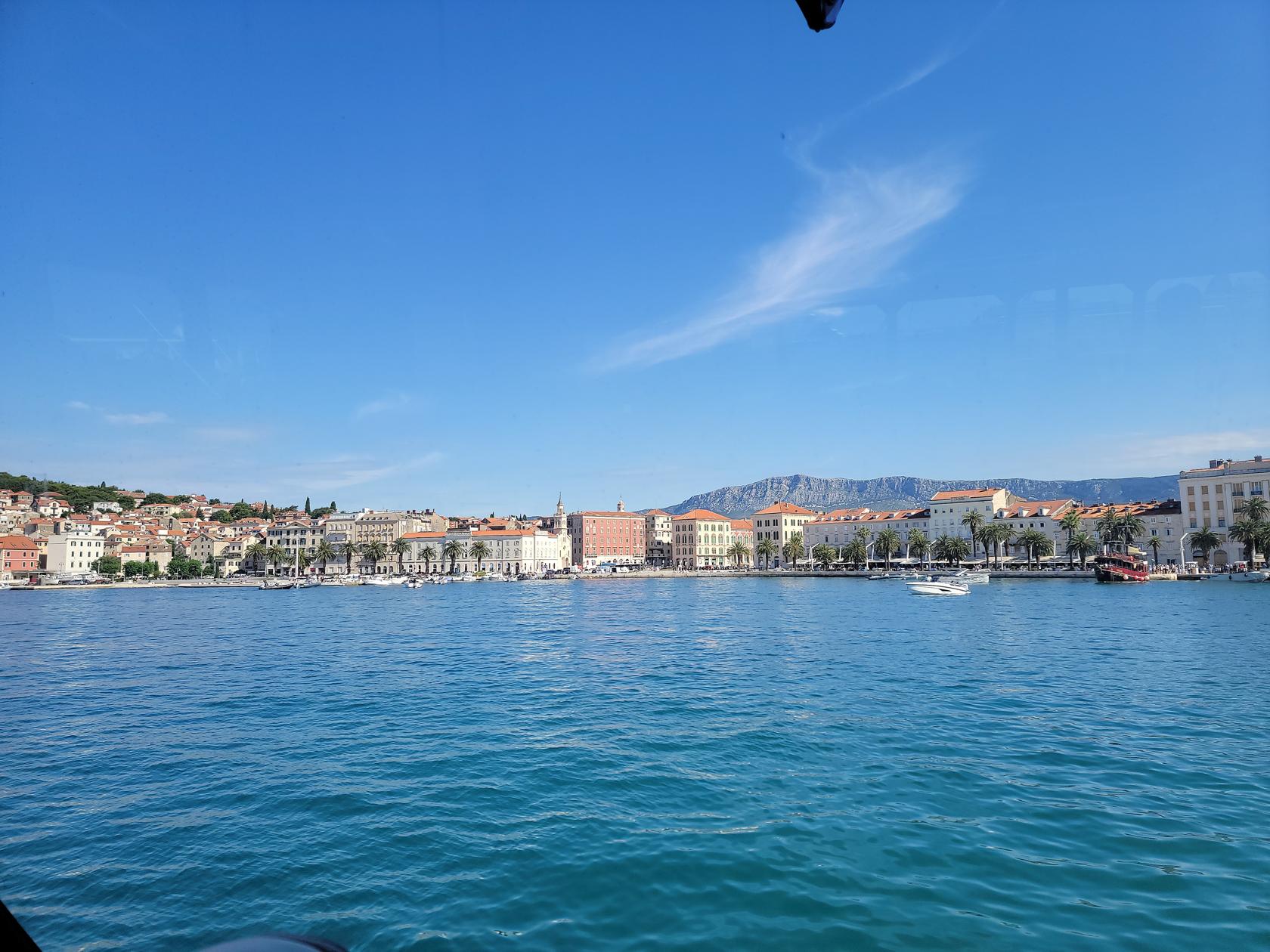
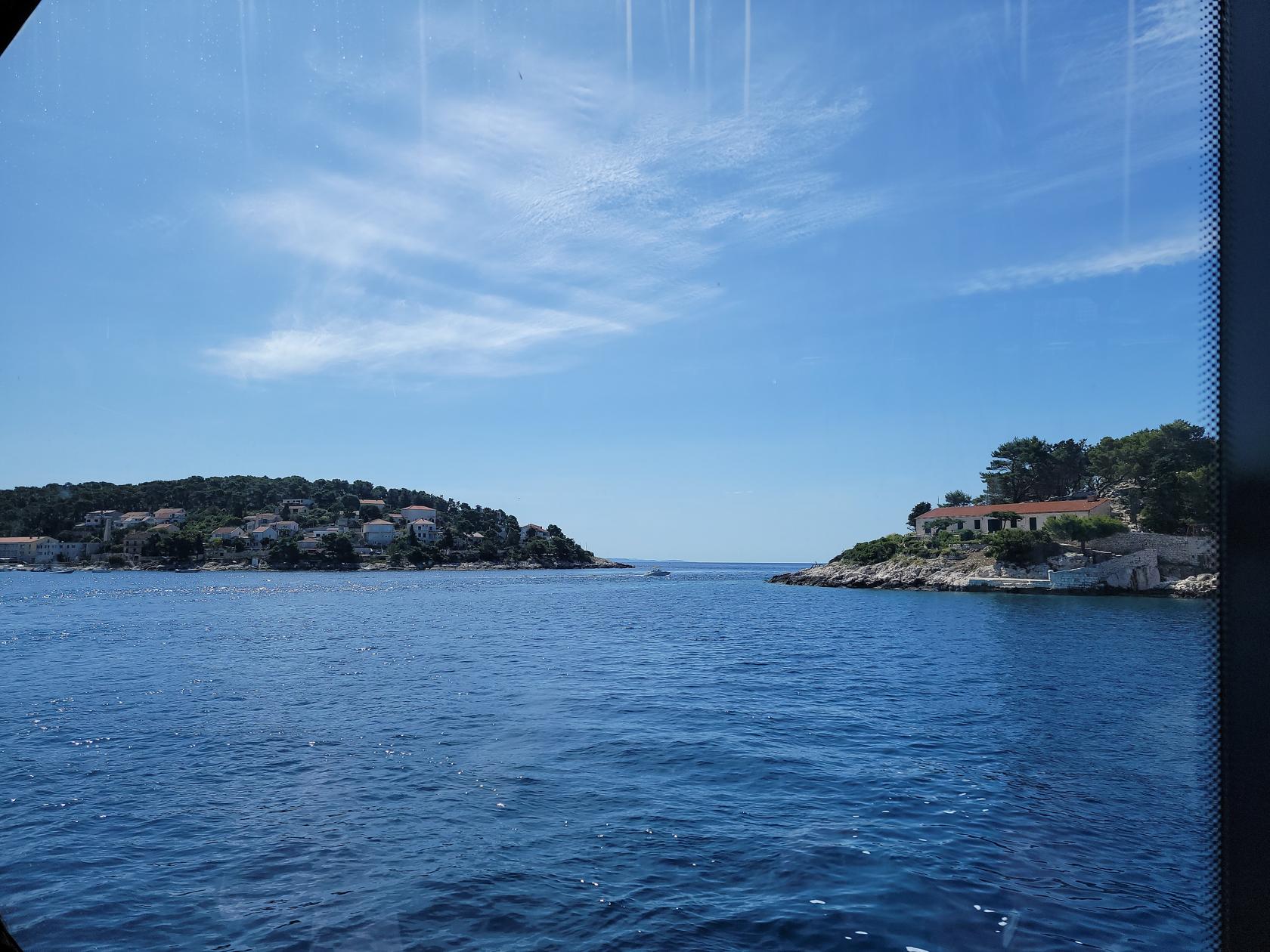
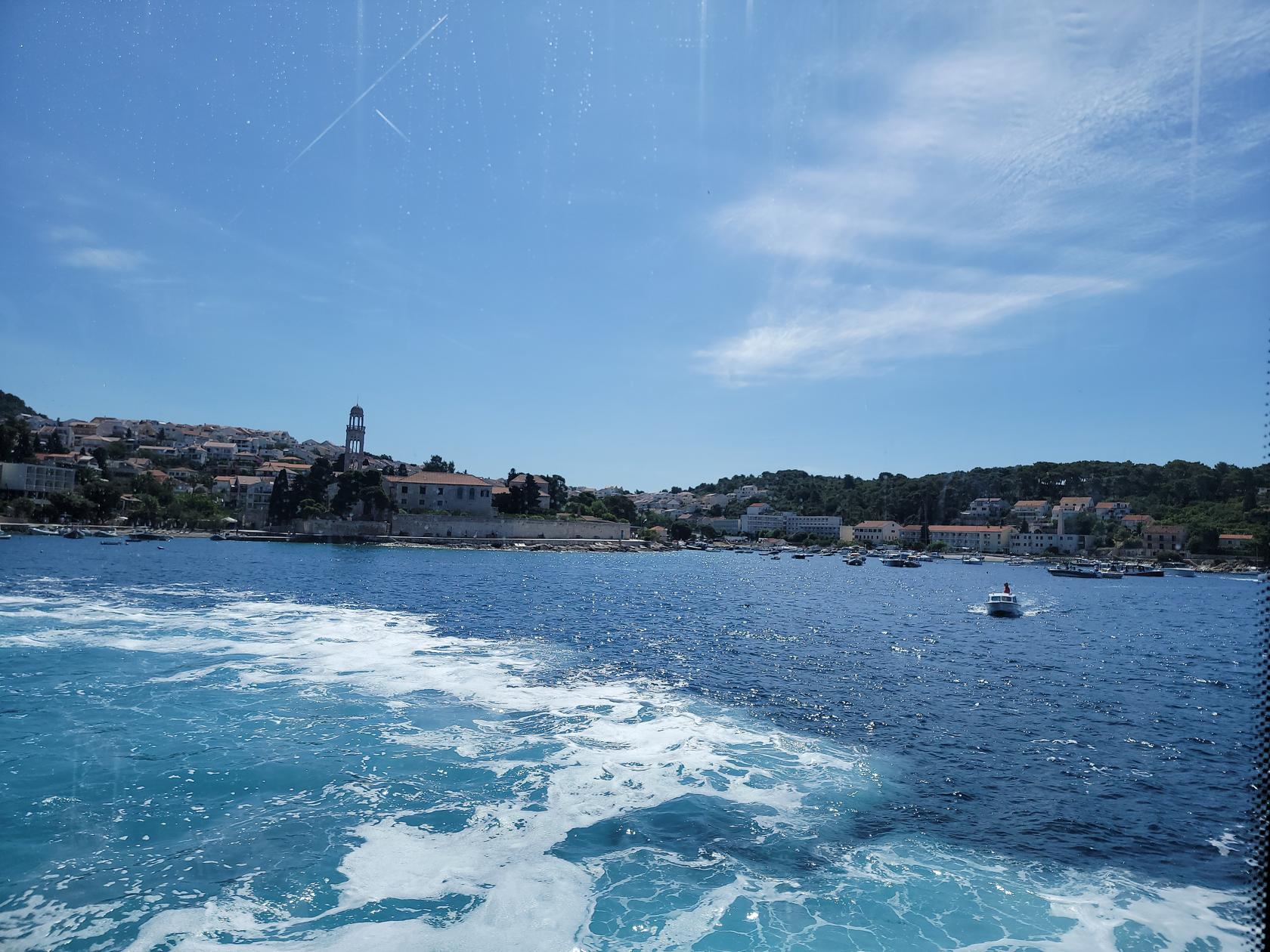
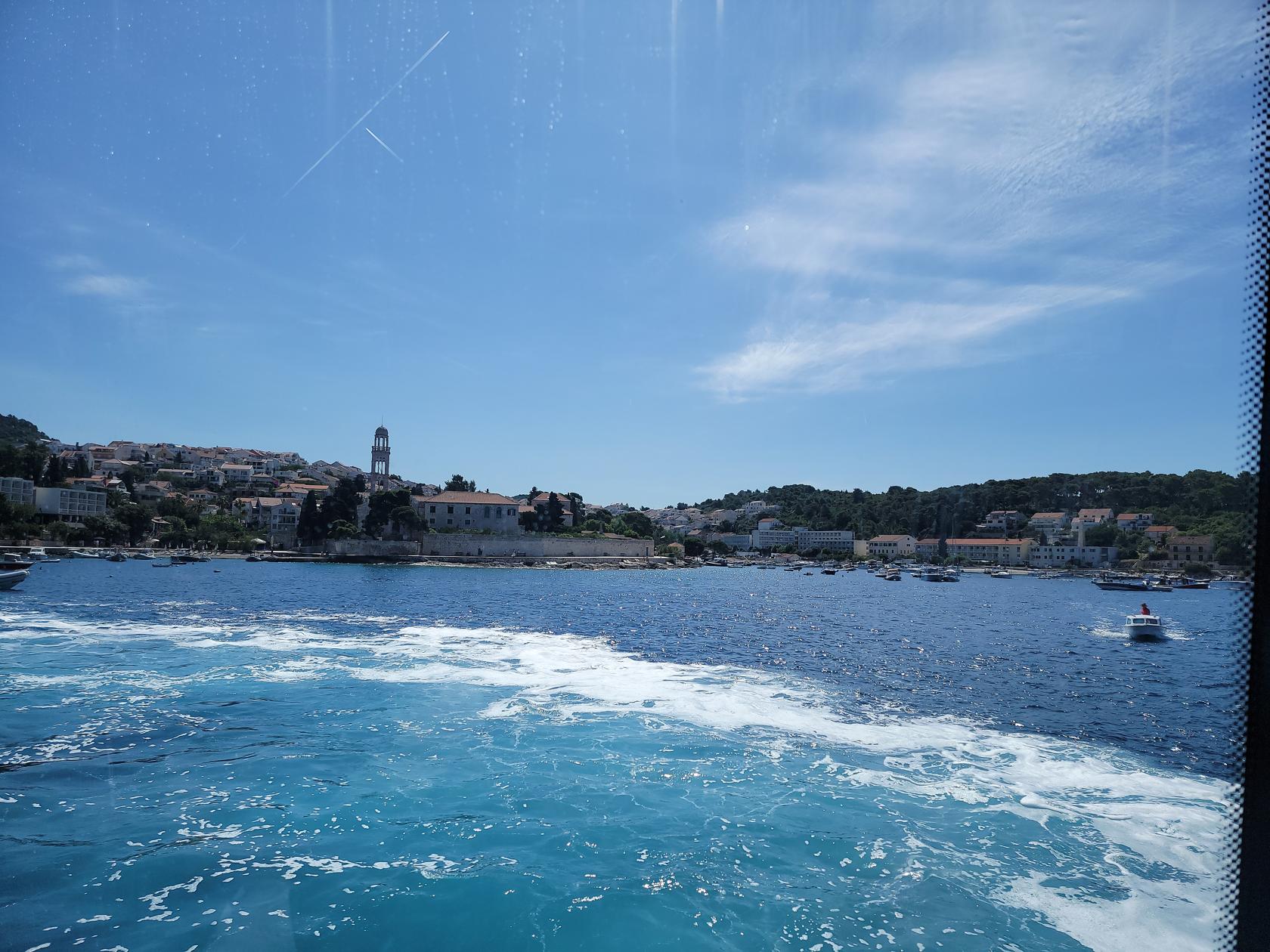
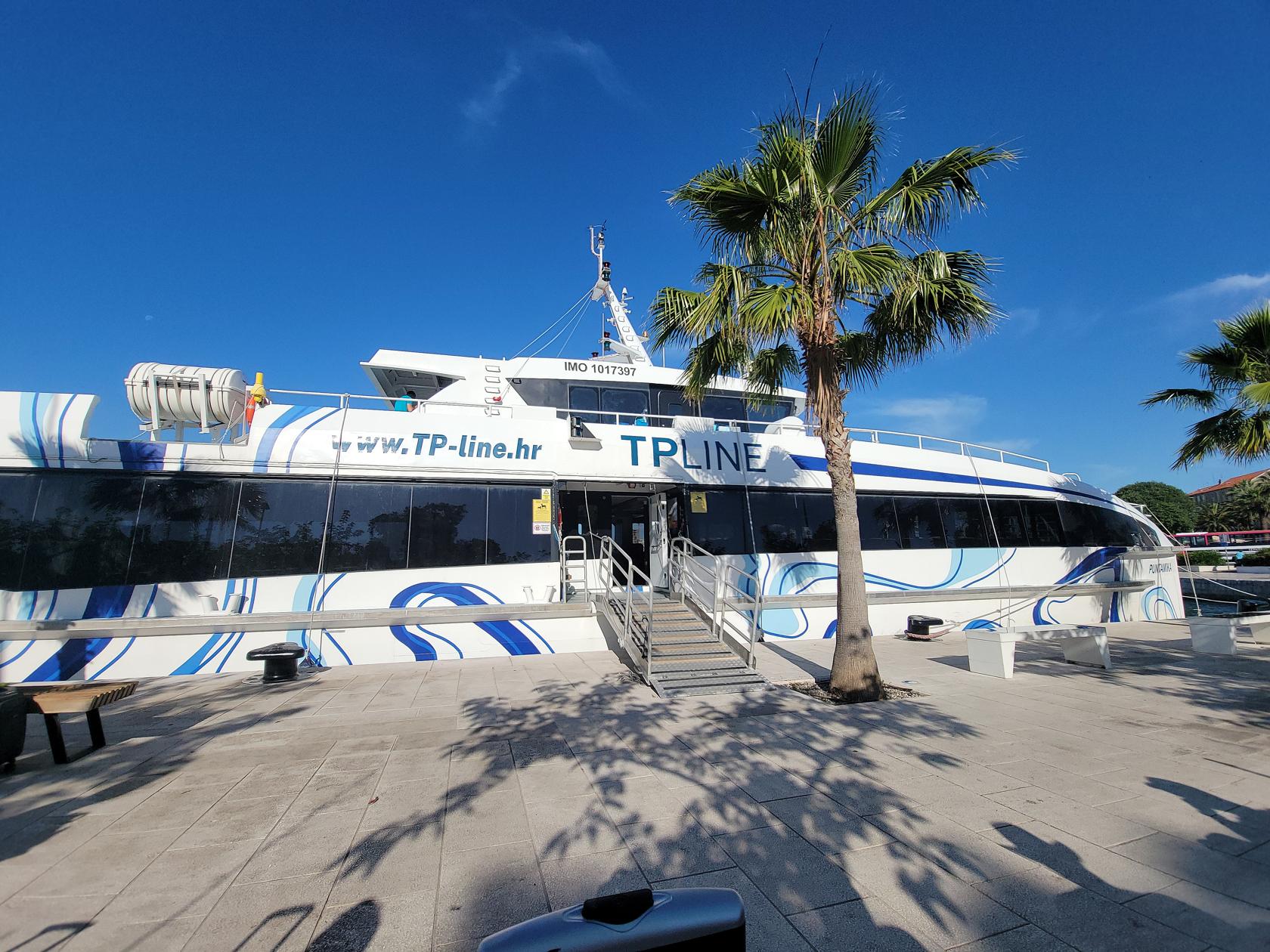
To get there, take the ferry service that runs between Split and Dubrovnik. There are several lines, unfortunately our original booking through Kapetan Luka was cancelled due to equipment issues, so we had to rebook on TPLine. It was fully booked, but very comfortable. Get in line early, because seats usually go fast.
A Word About Ferries
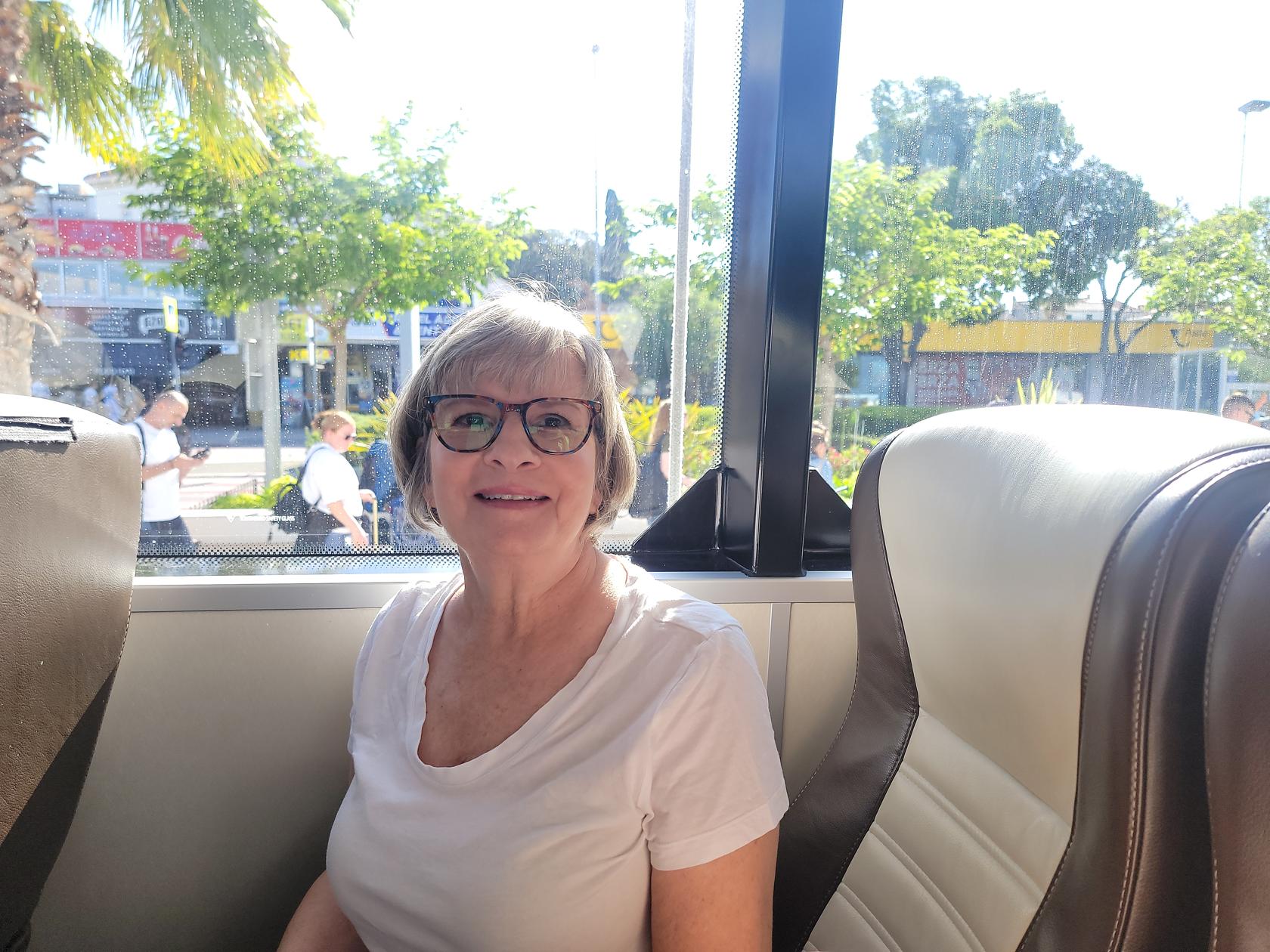
Just an opinion of course, but having been on both ferry lines, I would prefer the TPLine. On TPLine, your luggage is stowed indoors with you and not outside, as with Kapetan Luka line. The latter is fine otherwise, but in the event of bad weather, it appears your luggage would be soaked upon arrival to your destination. I also found their boats to have a bit more room to get around. I felt a bit cramped on the Luka line.
Our Hotel
The Aminess Liburna
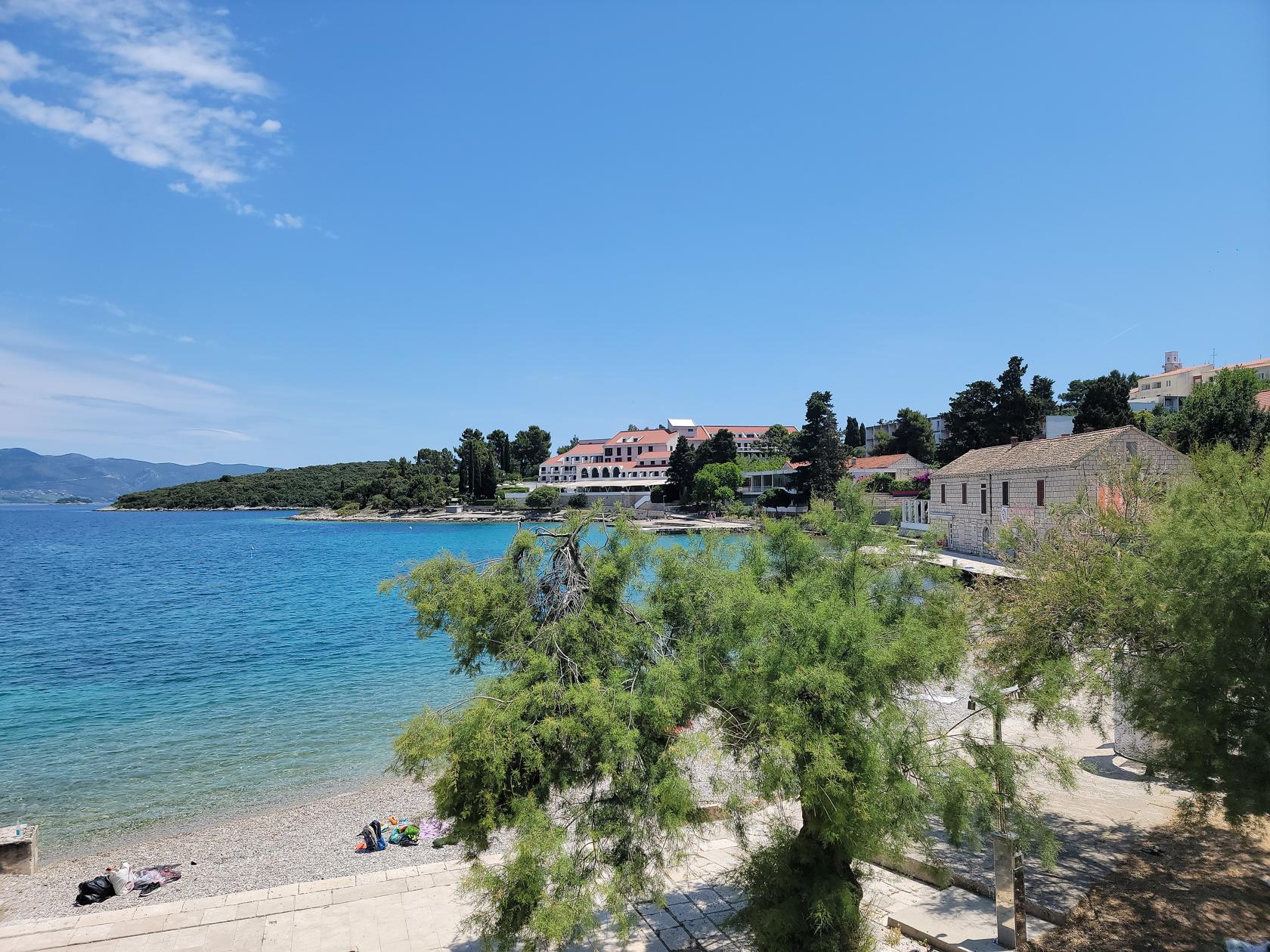
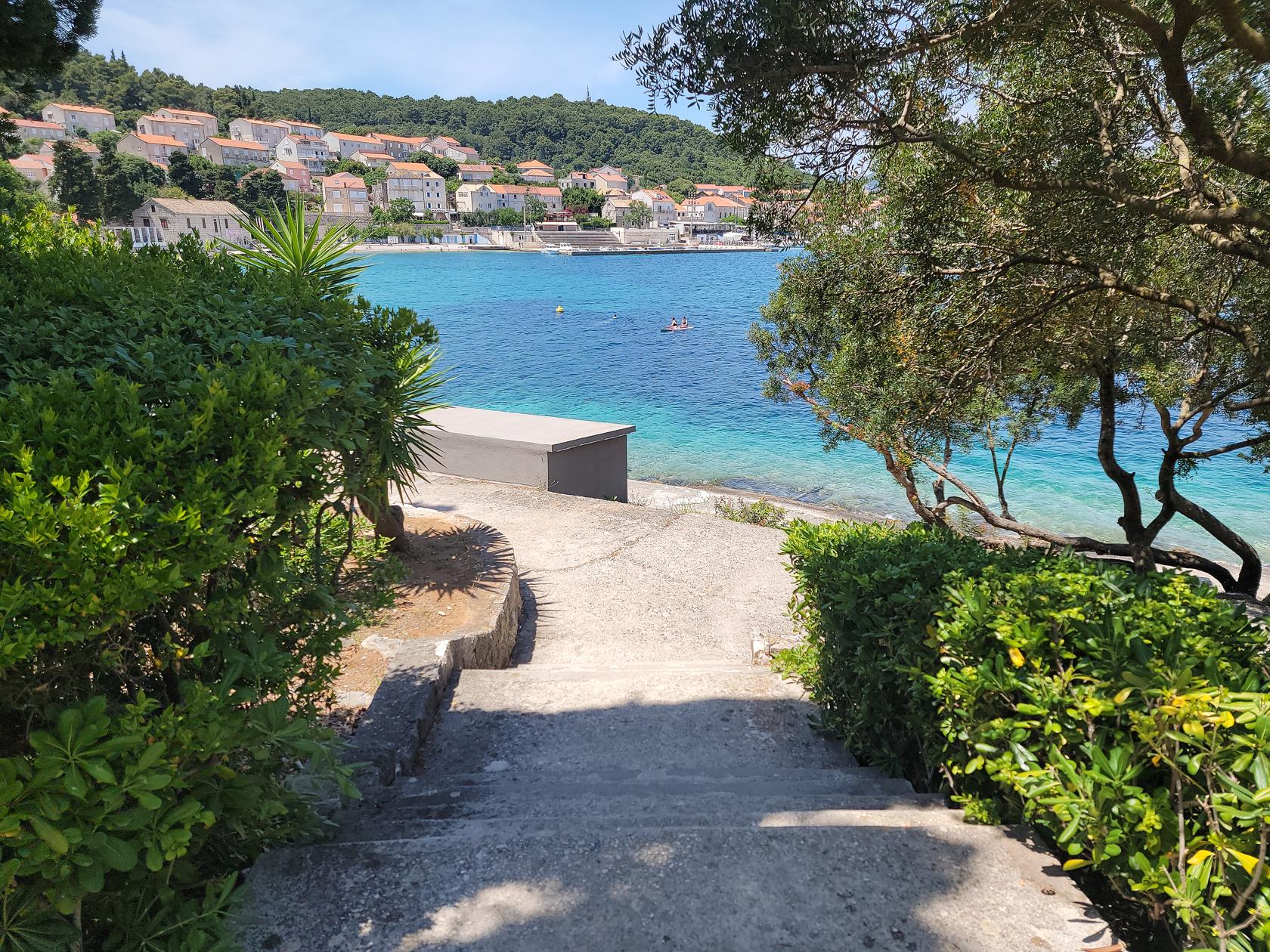
A large modern hotel on the adjacent pennisula to the town. From here it was about a fifteen to twenty minute walk to inside the town walls. However, the hotel has all the amenities, including breakfast. They also have a pool and a small seaside area for swimming. The deluxe rooms are typical and met most of our requirements.
Marco Polo House
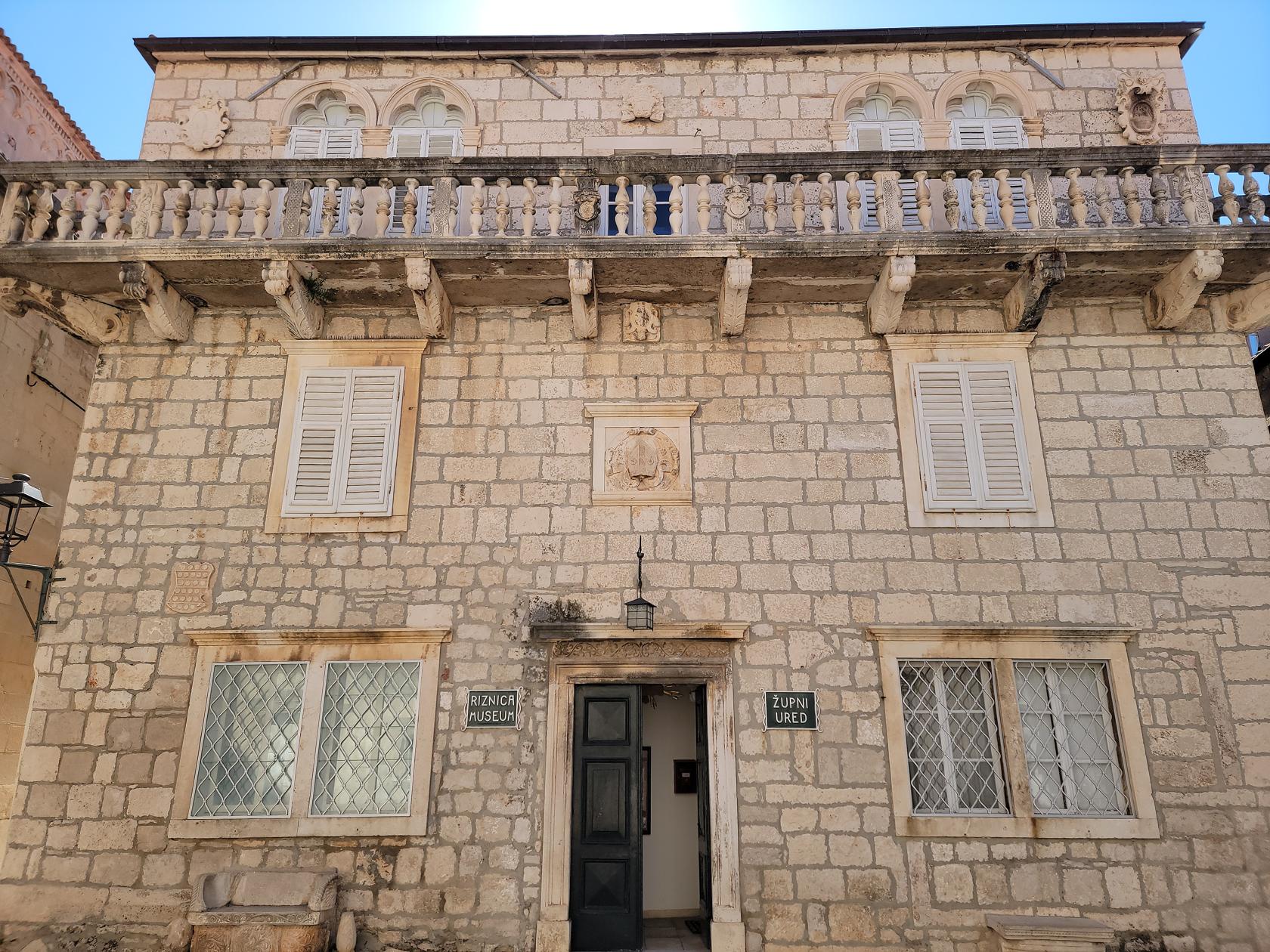
Ostensibly Marco Polo lived in the house for some time during his travels. Which travels, the museum does not elaborate on. They only conjecture that Marco was there, based on the family owning property and having other interests on the island.
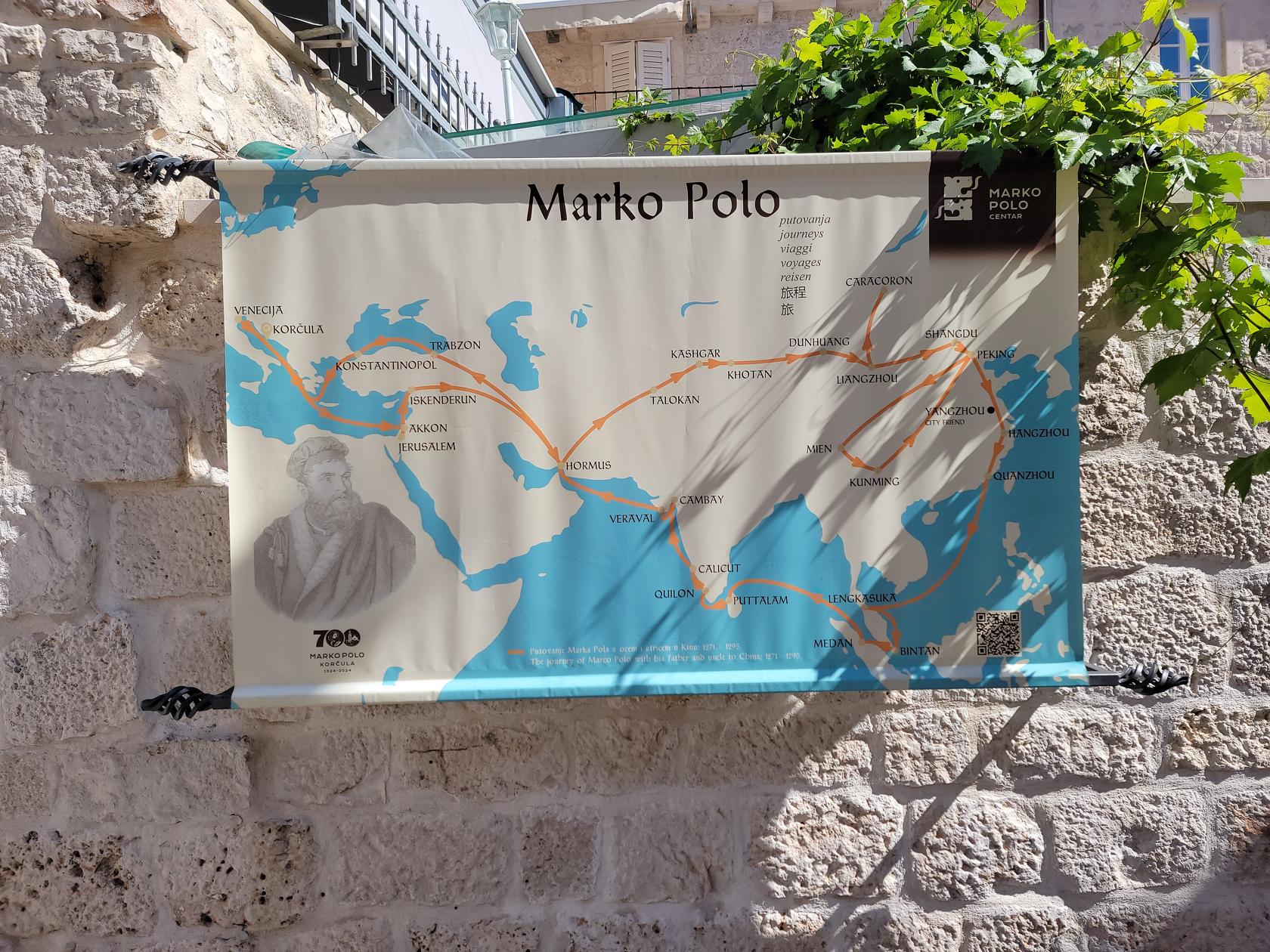
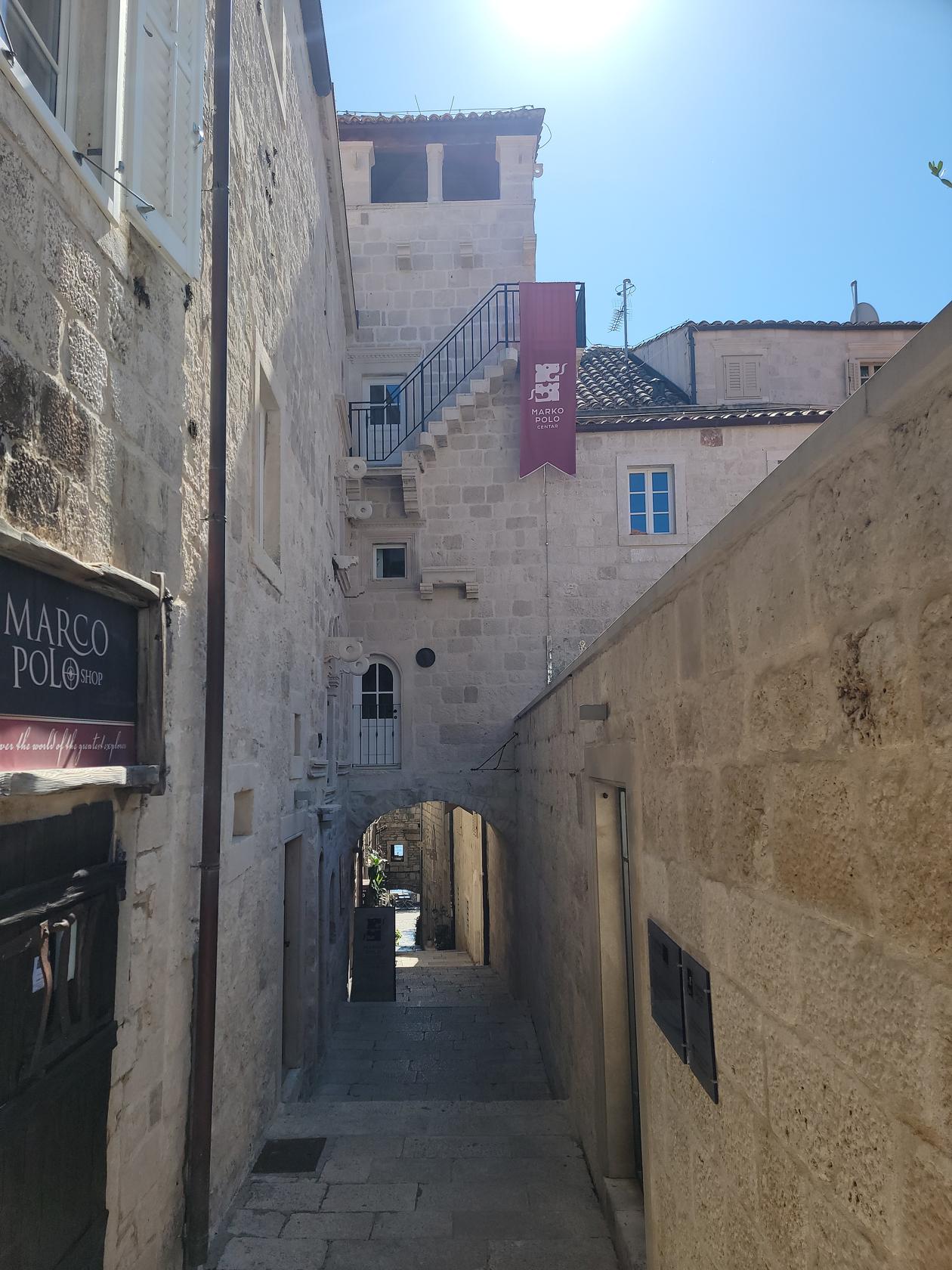
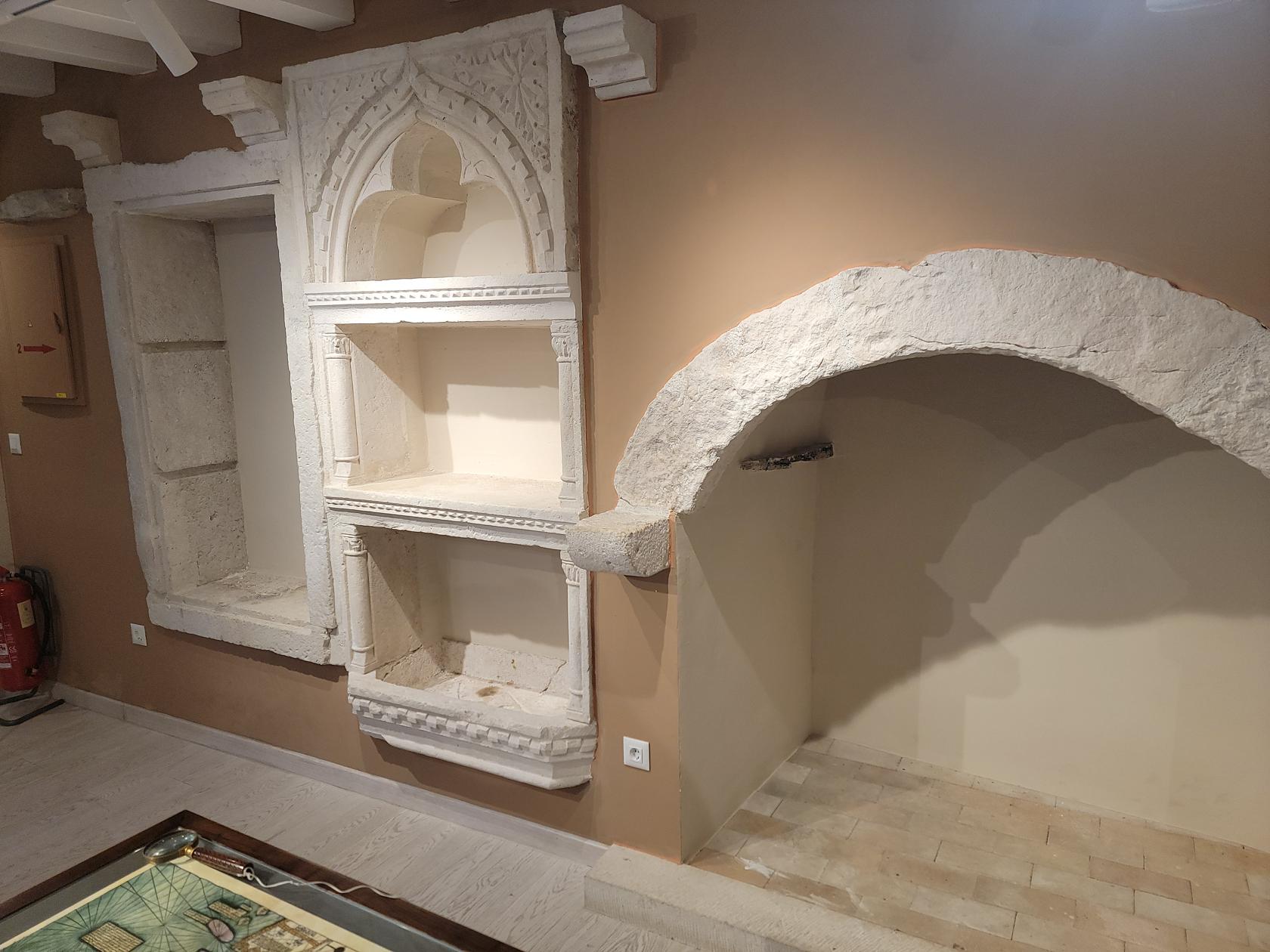
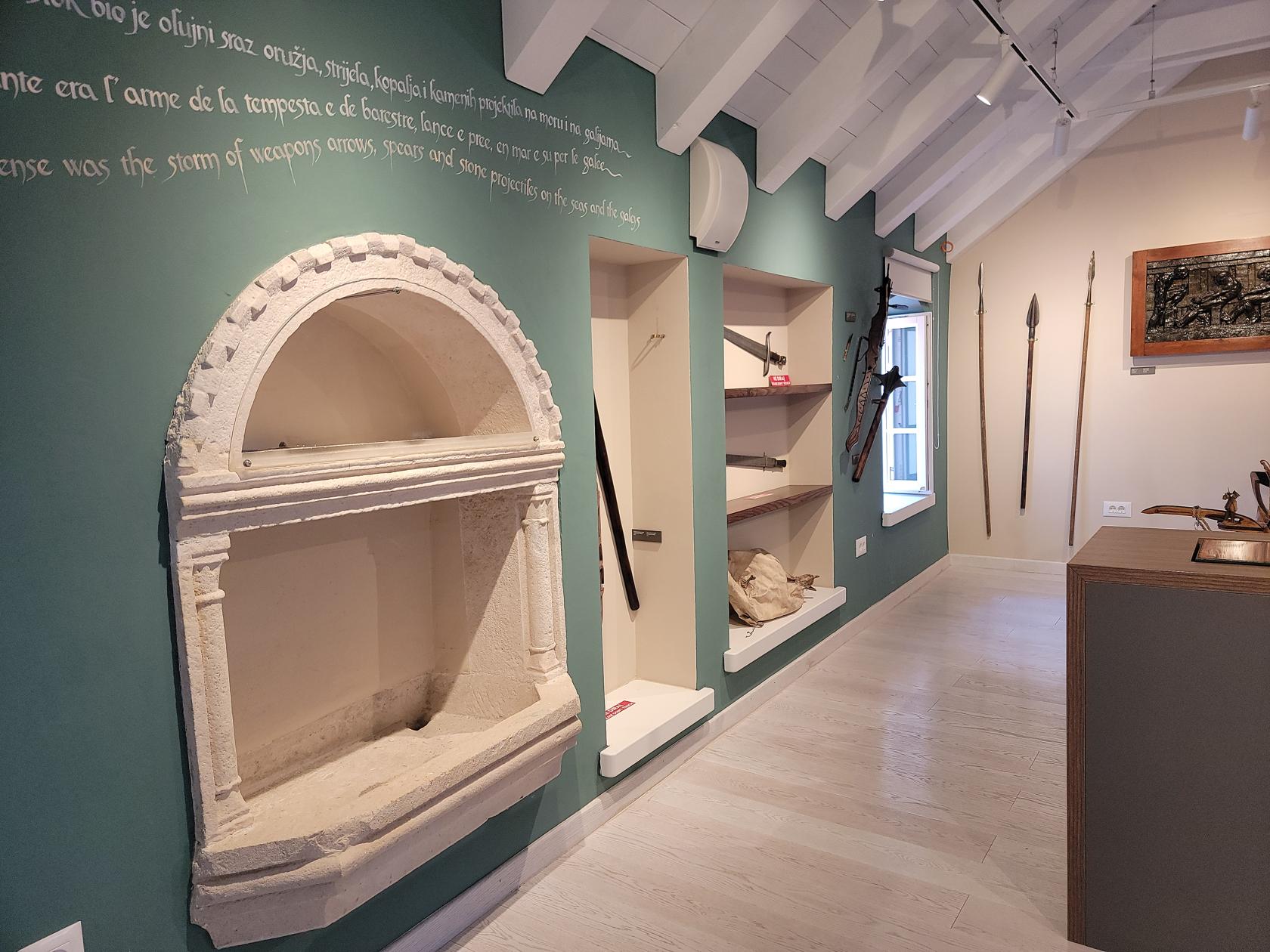
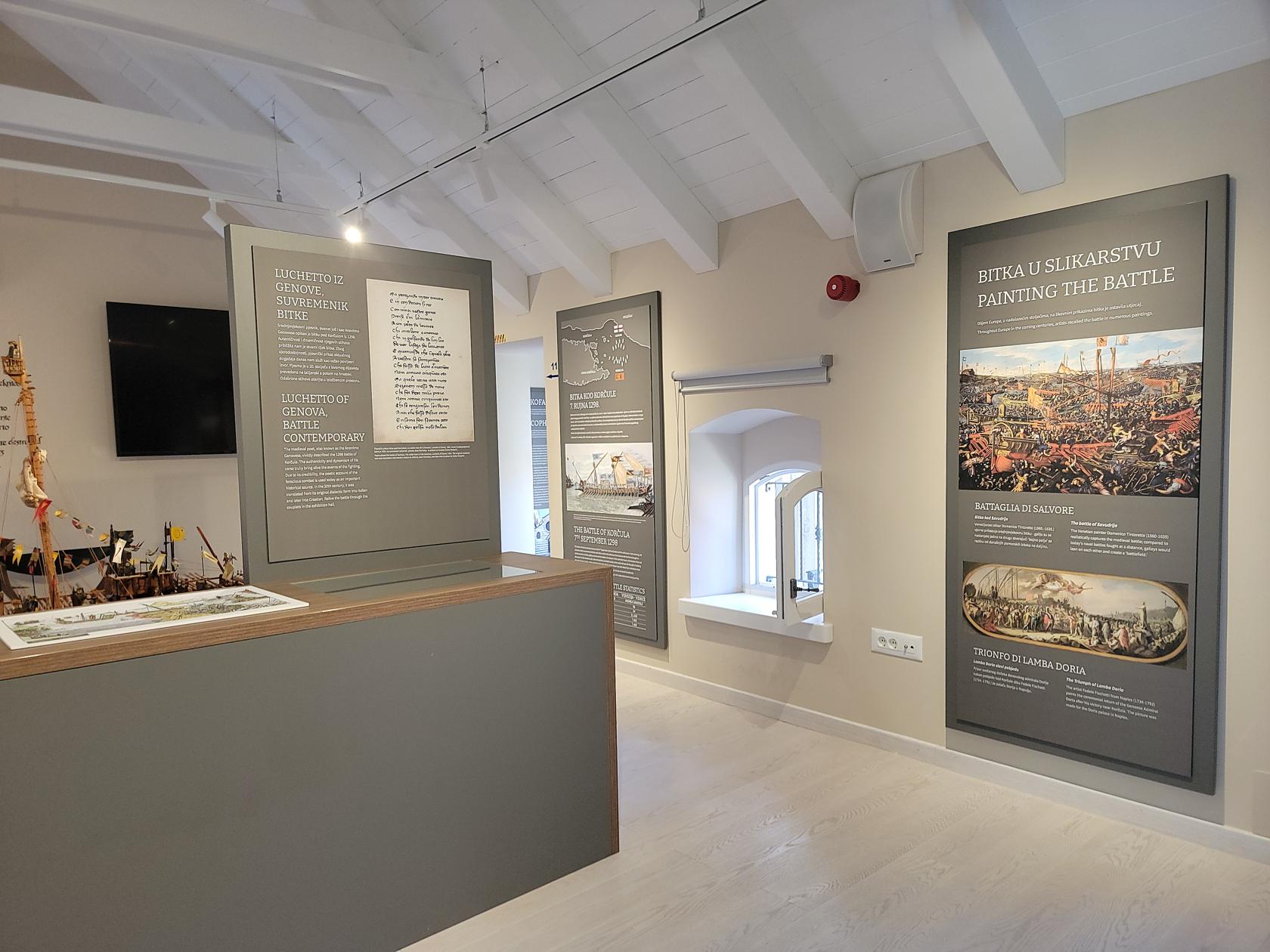
The Polos were based in Venice and the city and its residents had a strong influence on the island and the town.
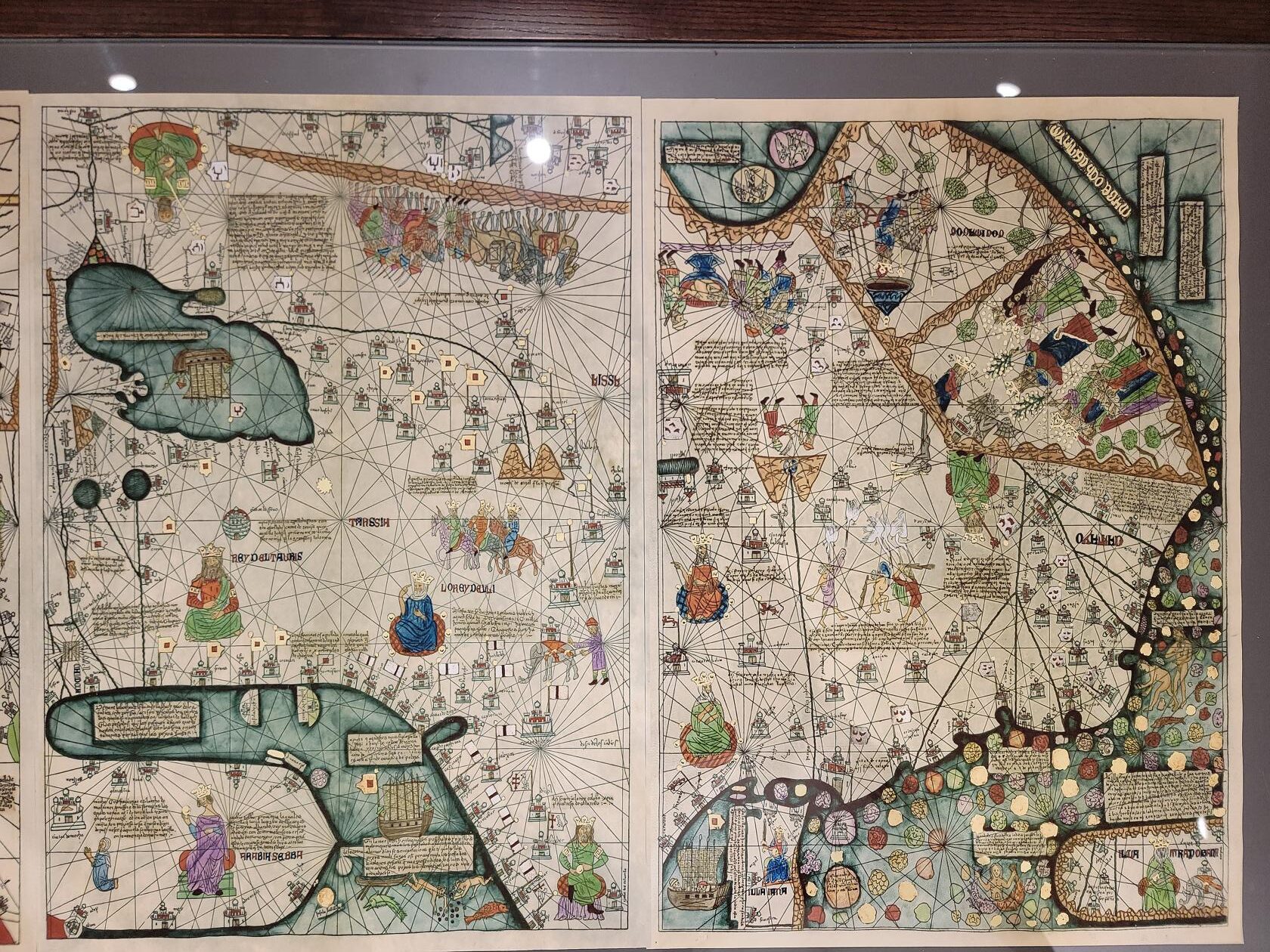
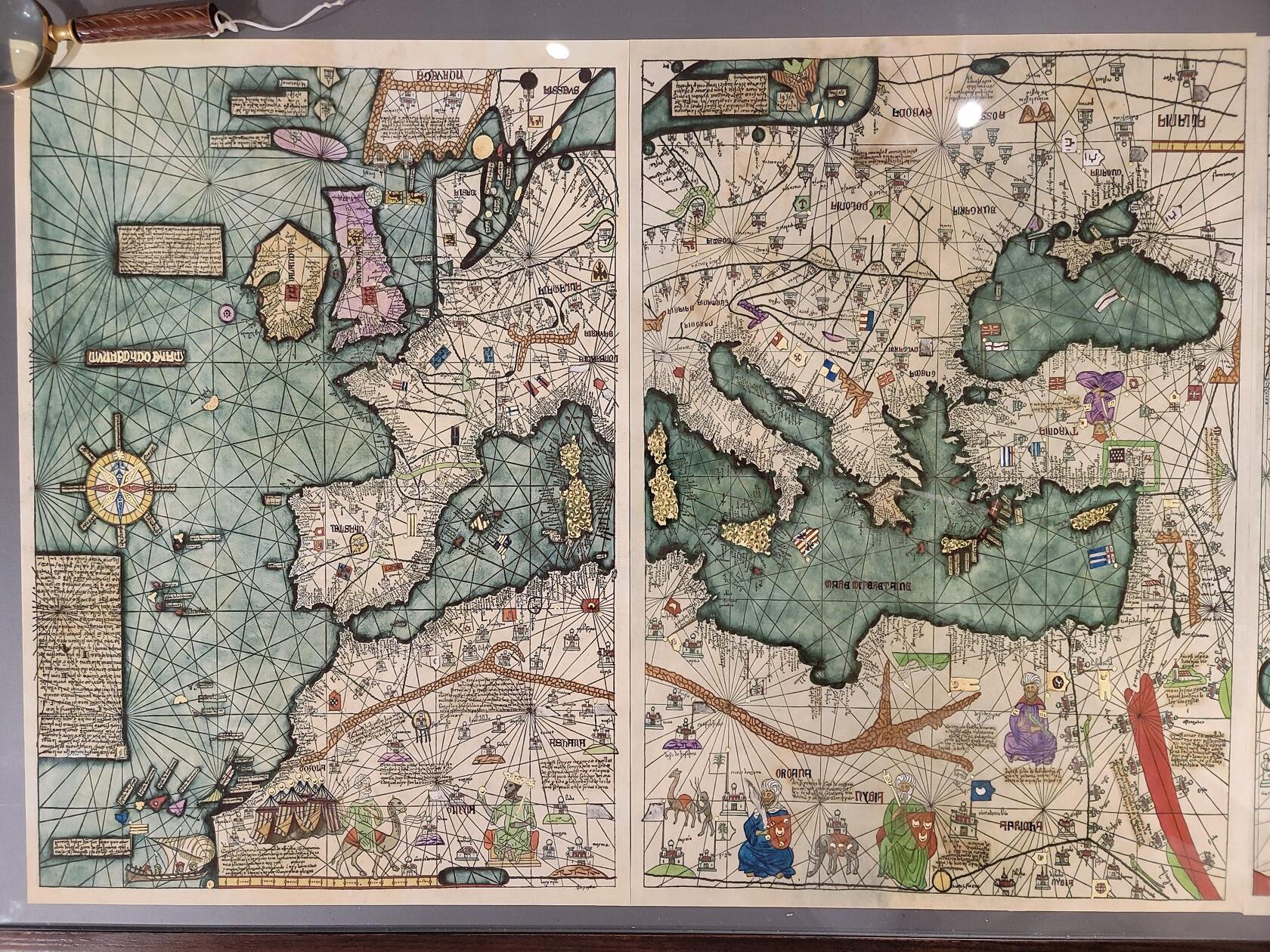
Marco Polo’s adventures and artifacts are explained and exhibited in some detail. Enough at least to enjoy the small museum that they have made in his honor.
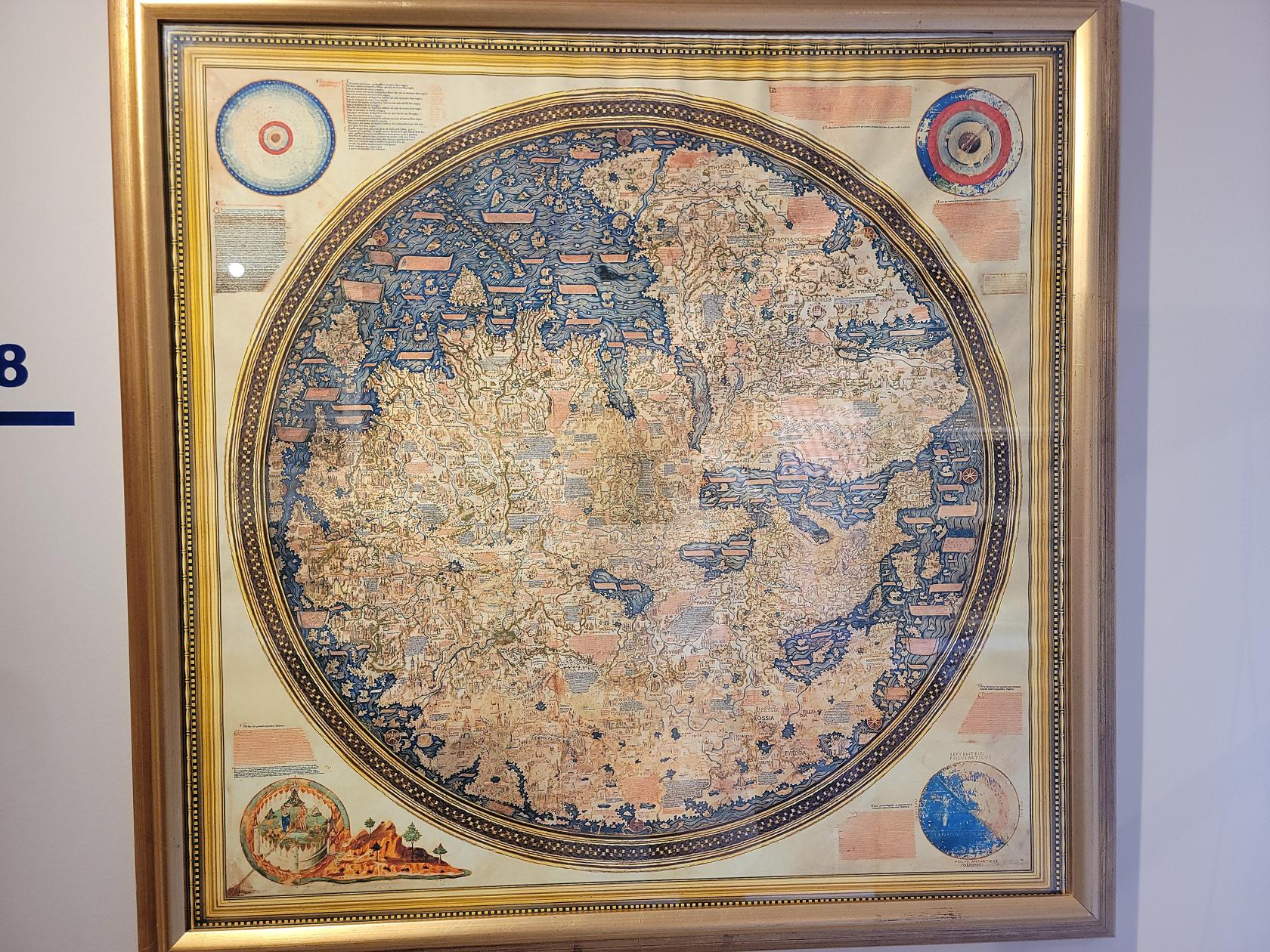
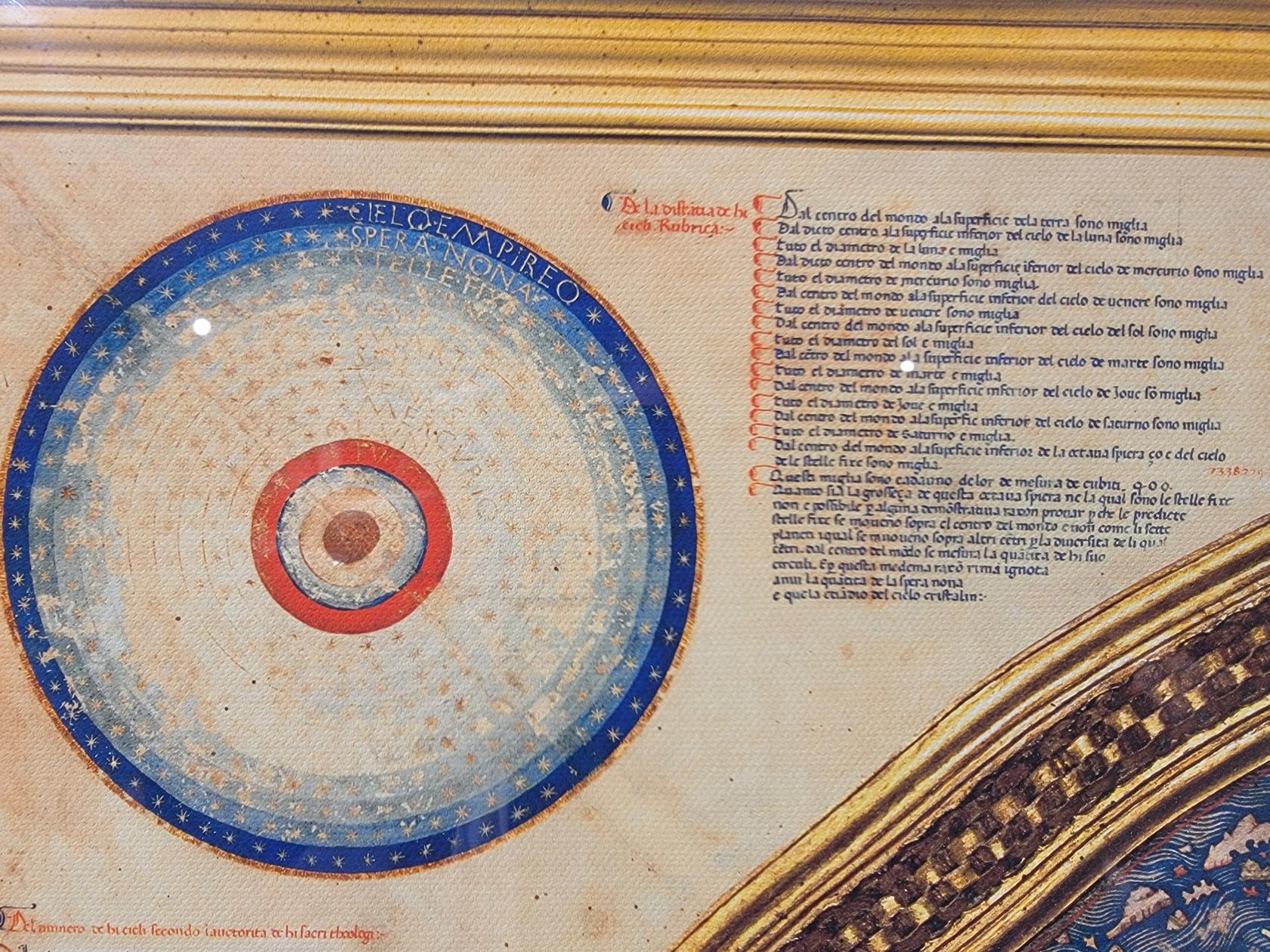
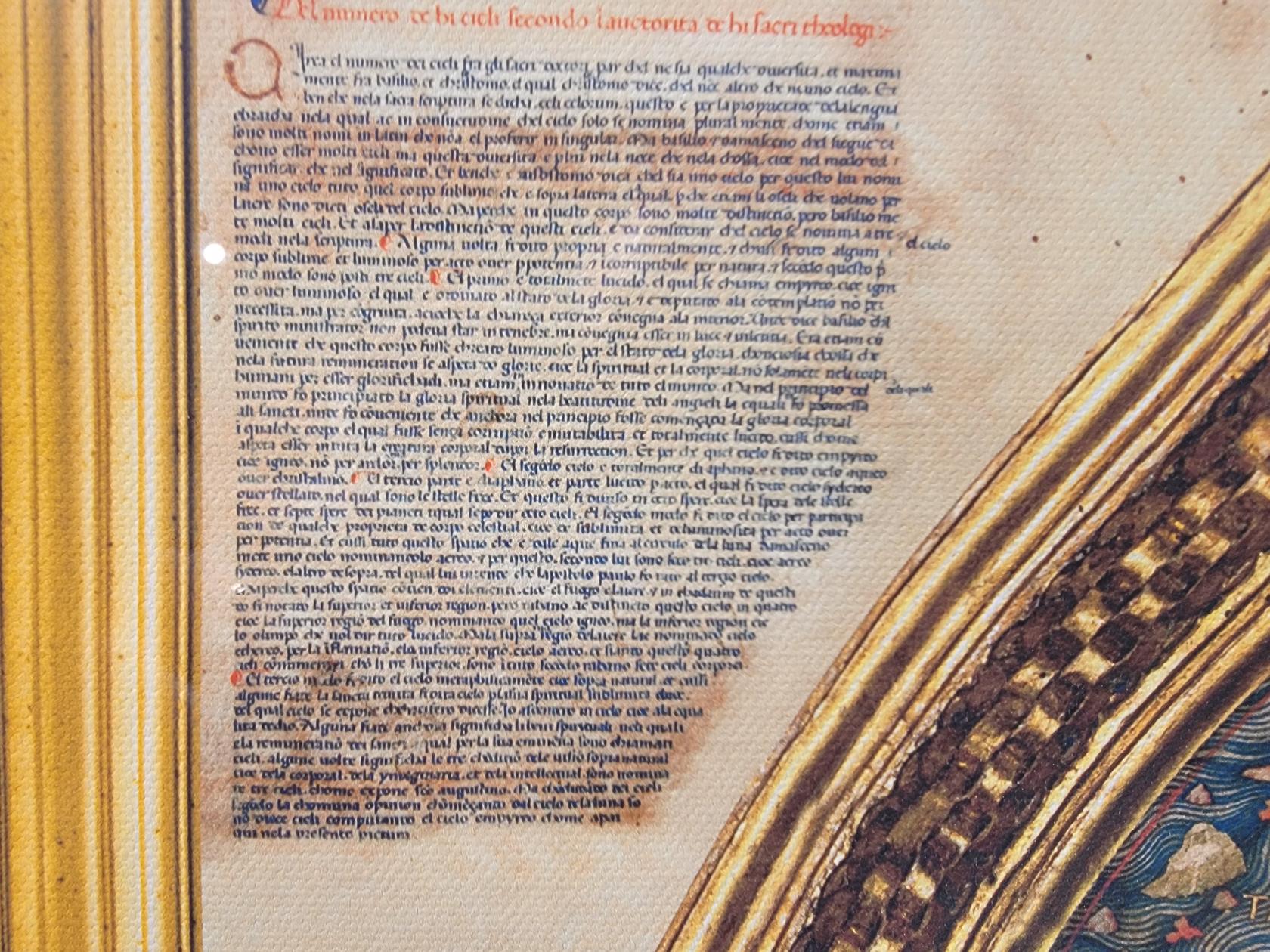
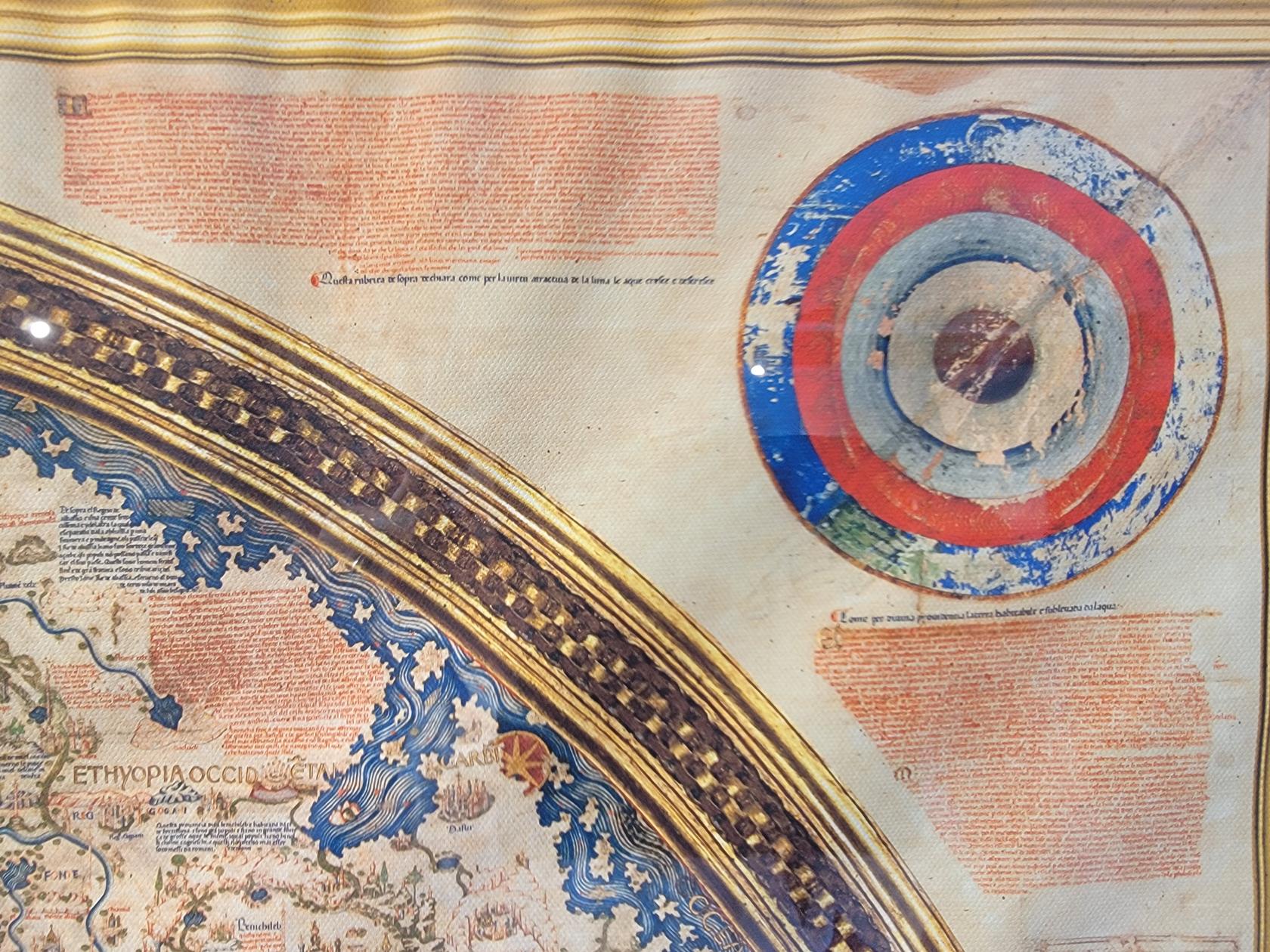
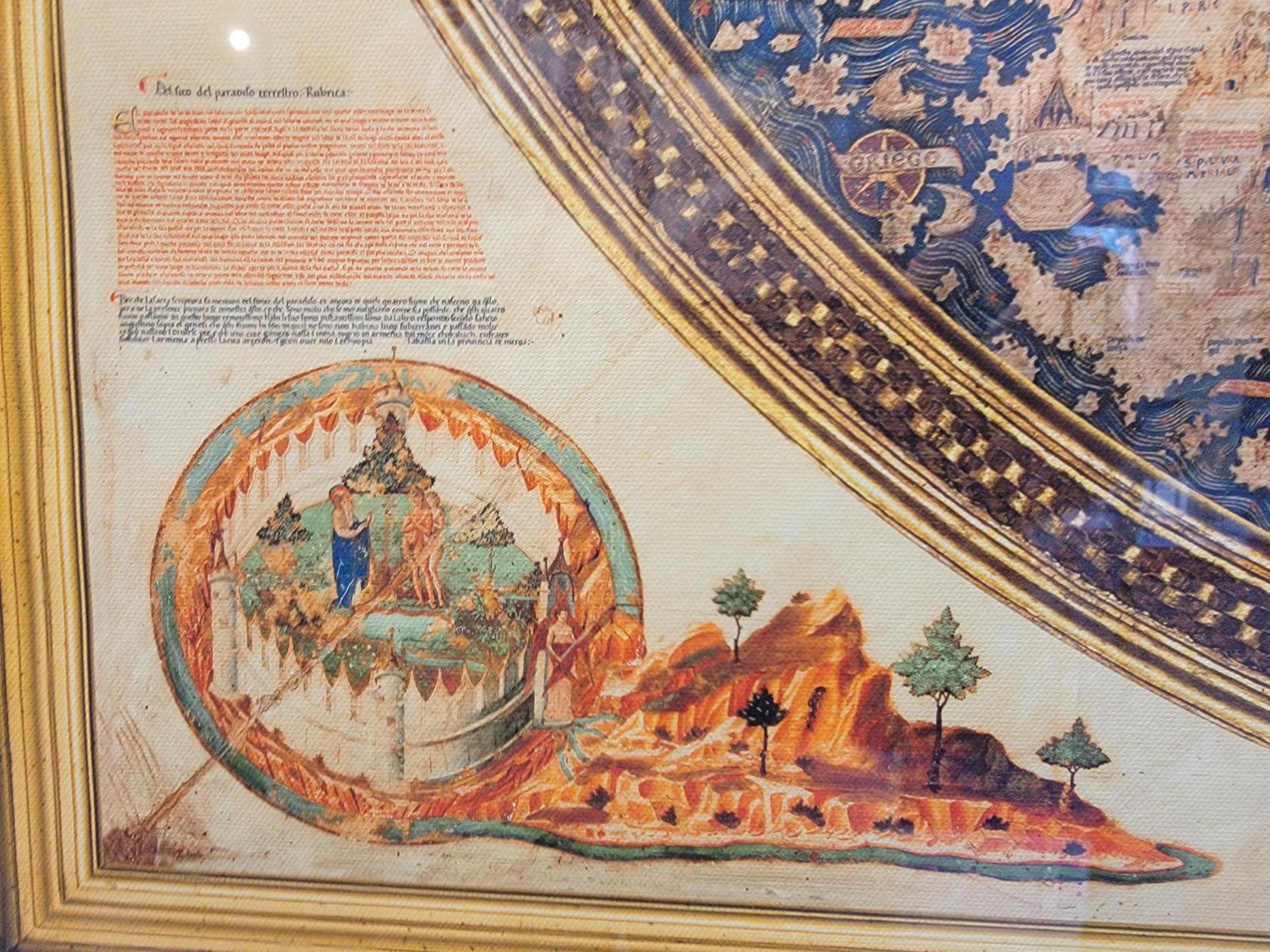
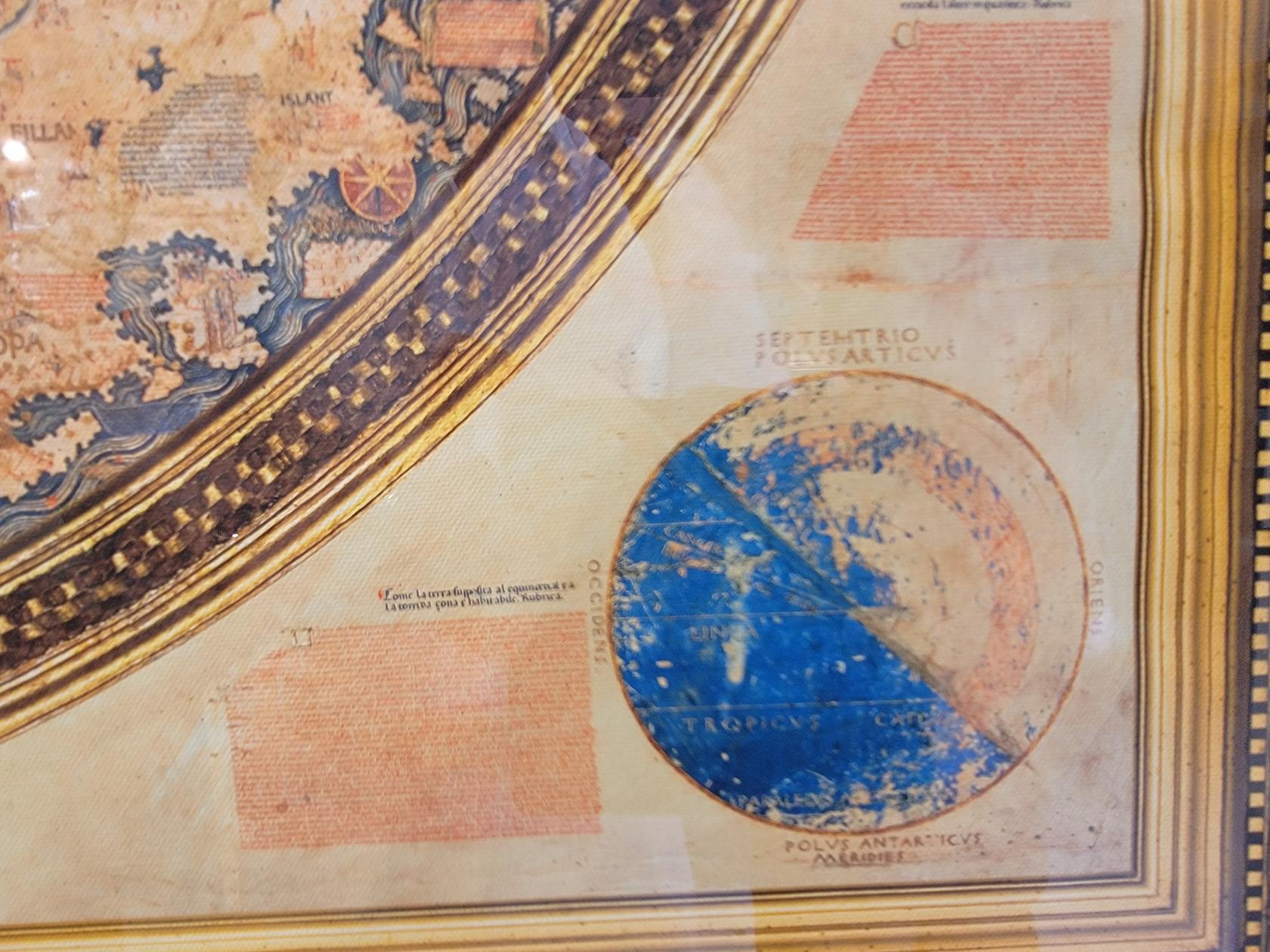
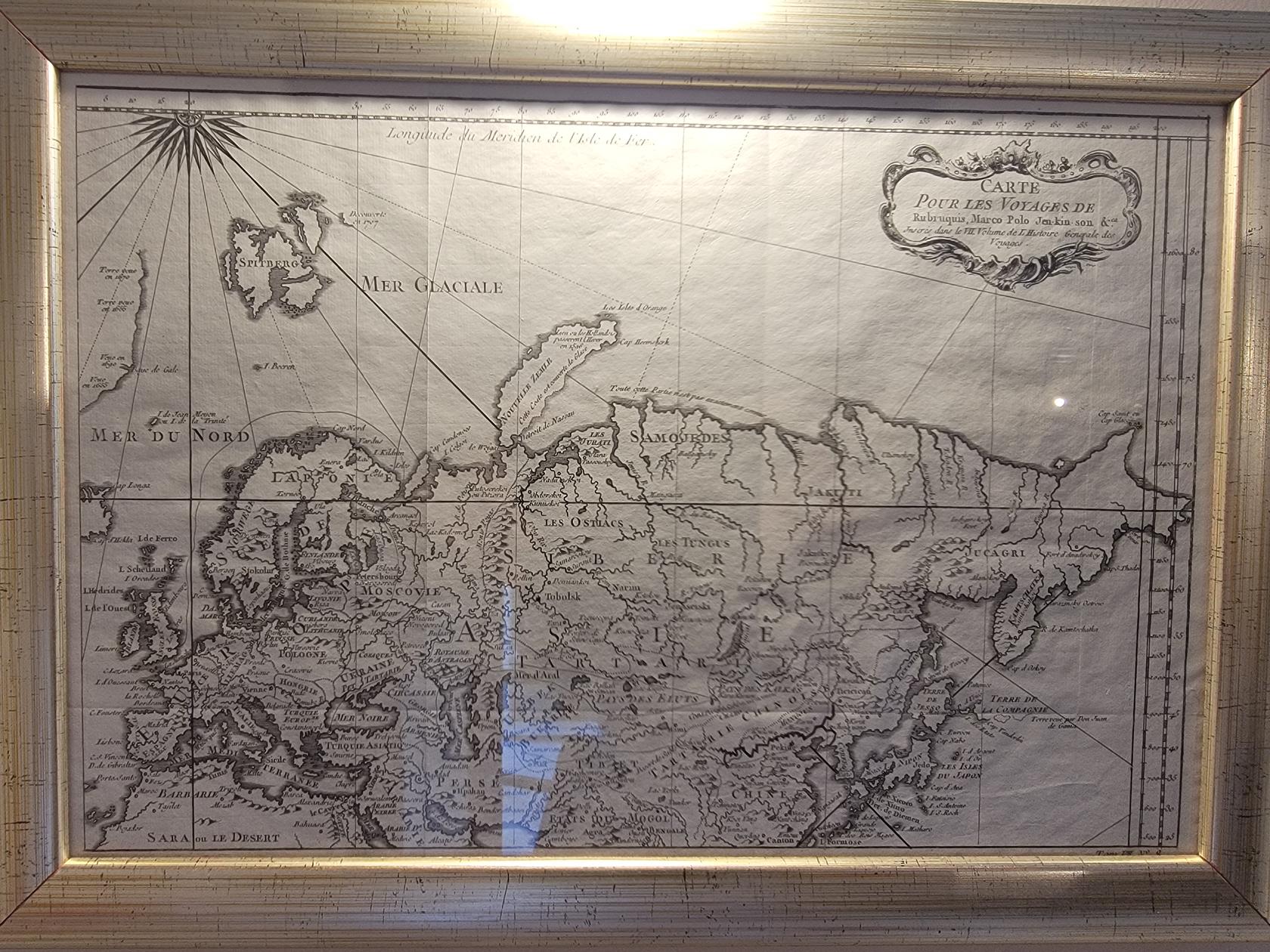
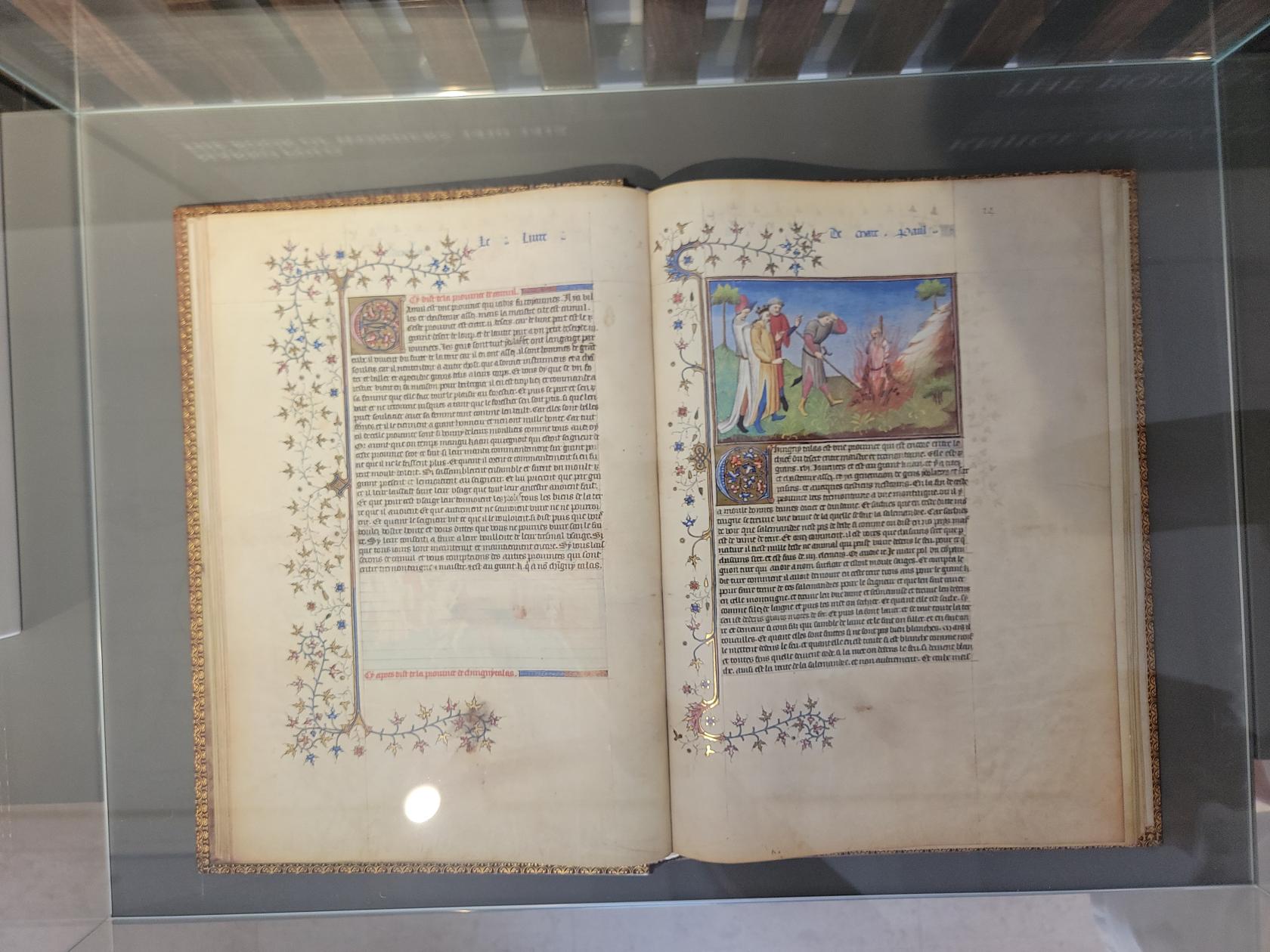
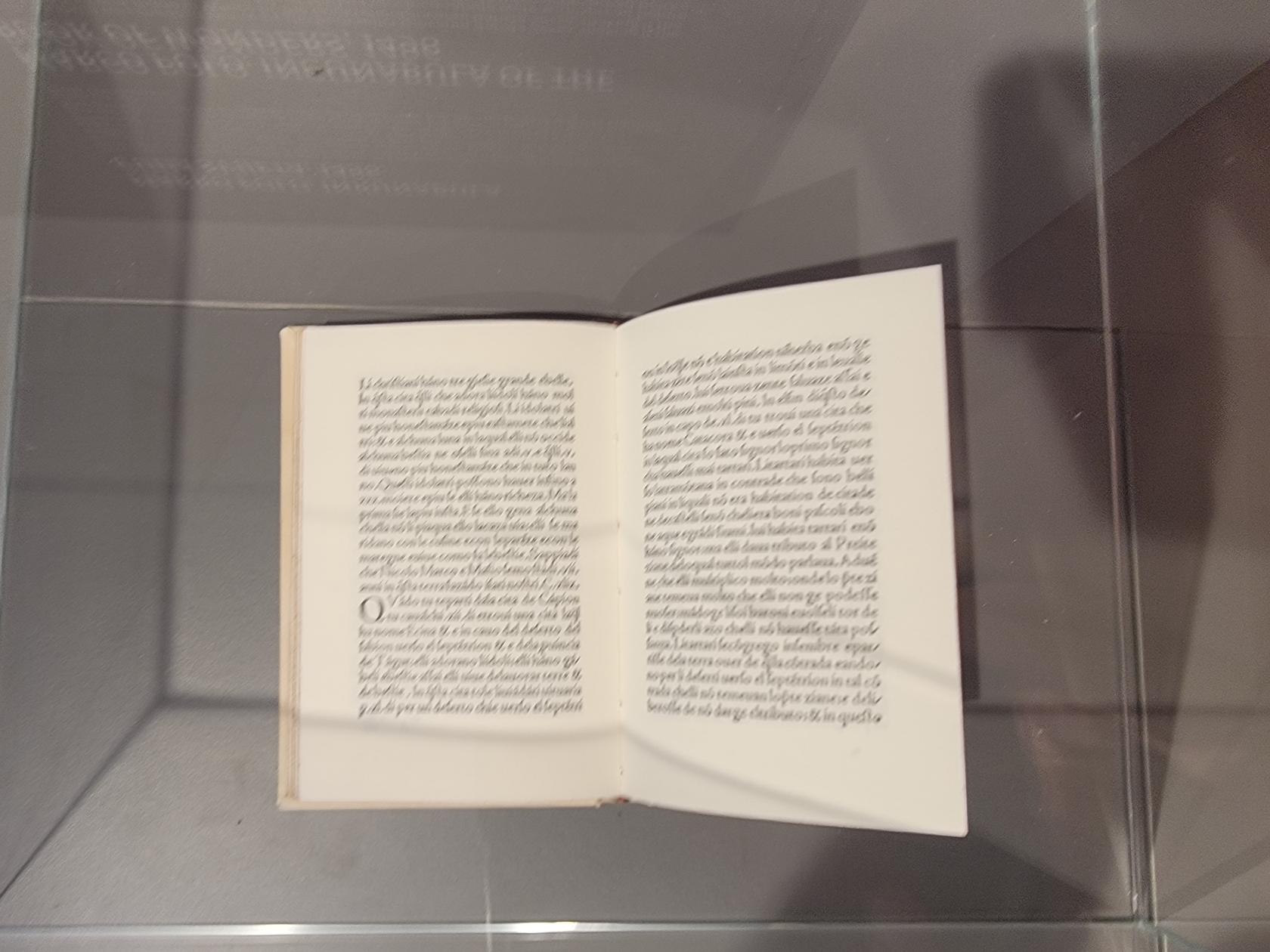
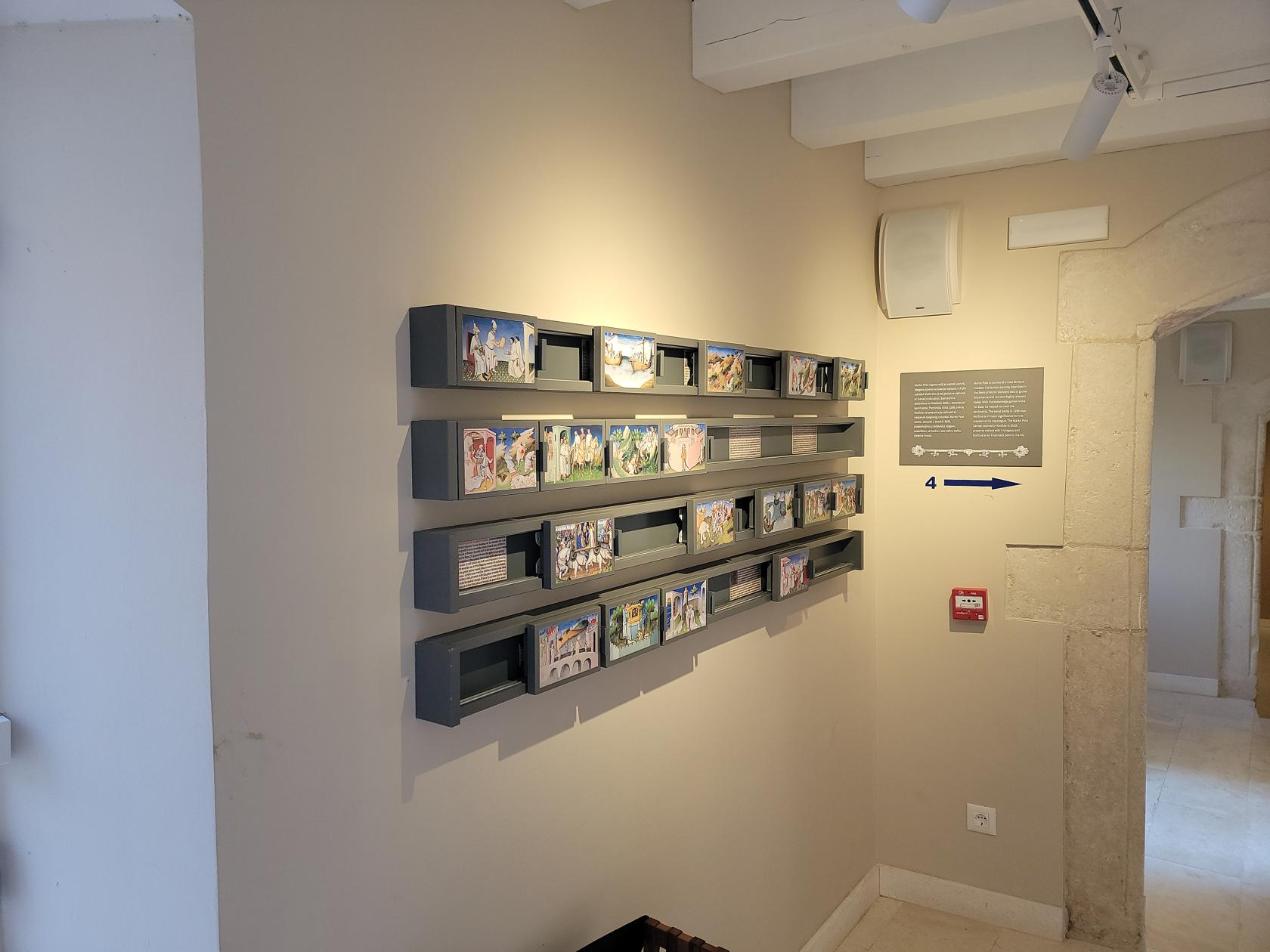
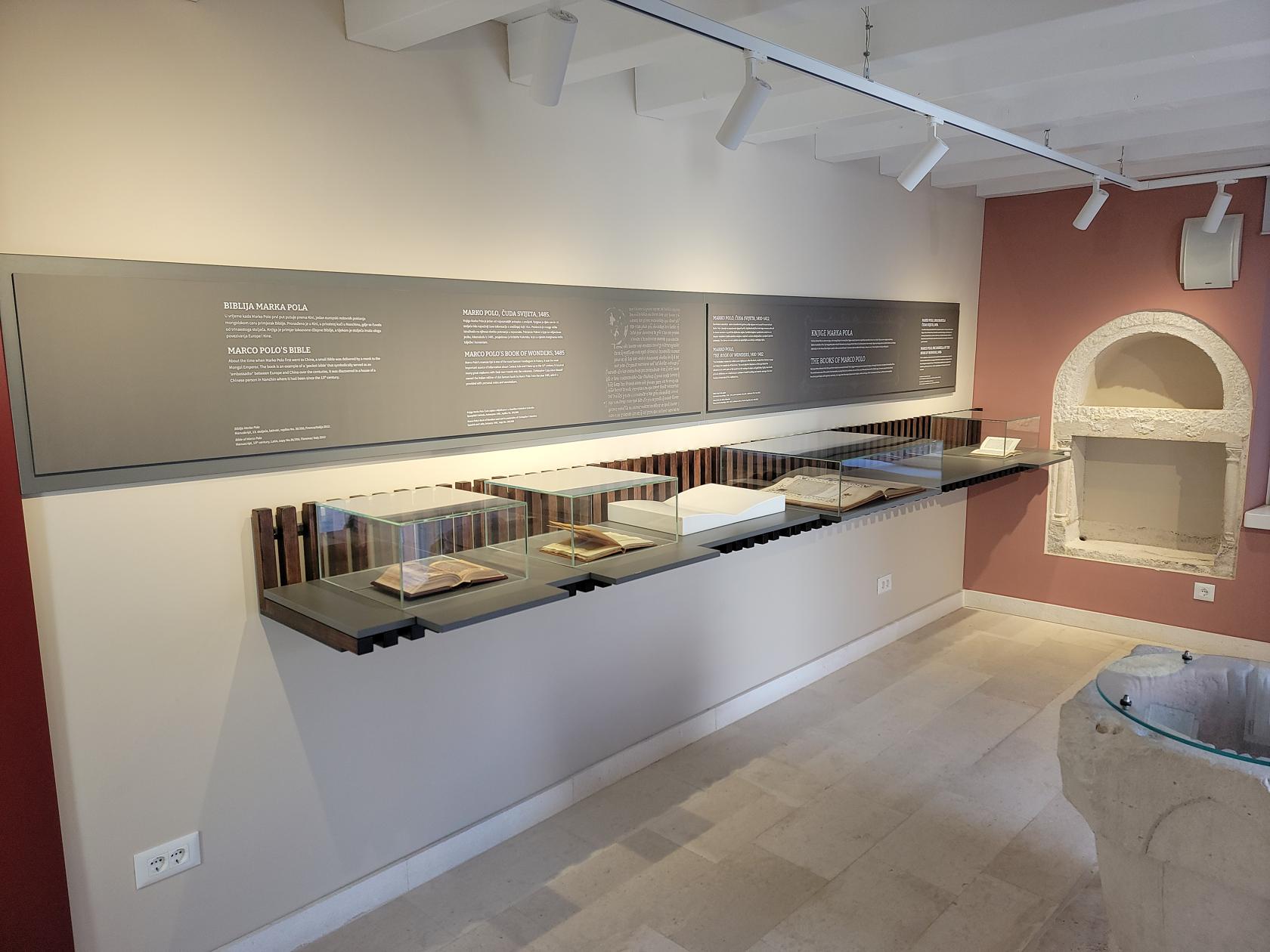
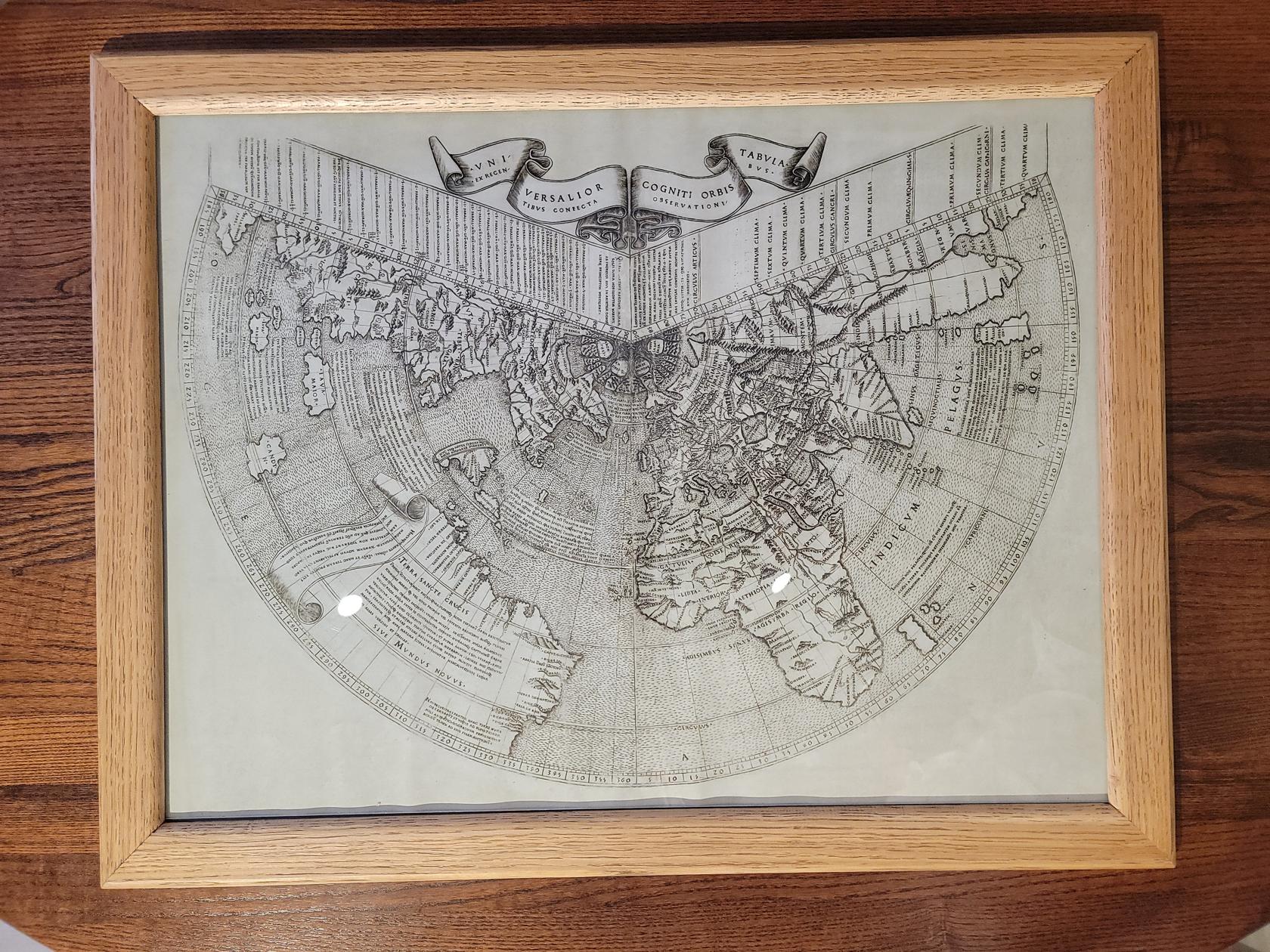
His long twenty-seven years journey into Asia is the central theme. Some of the artifacts are copies or replicas, but the genuine one are very interesting.
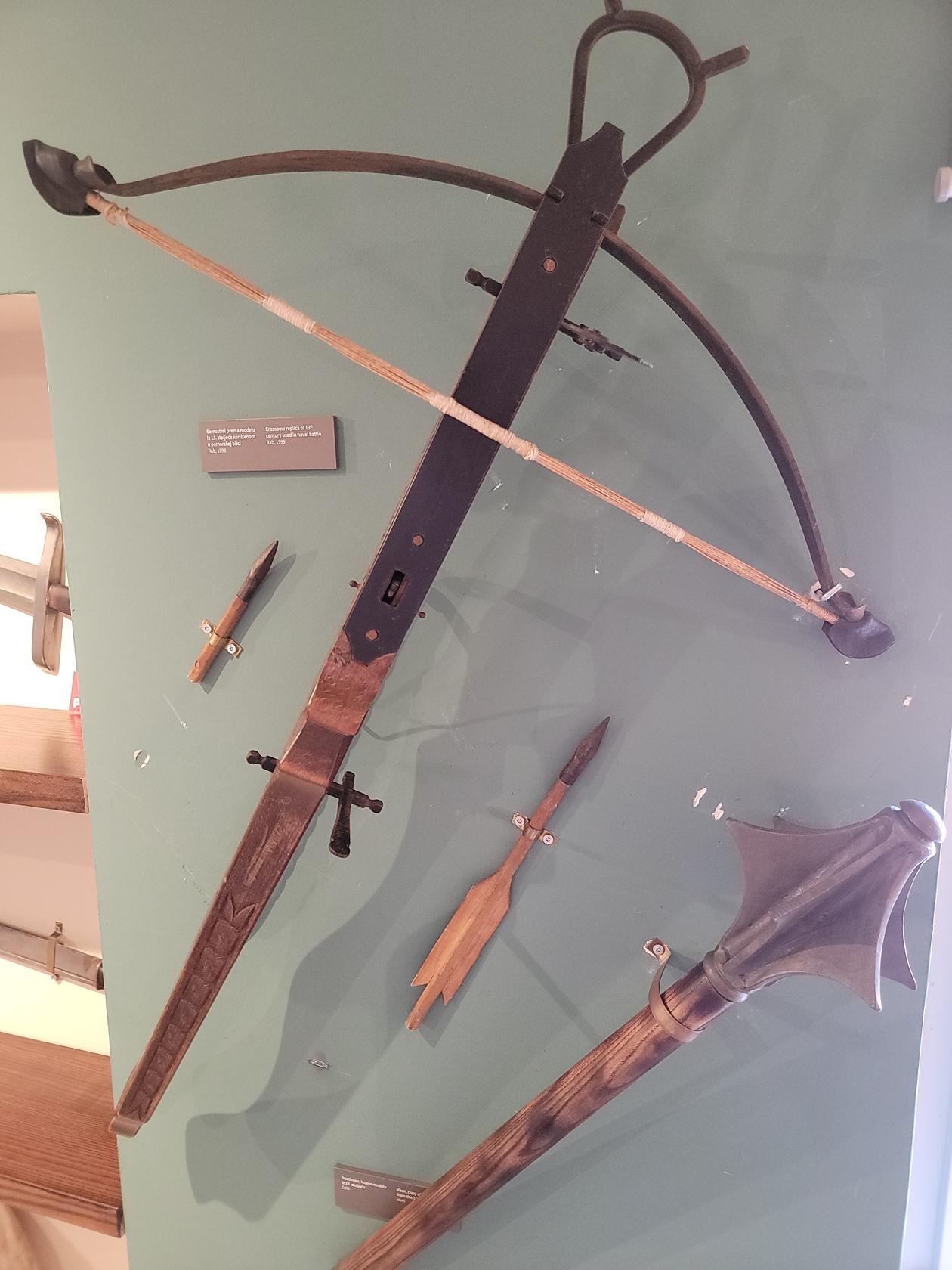
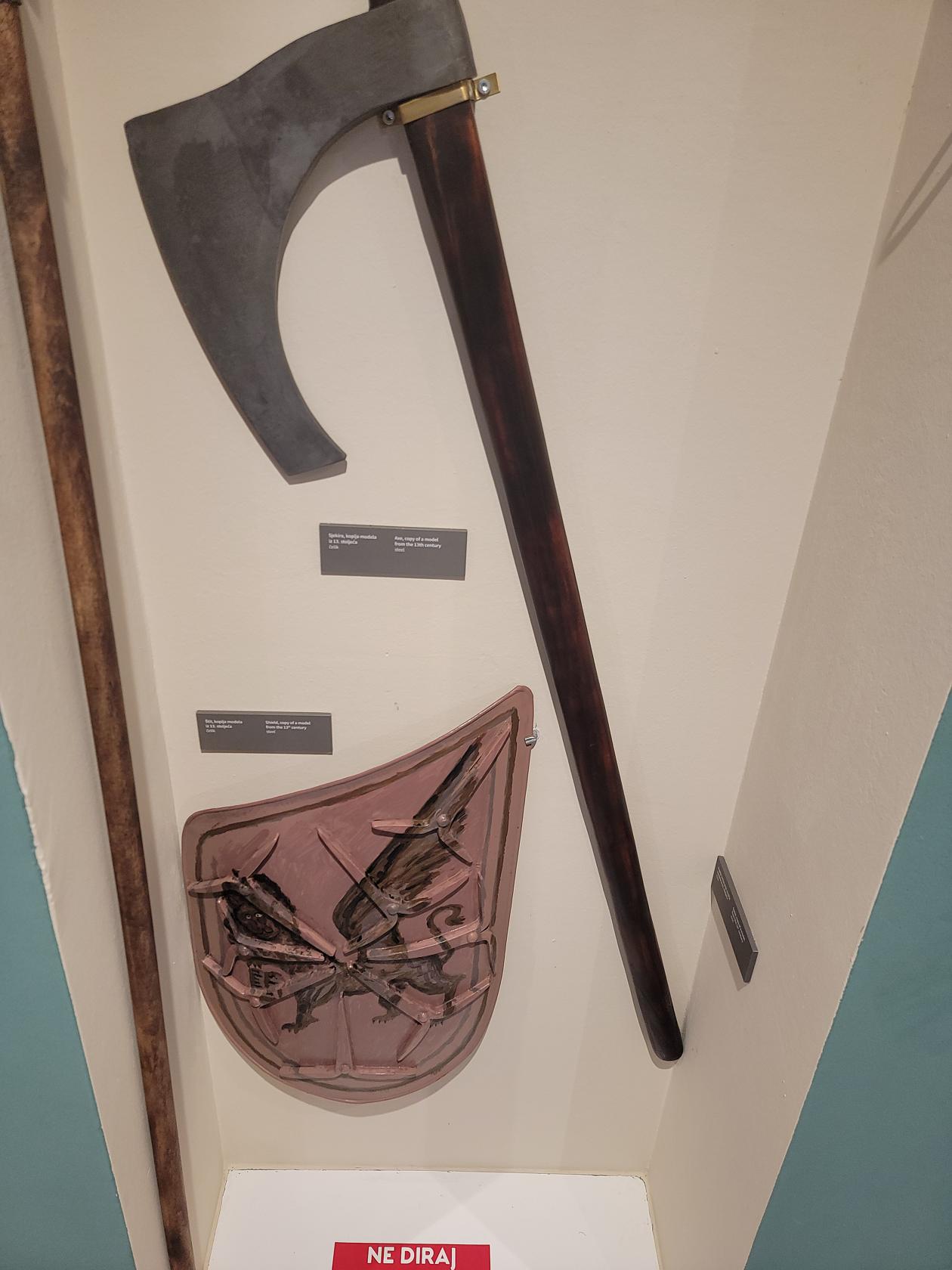
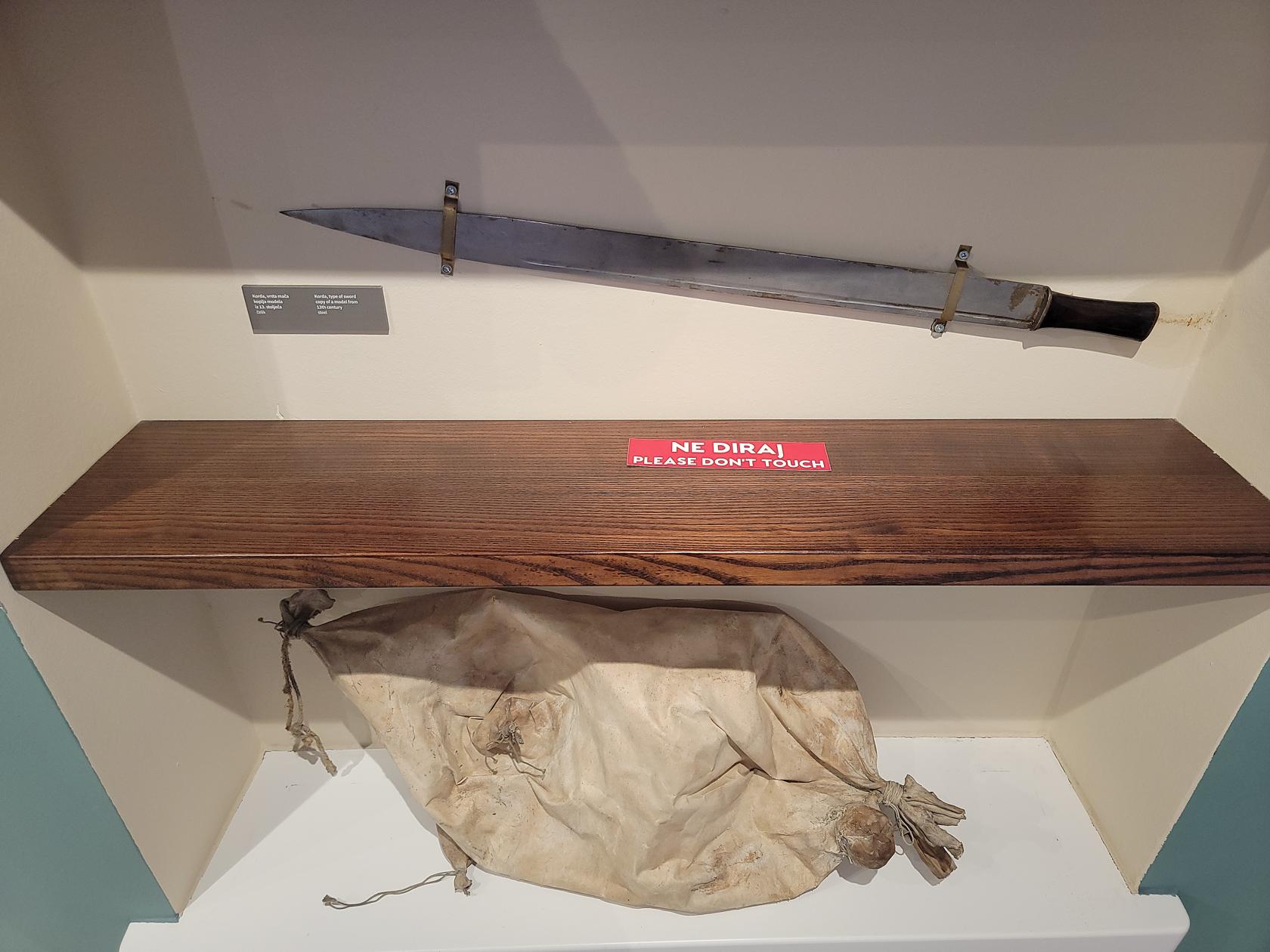
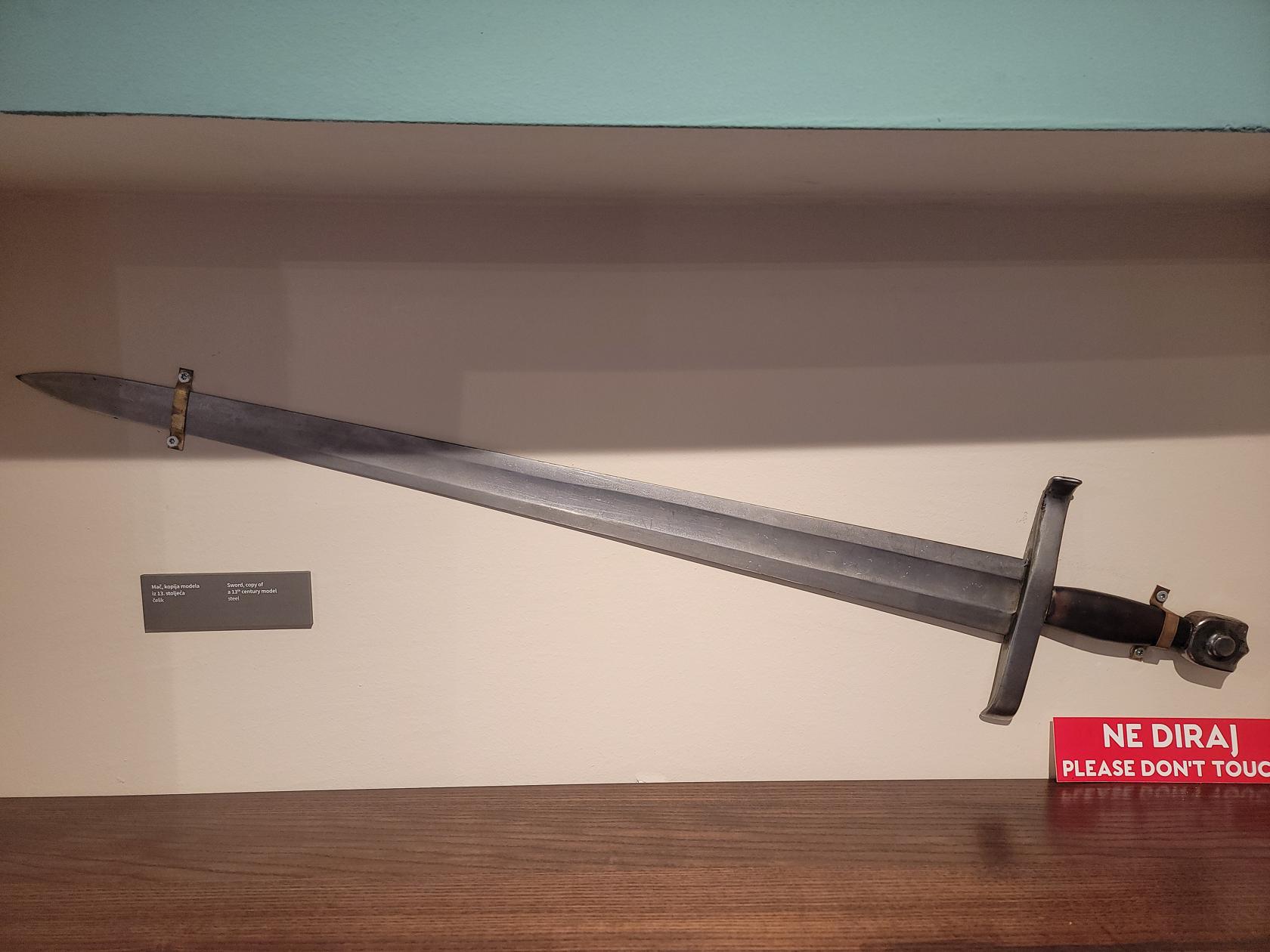
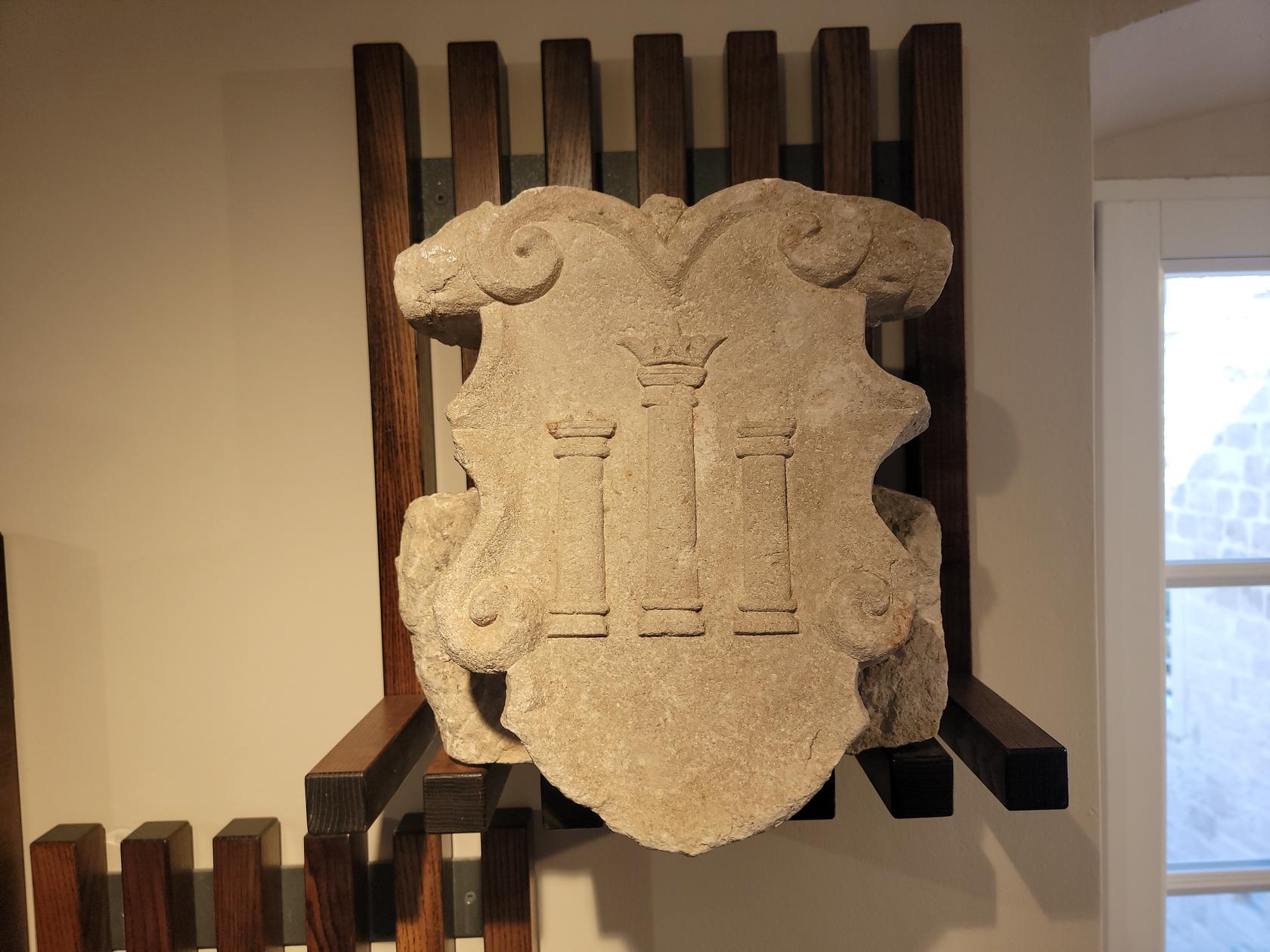
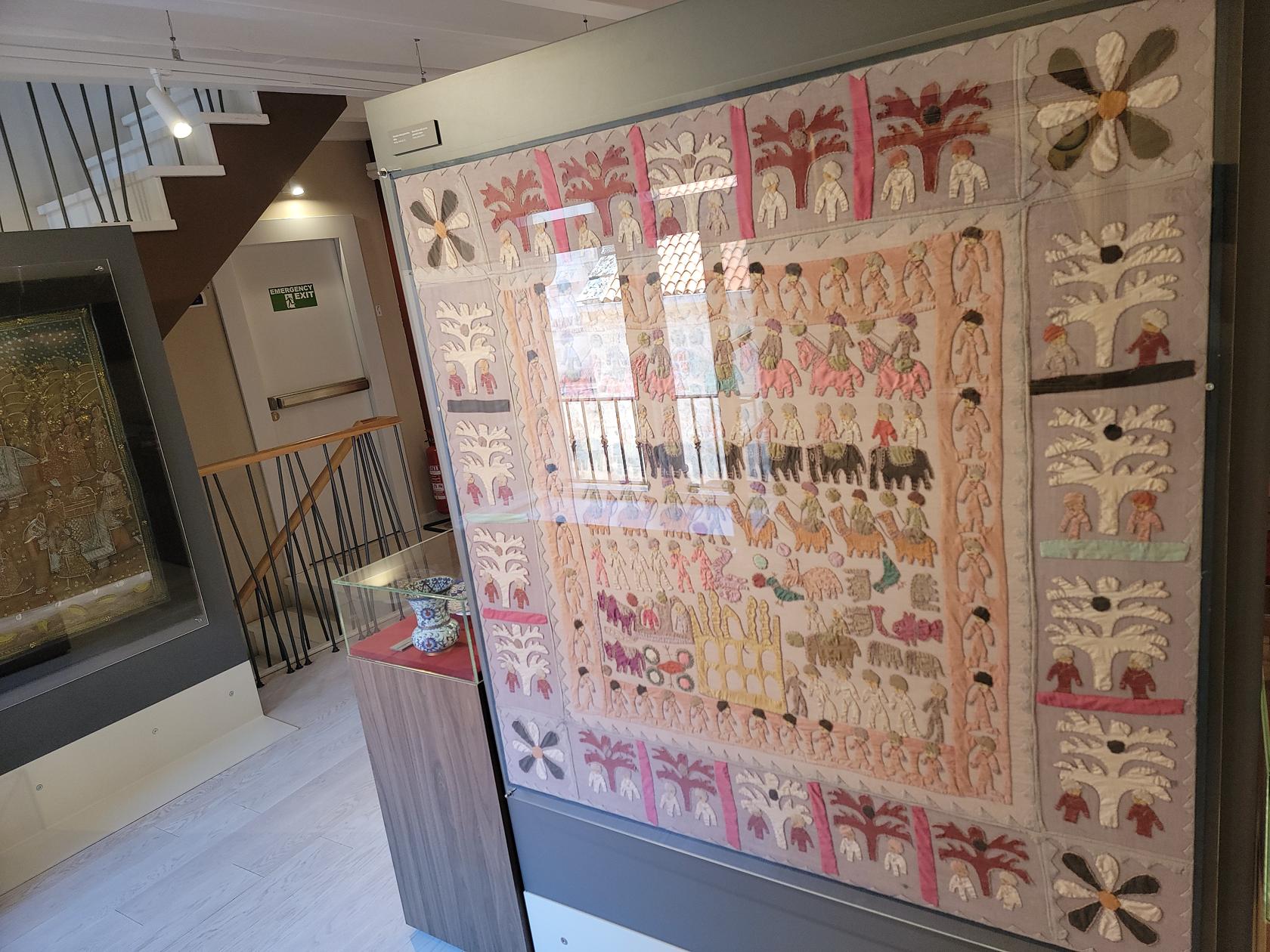
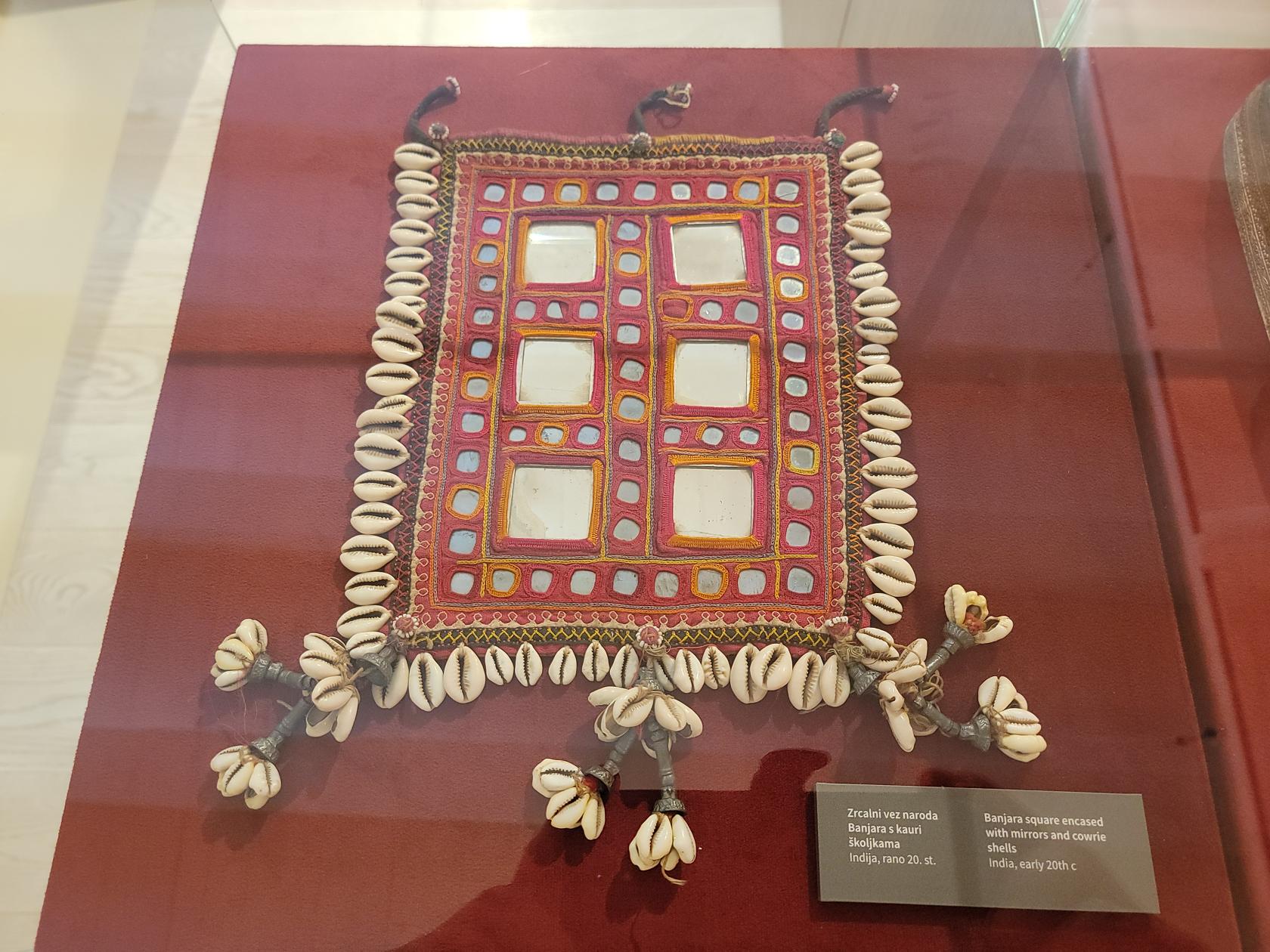
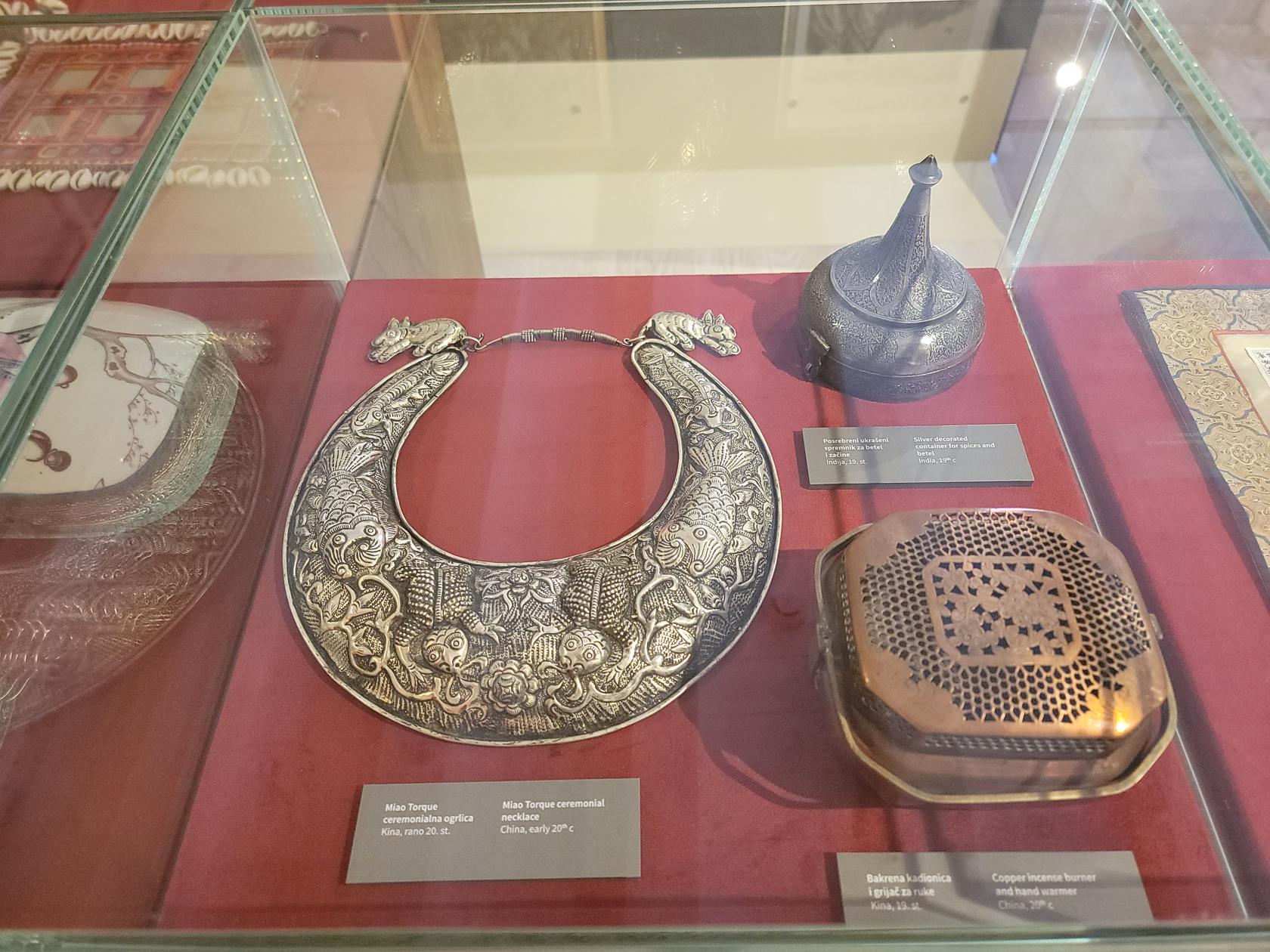
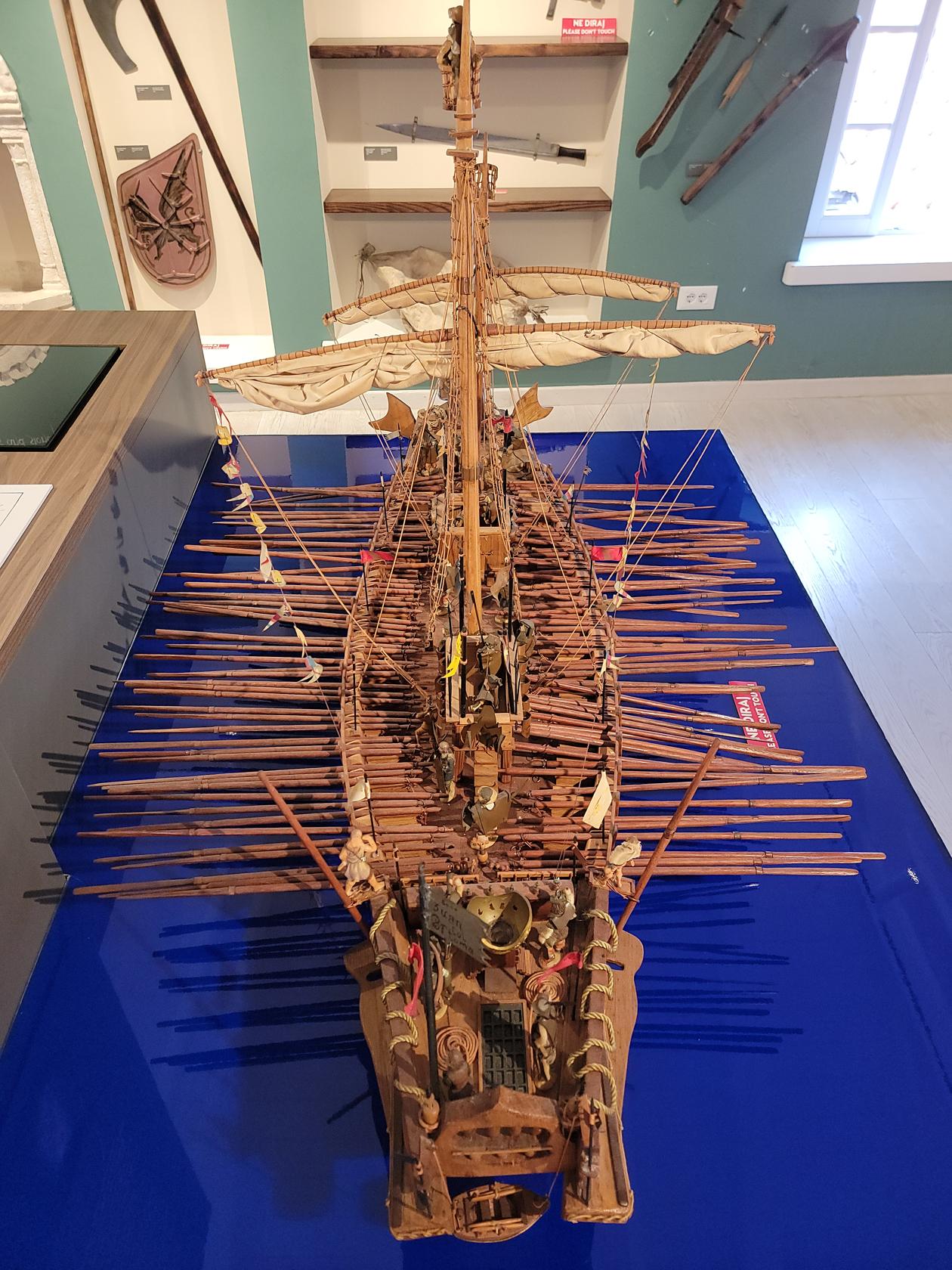
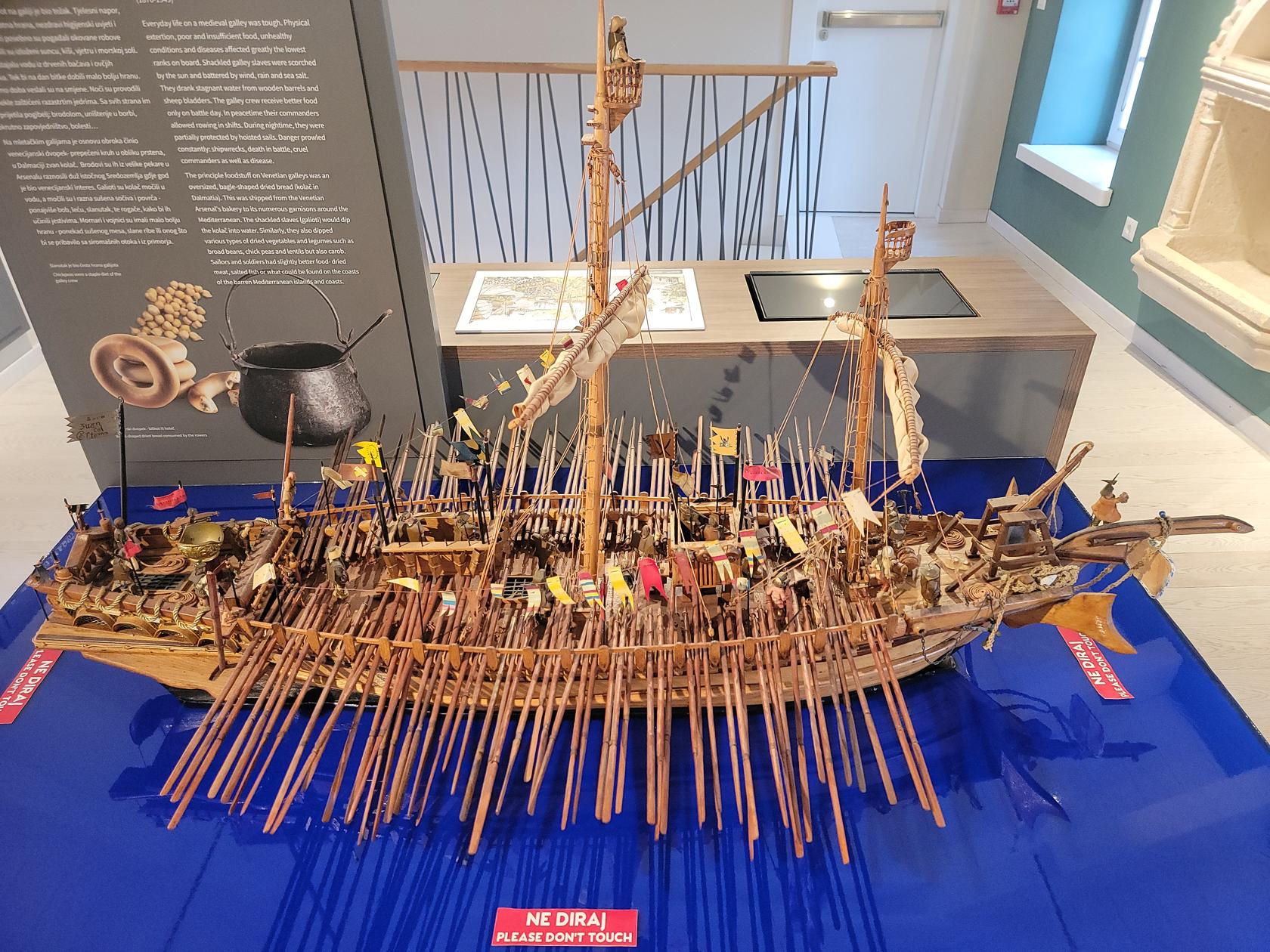
Of special interest were the model boat, a replica used in his travels, as well as assorted maps and other forms of reference used during the adventure.
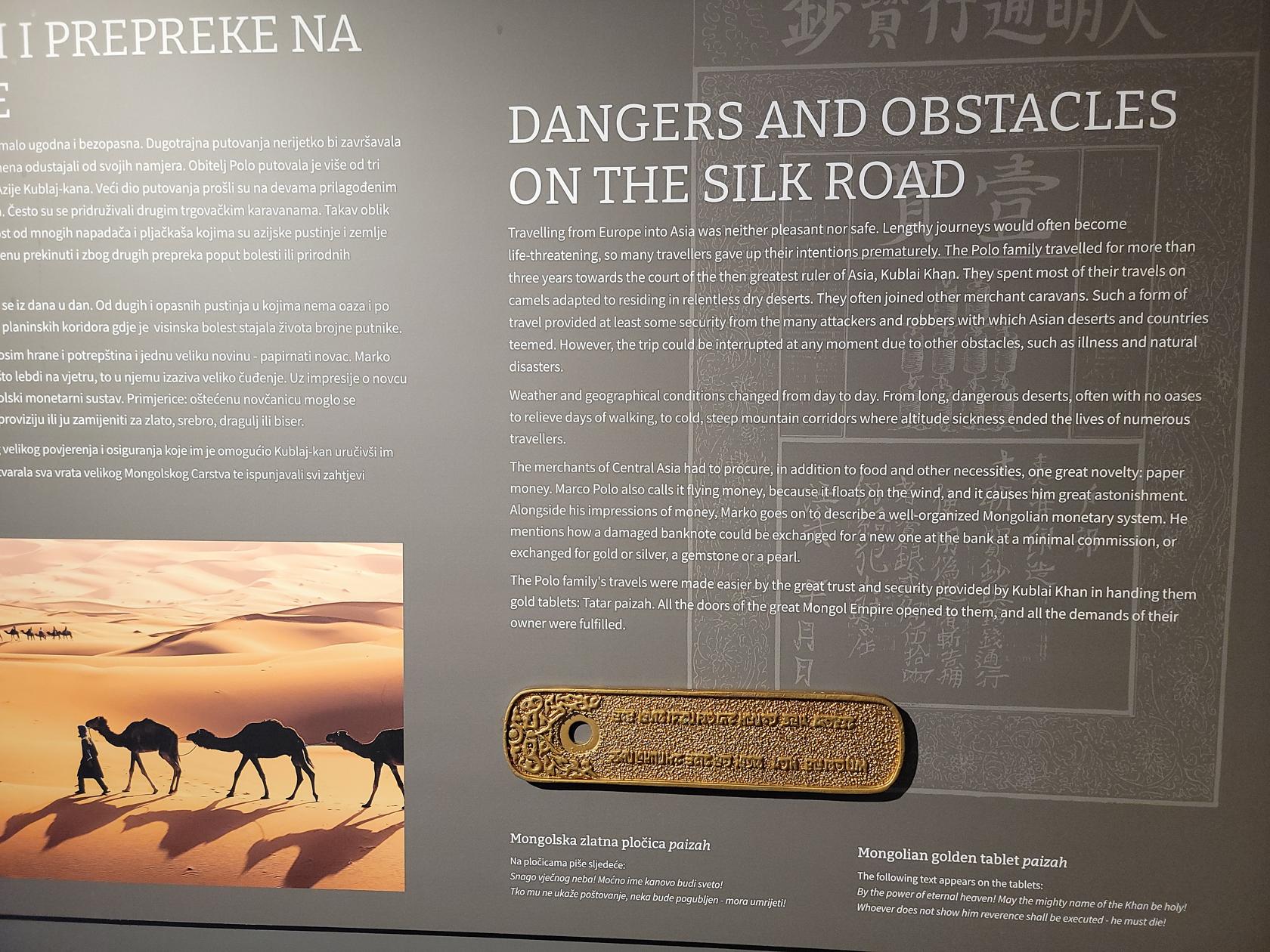
One special artifact is that of the Tablet that Kubla Khan had given his company for safe travel. It essentially gave them Carte Blanche through the countryside. Anyone interfering with them, risked Khan and his army descending upon them.
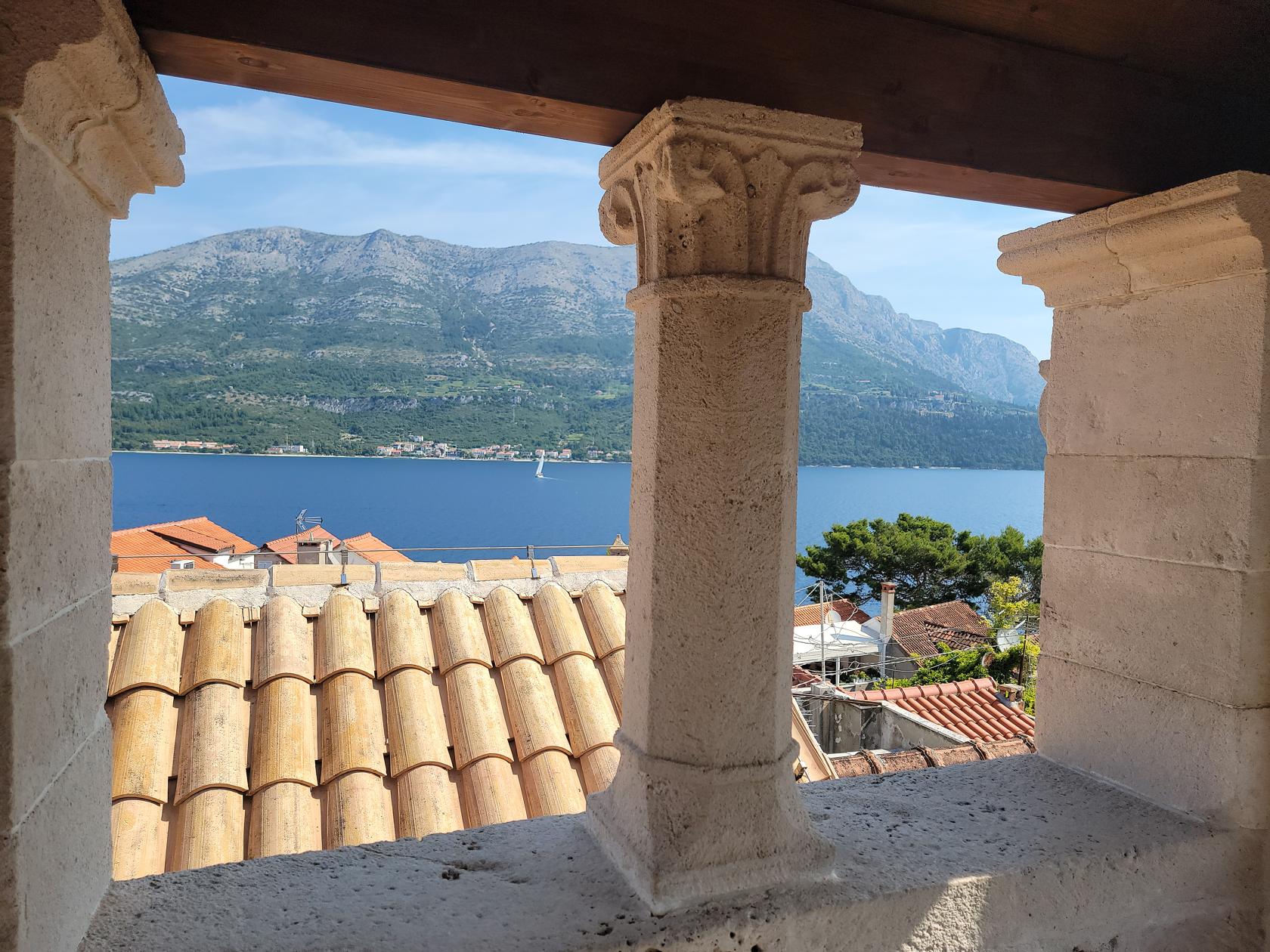
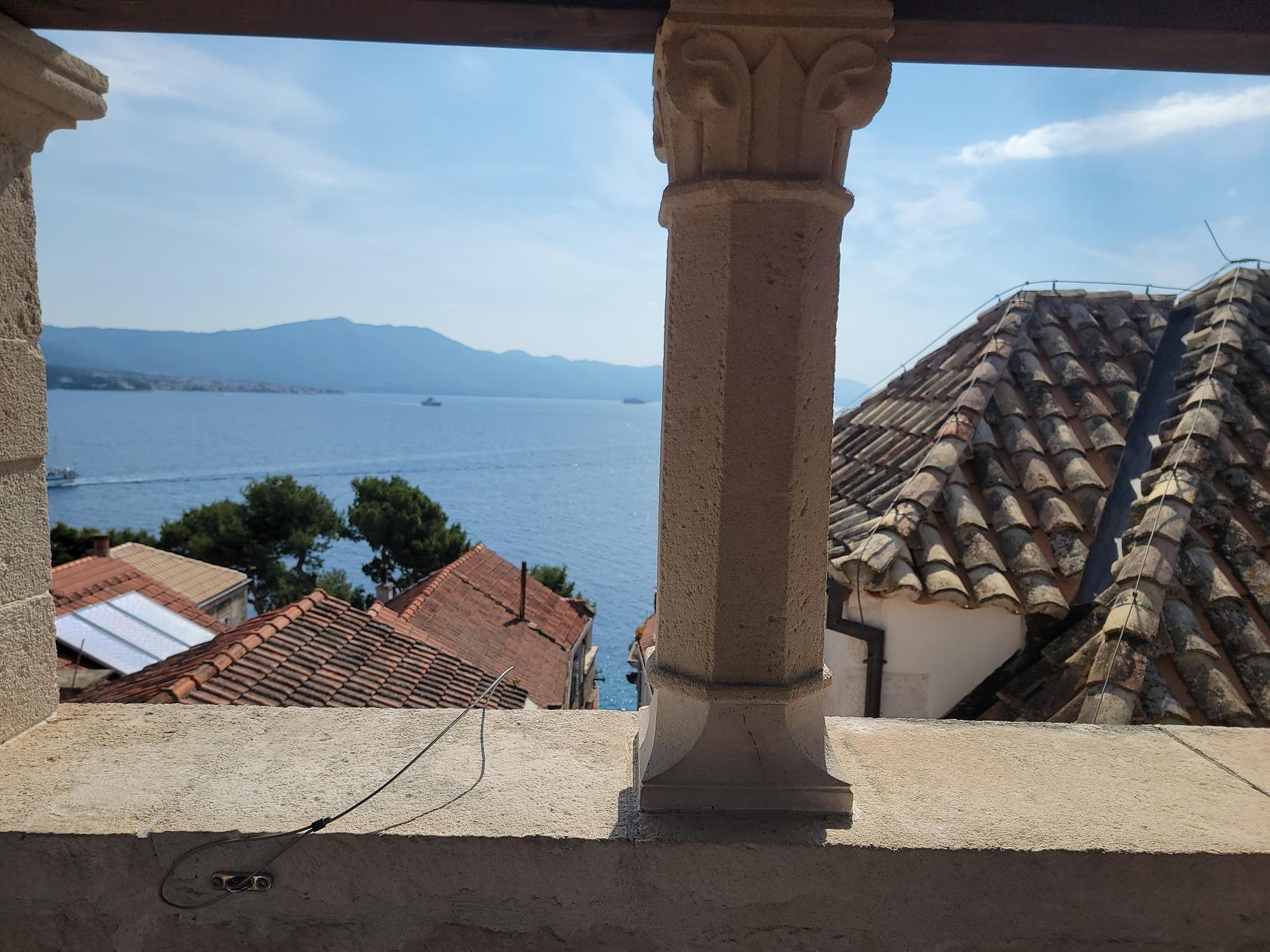
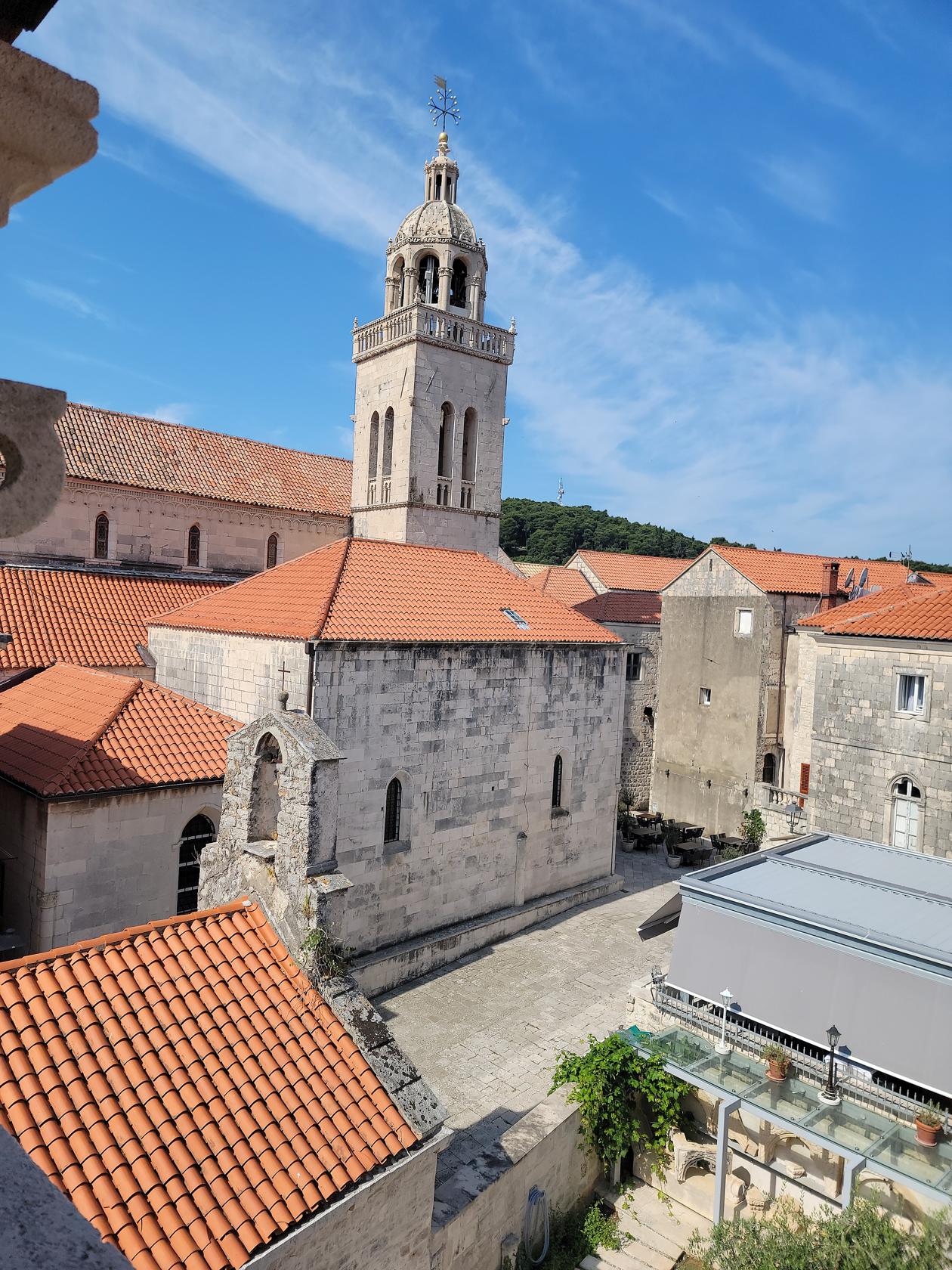
One of the last things to visit is the house tower, which commands a modest view of the surrounding area.
Churches and Cathedrals
There are a few churches in the town and one cathedral of importance. The people who live in the town are very religious and masses are well attended on the weekends, especially during holidays.
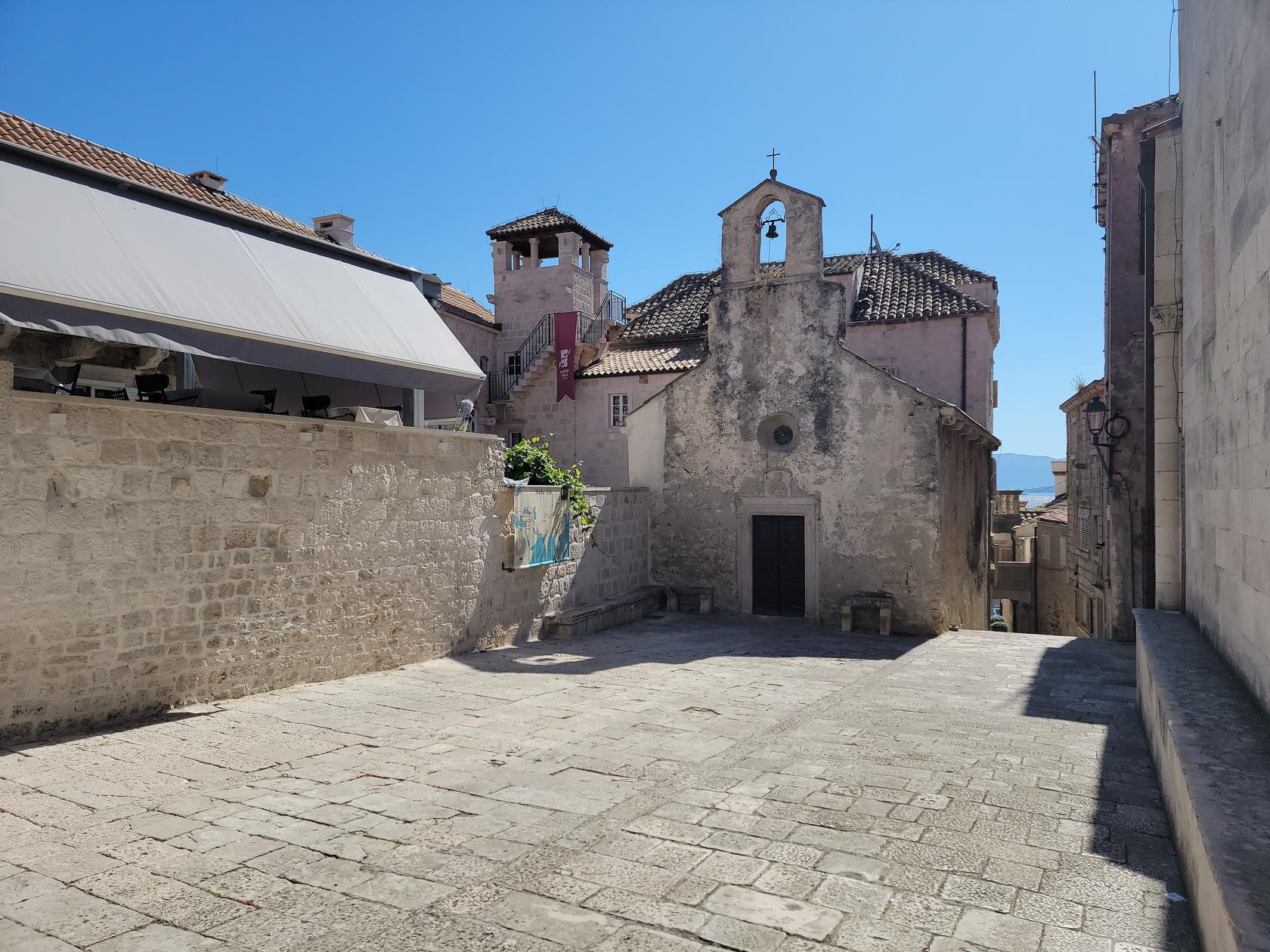
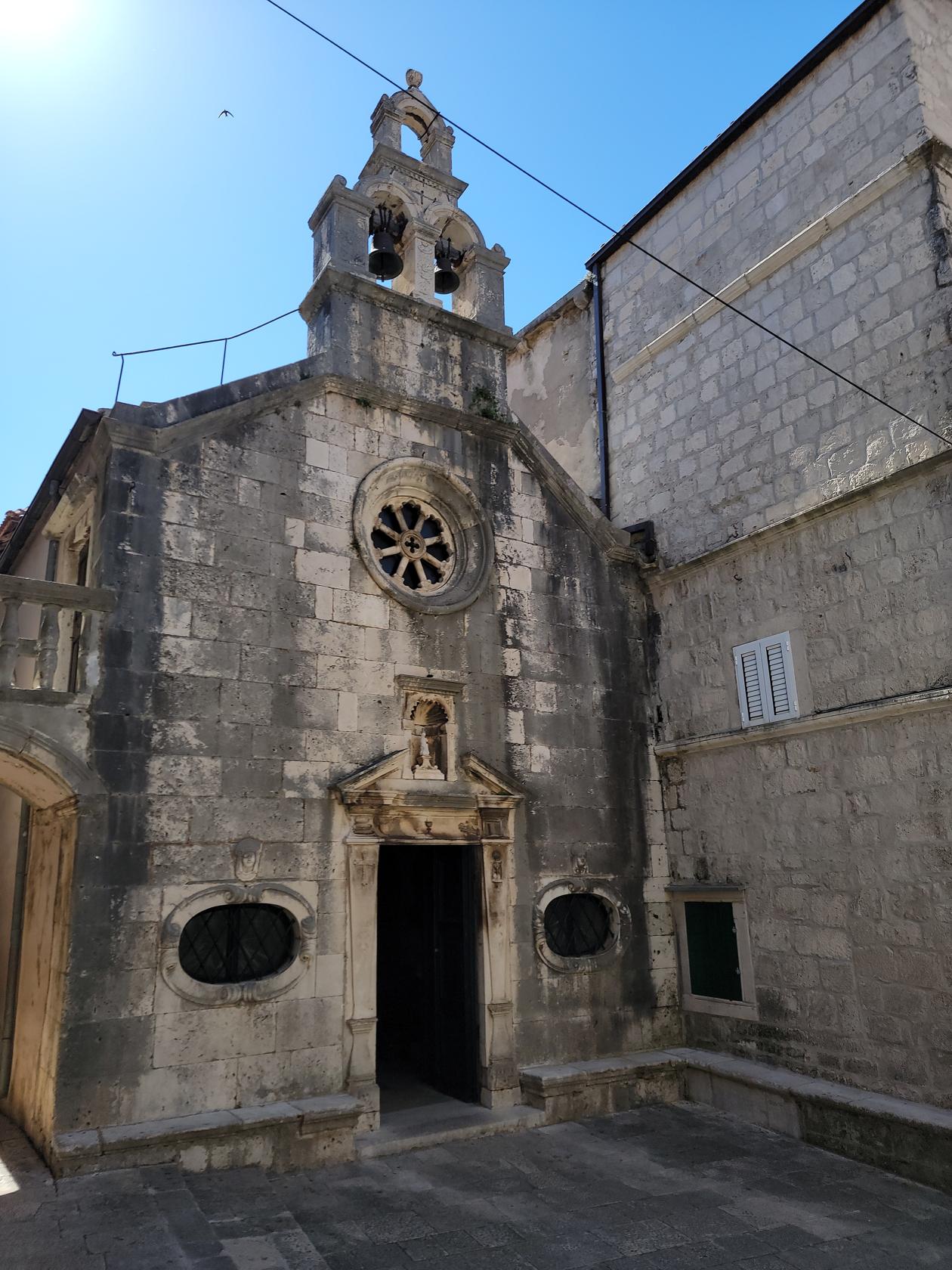
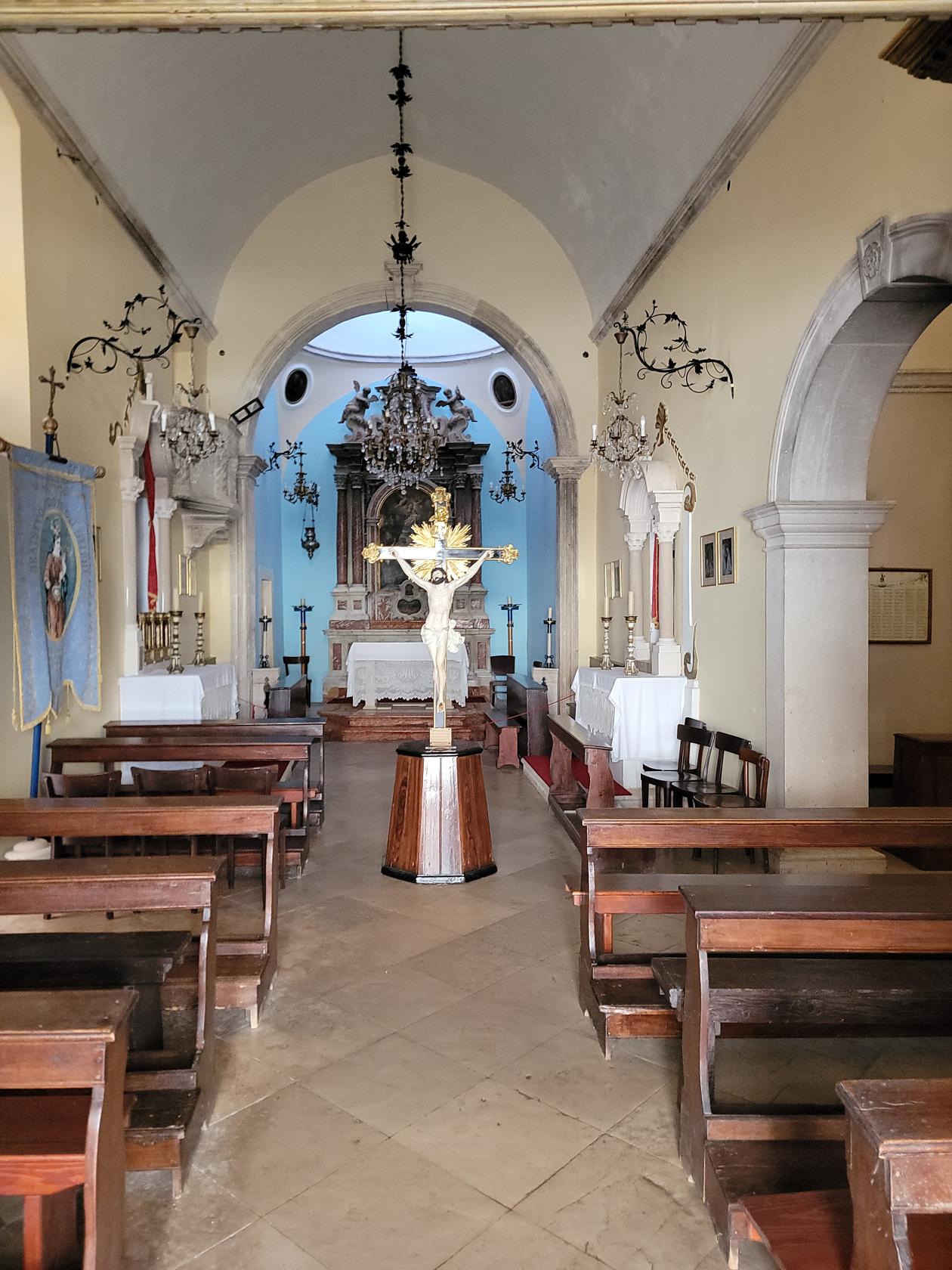
Church of Saint Michael
Modest from the outside and equally so inside, this church is emblematic of its worshippers’ devotion to their faith. The church’s centerpiece is Christ on the Cross.
Saint Mark’s Cathedral
A remarkably simple example of a Romanesque-Gothic Cathedral on the small island, but no less important is Saint Mark’s. It is central to the town and is noteworthy. Visitors are required to wear respectful clothing, no shorts or inappropriate clothing is allowed, so dress accordingly.
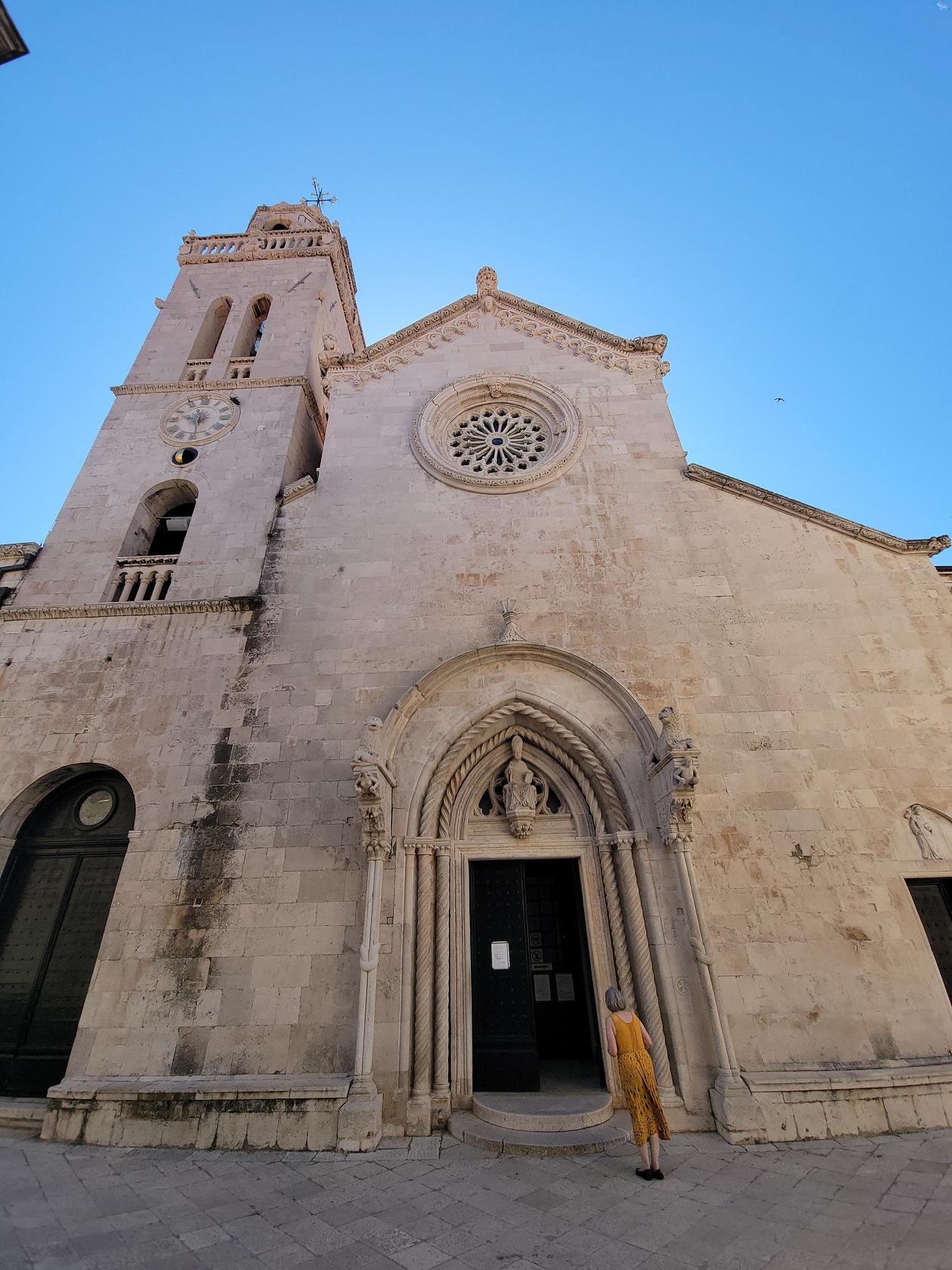
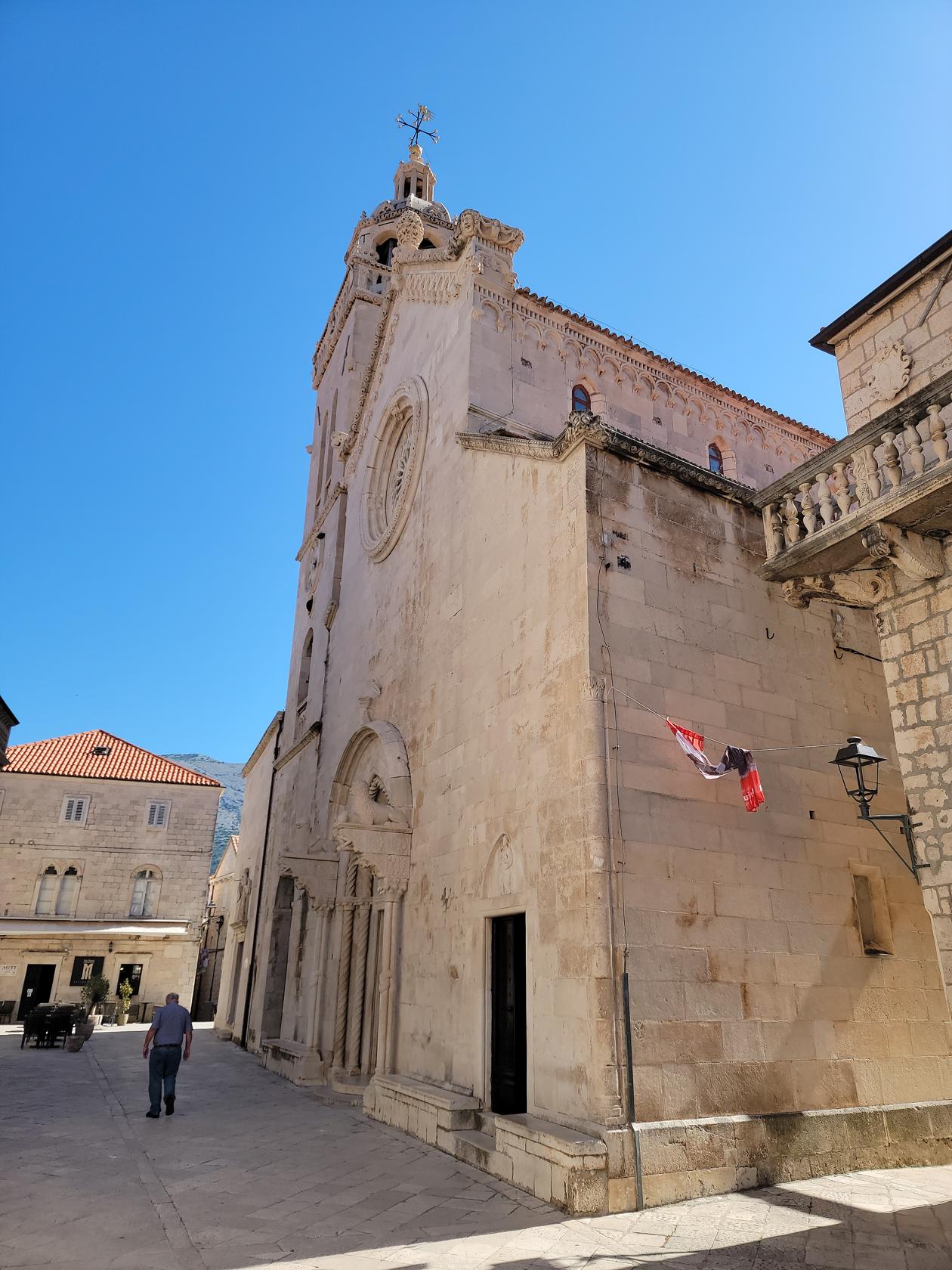
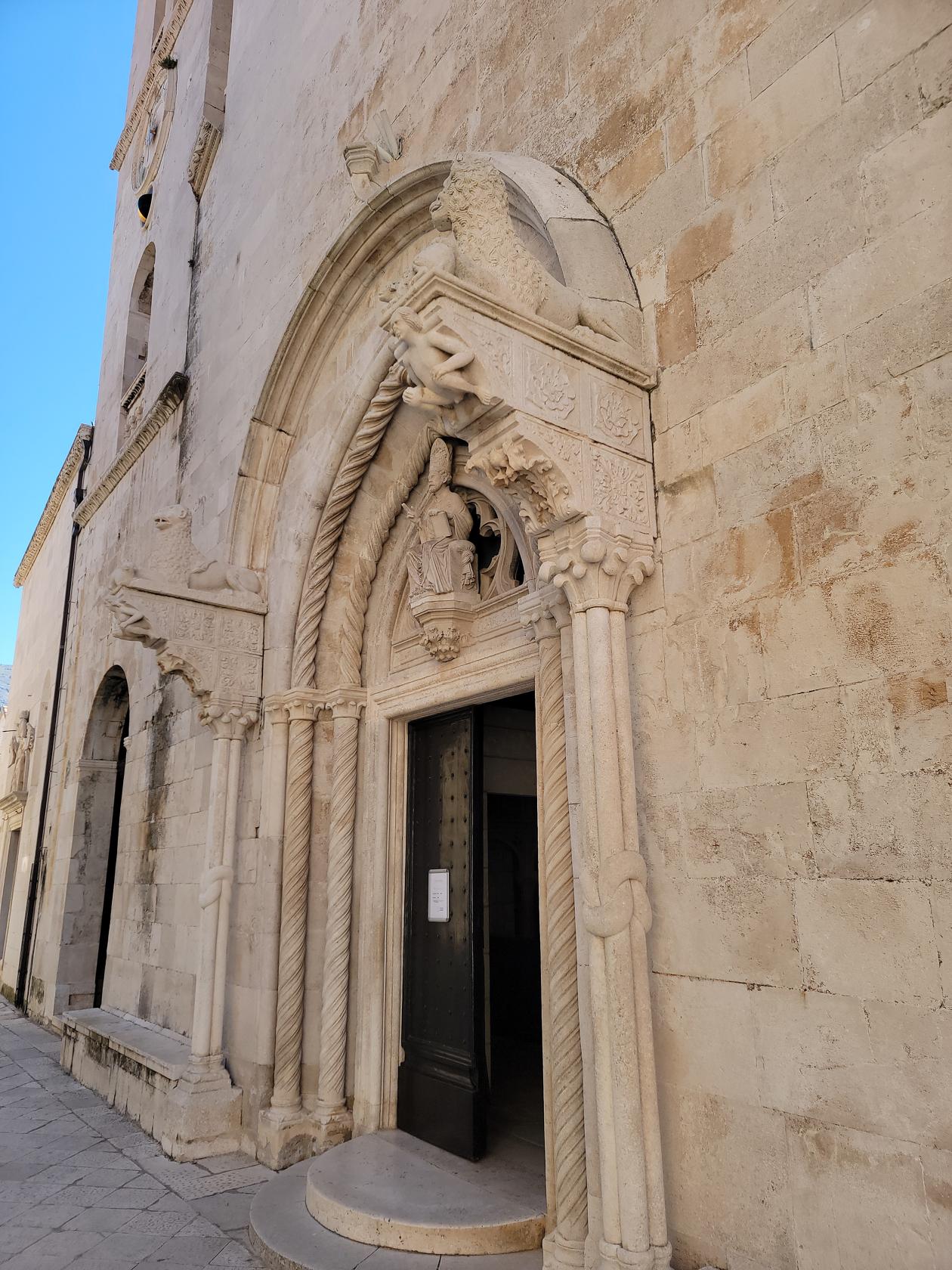
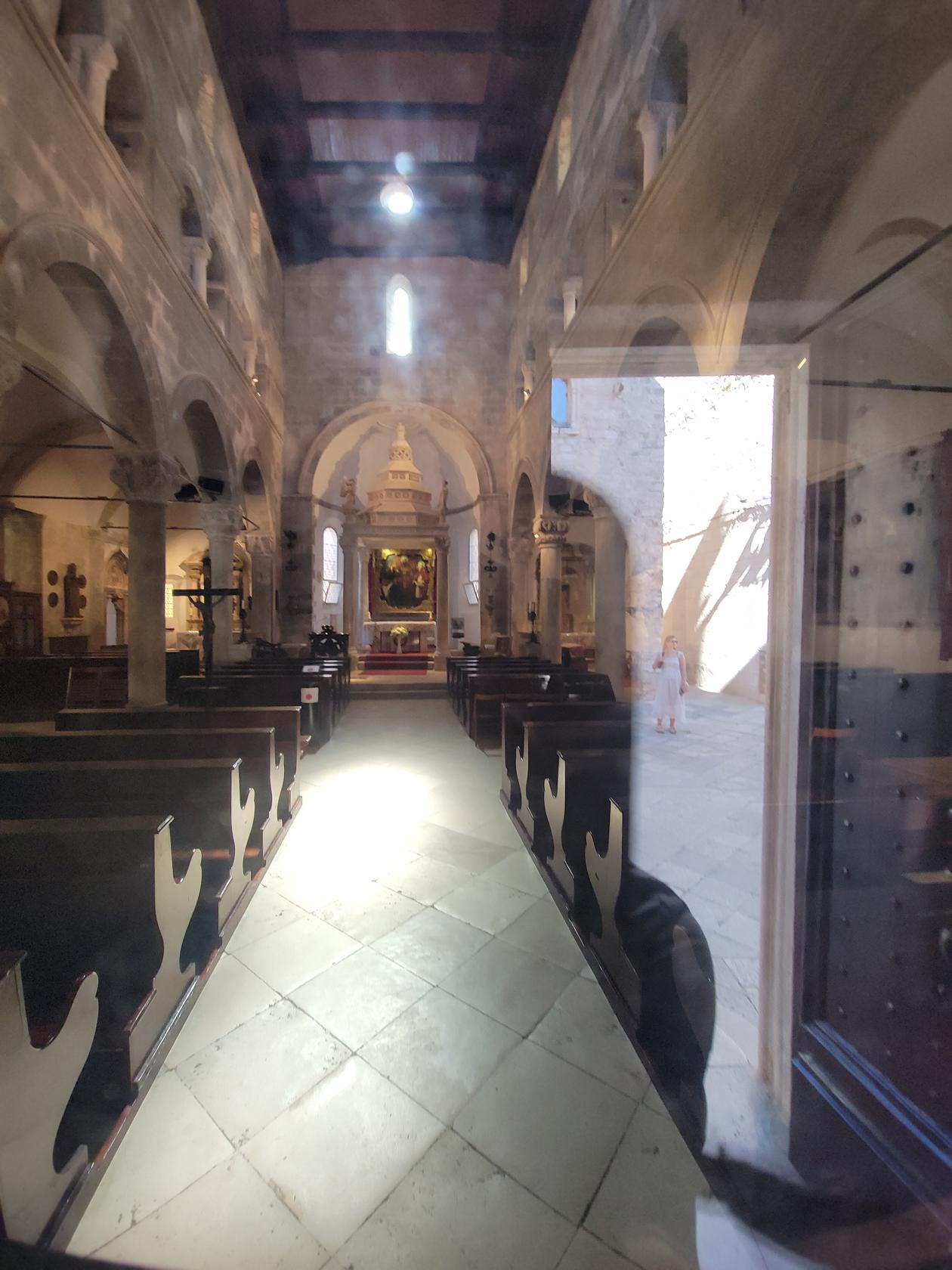
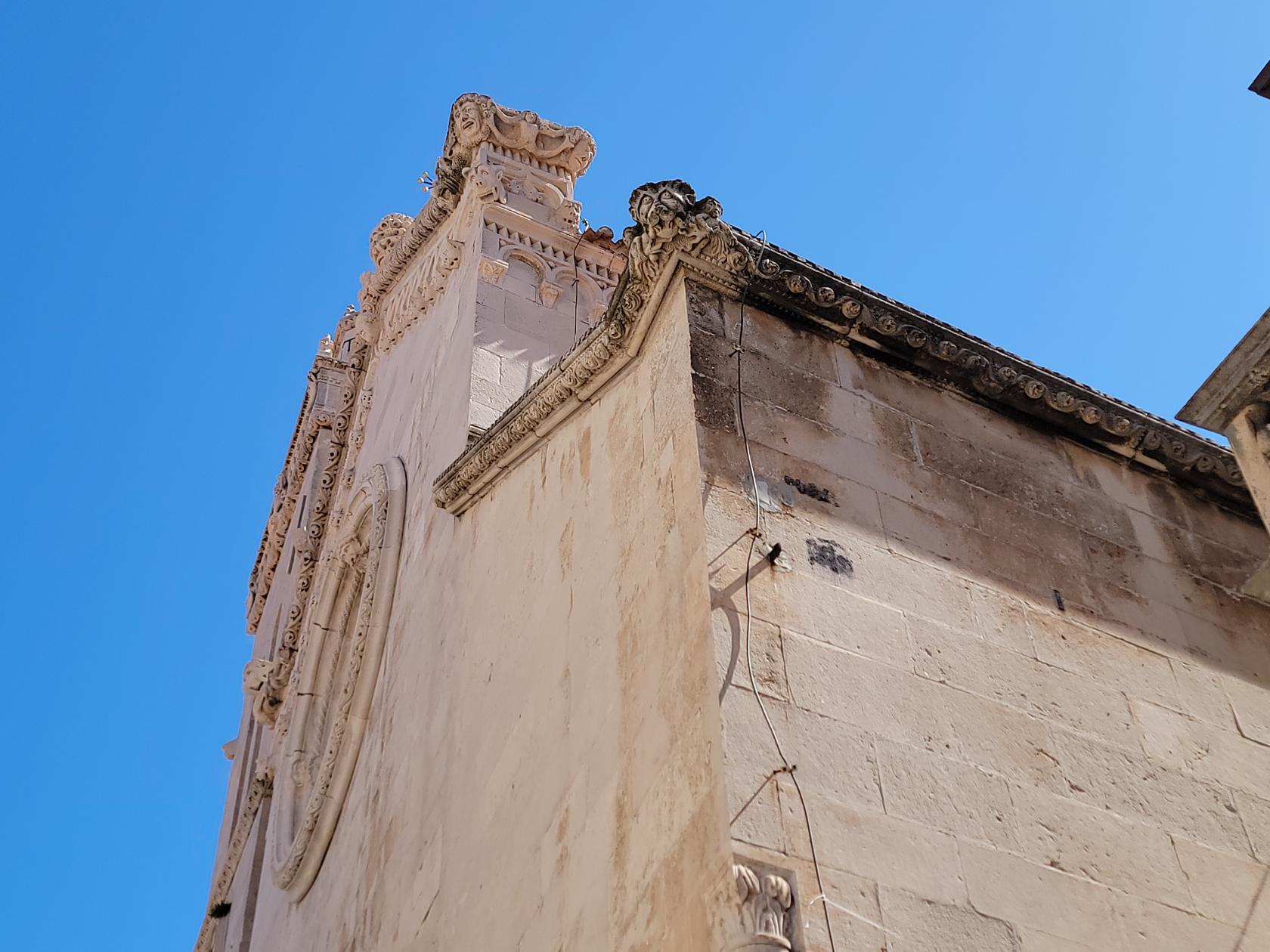
The cathedral has some very interesting eavestroughs and other architectural tidbits that any visitor, with some time on their hands, may explore. The interior layout is typical, even though a bit simple.
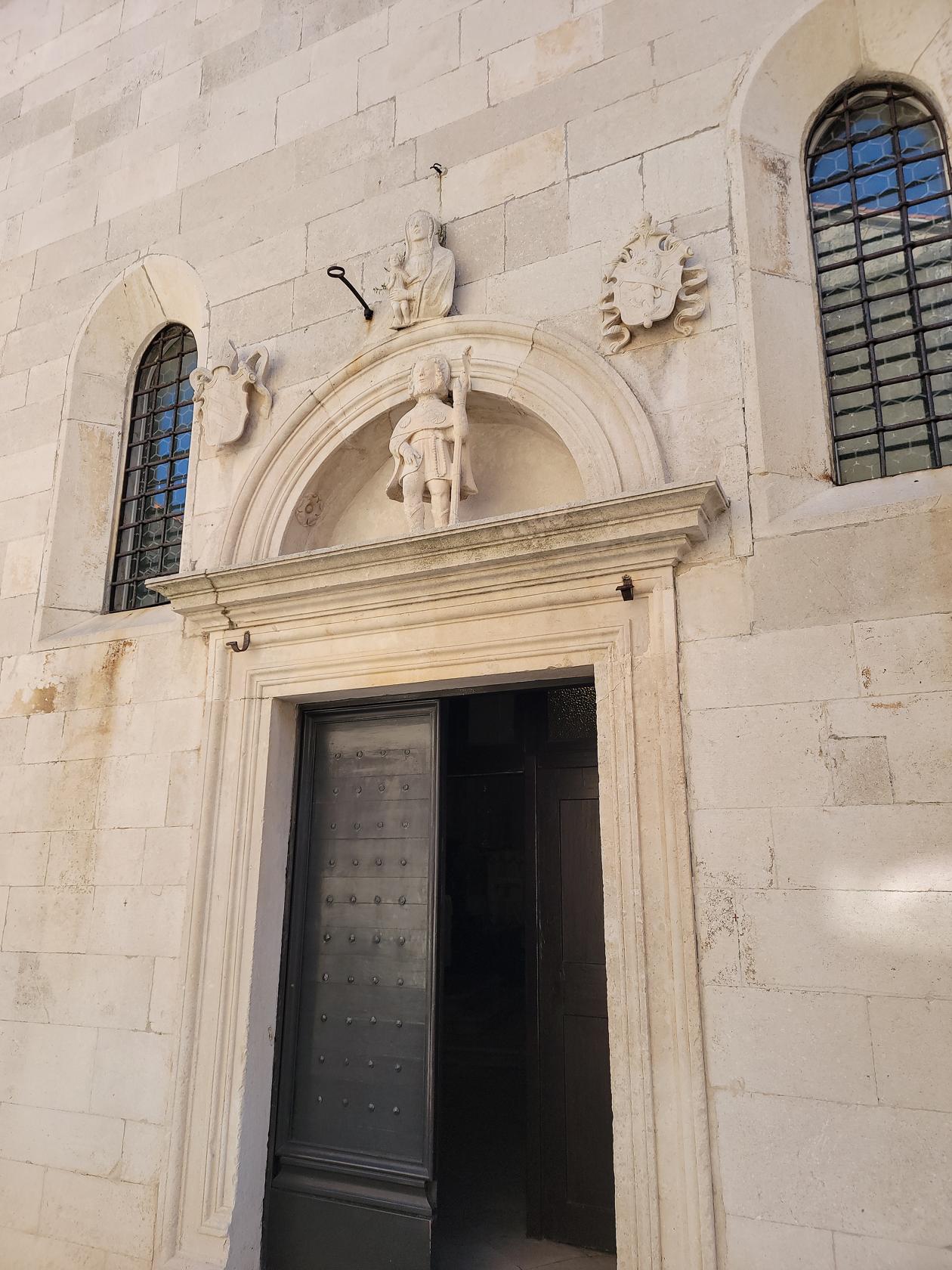
Attached to the left of the cathedral is a side chapel, which is a bit more elaborate than that of the cathedral itself.
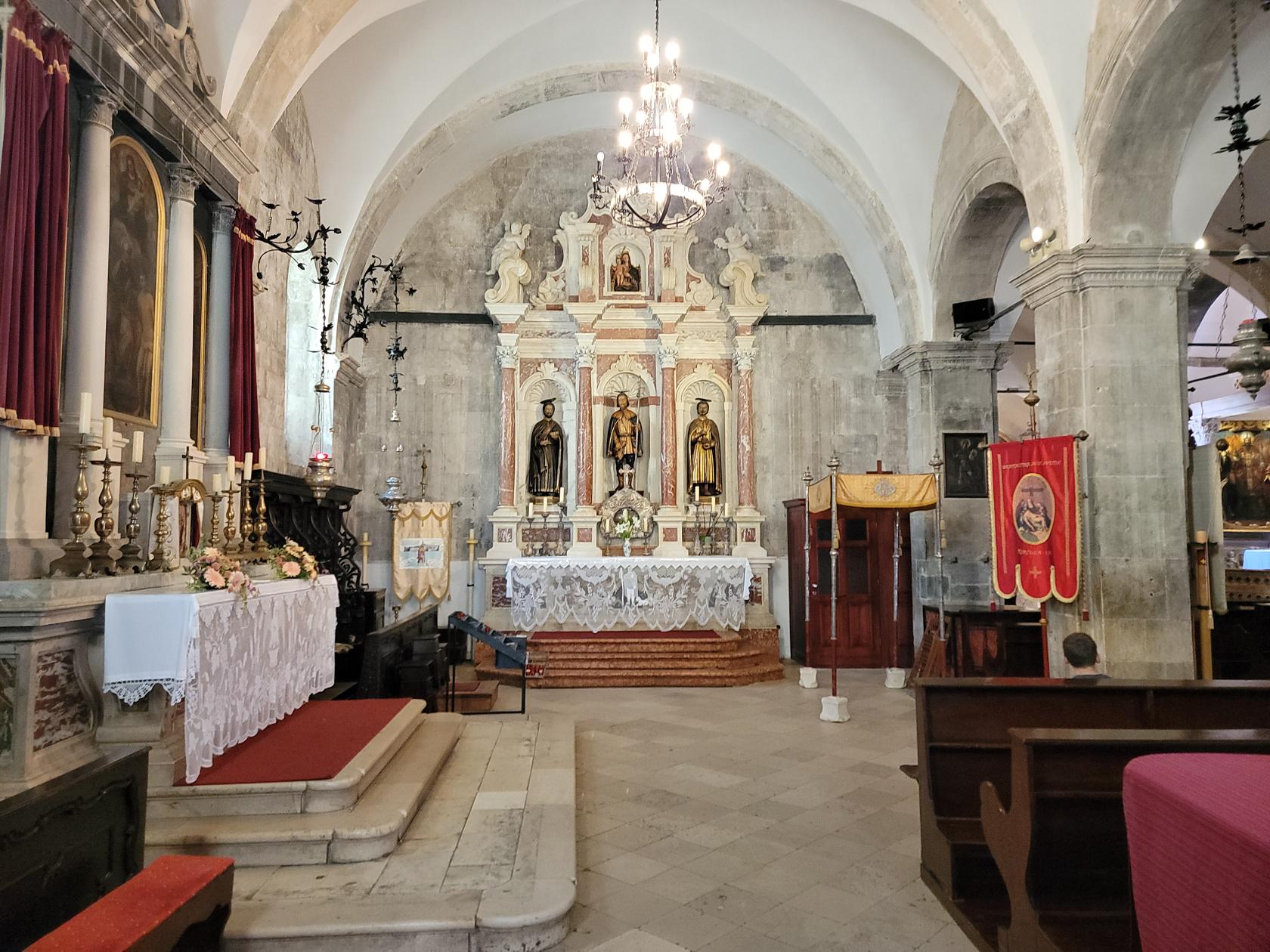
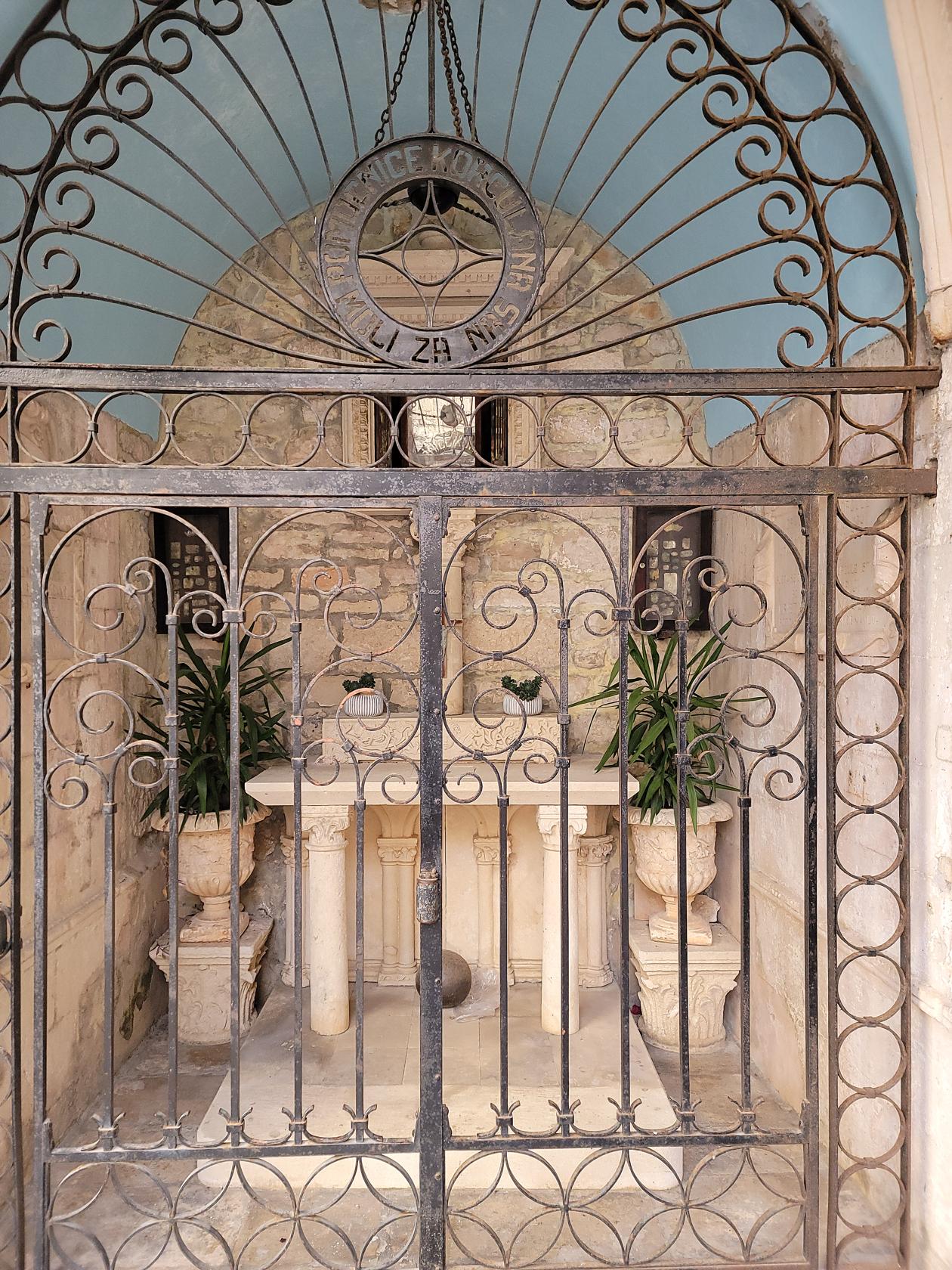
Chapel of Our Lady of the Snows
A small votive chapel directly after you enter the main gate and to the left. The Chapel of Our Lady of the Snows also commemorate Saint Bartholomew and the Battle of 1483. According to someone who transcribed the events of the battle between the Venetians and Genoese, Marco Polo was captured during the battle and later imprisoned.[1]It is actually unclear if he was captured at this battle, or a previous minor engagement at Laiazzo.
Restaurants
In some parts of Croatia, and especially Korčula, most of the restaurants go by Konoba. This is to denote thier Dalmation or Istrian heritage and may they take the form of cellar-like tavern or other small place that serves authentic local food. Most of them we found to be reasonably priced.
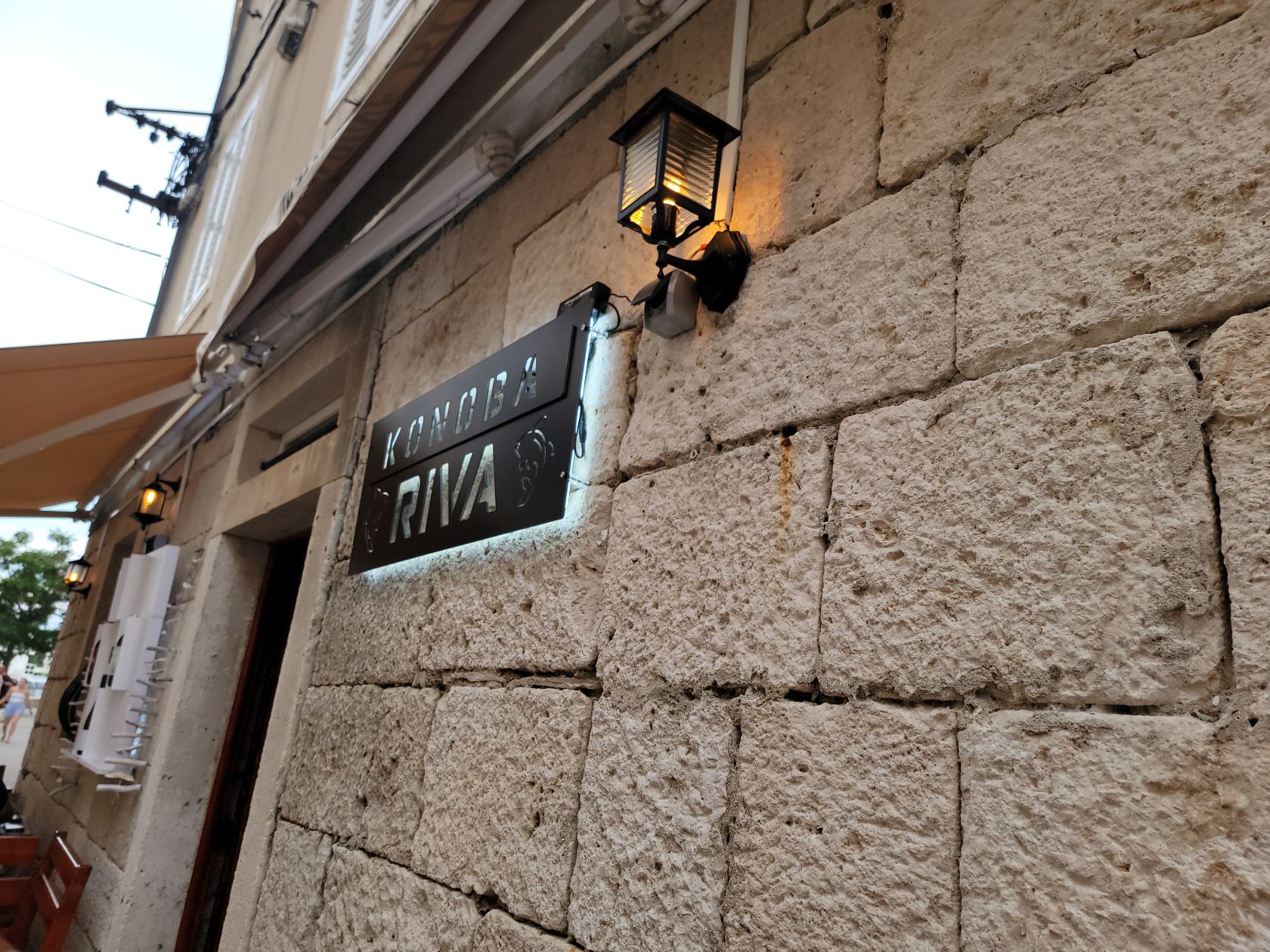
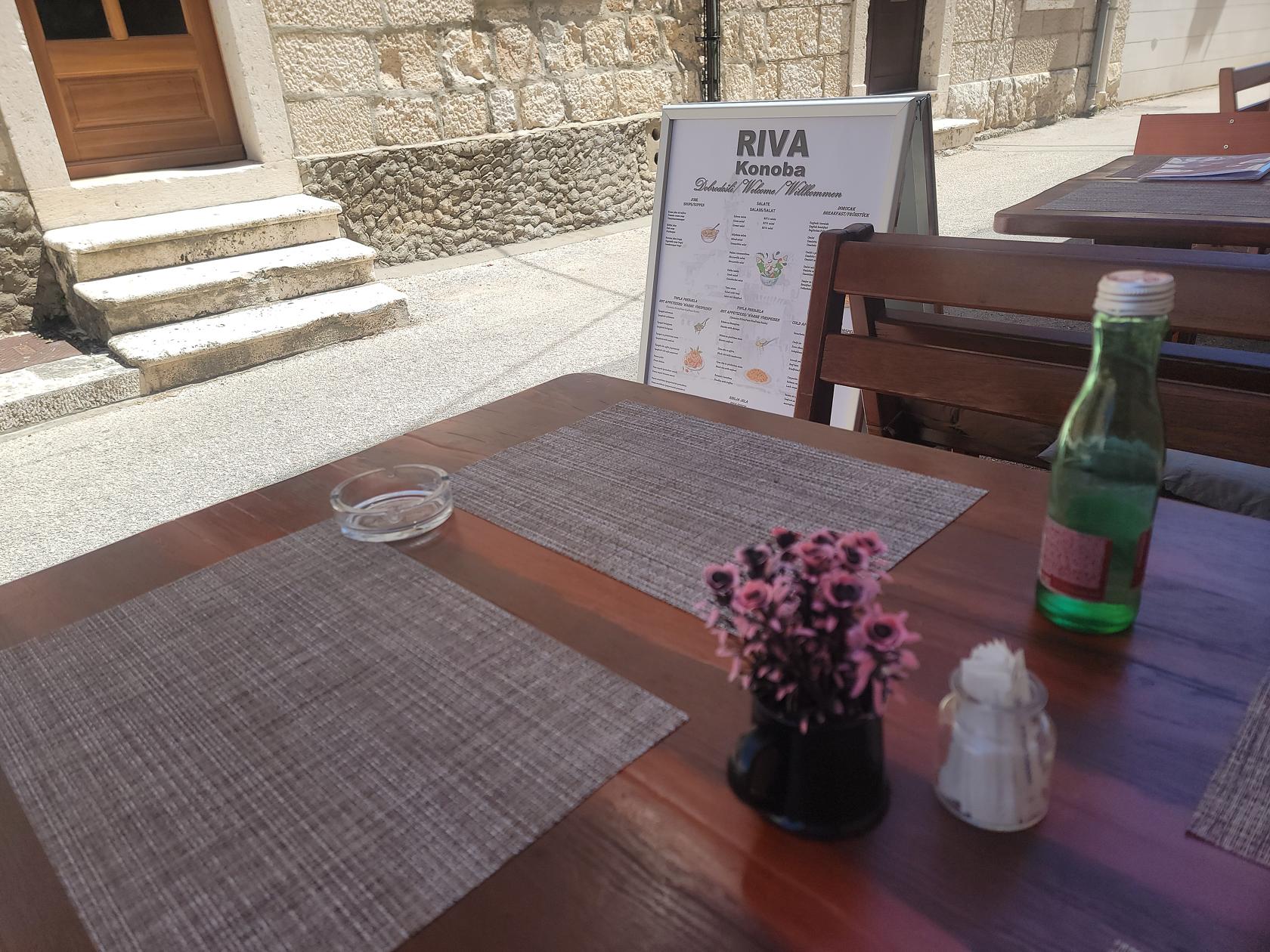
Konoba Riva
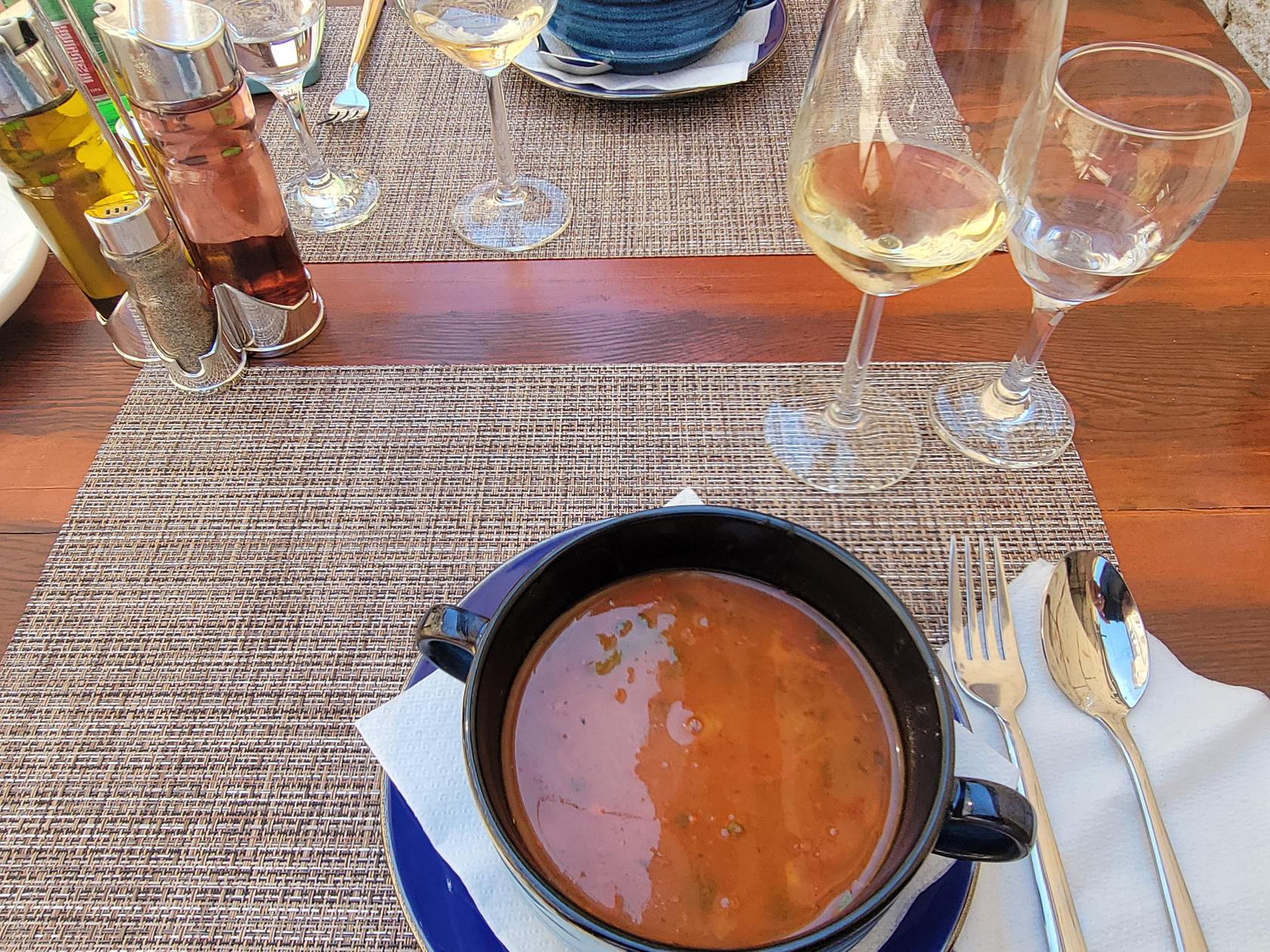
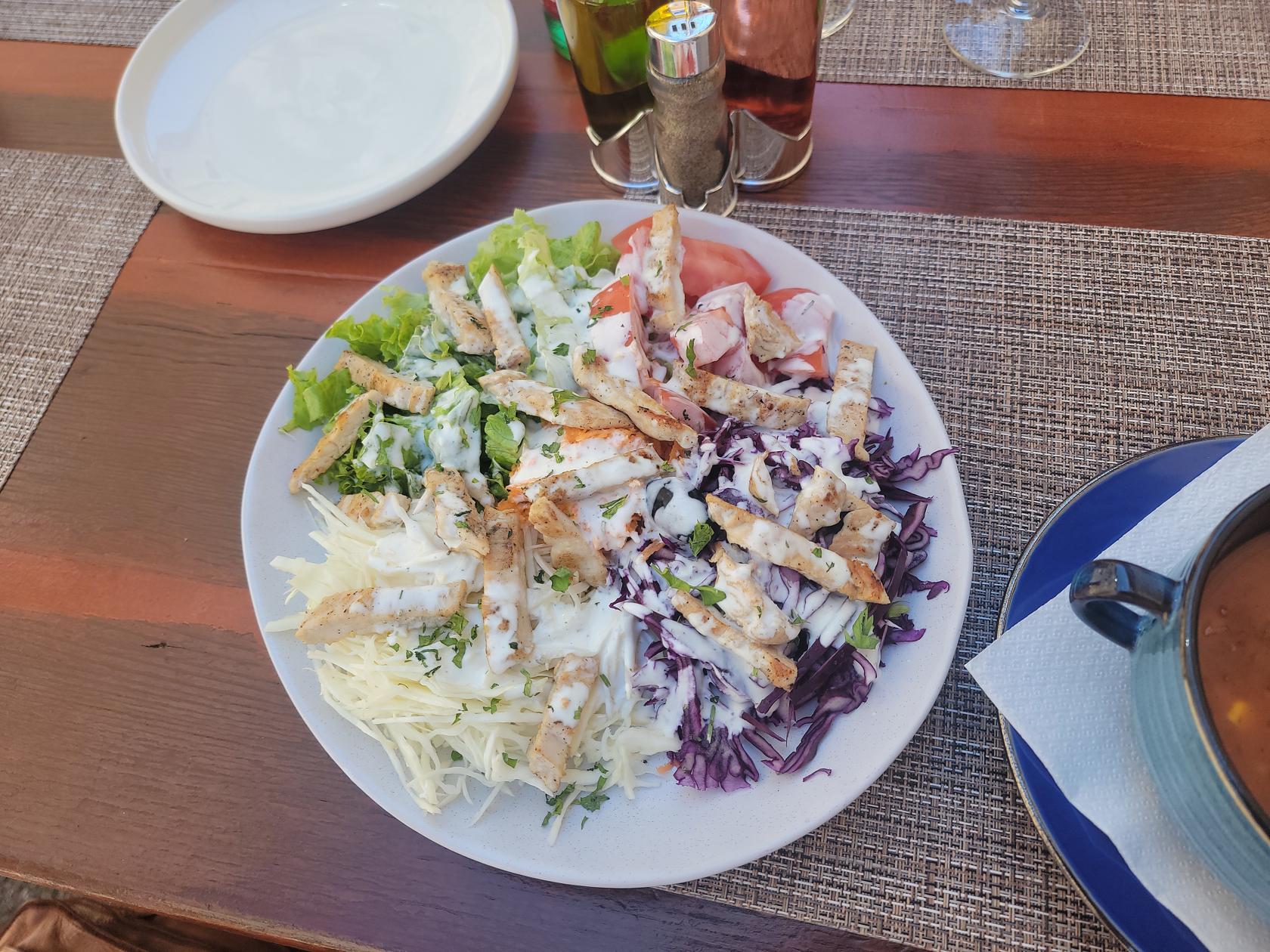
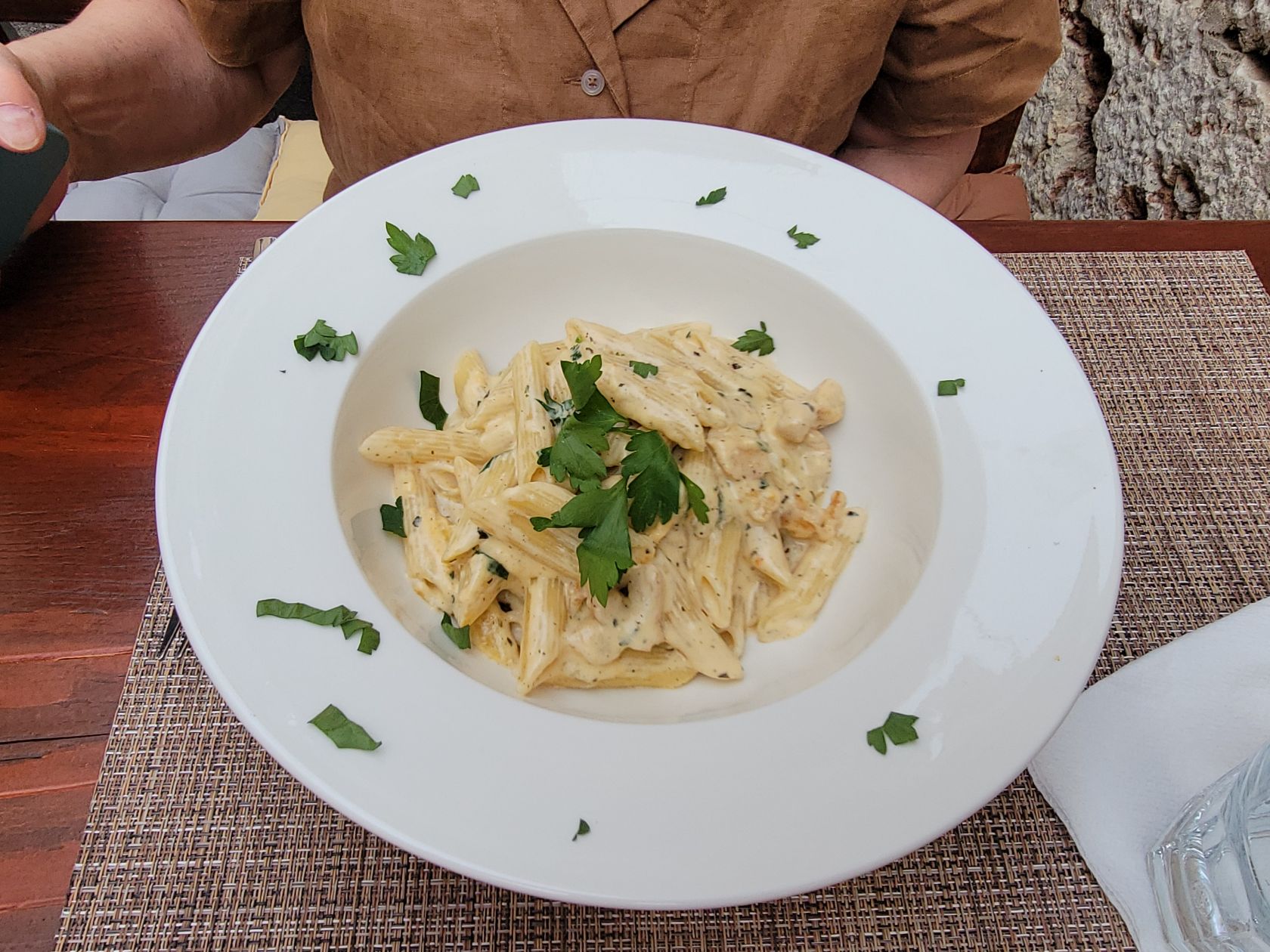
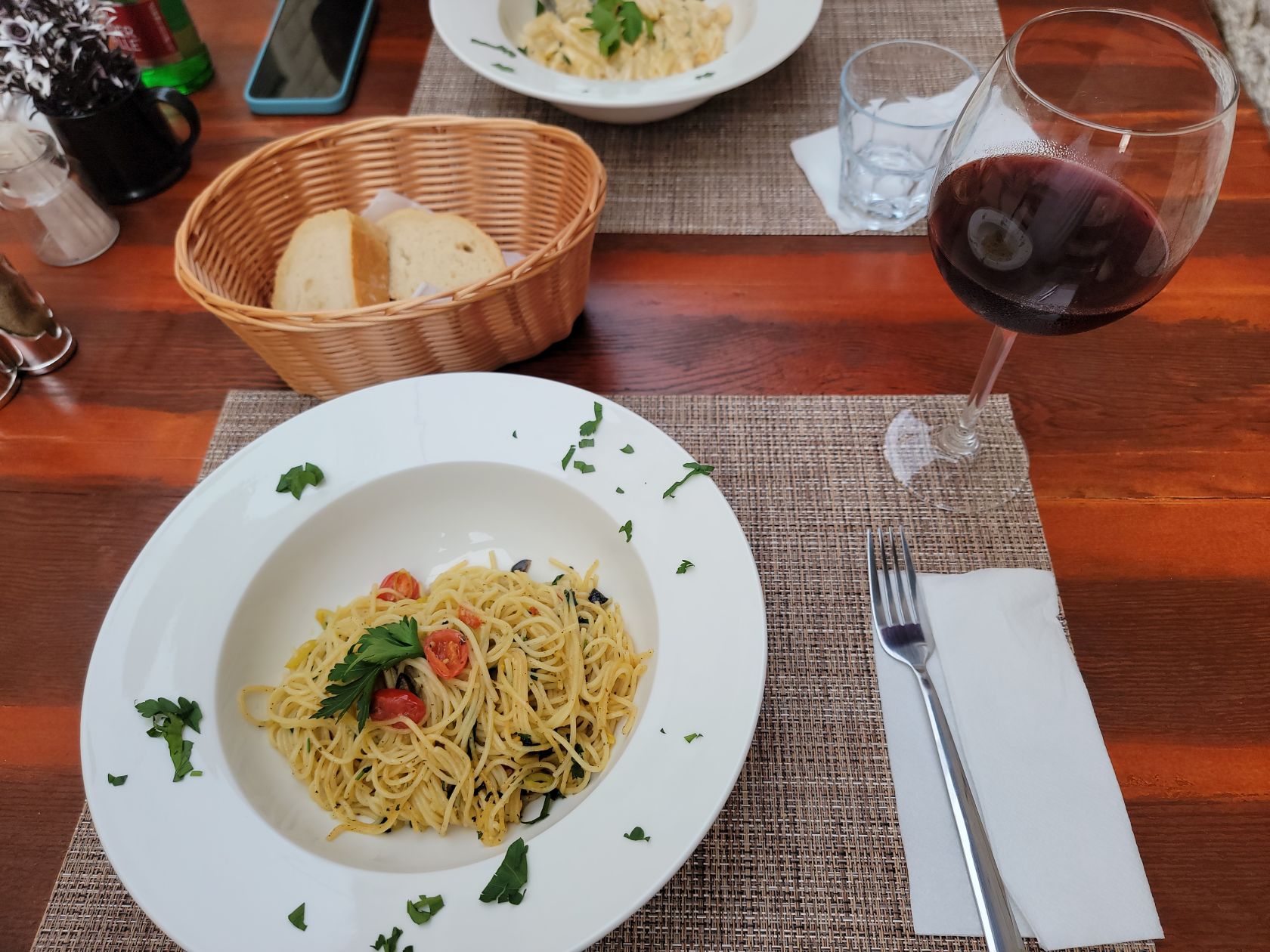
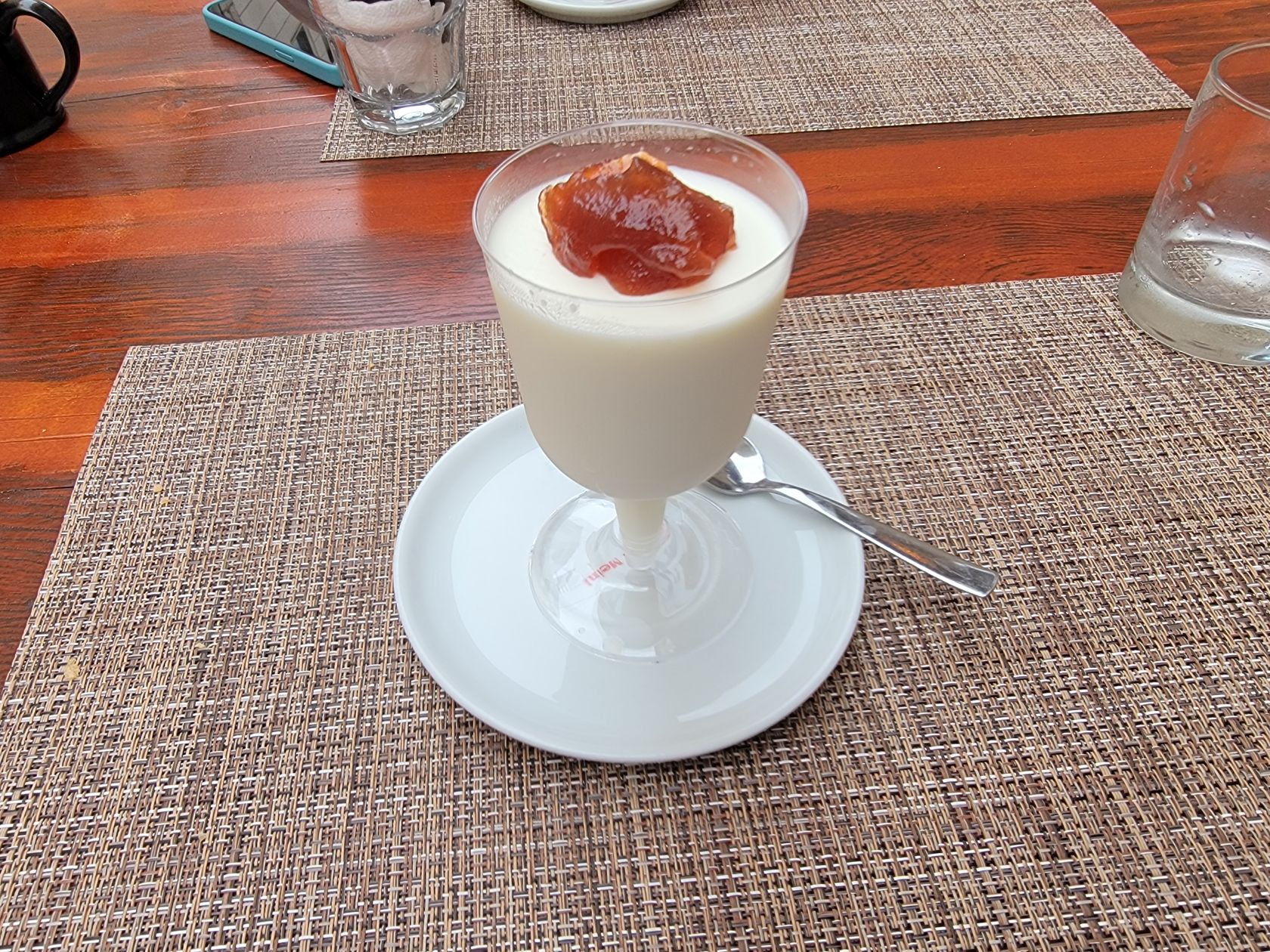
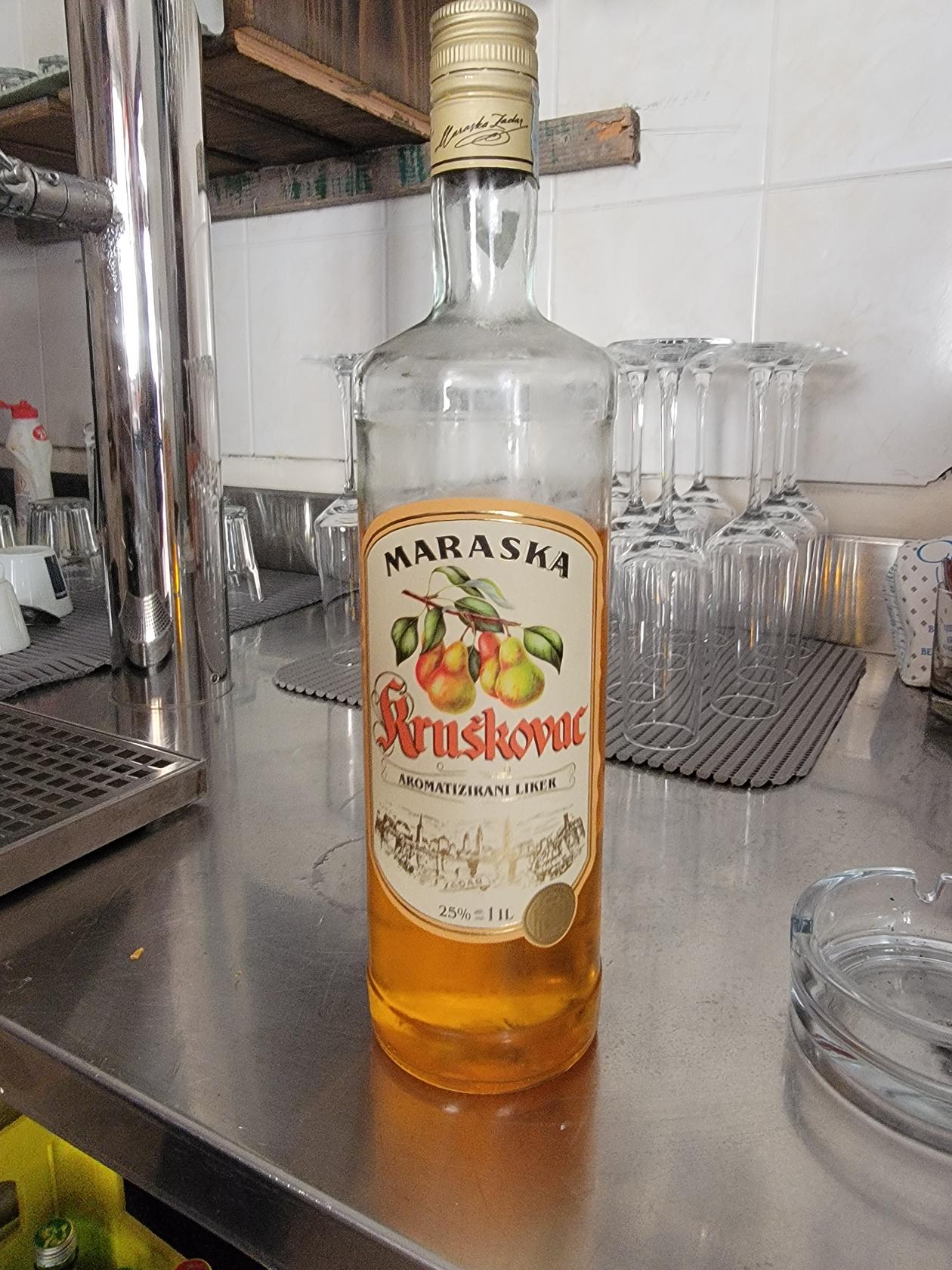
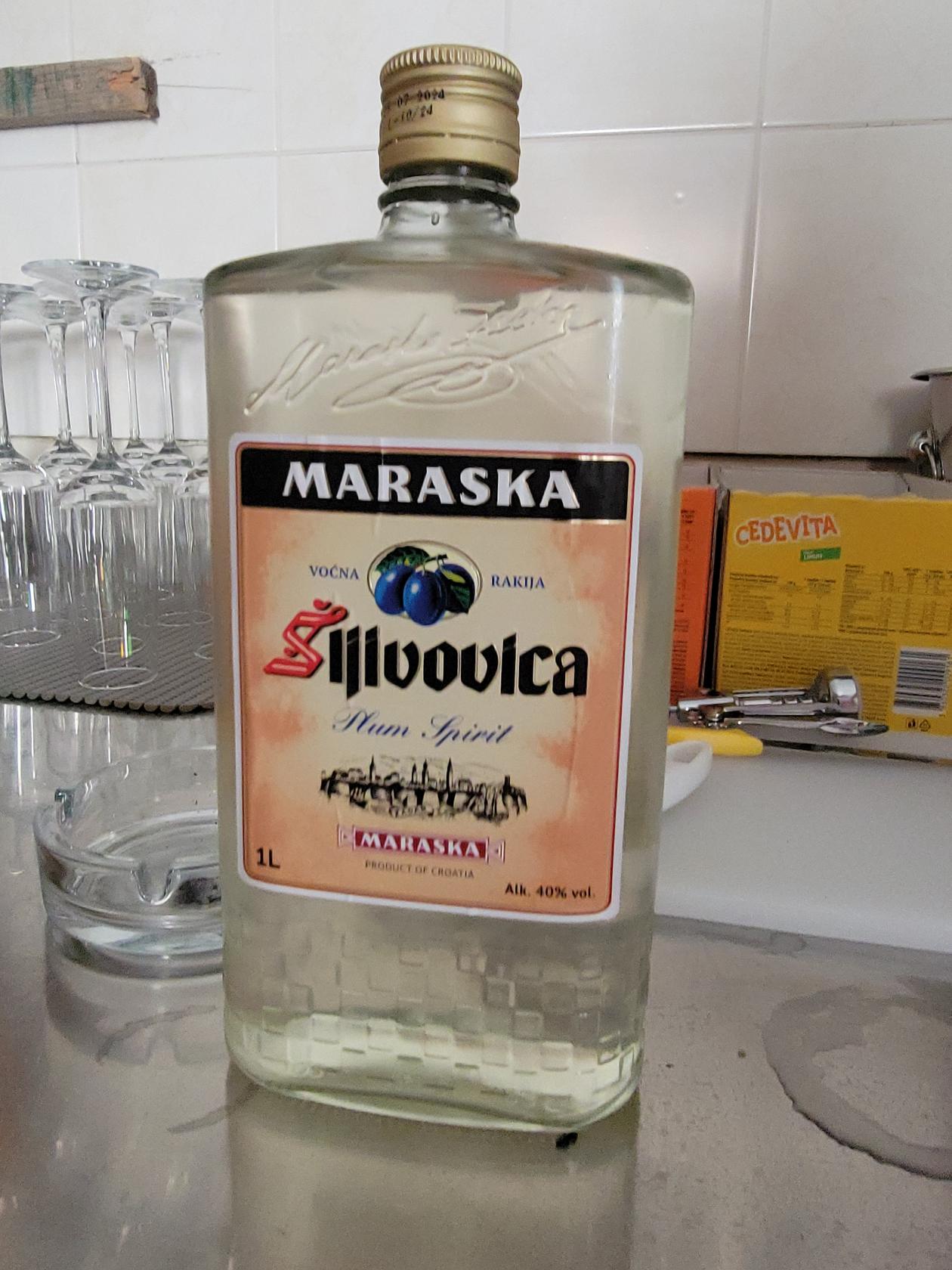
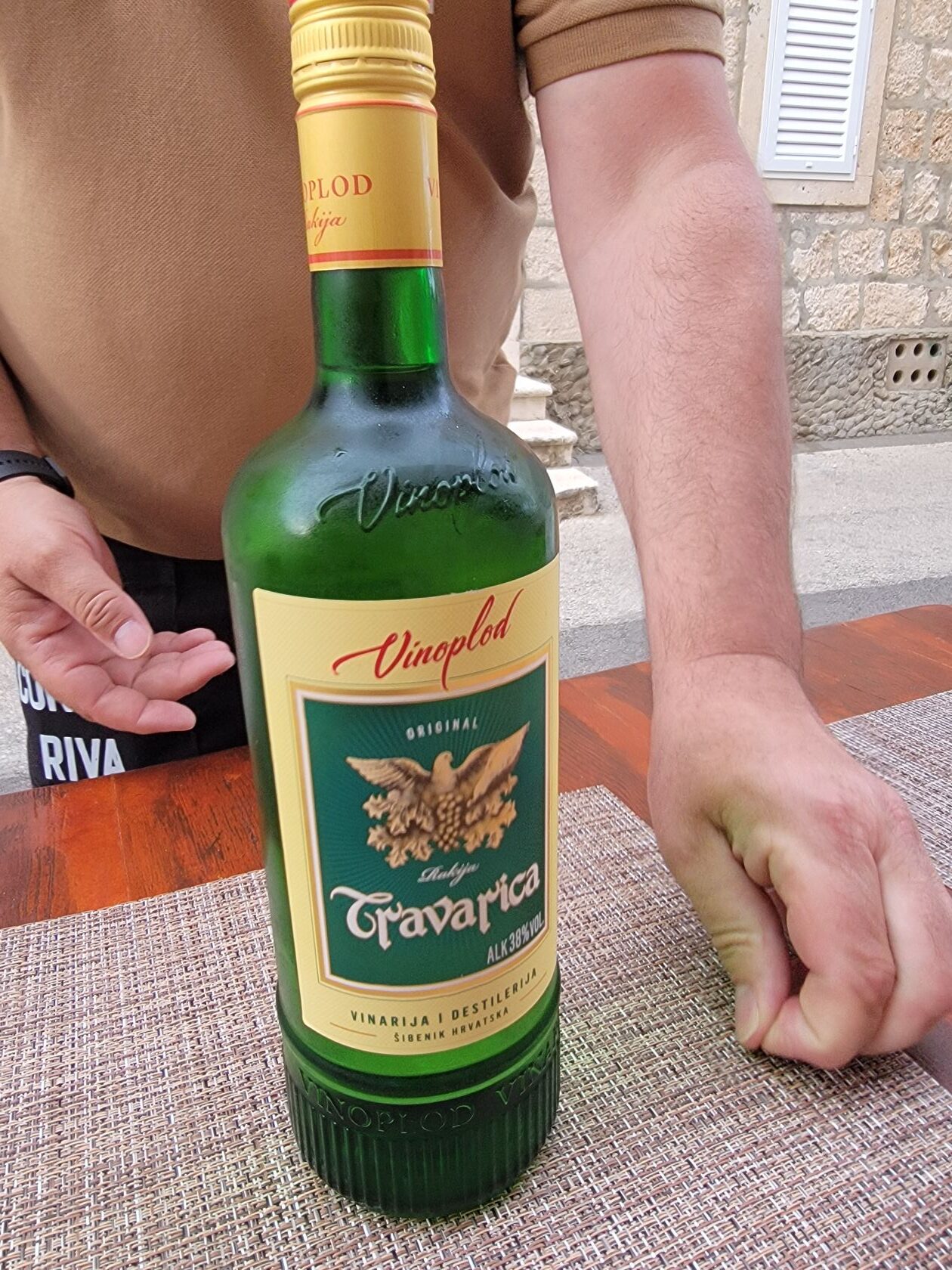
A new restaurant that open just before we arrived which offers a very delicious menu with food to match it. We ate here three times, twice for lunch and once for dinner and were never dissappointed. The food was never salty or overcooked and when it arrived, it was still hot! The service was also extremely attentive, no doubt trying to assert some sway over any reviews they would receive. It didn’t matter, it ended up as our go to place.
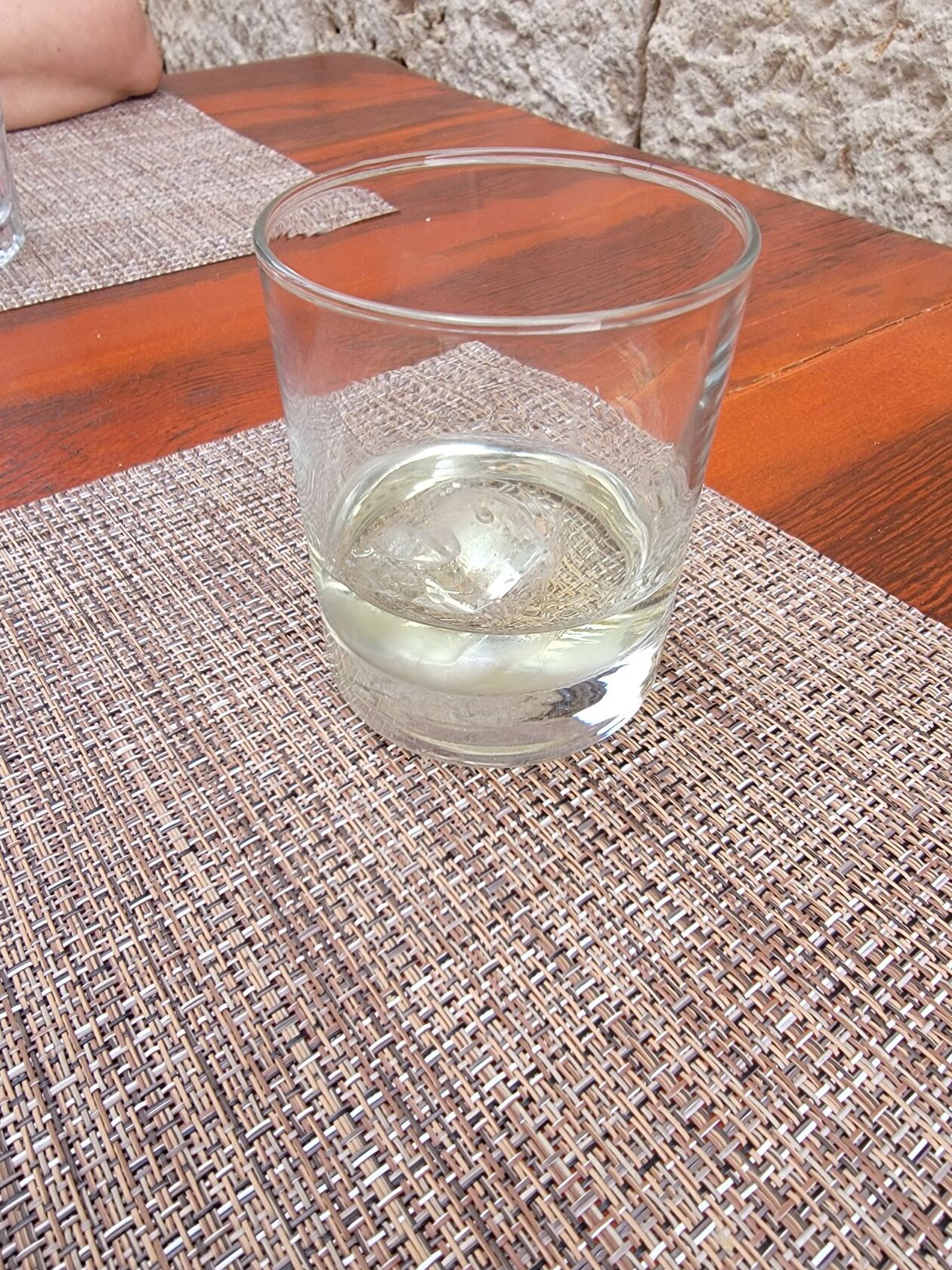
Konoba Biankura
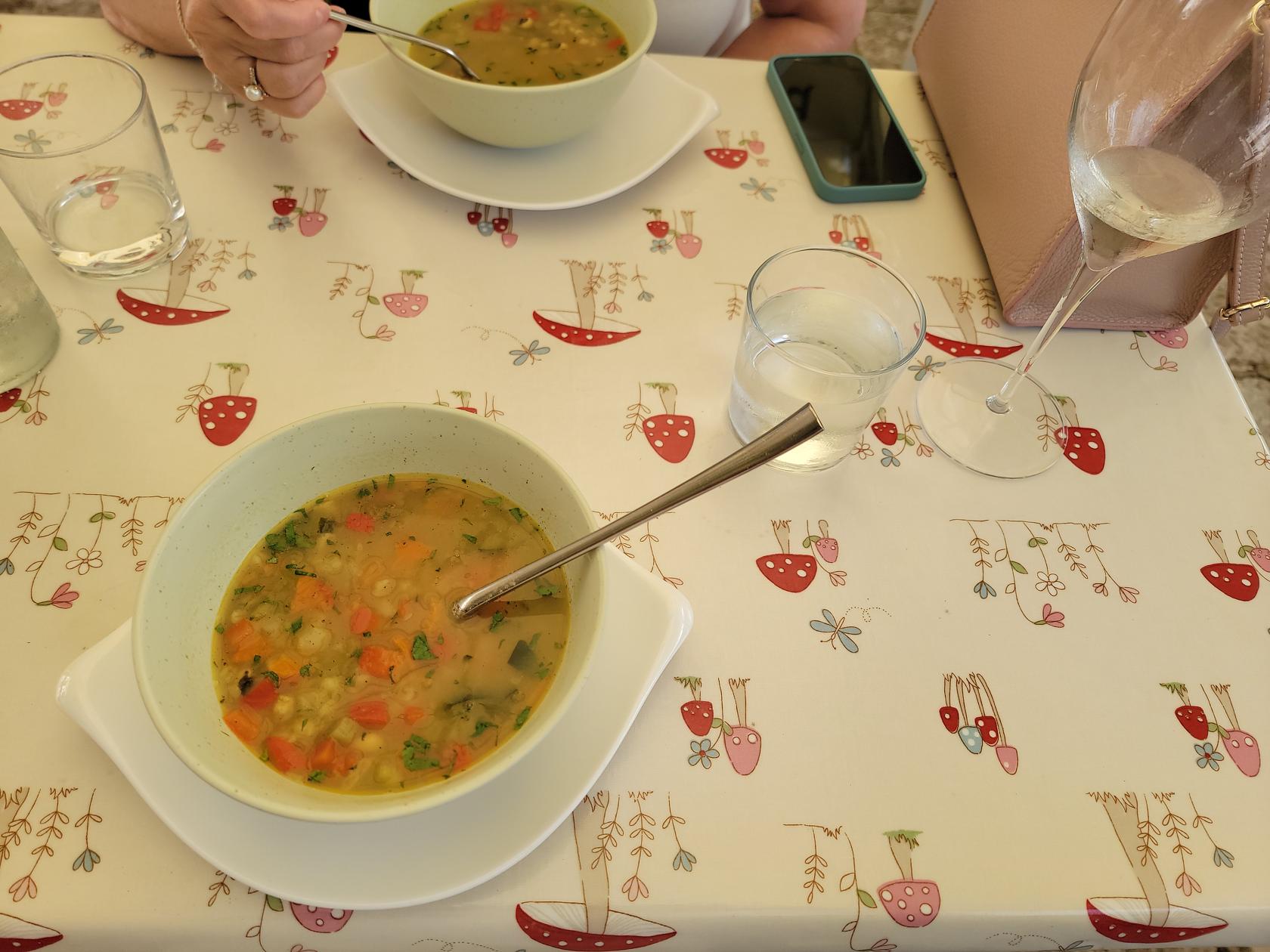
Konoba Biankura is located about three streets down in the old town on the right. It offers a wide variety of food, along with pasta and some meat dishes. The fish soup is amazing and can be commended highly.
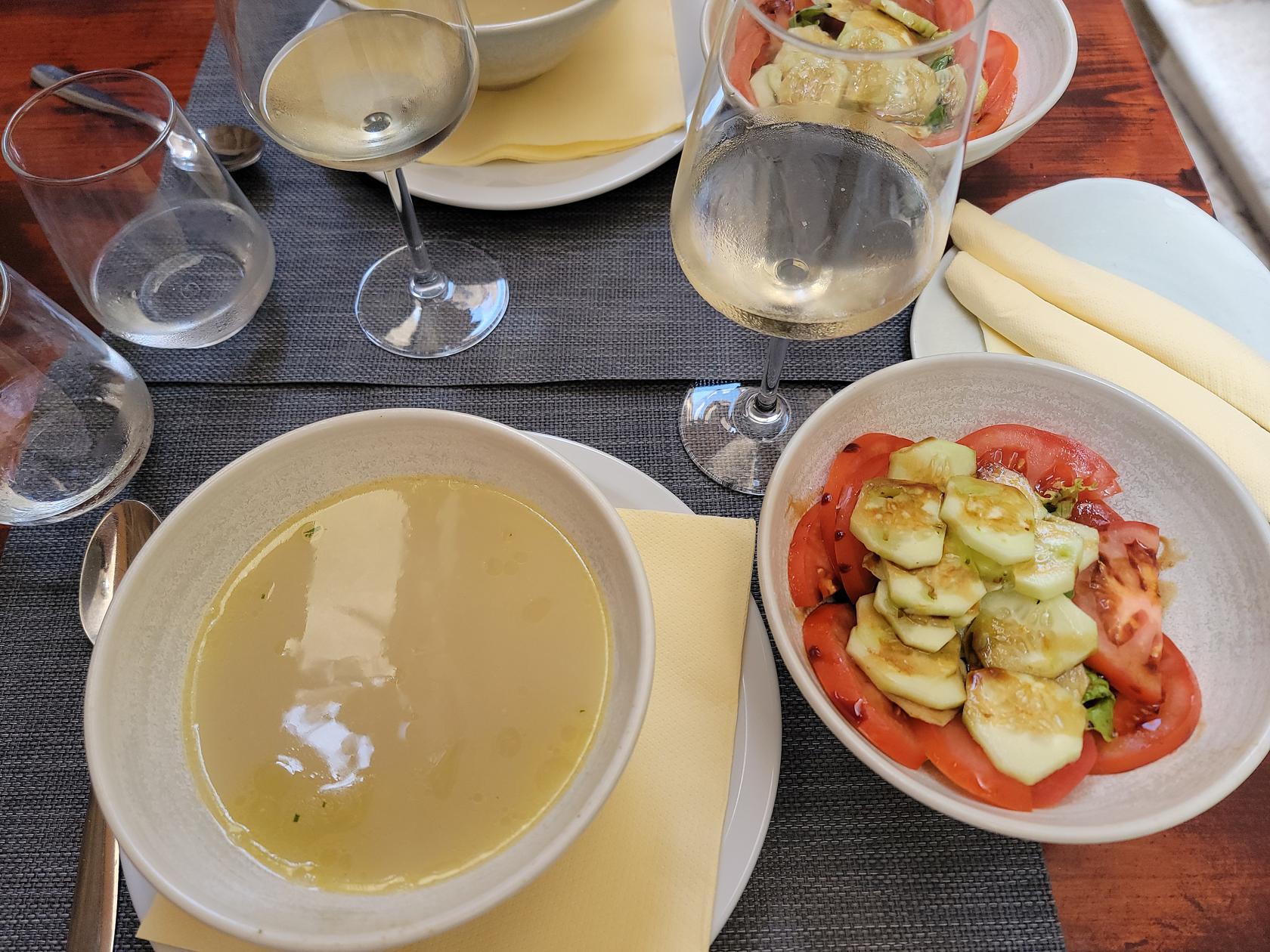
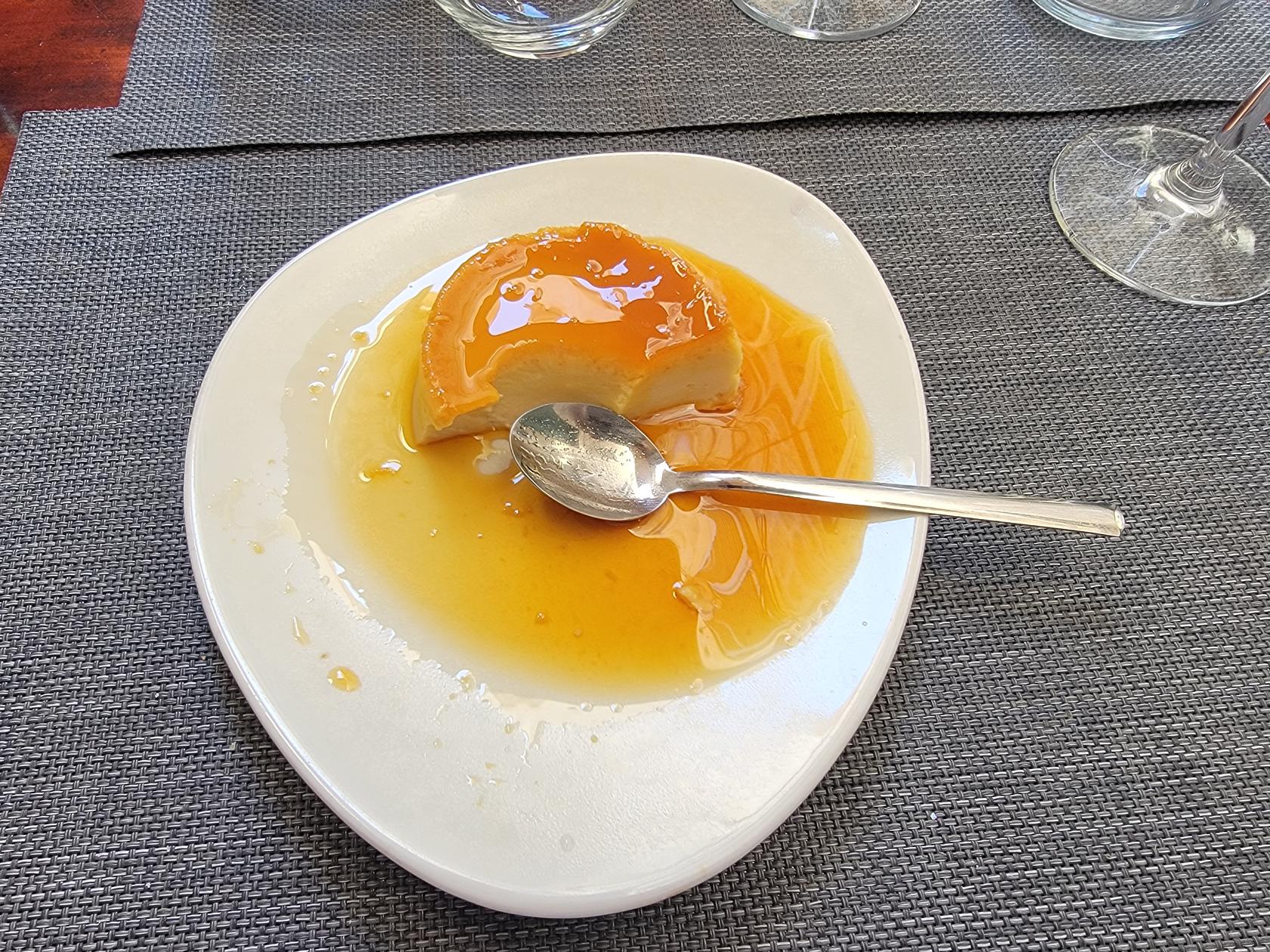
Konoba Aterina
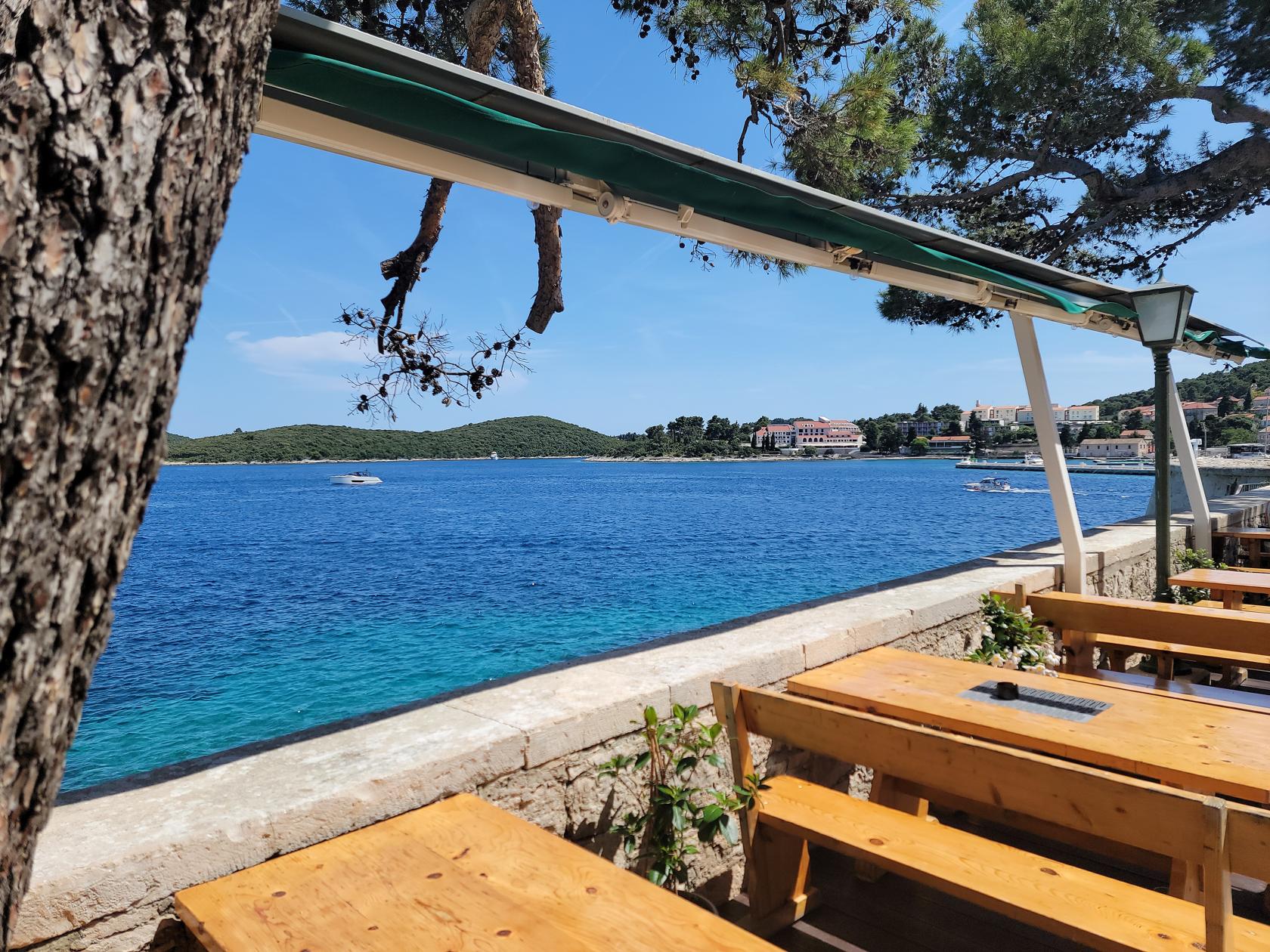
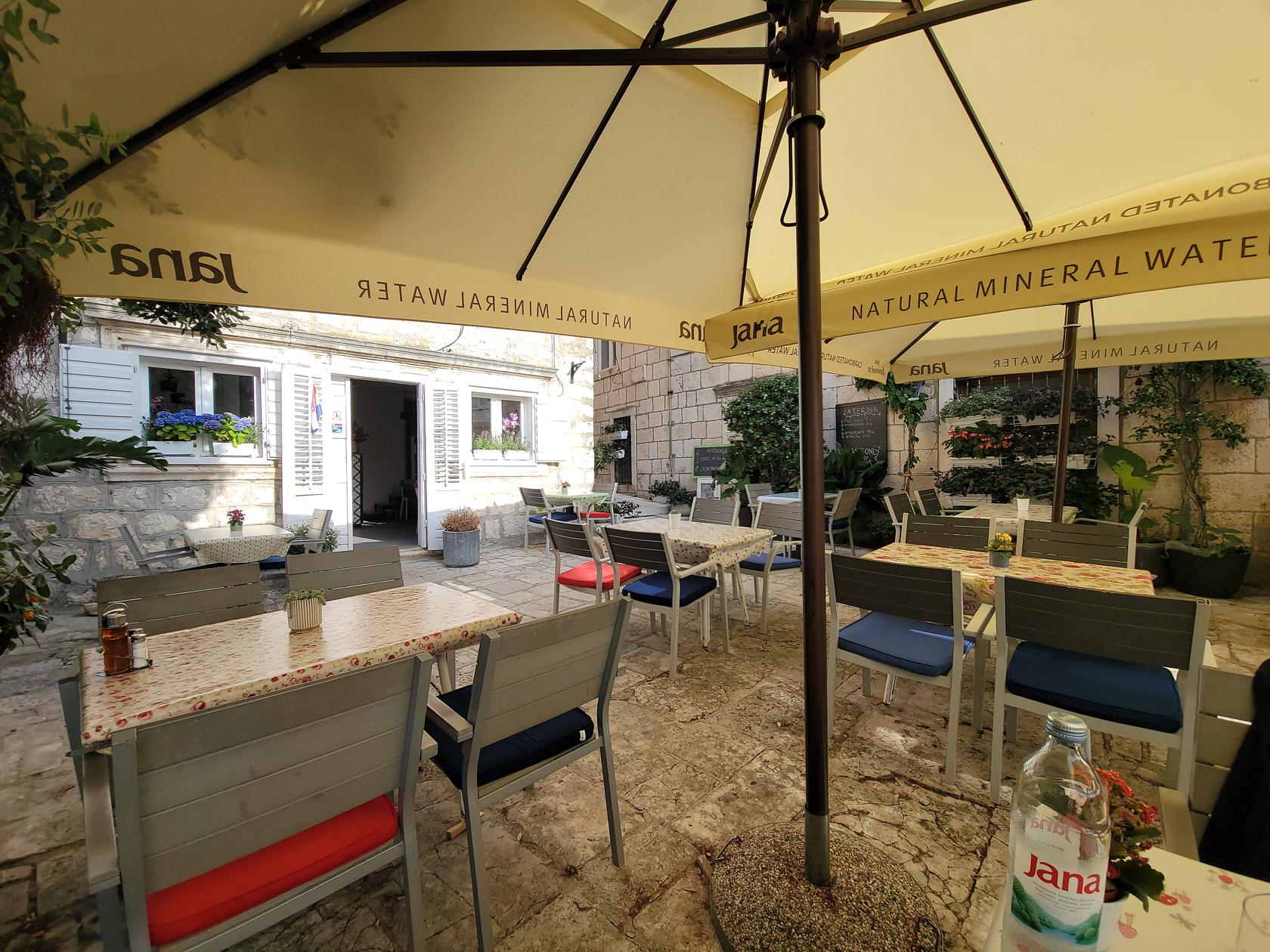
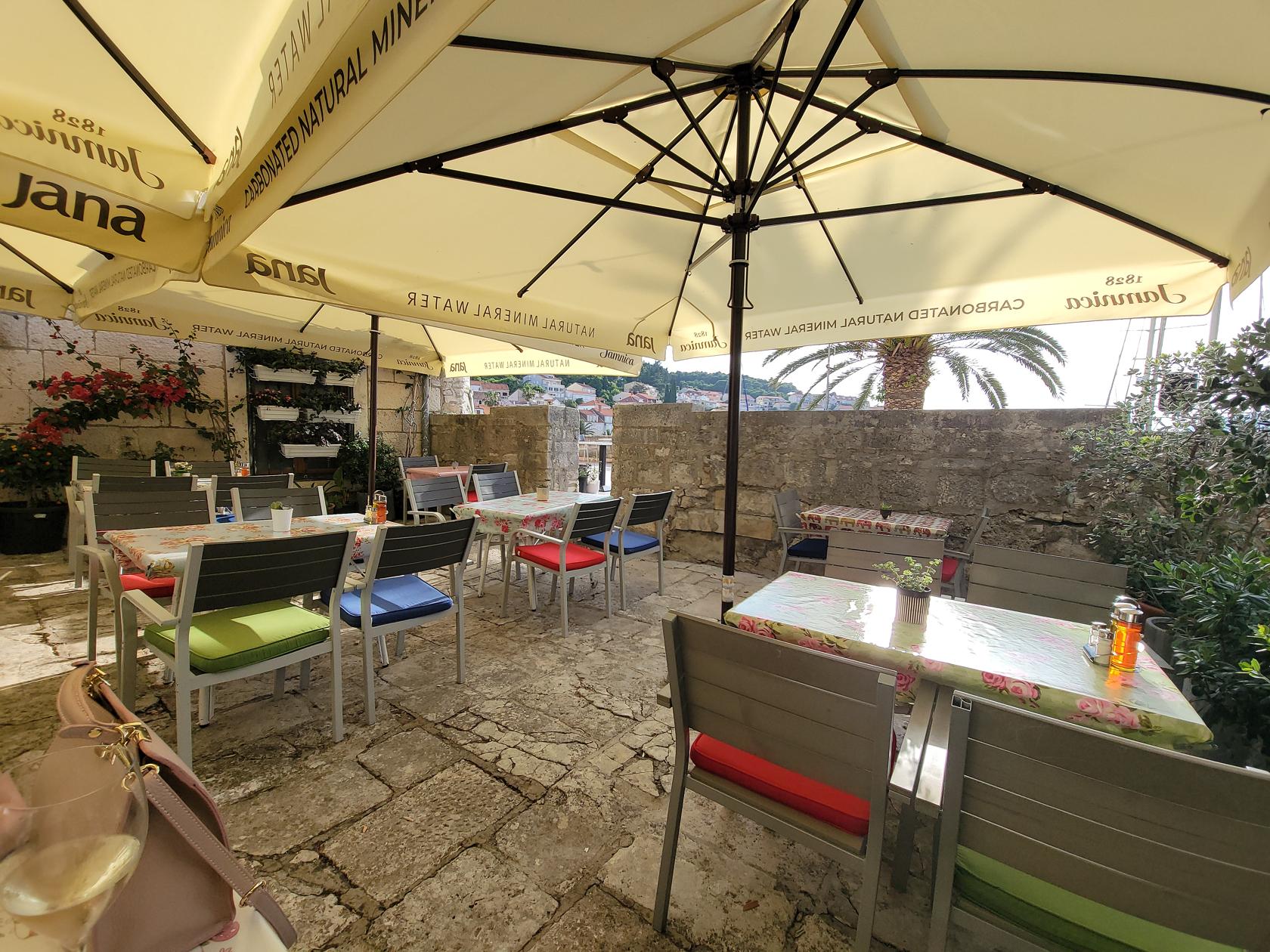
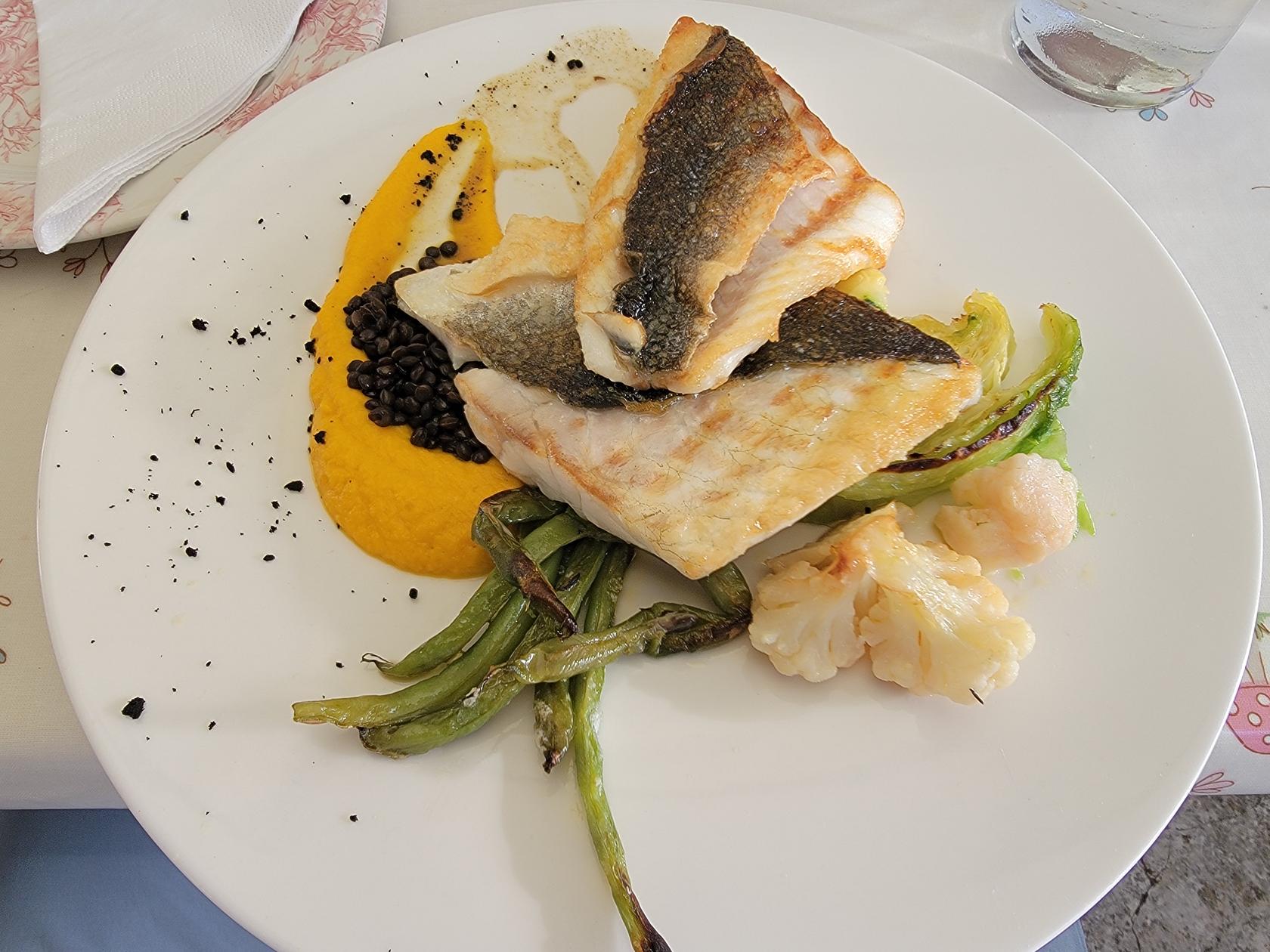
The Konoba Aterina is a restaurant in the old town. It offers a view somewhat of the sun setting and has covered terrace outside seating. The food is good, the majority of which is seafood, so a good place to scratch your fishy itch. We ordered the Sea Bass, traditionally cooked, and were not dissappointed.
References
| ↑1 | It is actually unclear if he was captured at this battle, or a previous minor engagement at Laiazzo. |
|---|