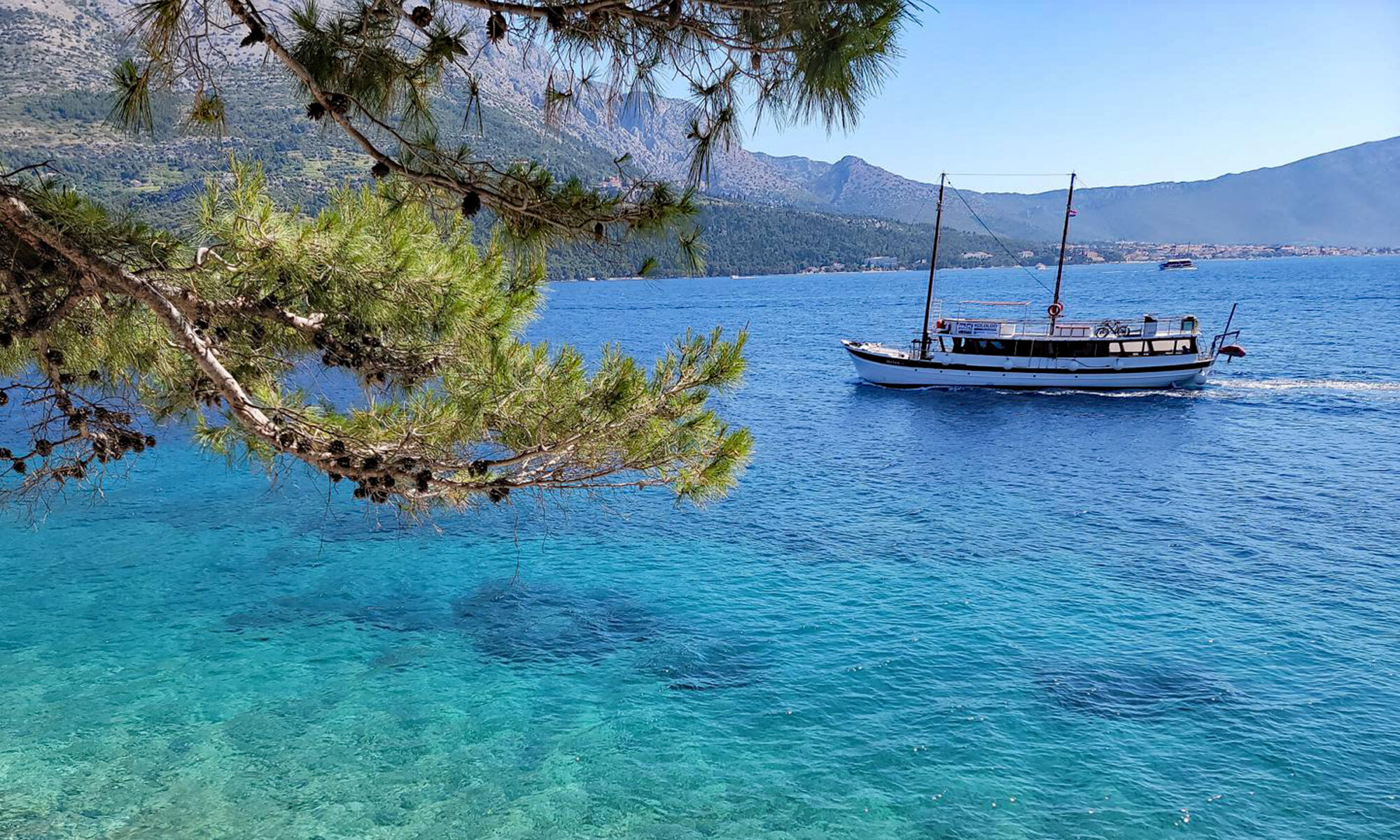
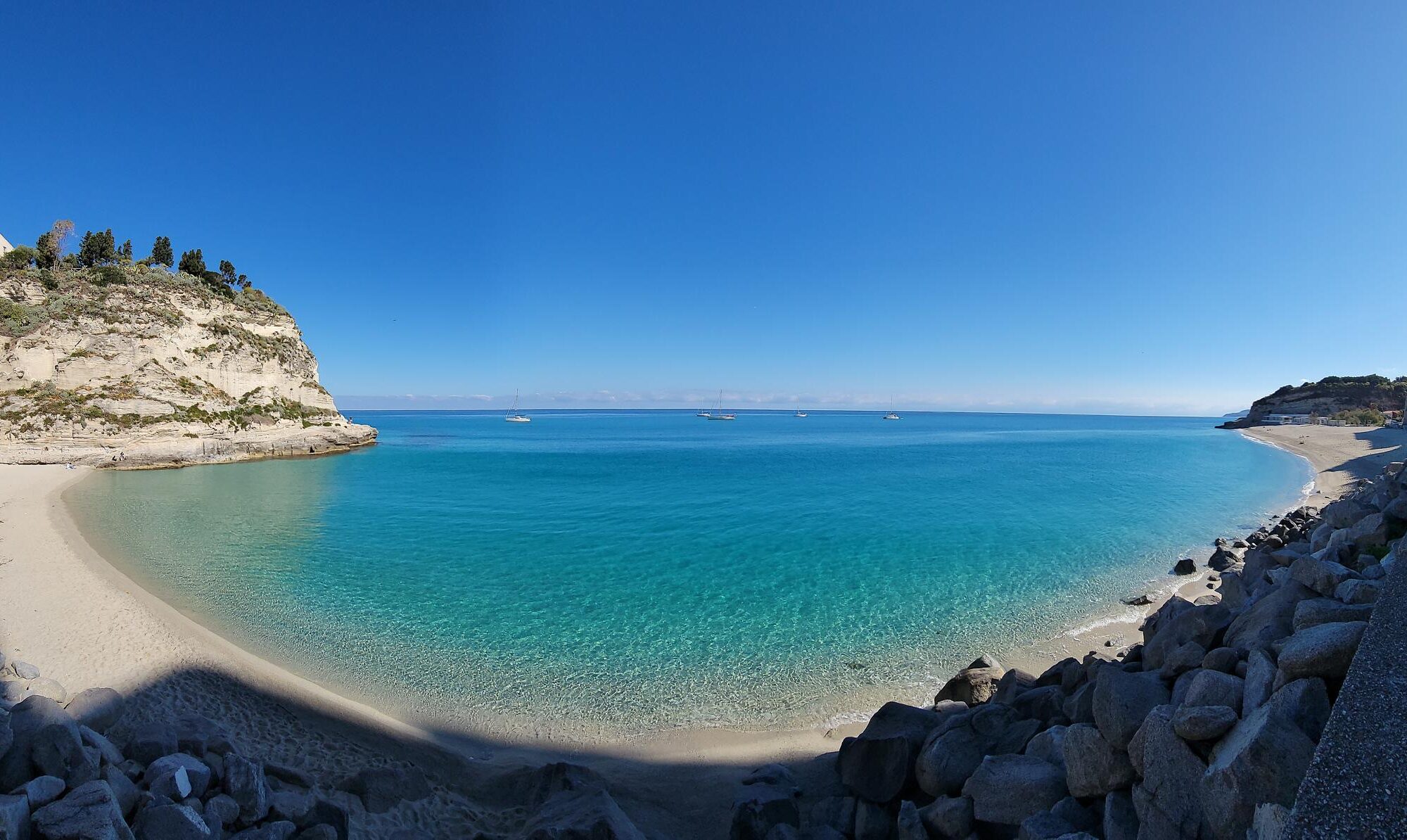
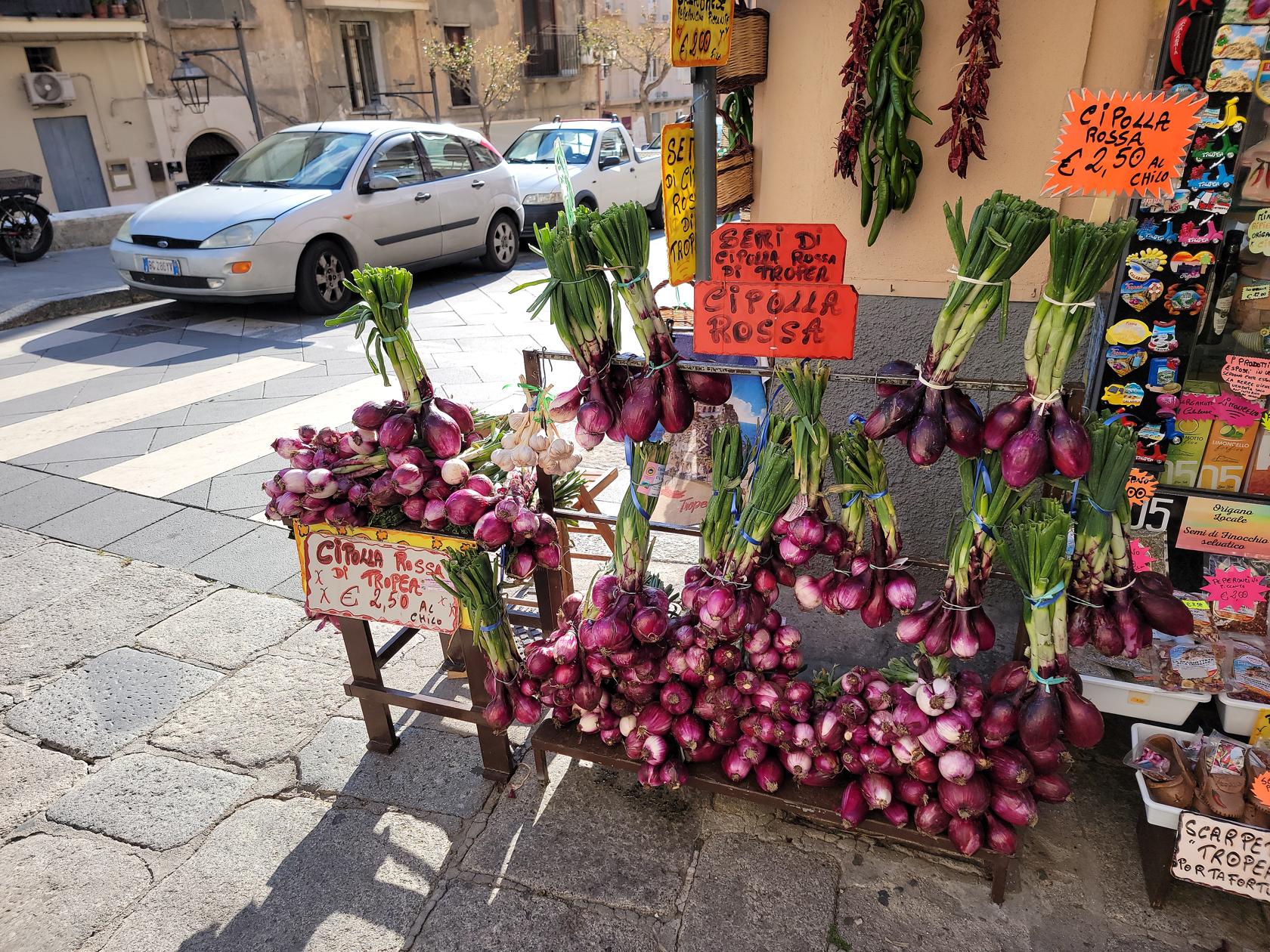
A destination for tourists and those interested in southern Italian cuisine, a stop in Tropea is almost a must. Known for their mixture of Sicilian and Greek influences, this part of Calabria is famous for the Tropean Red Onion, or Cipolla Rossa, one of the most tasty onions in the world. Onions anyone?
Getting There
In order to get to Tropea from Sapri we had to take the InterCity train from Sapri to Lamezia Terme Centrale and then connect. Unfortunately there is no logistical way around it. From there we took the local TrennItalia Regional train service to Tropea. This gave us a two and a half hour layover in Lamezia Terme, just enough time for lunch!
Lamezia Terme
Other than connecting with our other train, there was no other reason to visit this place, that is, other than lunch! With two and a half hours layover, we had plenty of time.
Restaurants
Europa da Albano
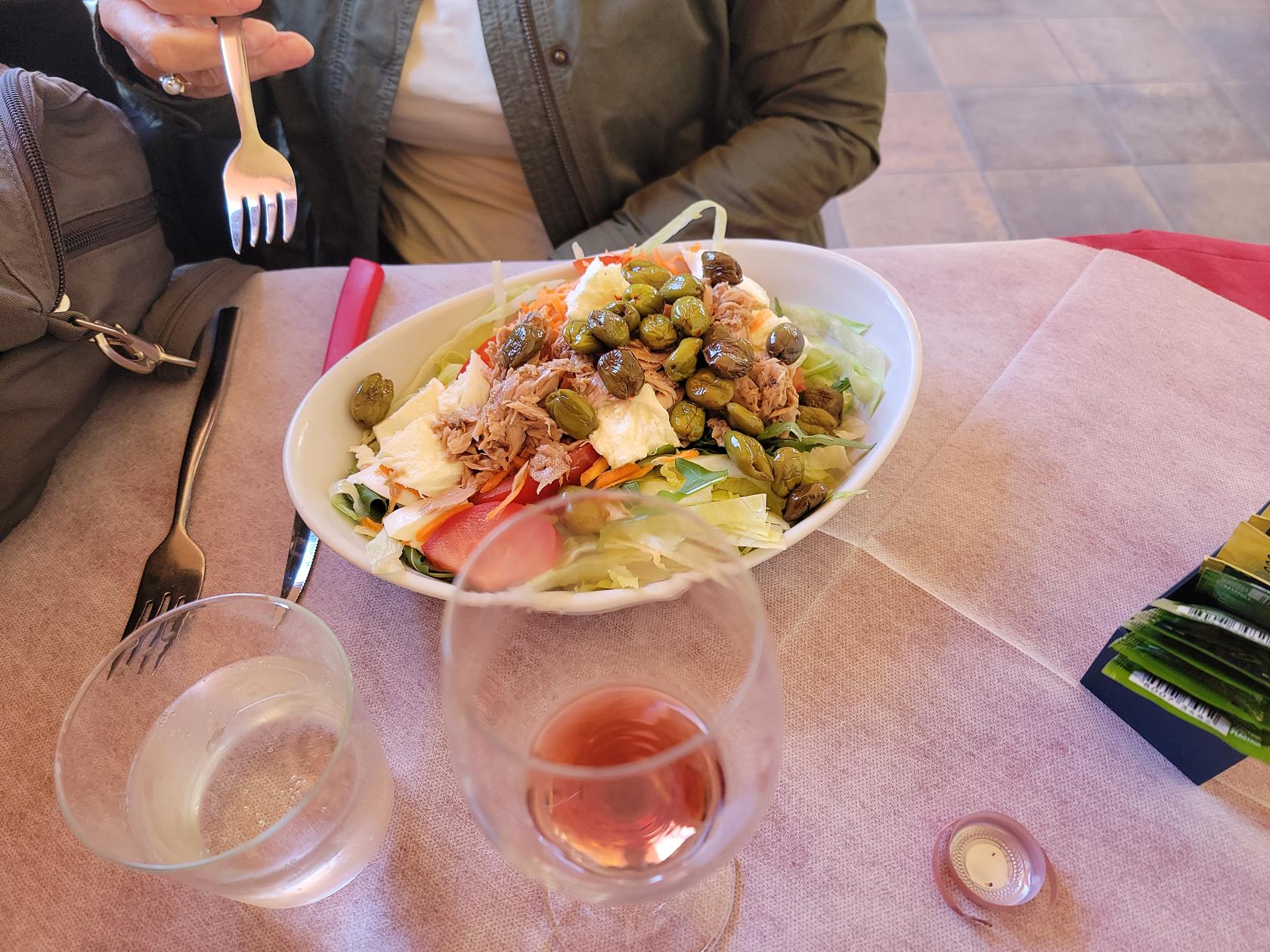
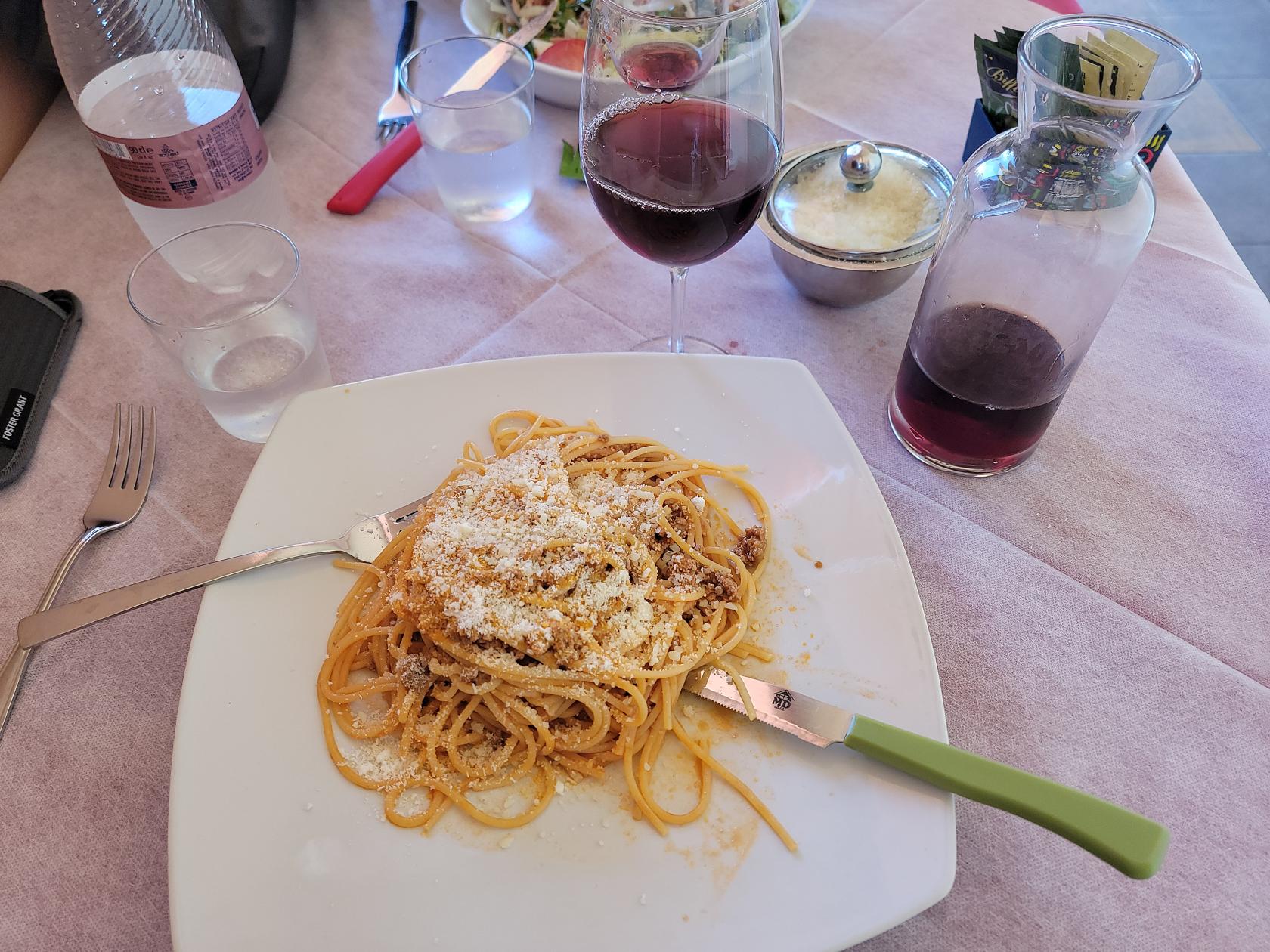
While we were on our InterCity train, I took the liberty of researching what our options were at Lamezia Terme. There weren’t many, but this restaurant and pizzeria caught my eye. It was a good choice. It was very busy inside and out and packed with local people, which is actually a good sign. Though we waited a bit to order, the wait was not bad in the end and our drinks and food arrived within customary promptness.
Tropea
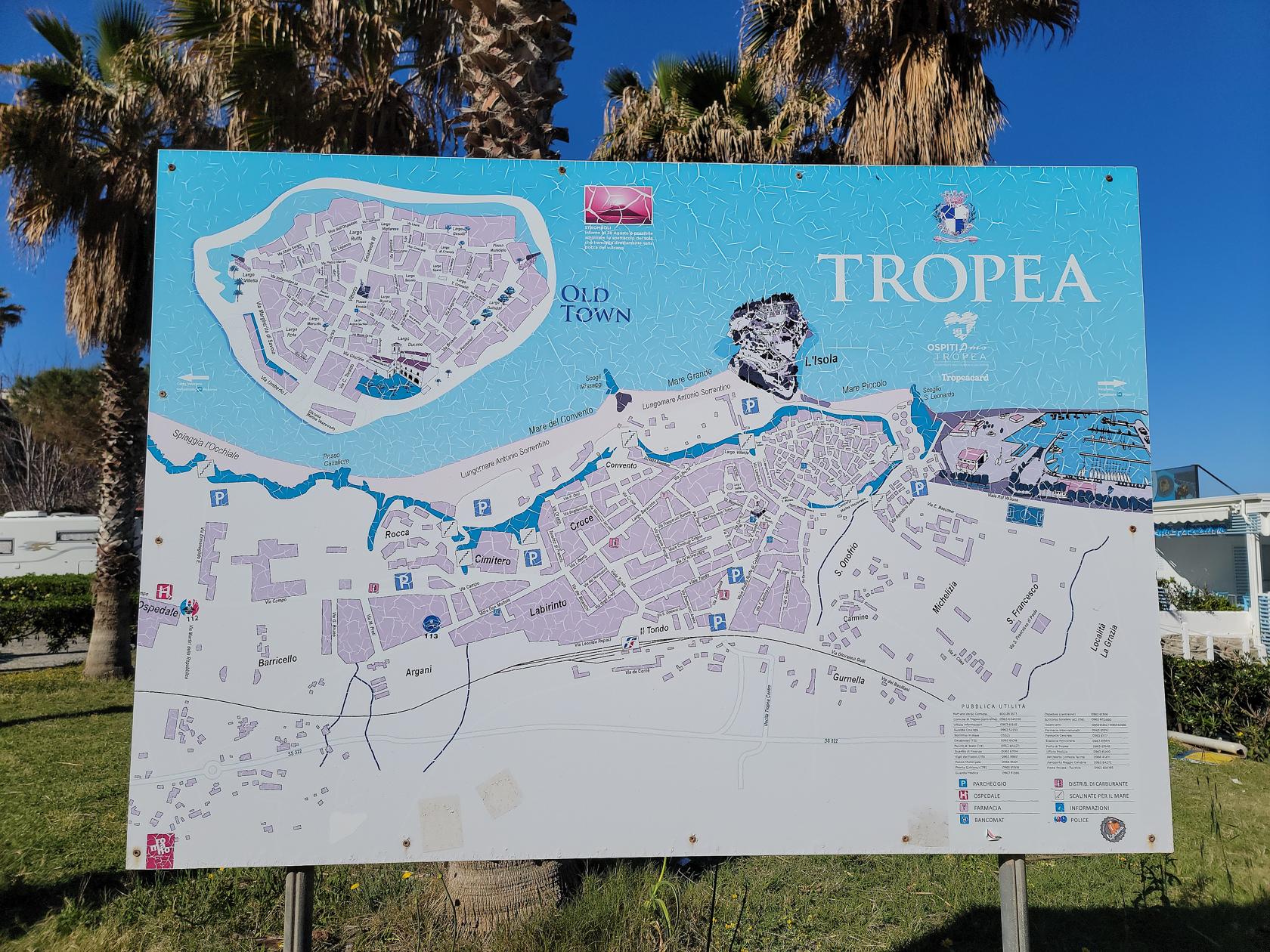
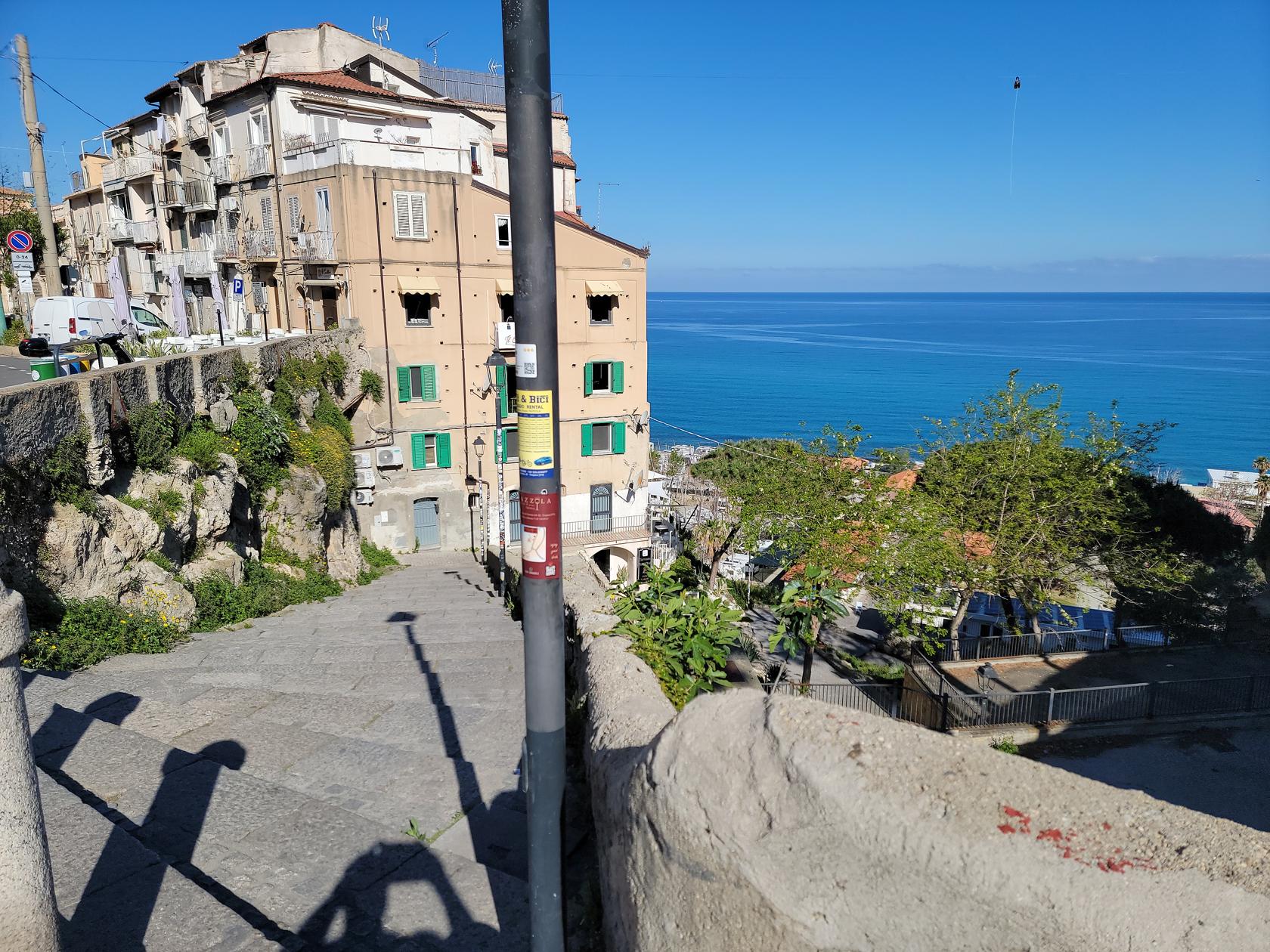
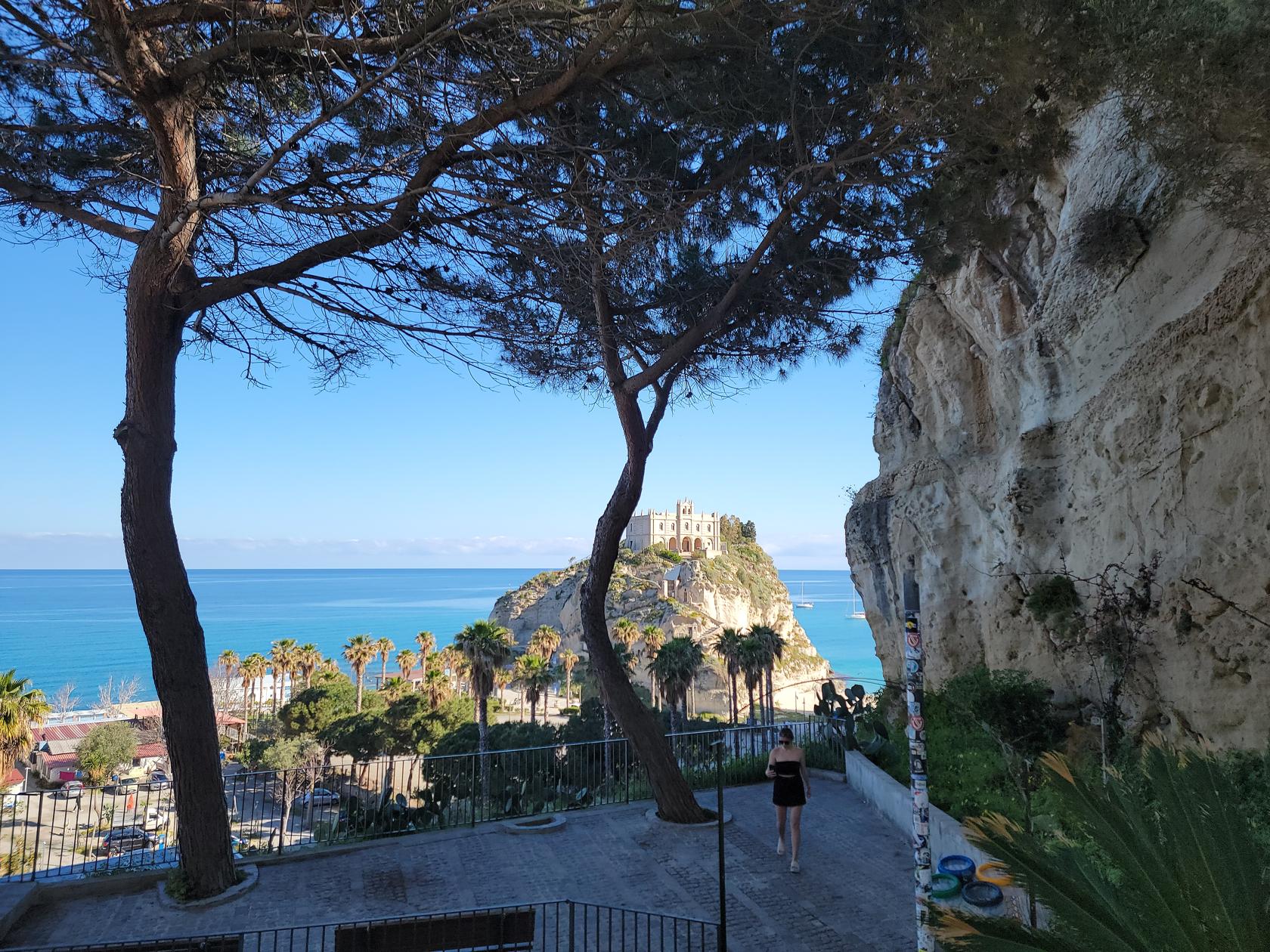
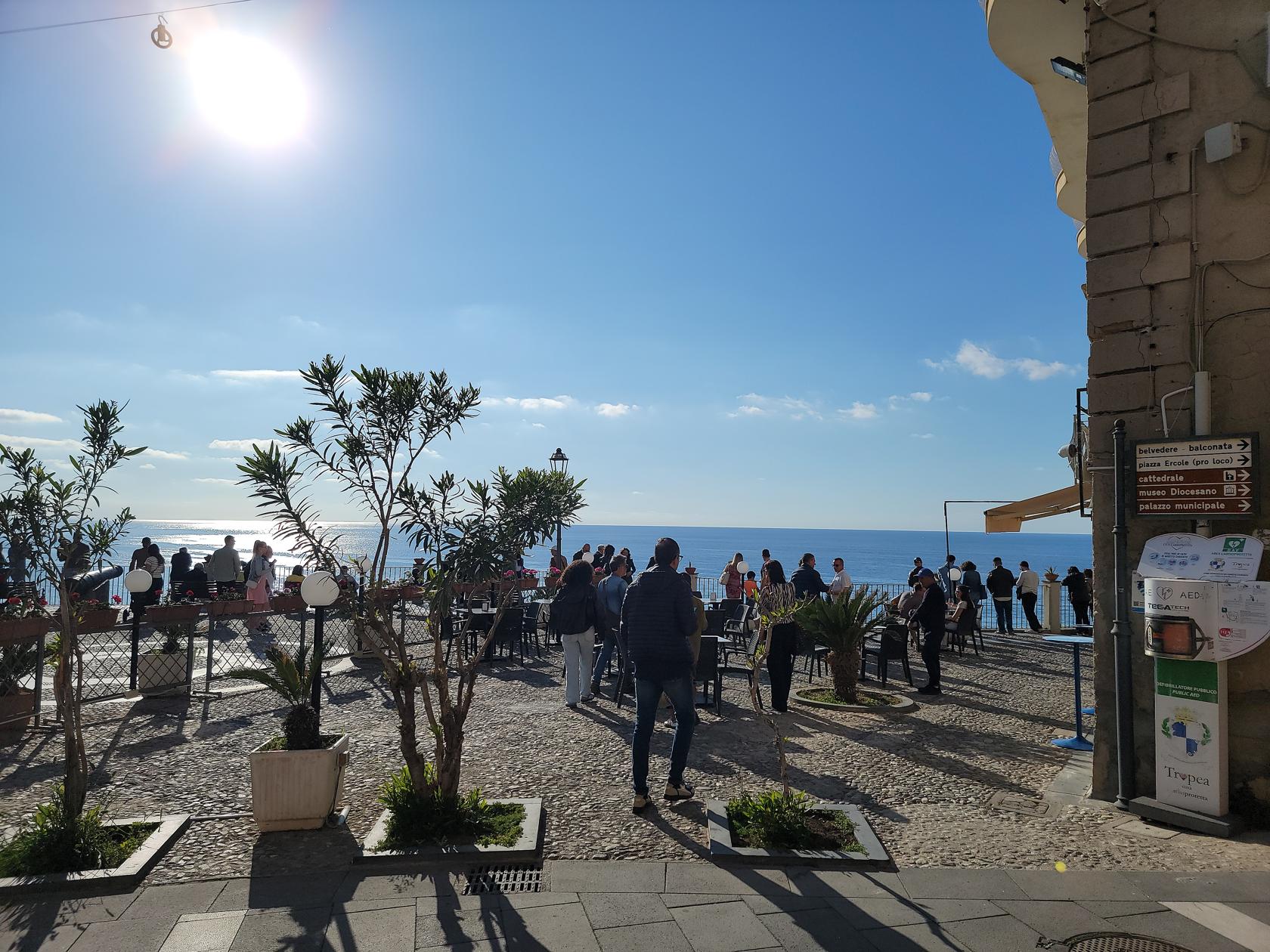
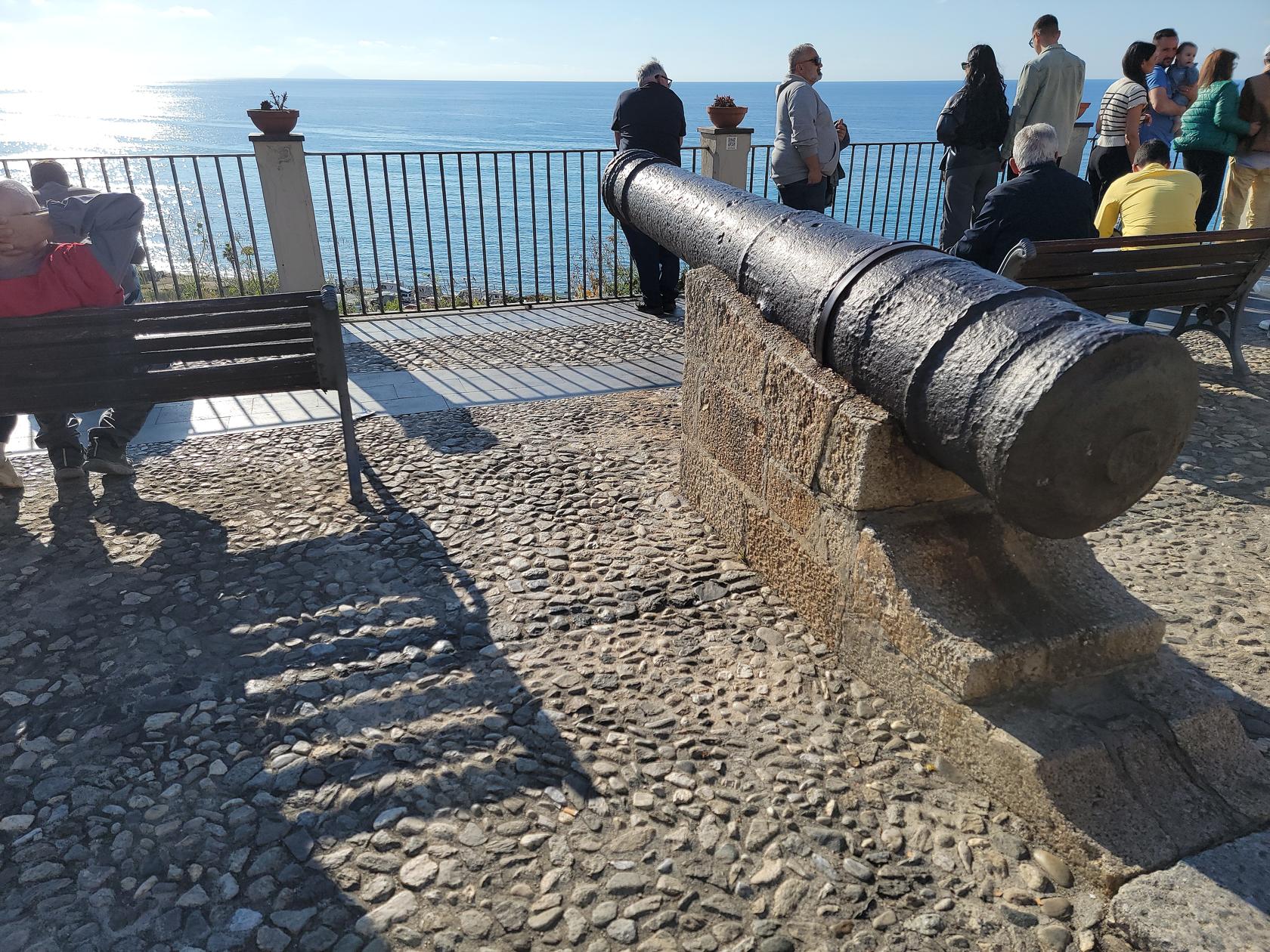
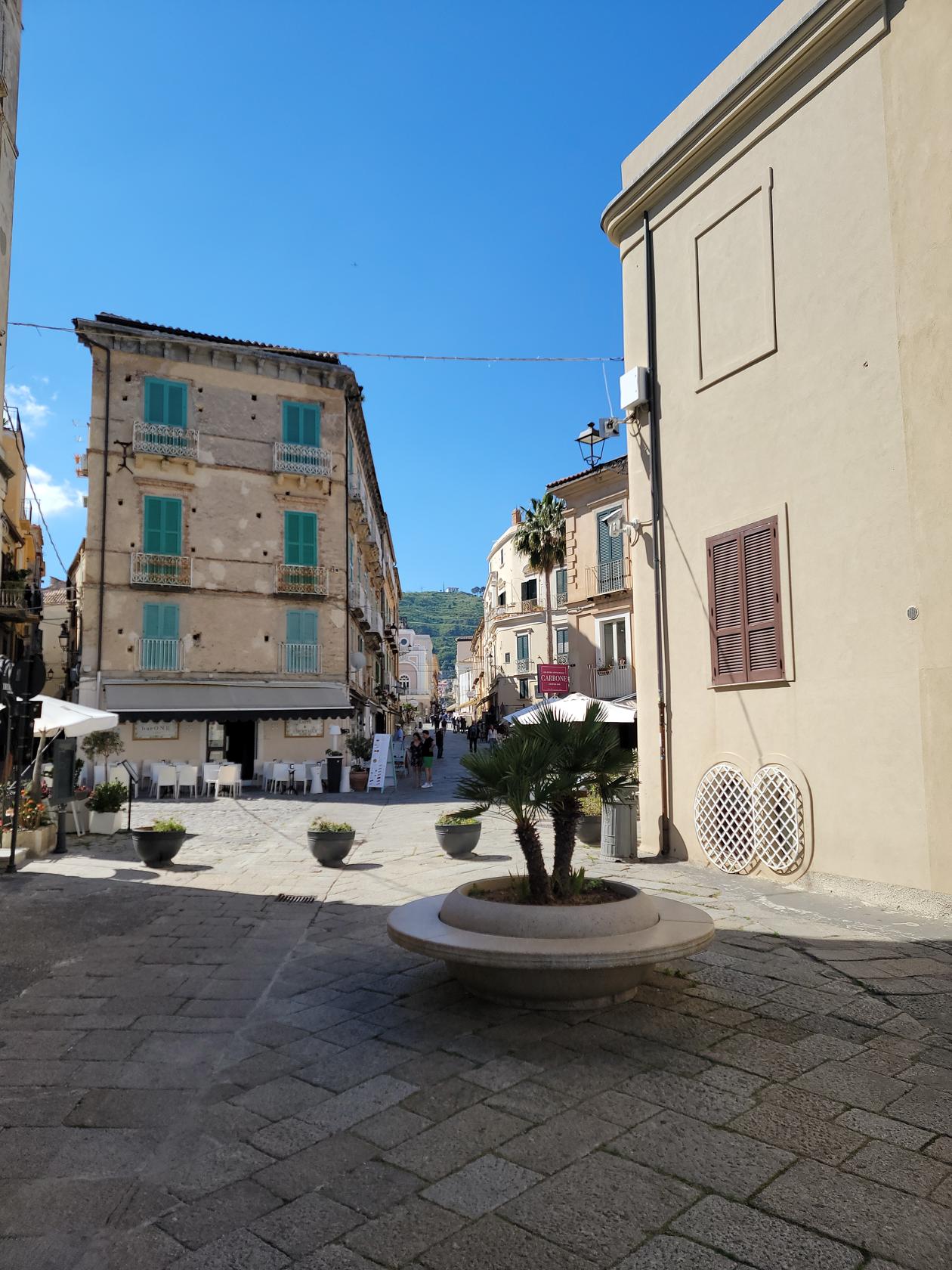
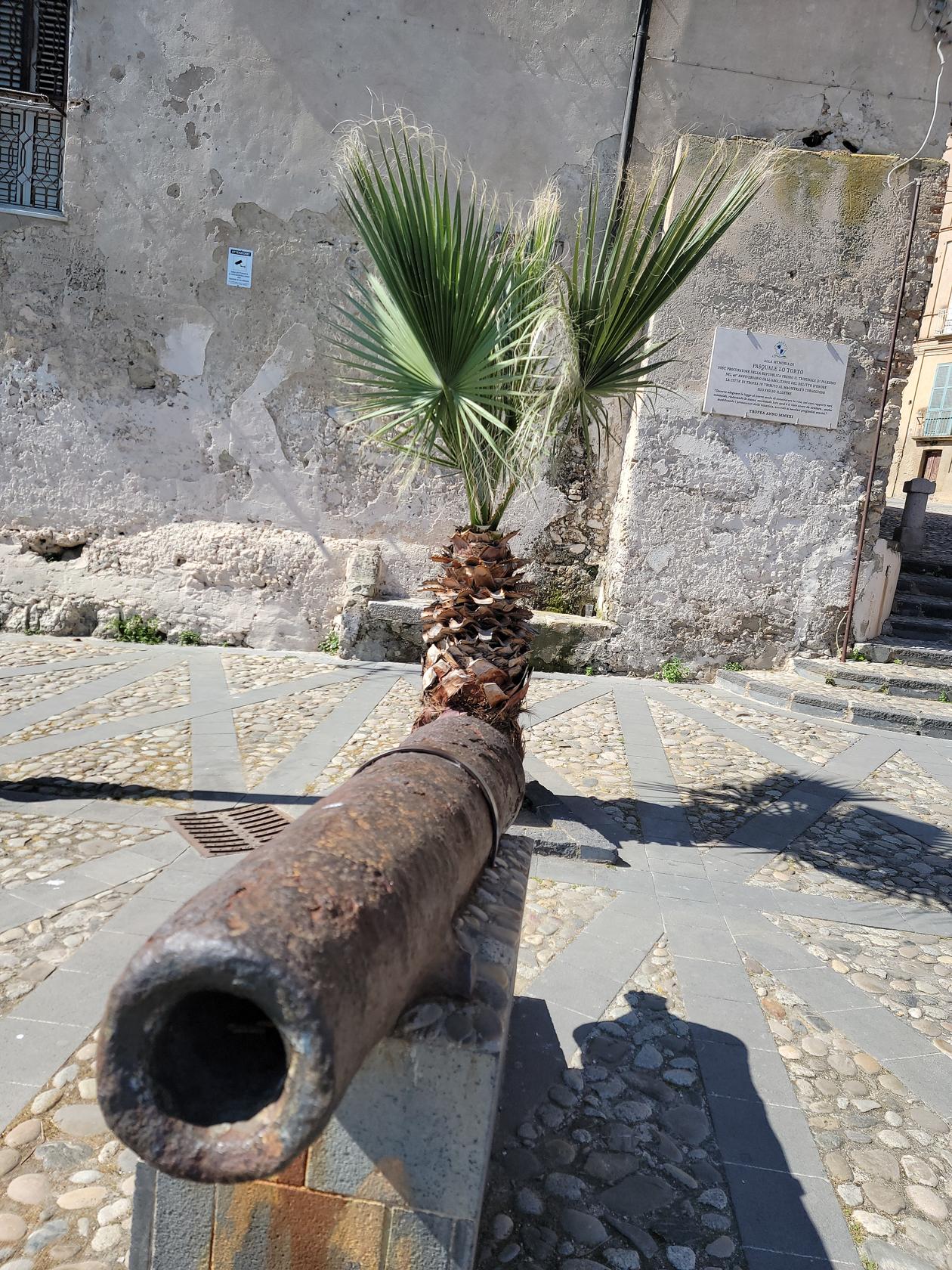
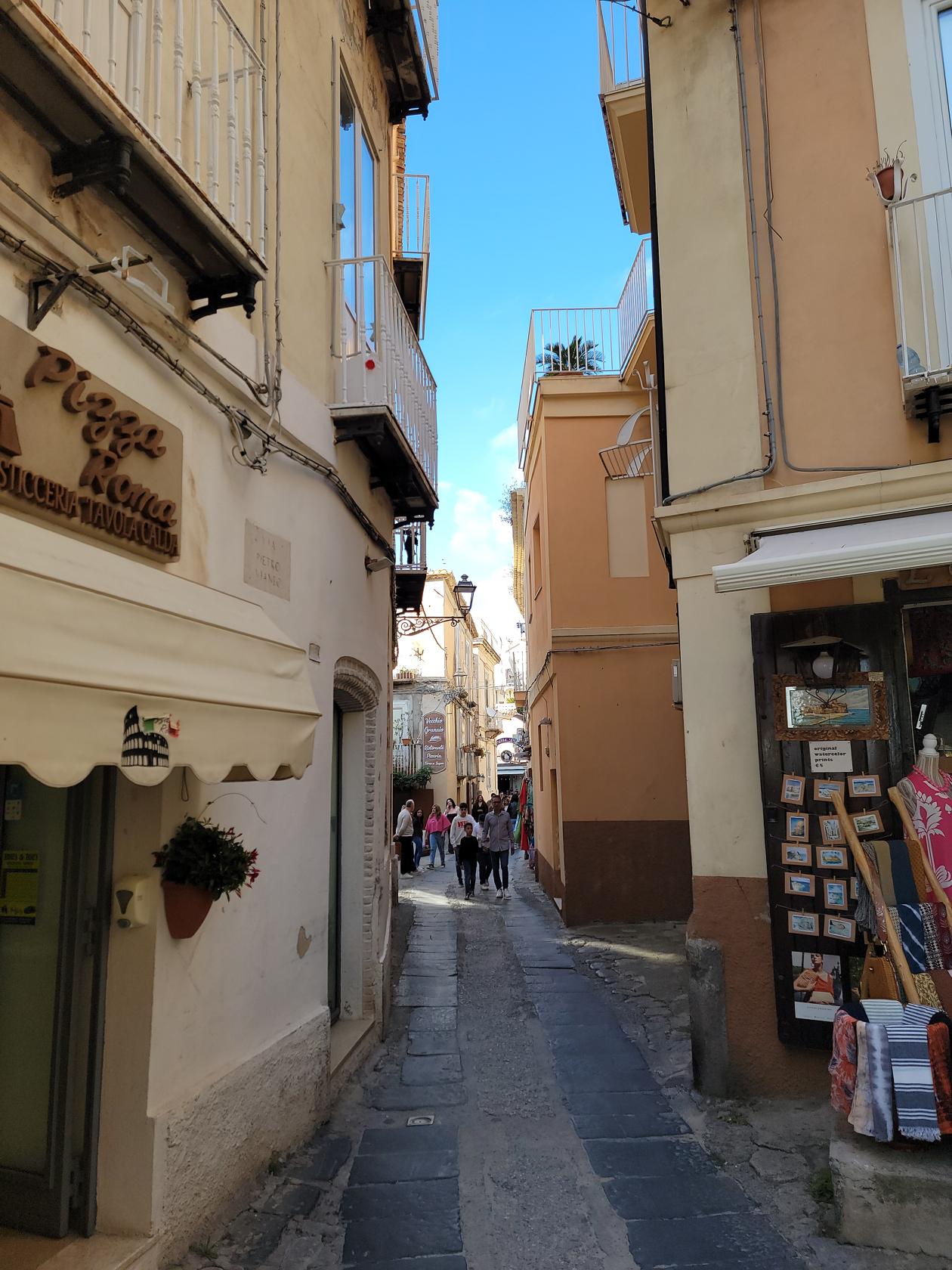
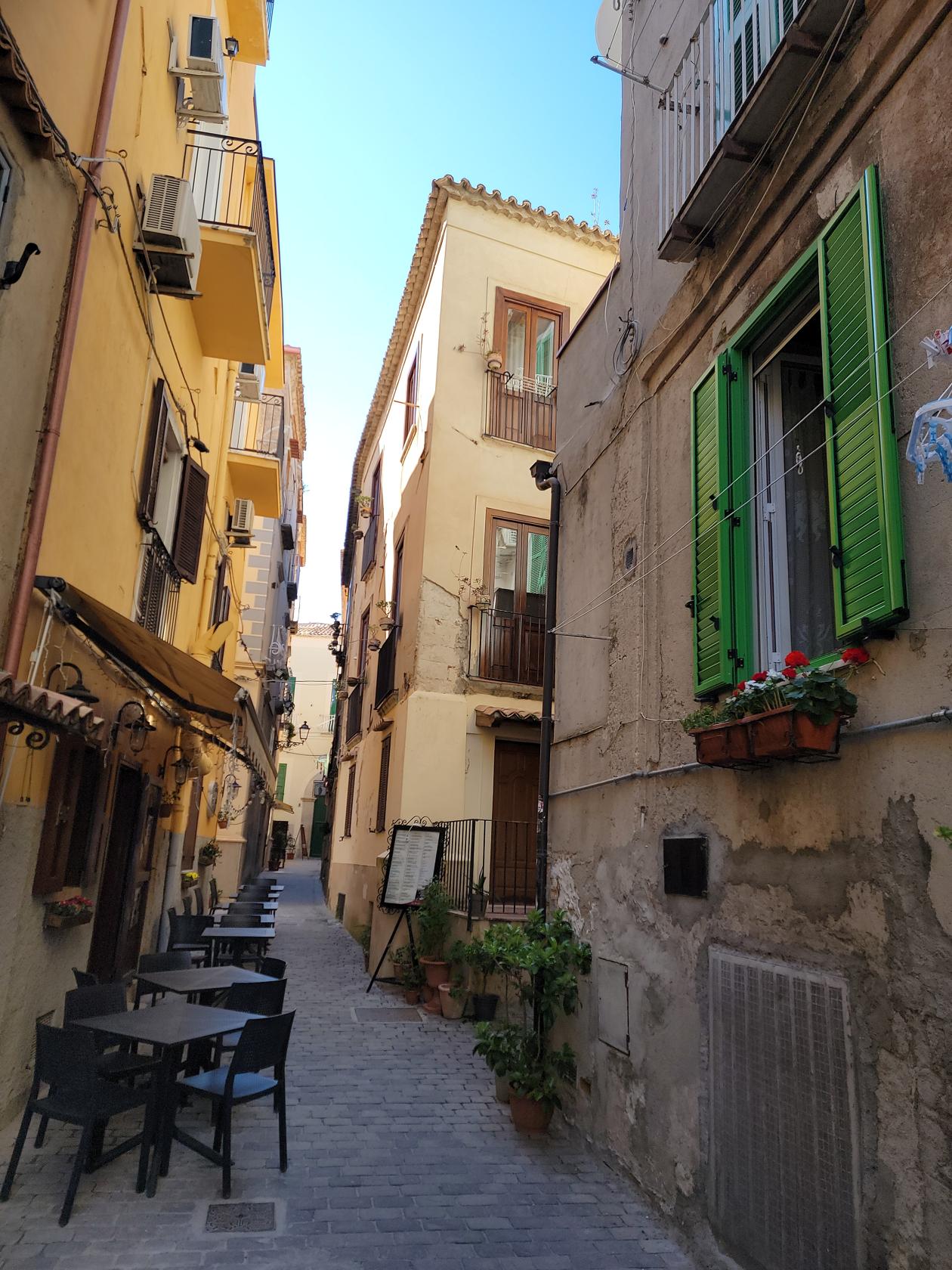
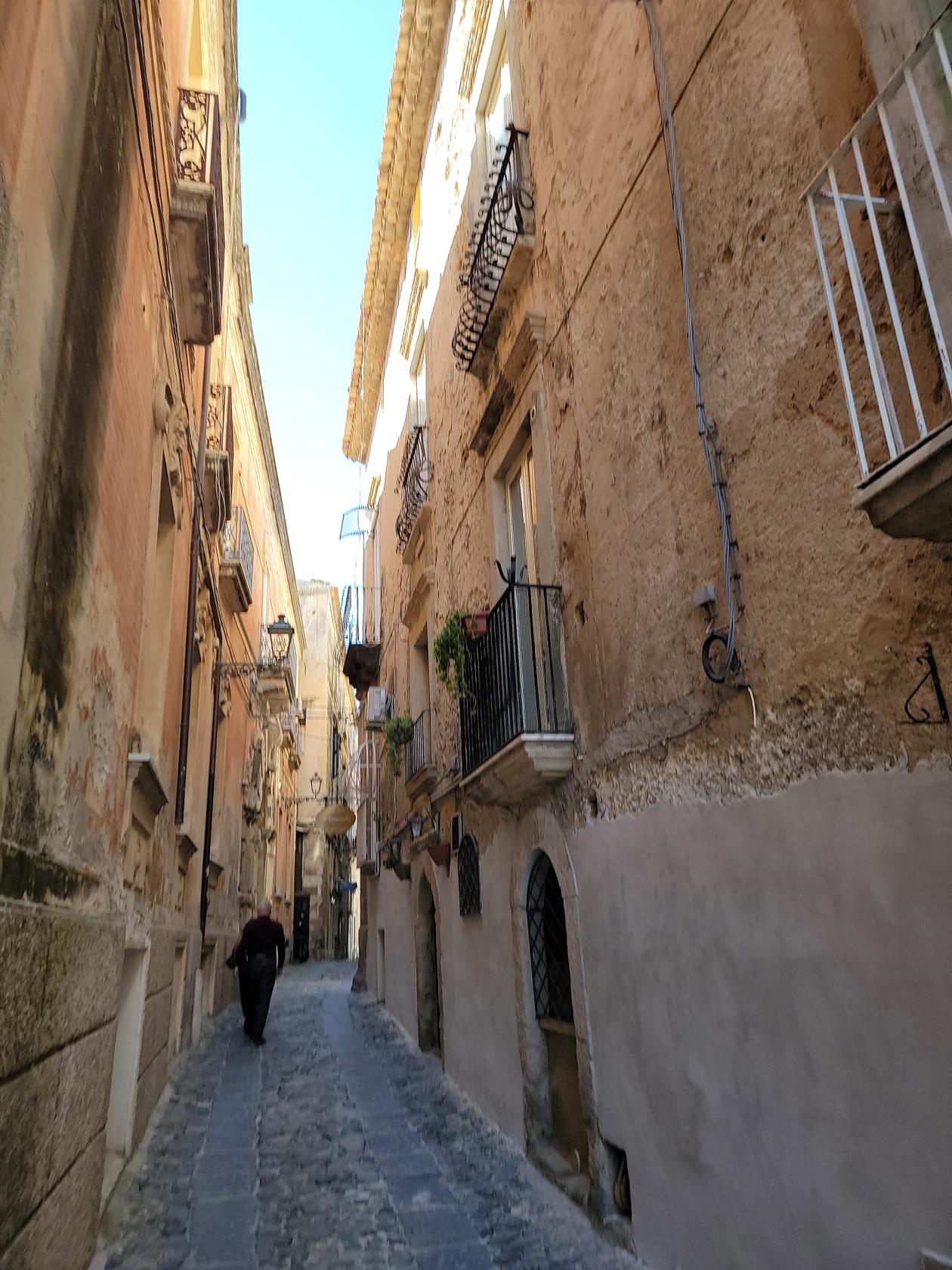
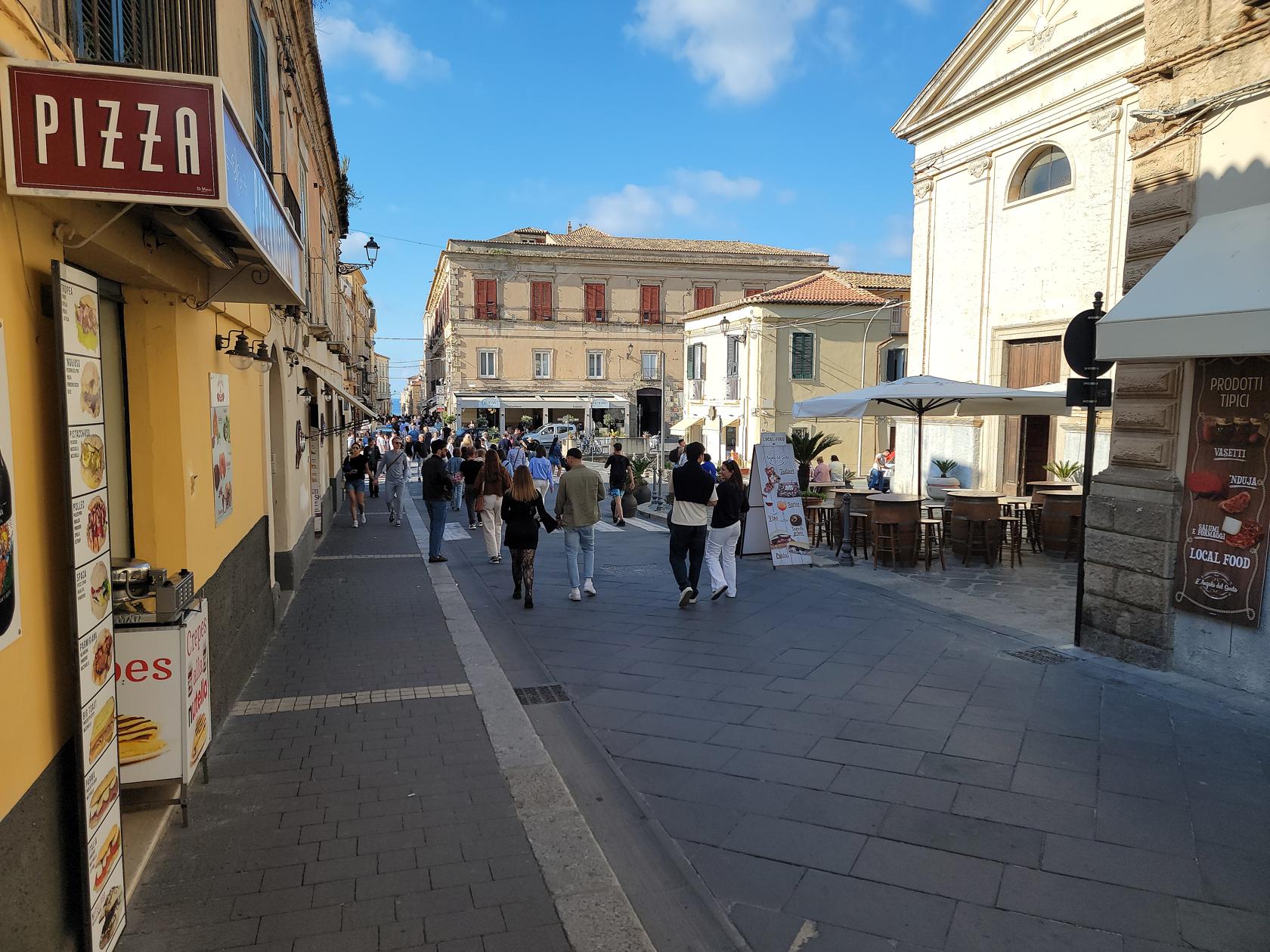
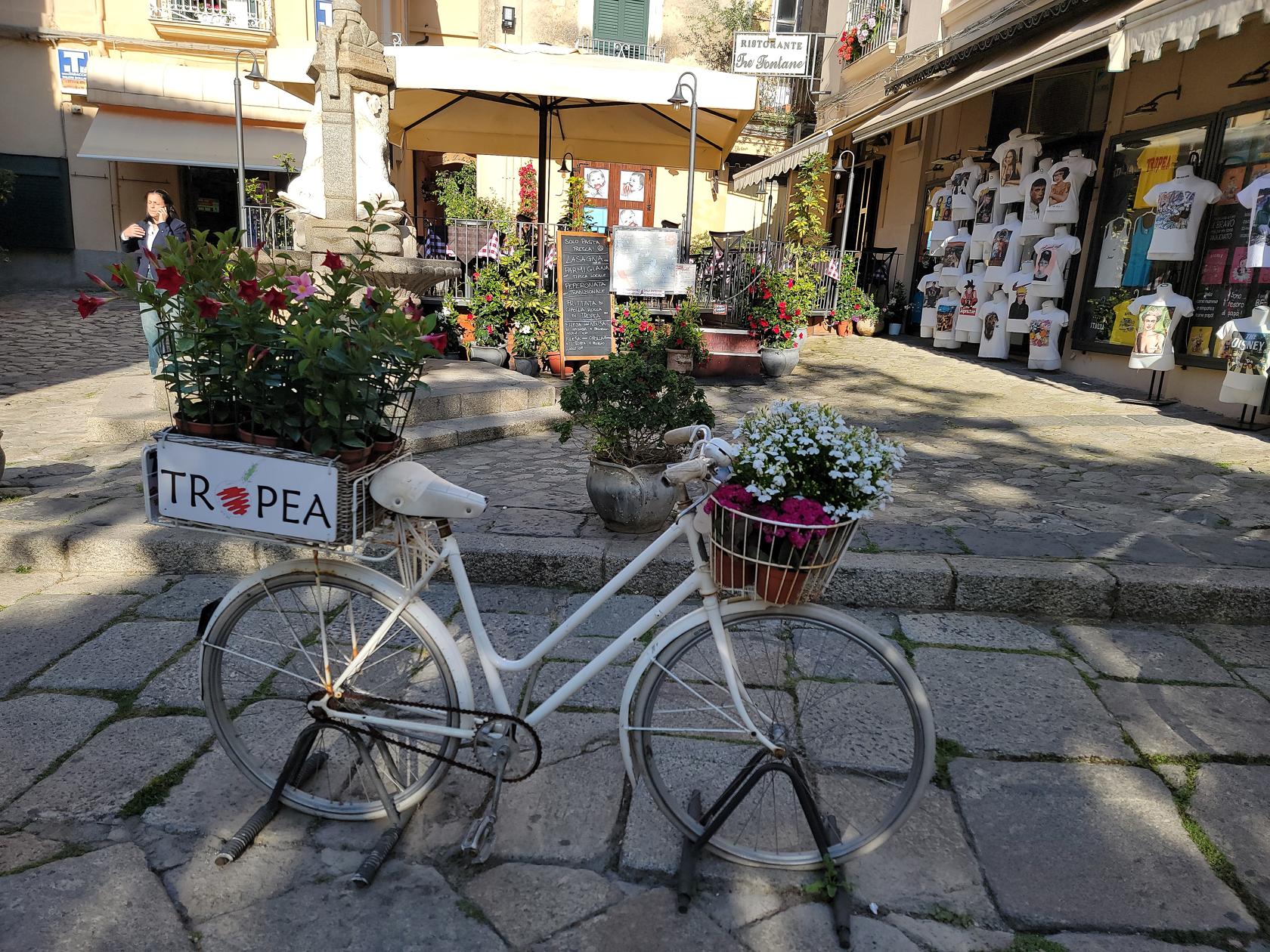
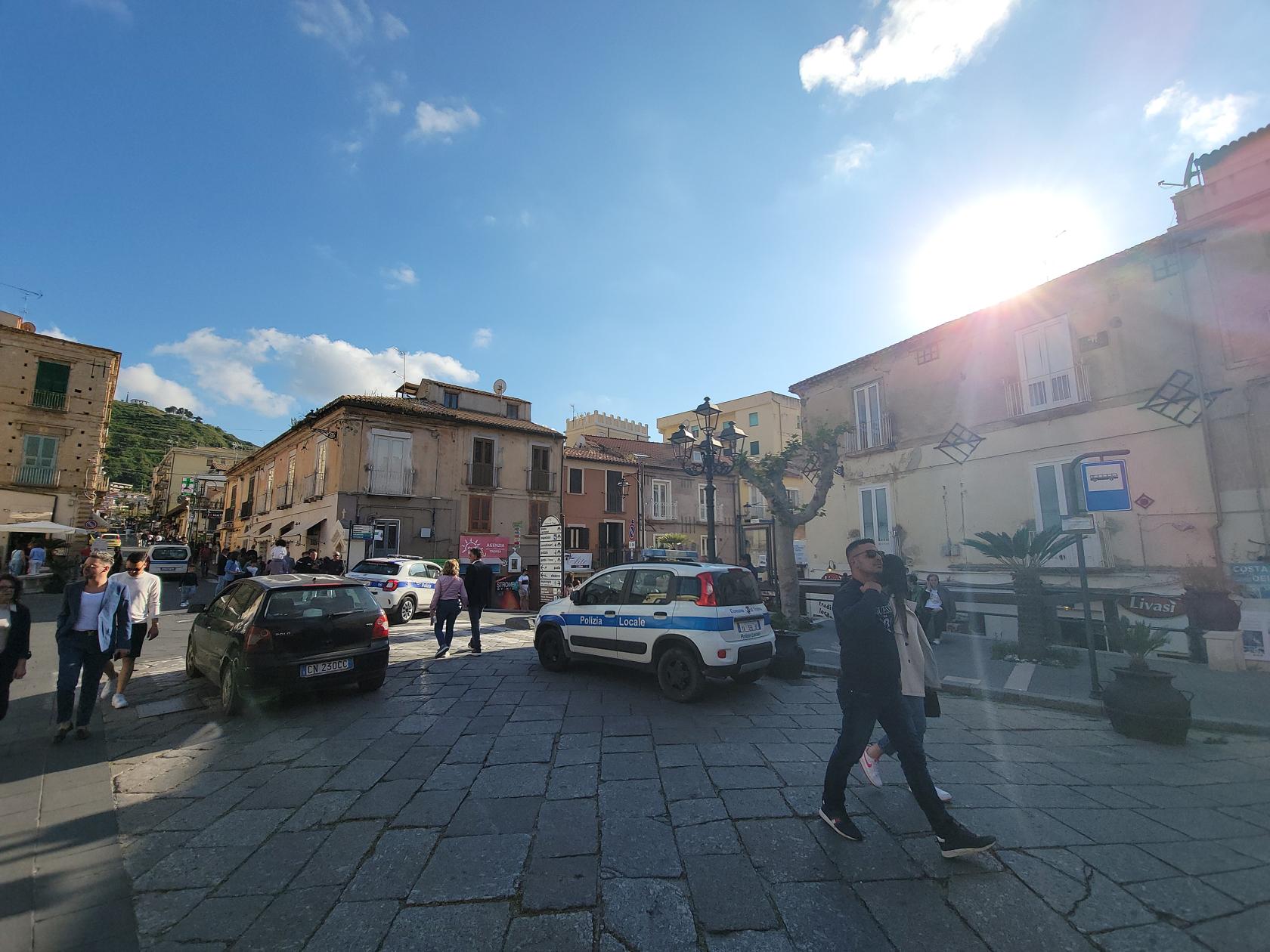
Unknown to us, Tropea is a very busy tourist destination and we were there on a weekend, so the crowds we experienced were kind of unexpected, especially for this time of year.
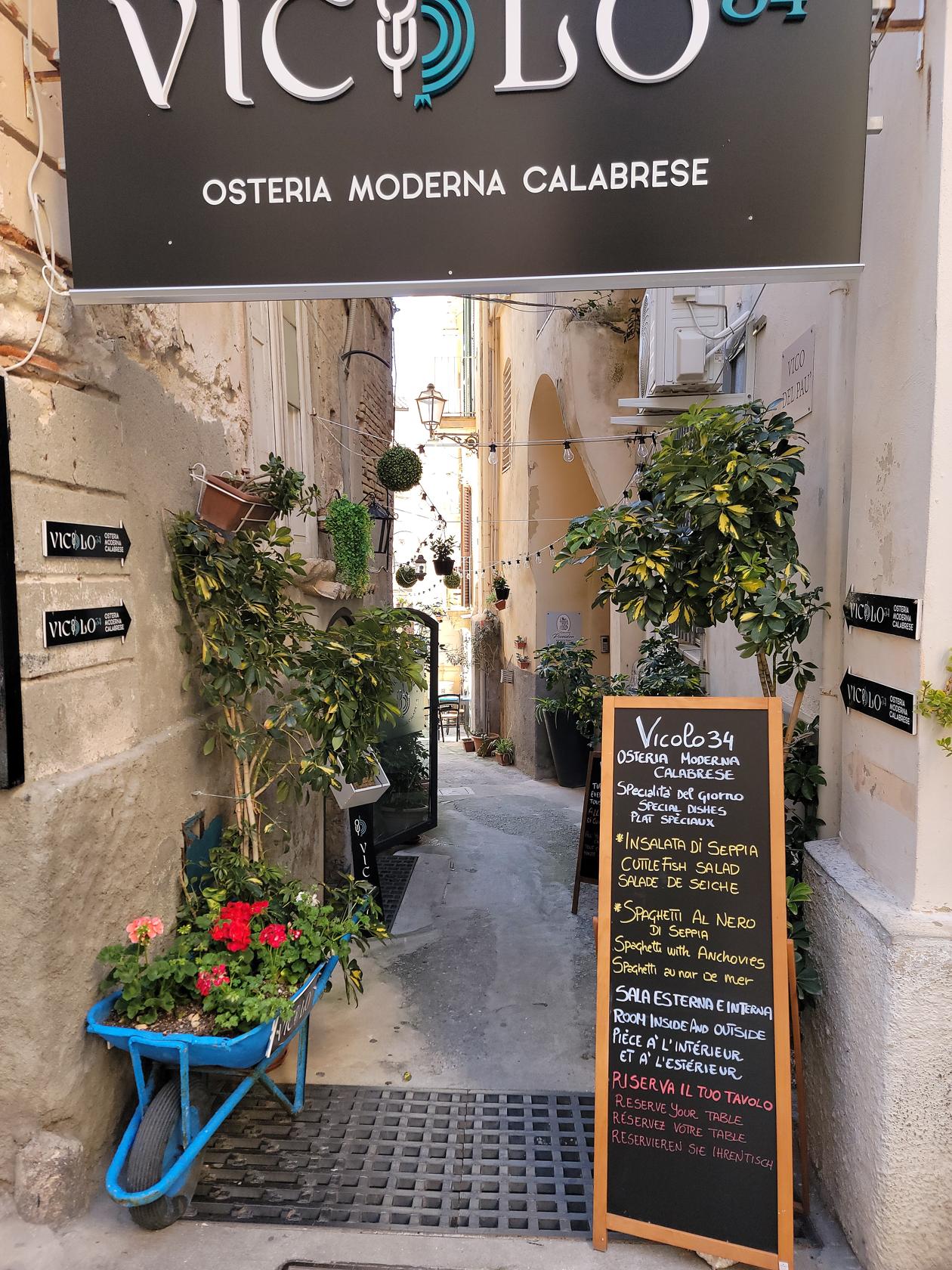
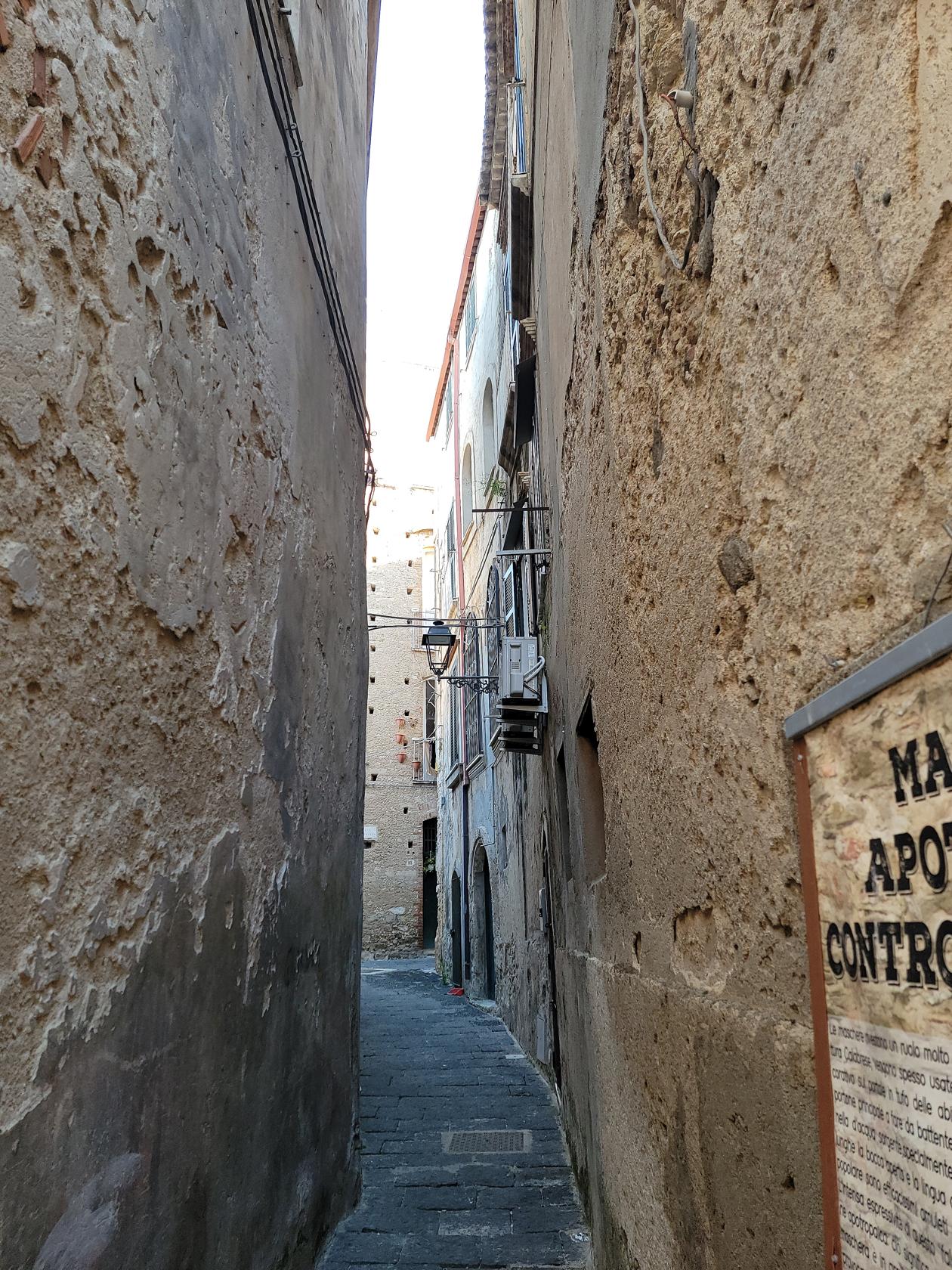
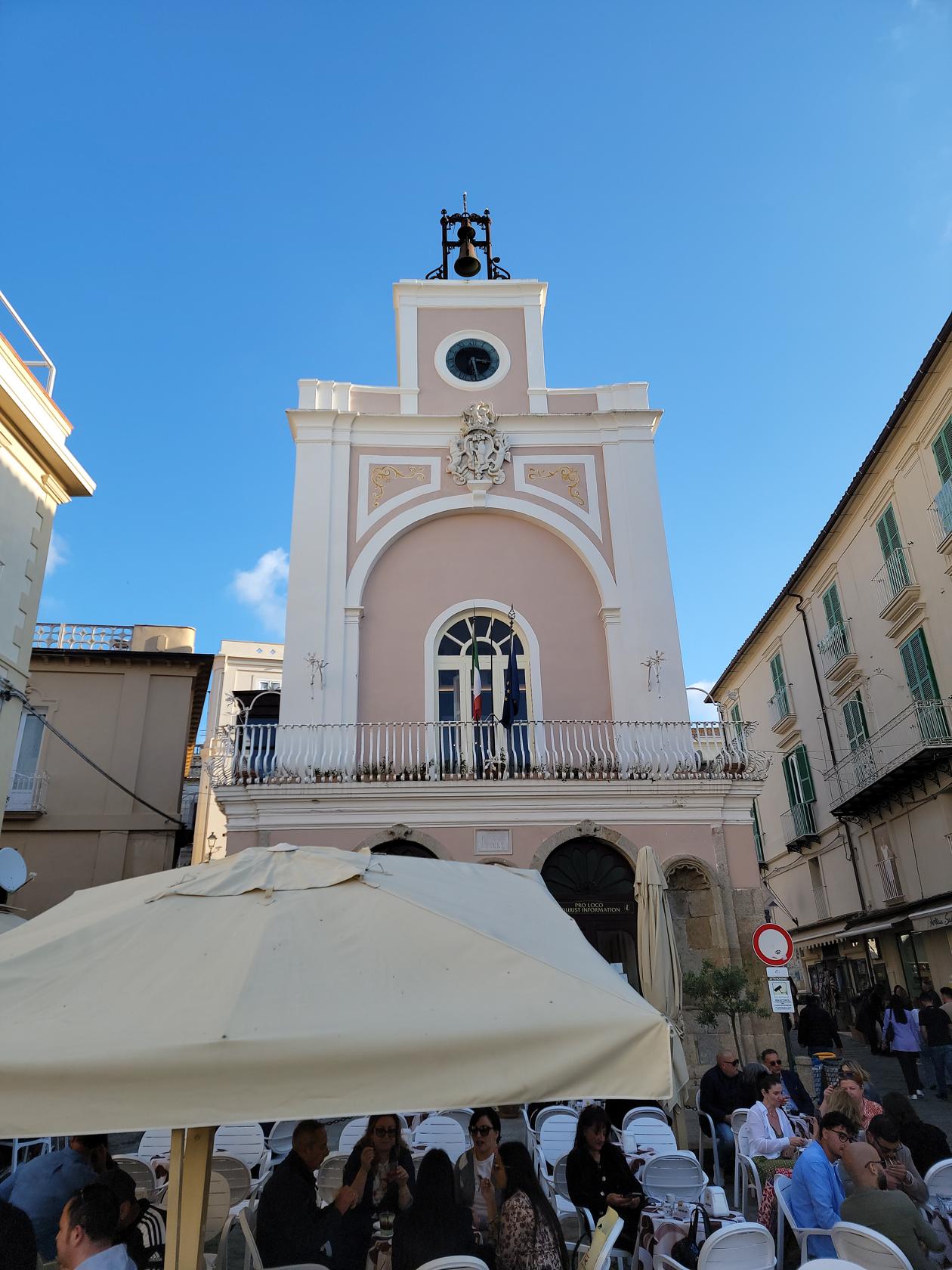
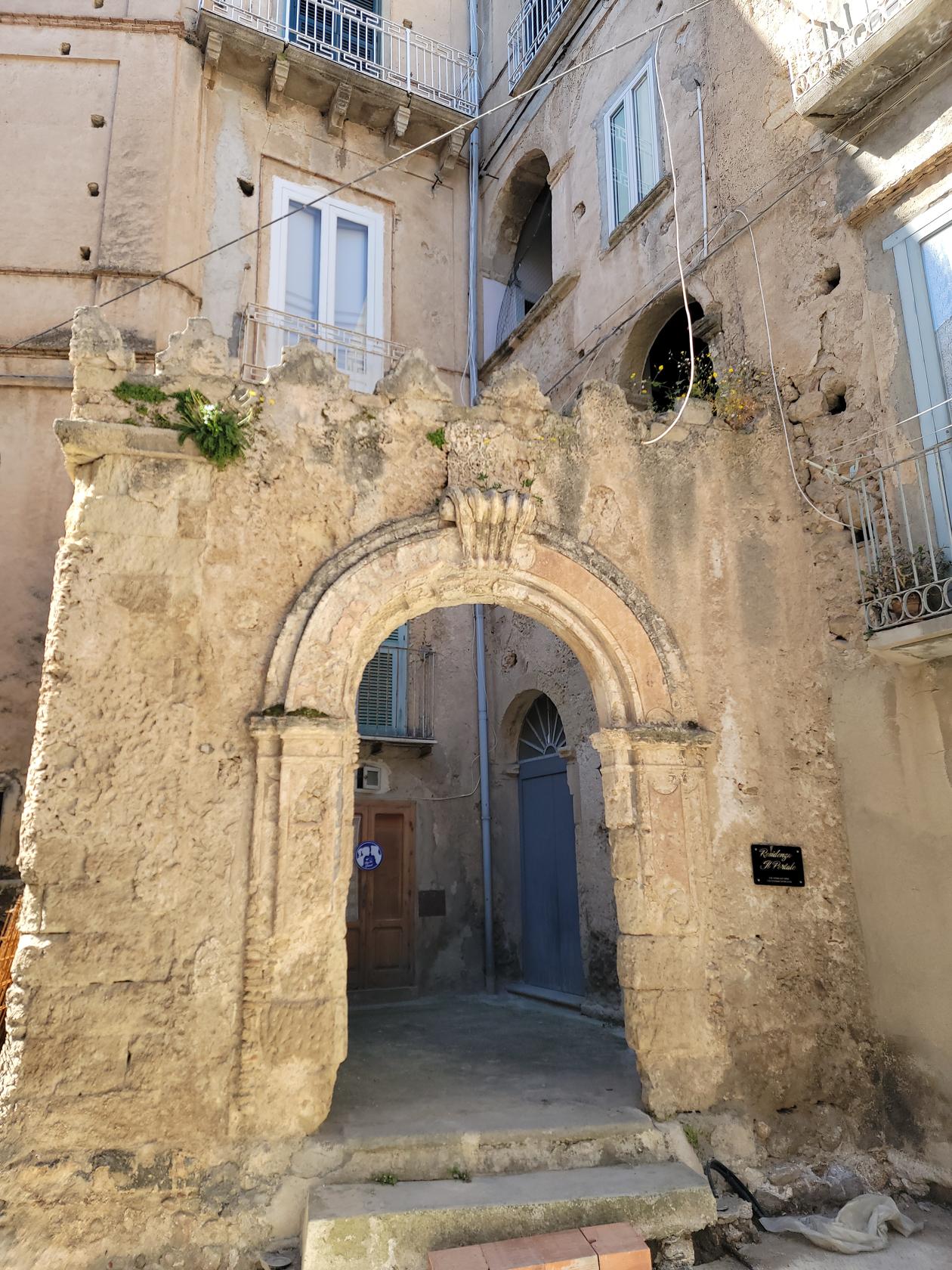
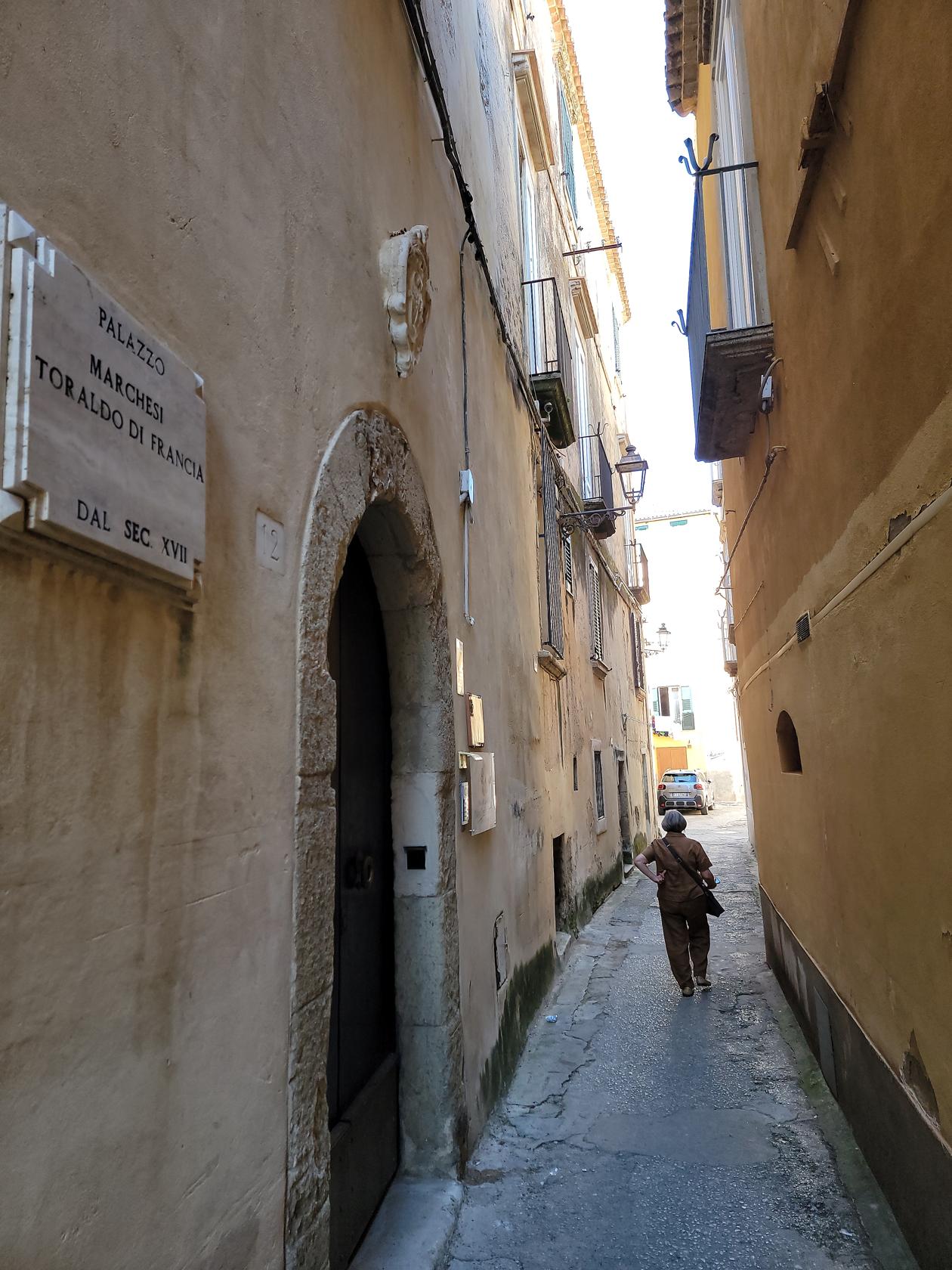
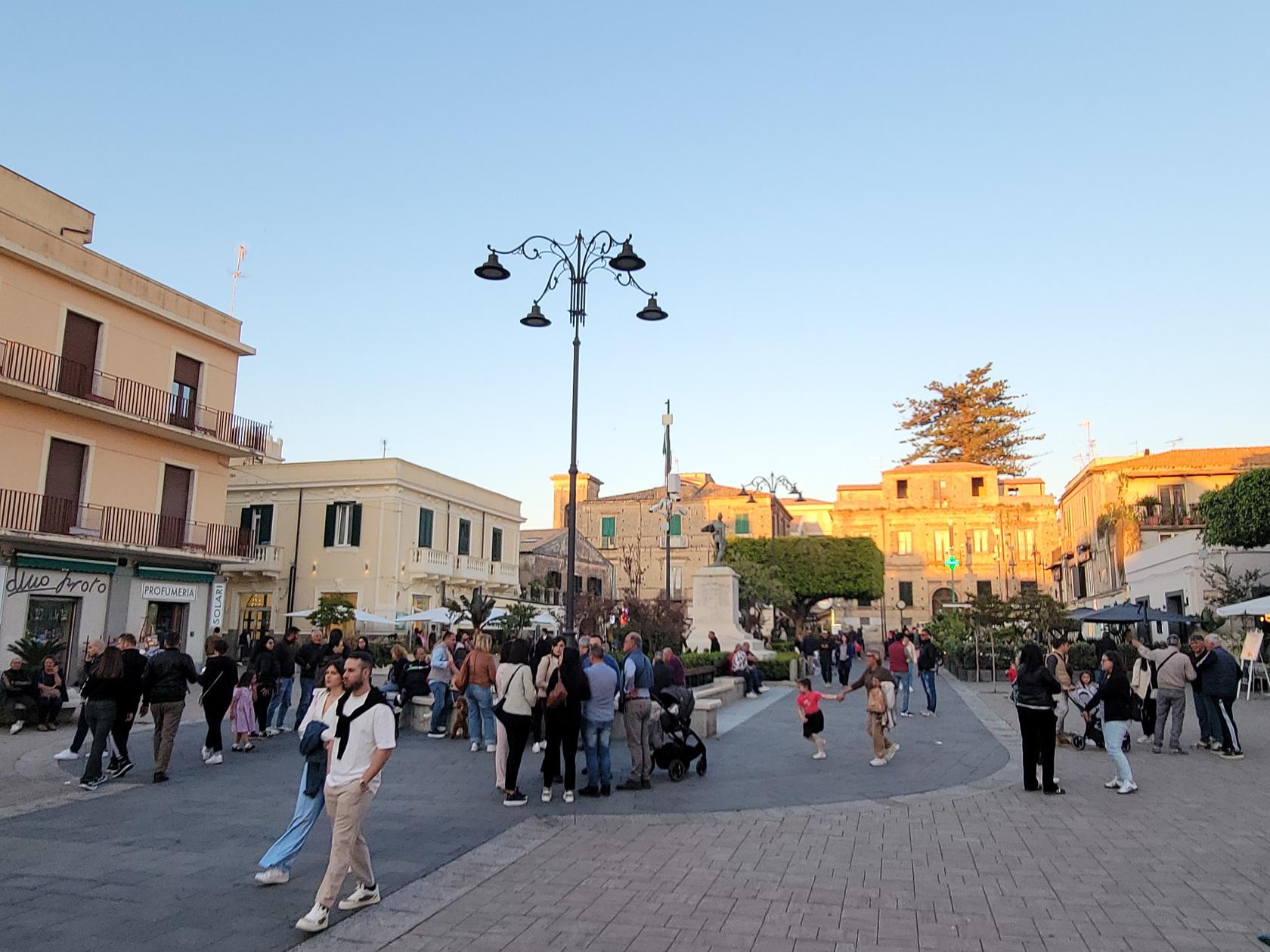
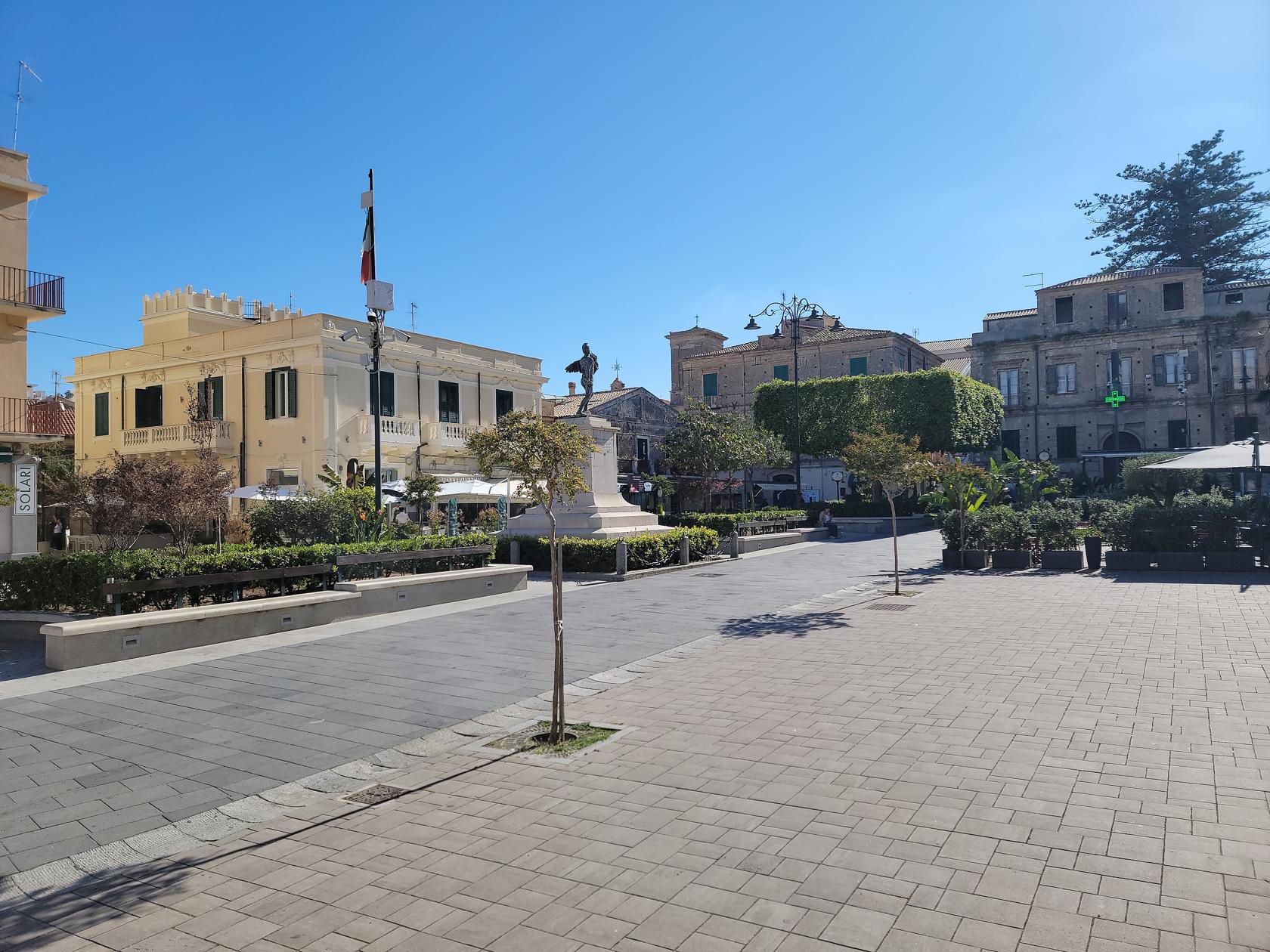
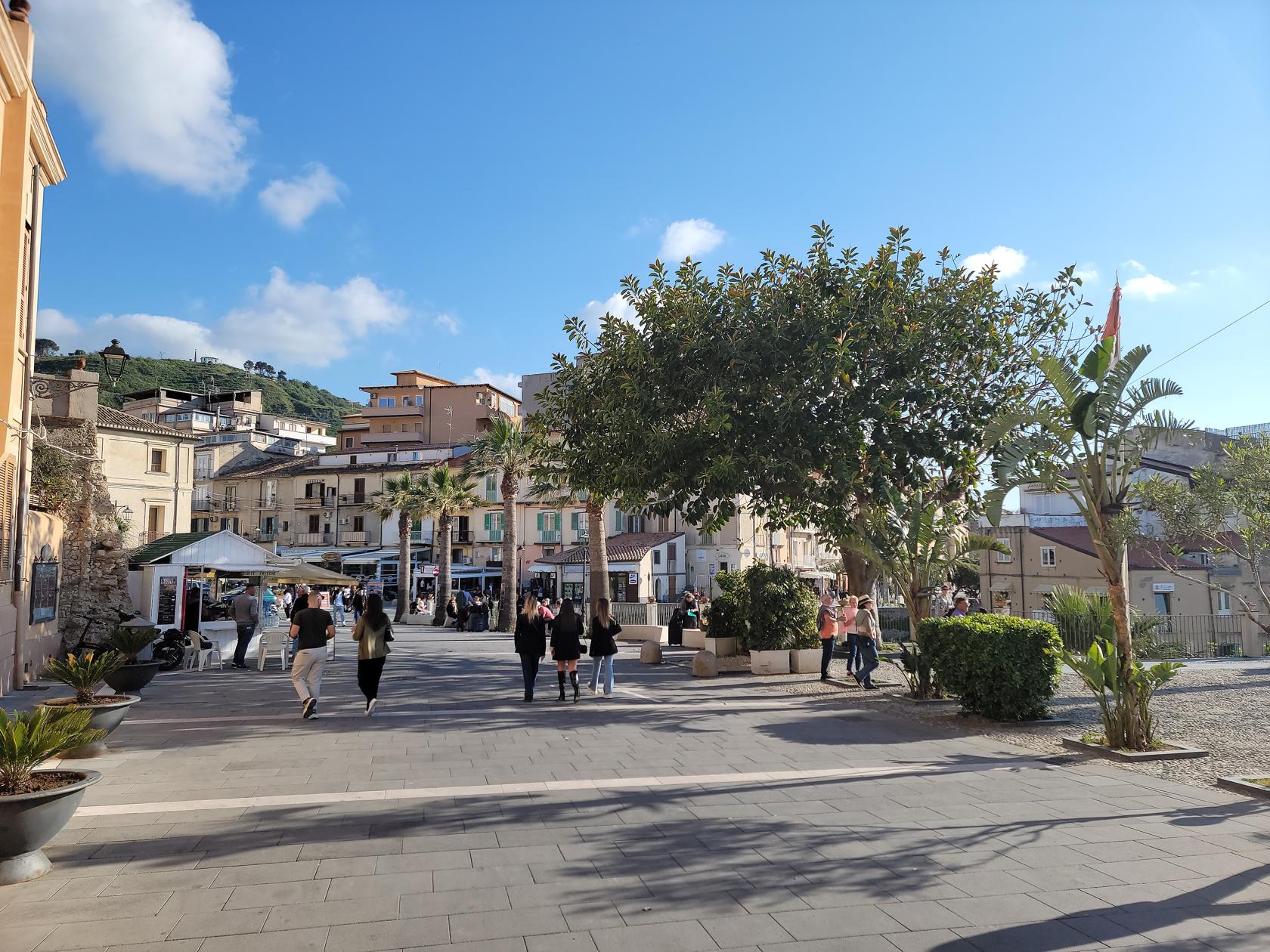
One of the main squares or piazzas close to our hotel, was the Piazza Vittorio Veneto, which our street ran right into, if you walked far enough. It has plenty of seating and a few monuments amongst the trees that have been planted to provide some shade against the sun.
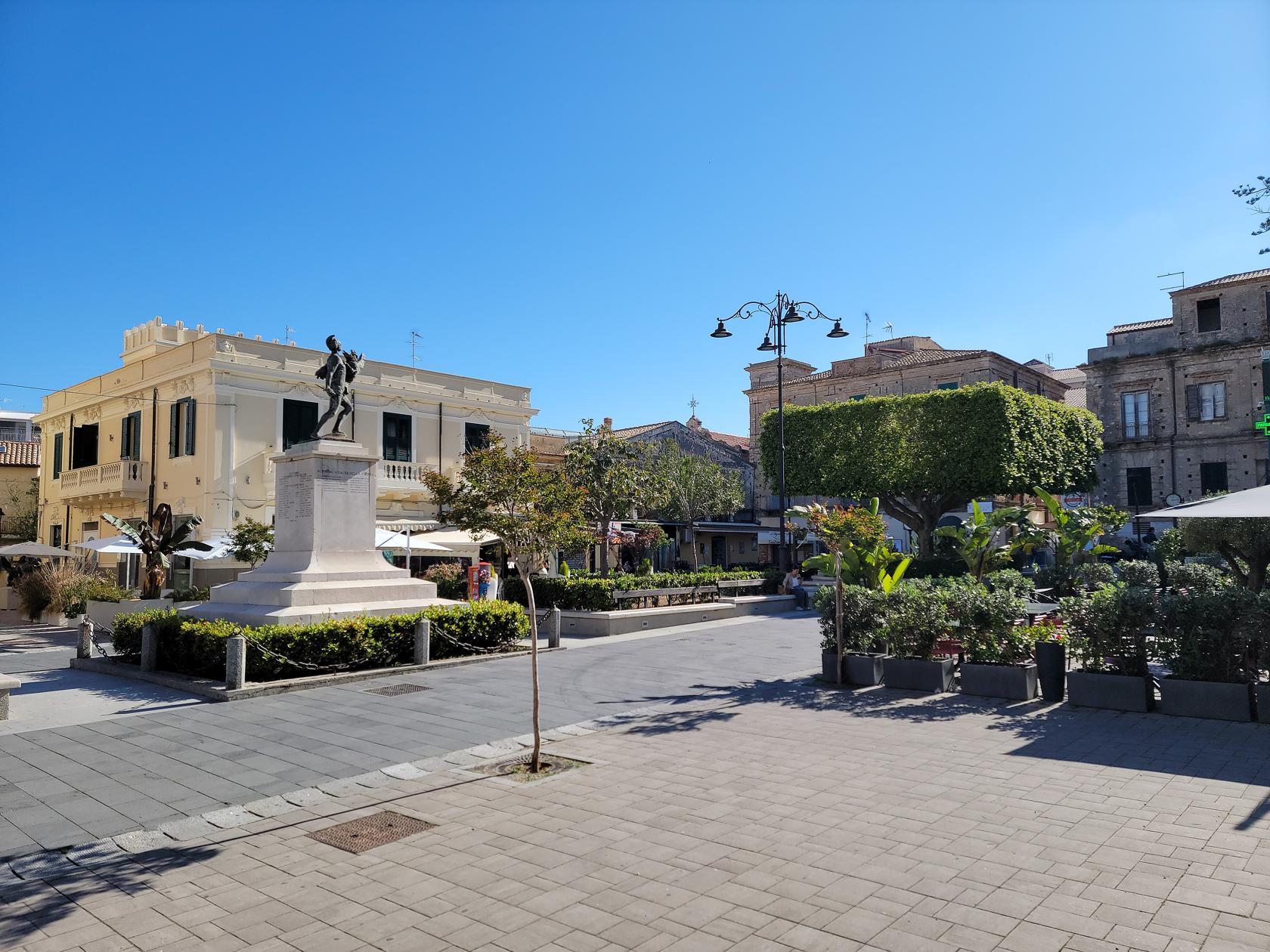
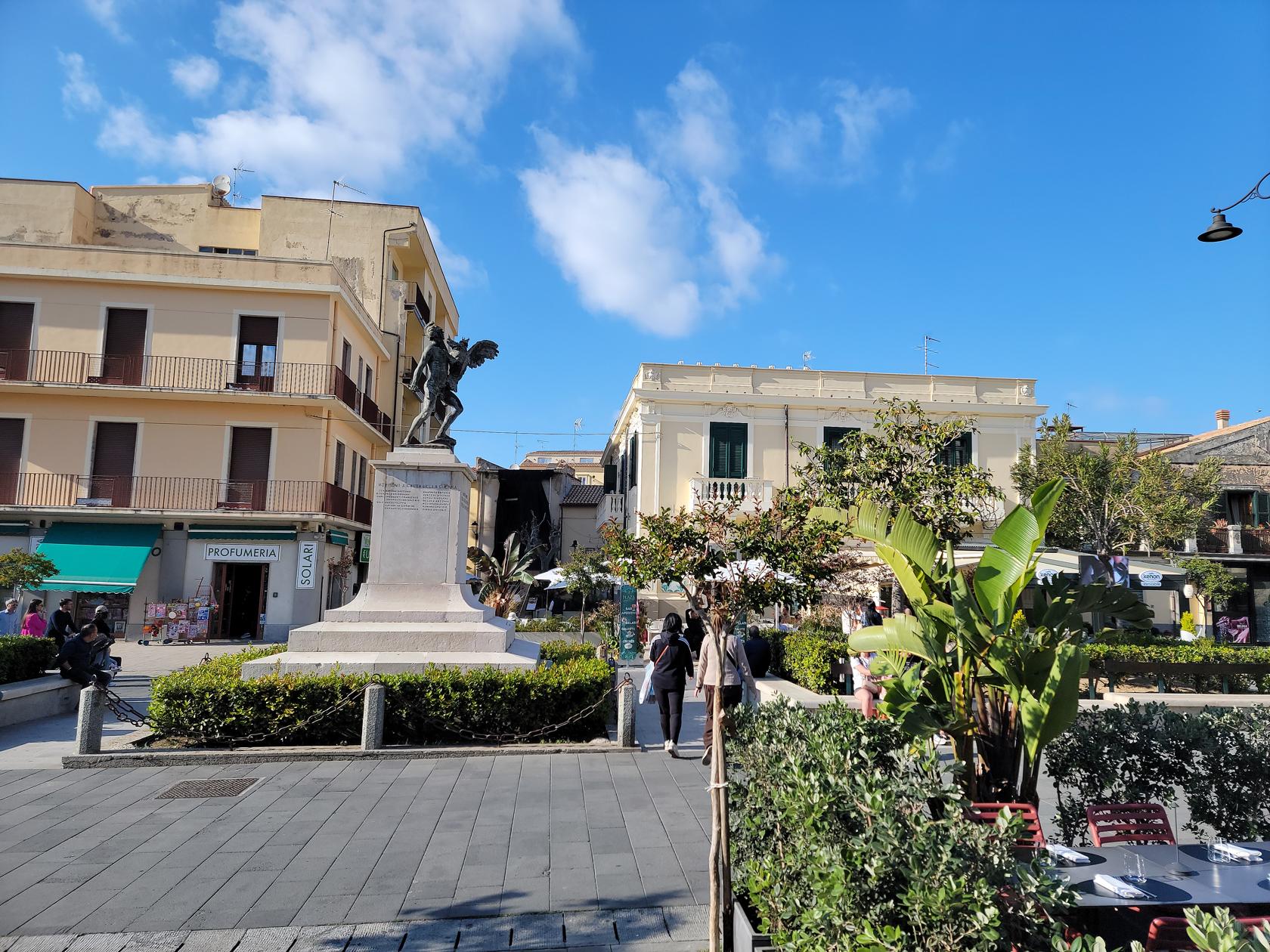
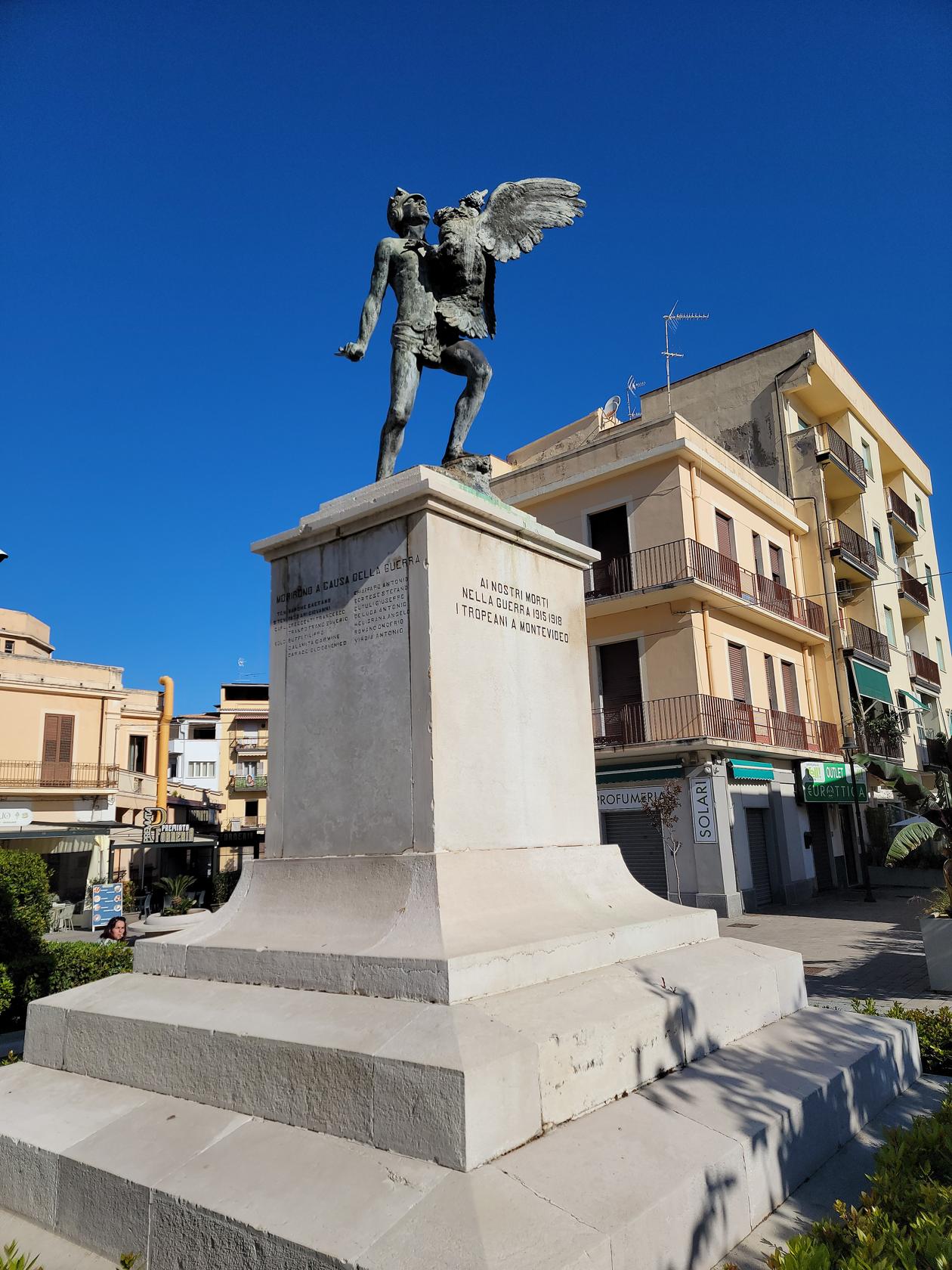
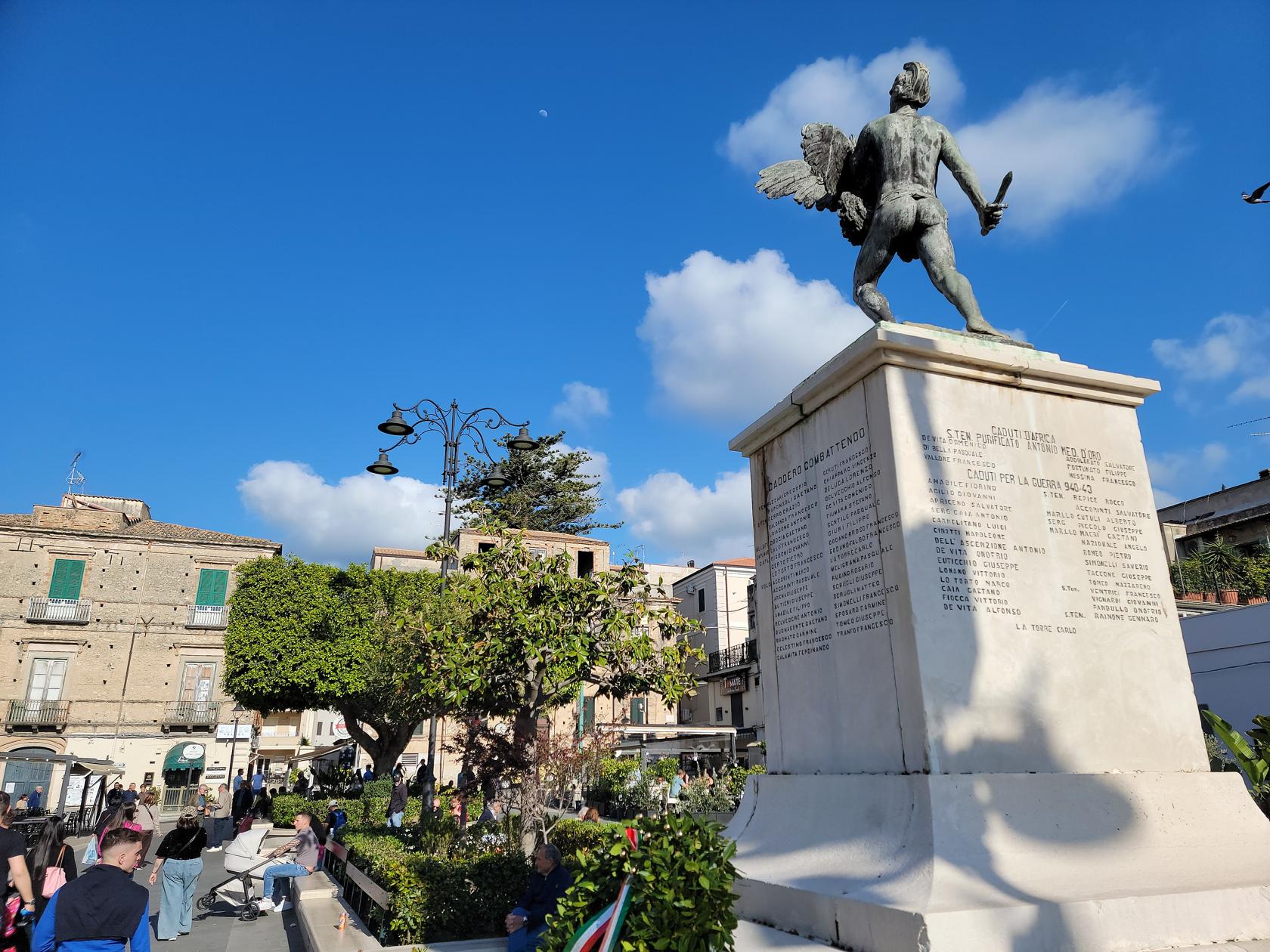
From there the main street in town is the Corso Vittorio Emanuele, which turns into Via Stazione as one gets closer to the train station.
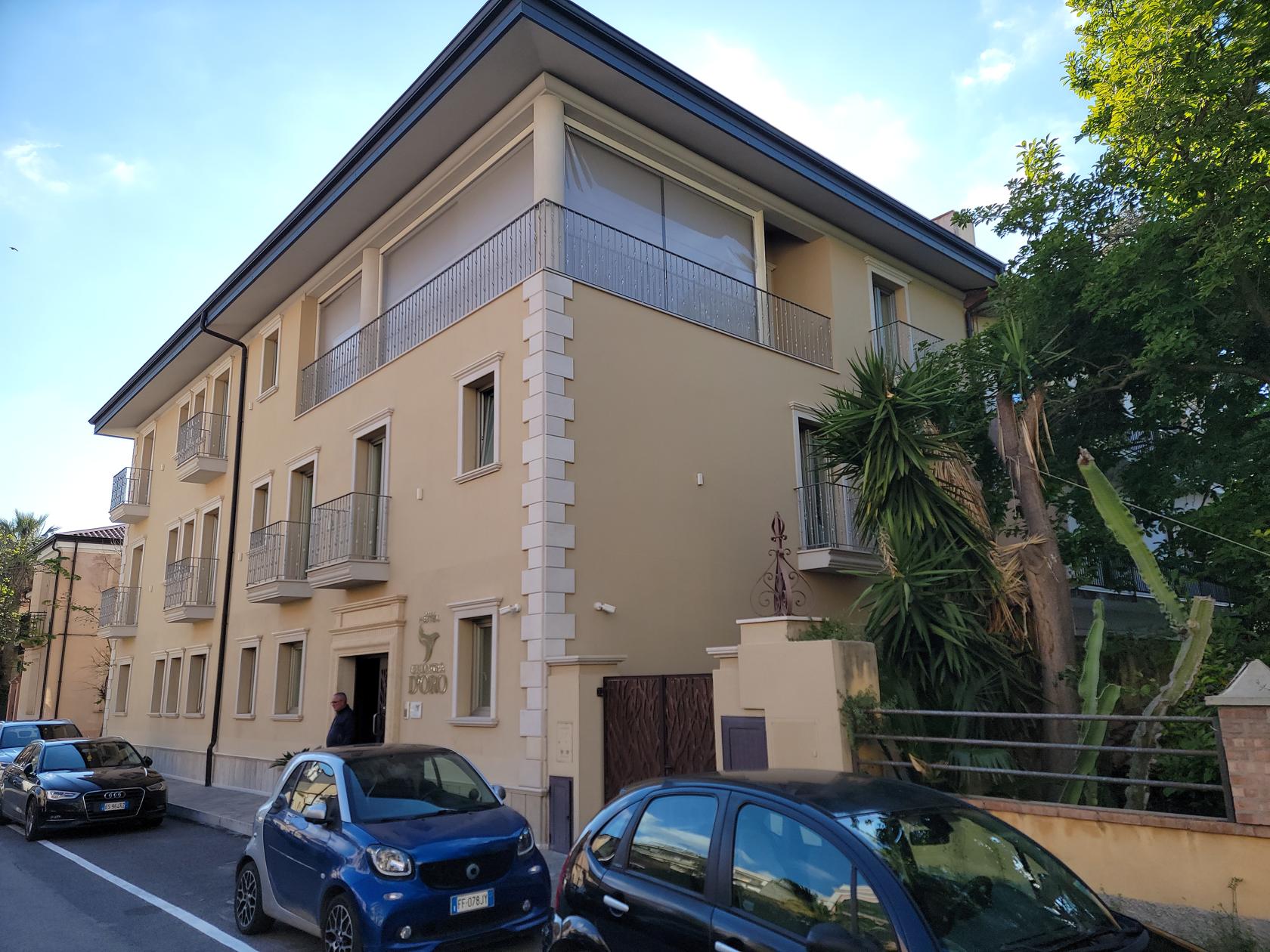
Hotel Colomba D’Oro
In Tropea we stayed at a hotel between the old part of town and the train station. It was just as well, our hotel in the city was the Hotel Colomba D’Oro on via Vittorio Veneto and it proved to be quiet and very comfortable. Our room came with a free morning continental breakfast, which included cooked eggs, pancetta and other warm offerings.
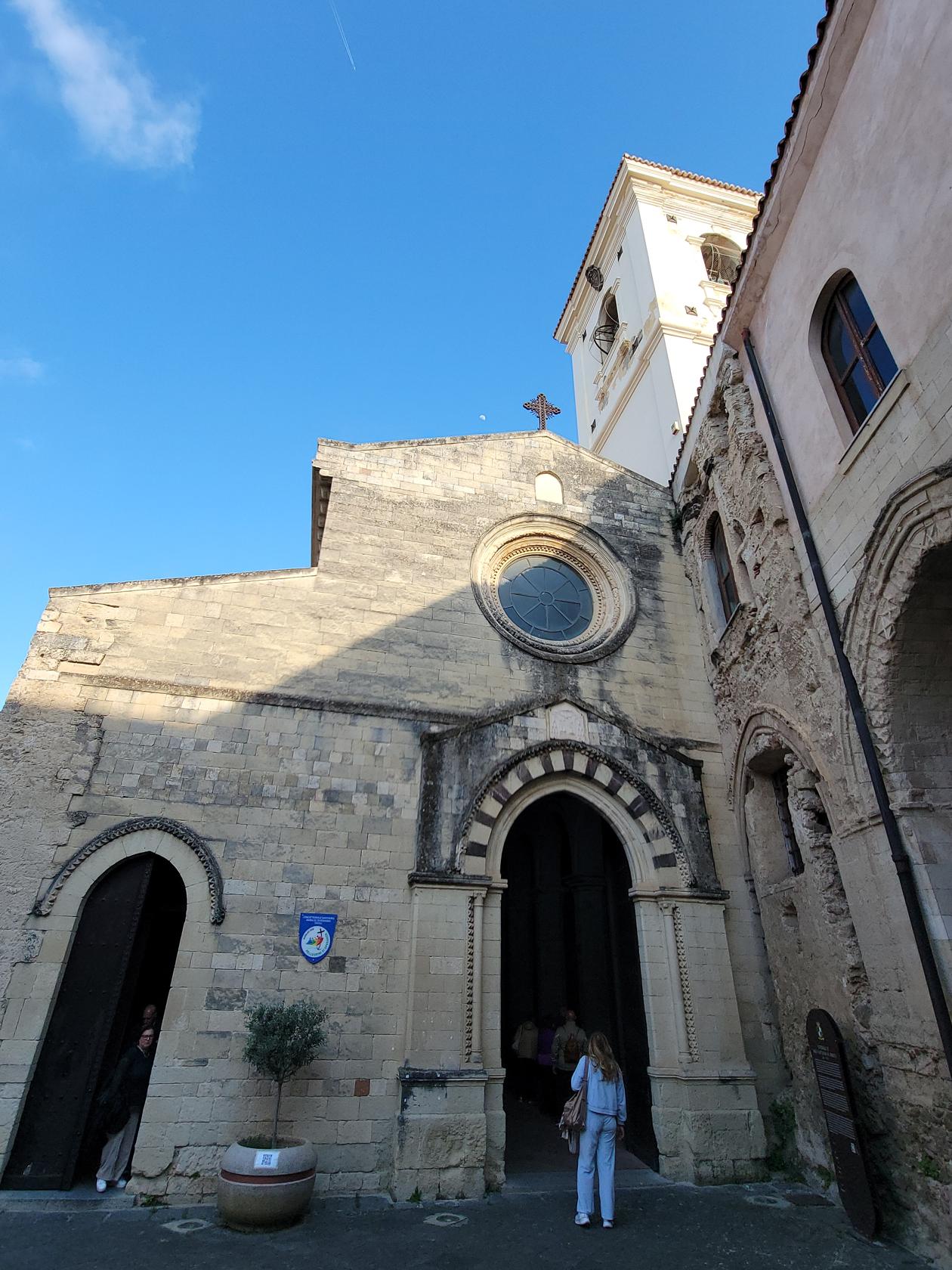
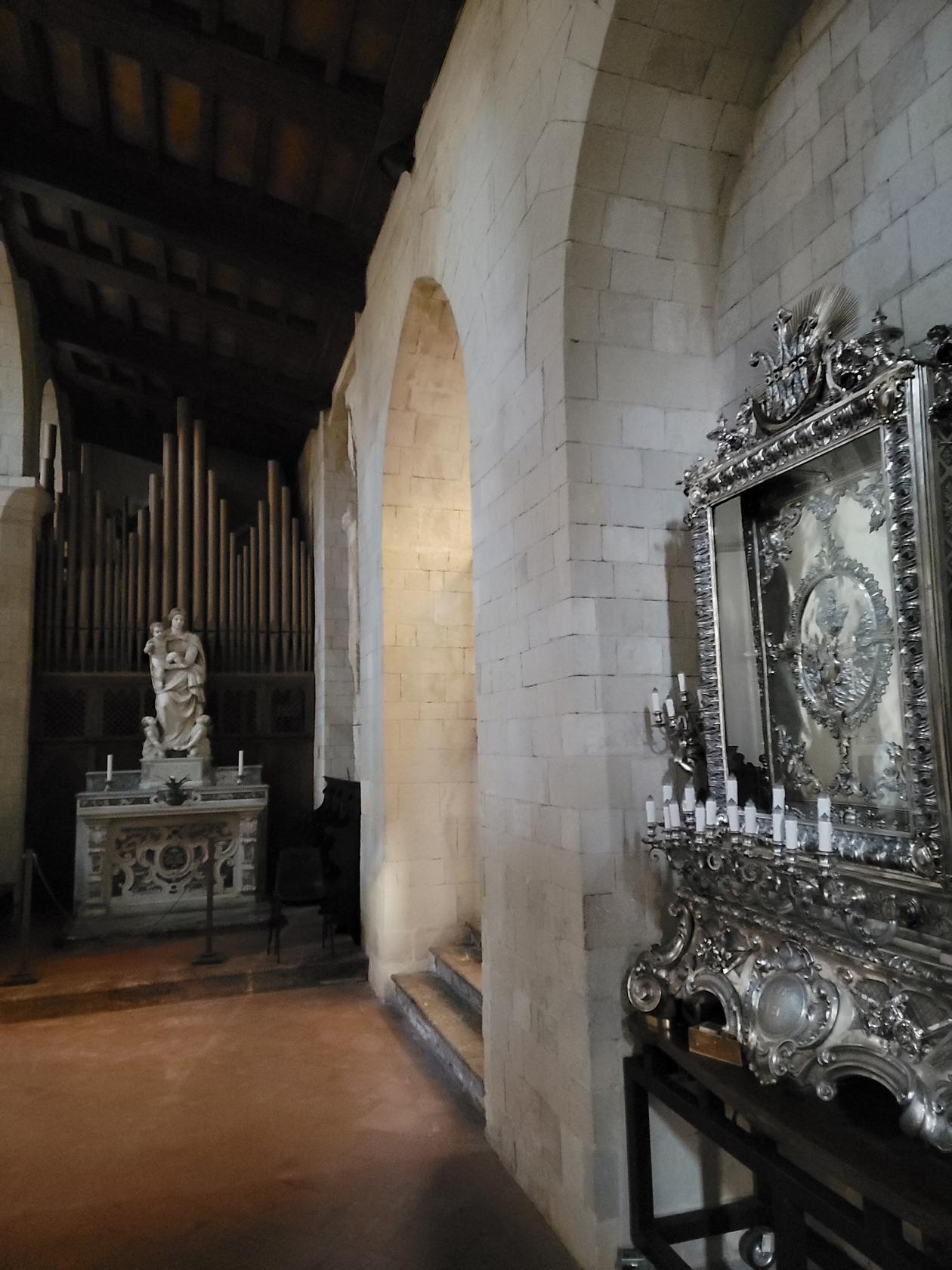
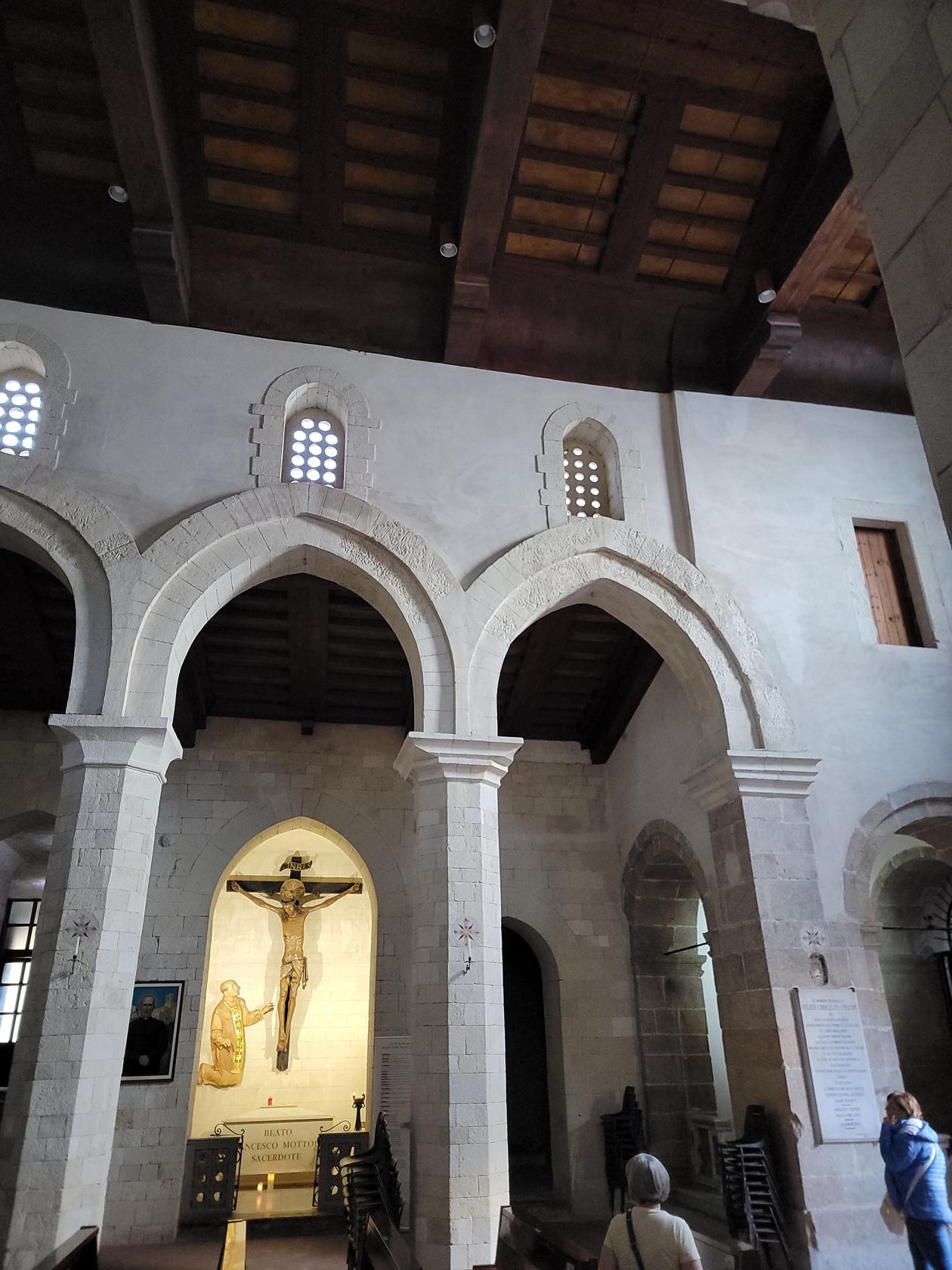
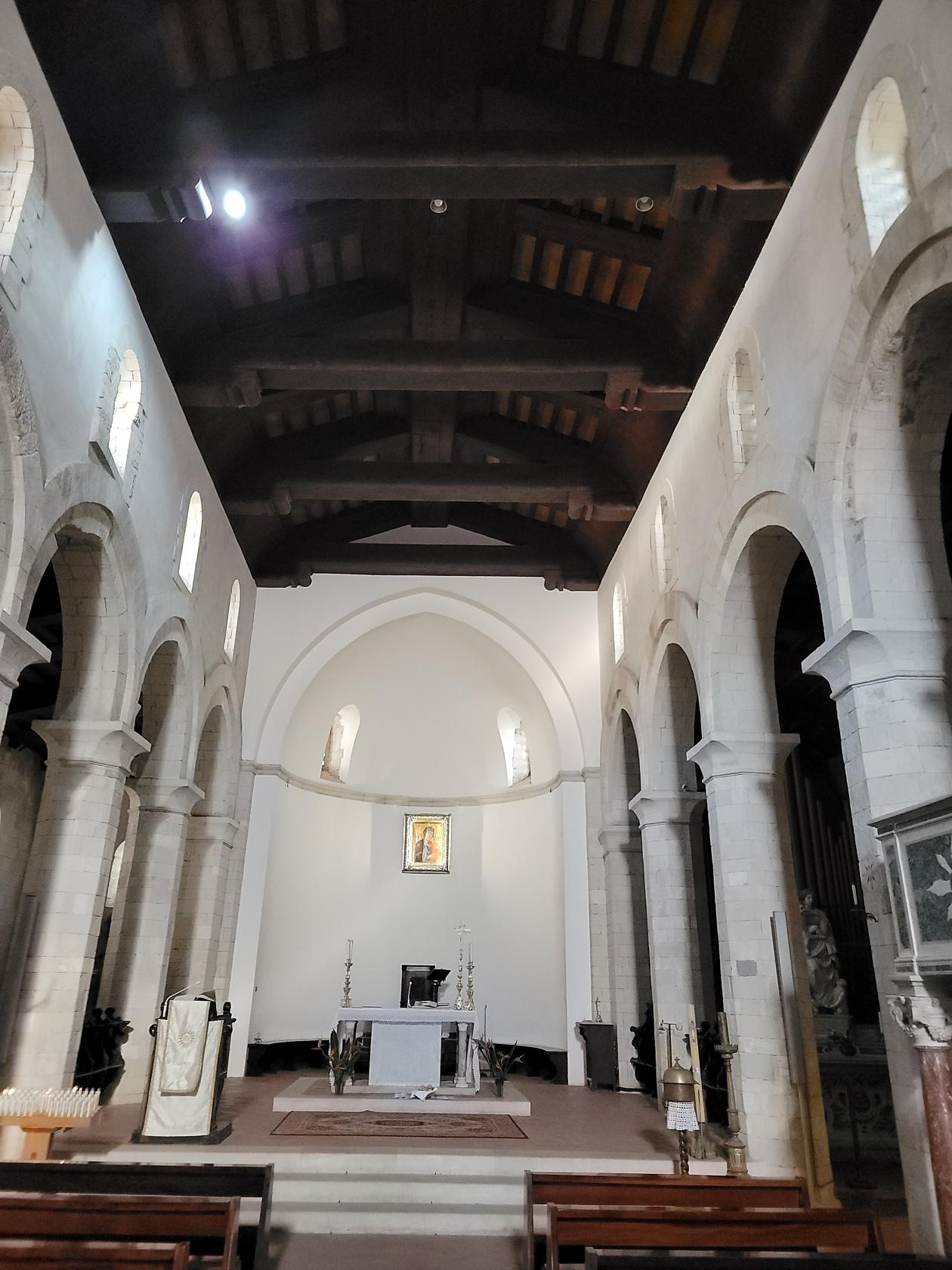
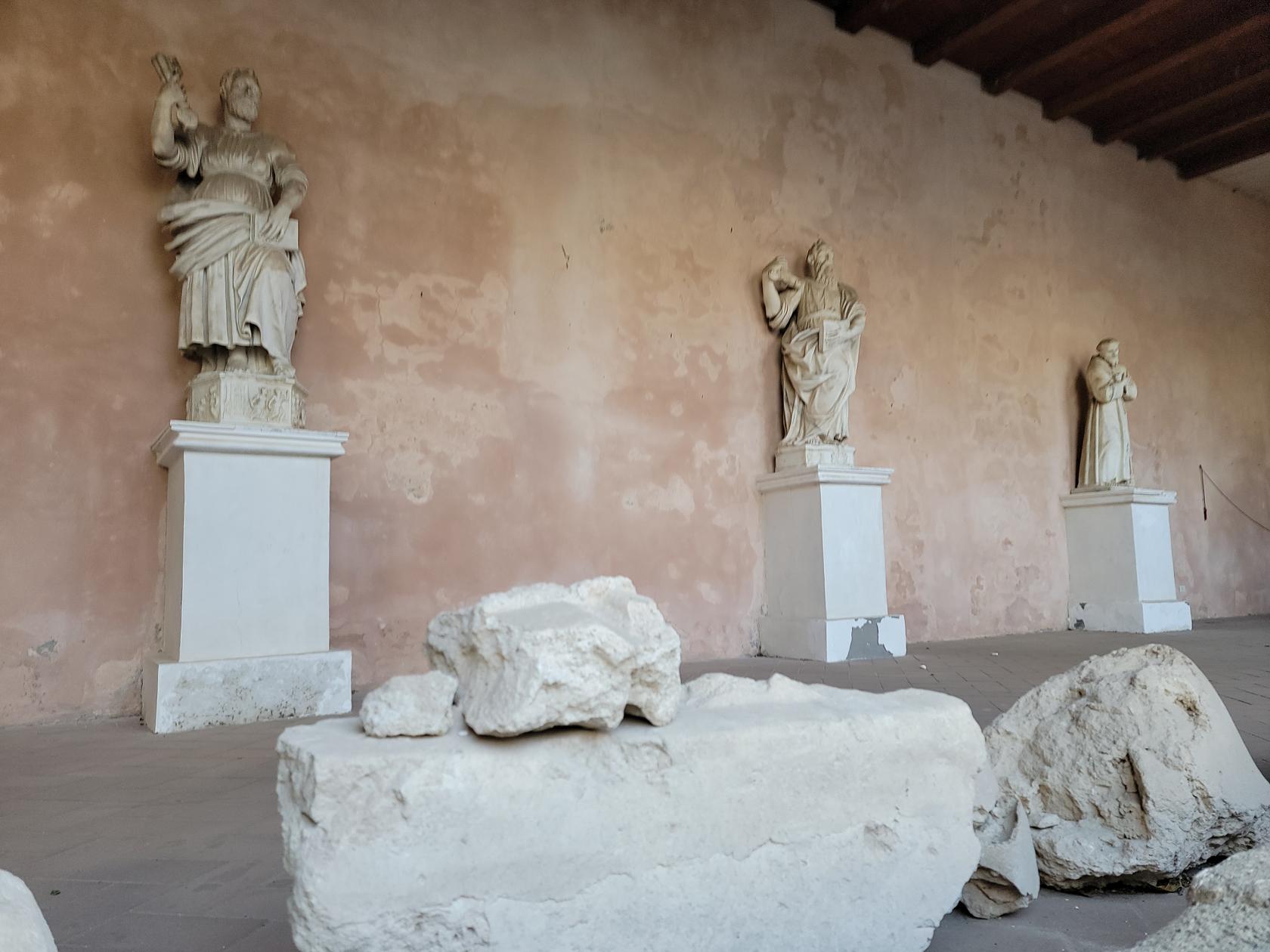
Cathedral of Maria Santissima of Romania
The twelfth century cathedral of Saint Mary of Romania is on Largo Duomo. The interior houses guilt altar for the Virgin of Romania and the Black Crucifix of 1600.
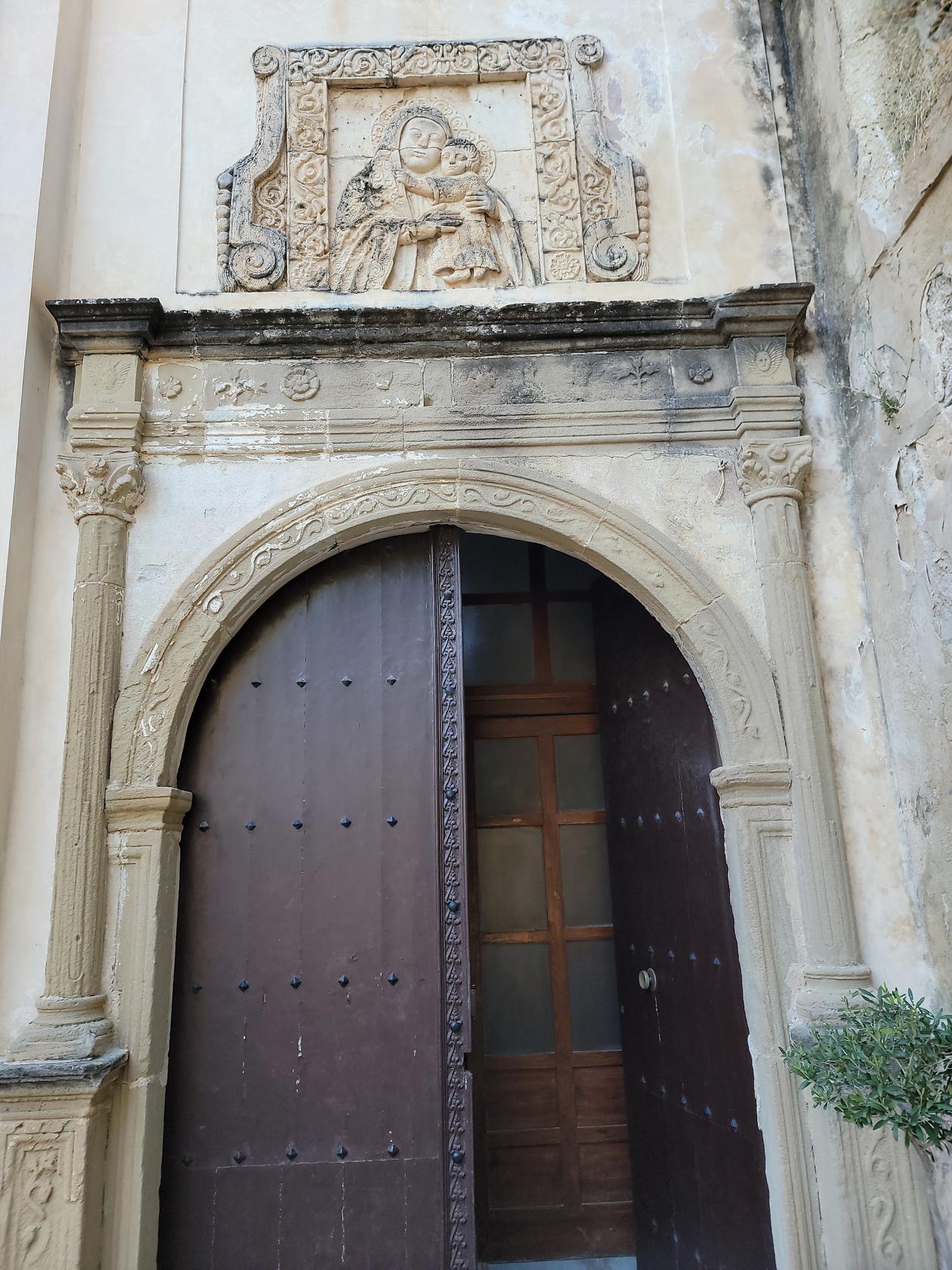
Sanctuary of Santa Maria of the Island of Tropea
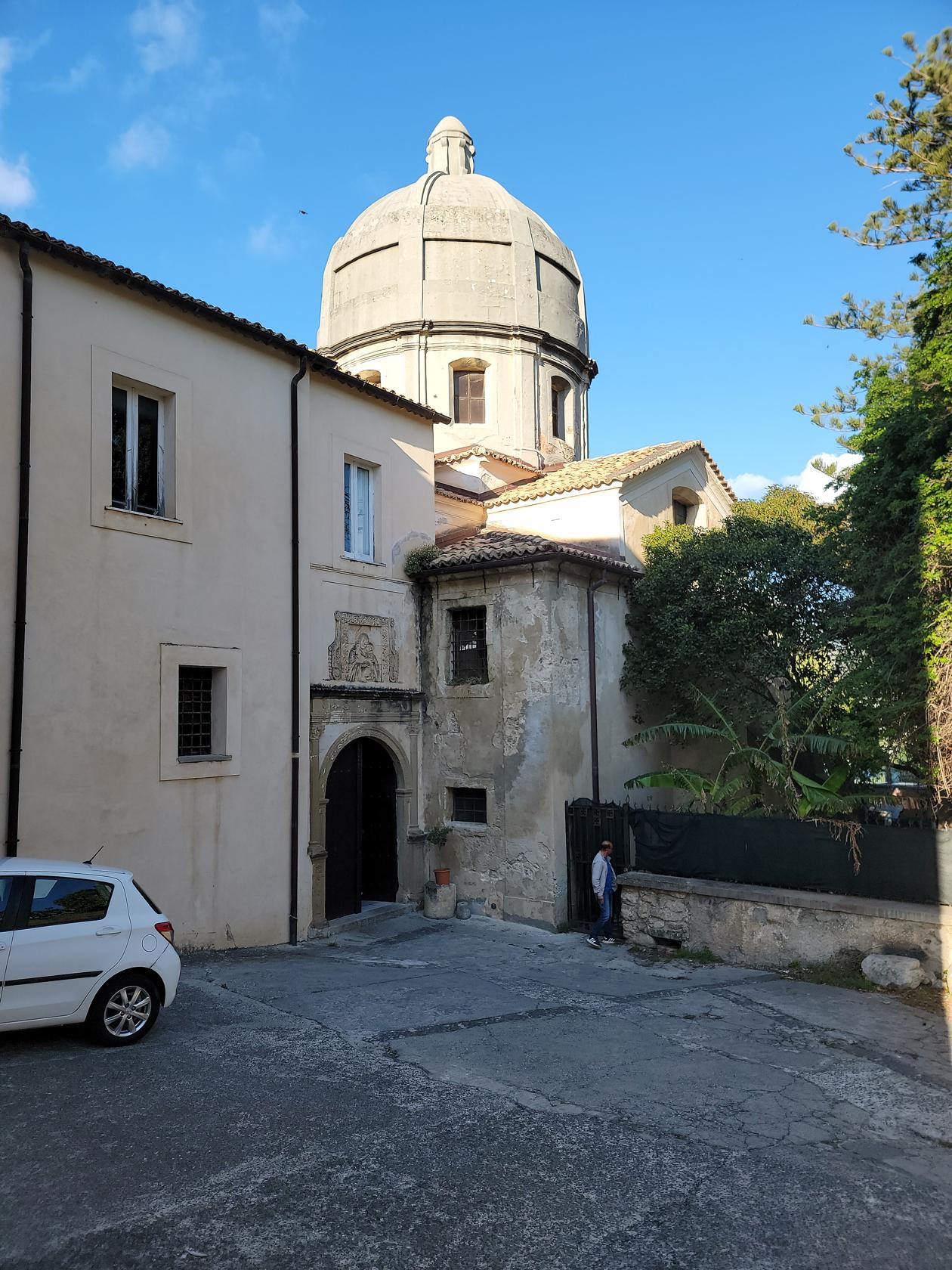
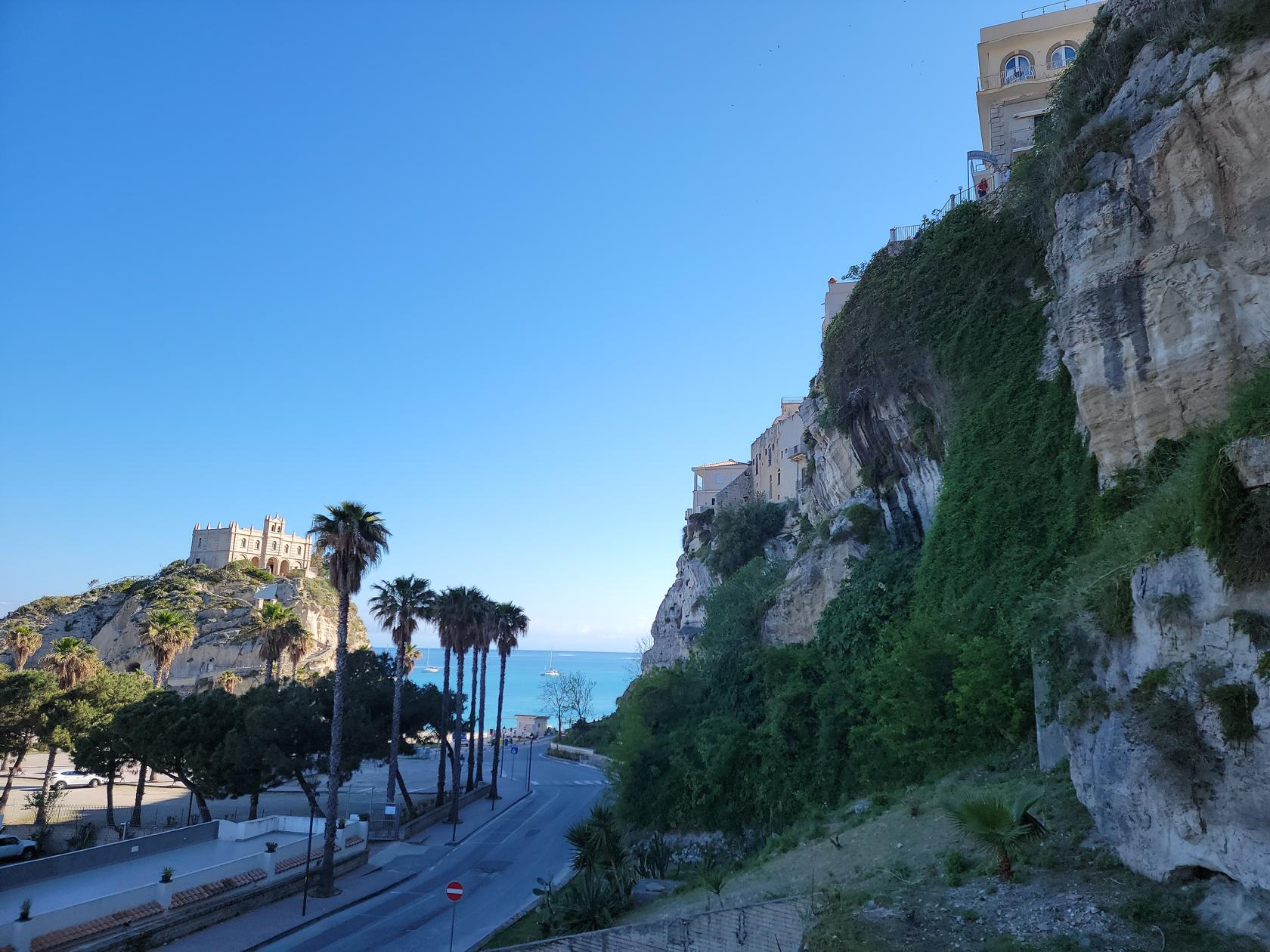
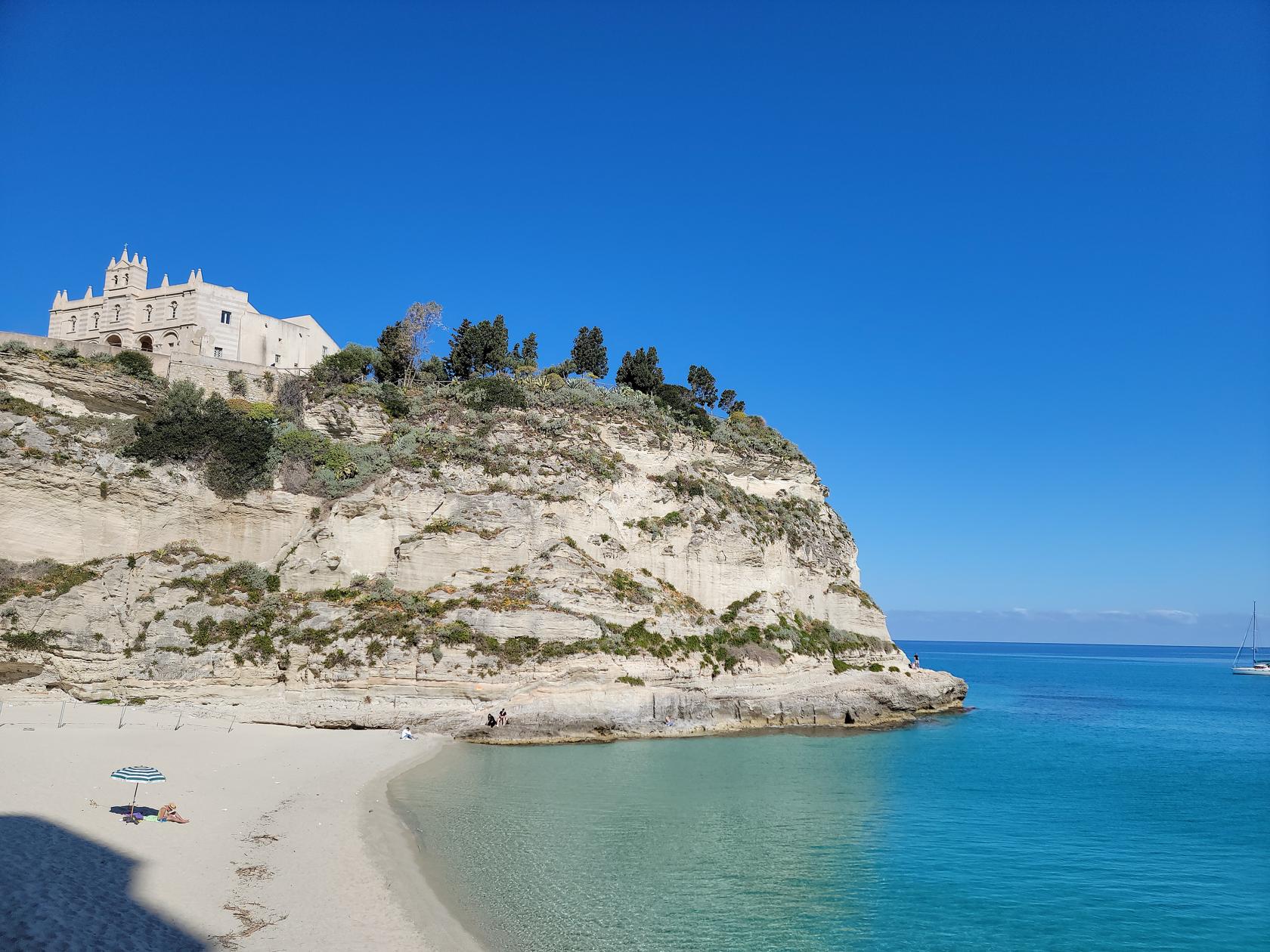
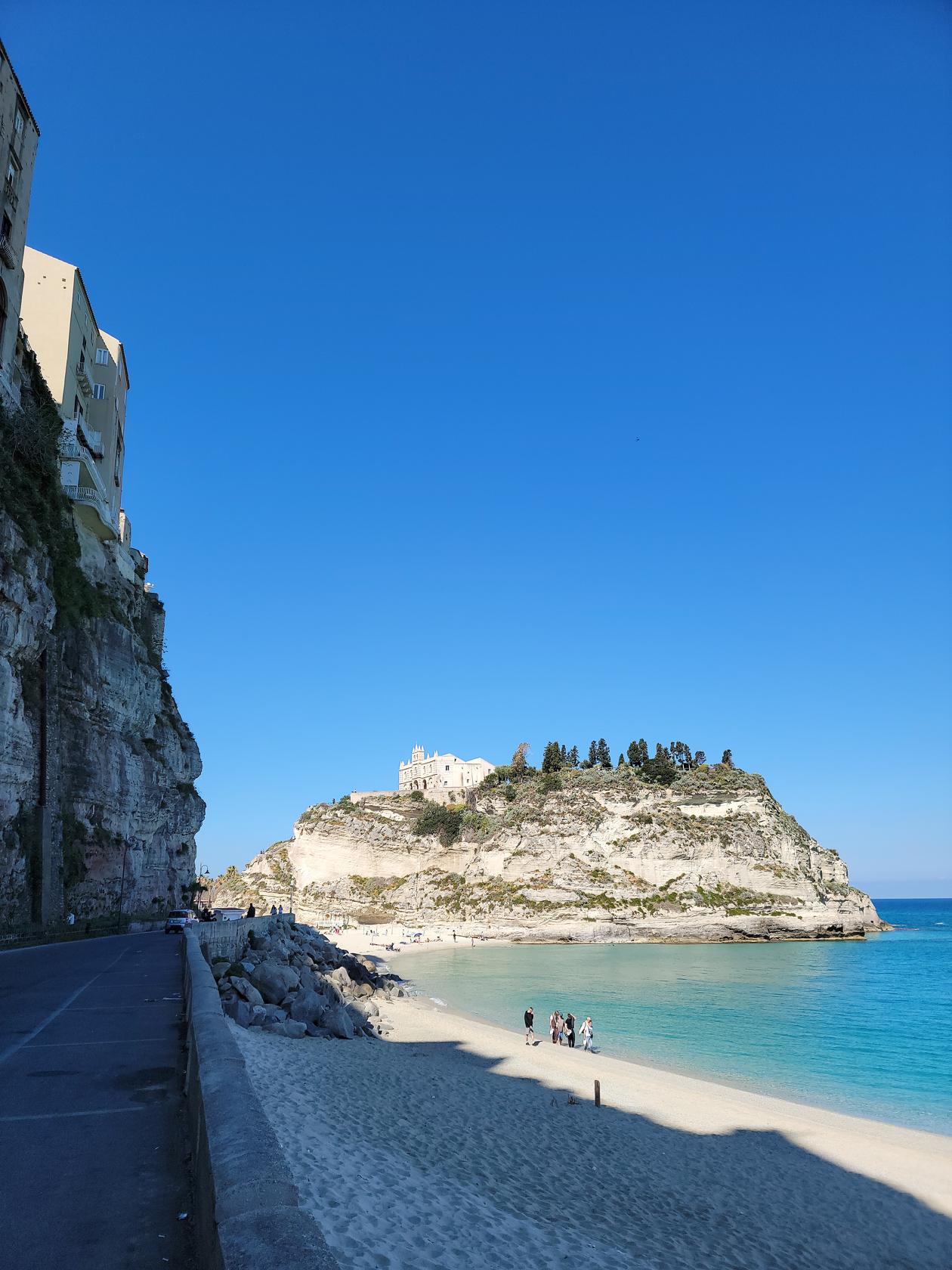
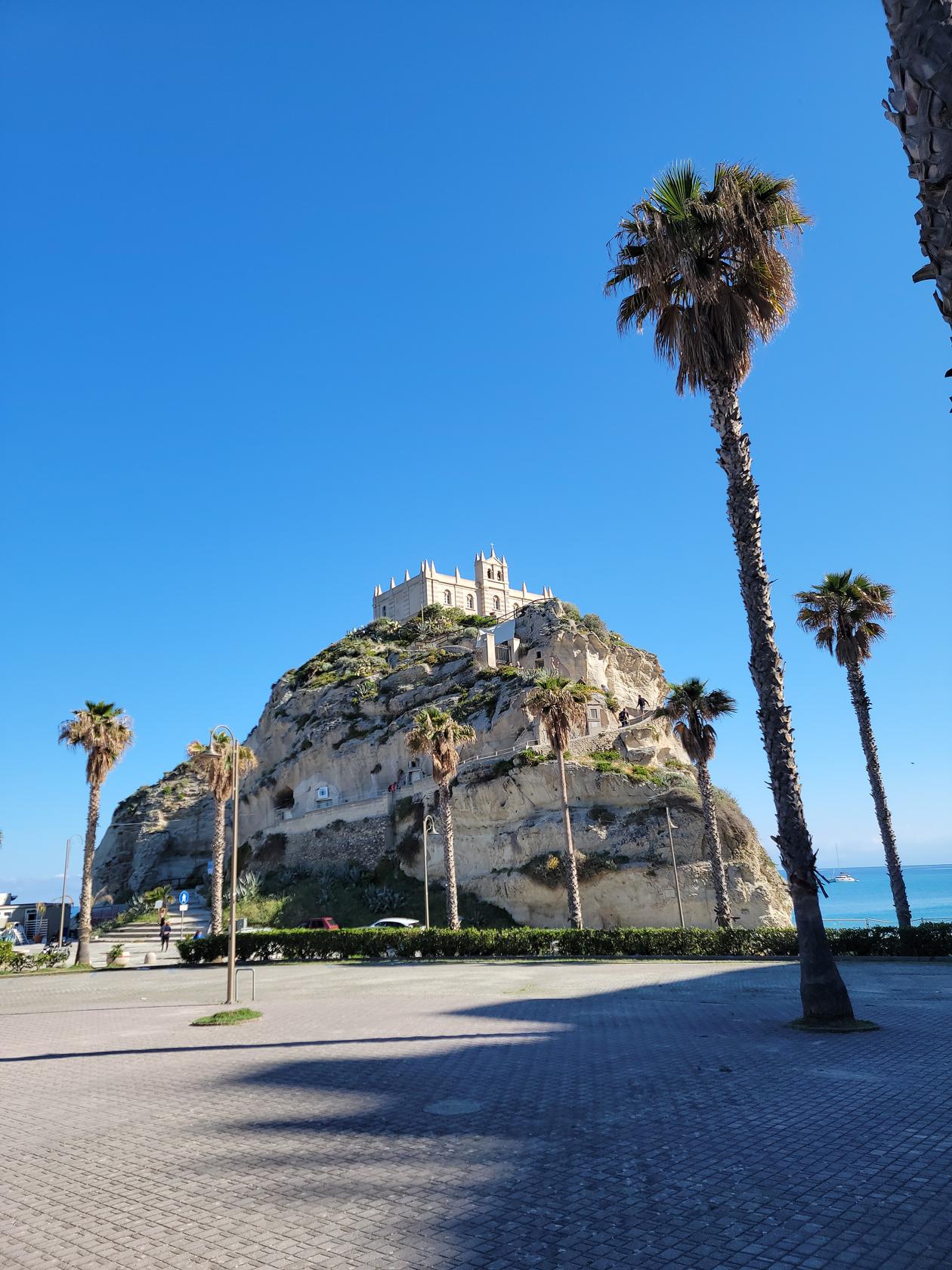
On the presque-isle of Tropea, which is actually to an island than a peninsula, stands the Sanctuary of Santa Maria. In order to get there one has to climb down from the city and ascend the stairs to the sanctuary, which opens around ten in the morning. It is best to get their at opening, because as we where leaving throngs of people appeared and the inside of the chapel is quite tiny.
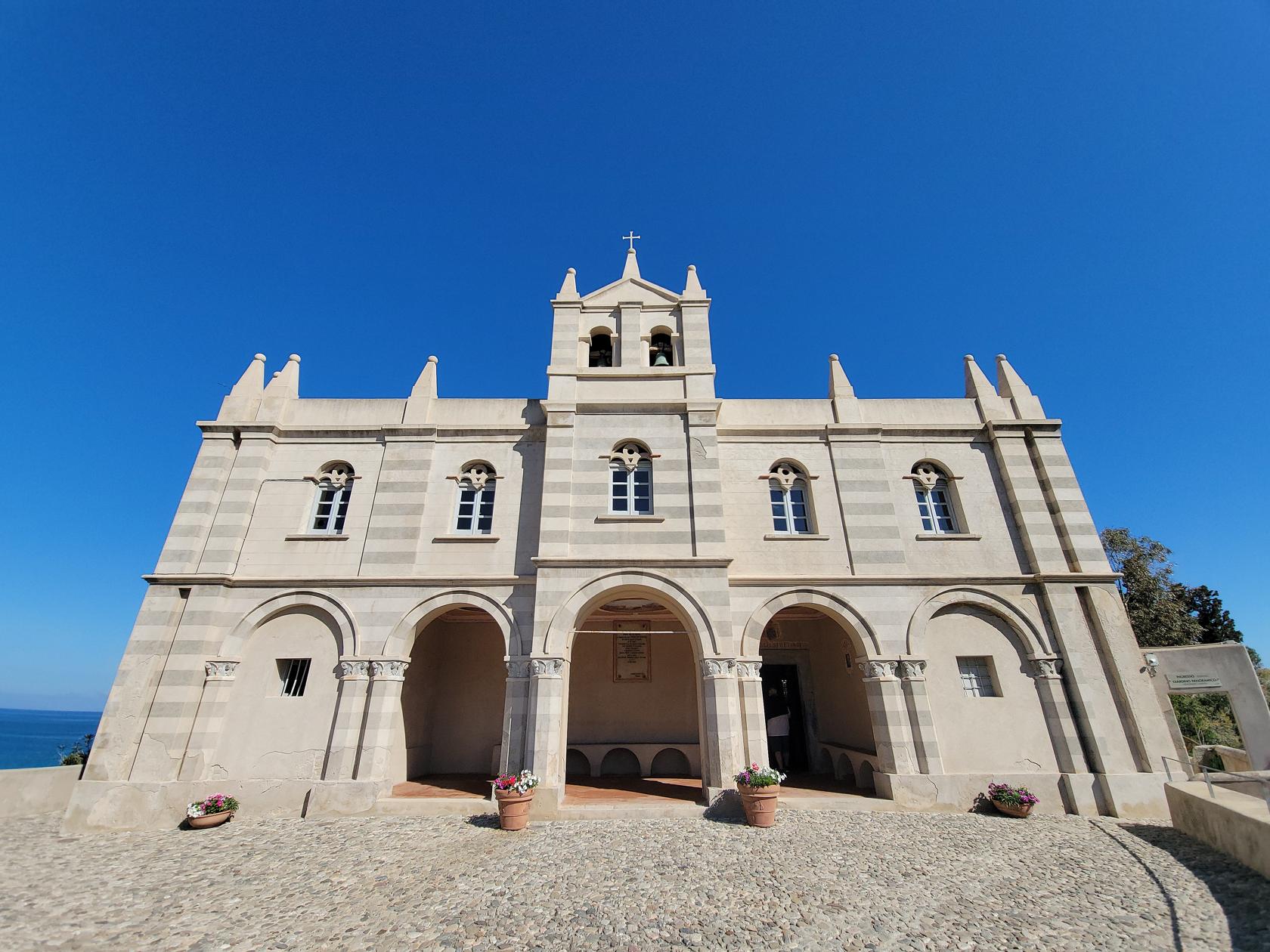
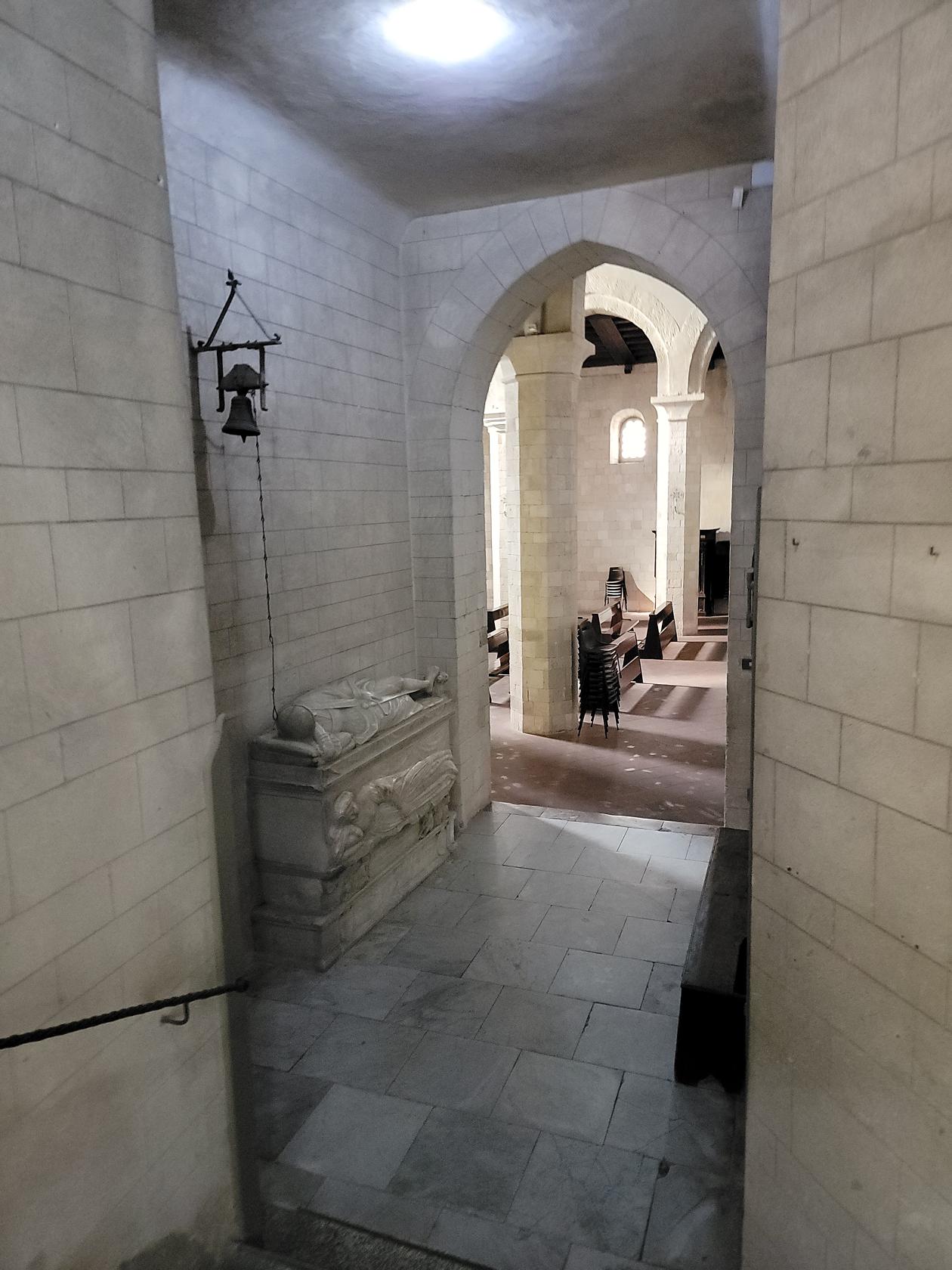
The entrance to the sanctuary is adorned by three painted cielings.
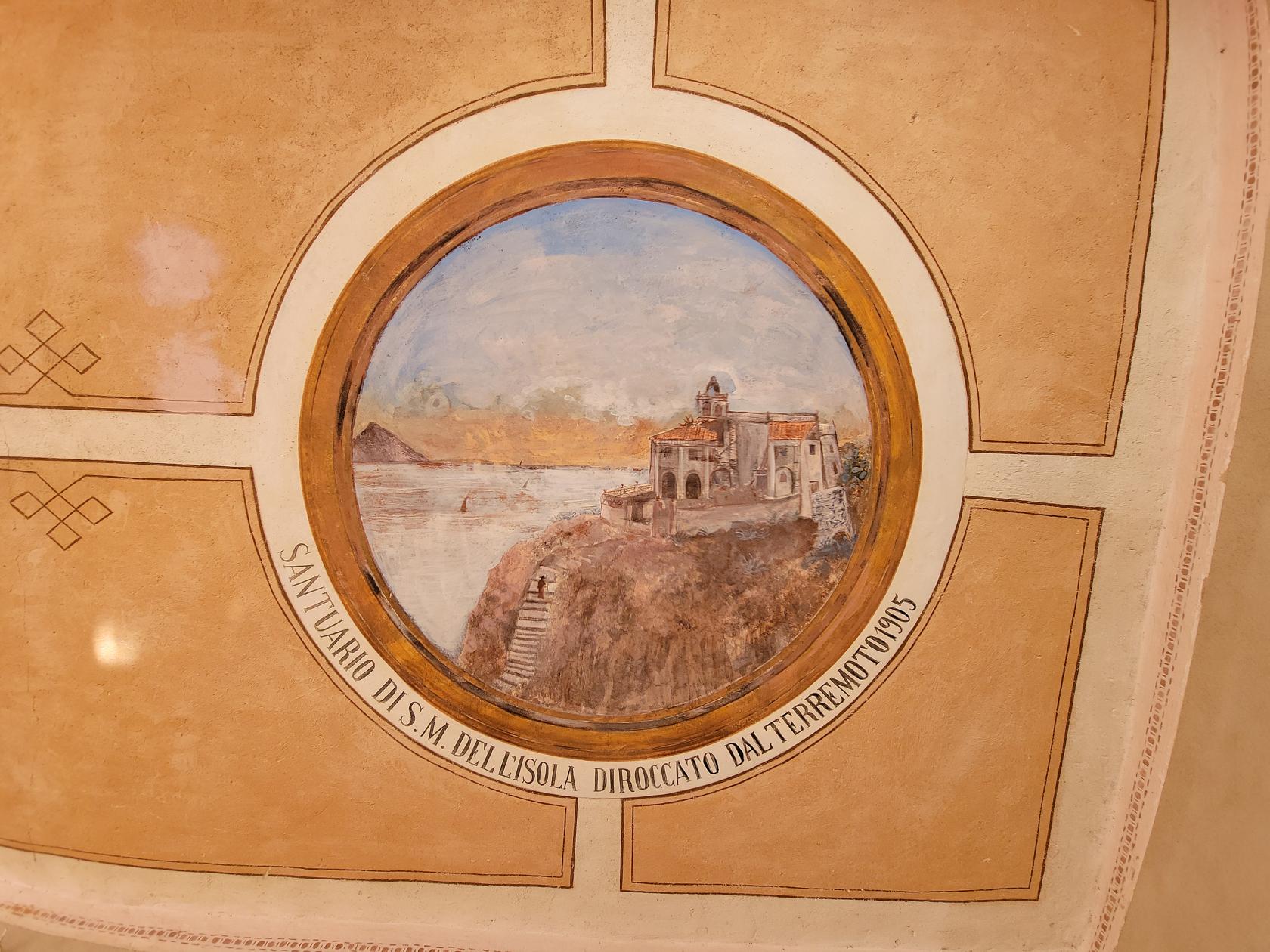
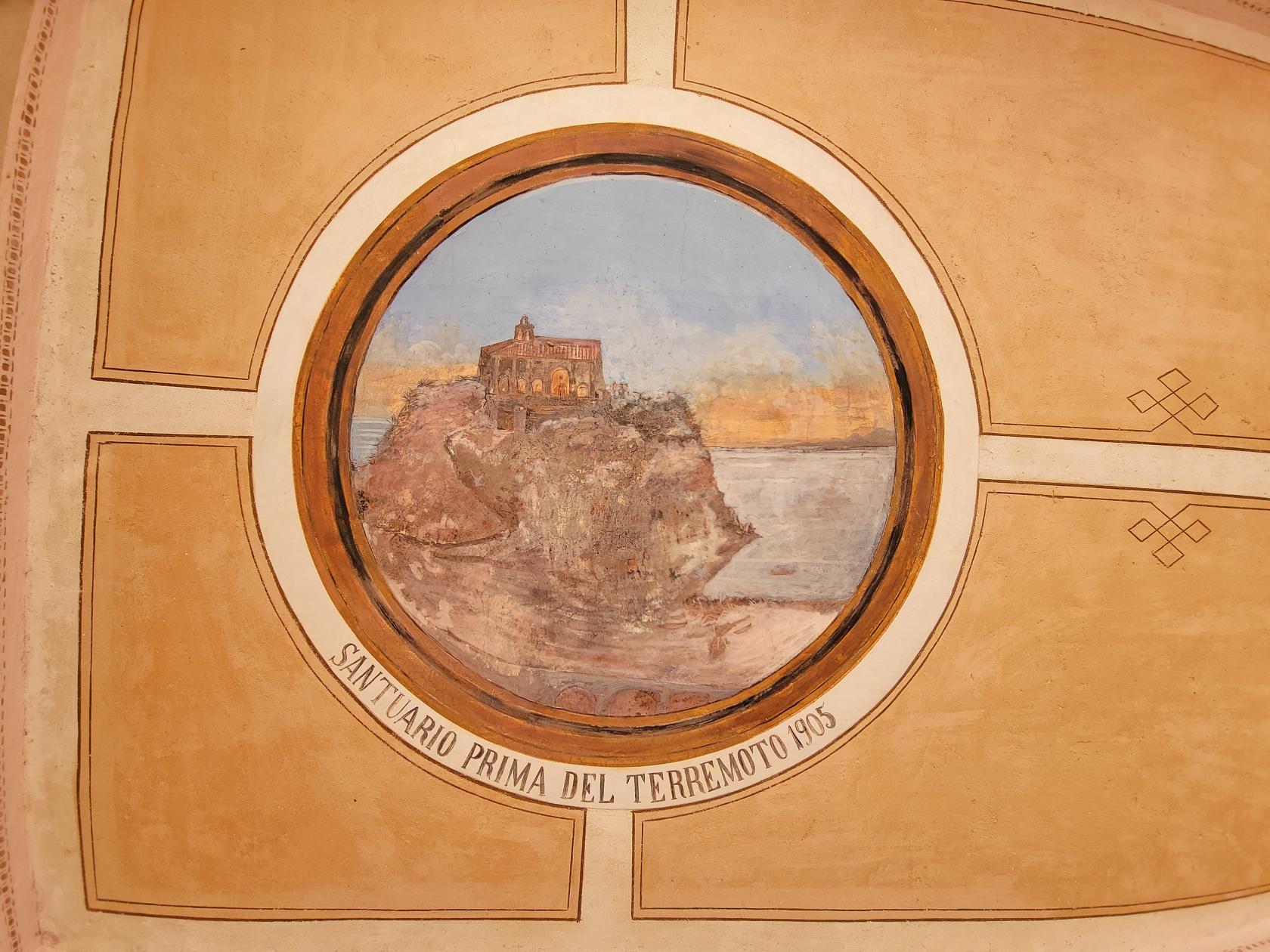
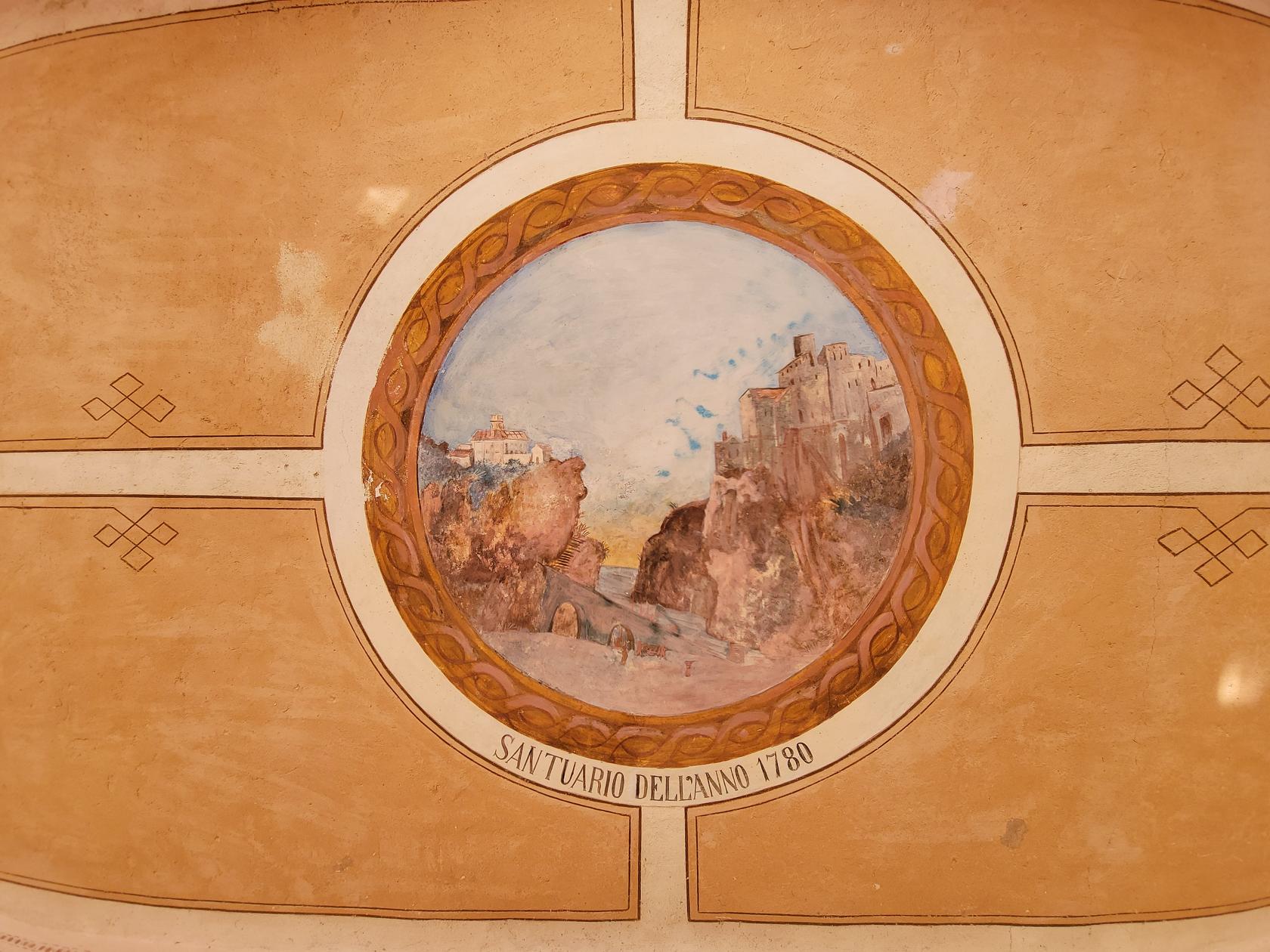
The interior is actually quite small and fitted out with pews, an altar and other accoutrements of catholicism. There is also a small shop where you can by a keepsake, postcards or other memorabilia.
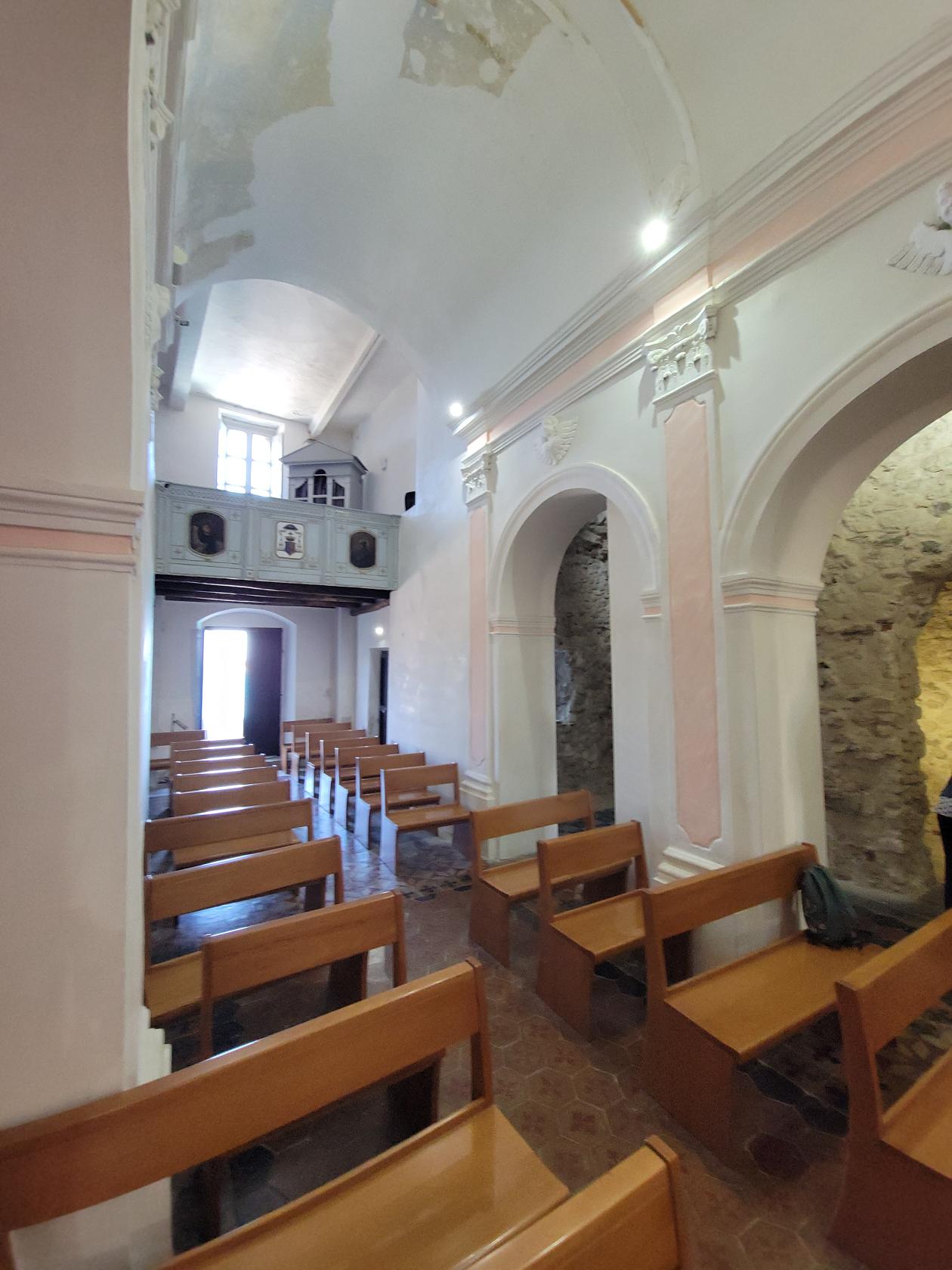
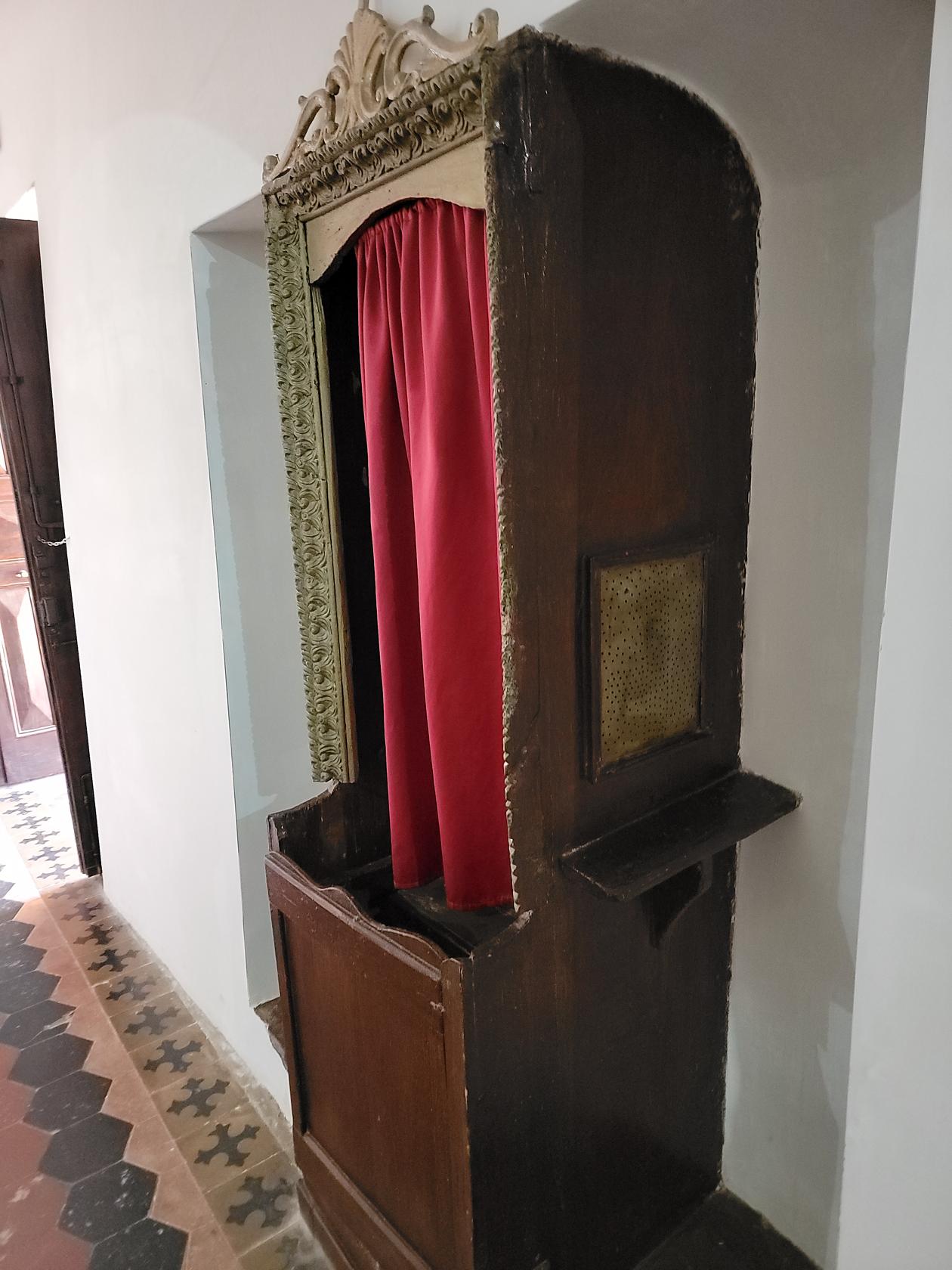
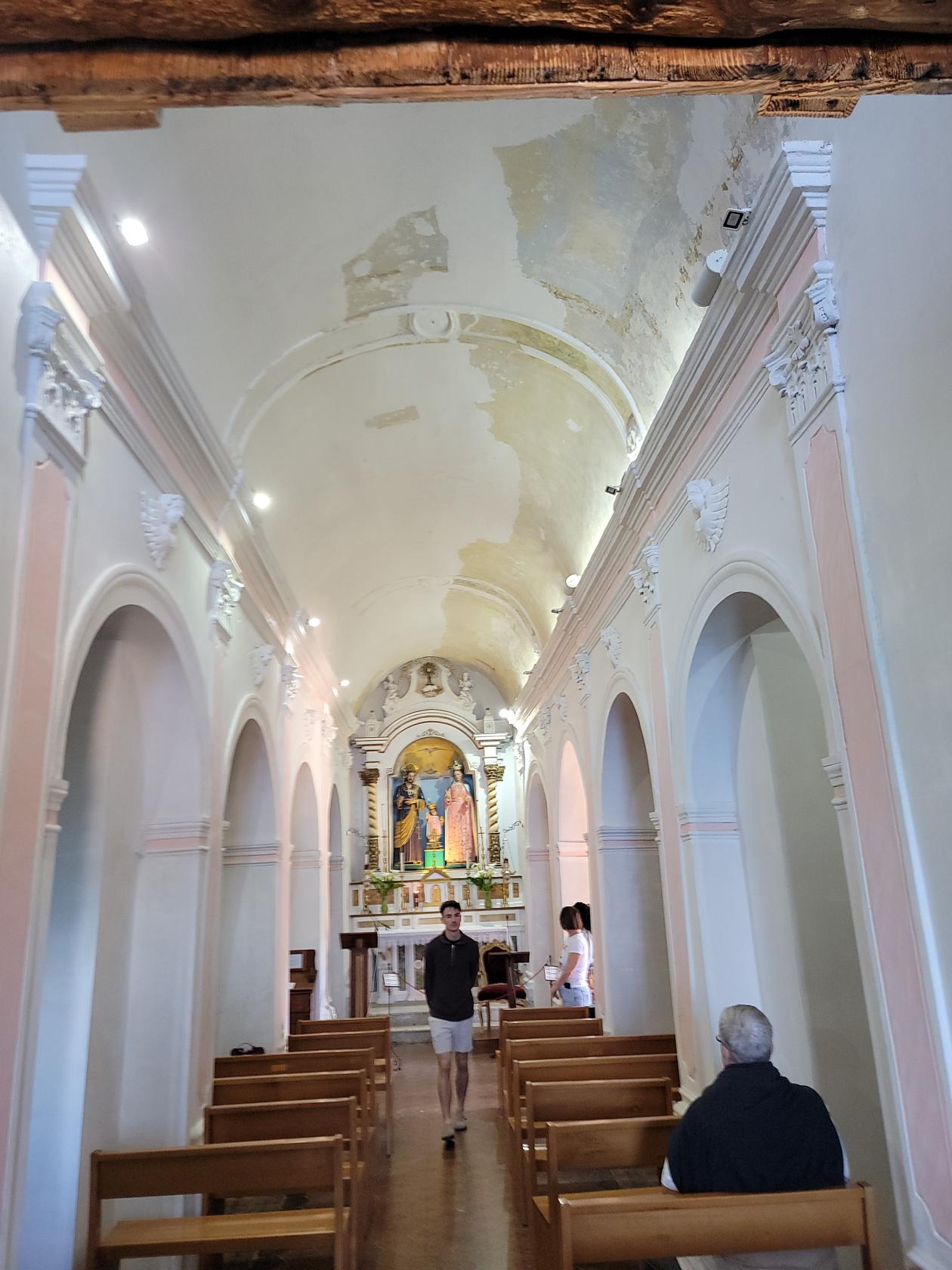
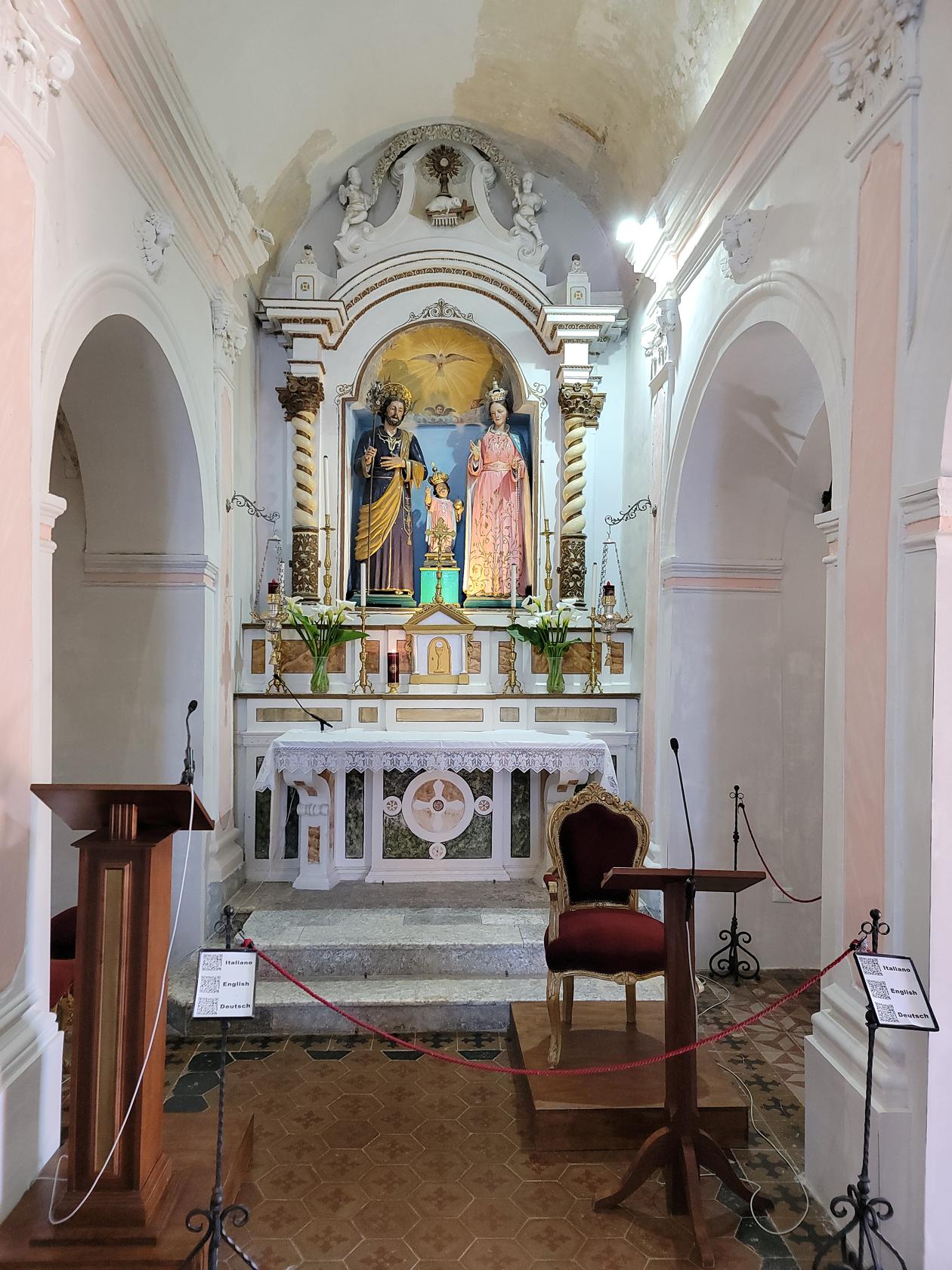
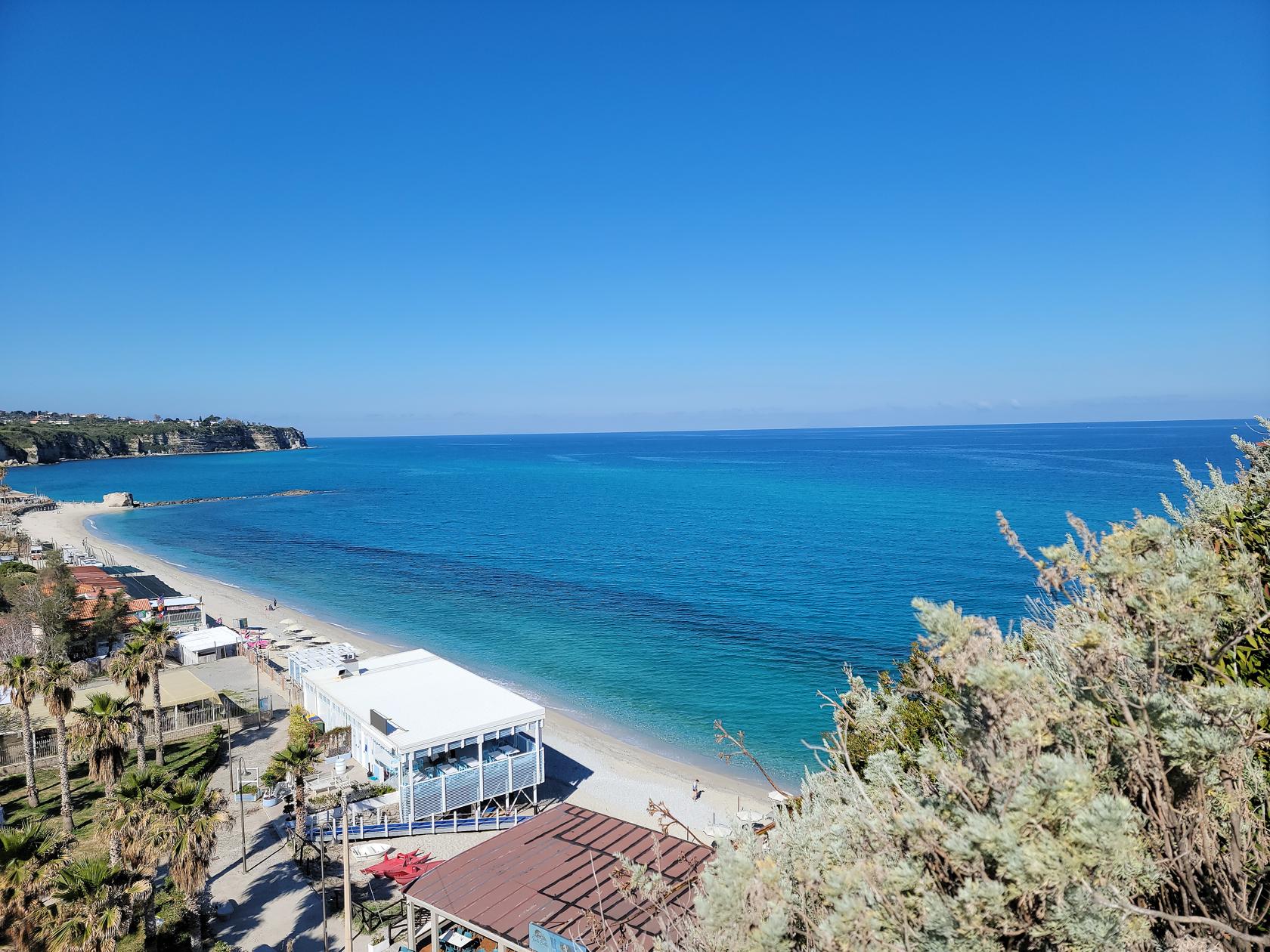
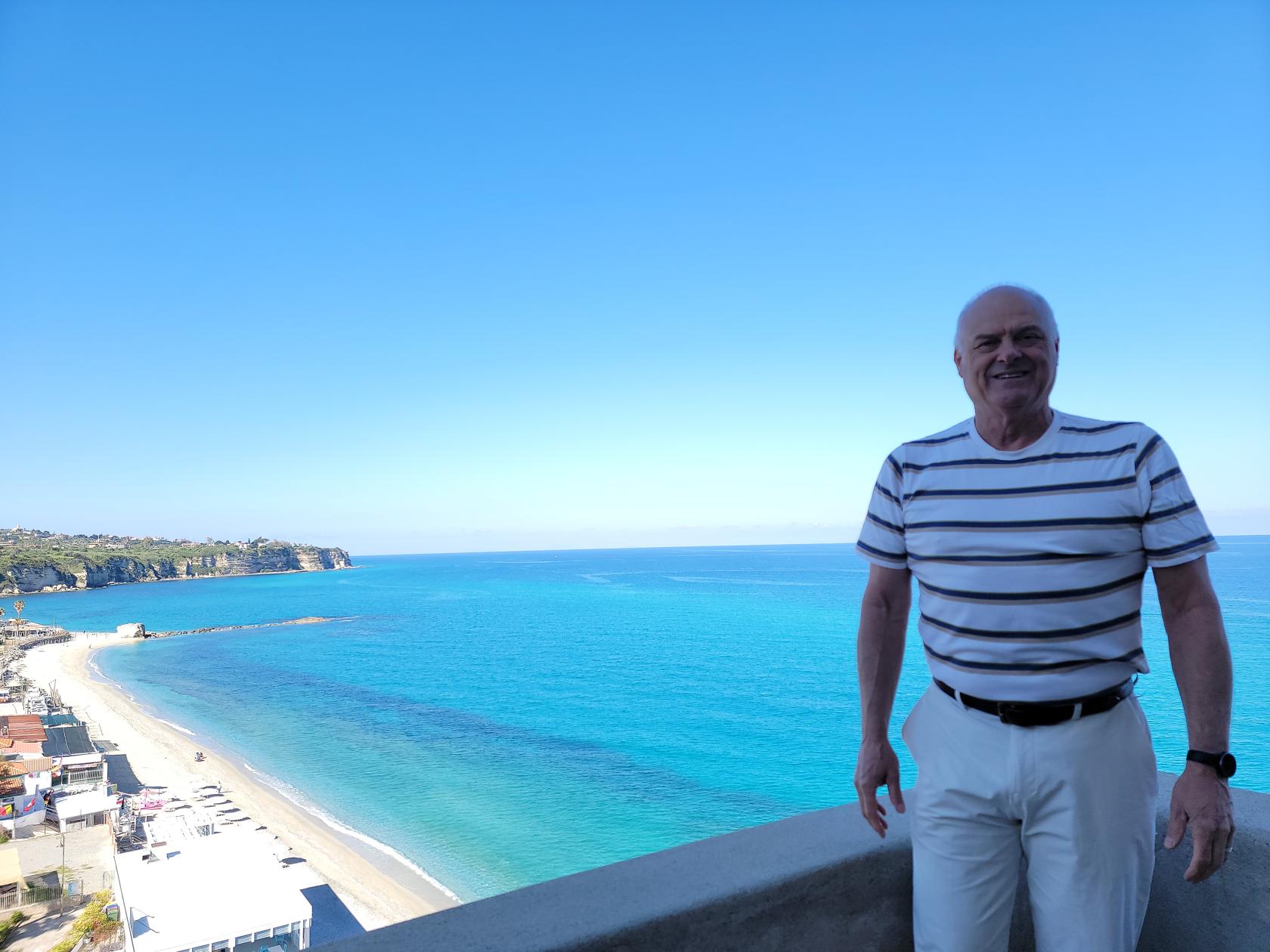
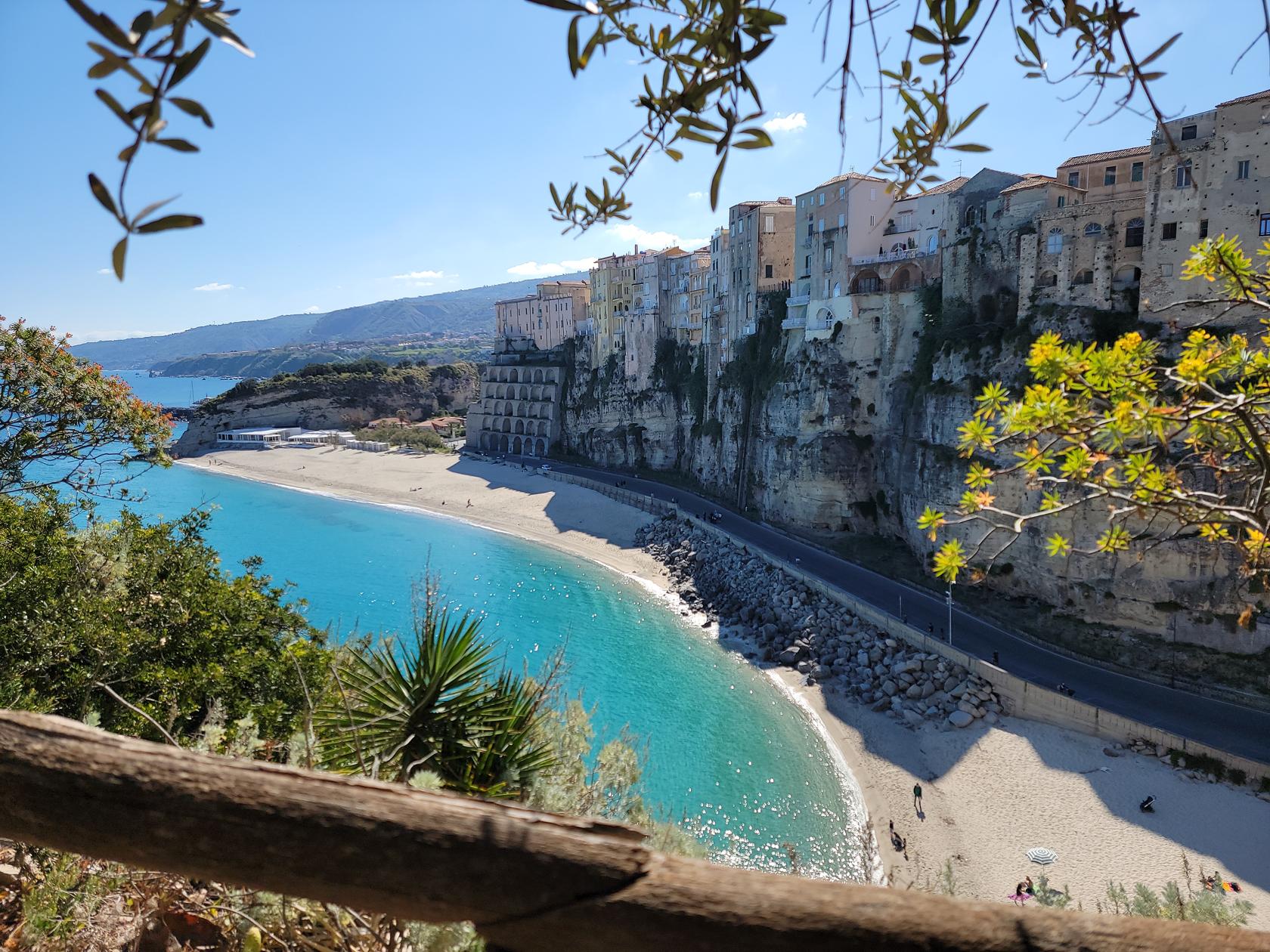
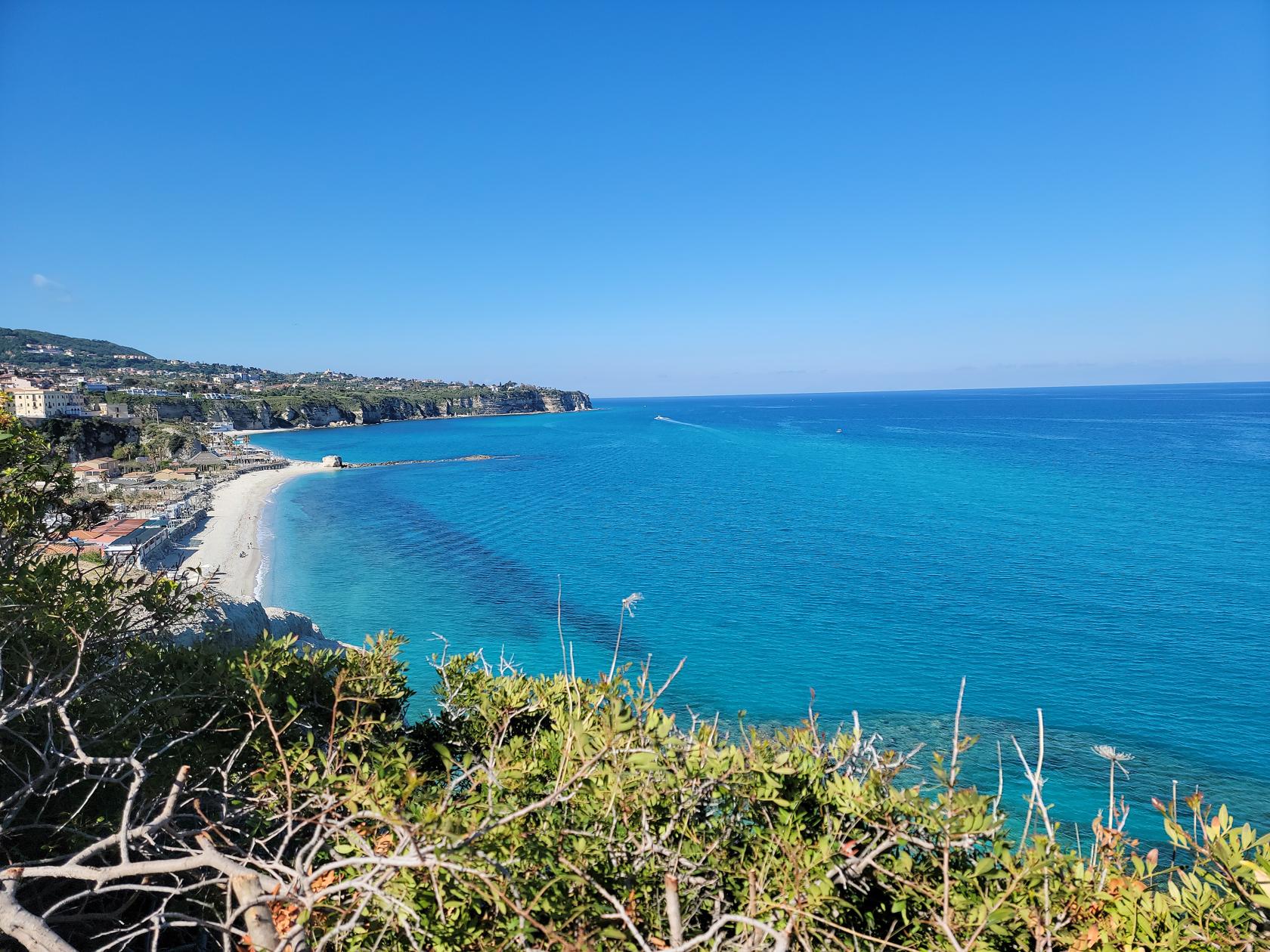
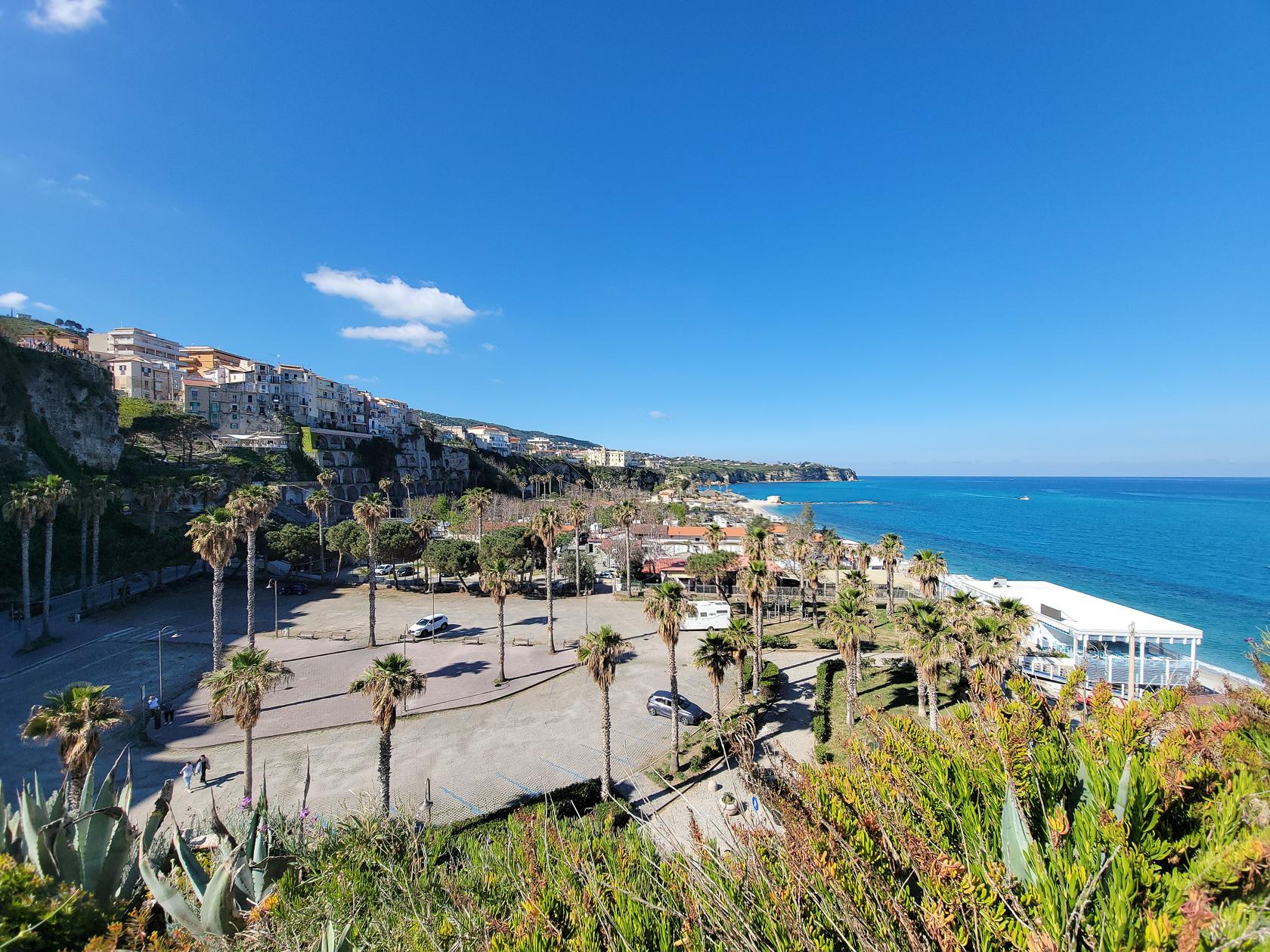
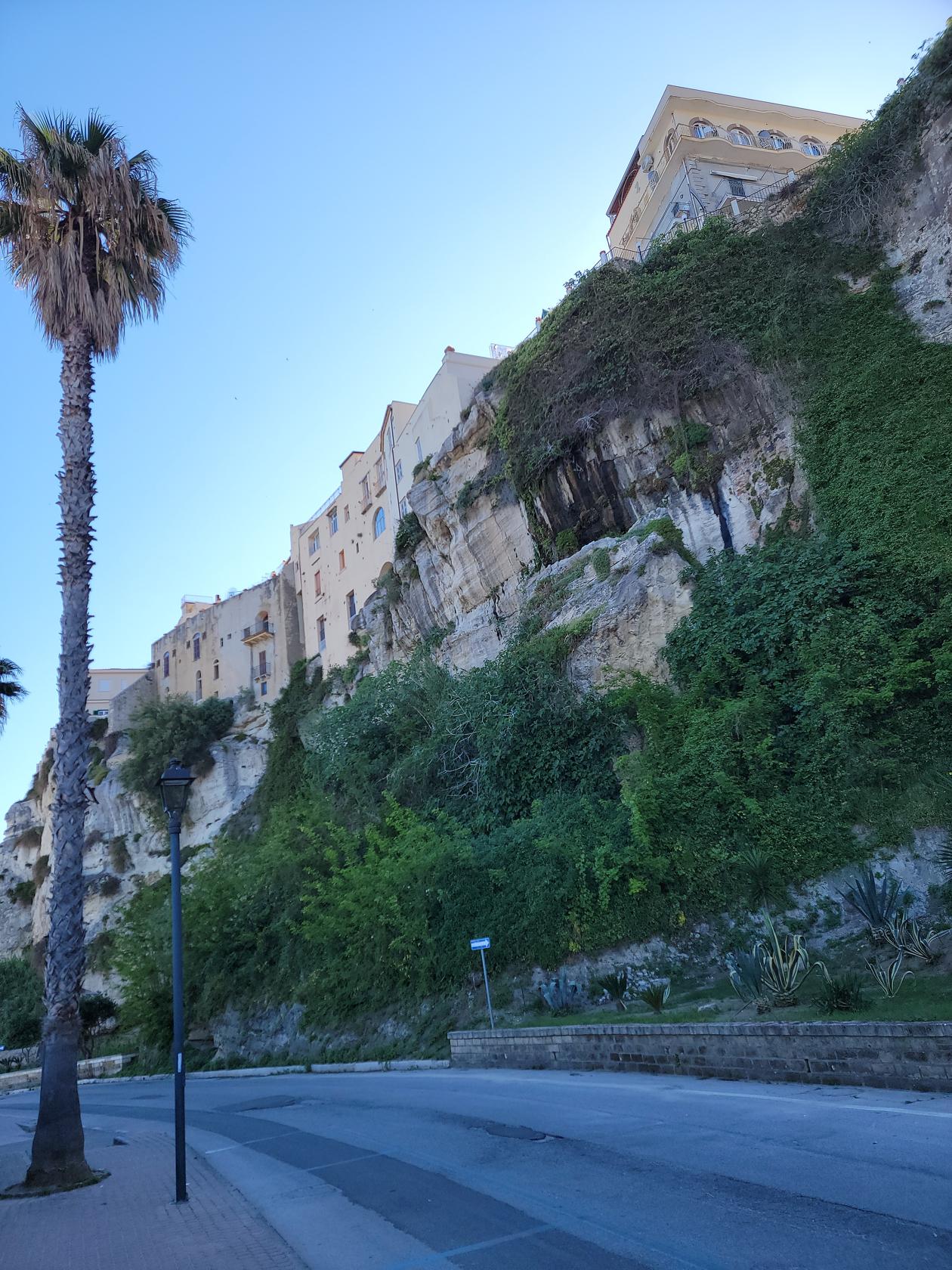
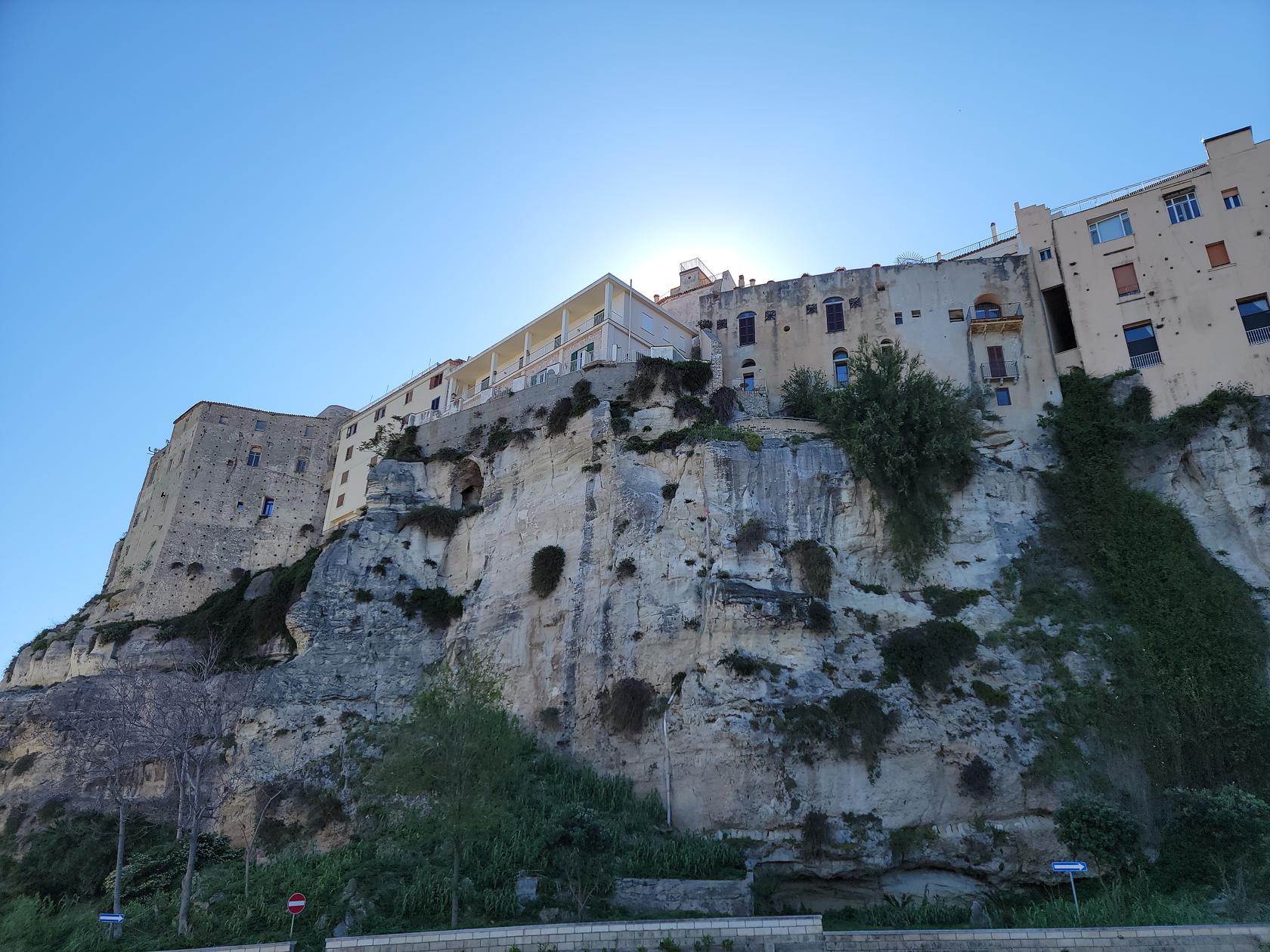
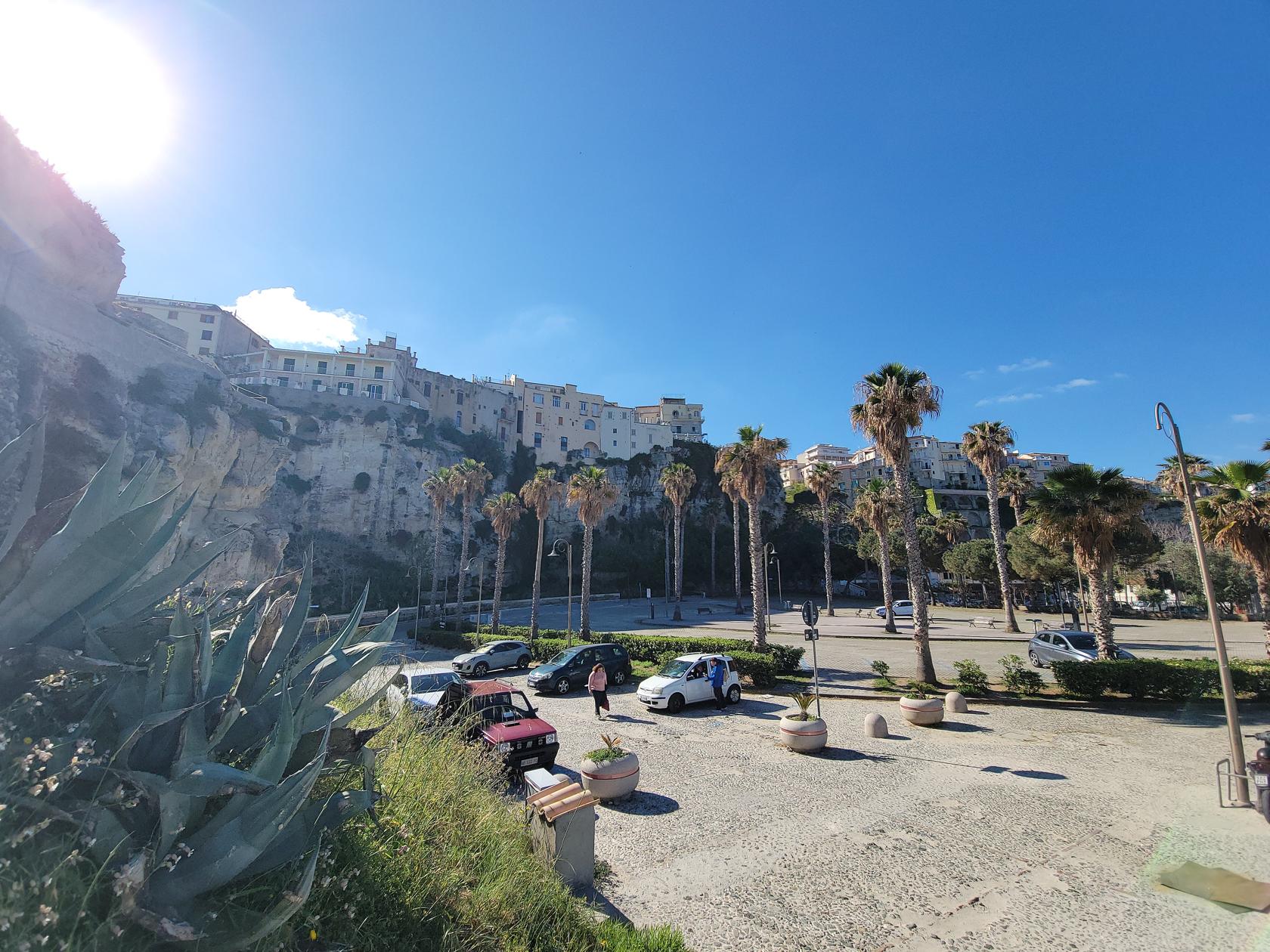
There are a few vantage points in which to take photographs of the surrounding coast and beach, as well as the city of Tropea perched on its cliff.
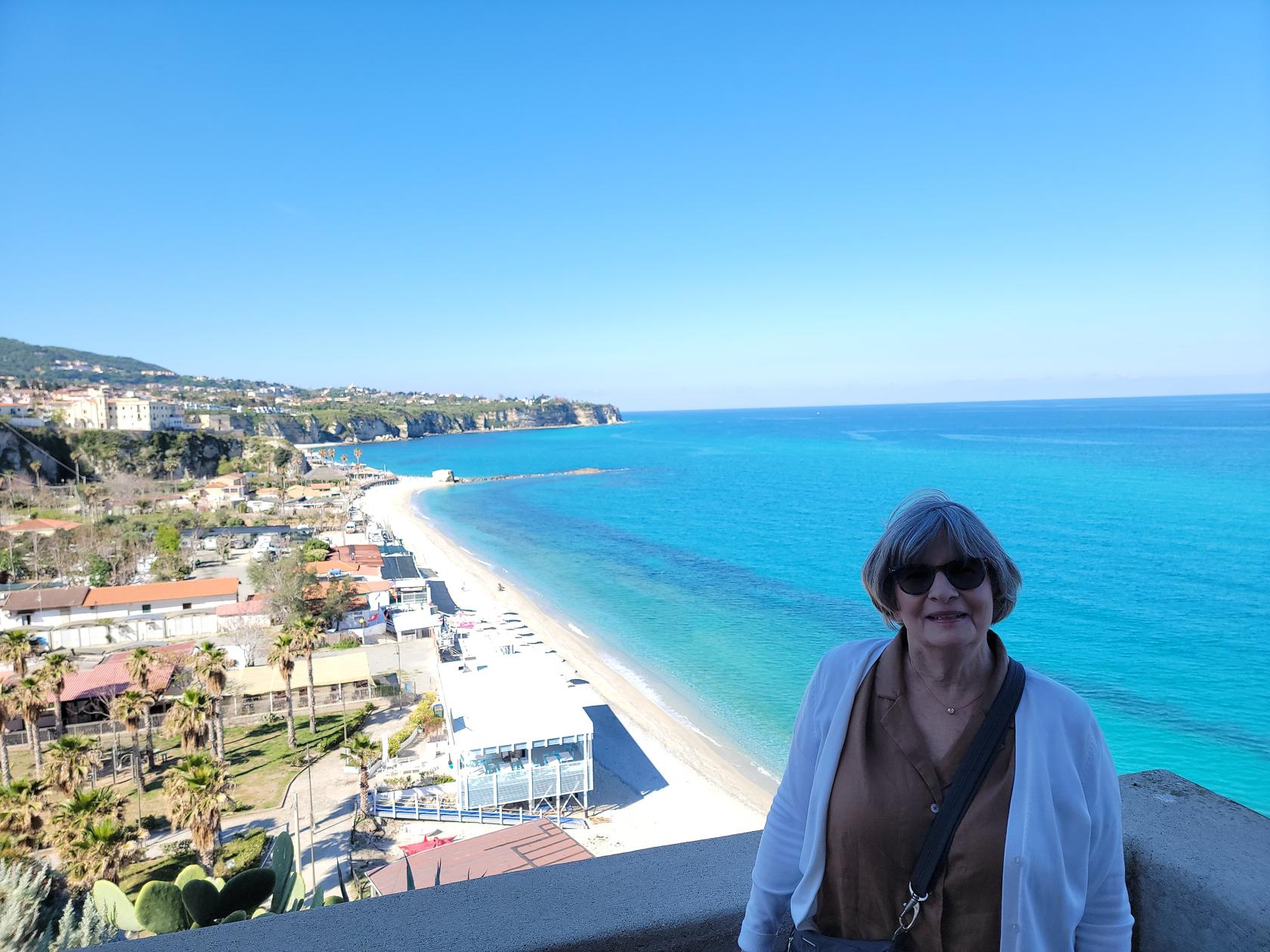
Belvedere Gardens
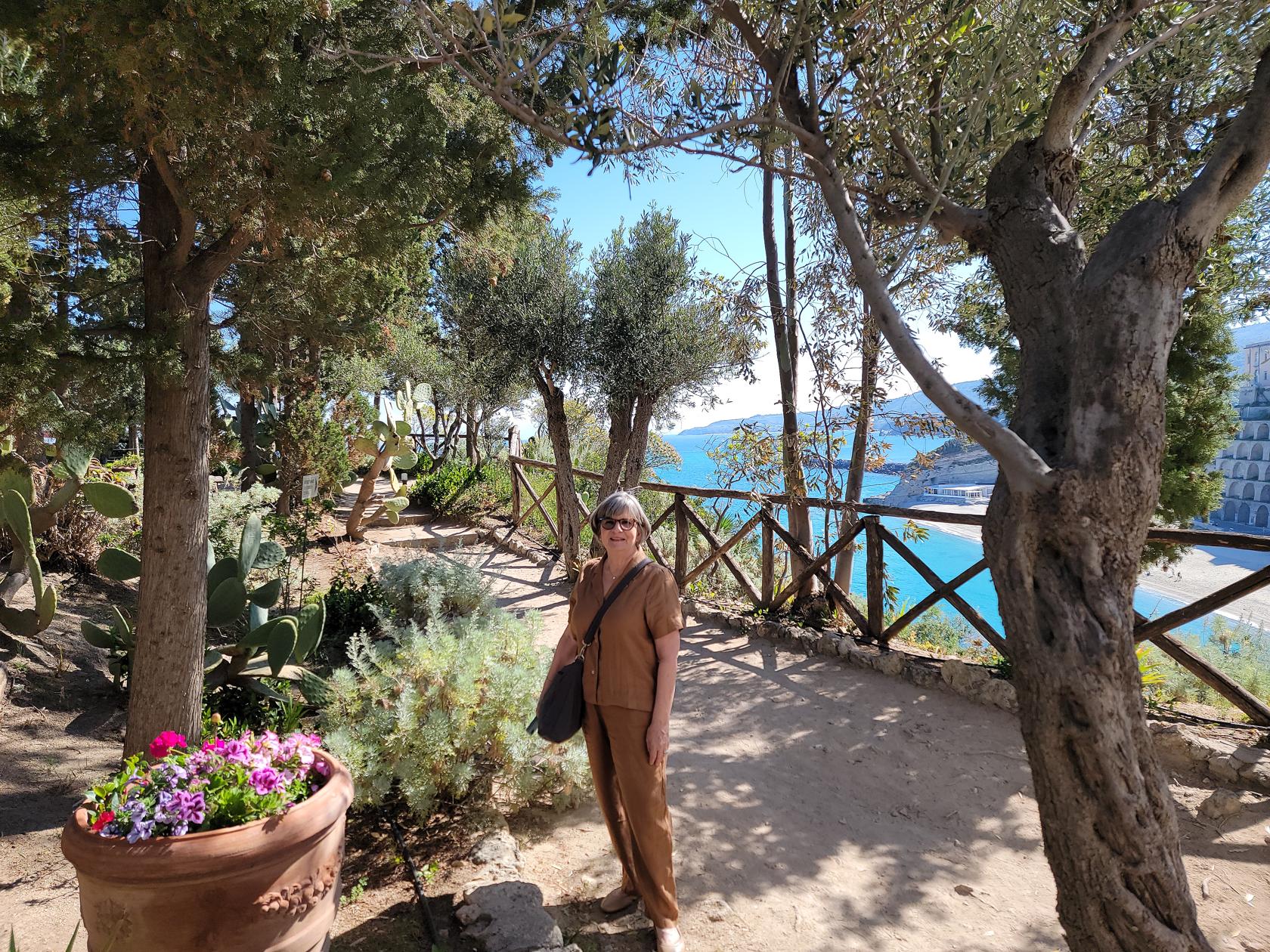
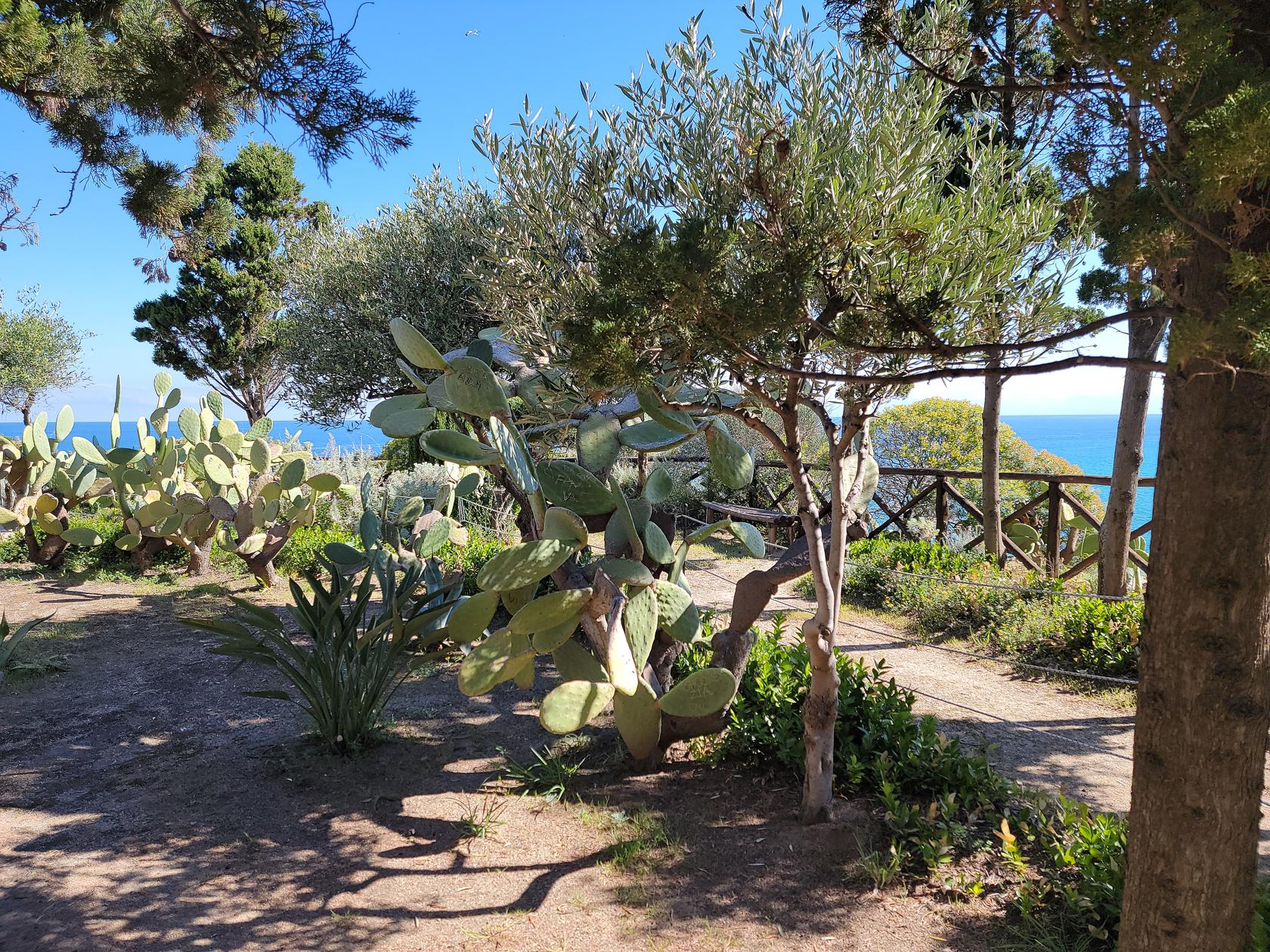
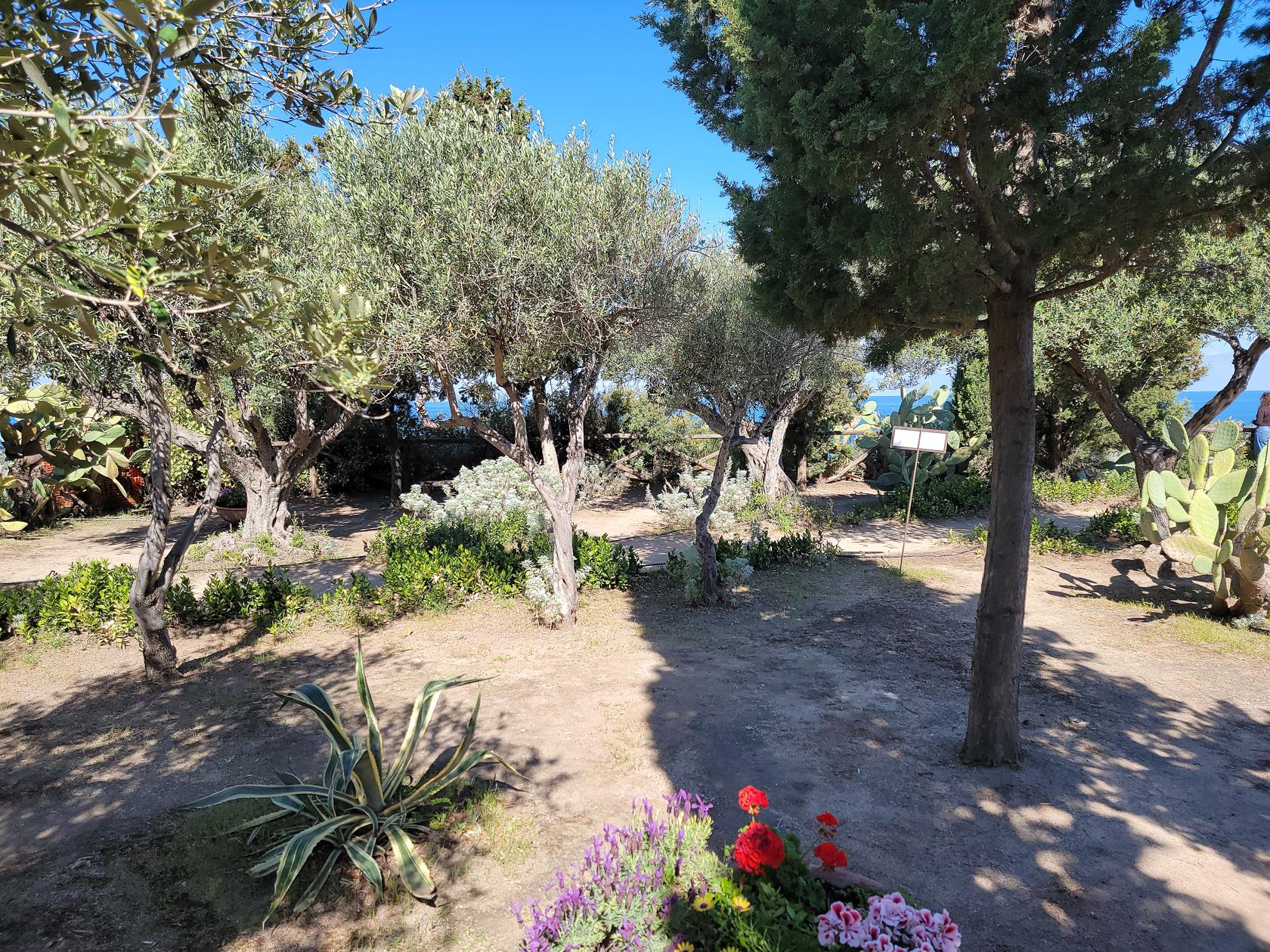
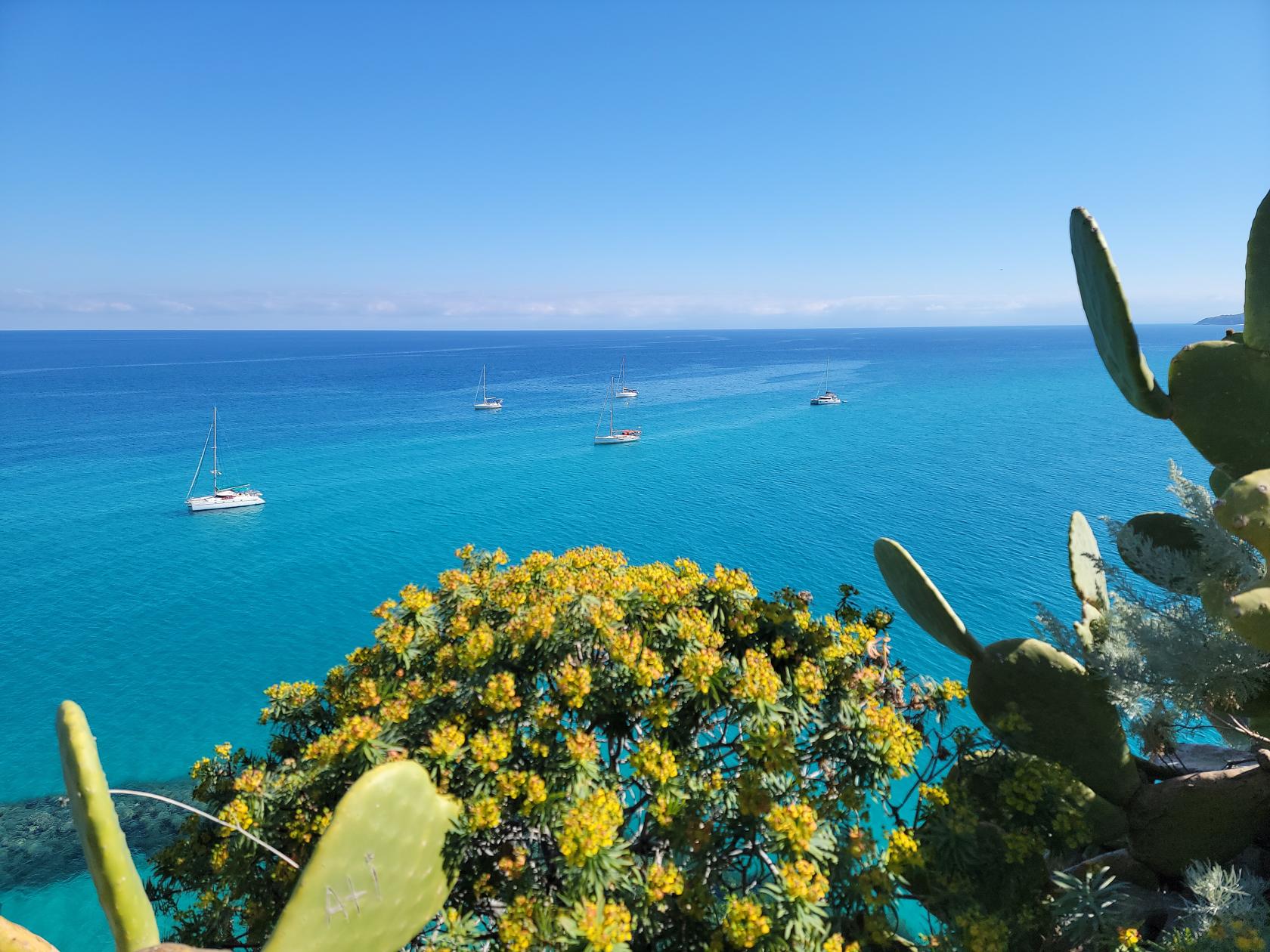
An adjunct to the sanctuary are the Belvedere Gardens, access to which is controlled by entry to the chapel. The gardens command a view of the coastline and with perfect weather equally good photographs of it.
There are a variety of trees in the garden, as well as other bushes and flowering plants. In the day it must have been an amazing place to repose and enjoy the day.
Via Lungo Mare
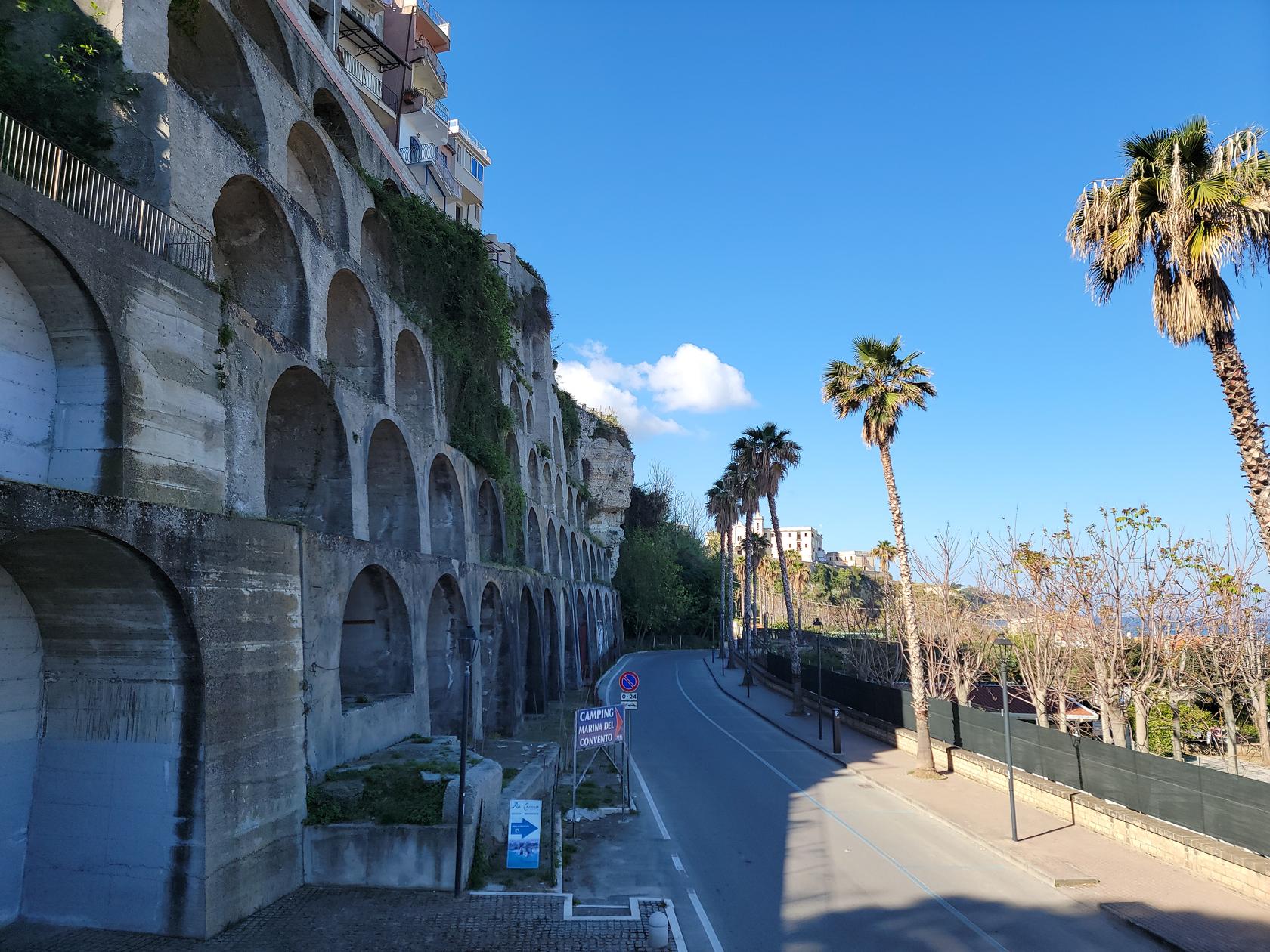
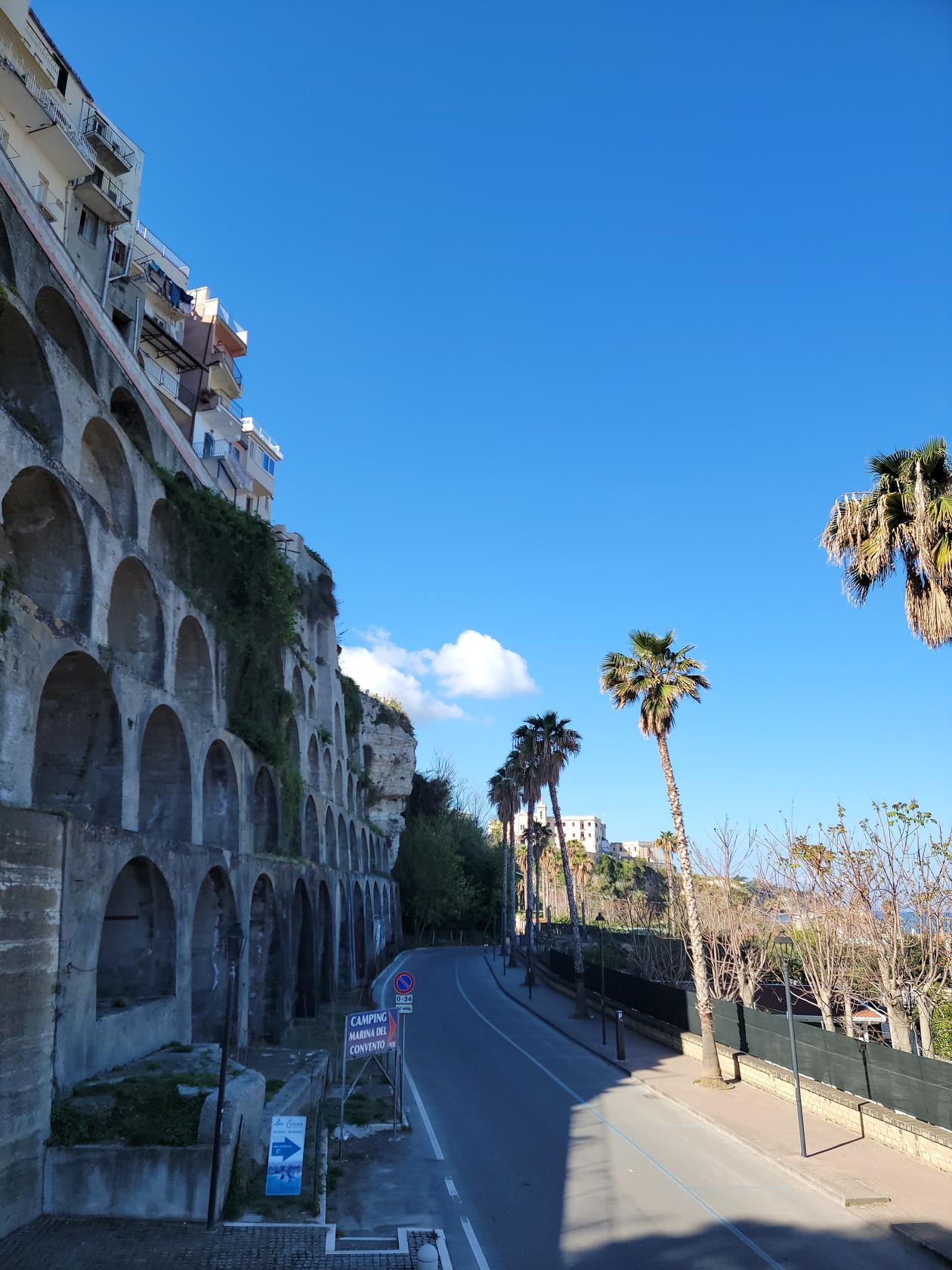
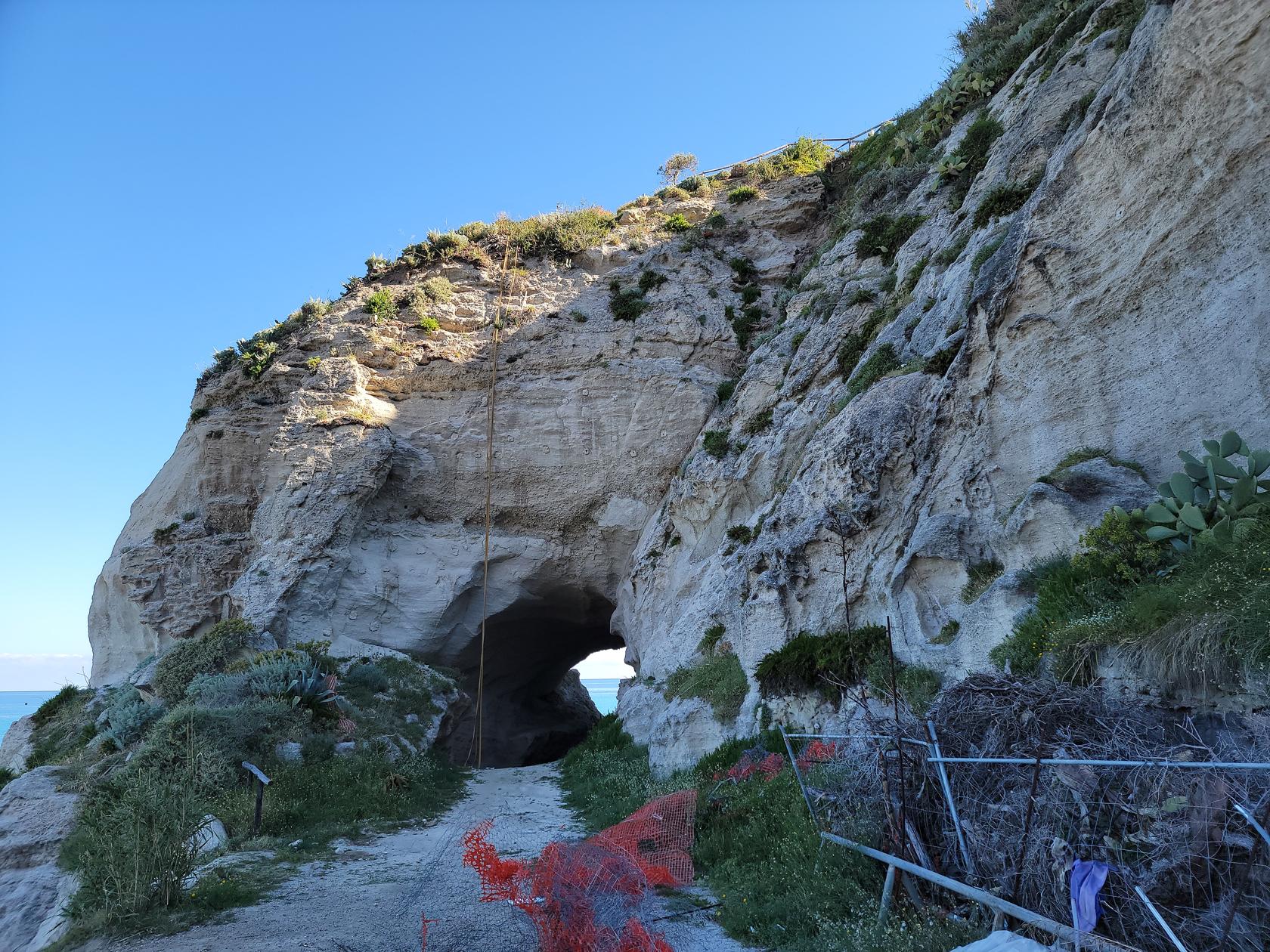
Though the walk along the Lungomare in Tropea is not the best we have been on, it is a nice walk that can bring you back up on the other side of Tropea. It also provides access to the sandy beach that enjoys protection from the wind and the waves and appears to be a favorite for the locals.
Nasocchio – The Apotropian Mask
Walking though the town a visitor will occasionally notice a mask that almost looks like a caricature. The closest analog we have in the States are caricature artists that frequent fairs and draw your face with a pencil in a very stylized way. Well, these masks are specific to the Calabrian culture.
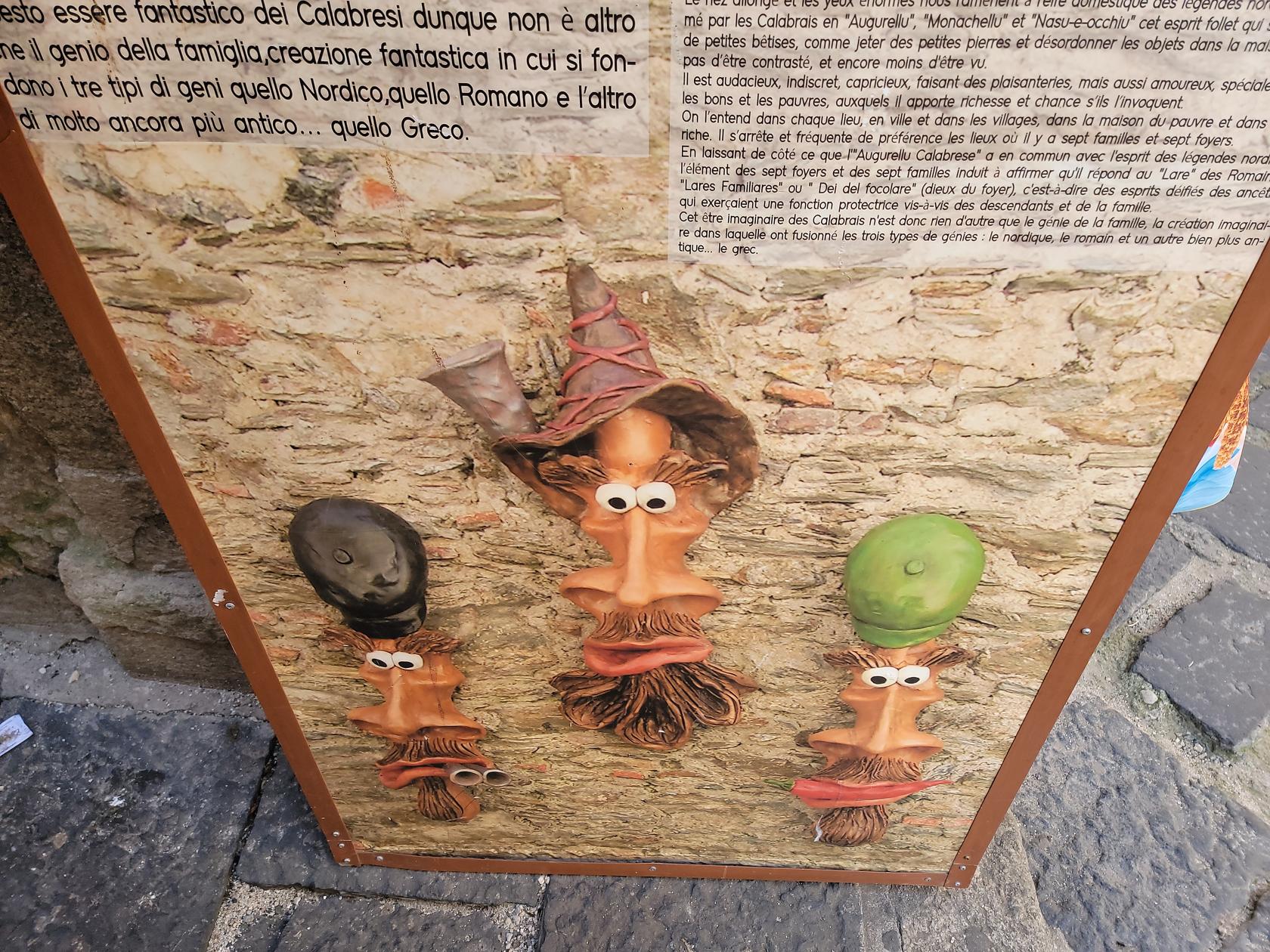
Nasocchio as he is called in Calabrian culture is a mask whose strange and unique glare is supposed to frighten away evil spirits, or what is commonly termed here the Malocchio or Evil Eye. The Italian Horn is meant to function in the same way, as are other strange artifacts in the culture. They are also meant to bring good fortune with their use.
Restaurants
Though we stayed here only for two nights, we still had occasion to visit three restaurants, all of which offered local Calabrian or Sicilian dishes.
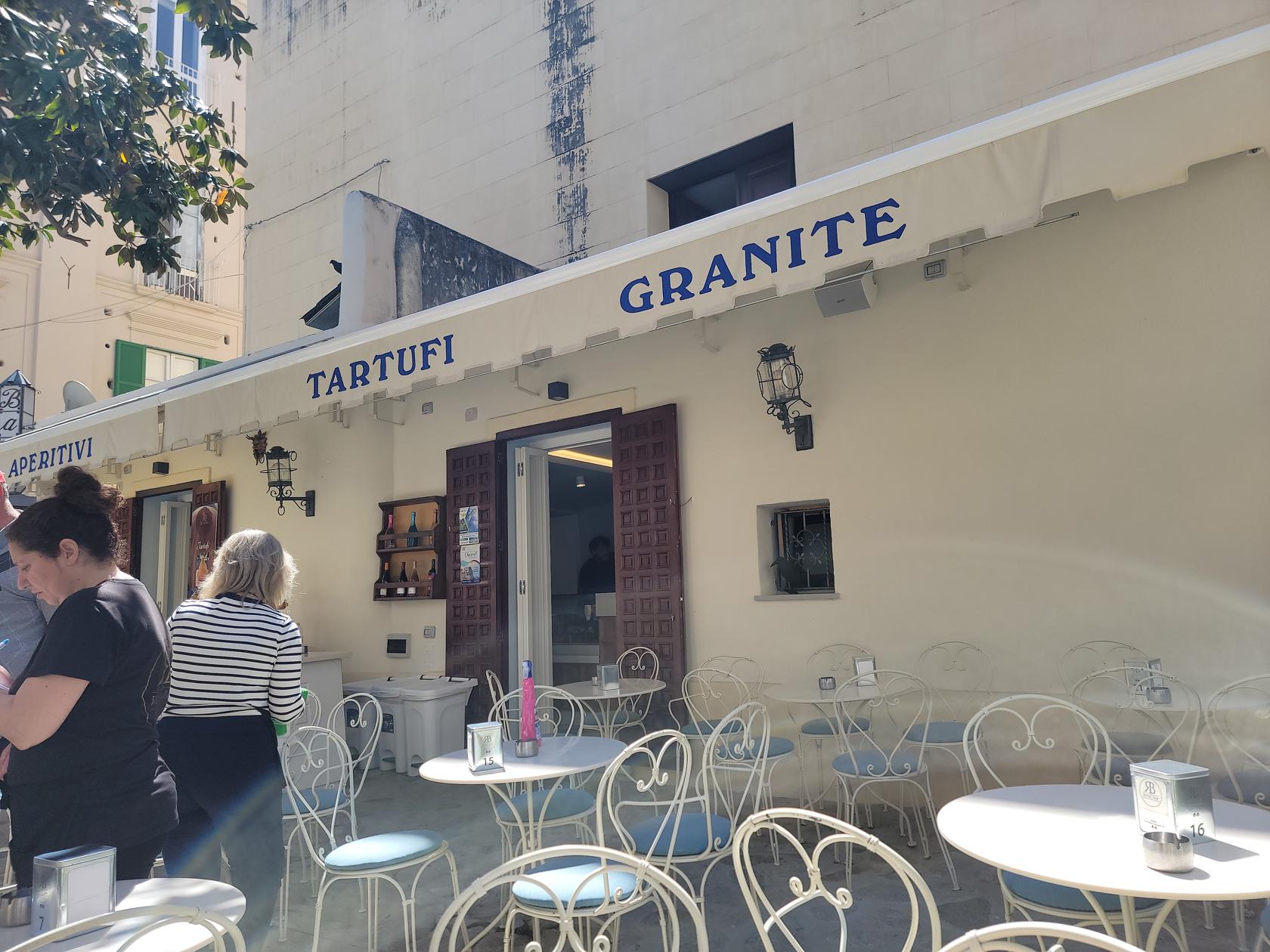
Royal Bar
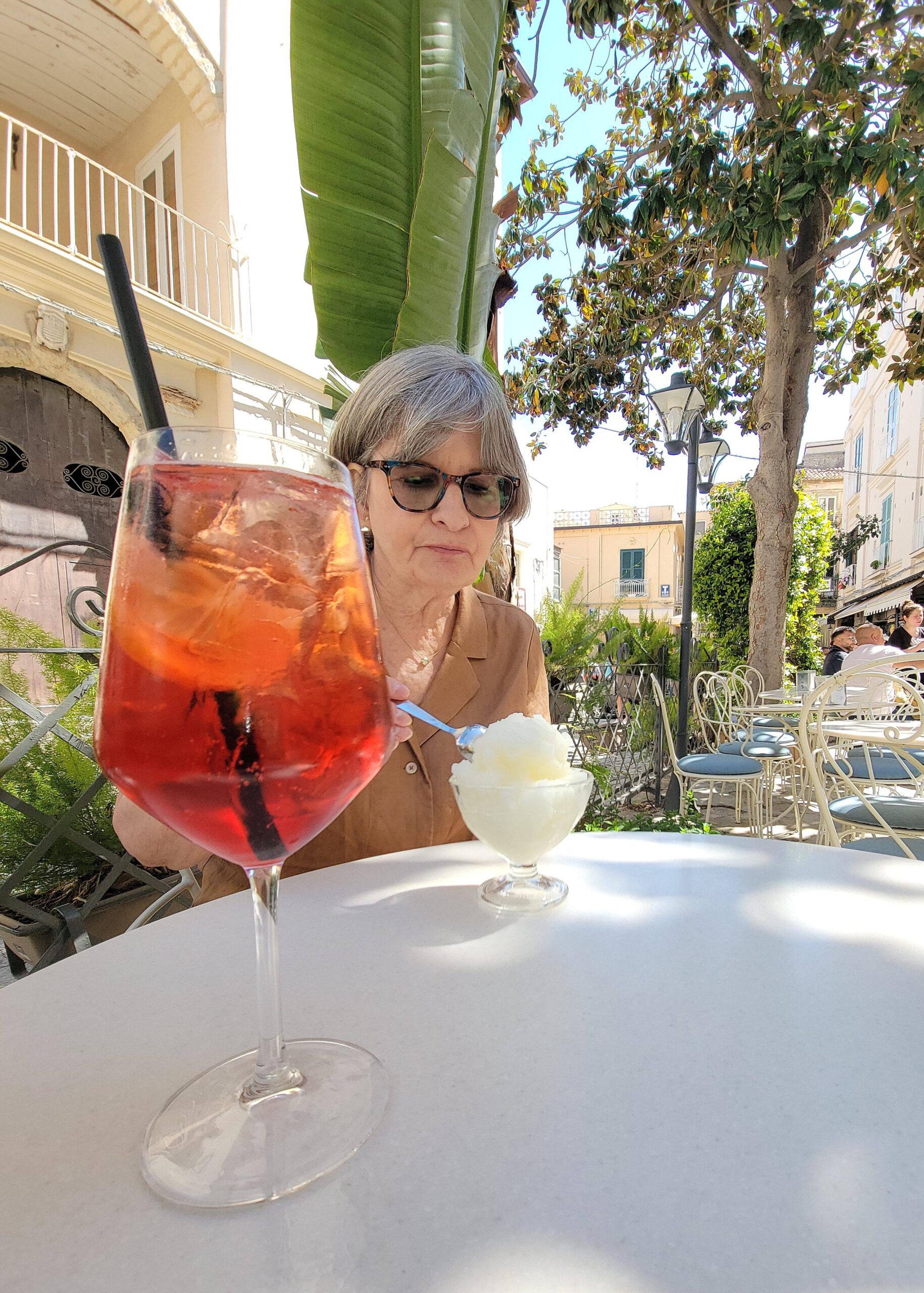
Not known for their food, we bought some drinks here for a quick rest. Nothing special, but the drinks were okay.
Diamante Rosso Tropea Ristorante
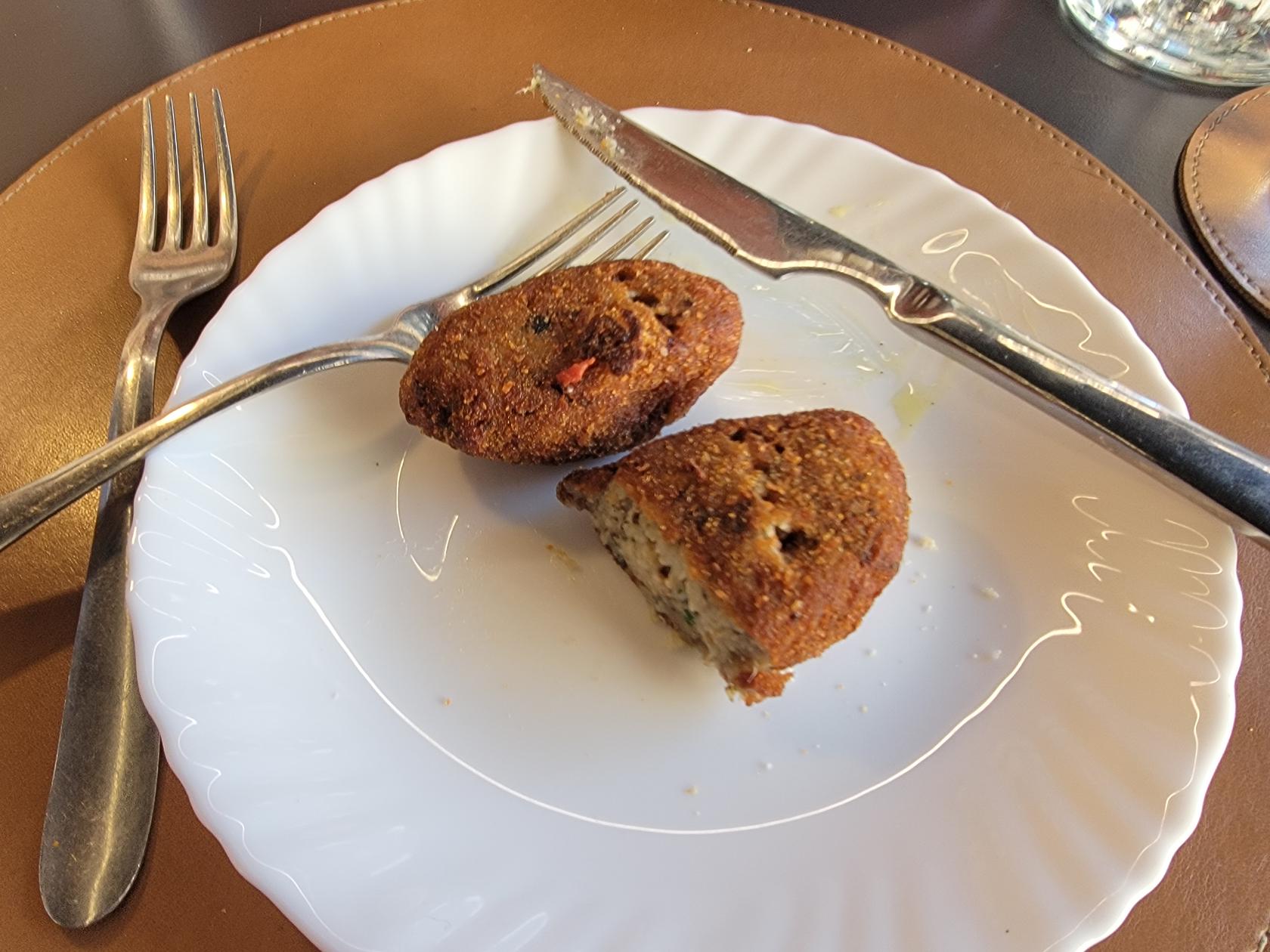
Here we had to try to local al ragu Arancini, or Sicilian breaded and conically shaped stuffed rice balls that are deep-fried. They were amazing, but usually always good, depending where you buy and how they are made. They can actually be purchased at most good local stores, cafes and some marketplaces and quickly heated up for a snack or meal.
Le Volpe El Uva Ristorante
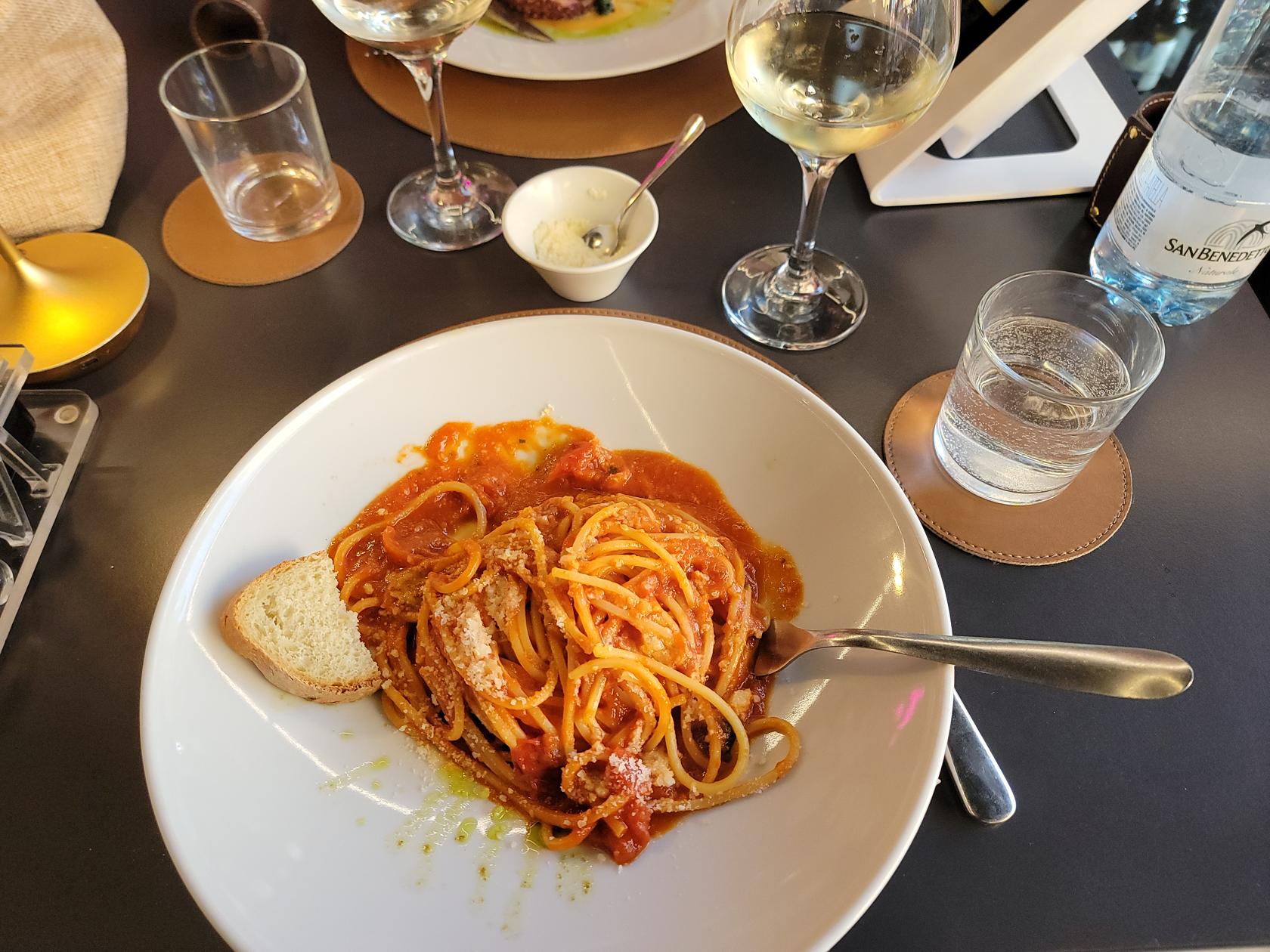
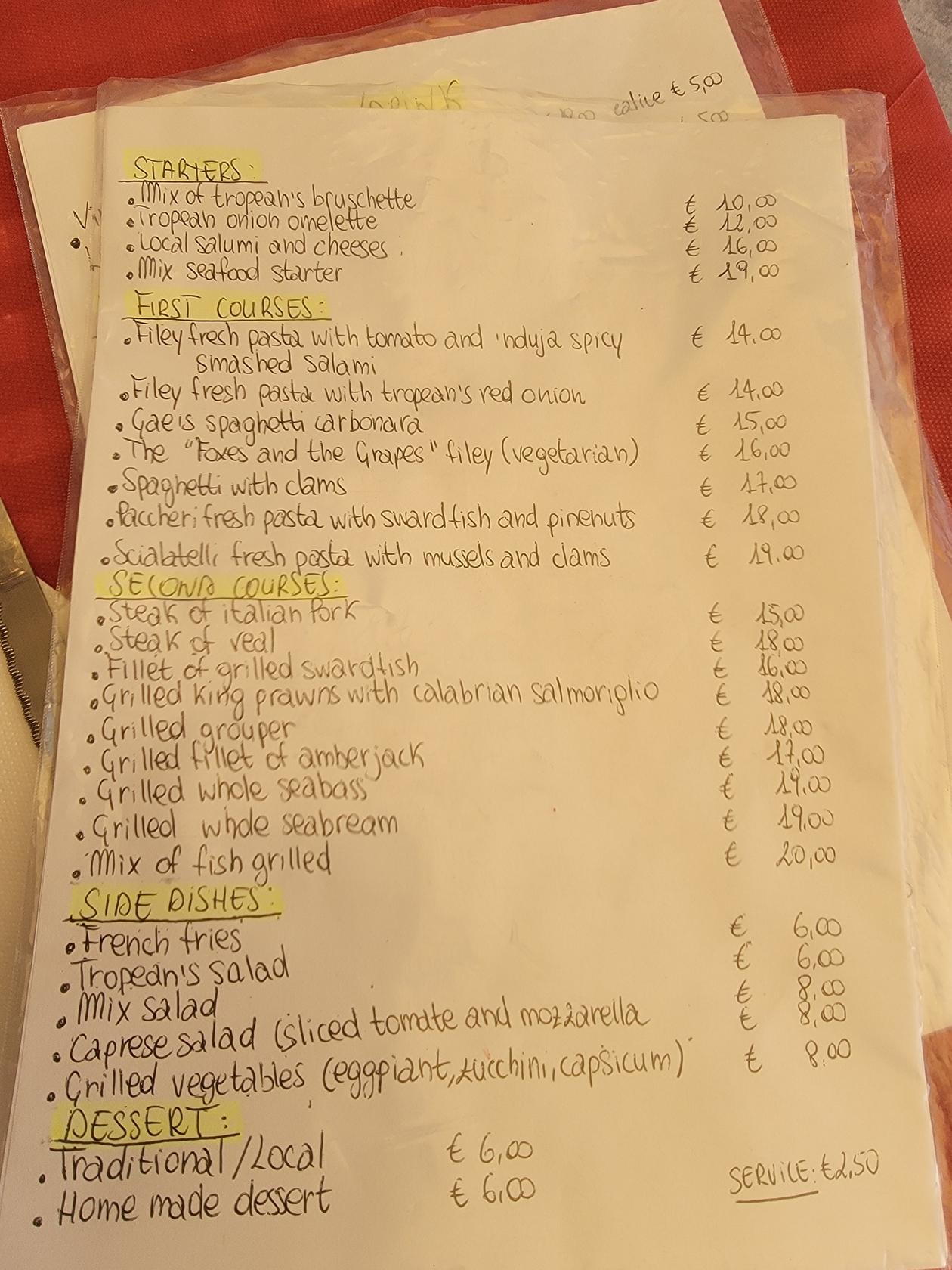
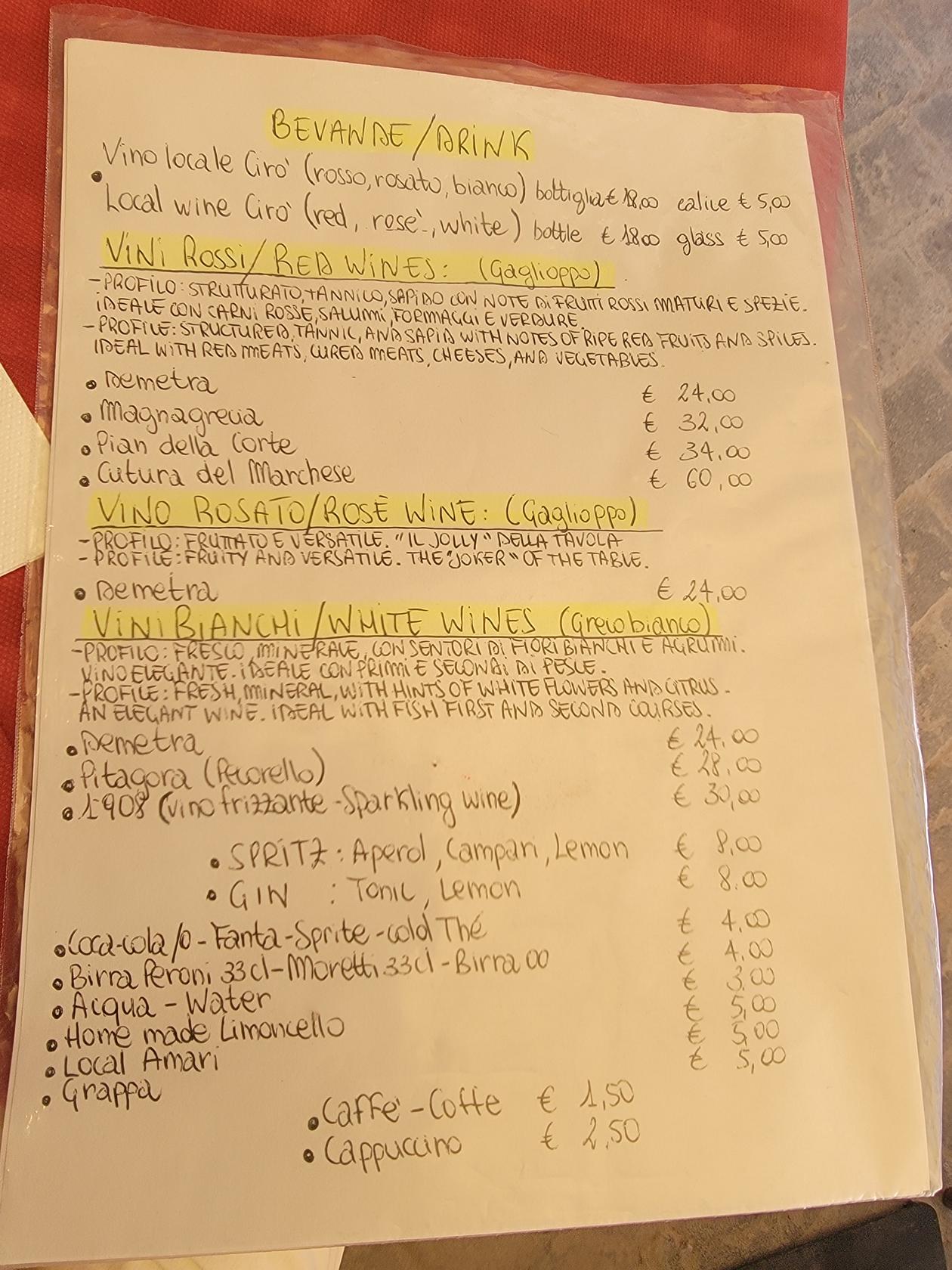
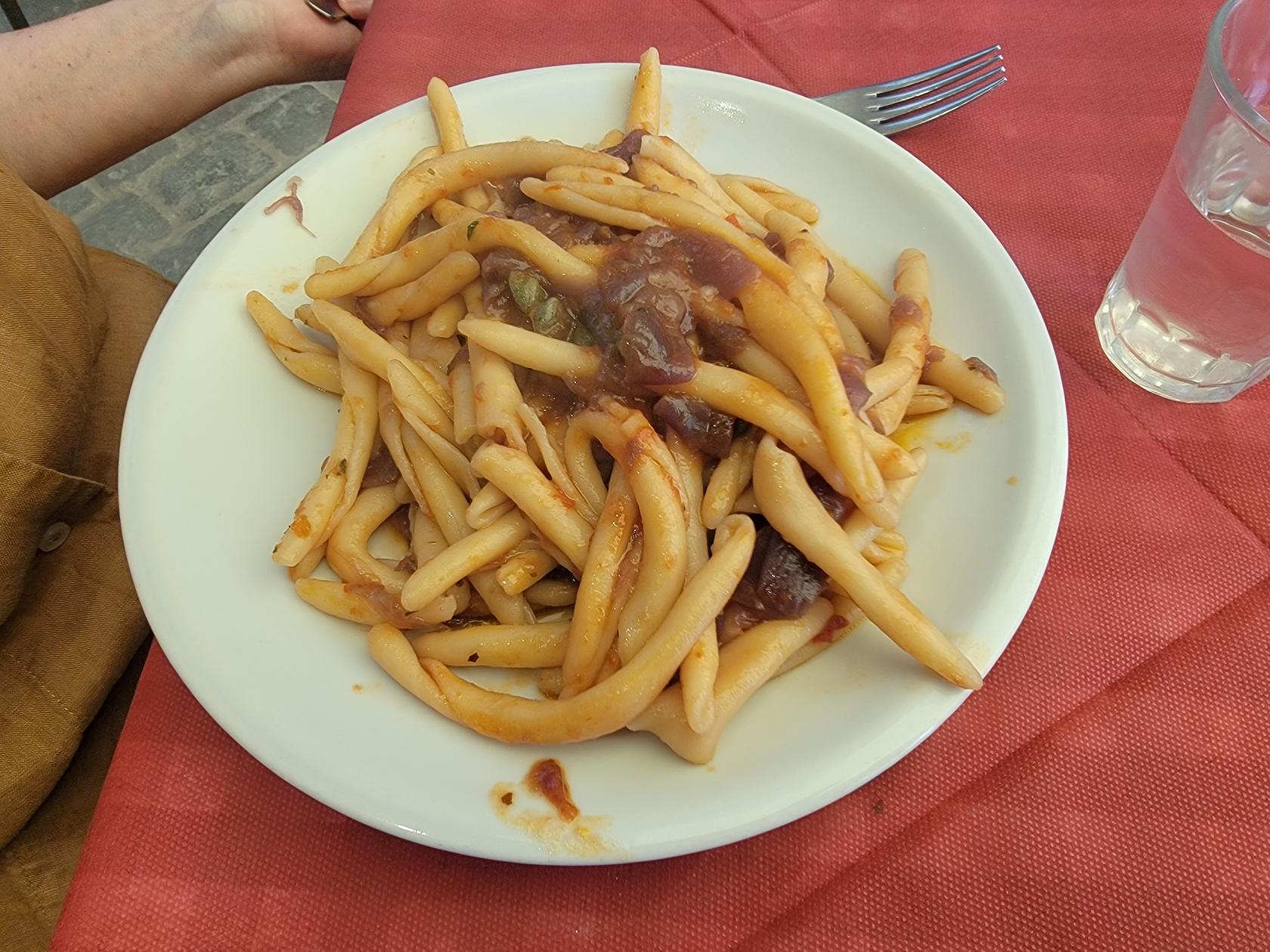
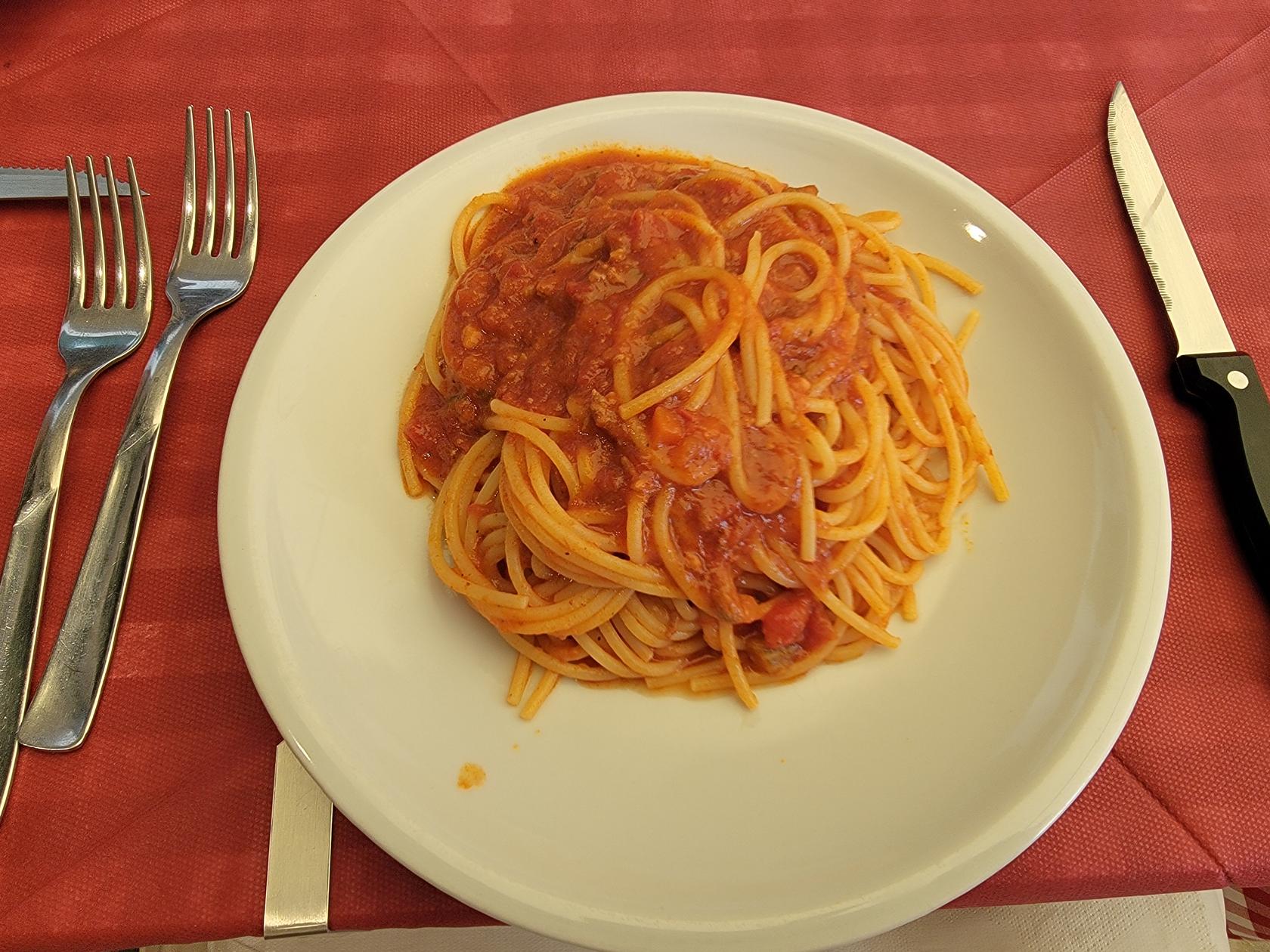
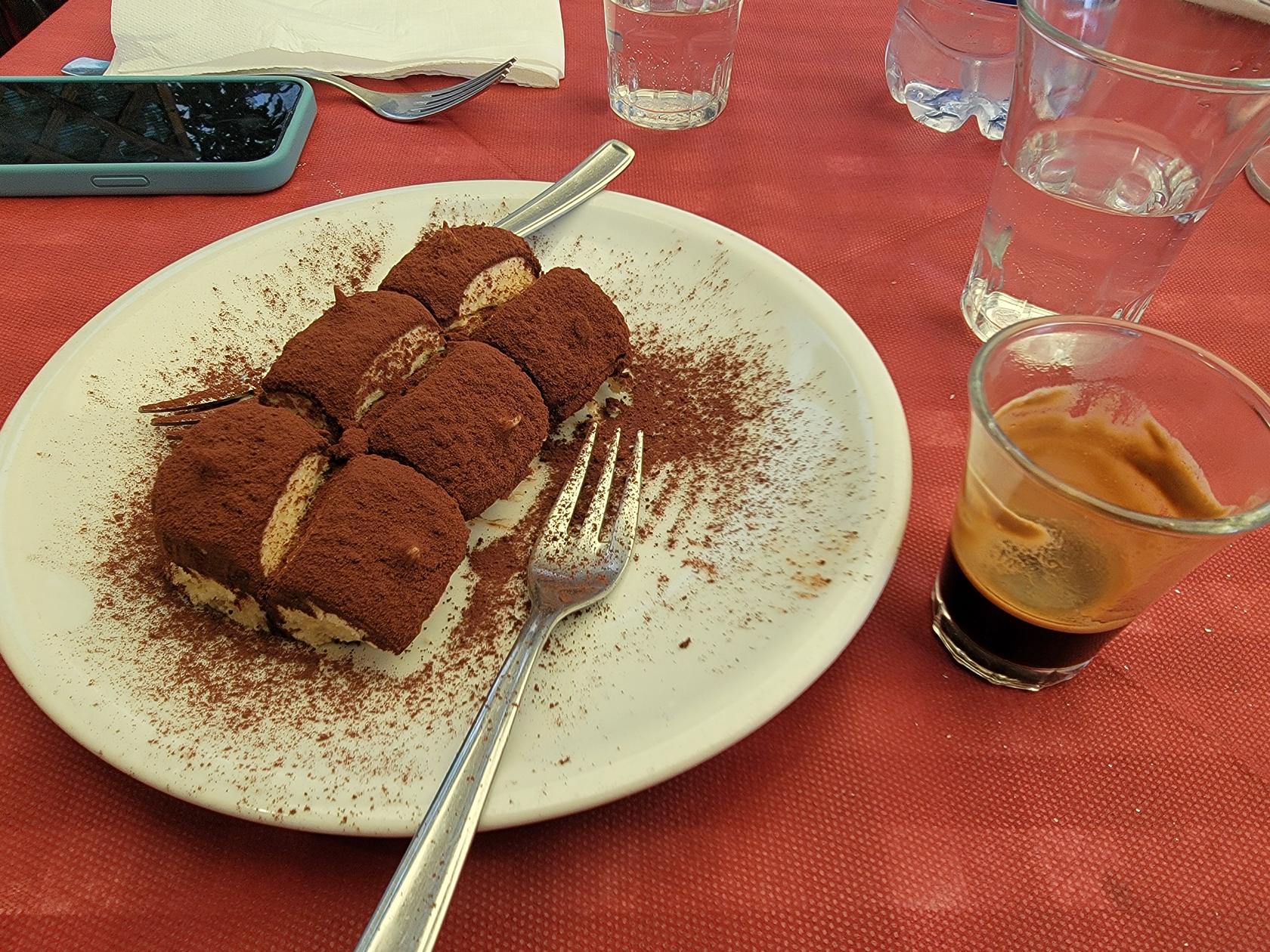
At Le Volpe we ordered a pasta dish each and dessert. The Filey was freshly made and topped with Tropean Onions, which are deliciously sweet, when they are sautéed until they have that glassy look.
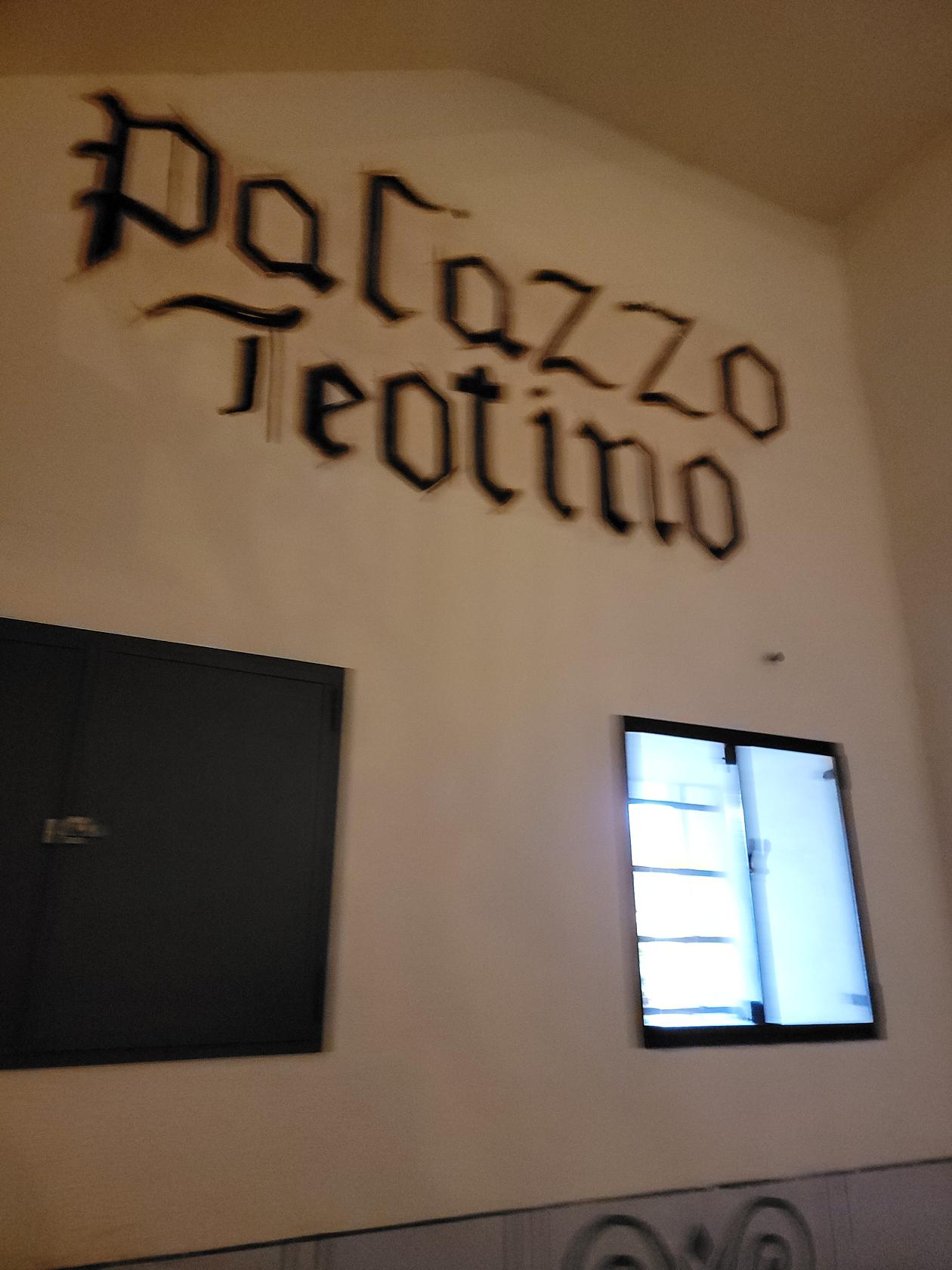
Palazzo Teotino Ristorante
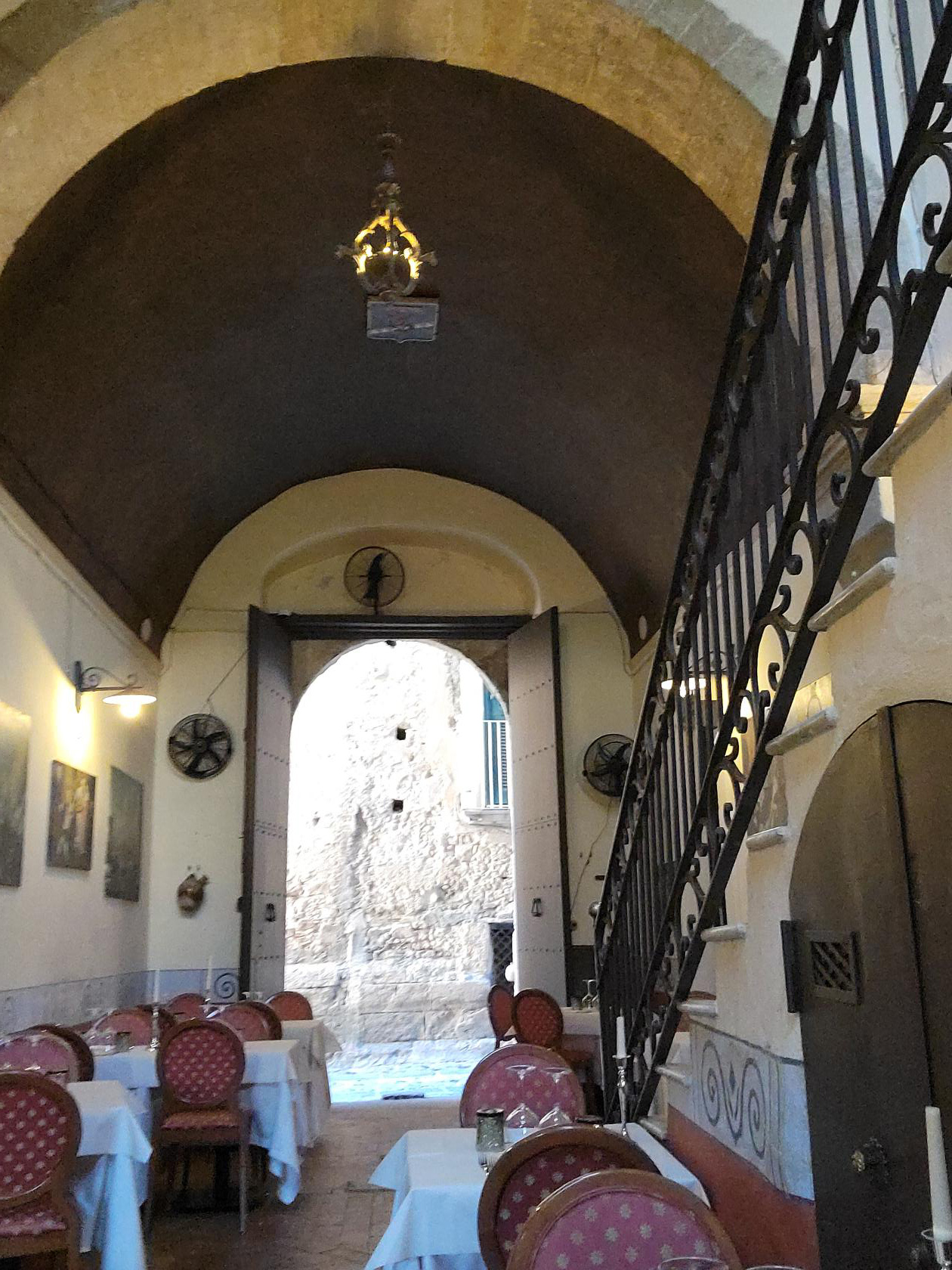
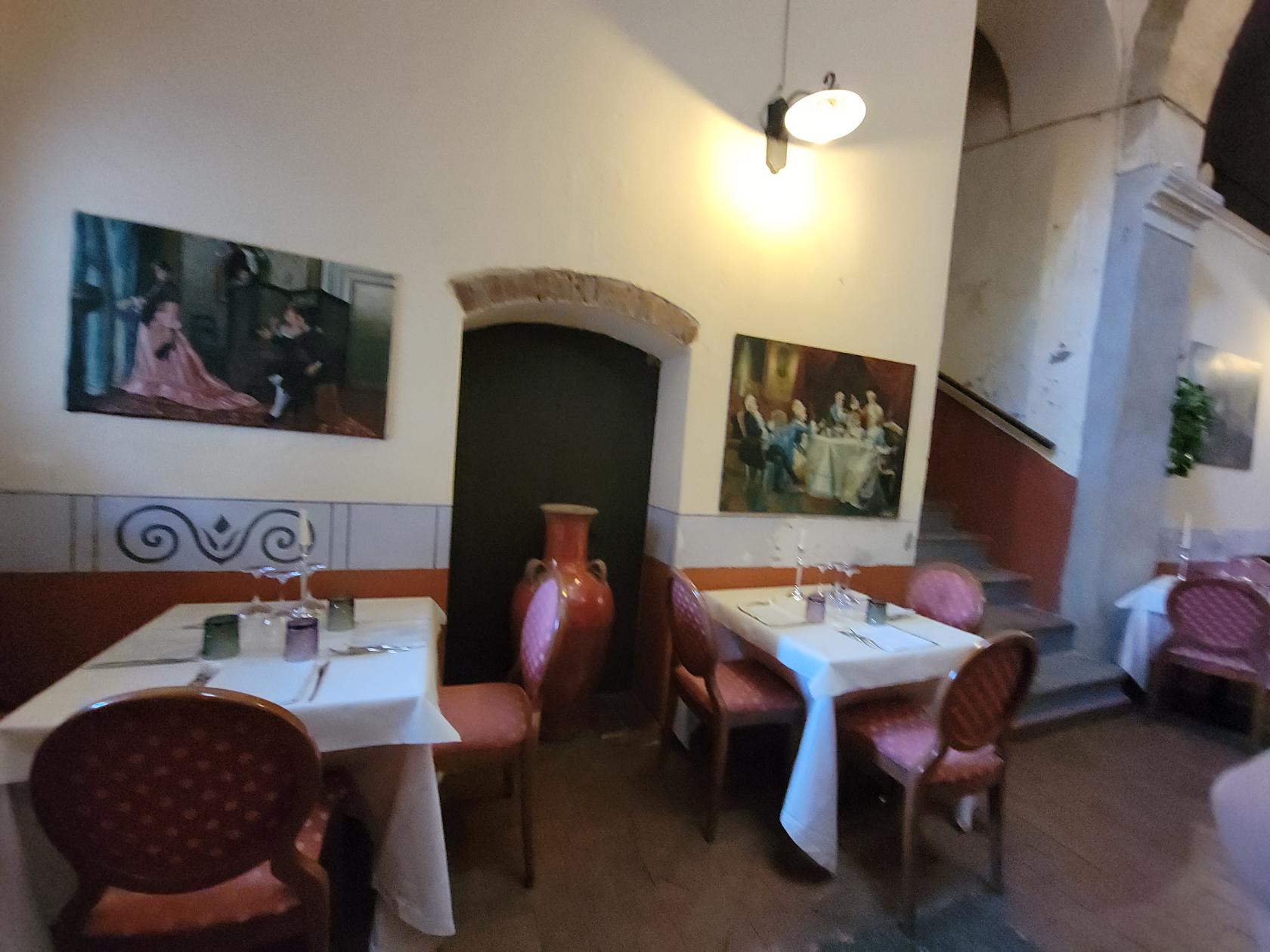
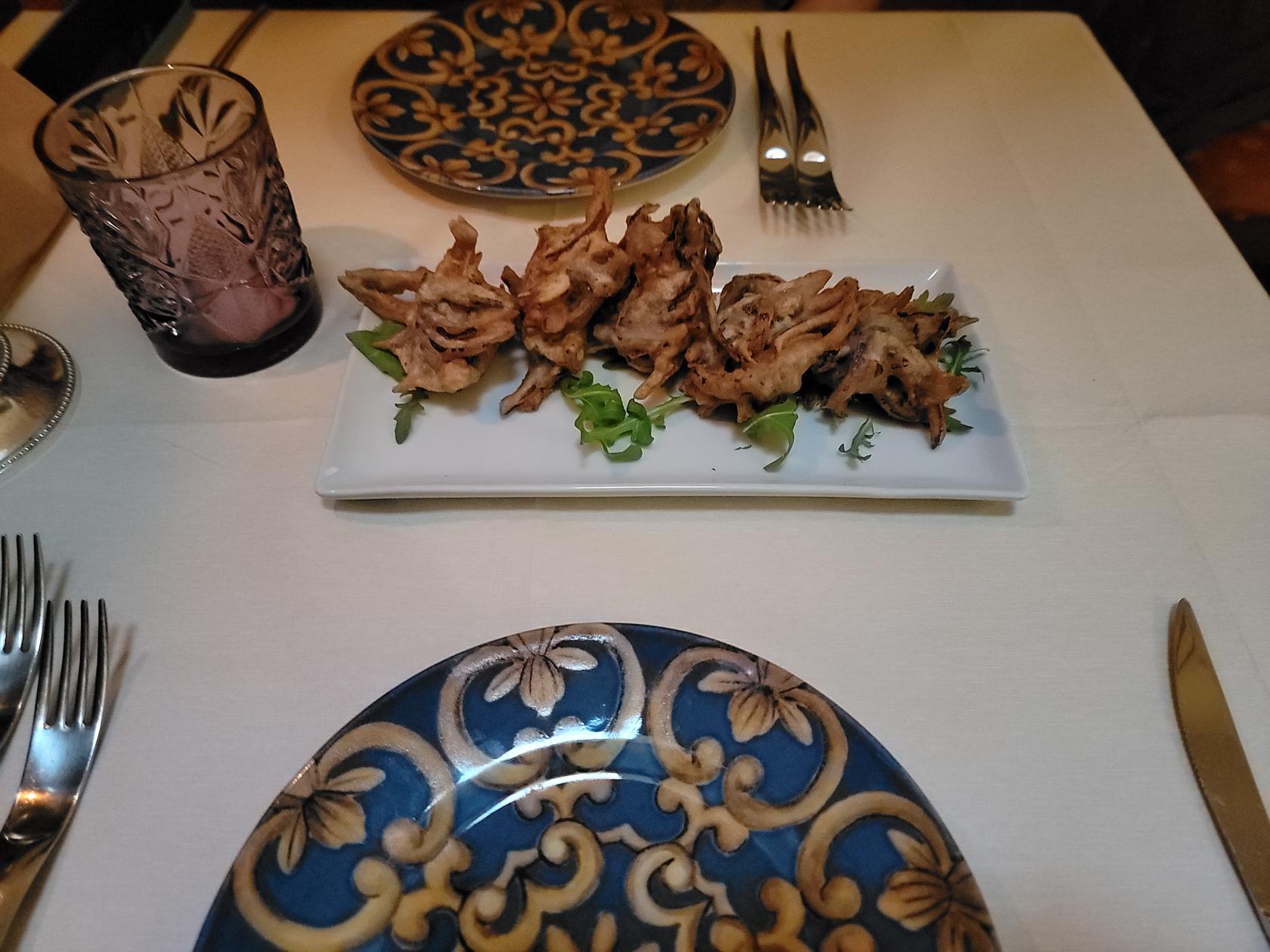
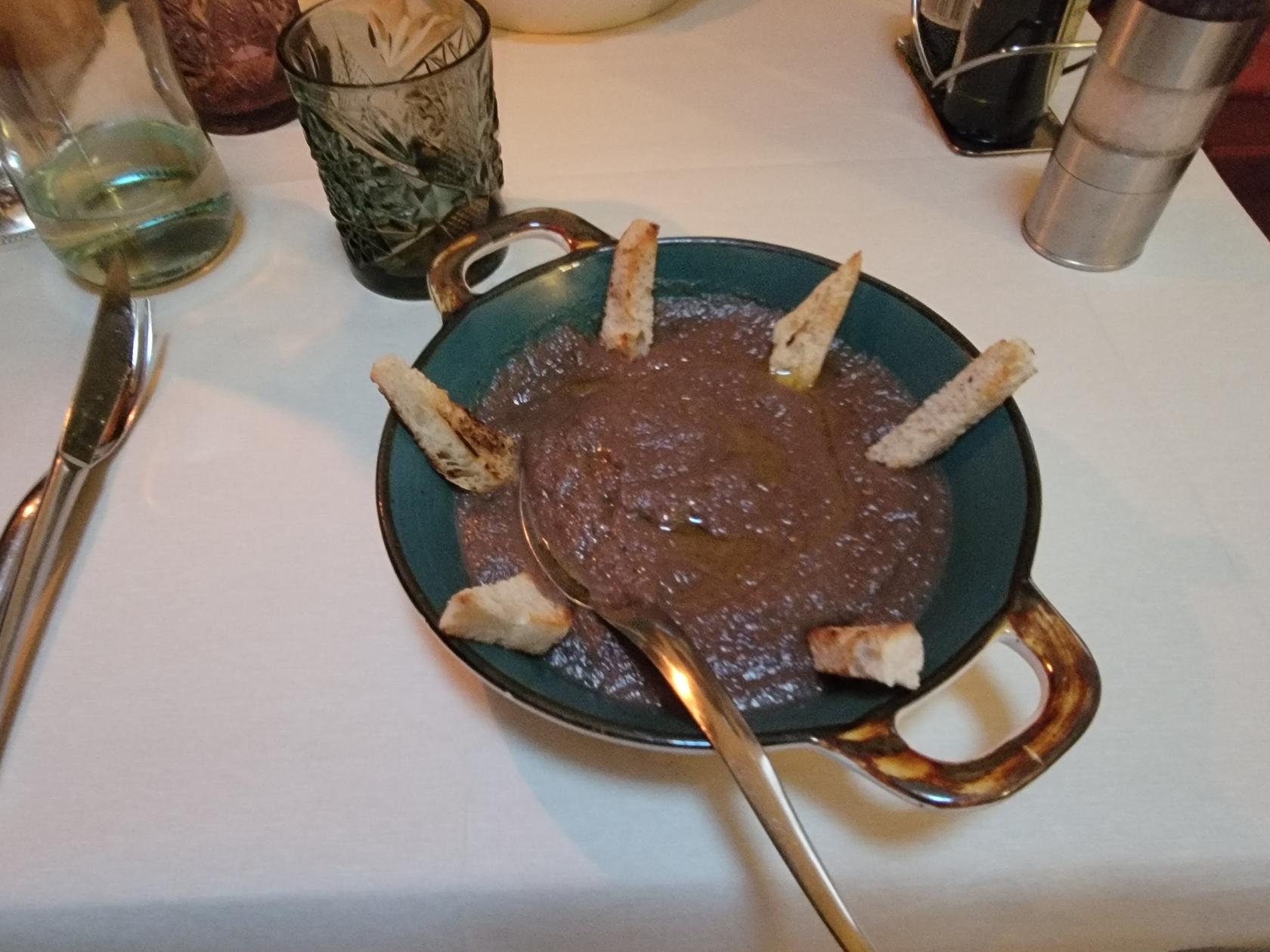
This restaurant is housed in an old palazzo and has both indoor and outdoor seating. We sat indoor right in the foyer next to the stairwell. We came here for the Tropean Onion soup that they advertize and found it very rich and tasty. We can also commend the fried onion floret, you get about four when you order them, so enough to share.