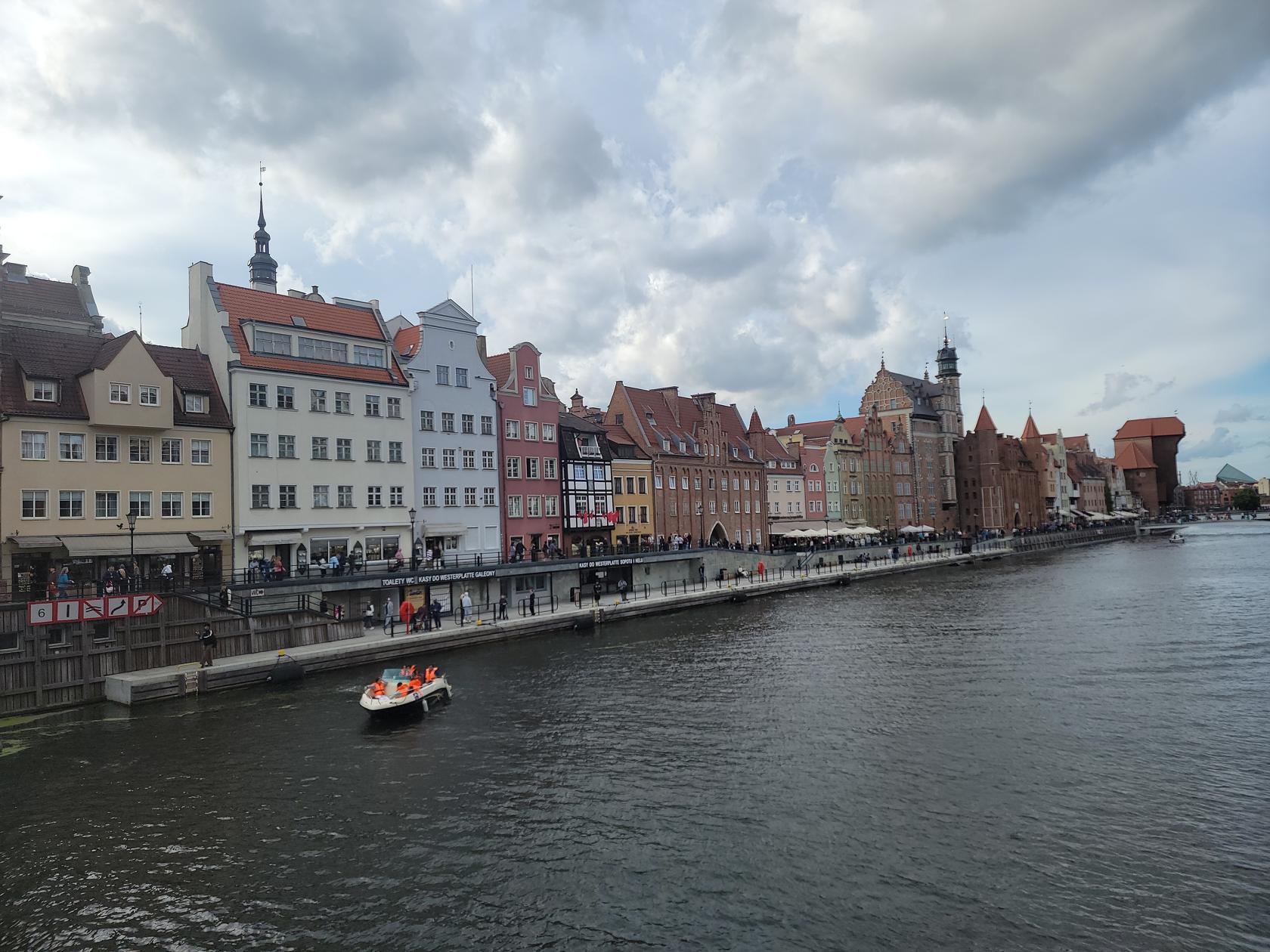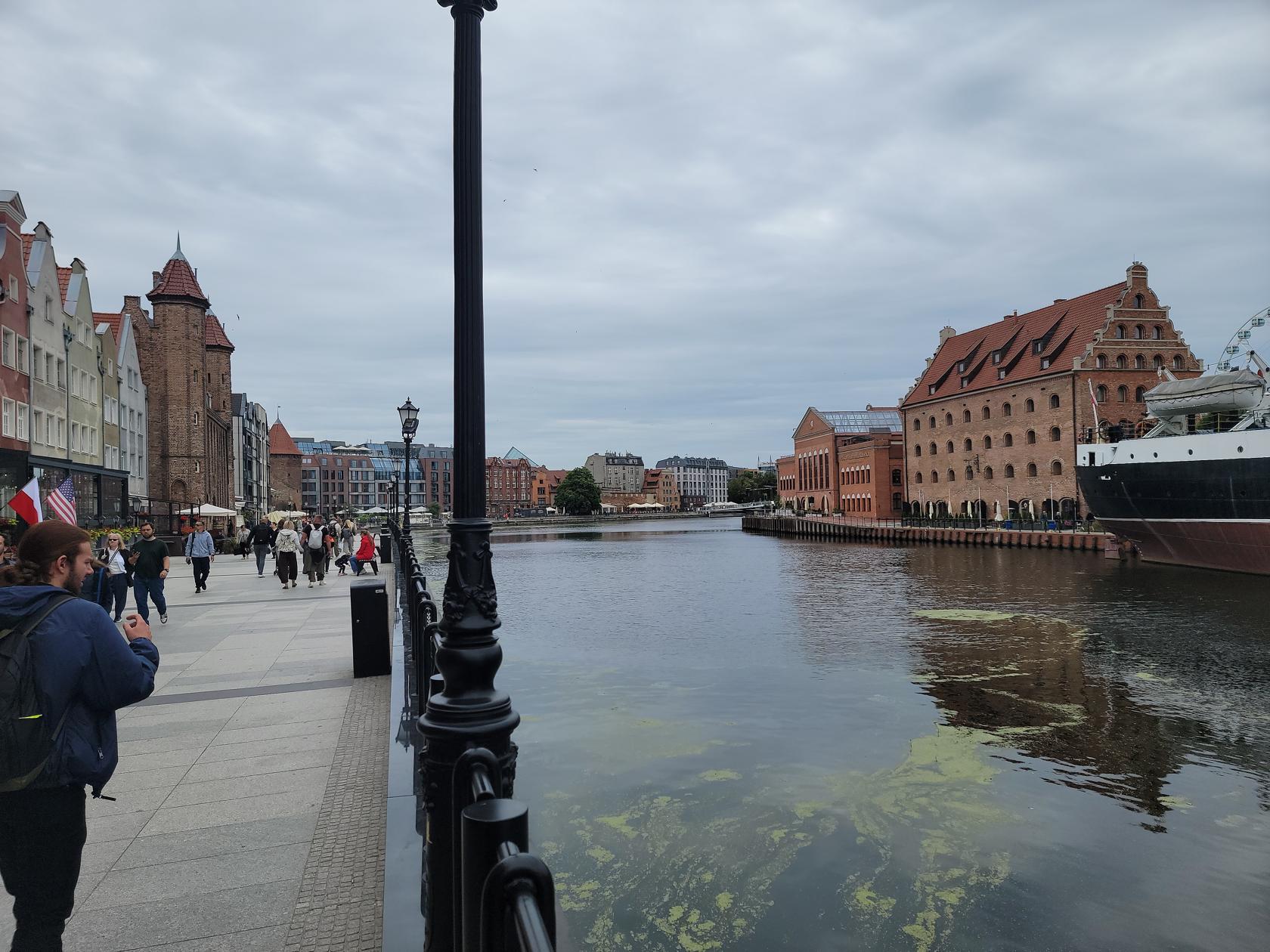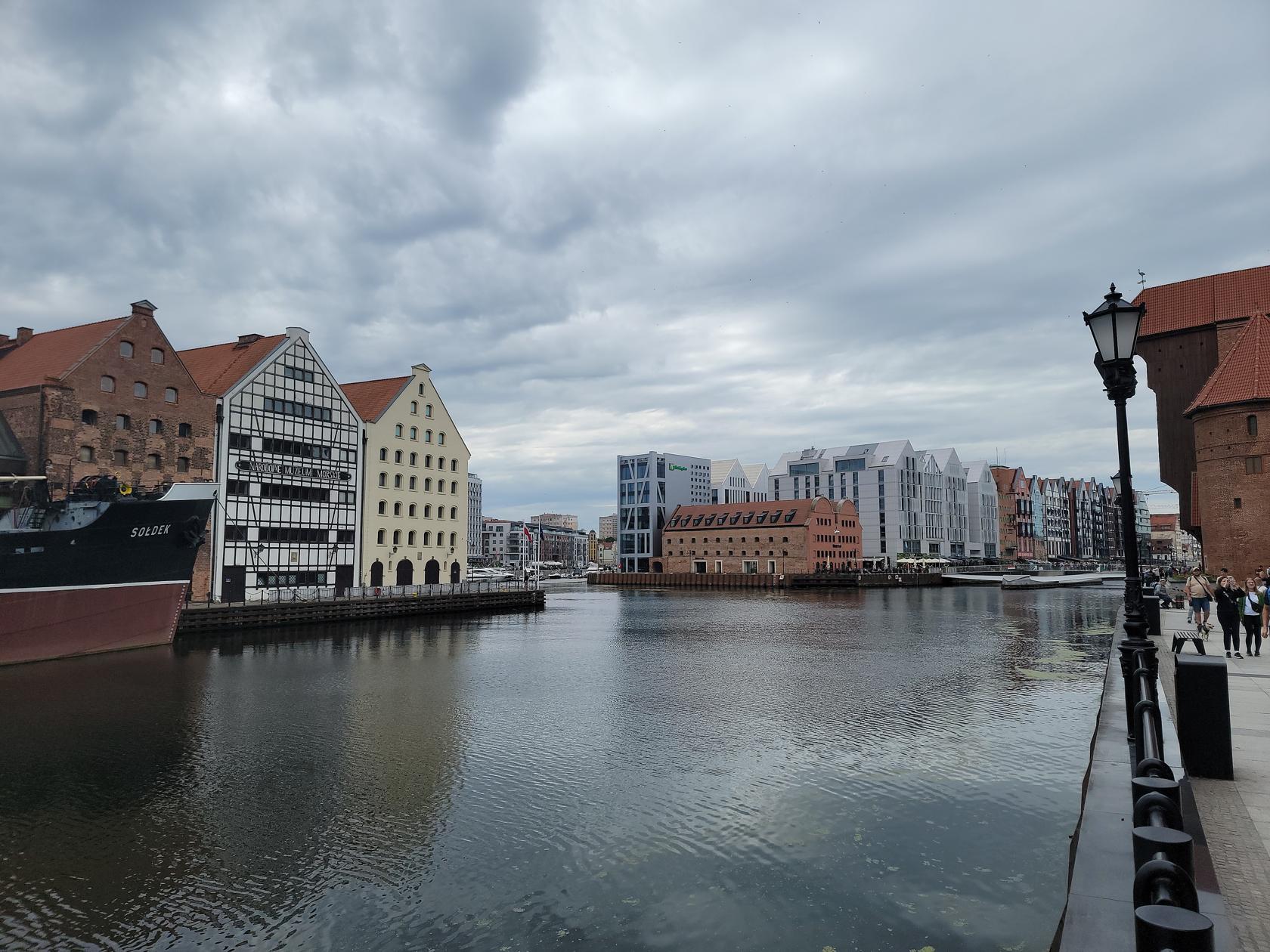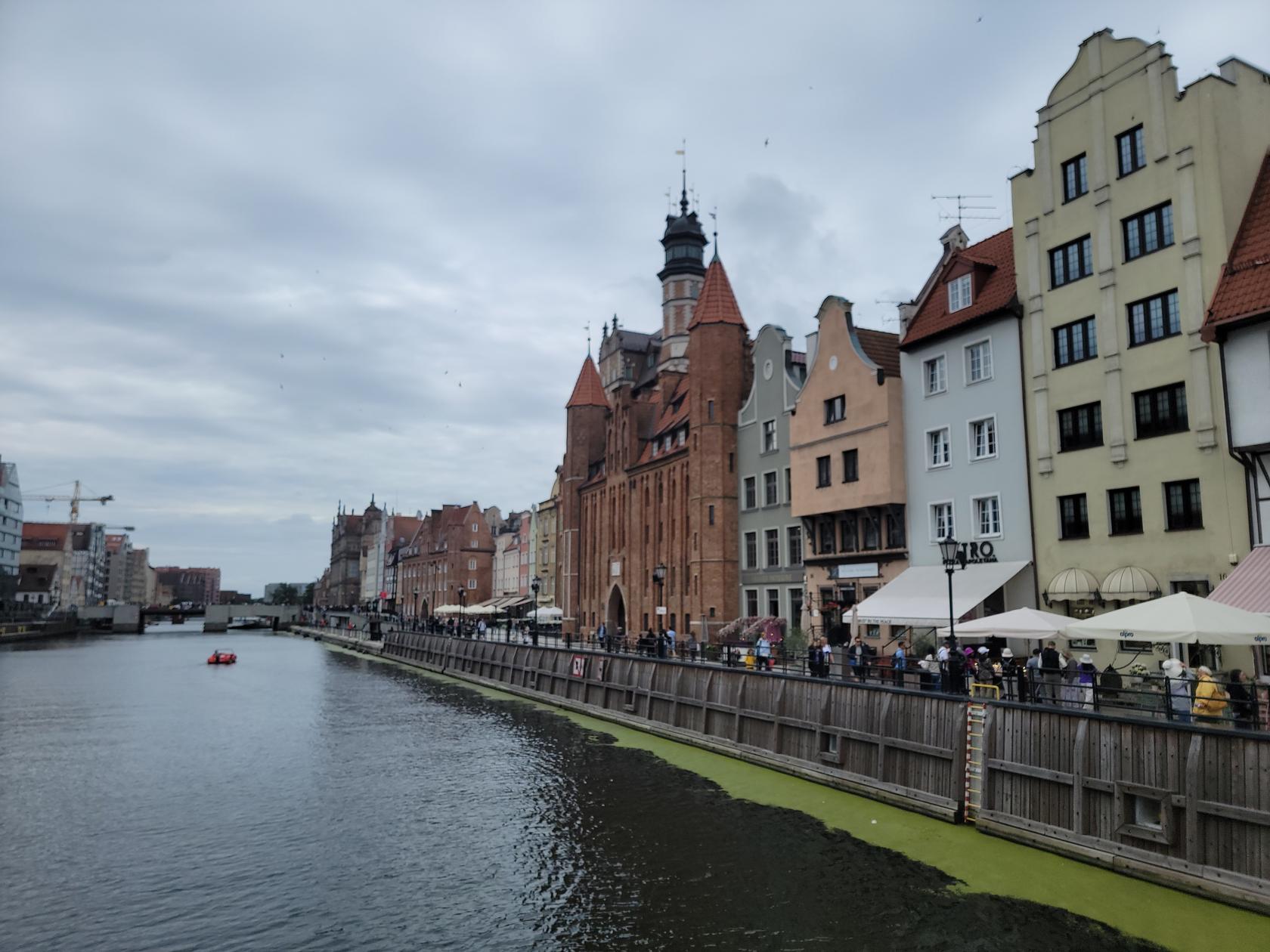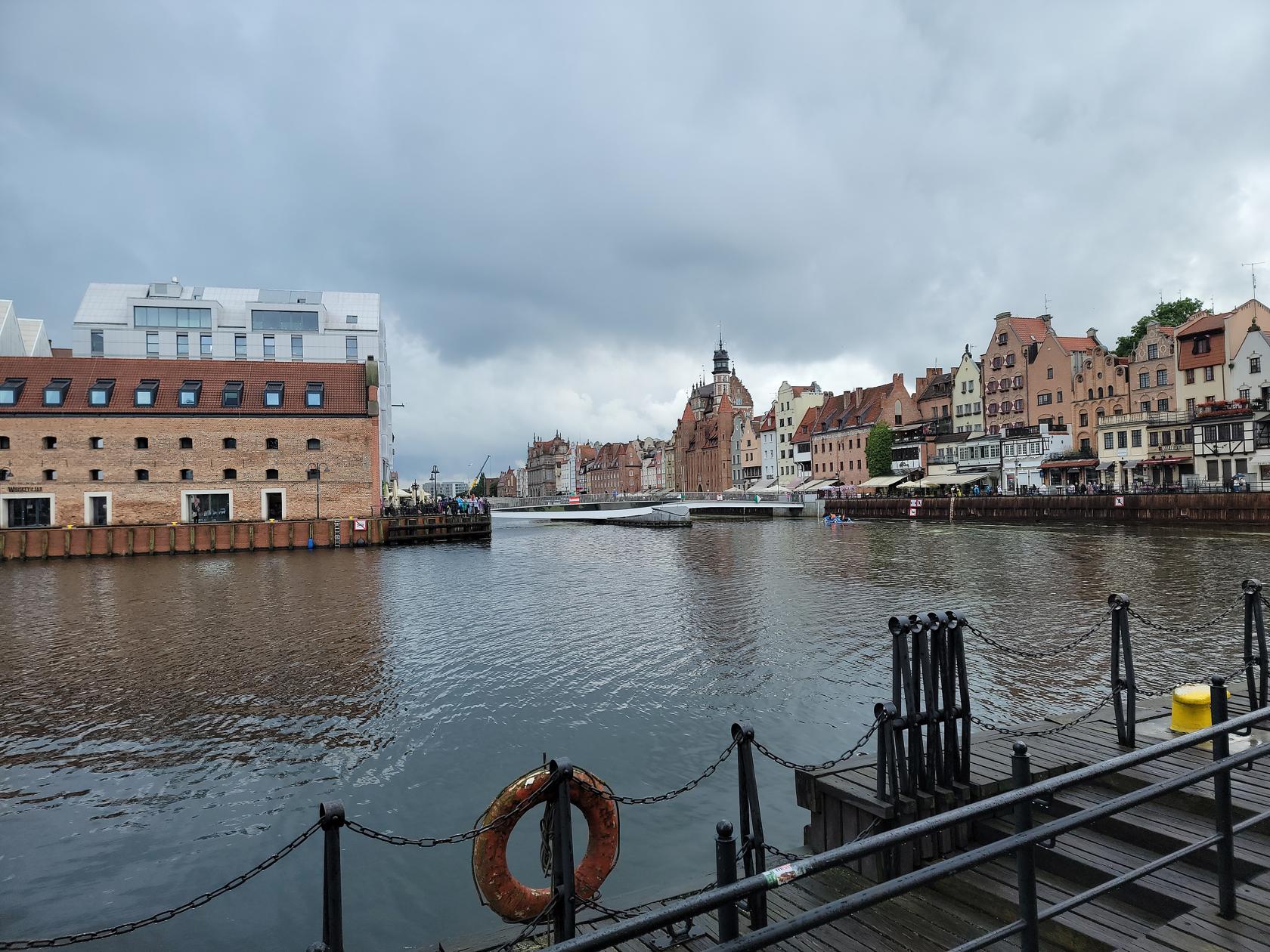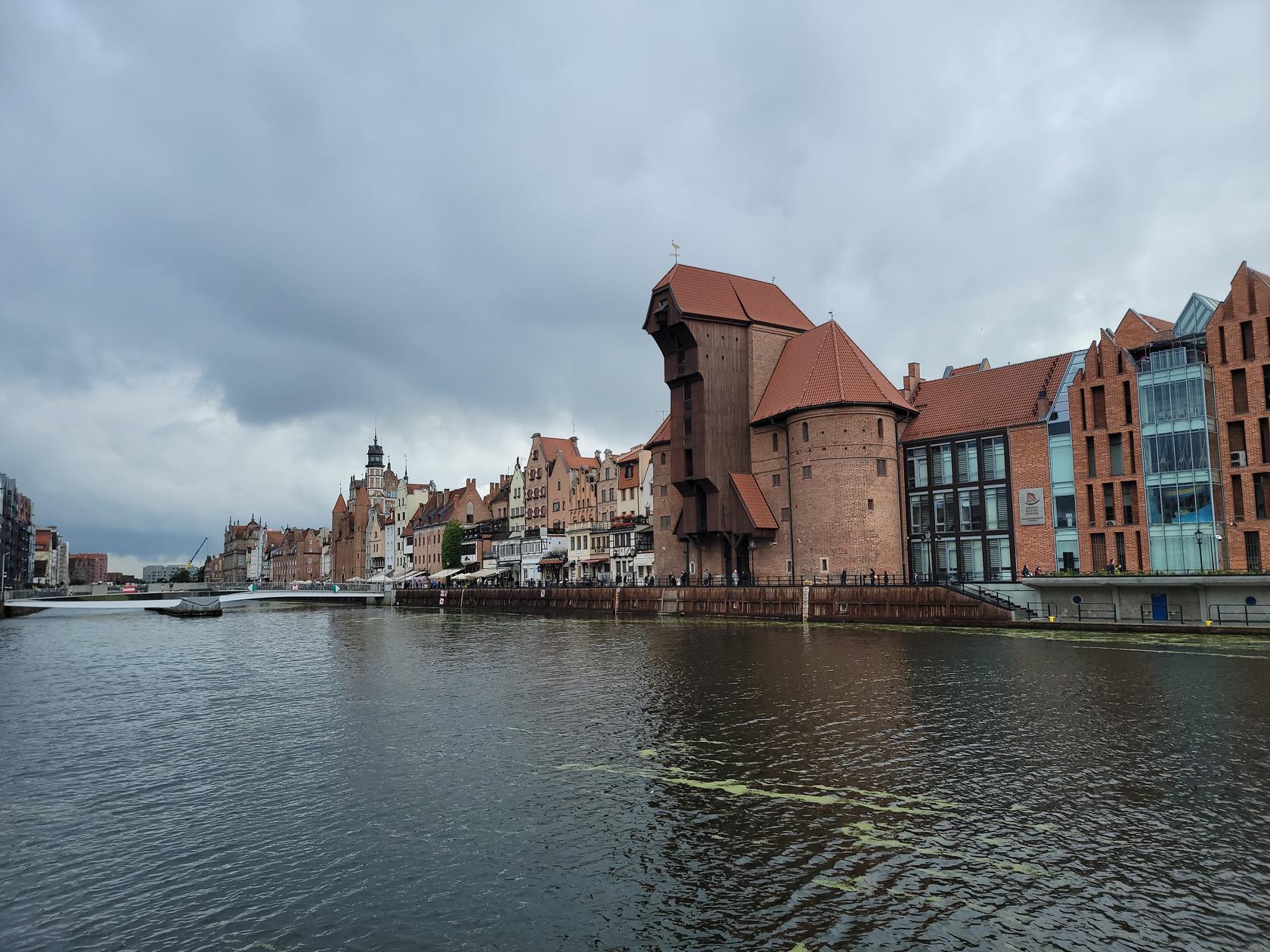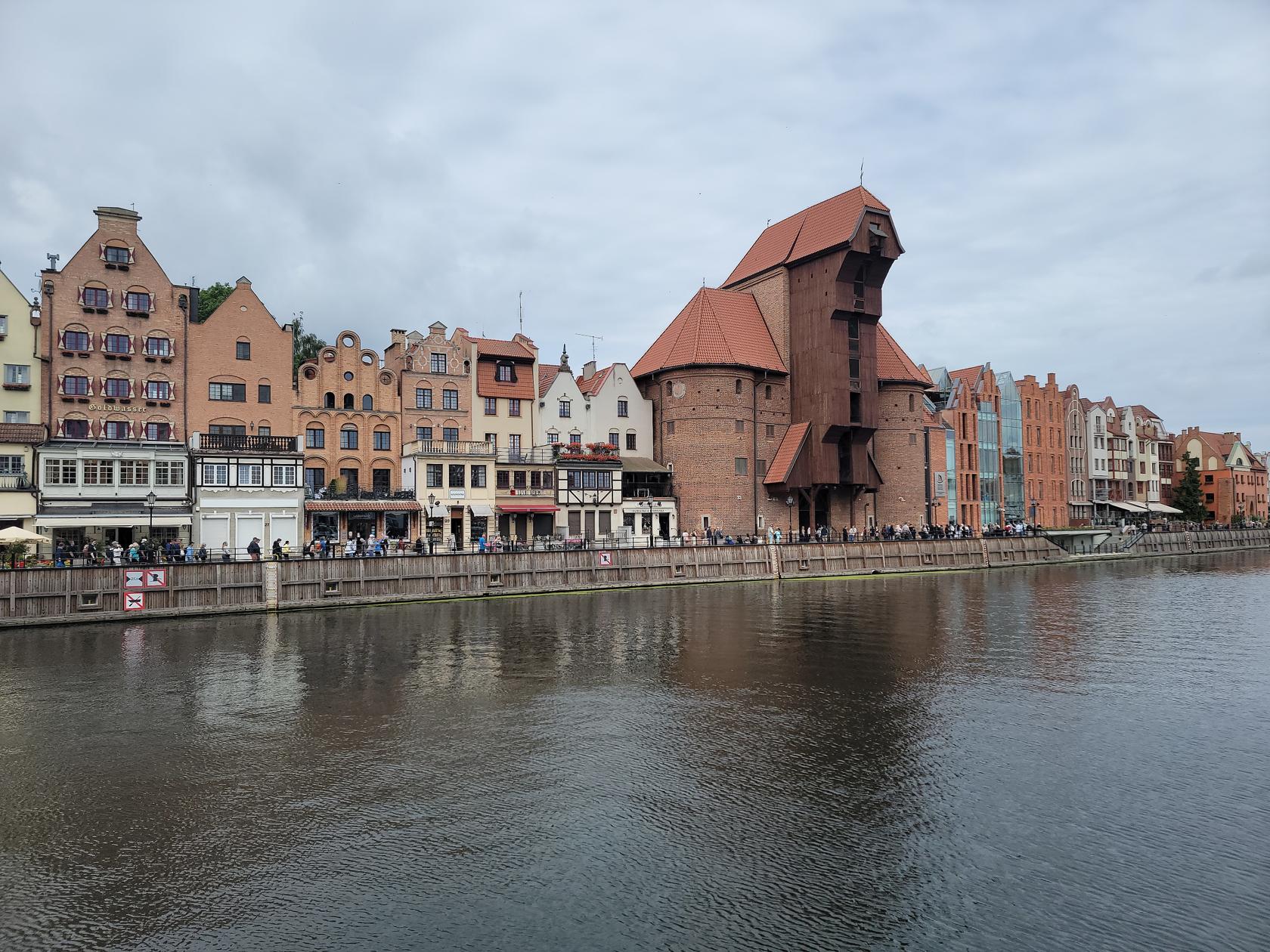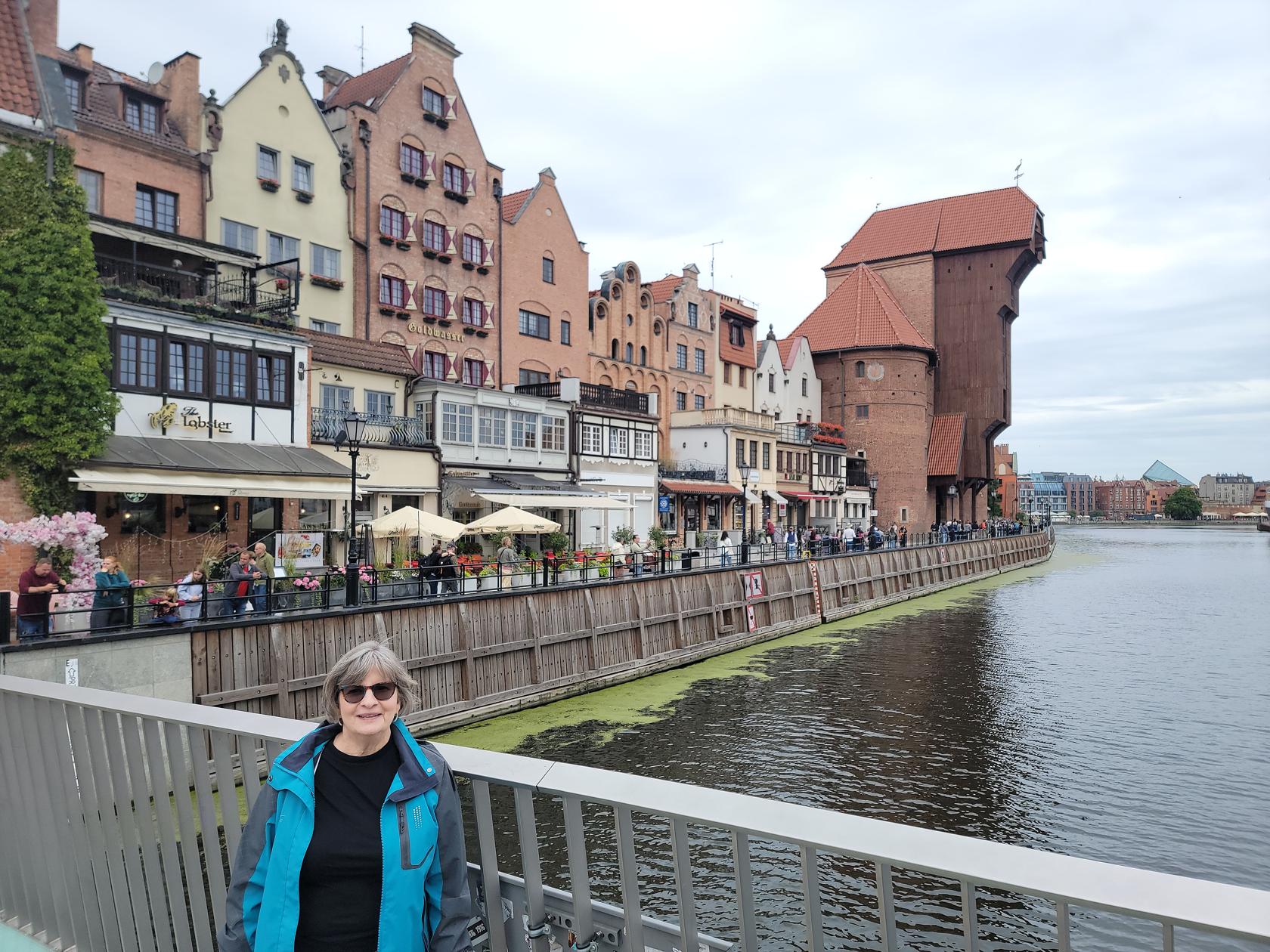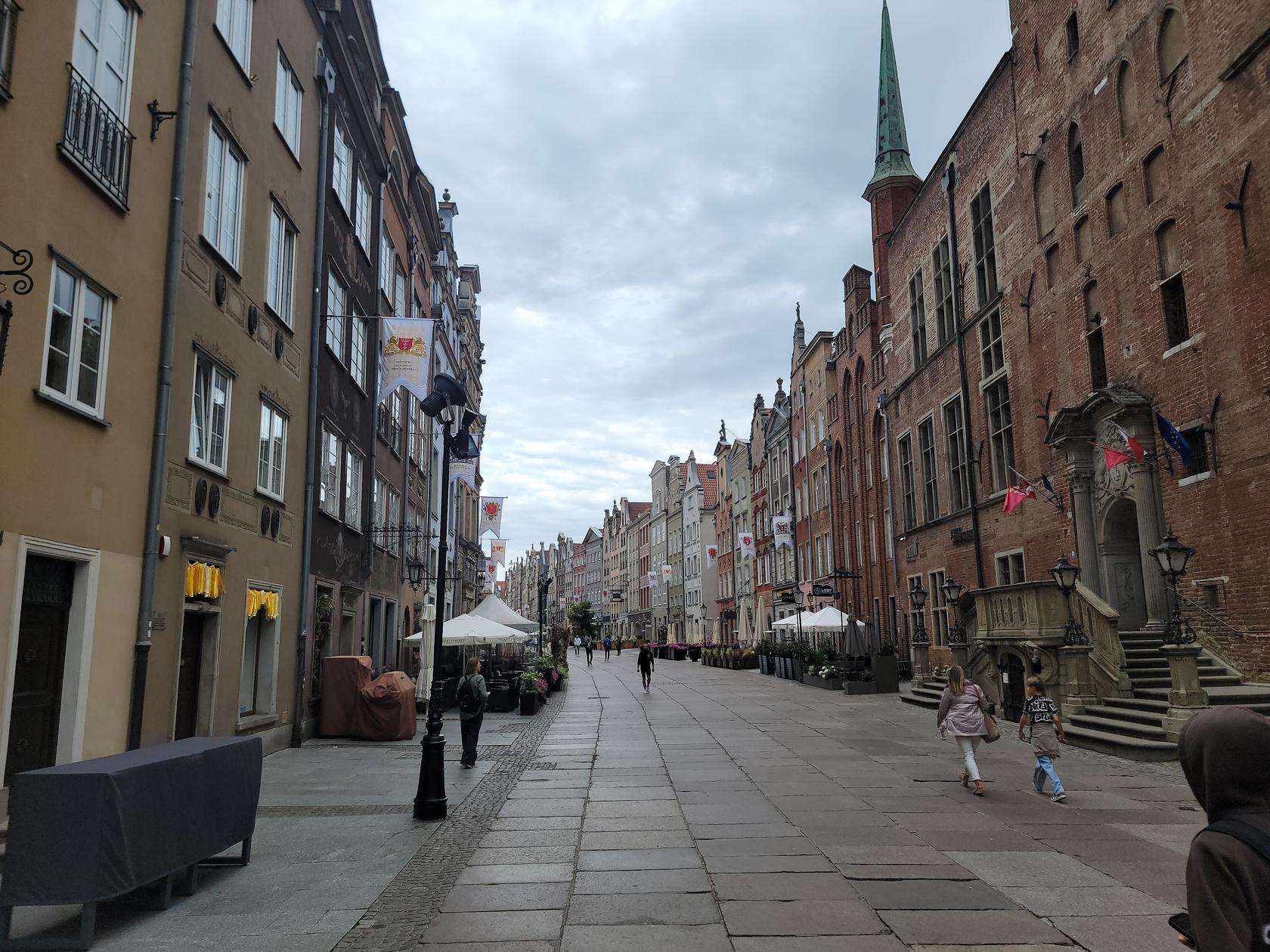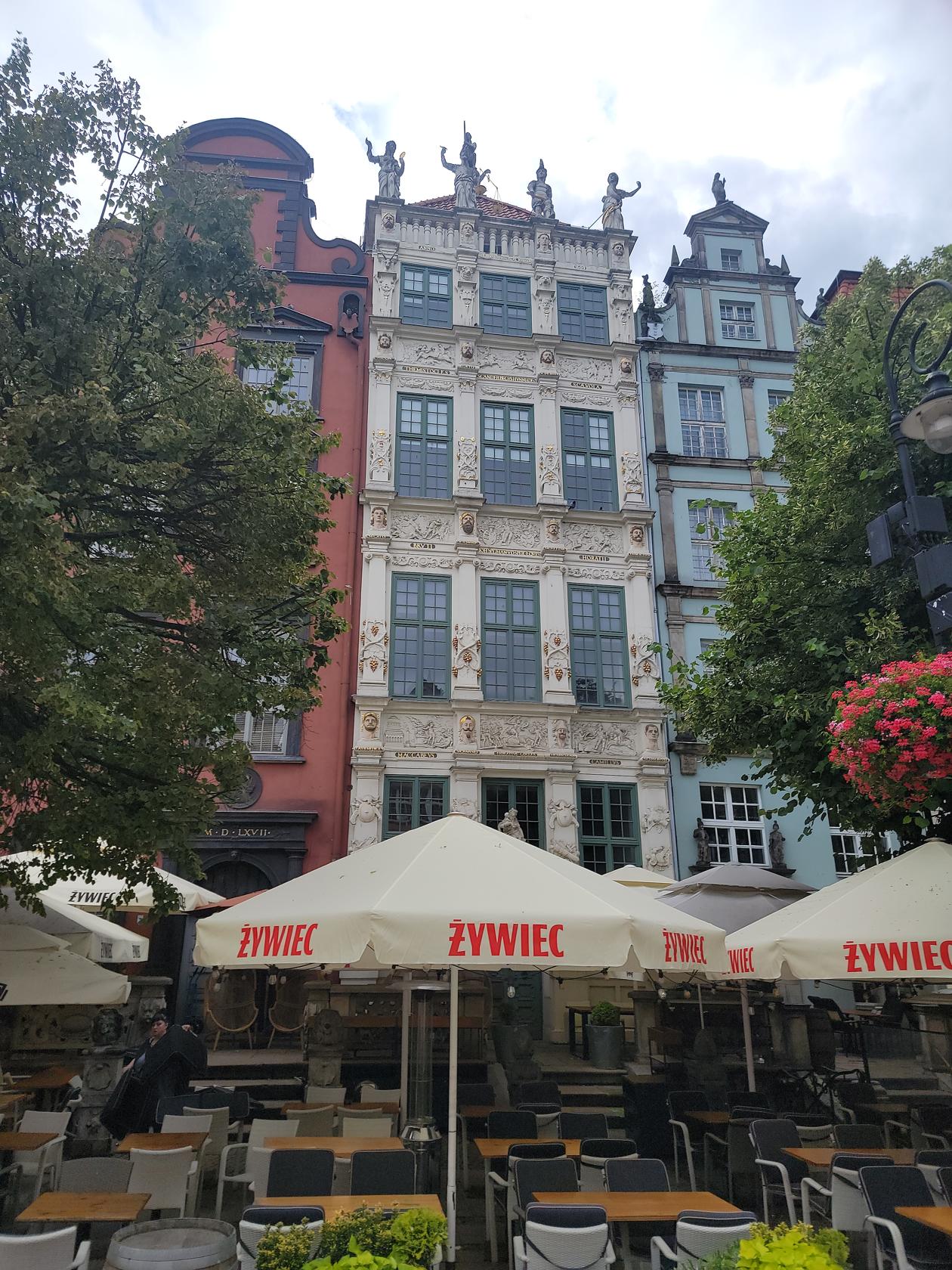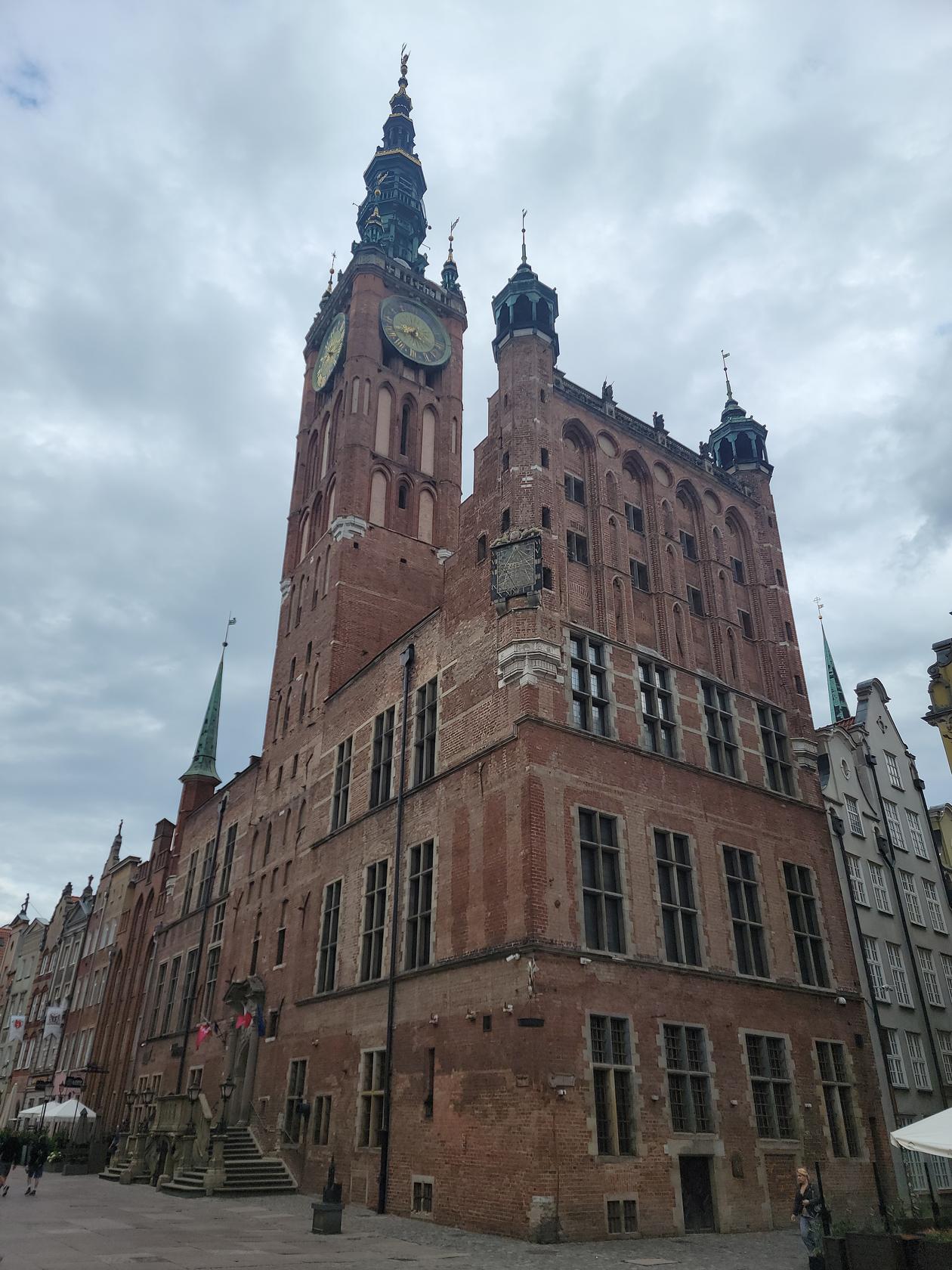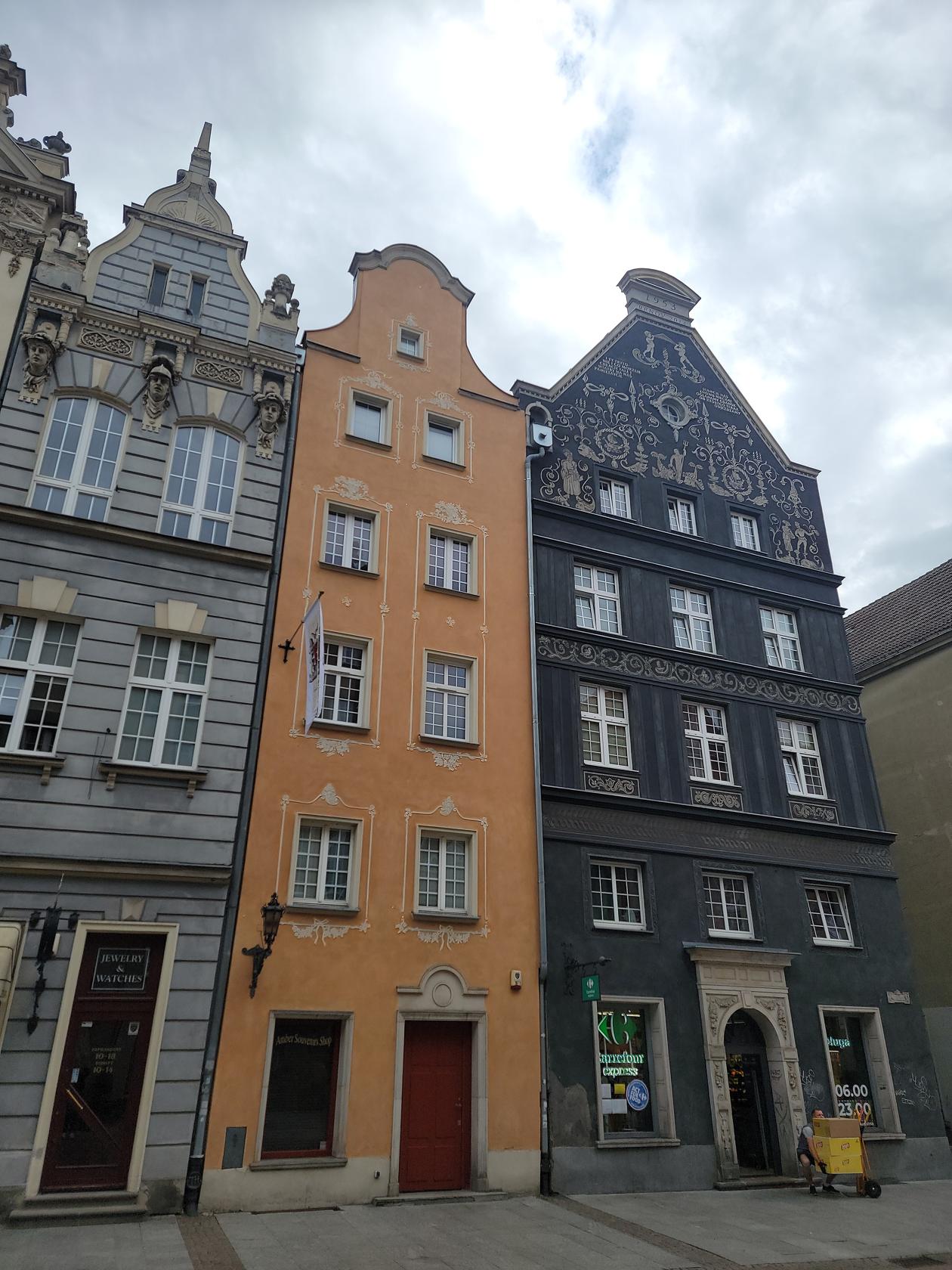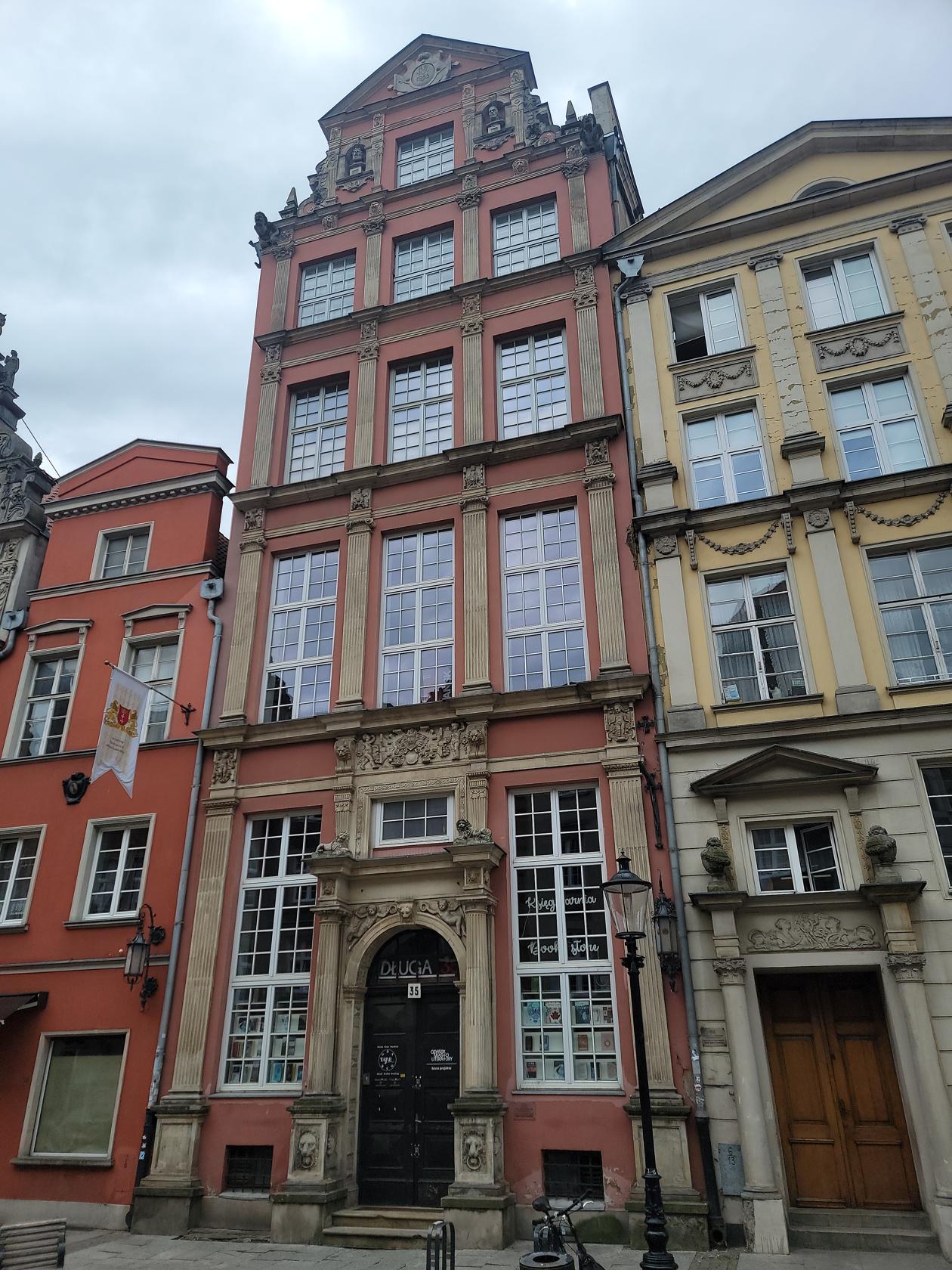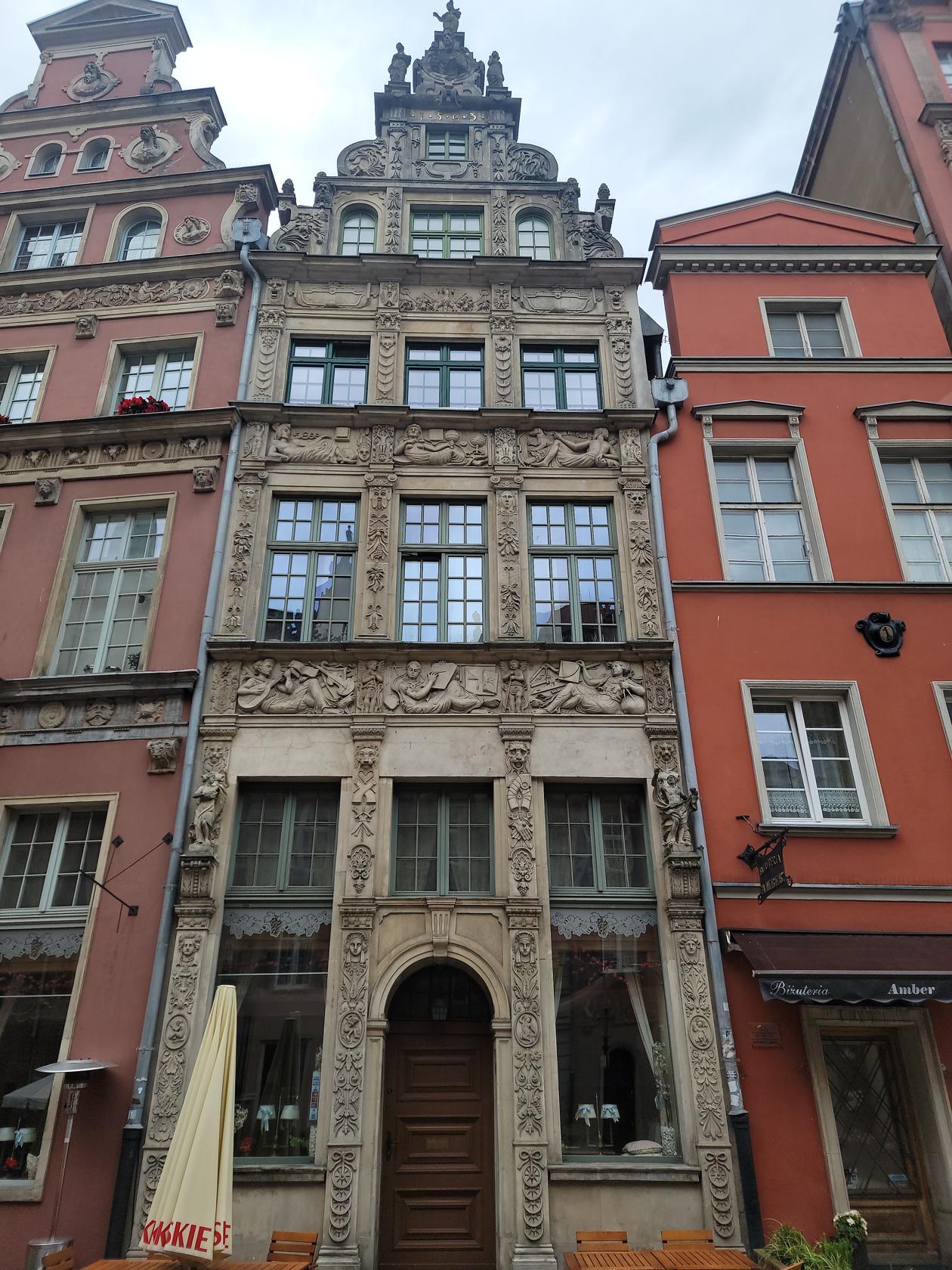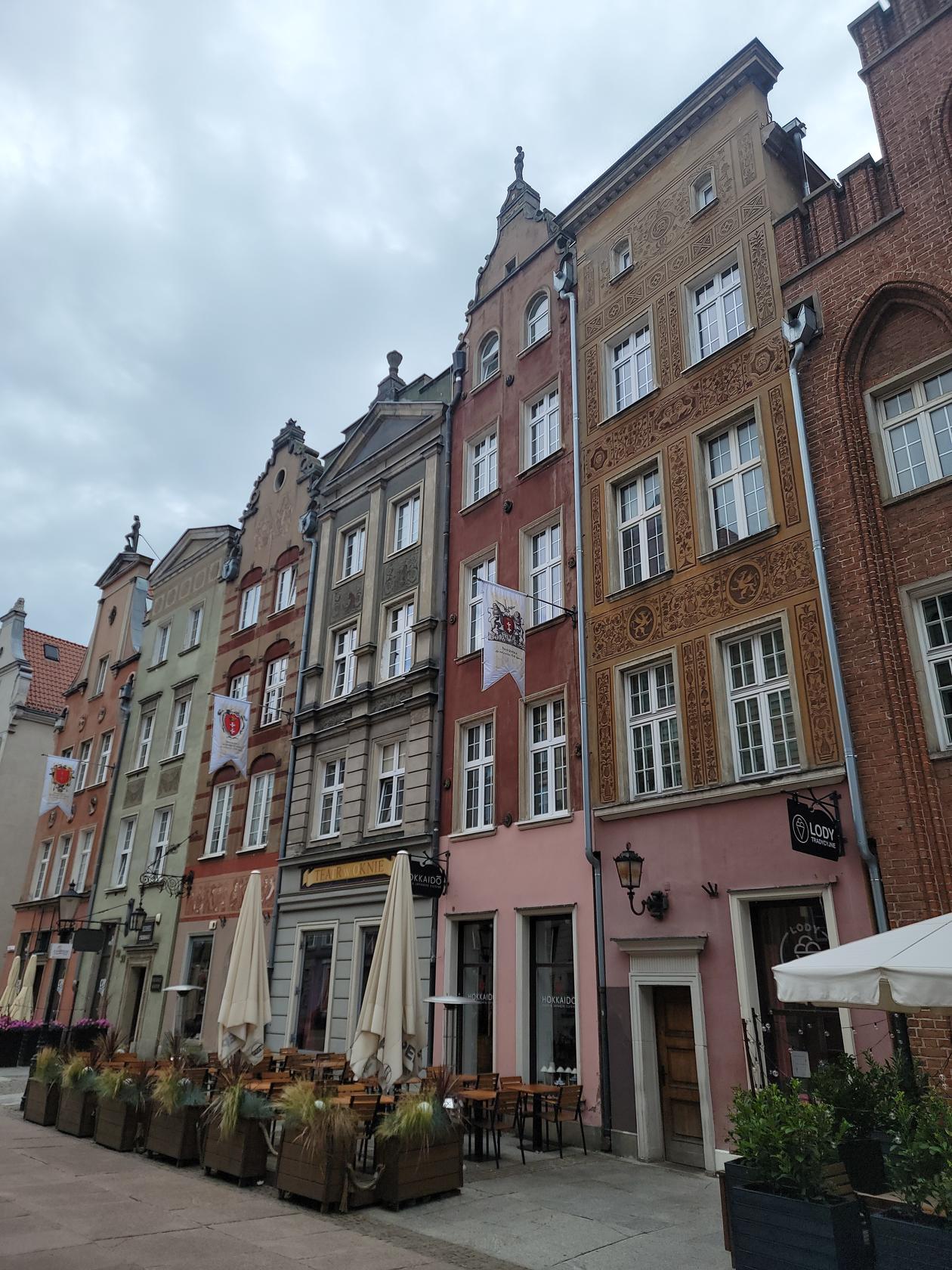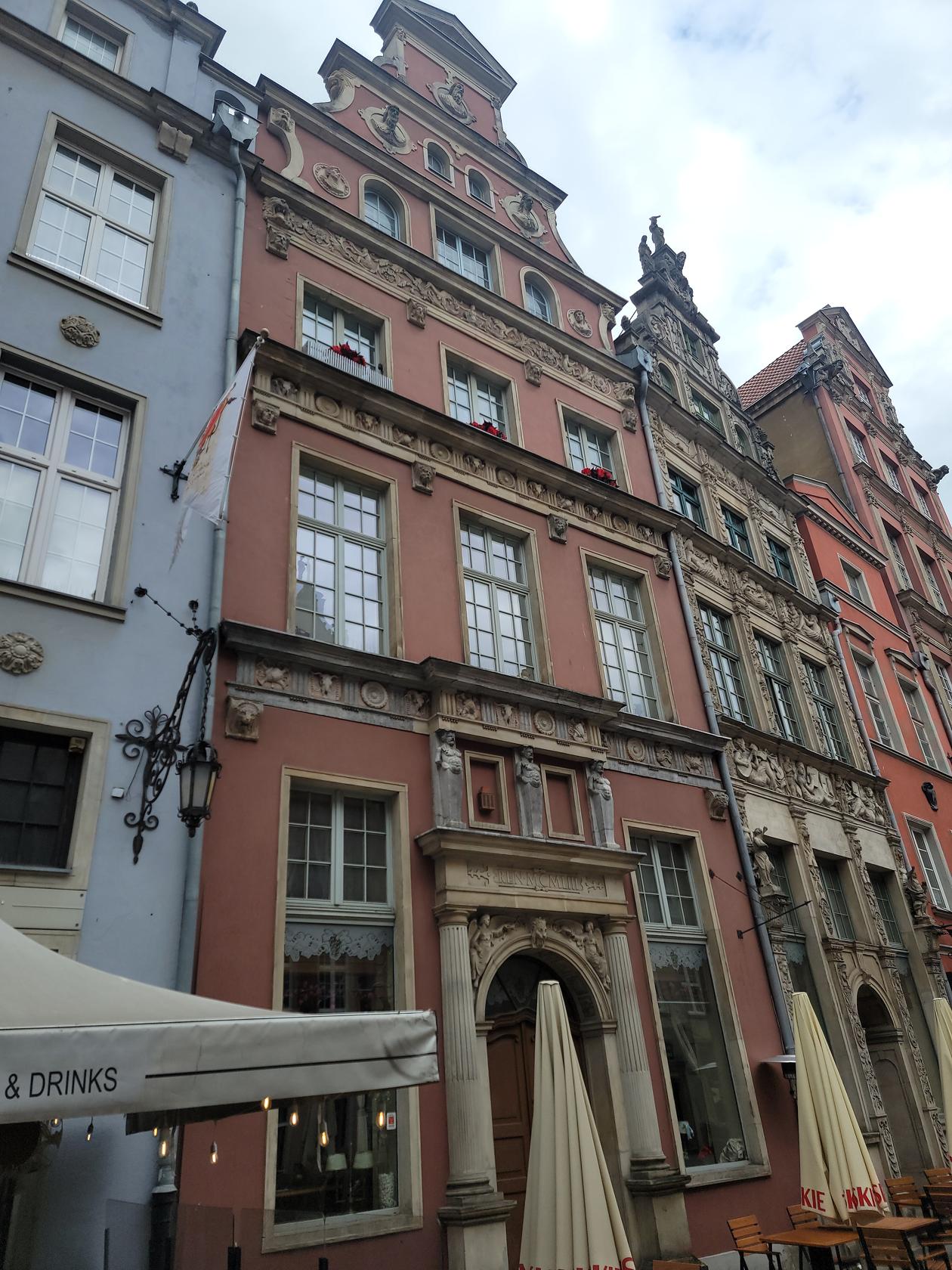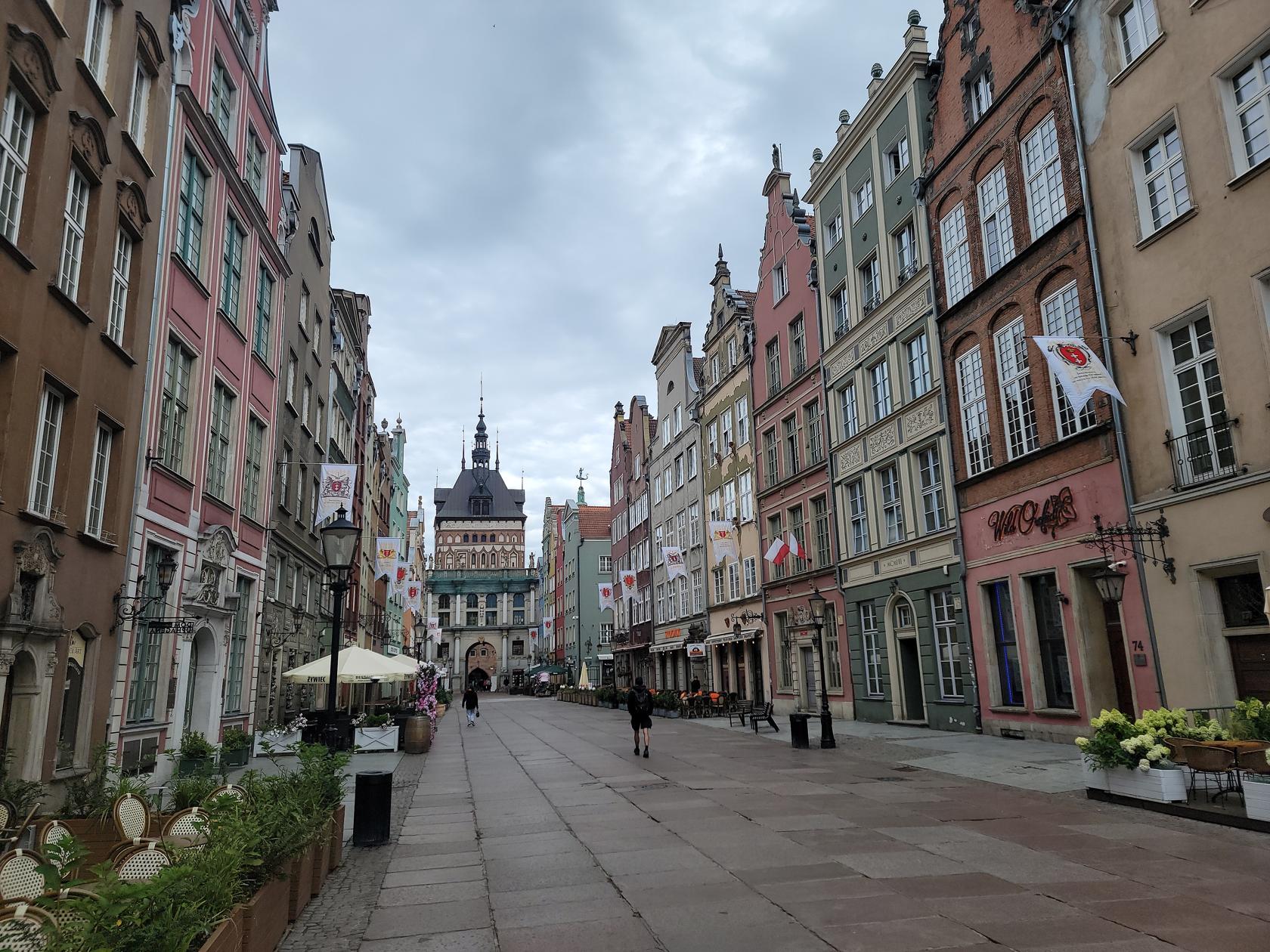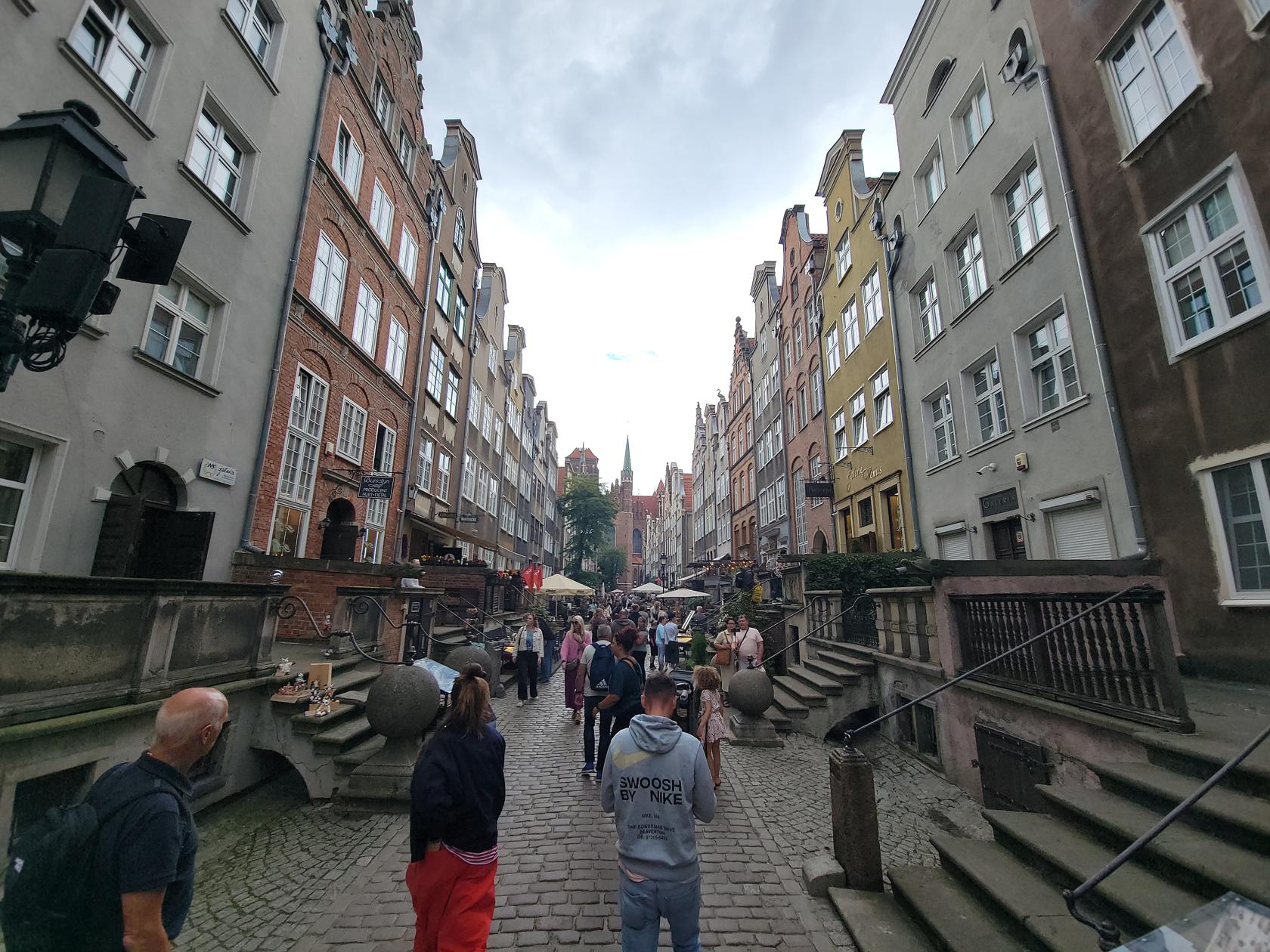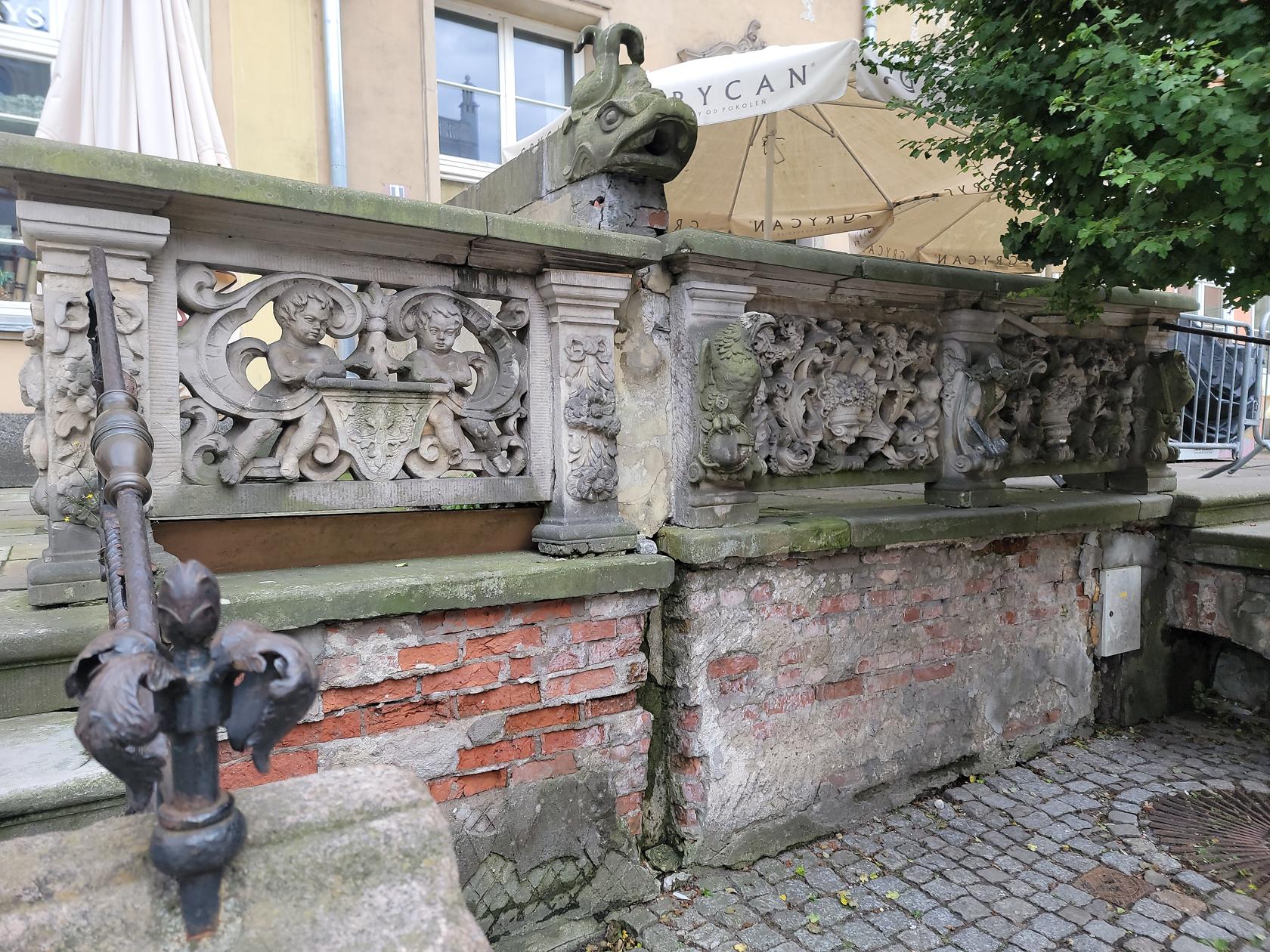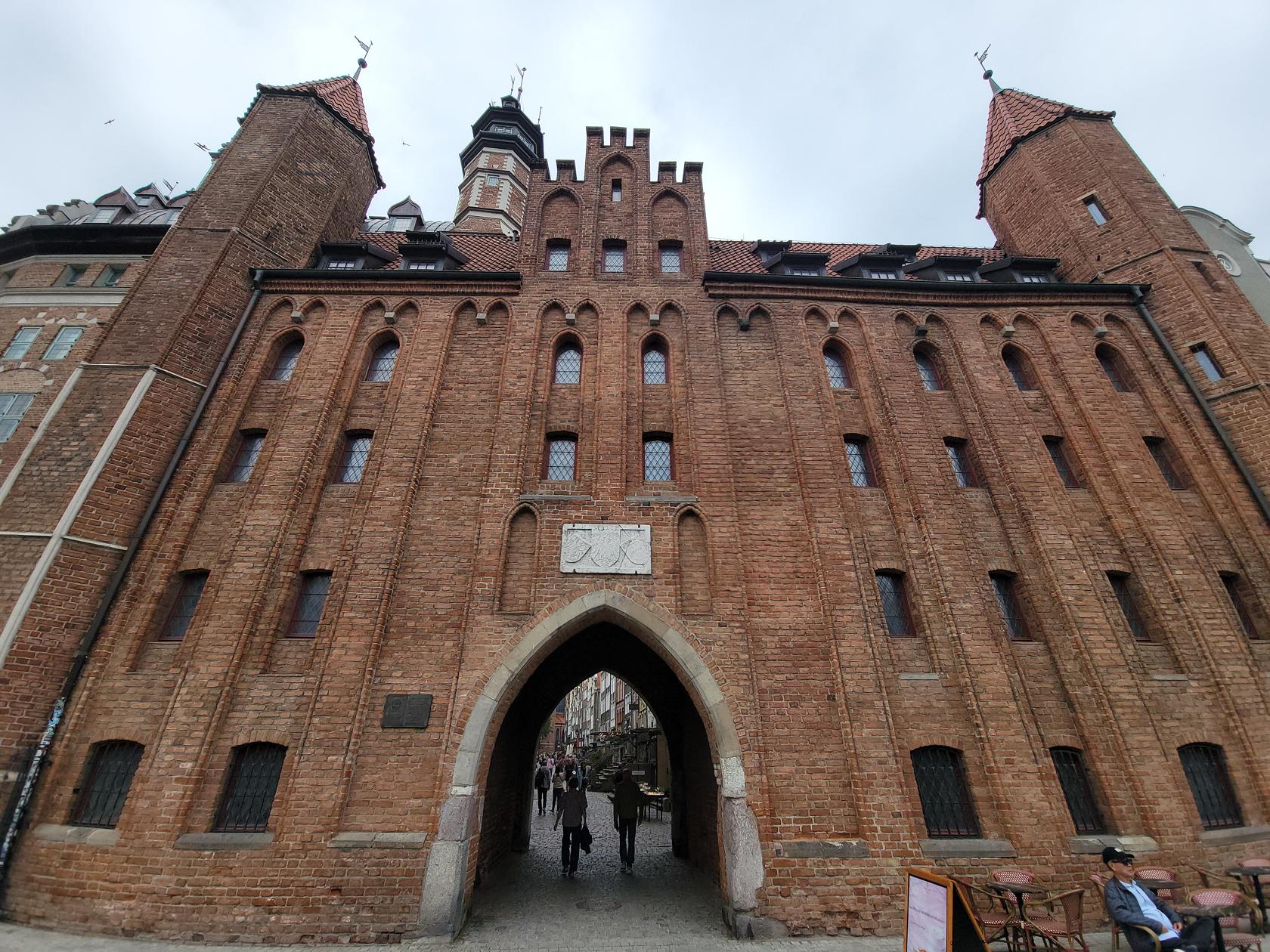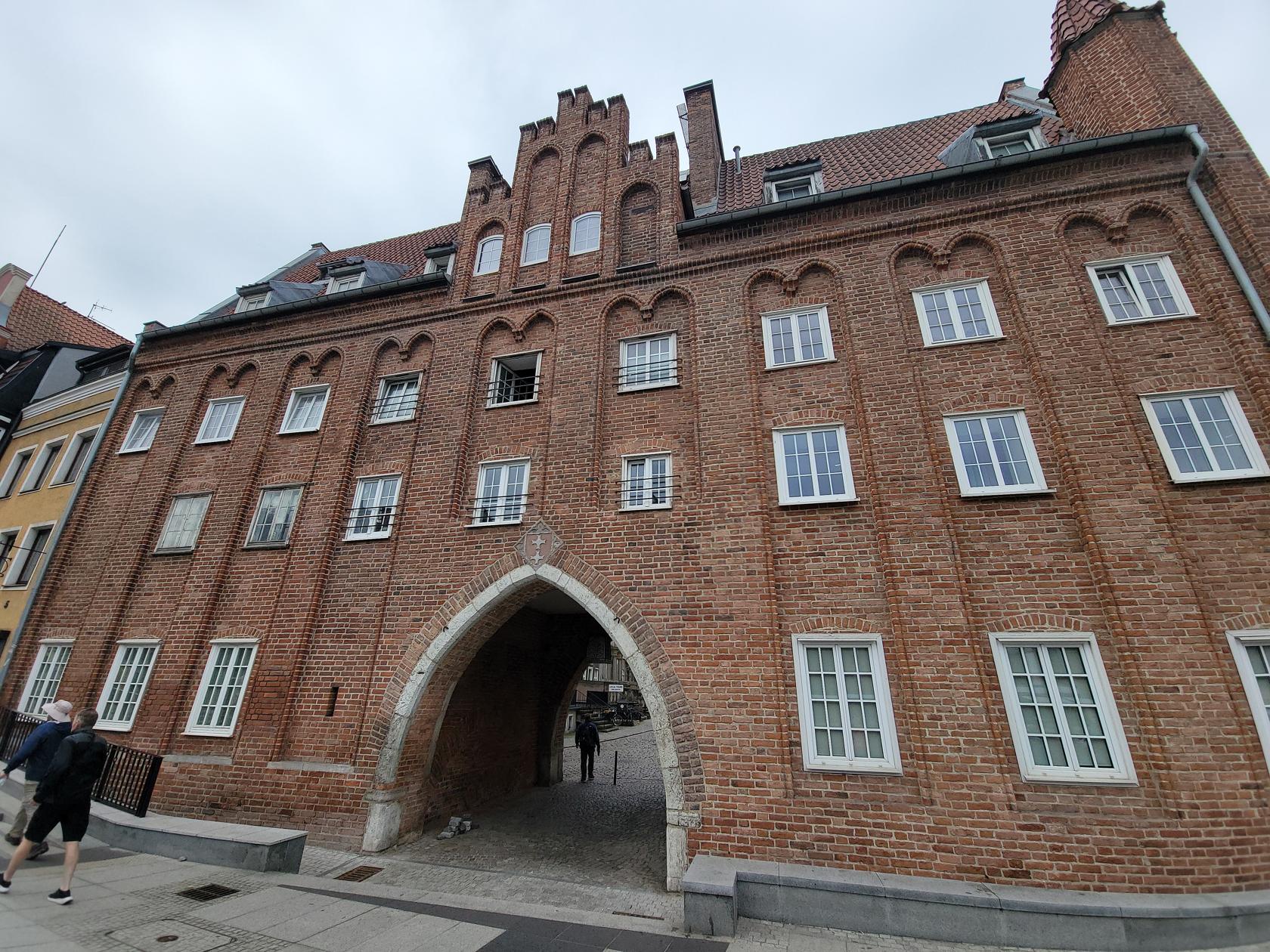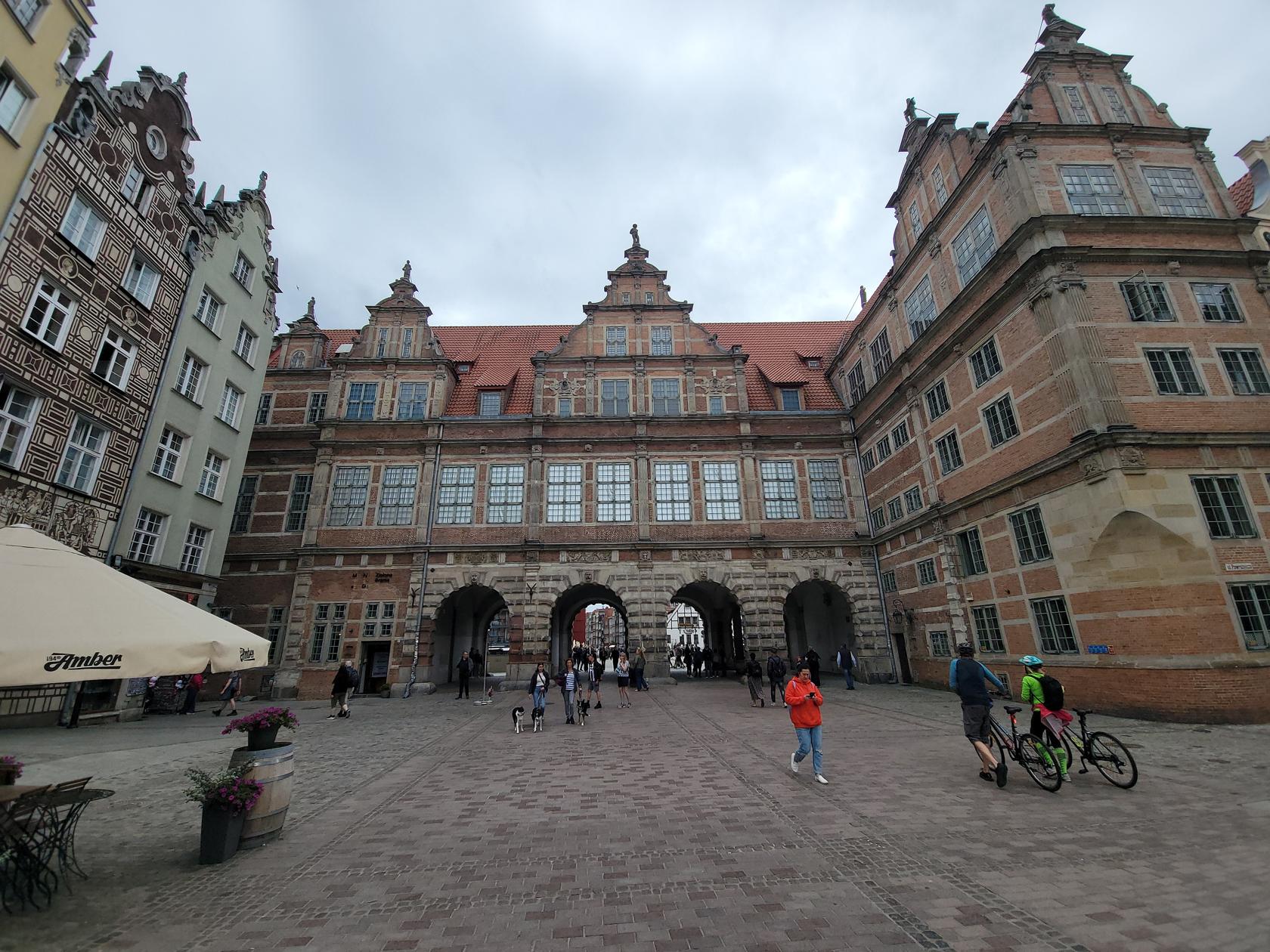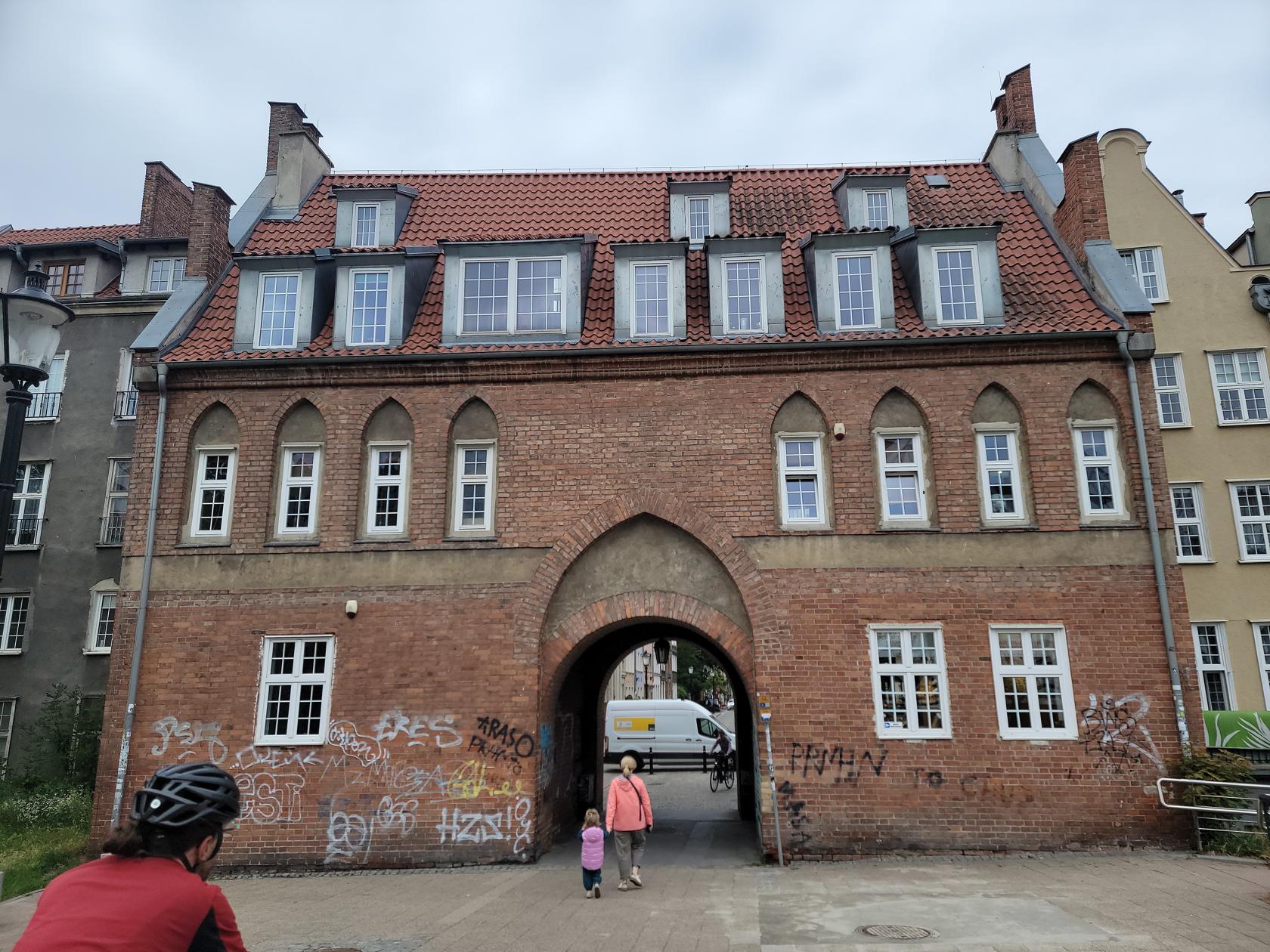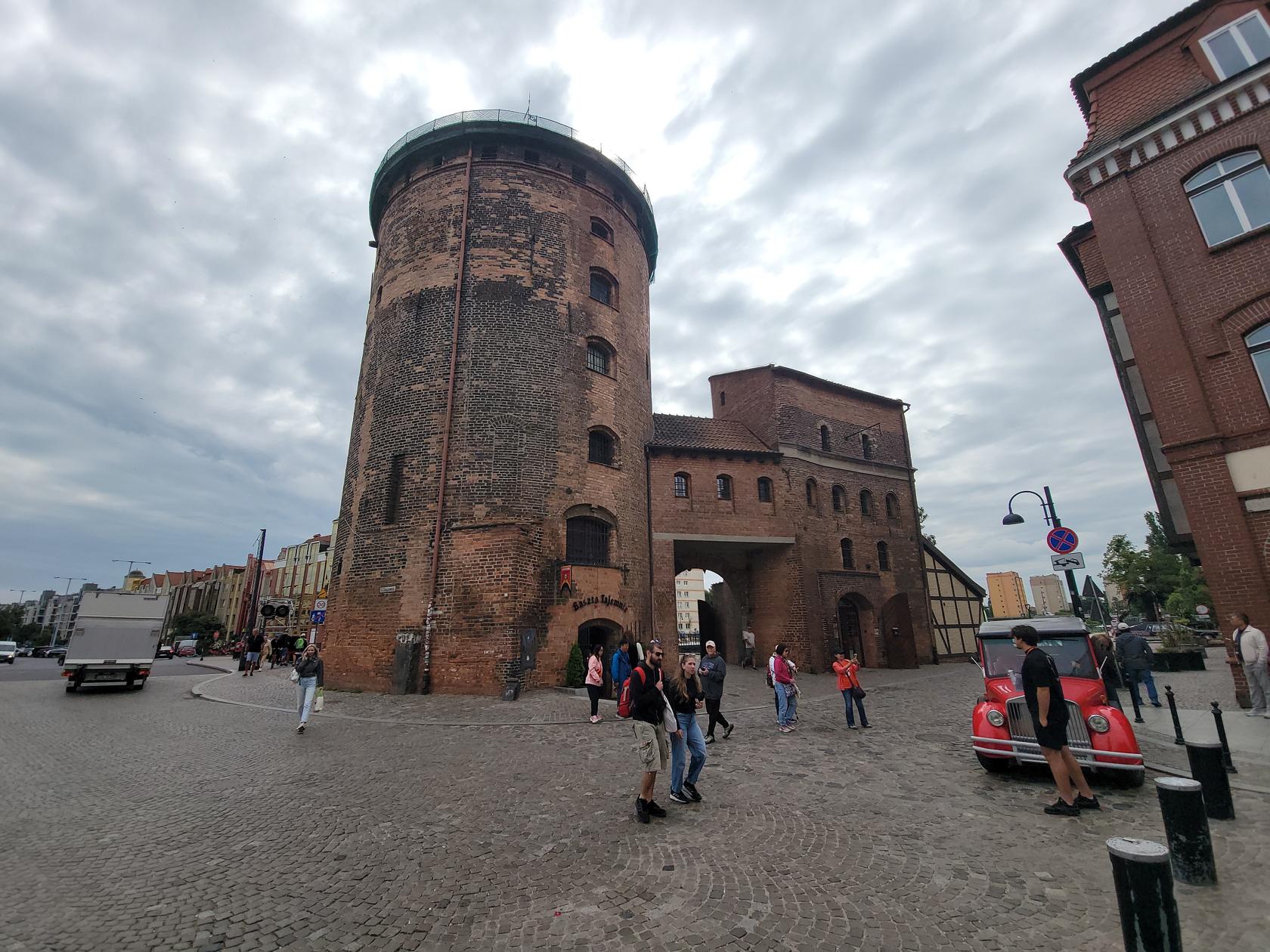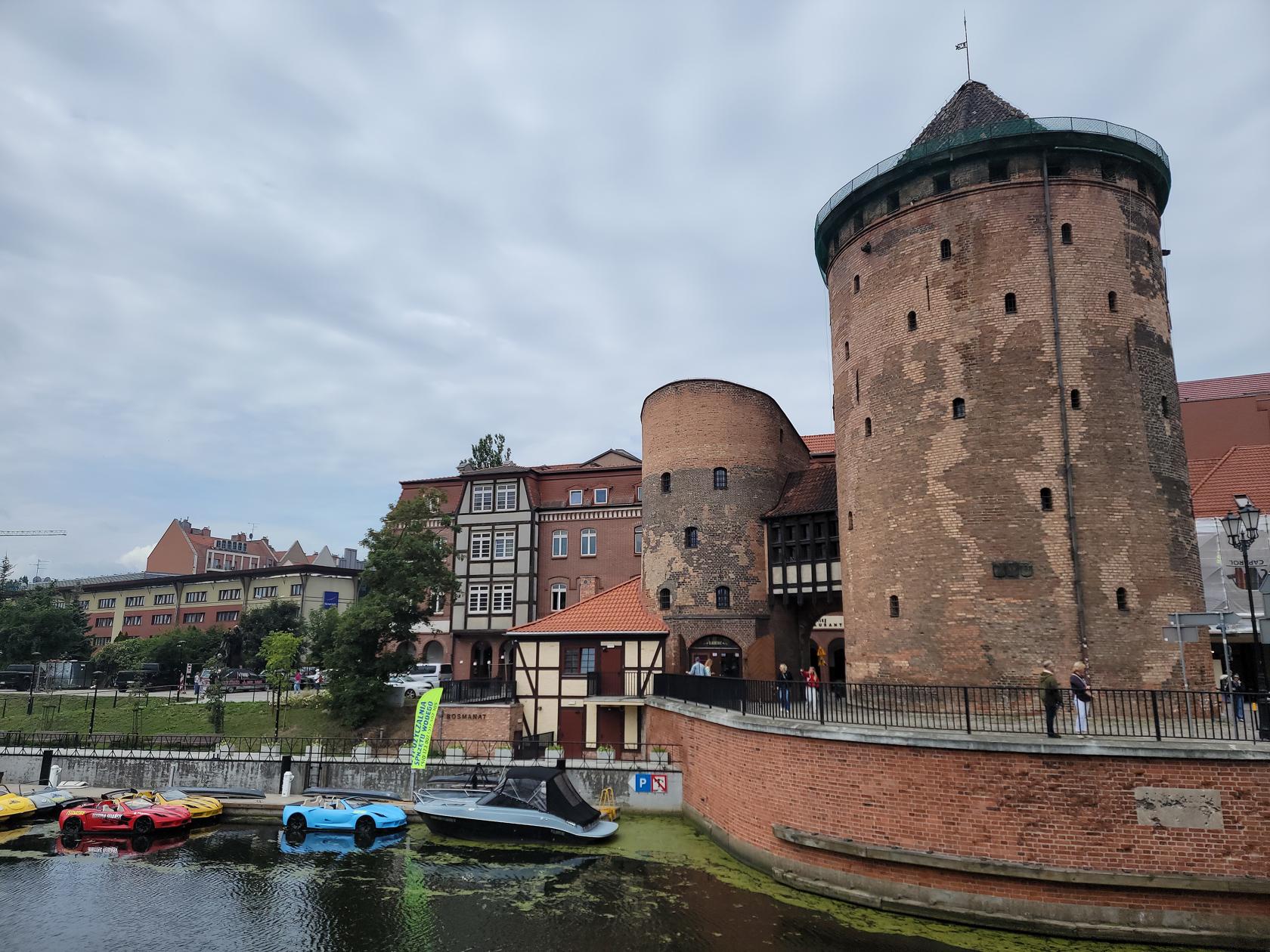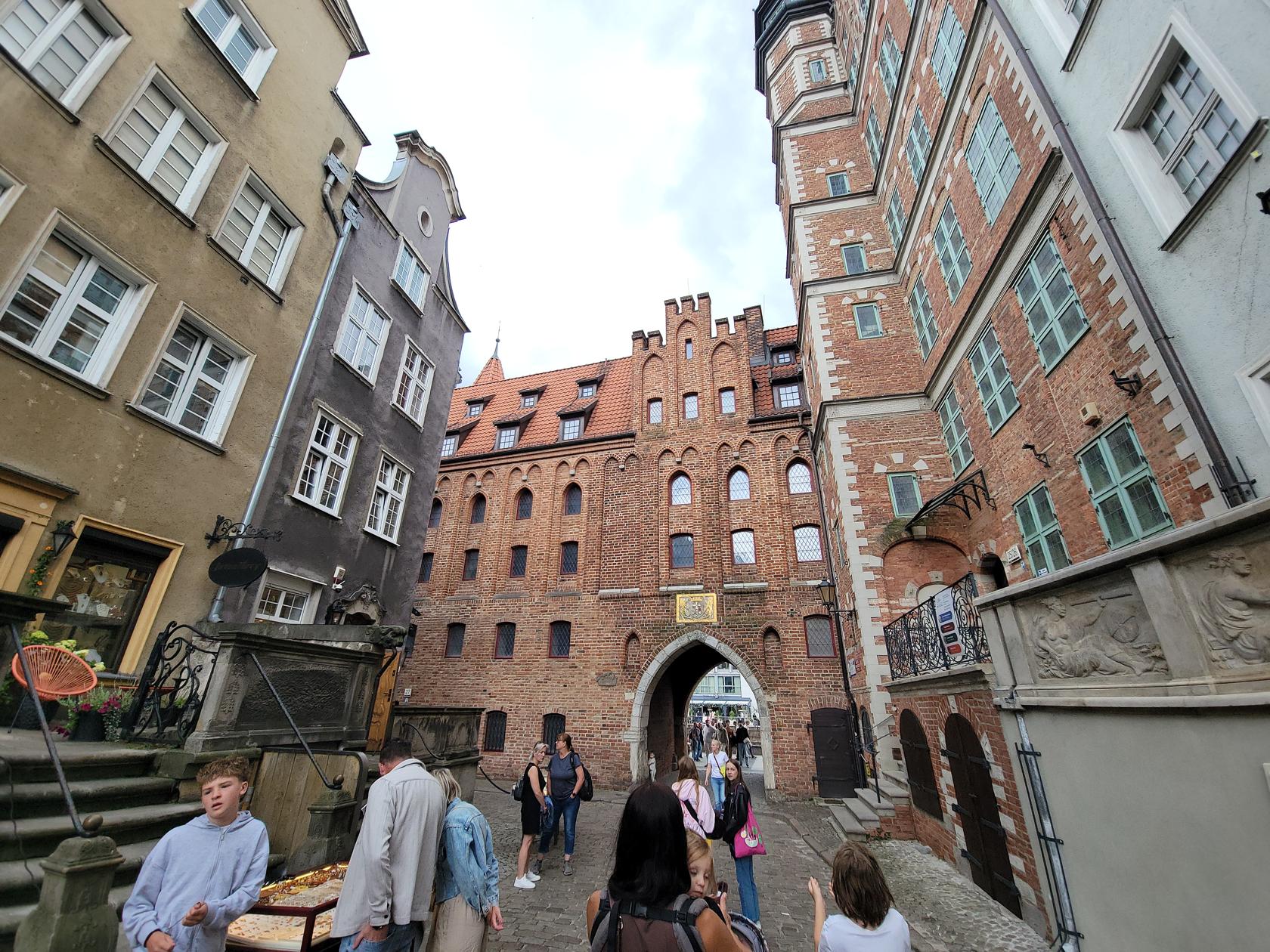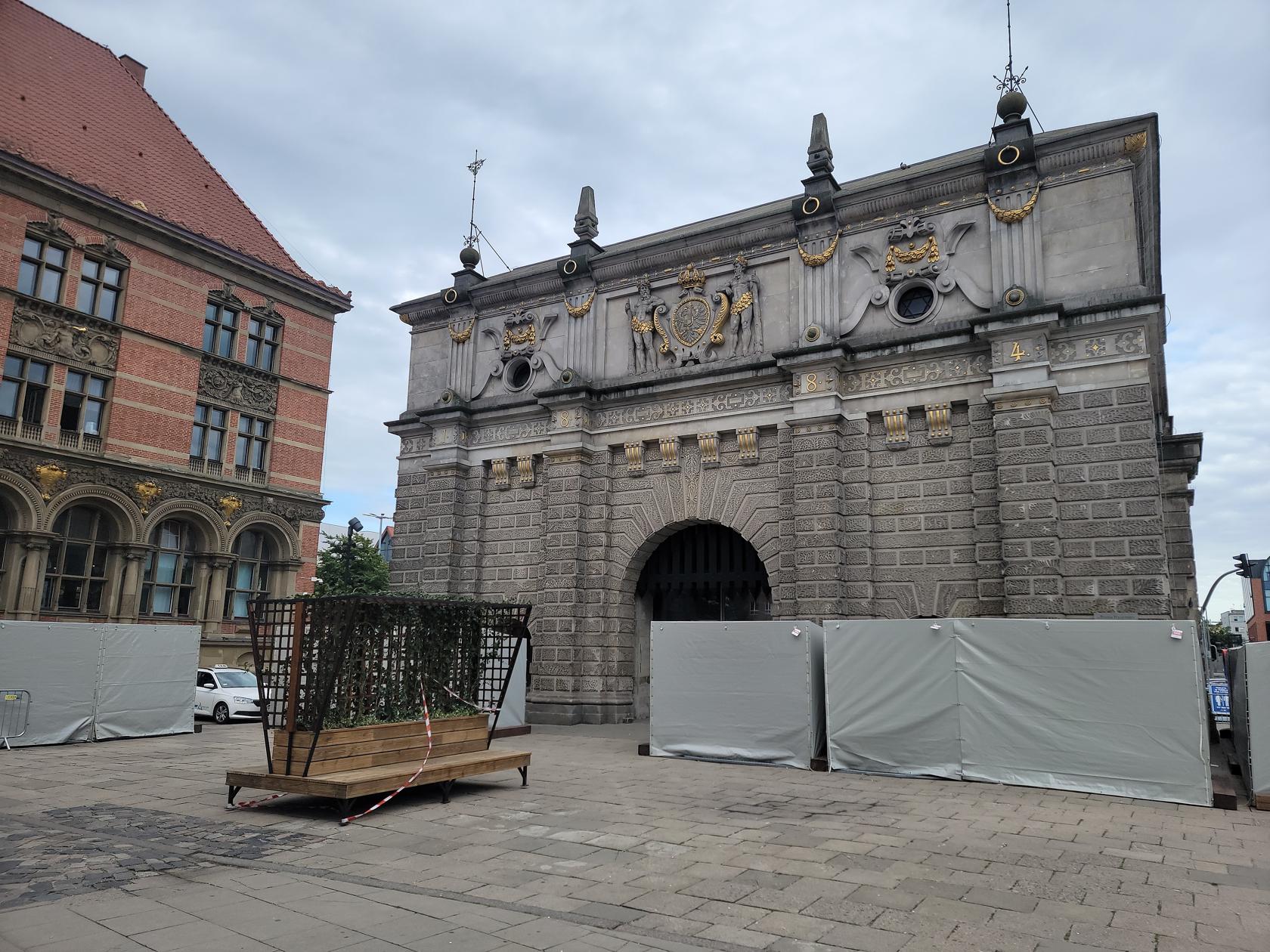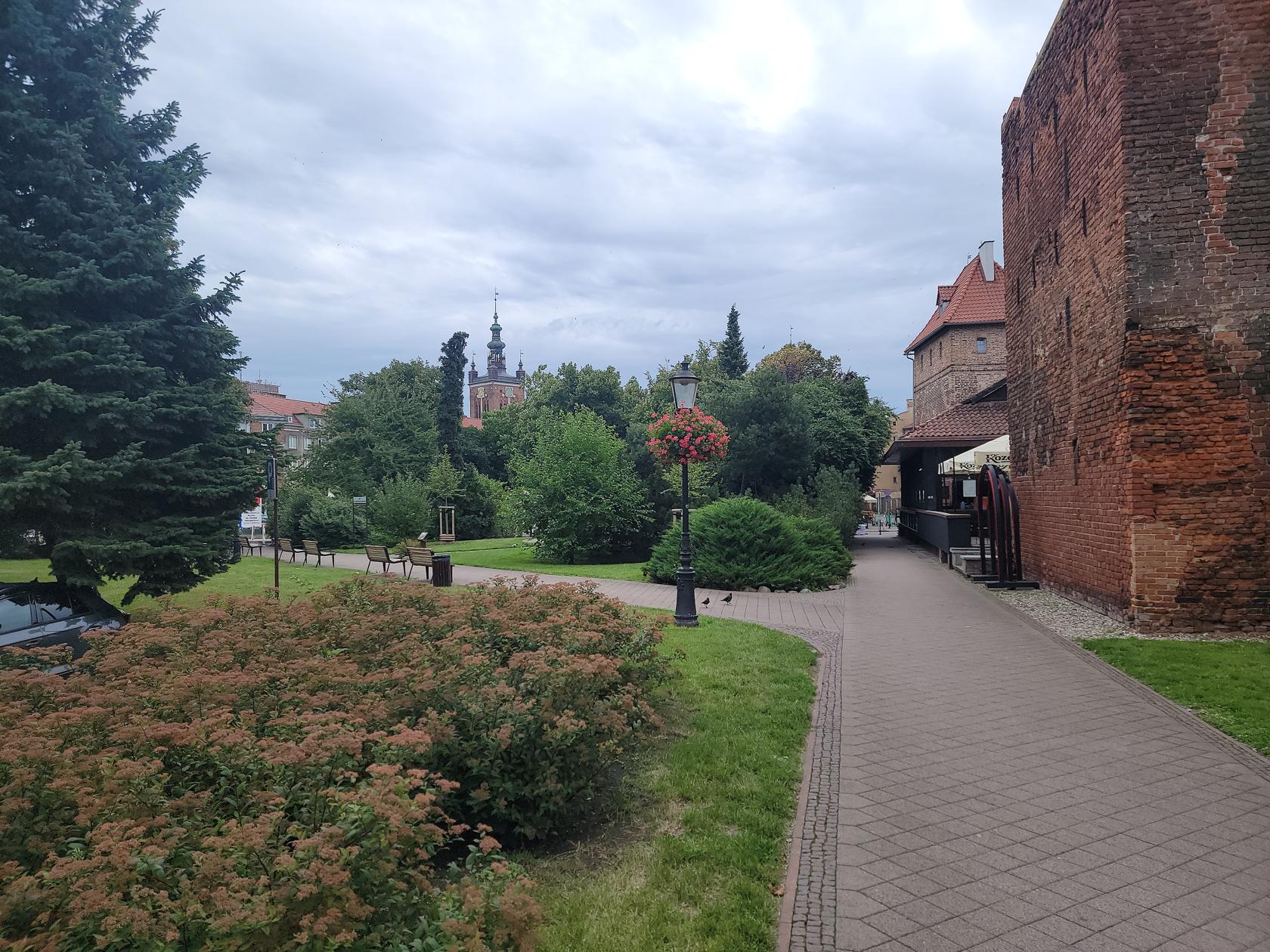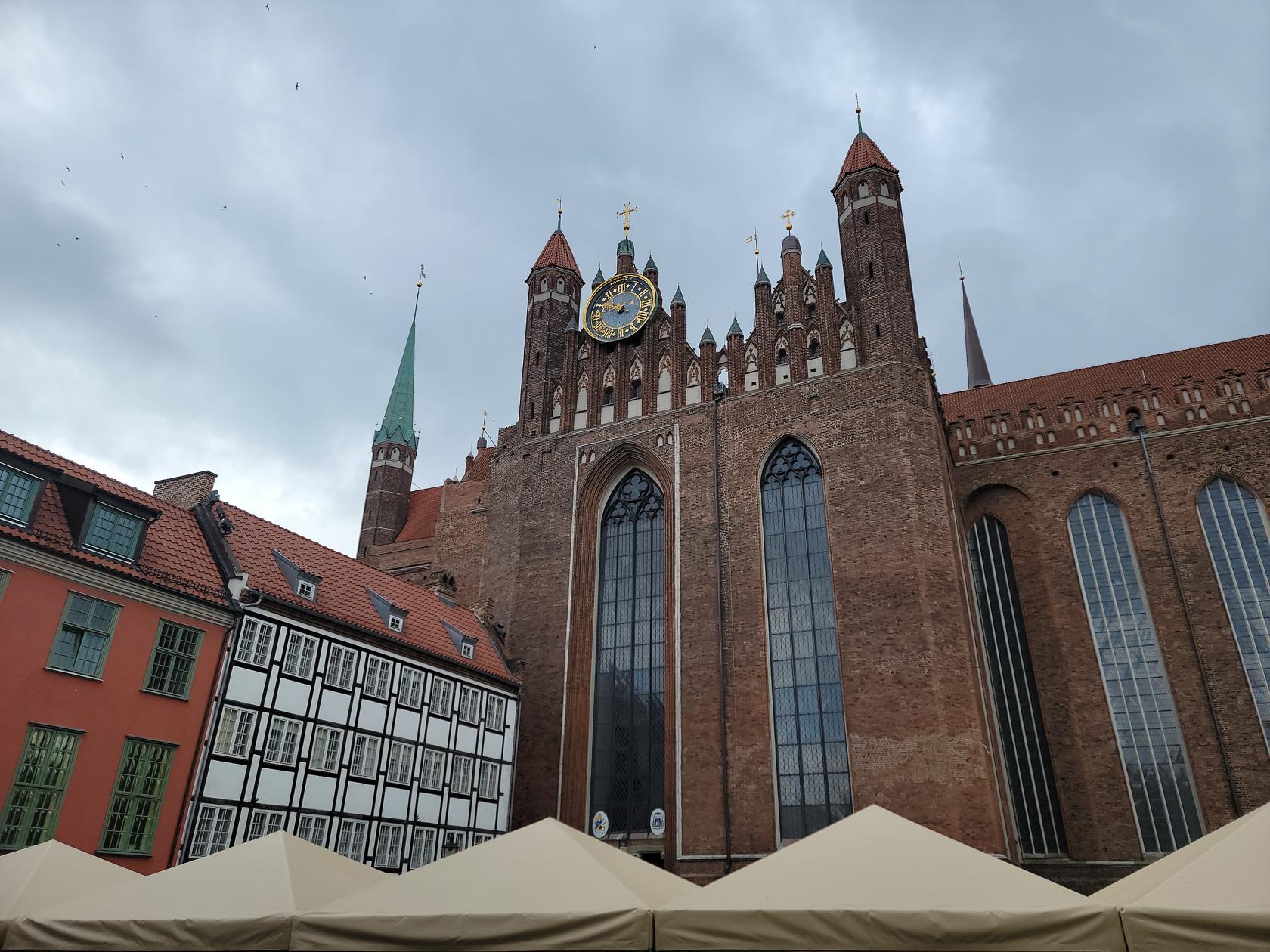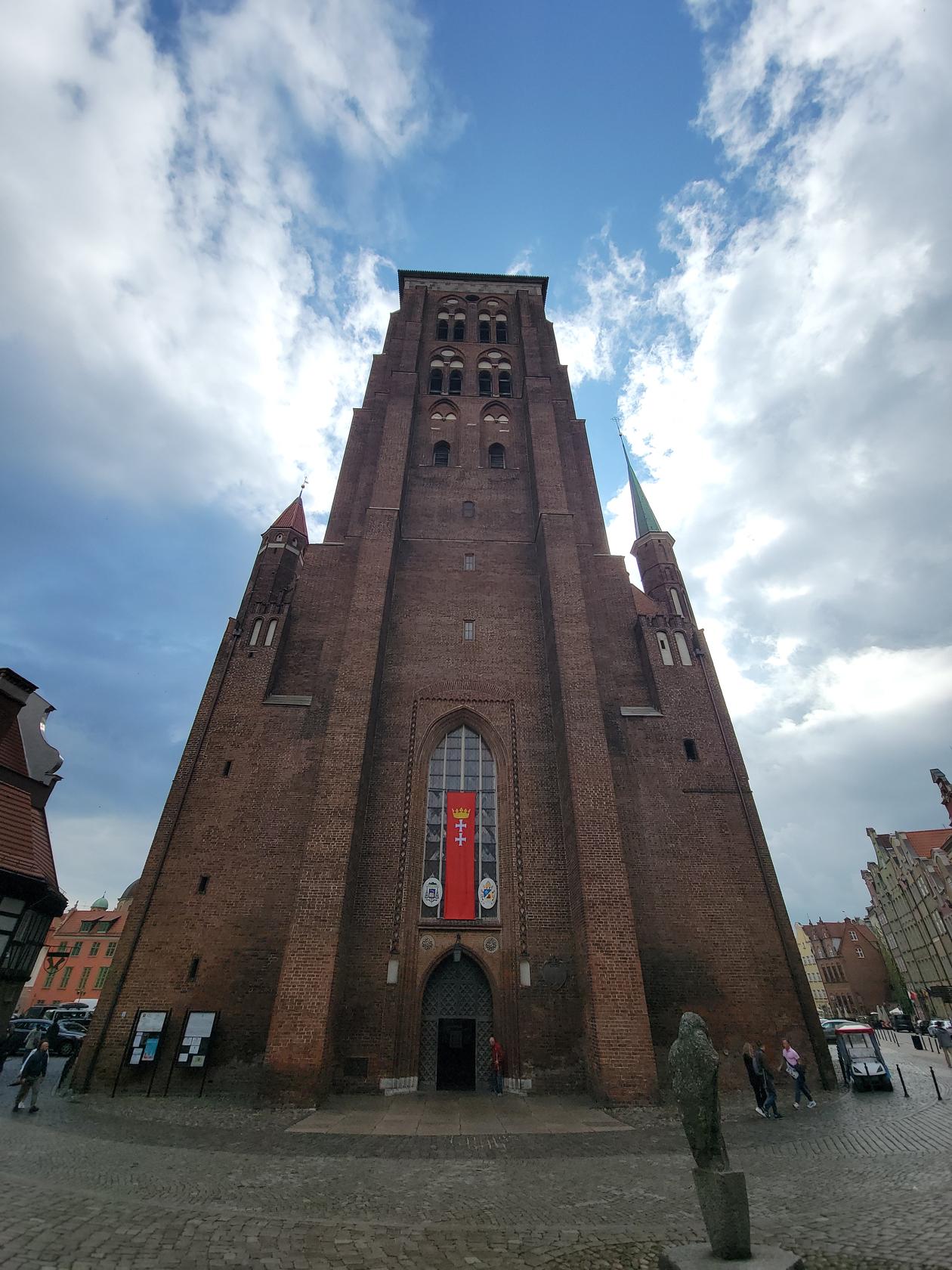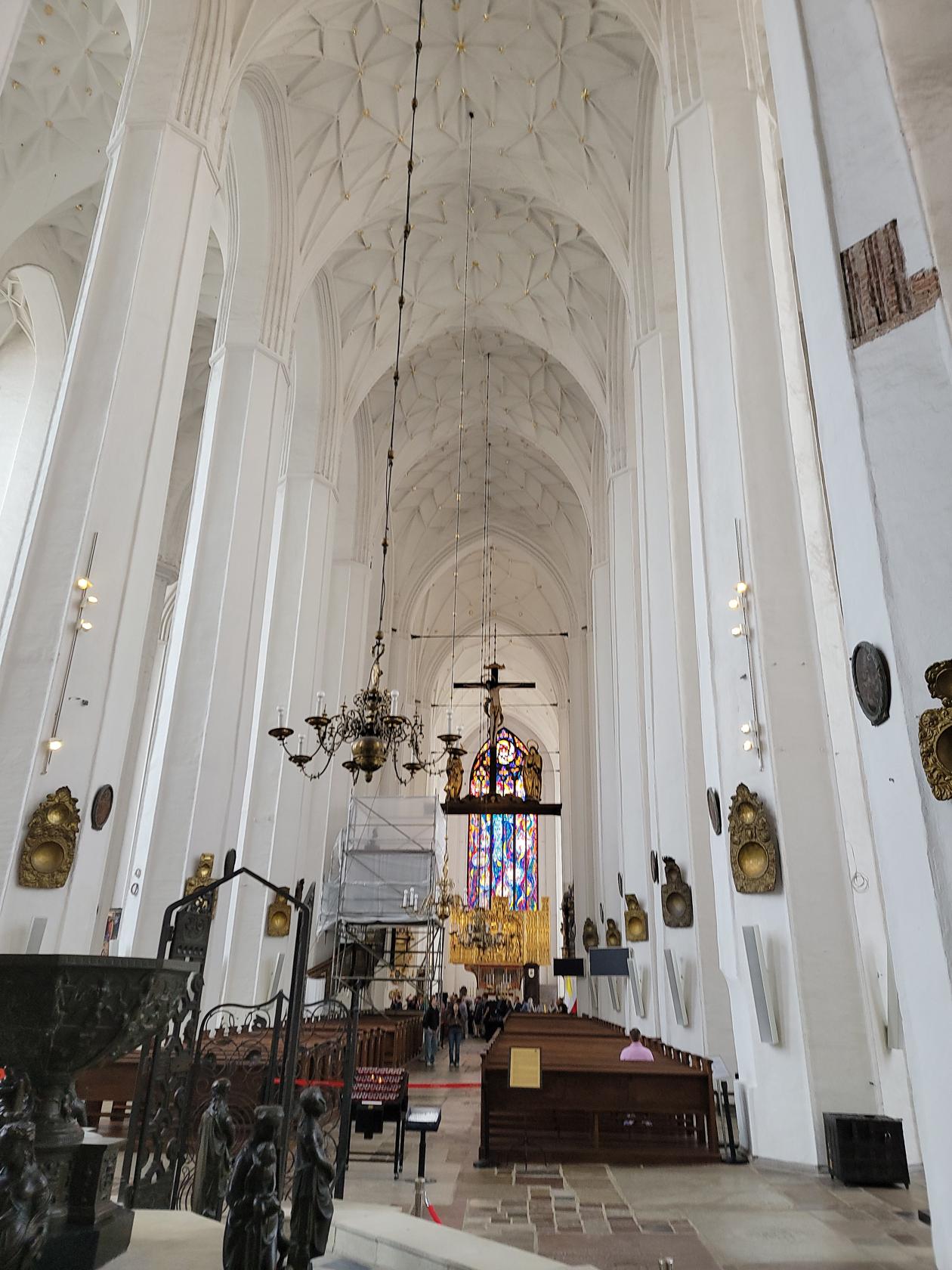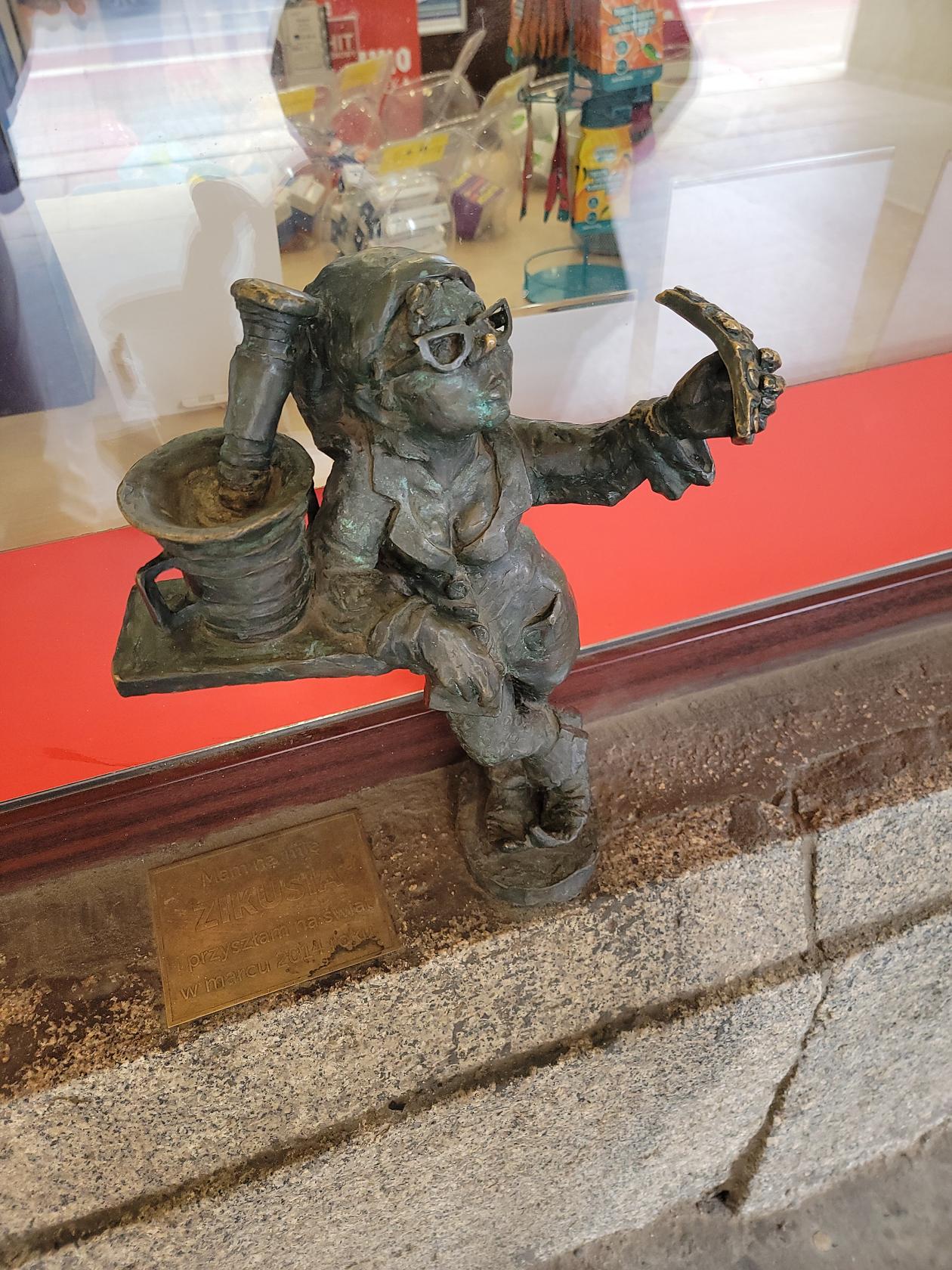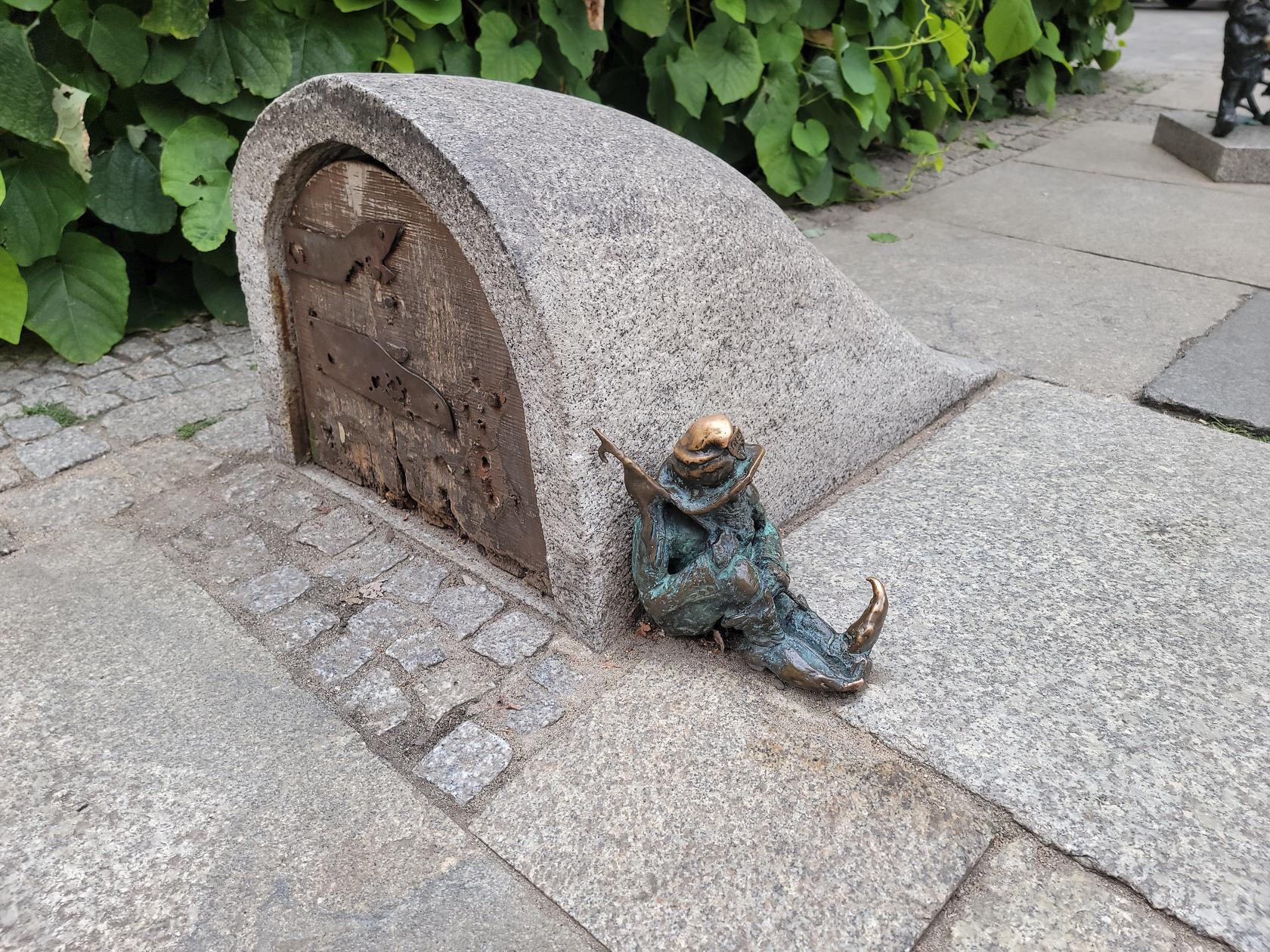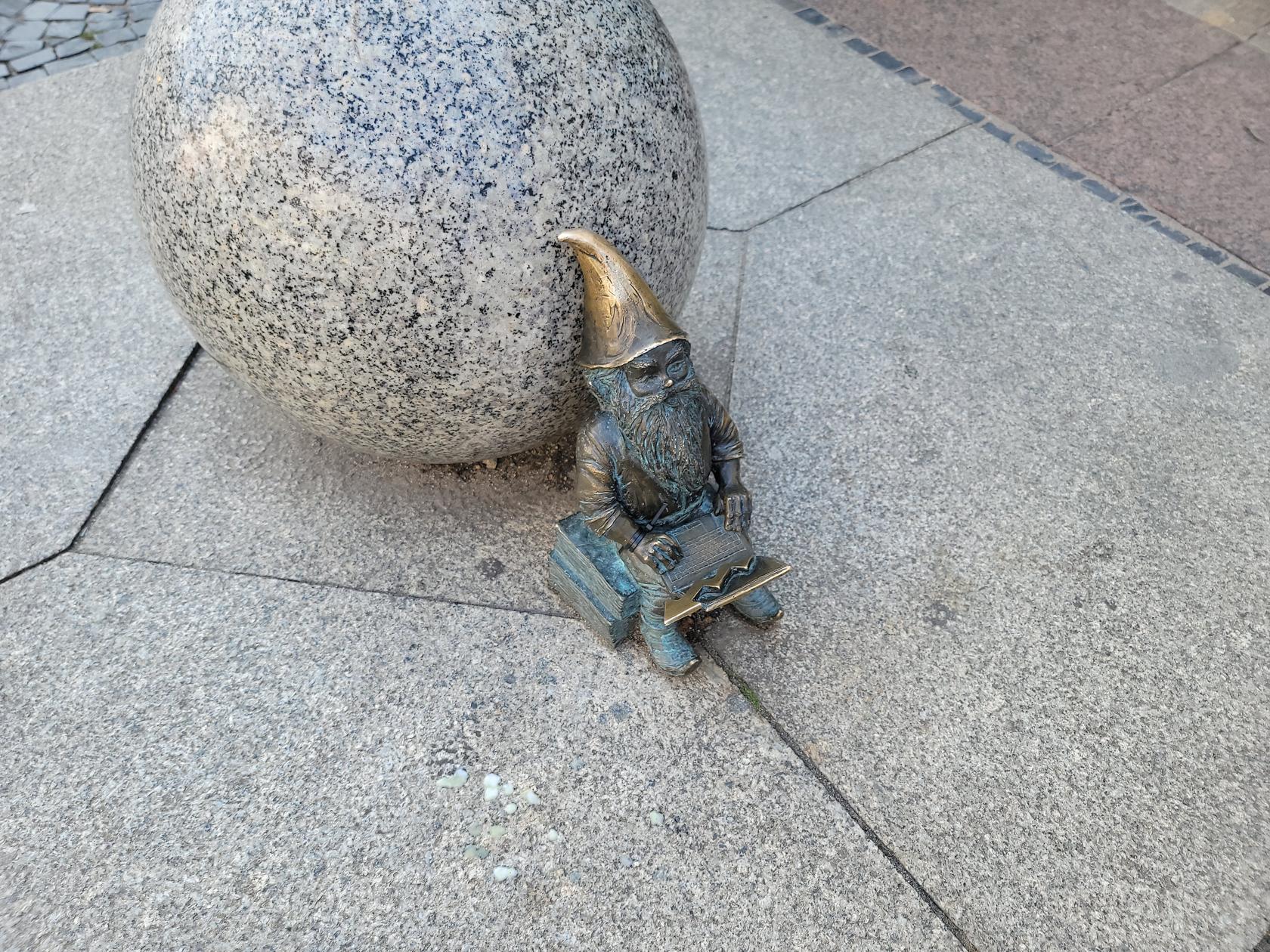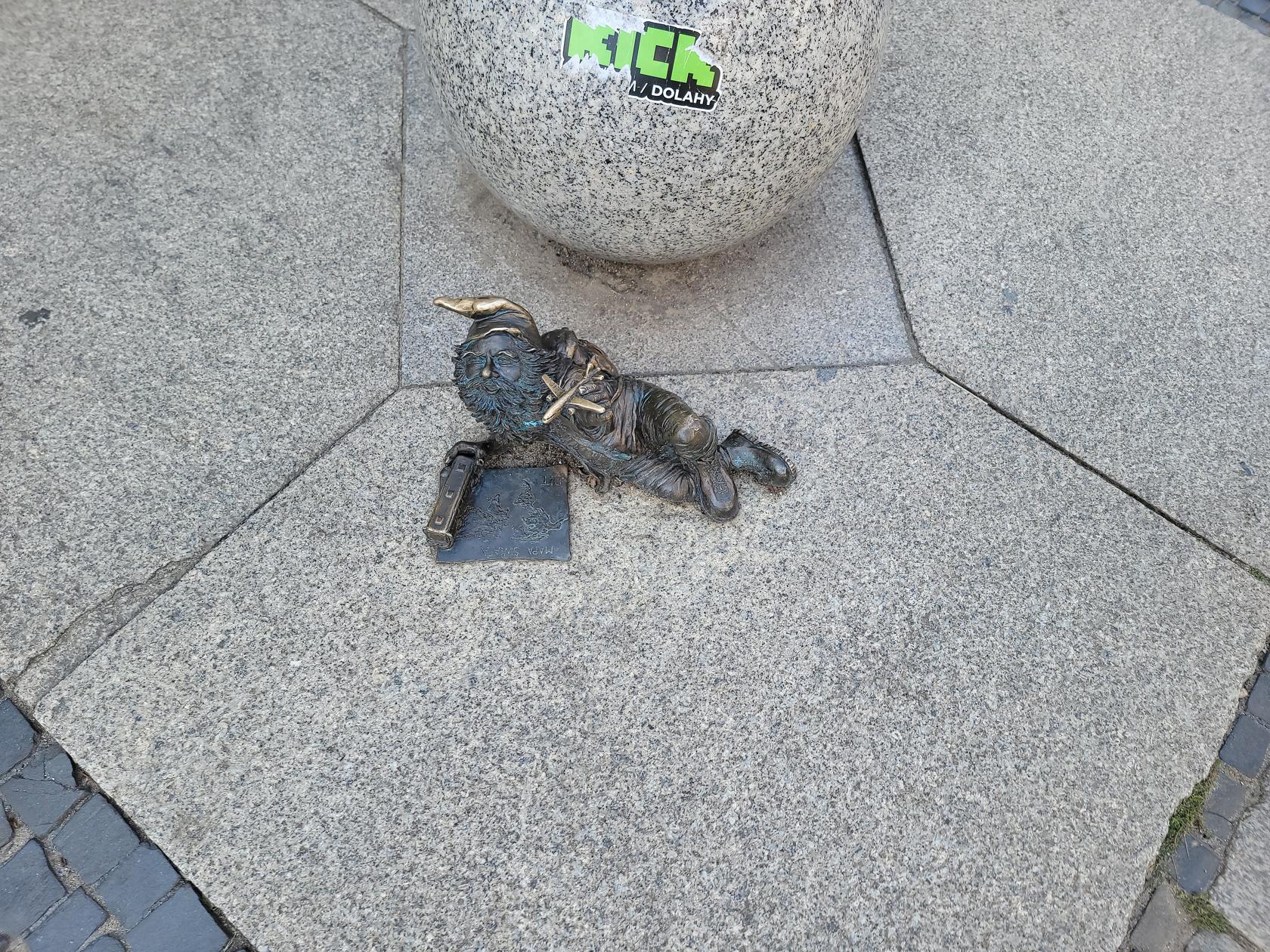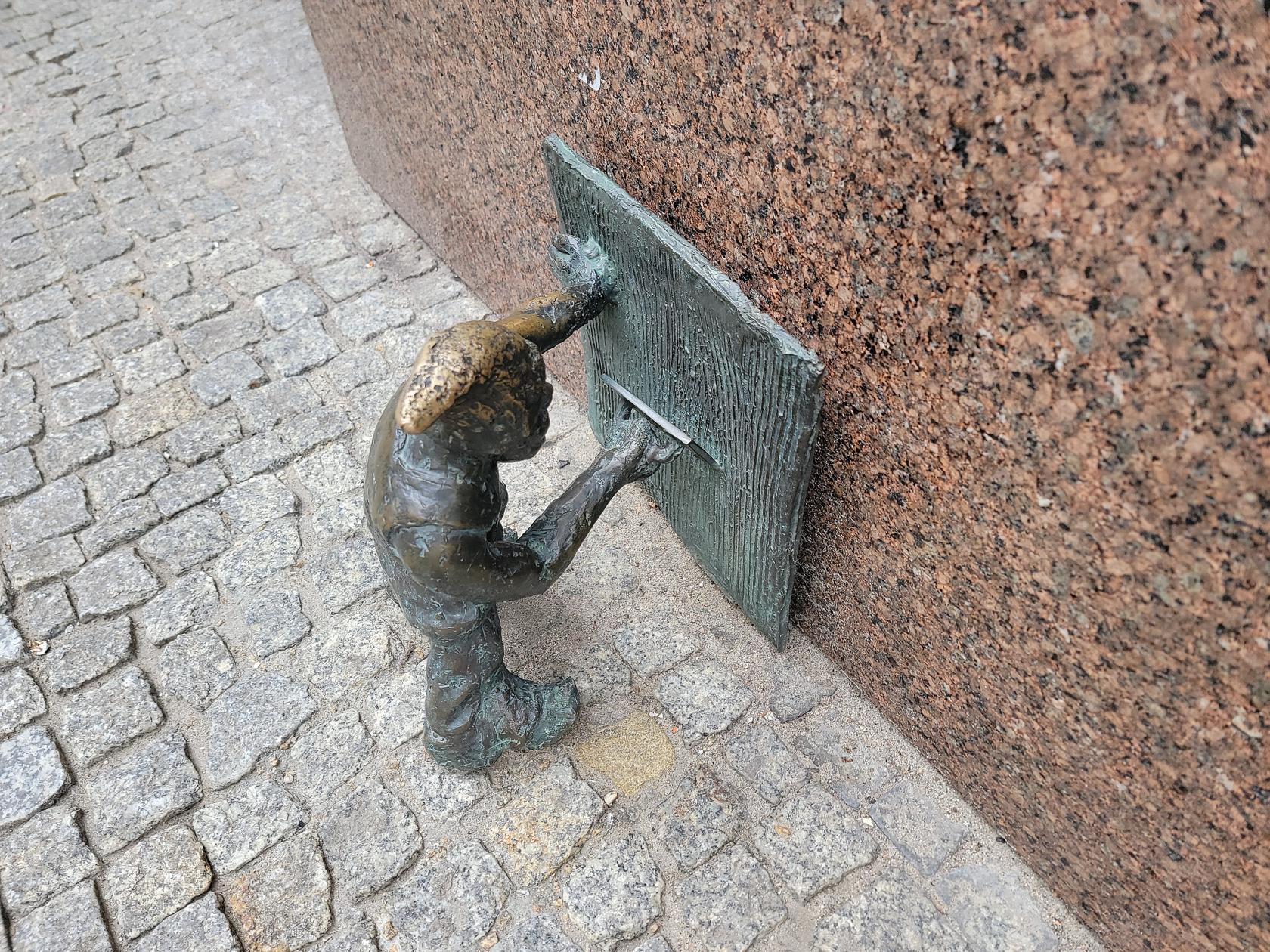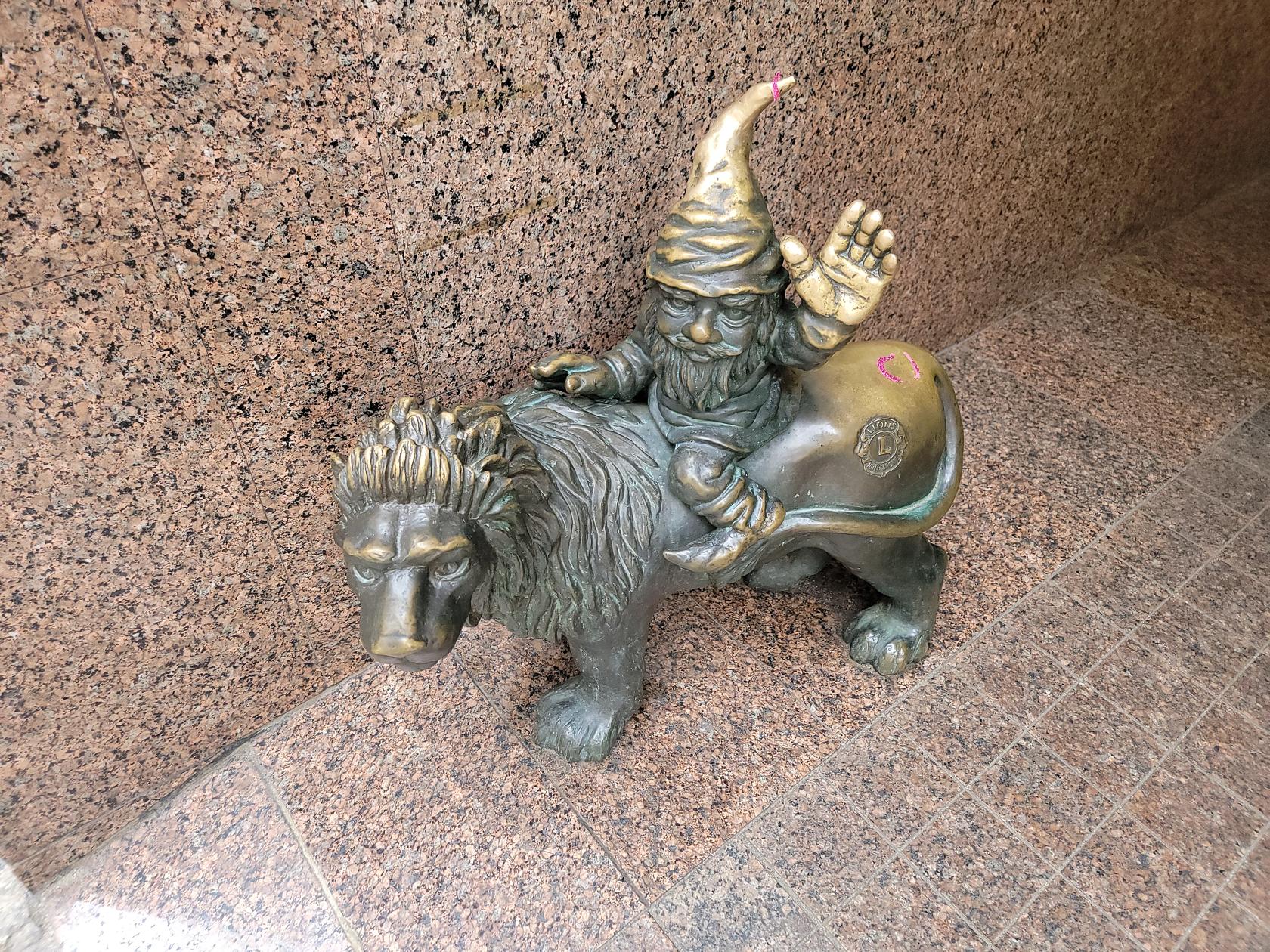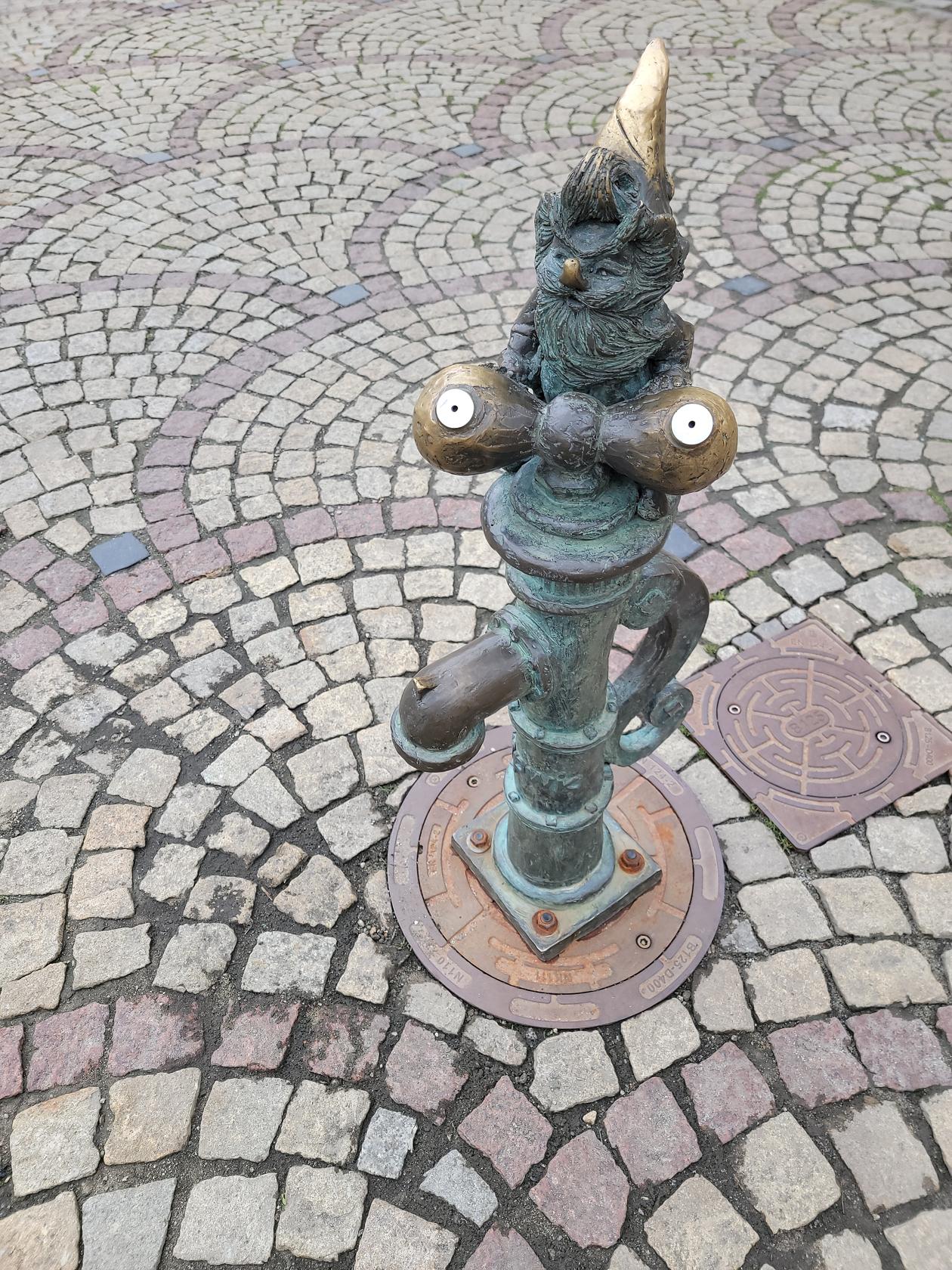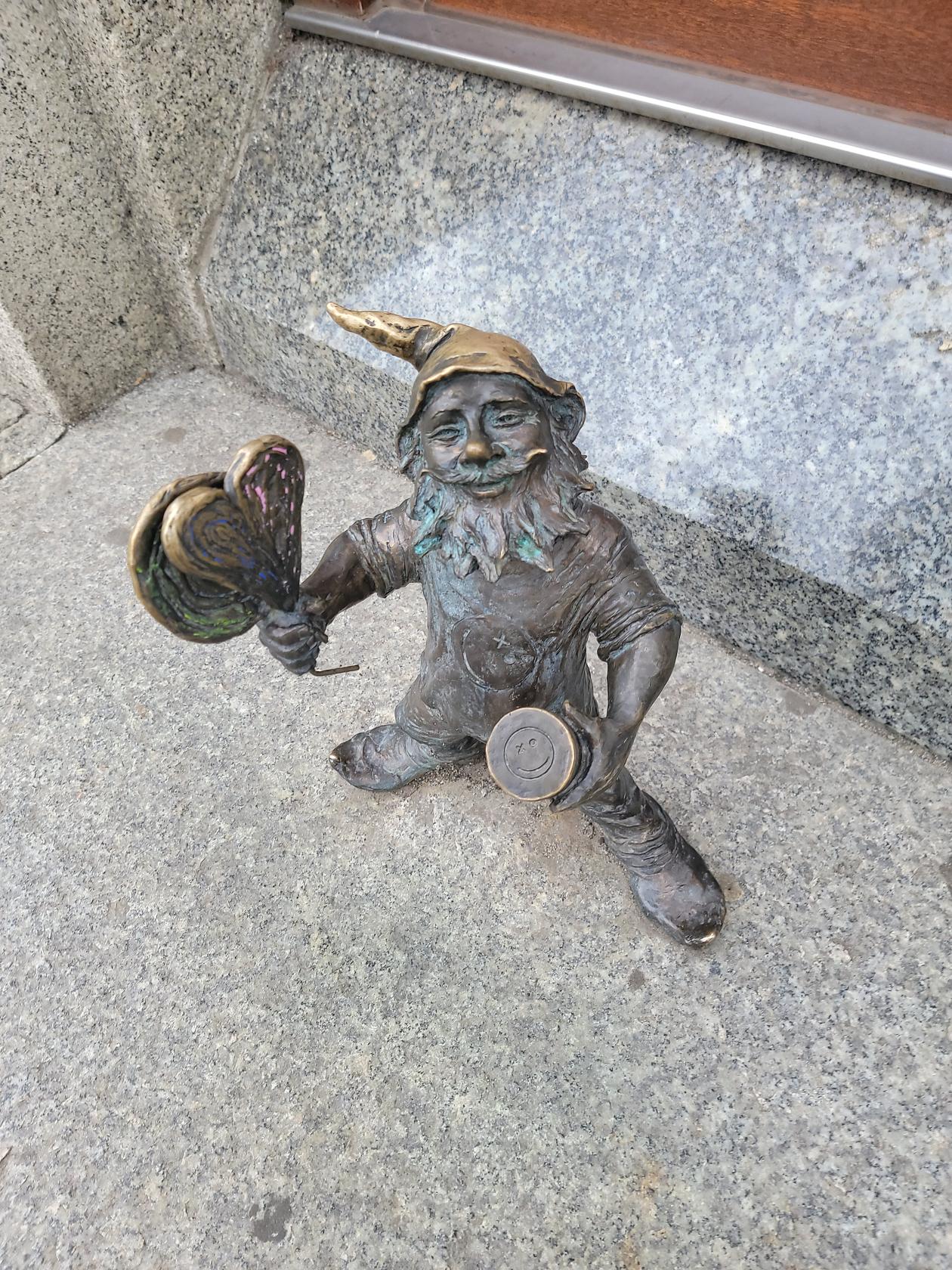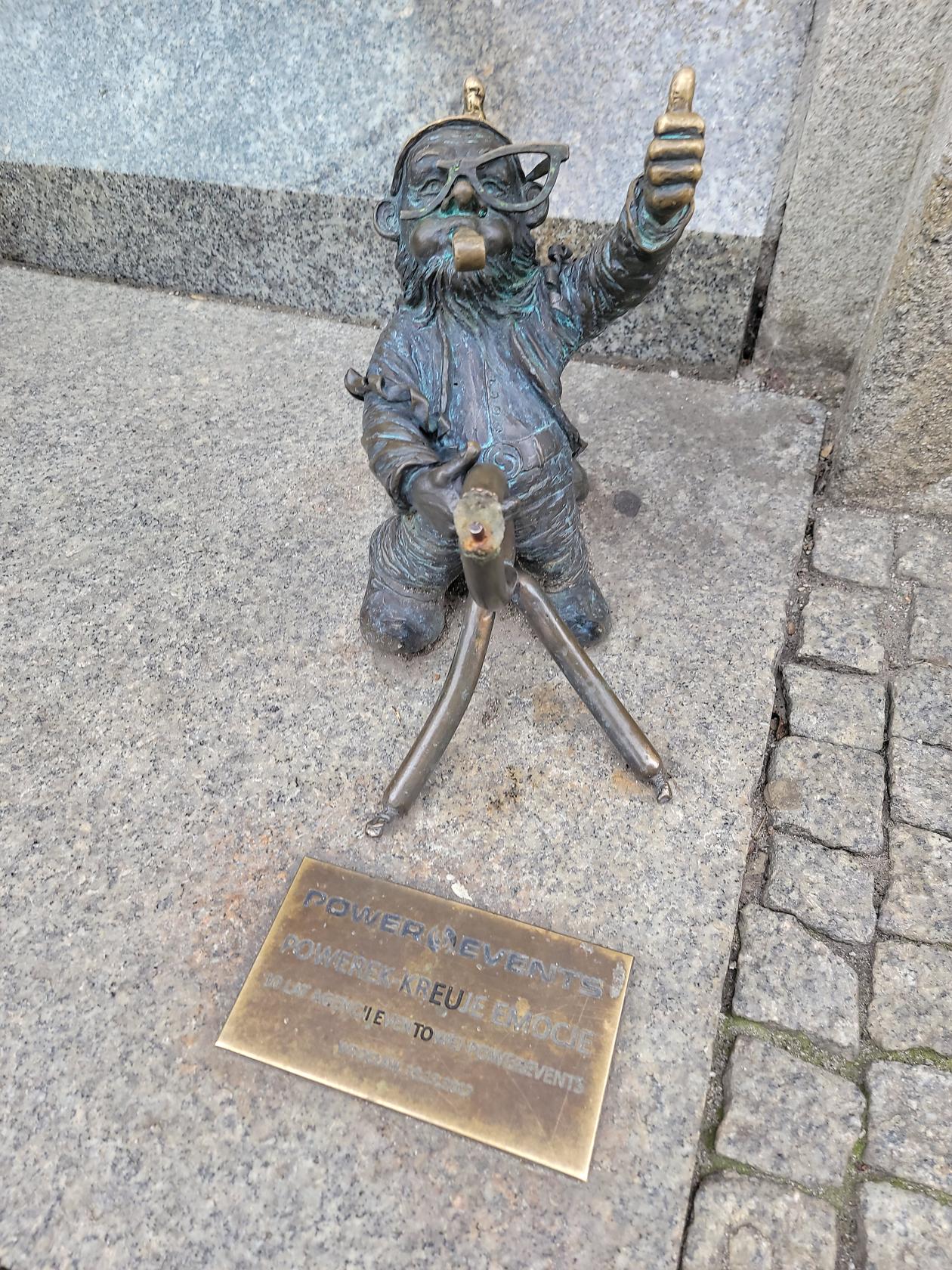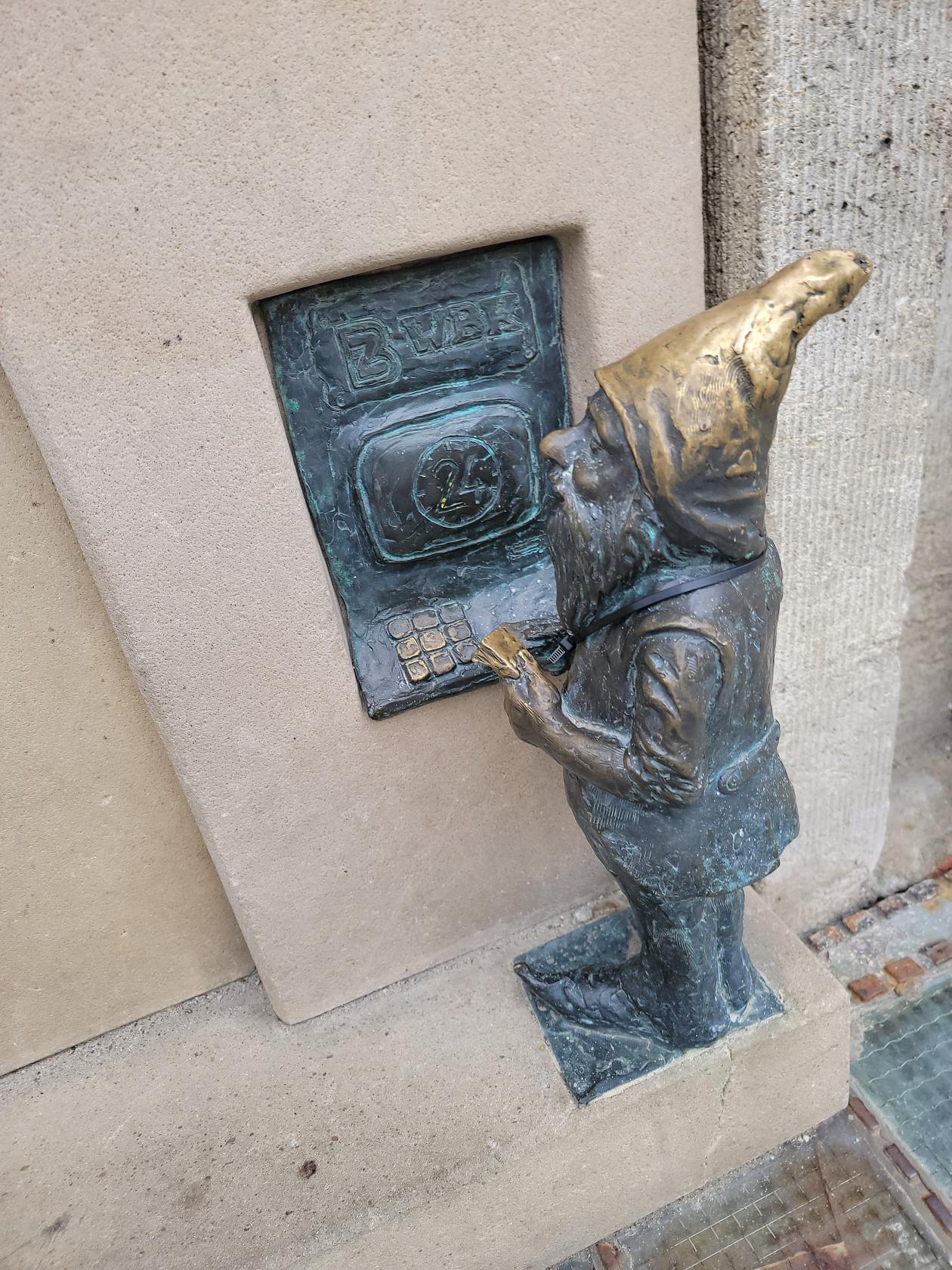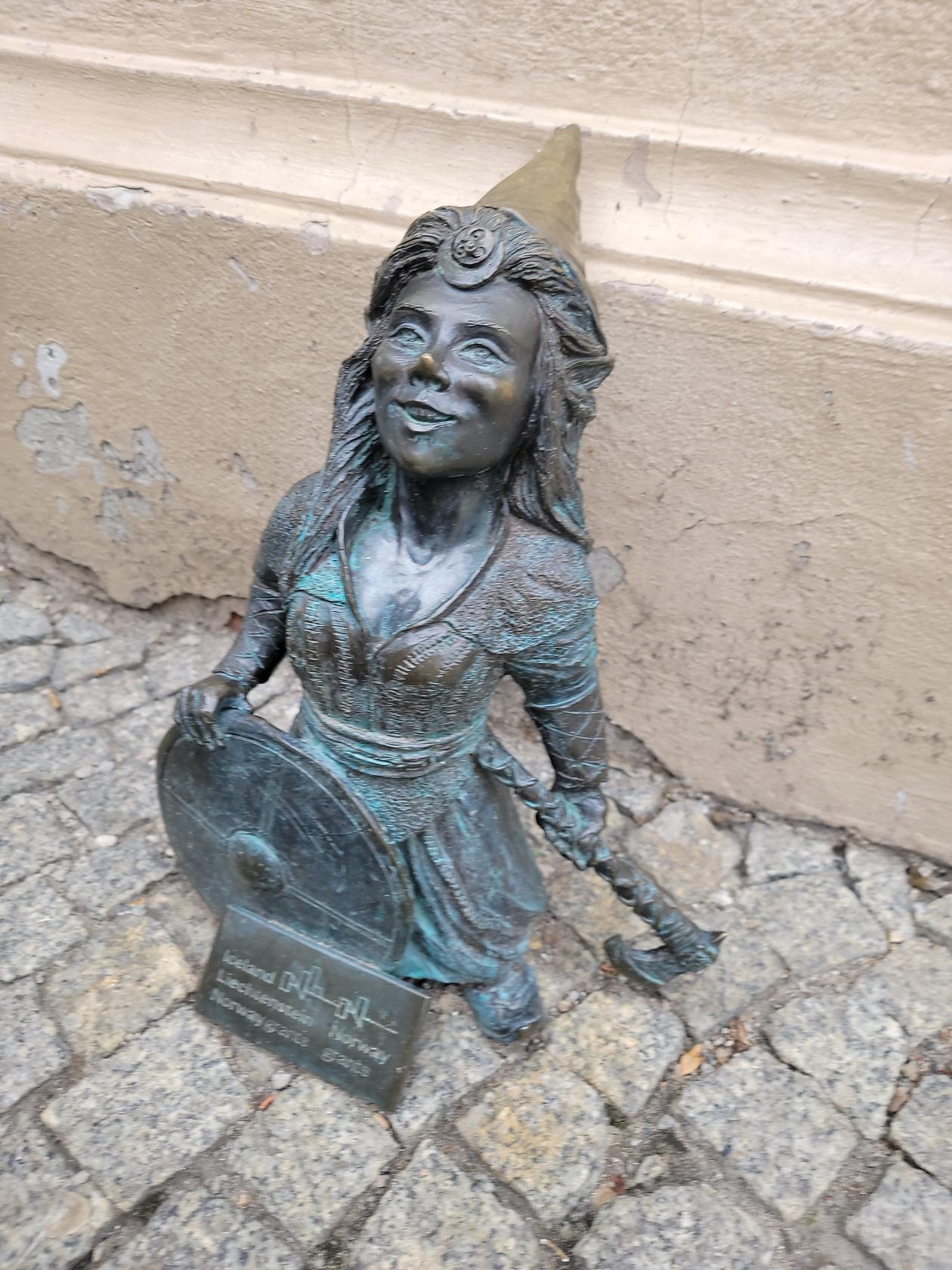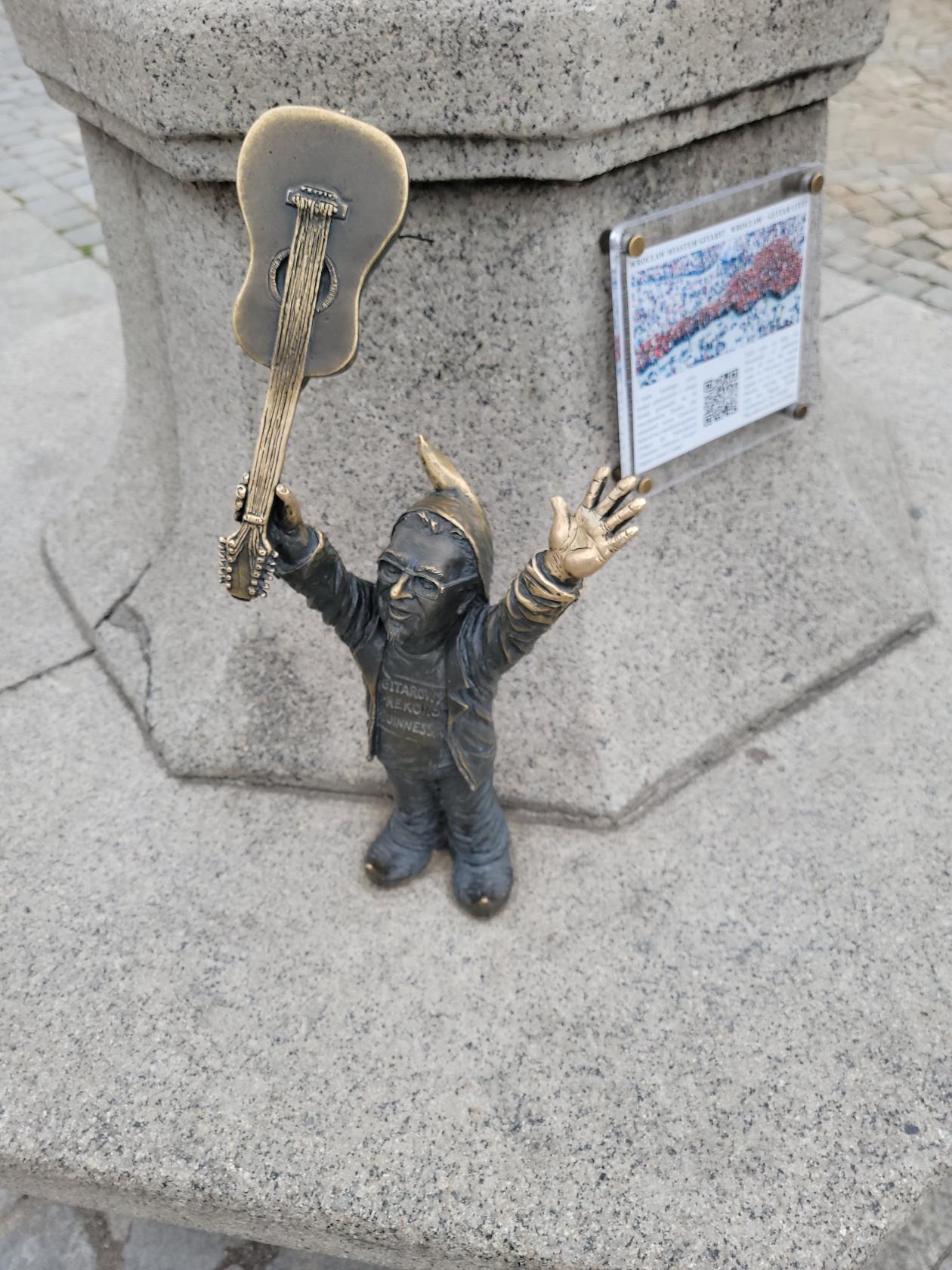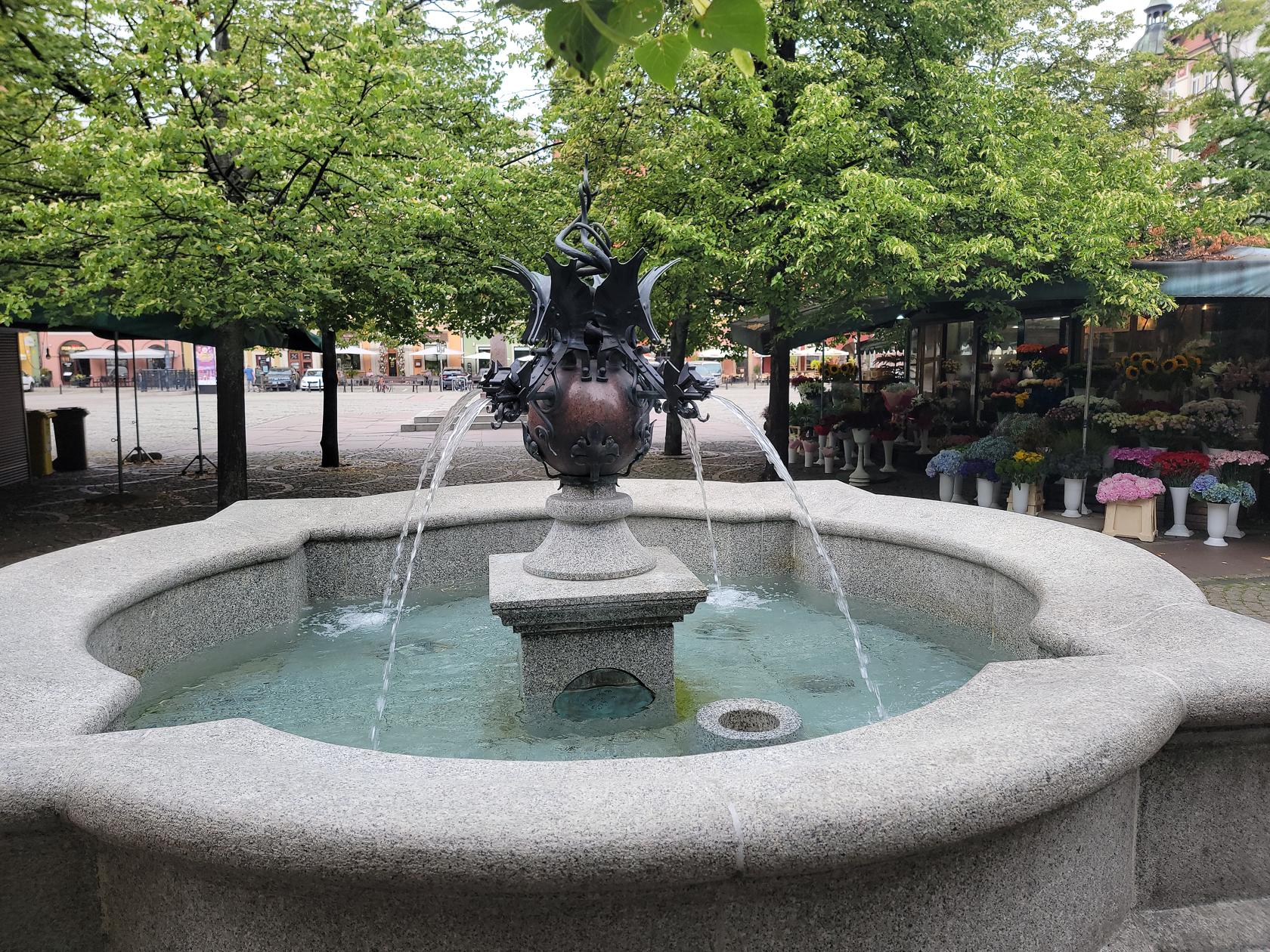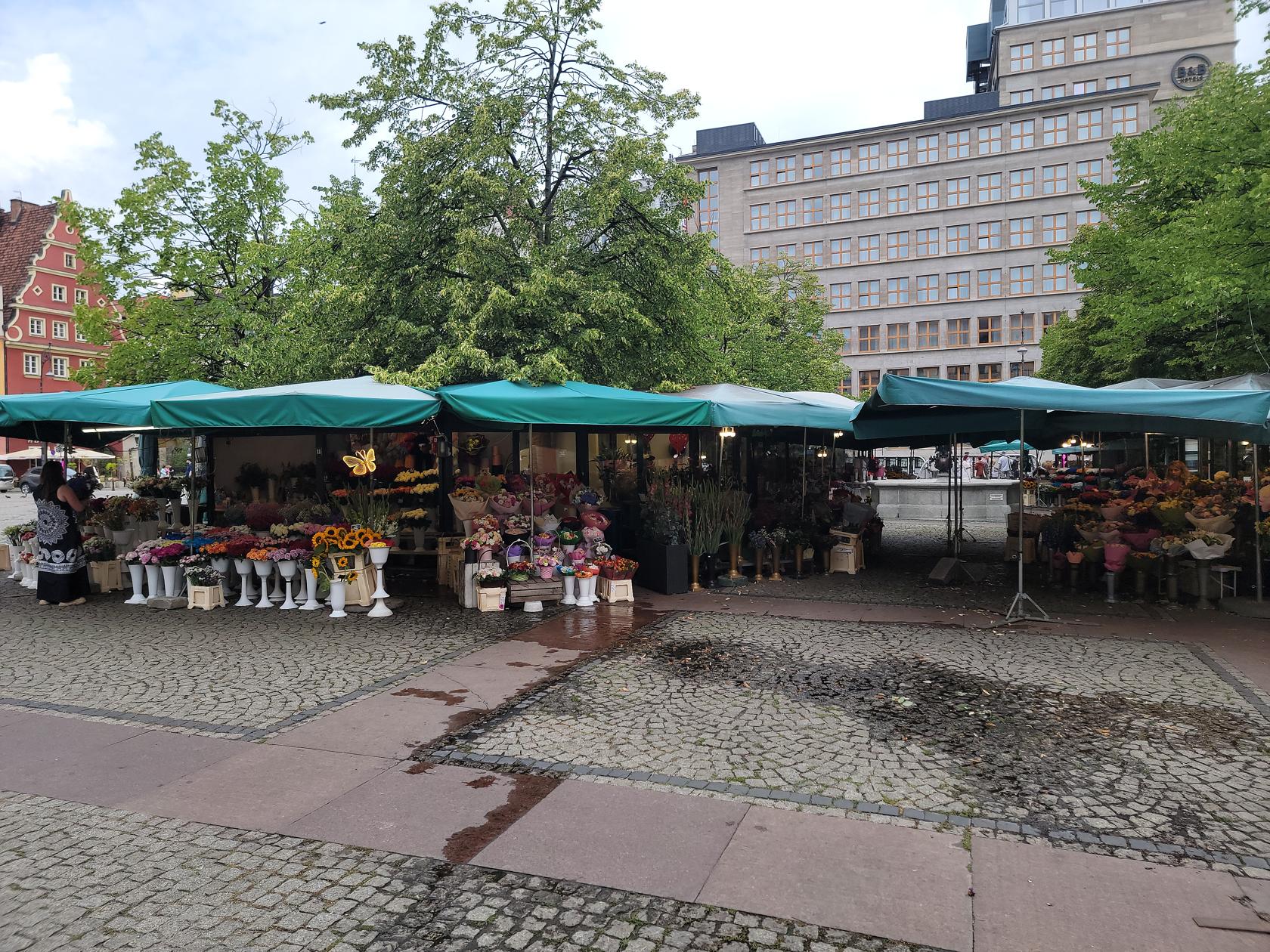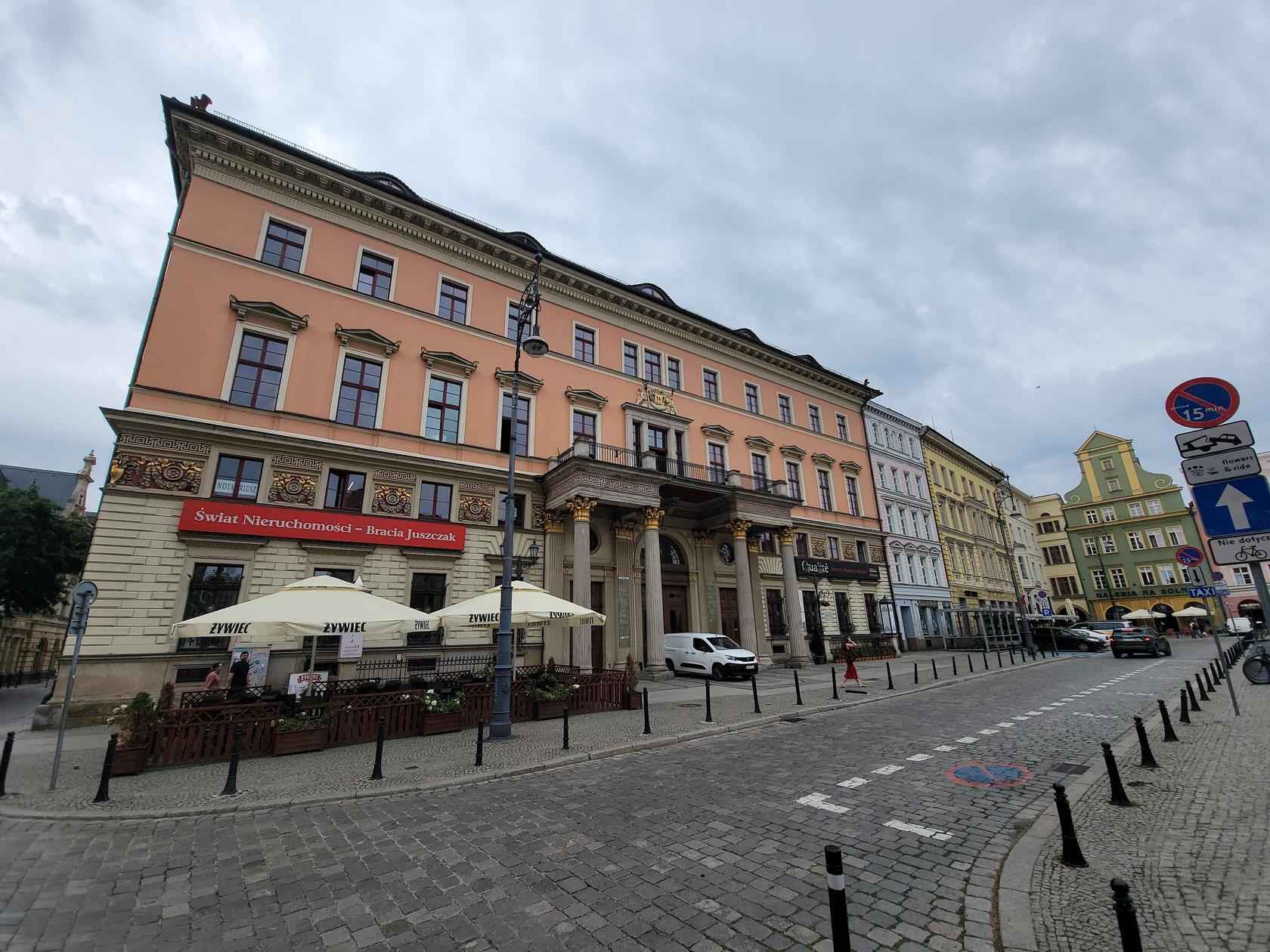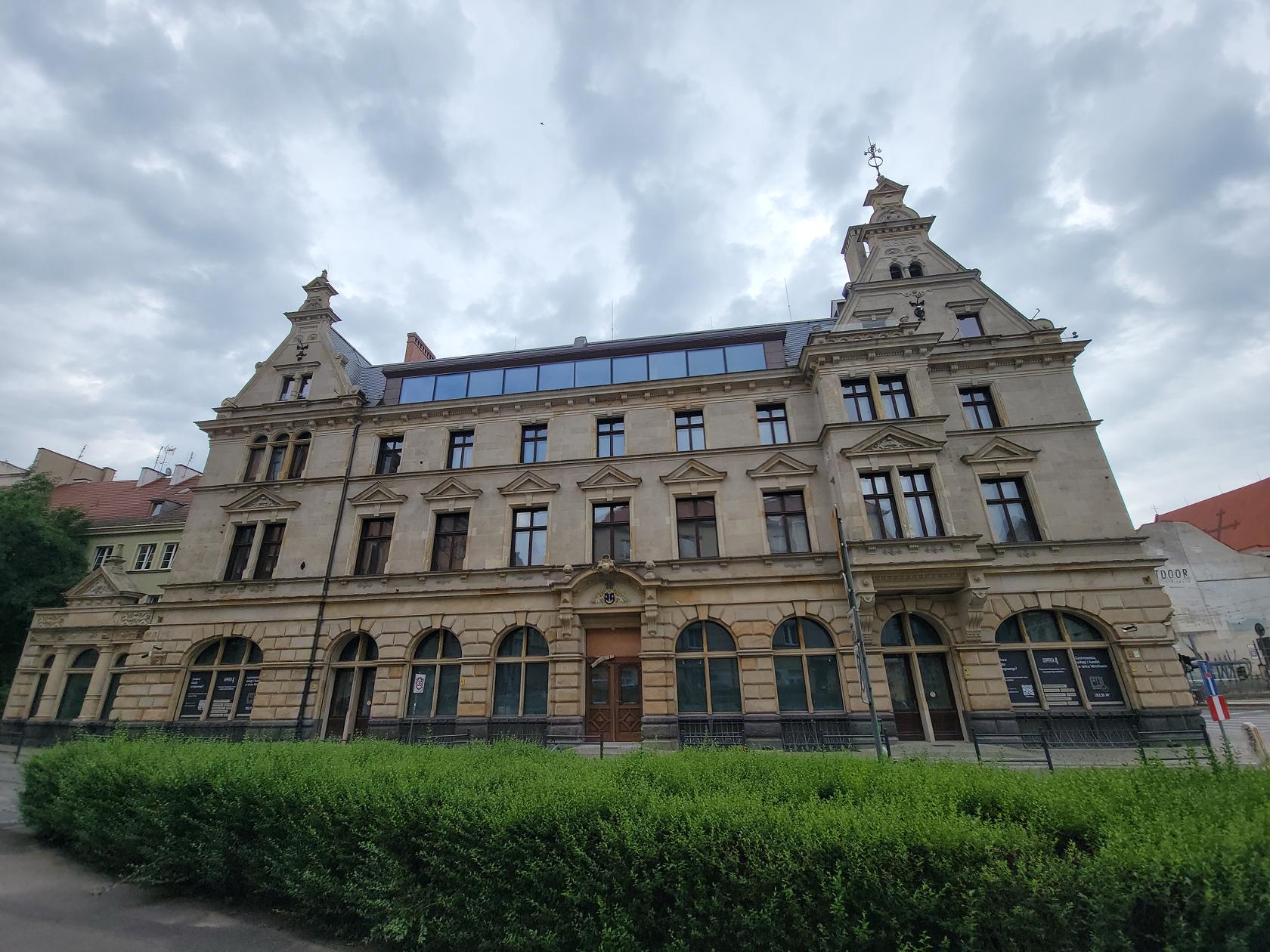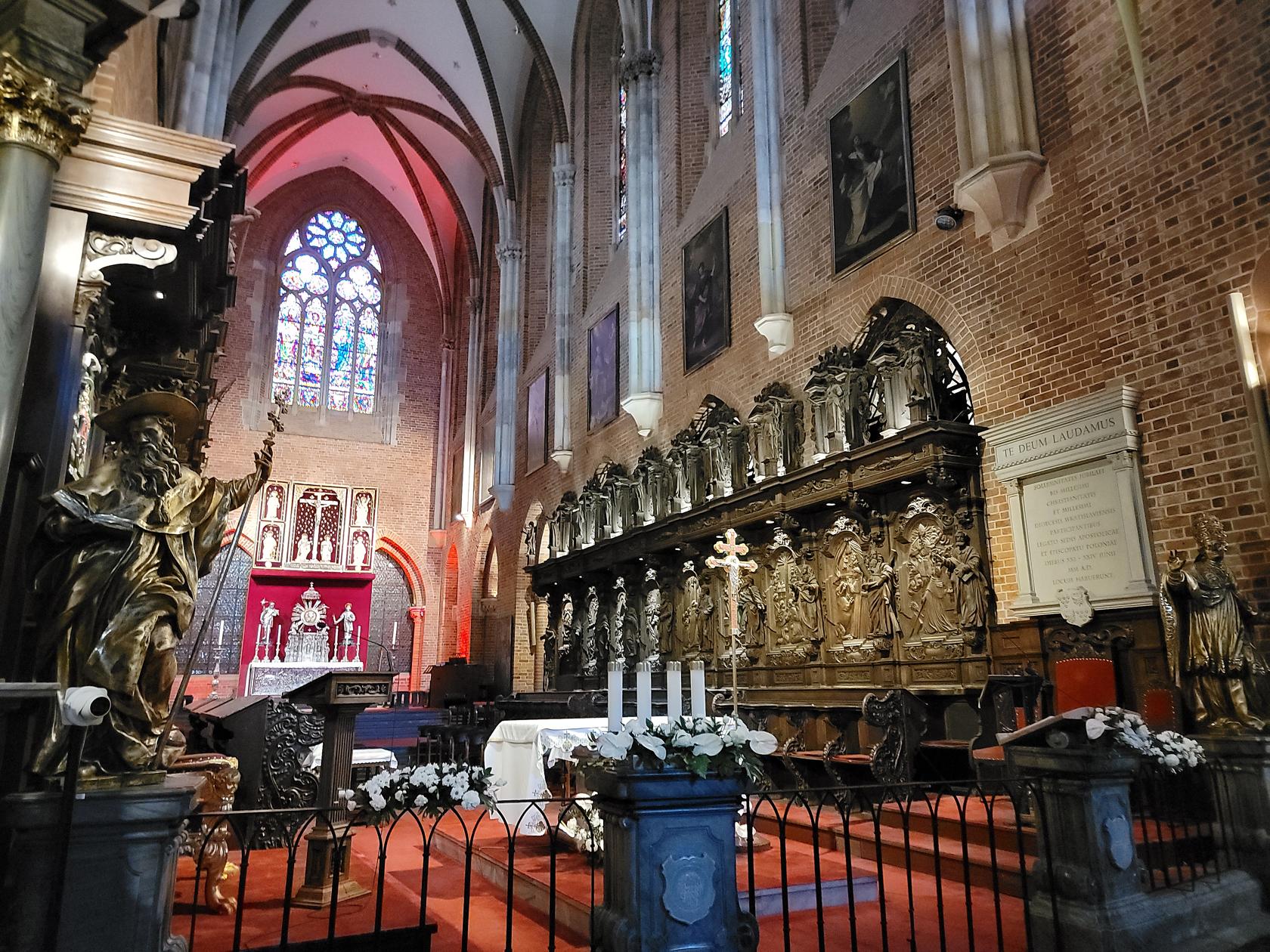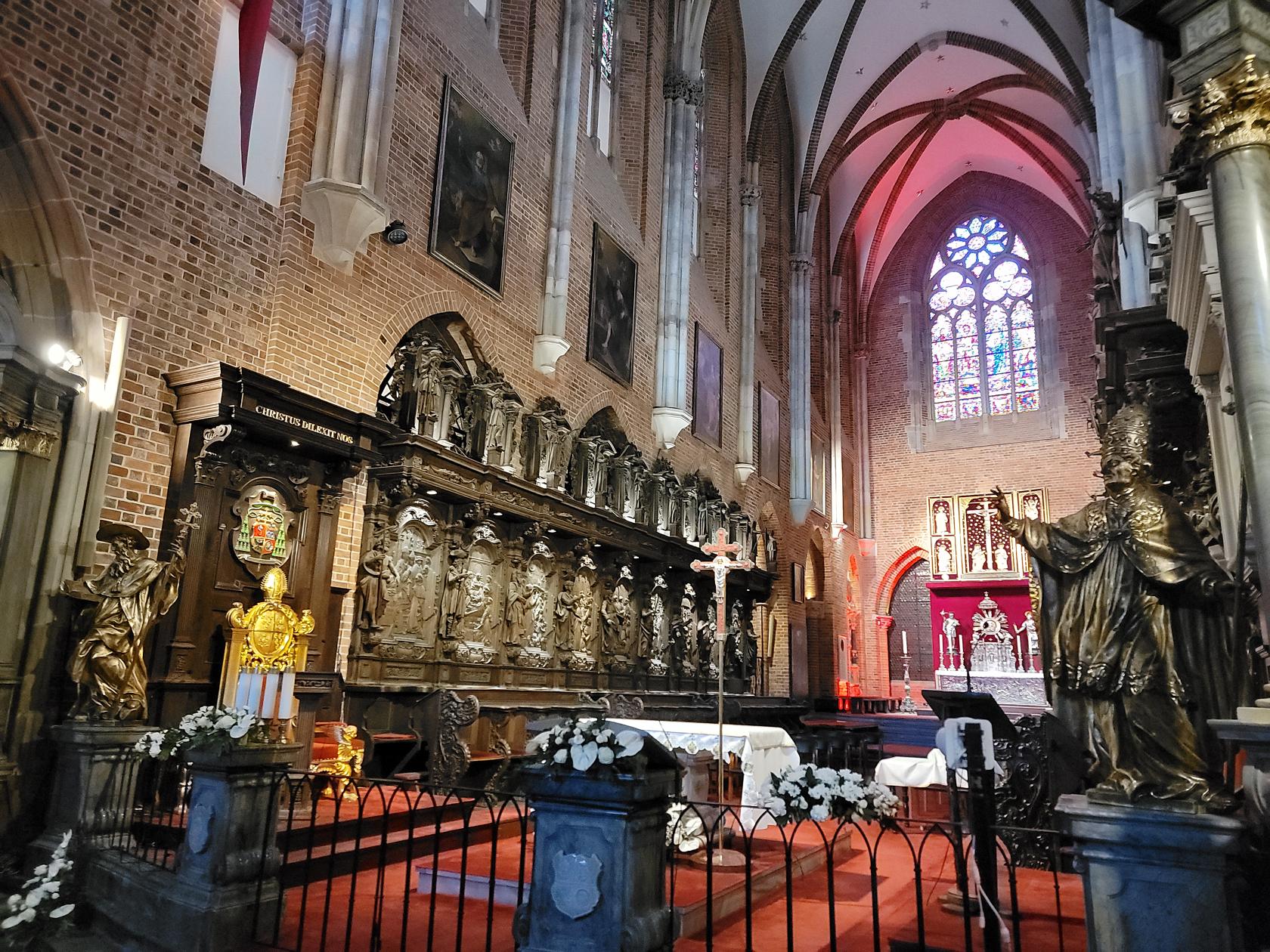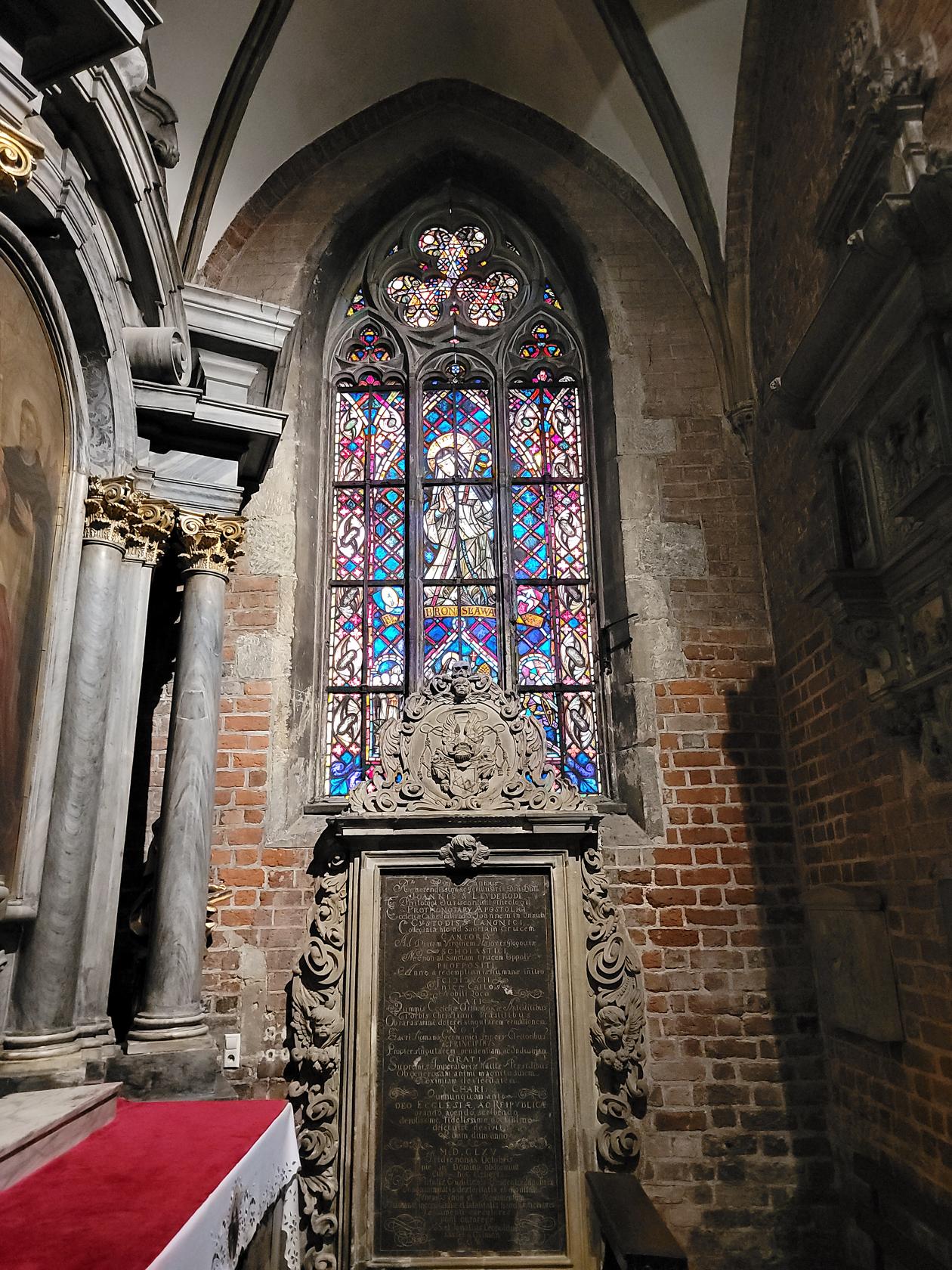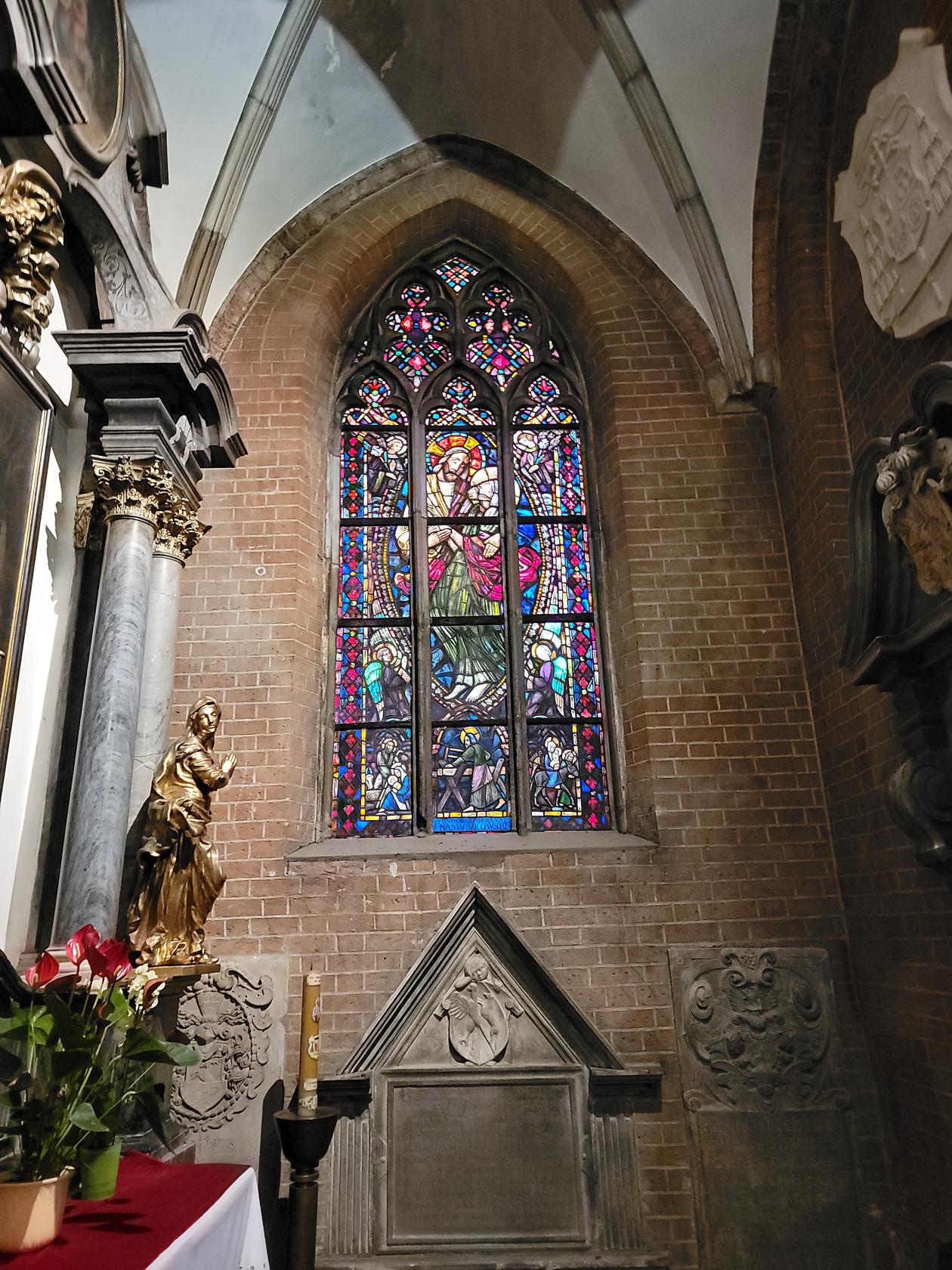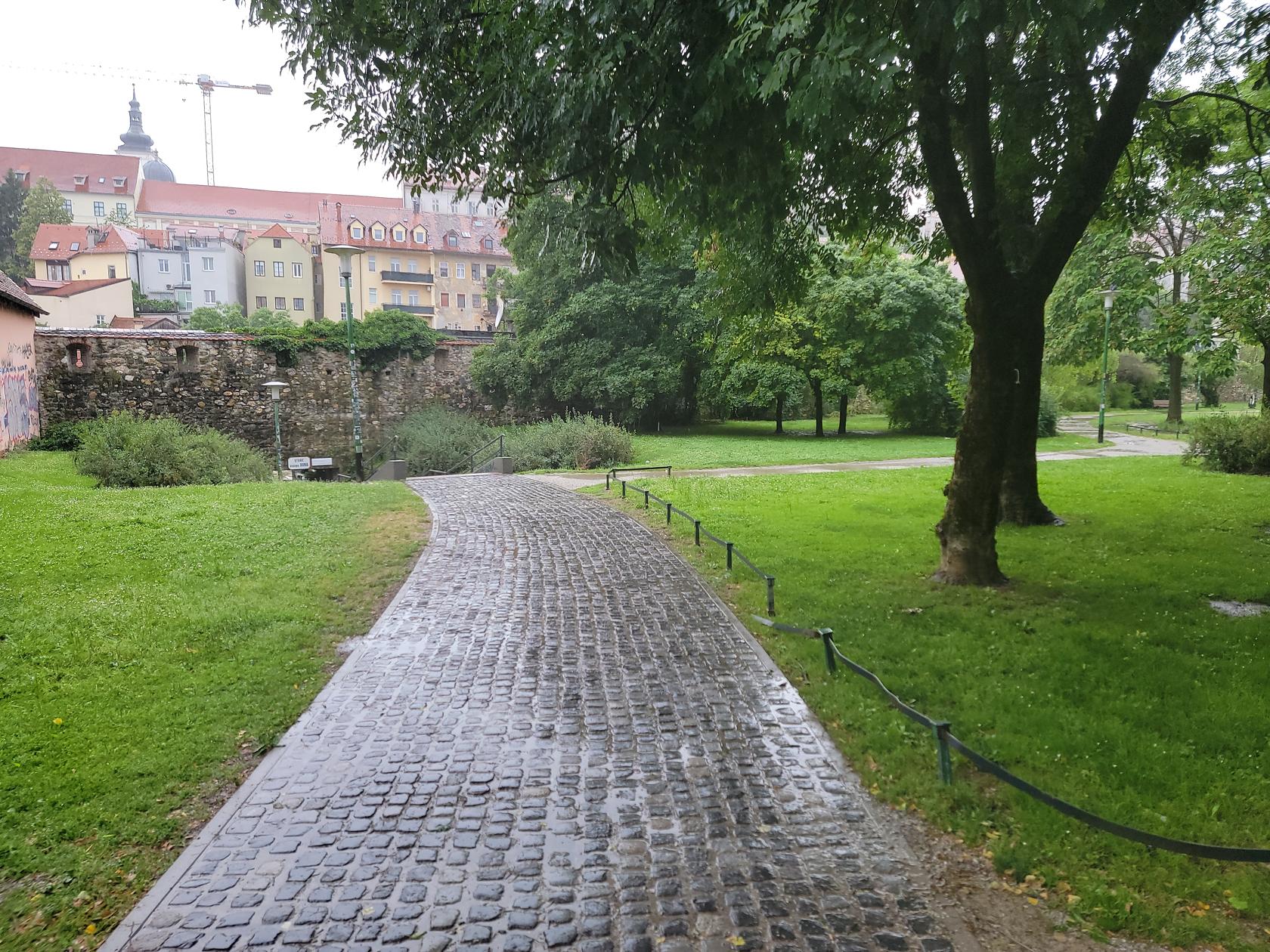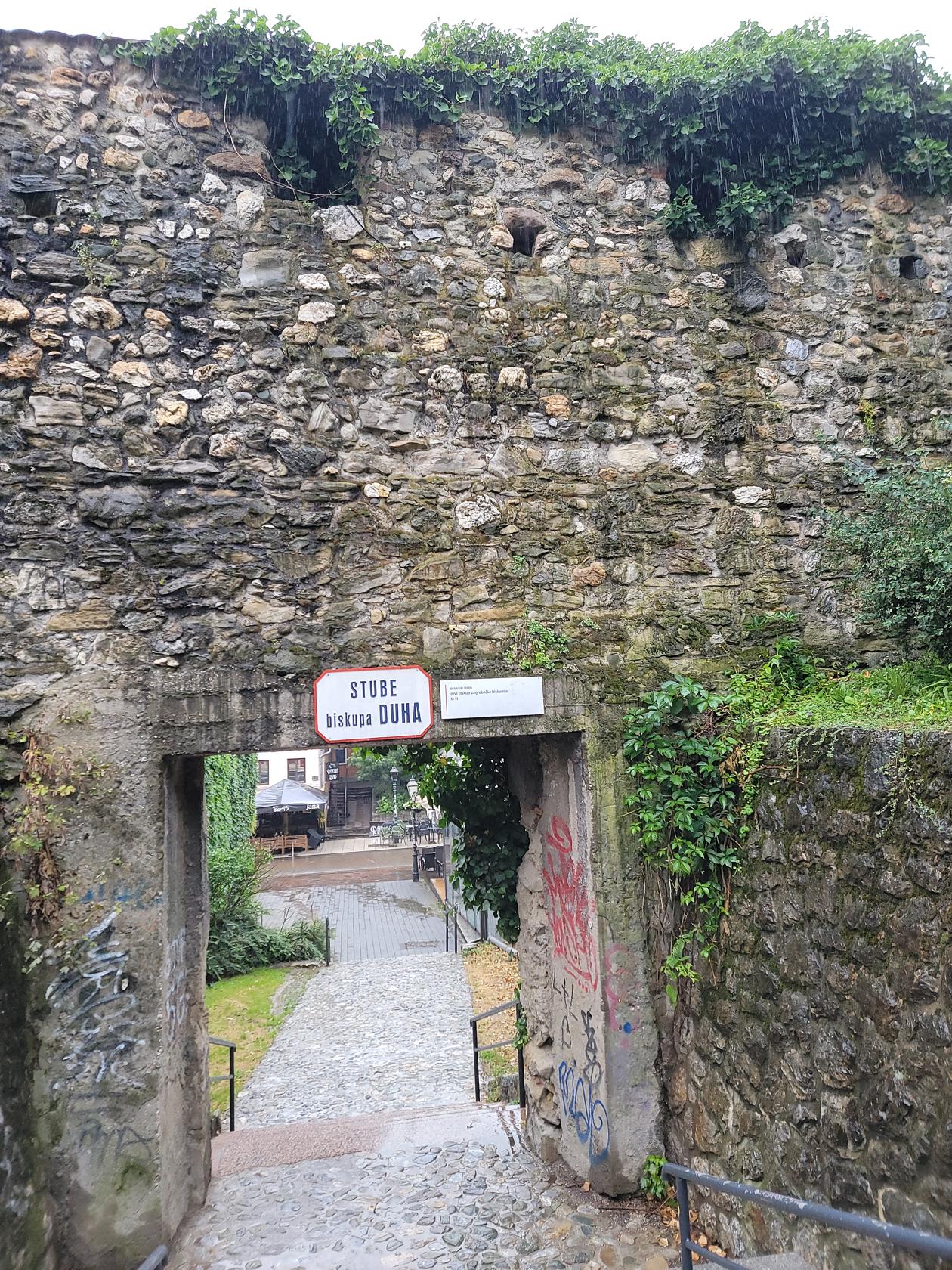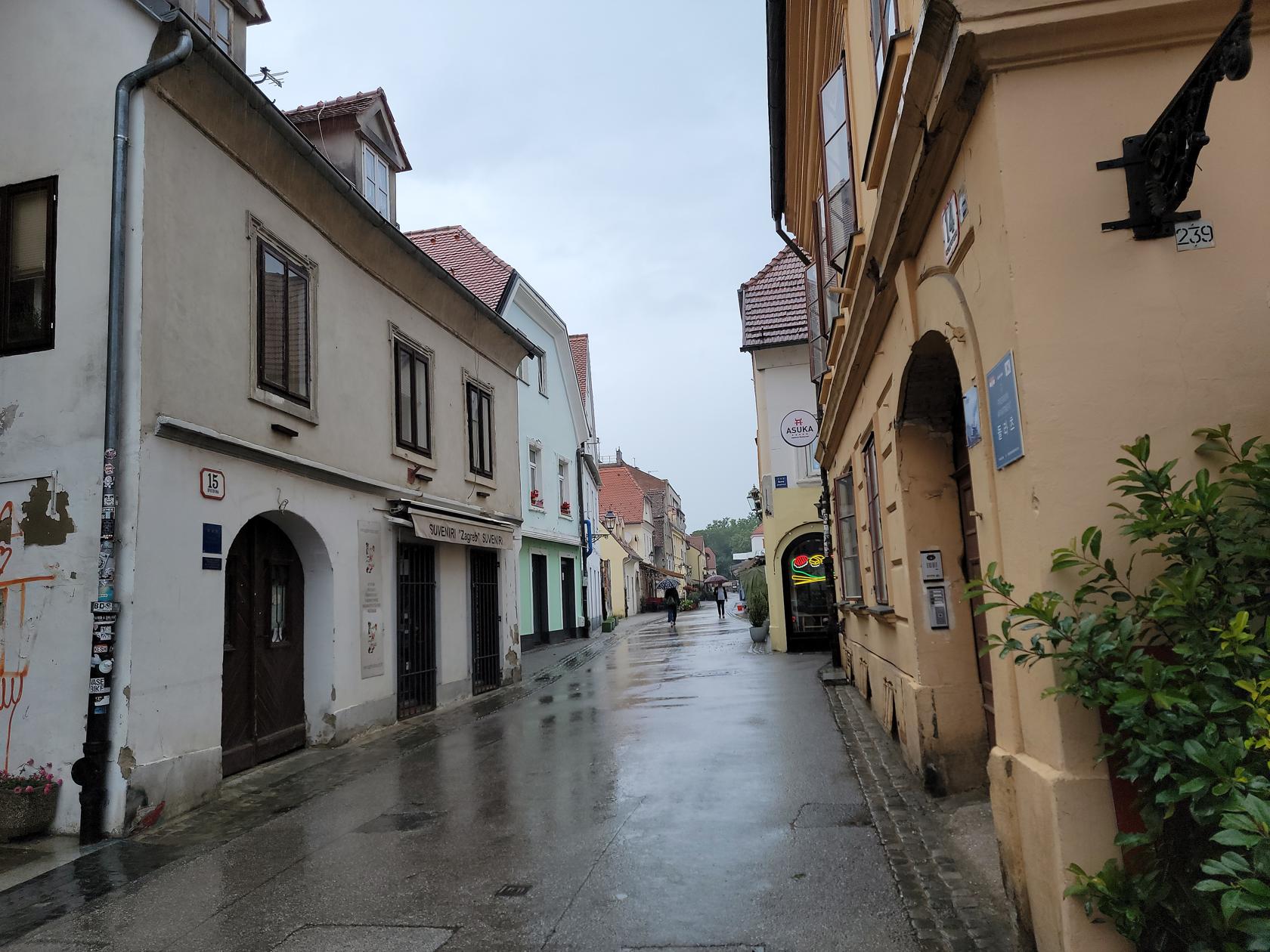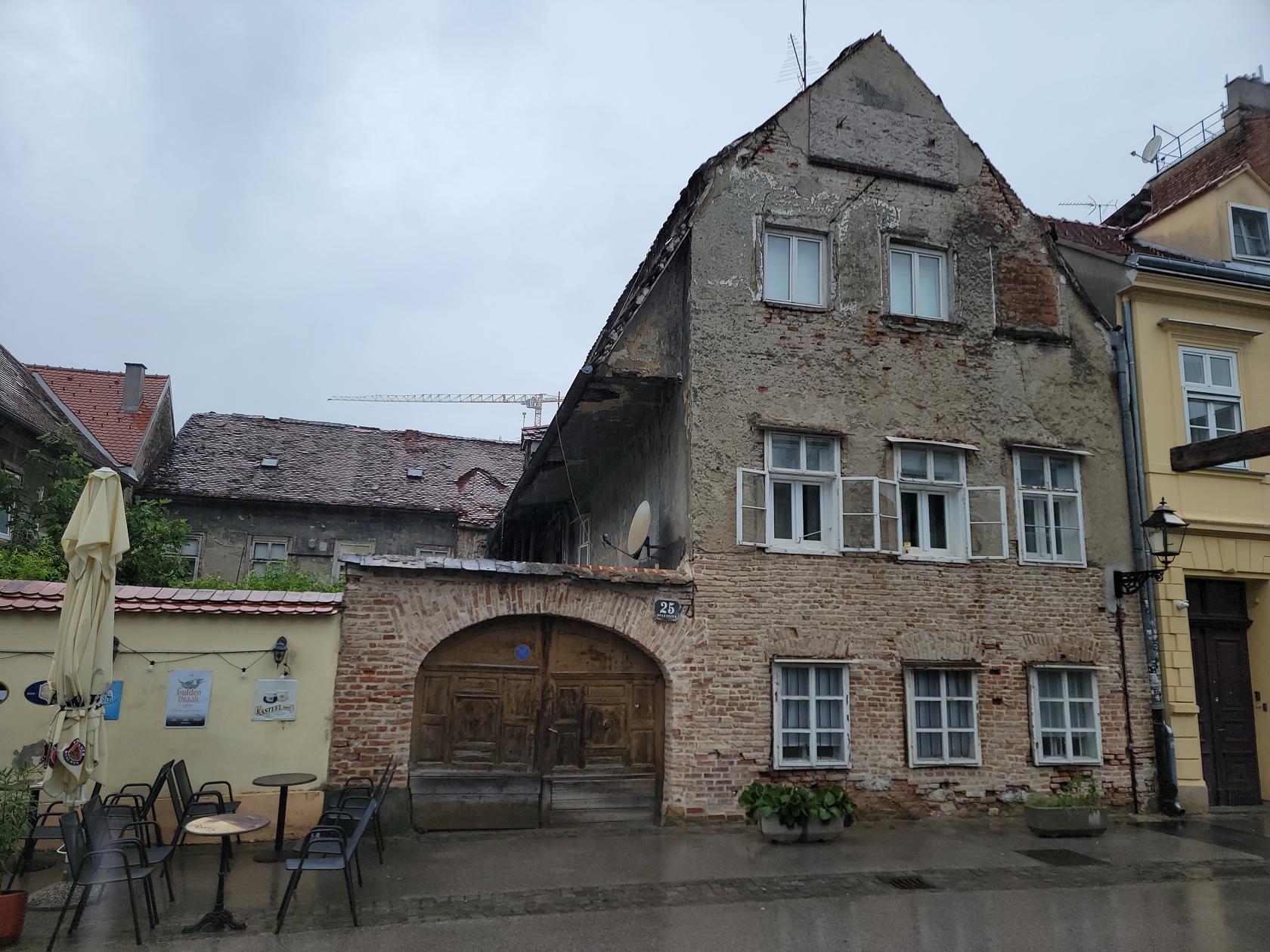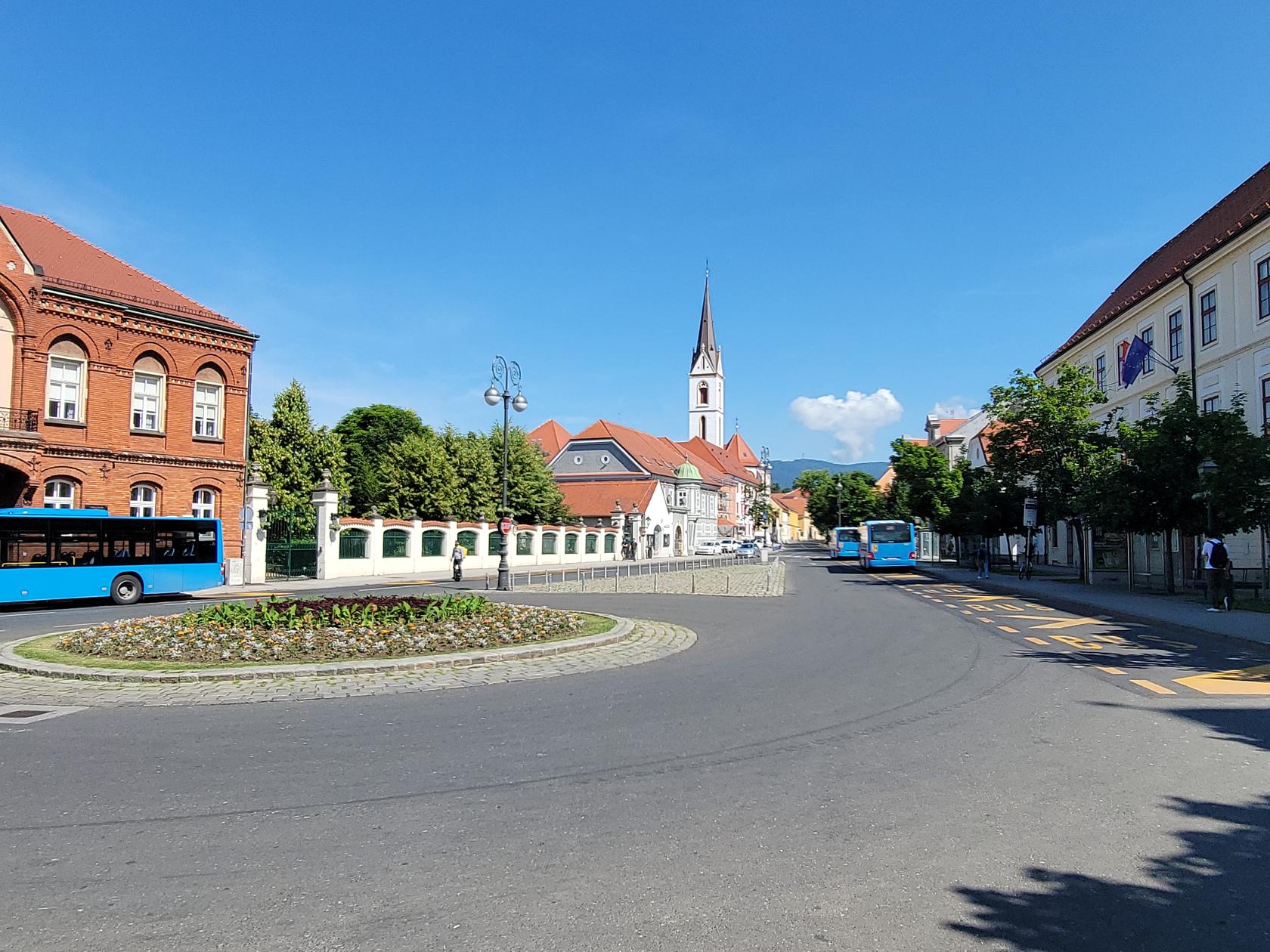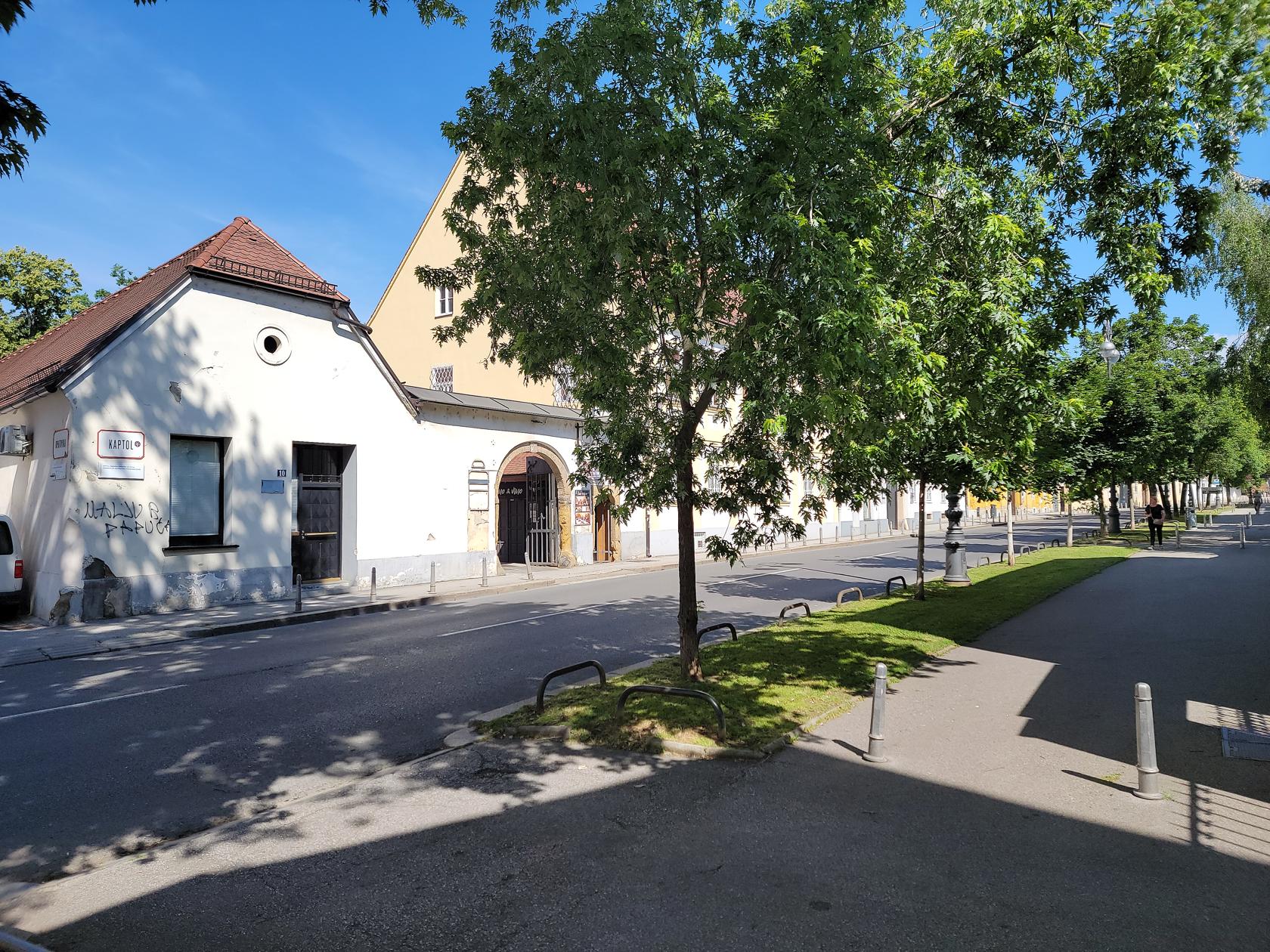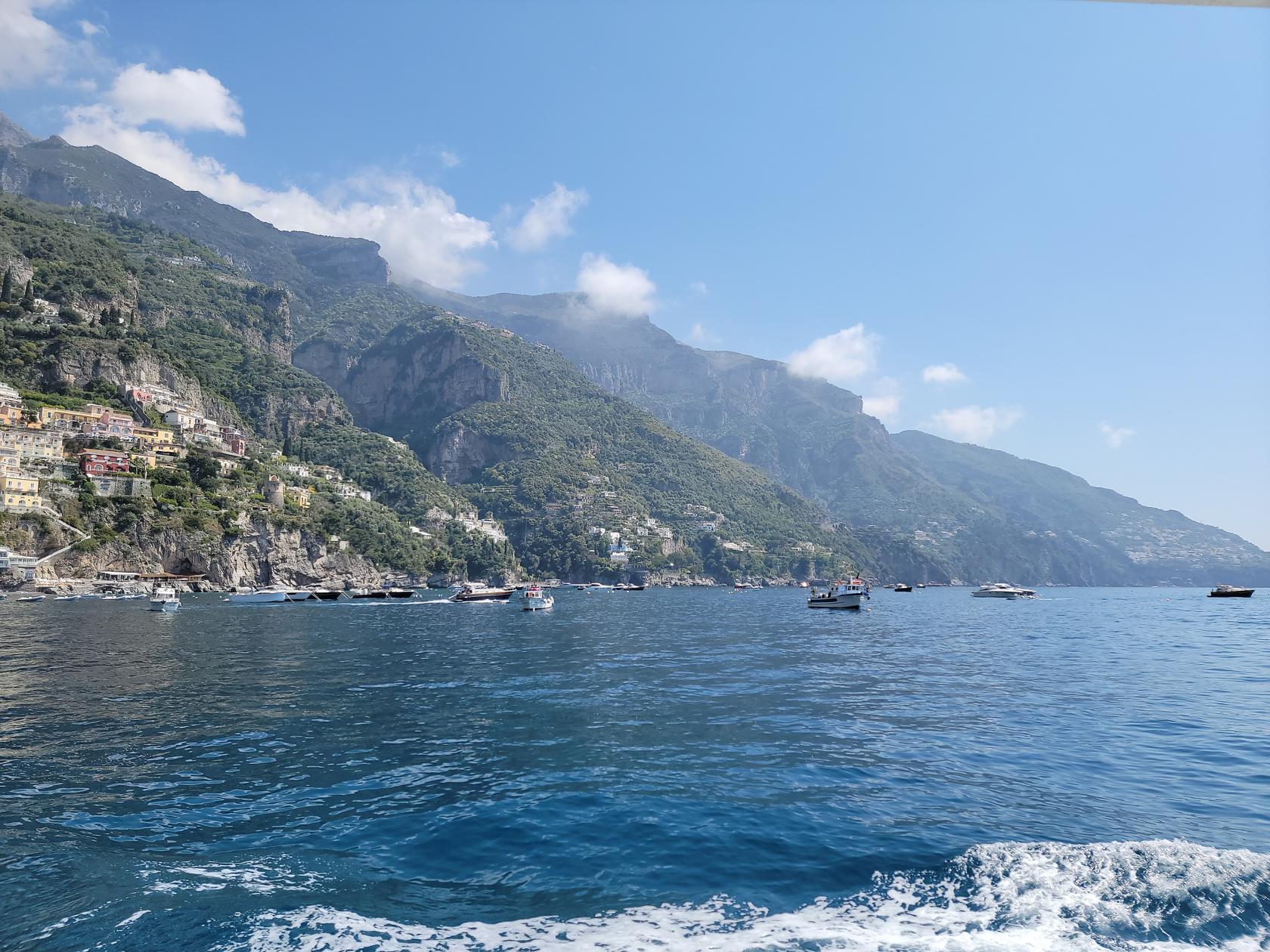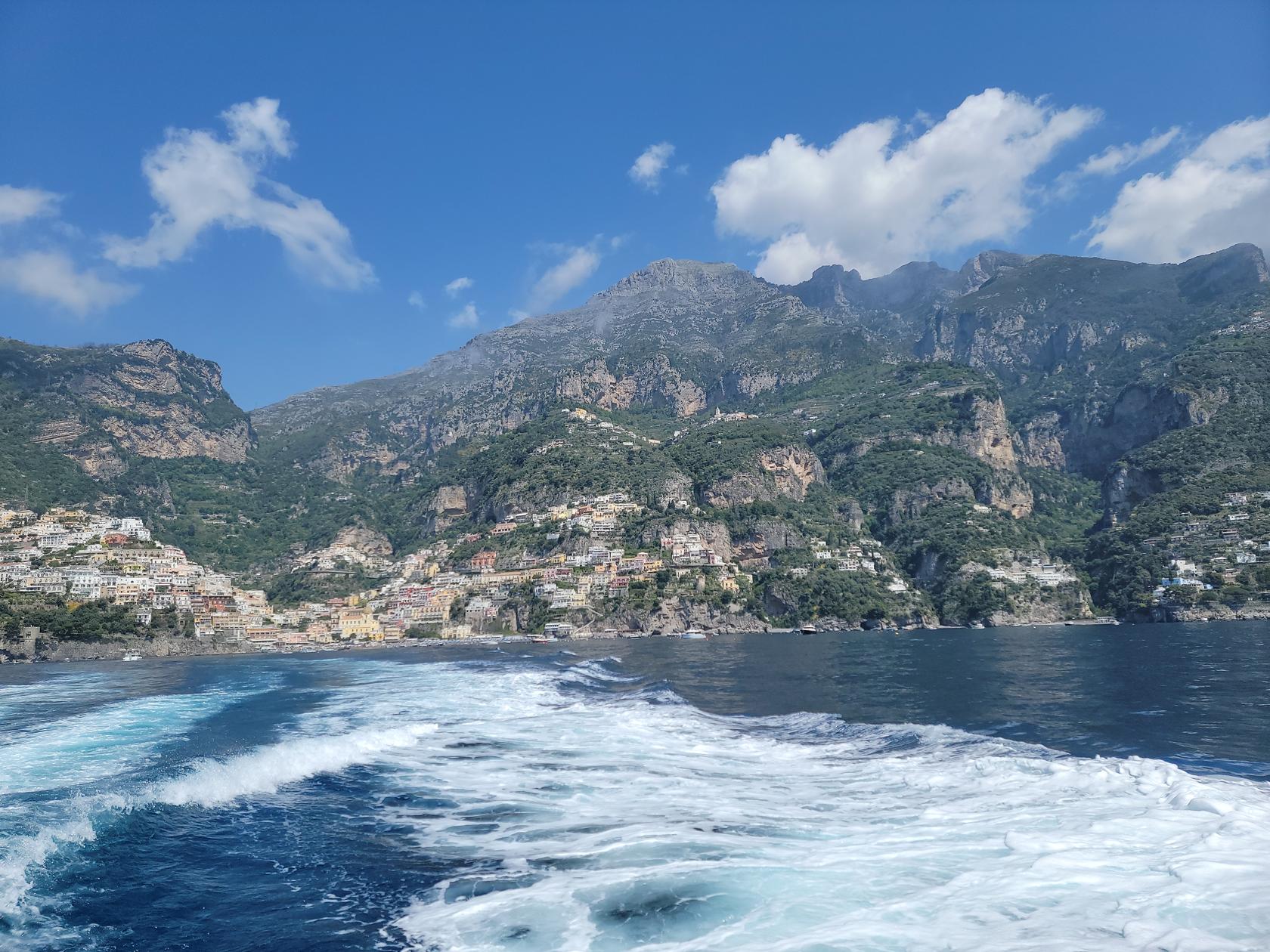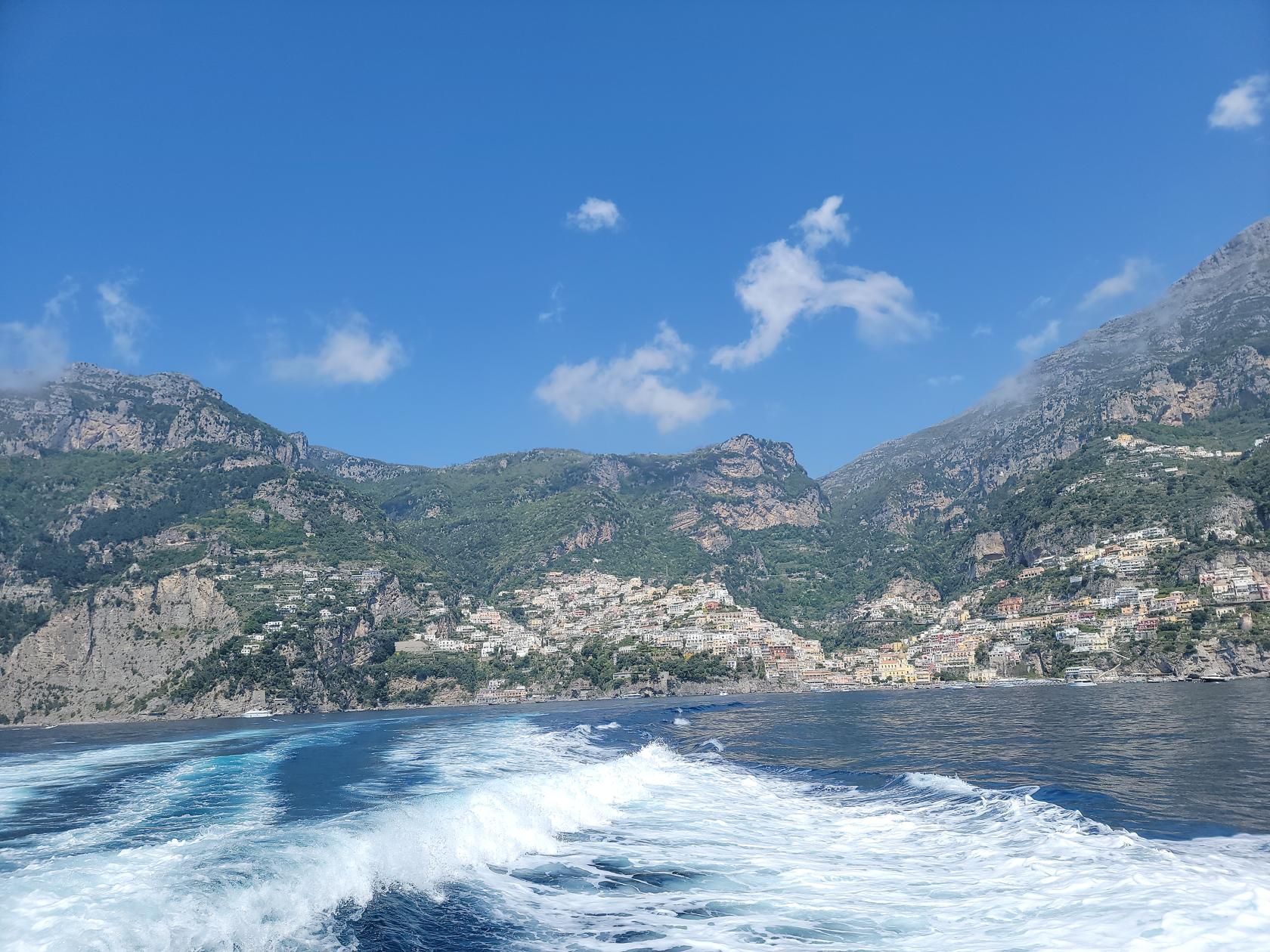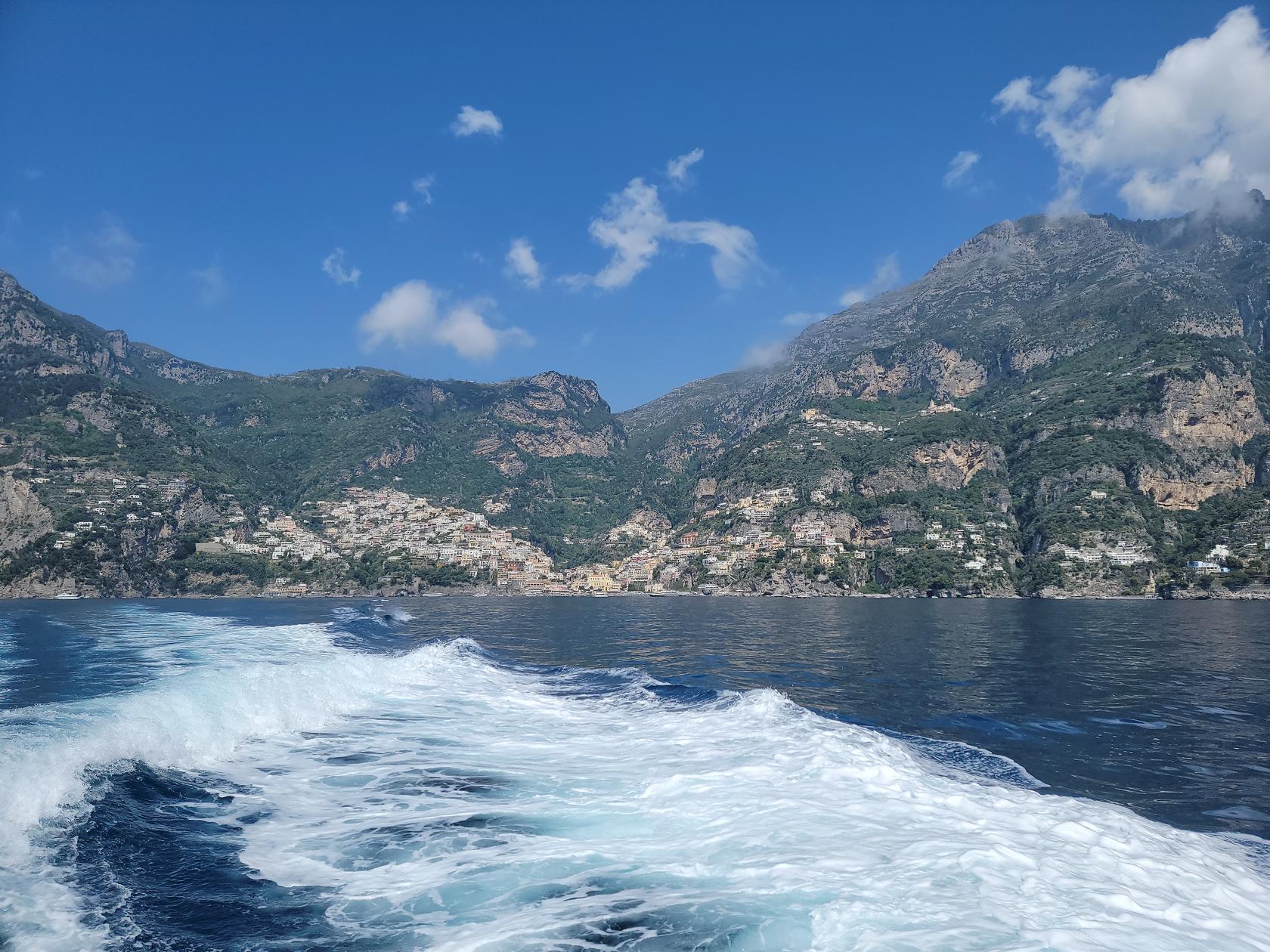
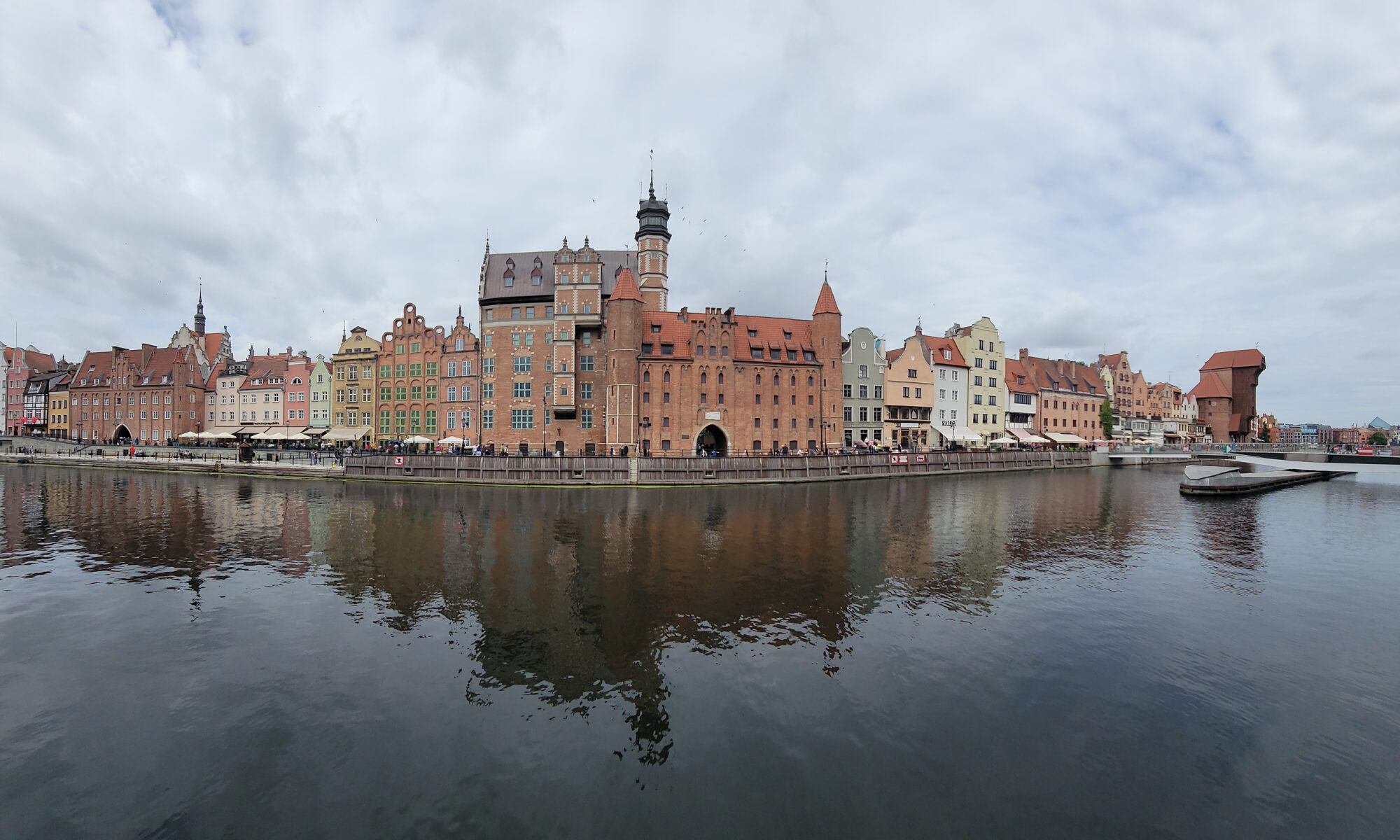
Zagreb, Croatia – Golden Bull

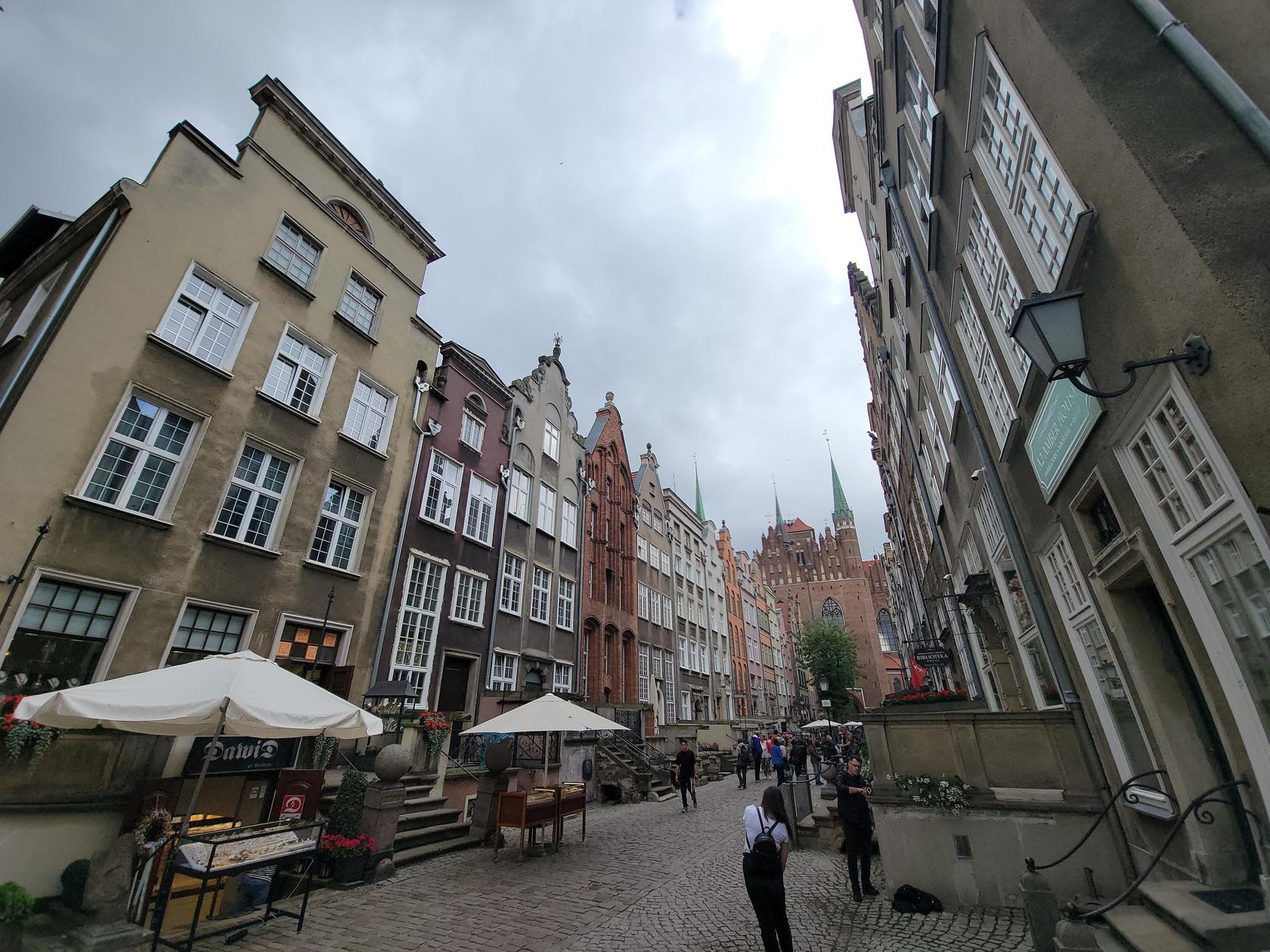
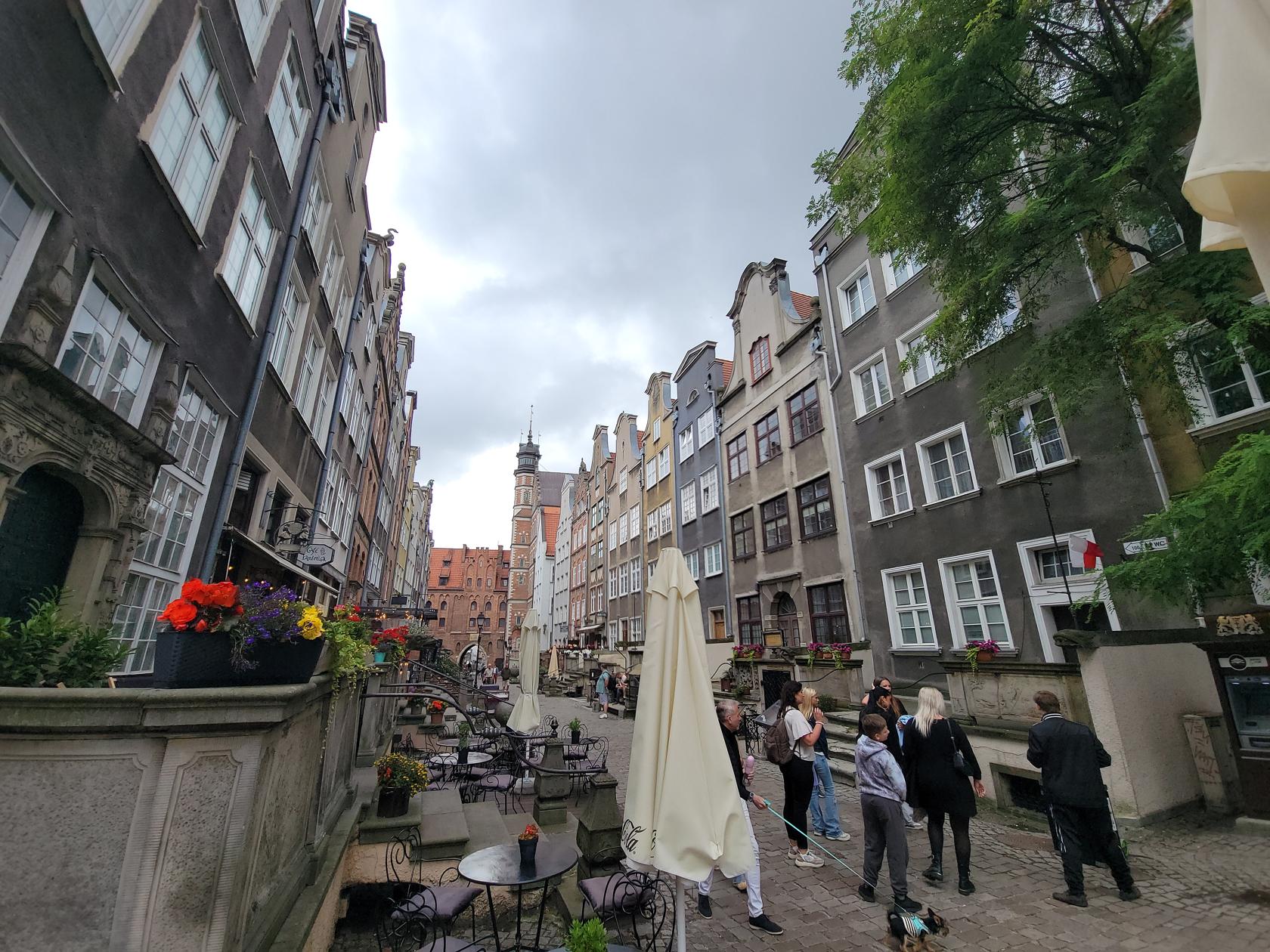
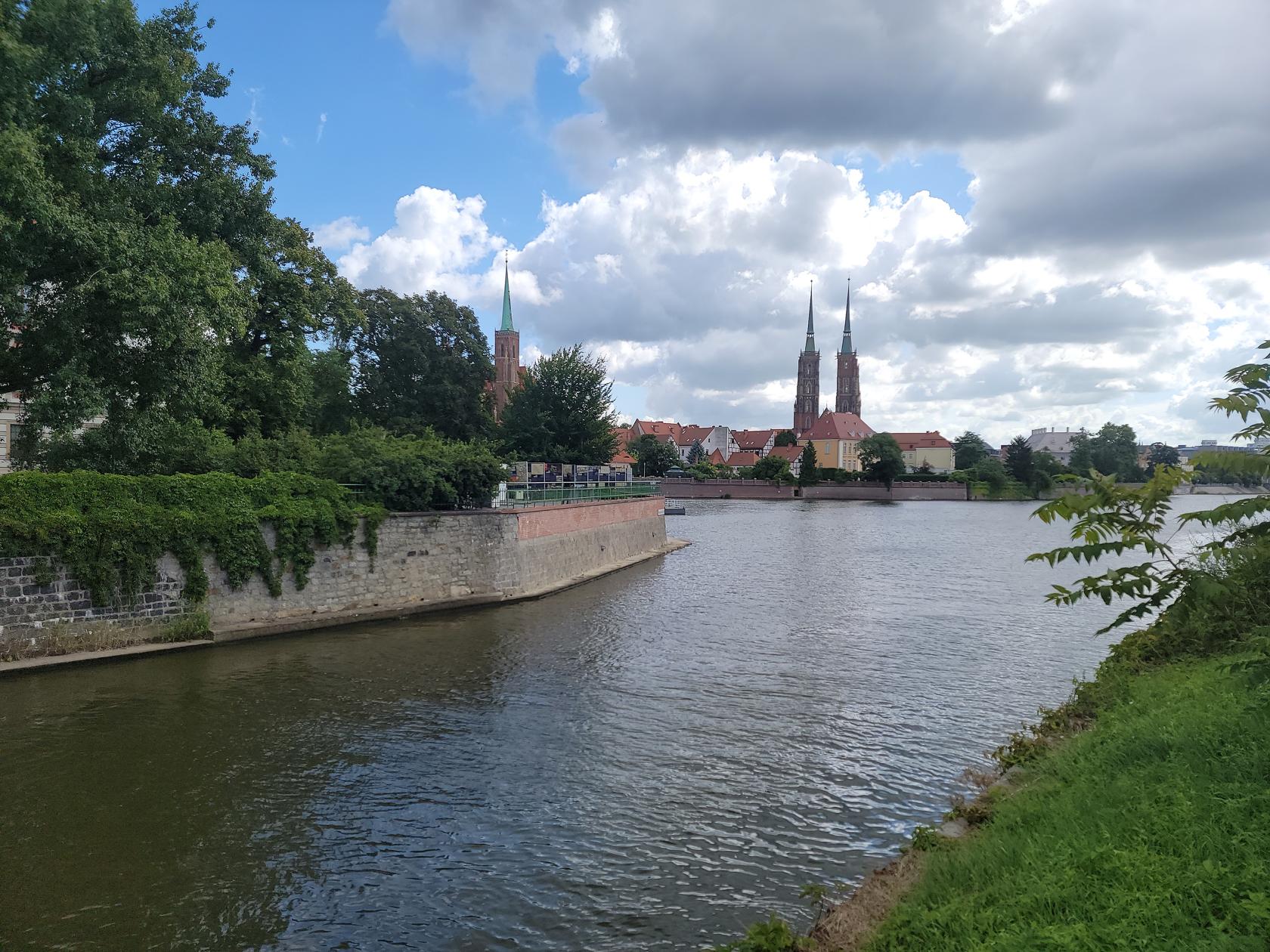
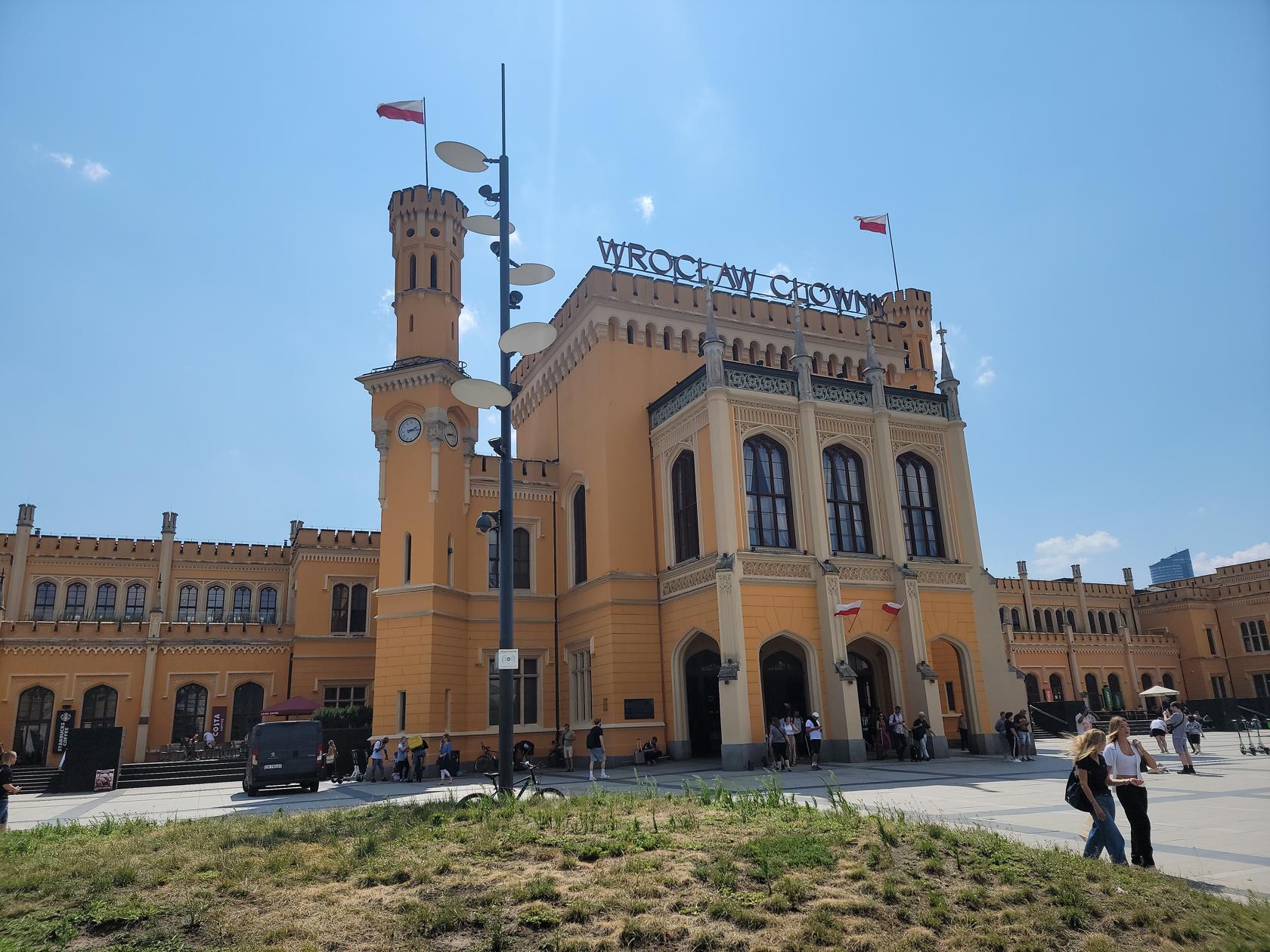
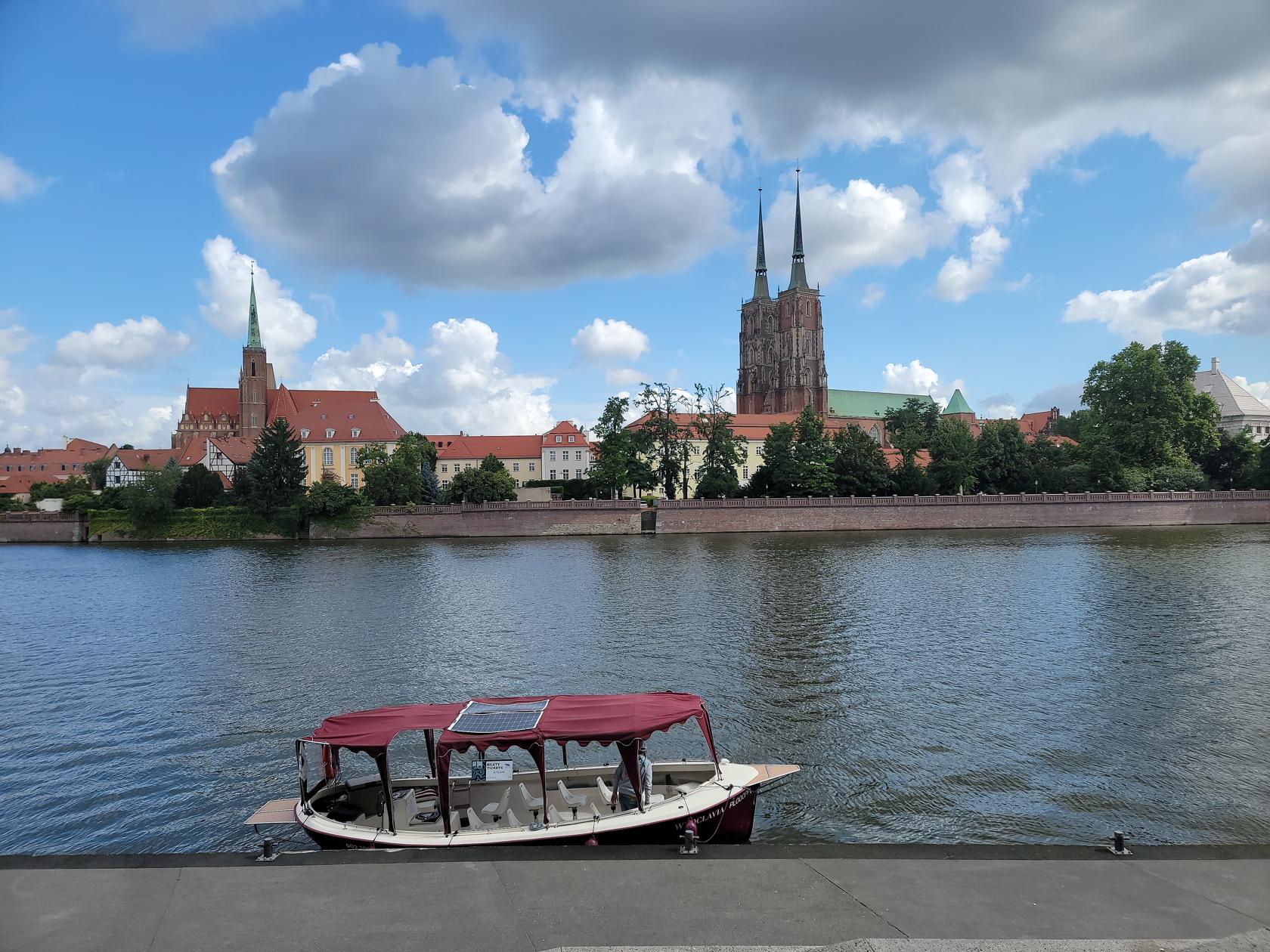
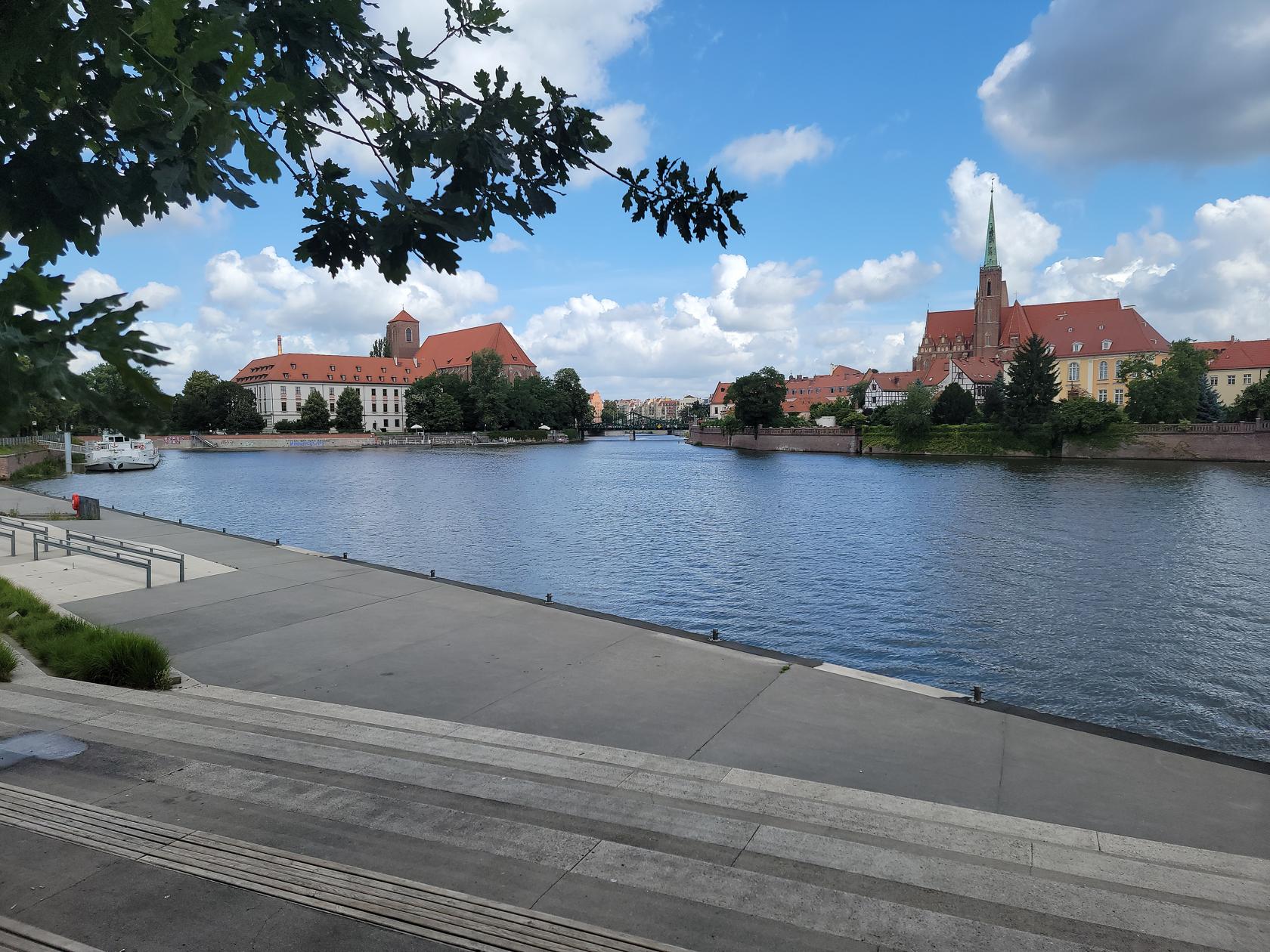
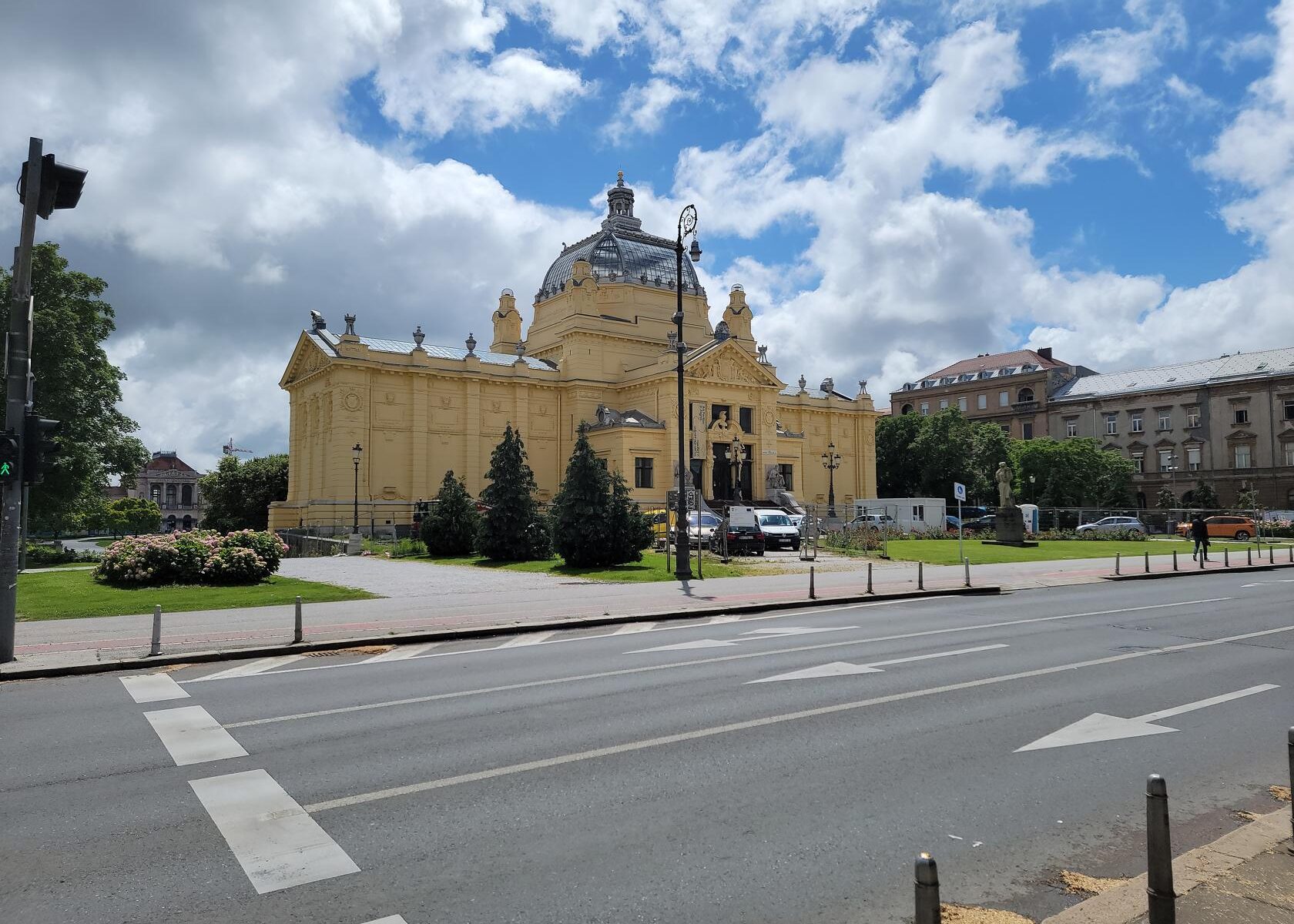
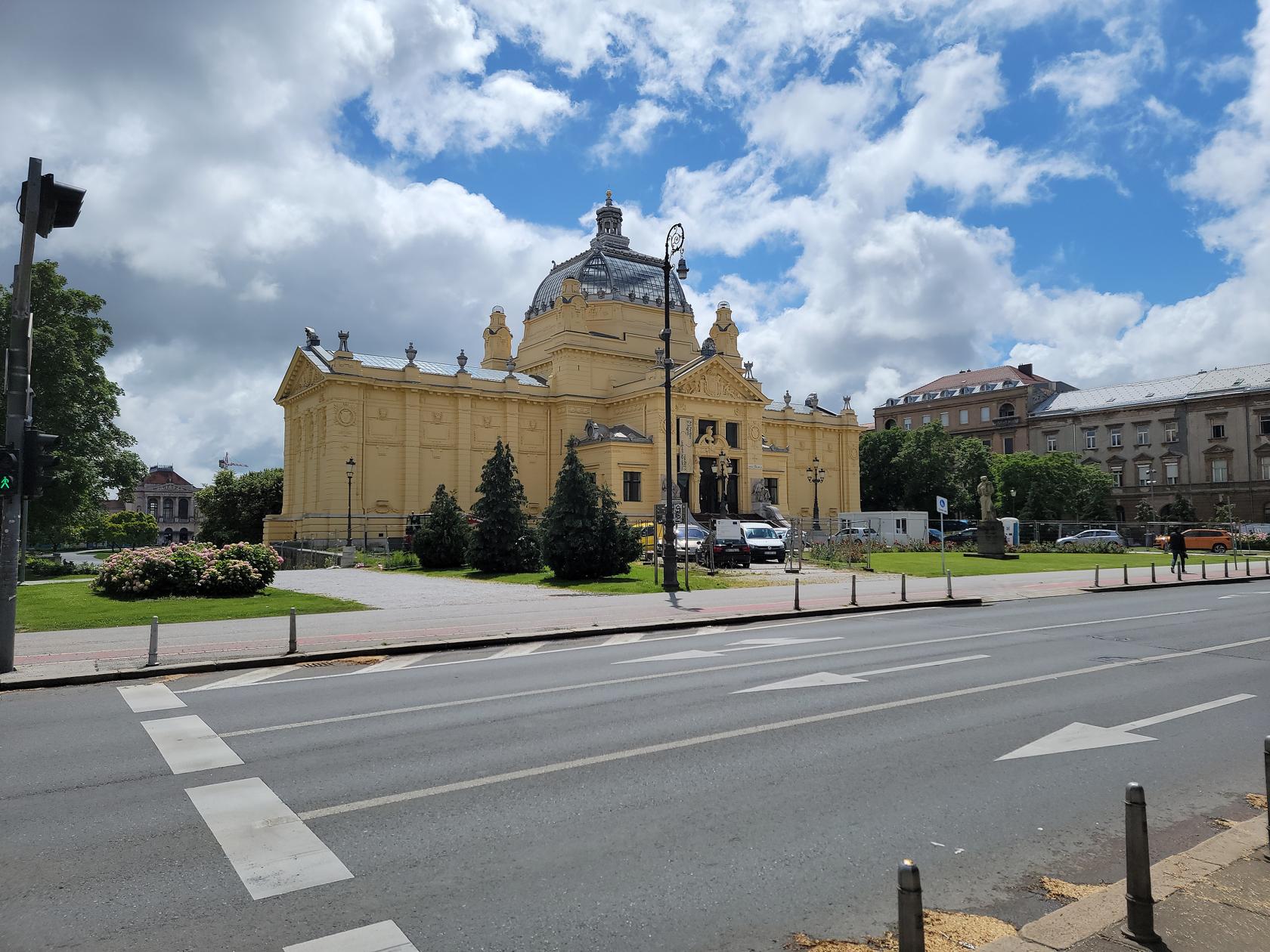
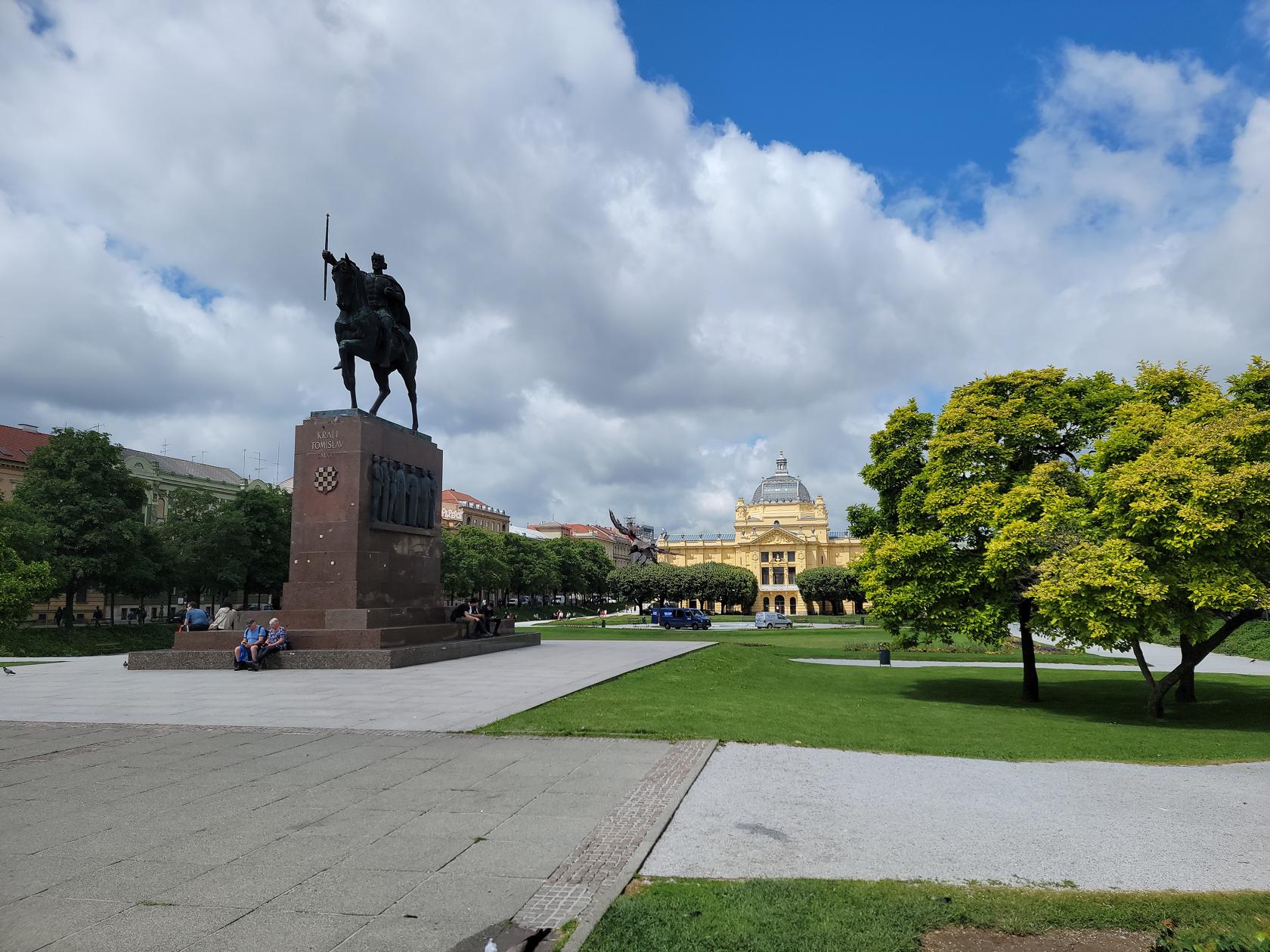
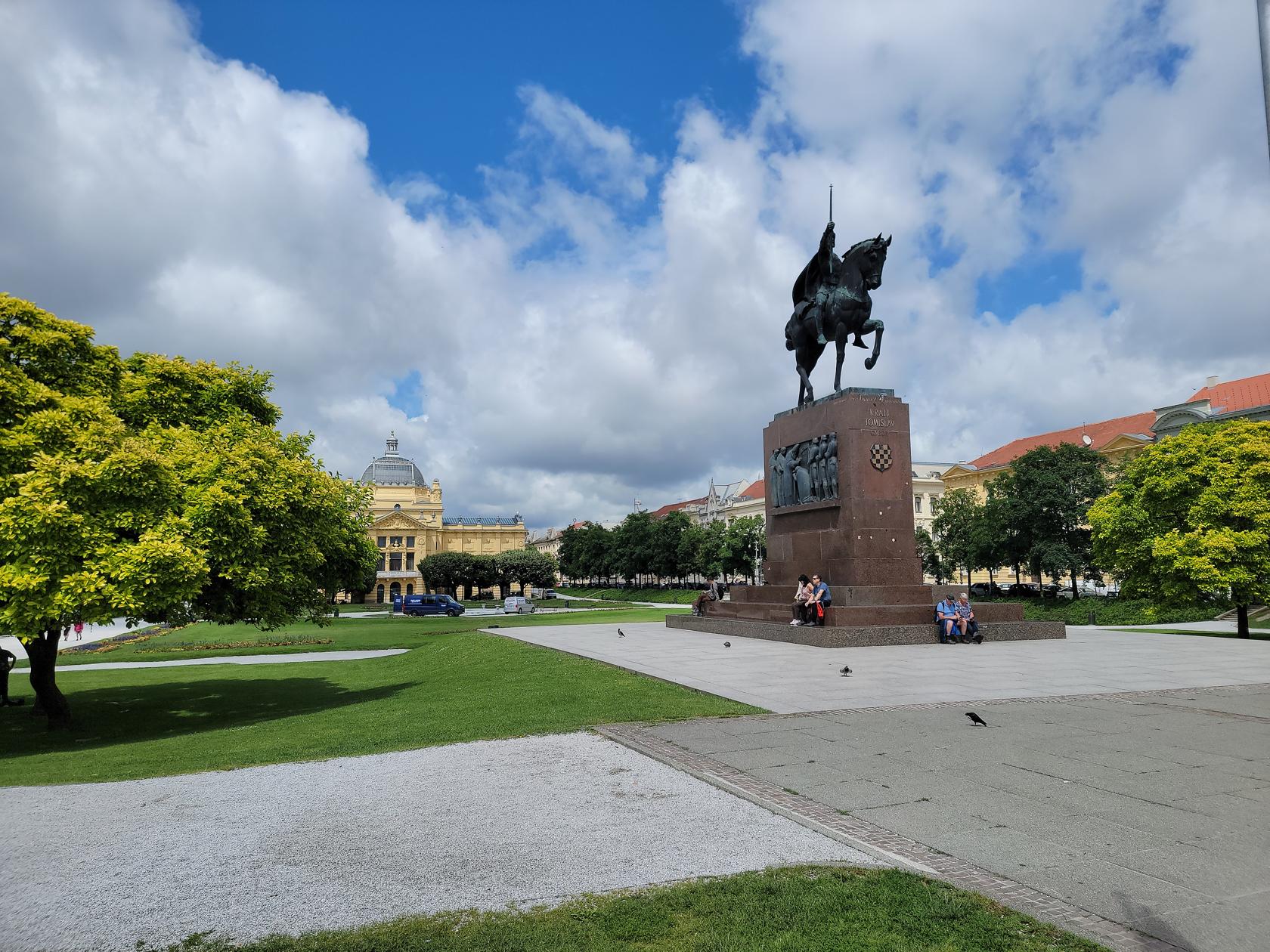
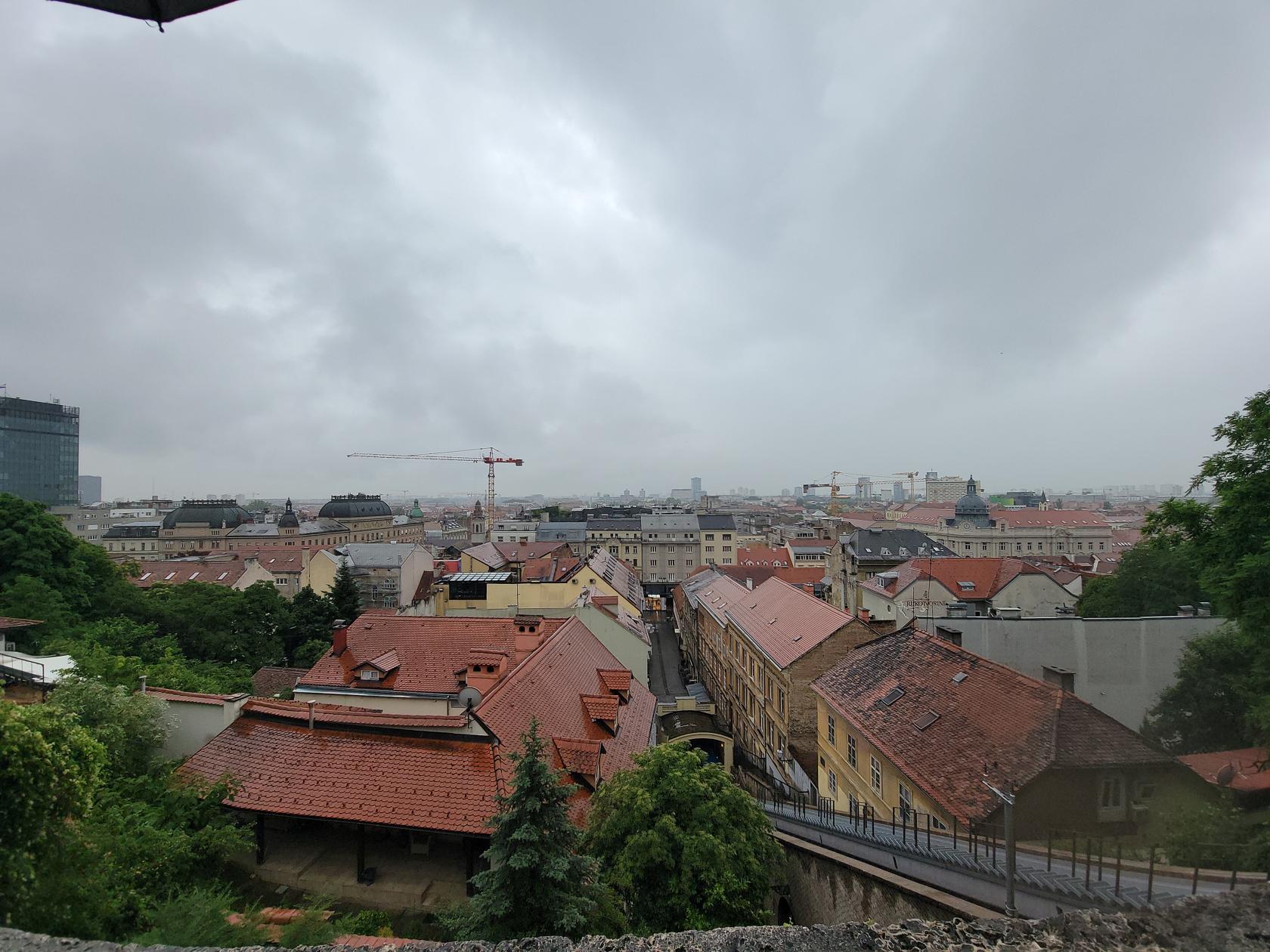
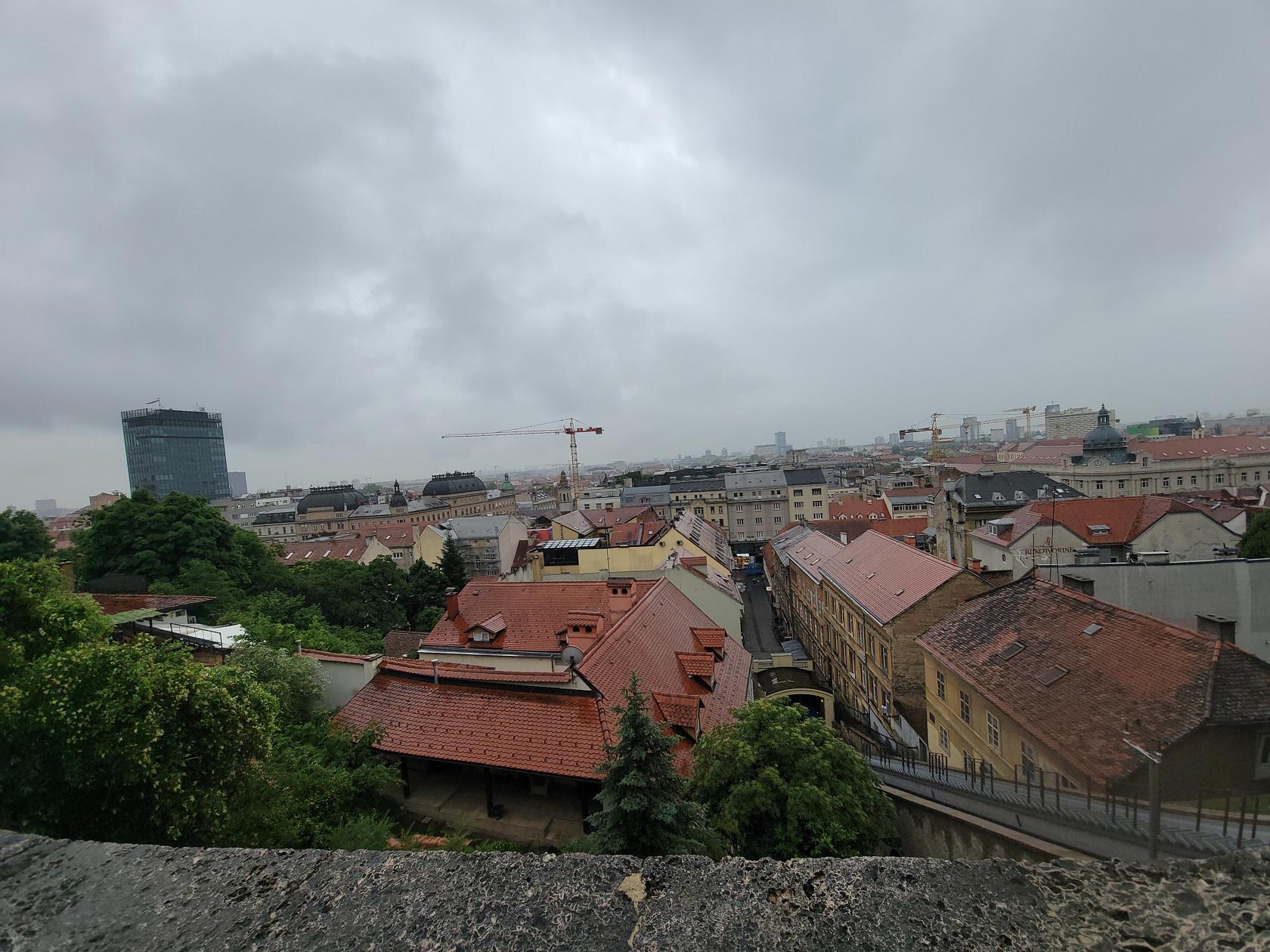
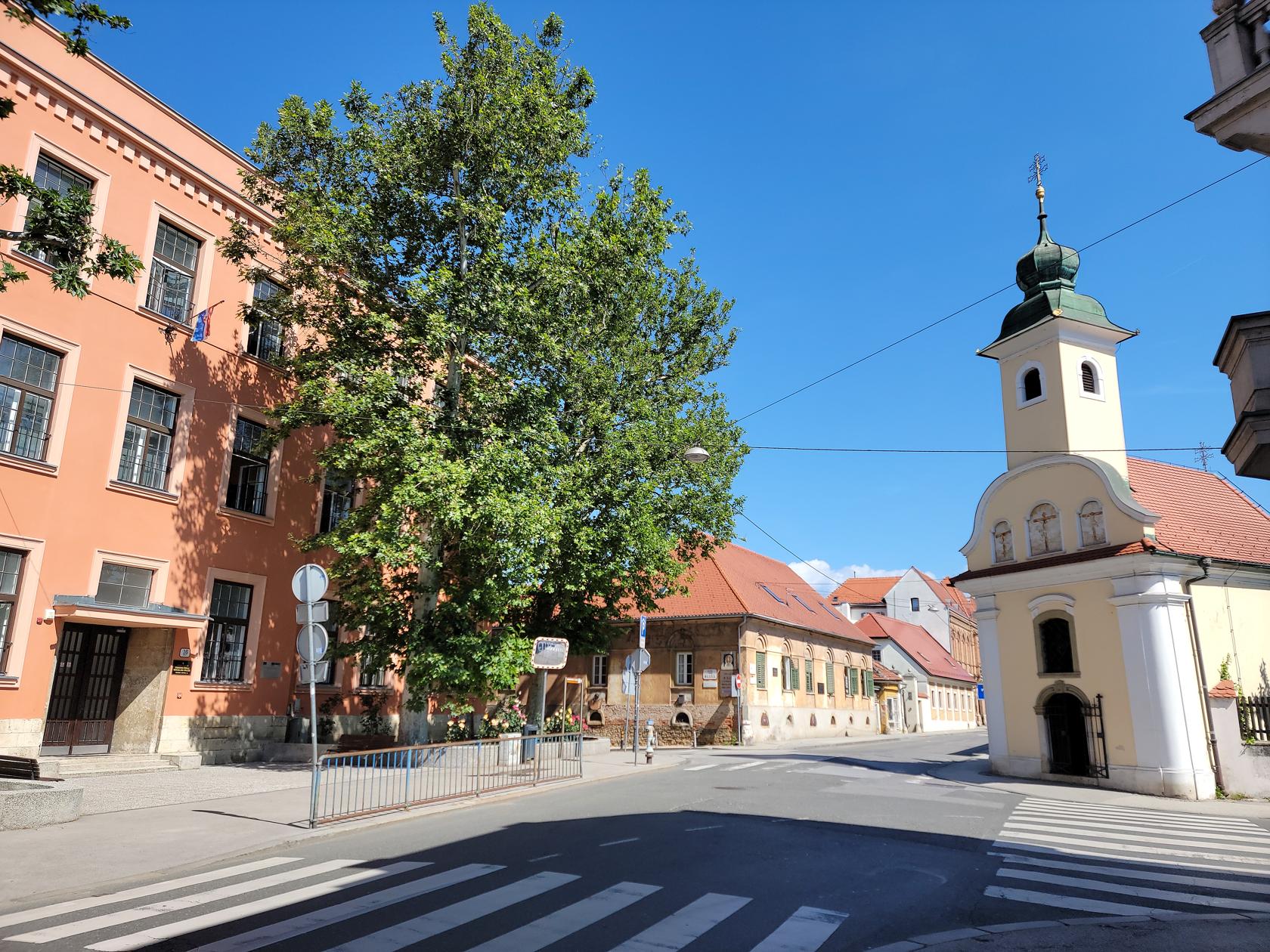
Zagreb, the etymology of the name even today is disputed, is actually composed of two historic city centers, Kaptol to the east and Gradec to the west. Today, it consists of an even larger metropolitan area, where more than a million people live.

Zagreb

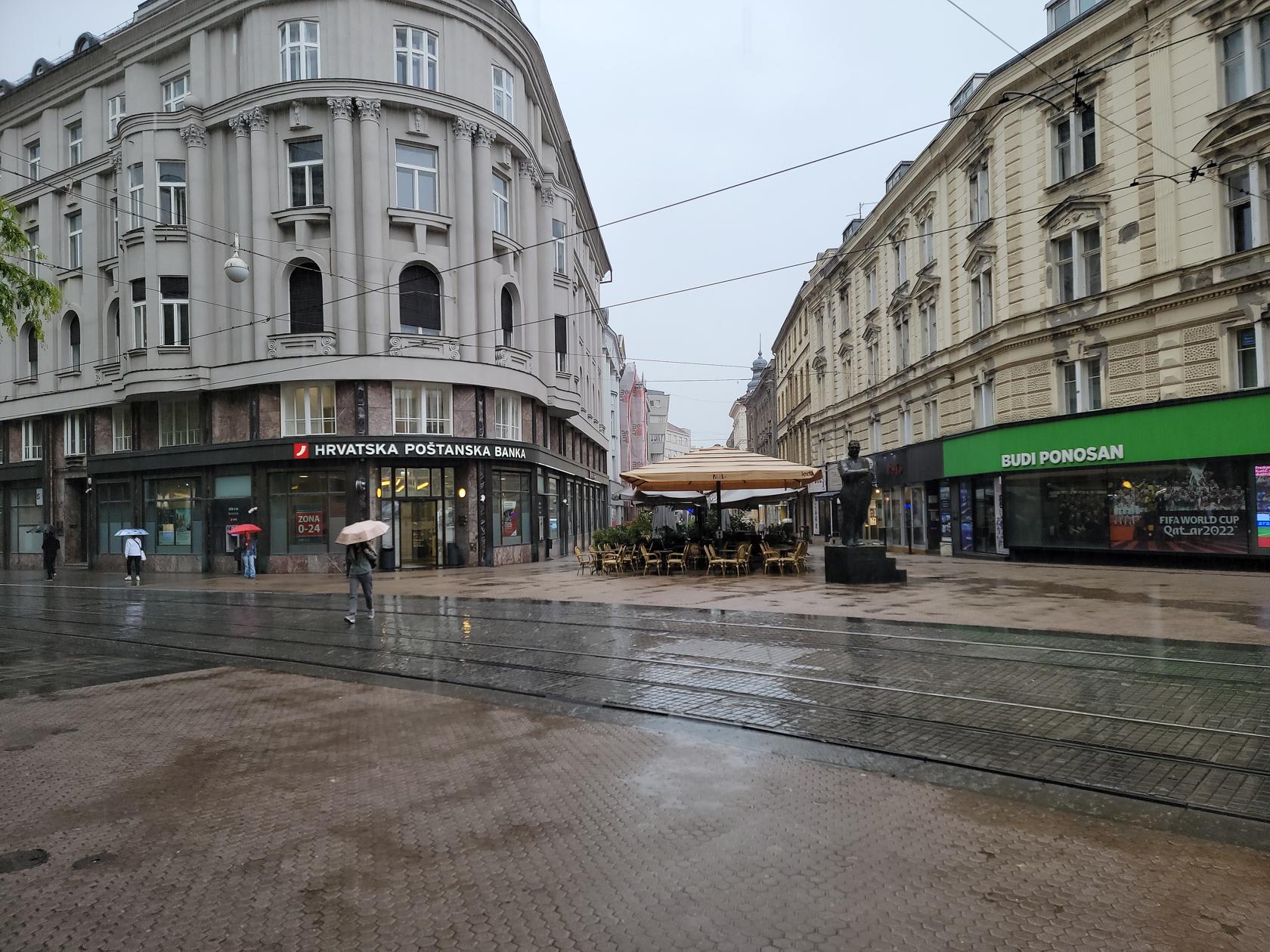
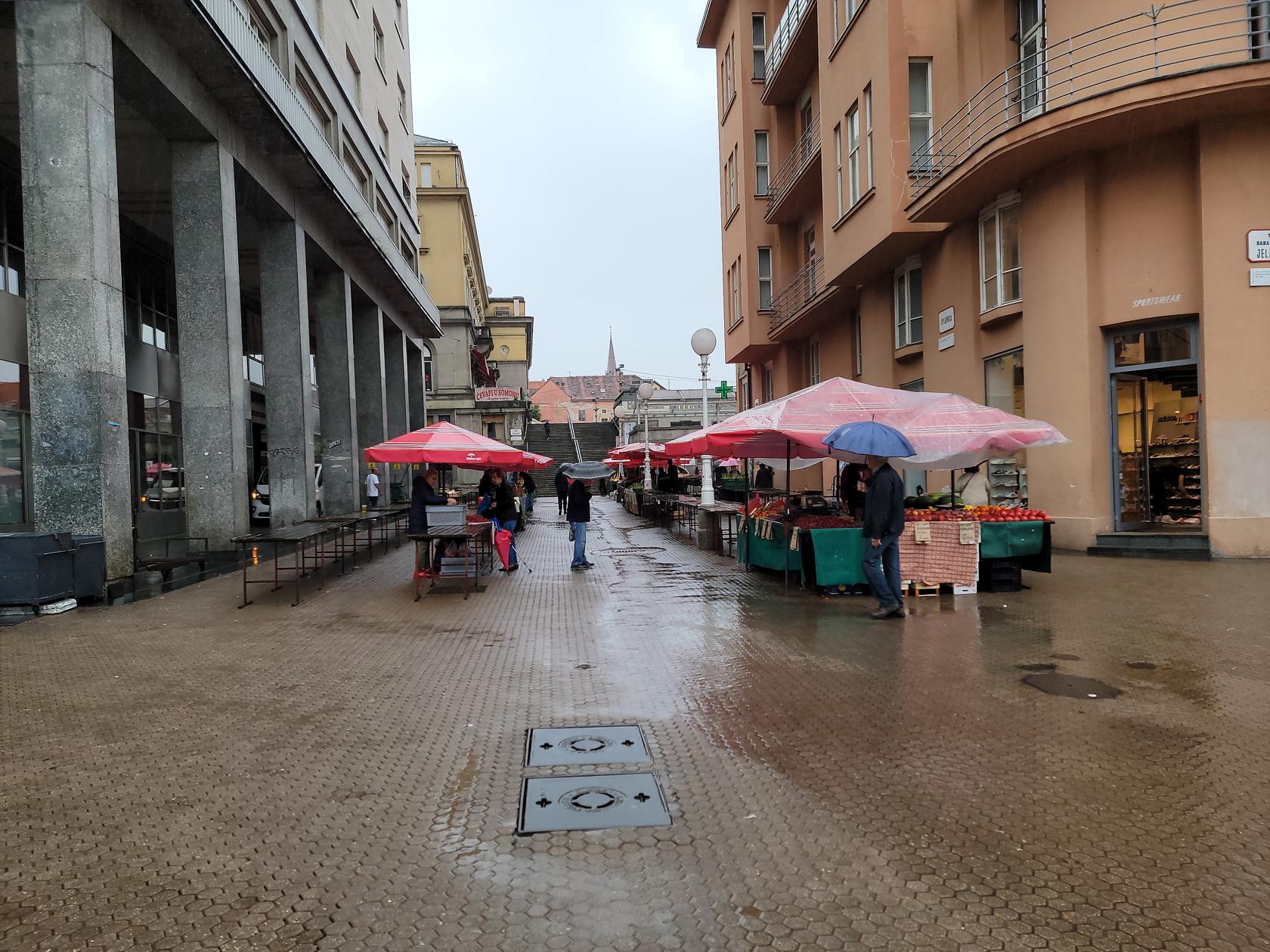
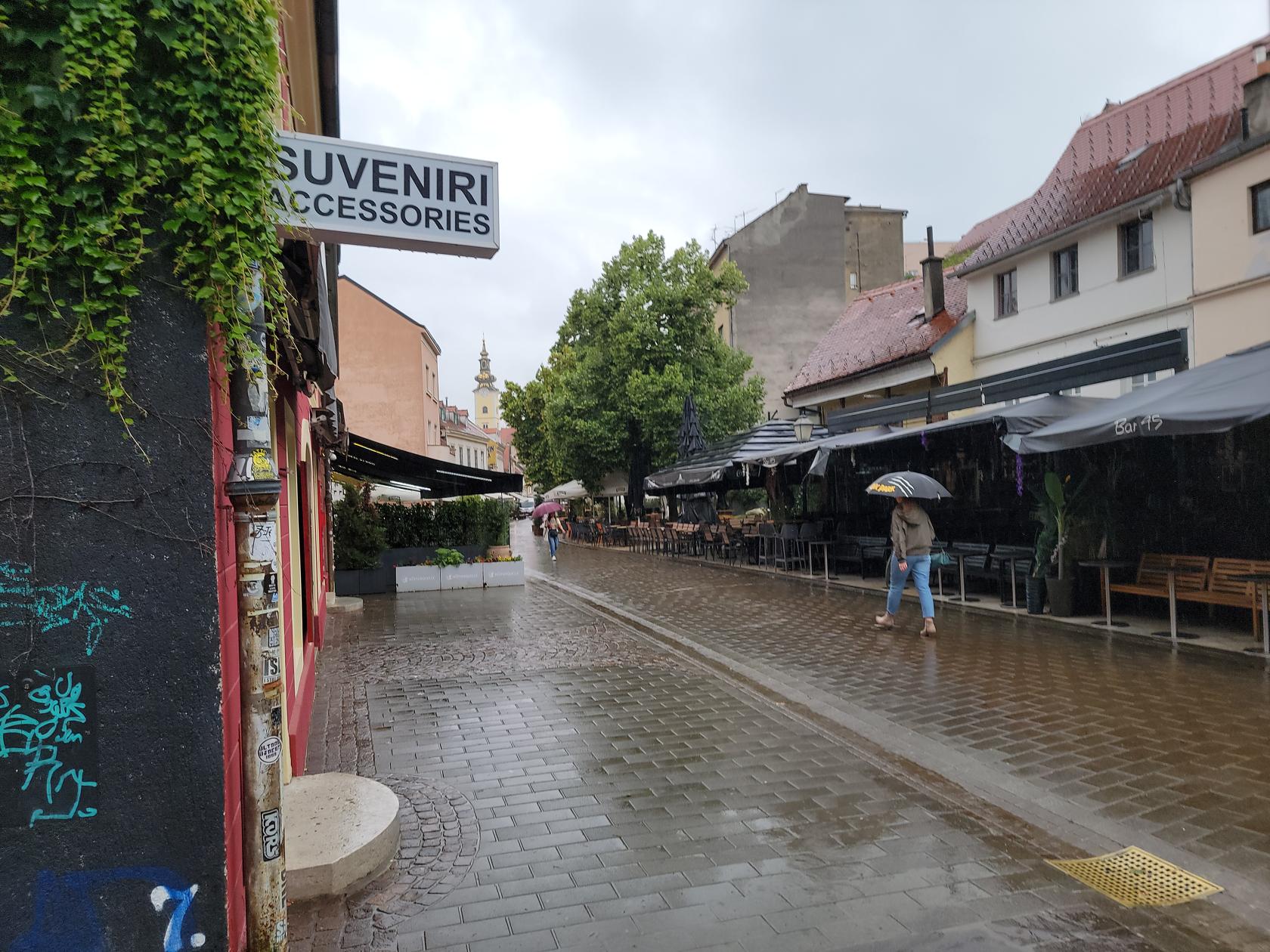
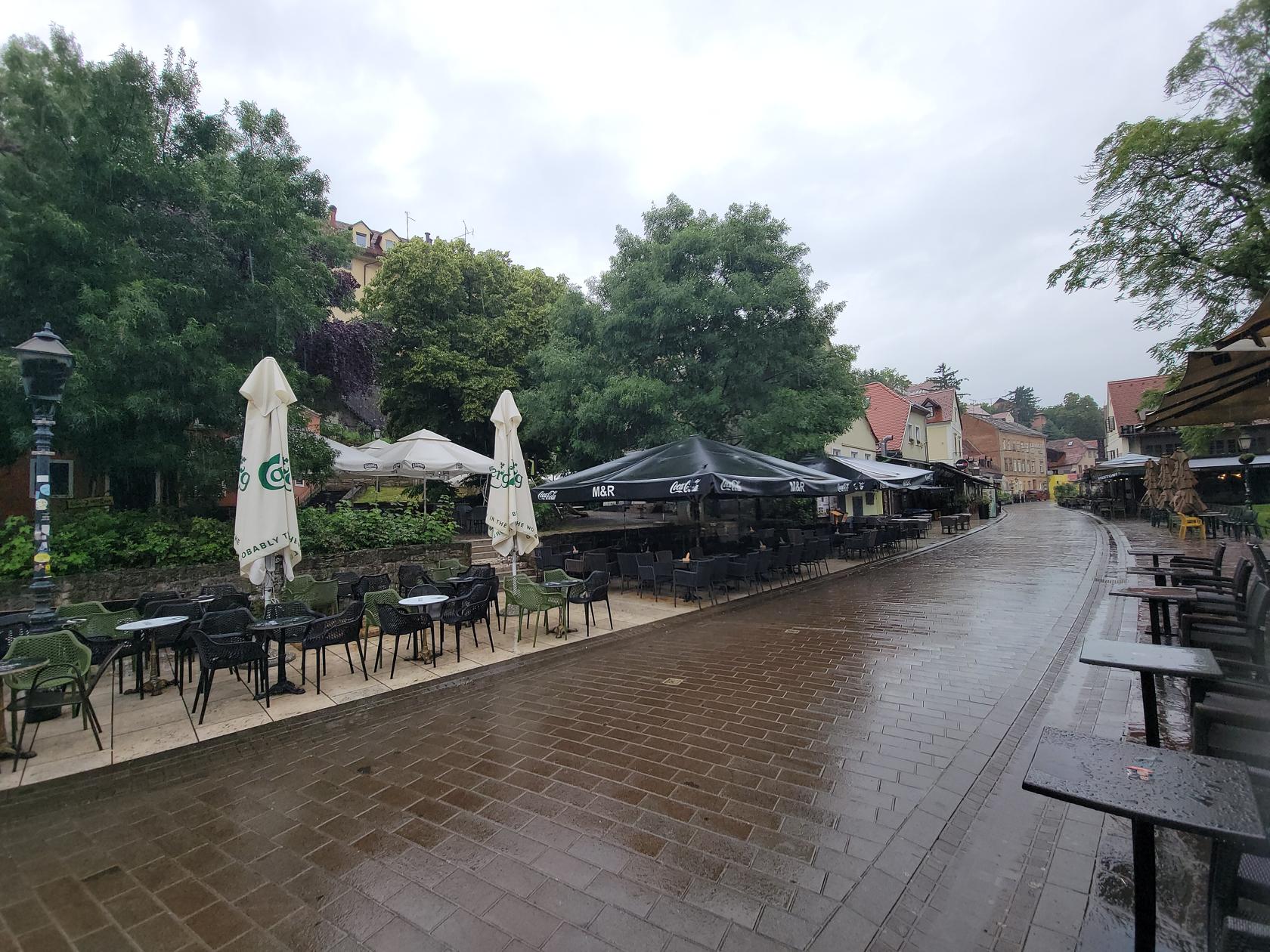
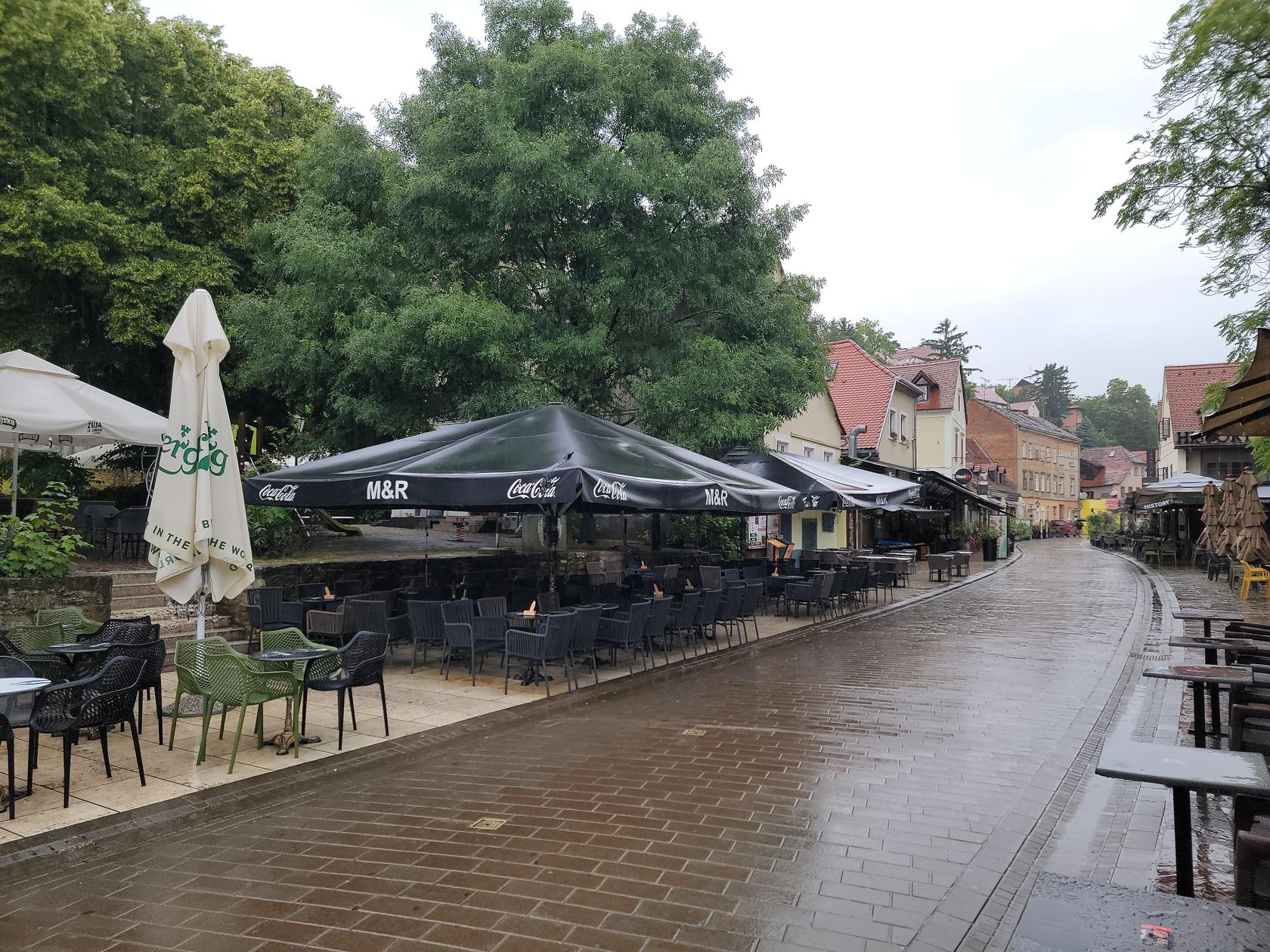
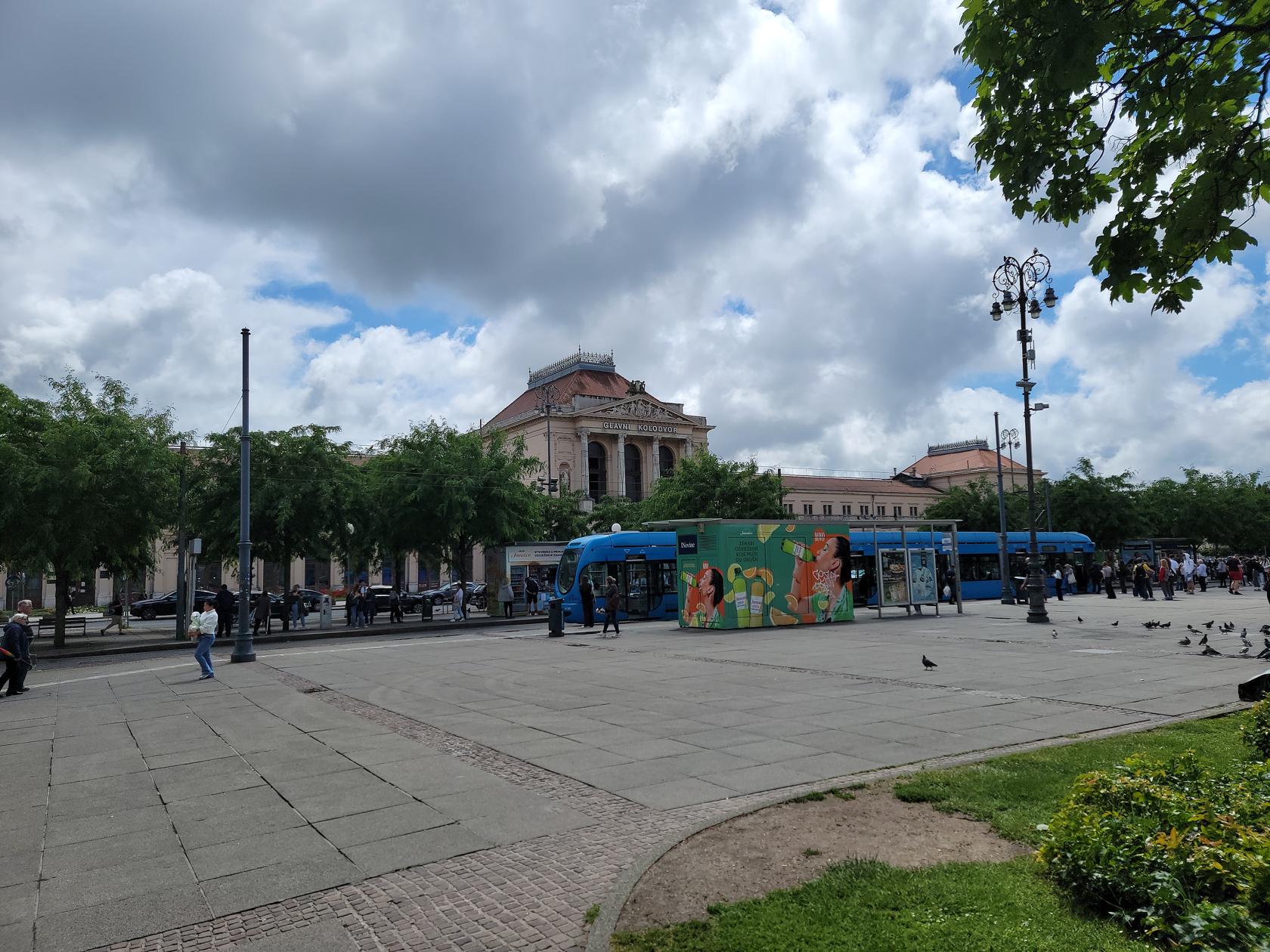
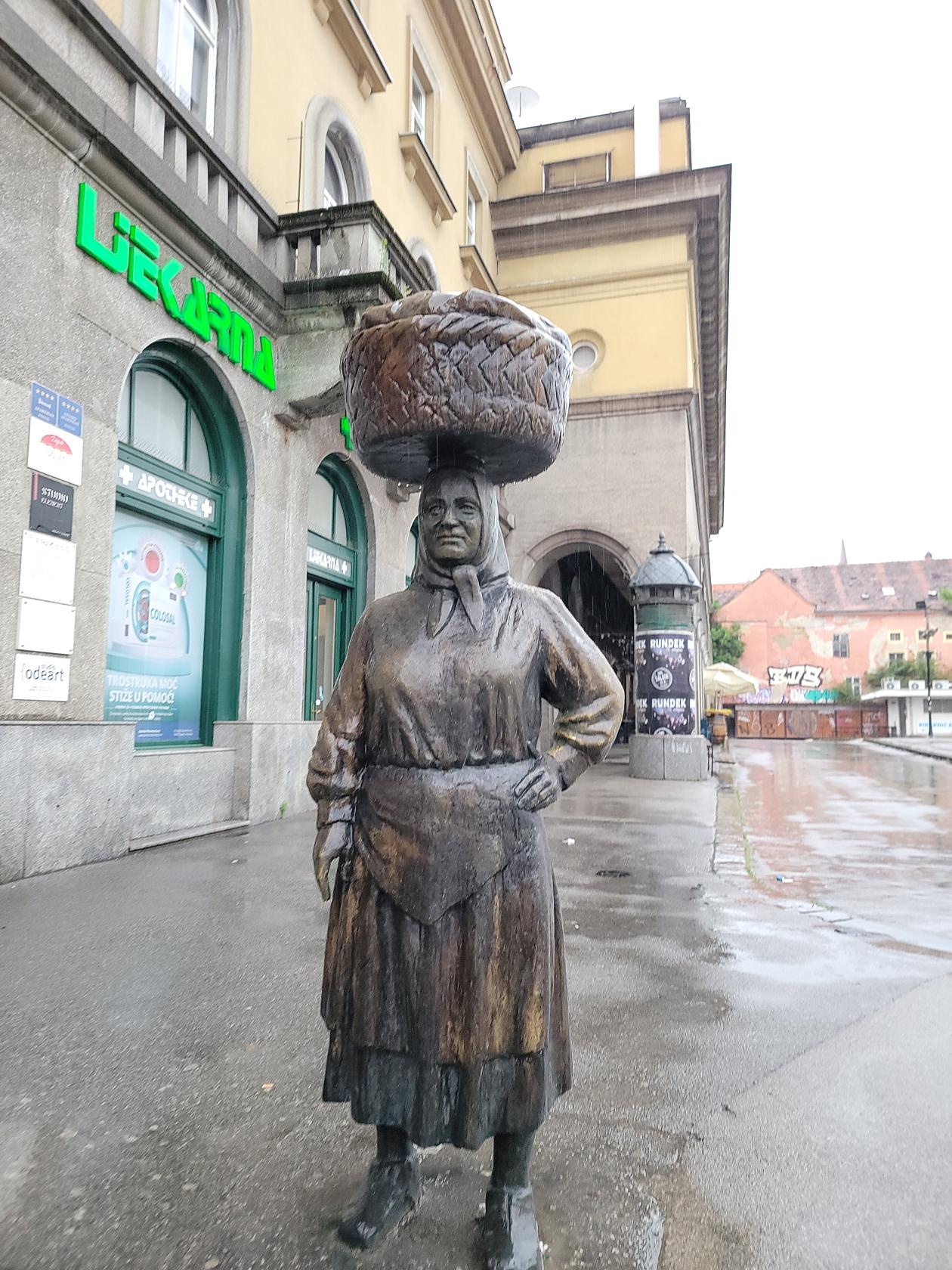
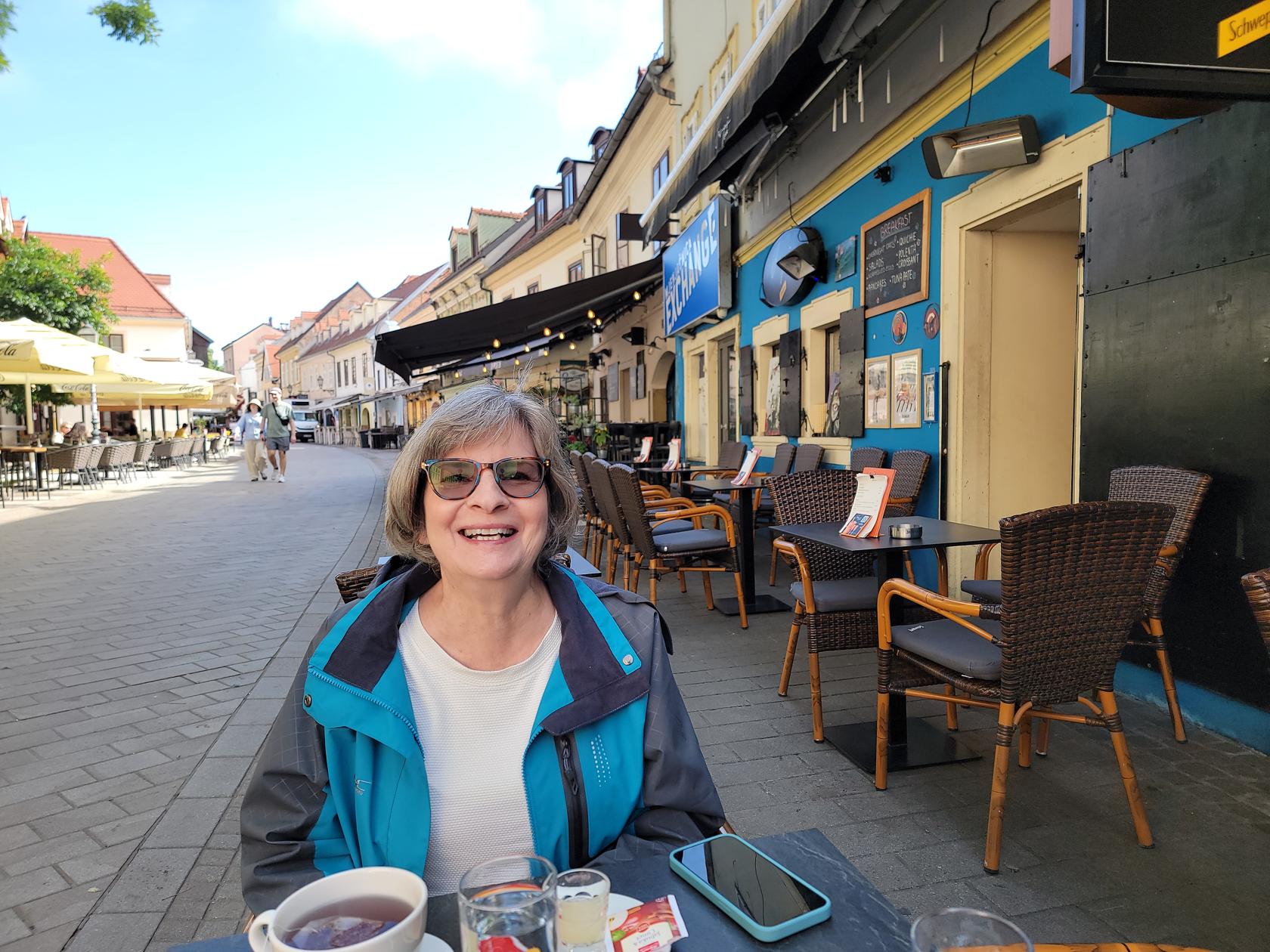
On a normal day, the historic parts of the city are filled with tourists and sightseers, however the weekends can be quieter. We arrived on a Sunday and found it strangely quiescent.

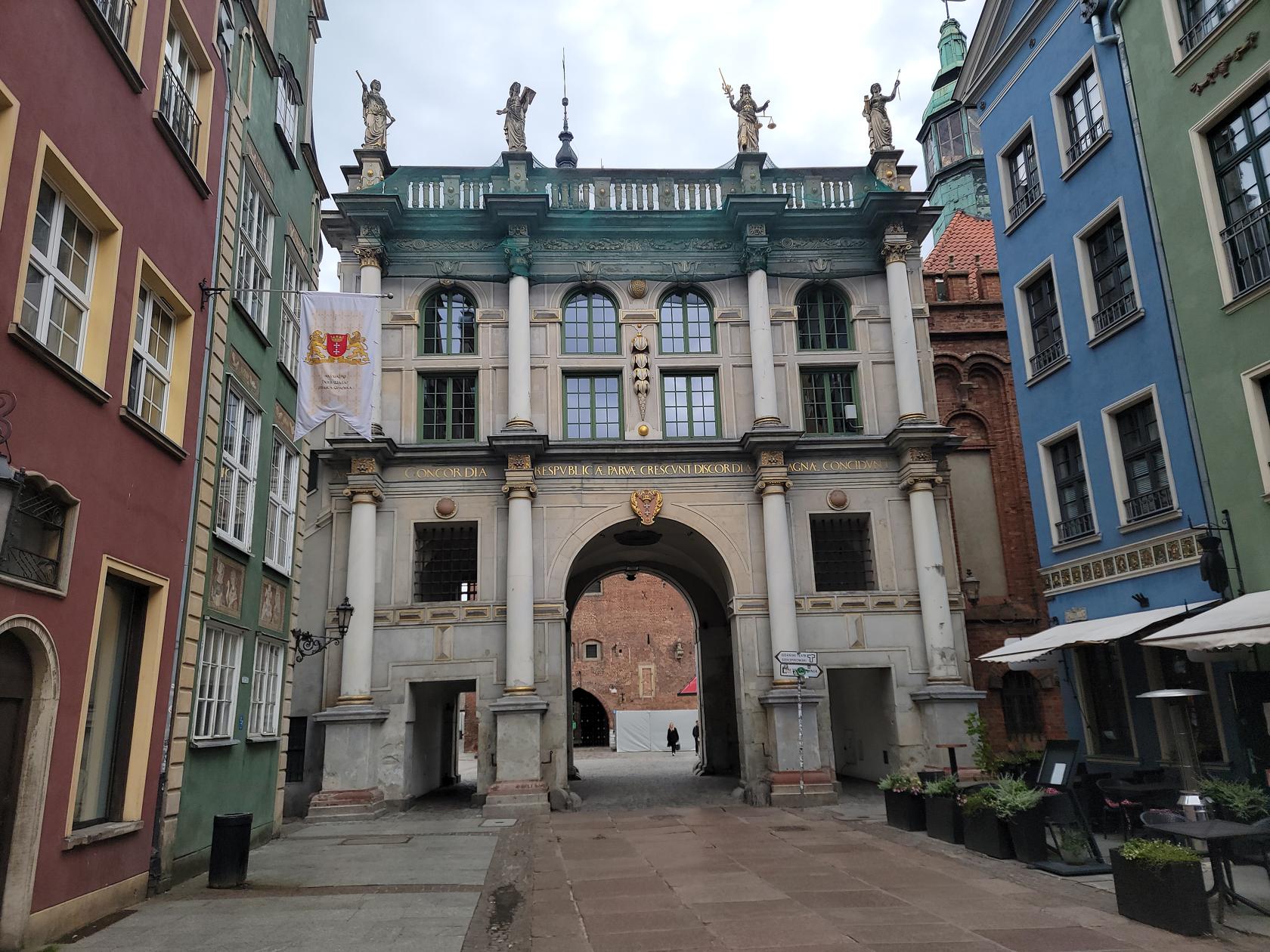
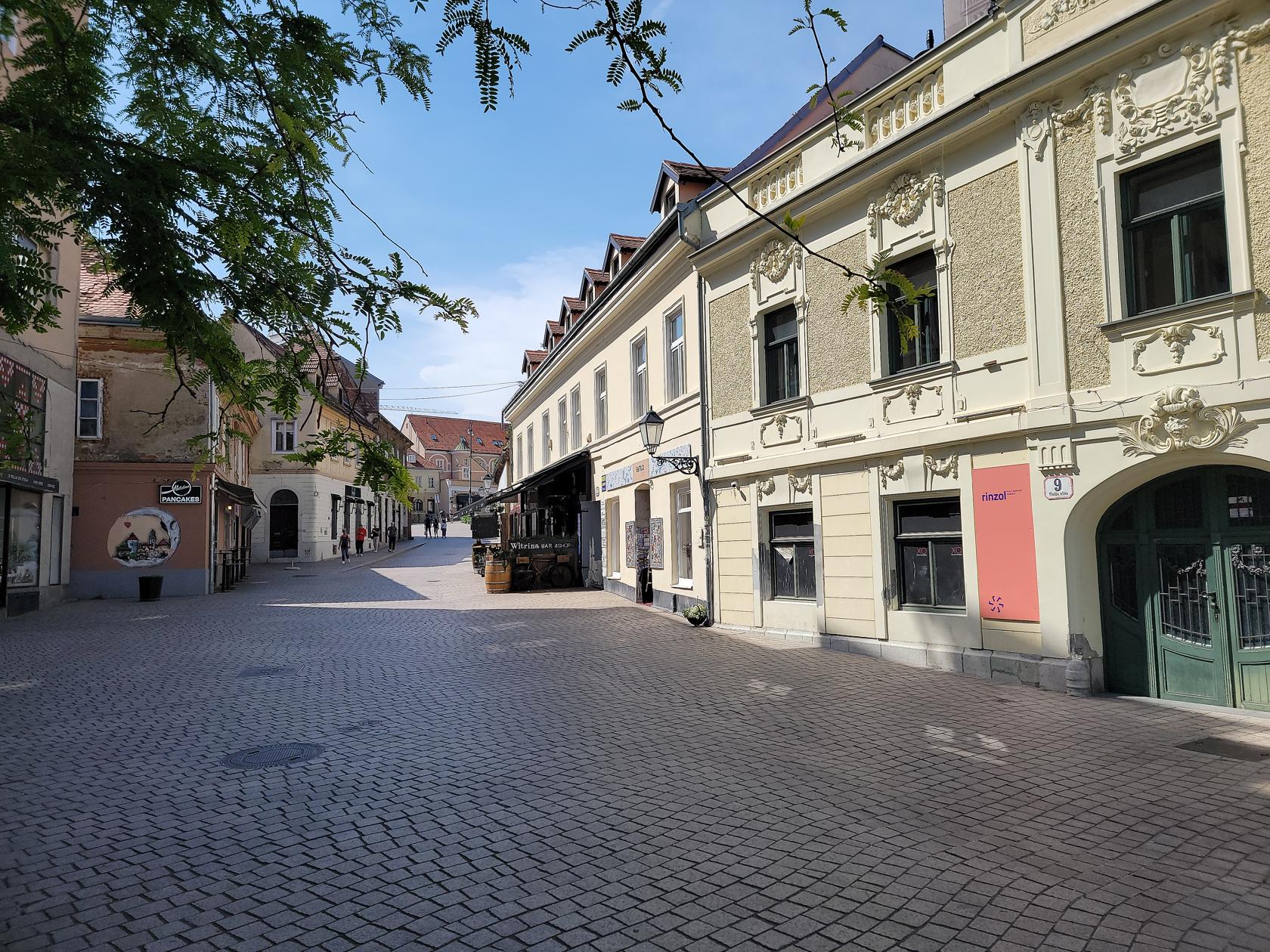
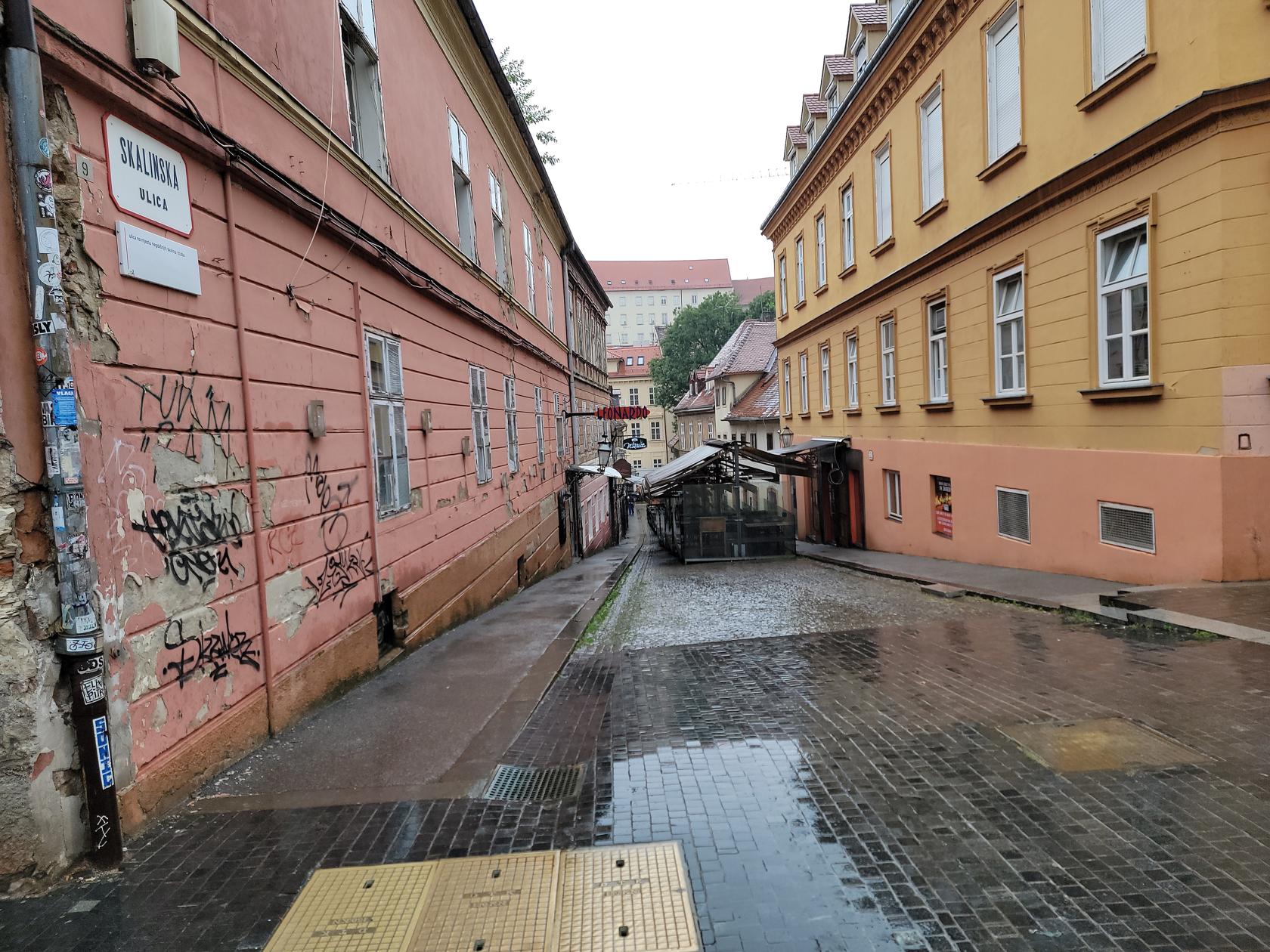
Kaptol was the first to be formally recognized as pertaining to Zagreb, followed by Gradec some time later through King Bela IV edict of the Golden Bull. They both sit upon their corresponding hills and lay alongside one another, being separated somewhat by a slight depression where the Тkalčićeva ulica street runs.

Getting There

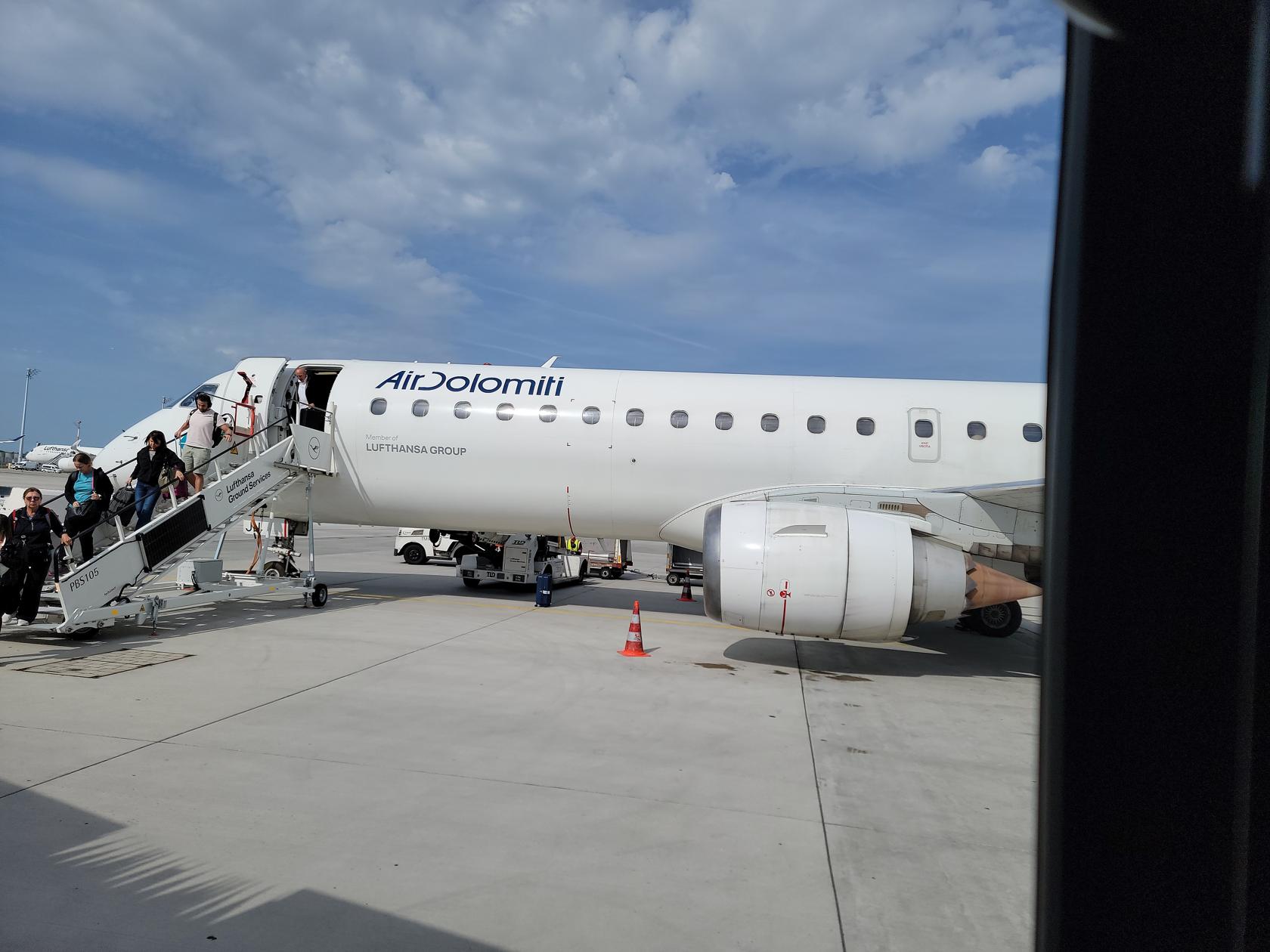
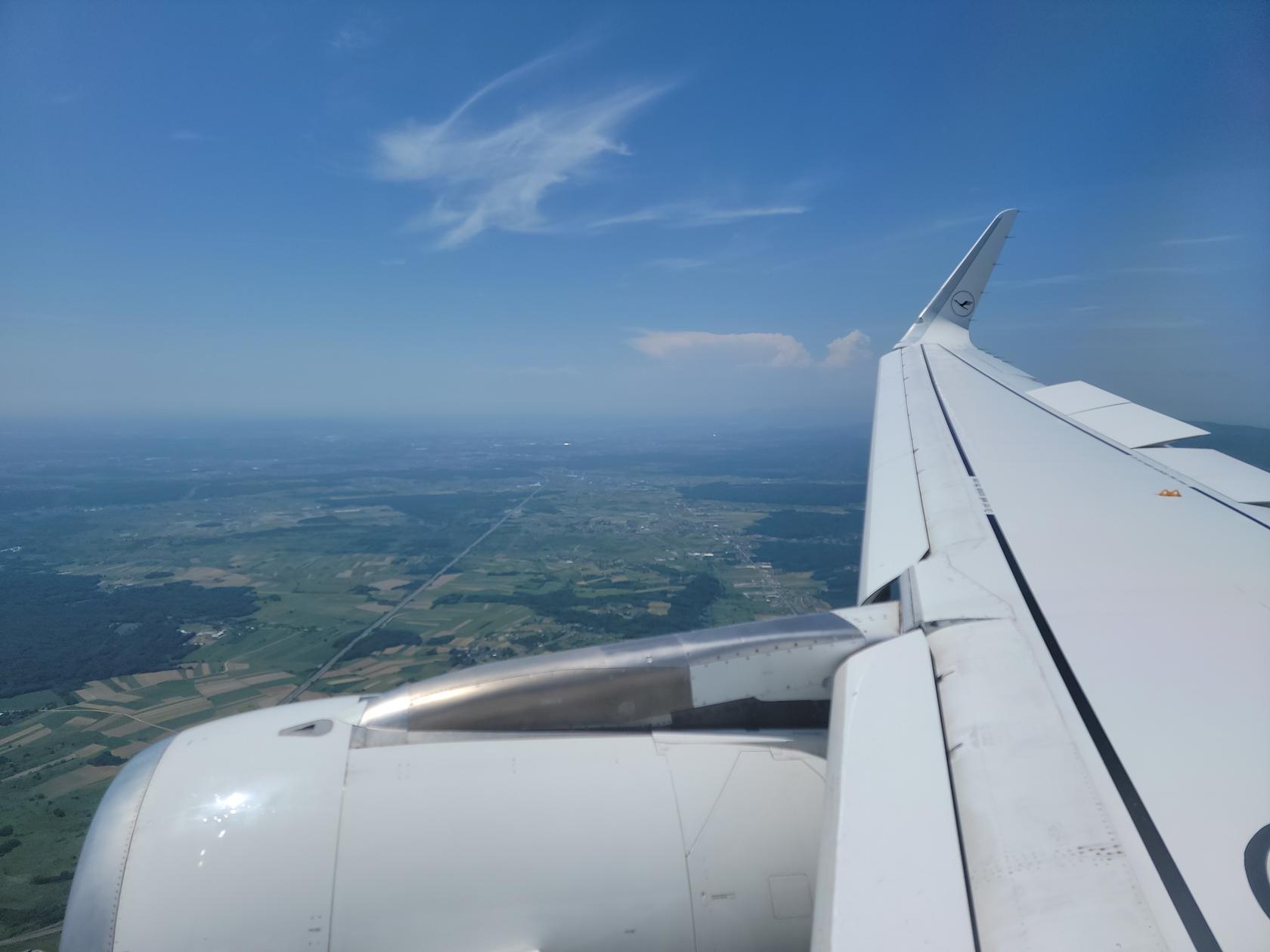
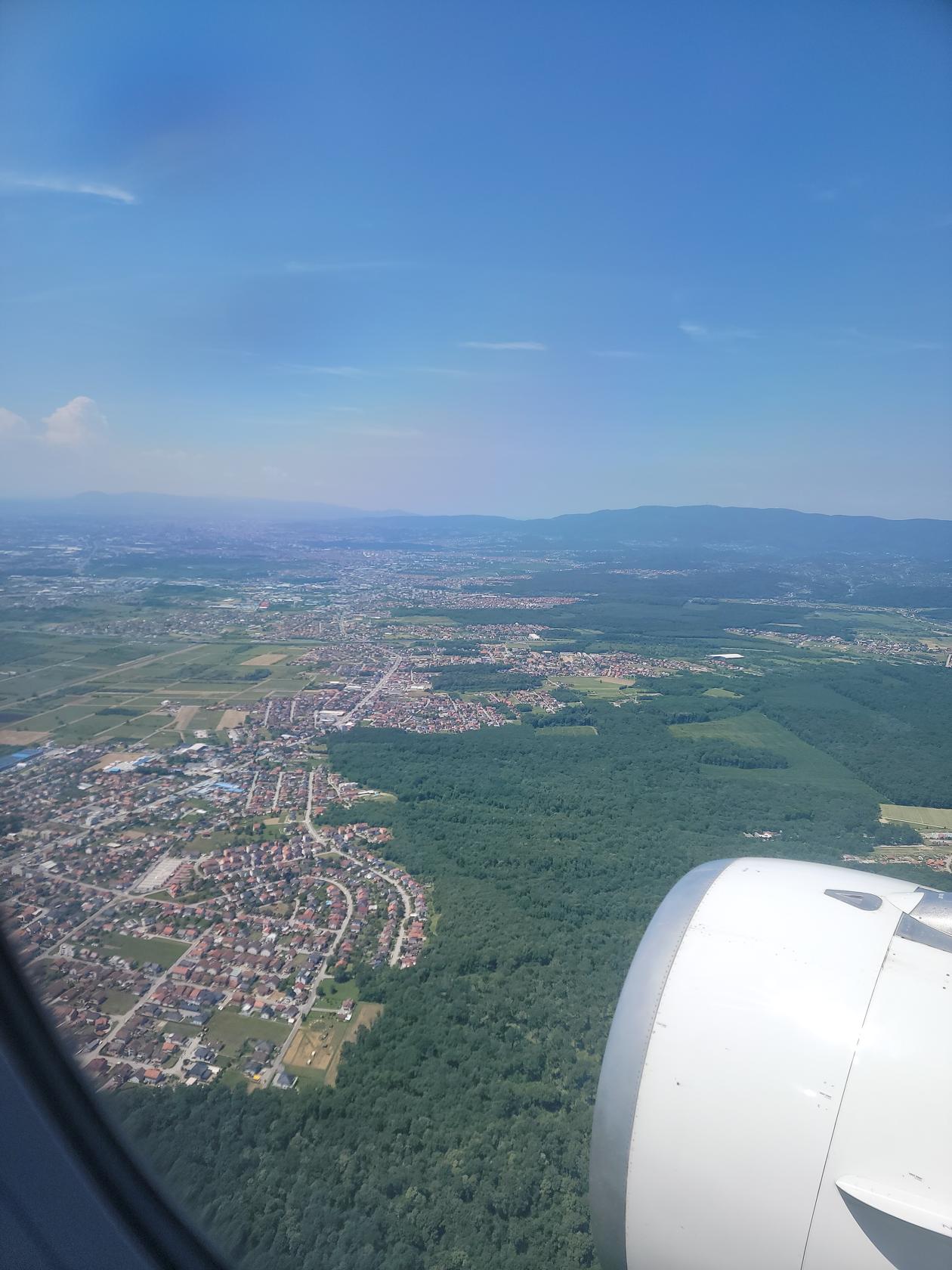
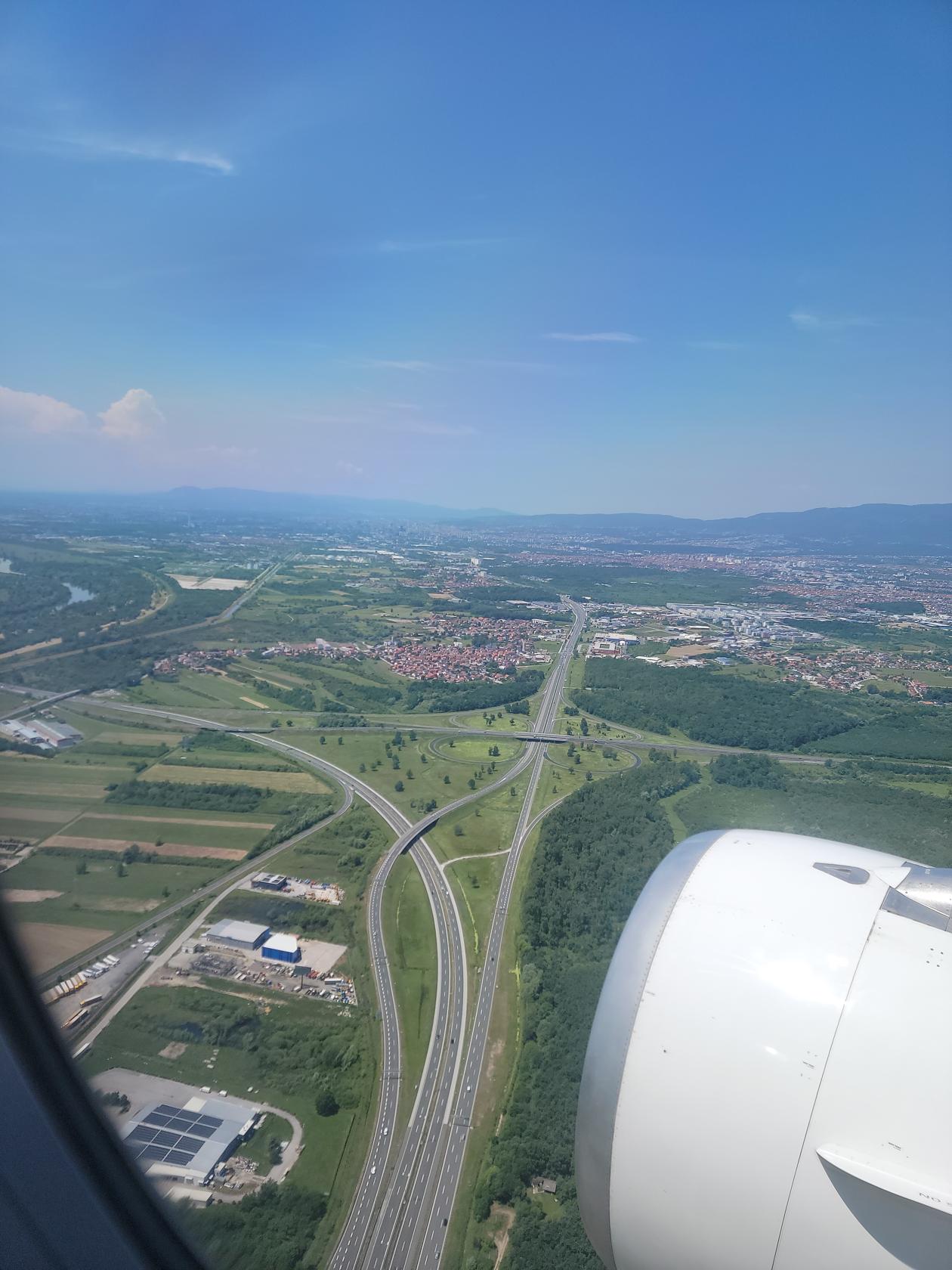
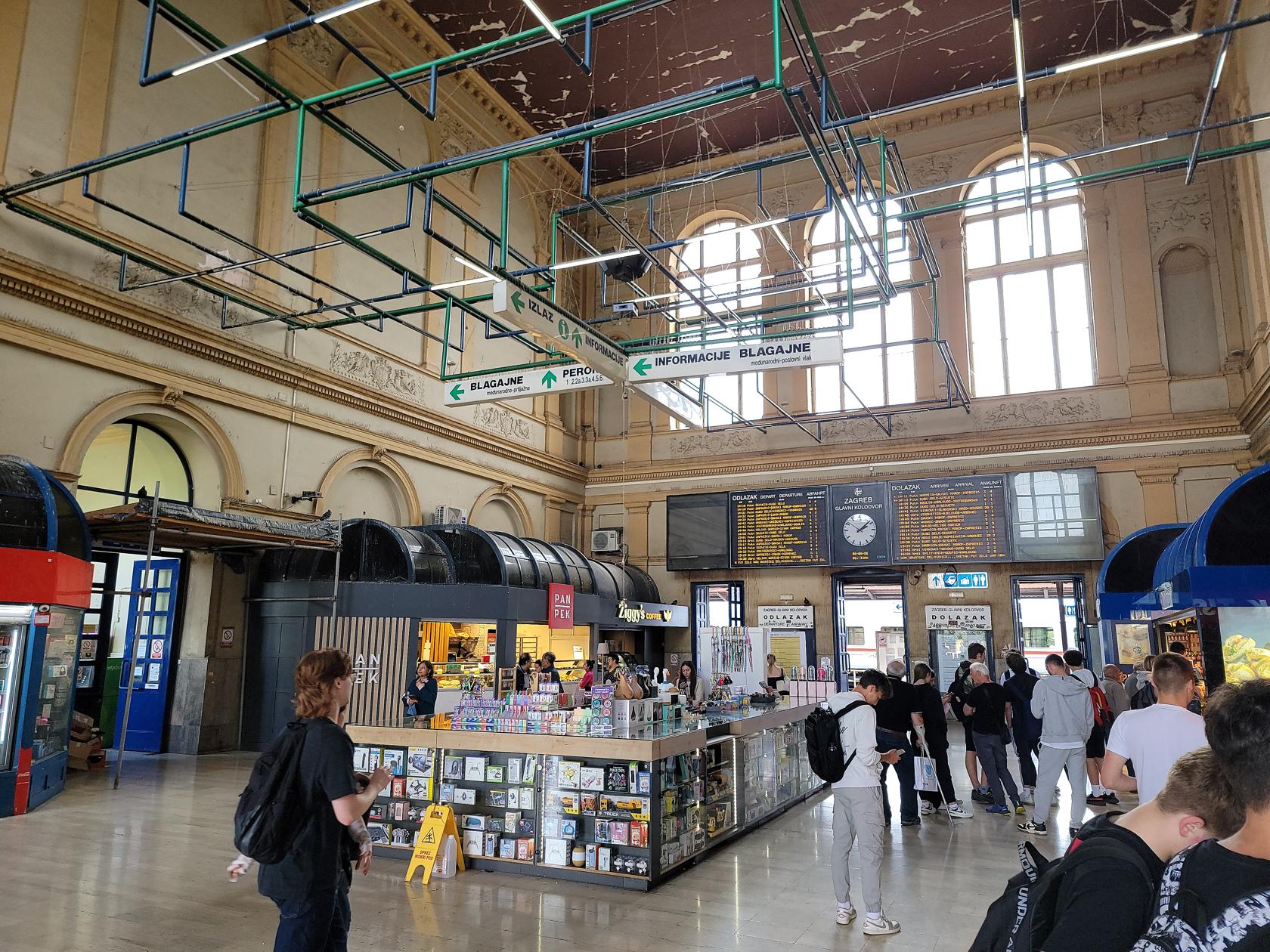
Coming from Turin we flew with Air Dolomiti to Munich and then later on to Zagreb, two short one hour flights which took us about five hours to complete with layover.

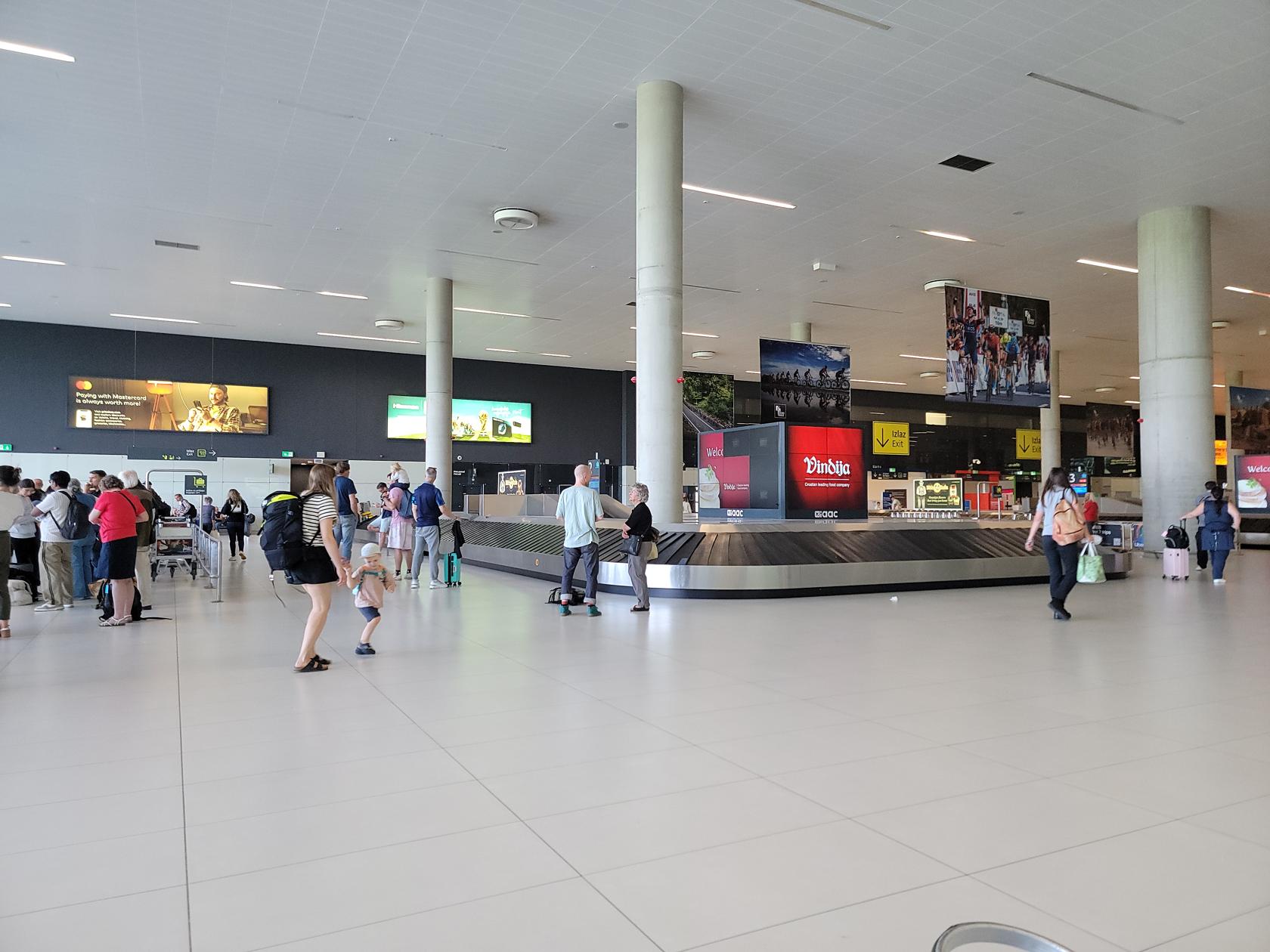
The Zagrab airport is small, perhaps smaller than most would expect. It took us approximately an hour to get our luggage, once we had left the plane. So do not expect the speedy luggage service you may enjoy elsewhere, here, things definitely move slower. In such cases, it might be good to have air-tags, just to keep an eye on where your luggage is, before getting alarmed. We got them as a gift and they really came in handy.

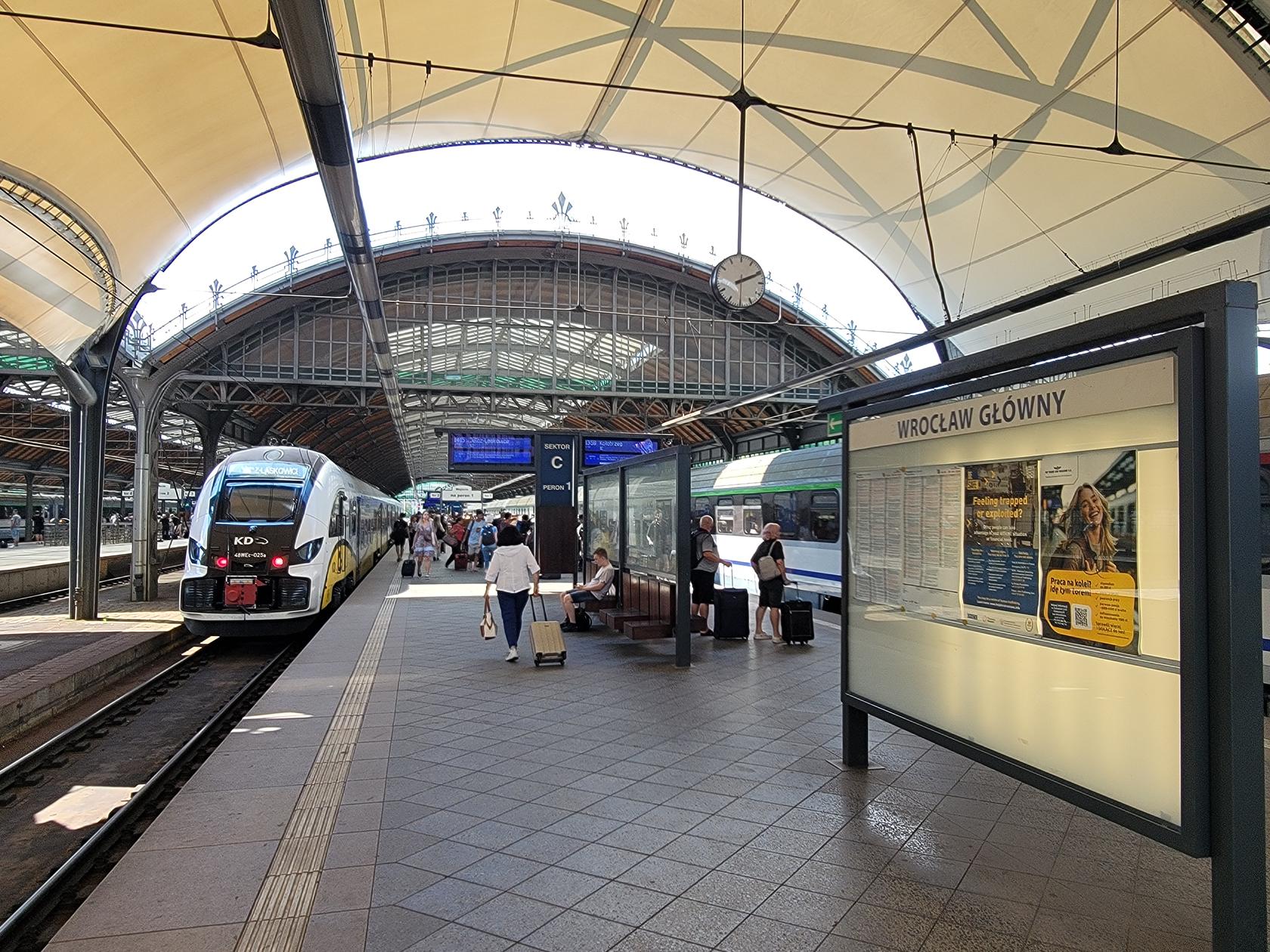
Of course you can also come by car, but from what we can see, parking is a problem and quite expensive. Train, is also an option, though we ruled it out due to scheduling issues and other considerations.

Lower Zagreb

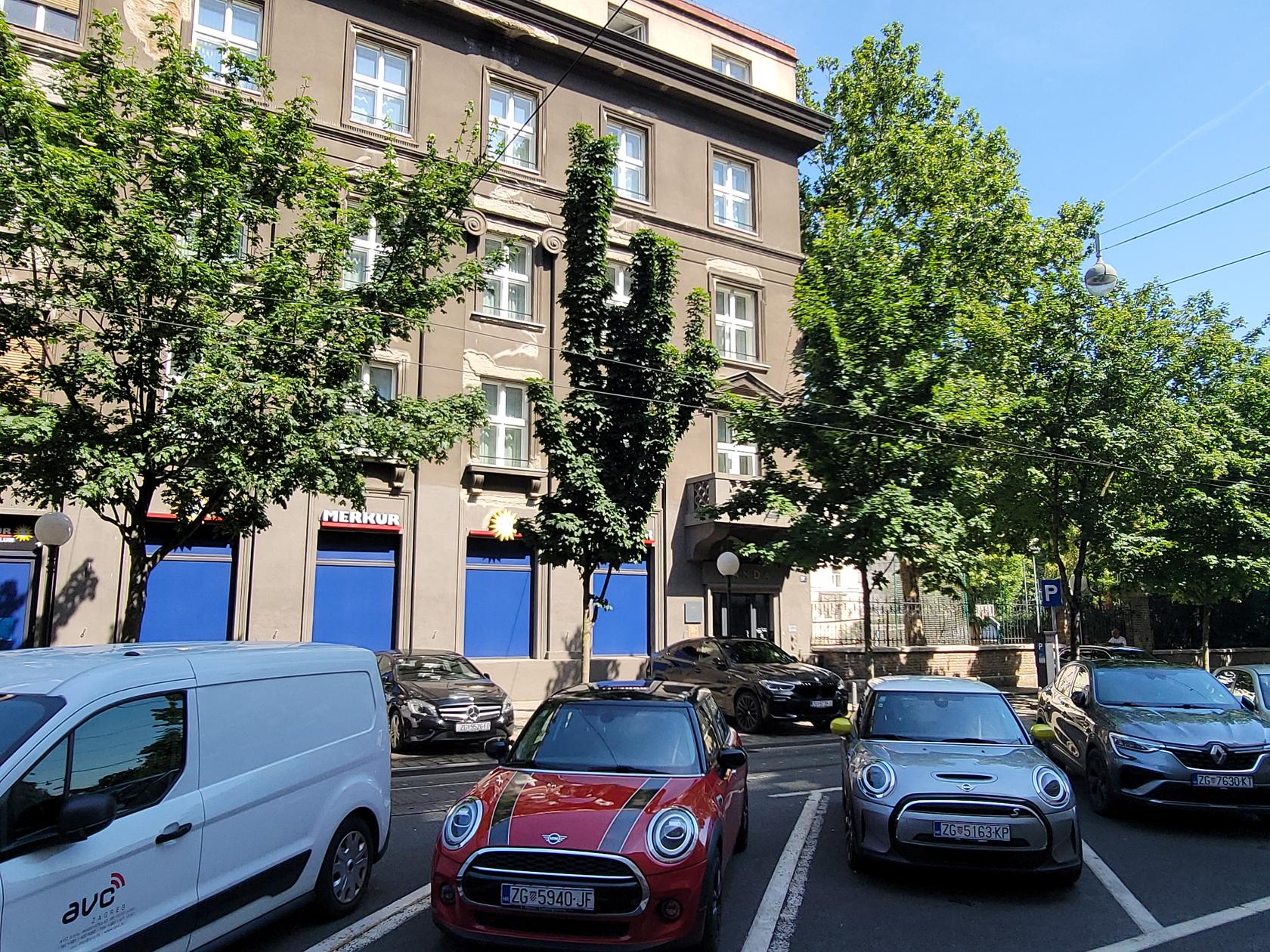
We stayed in Lower Zagreb very close to Kaptol and the main square. From here we were able to visit most parts of the old city within a ten to fifteen minute walk.

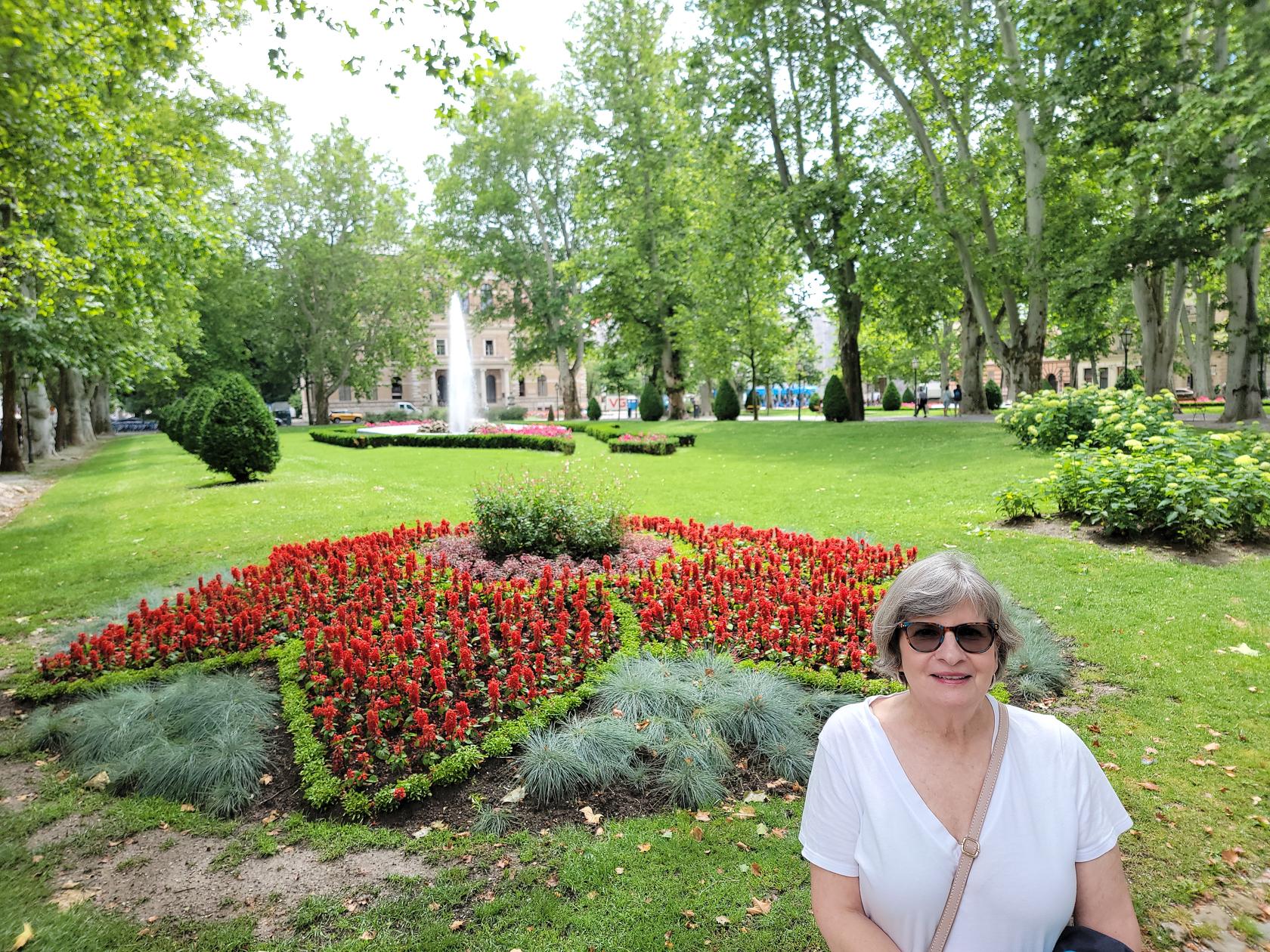
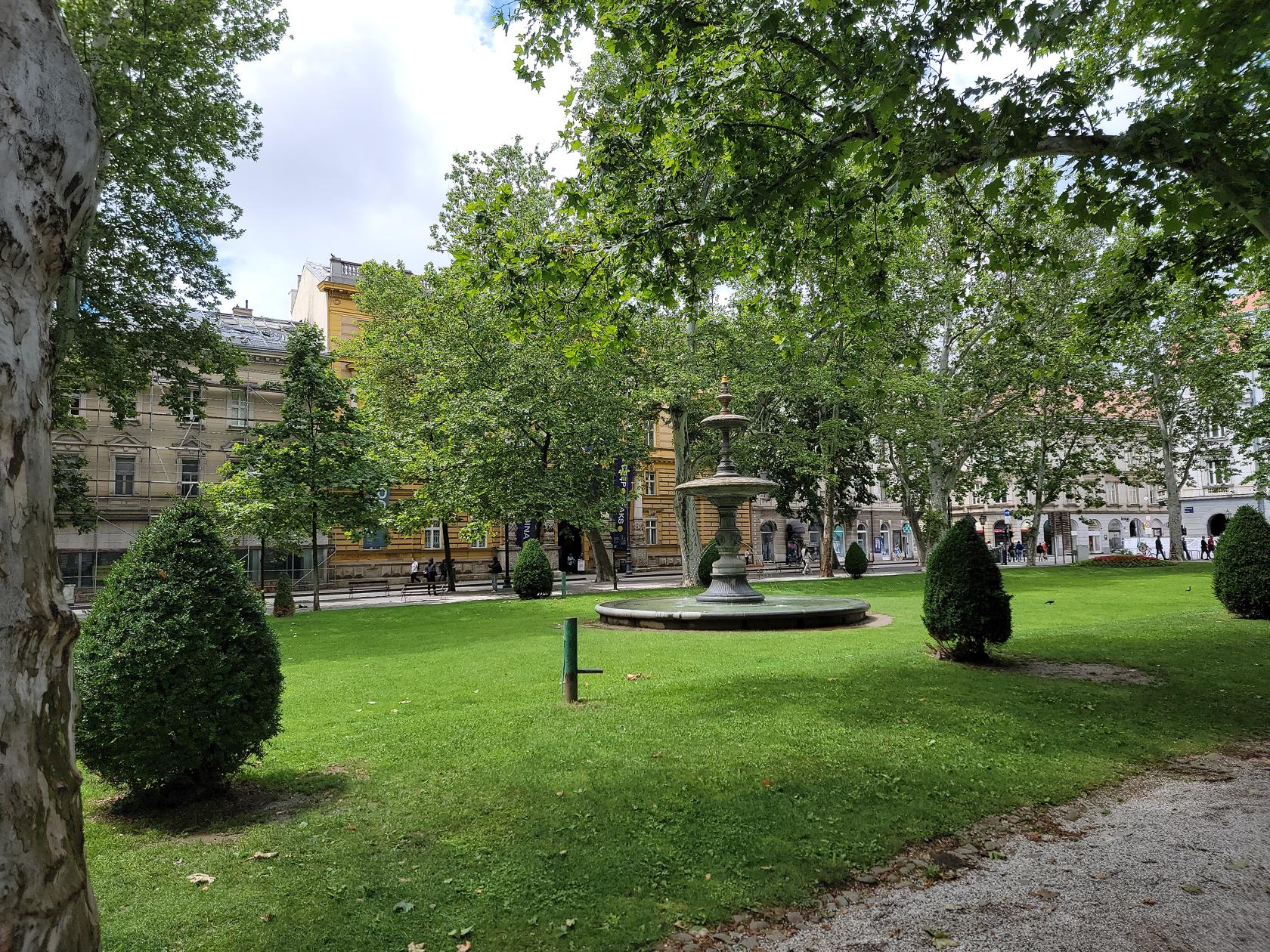
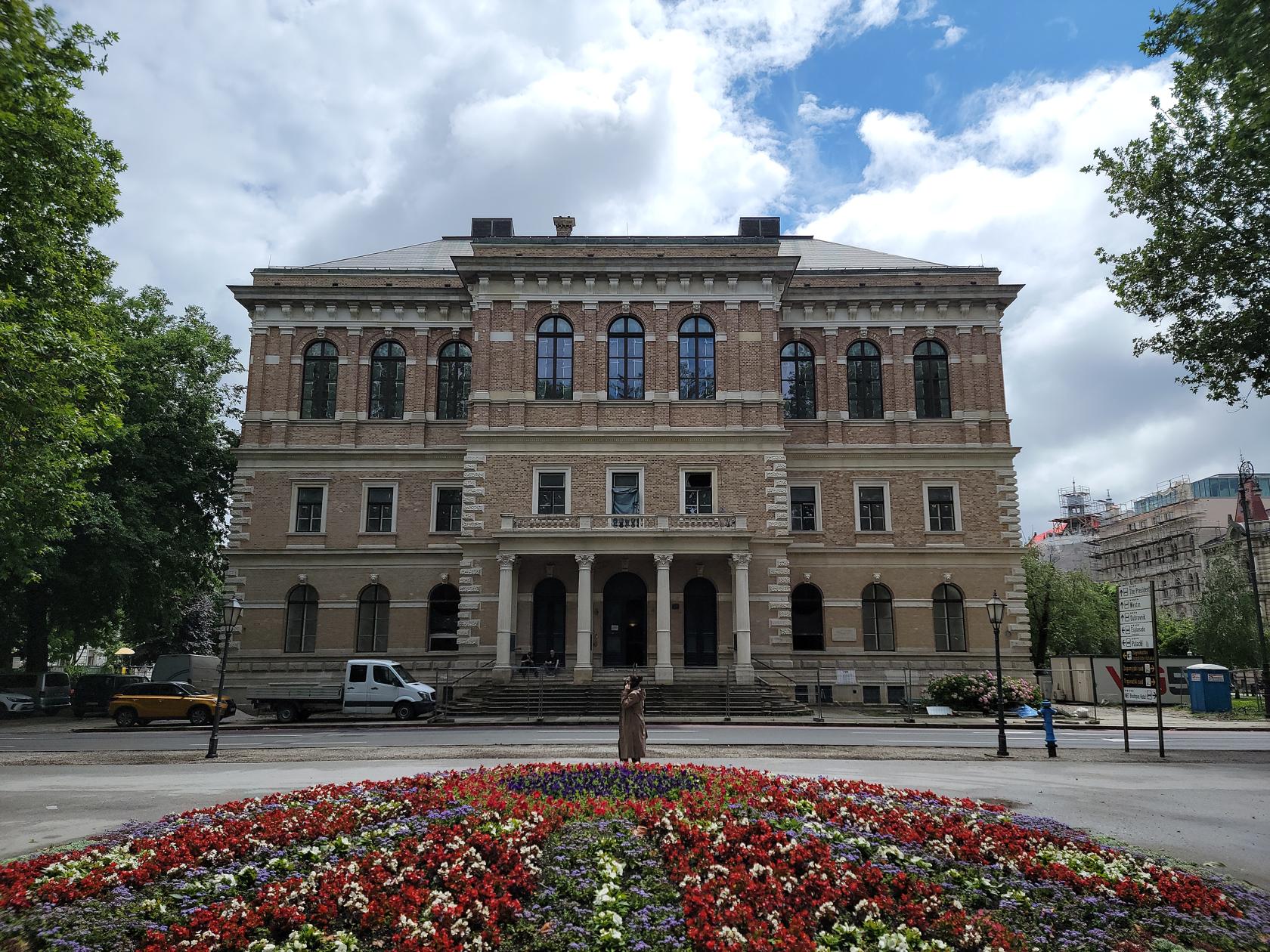
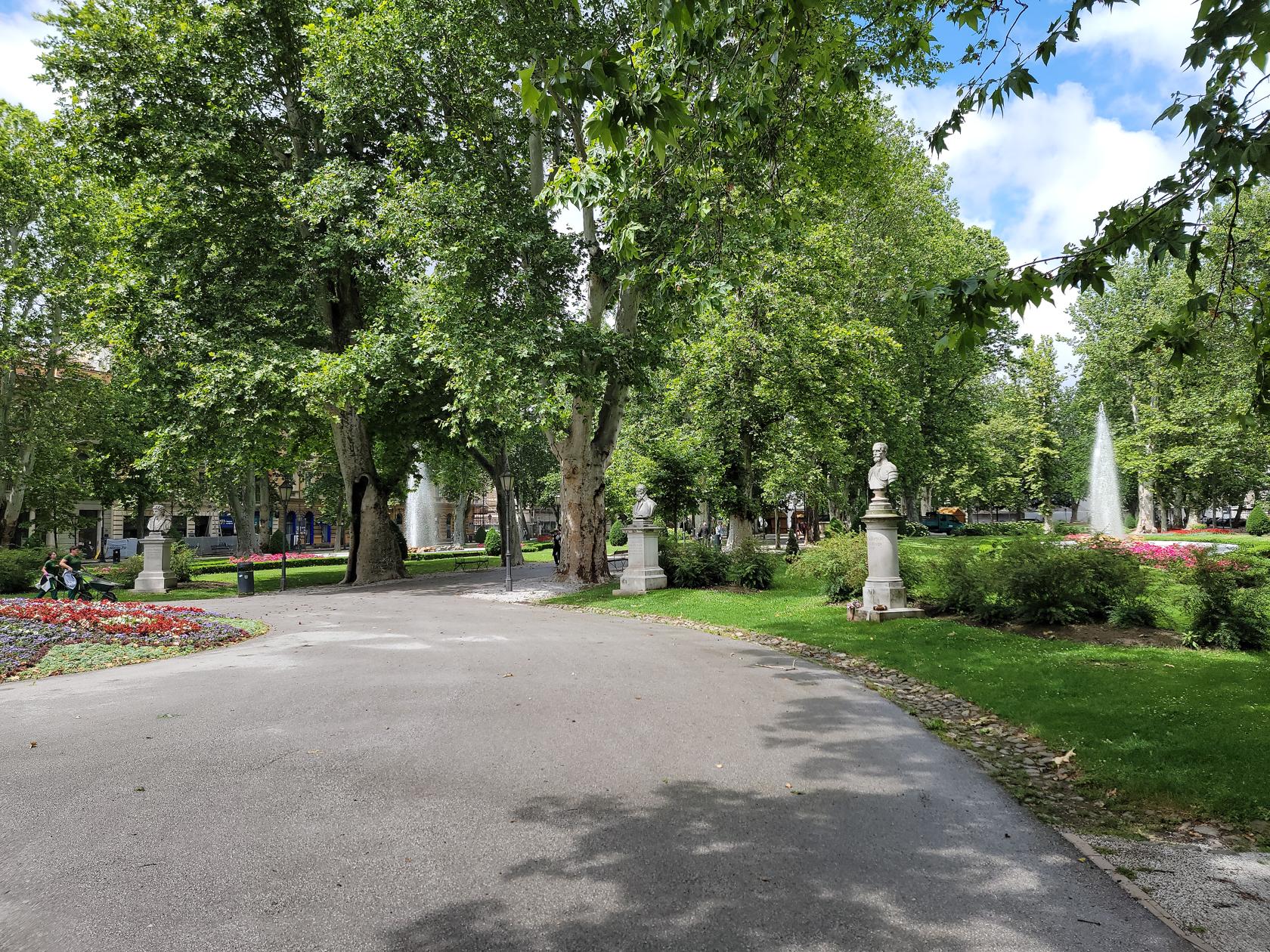
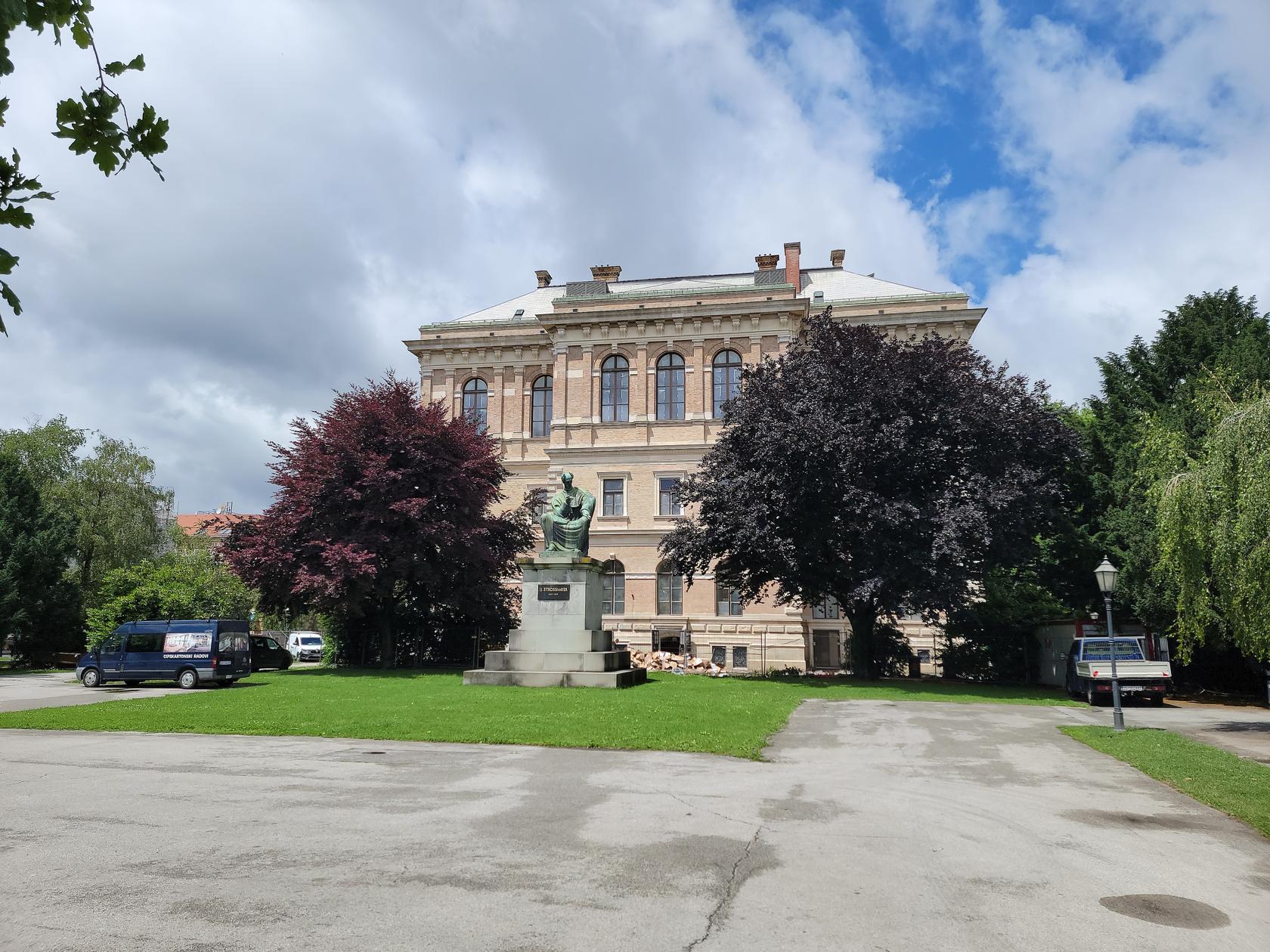
Zrinjevac Park

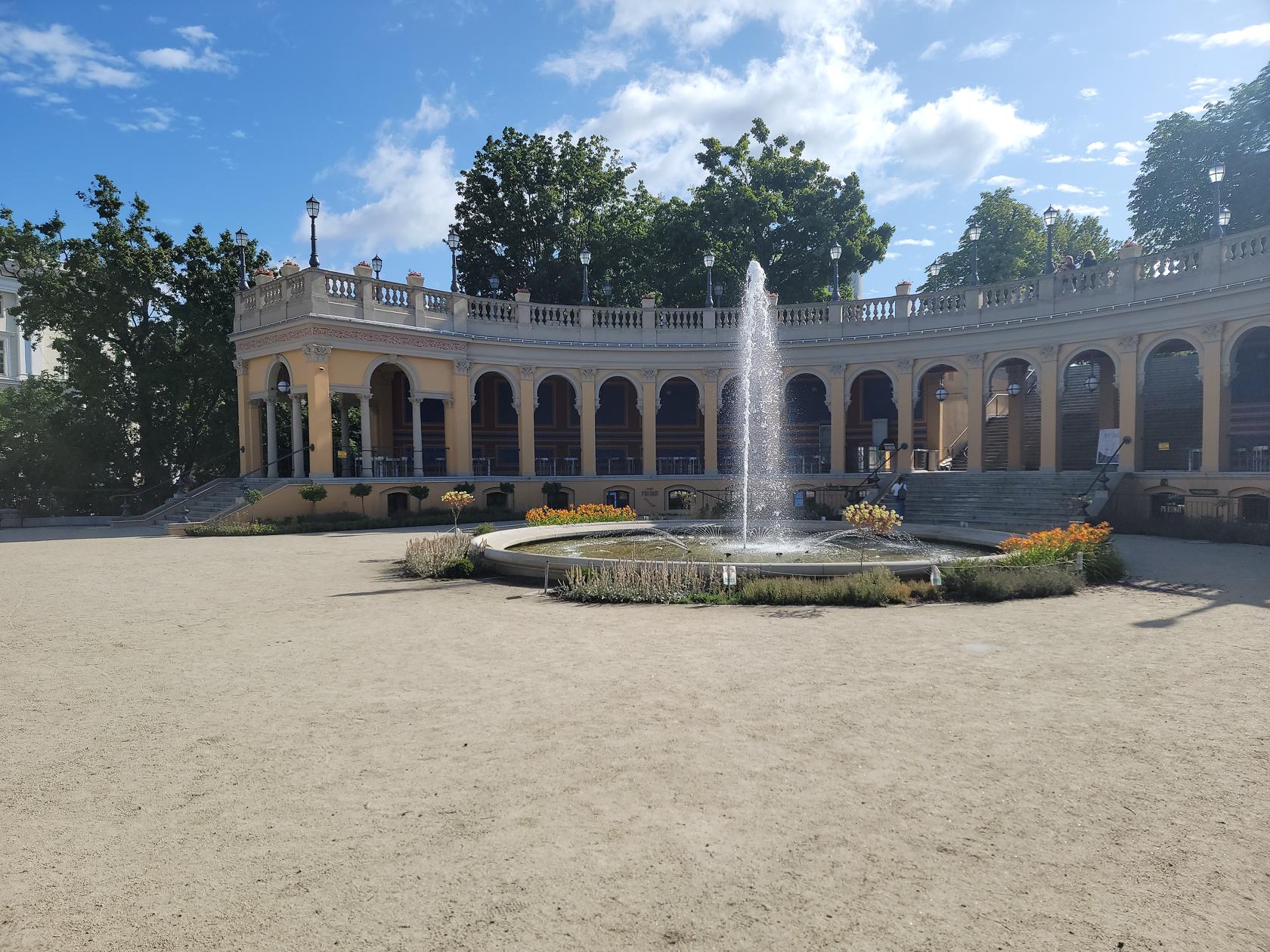
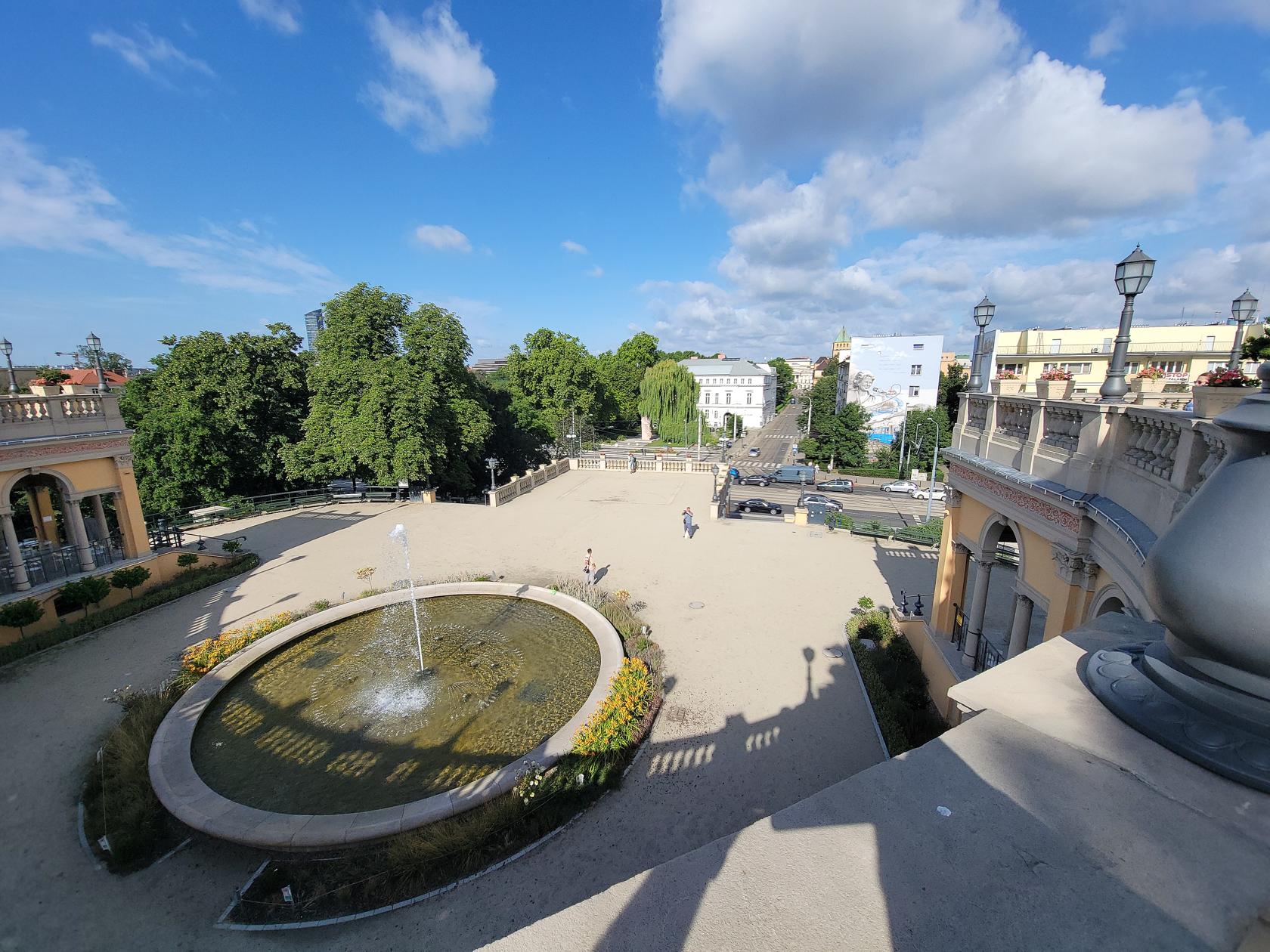
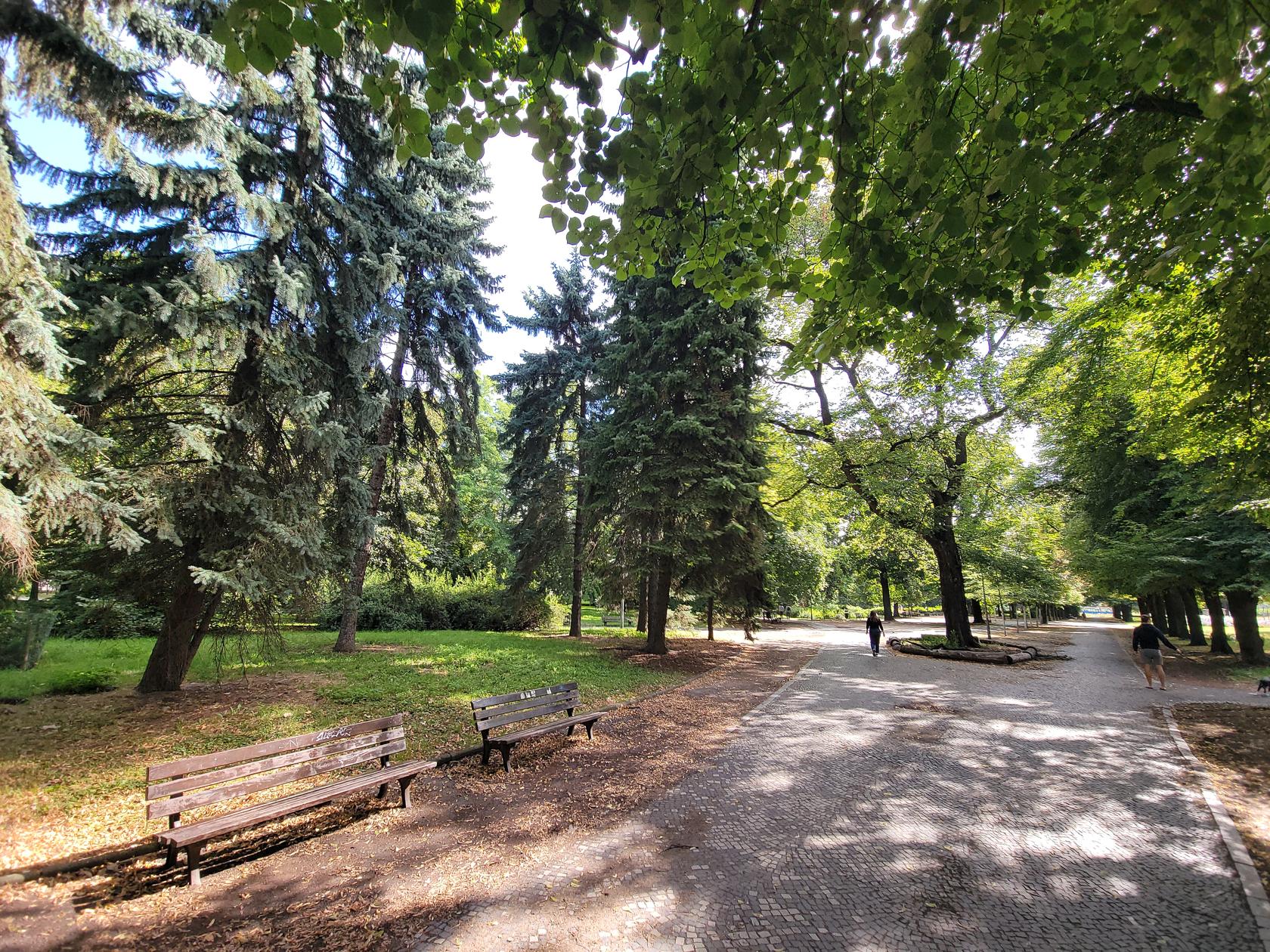
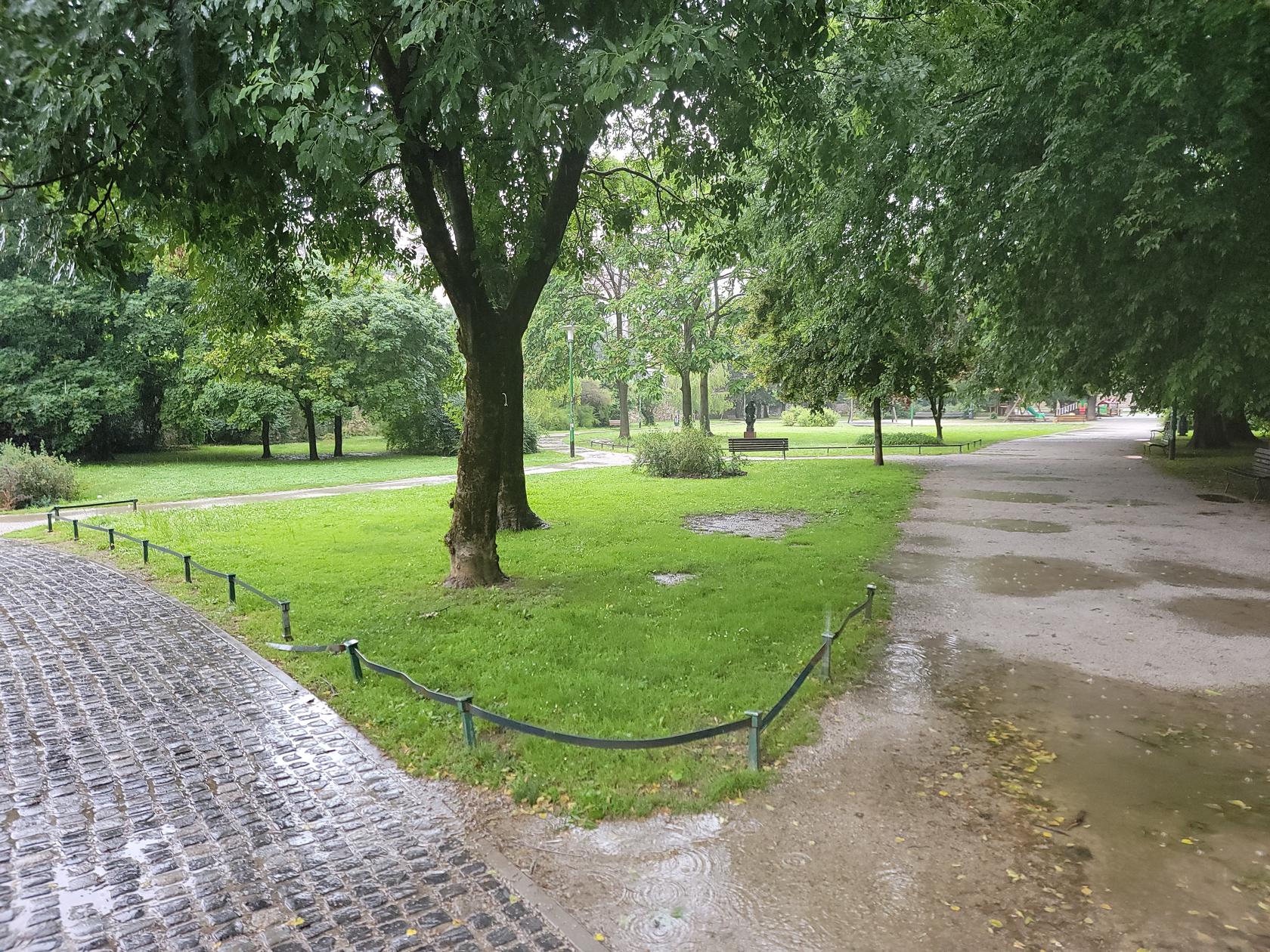
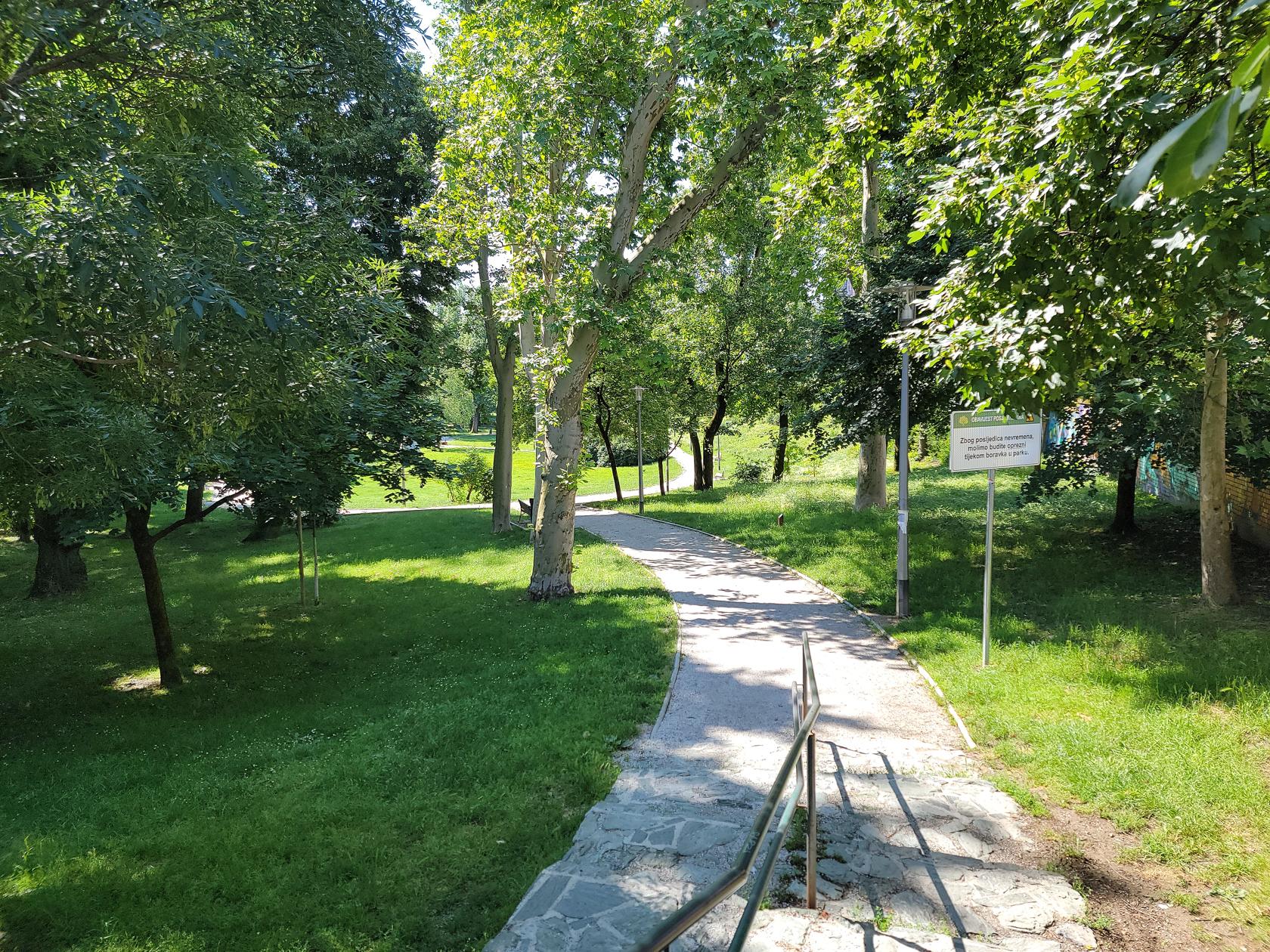
Actually many parks in tandem and tied together by several buildings and monuments. It is actually a nice place to take a stroll and enjoy the salubrious spring weather.

Gradec

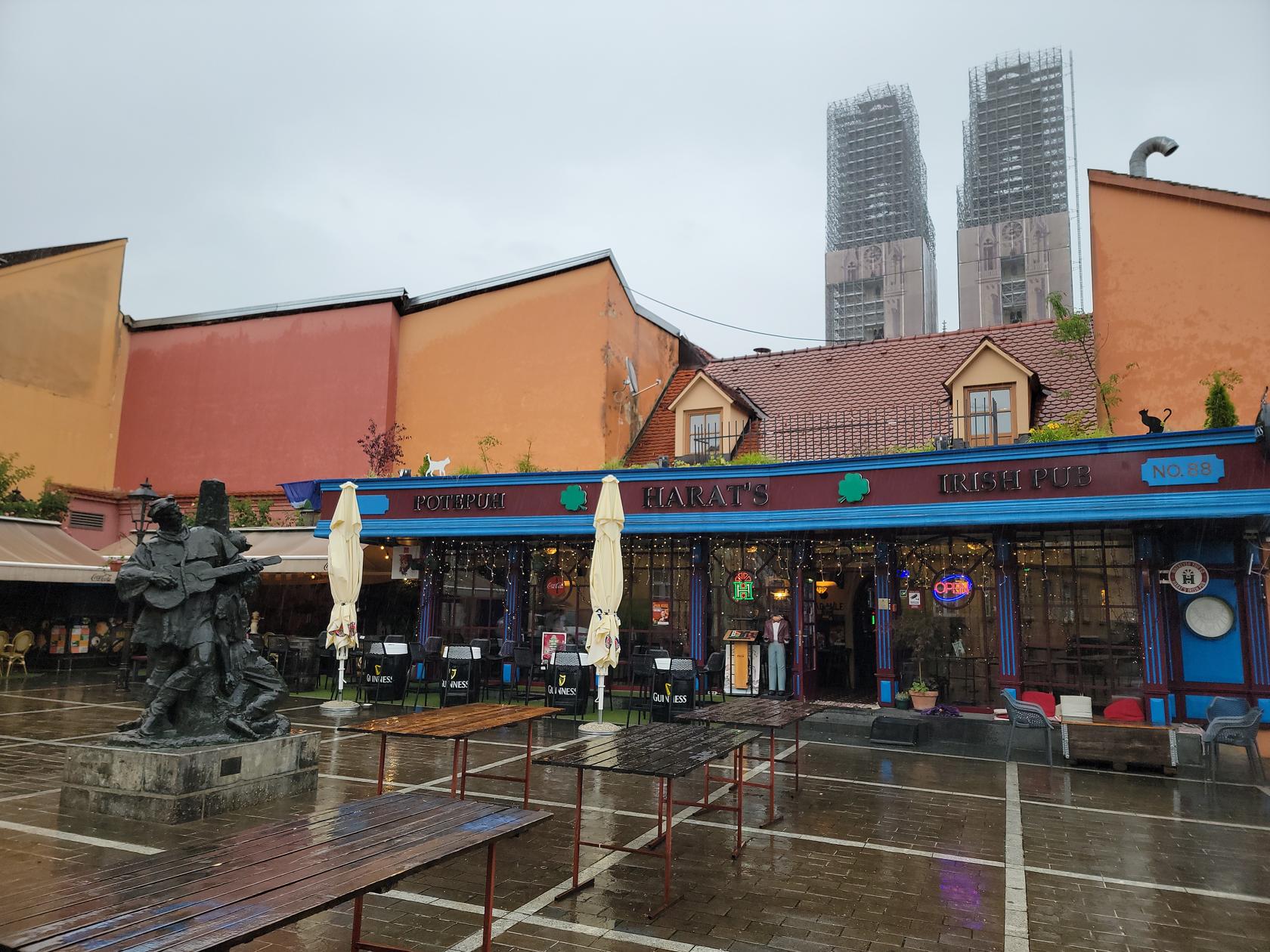
To the west of Kaptol and across small depression represented by Pavla Radica, where you will find many bars, cafes and some restaurants, is Gradec, also referred to as Grič.


The Stone Gate

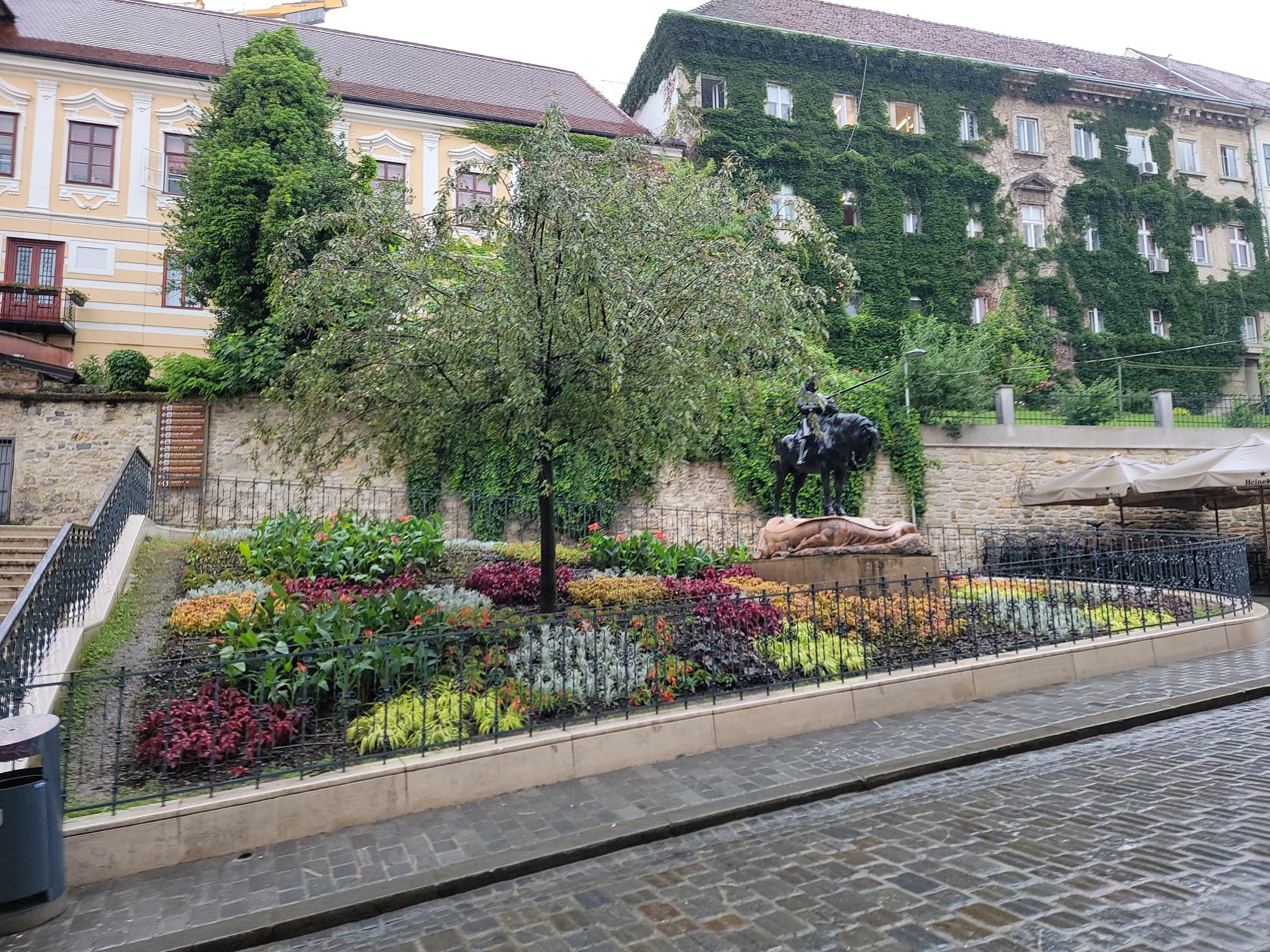
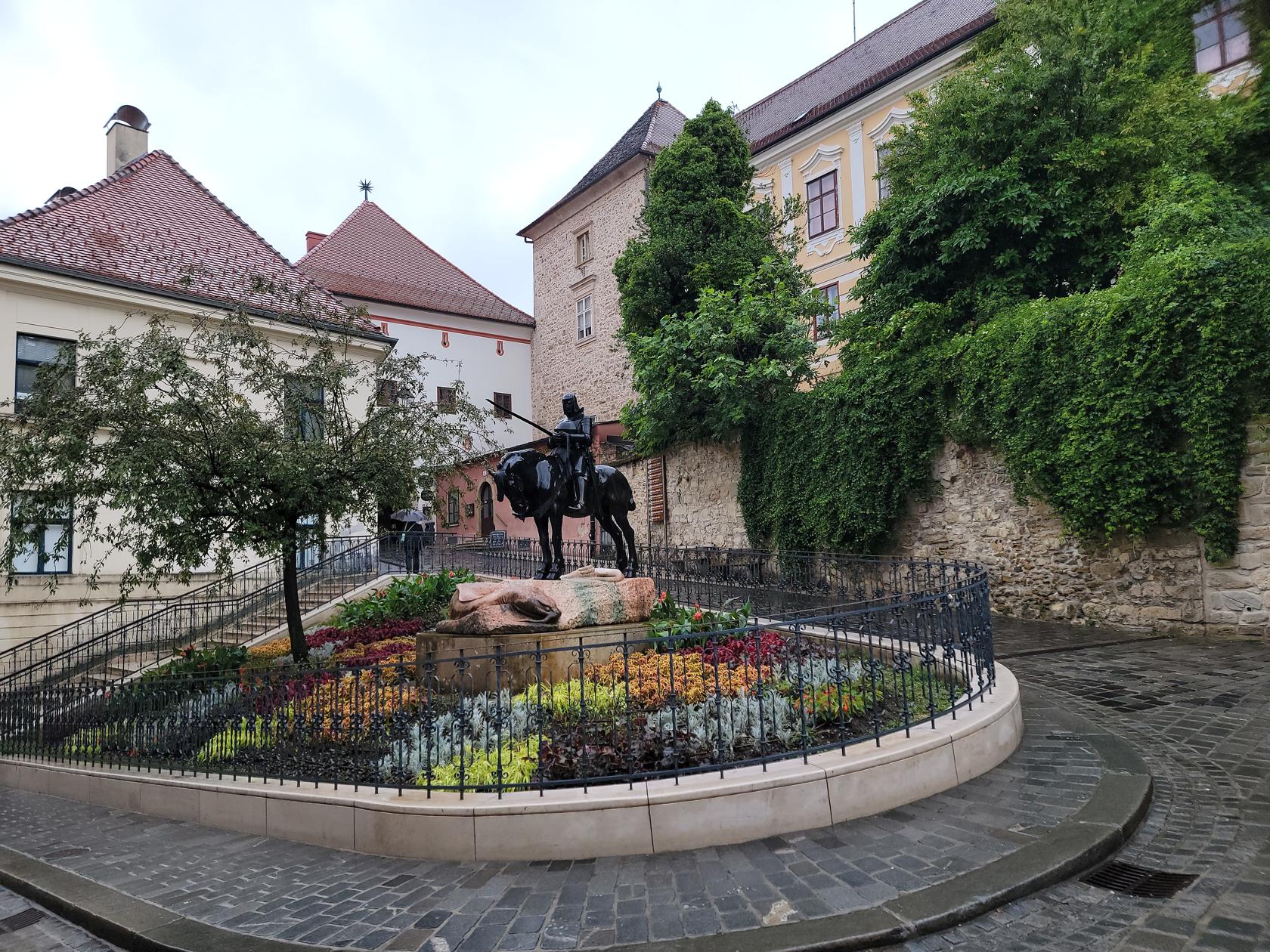
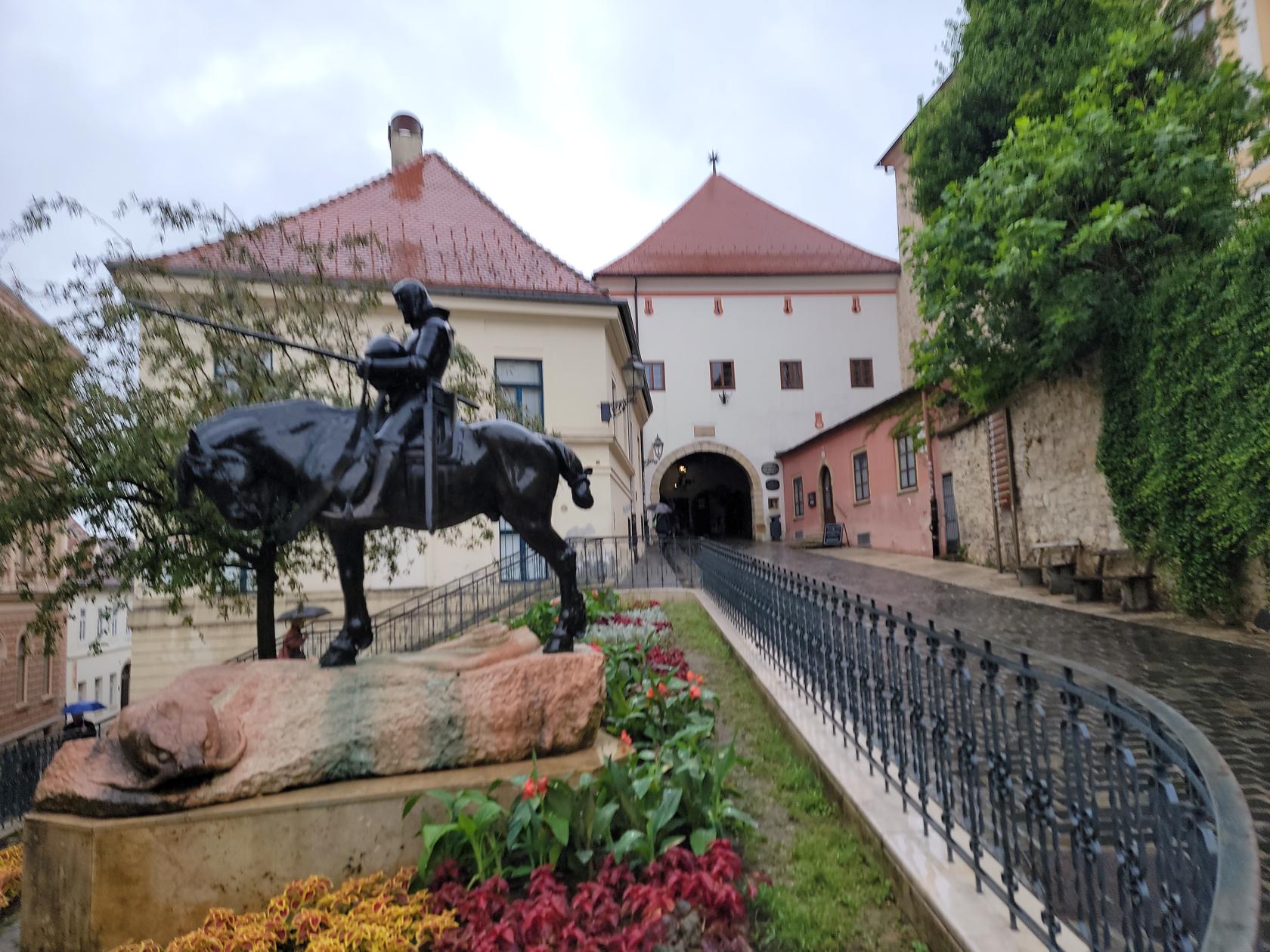
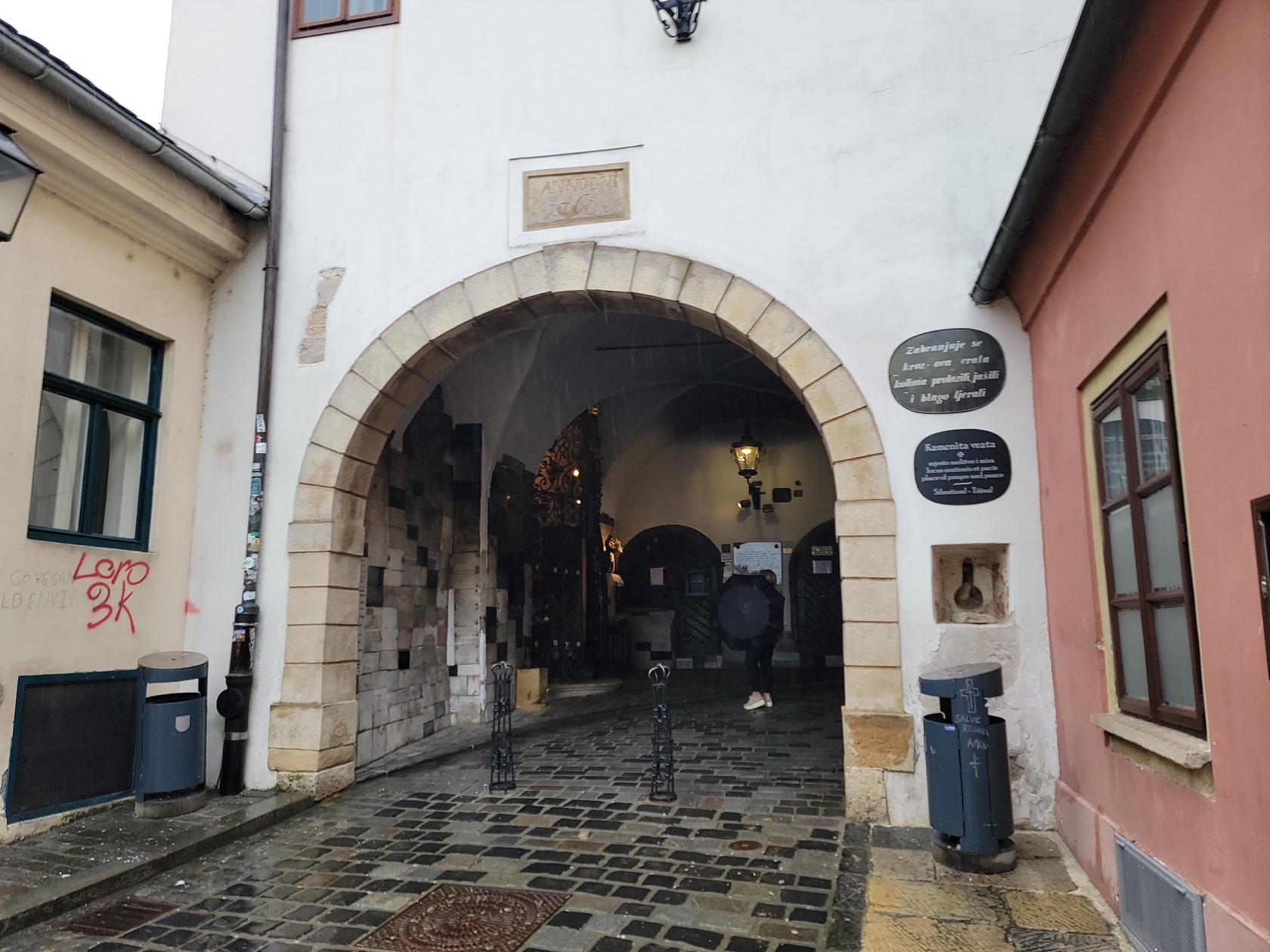
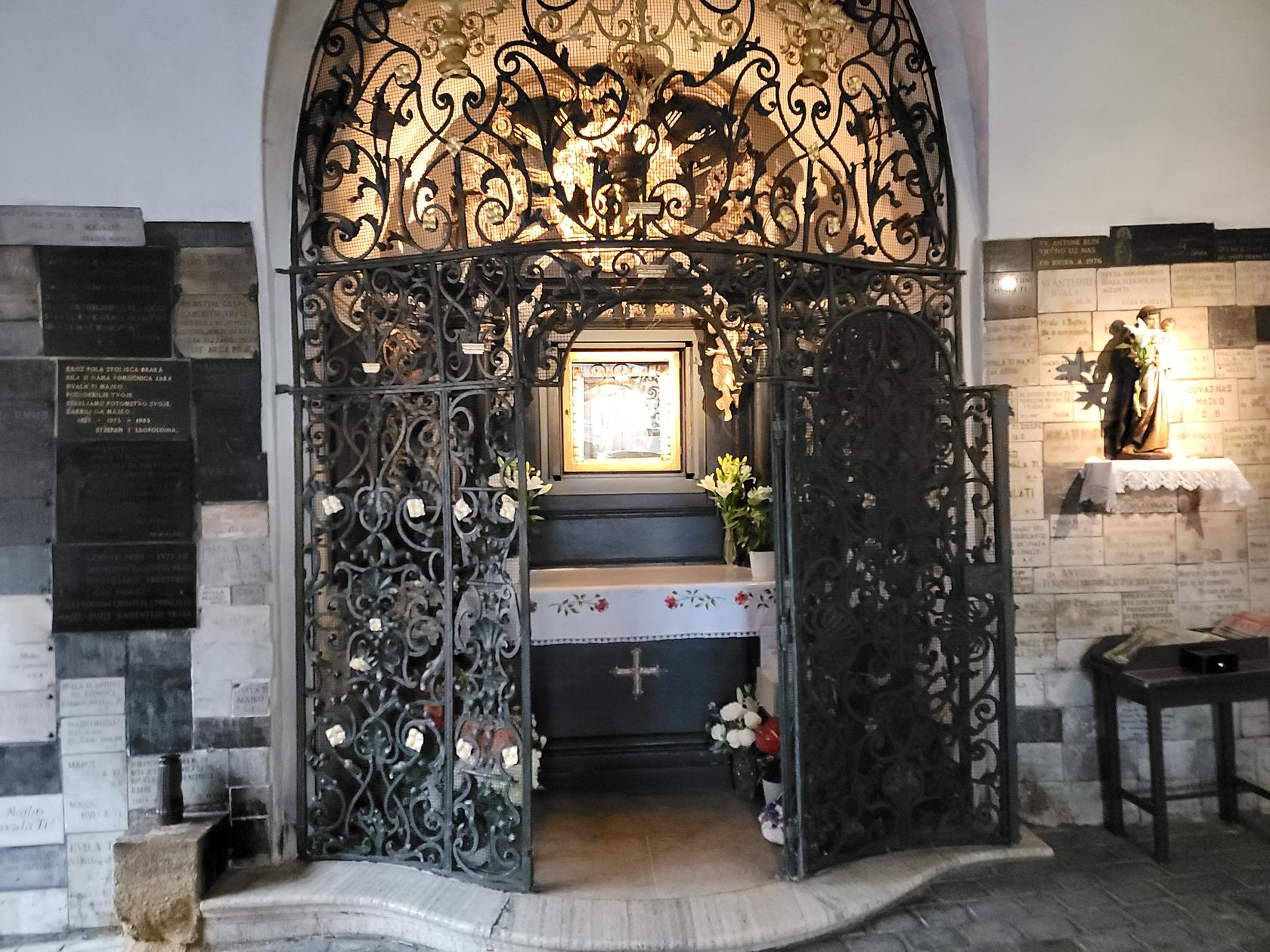
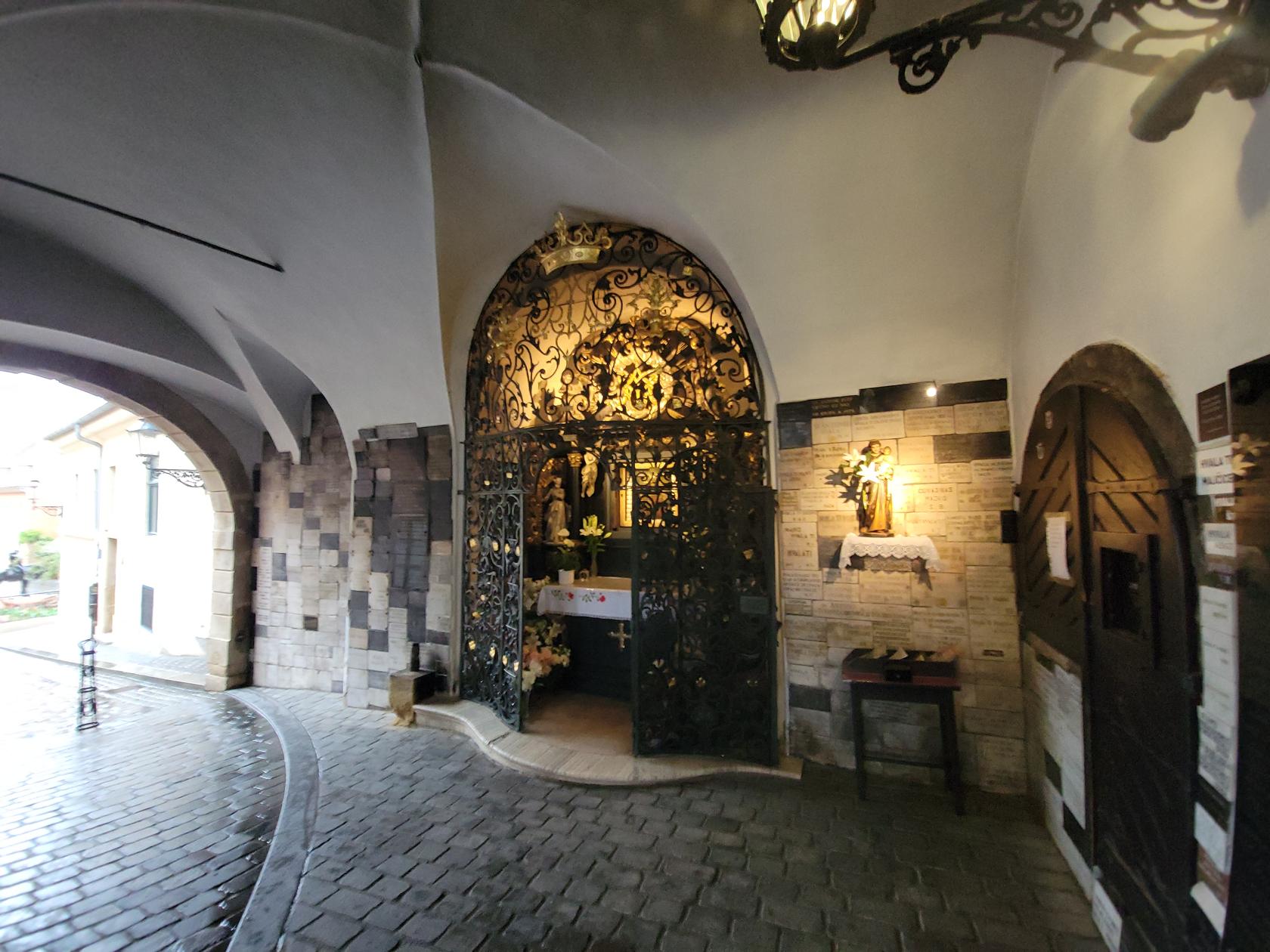
One of the entrances to Gradec is via the Stone Gate. It is adorned by a statue of Saint George before you get there and actually contains a small chapel.

Saint Mark’s Church

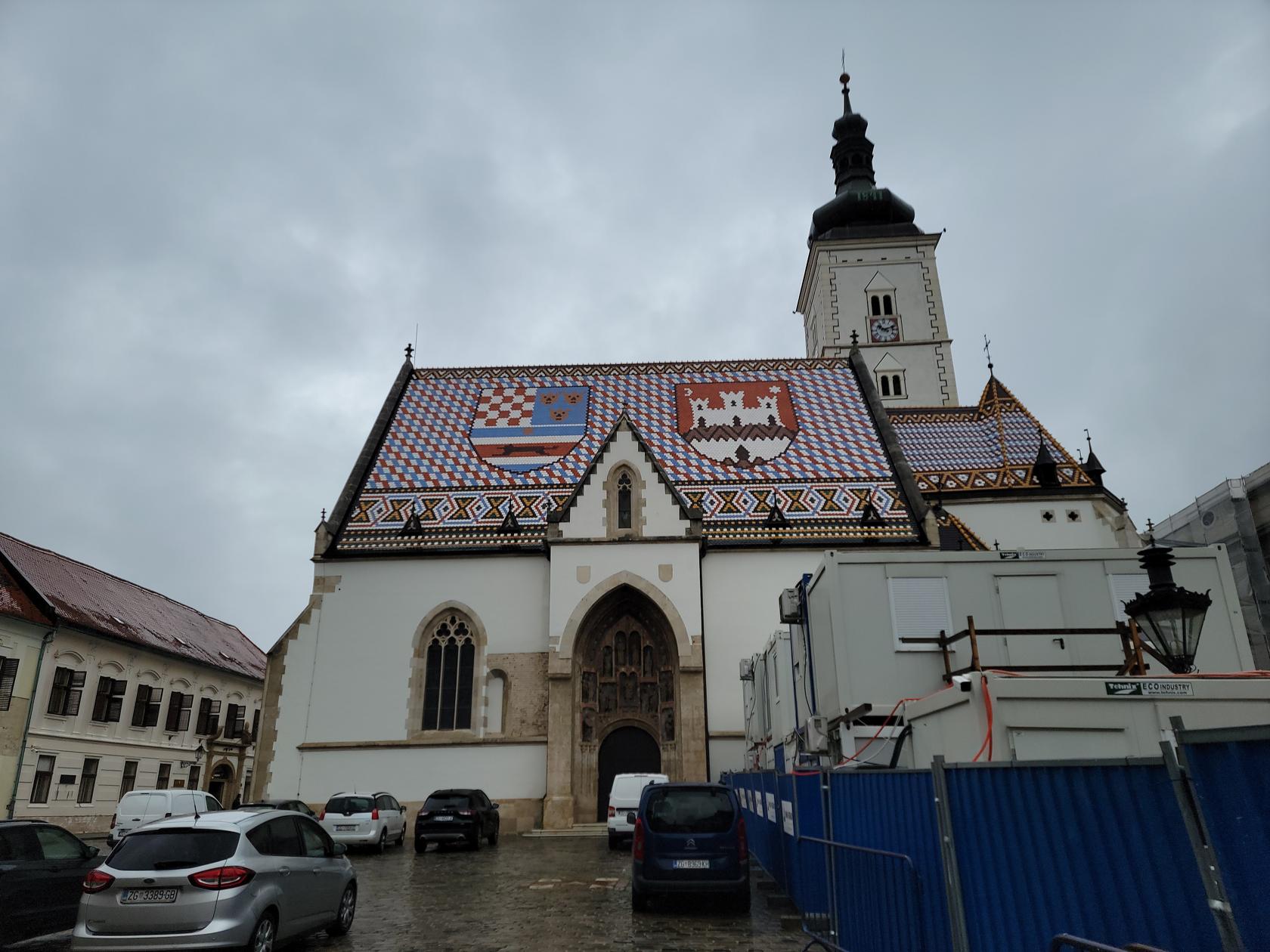
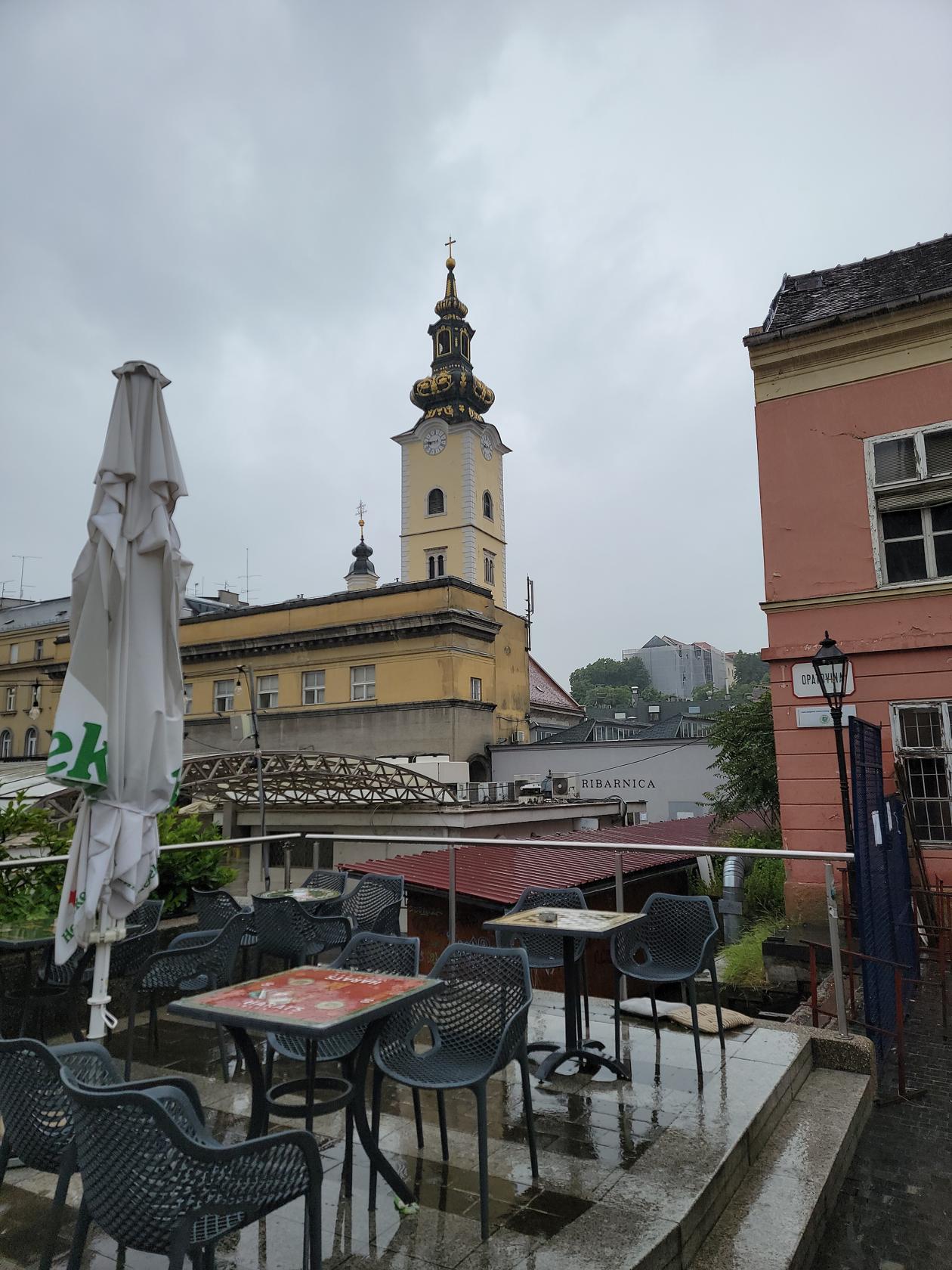
The most prominent structure here is Saint Mark’s Church. Noted for its polychrome roof tiles depicting the coats of arms of Croatia and Zagreb, it is a beautiful to see. Again, like other structures in the area, it too was damaged by the earthquake and was still undergoing renovations at the time of our visit. Therefore, we were unable to go inside or even get up close to its facade.

Observation Tower

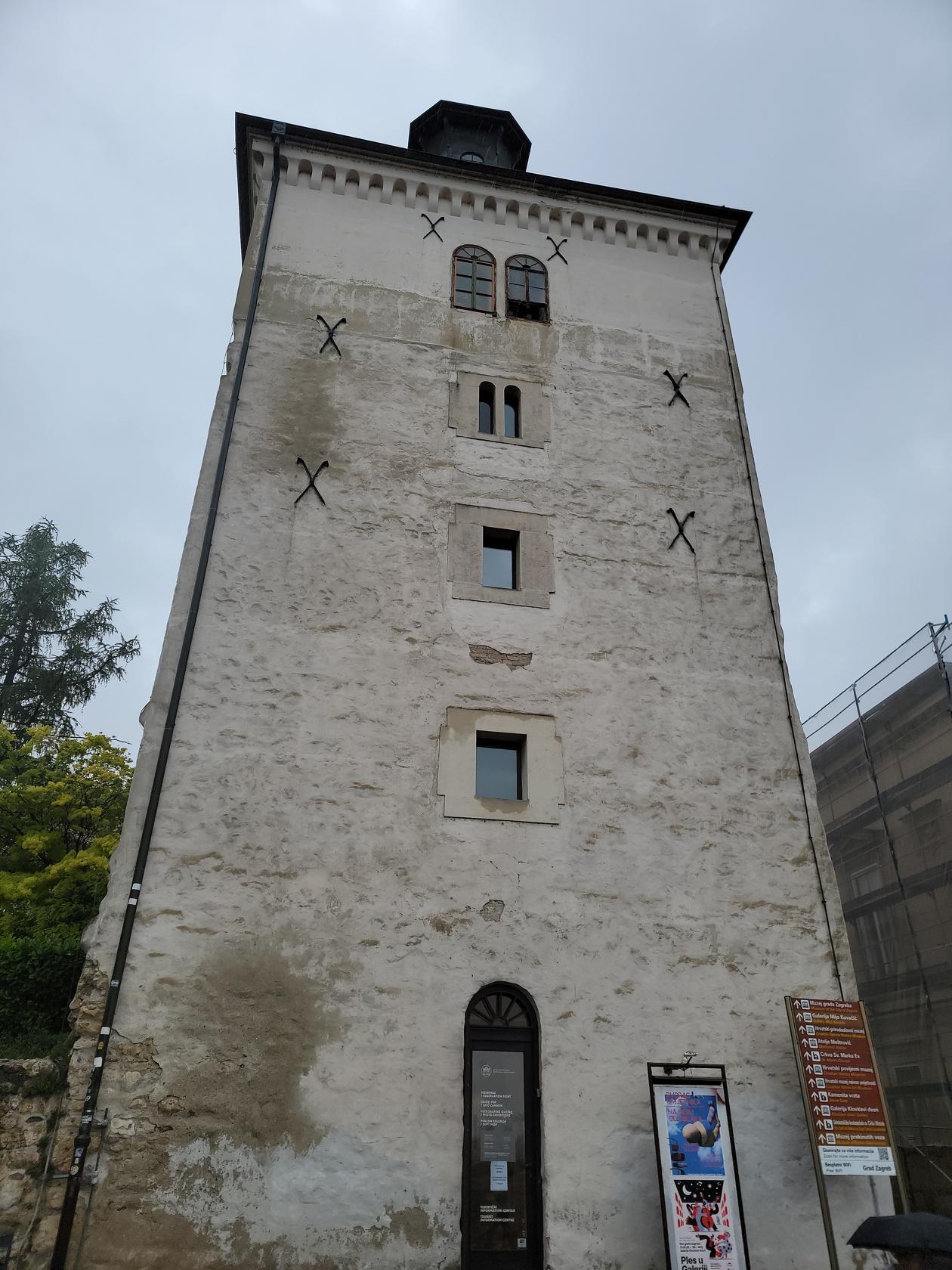
The Observation Tower, or Lotrščak Tower, can be found near Saint Mark’s Church in Gradec. It is right next to the Furnicular station to Lower Zagreb and can be ascended for a modest fee. We chose not to, since the weather was terrible and it was raining and overcast.

Tunel Grič

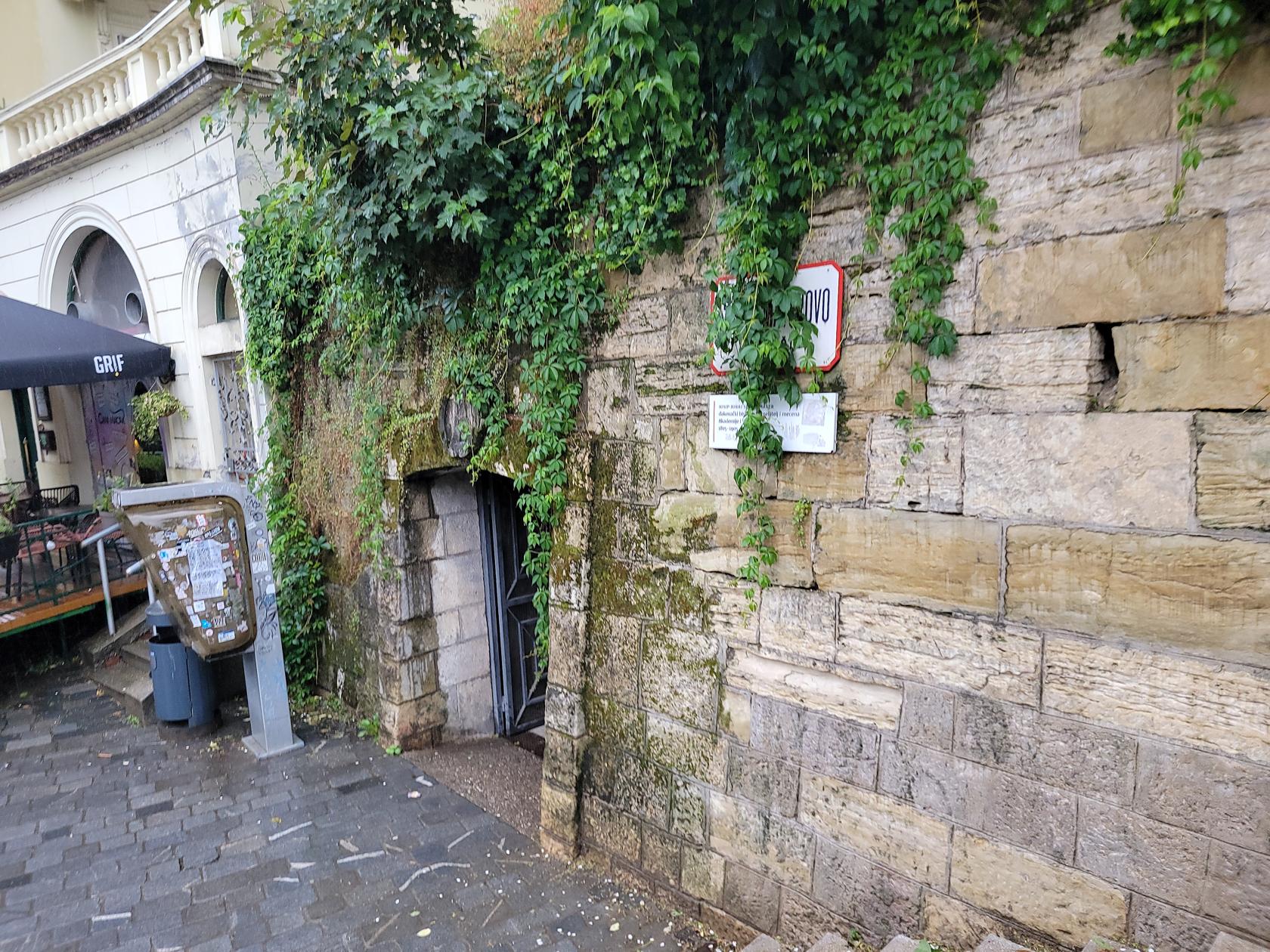
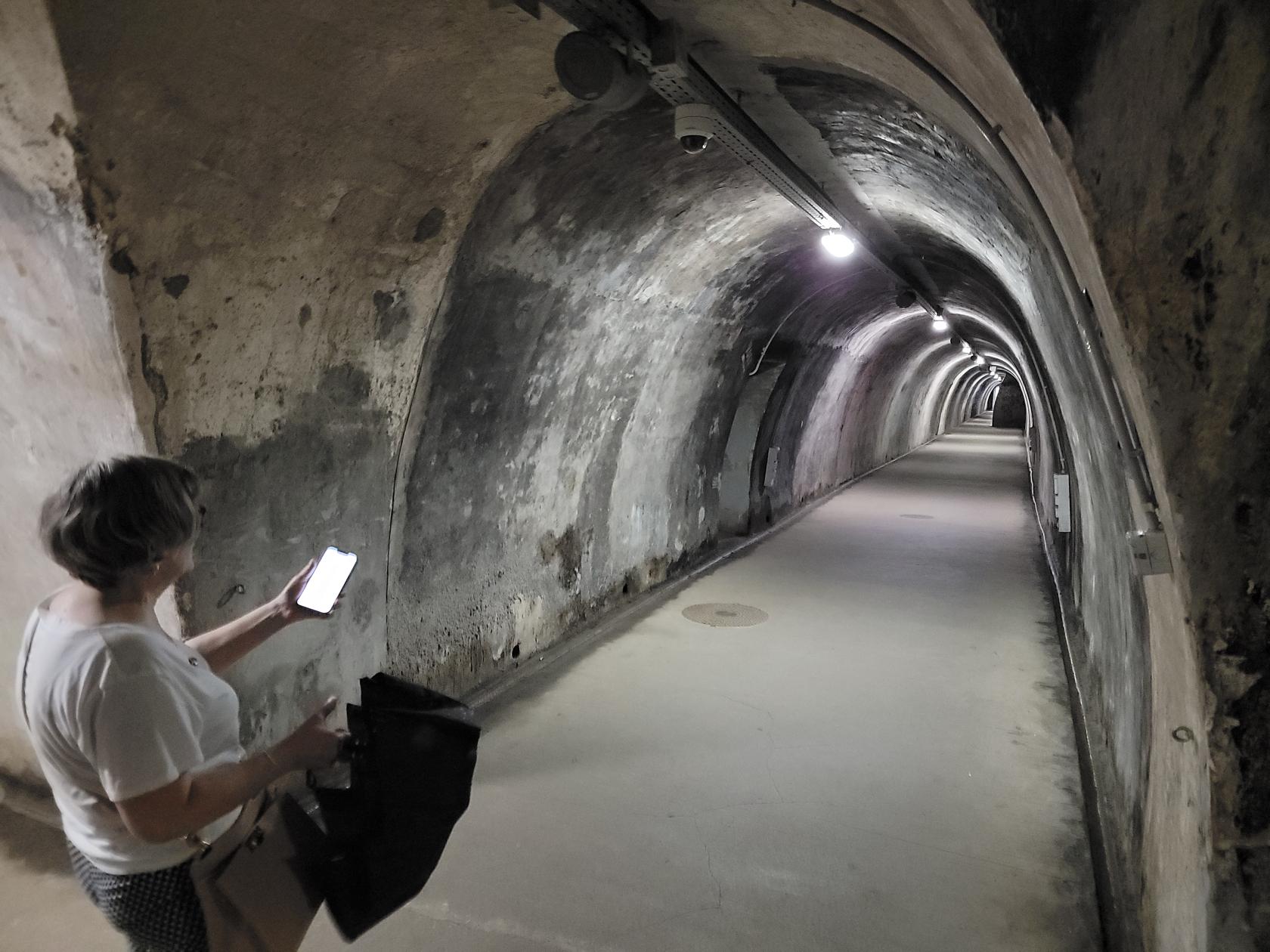
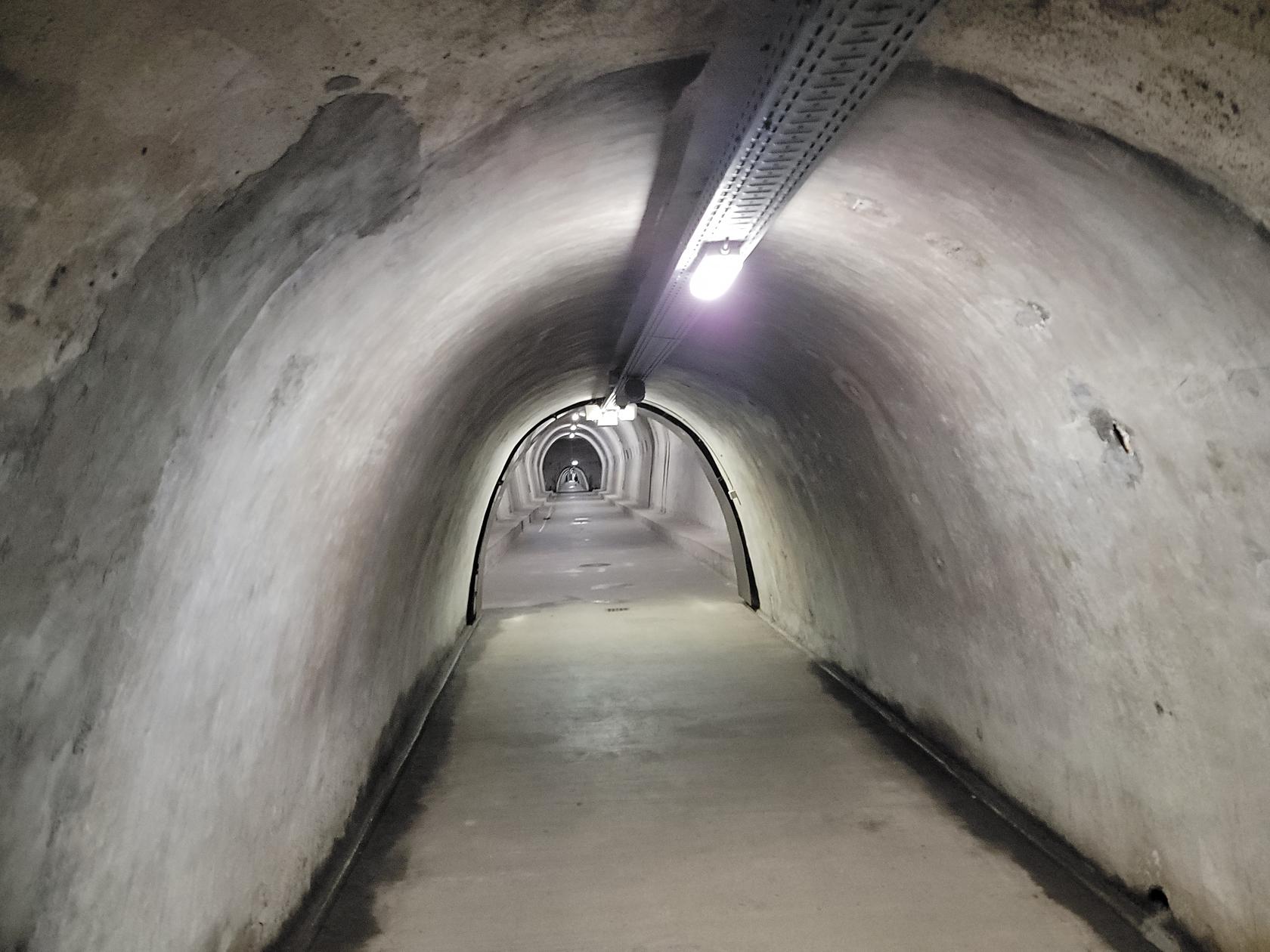
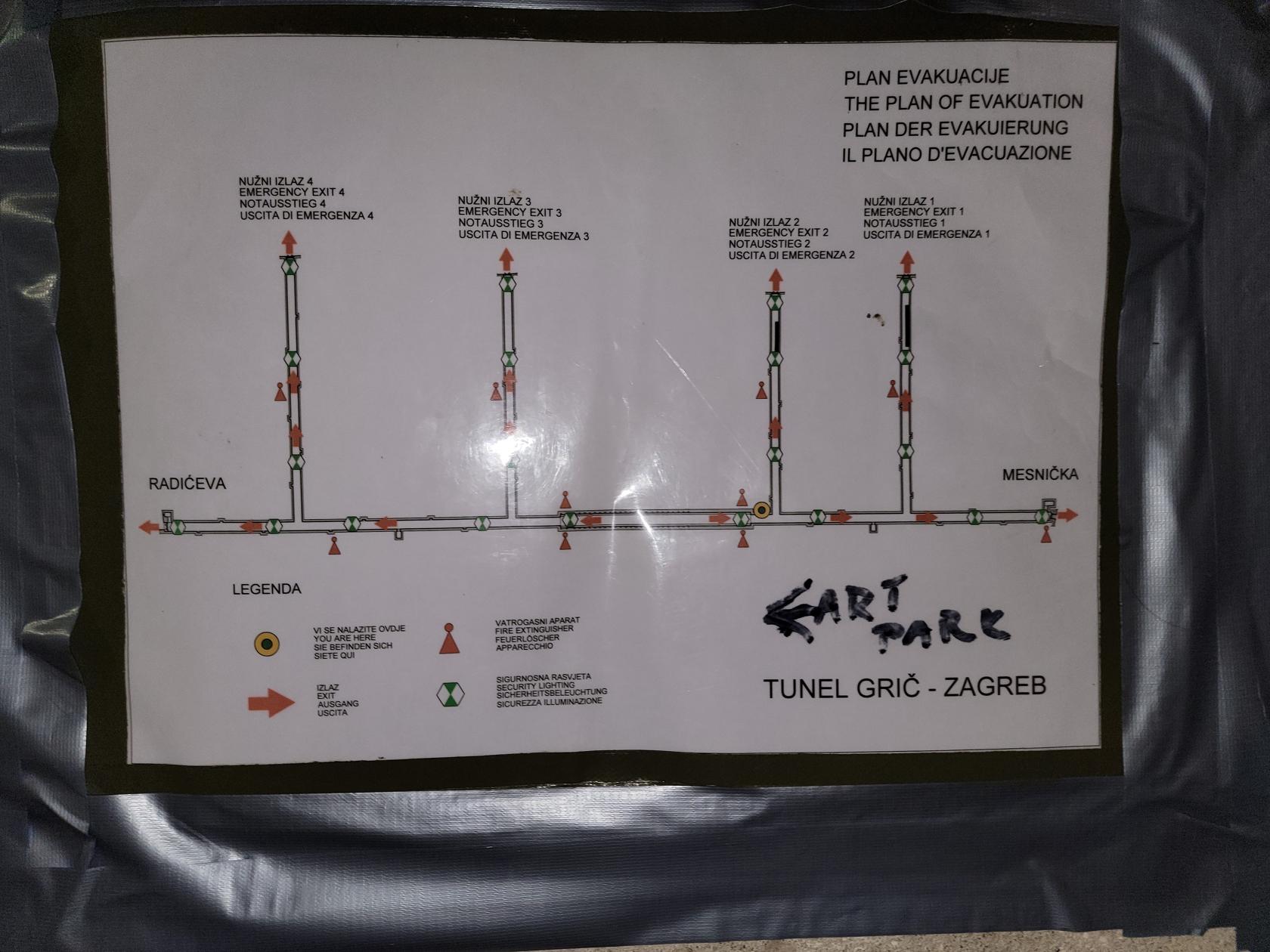
Built during World War II as a bomb shelter, the Tunel Grič, or Gric Tunnel is commonly used as a pedestrian path now, even though several sections of it are in disrepair and no longer used. The main section spans about a quarter of a mile an connects western side of Gradec with the eastern side on Pavla Radica street.
Kaptol

Even today it appears that most of the real estate here is consigned to the Roman Catholic clergy in one form or another. It is here where you will find the Cathedral of Zagreb, the seat of arch bishop.

Walking the Kaptol street is very relaxing. All of Zagreb is rather well cared for in one repect or another, but this area even more so with its beautiful buildings and well maintained park, the Ribnjak Park.

Zagreb Cathedral

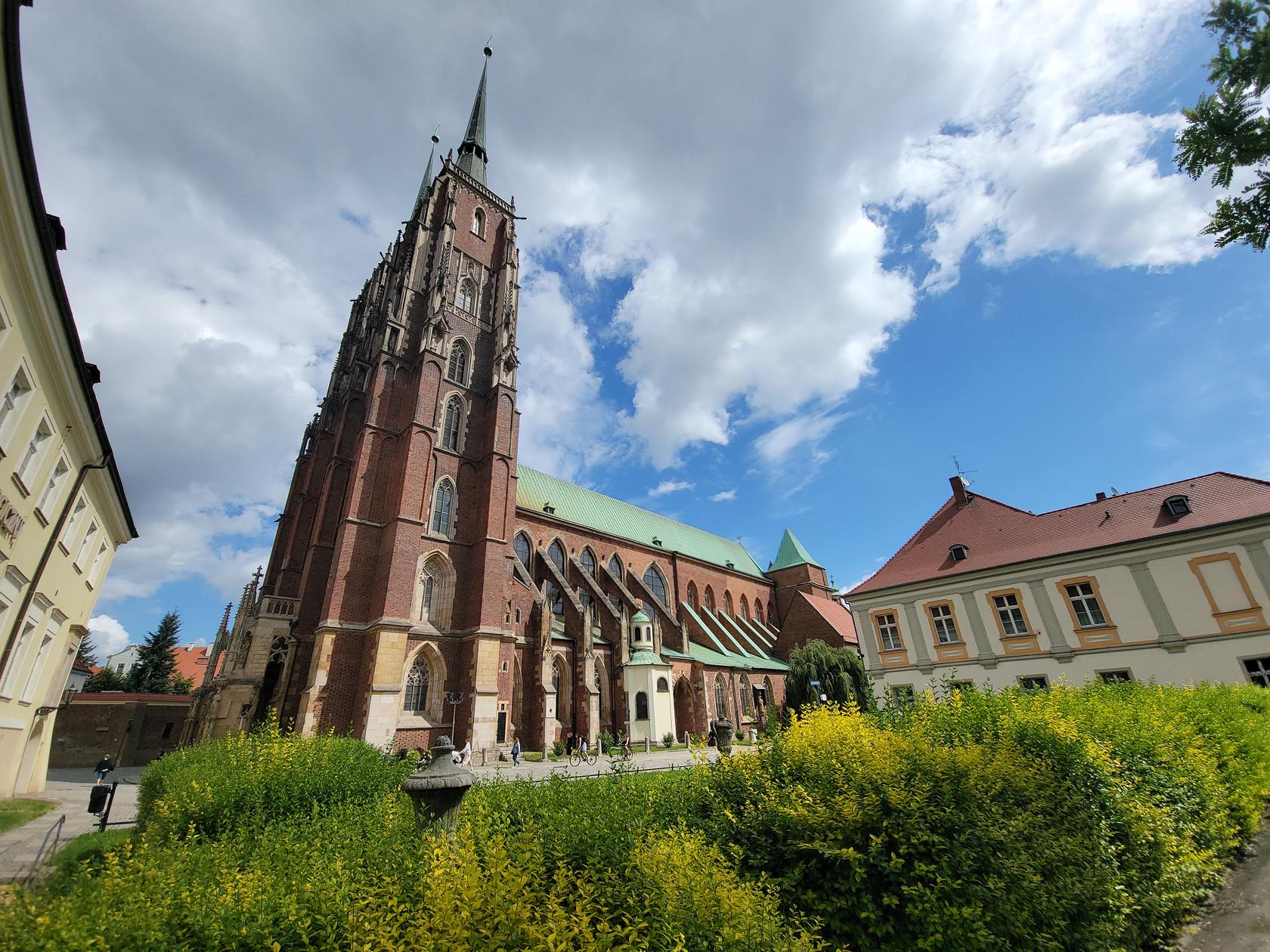
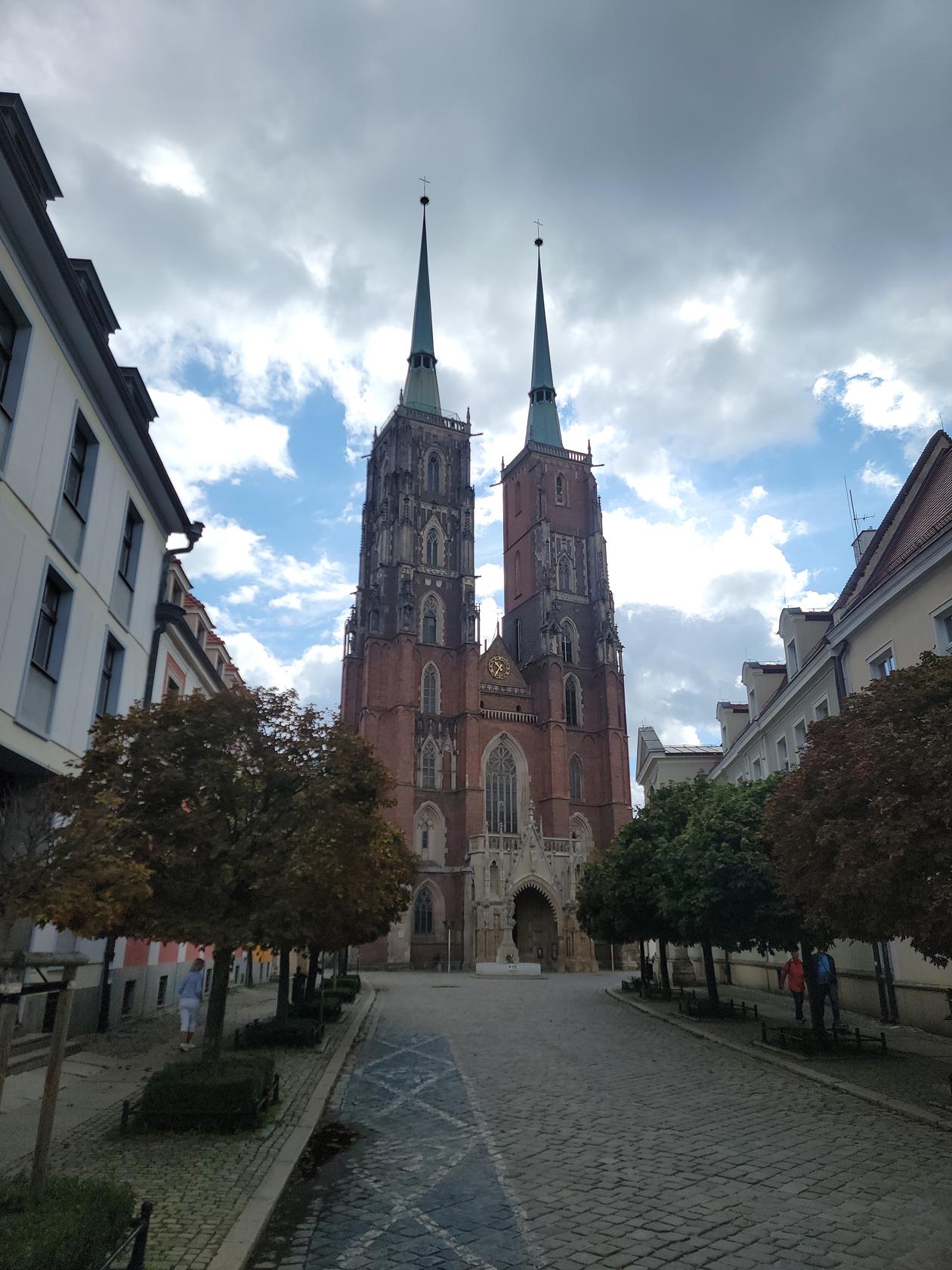
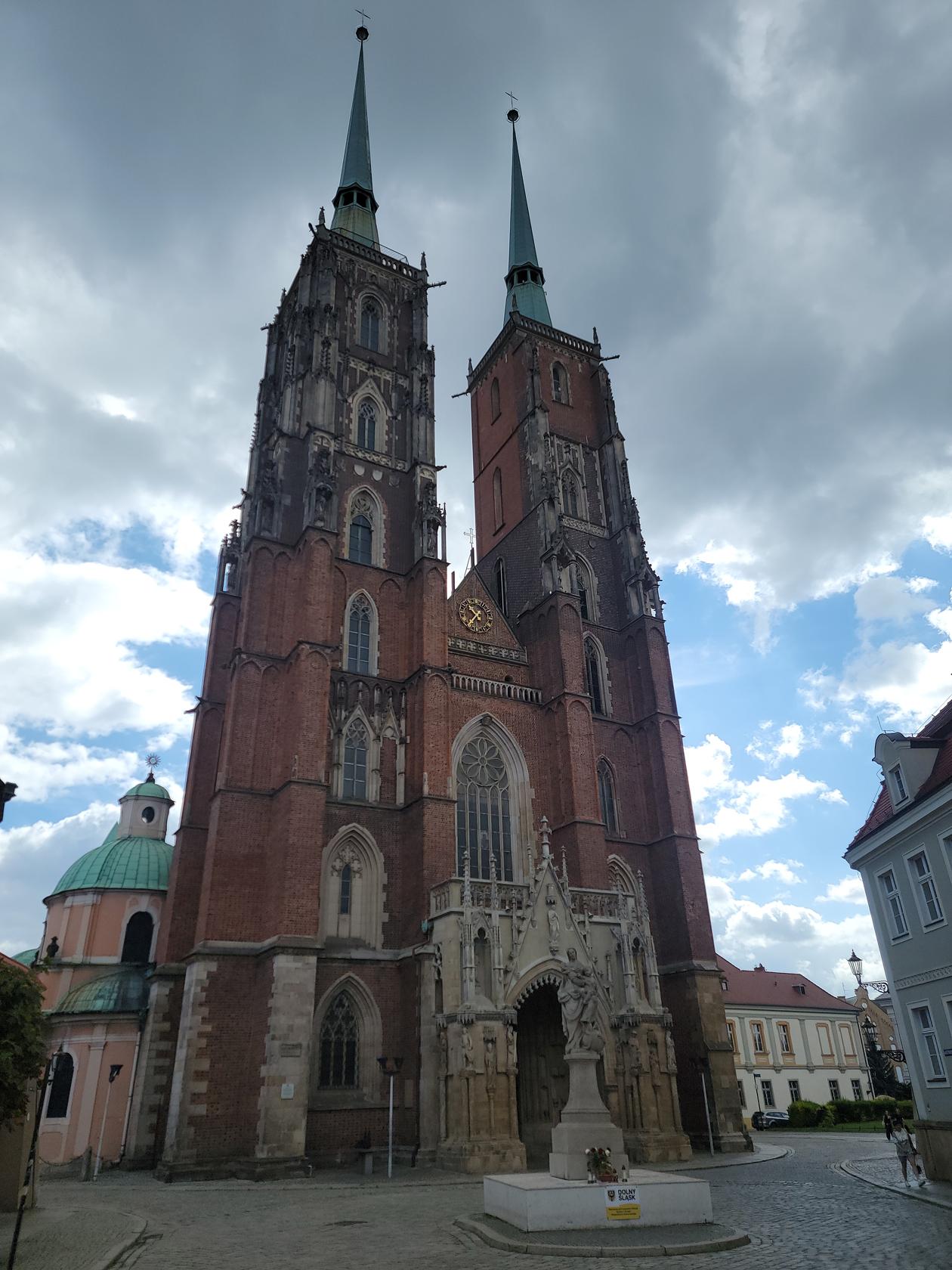
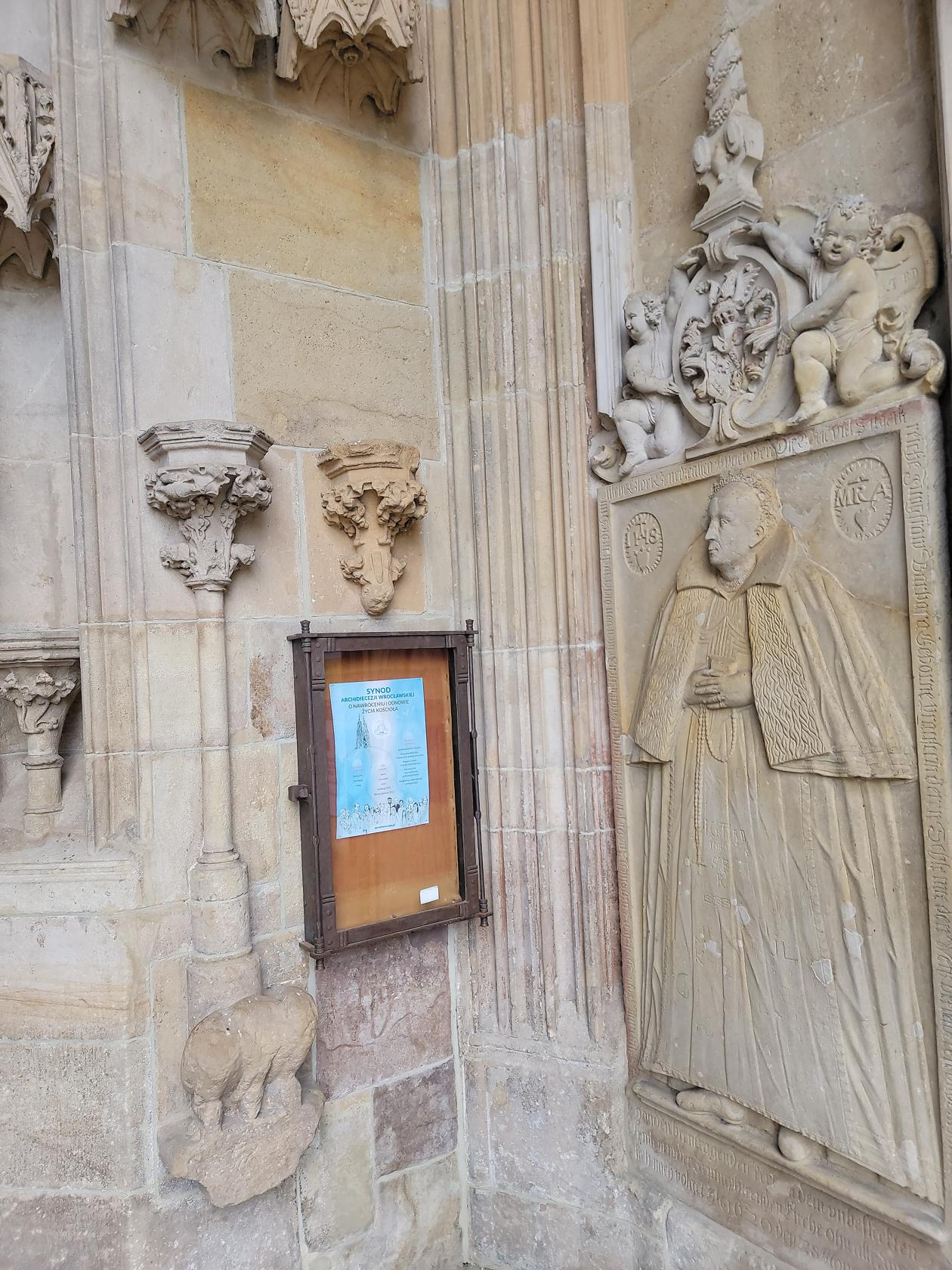
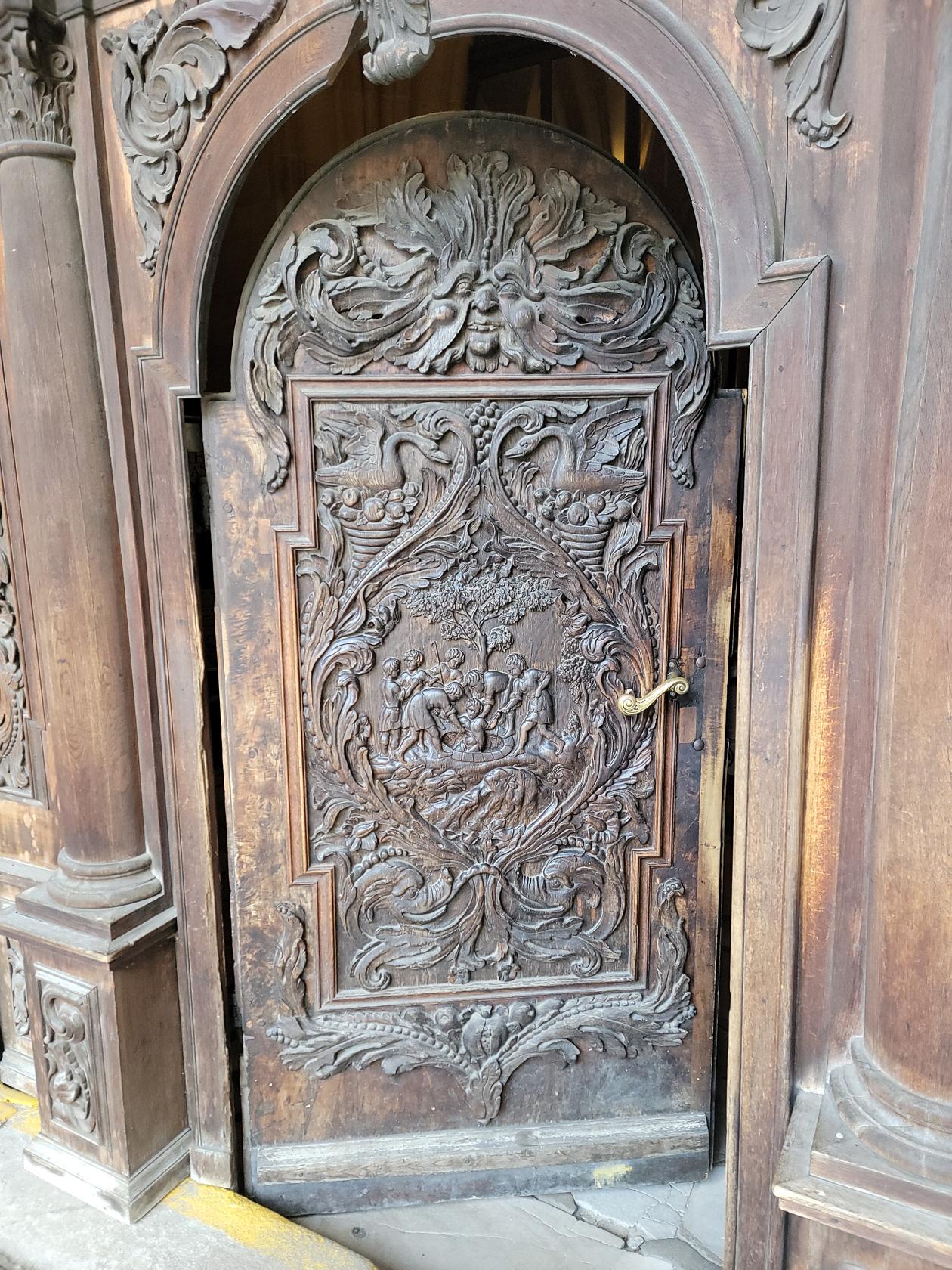
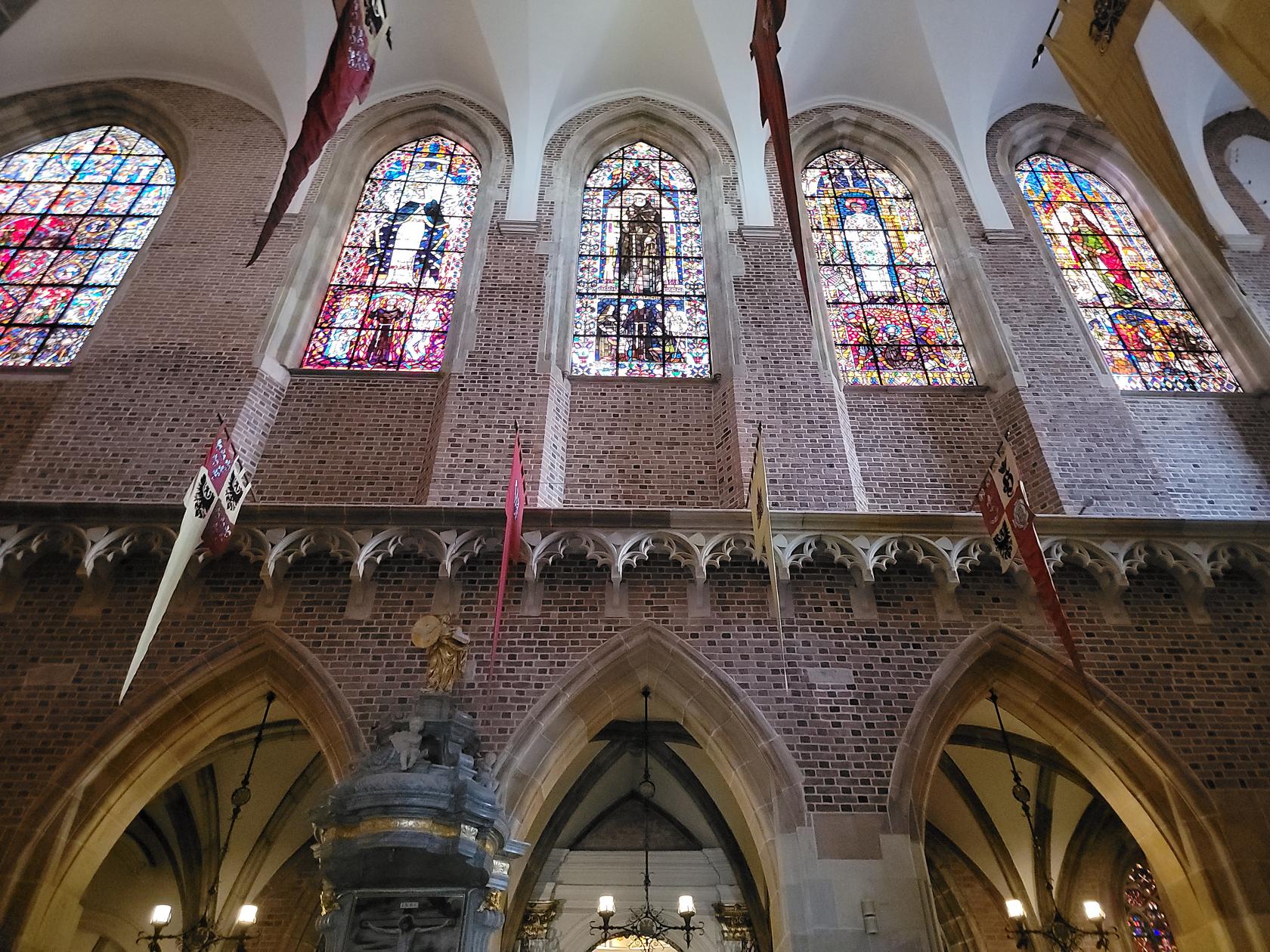
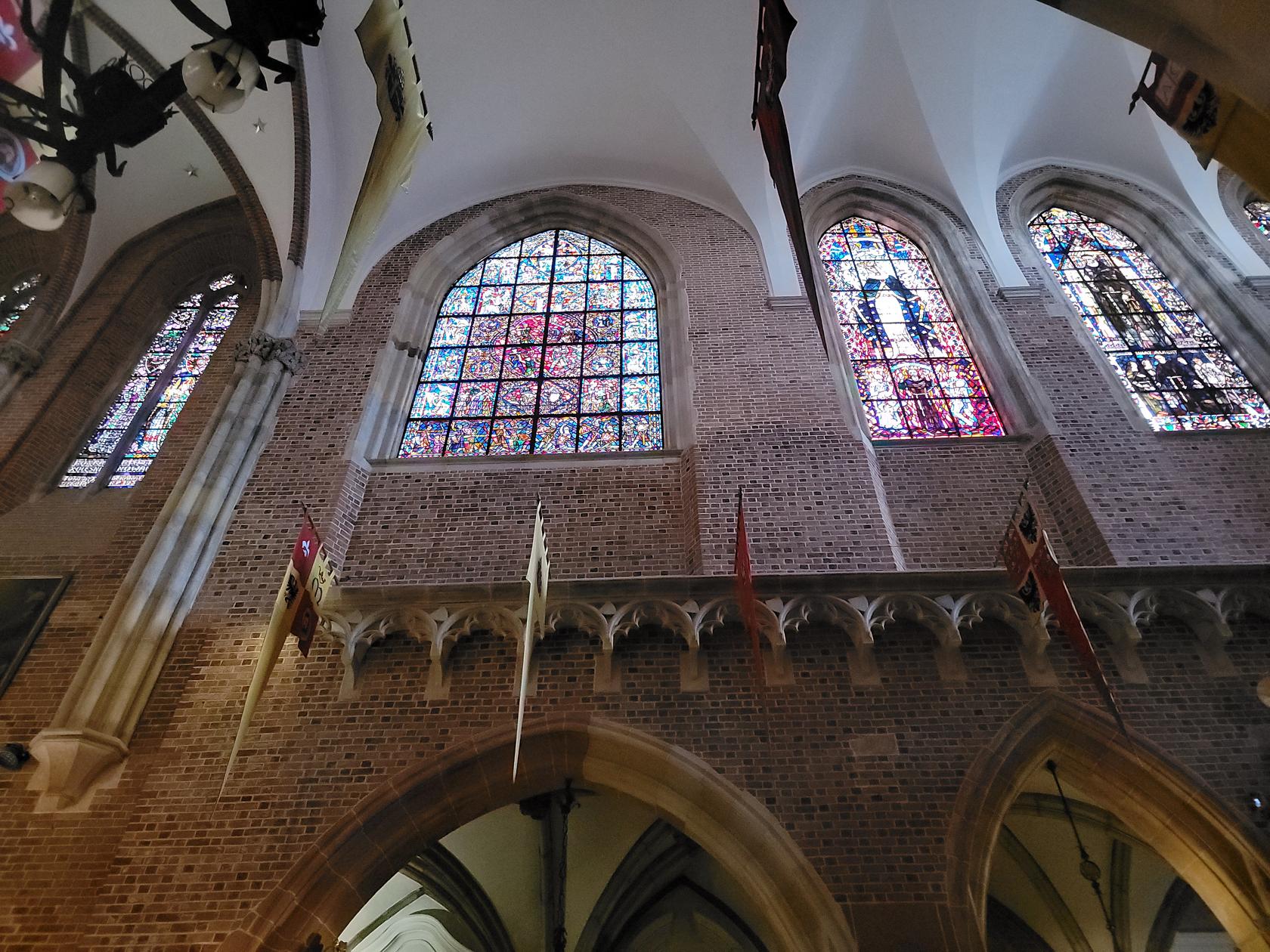
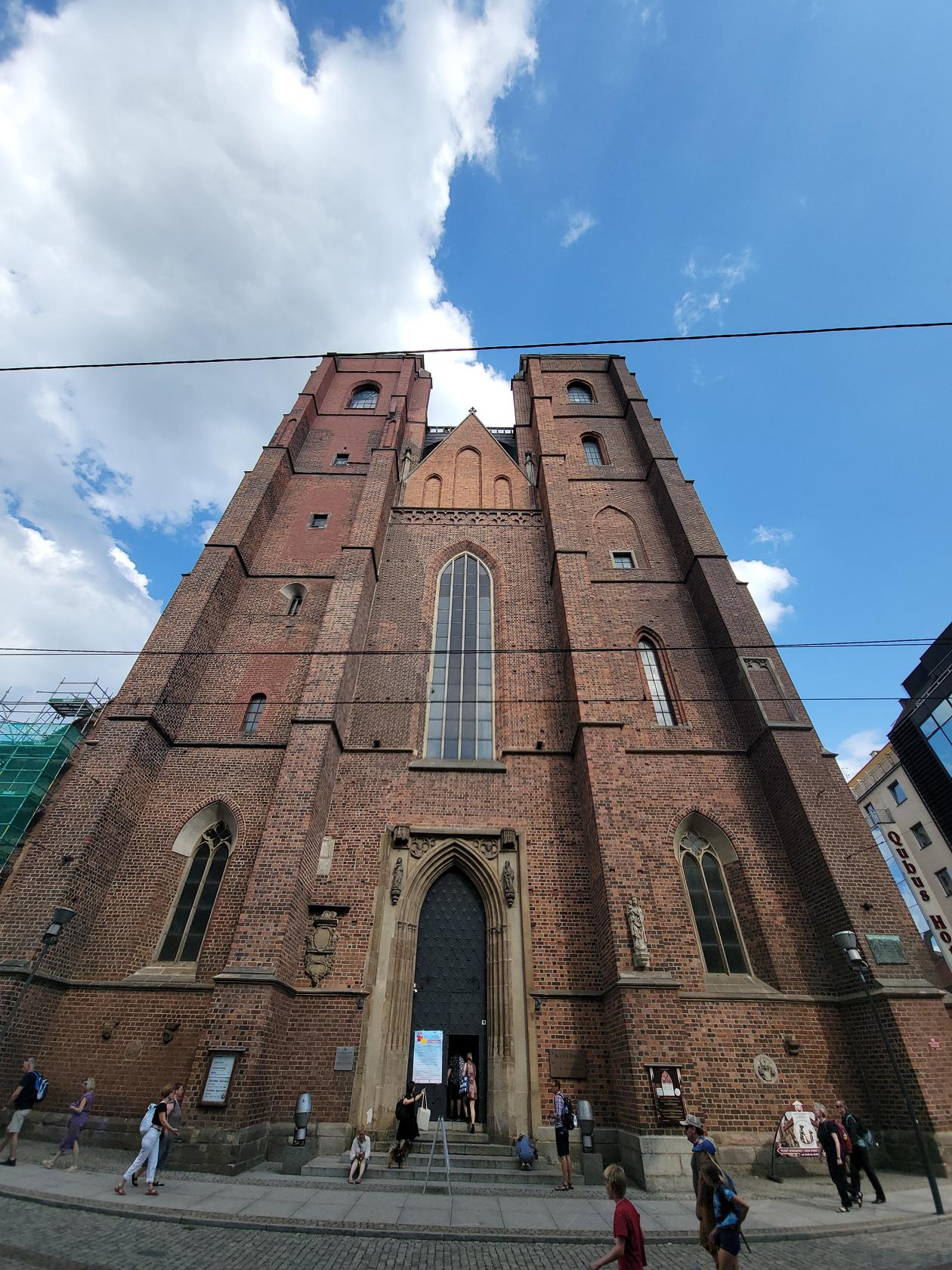
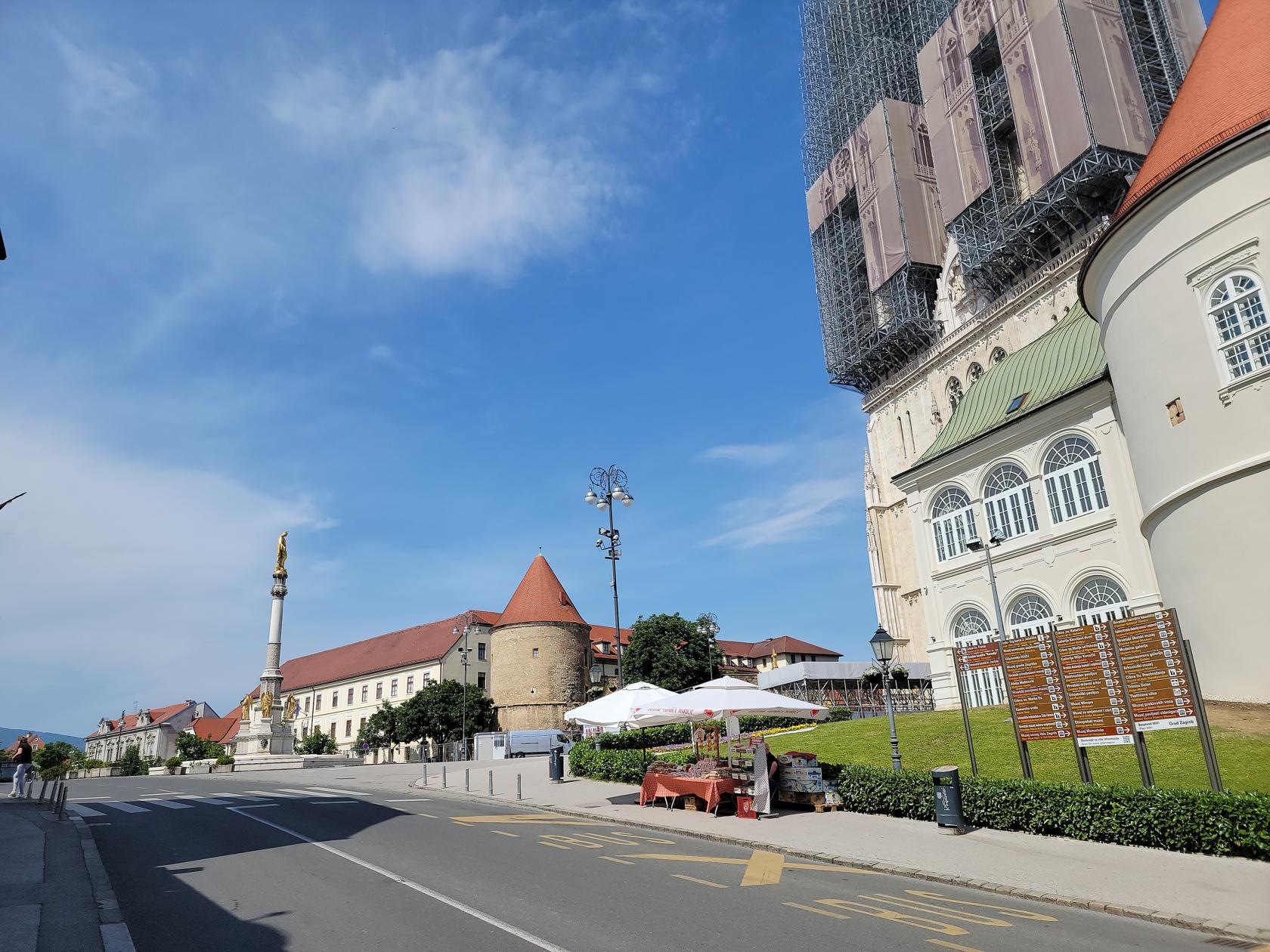
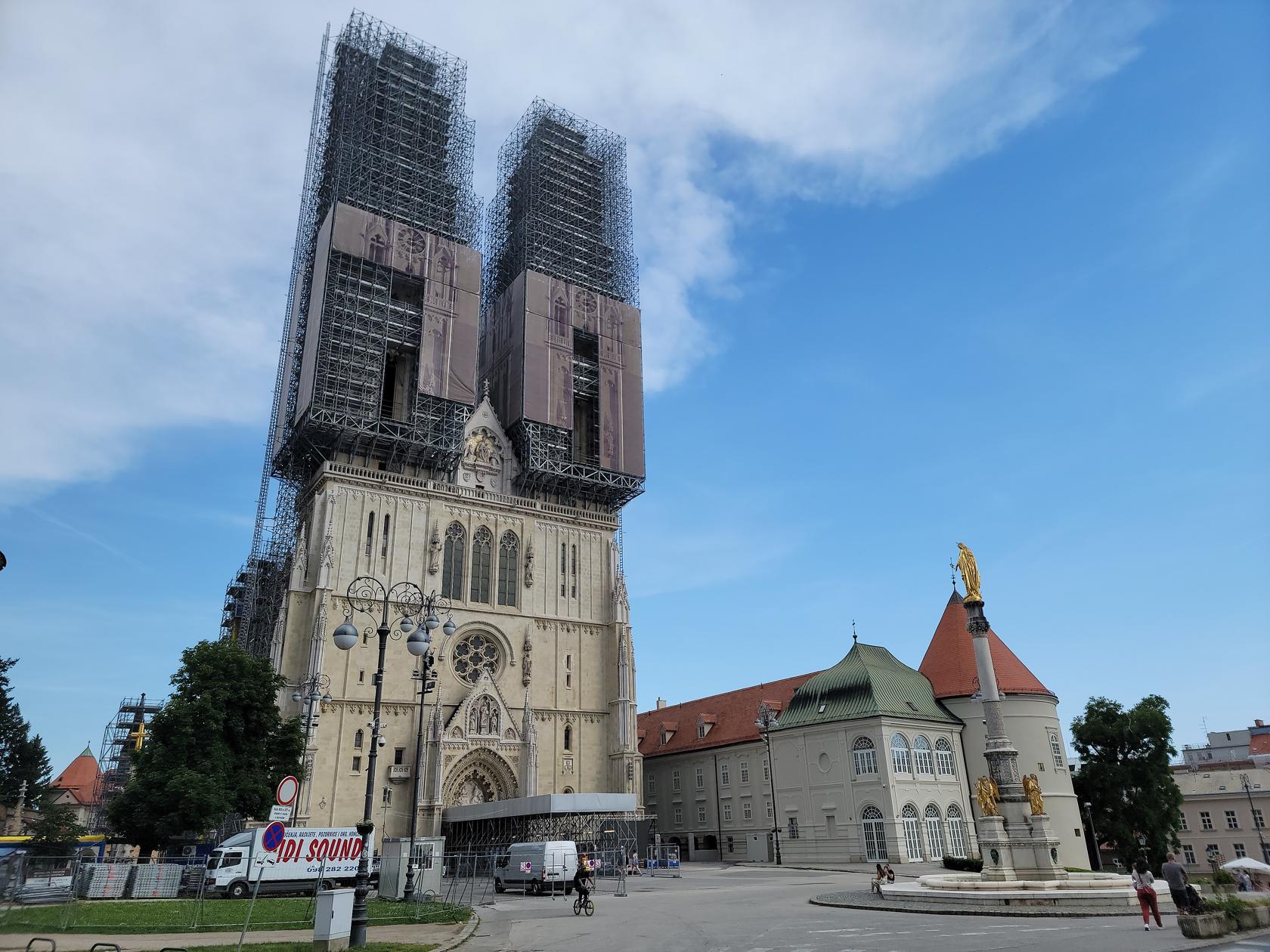
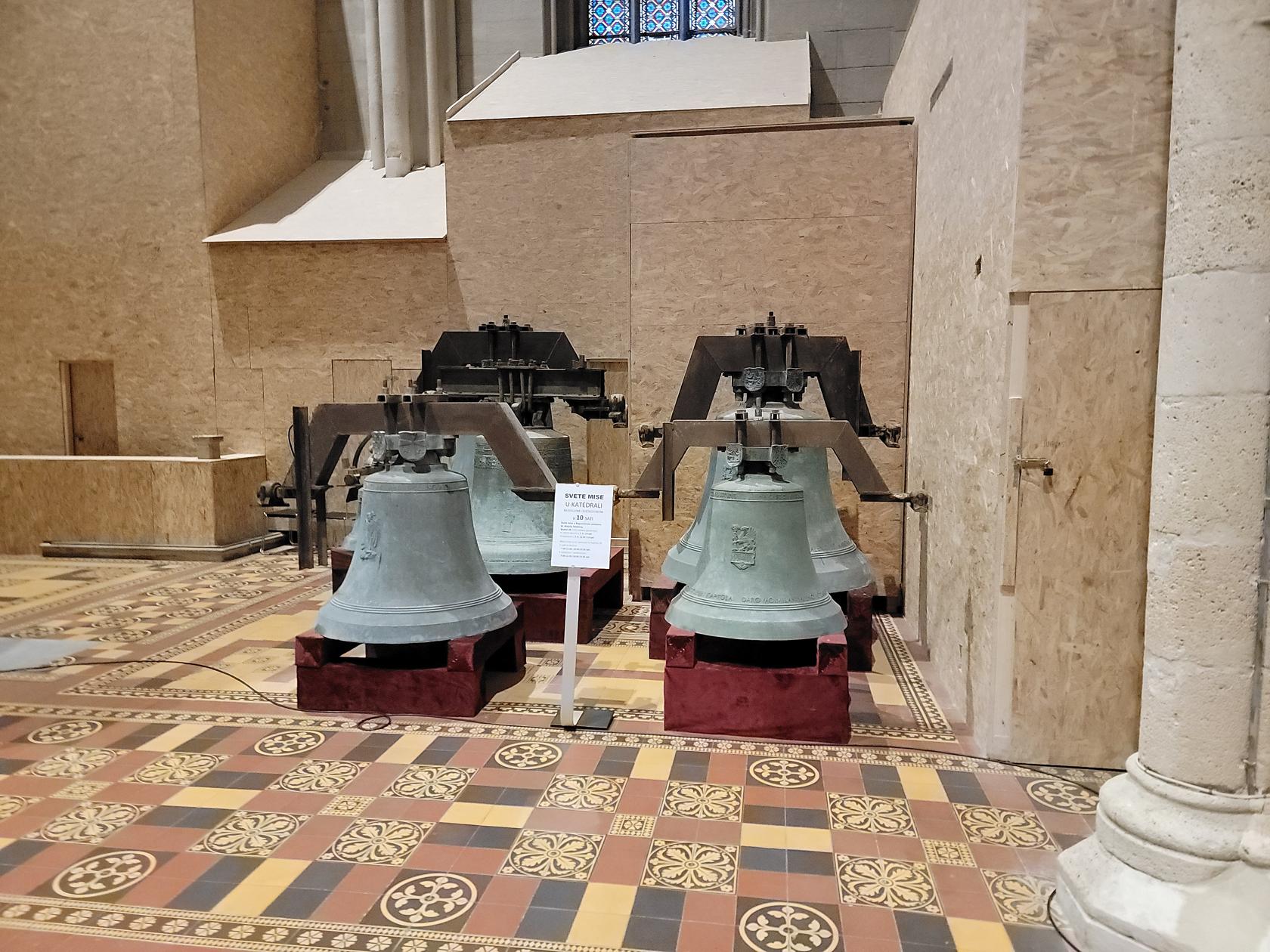
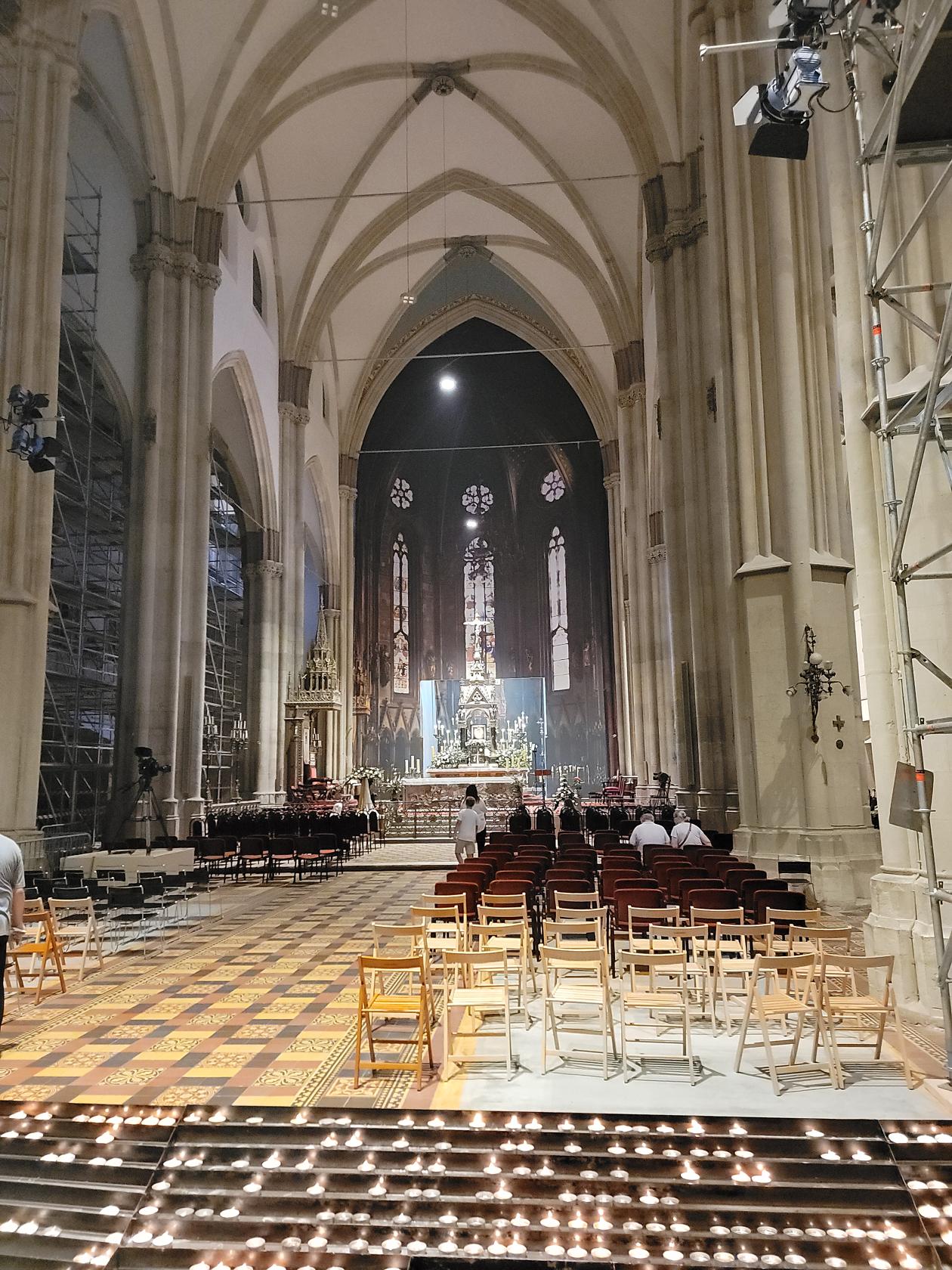
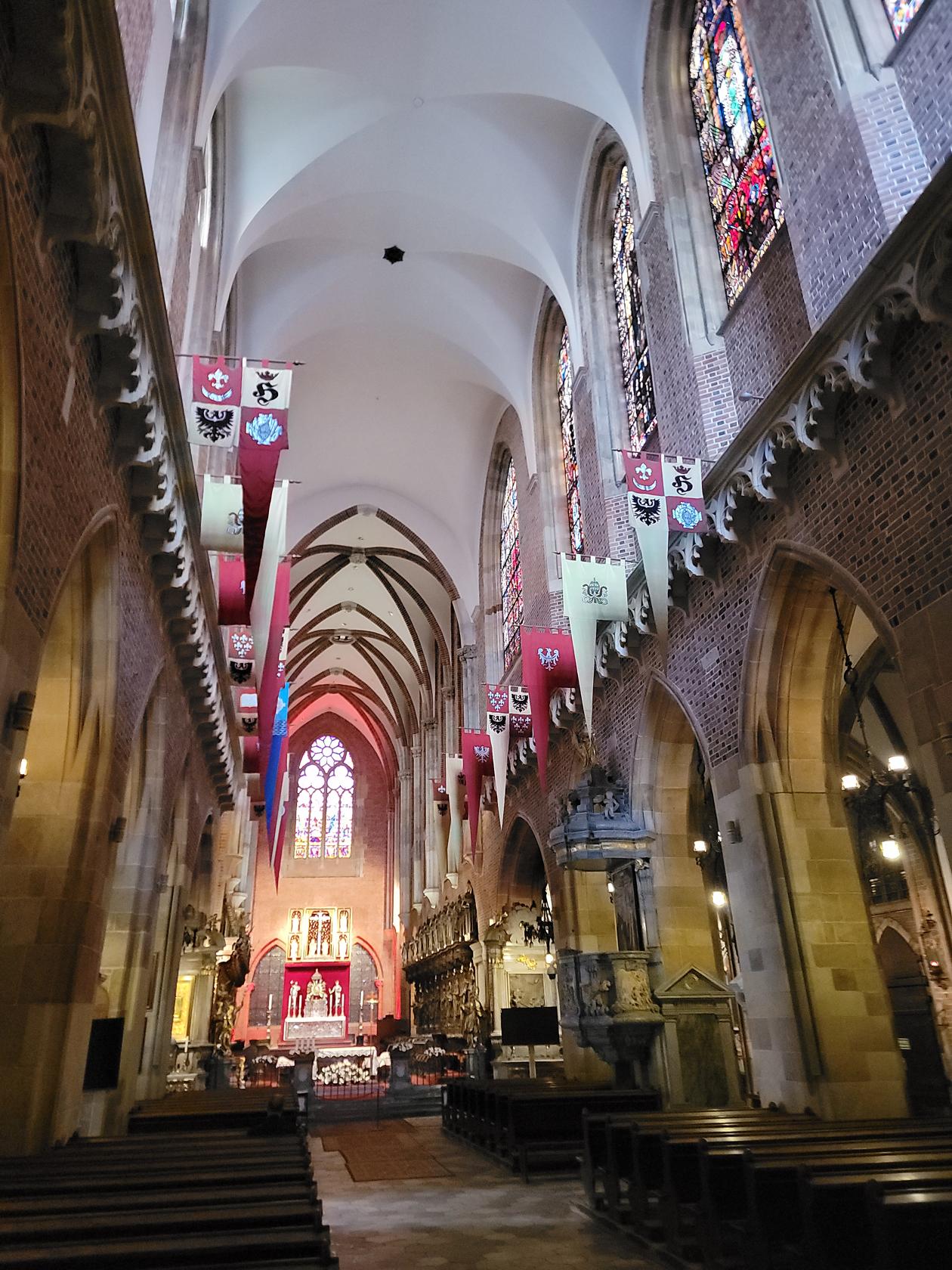
An enormous and the most prominent building in Kaptol is the Zagreb Cathedral. It is the second tallest building in Croatia and is surrounded by the Kaptol Fortress. Unfortunately at this writing, it was undergoing heavy reconstruction after the 2020 Earthquake., where most of its facade and interior are shrouded in construction scaffolding and screens.

The southern spire had snapped off during the quake and crashed onto one of the adjacent buildings. The northern spire was later removed because it was leaning and can now be seen alongside the cathedral, waiting for its eventual return.

Restaurants

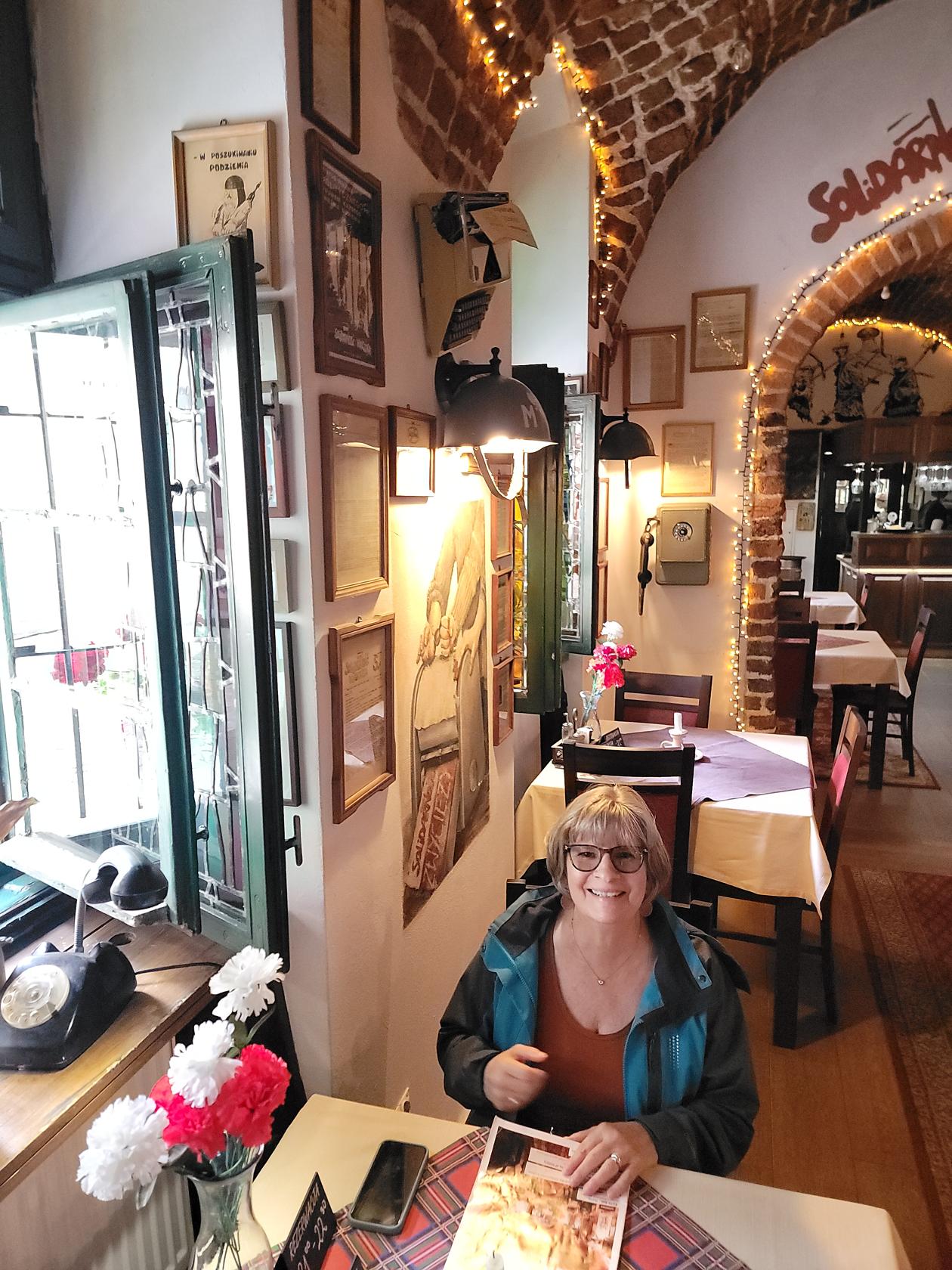
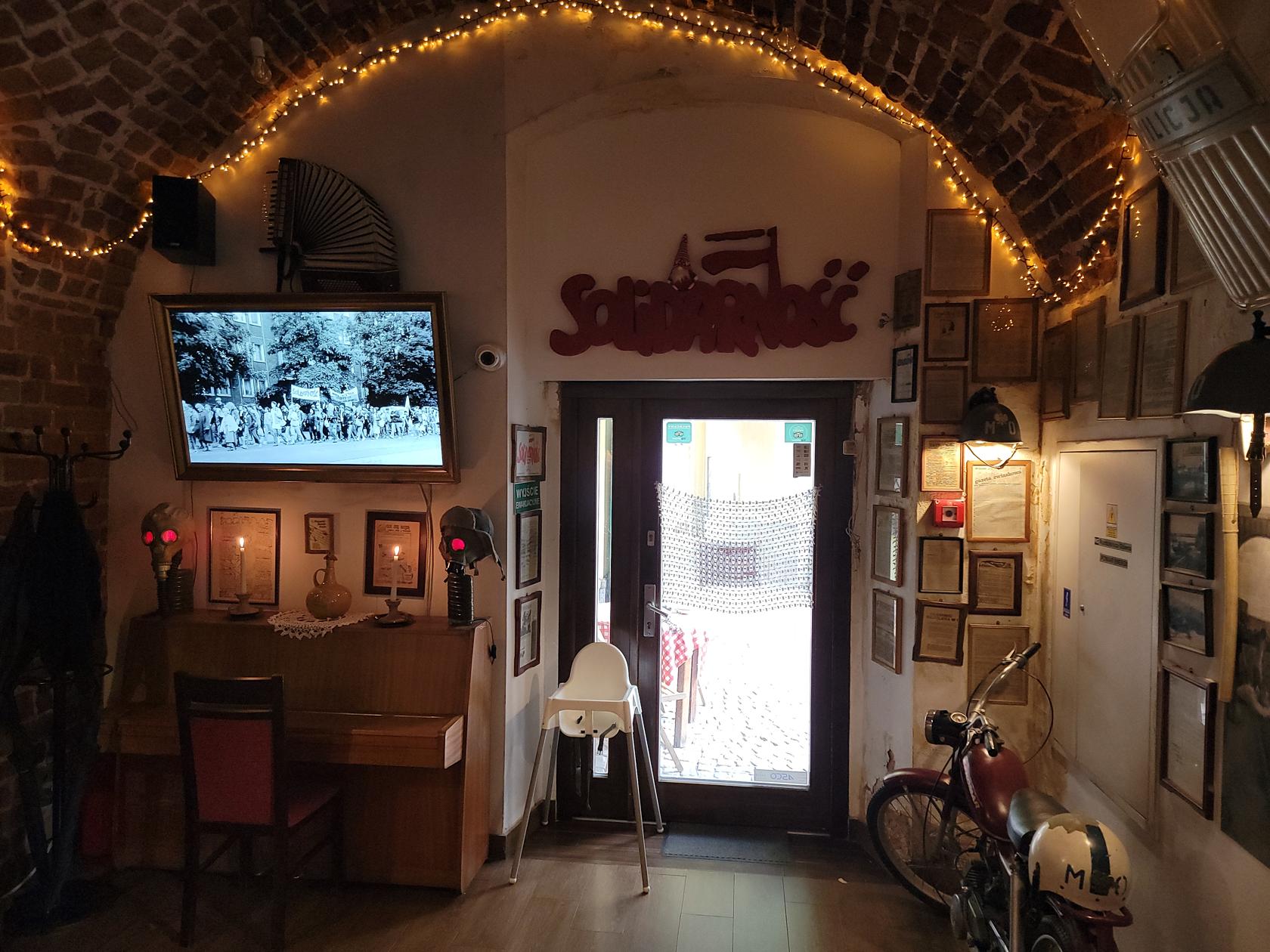
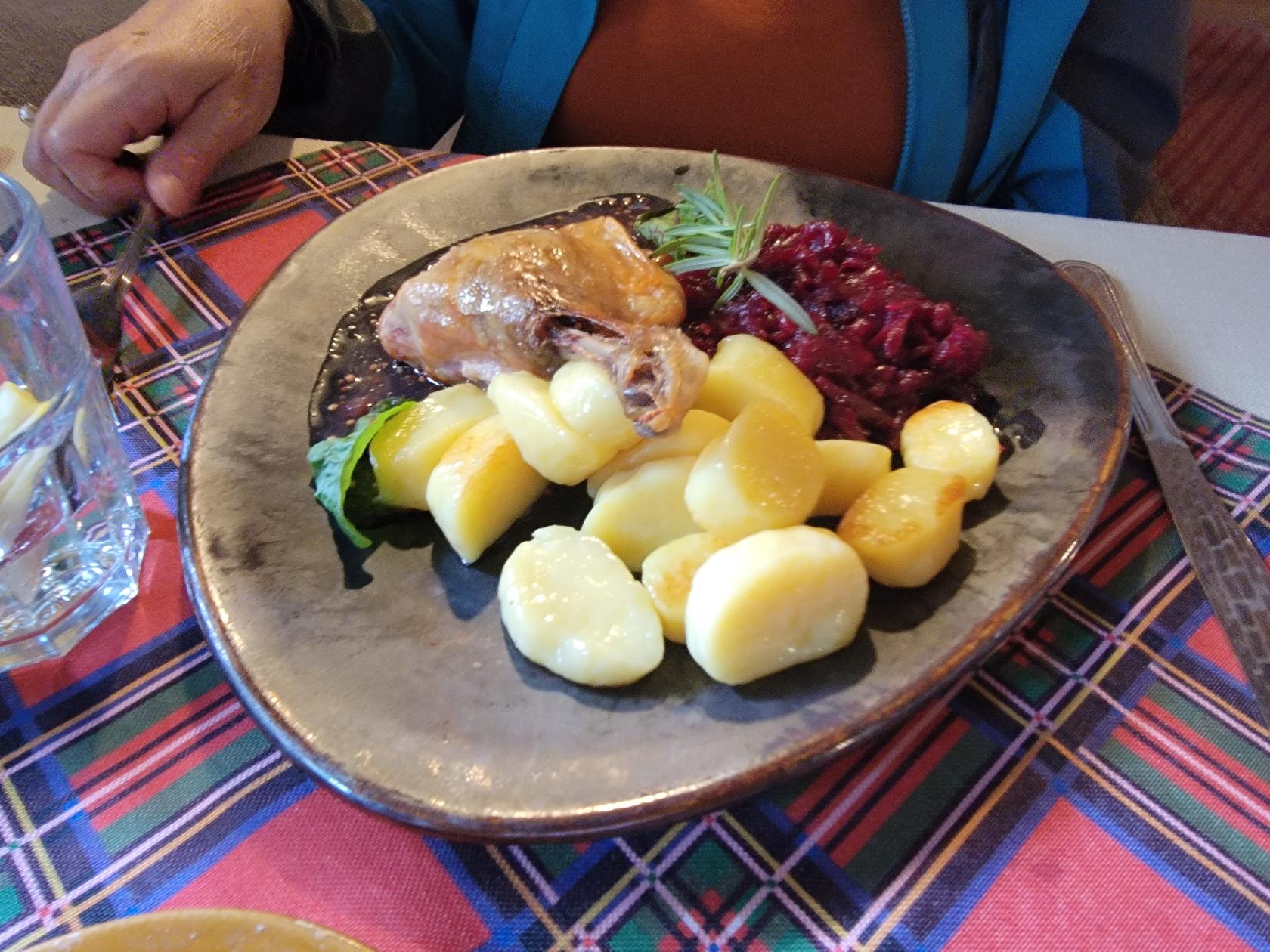
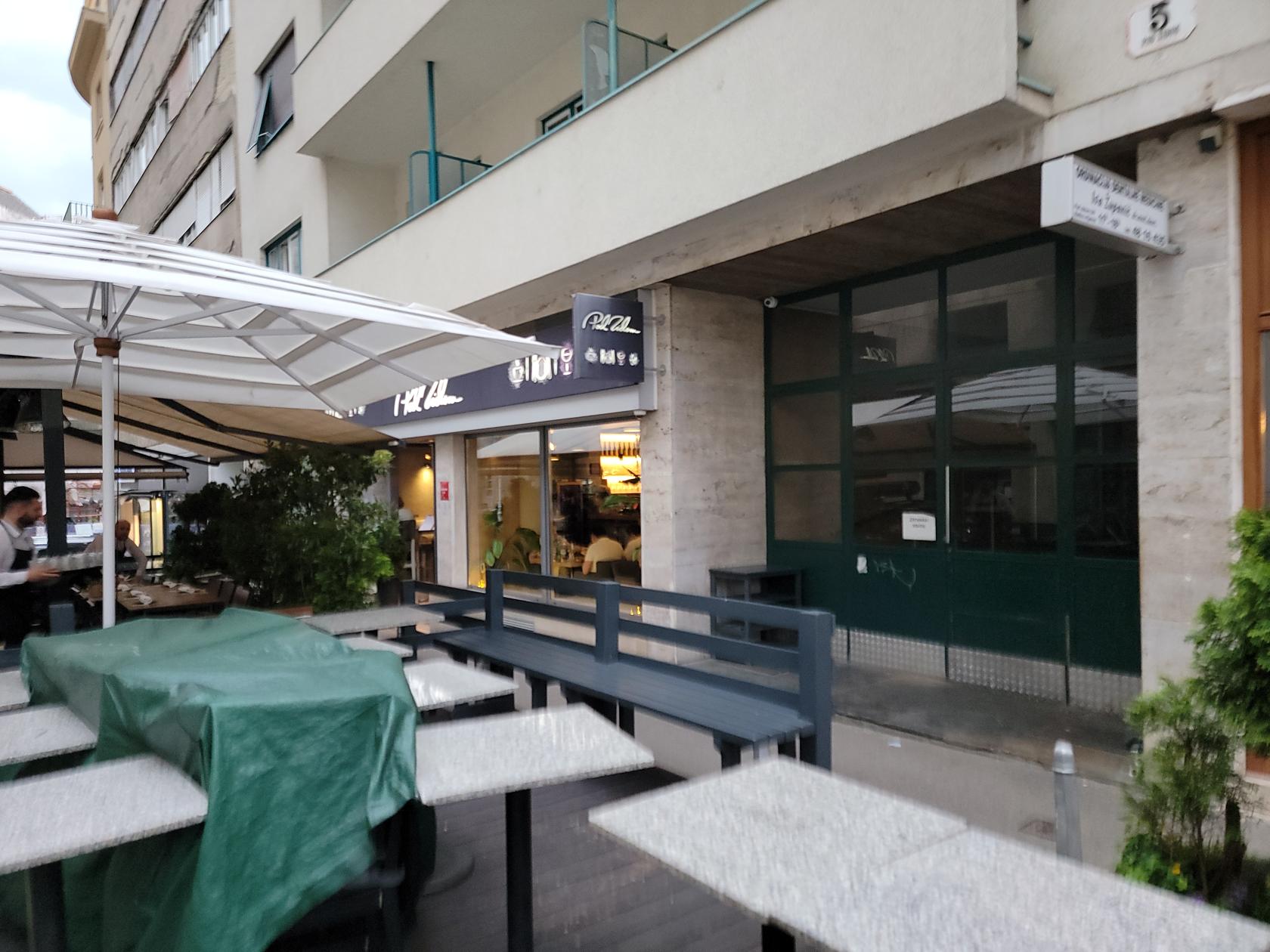
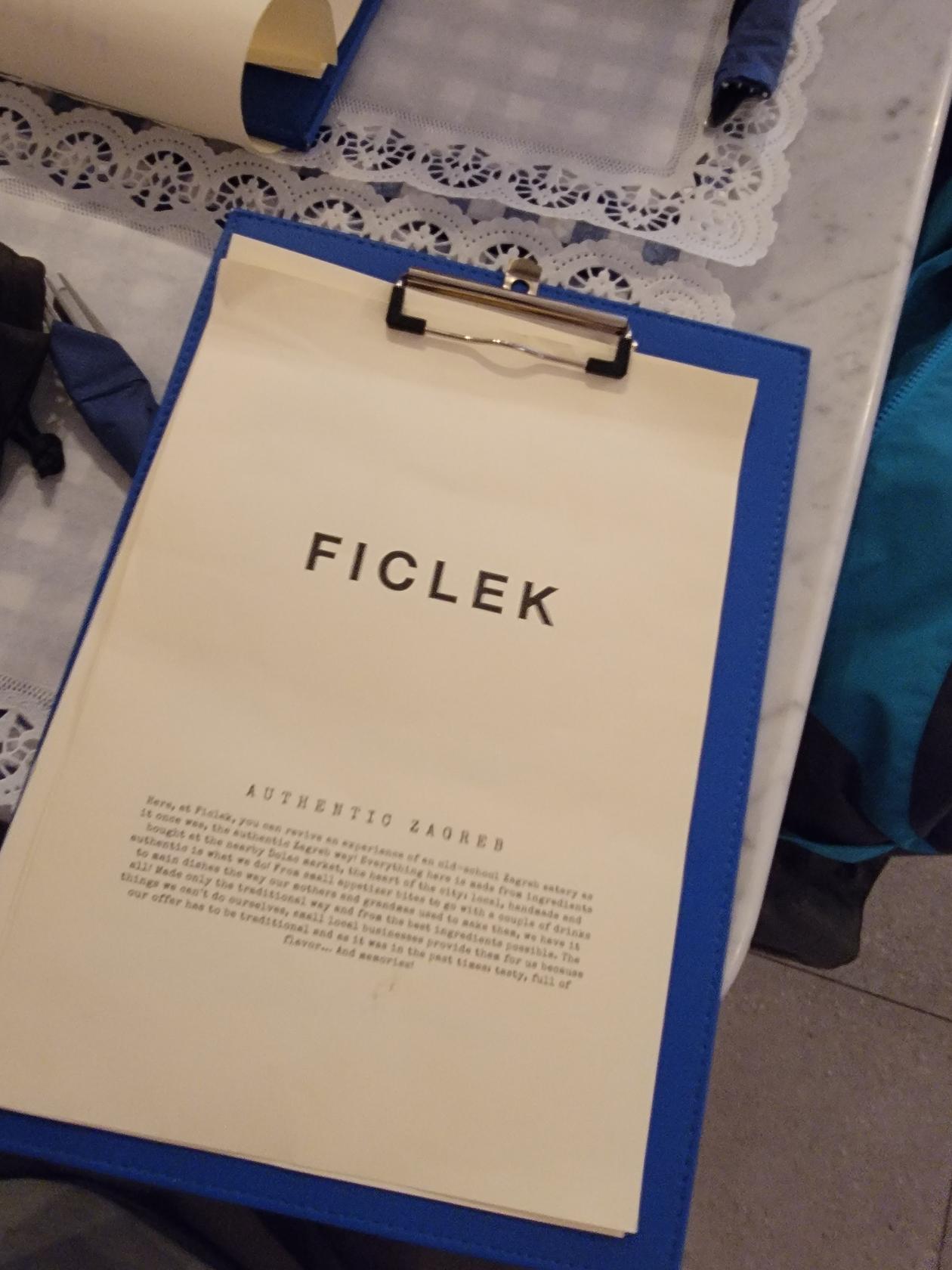
Gostionica Ficlek

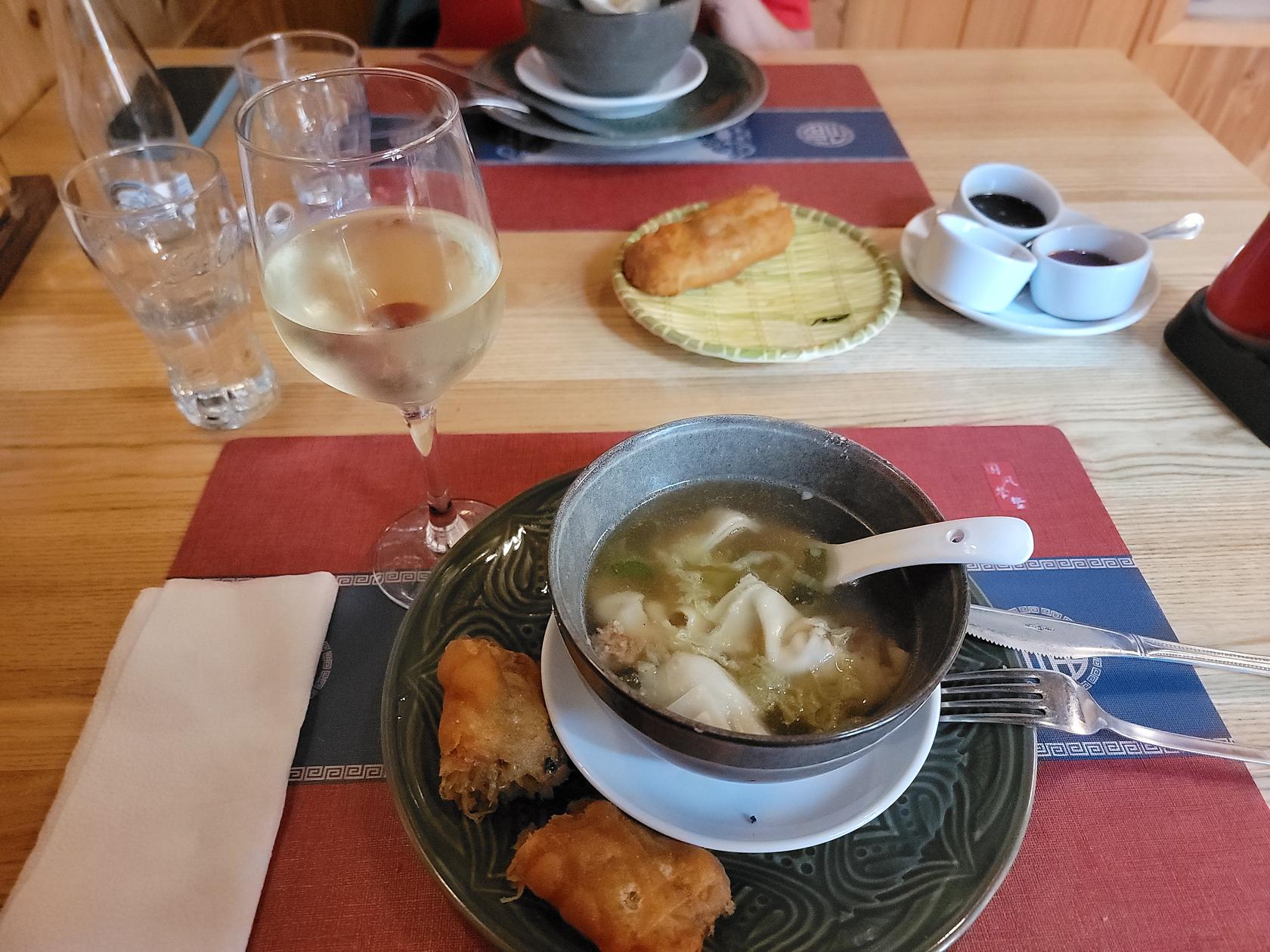
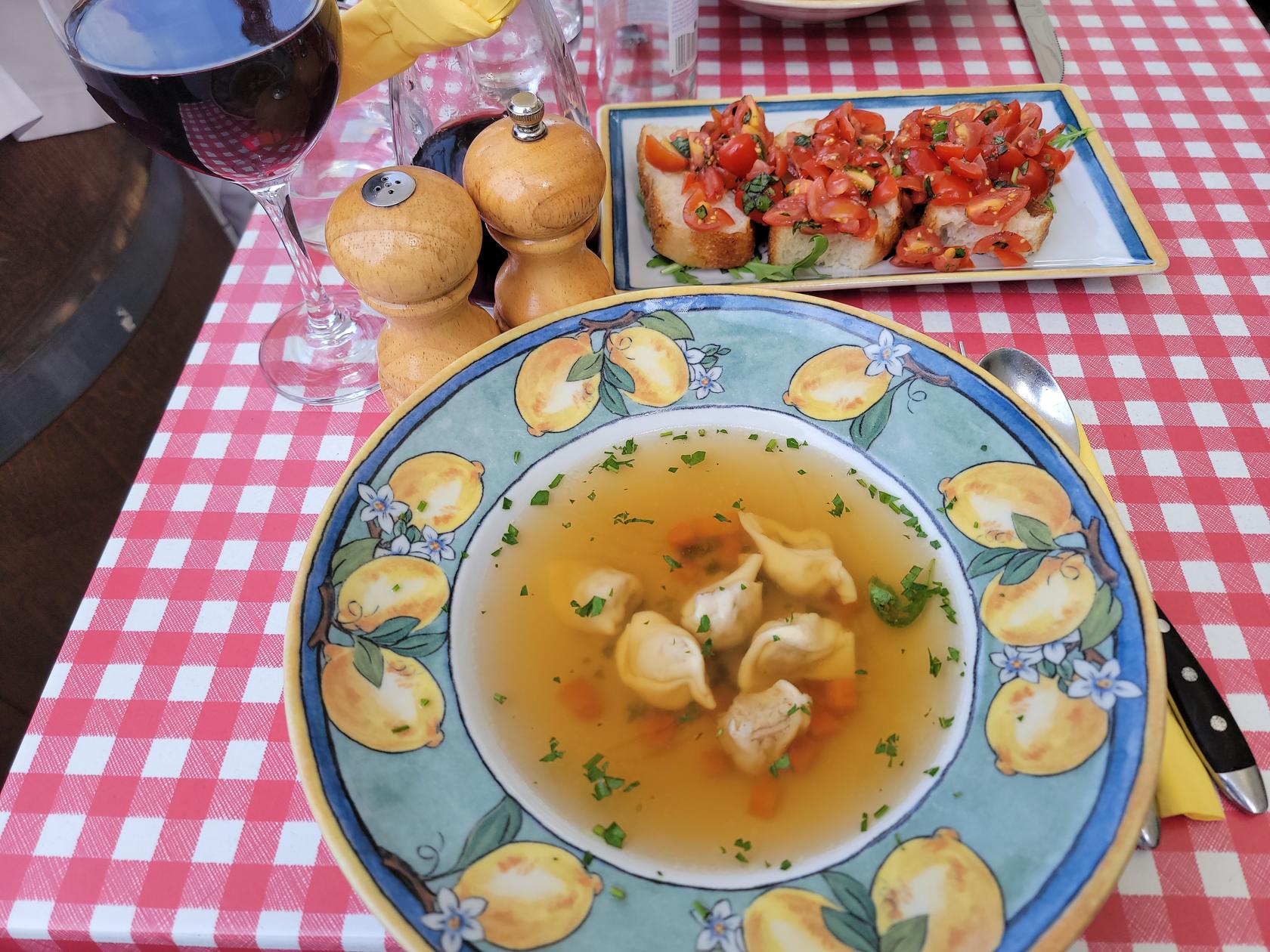
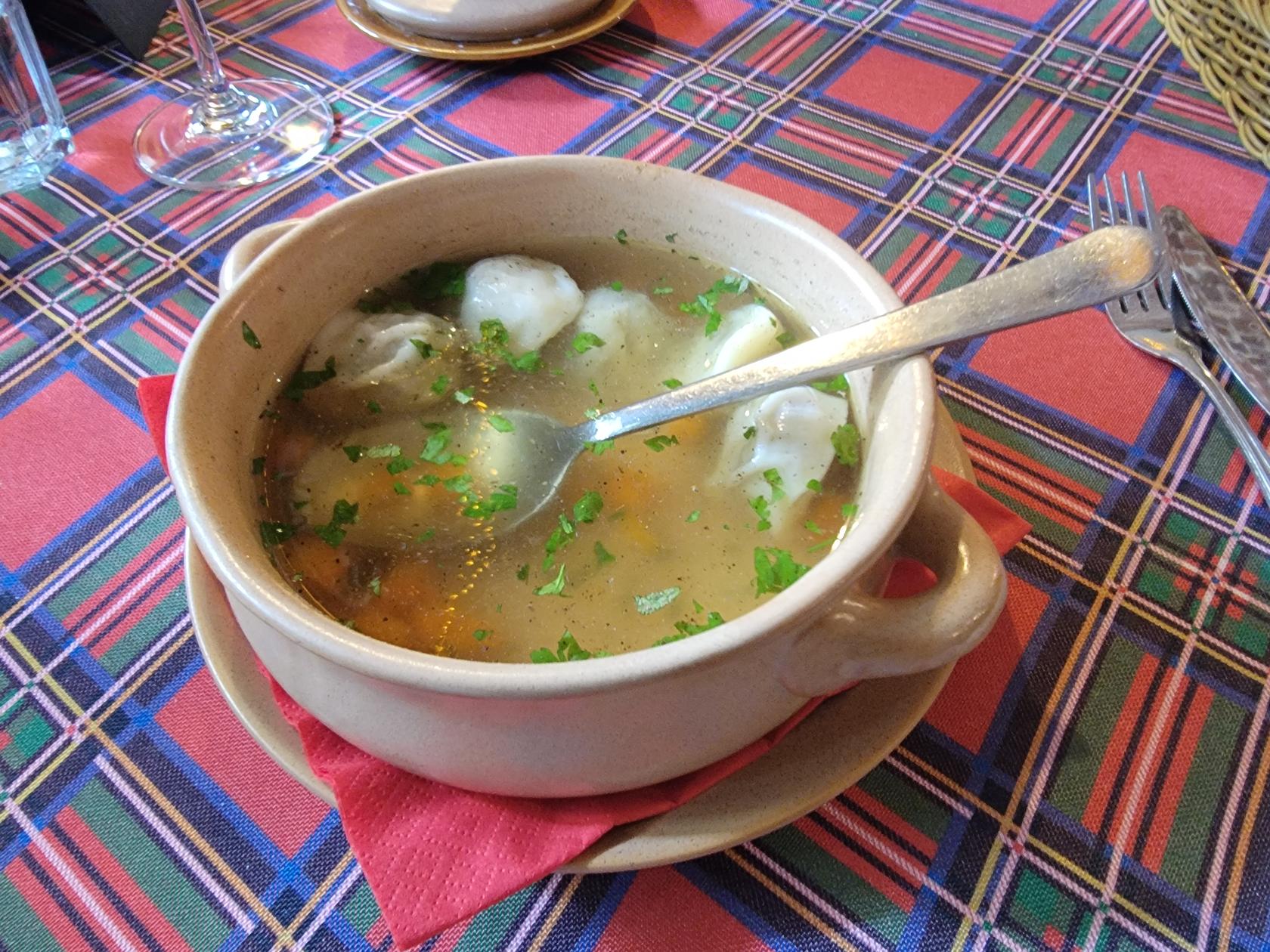
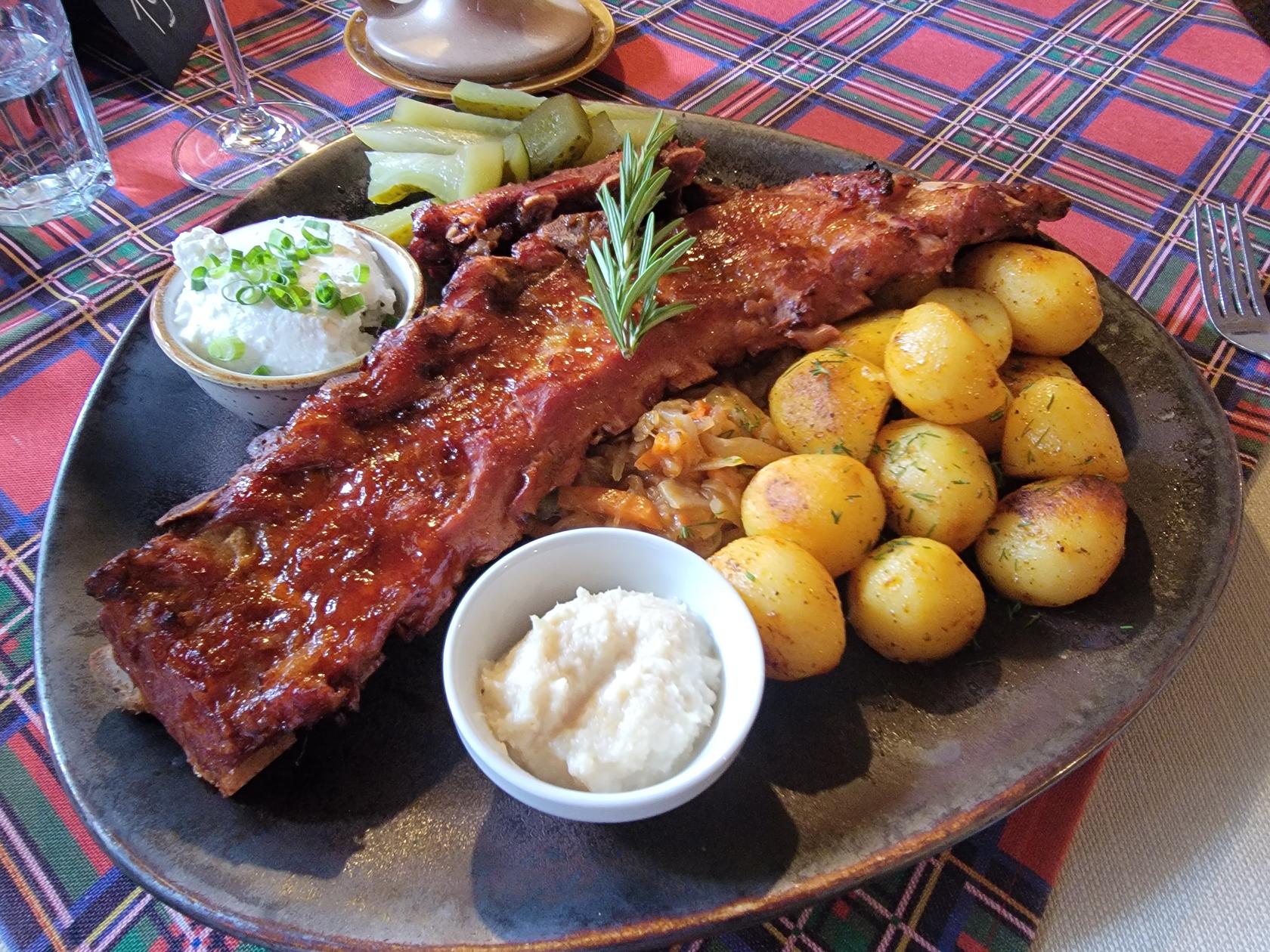
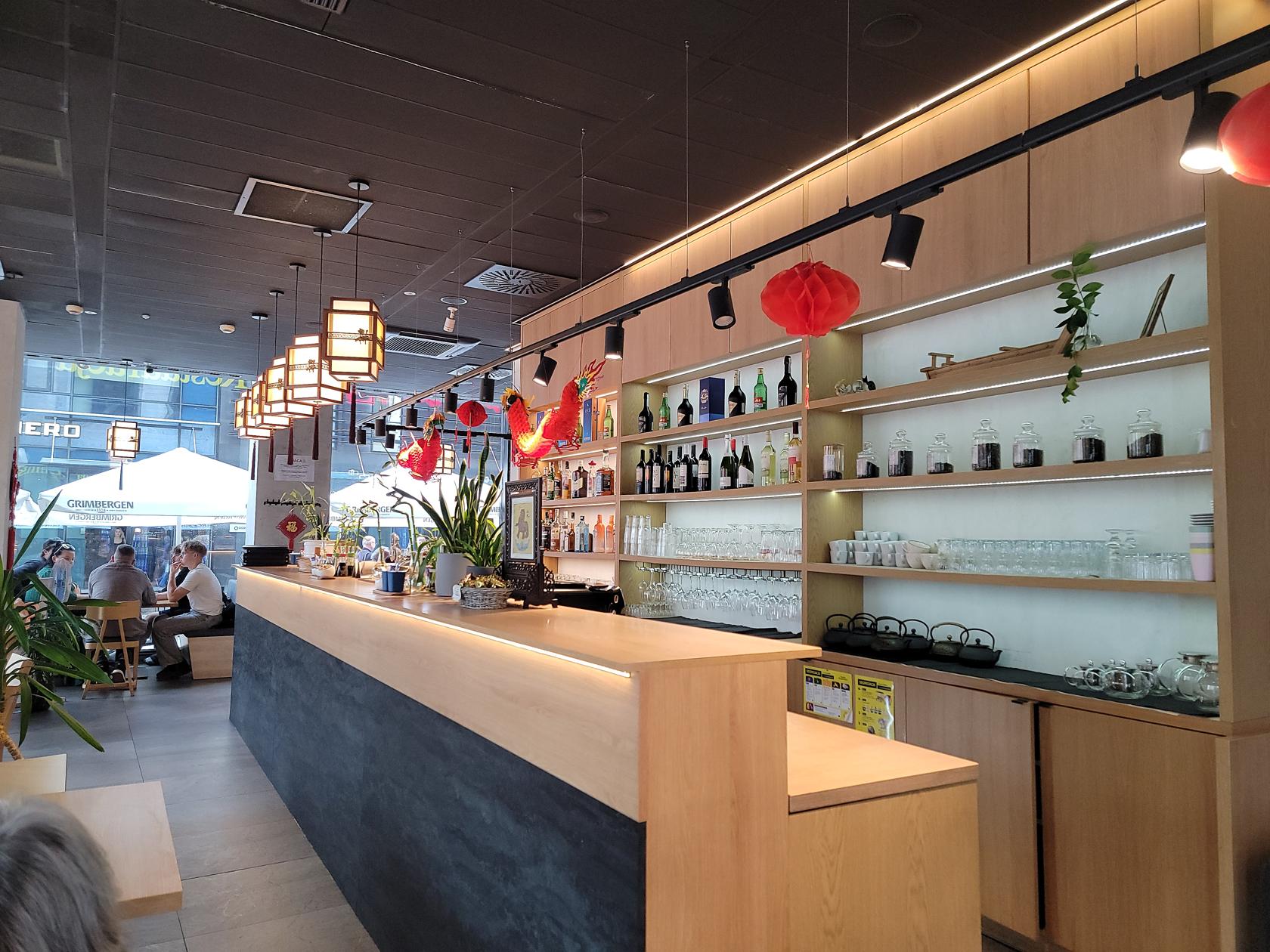
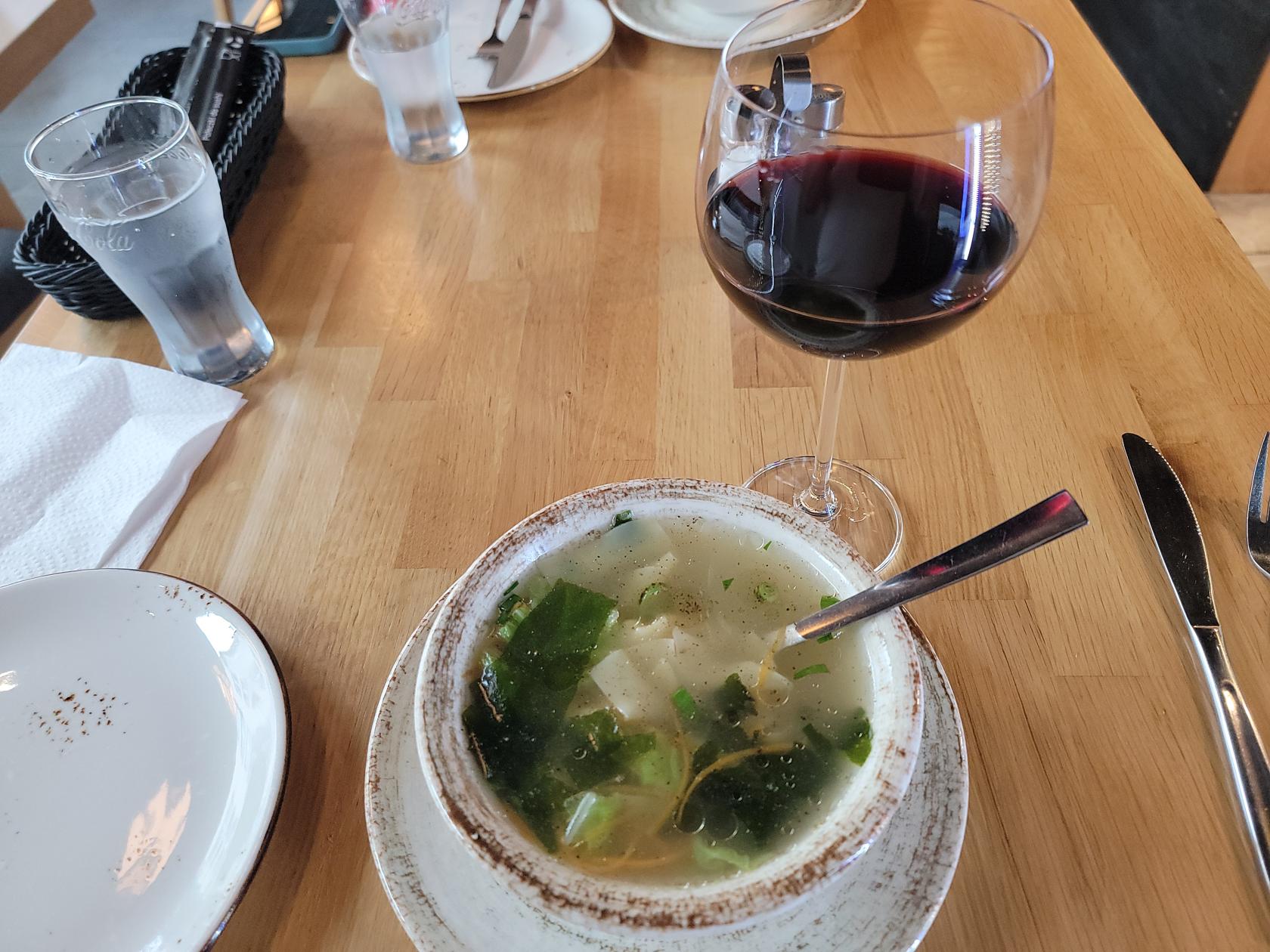
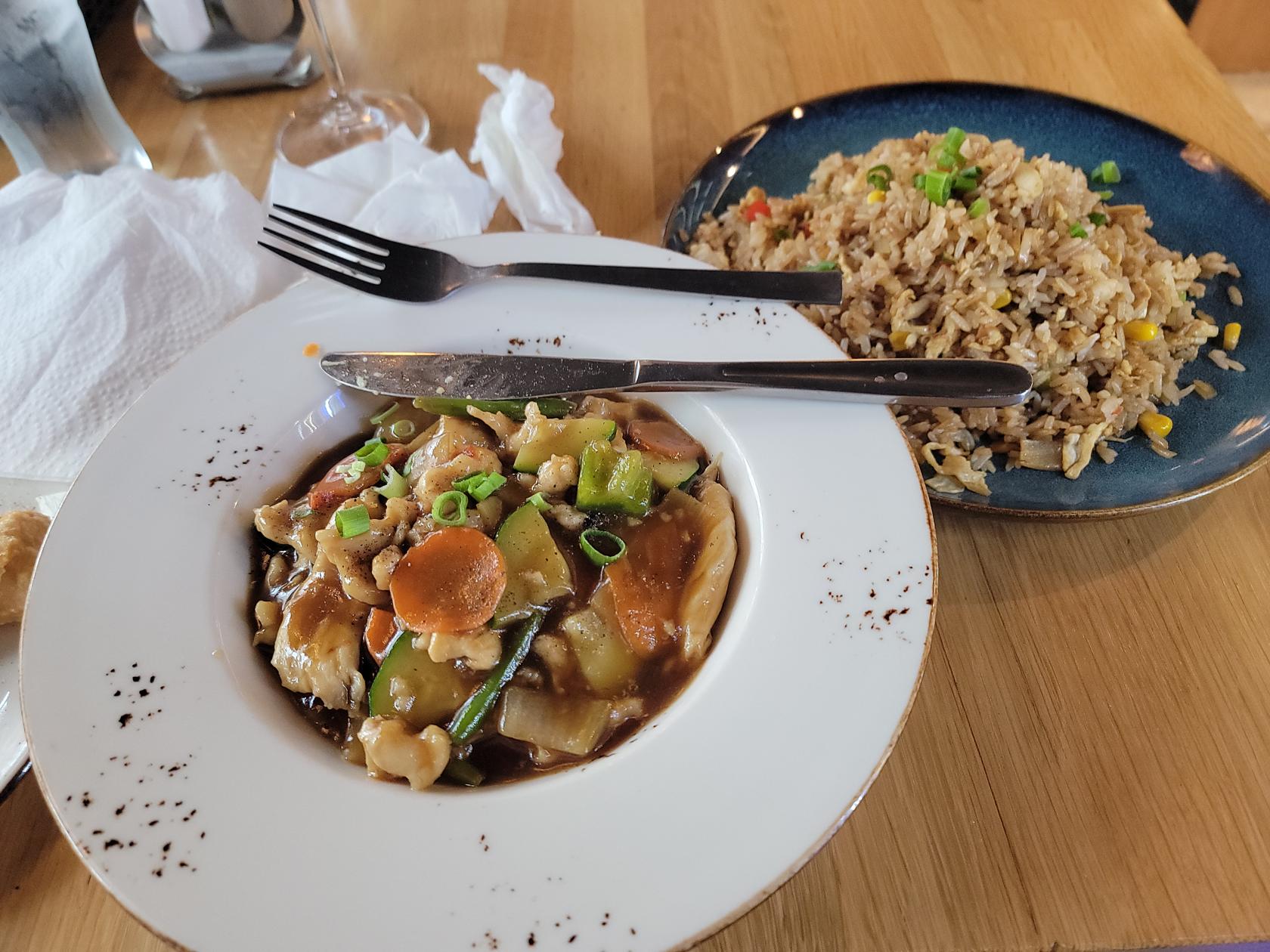
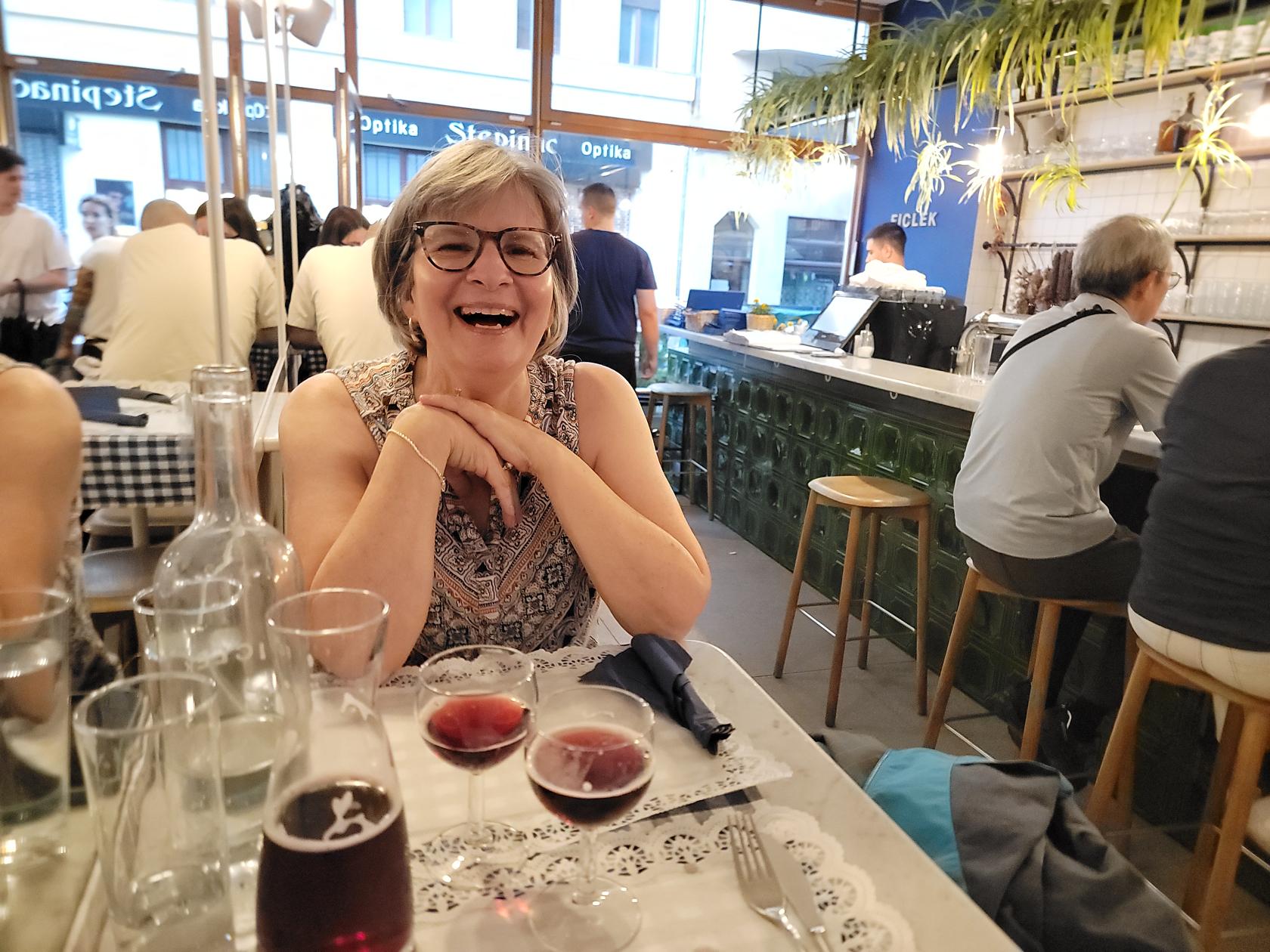
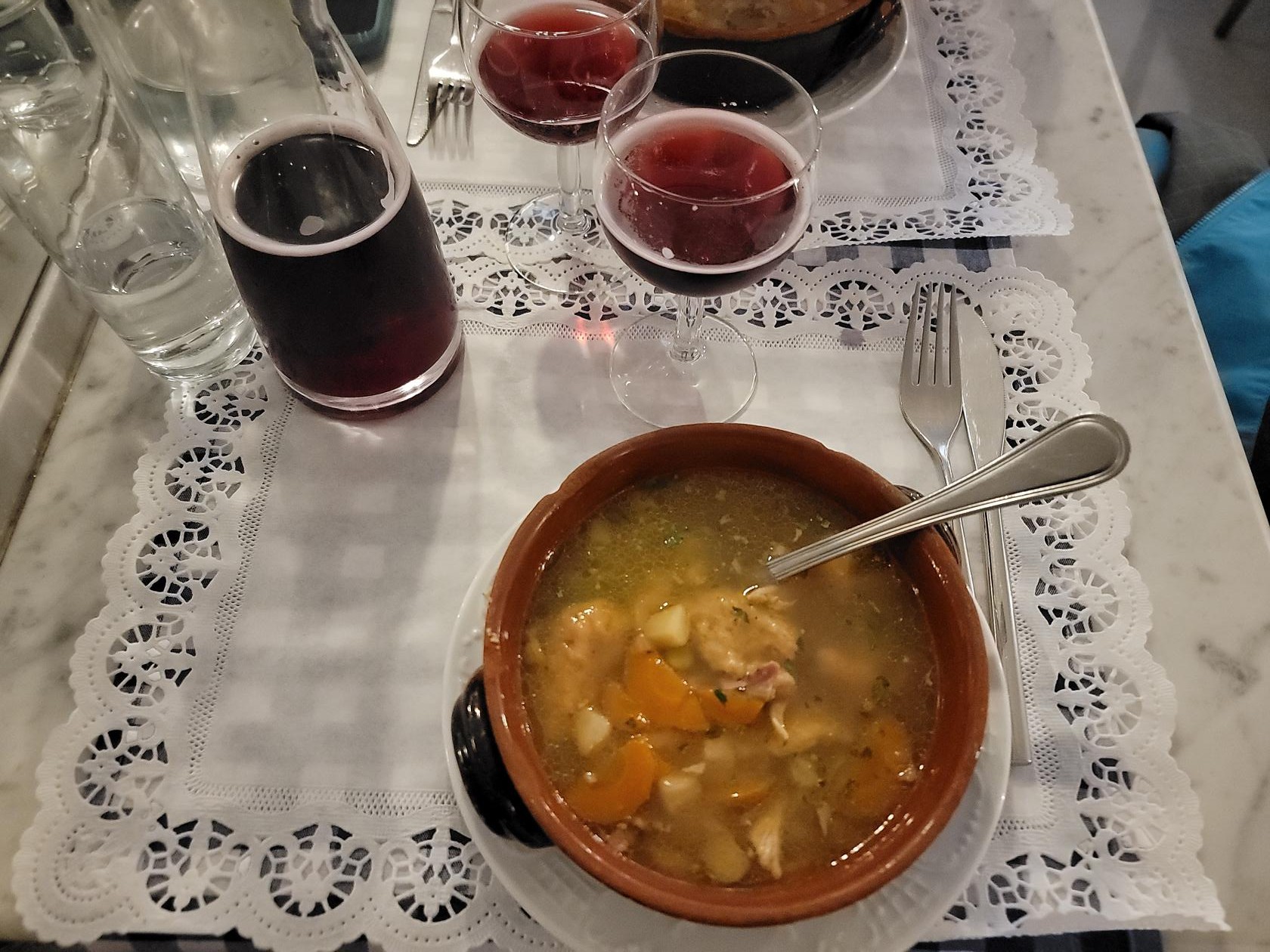
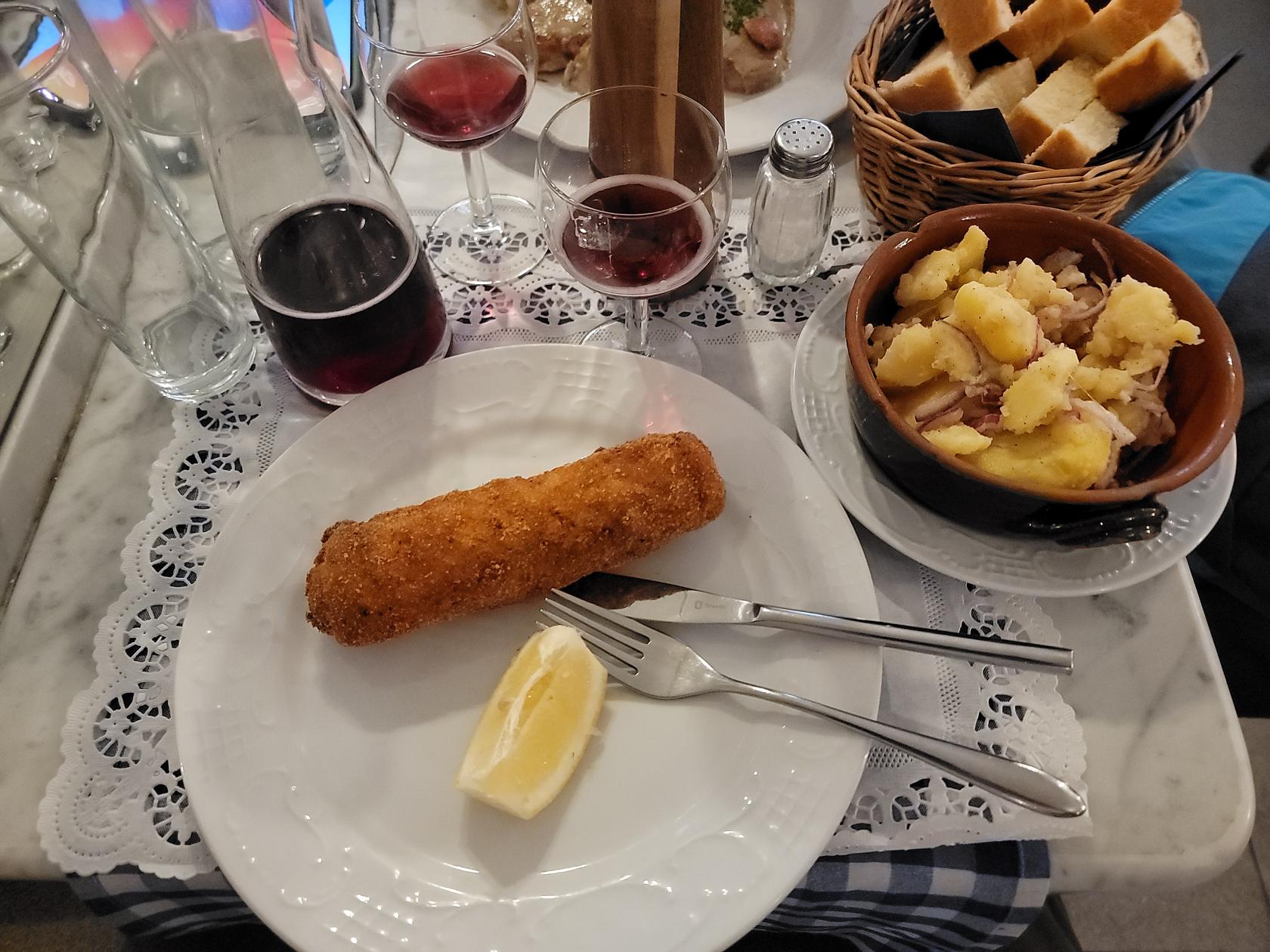
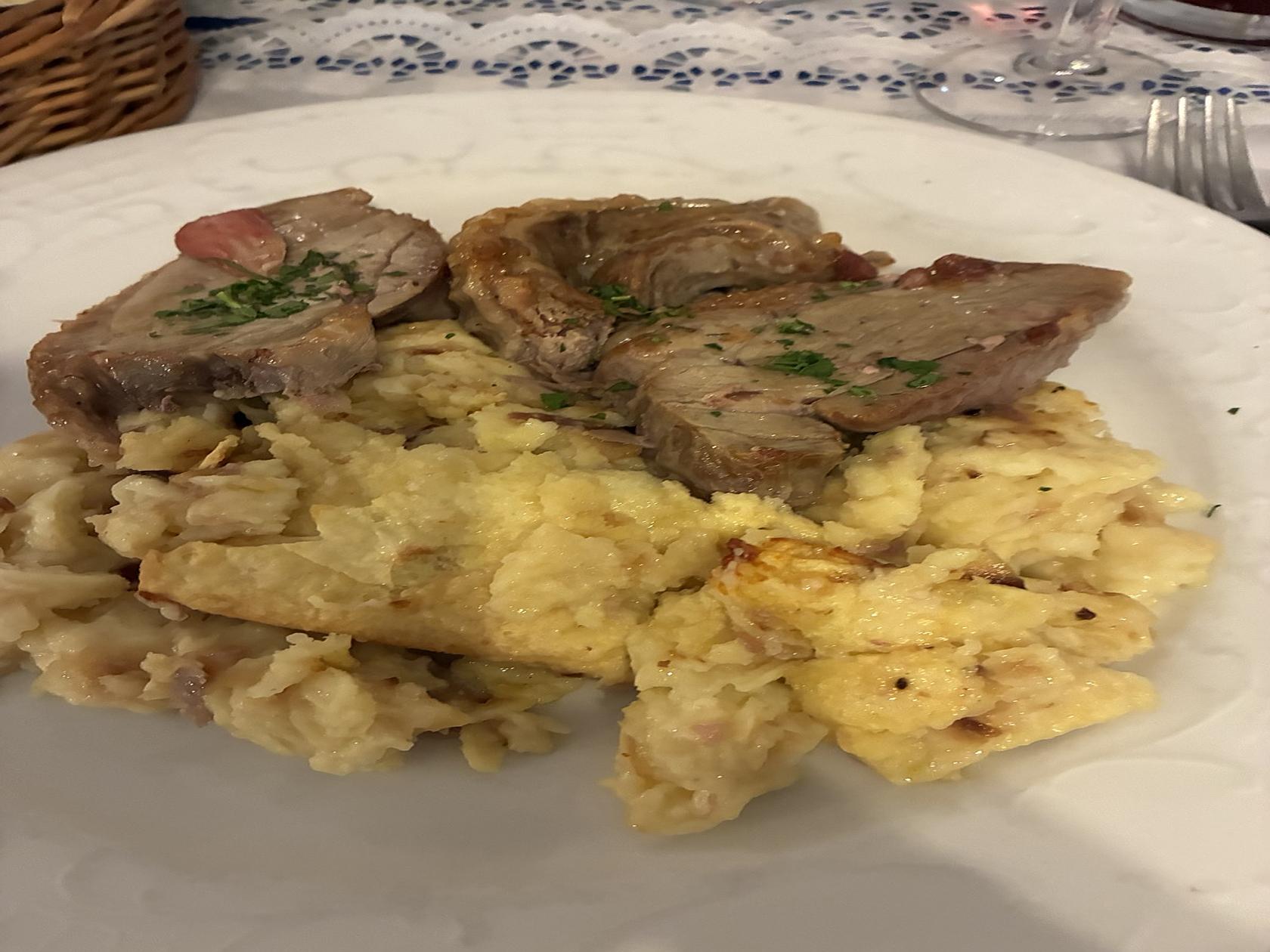
The restaurant Gostionica Ficlek is a good place to enjoy the gastronomy of Croatia and Zagreb. It has a fine collection of tasty treats on its menu that can be tried for a more than reasonable price. The traditional chicken soup tastes like a typical chicken soup, until you notice the dumplings, which just puts it over the top.

Heritage Street Food

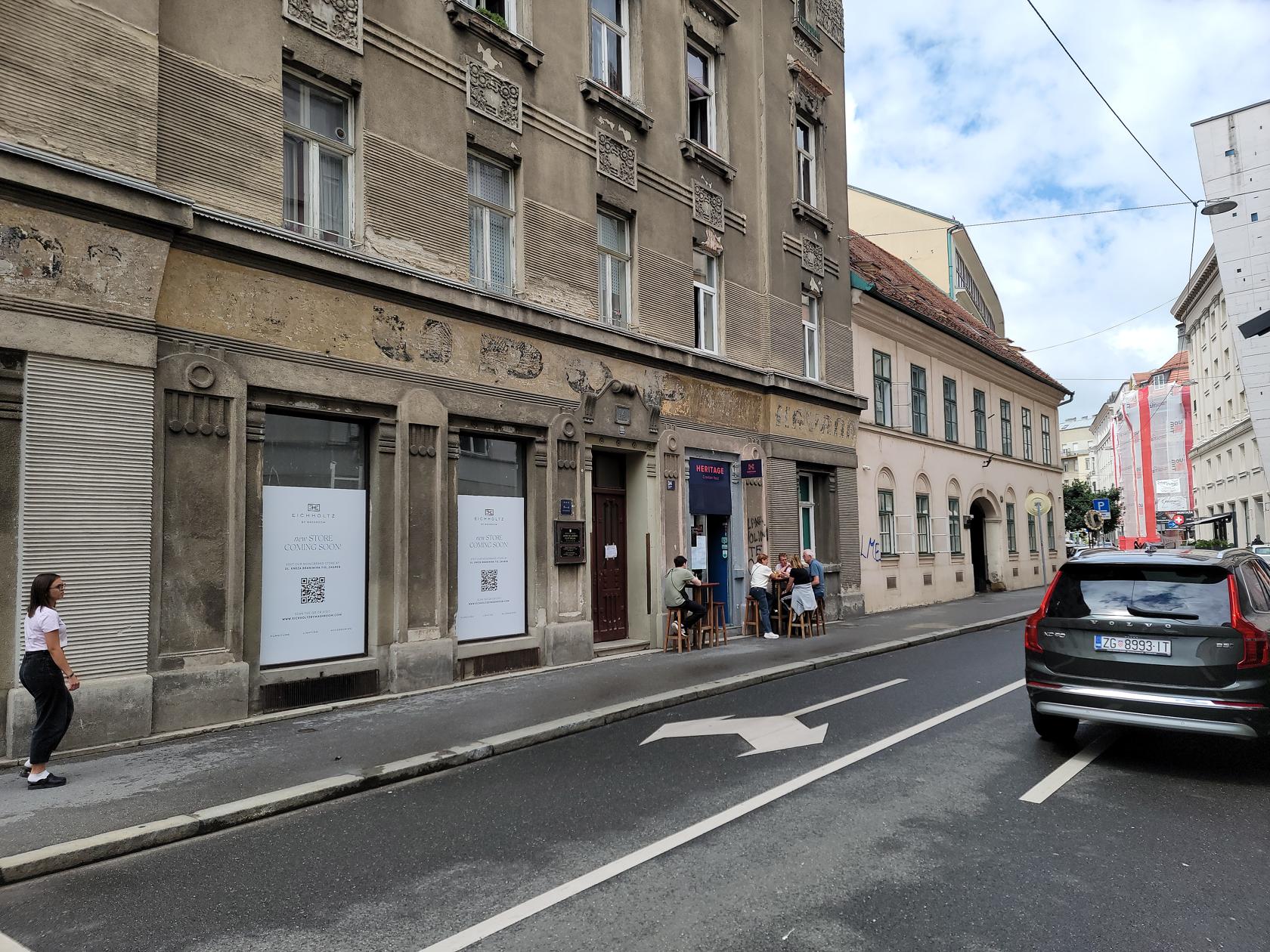
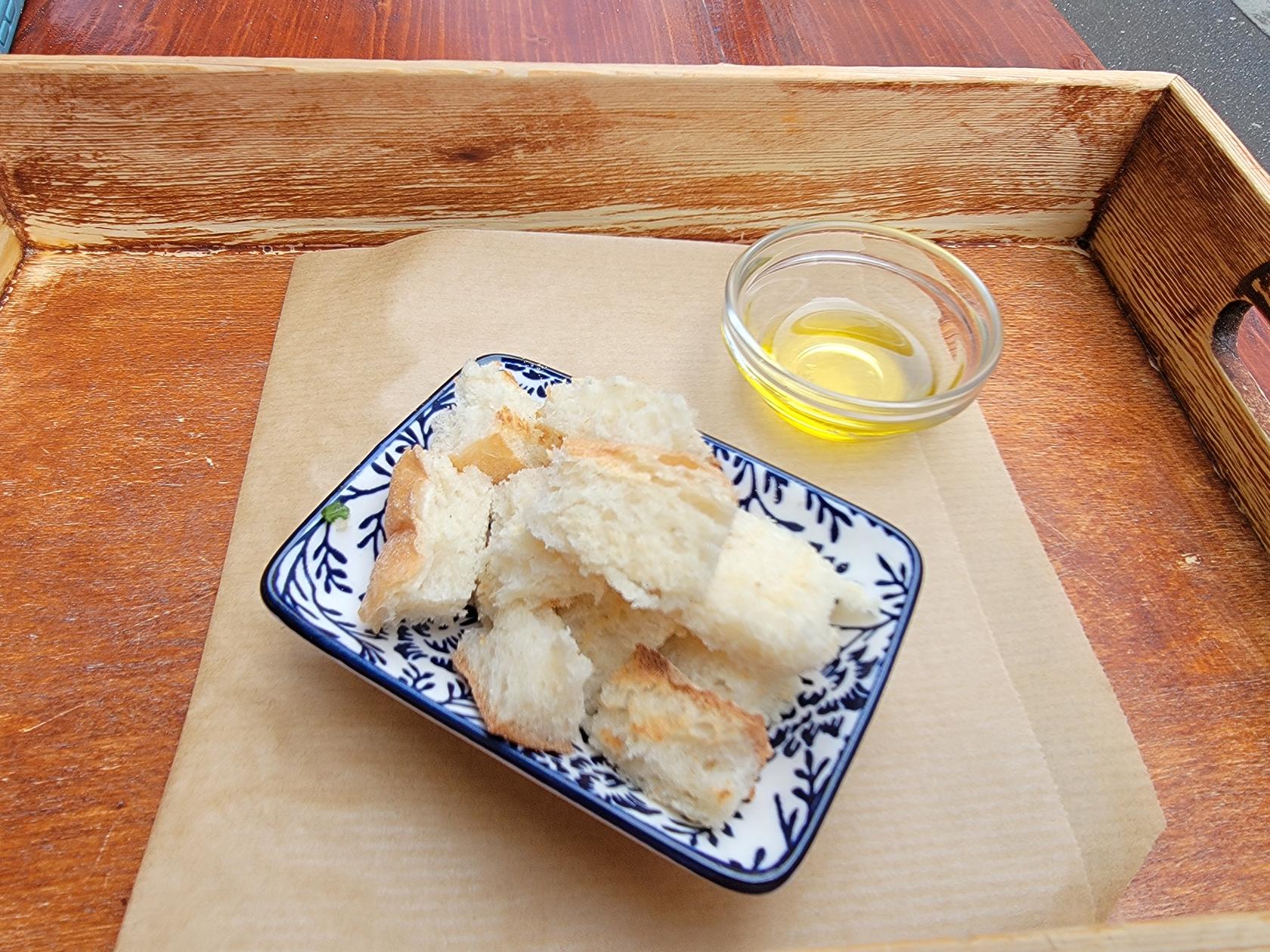
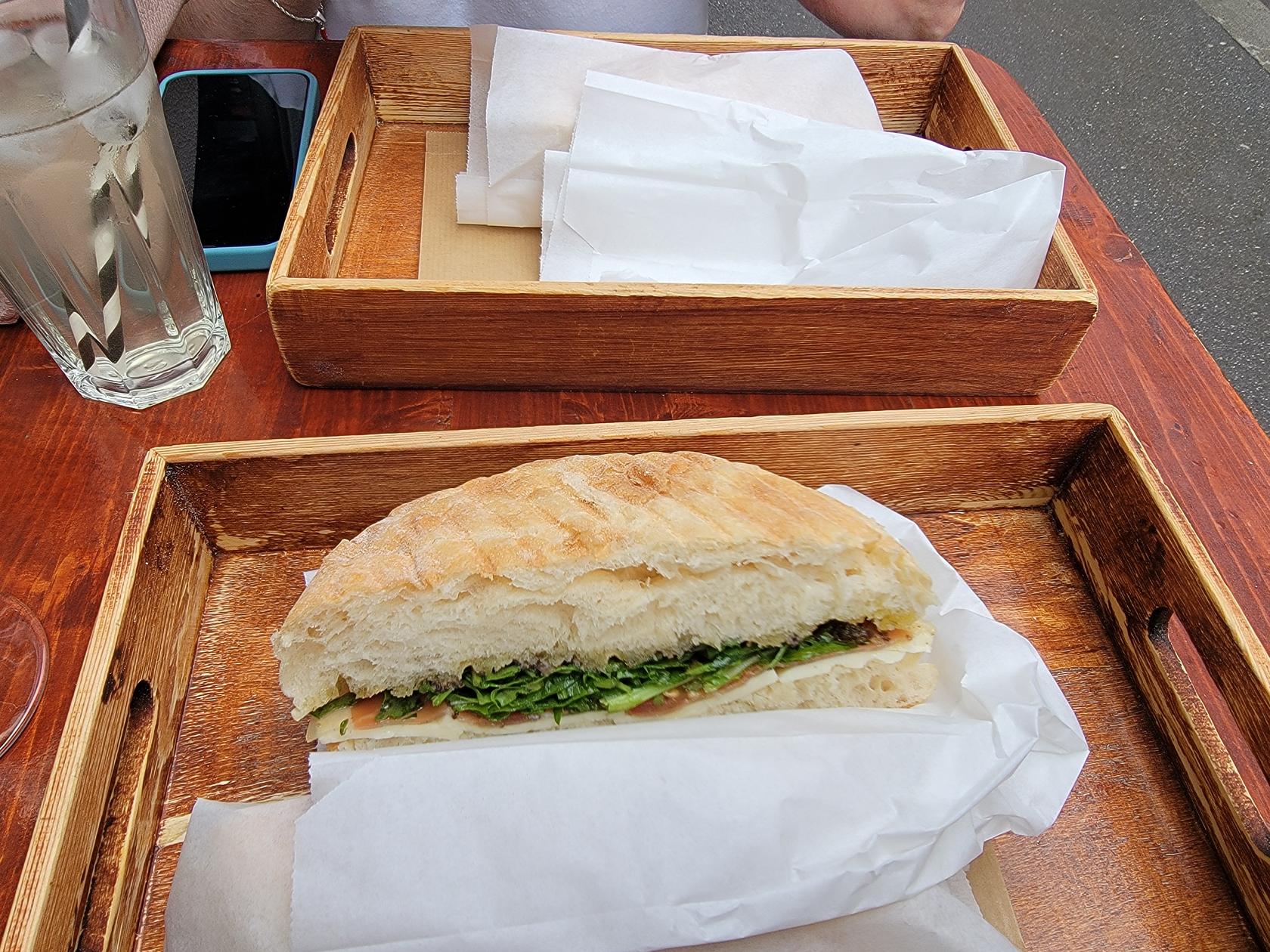
For lunch, Patti selected a tiny establishment on Petrinjska street, known as Heritage Street Food. Their concentration is on Paninis and Focaccia style sandwiches, which when combined with other delectable sides, create a truly enjoyable and tasty little adventure for your palate.

Caffe & Bar Jupi

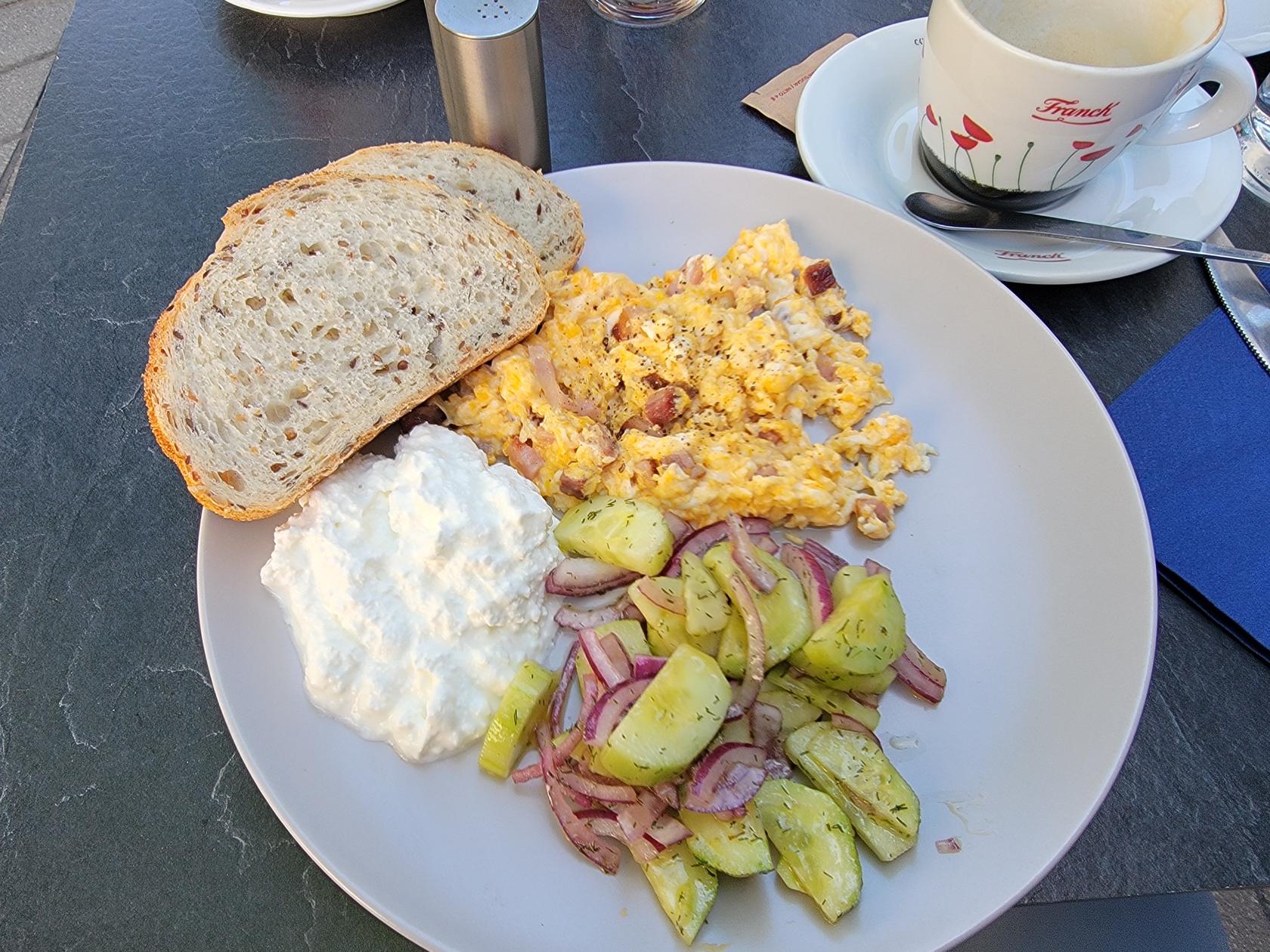
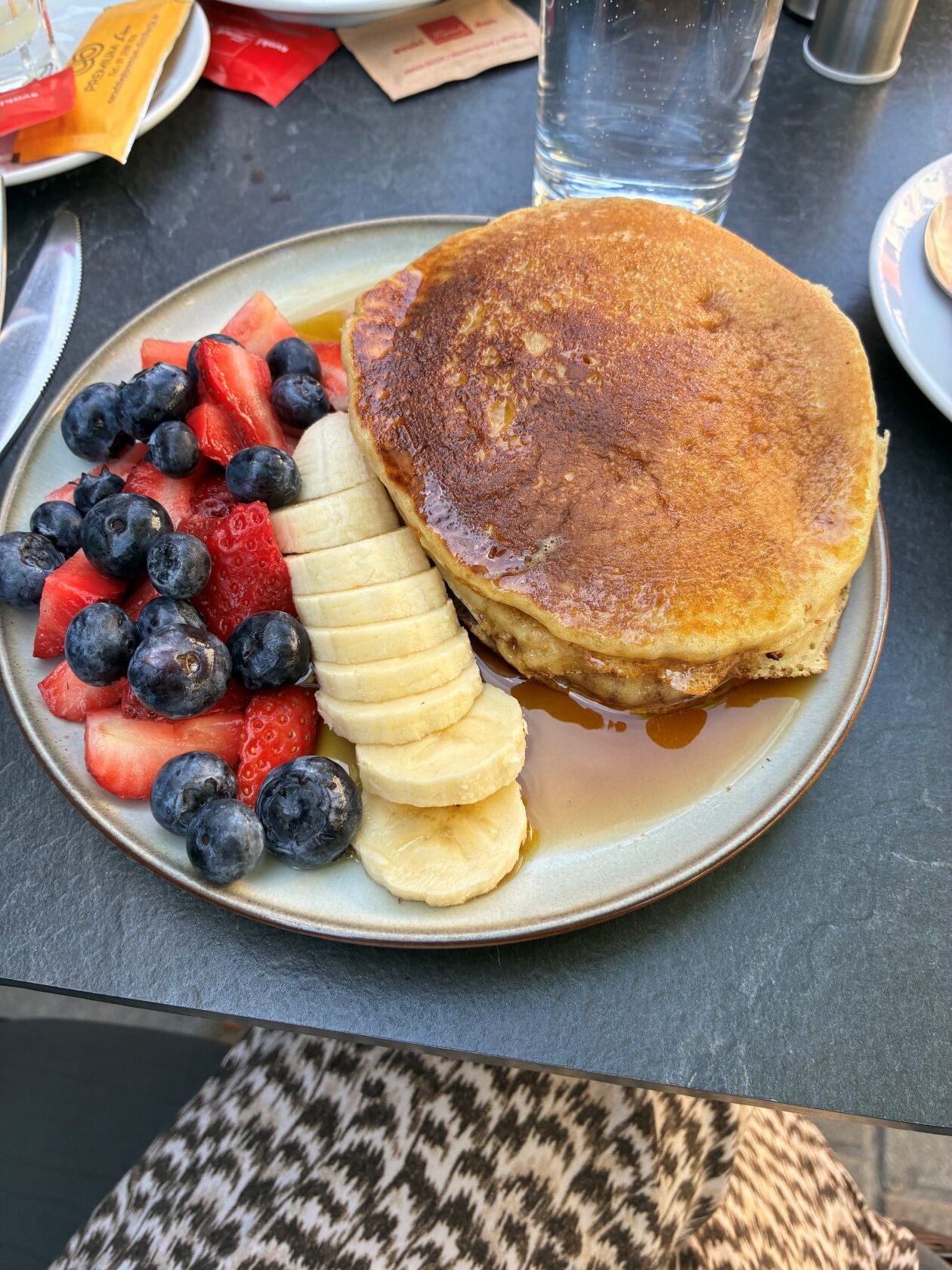
The day that we left Zagreb we visited a small cafe for breakfast called Caffe & Bar Jupi. Patti ordered the pancakes with fruit and I had the scrambled eggs. Both were delicious and hit the spot on a busy and somewhat chilly morning.

Turin, Italy – Chris Visits

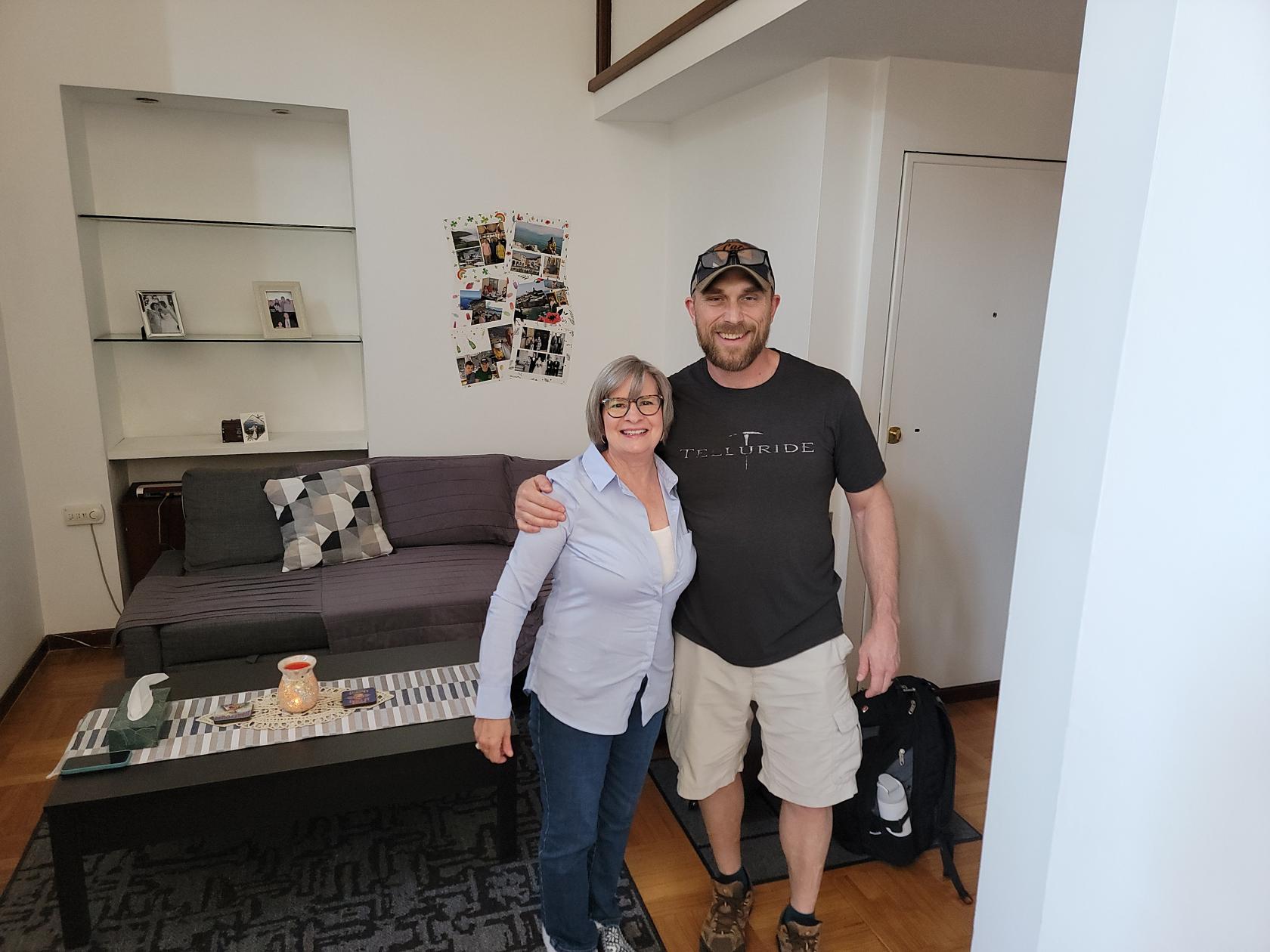
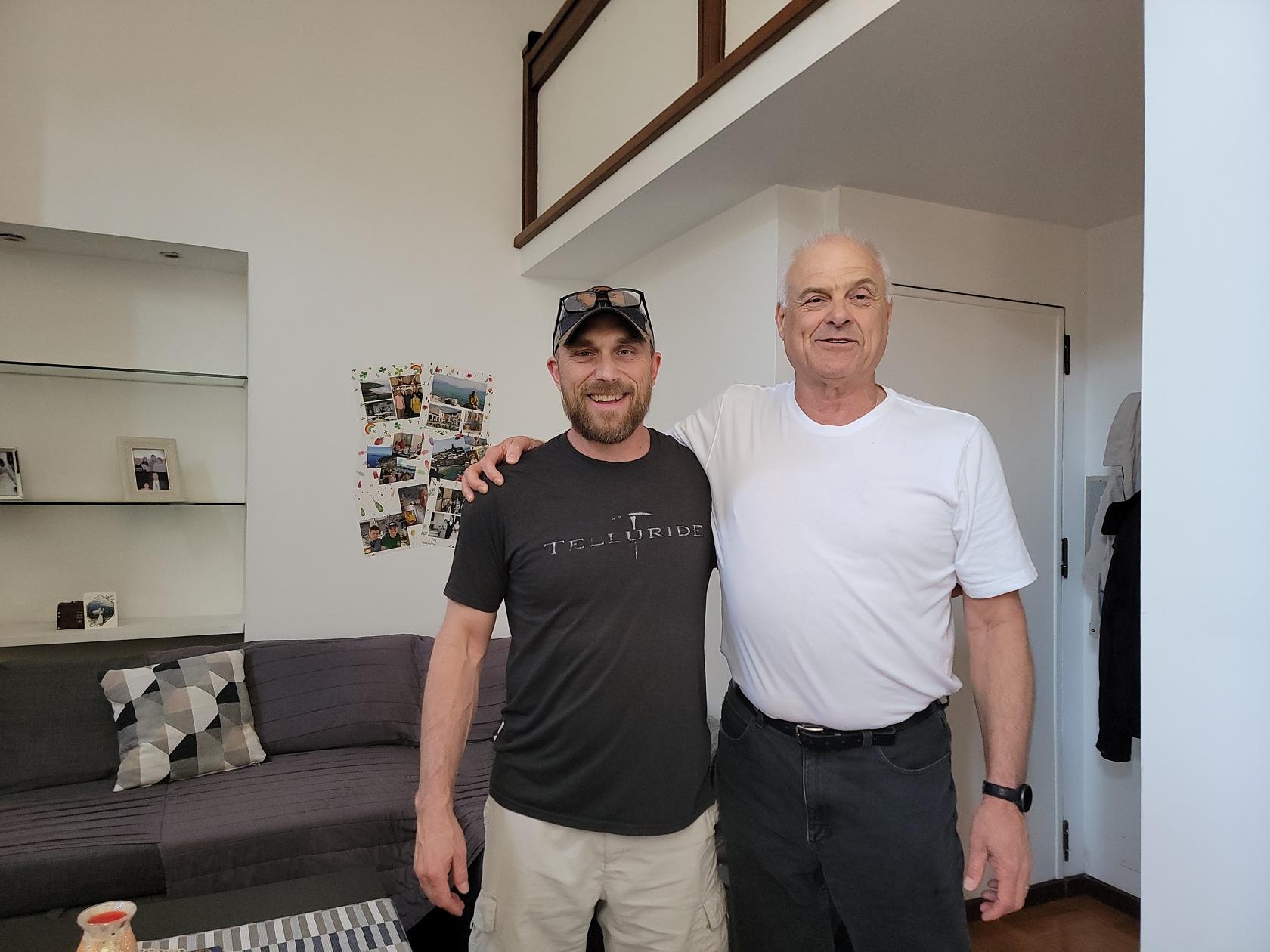
For a few days we enjoyed the company of our cousin Chris, who luckily was traveling for business in the area and was able to stop by for a visit.
Turin

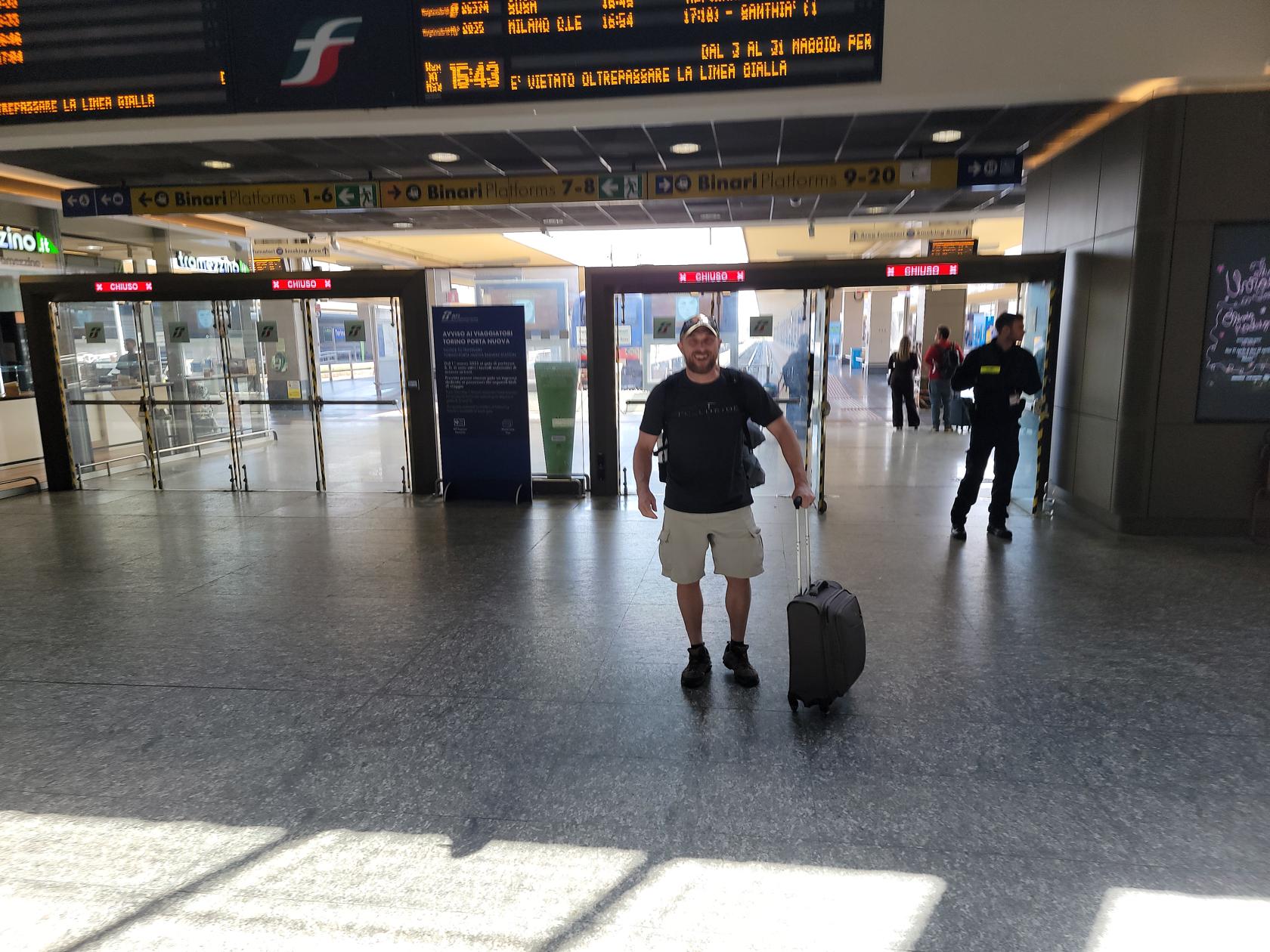
Chris arrived on Friday and I met him at our main train station of Porta Nuova, which because it was coming from Naples and went through Rome, was late by about fifteen minutes.
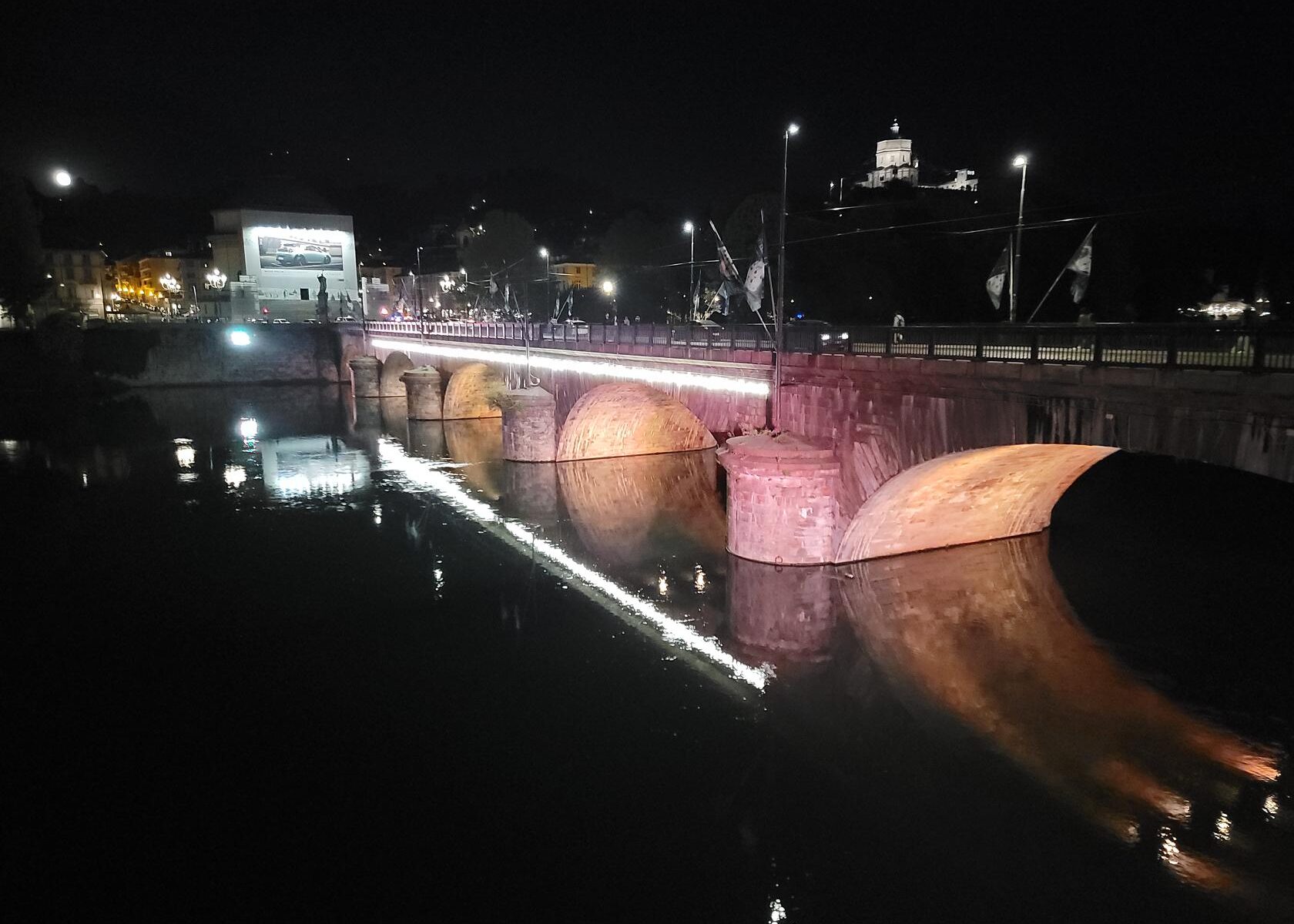
For one entire Saturday, the 2nd of May, we were able to enjoy amazing weather and show Chris the city of Turin. One of our major stops was the Open Market in Piazza della Repubblica. There he purchased authentic Italian cheese to take back home with him. Other than that, we just made sure he enjoyed great food here and kept him as comfortable as possible in our apartment for a few days.

Restaurants

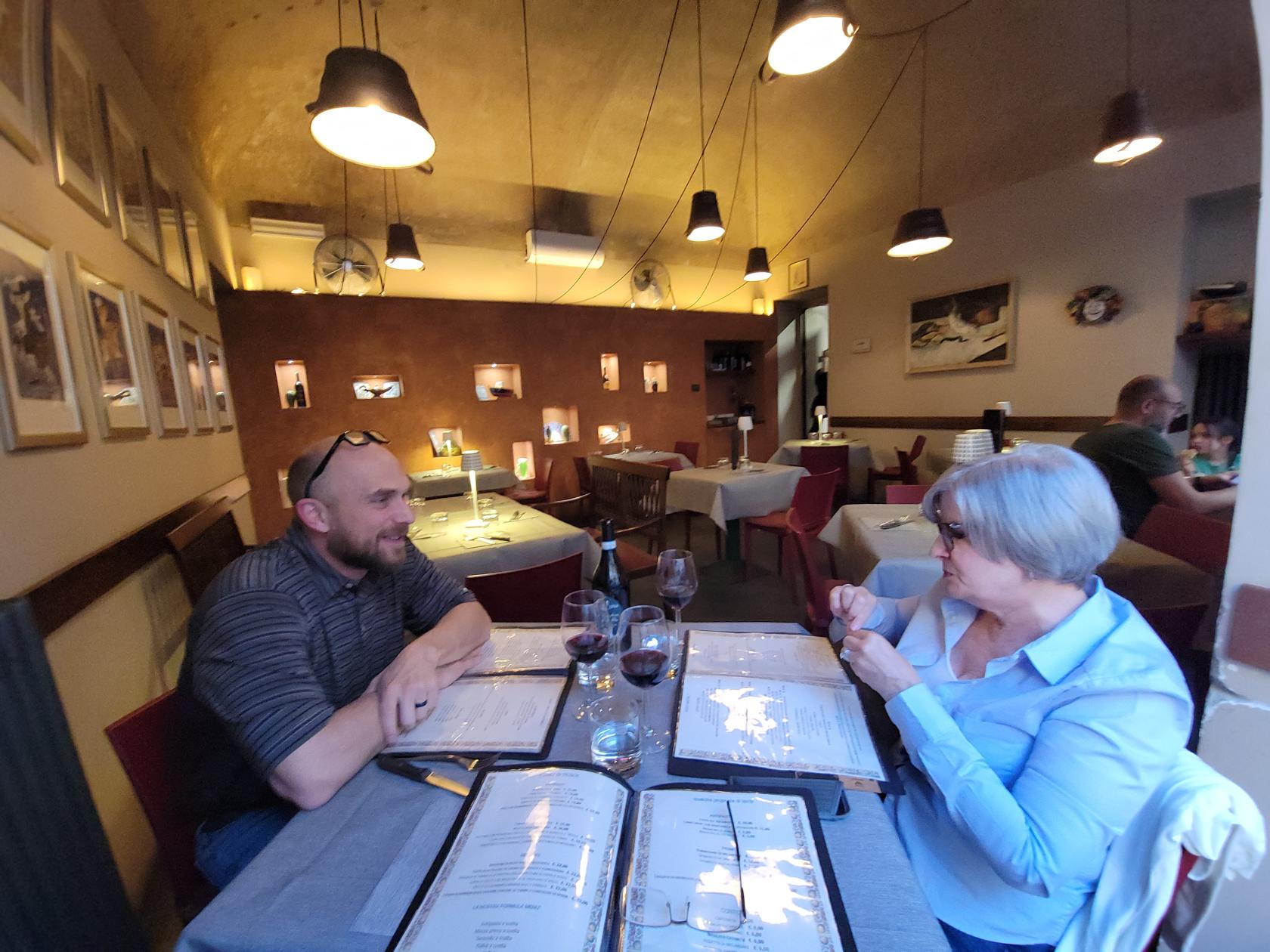
It seemed like we spent more time in the restaurants, trattoria and cafes, than we did walking around. We made a point of it to take him to our two favorite restaurants nearby, which I am happy to say we had reservations for, given the fact the city was packed with people for the Jazz Festival in Turin.

Trattoria D’Agata

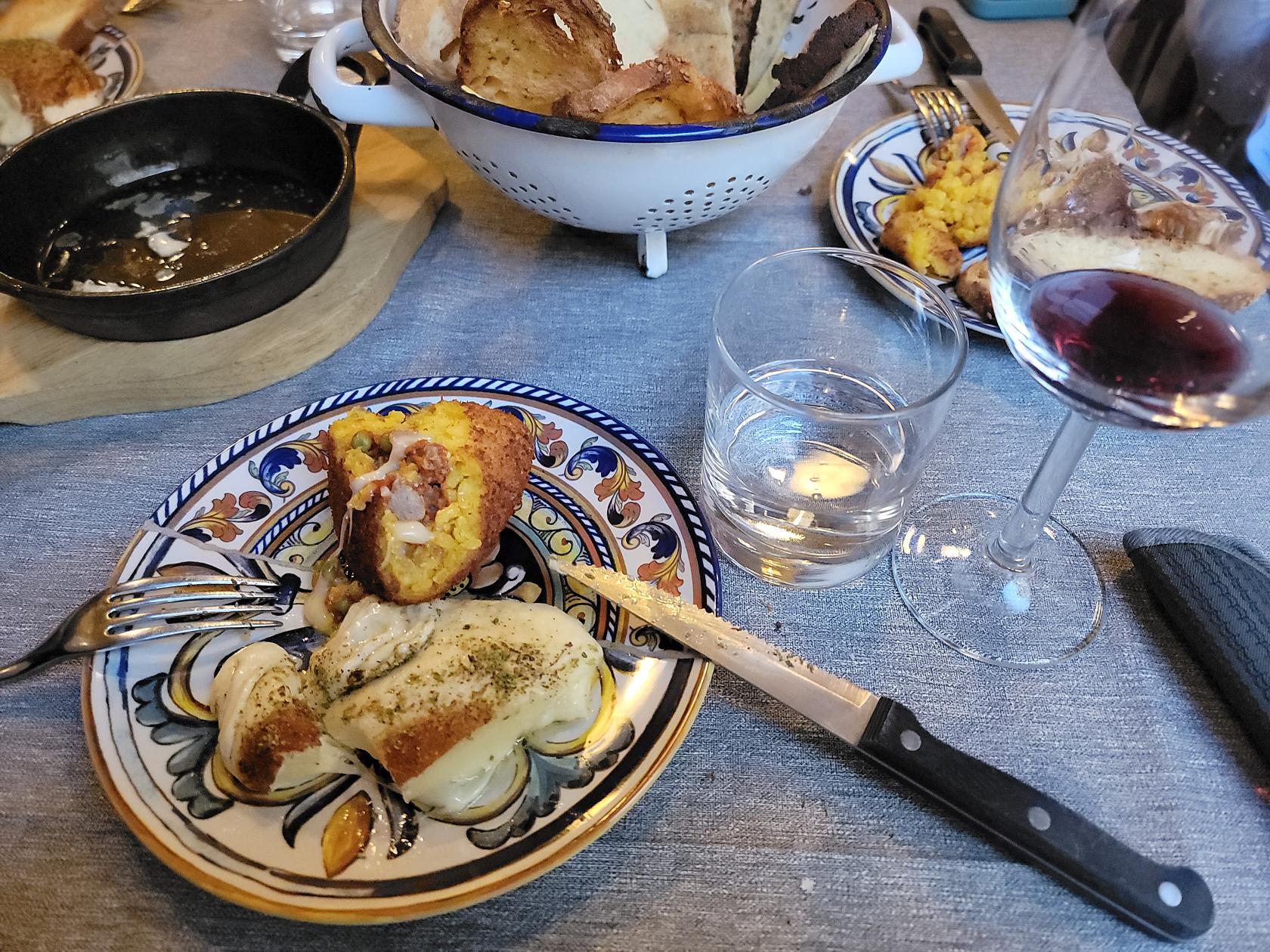
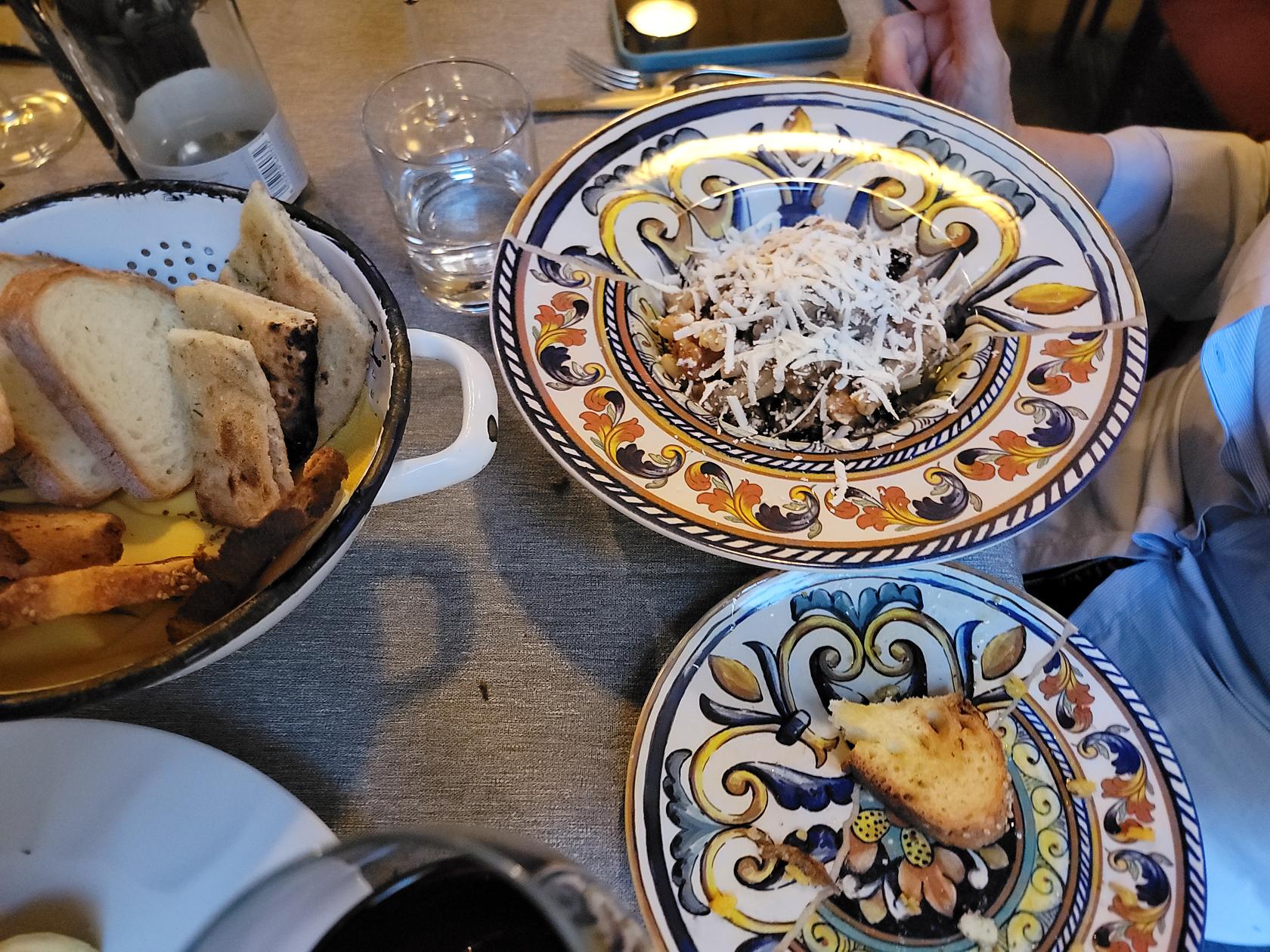
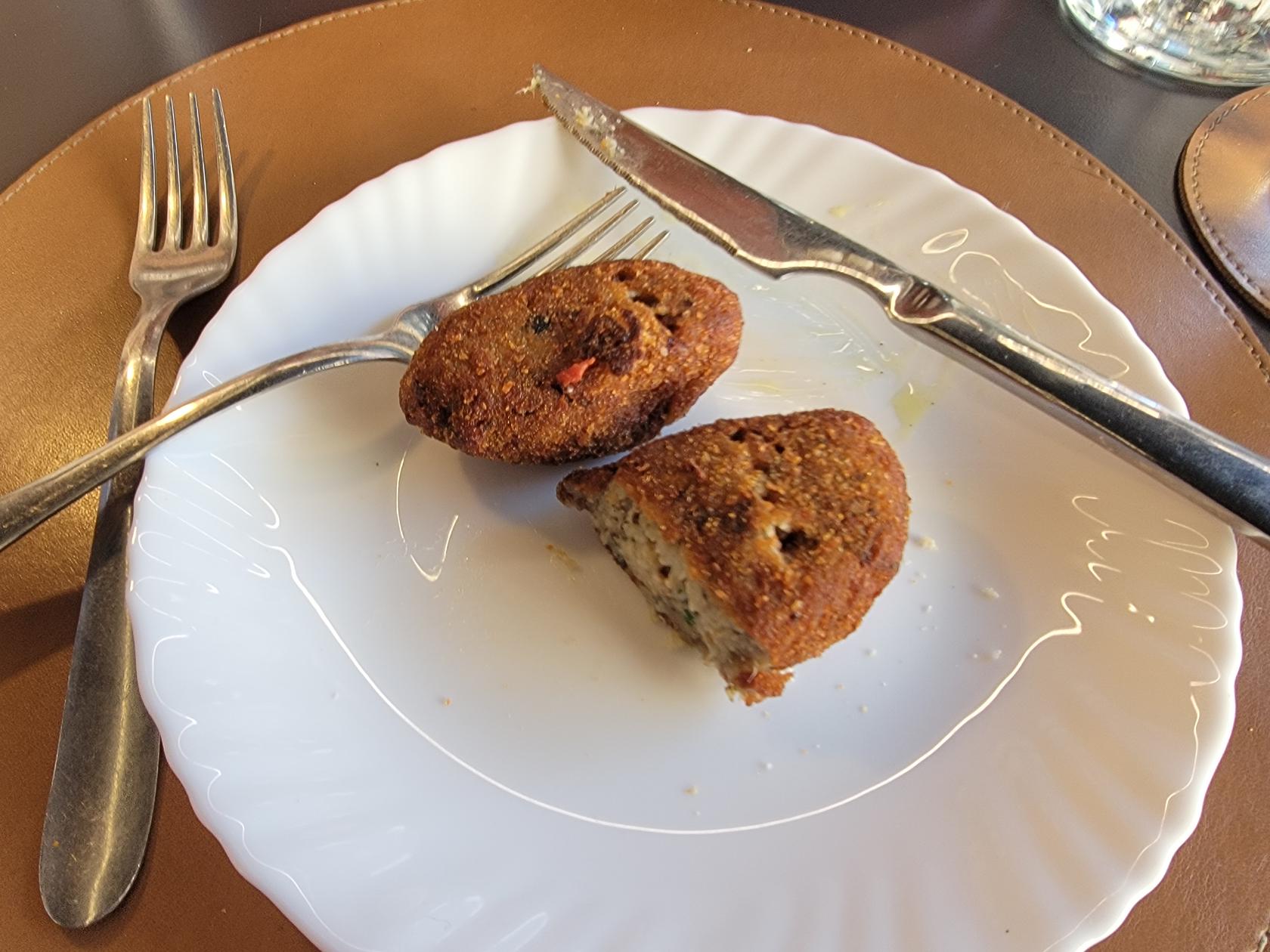
Our favorite Trattoria for authentic Silician cuisine is the Trattoria D’Agata in Turin. Here we always enjoy good food, their Arancini are to die for, and good wine.

Porto di Savona

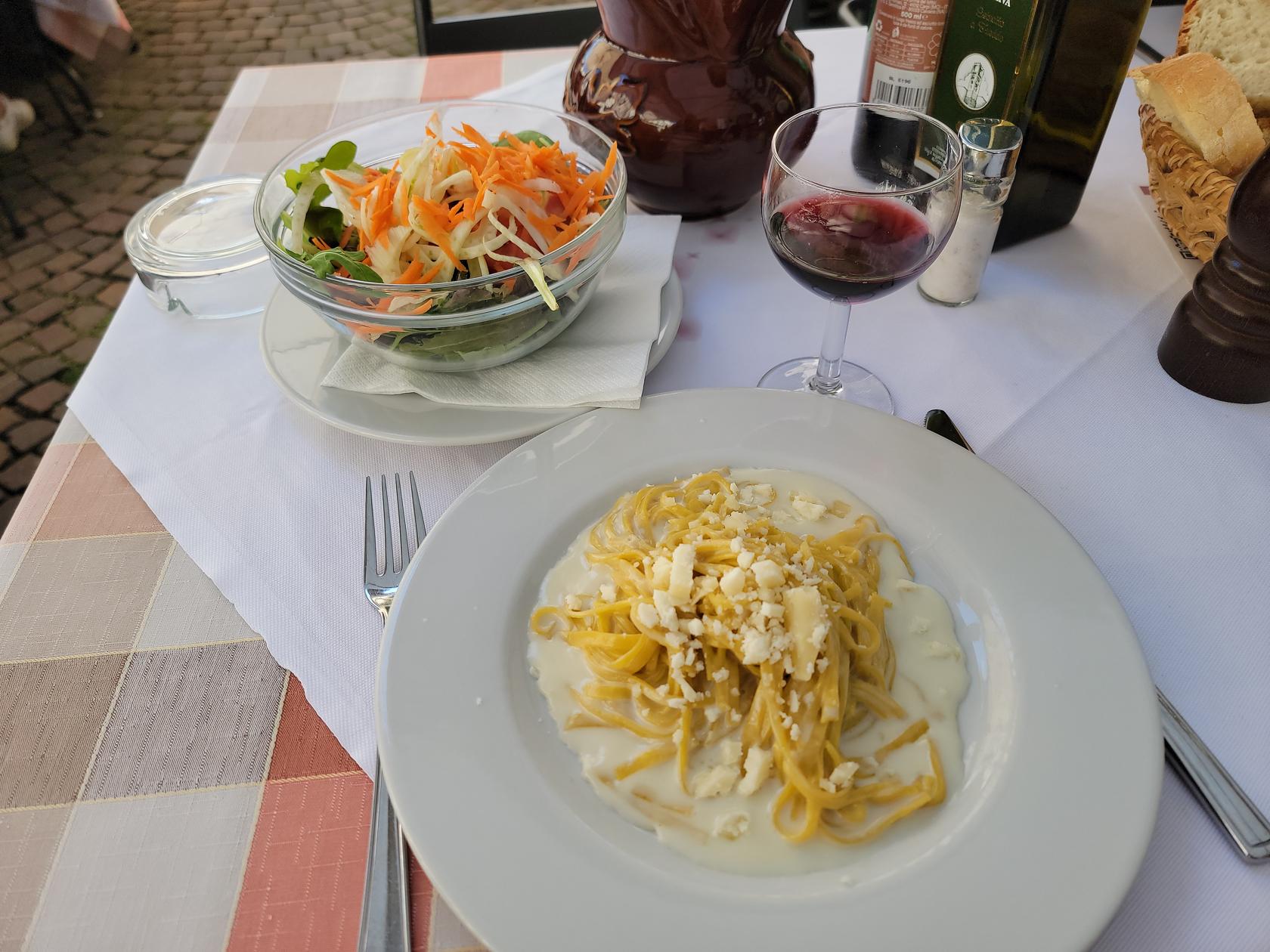
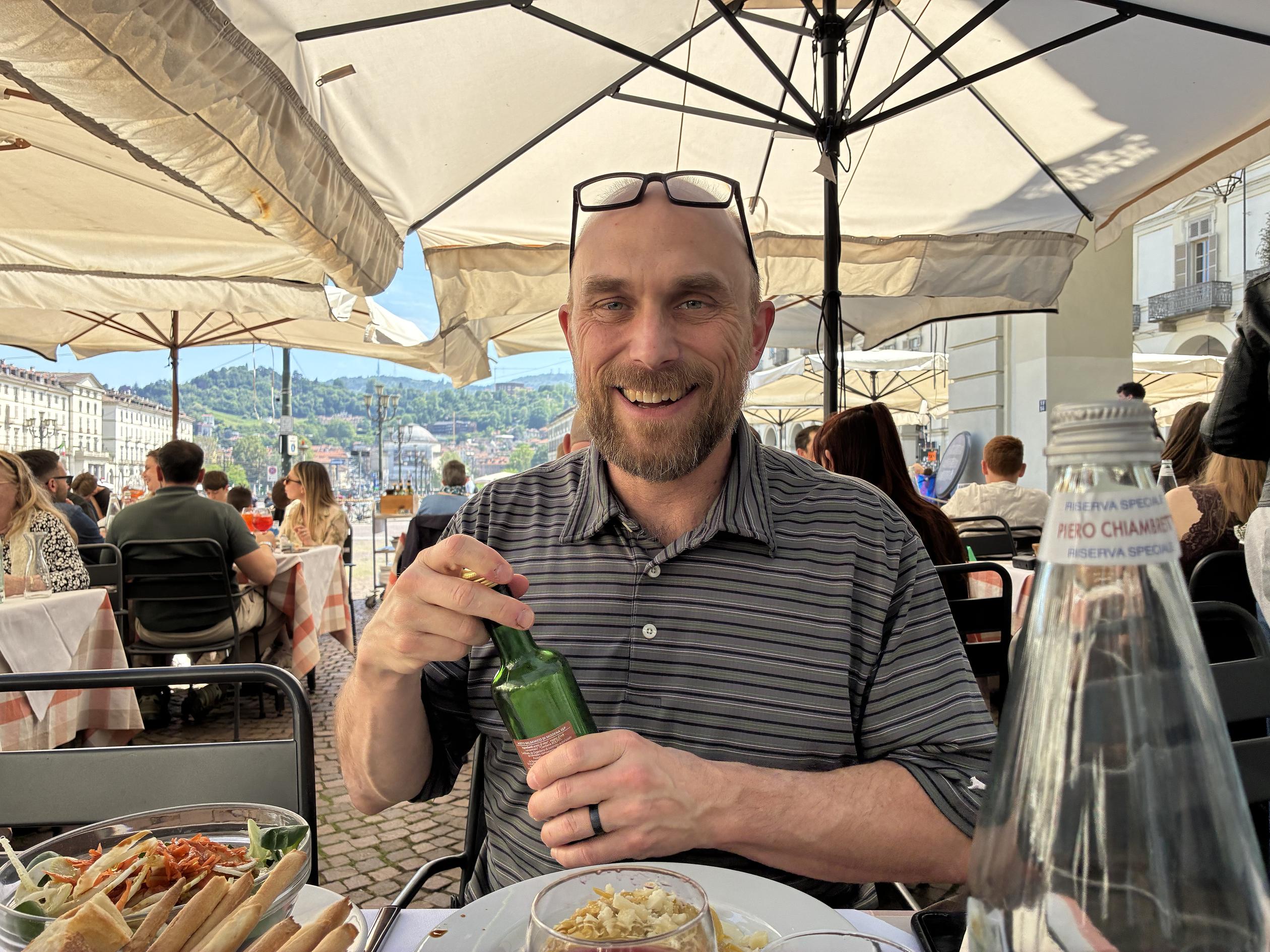
Another favorite of ours for Piemontese cuisine is the Porta di Savona. Since the weather was so exceptional and it was lunch we sat outside. Located in the corner of the Piazza Vittorio Veneto, we essentially sat on the edge of the rest of chaos going on in the piazza, it was very busy.

We had a great time and we are sure Chris did too!

Tropea, Italy – Onions Anyone?

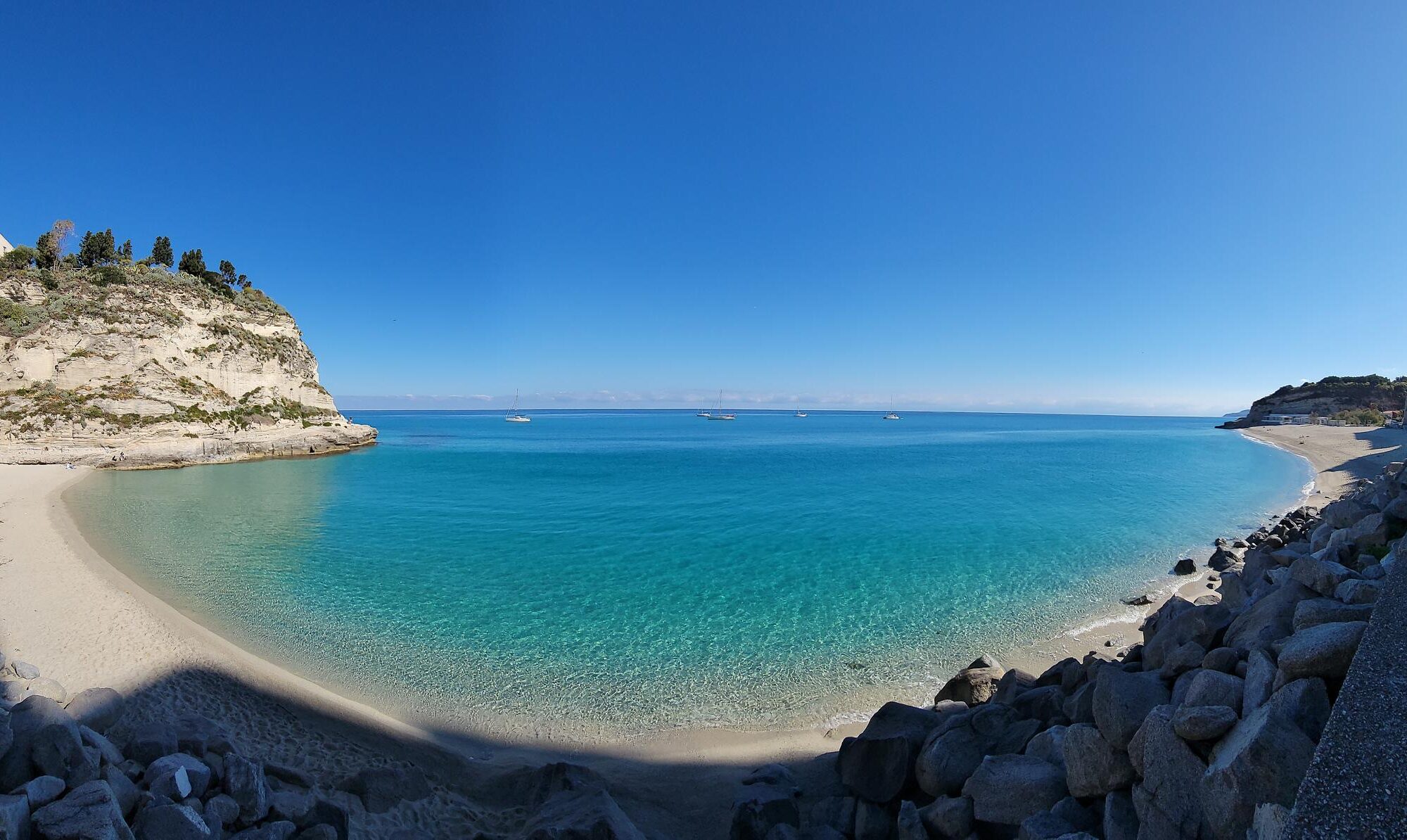
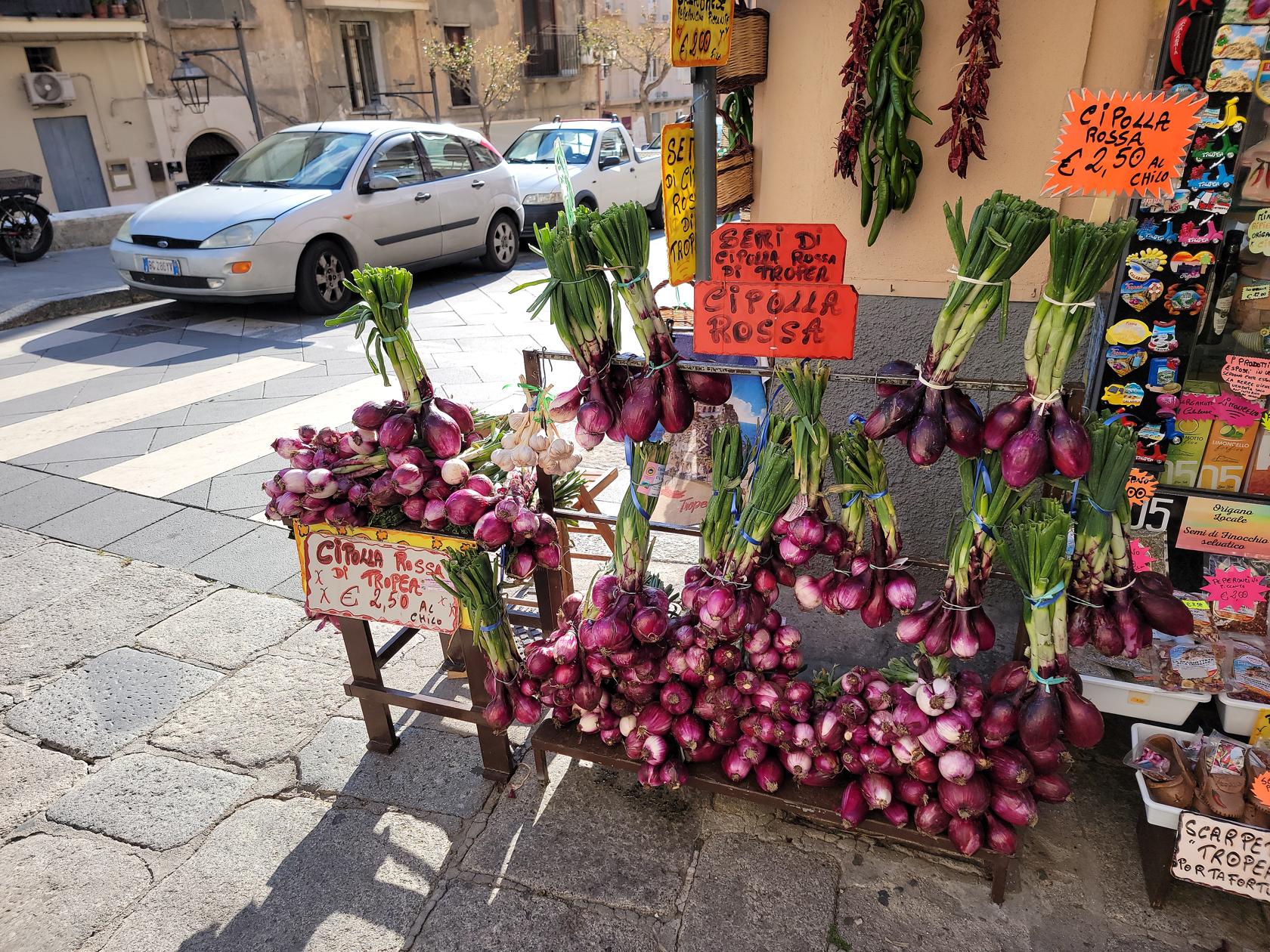
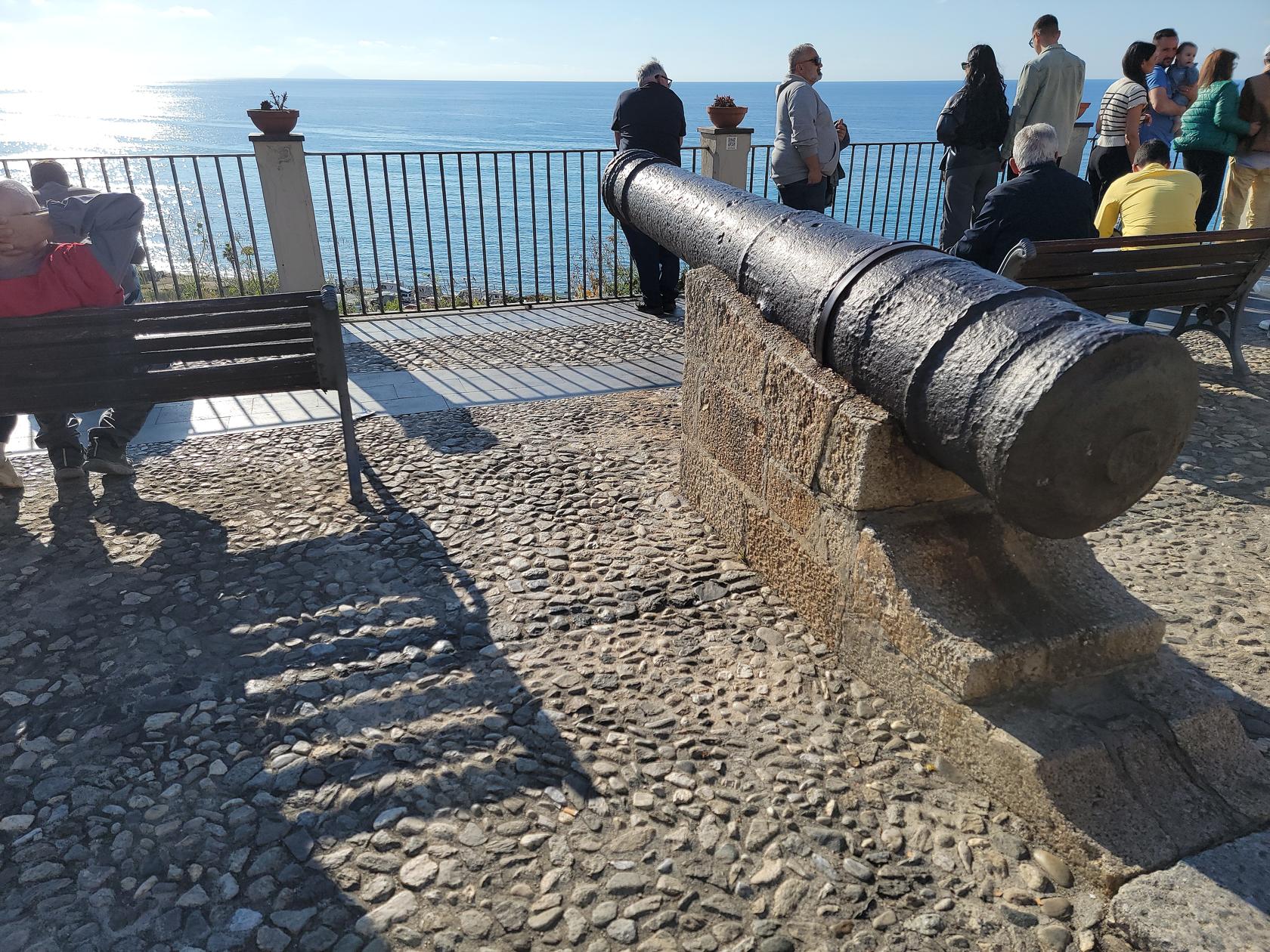
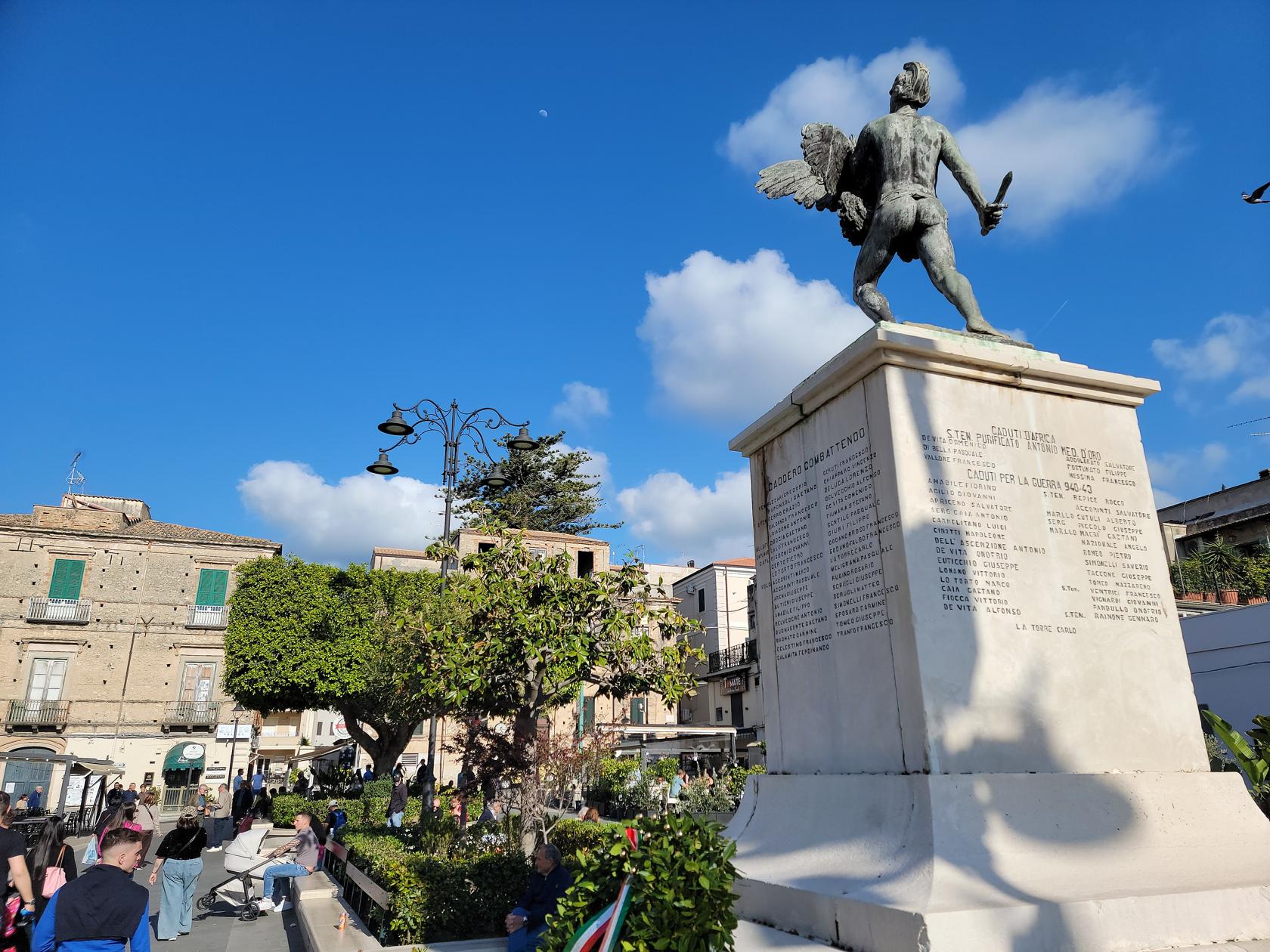
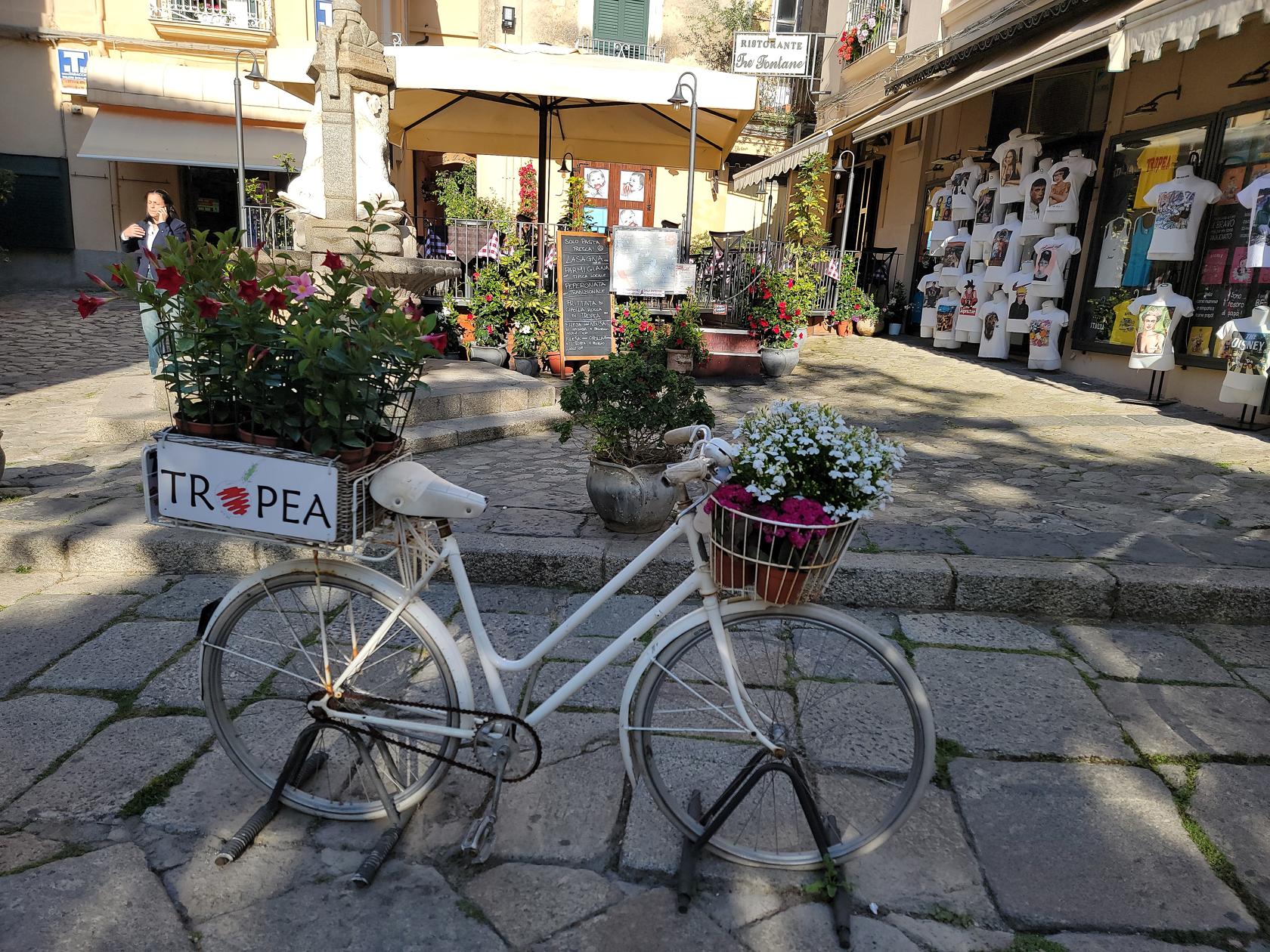
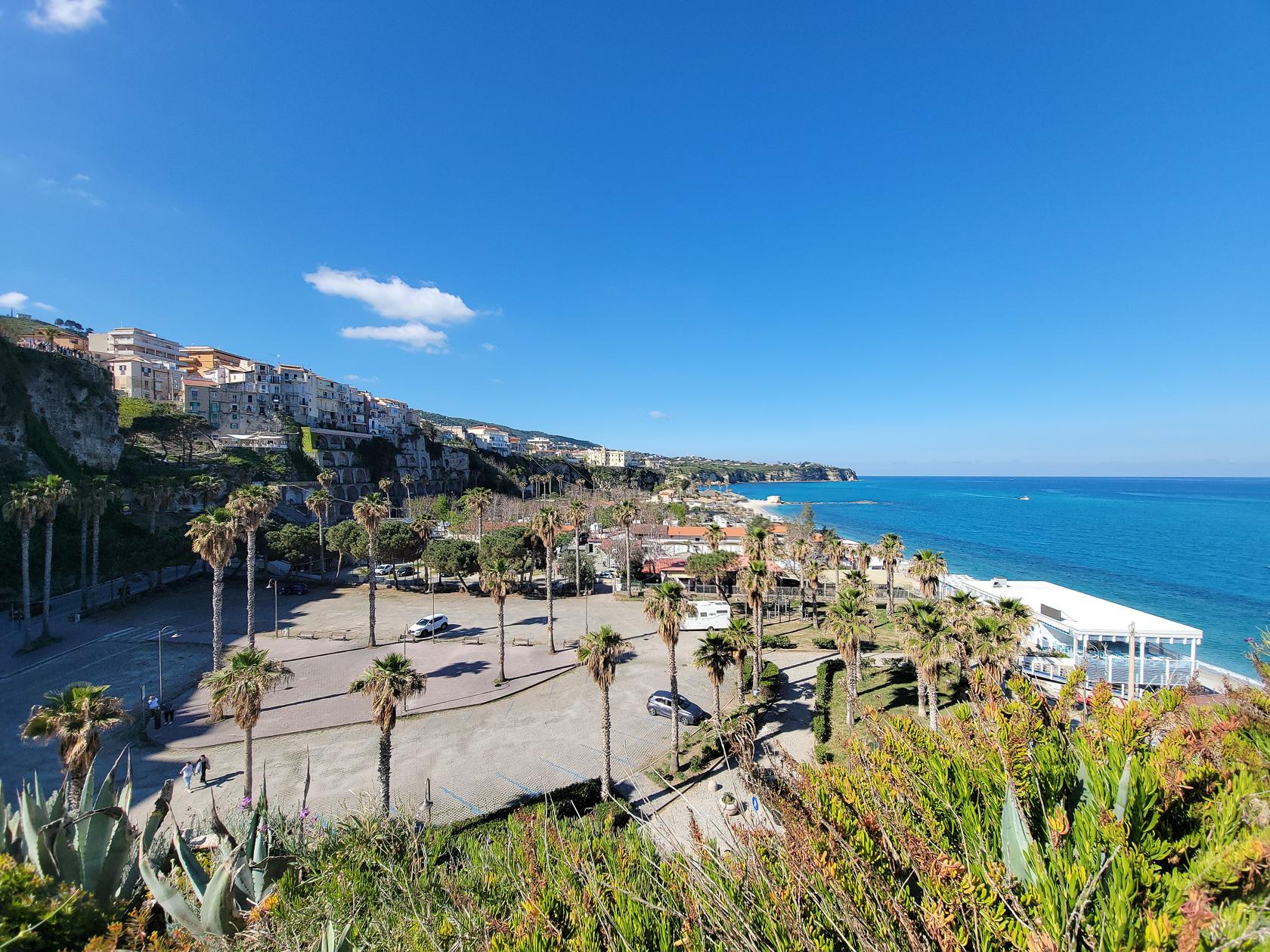
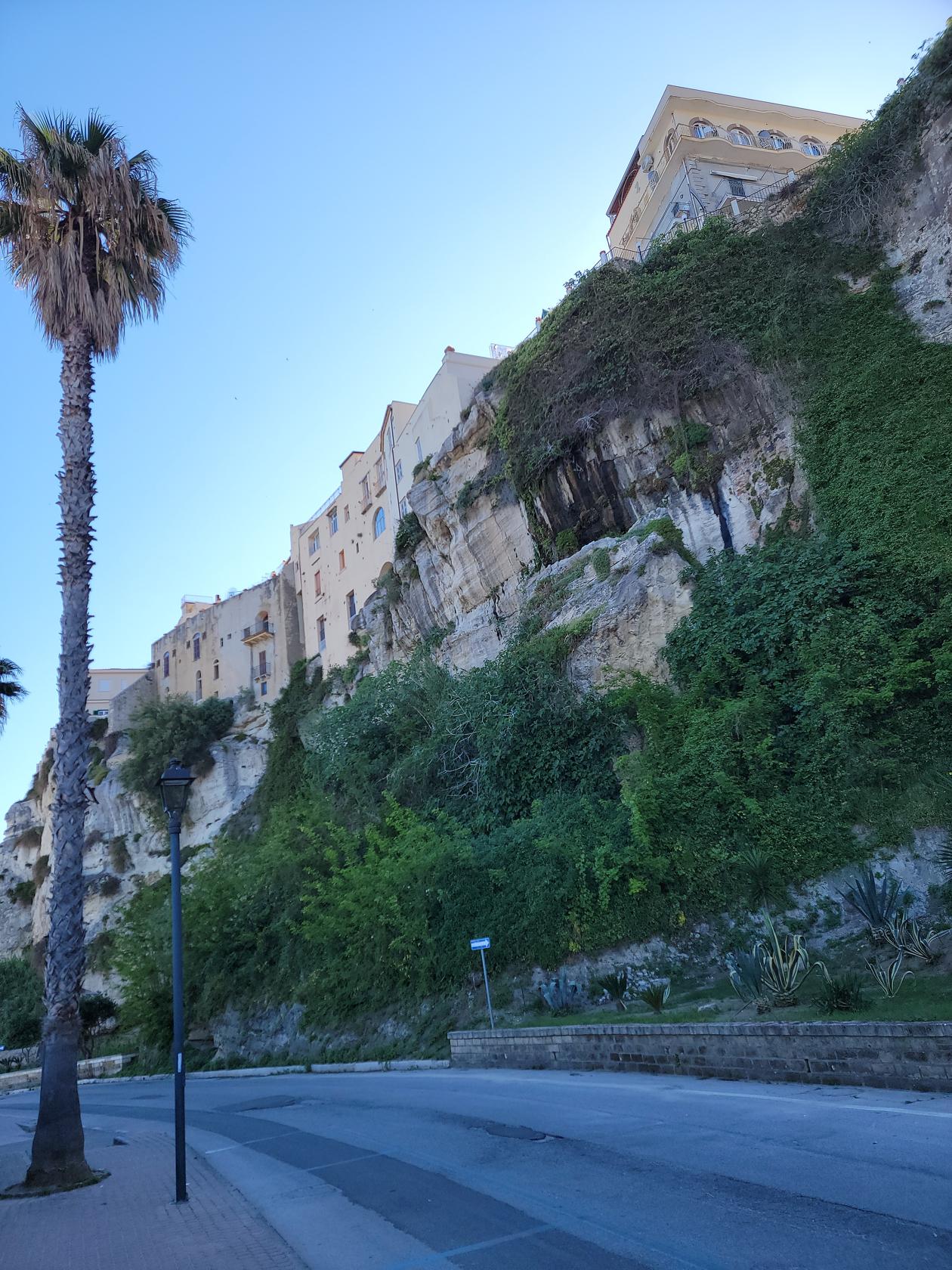
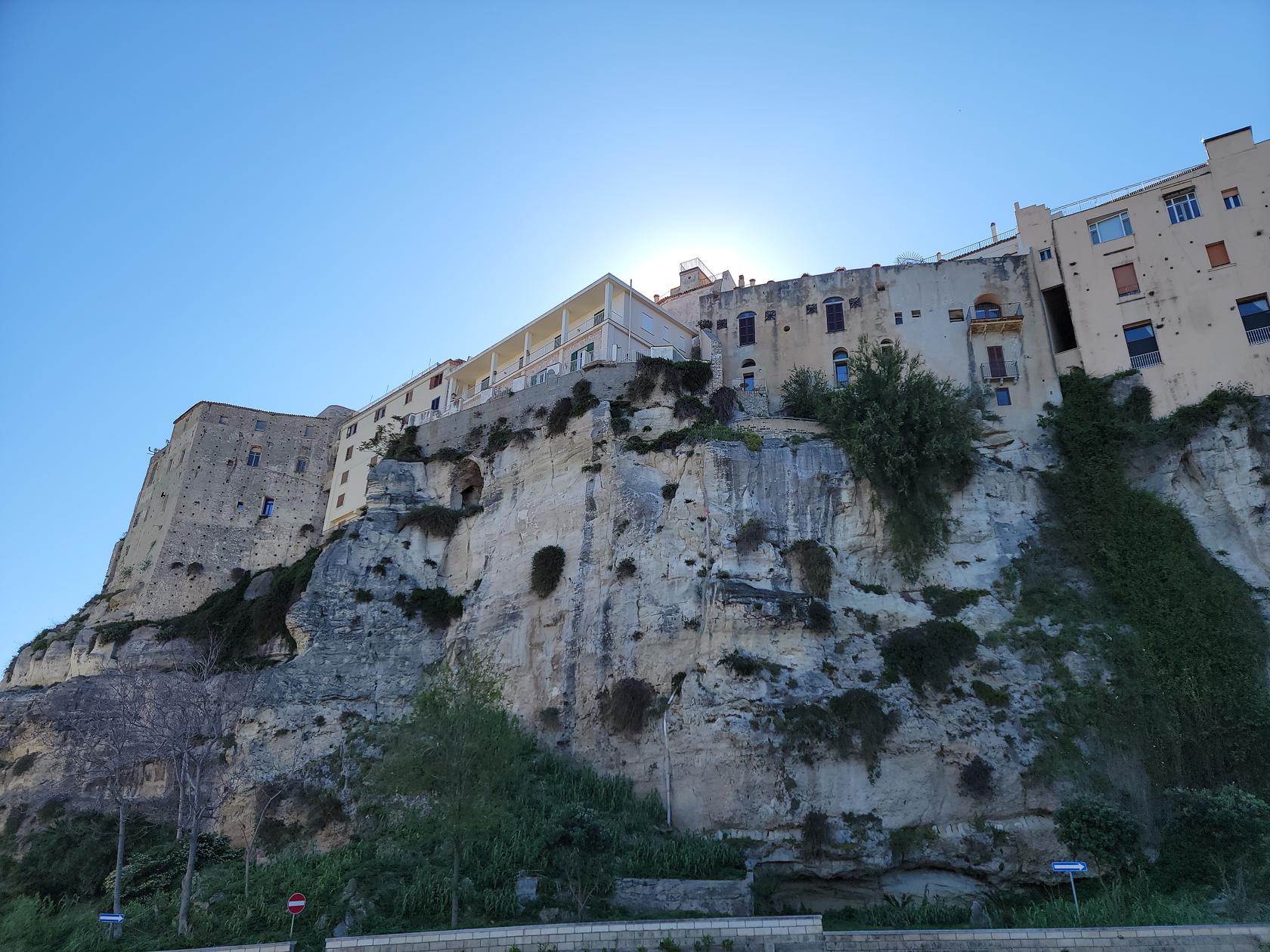
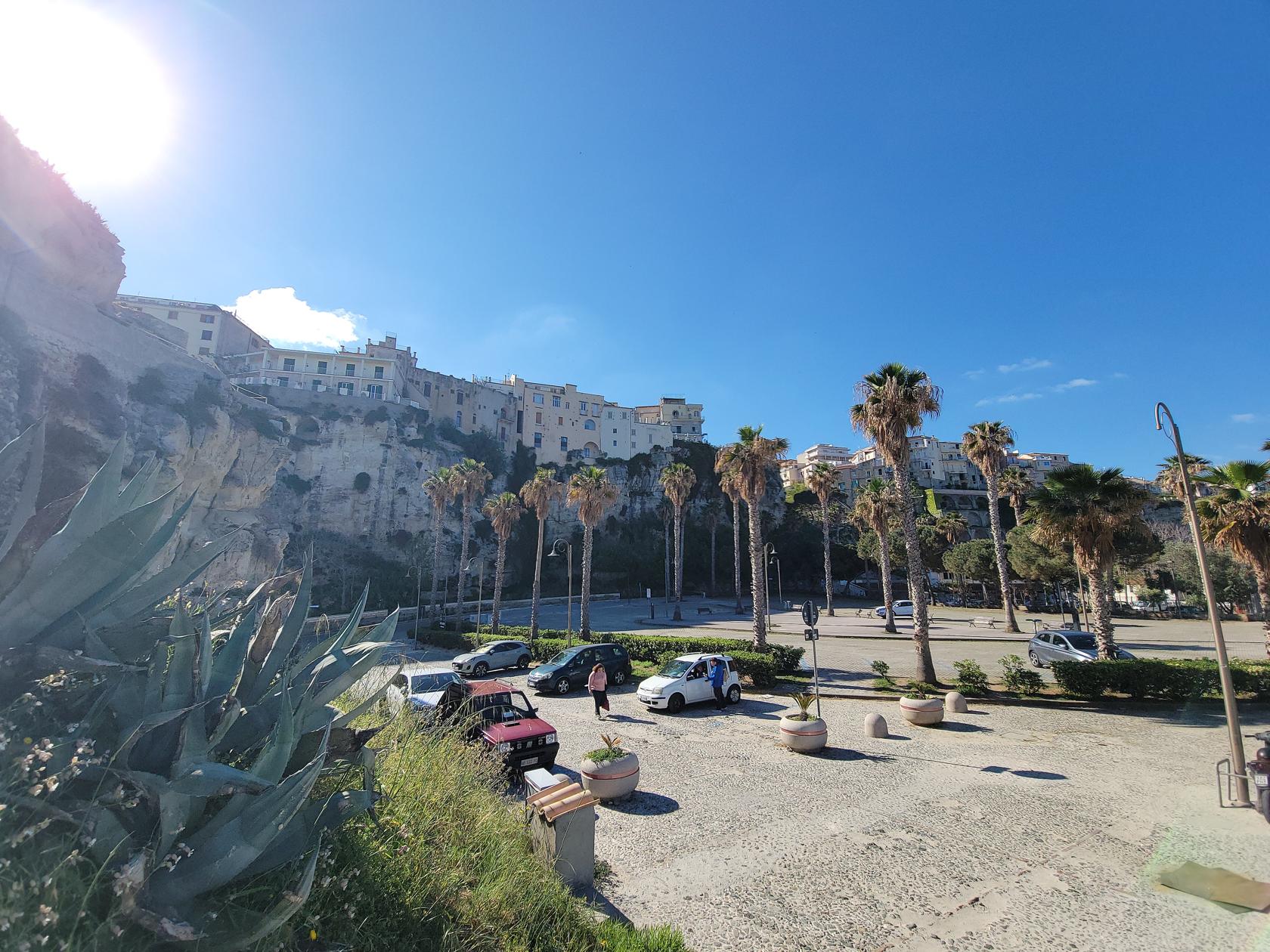
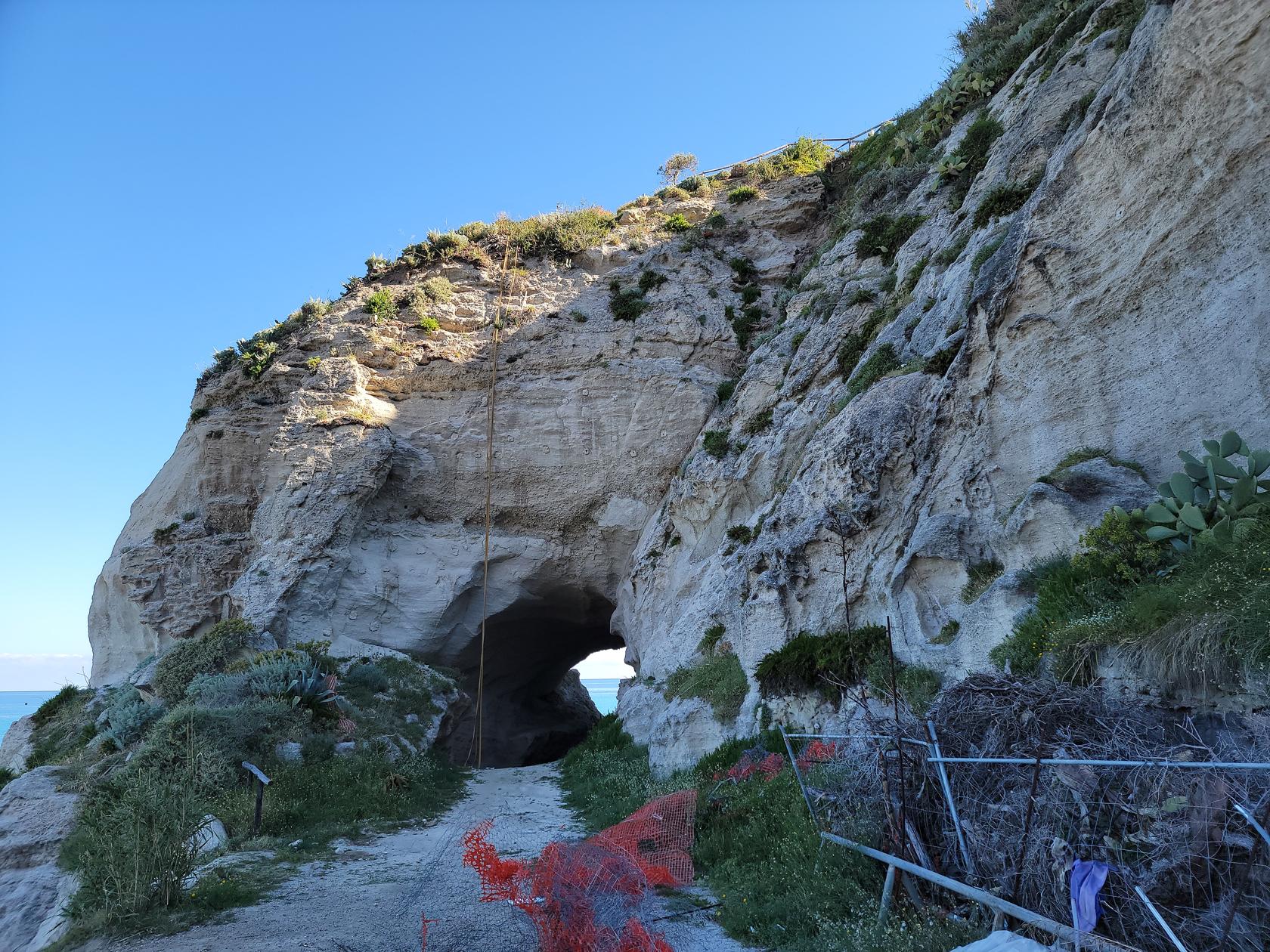
A destination for tourists and those interested in southern Italian cuisine, a stop in Tropea is almost a must. Known for their mixture of Sicilian and Greek influences, this part of Calabria is famous for the Tropean Red Onion, or Cipolla Rossa, one of the most tasty onions in the world. Onions anyone?

Getting There

In order to get to Tropea from Sapri we had to take the InterCity train from Sapri to Lamezia Terme Centrale and then connect. Unfortunately there is no logistical way around it. From there we took the local TrennItalia Regional train service to Tropea. This gave us a two and a half hour layover in Lamezia Terme, just enough time for lunch!

Lamezia Terme

Other than connecting with our other train, there was no other reason to visit this place, that is, other than lunch! With two and a half hours layover, we had plenty of time.

Restaurants

Europa da Albano

While we were on our InterCity train, I took the liberty of researching what our options were at Lamezia Terme. There weren’t many, but this restaurant and pizzeria caught my eye. It was a good choice. It was very busy inside and out and packed with local people, which is actually a good sign. Though we waited a bit to order, the wait was not bad in the end and our drinks and food arrived within customary promptness.

Tropea

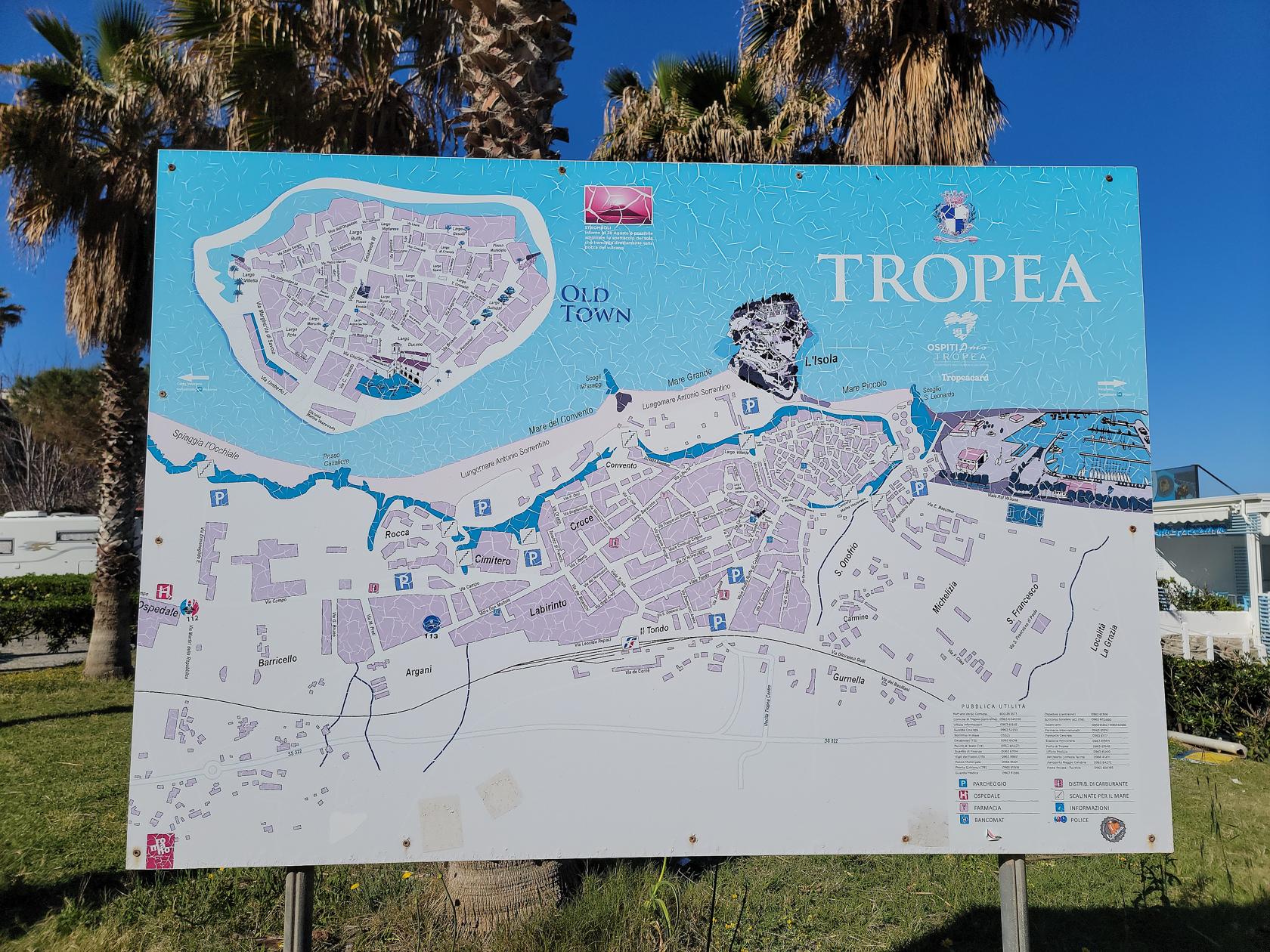
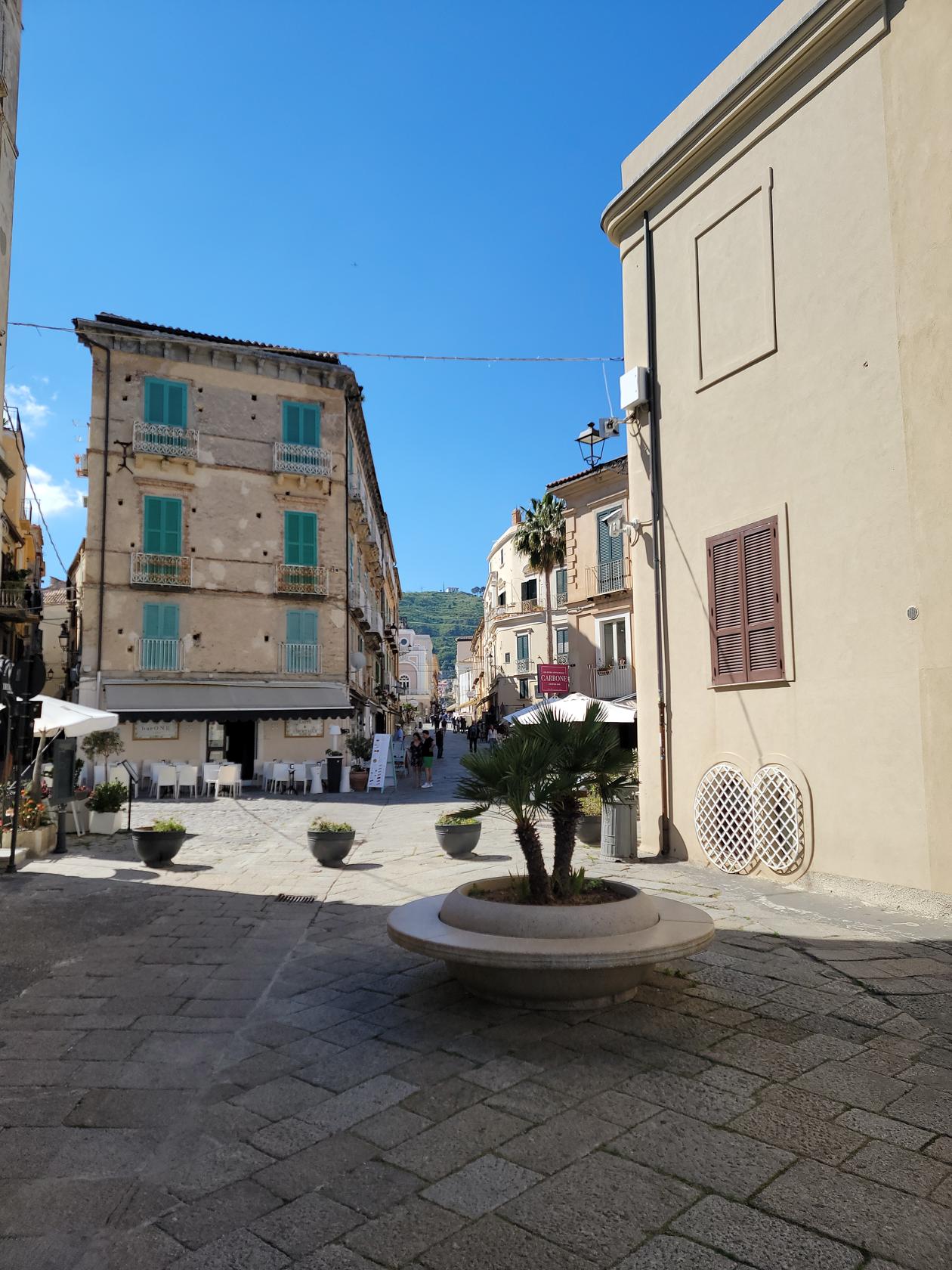
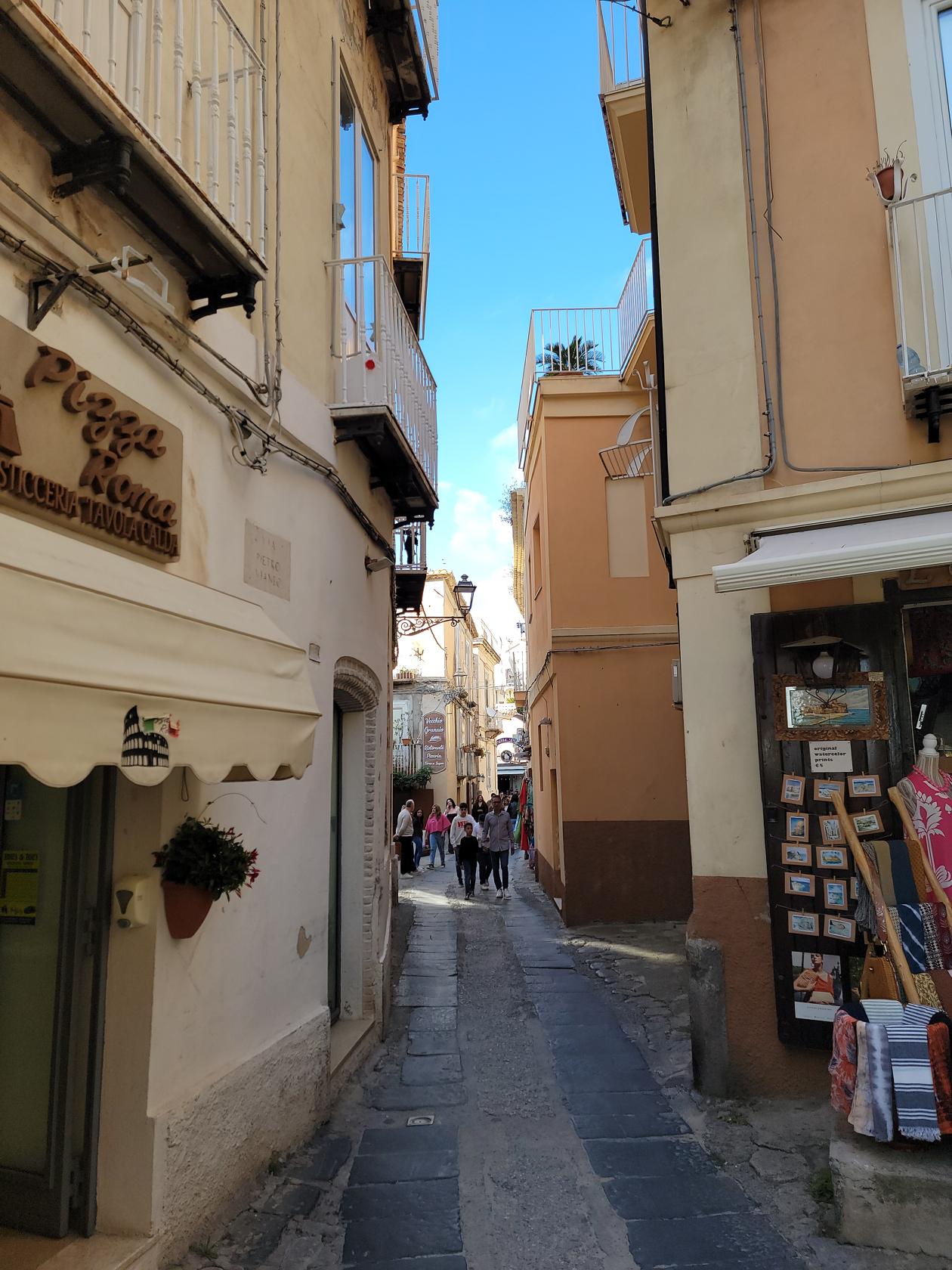
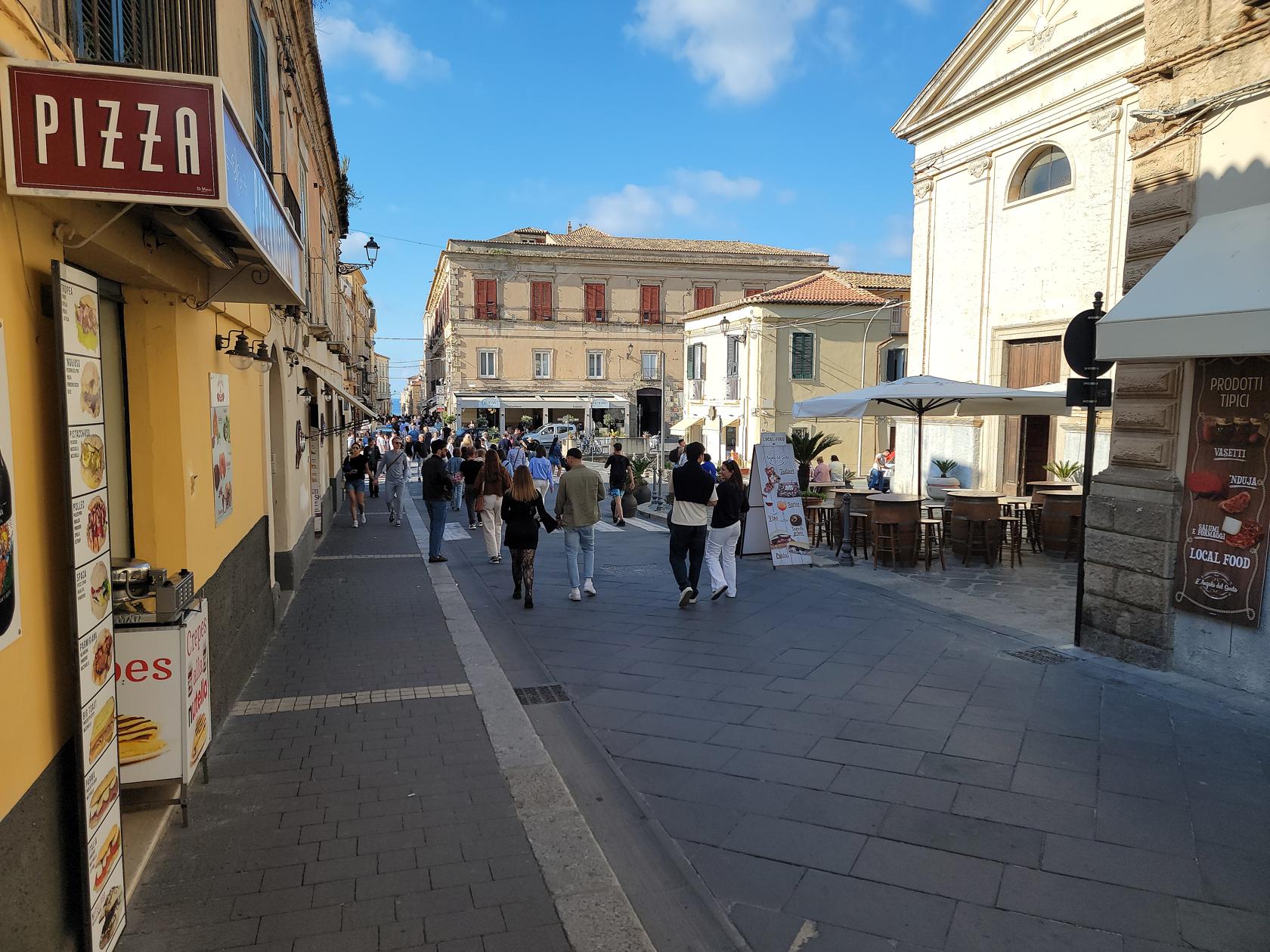
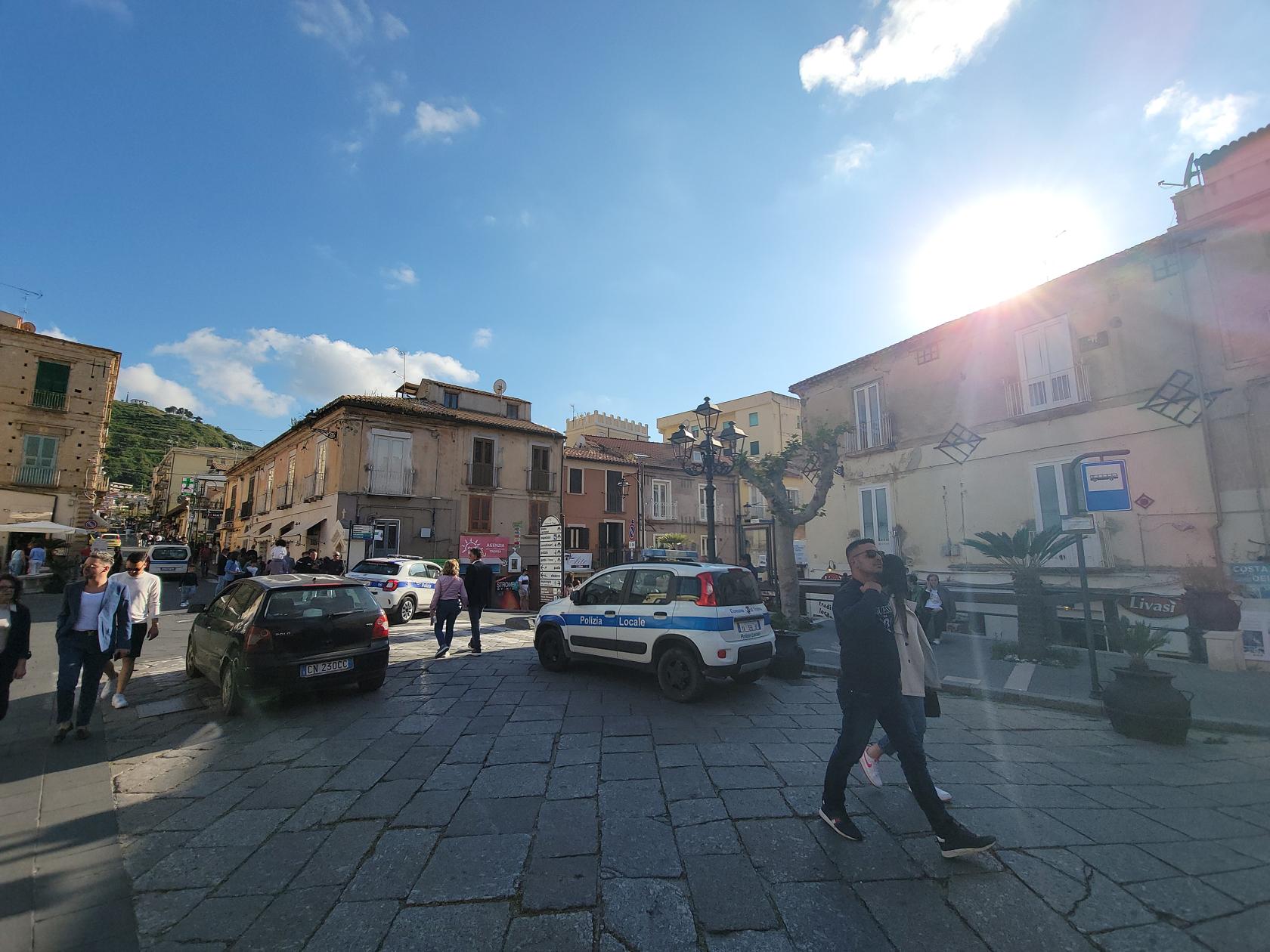
Unknown to us, Tropea is a very busy tourist destination and we were there on a weekend, so the crowds we experienced were kind of unexpected, especially for this time of year.

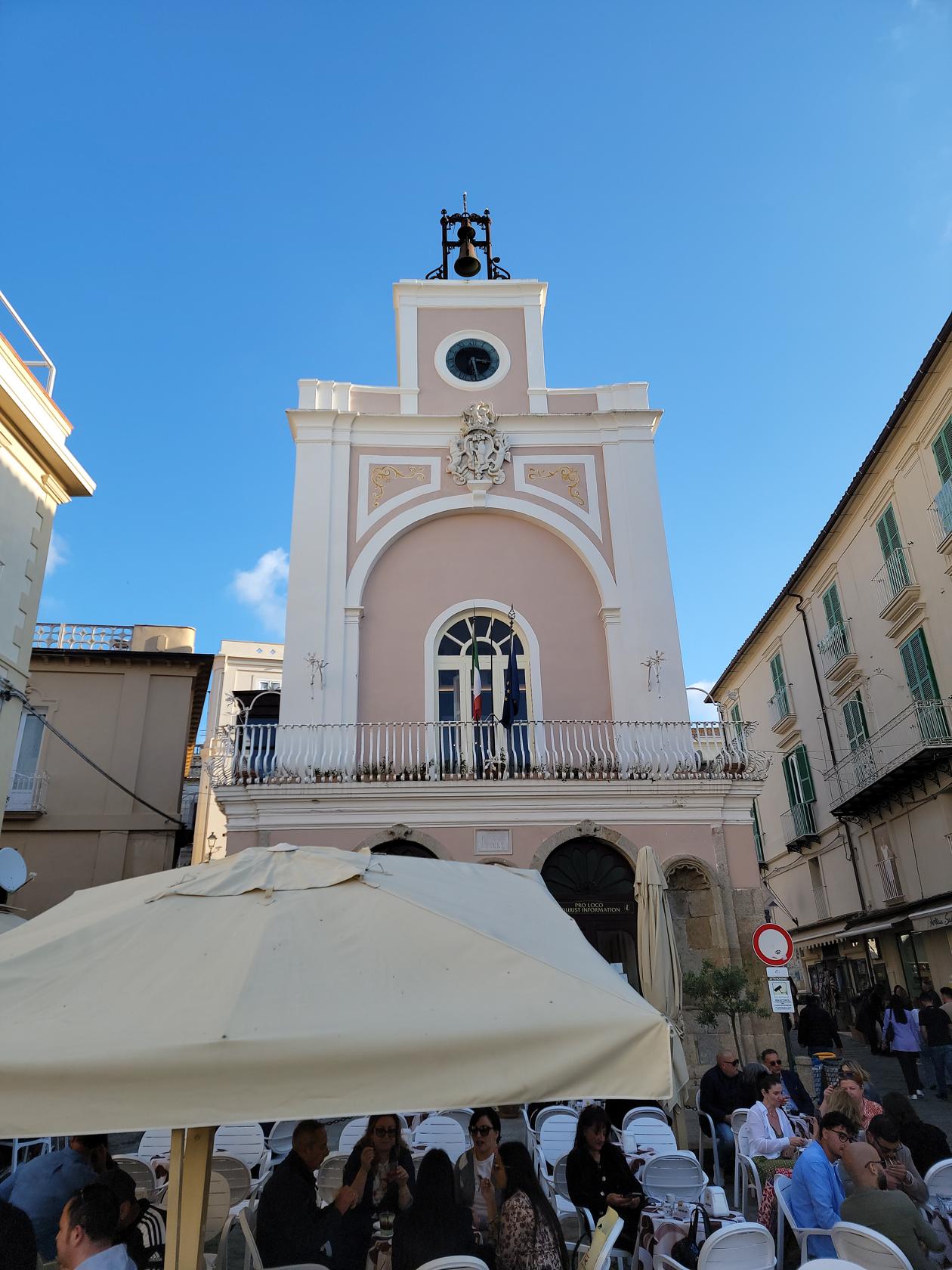
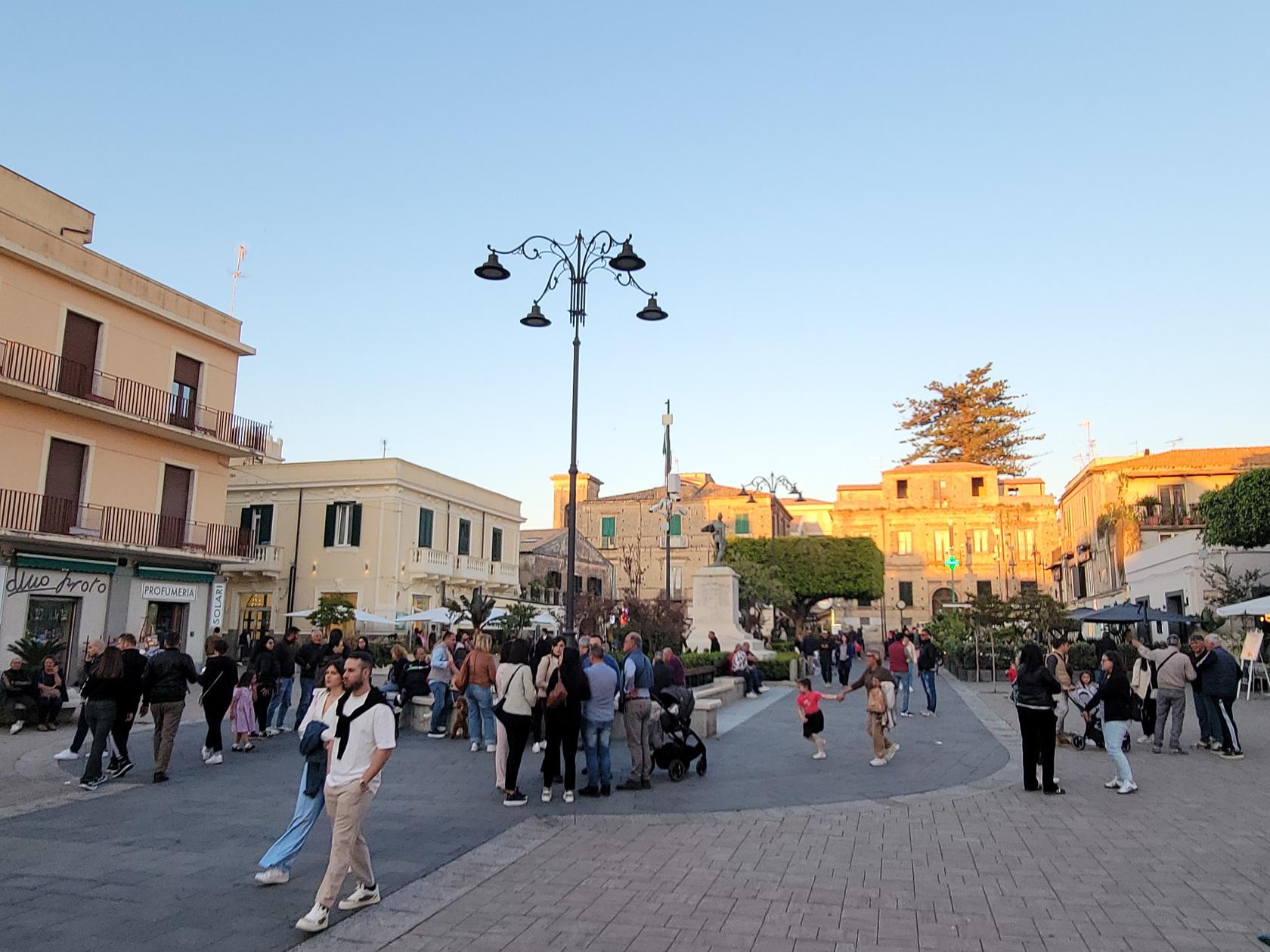
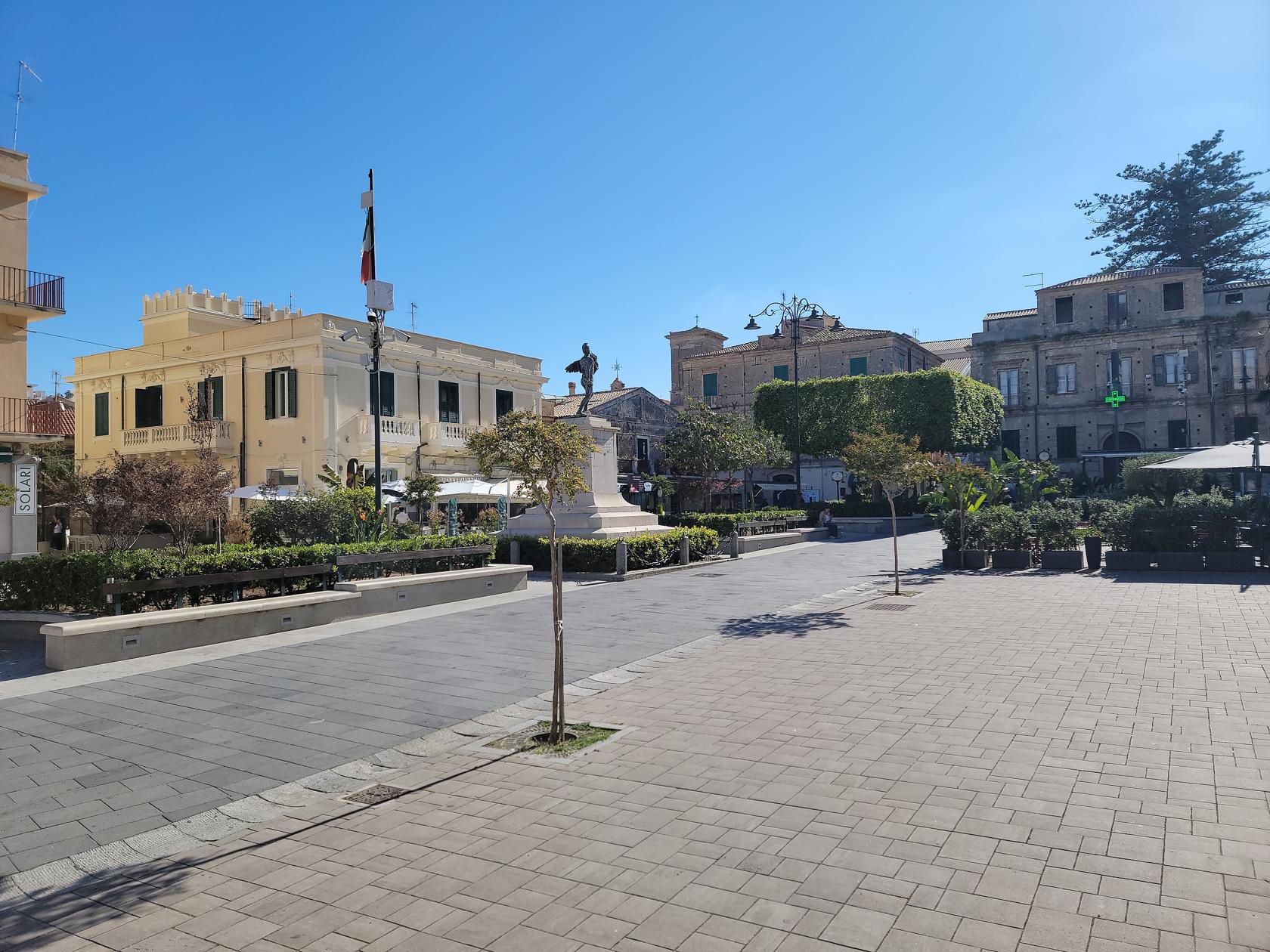
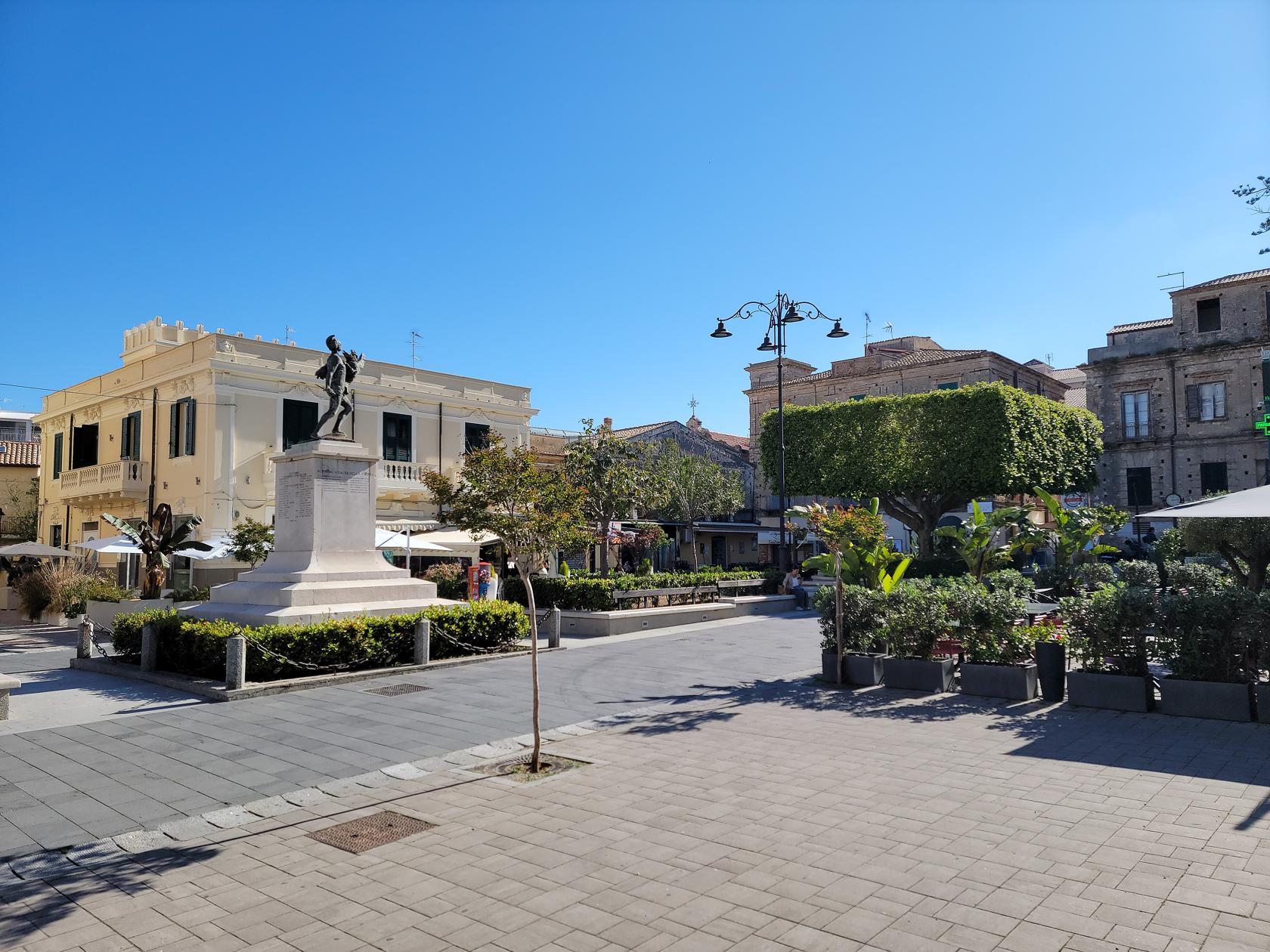
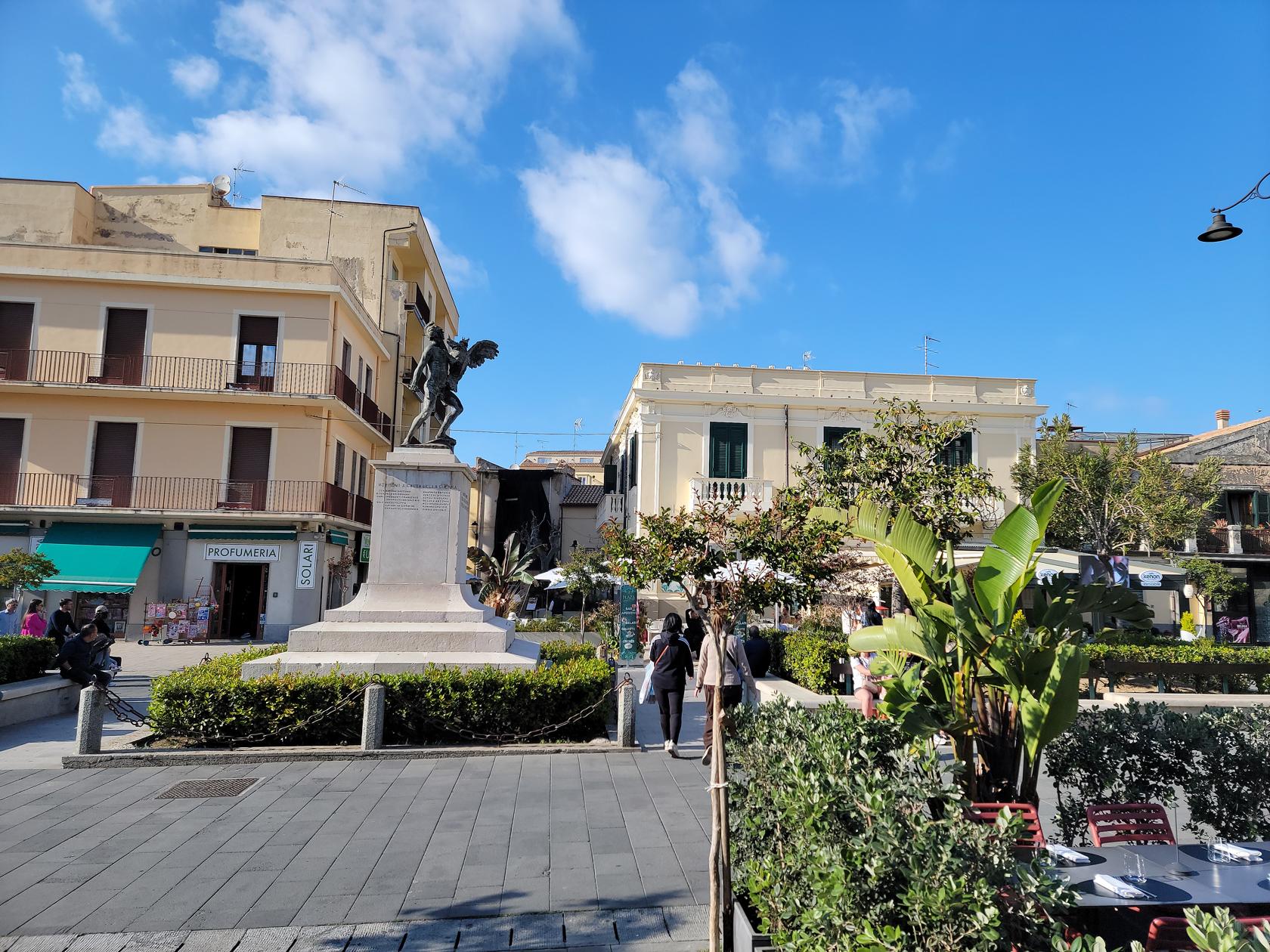
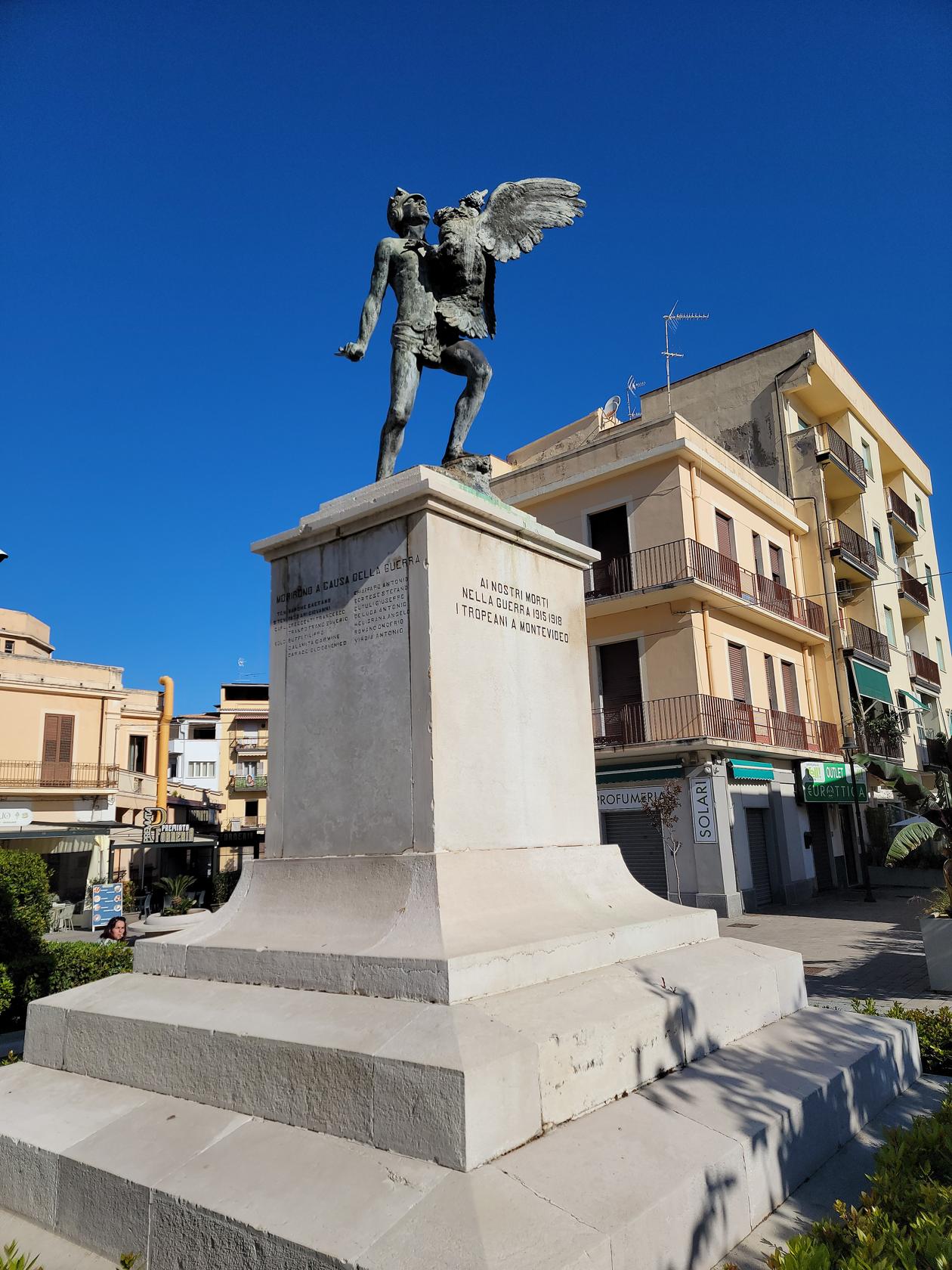
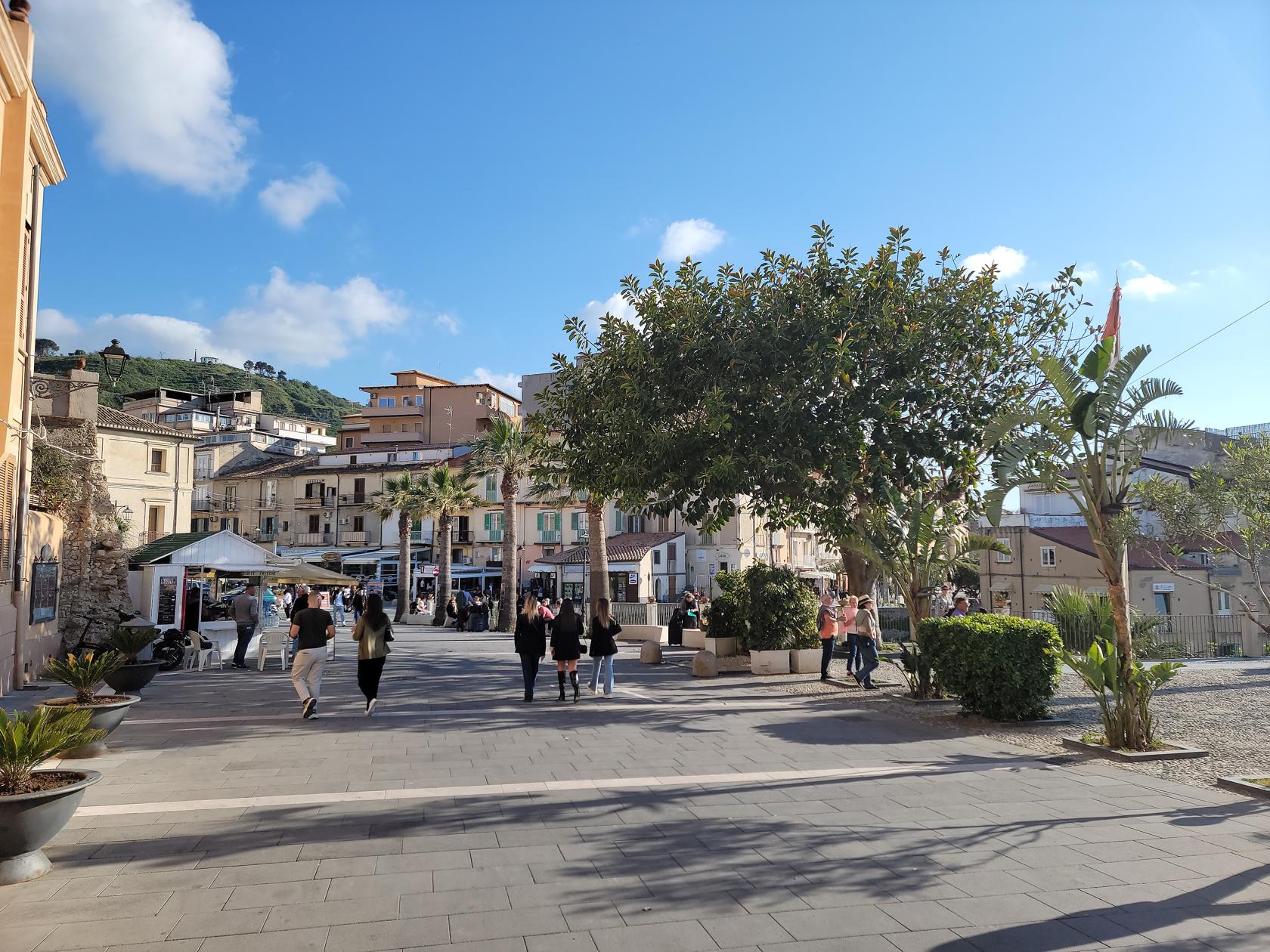
One of the main squares or piazzas close to our hotel, was the Piazza Vittorio Veneto, which our street ran right into, if you walked far enough. It has plenty of seating and a few monuments amongst the trees that have been planted to provide some shade against the sun.

From there the main street in town is the Corso Vittorio Emanuele, which turns into Via Stazione as one gets closer to the train station.

Hotel Colomba D’Oro

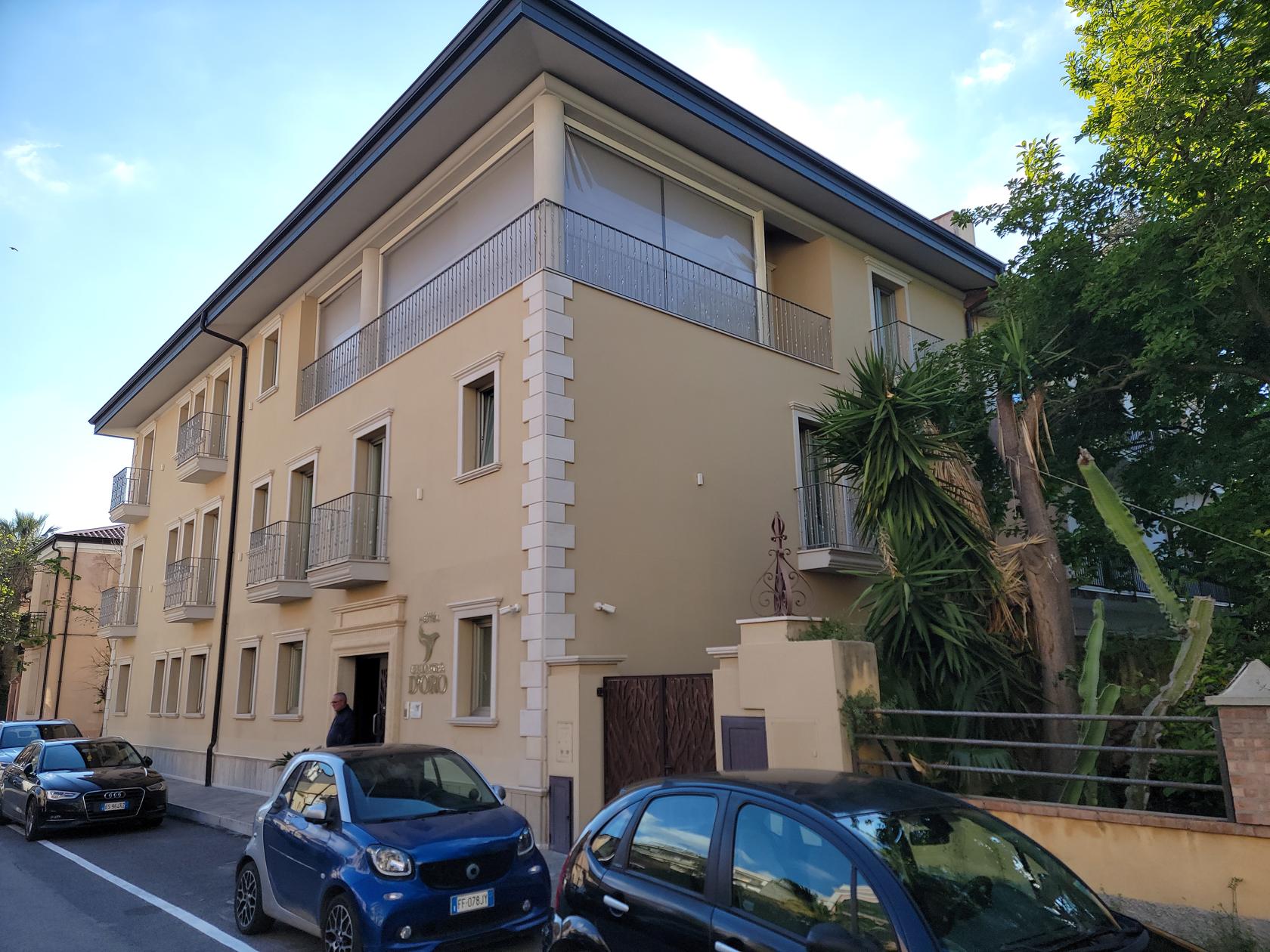
In Tropea we stayed at a hotel between the old part of town and the train station. It was just as well, our hotel in the city was the Hotel Colomba D’Oro on via Vittorio Veneto and it proved to be quiet and very comfortable. Our room came with a free morning continental breakfast, which included cooked eggs, pancetta and other warm offerings.

Cathedral of Maria Santissima of Romania

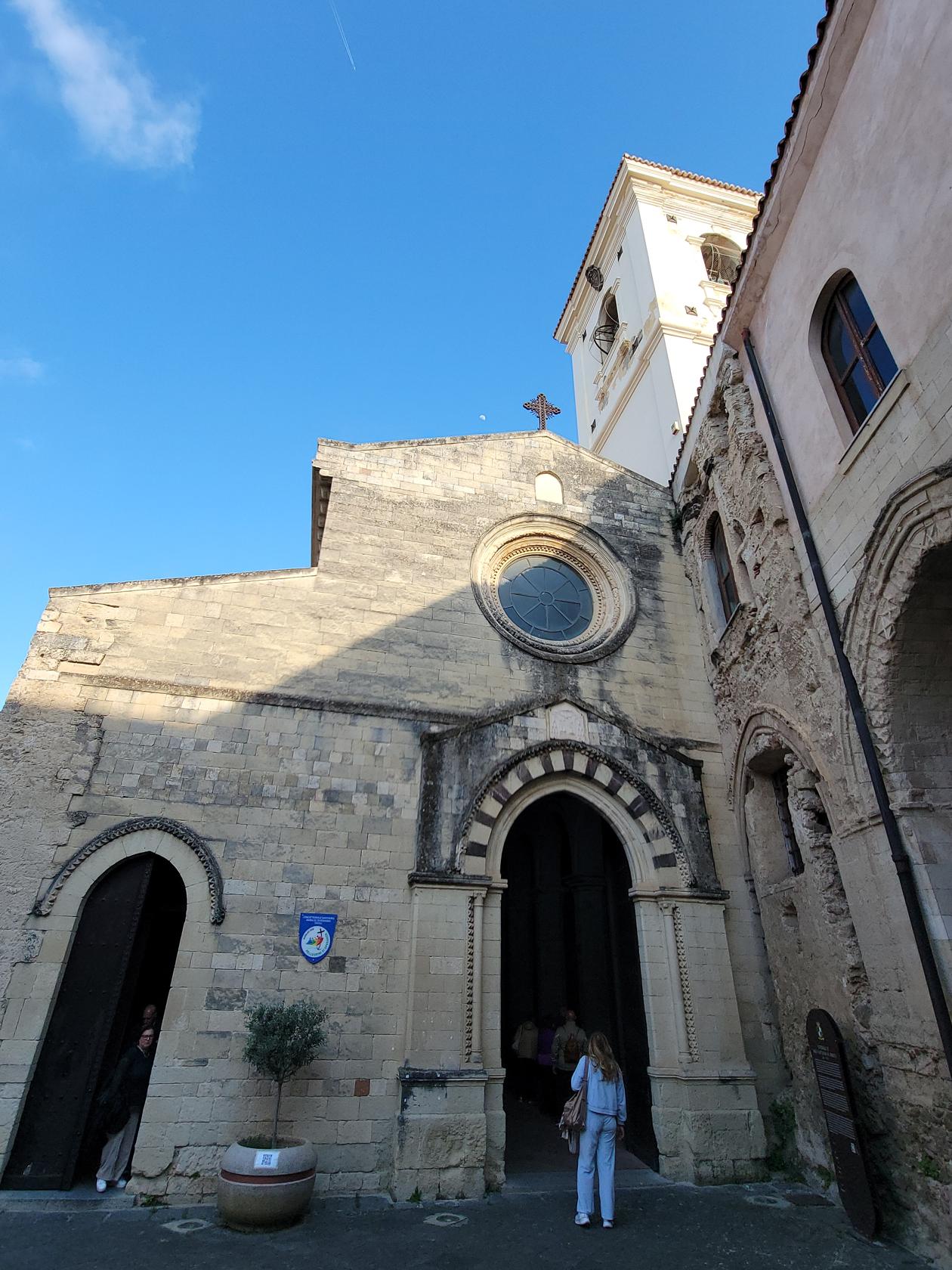
The twelfth century cathedral of Saint Mary of Romania is on Largo Duomo. The interior houses guilt altar for the Virgin of Romania and the Black Crucifix of 1600.

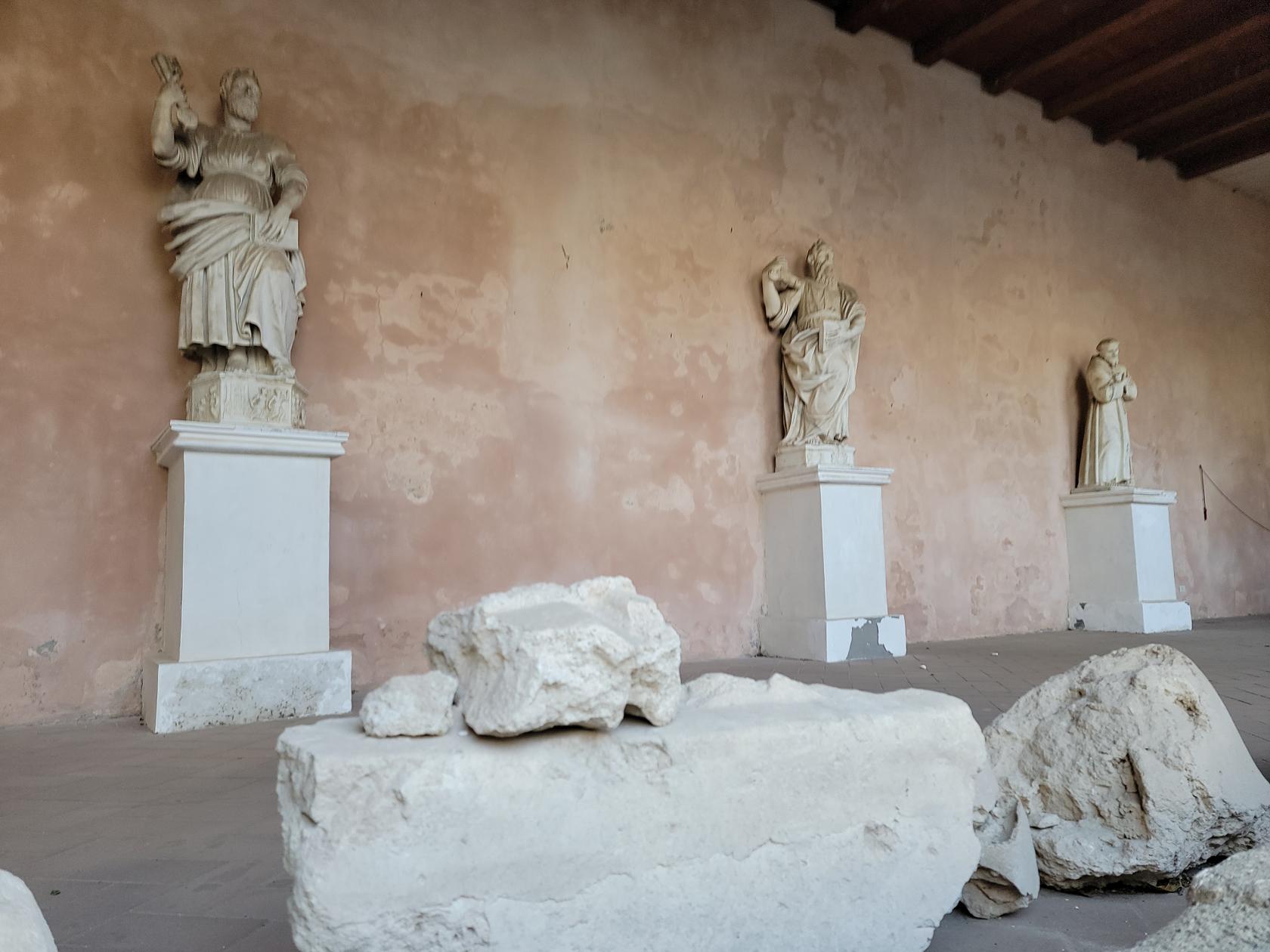
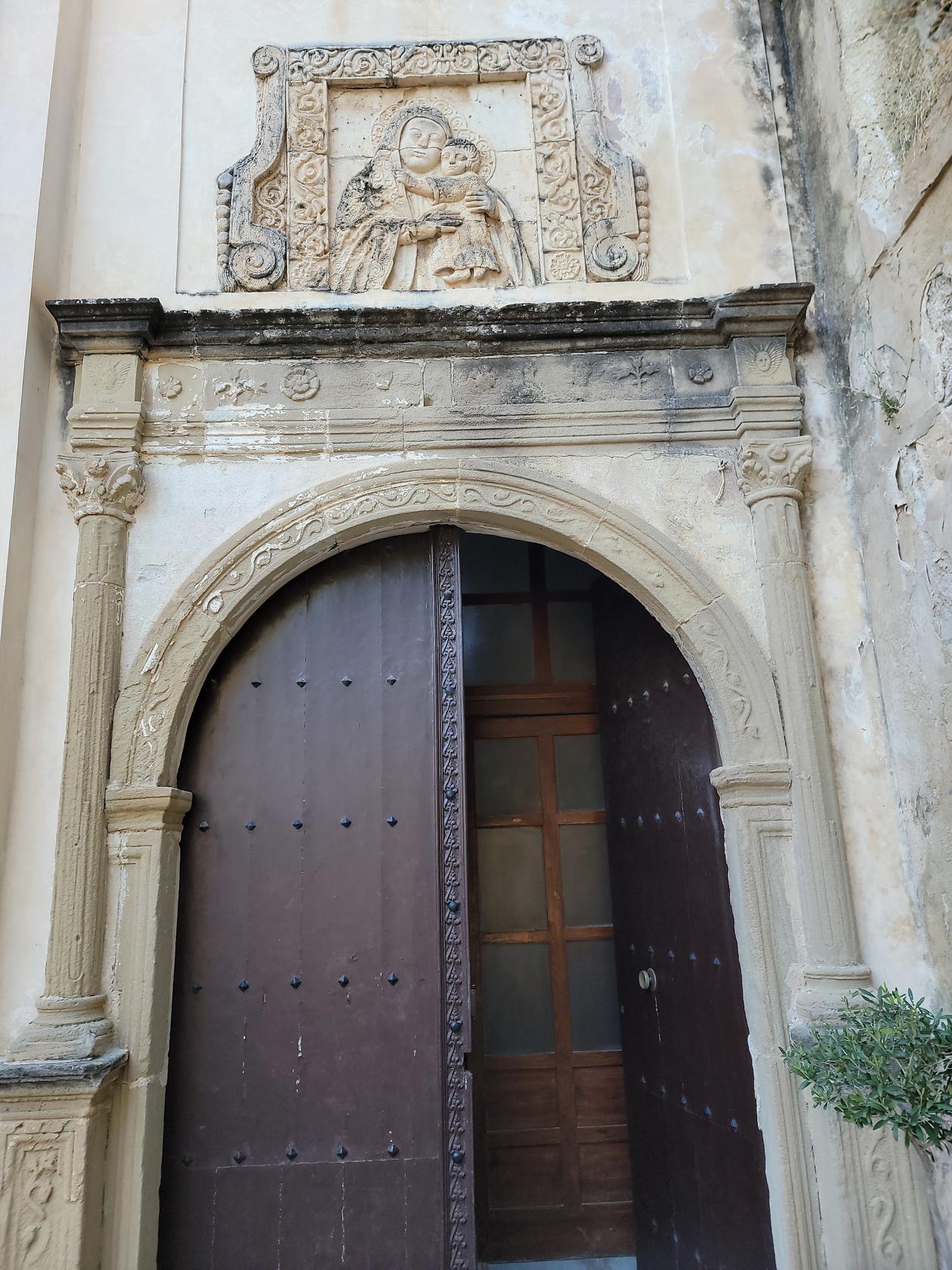
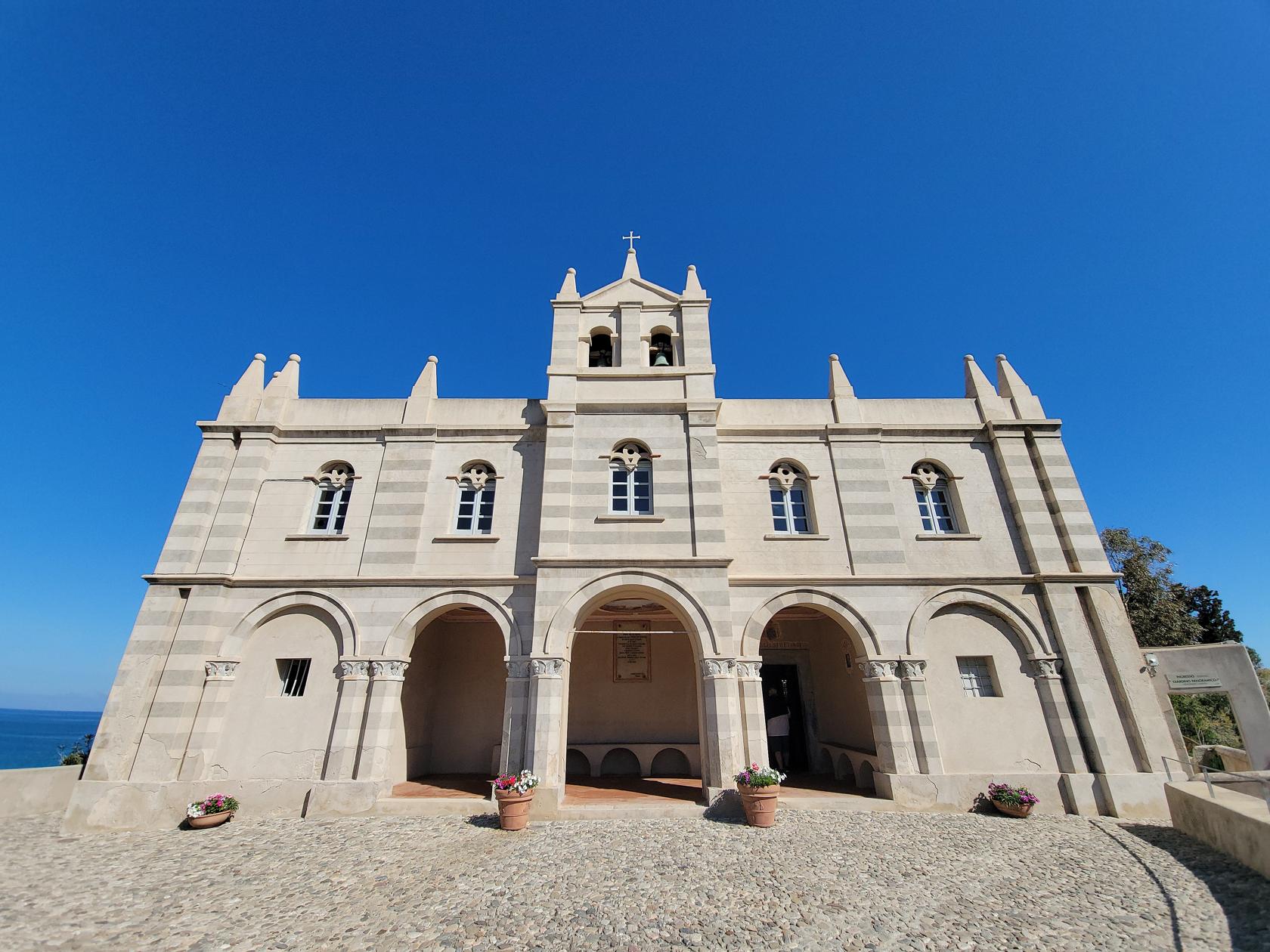
Sanctuary of Santa Maria of the Island of Tropea

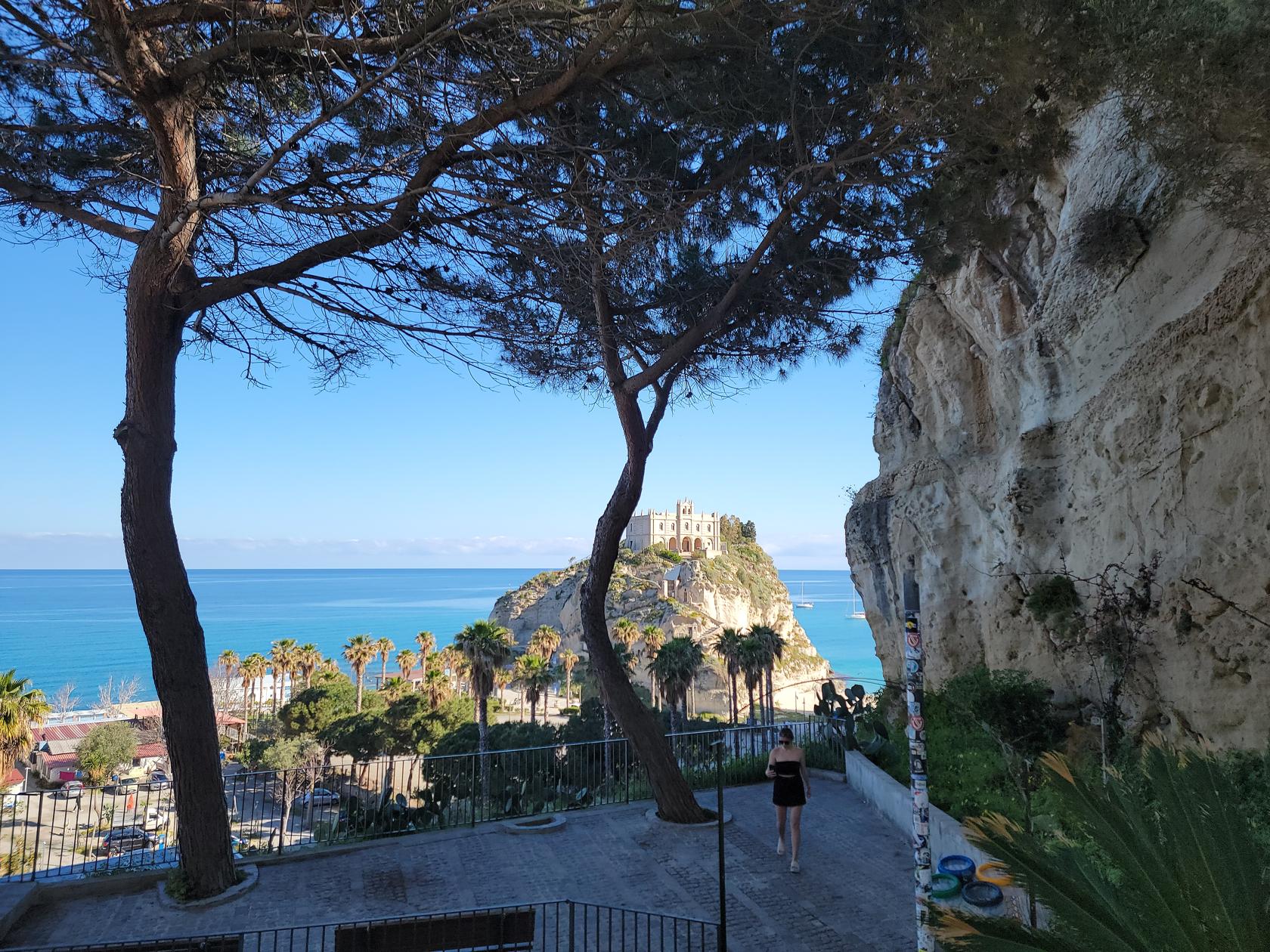
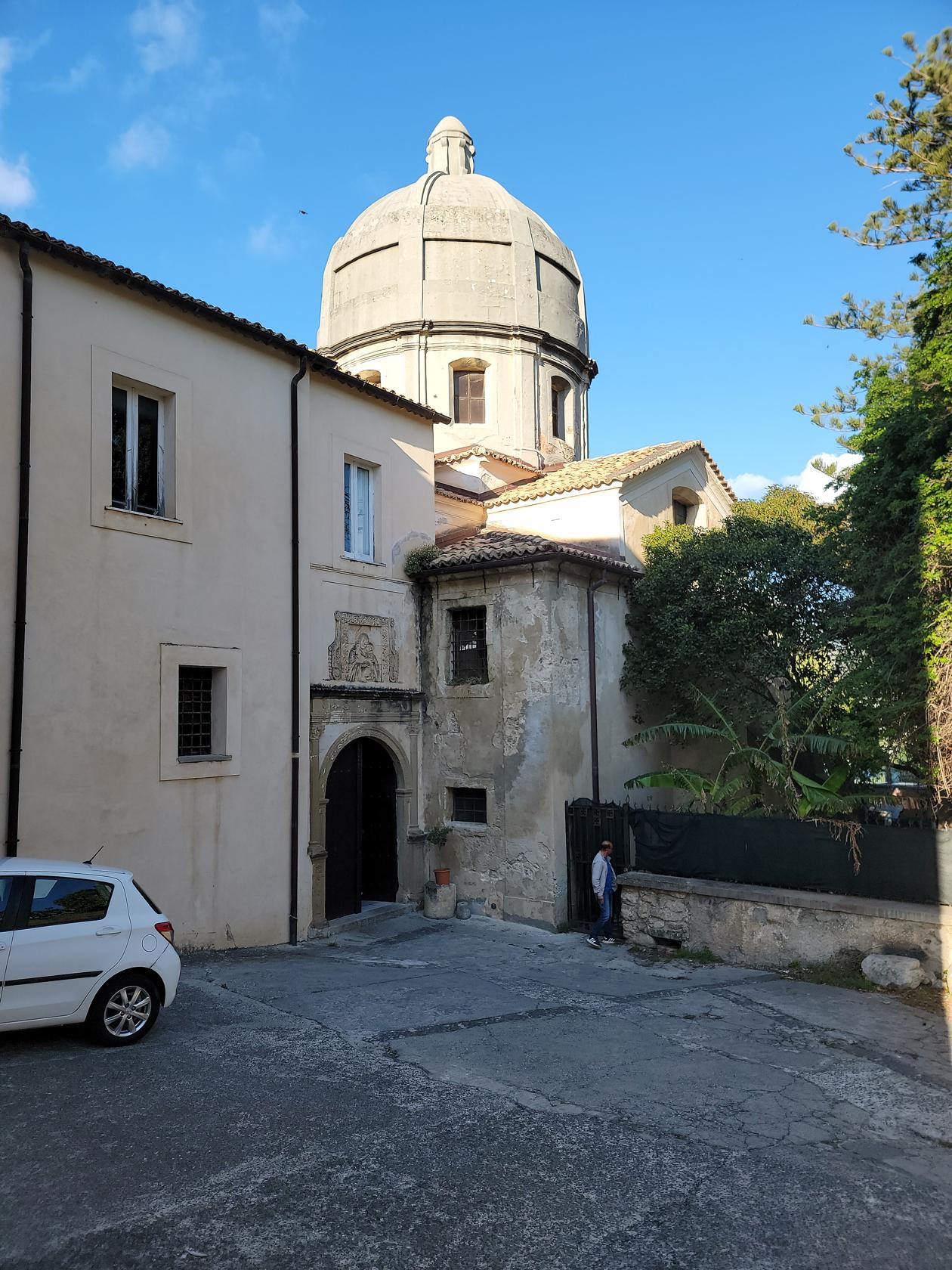
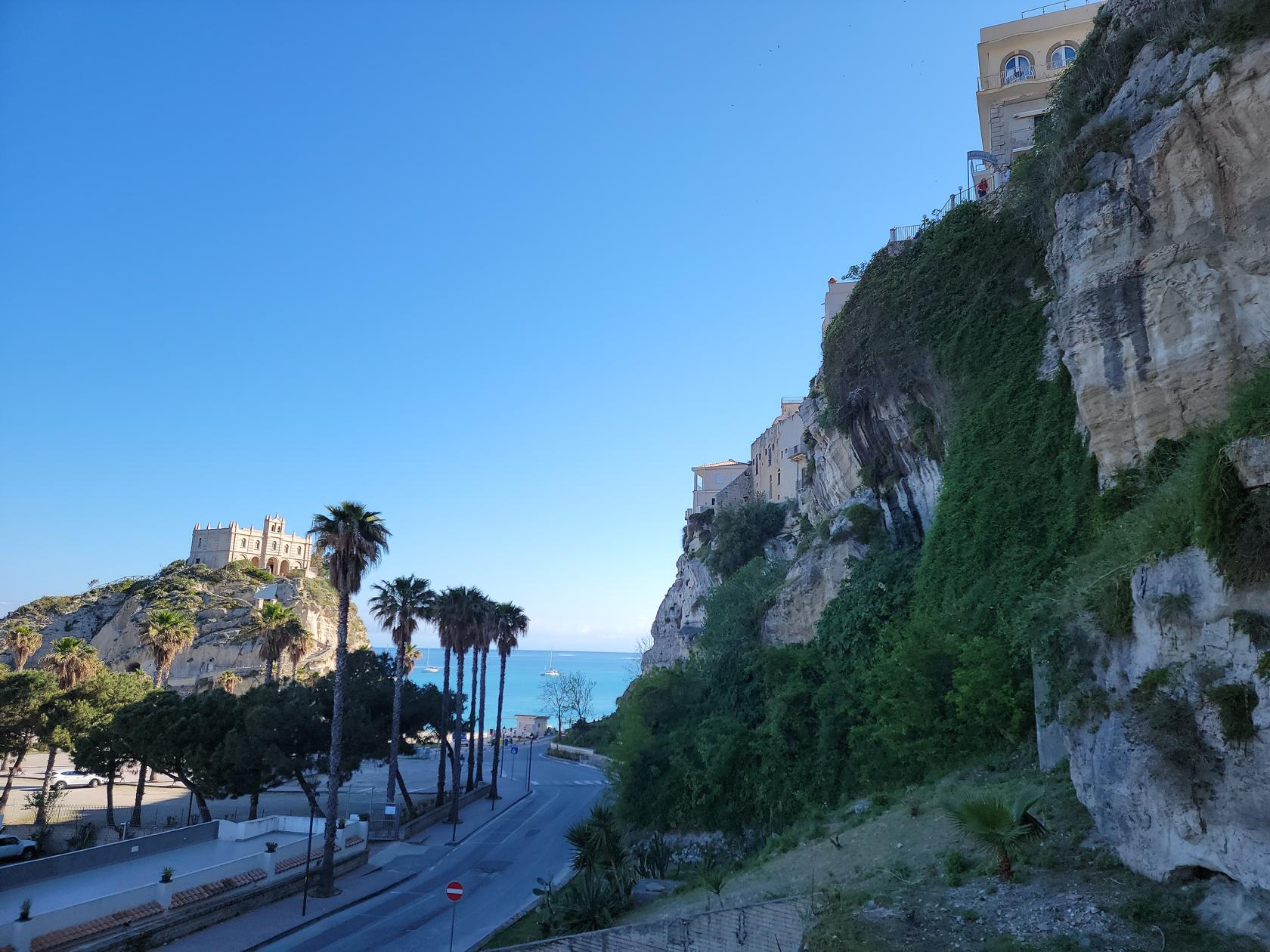
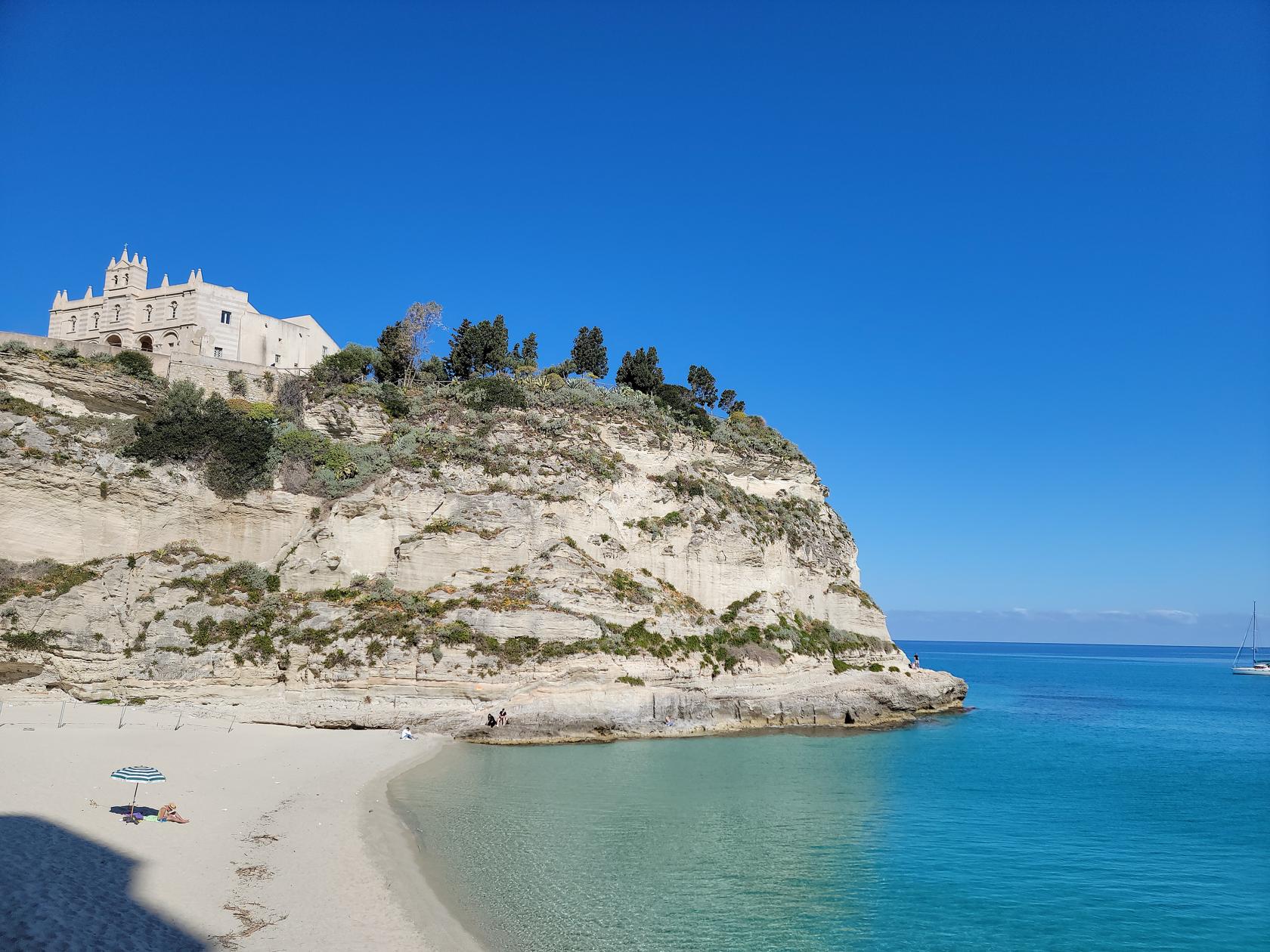
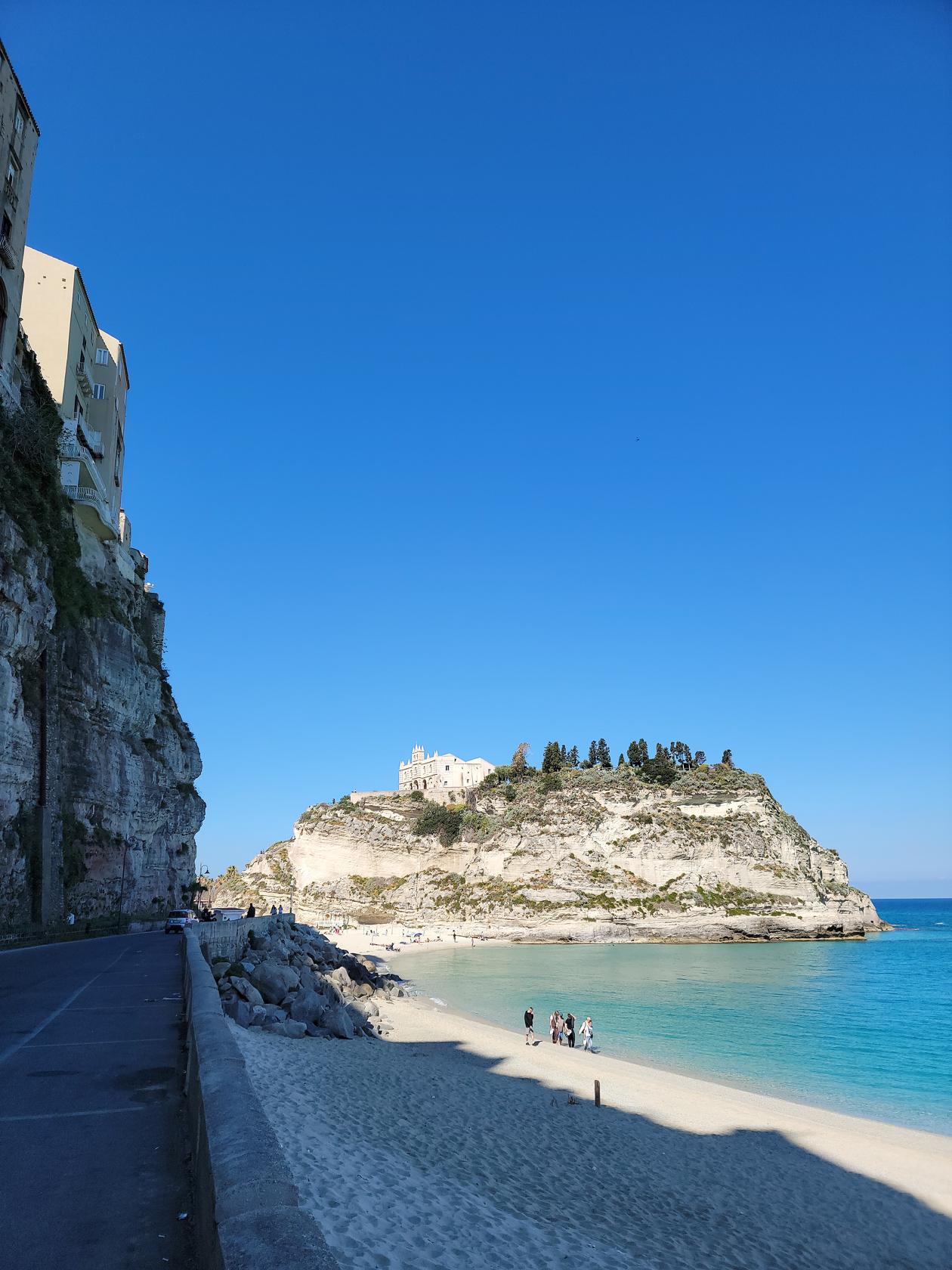
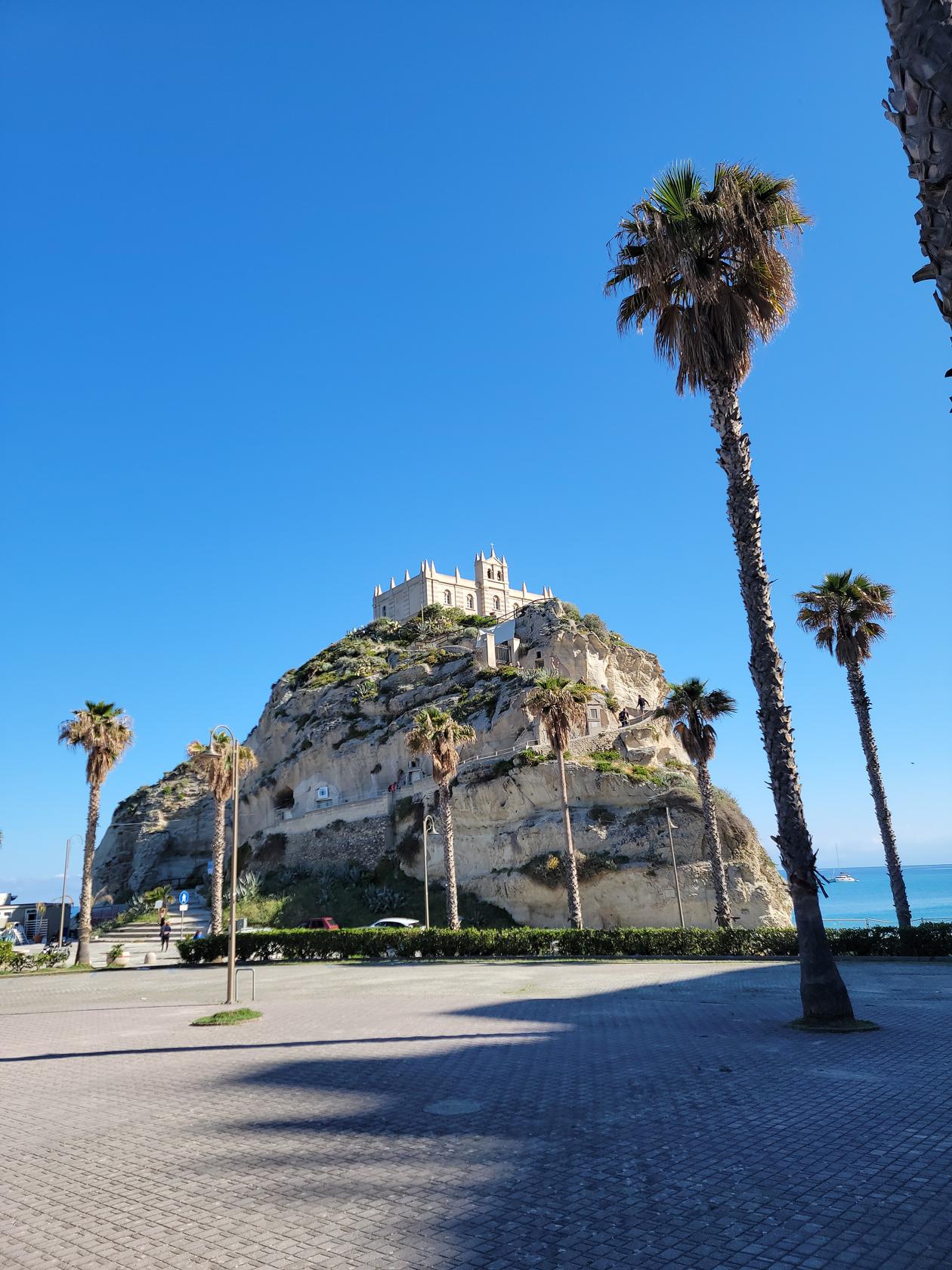
On the presque-isle of Tropea, which is actually to an island than a peninsula, stands the Sanctuary of Santa Maria. In order to get there one has to climb down from the city and ascend the stairs to the sanctuary, which opens around ten in the morning. It is best to get their at opening, because as we where leaving throngs of people appeared and the inside of the chapel is quite tiny.

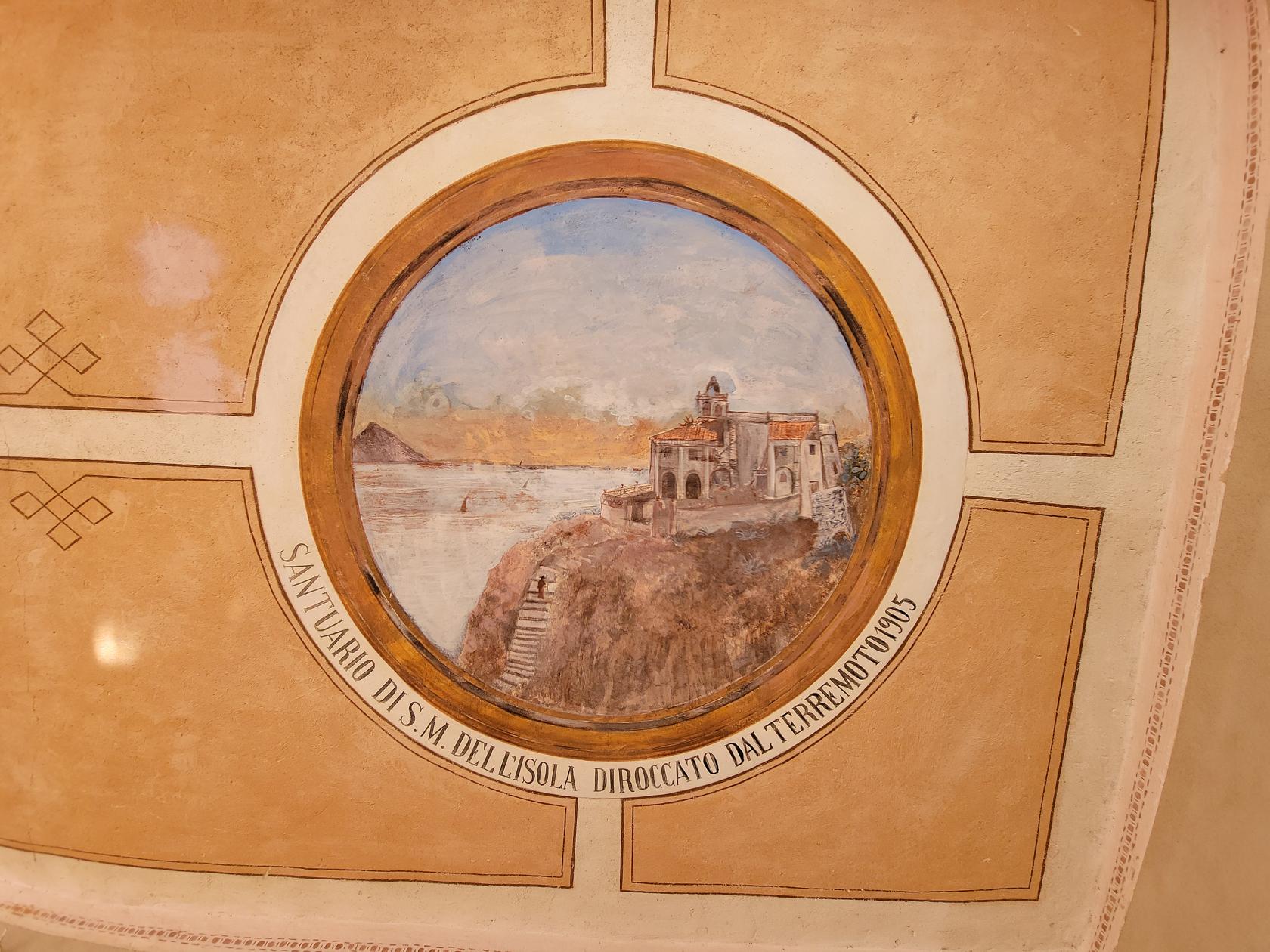
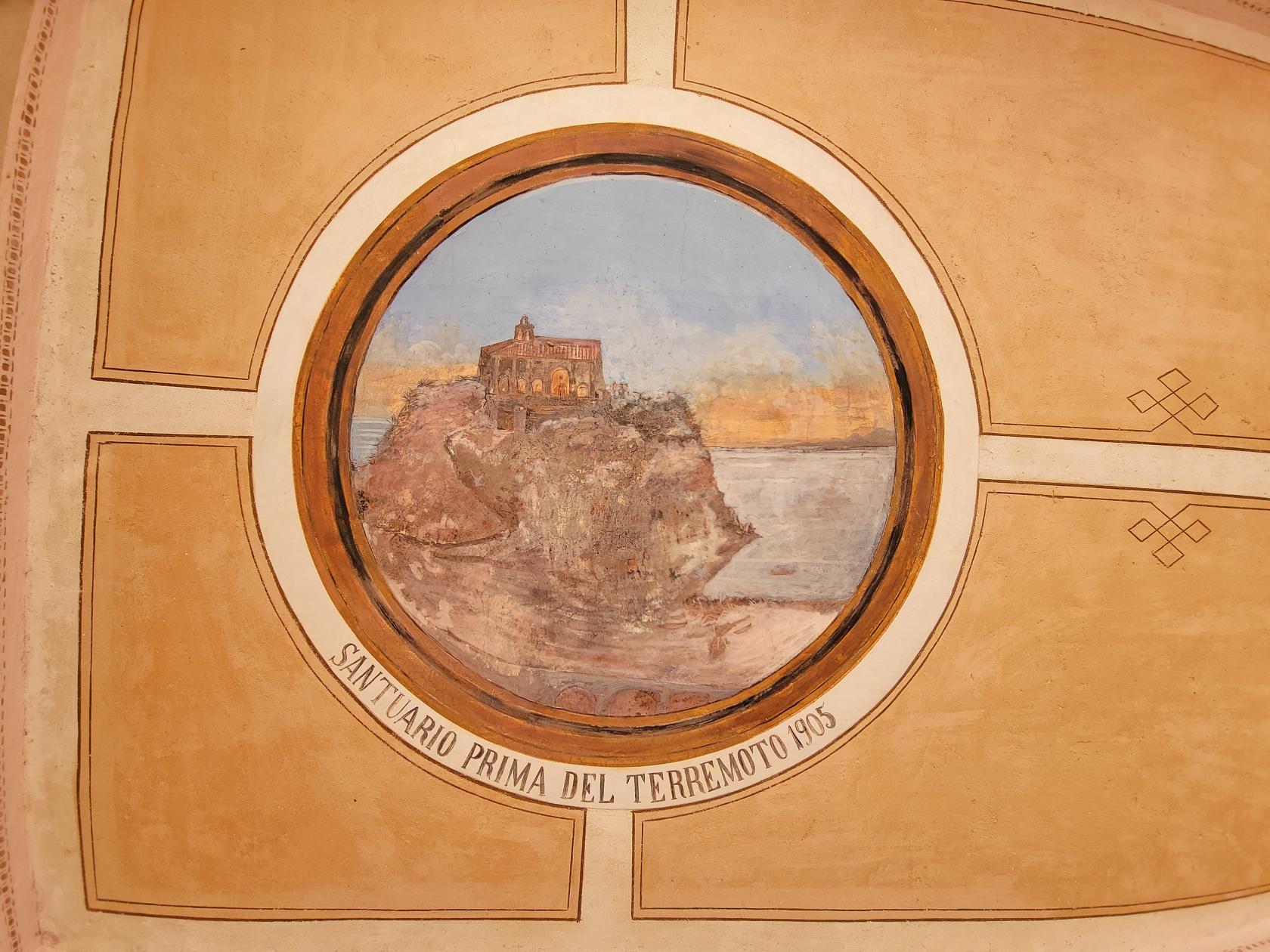
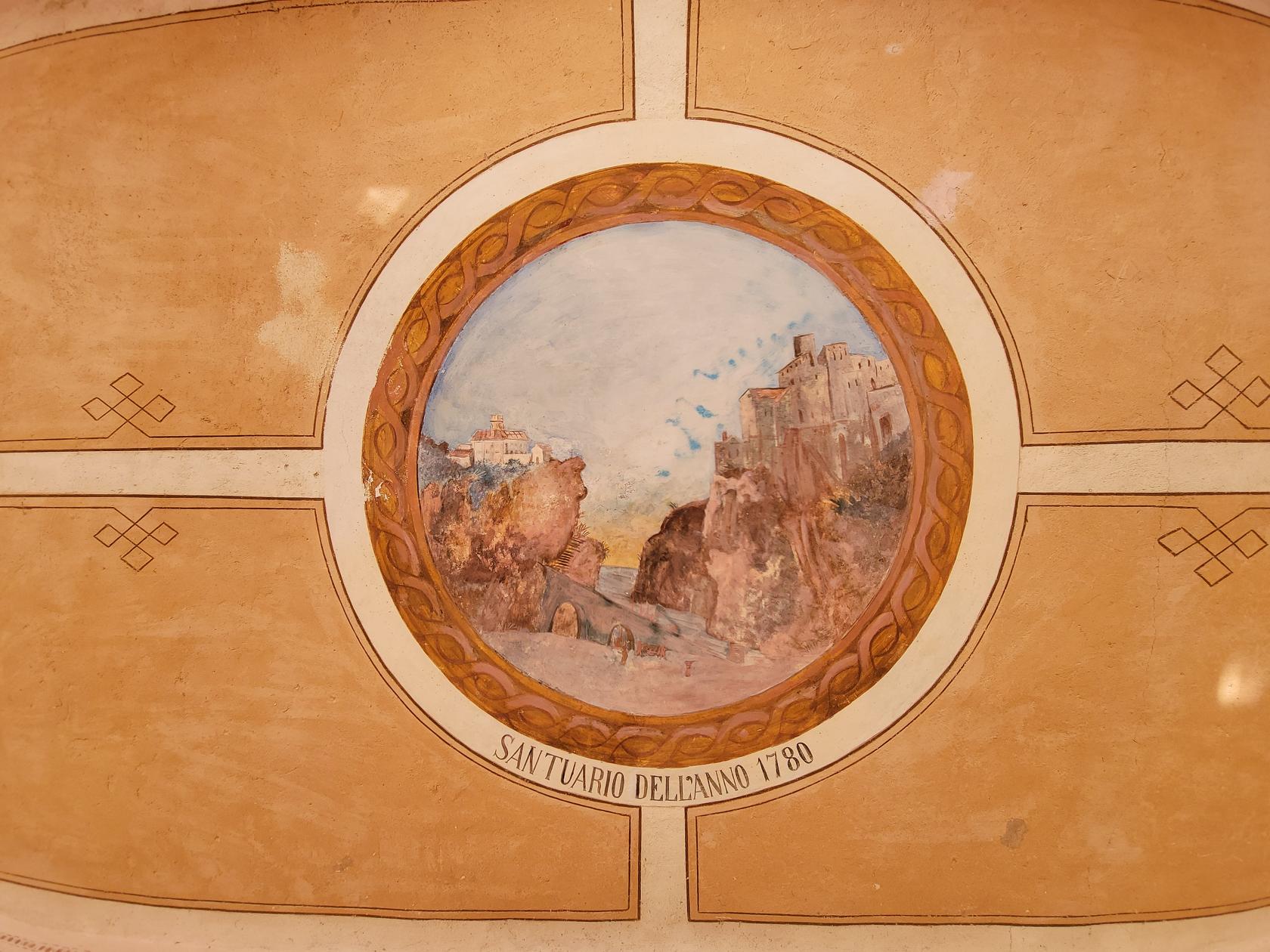
The entrance to the sanctuary is adorned by three painted cielings.

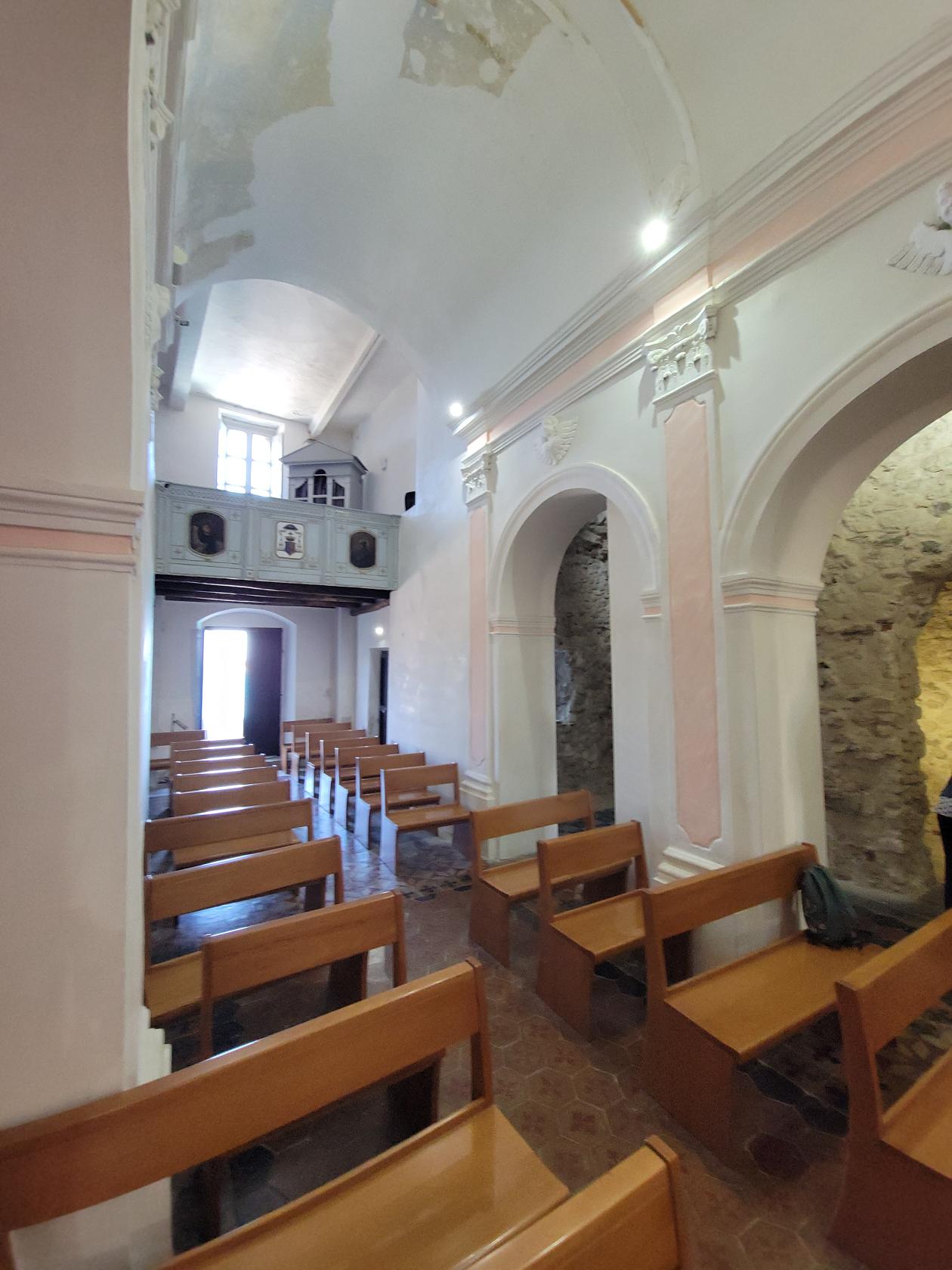
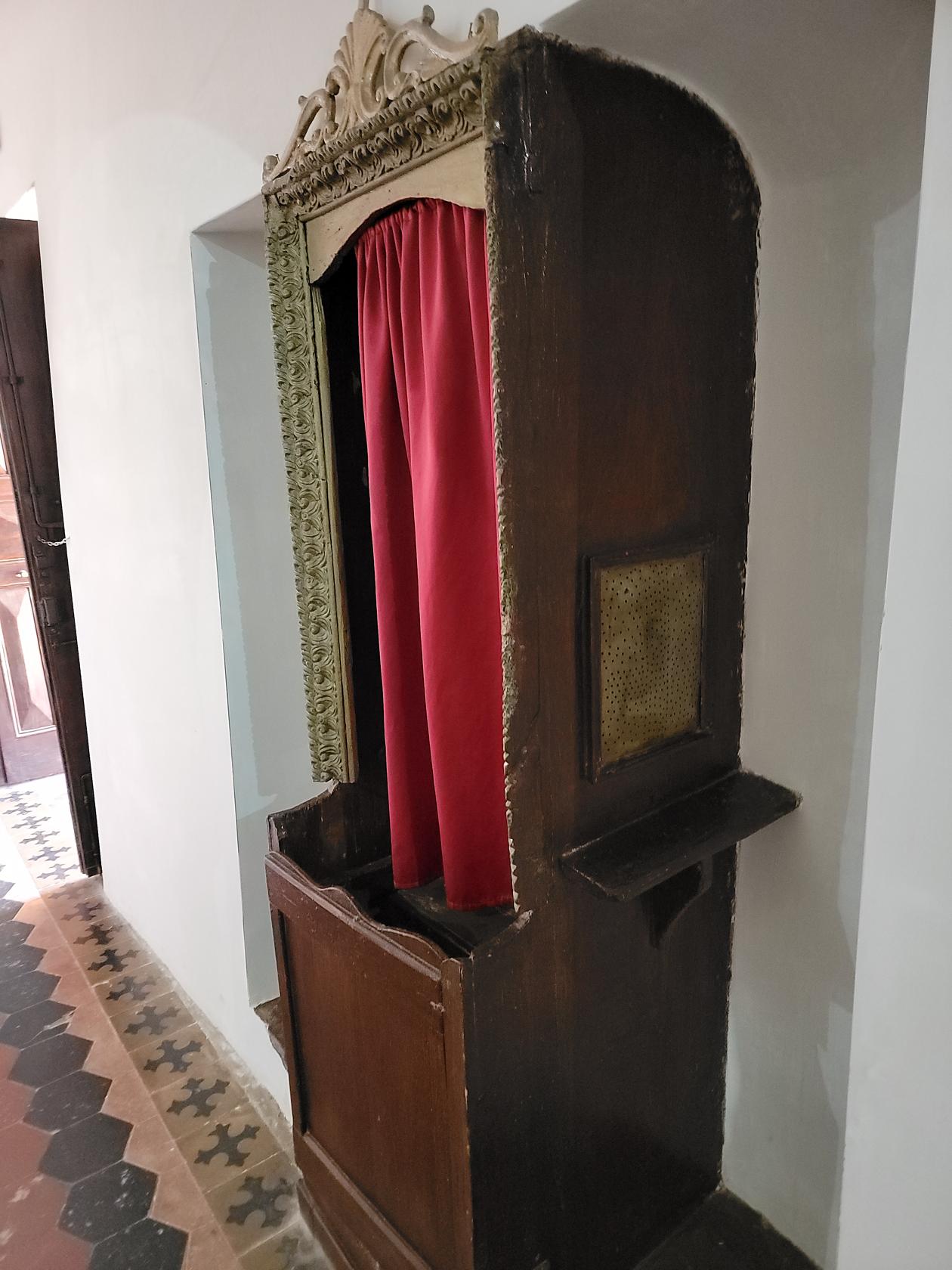
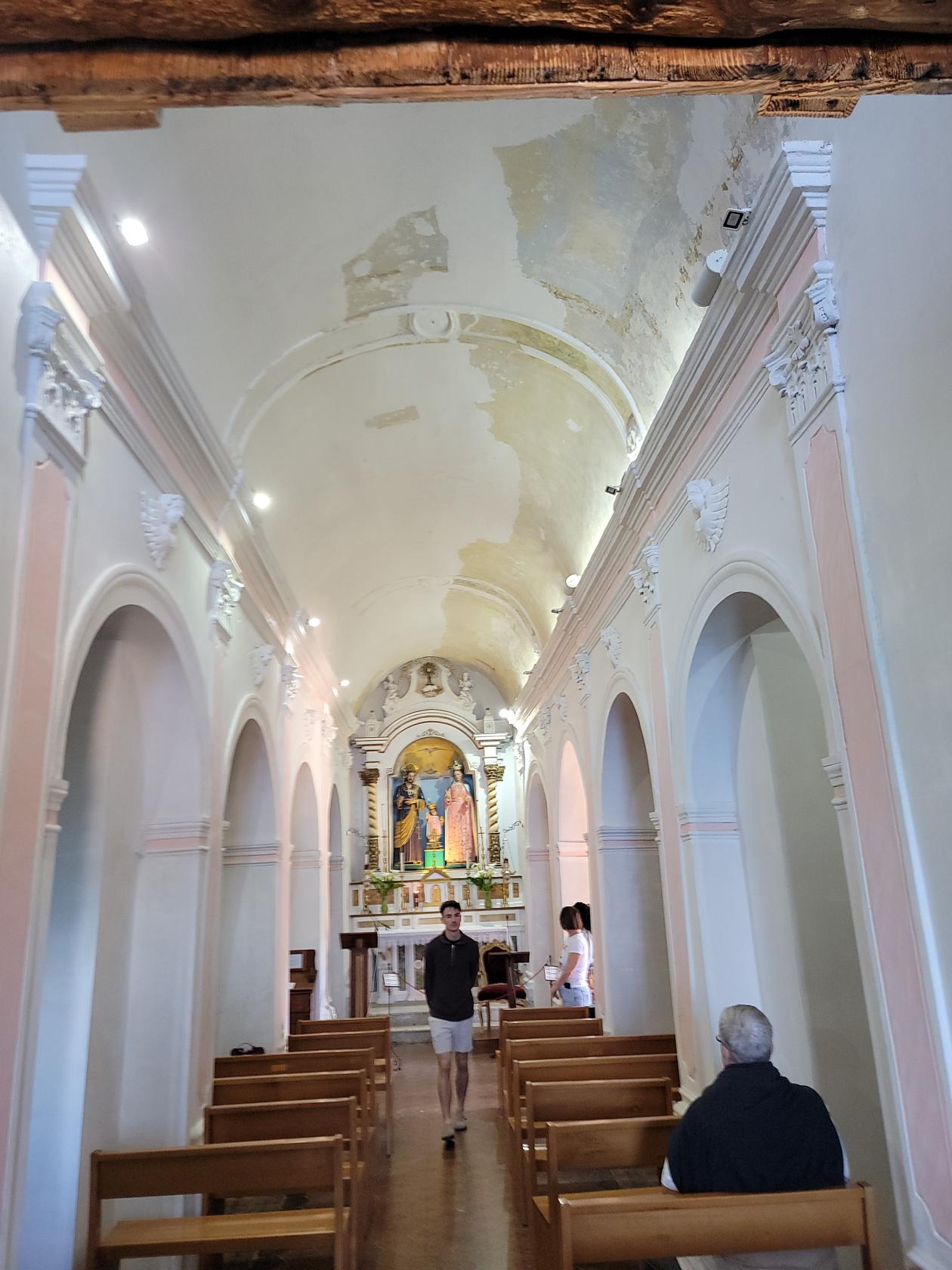
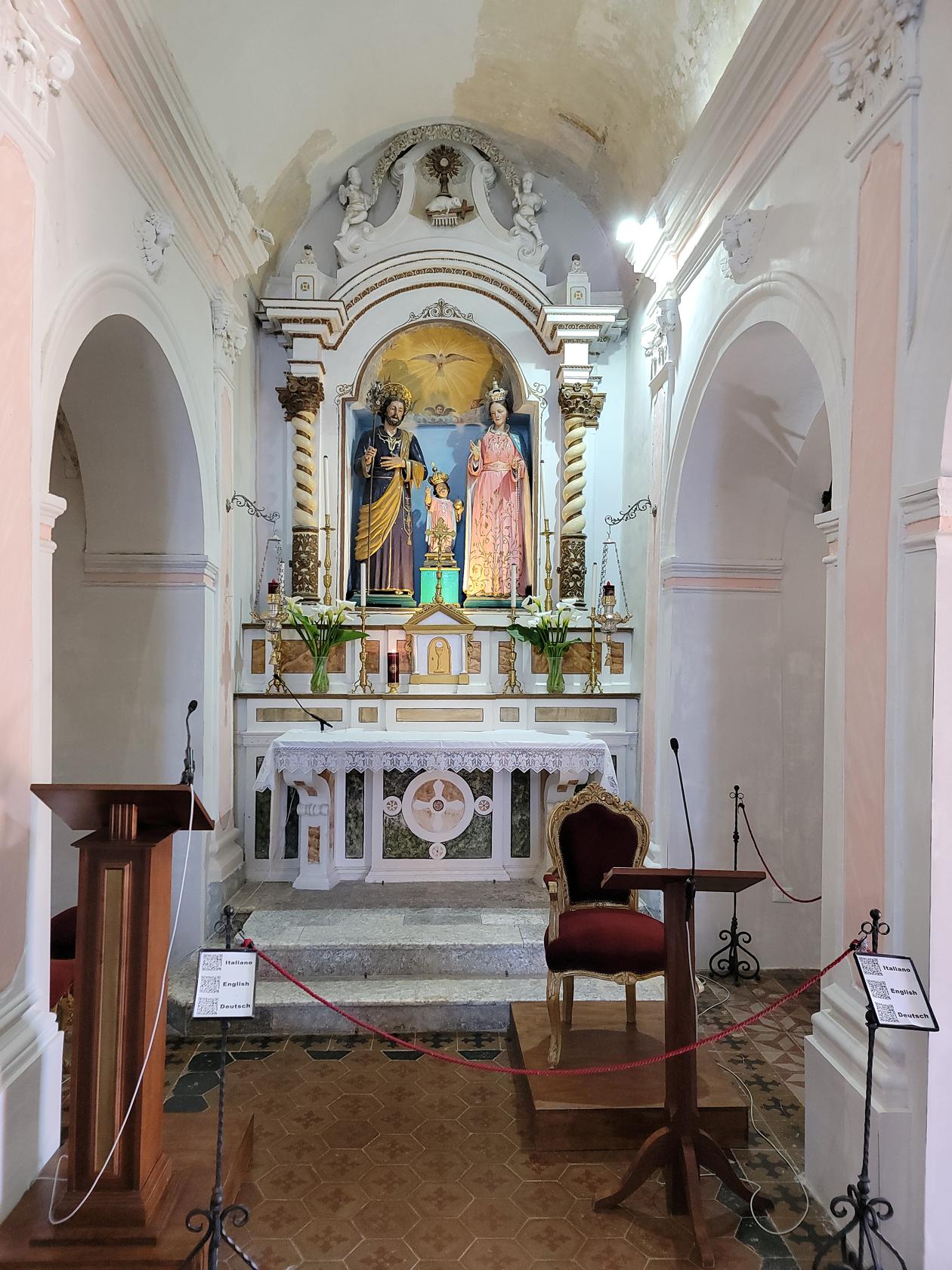
The interior is actually quite small and fitted out with pews, an altar and other accoutrements of catholicism. There is also a small shop where you can by a keepsake, postcards or other memorabilia.

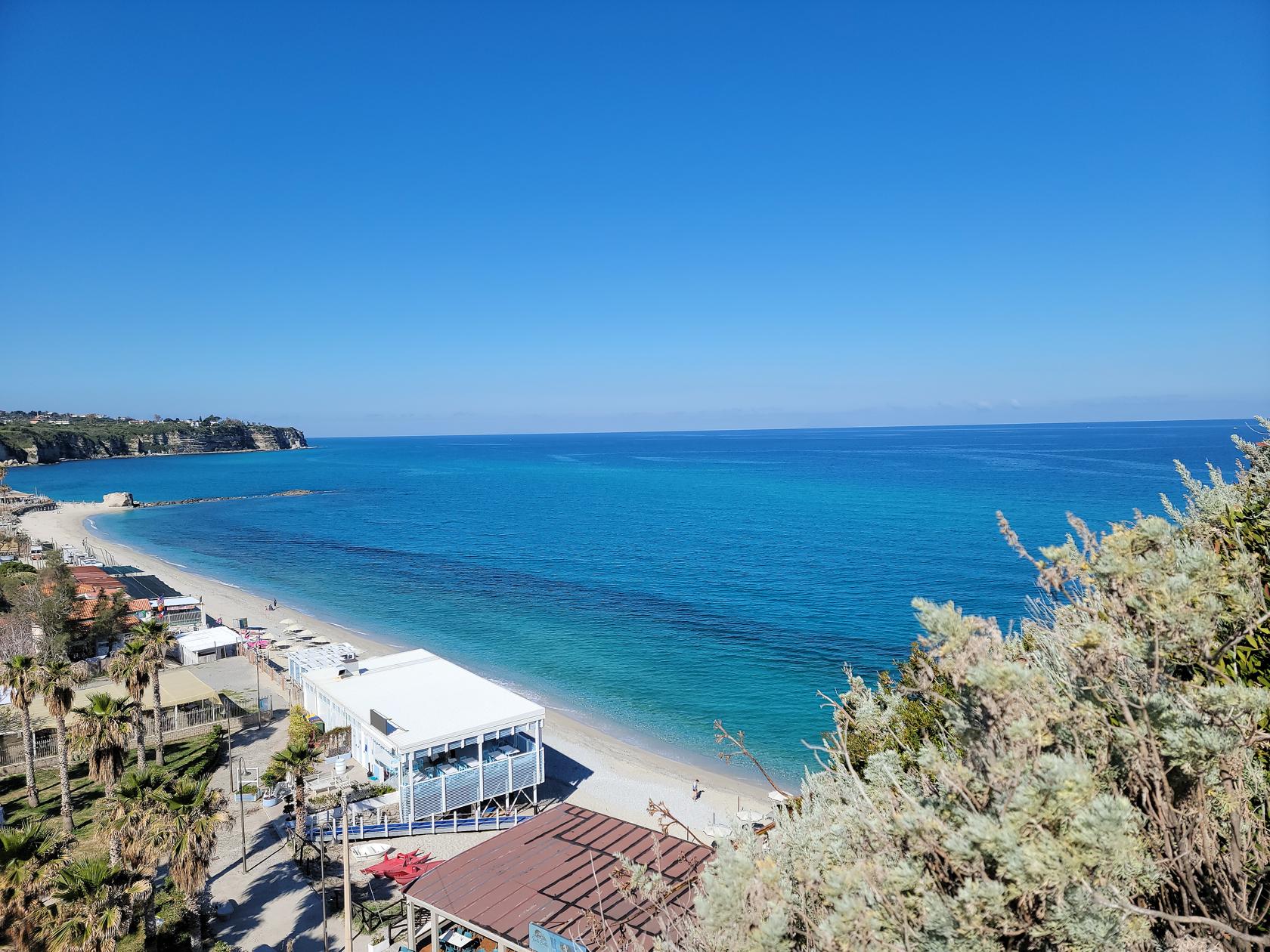
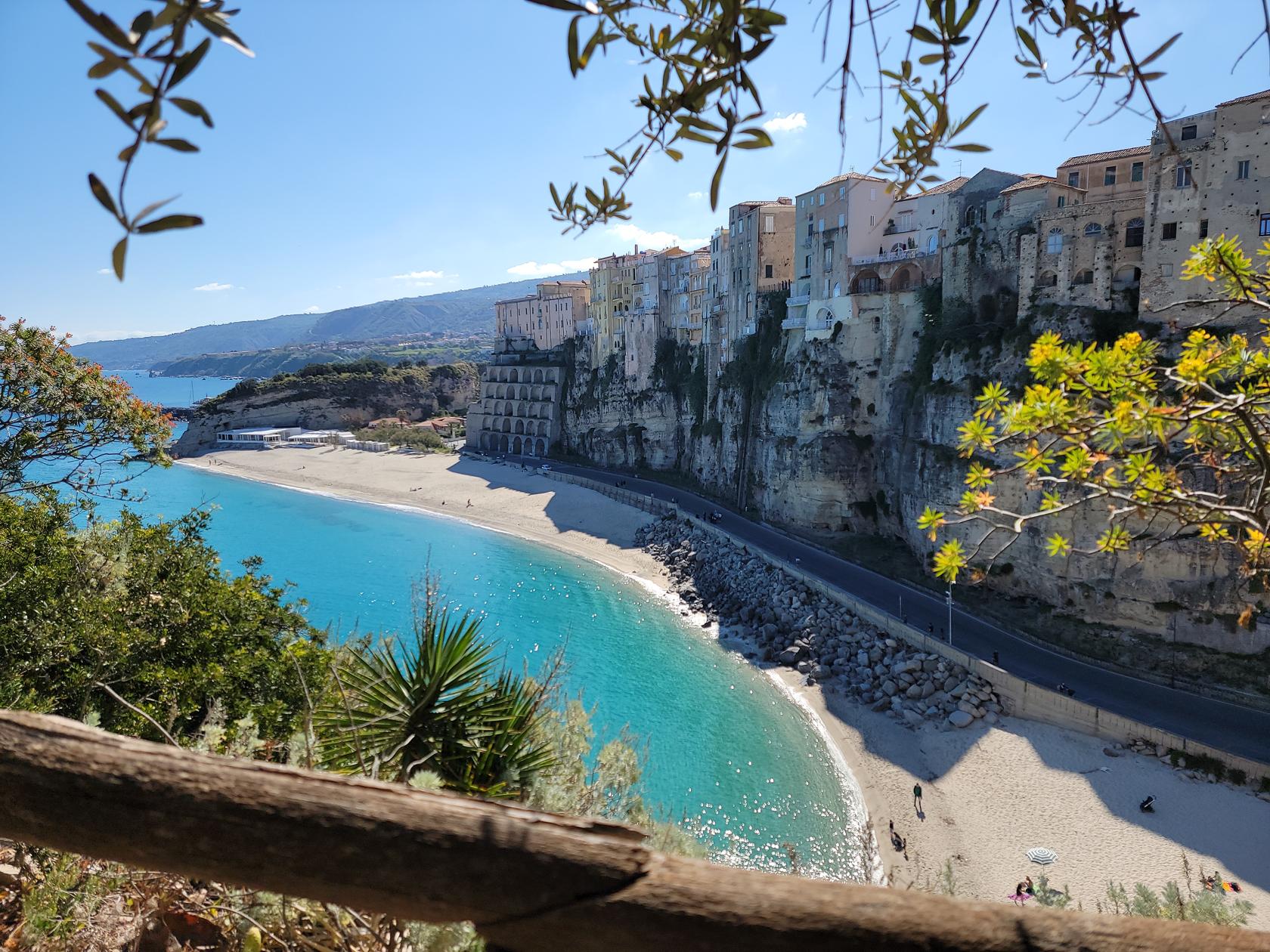
There are a few vantage points in which to take photographs of the surrounding coast and beach, as well as the city of Tropea perched on its cliff.

Belvedere Gardens

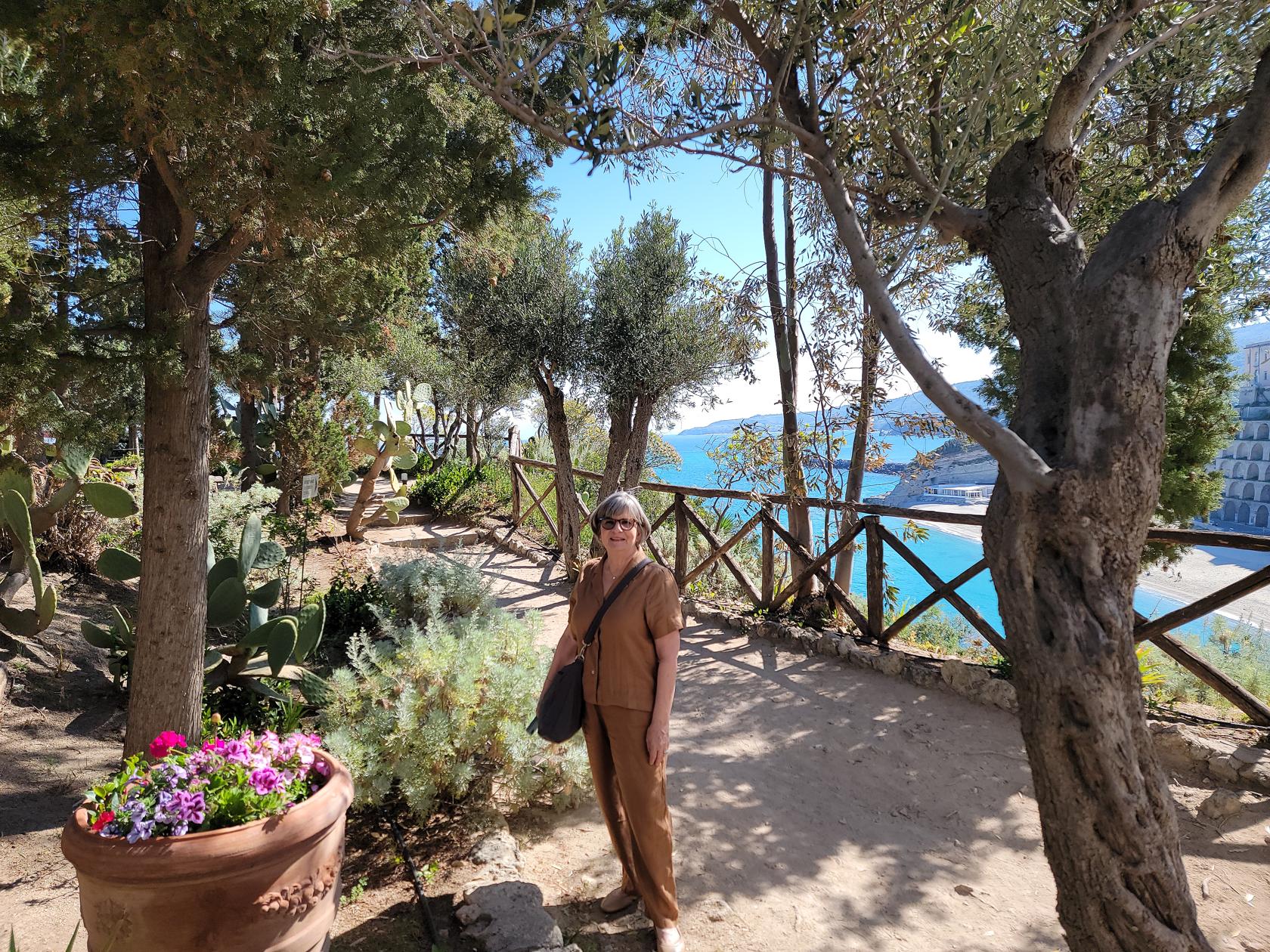
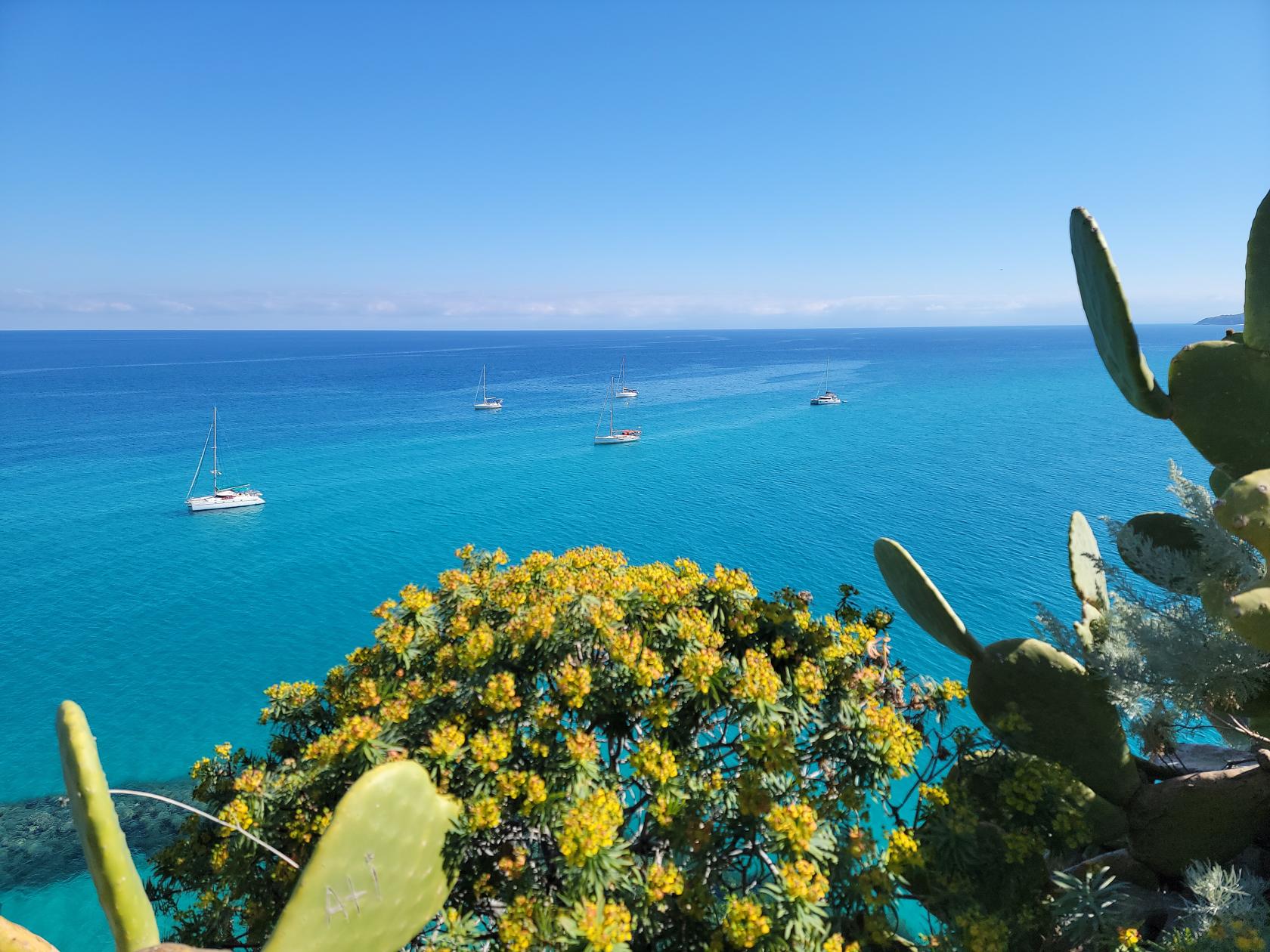
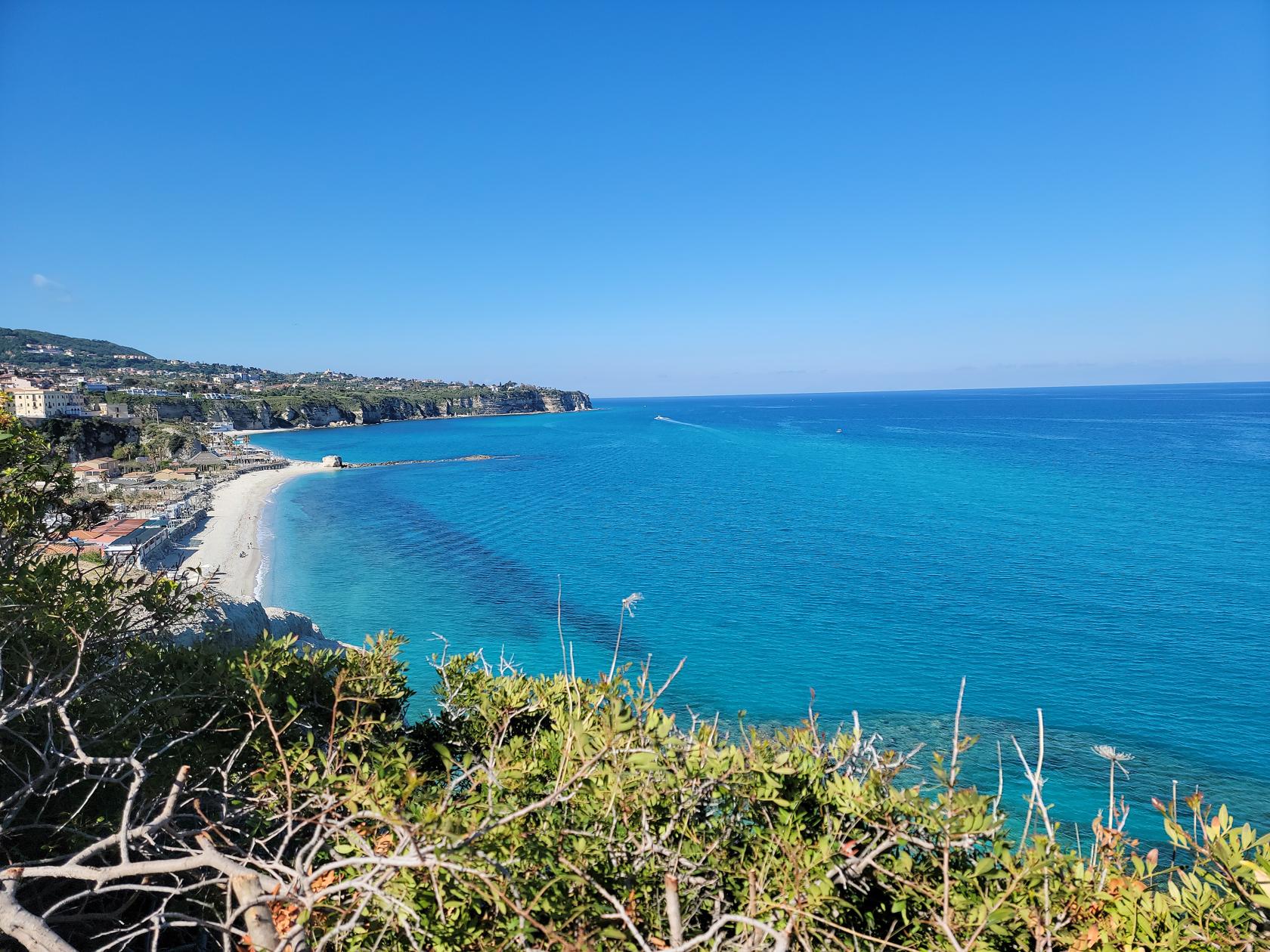
An adjunct to the sanctuary are the Belvedere Gardens, access to which is controlled by entry to the chapel. The gardens command a view of the coastline and with perfect weather equally good photographs of it.

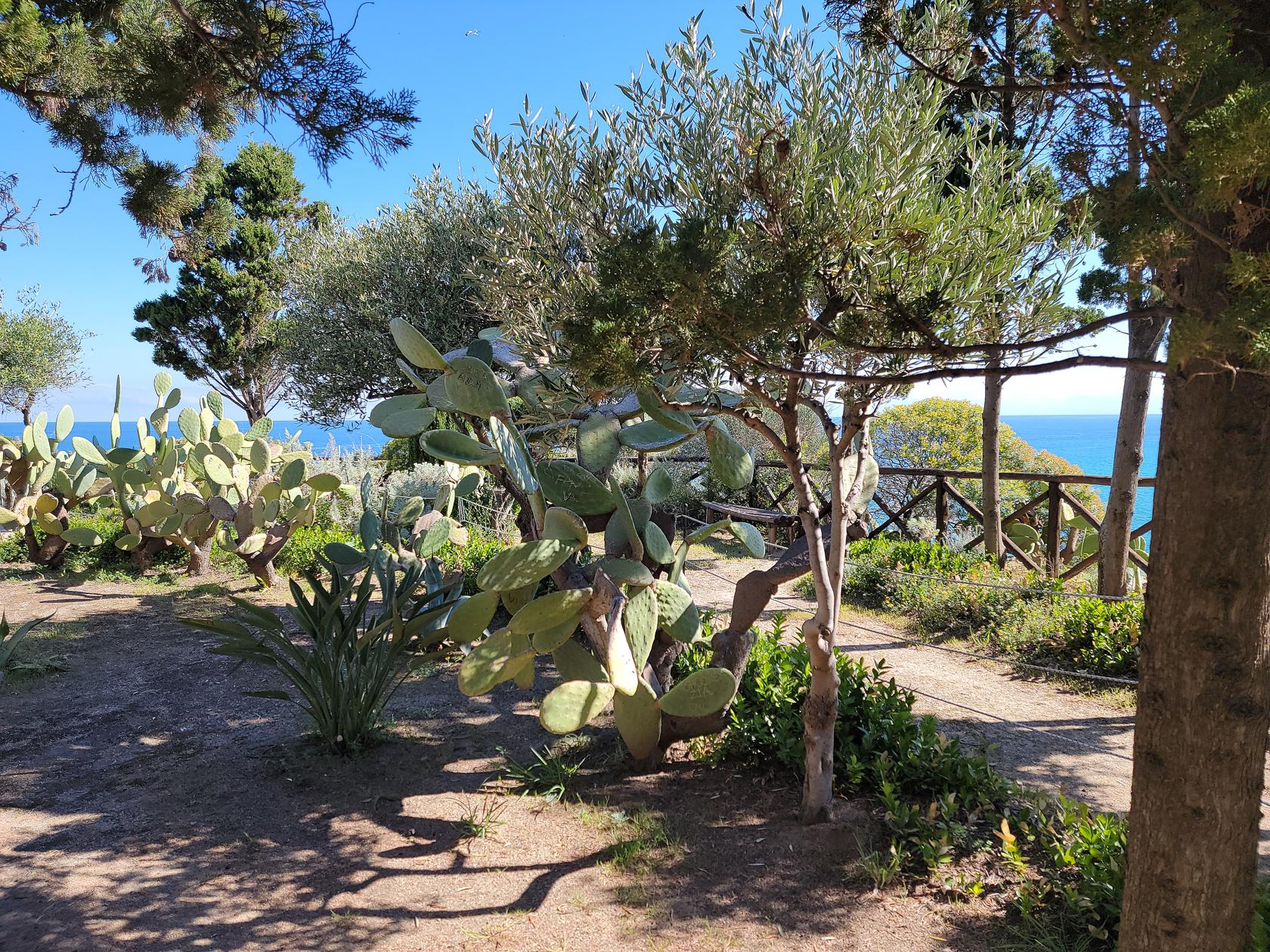
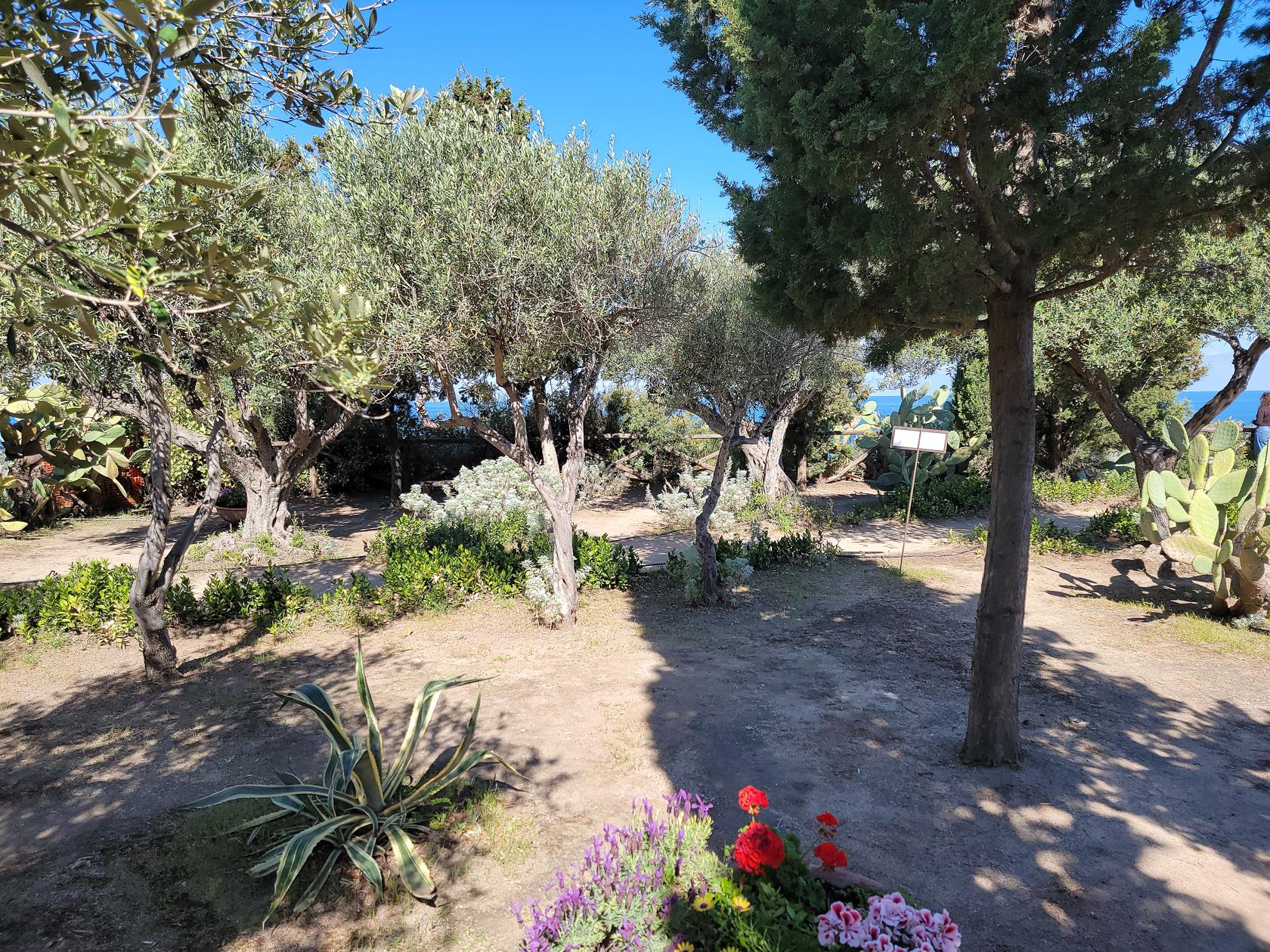
There are a variety of trees in the garden, as well as other bushes and flowering plants. In the day it must have been an amazing place to repose and enjoy the day.

Via Lungo Mare

Though the walk along the Lungomare in Tropea is not the best we have been on, it is a nice walk that can bring you back up on the other side of Tropea. It also provides access to the sandy beach that enjoys protection from the wind and the waves and appears to be a favorite for the locals.

Nasocchio – The Apotropian Mask

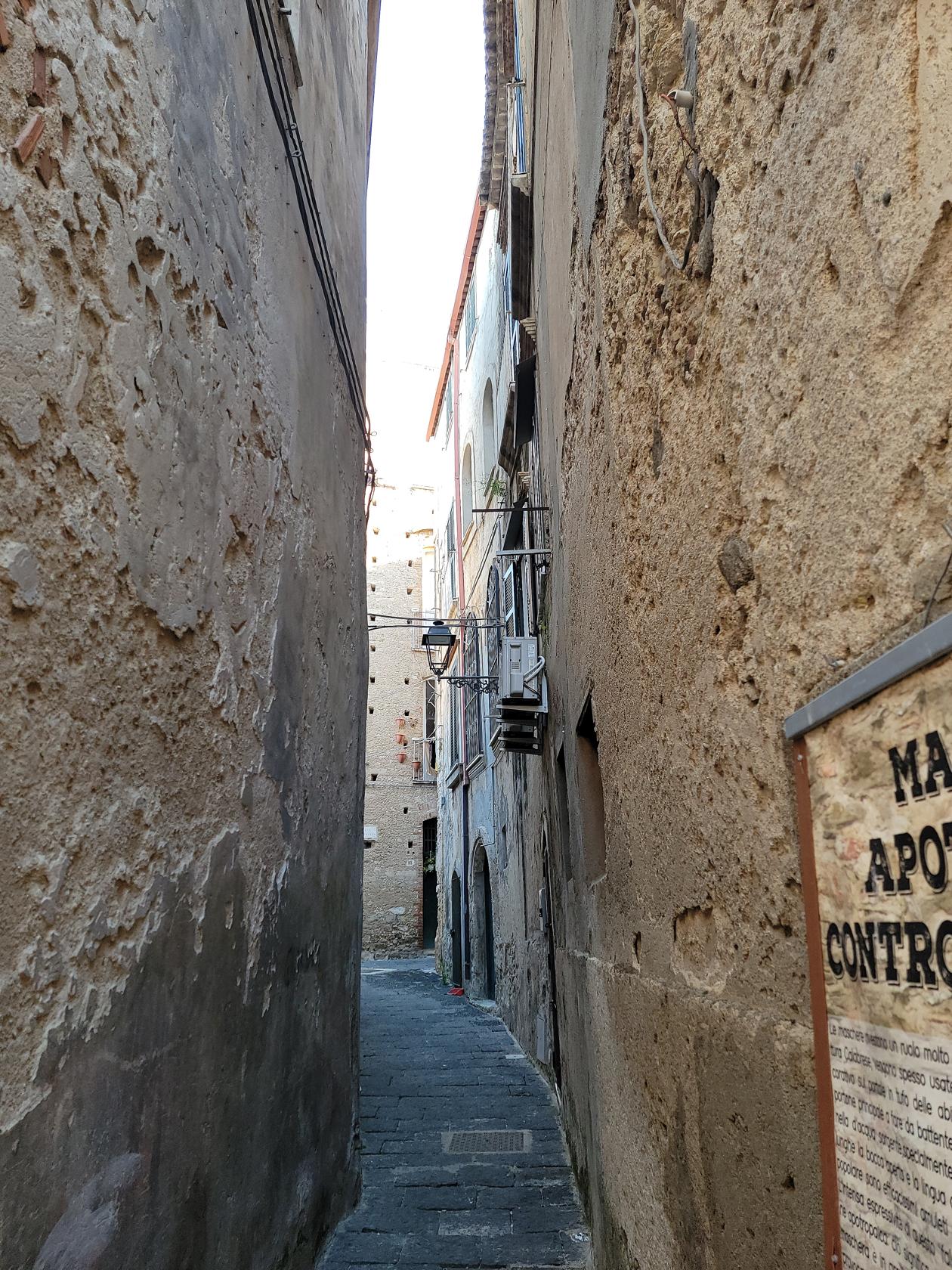
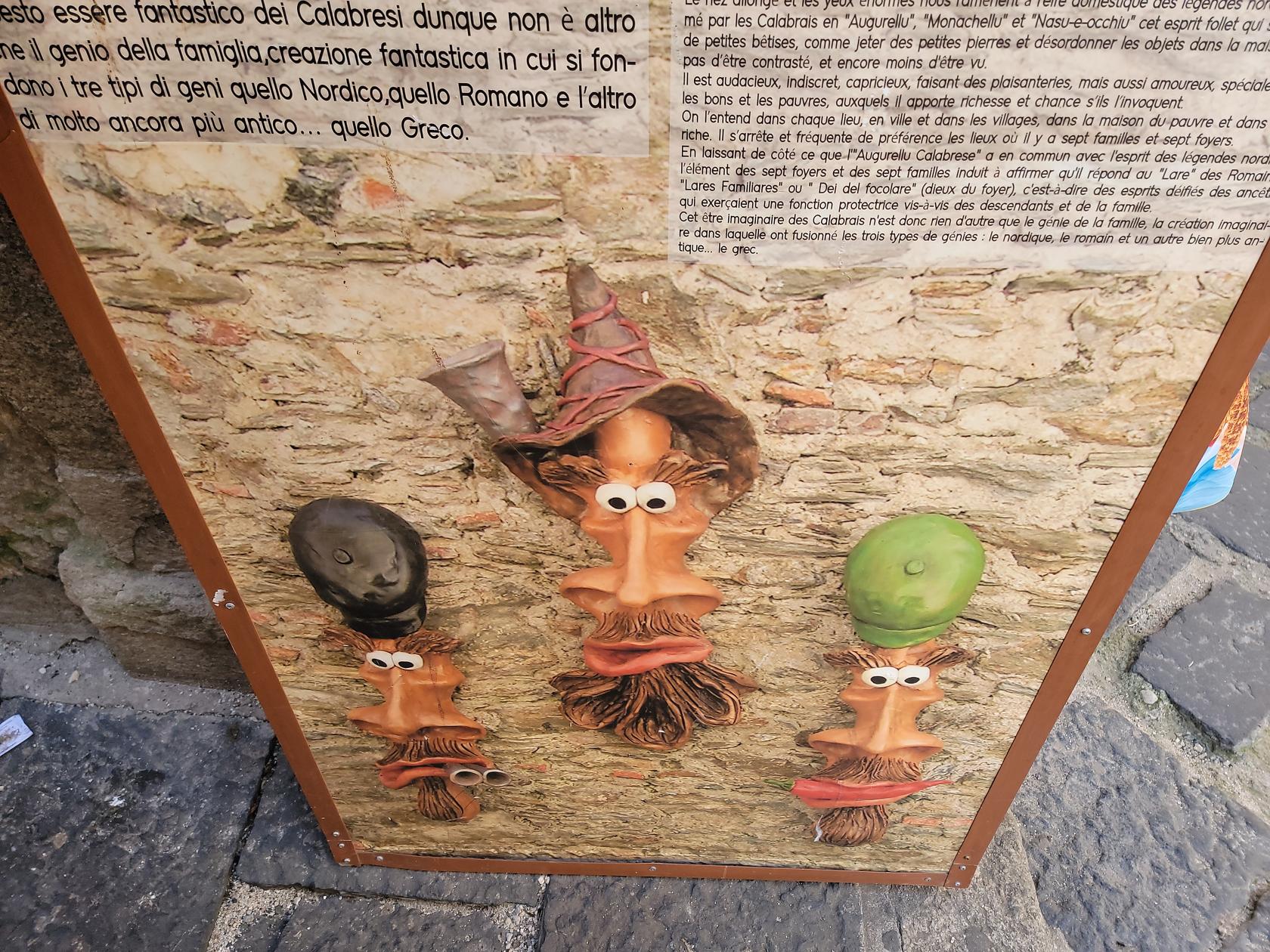
Walking though the town a visitor will occasionally notice a mask that almost looks like a caricature. The closest analog we have in the States are caricature artists that frequent fairs and draw your face with a pencil in a very stylized way. Well, these masks are specific to the Calabrian culture.

Nasocchio as he is called in Calabrian culture is a mask whose strange and unique glare is supposed to frighten away evil spirits, or what is commonly termed here the Malocchio or Evil Eye. The Italian Horn is meant to function in the same way, as are other strange artifacts in the culture. They are also meant to bring good fortune with their use.

Restaurants

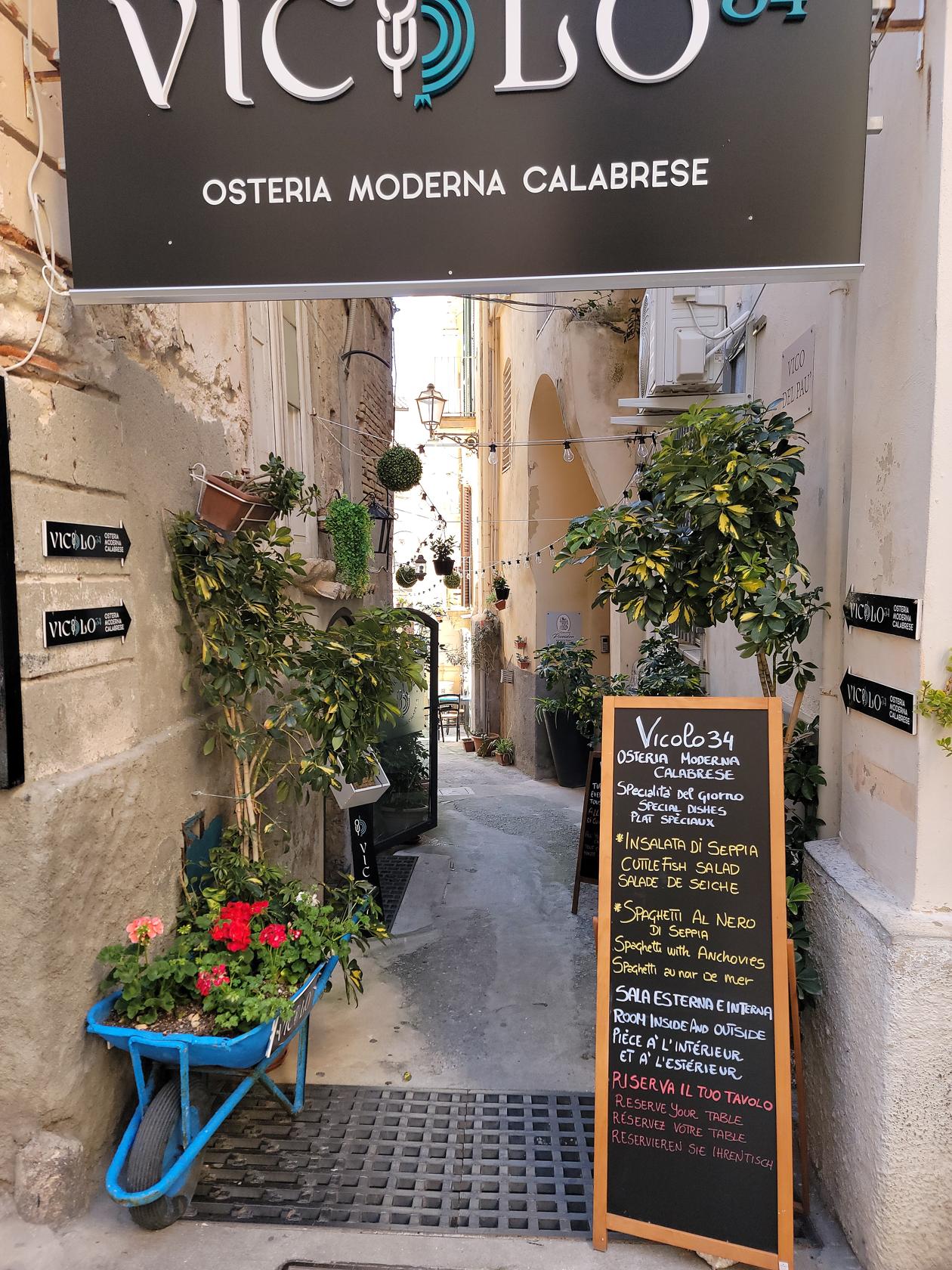
Though we stayed here only for two nights, we still had occasion to visit three restaurants, all of which offered local Calabrian or Sicilian dishes.

Royal Bar

Not known for their food, we bought some drinks here for a quick rest. Nothing special, but the drinks were okay.

Diamante Rosso Tropea Ristorante

Here we had to try to local al ragu Arancini, or Sicilian breaded and conically shaped stuffed rice balls that are deep-fried. They were amazing, but usually always good, depending where you buy and how they are made. They can actually be purchased at most good local stores, cafes and some marketplaces and quickly heated up for a snack or meal.

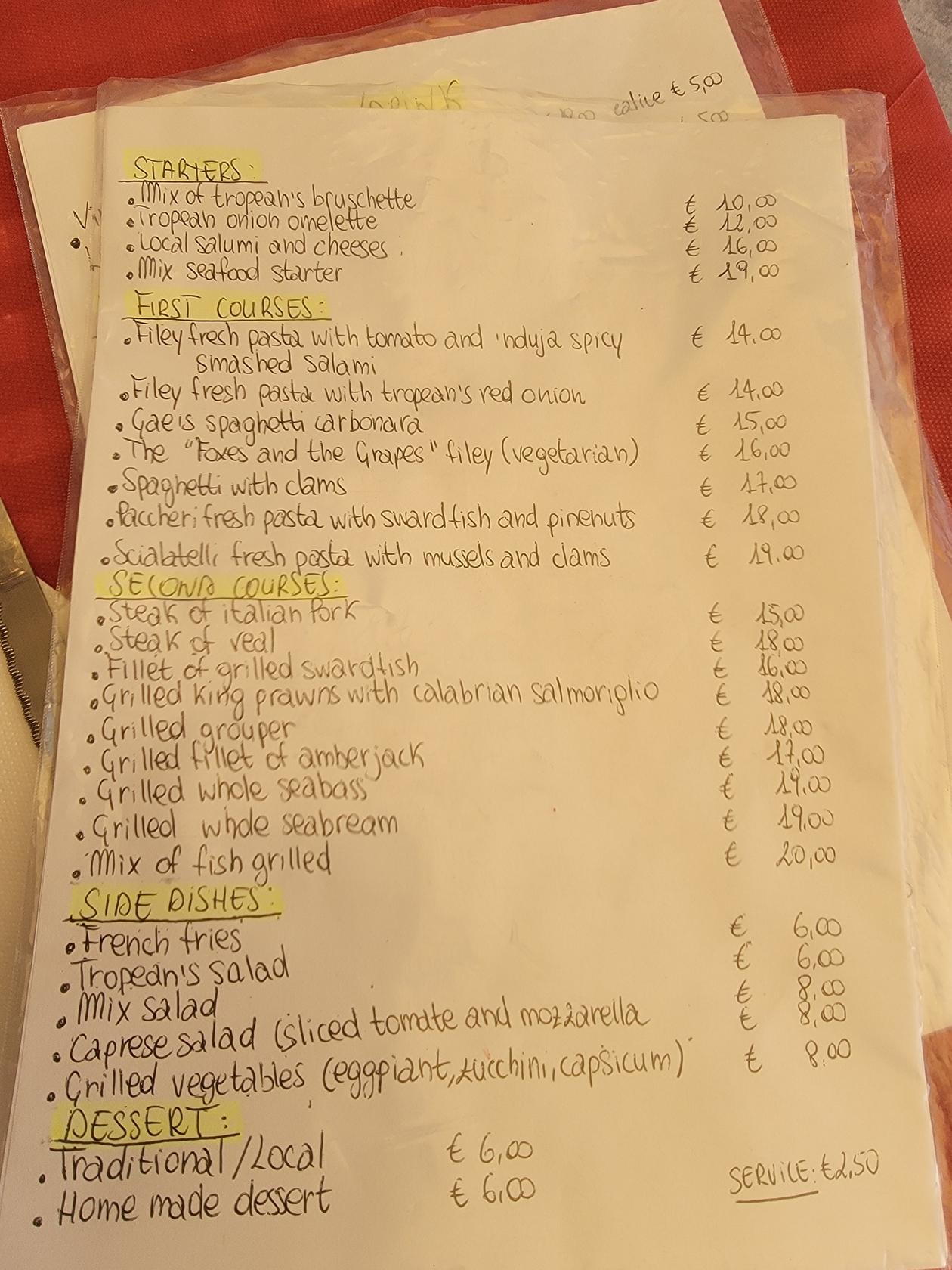
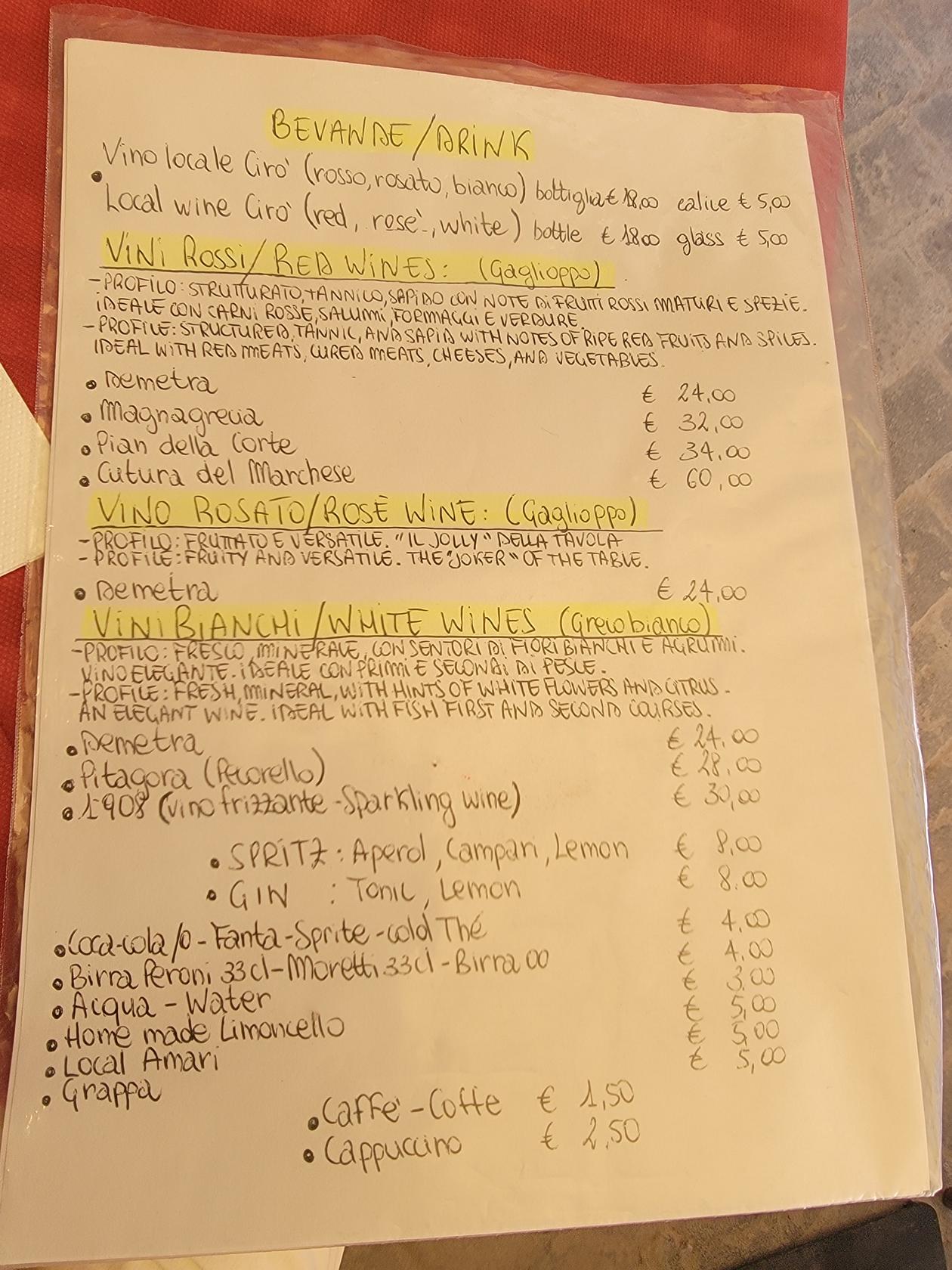
Le Volpe El Uva Ristorante

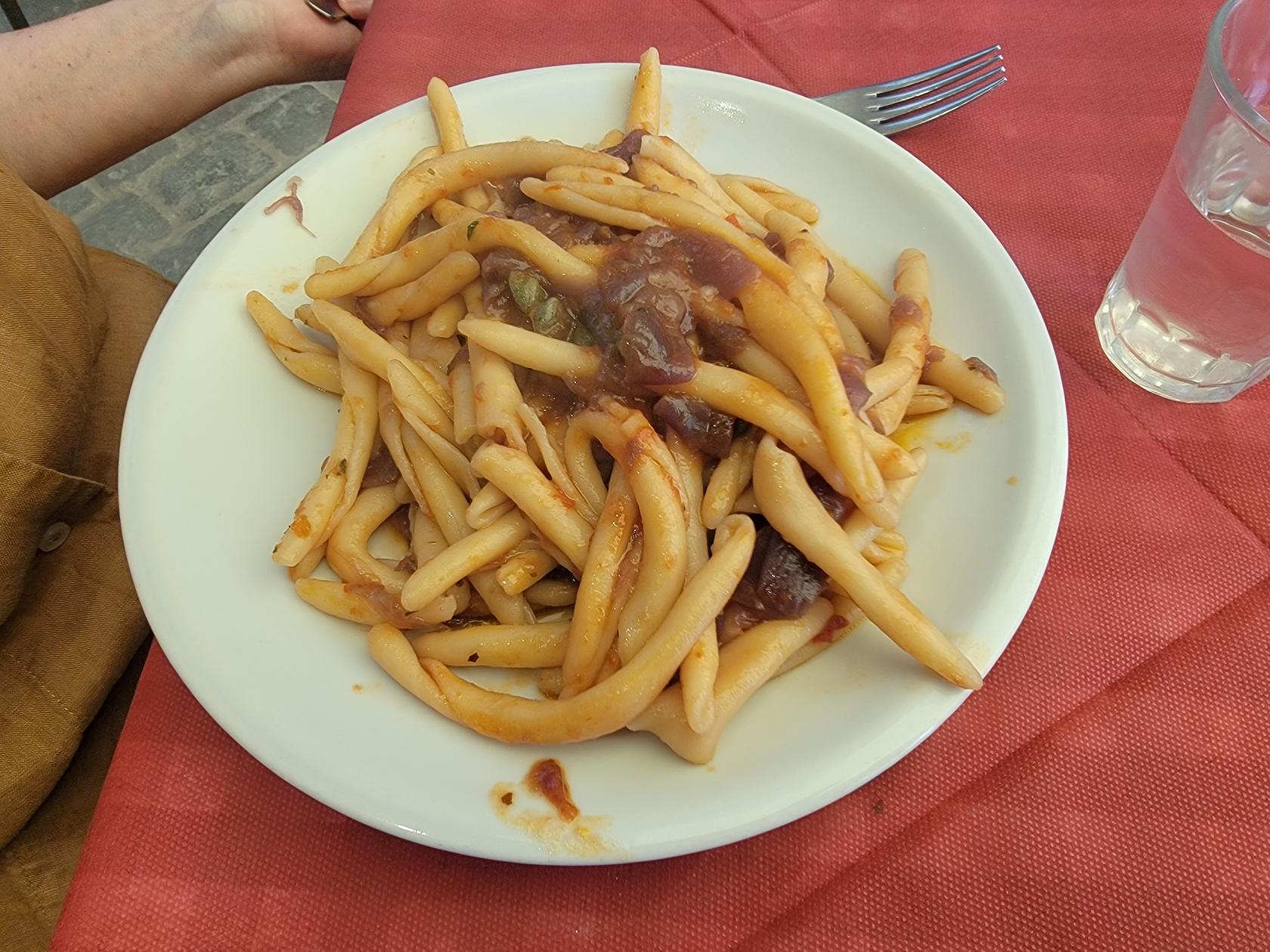
At Le Volpe we ordered a pasta dish each and dessert. The Filey was freshly made and topped with Tropean Onions, which are deliciously sweet, when they are sautéed until they have that glassy look.

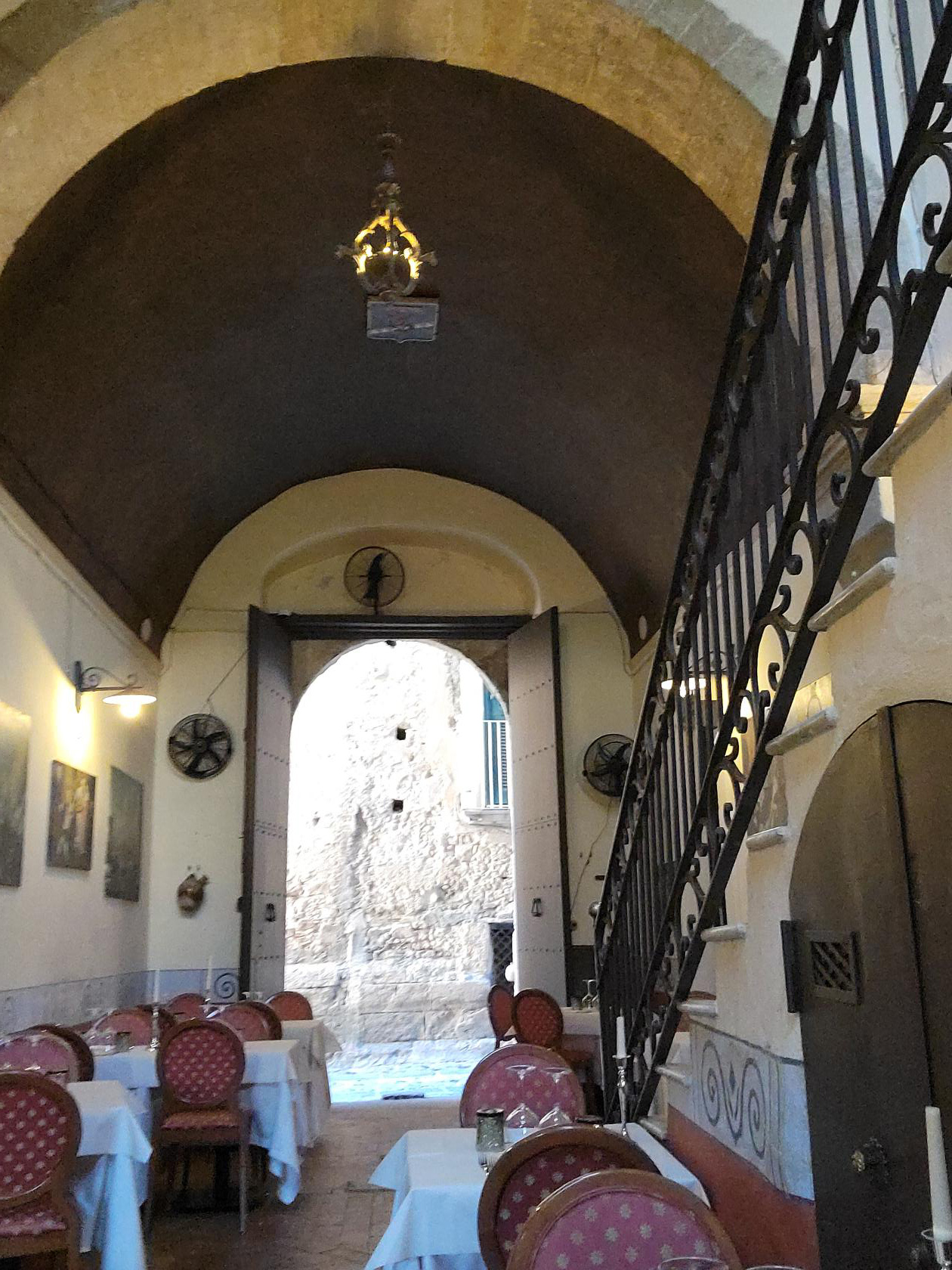
Palazzo Teotino Ristorante

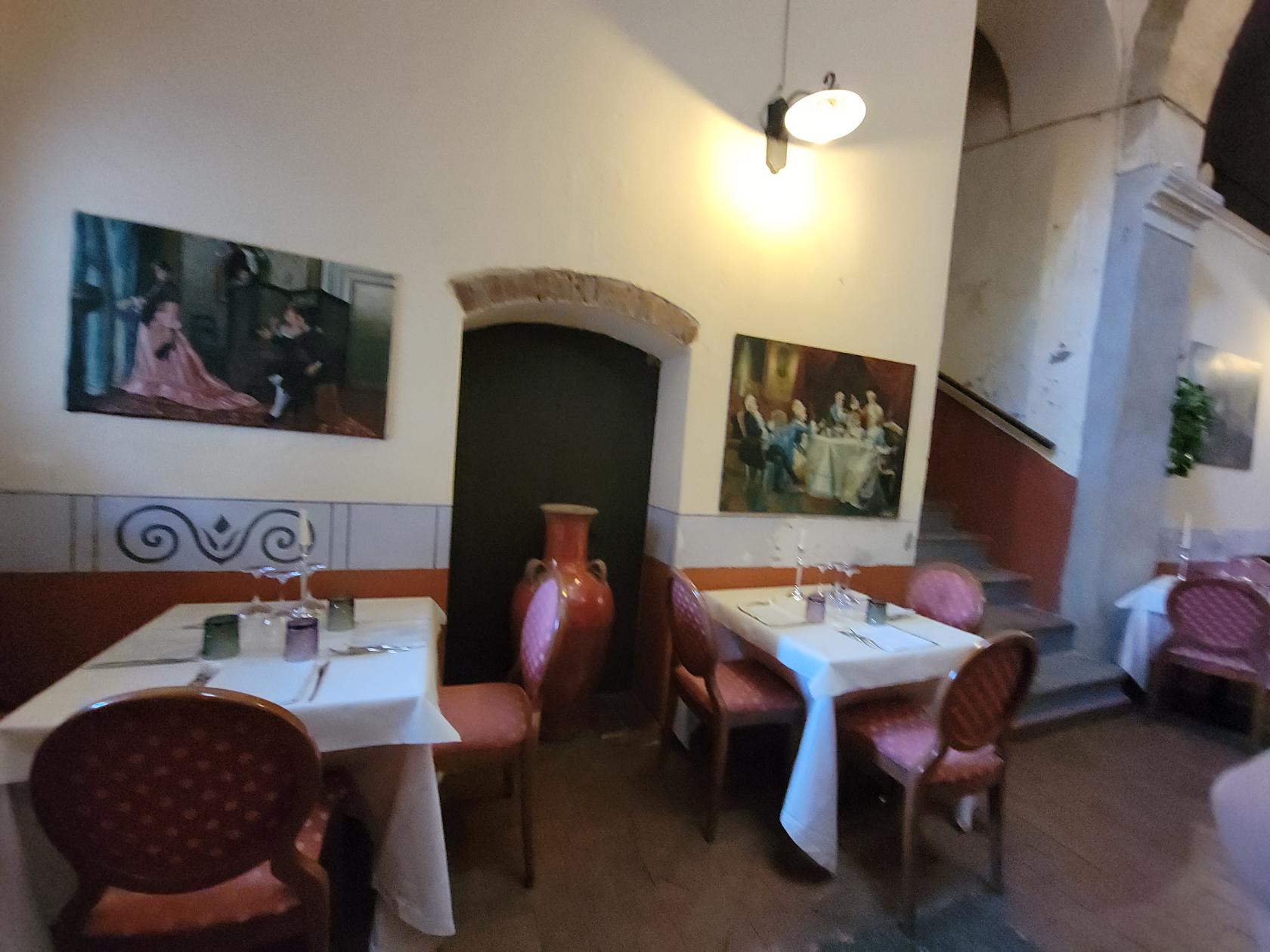
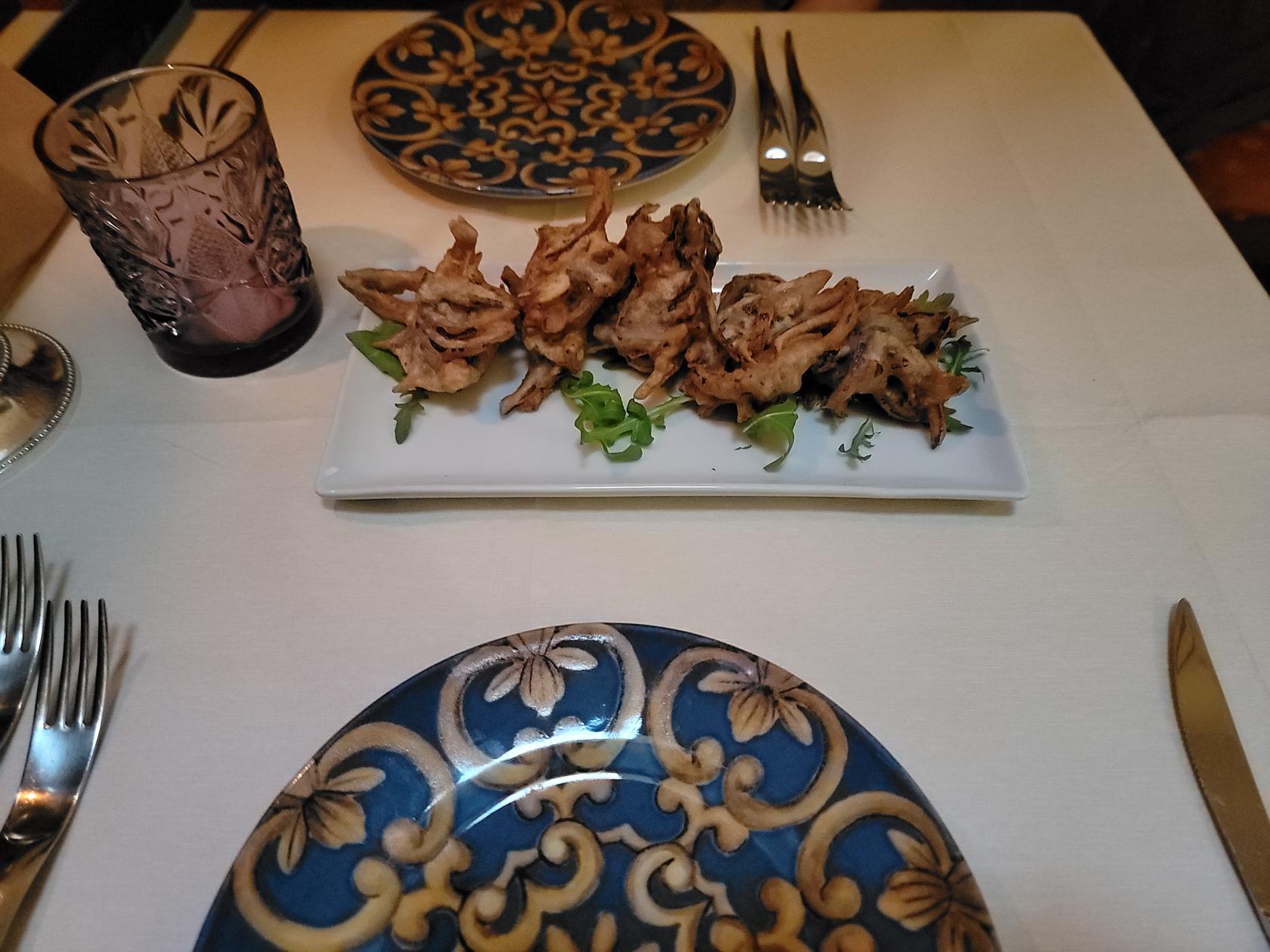
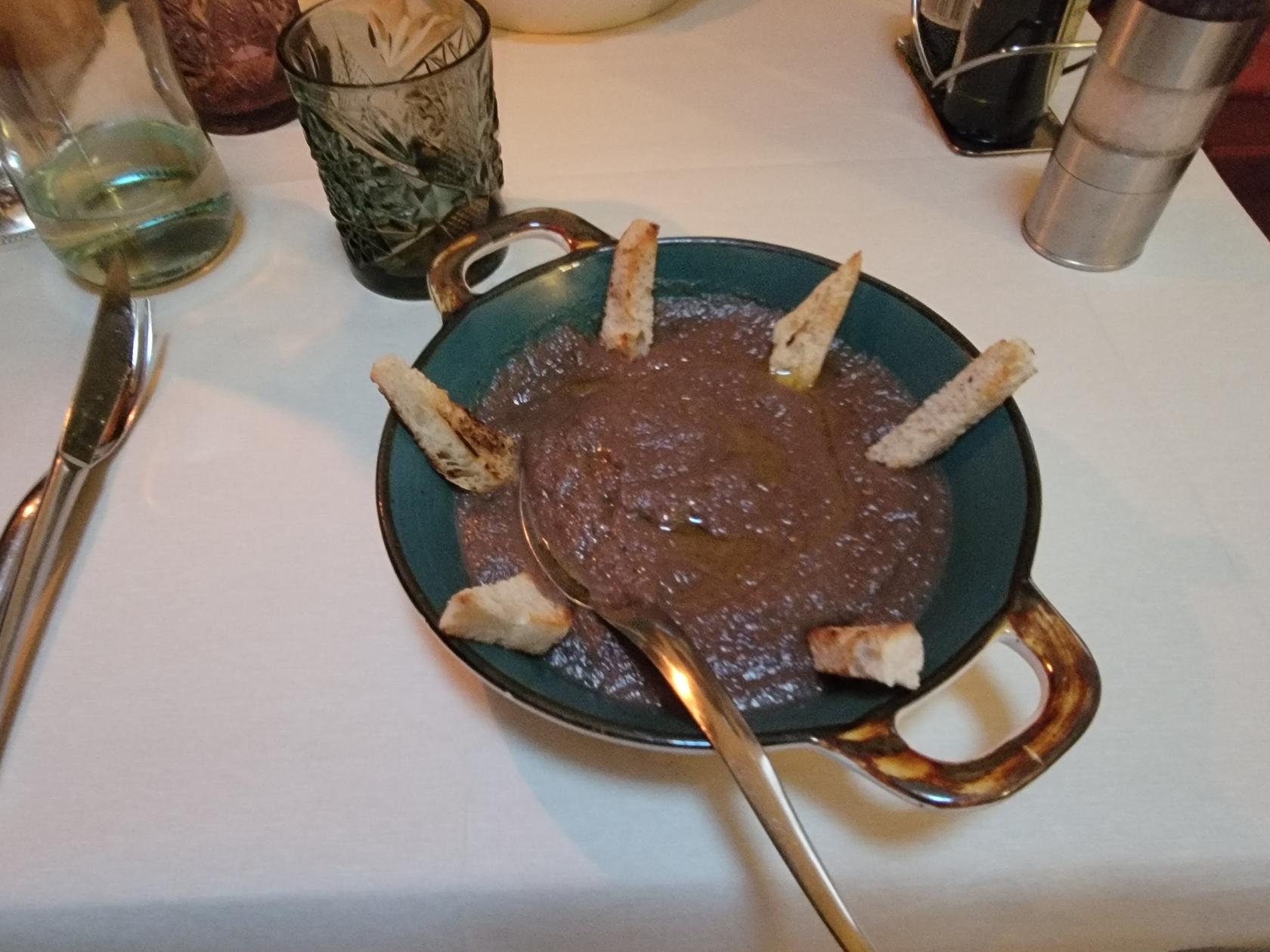
This restaurant is housed in an old palazzo and has both indoor and outdoor seating. We sat indoor right in the foyer next to the stairwell. We came here for the Tropean Onion soup that they advertize and found it very rich and tasty. We can also commend the fried onion floret, you get about four when you order them, so enough to share.

Amalfi Coast, Italy – Part Two

Amalfi Coast

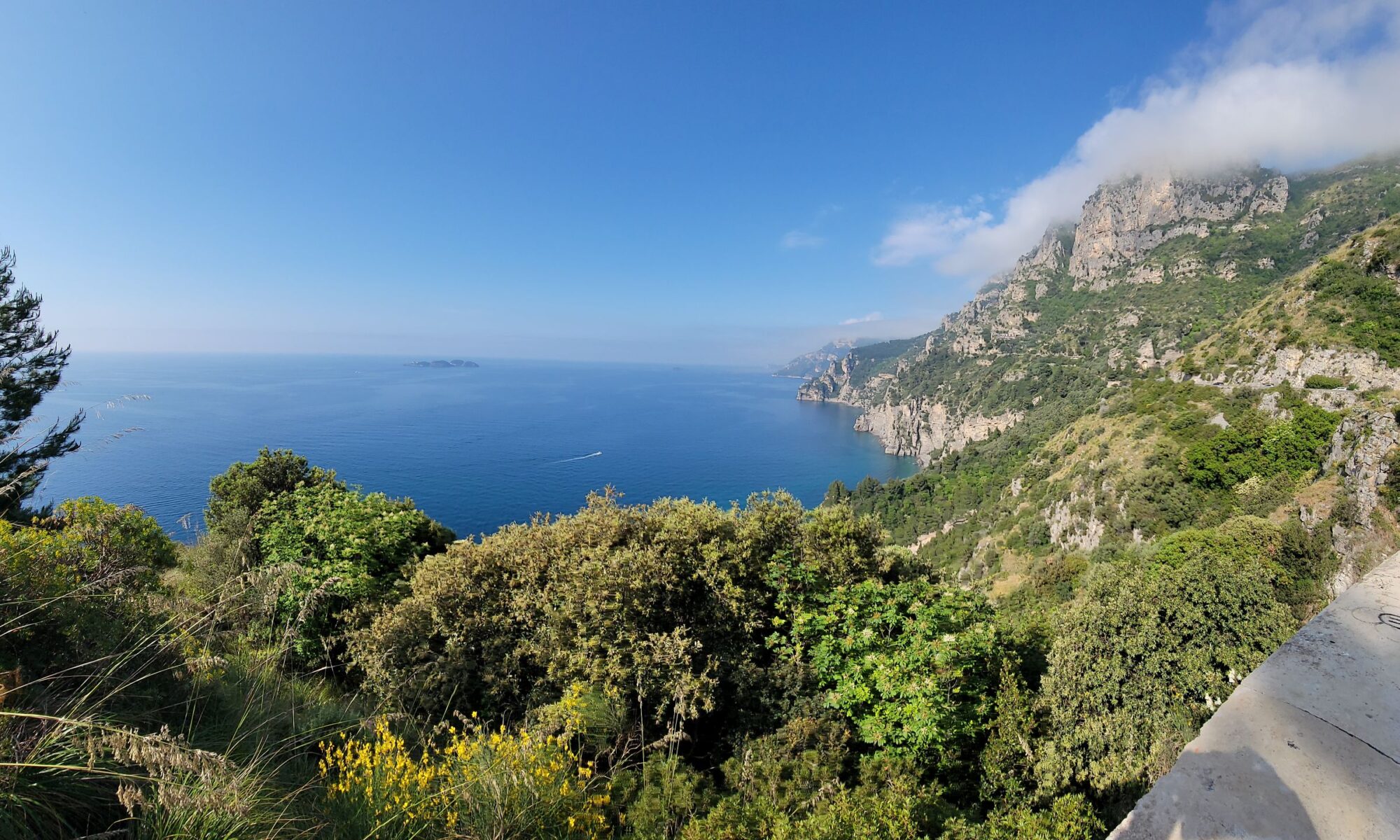
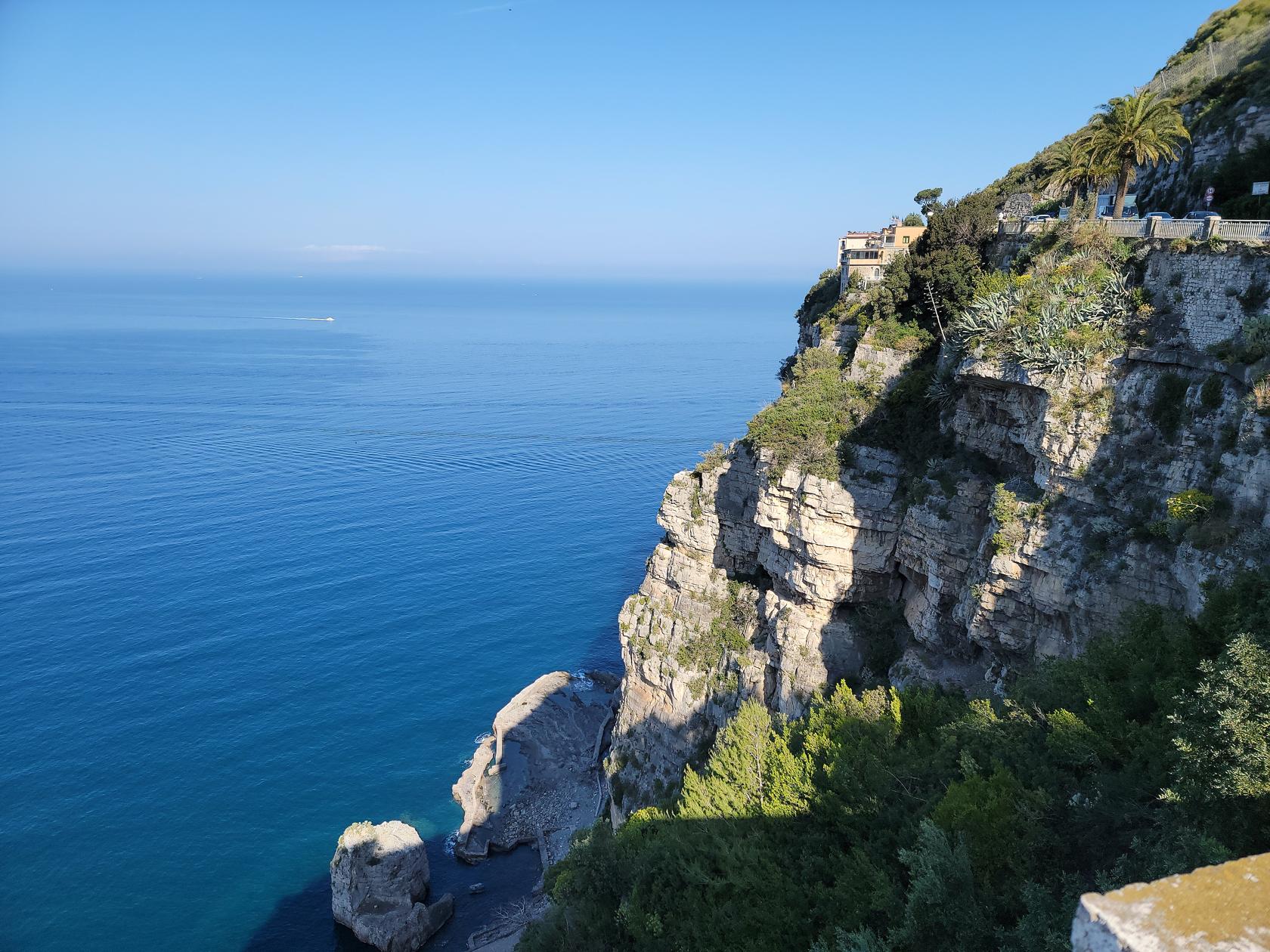
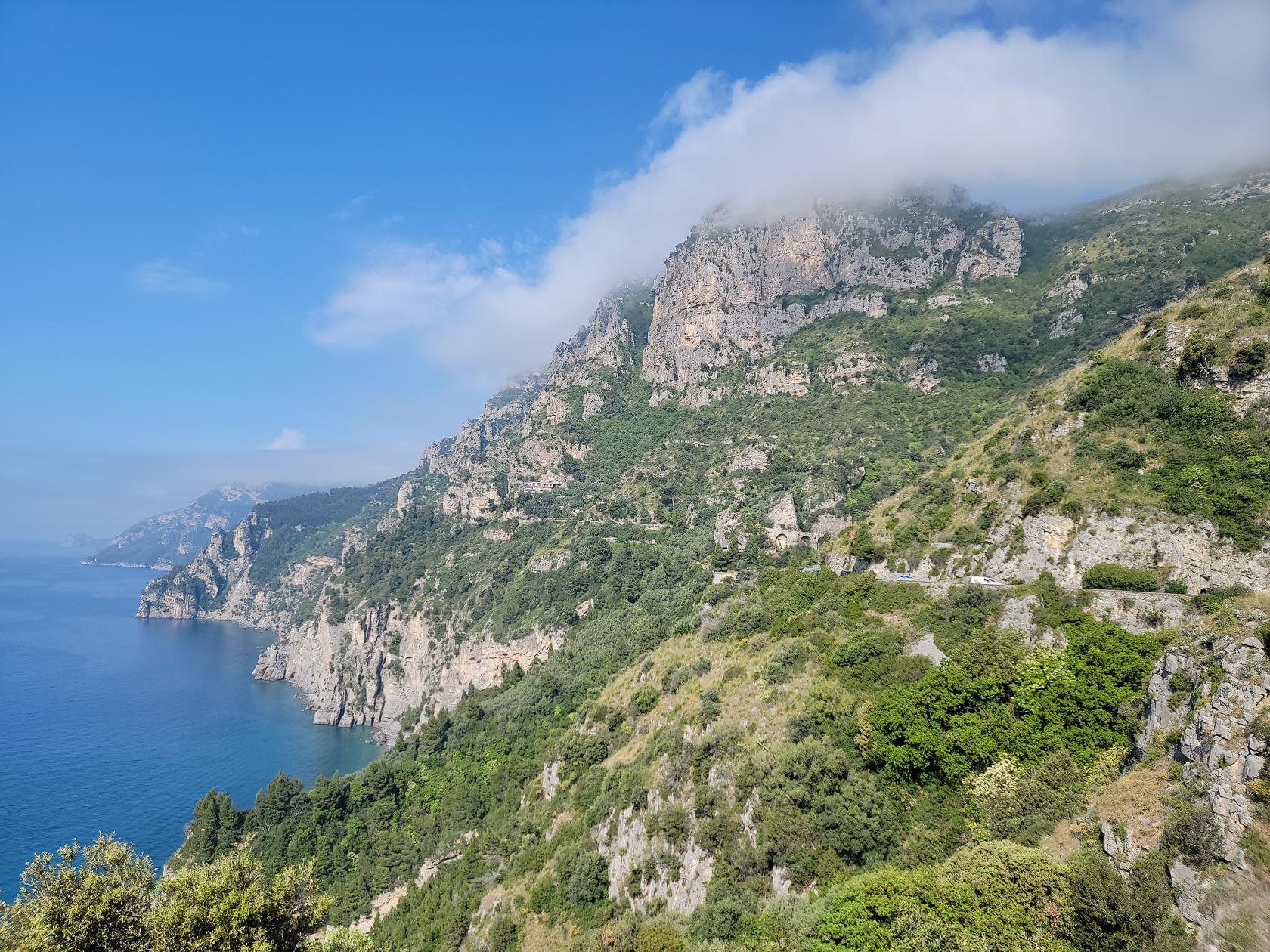
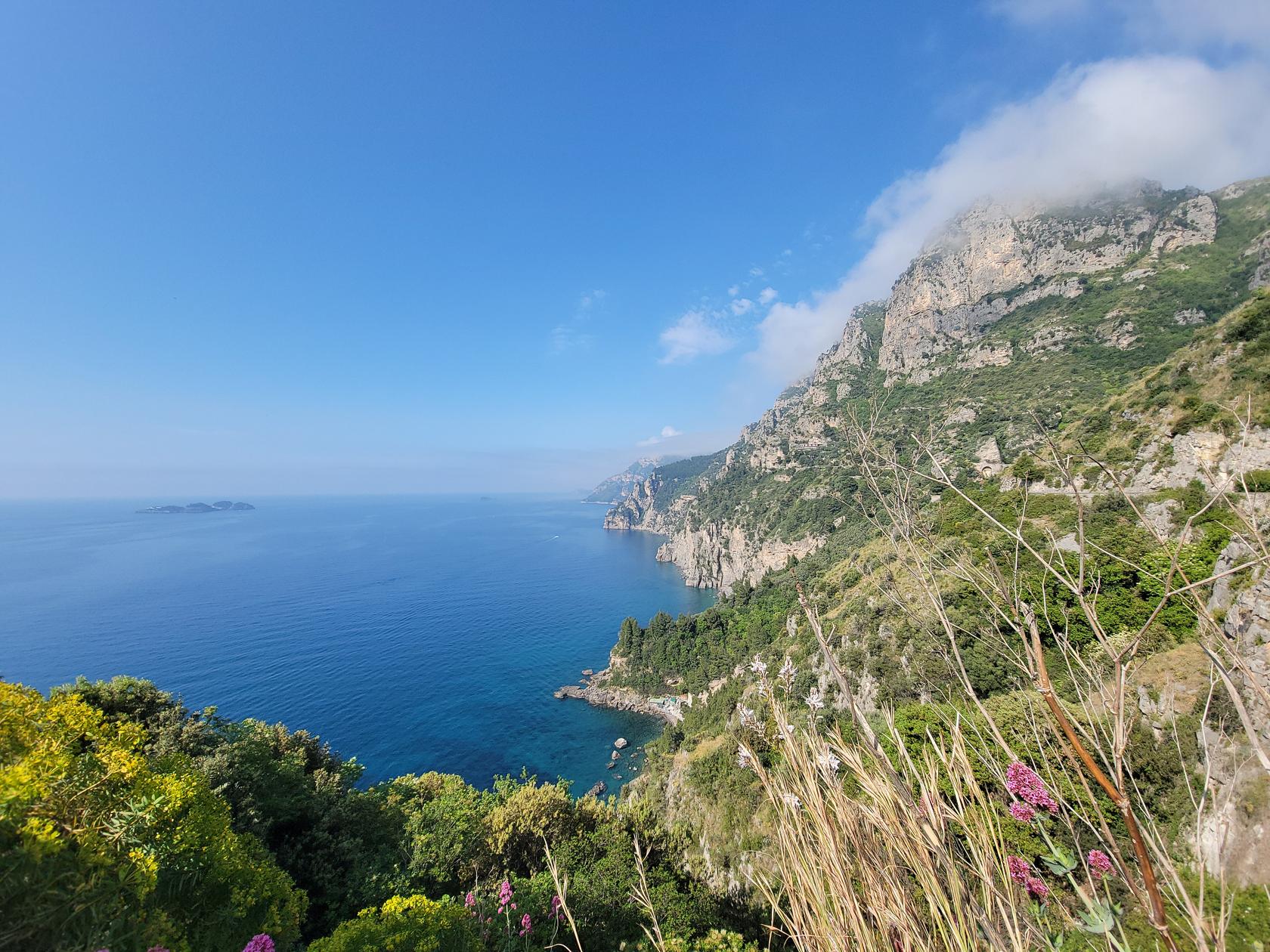
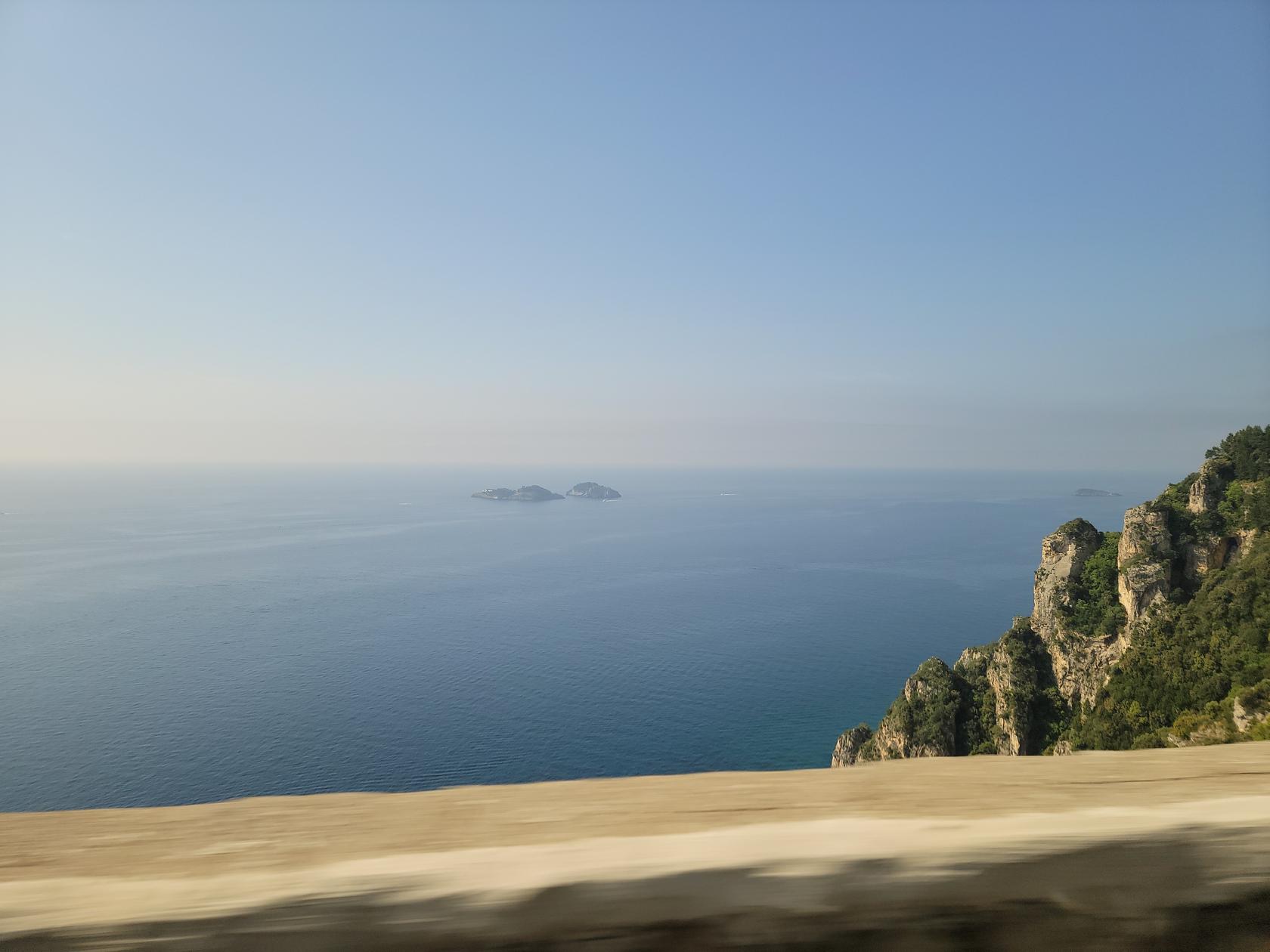
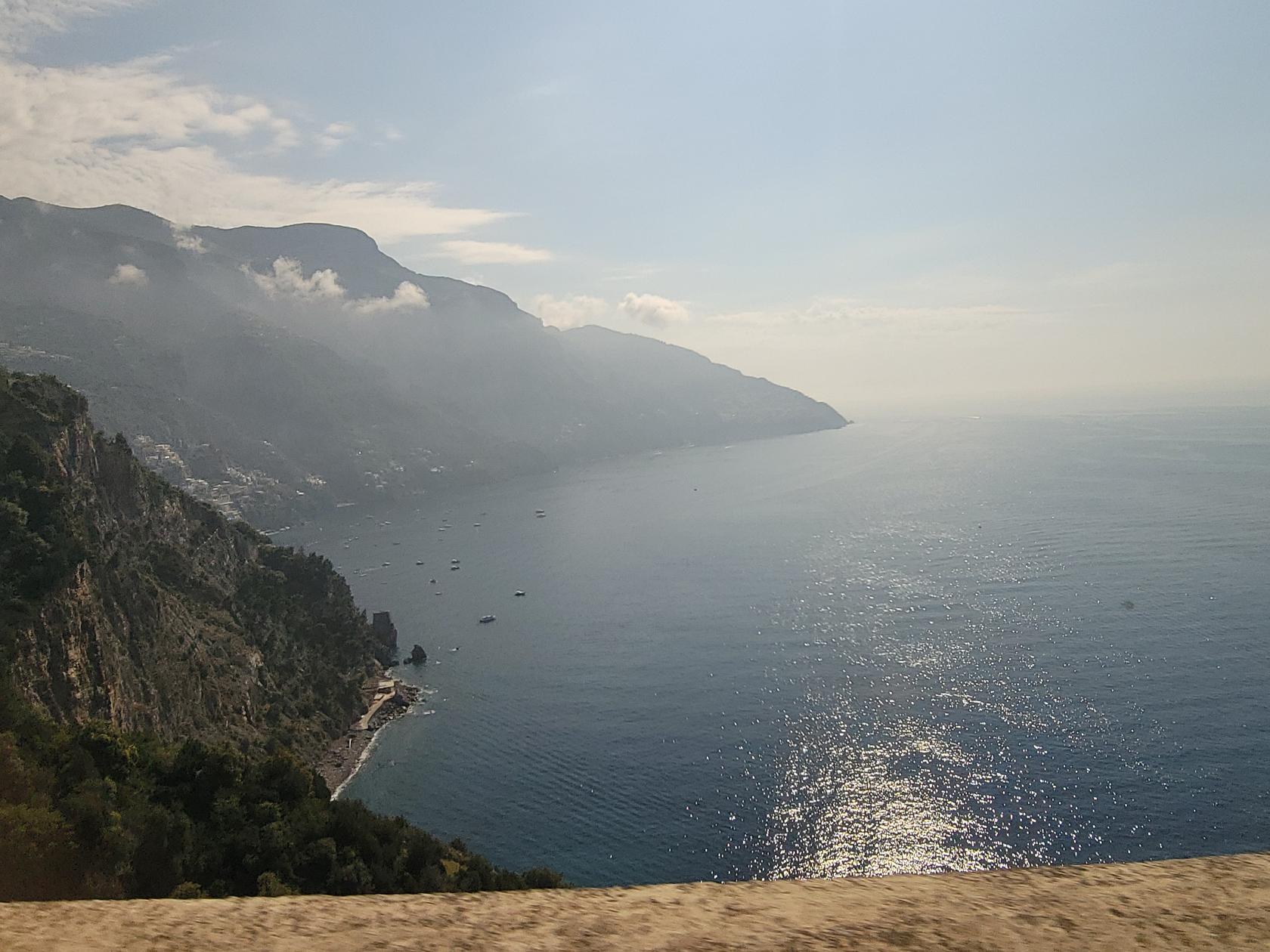
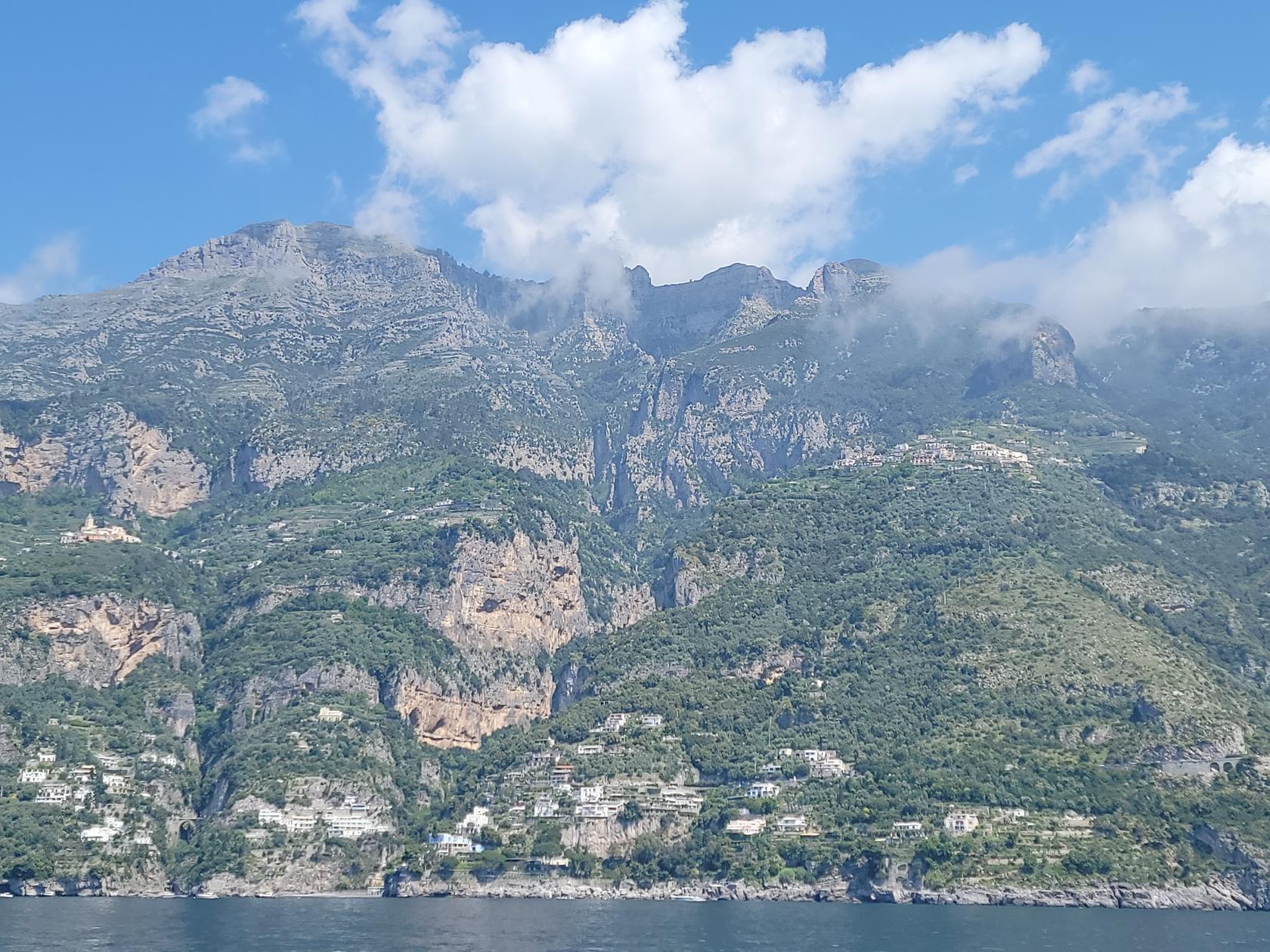
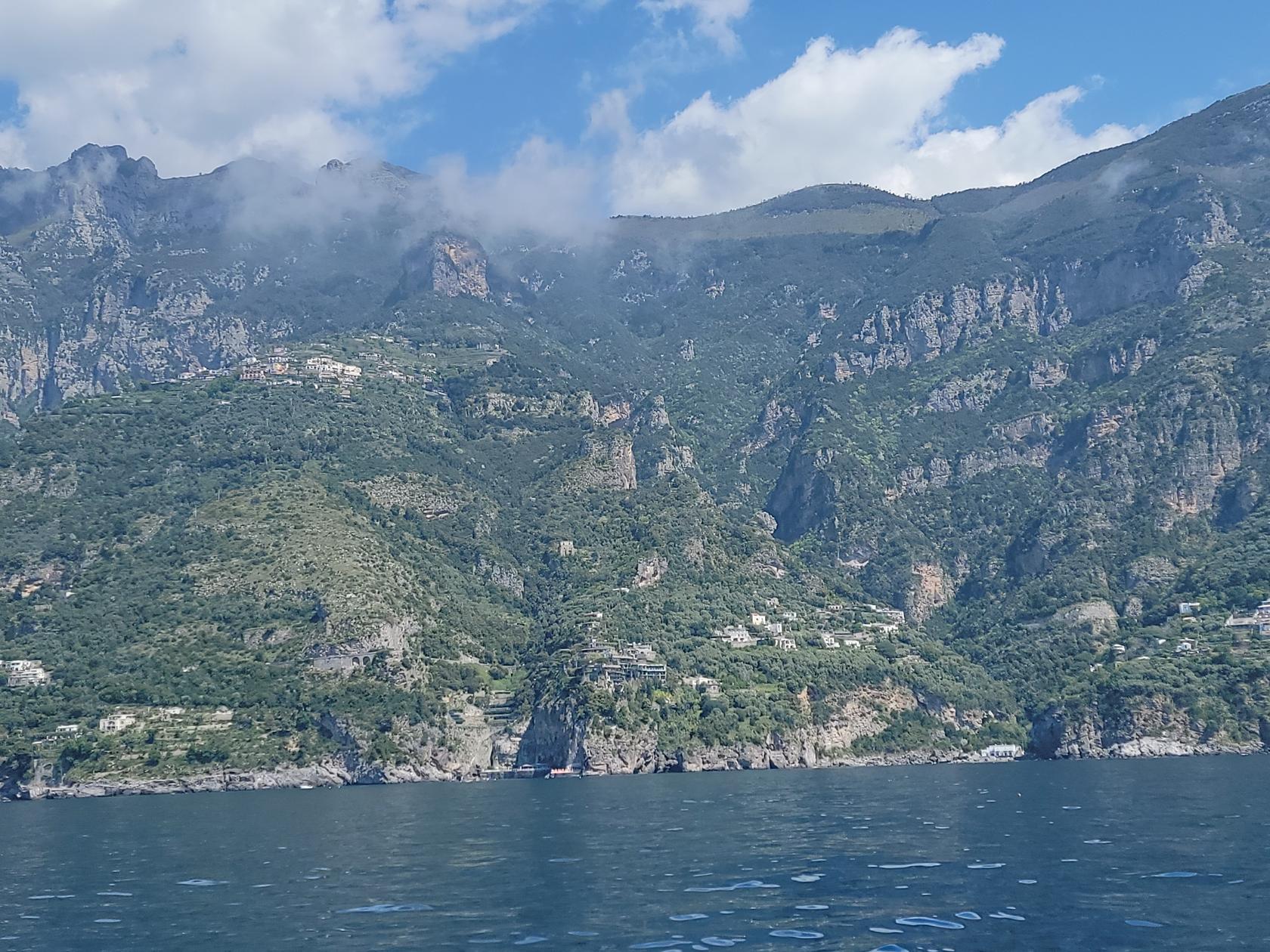
Our second day to the Amalfi Coast, we learned that it is a jagged and very difficult area to navigate. Even with a car it is very windy and has only a few, very narrow roads. Cut out of rock, with the only barrier between you and a thousand foot drop, is an eighteen inch thick concrete wall. Most of the time you can take photographs over it from sitting in your vehicle, so aside from the danger, the road offers amazing views of the sea and the coast.

Getting There

There are not many options, aside from bus service and driving. Bus service seems to be a thriving business, but how they negotiate the roads is beyond me. We found it treacherous enough in our private tour van. If you are prone to motion sickness, take your medication before you leave and attempt the drive.

Mind The Nap

We used Mind The Nap private tours for a two day tour of several towns and a lemon experience. They picked up us up at our hotel in Chiaia and it took us over an hour to go through Naples and over the mountains to the coast.

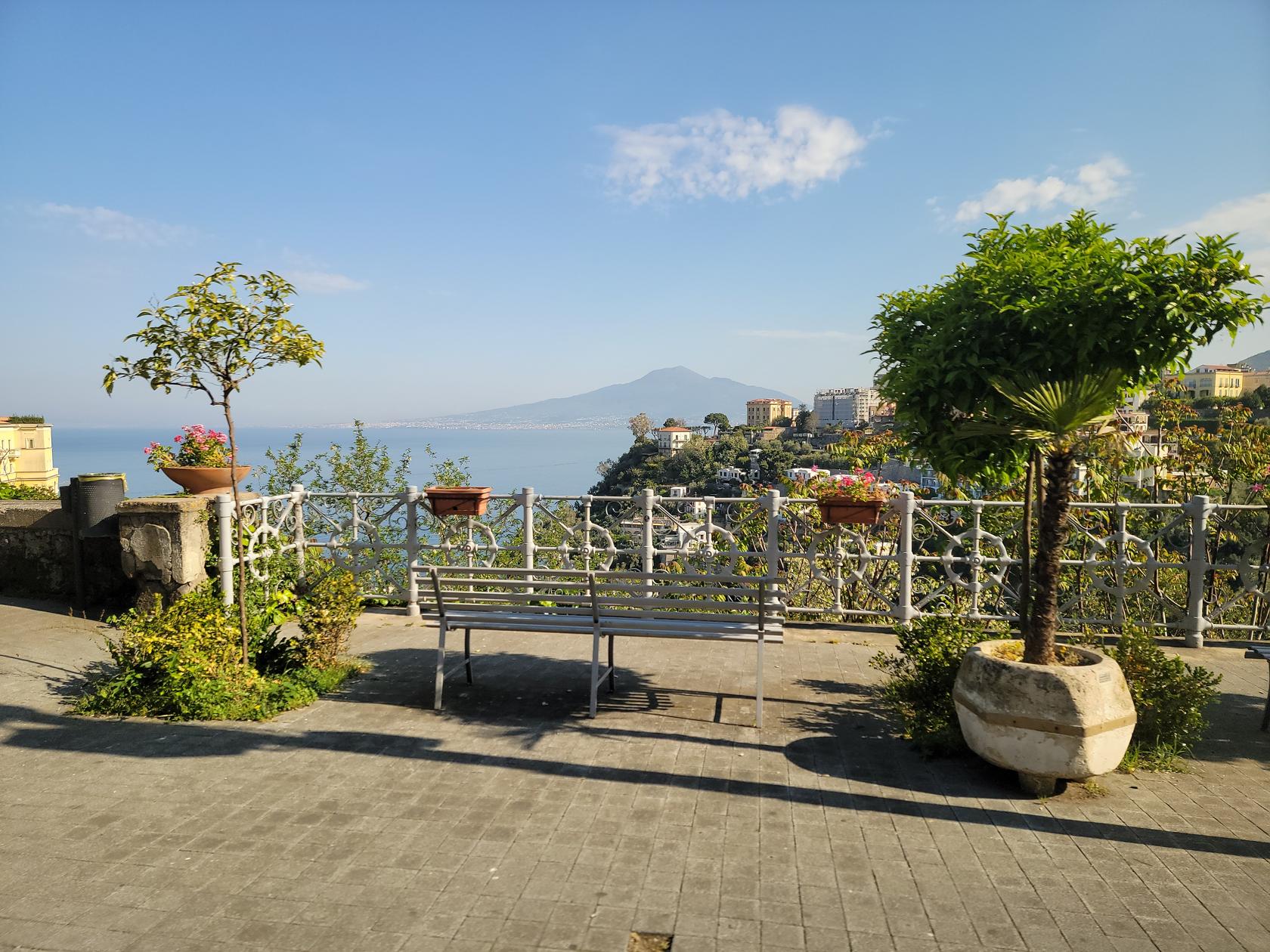
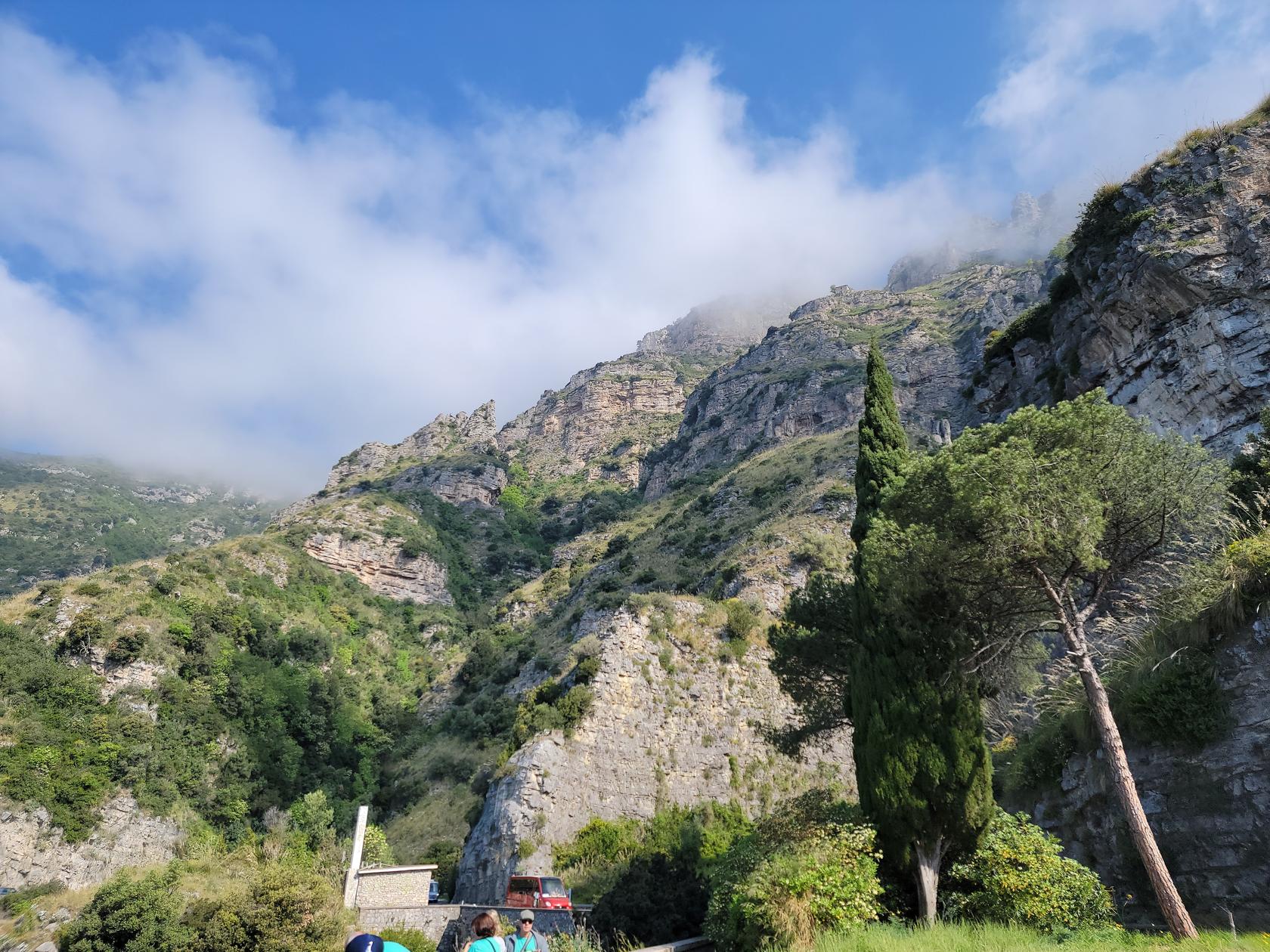
The views on the first part of the drive were all of Naples and the surrounding area. However, once we ascended the steep mountains and crossed over the top, we entered Sorrento and the jagged coast of Amalfi.

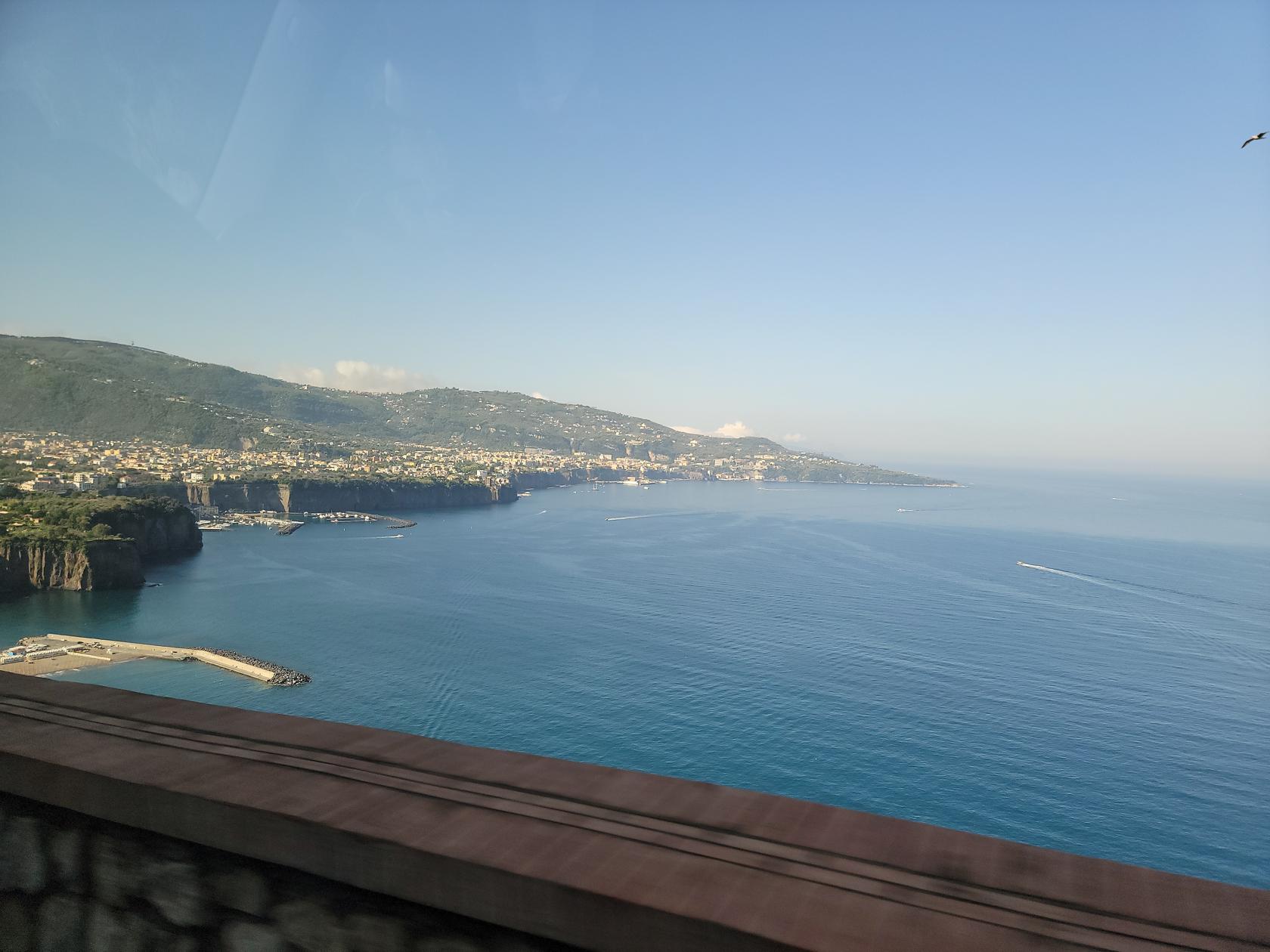
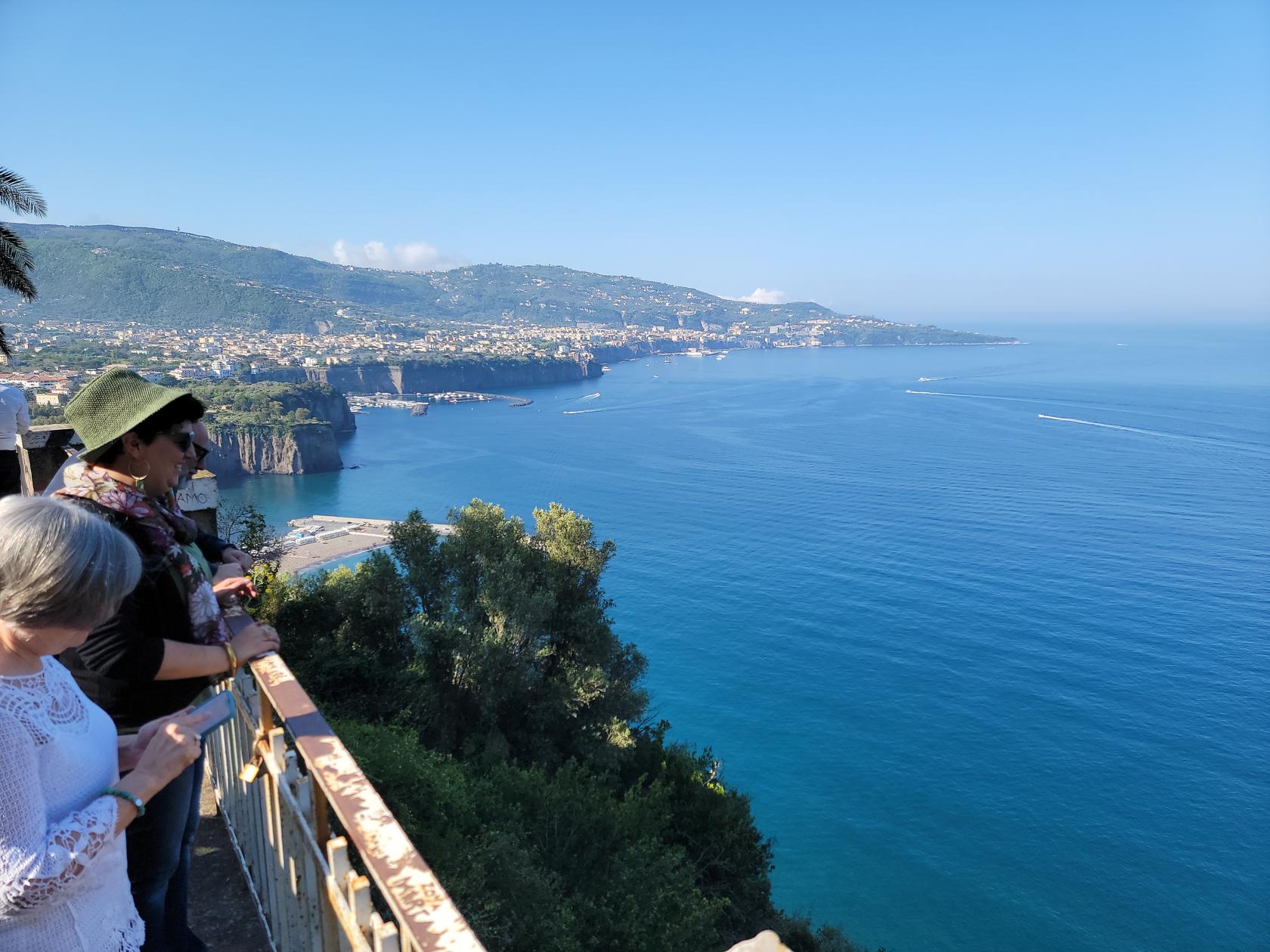
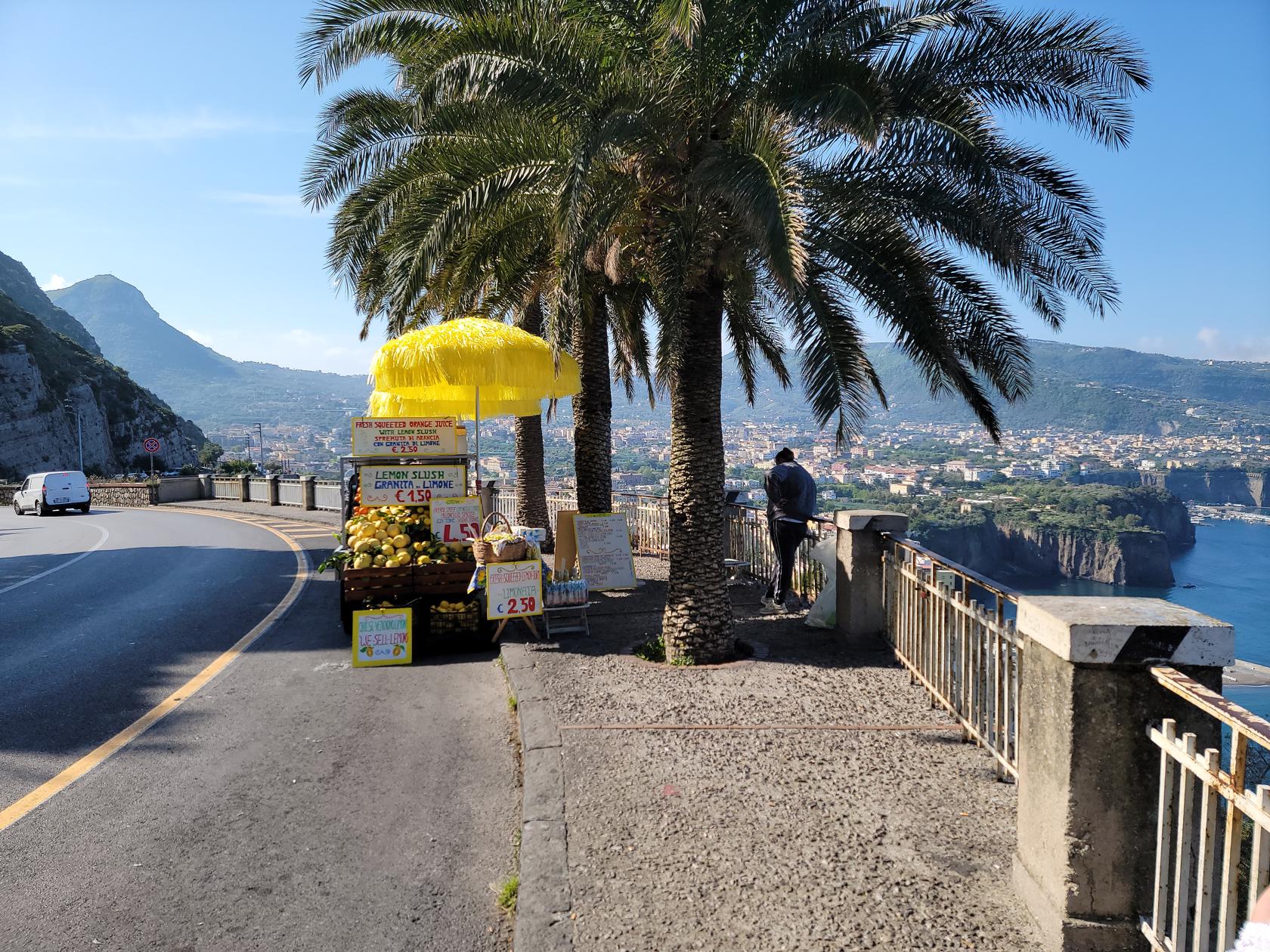
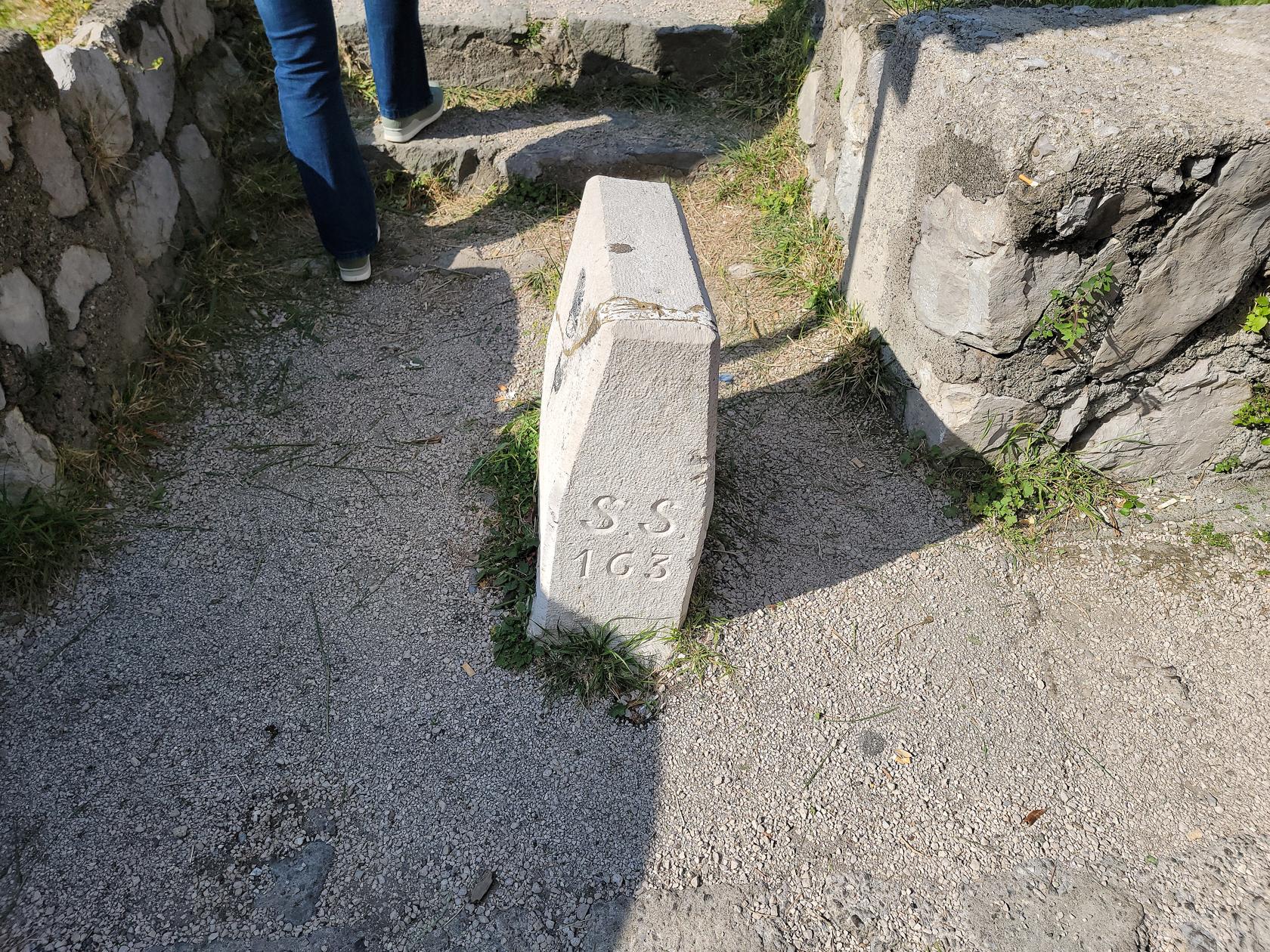
Our tour driver Pasquale used SS163, so we approached Positano from the west.  This allowed us to stop along the route several times to enjoy the coastline views.

Positano

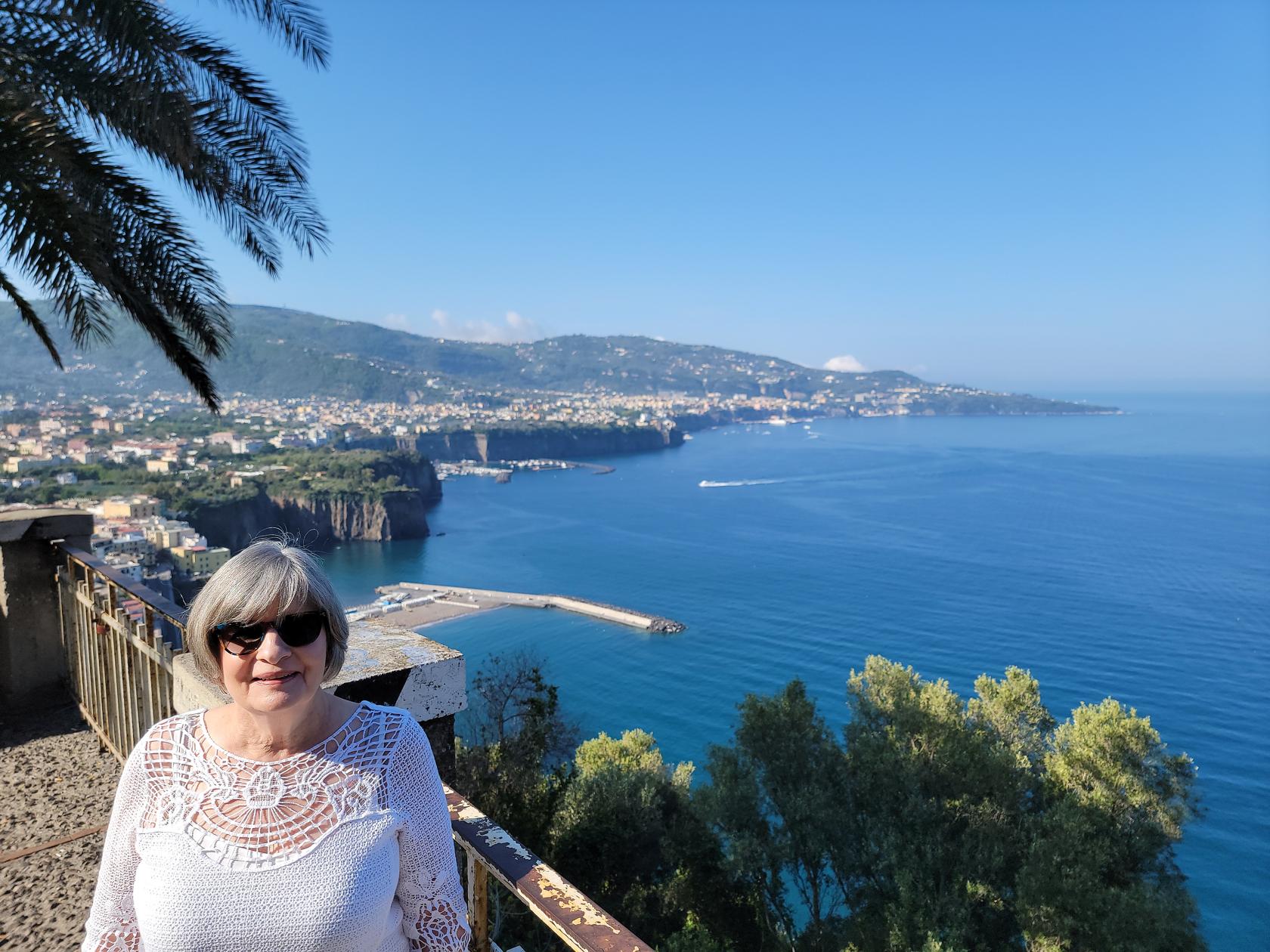
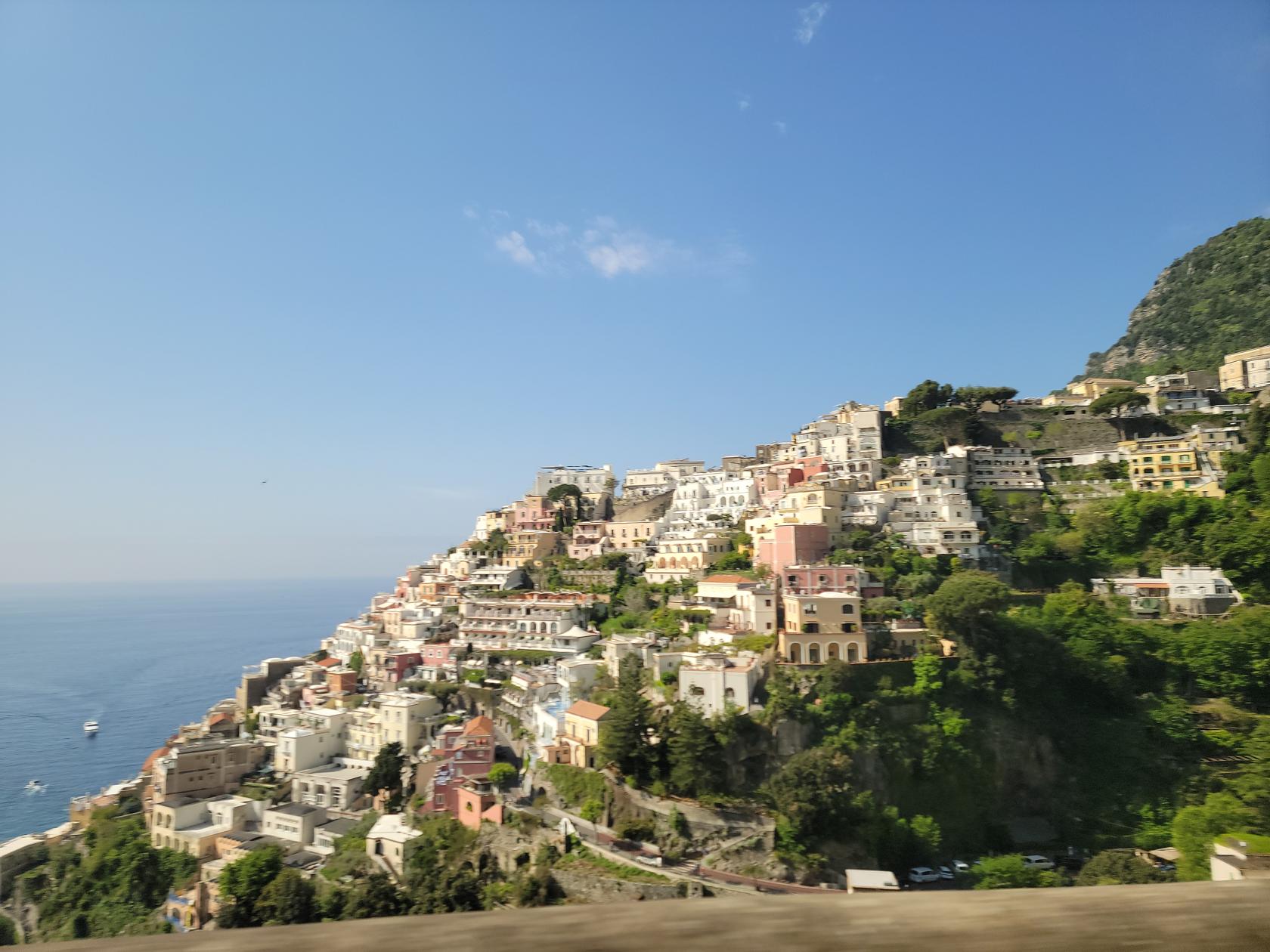
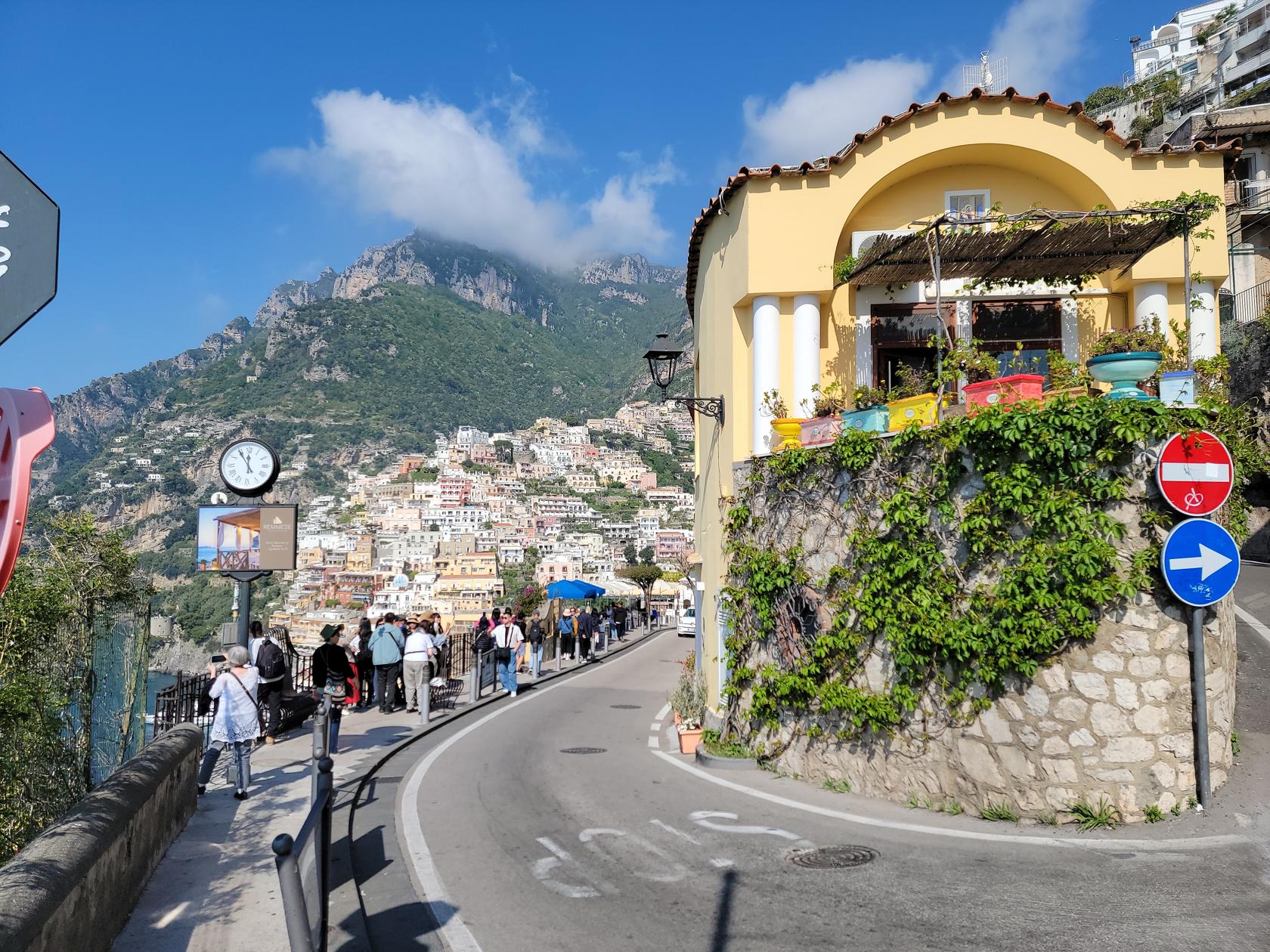
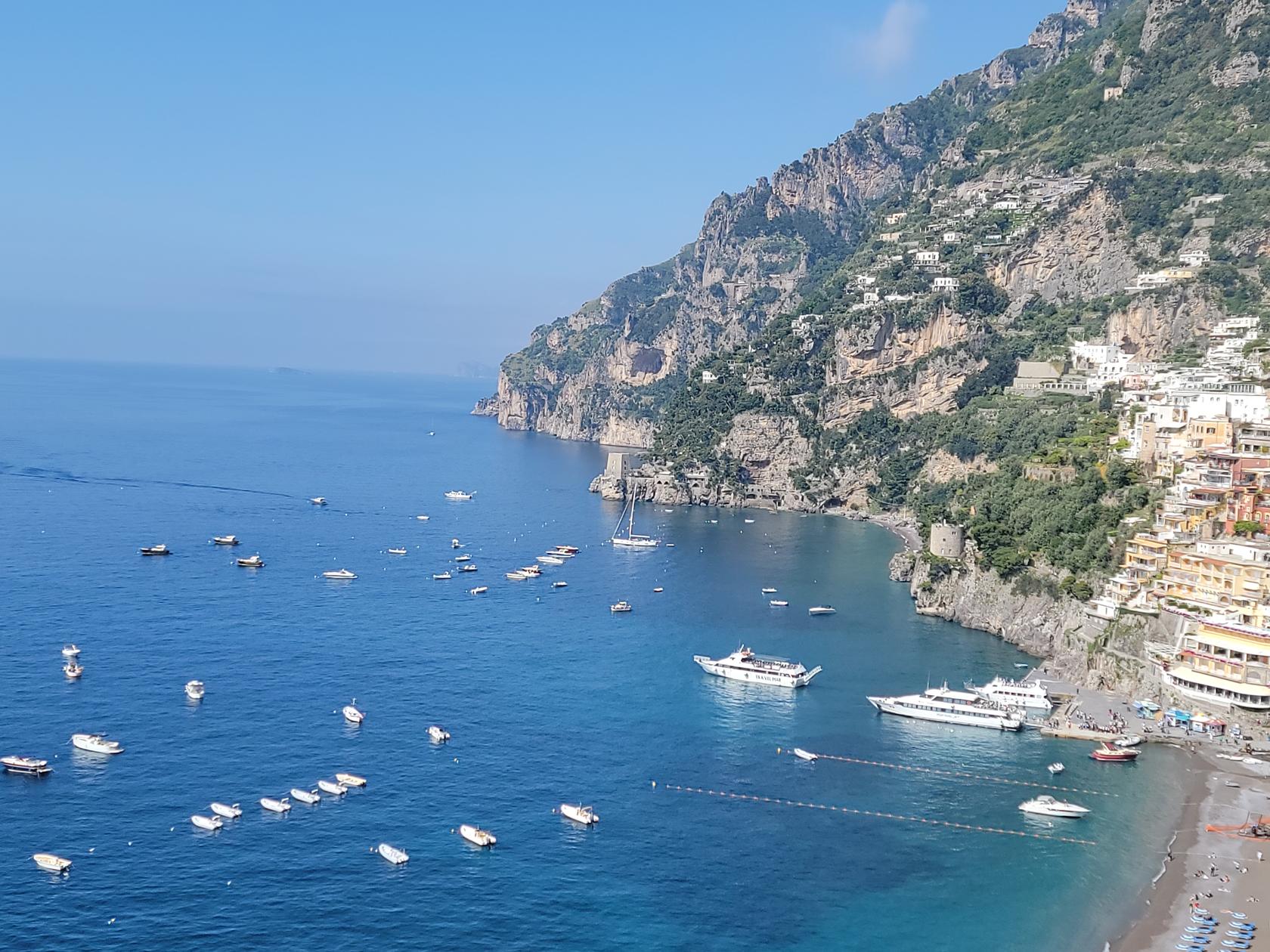
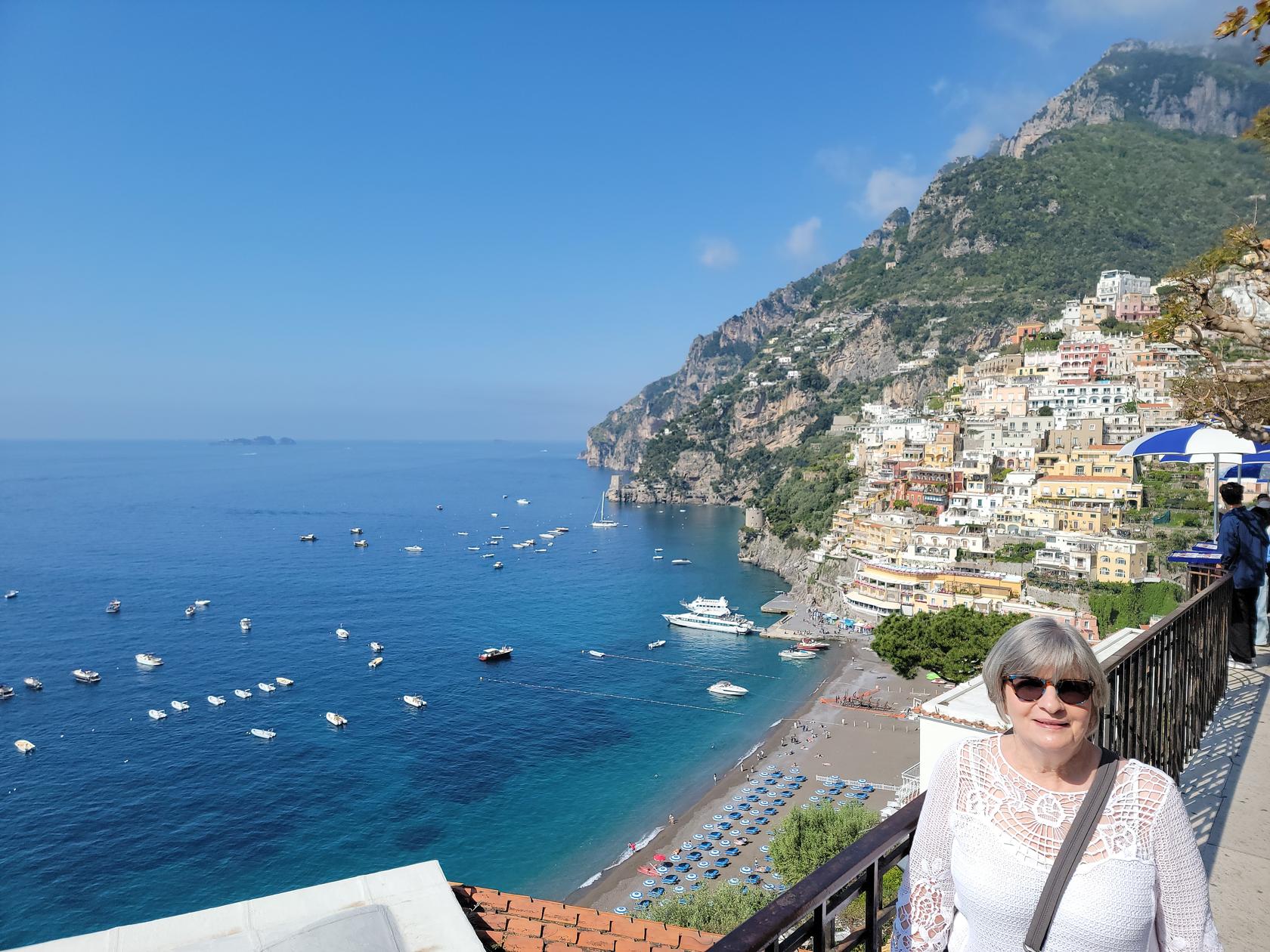
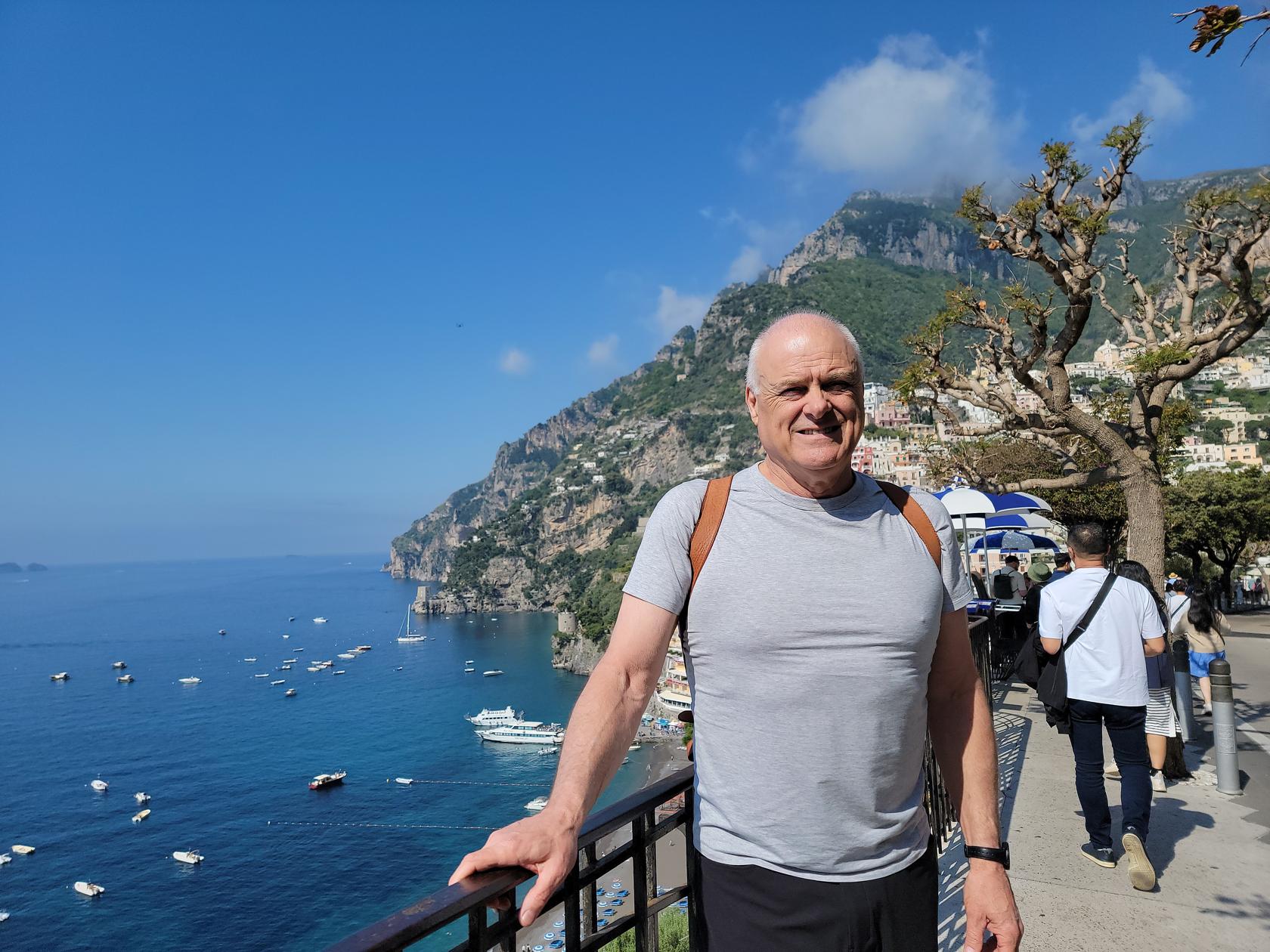
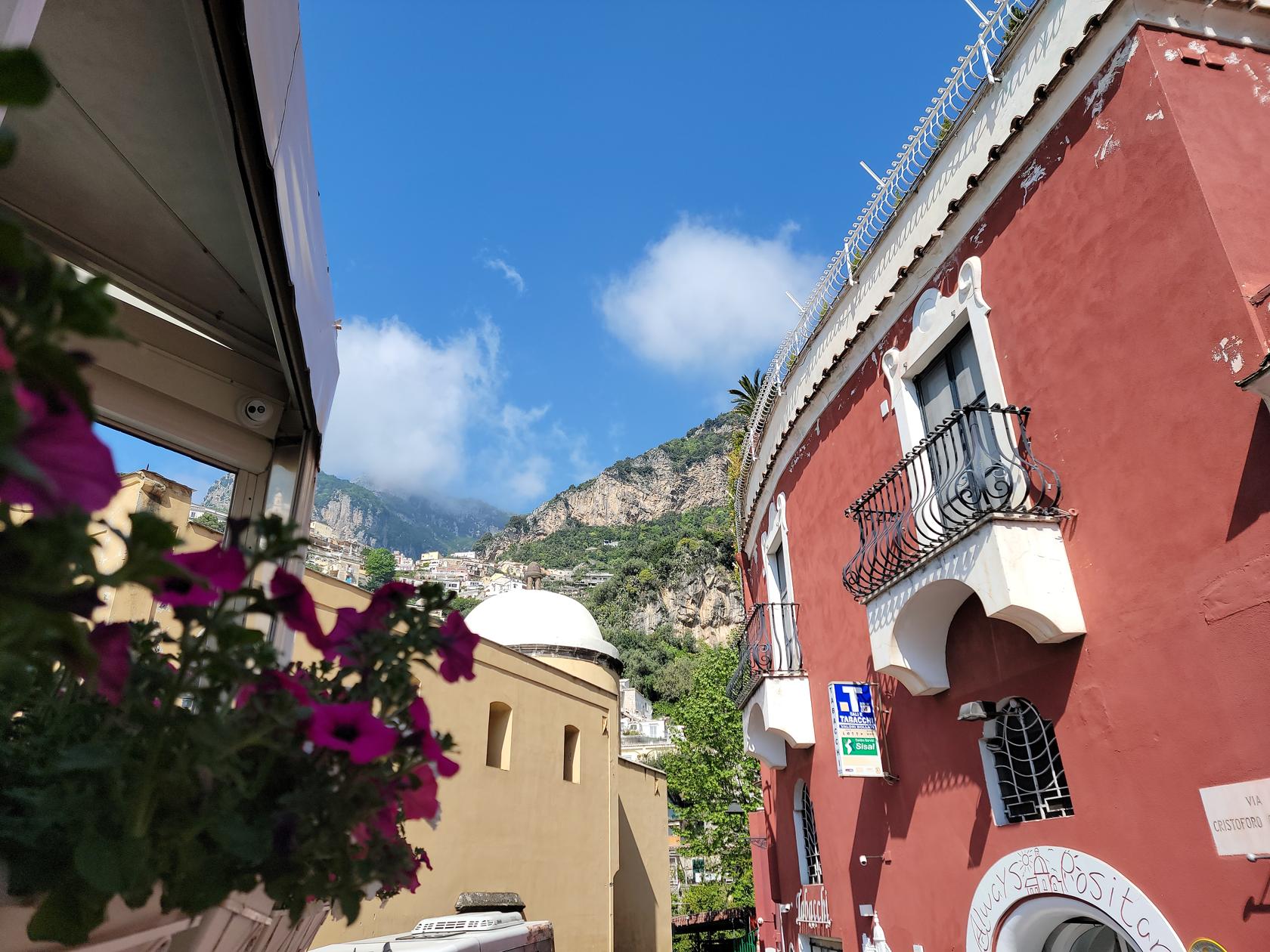
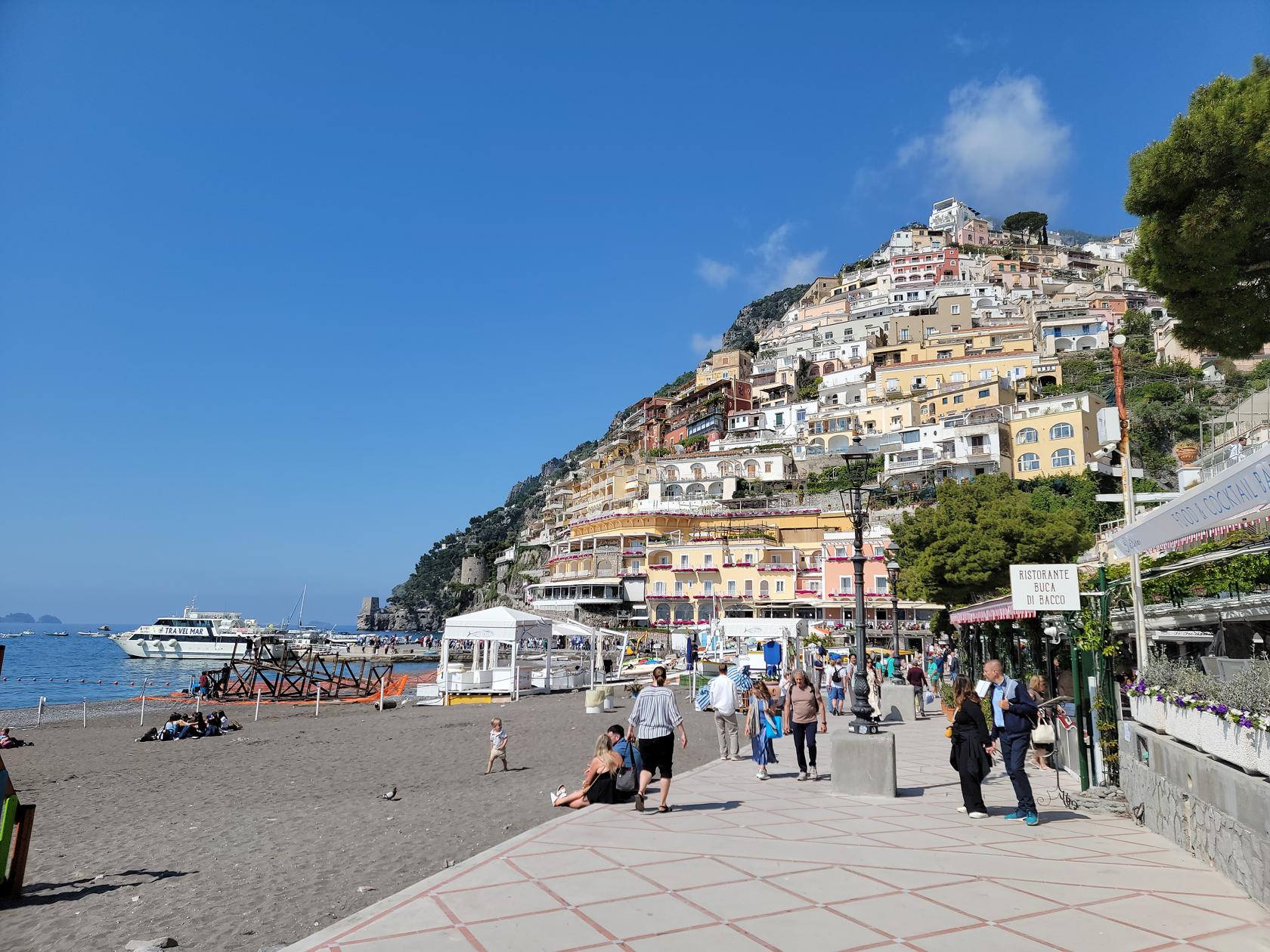
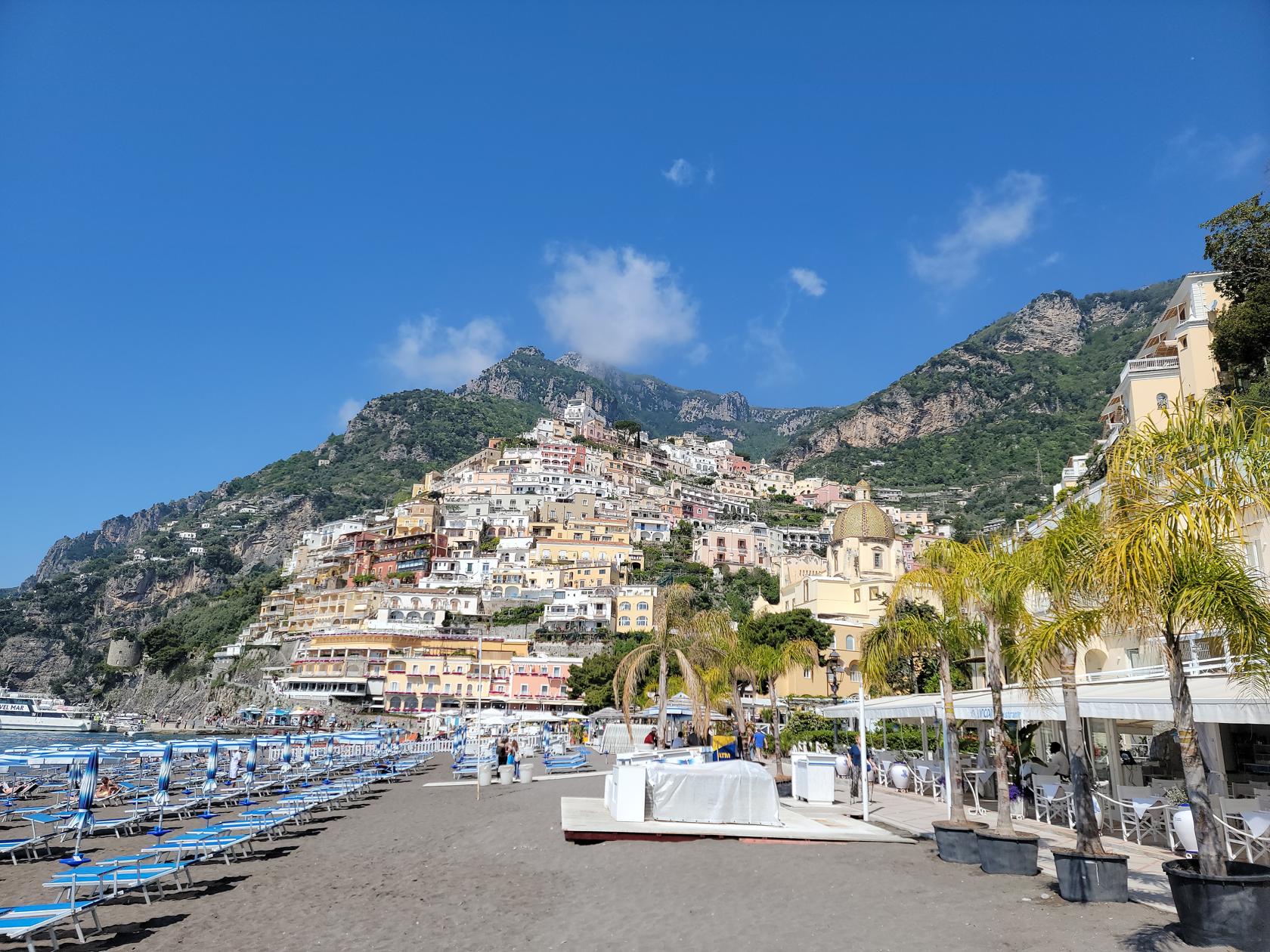
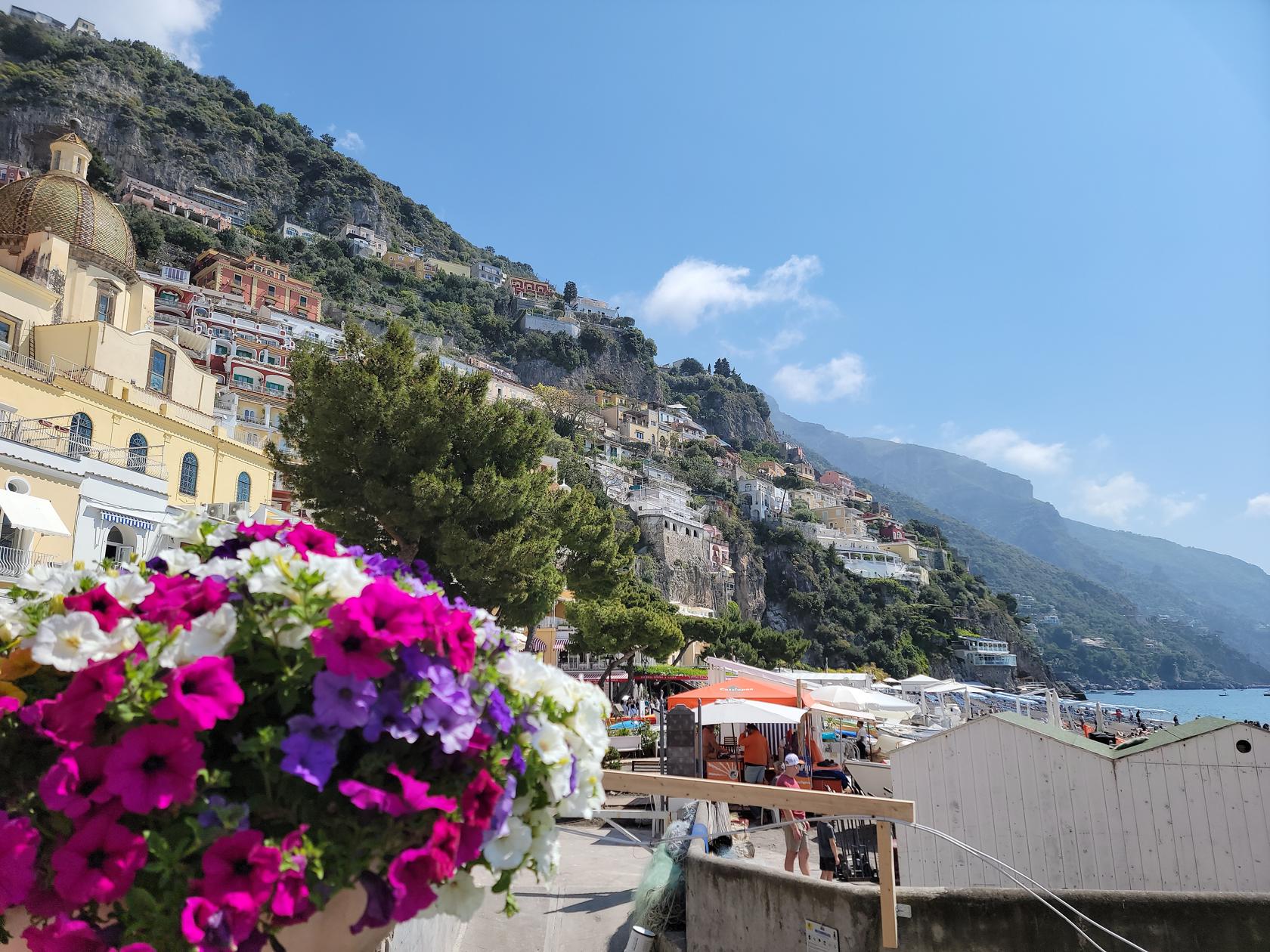
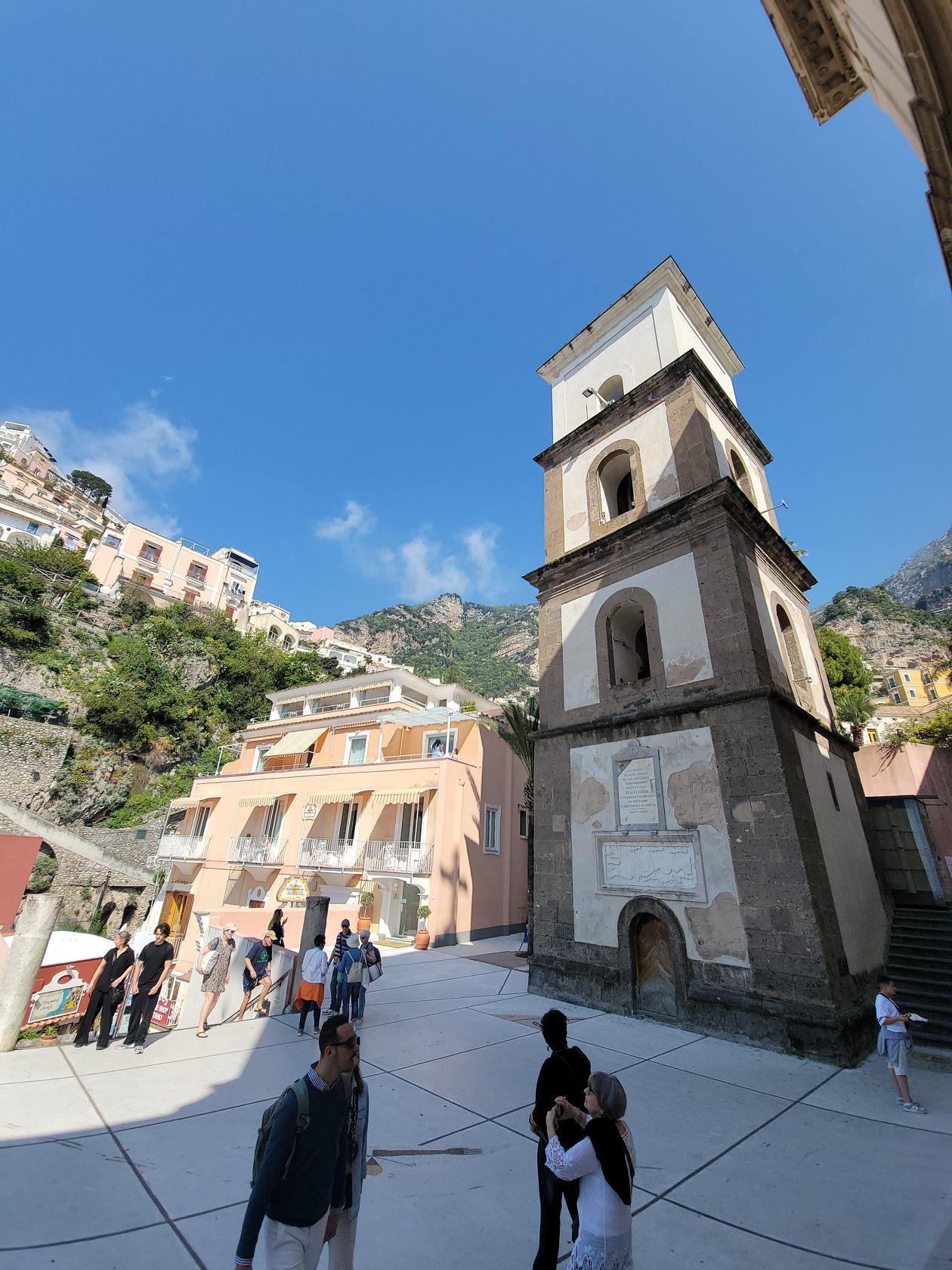
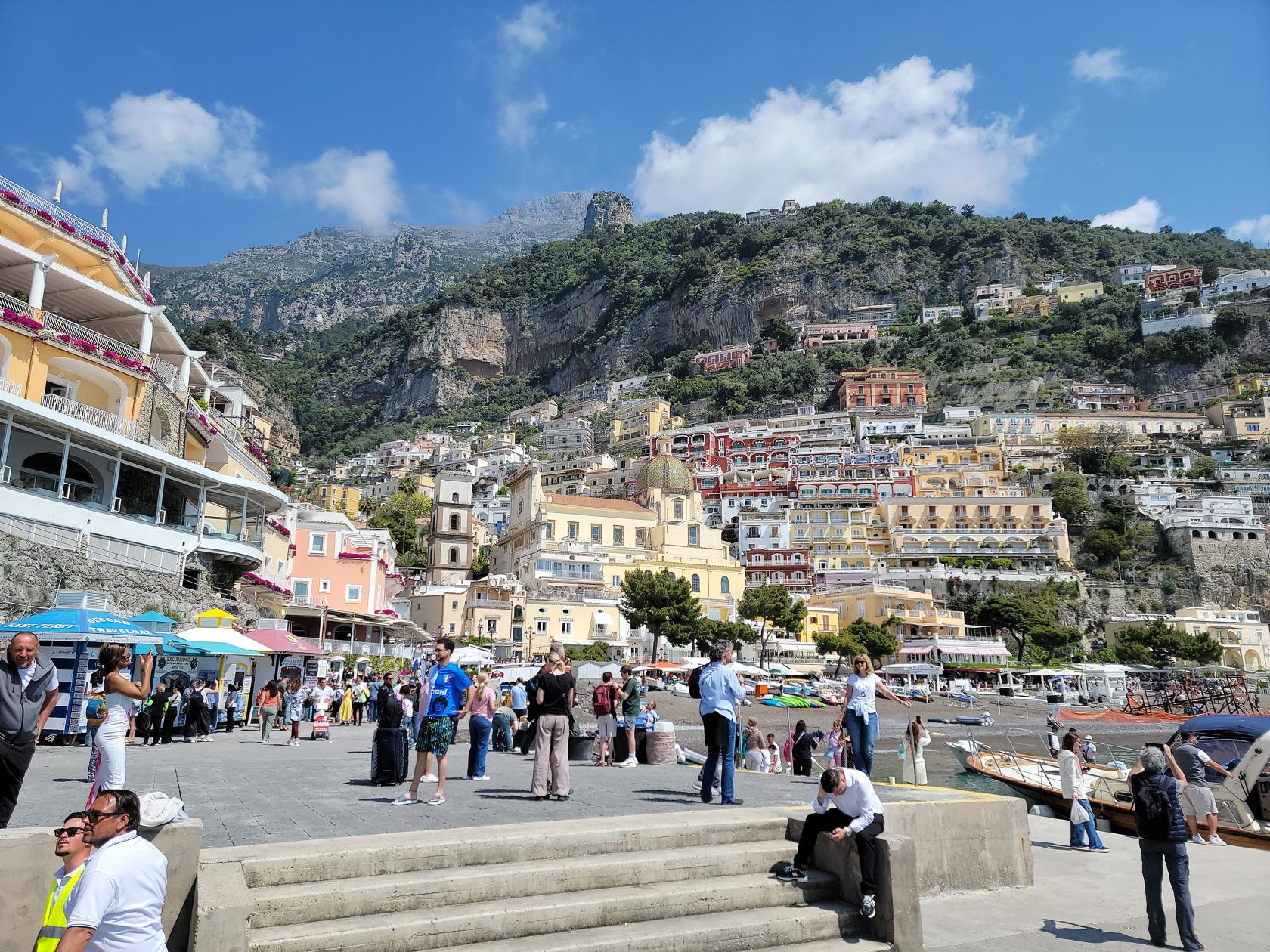
Positano is a small, but beautiful little seaside town at the end of the Amalfi Coast. It is probably the most charming out of all the towns you will find on the coastline. The Strand, or Beach, is small by italian standard, but is most likely filled during the summer, even though it is mostly rocky and you probably have to use footwear.

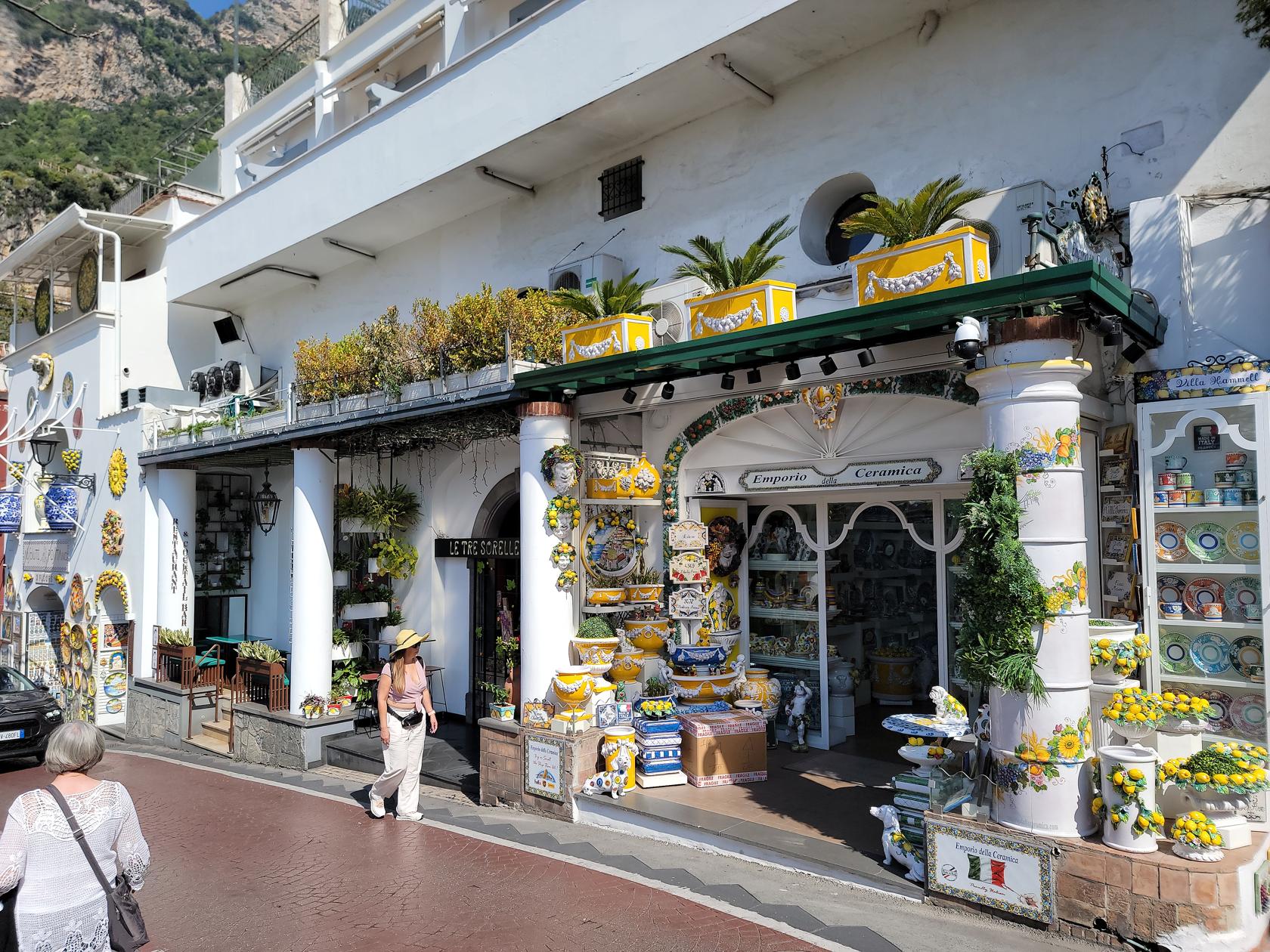
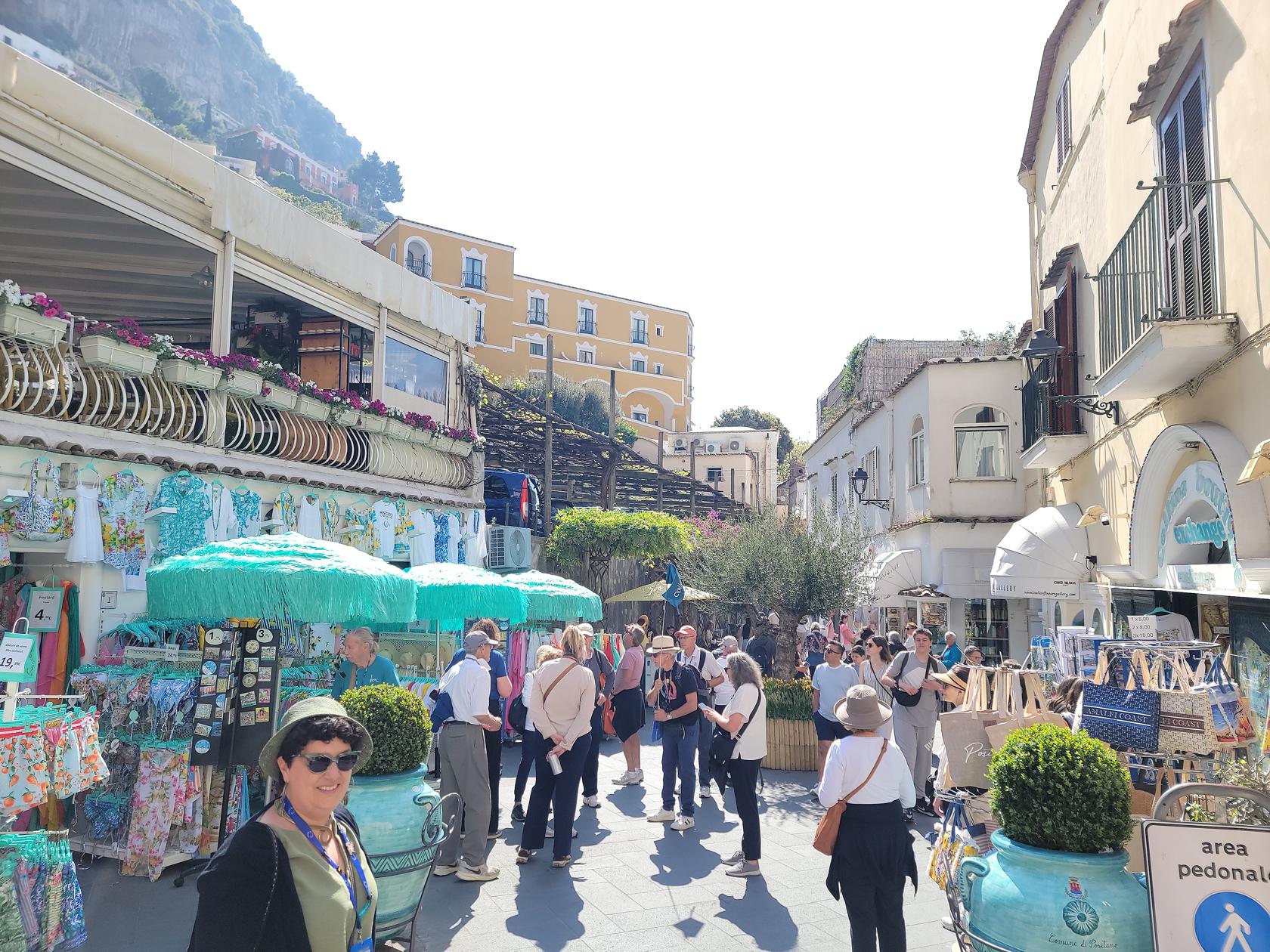
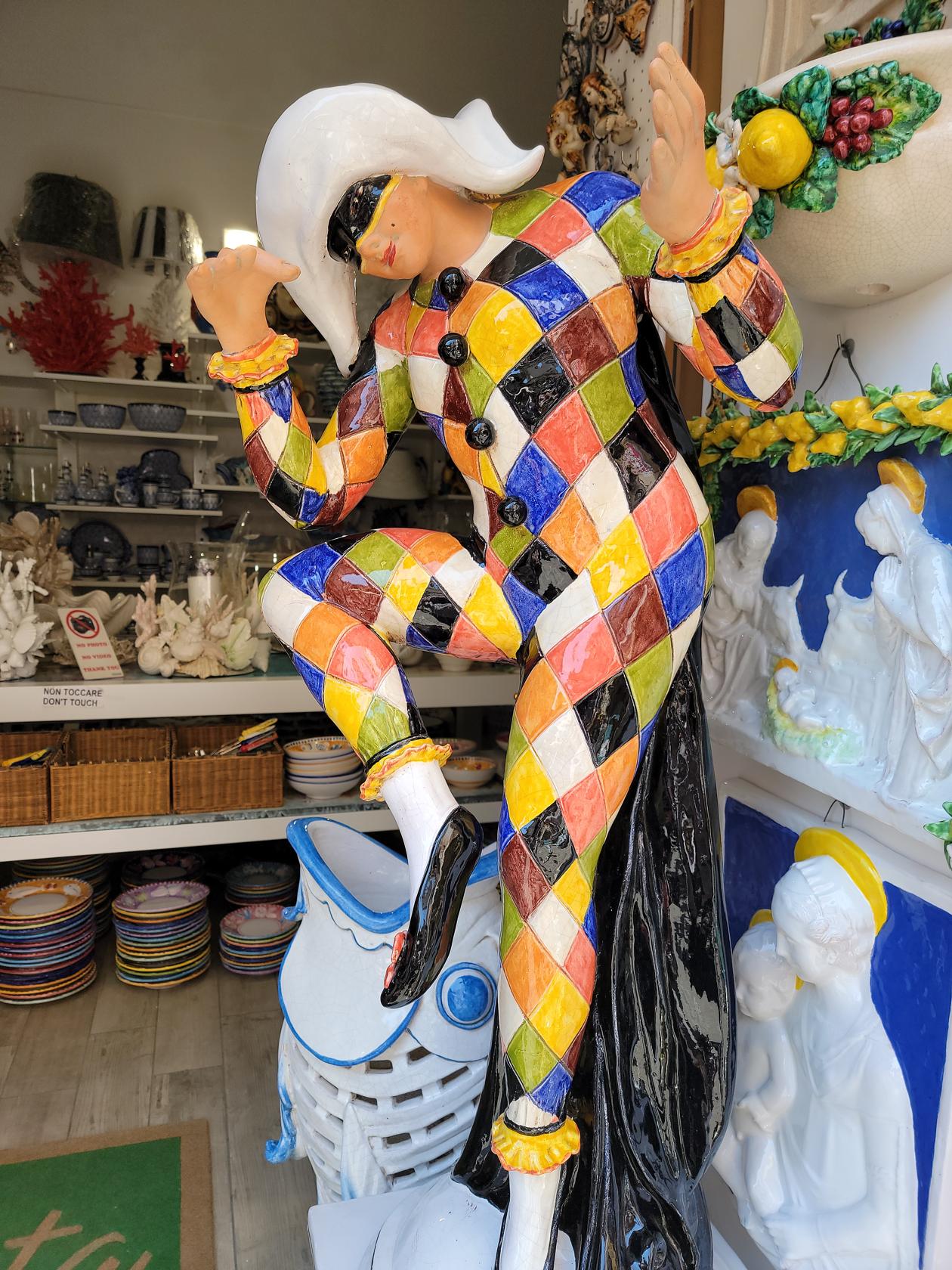
The town is full of stairways and tiny, narrow walkways. In the off-season it is fairly quiet and some of the establishments may not be open until June. Of course, like other places along this coast, you will find a lot of pottery and glassware.

Santa Maria Assunta Church

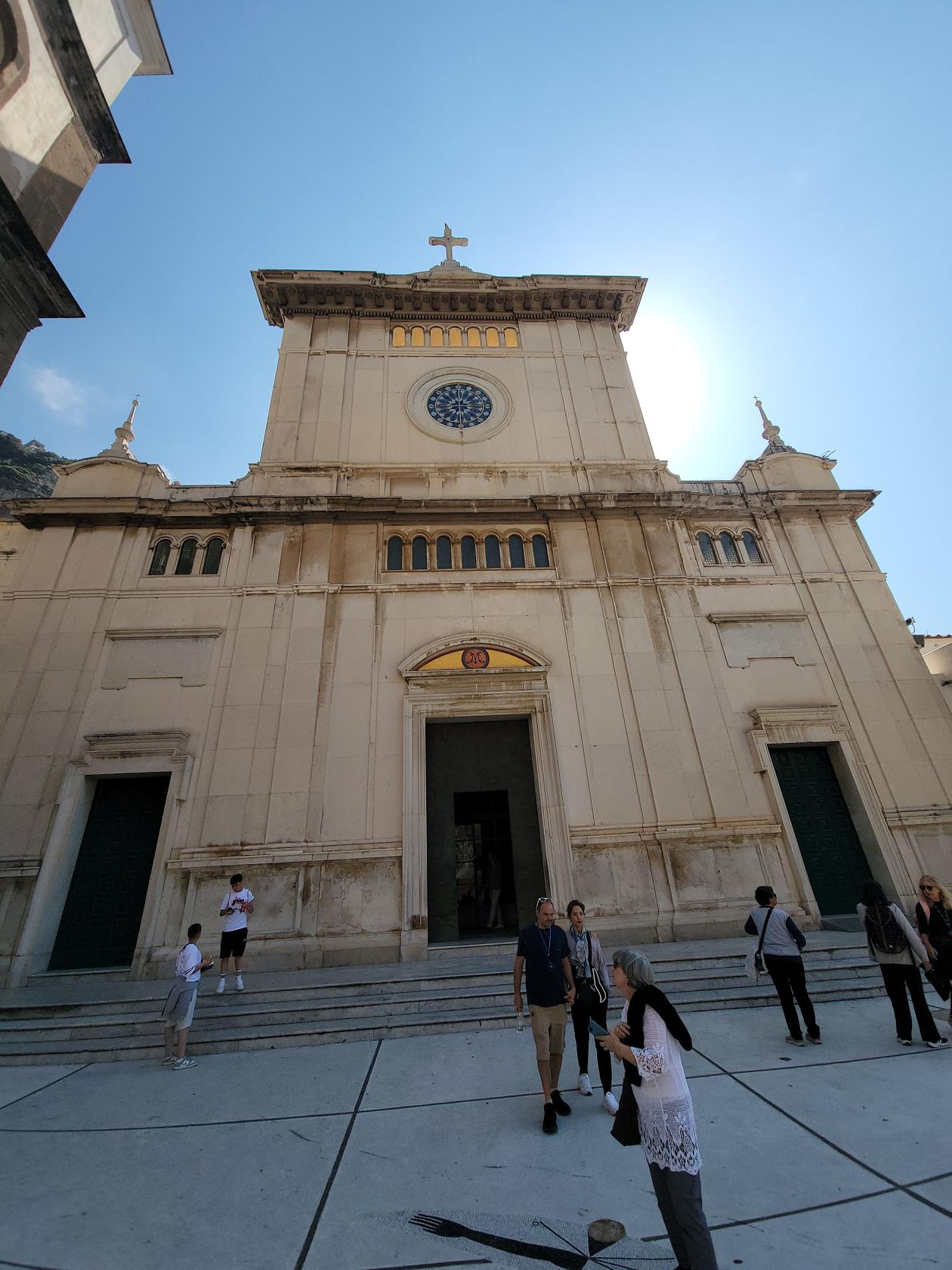
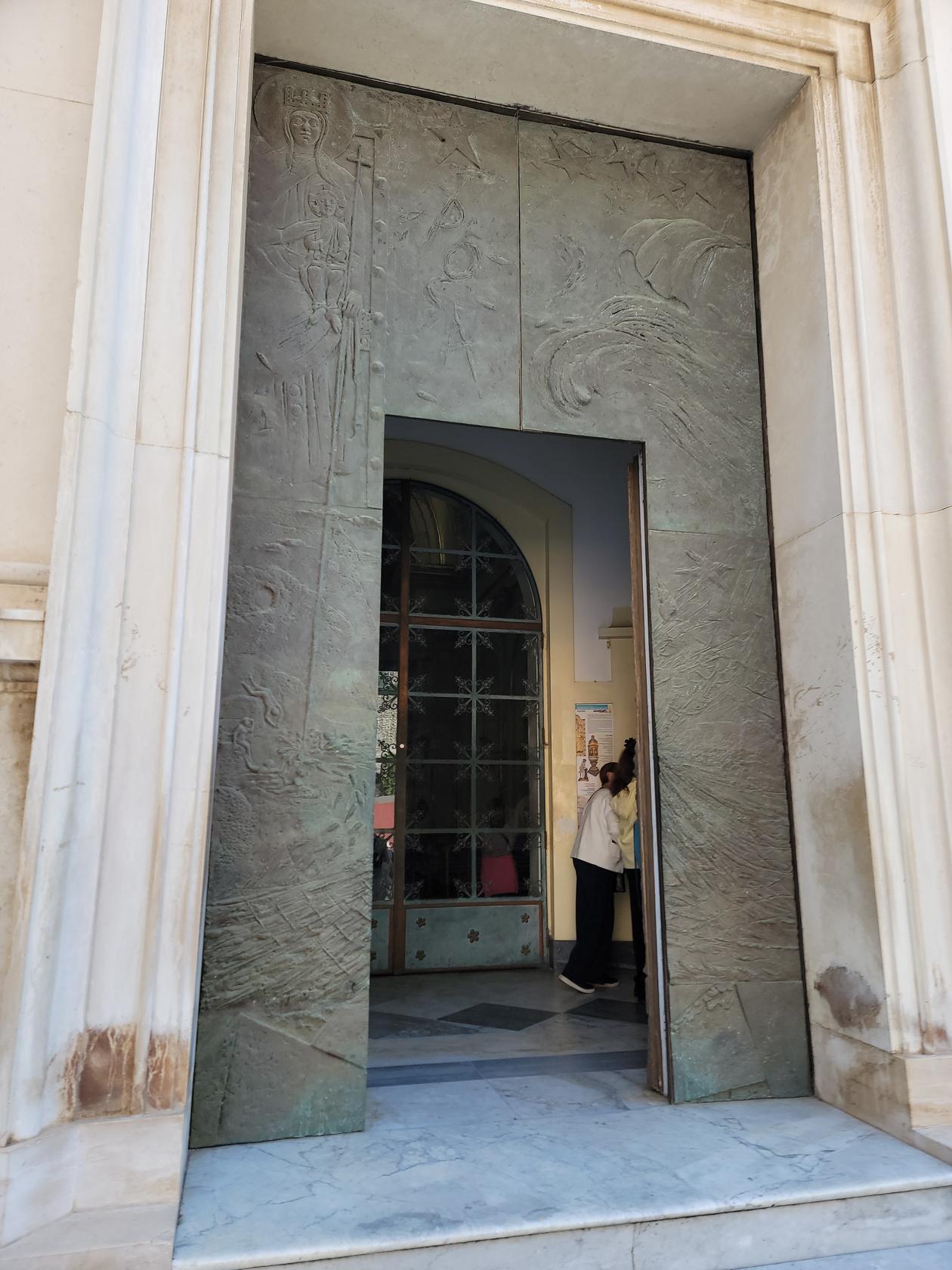
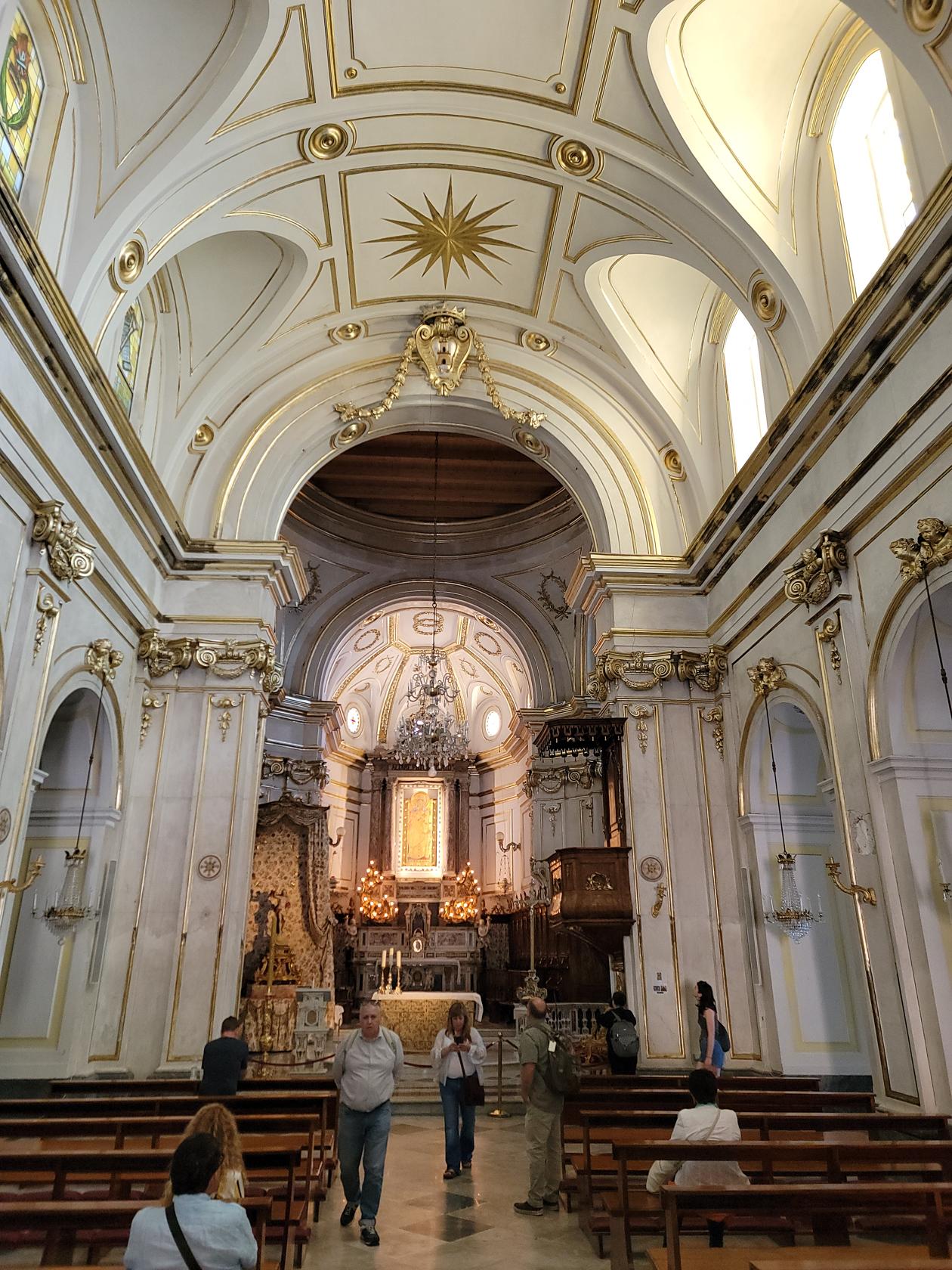
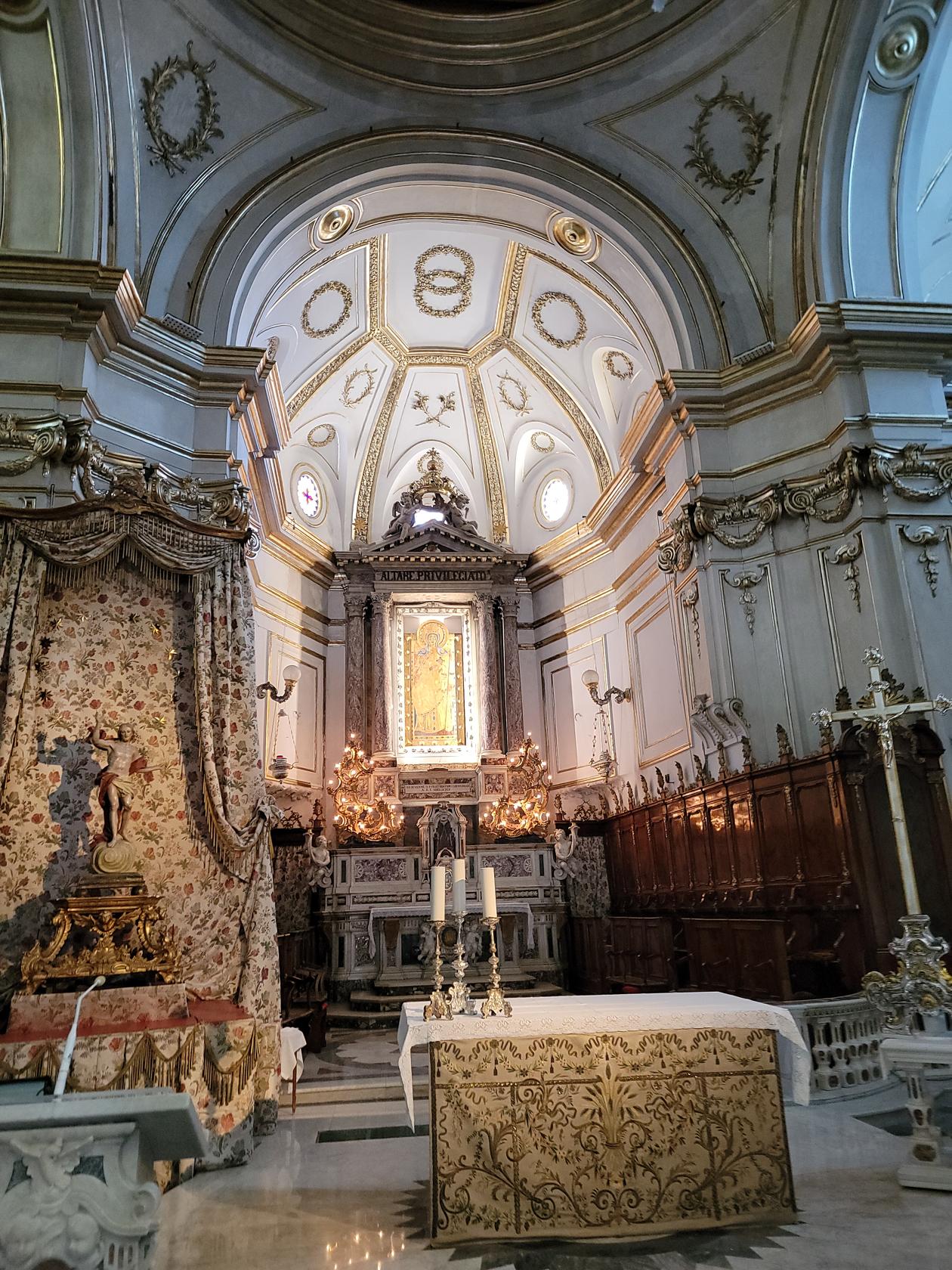
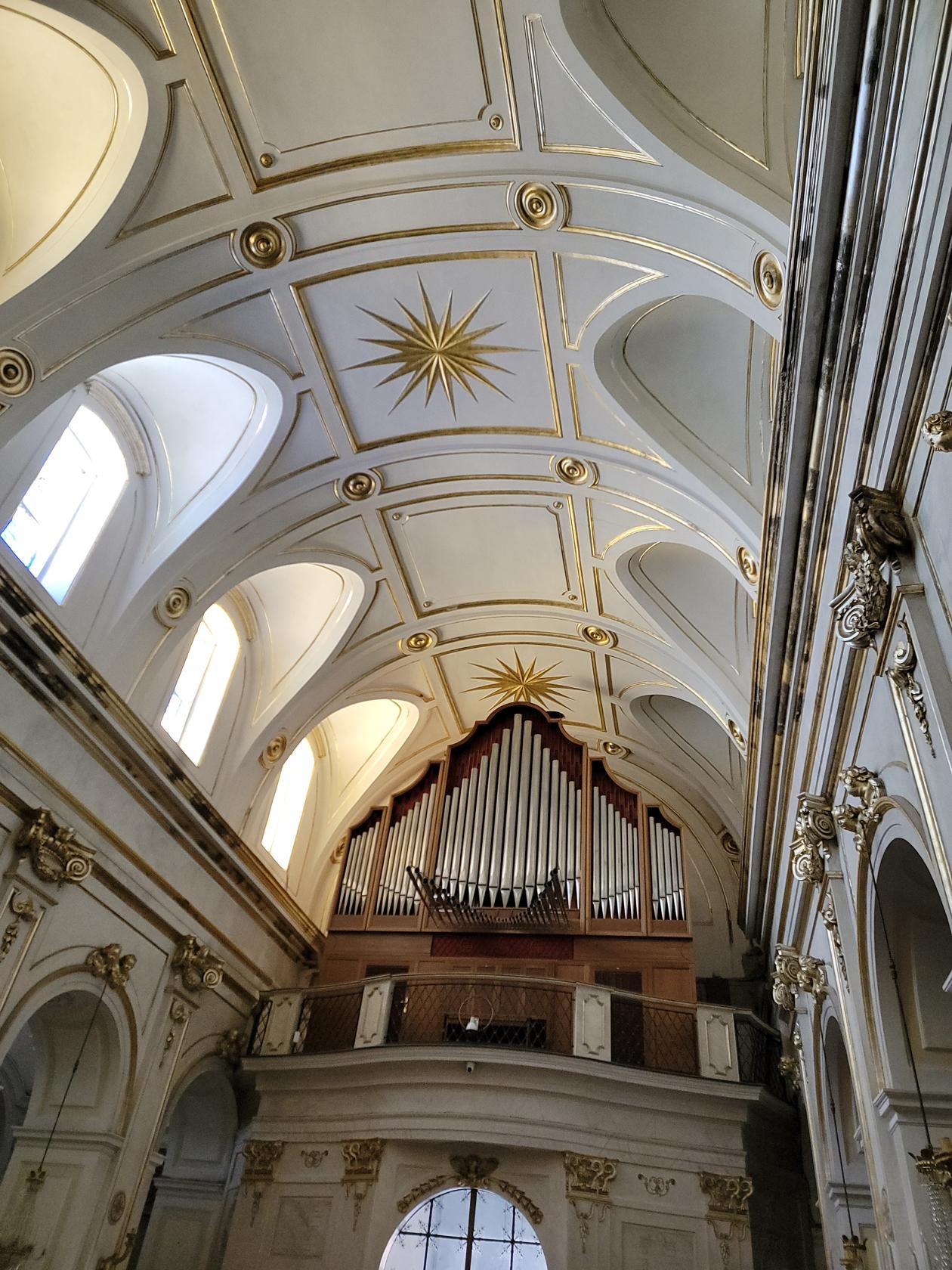
One of the more prominent features in town is the church Santa Maria Assunta. It is one of the churches that has a Black Madonna from the thirteenth century Byzantine period.

Ferry Service

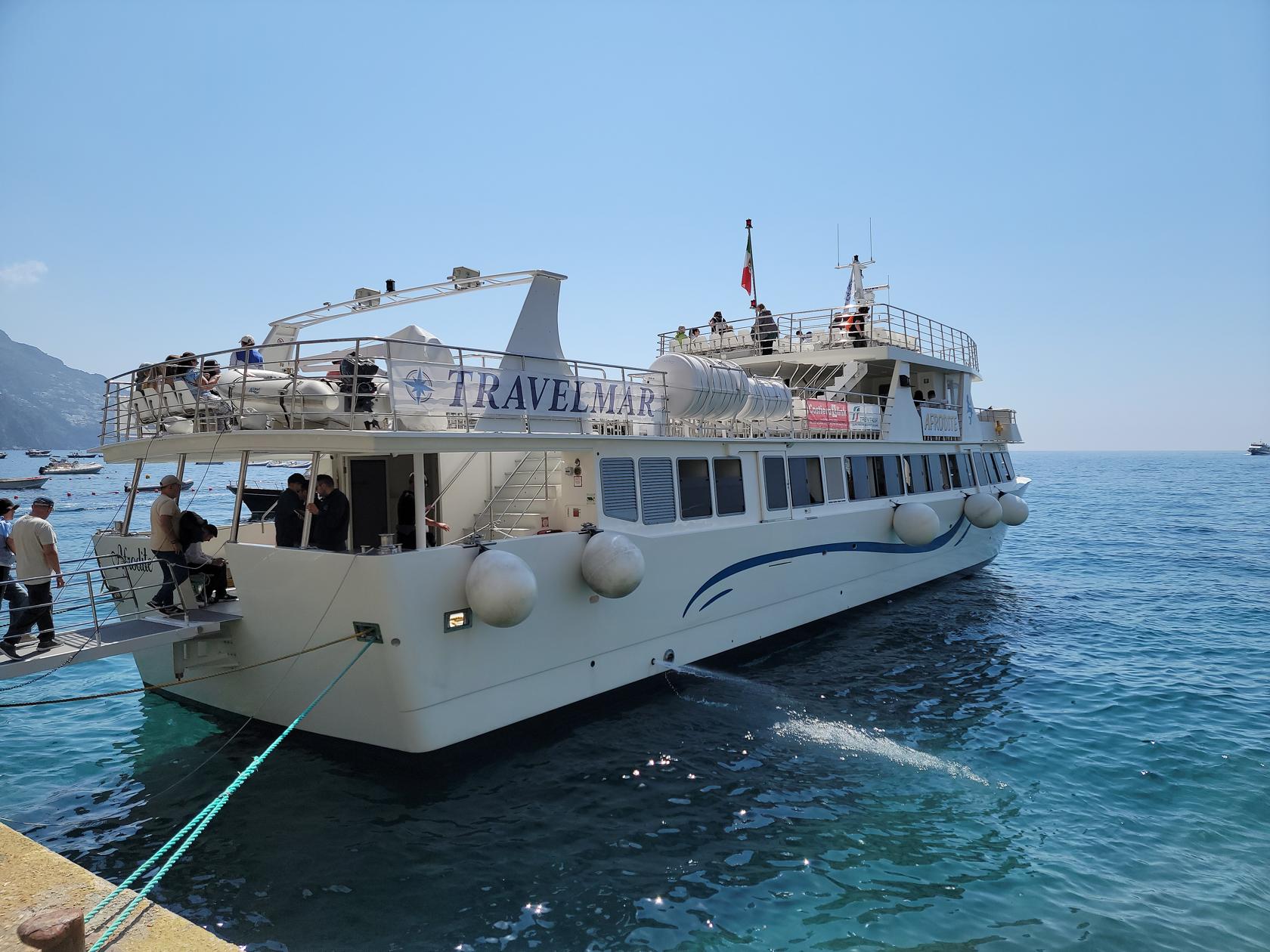
There is Ferry Service from Positano to other parts of the coast. This can be a very effecient way to visit the other towns along the coast, especially if you do not want to negotiate the treacherous roads.

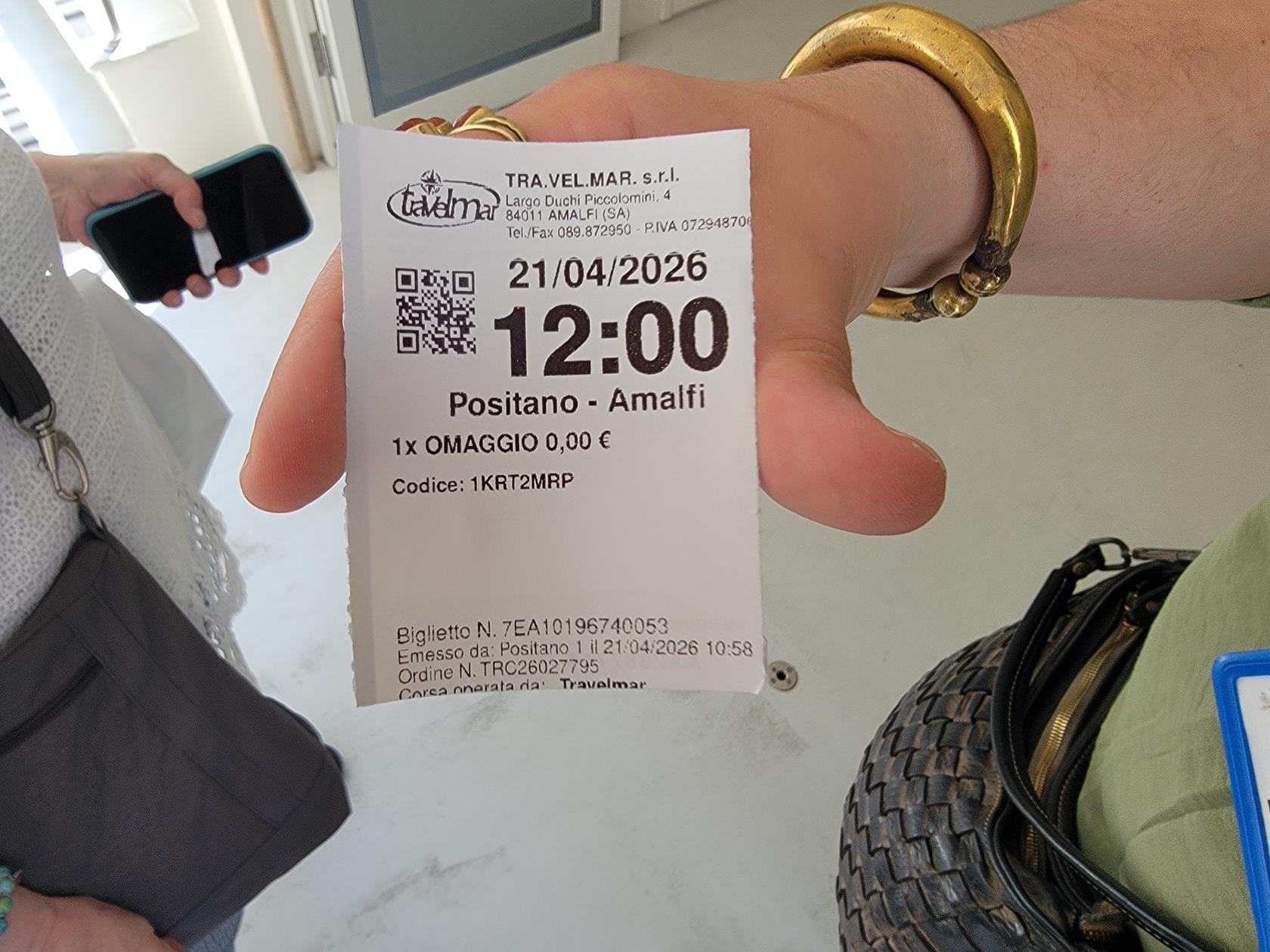
We took the ferry from Positano to Amalfi, while our tour driver drove the route to the other location. It is highly recommended, since you get a perfect view of the coastline, the towns along and the mountains as a backdrop, at least on a clear day.

Restaurants

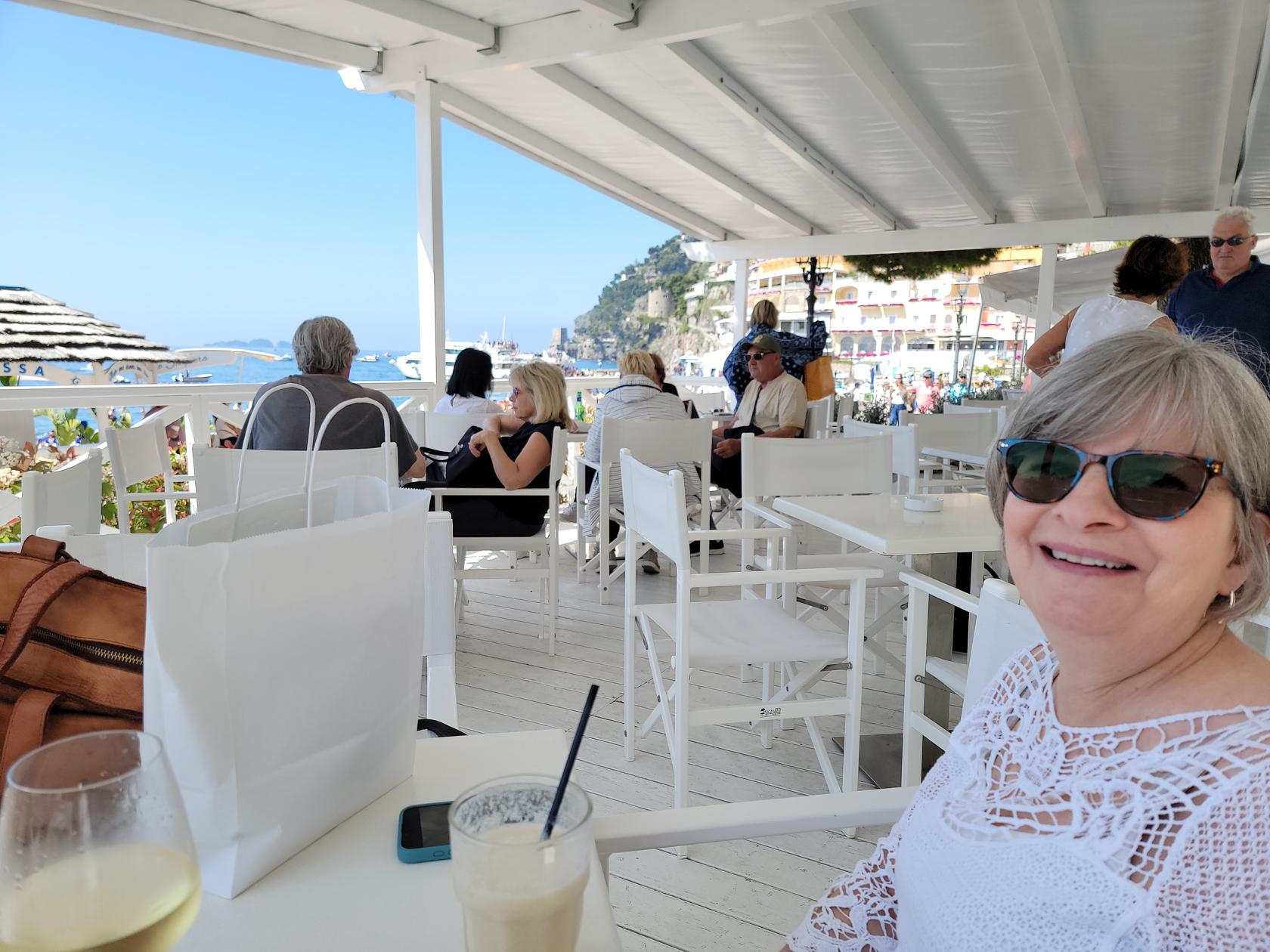
We didn’t really eat here, but we did stop for a drink. The view from many of the bars on the boardwalk is very relaxing and enjoyable.

Blu Bar

At the Blu Bar we just stopped for drinks, which euphemistically means that we had to use the bathroom. The drinks were fairly high-priced, but the facilities were very clean and well maintained. Not sure I would eat here though, the reviews were not very good.

Luino, Italy – Lacking Service

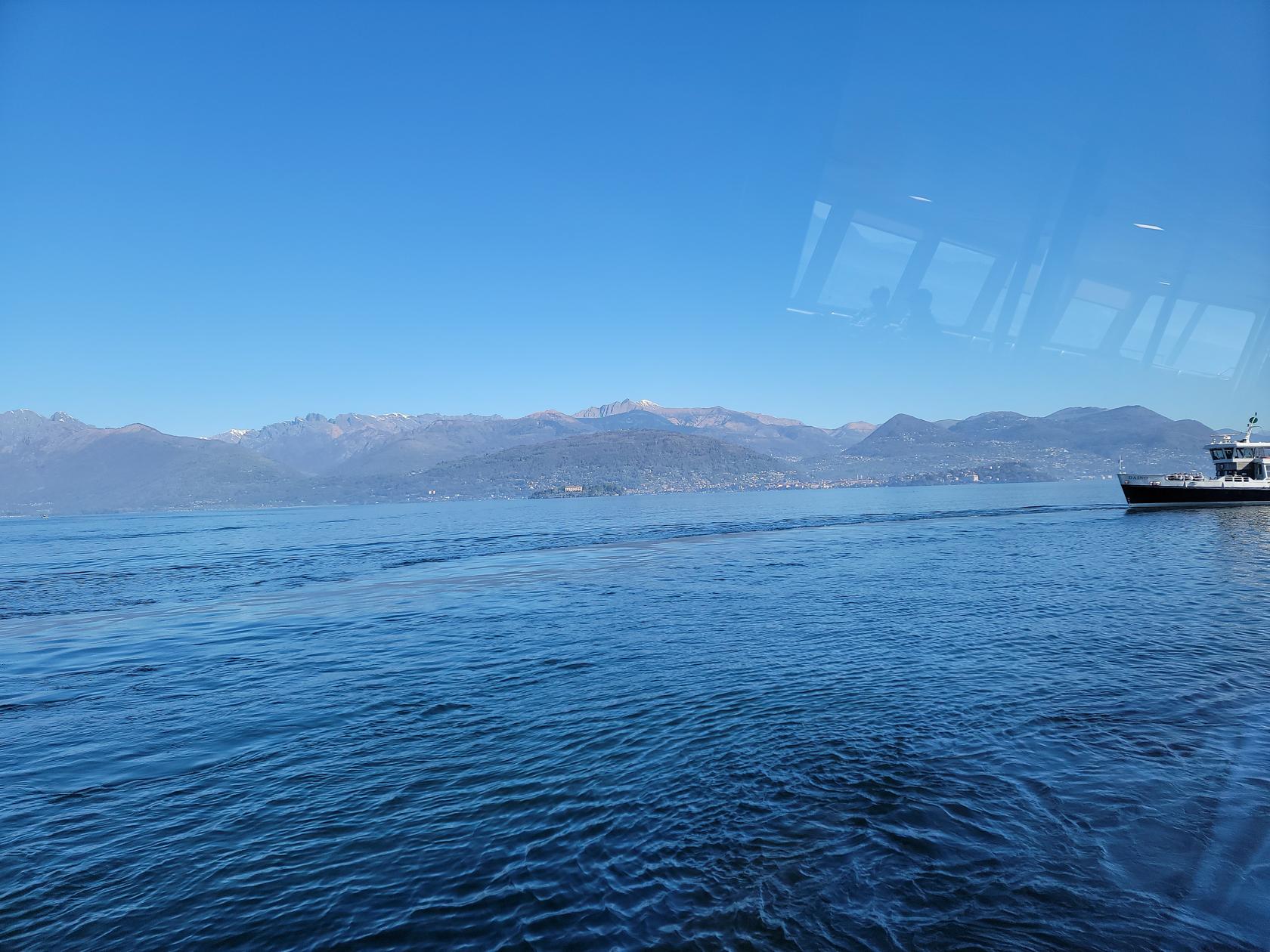
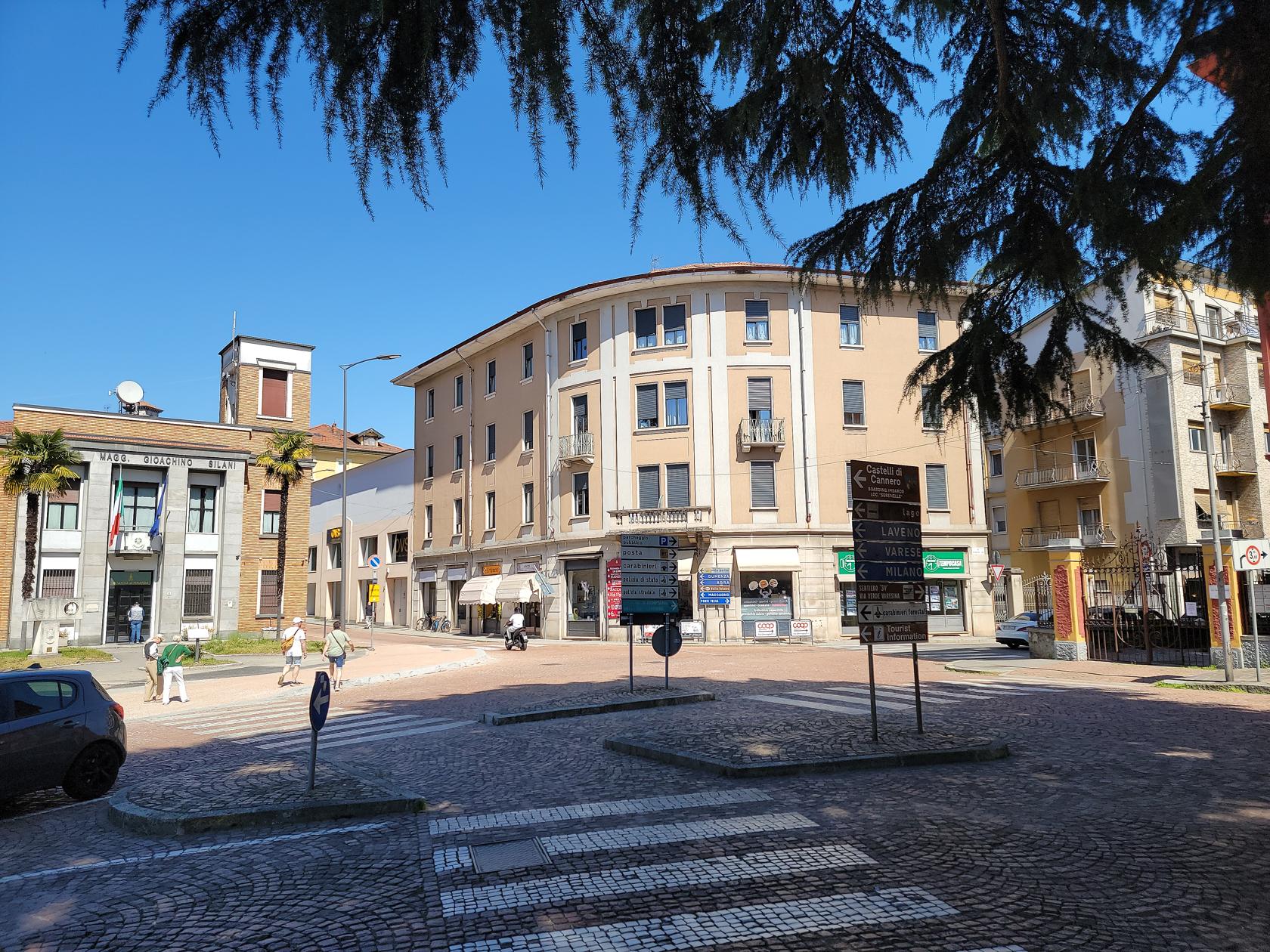
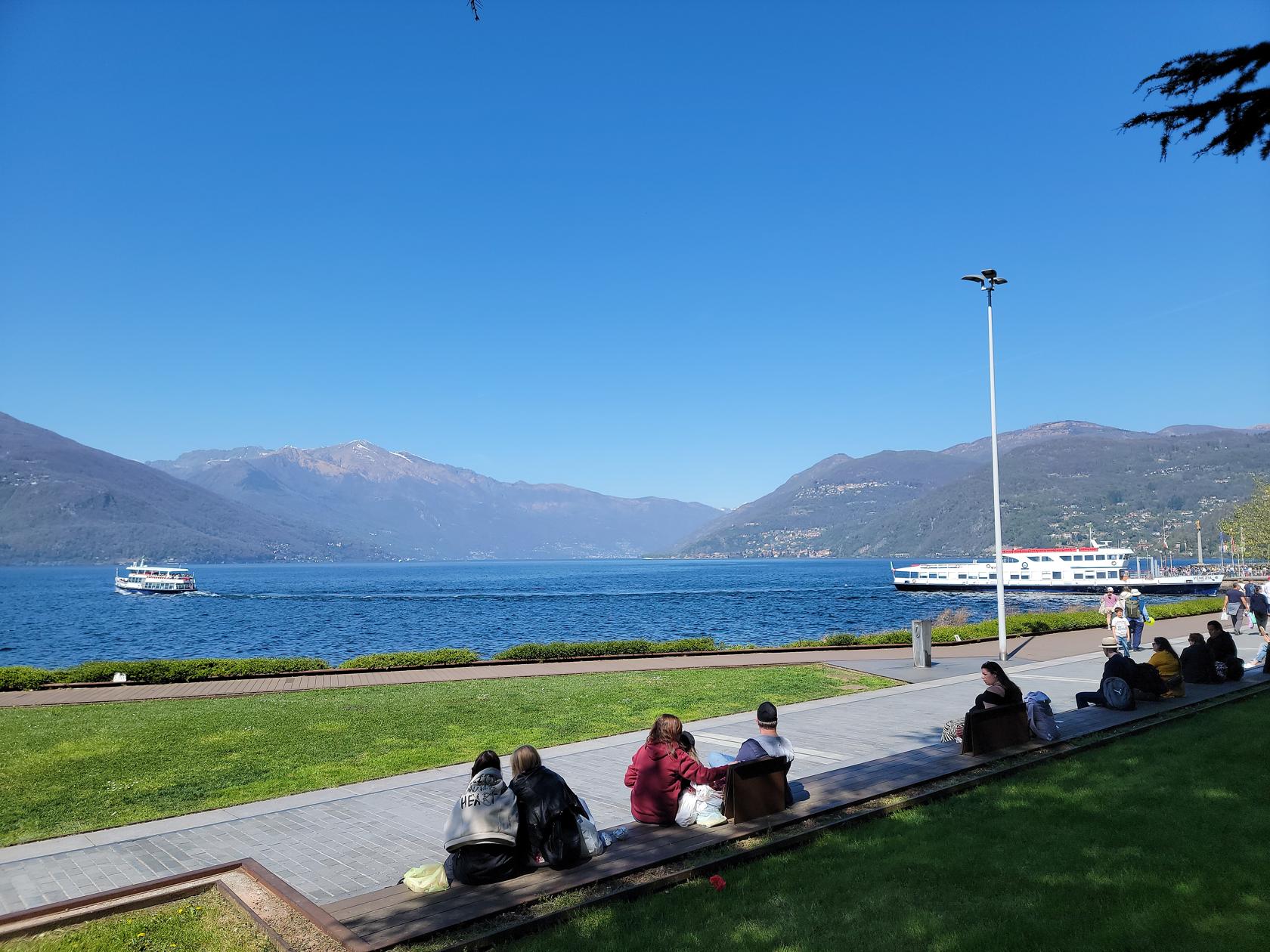
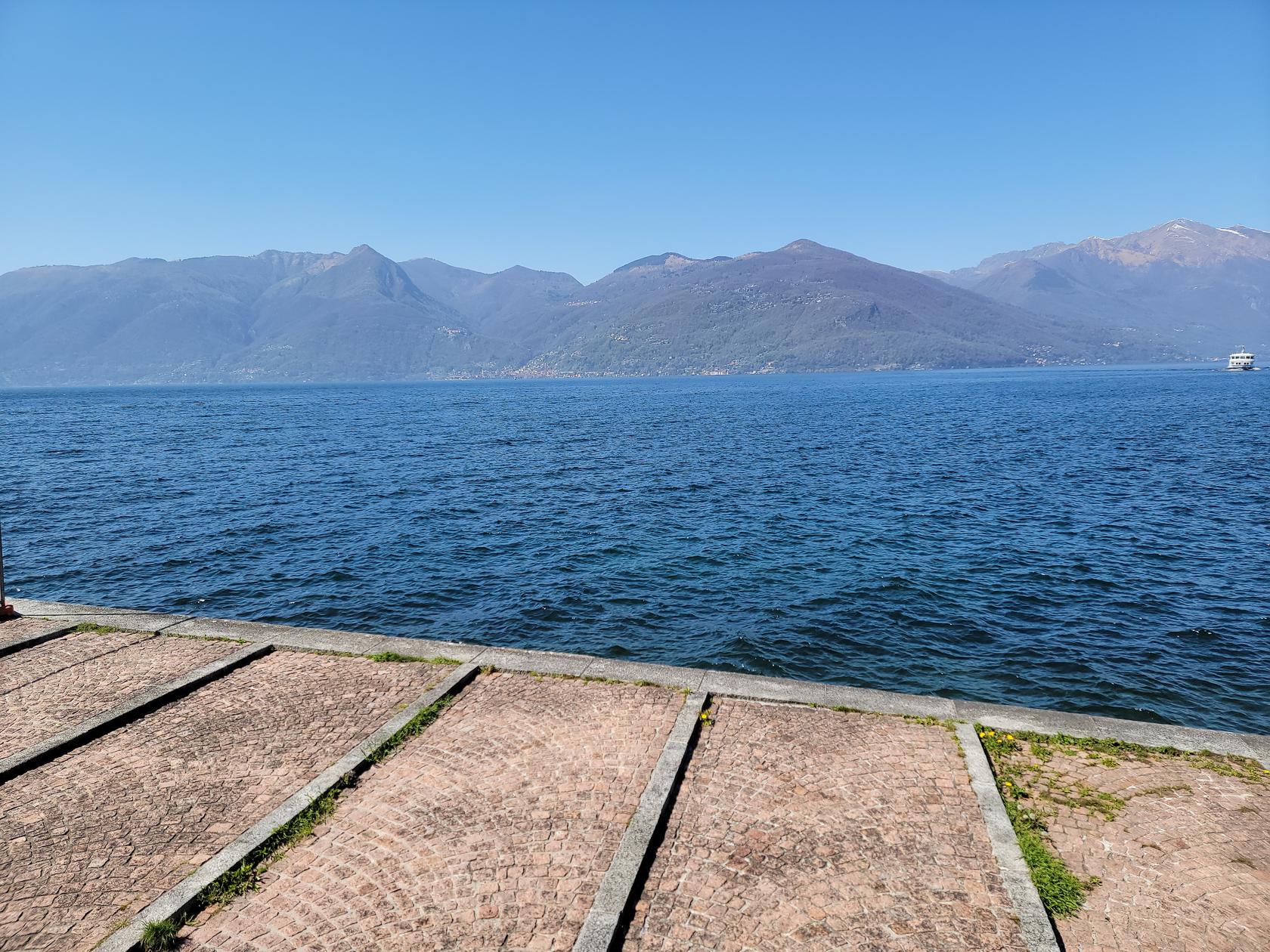
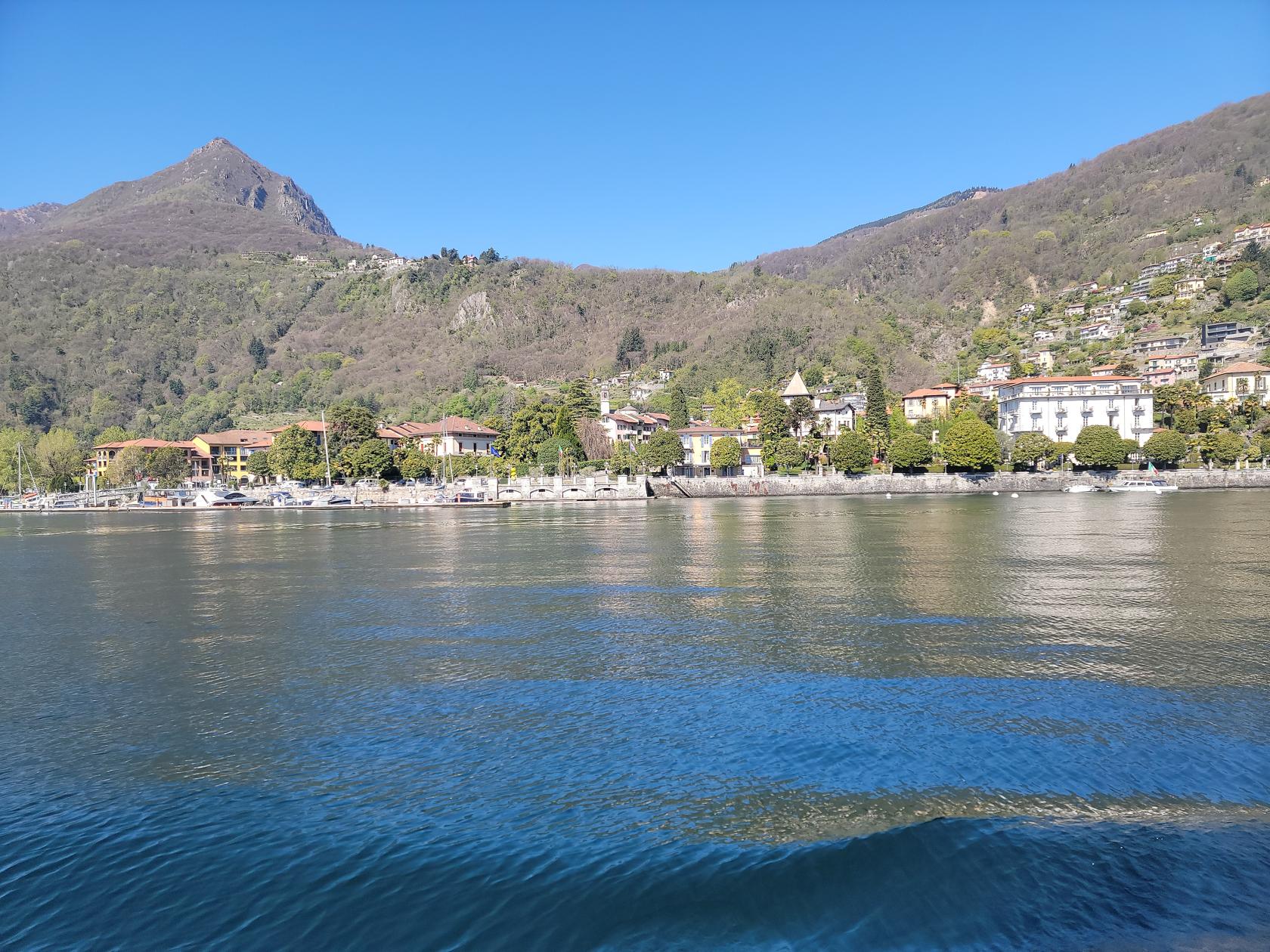
A popular tourist destination for the Swiss, Germans and Netherlanders is the small town of Luino on the northeast end of Lake Maggiore. The boat services on the lake are divided here for destinations north of it and south of it. From the south, especially from Stresa, it is difficult, if not impossible, to arrange a roundtrip to this town except on wednesdays. Even to get here by train is a three to five hour ordeal and roundtrips by rail or bus are all but out of the question. The town is truely lacking service from the southern end of the lake.

Luino

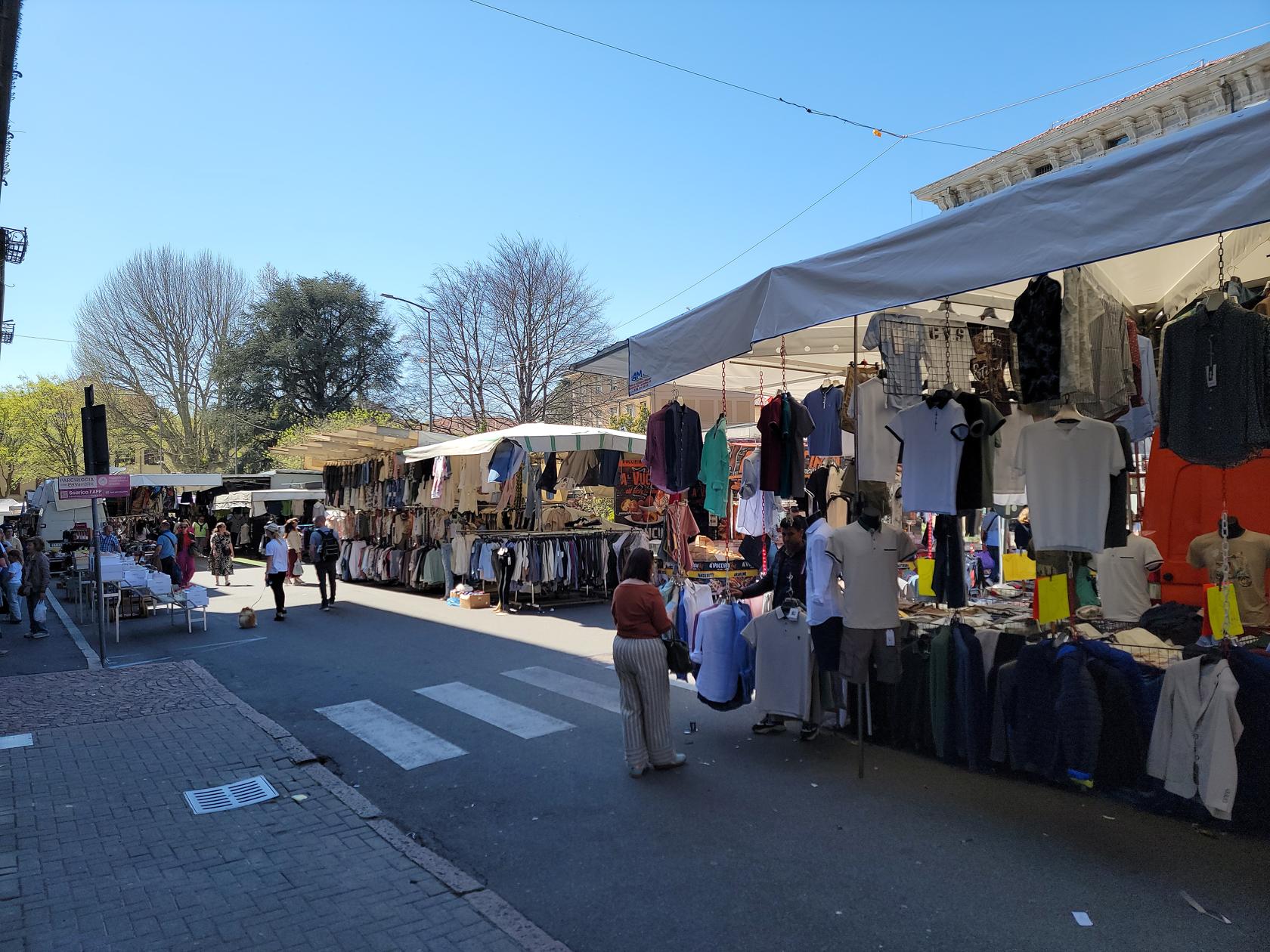
It seems a popular destination for people from the north, who are either staying in Switzerland or the nearby town of Cannobio. It is especially busy on Wednesdays, this is when the town holds its weekly market. [1]Proportedly the largest in Europe, but that is not possible. The one in Turin far eclipses it in size and weekly frequency, being open every day and not just the middle of the week.
At one time the town was heavily industrialized and there were many textile factories here, which accounted for the terrible pollution the lake had to endure for years after its demise. Luckily today, the lake has considerably cleaner water that in the previous century.

Getting There

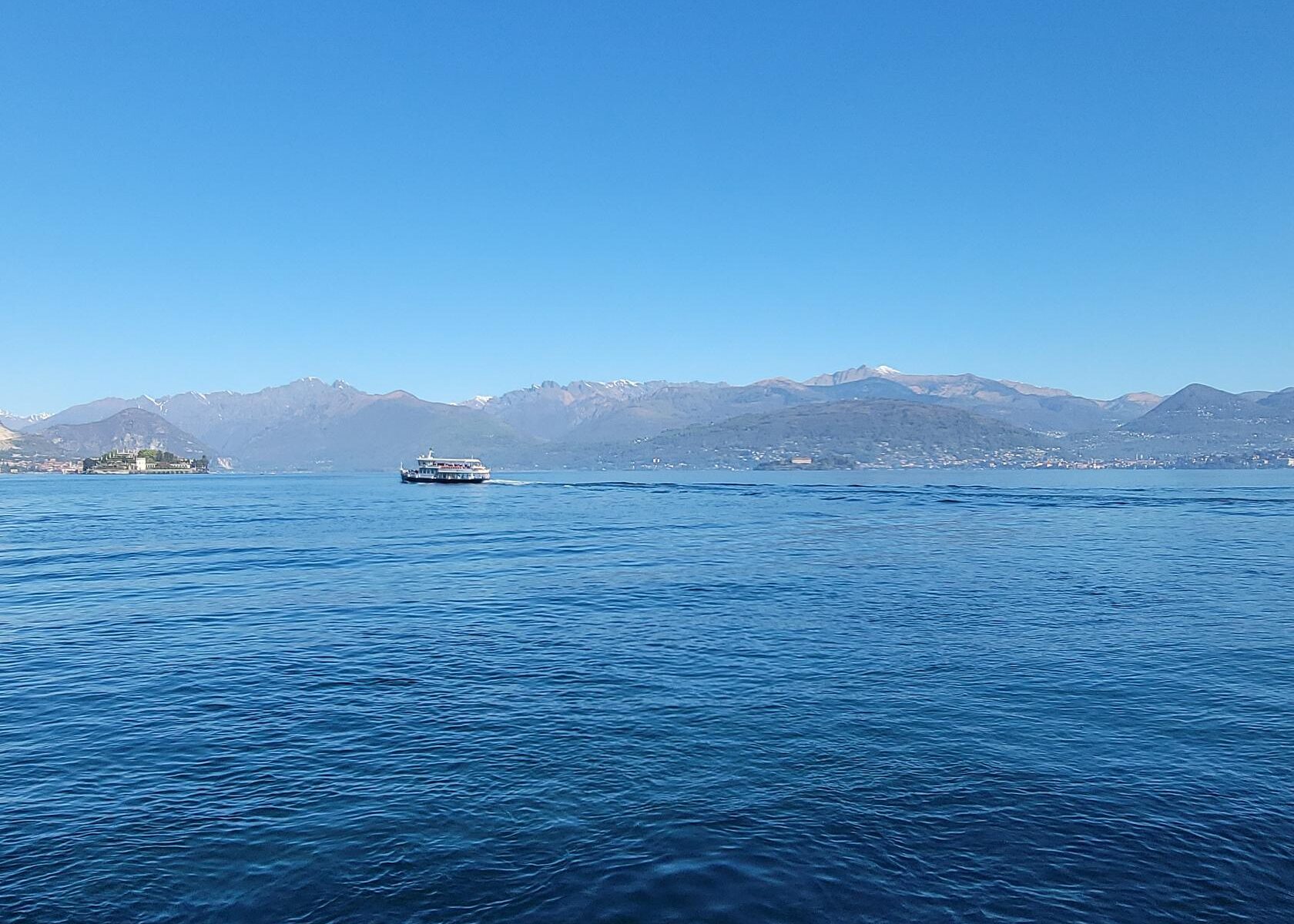
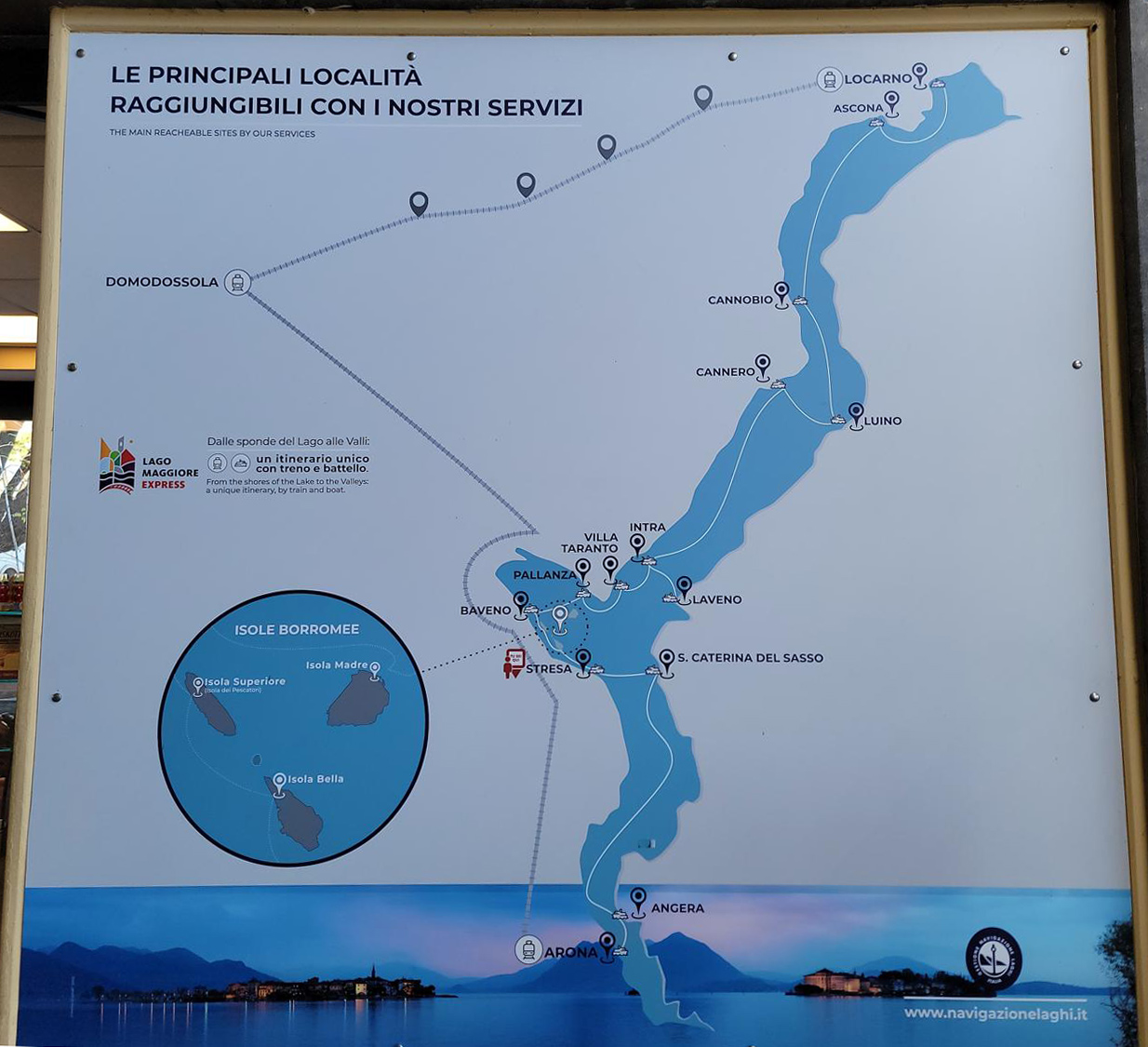
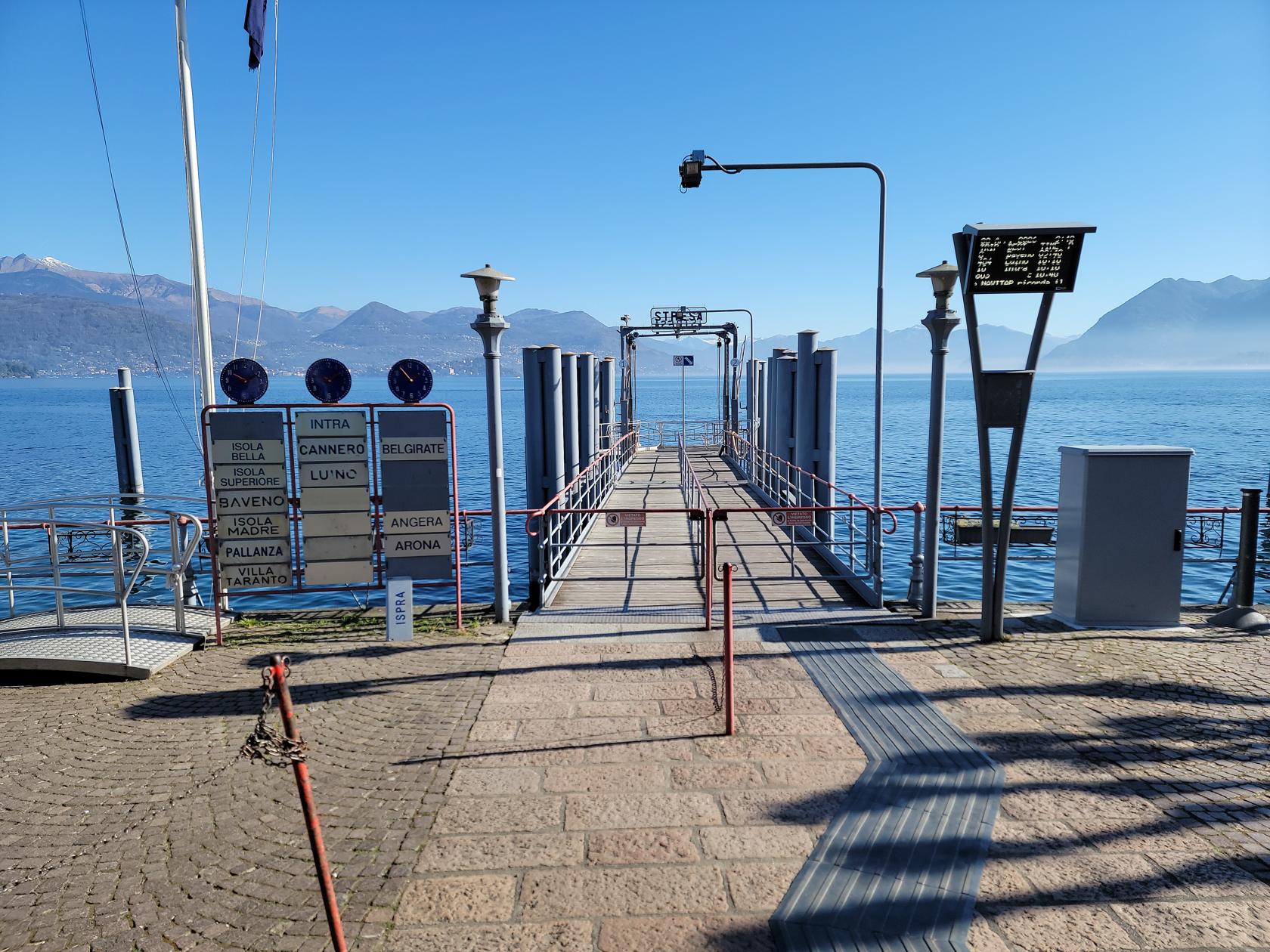
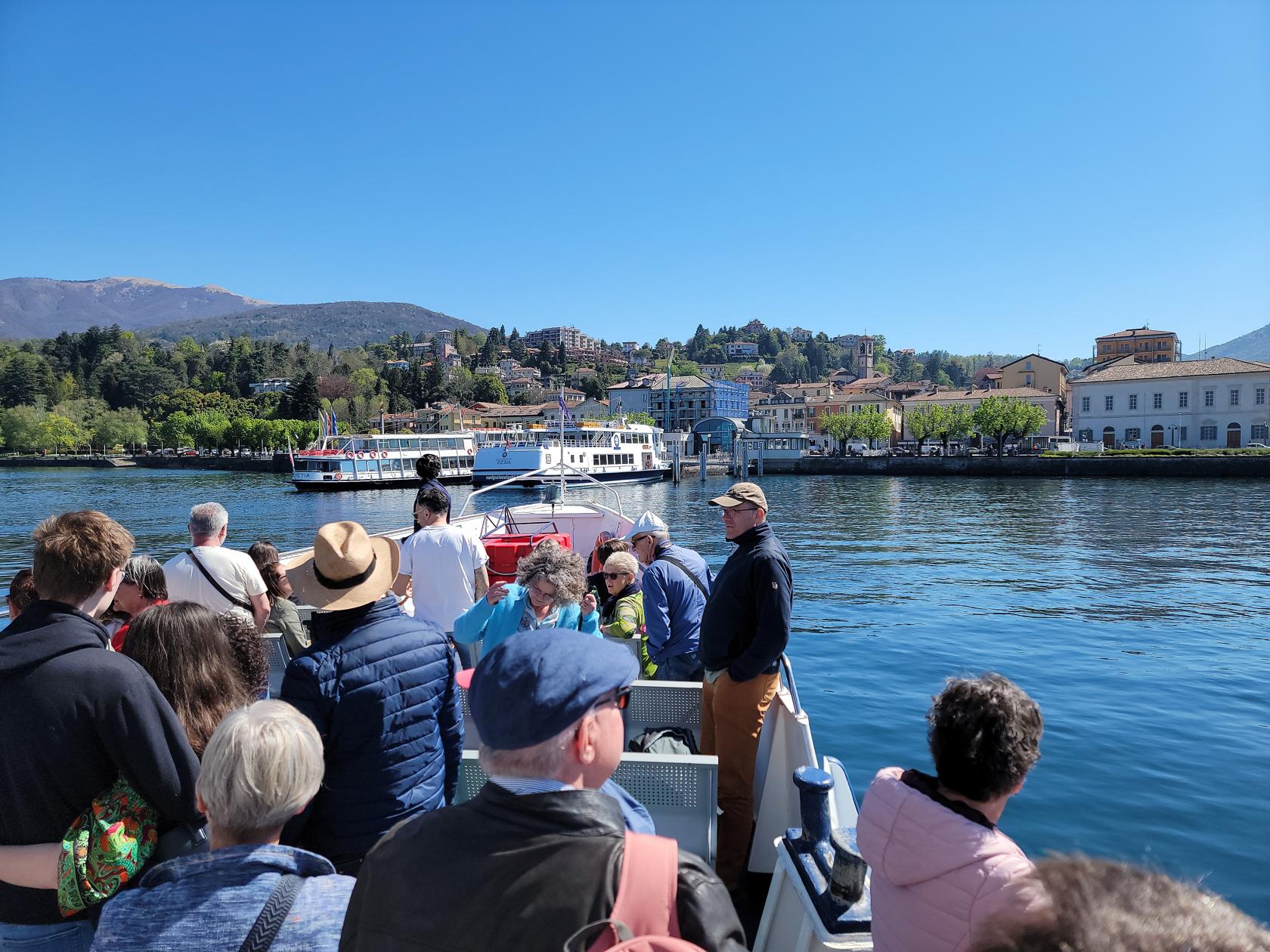
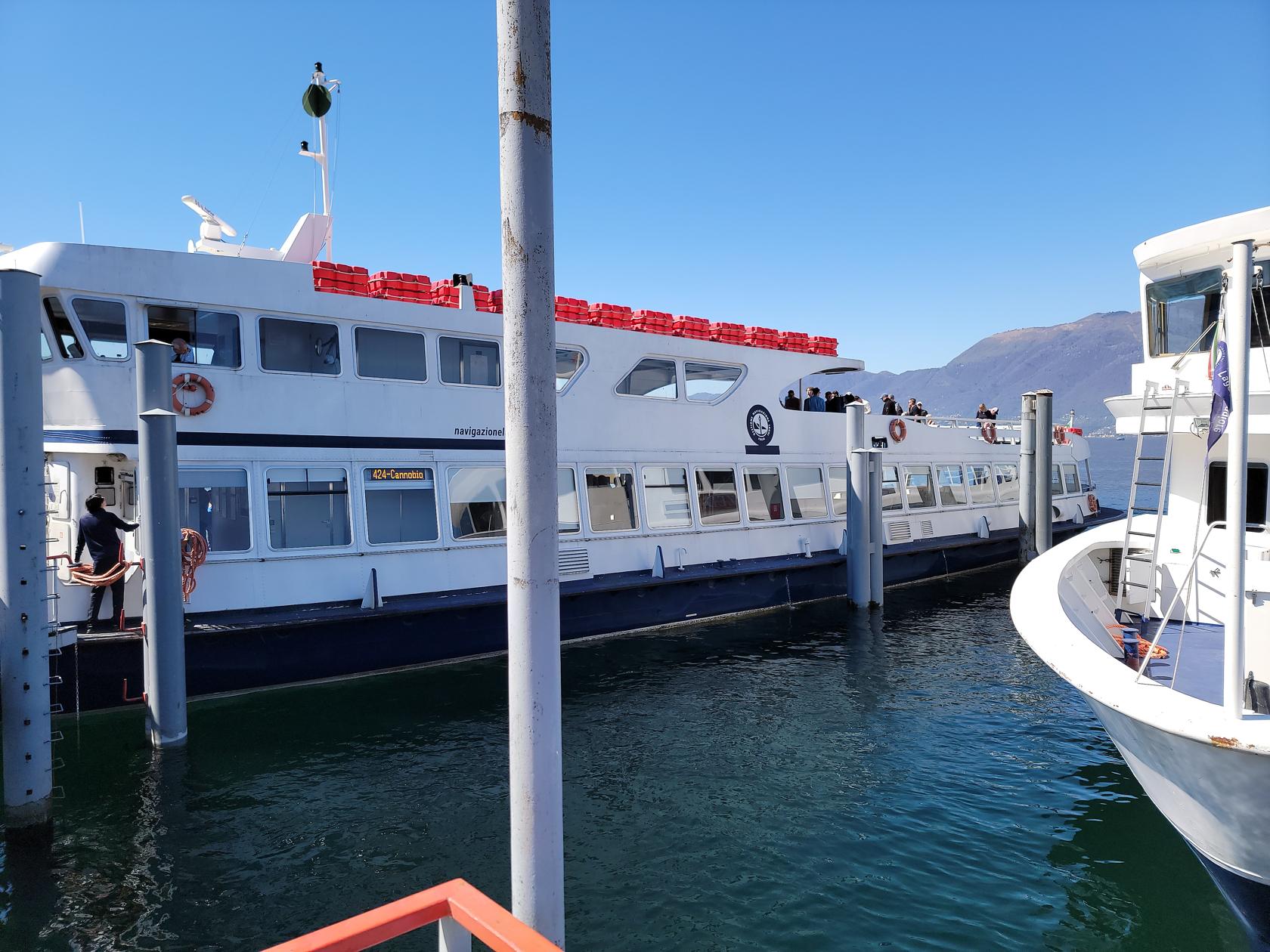
From the north, the map shows all traffic by boat going through Cannobio. From the south, we took the boat from Stresa. From there we stopped a half dozen times before reaching our destination.

It should be noted, if you are traveling from the south and want to go further than Luino, you can, you just may have to change boats in Luino.

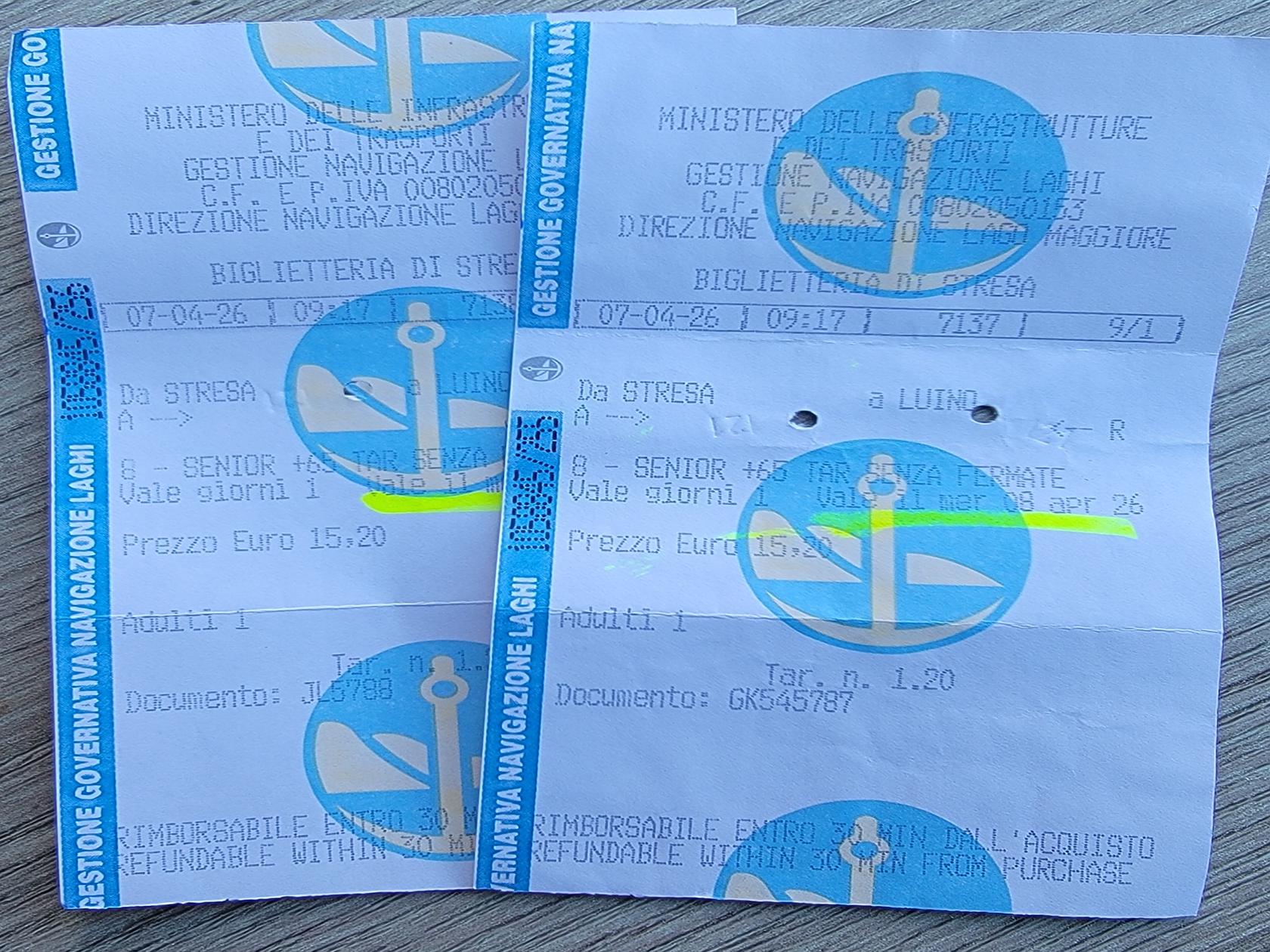
From Stresa the trip is not inexpensive to Luino. For roundtrip tickets it cost us €15.20 per person[2]or about $18 per person.

Church of Saints Peter and Paul

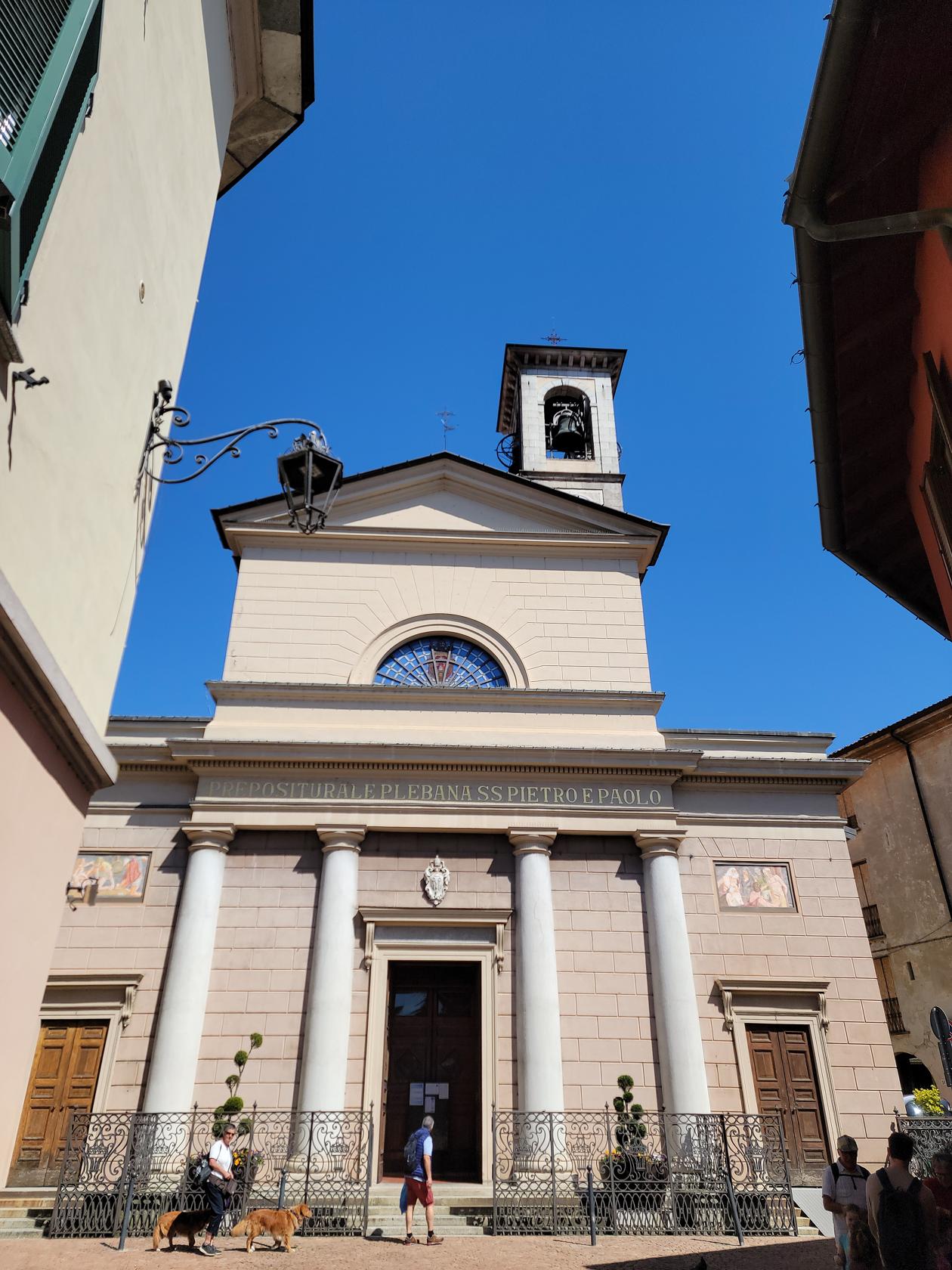
A walk through the town and above most if, you will find the Church of Saints Peter and Paul. An unusual church which looks more like an administrative building than a church.

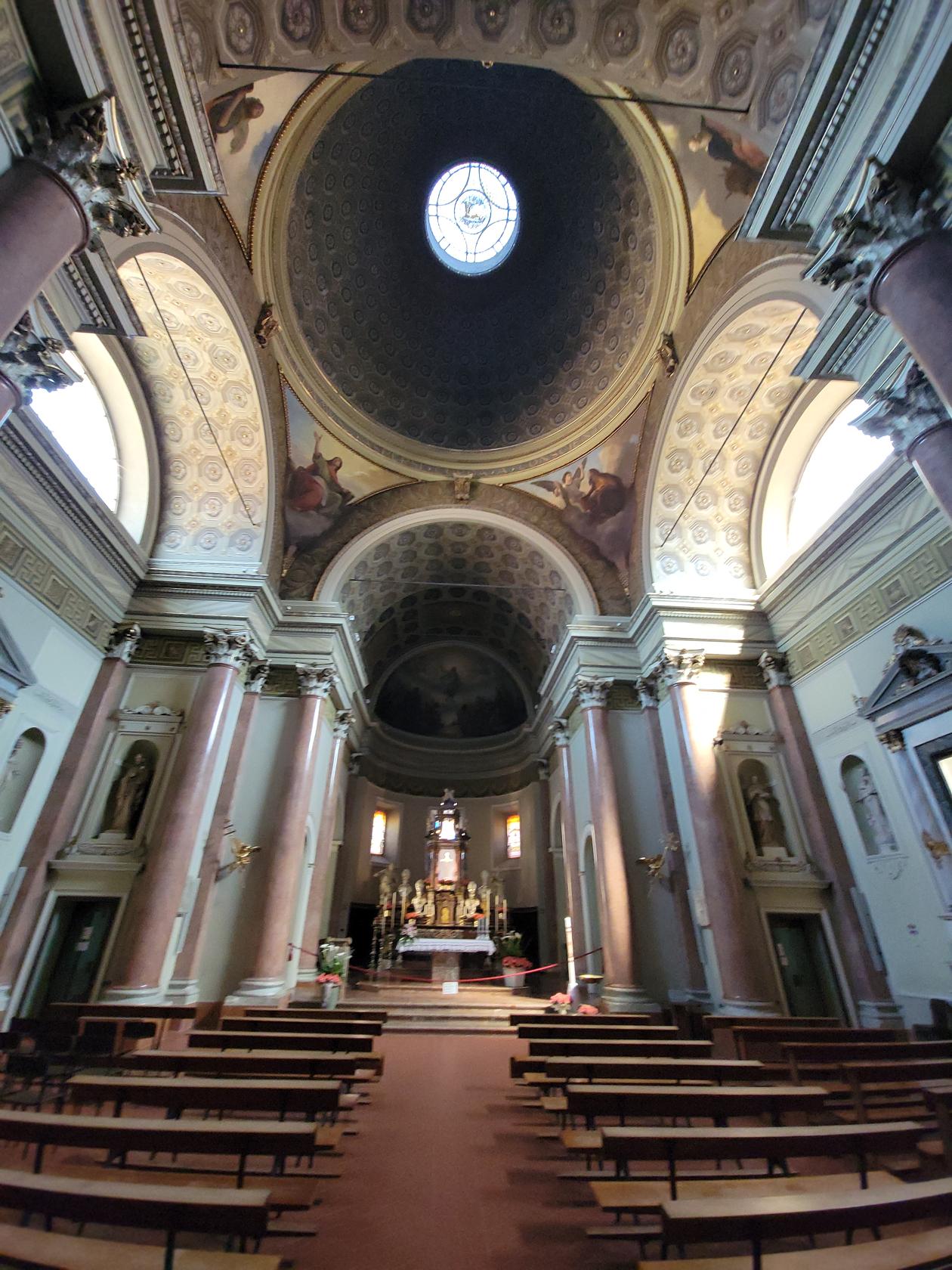
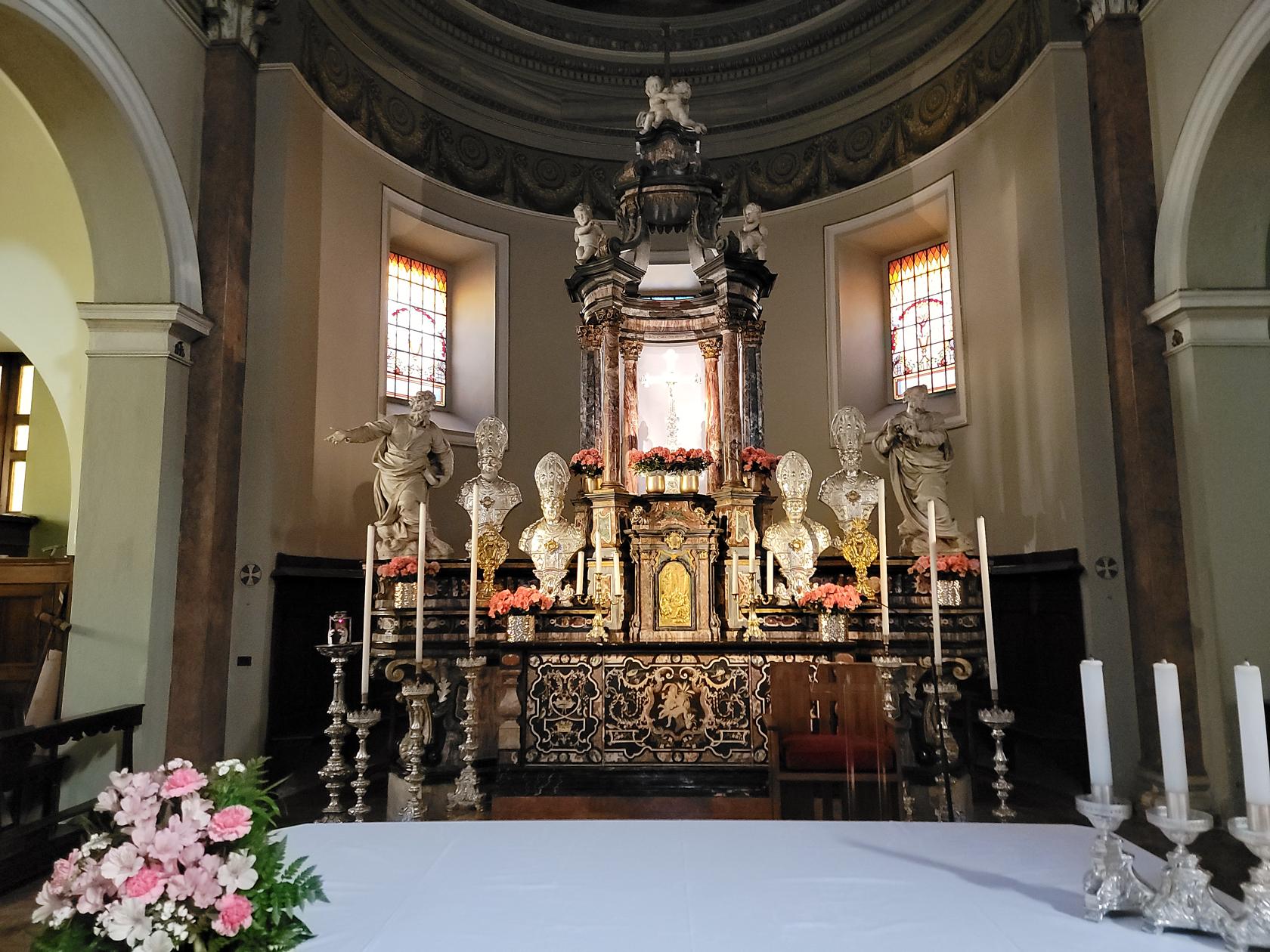
The inside does have some marble, but the rest of the nave and ceiling are painted in the style trompe-l’œil, giving the impression of relief where none really exists.

Restaurants

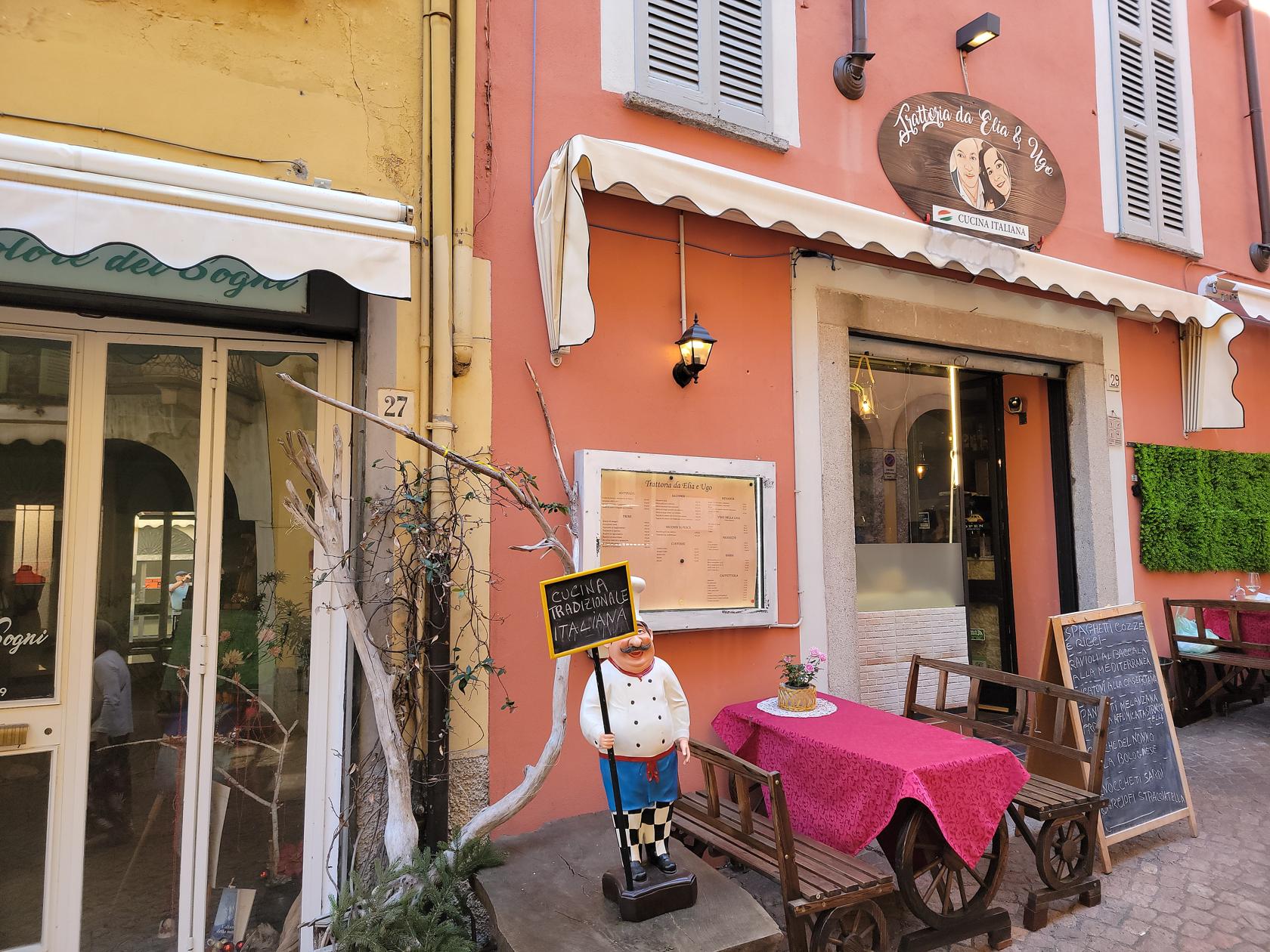
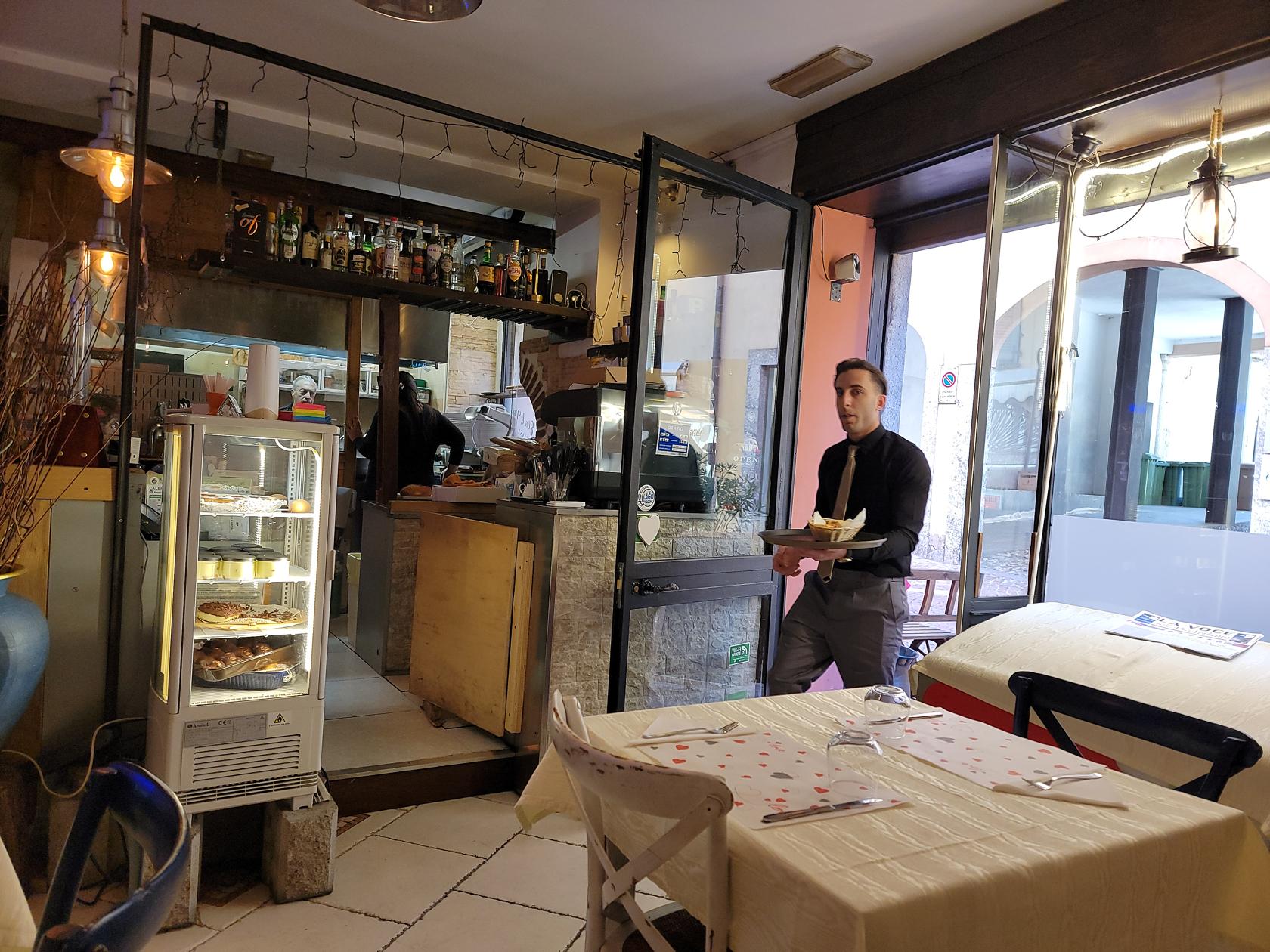
When we arrived in Luino, we only had three hours before our boat trip back, so we had to make good use of our time. Subsequently, we looked for a place to eat first and chose the Trattoria da Elia e Ugo.

Trattoria da Elia e Ugo

A small restaurant that caters to locals and tourists alike. They speak very good english, so there should be no problem with the language; they are even willing to look words up in order to make sure they have the correct word.

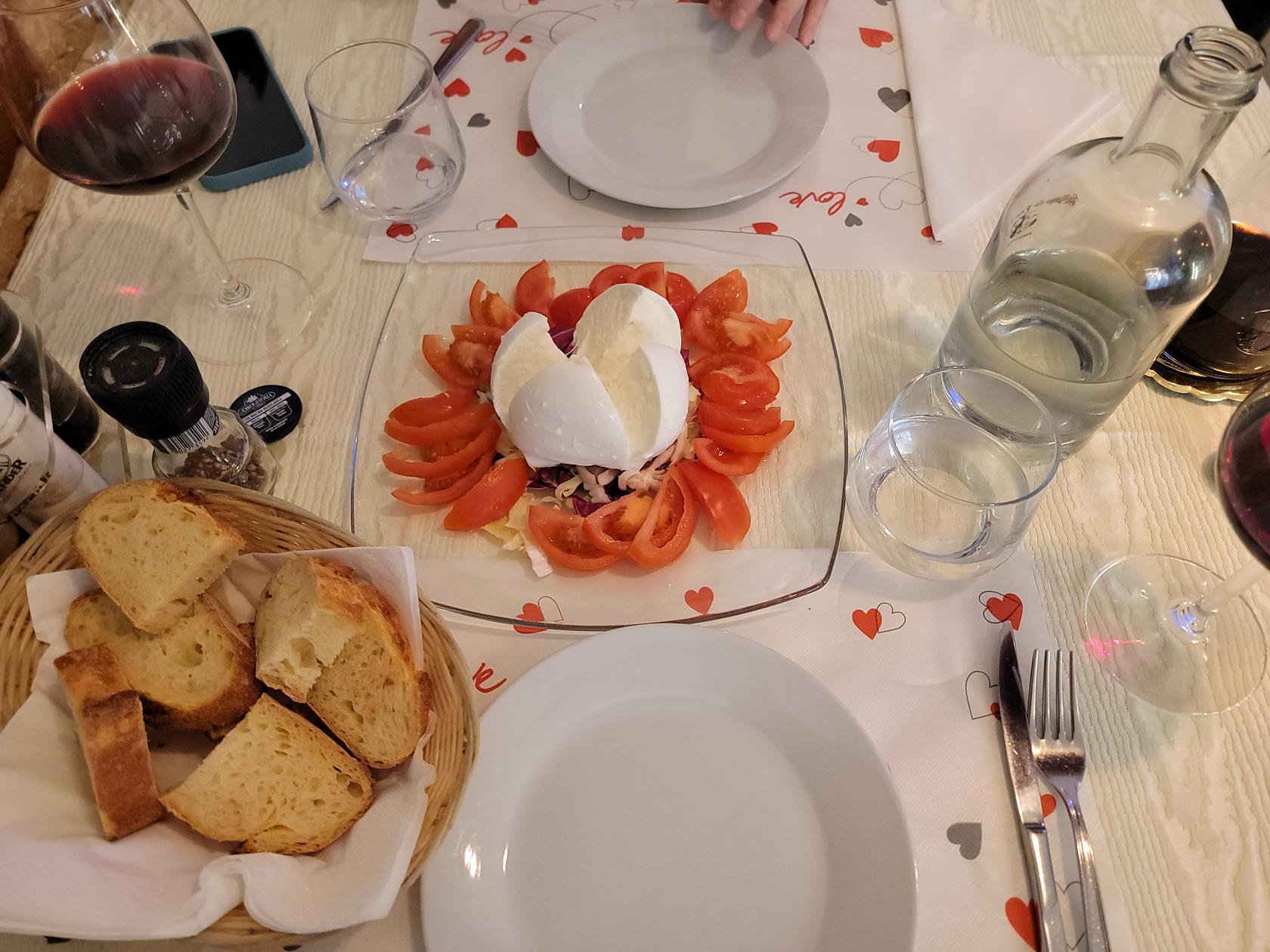
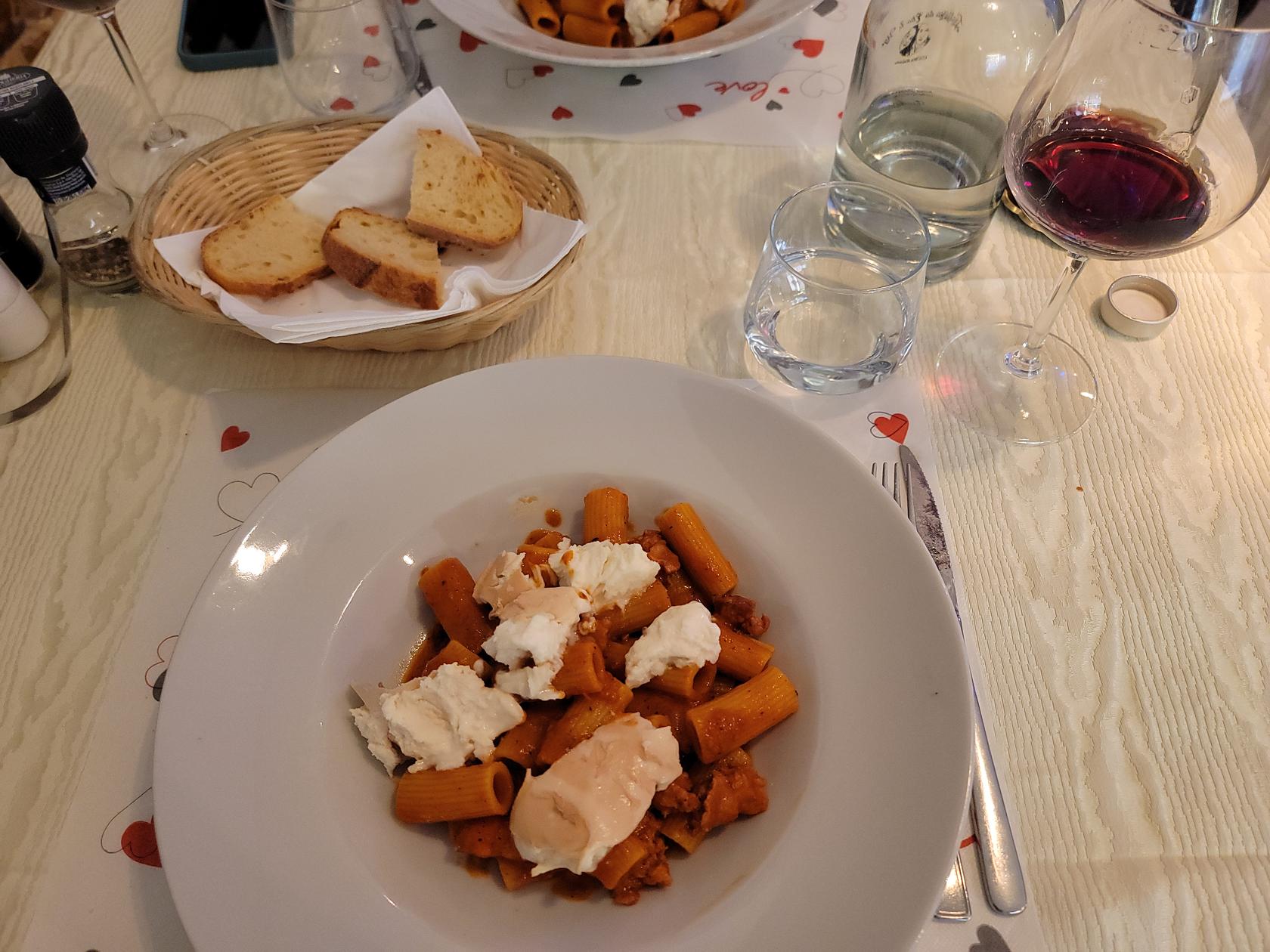
The food is very good and well portioned. The caprese is rather large and good enough for two. The pasta dishes are also fairly large and well seasoned.

Aside from the popular marketplace on wednesdays and the odd historical monument, there really is not much to see in Lunio. Coming from the south, it can only be commended for the odd day trip with lunch as the primary reason for the expedition, since it is rather far away and the boat service only runs roundtrip on wednesday, so plan accordingly.

References

References
1 Proportedly the largest in Europe, but that is not possible. The one in Turin far eclipses it in size and weekly frequency, being open every day and not just the middle of the week.
2 or about $18 per person

Arona, Italy – Rocca Repose

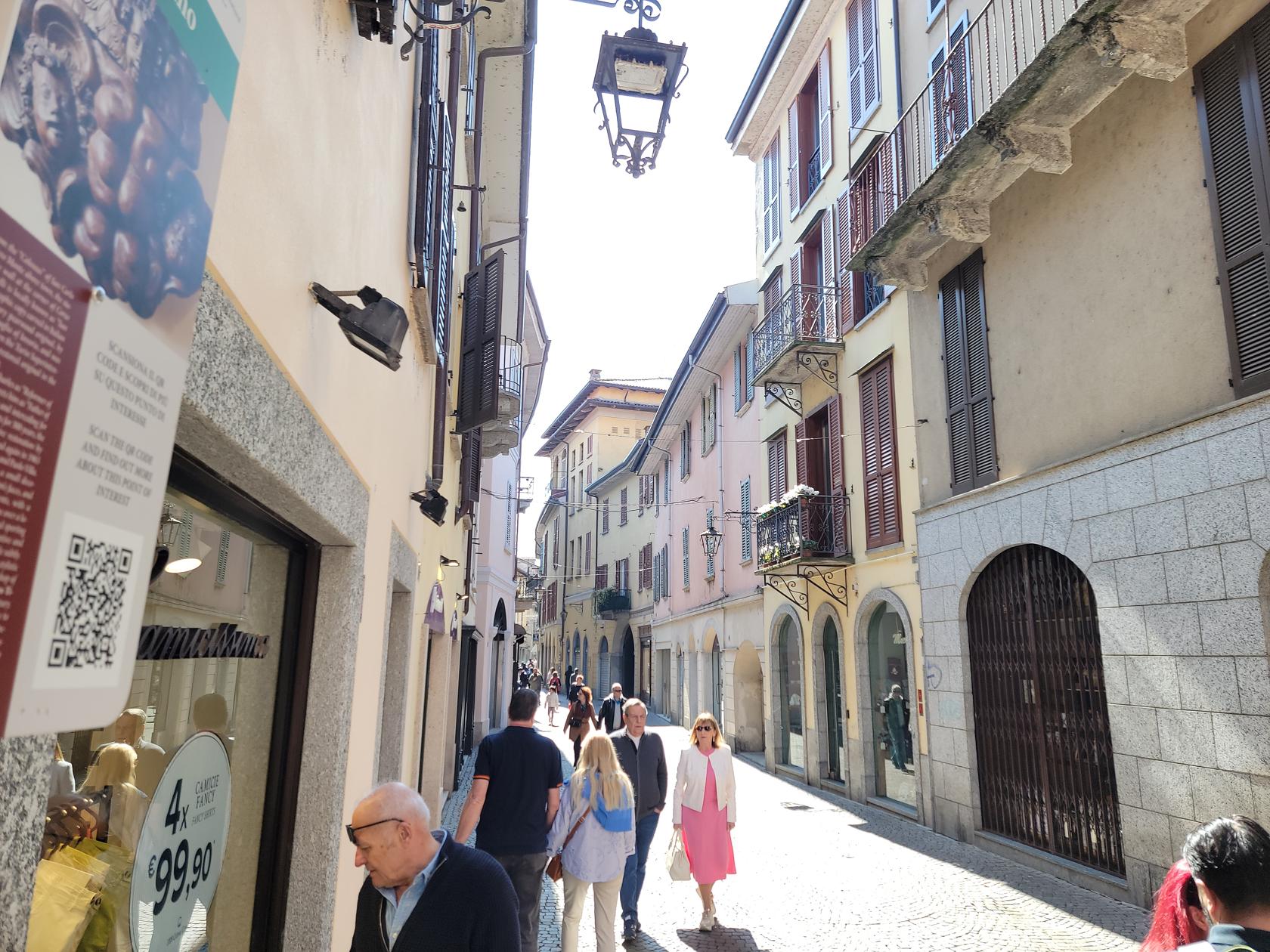
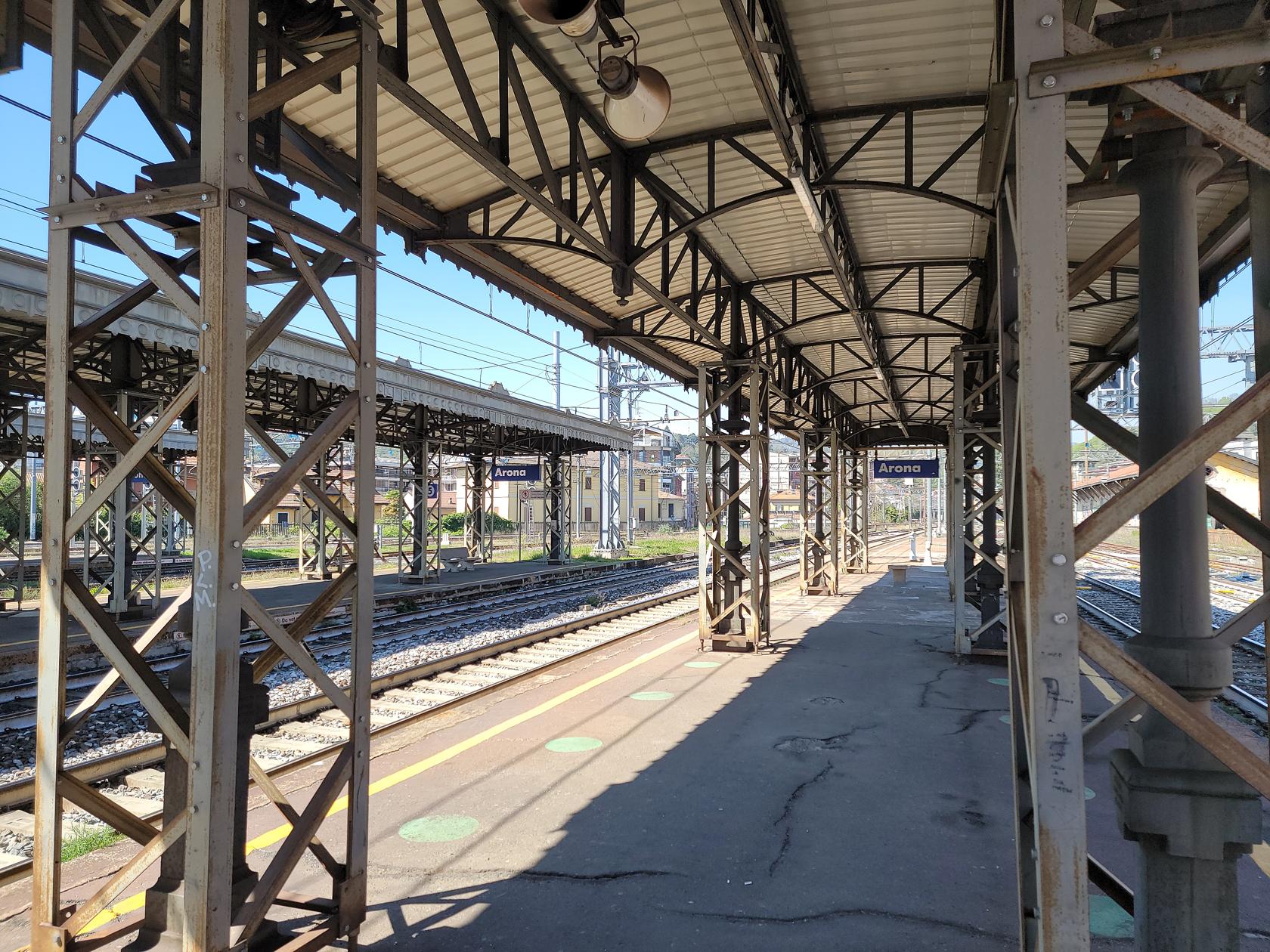
About a ten minute train ride from Stresa is the small town and bedroom community of Arona. Its claim to fame, if it has any, would be the La Rocca[1]“The castle” in italian, or the Arona or Borromeo Castle.

Arona

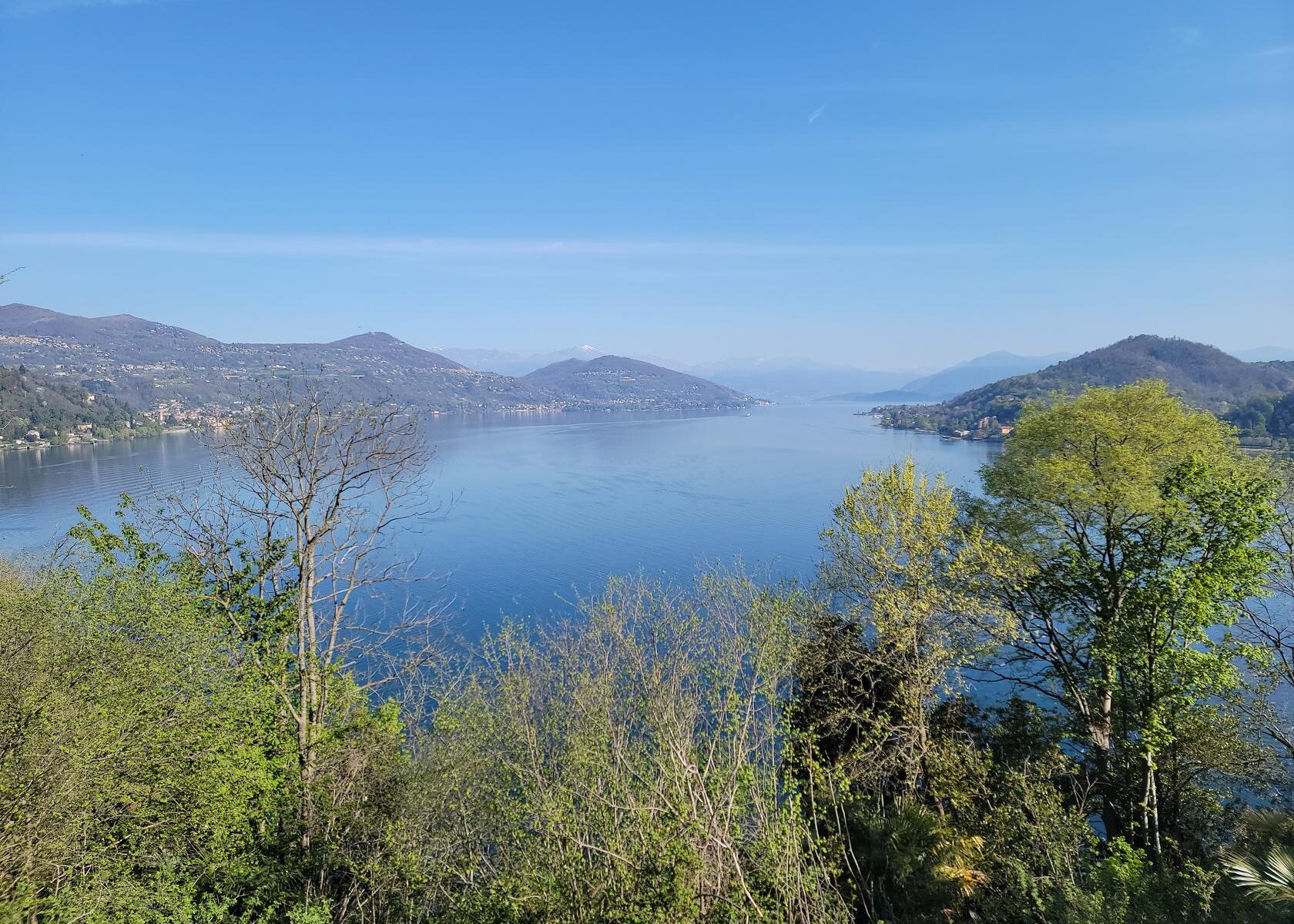
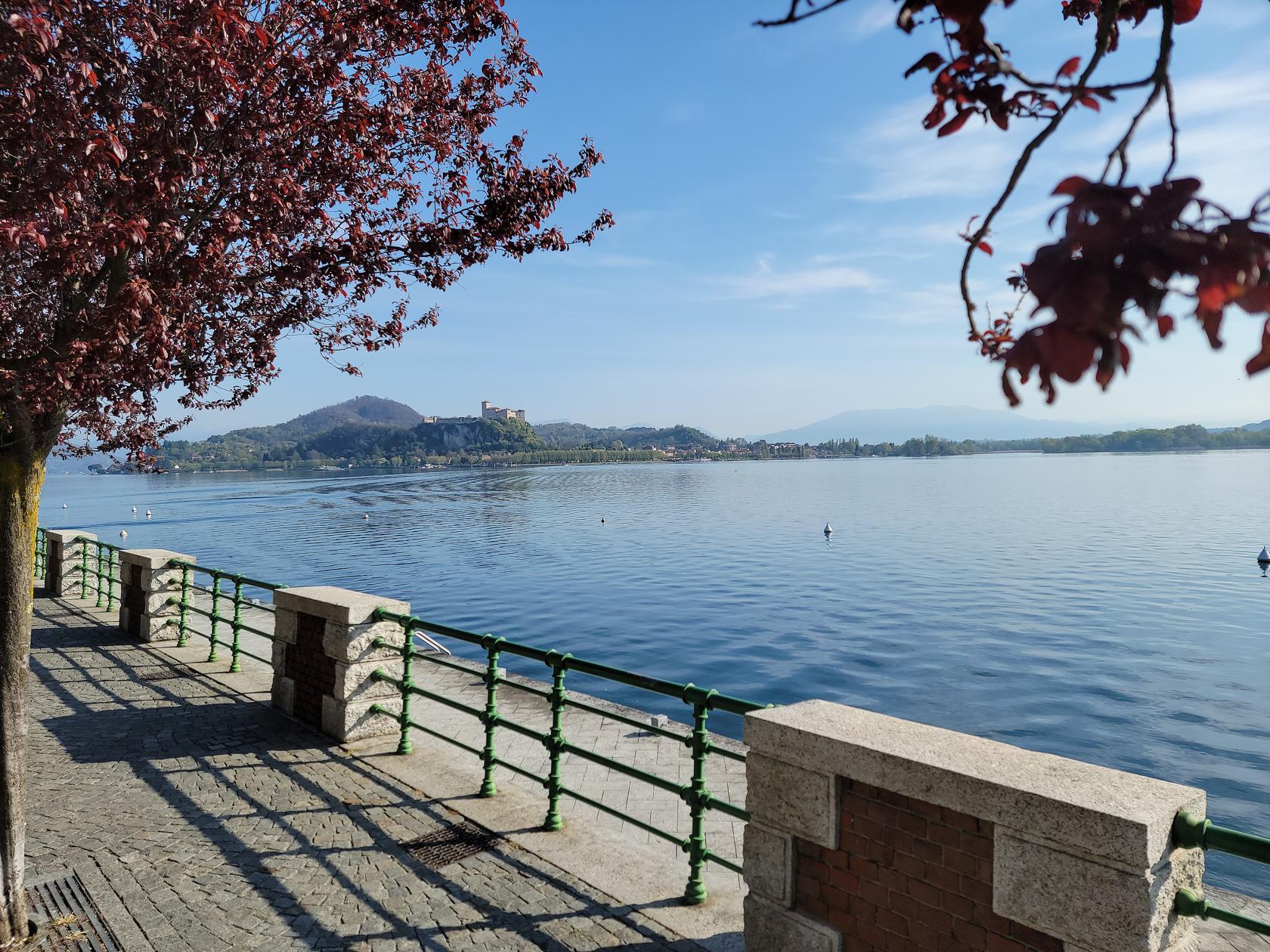
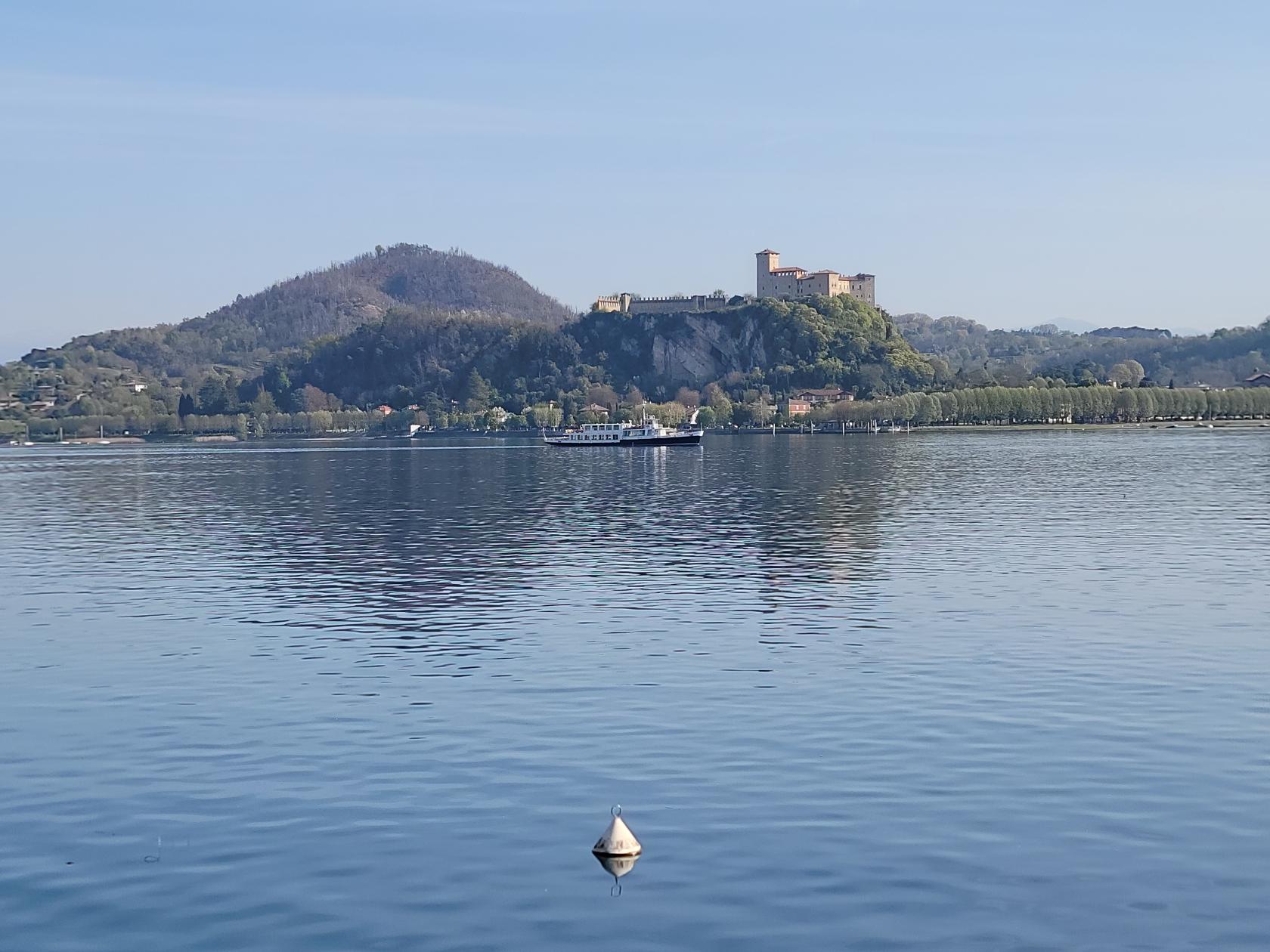
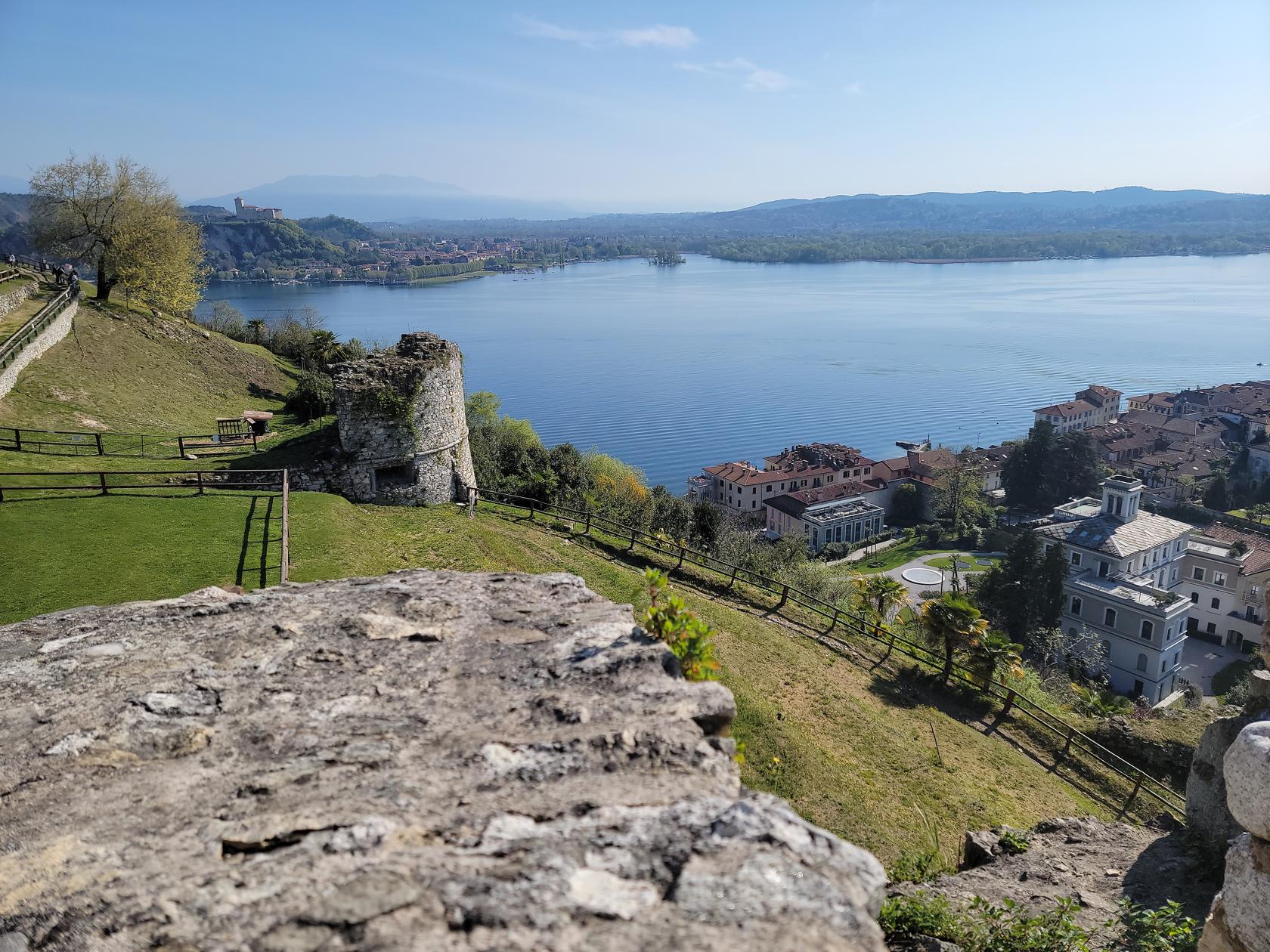
Situated on the southern tail of Lake Maggiore and home to the Arona Castle is the small city of Arona. From the Lungolago, or boardwalk that runs along the lake, it offers a beautiful view of the Angera Castle on the other side of the lake.

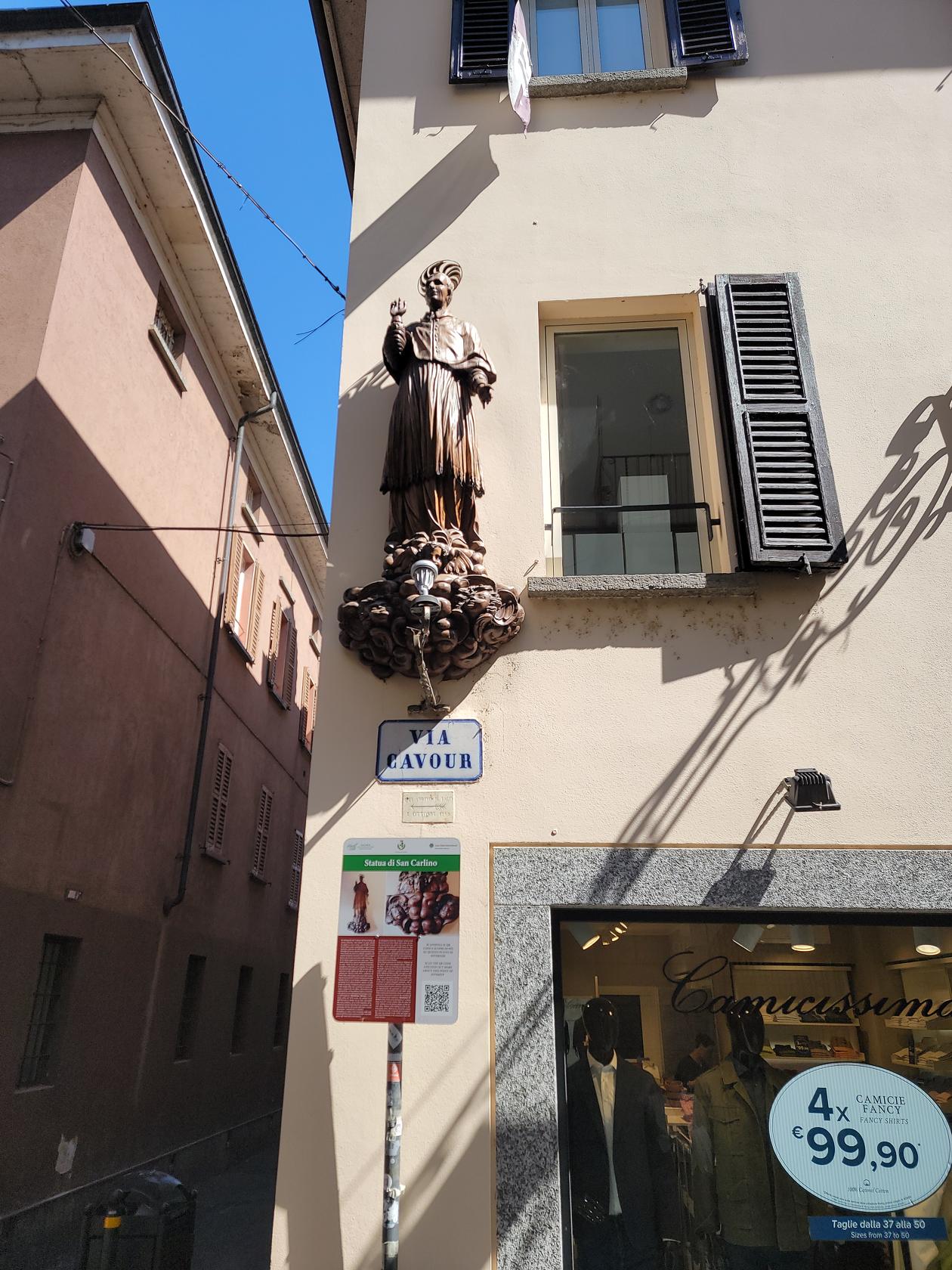
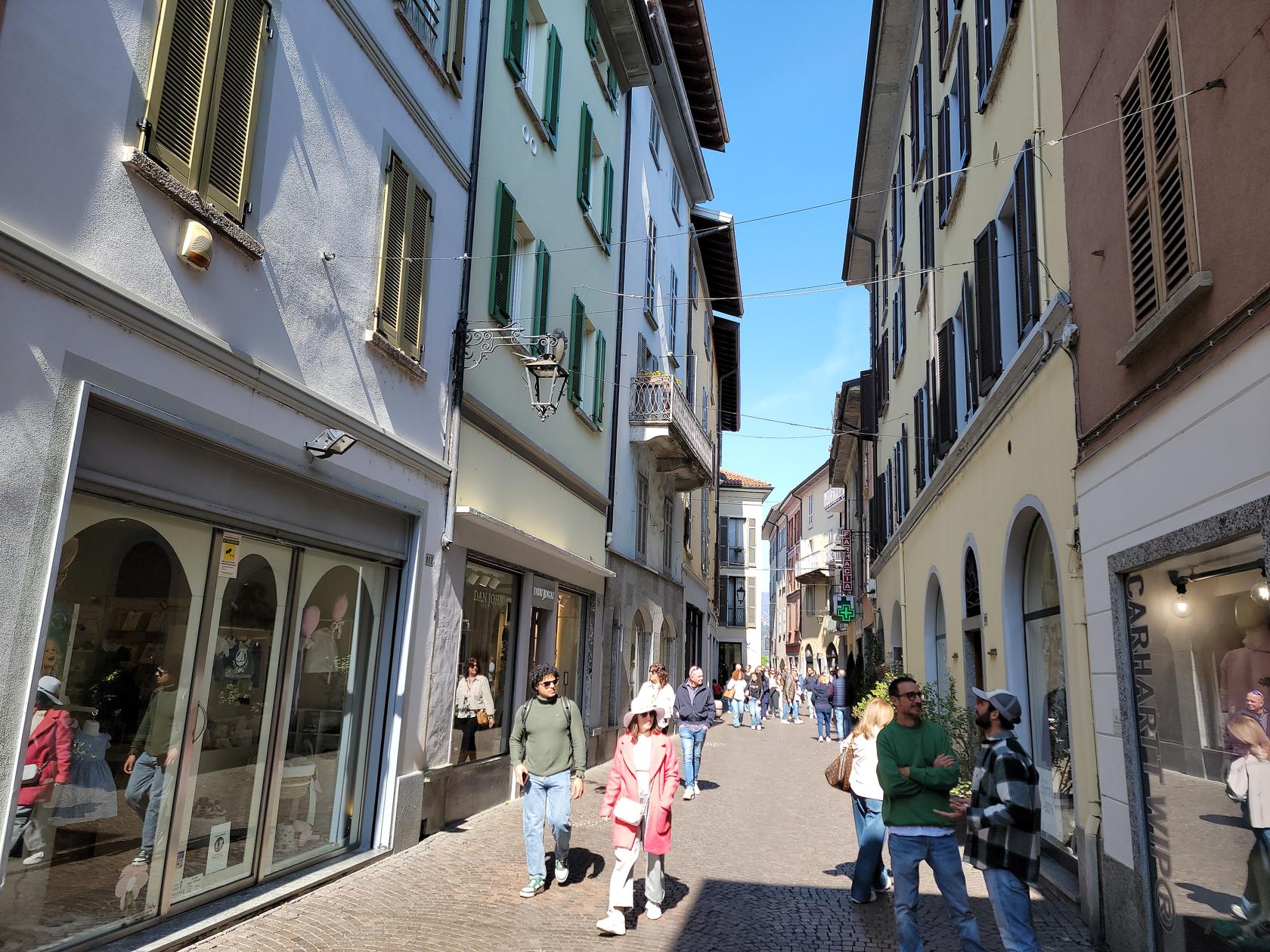
Its main thoroughfare is the Via Cavour. Here you will find most of the shopping, with restaurants available on many of its side streets.

Getting There

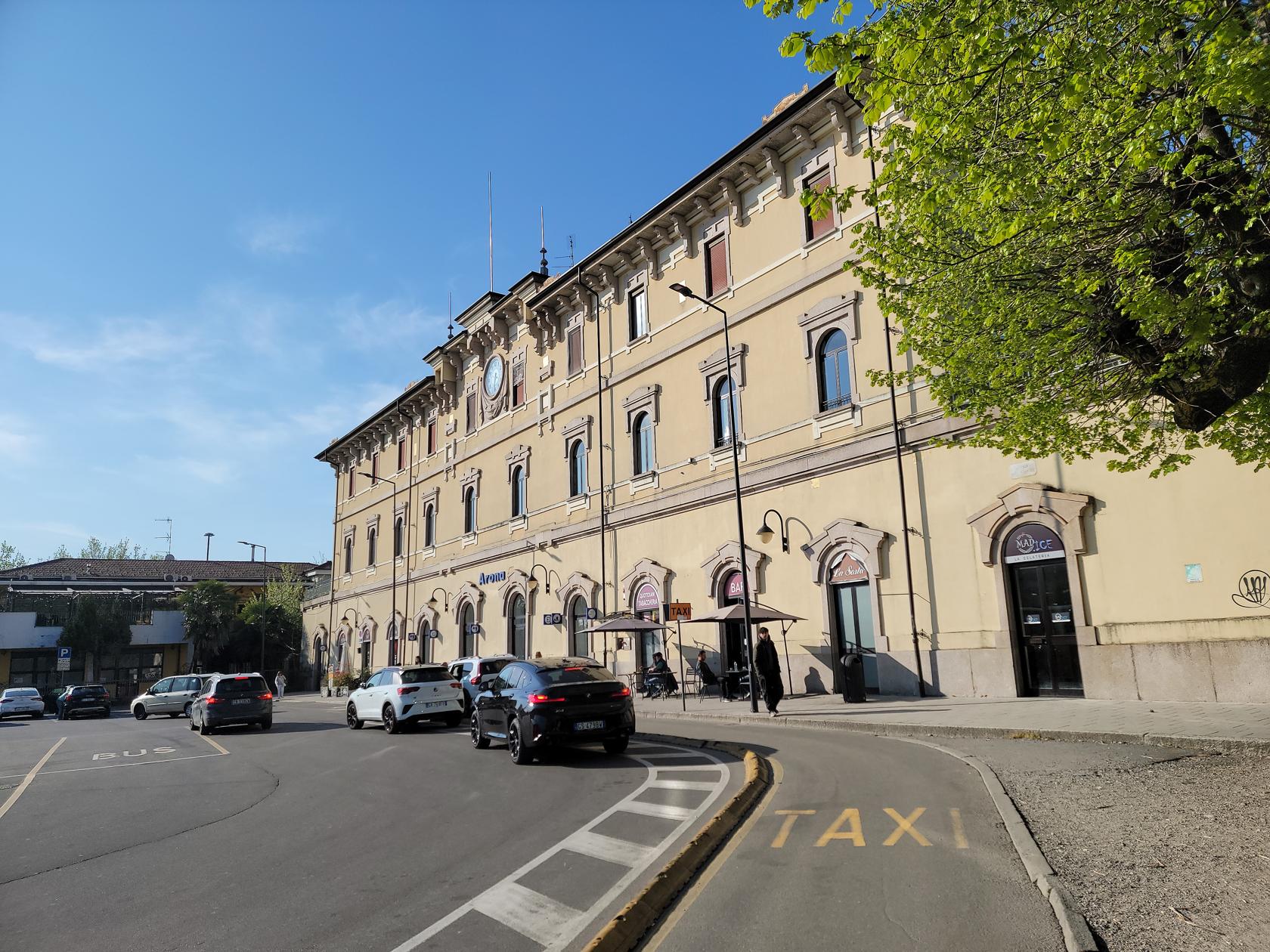
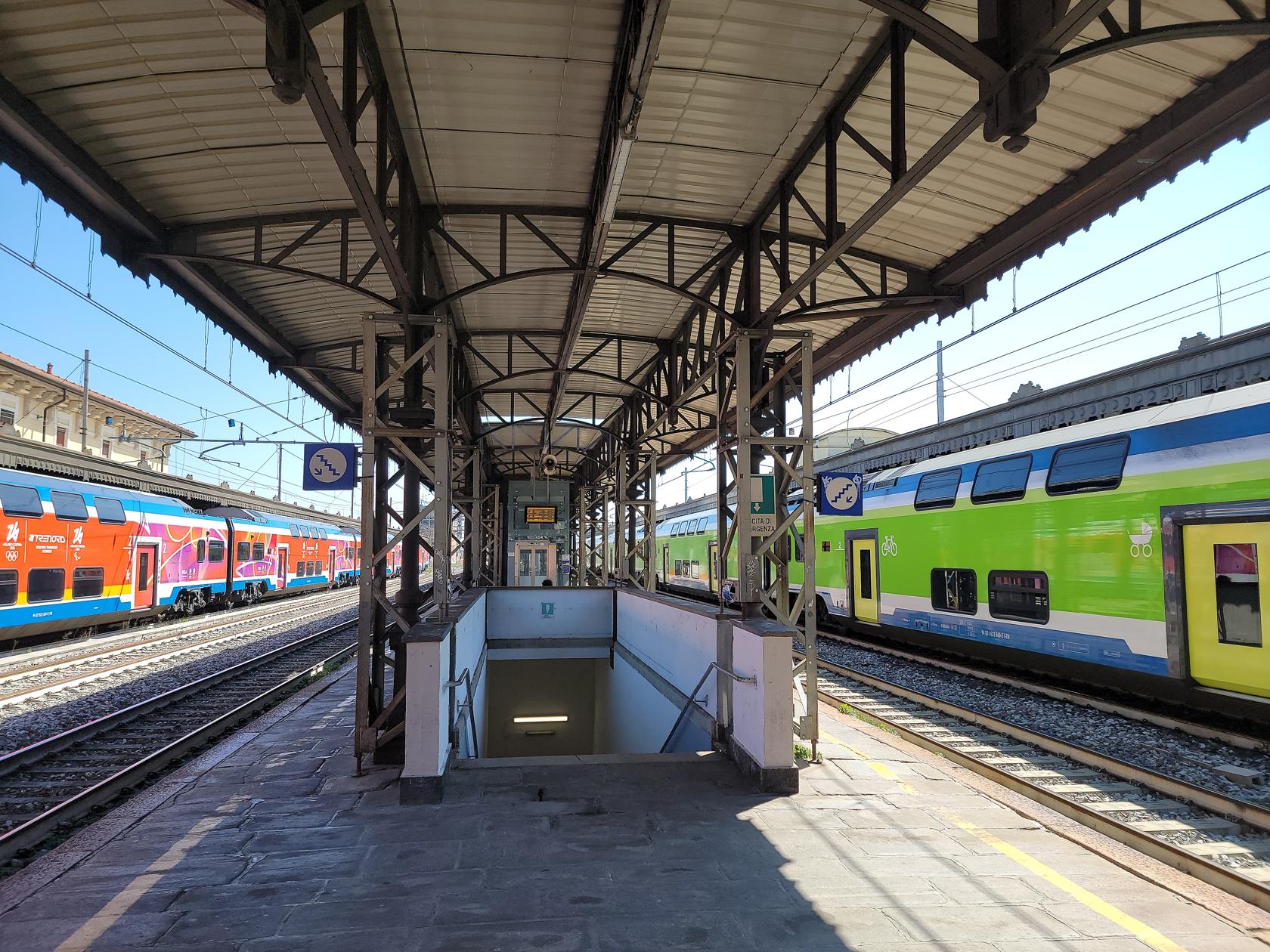
From Stresa we took the Regional Express, which runs from Milan to Domodossola. The ride takes about ten minutes in the direction of Milan and for this trip costs around €3.30 per person per direction.

Church of San Graziano

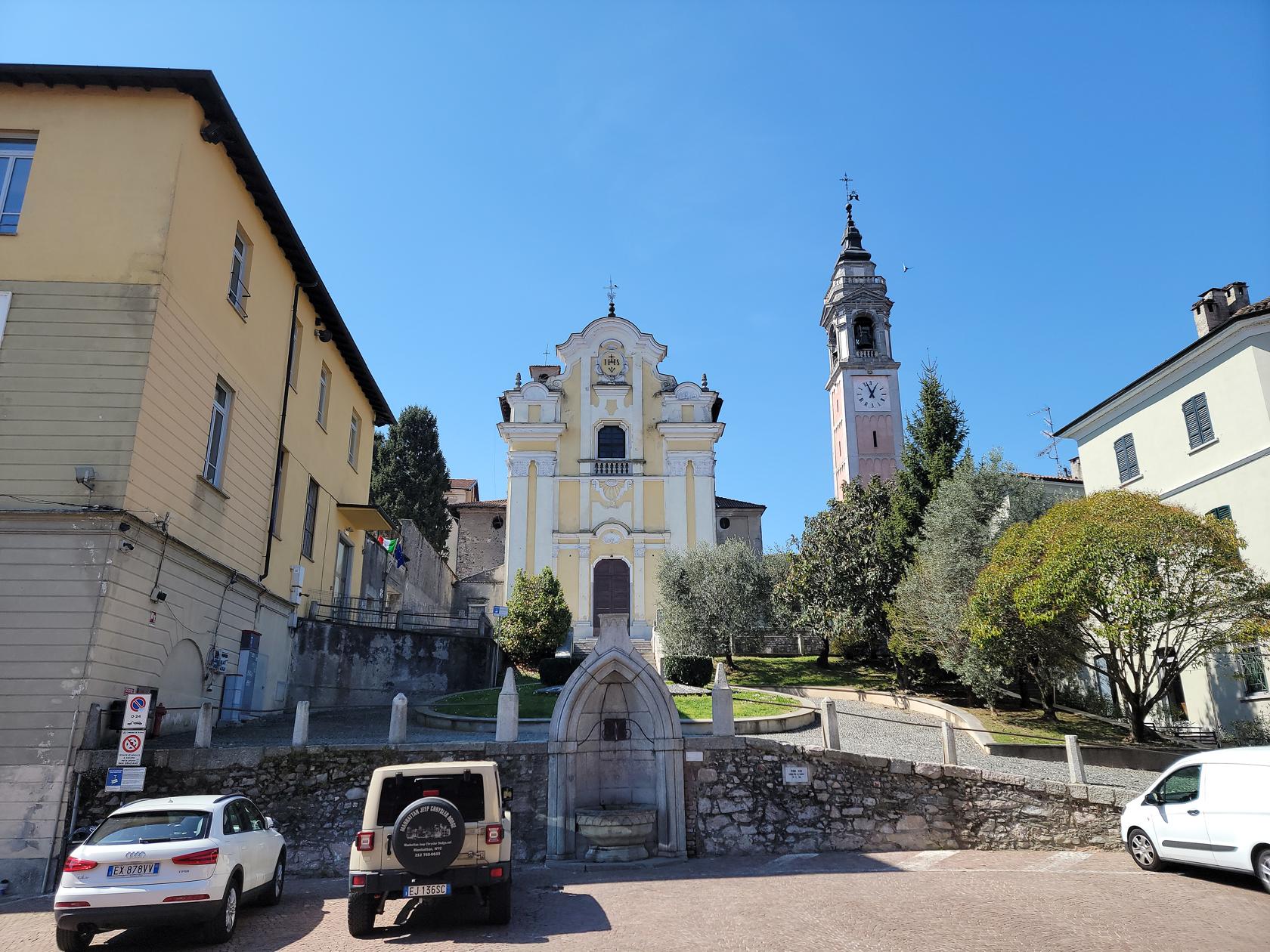
Also known as the Santi Martiri is a Roman Catholic chuch in Arona on the hill where Piazza San Graziano is located. We noted the church as we passed by, but did not walk the stairs to enter, since we were on our way back to the train station.

Collegiate Church of Arona

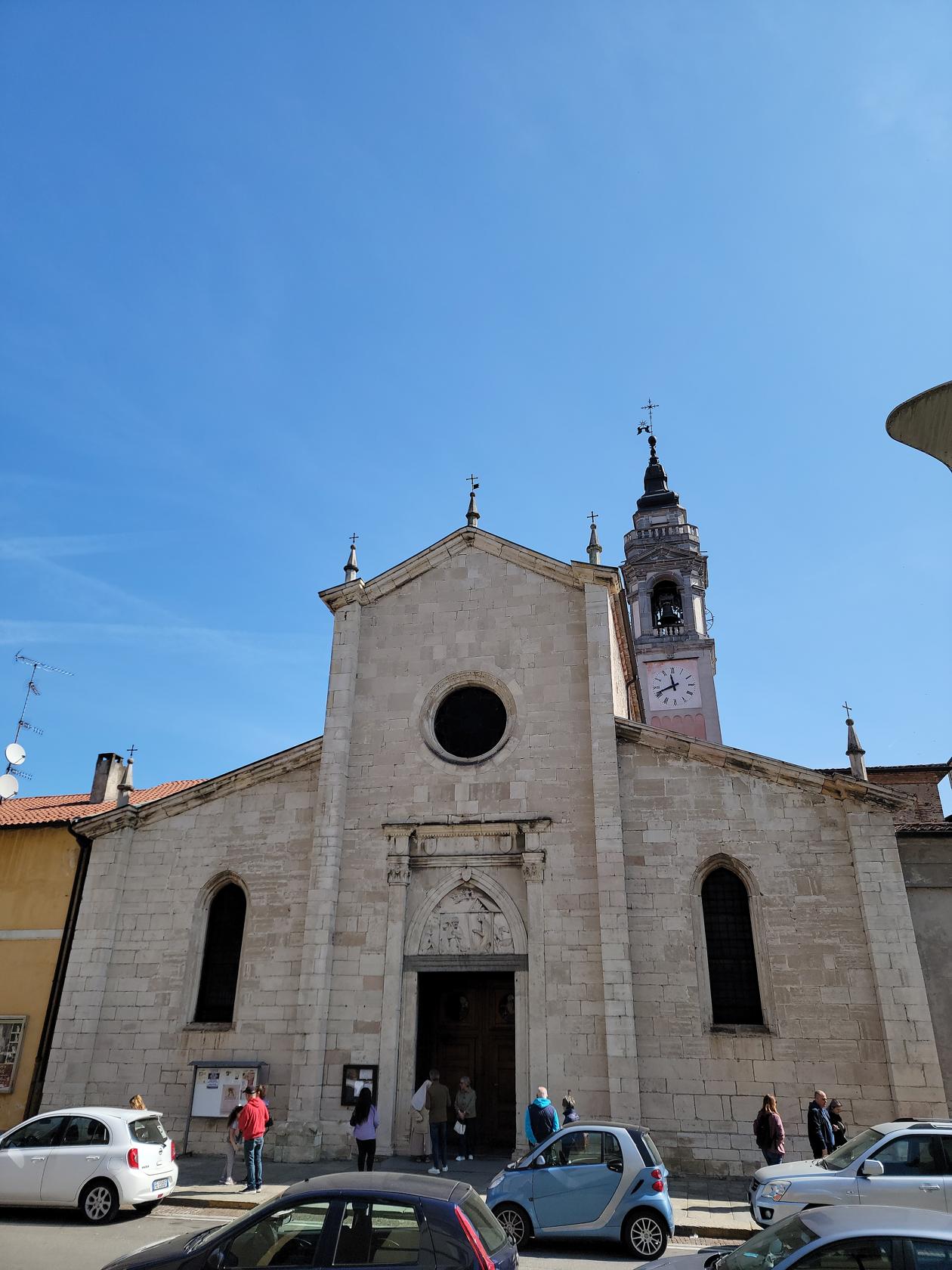
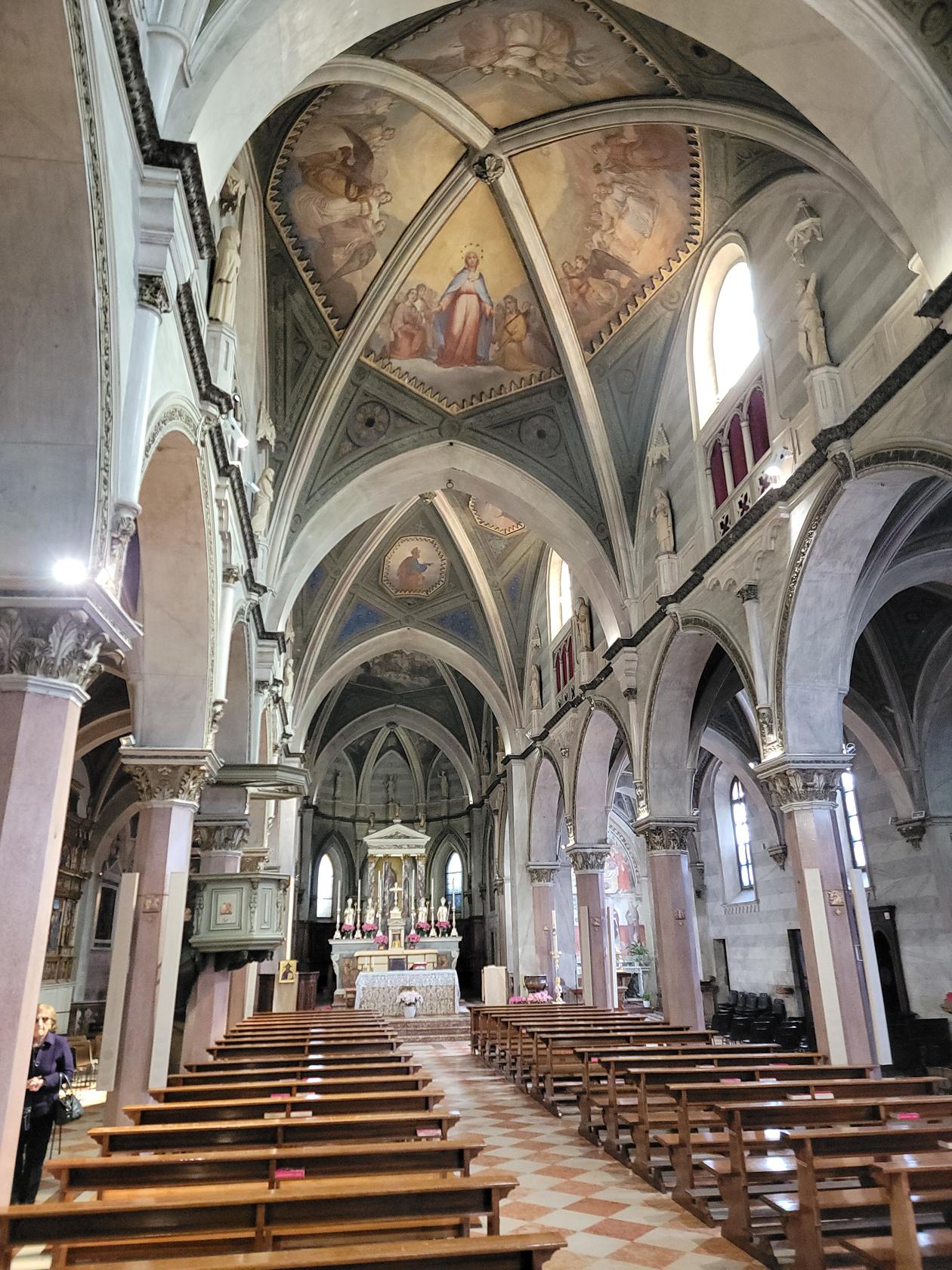
The Collegiate Church of Arona is also referred to as the New Church, or the Collegiate Church of the Nativity of the Virgin Mary. It has a long history dating back to the mid fifteenth century and was actually consecrated before its completion, in order to resolve internal issues and from competition with Santi Martiri, which was being built at the same time.

Arona Castle

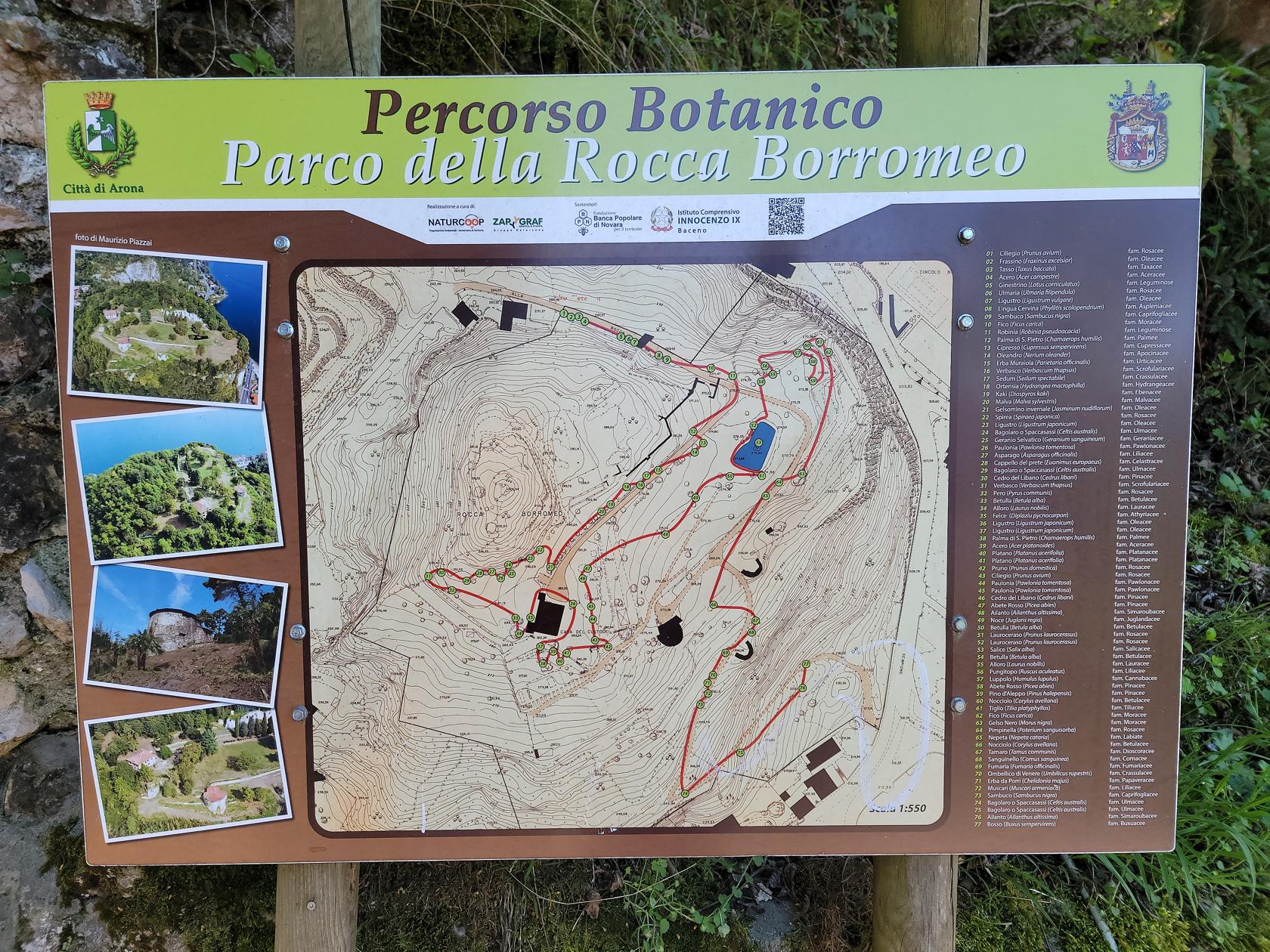
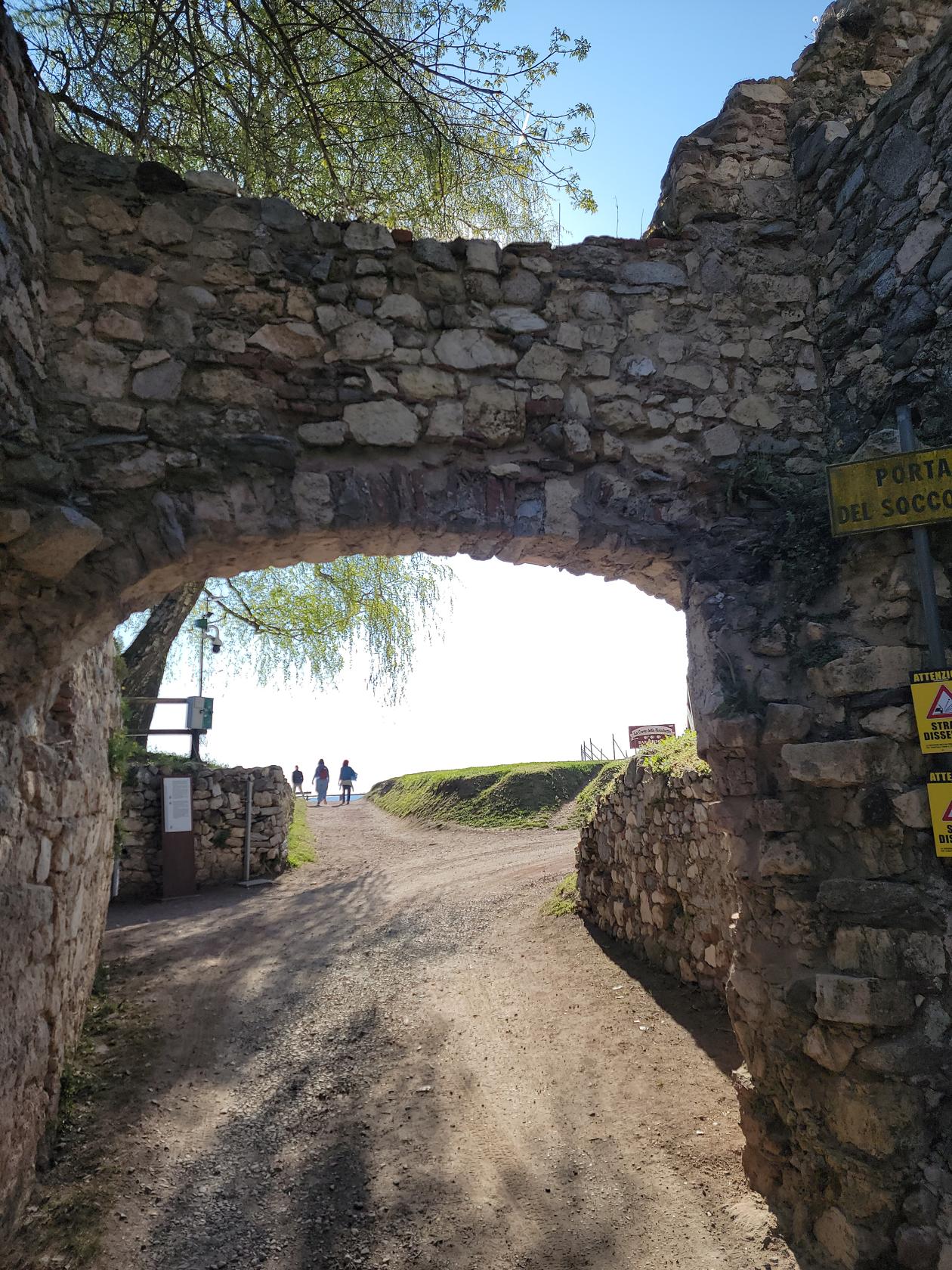
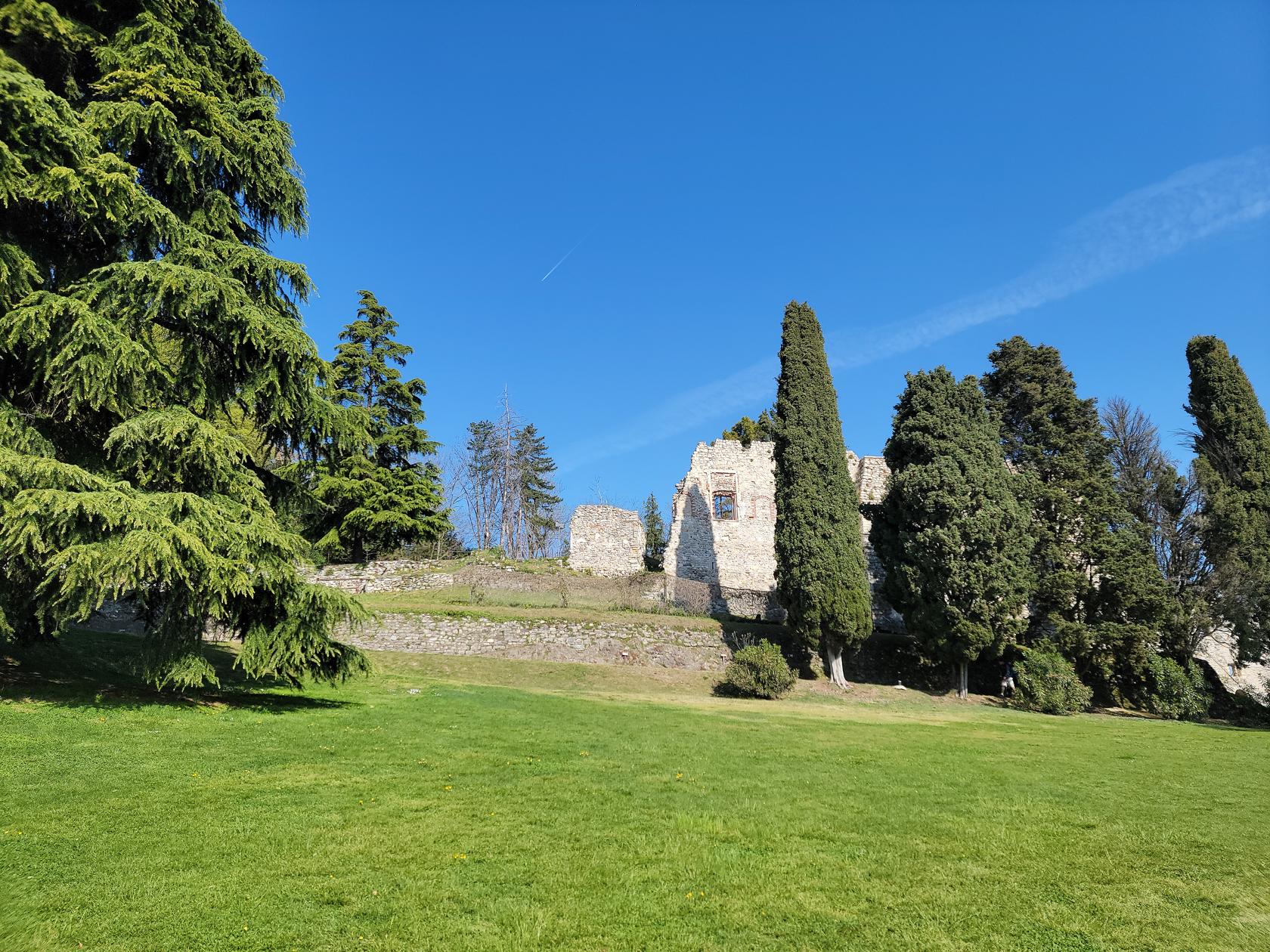
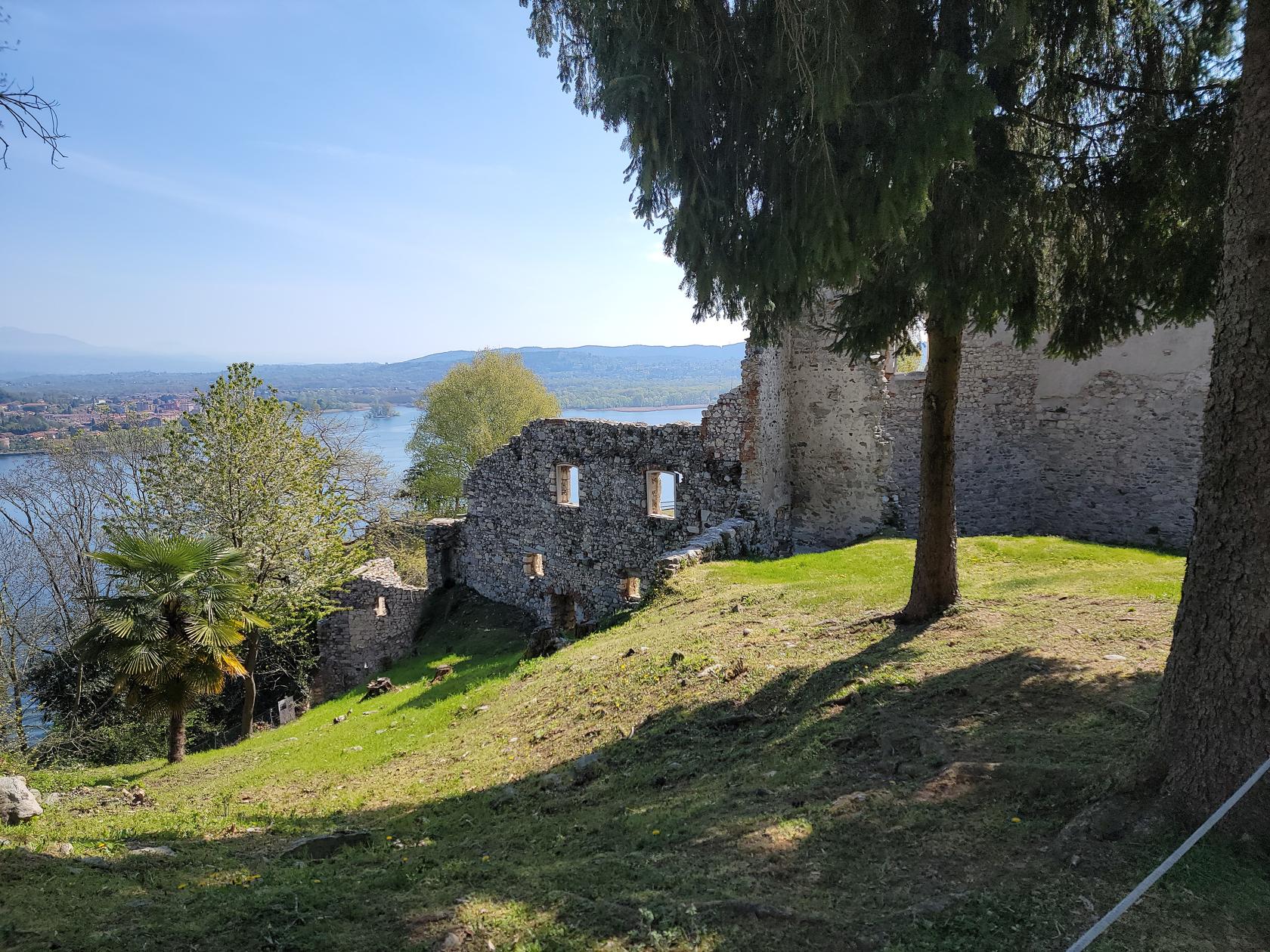
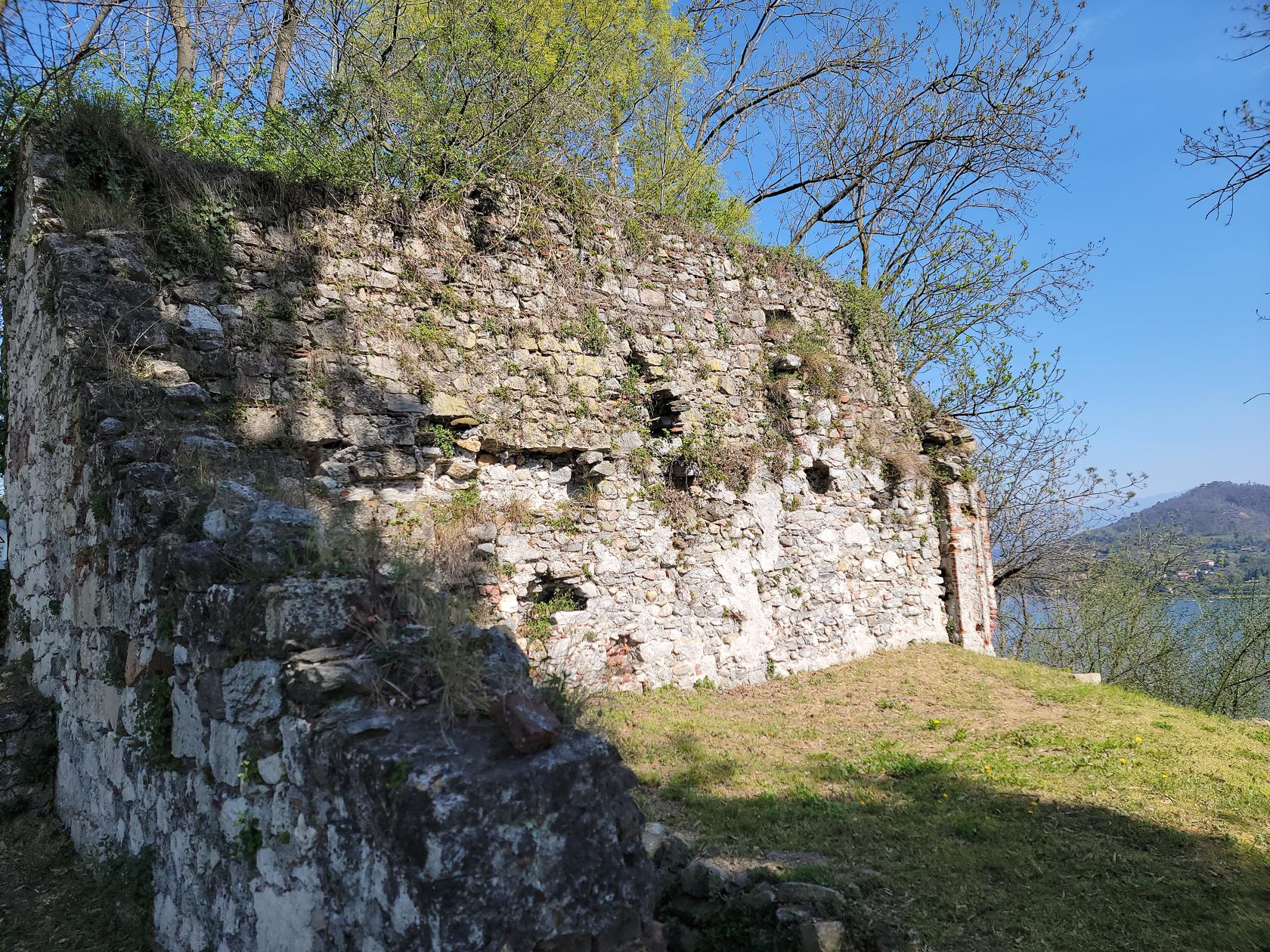
More people come here for the Rocca Park, wherein the castle resides, and not for the castle itself, since there is actually not much of it to see.

The Rocca, or castle, apparently dates back to the late tenth century and by the eleventh century it had become a military fortification to defend the Milanese territory. From then on, it was fought over by the Torriani, Viscontis and Borromeo families.

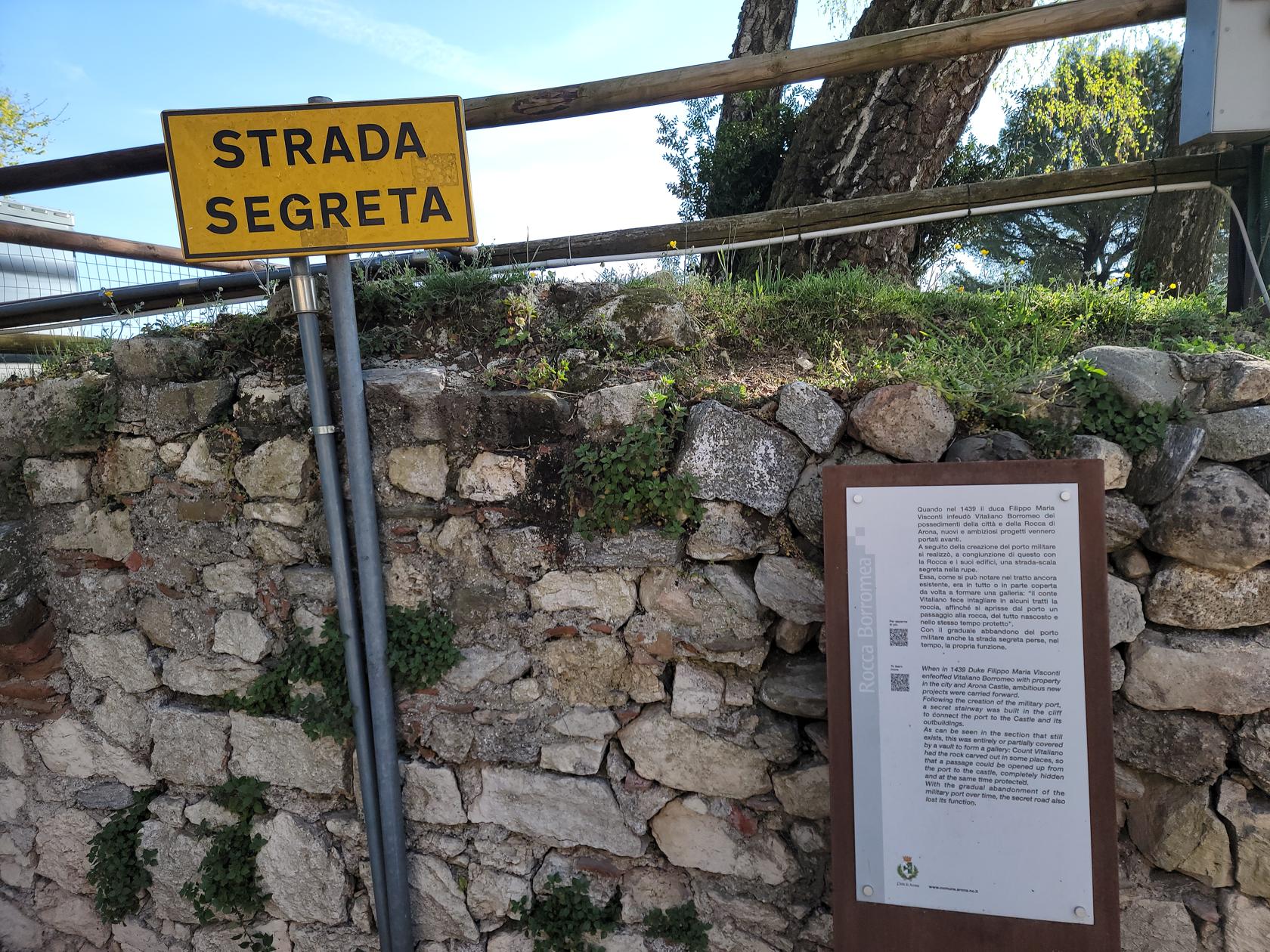
Some time in the fifteenth century, the Viscontis family built a hidden stairway from the port to the castle, so that the two could be connected during times of trouble. Parts of which were hewn from solid rock. After the castle was sacked, the stairway remained, though it is currently cordoned off to visitors.

It wasn’t until Napoleon Bonaparte arrived, that the castle was completely destroyed and left in ruin.

The park however does command a view of the lake and the town itself. One can also get a good view of the Angera Castle on the other side of the lake, which looks a lot more impressive than the one in Arona.

There is a small cafe where you can also stop and get some refreshment and enjoy the views.

Restaurants

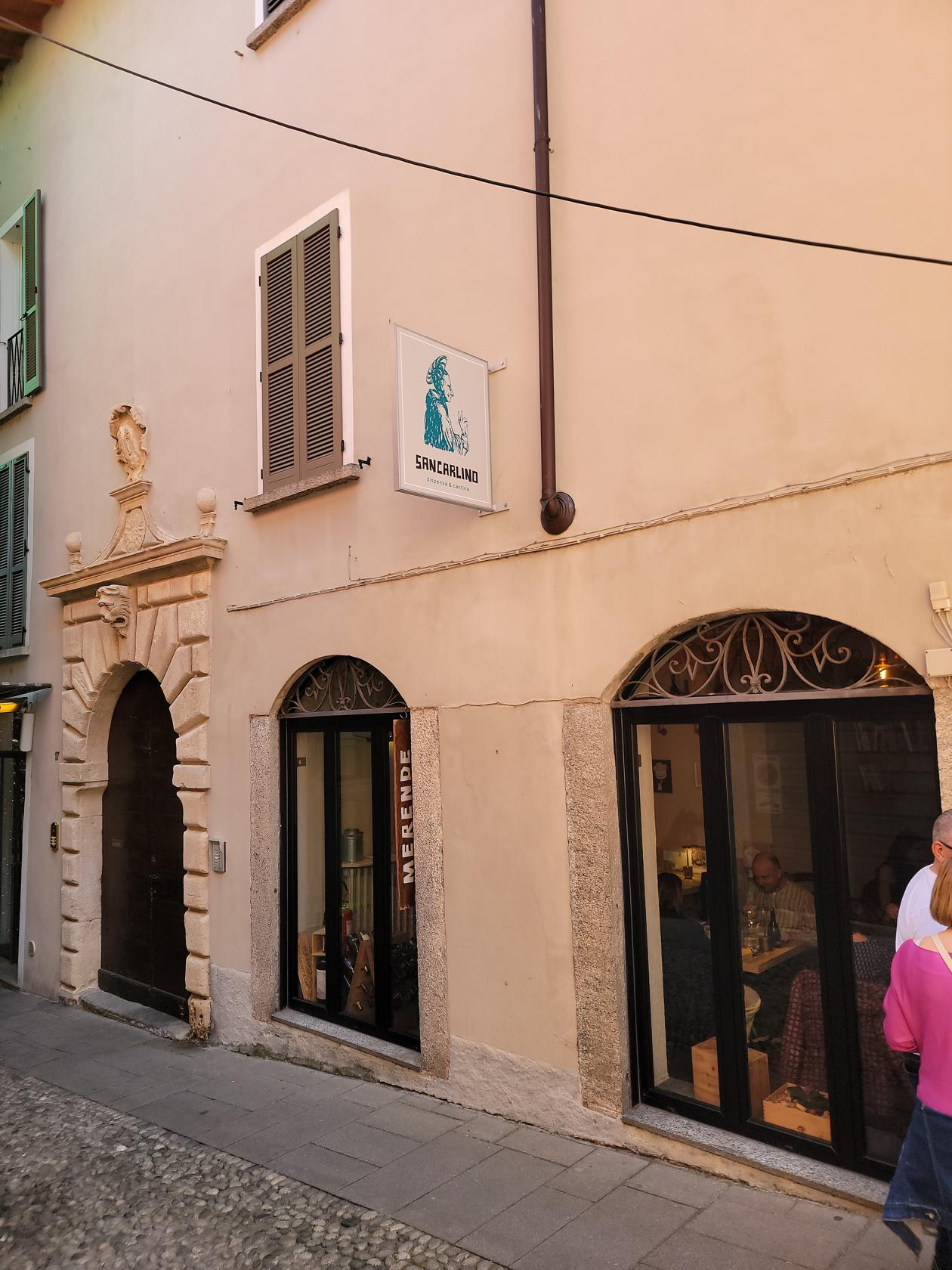
Sancarlino

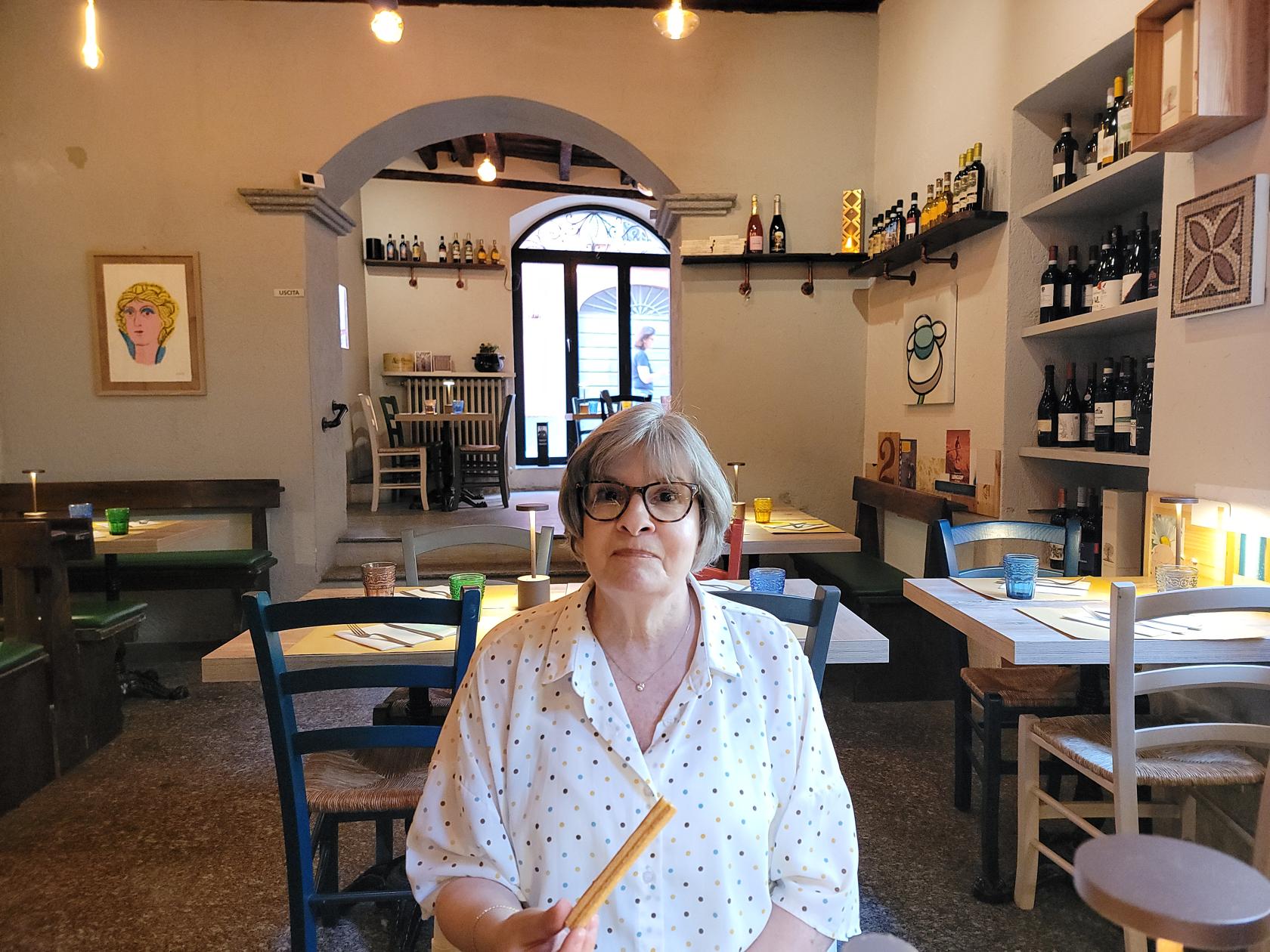
A small place with fewer than a dozen tables. It has good food and will get full after about 12:30, so get there early at opening for a seat. While we were eating, they were turning people away.
References

References
1 “The castle” in italian

Stresa, Italy – Spring Jaunt

Enjoying the beautiful weather in Turin, we looked at each other one day and exclaimed it was time to go somewhere local again. Seeing a weather prediction of rain about a week and half out, we decided to travel to Stresa and Lake Maggiore for our Easter weekend. Little did we know, everyone else in Italy, France and Germany was thinking the same thing! So be warned, Easter may be a very busy weekend on the lake.

Stresa

We have been in Stresa before and enjoyed it thoroughly the last time. We rebooked the same hotel for five nights and left Turin, destined for new adventures in this beautiful lake area.

Getting There

From Turin we took the Freccia Rossa from Torino Porta Nuovo to Milan Rho-Fiera and then one of the Regional Express trains to Stresa for a total trip time of about two hours.

Where We Stayed

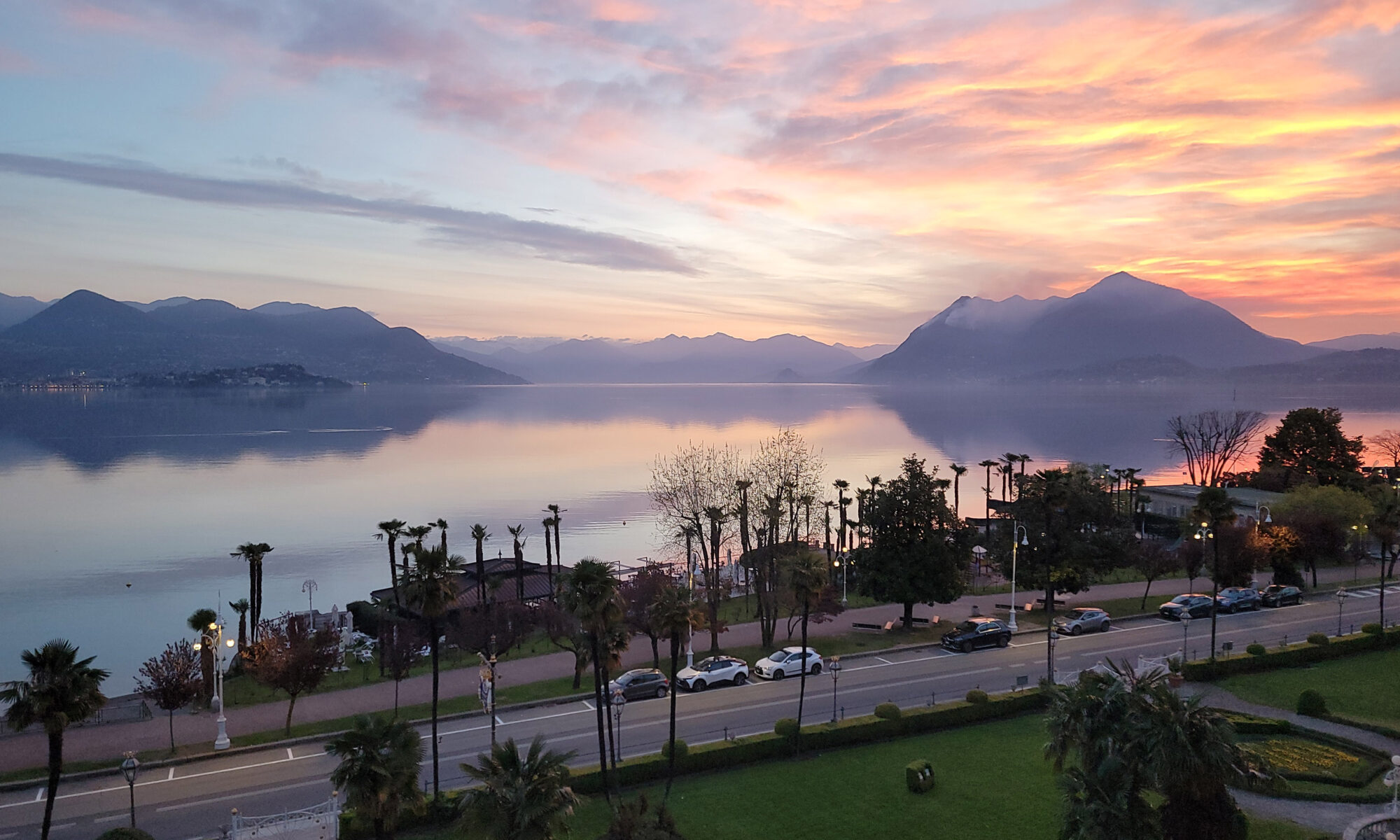
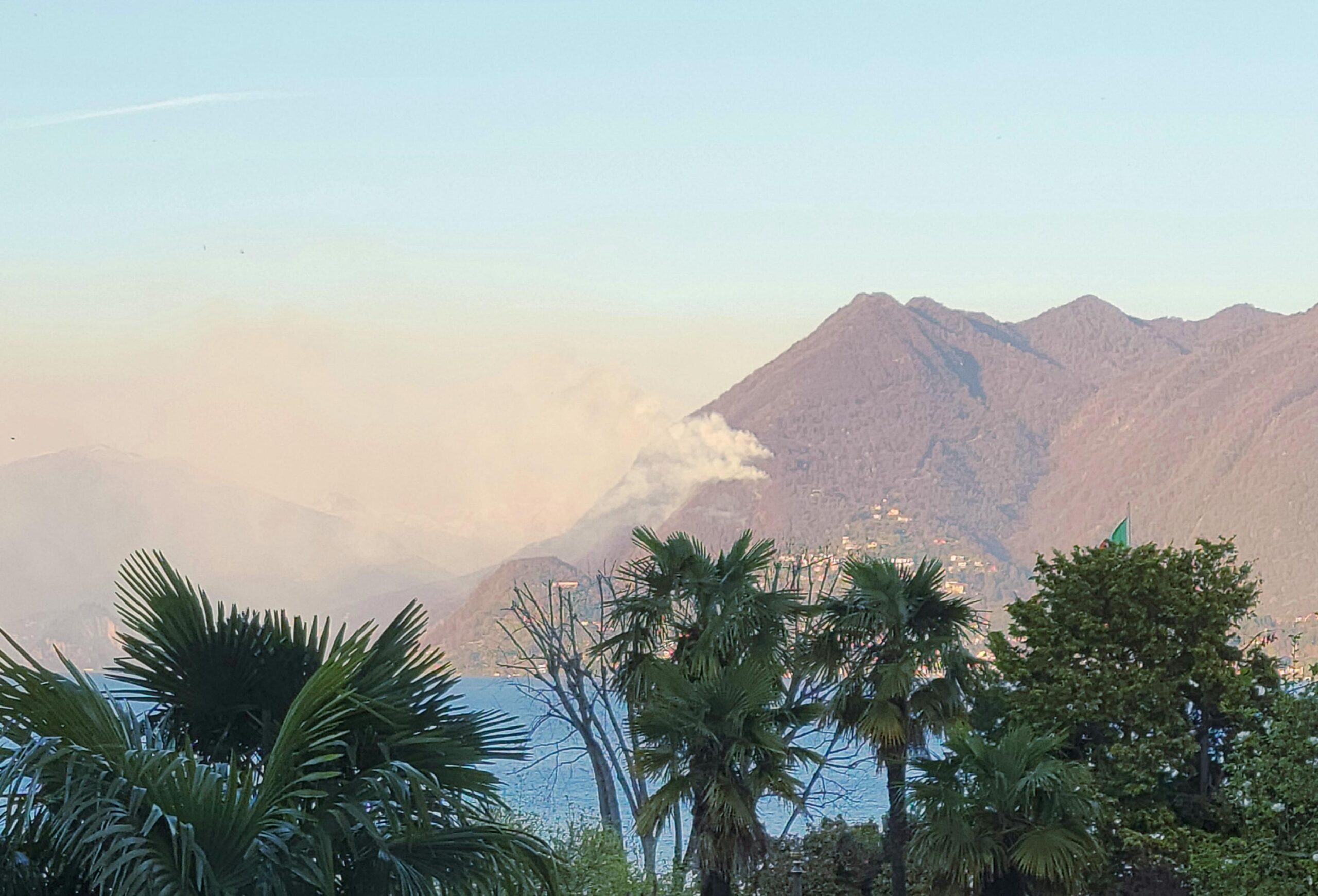
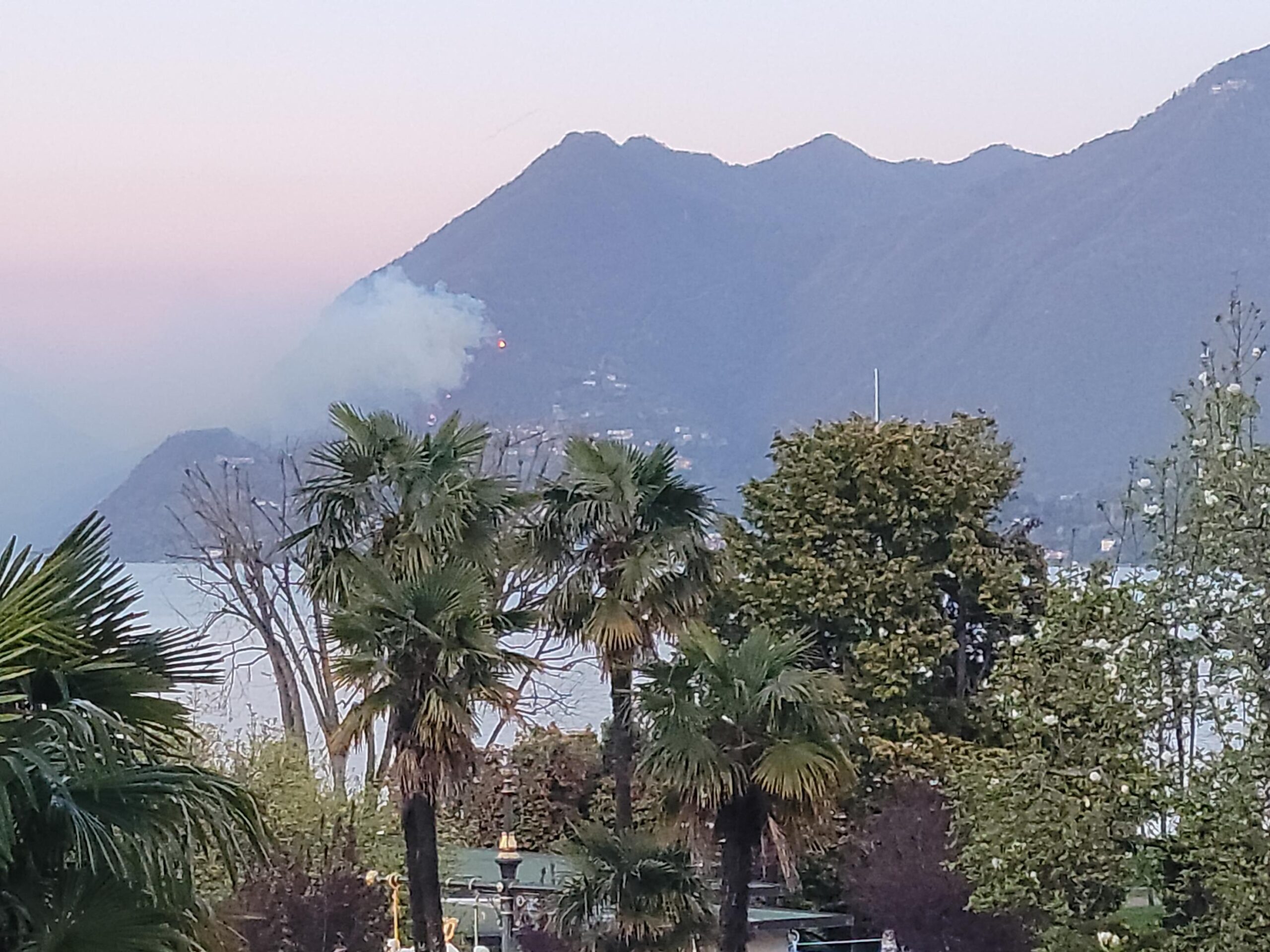
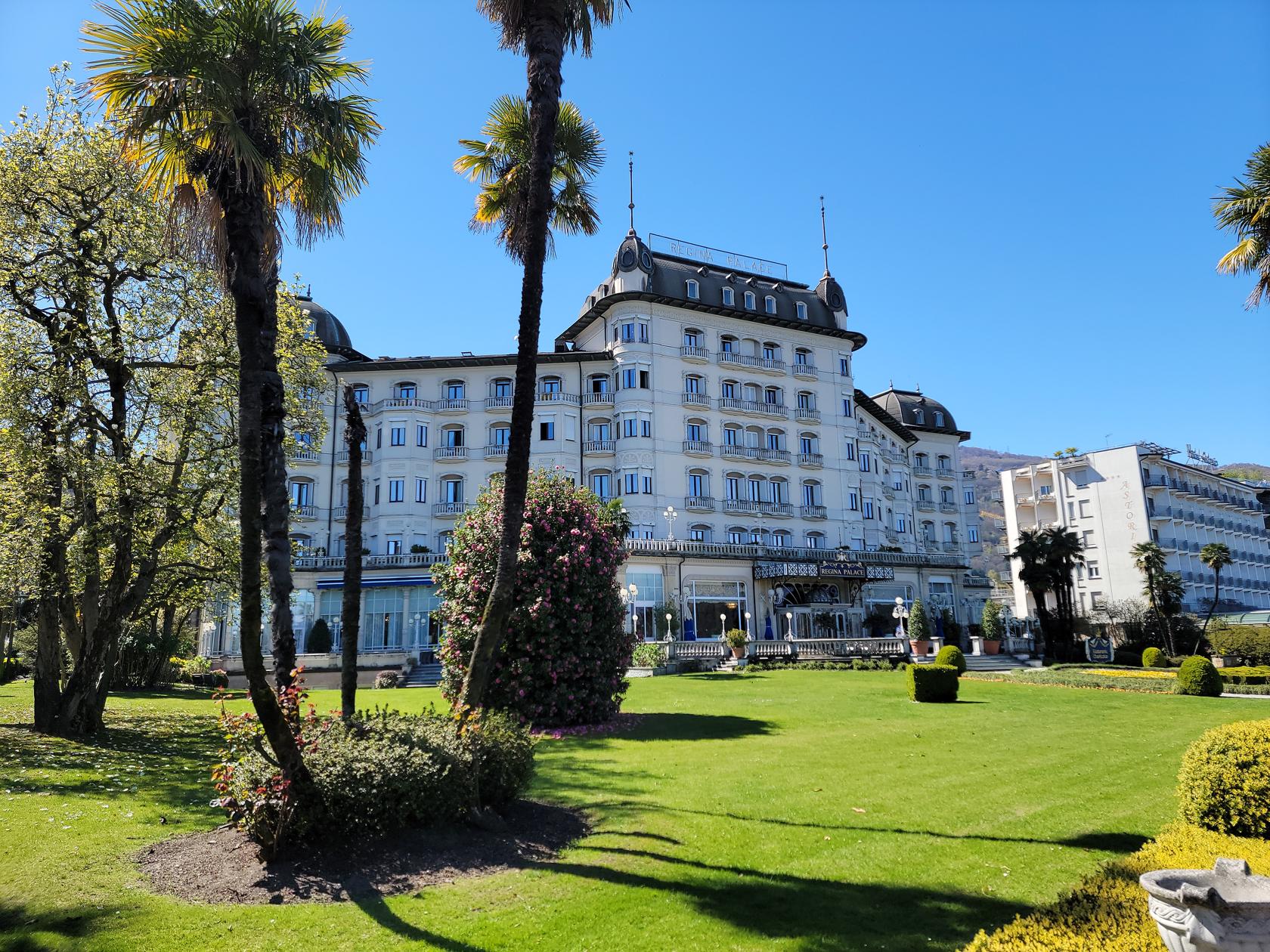
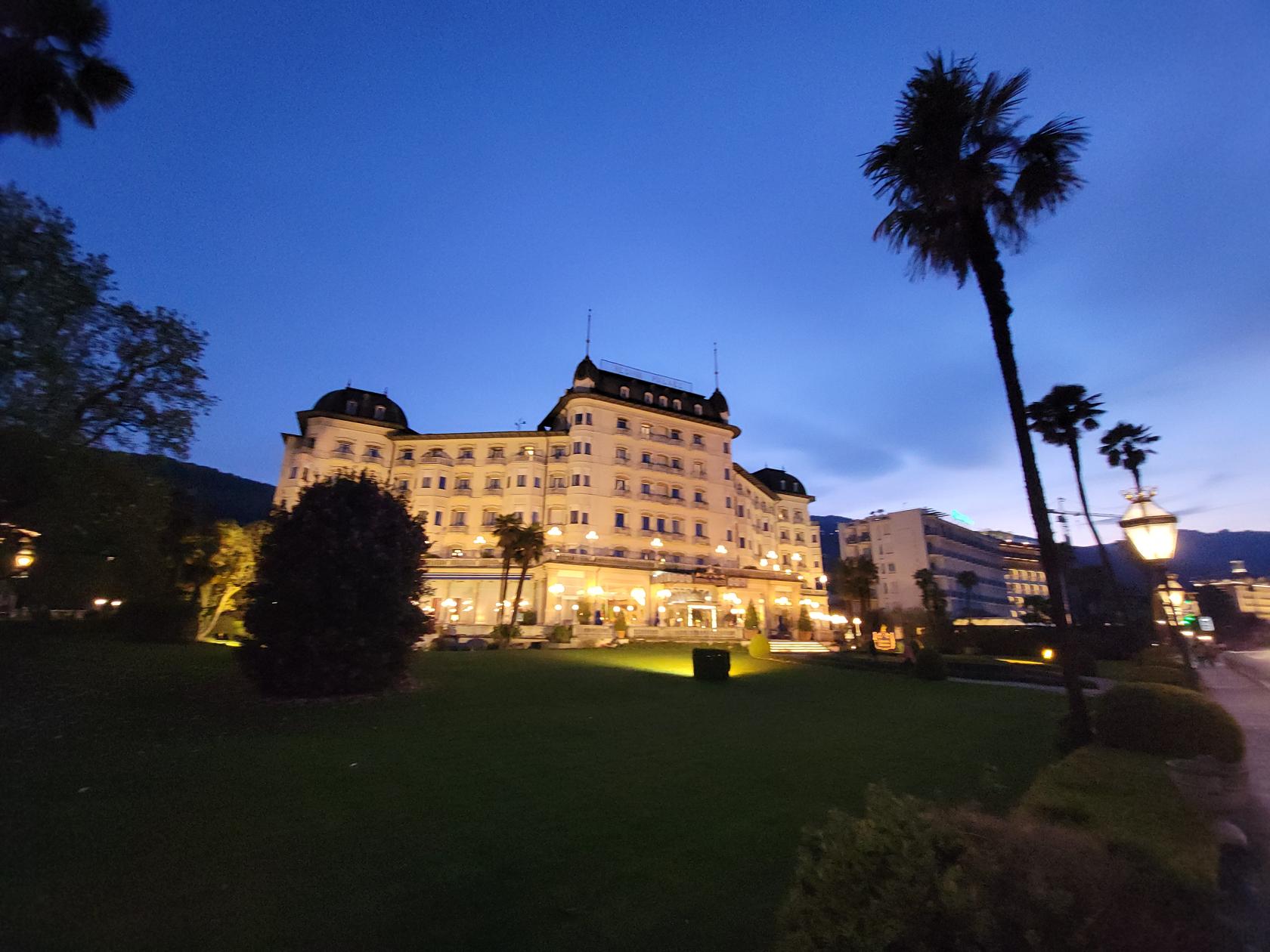
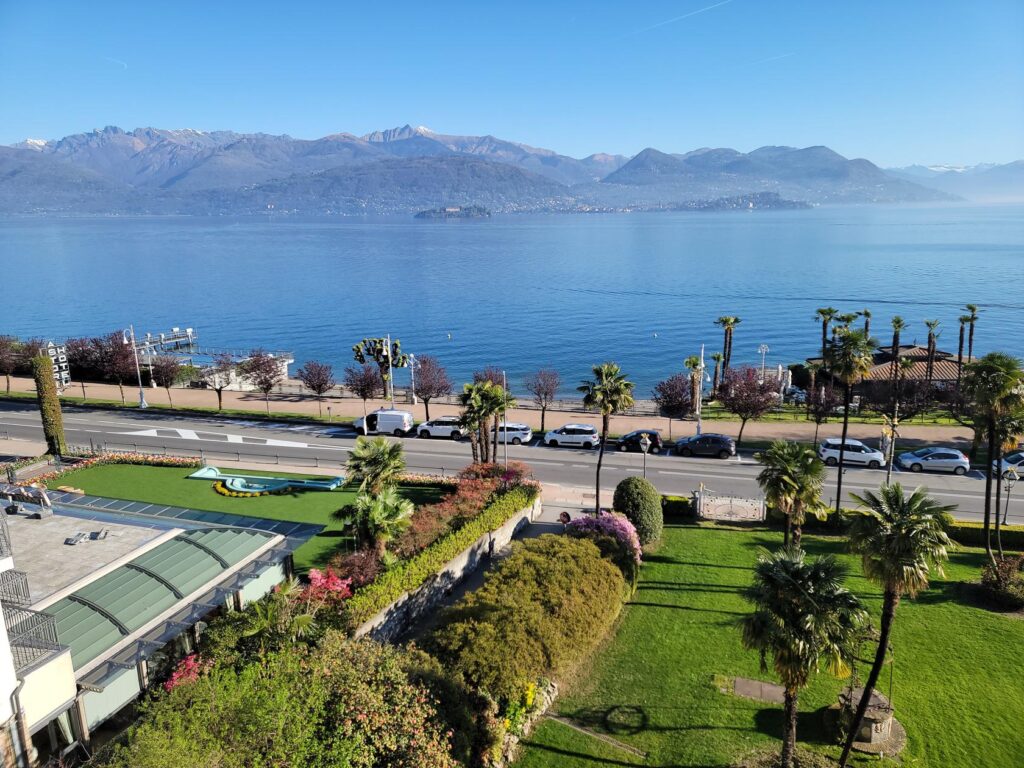
We stayed at the Regina Palace Hotel again, since we had such a good time on our previous visit. From there we were able to witness a forest fire that broke out on the other side of the lake. It burned for two days and was finally put out with the help of helicopters.

Regina Palace Hotel

Unfortunately, our booking put us in a rather large room, number 115, which was located right above the bar and almost directly in front of the main stairwell. The noise on our first evening was ridiculous and I did not get to sleep until some time after twelve.

The bar plays music from seven in the evening until midnight, and the later it got, the louder it got. So the next morning, I had our room moved to one of the extremities of the hotel, which was much quieter and overall much more enjoyable.

Lungolago

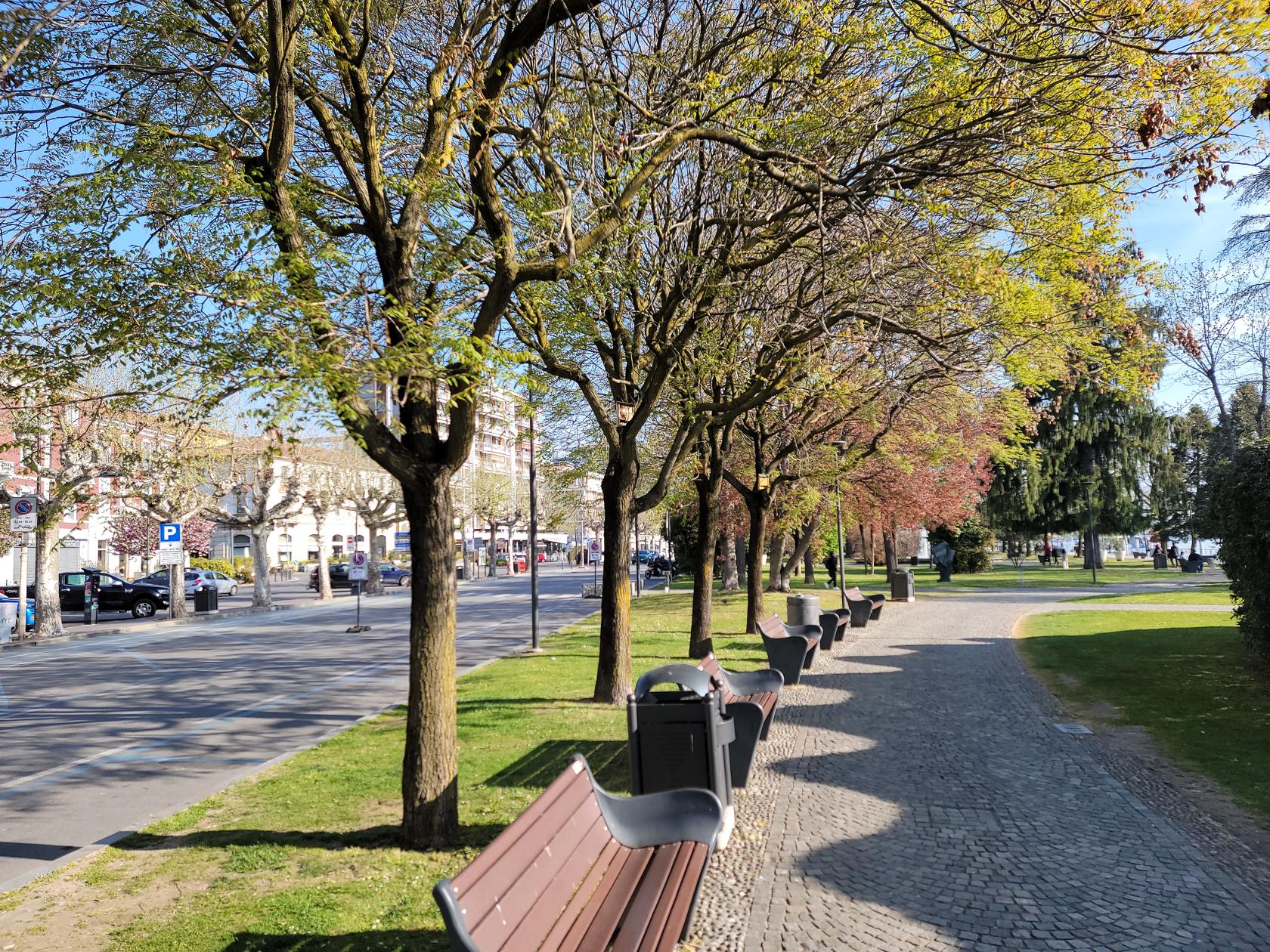
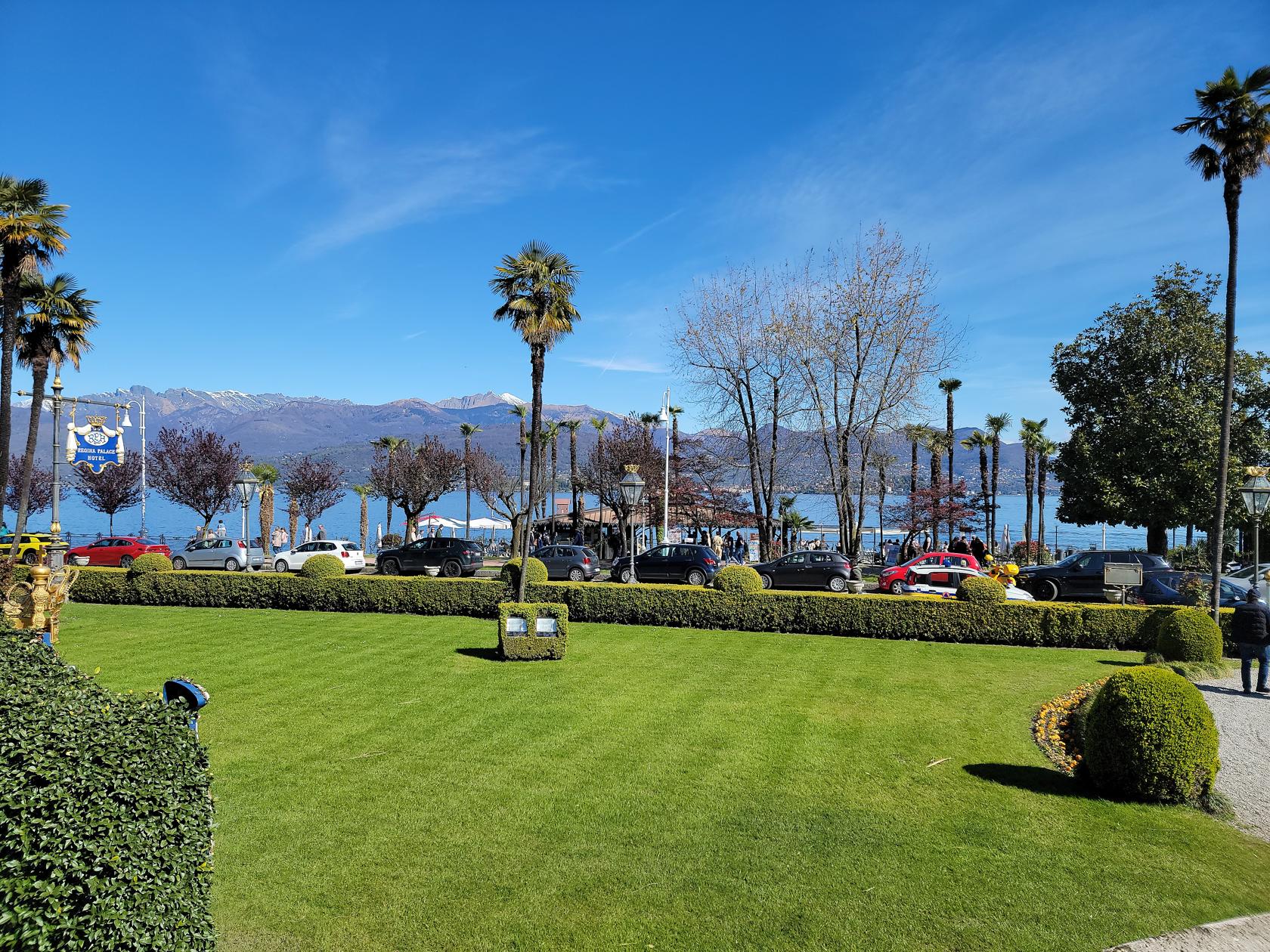
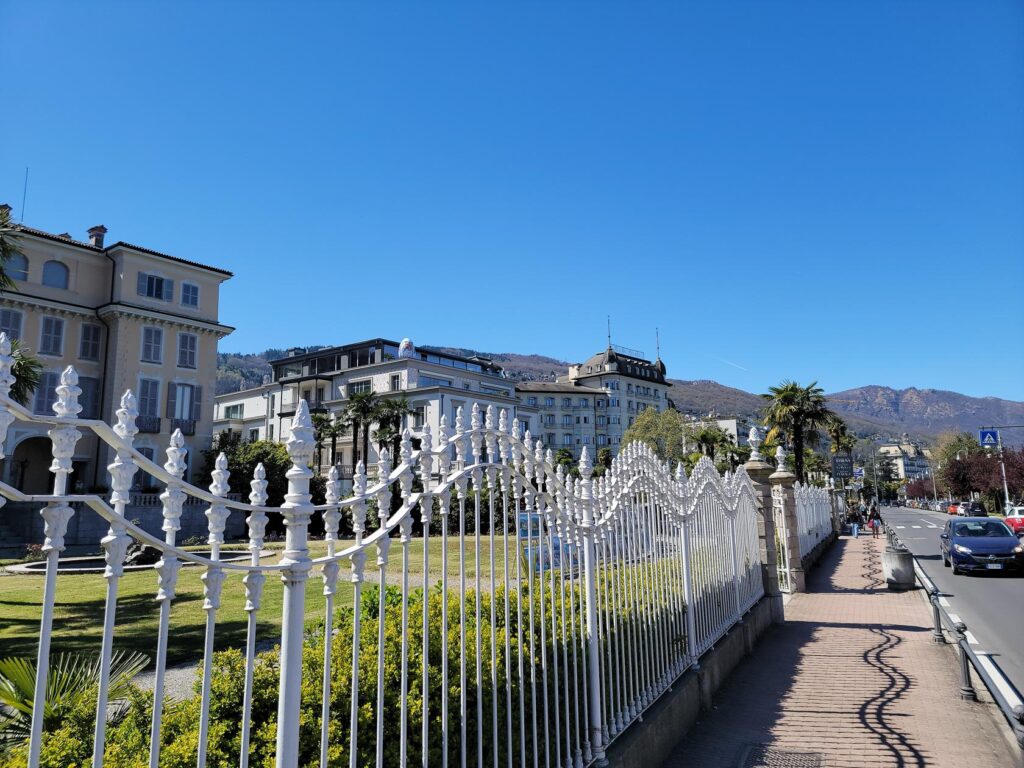
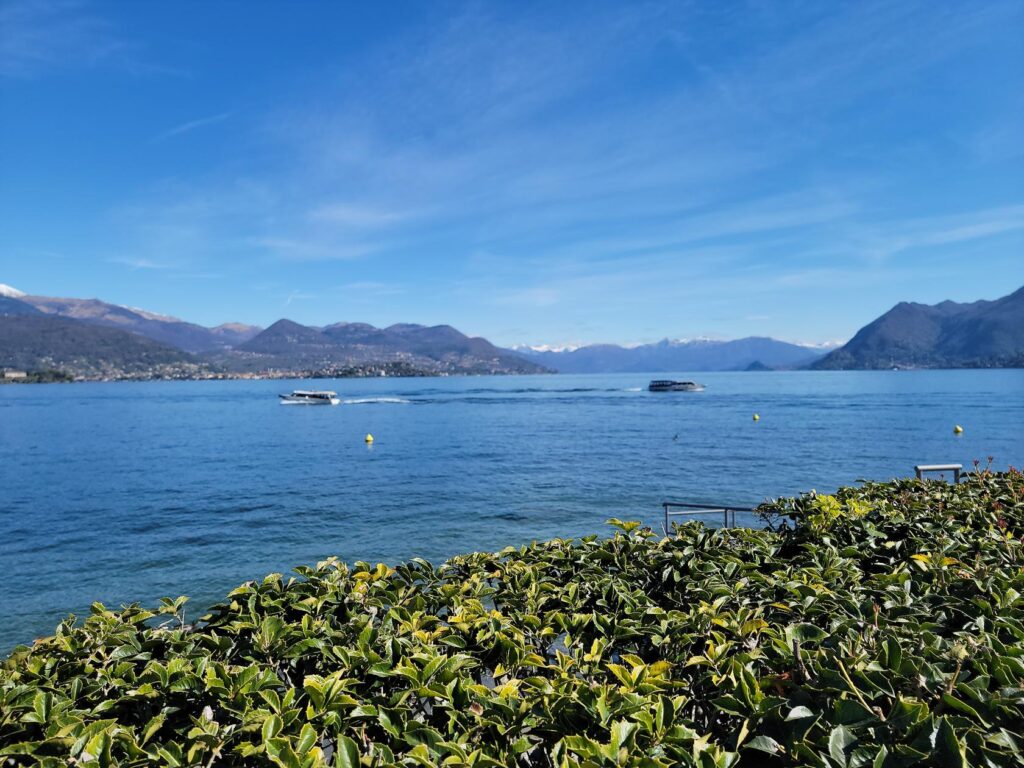
Stresa has a beautiful boardwalk along the lake. It winds its way along the western side, all the way down to Piazzale Lido, another boat launch on the lake. There is only one short stretch you have to walk along the road, which is where the Borromeo estates are located, since they have complete lake access. Other than that, it’s a fine walk to enjoy the view and take photographs.

Restaurants

Since we have been to Stresa before, our concentration was more on day trips from the location, rather than visiting the city itself. However, we were able to enjoy some restaurants and cafes while we were here.

Il Vicoletto Ristoranti

A typical italian restaurant that serves fine food. The service is good and the meals are well portioned and taste great.

The desserts are exceptional, from the Almond Torte to the Panna Cotta, and commendable.

Al Buscion

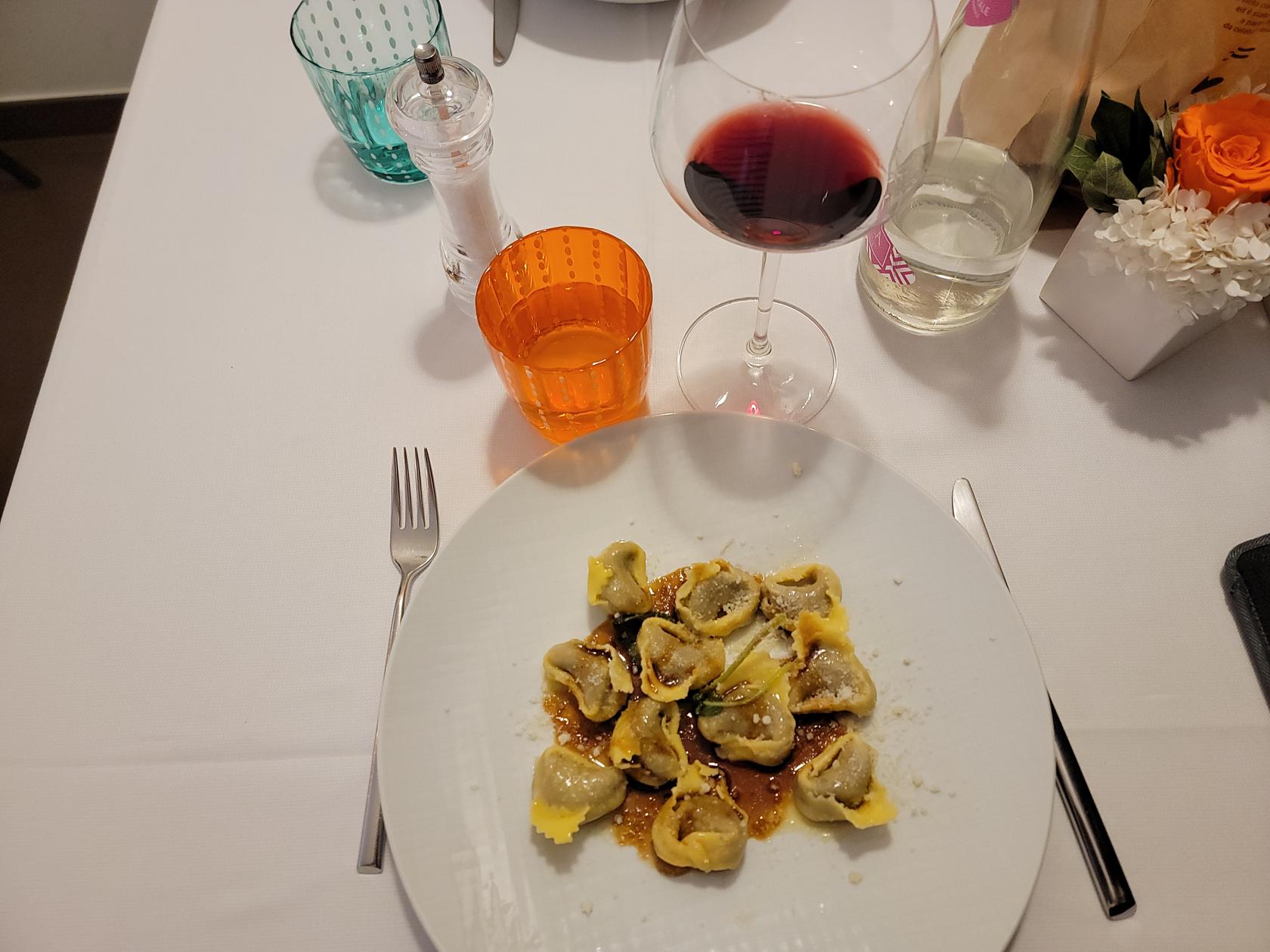
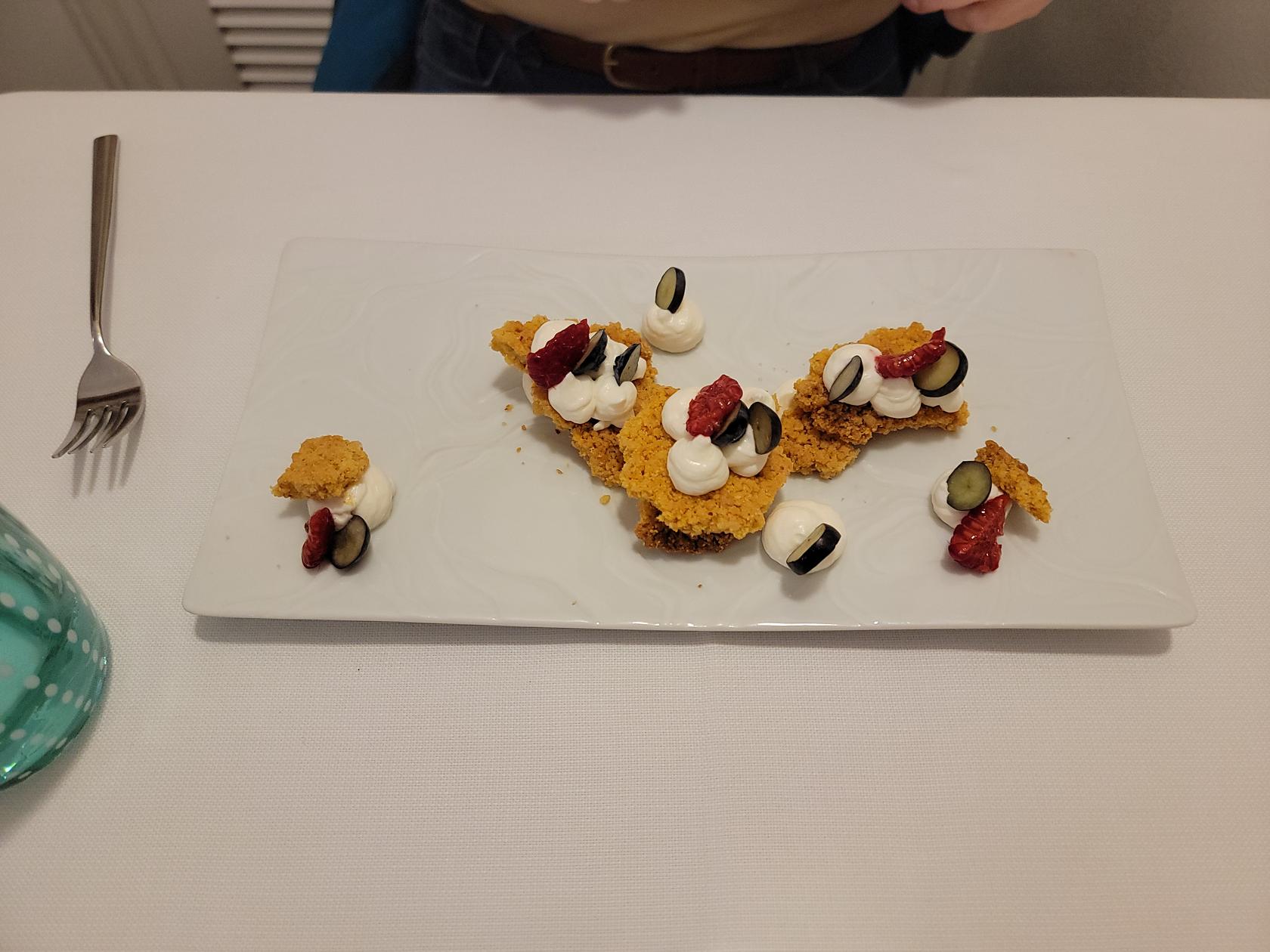
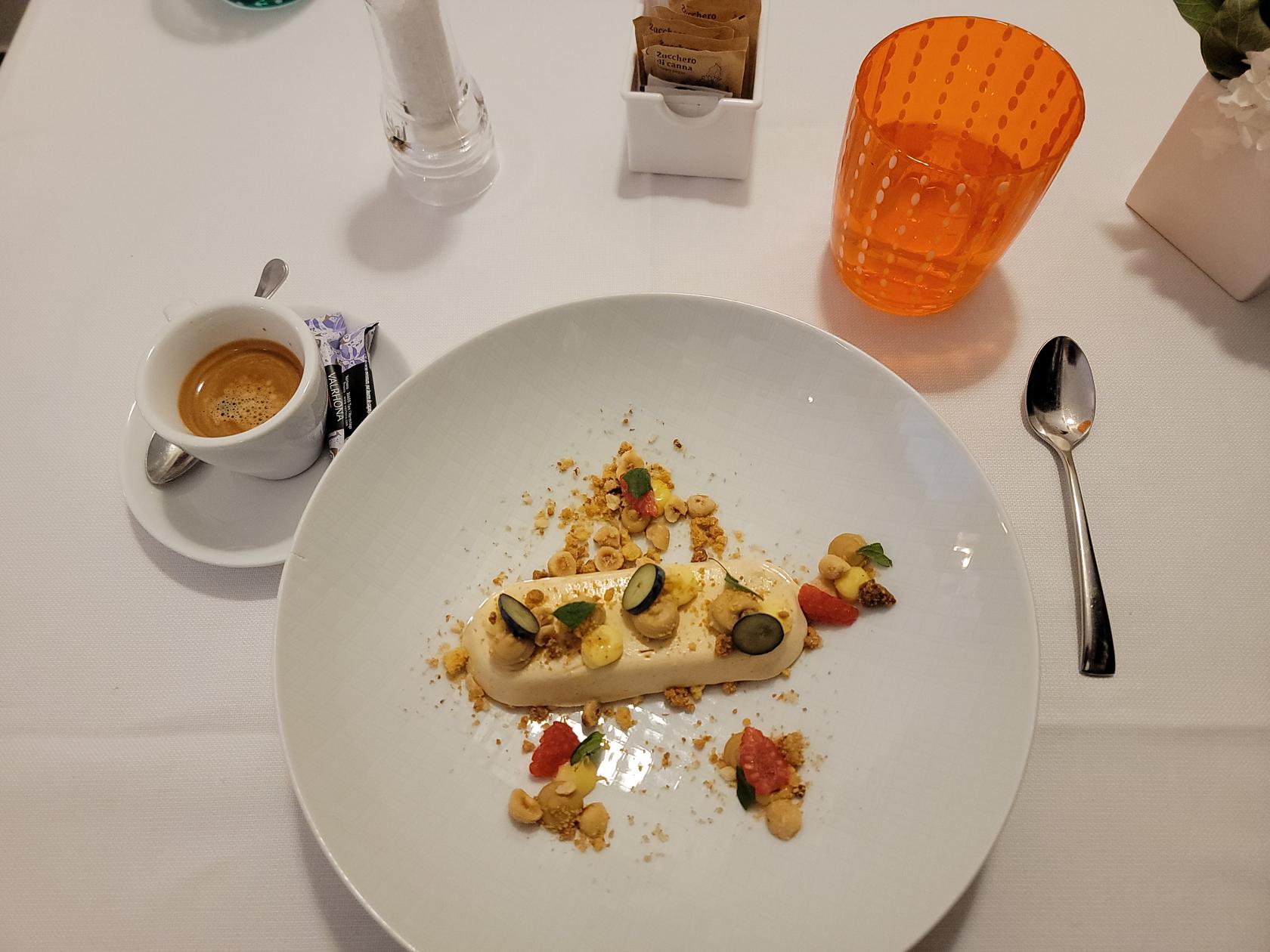
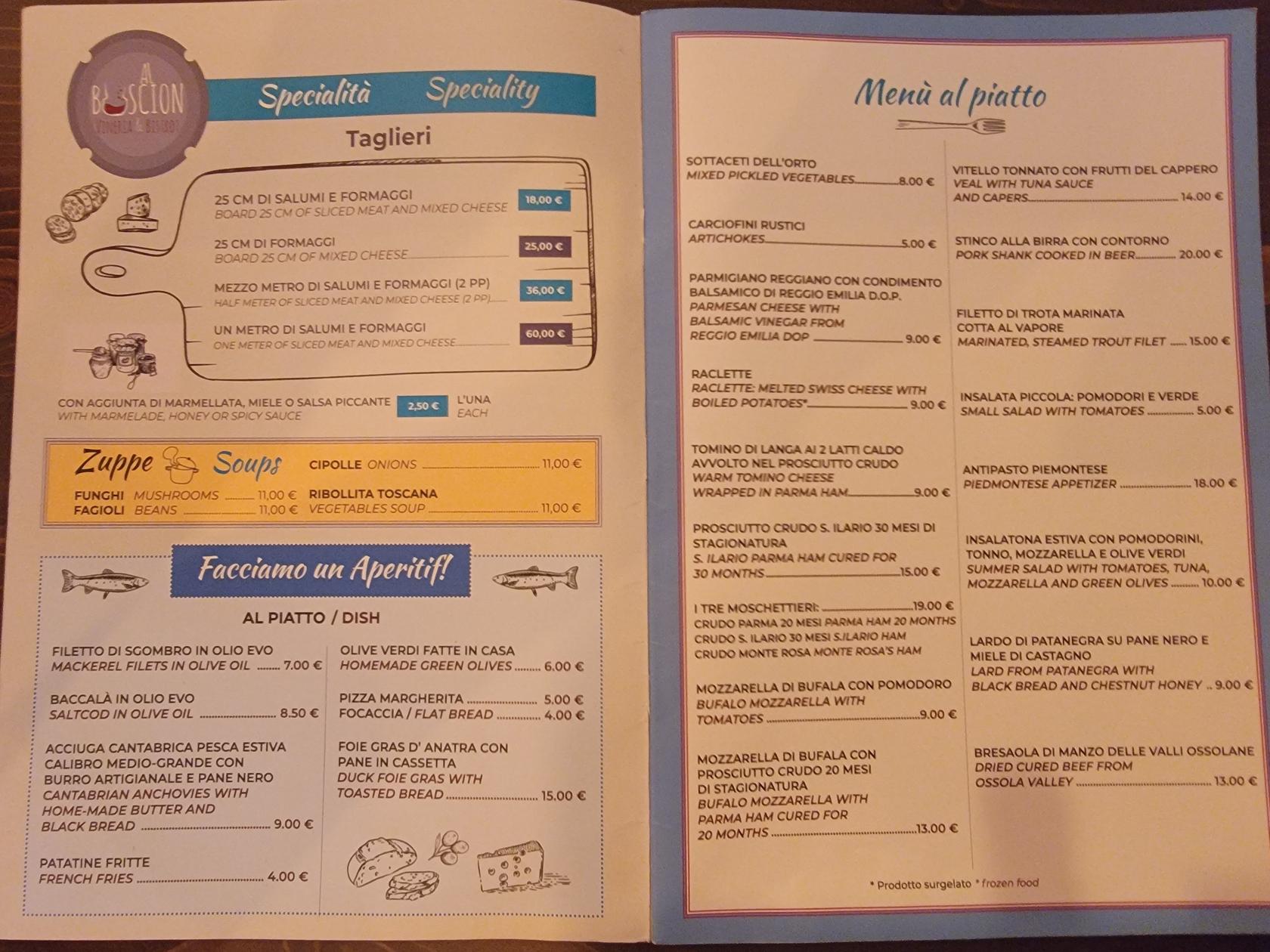
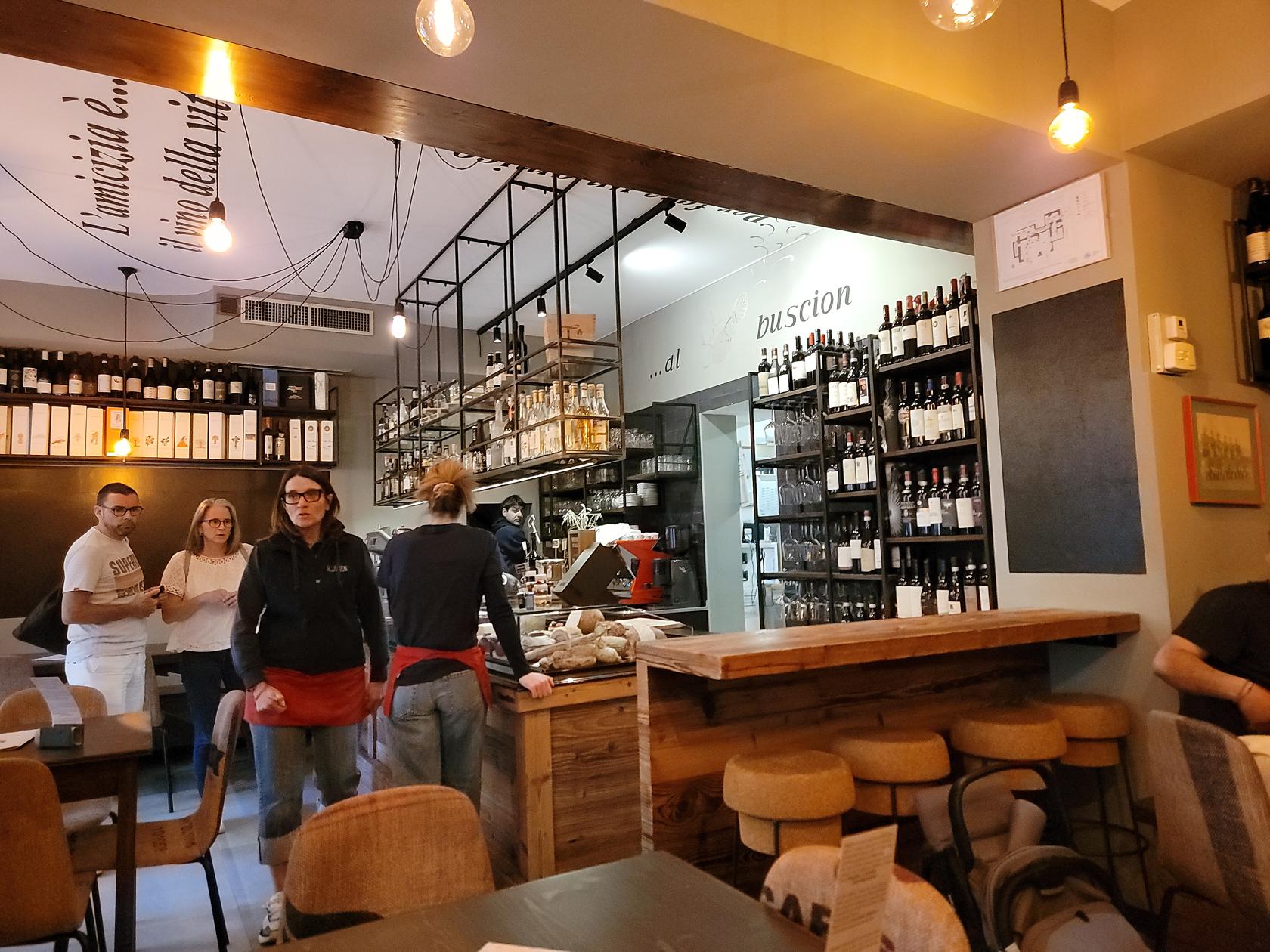
More of a cafe or bistro, this little place has something for everyone. It is one of the few places in Stresa, where you will find more than one kind of soup being served. It is more known for its charcuterie boards and paninis, than anything else, though we never had the chance to order one.

La Piola

If you like finer dining, then look no further than La Piola.

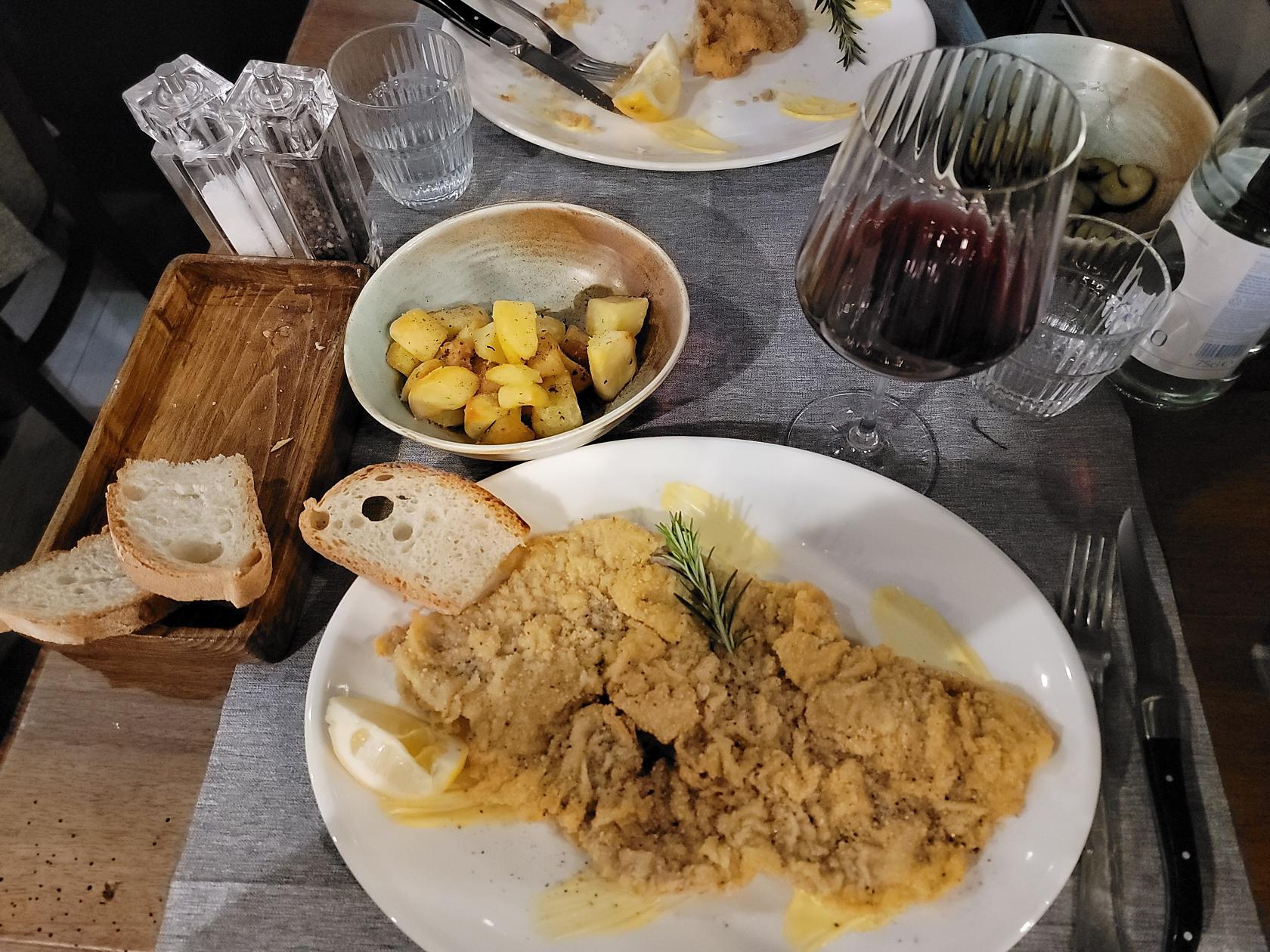
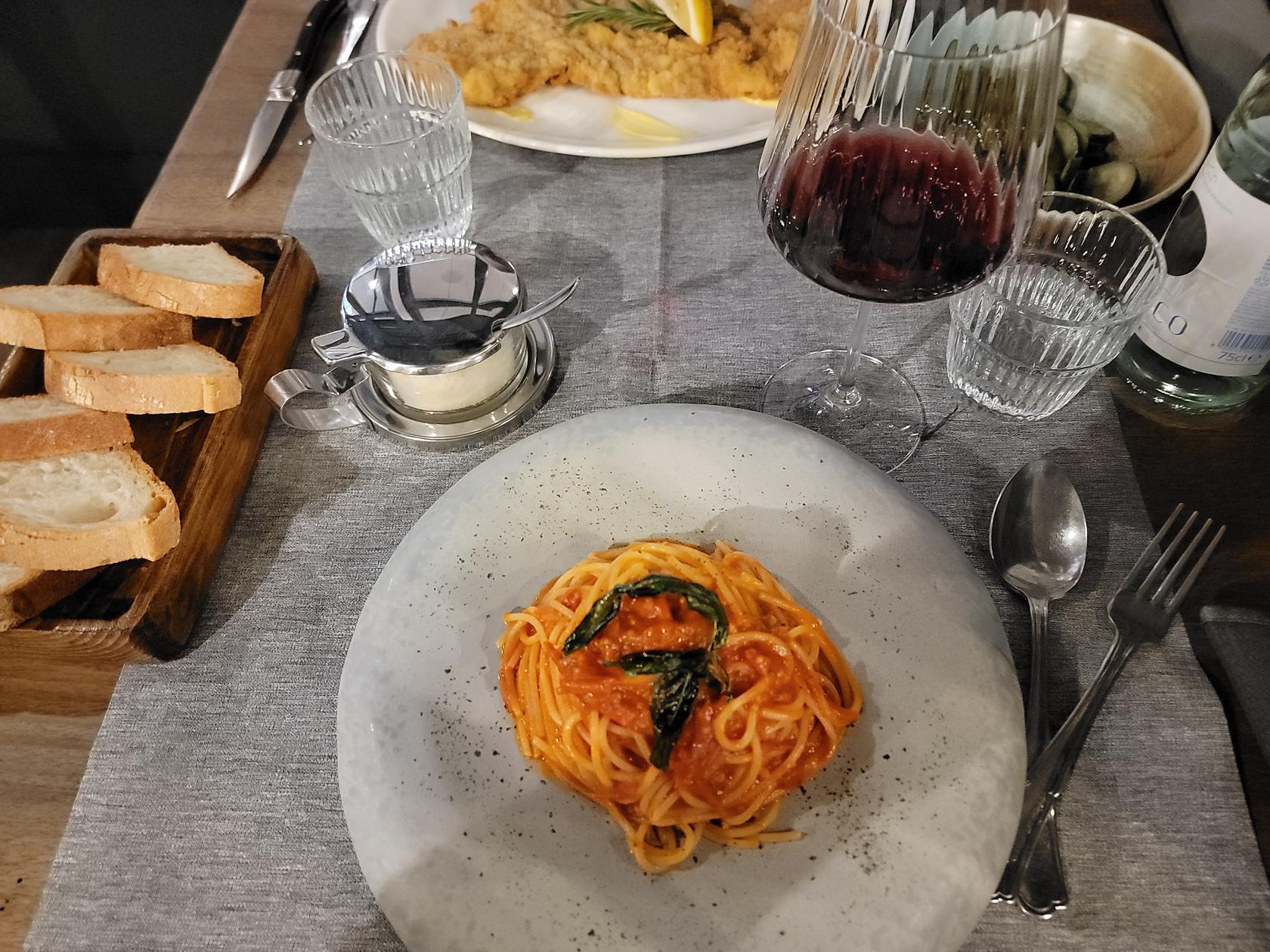
We thoroughly enjoyed the food here, though we didn’t order any dessert. The pasta dish was excellent and very tasty, and Patti enjoyed here Chicken Cutlet as well.

El Gato Negro Cafe

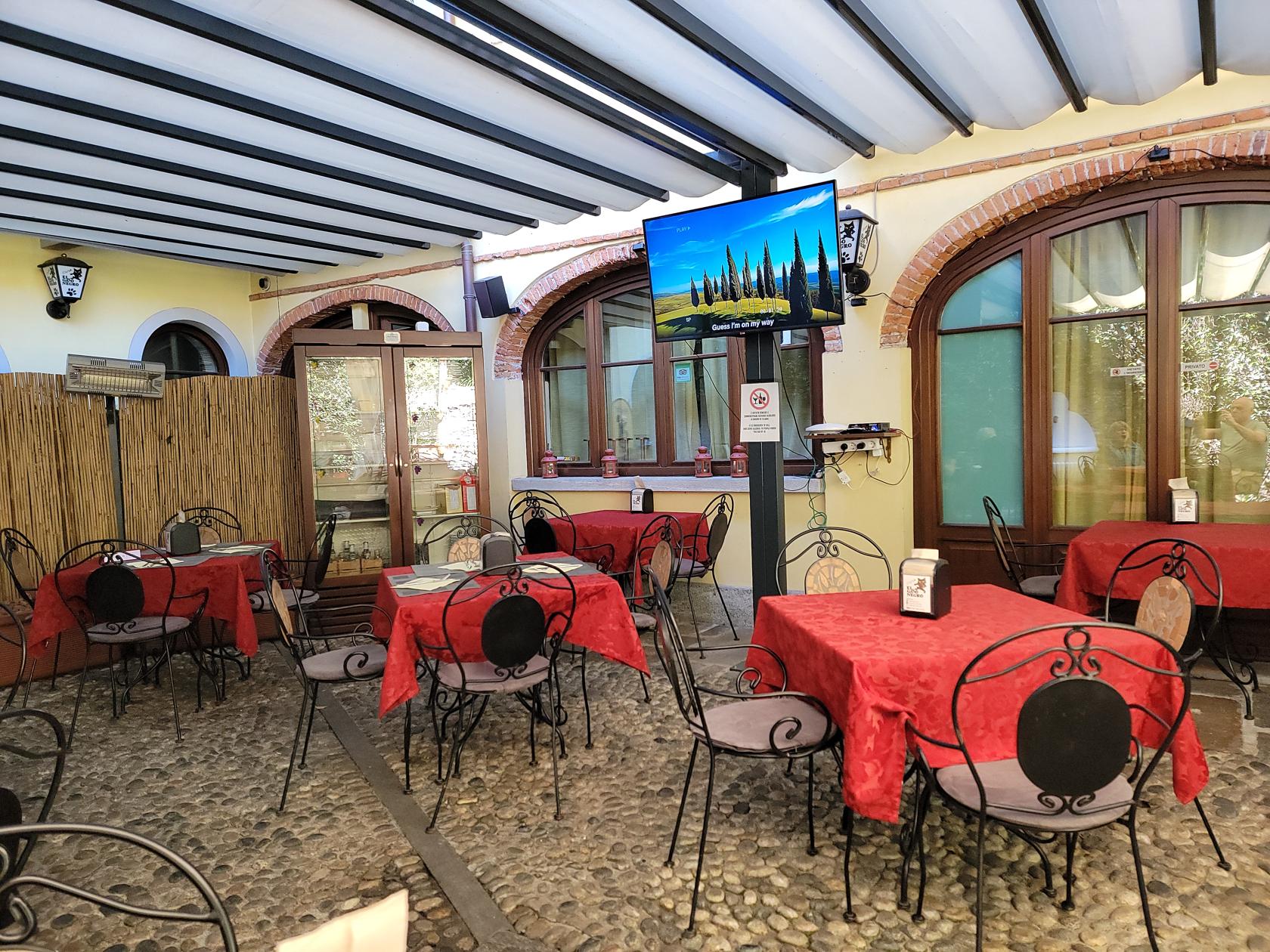
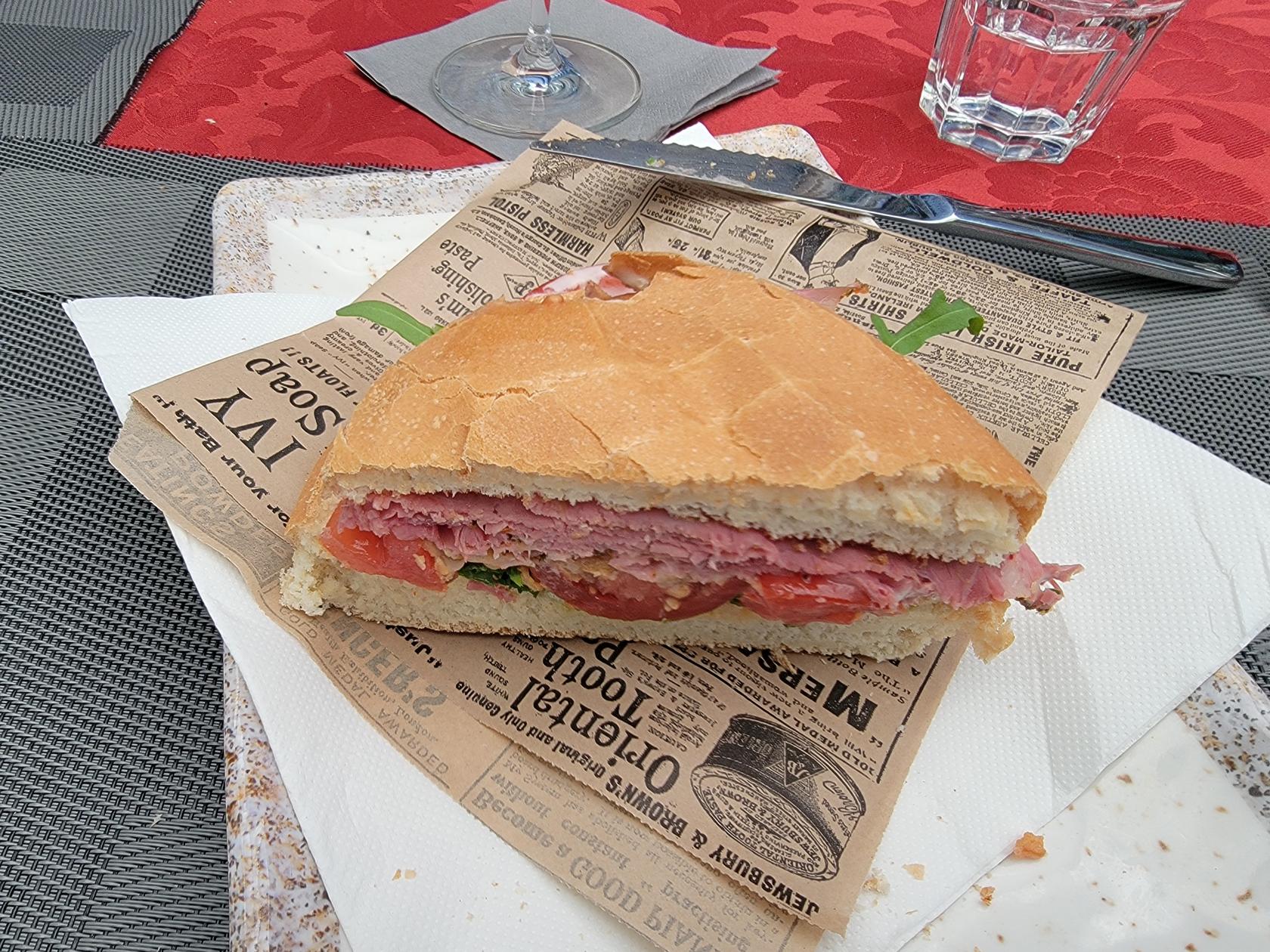
We stopped at El Gato Negro for a late lunch and glad we did. They have very tasty soups, salads and sandwiches at very reasonable prices. The pastrami sandwich, though not like pastrami in the States, was delicious. It had an exceptional dressing on it that complimented the tomatoes, lettuce and pastrami to perfection.

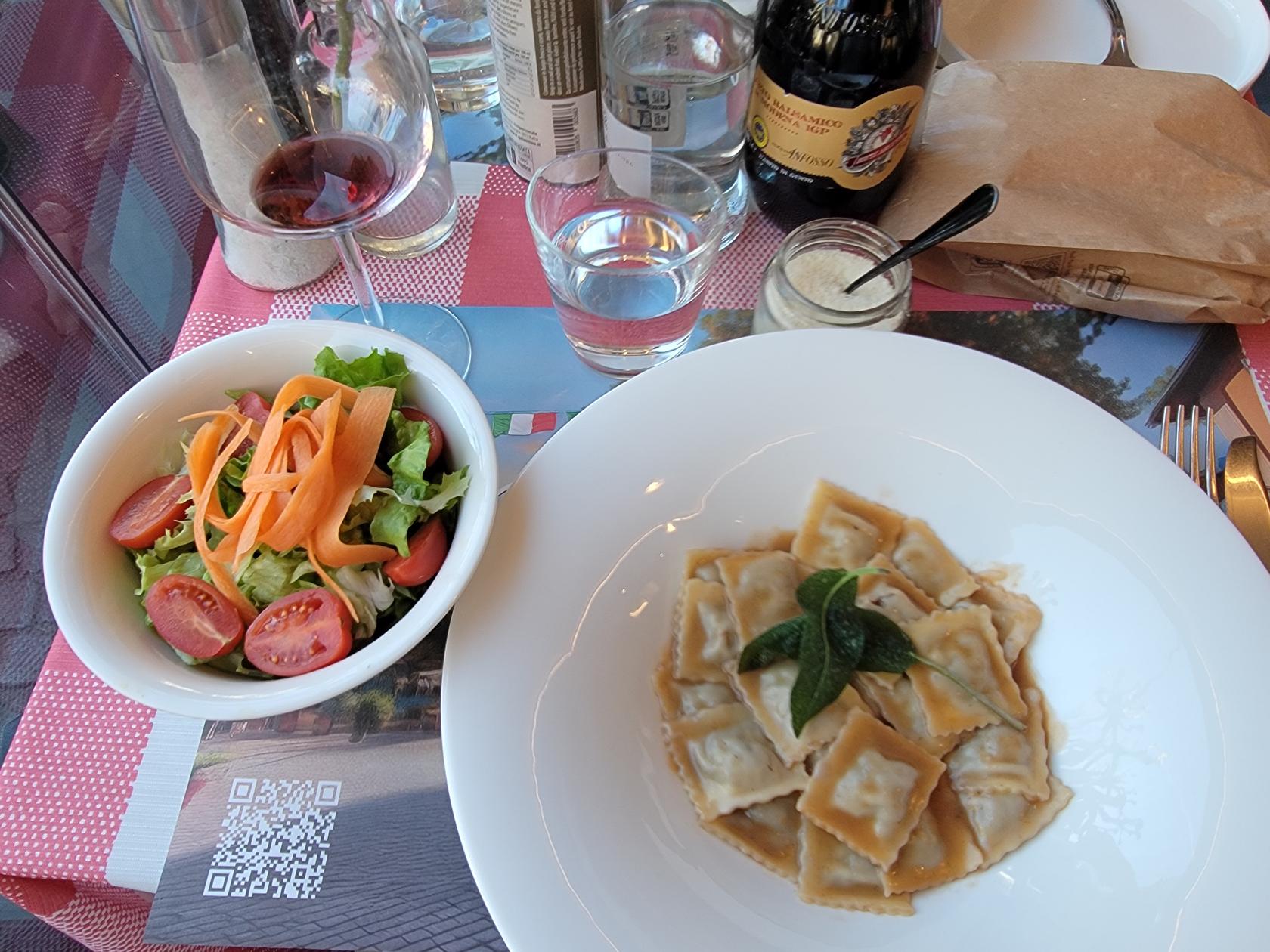
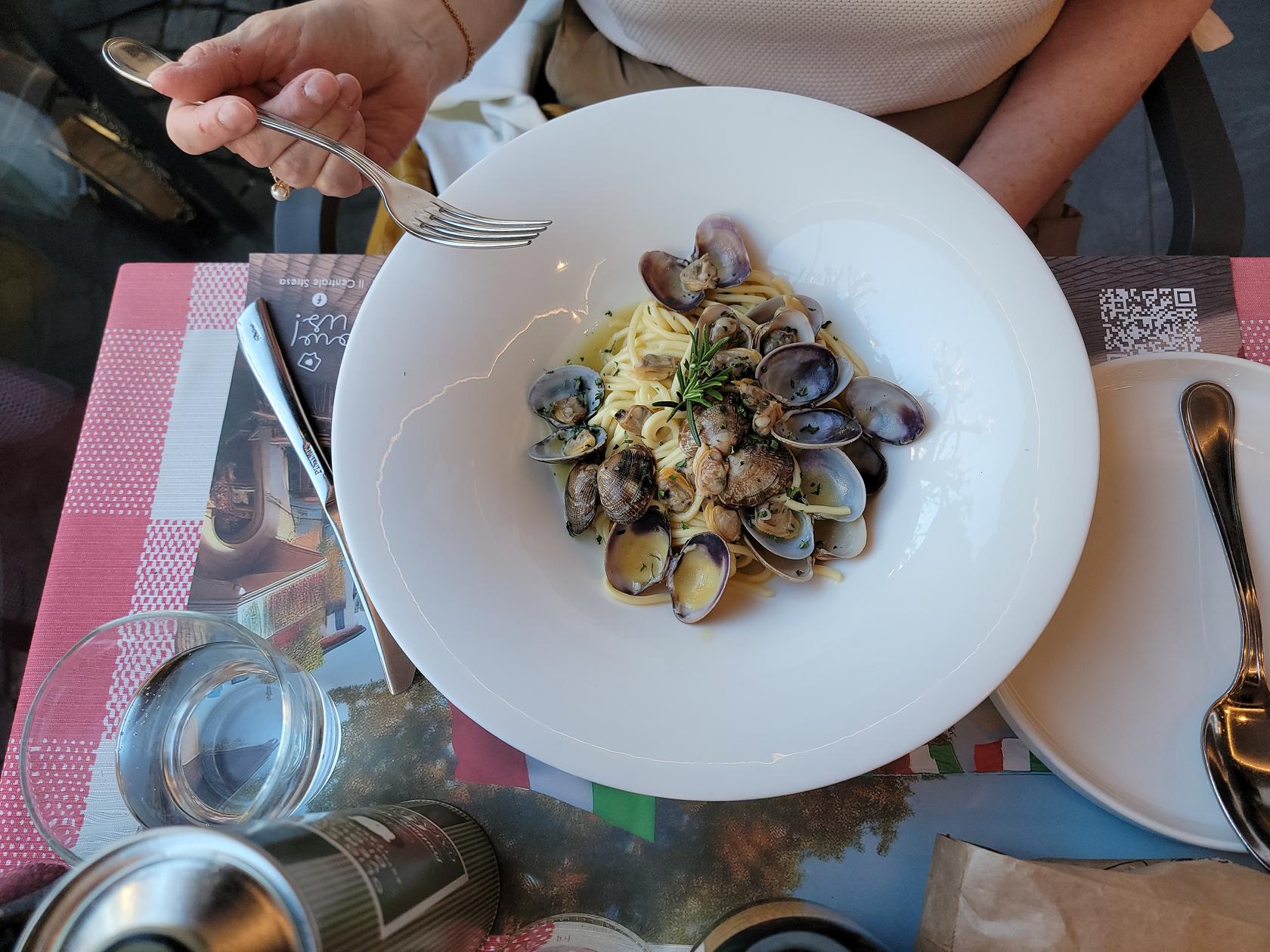
Il Centrale

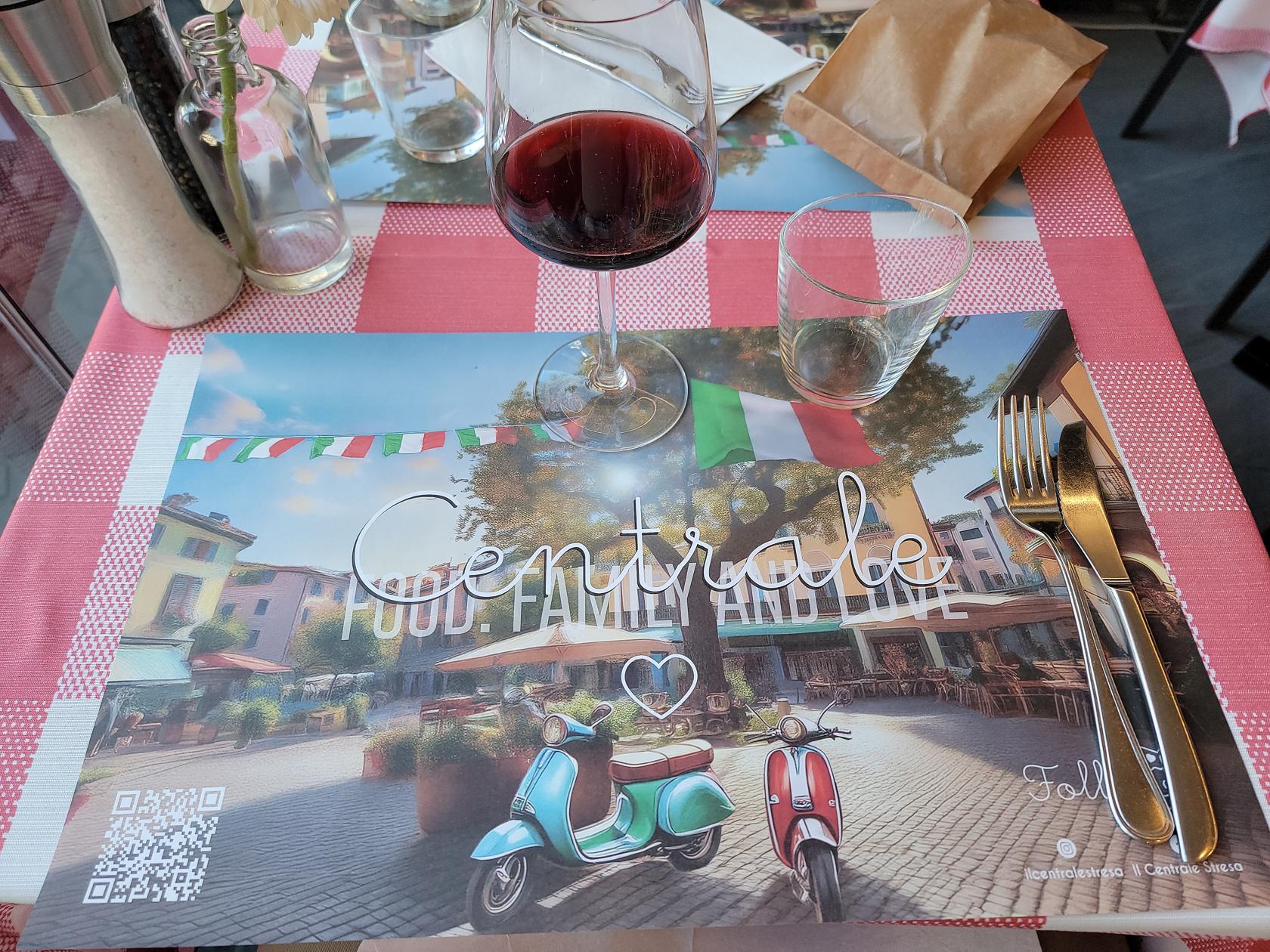
Though inside the city a bit, it is more of a tourist trap restaurant than any of the other ones we have patronized. If you are looking for something to eat, you cannot go wrong here, but it is definitely nothing special.

The food is okay and the service is a bit slow. But for what you get, we found them a bit pricey and the coperto[1]This is a cover charge in Italy. It is suppose to offset the fee of table linens, cutlery, napkins, etc., and is applied unevenly throughout the country. It will most often be found in tourist areas, … Continue reading was a bit high for our liking.

References

References
1 This is a cover charge in Italy. It is suppose to offset the fee of table linens, cutlery, napkins, etc., and is applied unevenly throughout the country. It will most often be found in tourist areas, where the establishments can get away with charging it. If so, DO NOT leave a tip, you’re covered.

Copenhagen, Denmark – Castles & Palaces

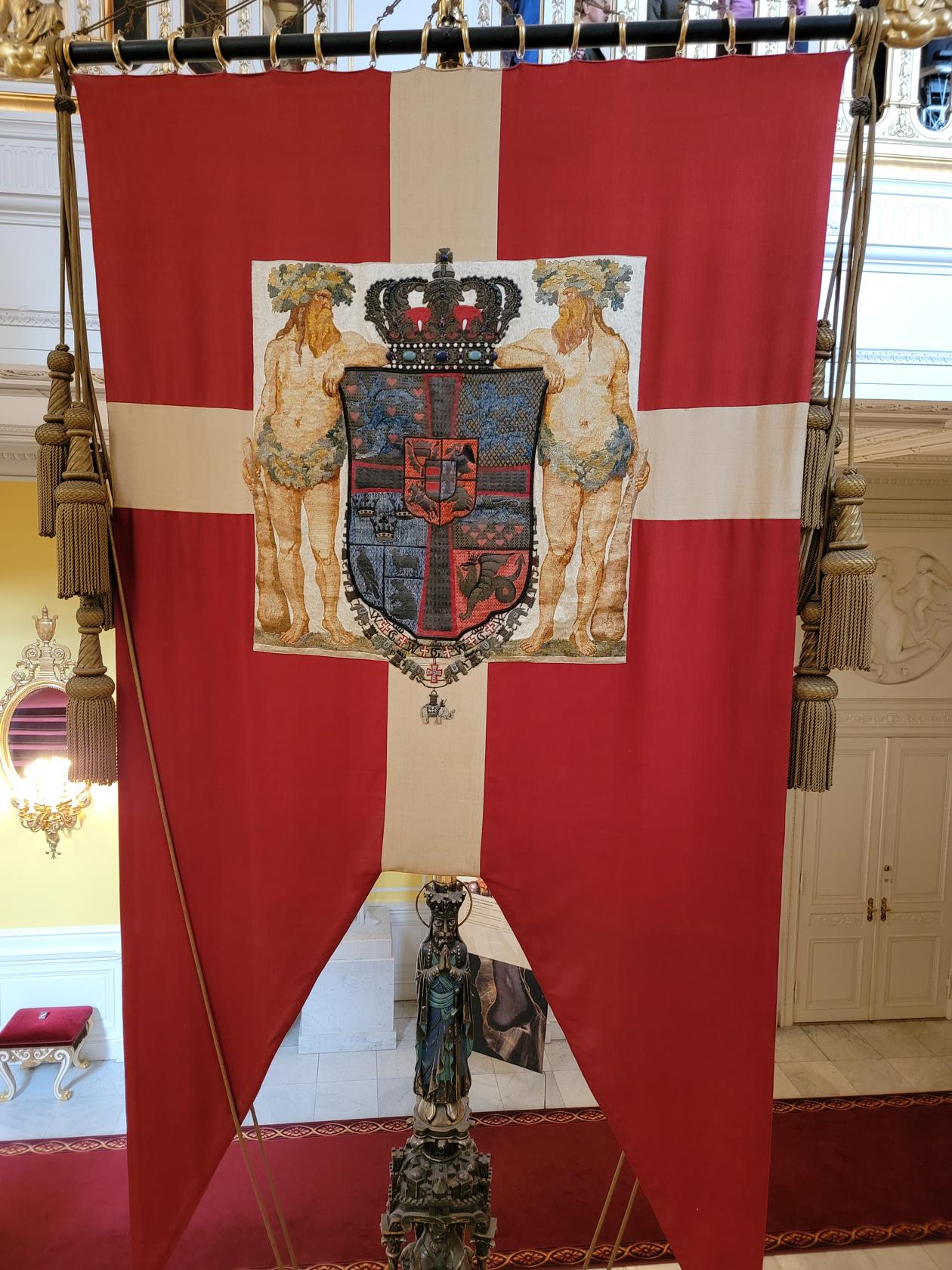
Like the British, the Danes are steeped in the tradition of a royal family. With Copenhagen as the capitol of the country, there are numerous castles and palaces that demonstrate the royal family’s hold on the country and its citizens and I guess their imaginations.

The Royal Family

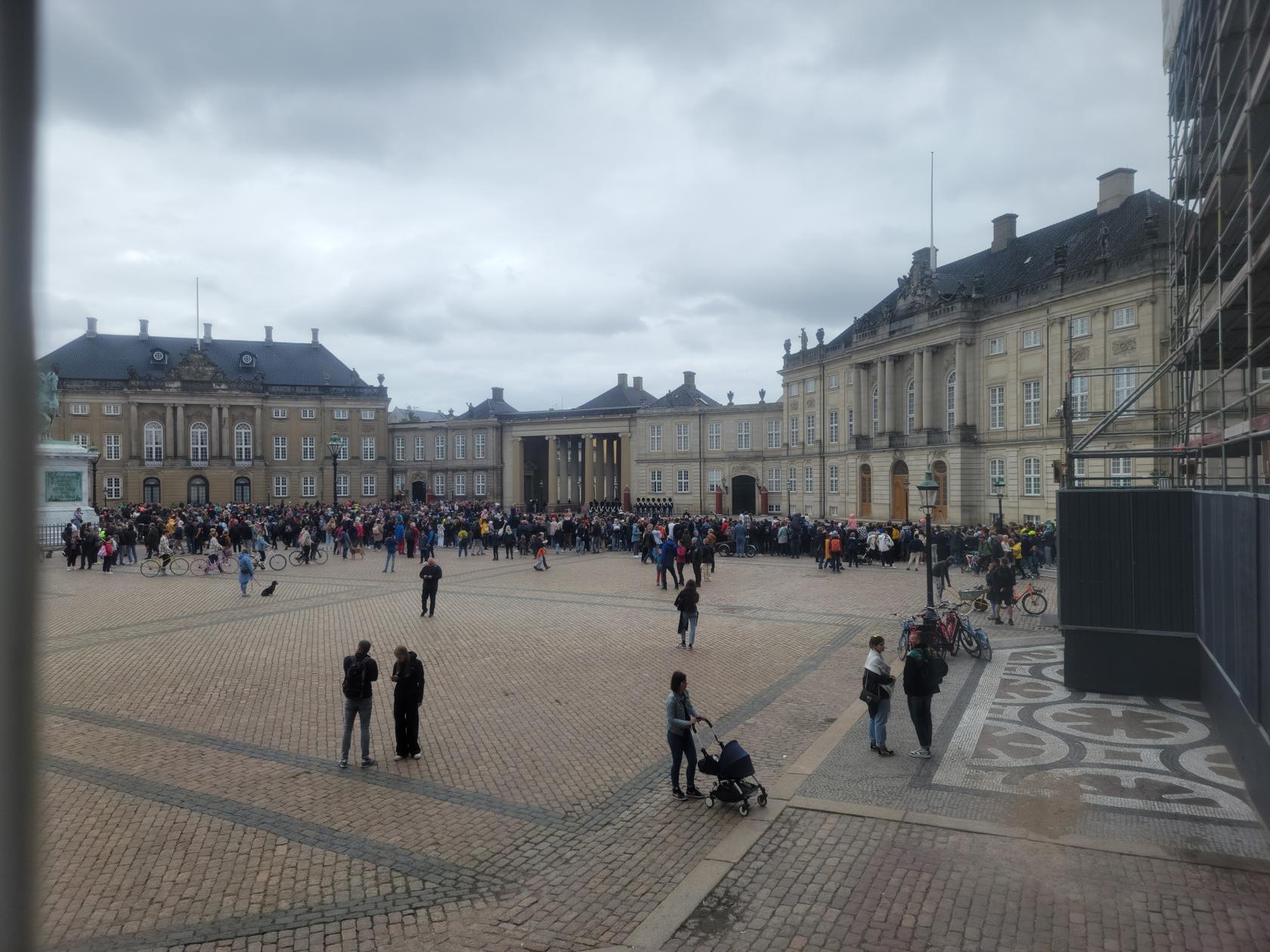
The family owns, either directly or indirectly, three important landmarks within the city of Copenhagen that are castles or palaces. Much has been turned into museum or tourist attraction, no doubt to keep the family coffers full. Some, like Amalienborg, the royal residence, are guarded and entertain a changing of the guard show.

The Palaces

The are many palaces in Copenhagen, perhaps a bit too many to see in one trip. There are the Amalienborg – which contains four palaces, Christriansborg Palace which are right in town, but there is also Frederiksberg Palace and more further out from the city. If you are into grand buildings and royal history, these will probably be must-see spots.

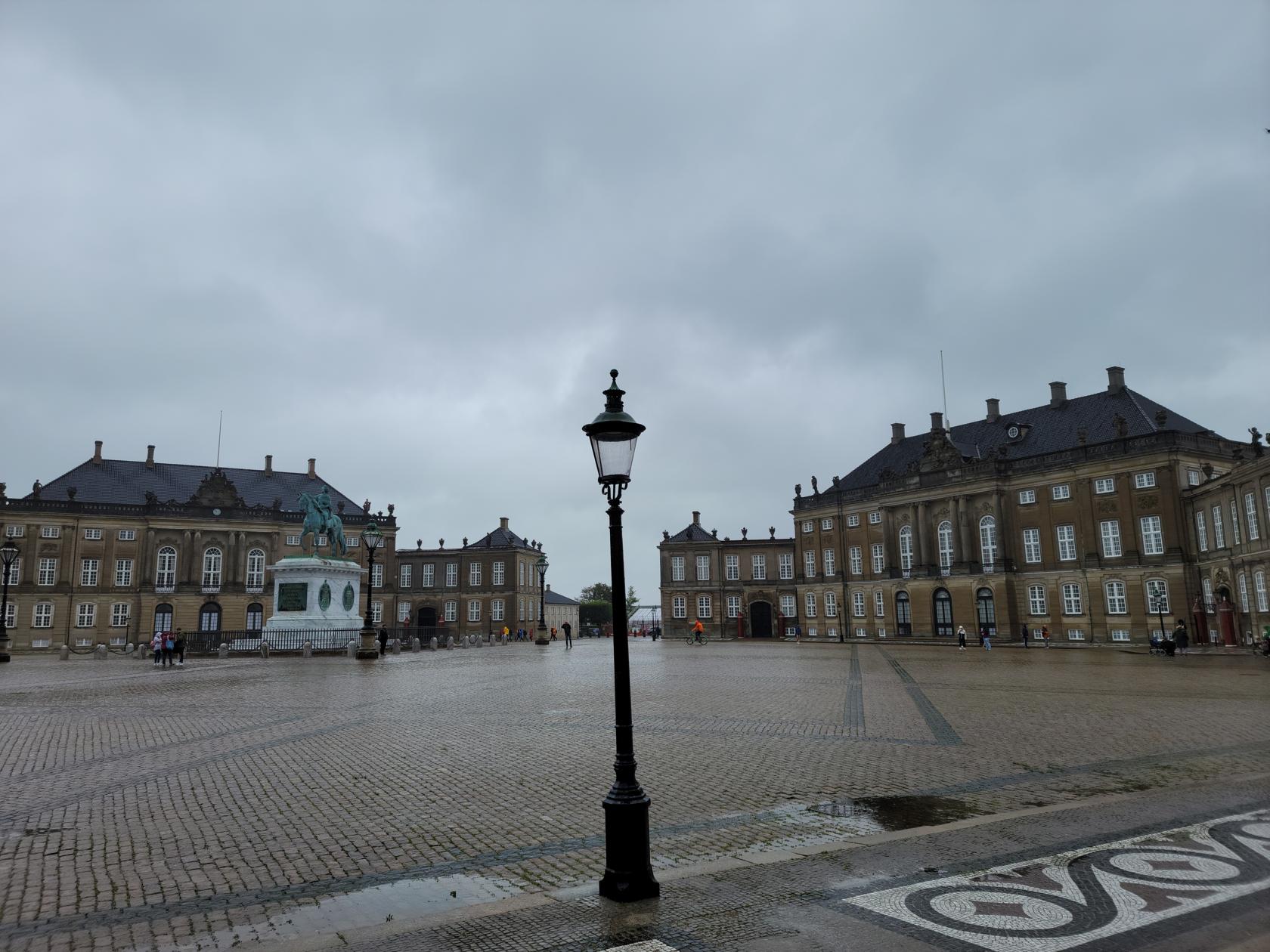
Amalienborg

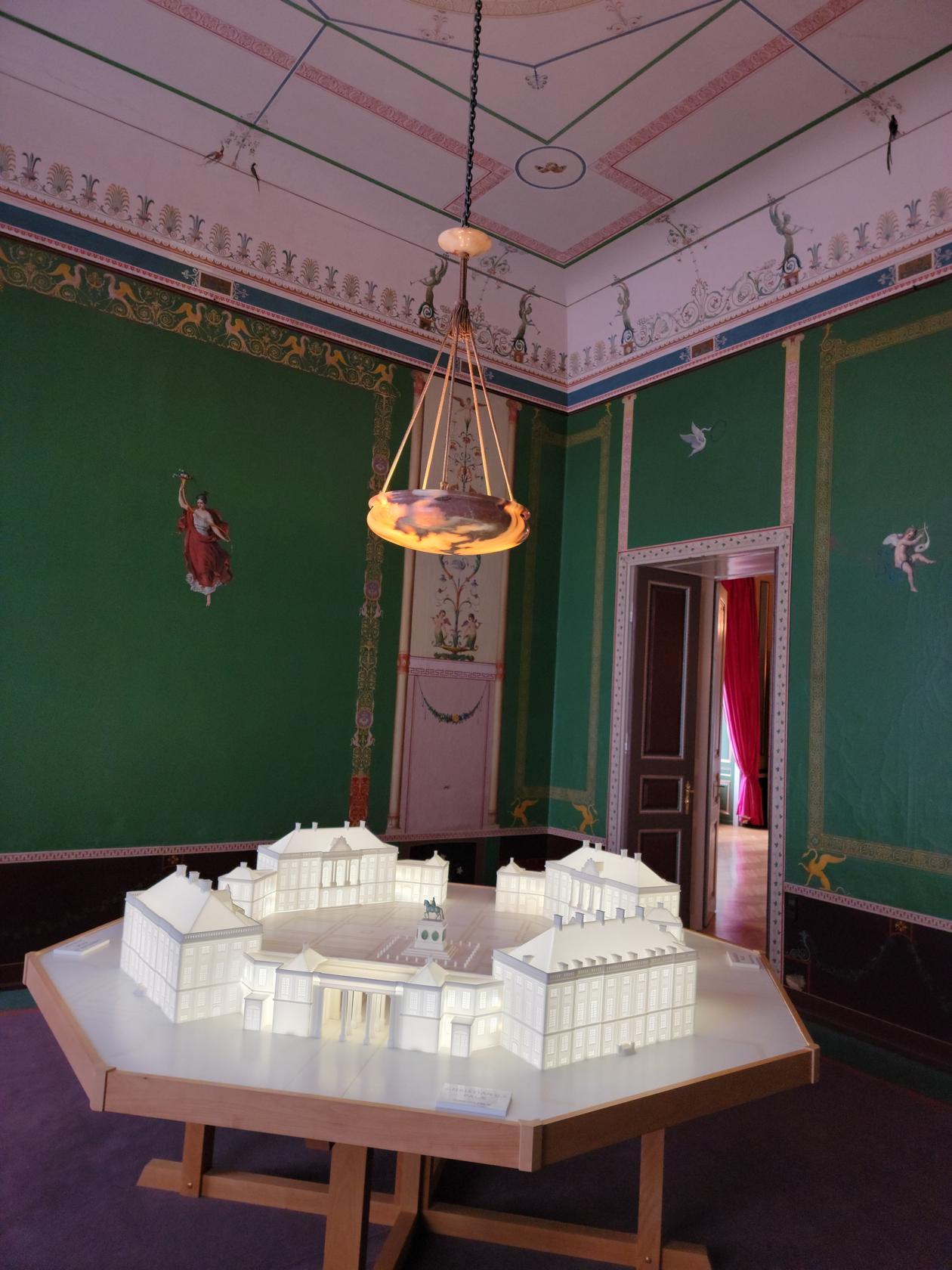
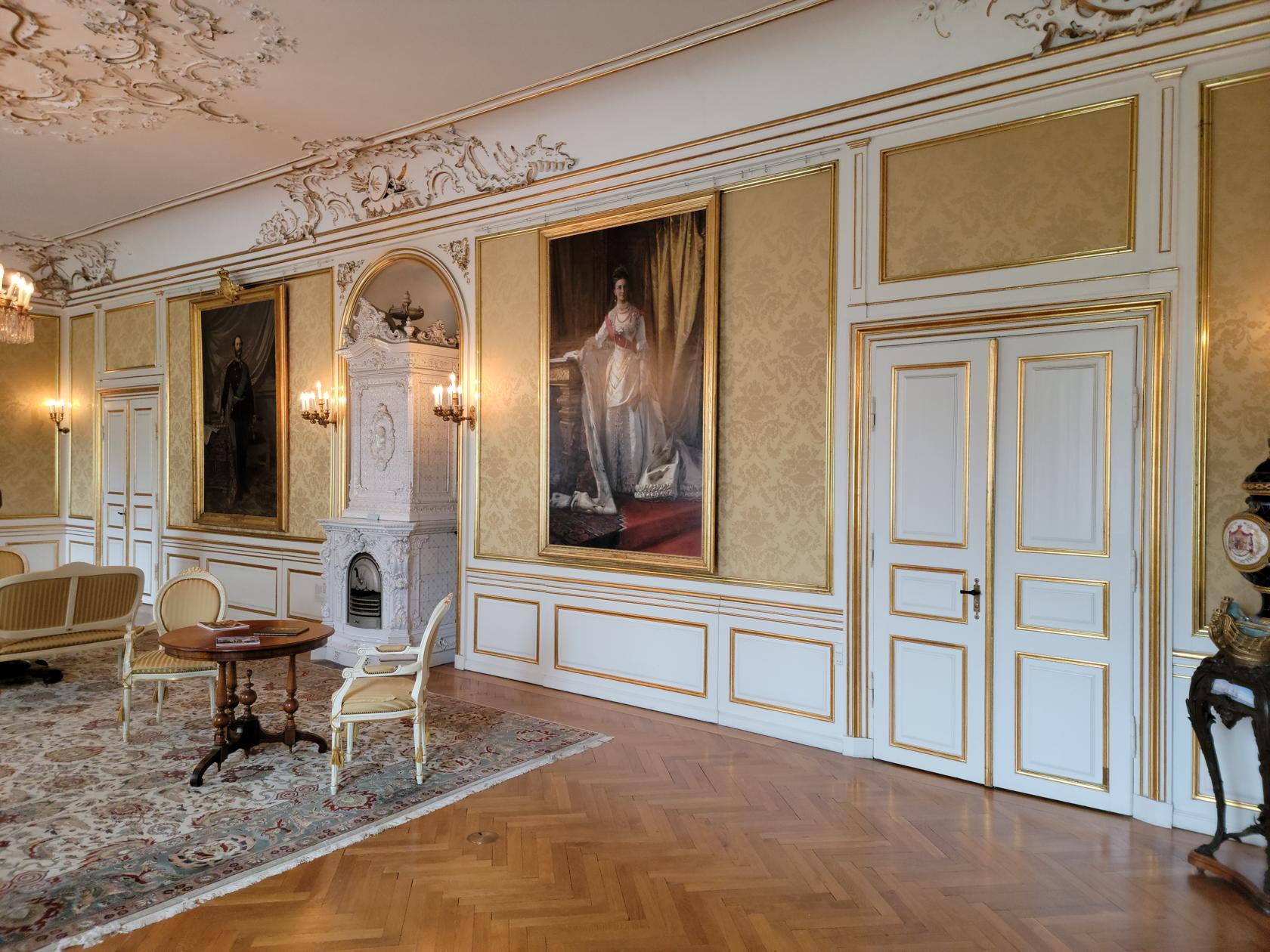
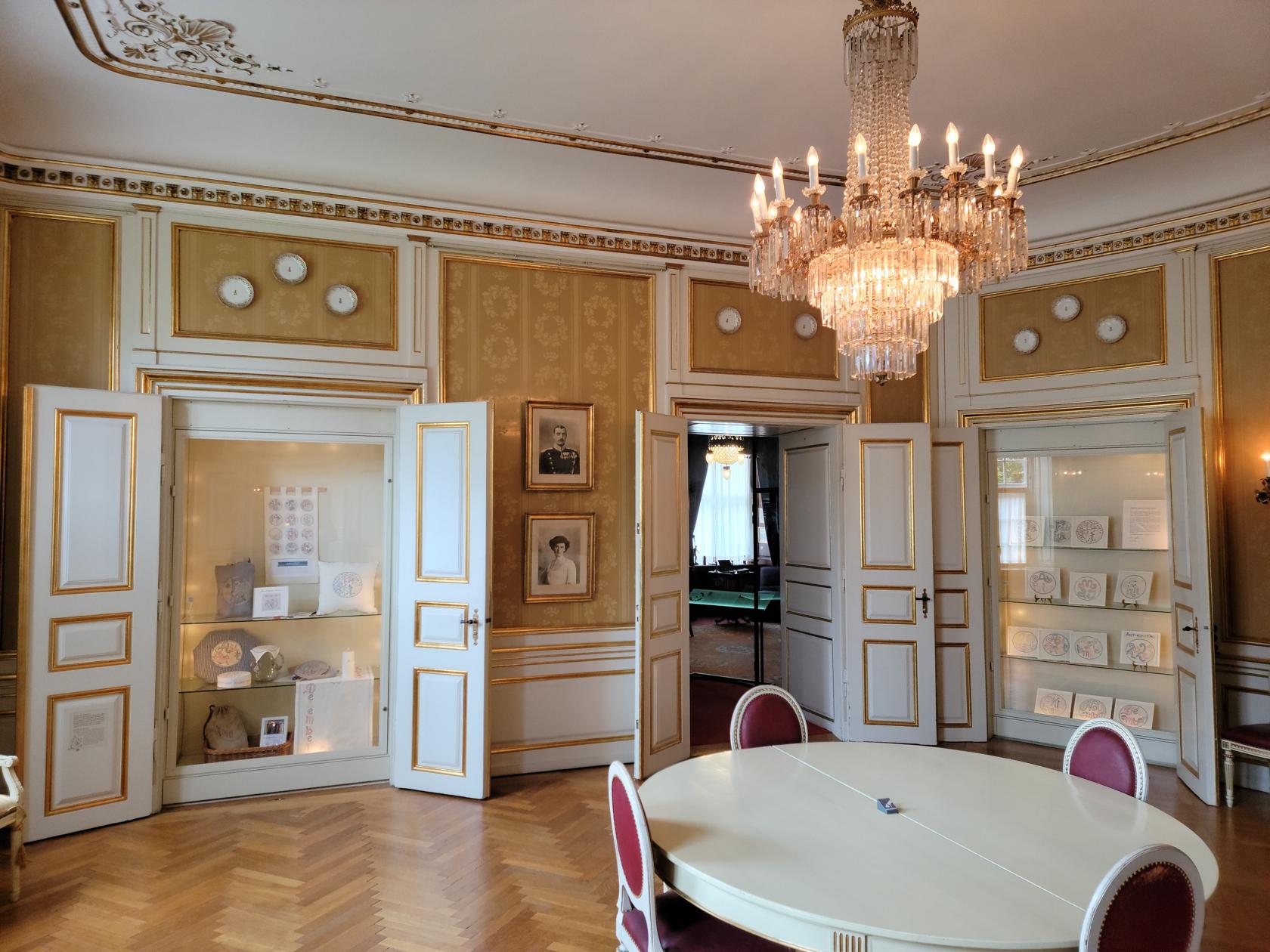
The current residence of the royal family is in Amalienborg. This palace occupies are large square in almost four city square blocks. It is divided into four distinct buildings with gardens, one of which is the Amalienborg Palace Museum, which may be visited. Each building is a palace in its own right, they are Christian VII’s Palace, Christian VIII’s Palace, Frederick VIII’s Palace and Christian IX’s Palace.

Amalienborg was once the location of two other palaces which either suffered greatly from fire, or burnt to the ground completely. Subsequent construction led to the building of the palaces we see today.

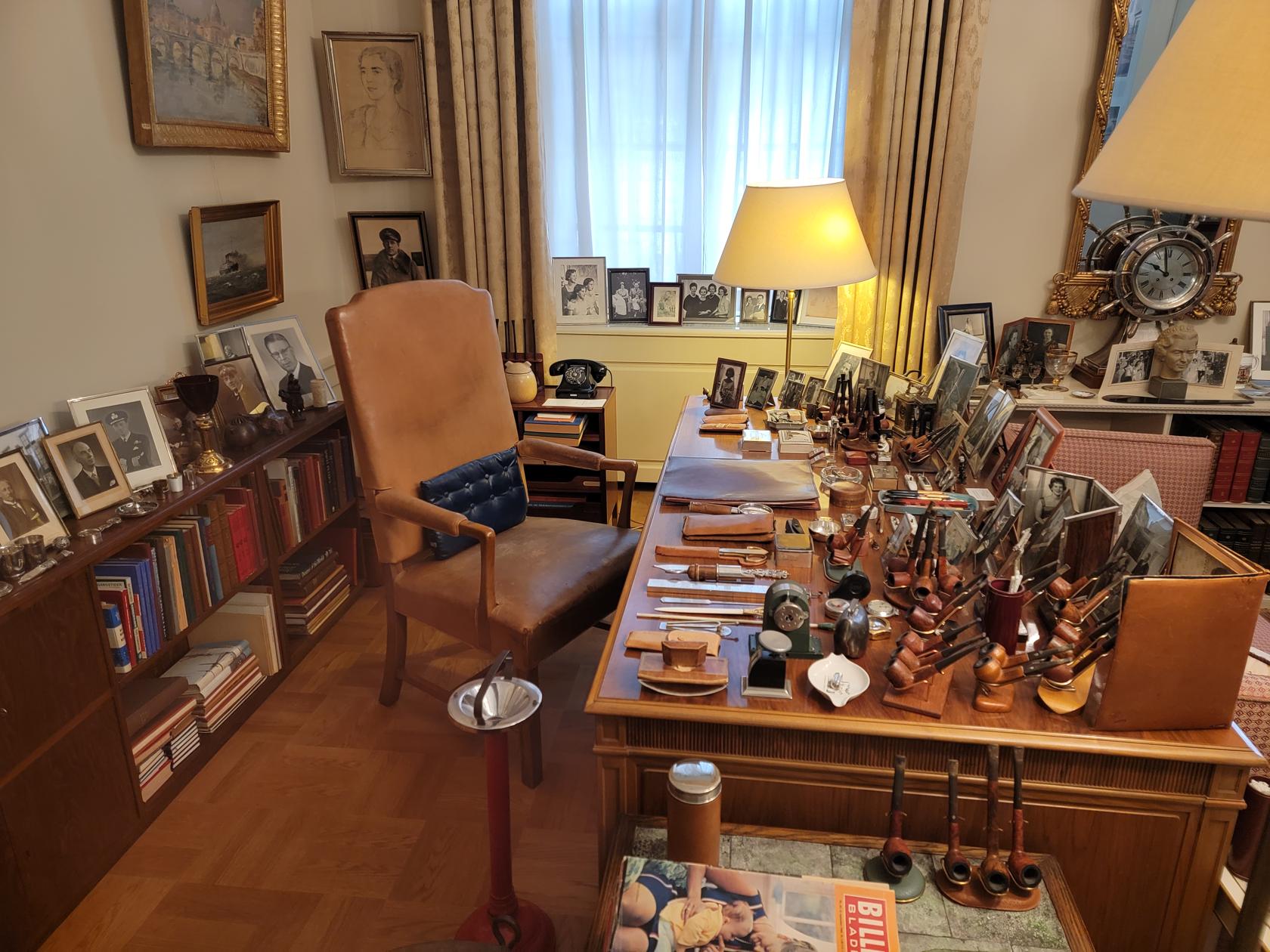
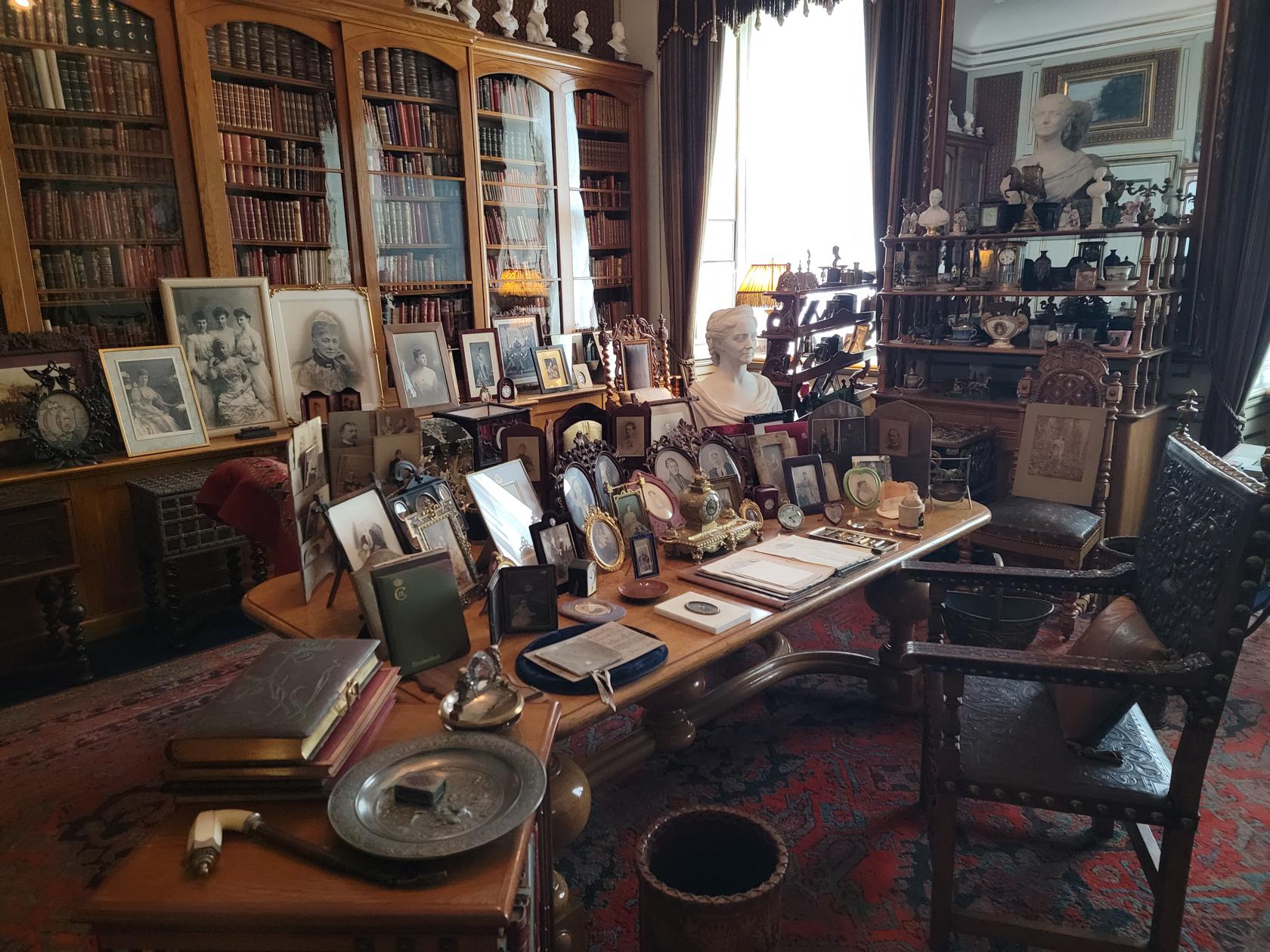
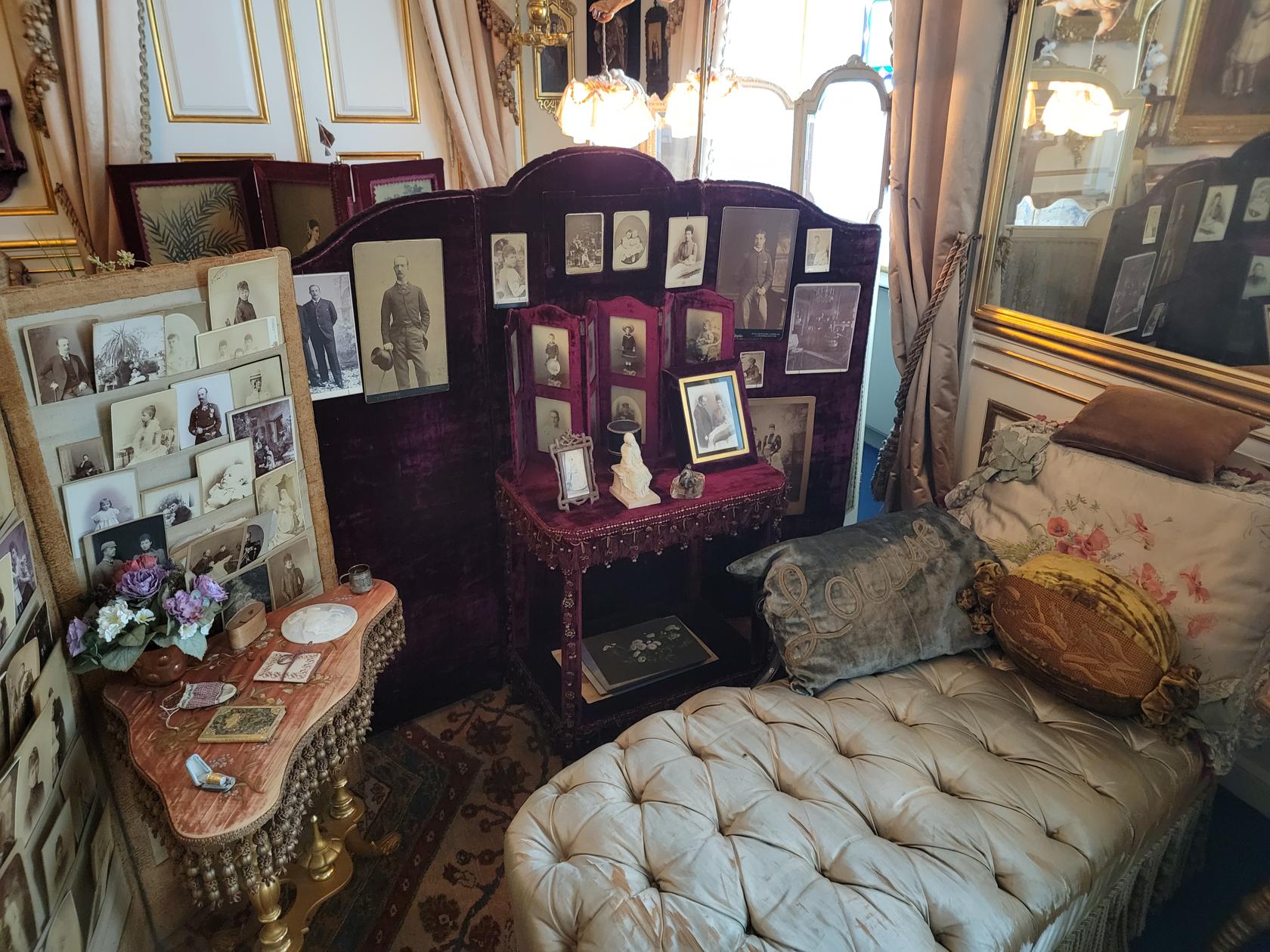
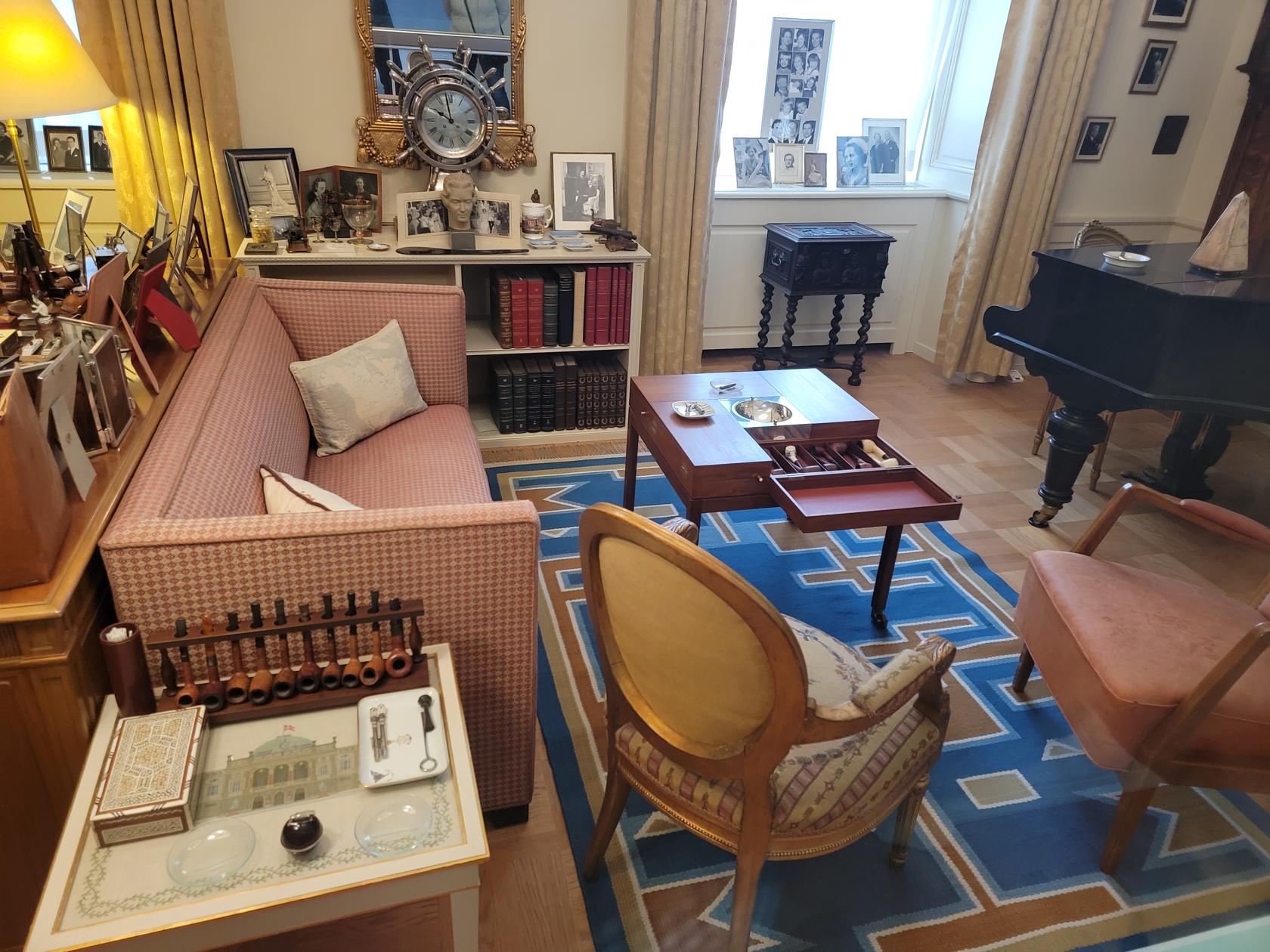
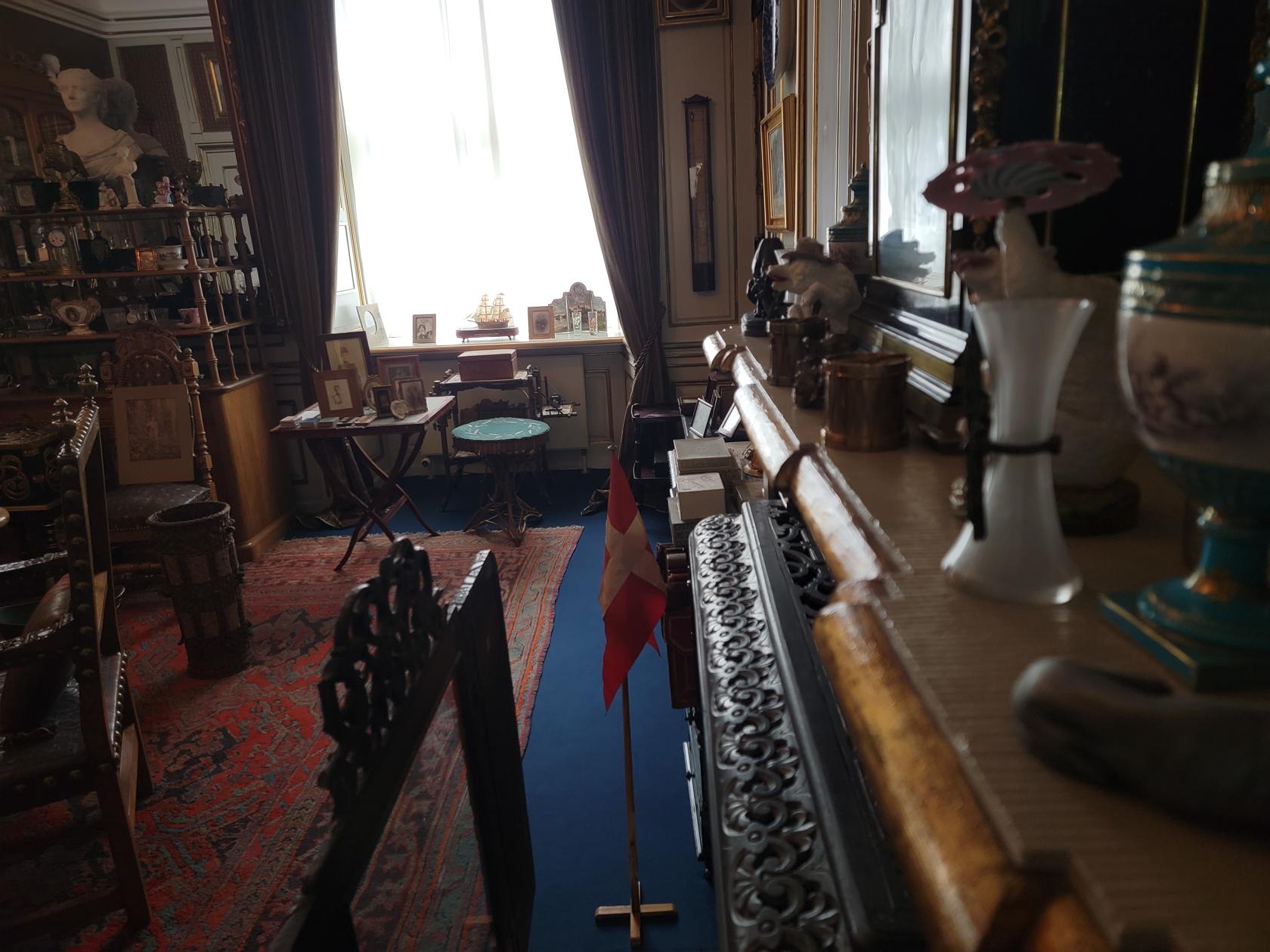
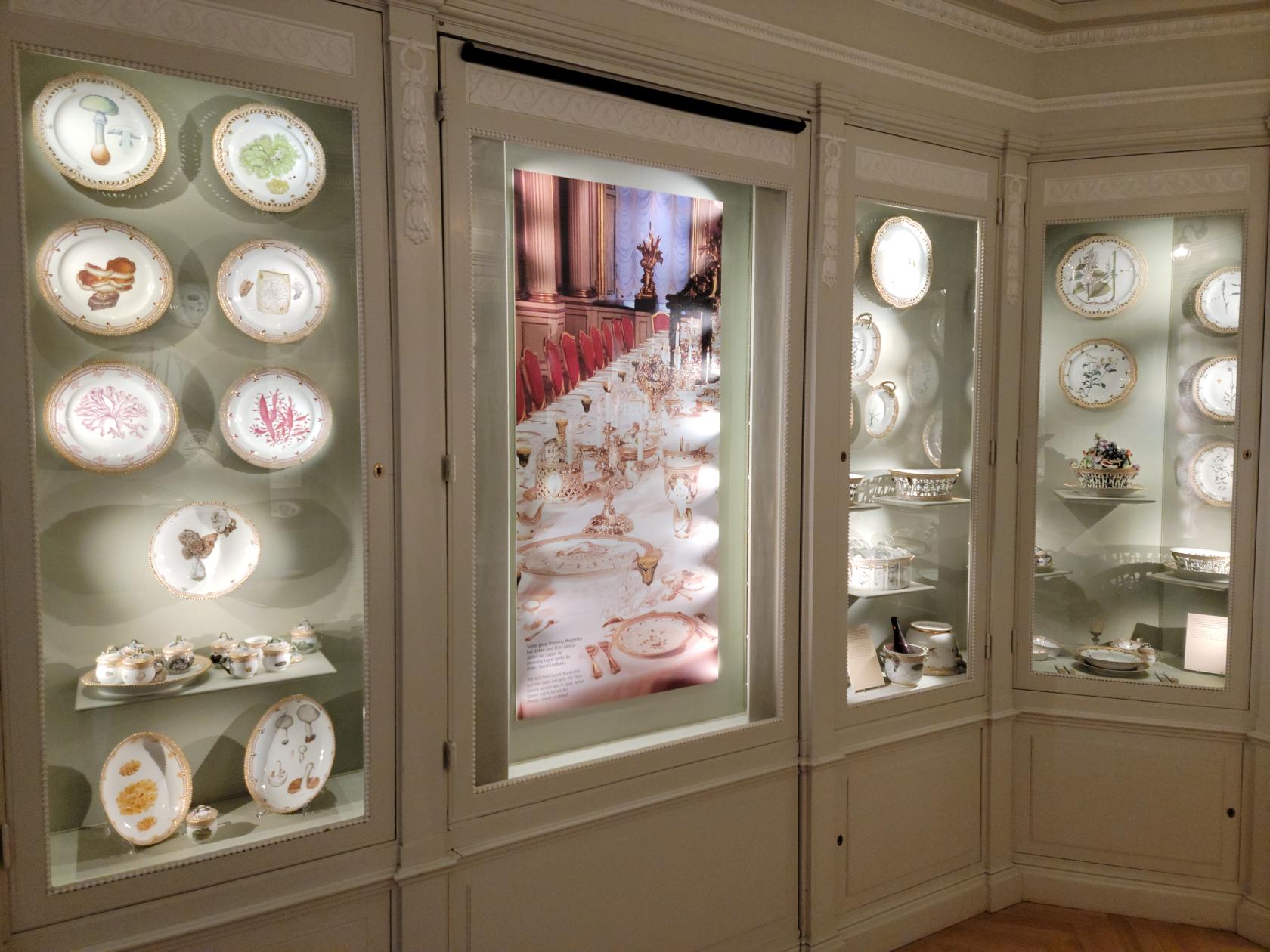
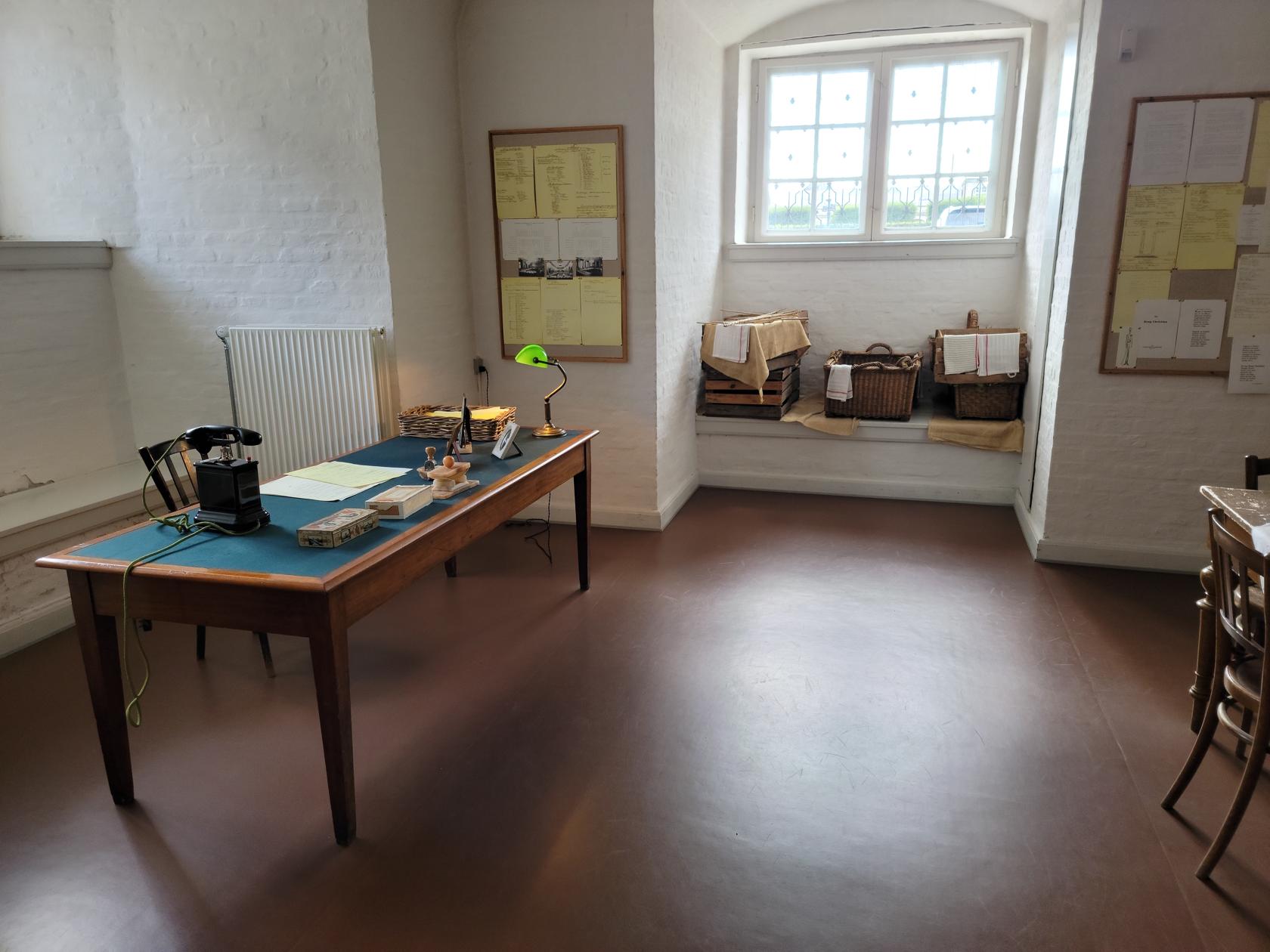
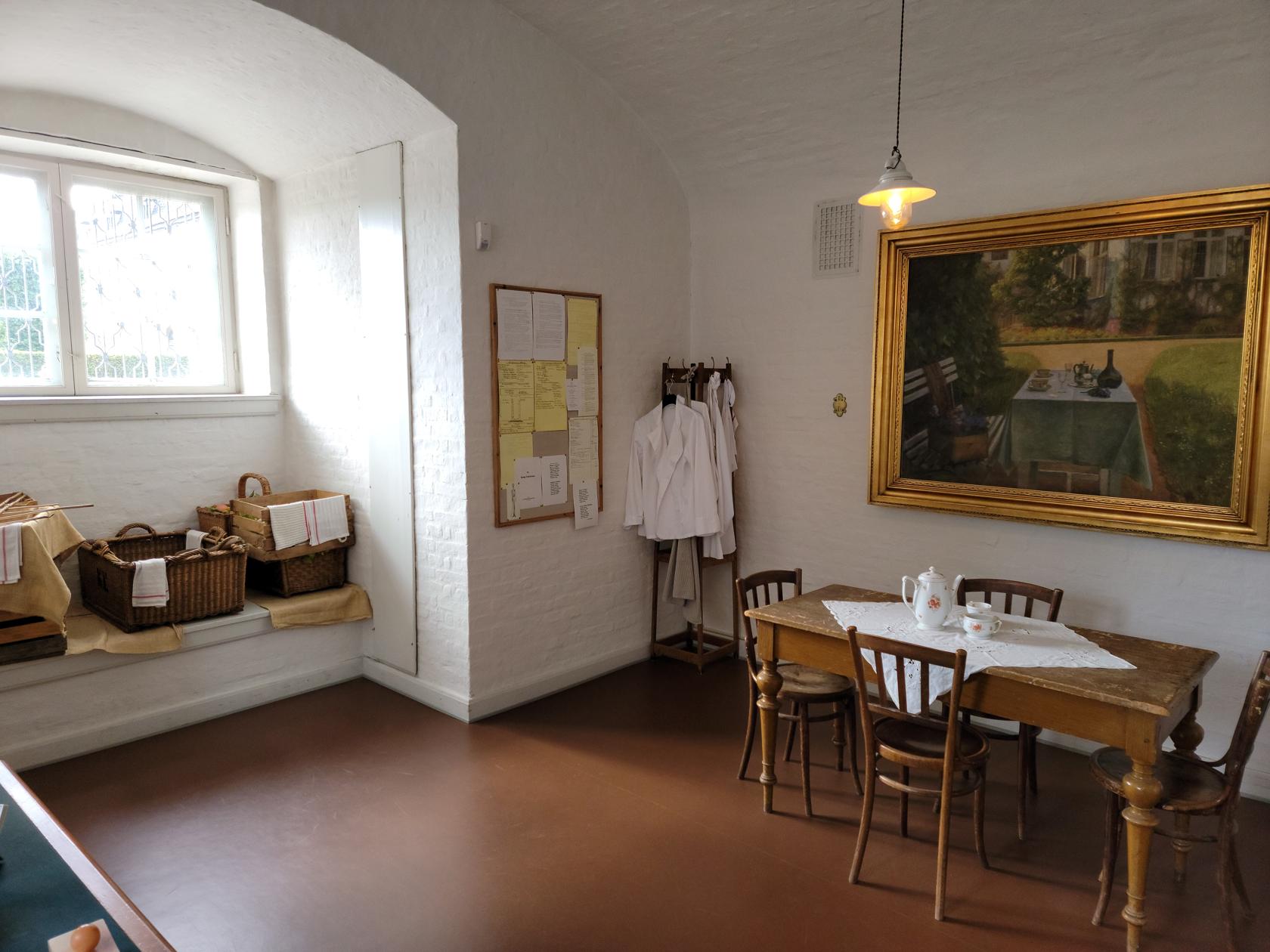
The museum is free to those who enter with a City Card, otherwise the entrance fee is kr.120 (appr. €16)/person. The museum is in a building adjacent to Christian VII’s Palace and has two floors that contain items from the living quarters of past and present royal family members. If you have any transcendent ideas about ownership or property, you may want to skip this museum. I too, had a difficult time understanding why anyone would want to collect that much stuff for personal use. But, I am probably in the minority.

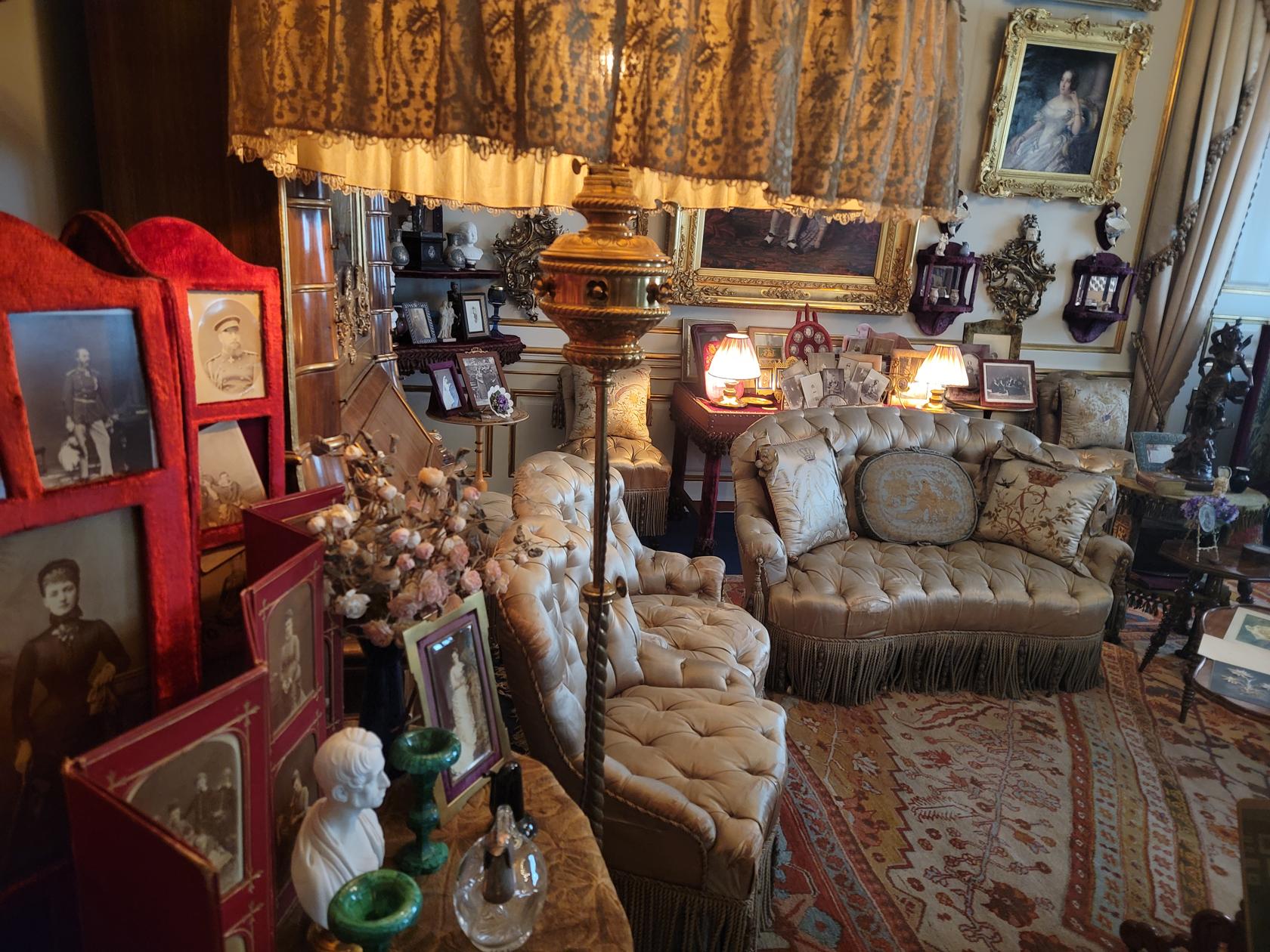
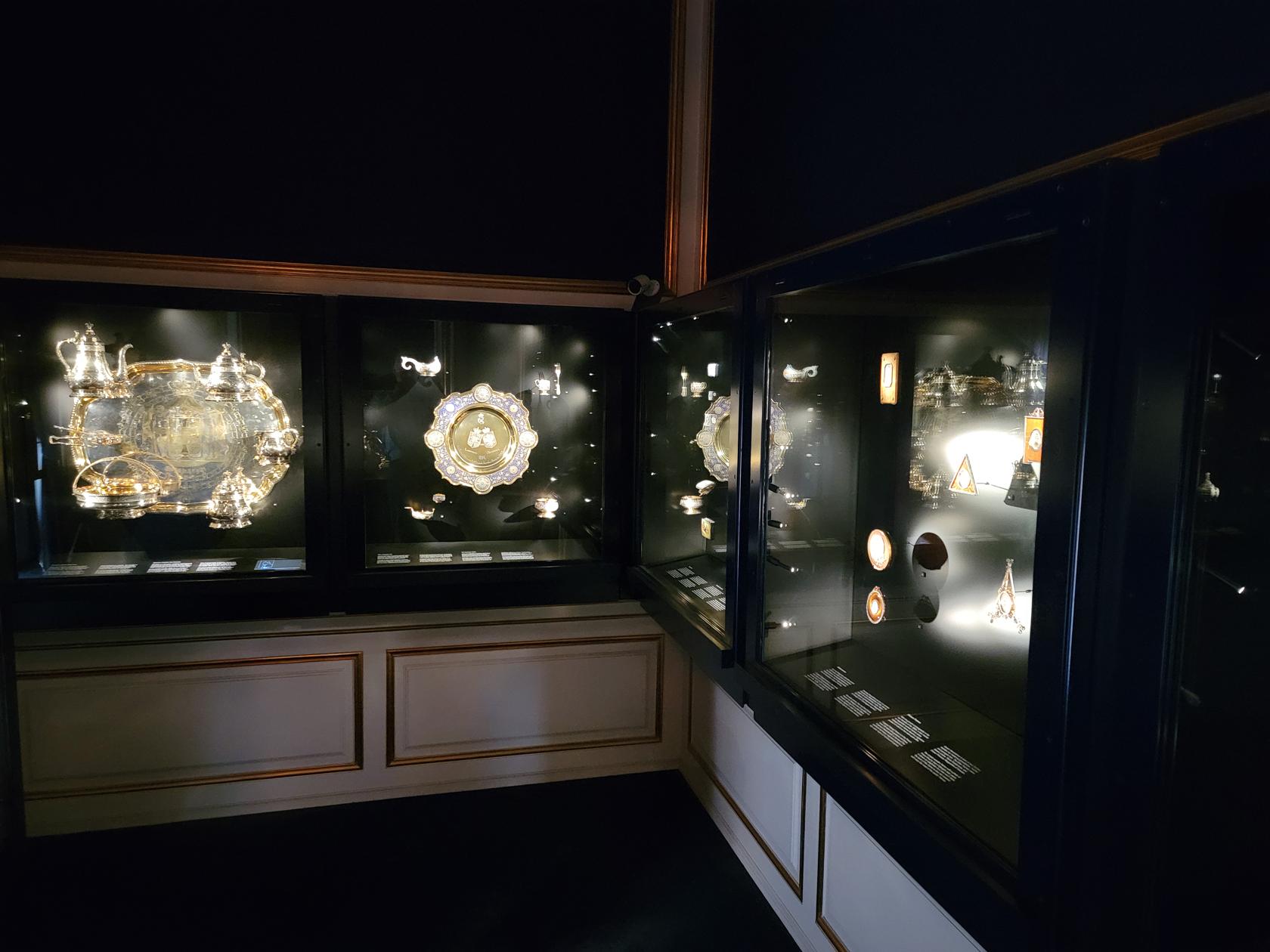
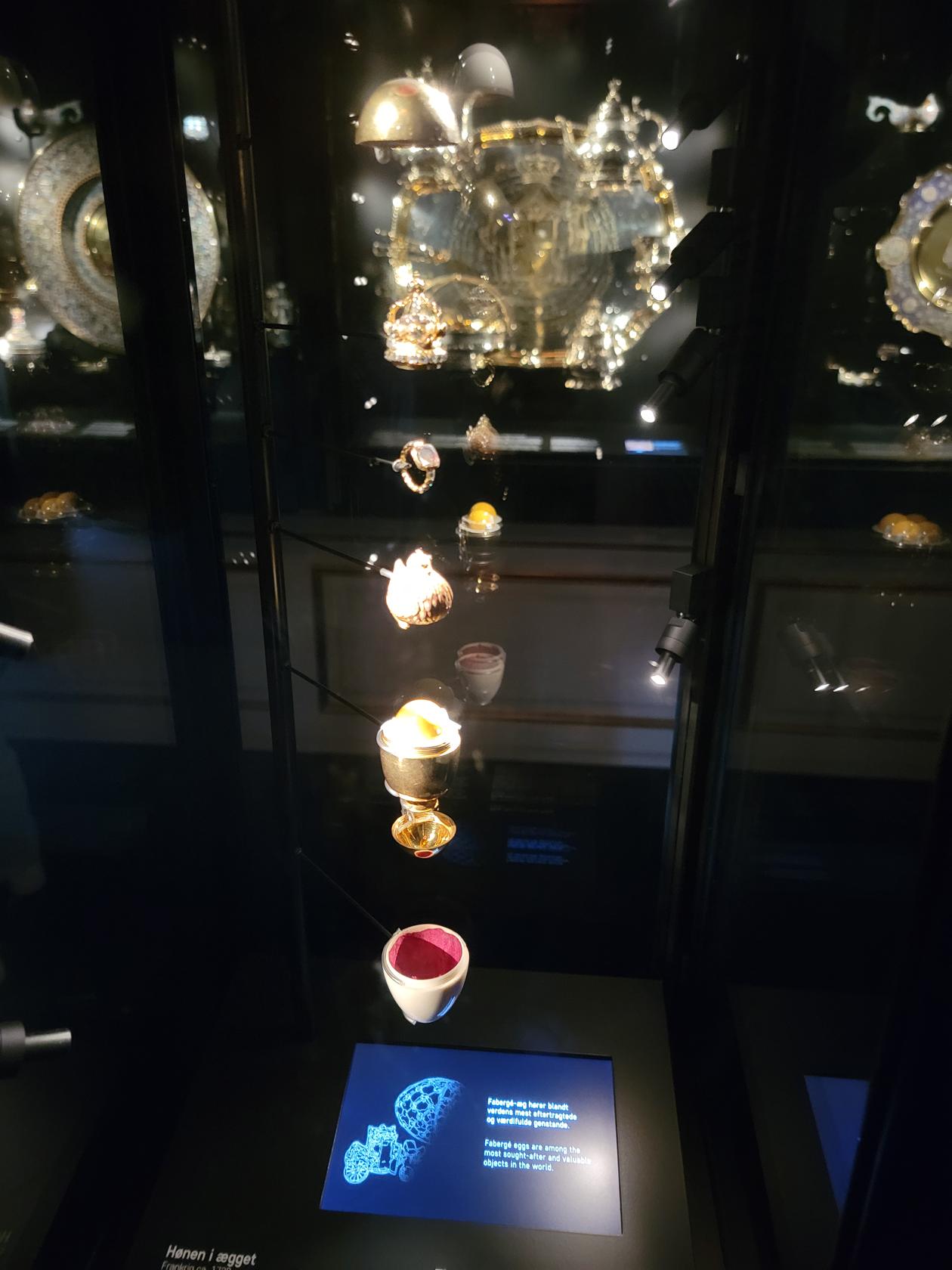
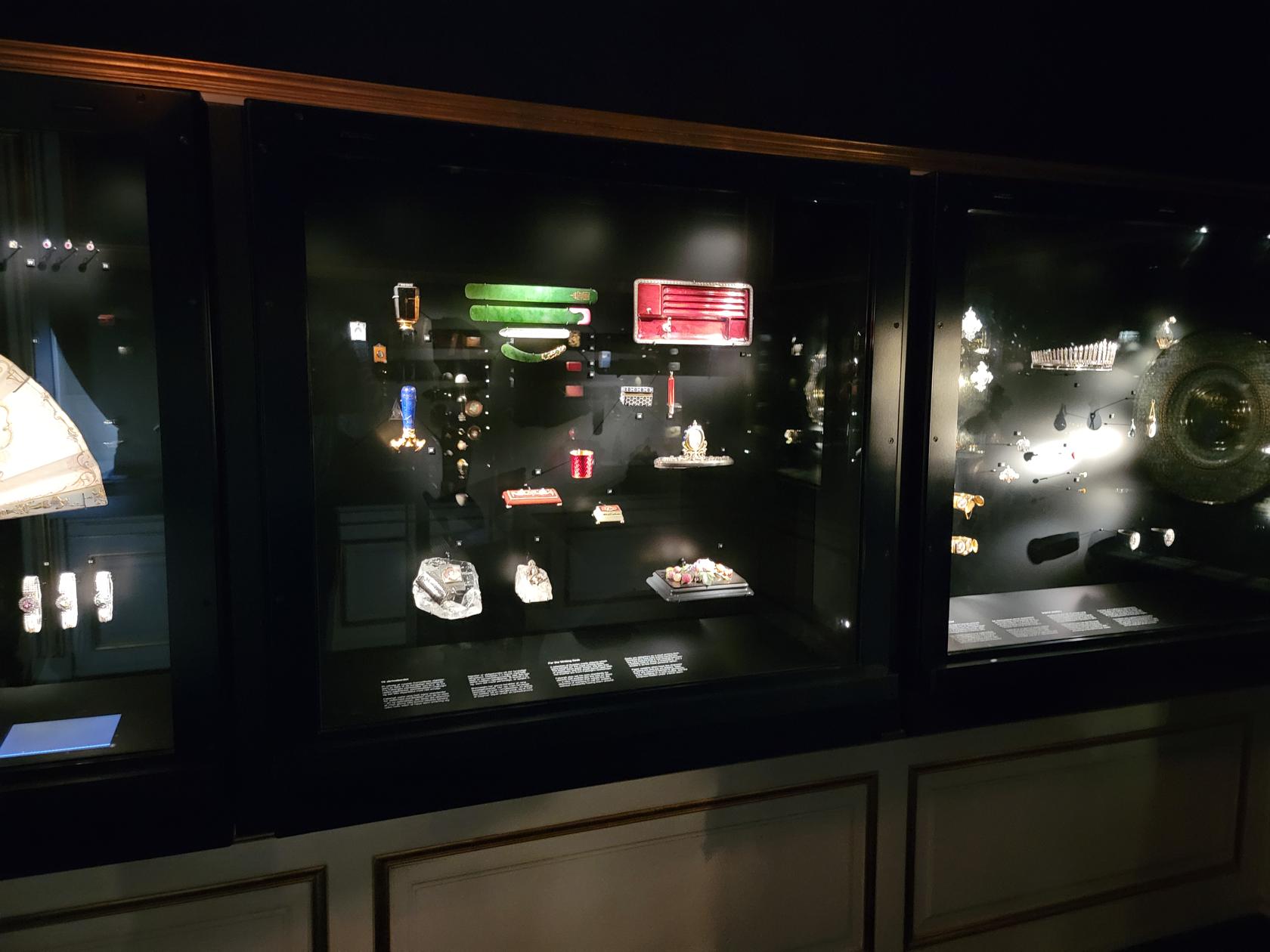
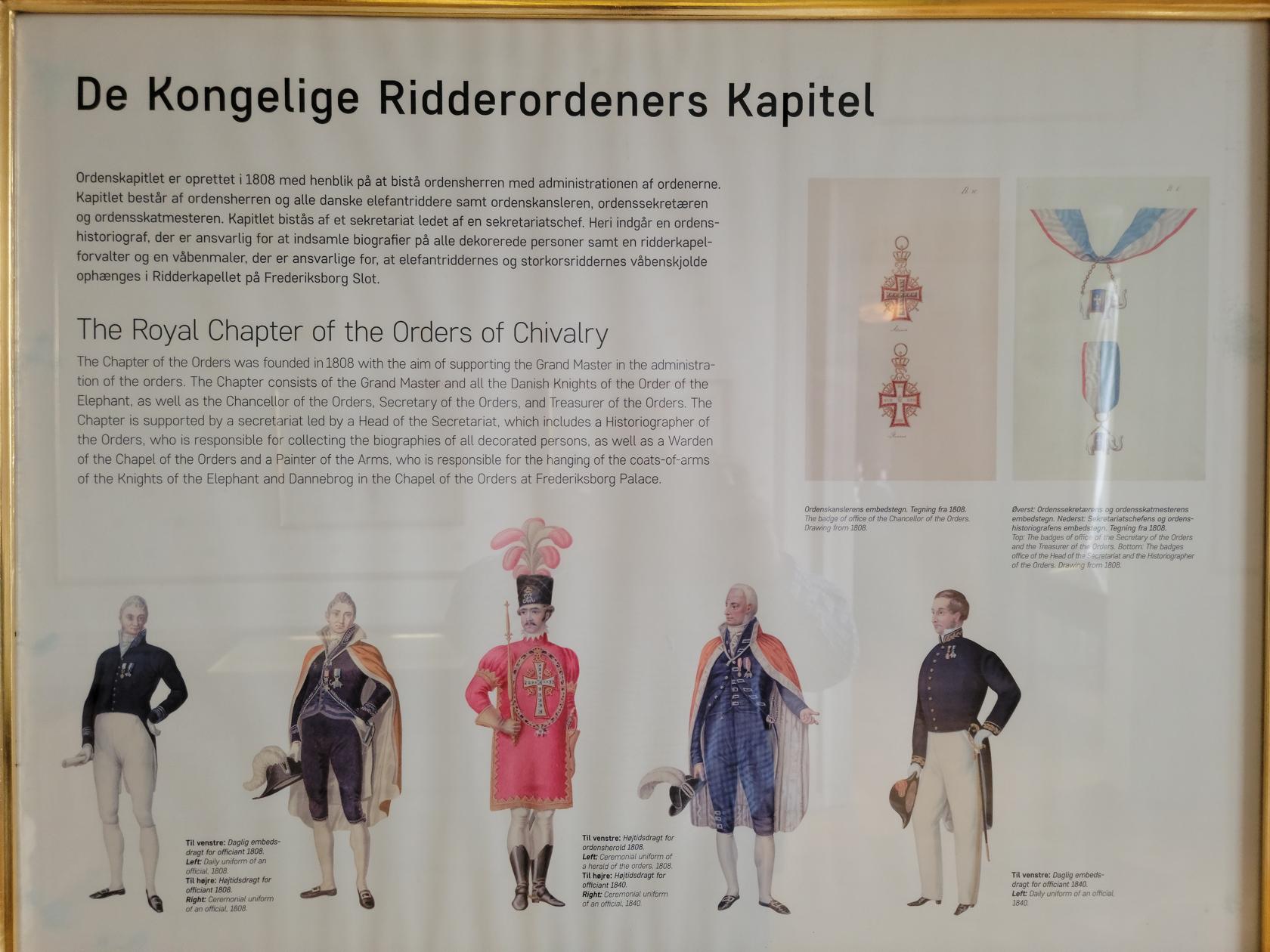
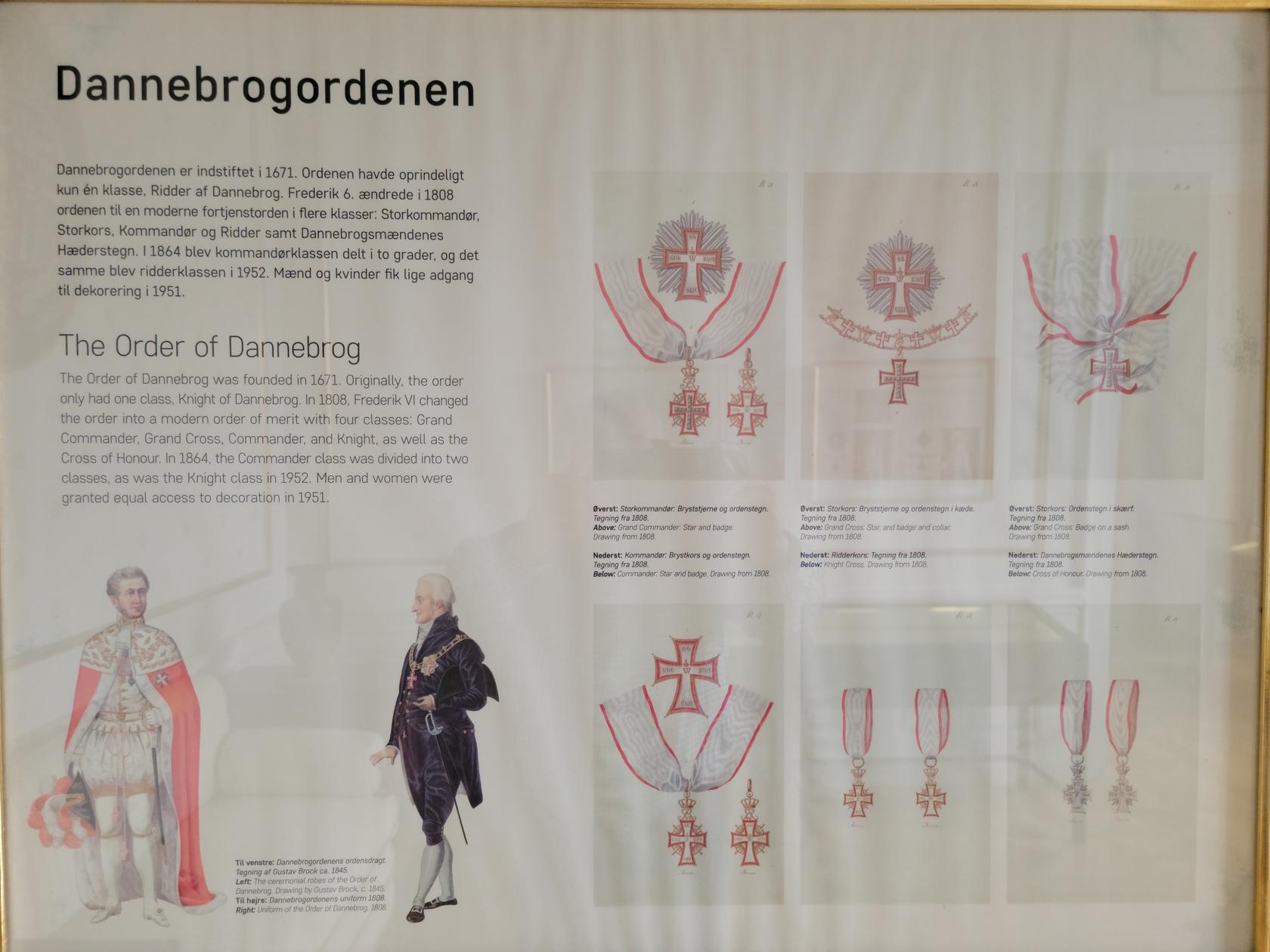
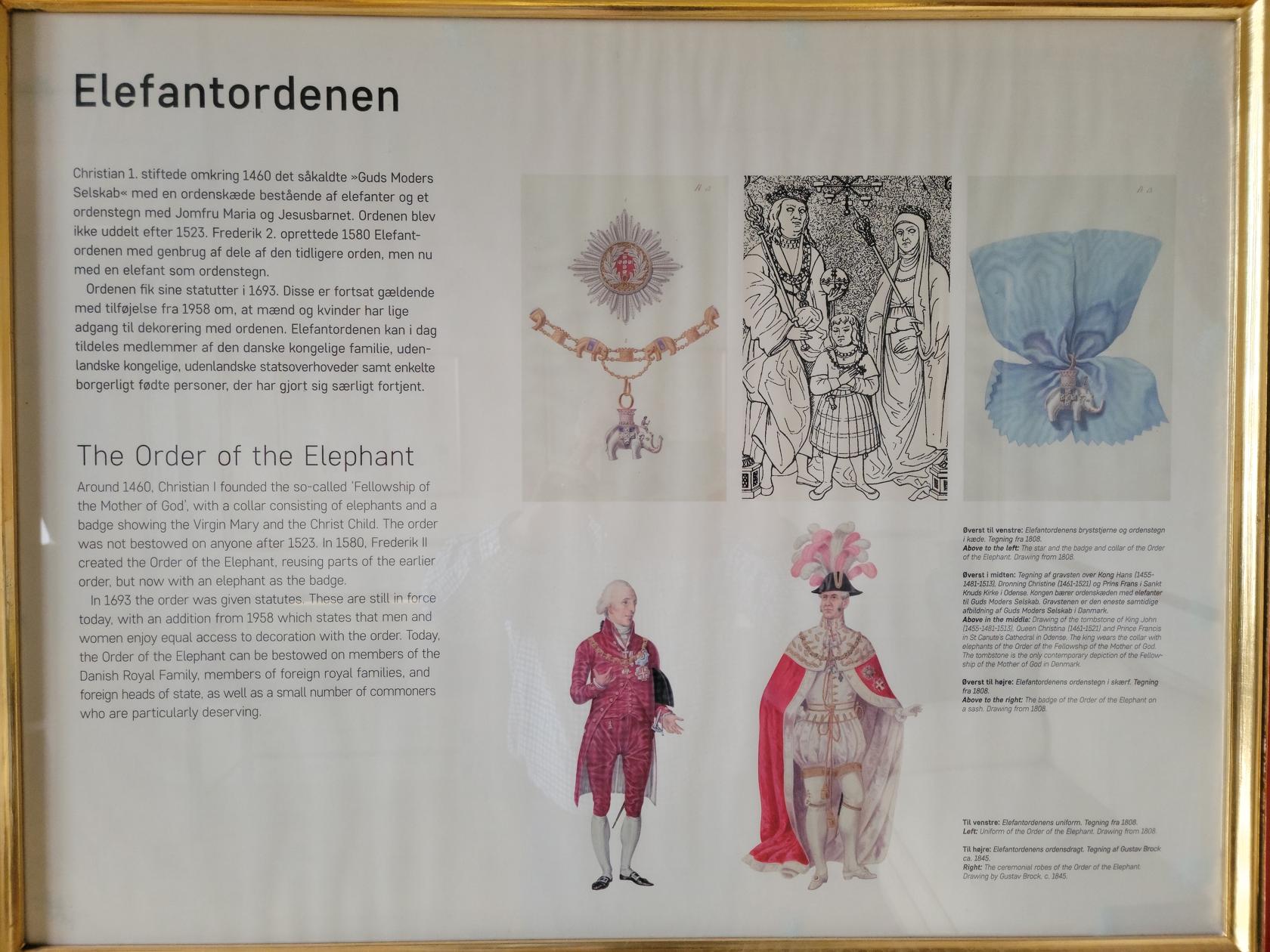
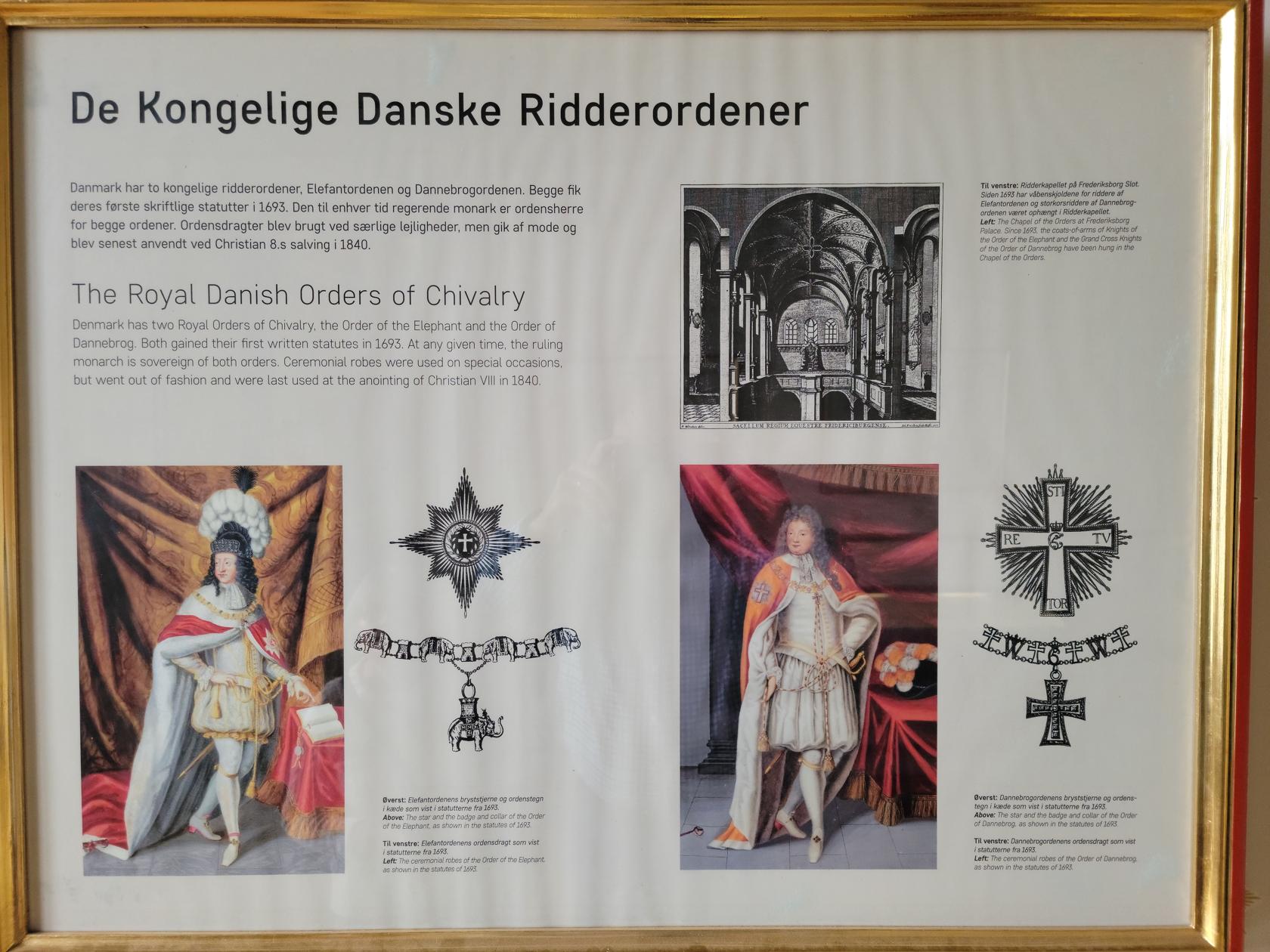
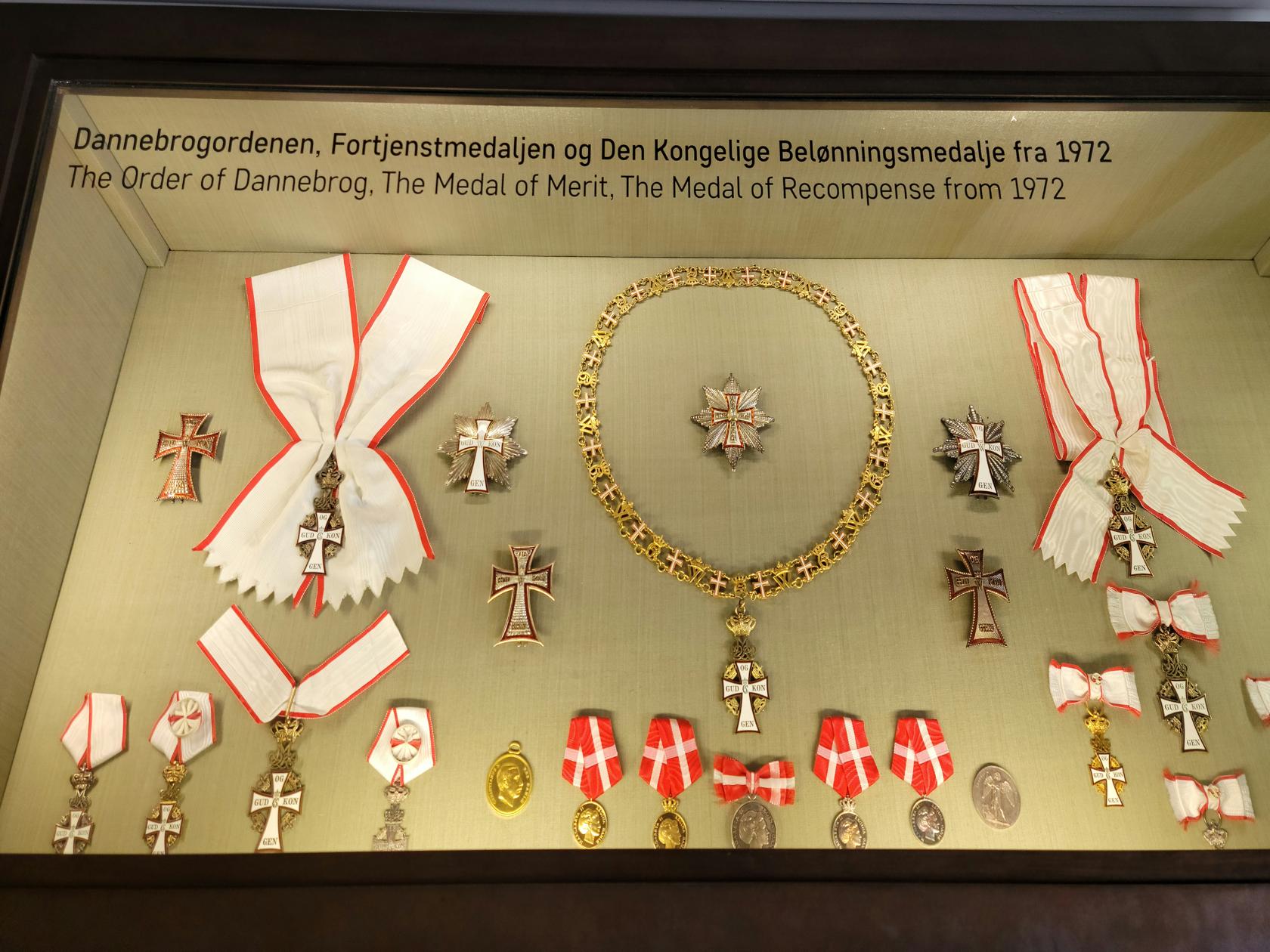
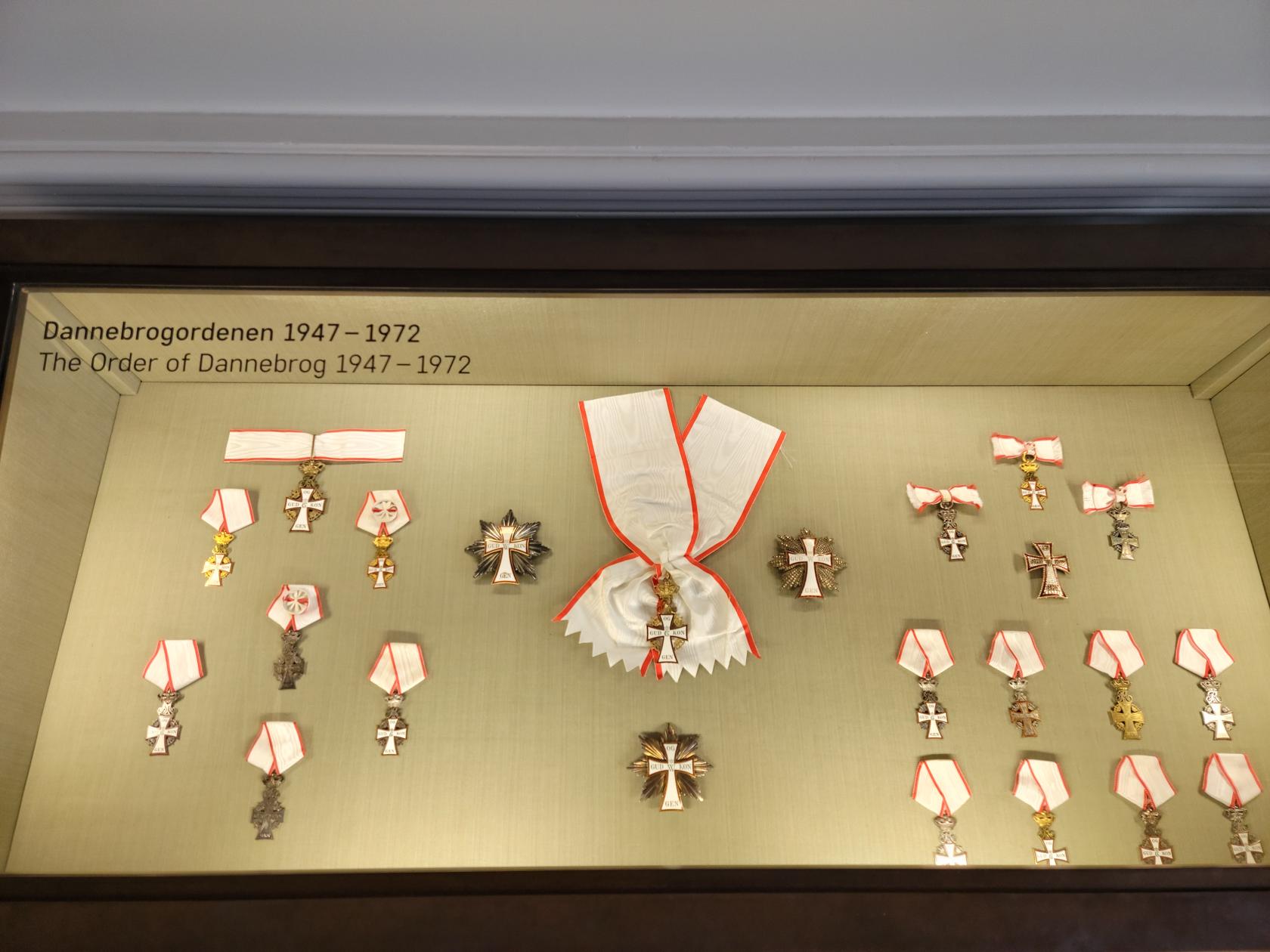
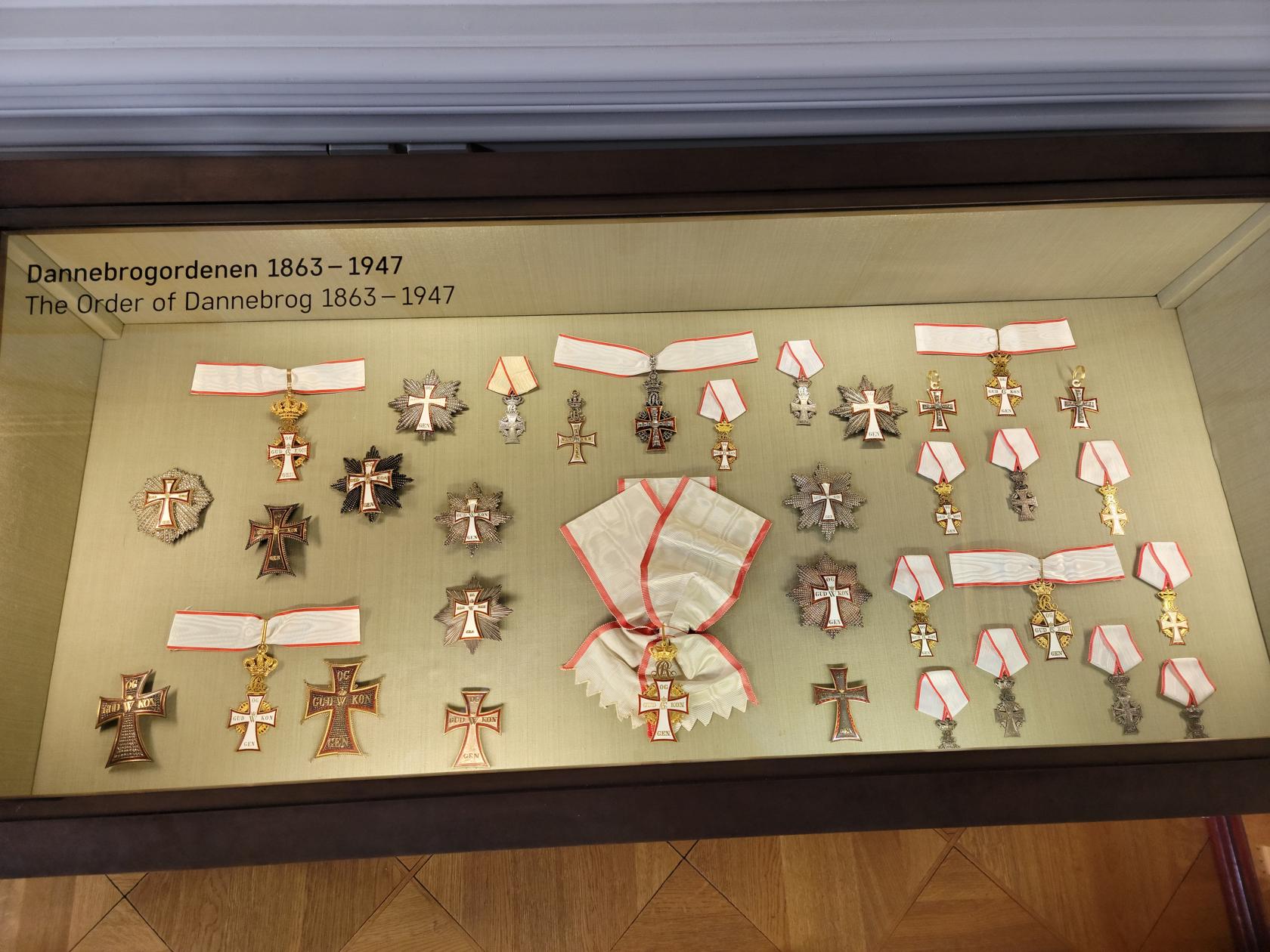
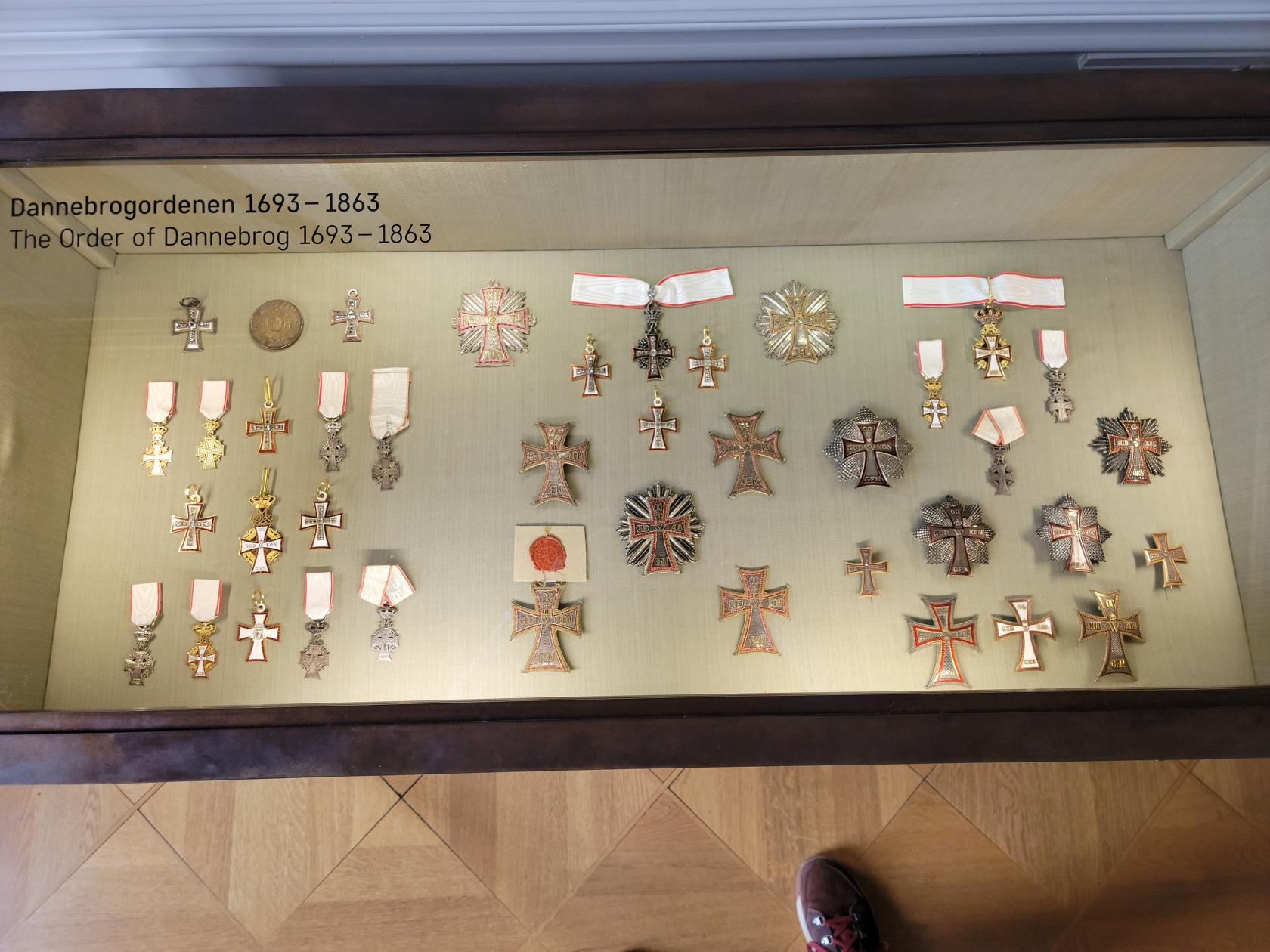
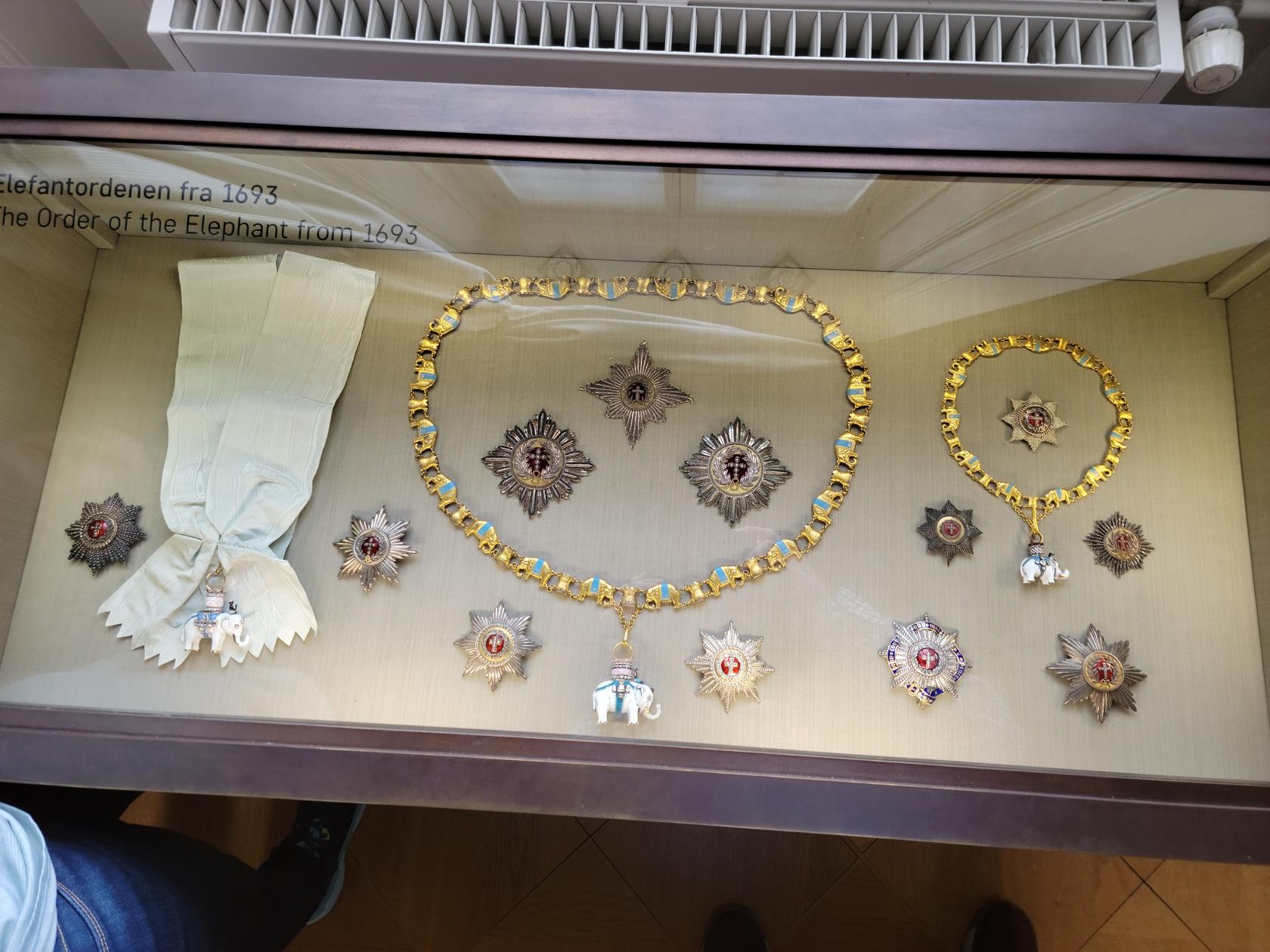
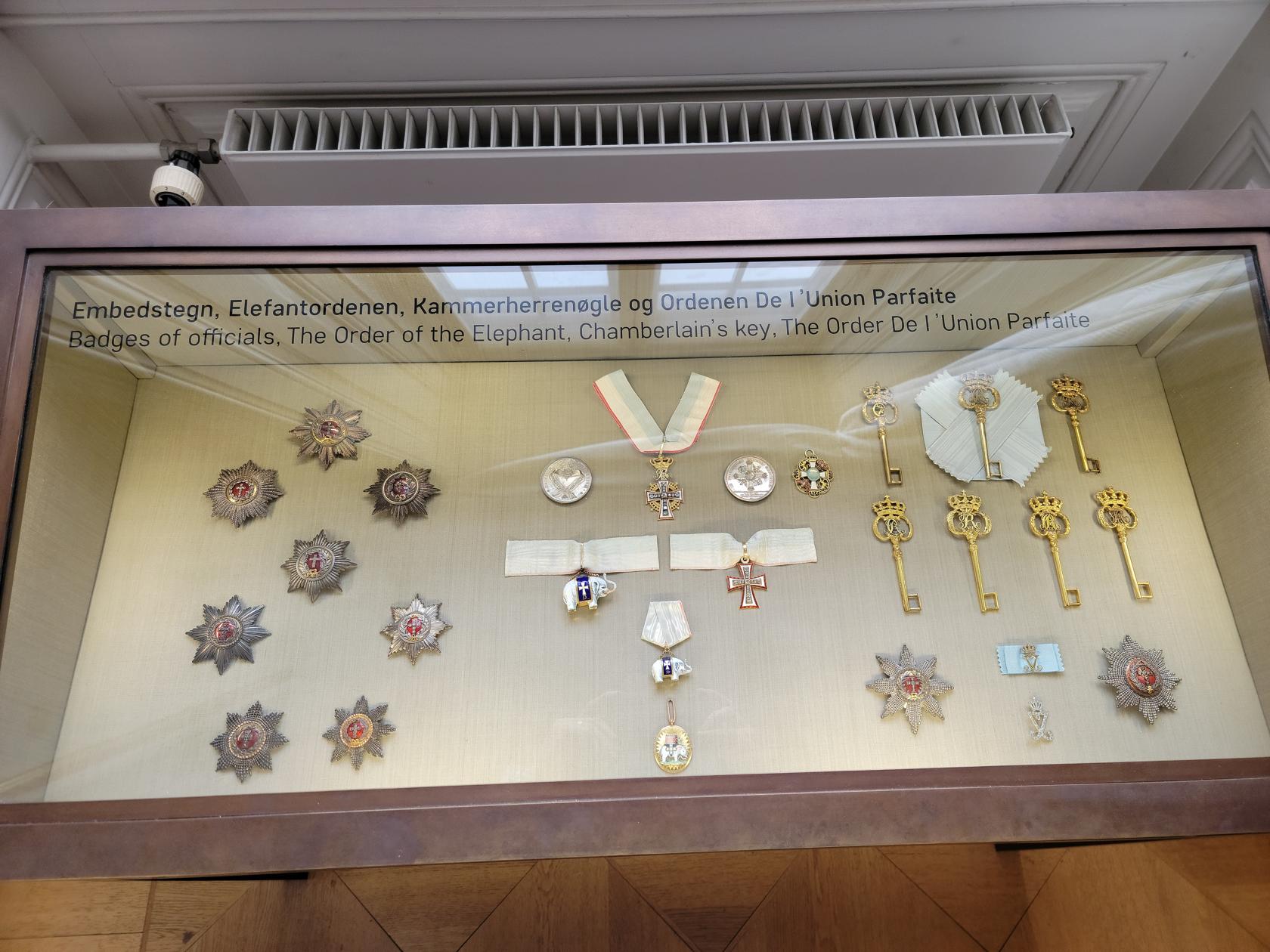
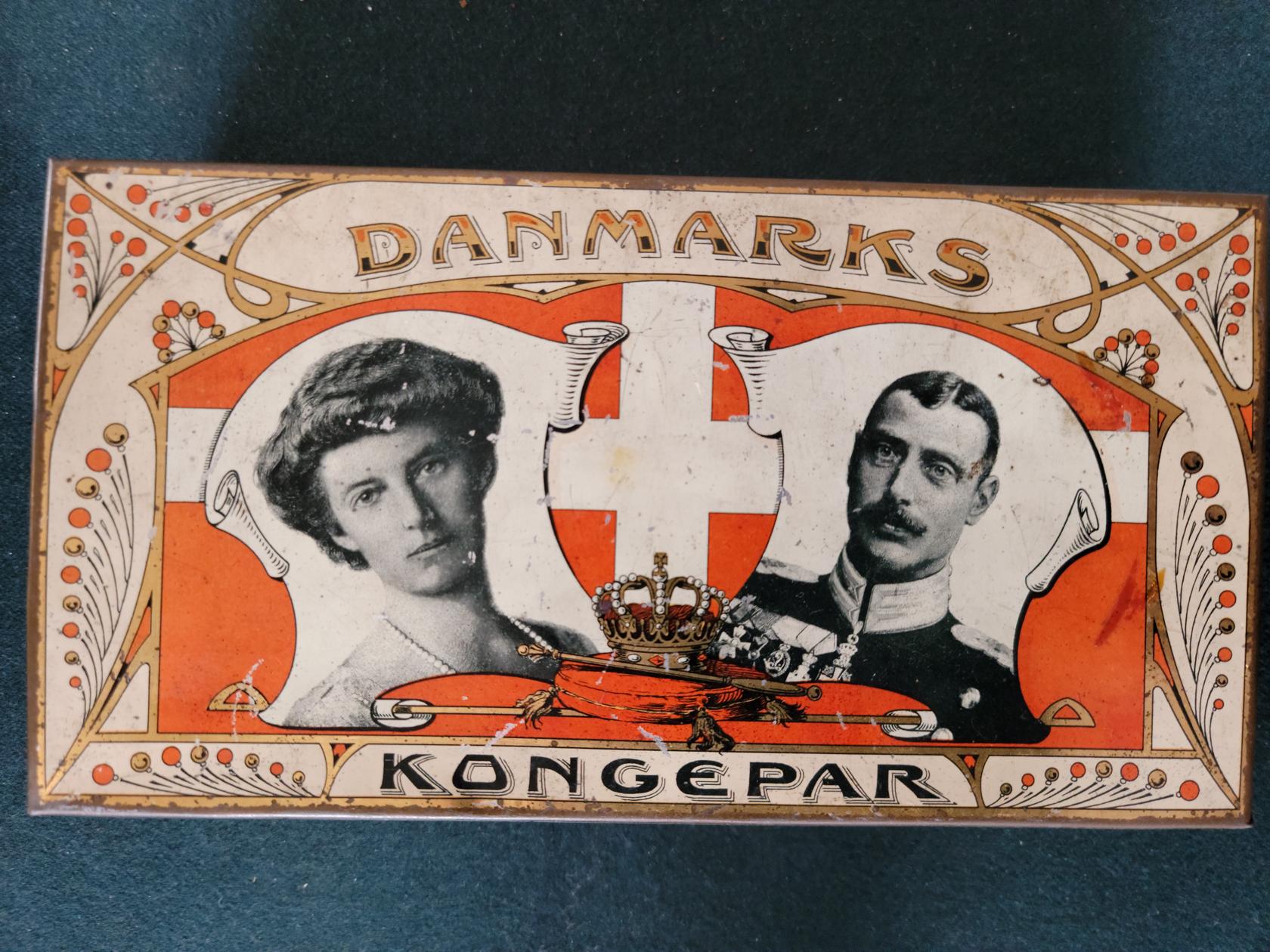
Lastly, there is a collection of the royal medals and other accoutrements, here is a short slideshow on them.

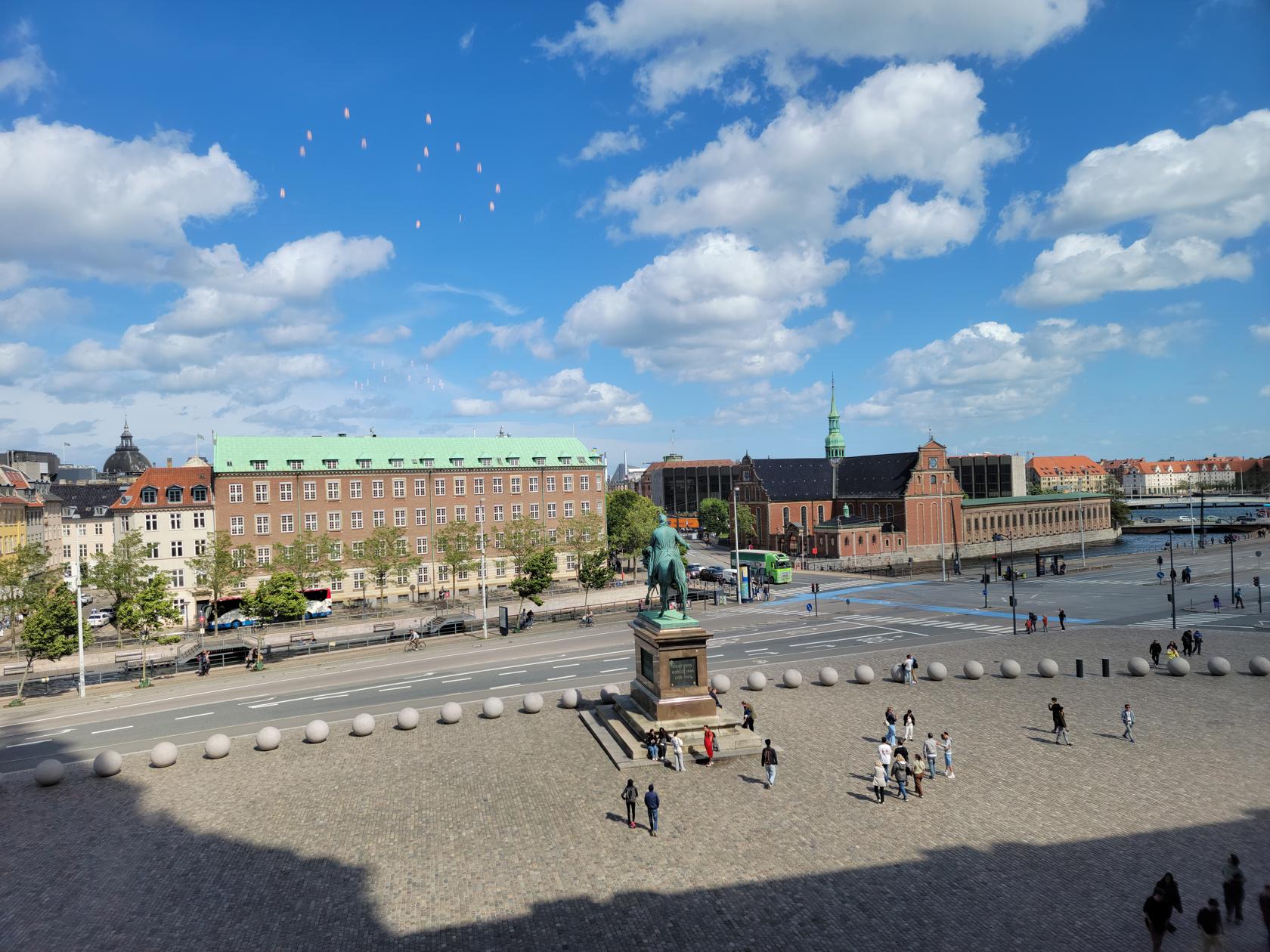
Christiansborg Palace

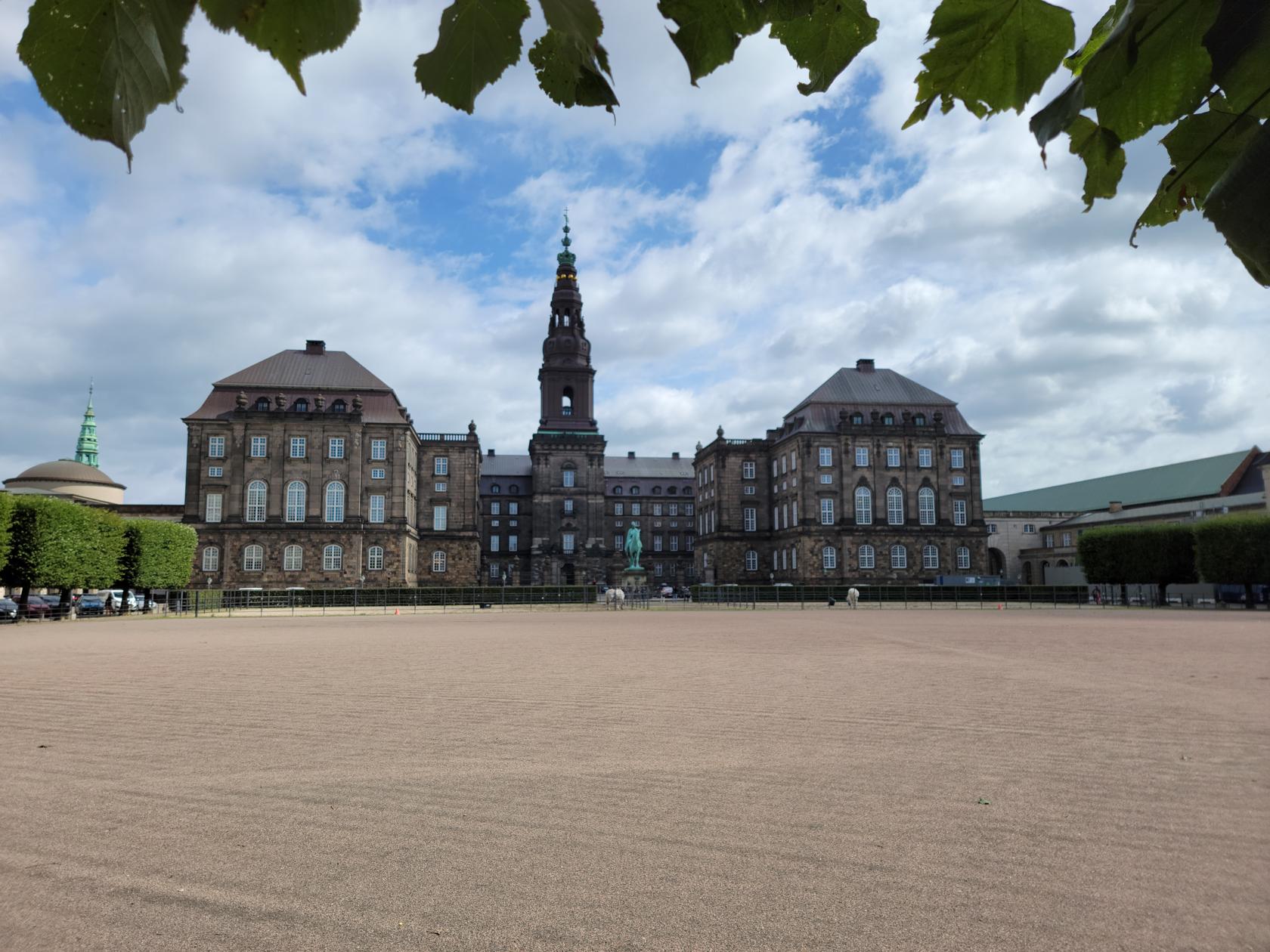
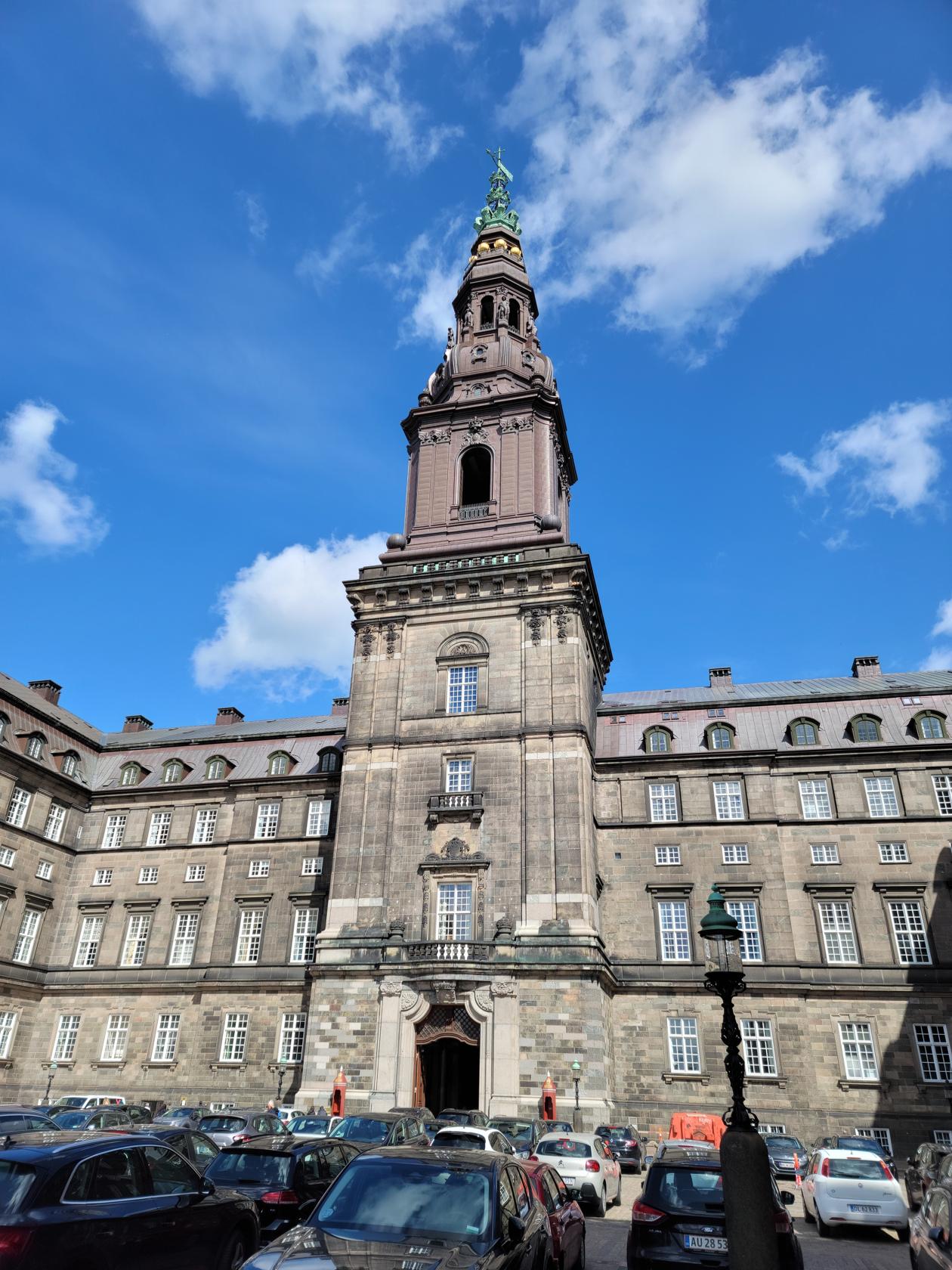
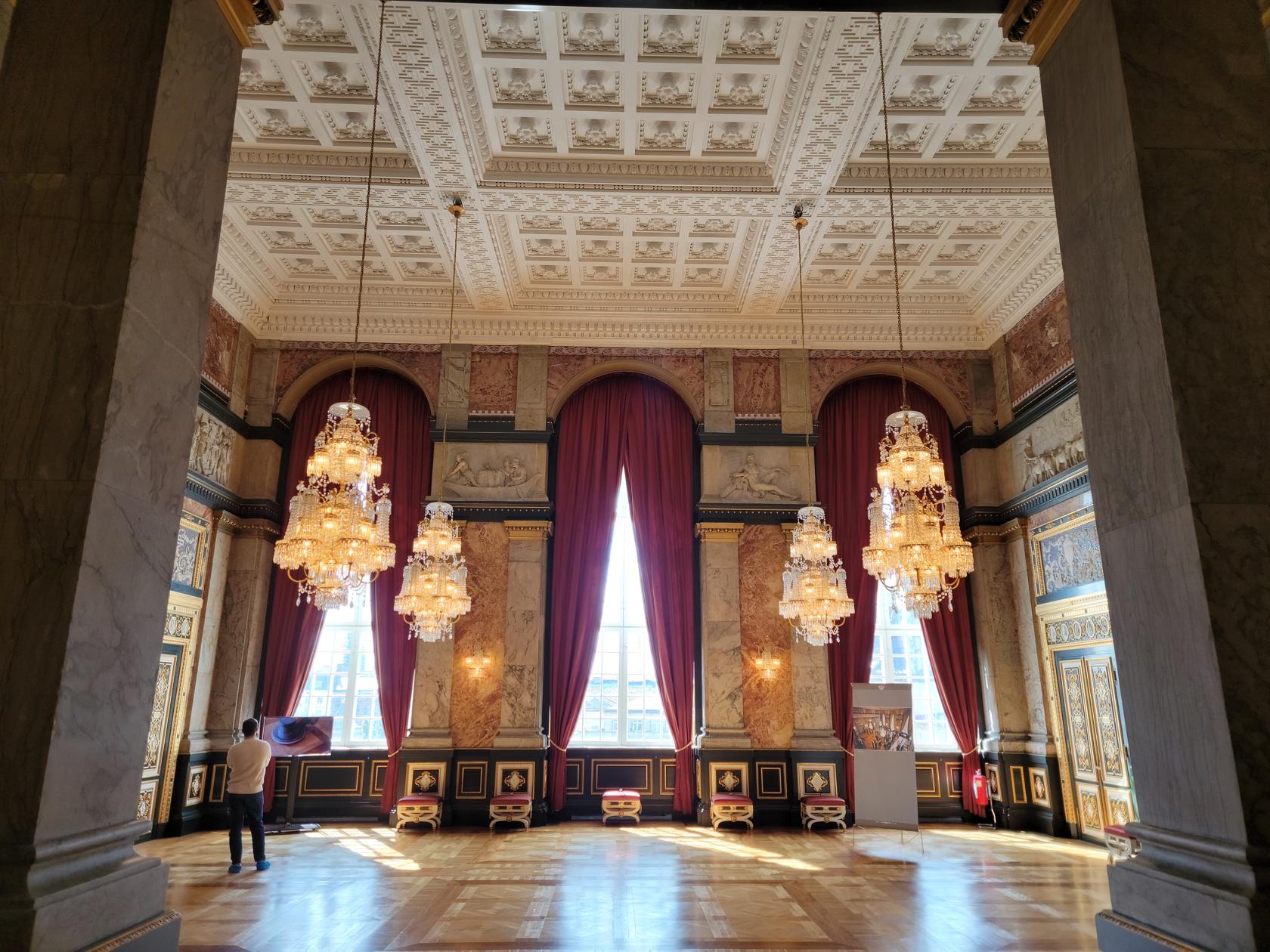
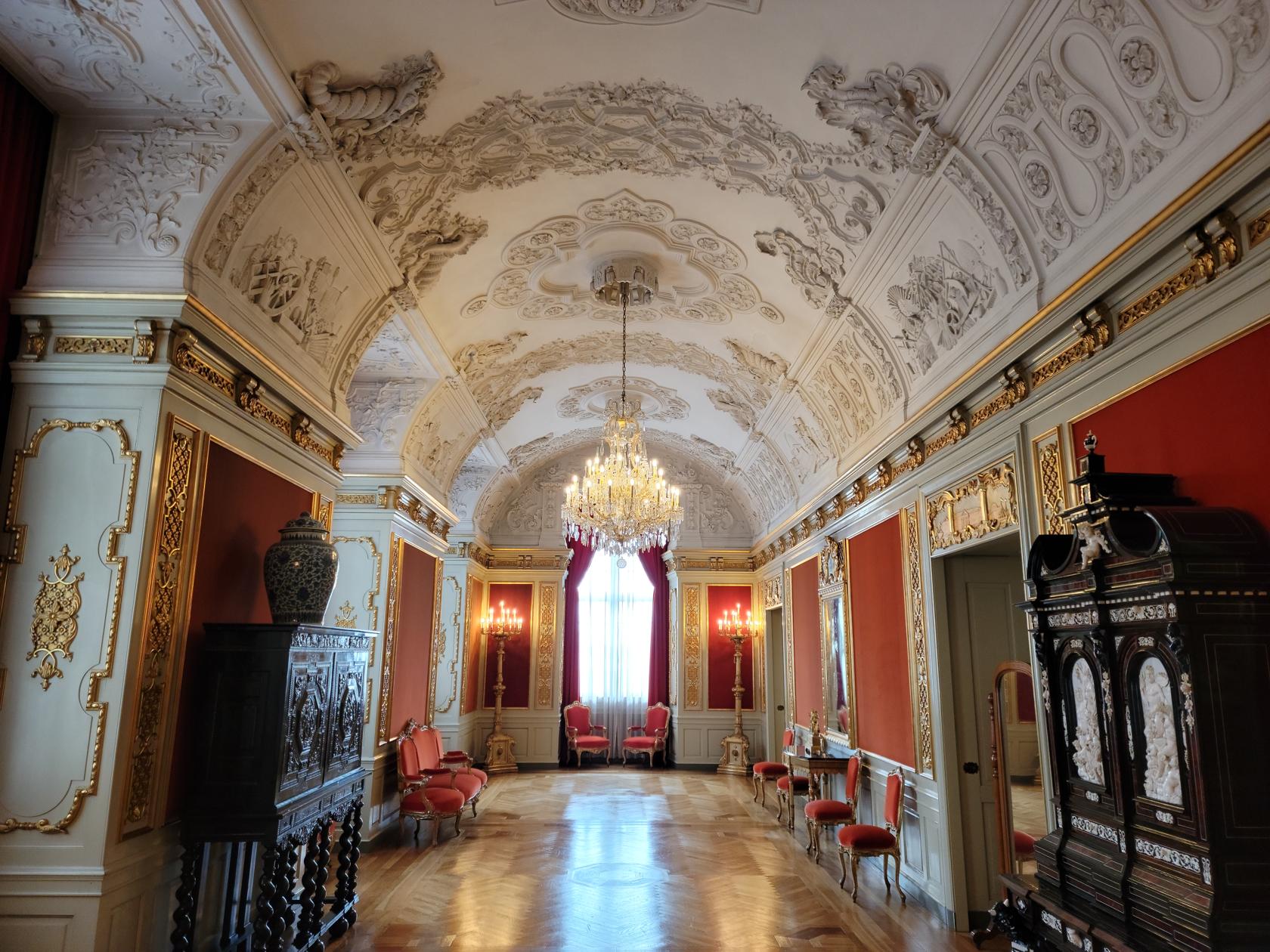
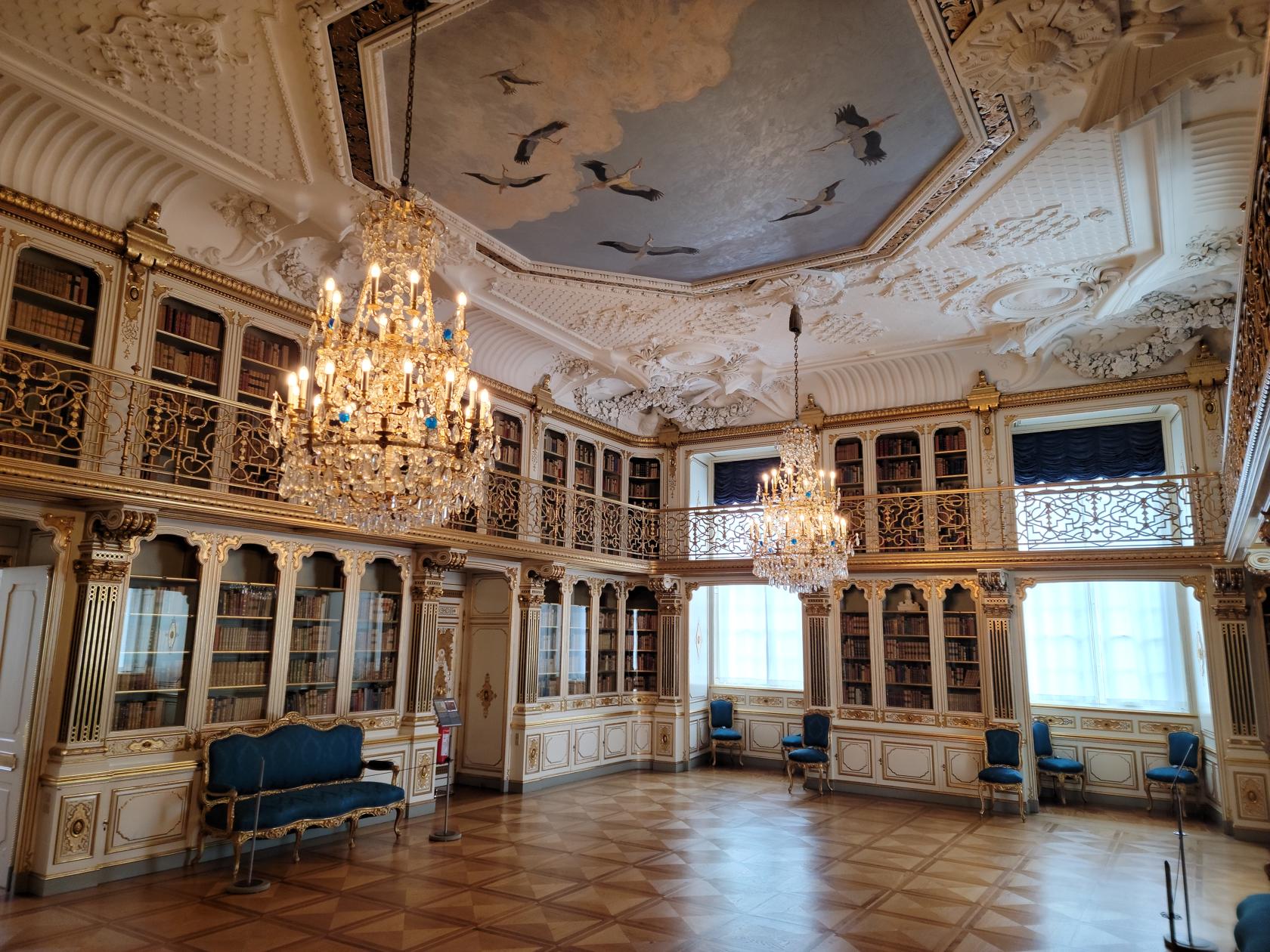
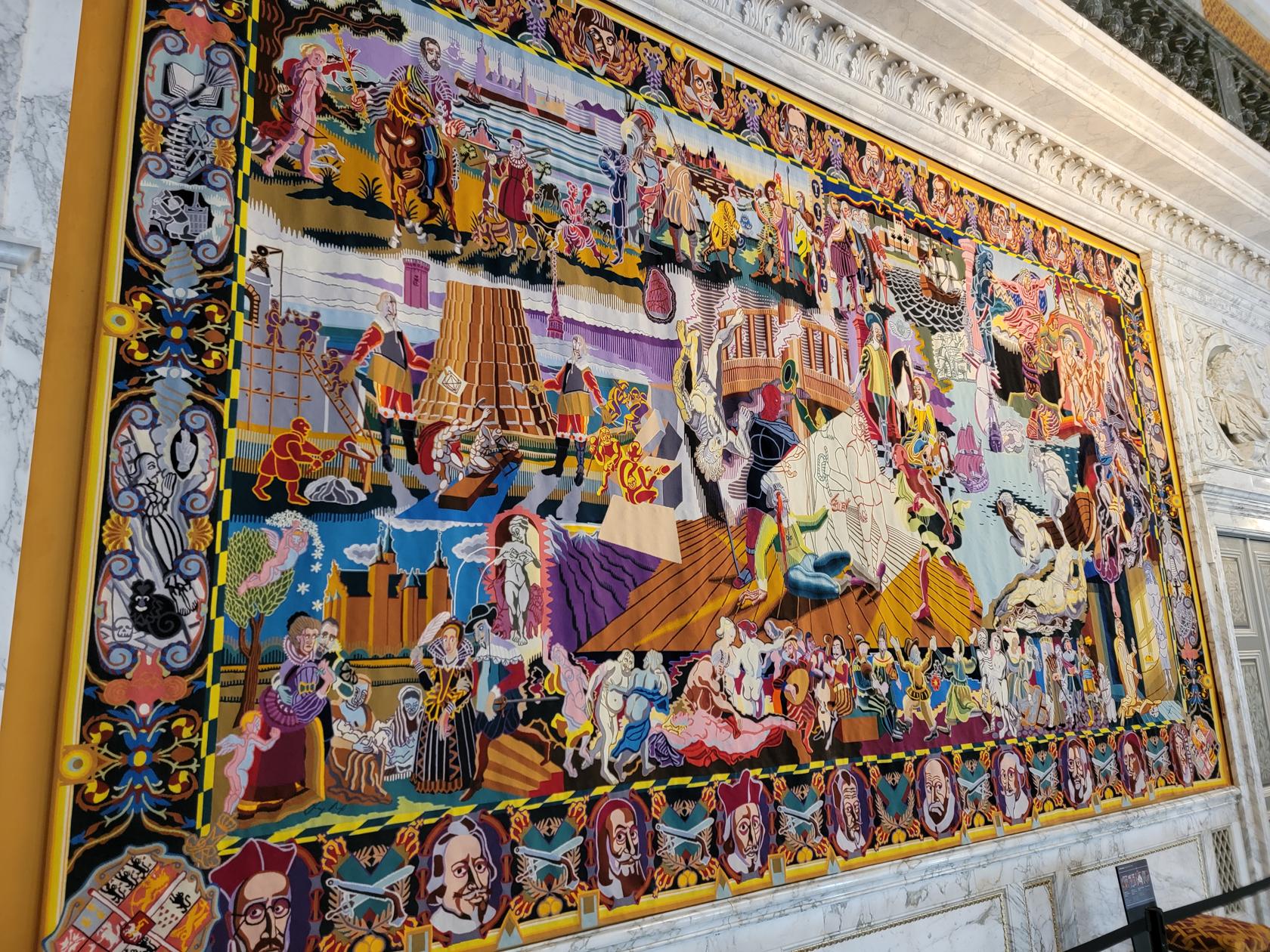
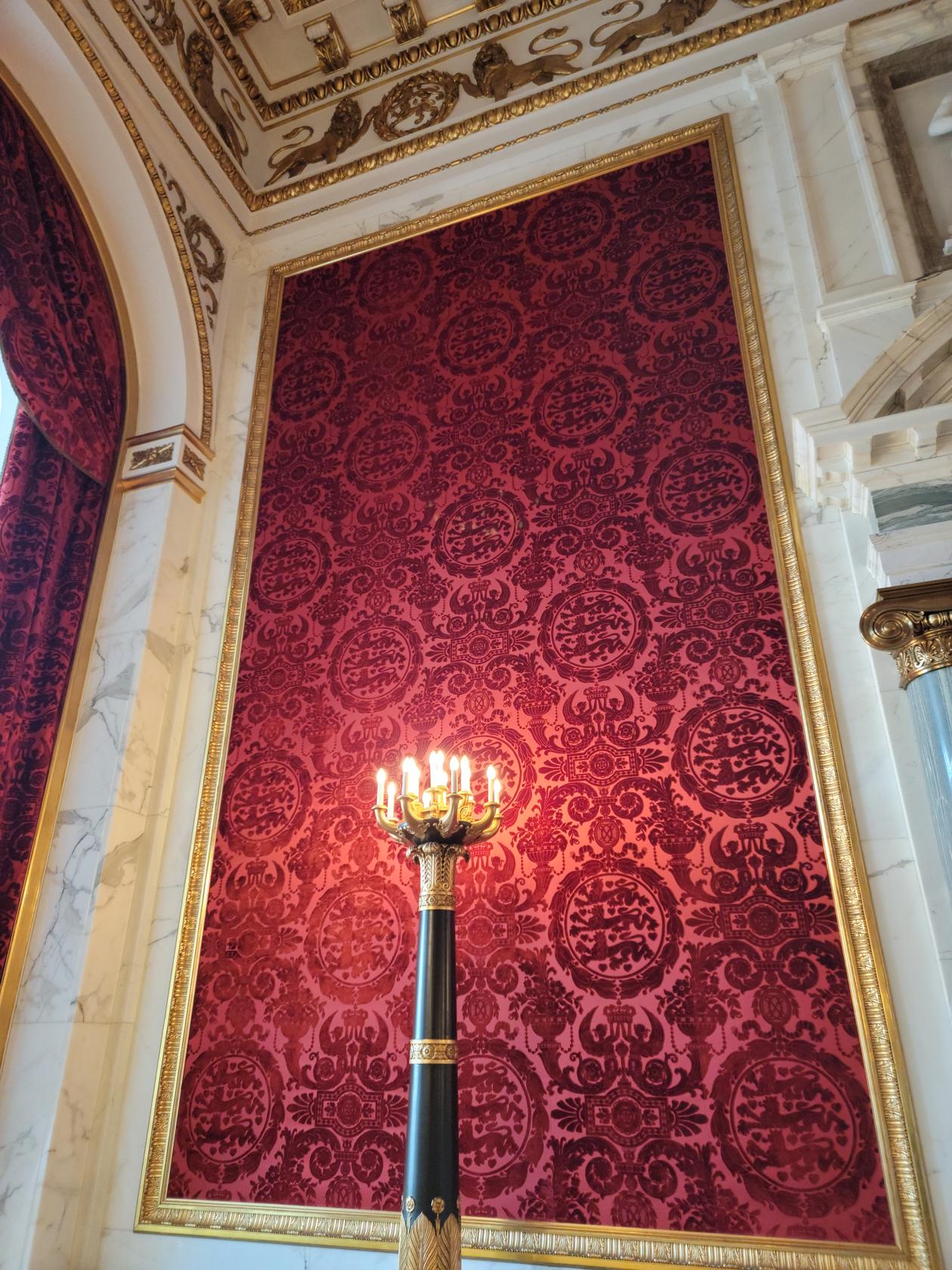
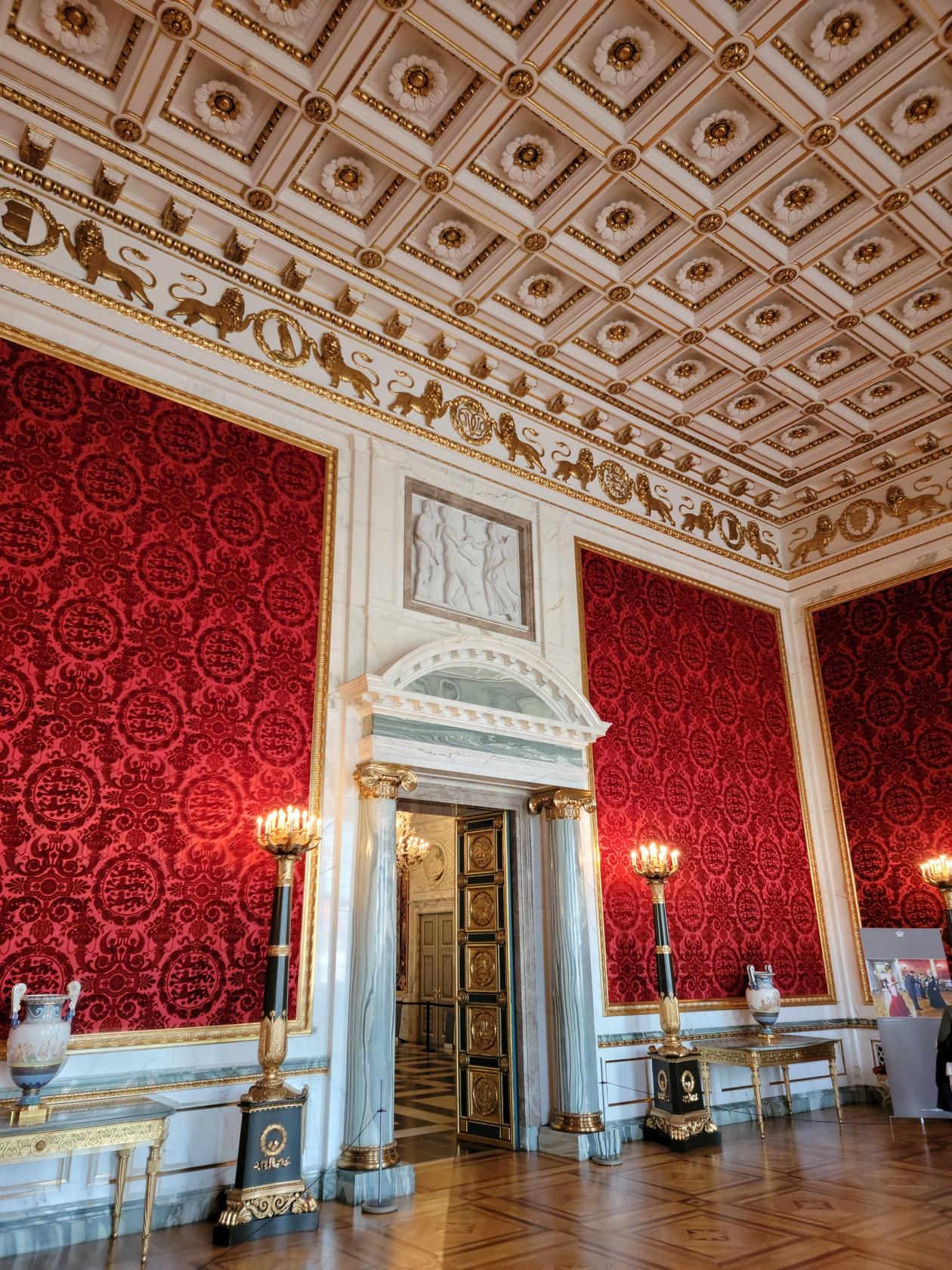
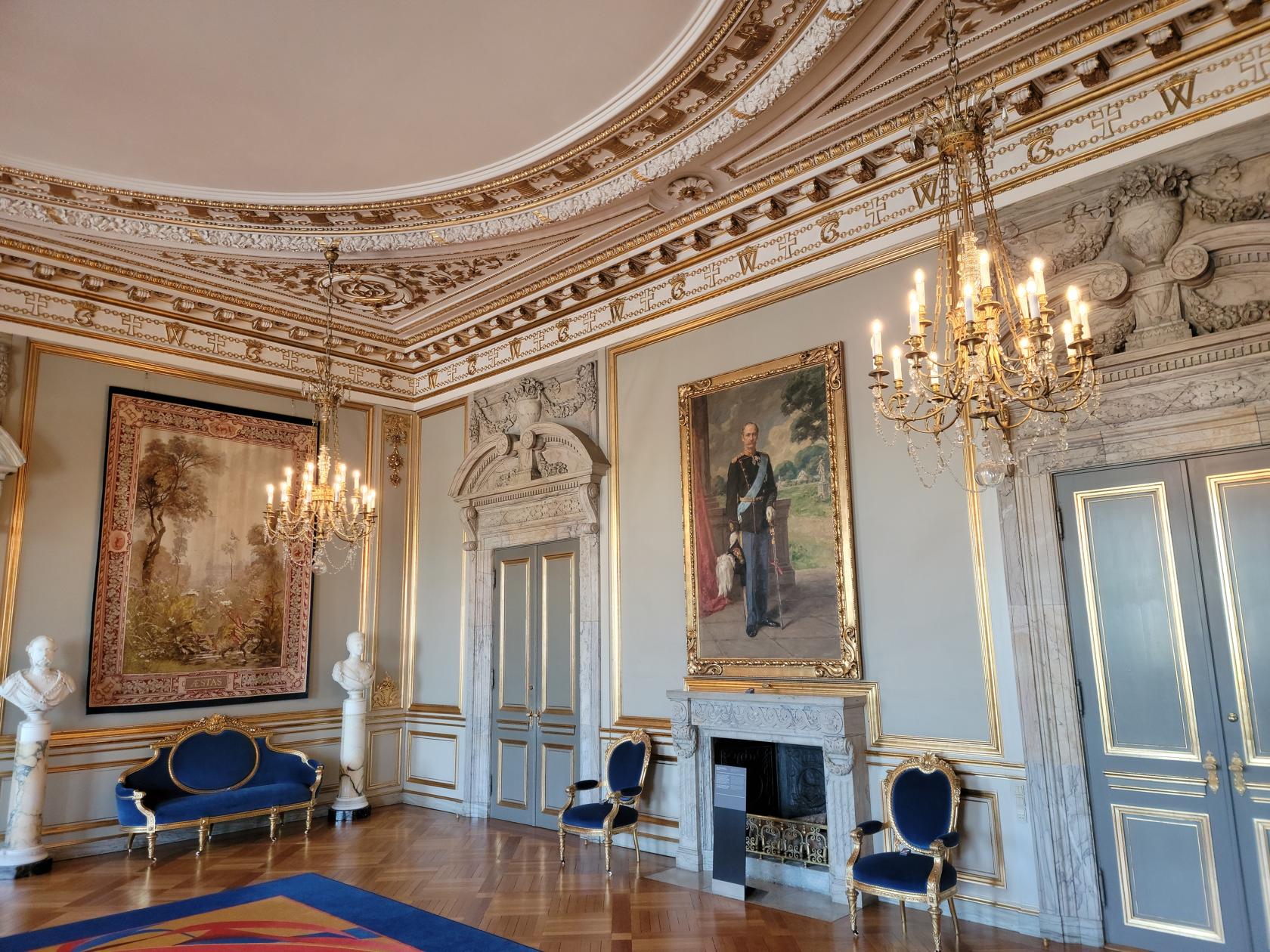
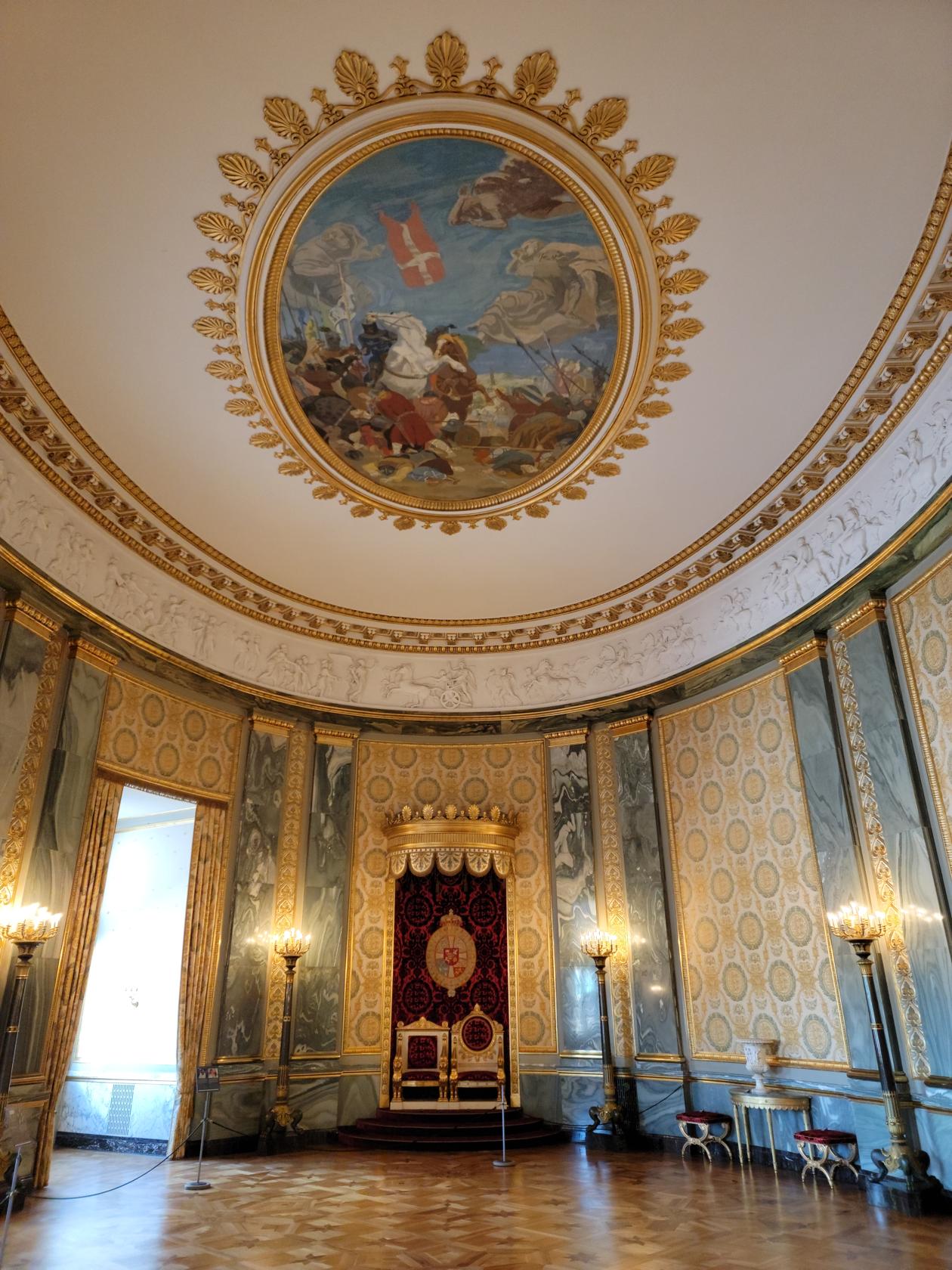
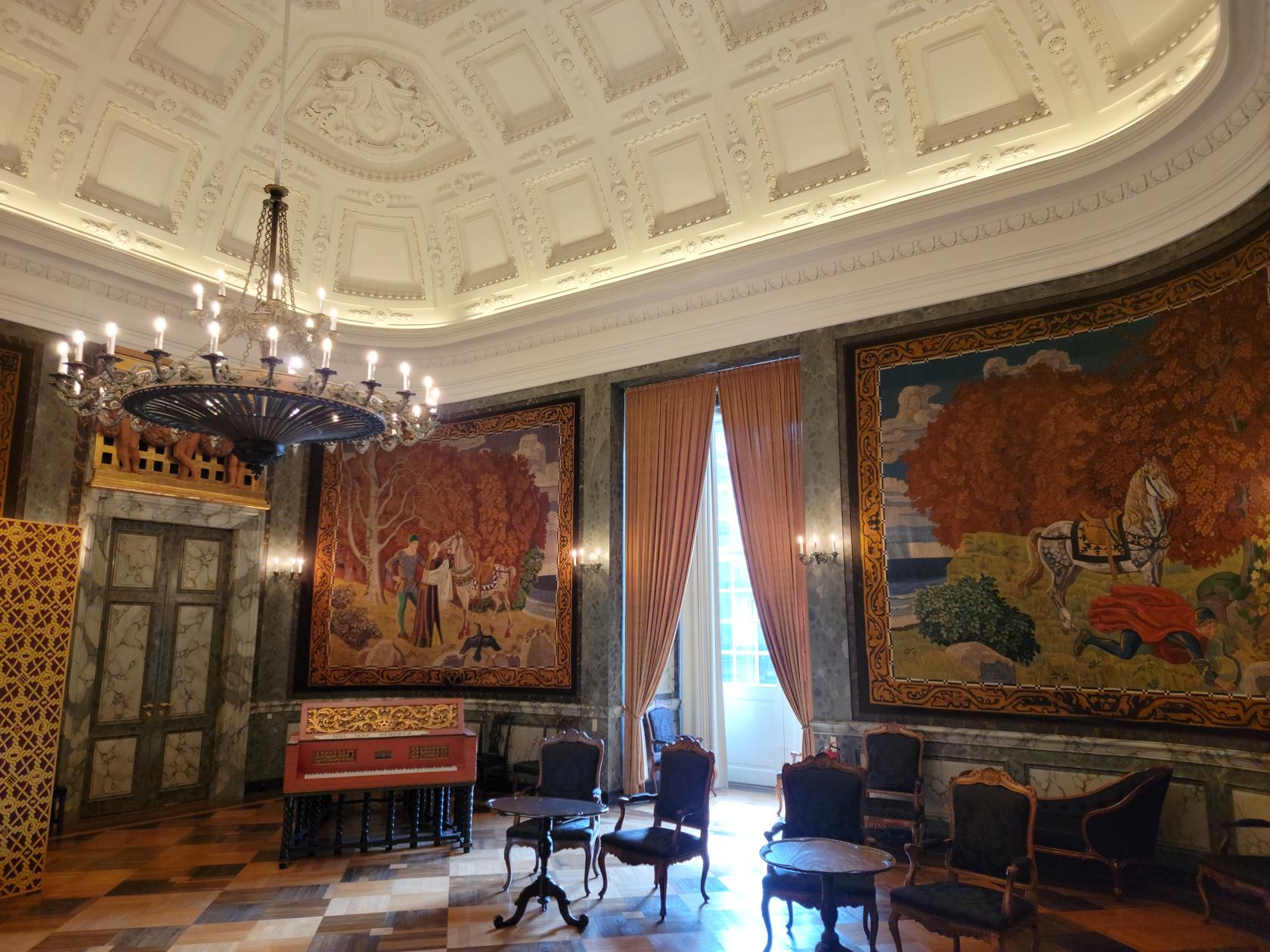
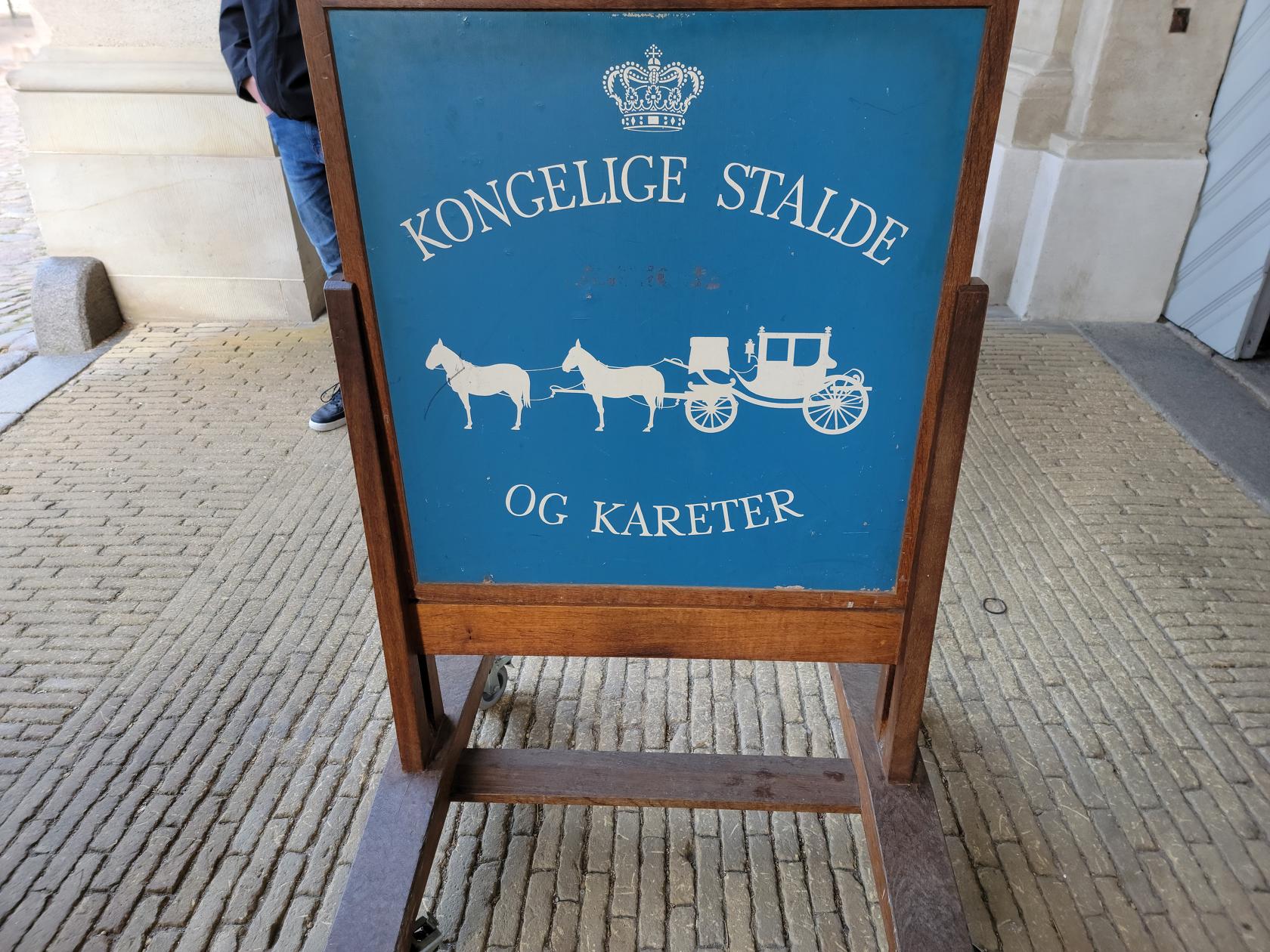
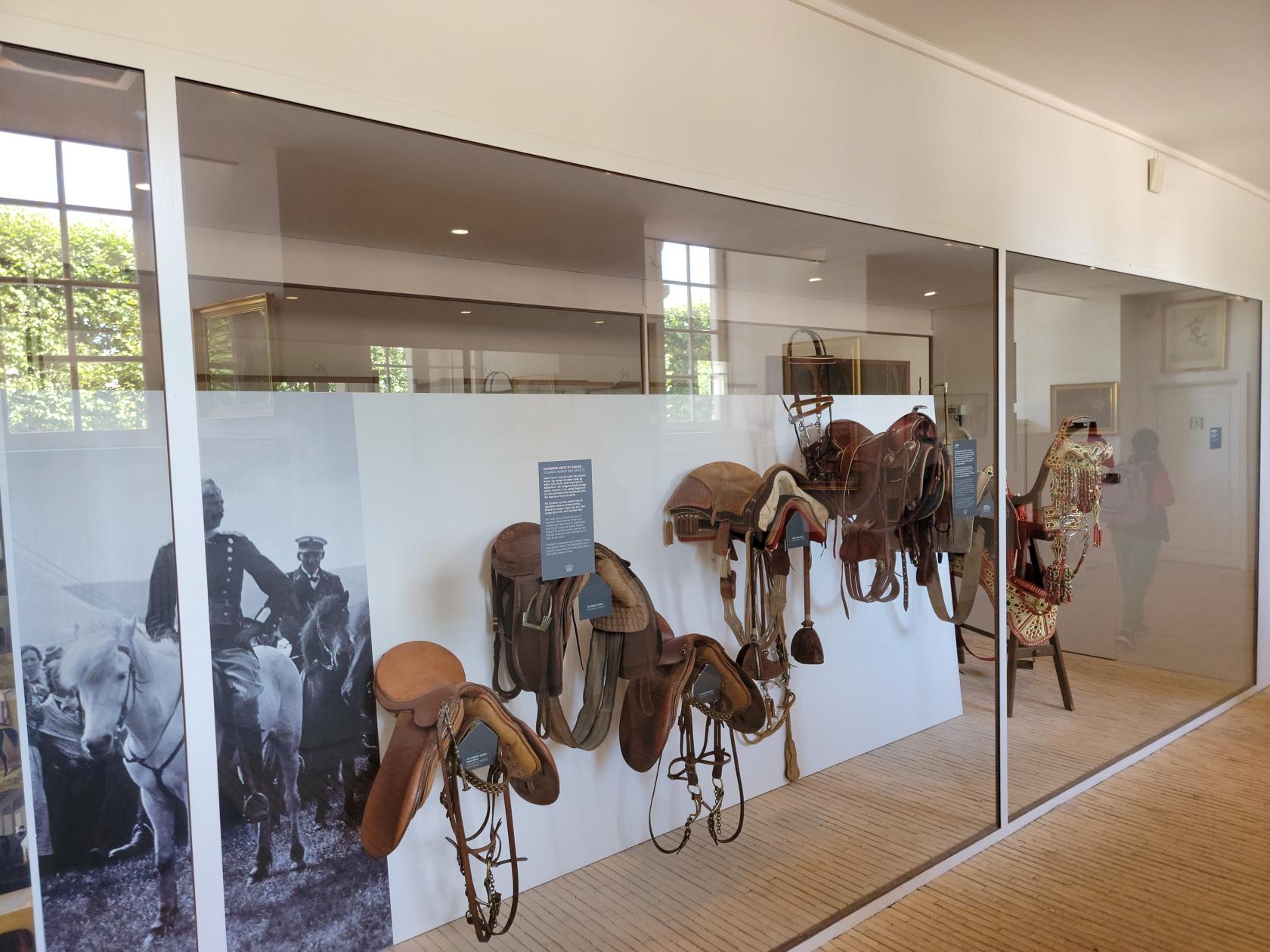
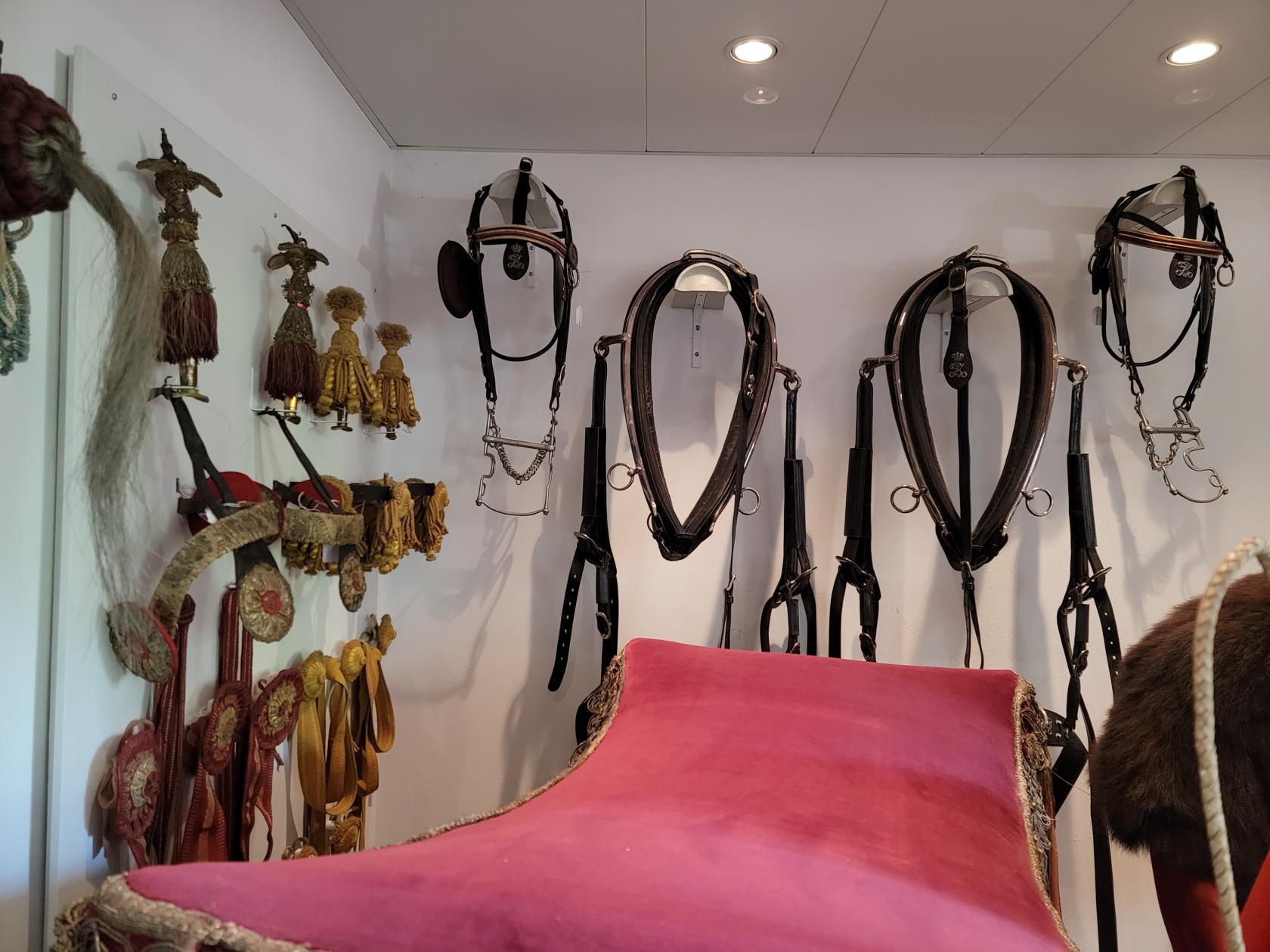
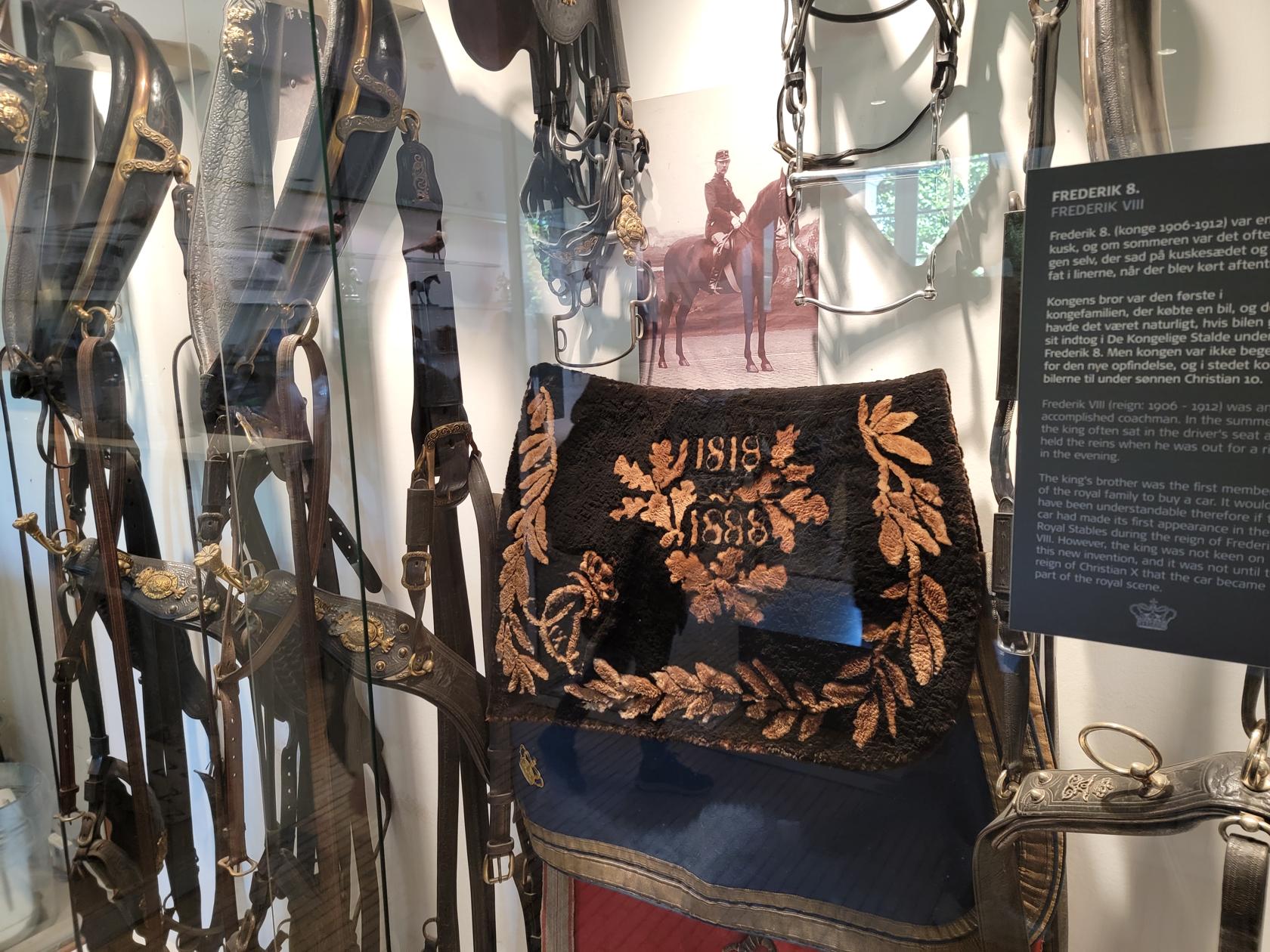
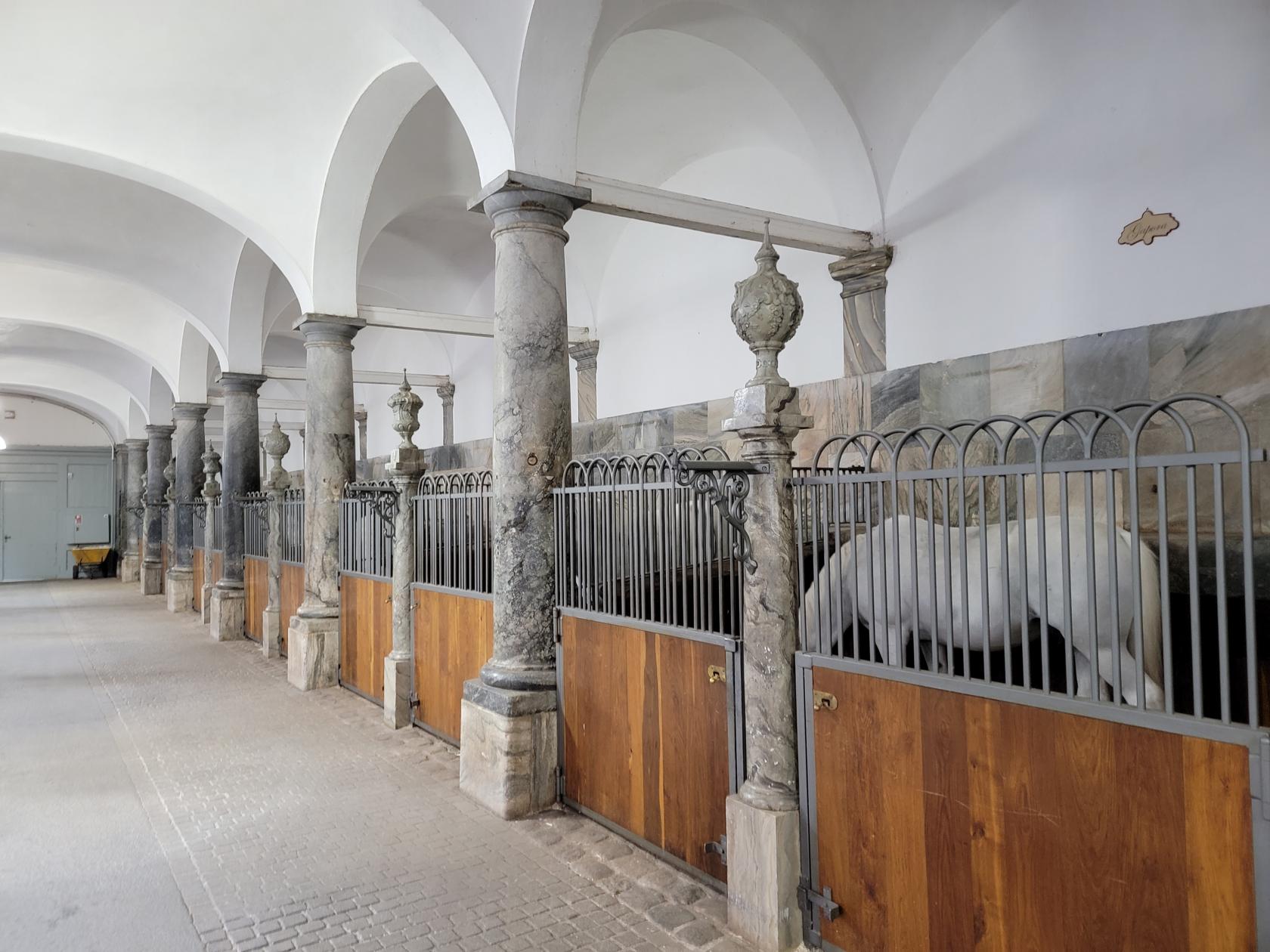
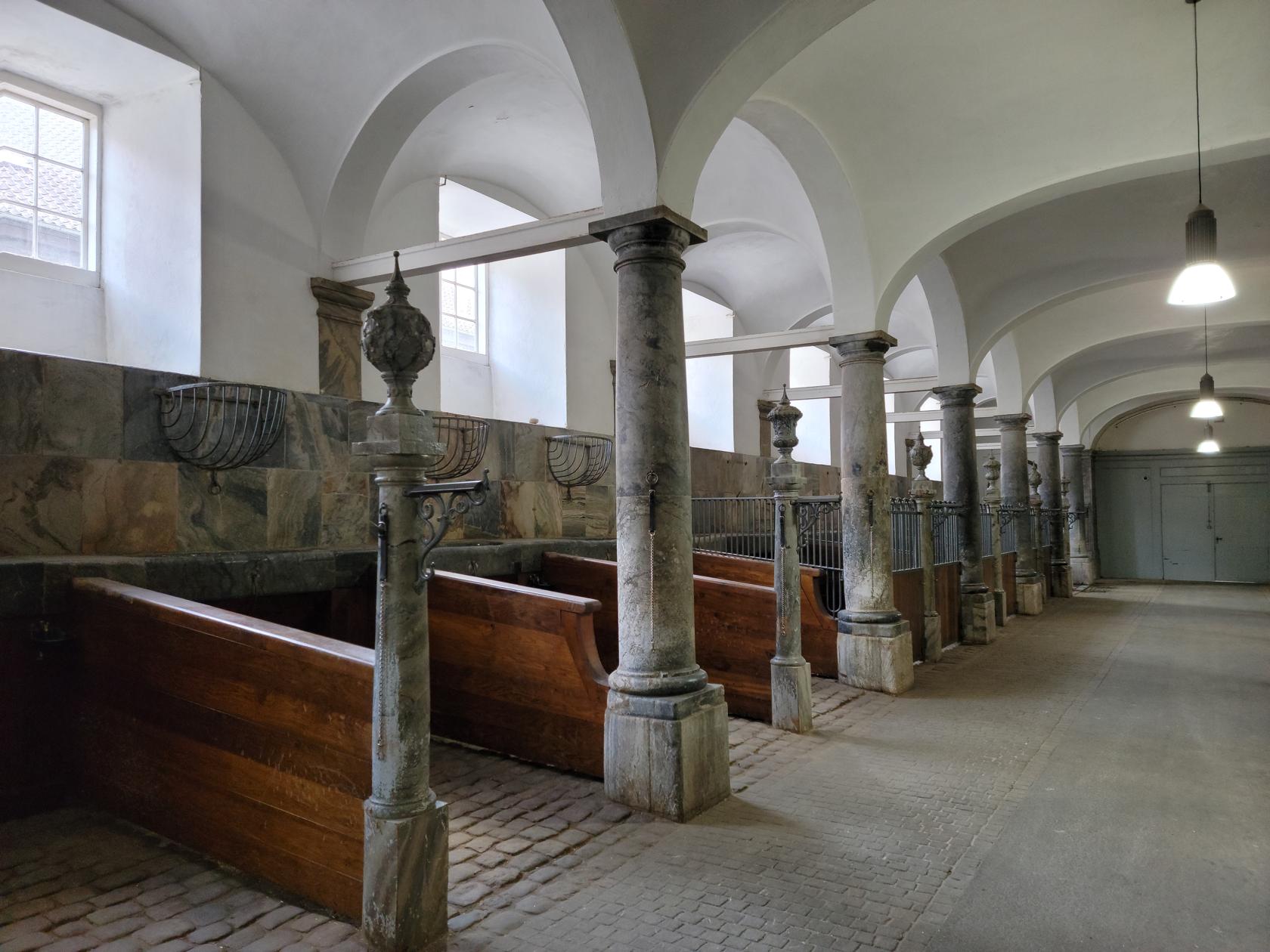
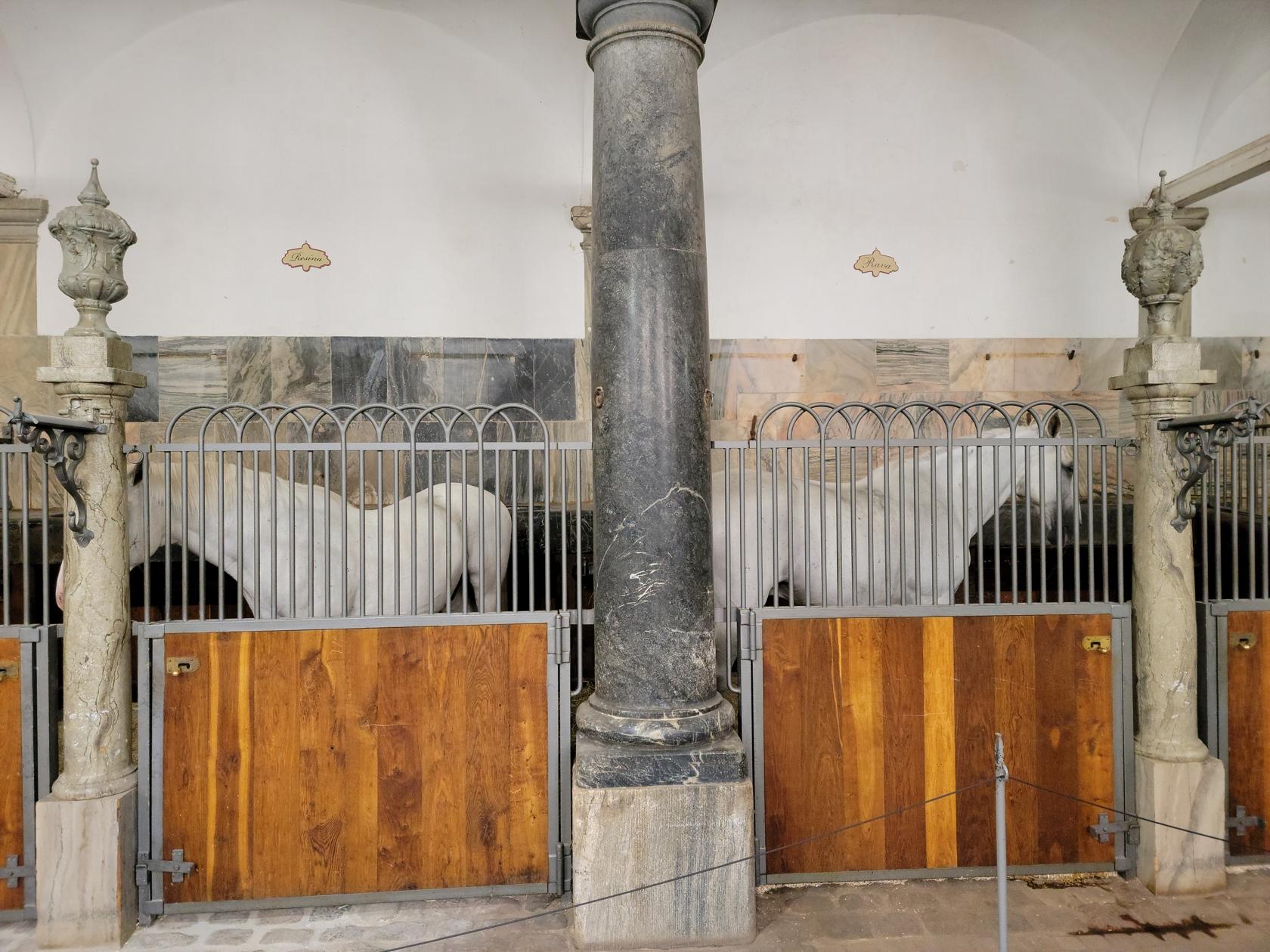
Today, Christiansborg Palace not only houses museums and other tourist attractions, but it is also the seat of Danish Government. All three branches of government are represented in the Palace. The palace contains horse stables, an old kitchen and the royal reception rooms, all of which can be visited free with the City Card, or kr.155 (about €9)/person.

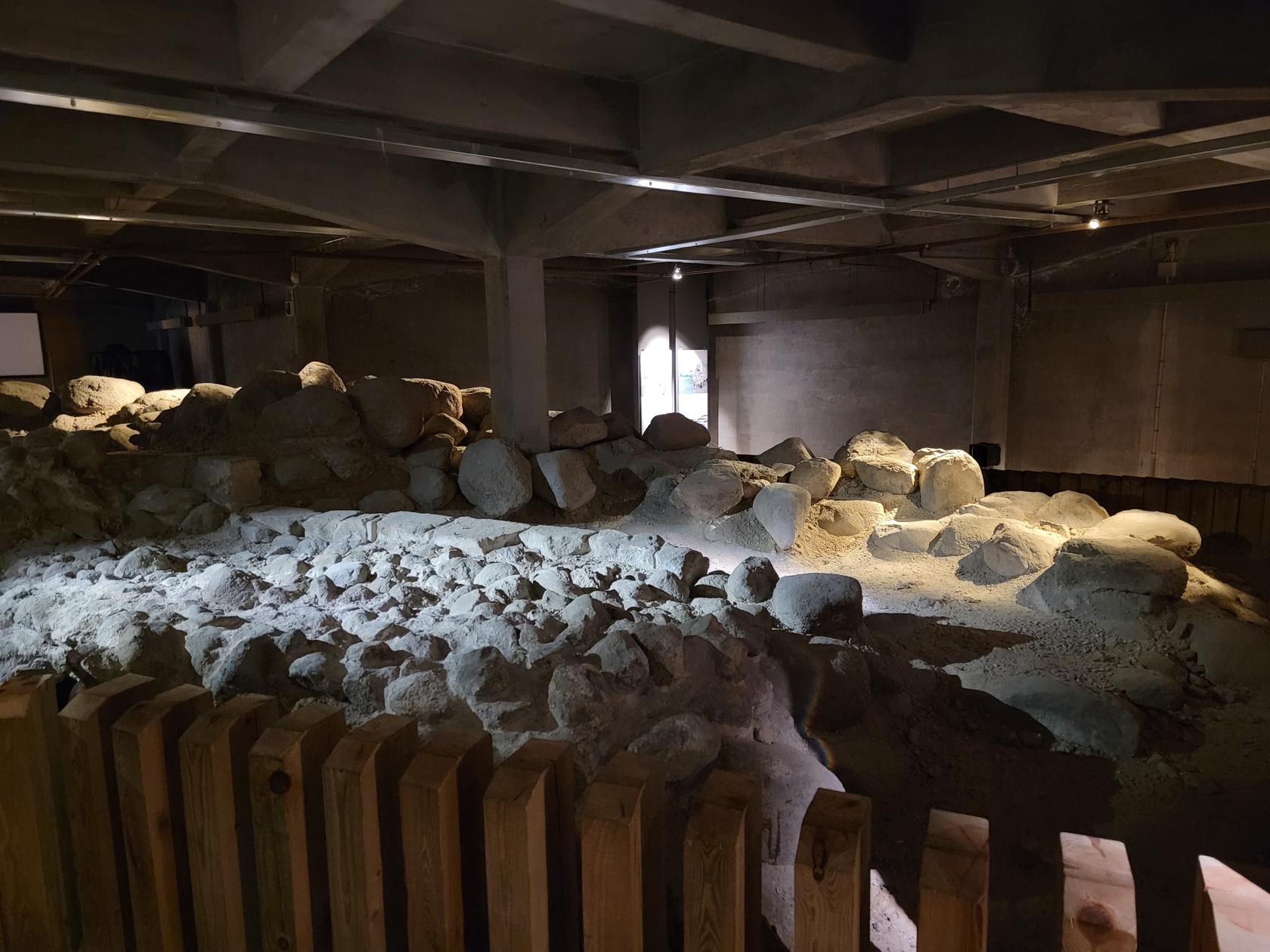
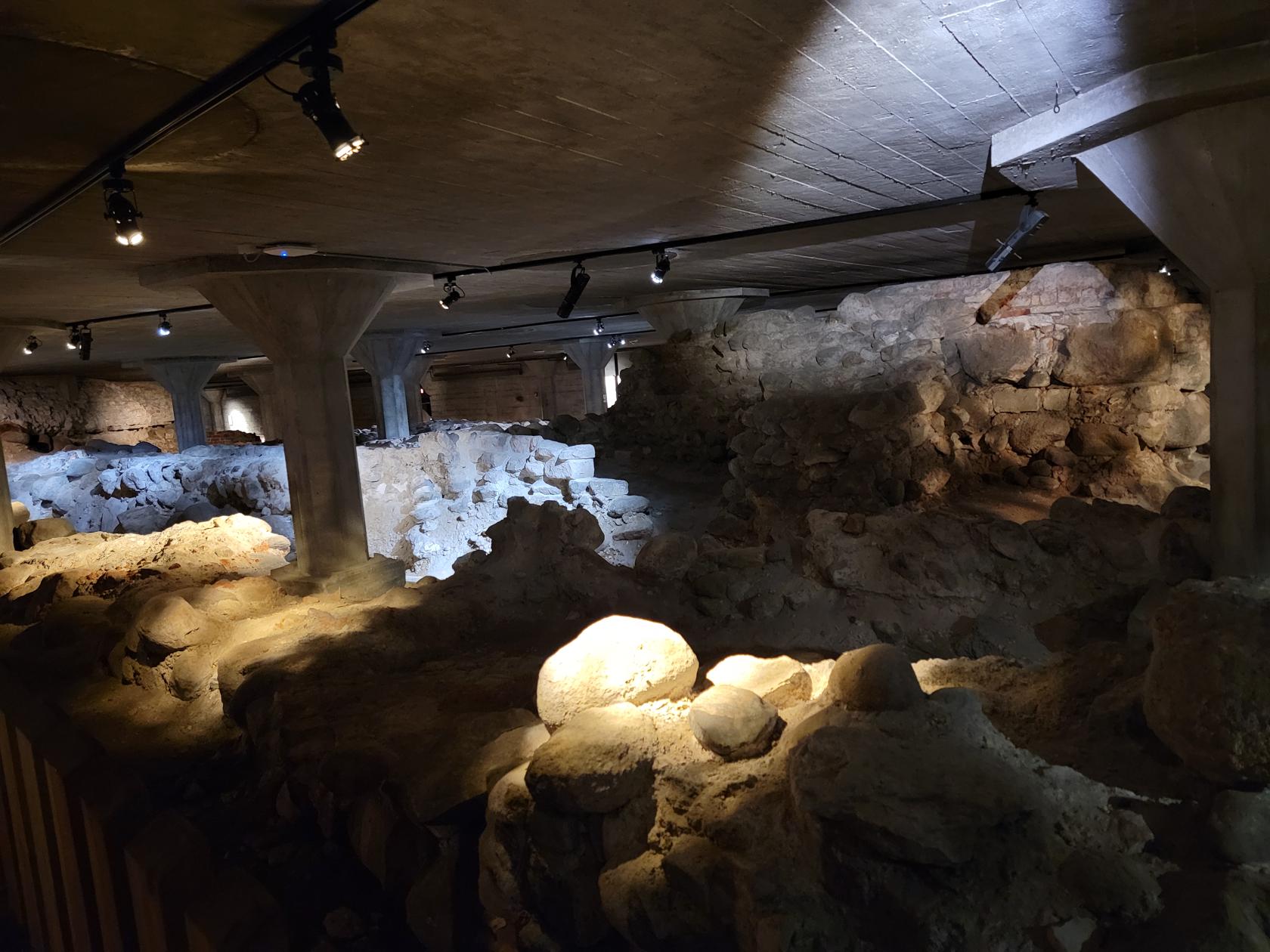
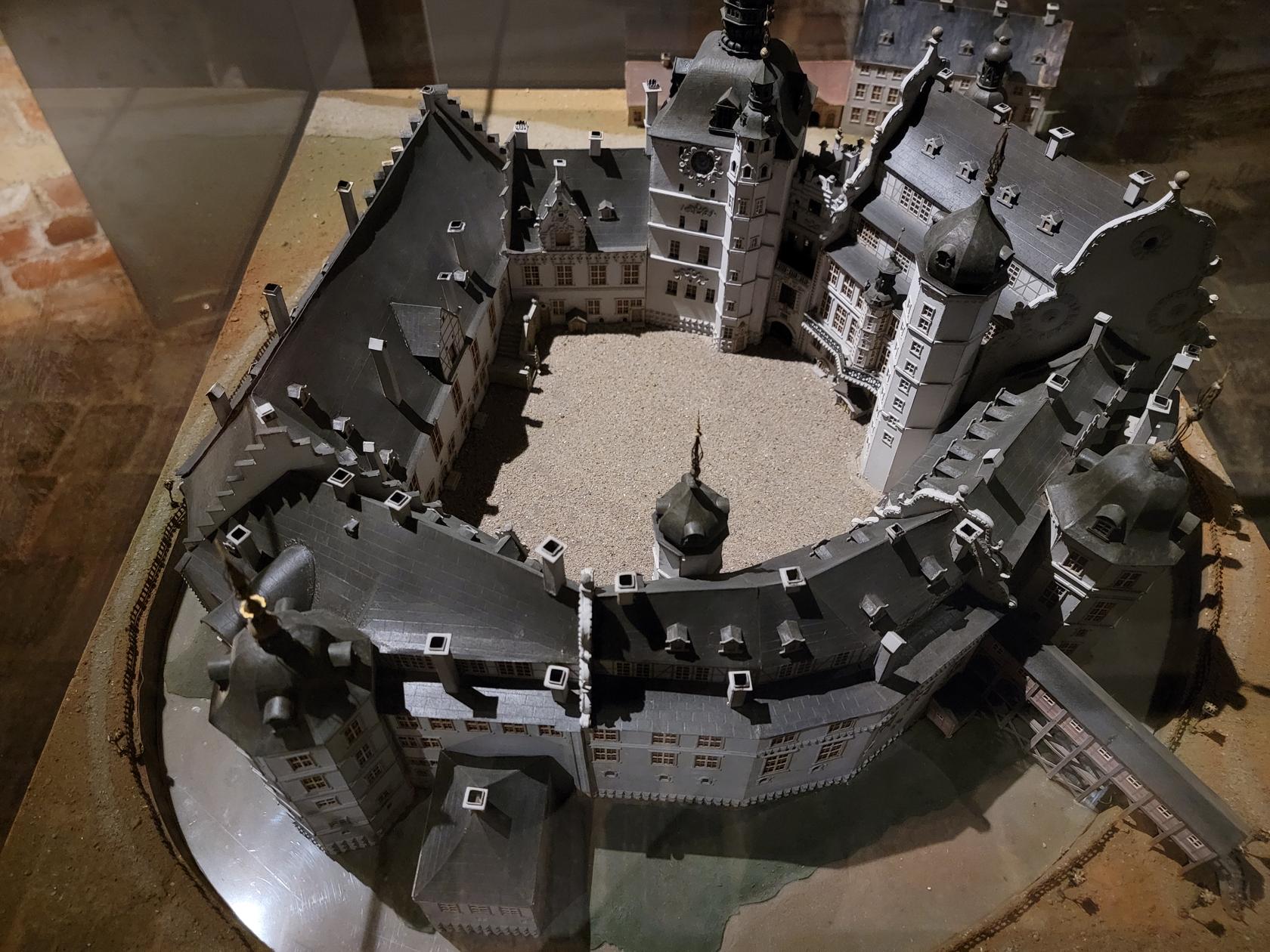
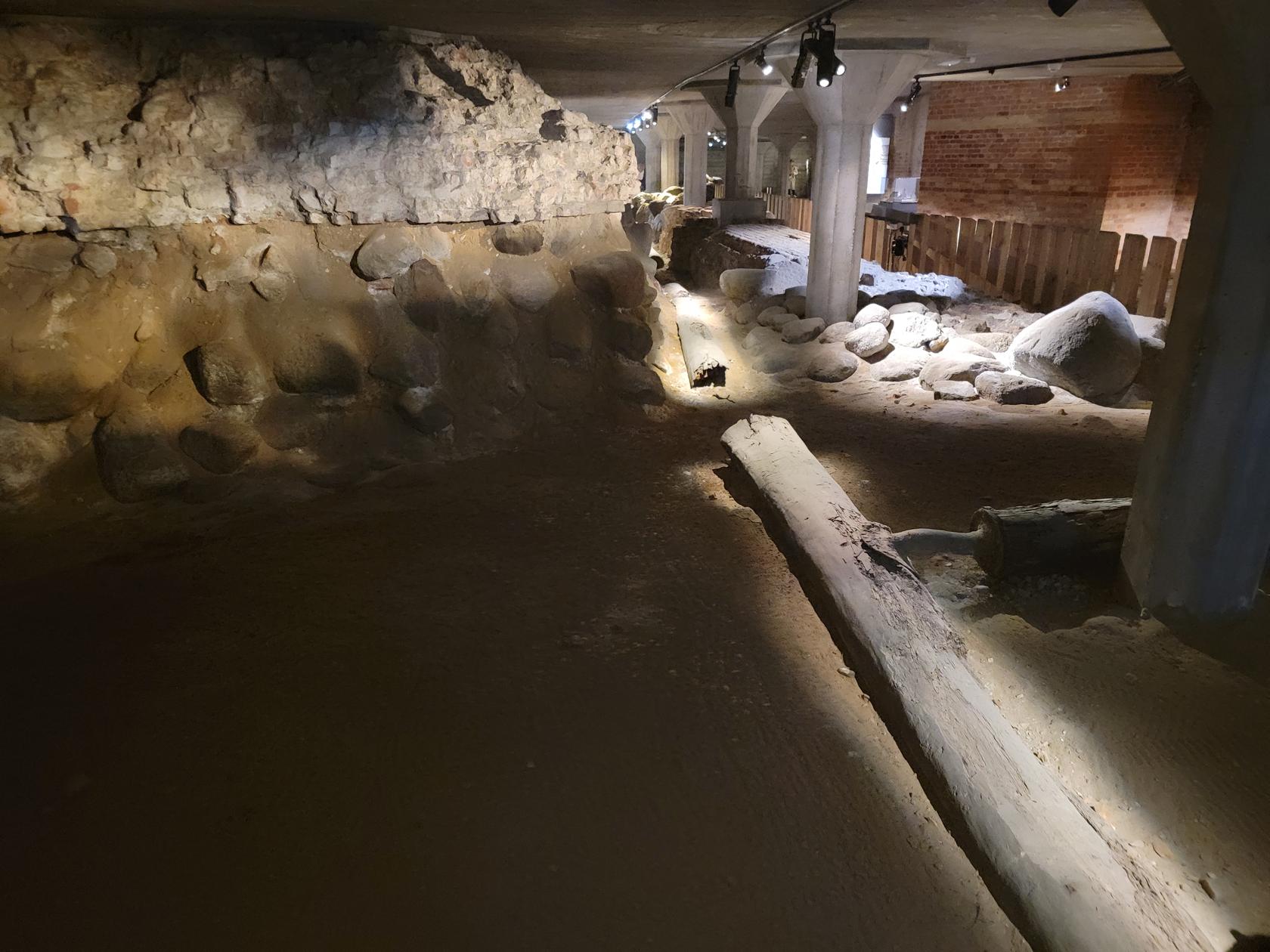
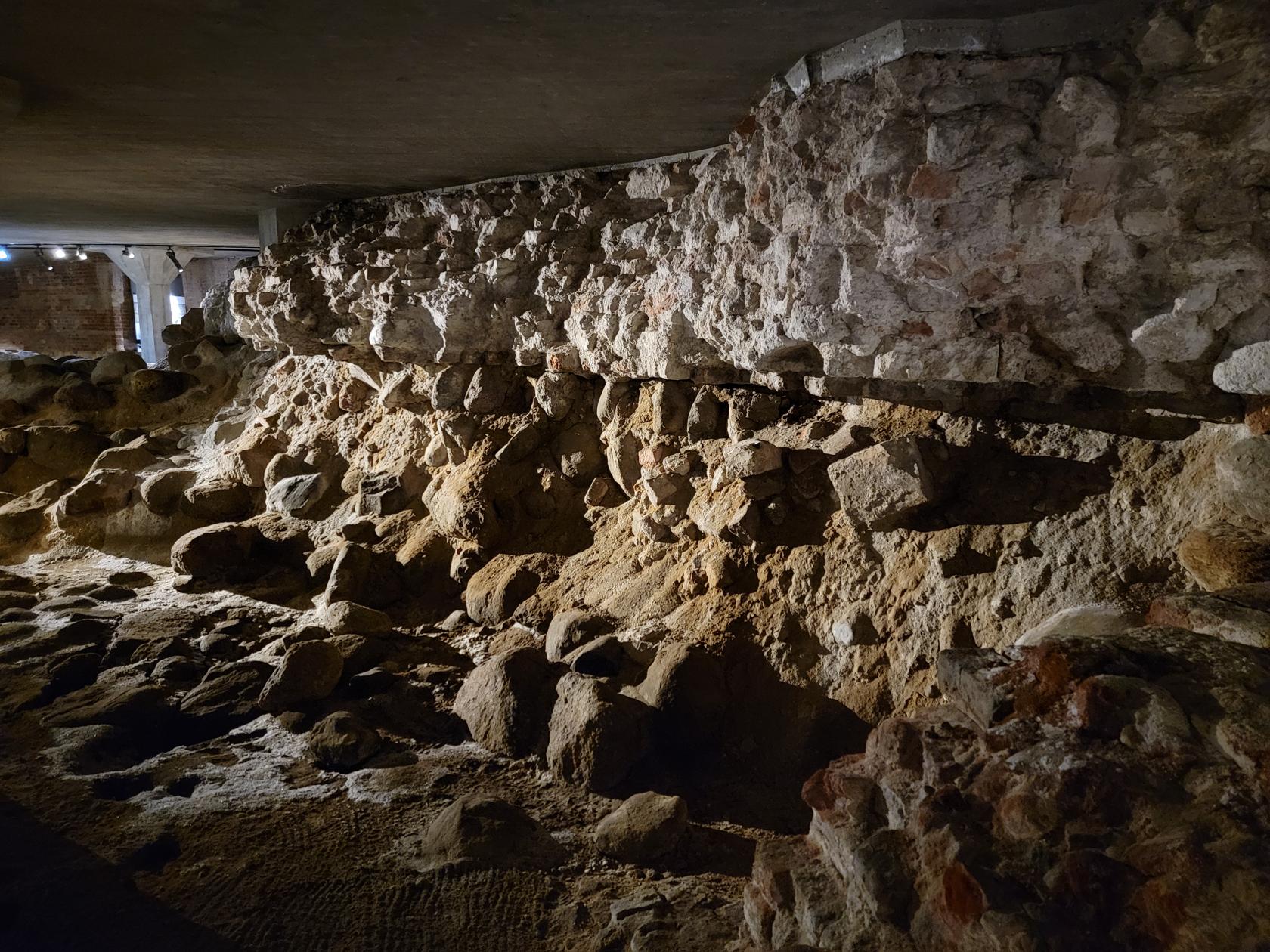
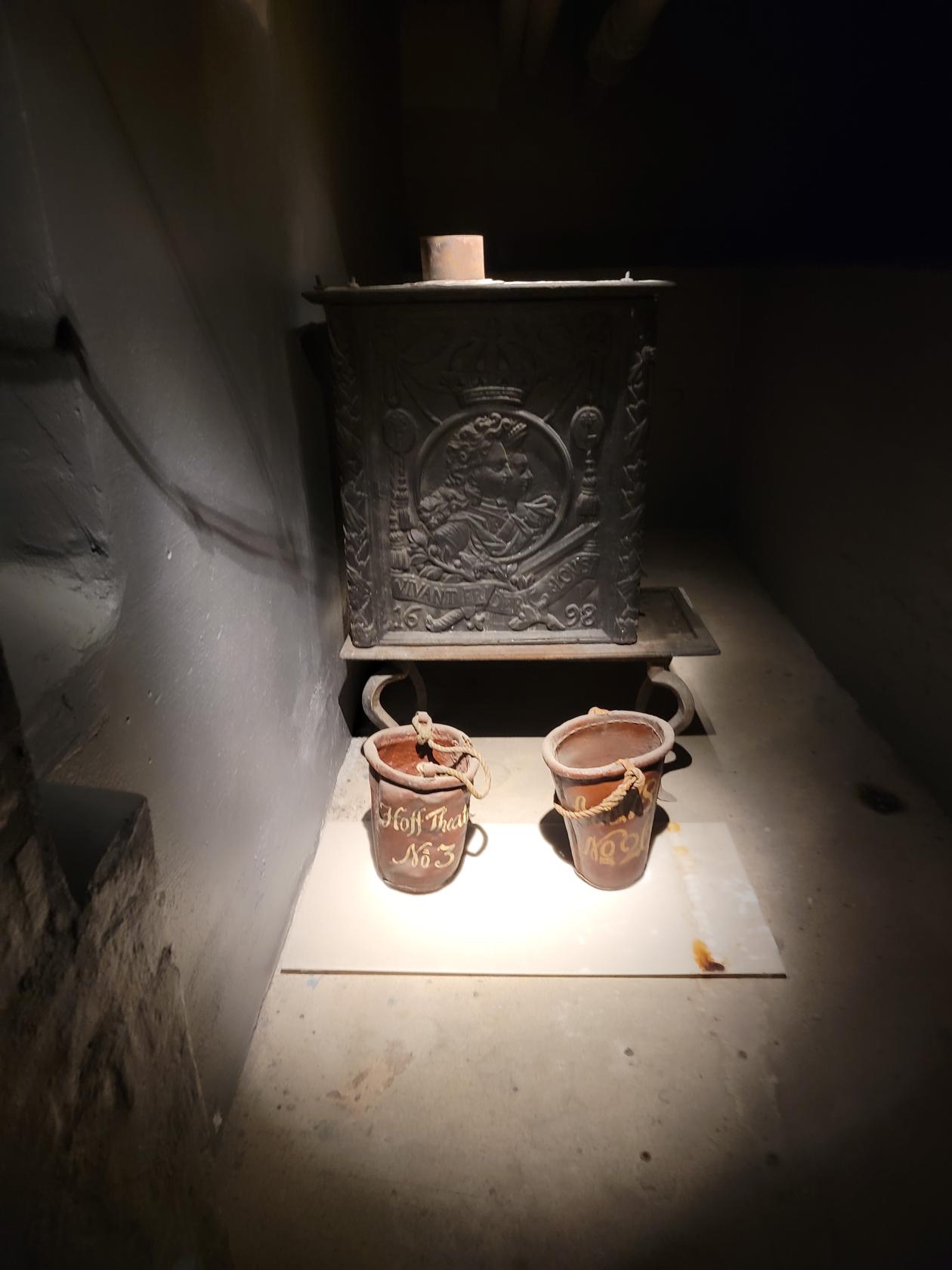
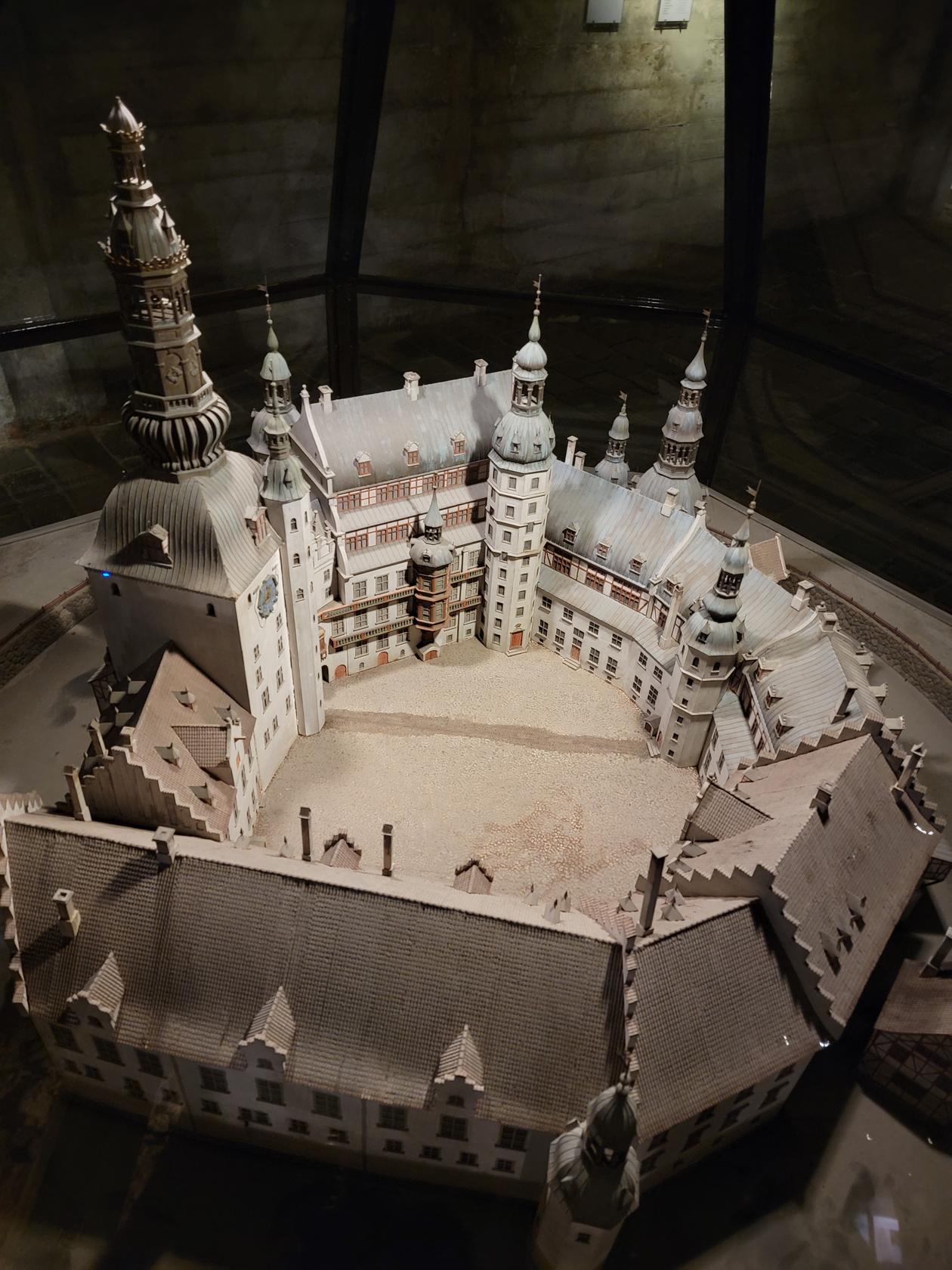
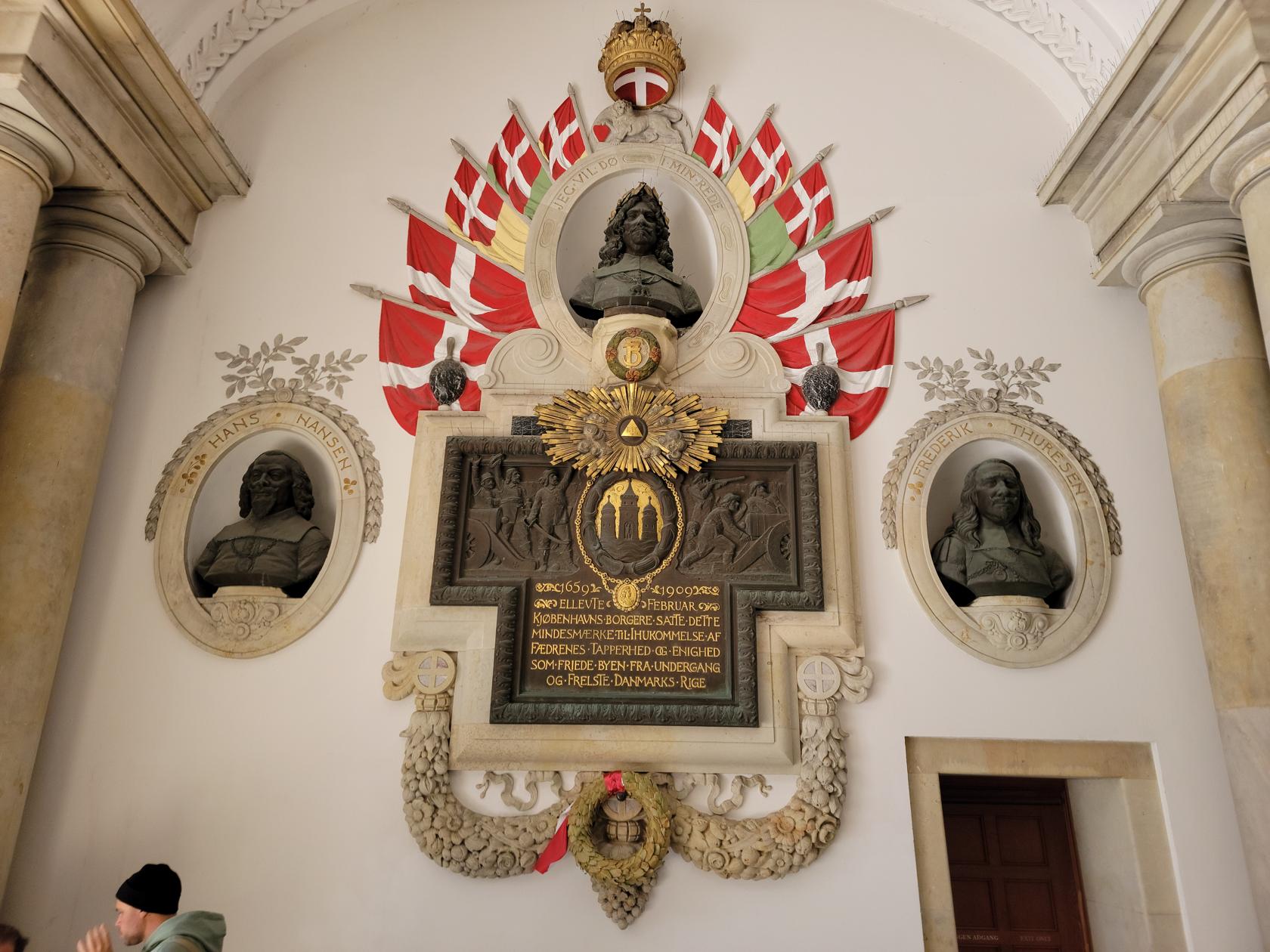
Originally constructed as Absalon’s Castle, it has been sacked, demolished and burnt to the ground numerous times. In fact, on one occasion it was dismantled brick by brick. Nevertheless, the Danes have always rebuilt some palace structure here, no doubt a testament to their fortitude. To date, there have been at least five reincarnations of the structure. The basement contains an archeological site showing the ancient remains for the first palace and perhaps foundations of even older structures.

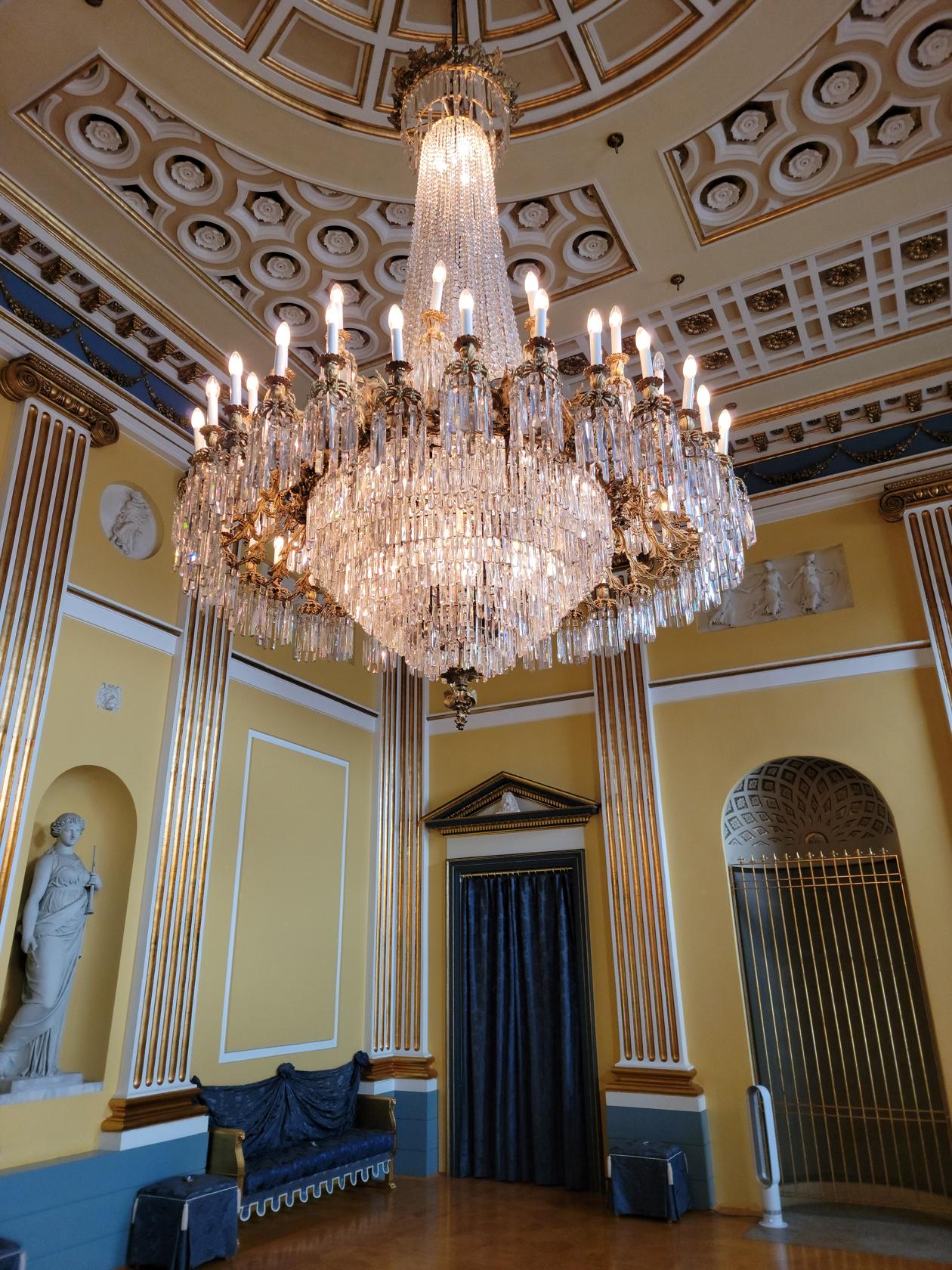
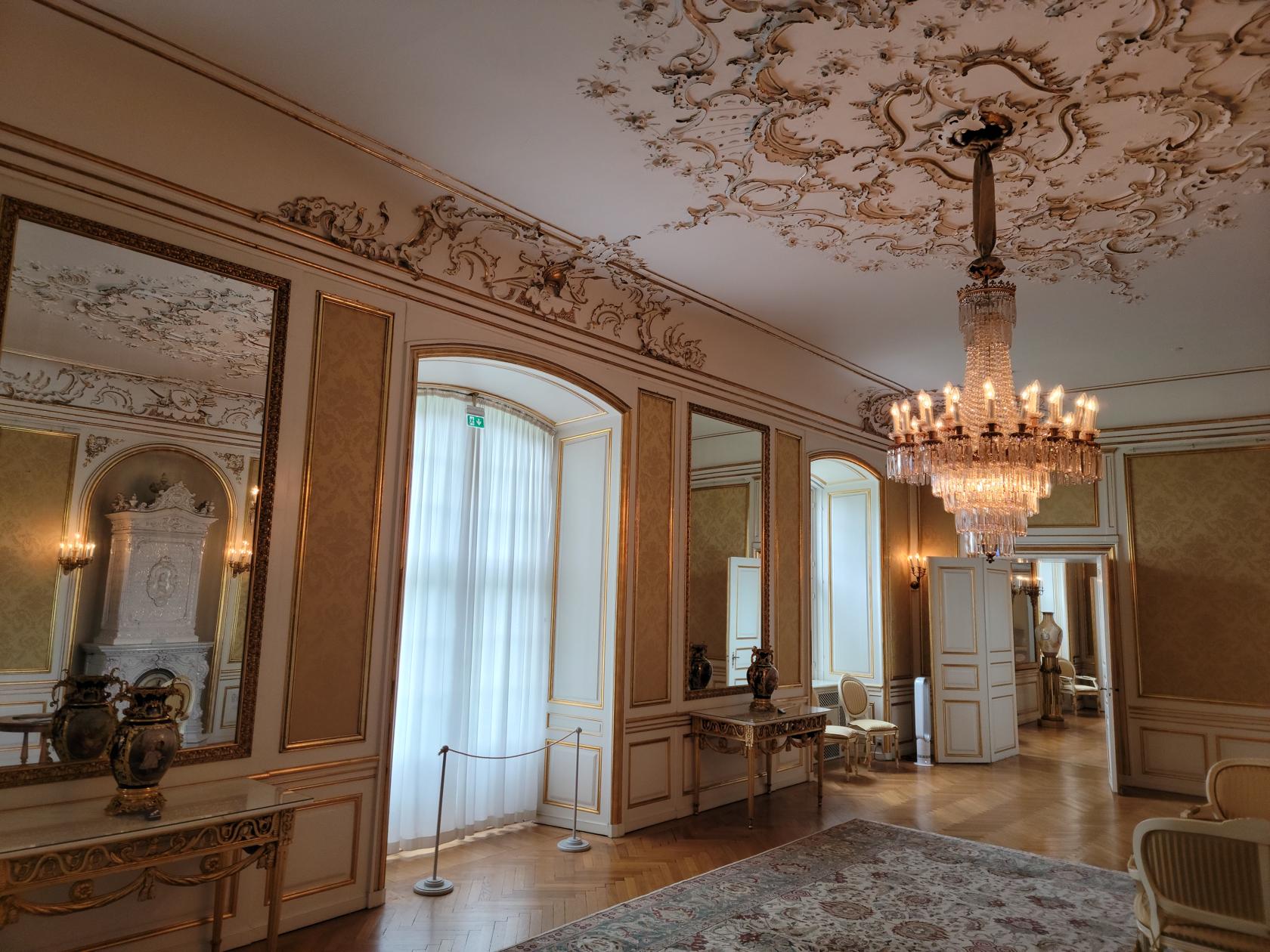
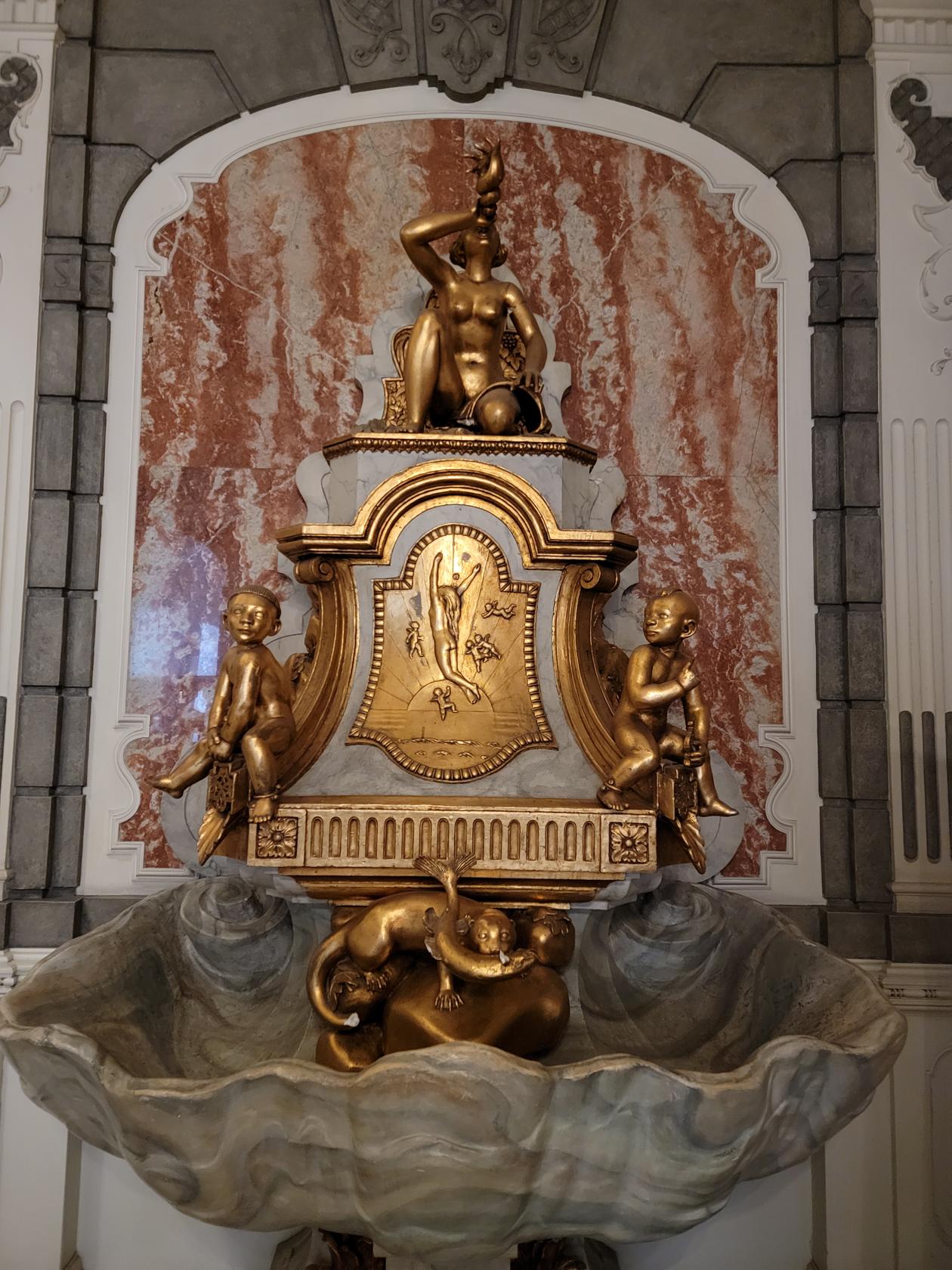
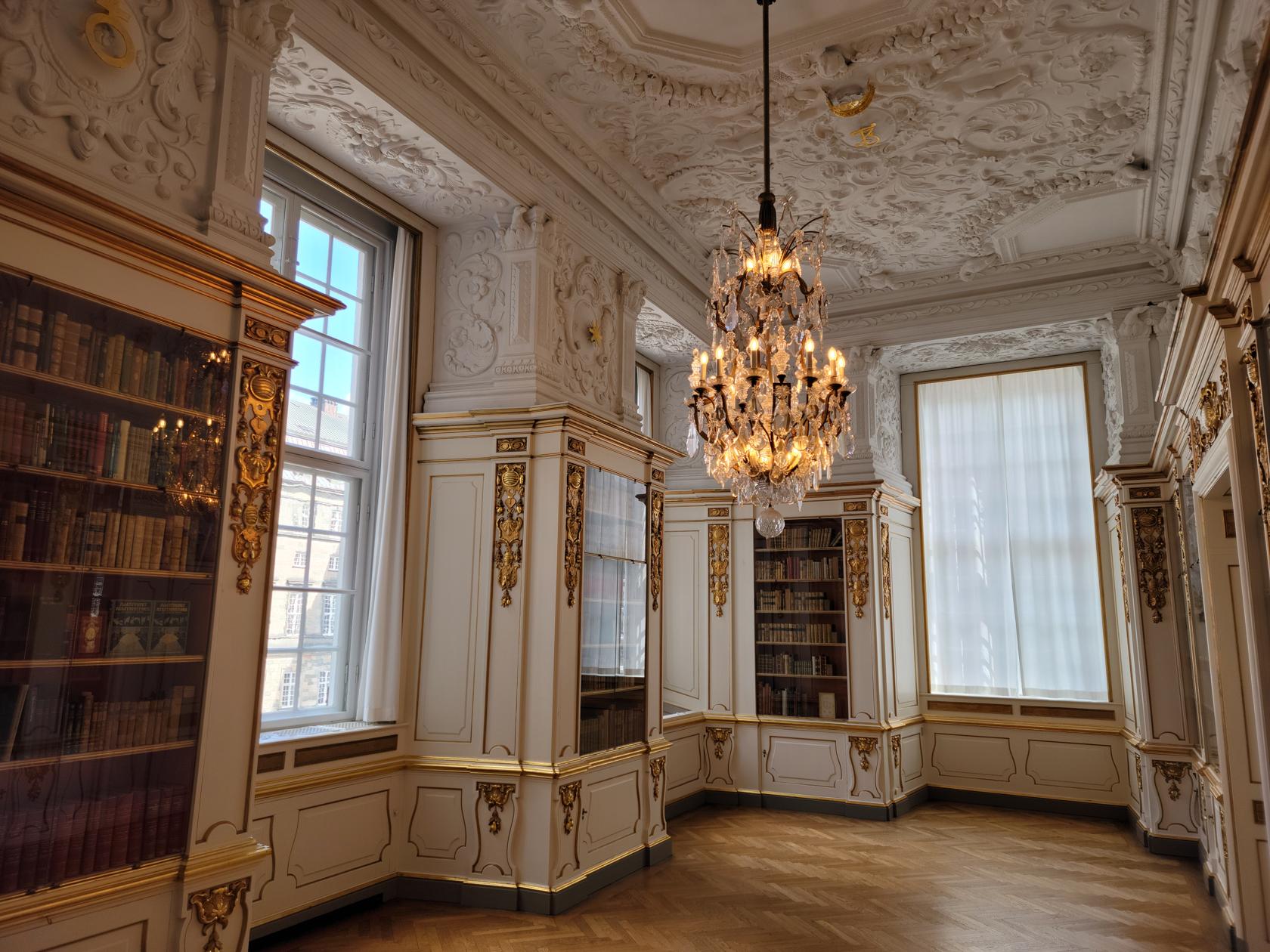
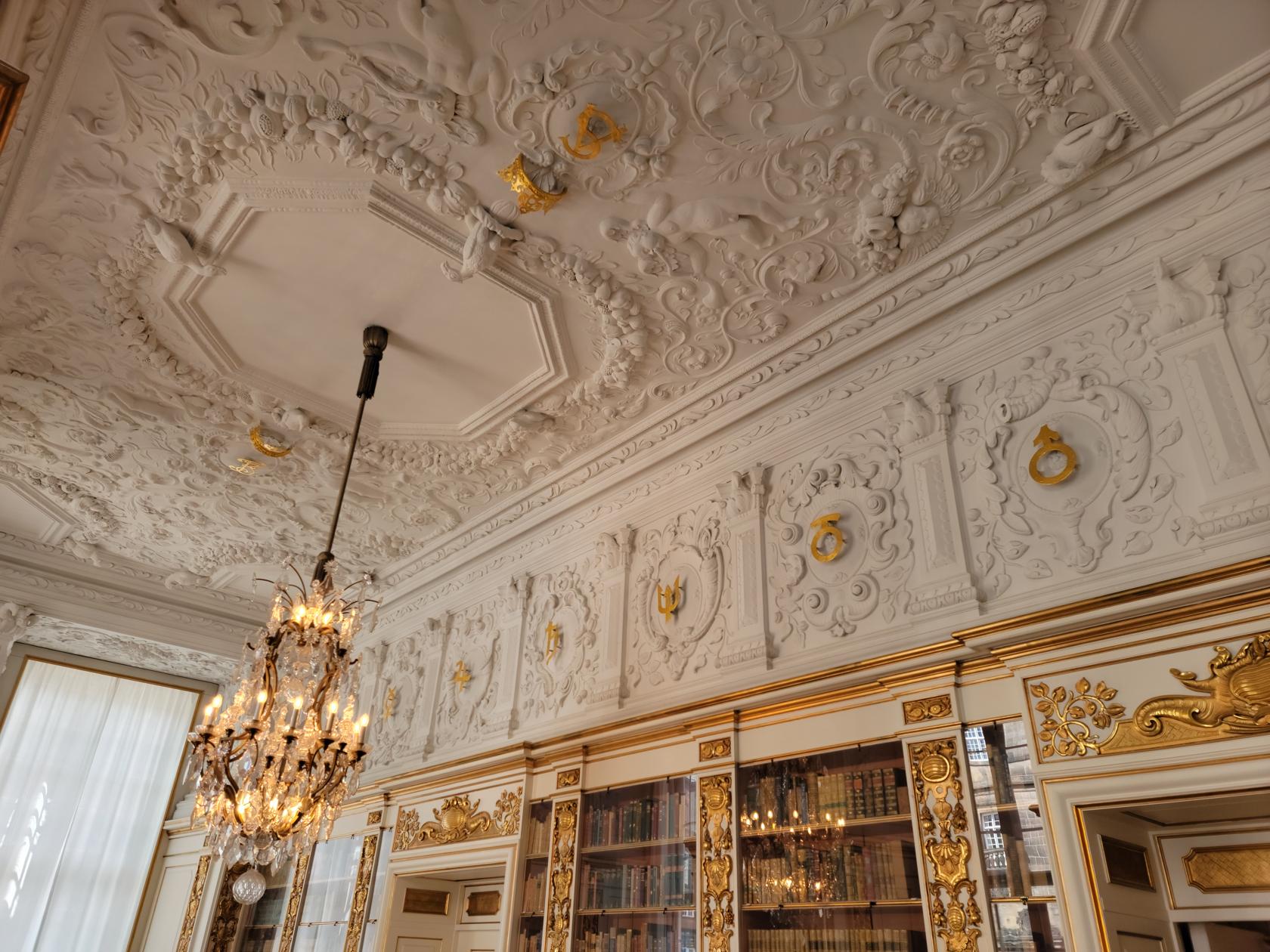
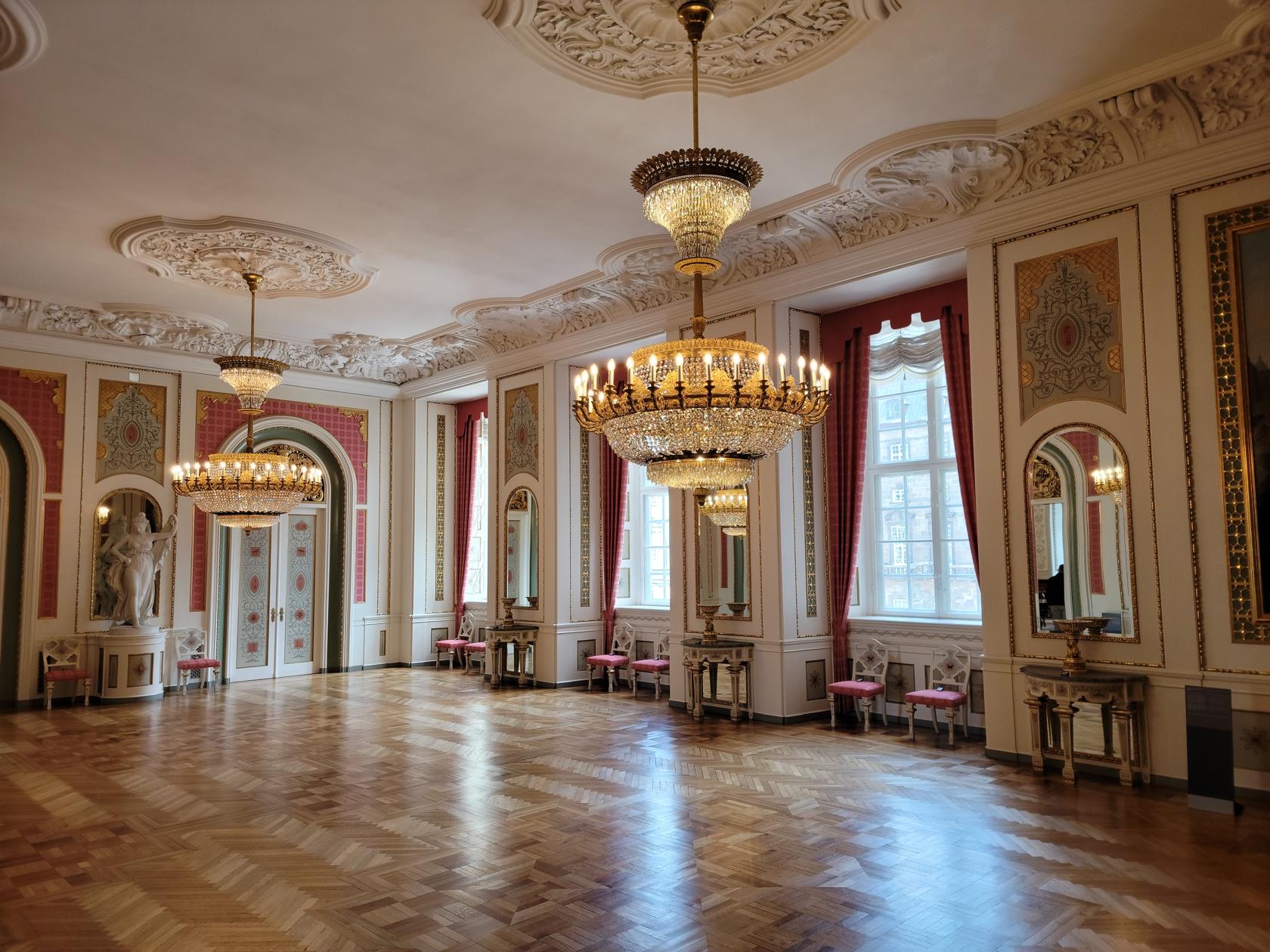
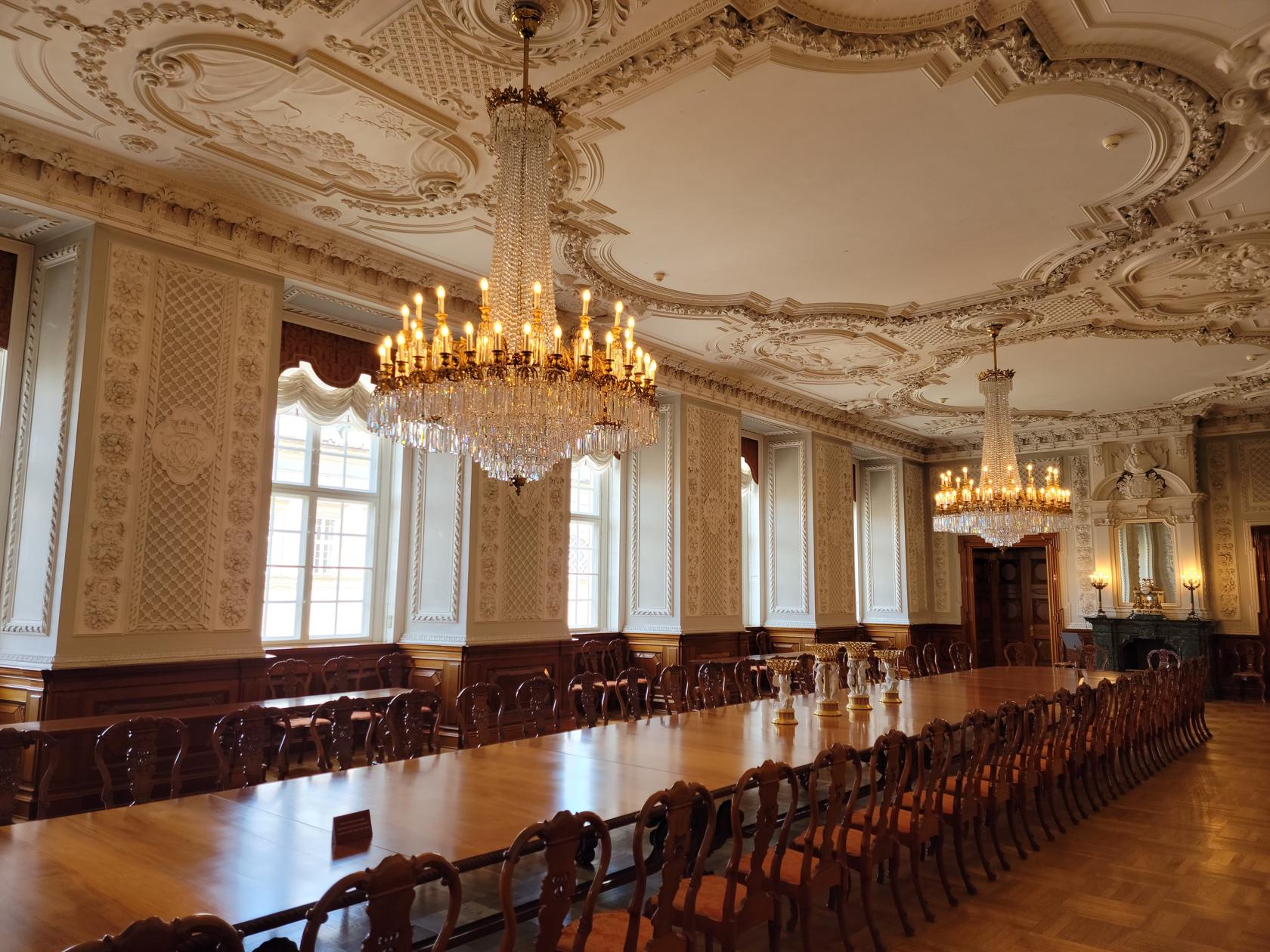
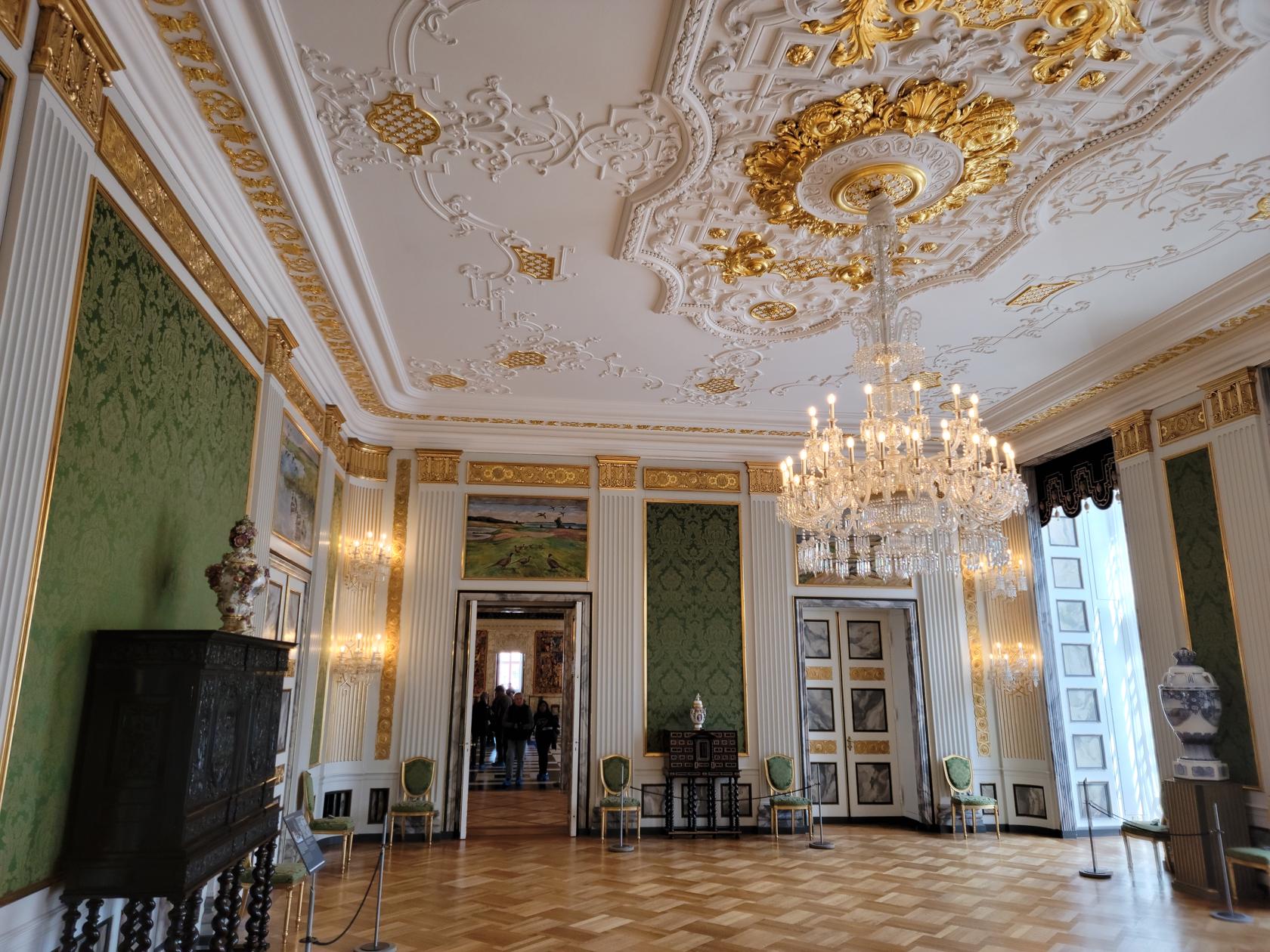
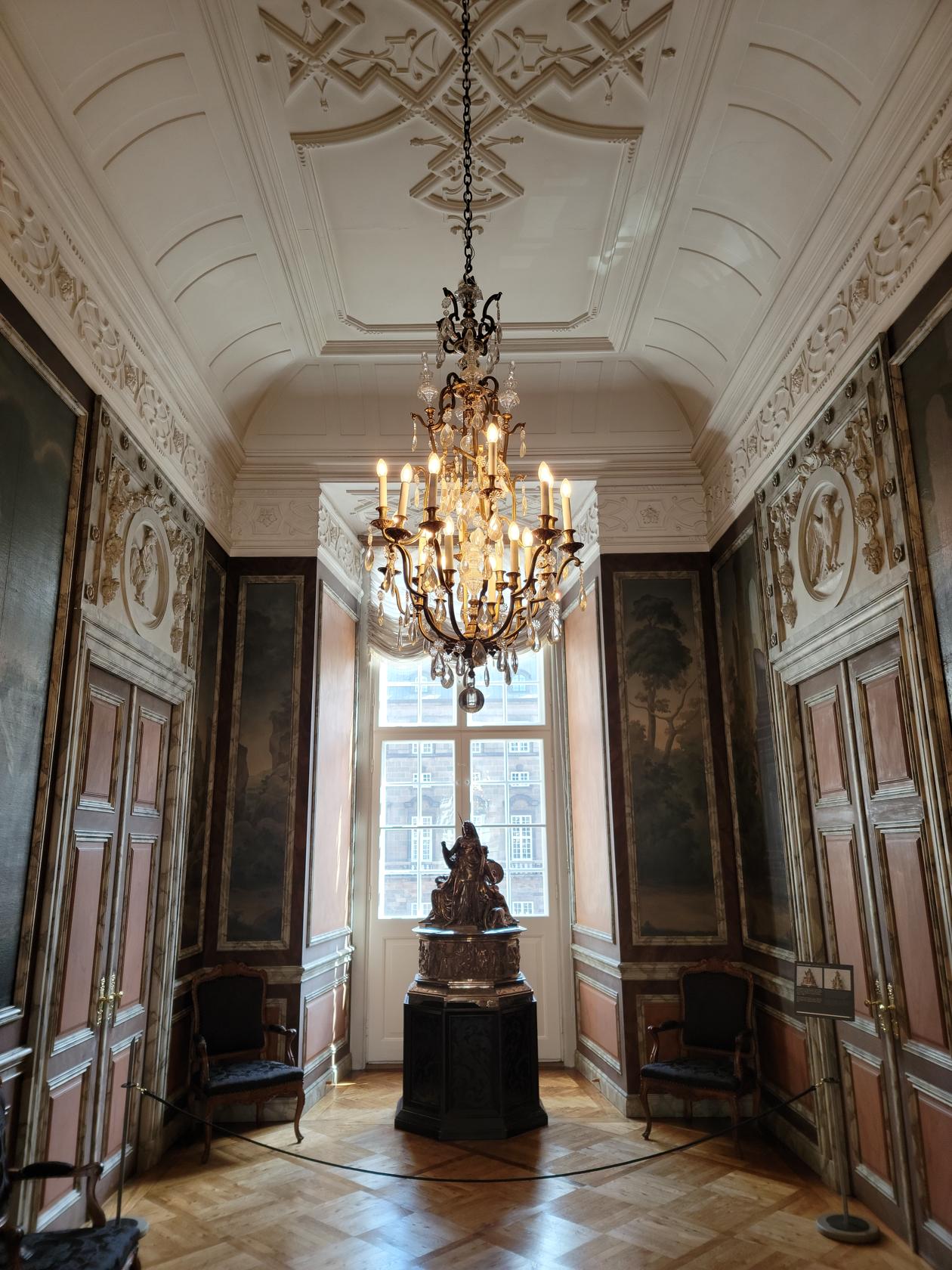
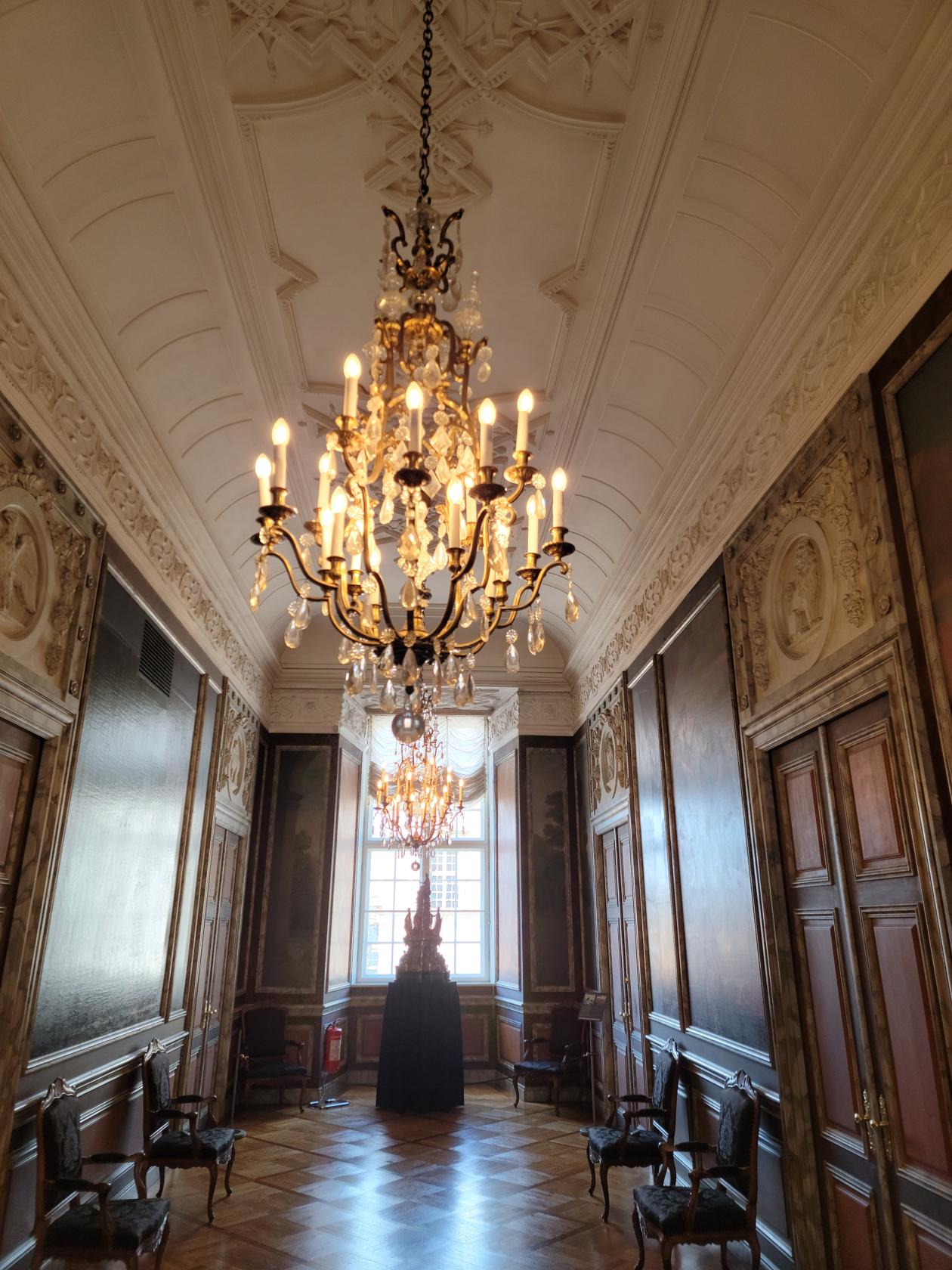
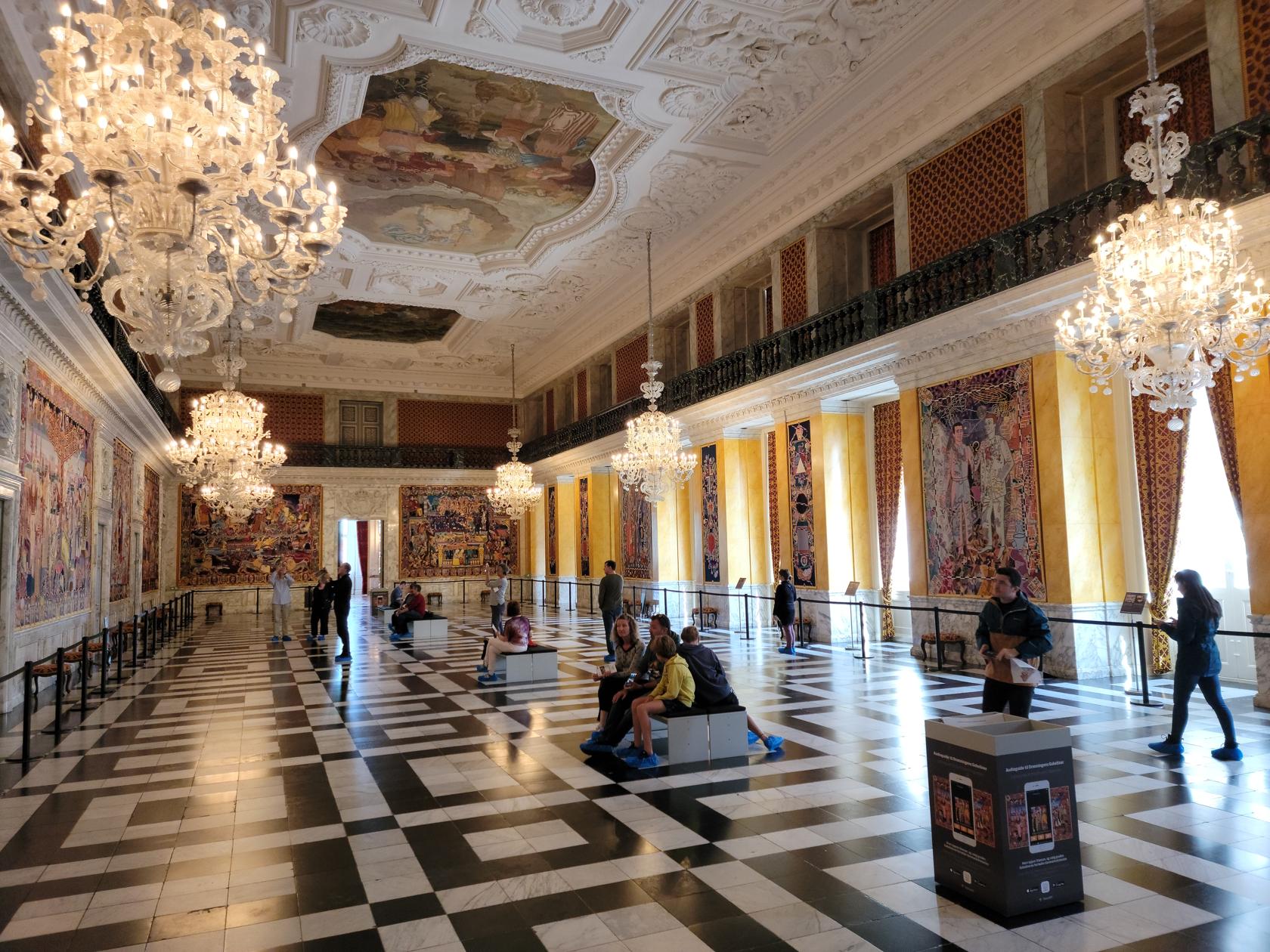
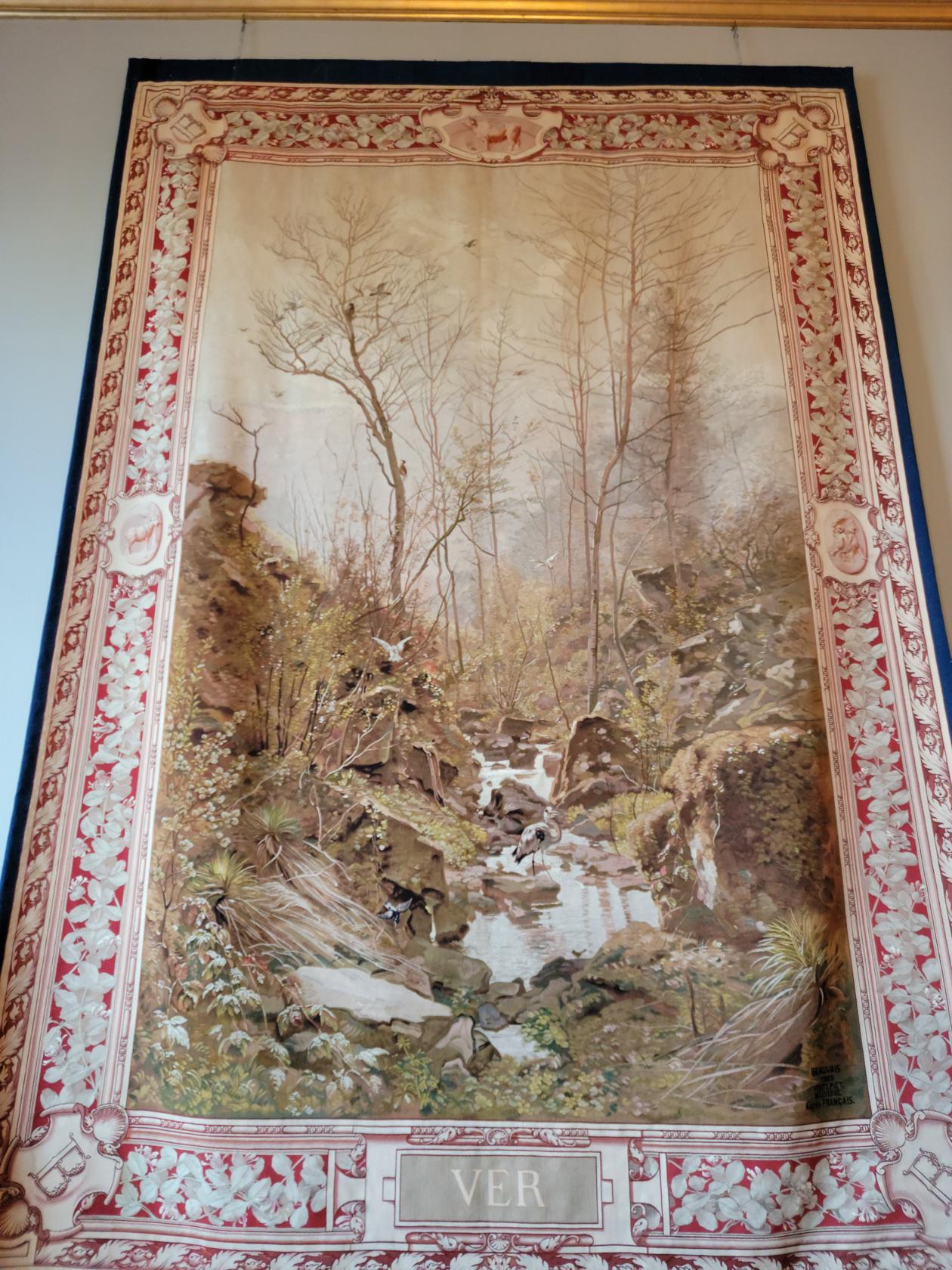
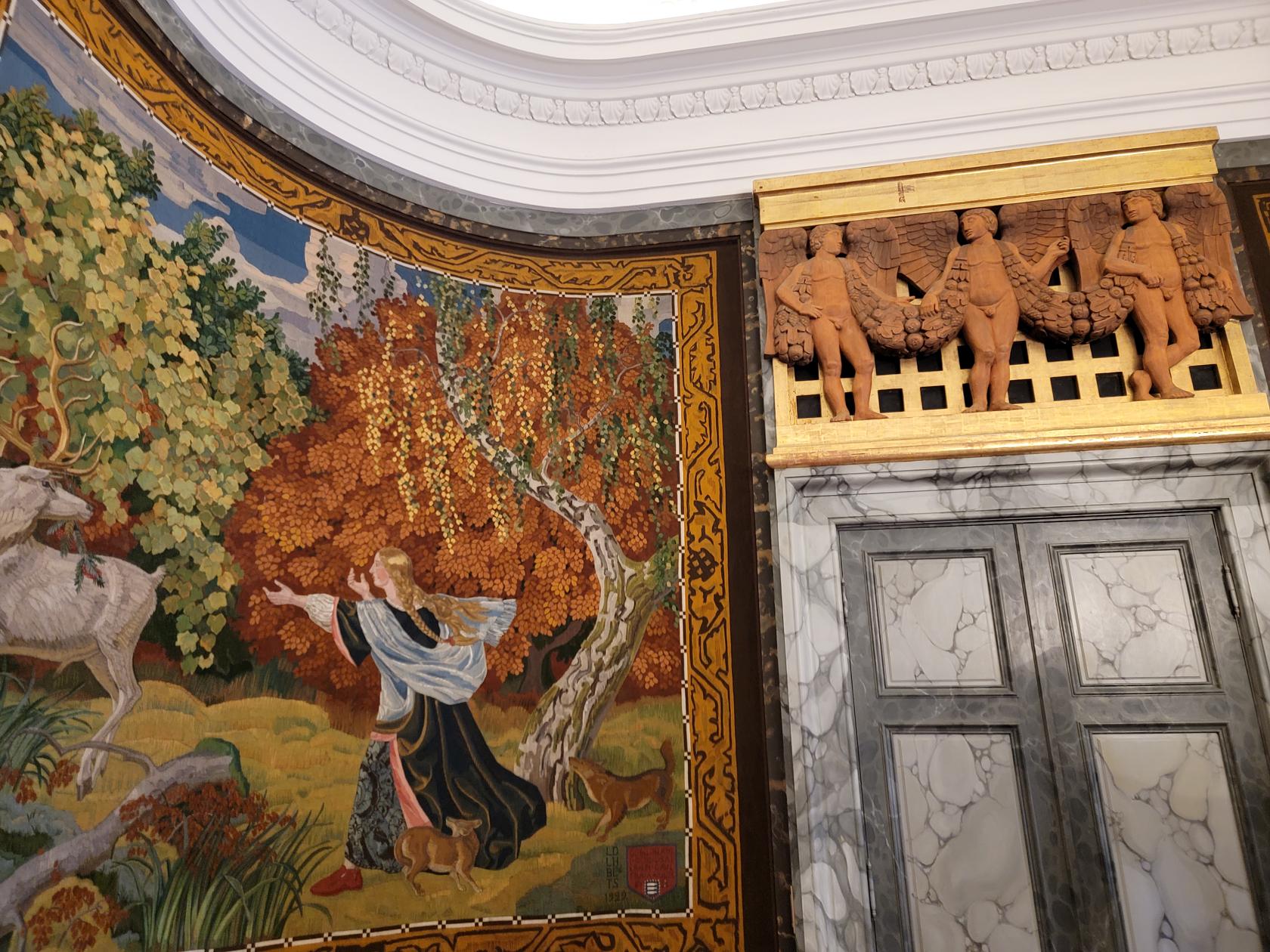
The palace contains amazing chandeliers and ceiling details. The following slideshow provides a good overall walk-through of the palace.

You may also see the old Royal Kitchen, which frankly you can skip. We visited only because we had the City Card and it was free.

The Castles

Be aware, some venues require that you book a time slot, even if you have a City Card. This can be done online, or by showing up at the ticket office and scheduling your visit. The City Card does explain this on the venue’s information site if you click on it.

Rosenborg Castle

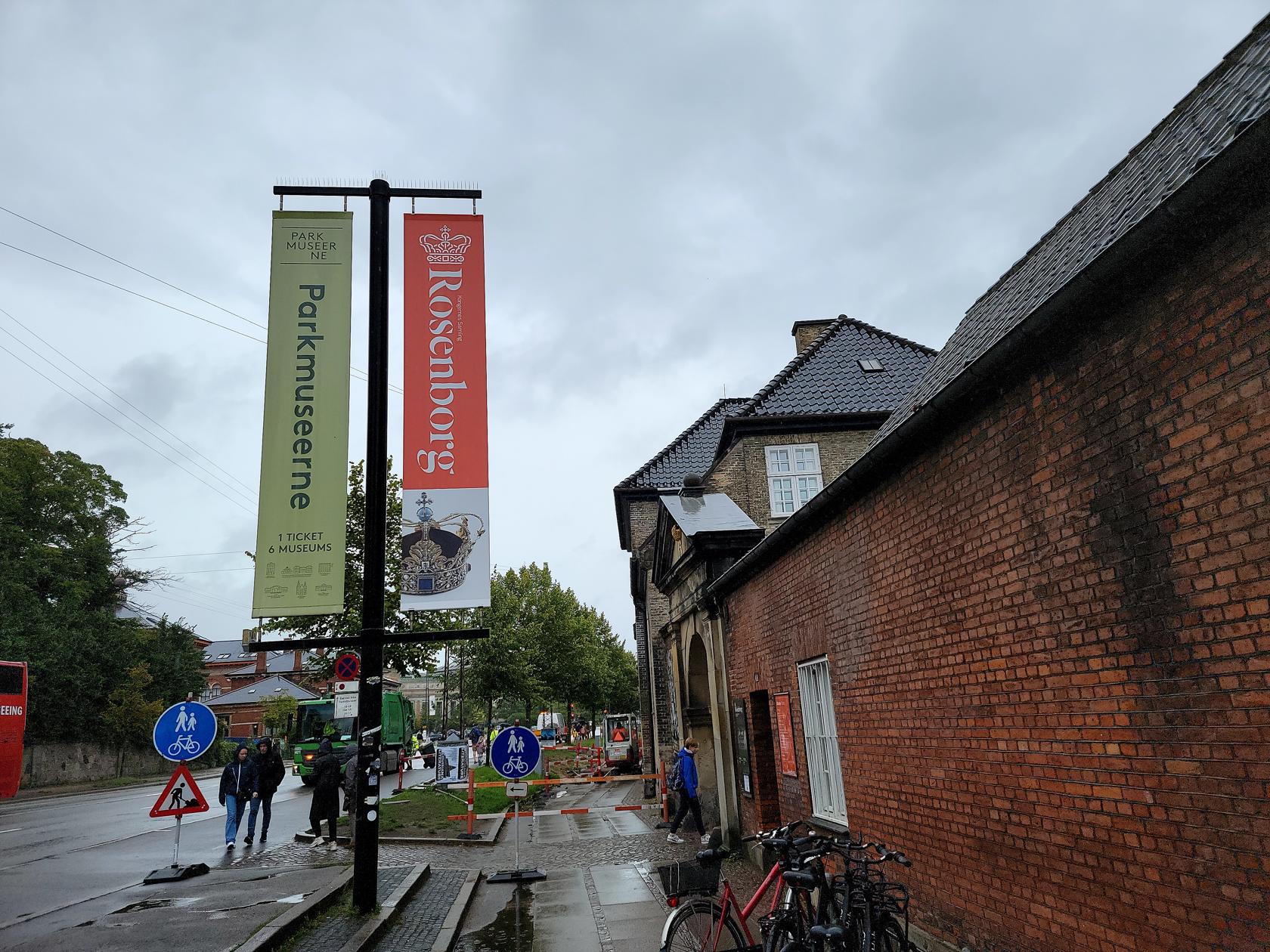
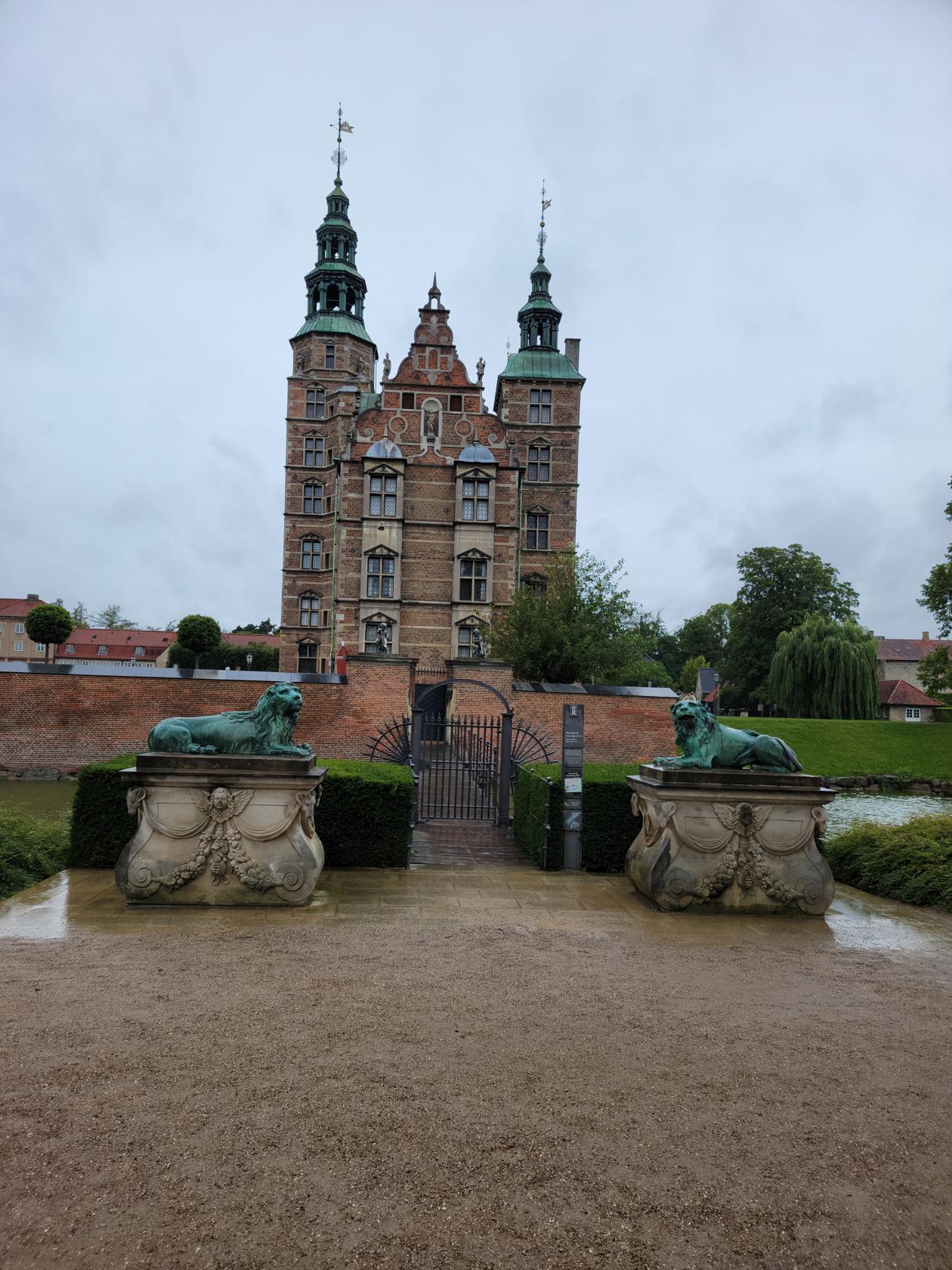
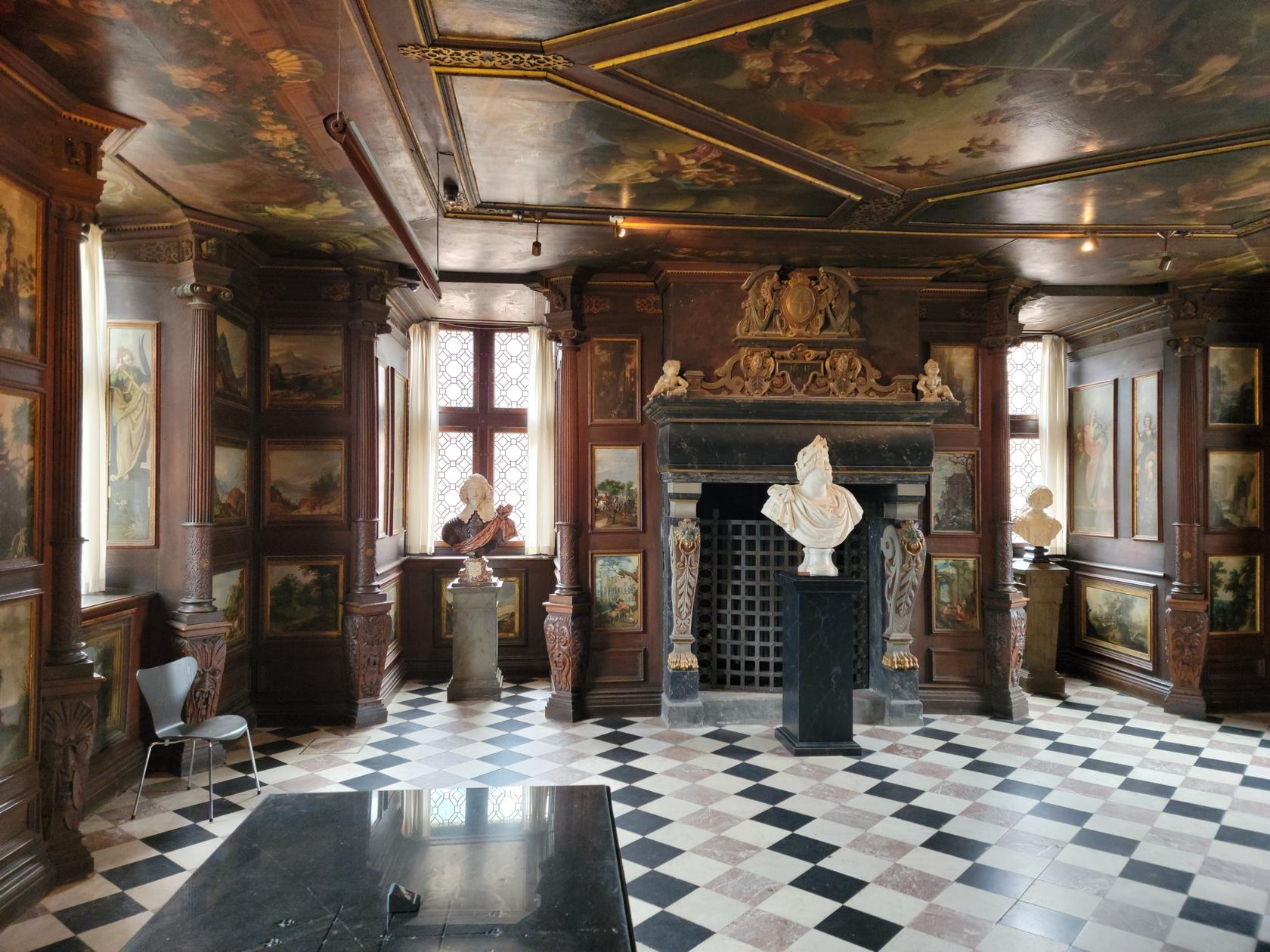
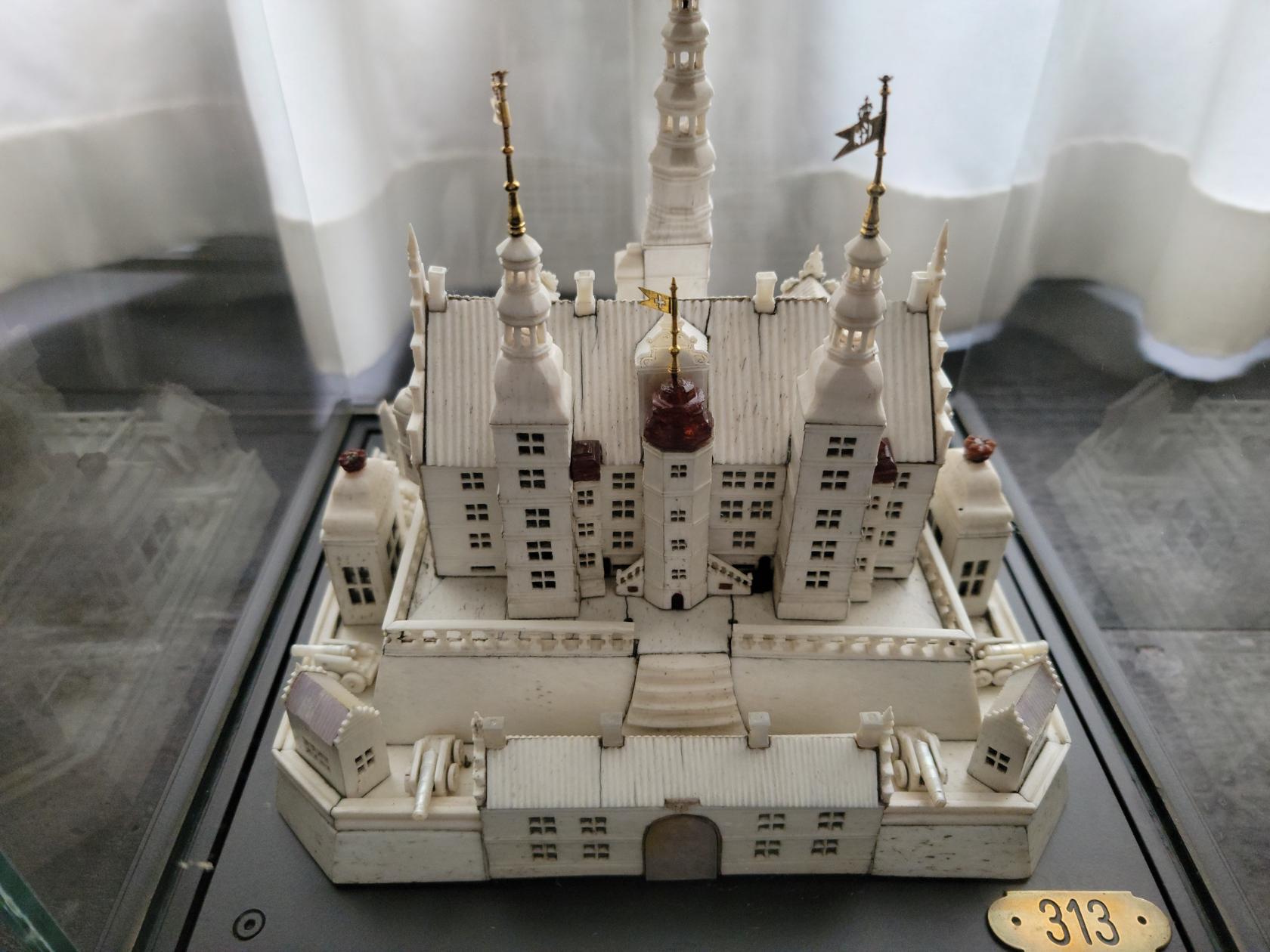
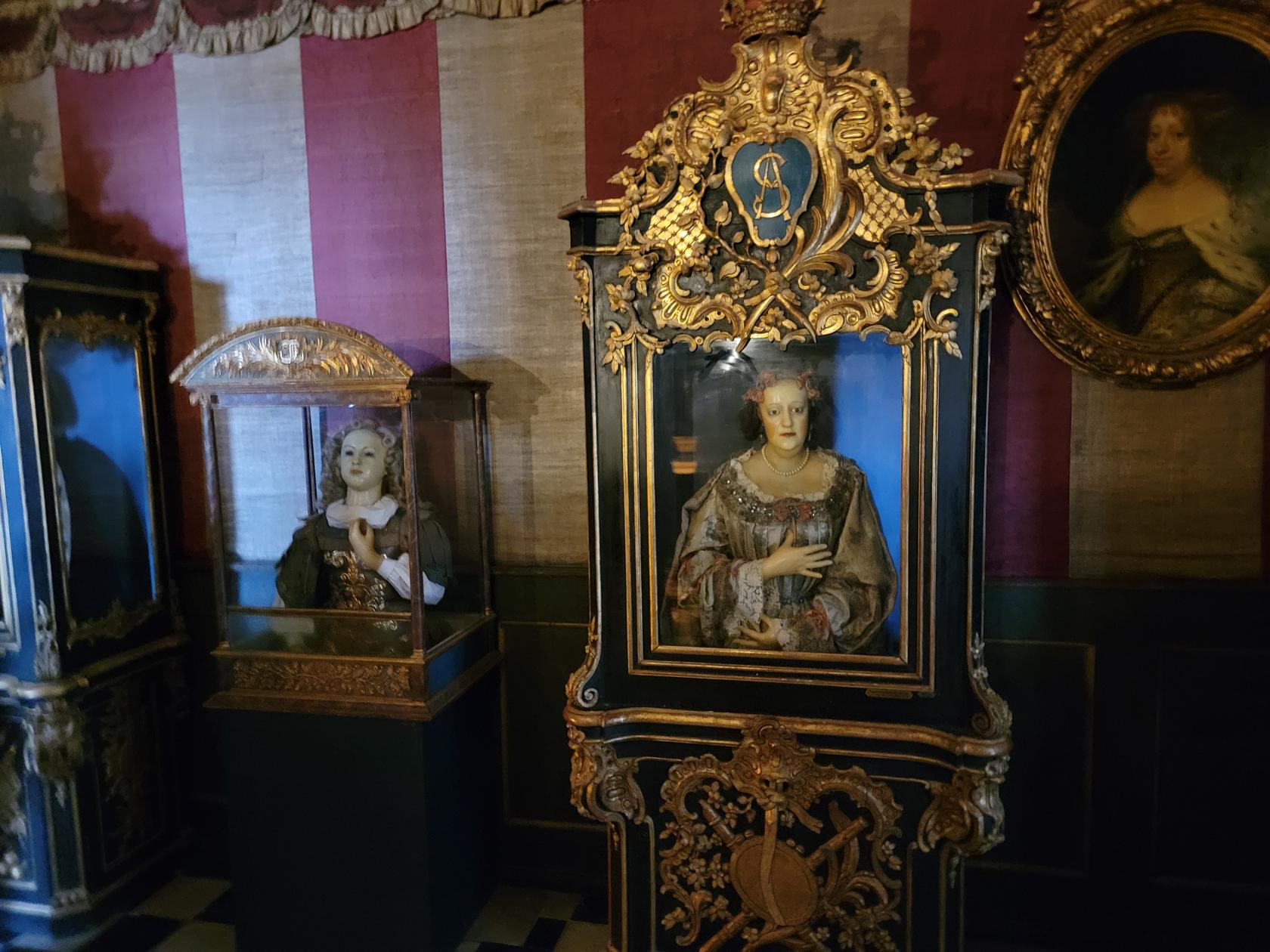
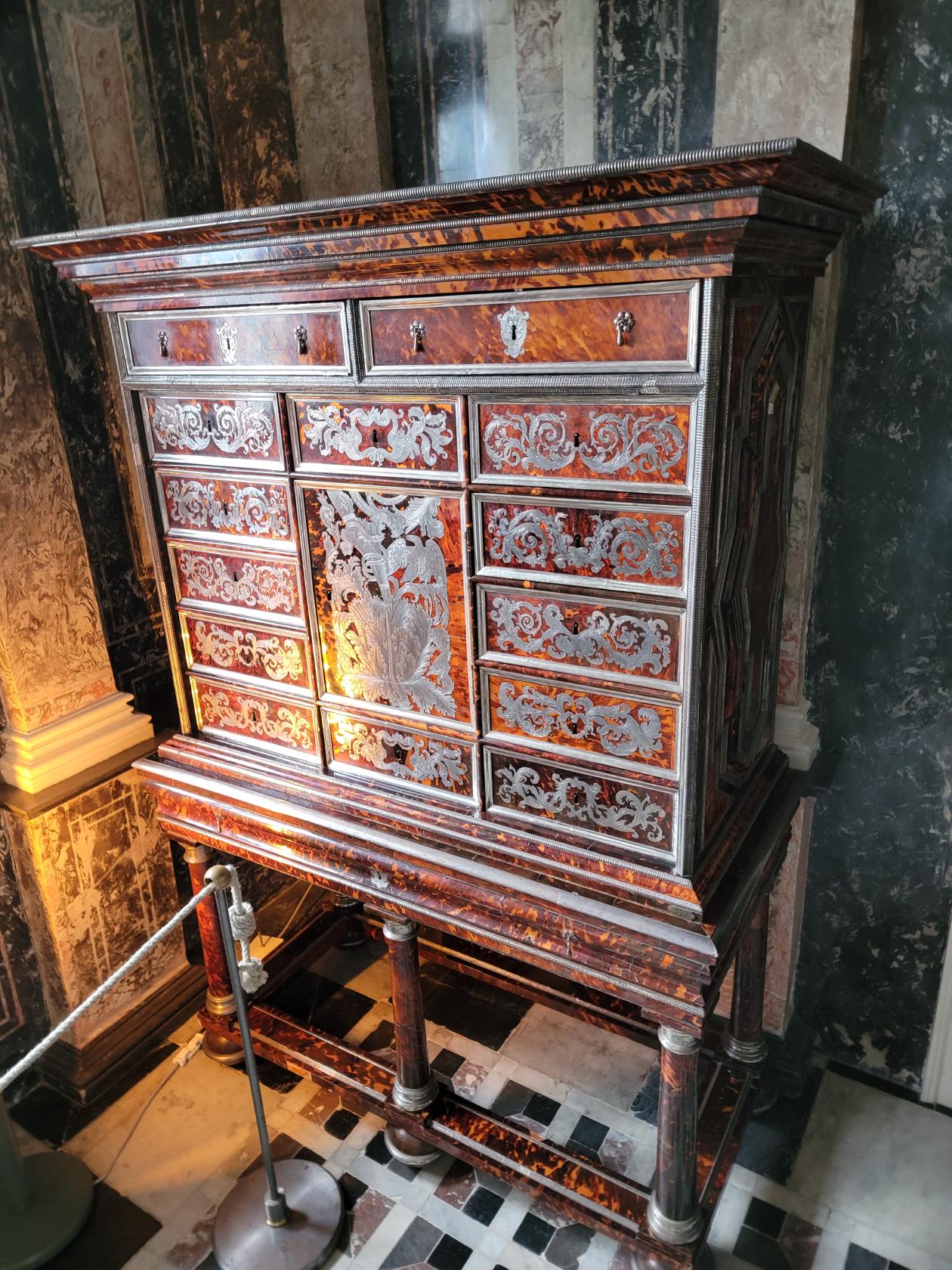
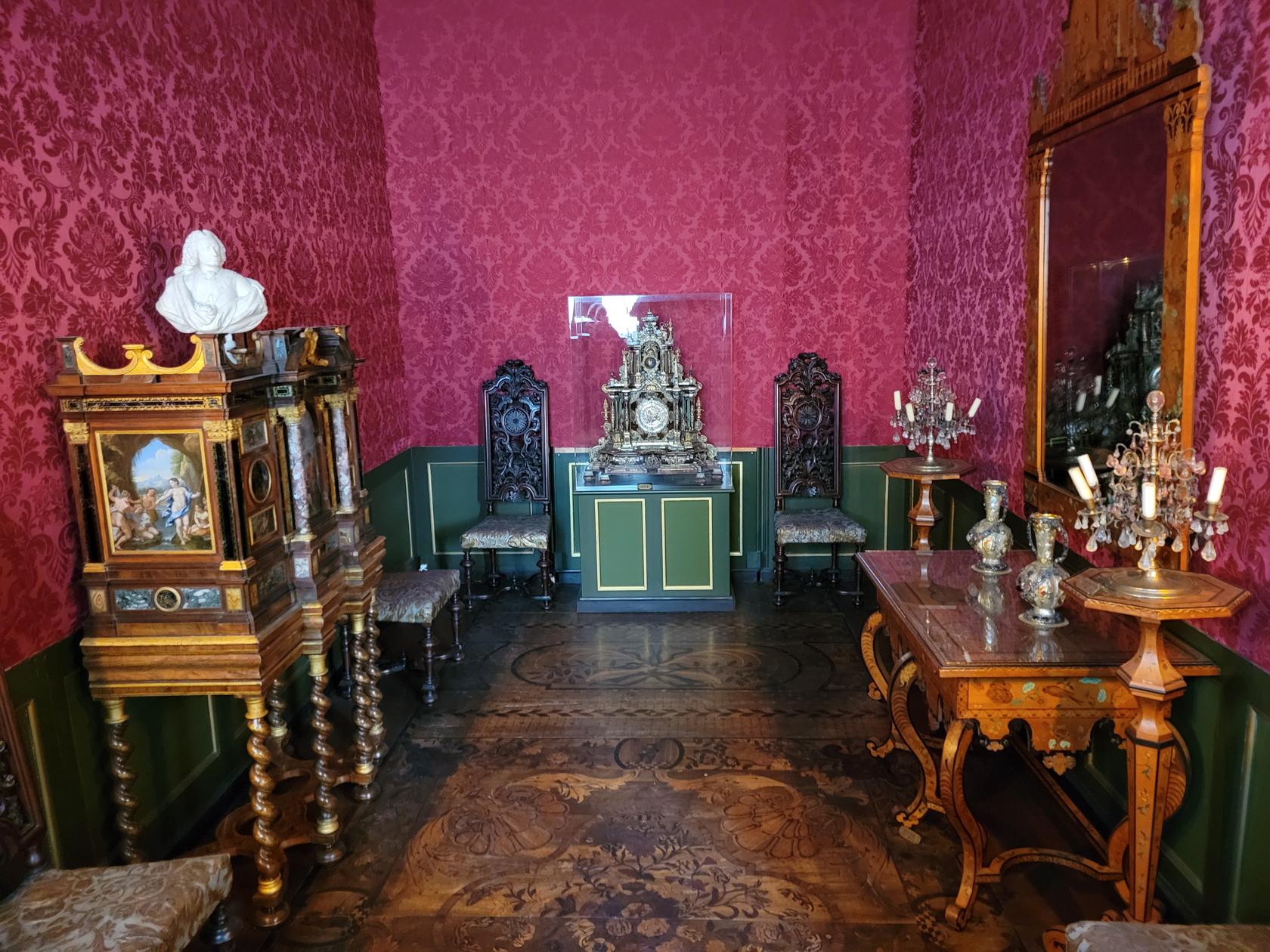
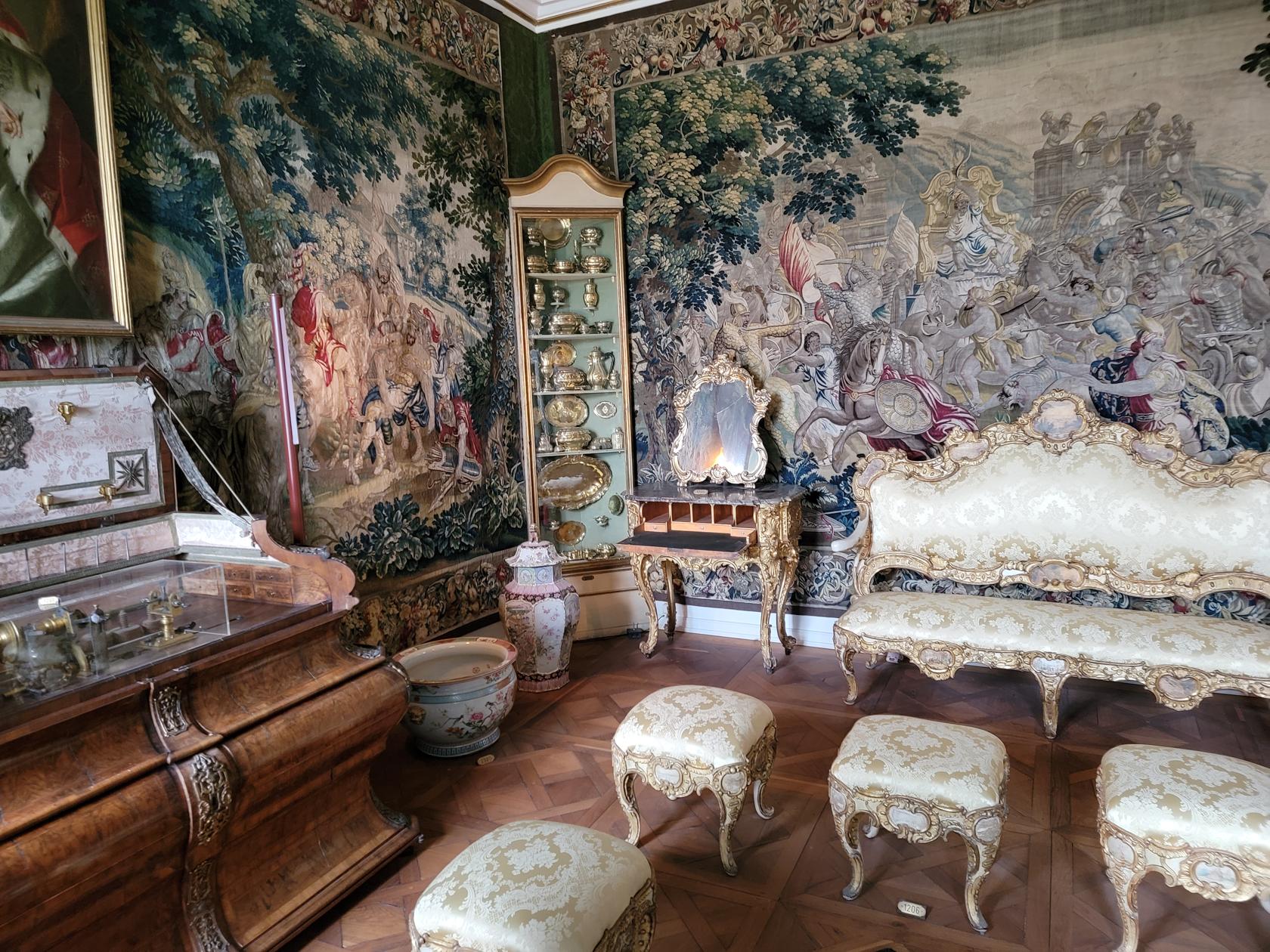
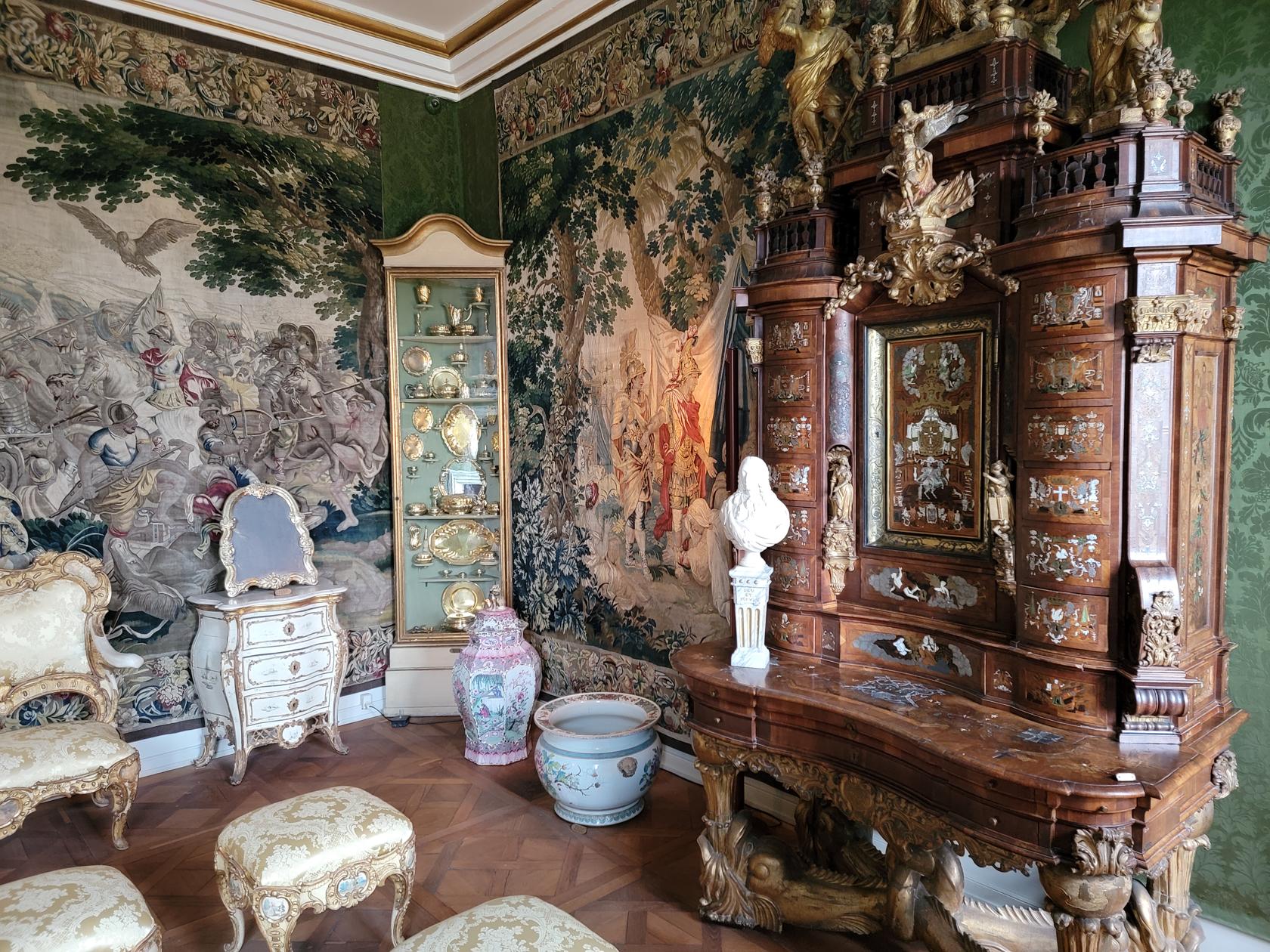
As far as castles go, Rosenborg Castle is a fairly small one on the northwest edge of King’s Garden. It was built in Danish Renaissance style in the 1600s as a summer place for King Frederik IV.

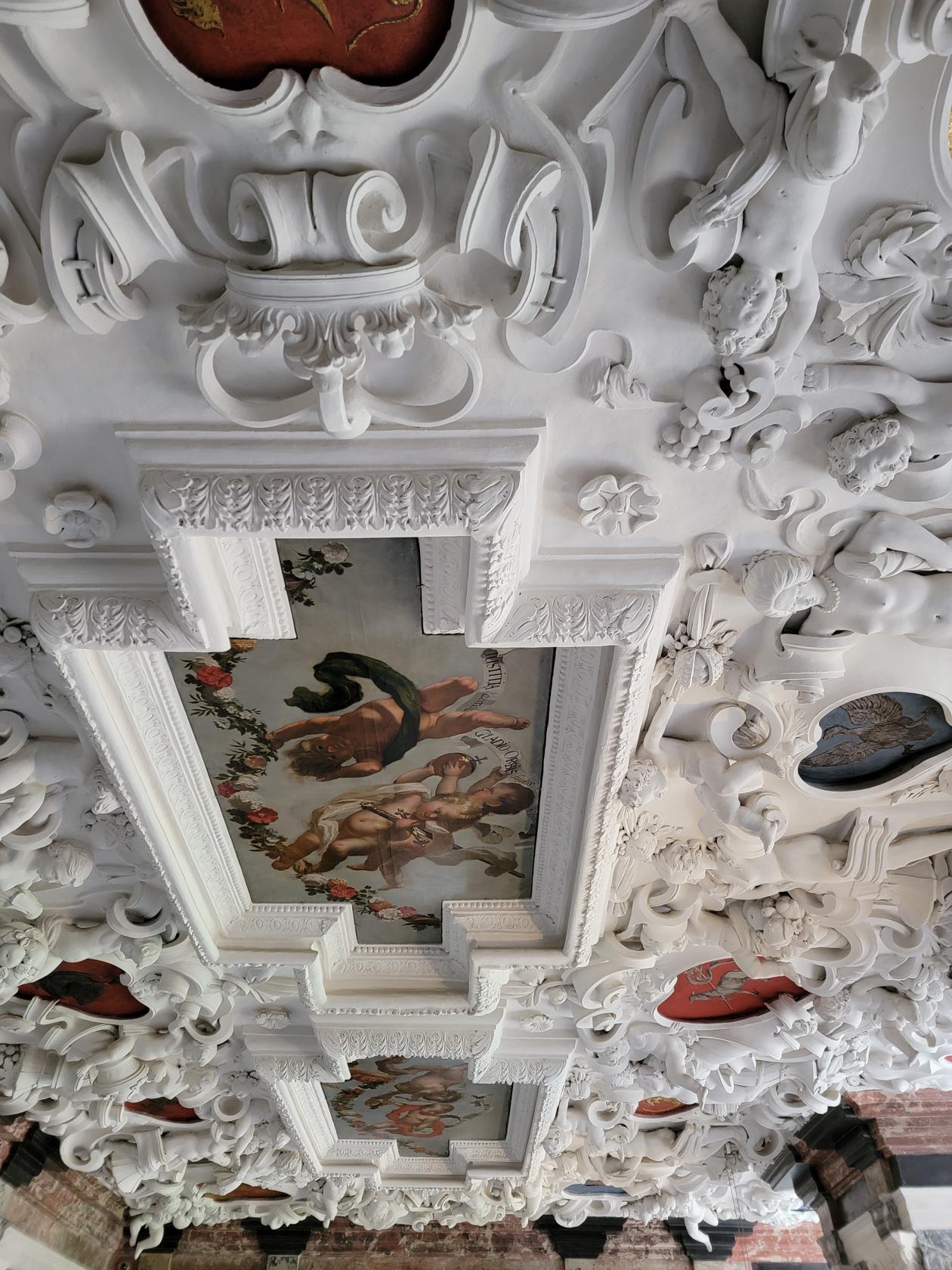
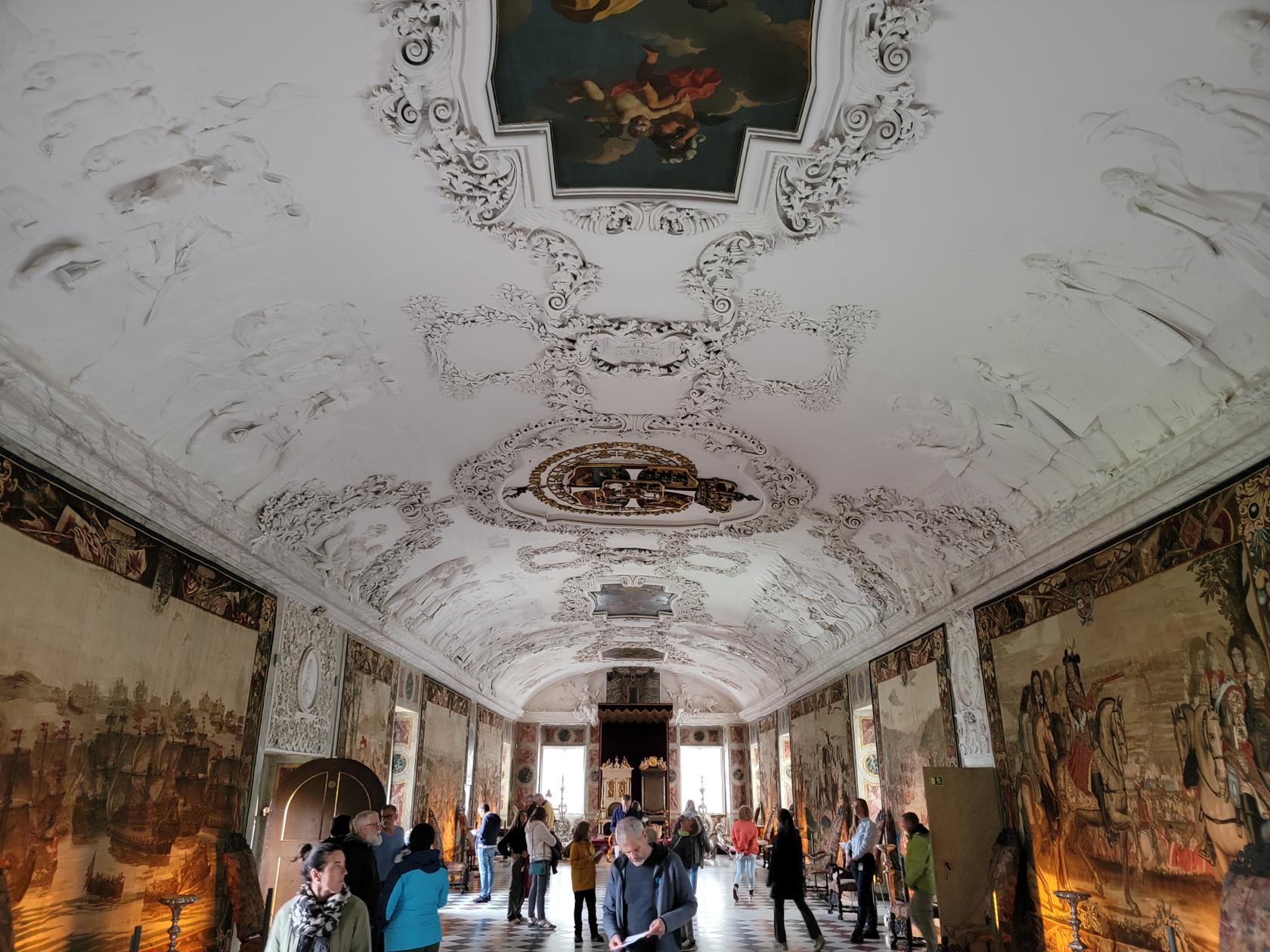
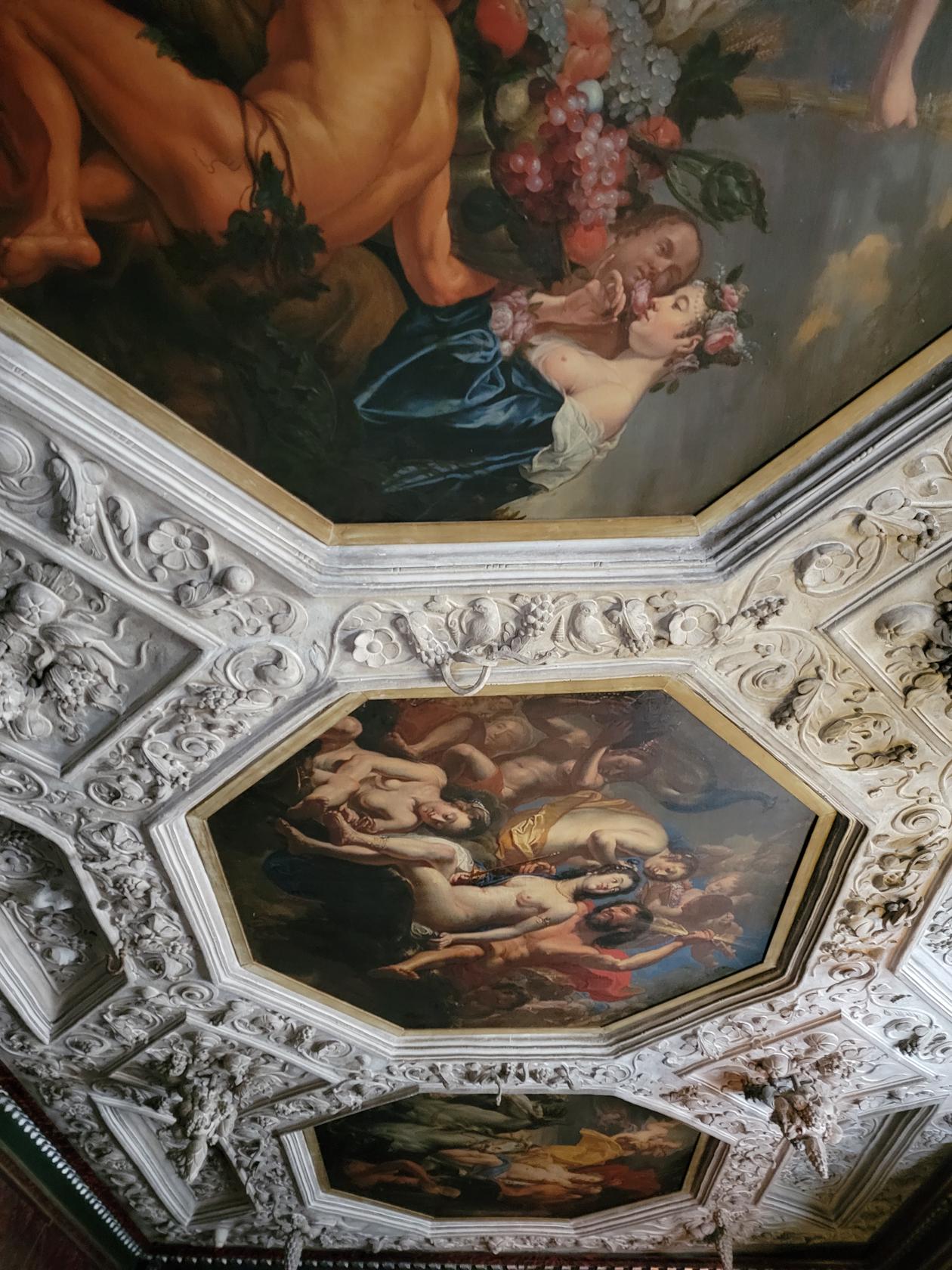
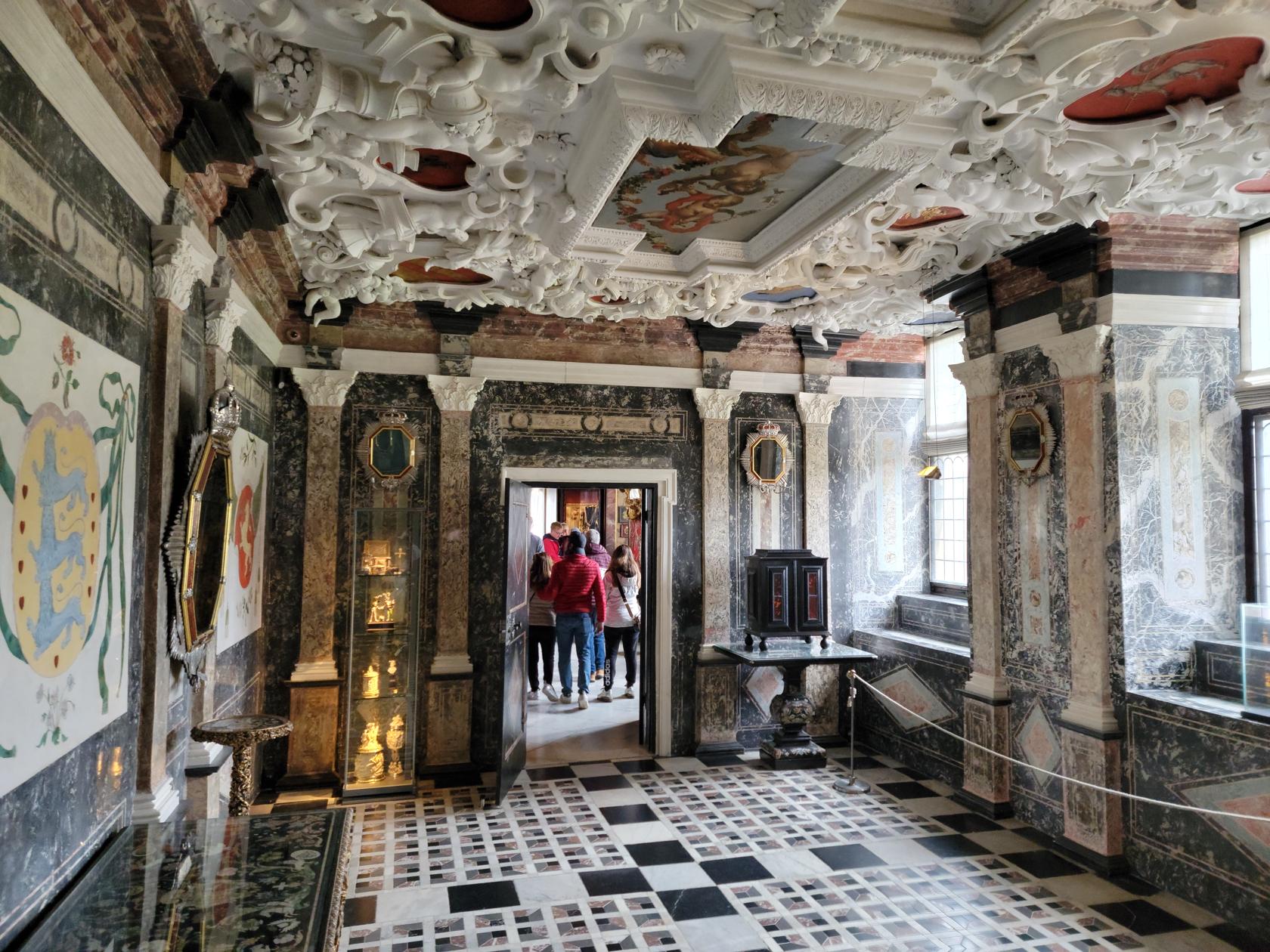
The building has very elaborate ceilings, some of which appear to be in the Rococo style.

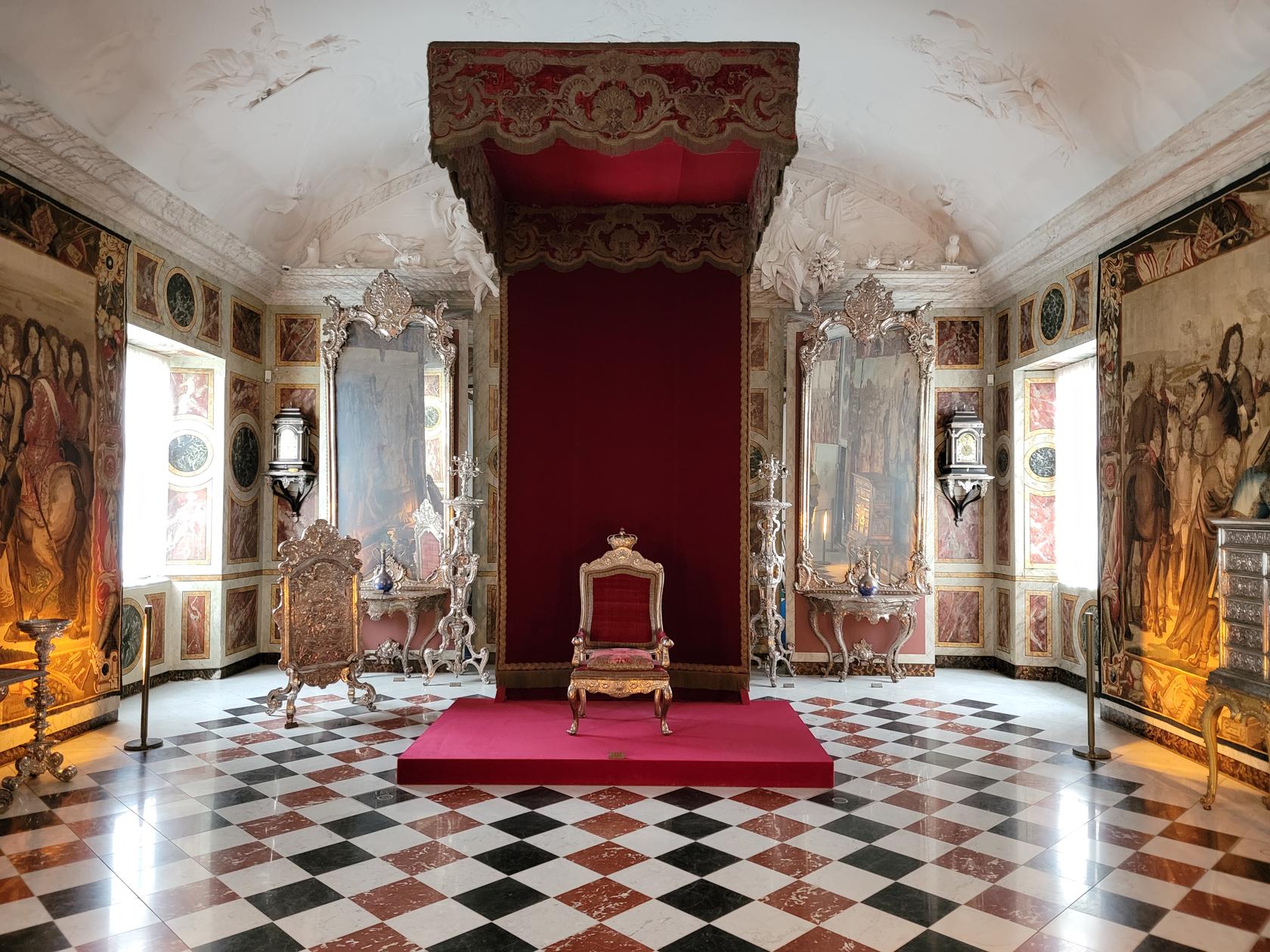
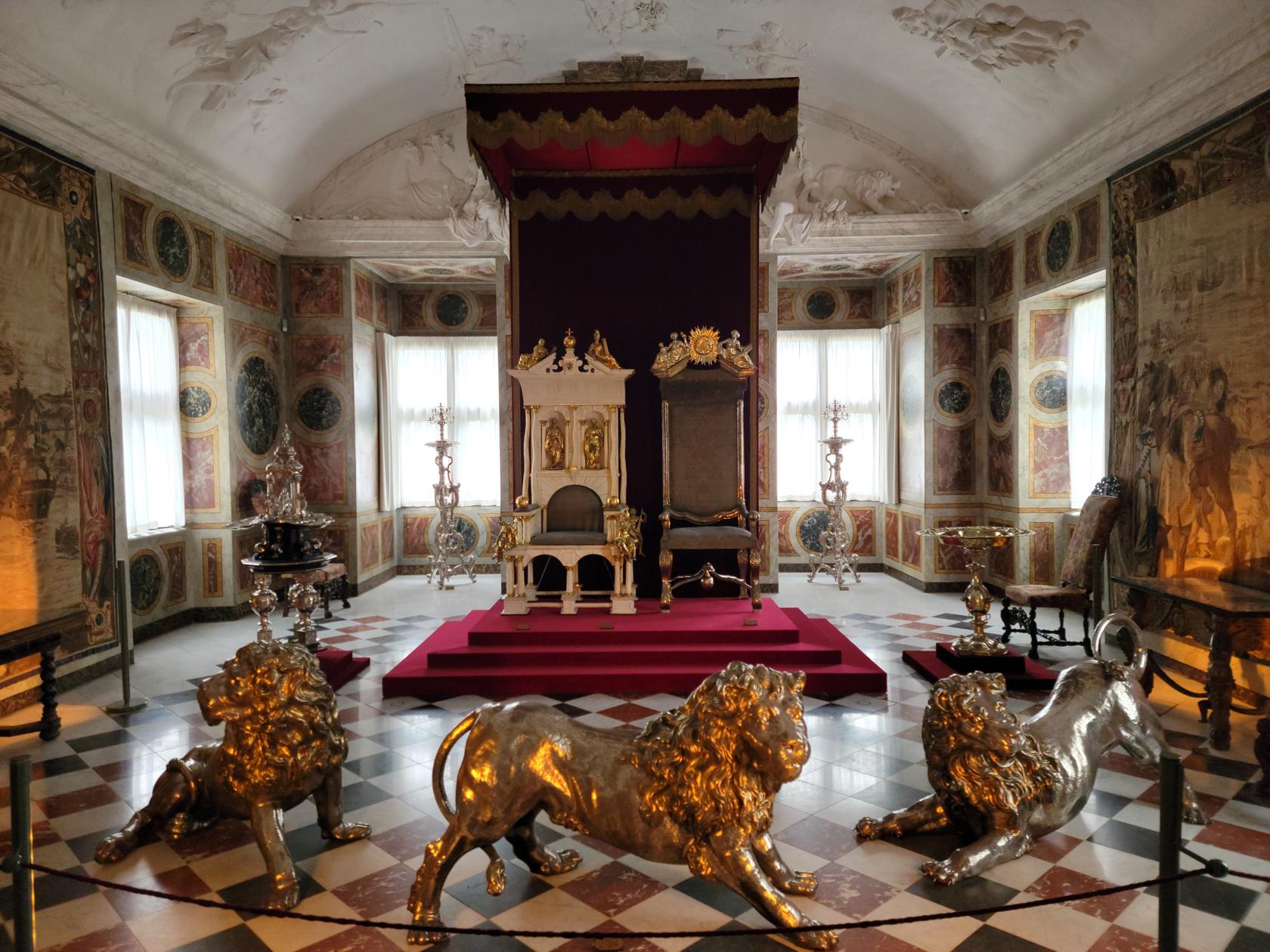
Of particular interest is the Danish Throne Chair with the three stately lions in front. The chairs are on the third floor on what used to be called the “Long Hall”, it is now called the “King’s Hall”.

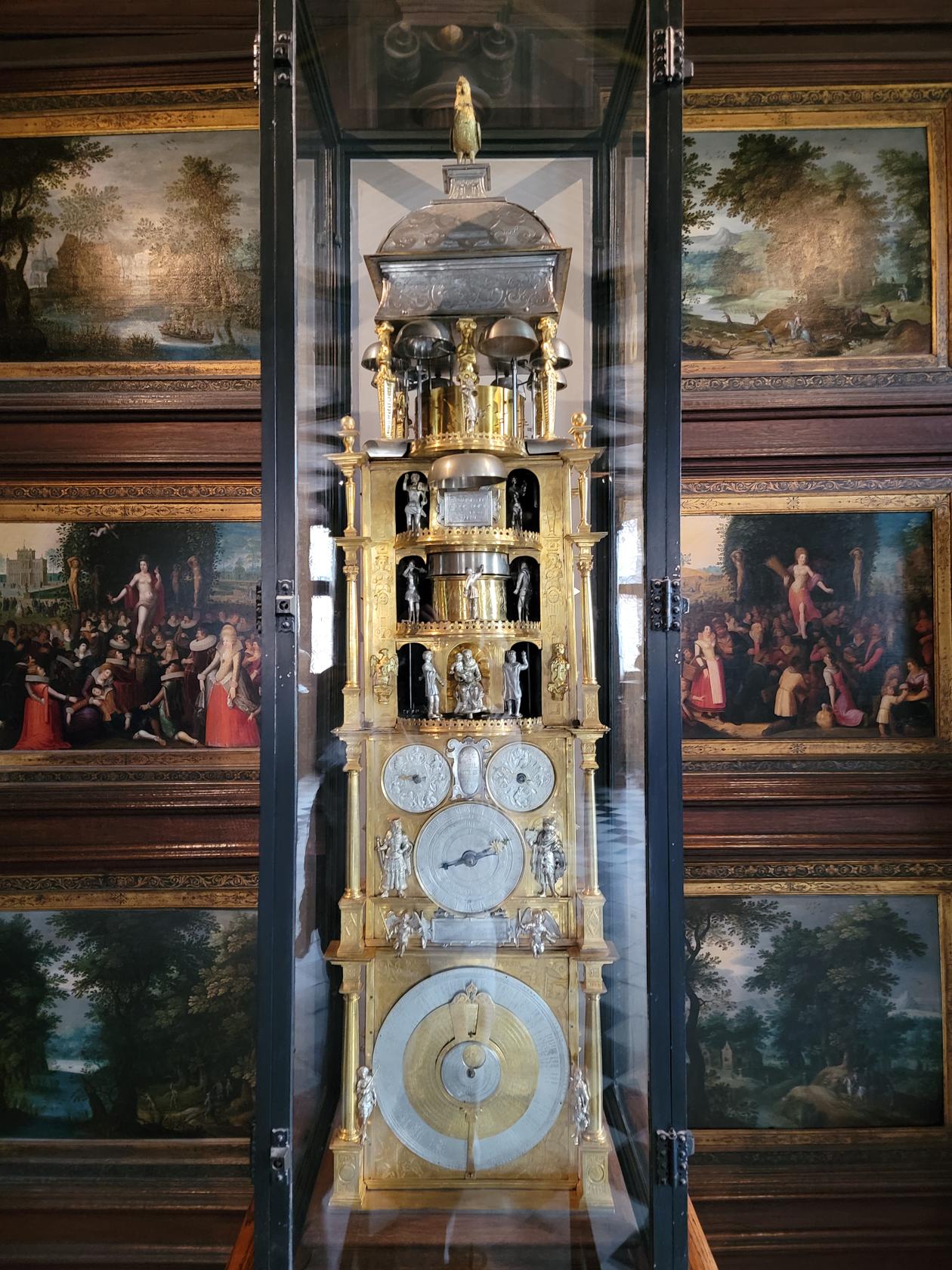
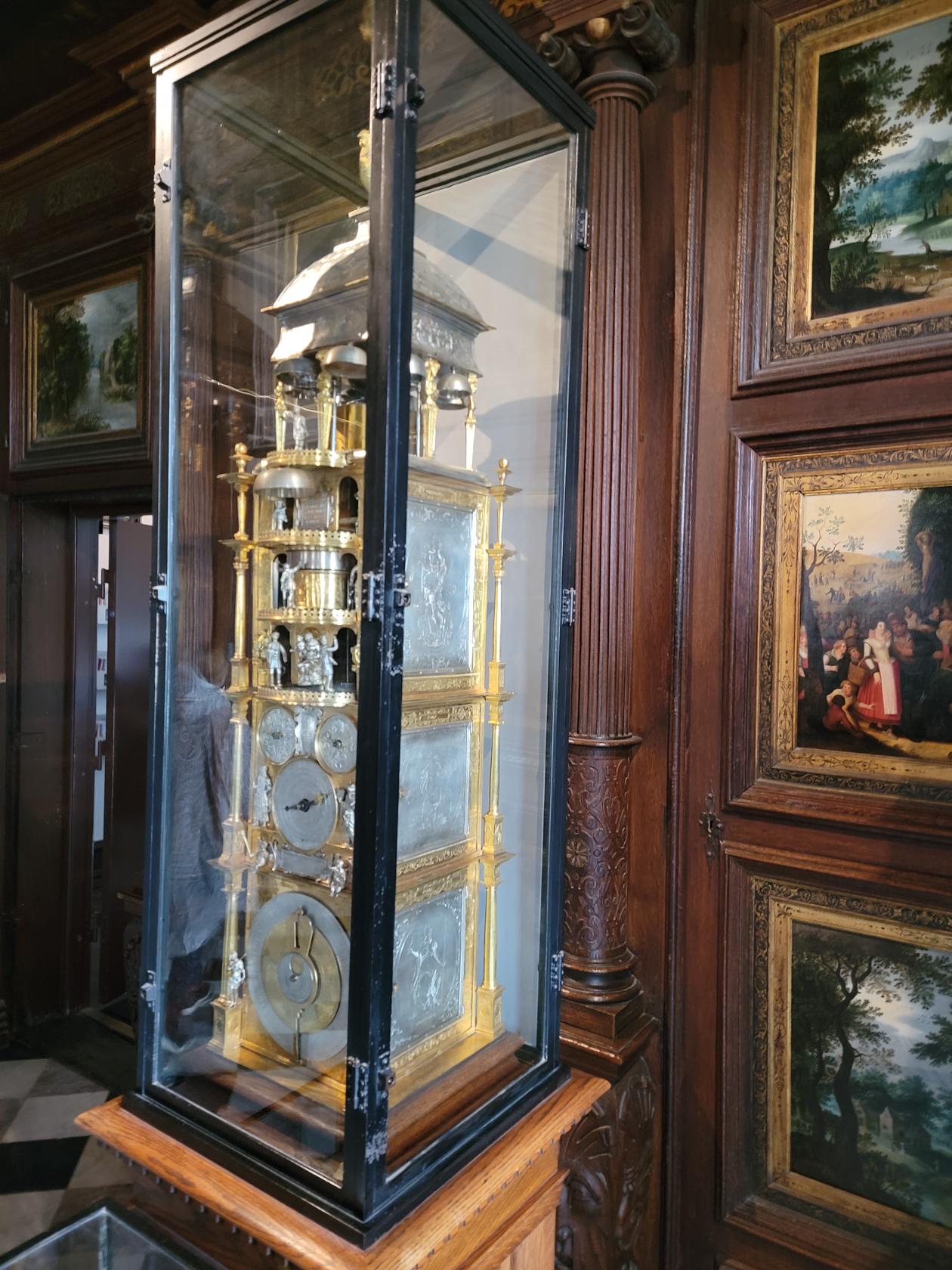
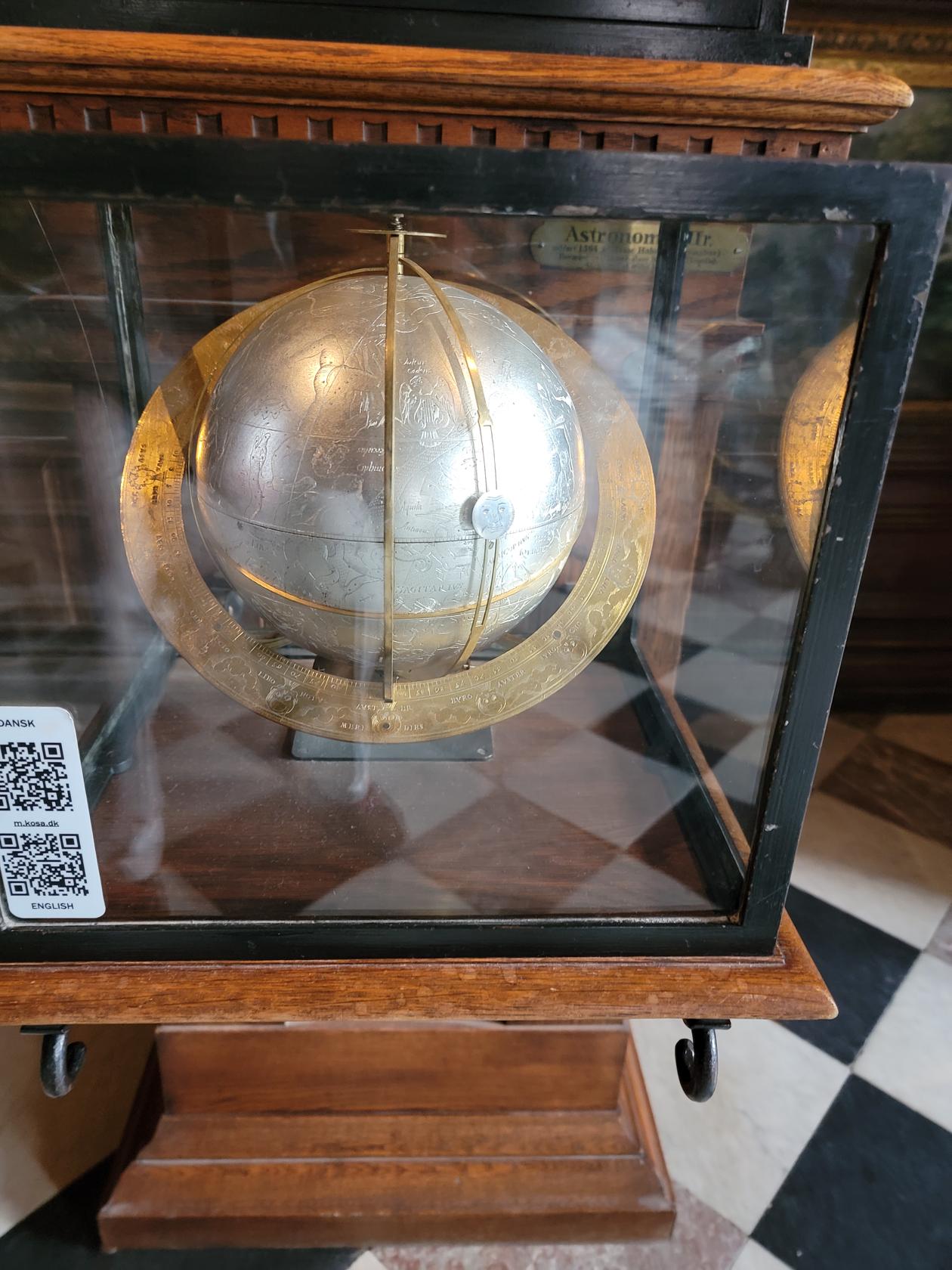
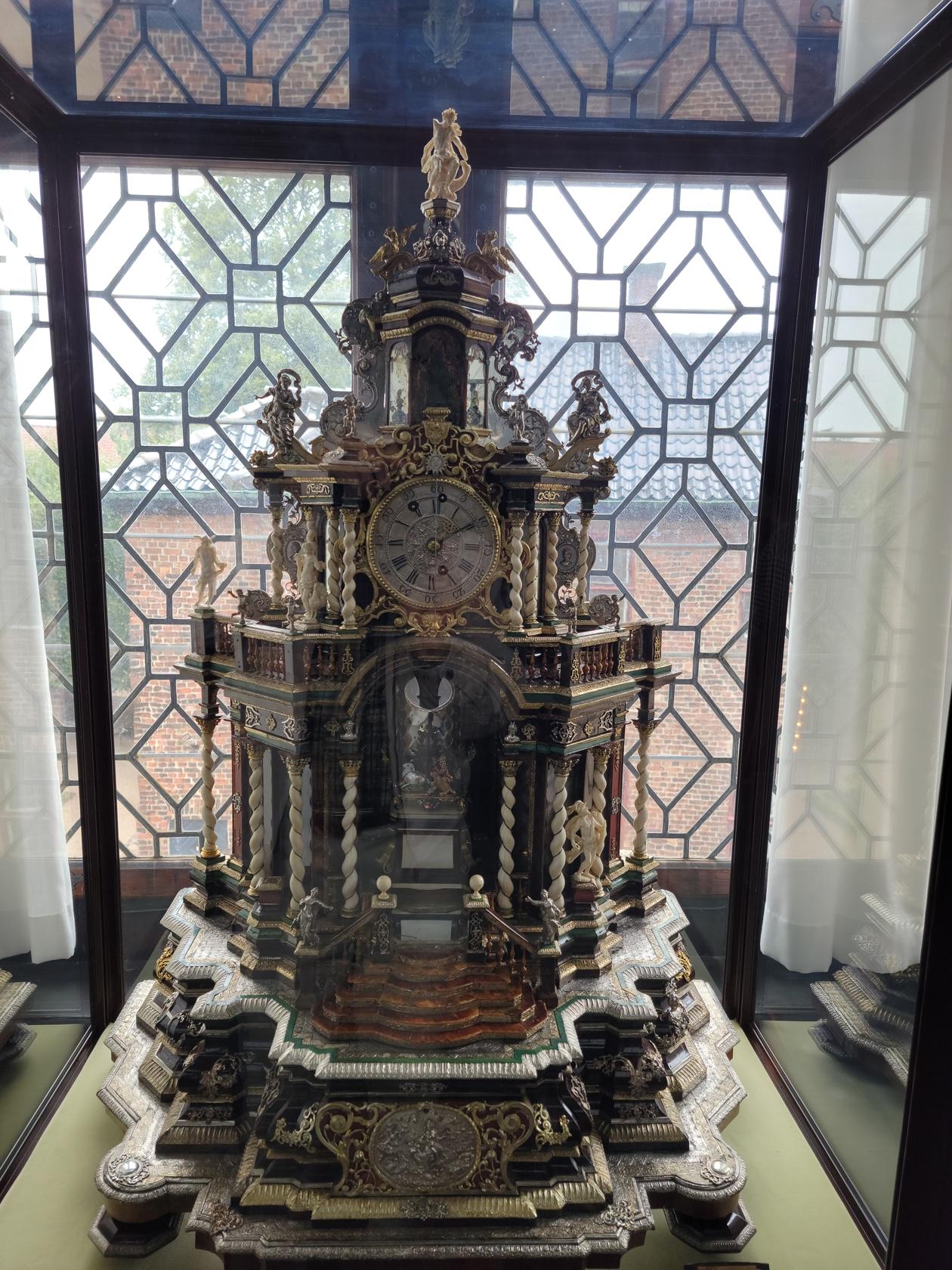
There are also several timepieces and at least one Astrolabe of special note.

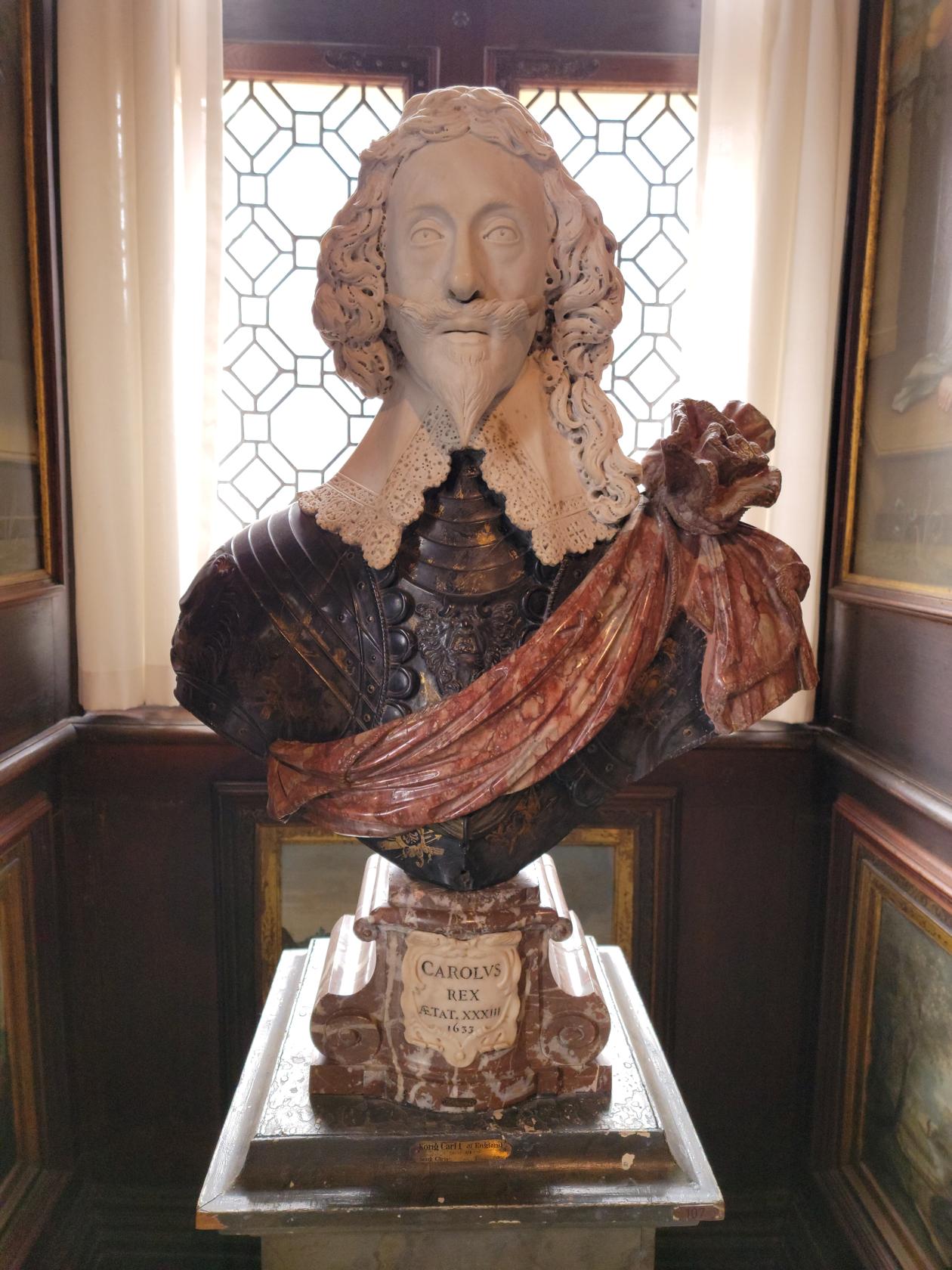
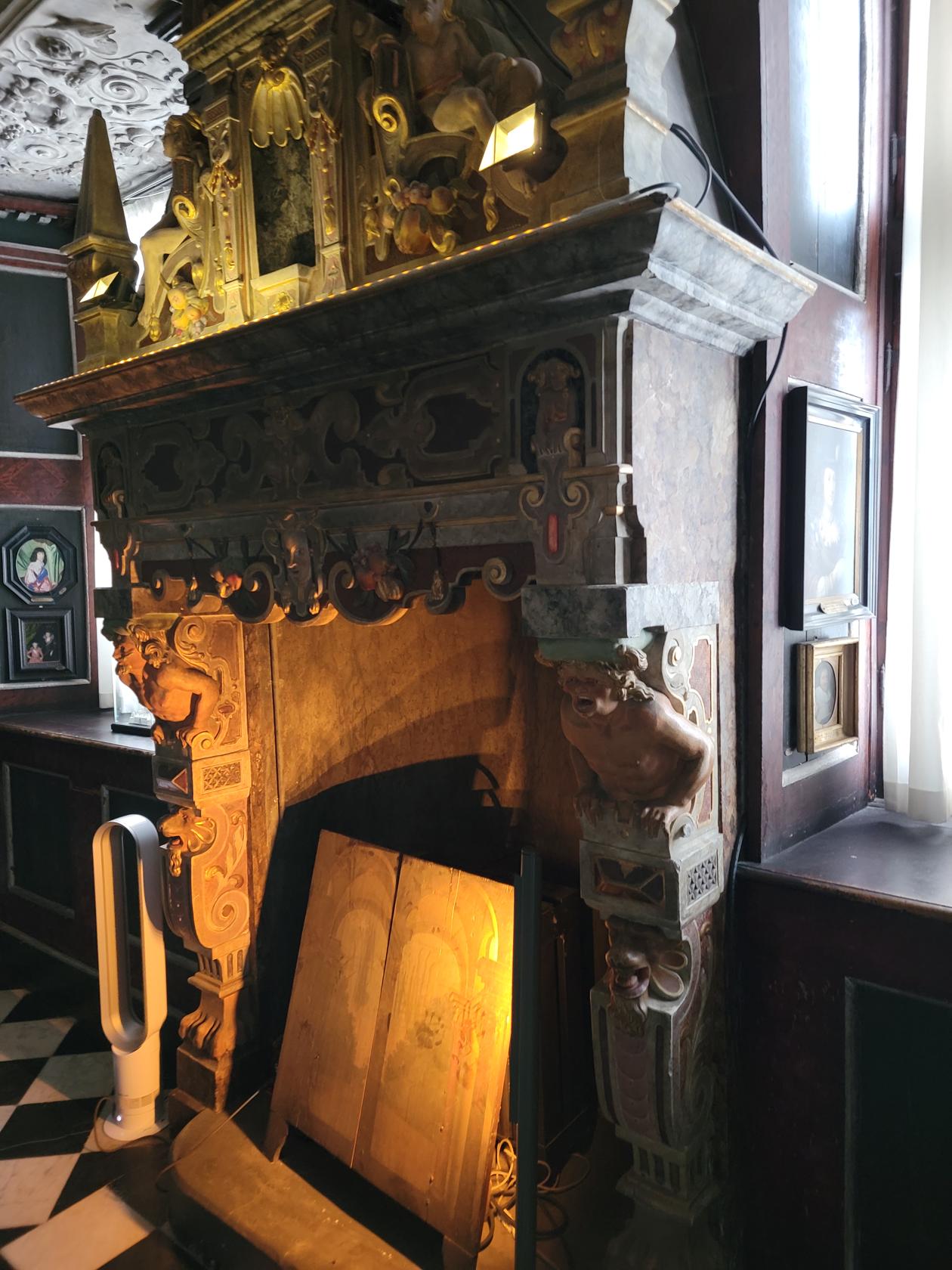
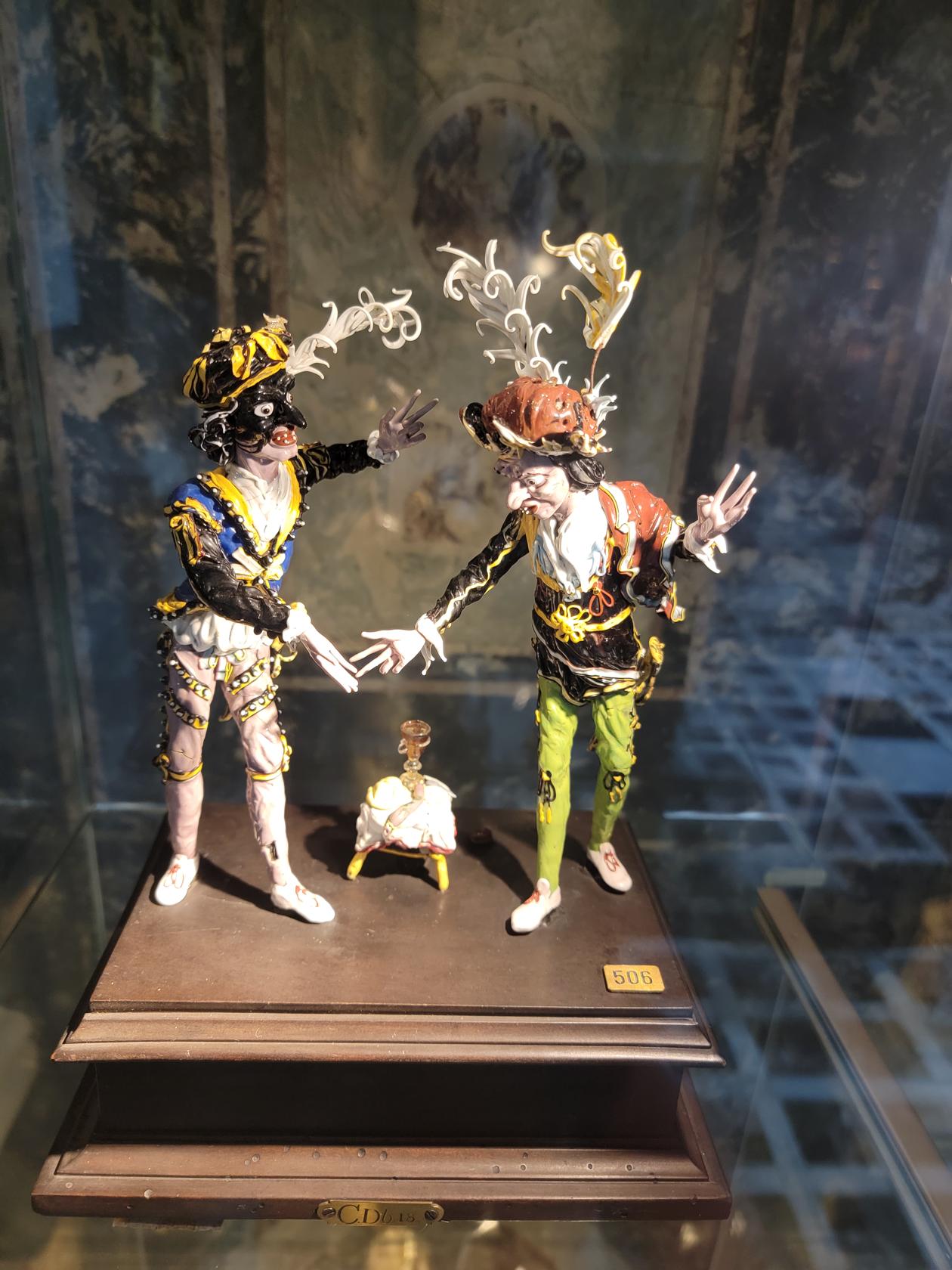
The rest may be enjoyed in the following slideshow.

King’s Gardens

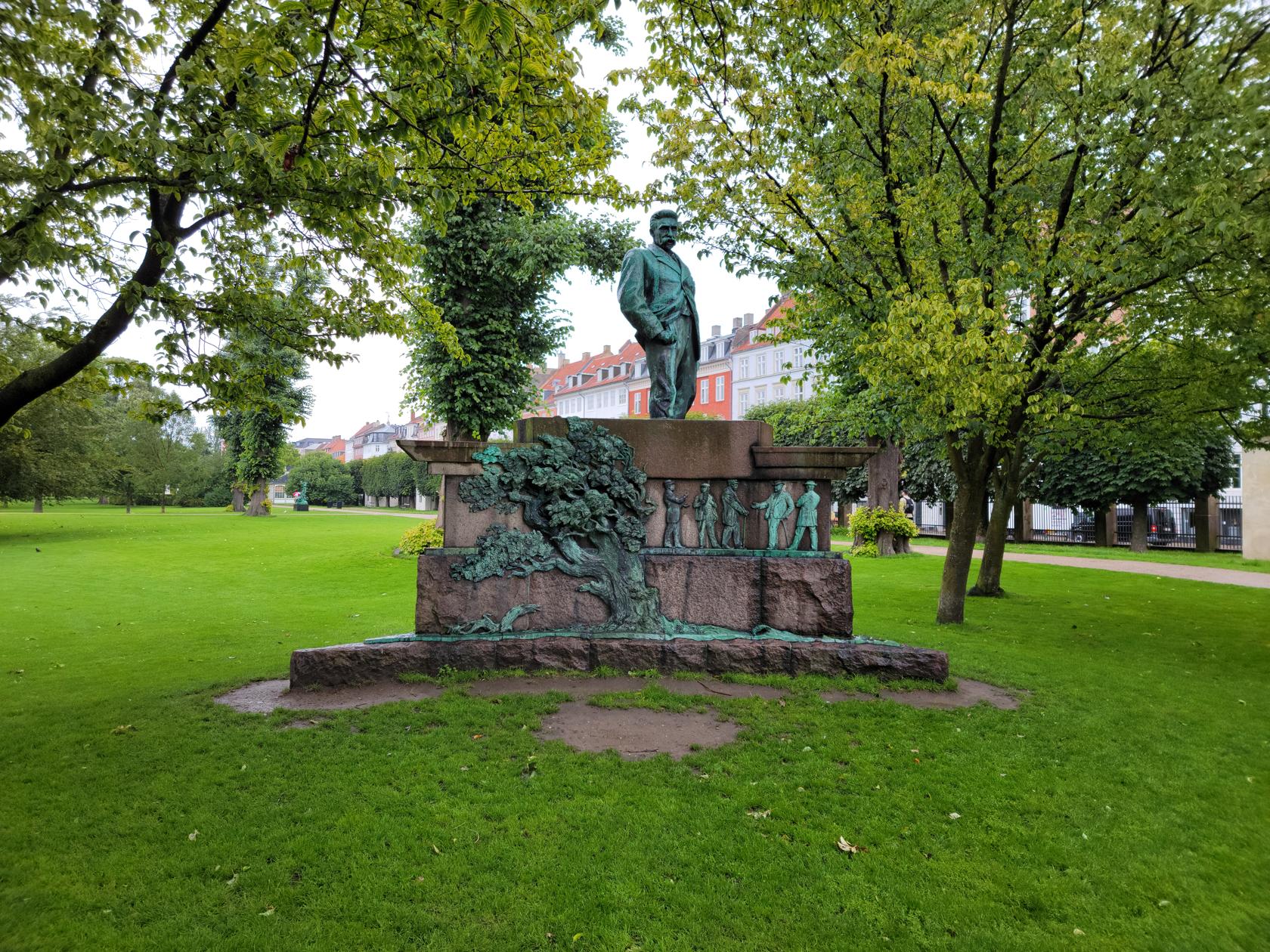
The castle also has the “King’s Garden”, a complex of garden paths and interesting things to see that the former residence could enjoy.

Restaurants

On The Sunny Side Italian Restaurant

A very good Italian restaurant on the Nyhavn canal which offers good food and has a decent wine list. A bit pricey, but you are on the canal, and what isn’t pricey in Copenhagen?

Fredco’s Deli

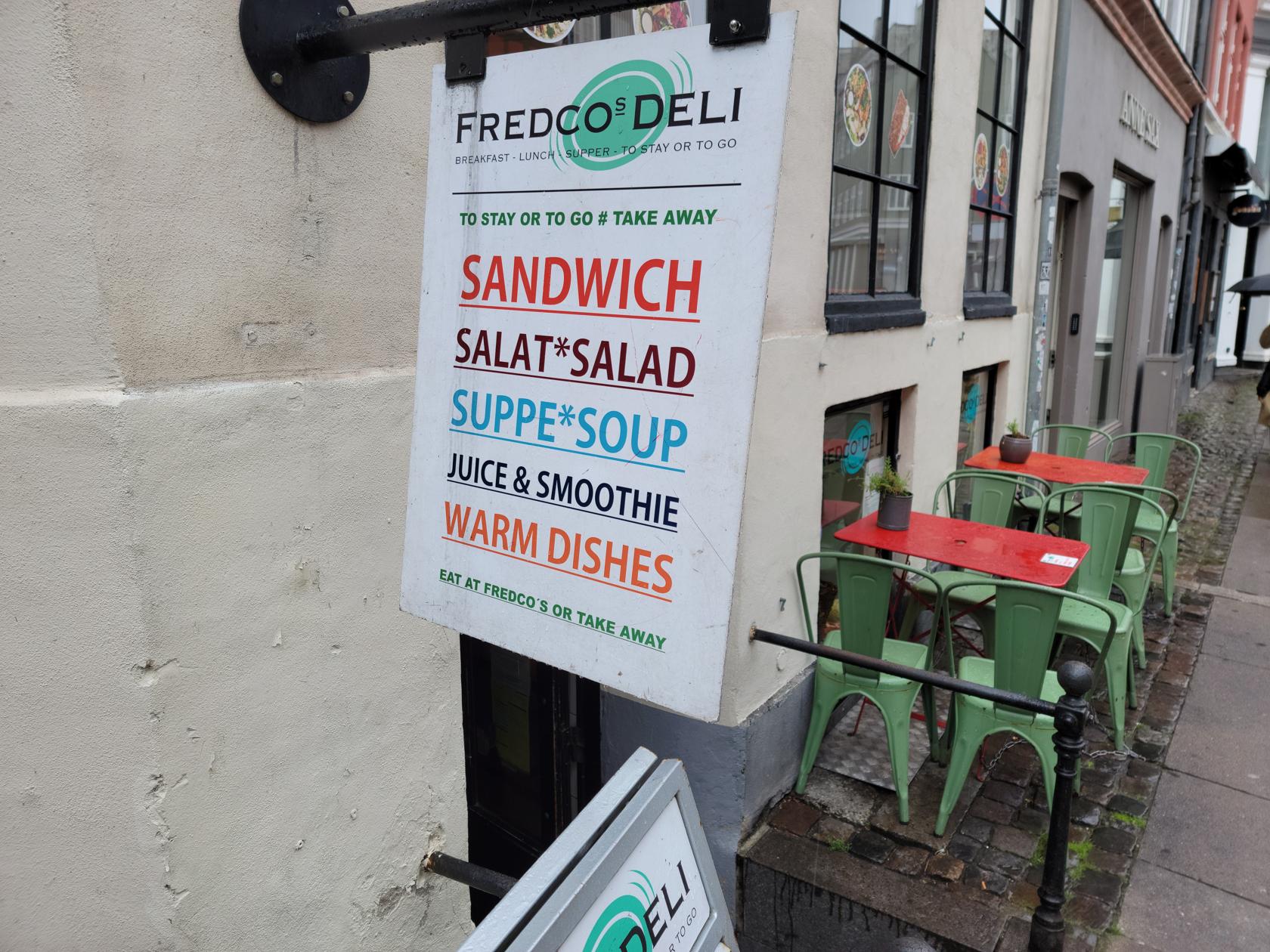
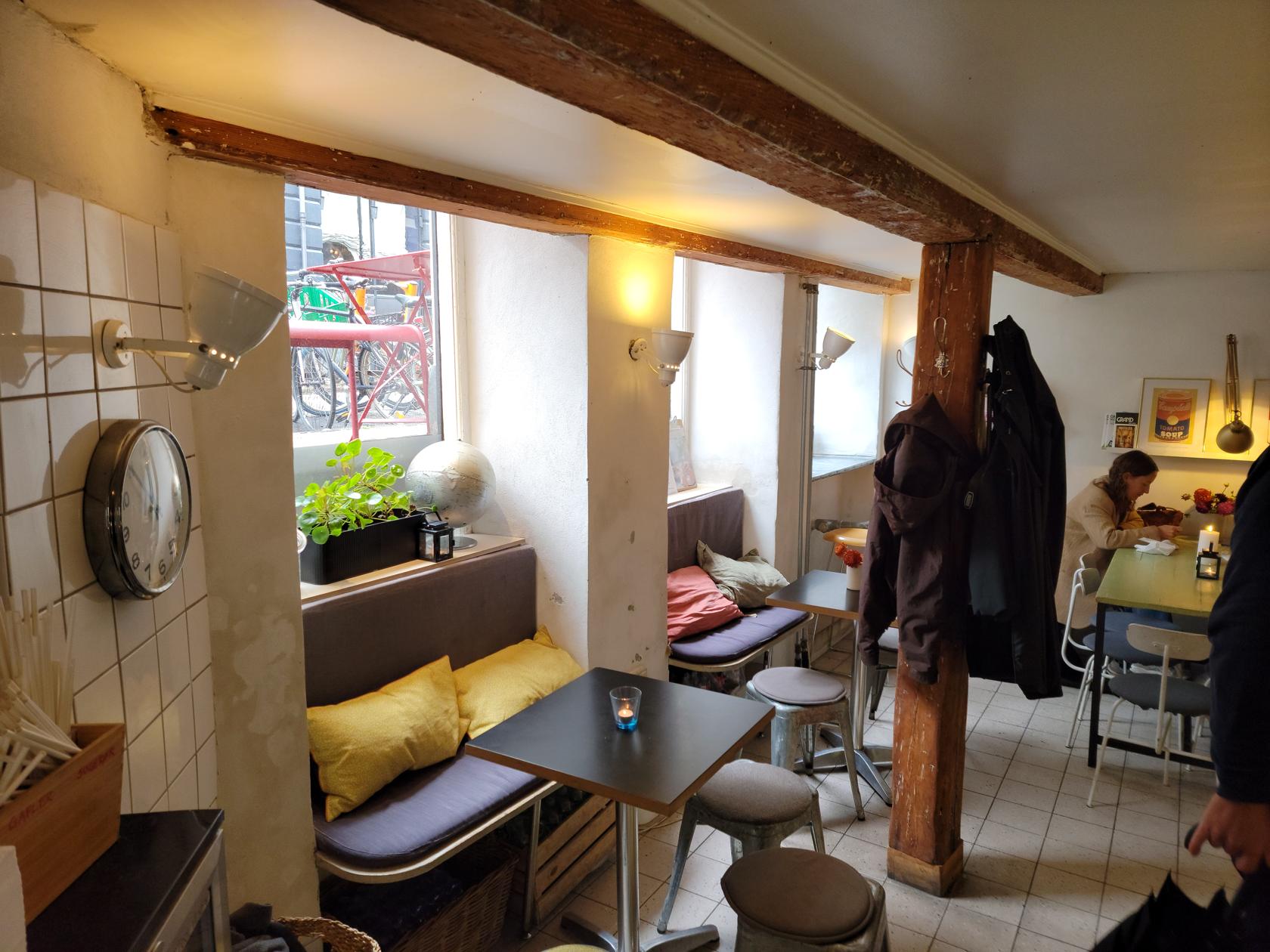
A very small establishment on Grønnegade street which provides a very reasonably priced lunch menu that does include salads. Here you can select from a variety of things for your salad, including dressings. Though a bit on the basic side, if you are tired of eating meat based meals every time you sit down, this might be the stop for you. The interior is in the basement and is very utilitarian in look and feel, but you should be able to find a place to sit and enjoy your lunch.

Verbania, Italy – Pallanza and Villa Taranto

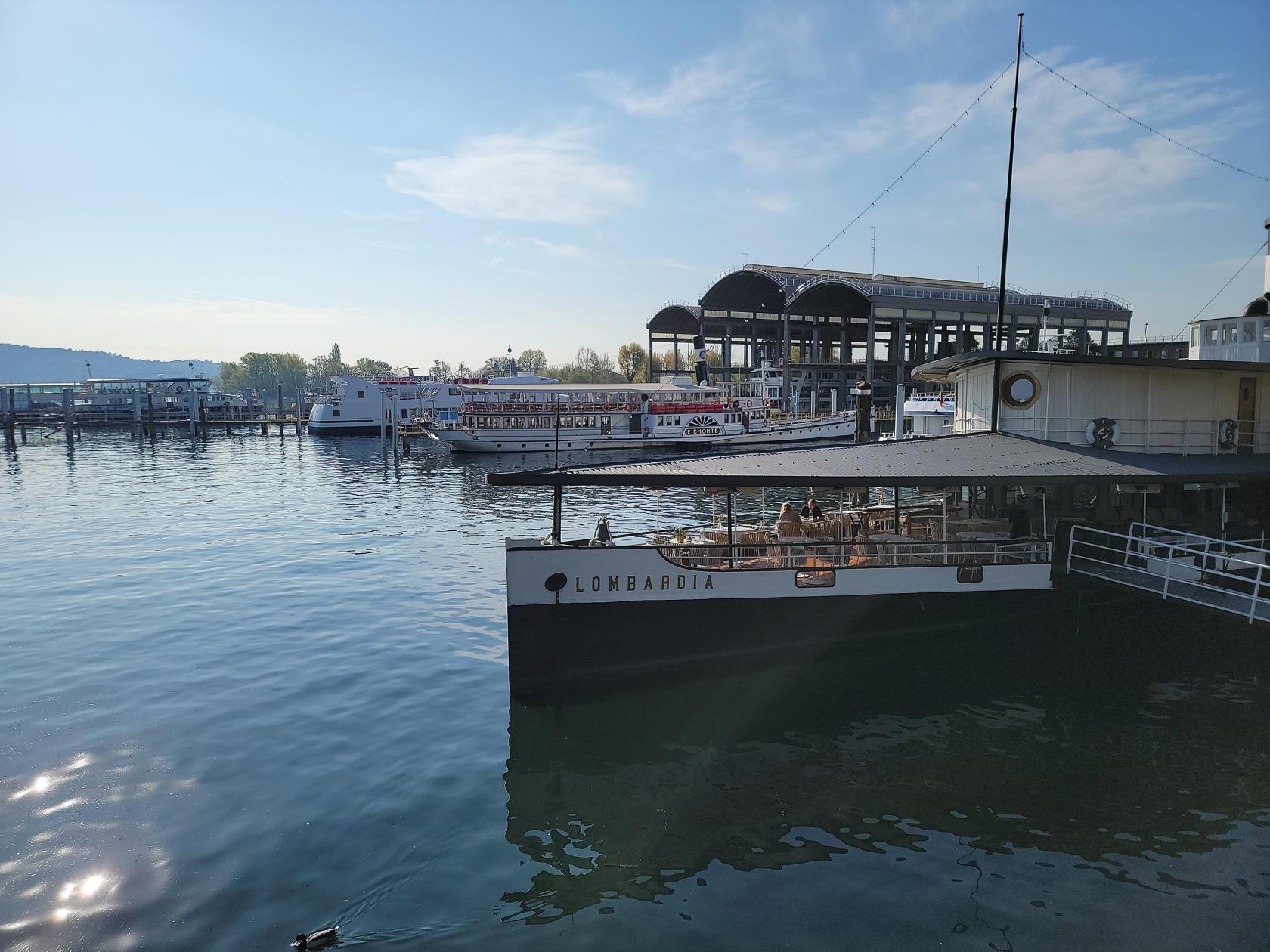
Across Lake Maggiore from Stresa lies Verbania and the town of Pallanza. This is another destination one may reach by purchasing a ferry ticket with the Lake Maggiore Ferry transportation system.

Verbania

Since we had an extra day, we took a day trip there to discover if Pallanza had anything to offer and to visit the Gardens of Villa Taranto.

Pallanza

There is not much to see here, though during our visit there was a lot of lake side construction, which not only blocked our view of things but made for a rather noisy visit. Hence, we did not stop here to eat anything.

The town is actually quite simple and the only things there that stand out are the Church of Saint Leonard and its bell tower, and a few World War I memorials.

The water show off the beach appeared a bit to much for a destination offering so little, but we took a photograph of it anyway.

After a quick tour of Pallanza, we attempted to walk to the Villa Taranto gardens. After about forty minutes of frustration with a well known map application, we decided to turn around and take the ferry instead, which has service to the gardens.

Regardless what the phone application tries to tell you, you may not enter the gardens from any side other than from where the boat launch is, so do not try unless you want to walk on a state road or you want to waste a lot of your time trying. The entire garden is surrounded by immense walls or fences and all of the entry points are locked. I walked all the way up to the Oratory of Saint Remigio just to make sure.

Villa Taranto

Villa Taranto is the ferry stop right after Pallanza and before Intra. It is about a ten to fifteen minute ride from Pallanza, so we purchased a round trip ticket from Pallanza to Villa Taranto to make up the difference with our ticket from Stresa to Pallanza, since we would be taking the ferry directly back once we finished the gardens.

The Gardens

The gardens of Villa Taranto are very well kept and marked. Each section is dedicated to some specific type of flora or theme. The walkways are well maintained such that you will have no issues ascending the hill that the gardens are planted on.

Restaurants

In Villa Taranto we ate at the bistro within the park, having no desire after a long walk through the gardens of venturing any further out.

Cafè & Bistrot

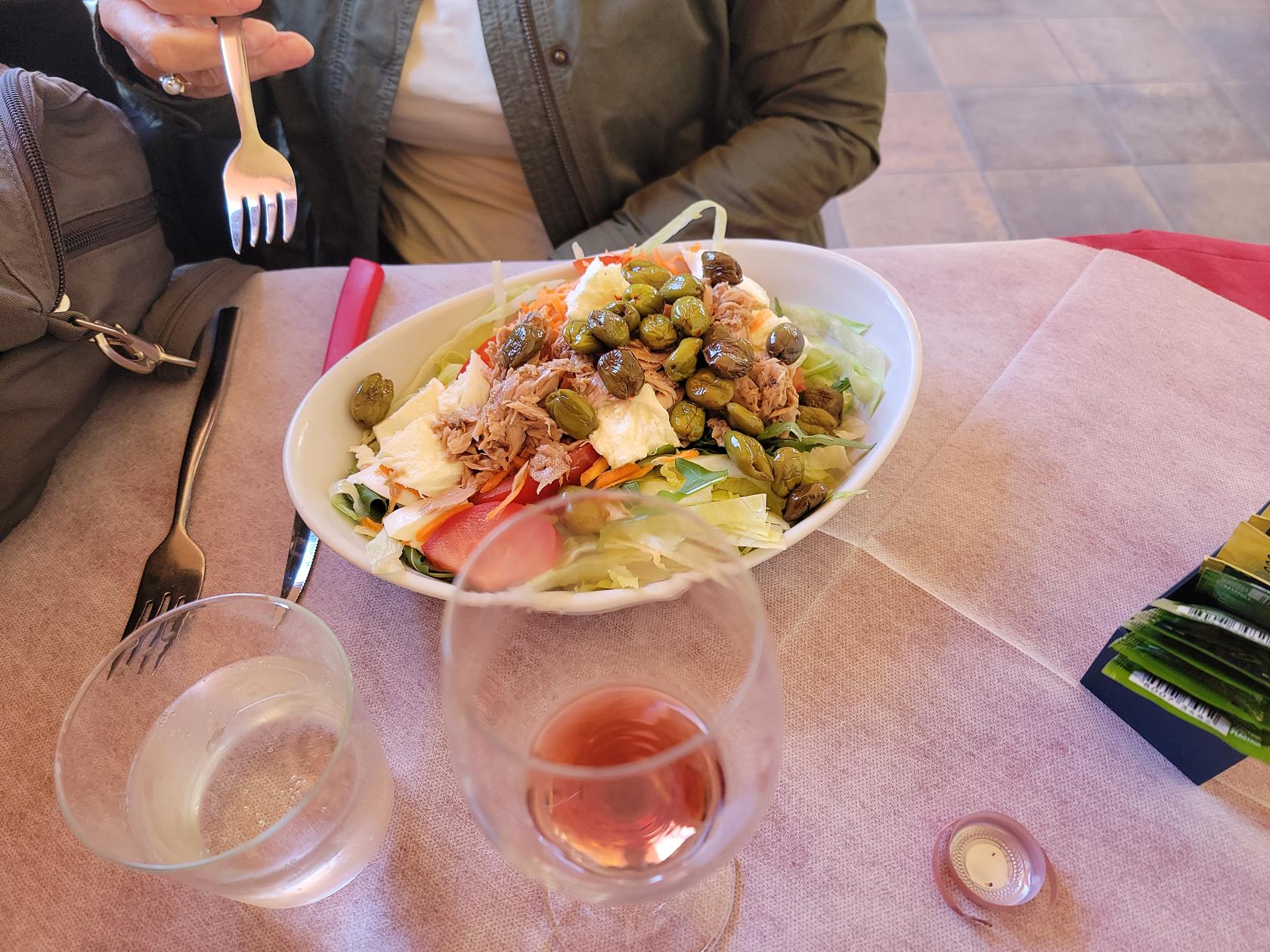
Nothing much to rave about here, it is just a simple bistro and cafe. In one section you may sit and enjoy a drink, in the other you may order lunch or whatever they are serving at the time, if they are open. For lunch, we just had a simple salad with tomatoes and Tropea onions and olive oil, along with some white wine on the side, which was very dry and very good.

Aside from the failed attempt to walk to Villa Taranto Gardens, the ferry and the gardens, saved what could have been a sweaty miserable afternoon looking at flowers. So after eating, we thoroughly enjoyed our boat trip back to Stresa and would commend others not to stop in Pallanza, but go straight to the gardens and perhaps even Intra later, if the traveling bug moves you so.

Chieri, Italy – A Hundred Tower Town

Day Trip To Chieri

Surrounded on the three sides, by what are generally called the Hills of Piedmont (for which Superga Hill is one), sits the town of Chieri. A town that goes back to ancient times, due to the richness of the area and the Po river valley.

From Turin it is easy to get to Chieri. One can either take a bus or take the Sfm1 train from Porta Susa, which runs about every thirty minutes, it is about a thirty minute ride to Chieri and the last stop for this train.

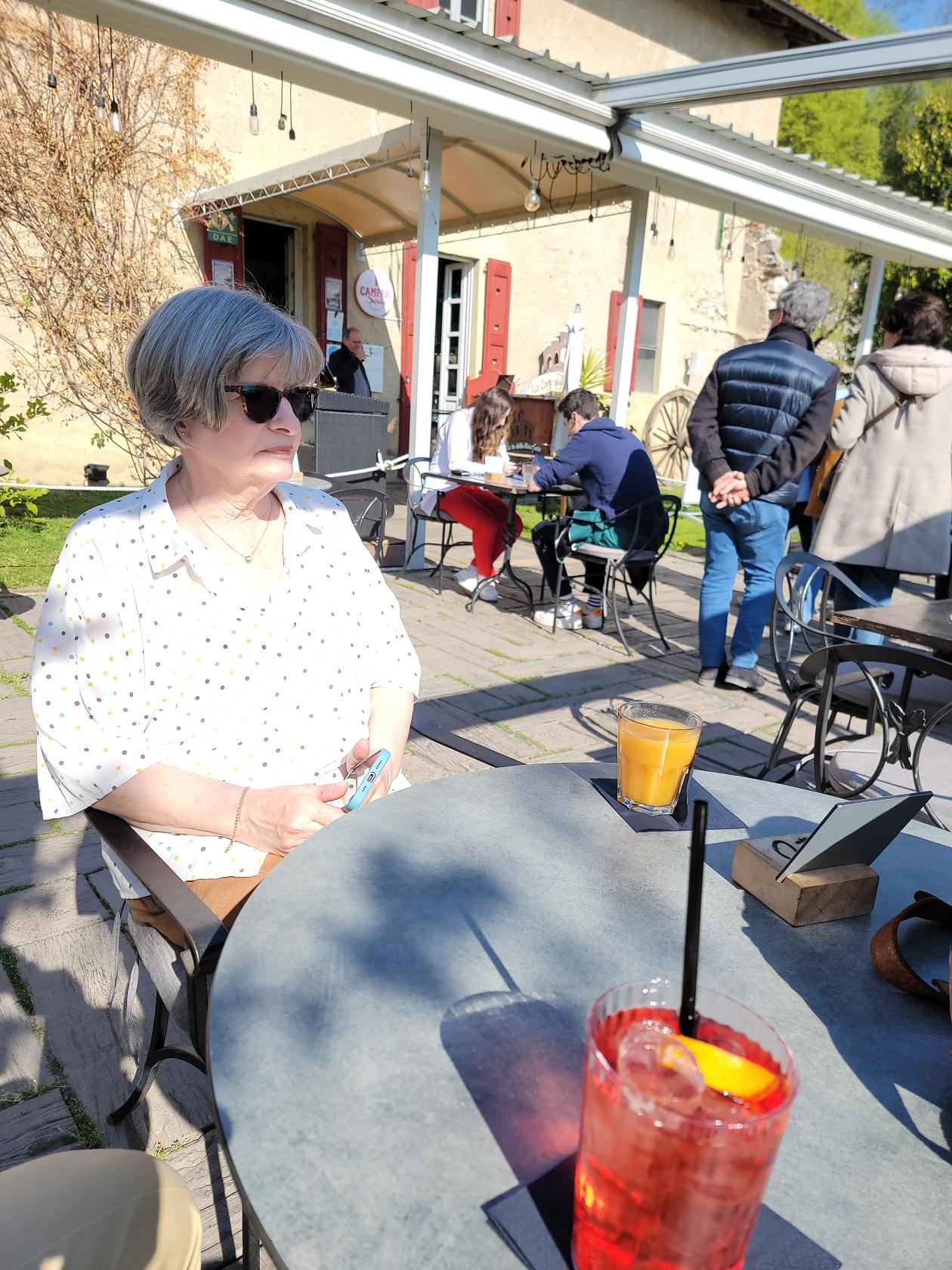
Chieri – Patti at the Tandem Bar on Vittorio Emanuele II

The main pedestrian way, via Vittorio Emanuele II, is a short walk from the train station and has numerous cafes and bars, here you can purchase a coffee or other drink, before you explore this quaint little town.

Town Of A Hundred Towers

During the early middle ages, the town once had numerous towers, especially built into the town wall,  which were erected (like in many other towns in  Italy) as defensive structures. Most of these were destroyed by Frederick Barbarossa’s army when they laid waste to the town in 1154. However, a few still remain, one of which can be seen below.

Church of Sant Giorgio

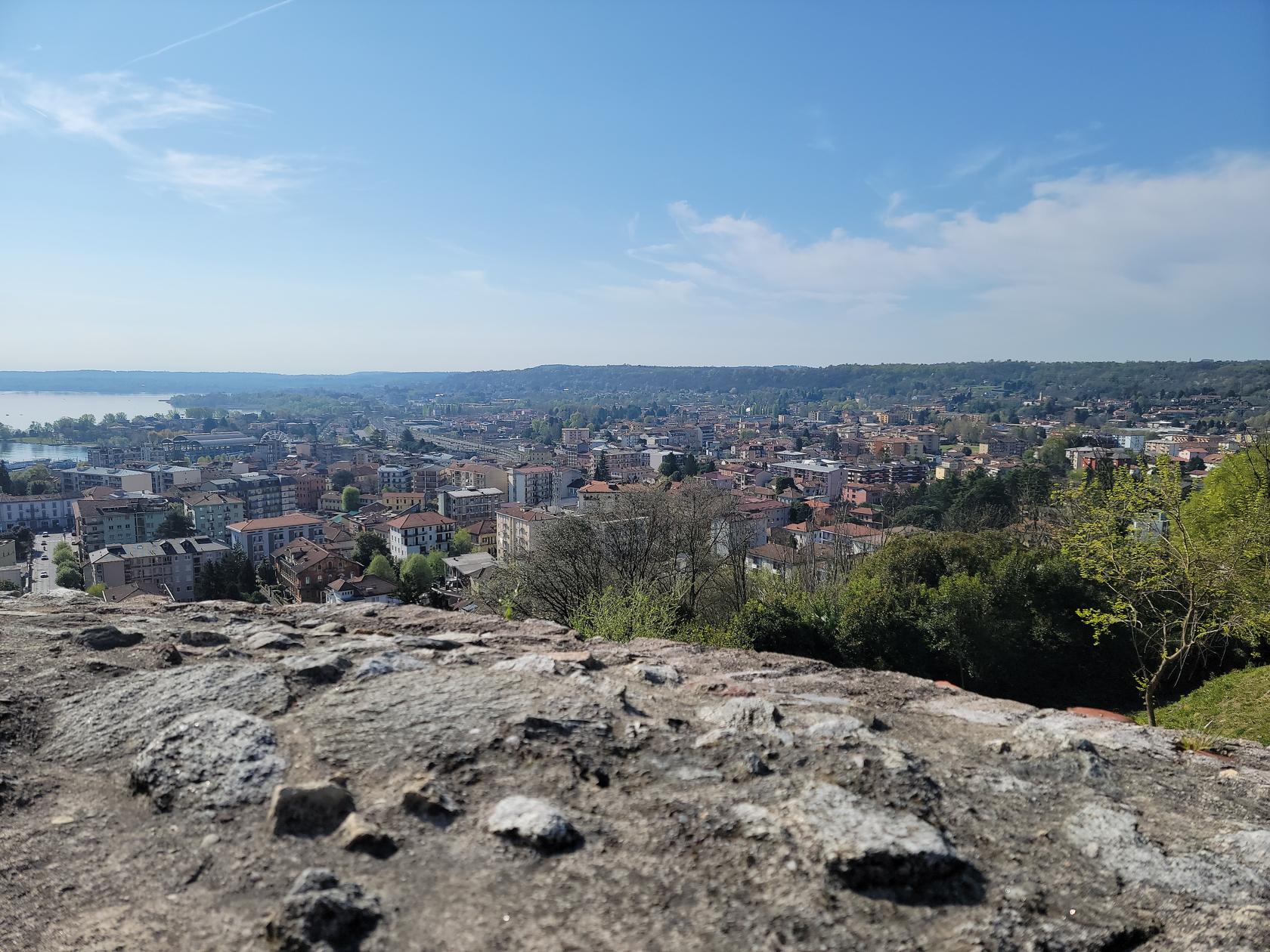
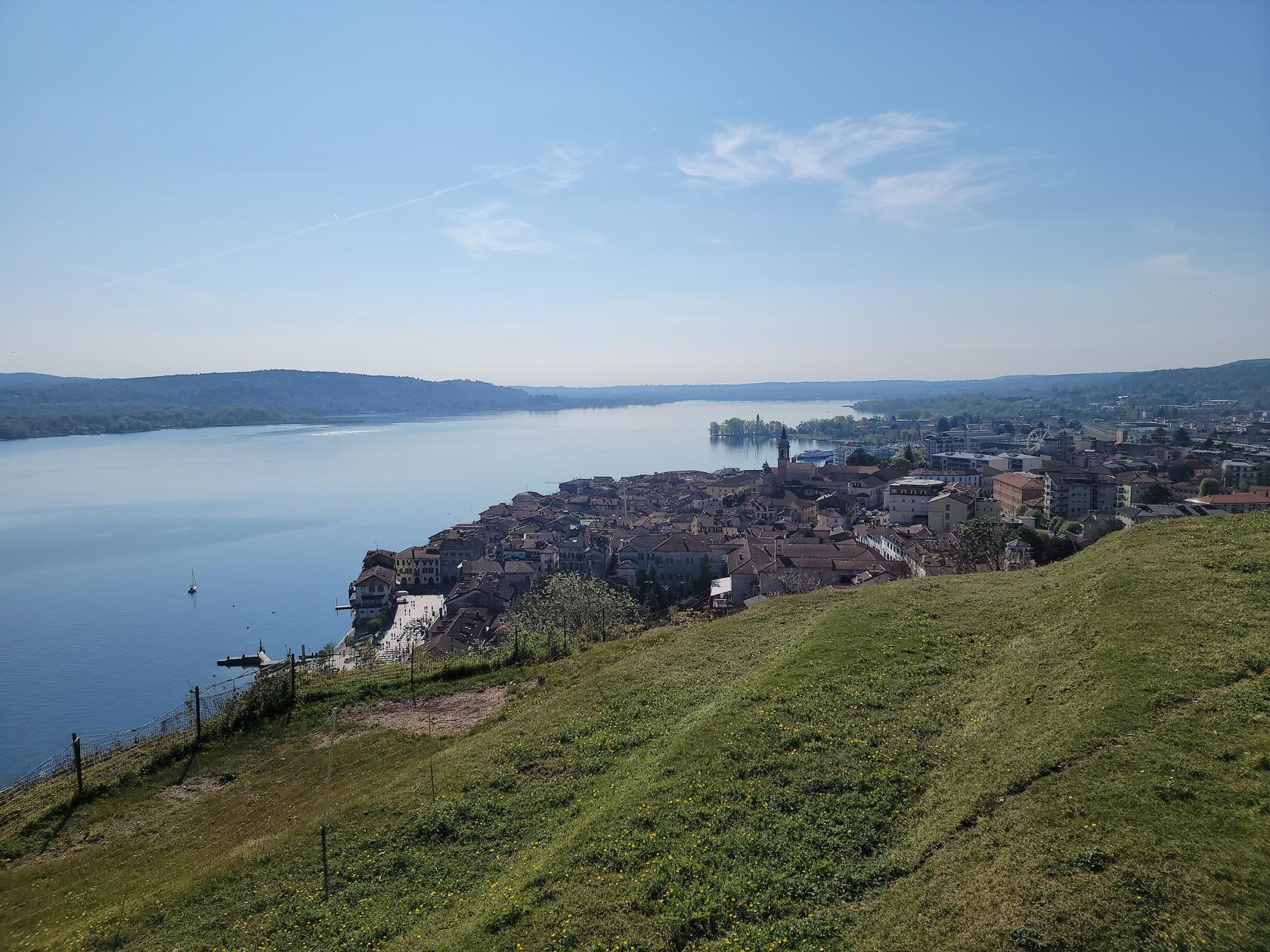
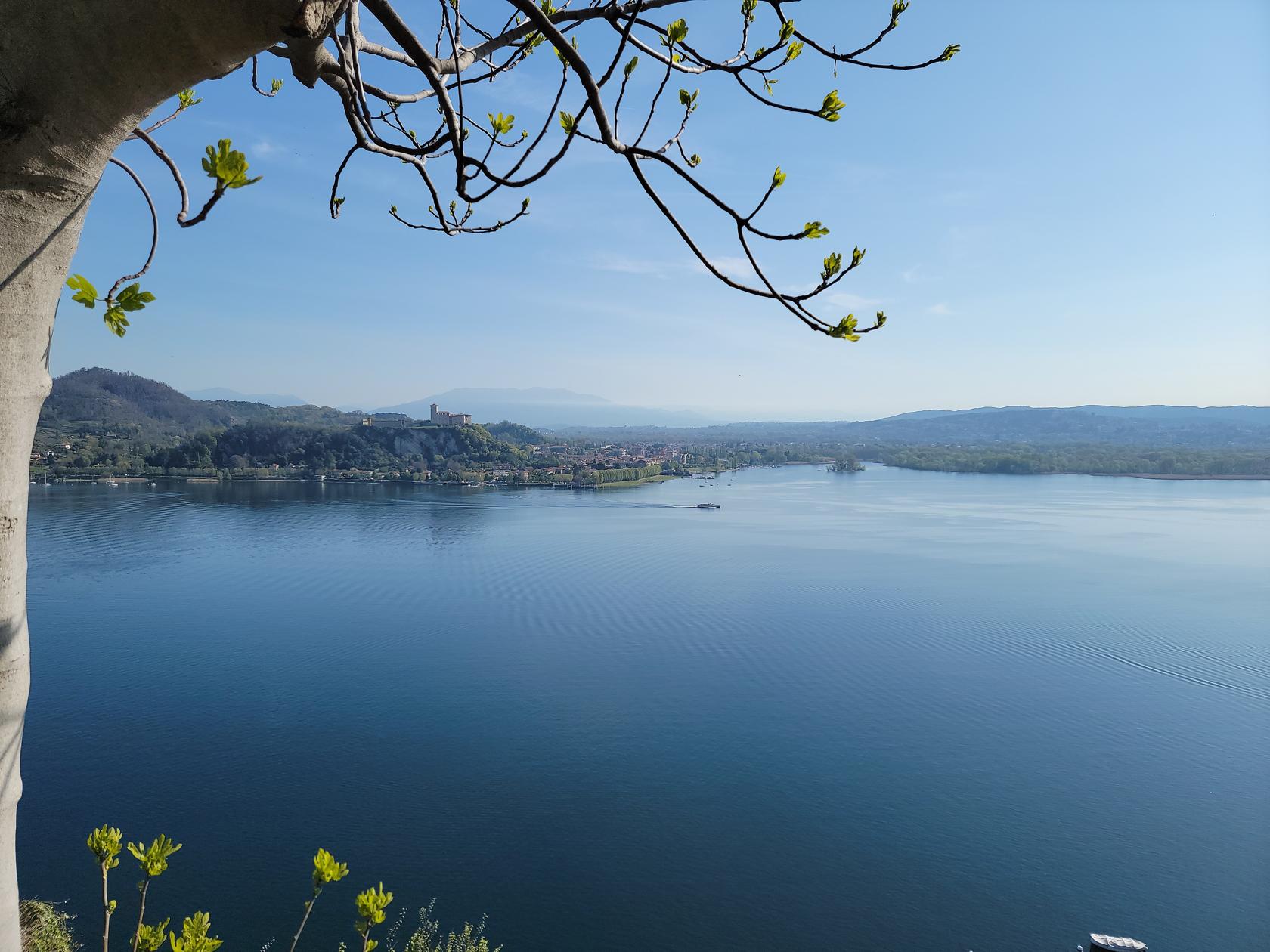
This is the highest point and from here you can get a commanding view of the town, as seen in the two photographs above and the beginning photograph.

Other than that, there’s not much else to do in Chieri,  except perhaps amble through its quiet streets and perhaps do some shopping. Here is a short slide show of some of the other things you can see while here.

Restaurants

With limited time we were only able to visit one restaurant while here,  though several that came up on our search were not open until the evening. However, you will find the choice below to be exceptionally good, if and when you have the chance to visit this charming little town in Piedmont.

Trattoria della Erbe

Chieri – Trattoria delle Erbe

This trattoria sits on the corner of the Piazza Umberto I and via San Domenico, is fairly non-descript, but the food is authentic Sardinian and quite good.

Chieri – Trattoria delle Erbe – Caponata Siciliana

The menu changes daily and is posted on both a board outside and on the window next to the entrance. The menu is restrictive, as for most small establishments like this one, but everything we ordered was quite tasty and delicious. We started with some antipasti, a Caponata Siciliana, served with eggplant, onion, peppers, green olives and other goodies, not hot, but just warmed a bit. A slight tinge of vinegar mixed with the tomato based sauce was just right to get the taste buds to pucker for more. Our mains, or primis, came out a short time after and included the Levantine di Mare for Patti and for me, the Ravioli Sardi. Both were delicious and portioned correctly, just enough to leave a little room for dessert!

The dessert was actually unexpectedly delicious and savory. A Sardinian Seada or Seadas, that can only be explained as a kind of dough pocket filled with assorted cheese,  heated and served with honey. The sweetness of the honey and the saltiness of the cheese make for an unexpectedly tasty treat.

Chieri – Trattoria delle Erbe – Seada or Seadas

Top that off later with a caffè and Sambuca (to make caffè corretto of course) and you have the culmination of the great lunch.

All in all,  Chieri makes a great day trip, if only just to walk around and soak up its quiet stillness, after being in Turin for a few weeks. If only to experience some great Sardinian food at this trattoria!