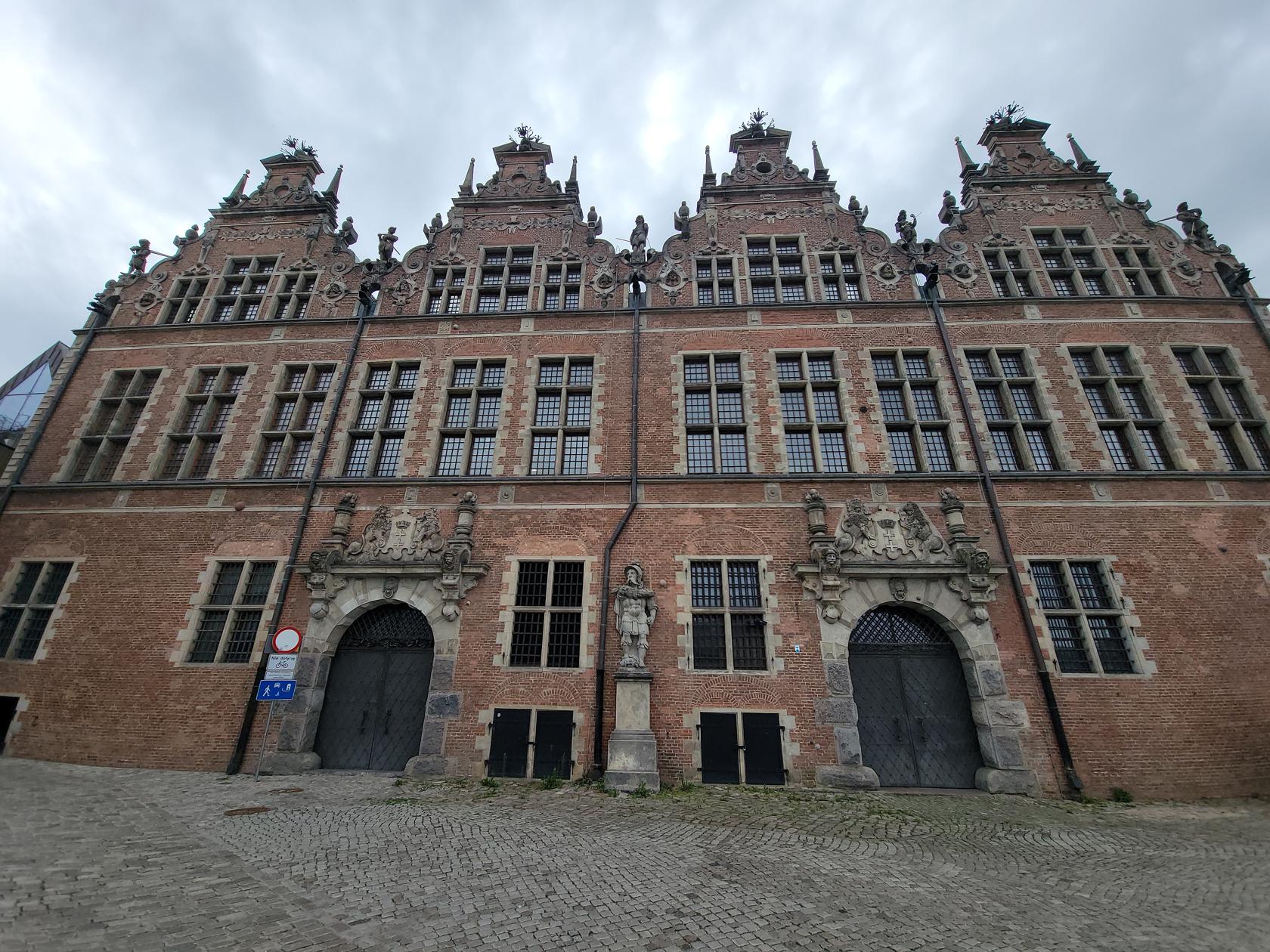
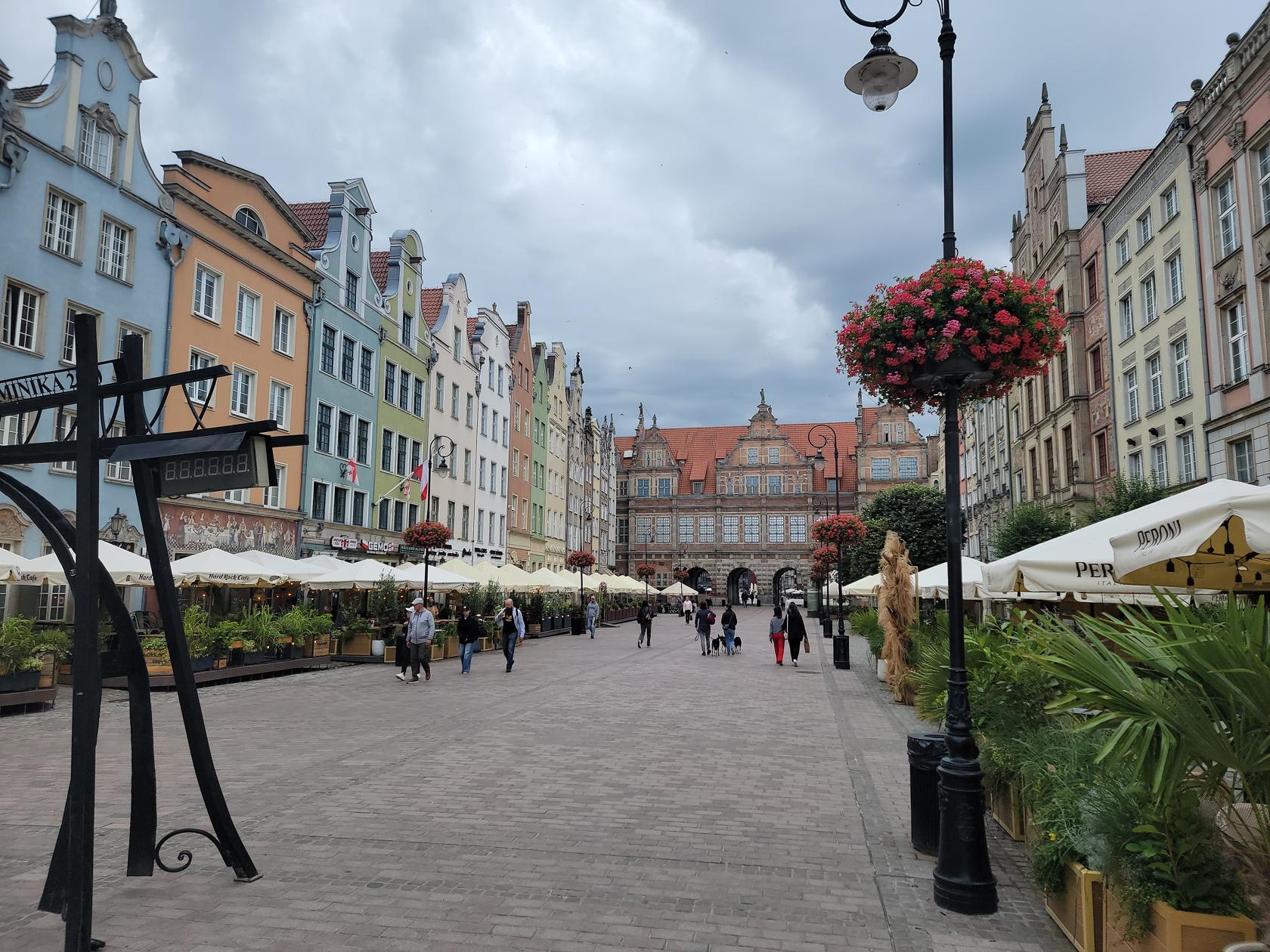
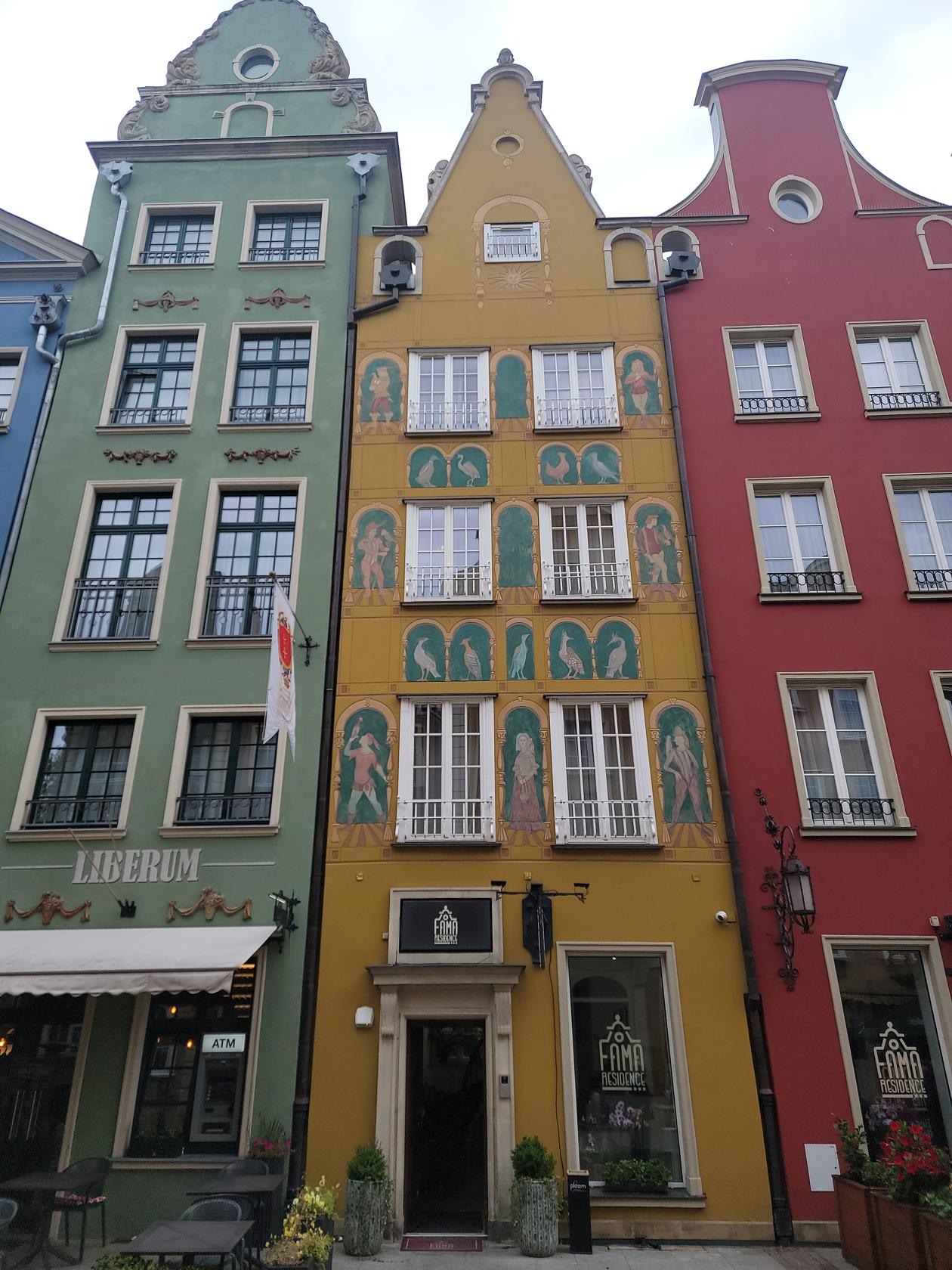
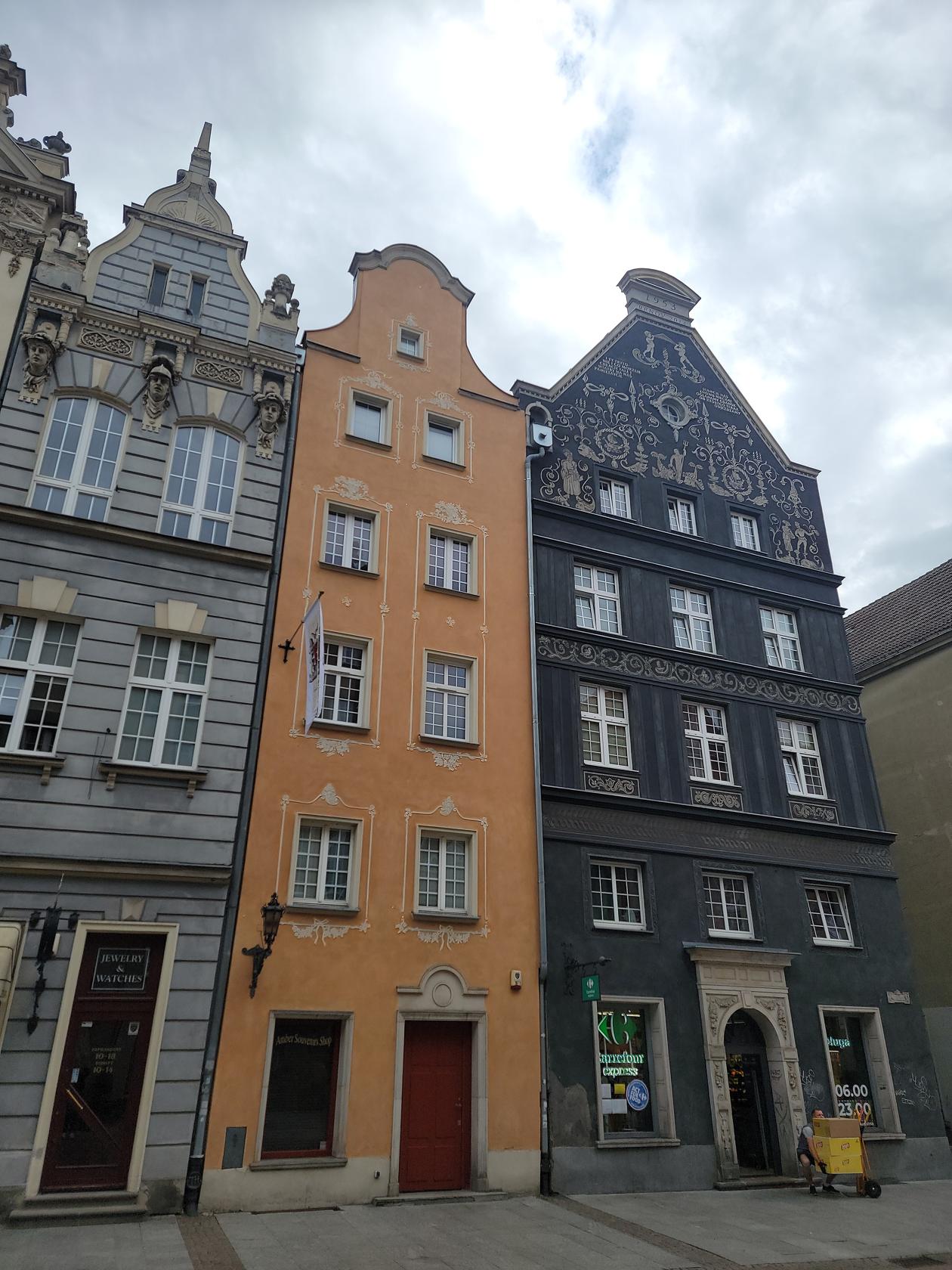
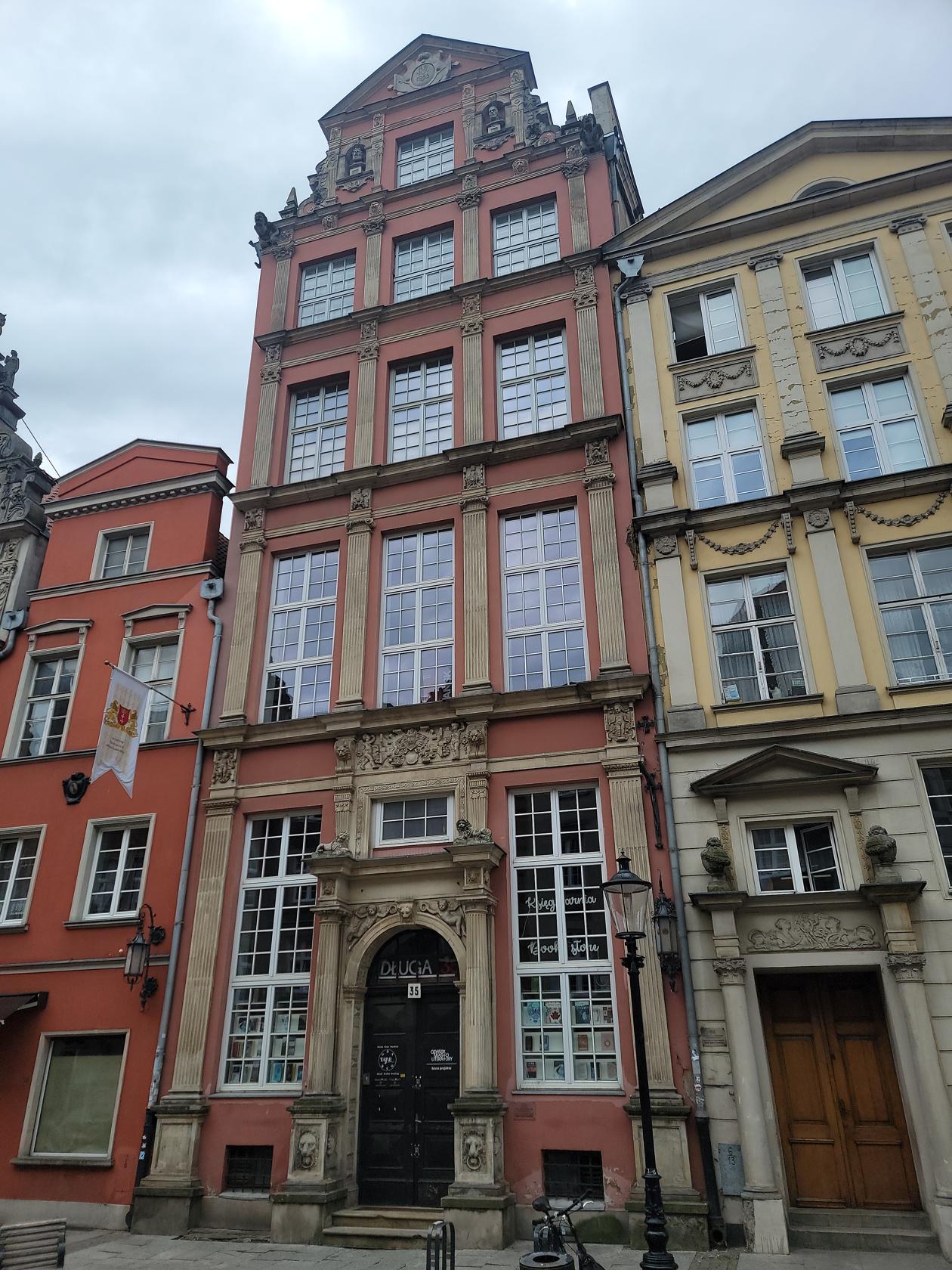
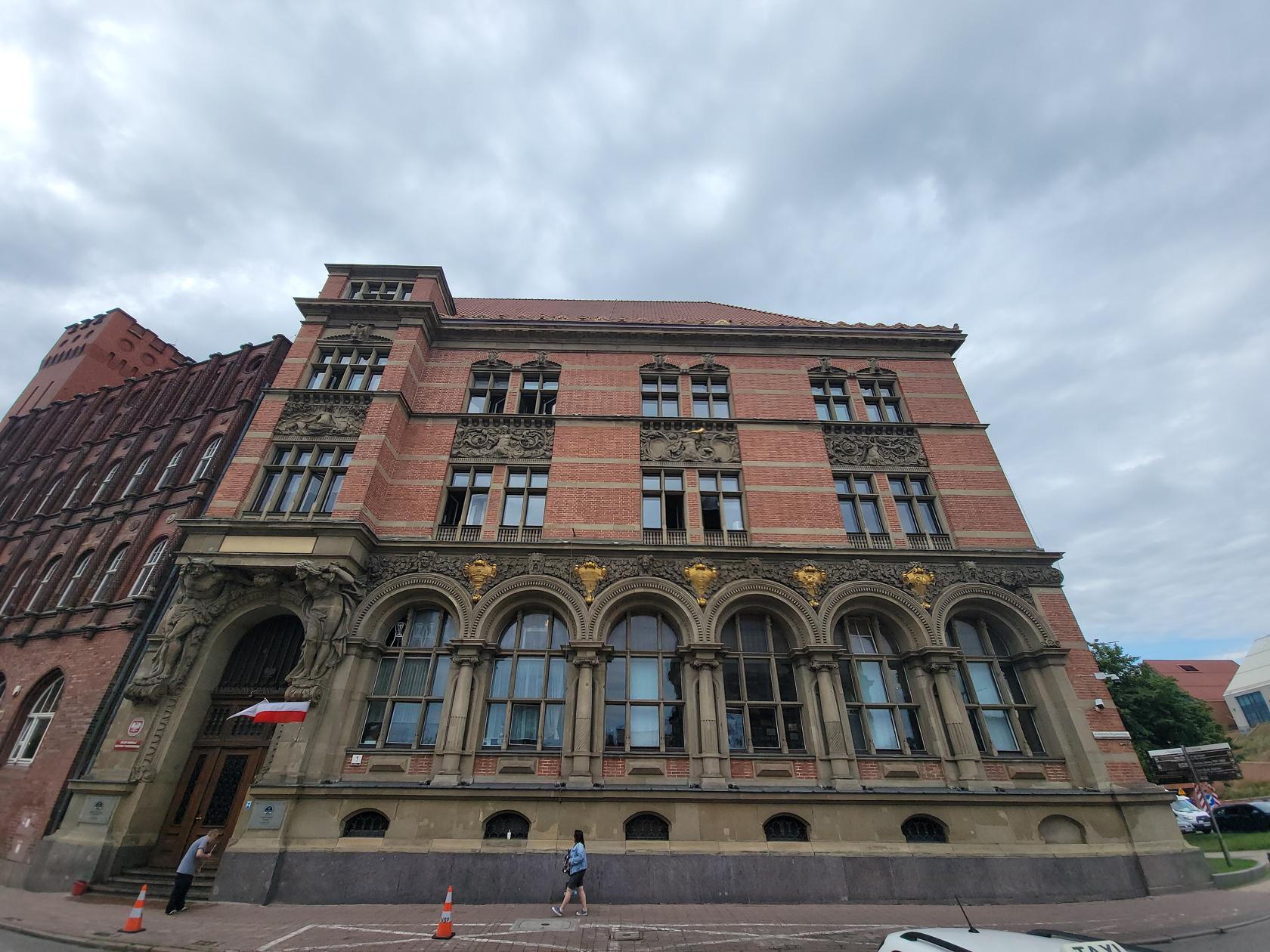
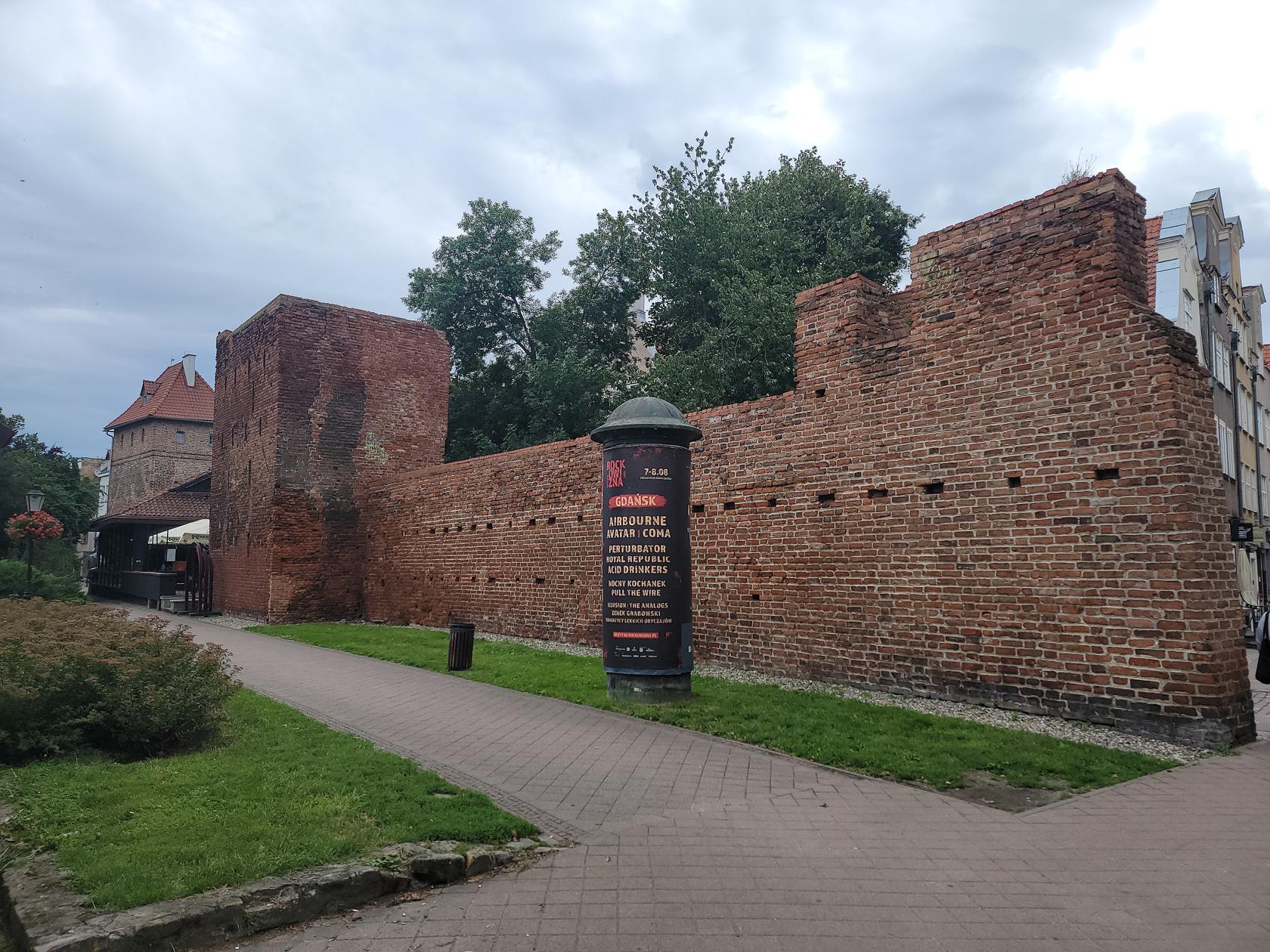
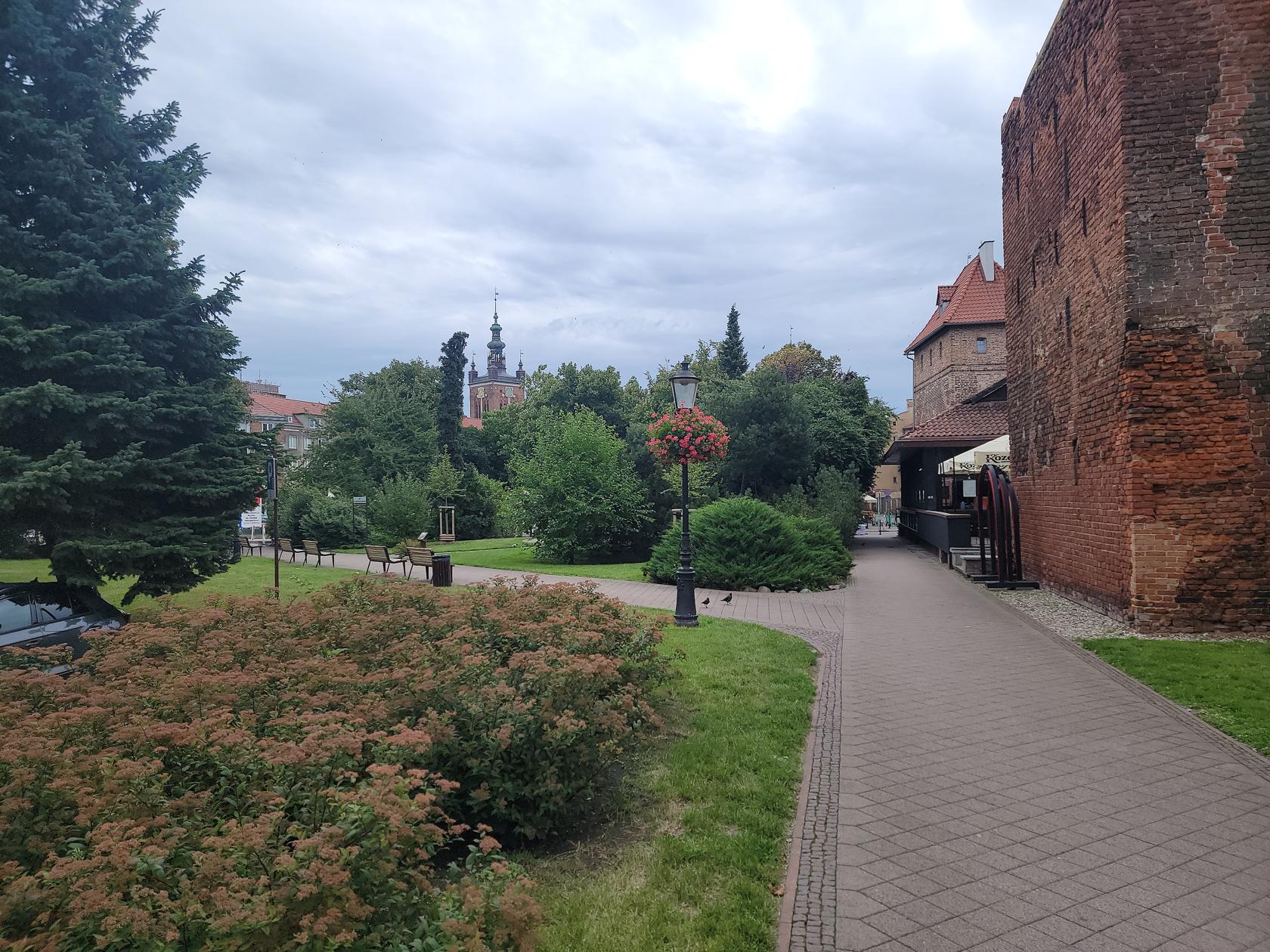
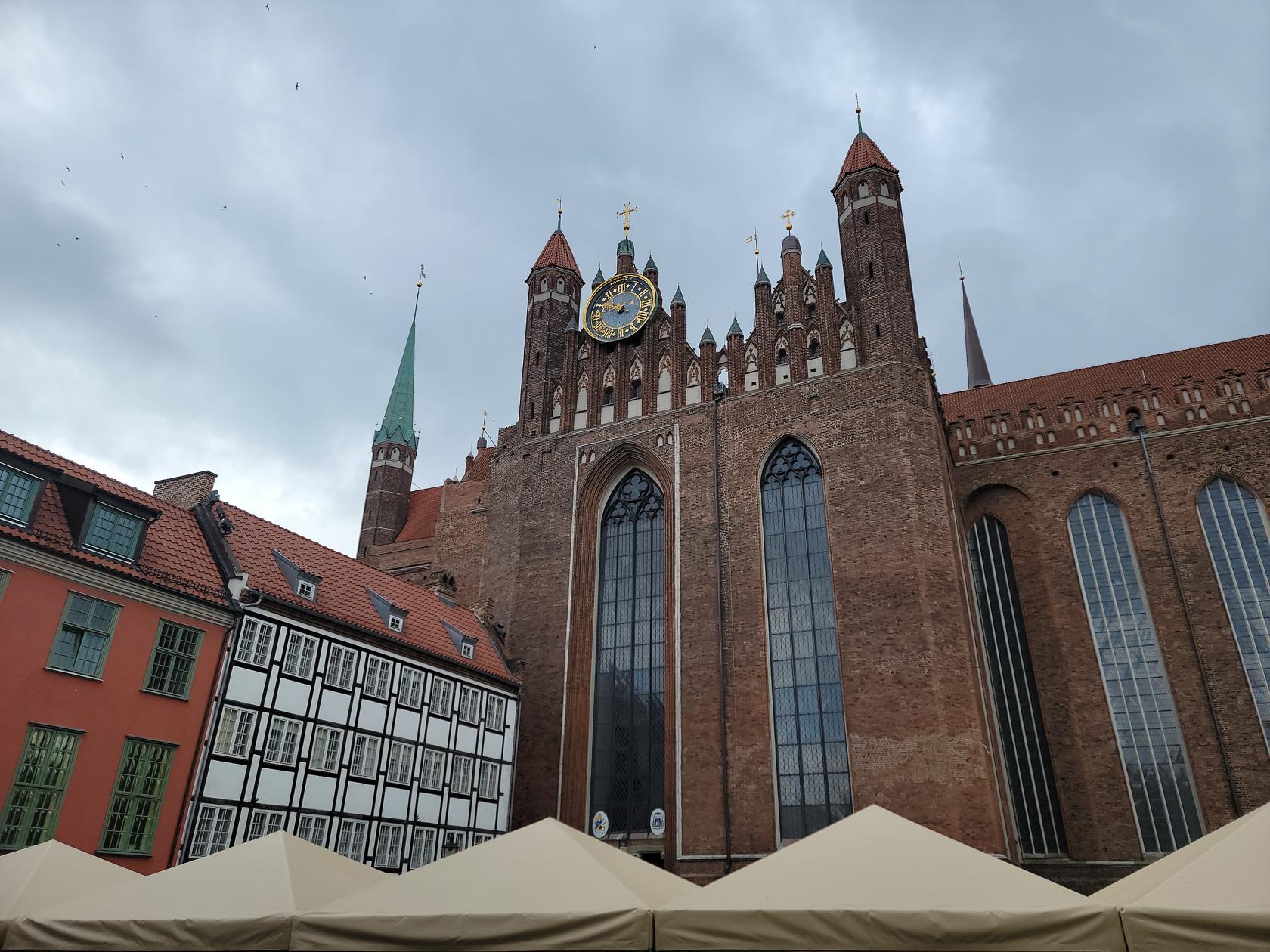
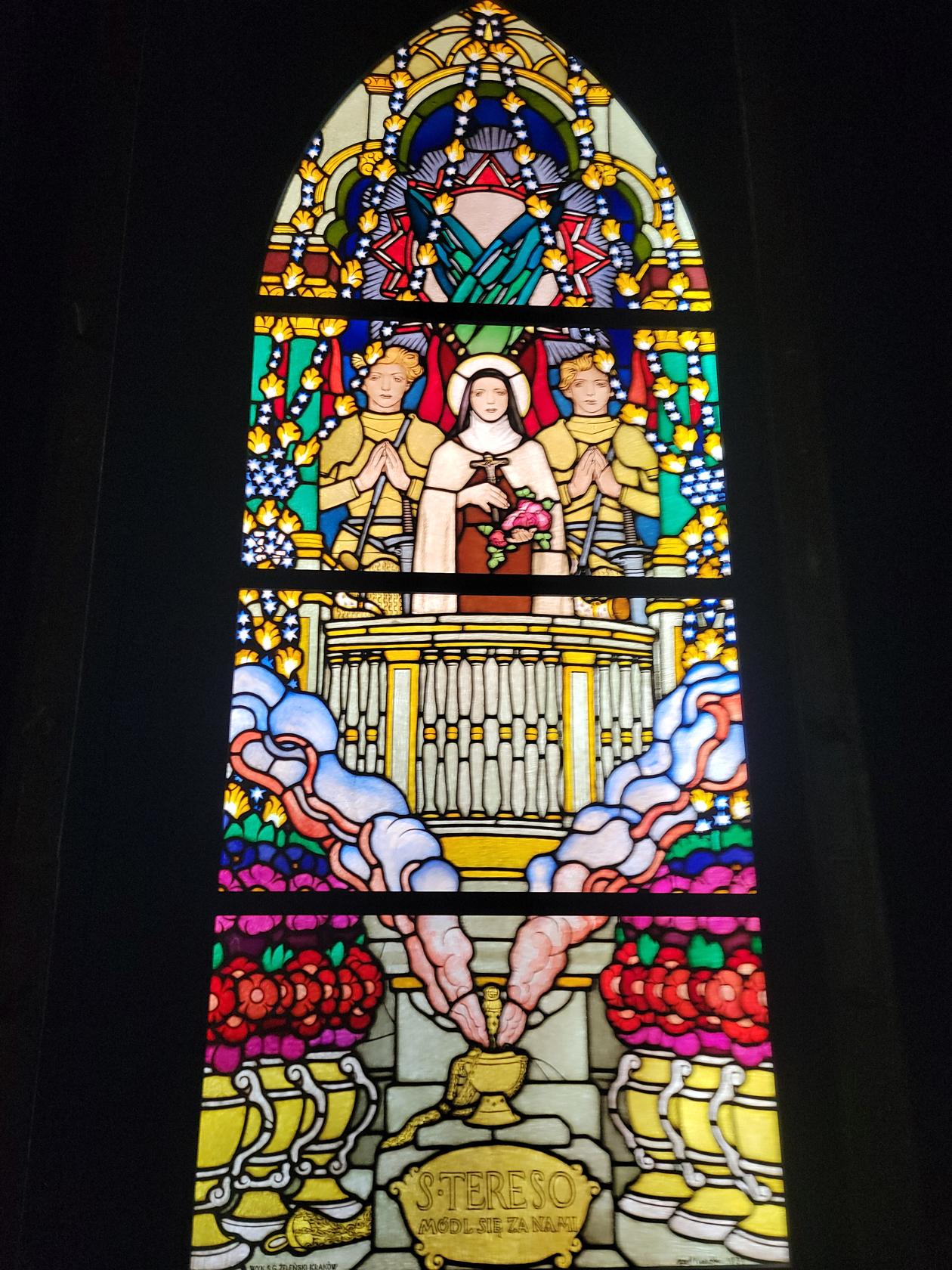
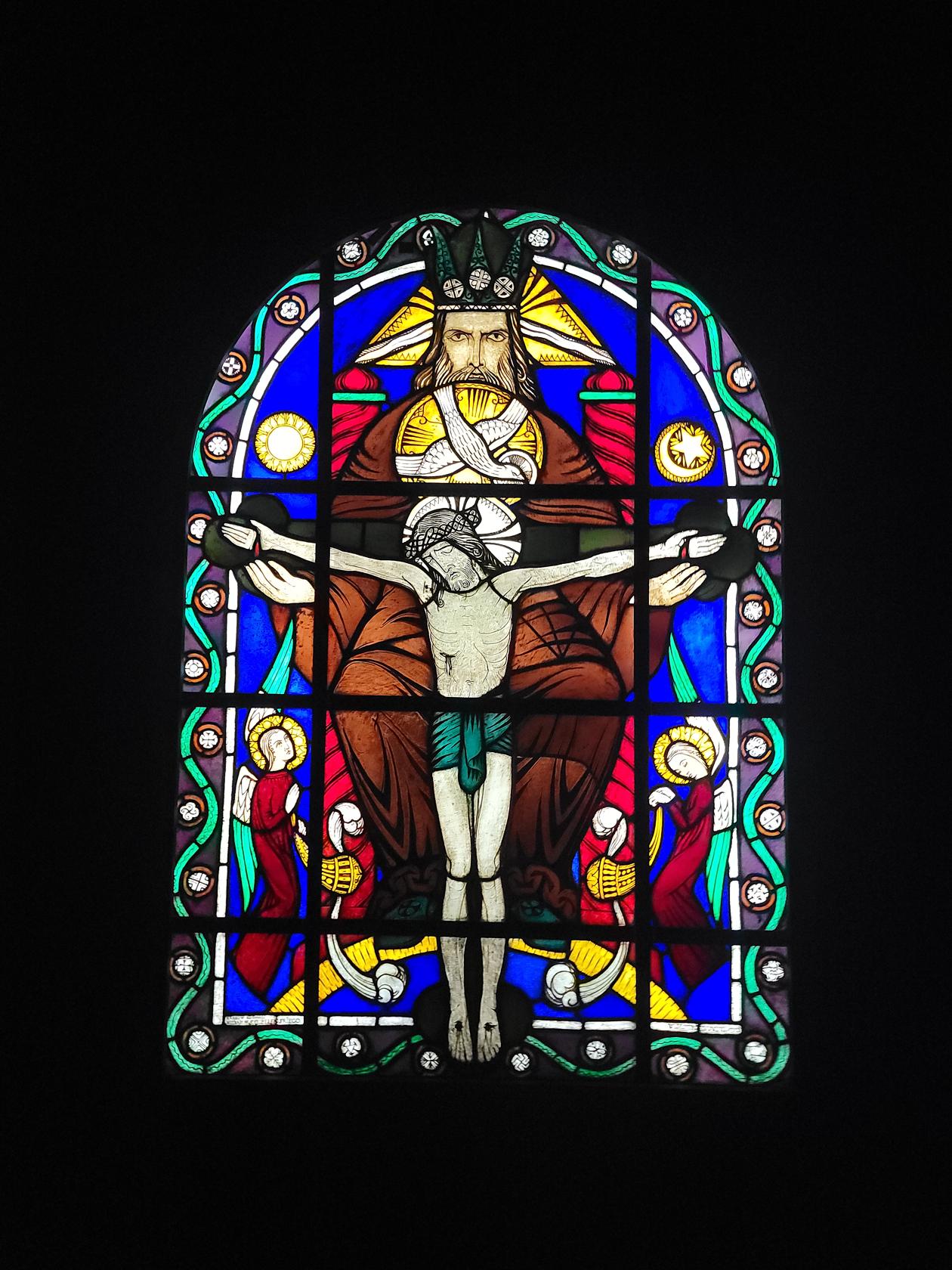
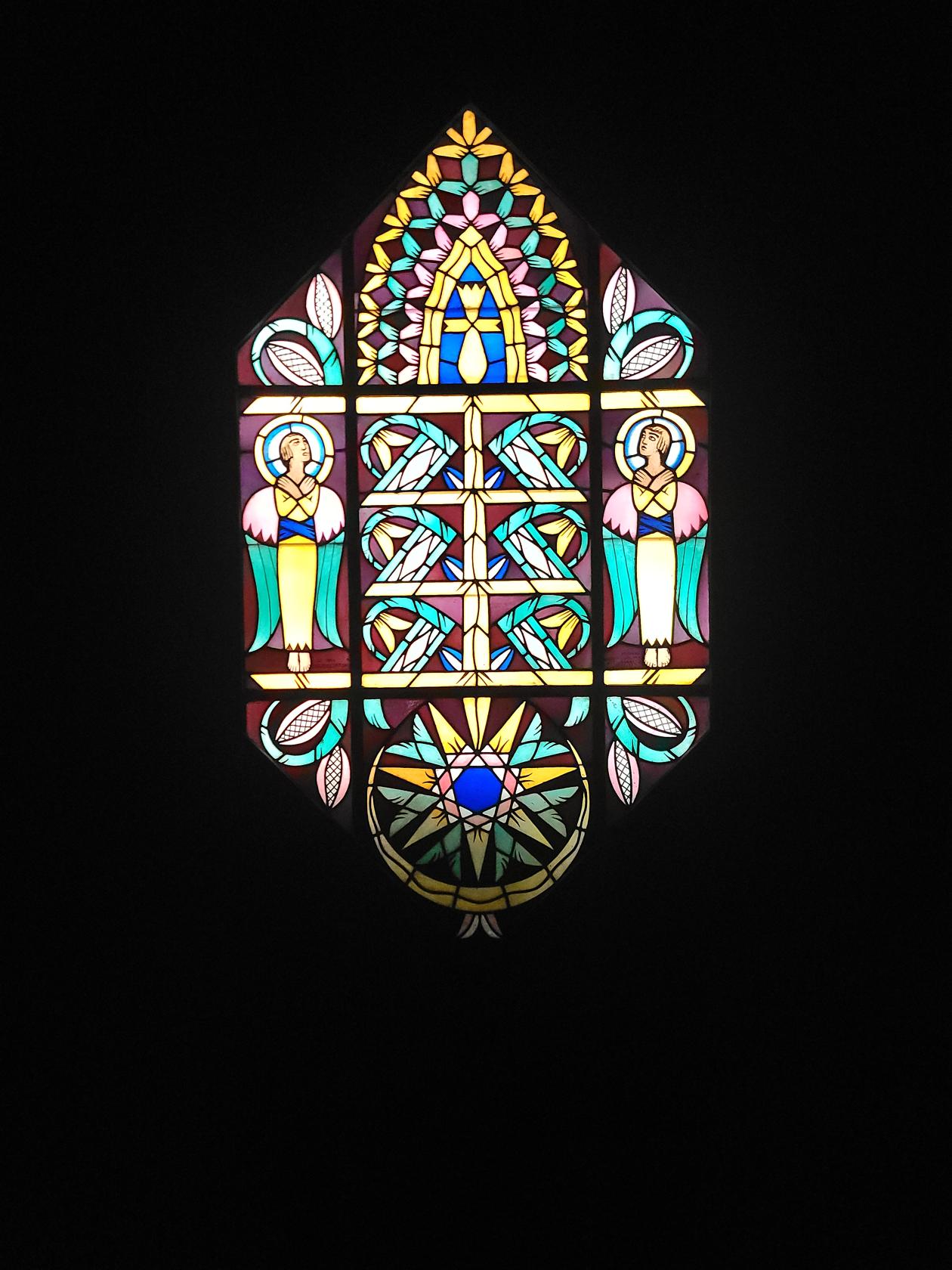
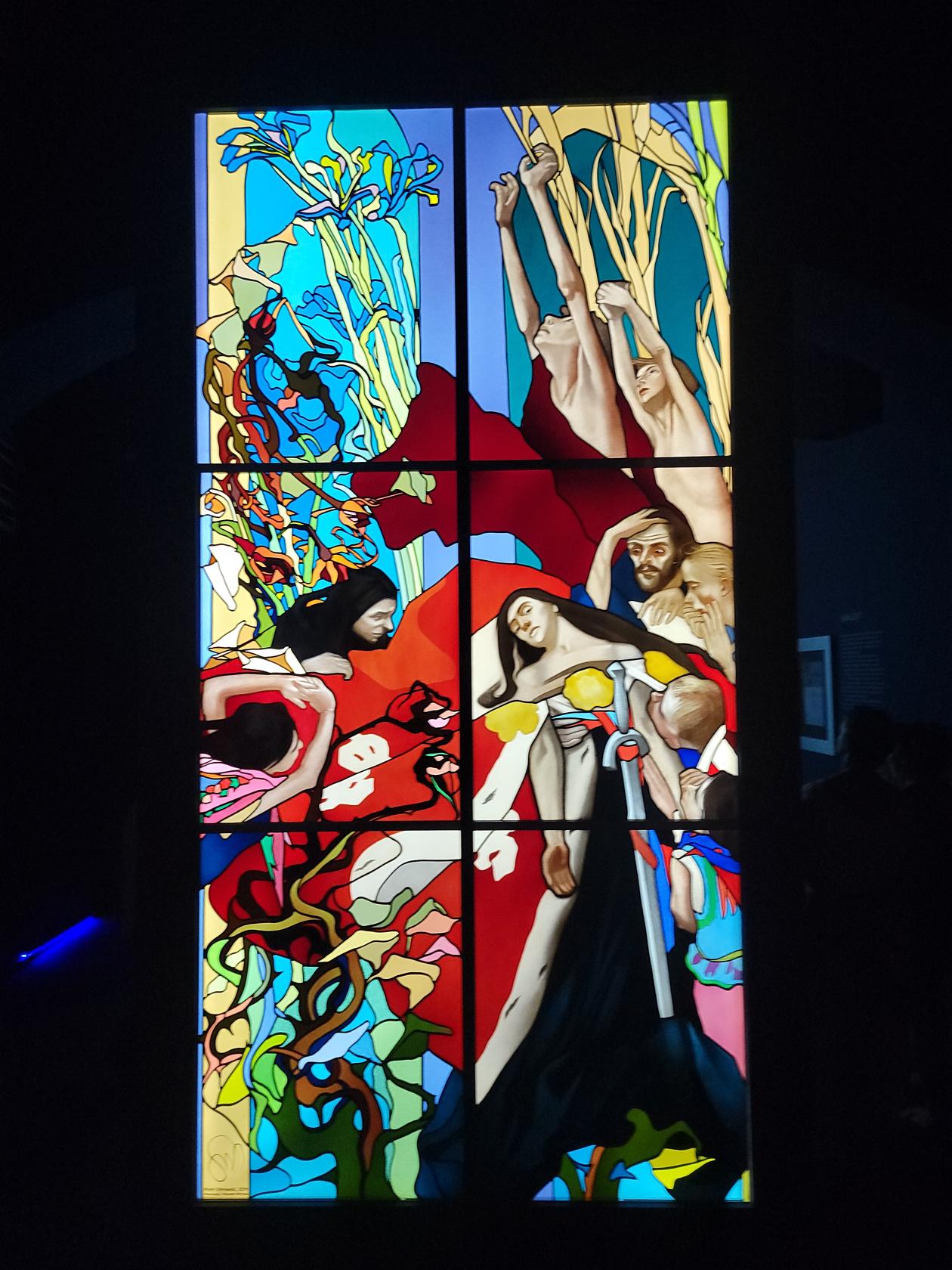
With a choice between visiting Warsaw or Gdańsk, we chose Gdańsk because it had more historical meaning and promised a quainter historic center. Moreover, since we were doing a south to north kind of trip, it was the last stop on our itinerary, so smaller is usually less complicated and less demanding.
Gdańsk
Formerly known as Danzig, Gdańsk is a seaside city on the Baltic coast of Poland. Though the old city lies in the delta of the Motlawa River, it is still some five kilometers from the sea. It has switched back and forth from Polish rules, German, Russian and as a free-state. In the middle ages, it was once part of the Haneastic League and was a major trading partner in that confederation.
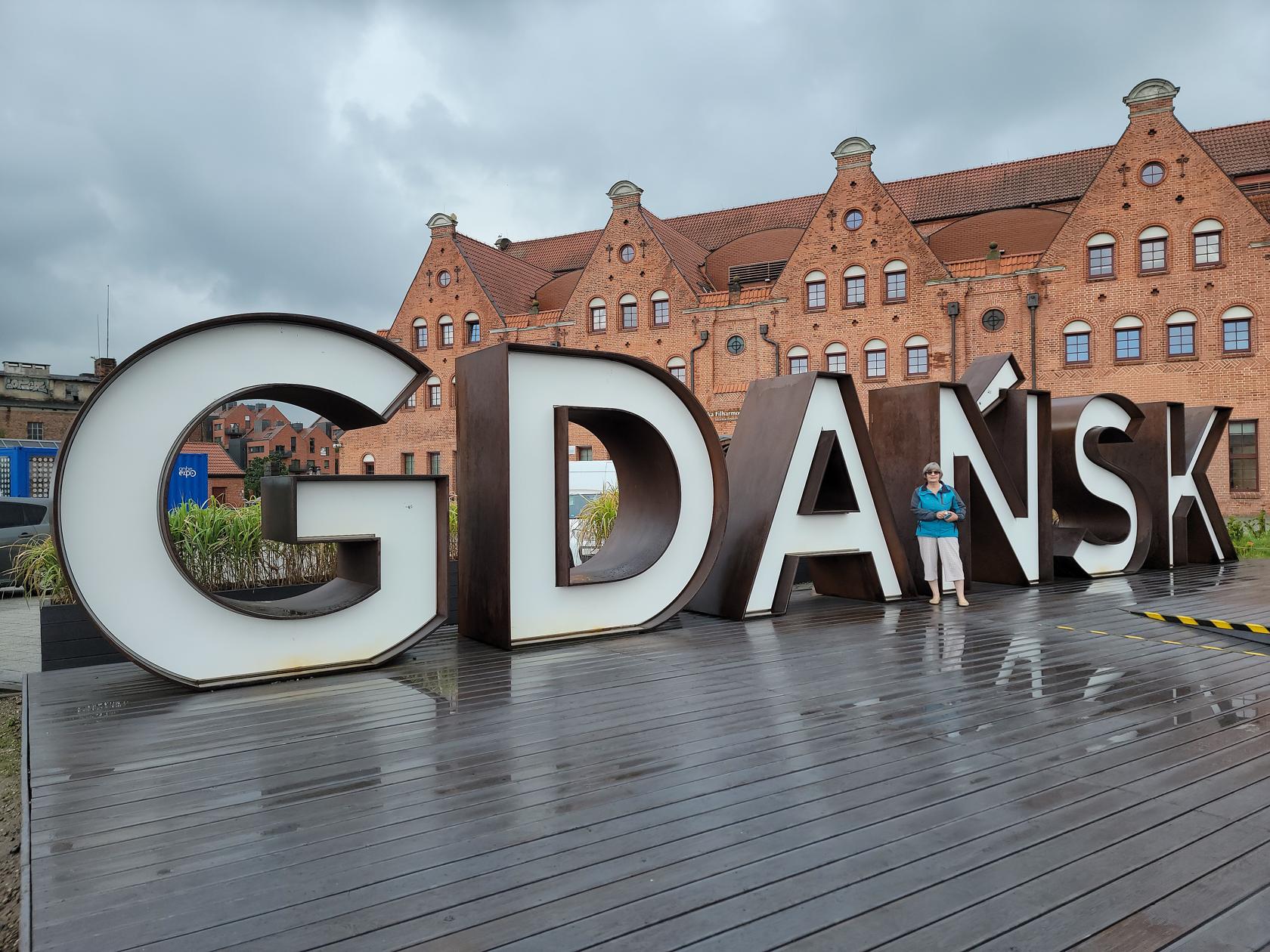
Patti – Gdańsk Sign – Gdańsk, Poland
Getting There
From Wrocław, Gdańsk is over a four hour train trip using the InterCity train system. Though the InterCity trains do not stop too often, there is still considerable distance between the two cities and even with an automobile it is a long drive. We were fortunate enough to have a very talkative couple that were Canadian-Polish dual citizens and have a very nice chat with them along the way, which thankfully seemed to have made the trip go faster.
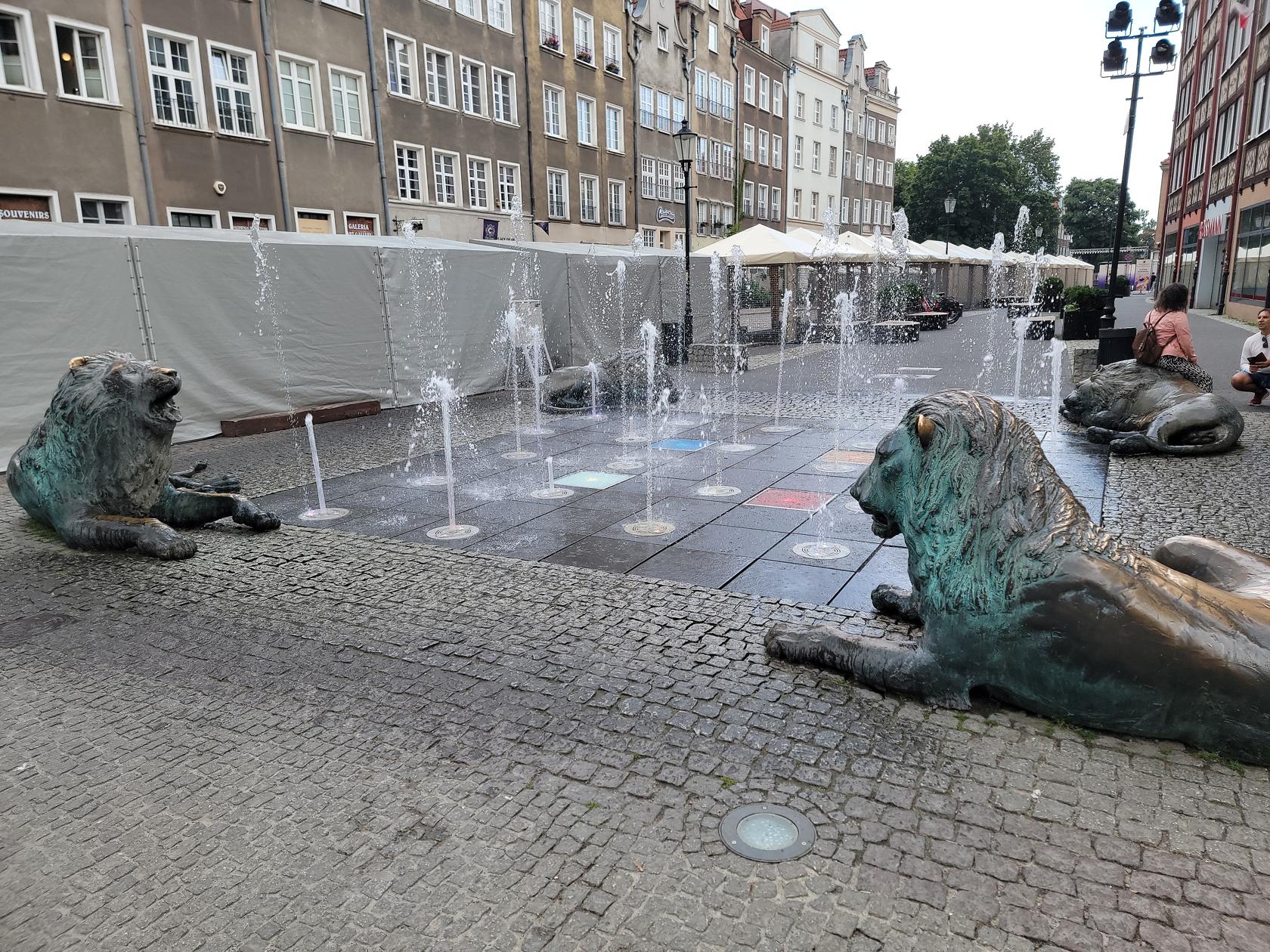
Four Quarters Fountain – Gdańsk, Poland
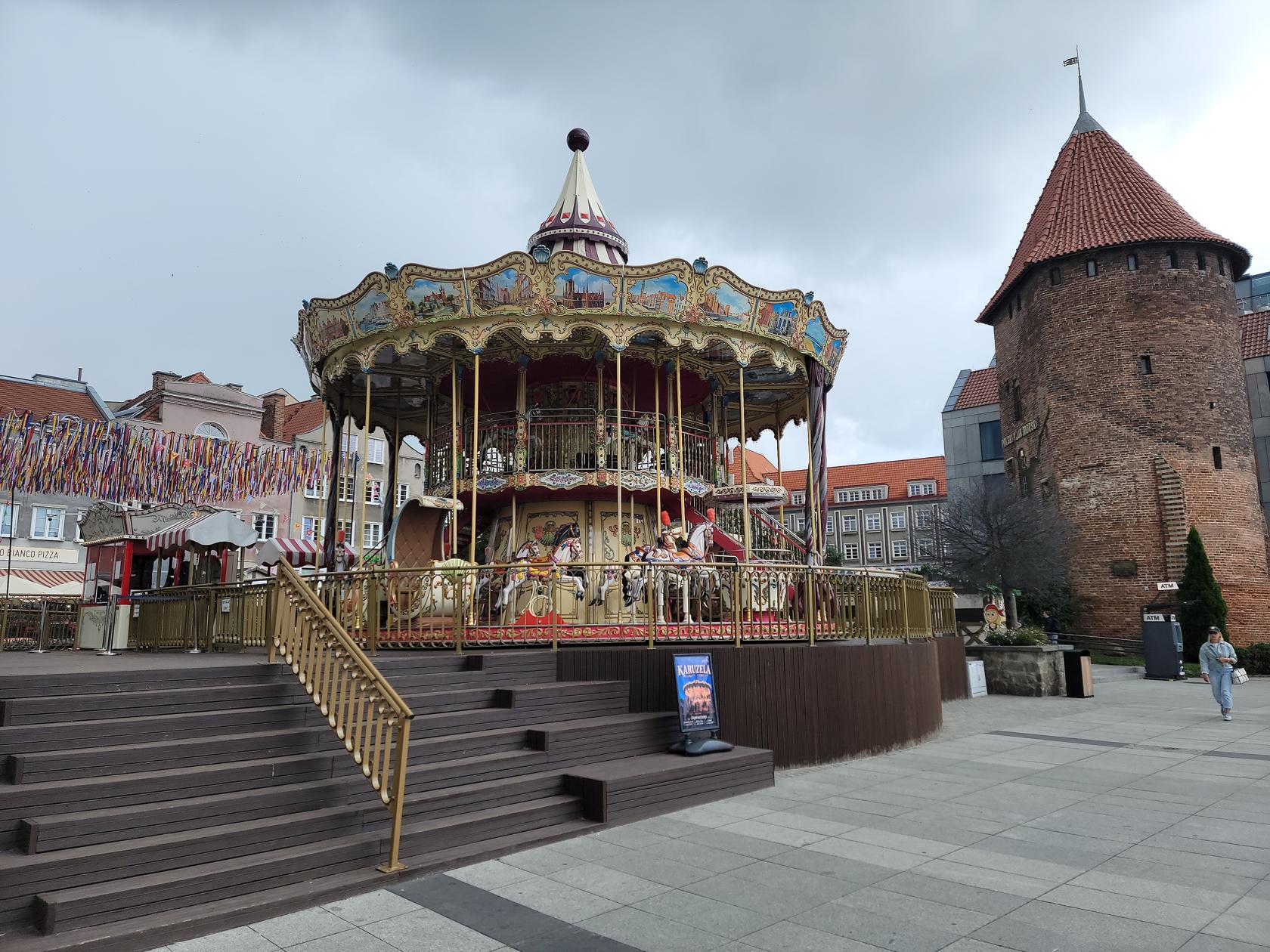
Carousel – Gdańsk, Poland
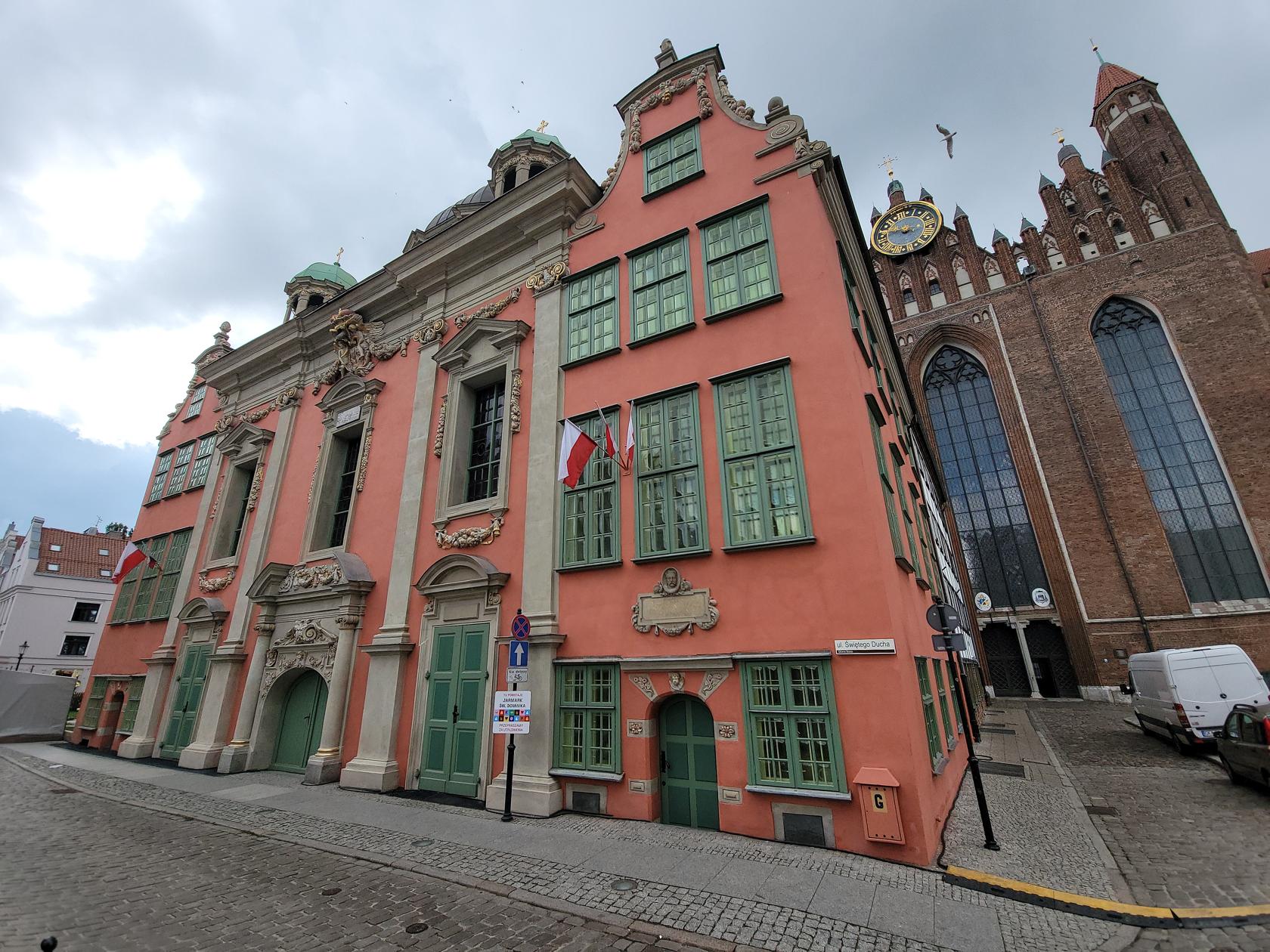
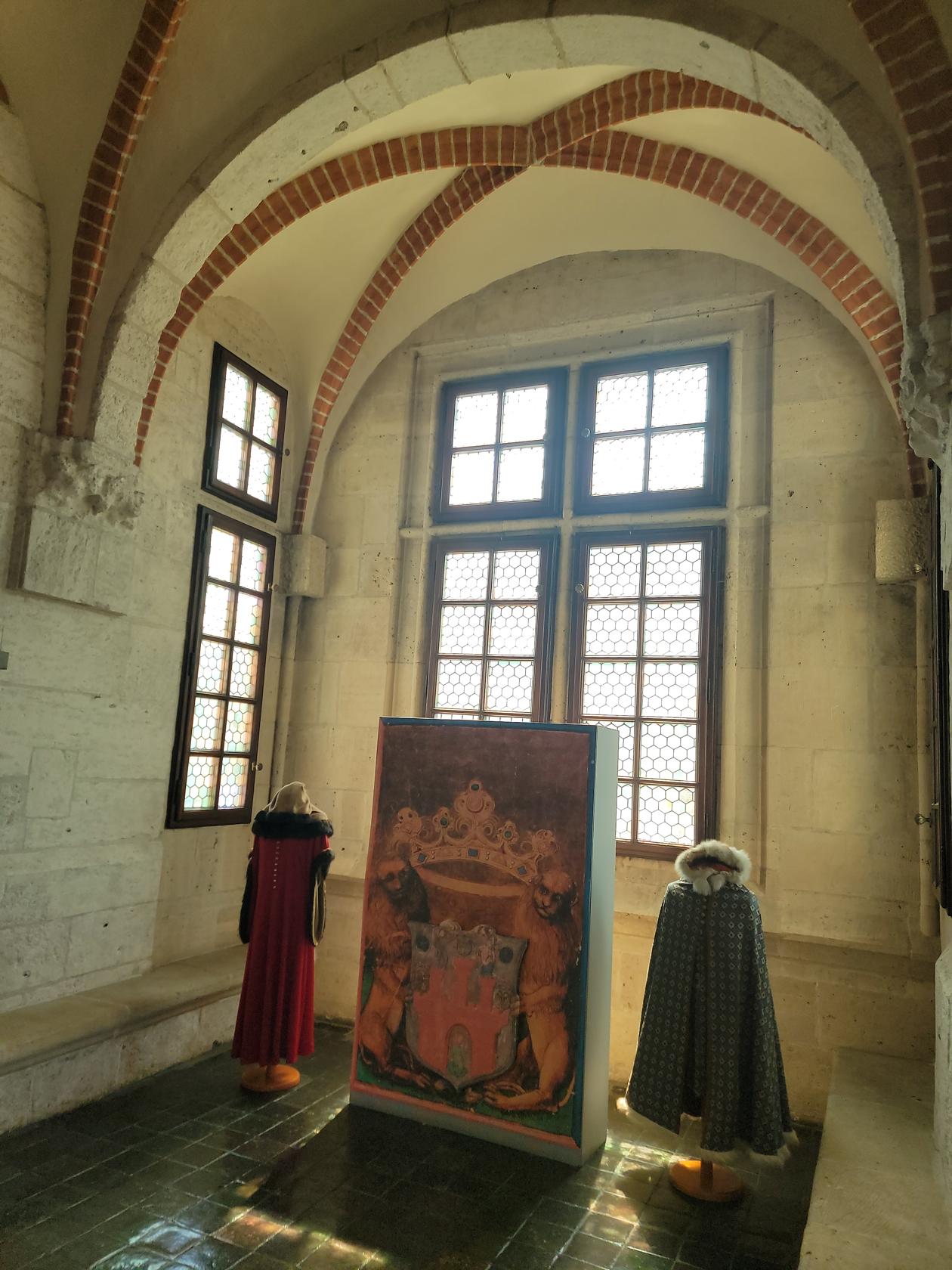
Royal Chapel – Gdańsk, Poland
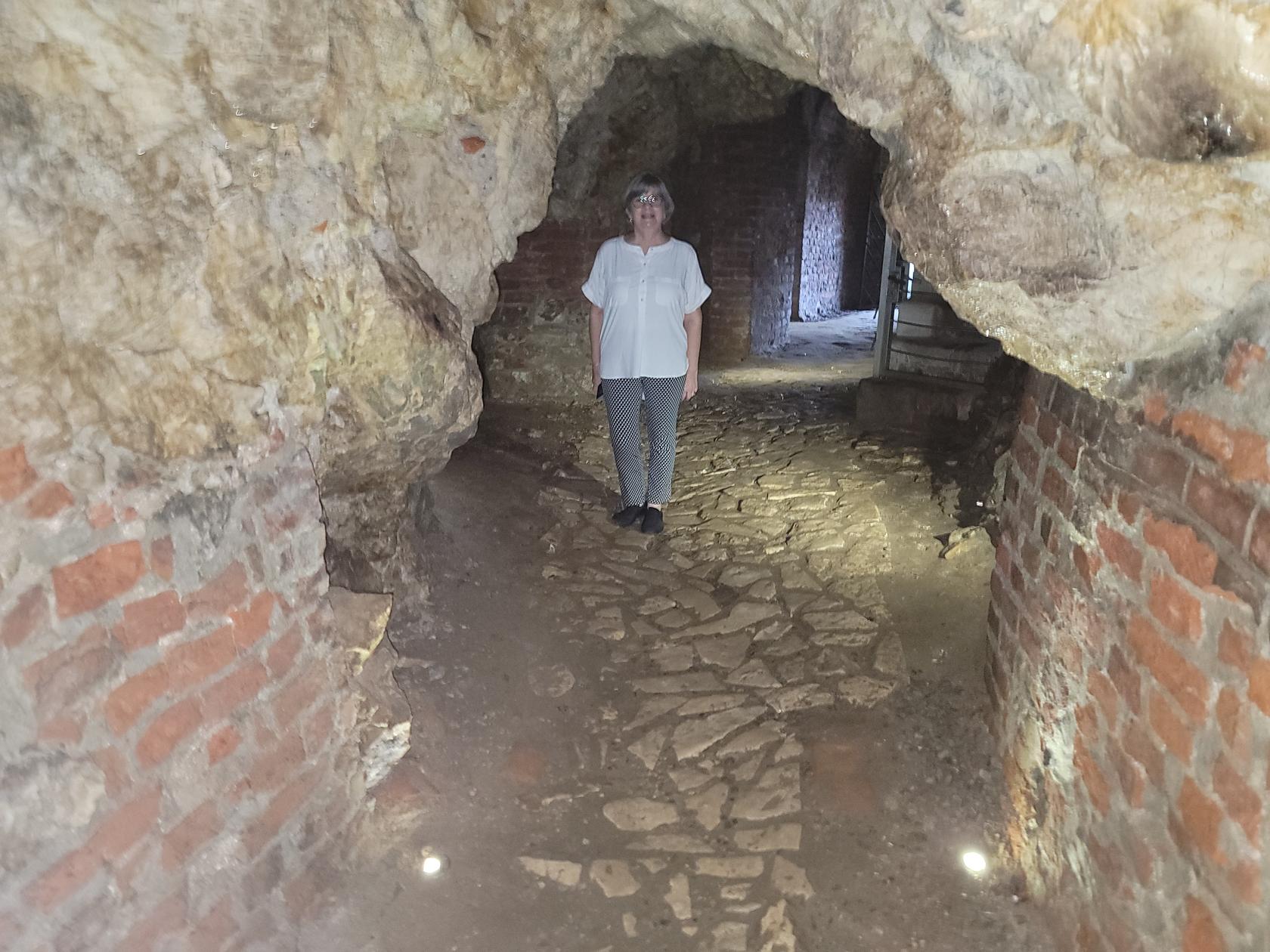
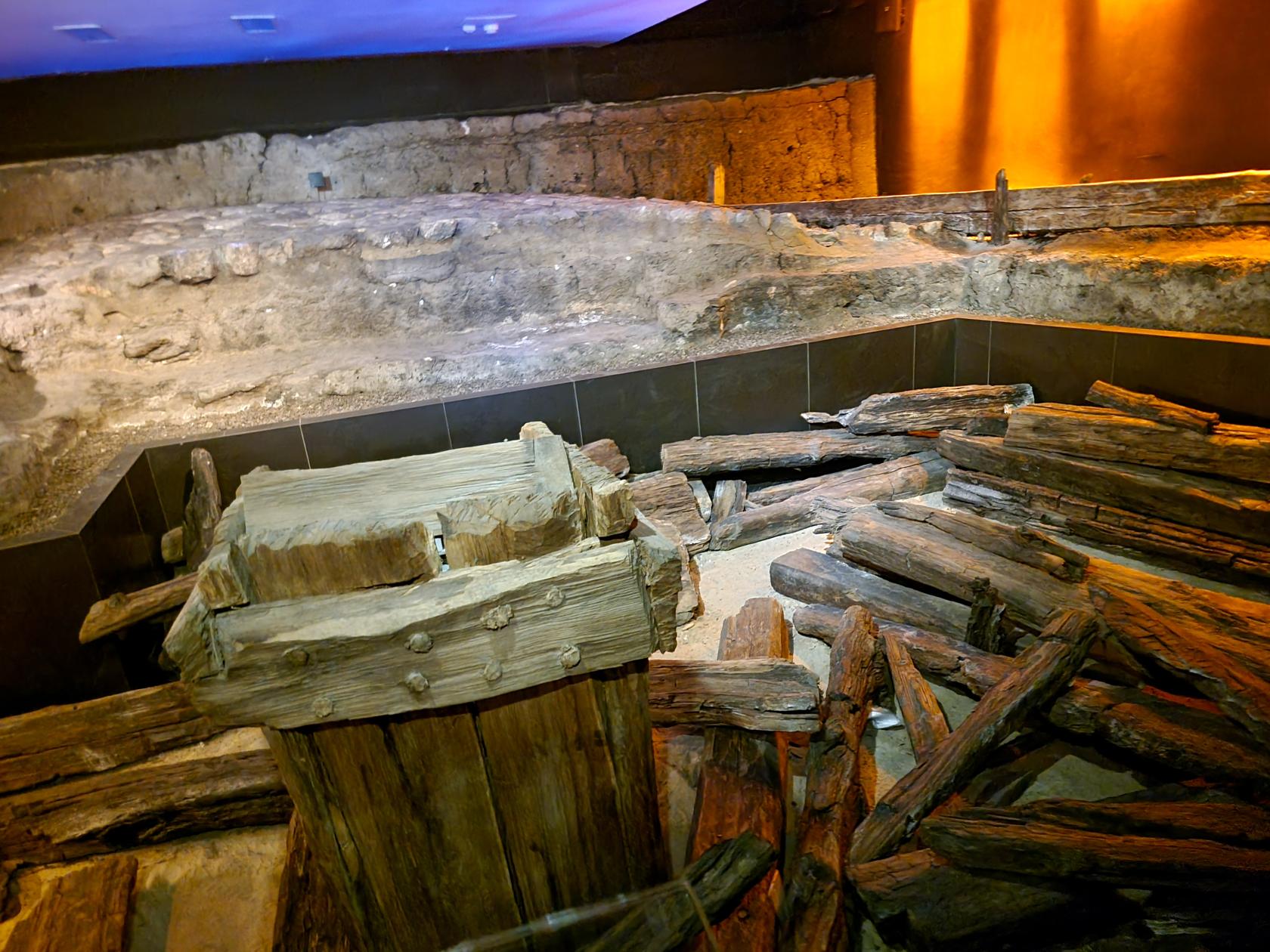
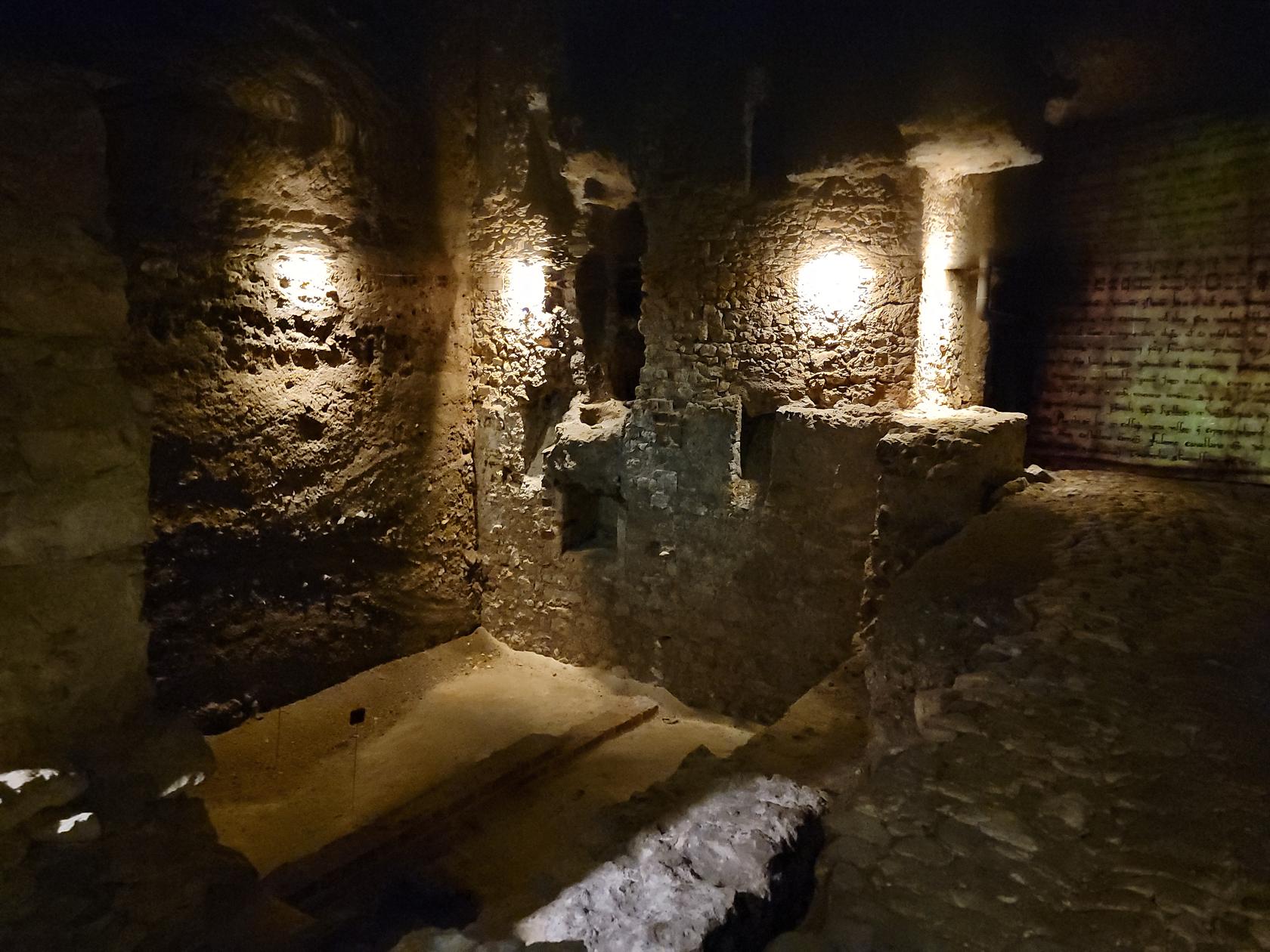
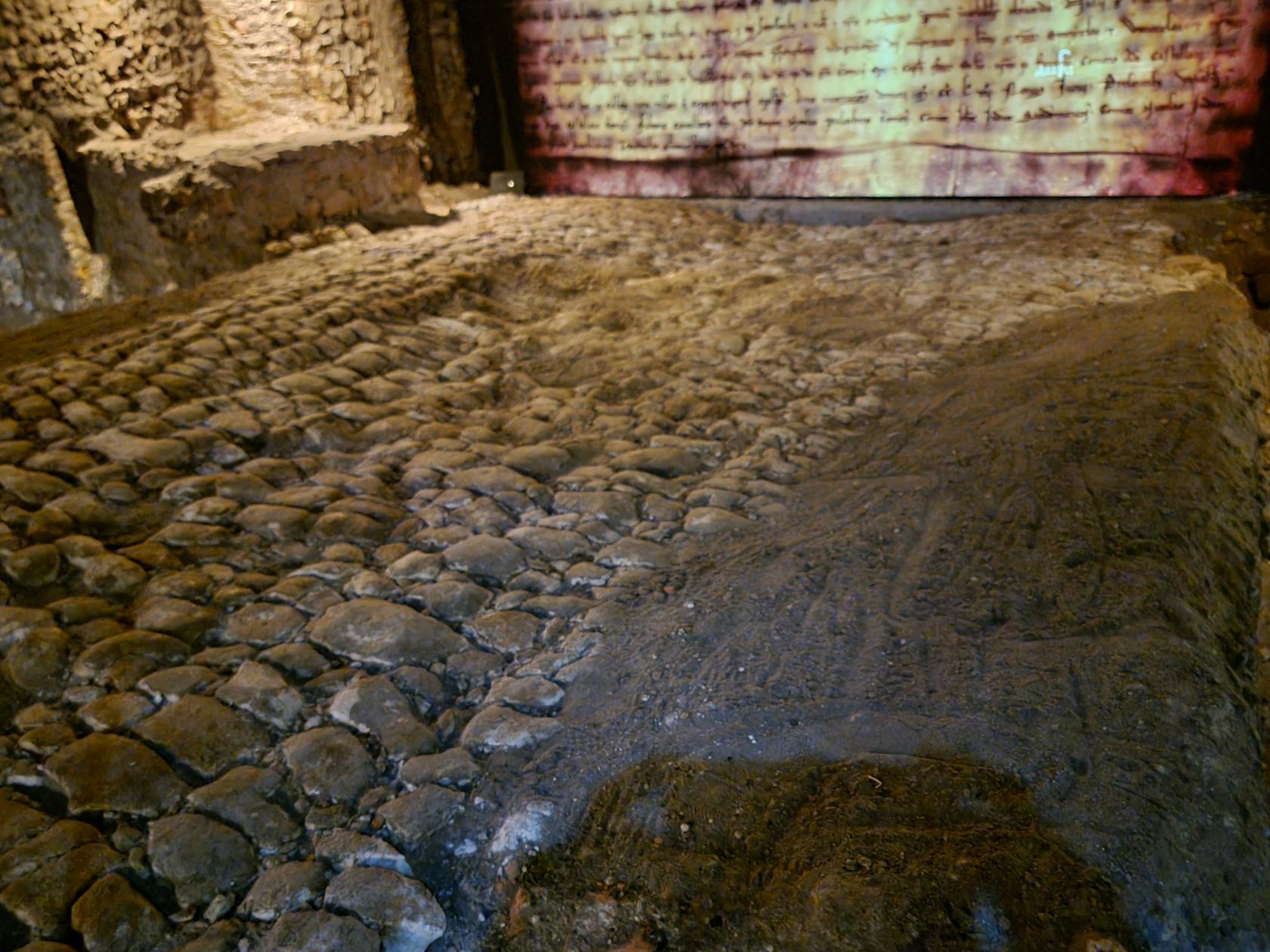
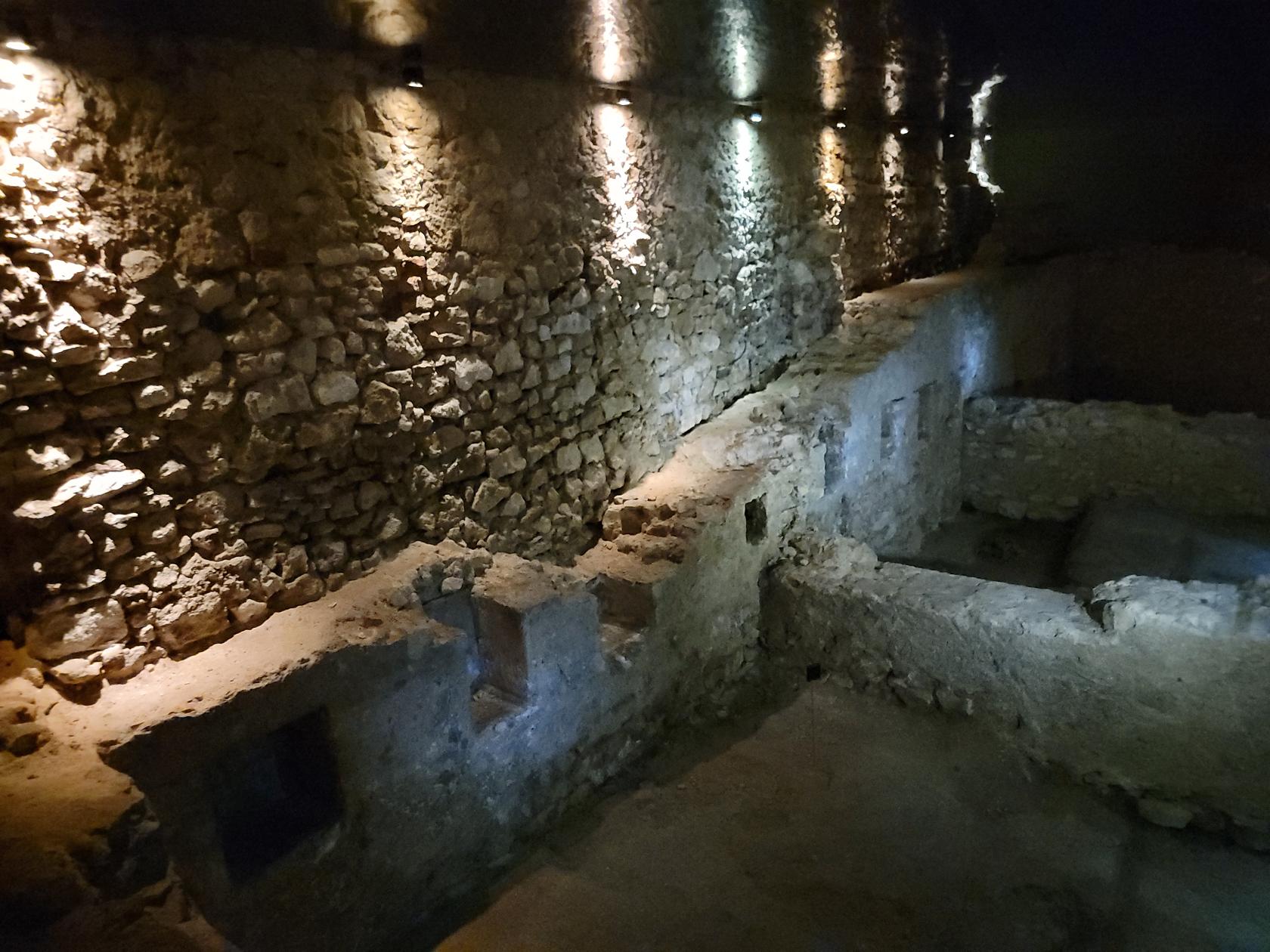
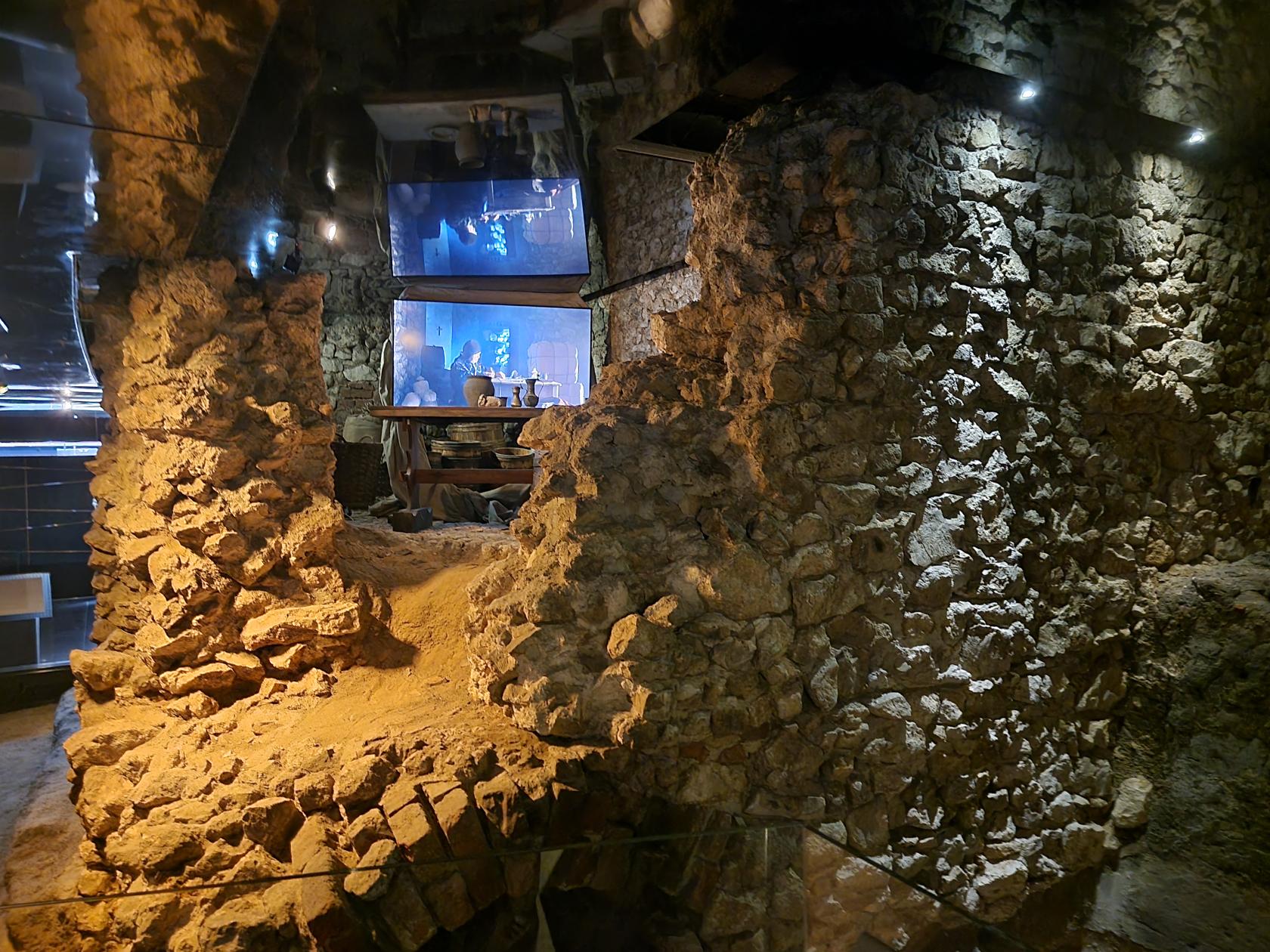
Roman Cellar – Gdańsk, Poland
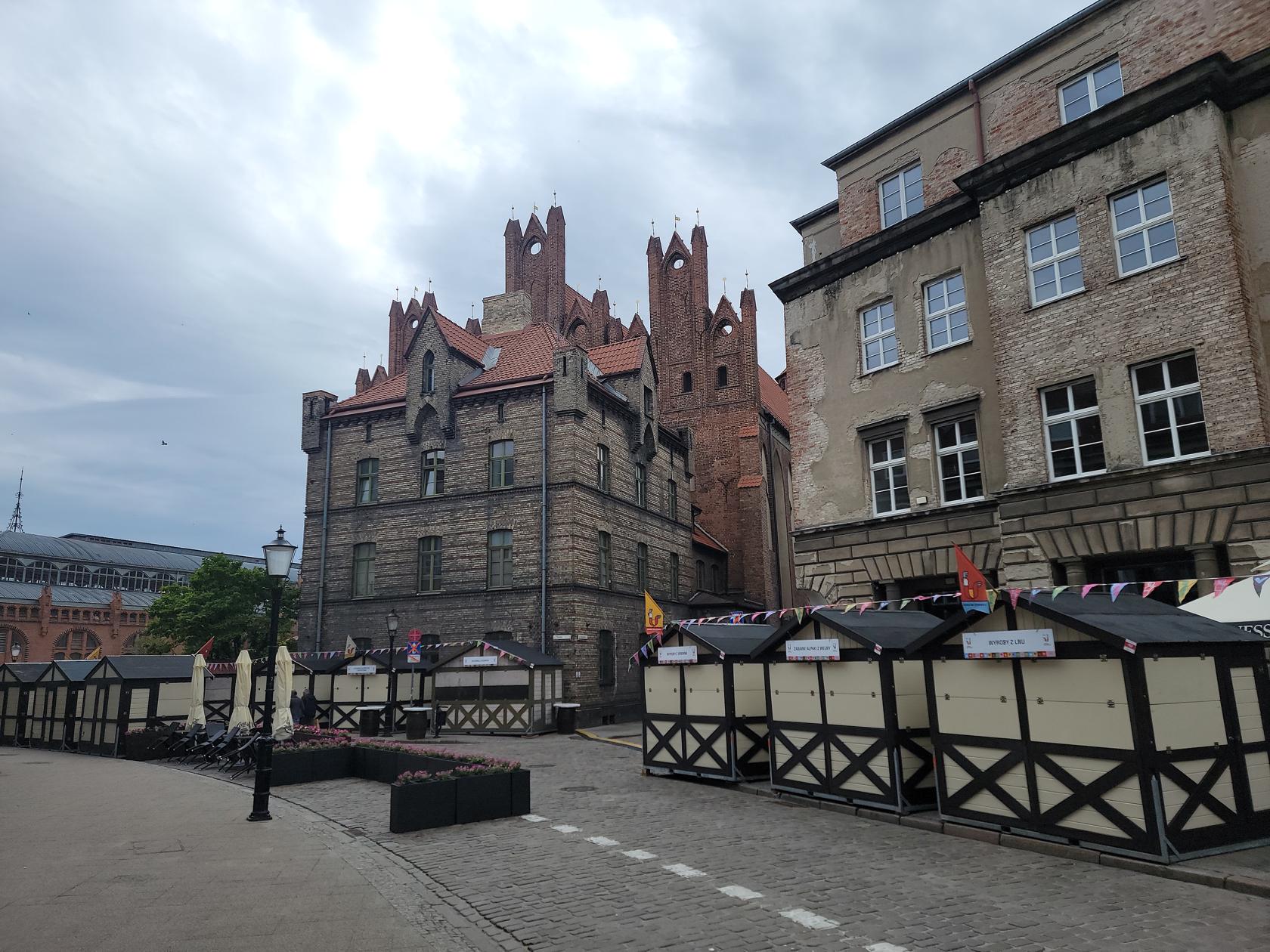
Setting up for St. Dominic’s Fair – Gdańsk, Poland
Old Erbsenmarkt – Gdańsk, Poland
Motlawa River
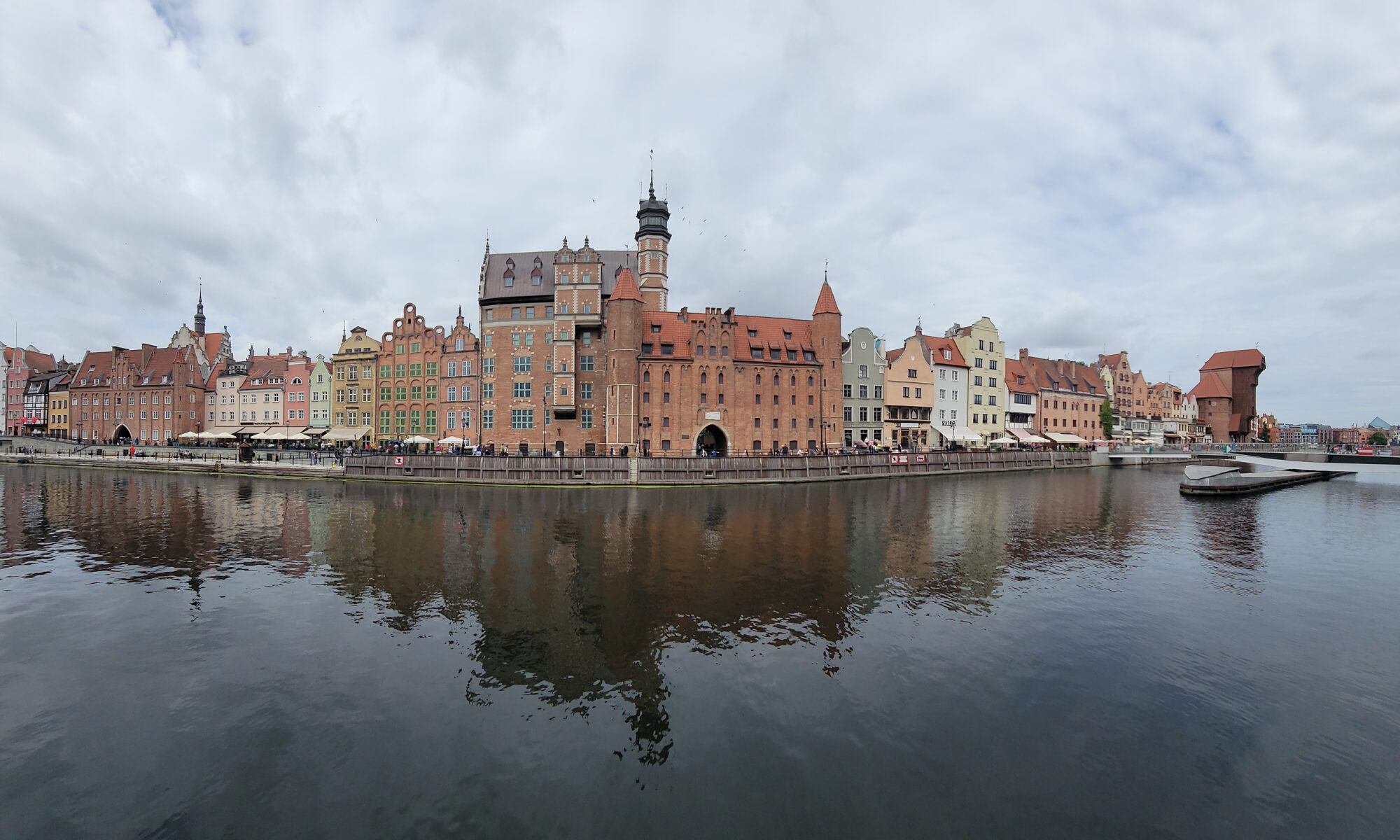
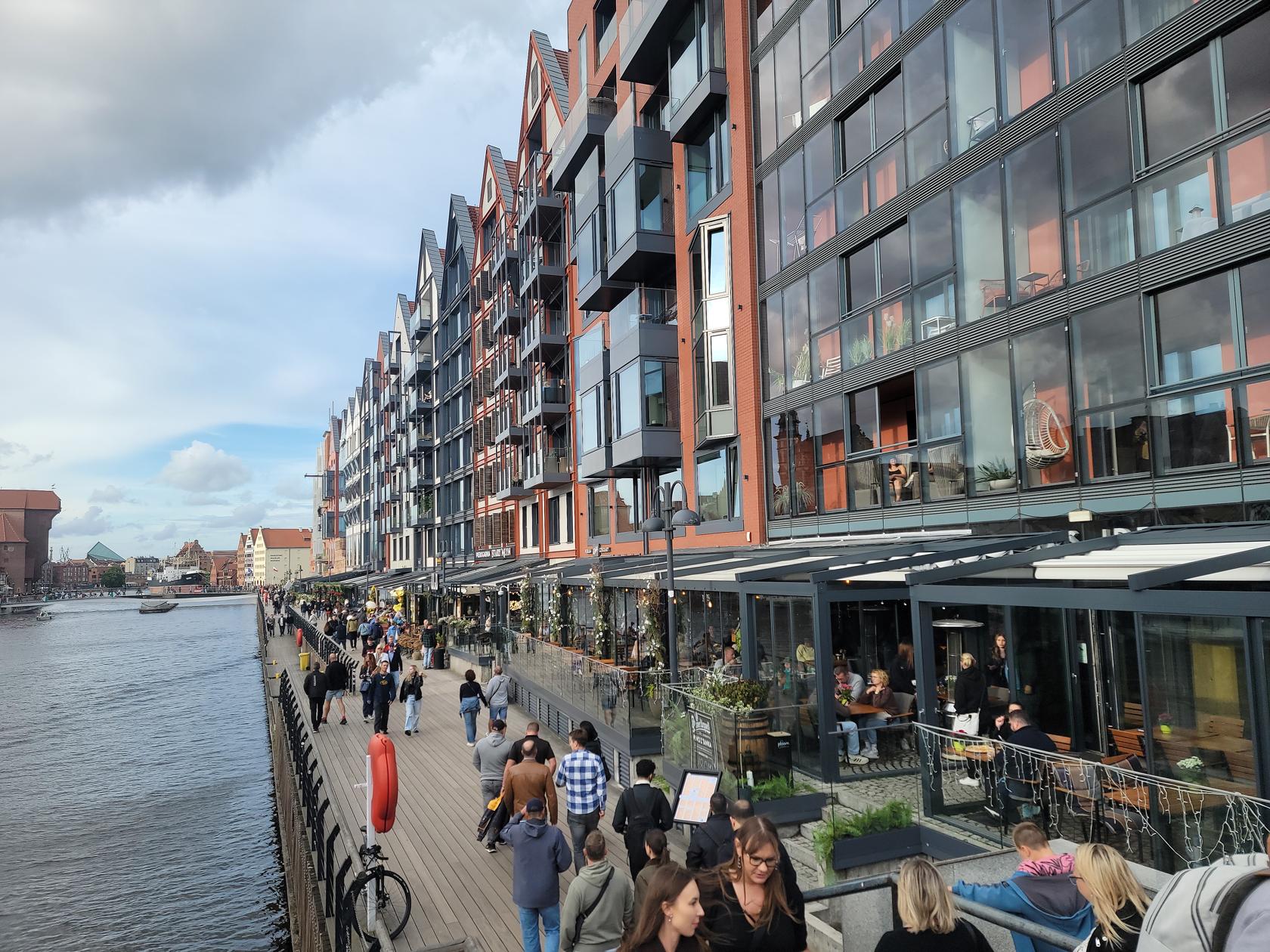
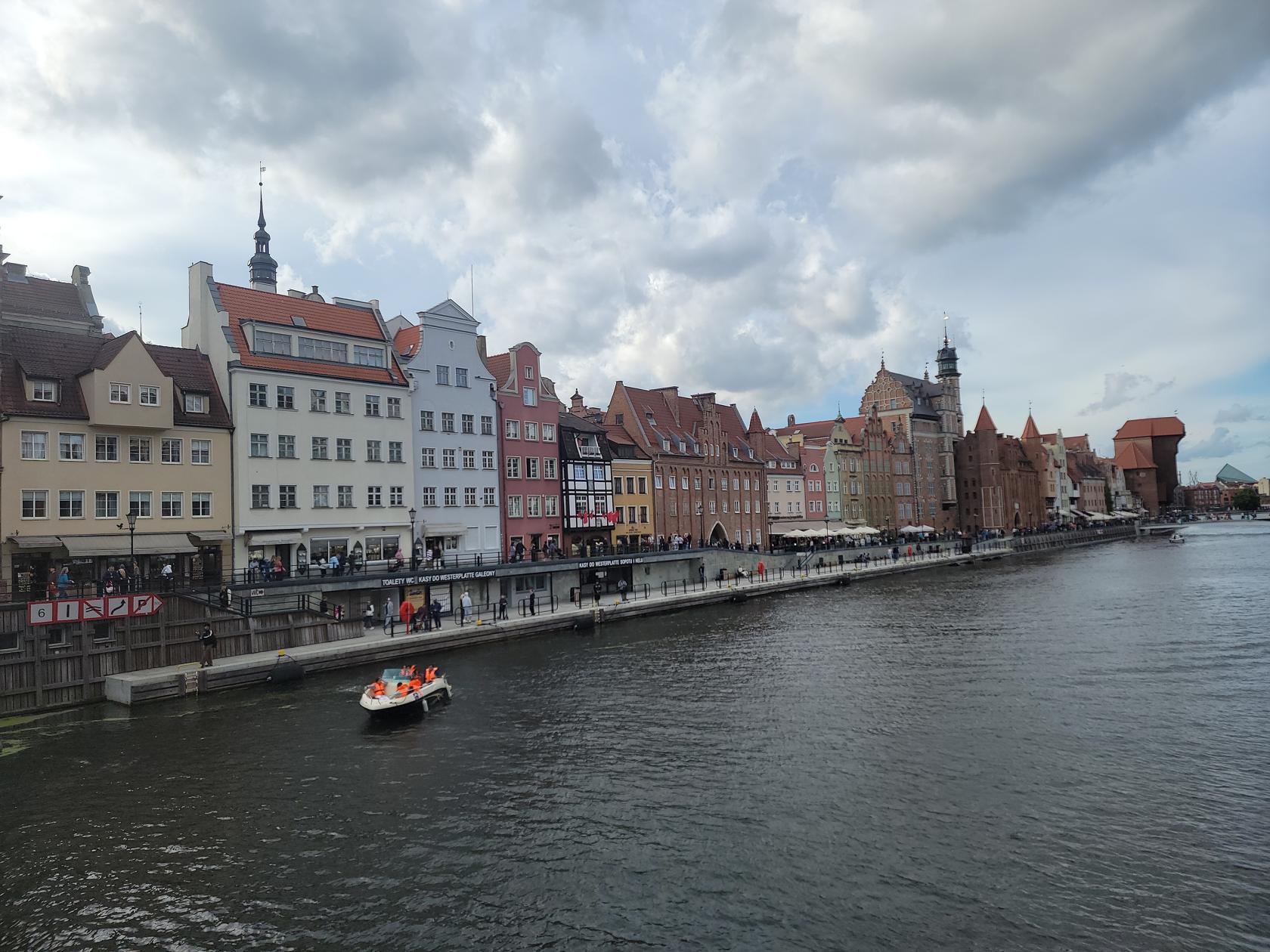
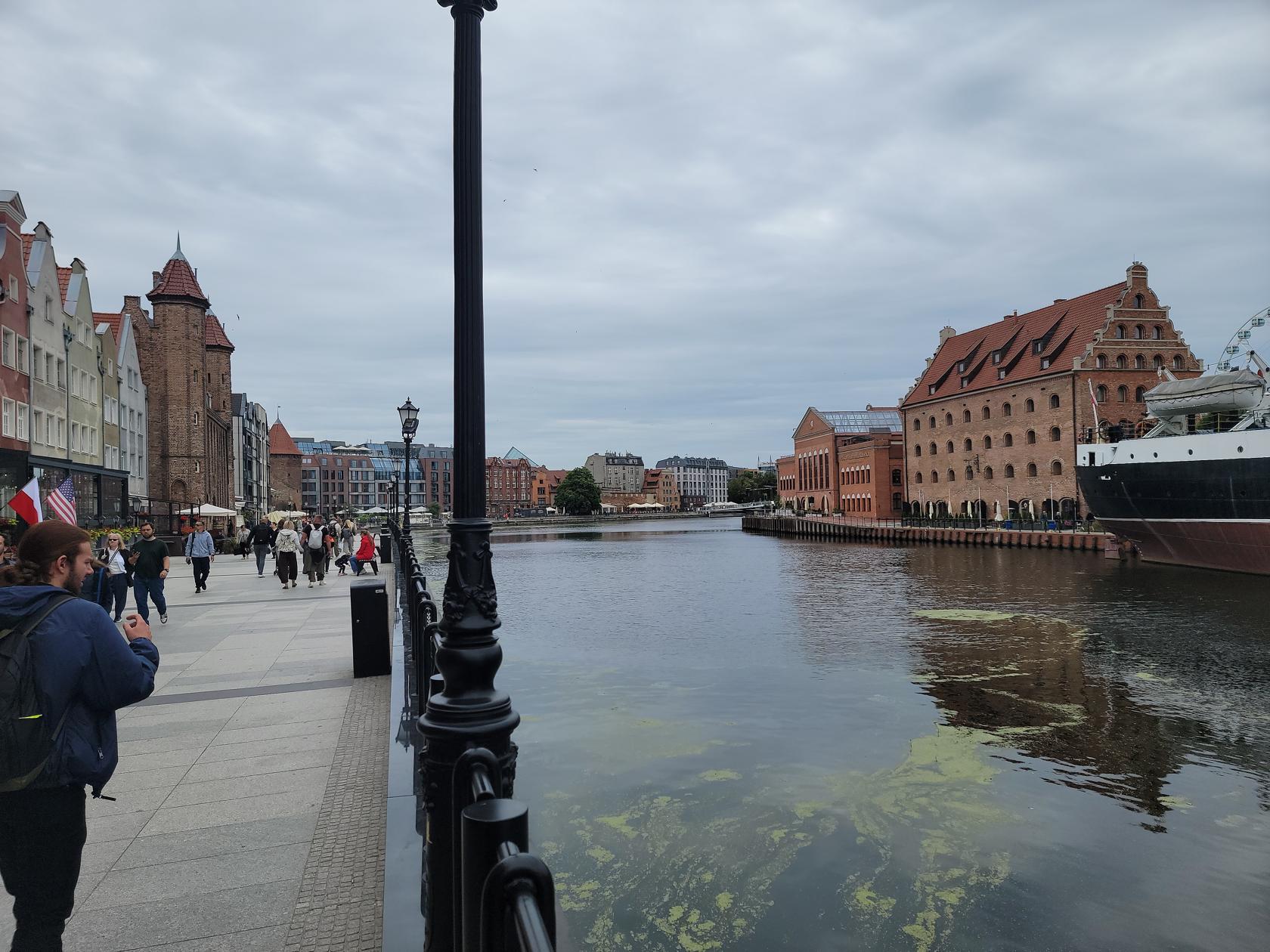
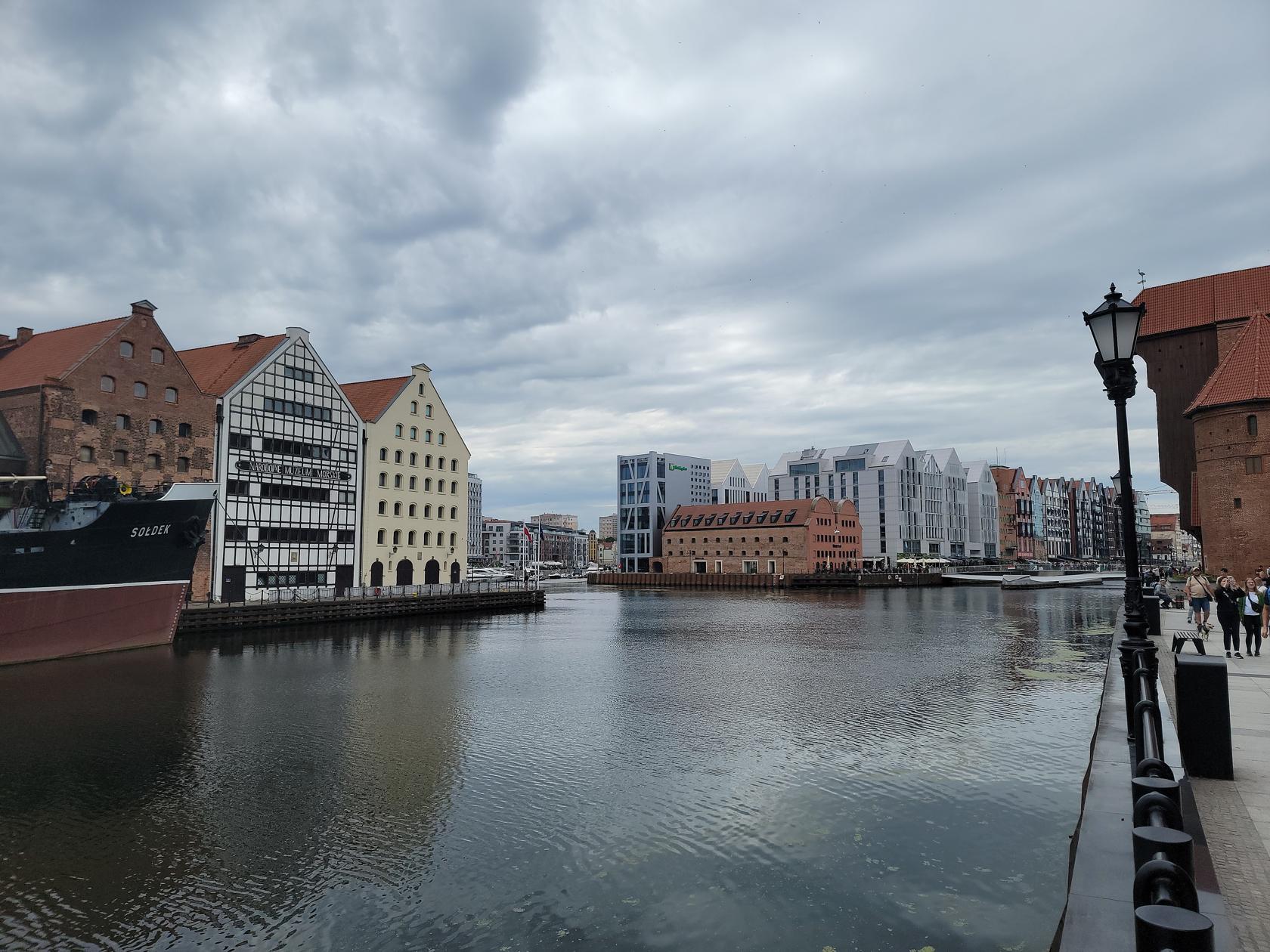
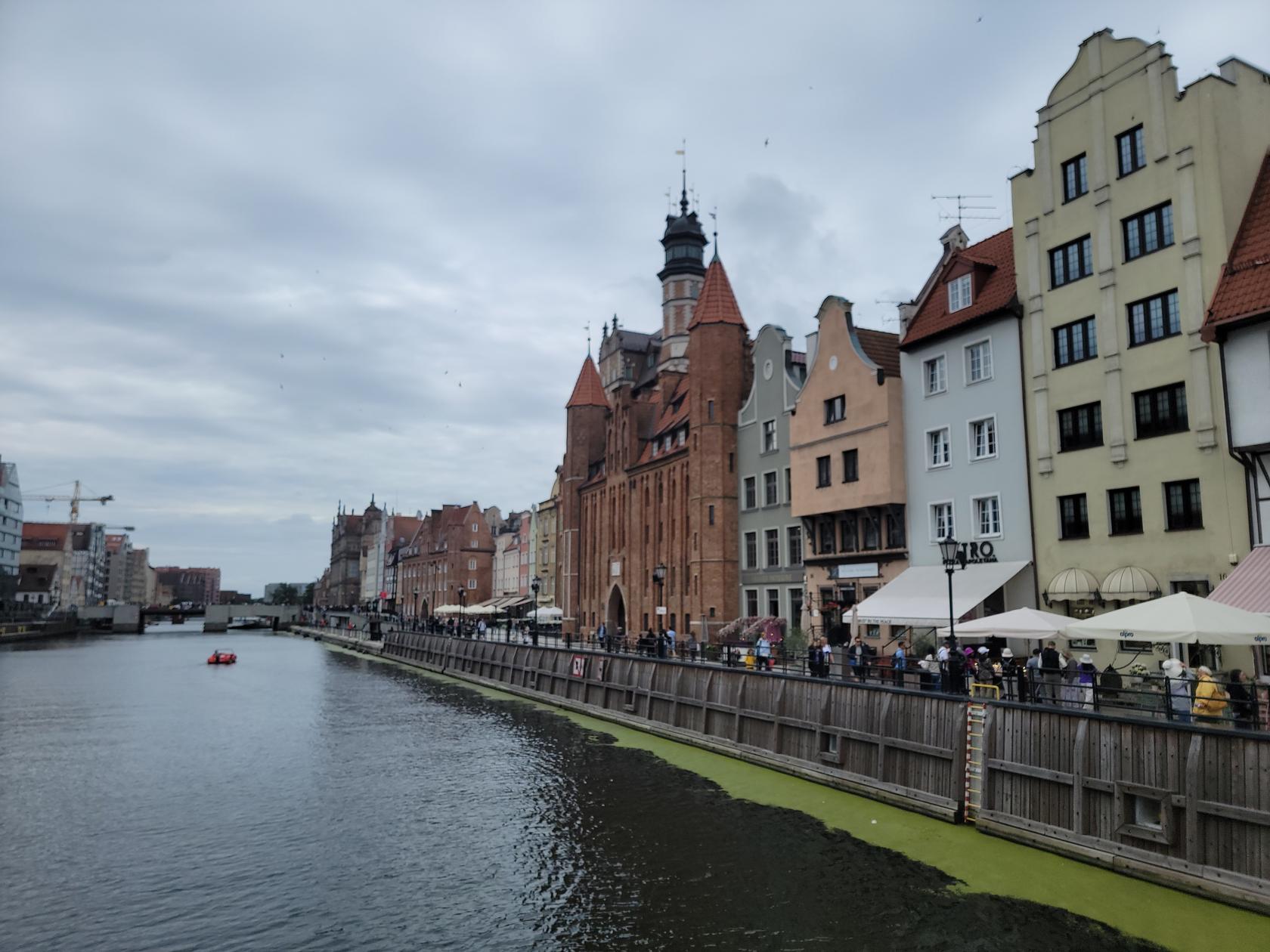
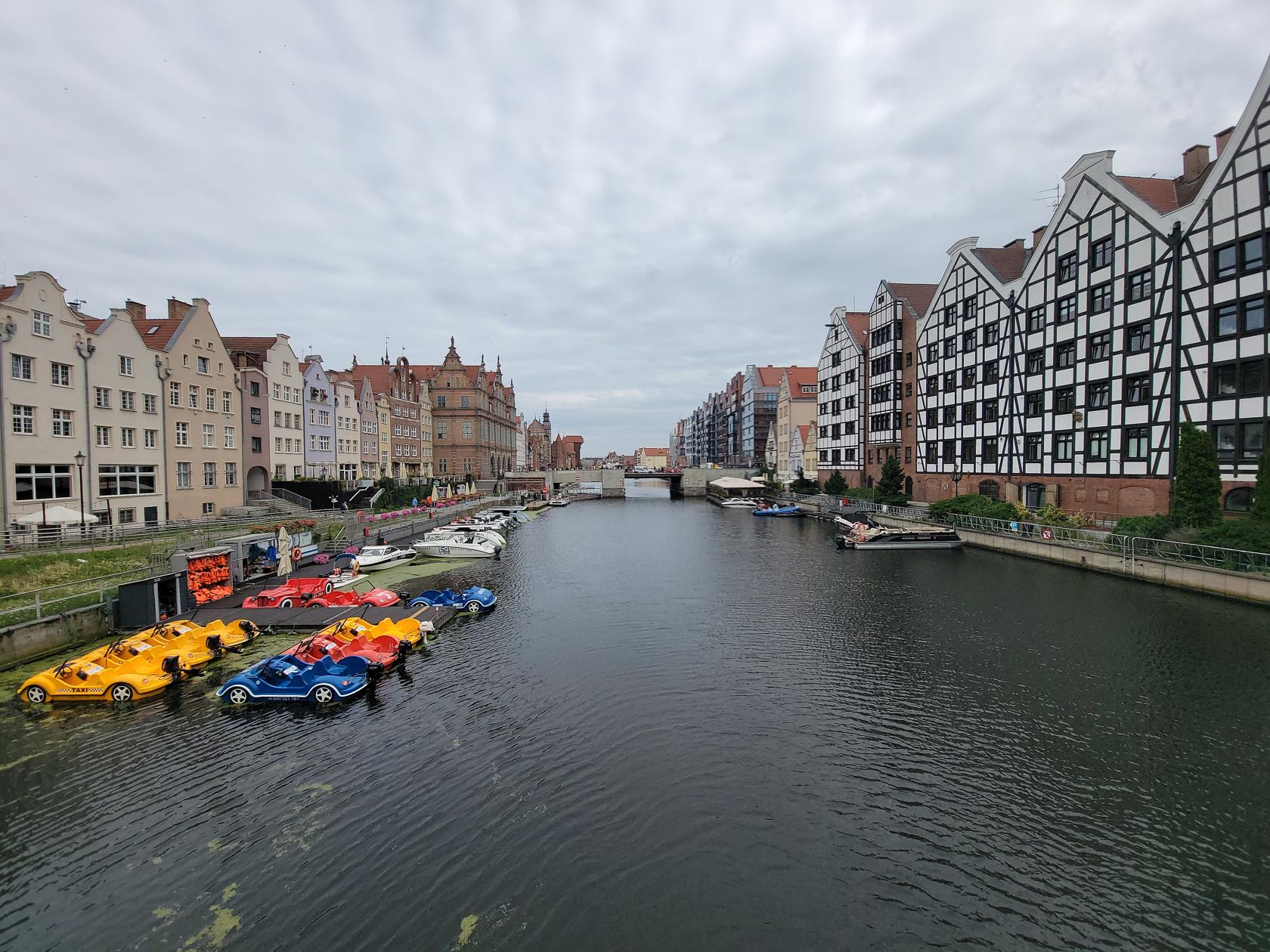
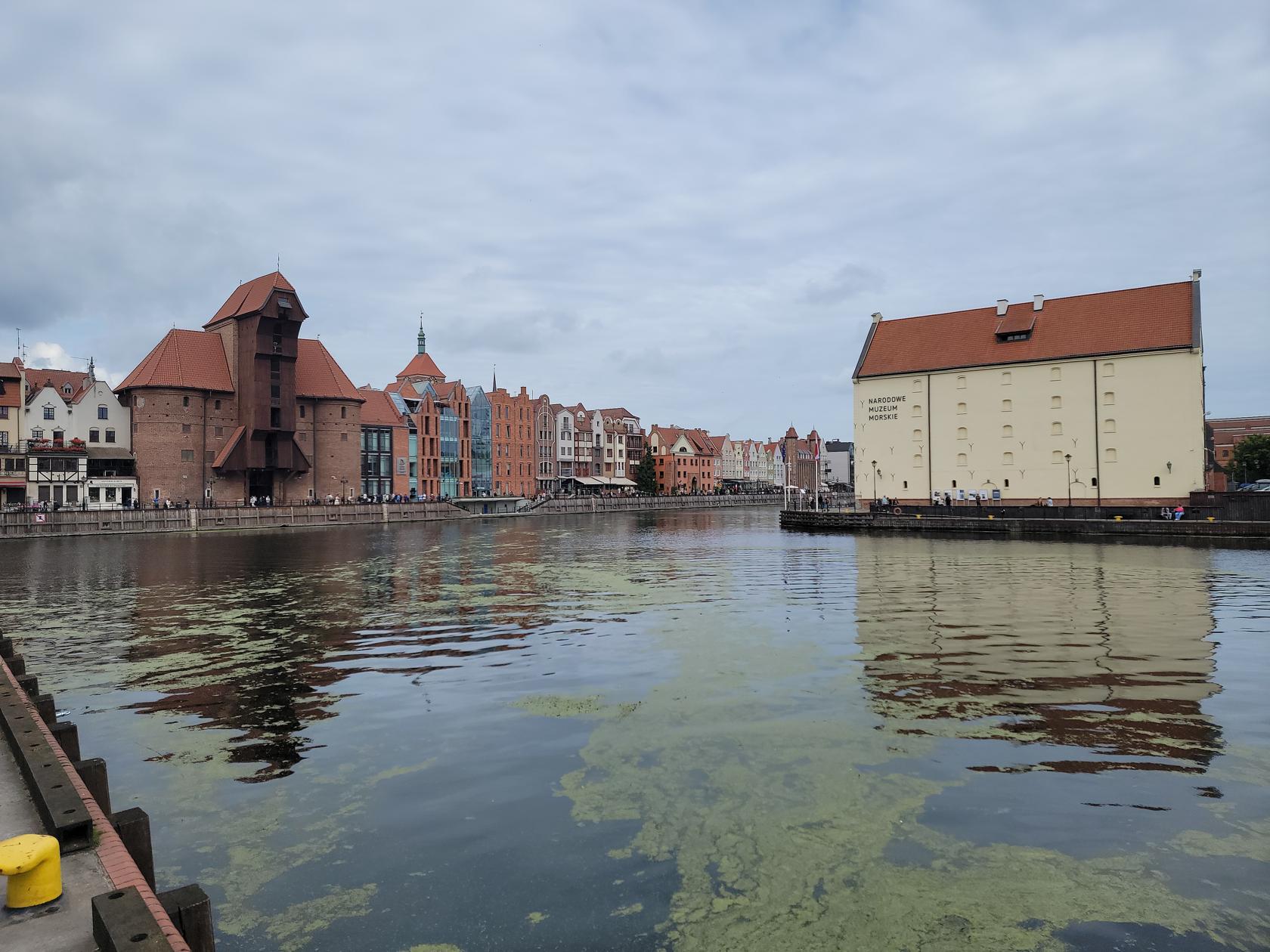
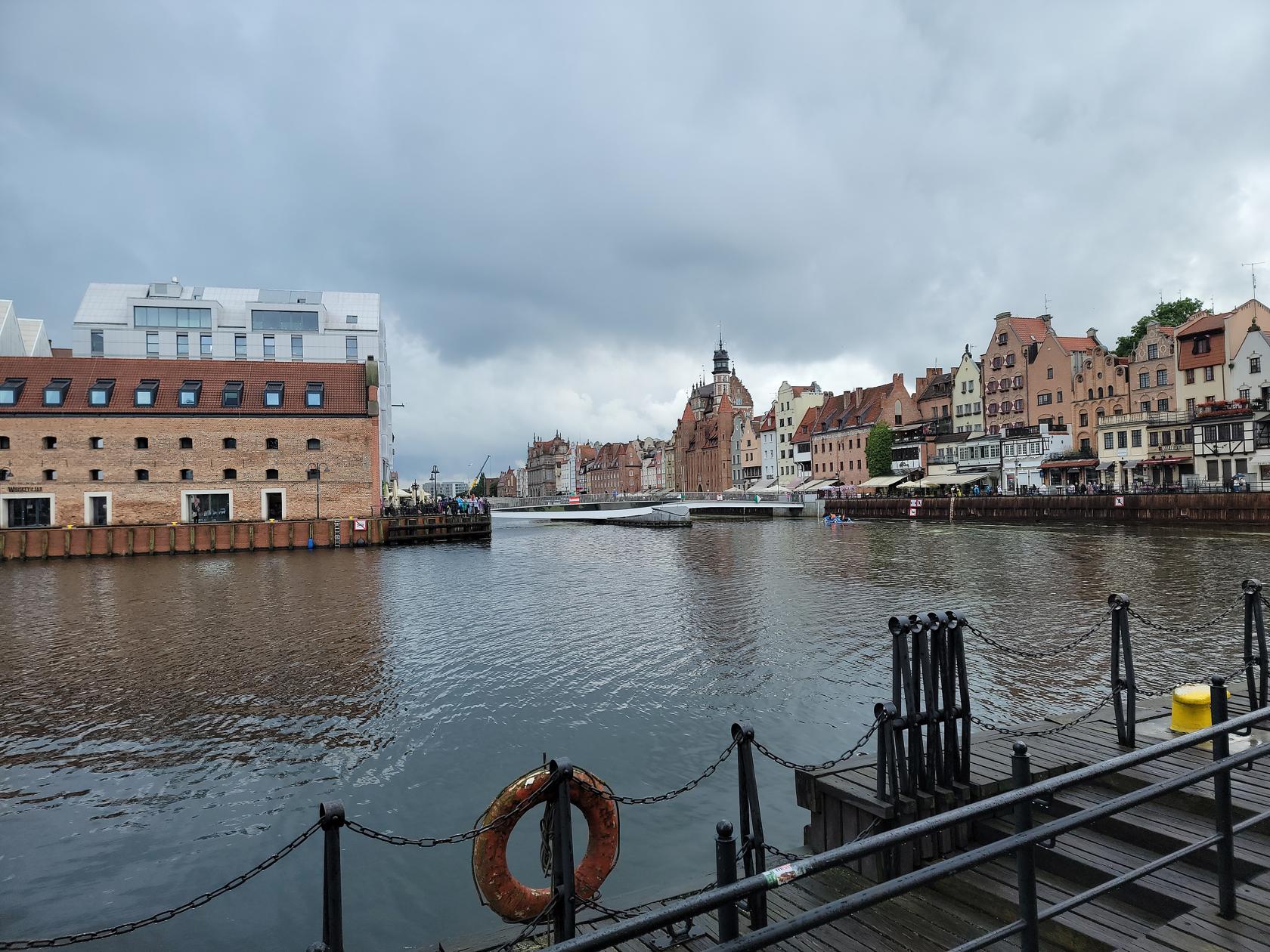
Along the Motlawa River on both sides are rows of buildings. Many were old warehouses, shops, fish mongers and other establishments, when the city was an active seaport. Today it is mostly restaurants, shops and hotels.
Boardwalk – Motława River – Gdańsk, Poland
Motława River – Gdańsk, Poland
Boardwalk – Motława River – Gdańsk, Poland
Motława River – Gdańsk, Poland
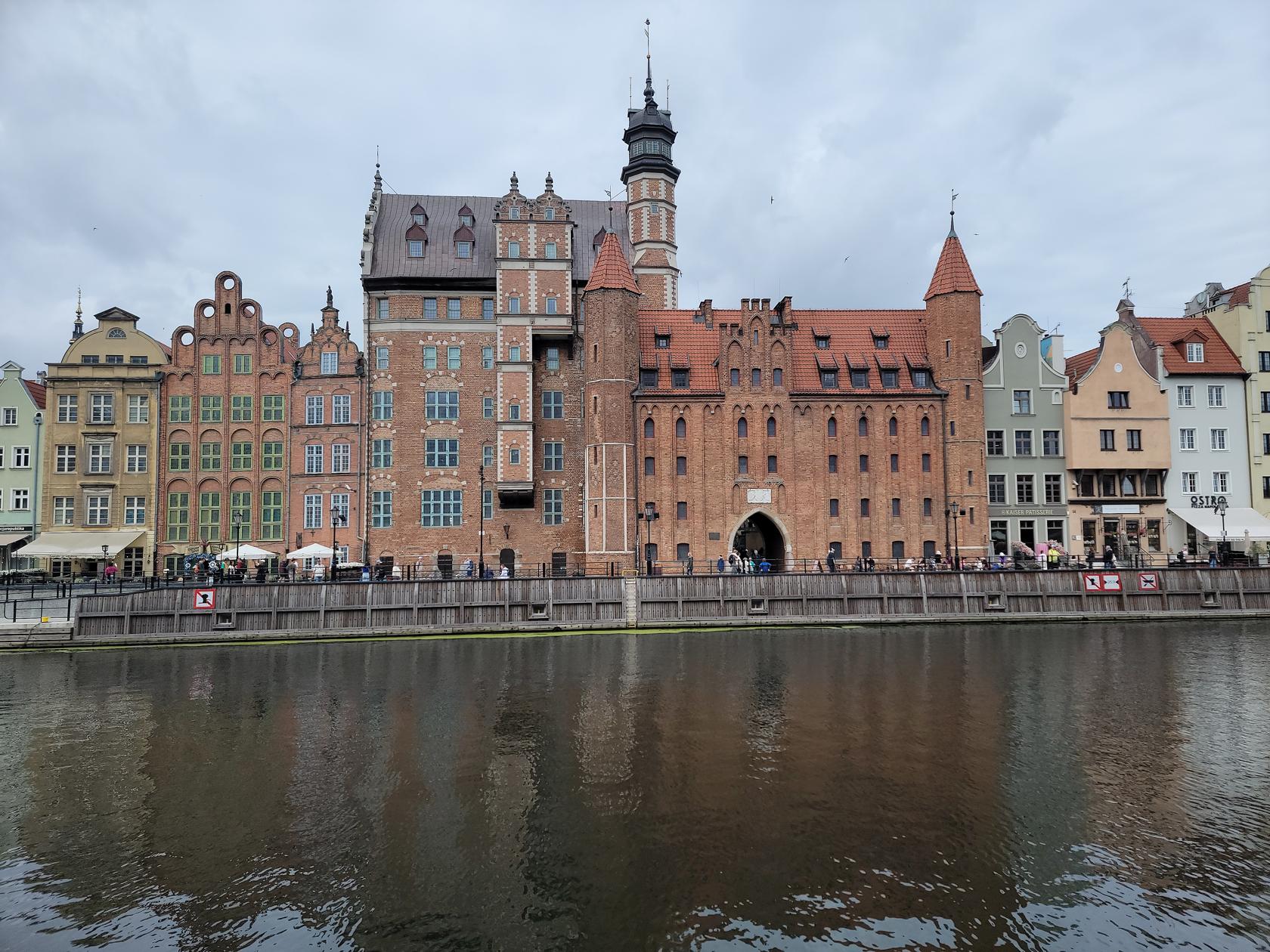
Saint Mary’s Gate – Motława River – Gdańsk, Poland
Motława River – Gdańsk, Poland
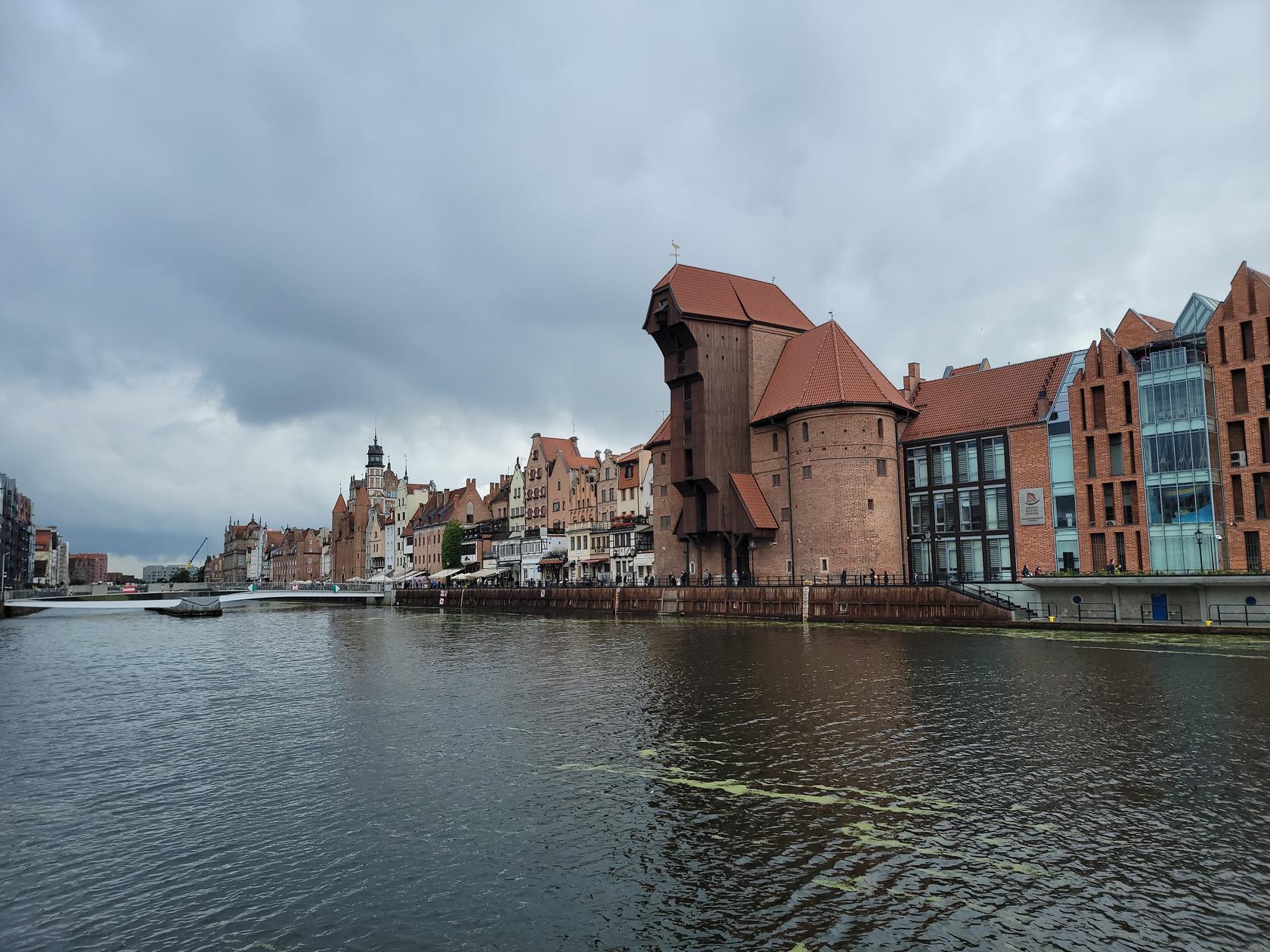
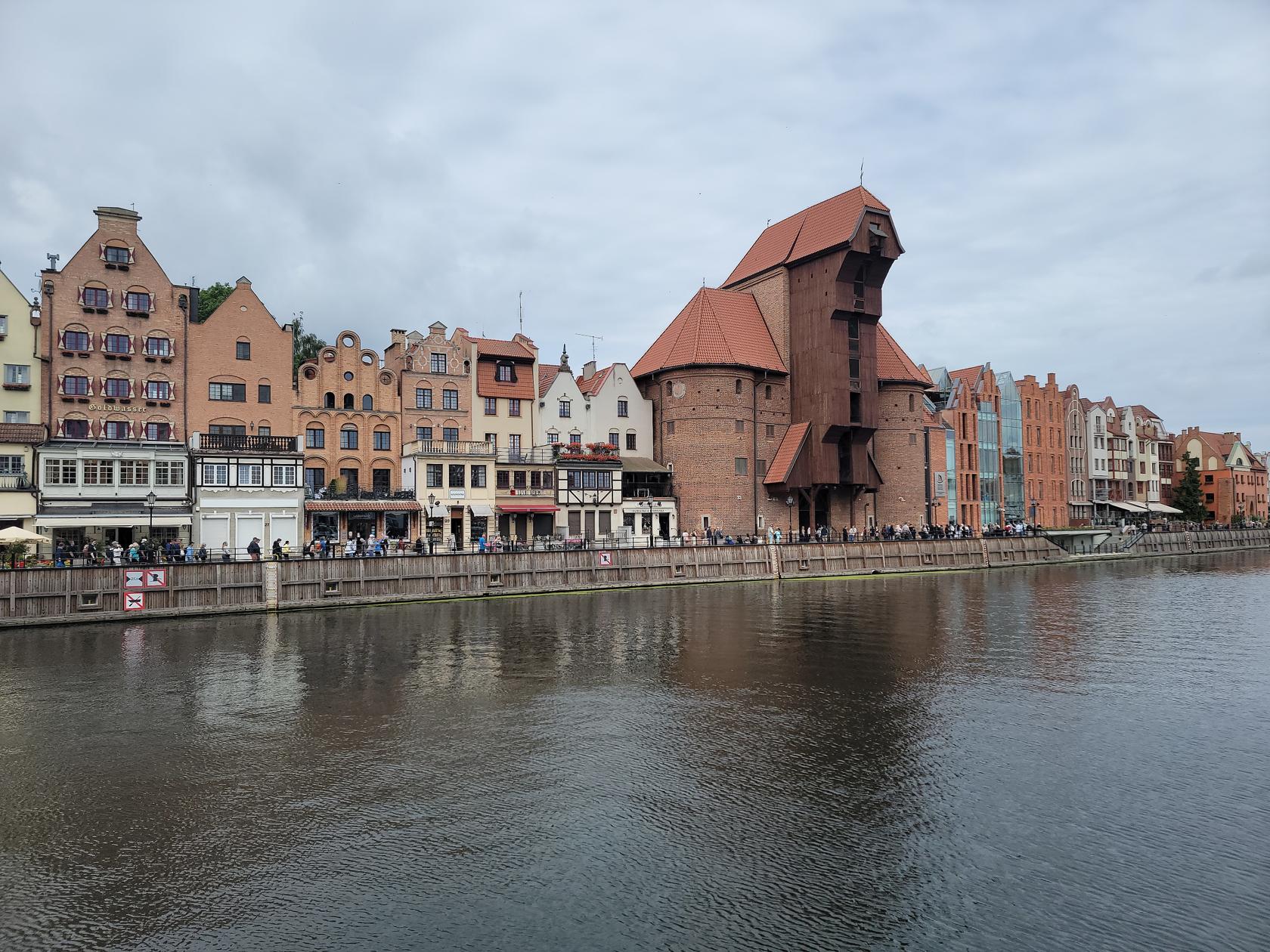
Old Port Crane – Motława River – Gdańsk, Poland
Saint Mary’s Gate – Motława River – Gdańsk, Poland
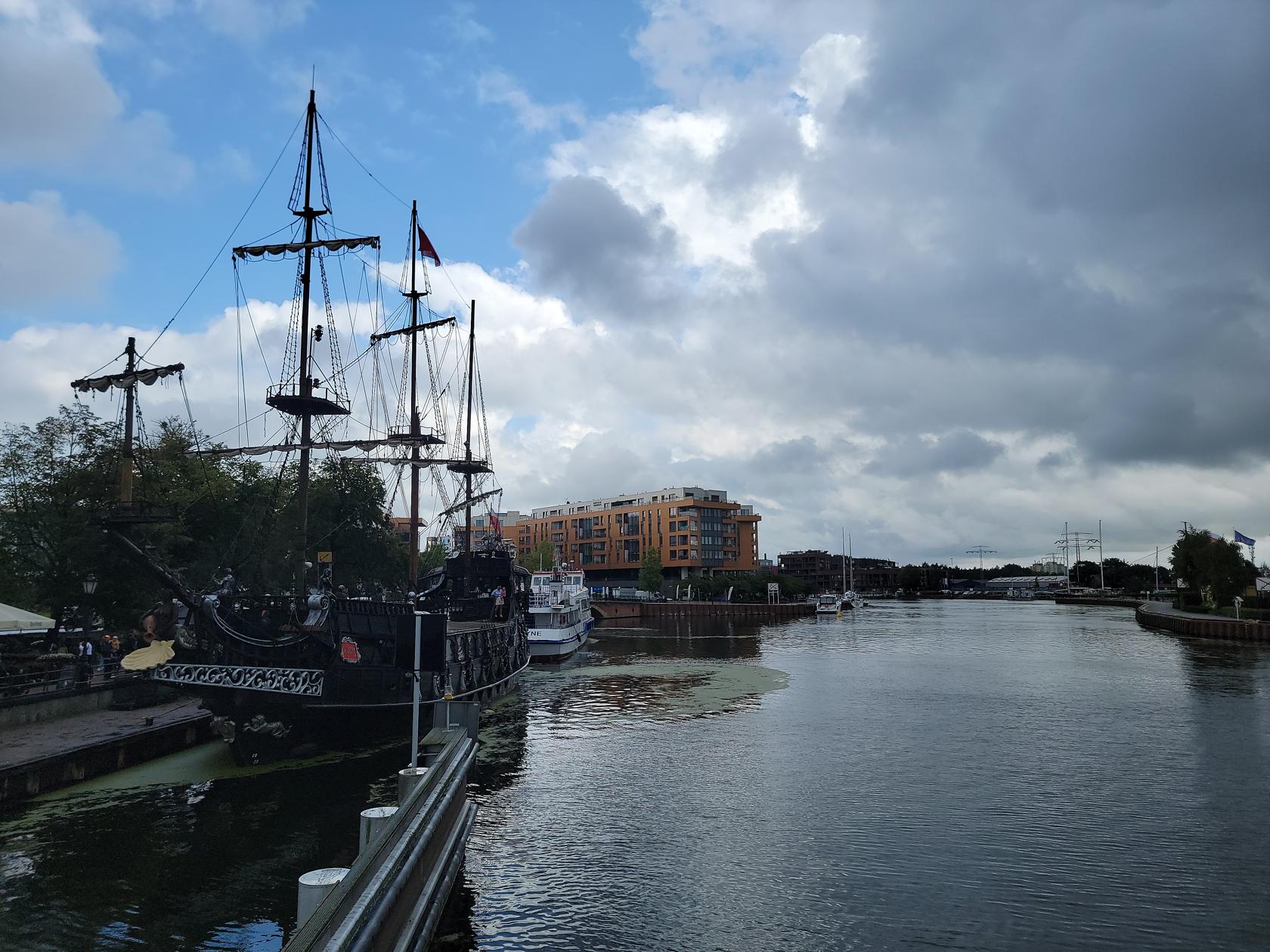
Lew Galeon – Gdańsk, Poland
Motława River – Gdańsk, Poland
Old Port Crane
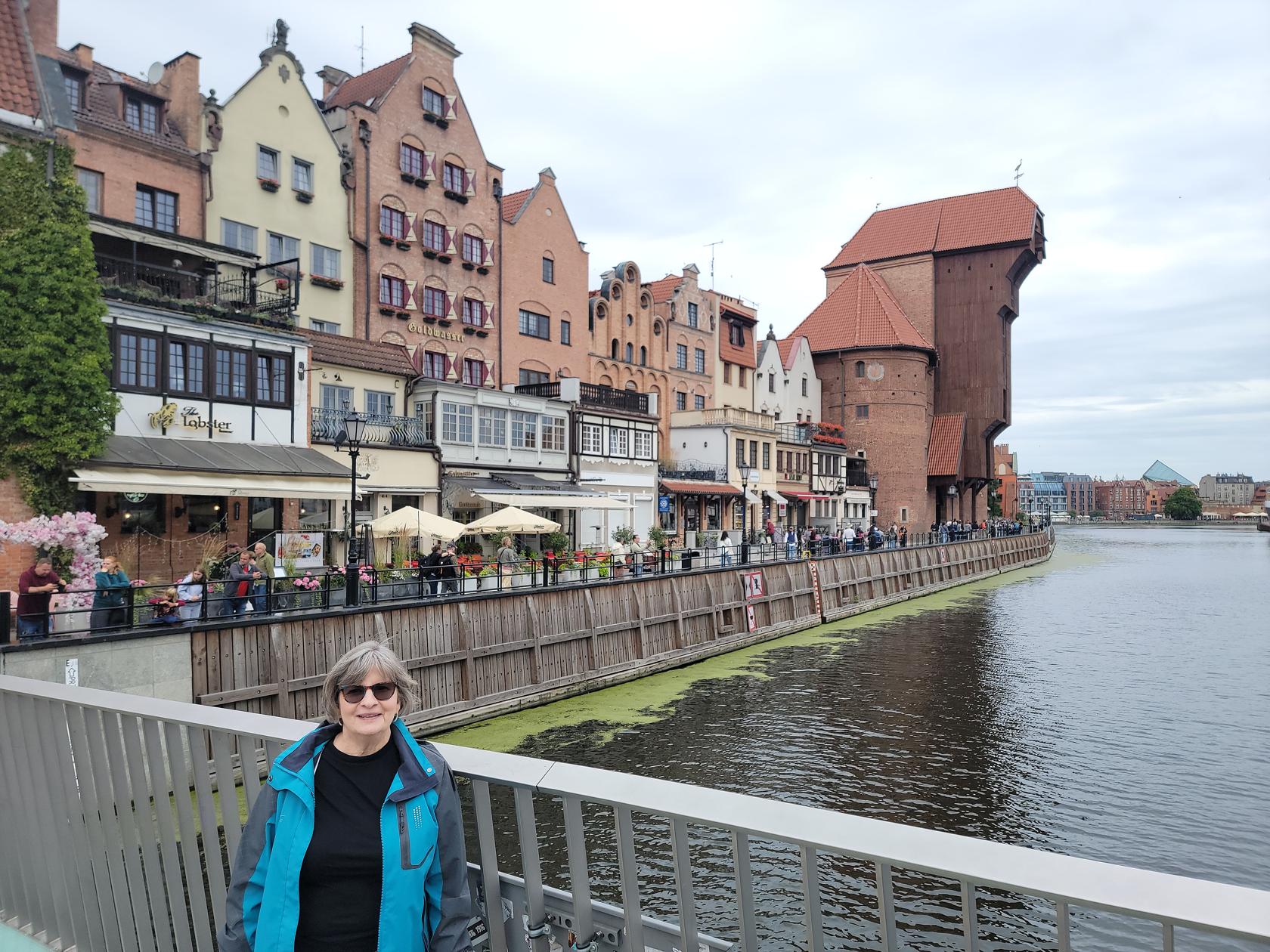
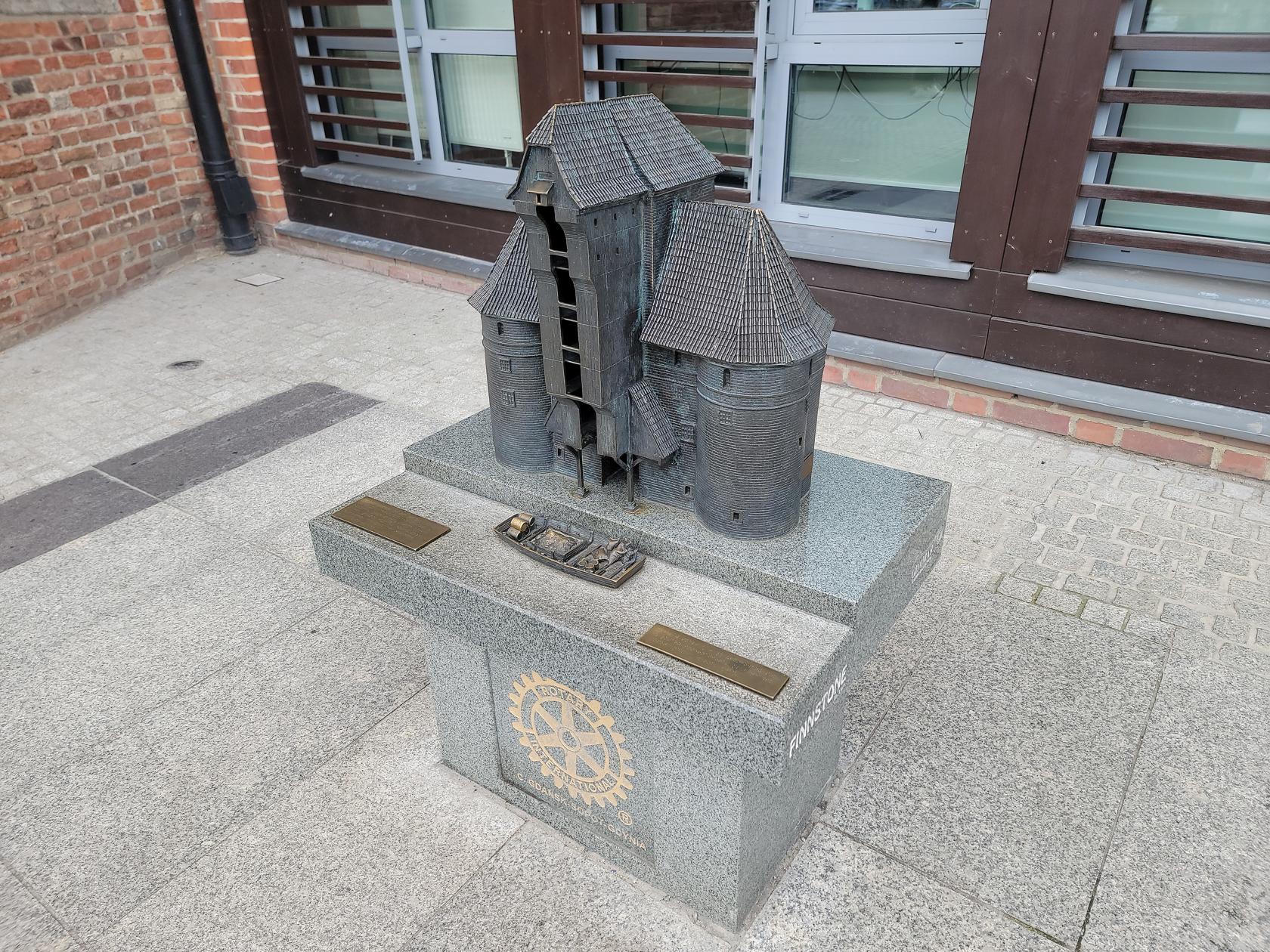
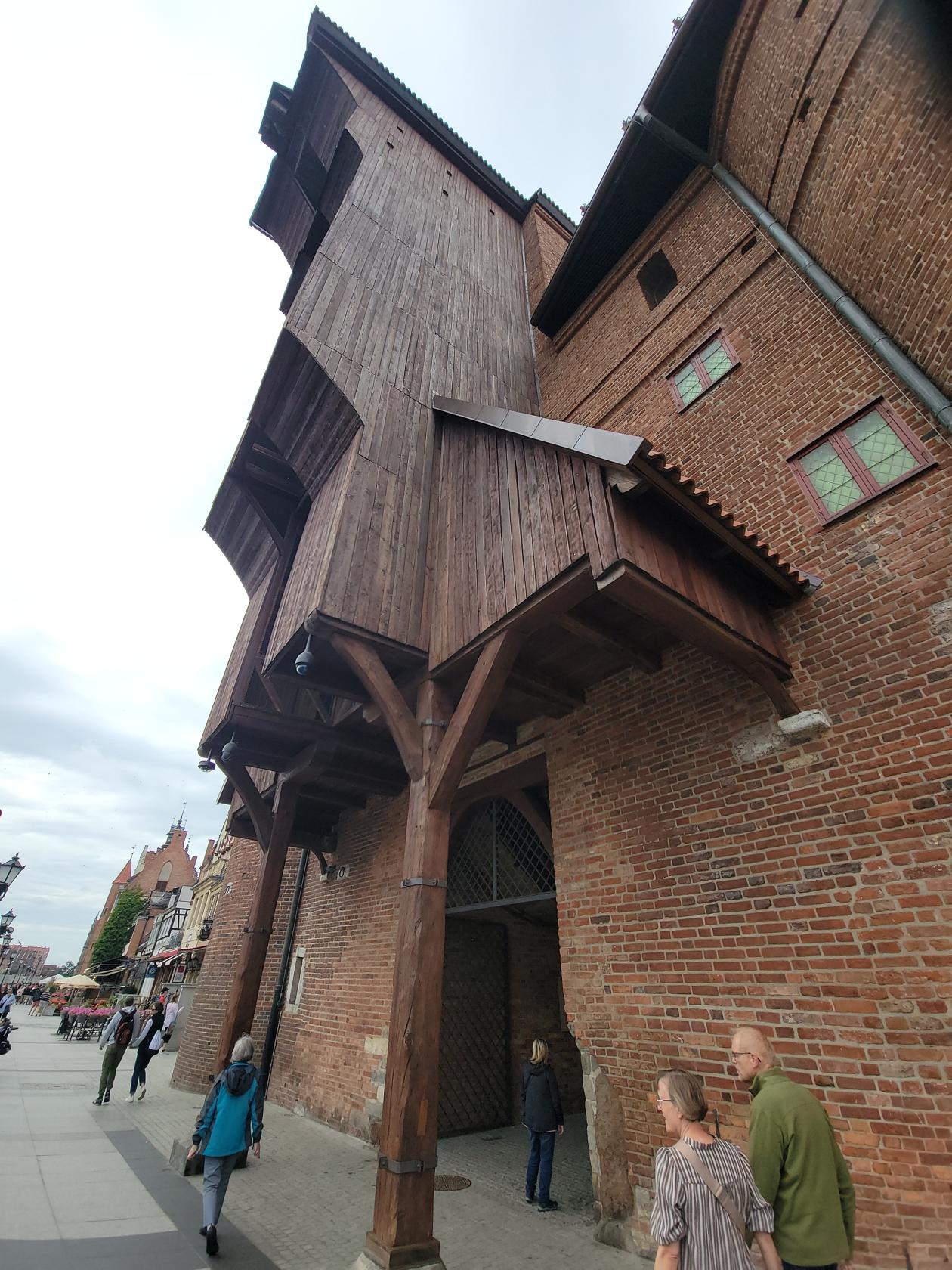
One of the major attactions is the Old Port Crane, also known as the Gdańsk Crane, actually has an unknown origin. Though ostensibly built to convey things from ships portside into the city over the surrounding wall its actual purpose remains a mystery. It burnt down once and was restored, only to be partially destroyed during the end of World War II and rebuilt in the 1960s as a historical piece and museum.
Old Port Crane – Gdańsk, Poland
Old Port Crane – Motława River – Gdańsk, Poland
Patti on Rotating Bridge – Holy Spirit Gate – Motława River – Gdańsk, Poland
Old Port Crane Bronze Monument – Motława River – Gdańsk, Poland
Old Port Crane – Motława River – Gdańsk, Poland
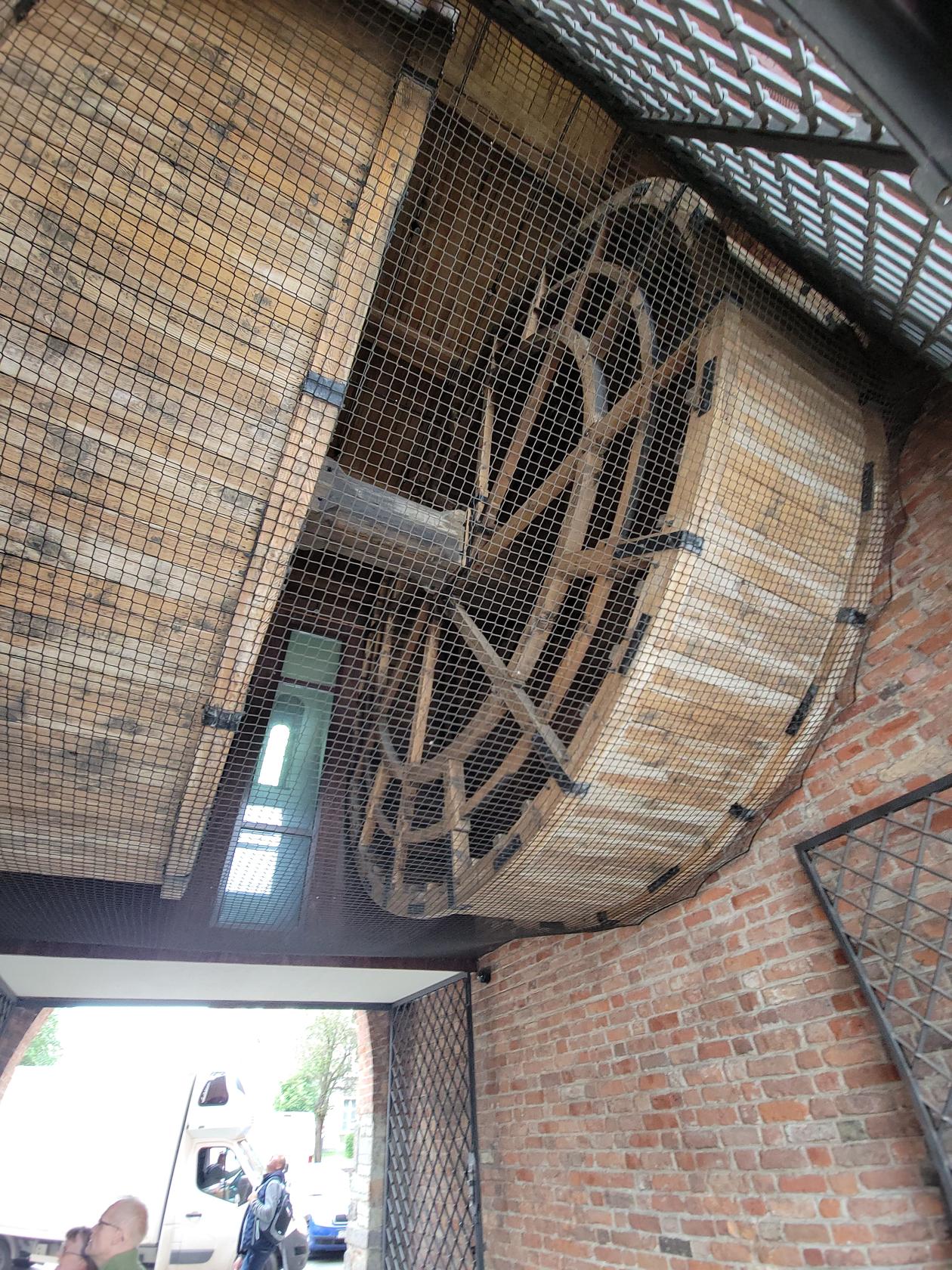
Large Tread Wheels – Old Port Crane – Motława River – Gdańsk, Poland
Długa Street
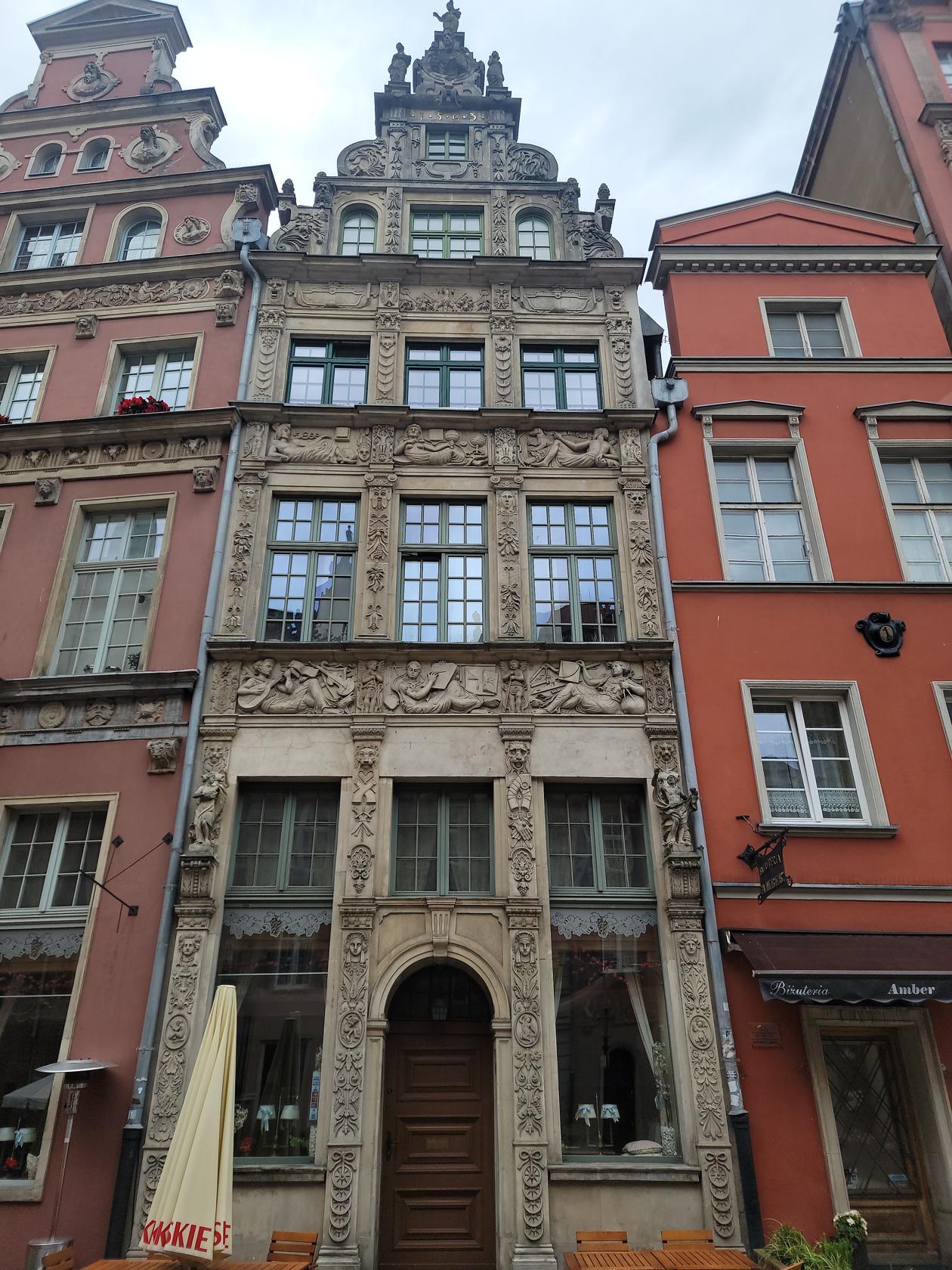
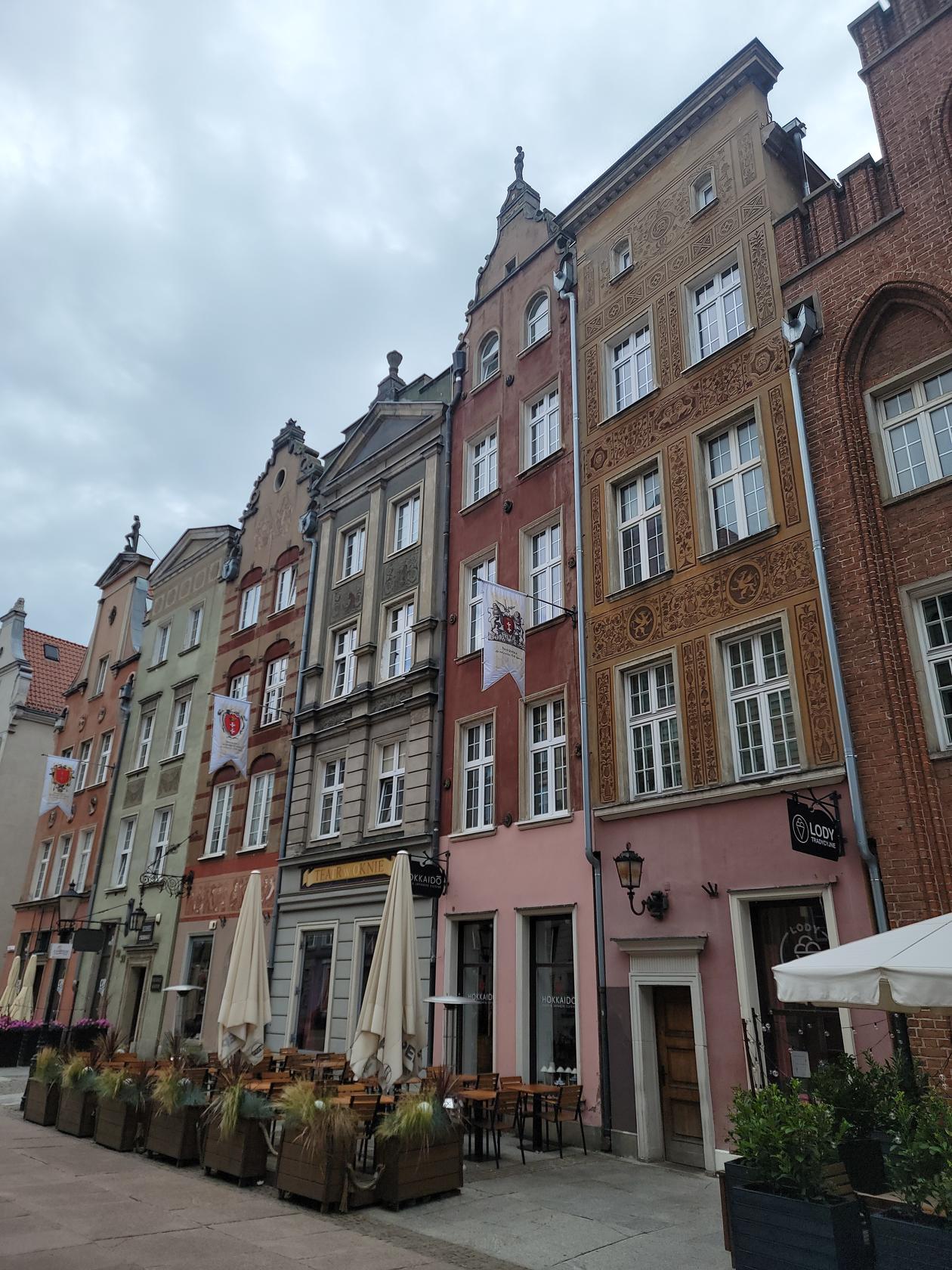
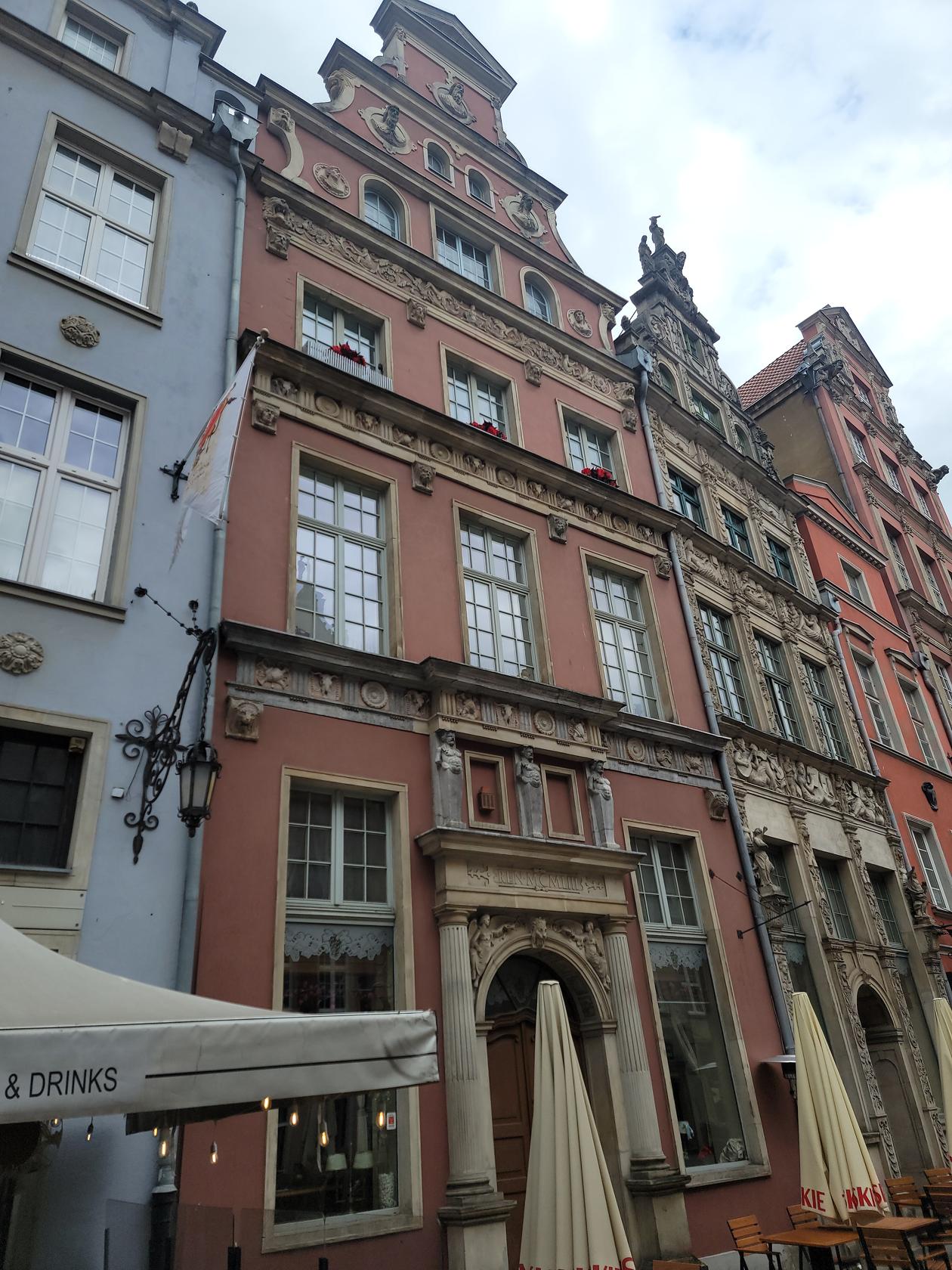
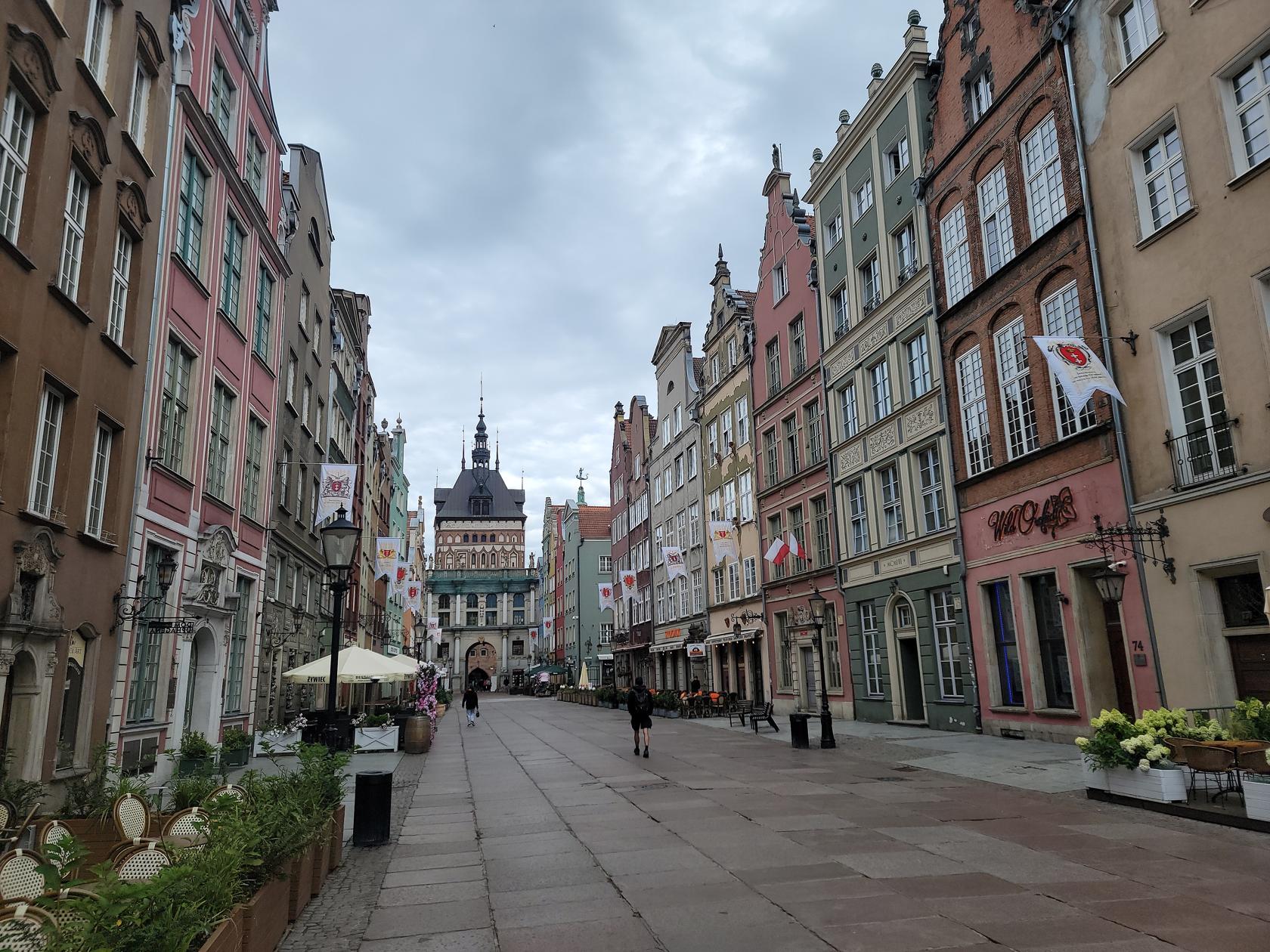
Also known as Long Lane, or Langgasse, Długa Street is where you will find many of the notable houses that adorn the old town, as well as the Town Hall and Neptune’s Fountain.
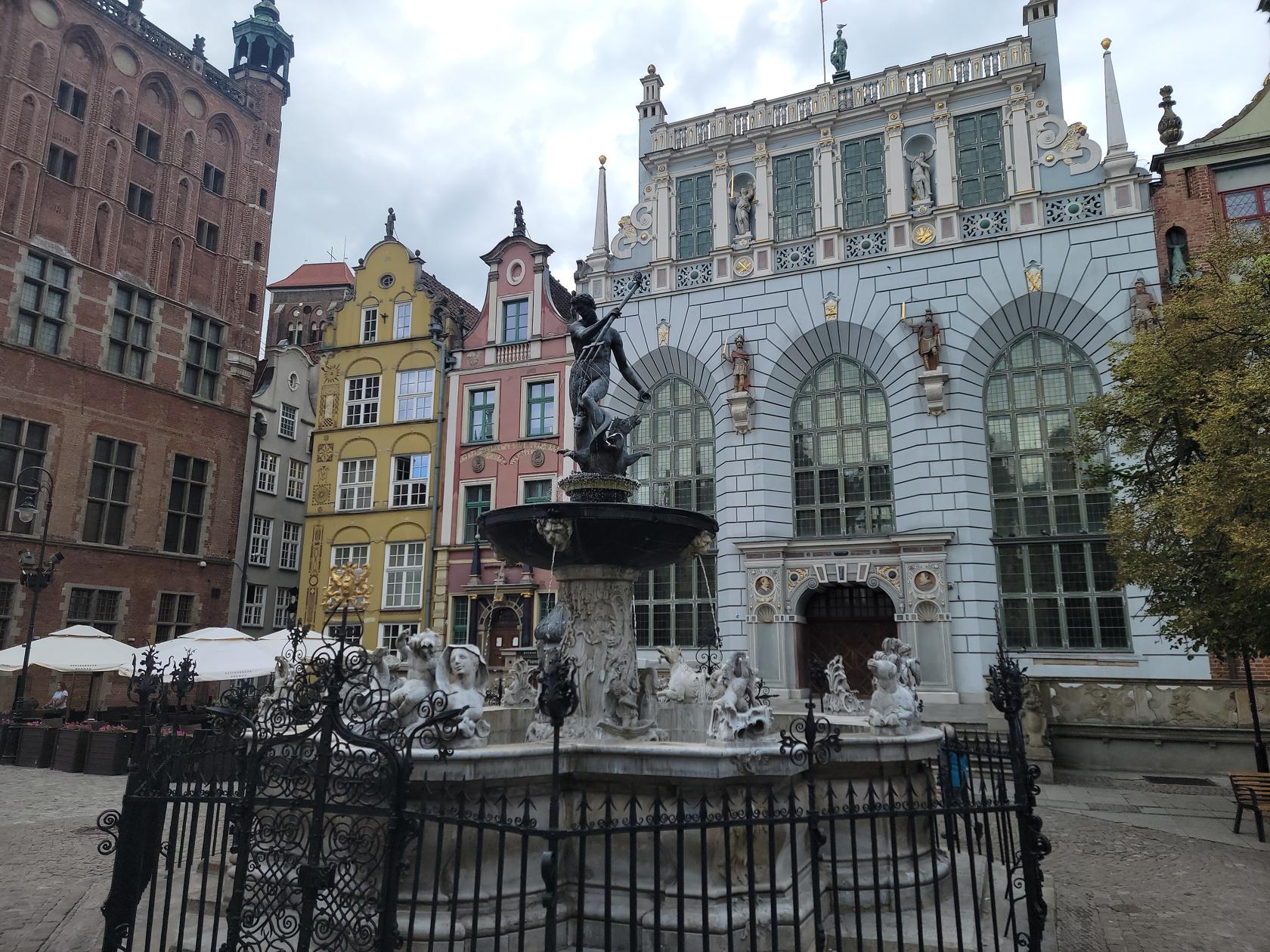
Neptune Fountain – Długa Street – Gdańsk, Poland
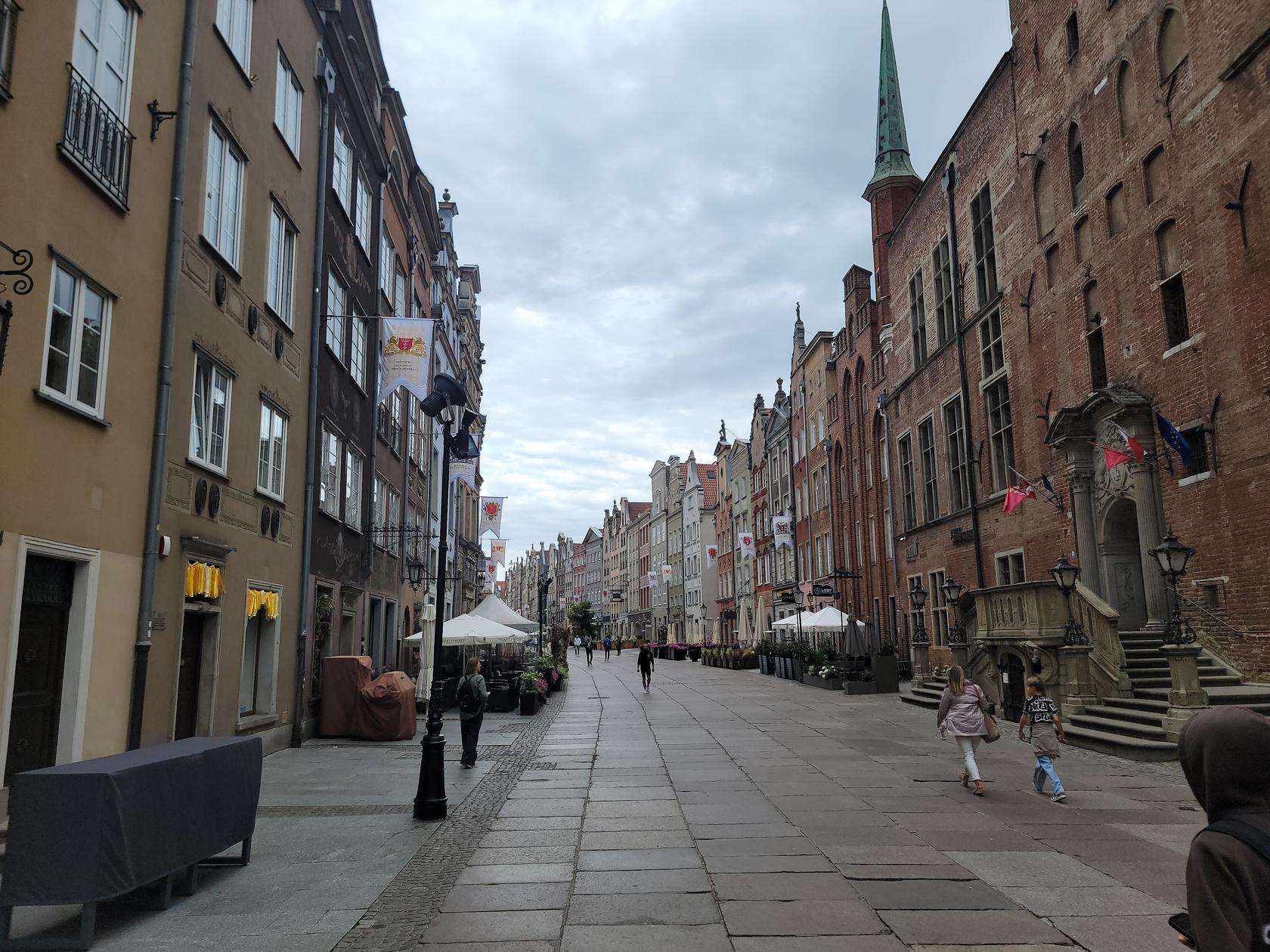
Upper Długa Street – Gdańsk, Poland
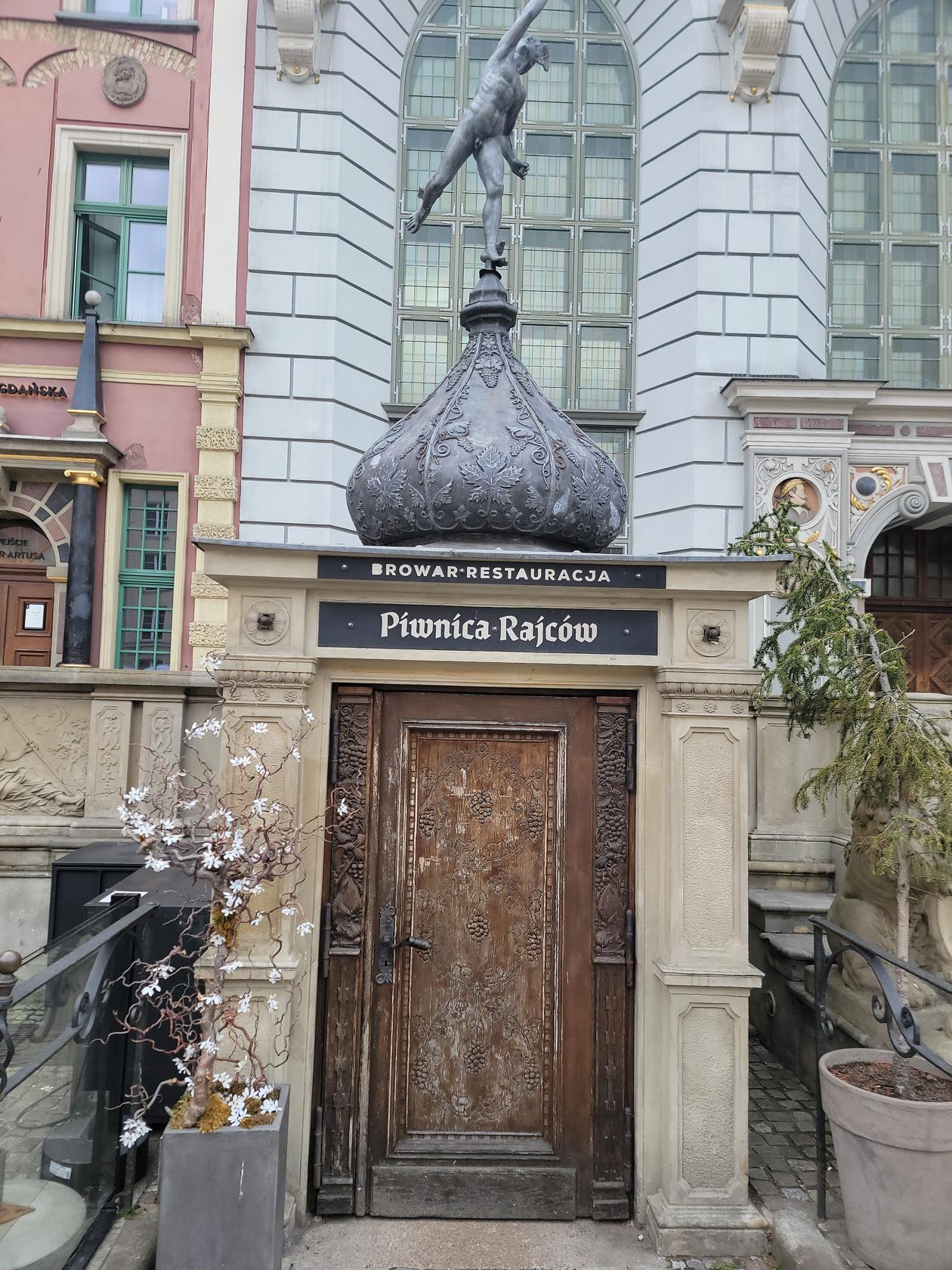
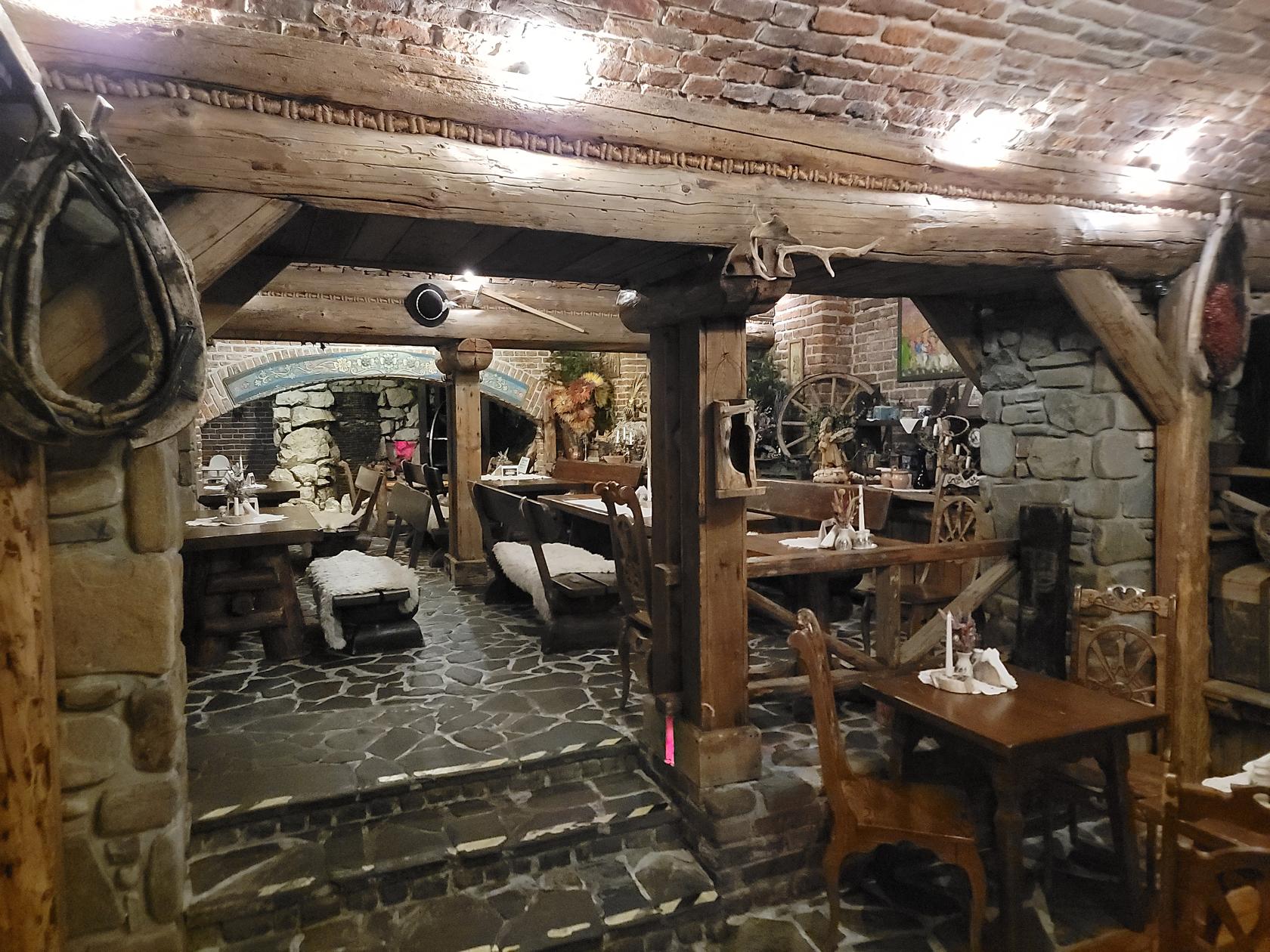
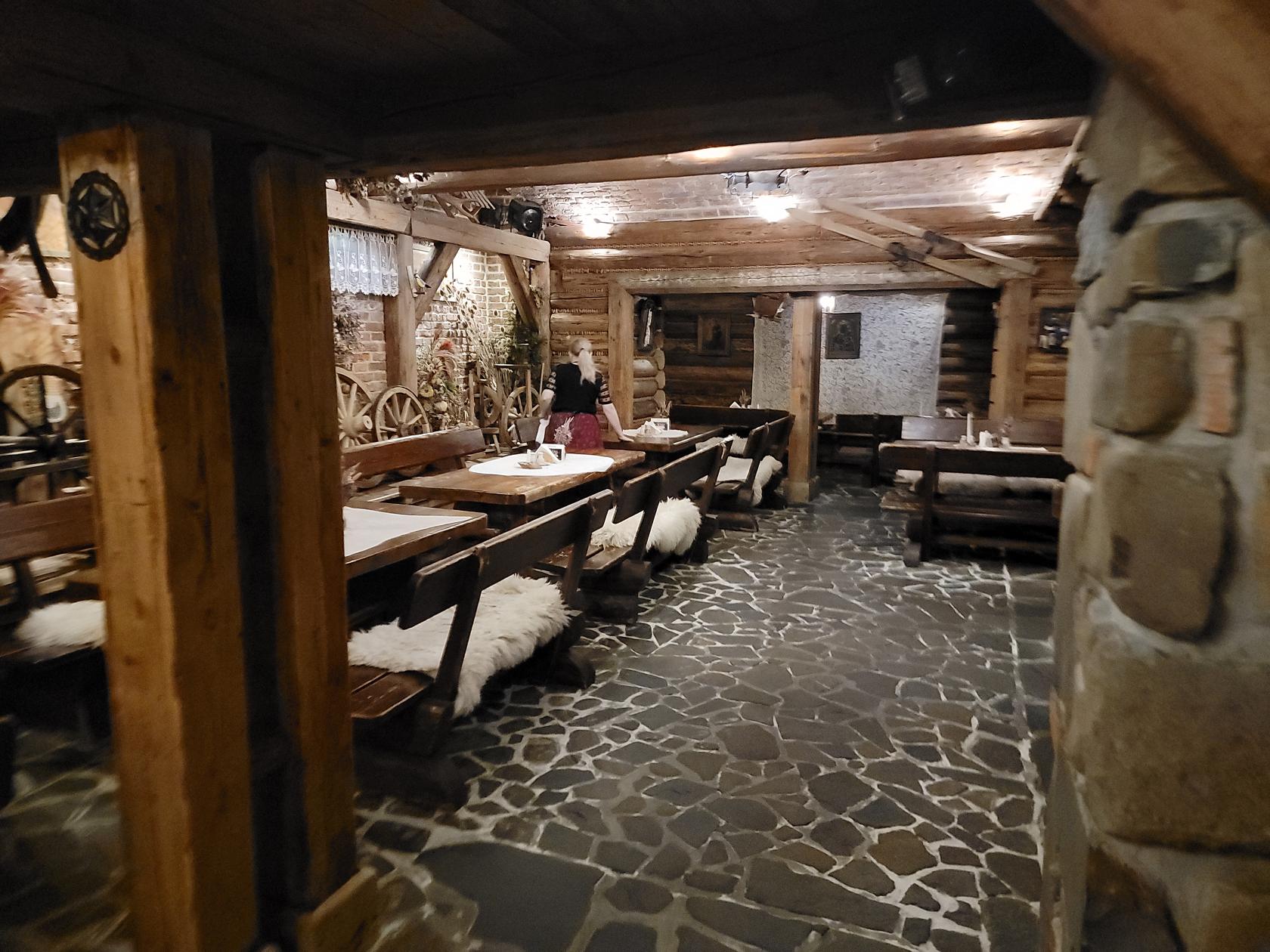
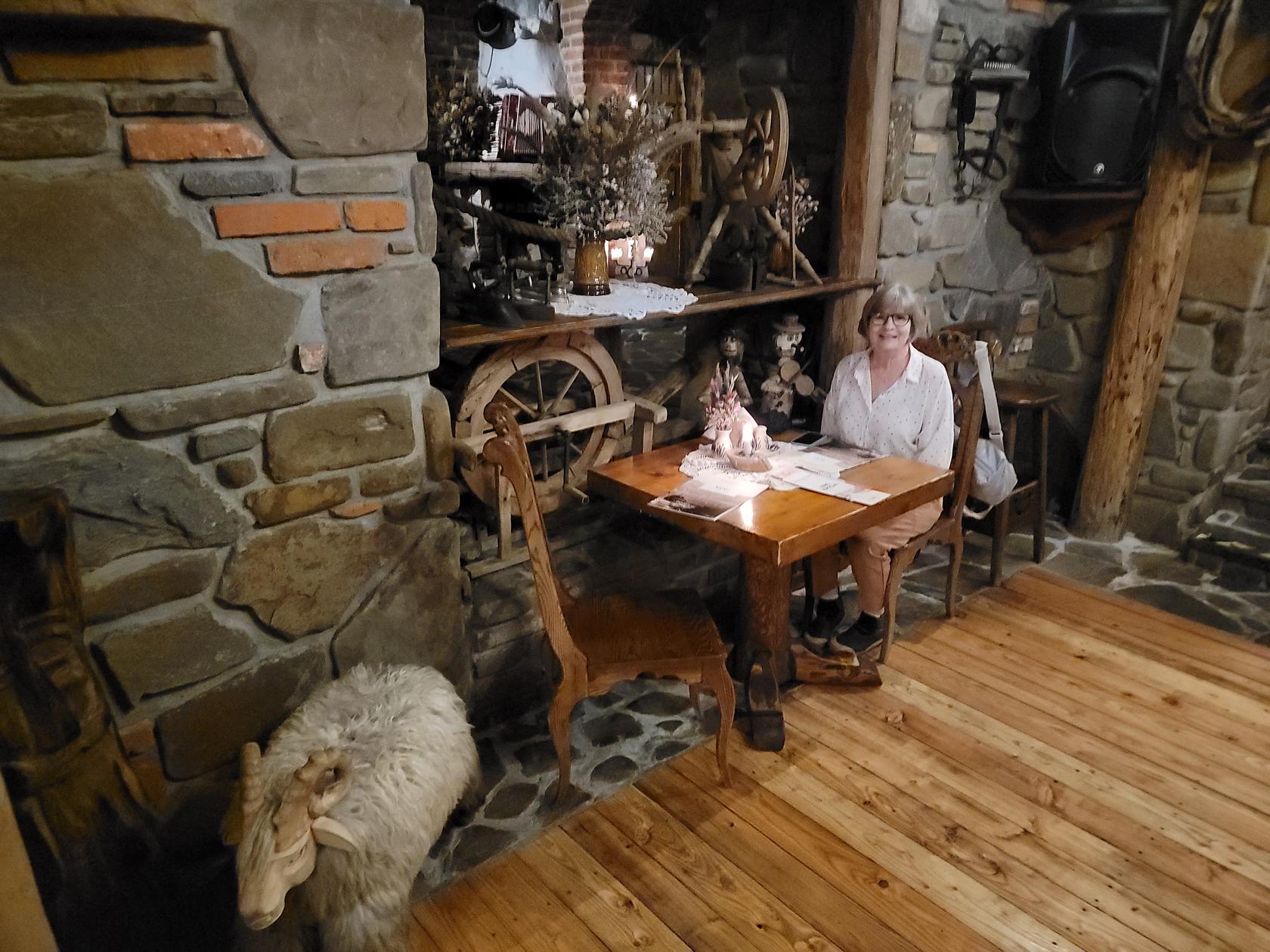
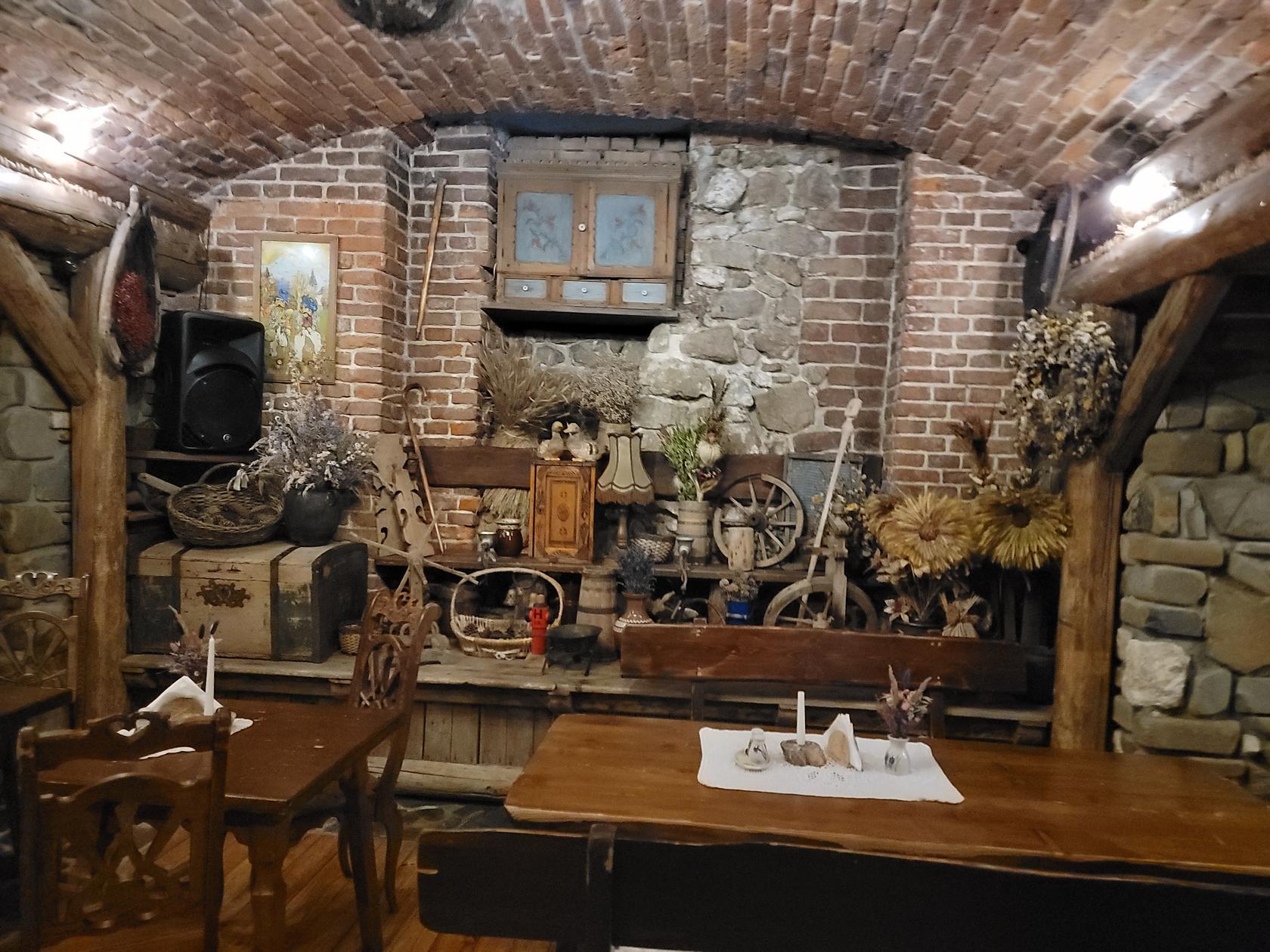
Basement Restaurant – Długa Street – Gdańsk, Poland
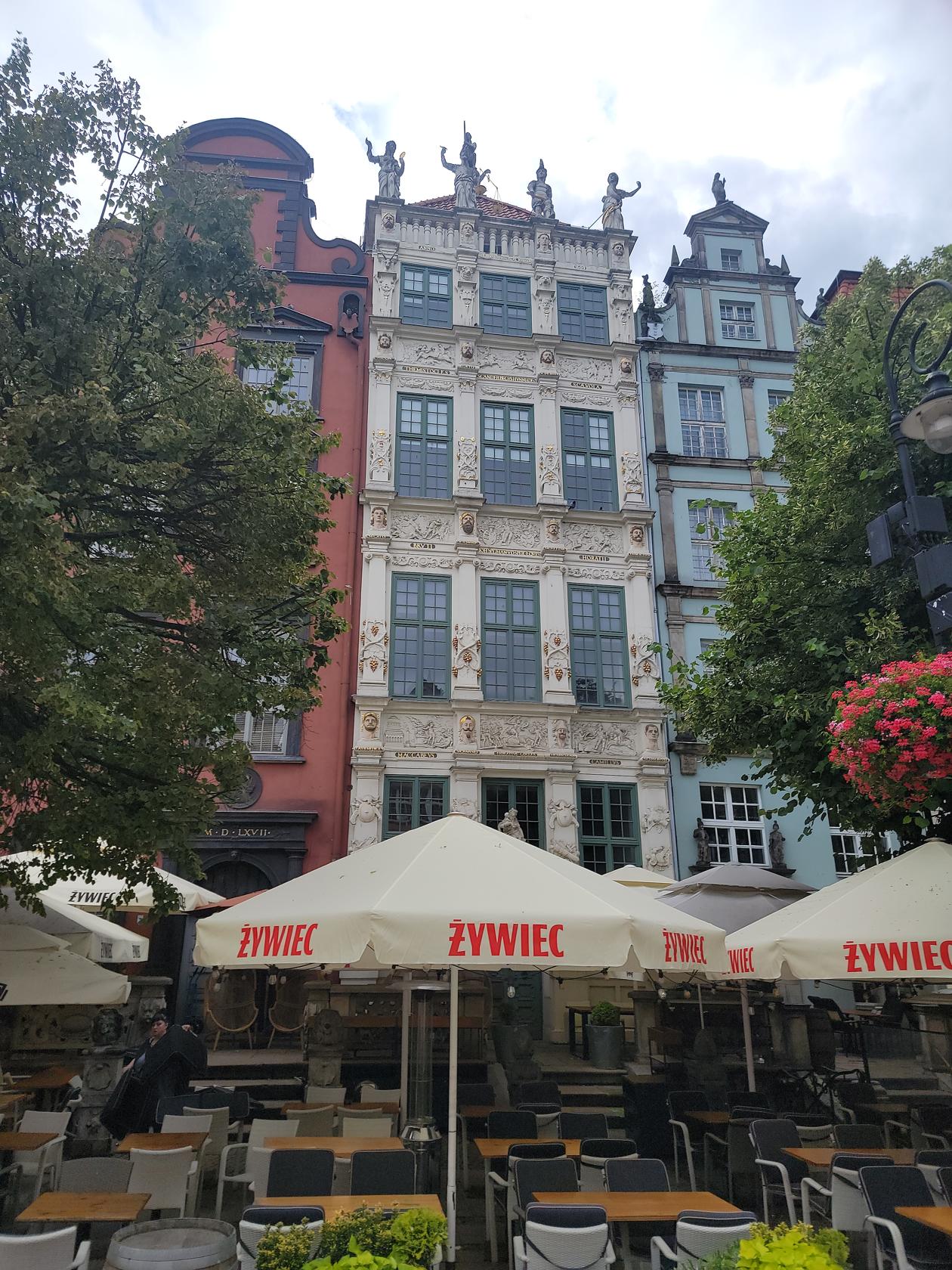
Golden House – Długa Street – Gdańsk, Poland
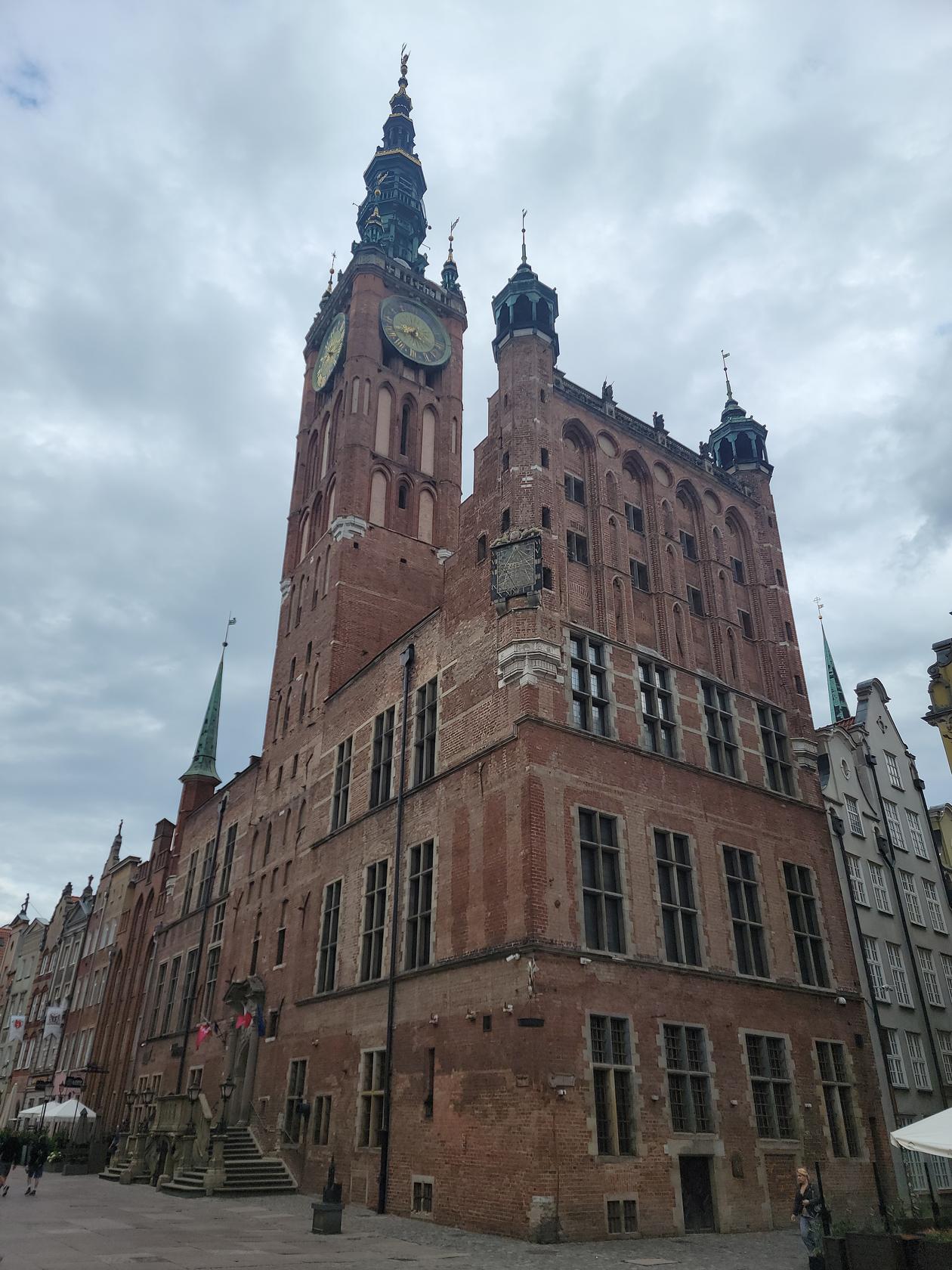
Town Hall – Długa Street – Gdańsk, Poland
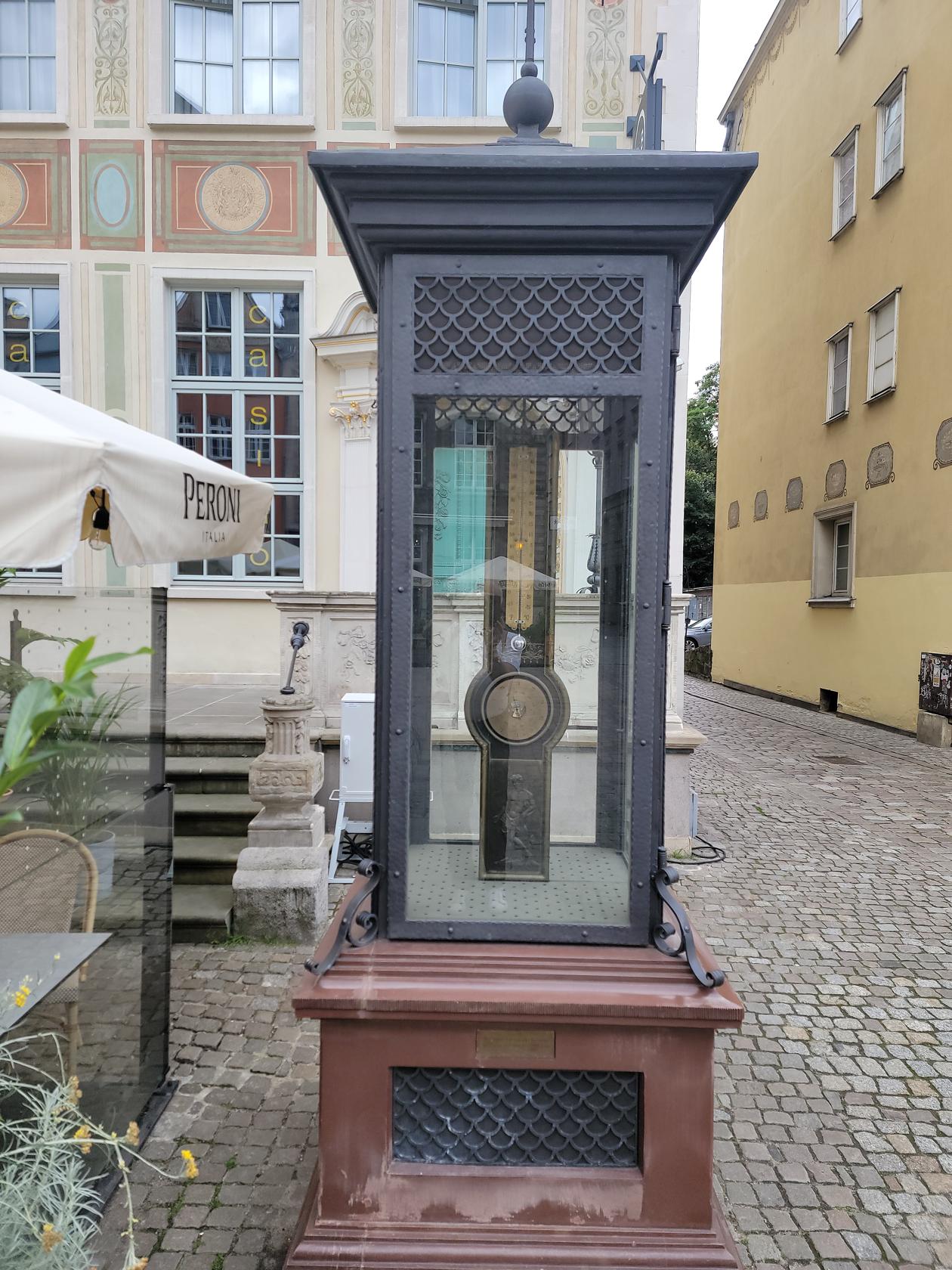
Fahrenheit Monument – Długa Street – Gdańsk, Poland
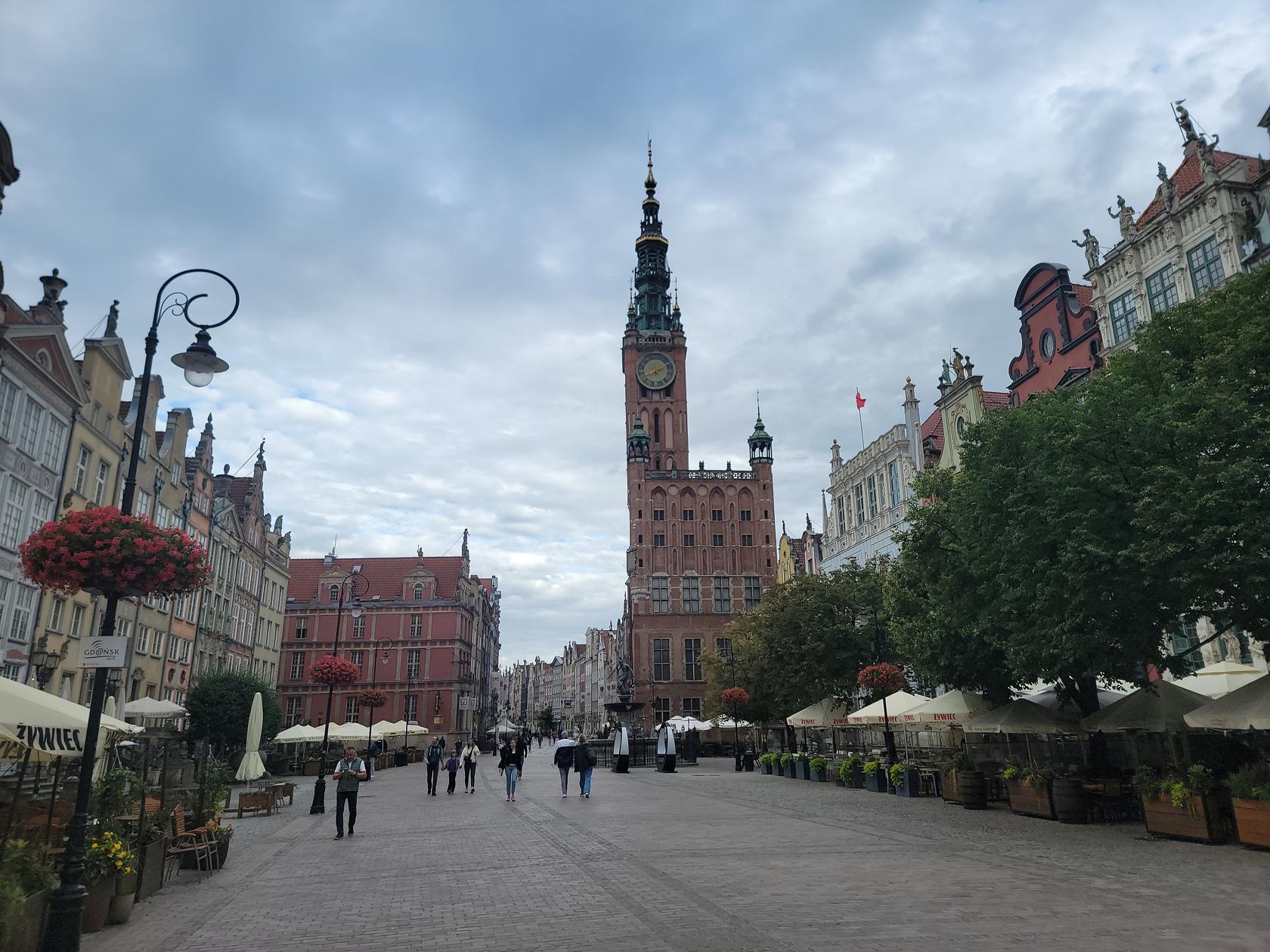
Long Market Place – Długa Street – Gdańsk, Poland
Long Market Place – Długa Street – Gdańsk, Poland
Neptune Fountain – Długa Street – Gdańsk, Poland
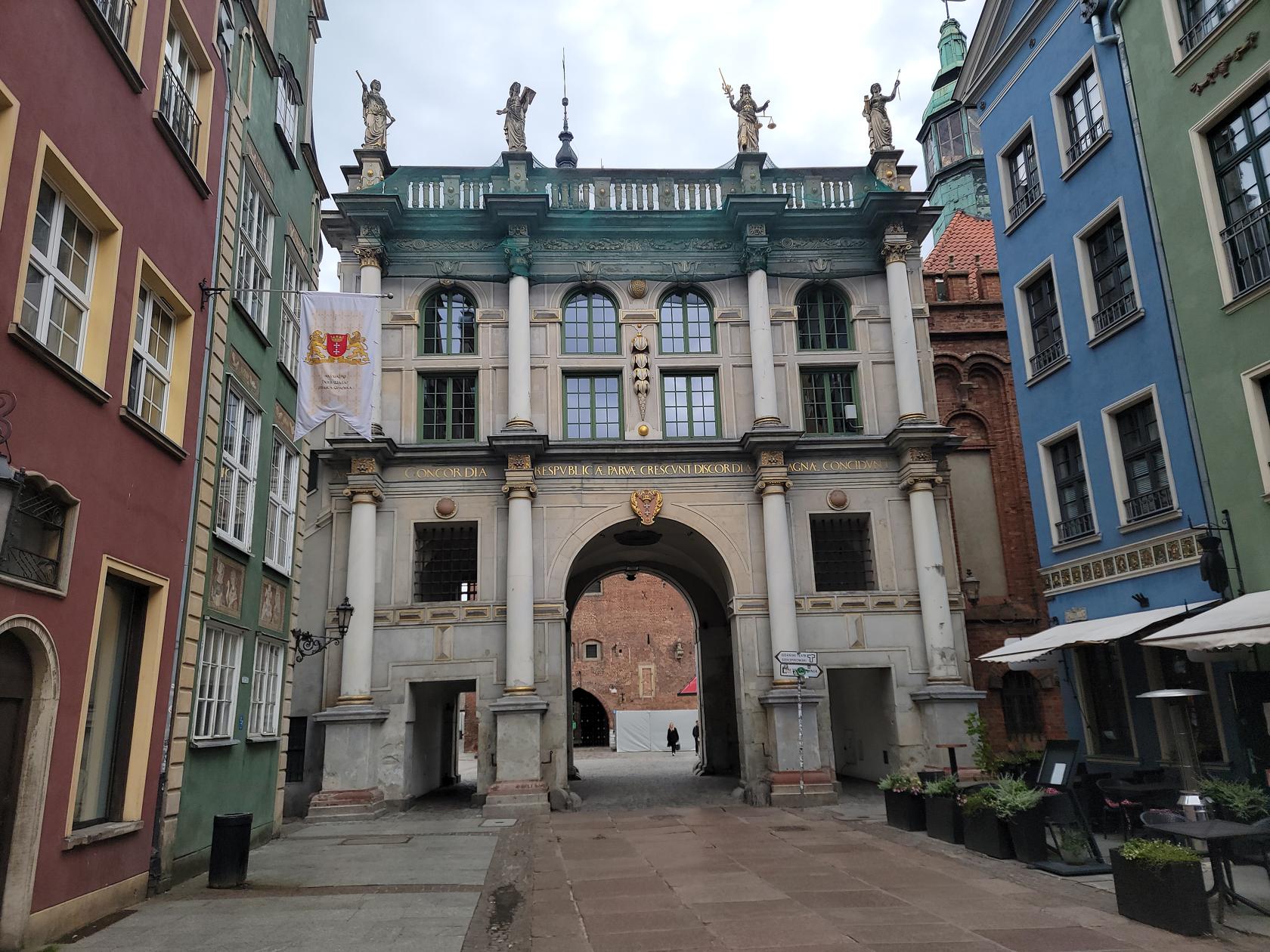
It is bounded by the Green Gate on the end by the river, and the Golden Gate, which is near the former main entrance to the town, including its barbican and Highland Gate.
Upper Długa Street – Gdańsk, Poland
Upper Długa Street – Gdańsk, Poland
Upper Długa Street – Gdańsk, Poland
Upper Długa Street – Gdańsk, Poland
Upper Długa Street – Gdańsk, Poland
Upper Długa Street – Gdańsk, Poland
Upper Długa Street – Gdańsk, Poland
Golden Gate – Upper Długa Street – Gdańsk, Poland
Mariacka Street
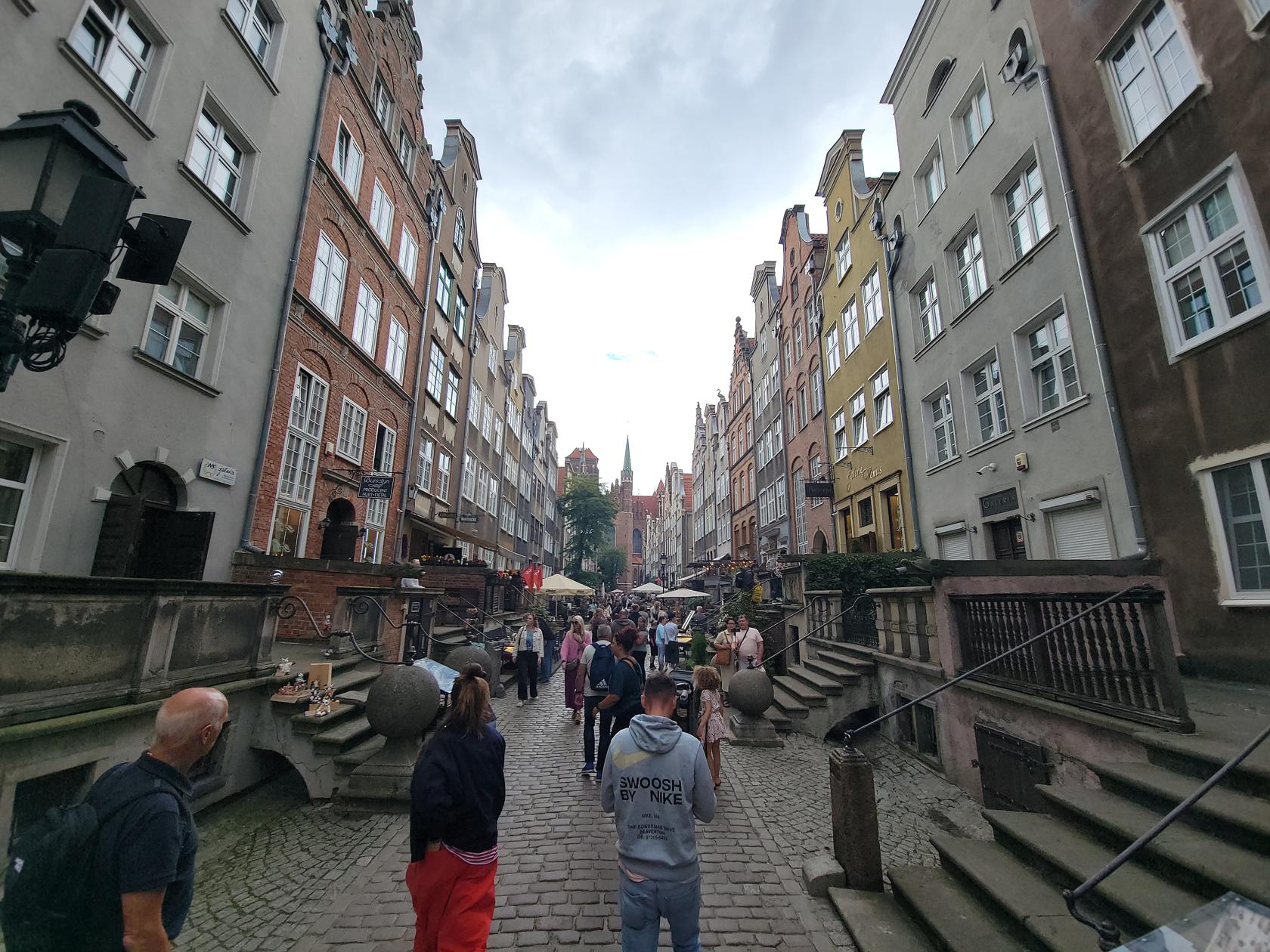
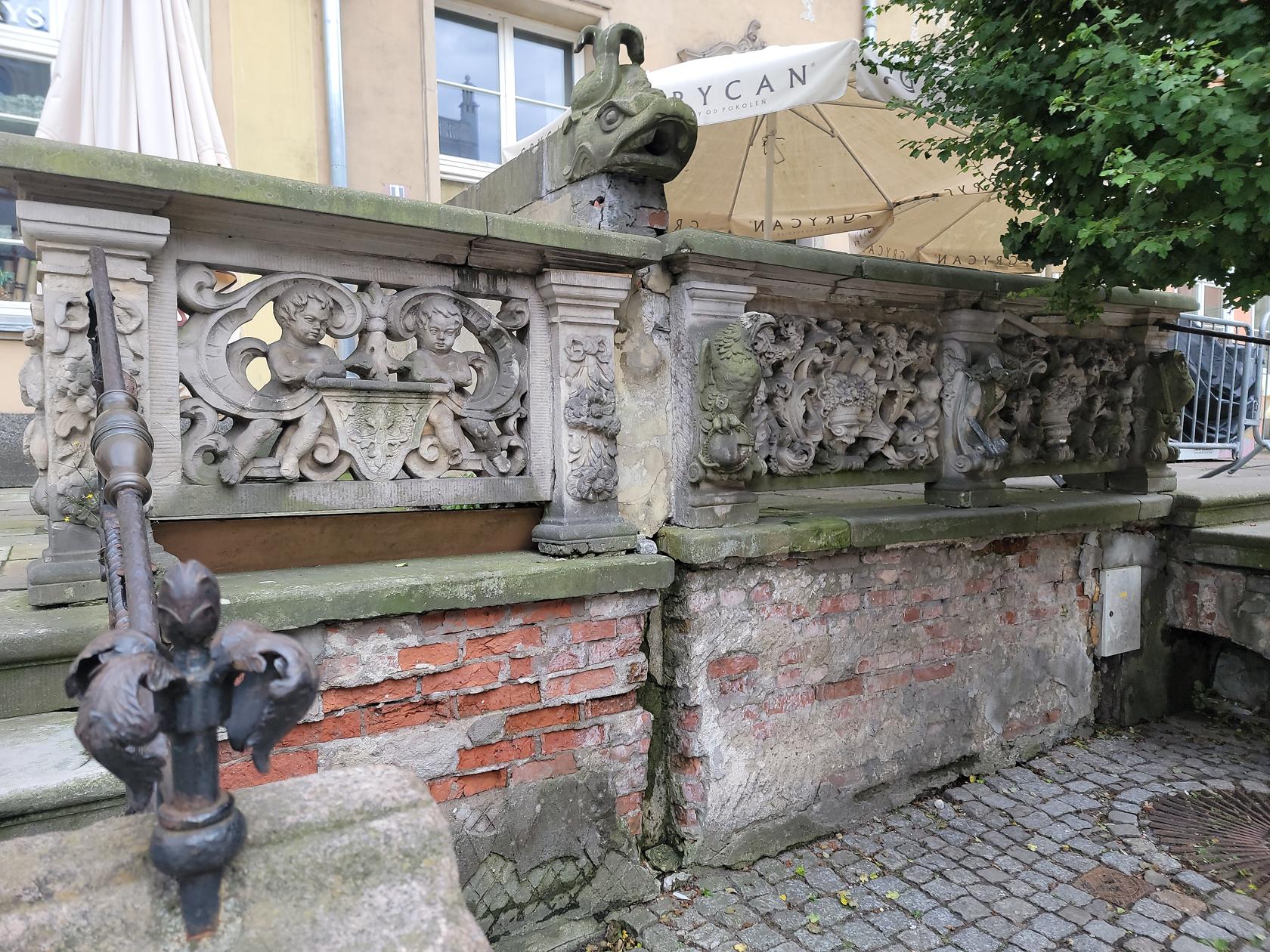
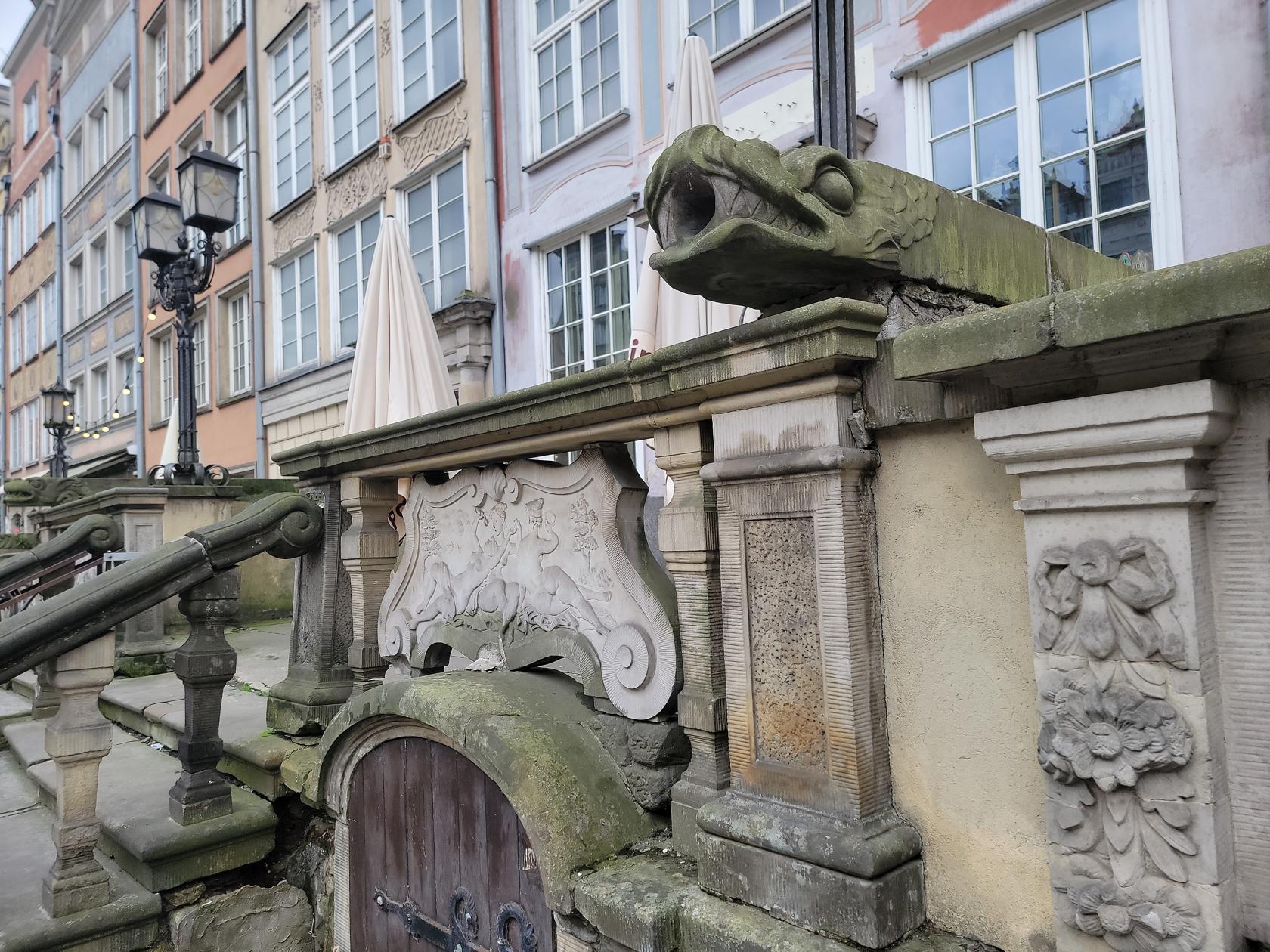
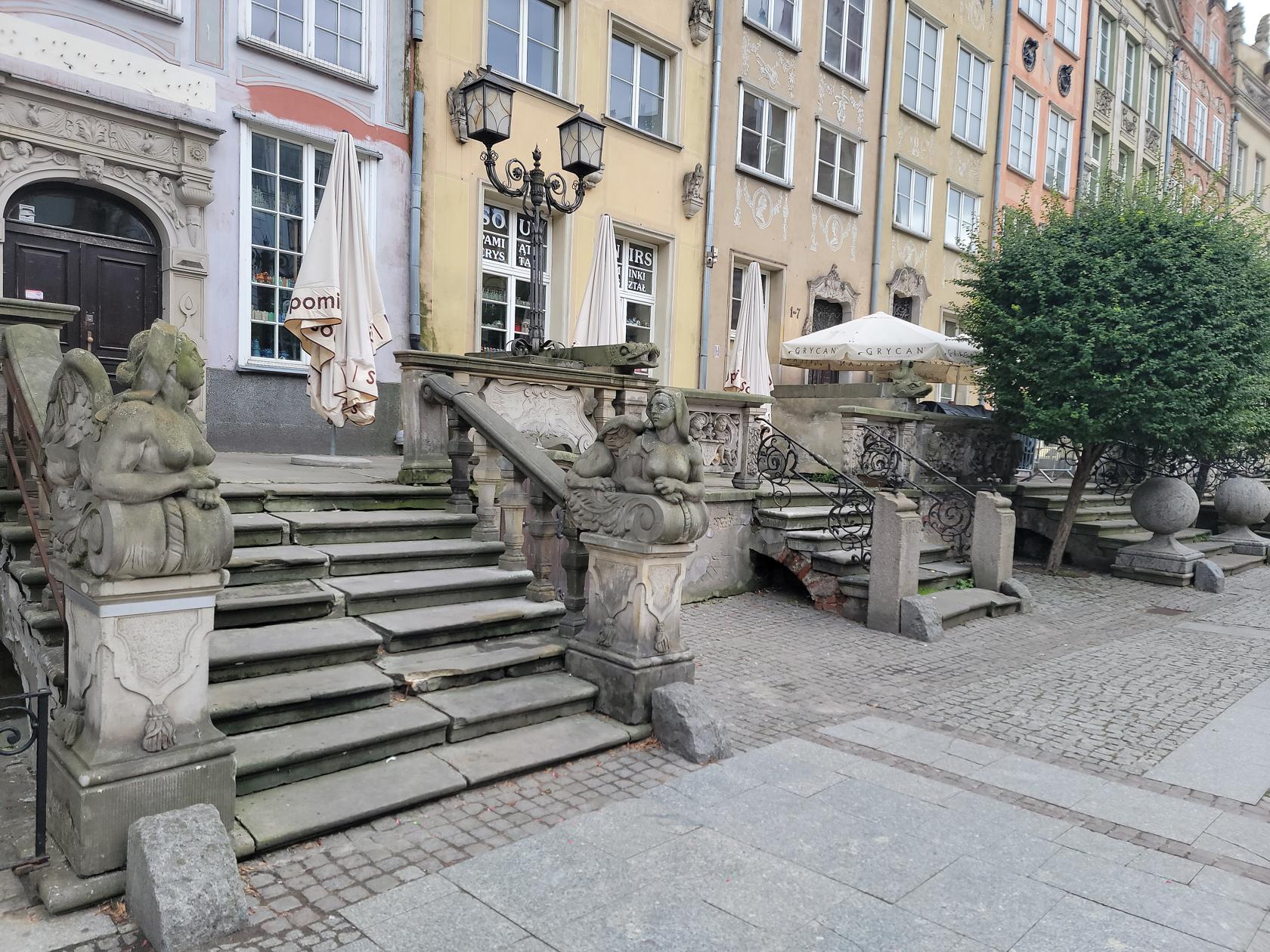
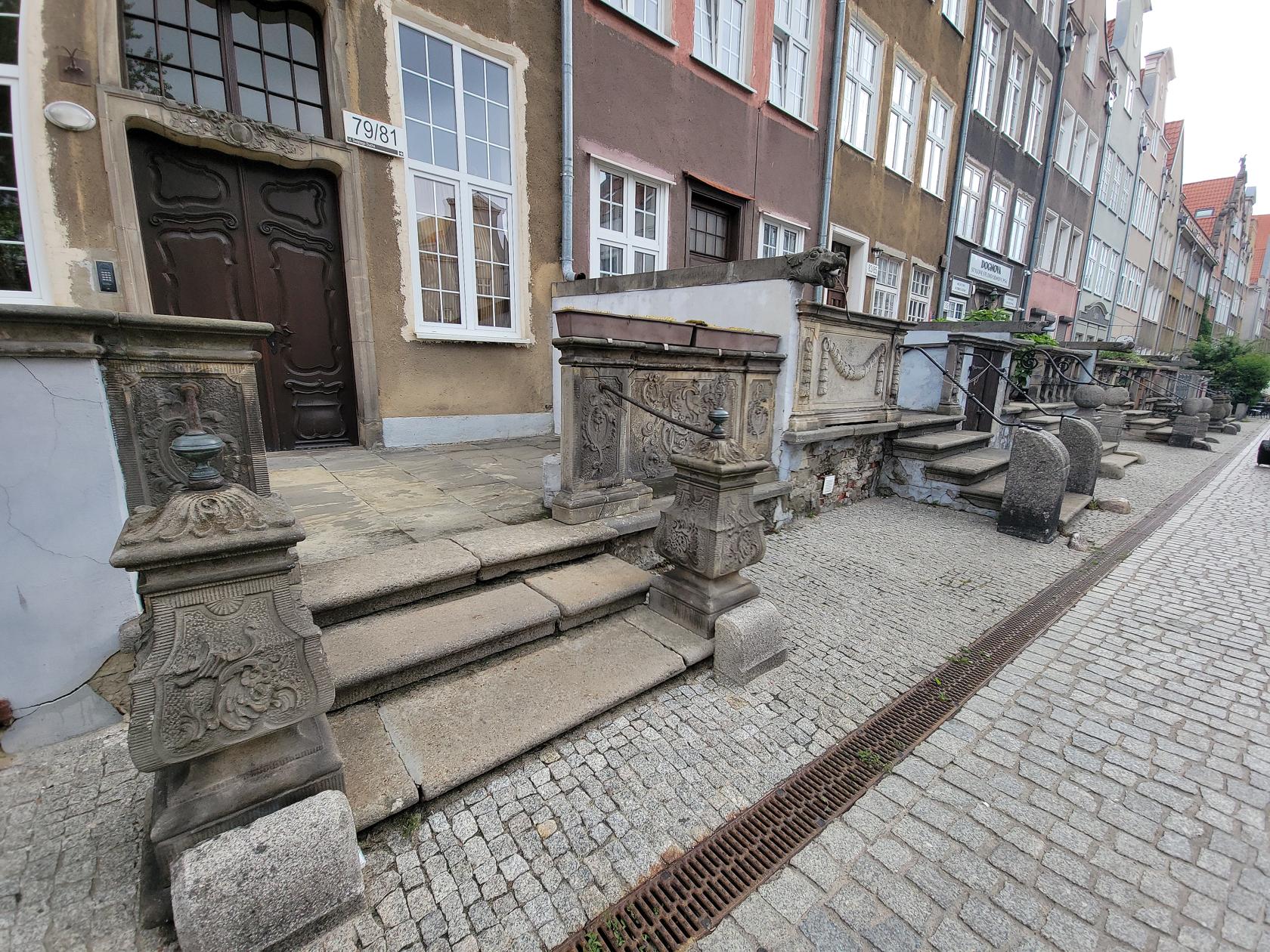
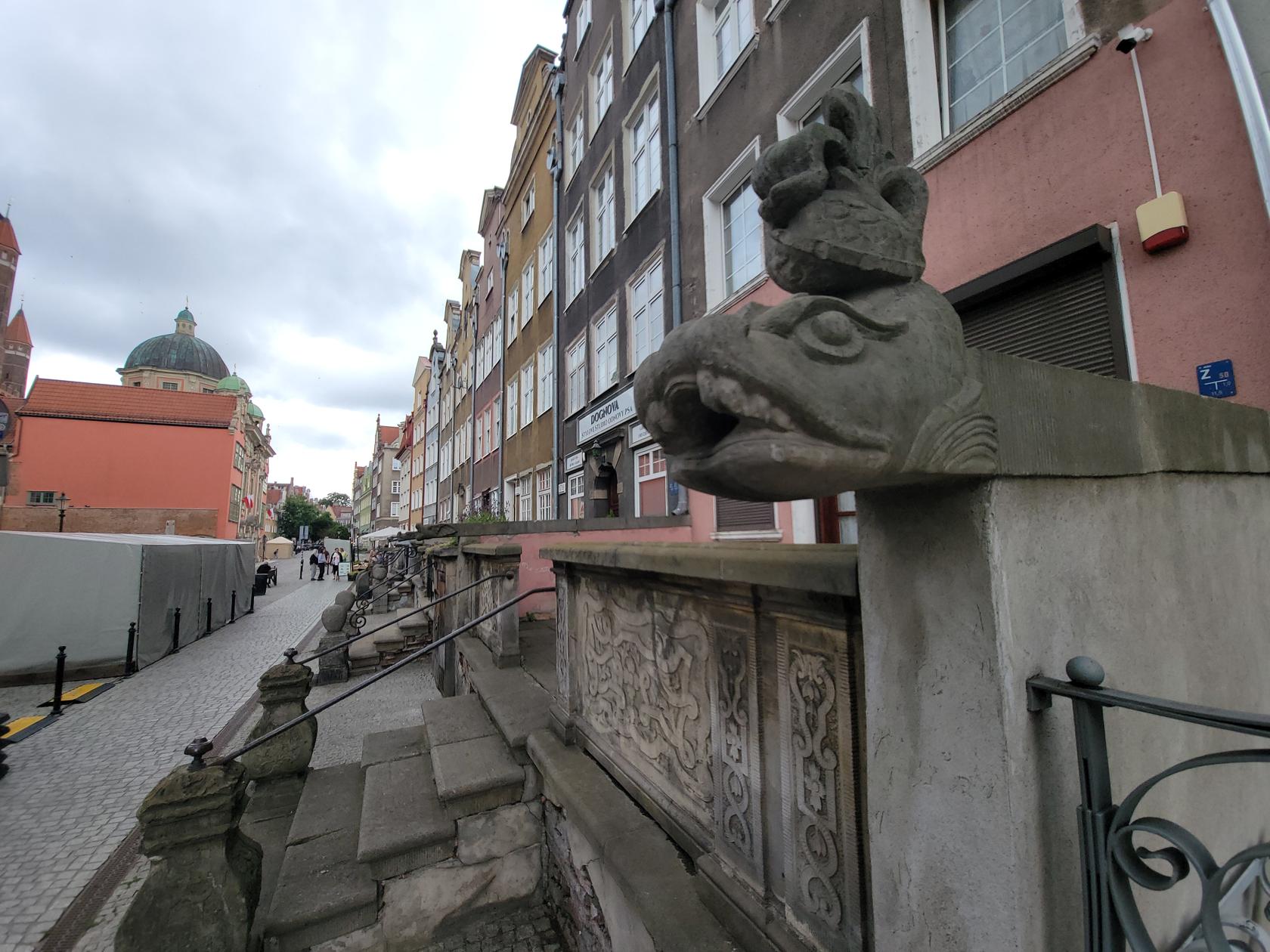
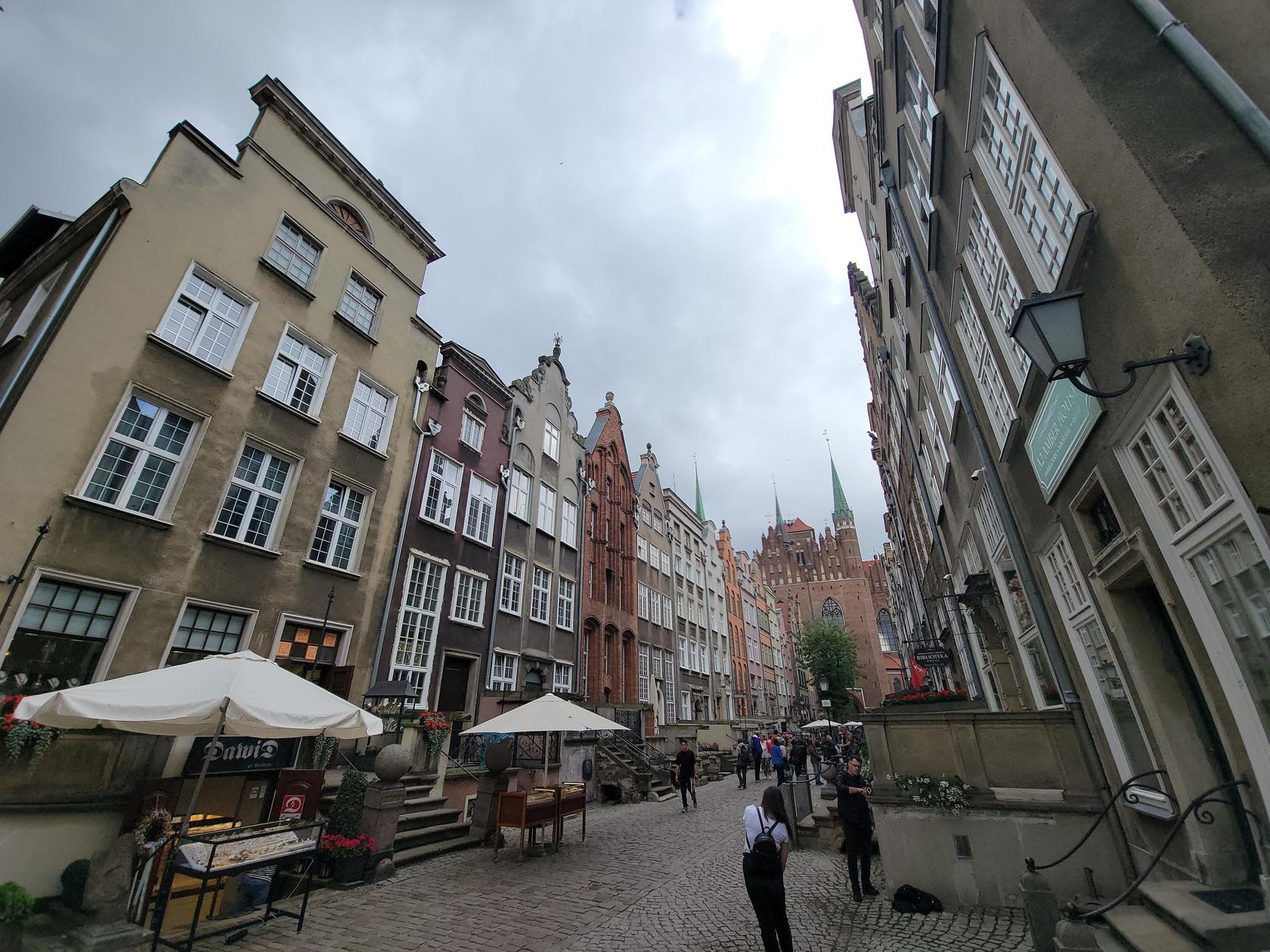
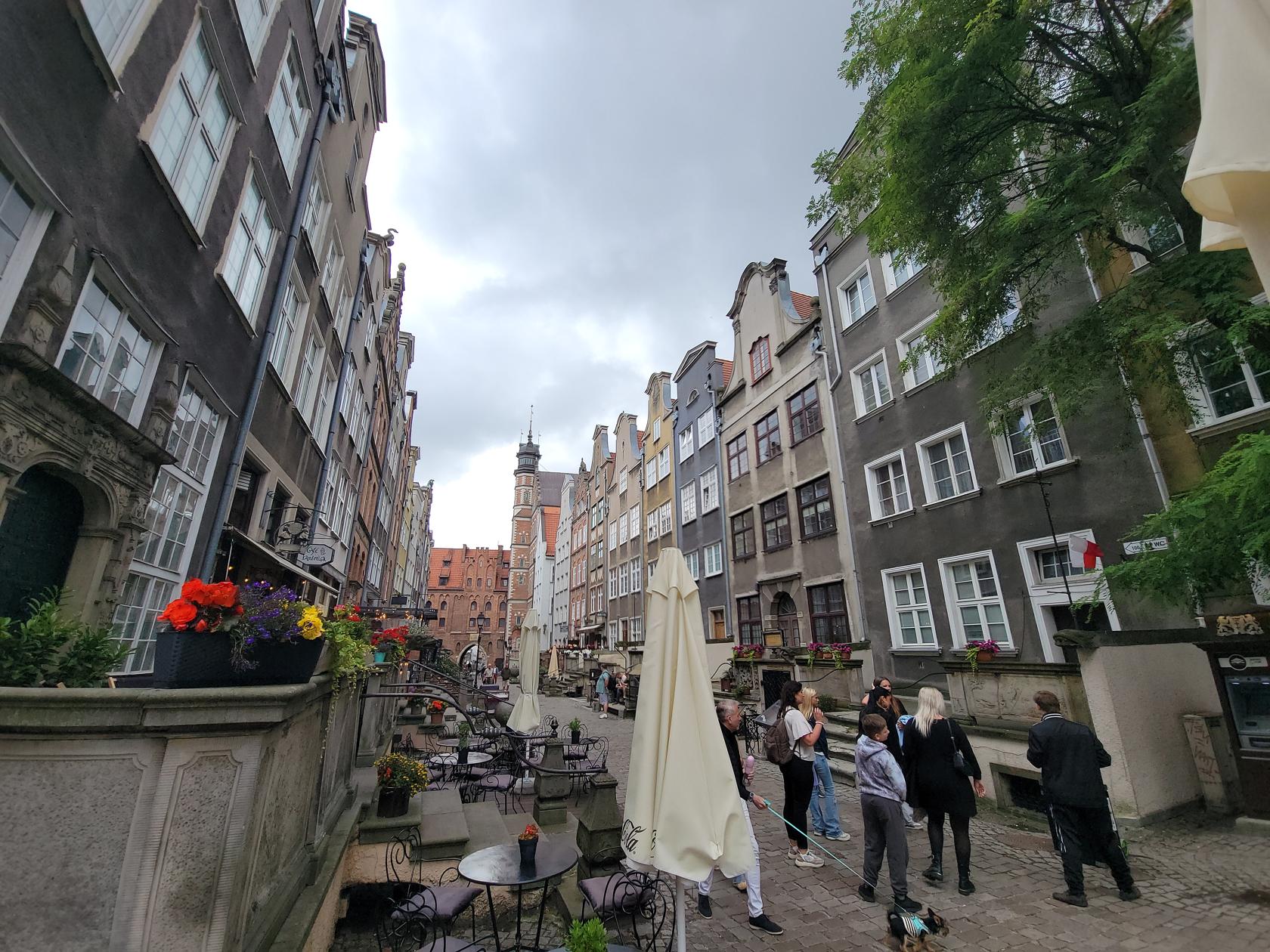
Parallel to Long Lane is Mariacka Street, an unusual sort of street due to its narrowness and odd balustrades on the stoops of each of the houses that line the street.
Mariacka Street – Gdańsk, Poland
Ornate Downspouts – Mariacka Street – Gdańsk, Poland
Ornate Downspouts – Mariacka Street – Gdańsk, Poland
Ornate Balustades – Mariacka Street – Gdańsk, Poland
Each balustrade was made unique so that the owner could identify his building when the river overflowed it’s banks. Most of the houses here are also quaintly decorated, though many have fallen into disrepair over the years.
Mariacka Street – Gdańsk, Poland
Mariacka Street – Gdańsk, Poland
Mariacka Street – Gdańsk, Poland
Mariacka Street – Gdańsk, Poland
Raduni Canal
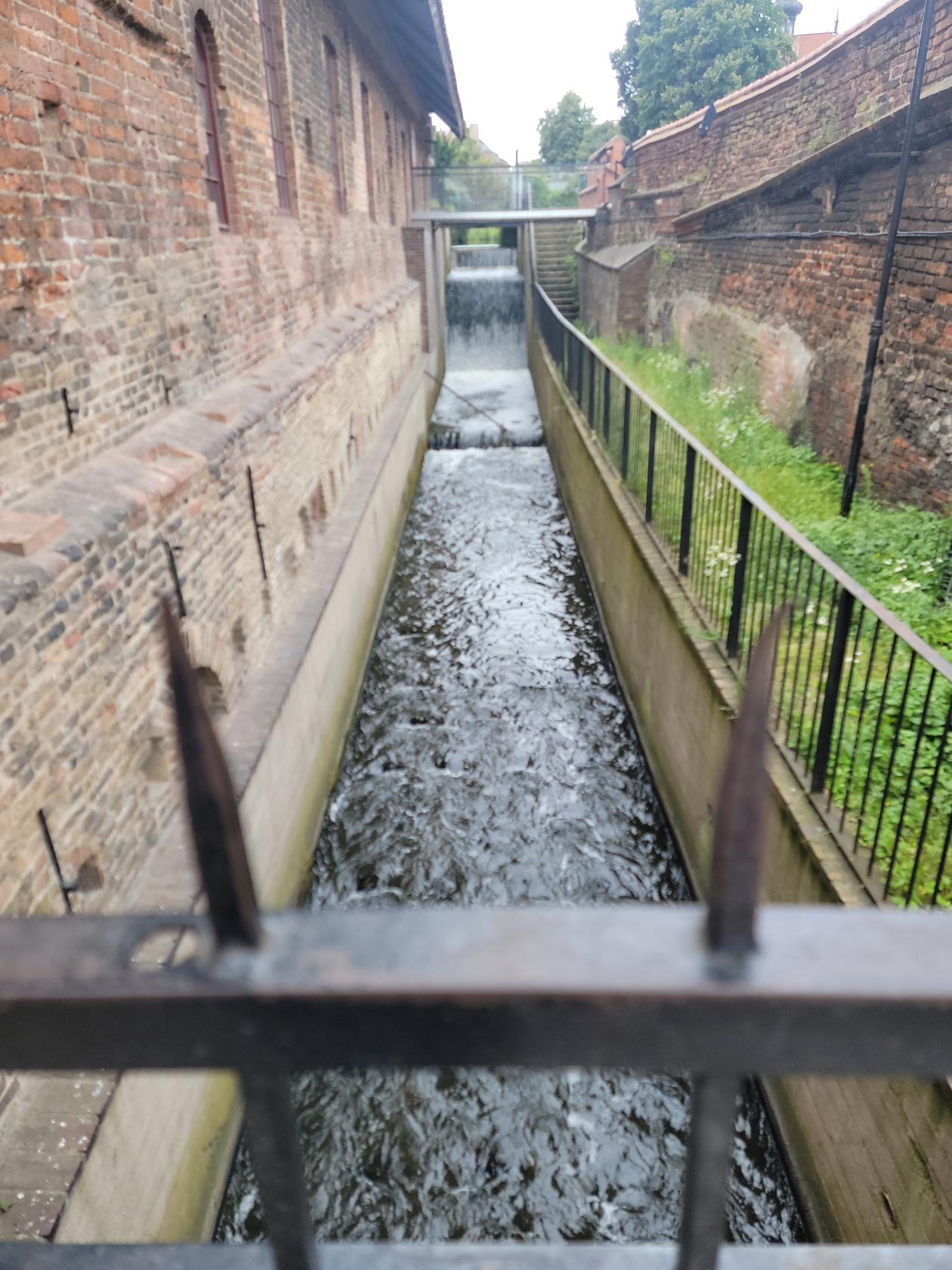
Another interesting place to visit is the area around the Raduni Canal. This is located on the other side of the basilica and Roman Keller.
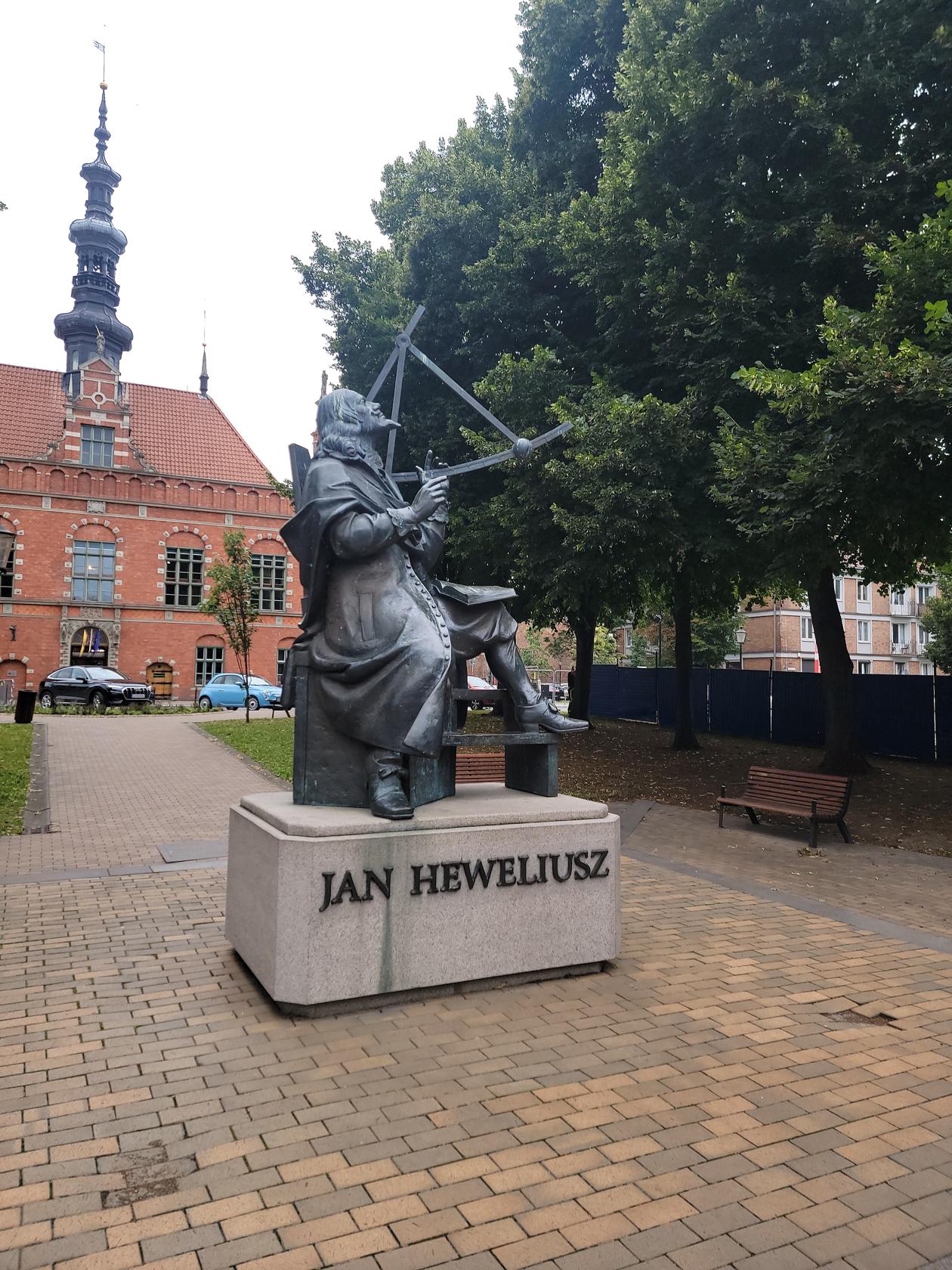
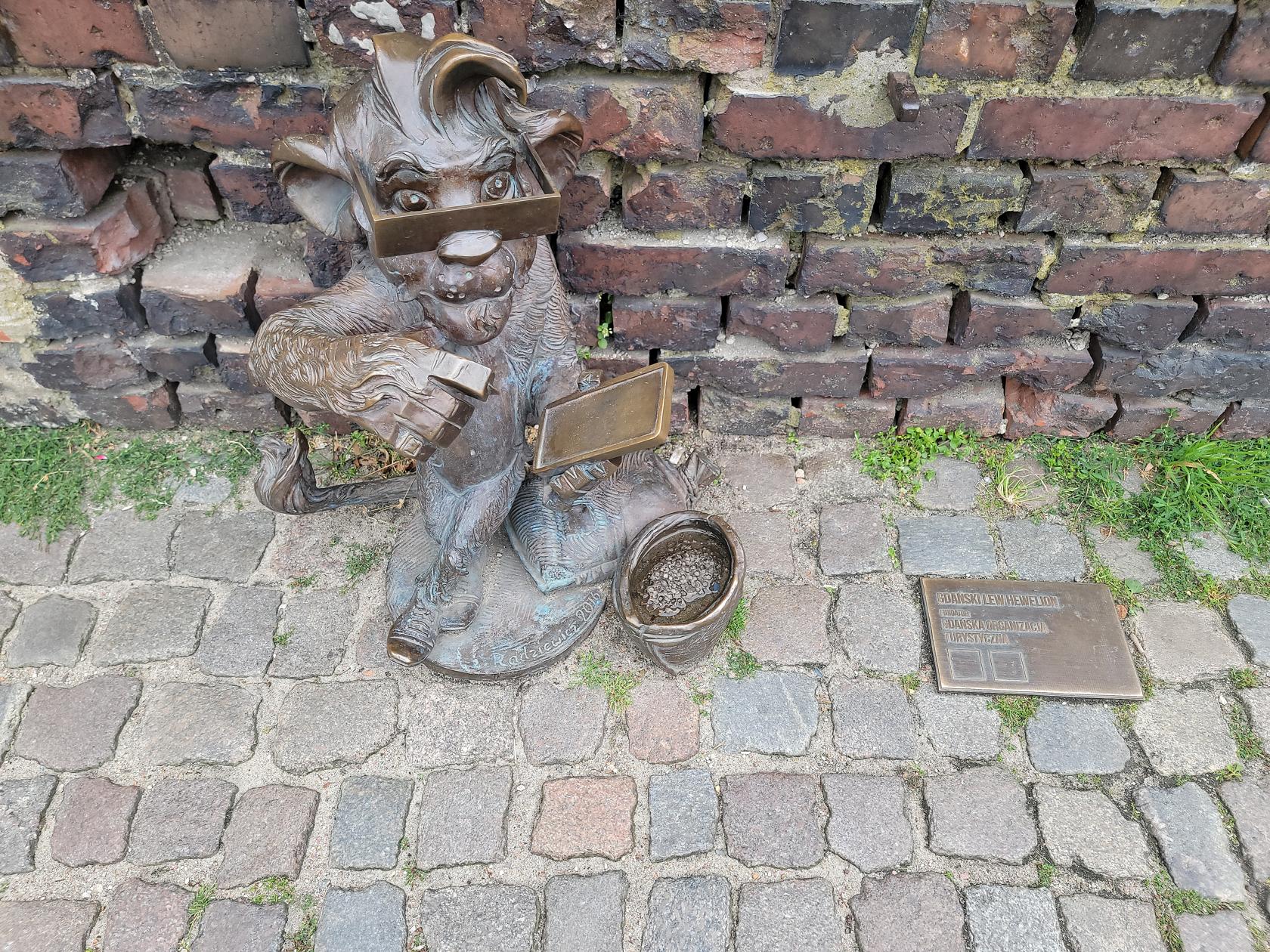
Jan Heweliusz – Radunia Canal – Gdańsk, Poland
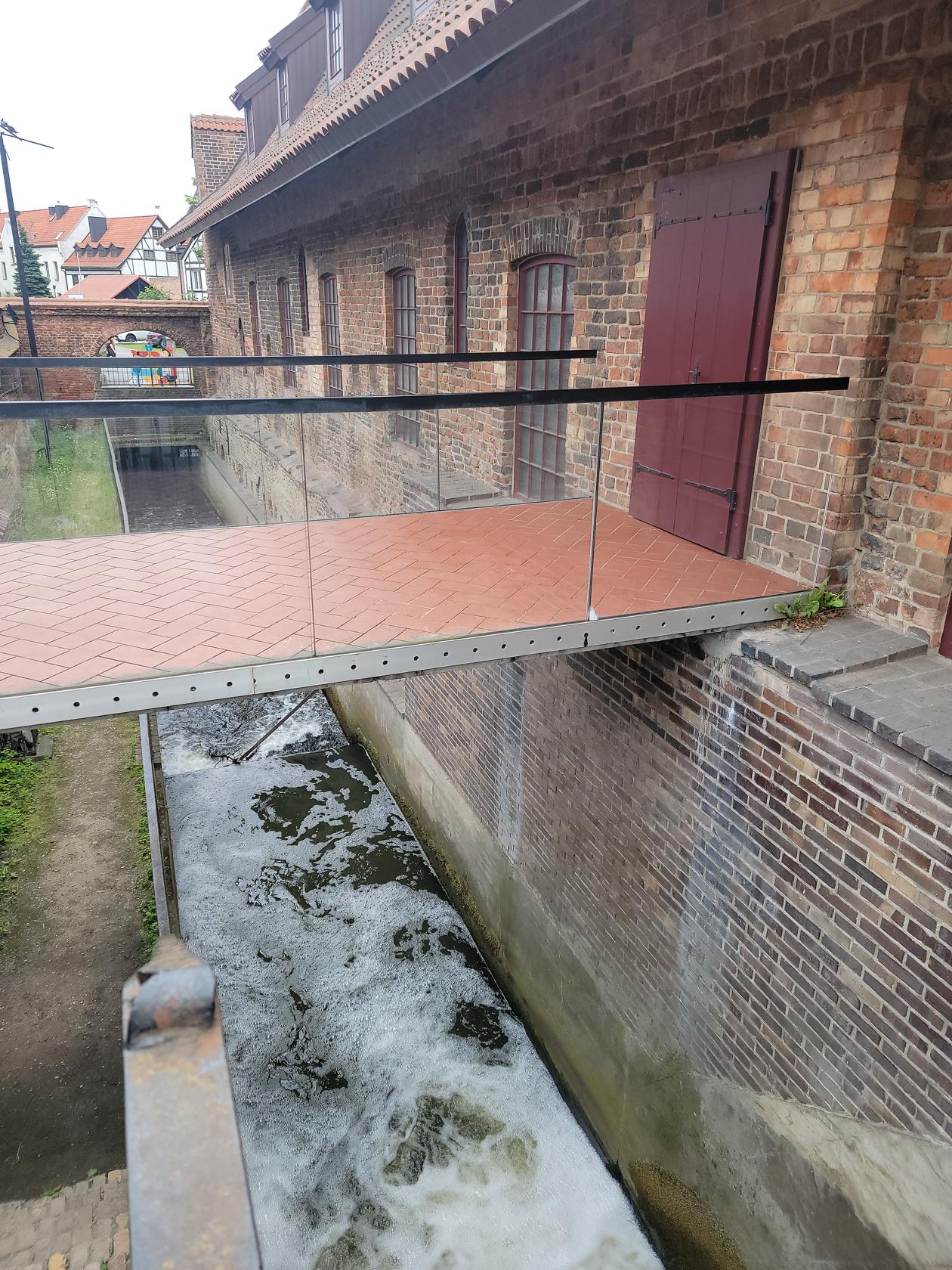
Mill – Radunia Canal – Gdańsk, Poland
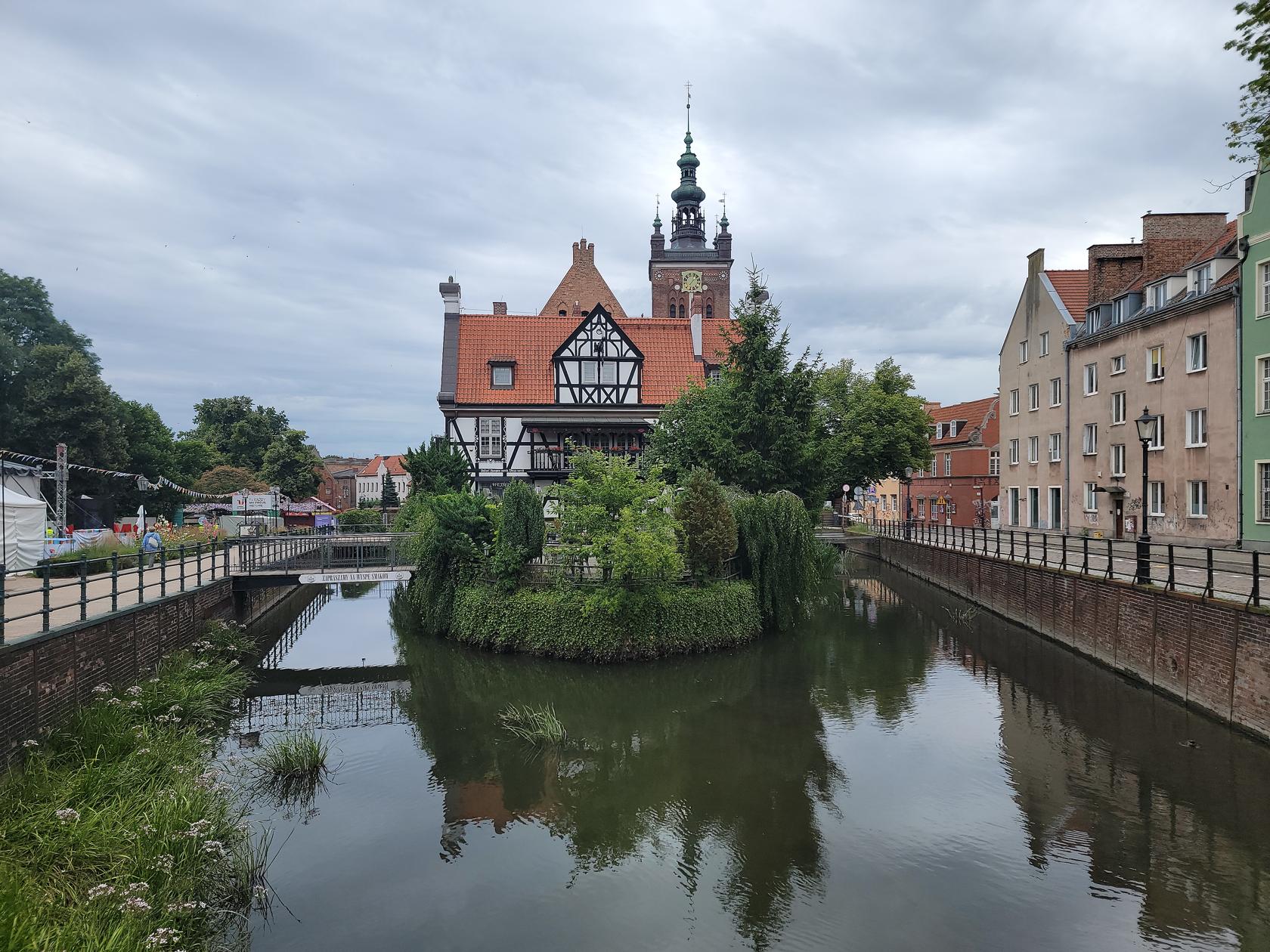
Radunia Canal – Gdańsk, Poland
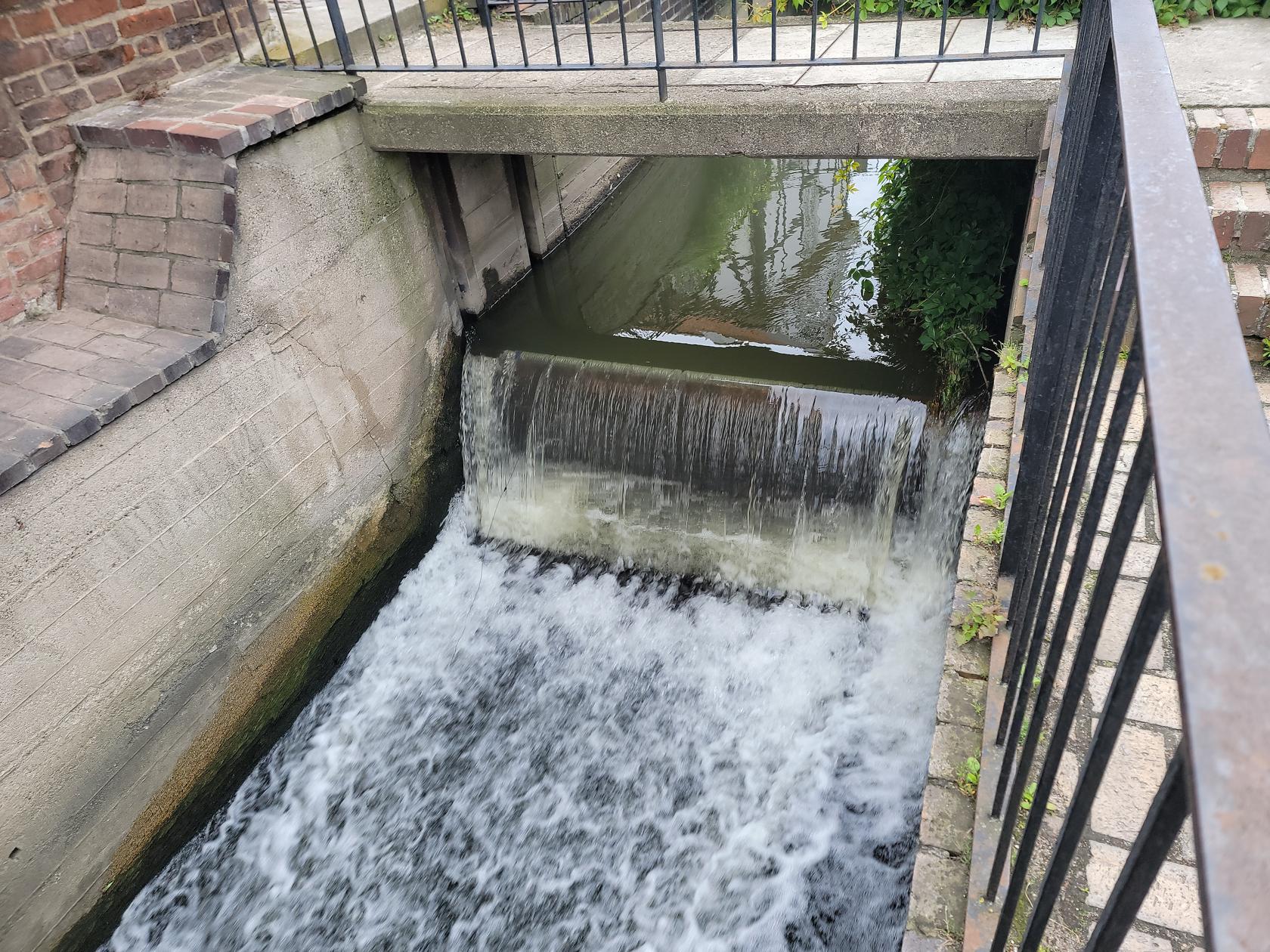
Waterfall by Mill – Radunia Canal – Gdańsk, Poland
Lew Hewelion Businessman Small Bronz – Radunia Canal – Gdańsk, Poland
Dom Sygnatora – Gdańsk, Poland
Radunia Canal – Gdańsk, Poland
Museum – Radunia Canal – Gdańsk, Poland
Gates And More Gates
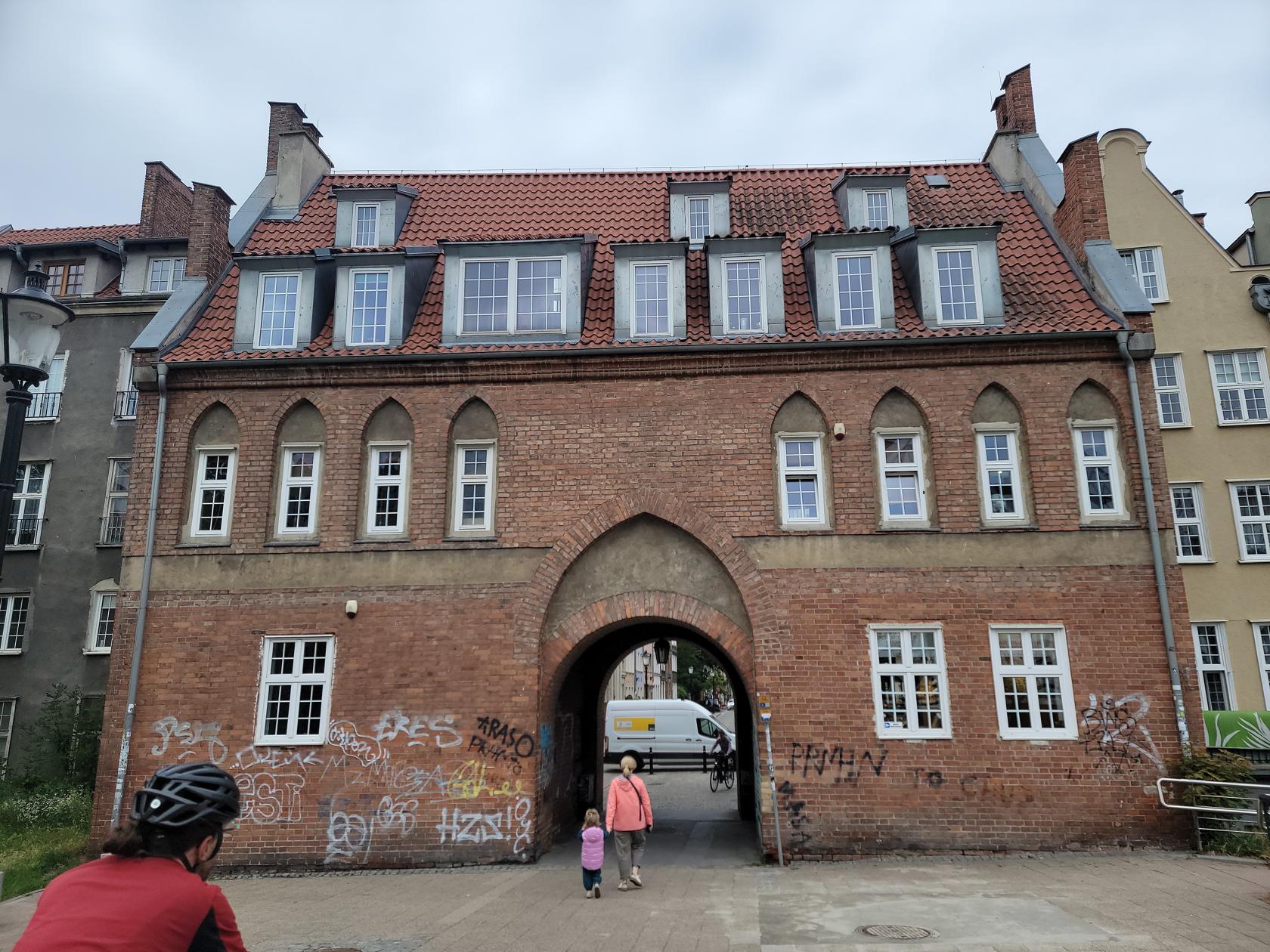
There are many gates in the old town, however most of the surviving ones still face the river.
Saint John’s Gate – Gdańsk, Poland
Straganiarska Gate – Motława River – Gdańsk, Poland
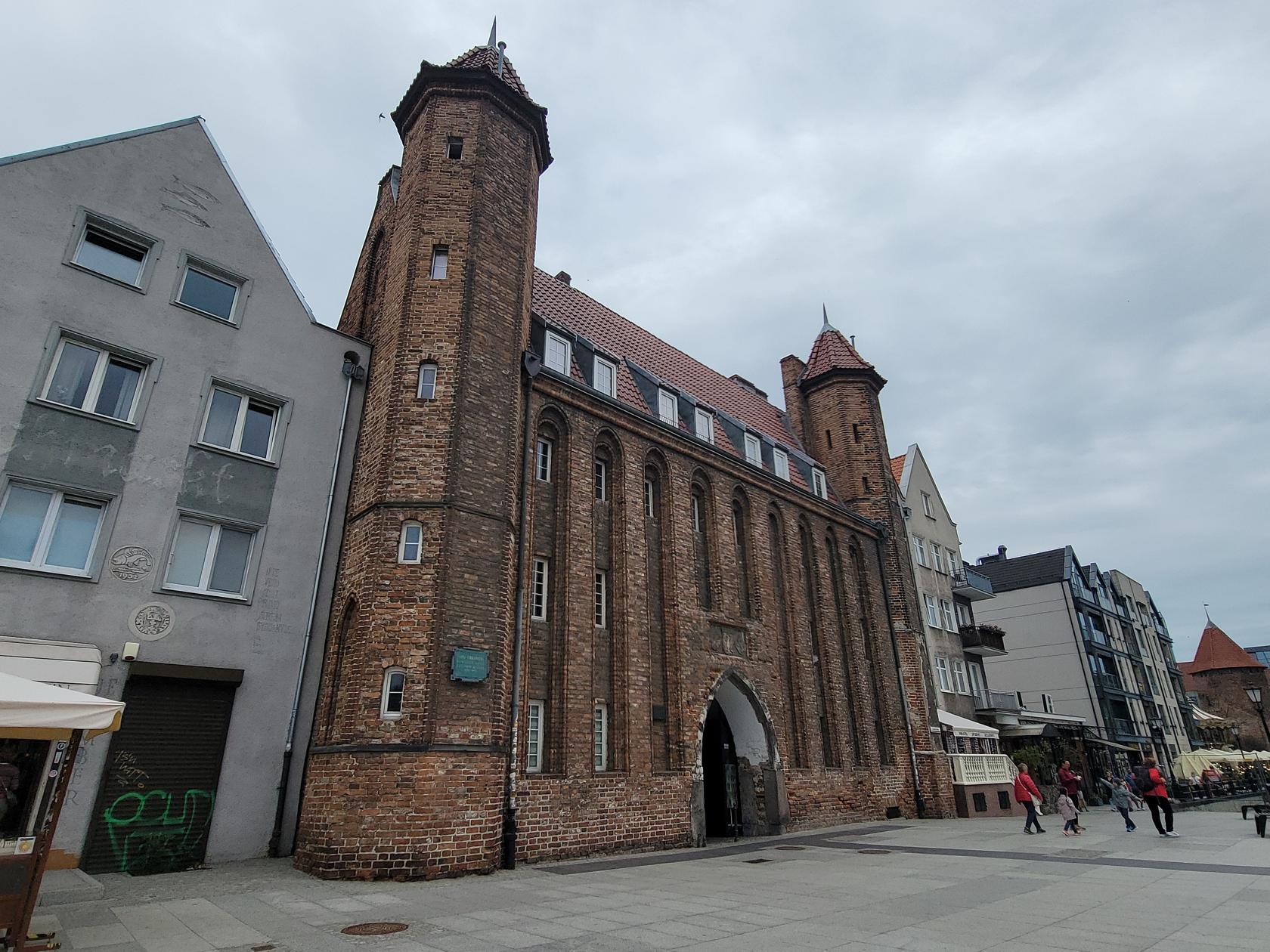
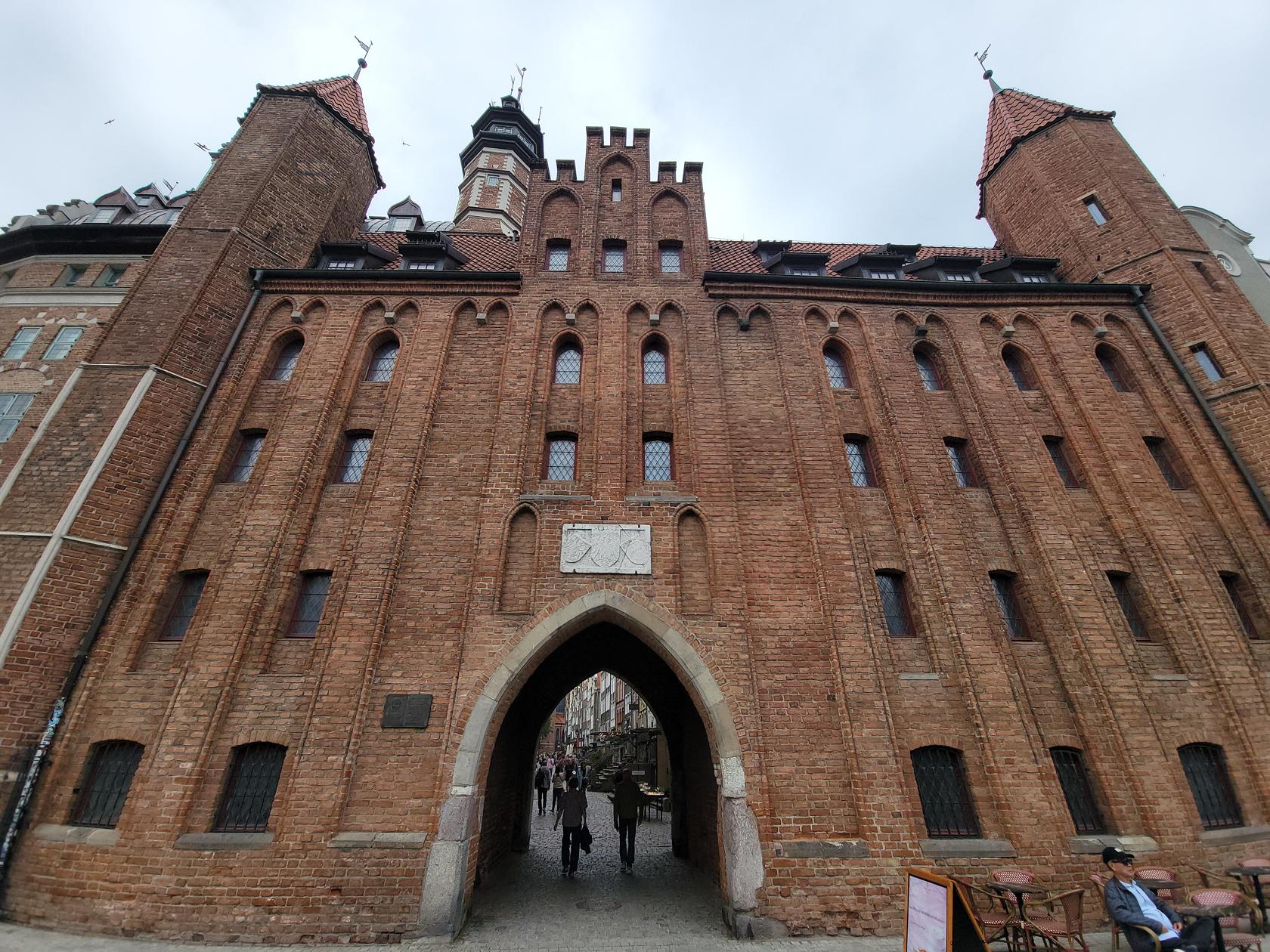
Saint Mary’s Gate – Motława River – Gdańsk, Poland
Chlebnicka Gate – Motława River – Gdańsk, Poland
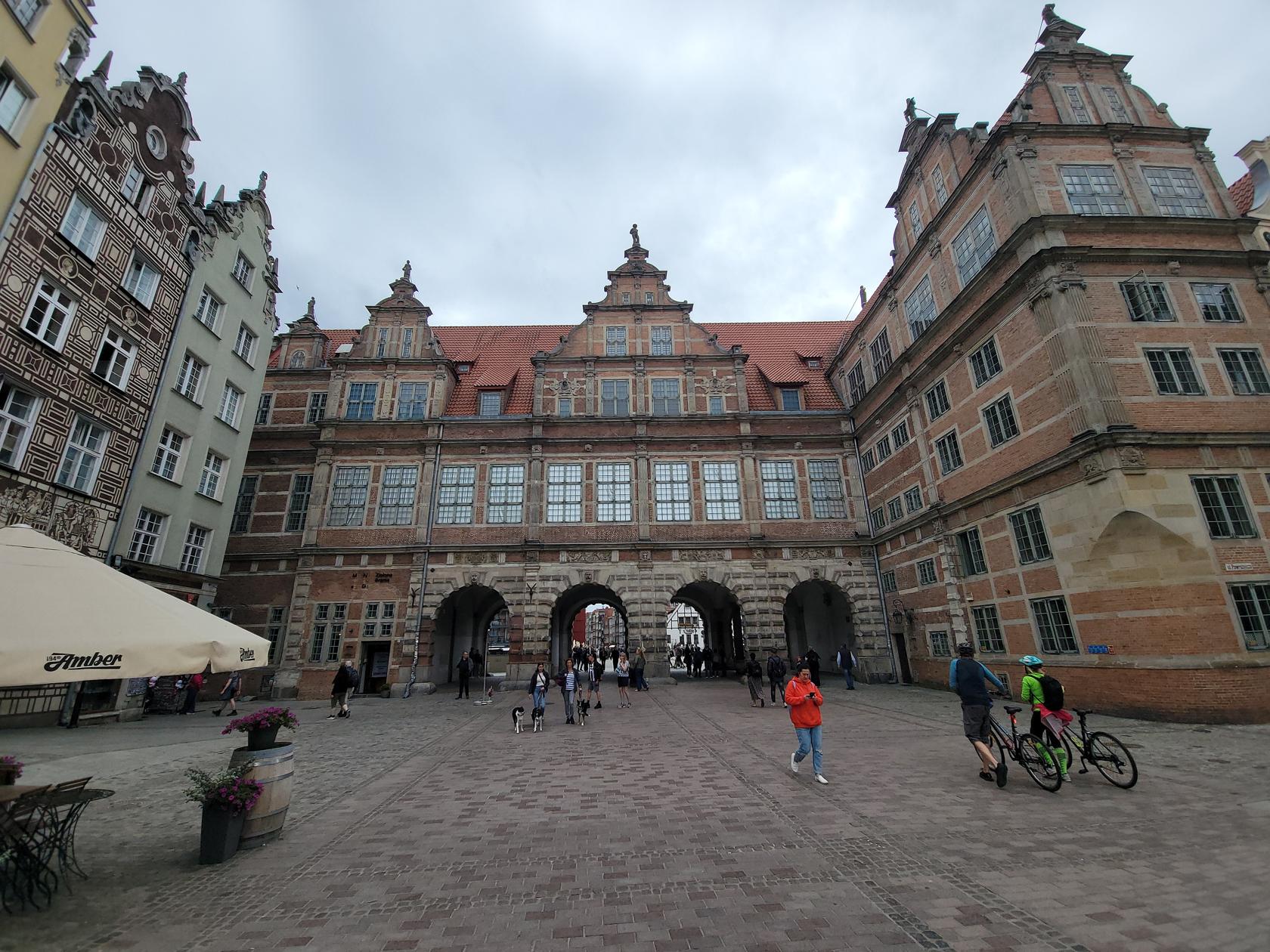
Green Gate – Motława River – Gdańsk, Poland
Cow’s Gate – Motława River – Gdańsk, Poland
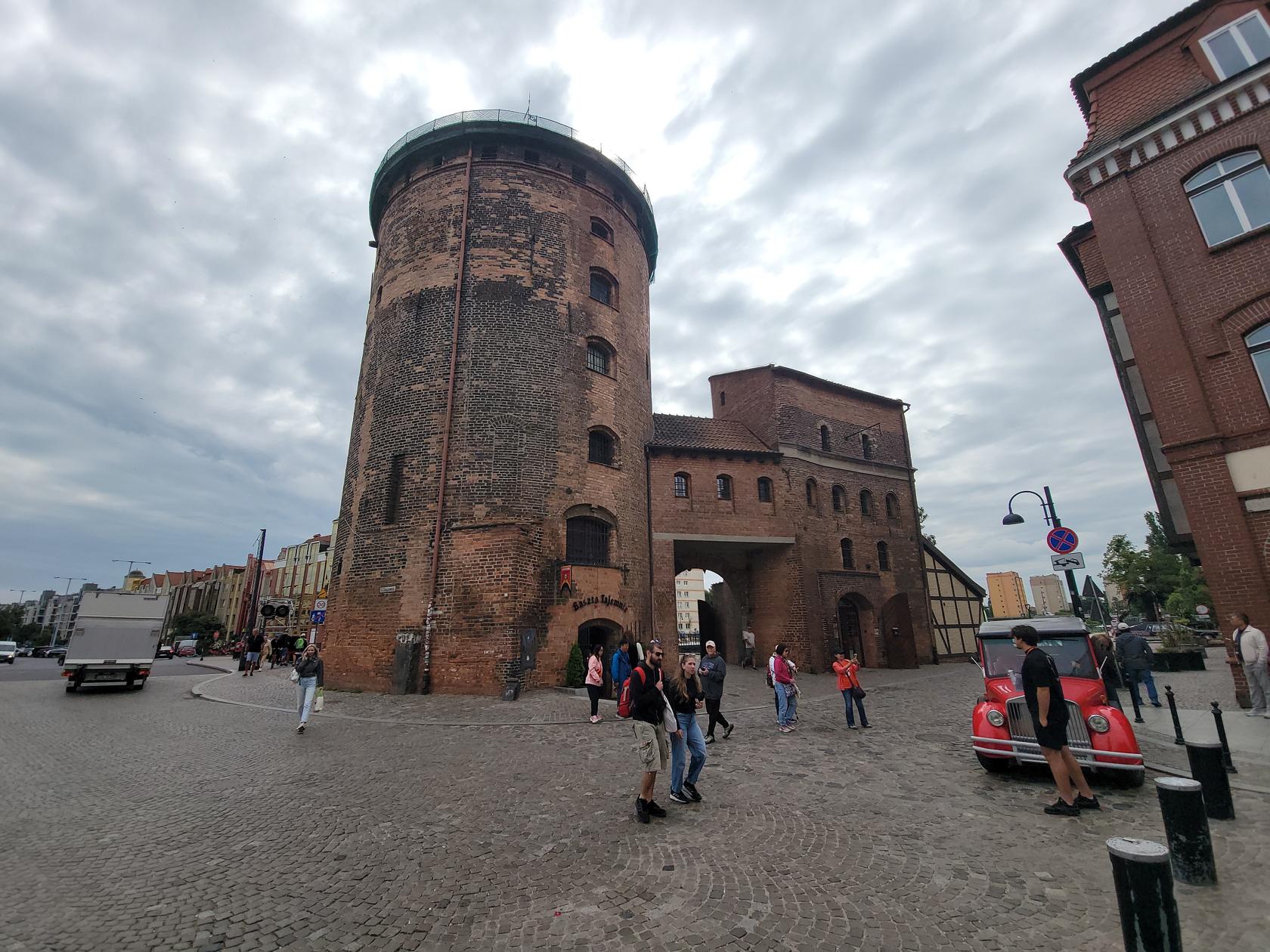
Barbican and Tower of Secrets Gate – Stągwie Mleczne – Motława River – Gdańsk, Poland
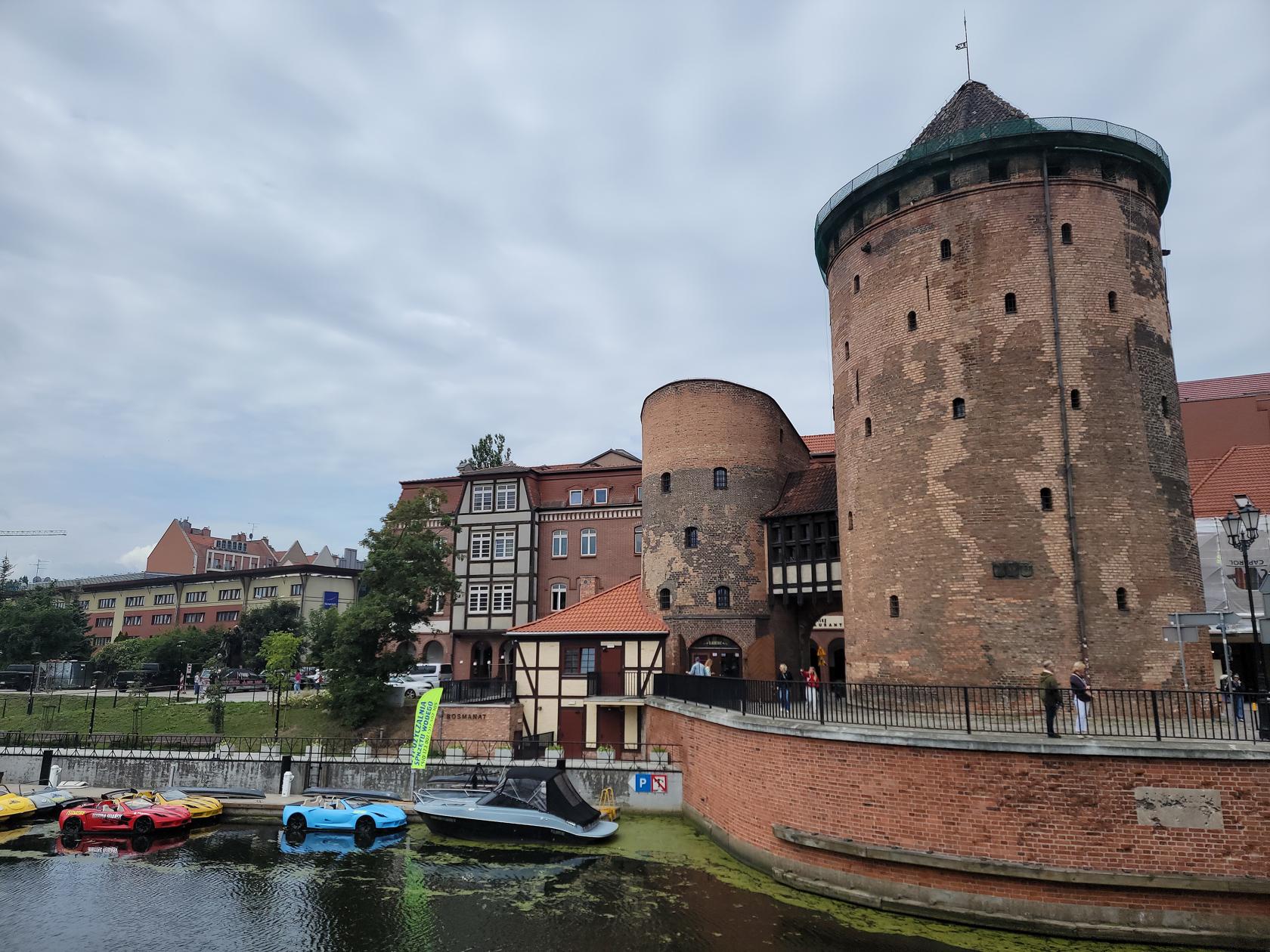
Barbican and Tower of Secrets Gate – Stągwie Mleczne – Motława River – Gdańsk, Poland
Saint Mary’s Gate – Motława River – Gdańsk, Poland
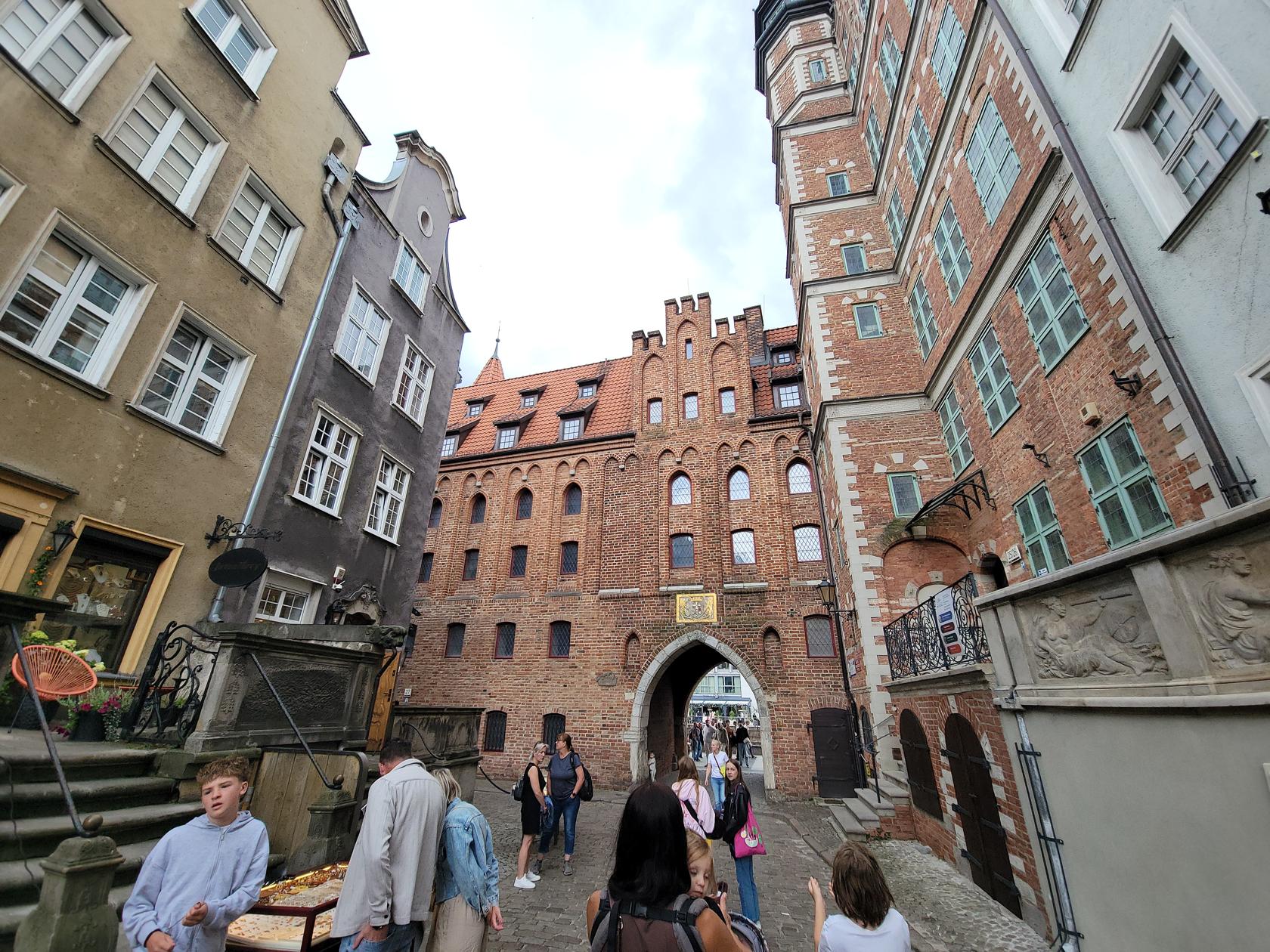
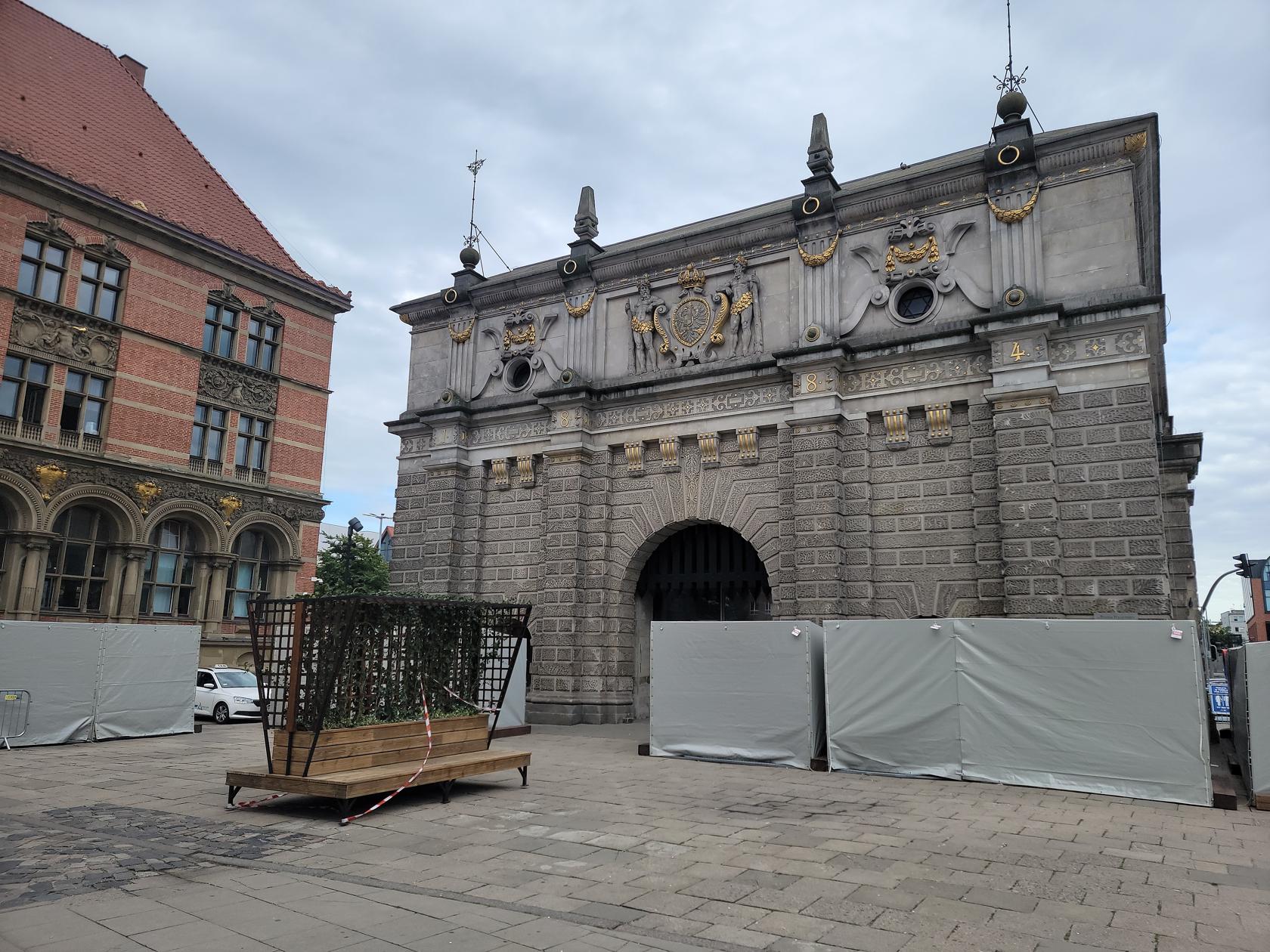
The Highland and Golden Gates are on the land side of the city and were connected to a great wall that surrounded it at one time. Here you will find one of the walls two barbicans attached to the Torture Gate or house. This gate doubled as a prison and became known for tortures that were carried out in its cellars.
Highland Gate – Upper Długa Street – Gdańsk, Poland
Golden Gate – Upper Długa Street – Gdańsk, Poland
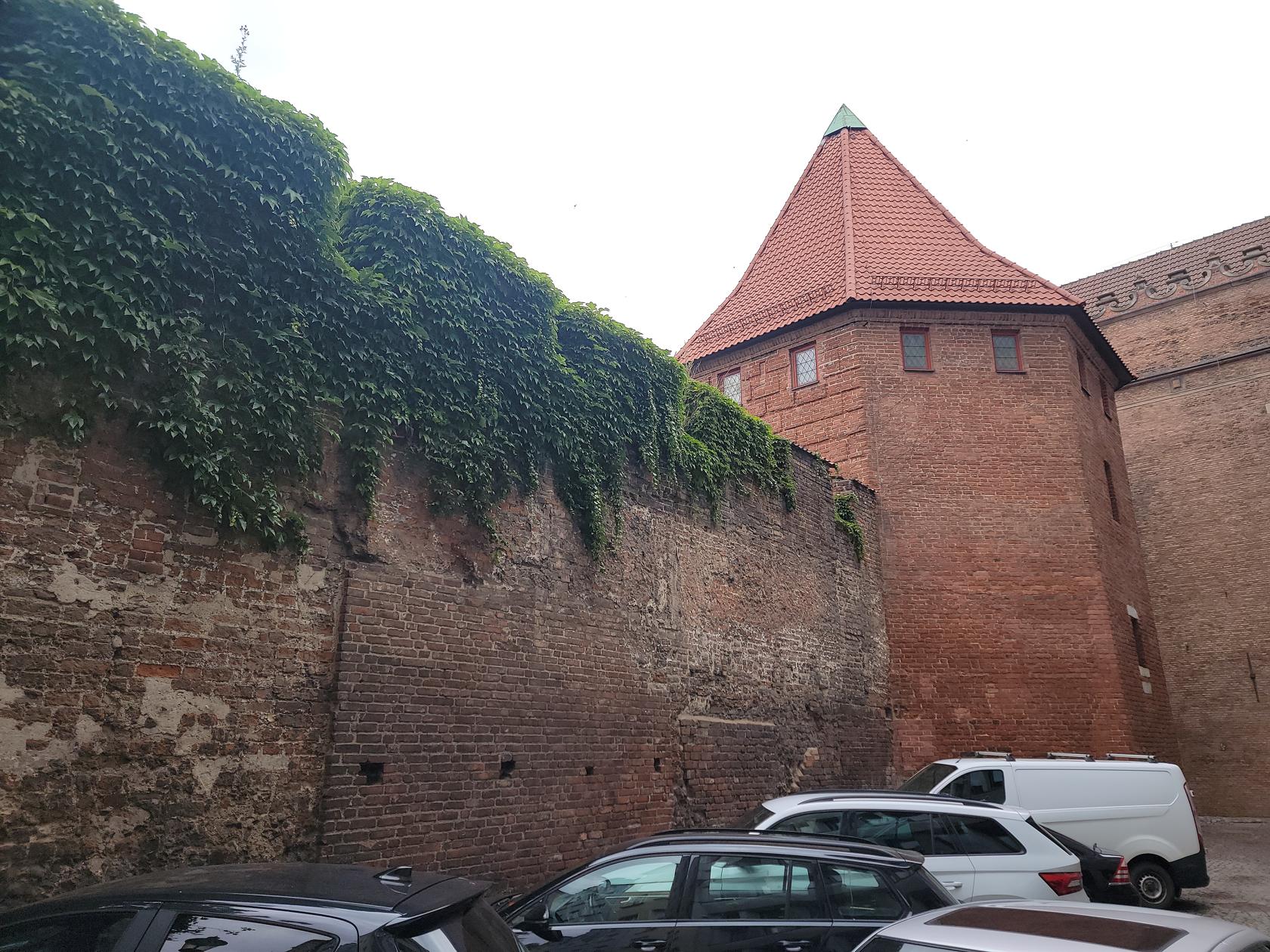
Old Town Wall and Straw Tower – Gdańsk, Poland
Jamark Building – Targ Węglowy Street – Gdańsk, Poland
Straw Tower – Gdańsk, Poland
More Old Town Wall and Park – Gdańsk, Poland
Churches And Cathedrals
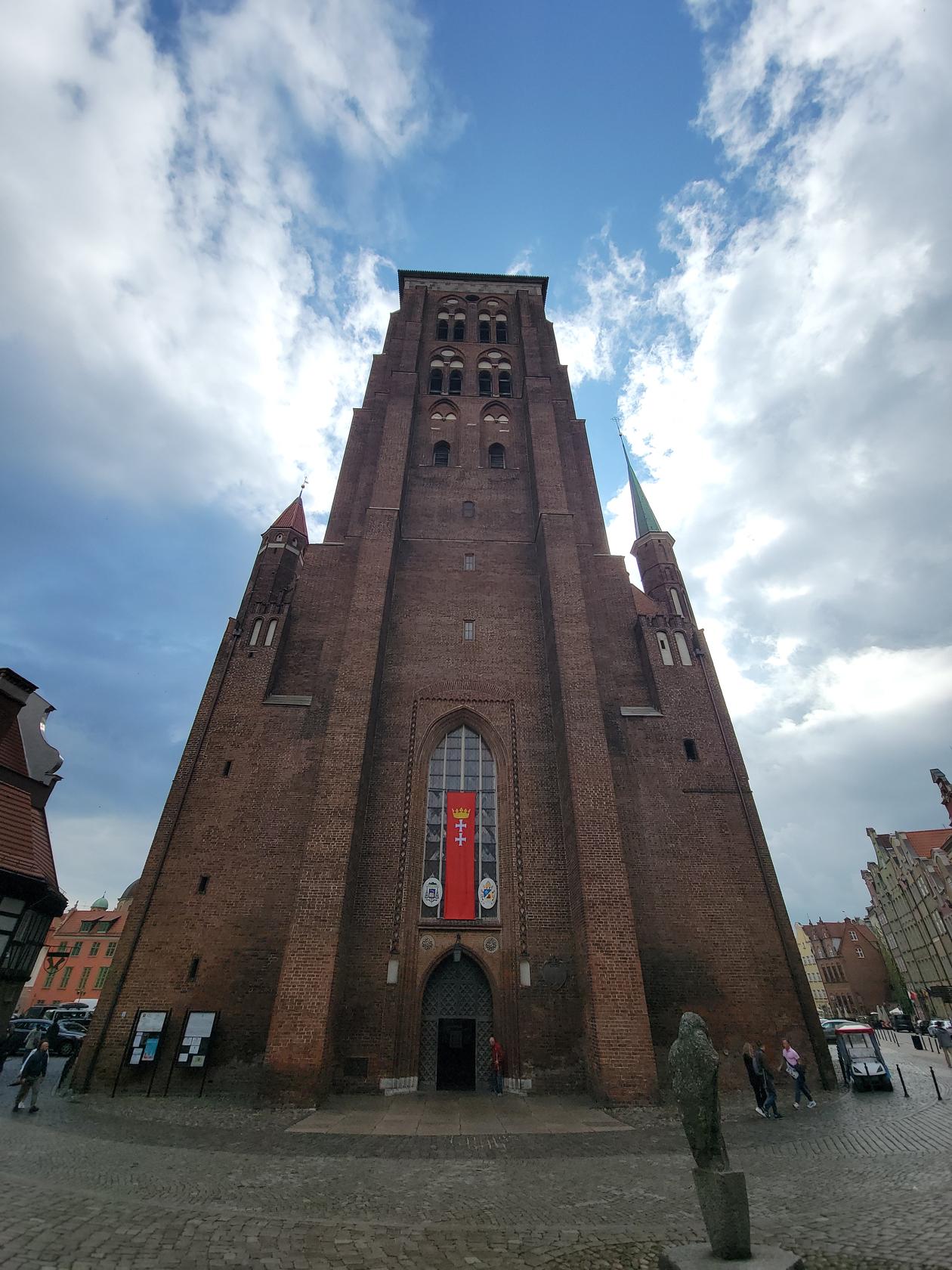
Clock Outside – Saint Mary’s Basilica – Gdańsk, Poland
Saint Mary’s Basilica
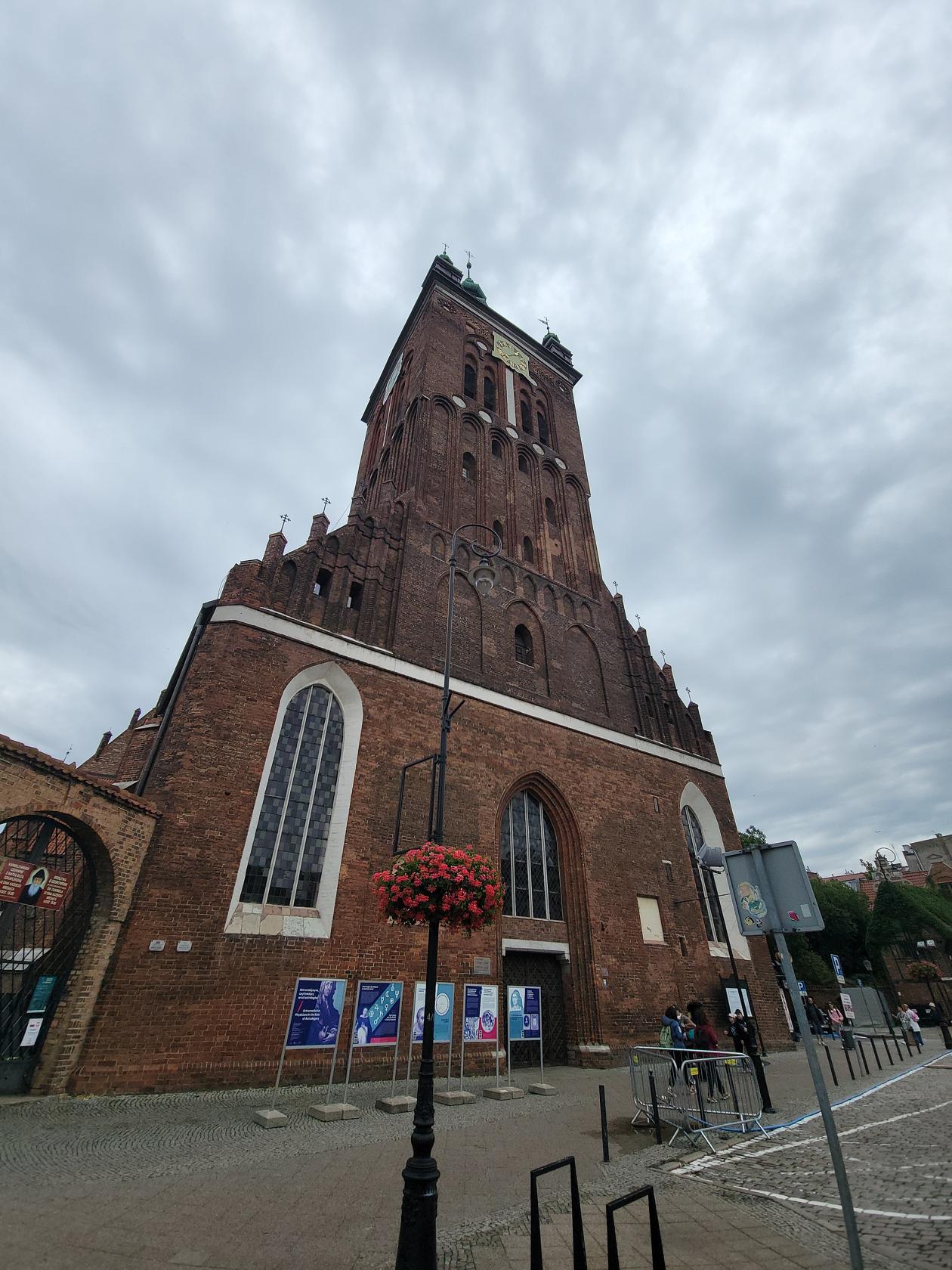
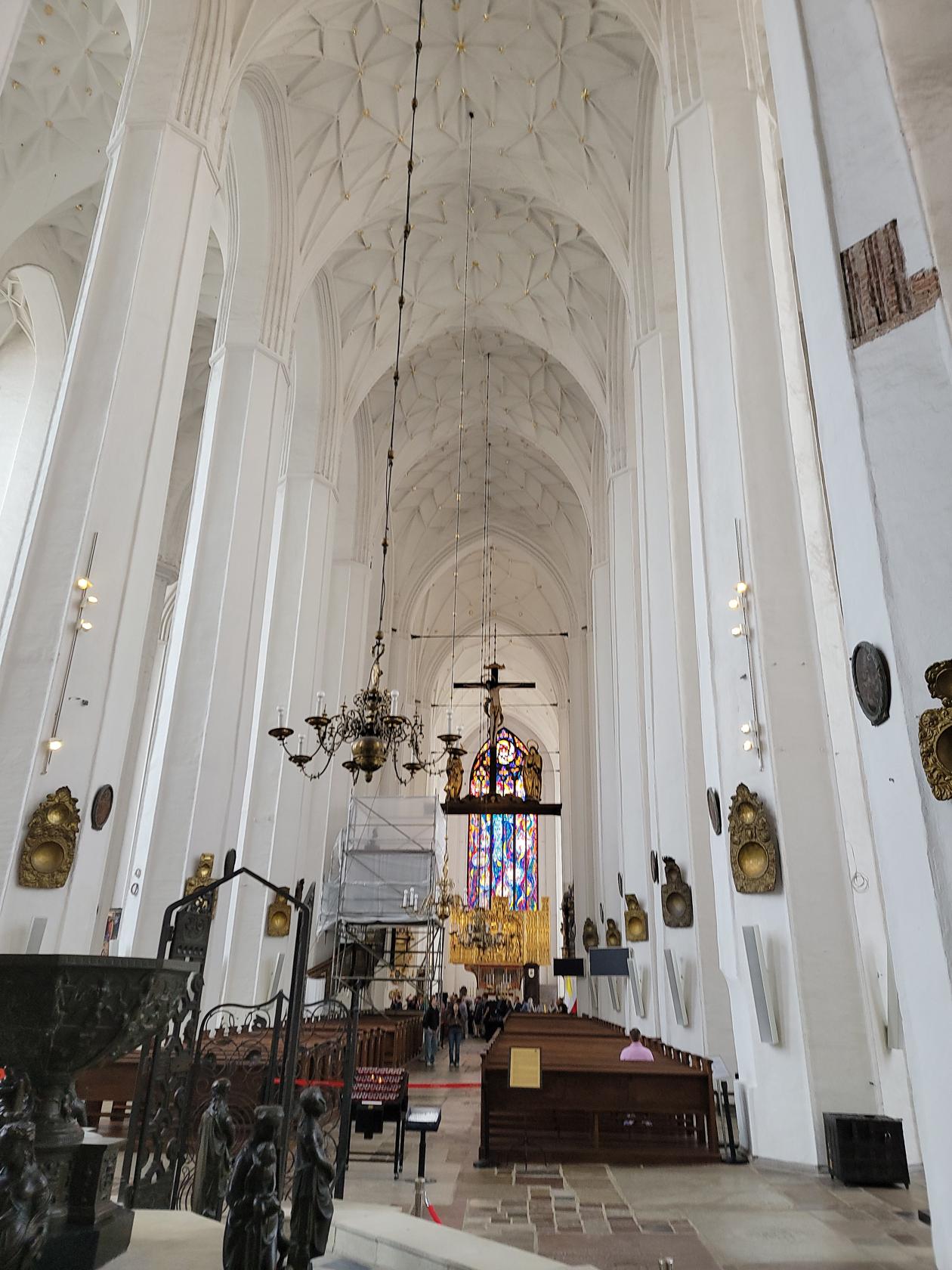
Situated almost in the center of town and on one end of Mariacka Street is Saint Mary’s Basilica. A brick gothic cathedral from the fourteenth century that has a working clock on its left side above the apse’s rear window which still appeared to maintain good time.
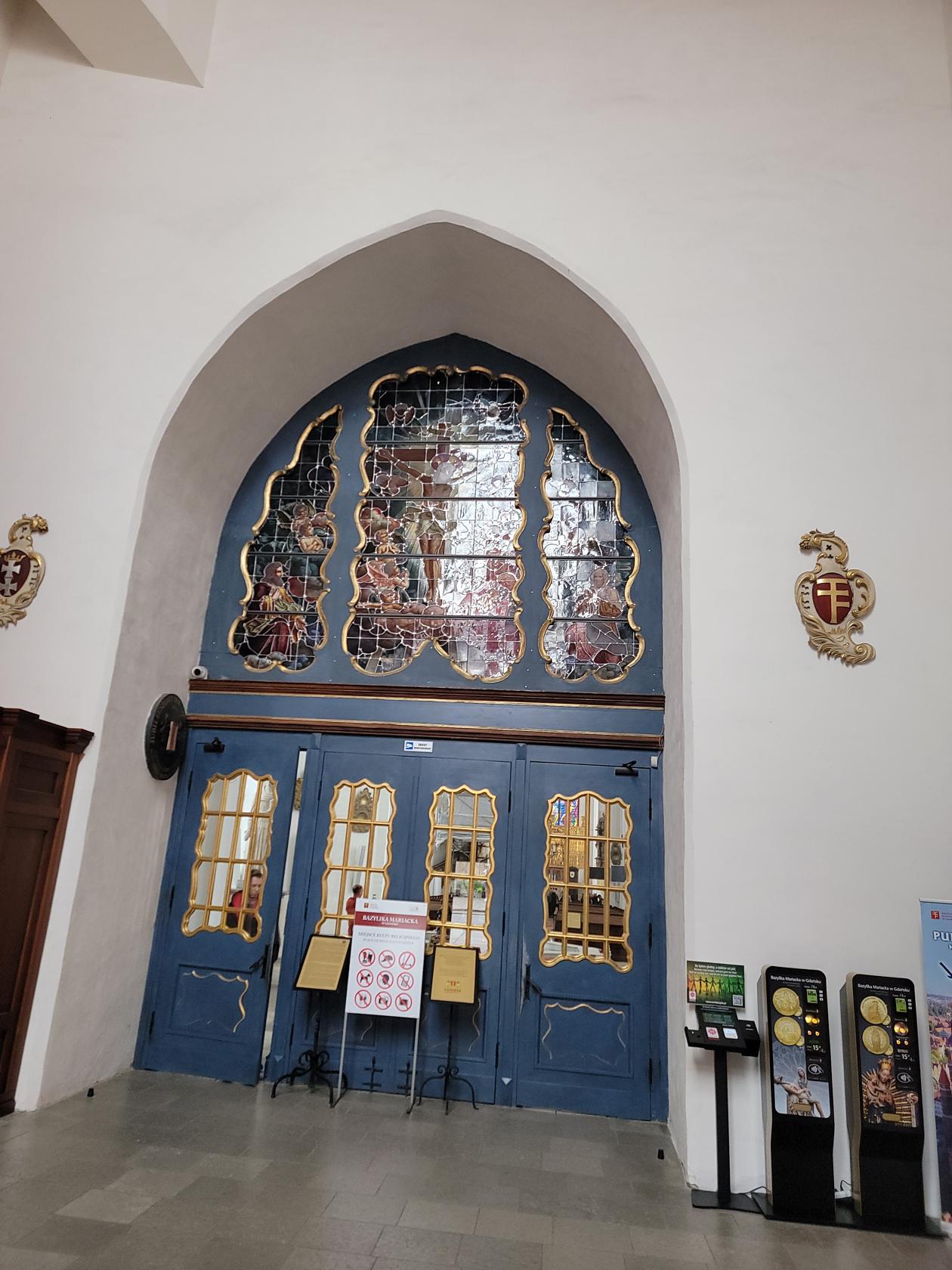
Entrance – Saint Mary’s Basilica – Gdańsk, Poland
Nave – Saint Mary’s Basilica – Gdańsk, Poland
Entrance – Saint Mary’s Basilica – Gdańsk, Poland
Aisle – Saint Mary’s Basilica – Gdańsk, Poland
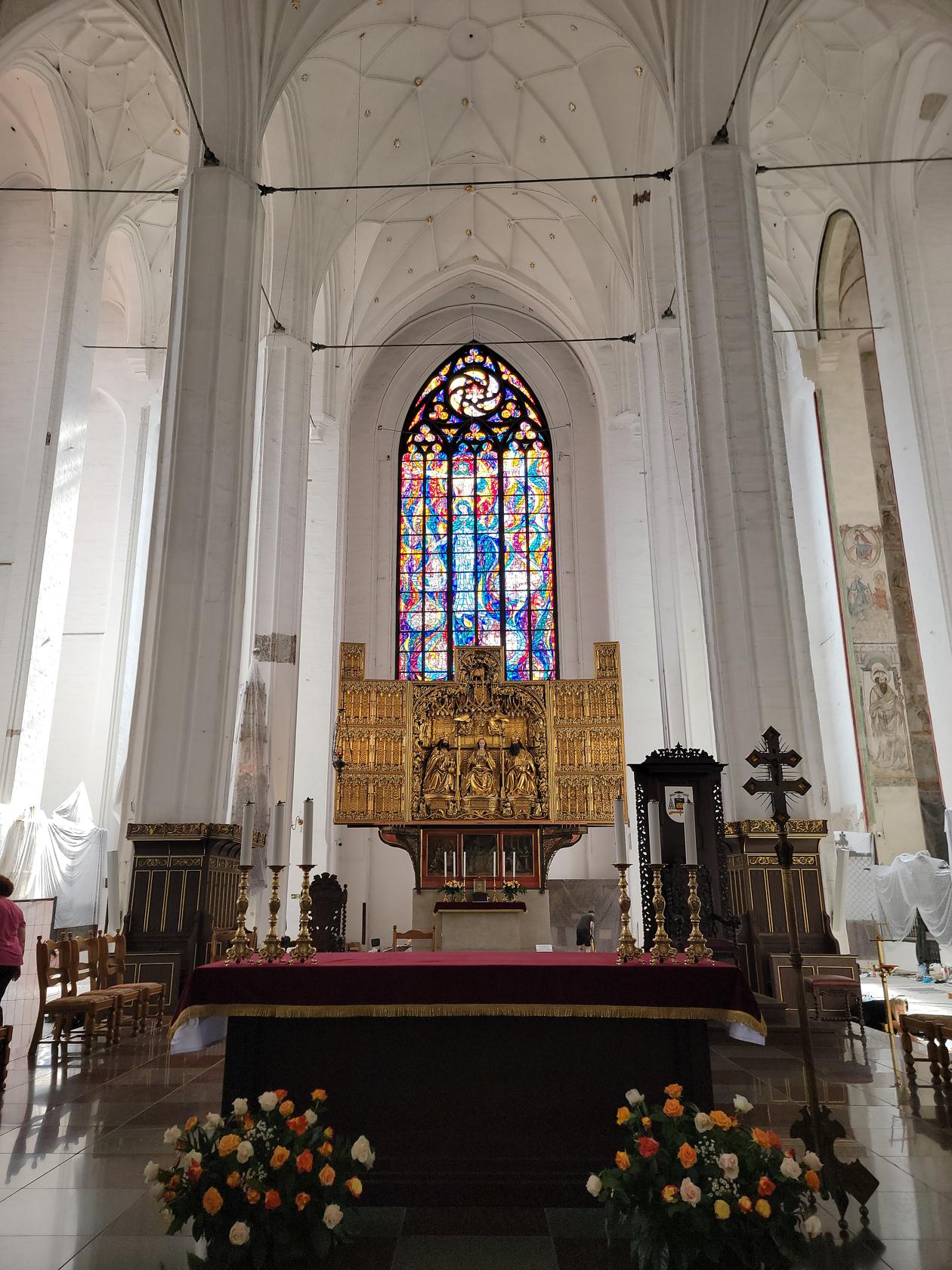
Altar – Saint Mary’s Basilica – Gdańsk, Poland
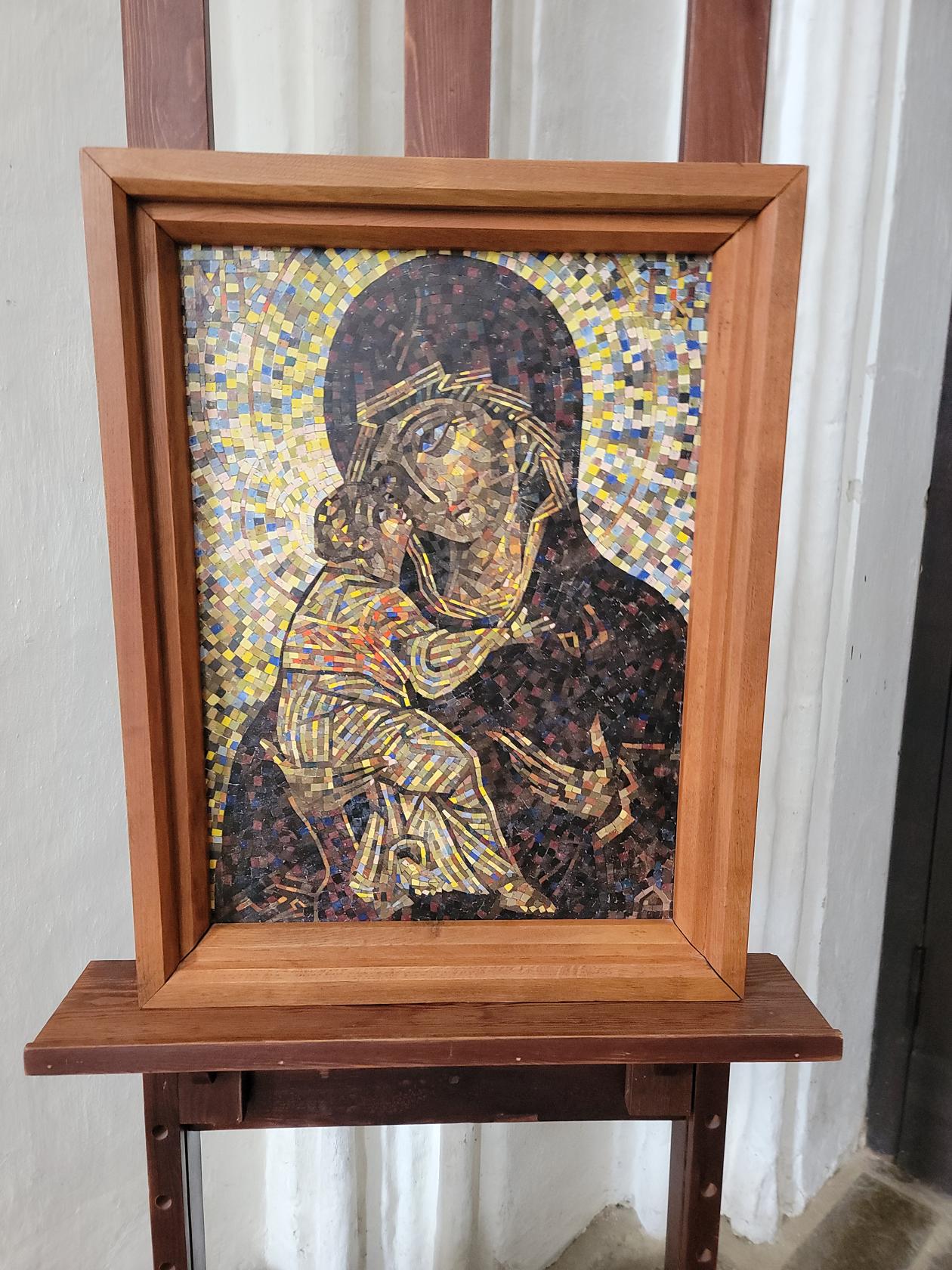
Art – Saint Mary’s Basilica – Gdańsk, Poland
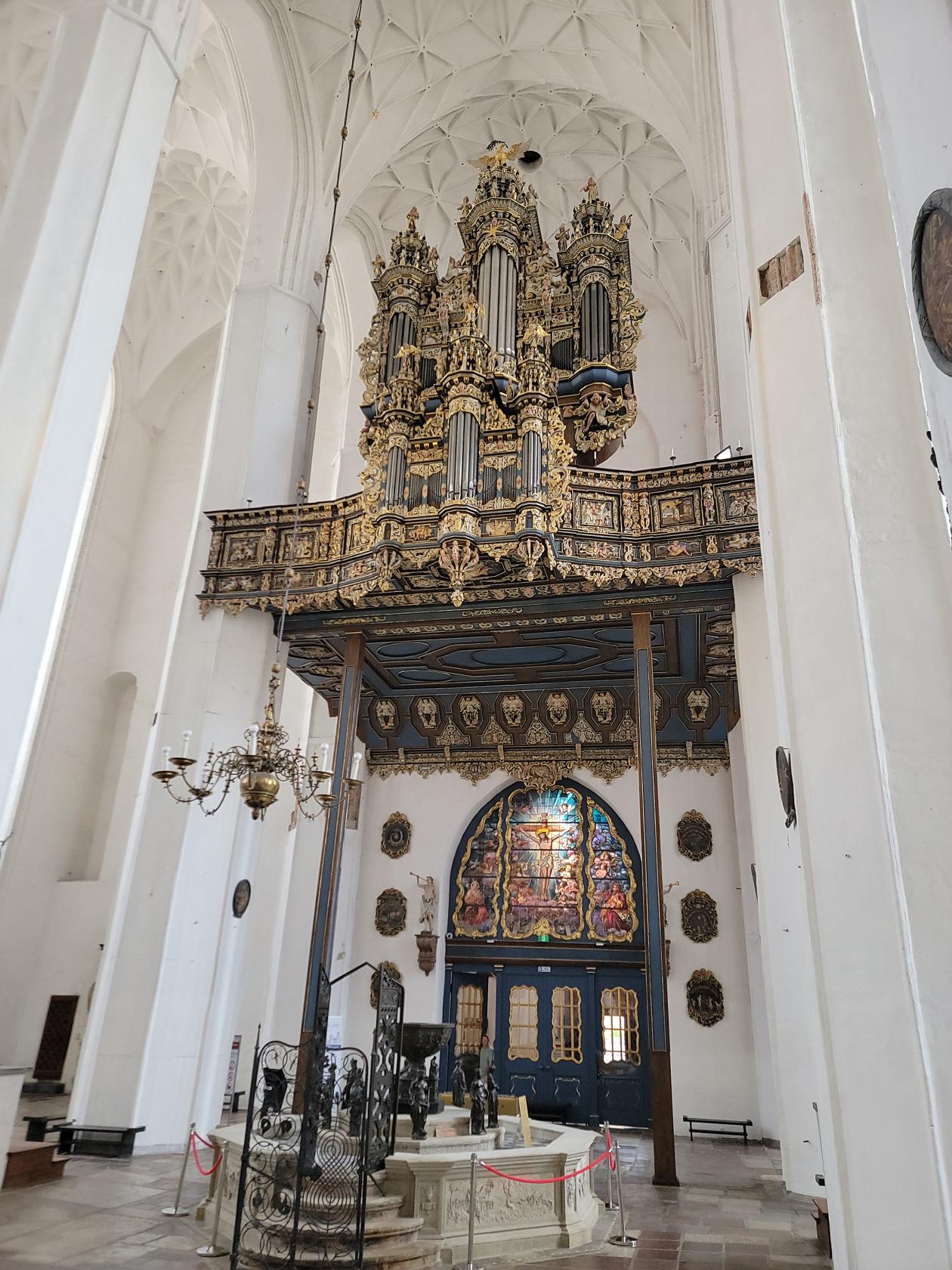
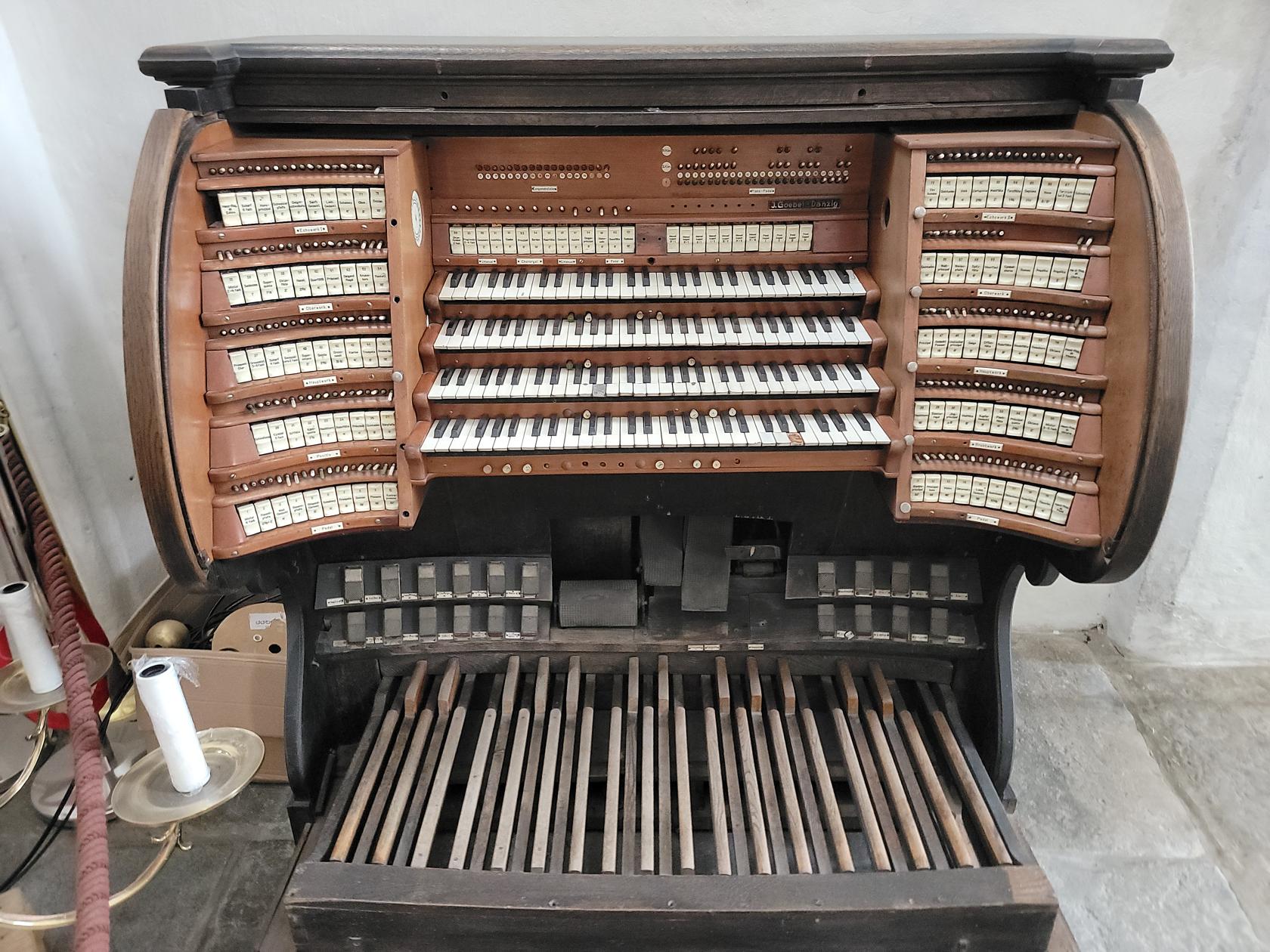
The church has an amazing organ and stained glass window in its transept. Though it is evident by the used mobile organ, the installed older one may no longer be in working order.
Organ – Saint Mary’s Basilica – Gdańsk, Poland
Temporary Organ – Saint Mary’s Basilica – Gdańsk, Poland
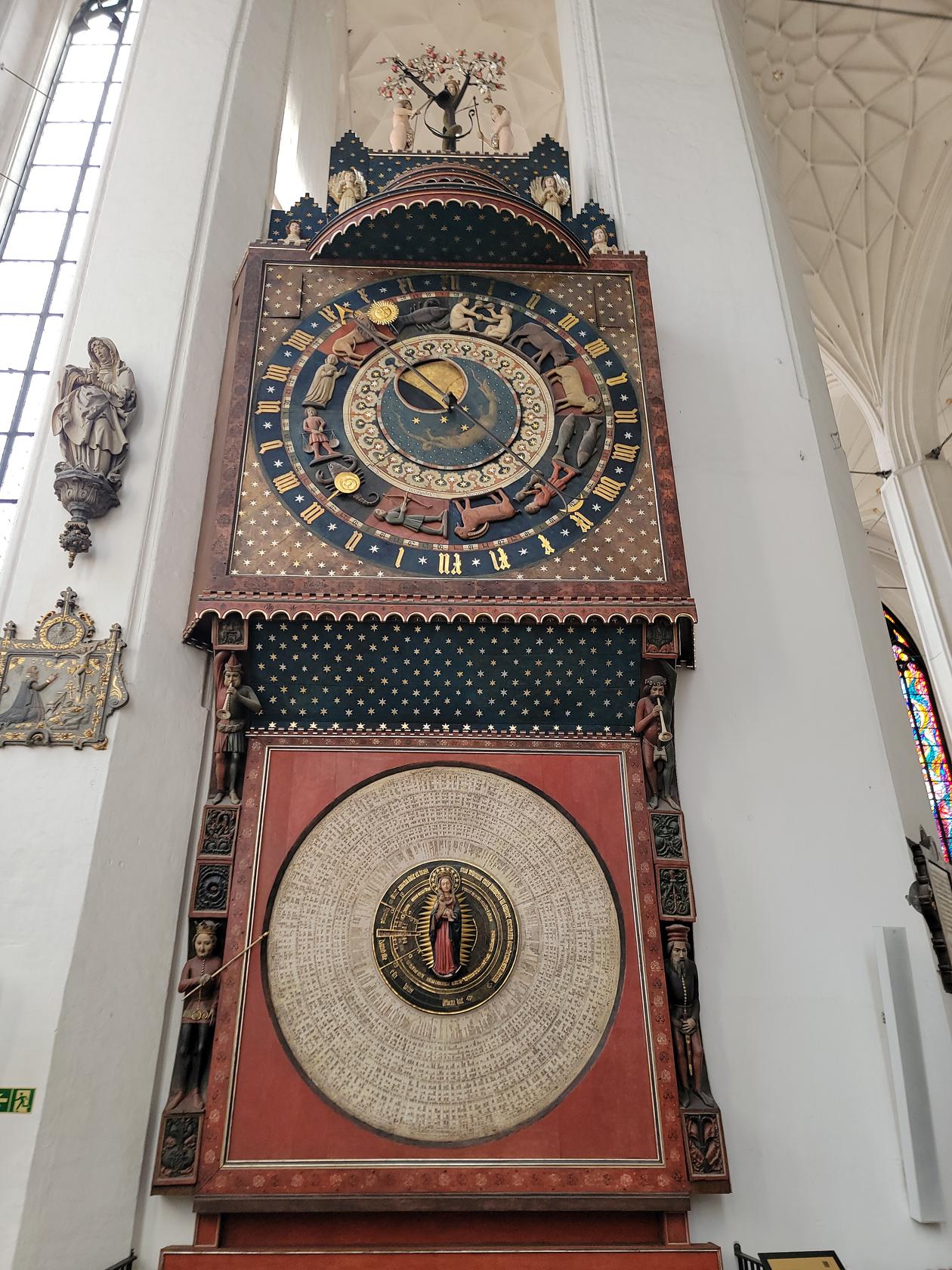
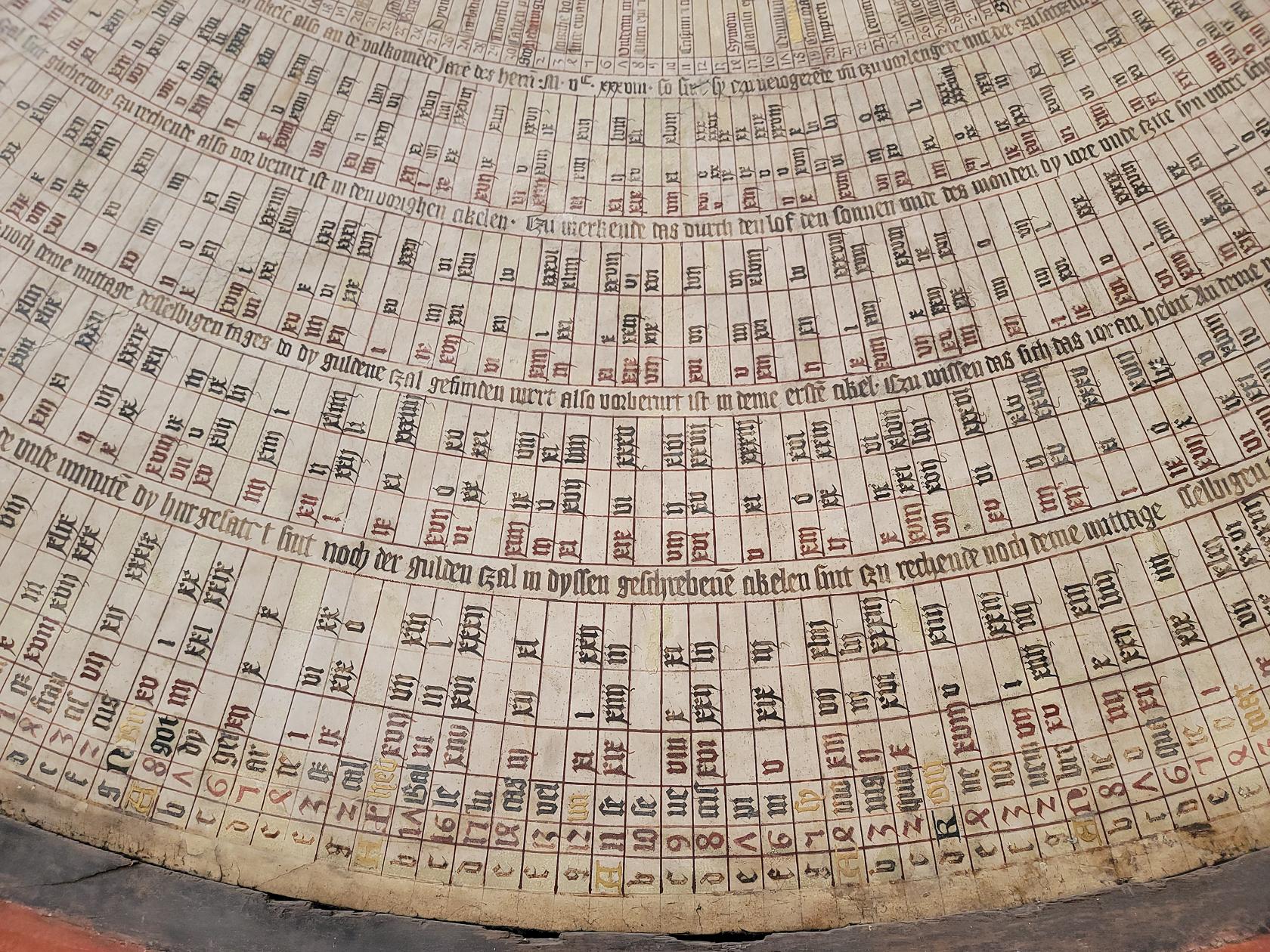
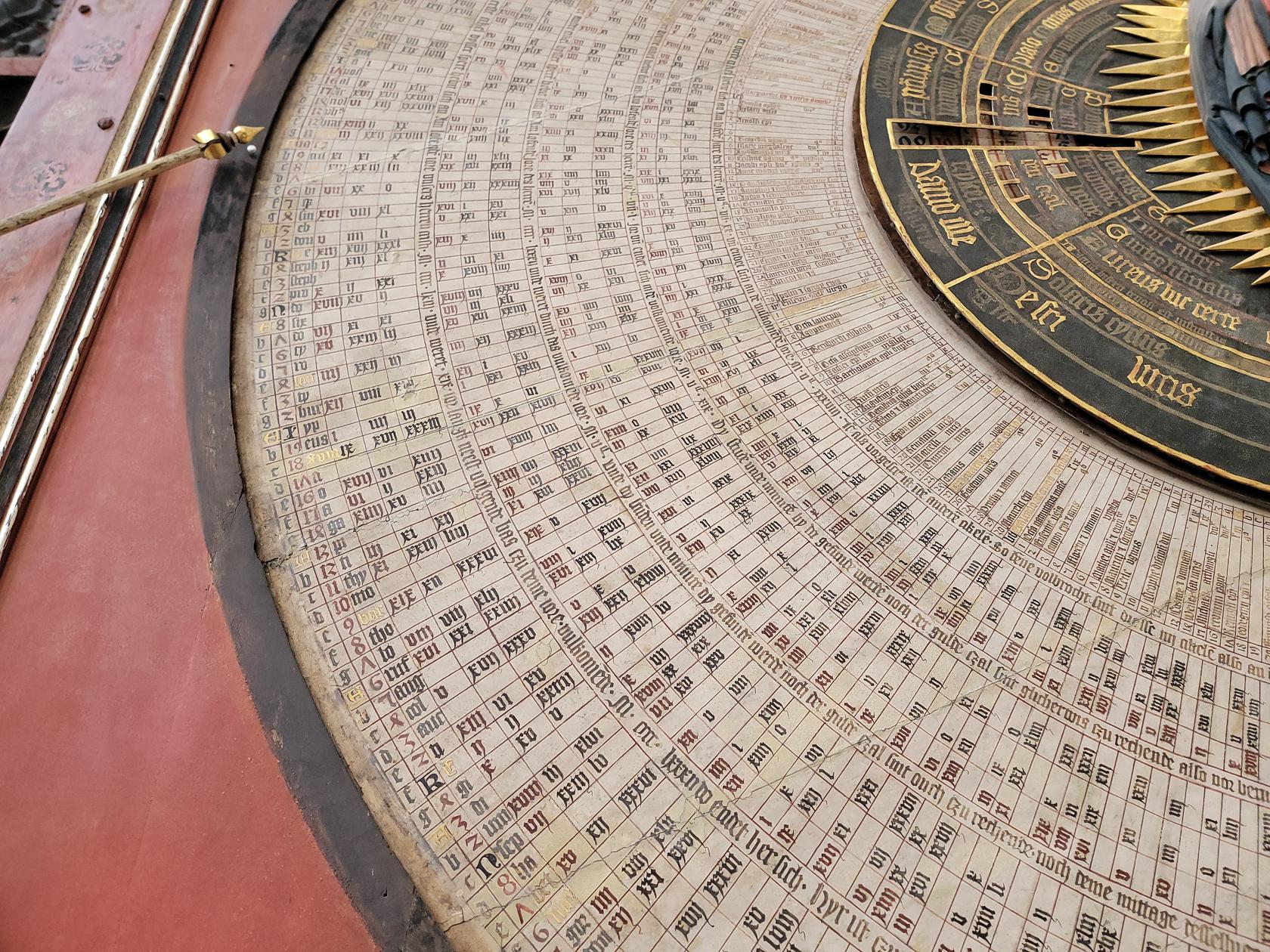
The church has a very interesting working astronomical clock and calendar along the interior left apse. According to records it not only computes most astronomical seasonal events, but also liturgical events and their timing.
Astronomical Clock – Saint Mary’s Basilica – Gdańsk, Poland
Clock’s Calendar – Saint Mary’s Basilica – Gdańsk, Poland
Clock’s Calendar – Saint Mary’s Basilica – Gdańsk, Poland
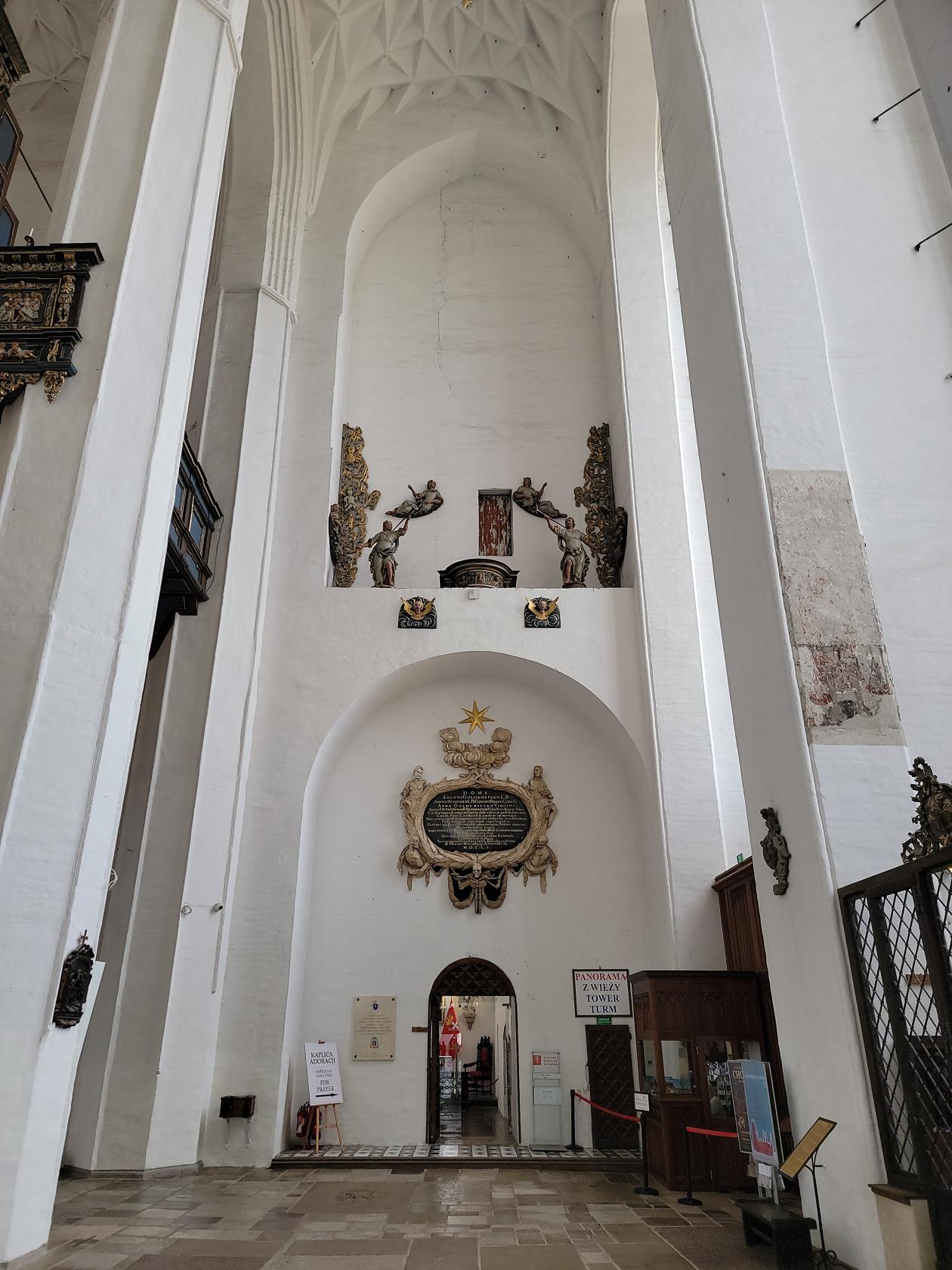
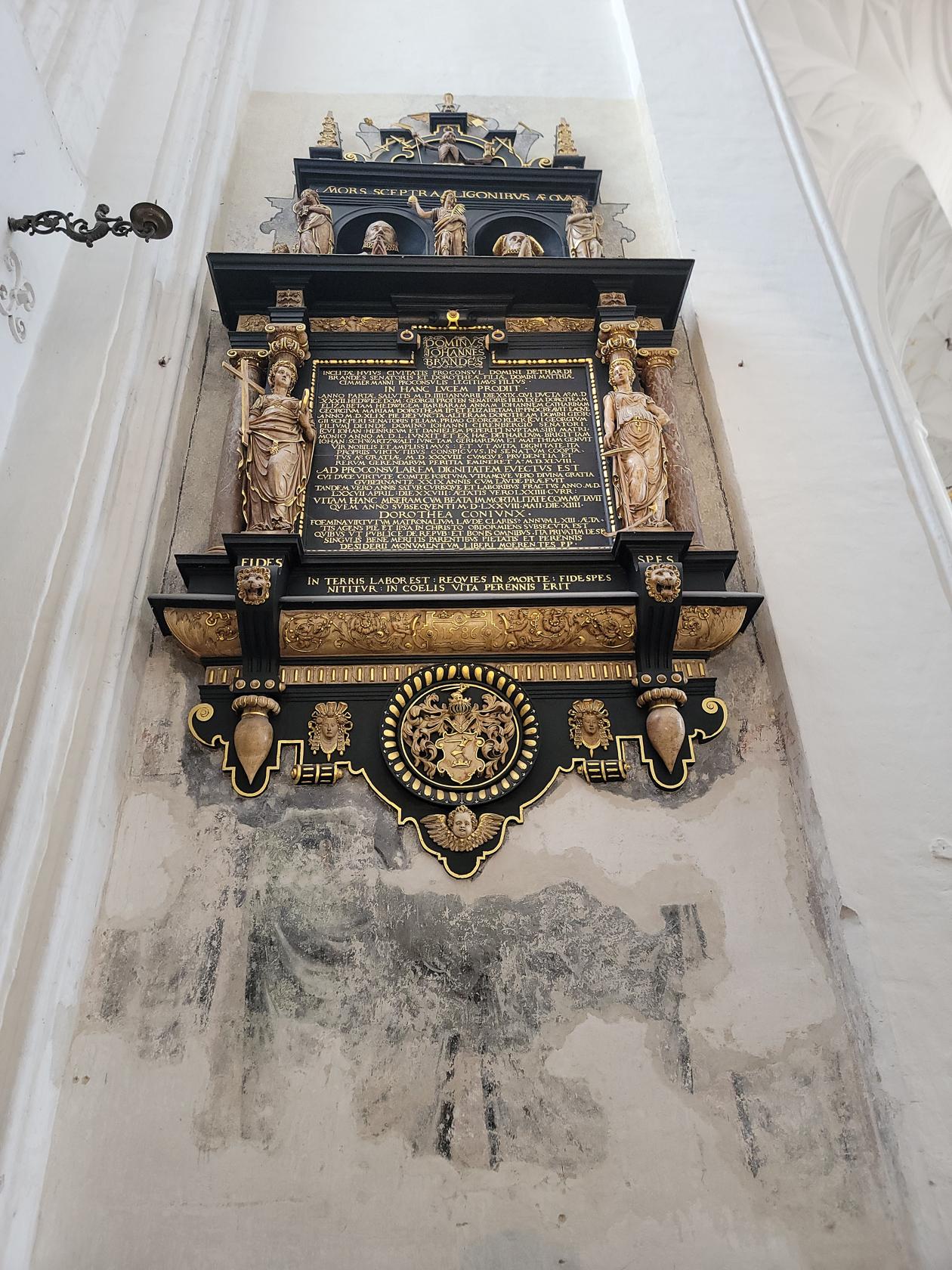
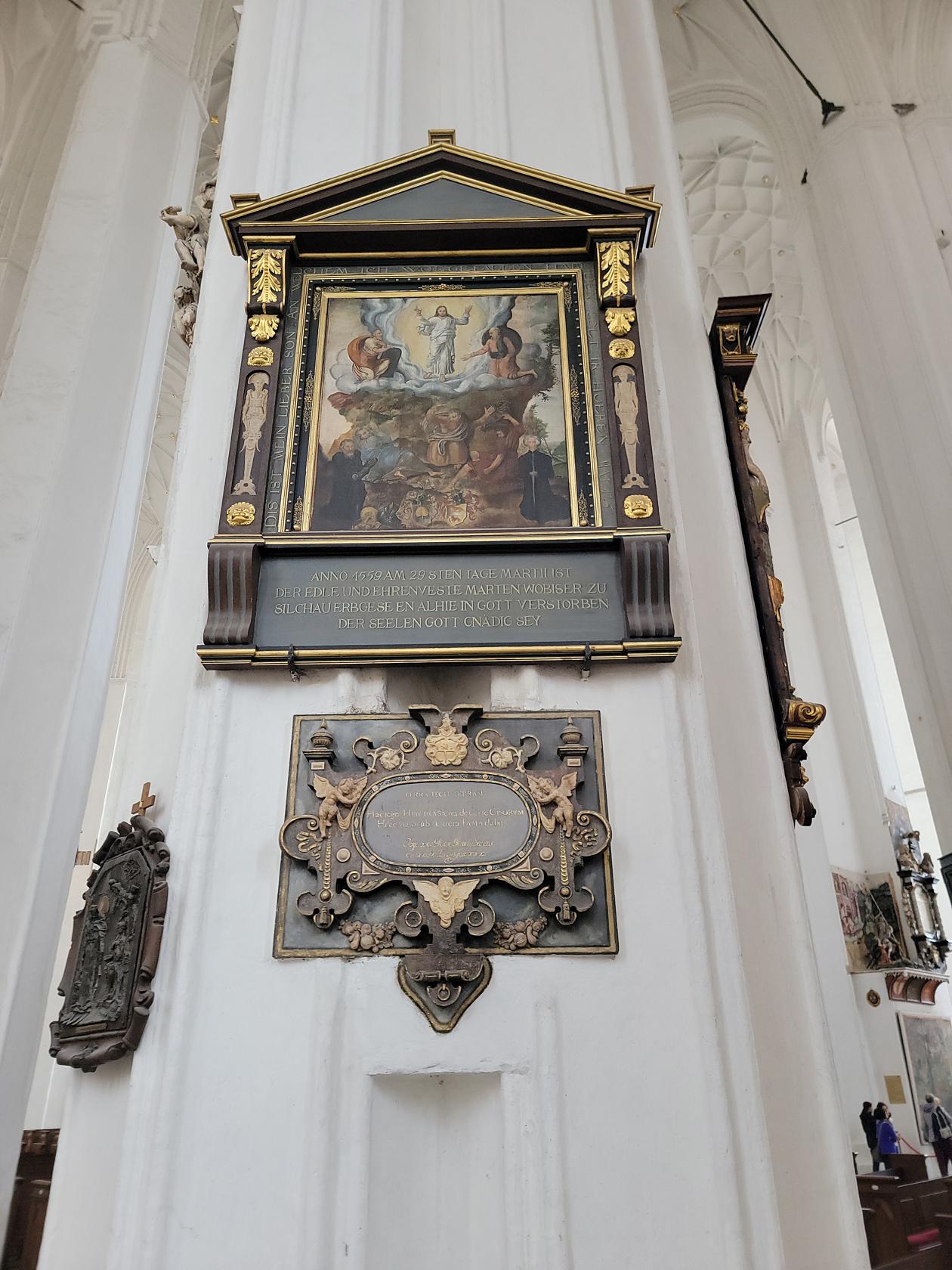
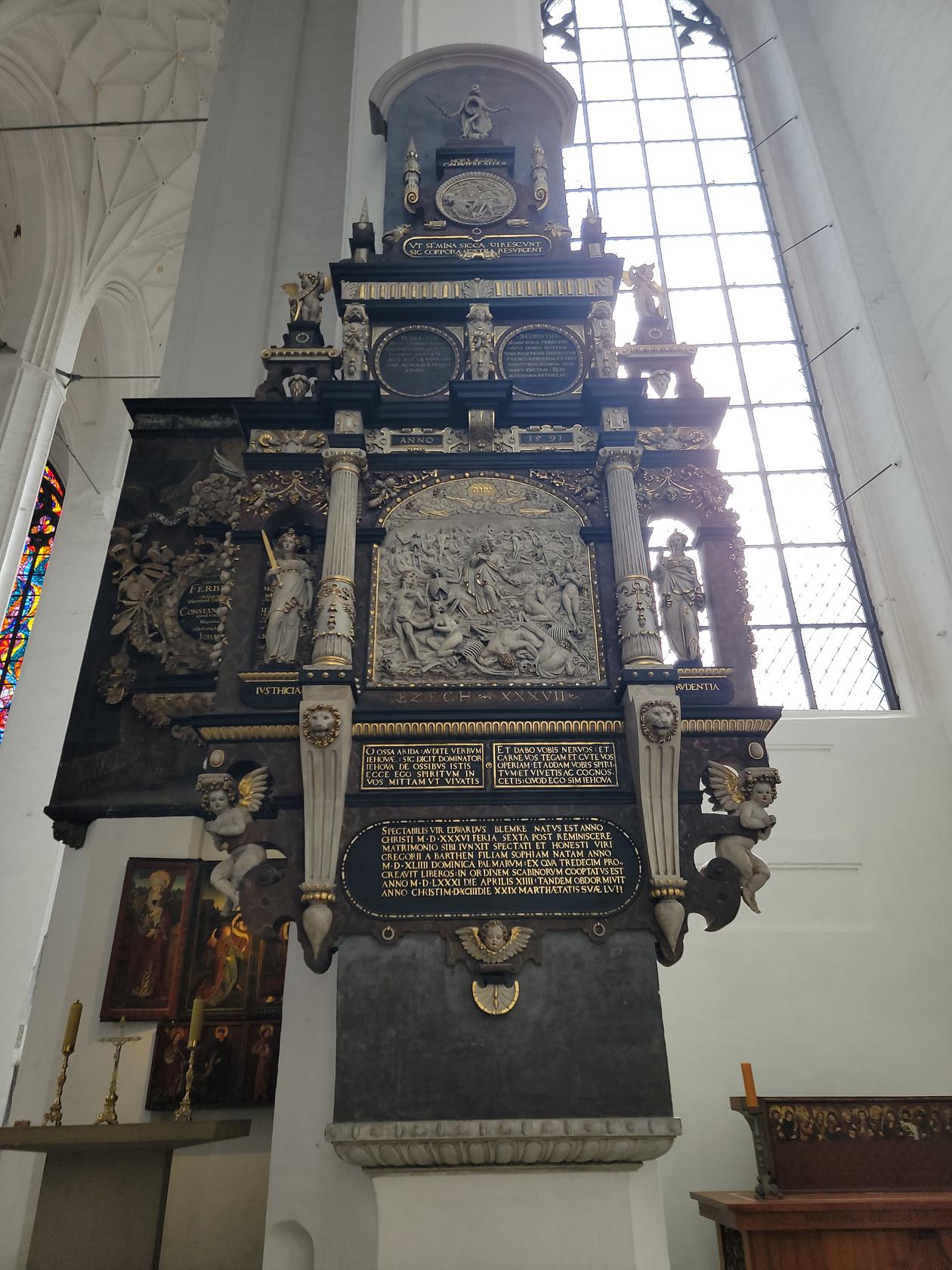
Lastly, this basilica is rather plain and therefore many of the epitaphs and memorials stick out prominently. Most have German inscriptions on them, owing to the city rich heritage, though many are also written in Latin.
Memorial – Saint Mary’s Basilica – Gdańsk, Poland
Memorial – Saint Mary’s Basilica – Gdańsk, Poland
Memorials – Saint Mary’s Basilica – Gdańsk, Poland
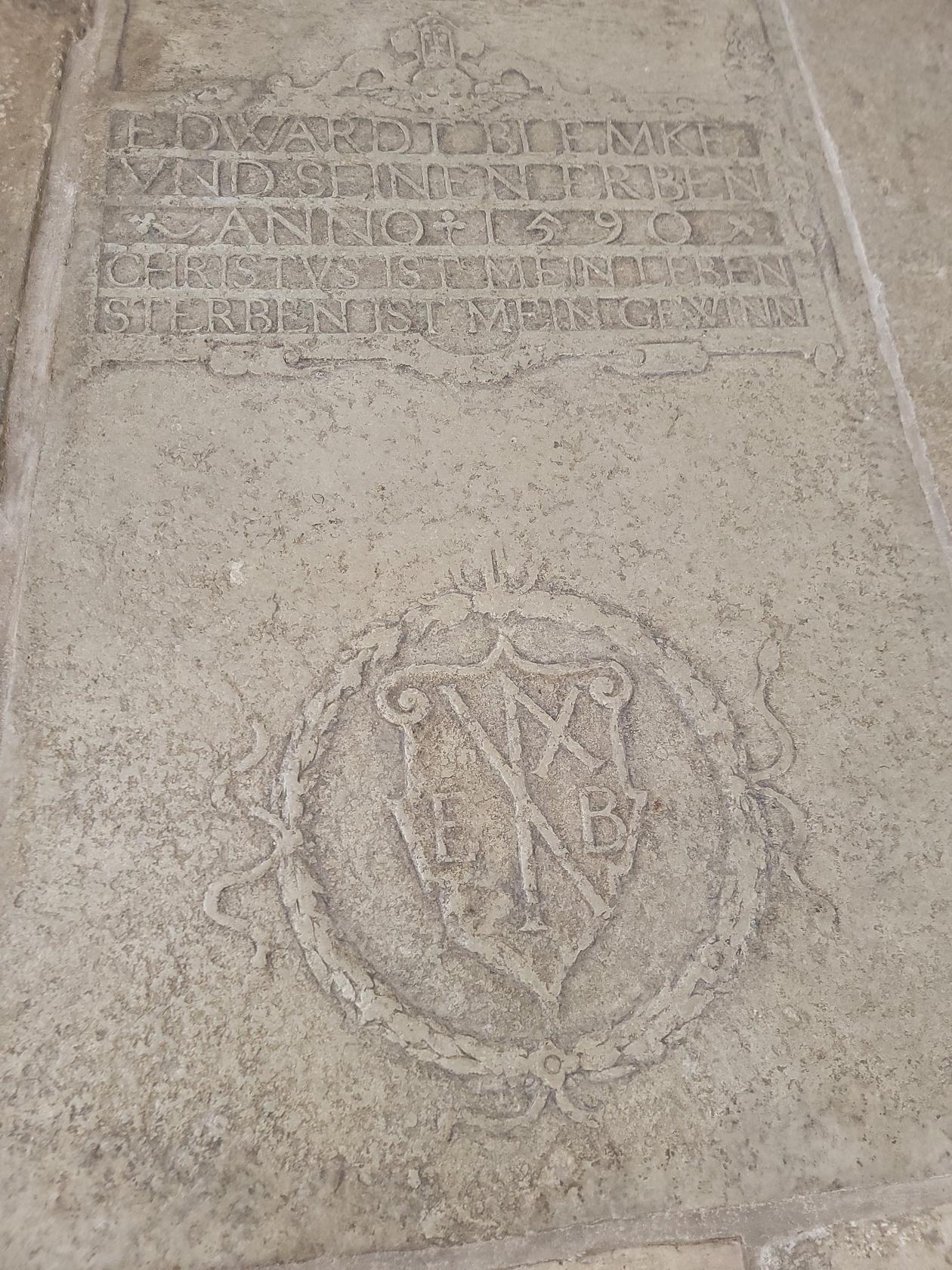
Interesting Grave Inscription – Saint Mary’s Basilica – Gdańsk, Poland
Restaurants
Yang Guang Chinese Restaurant
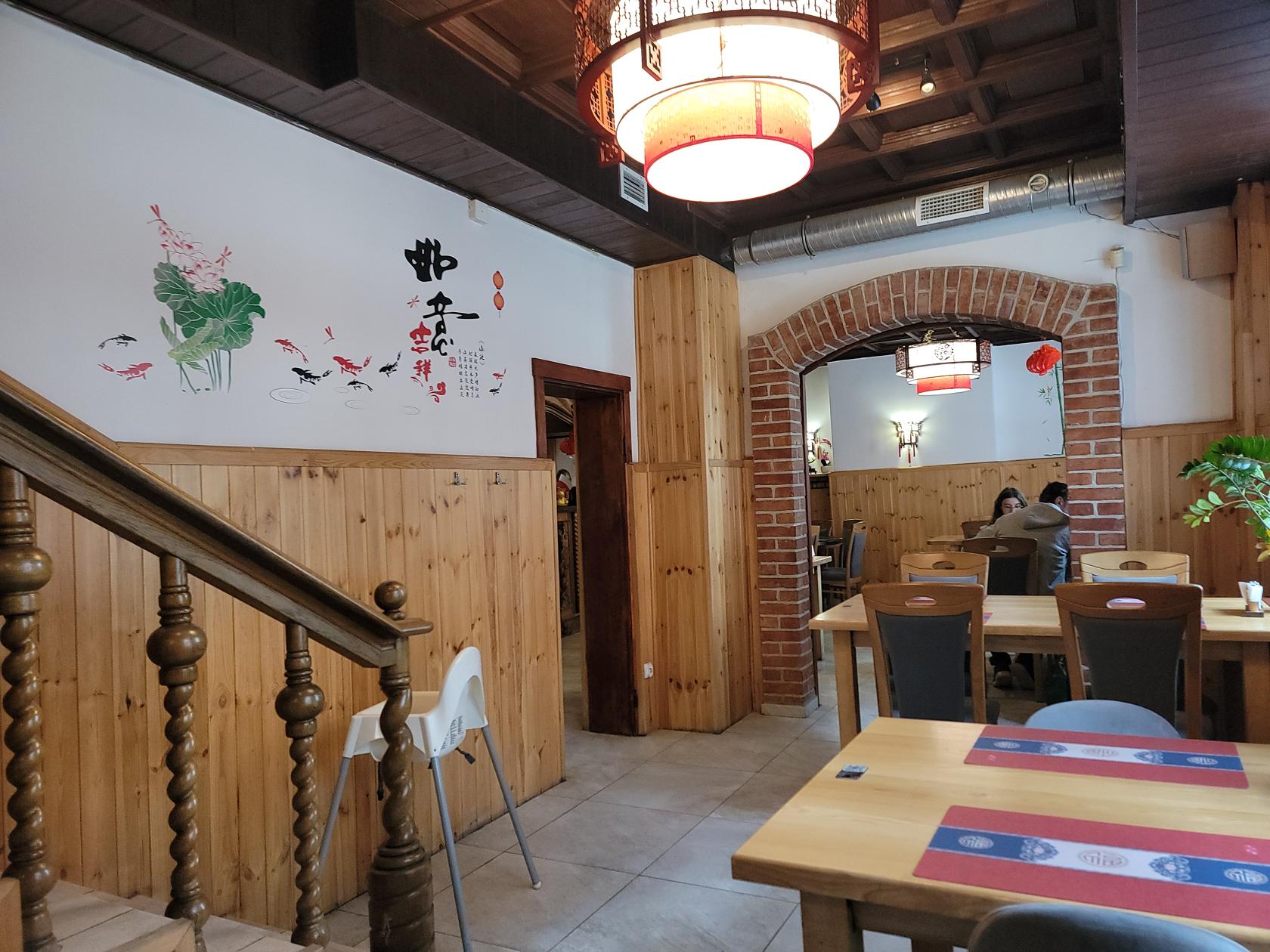
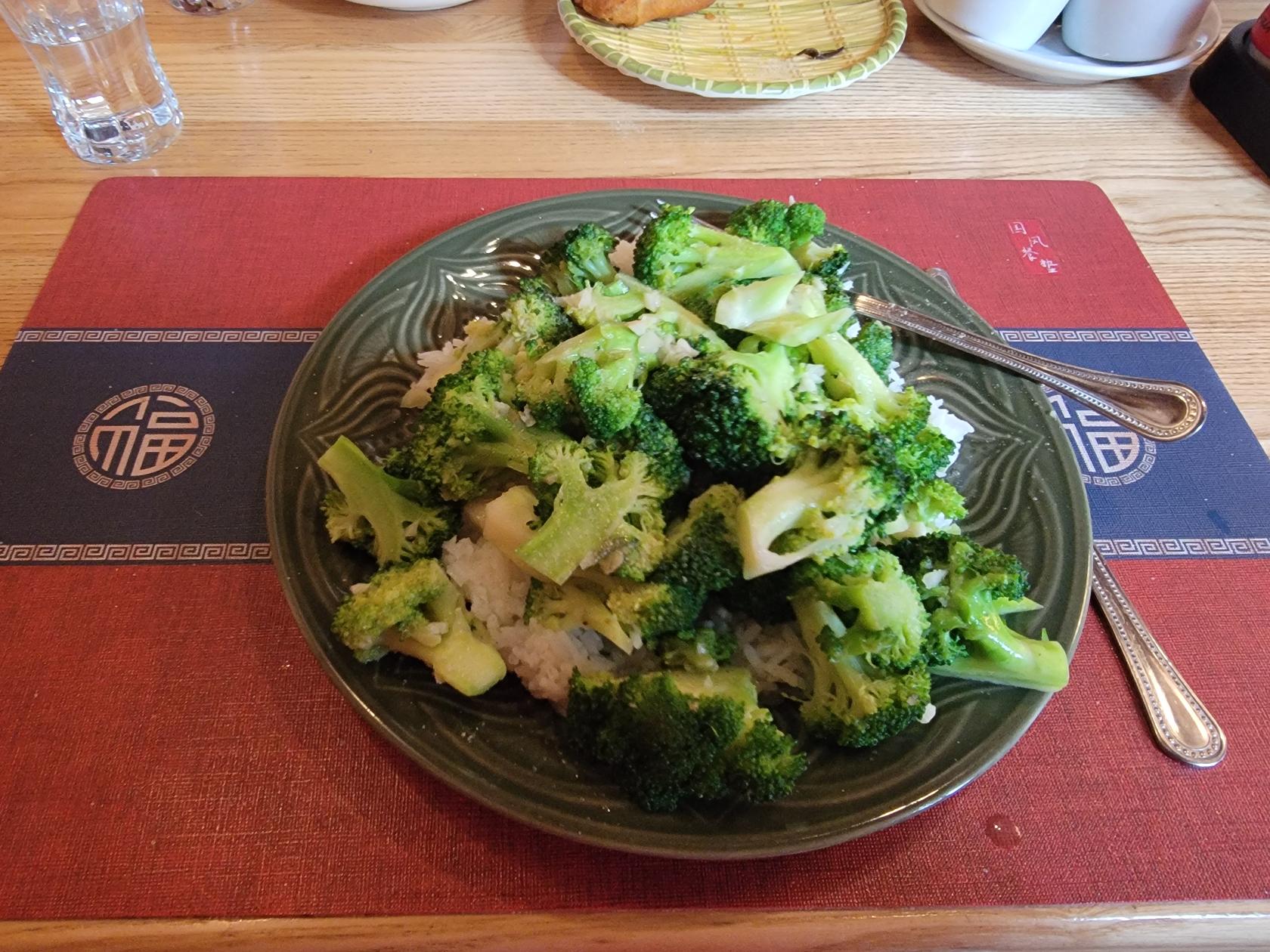
If you go through the Green Gate and cross the bridge then walk a few steps down Stągiewna Street you will find Yang Guang Chinese Restaurant on your right. If you are tired of all the meat, potatoes and dumplings you have been eating up until now, this is a very good stop for some vegetables. The even have broccoli in garlic sauce, one of our favorites.
Inside – Chińska Yang Guang Restaurant – Gdańsk, Poland
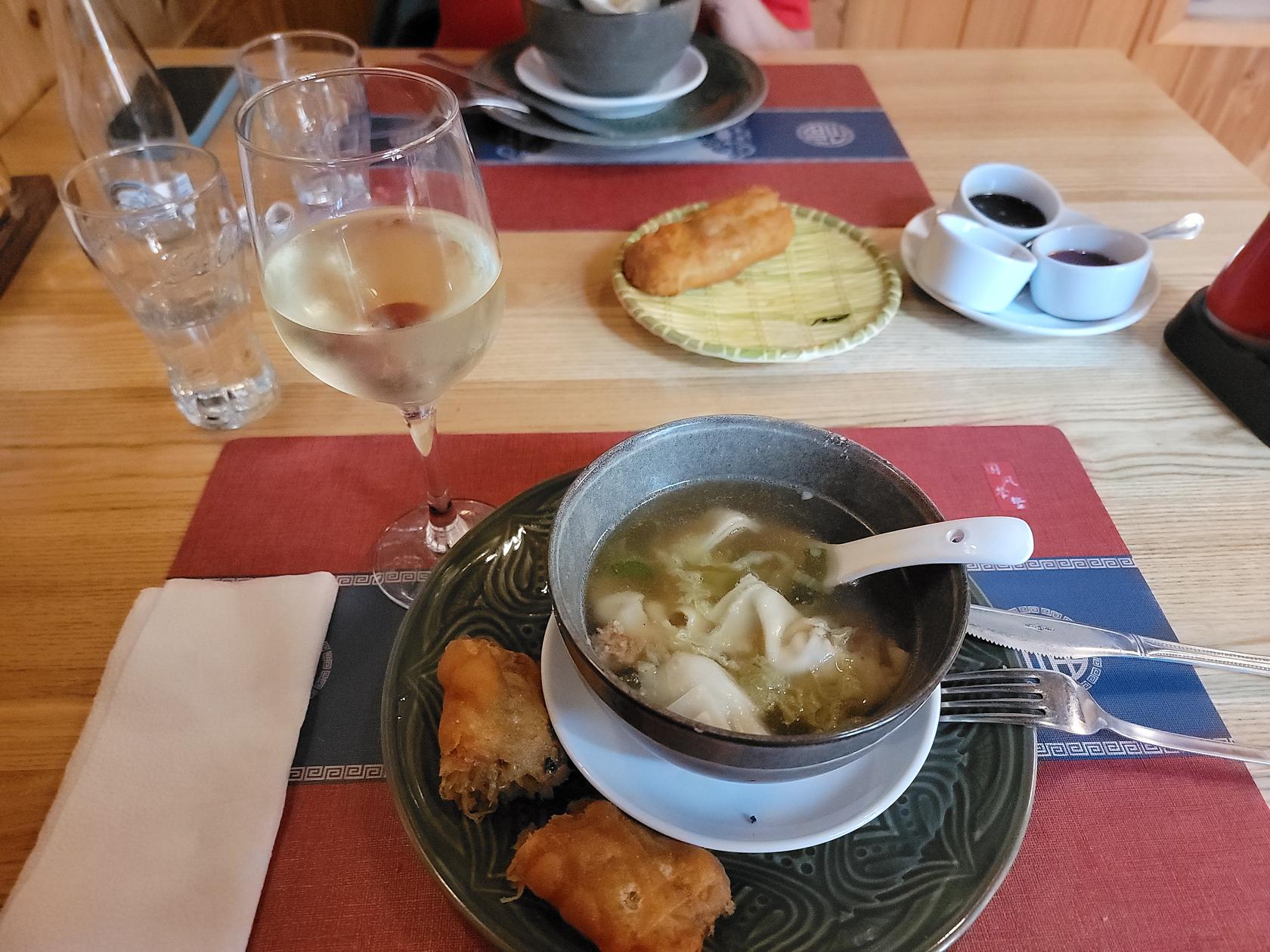
Wonton Soup – Chińska Yang Guang Restaurant – Gdańsk, Poland
Broccoli with Garlic Sauce on White Rice – Chińska Yang Guang Restaurant – Gdańsk, Poland
Sempre Ristorante
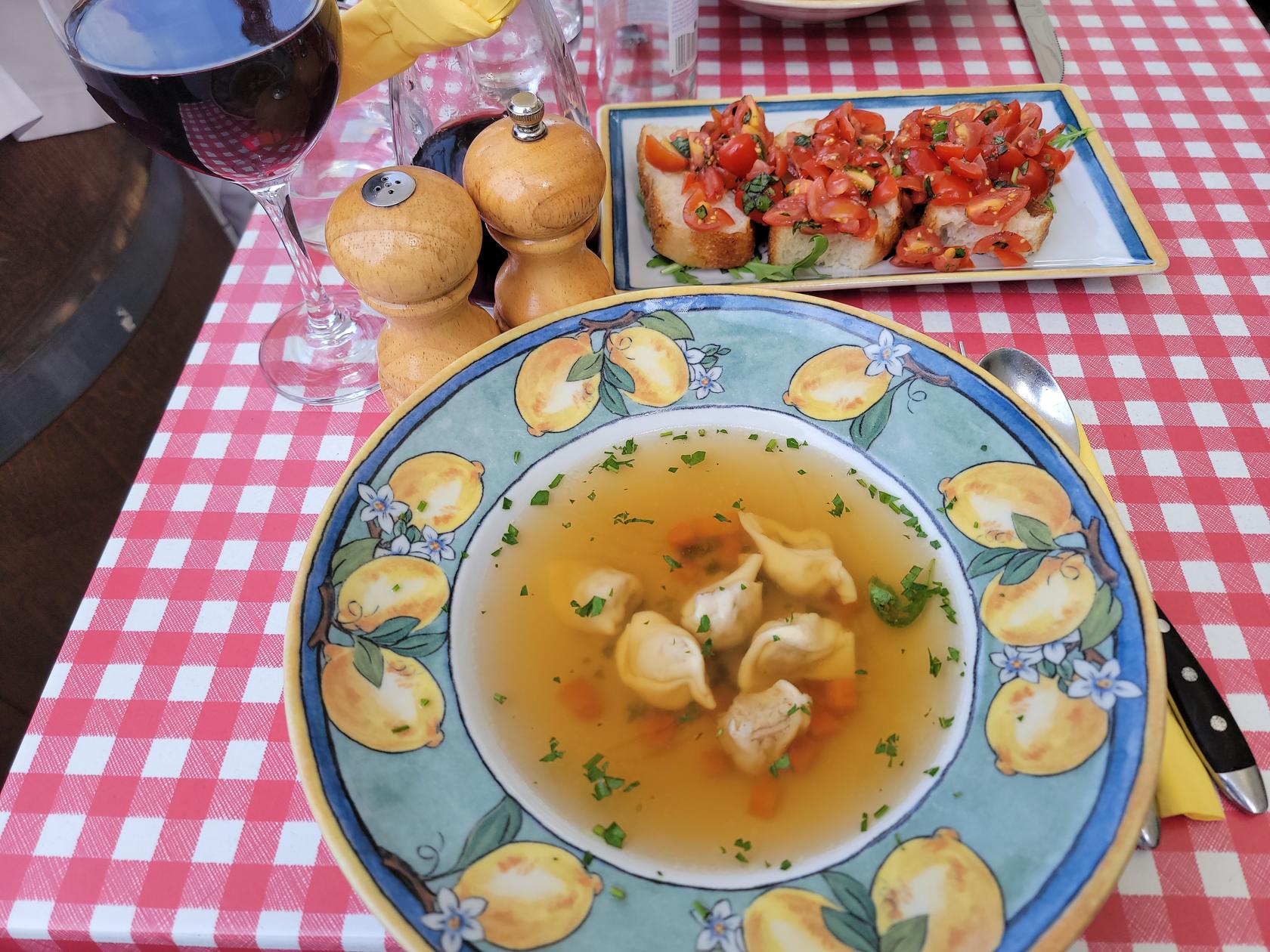
The Sempre Ristorante is near the tip of the small island on the other side of the river. It is a modern Italian restaurant that serves good food with an upscale slant on the recipes and the prices. You won’t go wrong eating here, but you will also pay for it, if you know what I mean.
Bruschette and Chicken Soup with Dumplings – Sempre Ristorante – Gdańsk, Poland
Tygle Restaurant
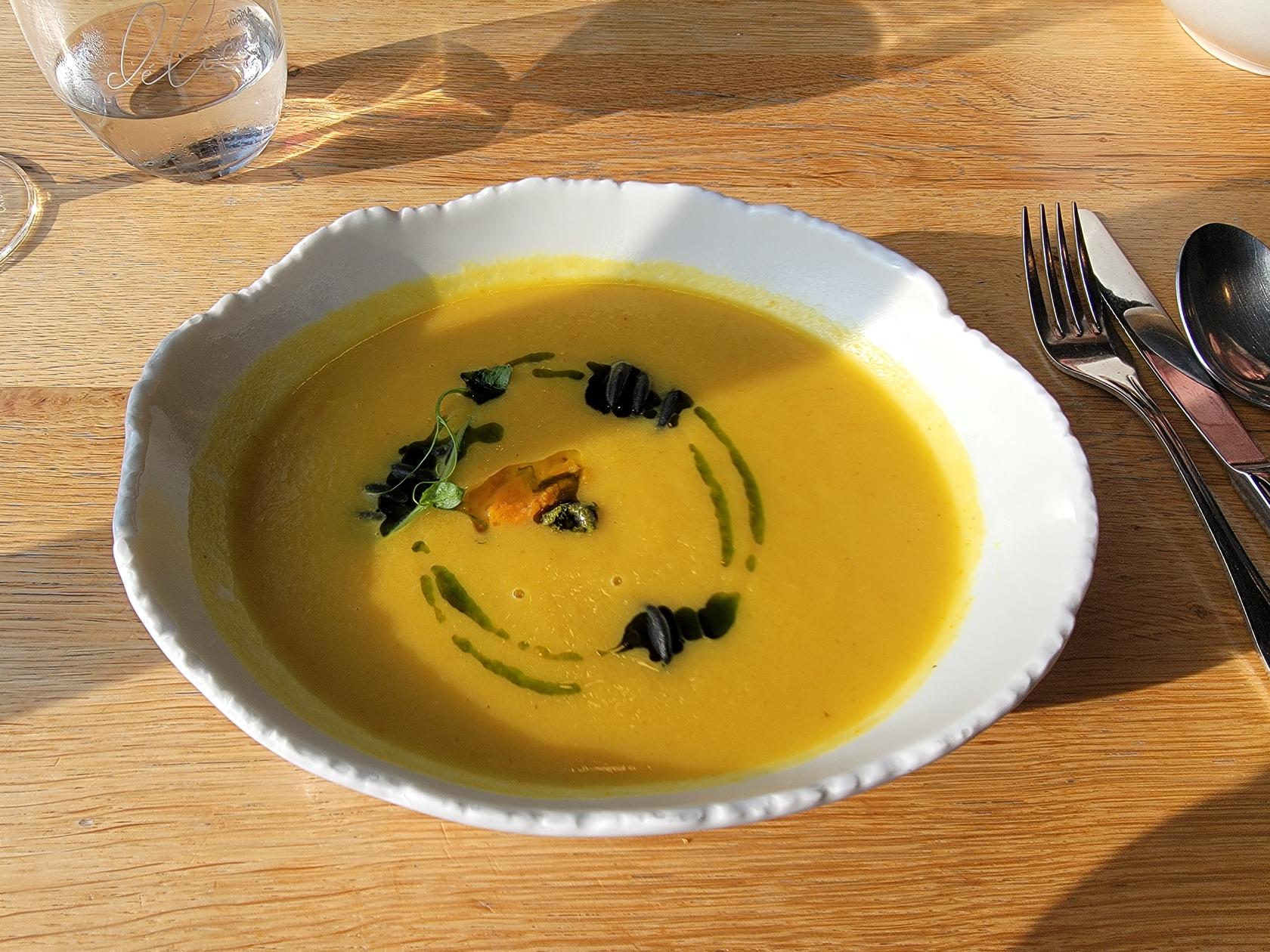
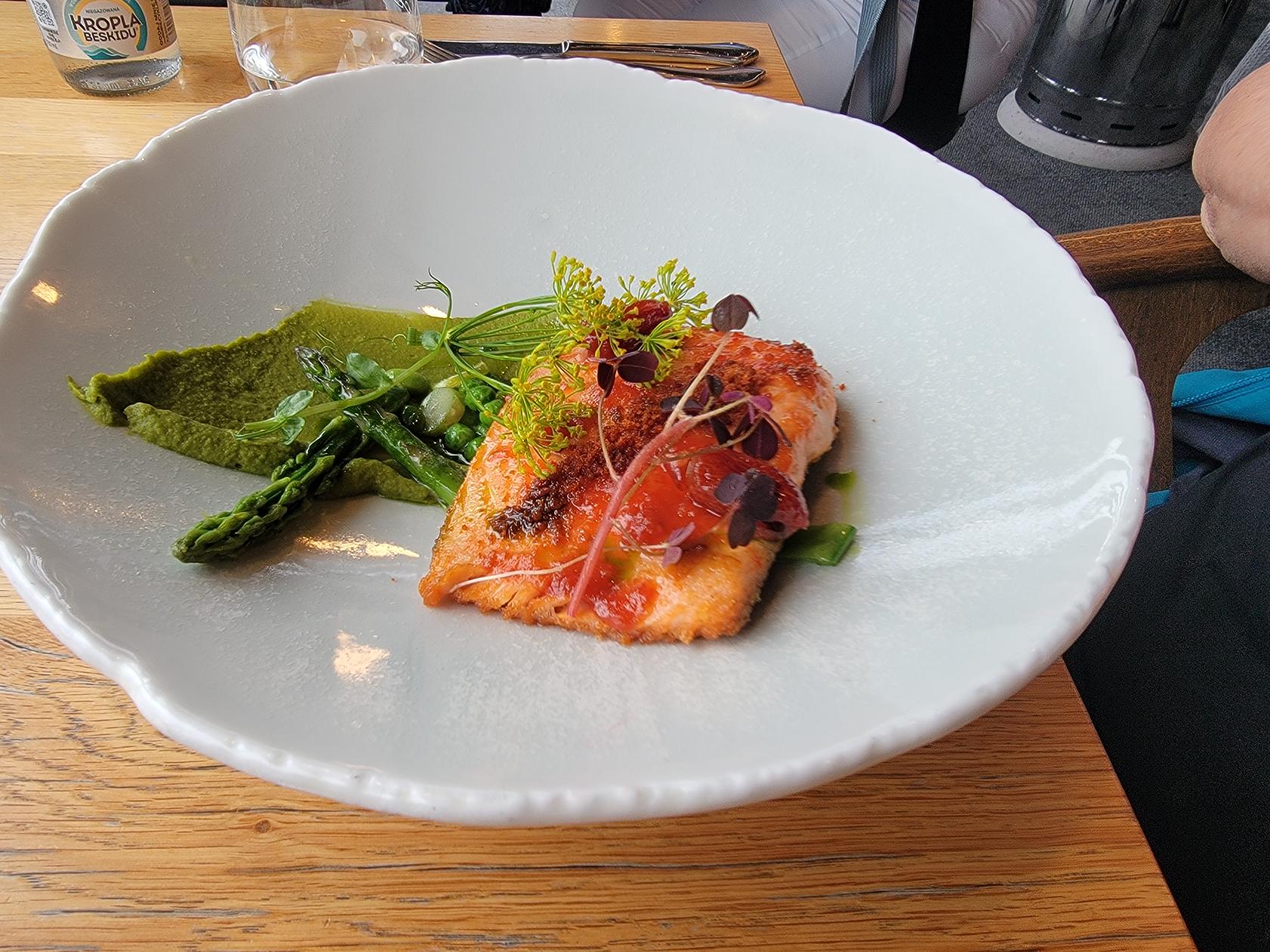
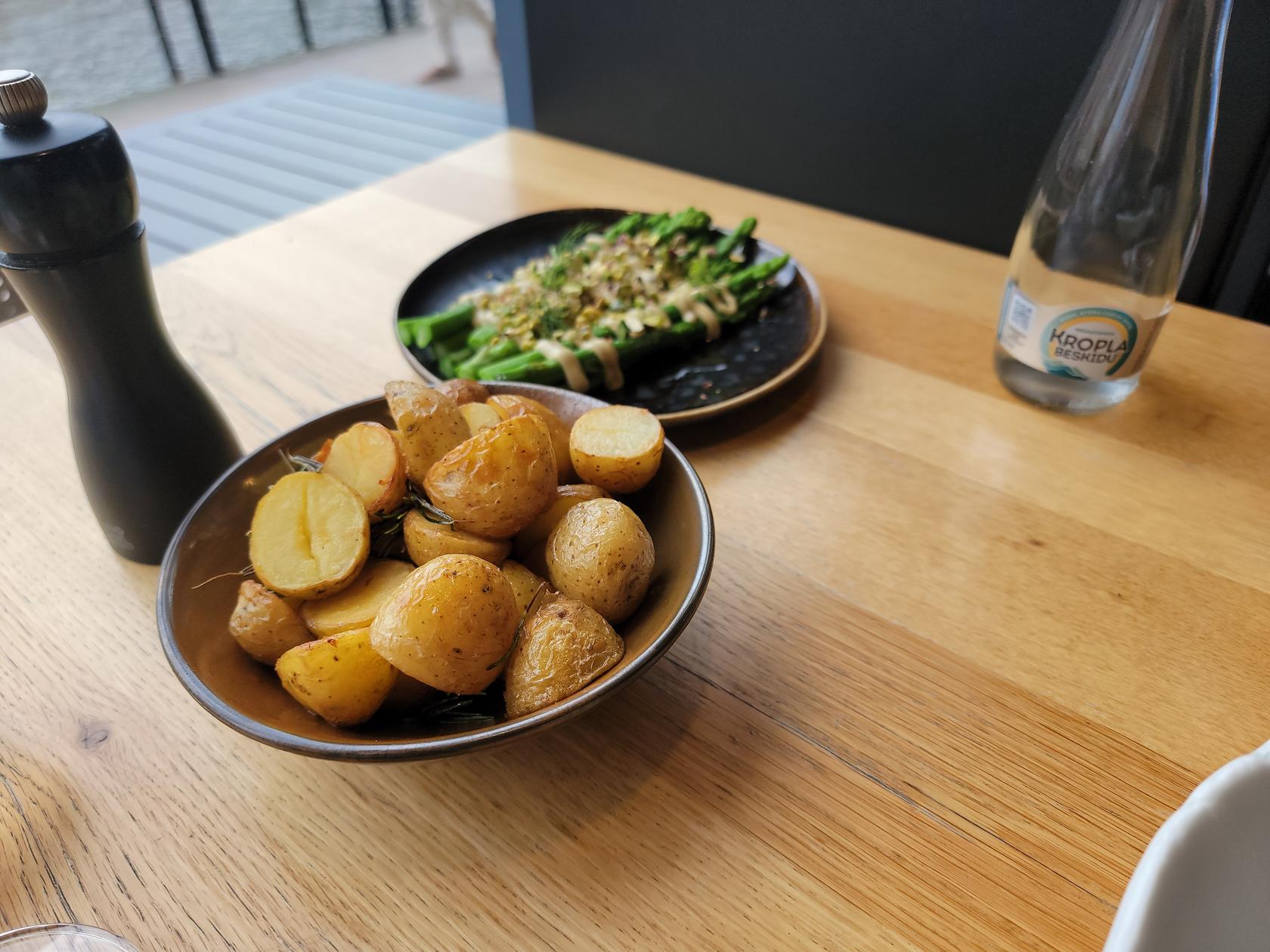
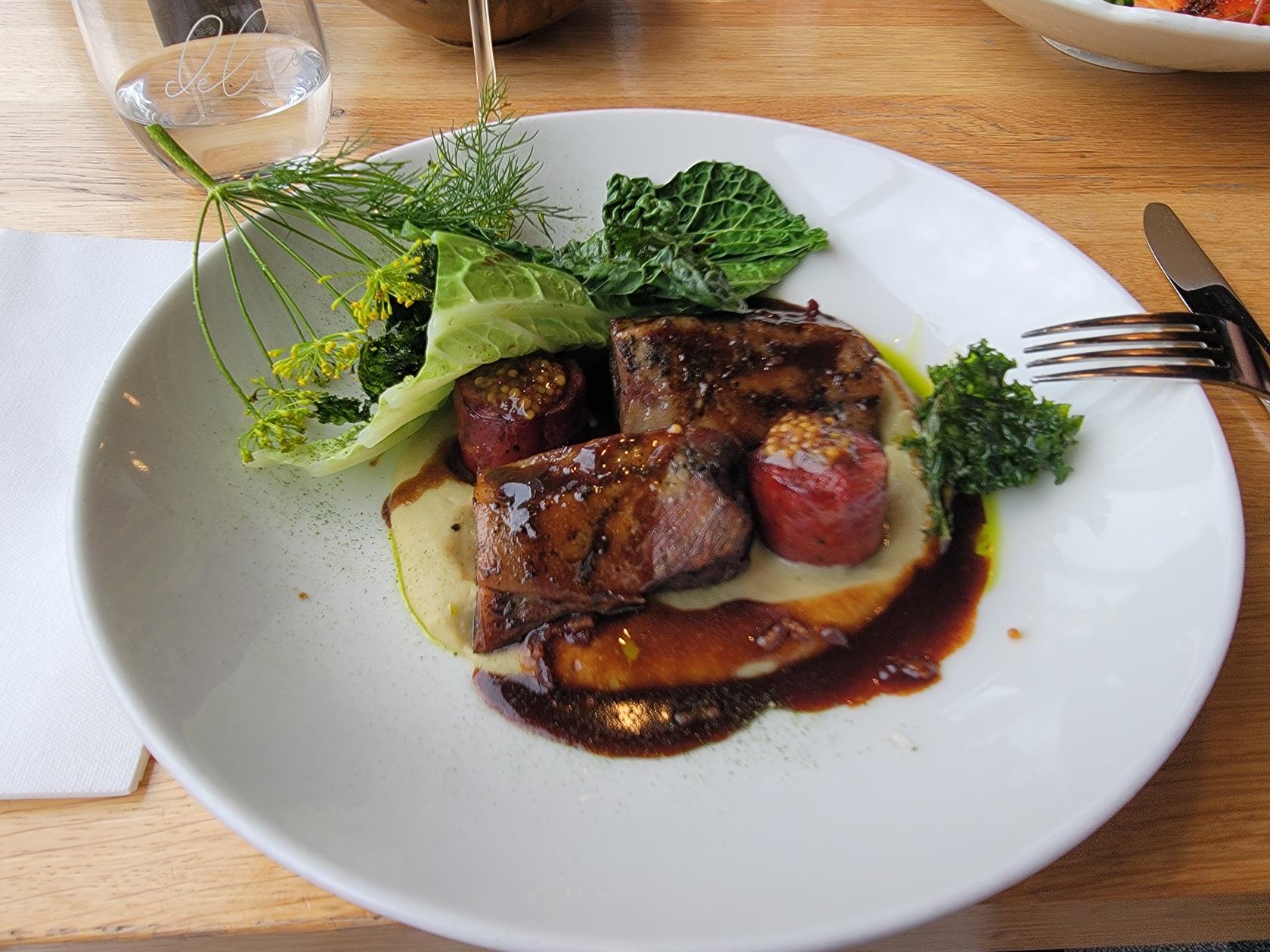
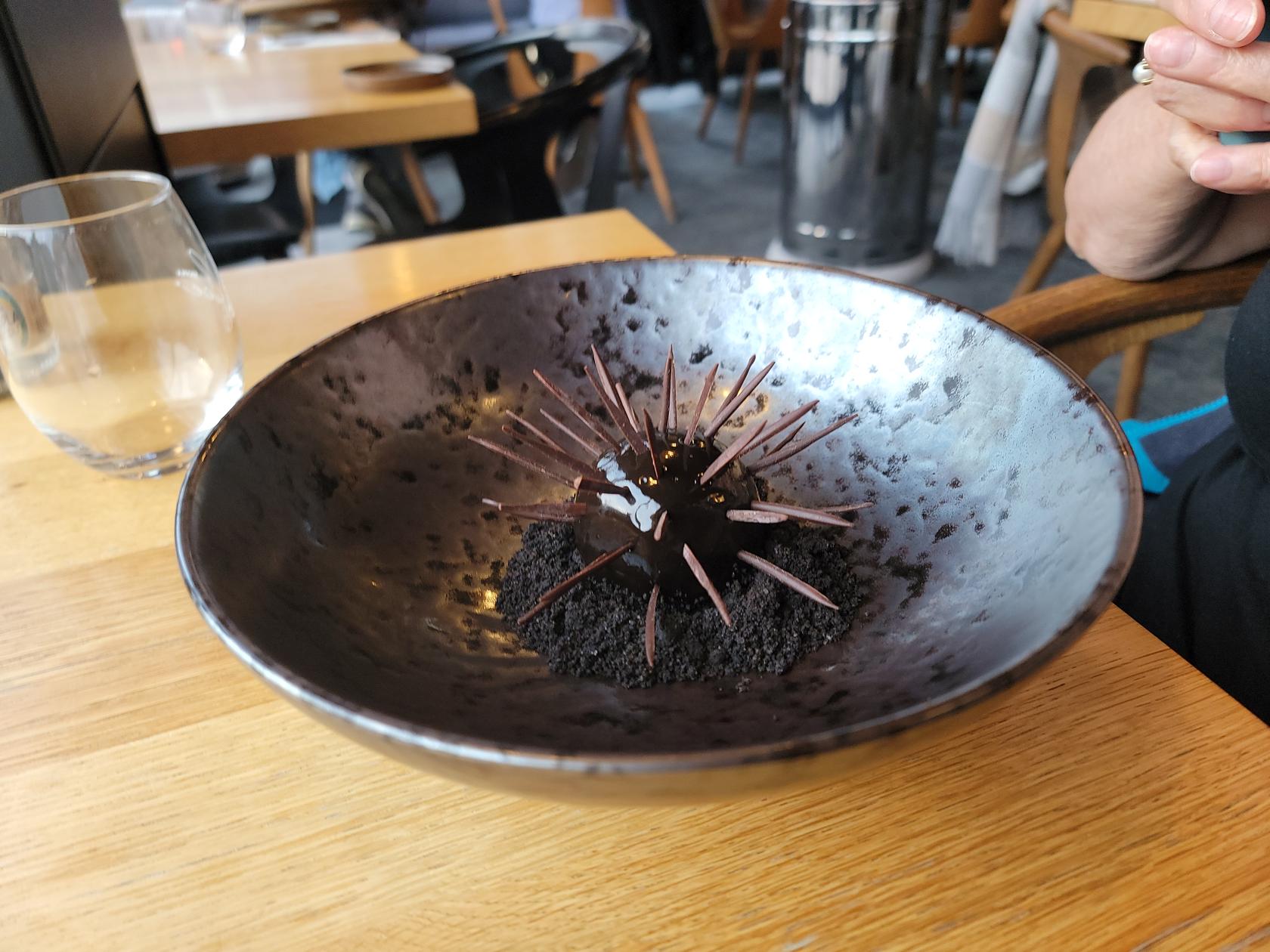
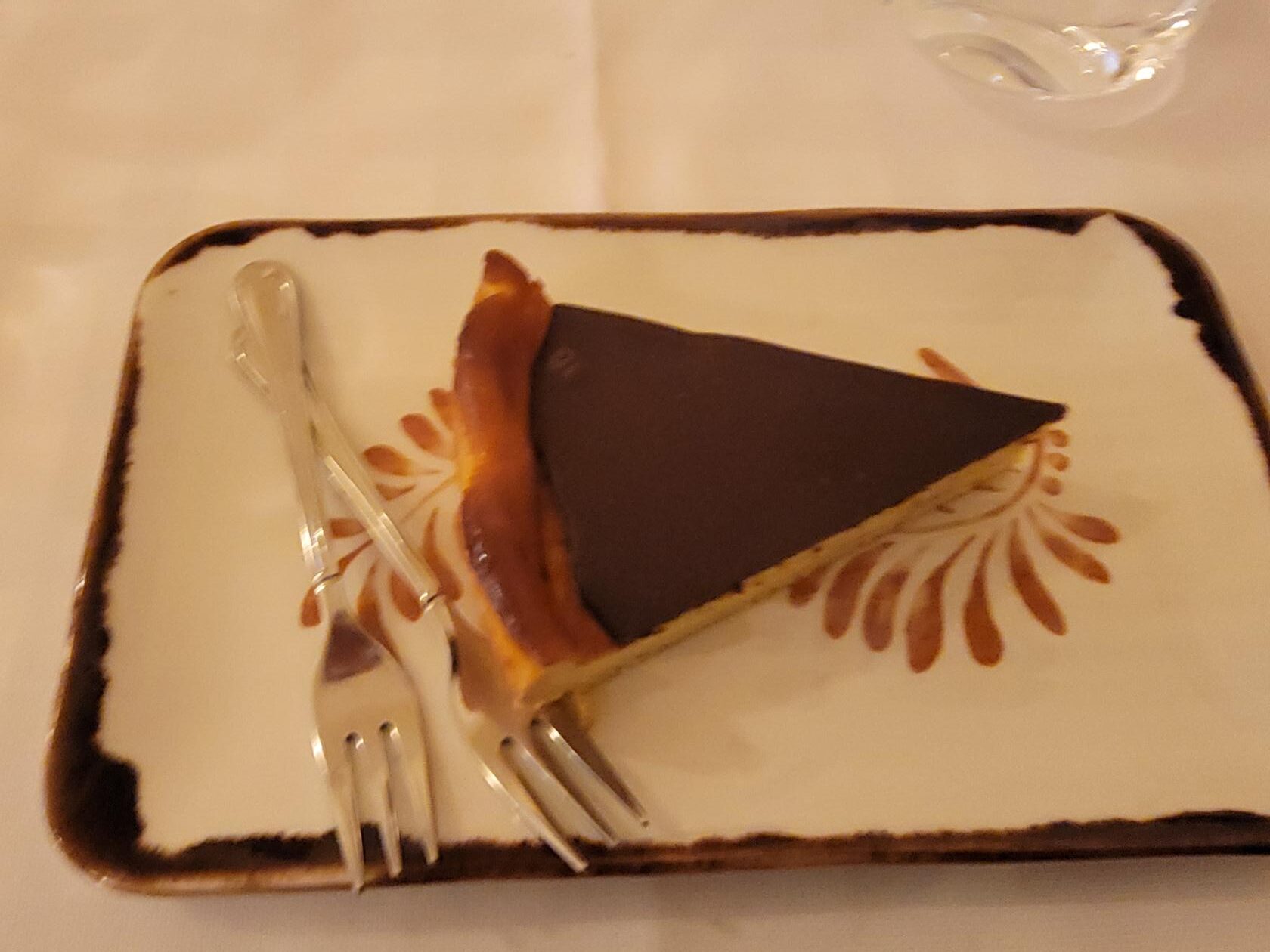
A highly rated restaurant with excellent Polish food is Tygle. Here you will find some classics as well as some new takes on Polish cuisine. If you are a chocolate lover, the urchin dessert is a must try. But be careful, those spikes are dark chocolate and will cause real damage to your diet.
Aside from its old Germanic name of Breslau and its temporary occupation by the Soviets, Wrocław looks and feels completely Polish today. Though not as pretty or well kept as its southern cousin Kraków, it is still a nice city to visit for a few days.
Cathedral – Oder River – Wrocław, Poland
Wrocław
Situated on the river Oder, Wrocław is today an odd mix of old, new and unfinished. We were actually quite surprised at how often we came up parcels in the city that were either unimproved or totally abandoned. That coupled with the weather, which for us turned rainy, made for a lasting impression of it being a dreary place if it so wished.
Bastion Sakwowy – Wrocław, Poland
Bastion Sakwowy – Wrocław, Poland
Promenade – Wrocław, Poland
Promenade – Wrocław, Poland
Fortunately we had enough good weather, however changeable it was, to tour the entire city and enjoy it. We especially enjoyed the area around the Wrocław Cathedral and would commend you visit there if you have a half day to spare.
Getting There
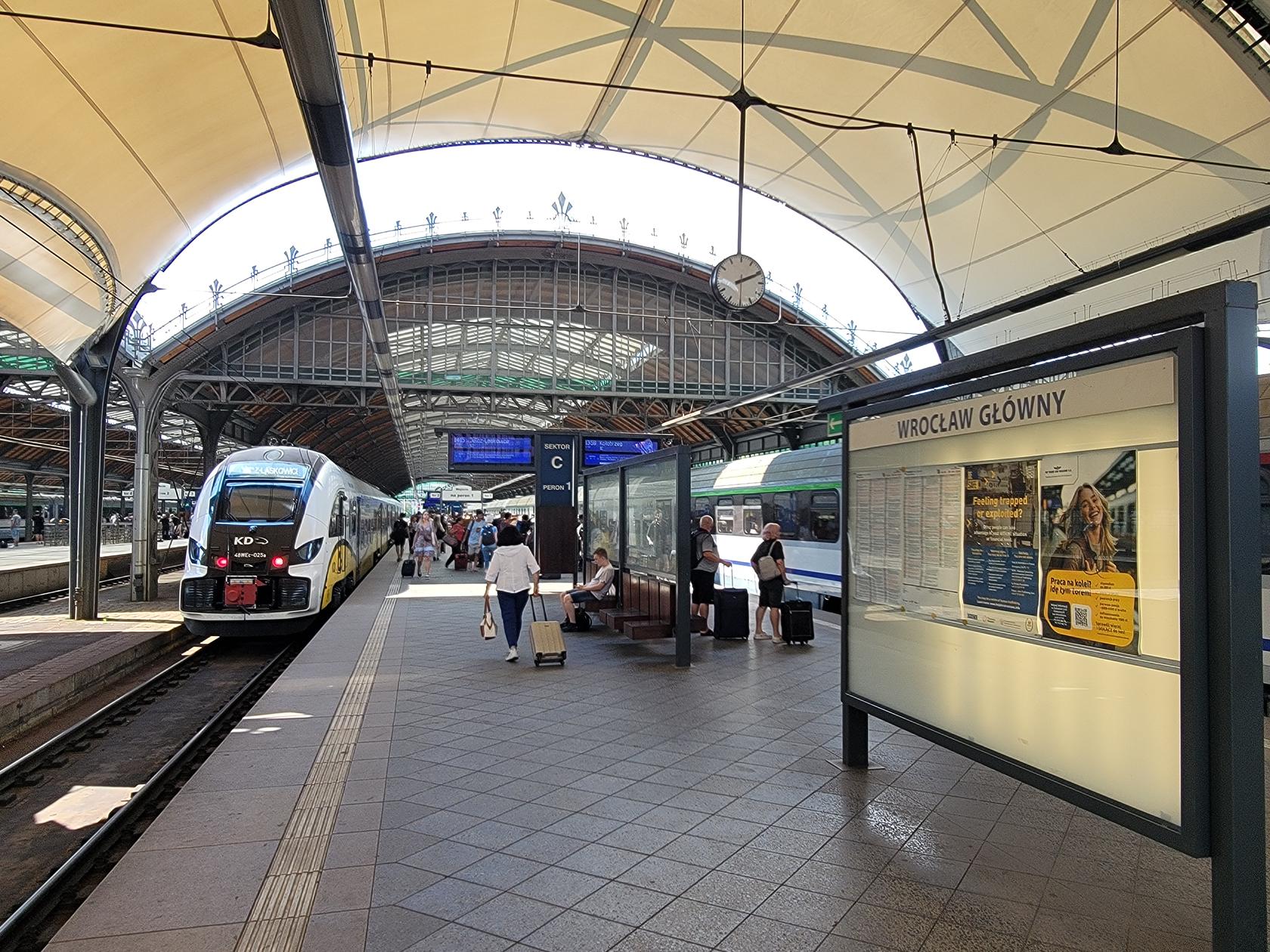
The easiest way to get to Wrocław from Kraków is either by car, bus or train. Since we try to use trains when we can, we took the inter-city train which took about there and a half hours to travel the distance.
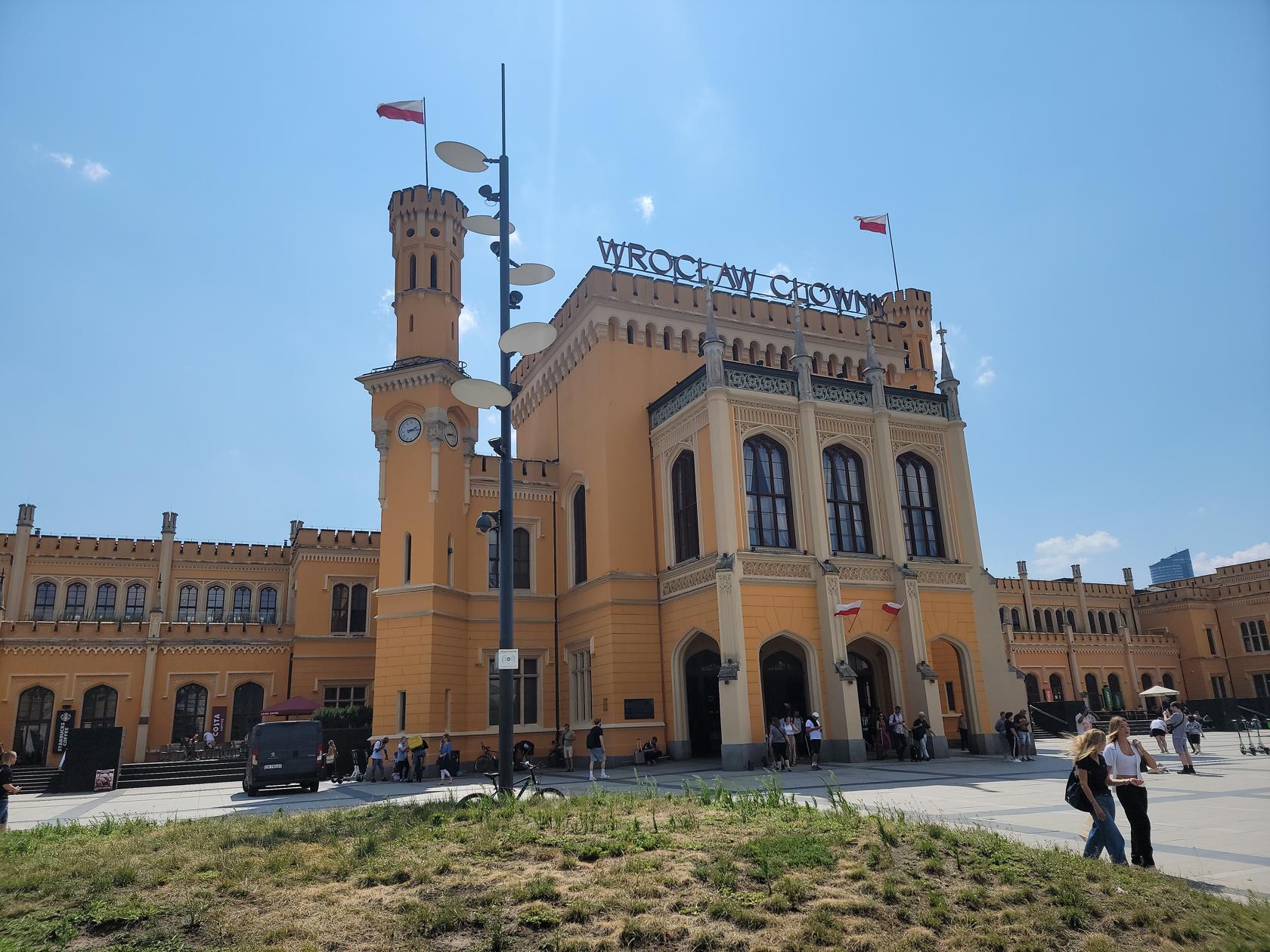
Wrocław Głowny – Wrocław, Poland
Entrance – Wrocław Głowny – Wrocław, Poland
Gnomes Everywhere
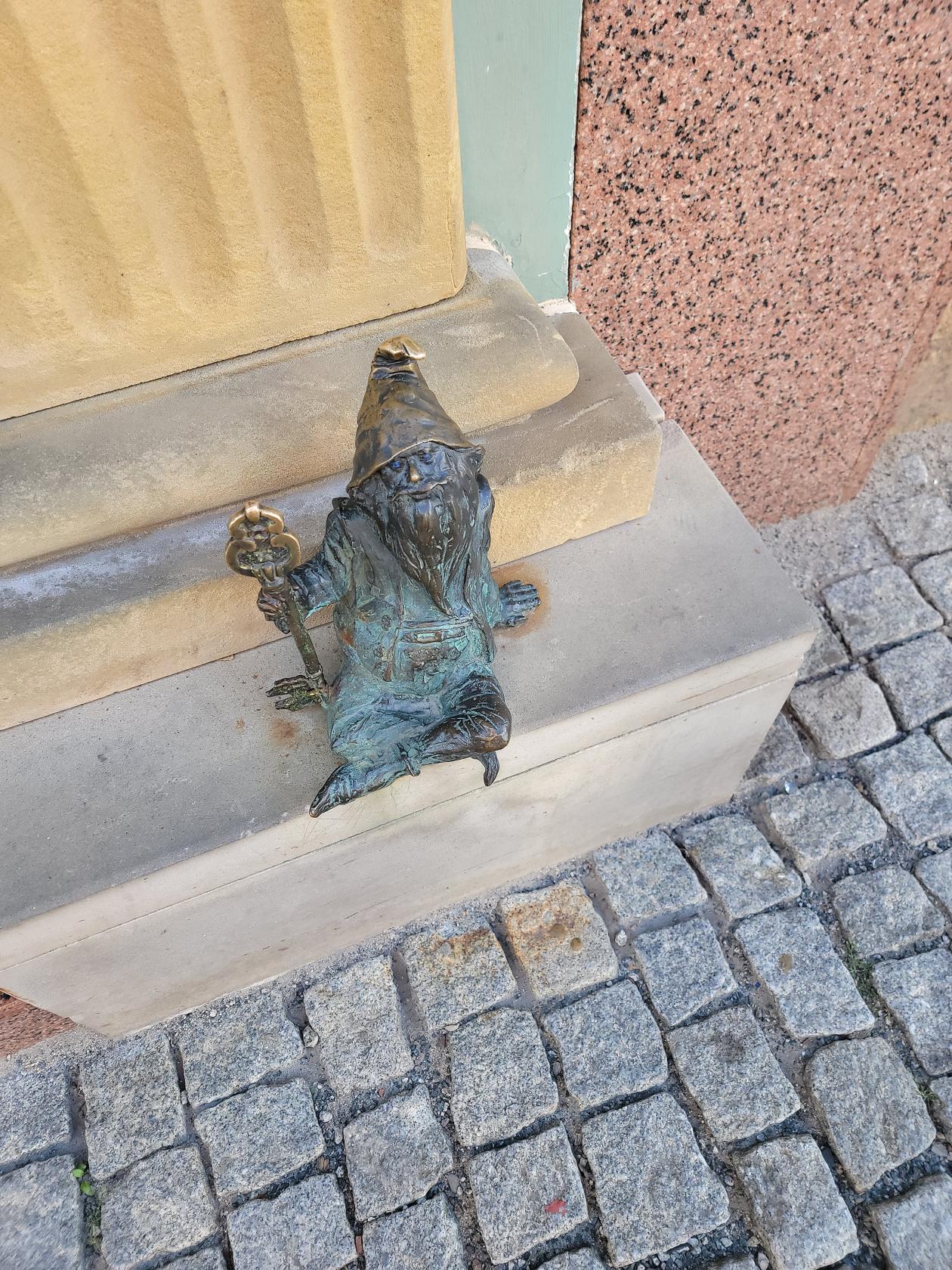
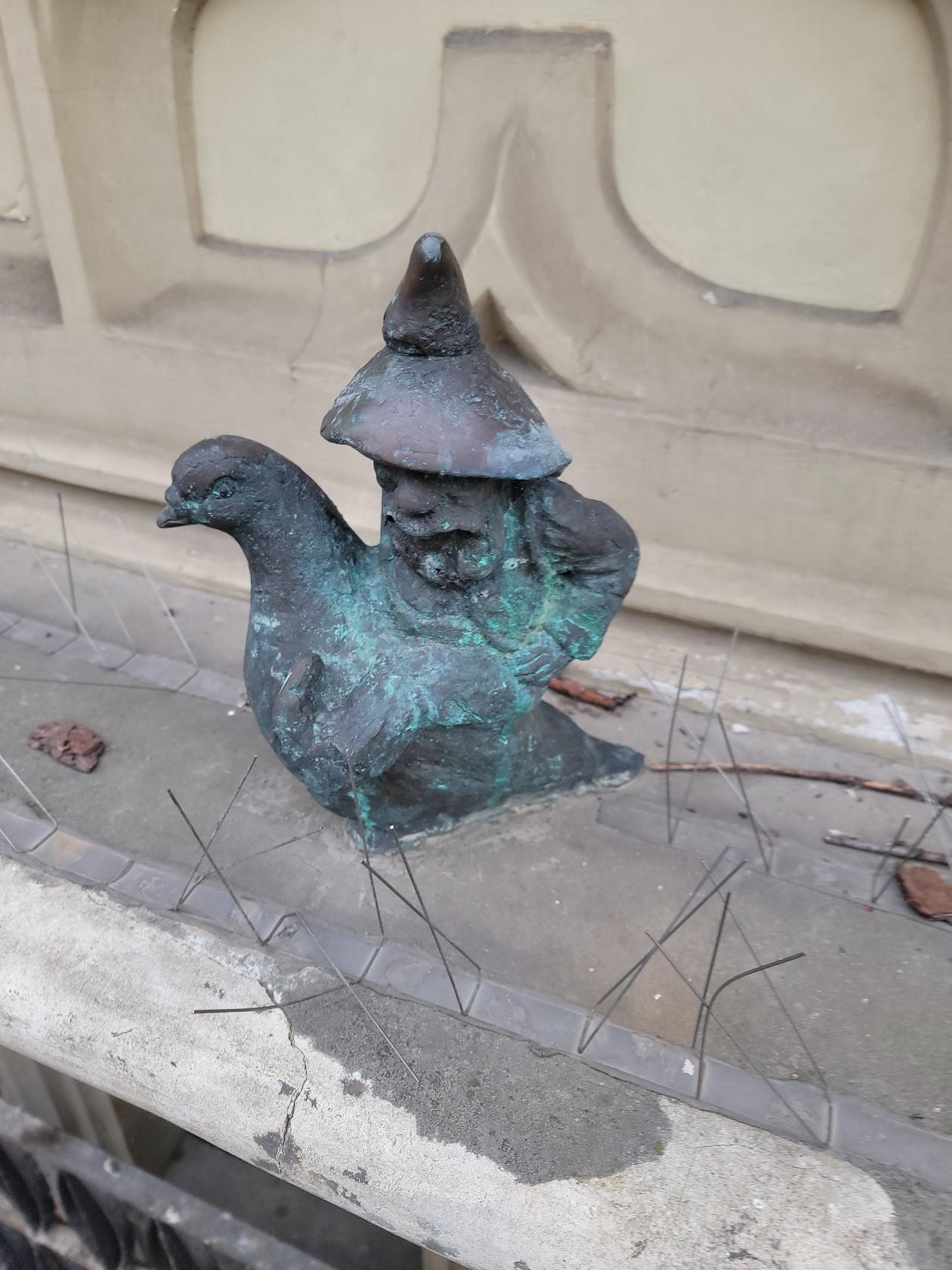
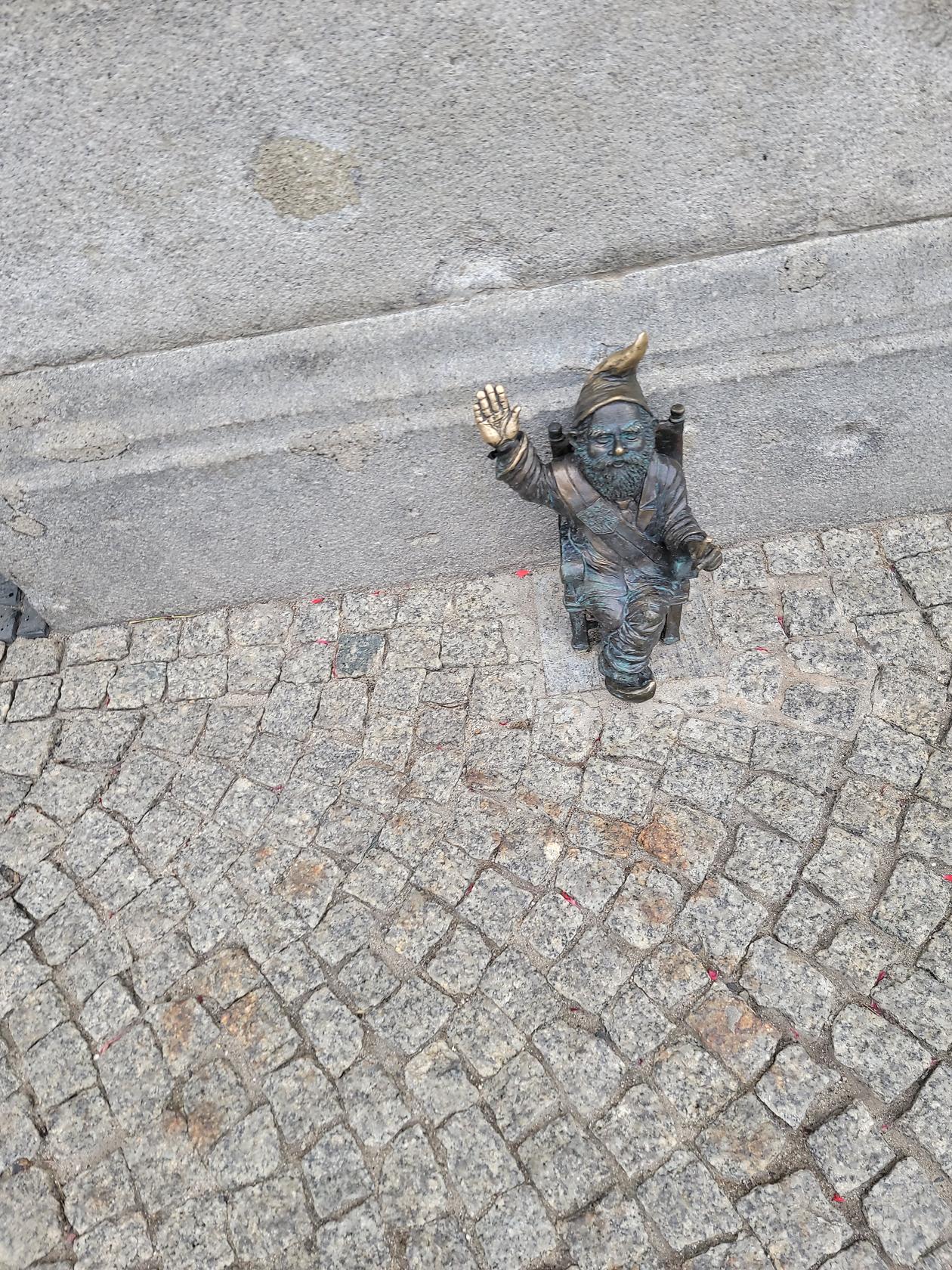
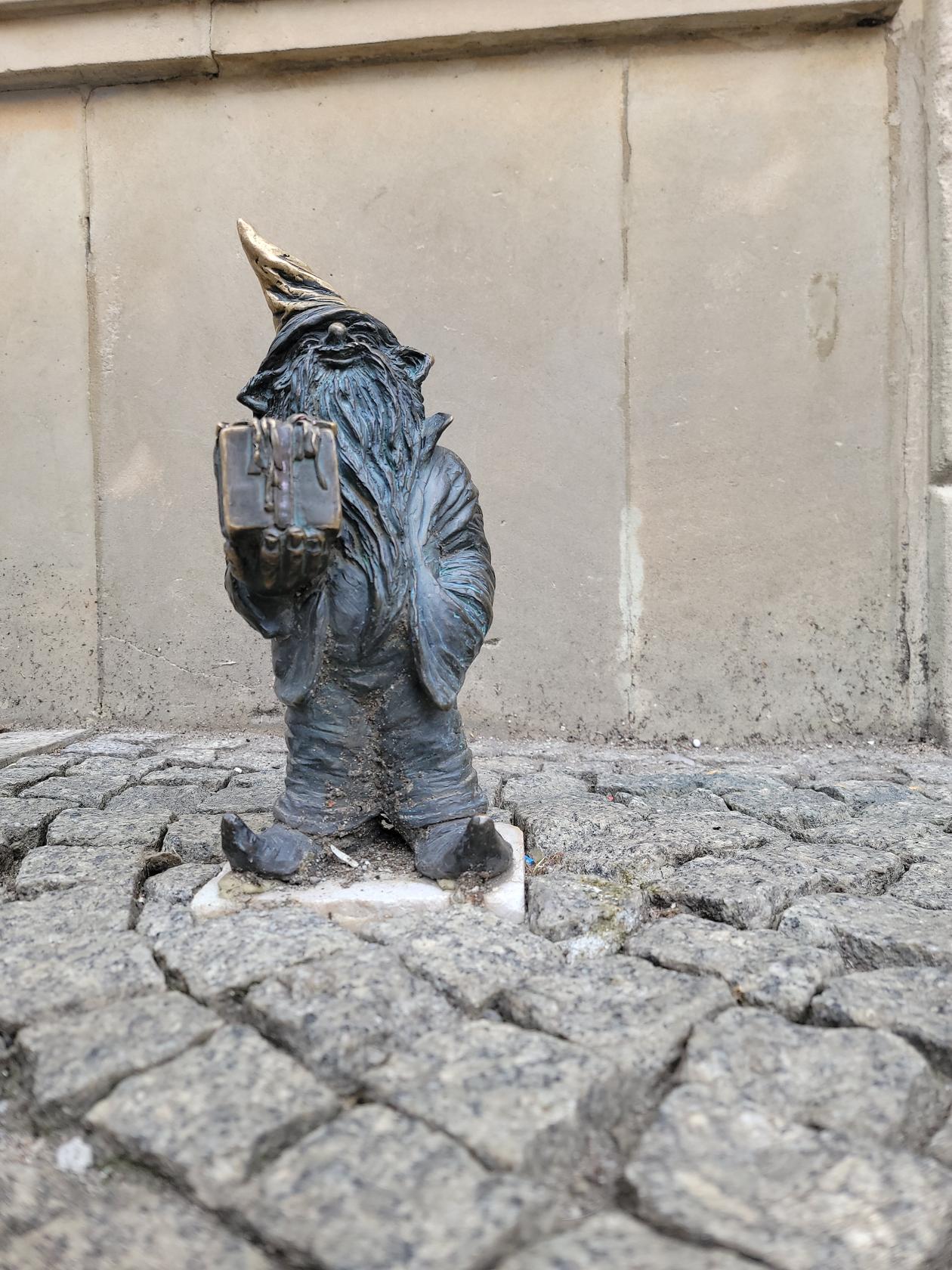
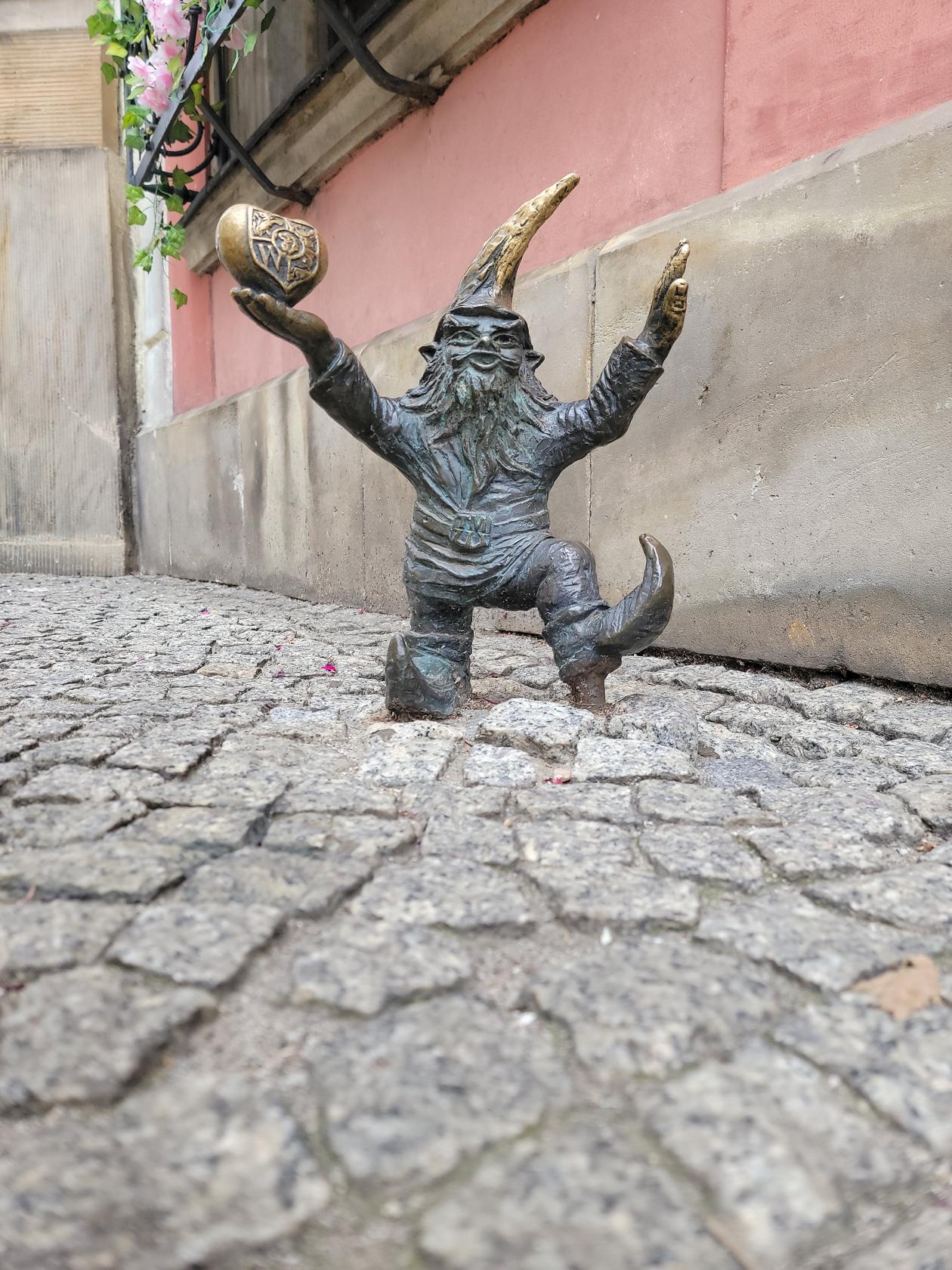
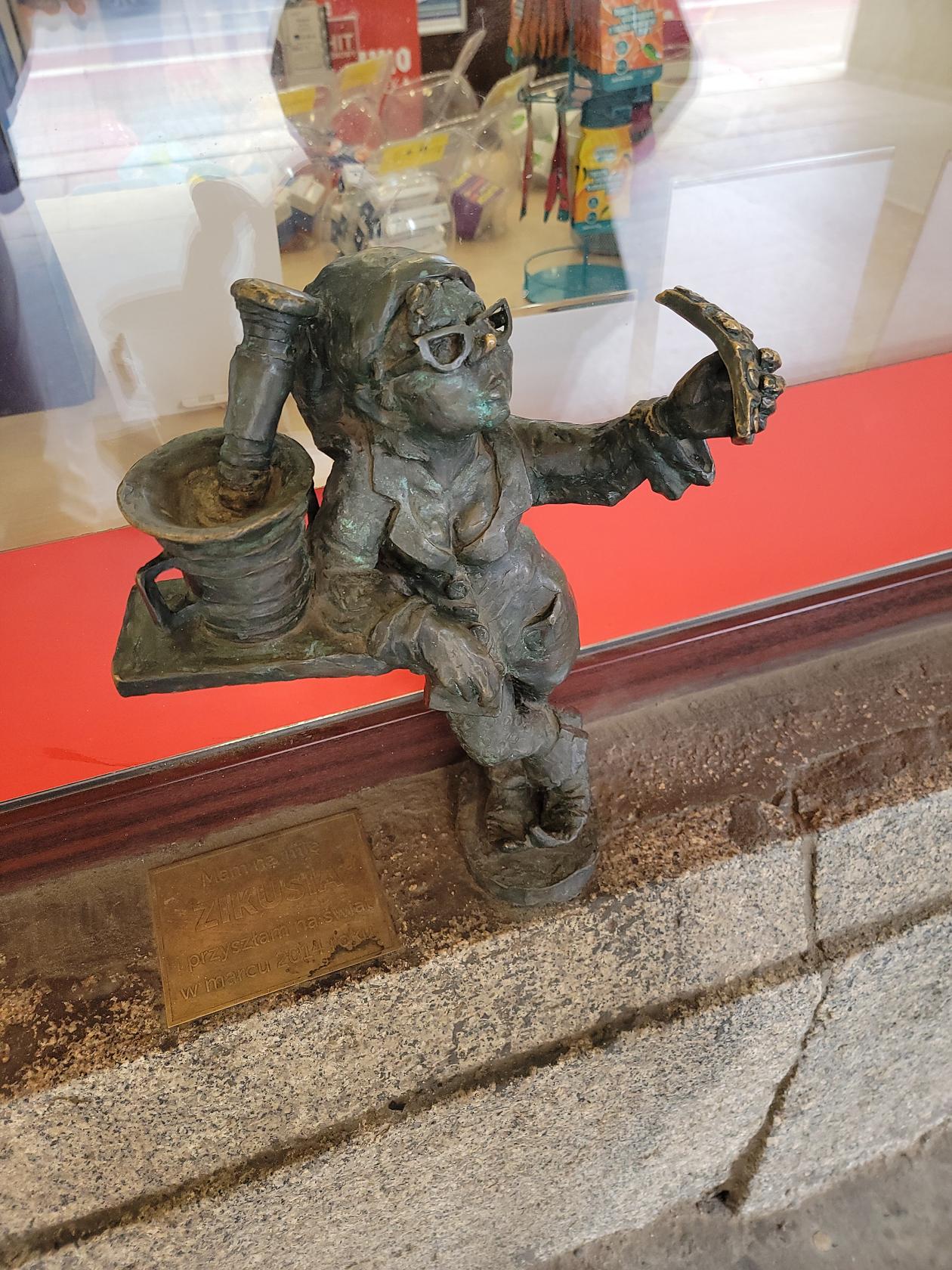
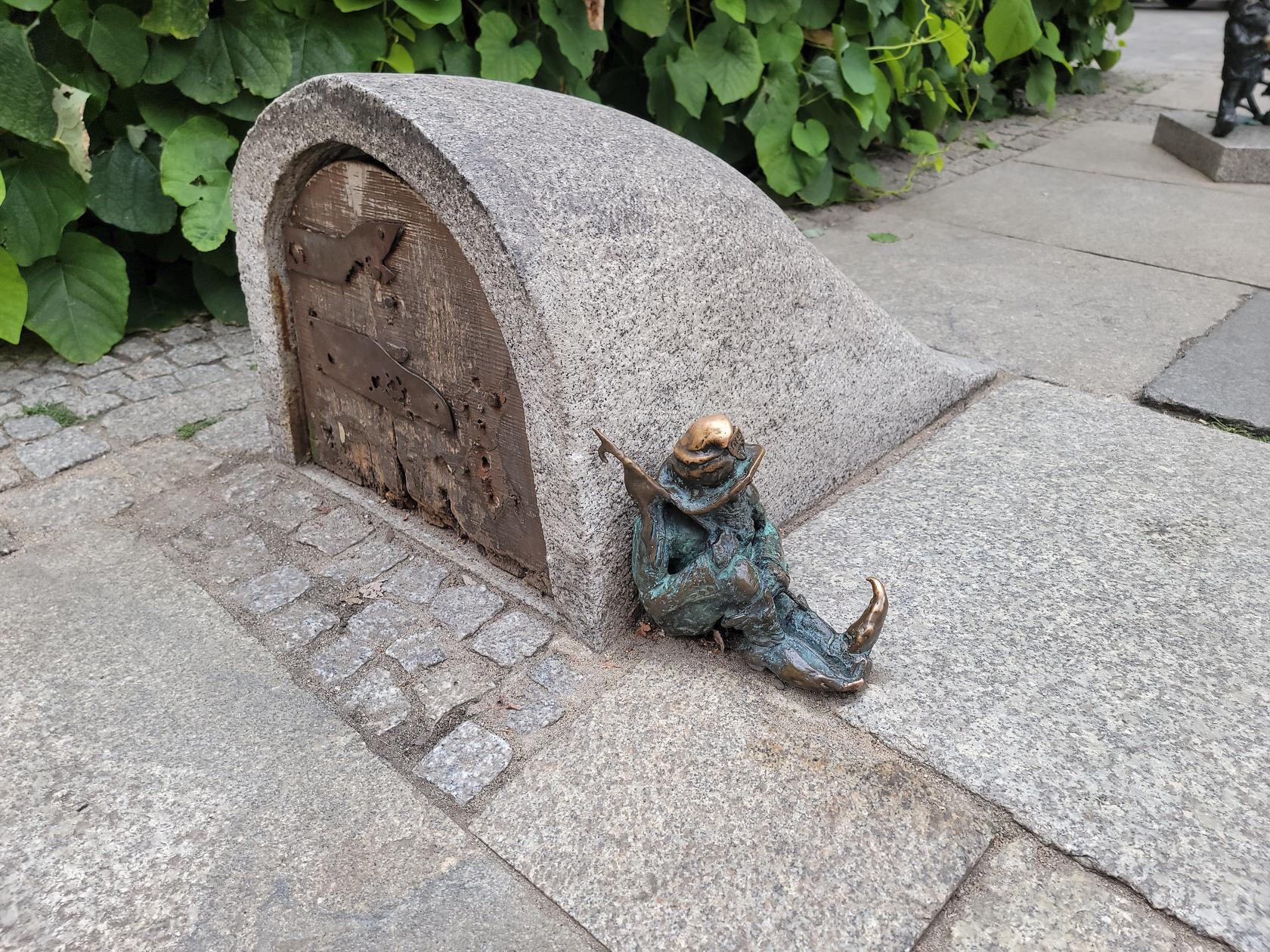
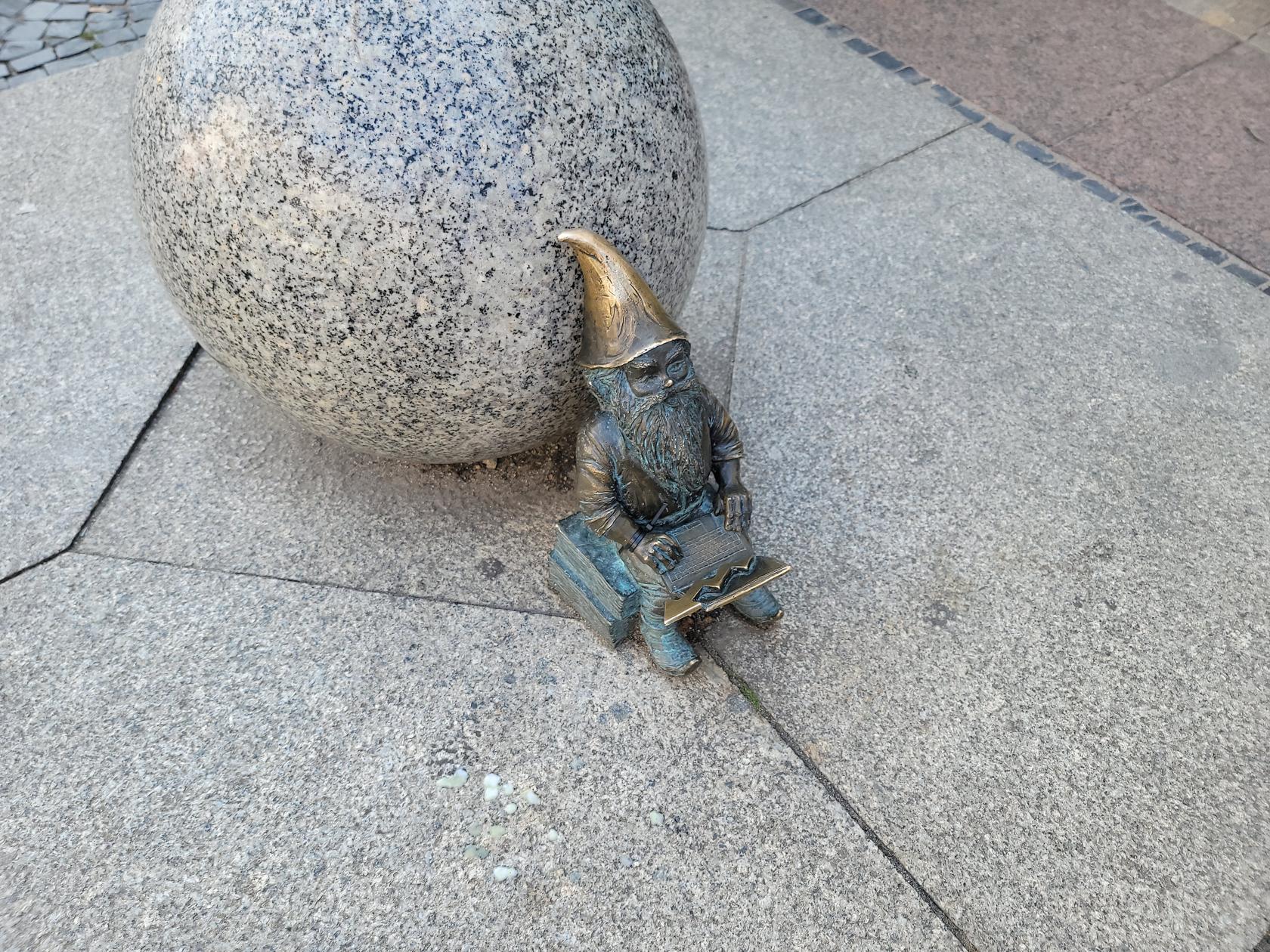
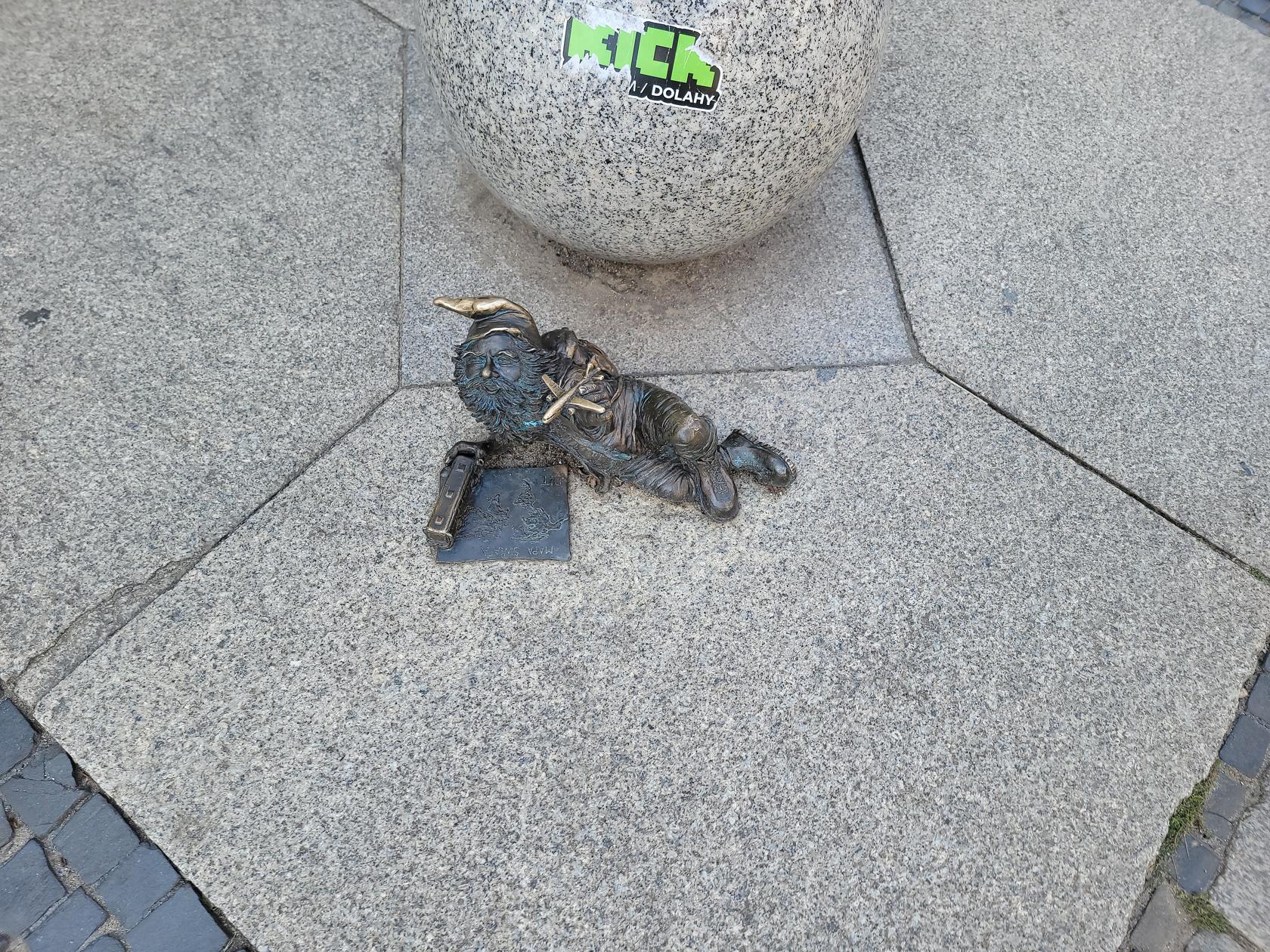
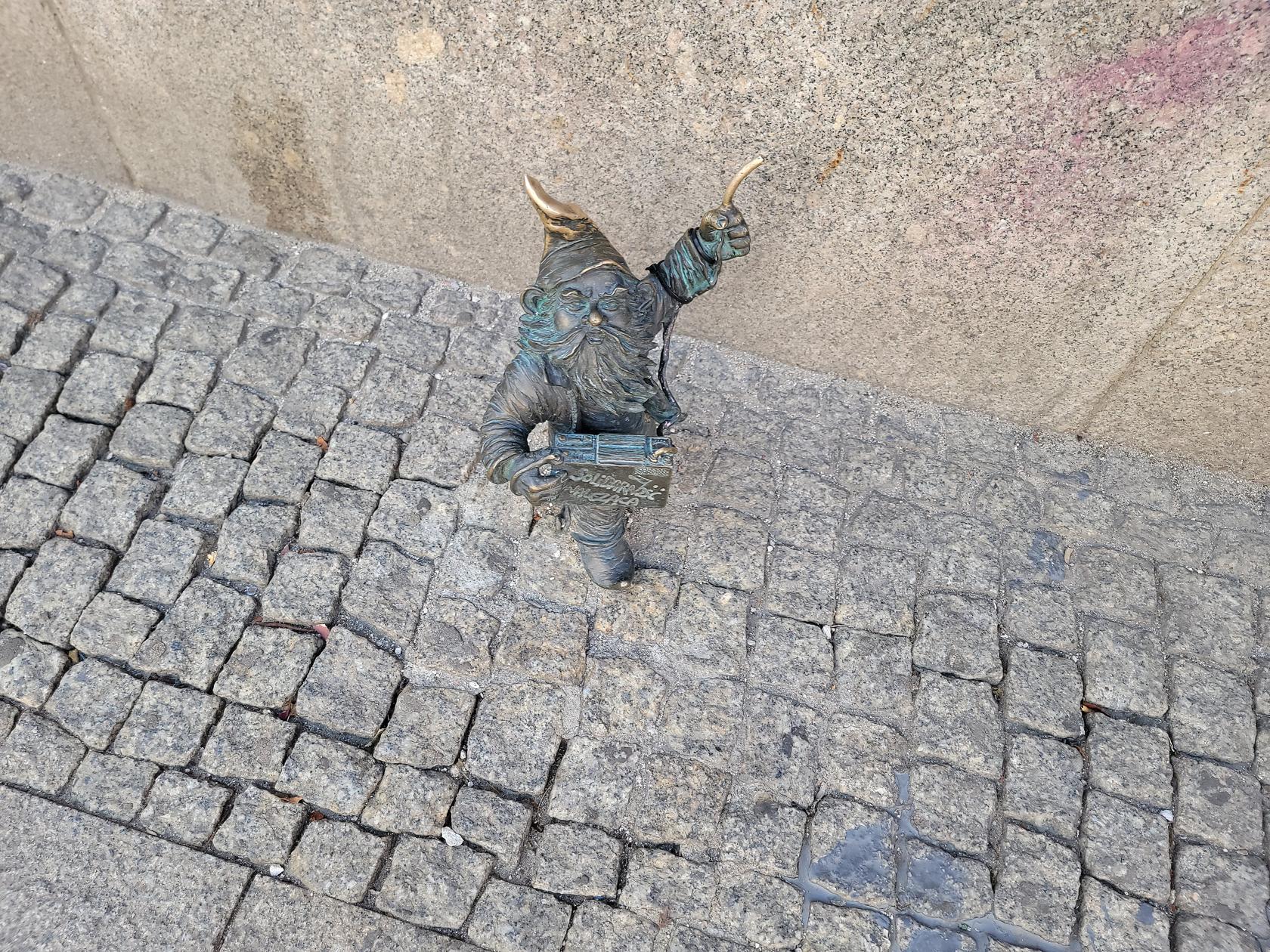
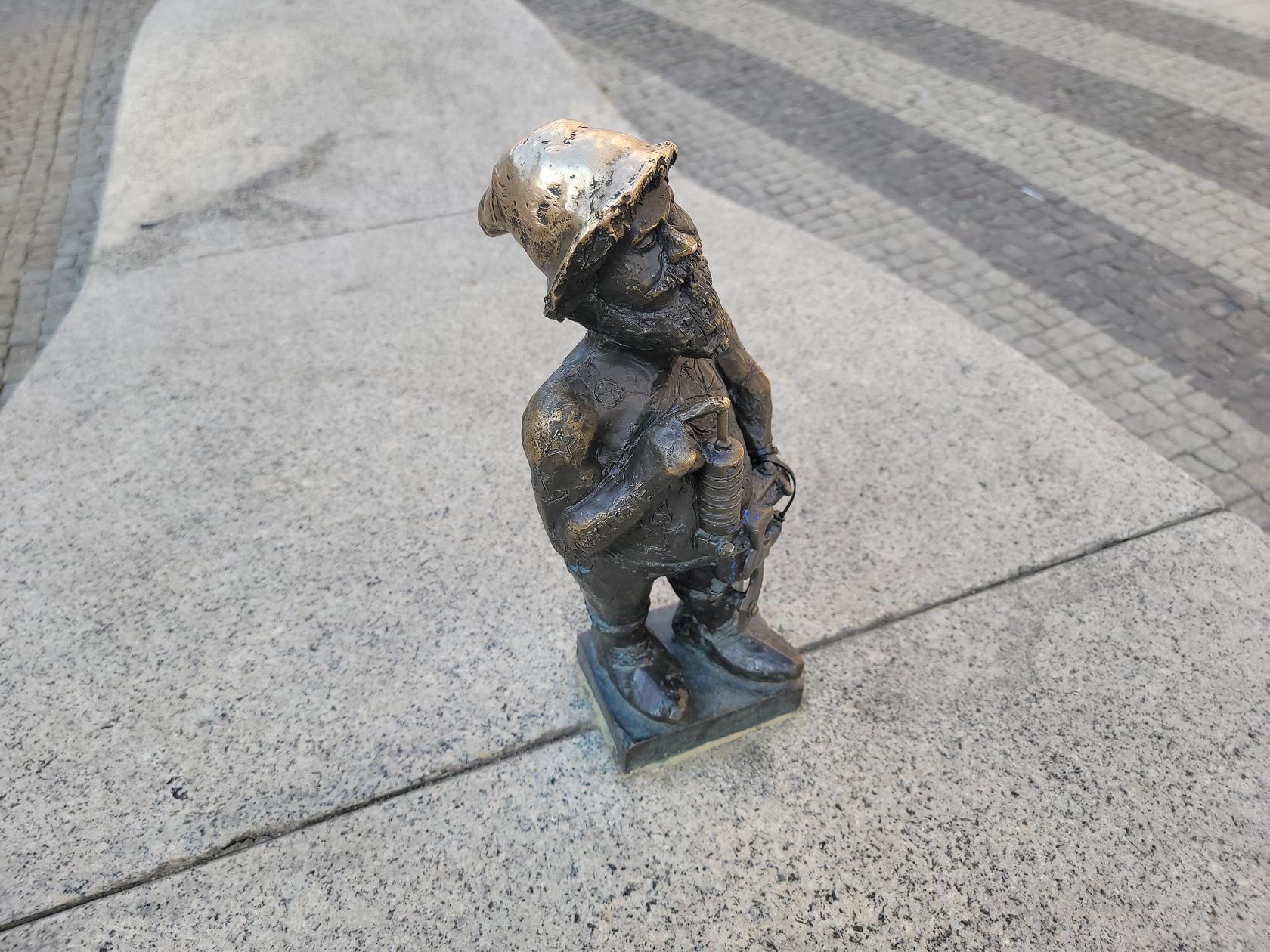
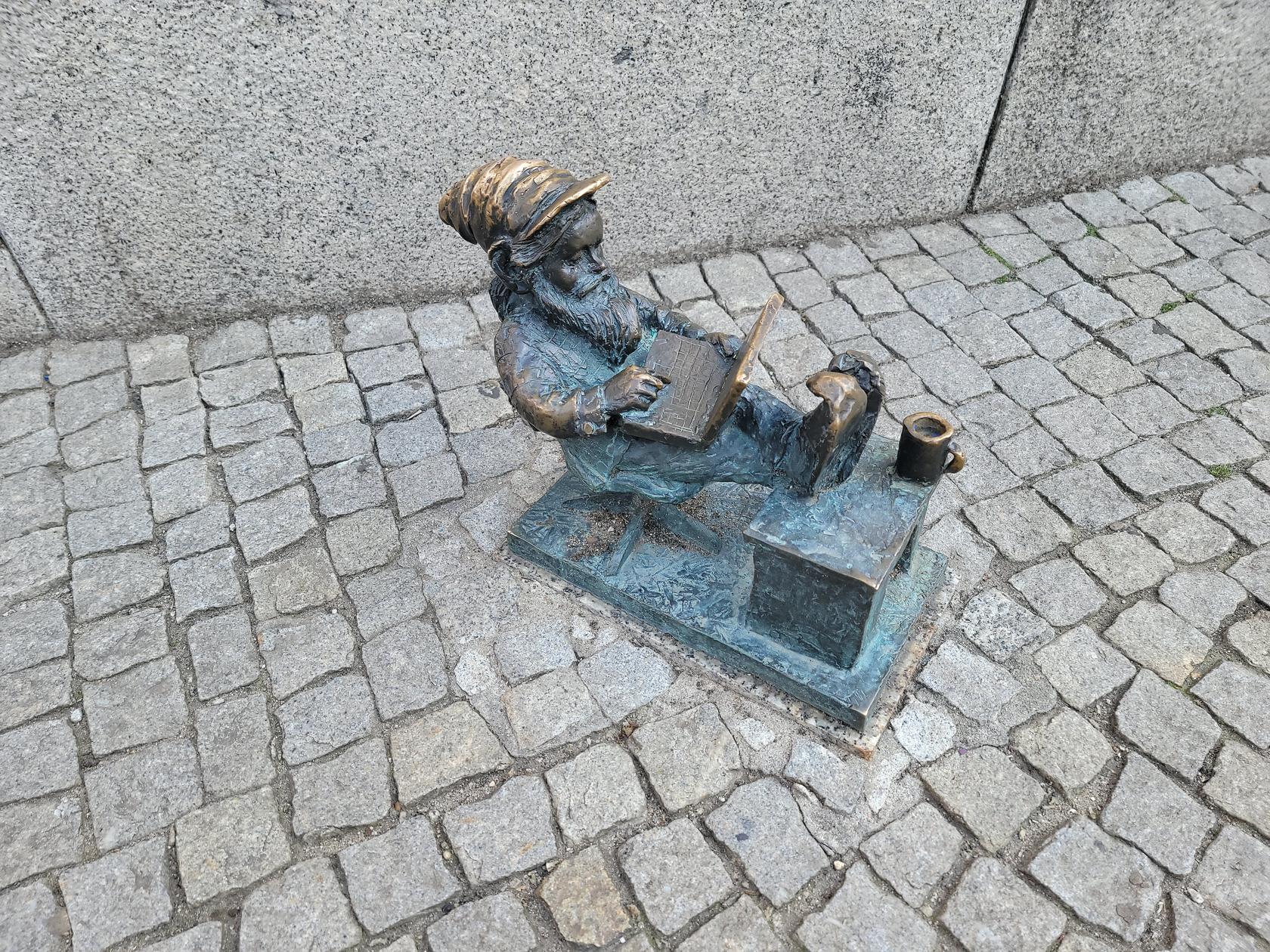
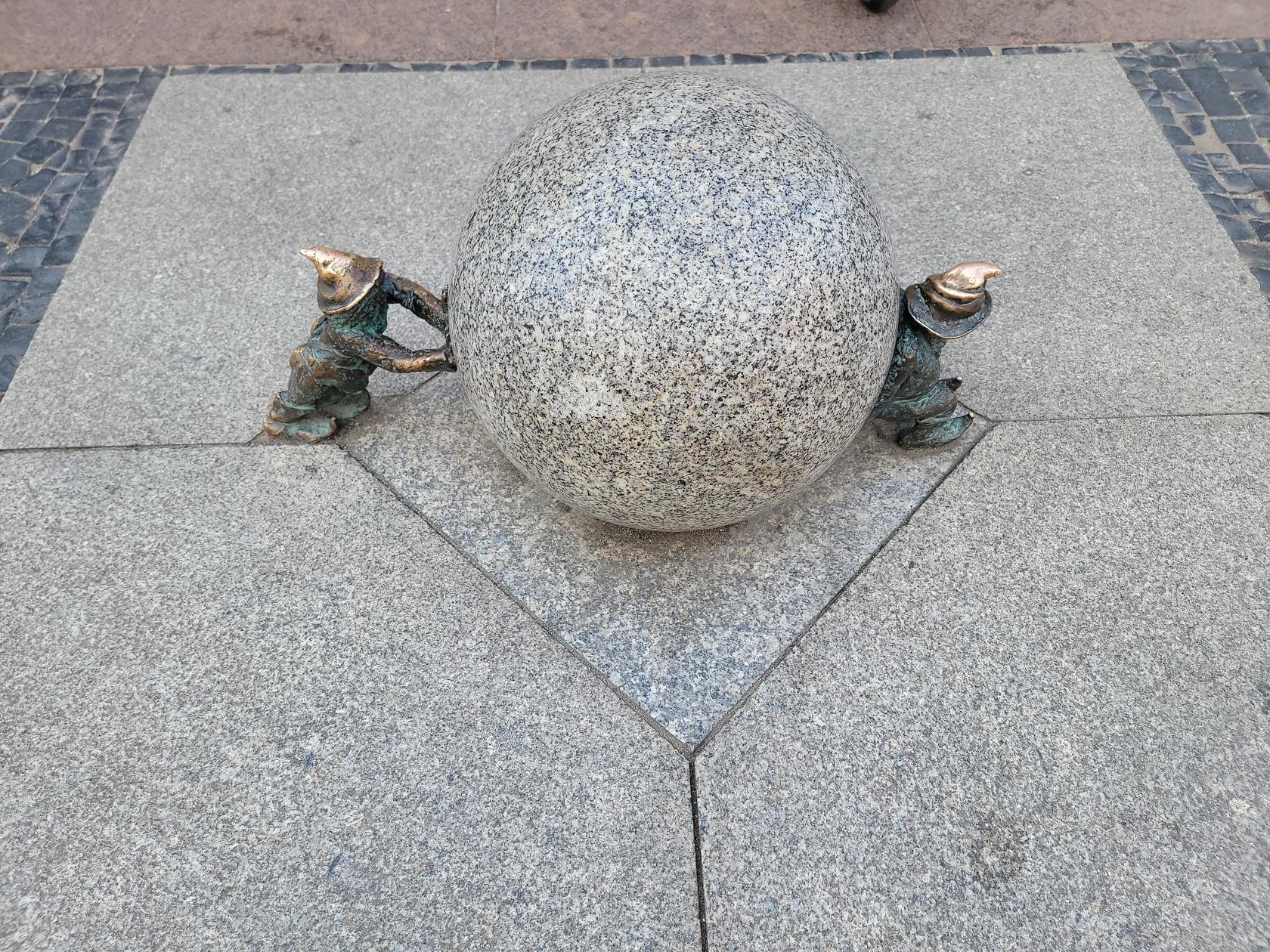
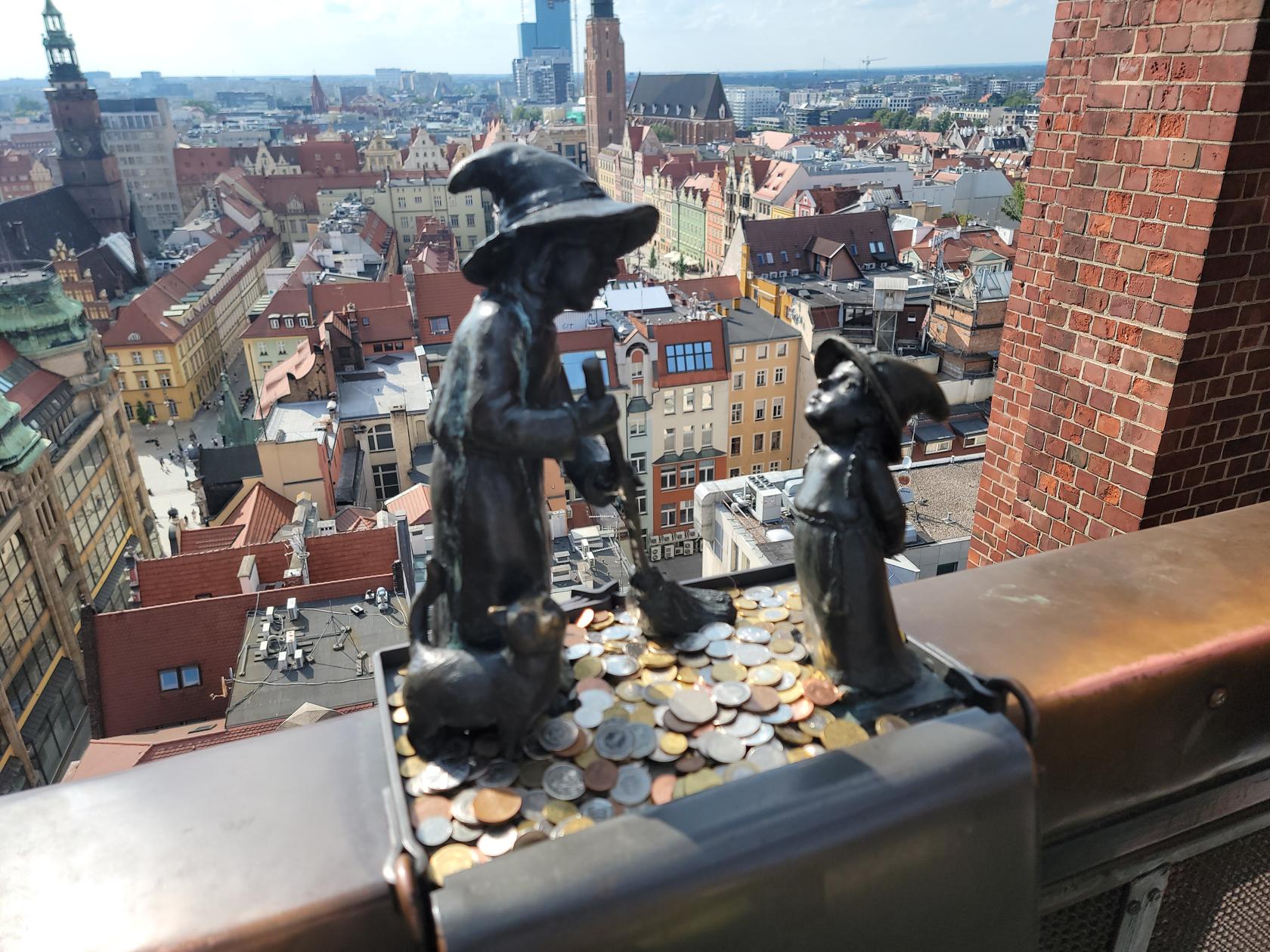
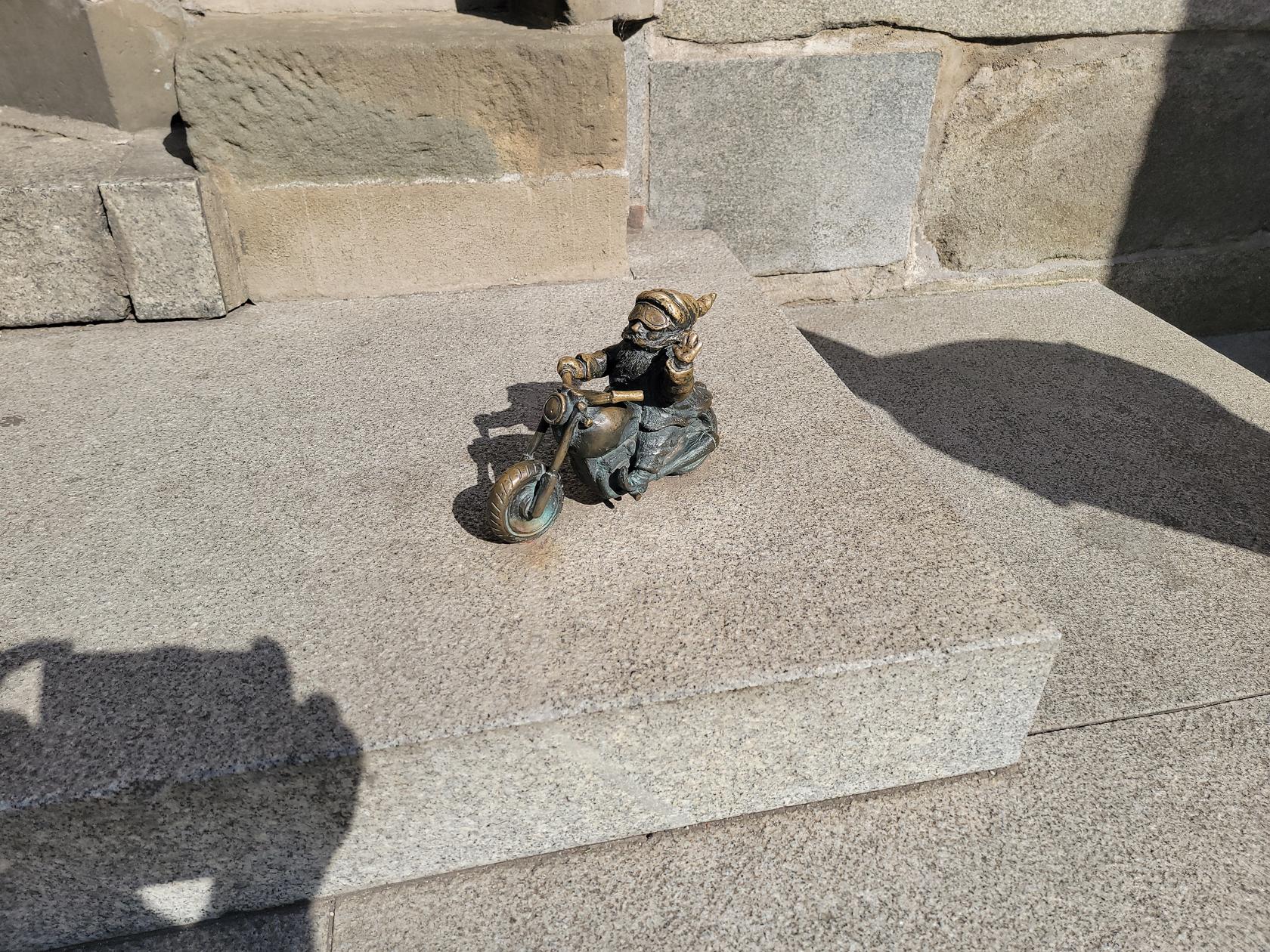
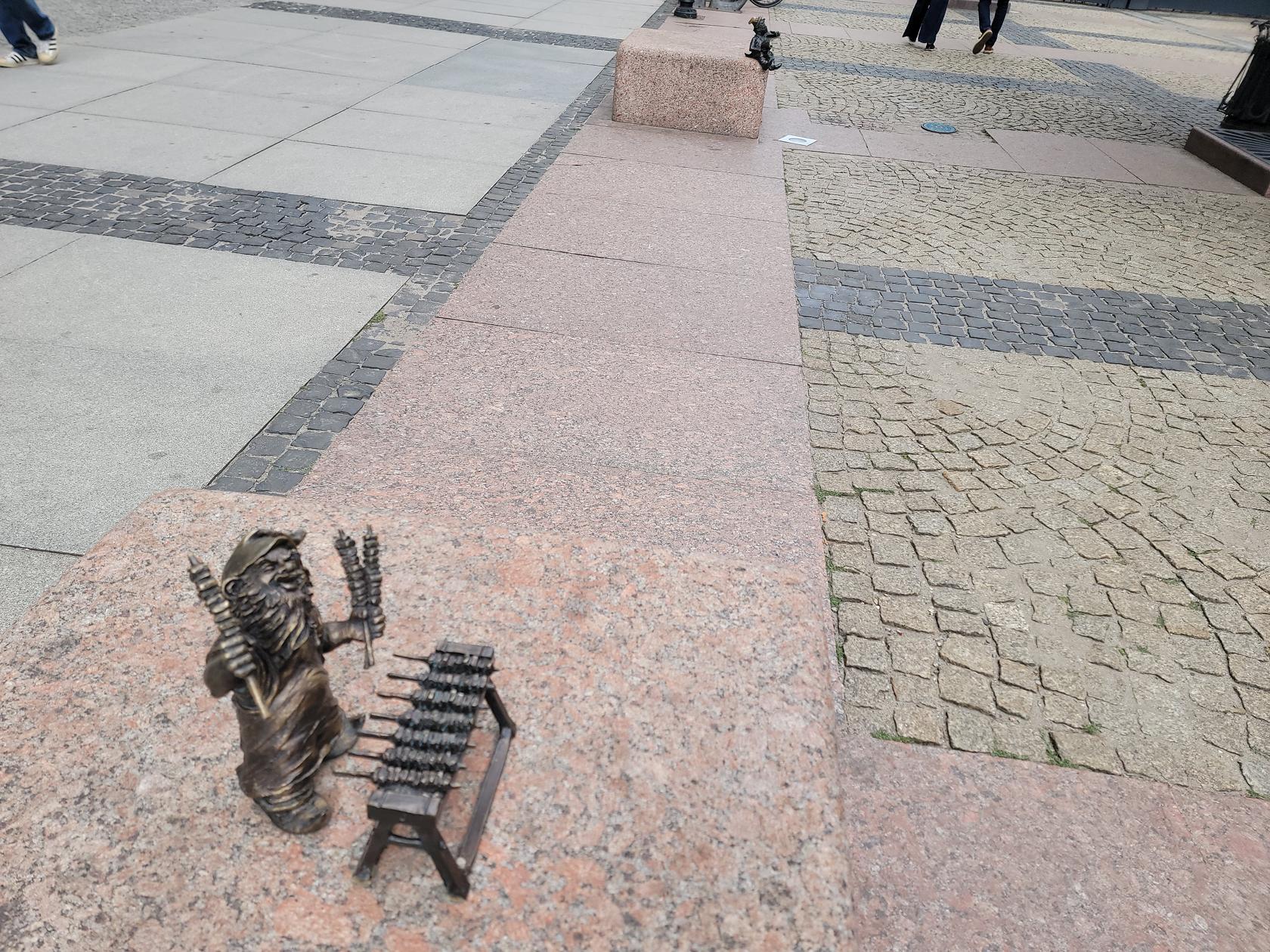
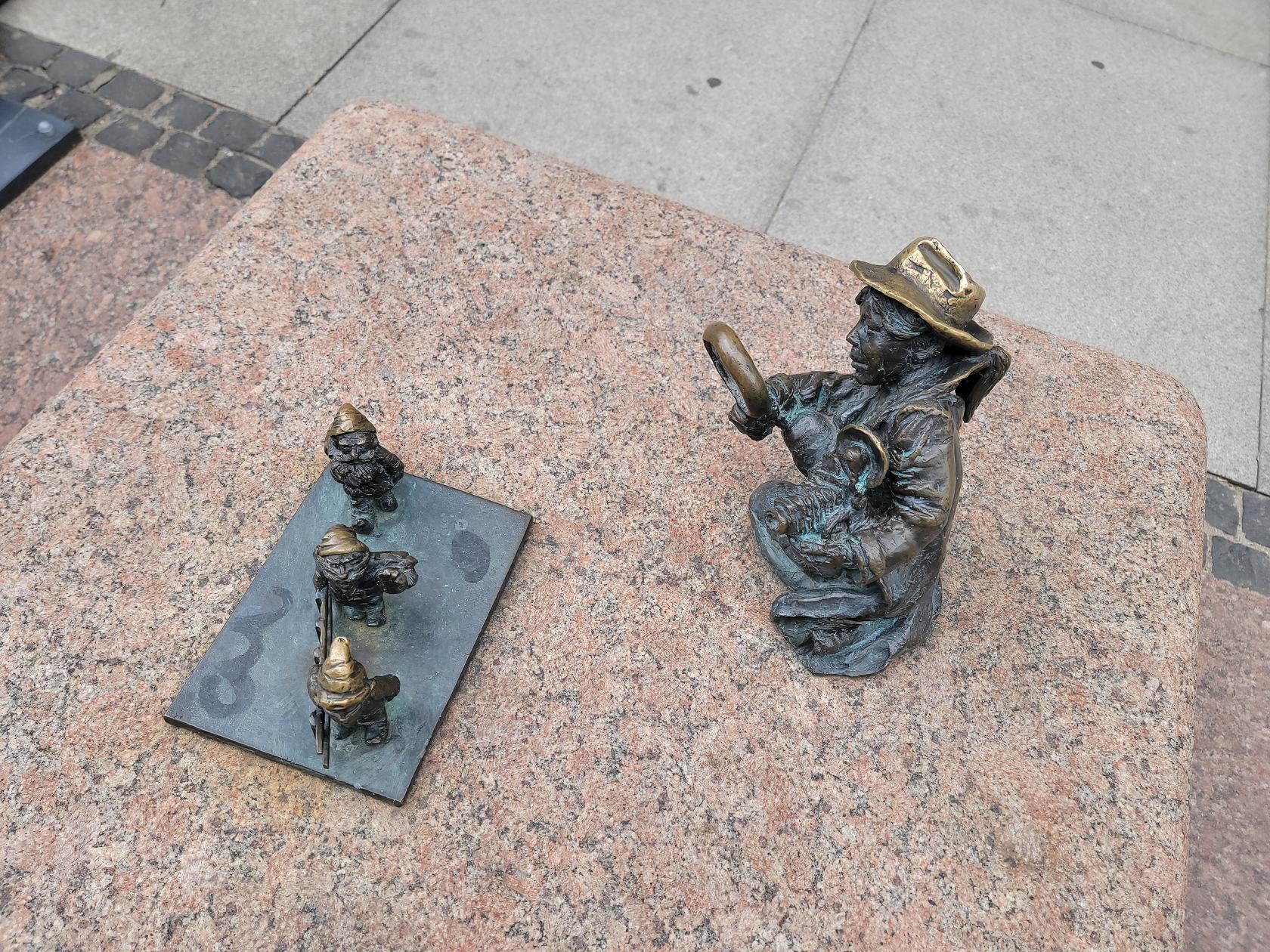
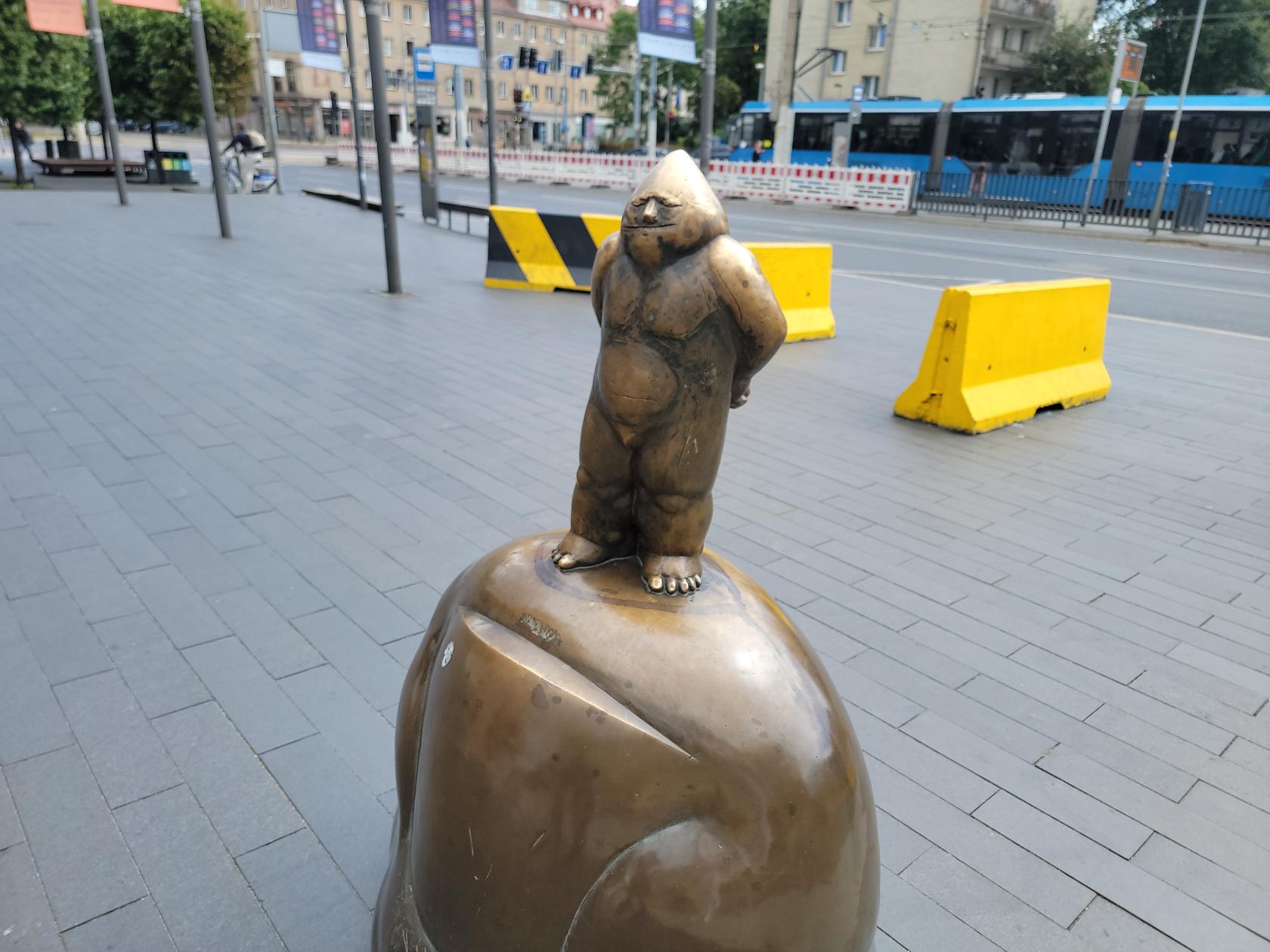
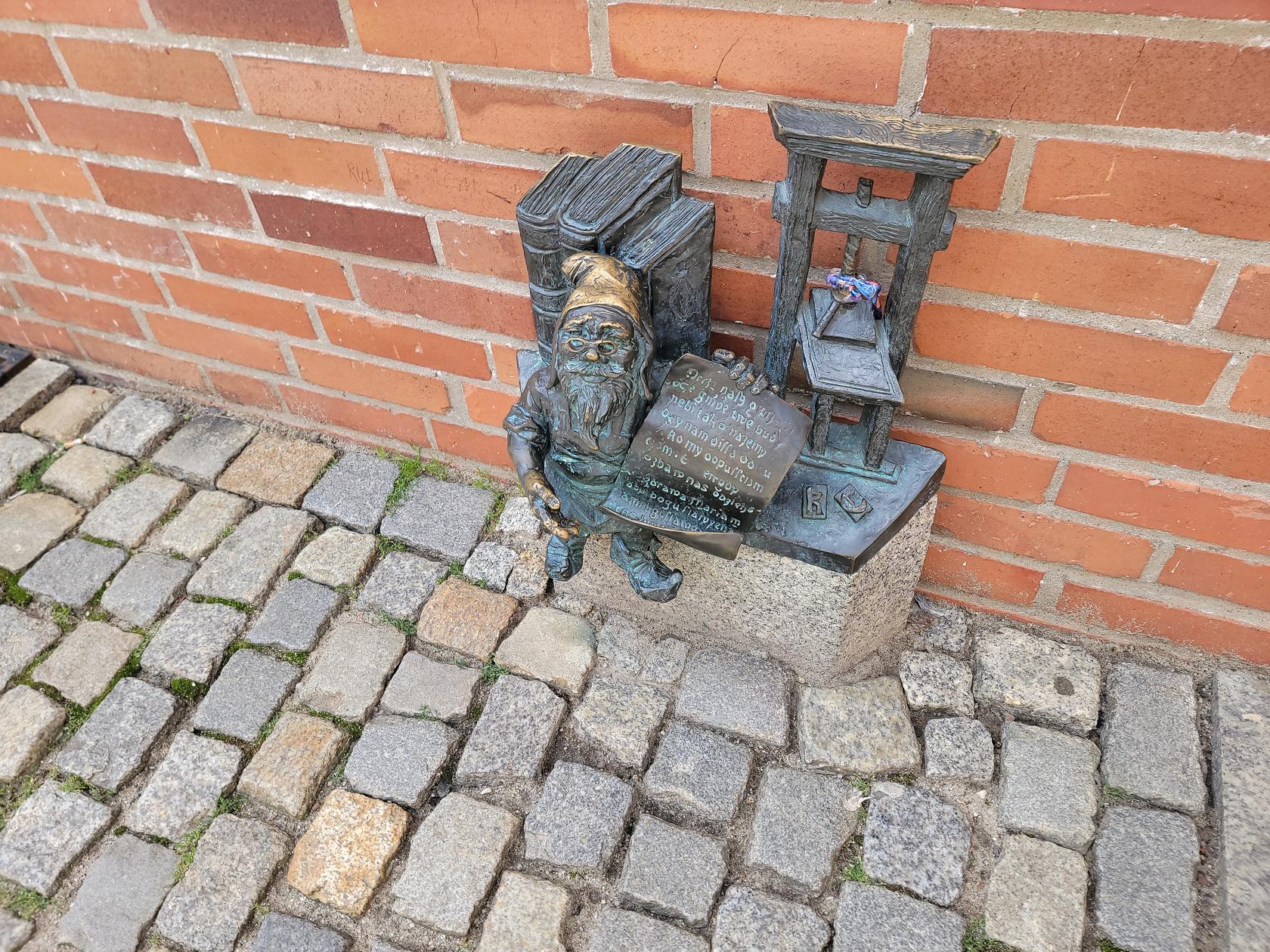
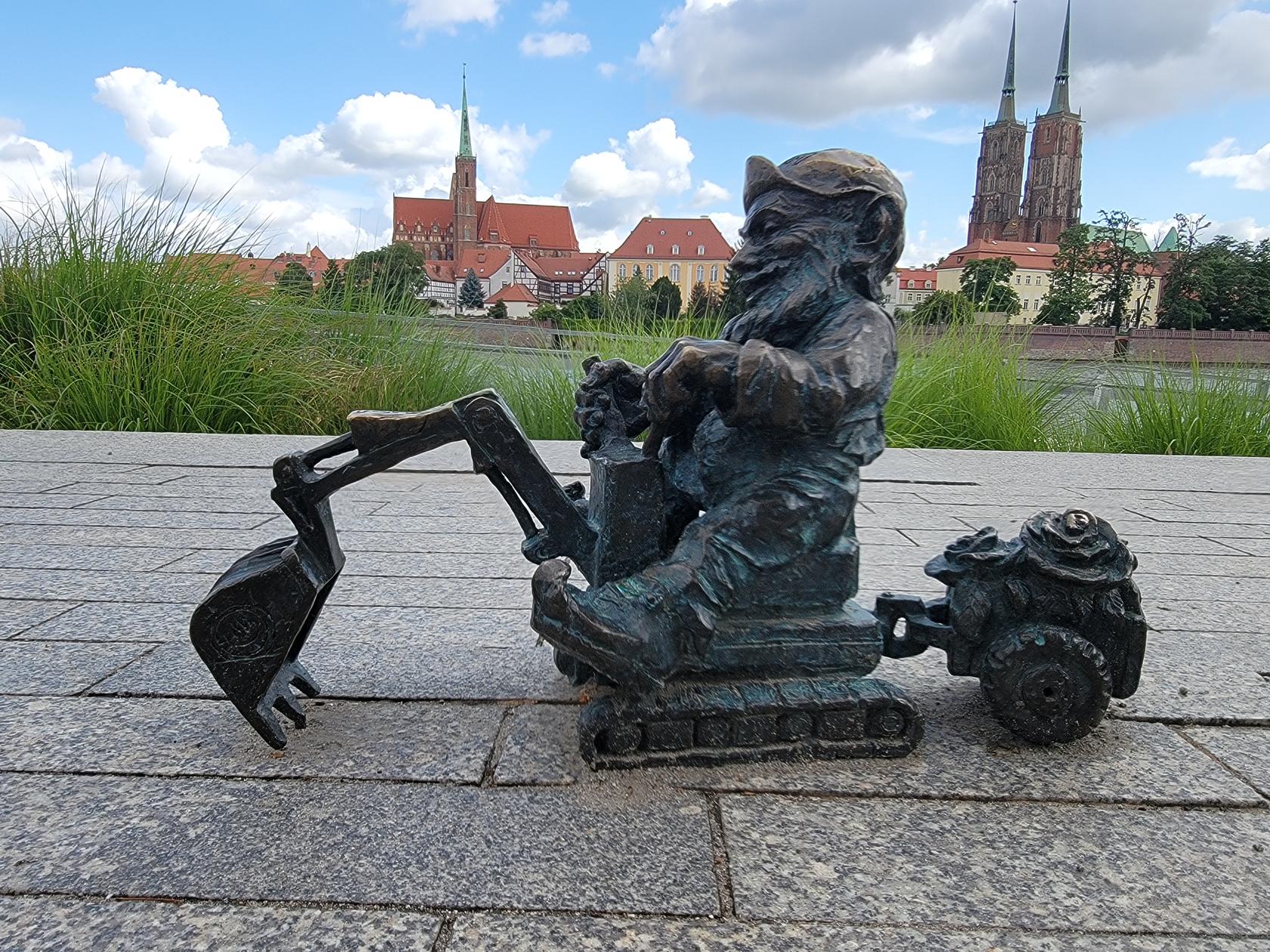
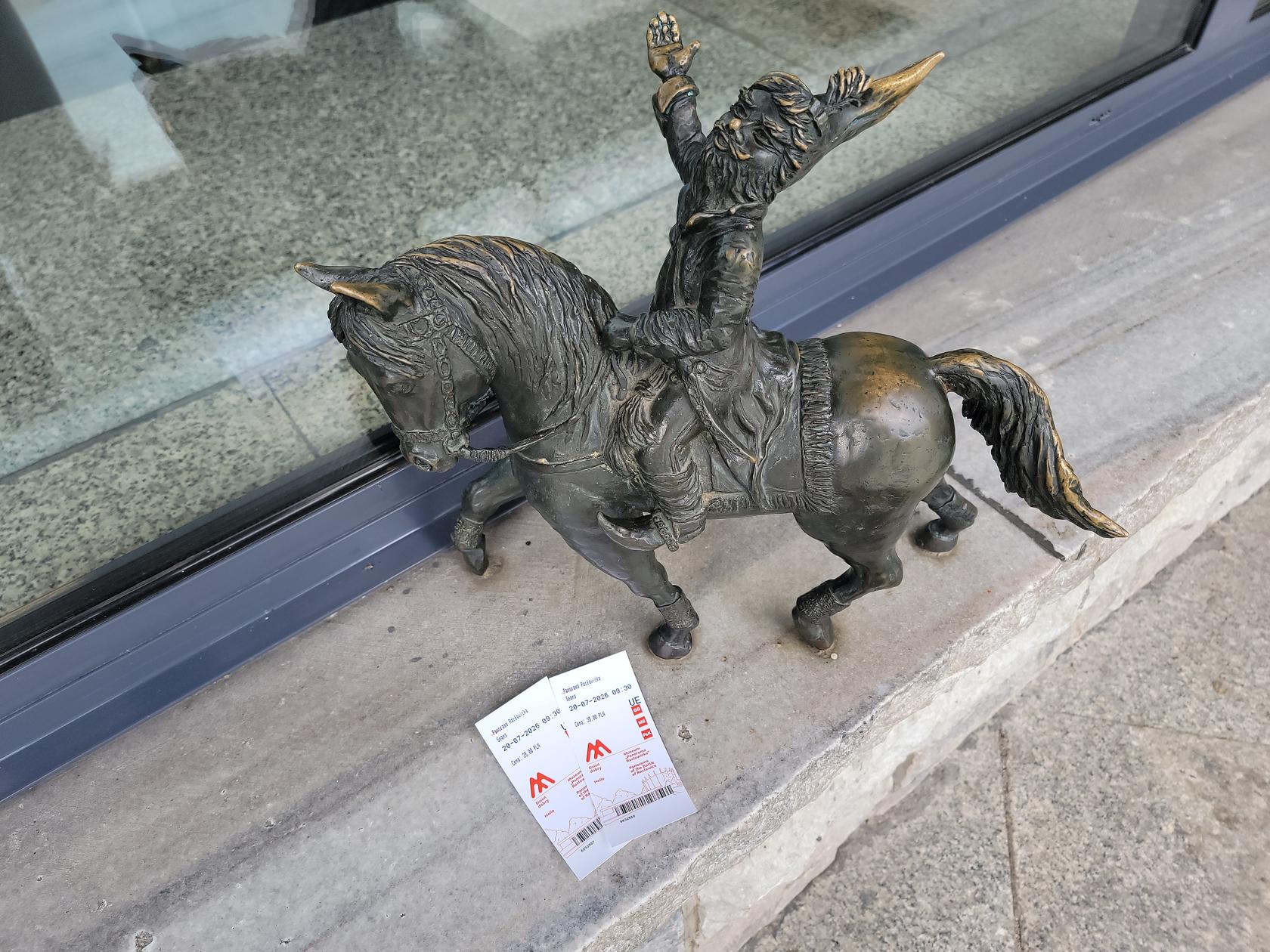
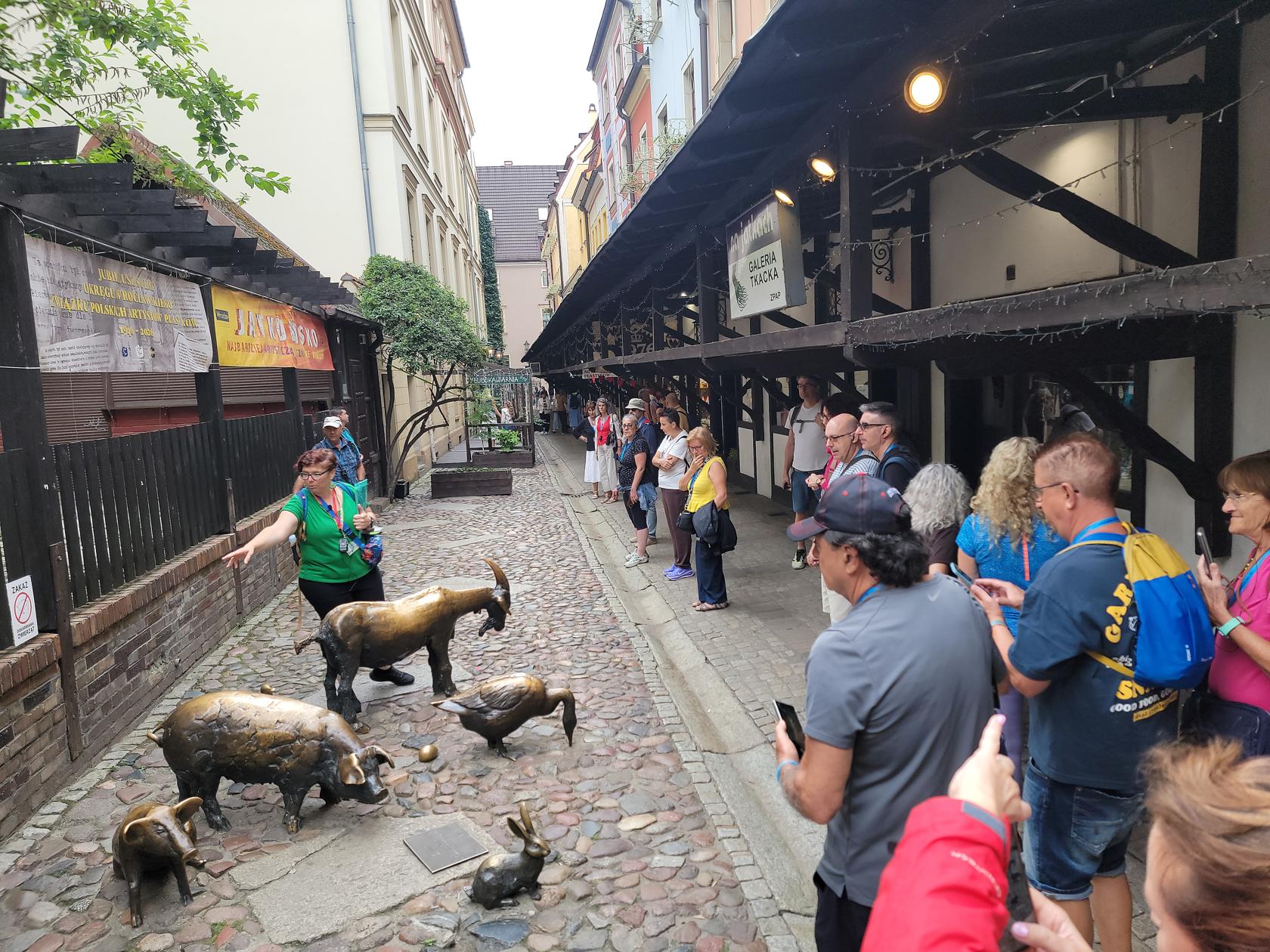
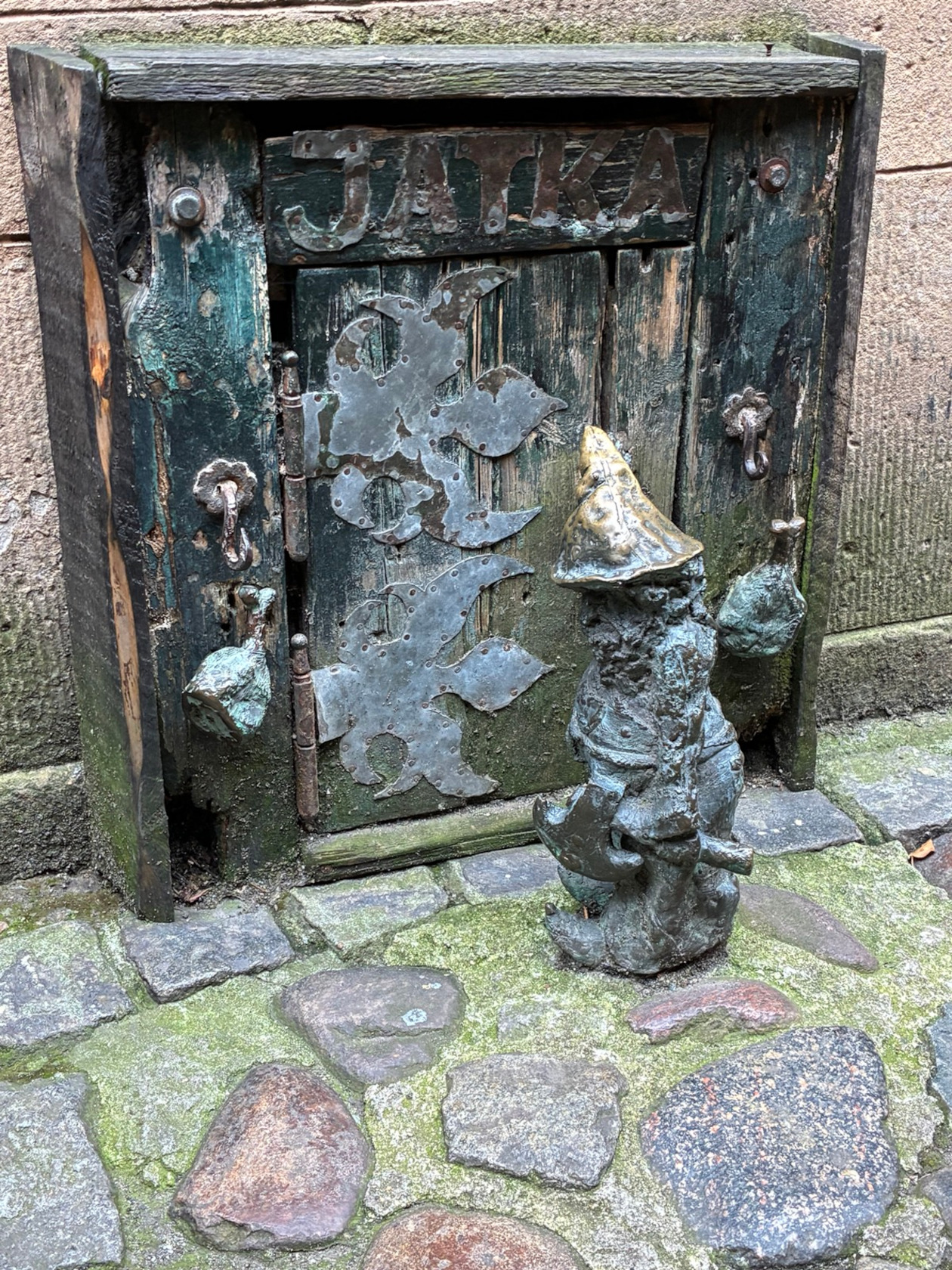
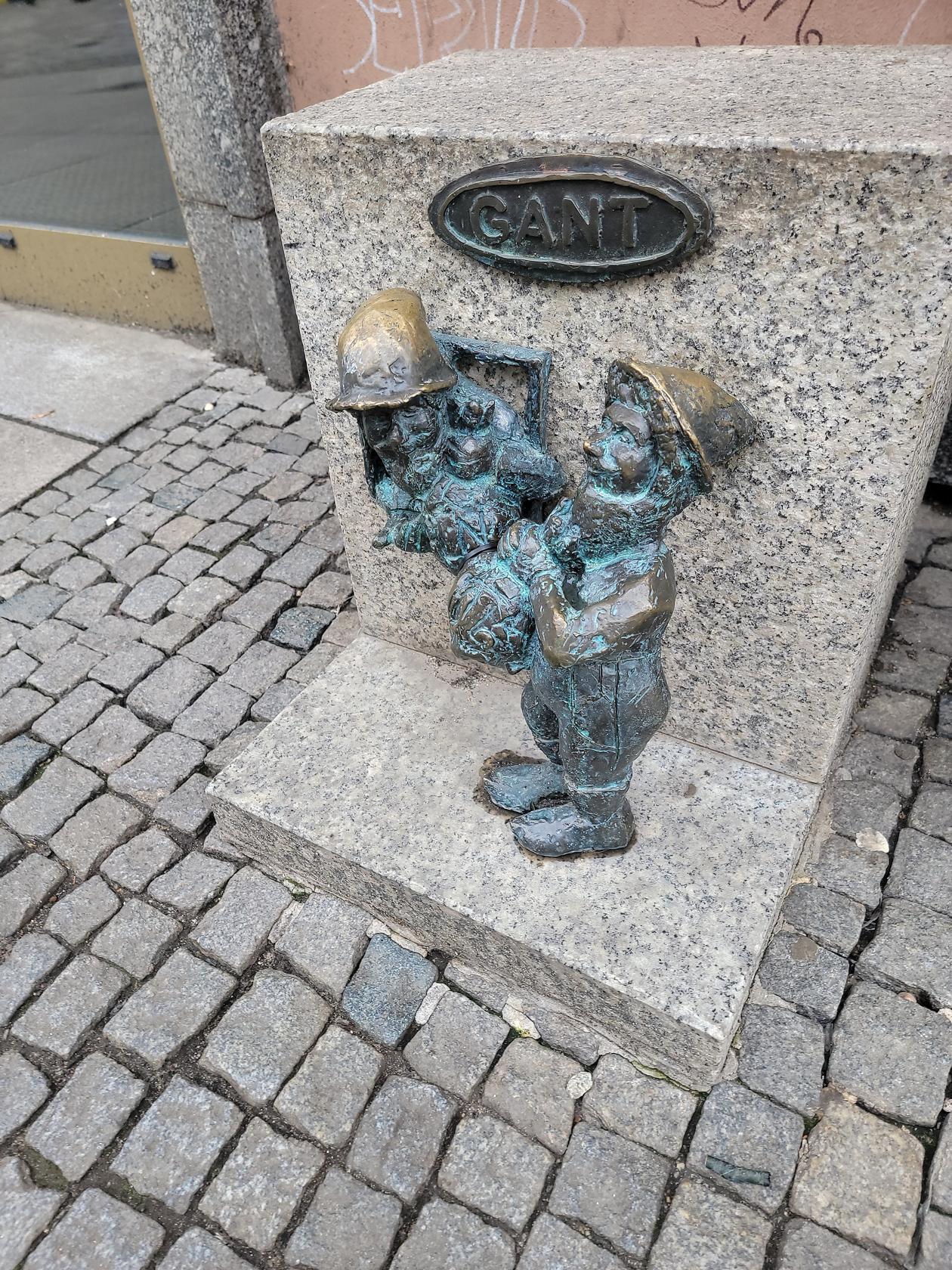
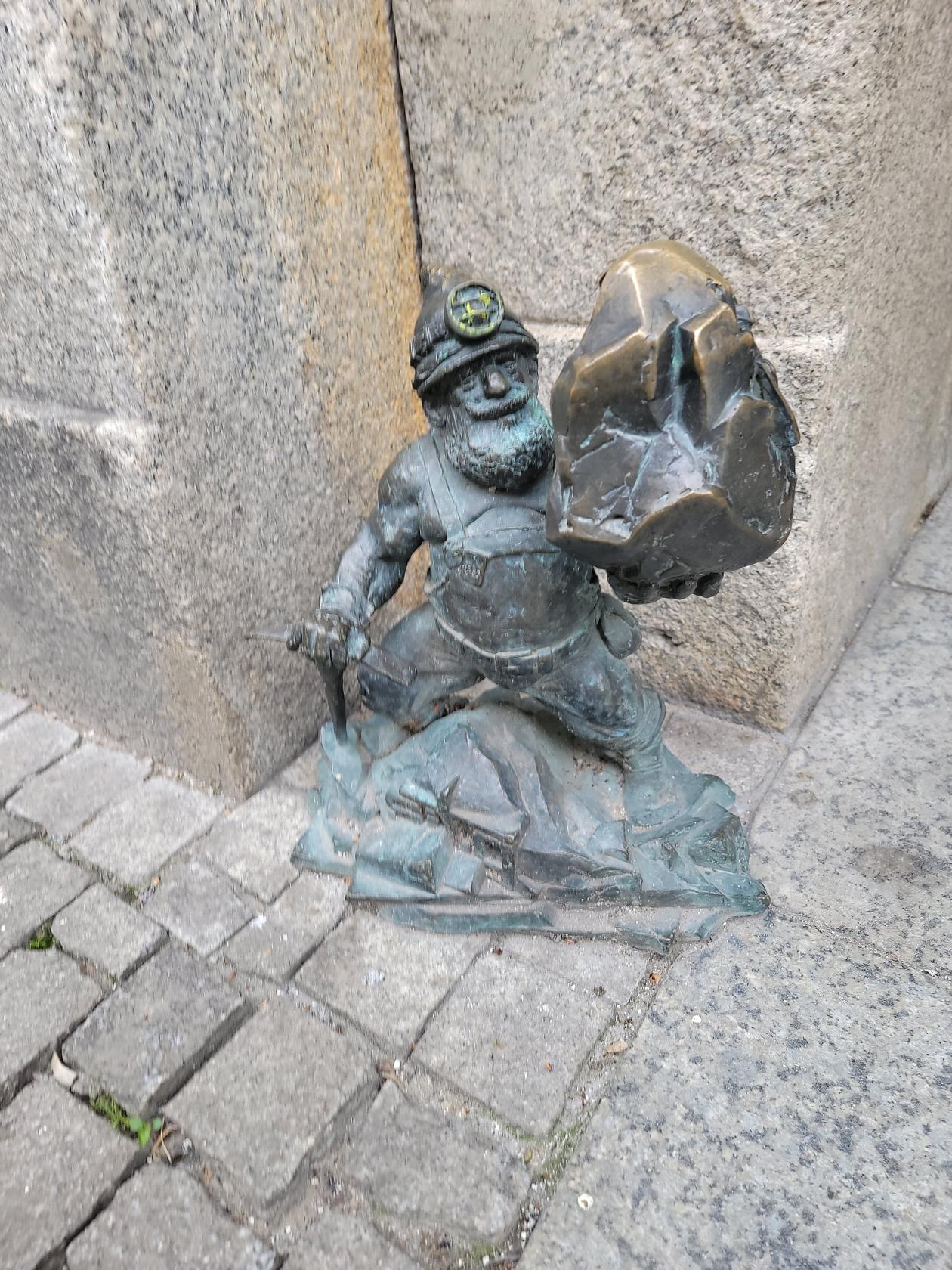
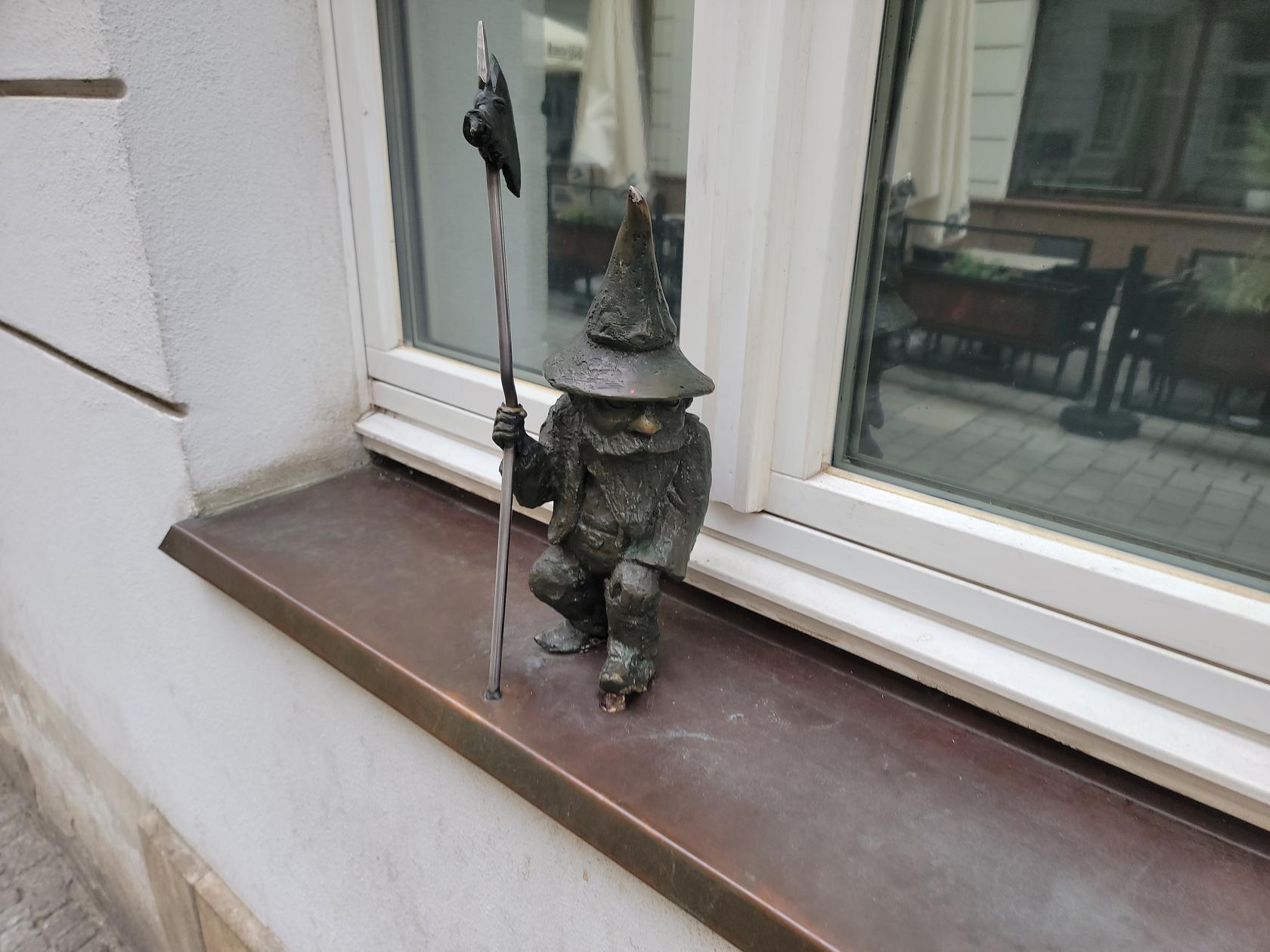
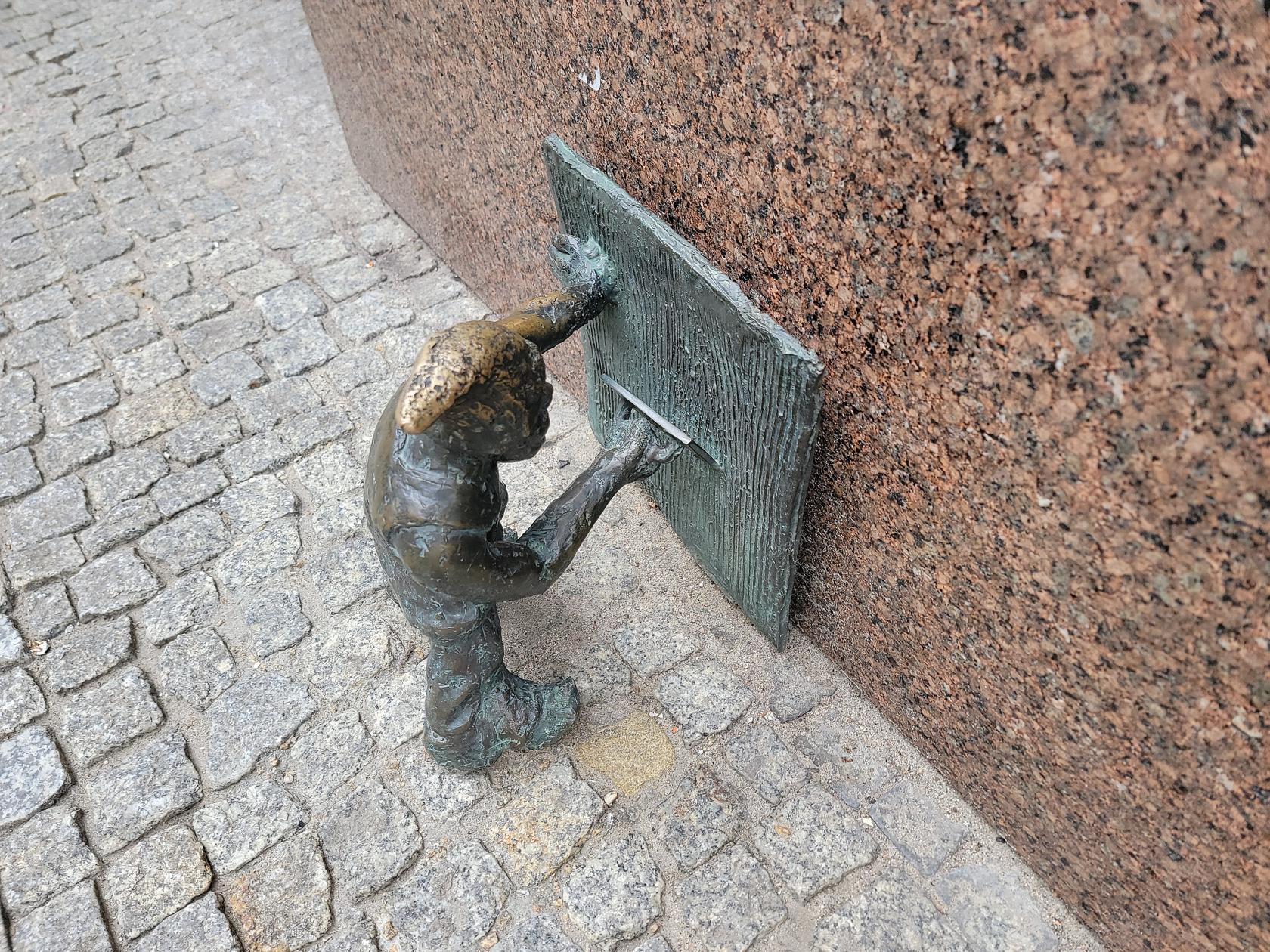
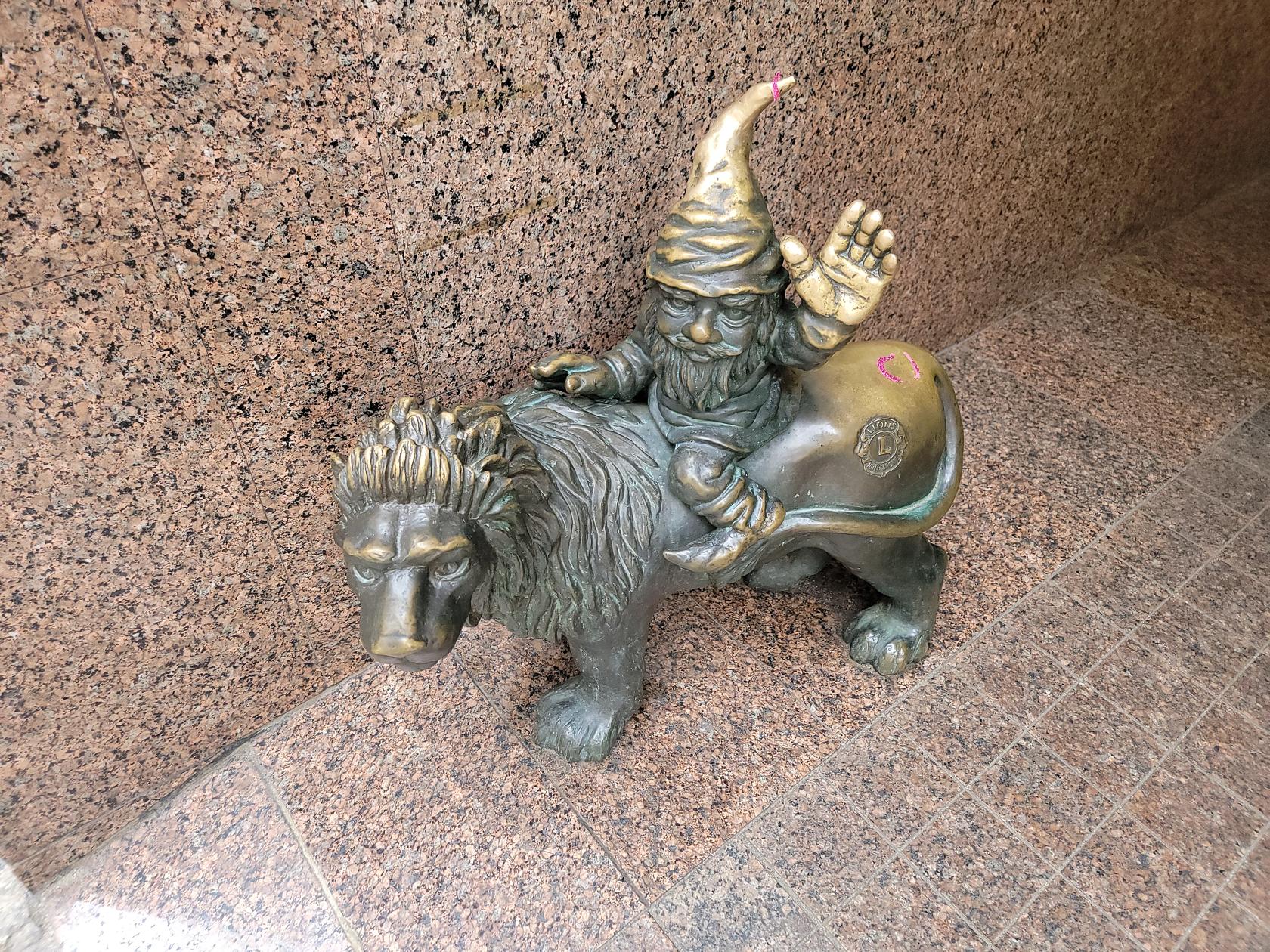
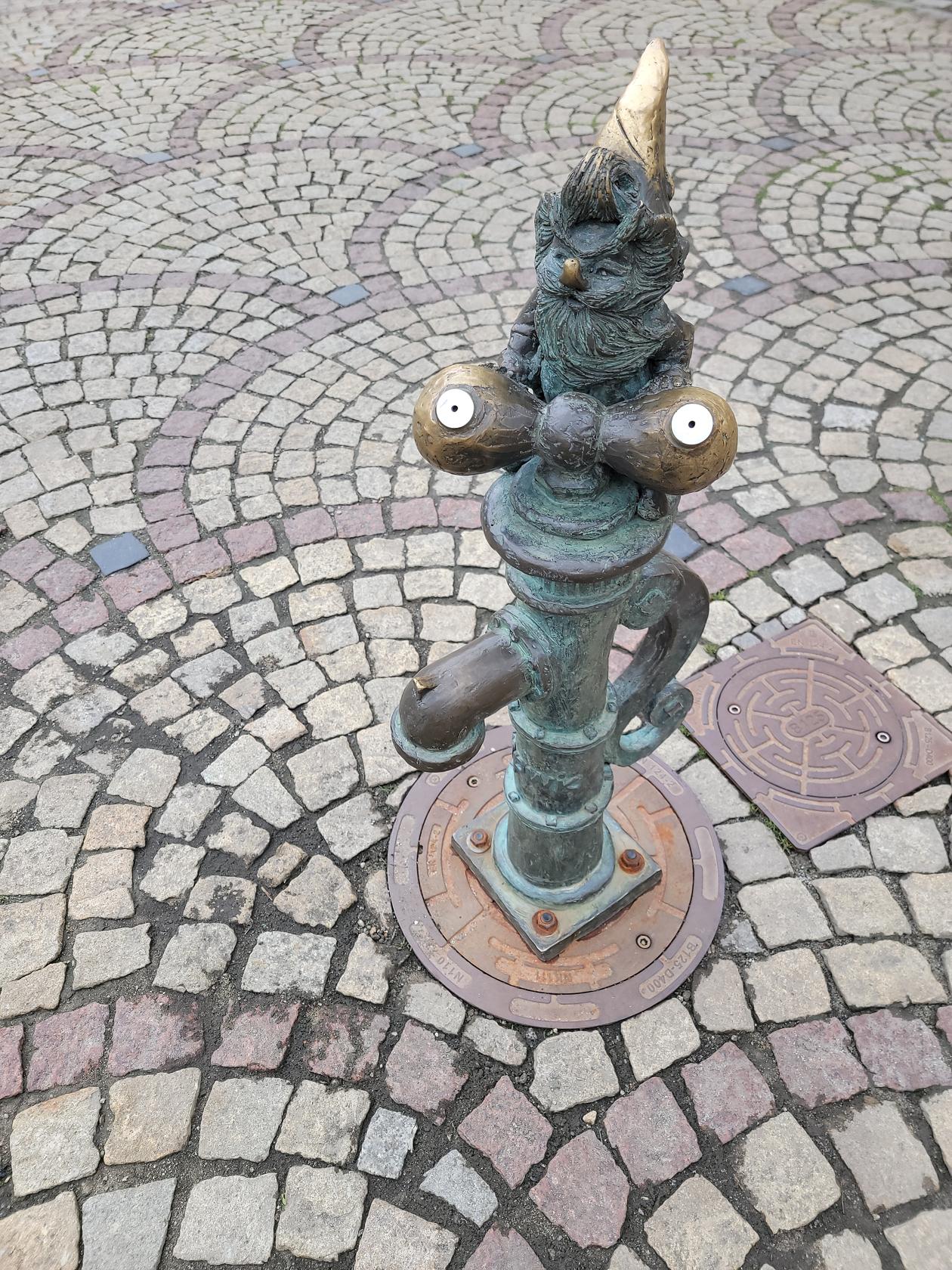
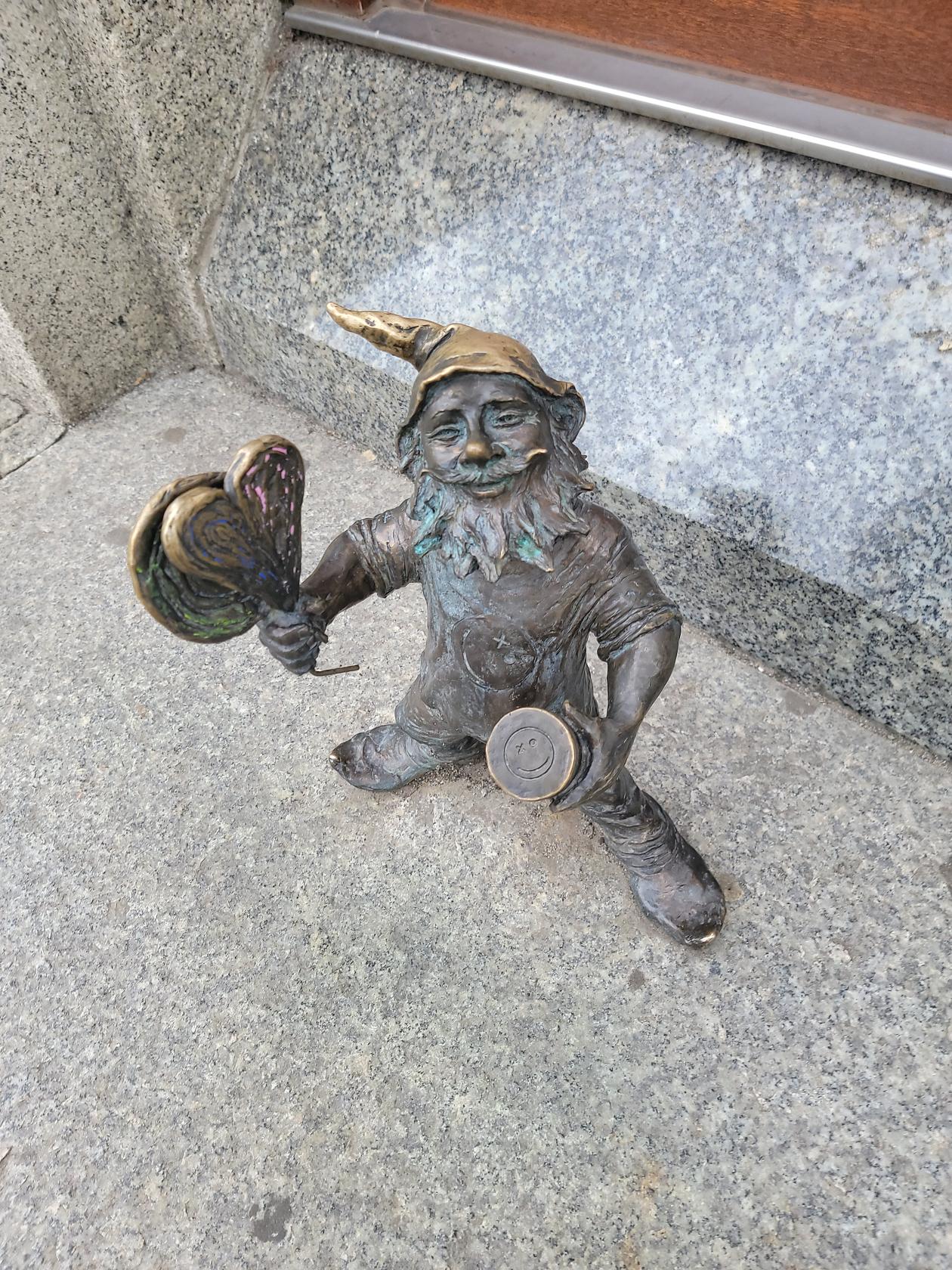
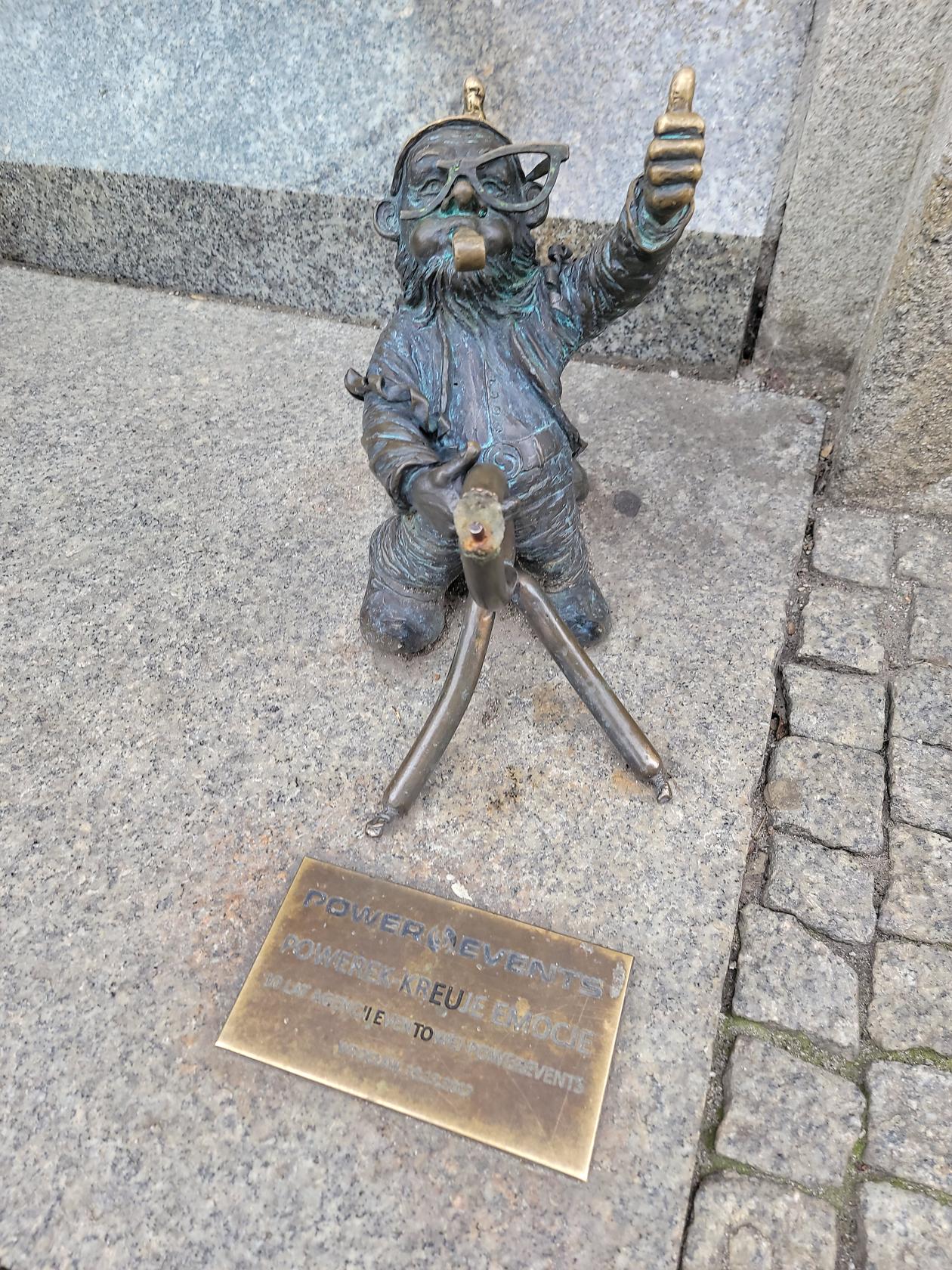
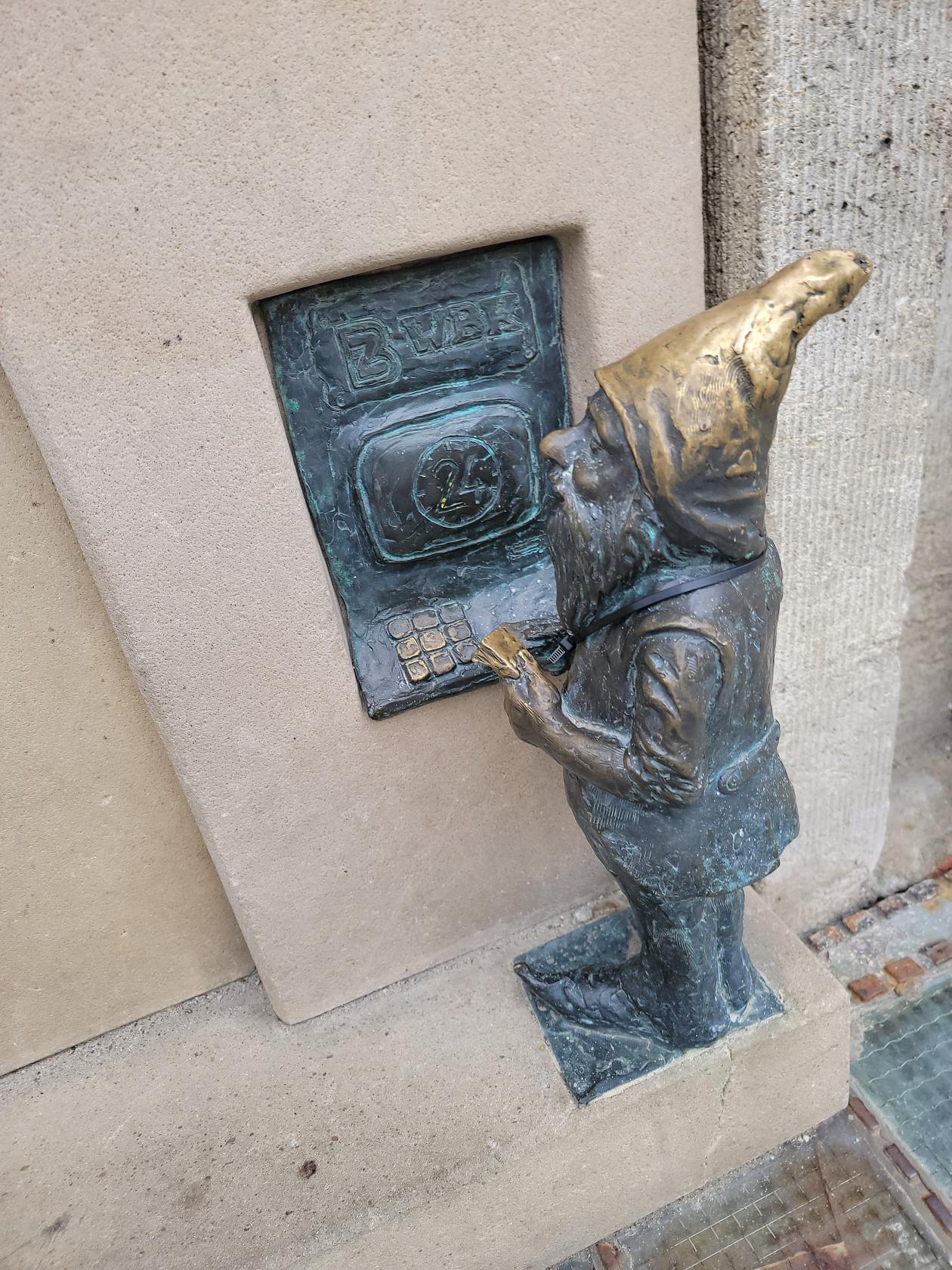
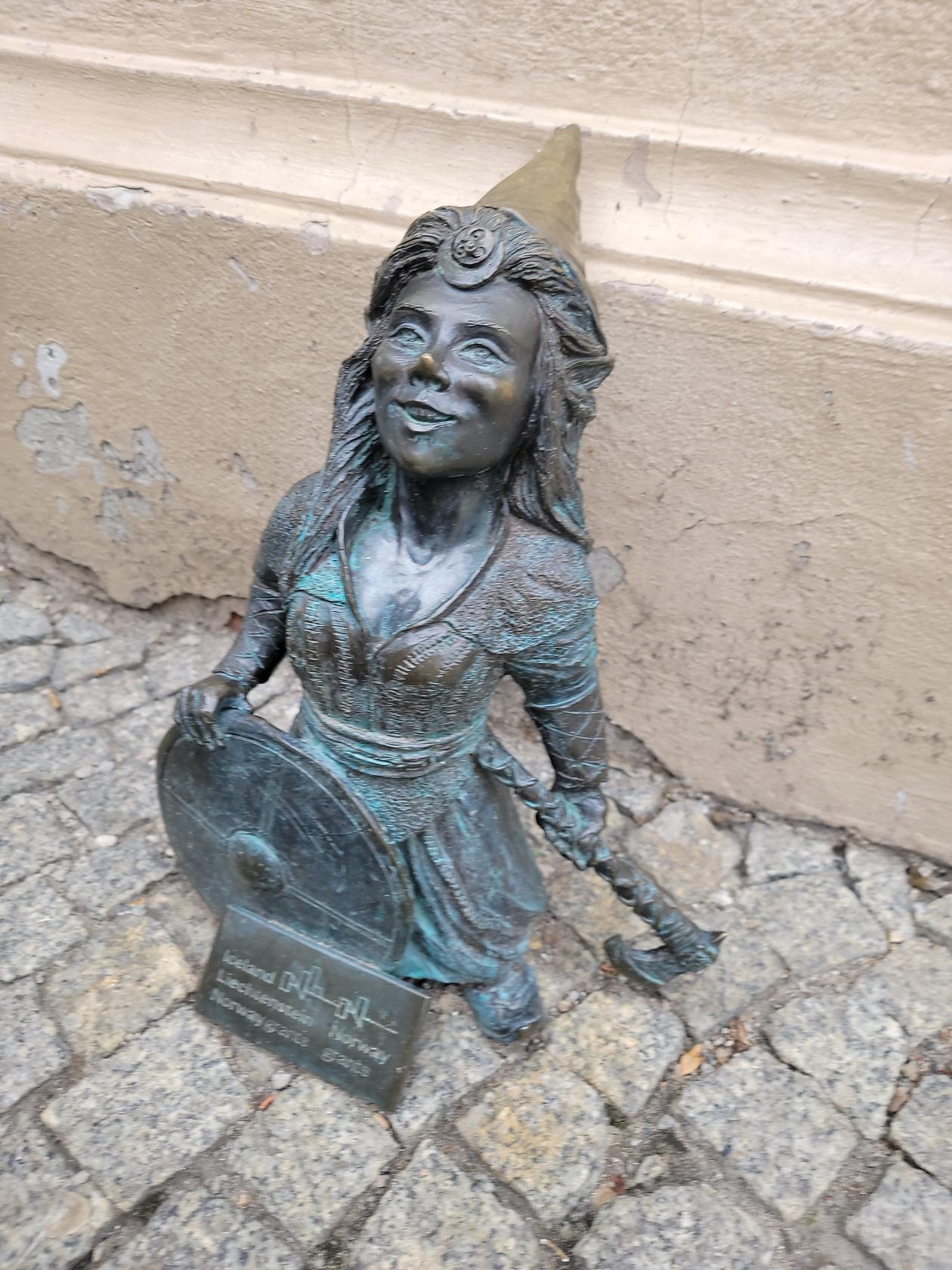
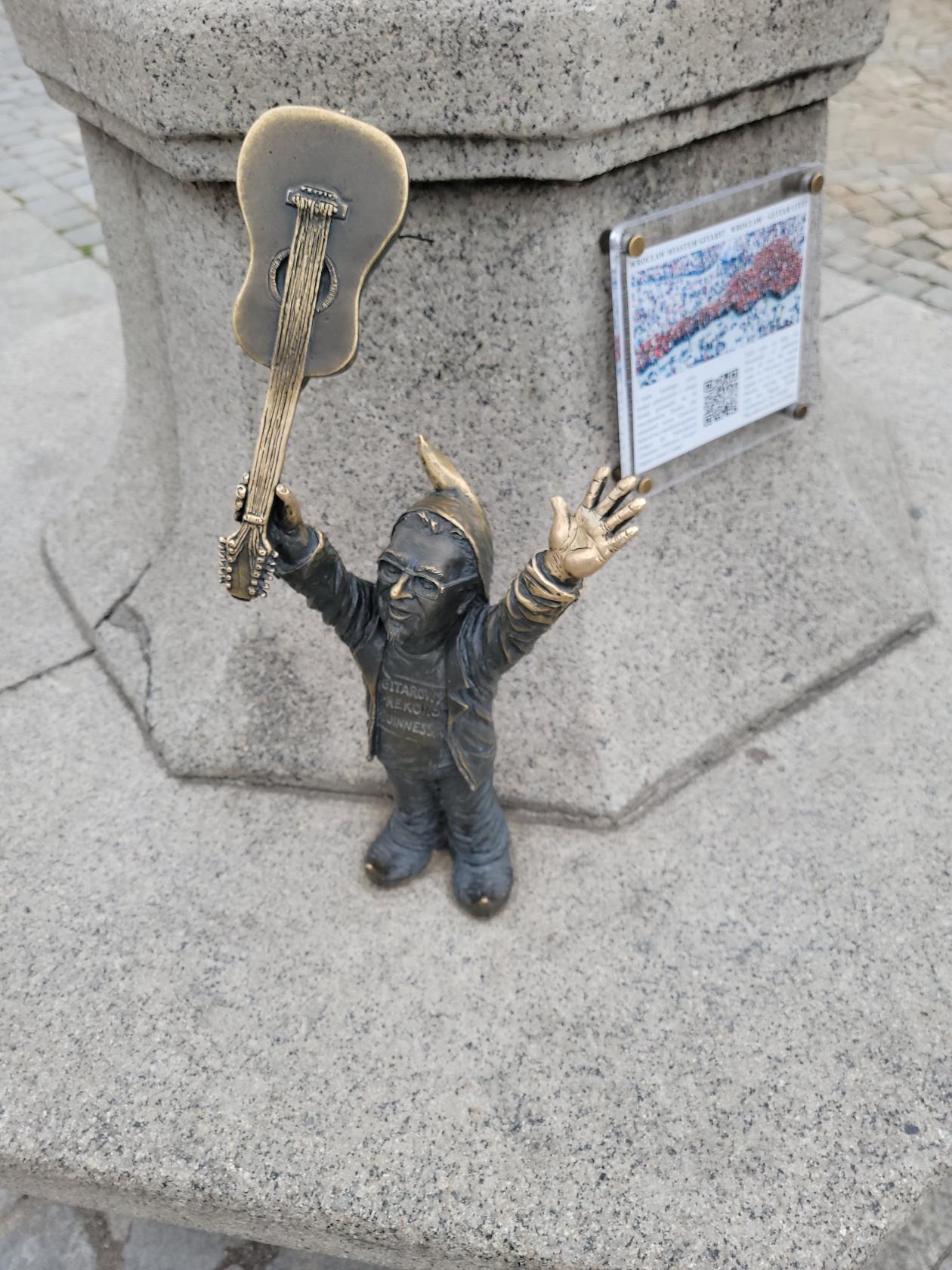
In fact, there are over a thousand of these little bronze statues placed throughout the city. It is a great idea, the children love them and families can actually purchase or download and print off a map with the location of all of them. Finding them, of course, is still the tricky part, since it is not always obvious where they are exactly.
Gnomes – Wrocław, Poland
Gnome – Wrocław, Poland
Gnome – Wrocław, Poland
Gnome – Wrocław, Poland
Gnome – Wrocław, Poland
Gnome – Wrocław, Poland
Gnome – Wrocław, Poland
Gnome – Wrocław, Poland
Gnome – Wrocław, Poland
Gnome – Wrocław, Poland
Gnome – Wrocław, Poland
Computer Gnome – Wrocław, Poland
Sisyphus Gnomes – Wrocław, Poland
Gnomes on Penitent Bridge – Wrocław, Poland
Gnome – Wrocław, Poland
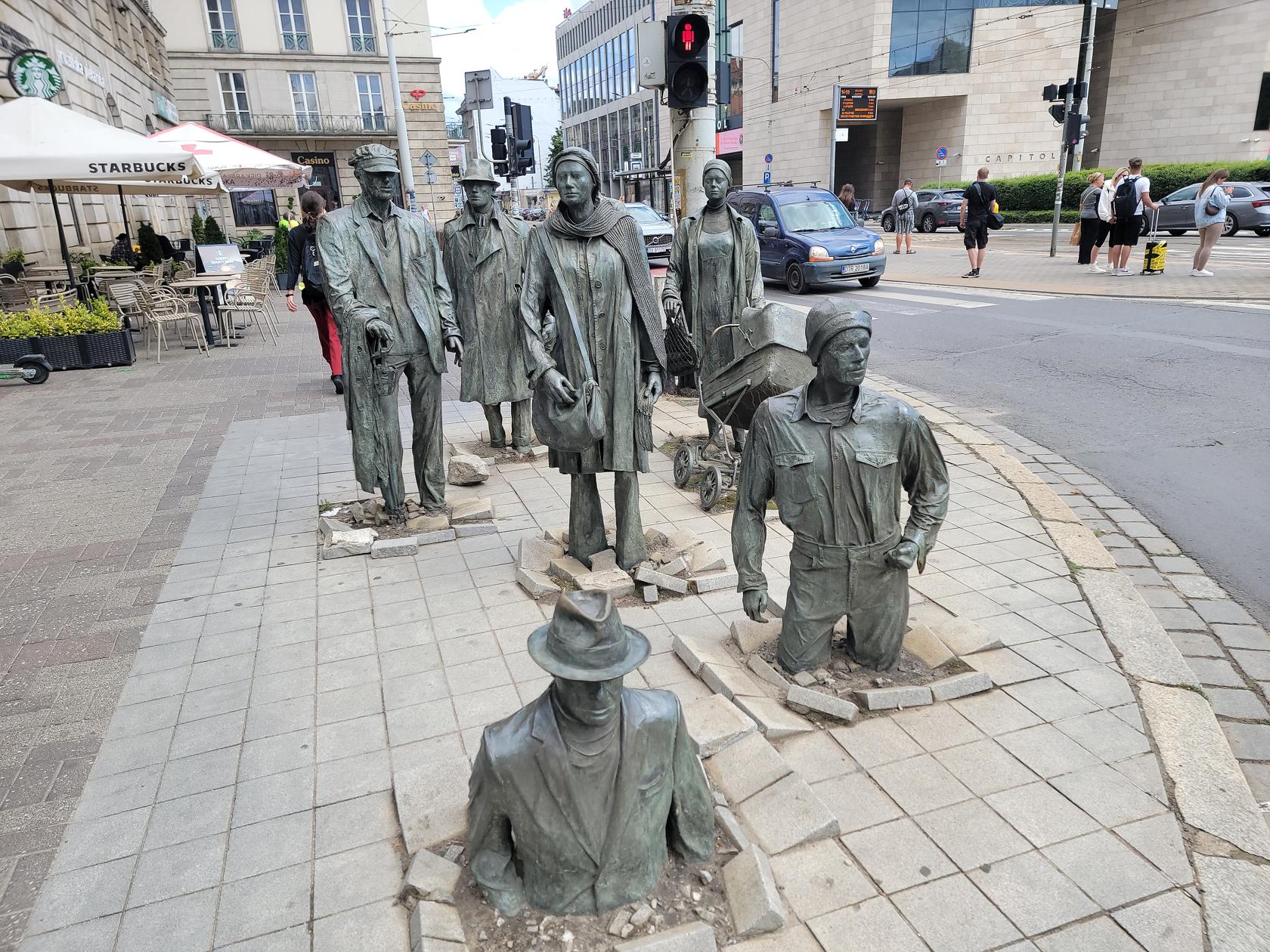
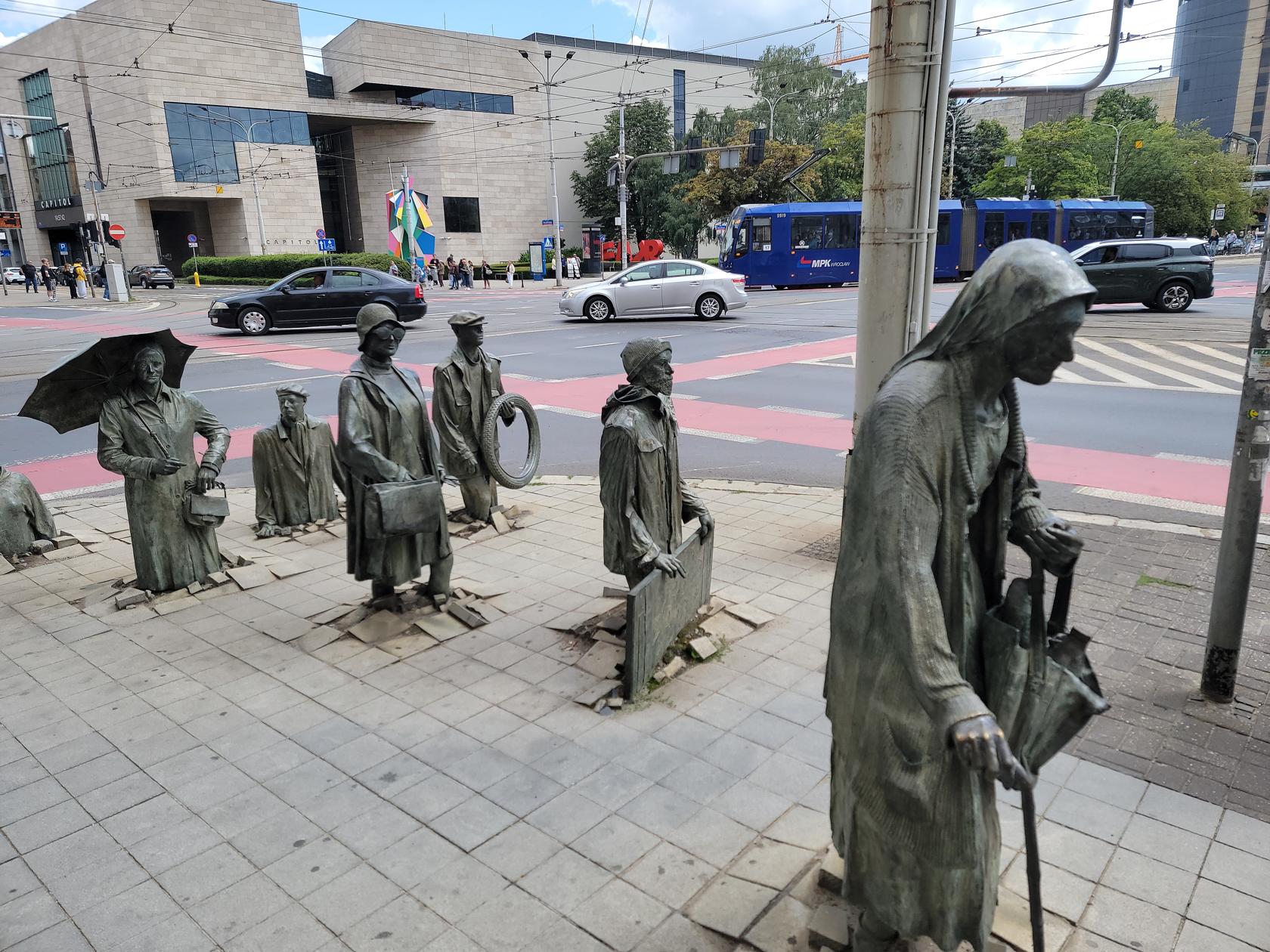
Disappearing Pedestrians – Wrocław, Poland
Appearing Pedestrians – Wrocław, Poland
Kebap Gnome – Wrocław, Poland
Gnomes – Wrocław, Poland
Original Gnome – Wrocław, Poland
Printing Gnome – Wrocław, Poland
Backhoe Gnome – Wrocław, Poland
Raclawicka Gnome – Wrocław, Poland
Slaughterhouse Bronzes – Wrocław, Poland
Gnome – Wrocław, Poland
Gnomes – Wrocław, Poland
Miner Gnome – Wrocław, Poland
Gnome – Wrocław, Poland
Gnome – Wrocław, Poland
Gnome – Wrocław, Poland
Gnome – Wrocław, Poland
Gnome – Wrocław, Poland
Gnome – Wrocław, Poland
ATM Gnome – Wrocław, Poland
Gnome – Wrocław, Poland
Gnome – Wrocław, Poland
Rynek Square
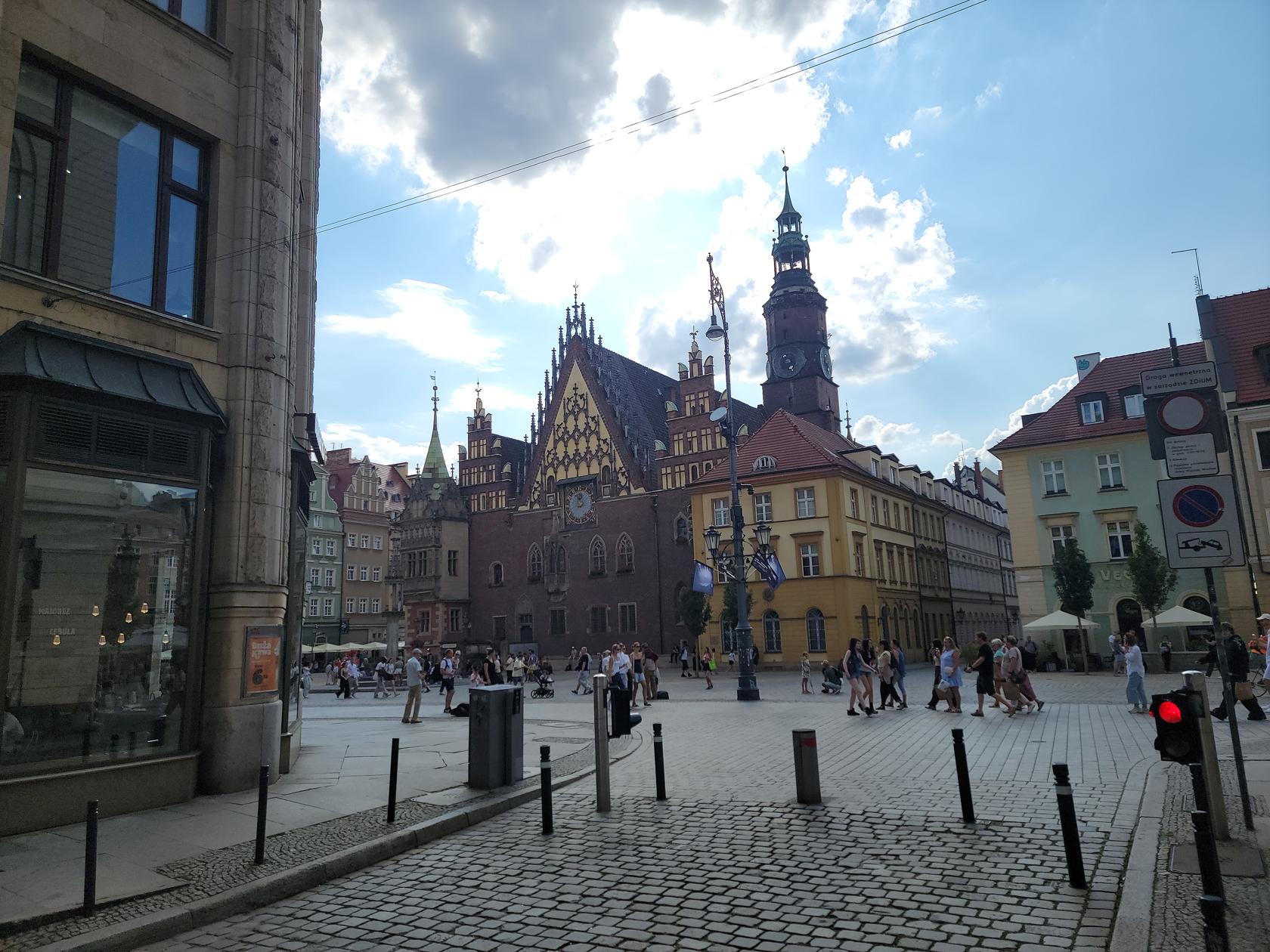
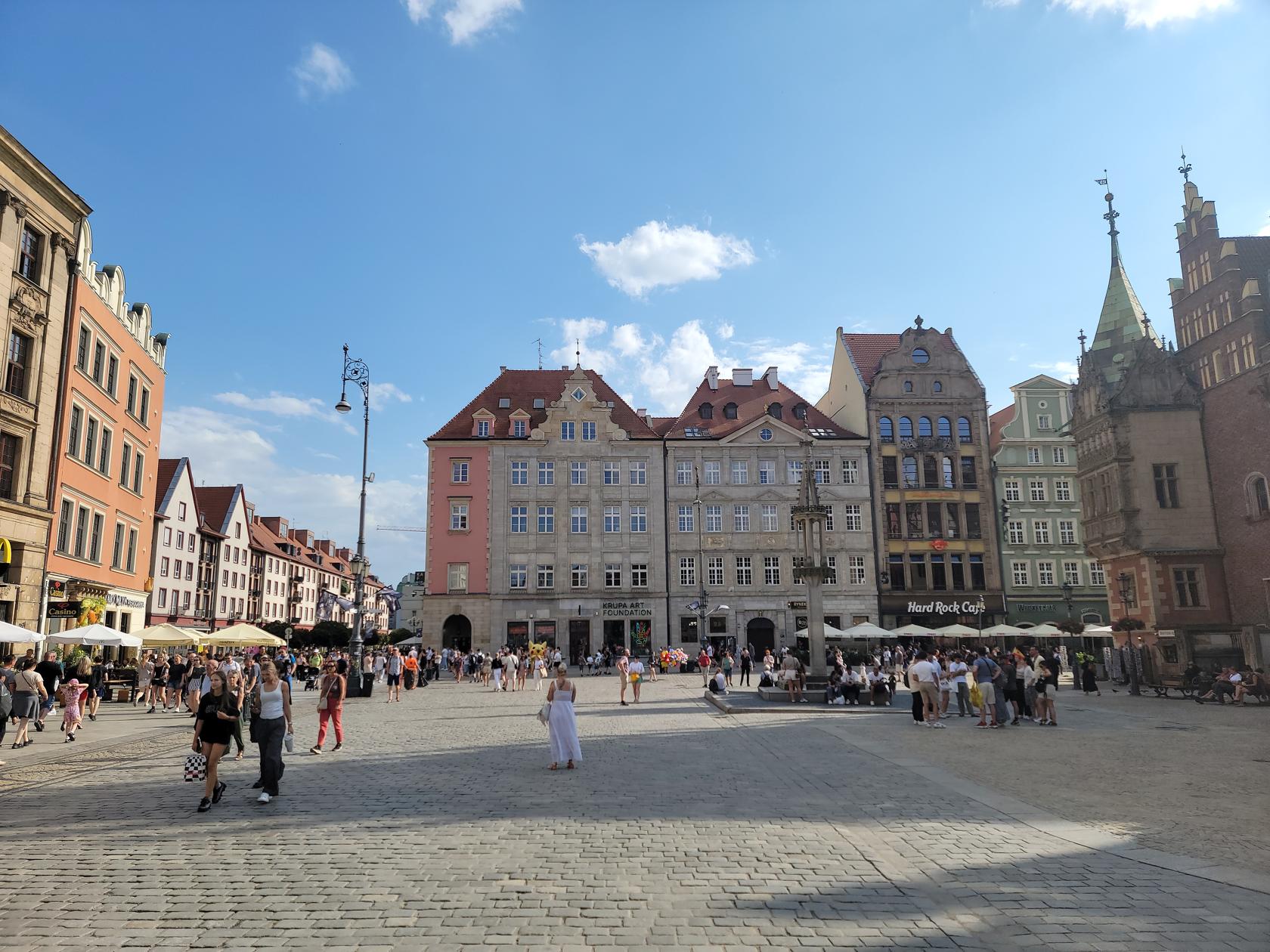
The main square in town is the Rynek. It is rather large but contains a number of buildings, as well as the town hall, in a misaligned fashion within the square or plaza itself. It is full a gnomes, so be careful to look while you walk, or you may miss one.
Rynek Plaza – Wrocław, Poland
Rynek Plaza – Wrocław, Poland
Rynek Plaza – Wrocław, Poland
Rynek Plaza – Wrocław, Poland
Town Hall – – Rynek Plaza – Wrocław, Poland
The Pillory – Rynek Plaza – Wrocław, Poland
Solny Square
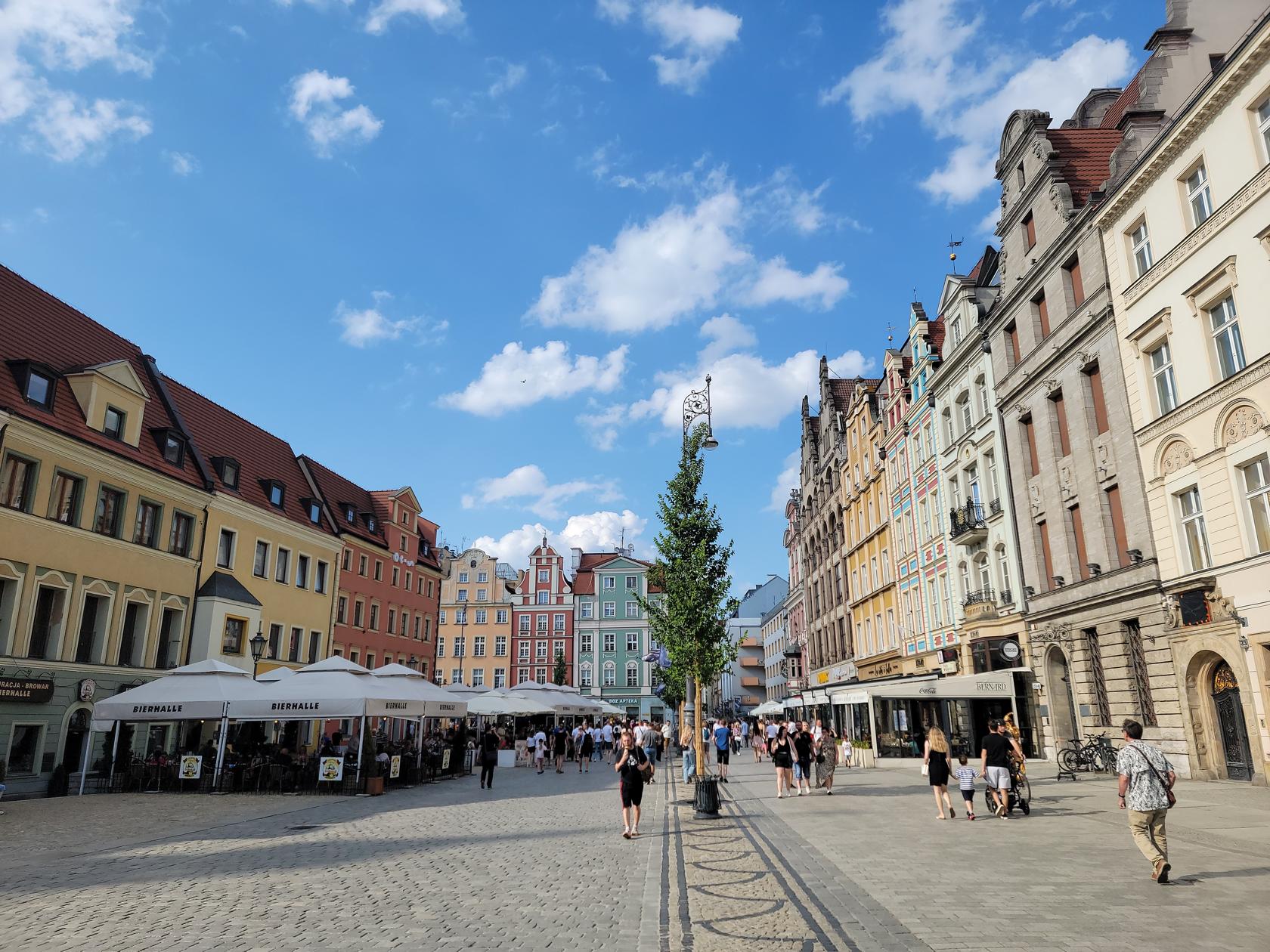
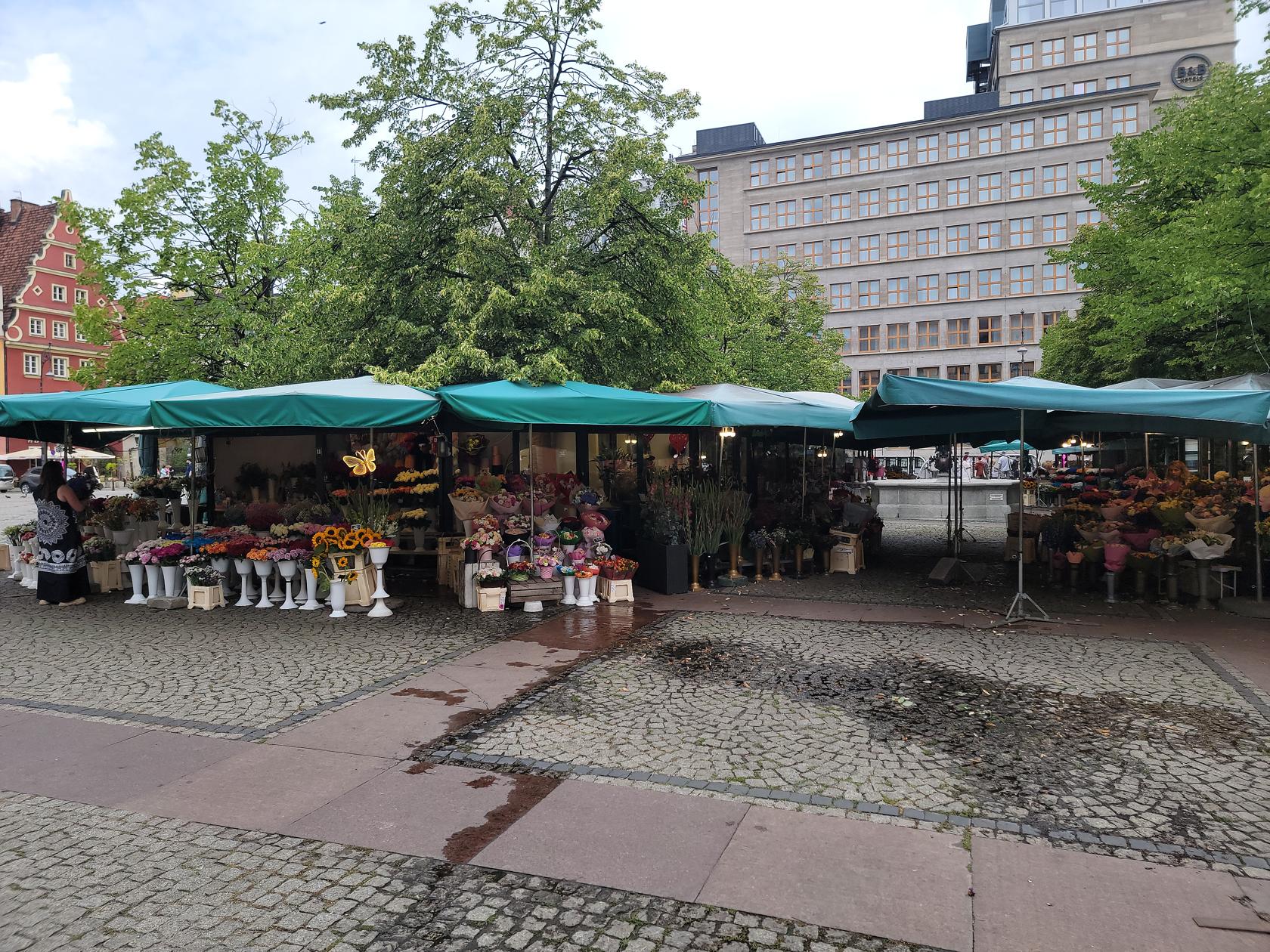
Solny Square or plaza lies corner to corner with Rynek, since the are adjoined to one another on one of the vertices. Here you will find a small flower market which appears to be open every day. Again there are plenty of gnomes to find here, as well as some interesting monuments and sculptures.
Solny Plaza – Wrocław, Poland
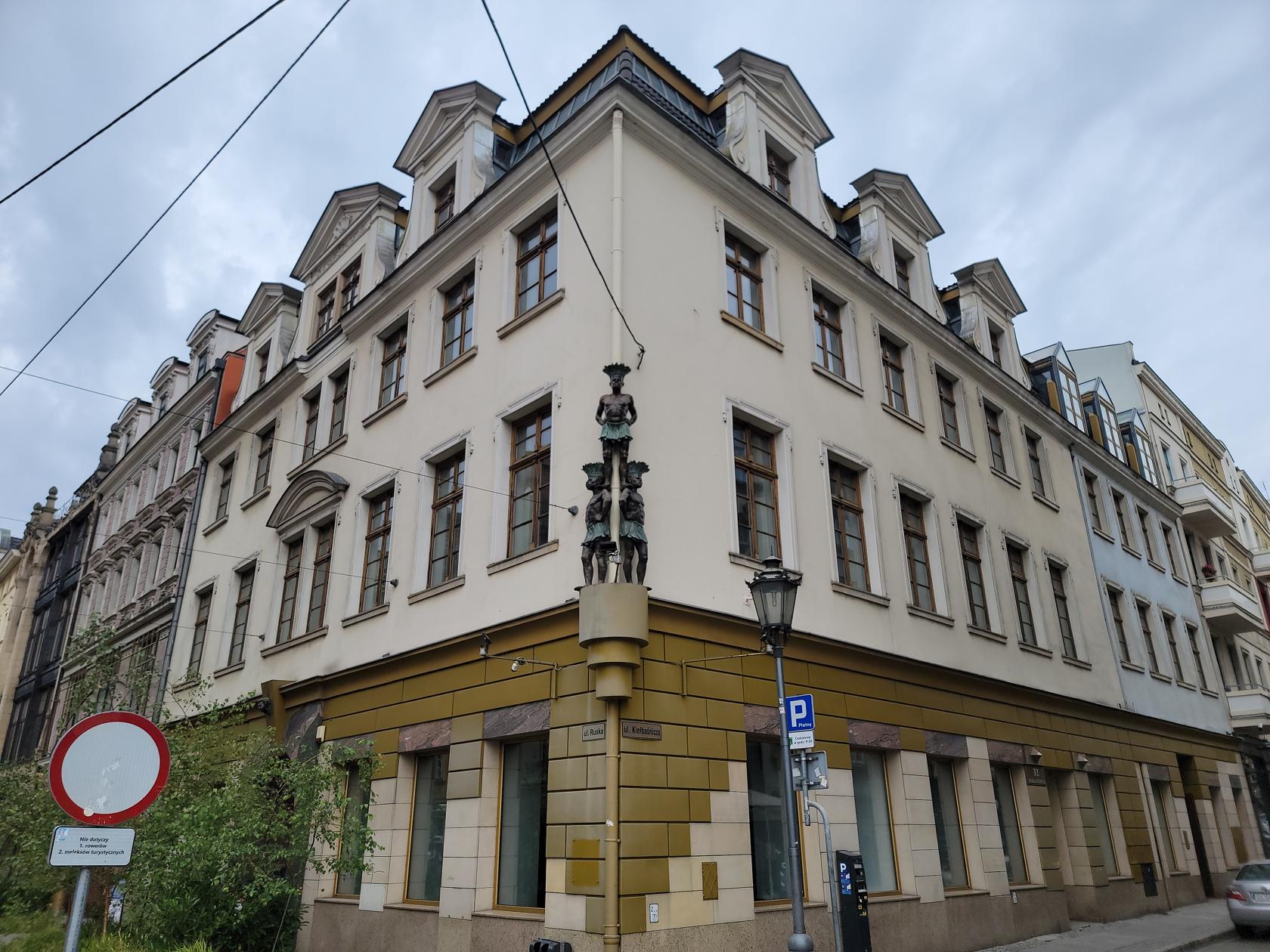
Trzech Murzynków Sculpture – Solny Plaza – Wrocław, Poland
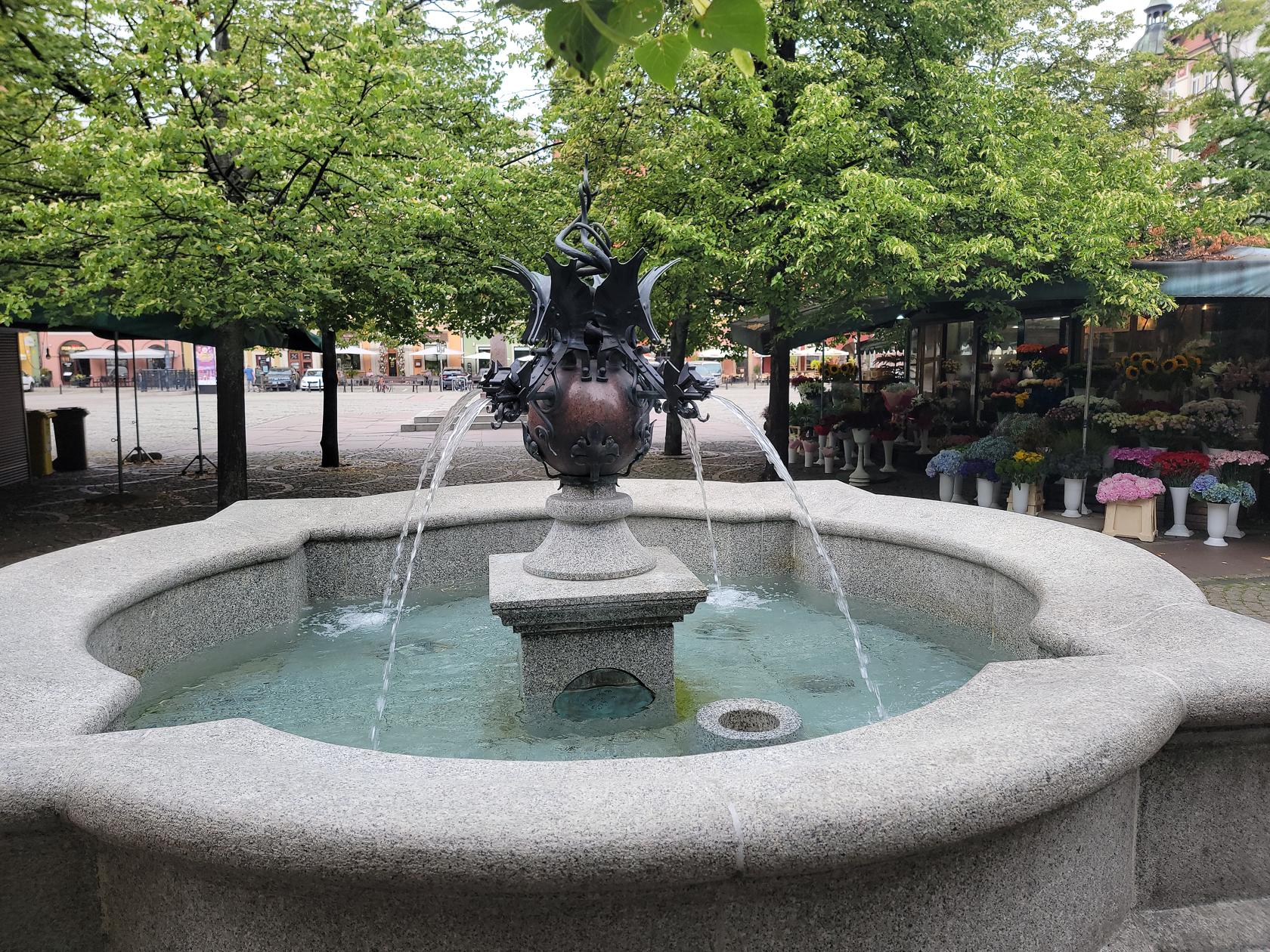
Smoki Fountain – Solny Plaza – Wrocław, Poland
Solny Plaza – Wrocław, Poland
Solny Plaza – Wrocław, Poland
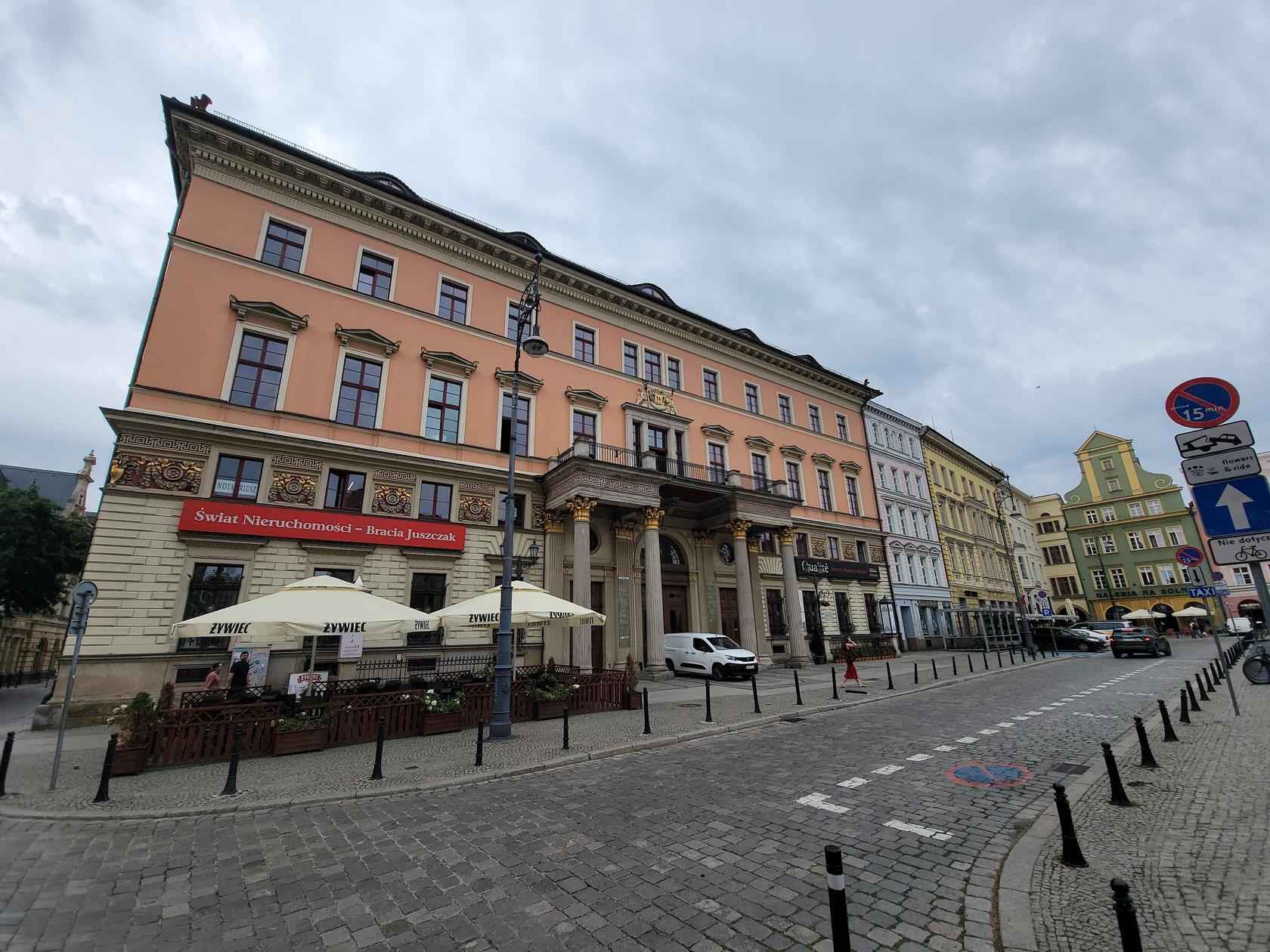
Building – Wrocław, Poland
Oder River
A portion of the Oder cuts through the city and bisects it. Here you can find a river cruise or tour, as well as magnifacent parks to stretch your legs. There are also plenty of museums in there area. One of particular note and worth a visit is the Panoramic Museum.
Dam and Power Station – Oder River – Wrocław, Poland
Oder River – Wrocław, Poland
Oder River – Wrocław, Poland
Oder River – Wrocław, Poland
Cathedral – Oder River – Wrocław, Poland
Wyspa Piasek – Oder River – Wrocław, Poland
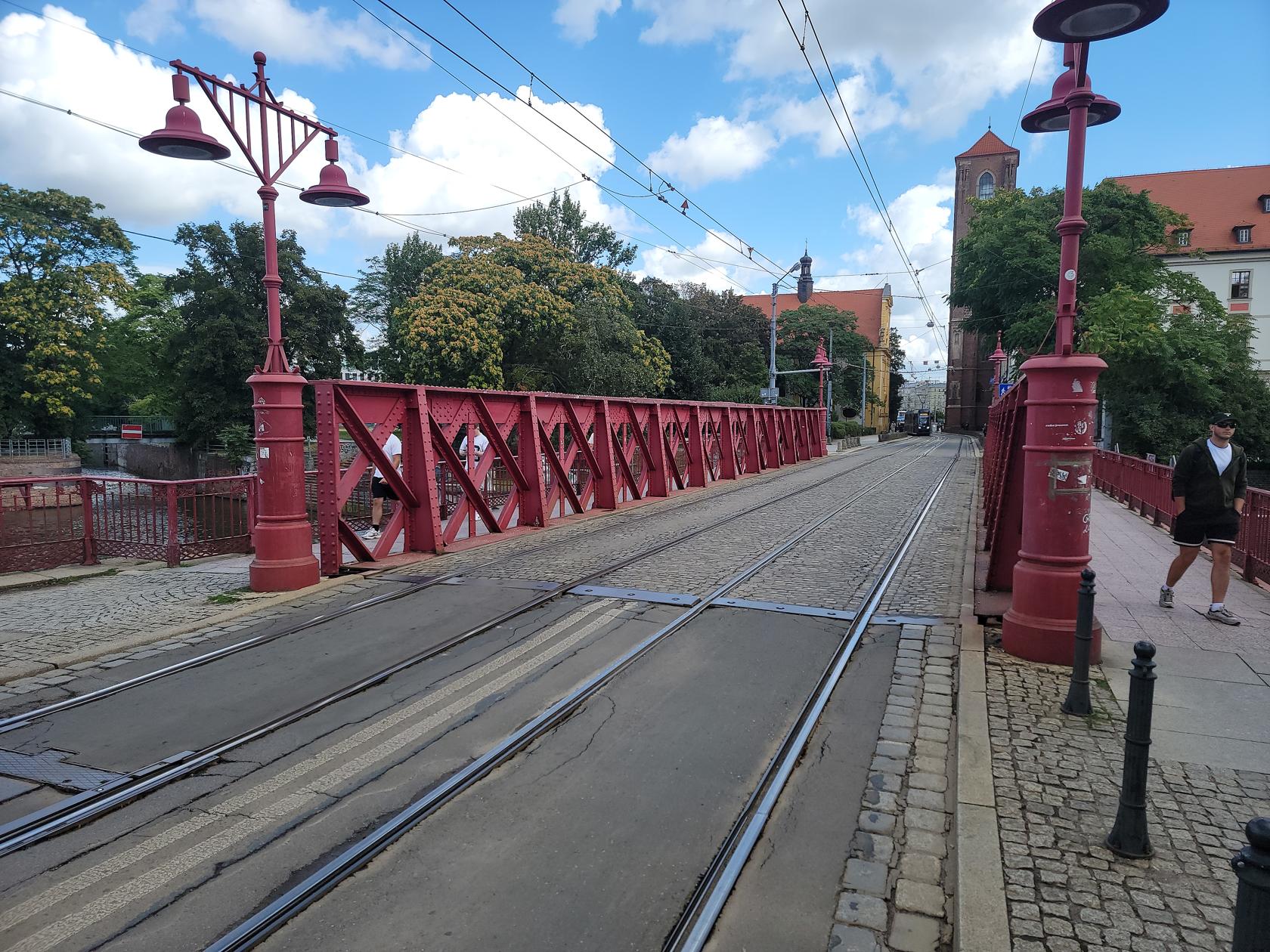
Sand Bridge – Oder River – Wrocław, Poland
Cathedral – Oder River – Wrocław, Poland
Sand Bridge – Oder River – Wrocław, Poland
Sand Bridge – Oder River – Wrocław, Poland
Panorama Racławice Museum
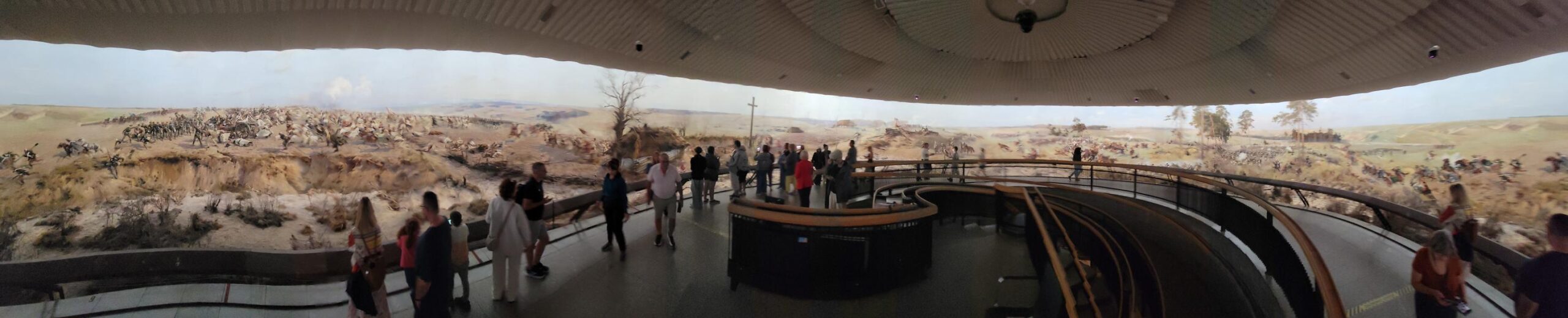
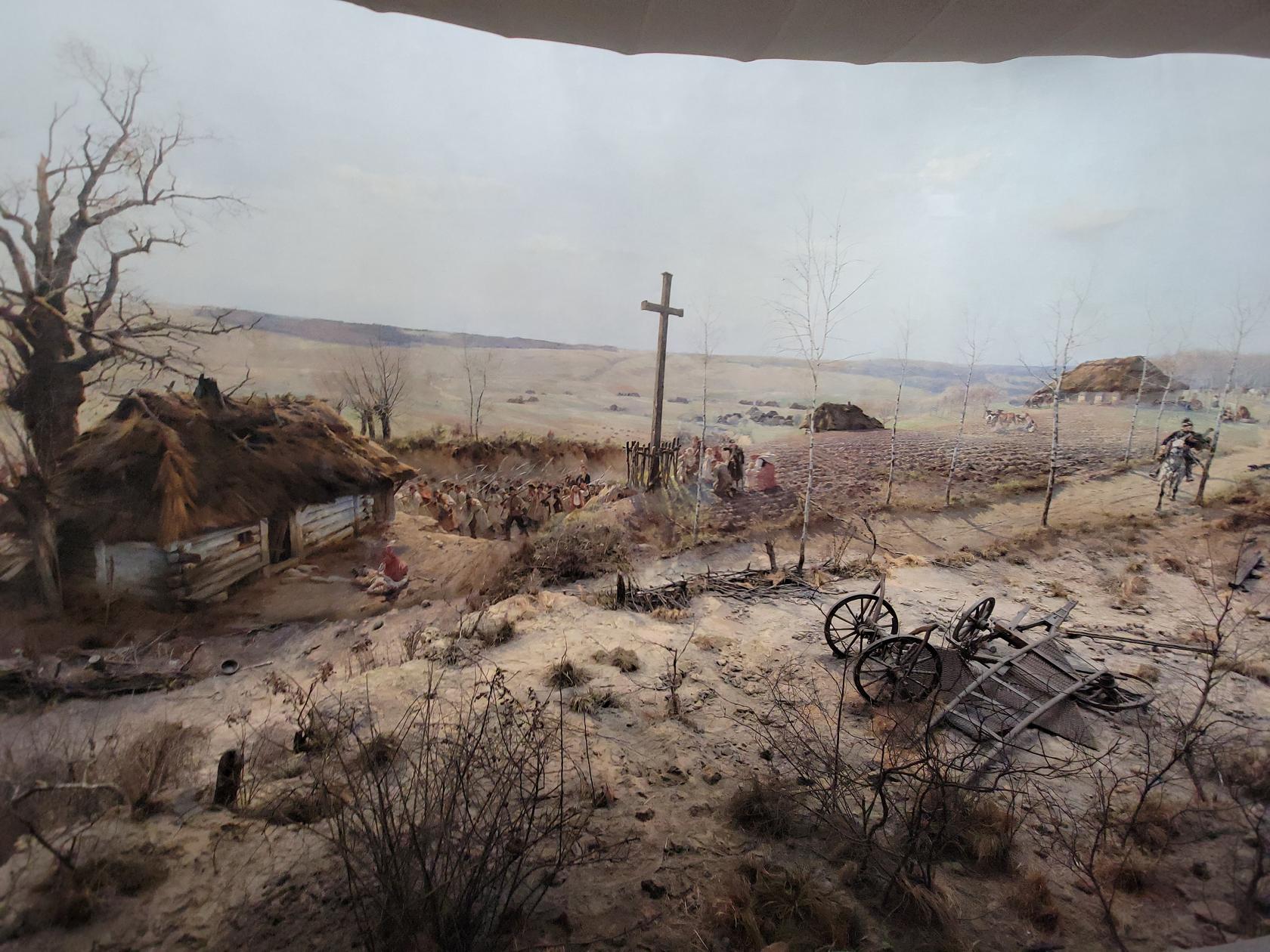
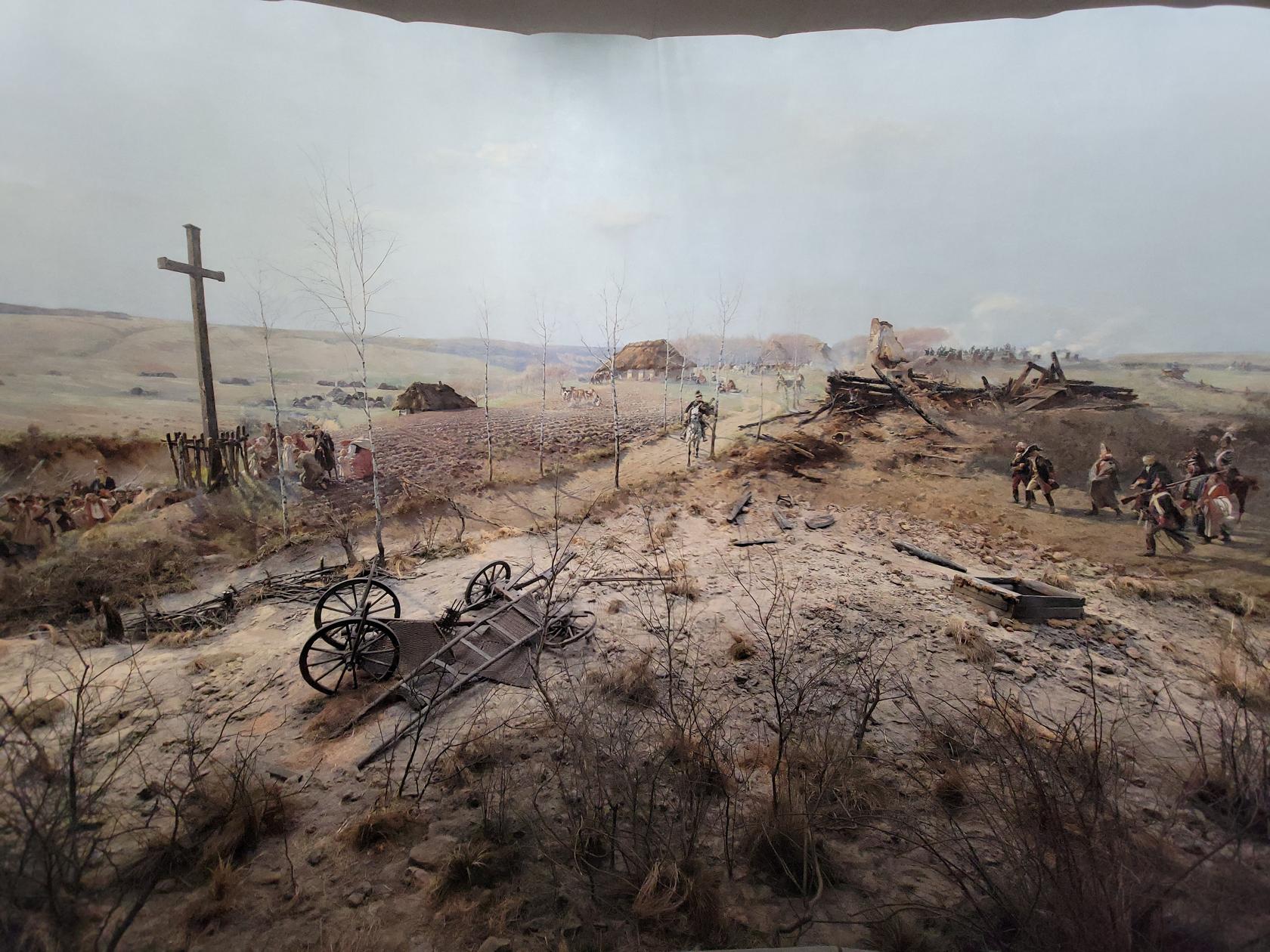
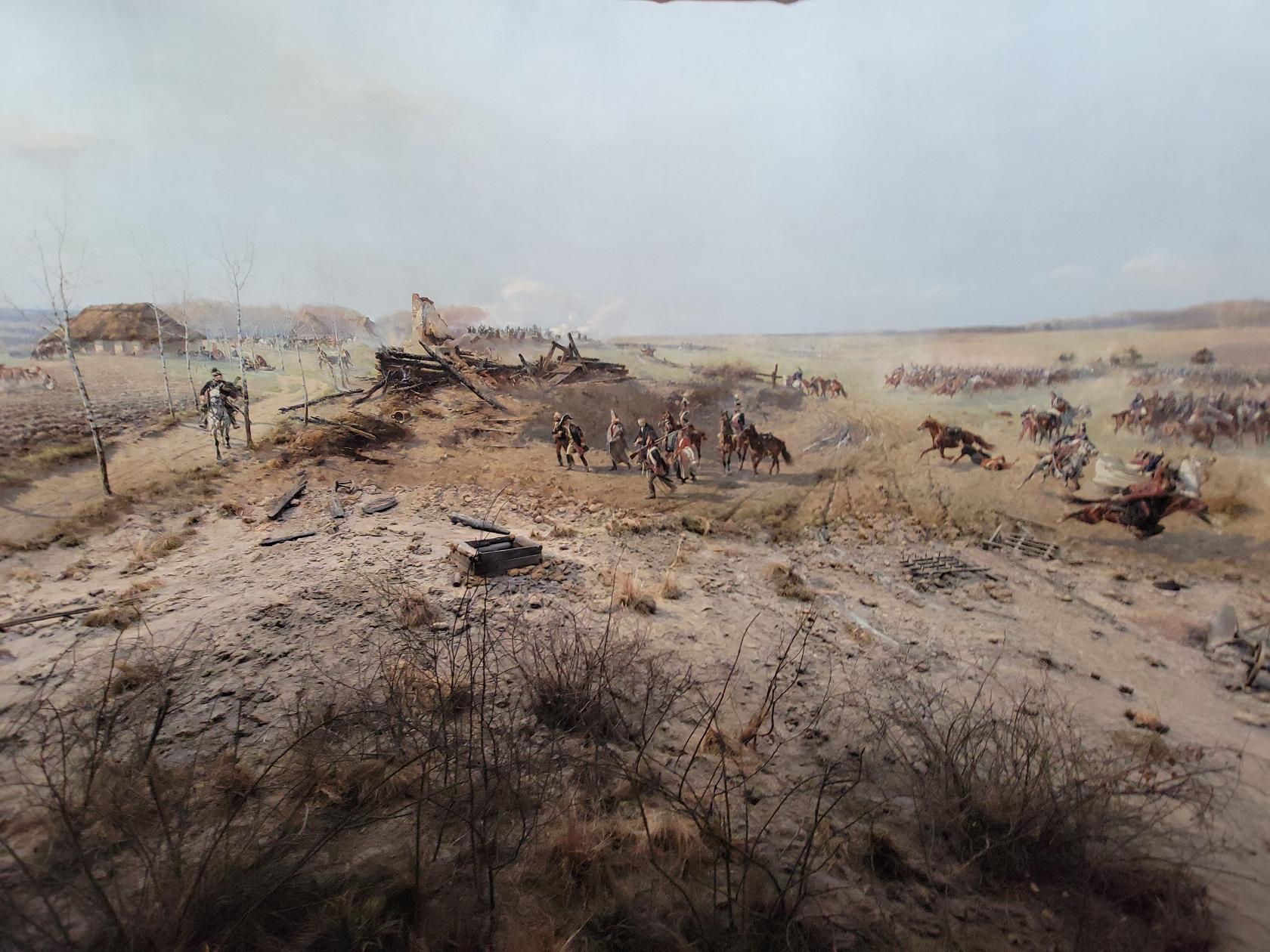
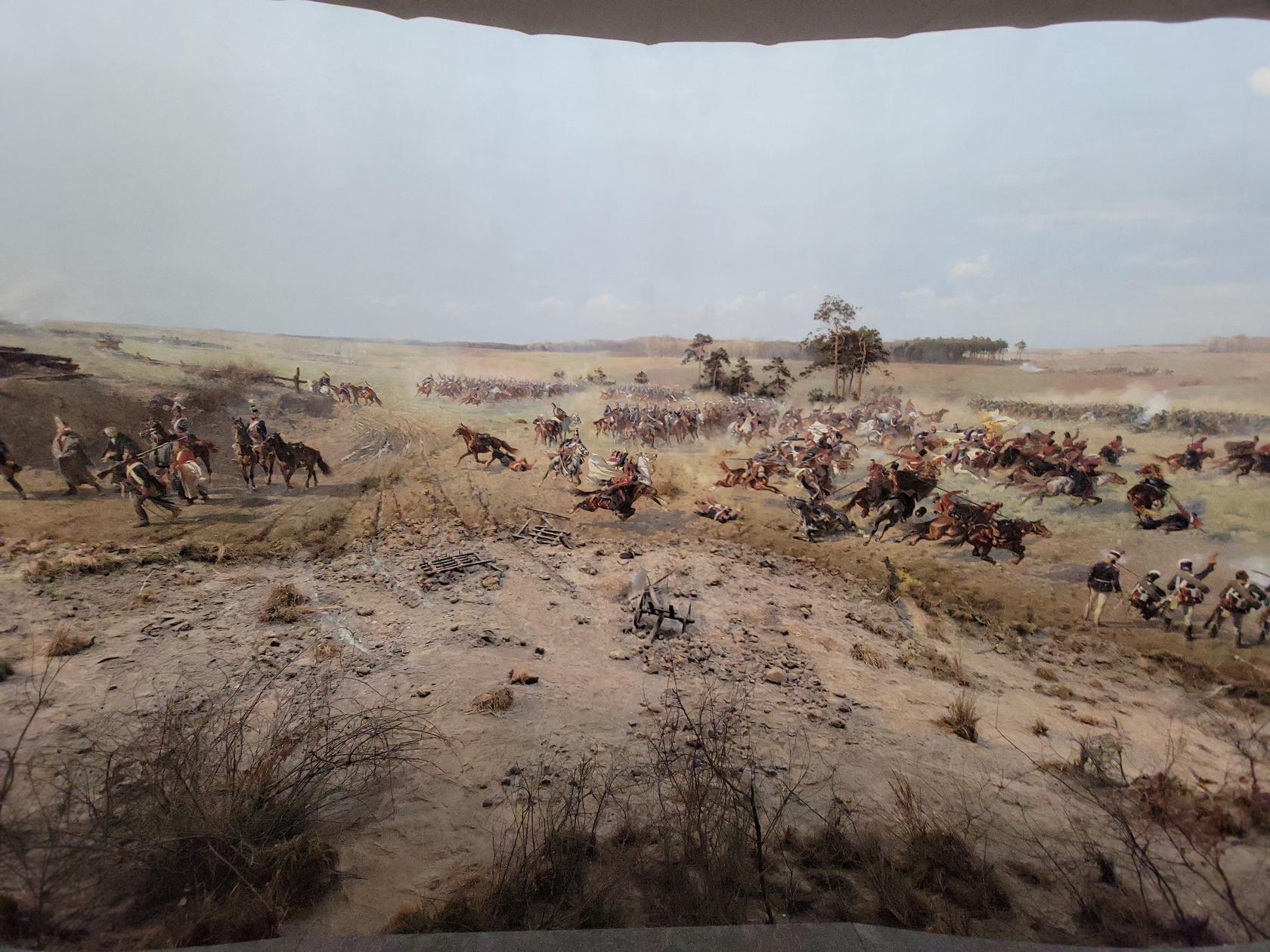
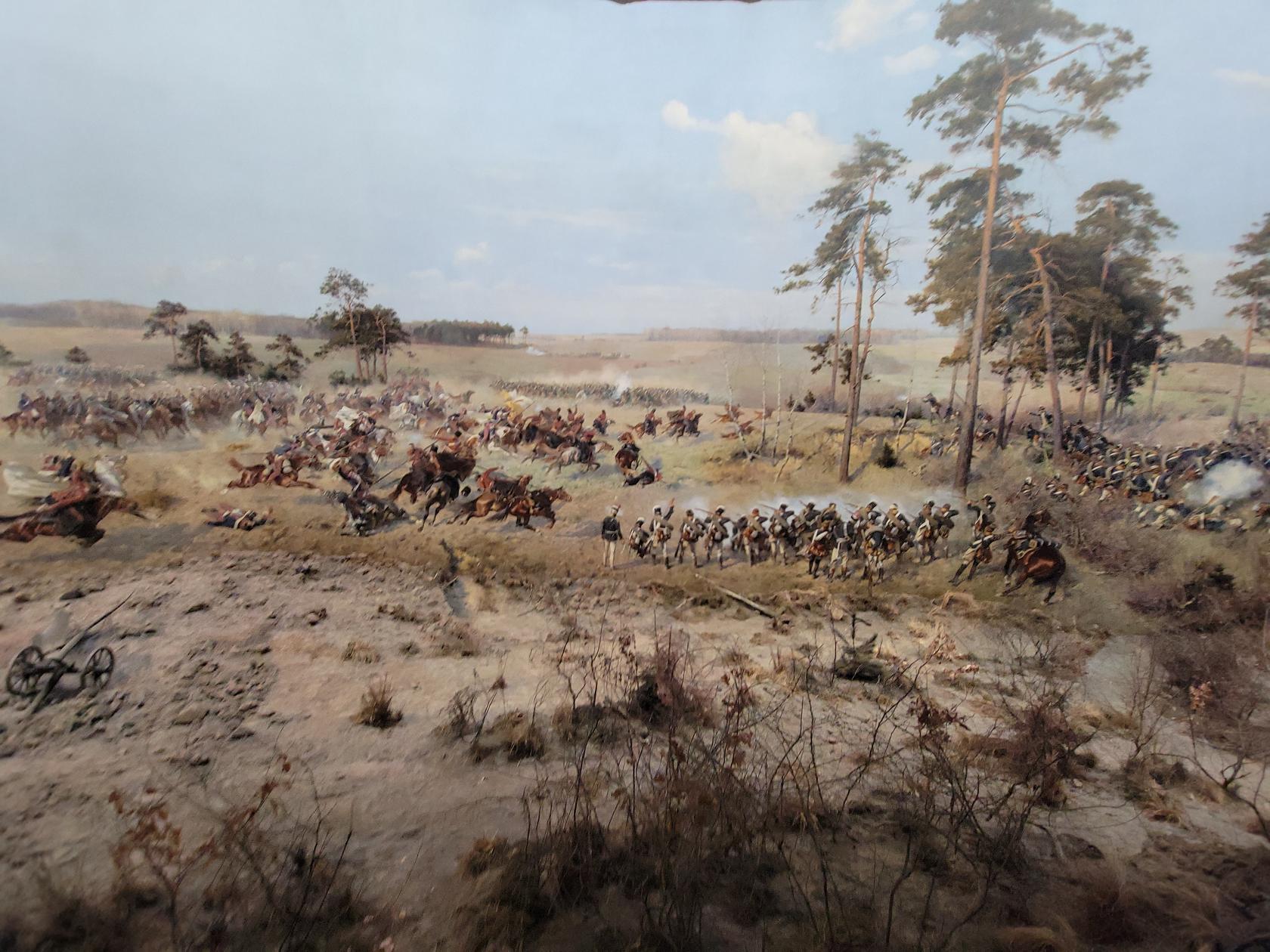
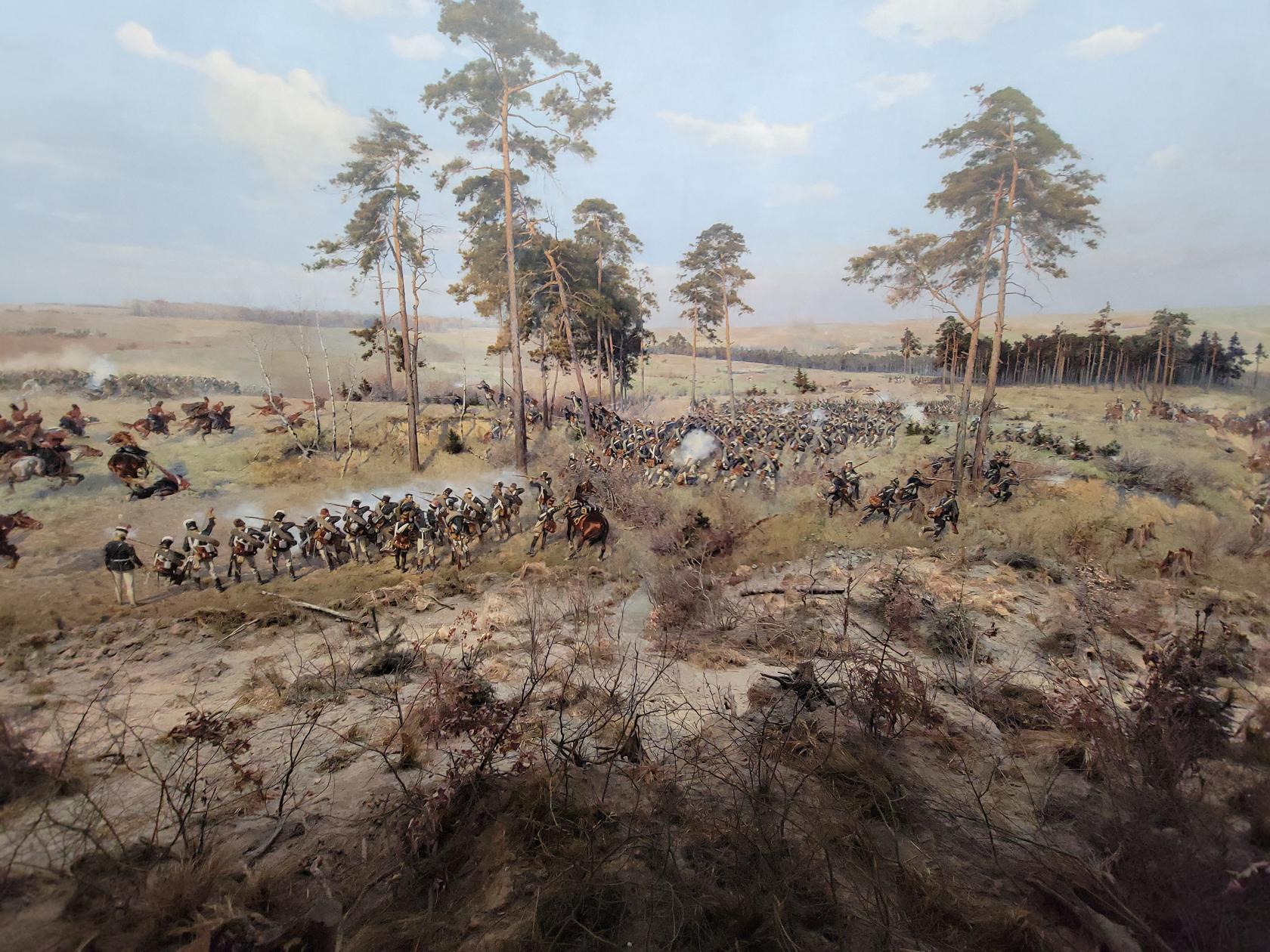
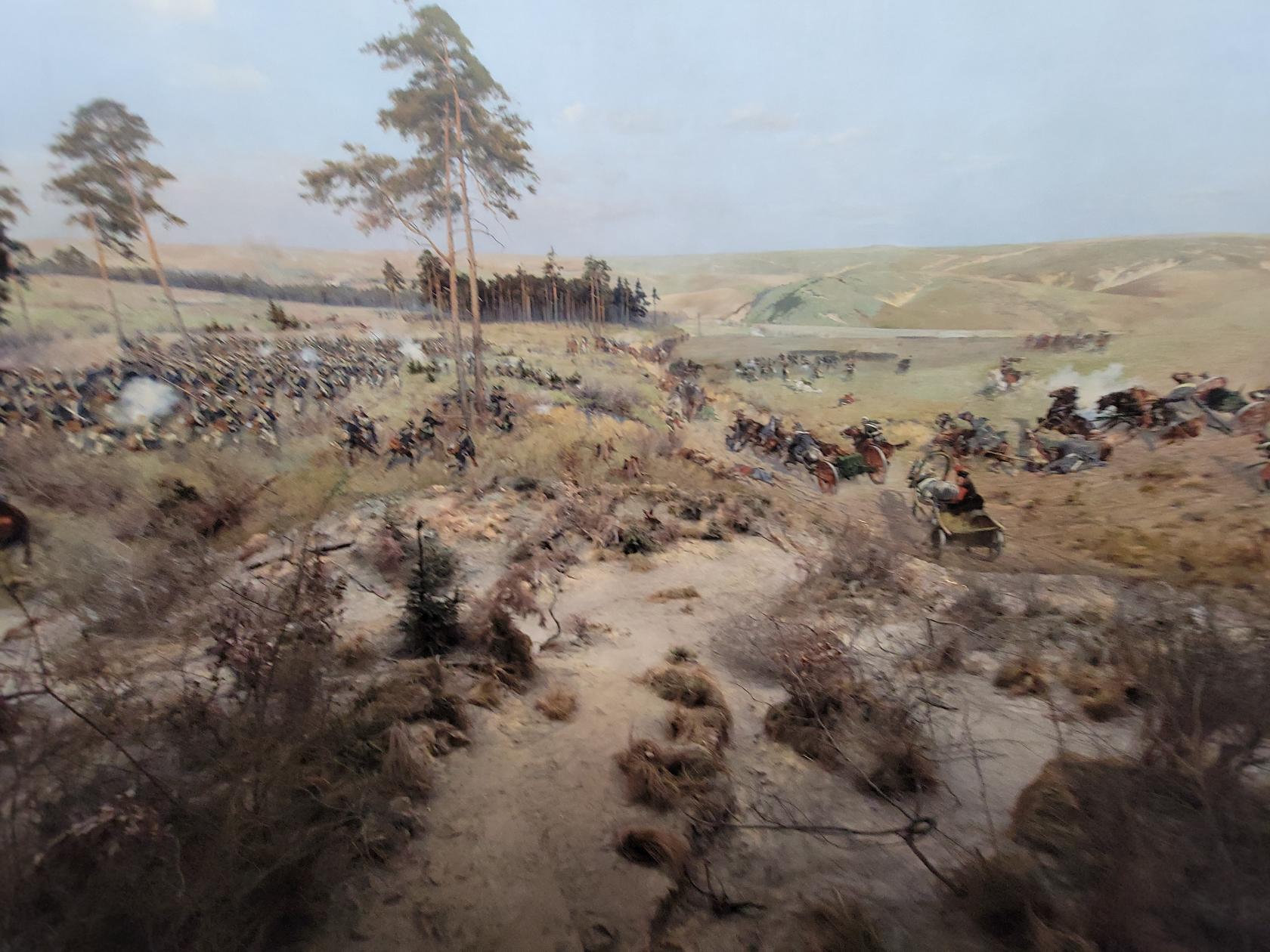
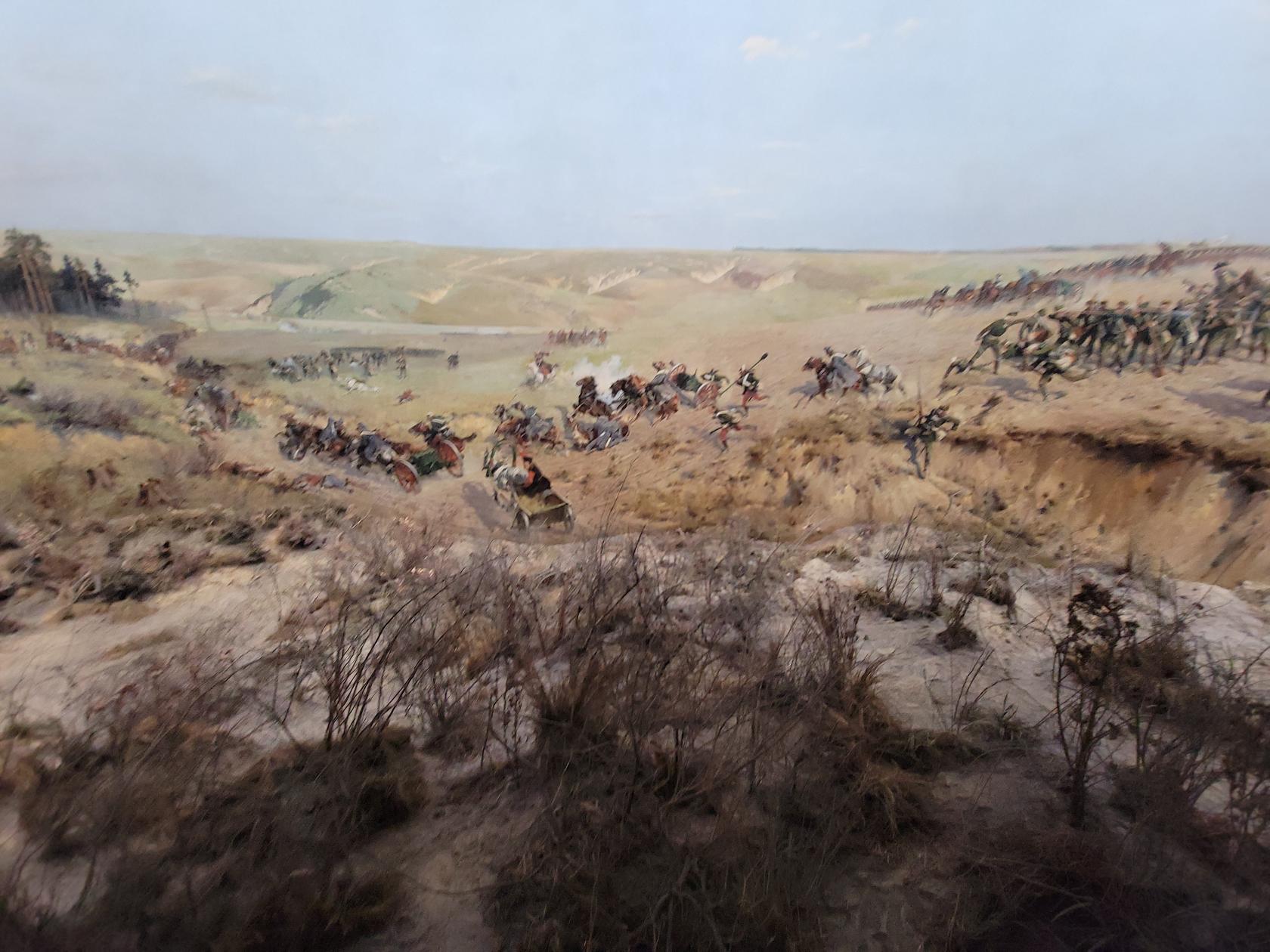
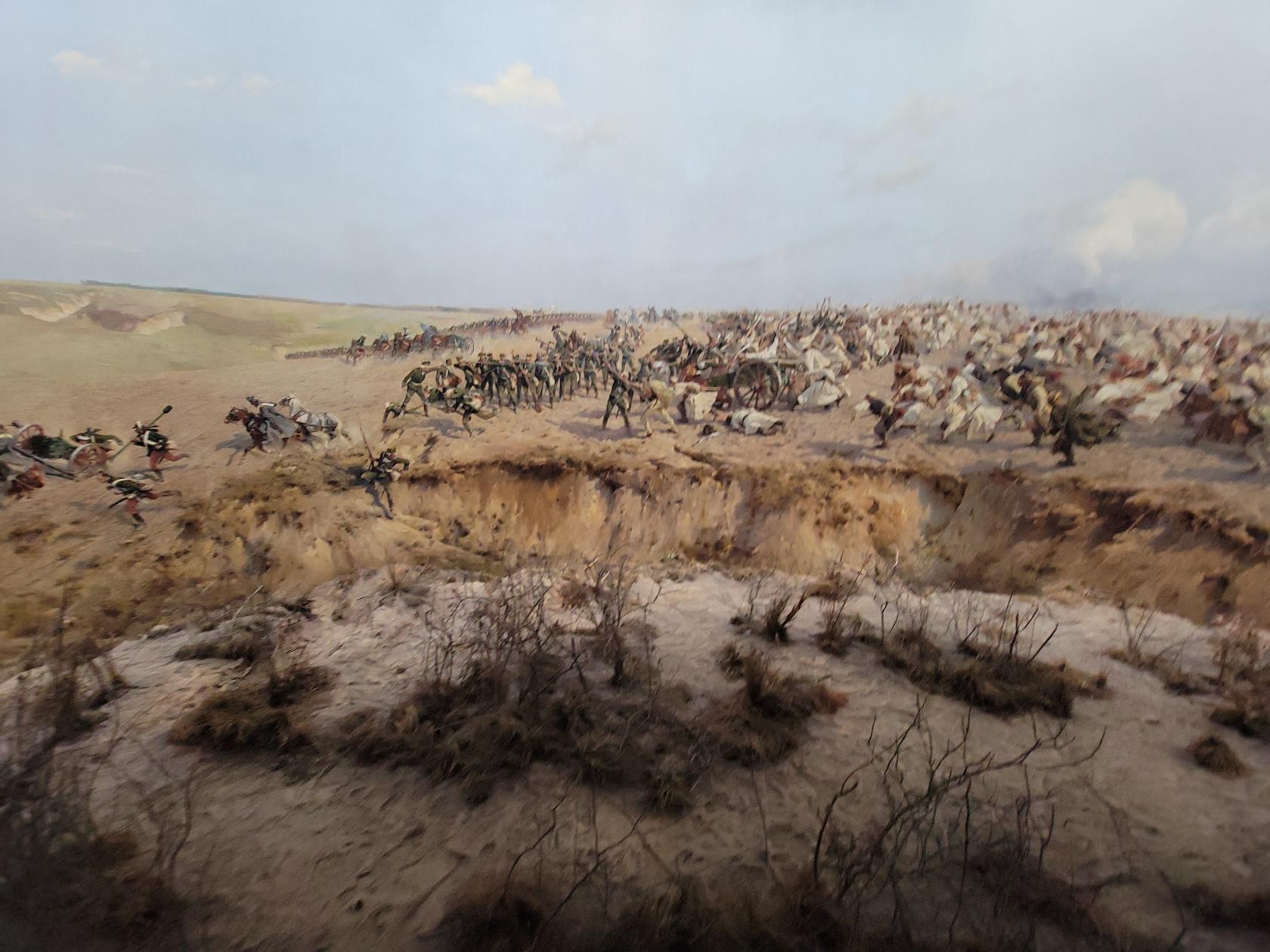
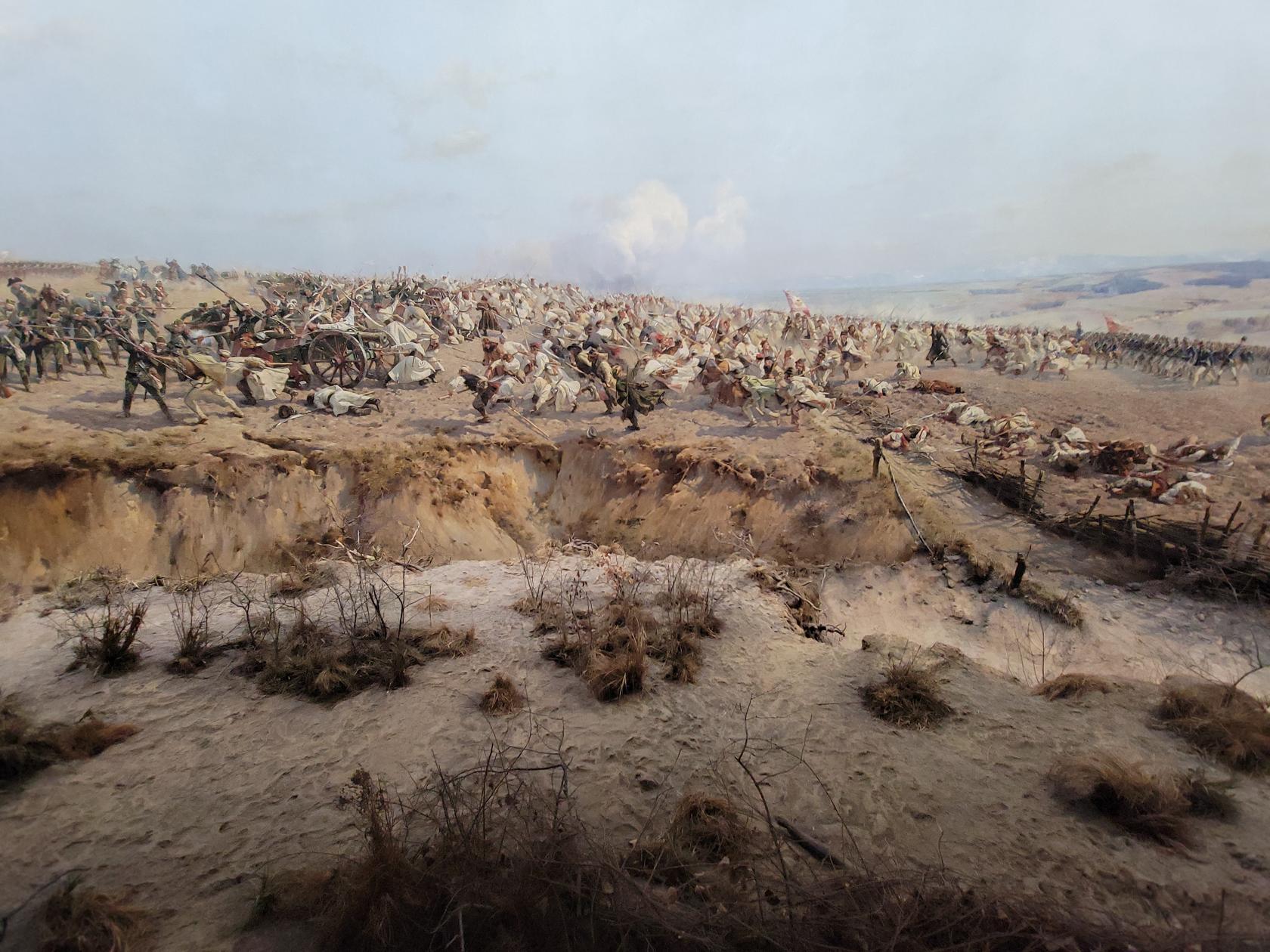
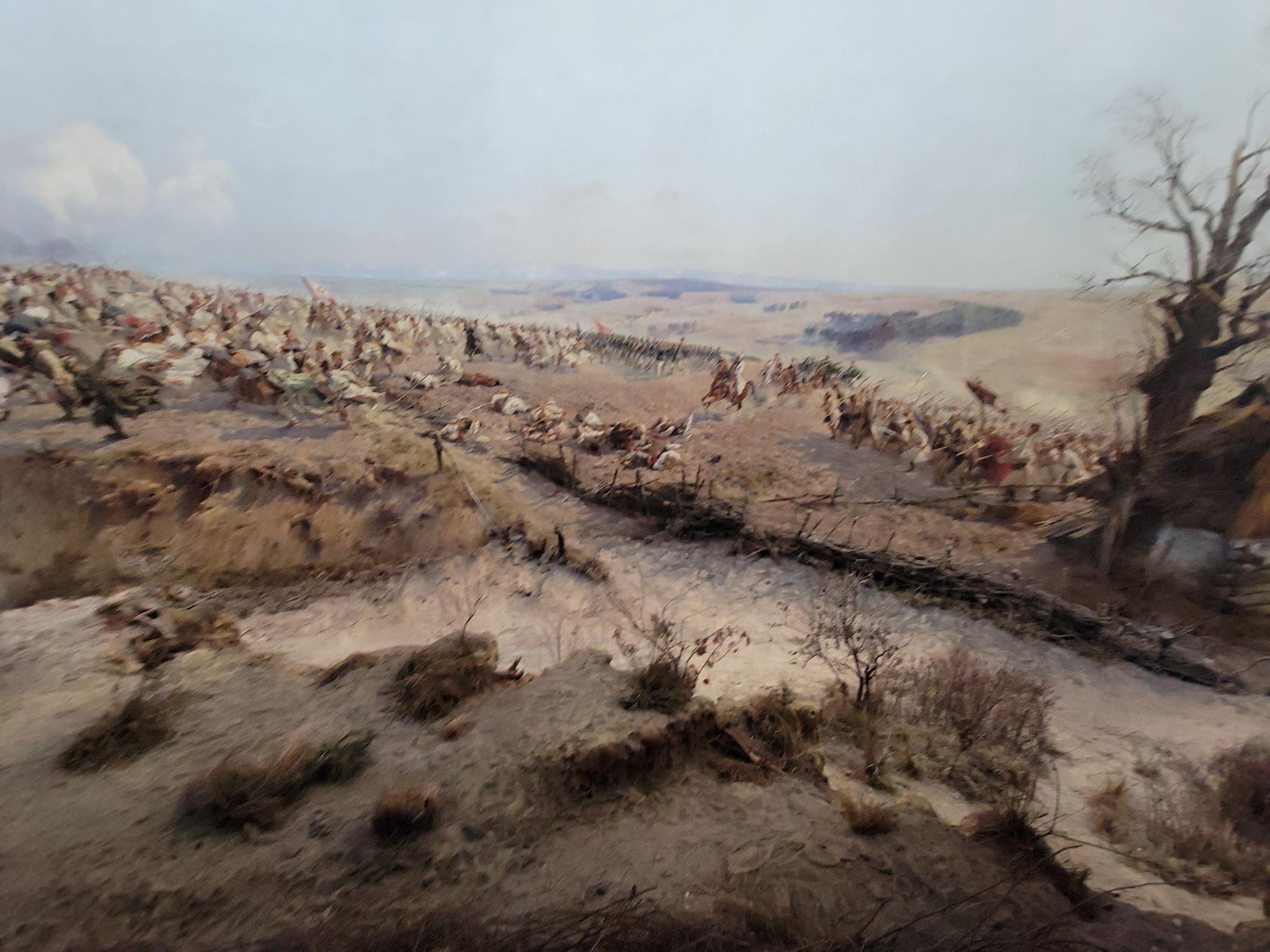
The museum provides a panorama of the Battle of Racławice which occurred in 1794 against the Russians. A branch of the National Museum in Wrocław, the museum is housed in a rotunda with a 360 degree canvas, as well as additional dioramatic accessory in the foreground, to give the visitor the feeling of what it might have been like during the battle.
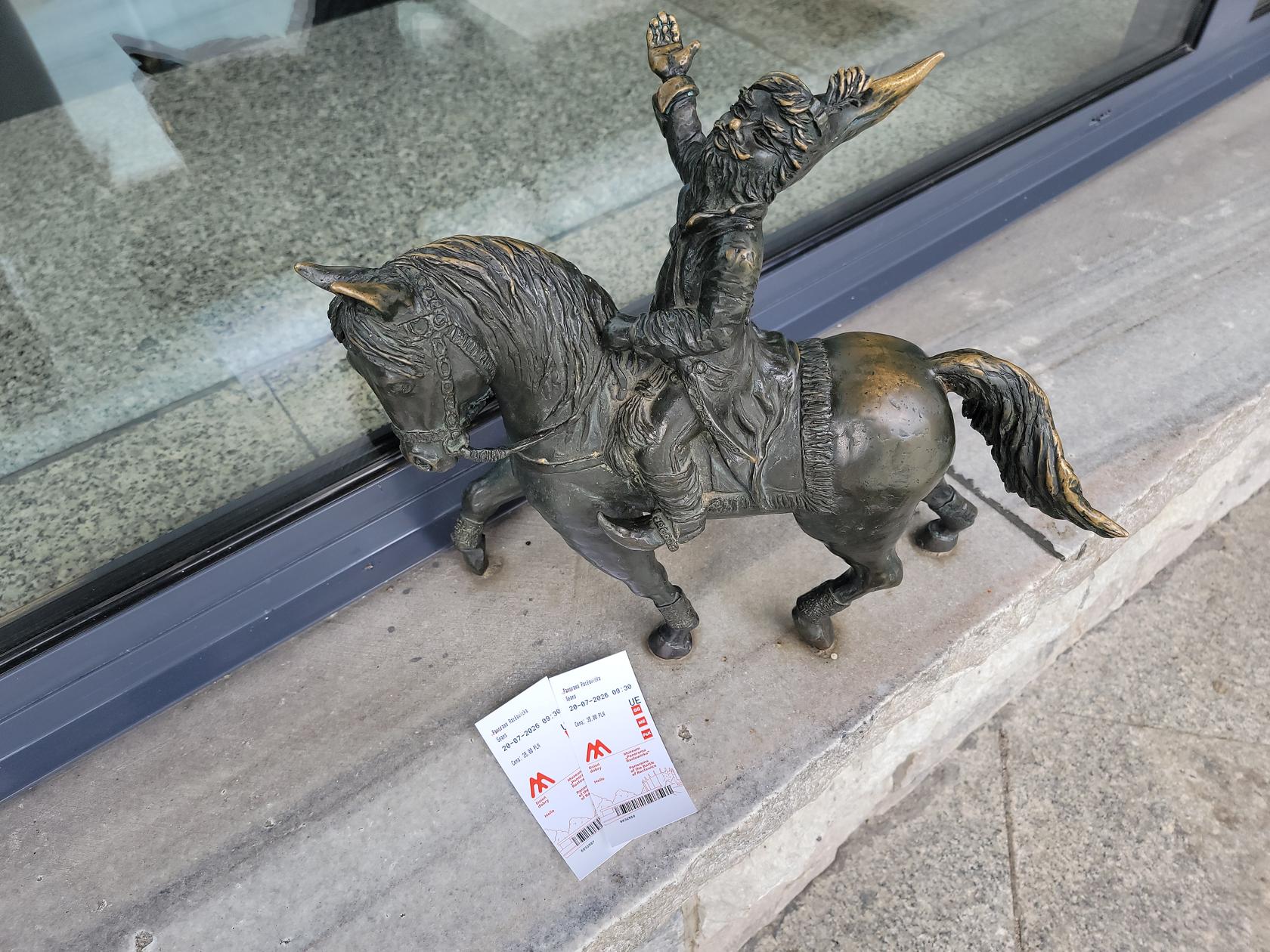
Tickets For Two – Panorama Racławicka Museum – Wrocław, Poland
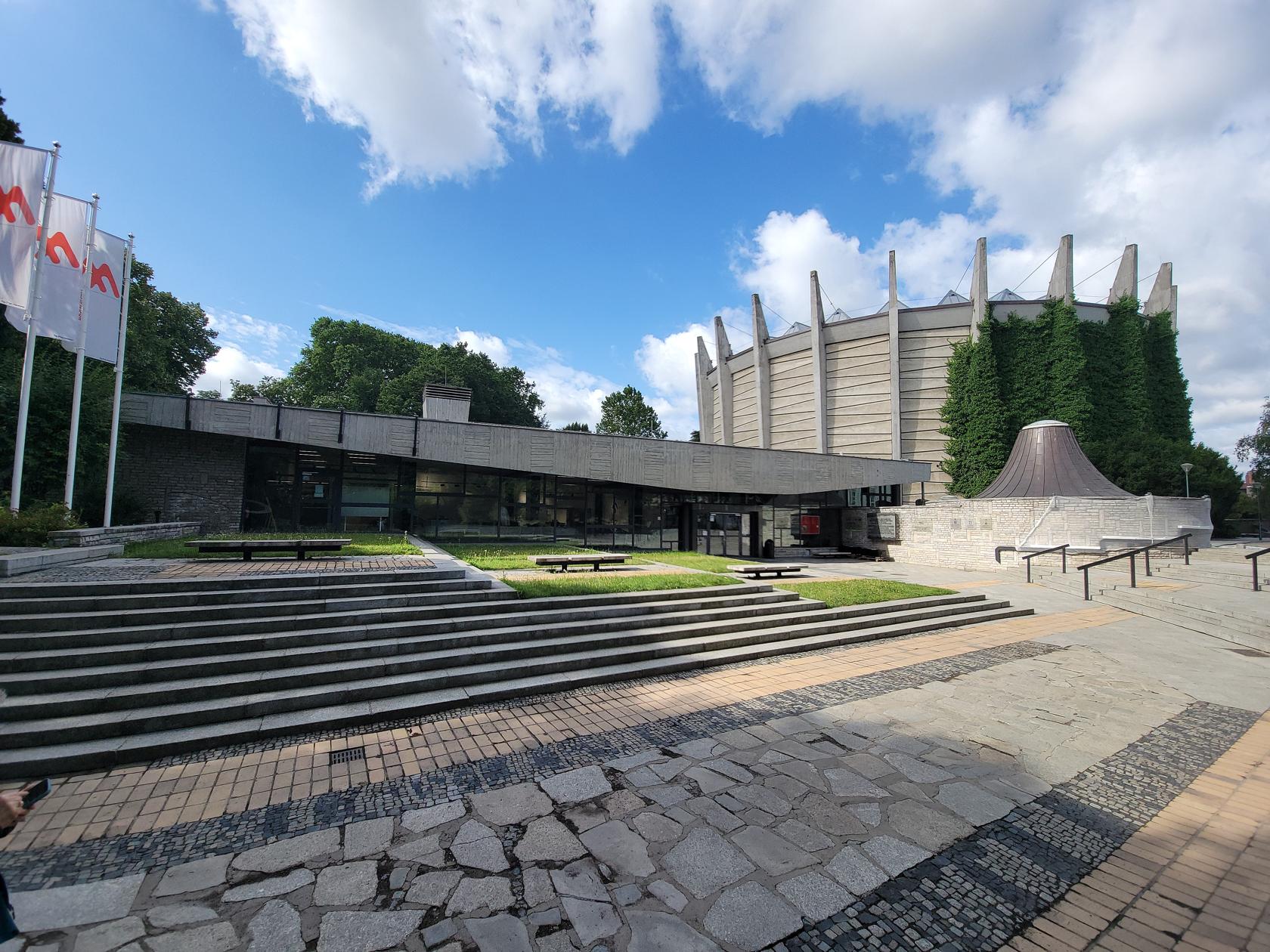
Entrance – Panorama Racławicka Museum – Wrocław, Poland
Inside – Panorama Racławicka Museum – Wrocław, Poland
It is a guided tour and language modules are provided so that everyone can enjoy the story of the battle as they move around the theater.
Scene 1 – Panorama Racławicka Museum – Wrocław, Poland
Scene 2 – Panorama Racławicka Museum – Wrocław, Poland
Scene 3 – Panorama Racławicka Museum – Wrocław, Poland
Scene 4 – Panorama Racławicka Museum – Wrocław, Poland
Scene 5 – Panorama Racławicka Museum – Wrocław, Poland
Scene 6 – Panorama Racławicka Museum – Wrocław, Poland
Scene 7 – Panorama Racławicka Museum – Wrocław, Poland
Scene 8 – Panorama Racławicka Museum – Wrocław, Poland
Scene 9 – Panorama Racławicka Museum – Wrocław, Poland
Scene 10 – Panorama Racławicka Museum – Wrocław, Poland
Scene 11 – Panorama Racławicka Museum – Wrocław, Poland
Scene 12 – Panorama Racławicka Museum – Wrocław, Poland
Church And Cathedrals
In this city you will find less churches, they are not as abundant as in Kraków. However, the ones you can visit and just as beautiful.
Wrocław Cathedral
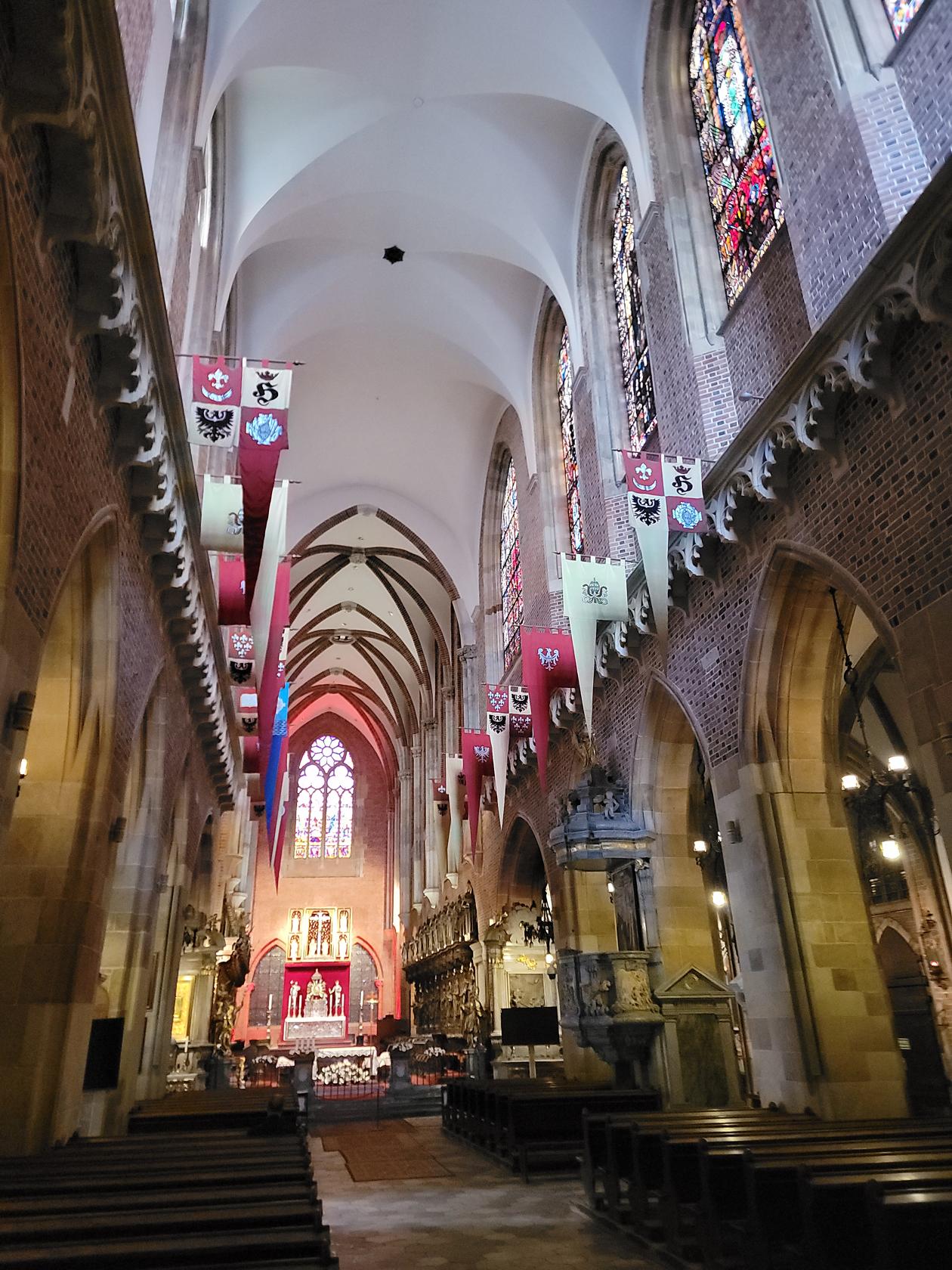
Located across the Oder via the Sand and Tumski bridges, the Wrocław Cathedral has beautiful stained glass windows inside. They only adorn one side, since the windows on the other side are obfuscated by an adjoining structure, which in and of itself I found very odd.
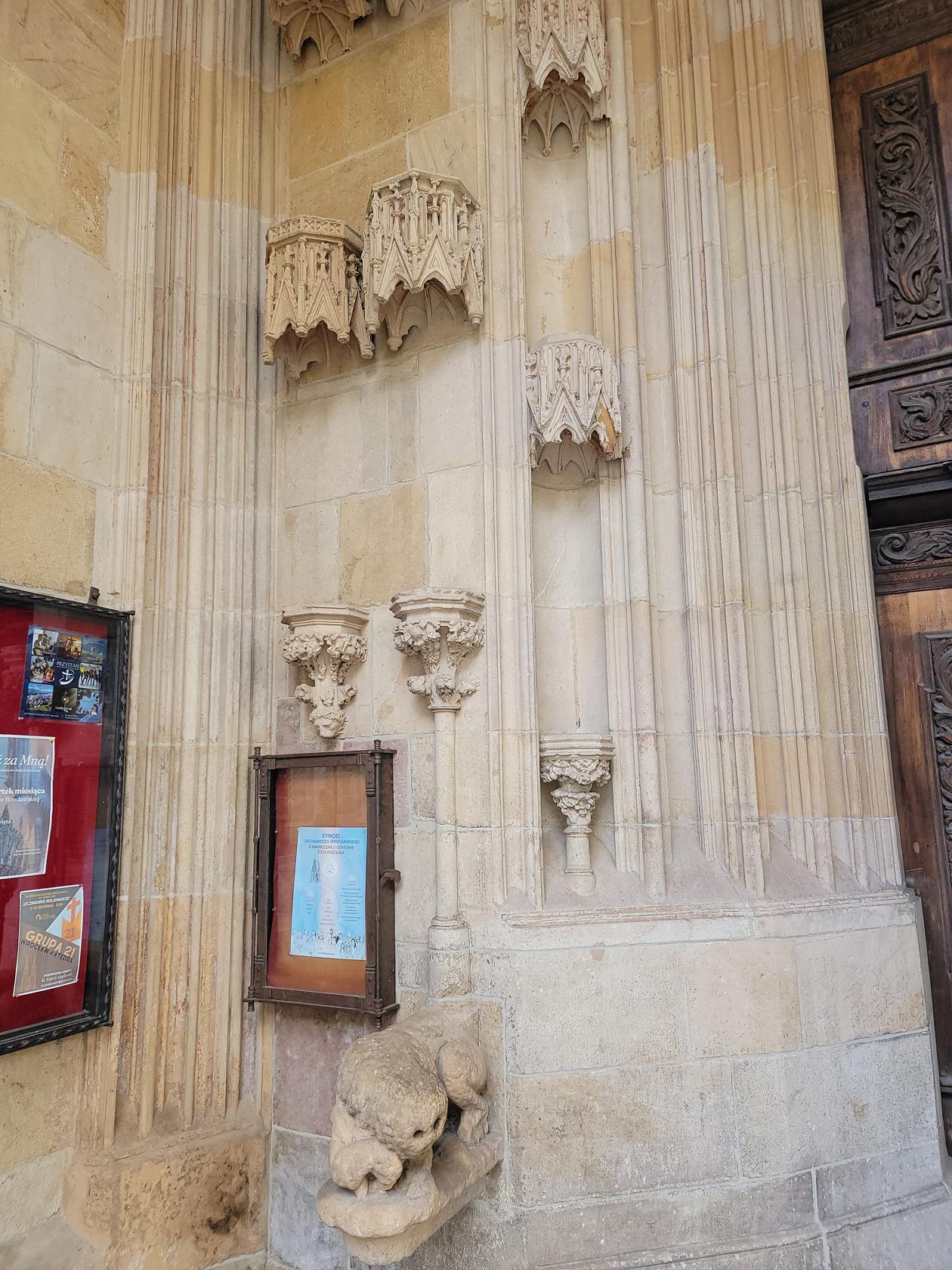
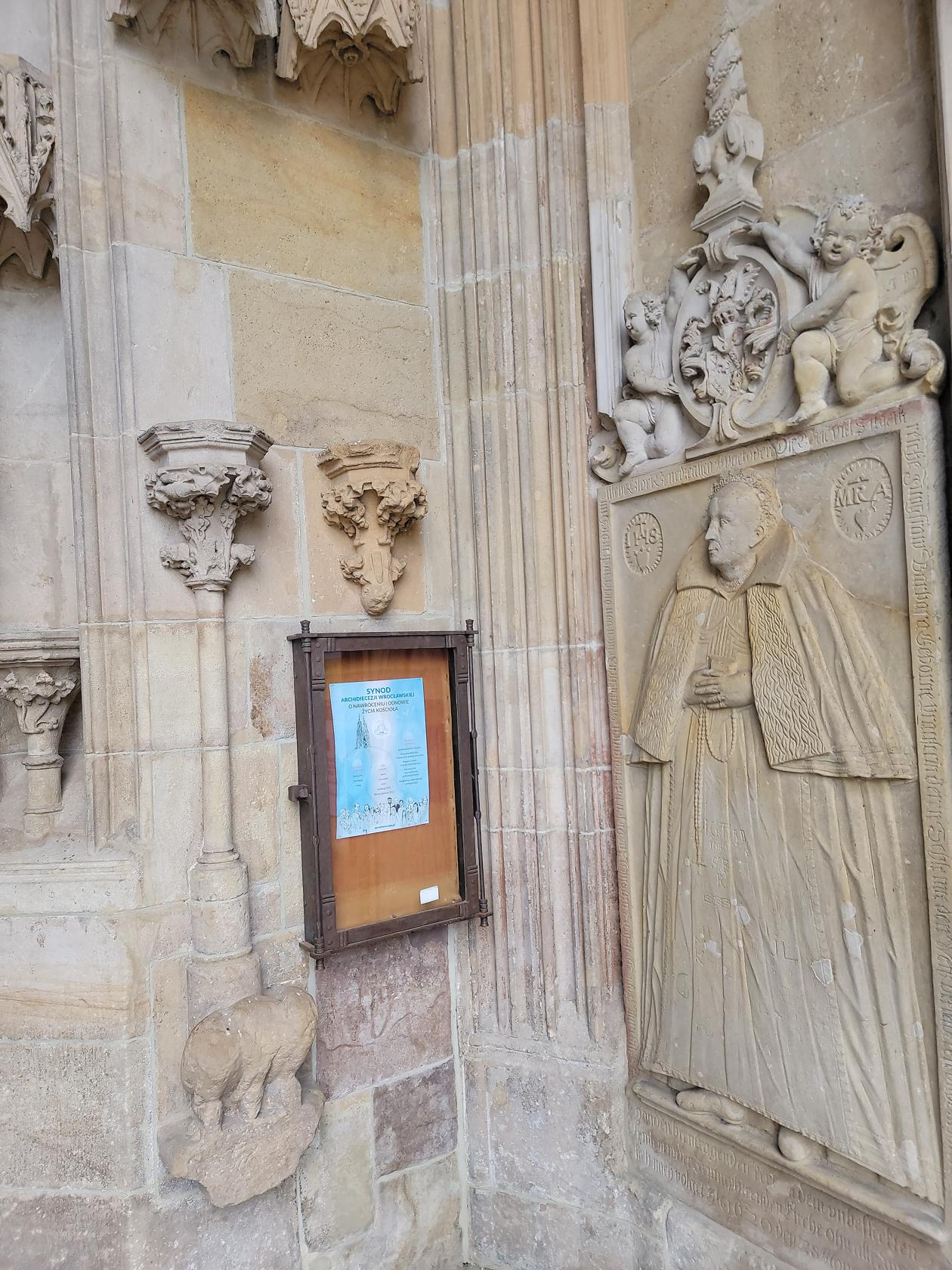
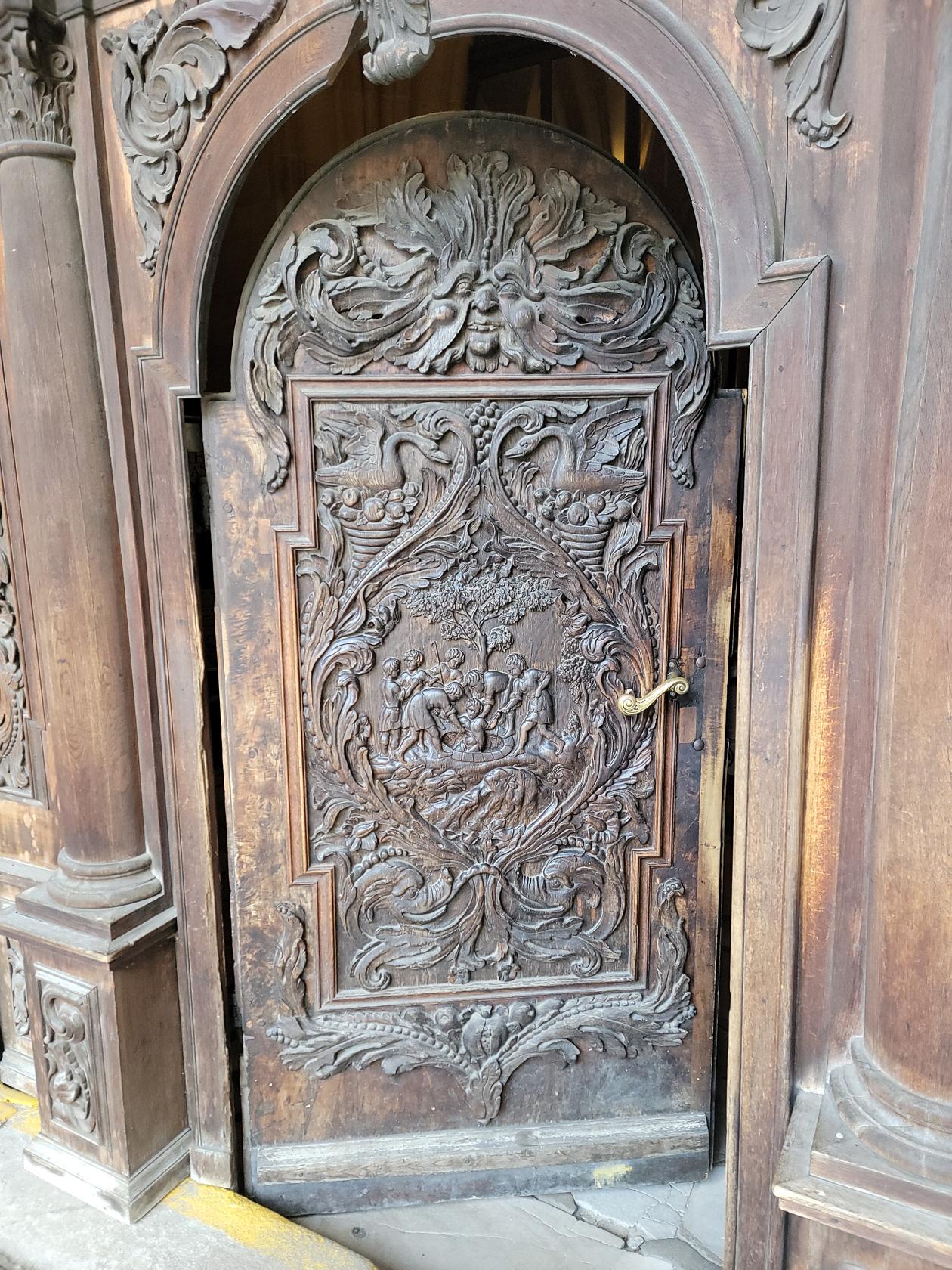
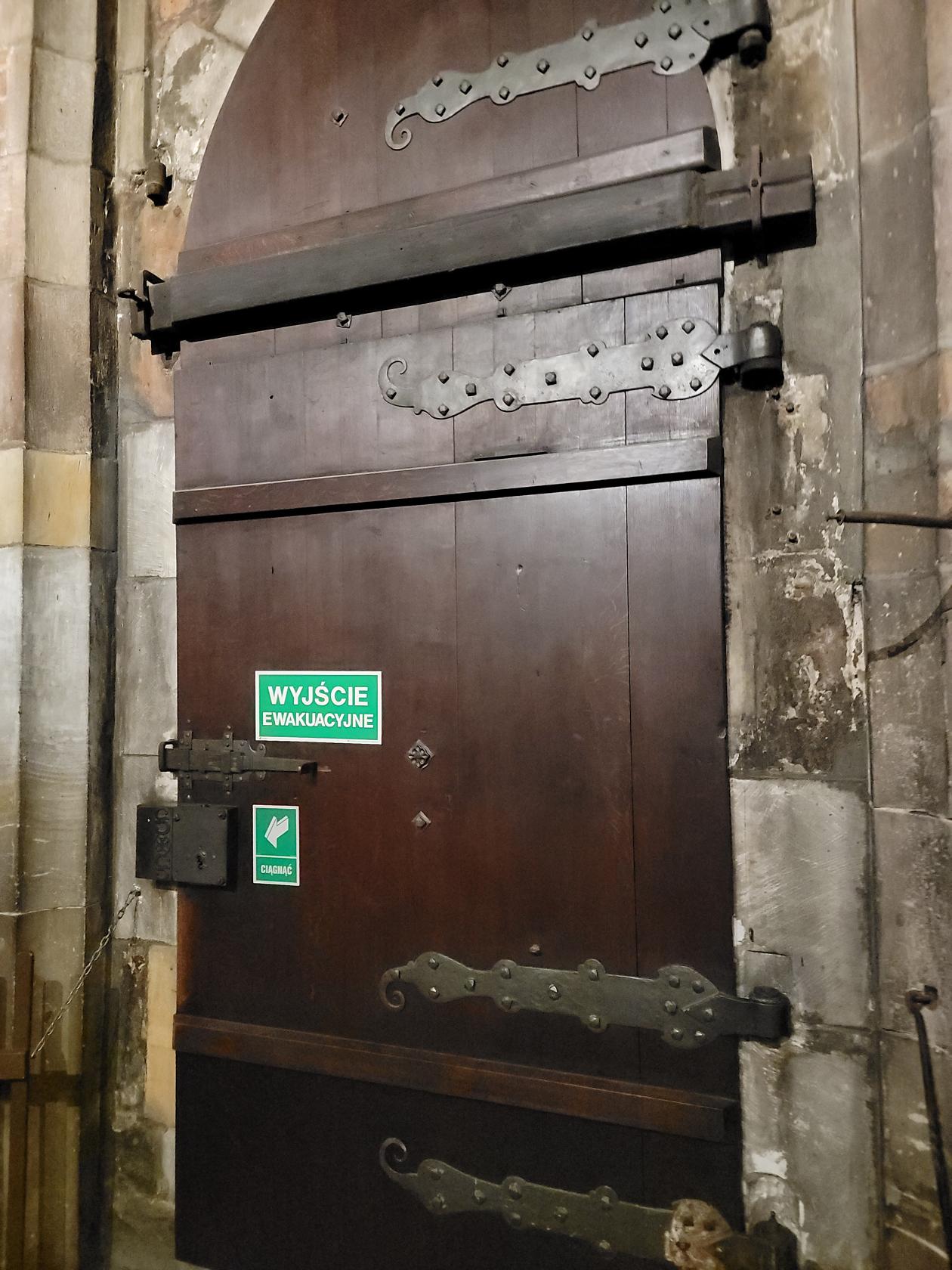
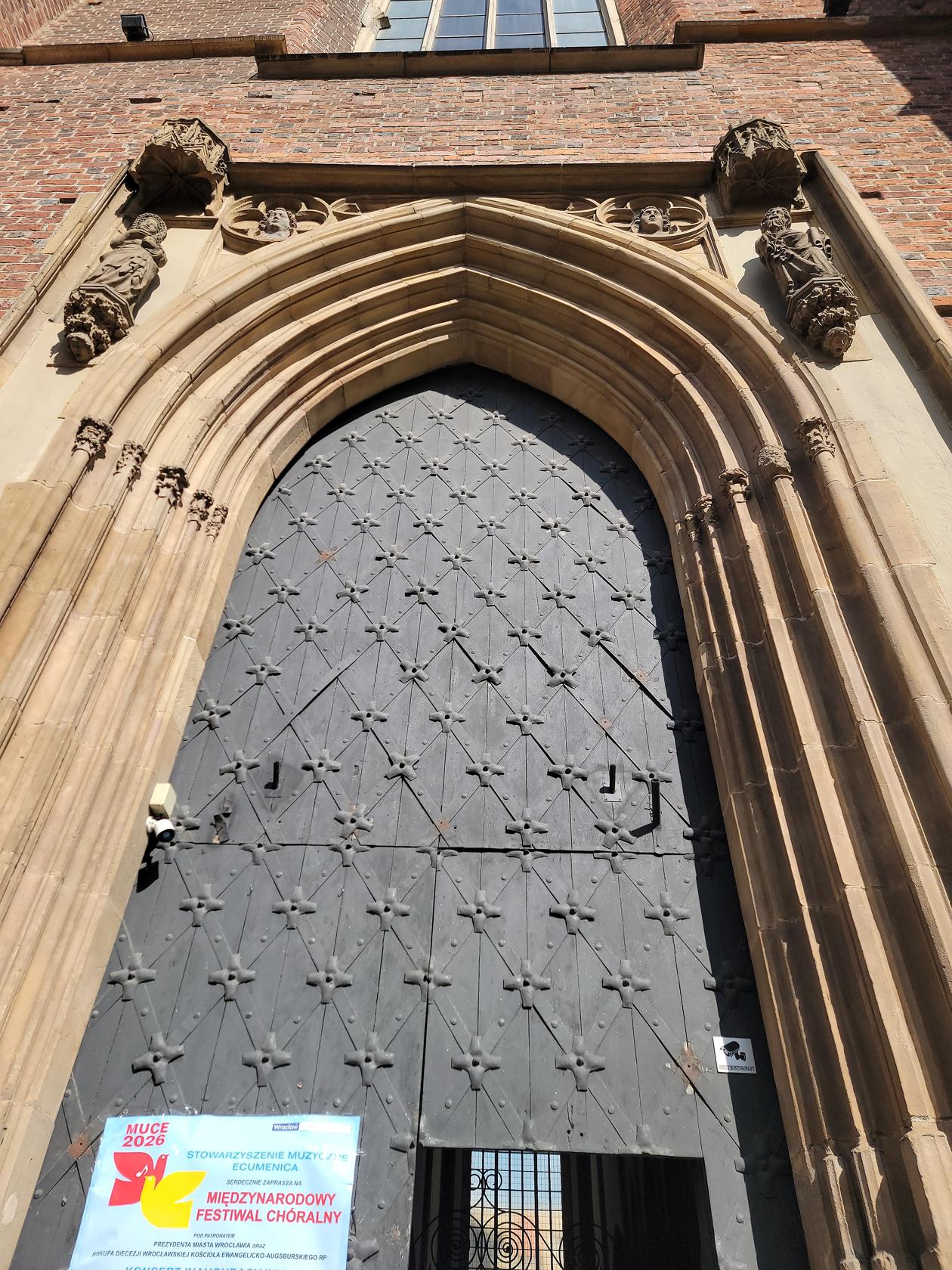
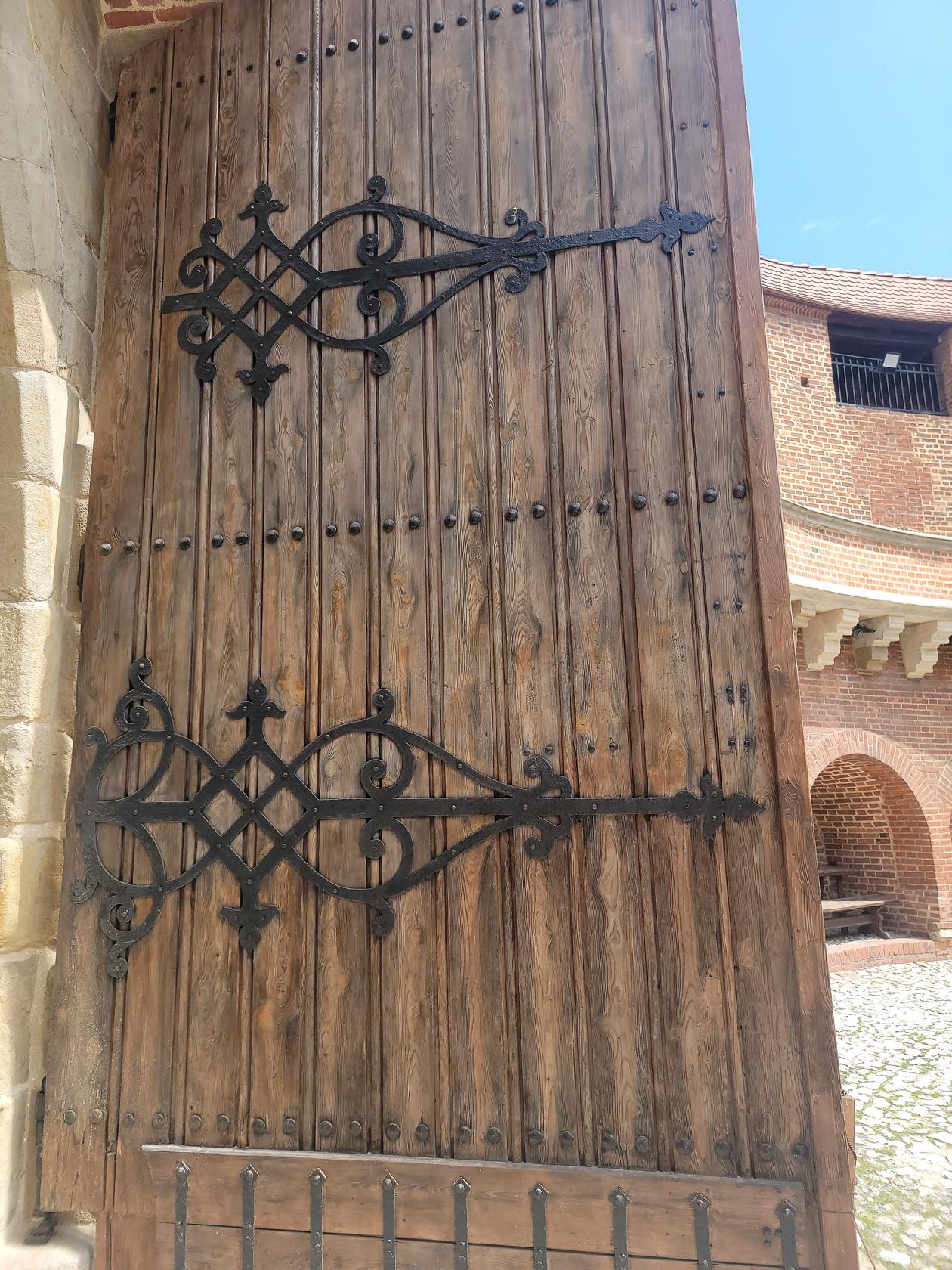
Old Door with Iron Hinges – Wrocław Cathedral – Wrocław, Poland
Cathedral Saint Mary Magdelena
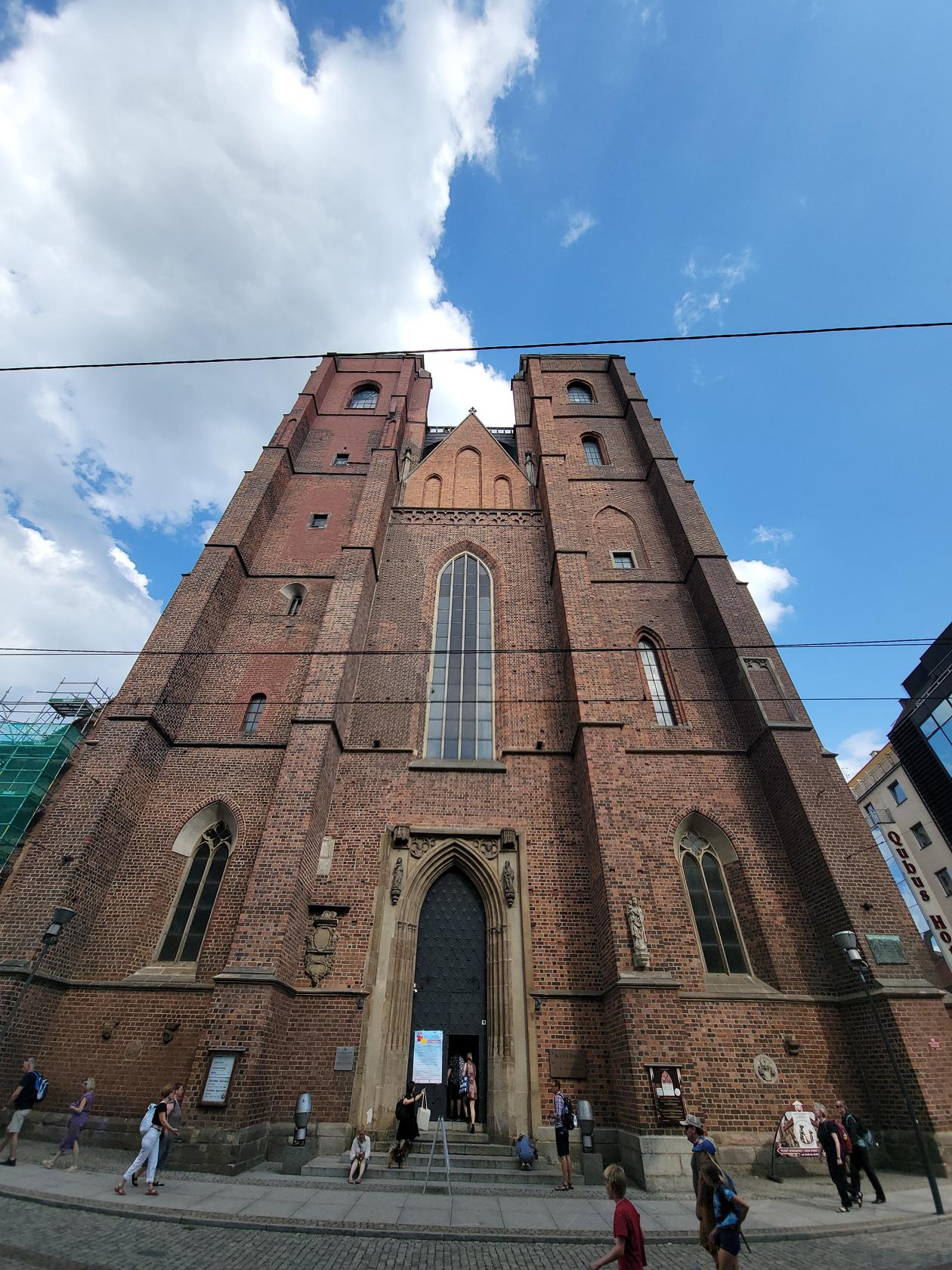
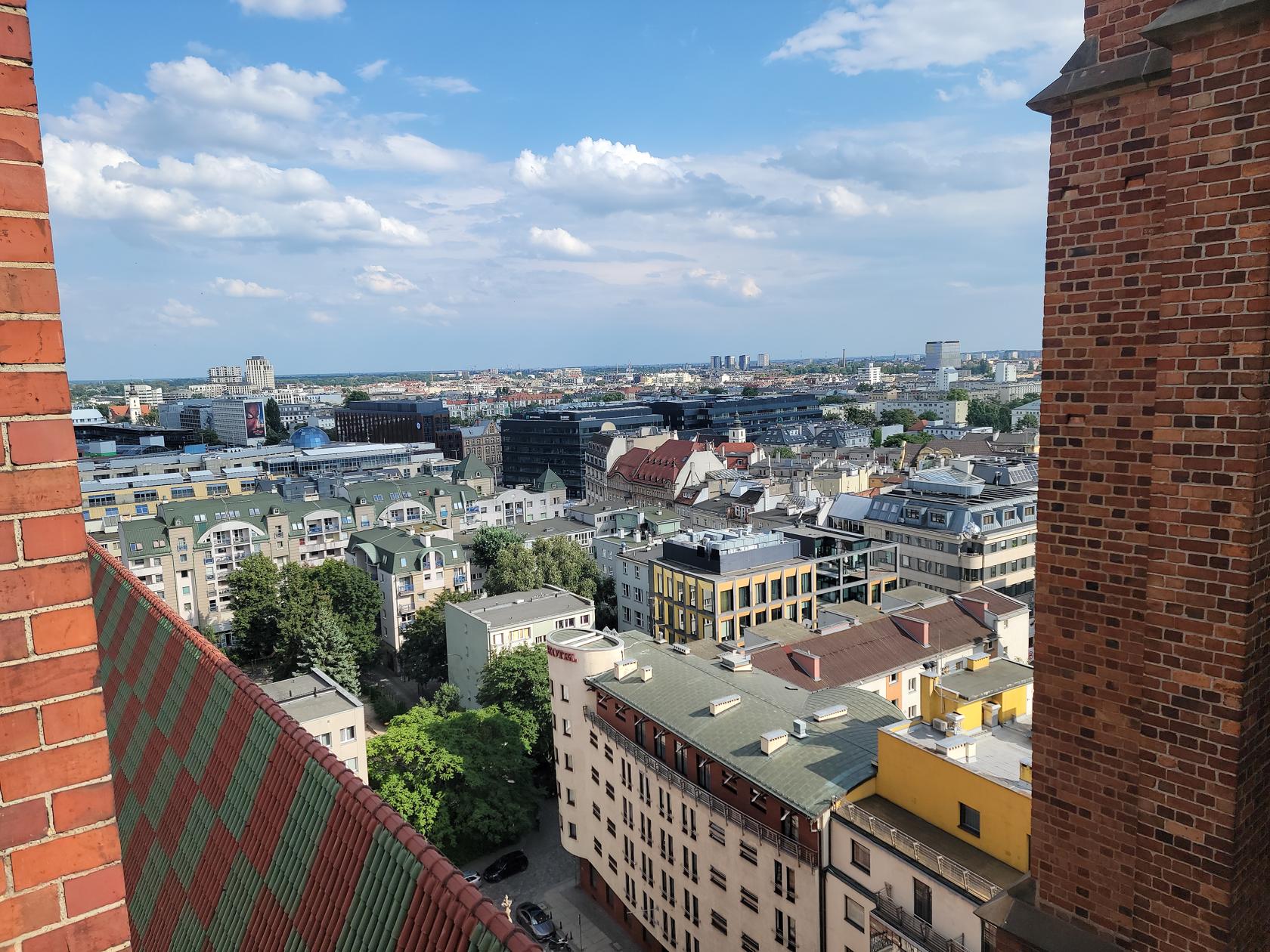
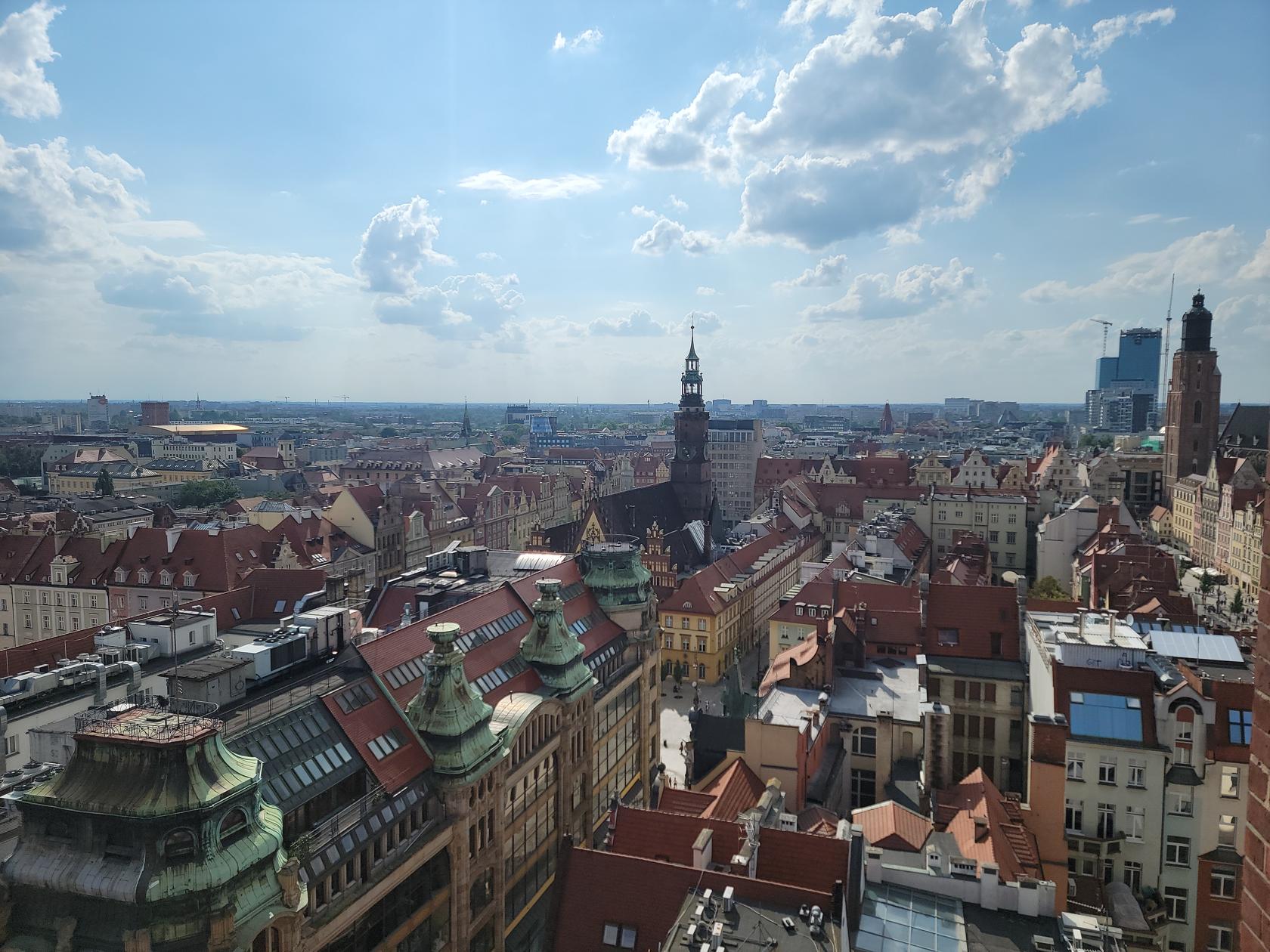
The Cathedral Saint Mary Magdelena is the one church where we paid for entrance, so that we could ascend the tower and view the city from the Penitent Bridge.
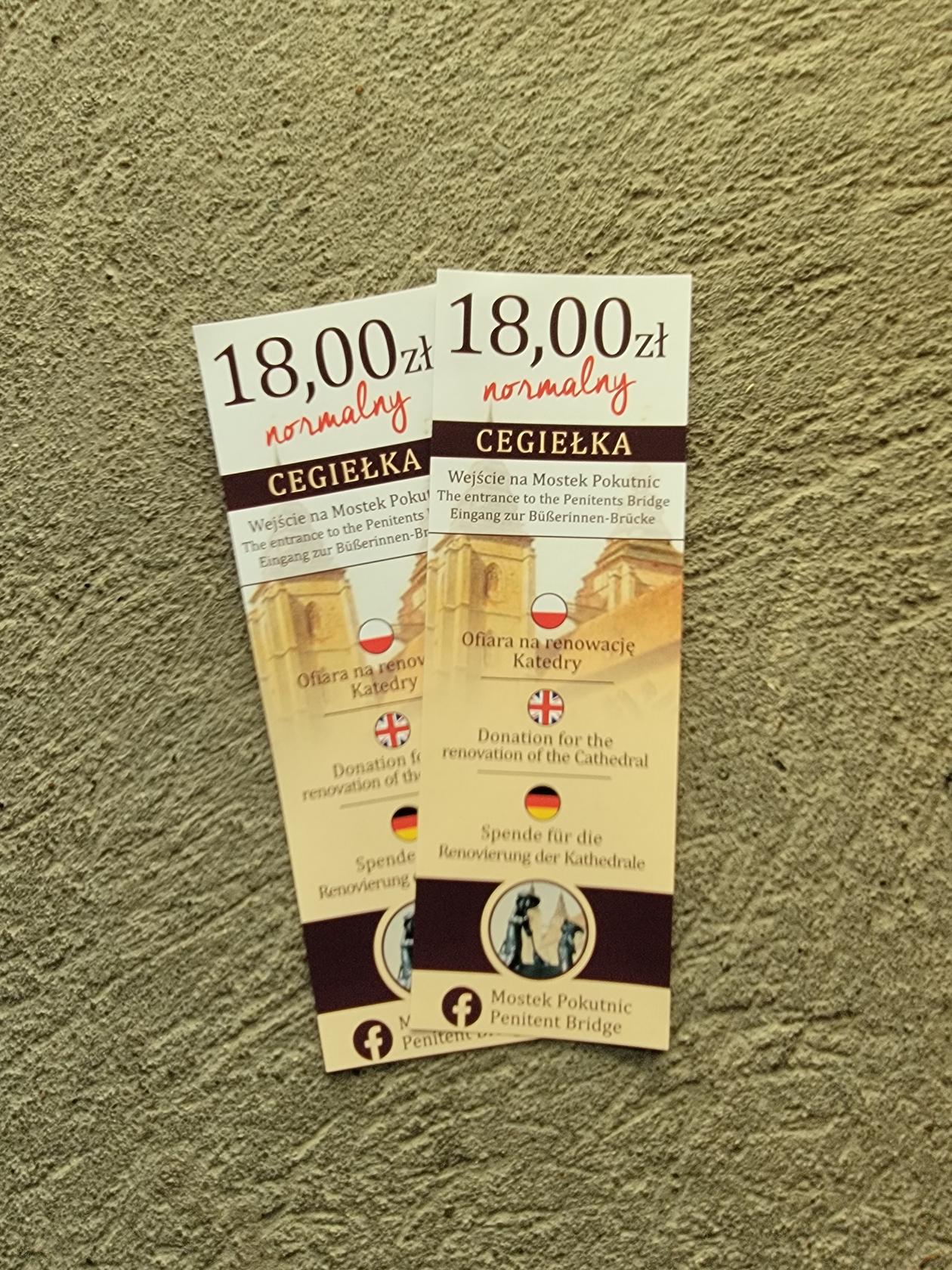
Tickets For Two – Cathedral Saint Mary Magdelena – Wrocław, Poland
Front and Facade – Cathedral Saint Mary Magdelena – Wrocław, Poland
Entrance – Cathedral Saint Mary Magdelena – Wrocław, Poland
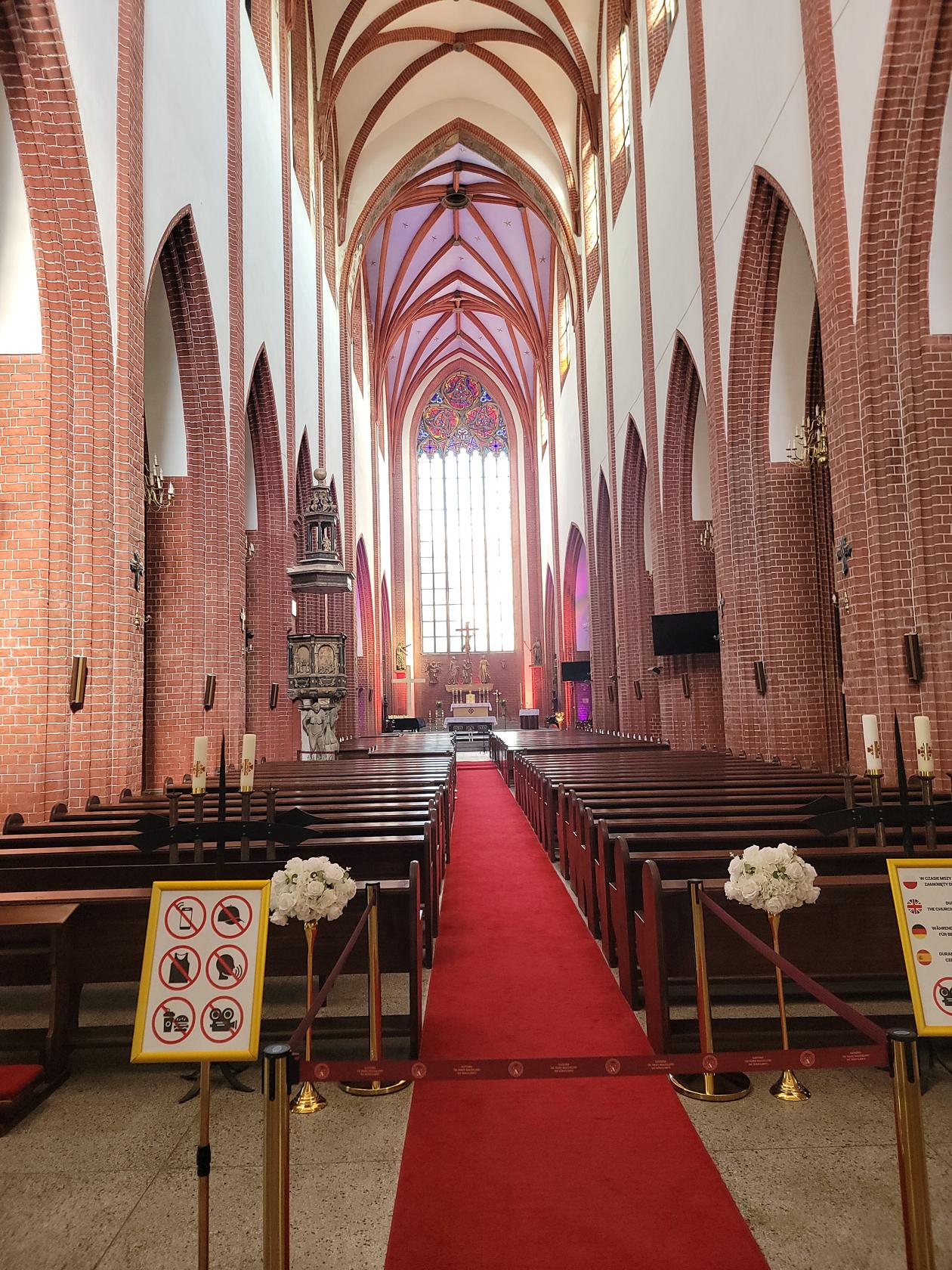
Nave – Cathedral Saint Mary Magdelena – Wrocław, Poland
City View – Penitent Tower – Cathedral Saint Mary Magdelena – Wrocław, Poland
City View – Penitent Tower – Cathedral Saint Mary Magdelena – Wrocław, Poland
Restaurants
In Wrocław we decided to scale back on the amount of Polish food we would consume, since it is very rich and calory laden.
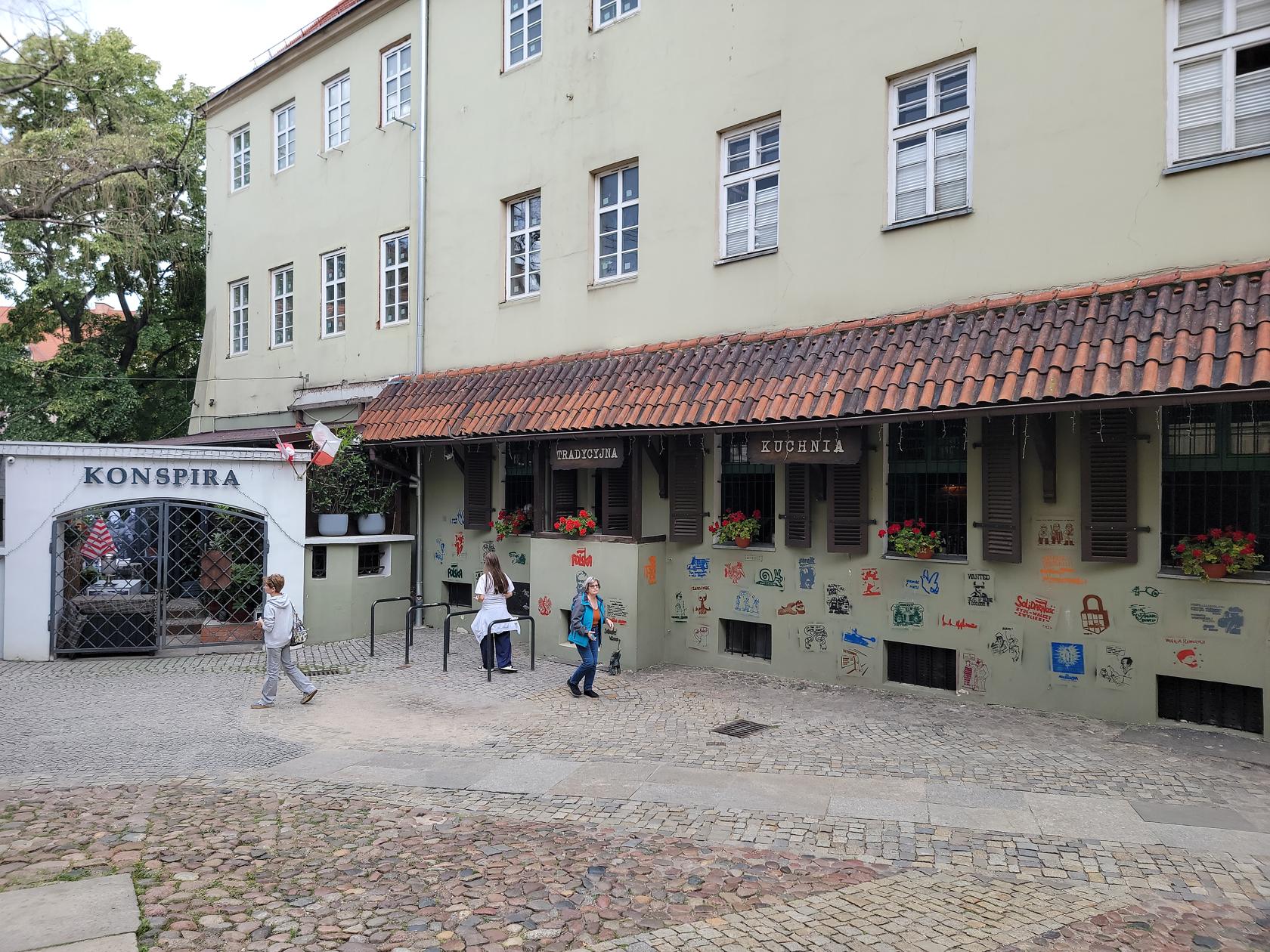
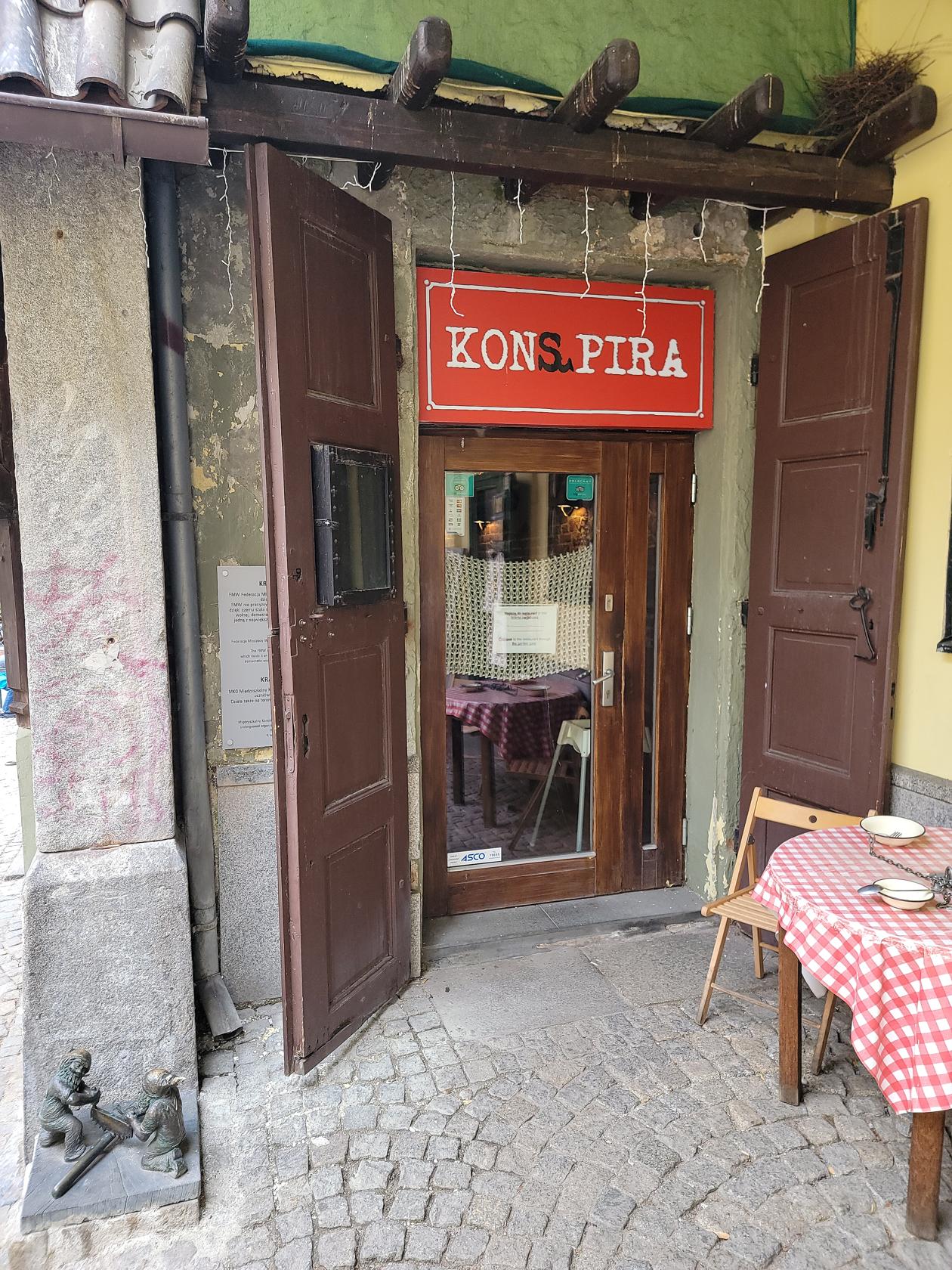
Konspira
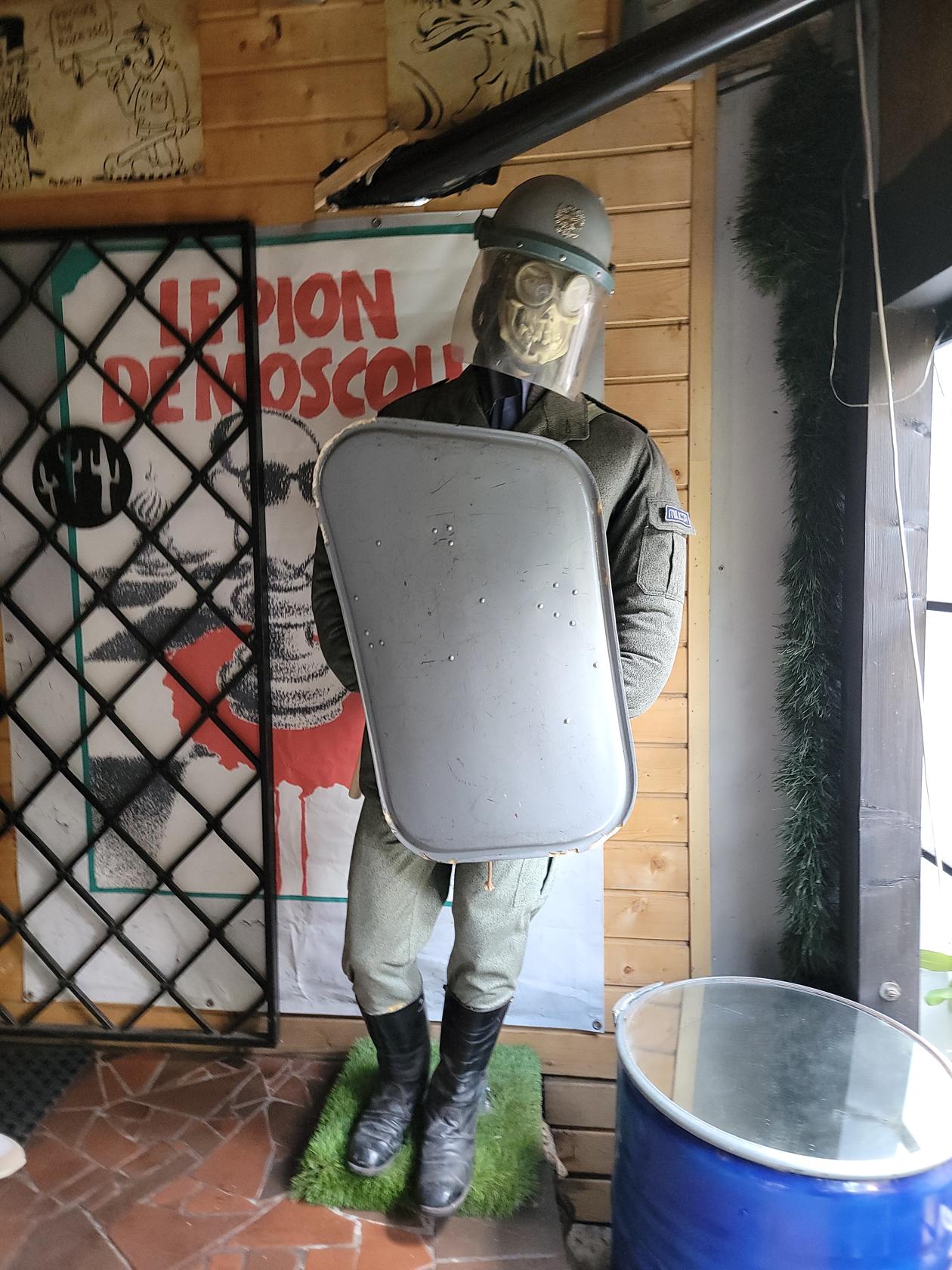
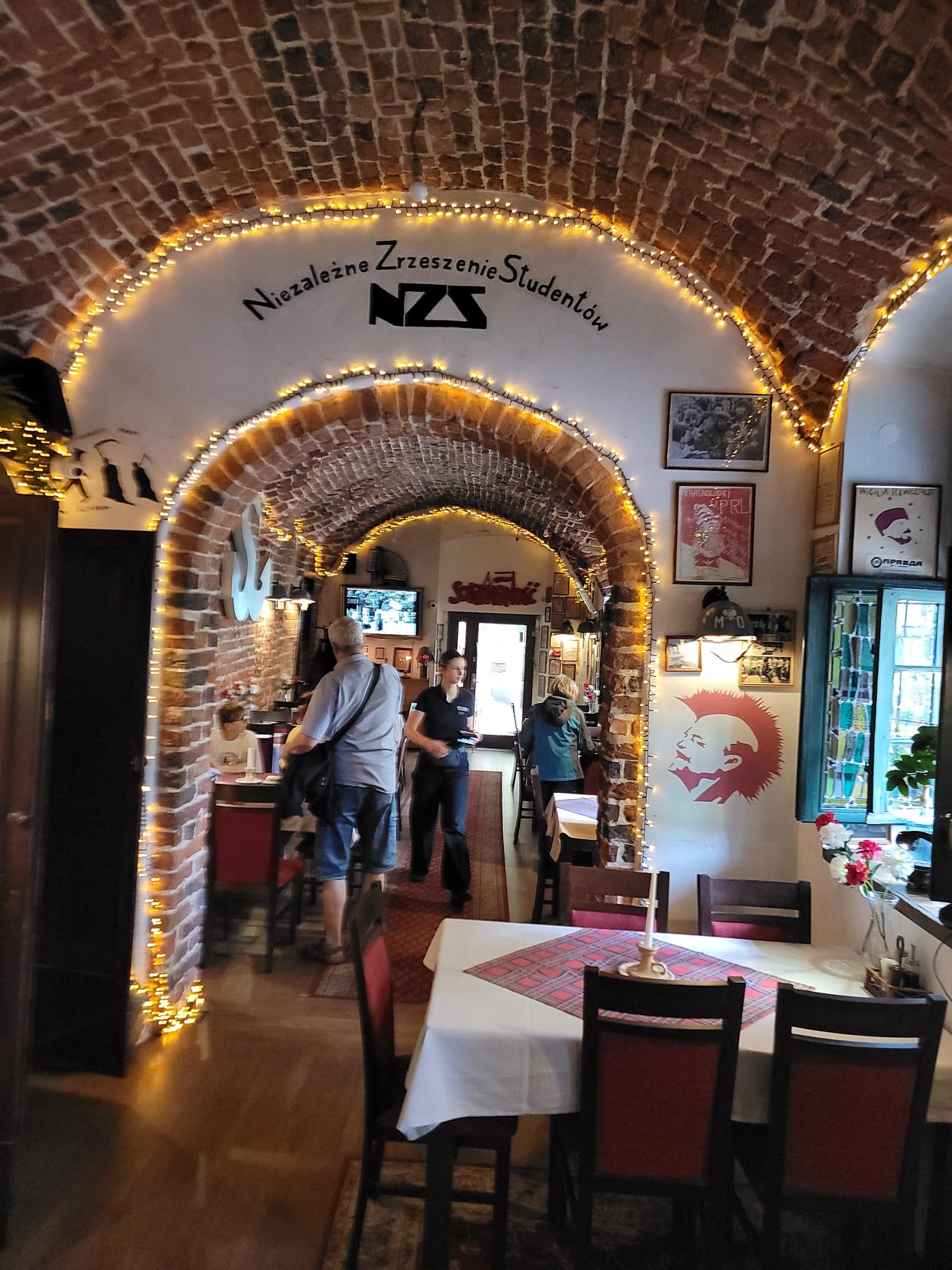
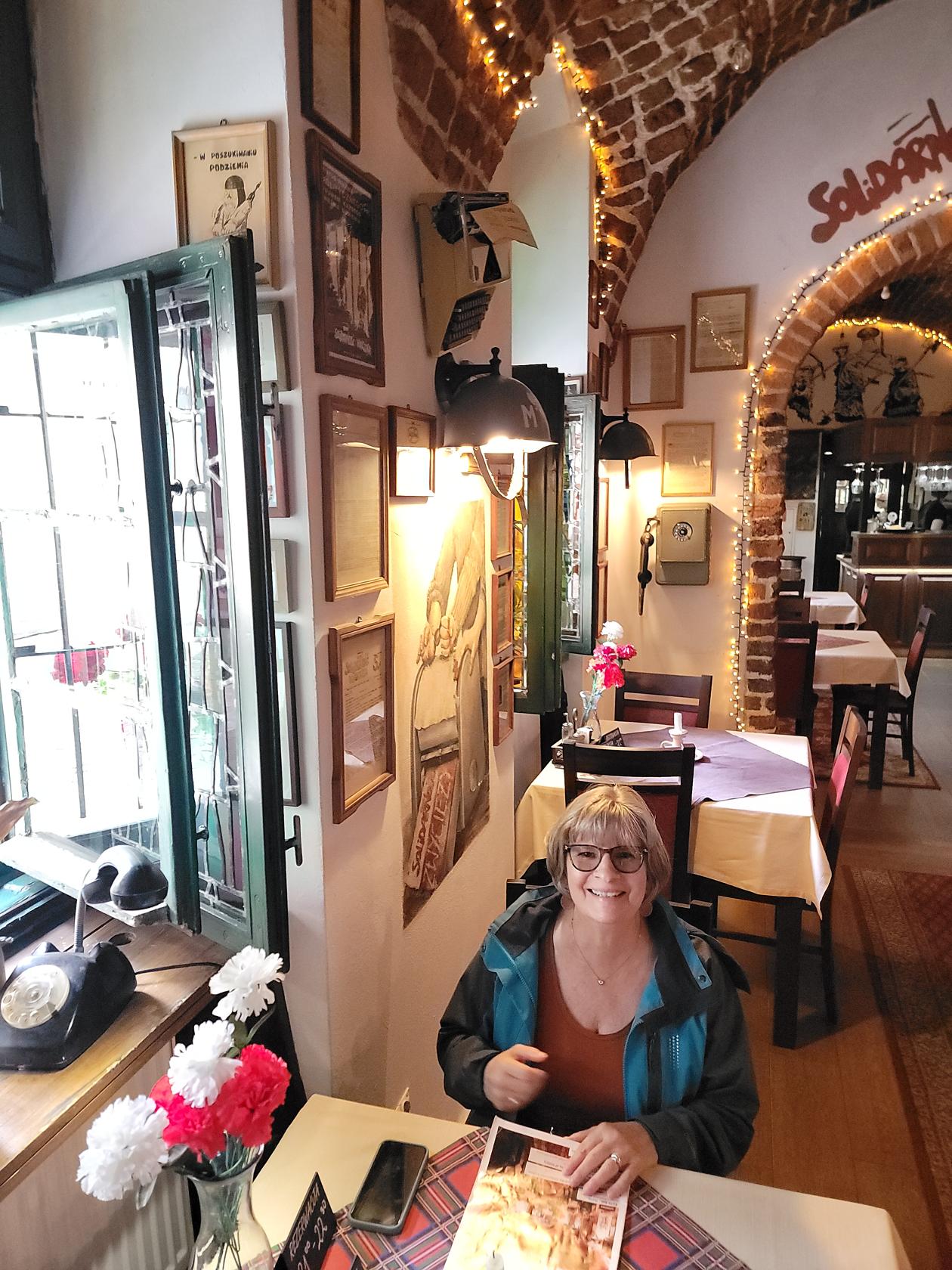
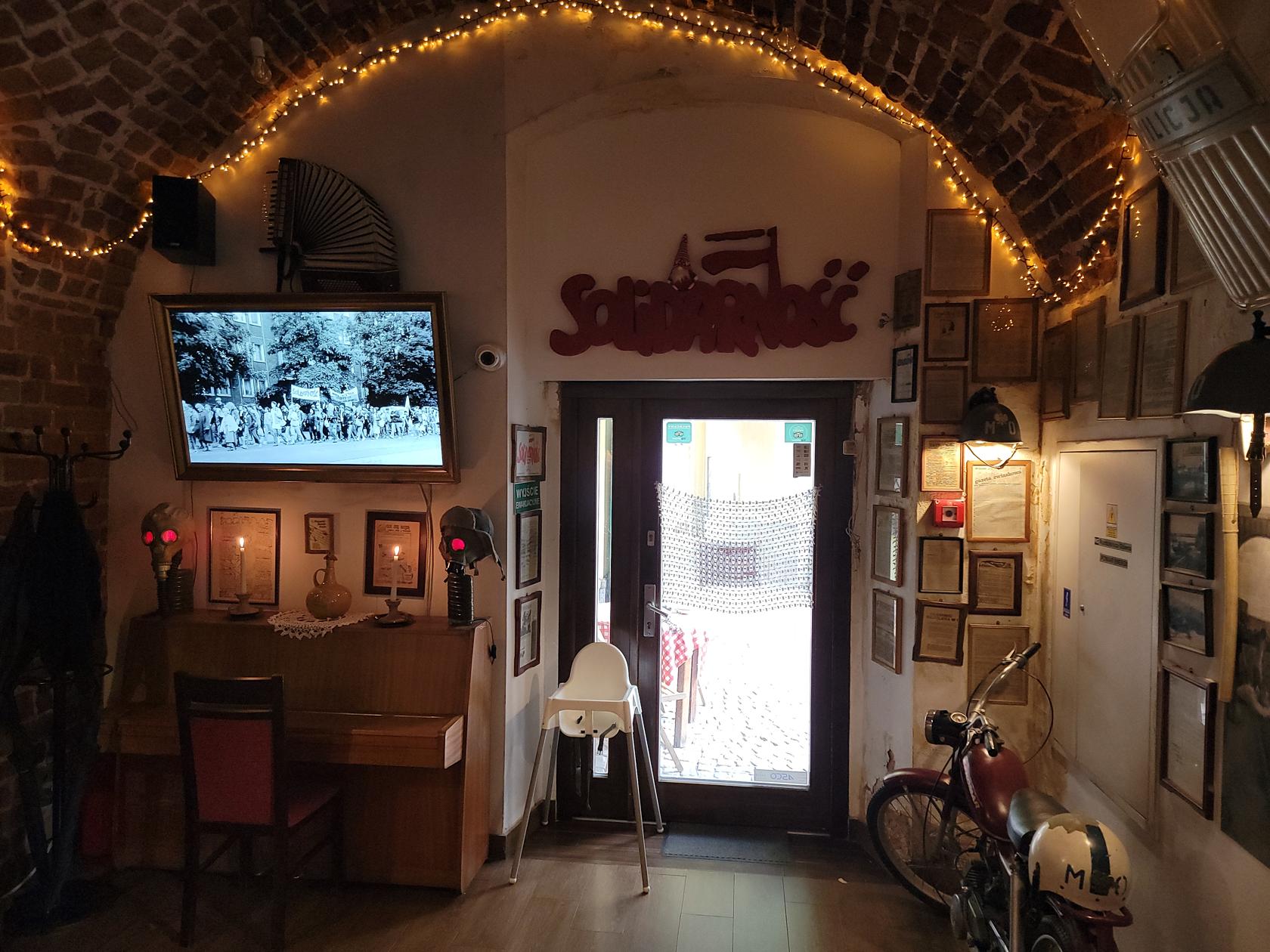
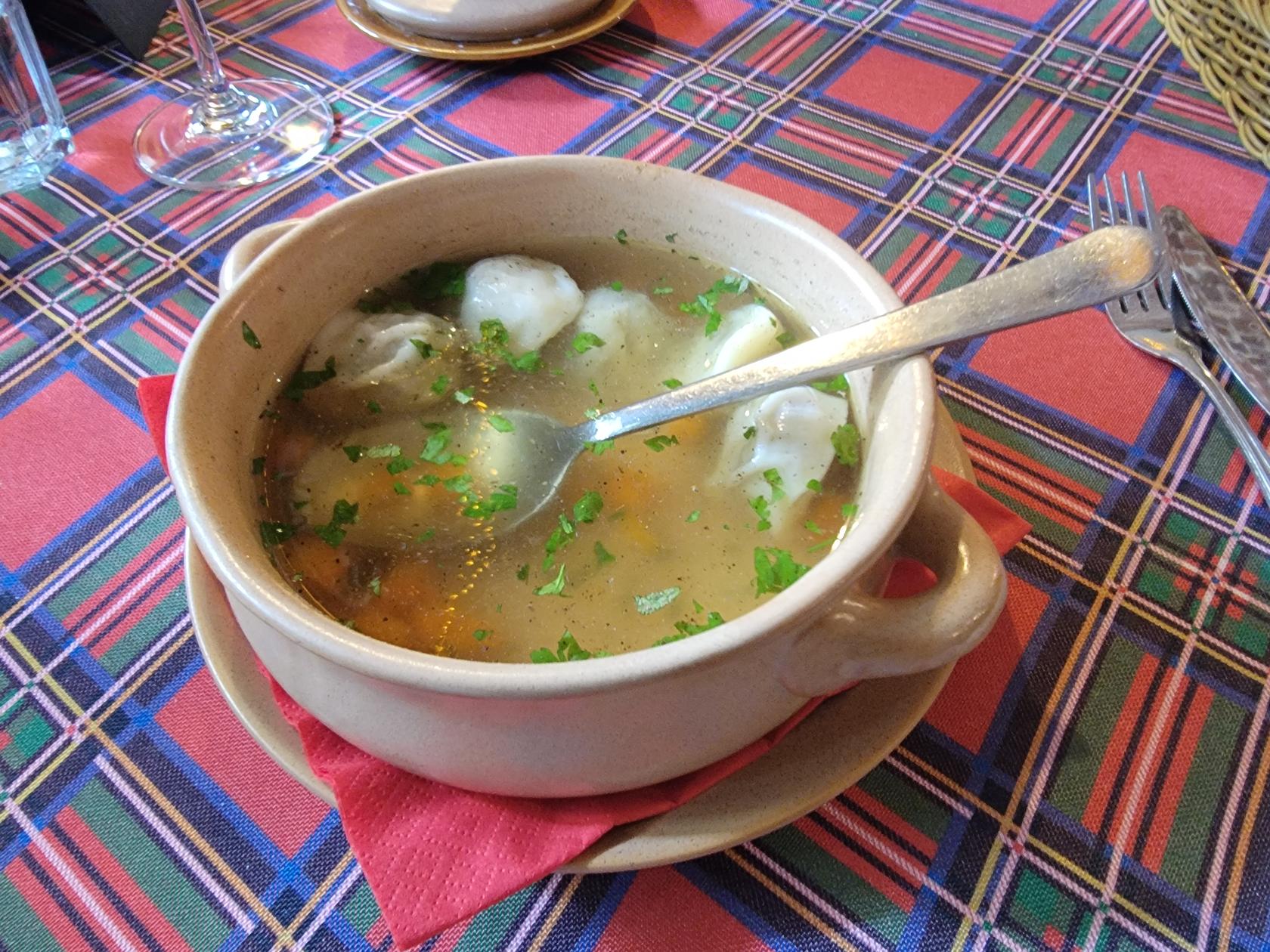
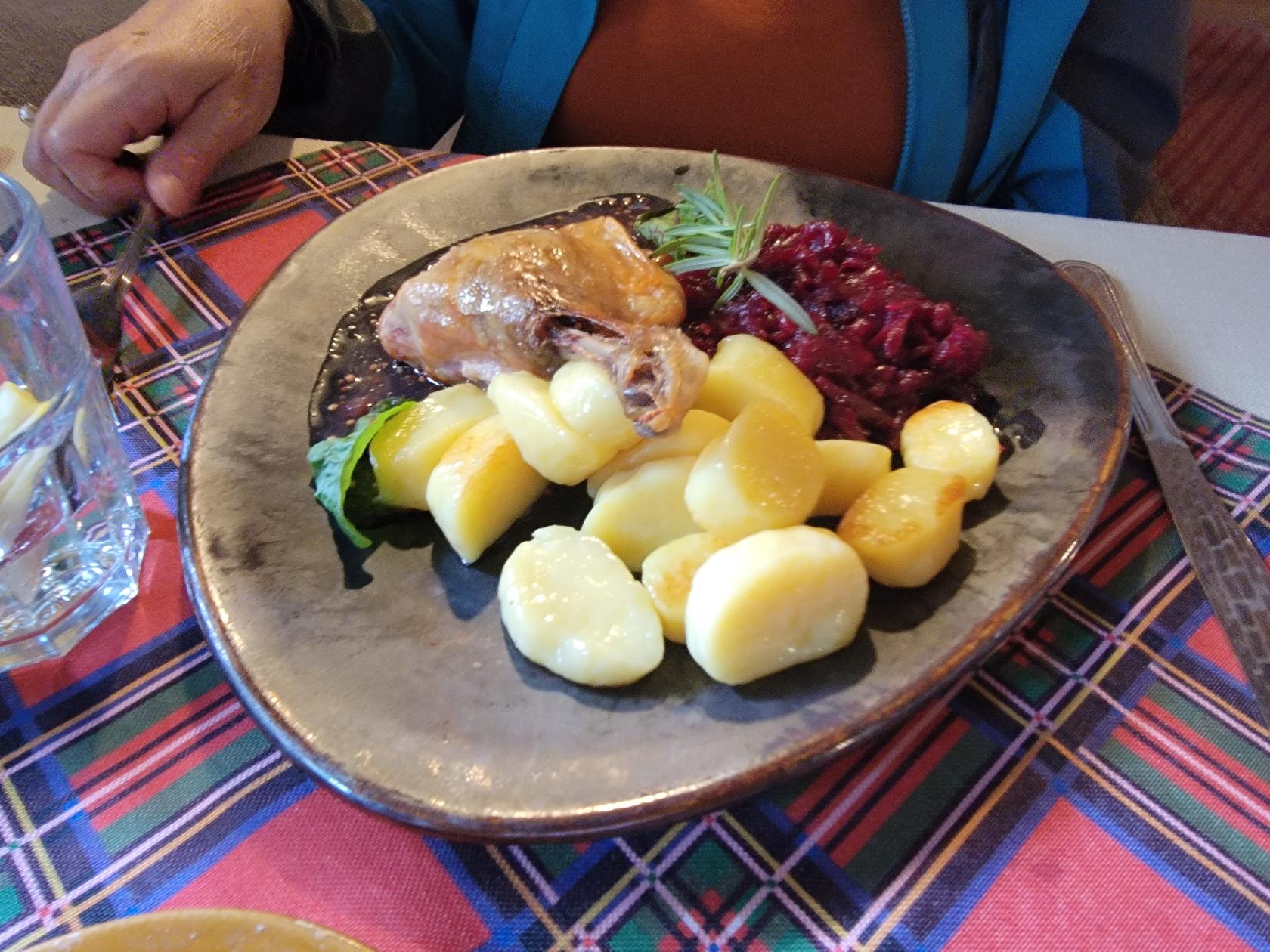
The exception to the above remark was Konspira. A highly rated restaurant on Polish cusine and an interesting theme, the fight against the Soviets and communism.
Chicken Broth with Dumplings – Konspira Restaurant – Wrocław, Poland
Duck with Potatoes and Cabbage – Konspira Restaurant – Wrocław, Poland
Wiatr Chinese Restaurant
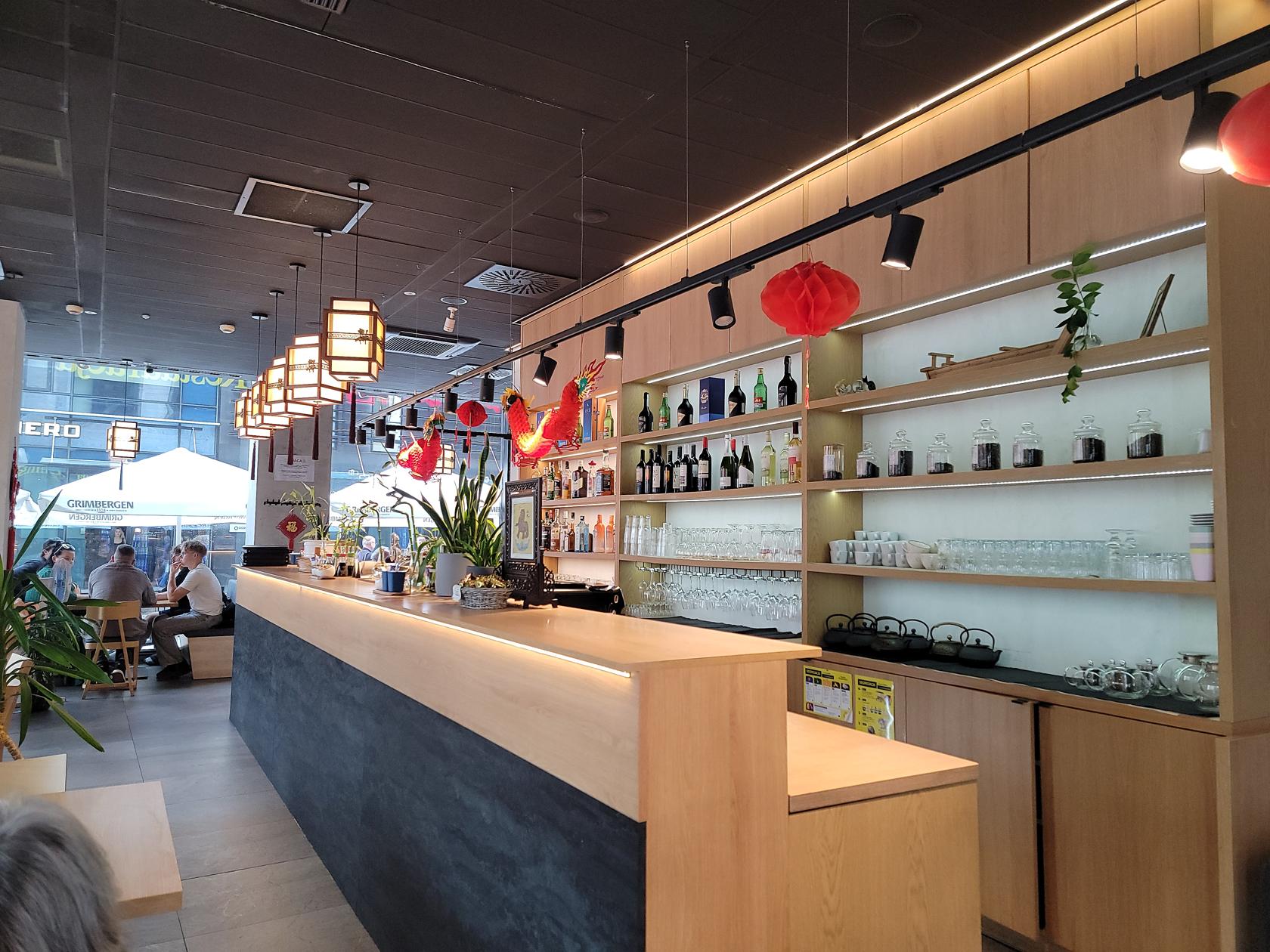
A break away from the traditional food here, we chose to eat Chinese for lunch. The food here is very good and less filling, it is also a bit lighter on your wallet. We found it a good choice for food and speedy service.
Bar – Wiatr Chinese Restaurant – Wrocław, Poland
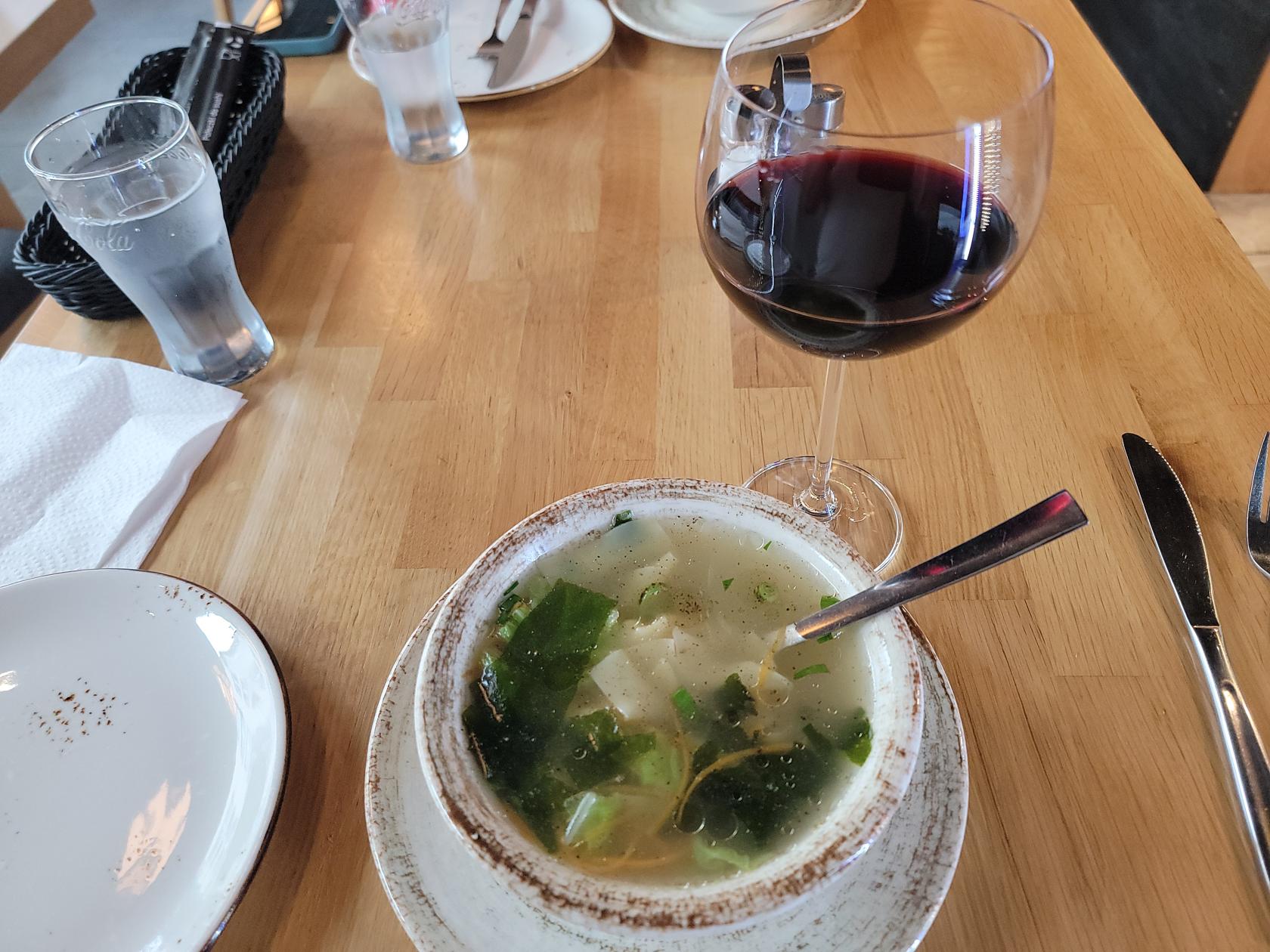
Wonton Soup – Wiatr Chinese Restaurant – Wrocław, Poland
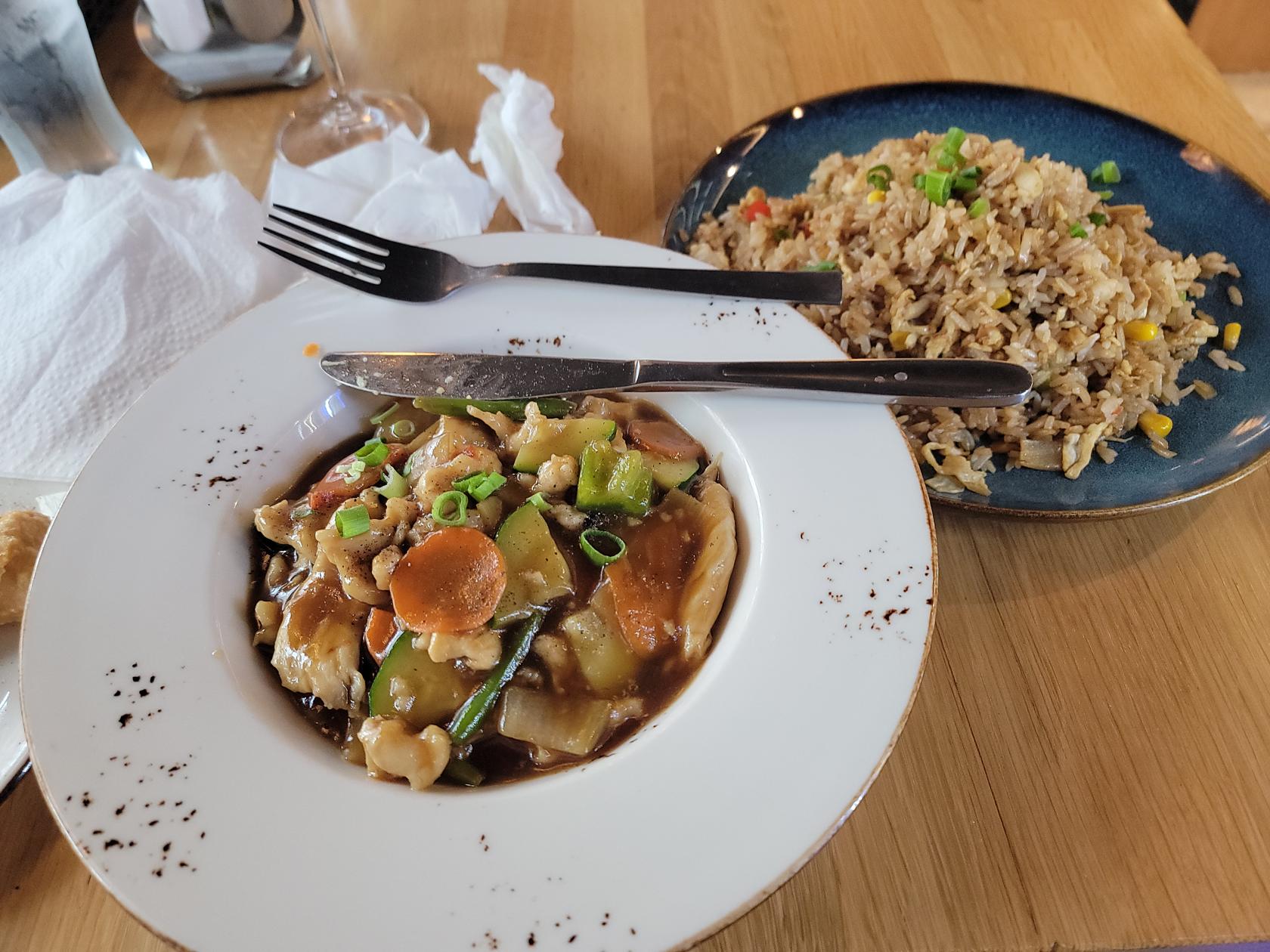
Chicken with Vegetables and Fried Rice – Wiatr Chinese Restaurant – Wrocław, Poland
Our final day in Kraków was seeing some interesting things we didn’t get a chance to see yet. Luckily the weather improved and we had excellent conditions, since the weather in Poland can be somewhat unpredictable.
Kraków
A medium sized city that is very well planned and maintained. Whoever is running the town is doing an excellent job, from the university integration, the city park that almost surrounds the town, its cleanliness, to all of the museums and attractions that are available to visitors. It has become one of our favorite places to visit.
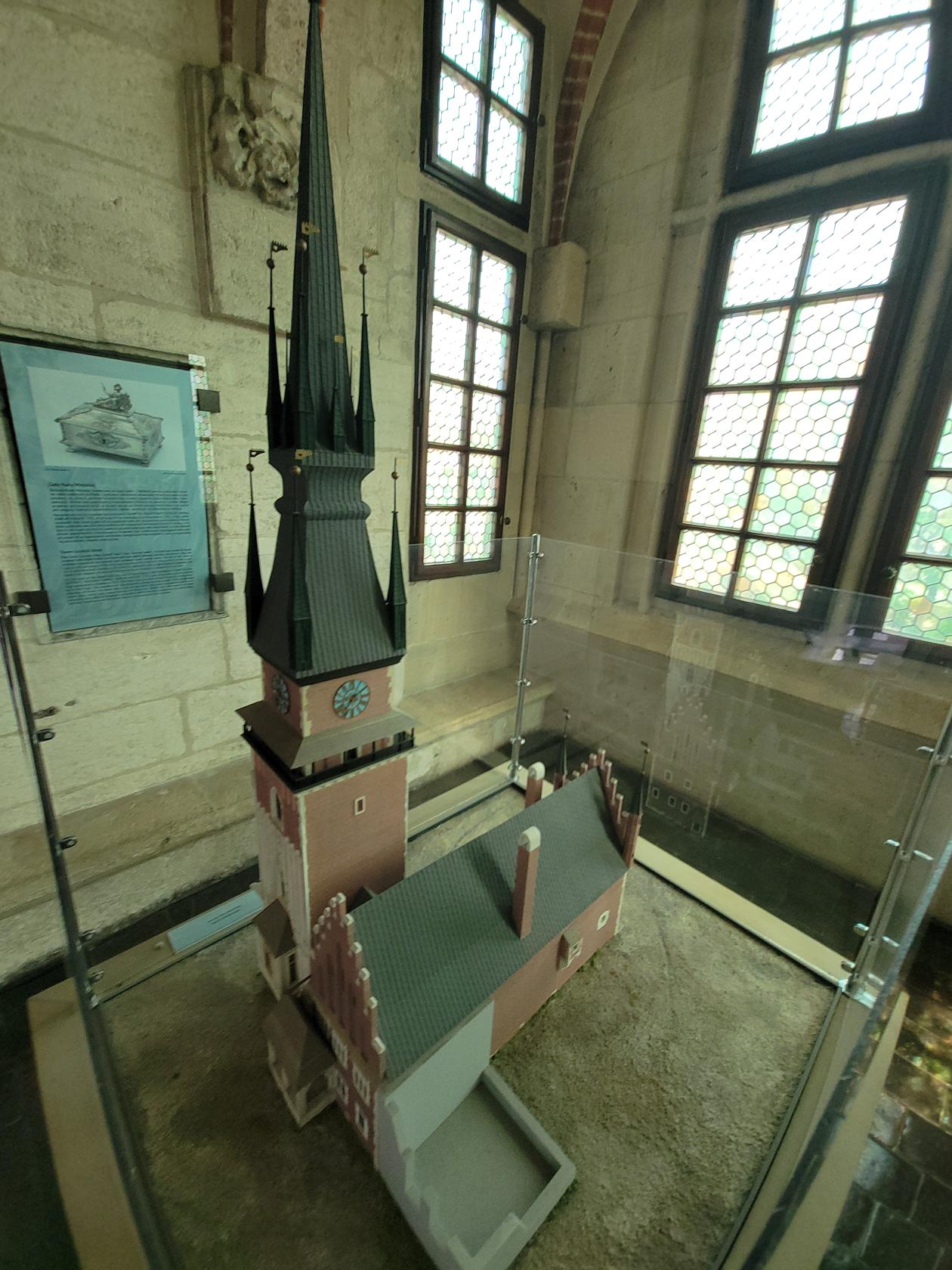
Diorama – First Level – Town Hall Tower – Kraków, Poland
Wawel Royal Castle
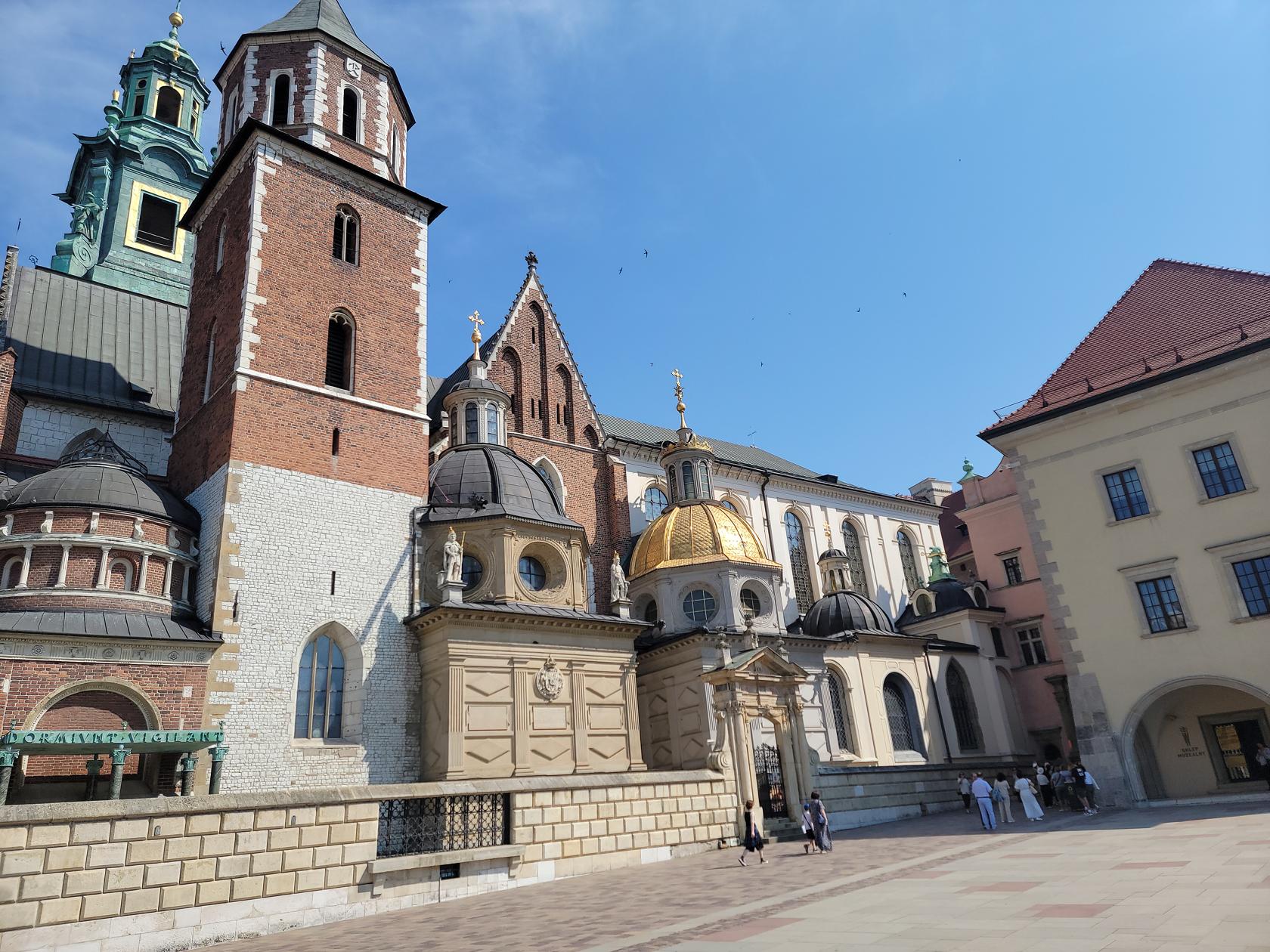
A large complex to the south of town that forms that last part of the park that surrounds the city. The Wawel Royal Castle is perched on a small hill, Wawel Hill, that has a commanding view of the Vistula River and the surrounding countryside.
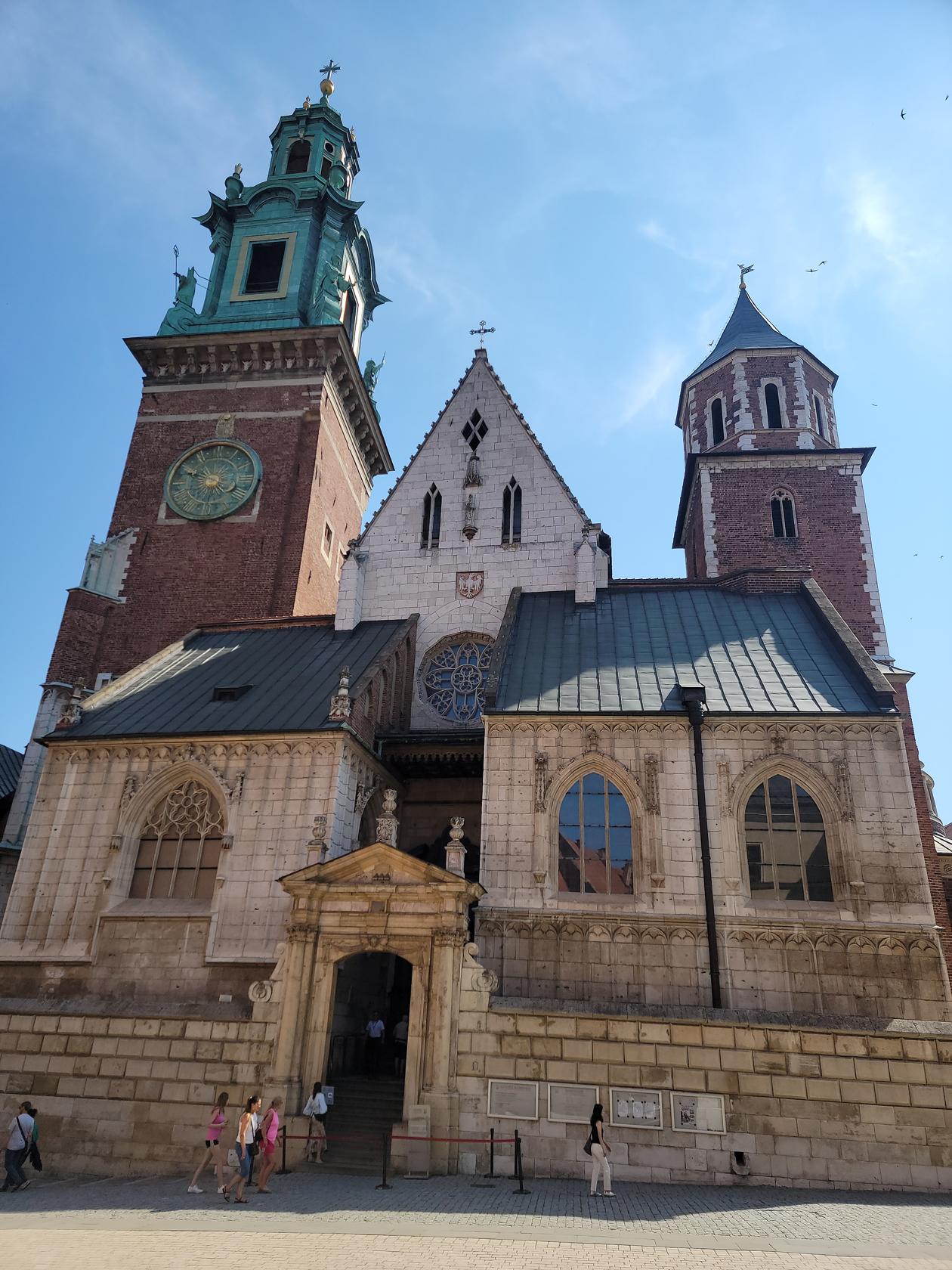
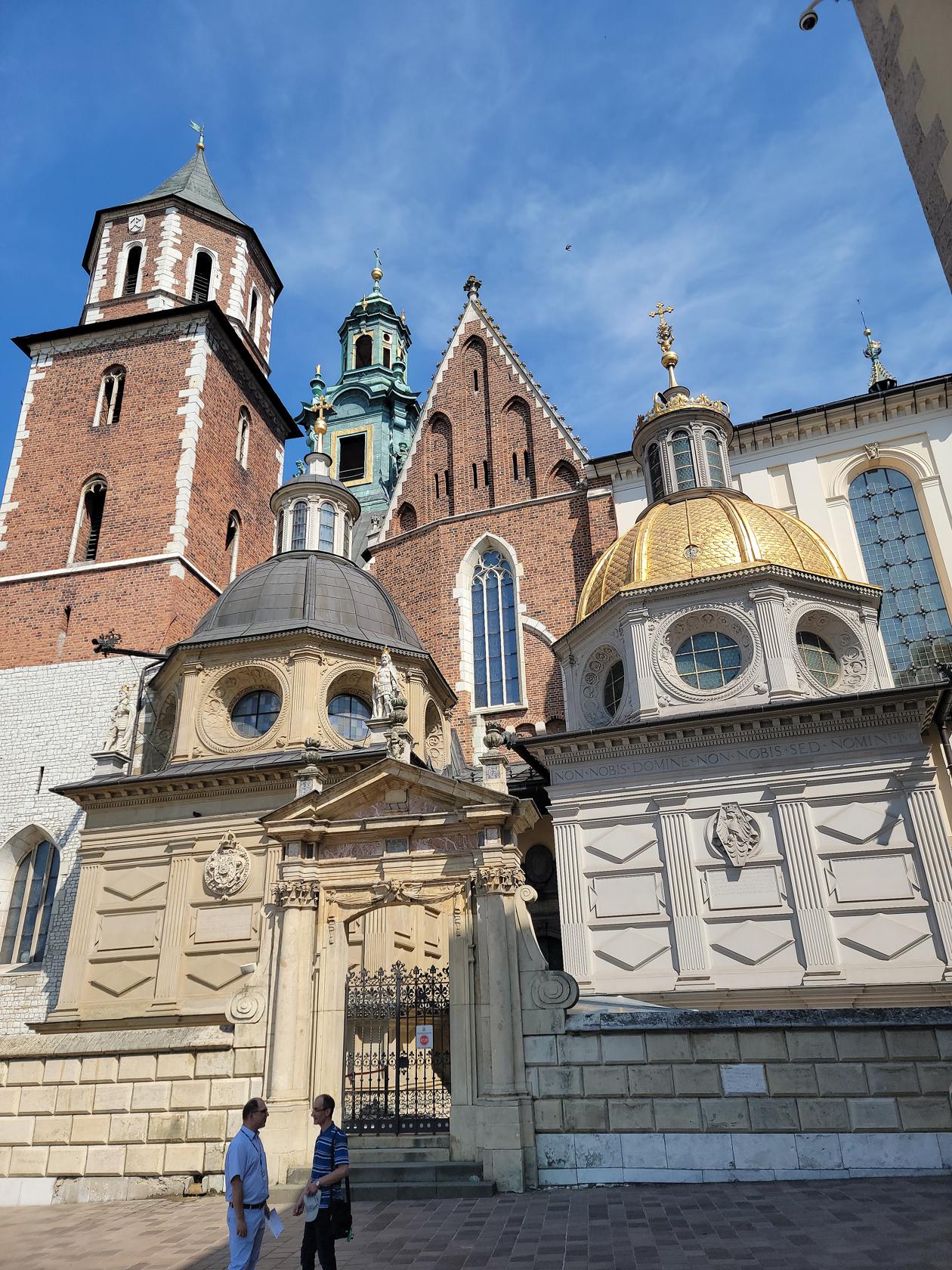
Cathedral – Wawel Royal Castle – Kraków, Poland
Cathedral – Wawel Royal Castle – Kraków, Poland
Cathedral – Wawel Royal Castle – Kraków, Poland
The castle has a multitude of museums and attractions to see inside and any visitor may purchase entry to any of them either à la carte, or by pre-priced packages. For our visit we chose the à la carte method, since we only wanted to see the Second Floor Museum, the Danish Tower Museum and the Dragon’s Den.
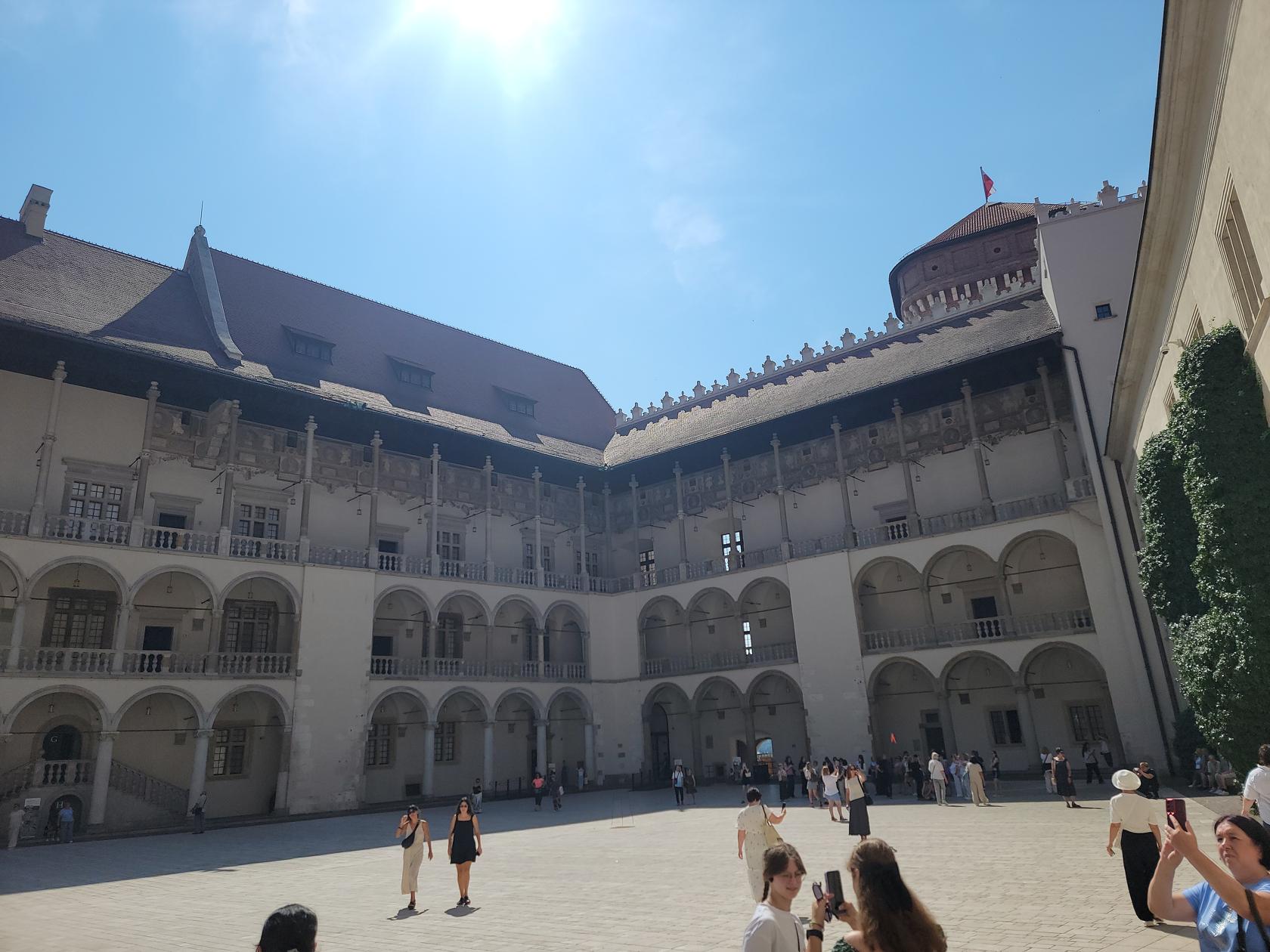
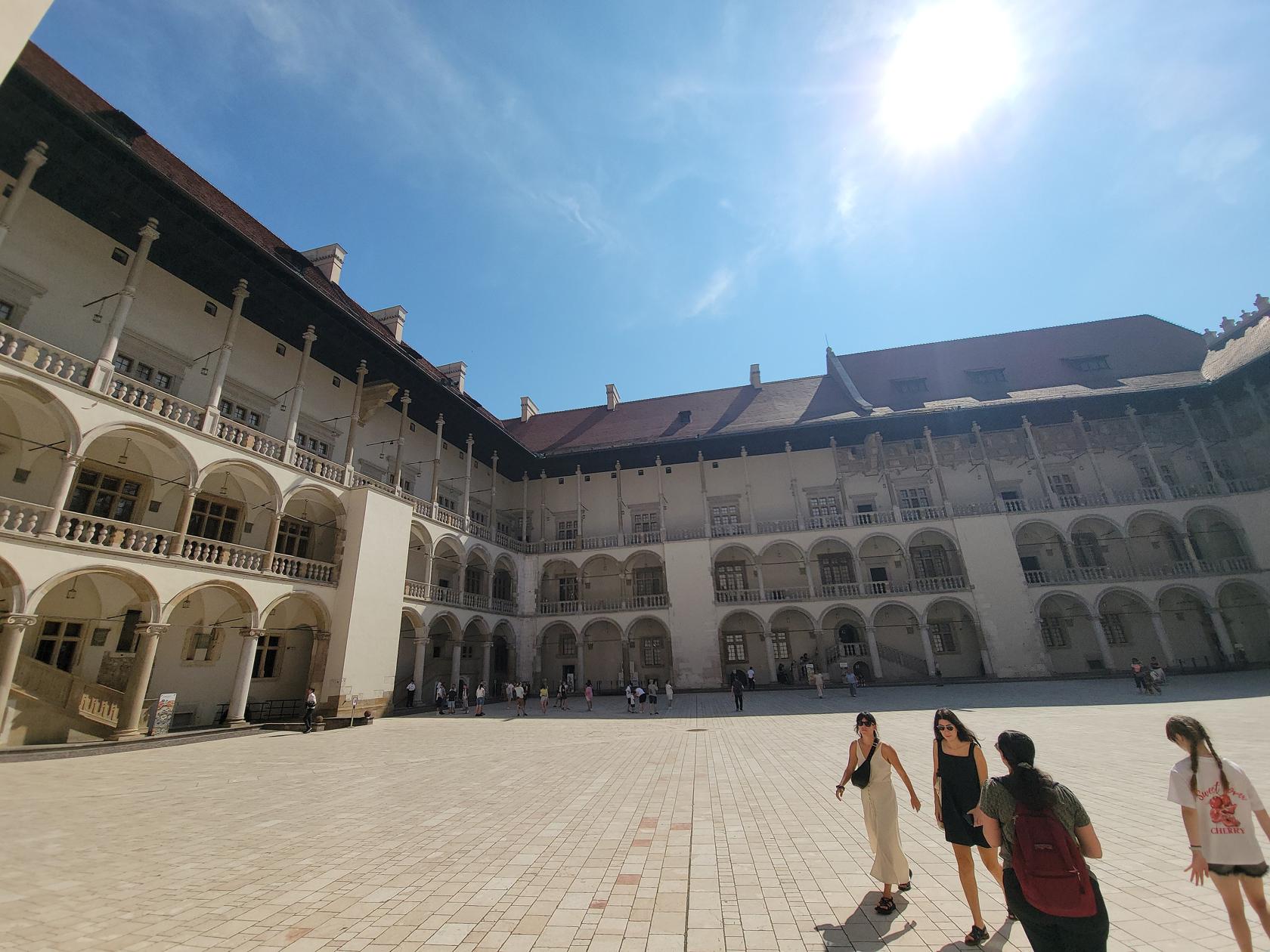
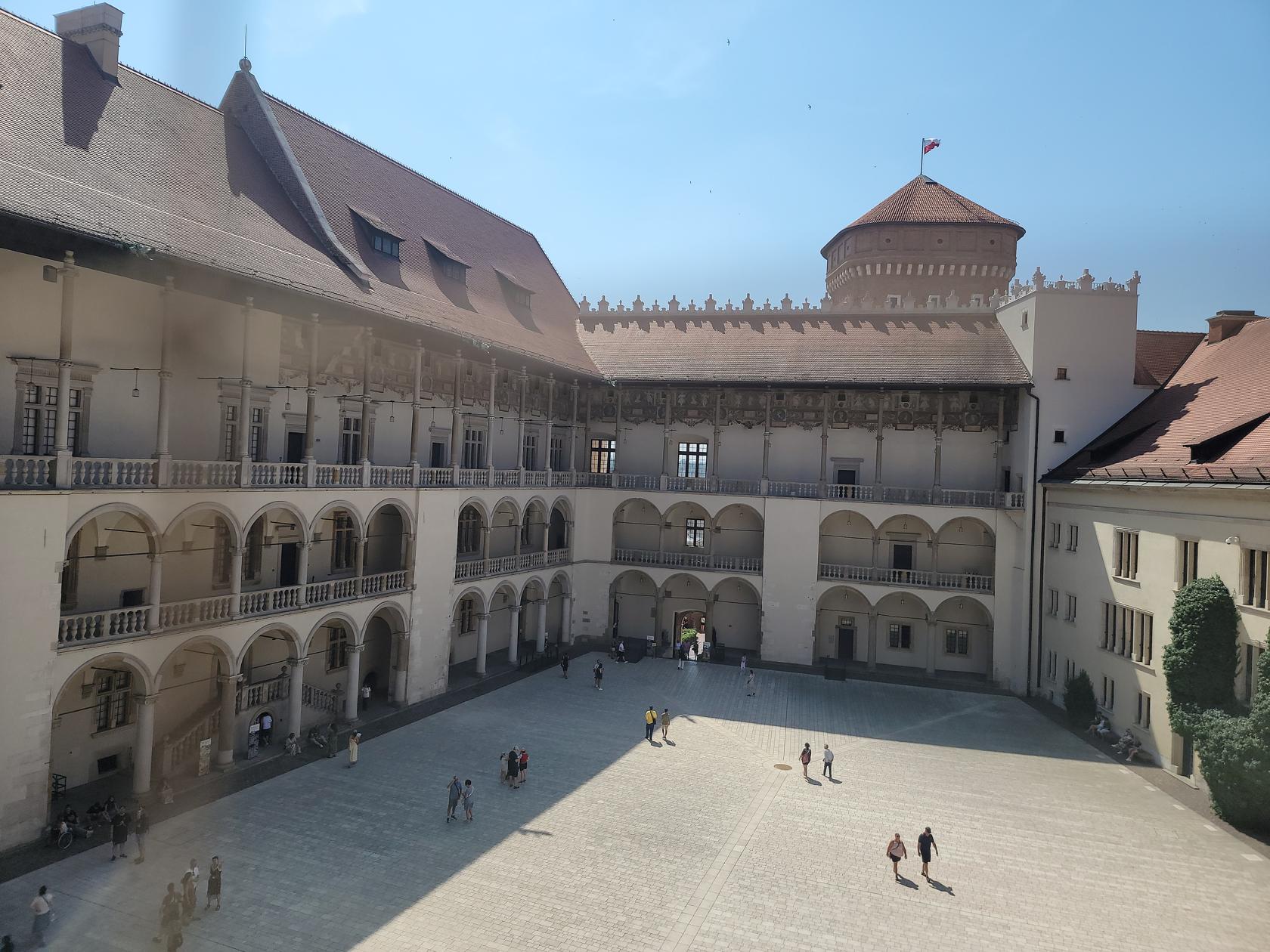
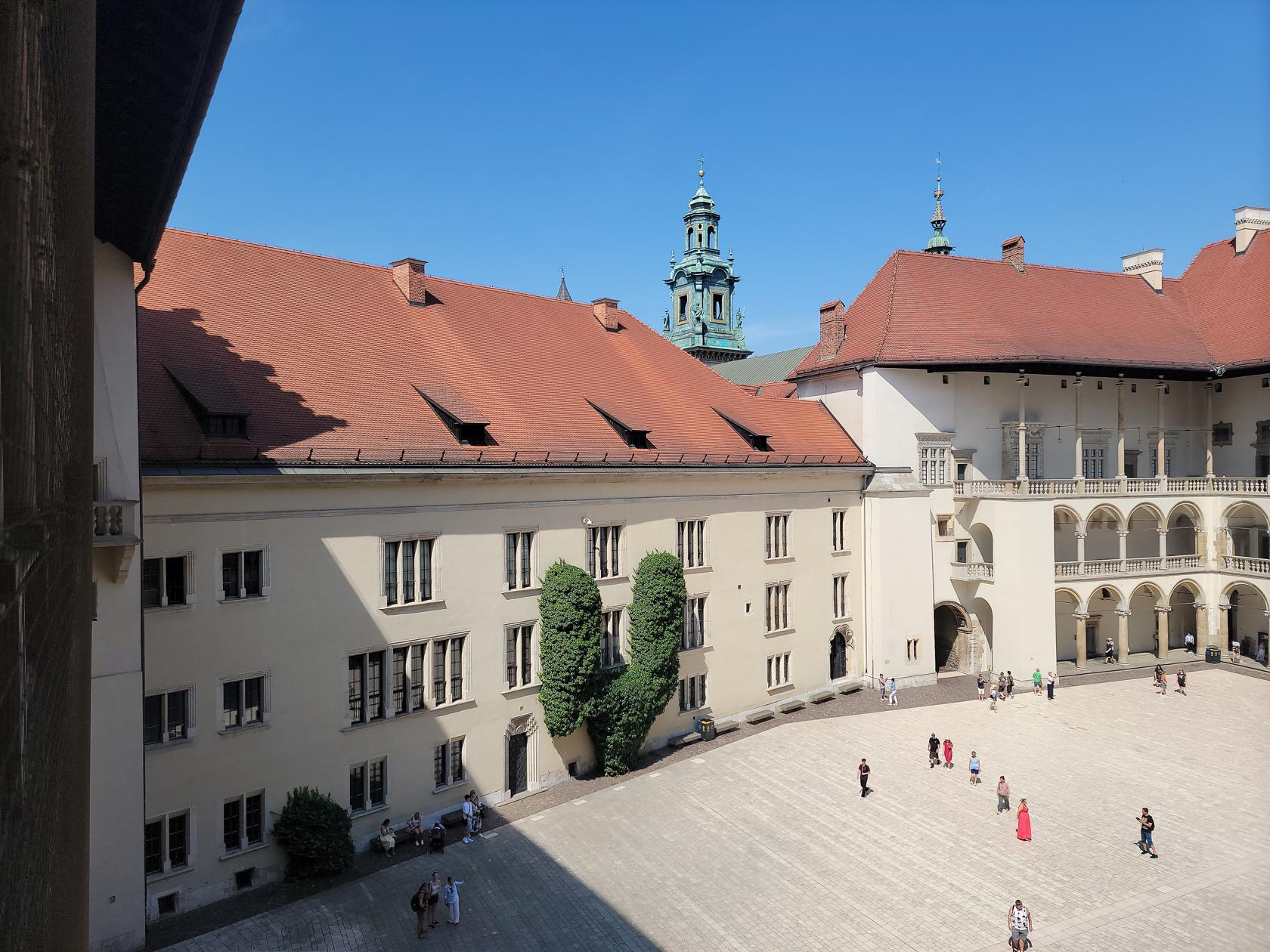
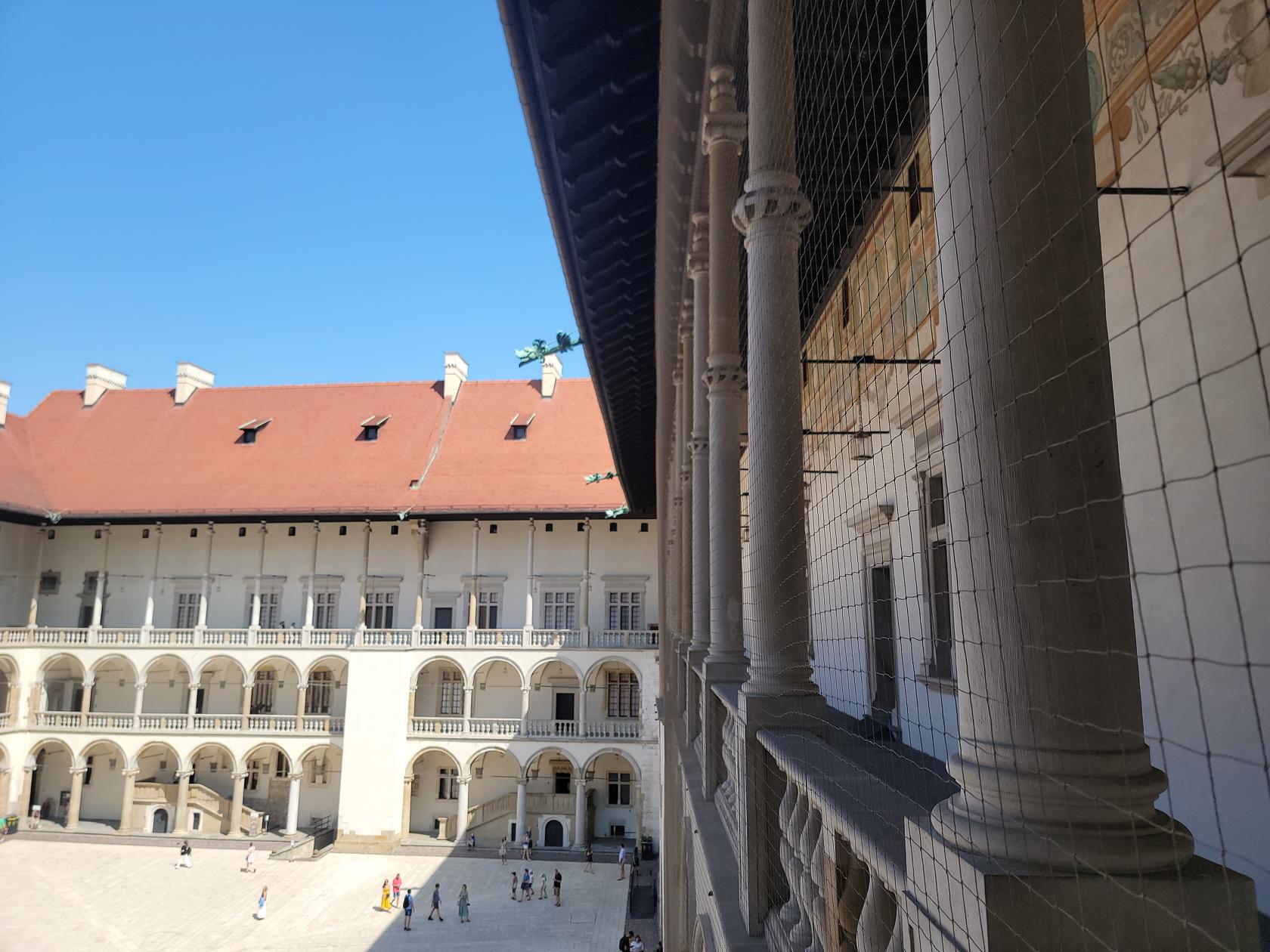
Courtyard – Second Floor Museum – Wawel Royal Castle – Kraków, Poland
Courtyard – Second Floor Museum – Wawel Royal Castle – Kraków, Poland
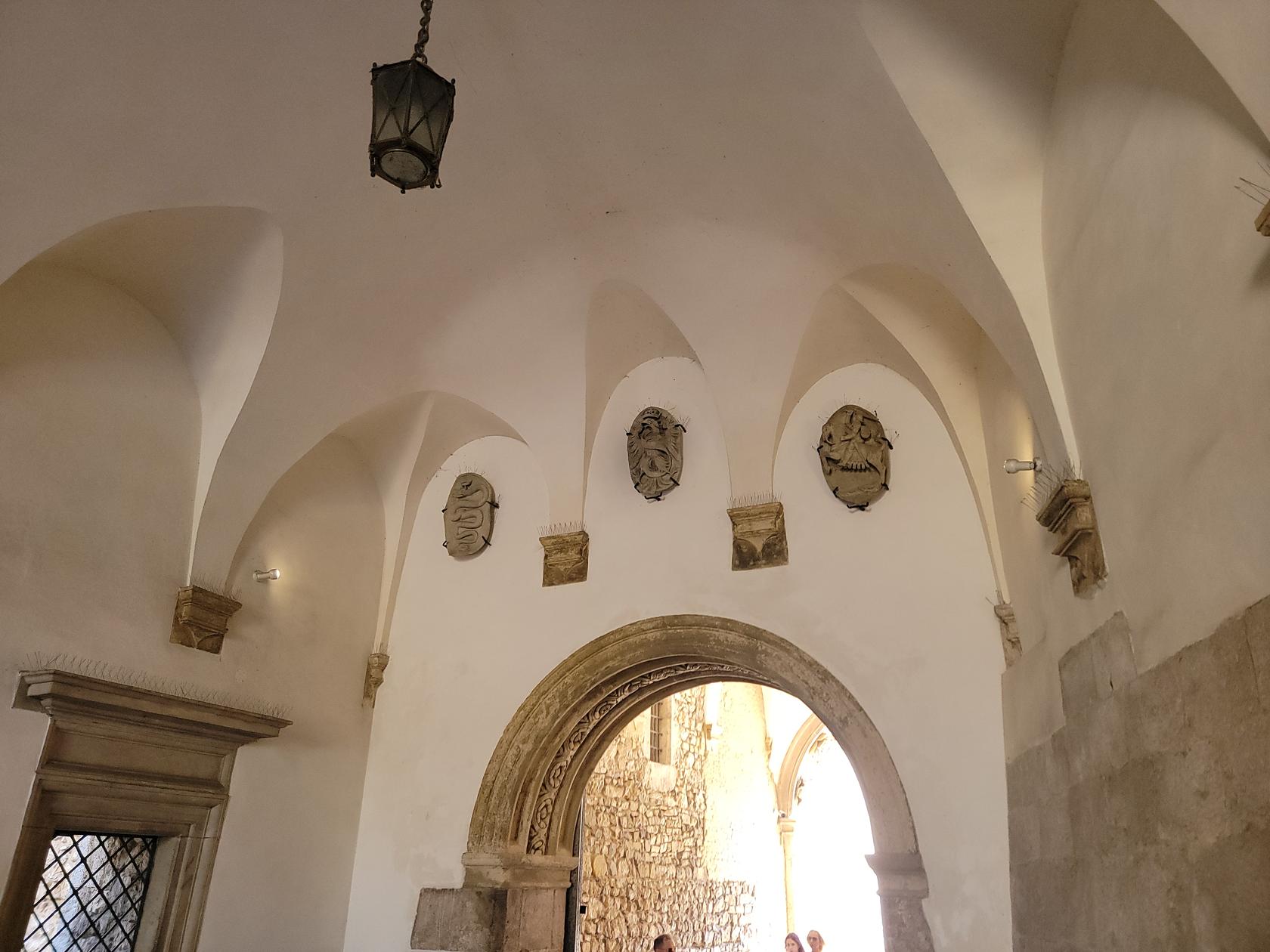
Entrance – Second Floor Museum – Wawel Royal Castle – Kraków, Poland
Second Floor Museum
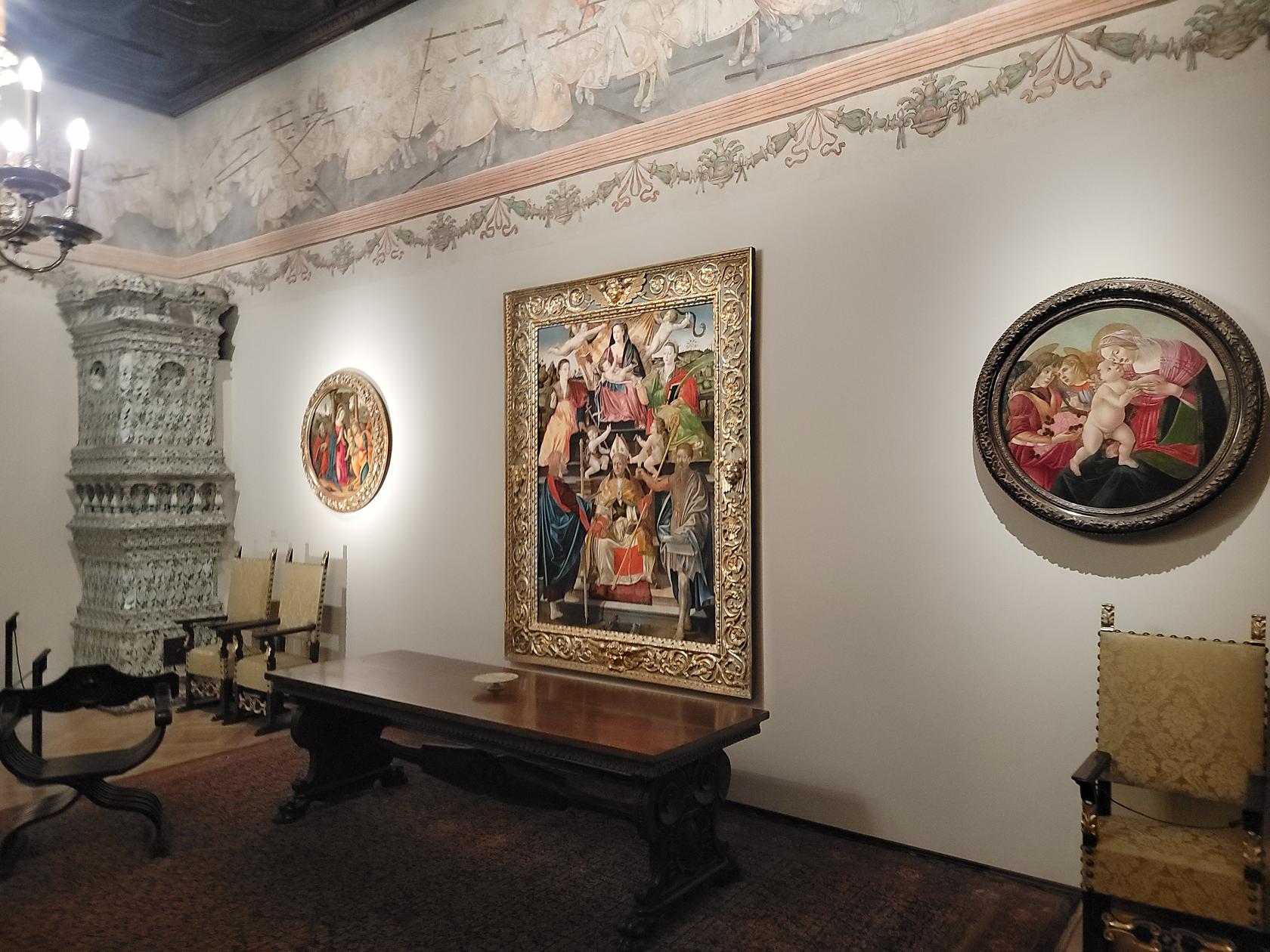
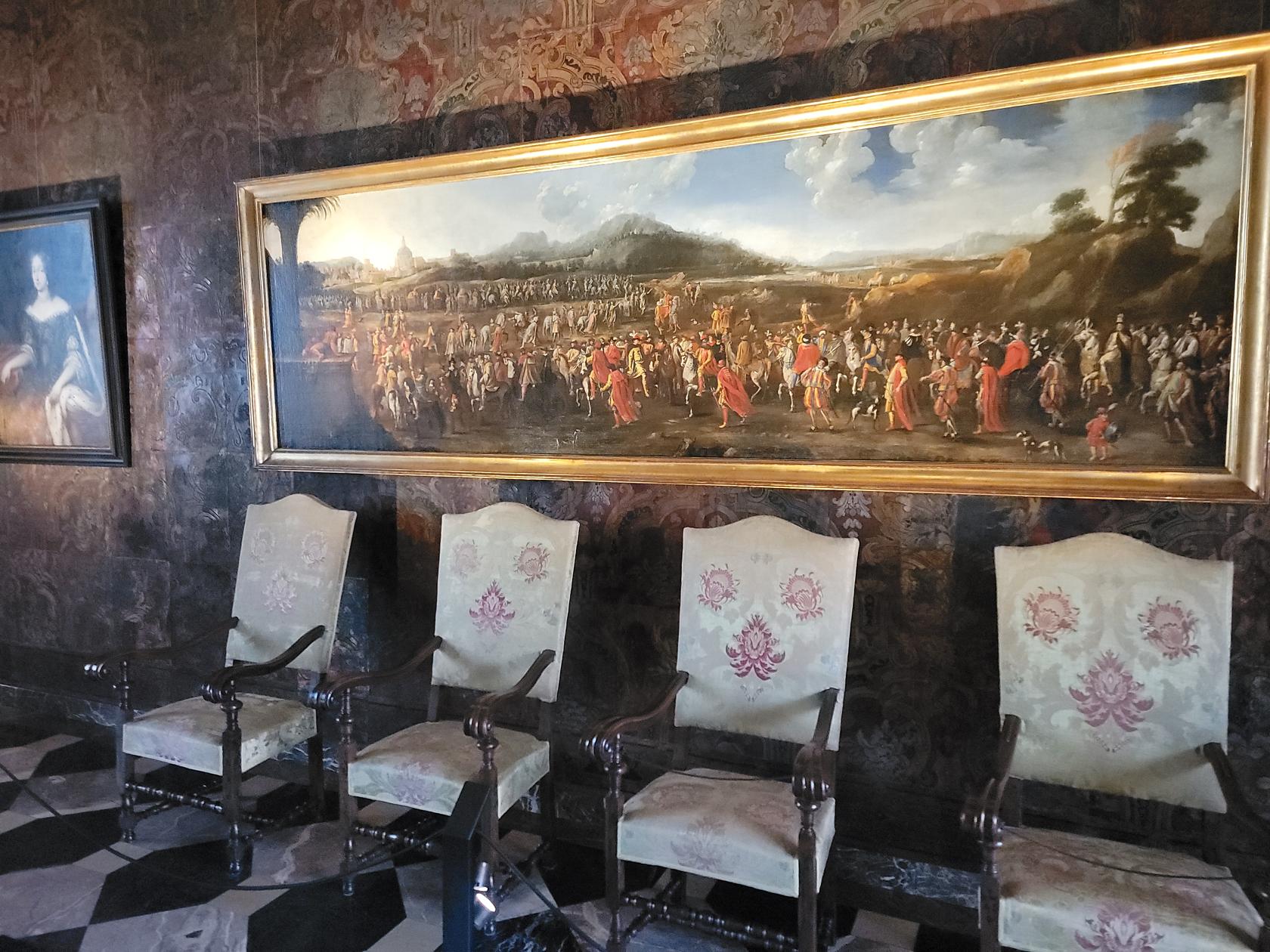
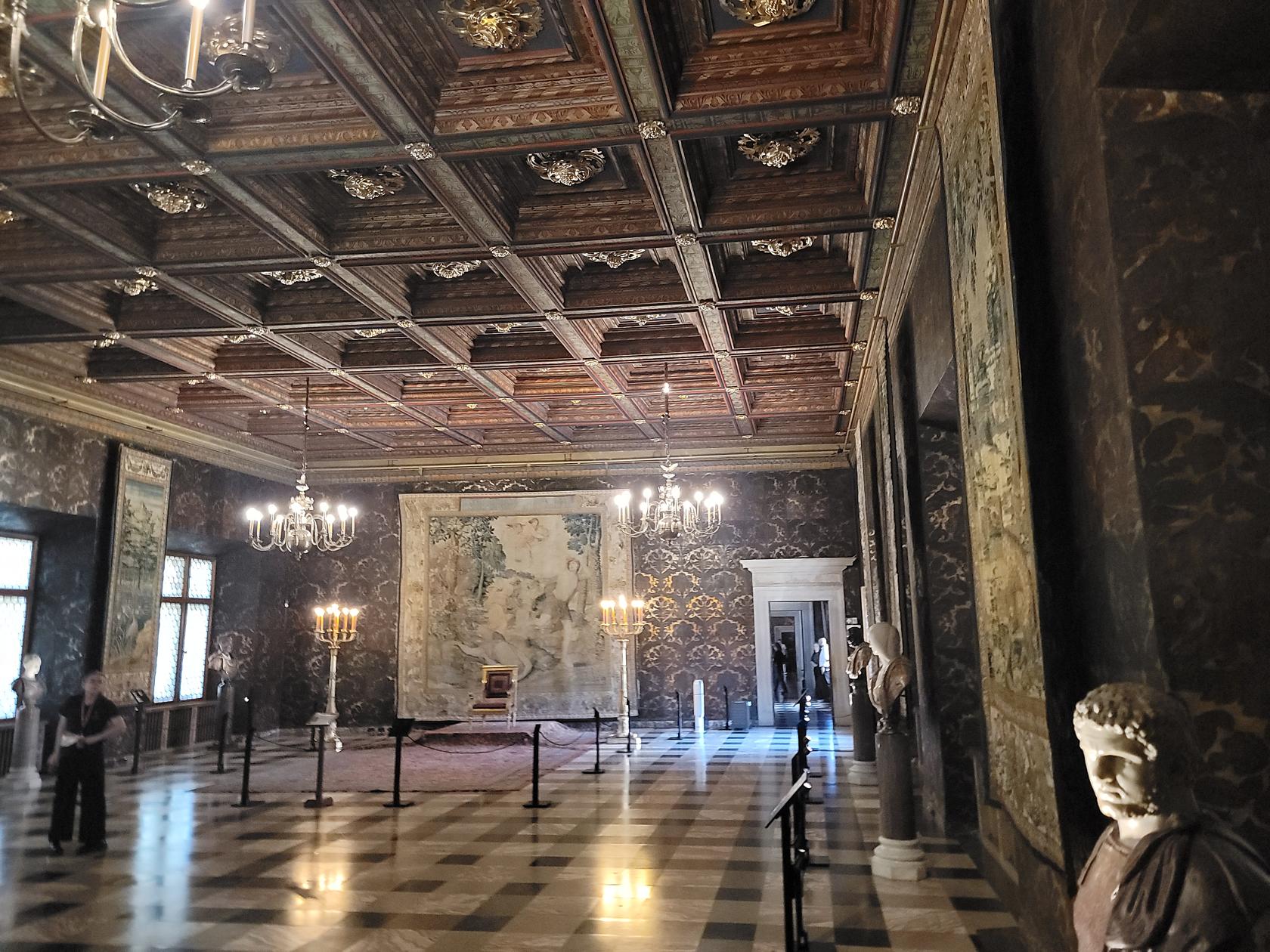
Unlike the First Floor Museum, this museum has artwork, tapestries and other artifacts of artistic worth.
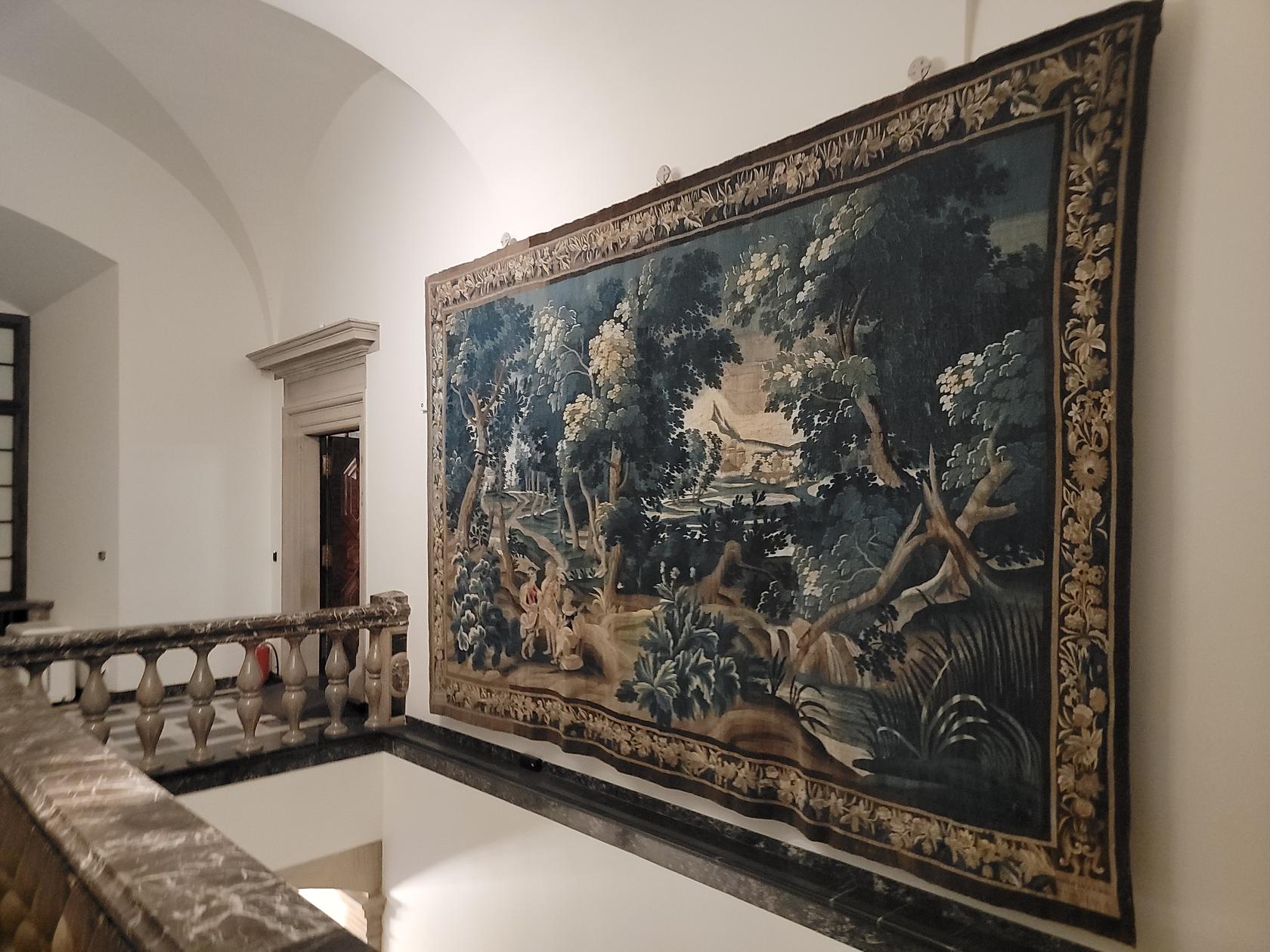
Tapestry – Second Floor Museum – Wawel Royal Castle – Kraków, Poland
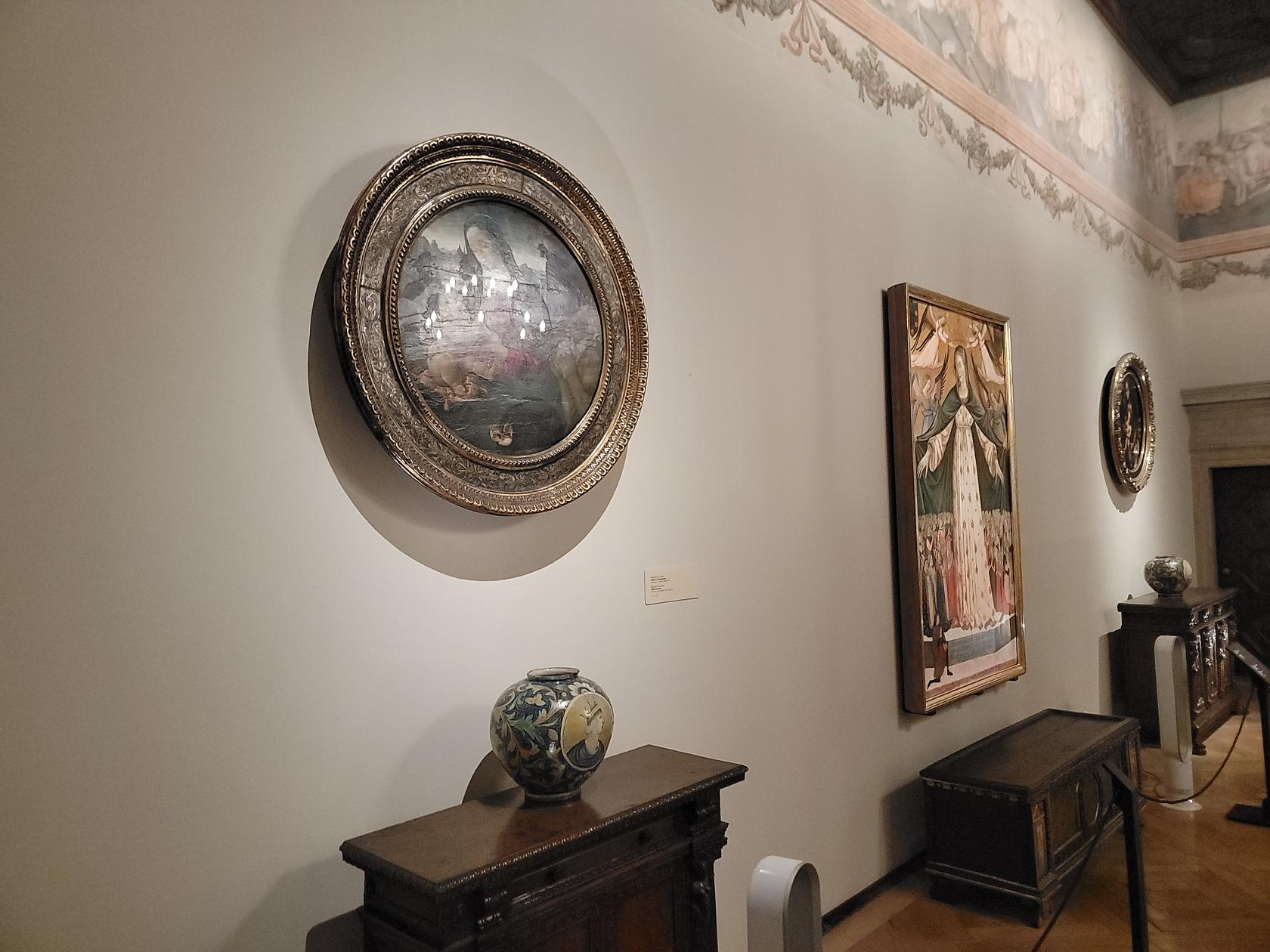
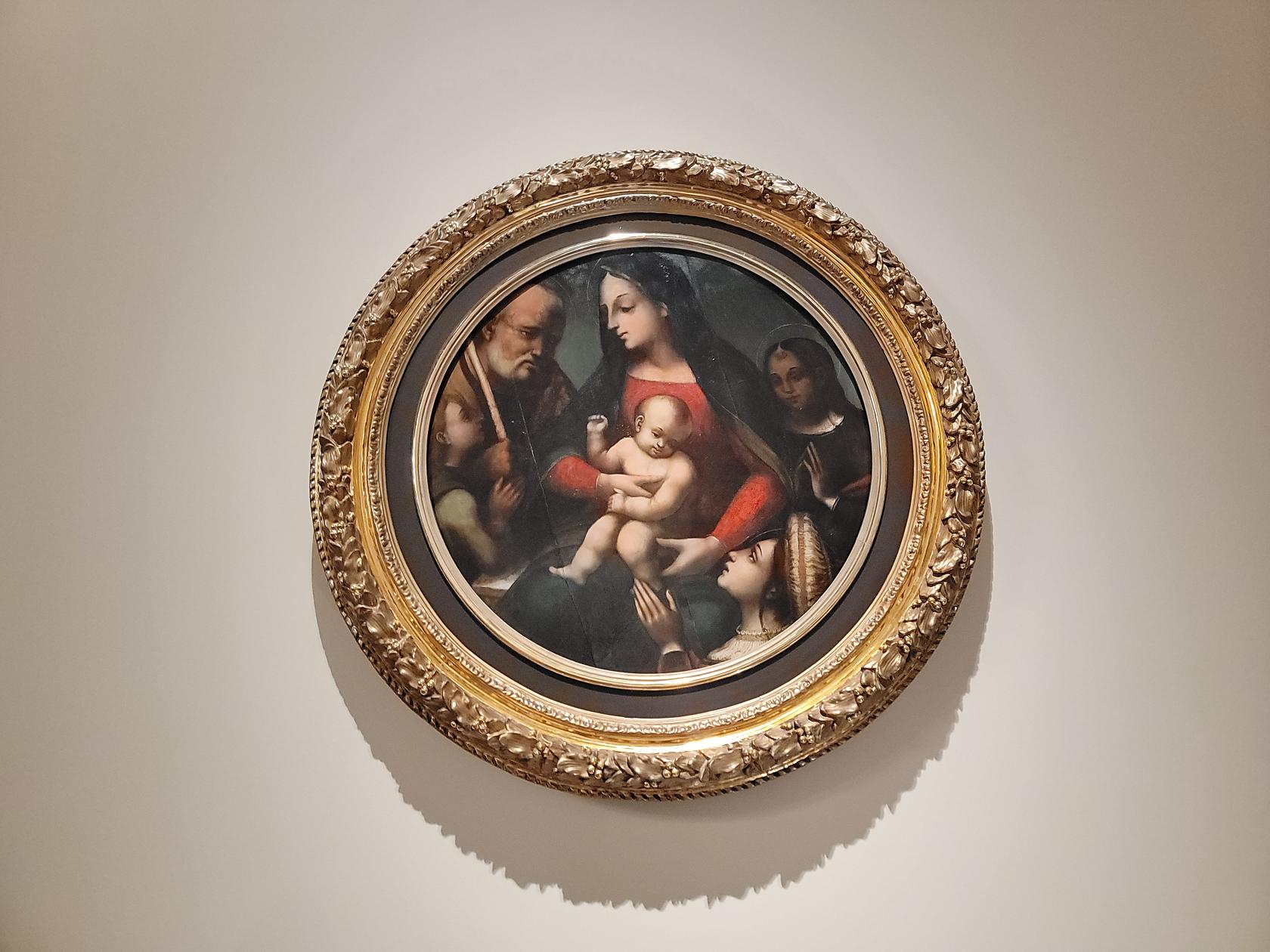
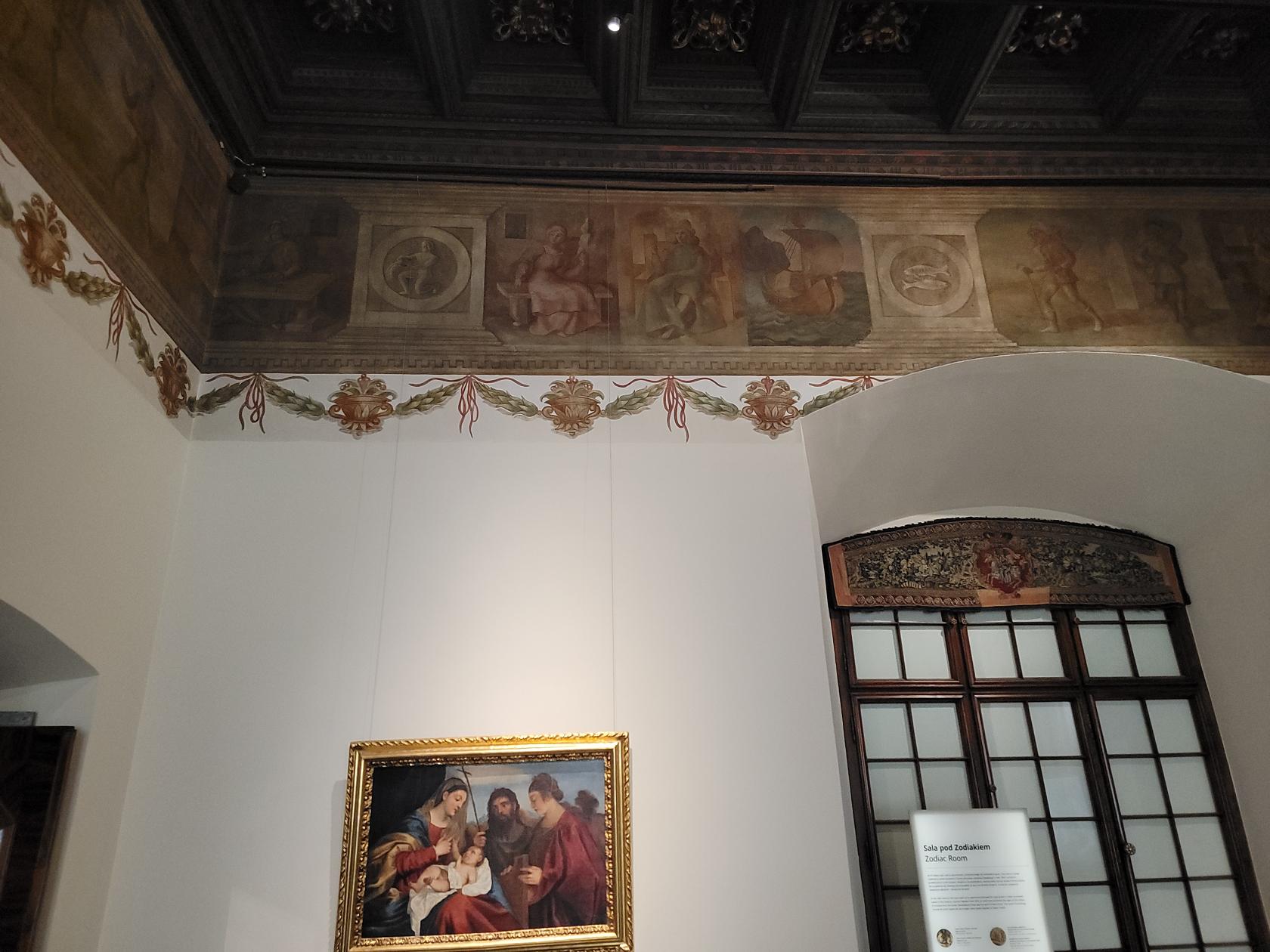
Virgin and Child – Second Floor Museum – Wawel Royal Castle – Kraków, Poland
Virgin and Child – Second Floor Museum – Wawel Royal Castle – Kraków, Poland
Virgin and Child – Second Floor Museum – Wawel Royal Castle – Kraków, Poland
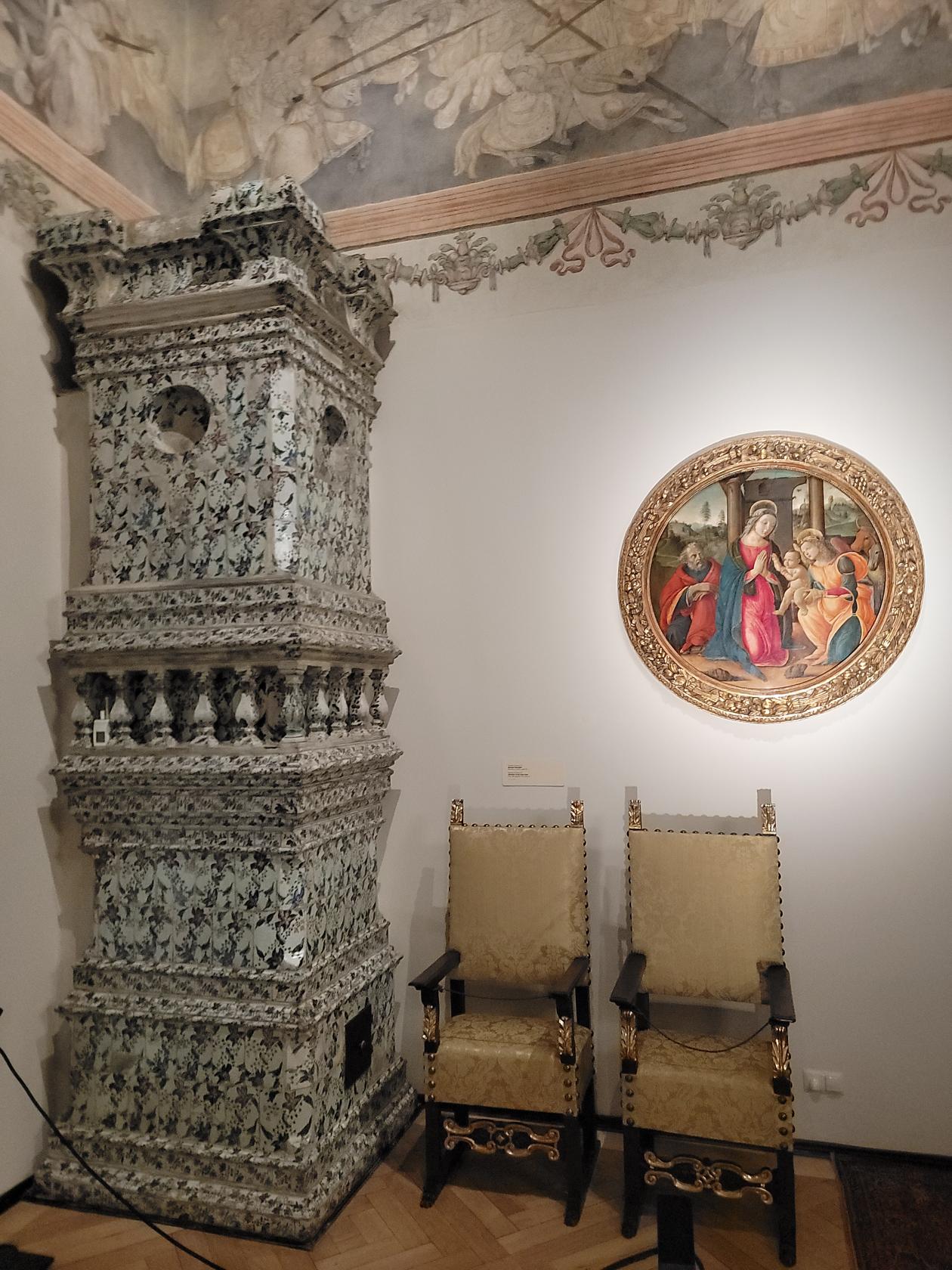
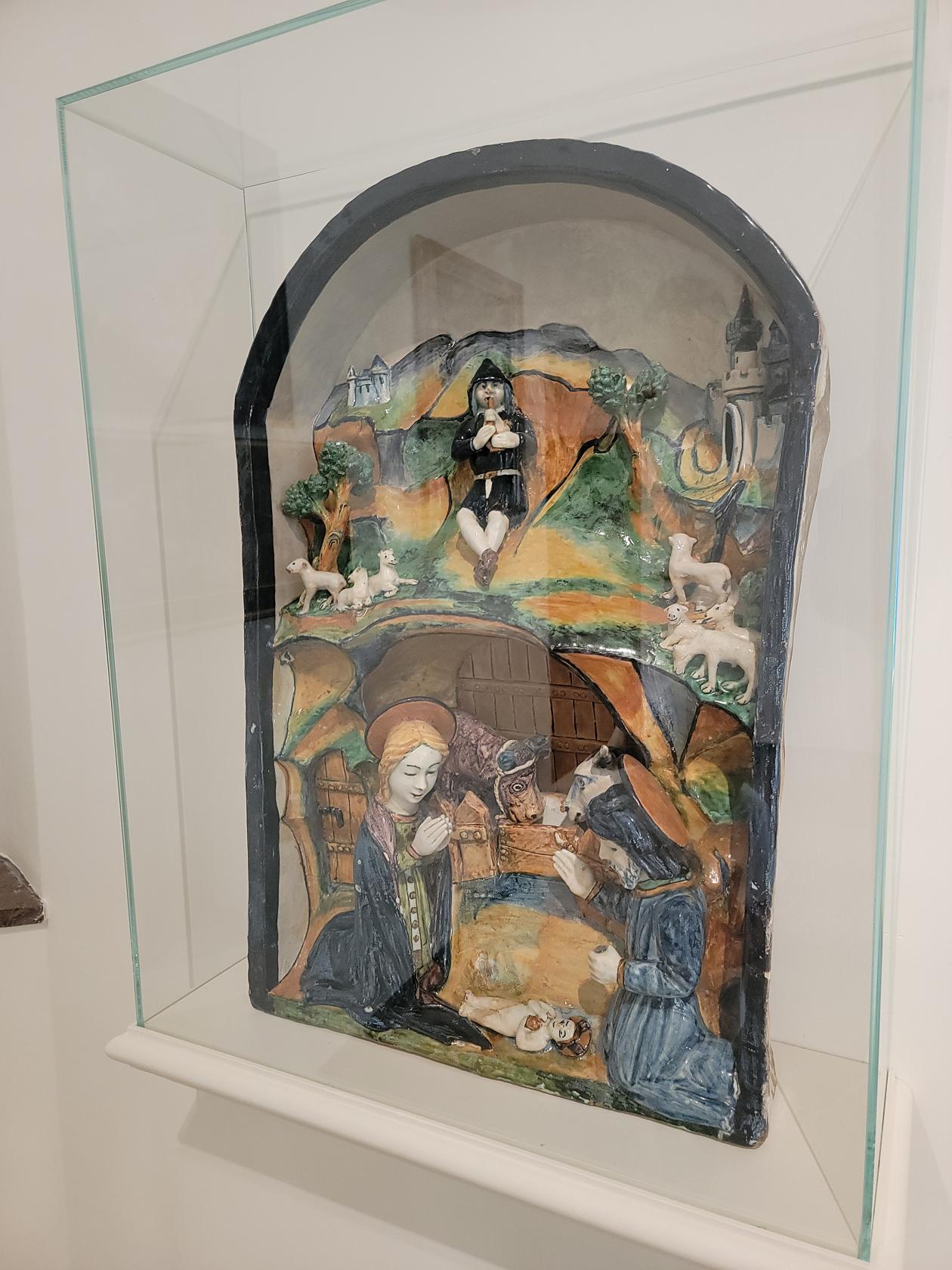
Old Ceramic Stove – Second Floor Museum – Wawel Royal Castle – Kraków, Poland
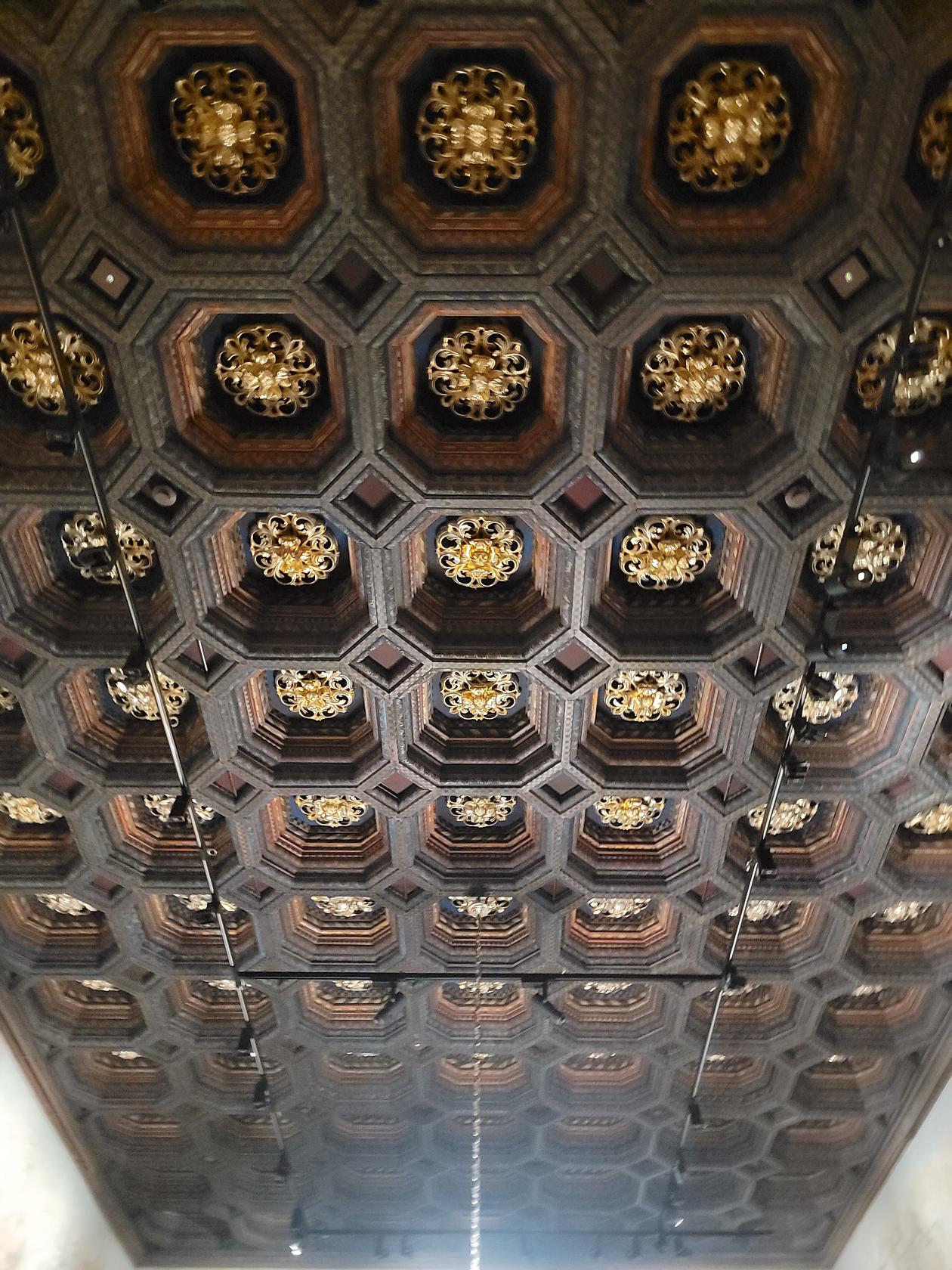
Ceiling – Second Floor Museum – Wawel Royal Castle – Kraków, Poland
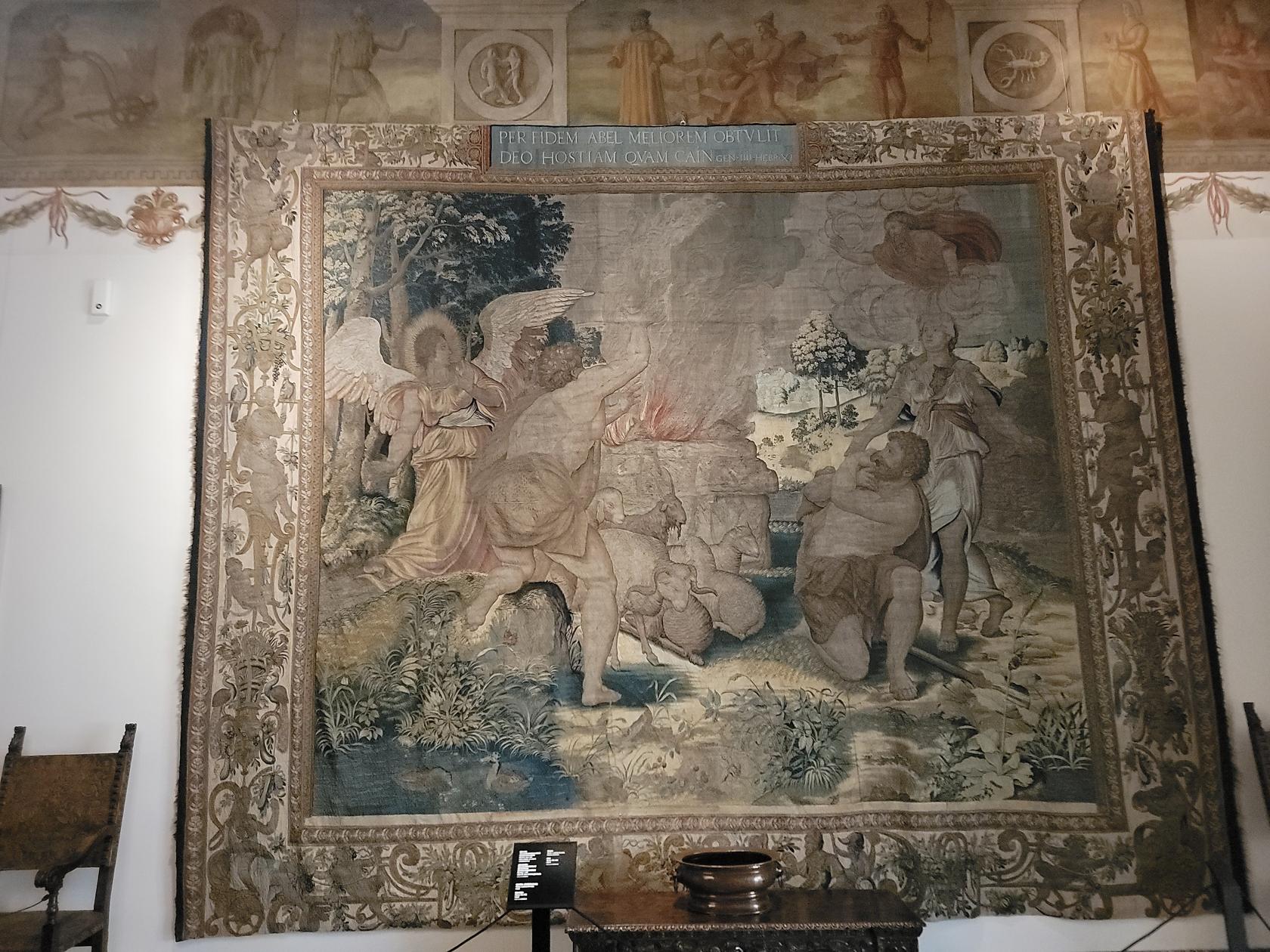
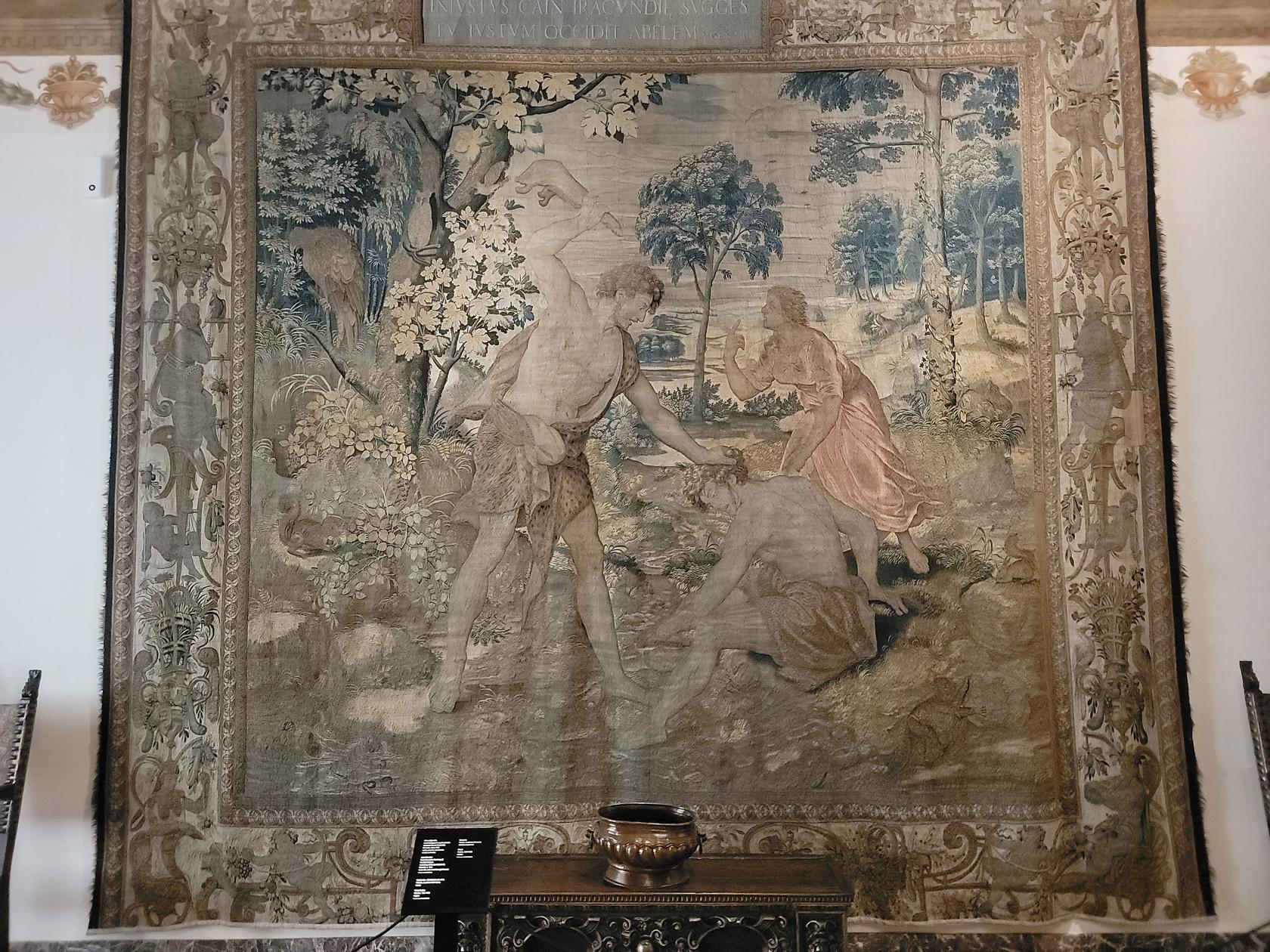
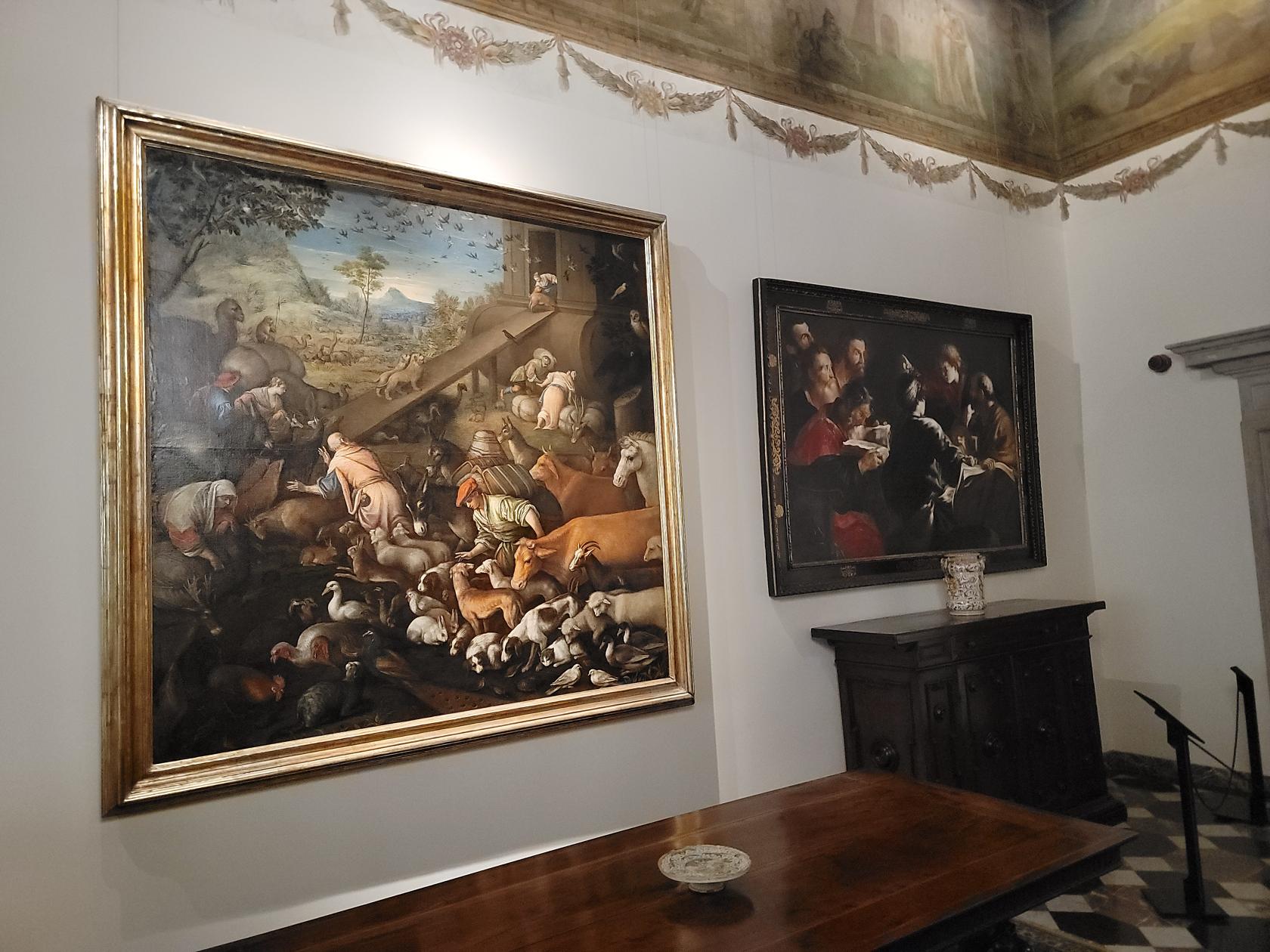
Biblical Scenes – Second Floor Museum – Wawel Royal Castle – Kraków, Poland
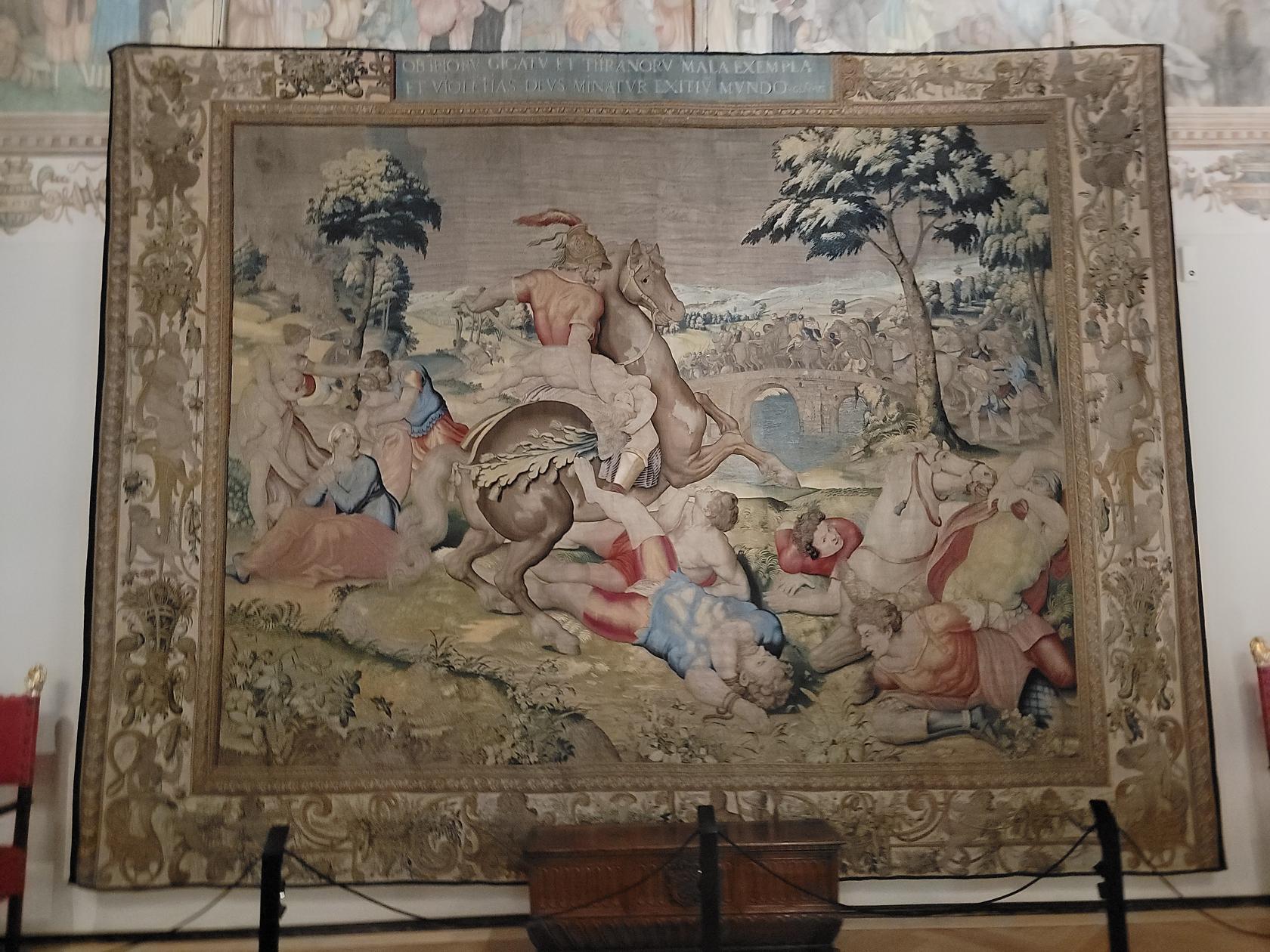
Tapestries – Second Floor Museum – Wawel Royal Castle – Kraków, Poland
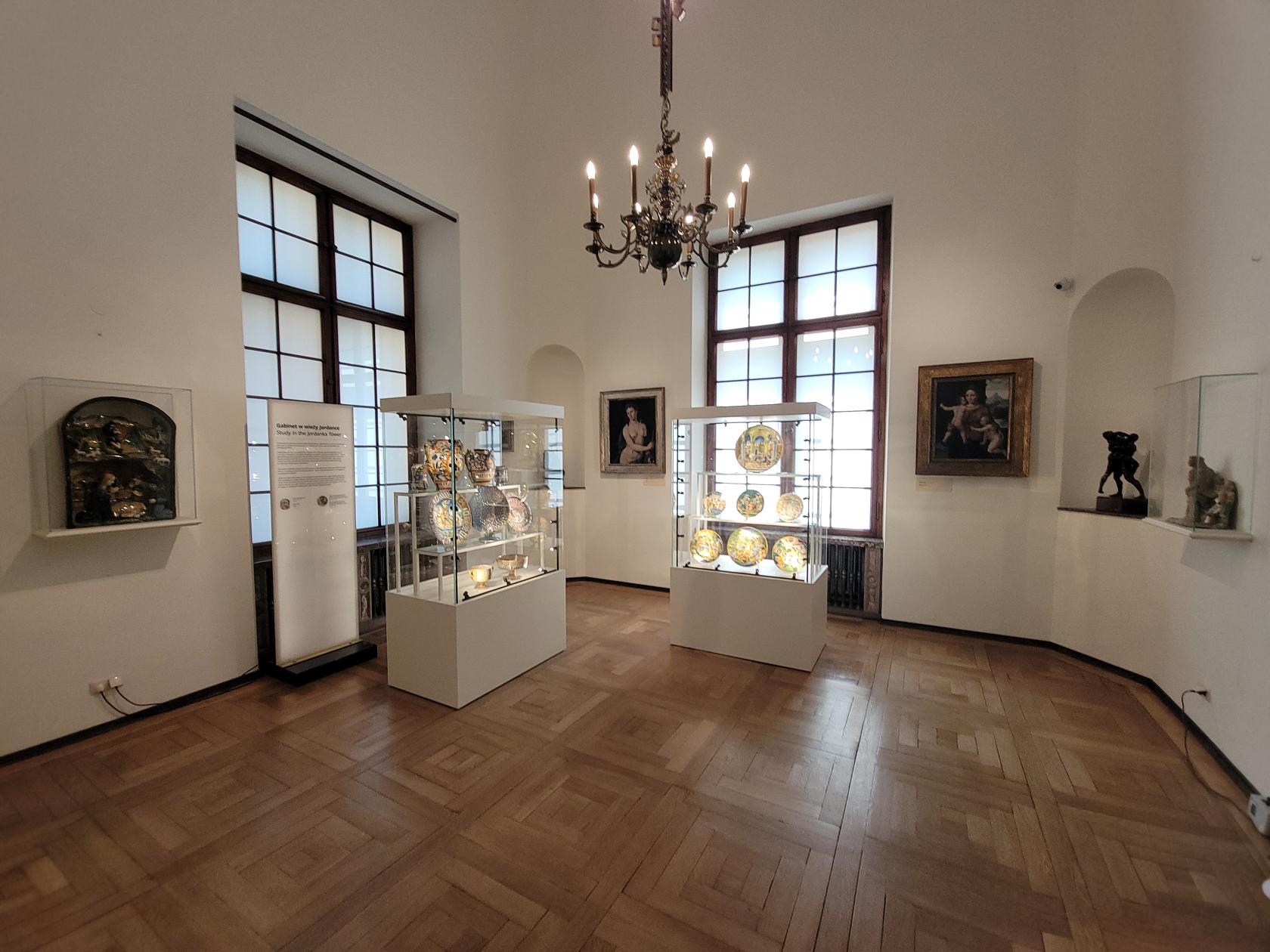
Plate Collection – Second Floor Museum – Wawel Royal Castle – Kraków, Poland
Armchair 16/17th century – Second Floor Museum – Wawel Royal Castle – Kraków, Poland
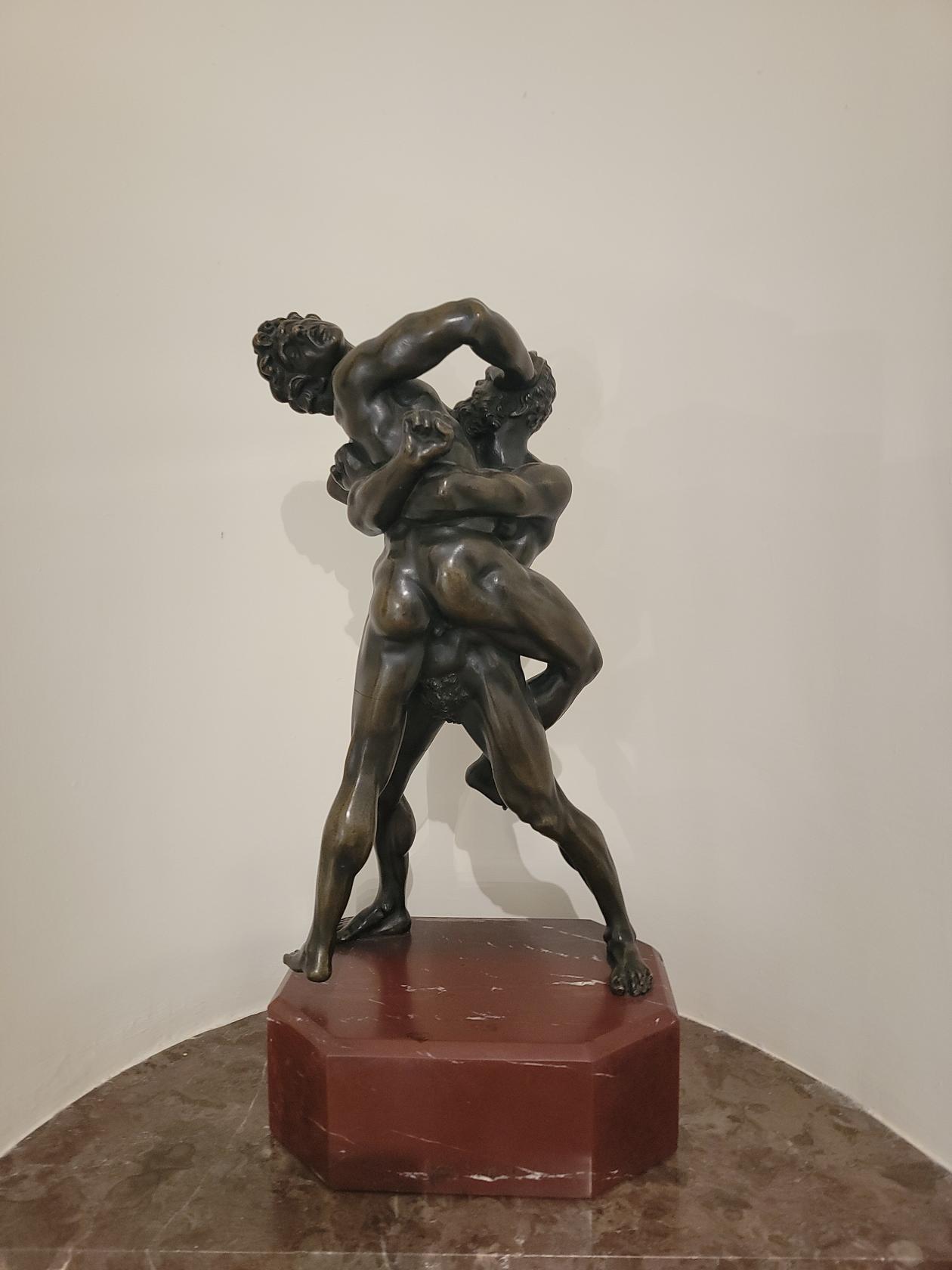
Men fighting bronze – Second Floor Museum – Wawel Royal Castle – Kraków, Poland
Istoriato Maiolica ceramic – Second Floor Museum – Wawel Royal Castle – Kraków, Poland
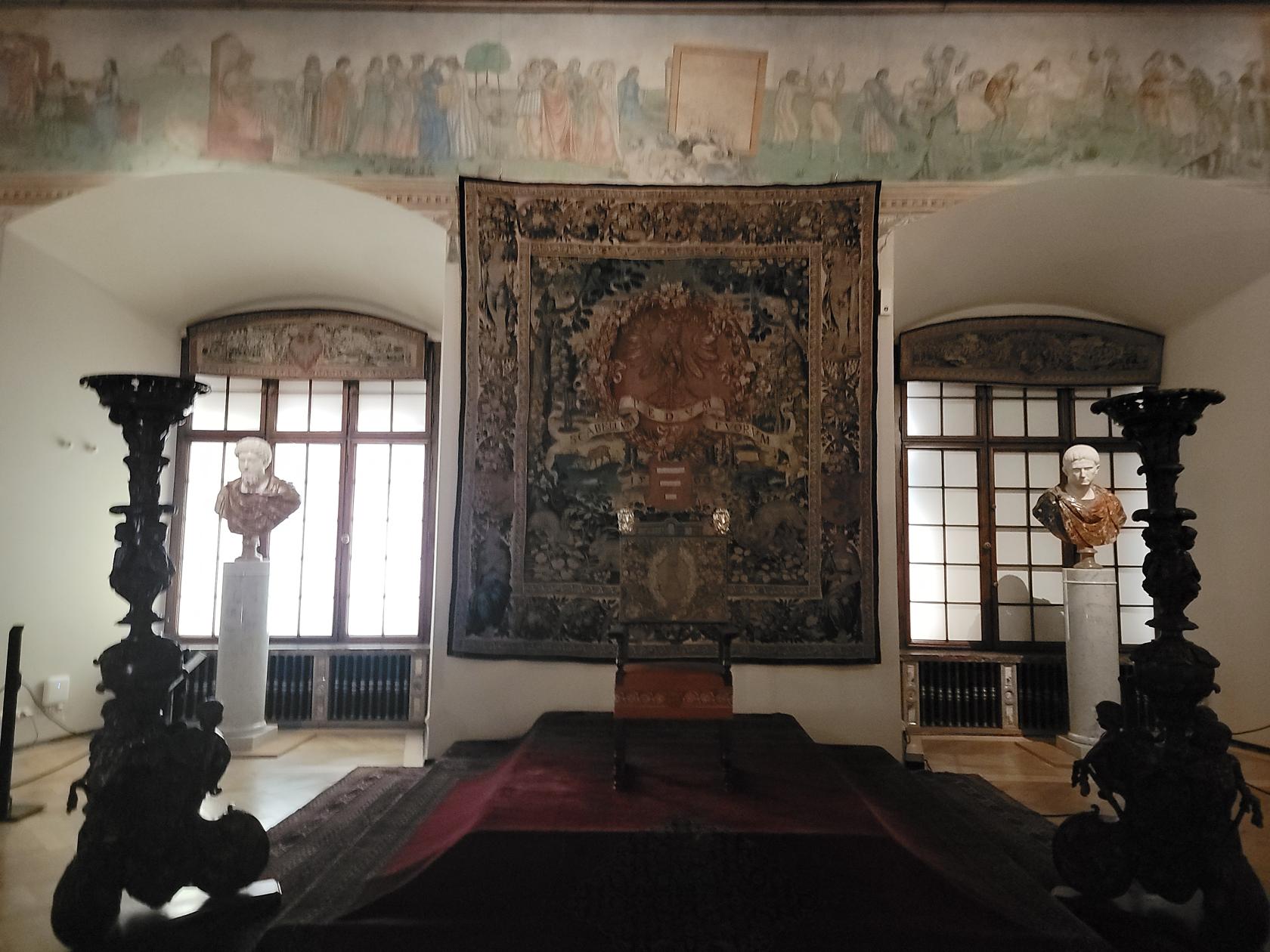
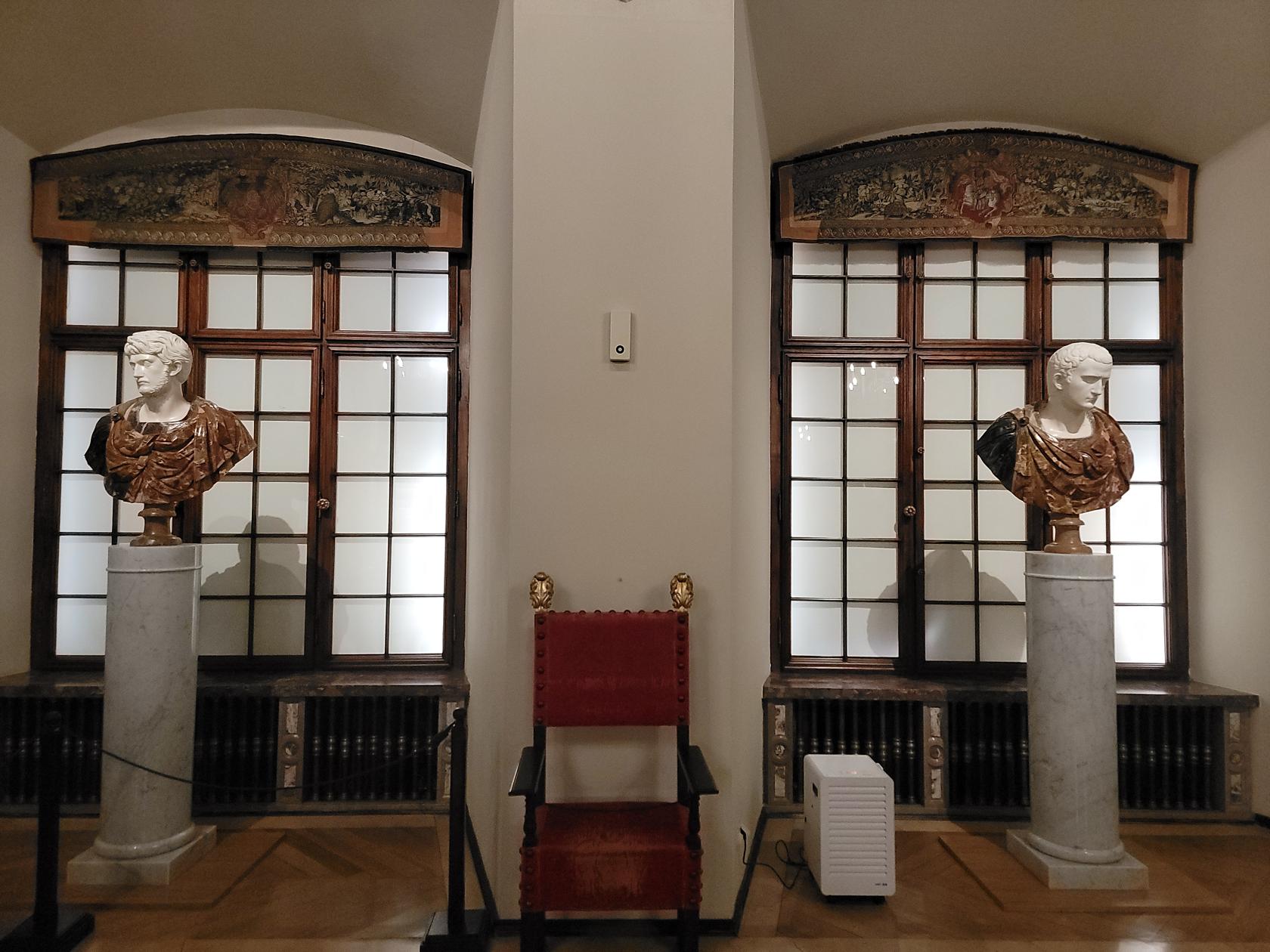
Busts – Second Floor Museum – Wawel Royal Castle – Kraków, Poland
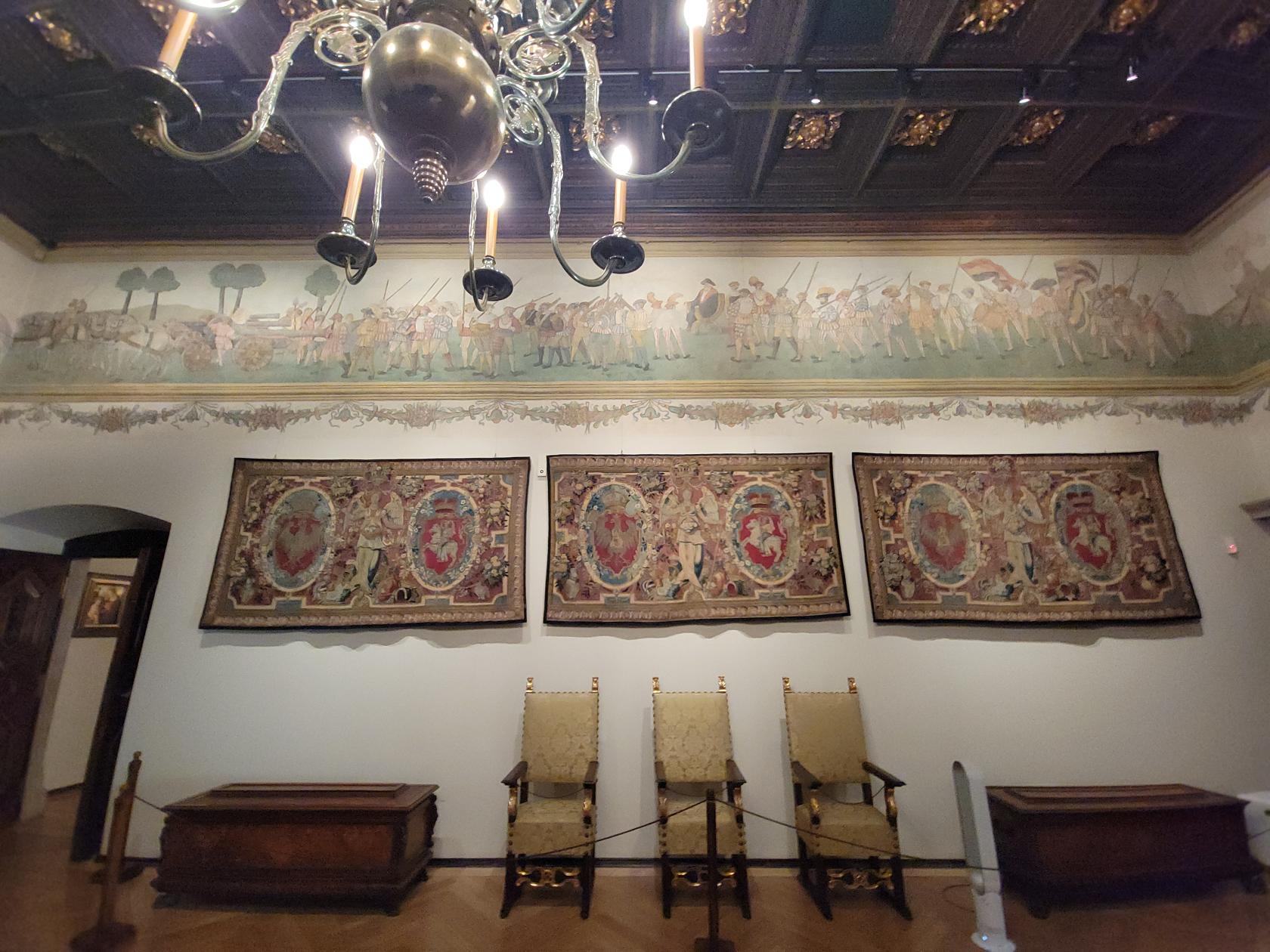
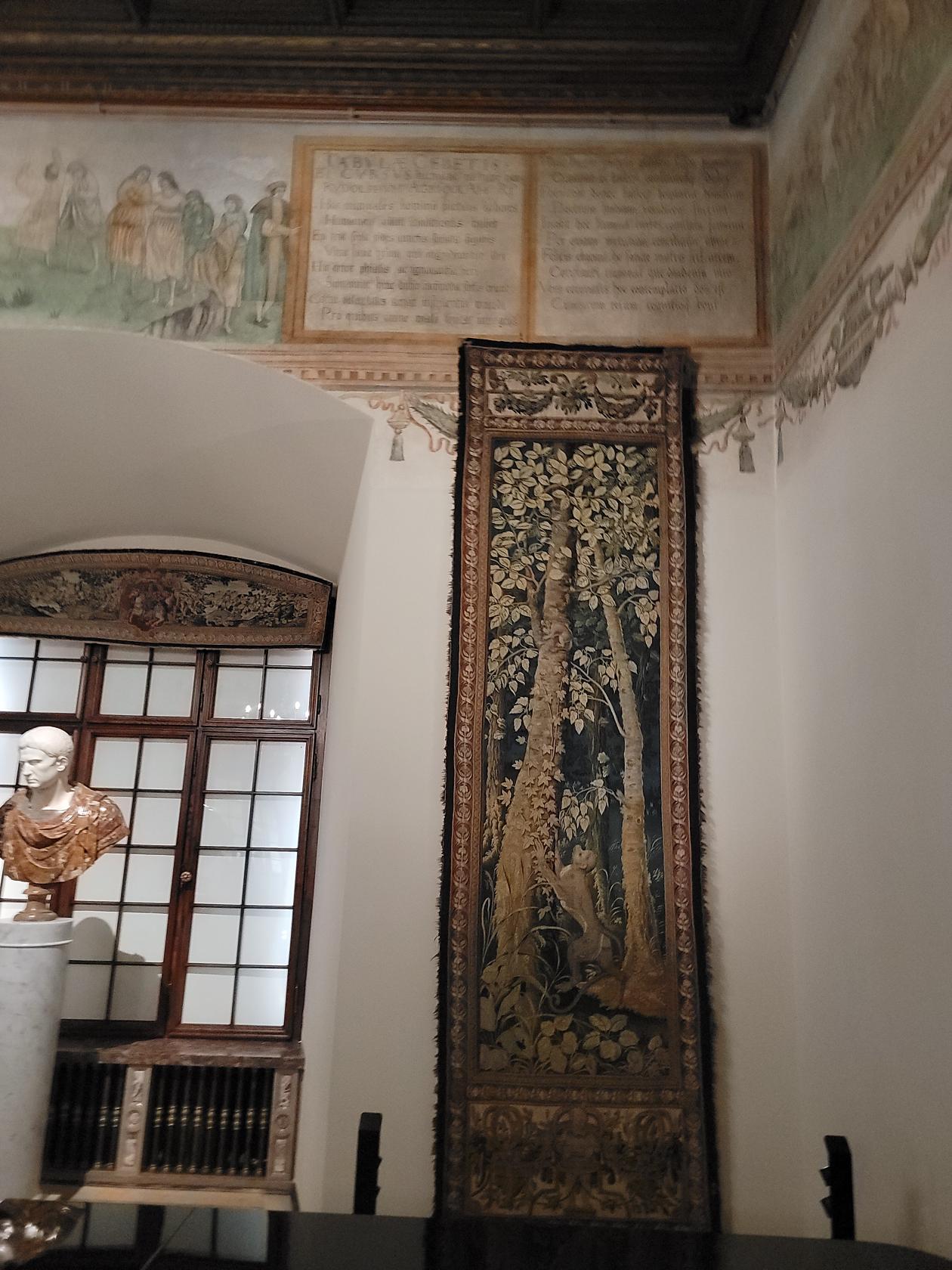
Tapestry in Throne room – Second Floor Museum – Wawel Royal Castle – Kraków, Poland
Tapestry in Throne room – Second Floor Museum – Wawel Royal Castle – Kraków, Poland
Tapestry in Throne room – Second Floor Museum – Wawel Royal Castle – Kraków, Poland
Mosaic in Throne room – Second Floor Museum – Wawel Royal Castle – Kraków, Poland
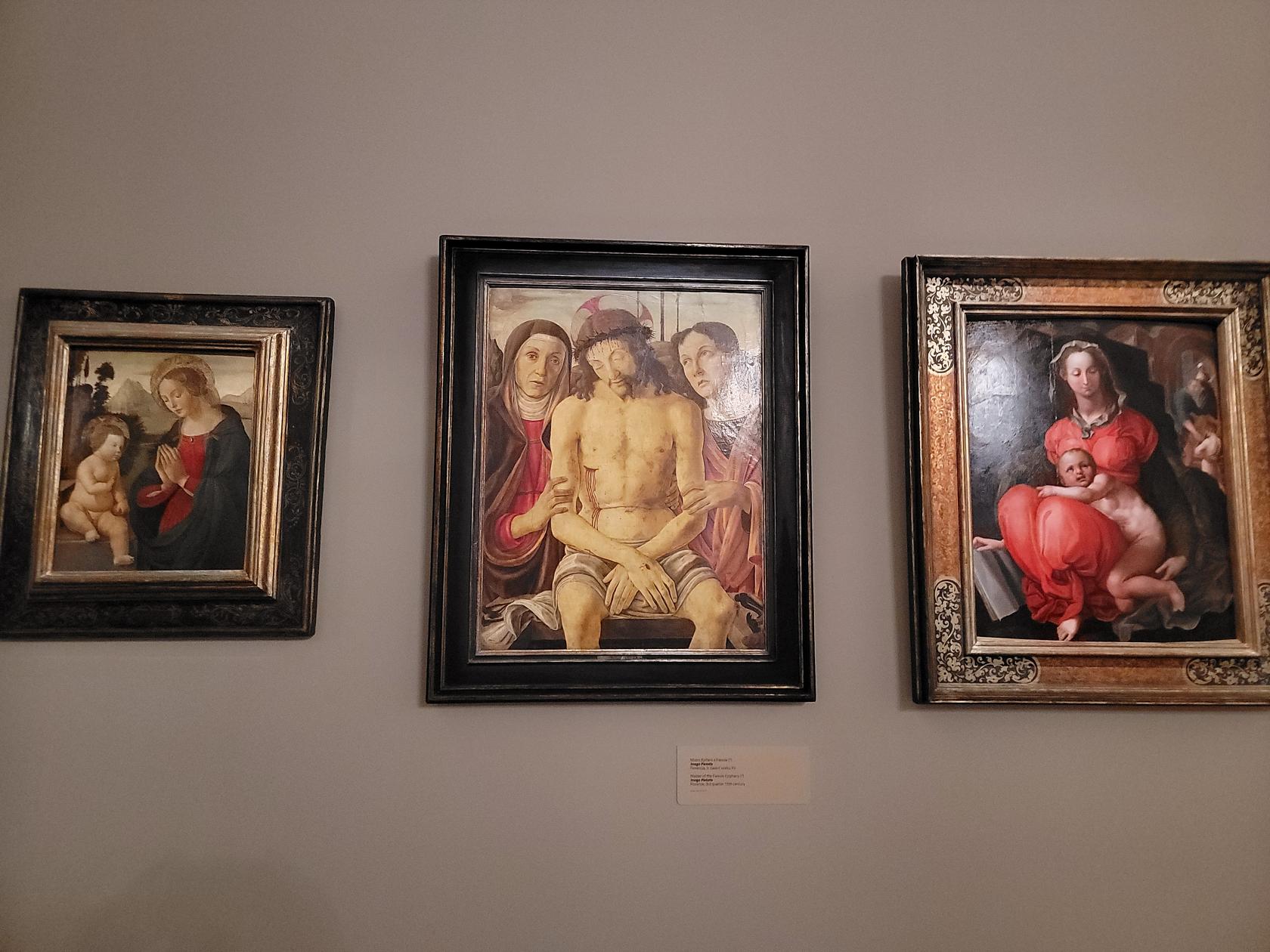
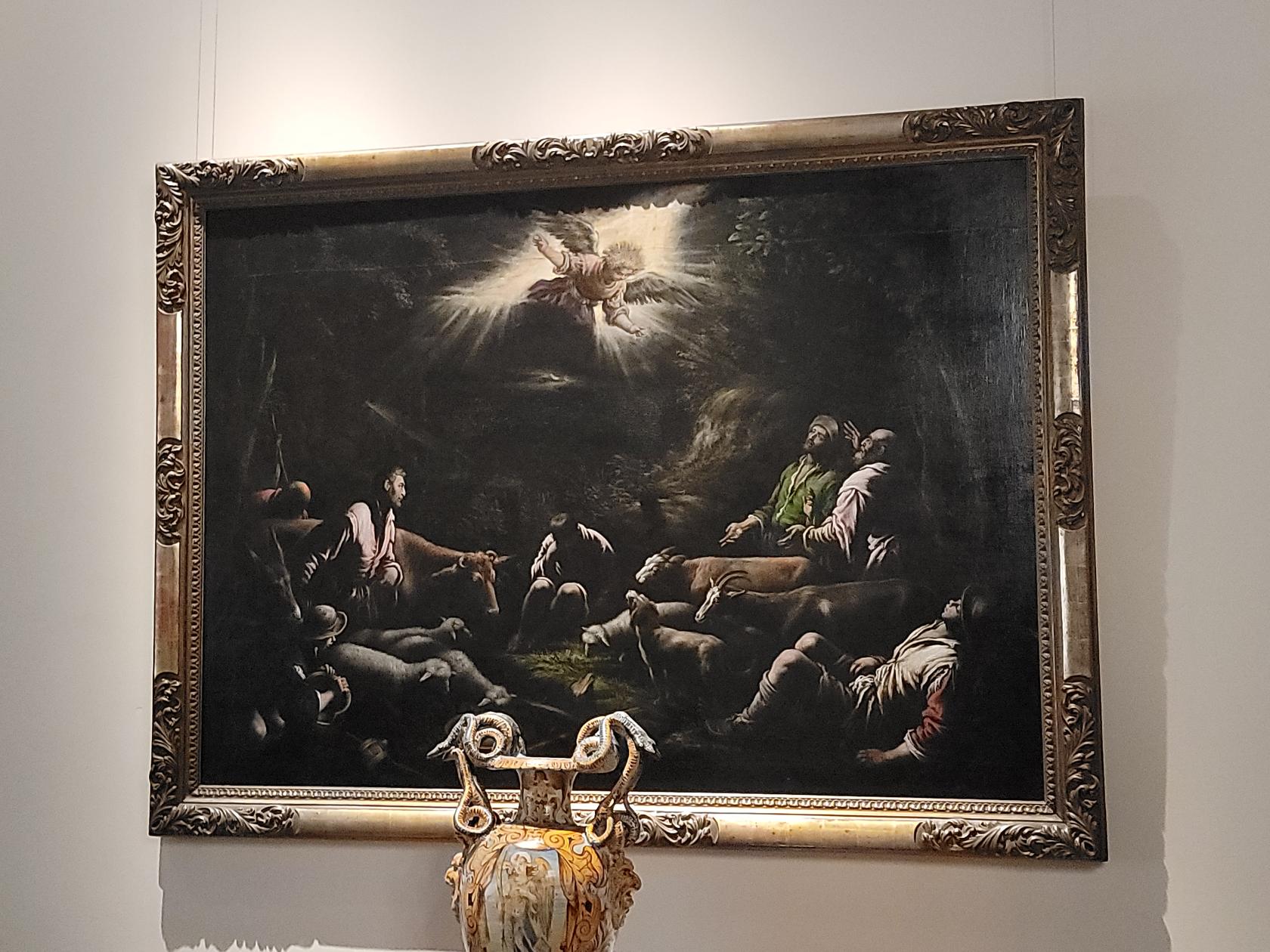
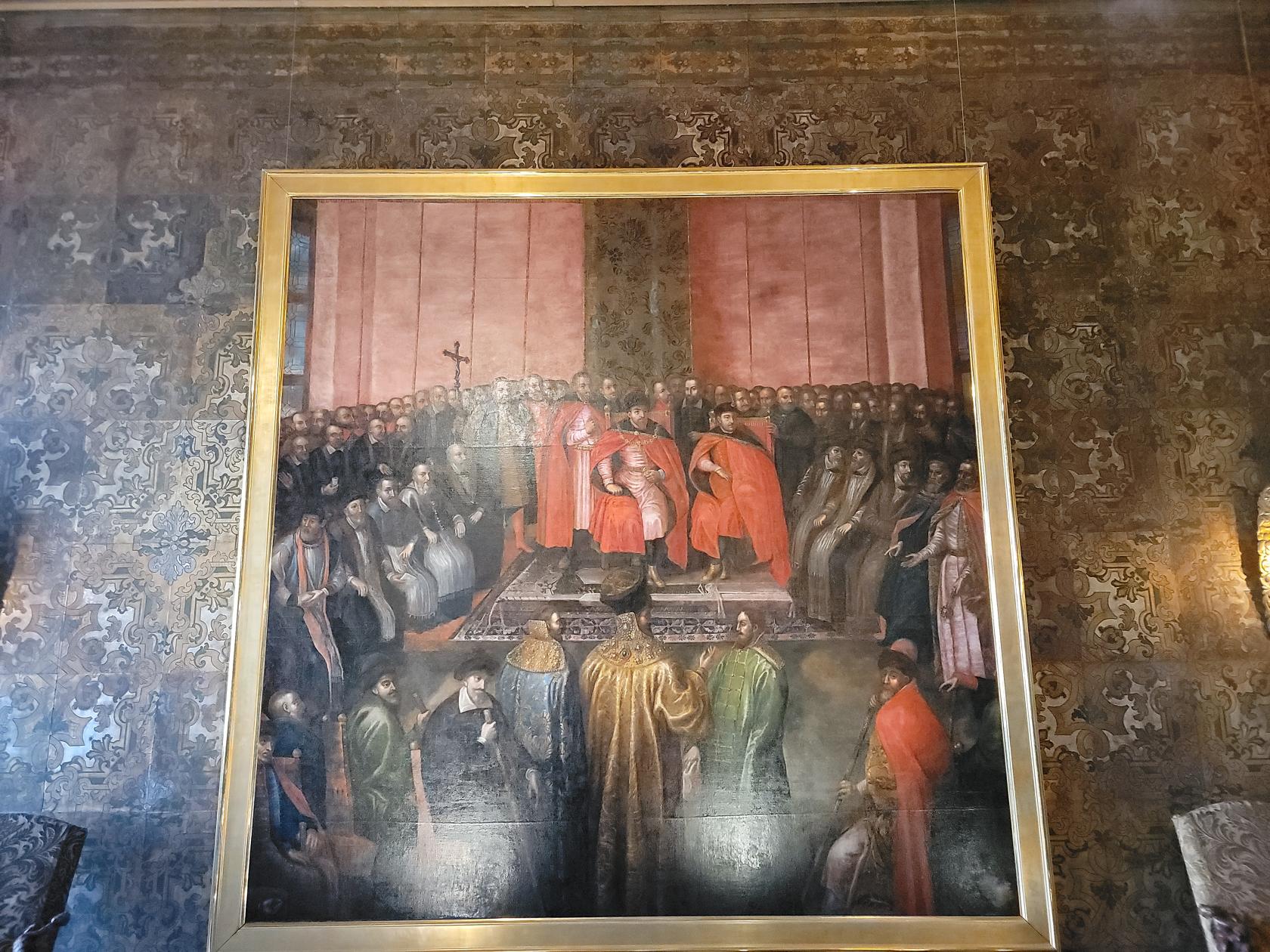
Interesting Painting – Second Floor Museum – Wawel Royal Castle – Kraków, Poland
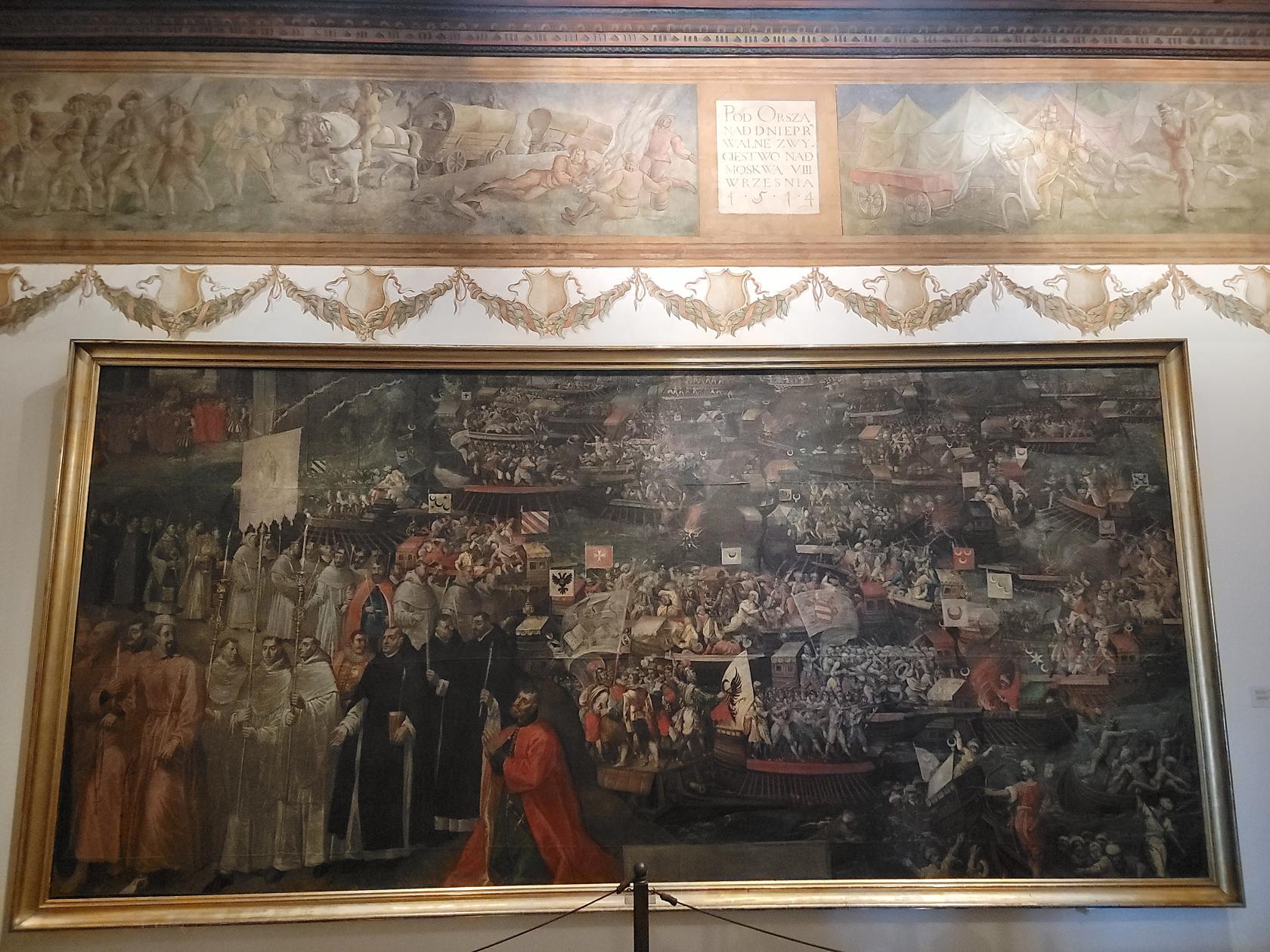
More Paintings – Second Floor Museum – Wawel Royal Castle – Kraków, Poland
Painting – Second Floor Museum – Wawel Royal Castle – Kraków, Poland
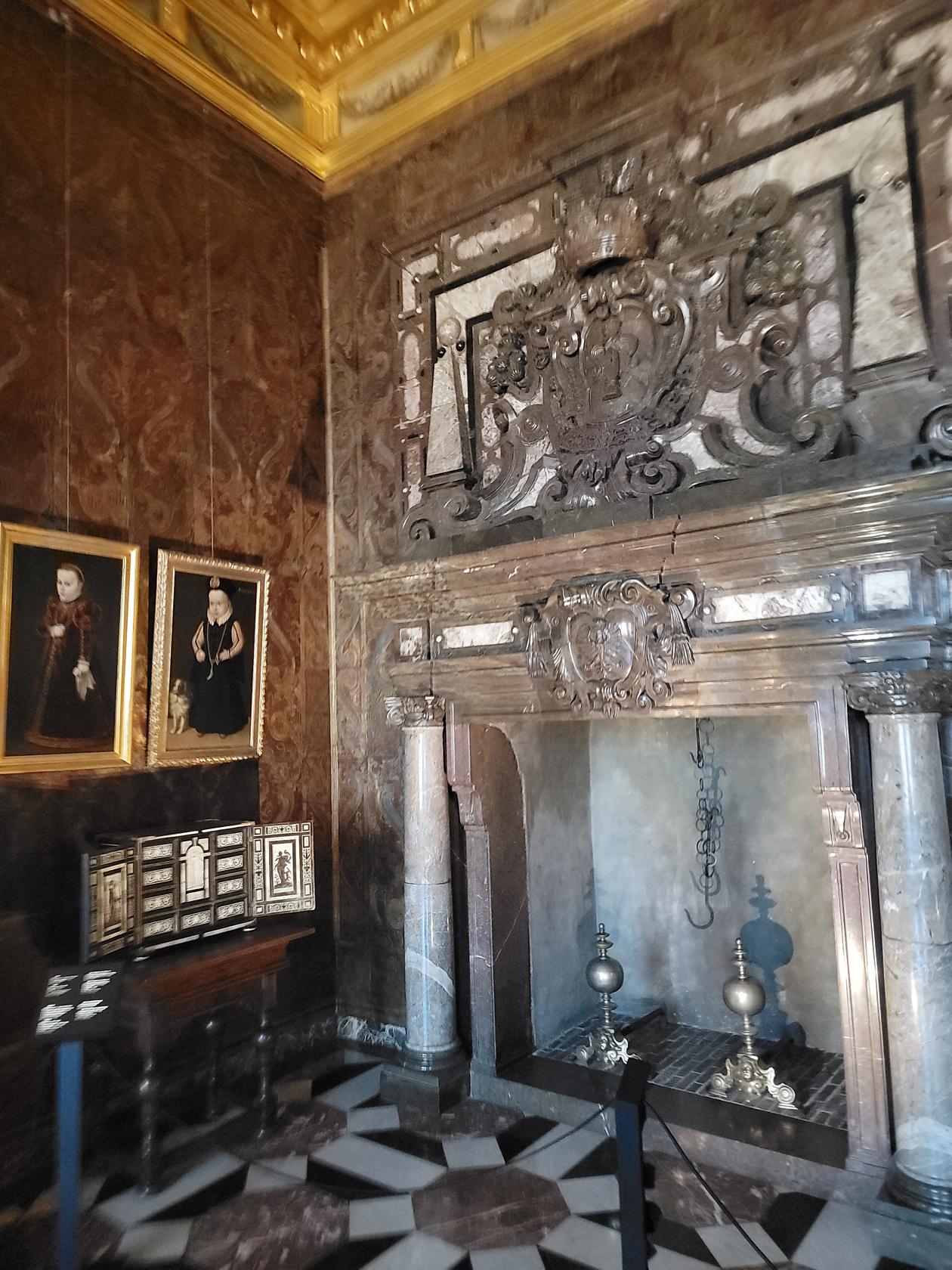
Fireplace – Second Floor Museum – Wawel Royal Castle – Kraków, Poland
Tapestry – Second Floor Museum – Wawel Royal Castle – Kraków, Poland
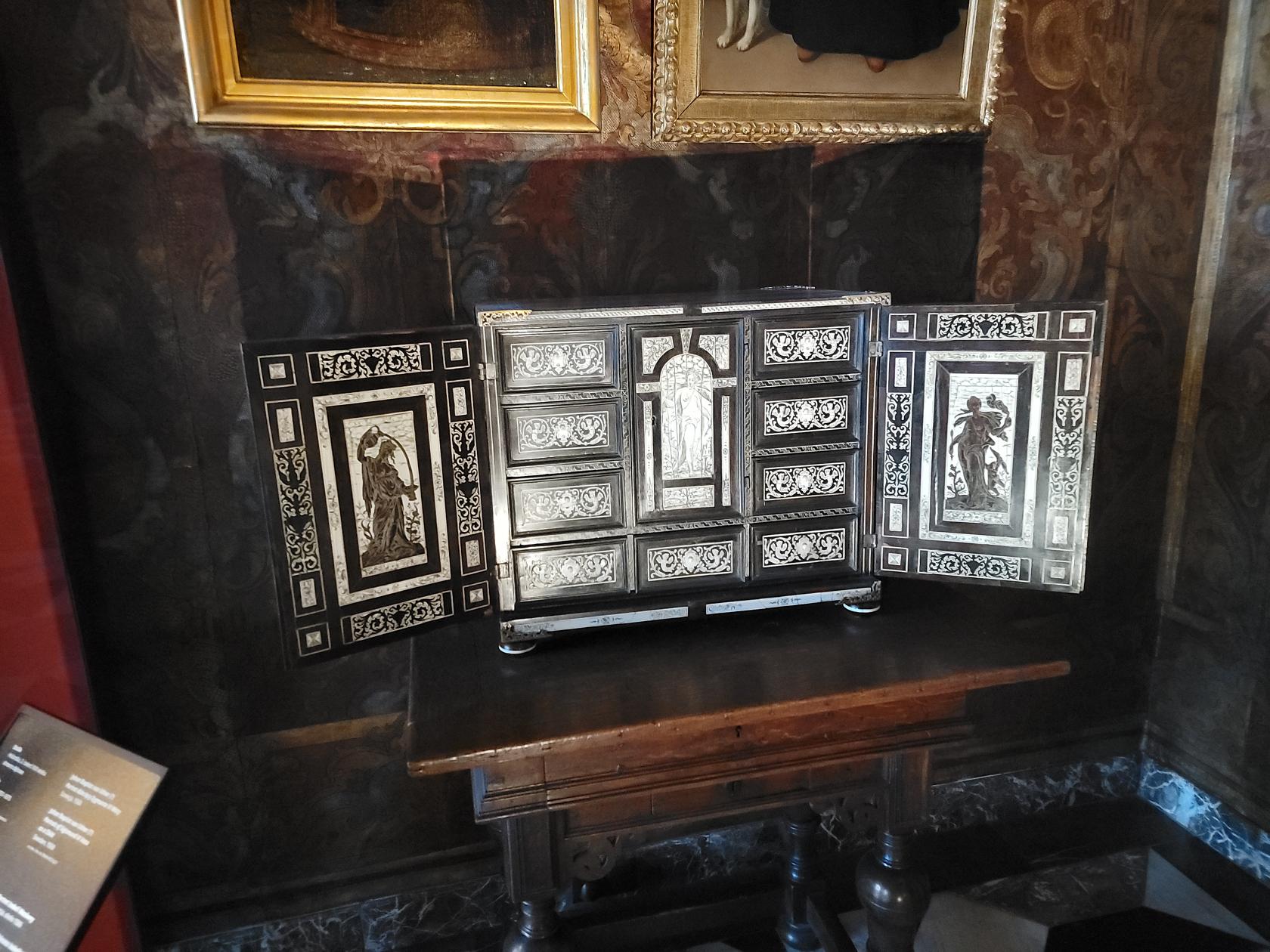
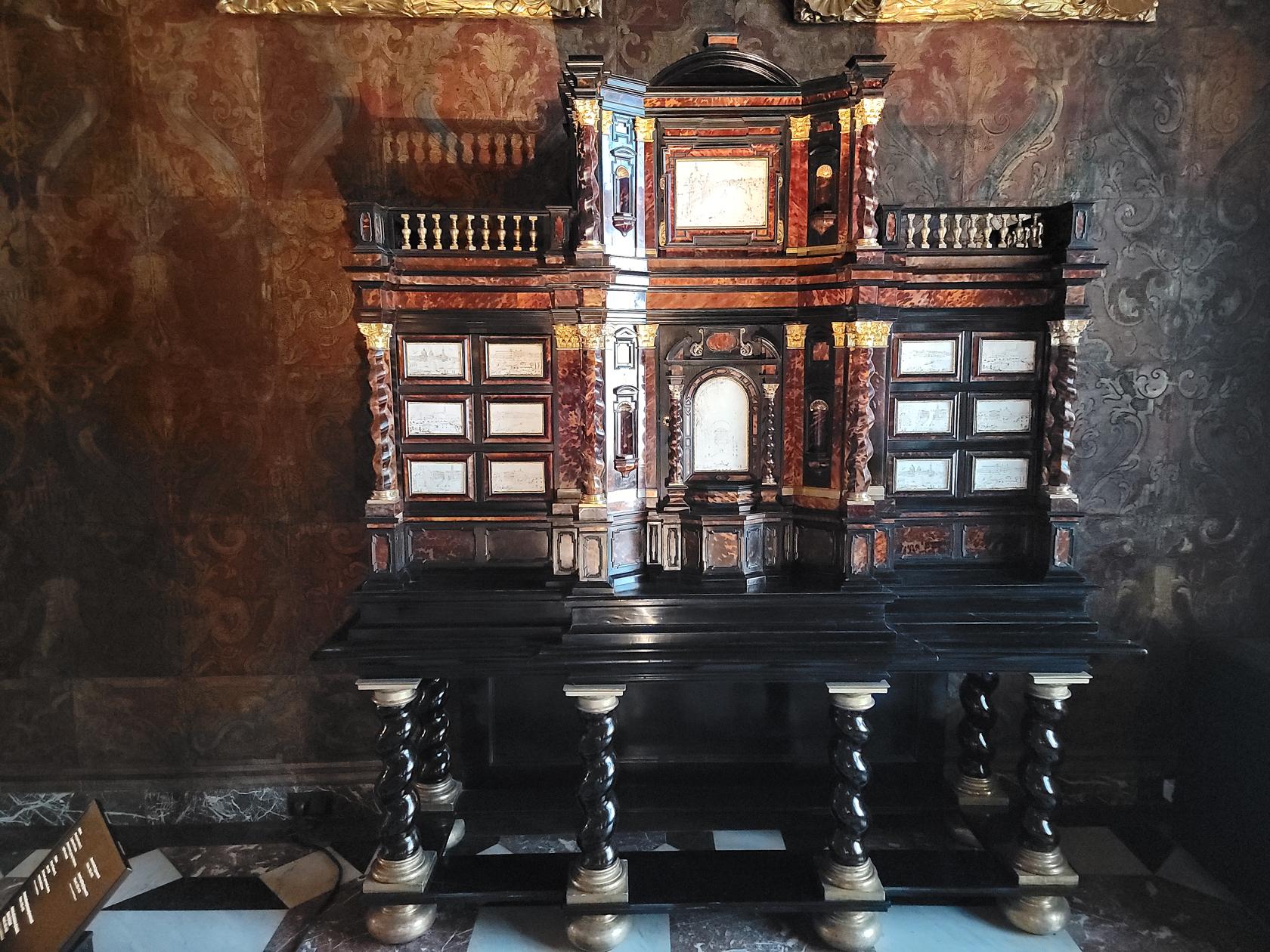
Old Italian Cabinet – Second Floor Museum – Wawel Royal Castle – Kraków, Poland
Ebony cabinet with rosewood – Second Floor Museum – Wawel Royal Castle – Kraków, Poland
Birchwood Cabinet – Second Floor Museum – Wawel Royal Castle – Kraków, Poland
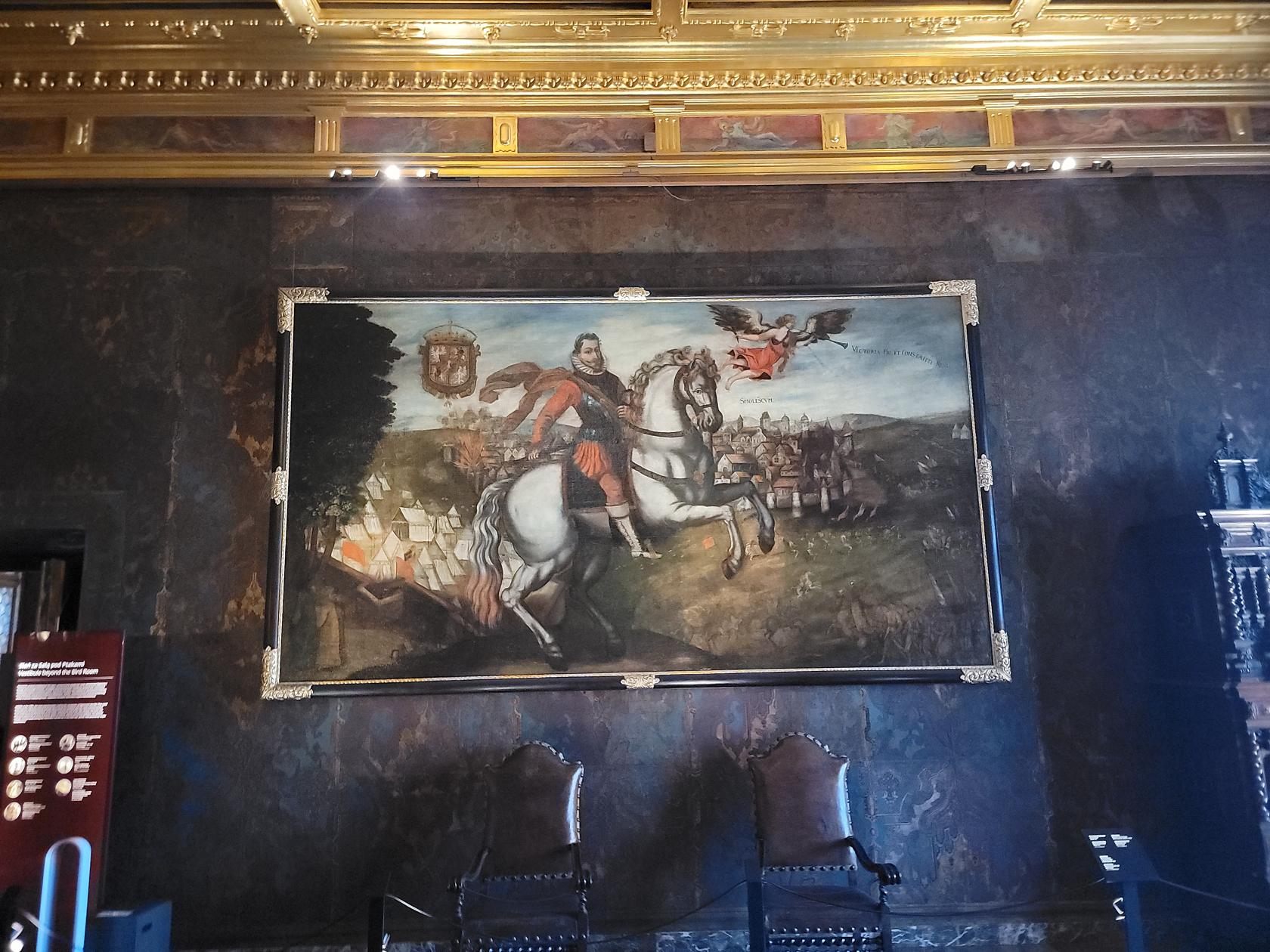
Portrait King Sigismund III – Second Floor Museum – Wawel Royal Castle – Kraków, Poland
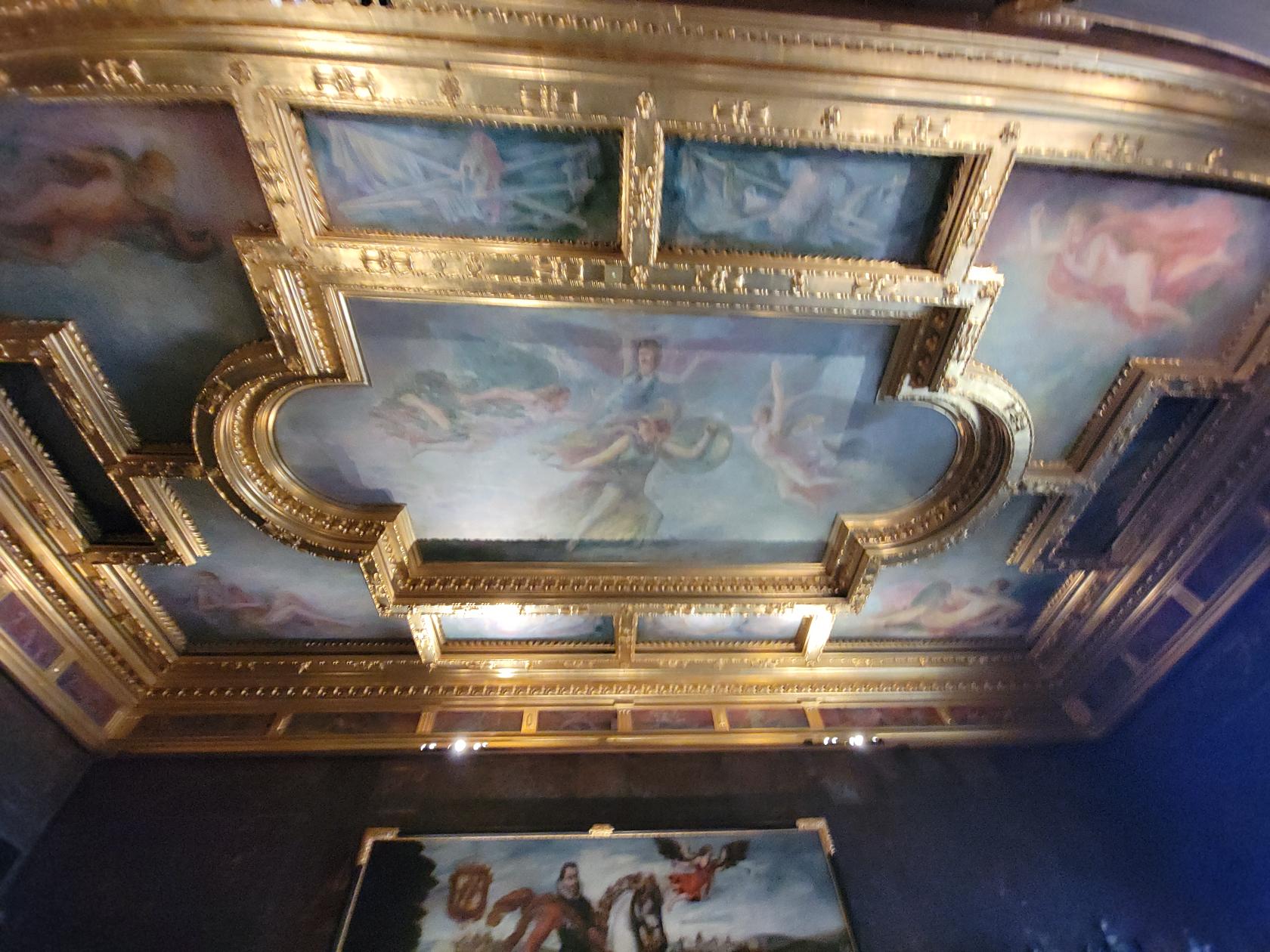
Ceiling – Second Floor Museum – Wawel Royal Castle – Kraków, Poland
Eagle Room – Second Floor Museum – Wawel Royal Castle – Kraków, Poland
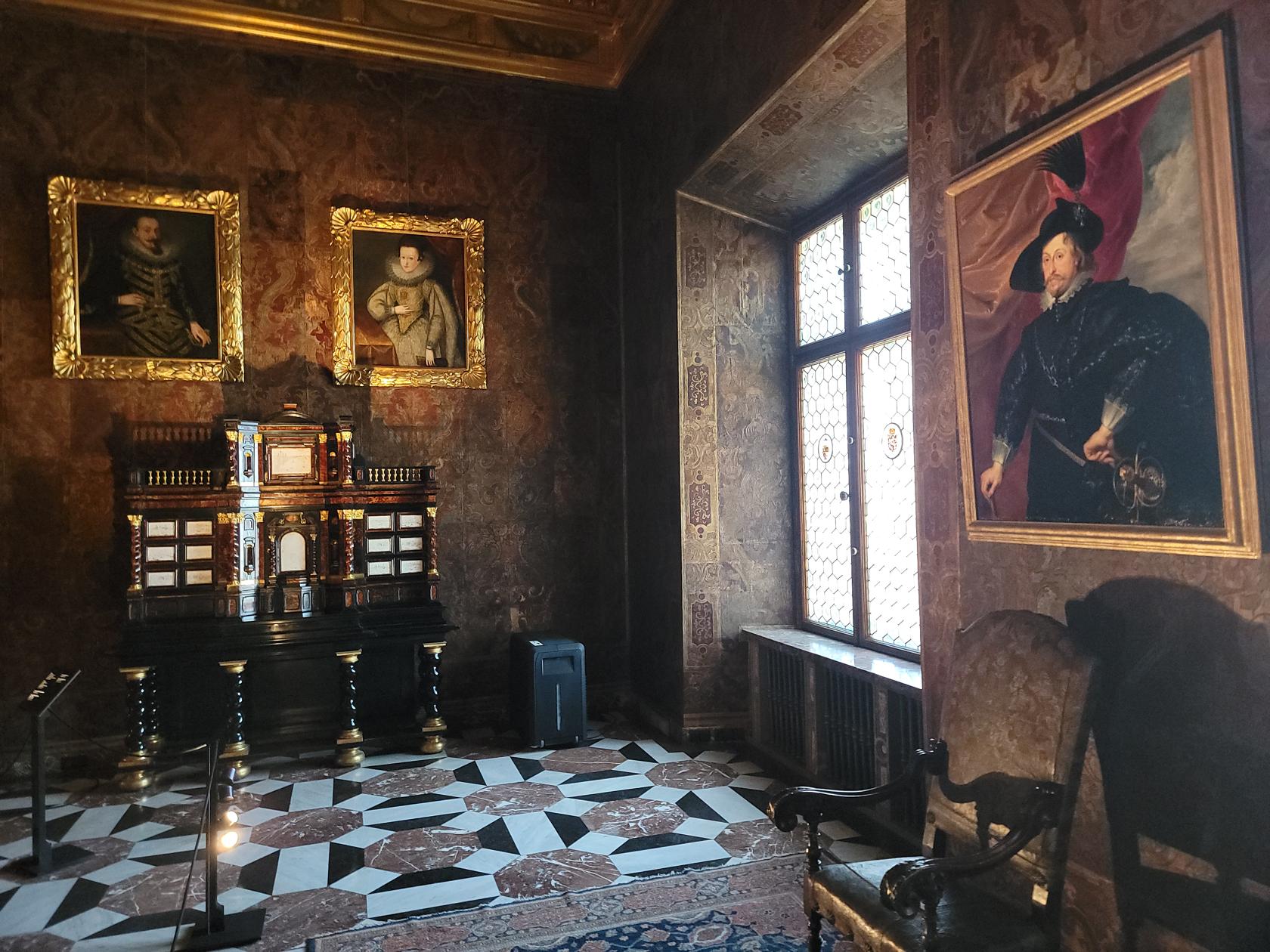
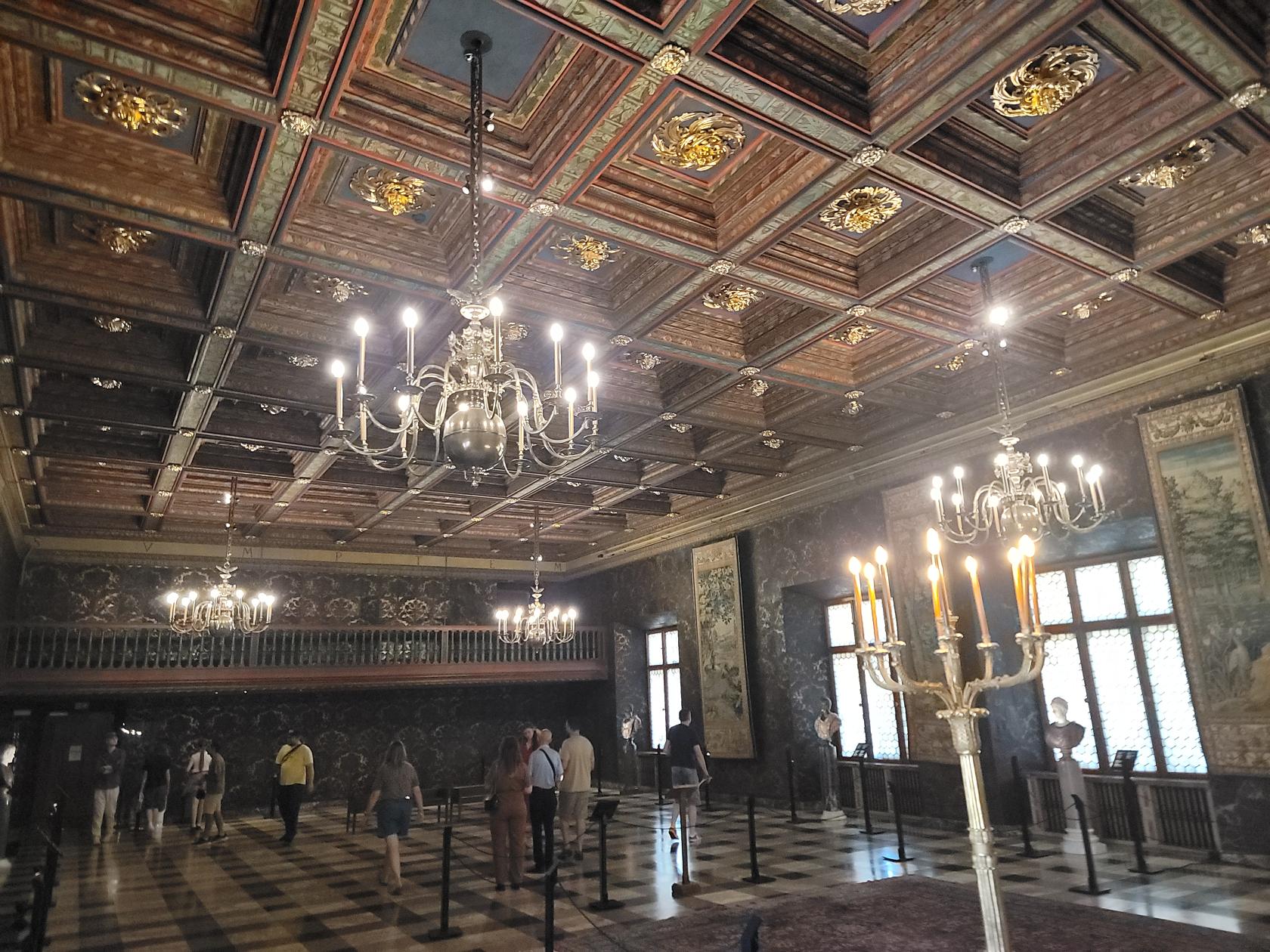
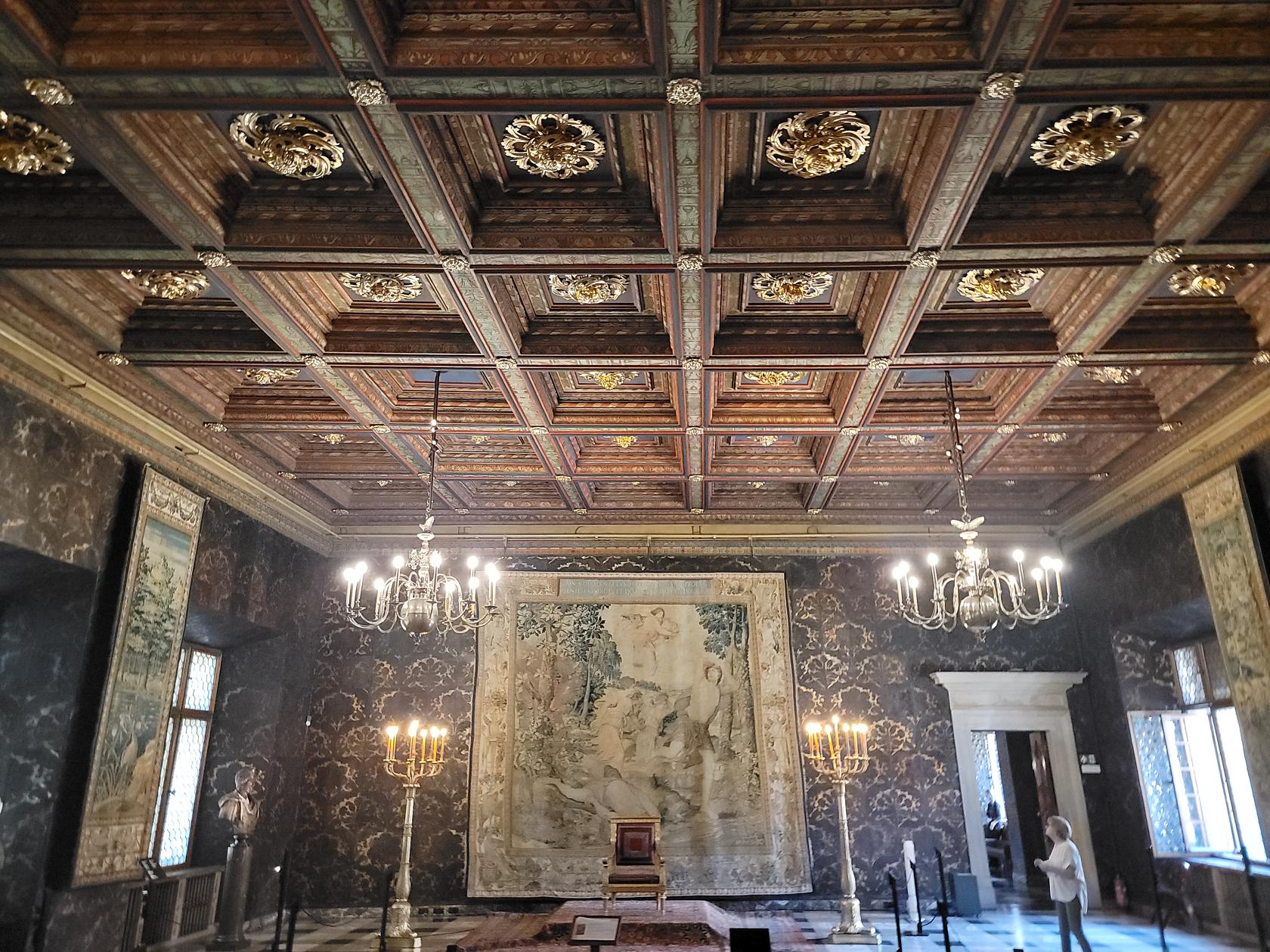
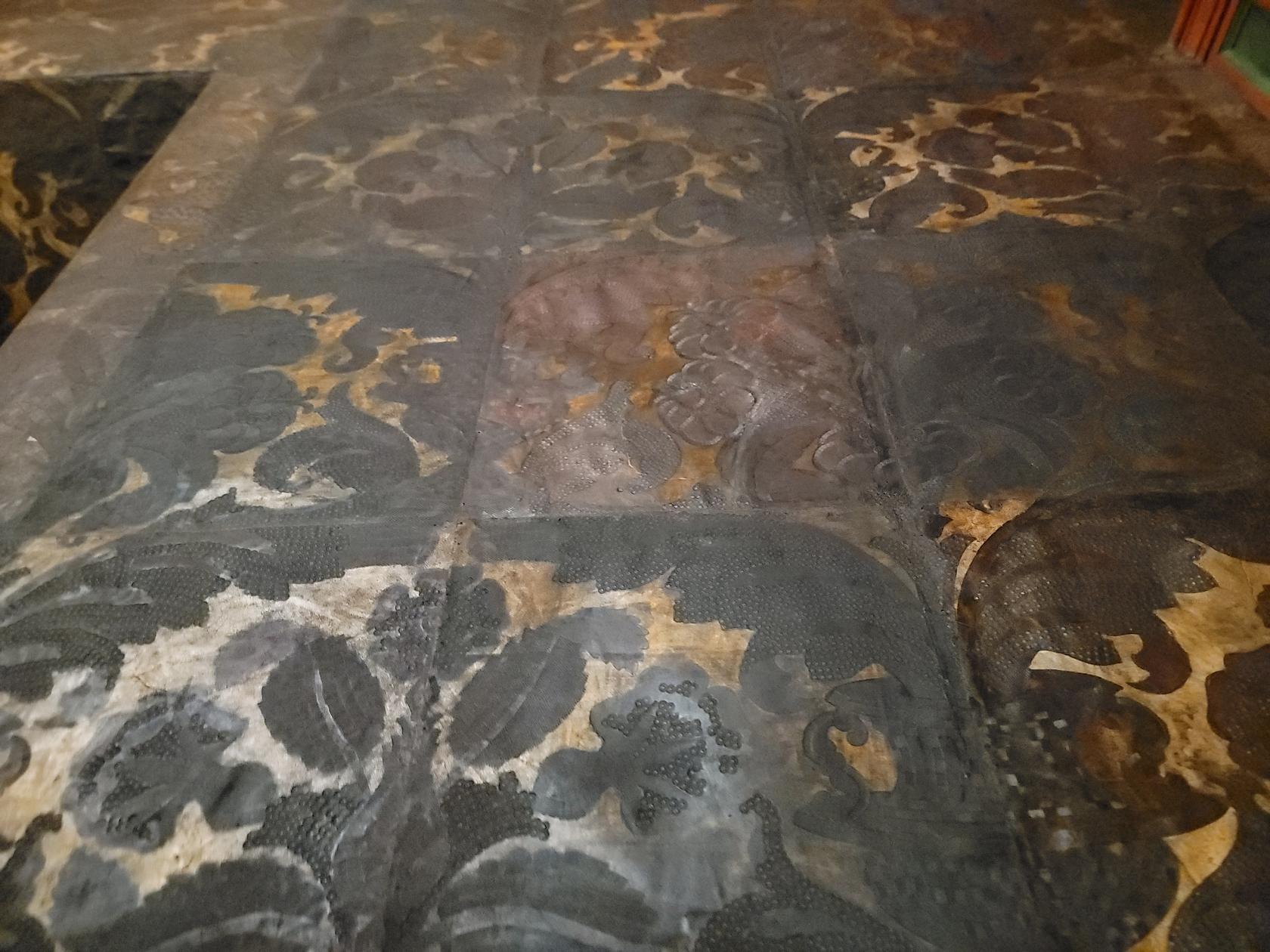
Even the rooms are of some interest. The rather large Senators Room being clad in a treated gilded leather.
Senators’ Hall – Second Floor Museum – Wawel Royal Castle – Kraków, Poland
Senators’ Hall – Second Floor Museum – Wawel Royal Castle – Kraków, Poland
Senators’ Hall – Second Floor Museum – Wawel Royal Castle – Kraków, Poland
Gilt Leather wall covering – Senators’ Hall – Second Floor Museum – Wawel Royal Castle – Kraków, Poland
Senators’ Hall – Second Floor Museum – Wawel Royal Castle – Kraków, Poland
Ottoman Tent Exhibit
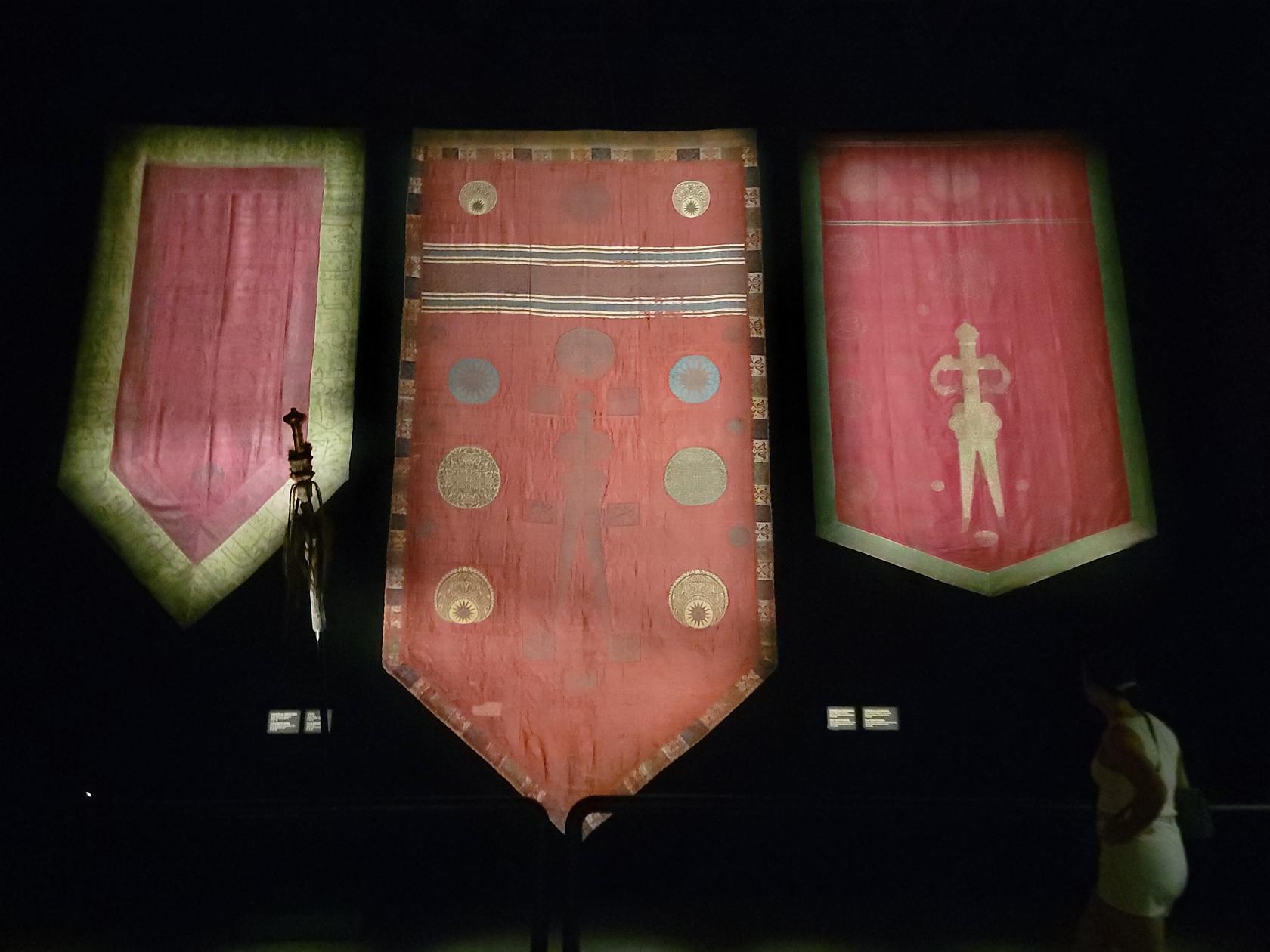
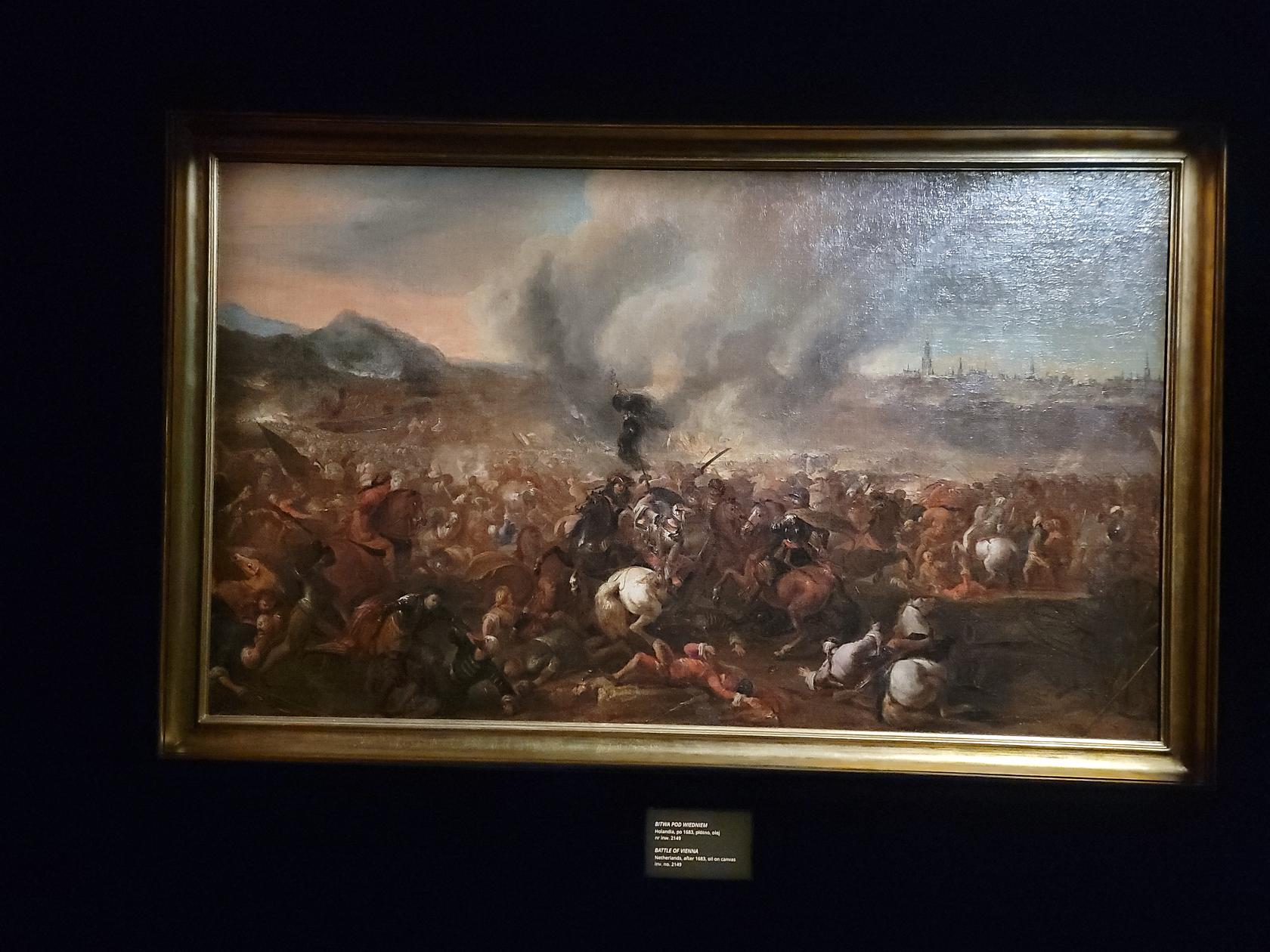
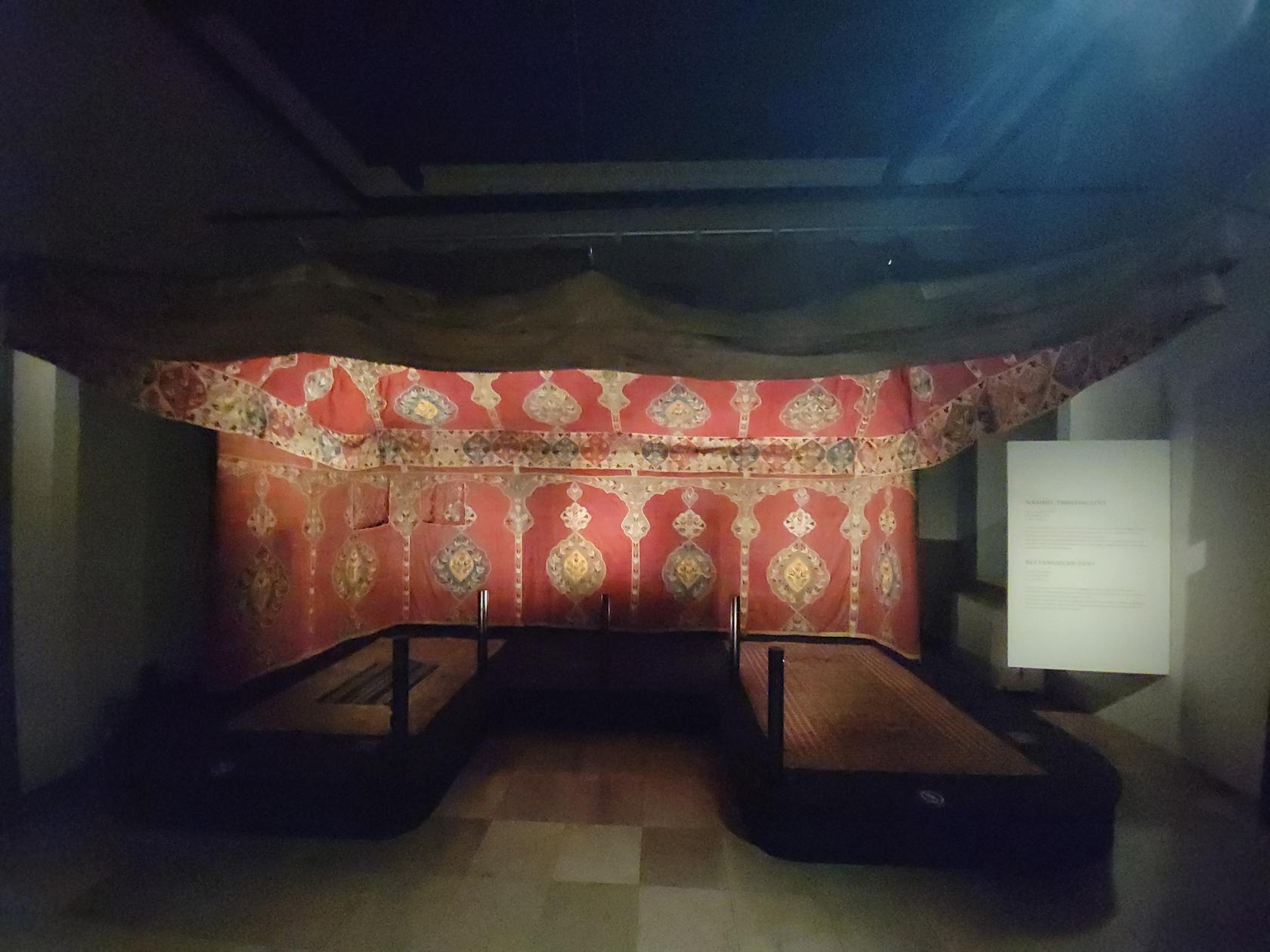
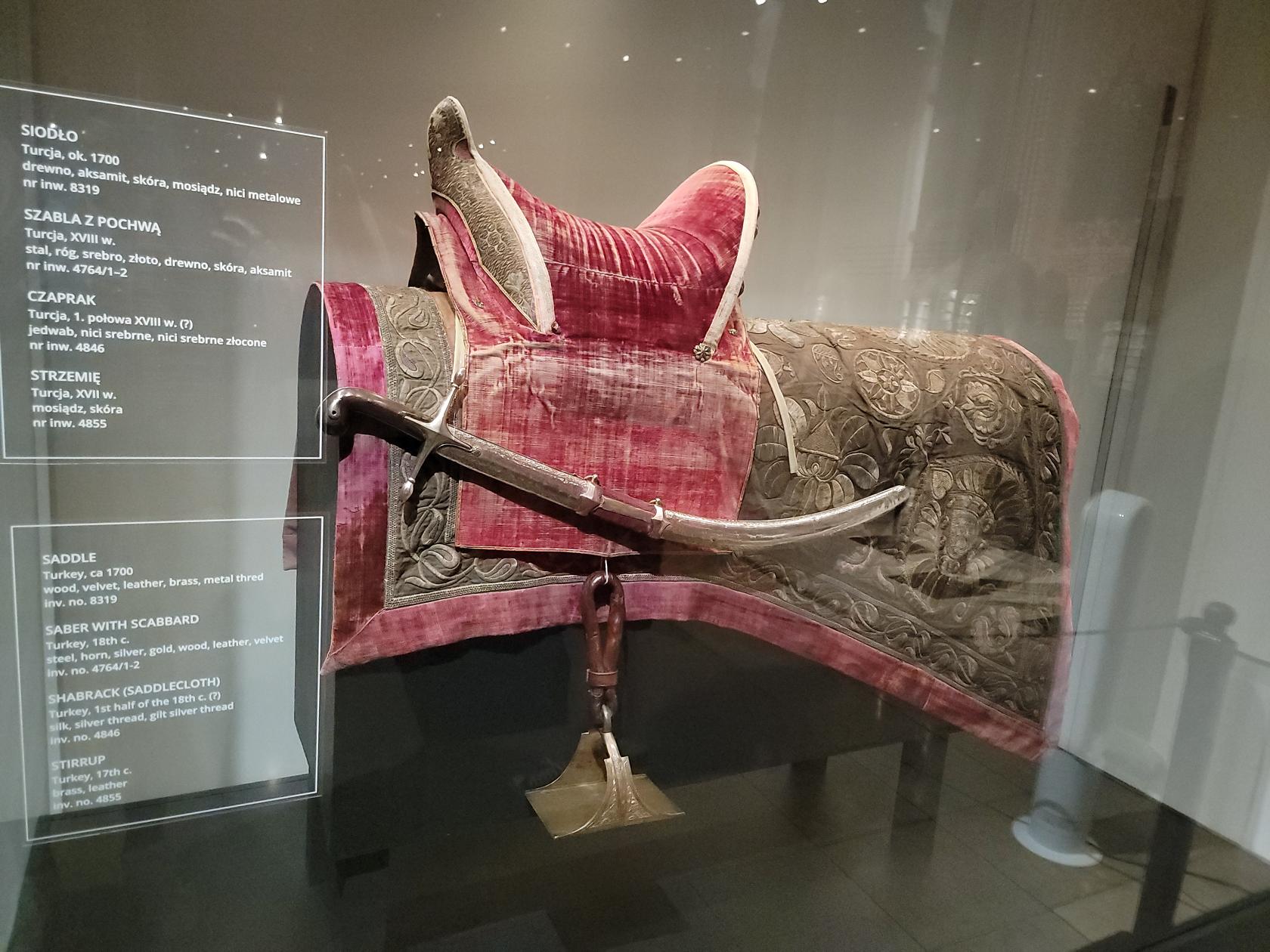
At the end of the Second Floor Museum was a fascinating exhibit on tents from the Ottoman Dynasty. Most of these were captured during the battles with them during the First World War and used by the counterparts during those campaigns.
Turkish Ottoman Tent Selection – Second Floor Museum – Wawel Royal Castle – Kraków, Poland
Turkish Ottoman Tent Selection – Second Floor Museum – Wawel Royal Castle – Kraków, Poland
Turkish Ottoman Tent Selection – Second Floor Museum – Wawel Royal Castle – Kraków, Poland
Turkish Ottoman Tent Selection – Second Floor Museum – Wawel Royal Castle – Kraków, Poland
Turkish Ottoman Tent Selection – Second Floor Museum – Wawel Royal Castle – Kraków, Poland
Turkish Ottoman Tent Selection – Second Floor Museum – Wawel Royal Castle – Kraków, Poland
Turkish Ottoman Tent Selection – Second Floor Museum – Wawel Royal Castle – Kraków, Poland
Turkish Ottoman Tent Selection – Second Floor Museum – Wawel Royal Castle – Kraków, Poland
Turkish Ottoman Tent Selection – Second Floor Museum – Wawel Royal Castle – Kraków, Poland
Danish Tower Museum
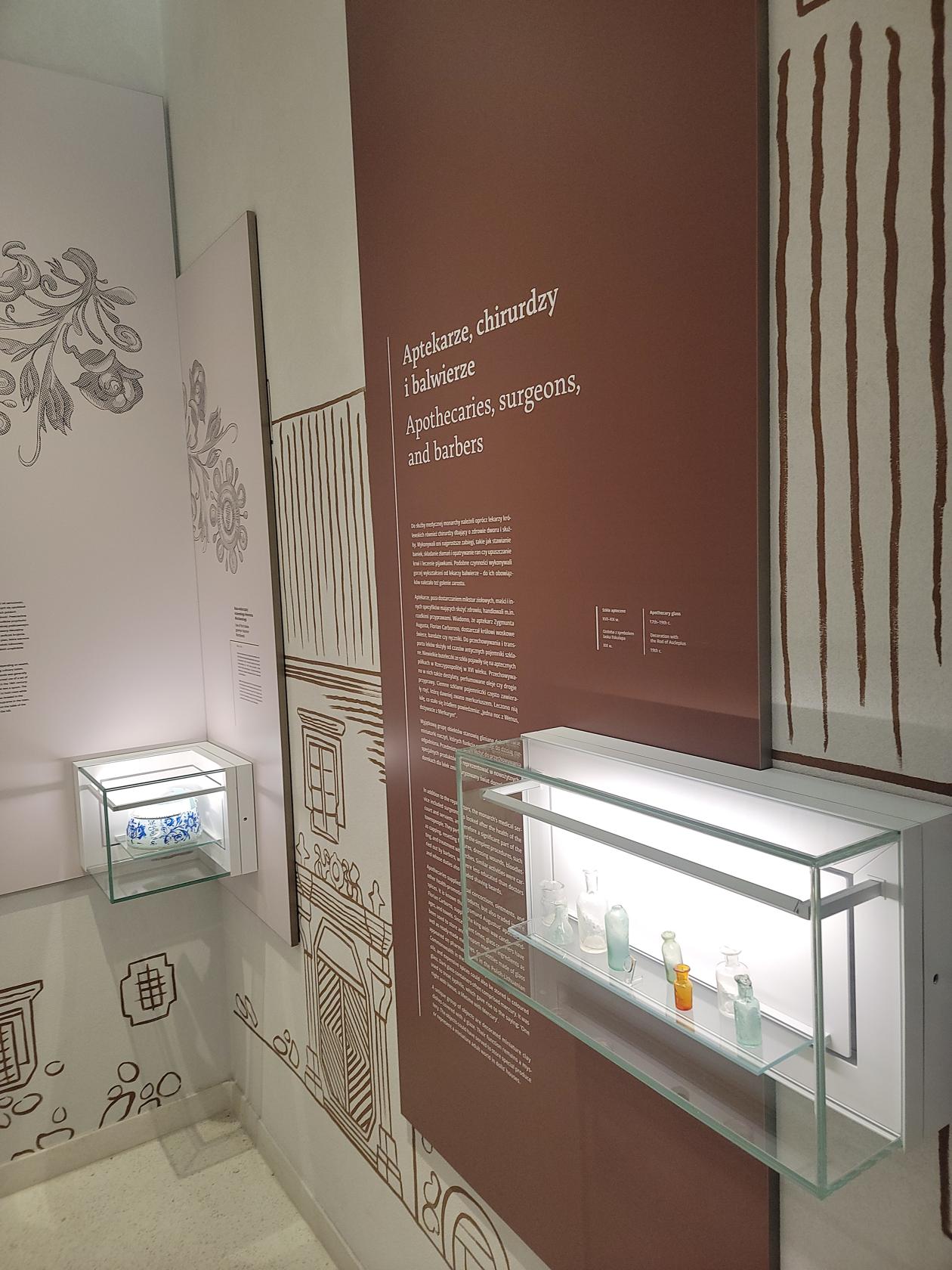
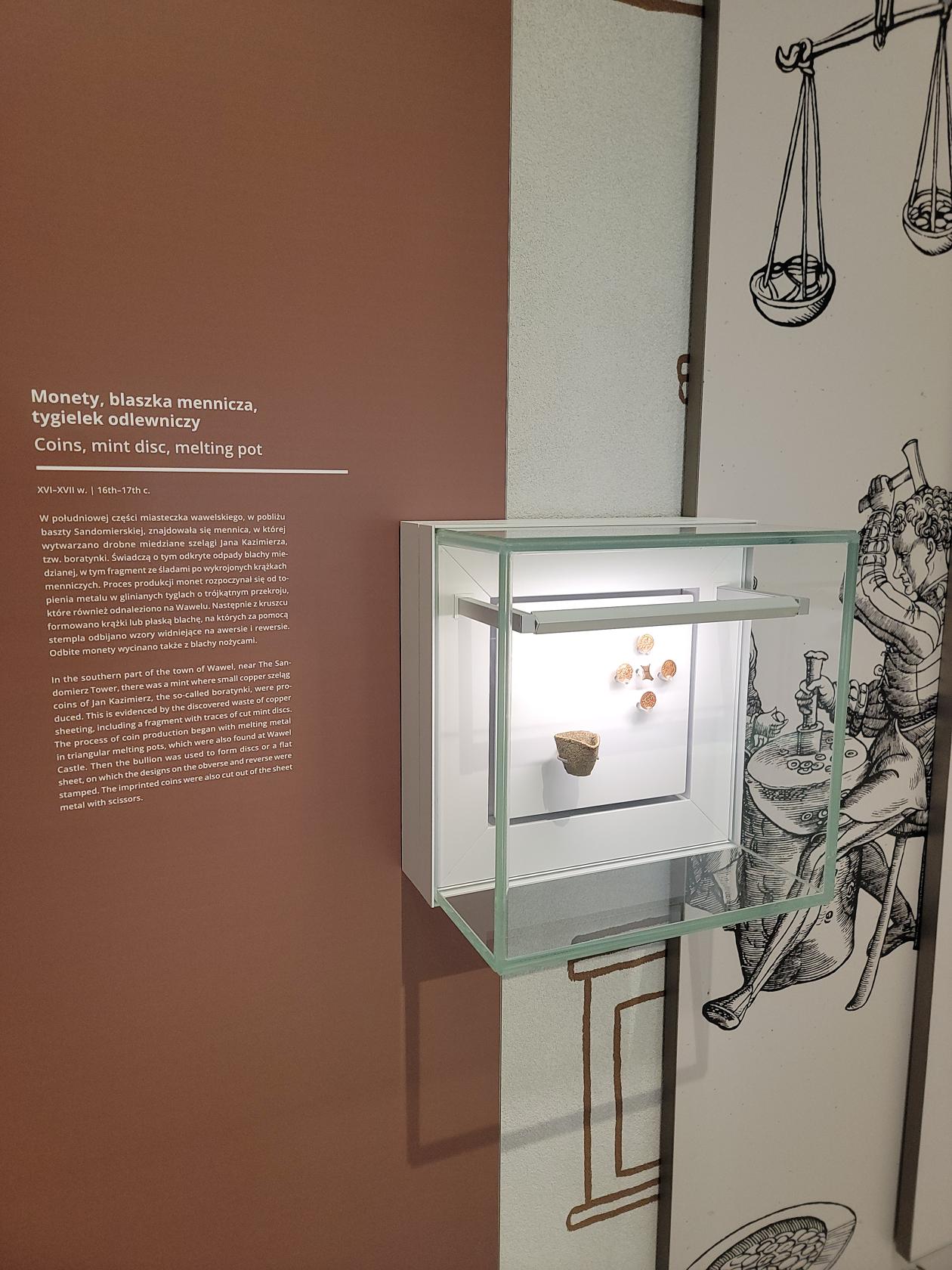
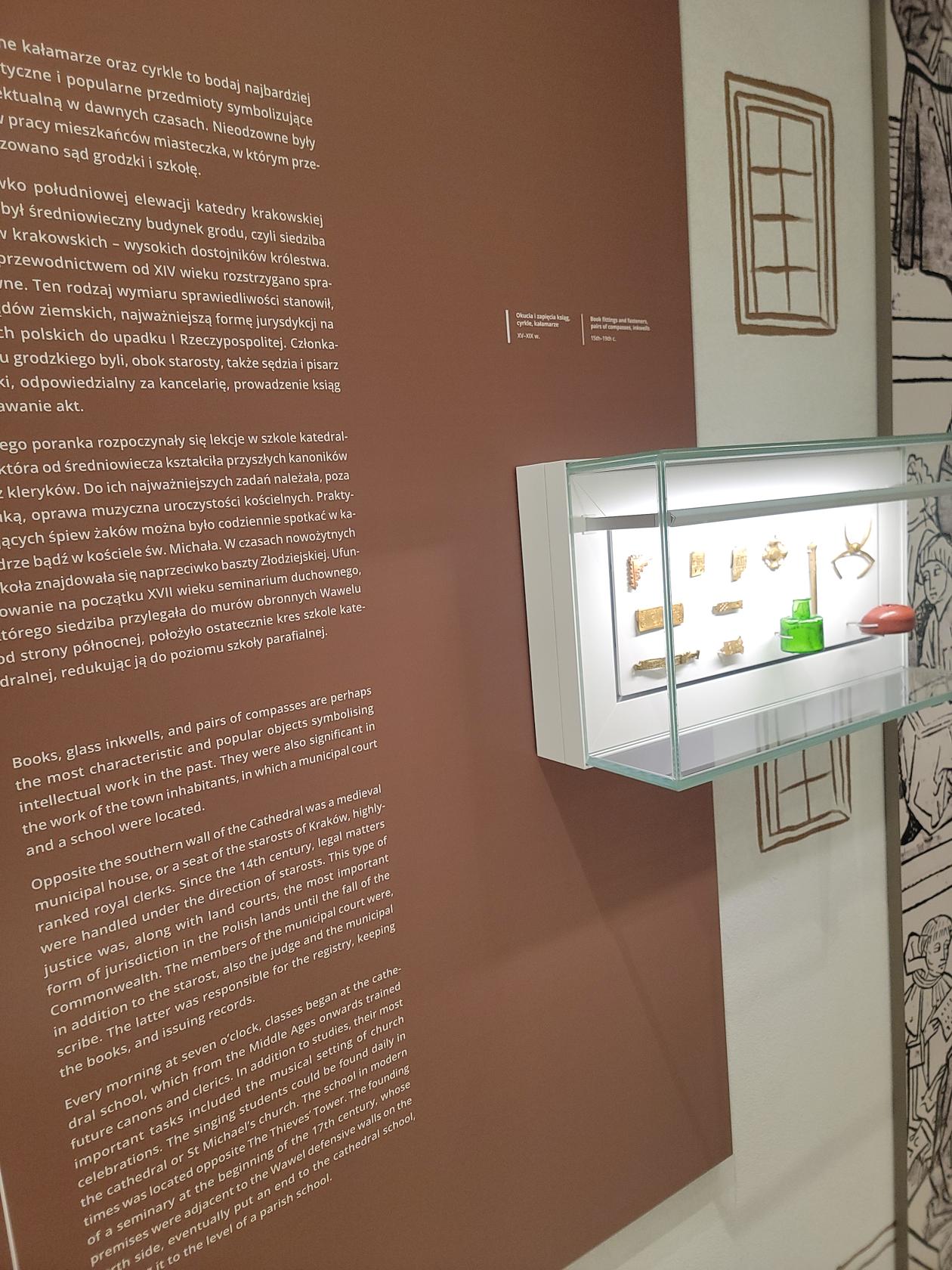
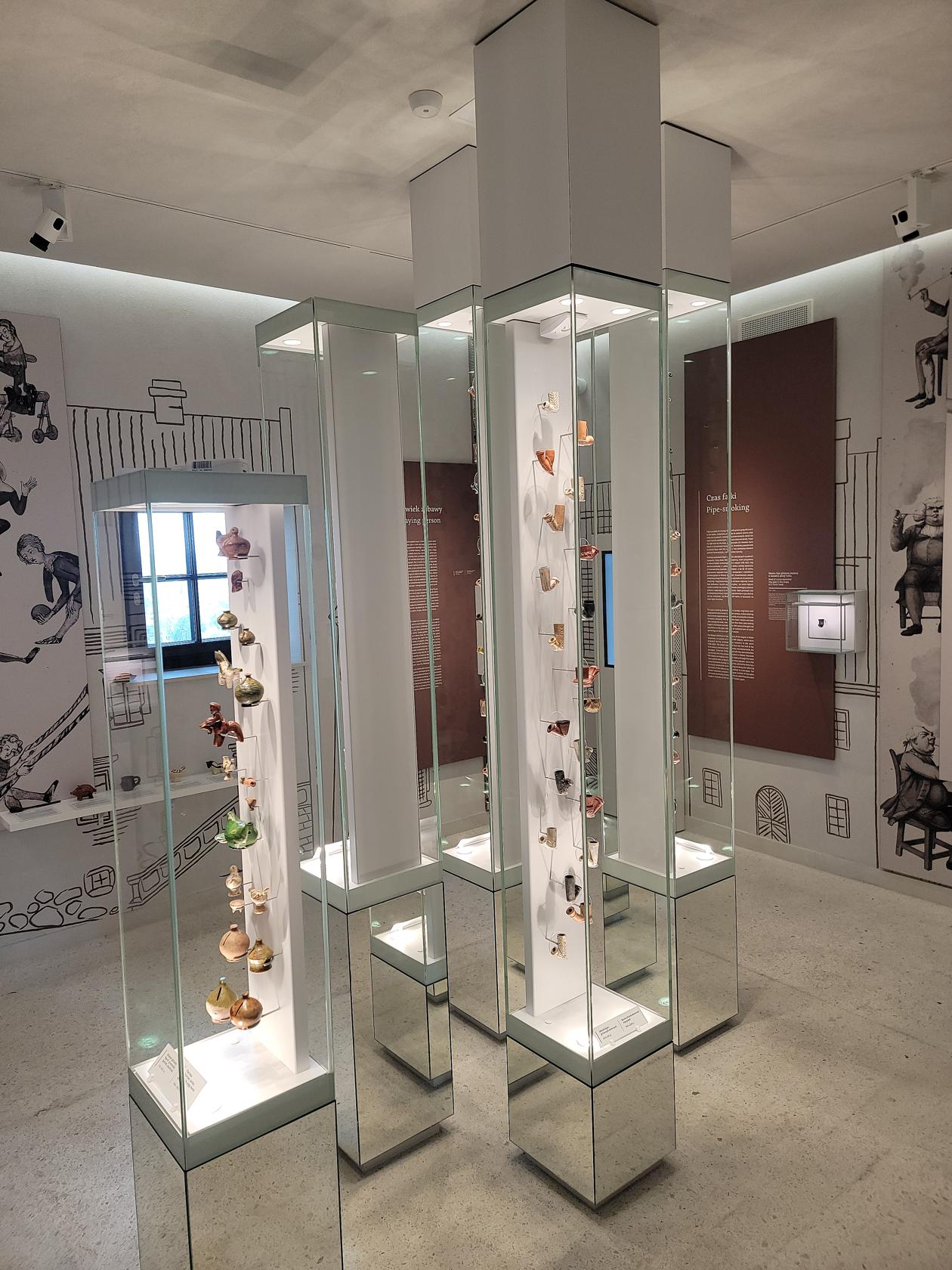
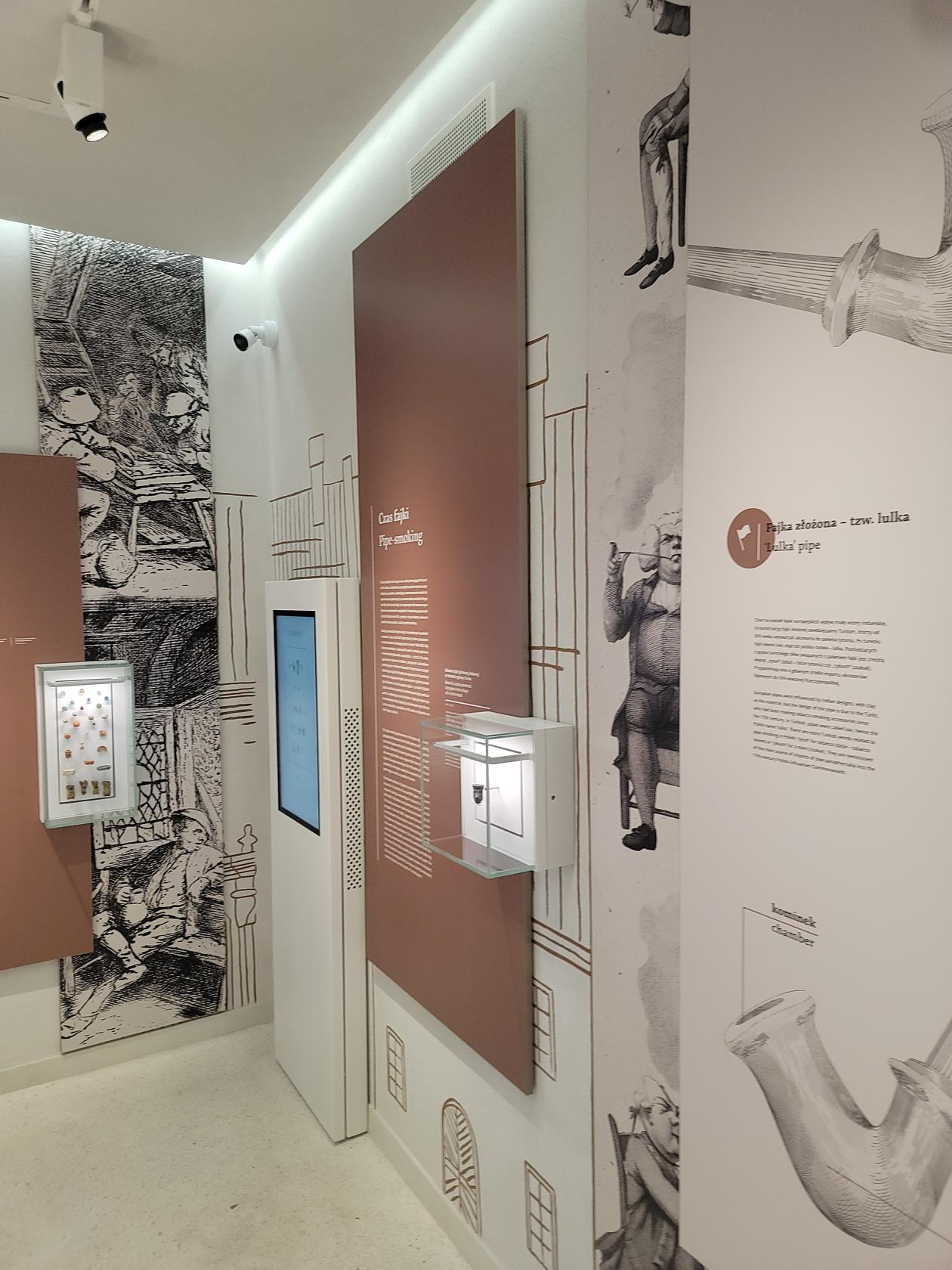
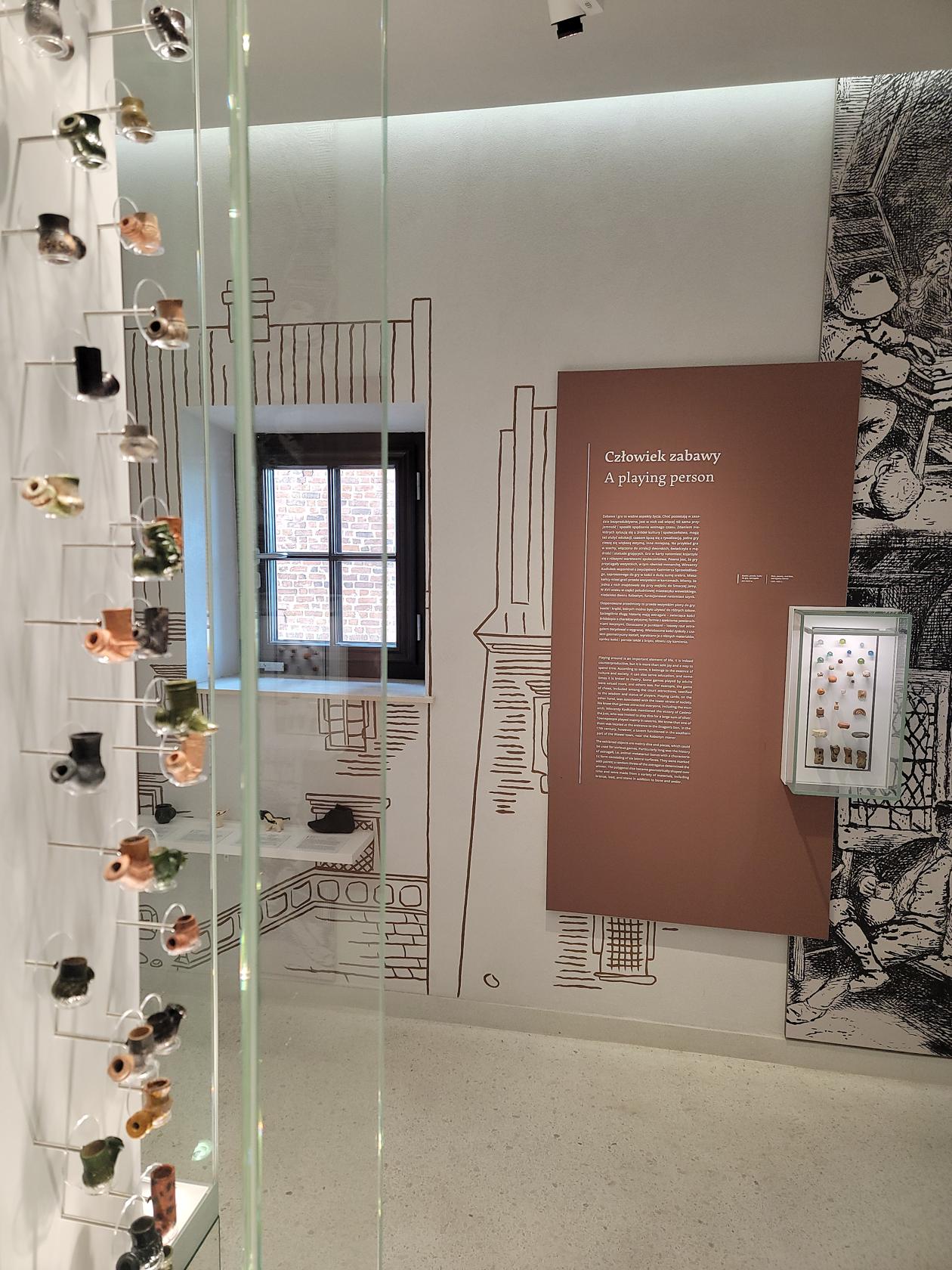
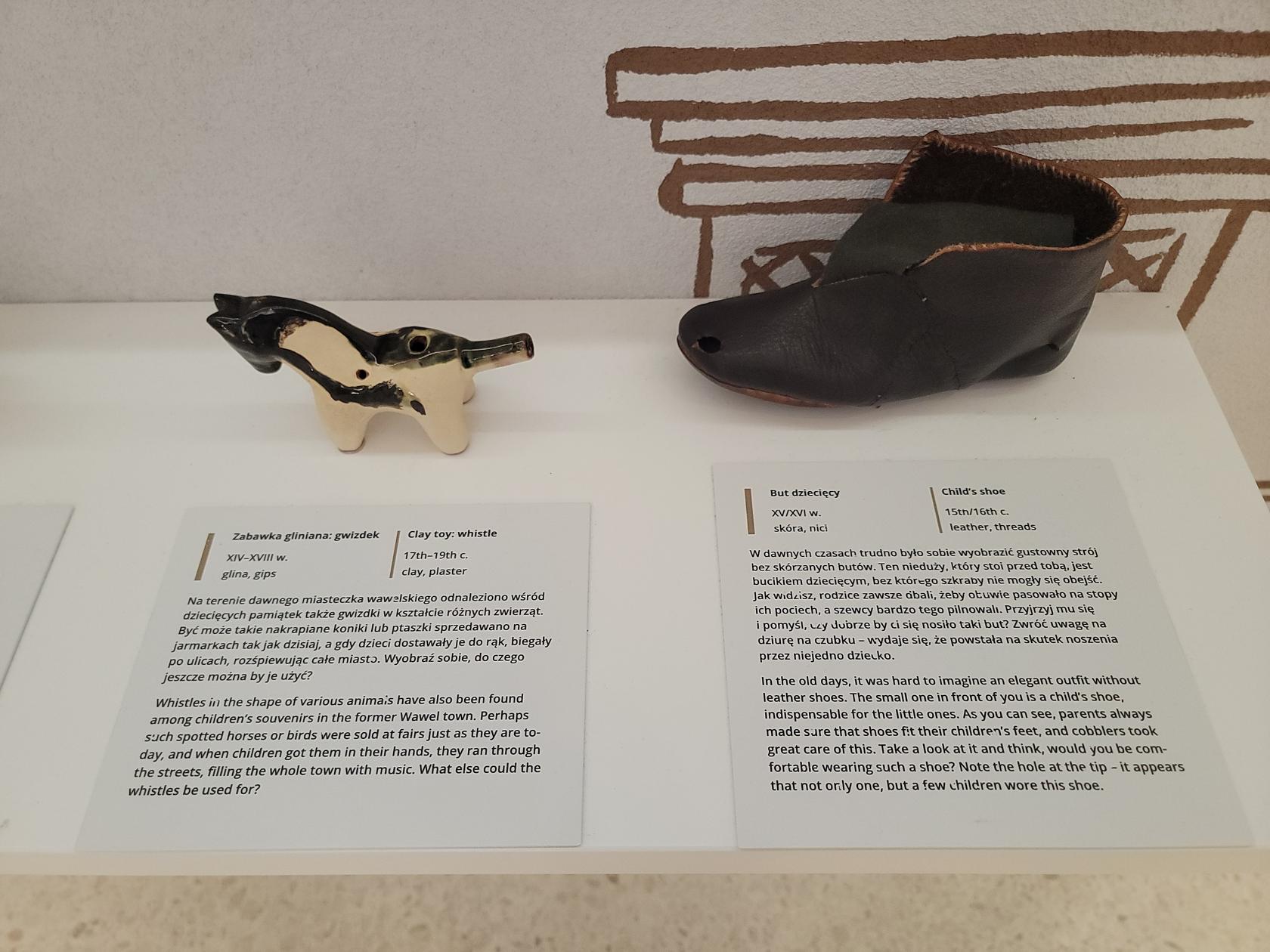
Here you can learn a little more of the types of wares that were made and traded in the area. From childrens clay toys to pipes, the bottom parts of the tower holds a museum full of old crafts.
Courtyard – Wawel Royal Castle – Kraków, Poland
Courtyard – Wawel Royal Castle – Kraków, Poland
Courtyard – Wawel Royal Castle – Kraków, Poland
Apothecary Display – Danish Tower Museum – Wawel Royal Castle – Kraków, Poland
Coins – Danish Tower Museum – Wawel Royal Castle – Kraków, Poland
Inkwells, compass – Danish Tower Museum – Wawel Royal Castle – Kraków, Poland
Small jars and pipes – Danish Tower Museum – Wawel Royal Castle – Kraków, Poland
Pipes – Danish Tower Museum – Wawel Royal Castle – Kraków, Poland
Pipes – Danish Tower Museum – Wawel Royal Castle – Kraków, Poland
Toys and Child Shoes – Danish Tower Museum – Wawel Royal Castle – Kraków, Poland
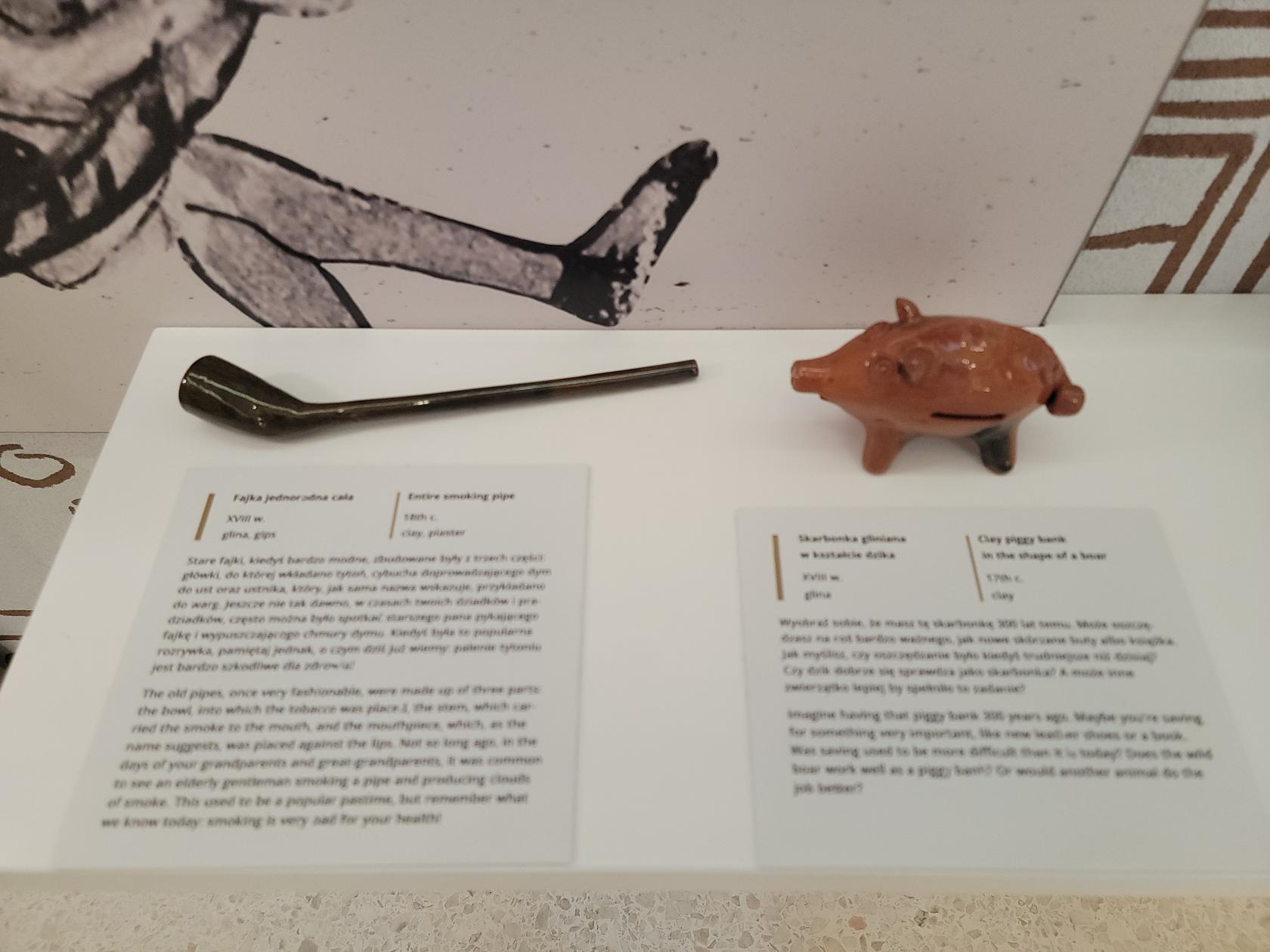
Pipe and Clay Piggy – Danish Tower Museum – Wawel Royal Castle – Kraków, Poland
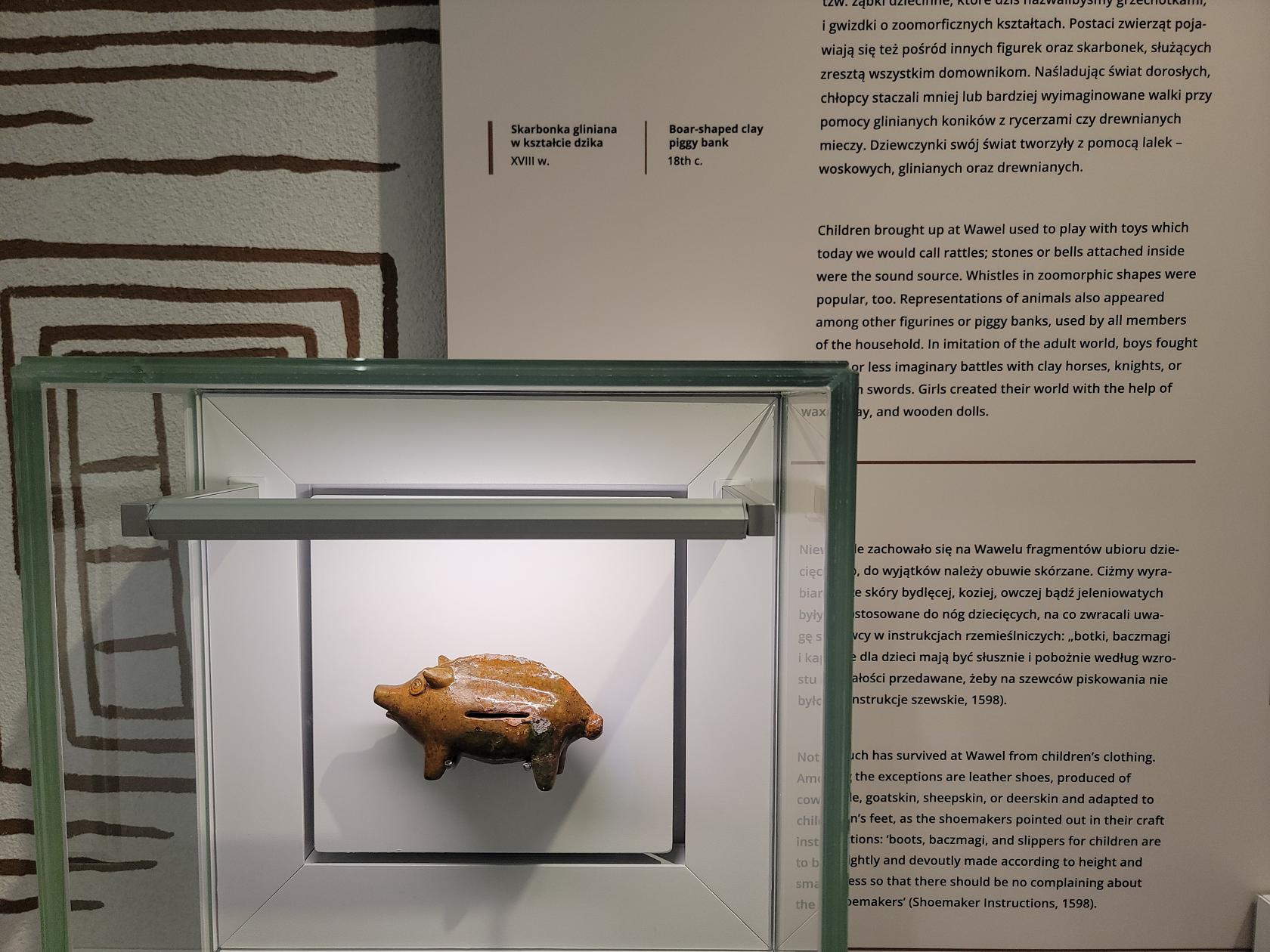
Clay Piggybank – Danish Tower Museum – Wawel Royal Castle – Kraków, Poland
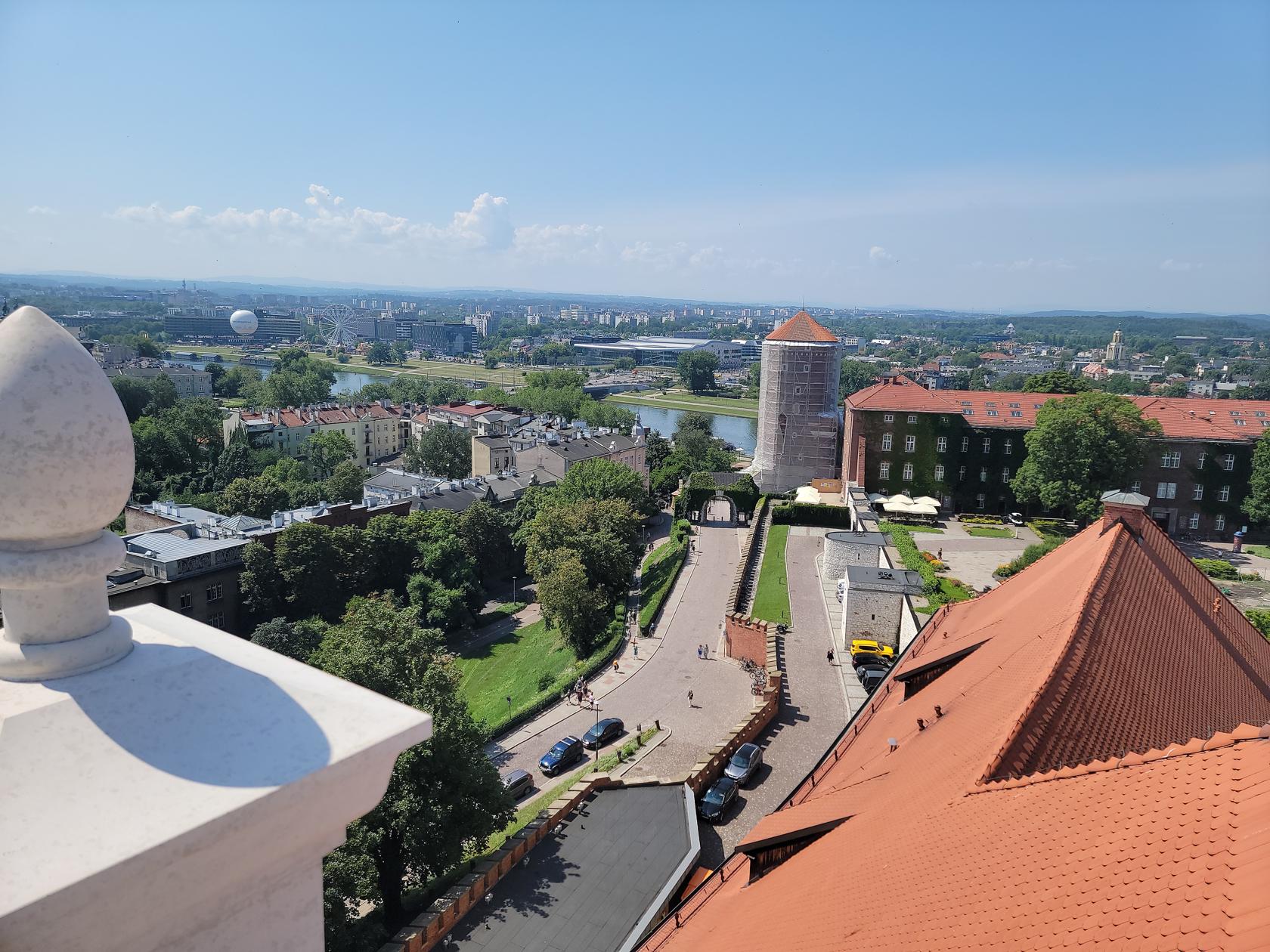
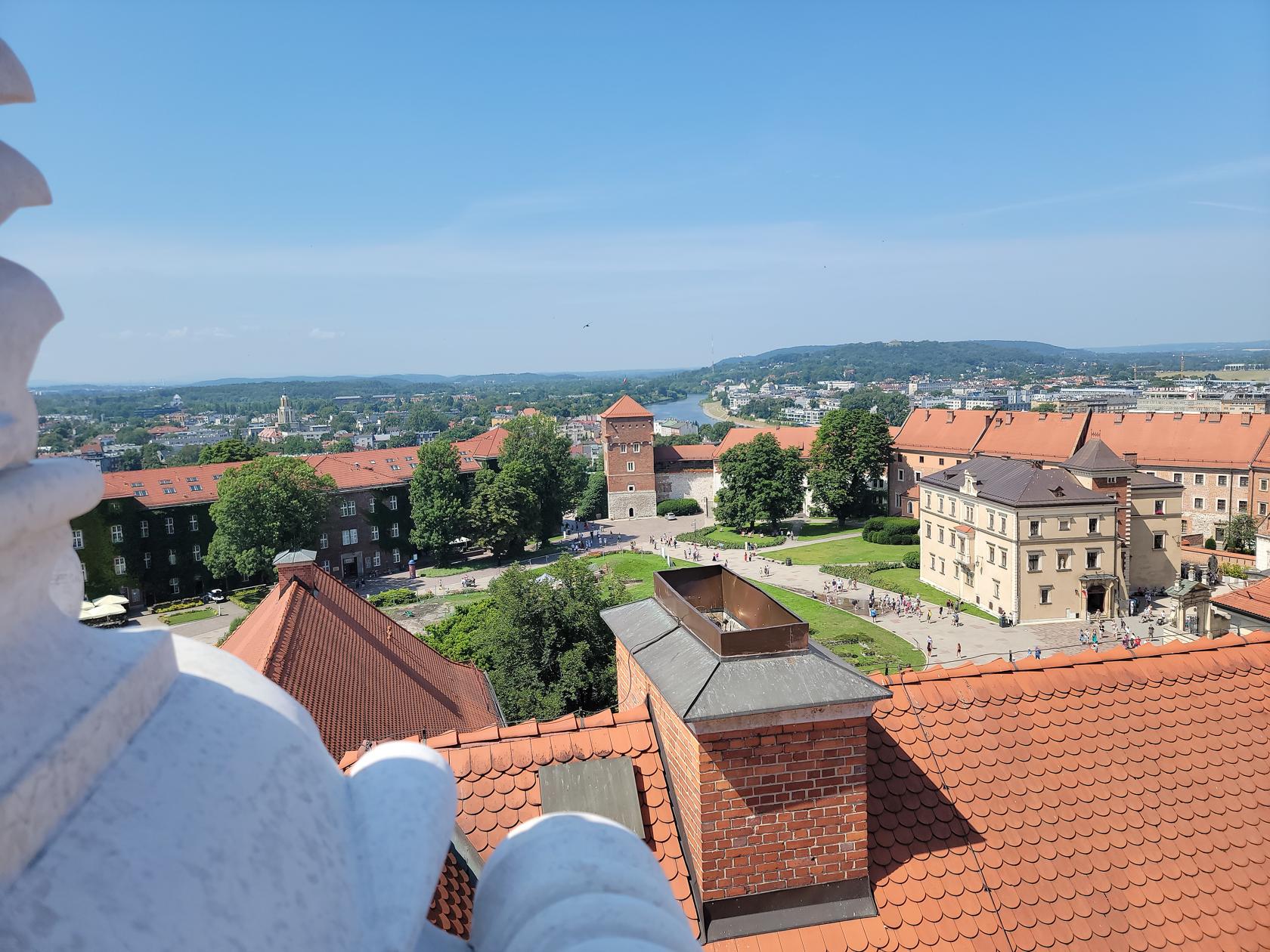
Then after you are done enjoying all the exhibits the tower offers a nice view of the Vistula, the rest of the castle and surrounding area.
City Overview – Danish Tower Museum – Wawel Royal Castle – Kraków, Poland
Old Tower – Danish Tower Museum – Wawel Royal Castle – Kraków, Poland
Roof – Danish Tower Museum – Wawel Royal Castle – Kraków, Poland
Courtyard – Danish Tower Museum – Wawel Royal Castle – Kraków, Poland
Tower – Danish Tower Museum – Wawel Royal Castle – Kraków, Poland
Towers part of the castle – Danish Tower Museum – Wawel Royal Castle – Kraków, Poland
Dragon’s Den
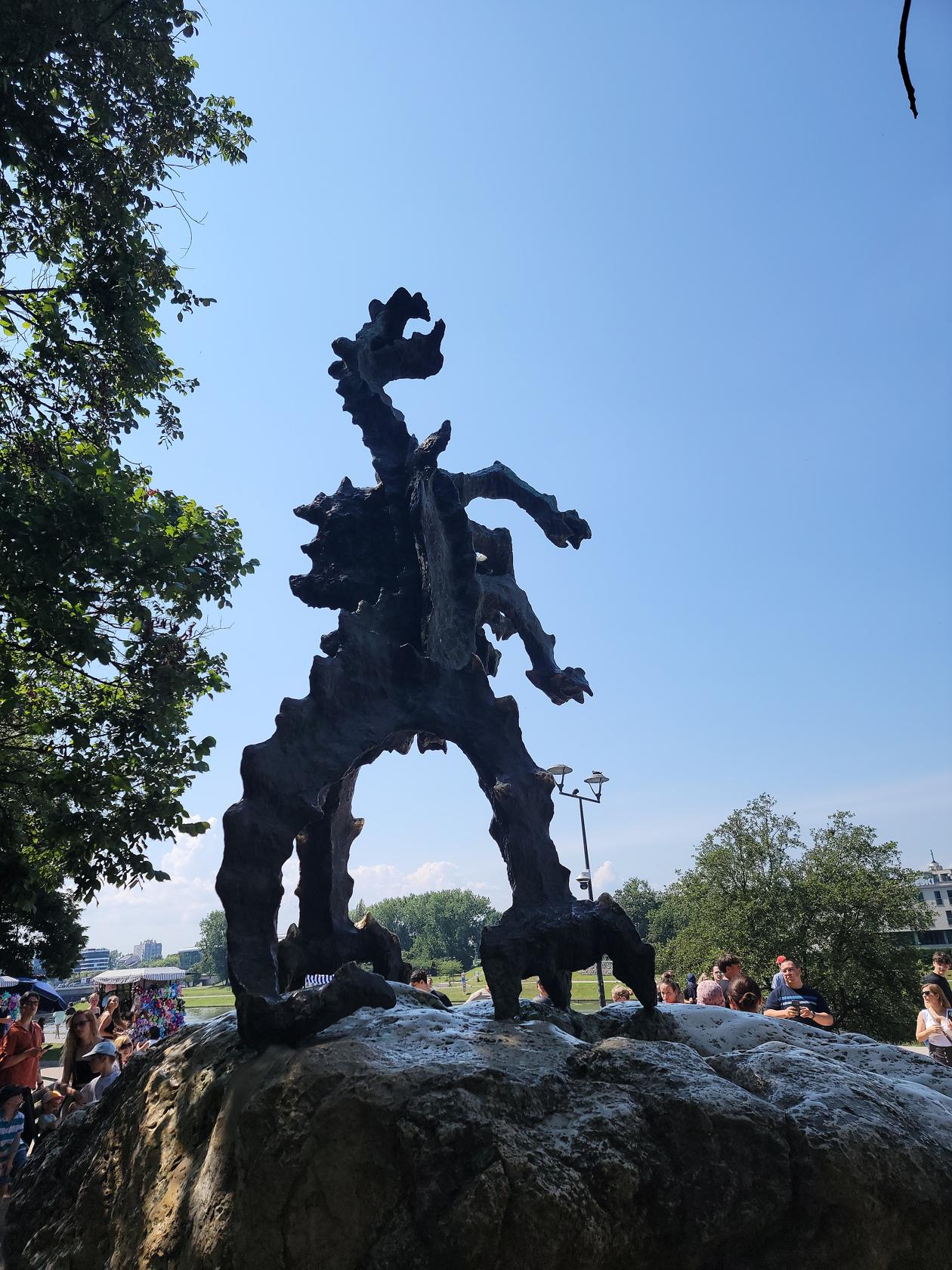
Smok Wawelski Statue – Dragon’s Den – Wawel Royal Castle – Kraków, Poland
A must stop for kids and others interested in the myth and legend of the dragon of Wawel Castle, the Dragon’s Den cave offers a cooling respite along with some fun.
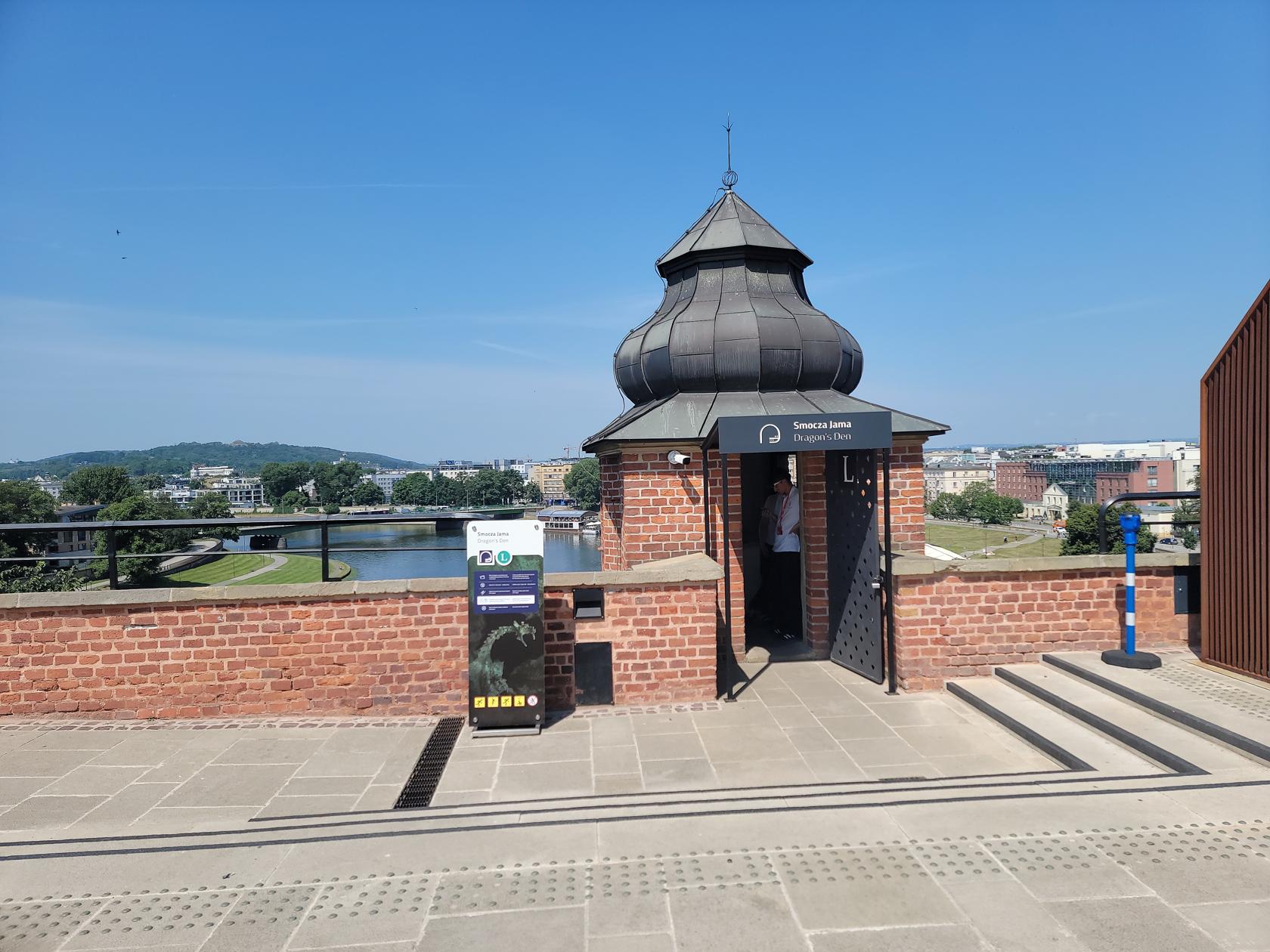
Entrance – Dragon’s Den – Wawel Royal Castle – Kraków, Poland
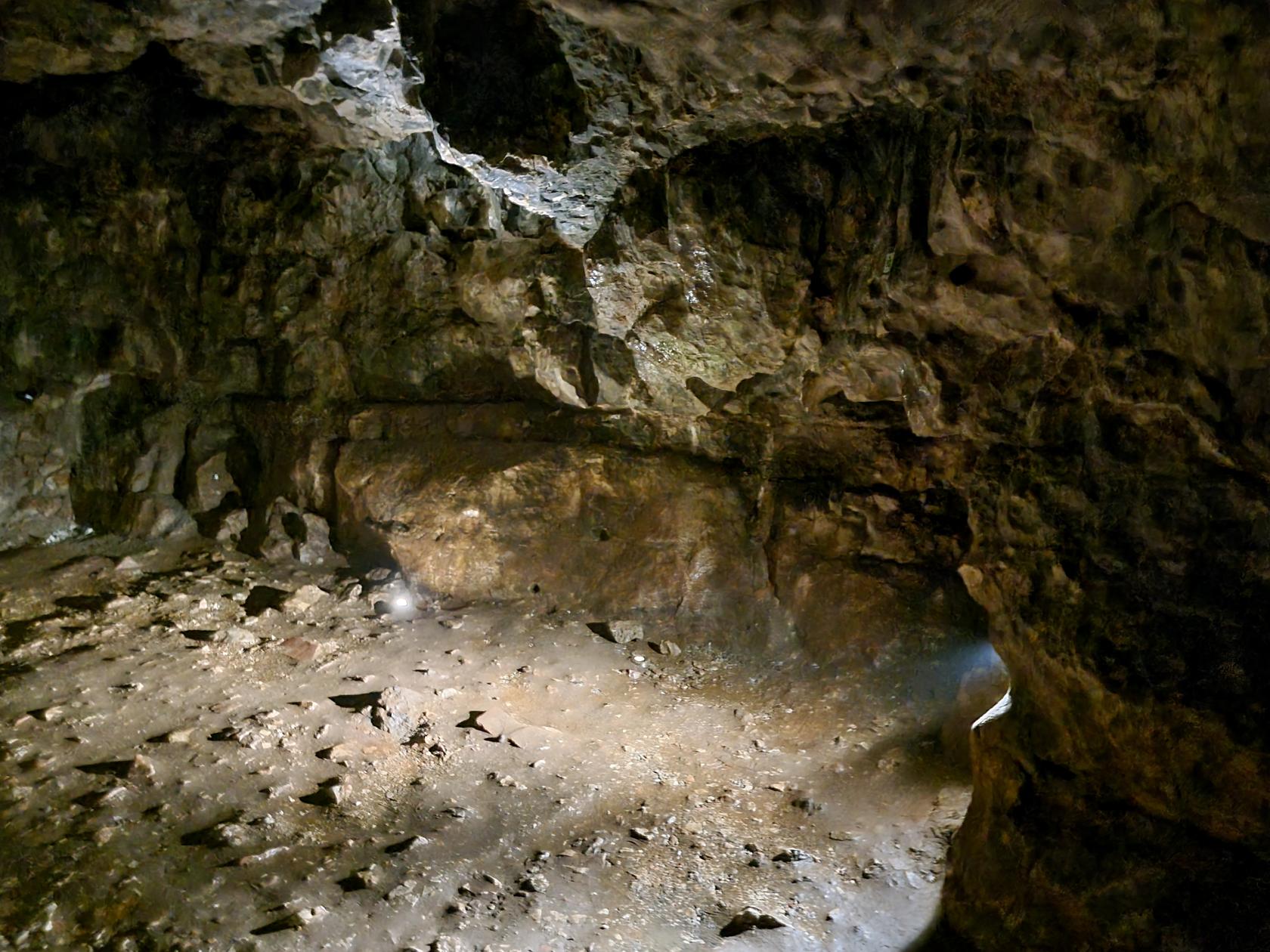
Cave – Dragon’s Den – Wawel Royal Castle – Kraków, Poland
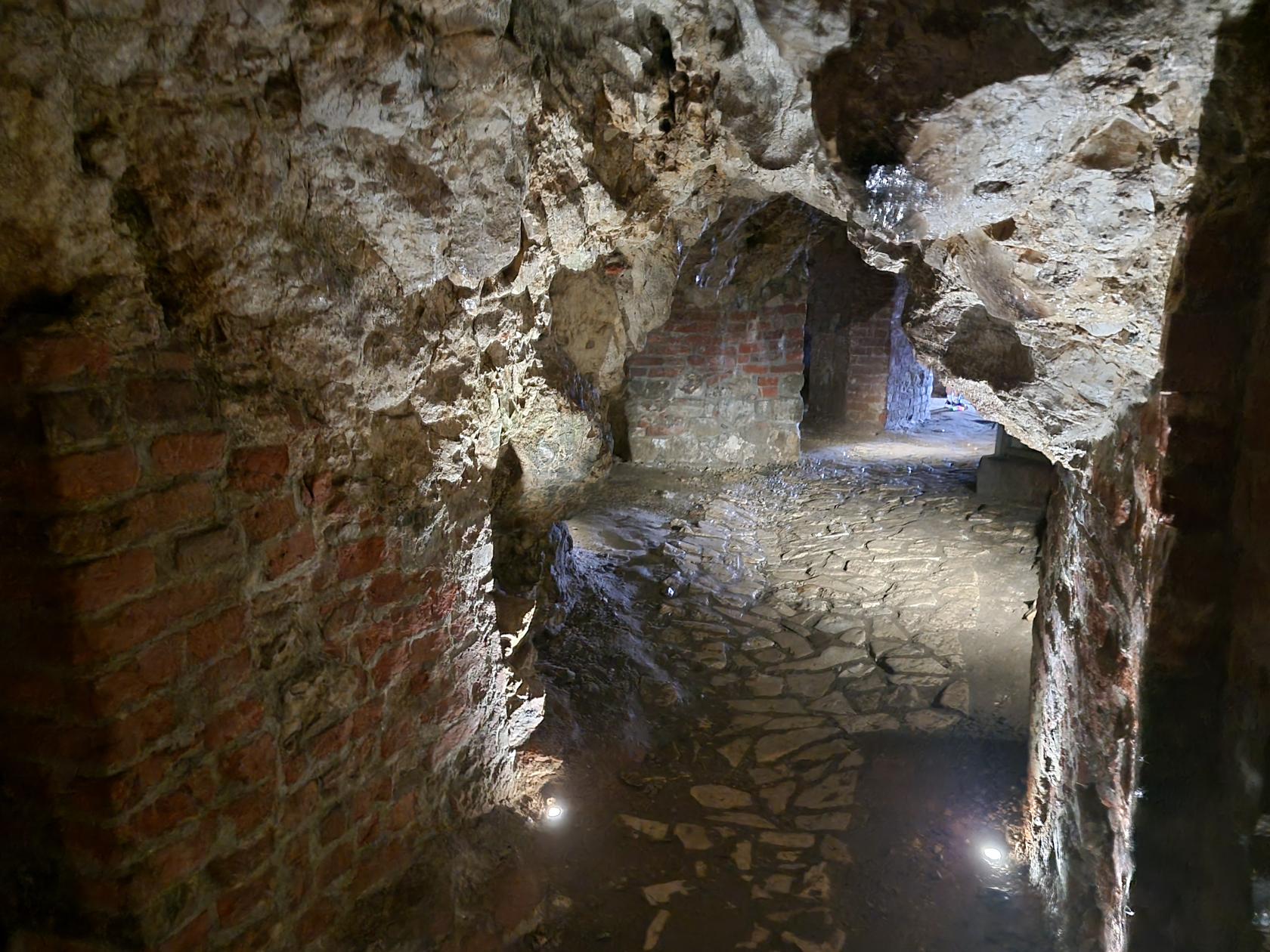
Exit – Dragon’s Den – Wawel Royal Castle – Kraków, Poland
Patti – Dragon’s Den – Wawel Royal Castle – Kraków, Poland
There is even a media representation of Smok Wawelski lurking within the cave, which should motivate most young visitors to leave.
Town Hall Tower
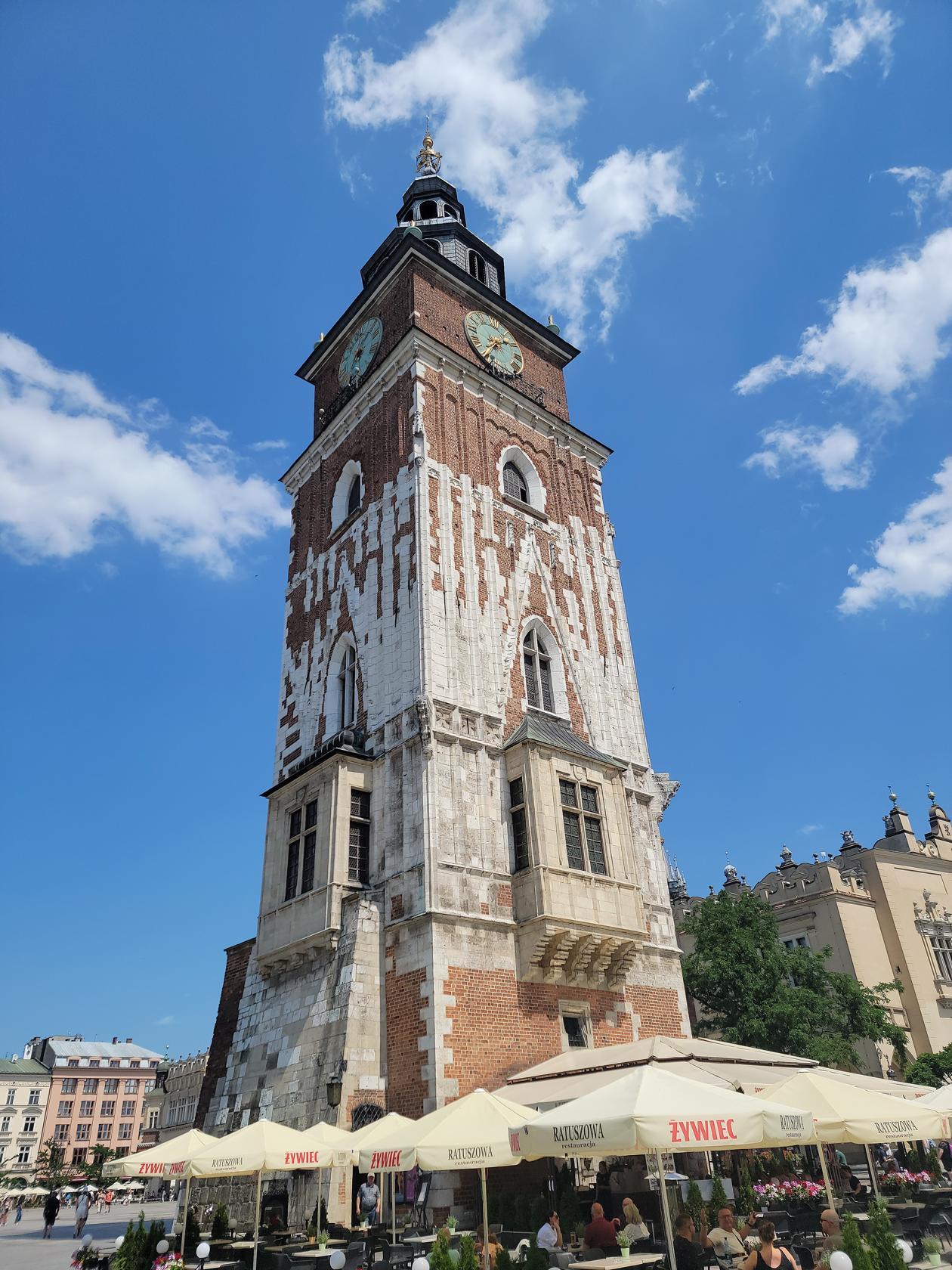
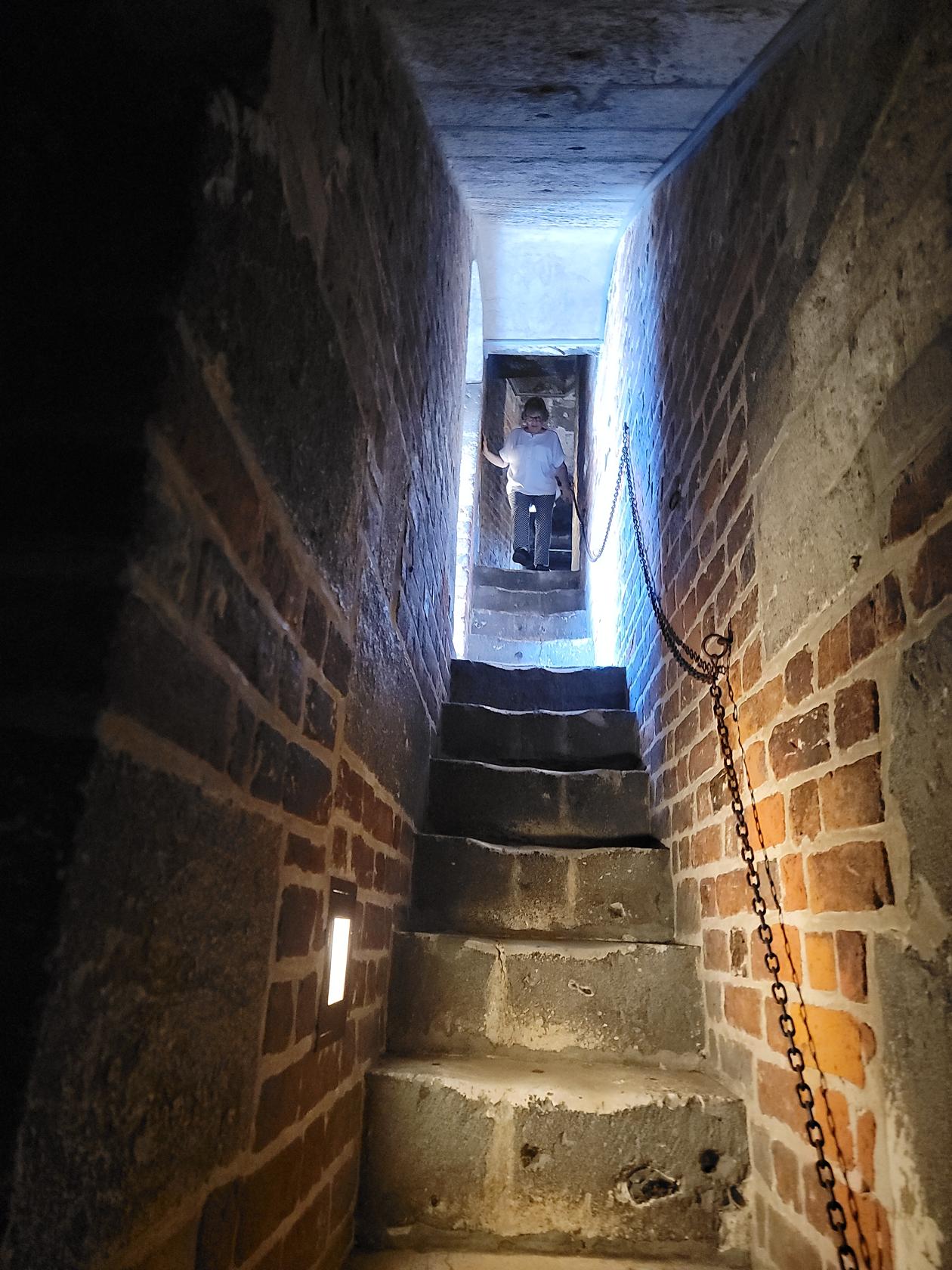
The Town Hall Tower off on one corner of the great plaza in town is also open to scale for a price. There are two or three floors seperated by very narrow stairs that must be negotiated with people going in both directions.
Town Hall Tower – Kraków, Poland
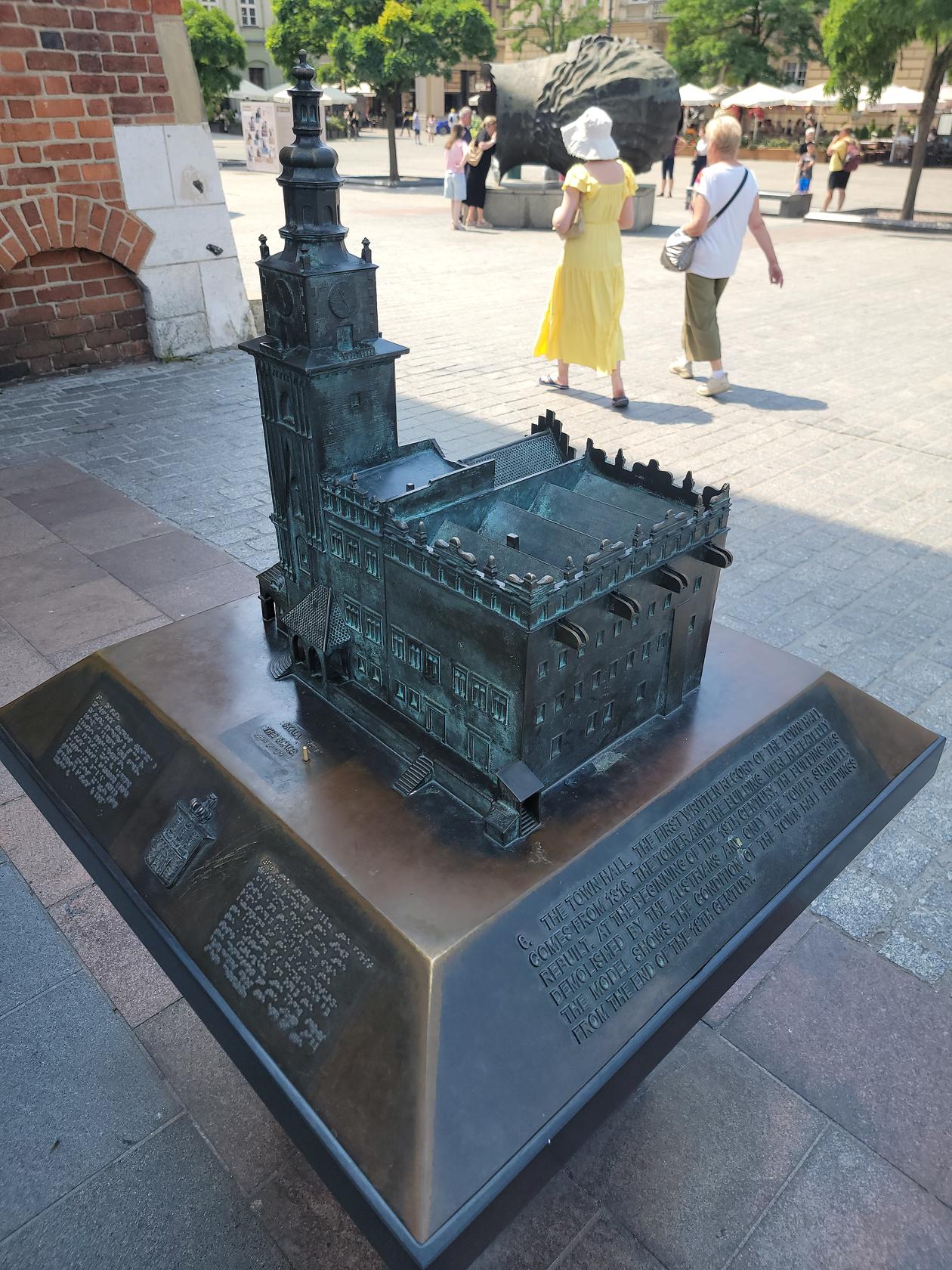
Town Hall and Tower Bronze – Town Hall Tower – Kraków, Poland
First Level – Town Hall Tower – Kraków, Poland
Entrance and Stairs – Town Hall Tower – Kraków, Poland
Stairs – Town Hall Tower – Kraków, Poland
First Level – Town Hall Tower – Kraków, Poland
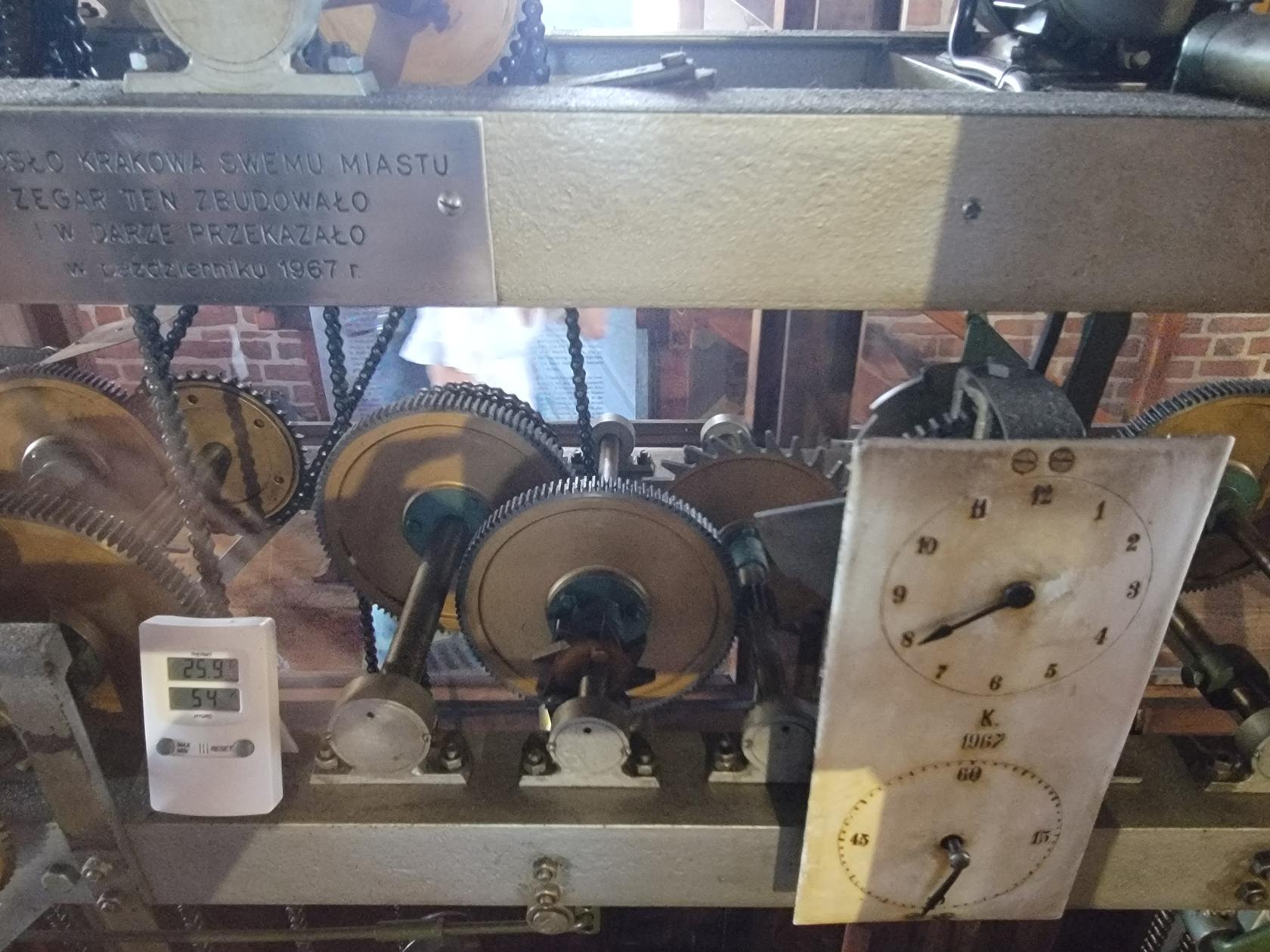
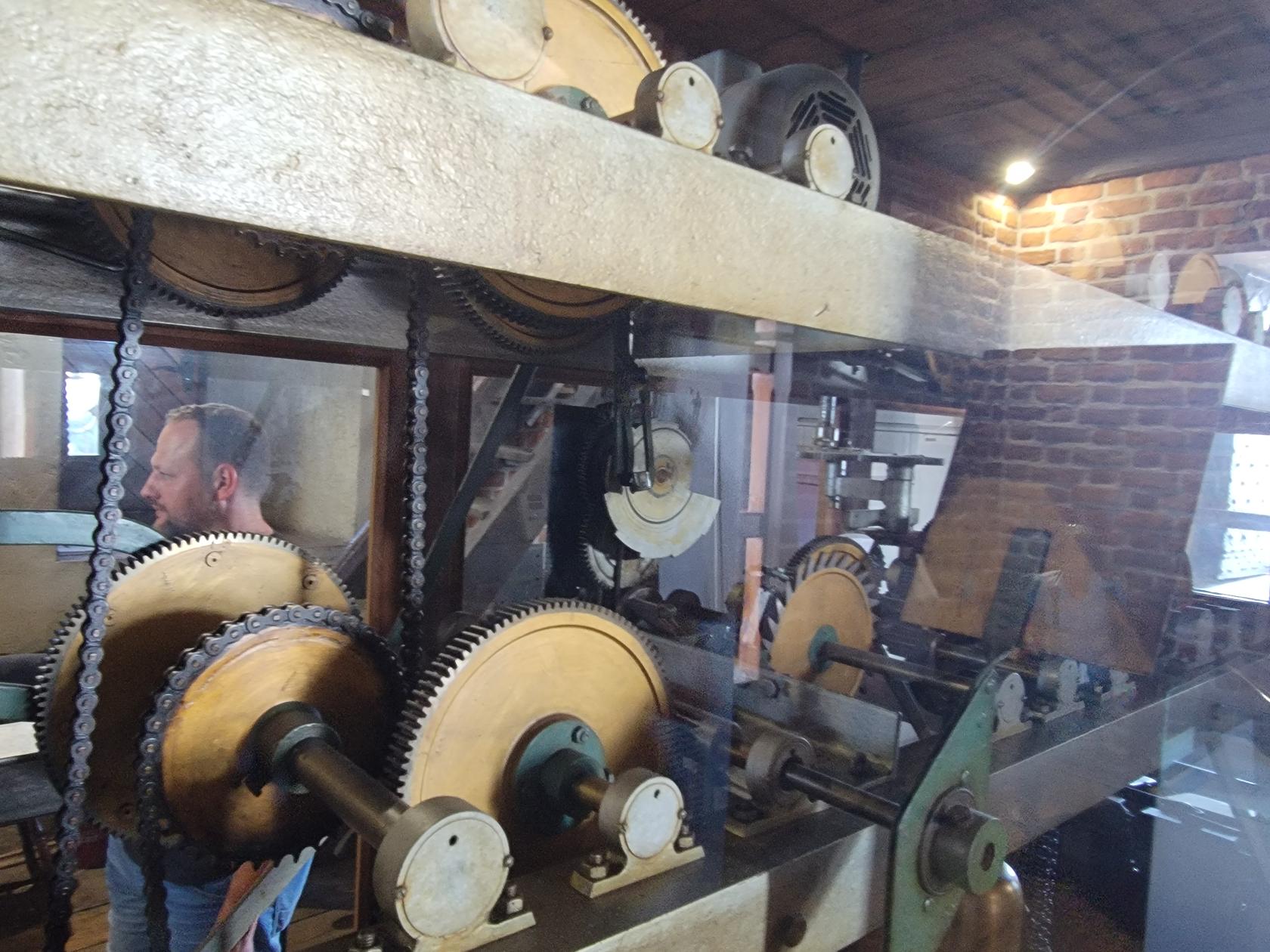
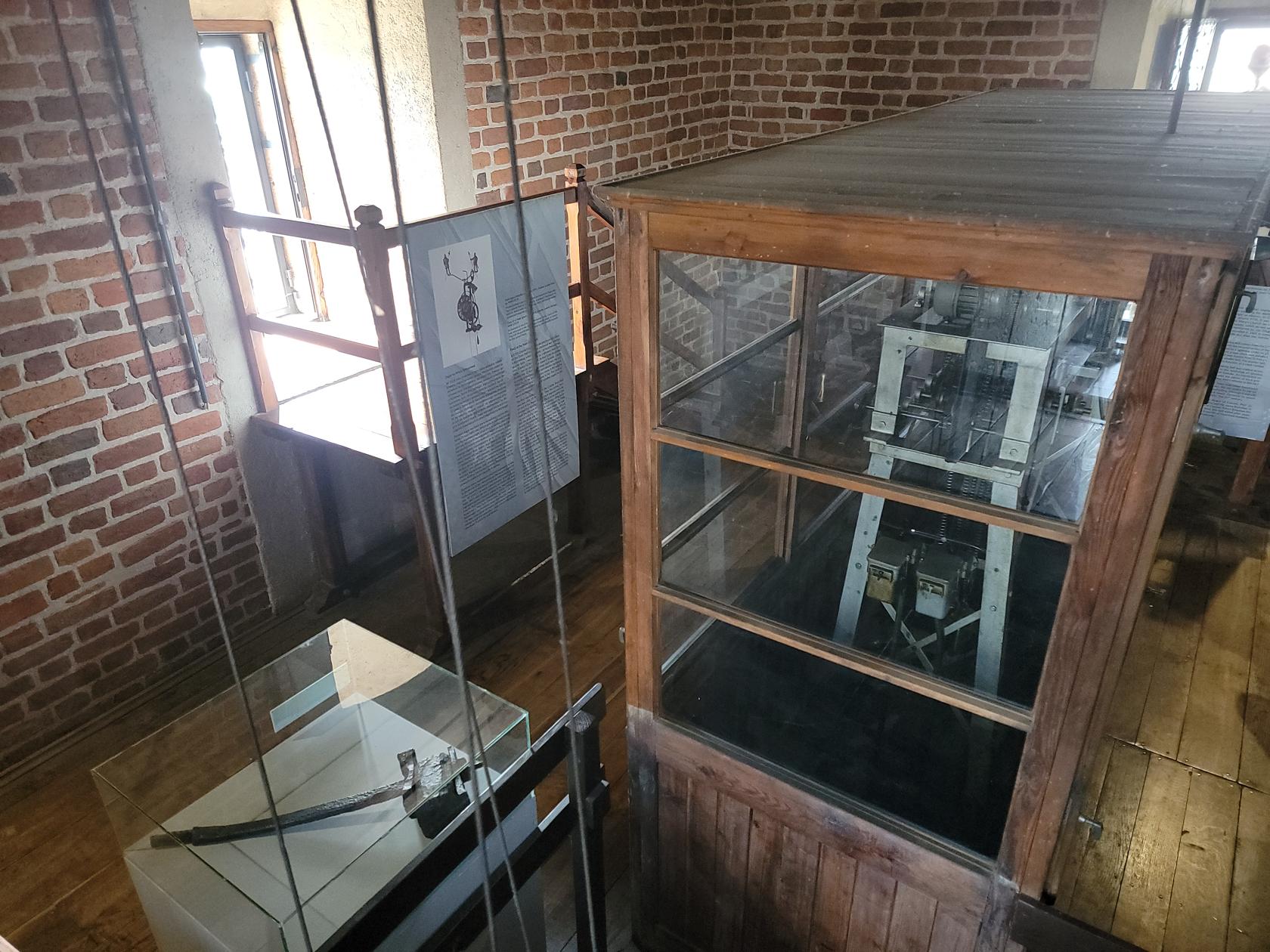
However, aside from the few exhibits that are contained on each floor, the top is not open and you must take photographs through plexi-glass. I found the most interesting thing there to be the clock mechanism.
Second Level – Town Hall Tower – Kraków, Poland
Second Level – Town Hall Tower – Kraków, Poland
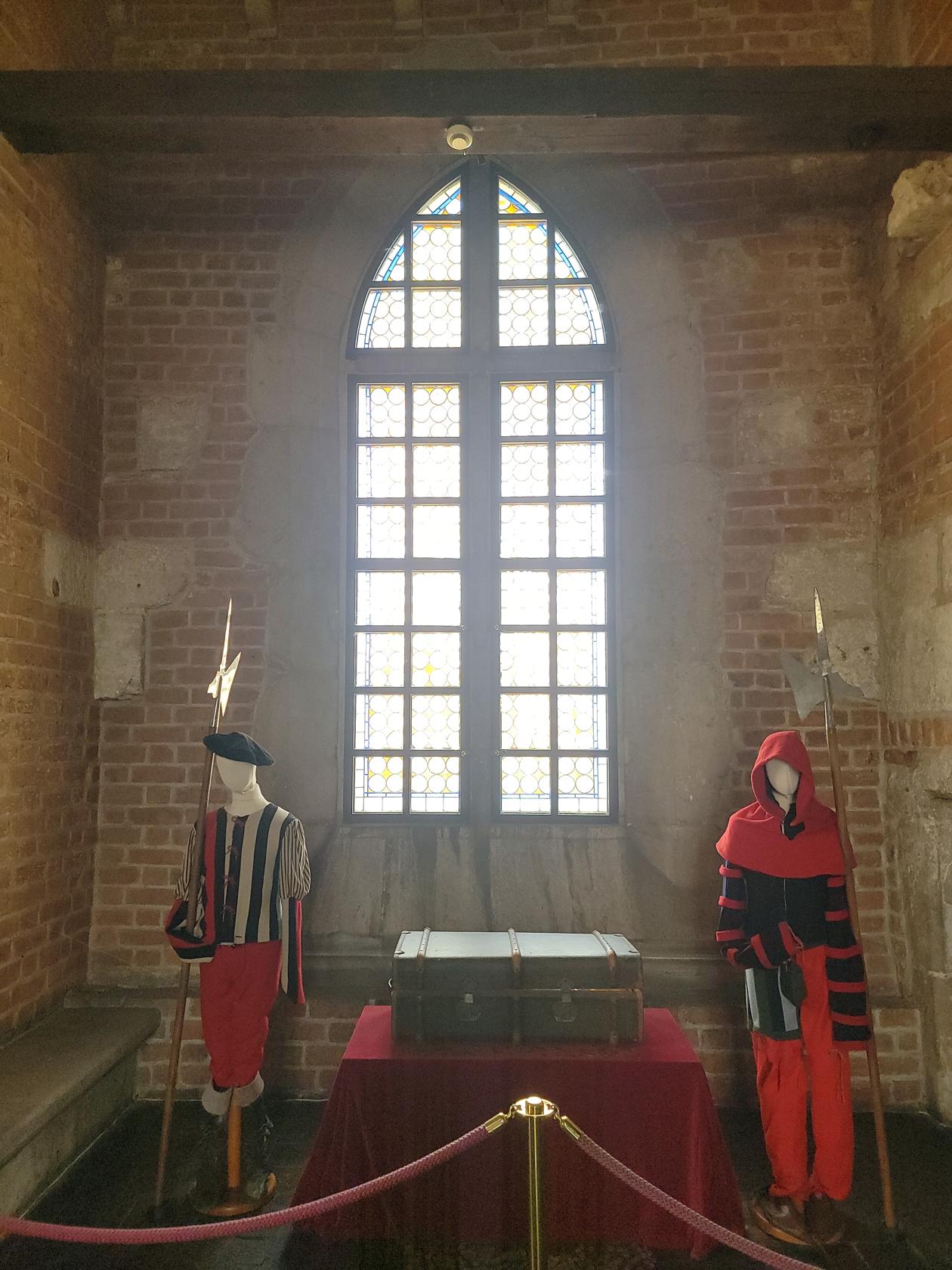
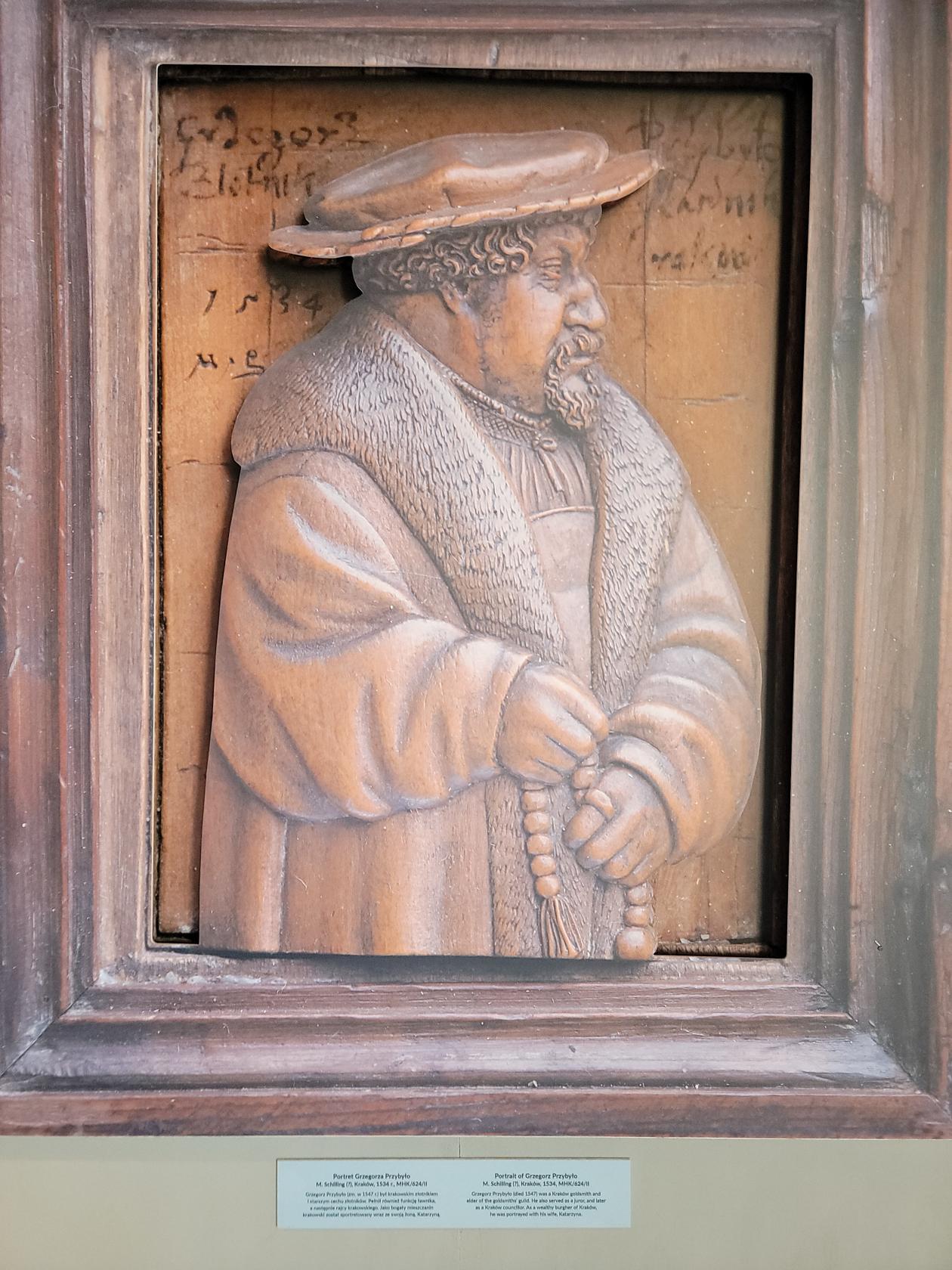
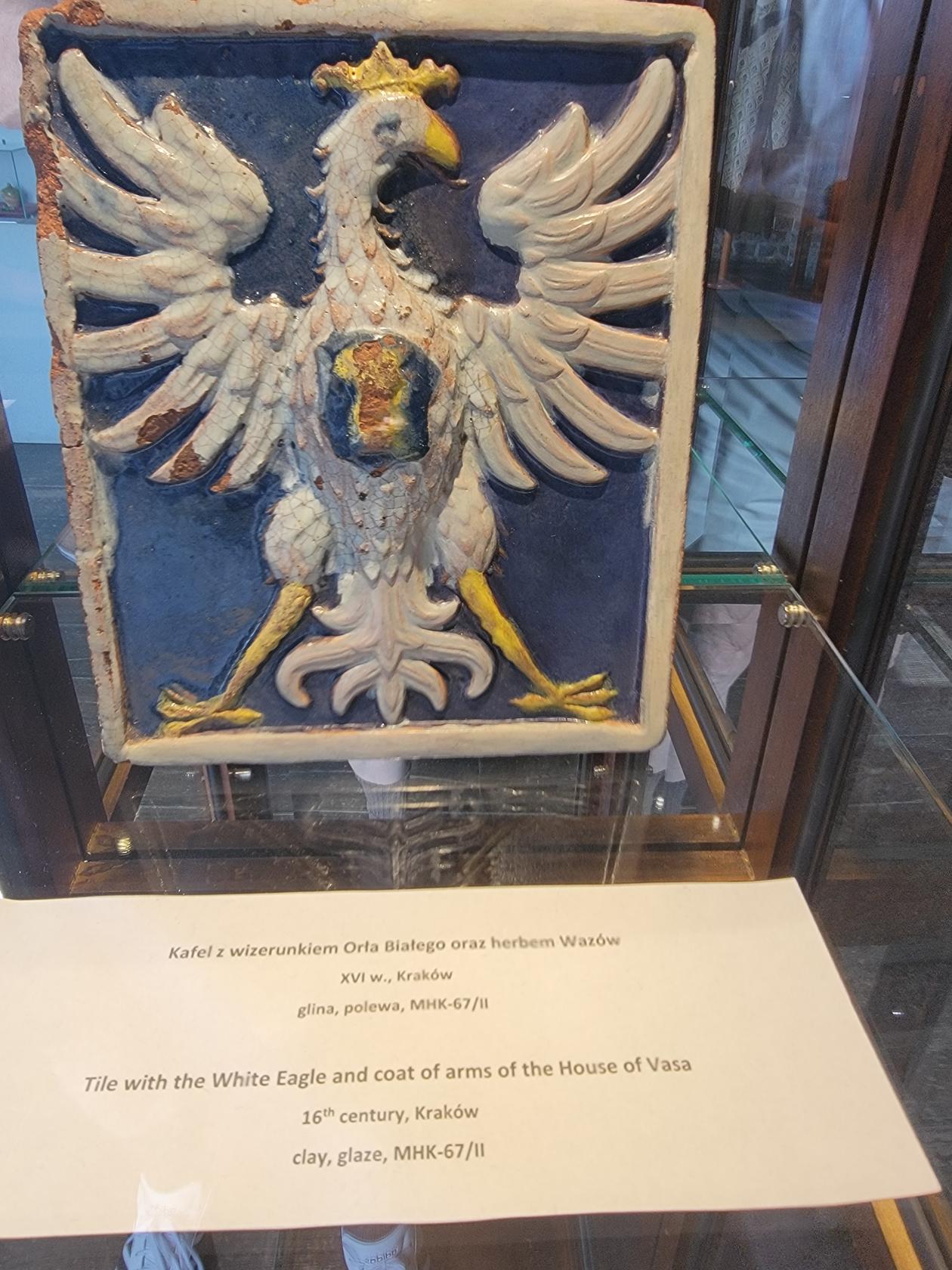
House of Vasa – Second Level – Town Hall Tower – Kraków, Poland
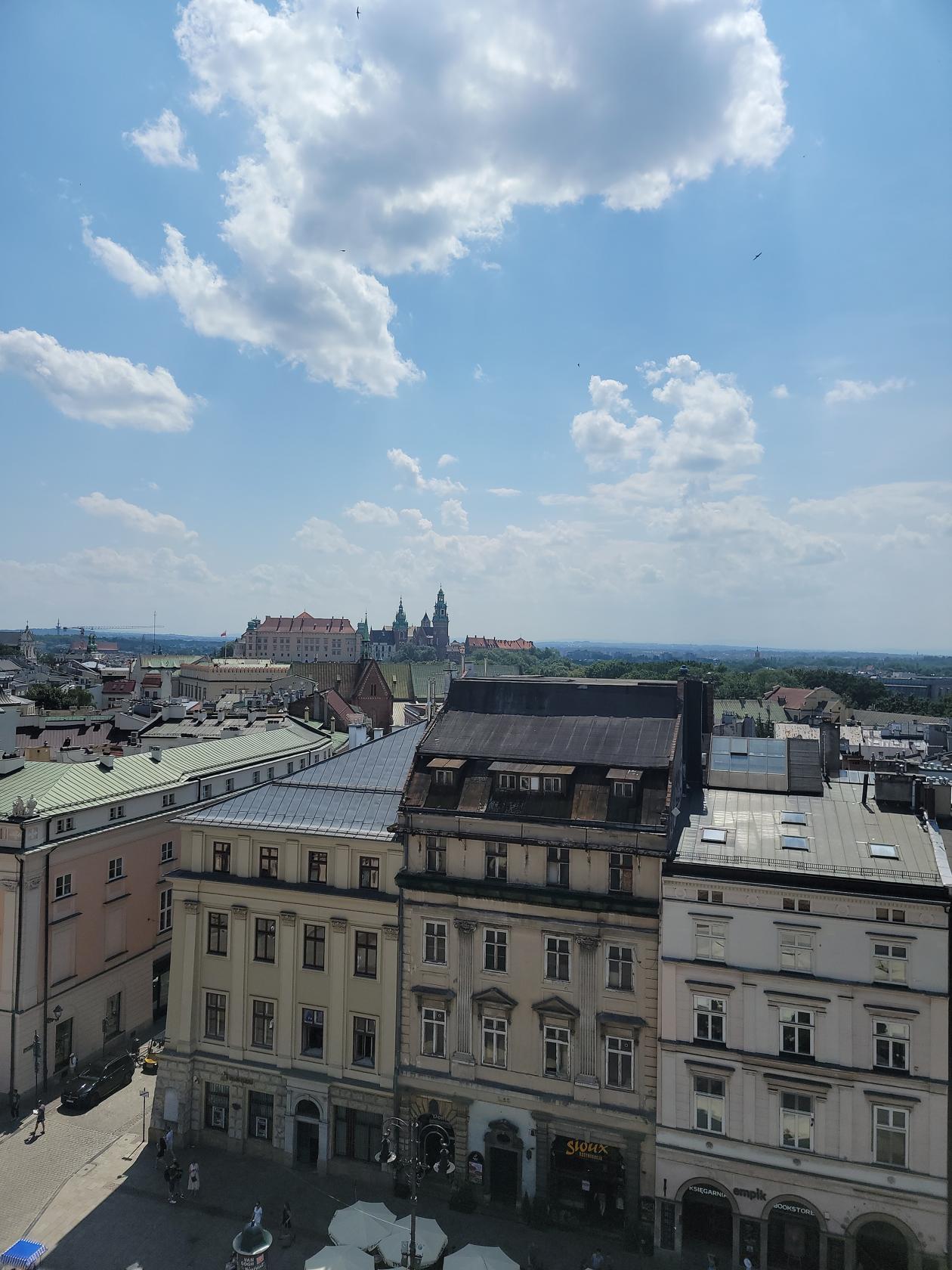
Wawel Castle – Top Level – Town Hall Tower – Kraków, Poland
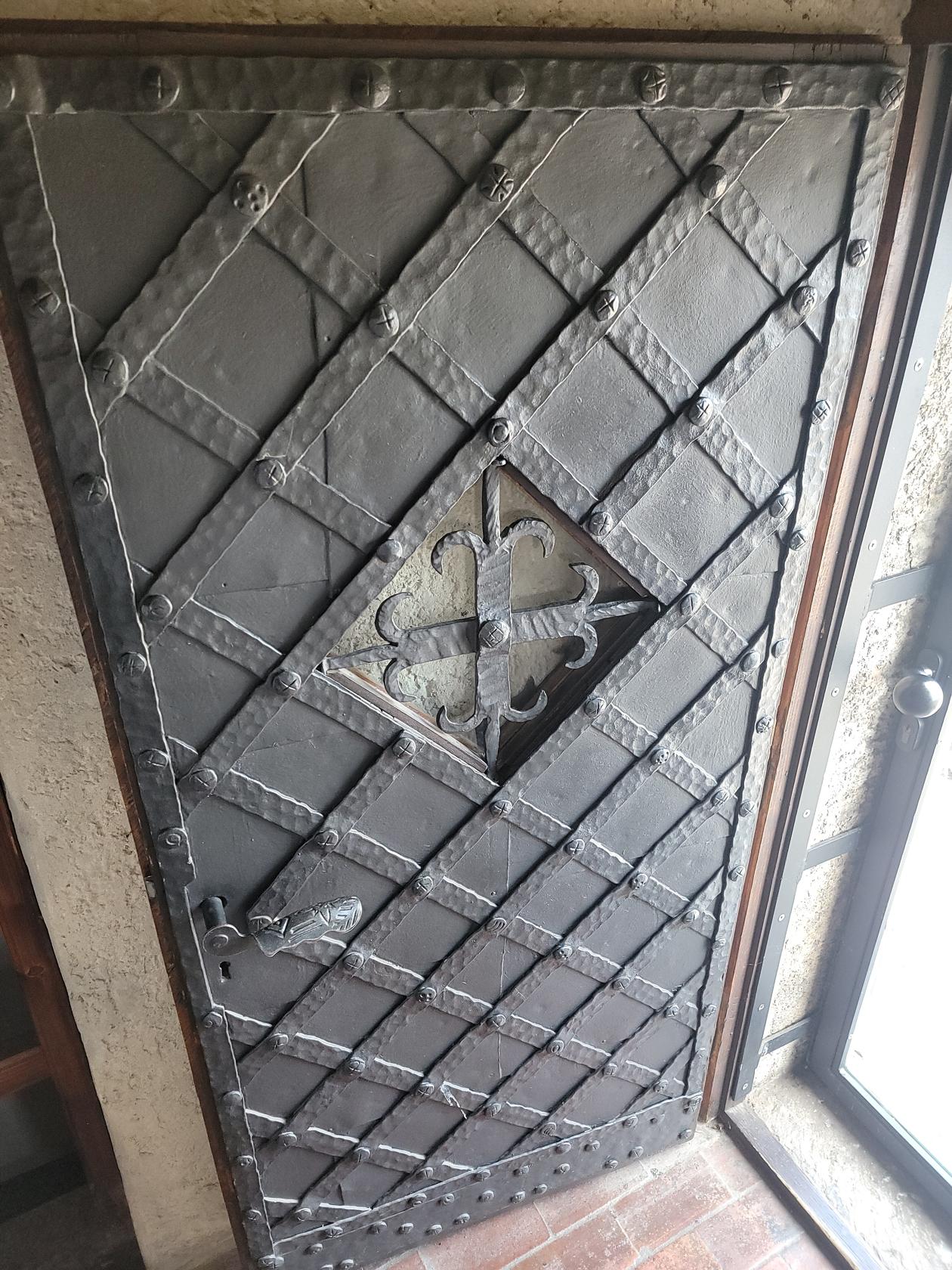
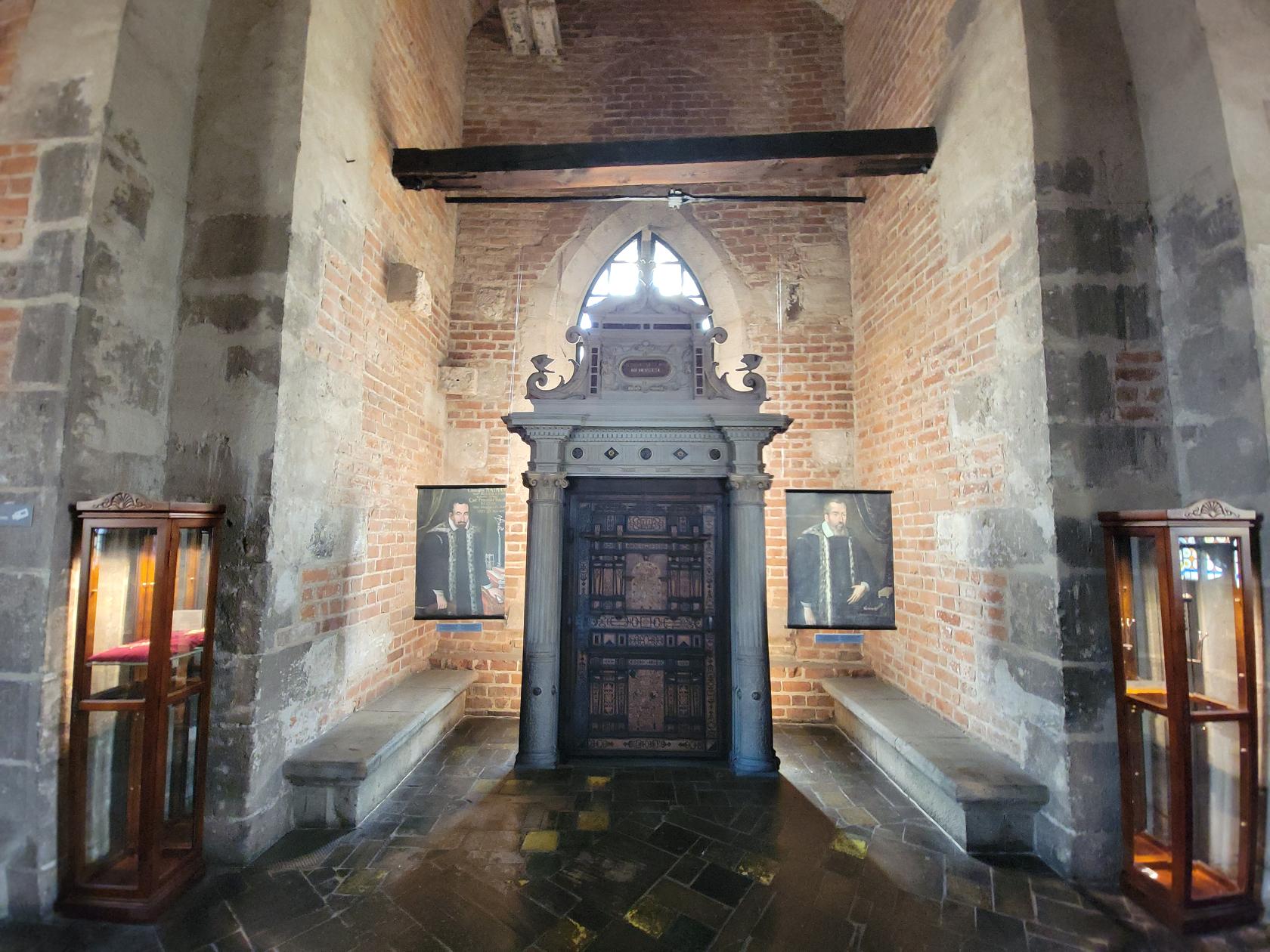
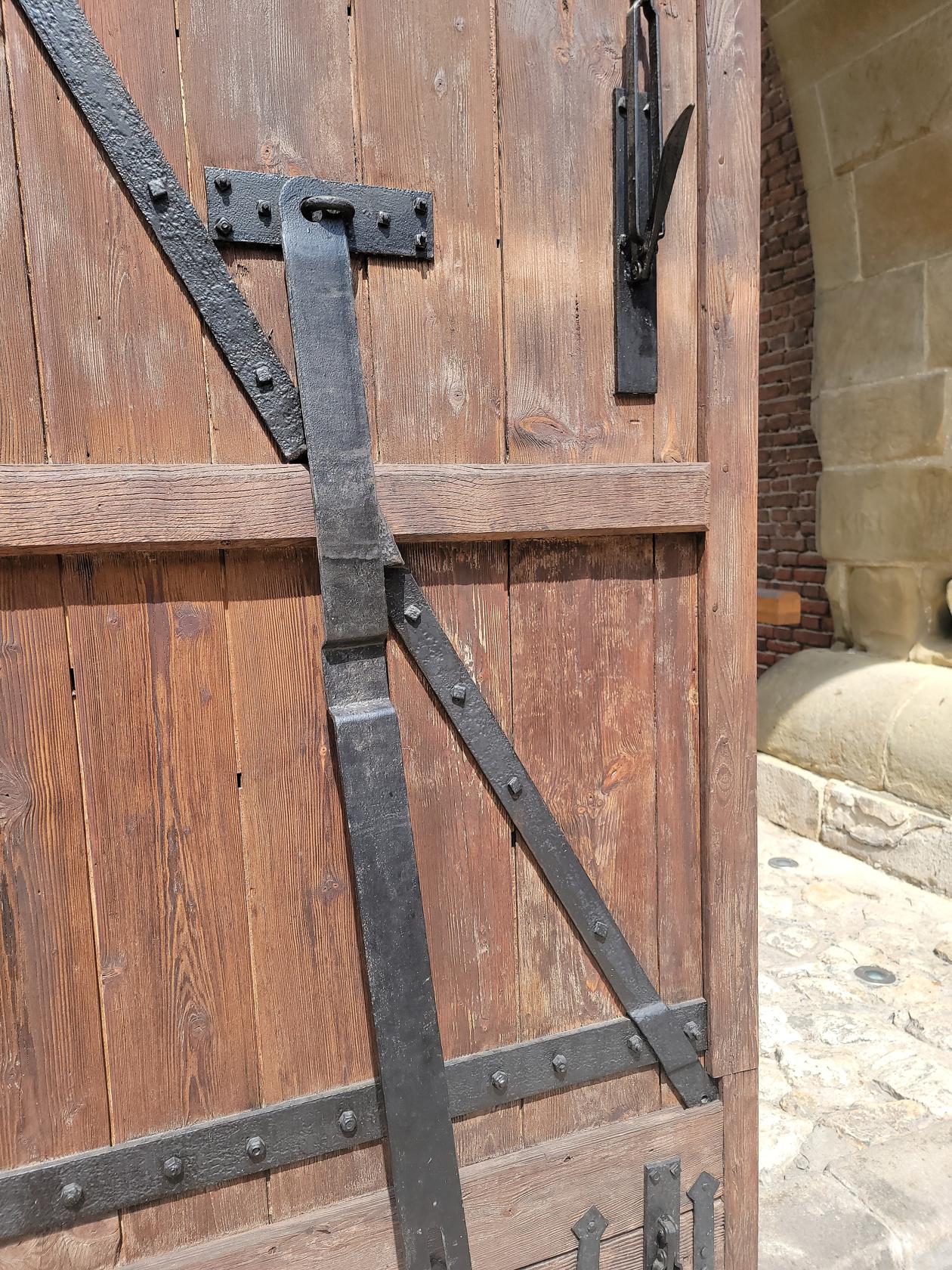
Old Iron Door – Top Level – Town Hall Tower – Kraków, Poland
Going Down – Town Hall Tower – Kraków, Poland
Narrow Stairwell – Town Hall Tower – Kraków, Poland
Timepiece – Top Level – Town Hall Tower – Kraków, Poland
Clockworks and Timepiece – Top Level – Town Hall Tower – Kraków, Poland
Clockworks and Old Bell Striker – Top Level – Town Hall Tower – Kraków, Poland
Second Level – Town Hall Tower – Kraków, Poland
Churches And Cathedrals
Saint Mary’s Basilica
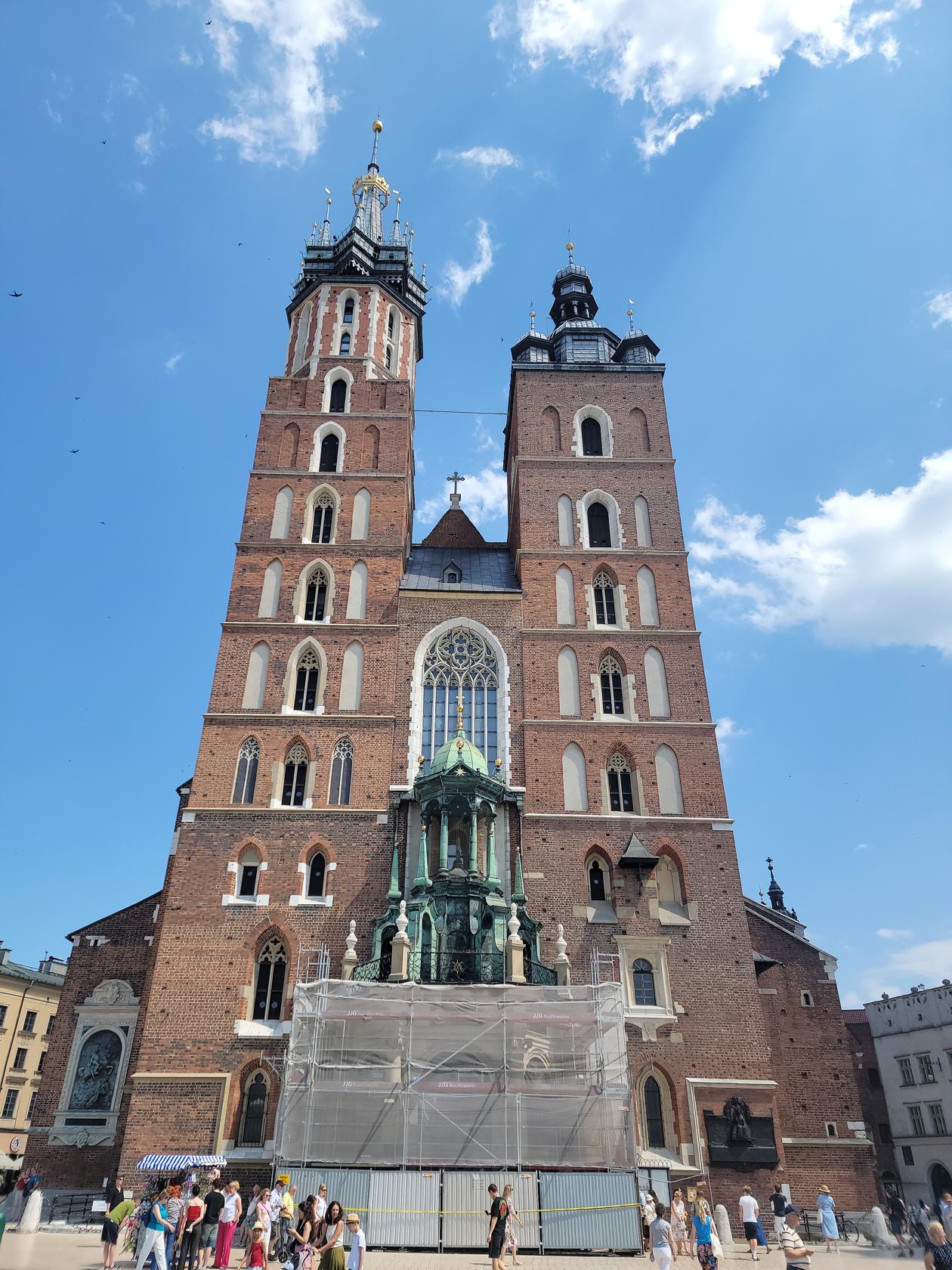
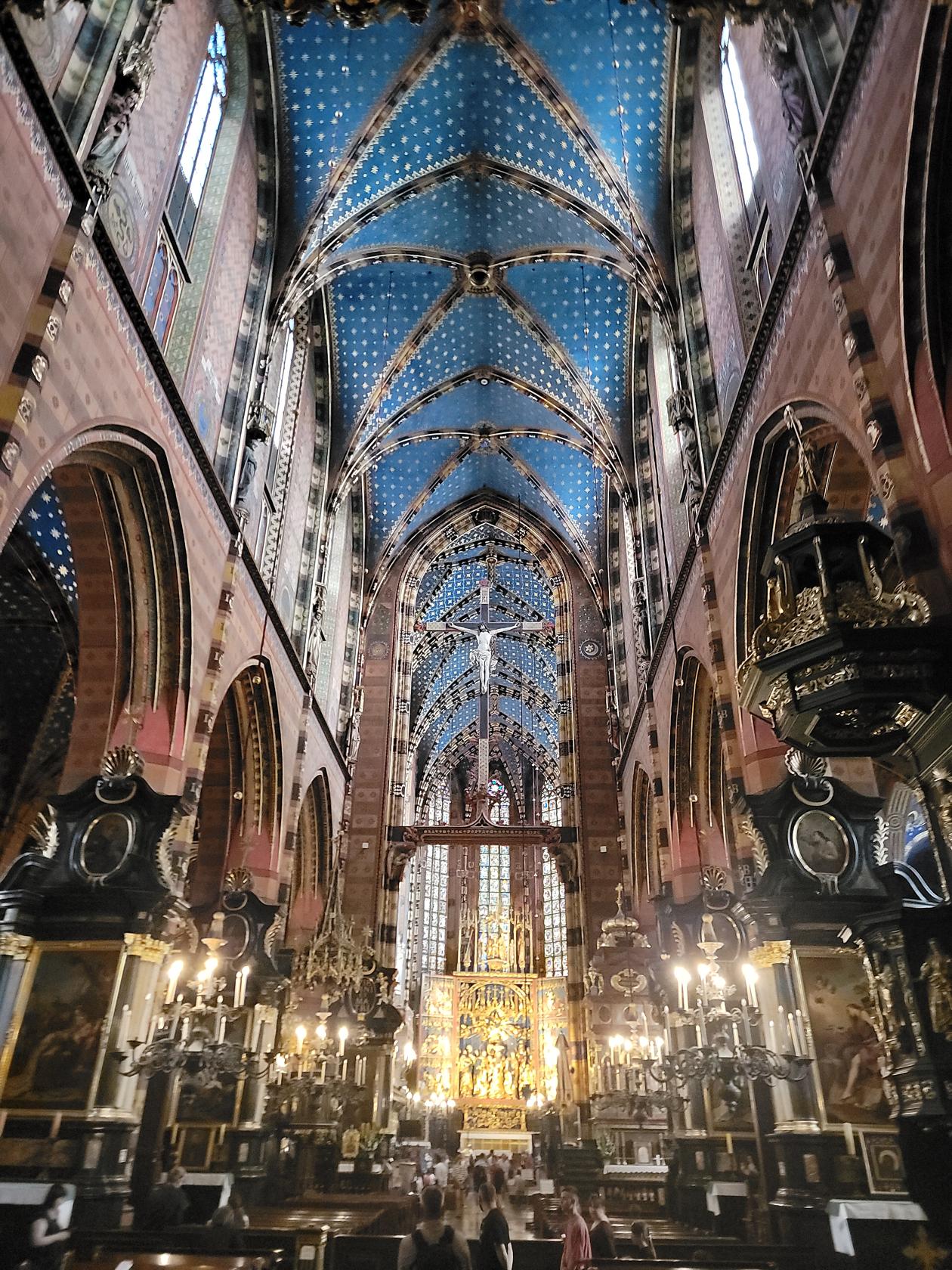
Unfortunately for us we visited on Sunday, so mass was being held and we had limited access to Saint Mary’s Basilica. Though the nave was somewhat interesting, it was clearly not the most beautiful nor the most interesting Catholic church we have visited in Poland.
Facade and Entrance – Saint Mary’s Basilica – Kraków, Poland
Nave and Altar – Saint Mary’s Basilica – Kraków, Poland
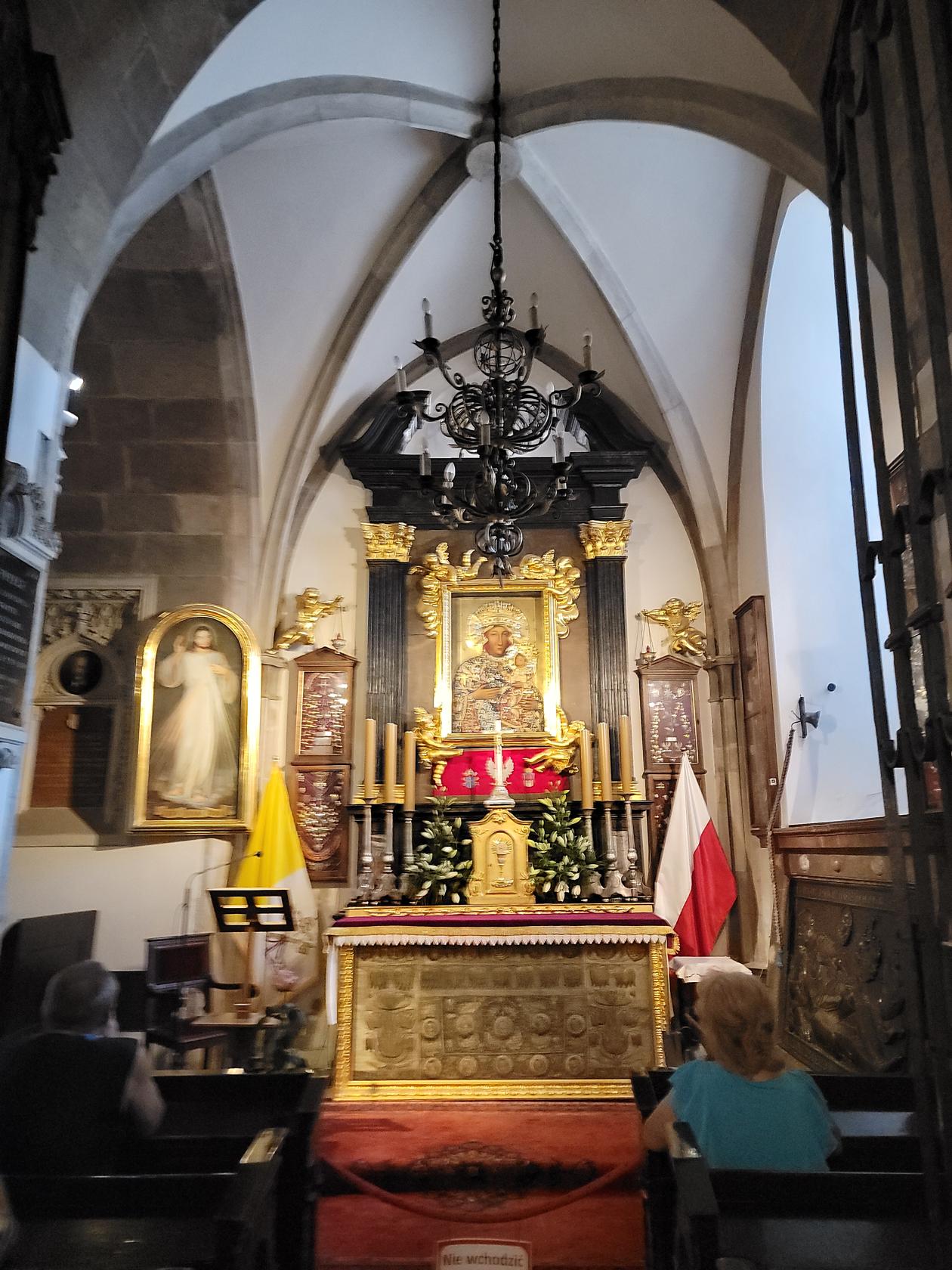
Side Altar – Saint Mary’s Basilica – Kraków, Poland
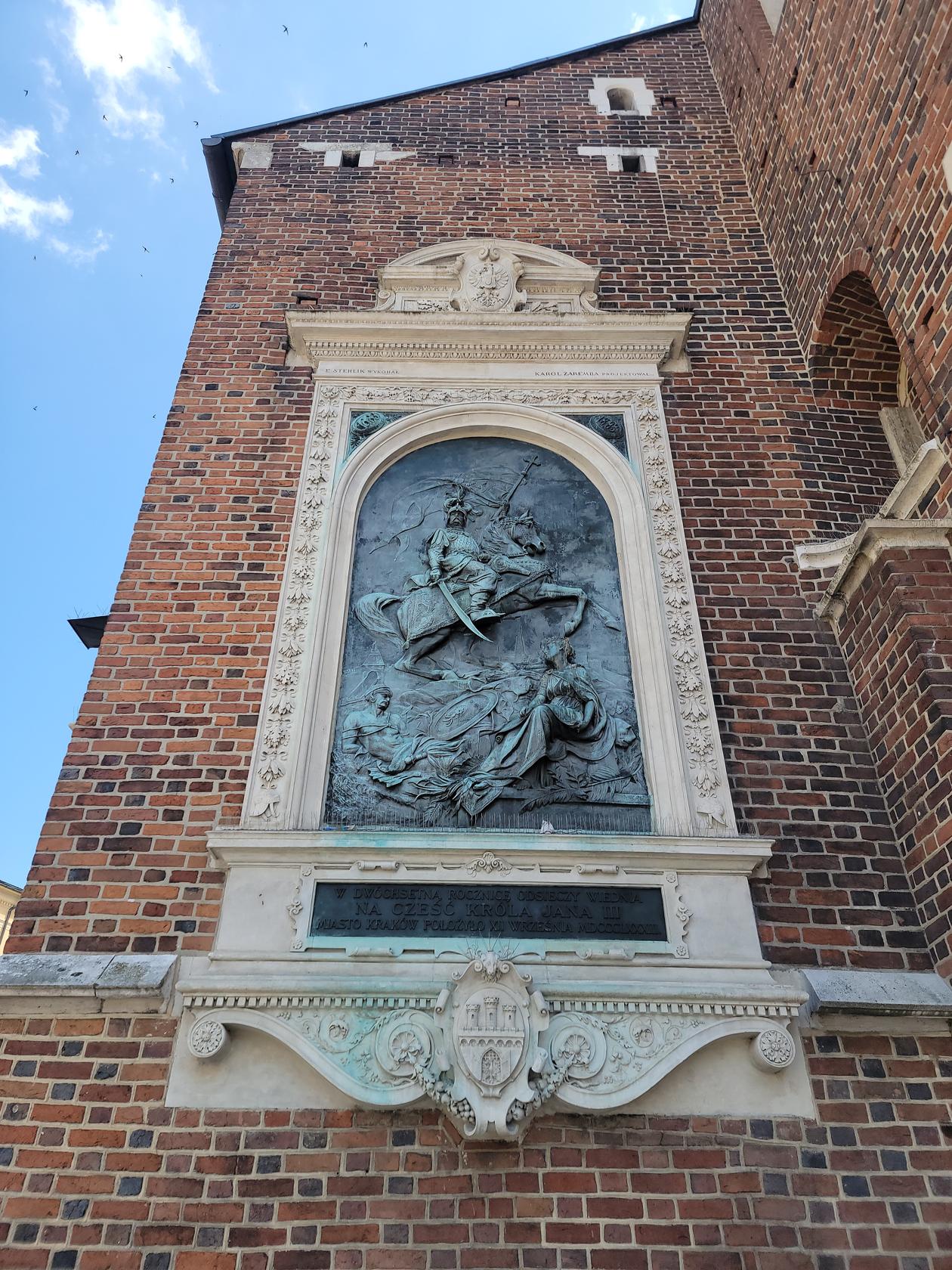
Bronze Memorial – Saint Mary’s Basilica – Kraków, Poland
muWi Stained Glass Museum
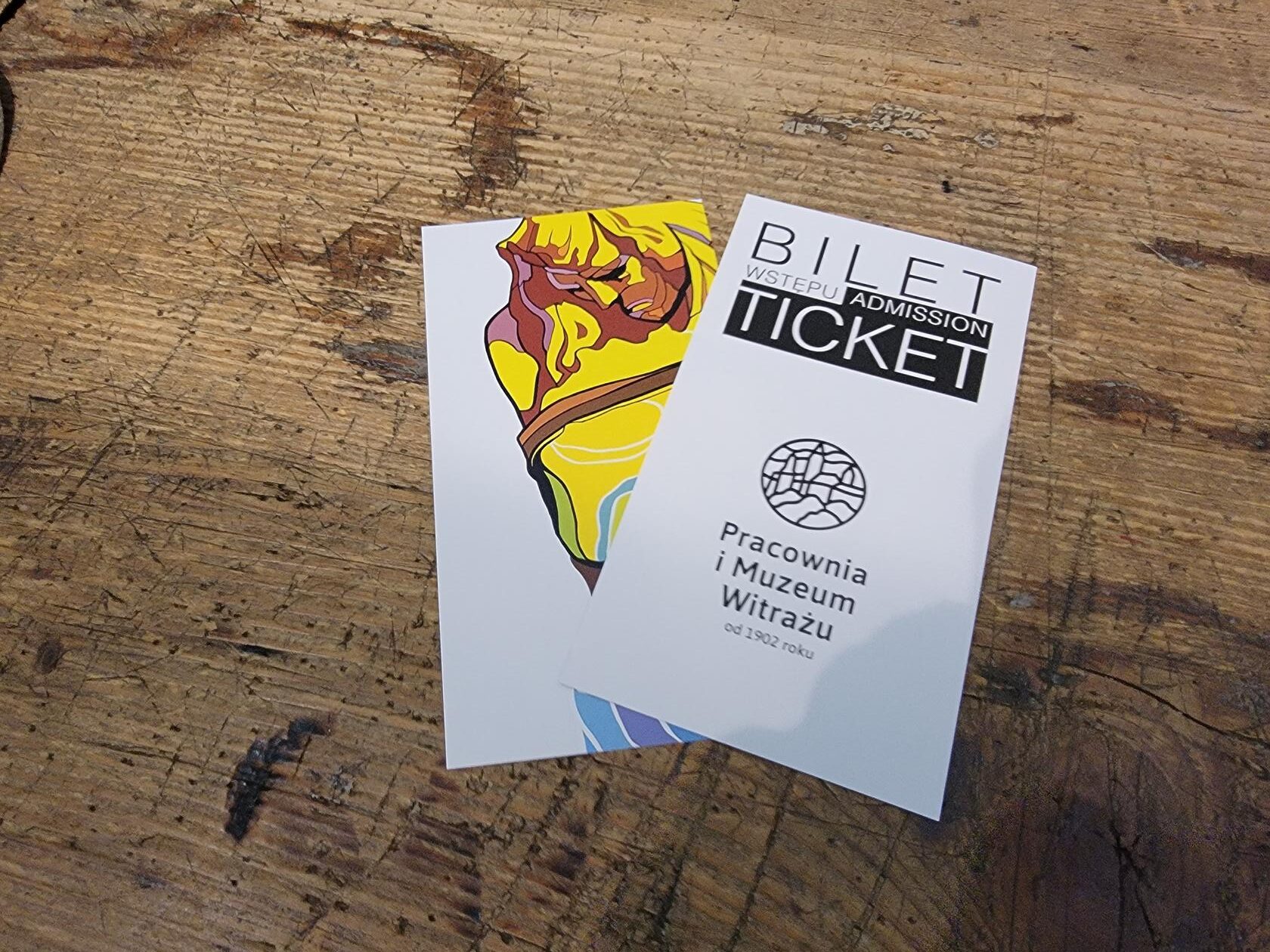
Tickets For Two – muWi Stained Glass Museum – Kraków, Poland
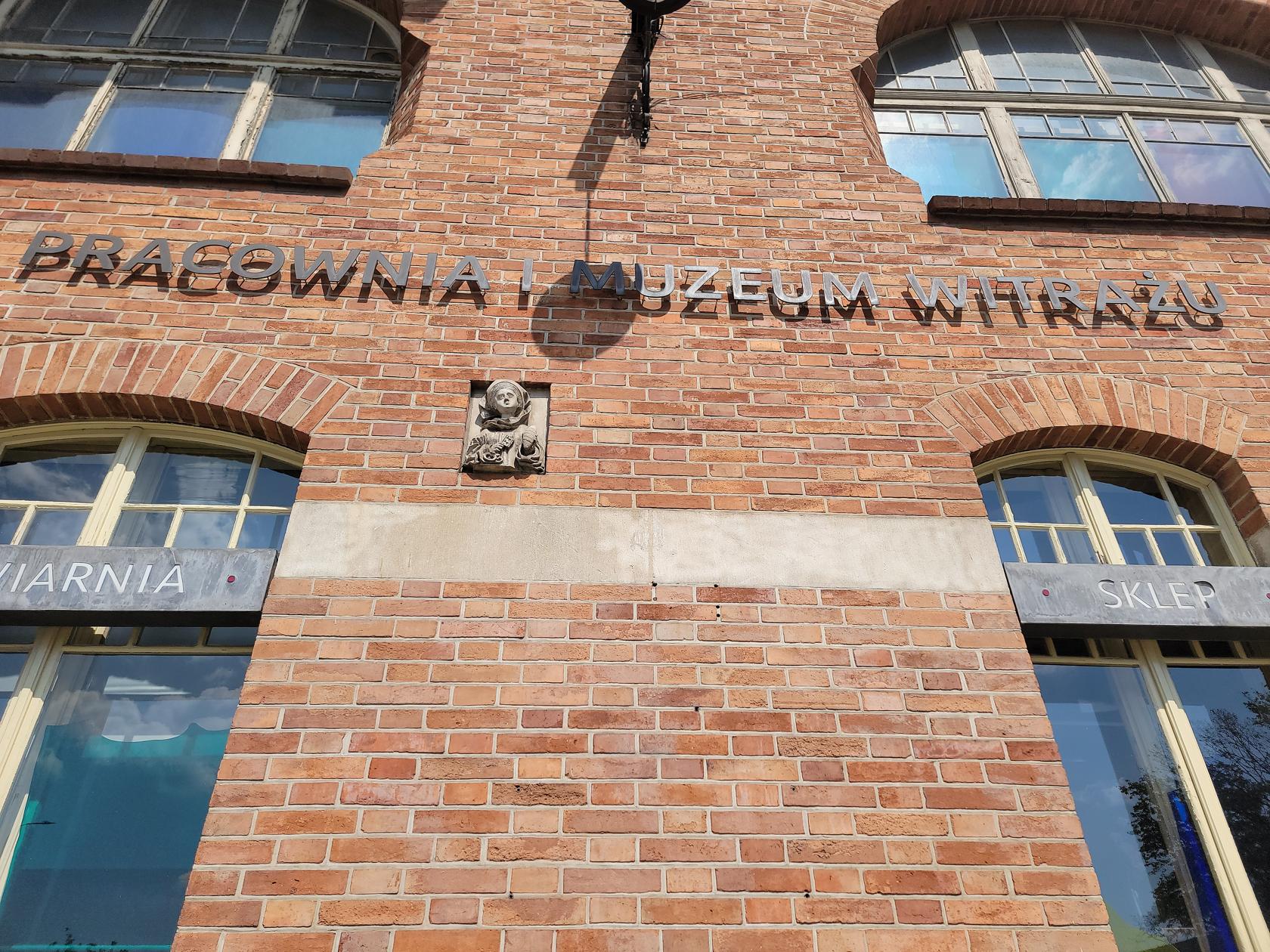
Outside – muWi Stained Glass Museum – Kraków, Poland
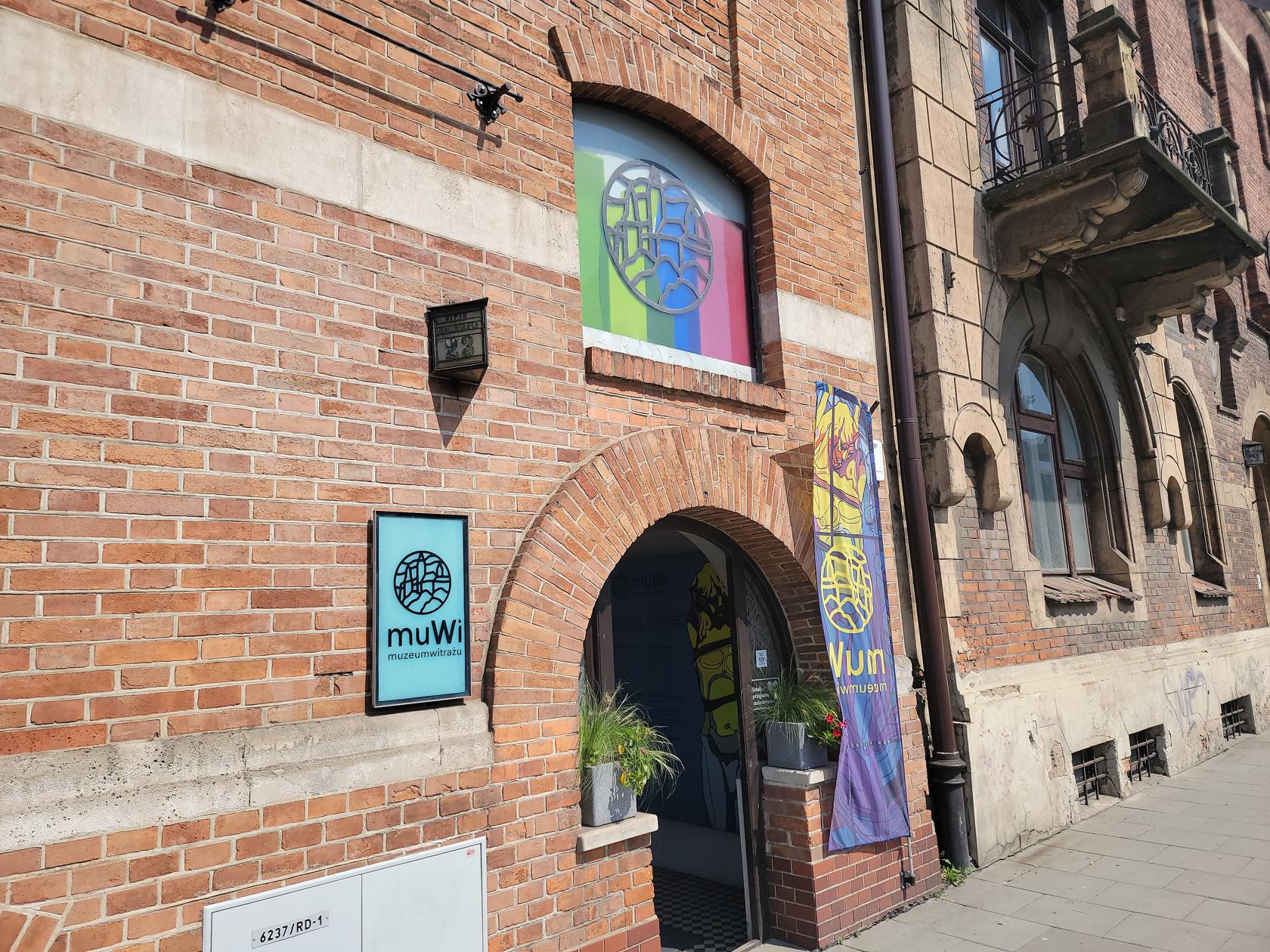
Entrance – muWi Stained Glass Museum – Kraków, Poland
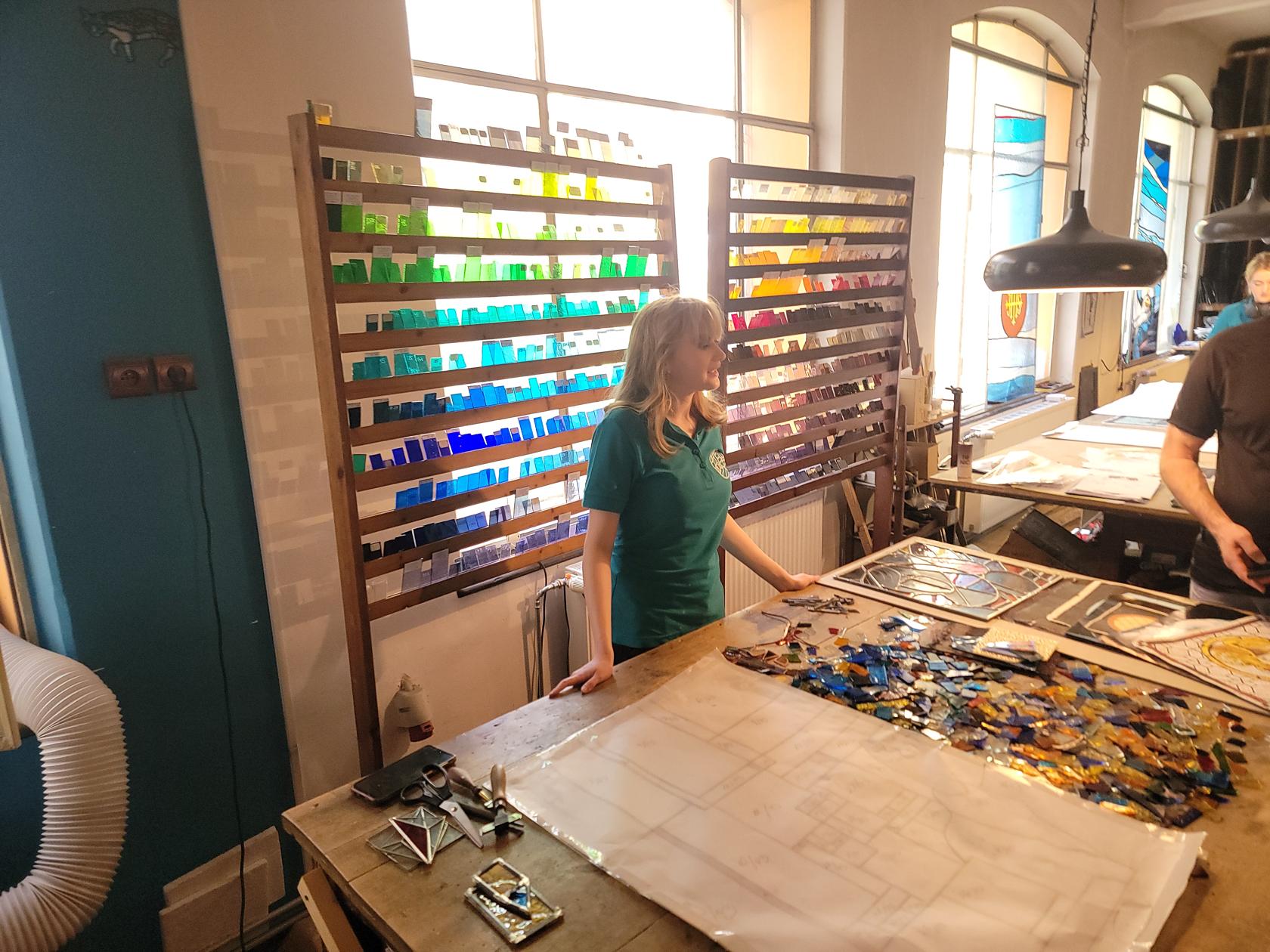
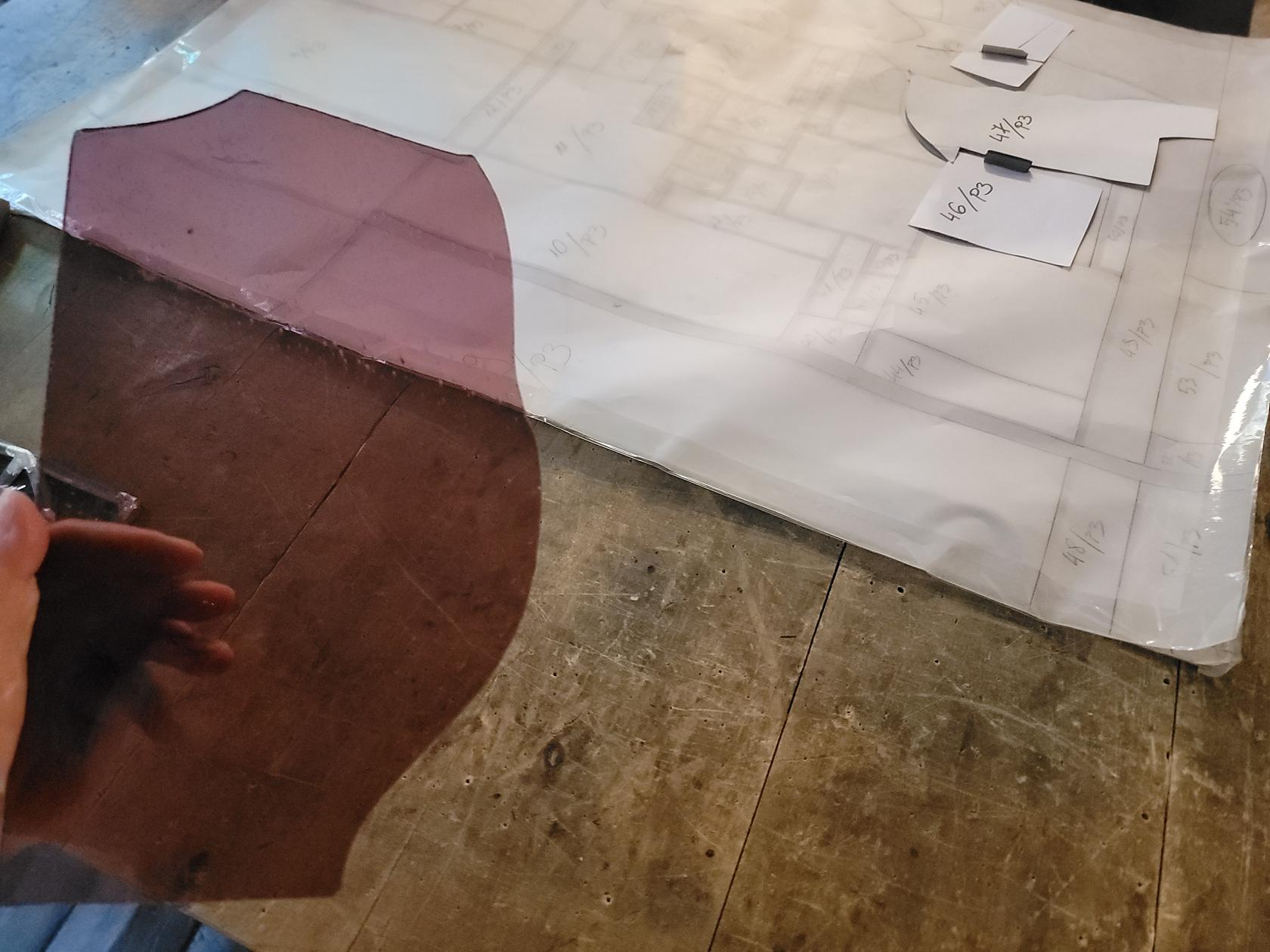
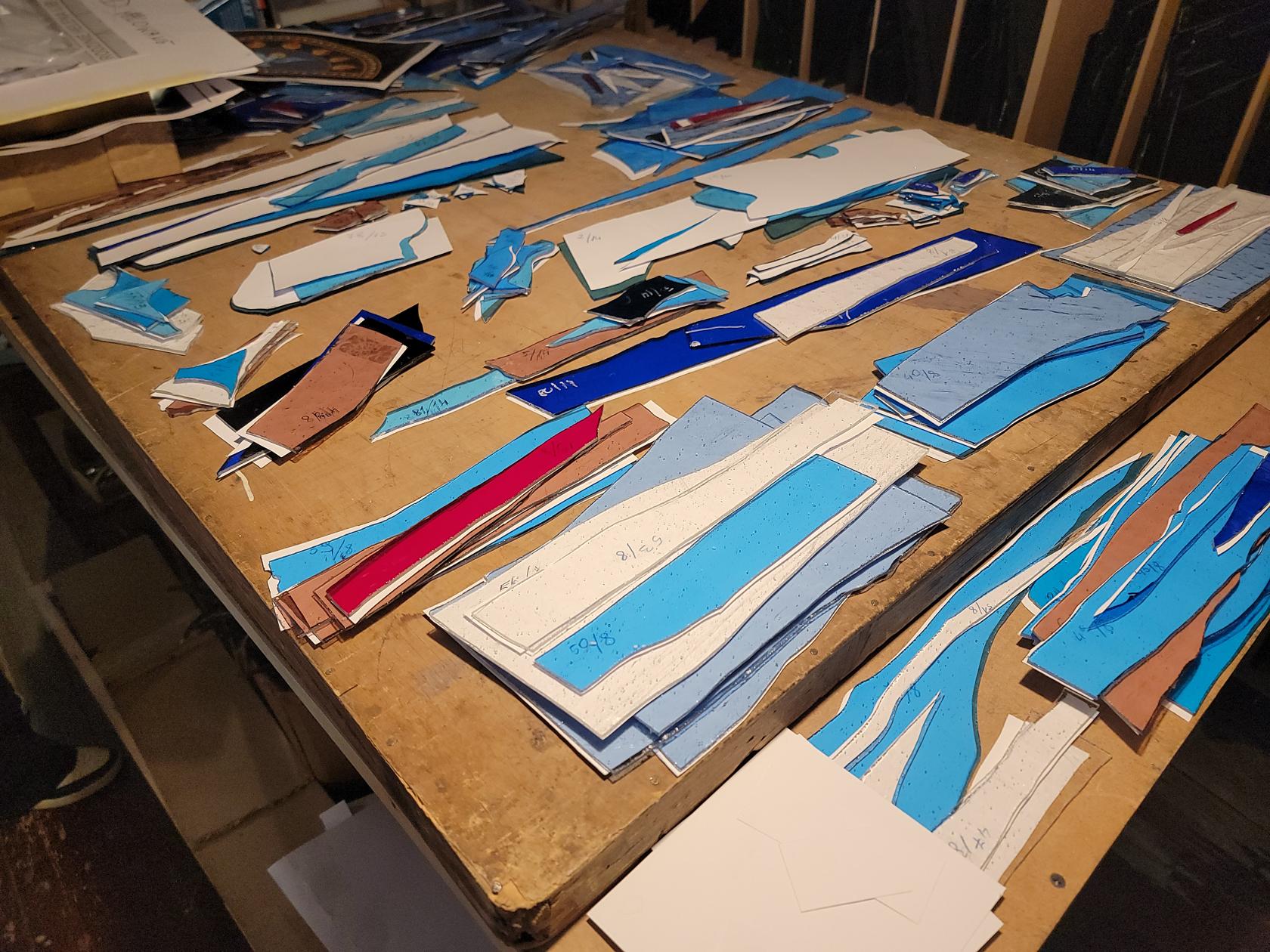
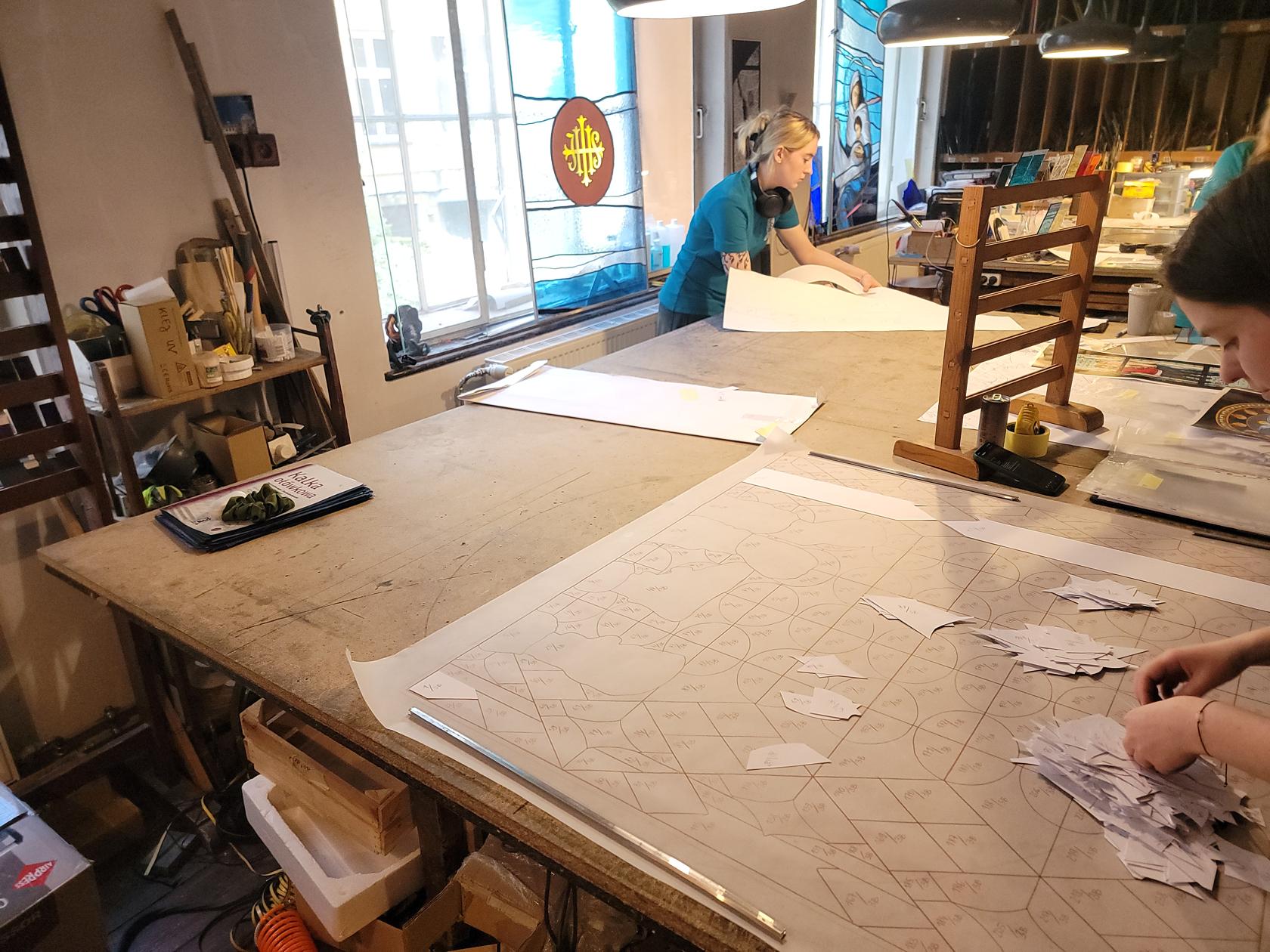
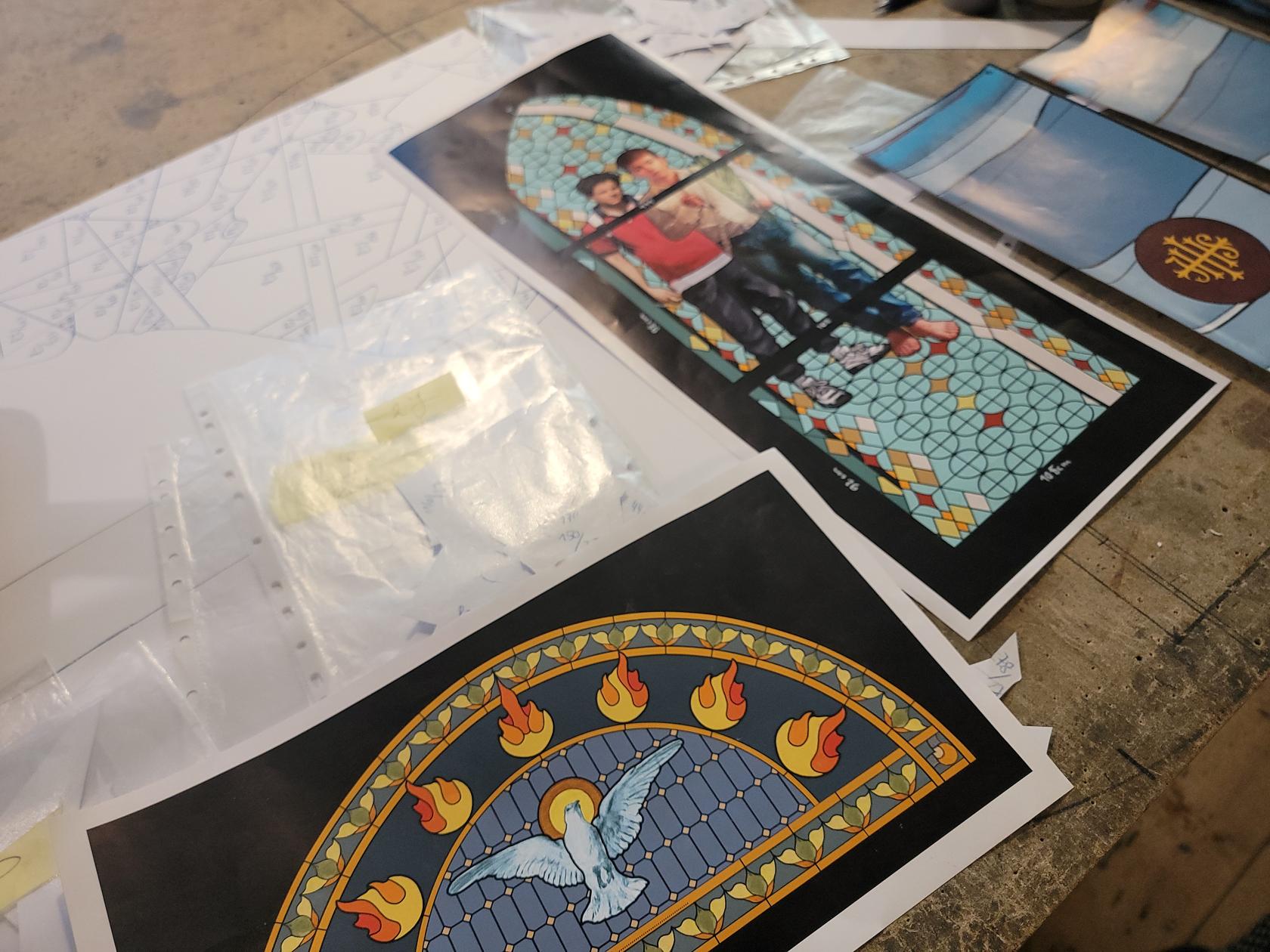
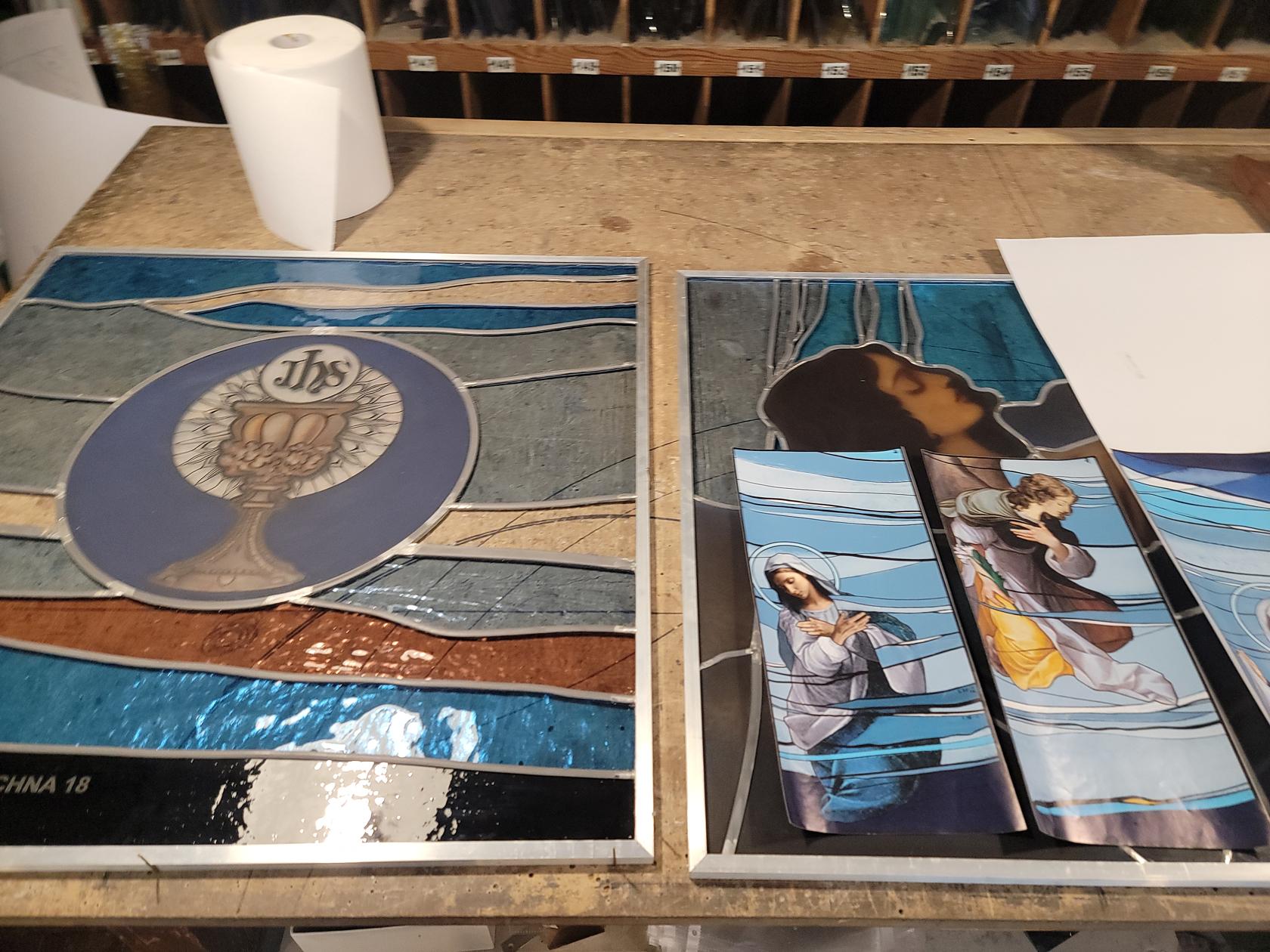
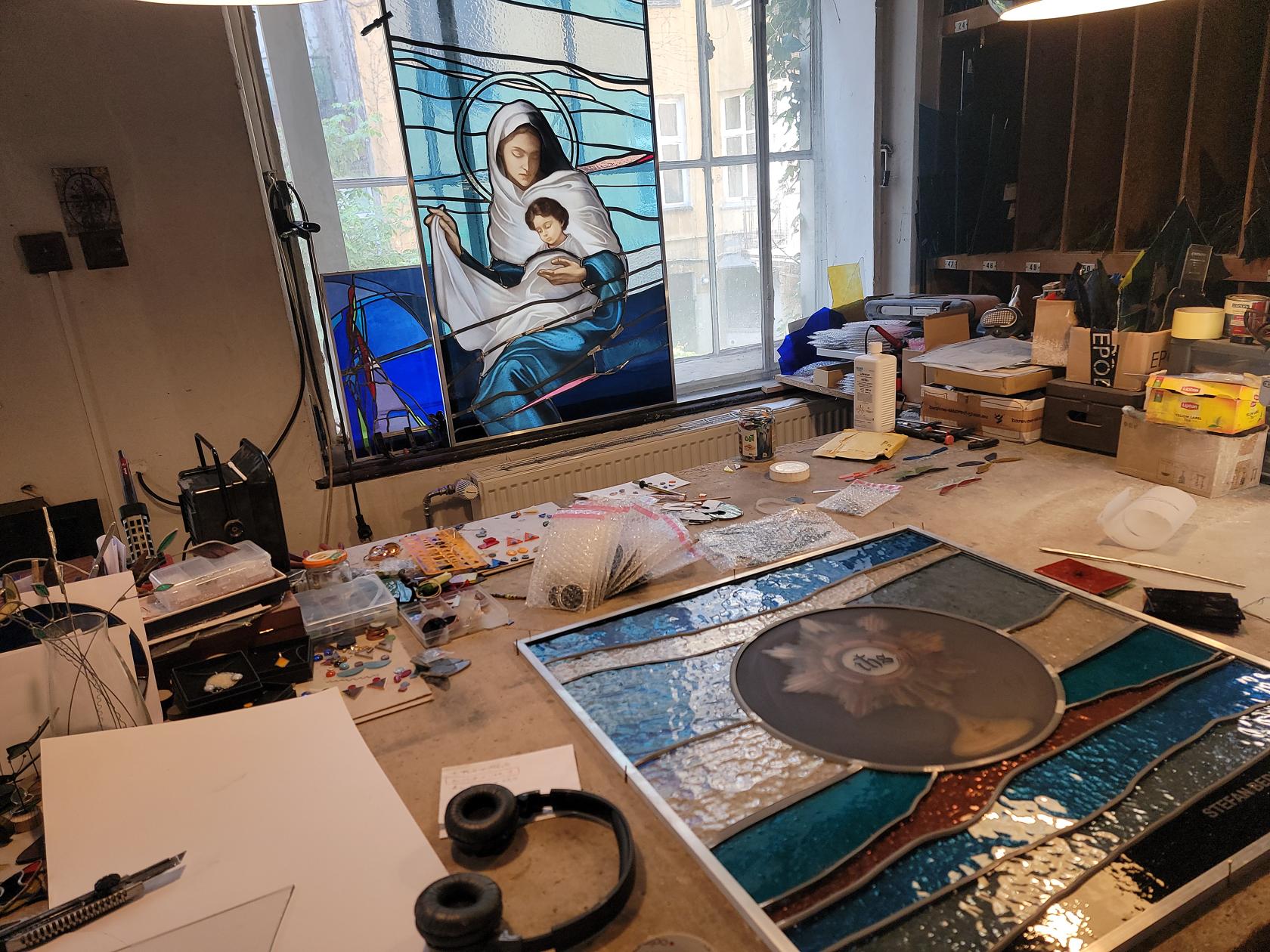
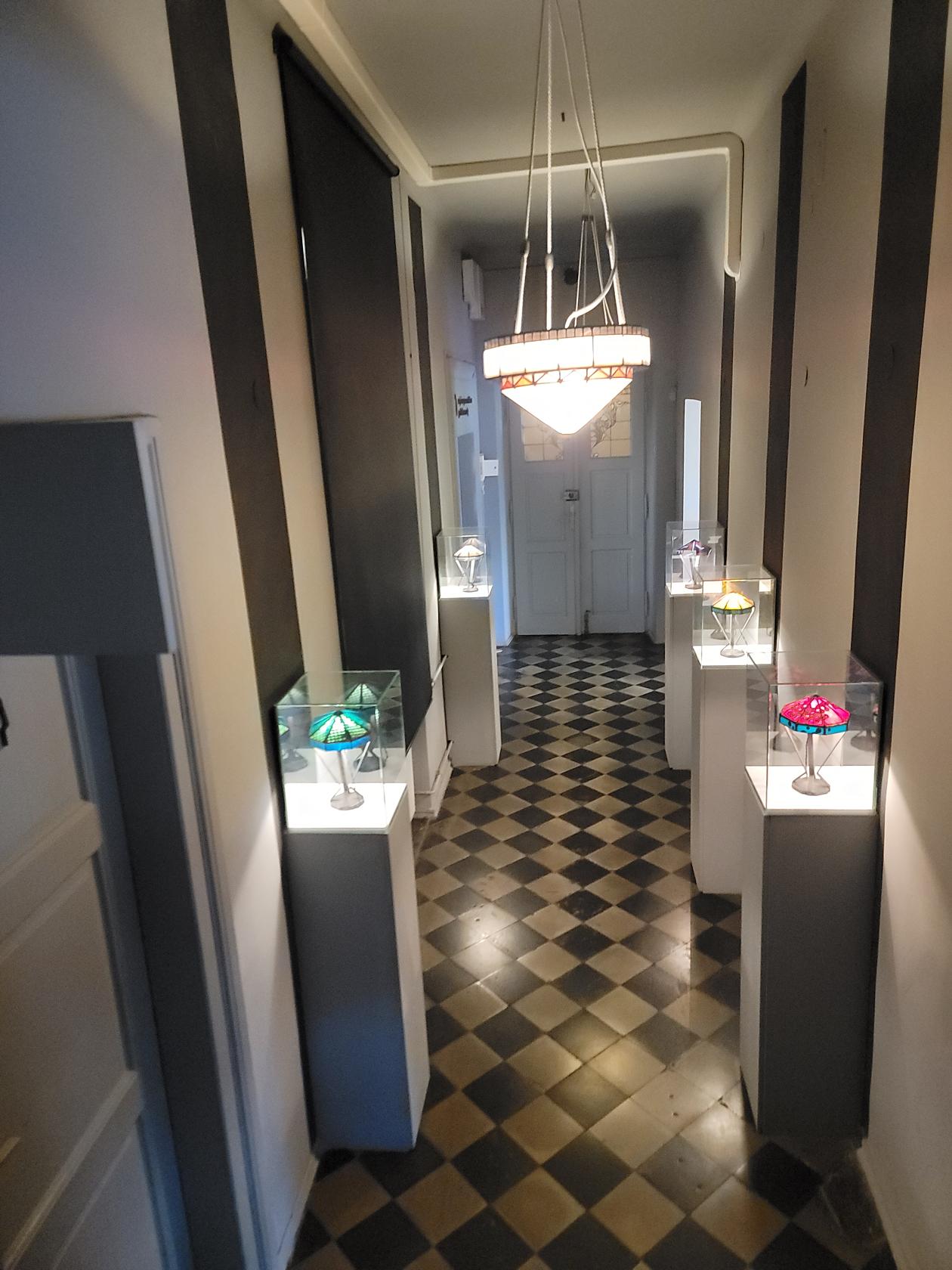
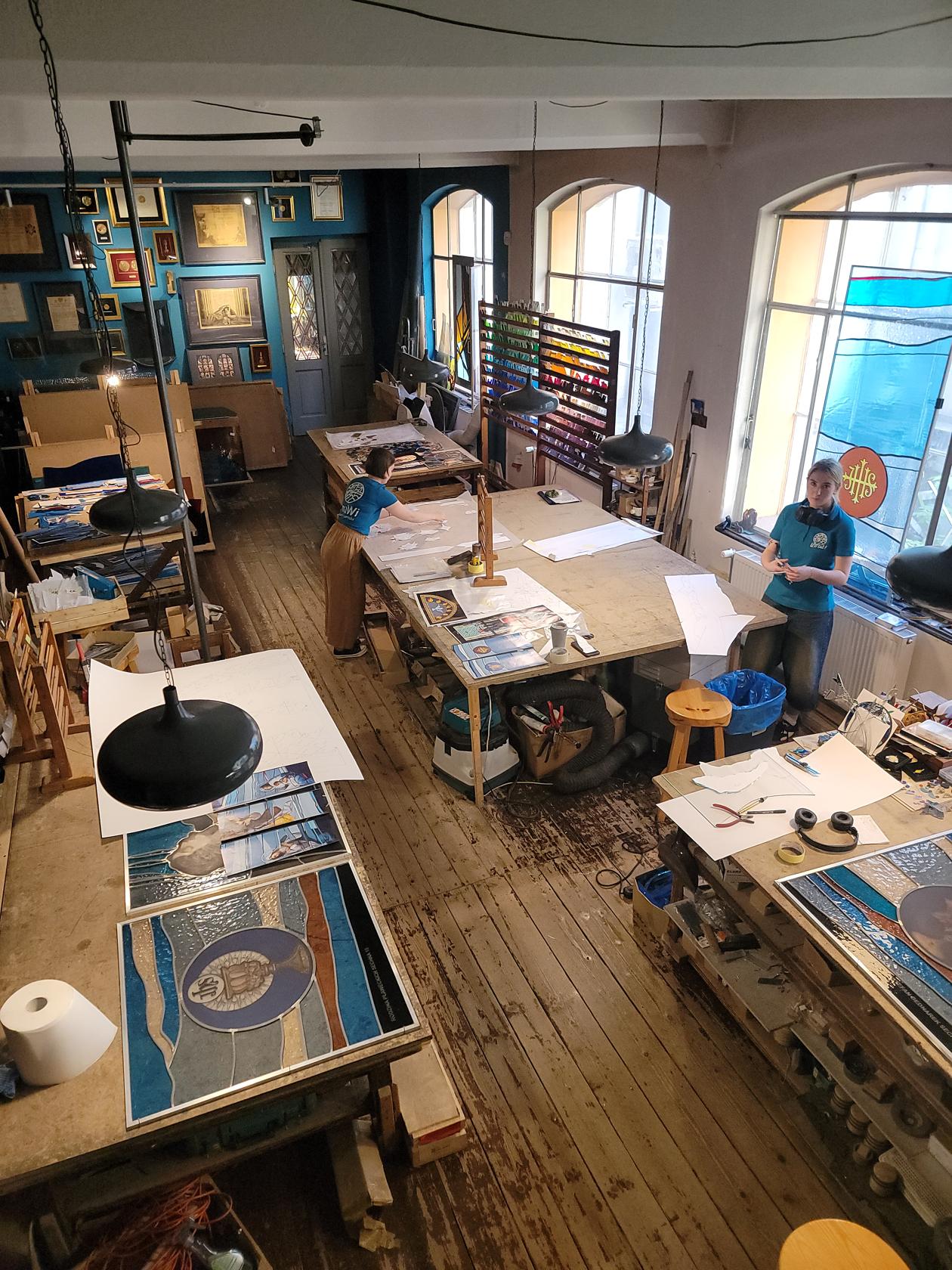
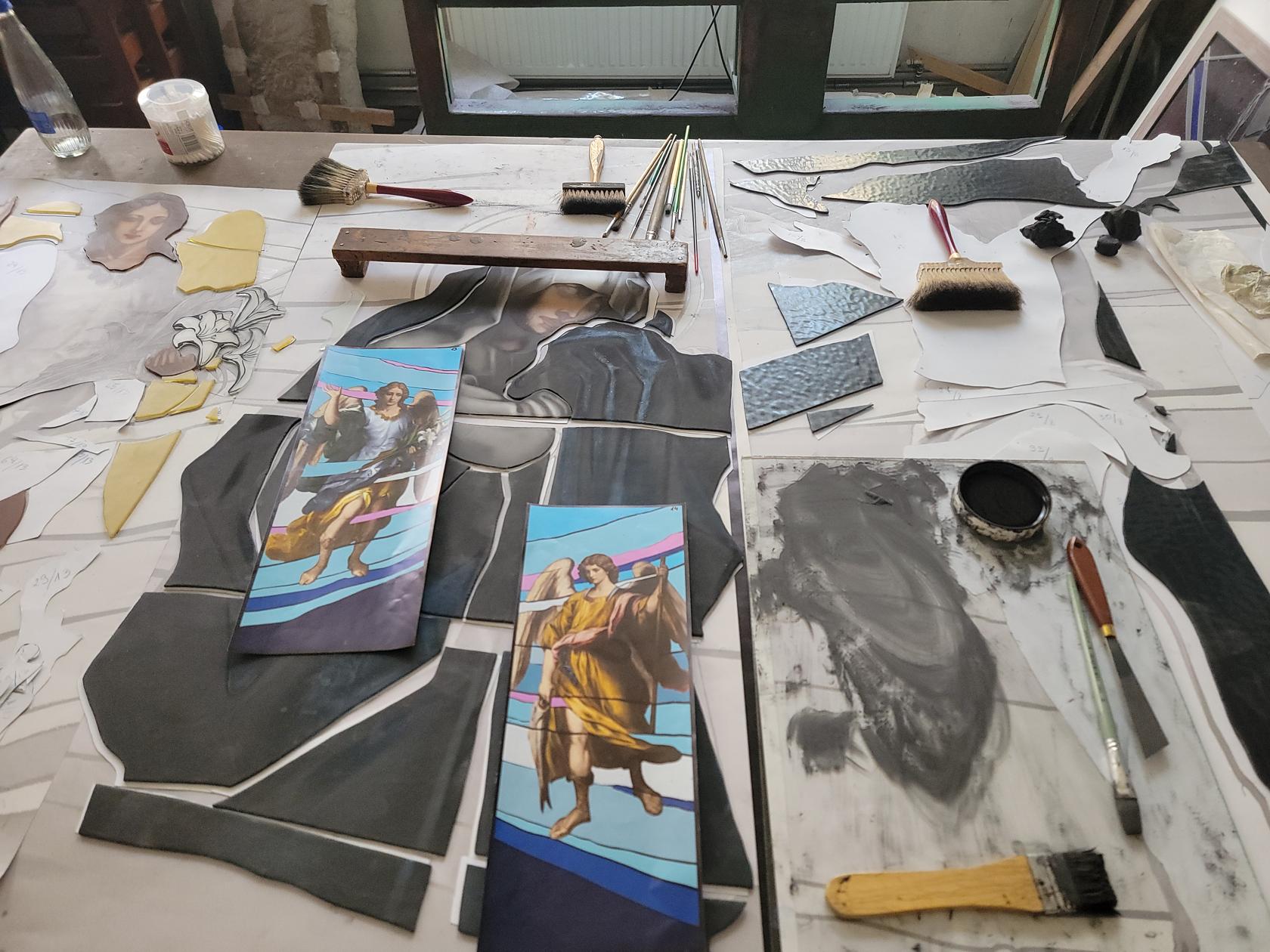
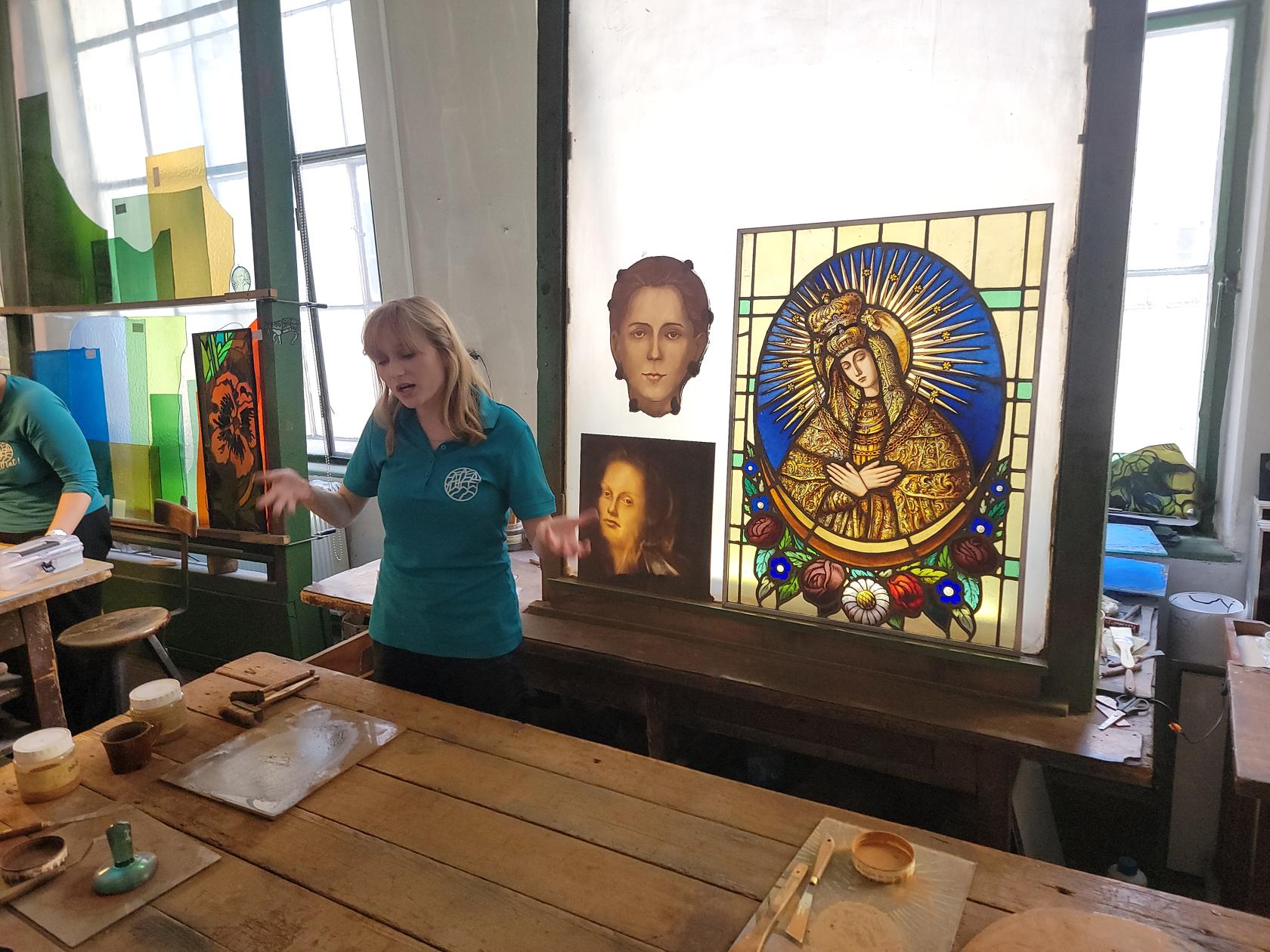
For those that have extra time on their hands, the muWi Stained Glass Museum is a great way to spend an hour. Here you will learn how this old establishment designs, cuts, paints, arranges and solders together amazing stained glass windows.
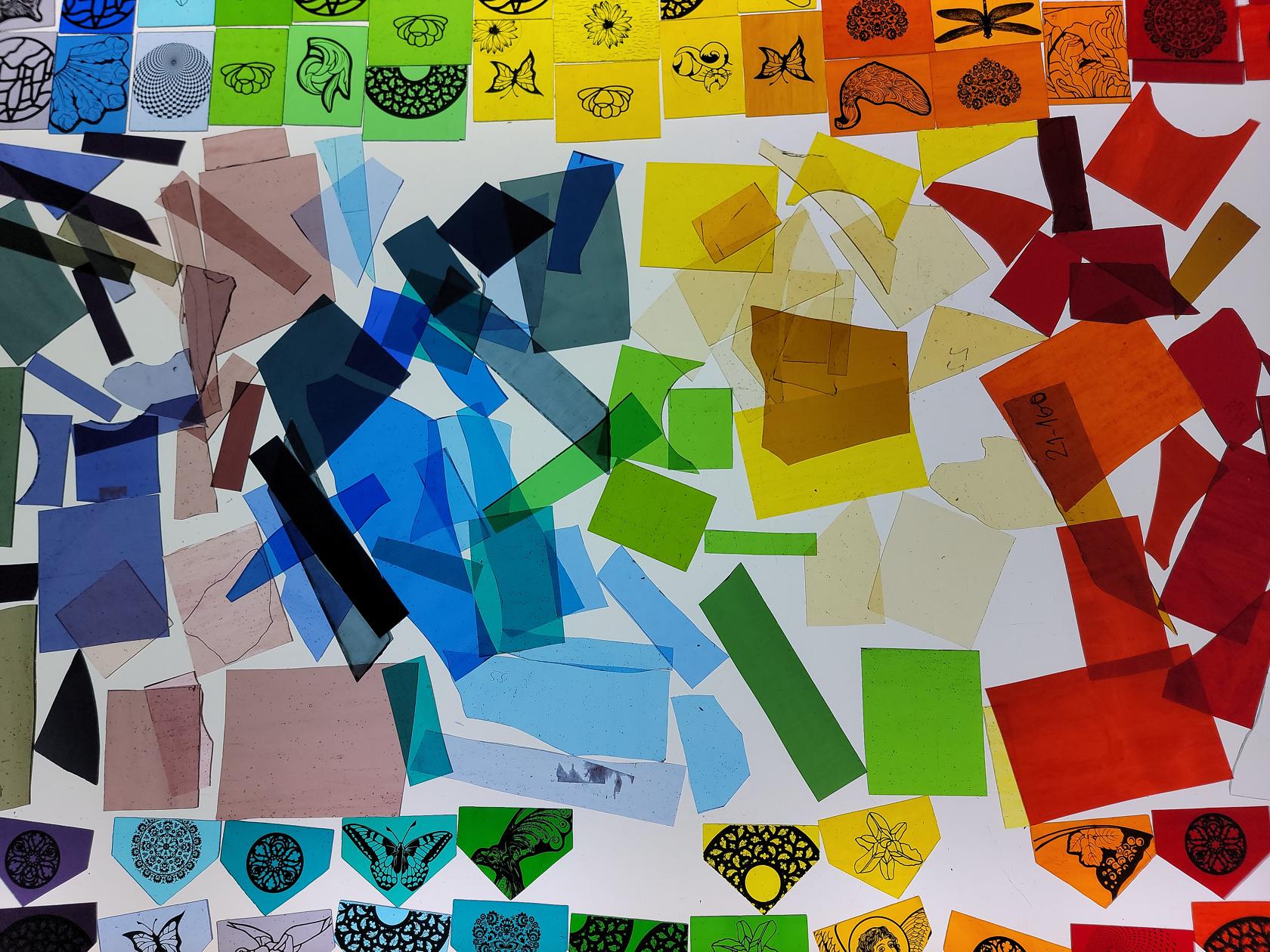
Glass Cutting and Colors – muWi Stained Glass Museum – Kraków, Poland
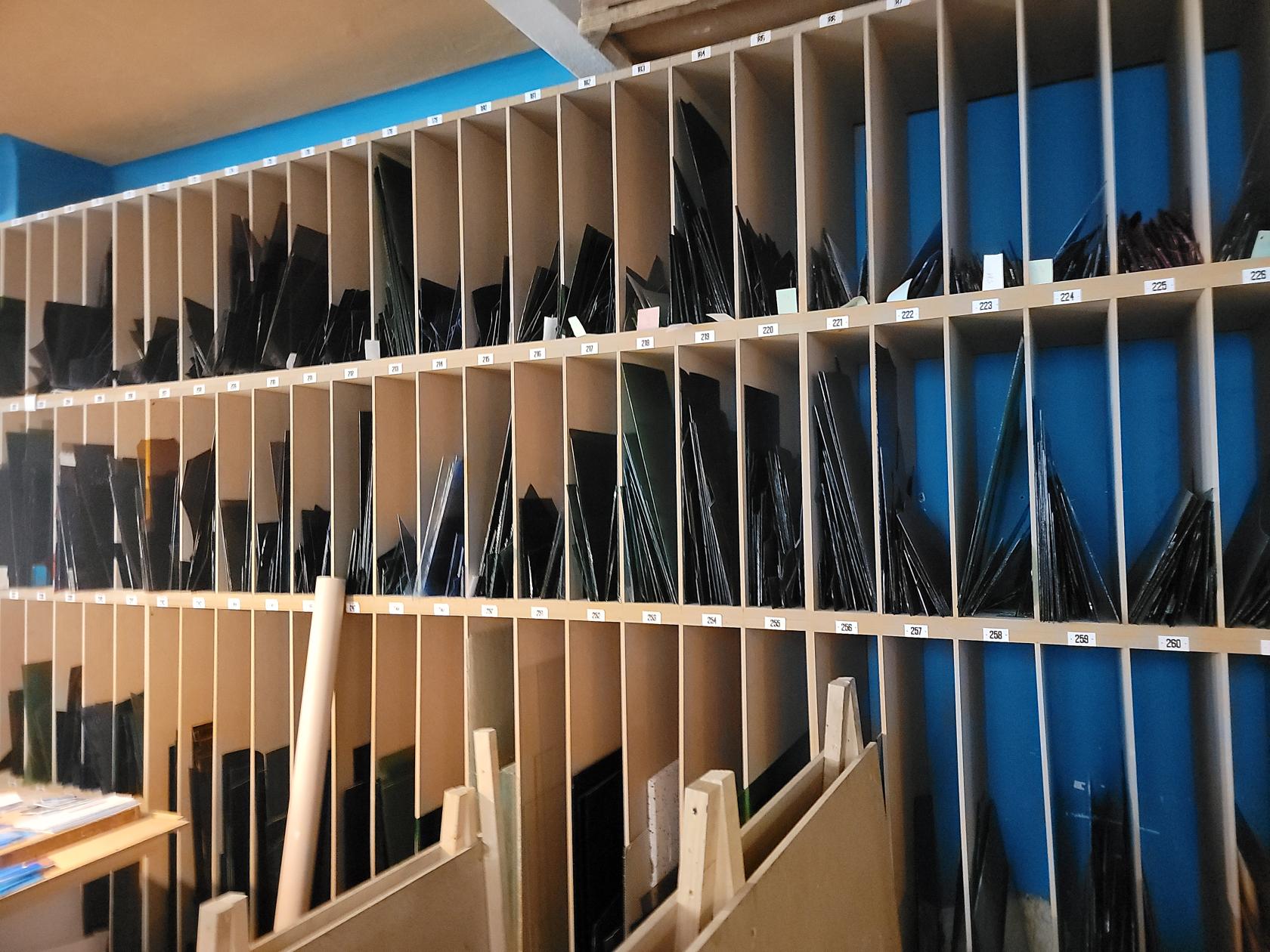
Inventory – muWi Stained Glass Museum – Kraków, Poland
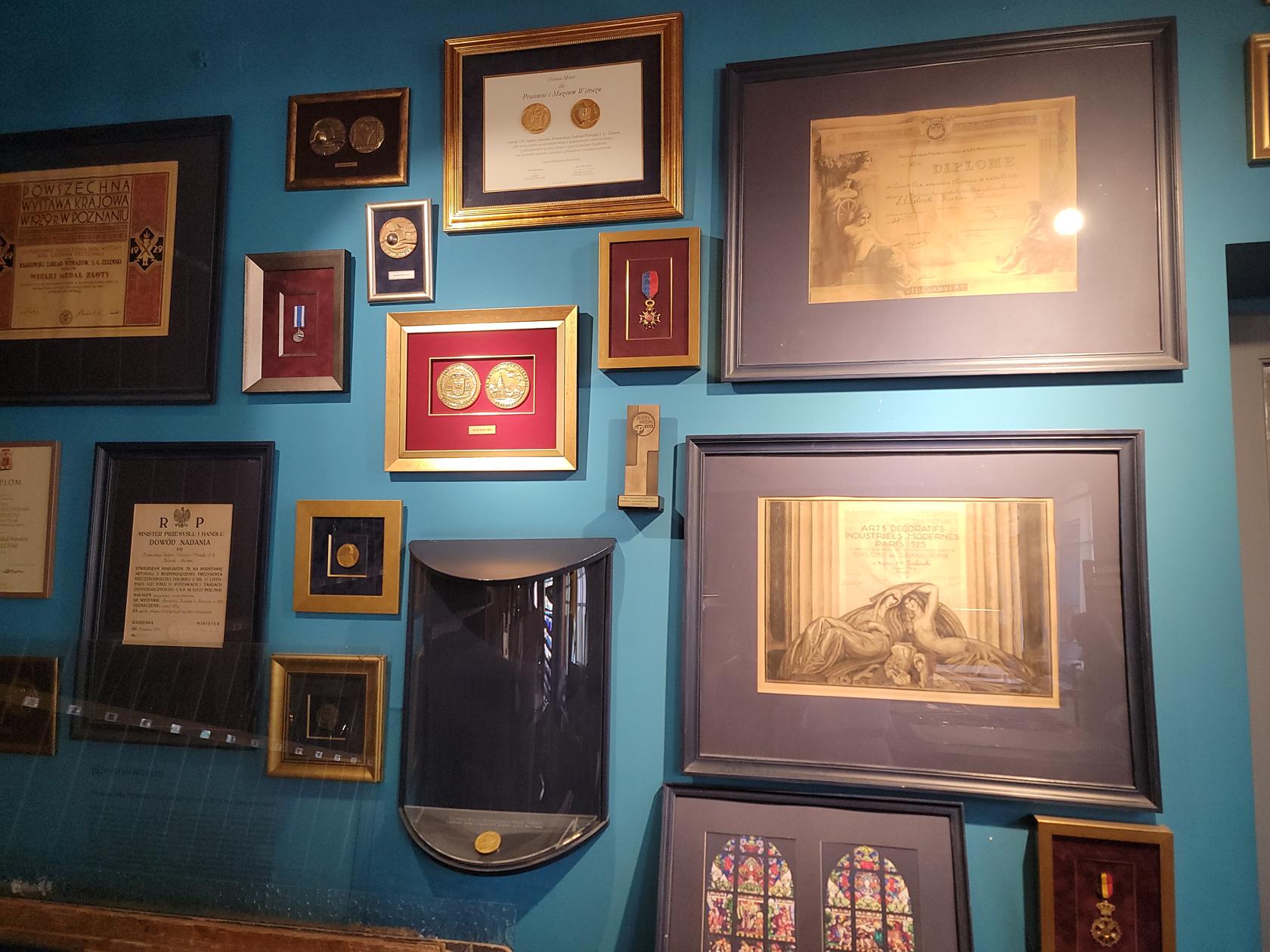
Awards – muWi Stained Glass Museum – Kraków, Poland
Patterns and Cutting Glass – muWi Stained Glass Museum – Kraków, Poland
Cut Glass – muWi Stained Glass Museum – Kraków, Poland
Patterns and Templates – muWi Stained Glass Museum – Kraków, Poland
Example Designs – muWi Stained Glass Museum – Kraków, Poland
Religious Motifs – muWi Stained Glass Museum – Kraków, Poland
Works in Progress – muWi Stained Glass Museum – Kraków, Poland
Hallway – muWi Stained Glass Museum – Kraków, Poland
Overview of Shop – muWi Stained Glass Museum – Kraków, Poland
There is also a great history lesson regarding some of the designers and accomplished artists who have worked here as well. The second part of the tour takes you upstairs where the works are given their finishing touches and fired each night.
Painting and Patina Application – muWi Stained Glass Museum – Kraków, Poland
Painting Results – muWi Stained Glass Museum – Kraków, Poland
Old Lost Work Found Again – muWi Stained Glass Museum – Kraków, Poland
Color Palet – muWi Stained Glass Museum – Kraków, Poland
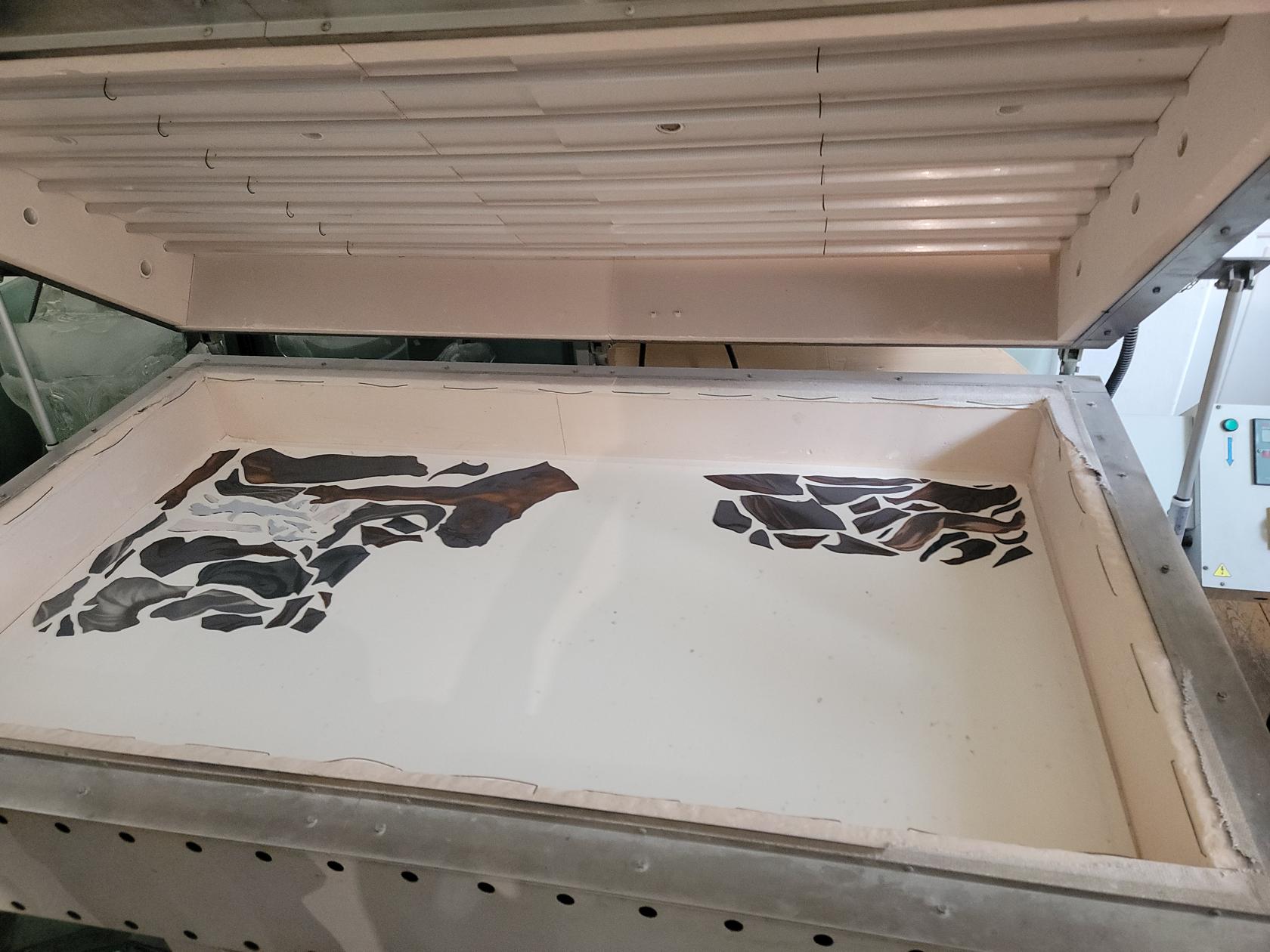
Kiln – muWi Stained Glass Museum – Kraków, Poland
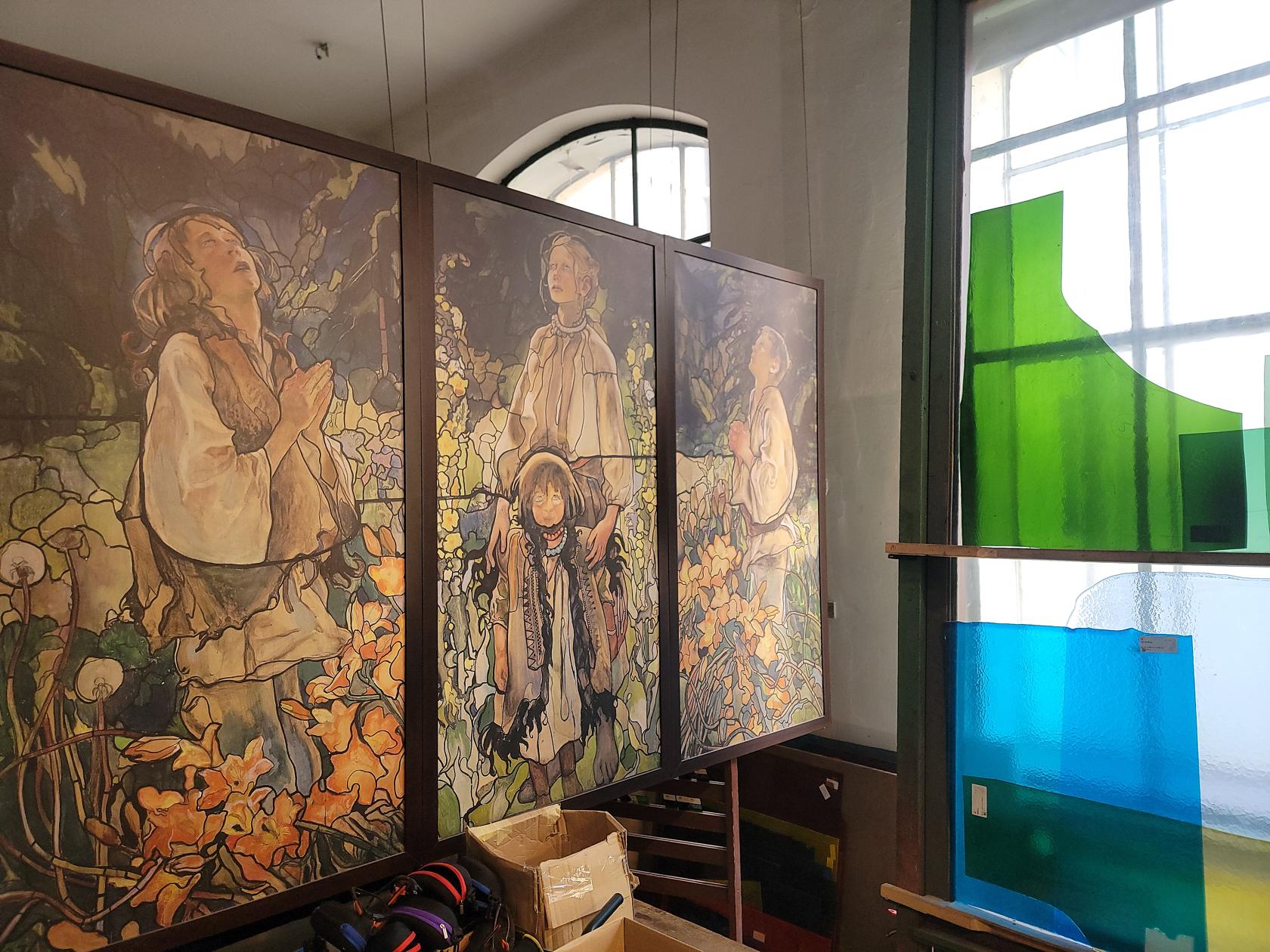
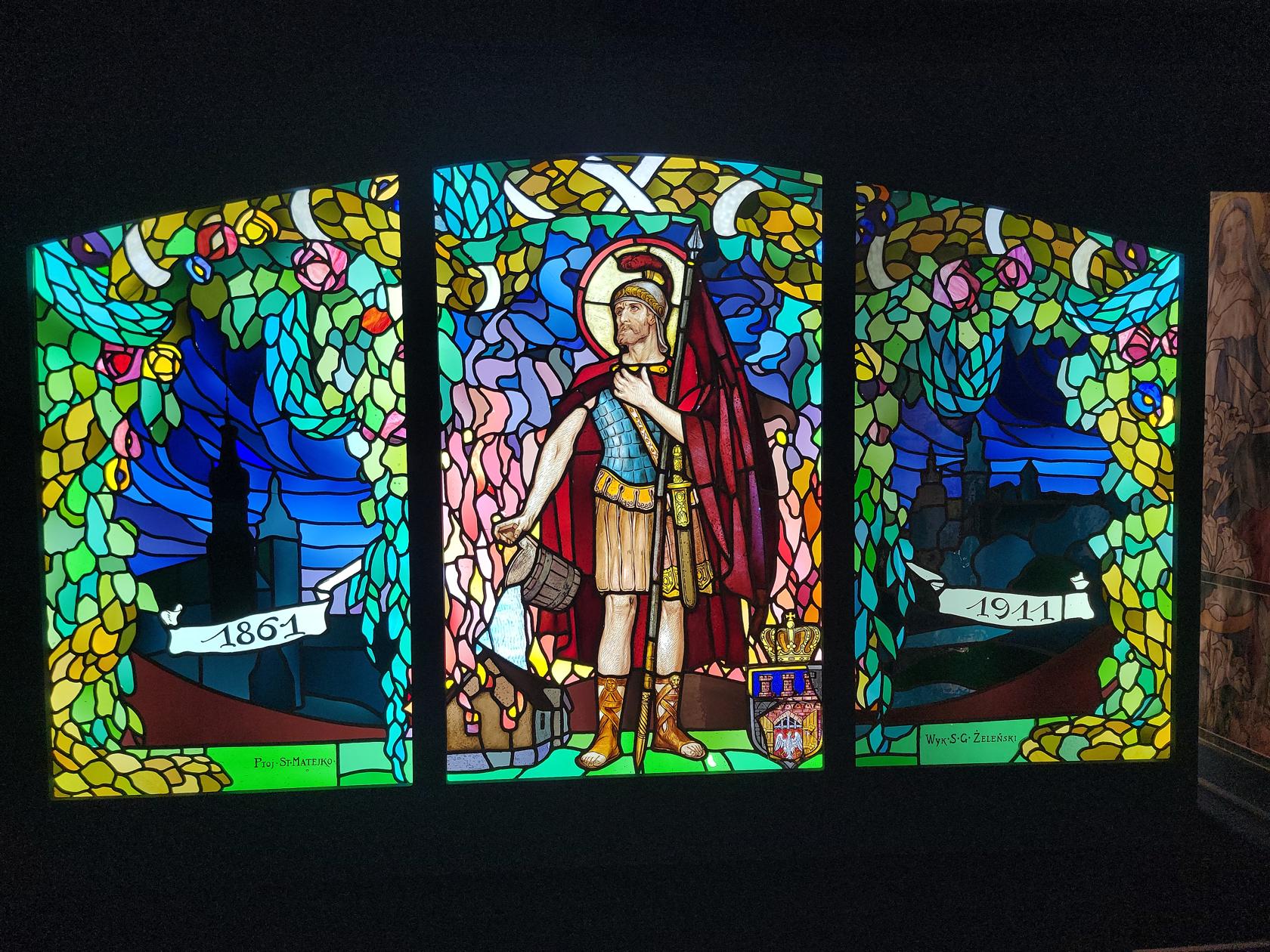
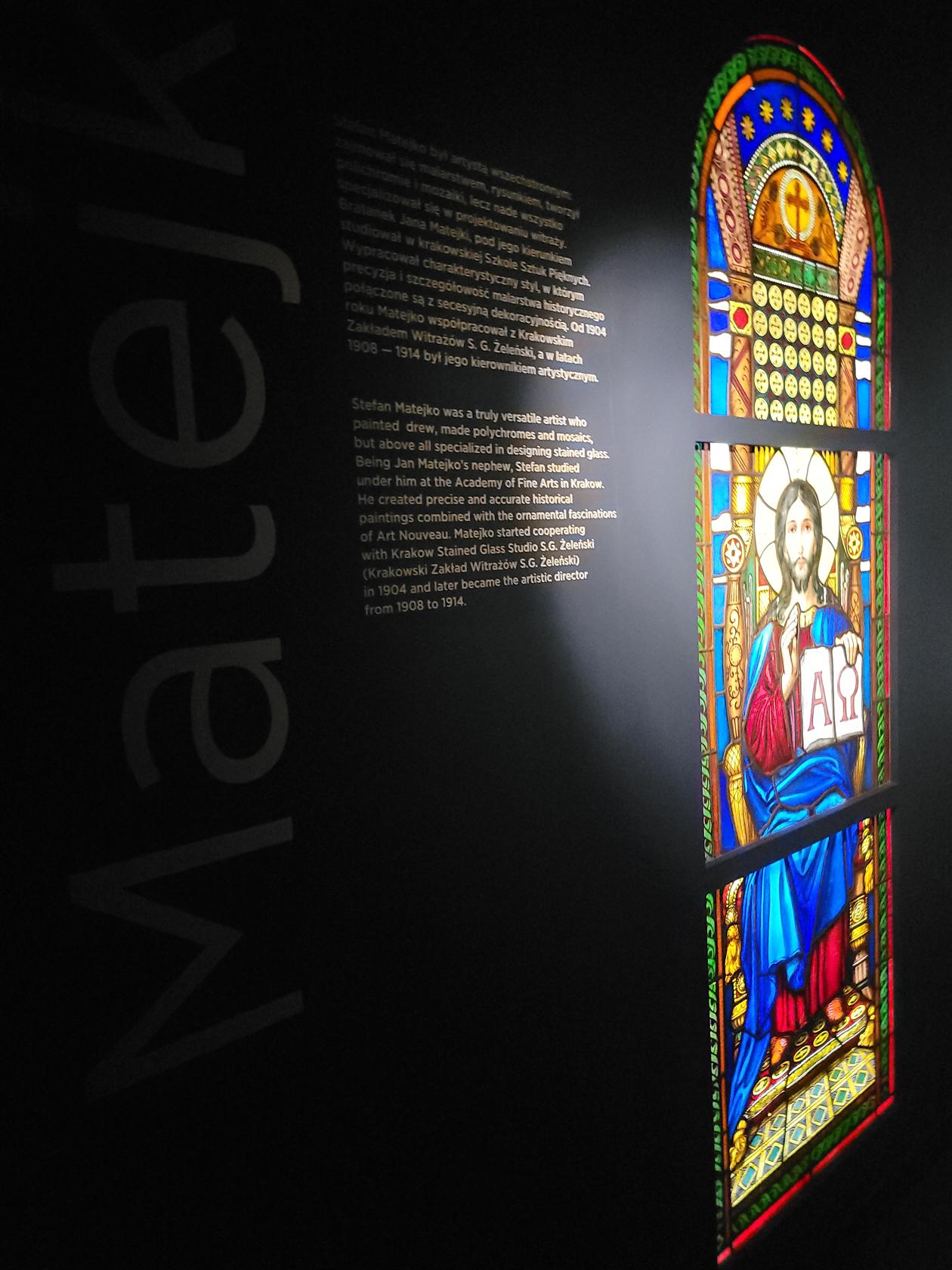
Finally, there are displays of work that have either been refound in the cellar, or recreated from old designs. All of these were from two of their most famous designers and stained glass makers.
Stefan Matejko 50th Anniversary – muWi Stained Glass Museum – Kraków, Poland
Stefan Matejko Design – muWi Stained Glass Museum – Kraków, Poland
Stefan Matejko Design – muWi Stained Glass Museum – Kraków, Poland
Stefan Matejko Design – muWi Stained Glass Museum – Kraków, Poland
Stefan Matejko Design – muWi Stained Glass Museum – Kraków, Poland
Stanislav Wyspianski Design – muWi Stained Glass Museum – Kraków, Poland
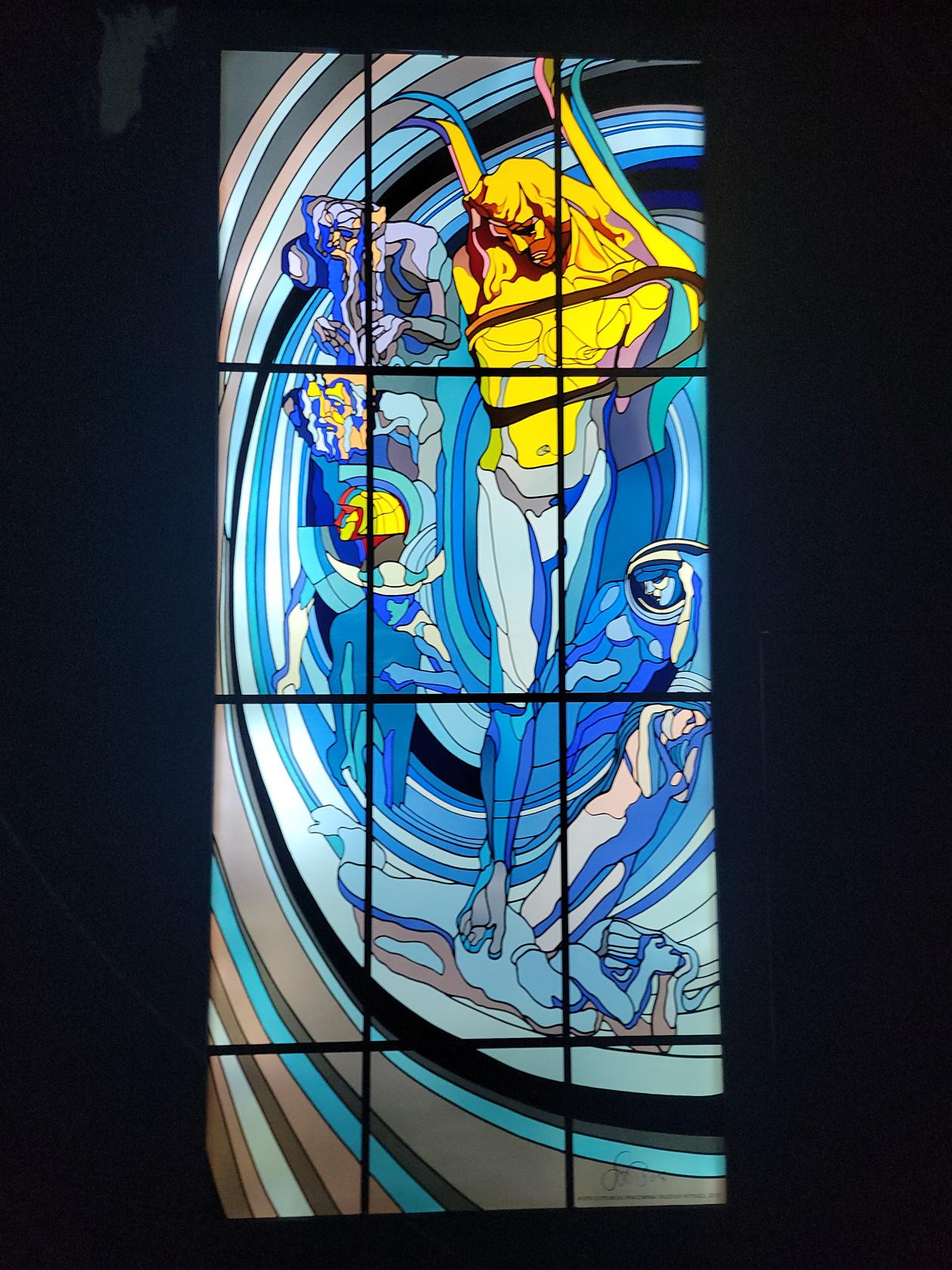
Apollo in the Making with the Planets – Stanislav Wyspianski Design – muWi Stained Glass Museum – Kraków, Poland
Restaurants
One last thought on restaurants in Kraków and Poland in general. At this writing we consider them just as exspensive as in the States. Yes, there are certainly some places you can go and things you can order to minimize your food exspenses, but you can do that in the States as well. One additional comment, few restaurants allow or enable their guests to add a tip to the check. So, if you want to leave one, you should have cash on you. In most cases, since we are coming from Italy where it is not done except in tourist areas, we don’t leave one, though that is probably not the generally accepted behavior.
Gospoda Koko
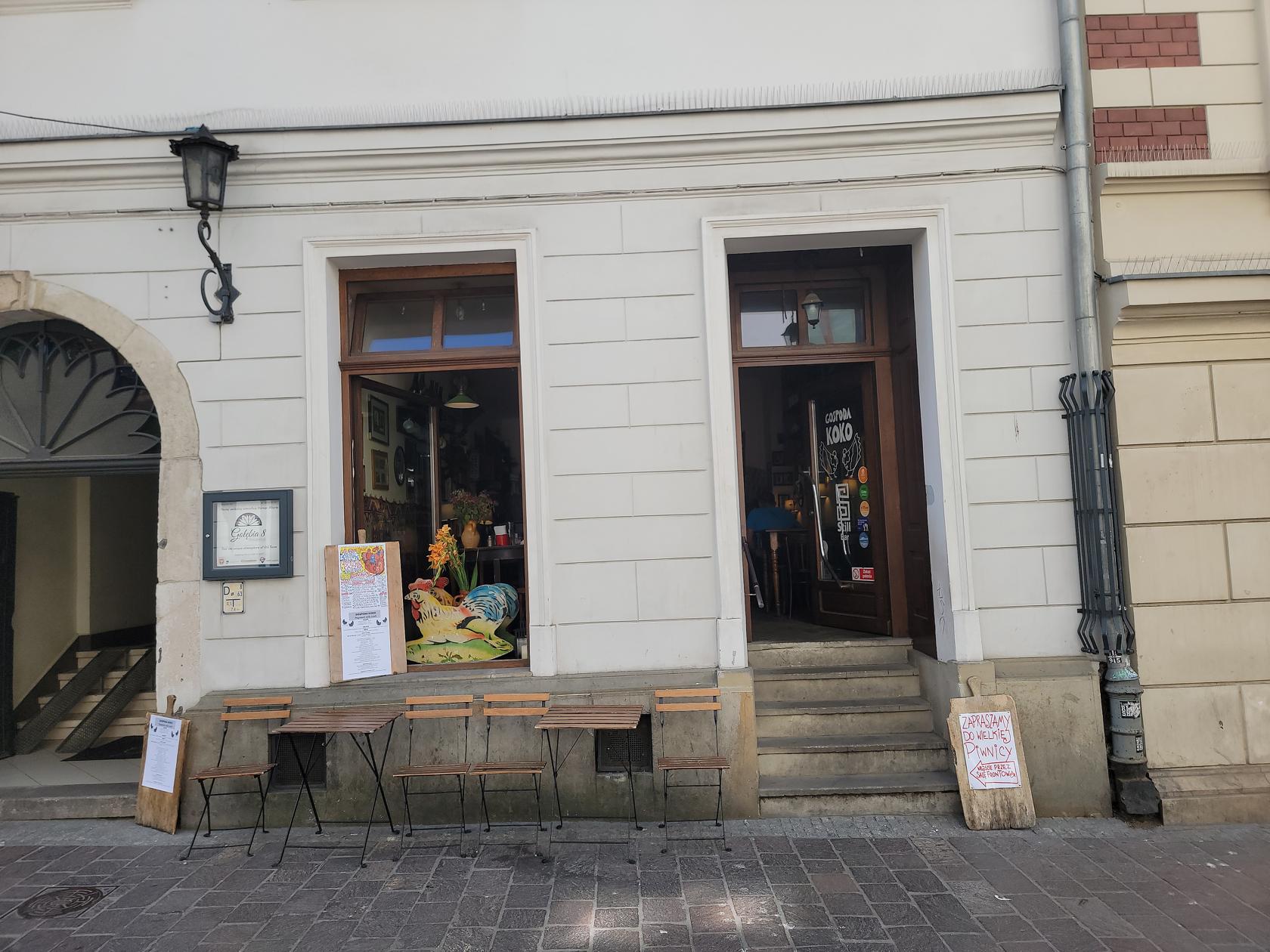
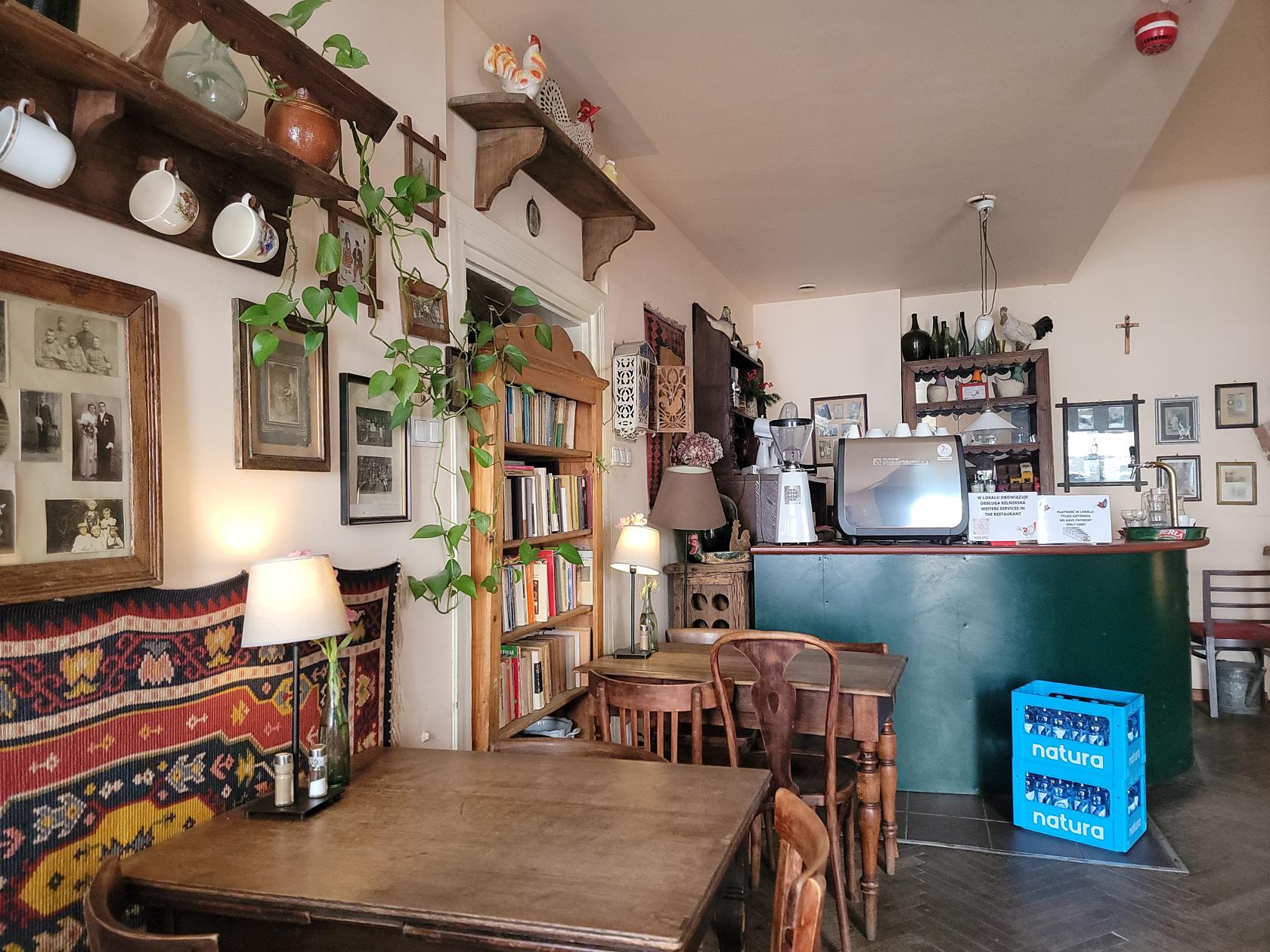
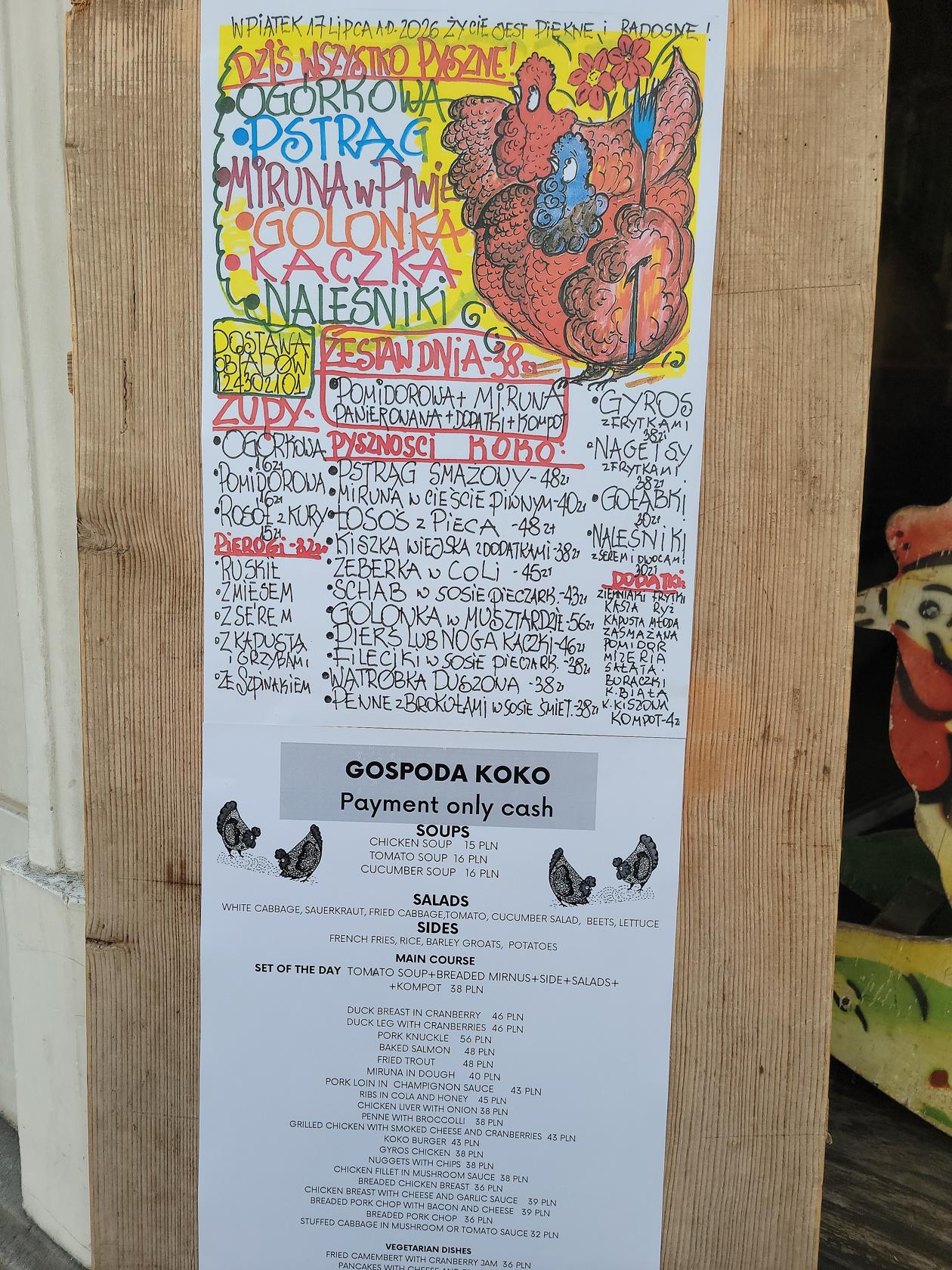
This restaurant was a surprise find. Gospoda Koka is a rather off-beat establishment that actually had good food and service that we thoroughly enjoyed for lunch. They have very good soups and their Polish Cabbage Side Salad for only 7 Zloty(under $2) is highly recommended.
Entrance – Gospoda Koko Restaurant – Kraków, Poland
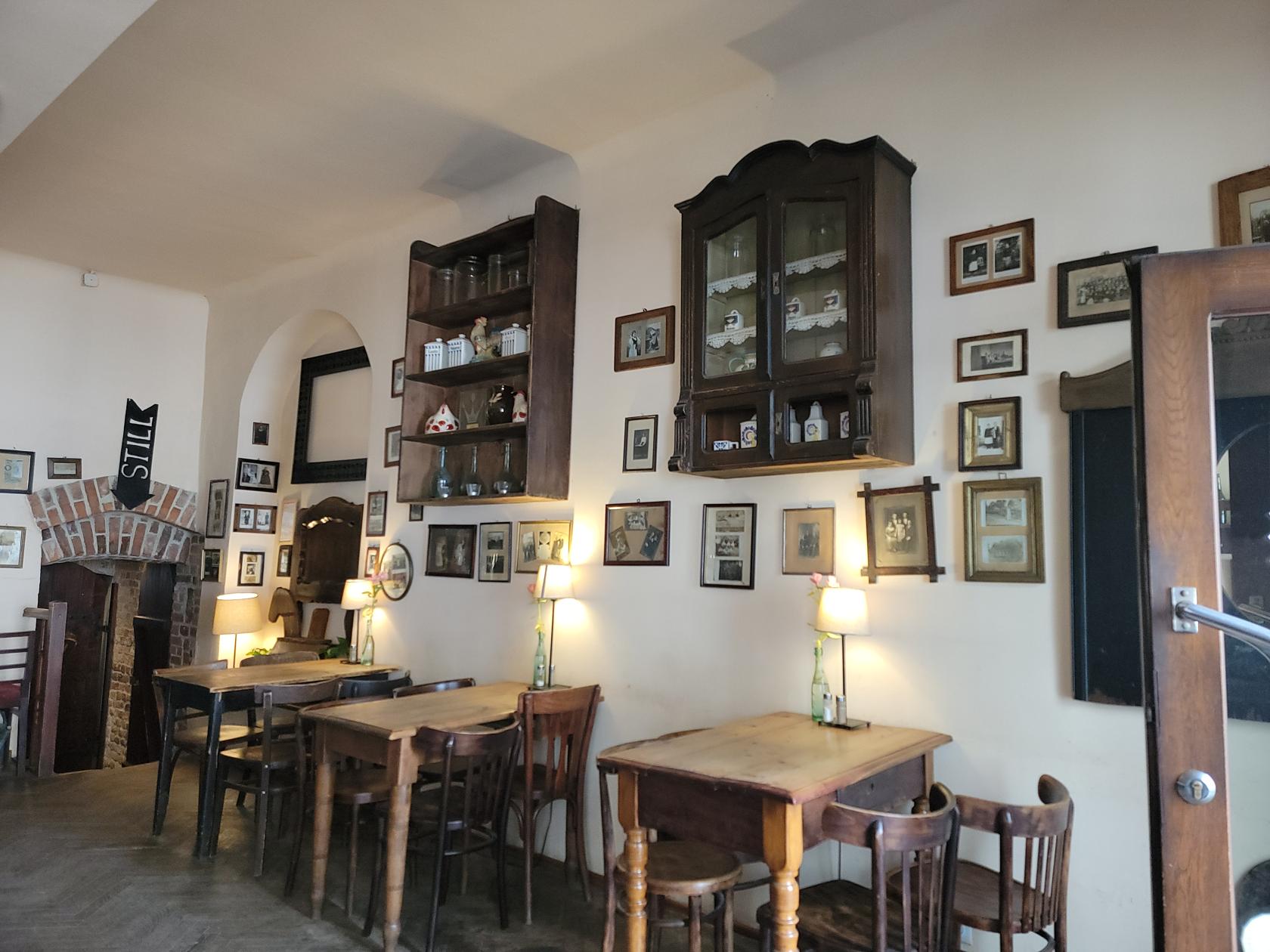
Inside – Gospoda Koko Restaurant – Kraków, Poland
Today’s Menu – Gospoda Koko Restaurant – Kraków, Poland
Inside – Gospoda Koko Restaurant – Kraków, Poland
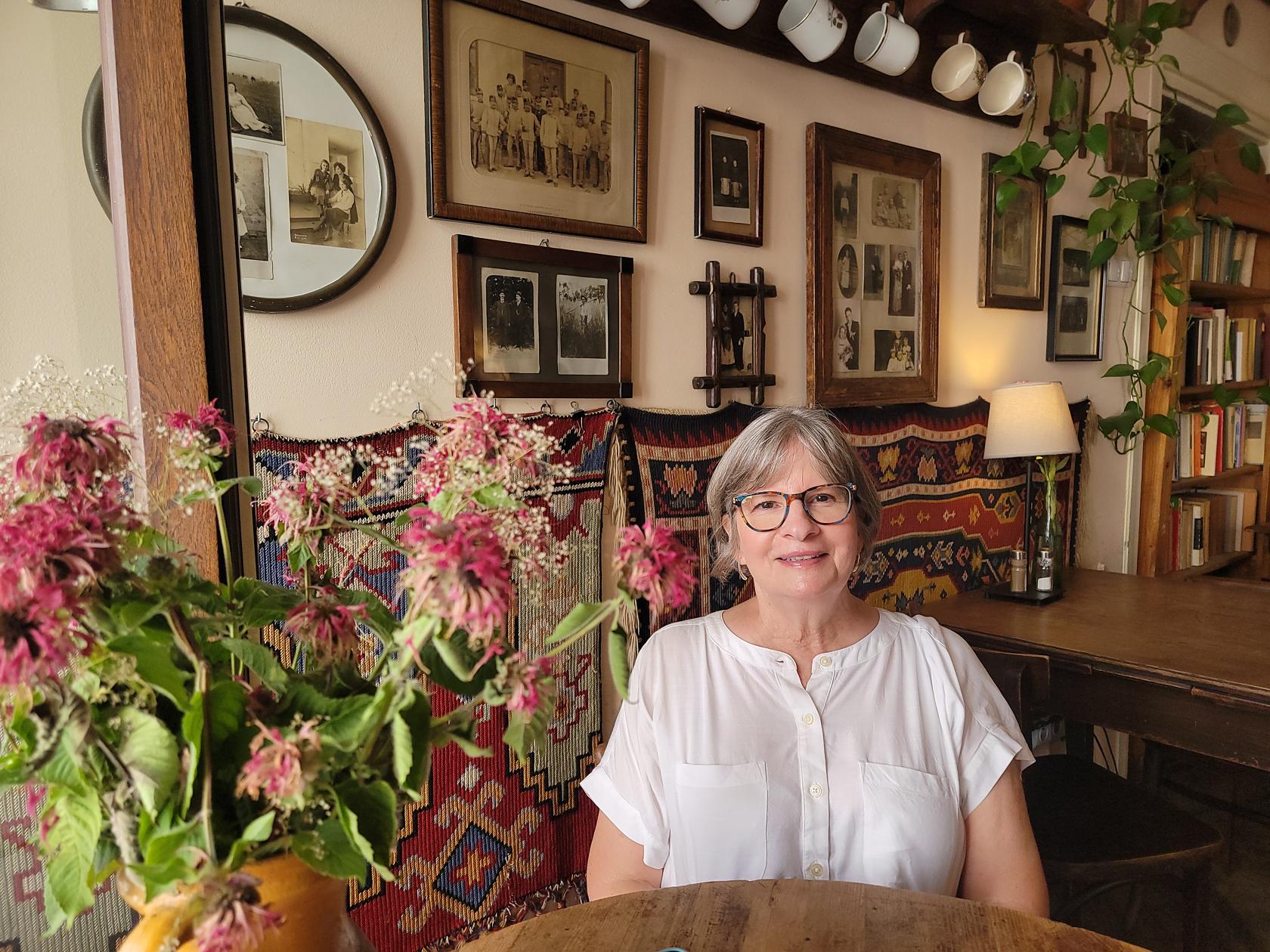
Patti Inside – Gospoda Koko Restaurant – Kraków, Poland
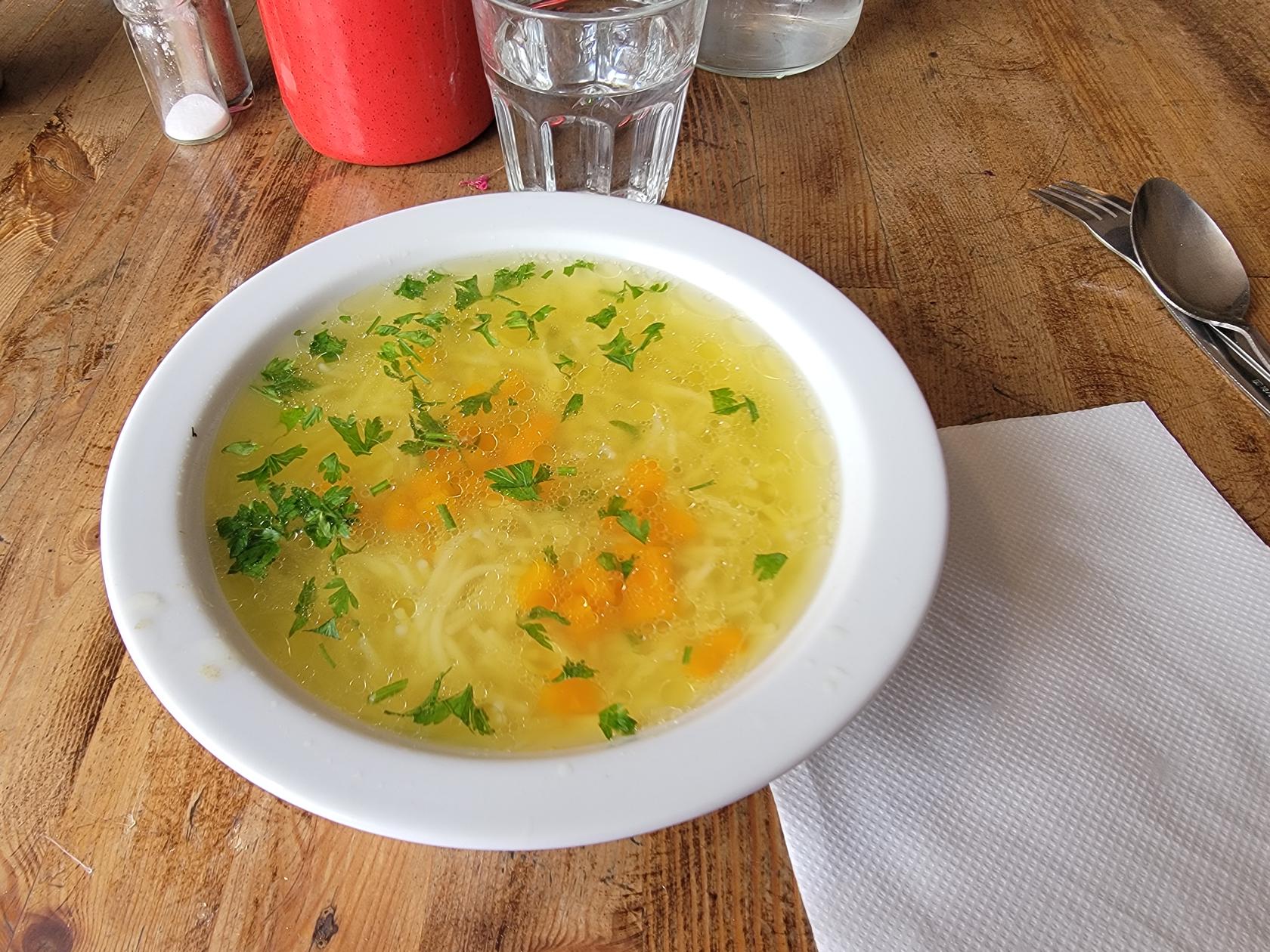
Chicken Noodle Soup – Gospoda Koko Restaurant – Kraków, Poland
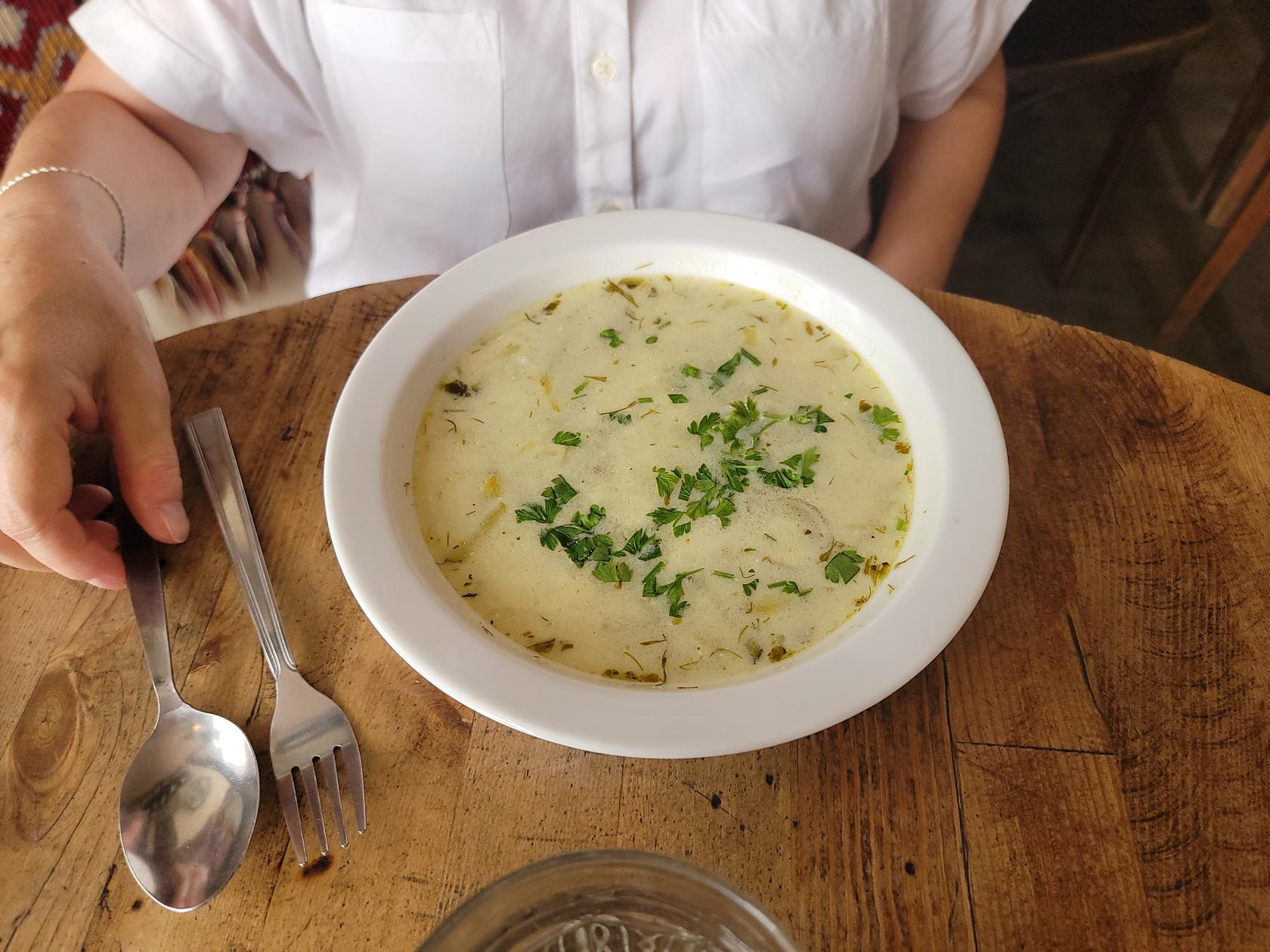
Patti’s Soup – Gospoda Koko Restaurant – Kraków, Poland
Morskie Oko
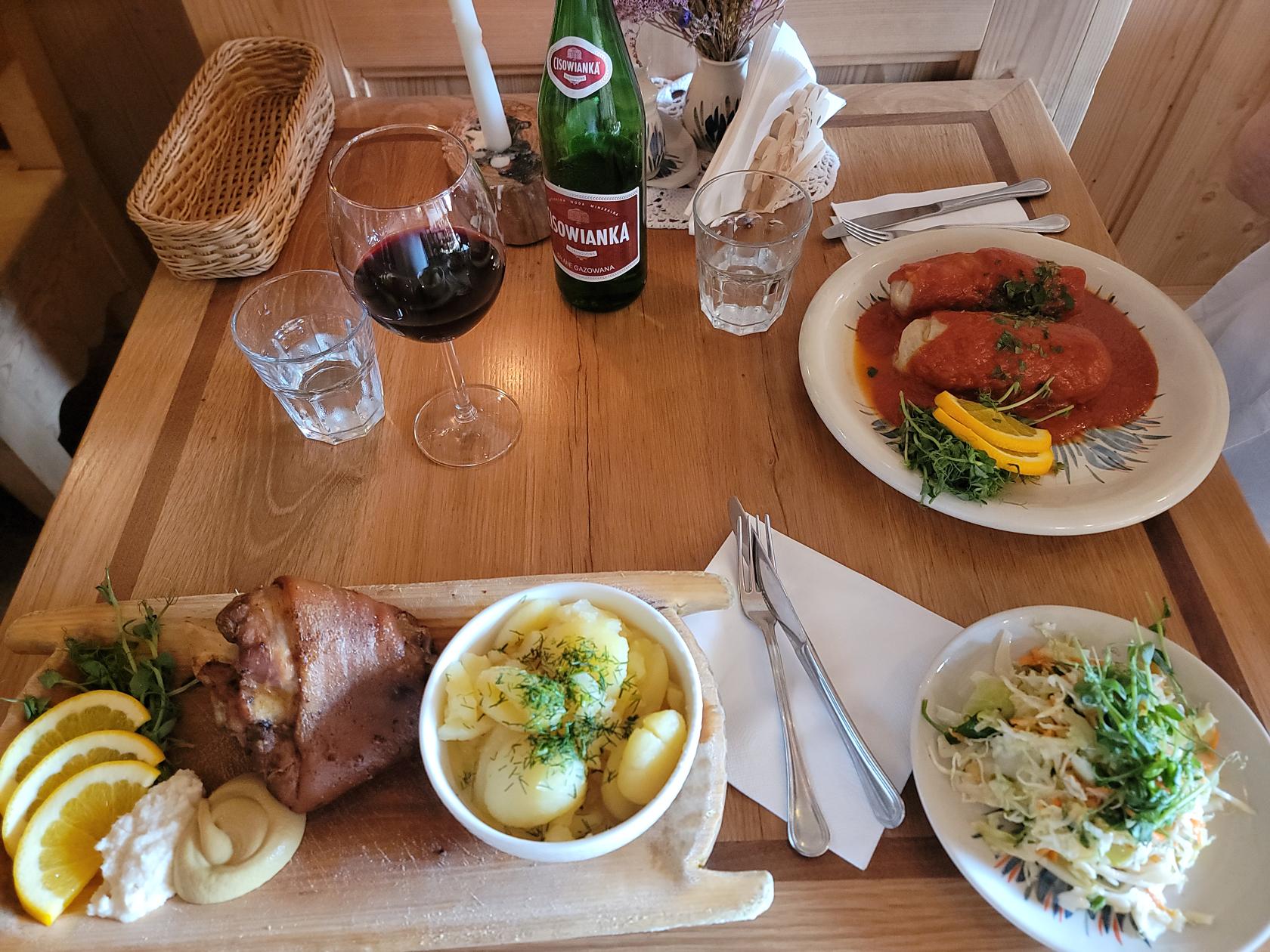
Another visit to Morskie Oko for lunch this time gave us the opportunity to try other fare. Patti tried the Stuffed Cabbage while I ordered the Pork Shank with Potatoes.
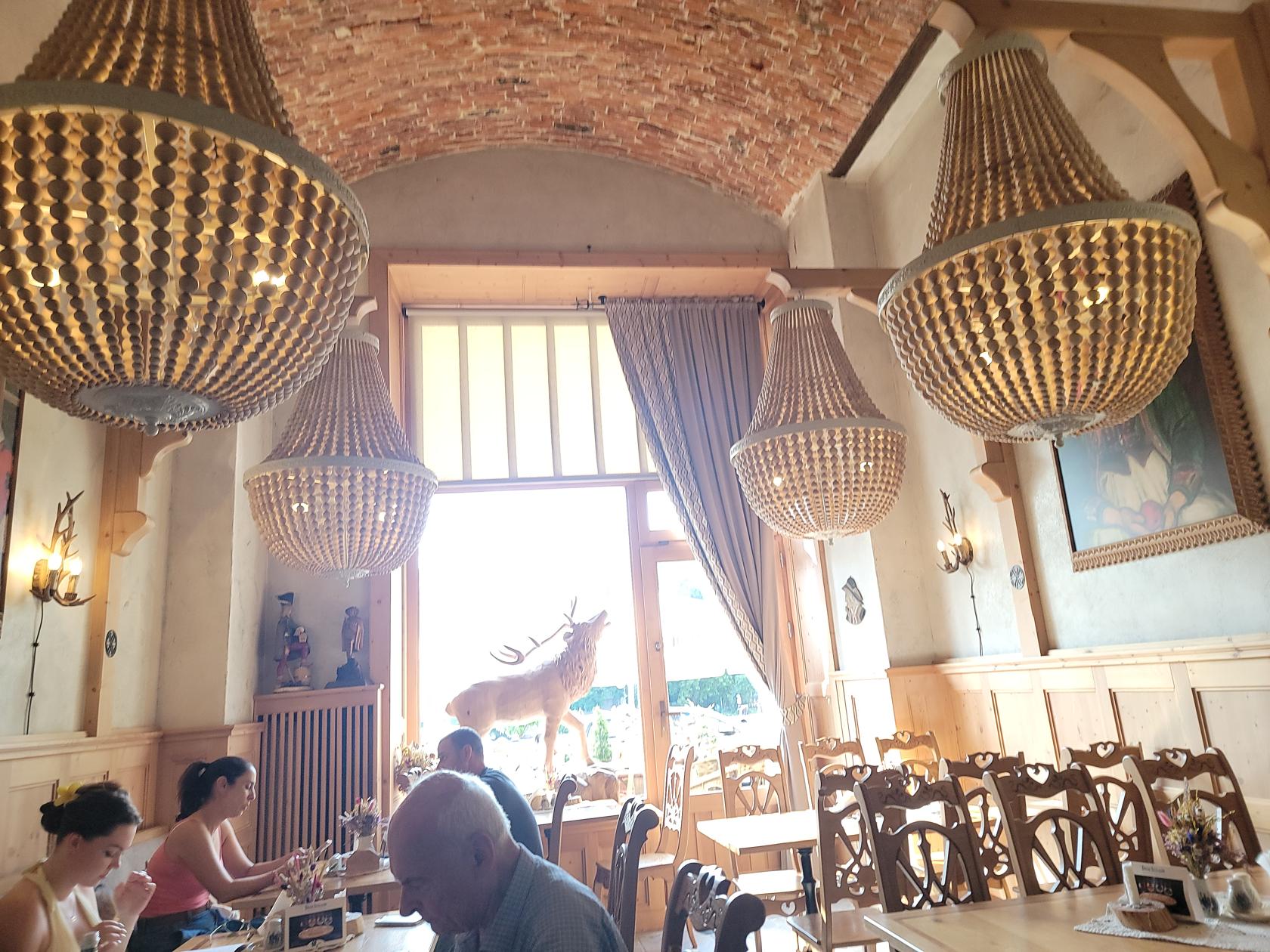
Inside – Morskie Oko Restaurant – Kraków, Poland
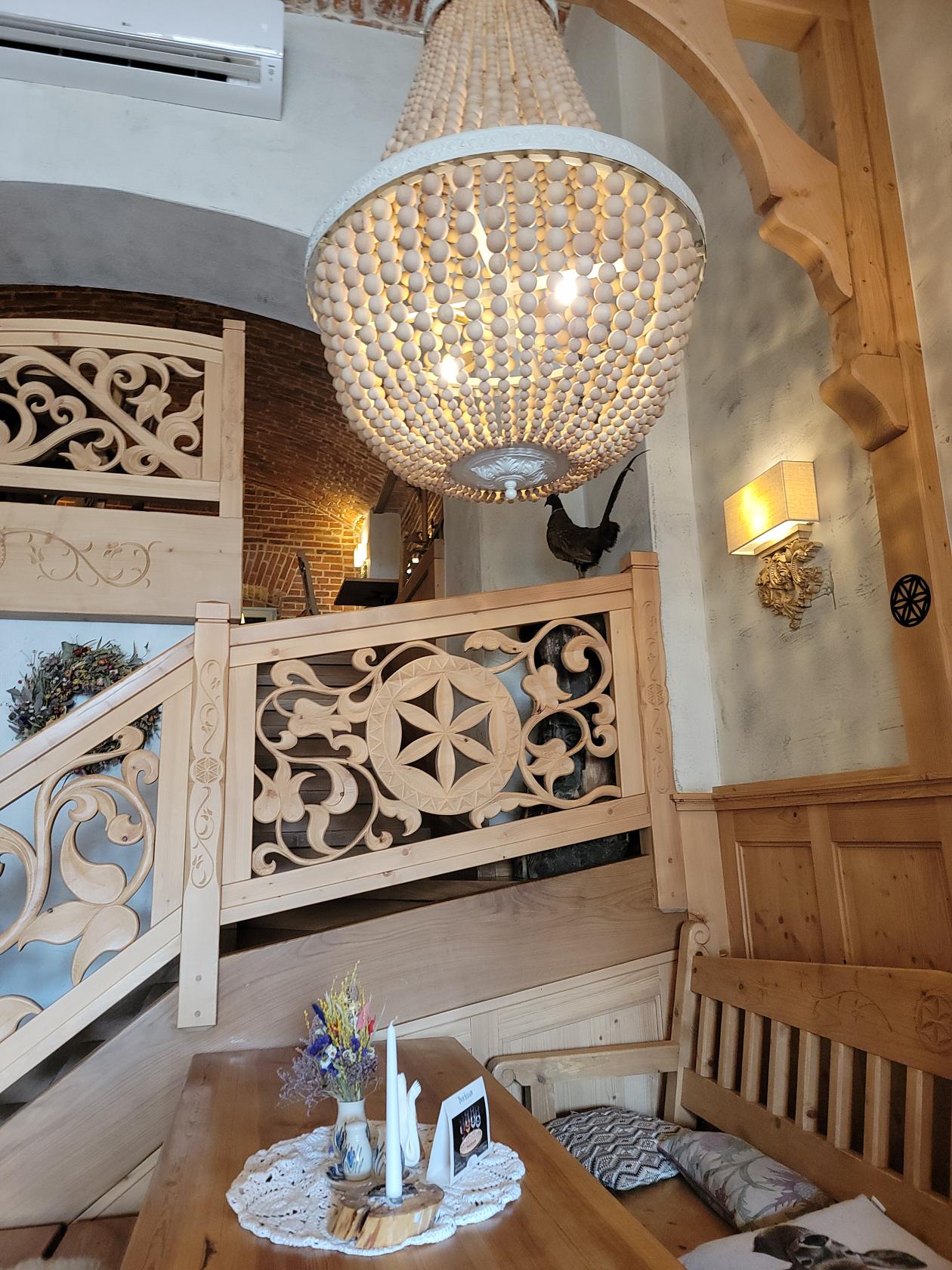
Decor – Morskie Oko Restaurant – Kraków, Poland
Pork Shank and Potatoes, Cabbage Salad and Galumpki – Morskie Oko Restaurant – Kraków, Poland
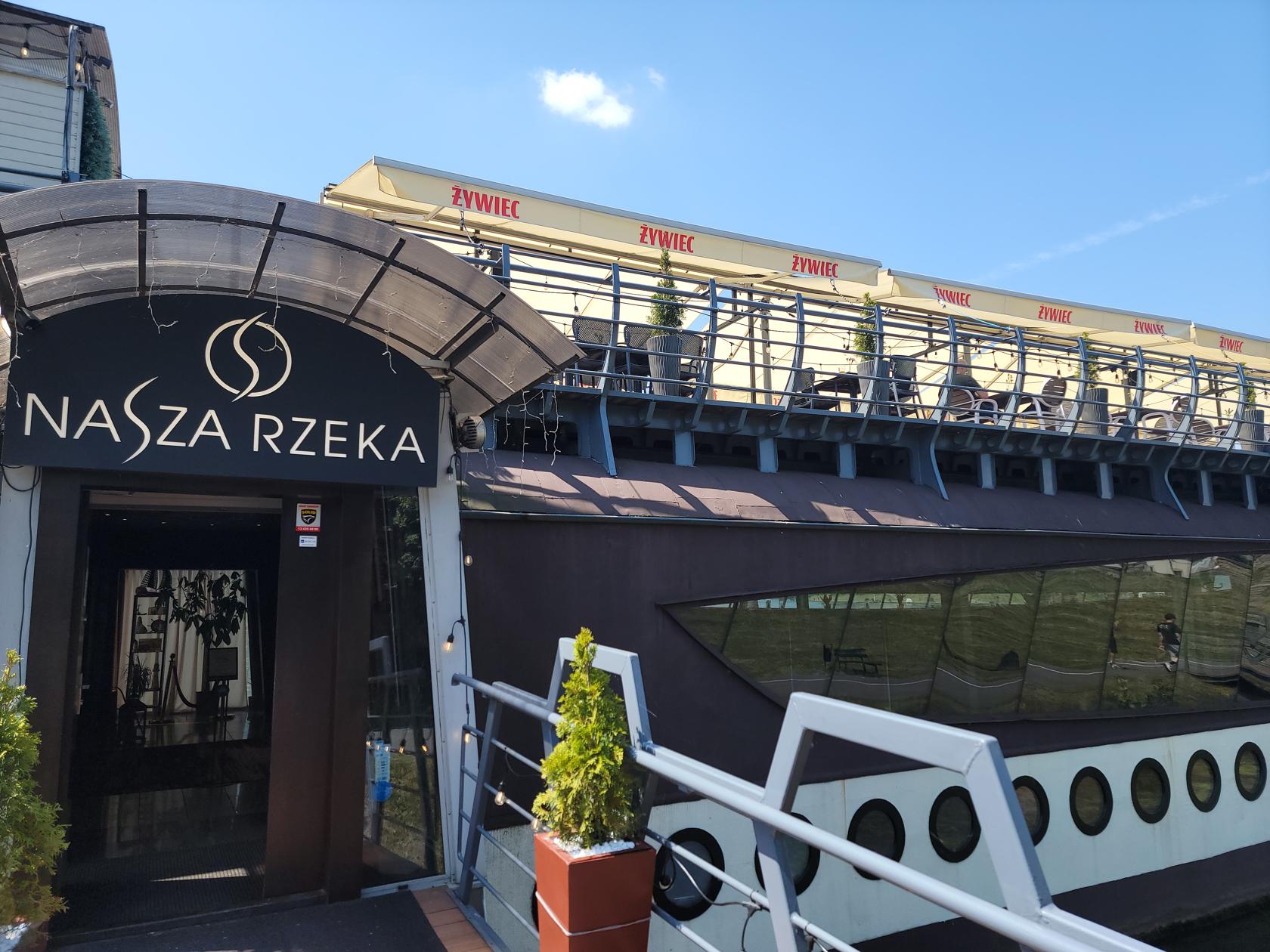
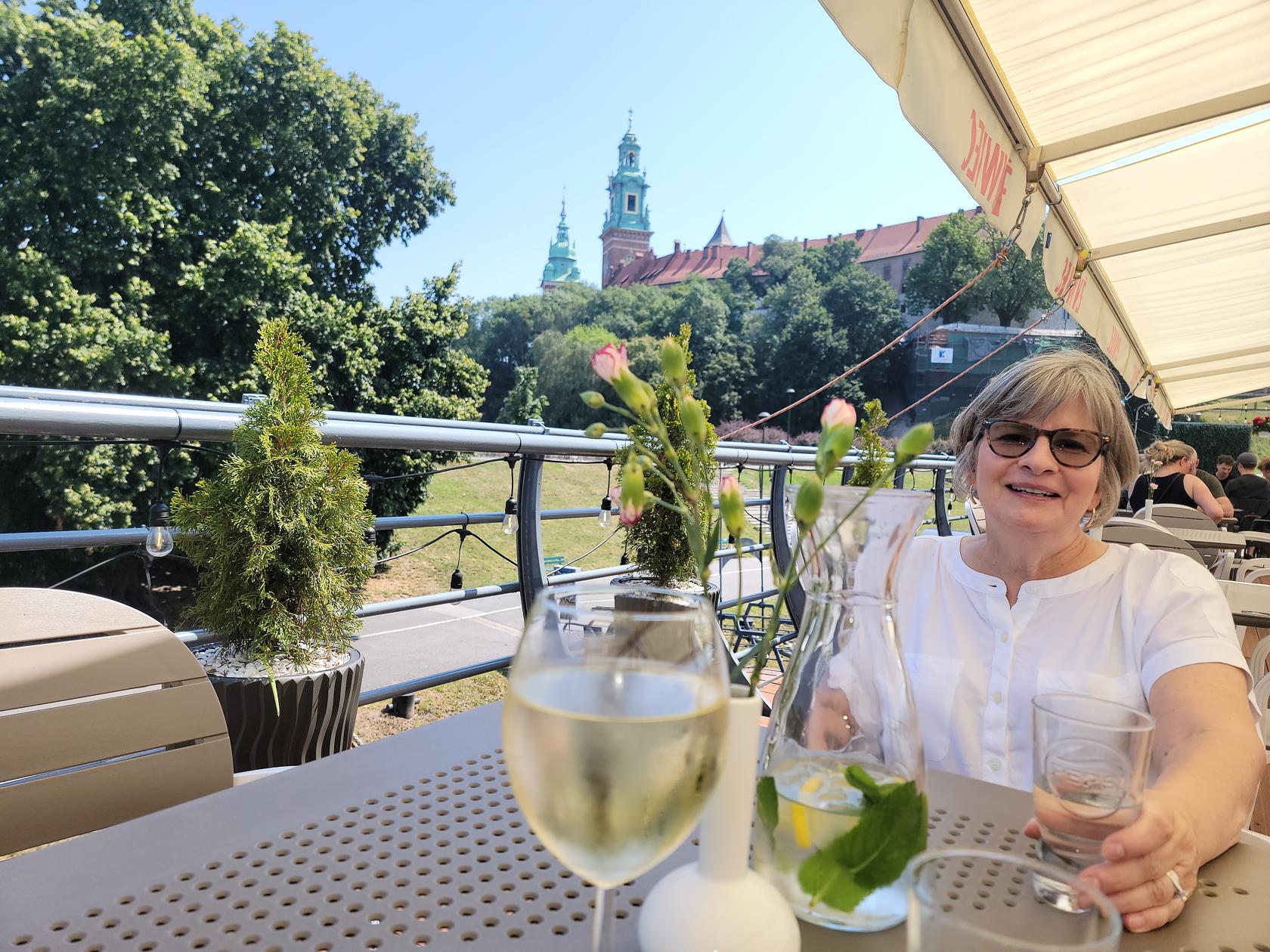
A converted boat on the Vistula, the Nasza Rzeka Bar is an excellent choice for a noon time drink, especially during good weather. The upper deck is a perfect place to enjoy the view of the river and recharge.
Nasza Rzeka Bar – Vistula River – Kraków, Poland
Patti – Nasza Rzeka Bar – Vistula River – Kraków, Poland
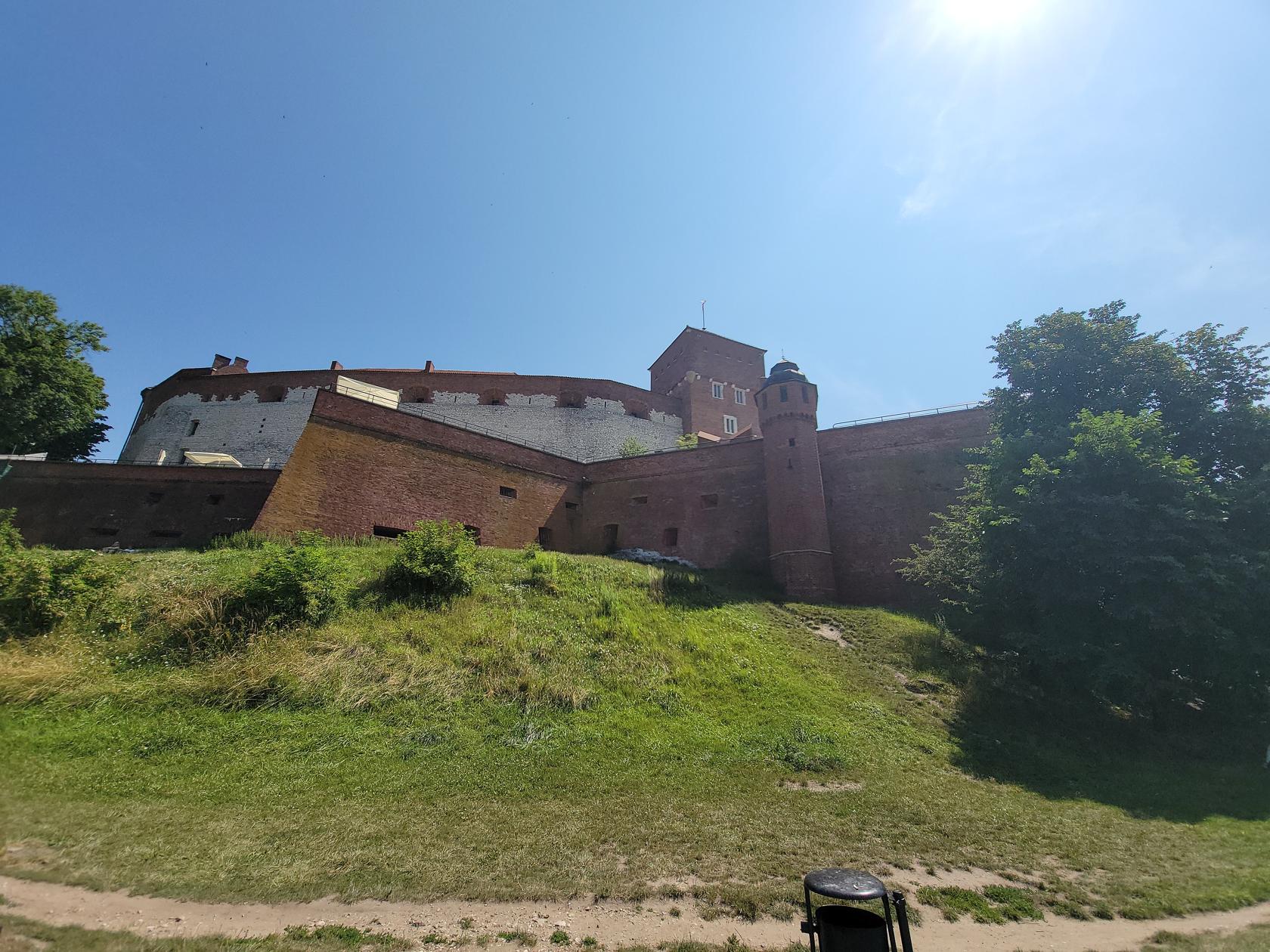
Wawel Castle – Vistula River – Kraków, Poland
Patti – Nasza Rzeka Bar – Vistula River – Kraków, Poland
The Wieliczka Salt Mine is located about thirty minutes south of Kraków, Poland and sees thousands of visitors a day, so it is important to get tickets before you visit. In case you are unable to, they may be purchased at the site, though you may have a considerable wait before you are allowed down with your language group. All tours are guided in any one of several languages.
Tickets For Two – Wieliczka Salt Mine – Wieliczka, Poland
Wieliczka Salt Mine
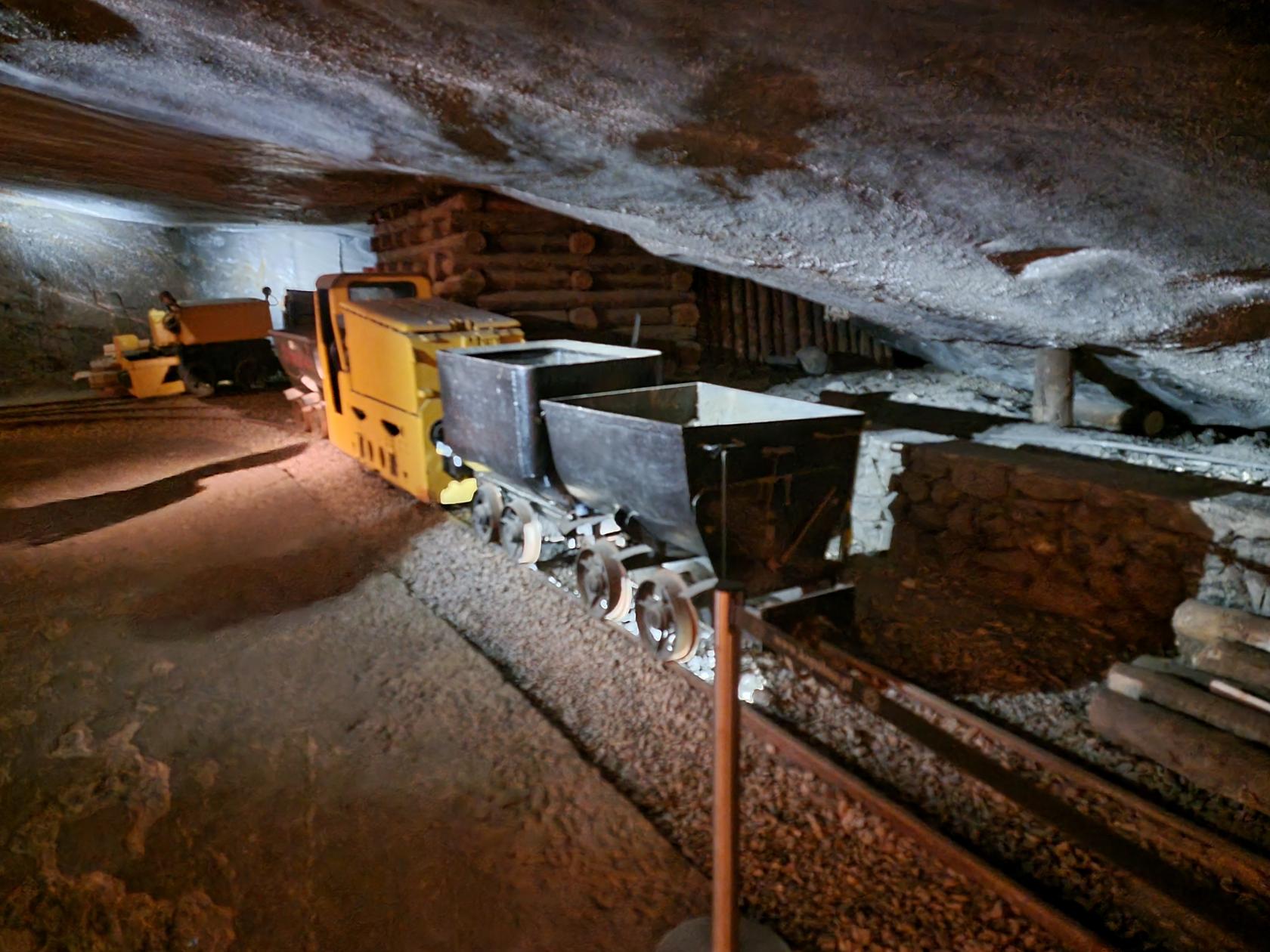
Essentially the mine is actually a Halite mine, or a mine containing rock salt. Its composition is different from sea and other salts and is normally used on road surfaces and for other purposes, unless it is refined, then it can be used for table salt.
Entrance – Wieliczka Salt Mine – Wieliczka, Poland
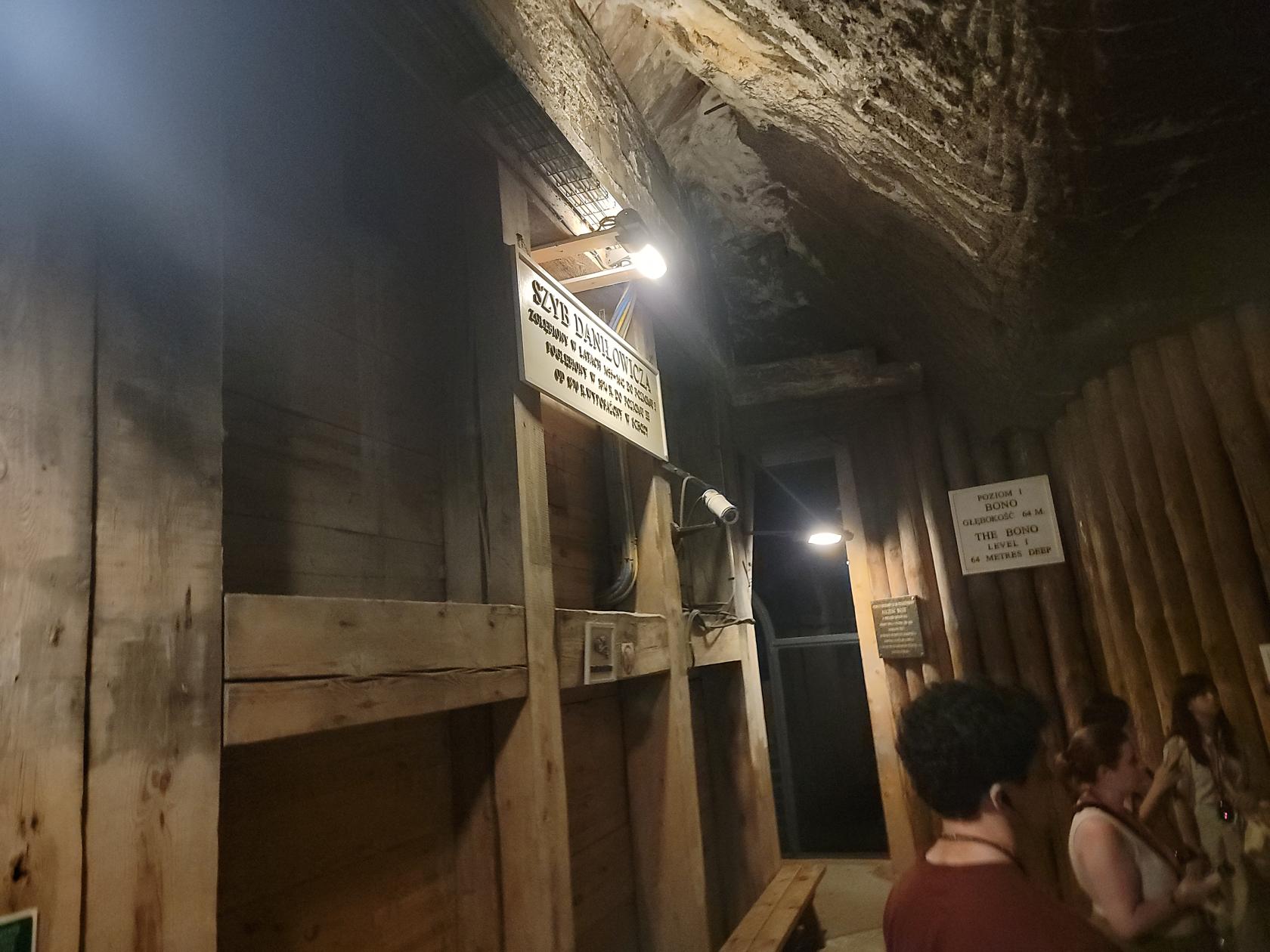
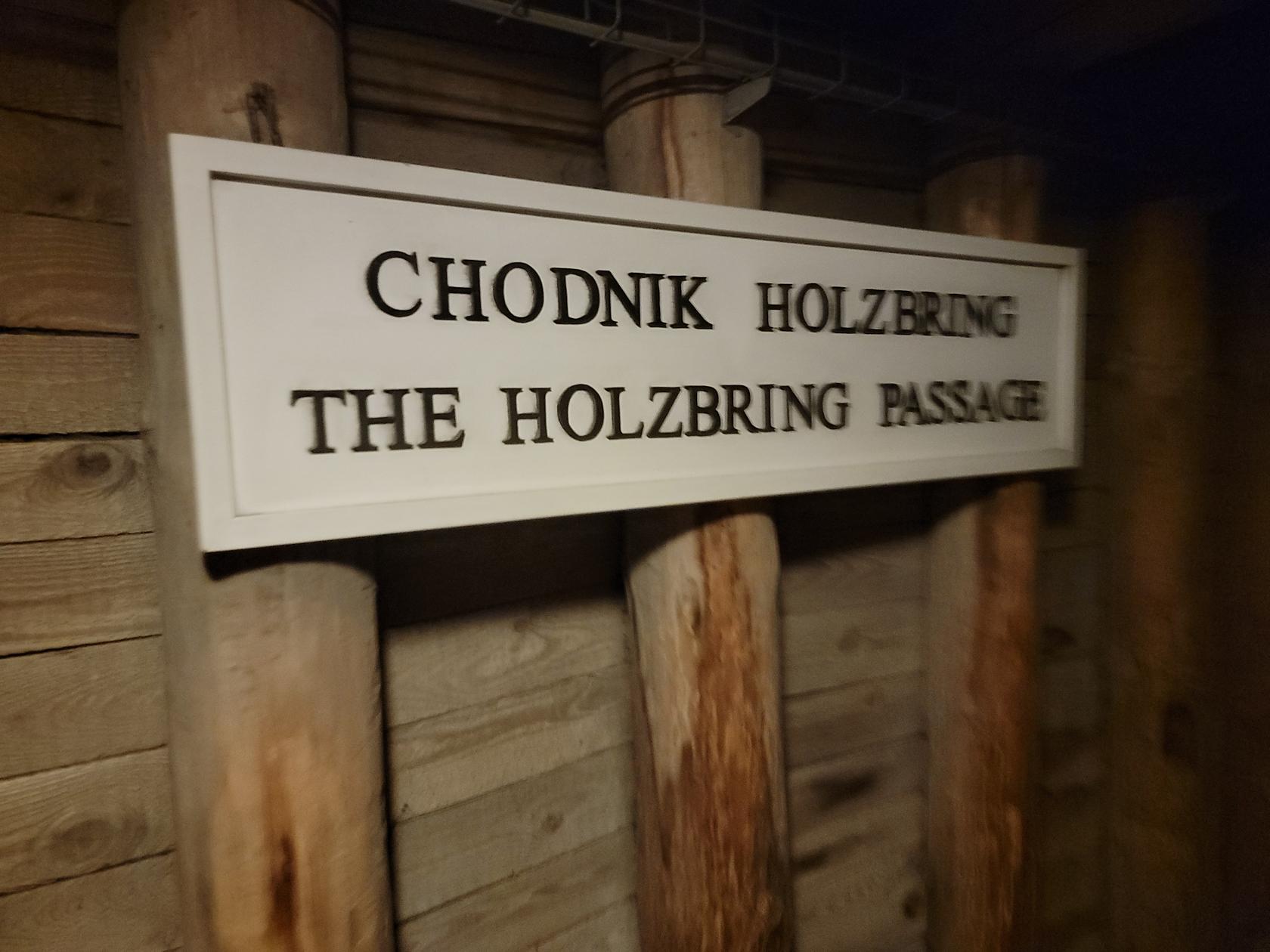
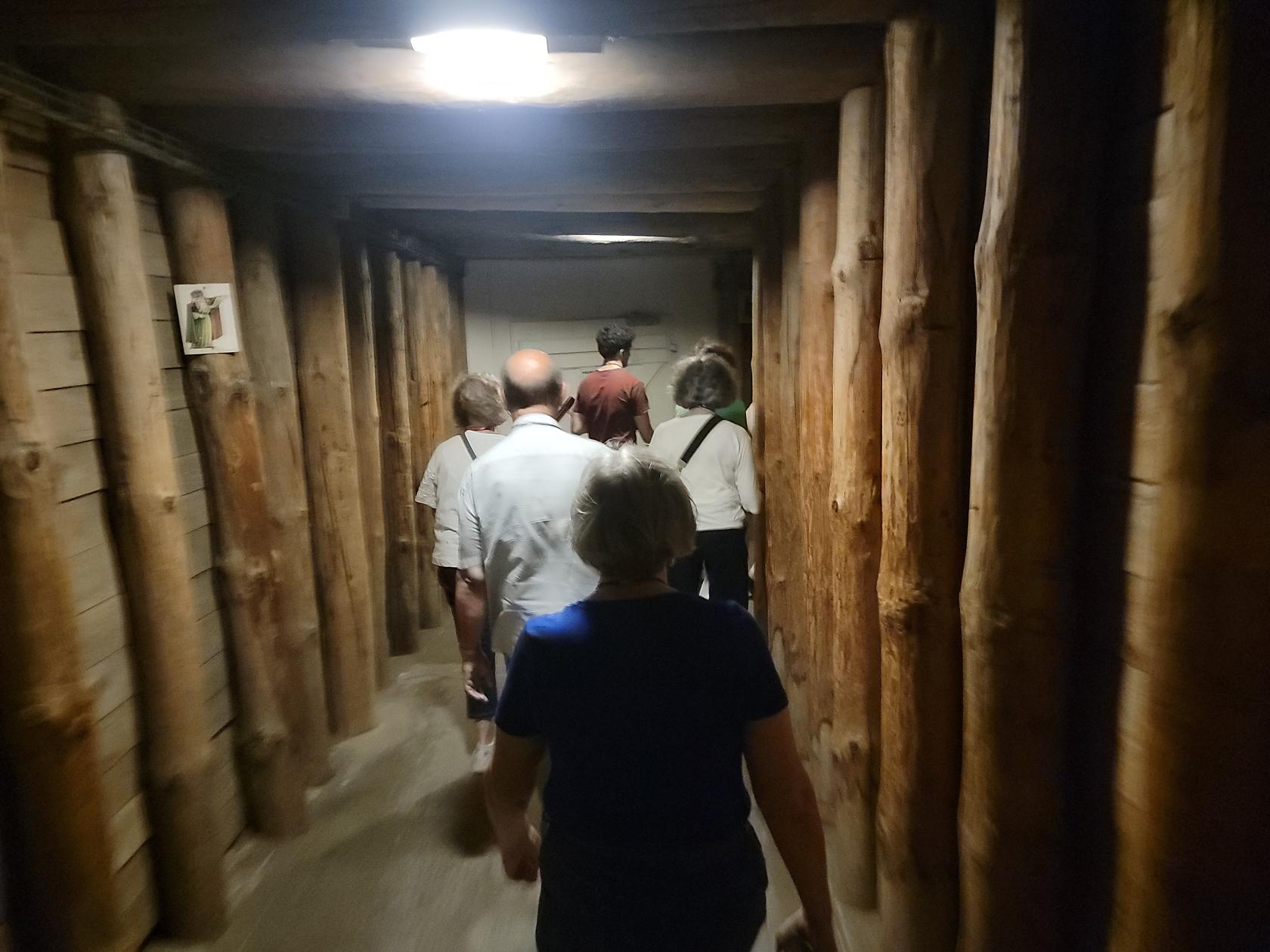
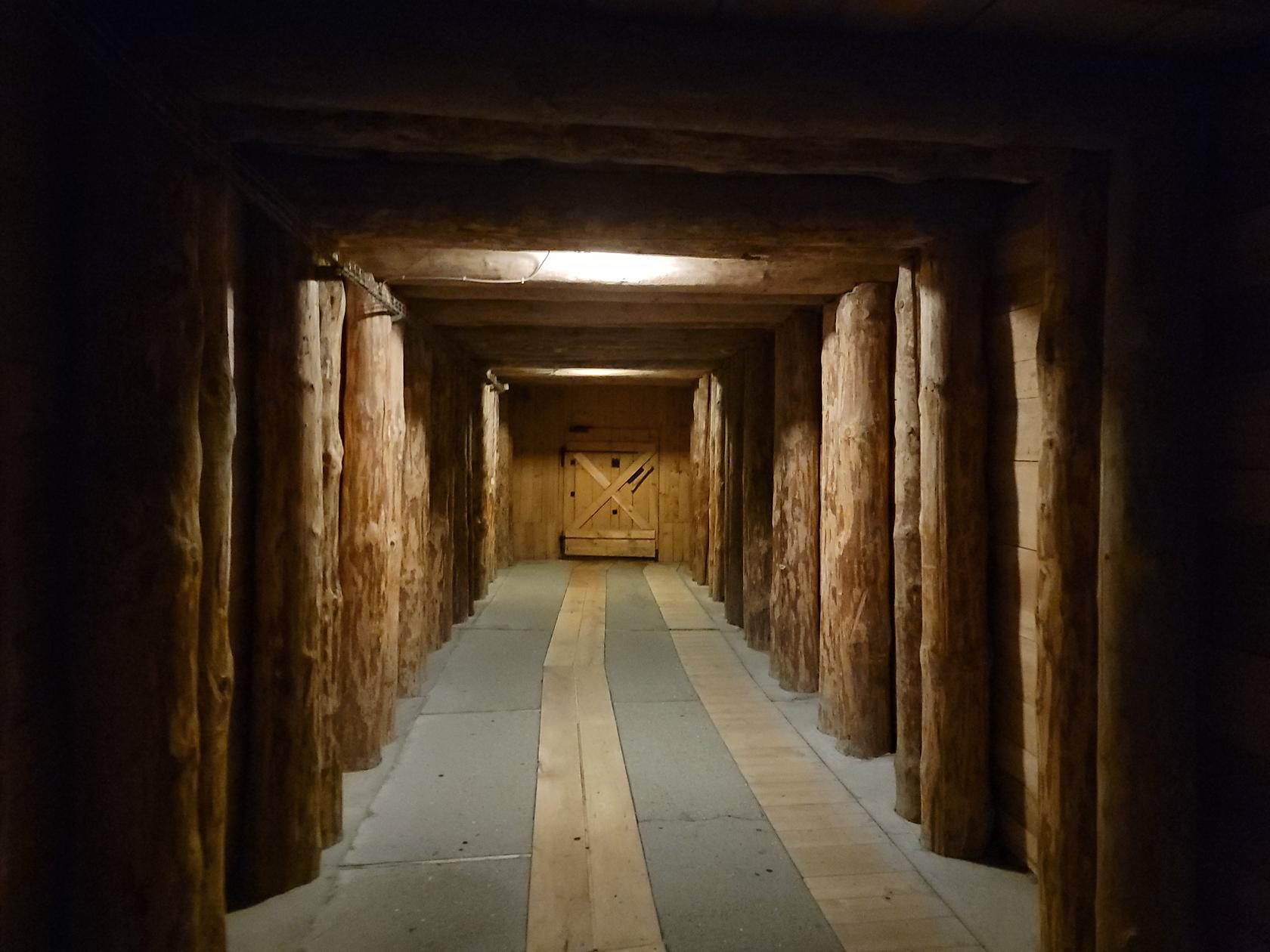
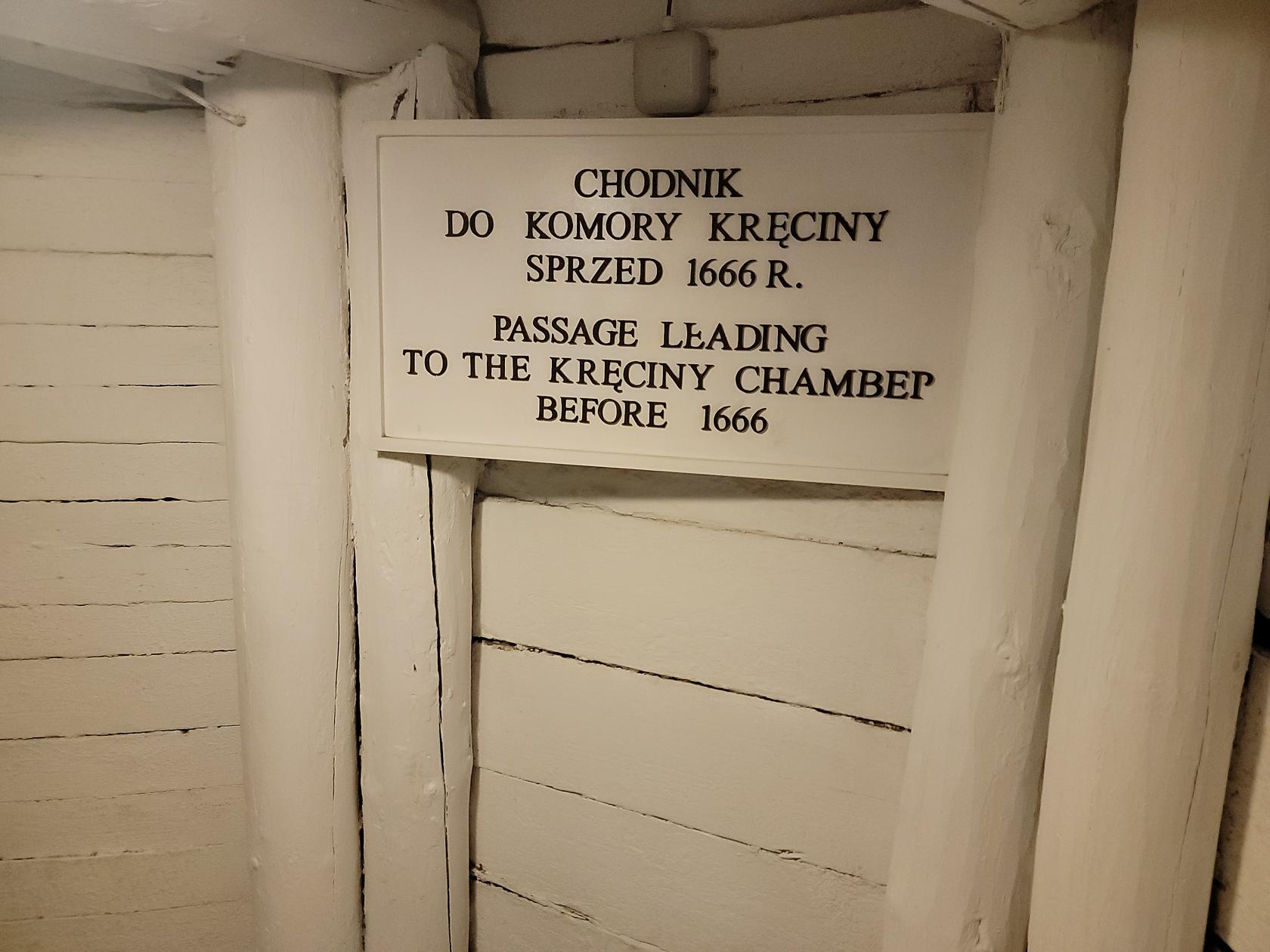
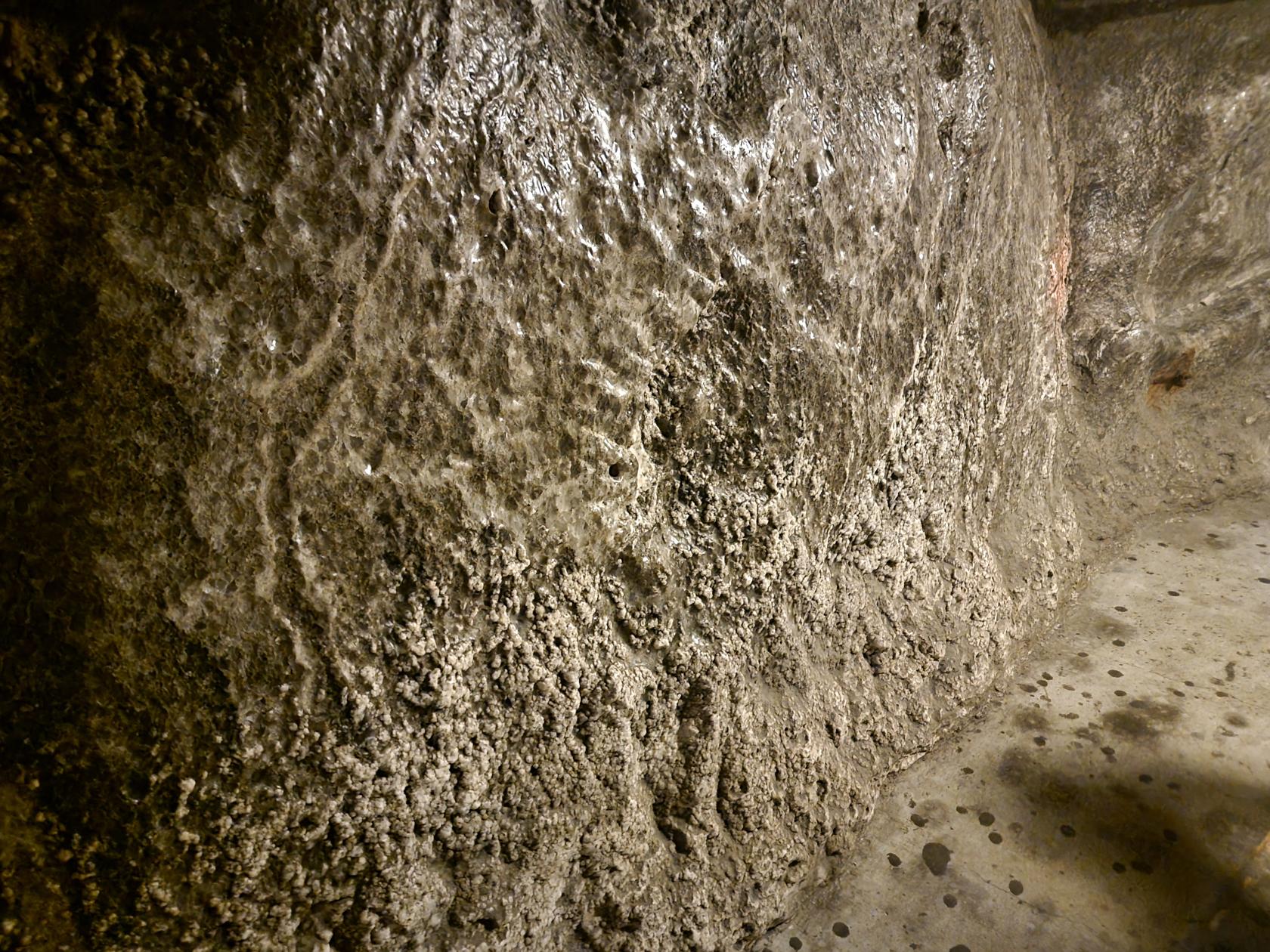
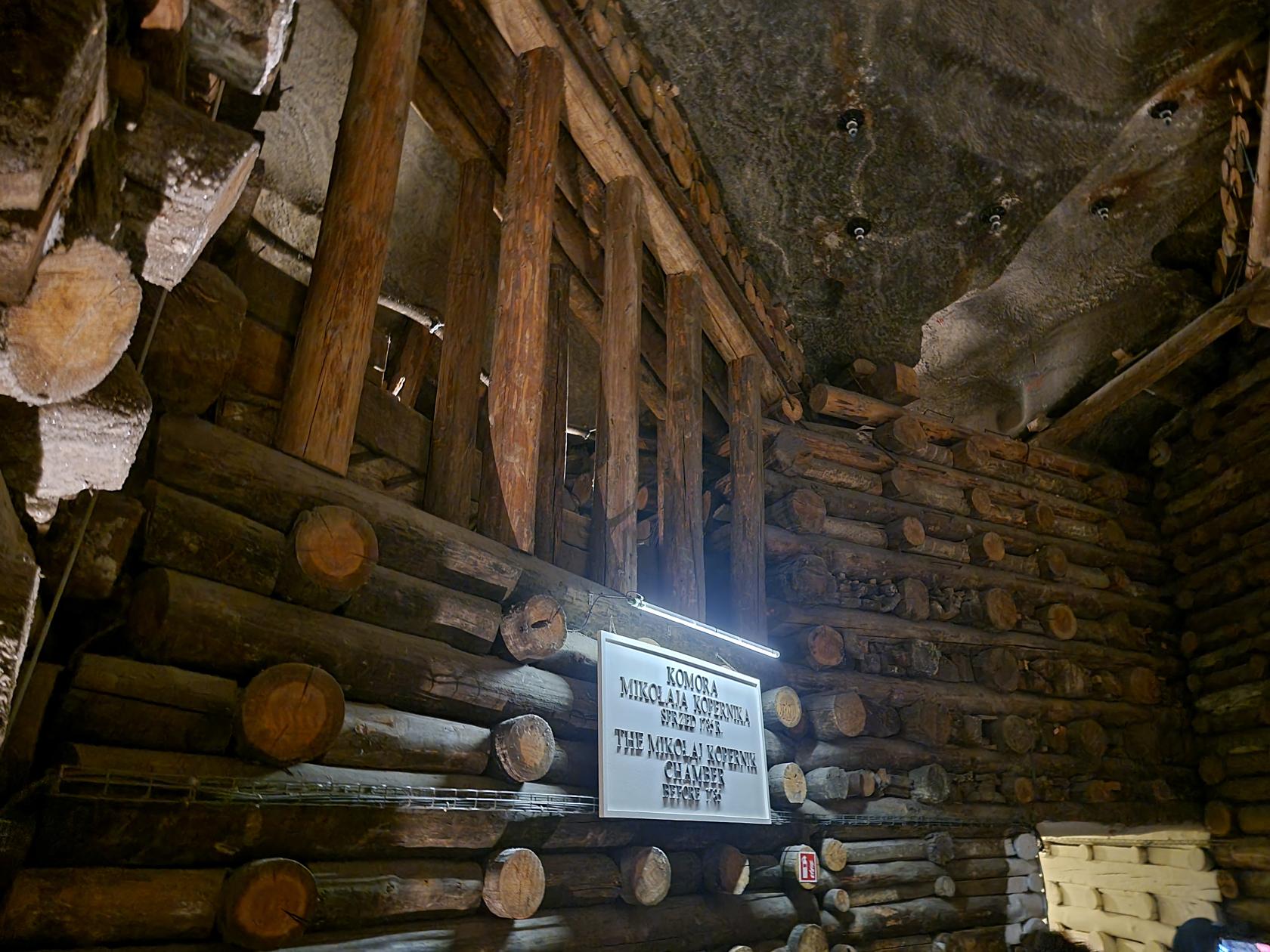
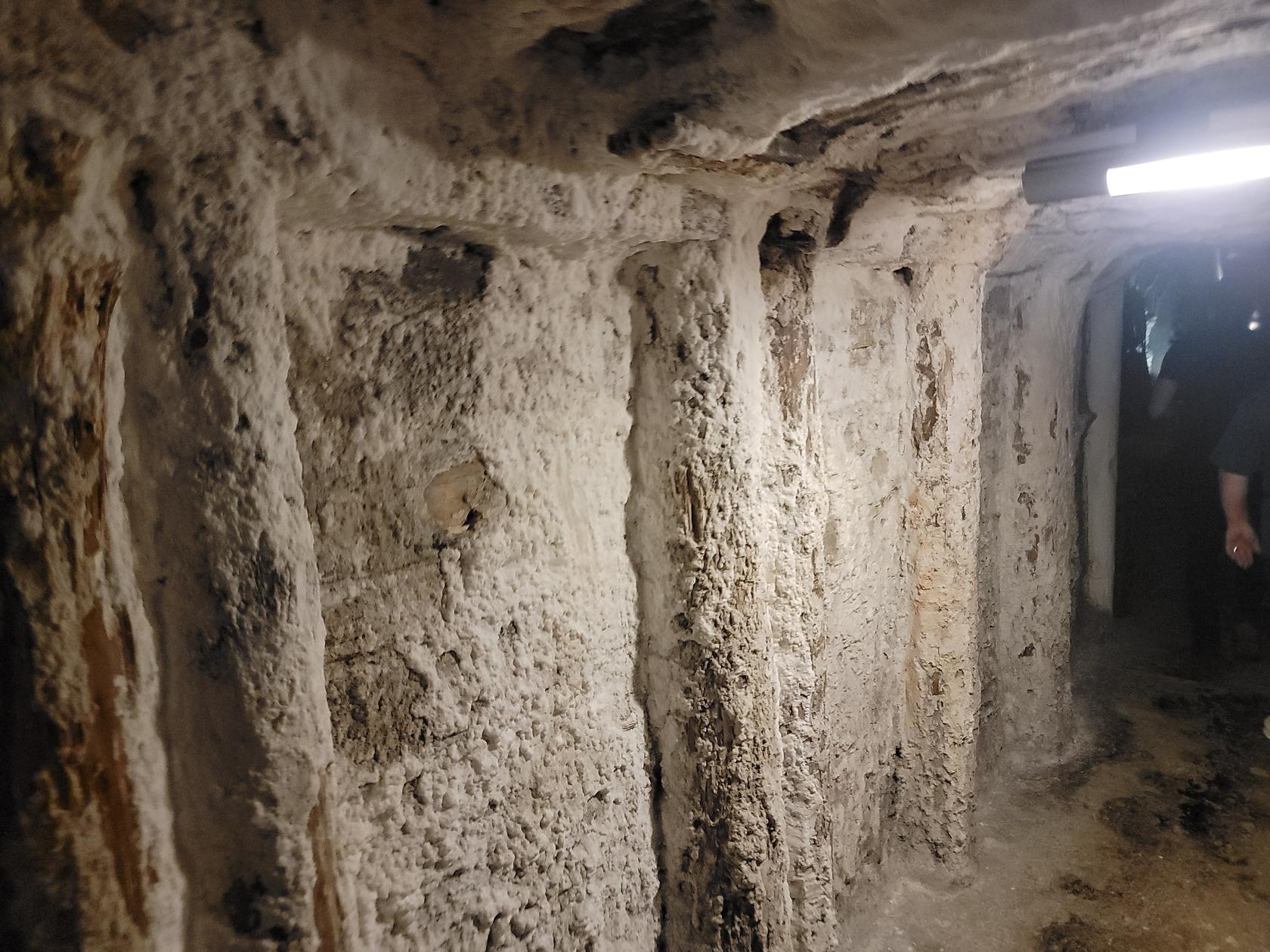
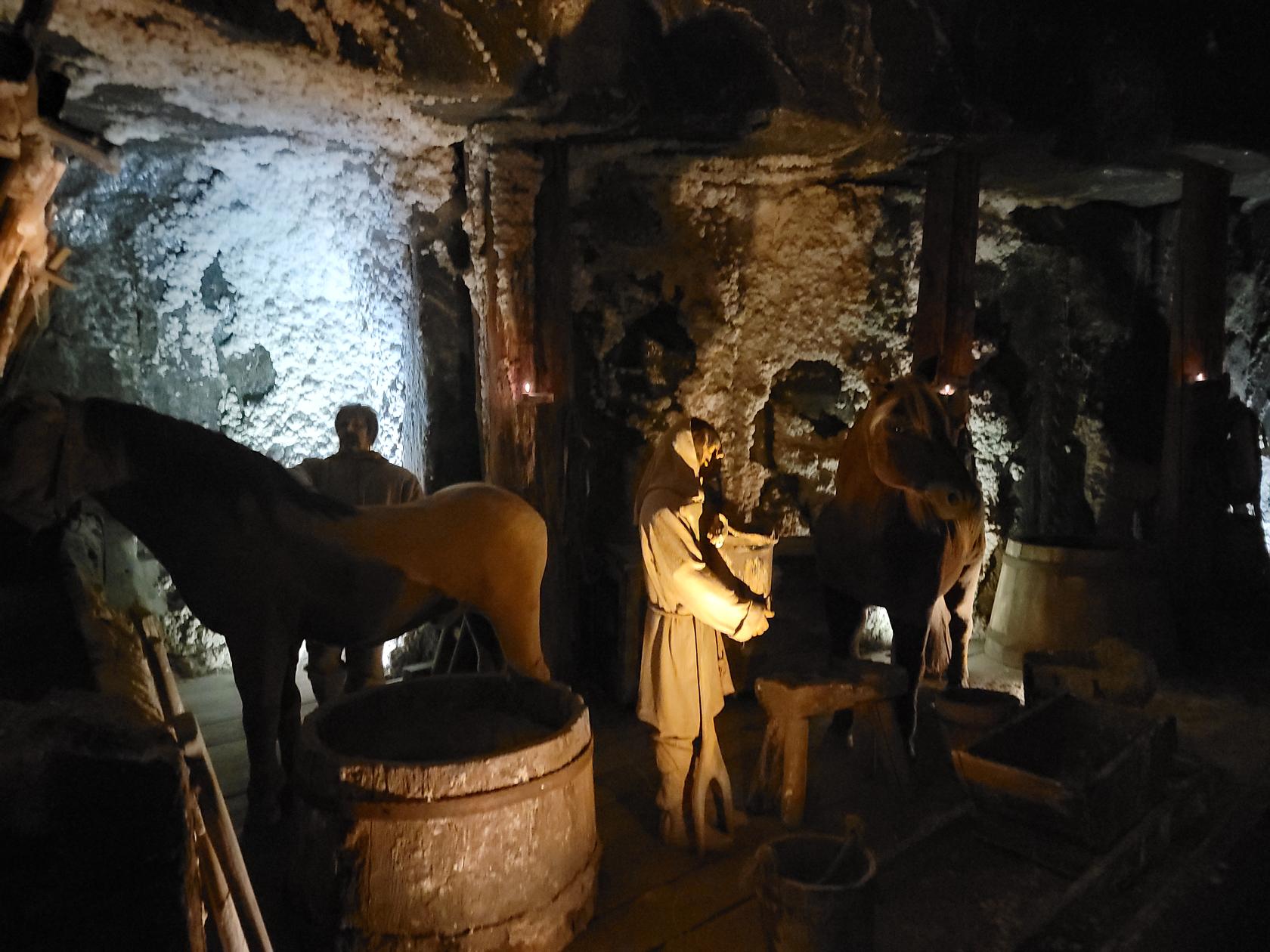
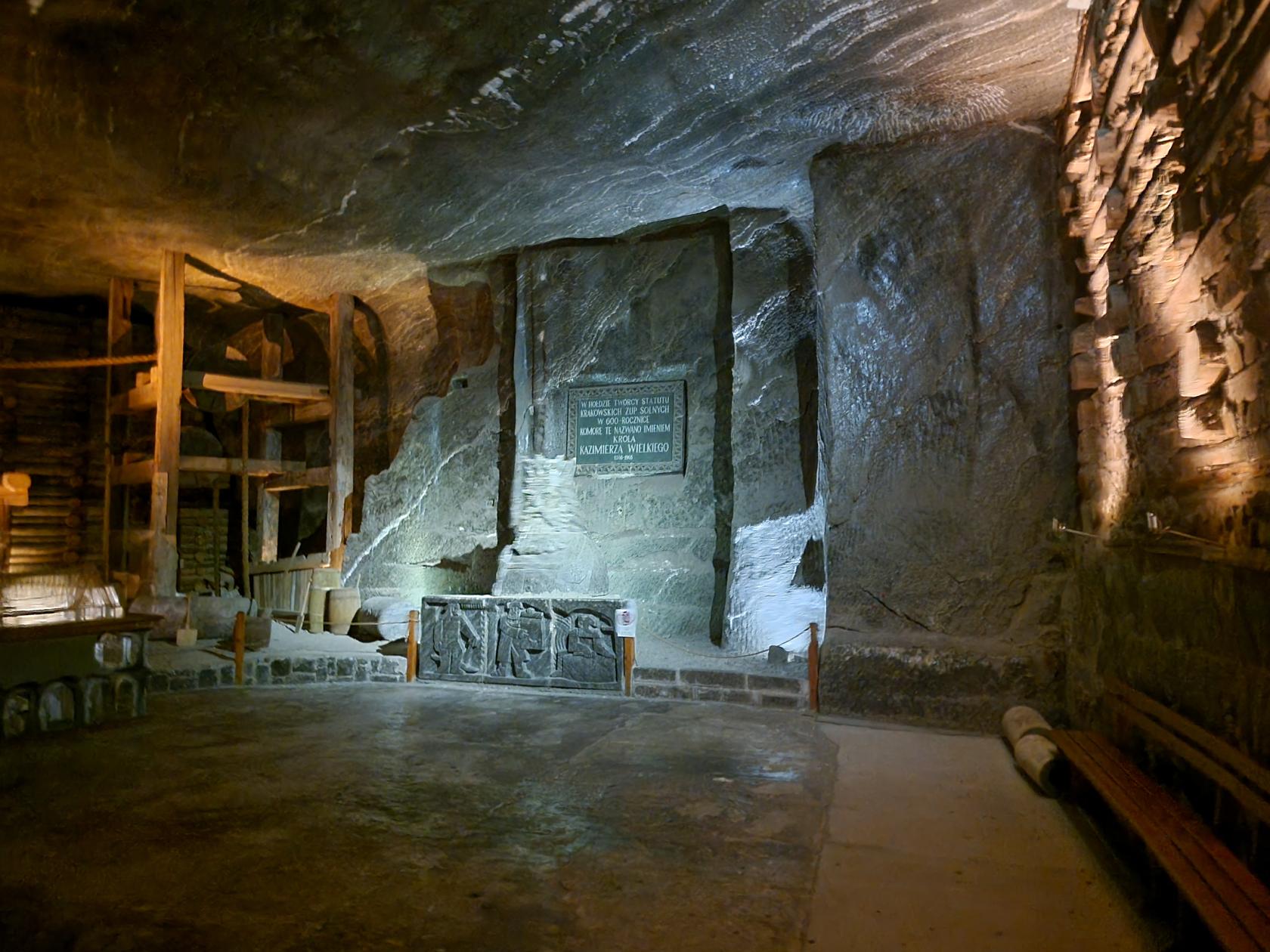
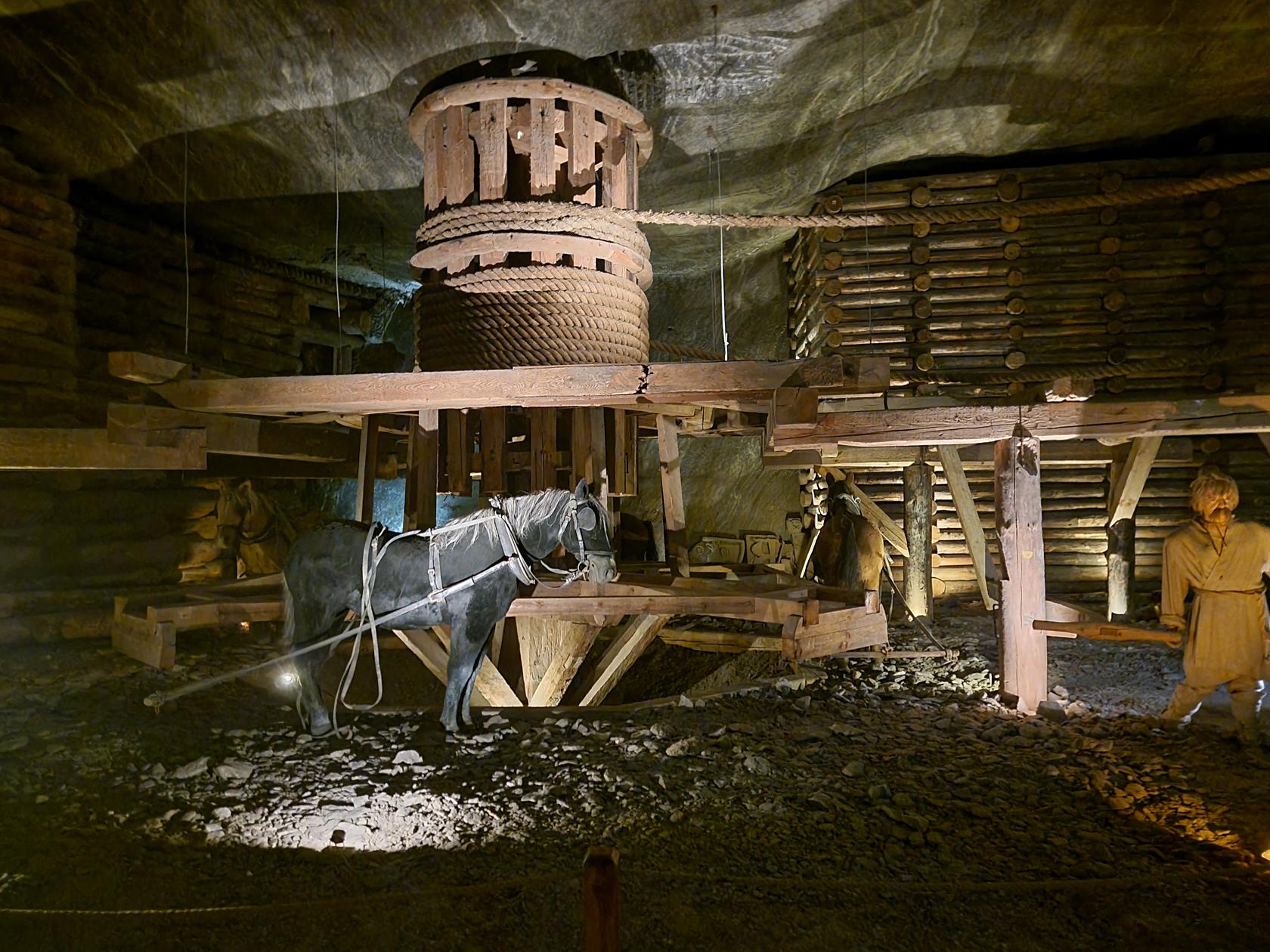
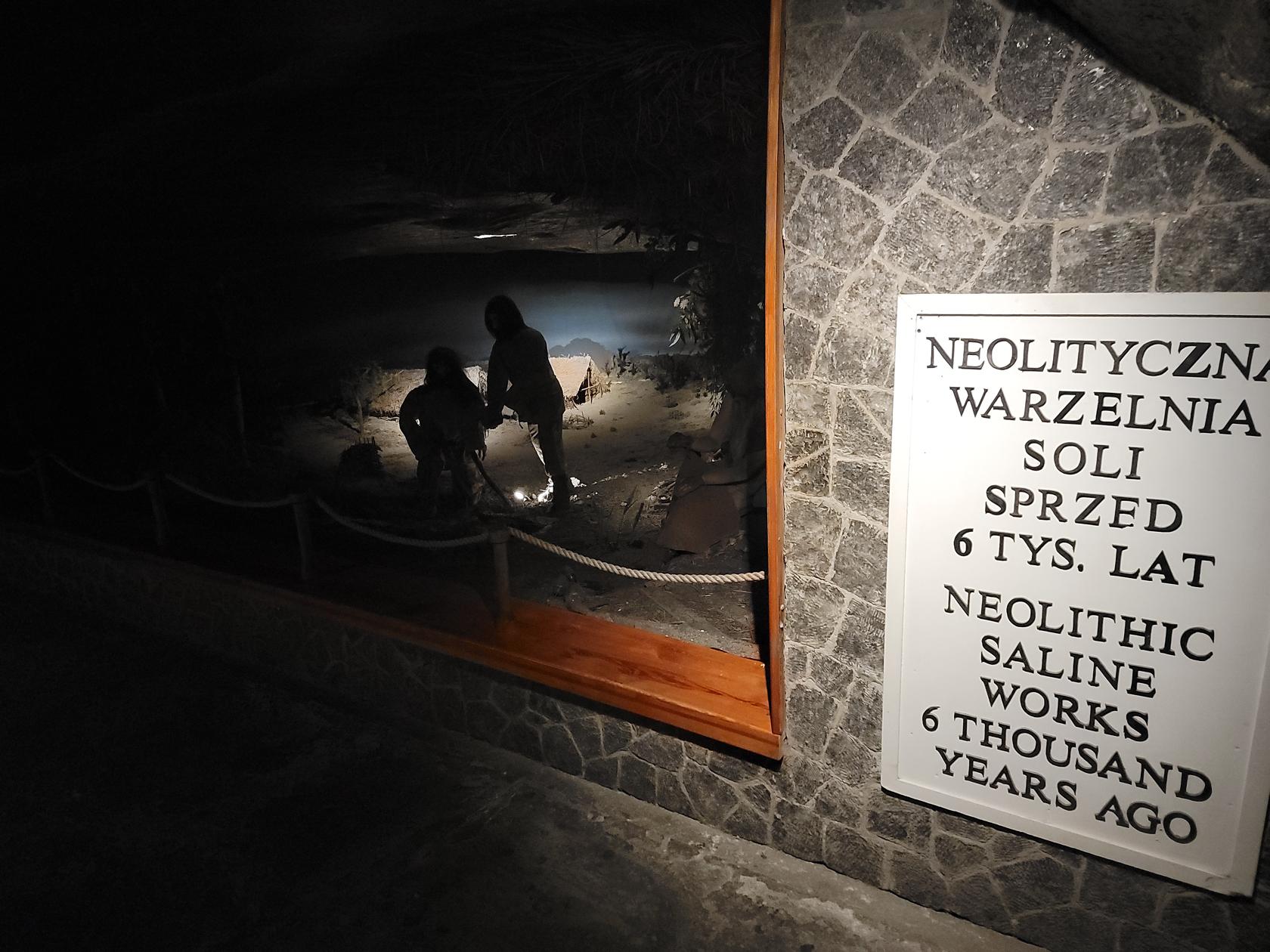
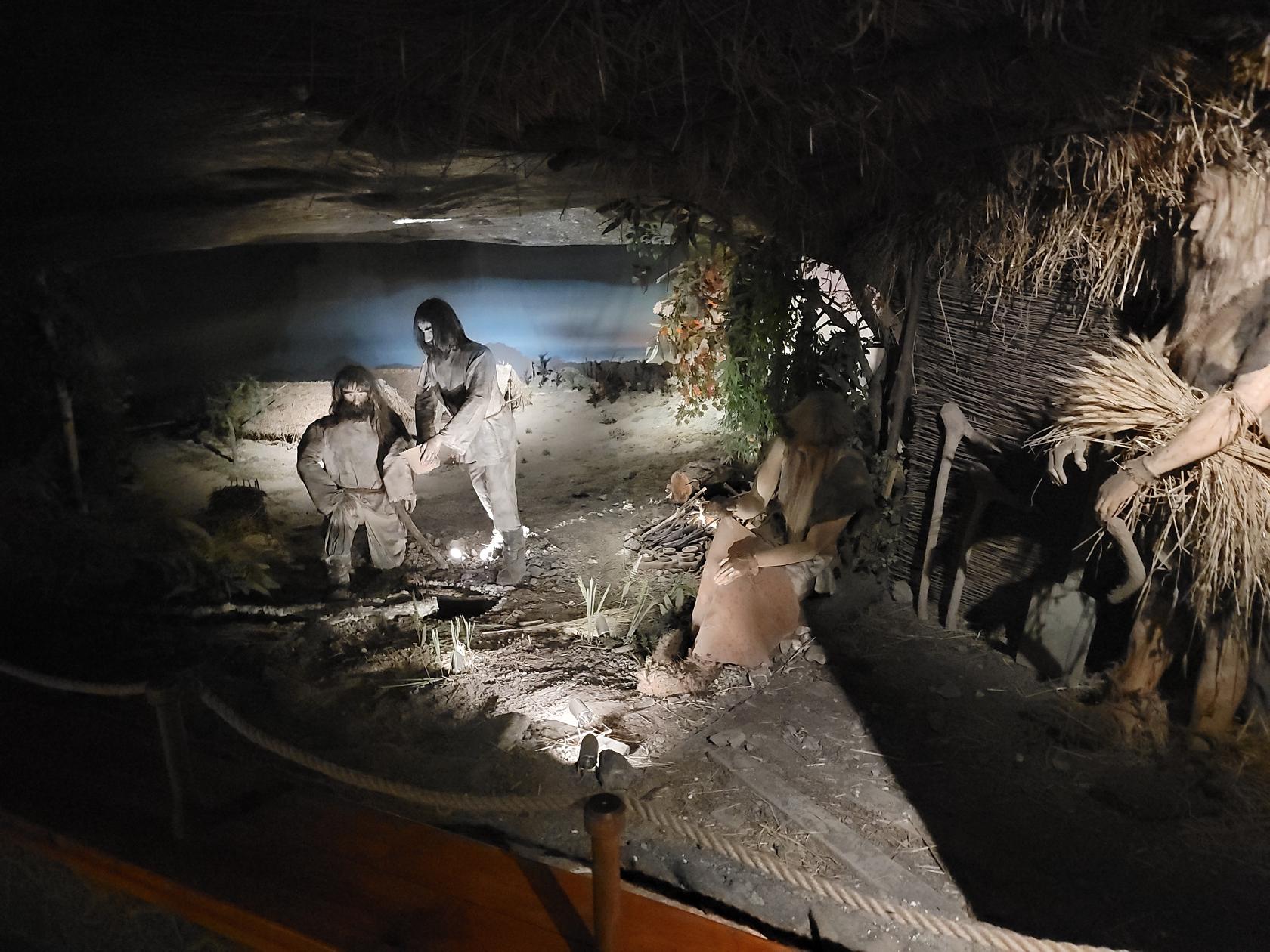
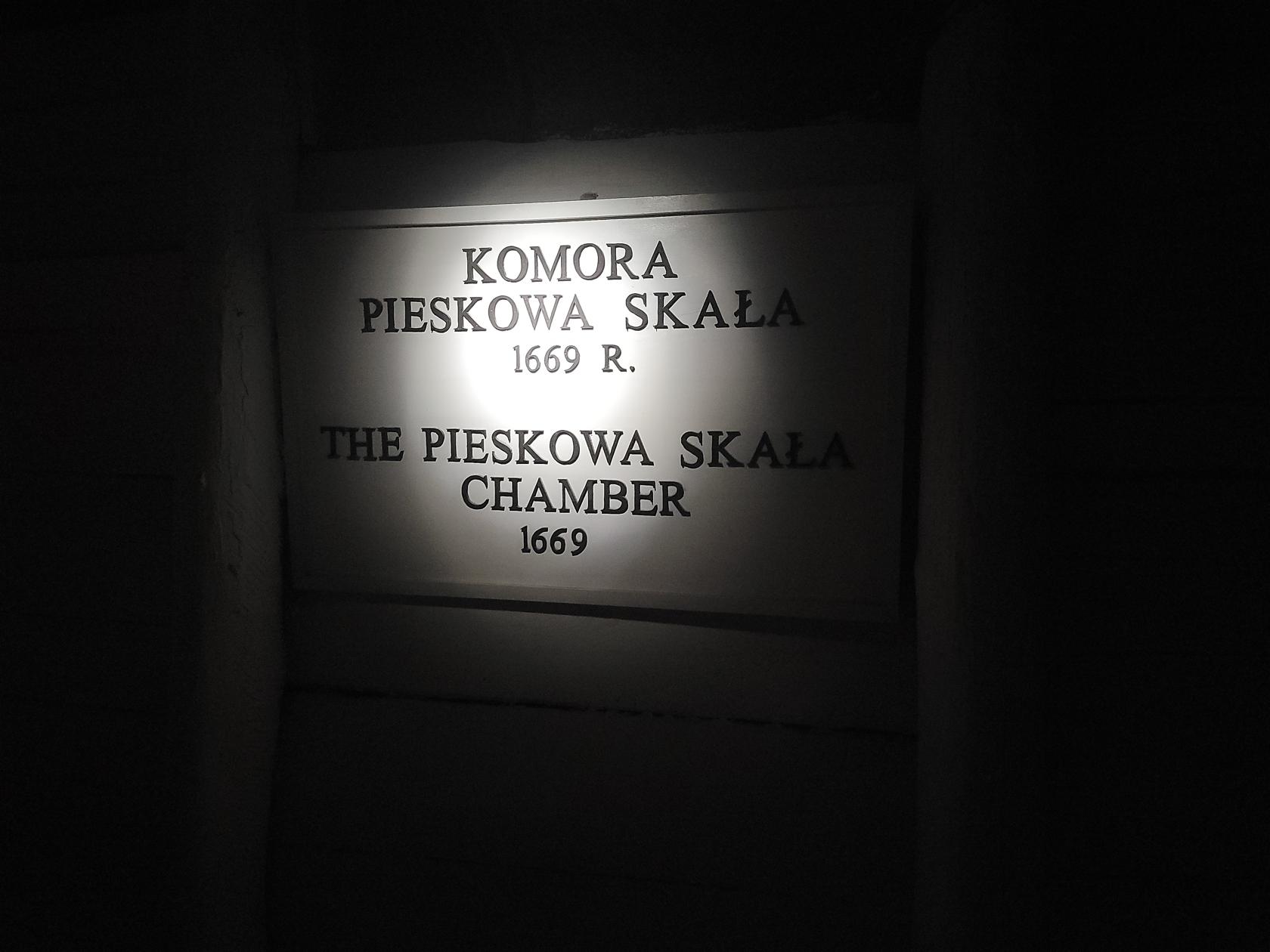
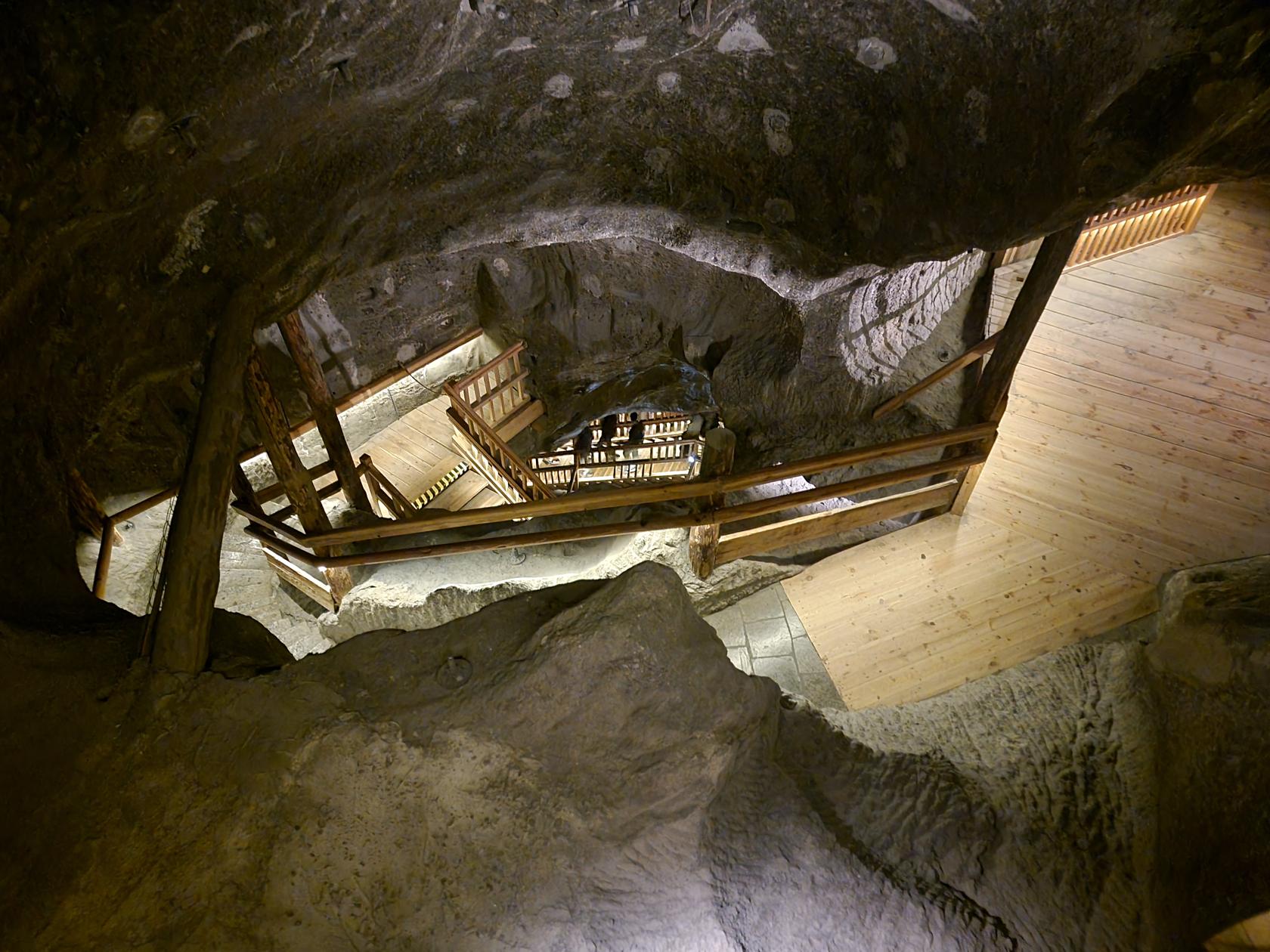
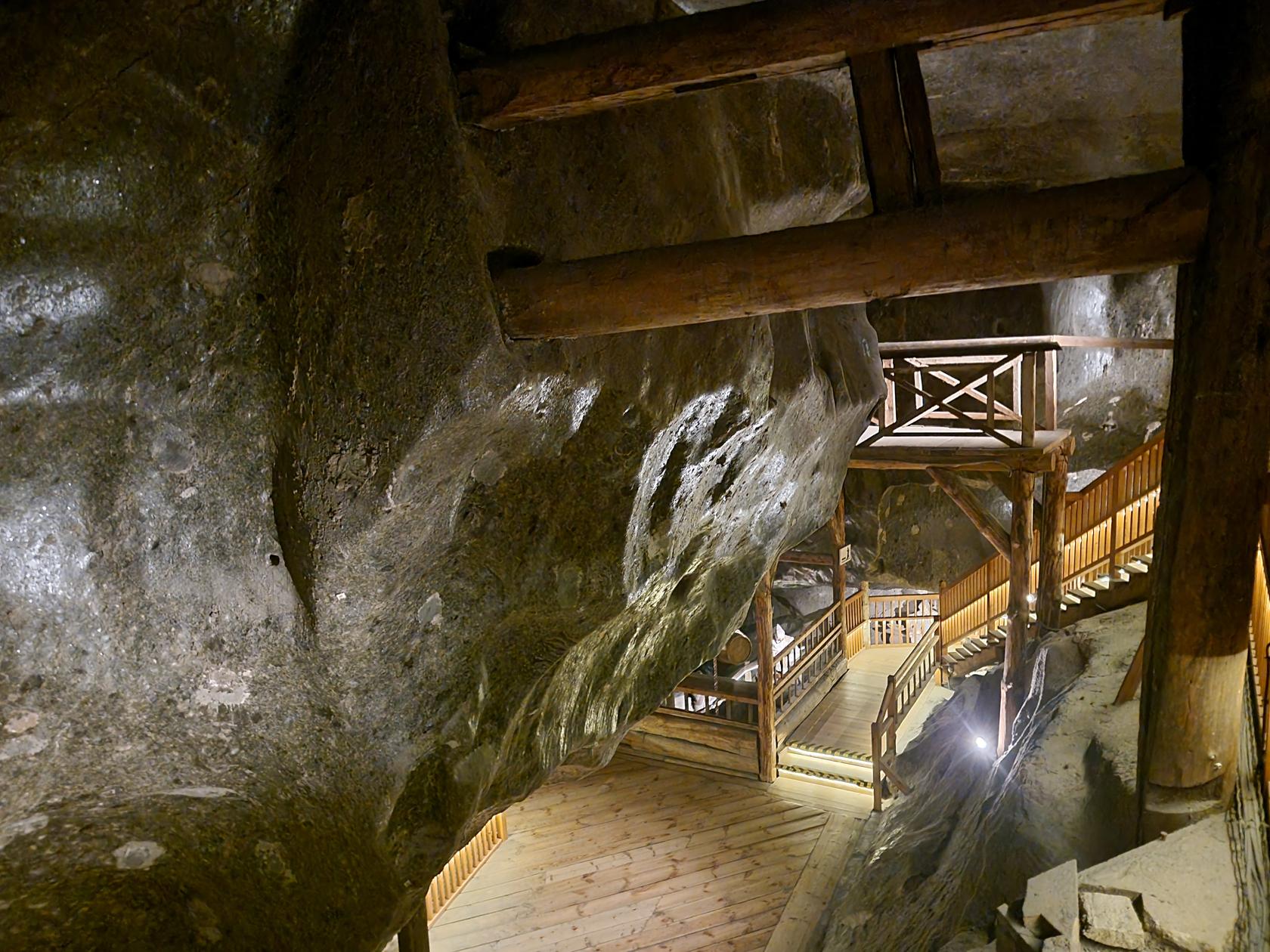
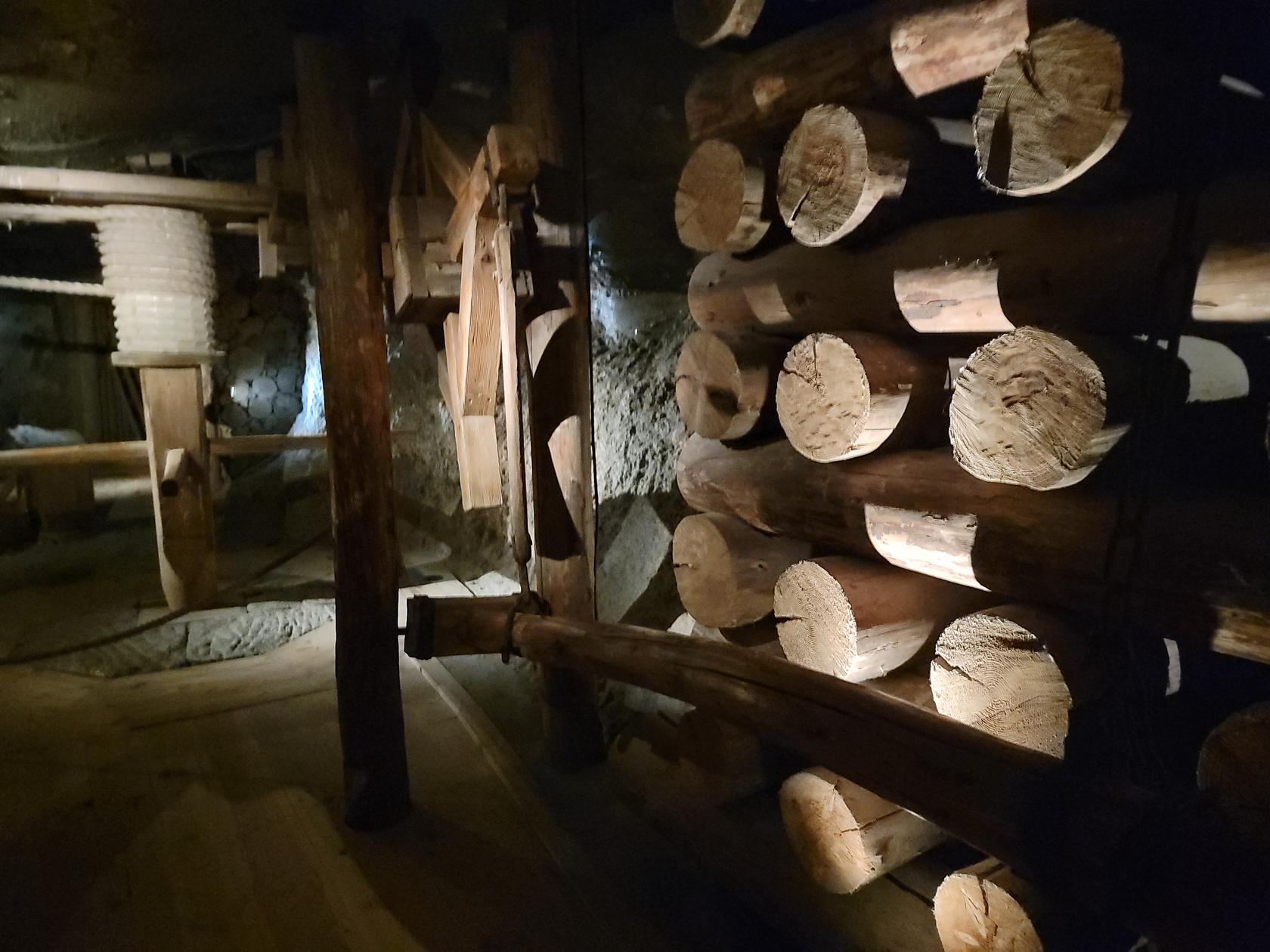
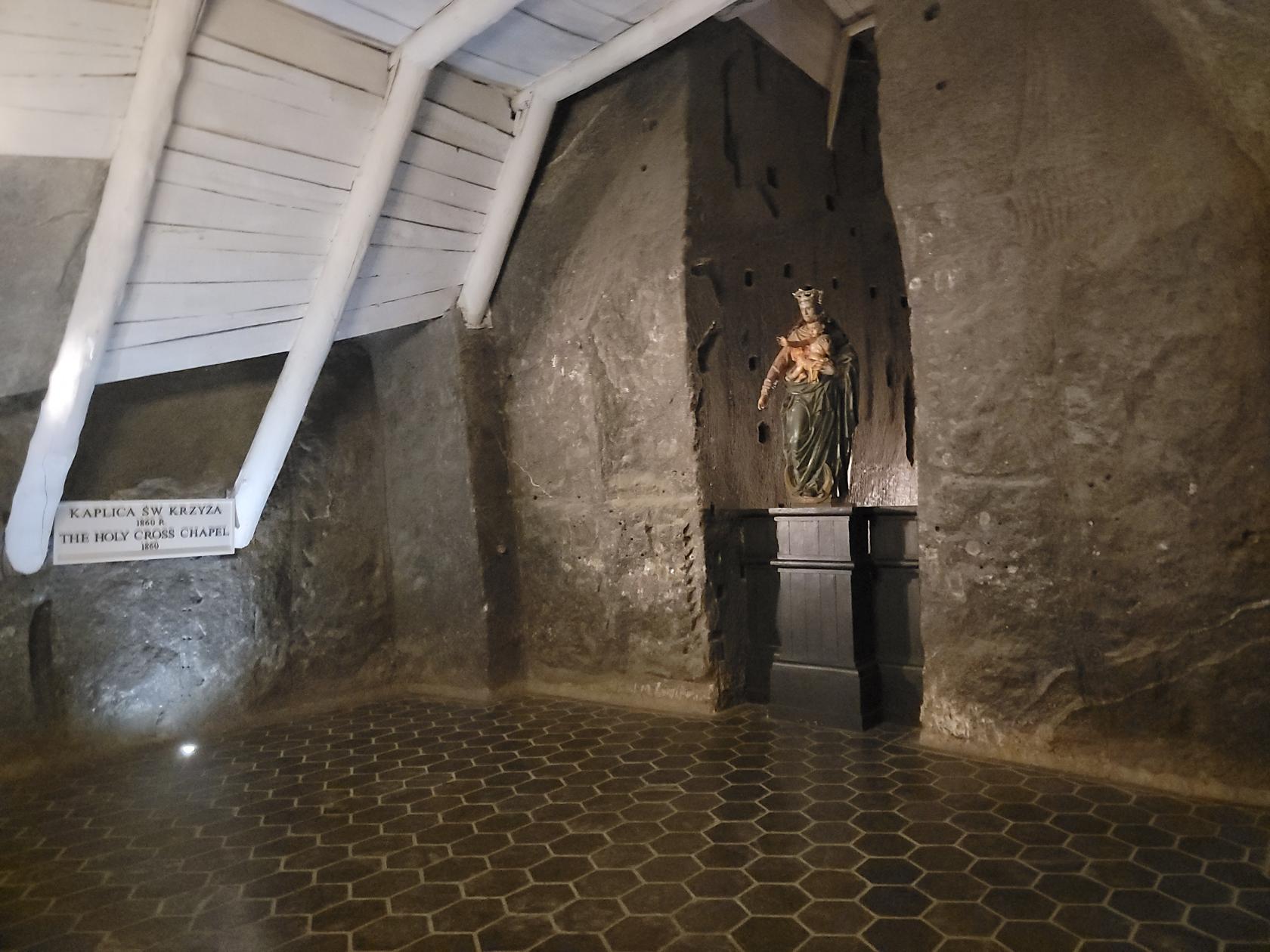
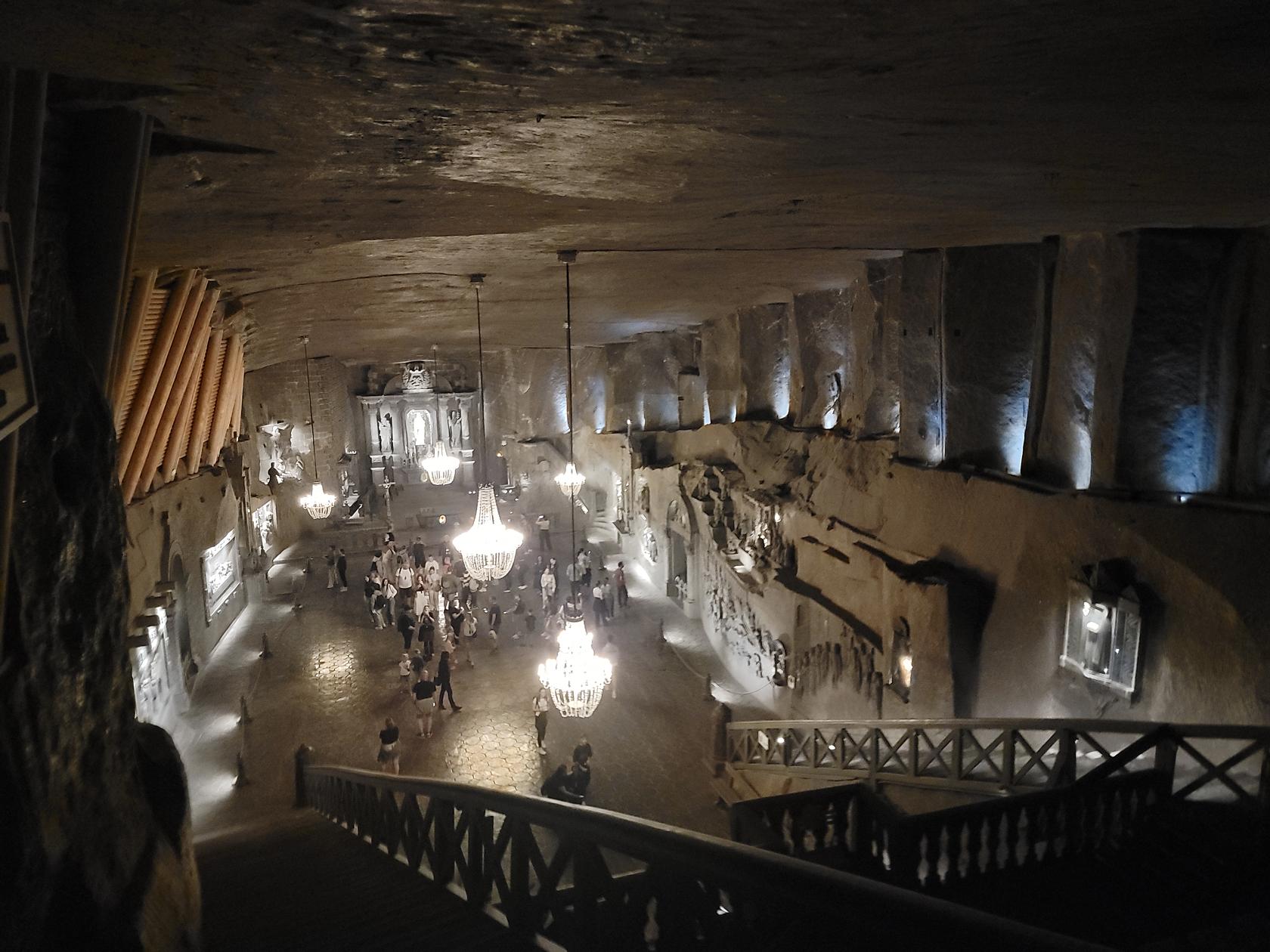
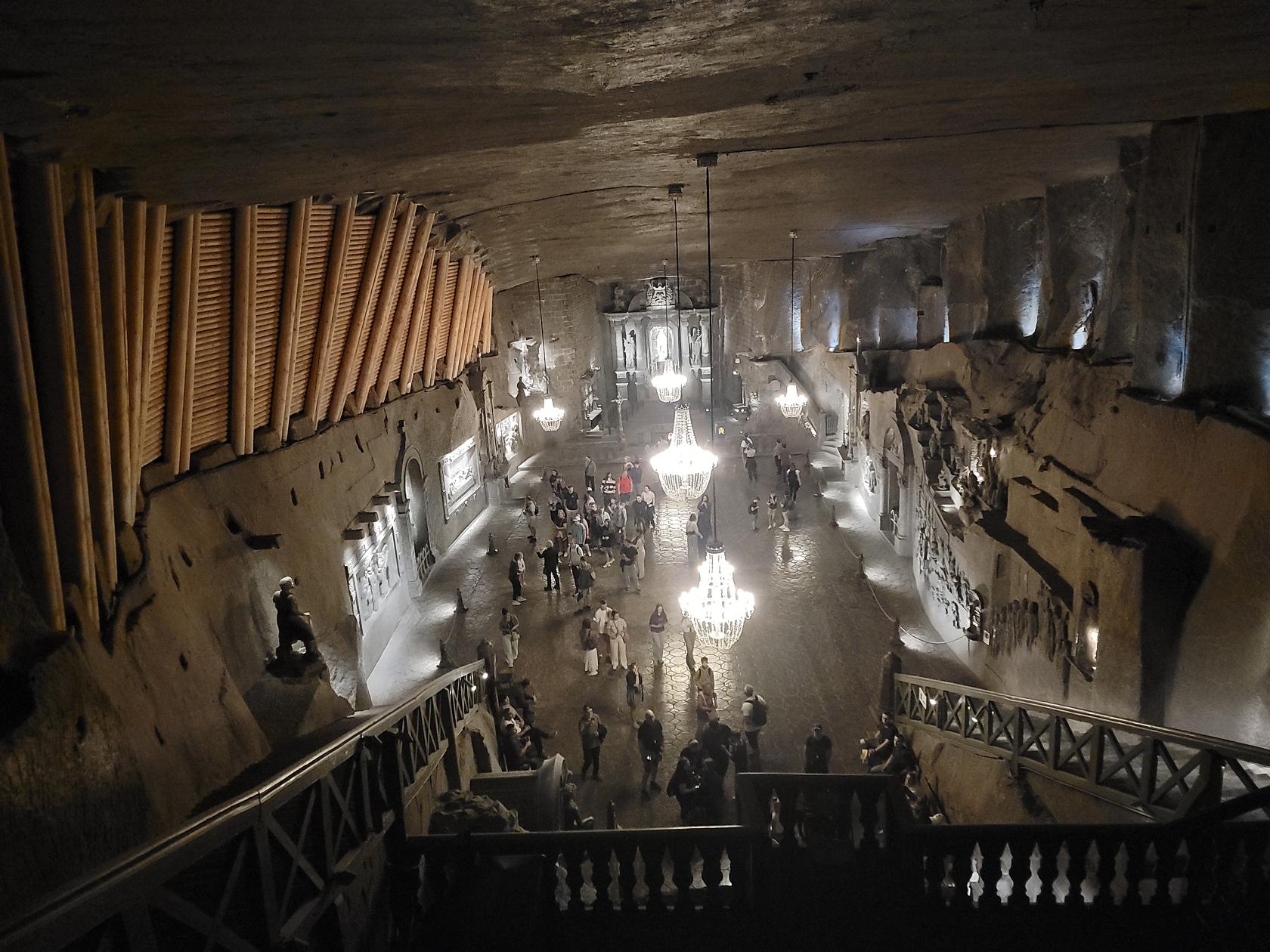
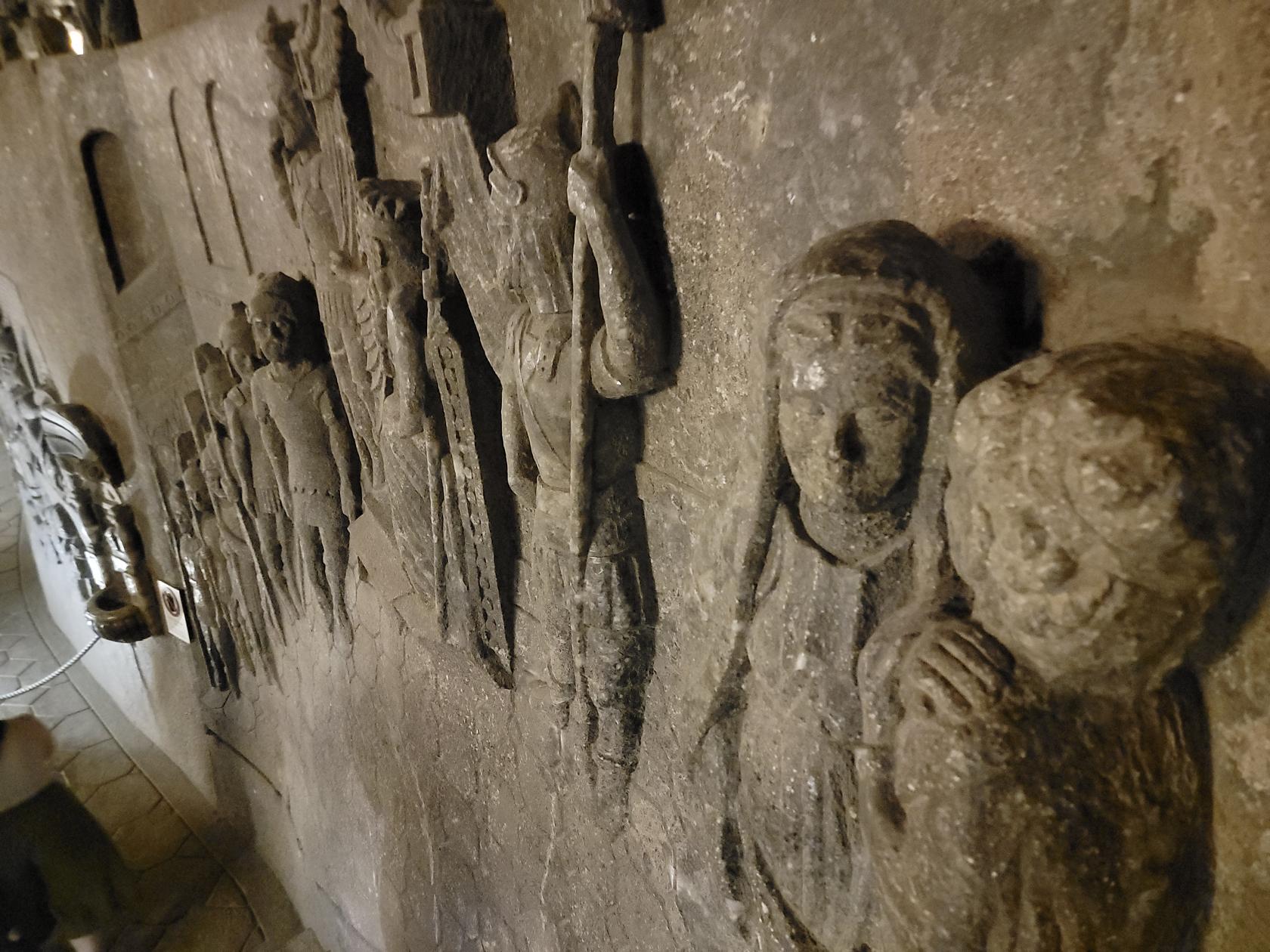
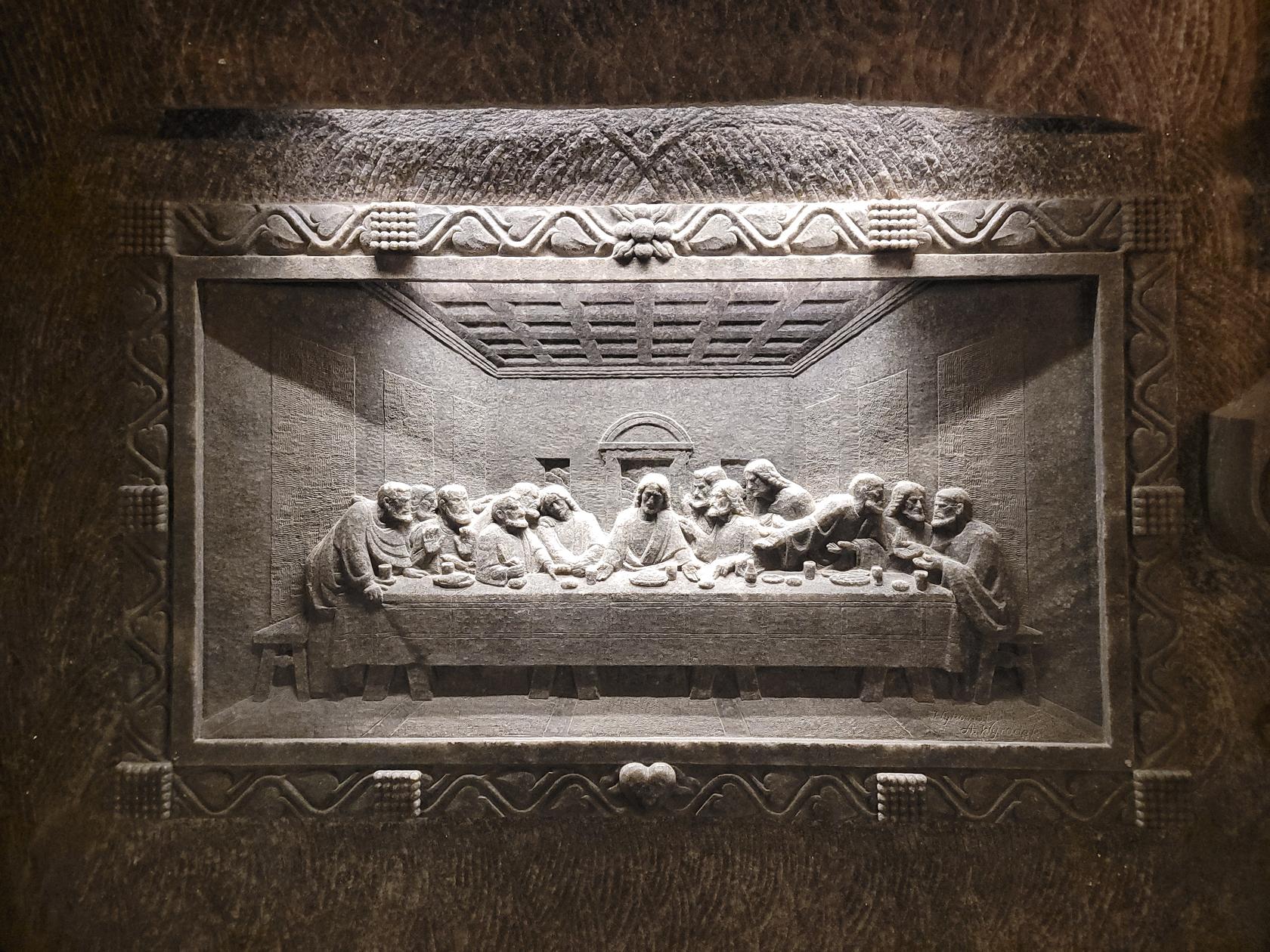
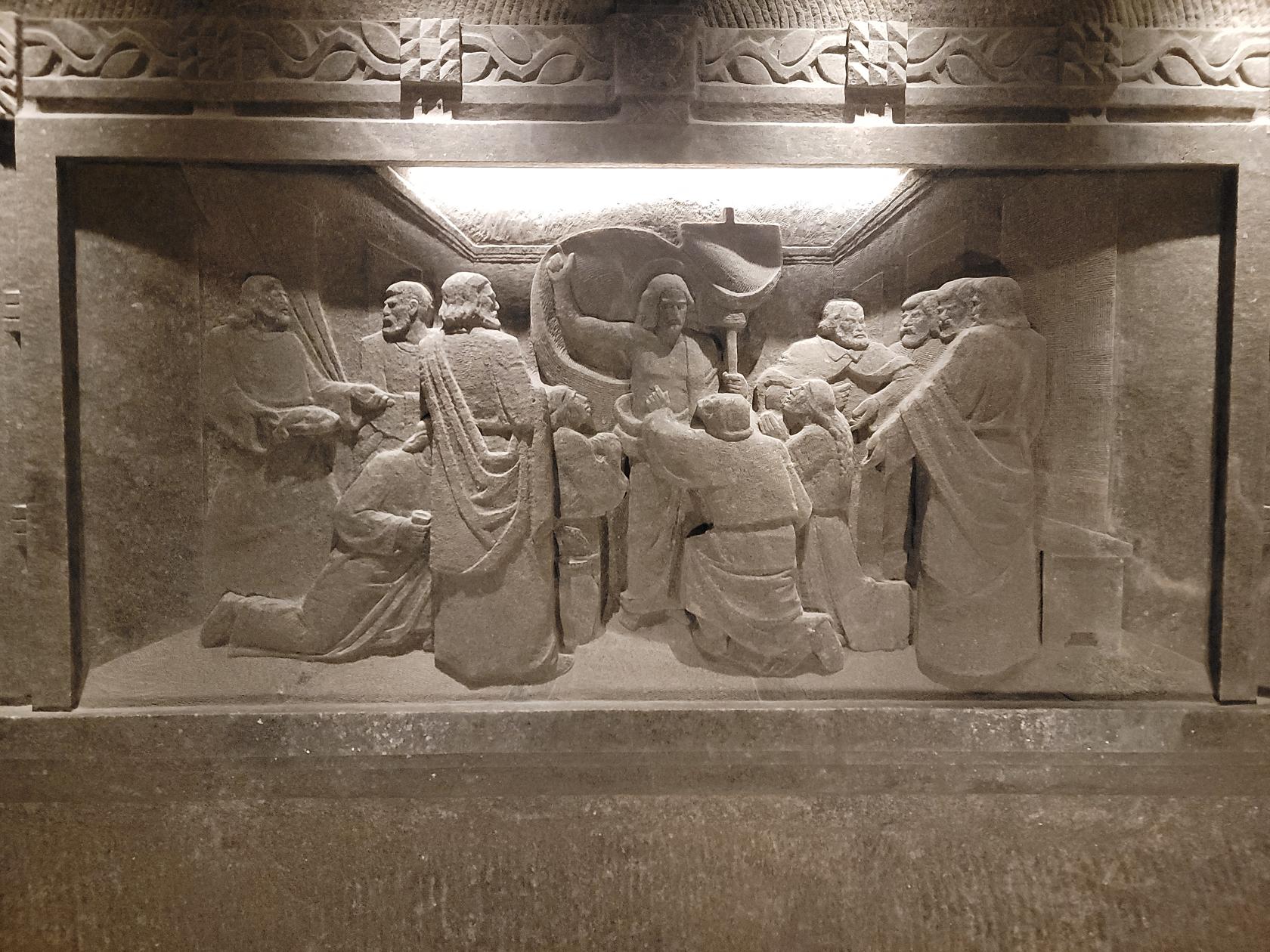
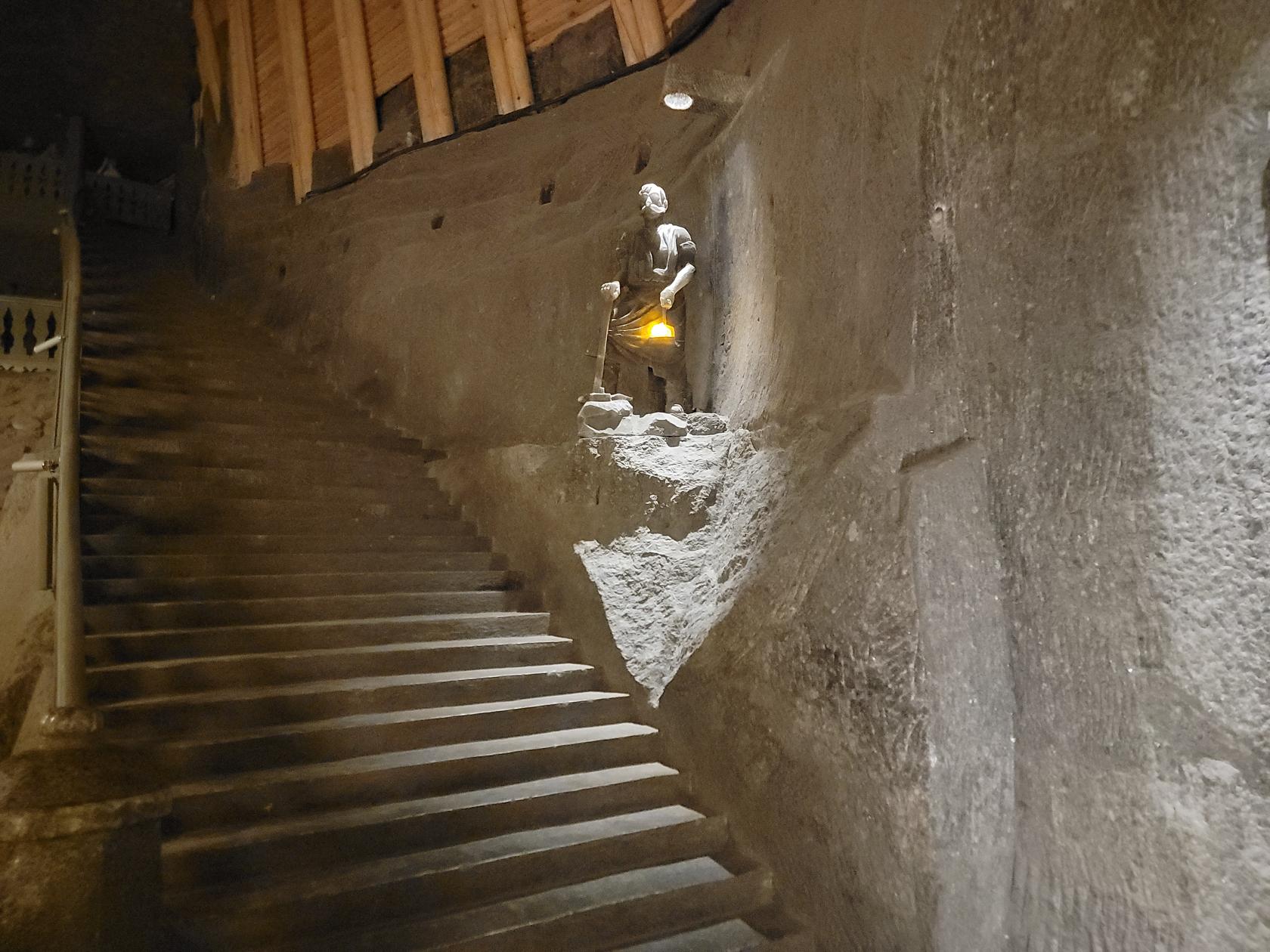
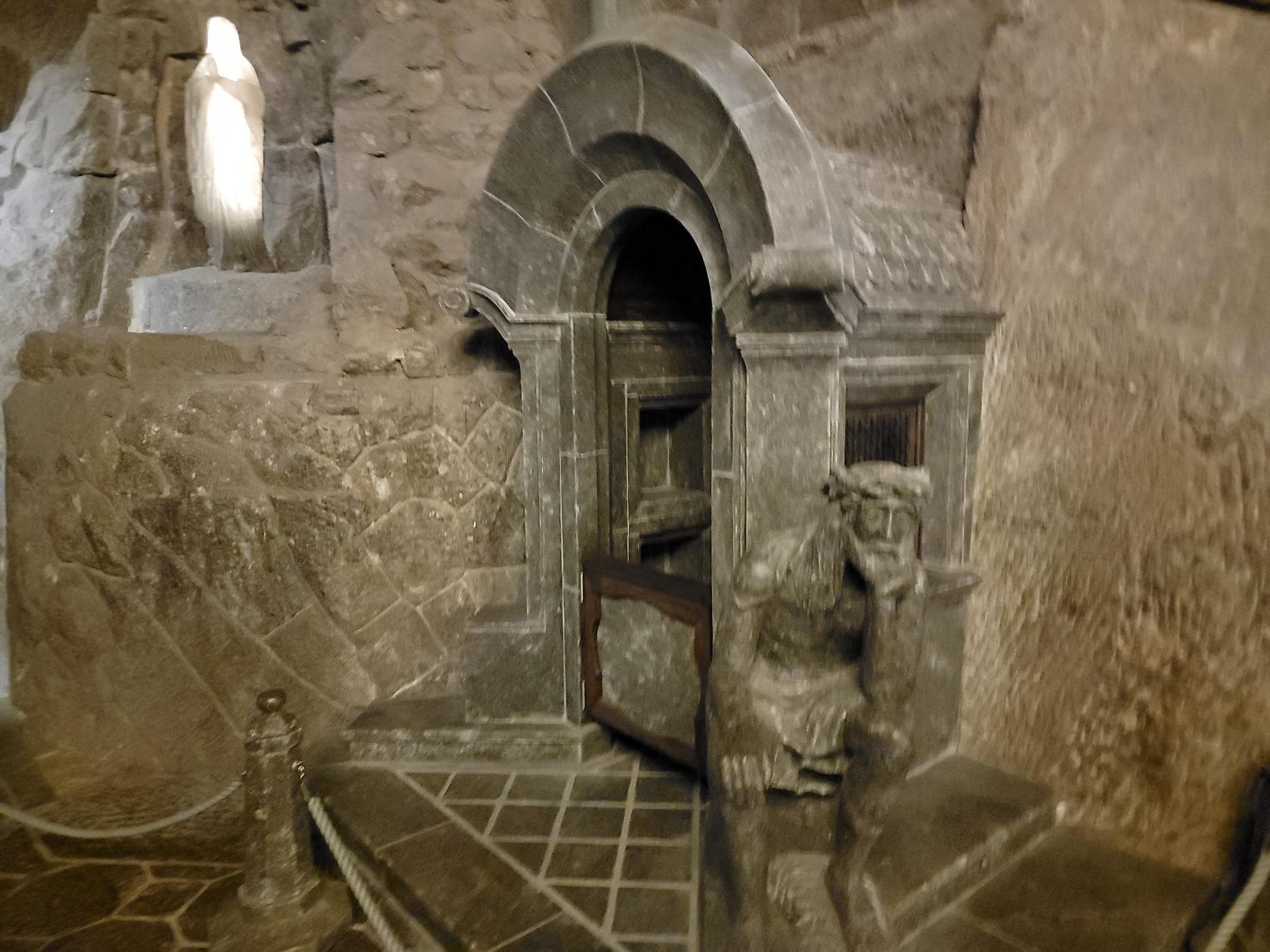
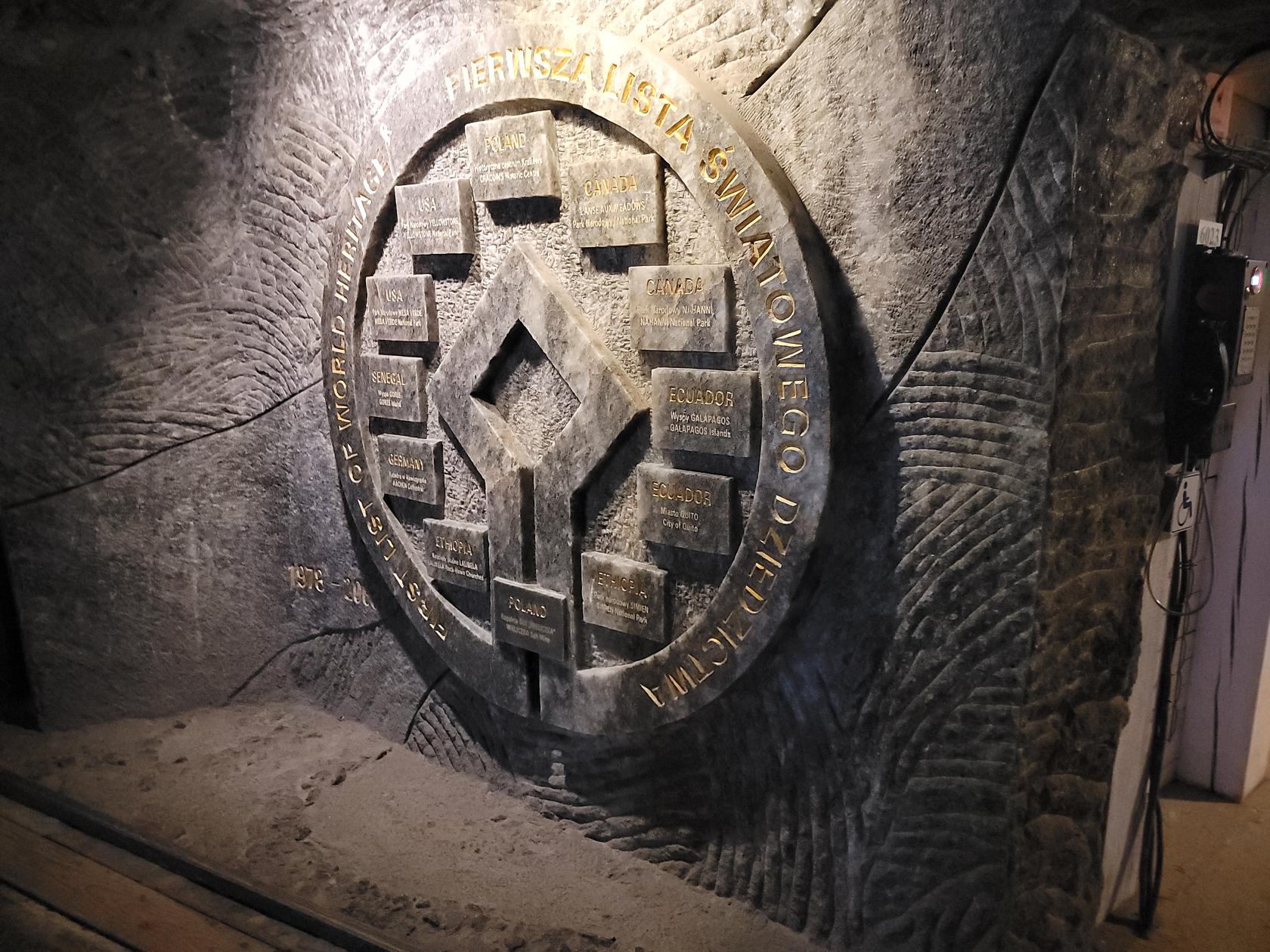
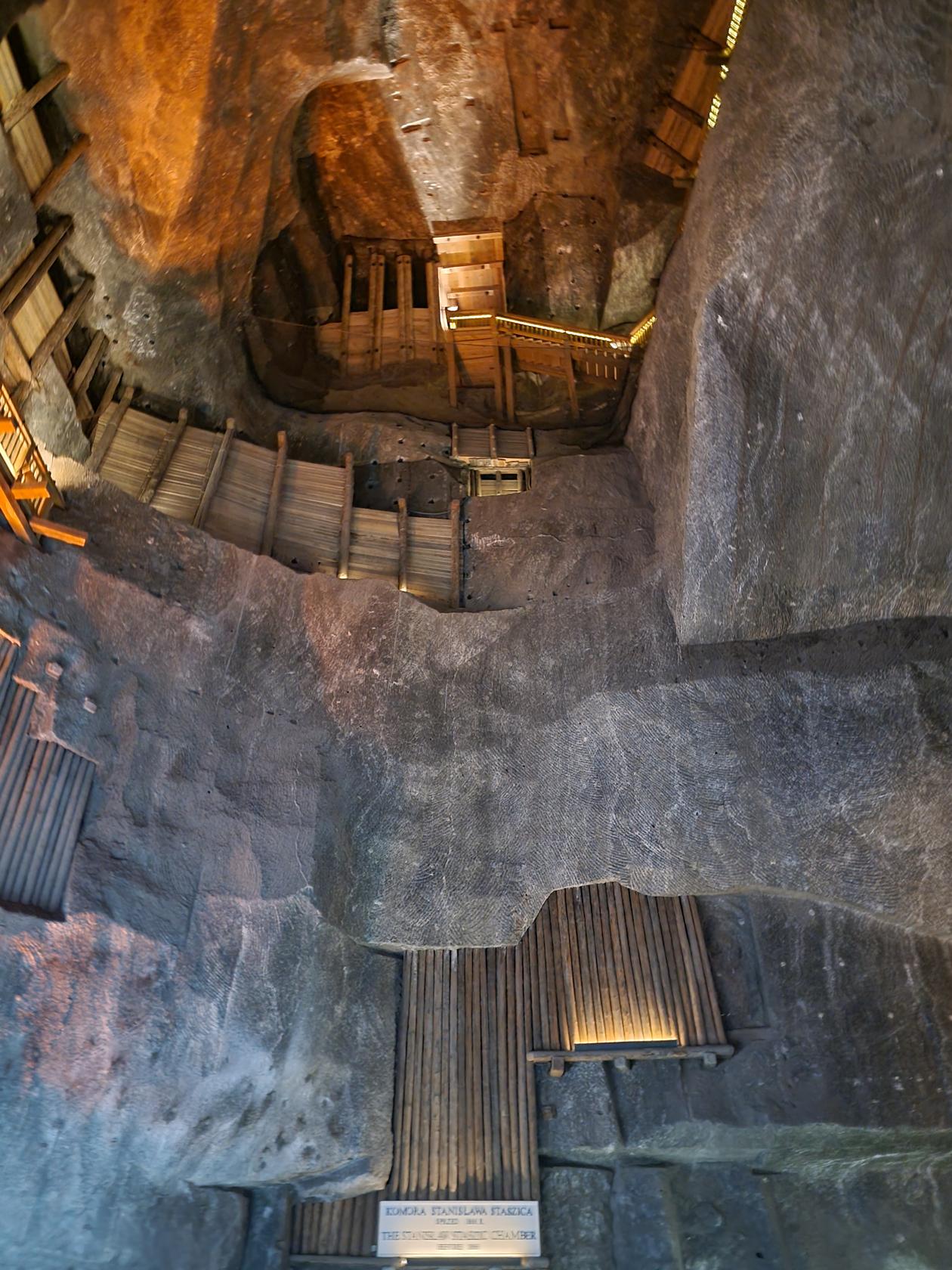
Information regarding the mine can be obtained from the link provided above, so there will be few details below. However all photographs are captioned for clarification.
The Way Down
Map – Wieliczka Salt Mine – Wieliczka, Poland
Entrance Carvings – Wieliczka Salt Mine – Wieliczka, Poland
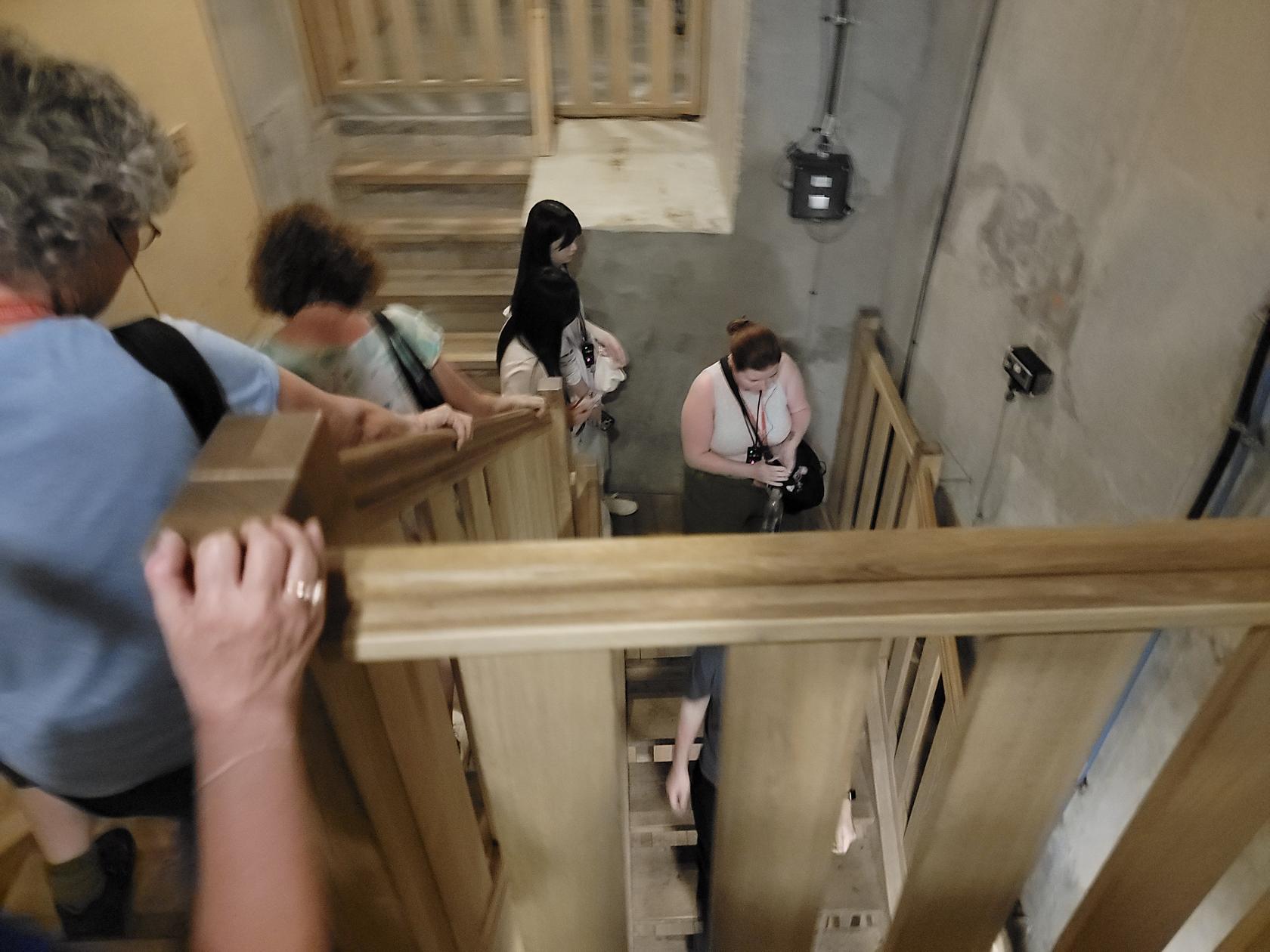
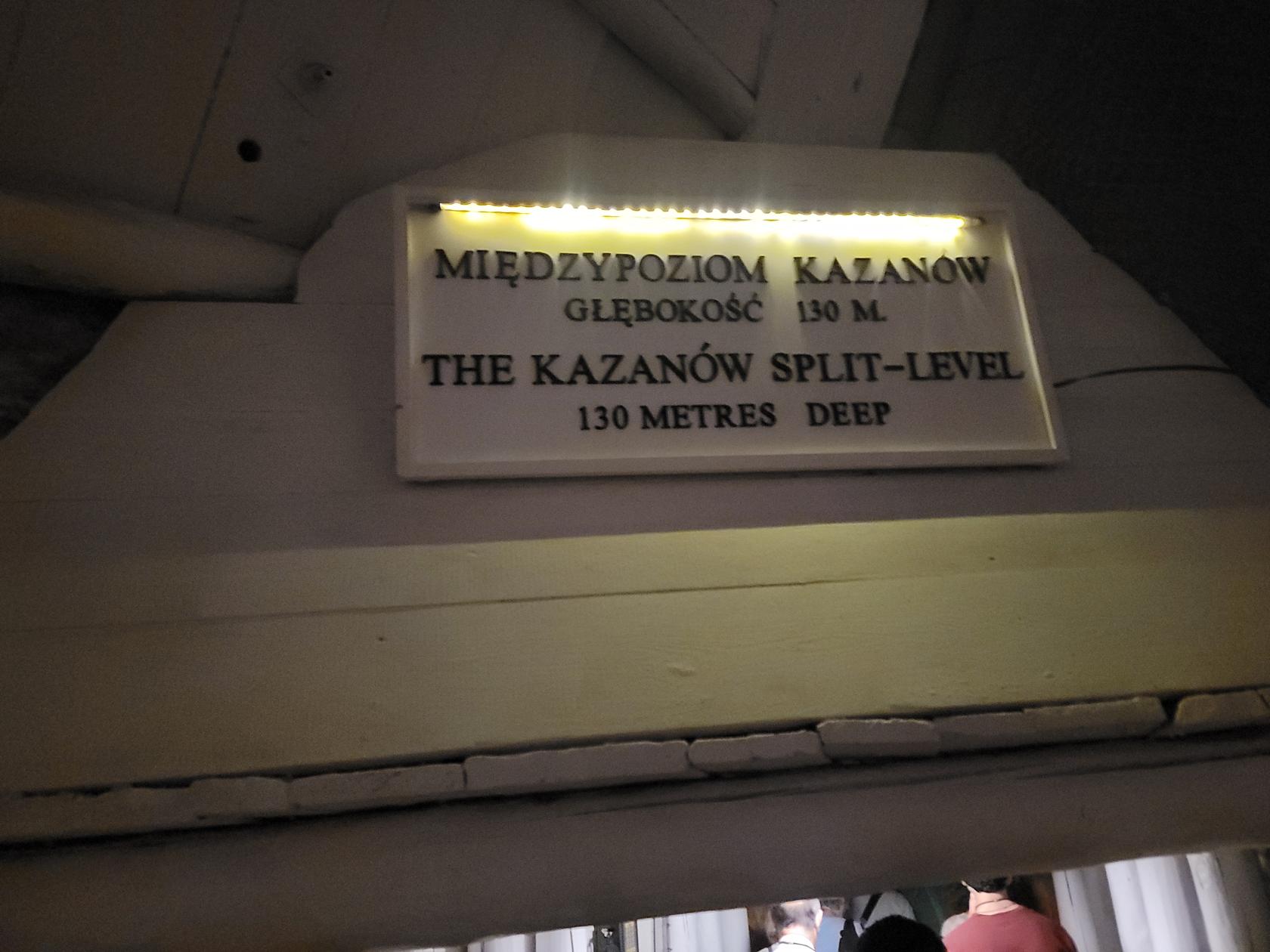
Descent of 40 stories – Wieliczka Salt Mine – Wieliczka, Poland
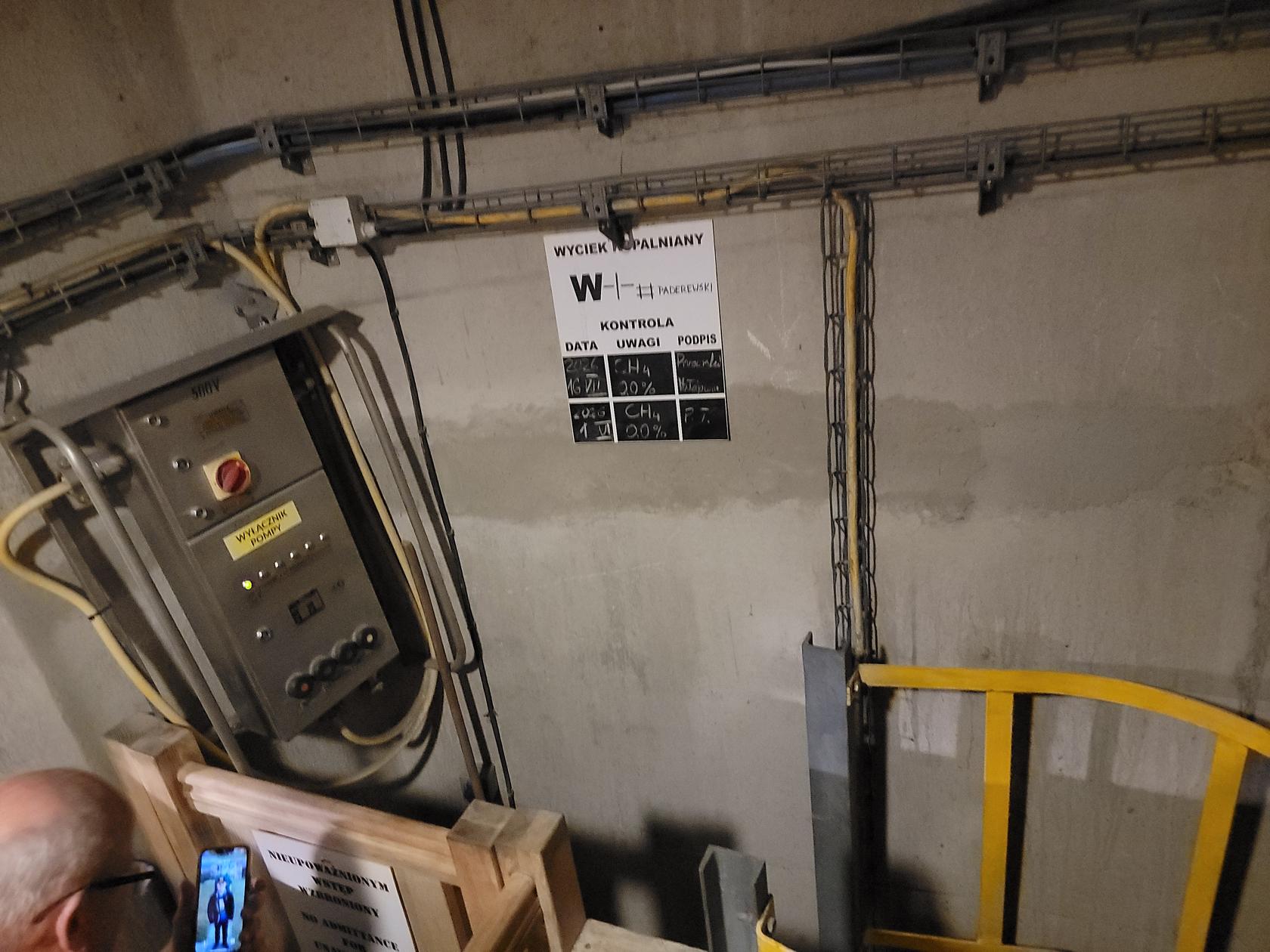
Air Quality Chart – Wieliczka Salt Mine – Wieliczka, Poland
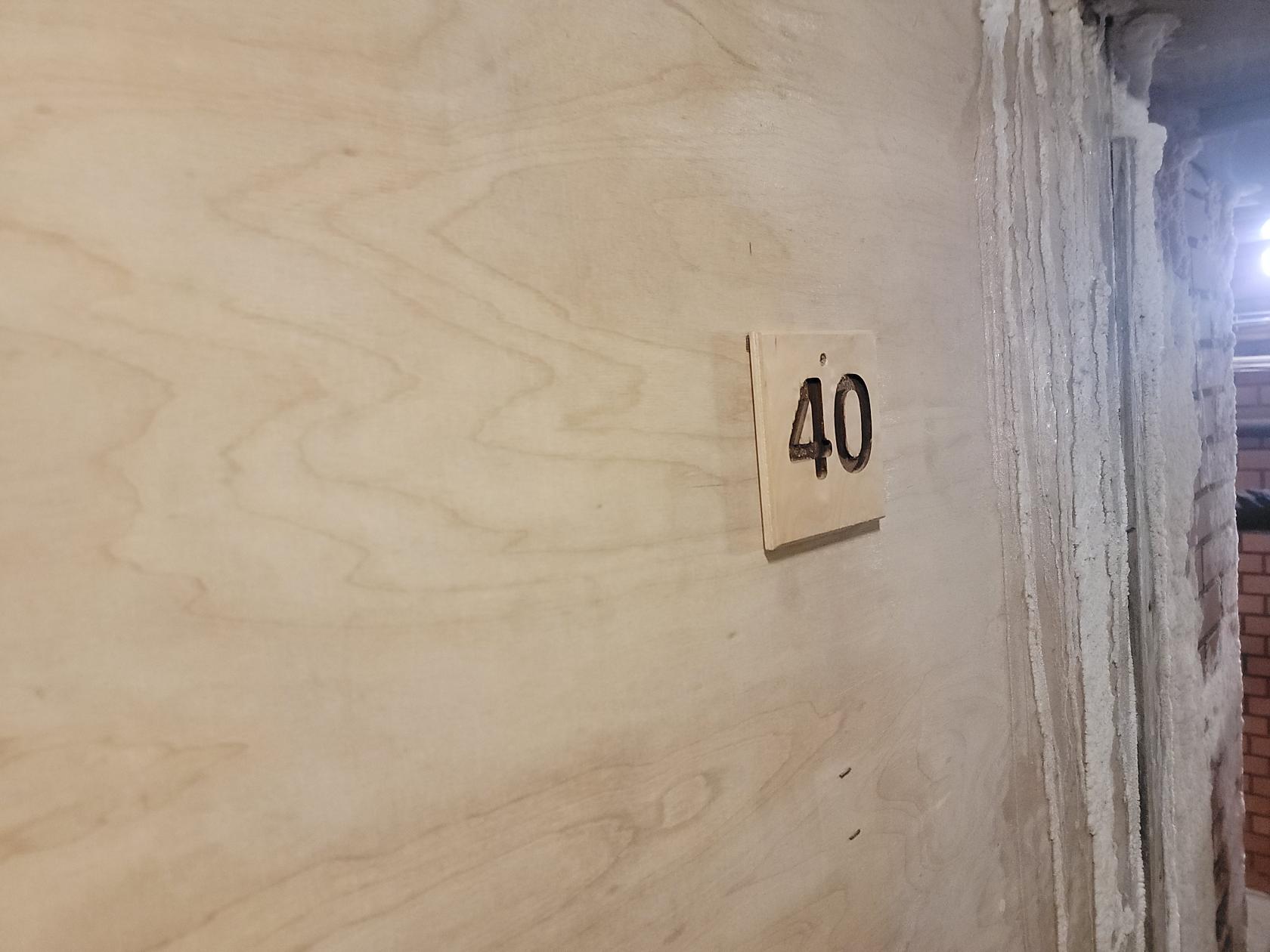
Level 40 – Wieliczka Salt Mine – Wieliczka, Poland
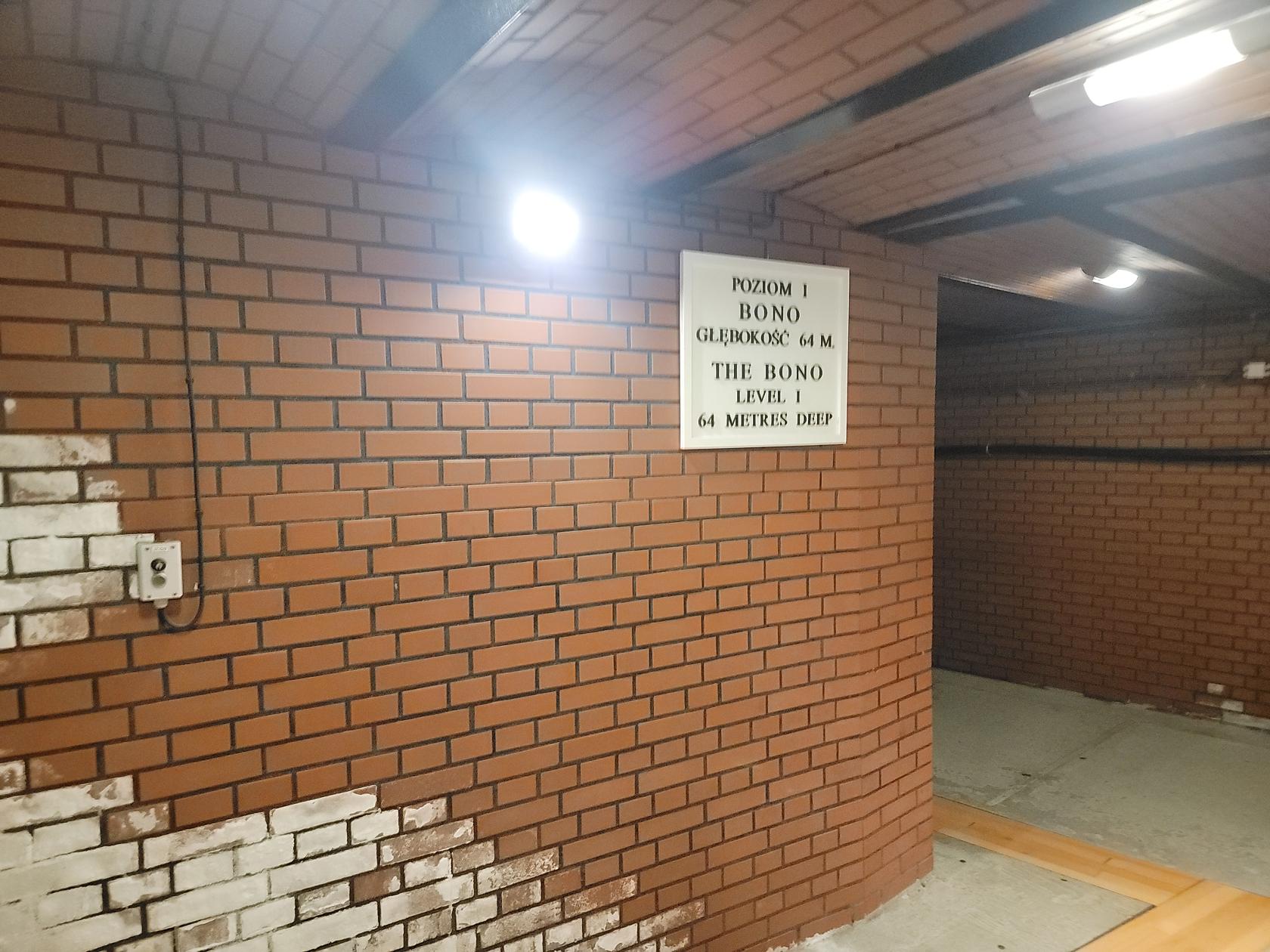
64 Meters/210 Feet Deep – Wieliczka Salt Mine – Wieliczka, Poland
Safety Doors – Wieliczka Salt Mine – Wieliczka, Poland
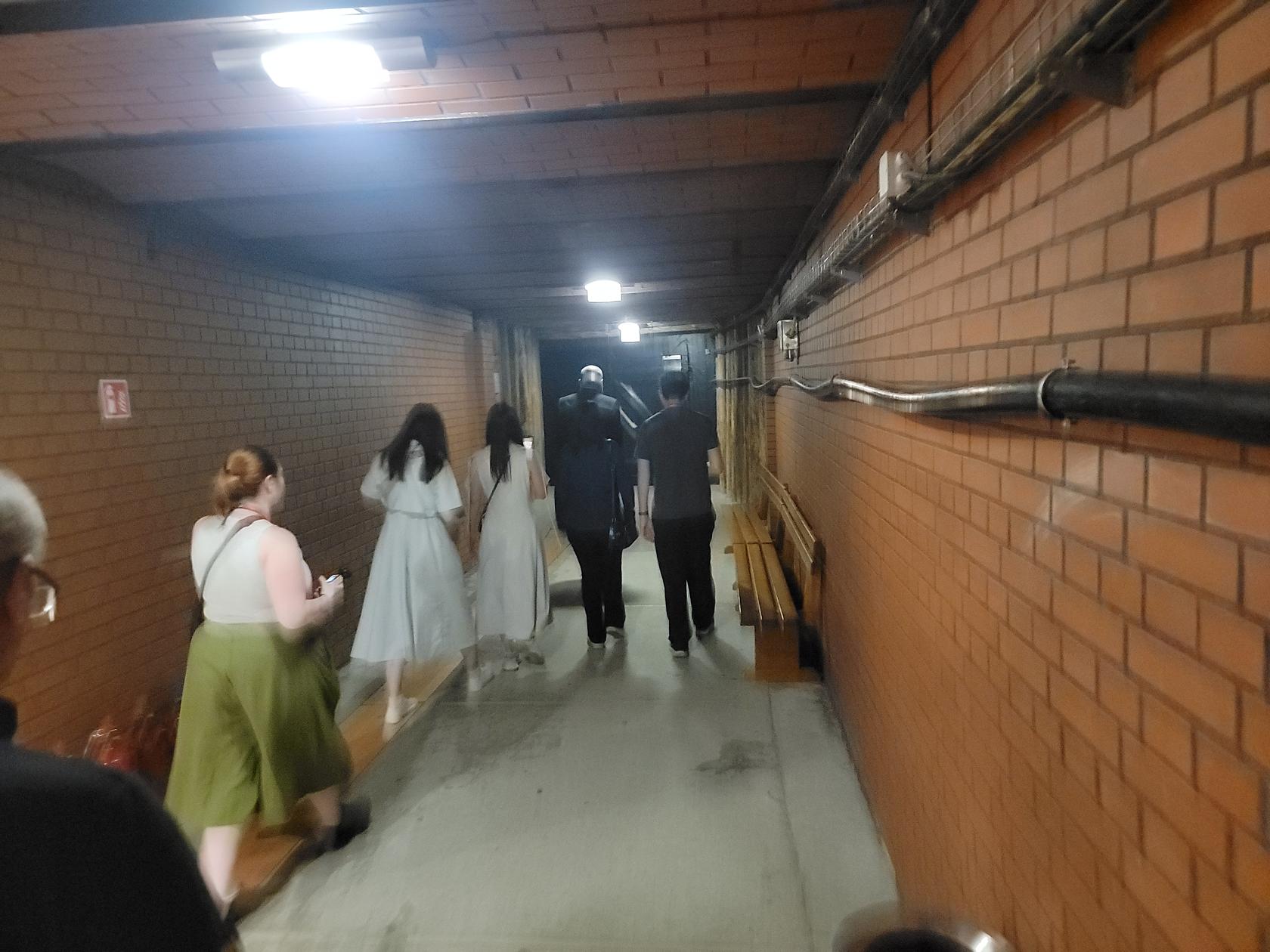
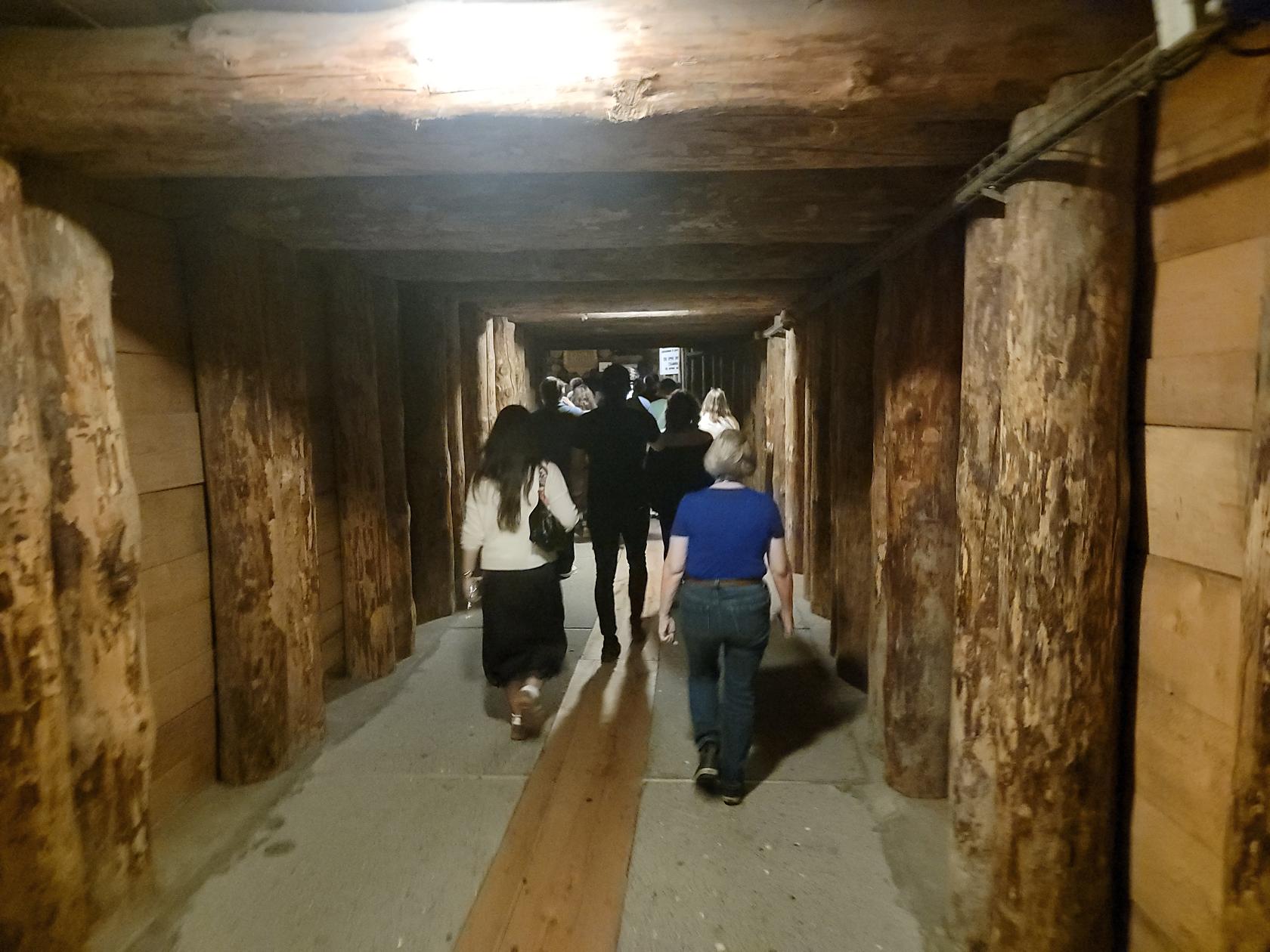
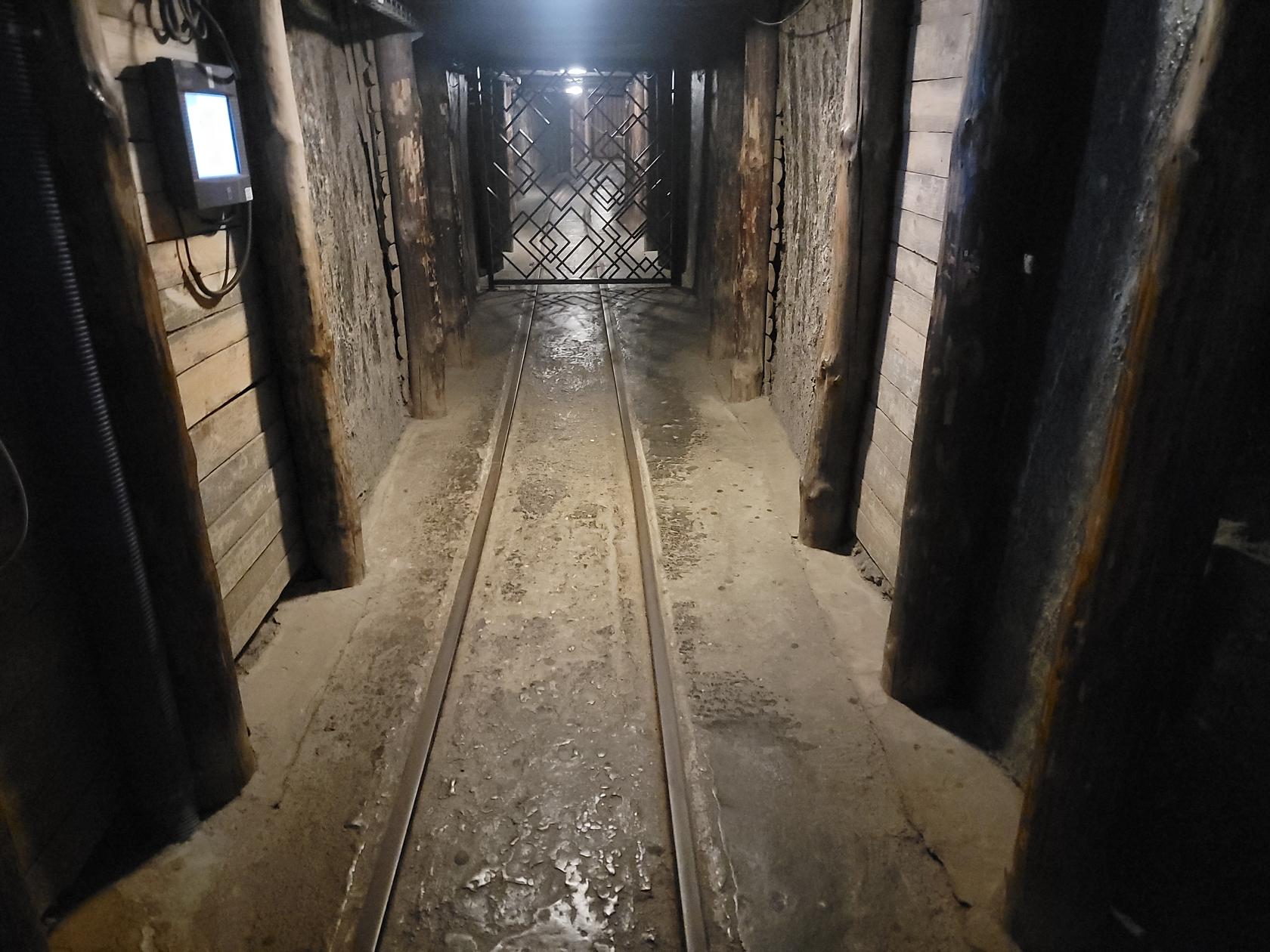
Narrow Tunnels – Wieliczka Salt Mine – Wieliczka, Poland
Tunnels – Wieliczka Salt Mine – Wieliczka, Poland
Containment Walls – Wieliczka Salt Mine – Wieliczka, Poland
Tunnels And More
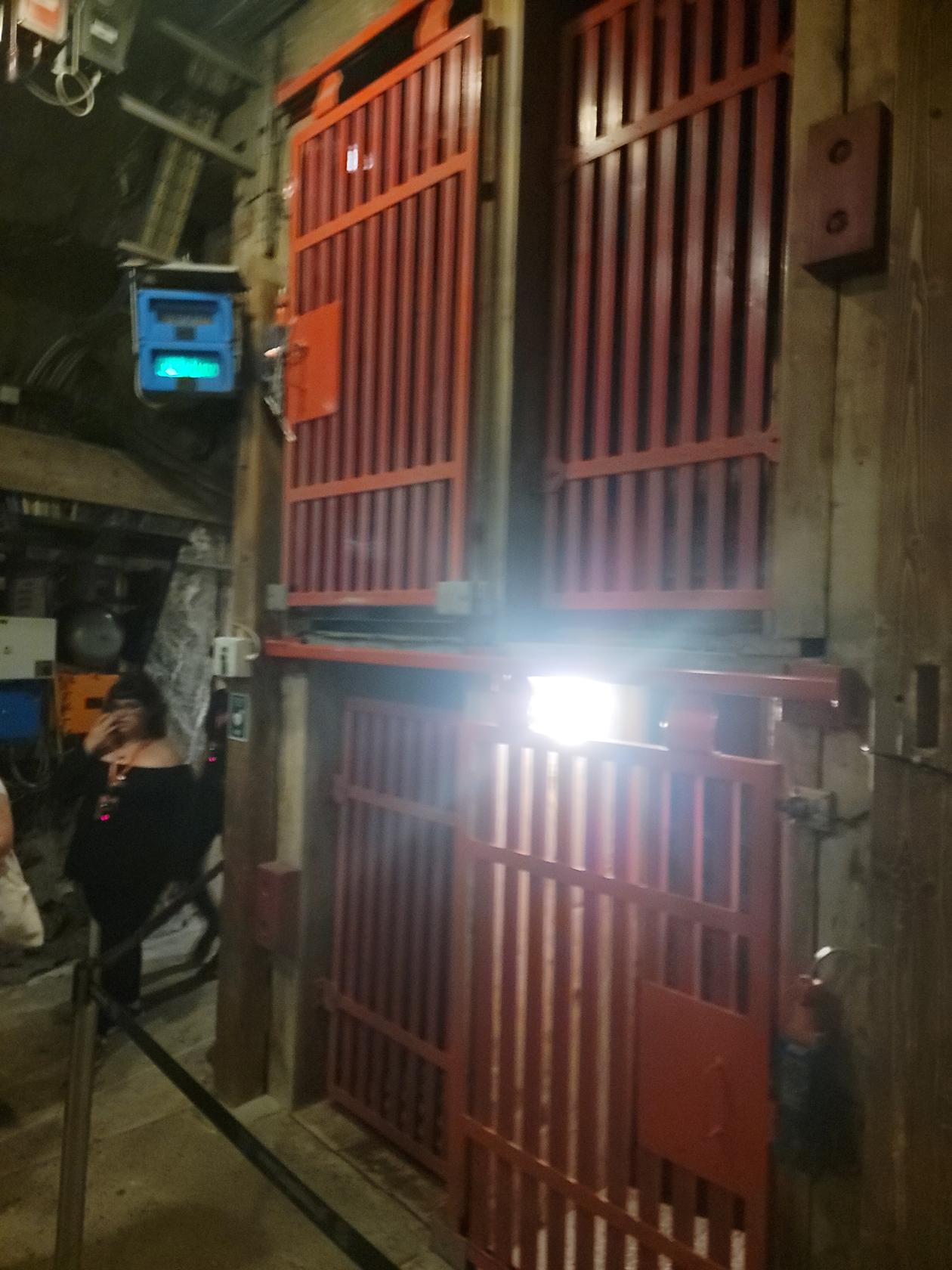
Miner Elevators – Wieliczka Salt Mine – Wieliczka, Poland
Passage – Wieliczka Salt Mine – Wieliczka, Poland
Another safety door – Wieliczka Salt Mine – Wieliczka, Poland
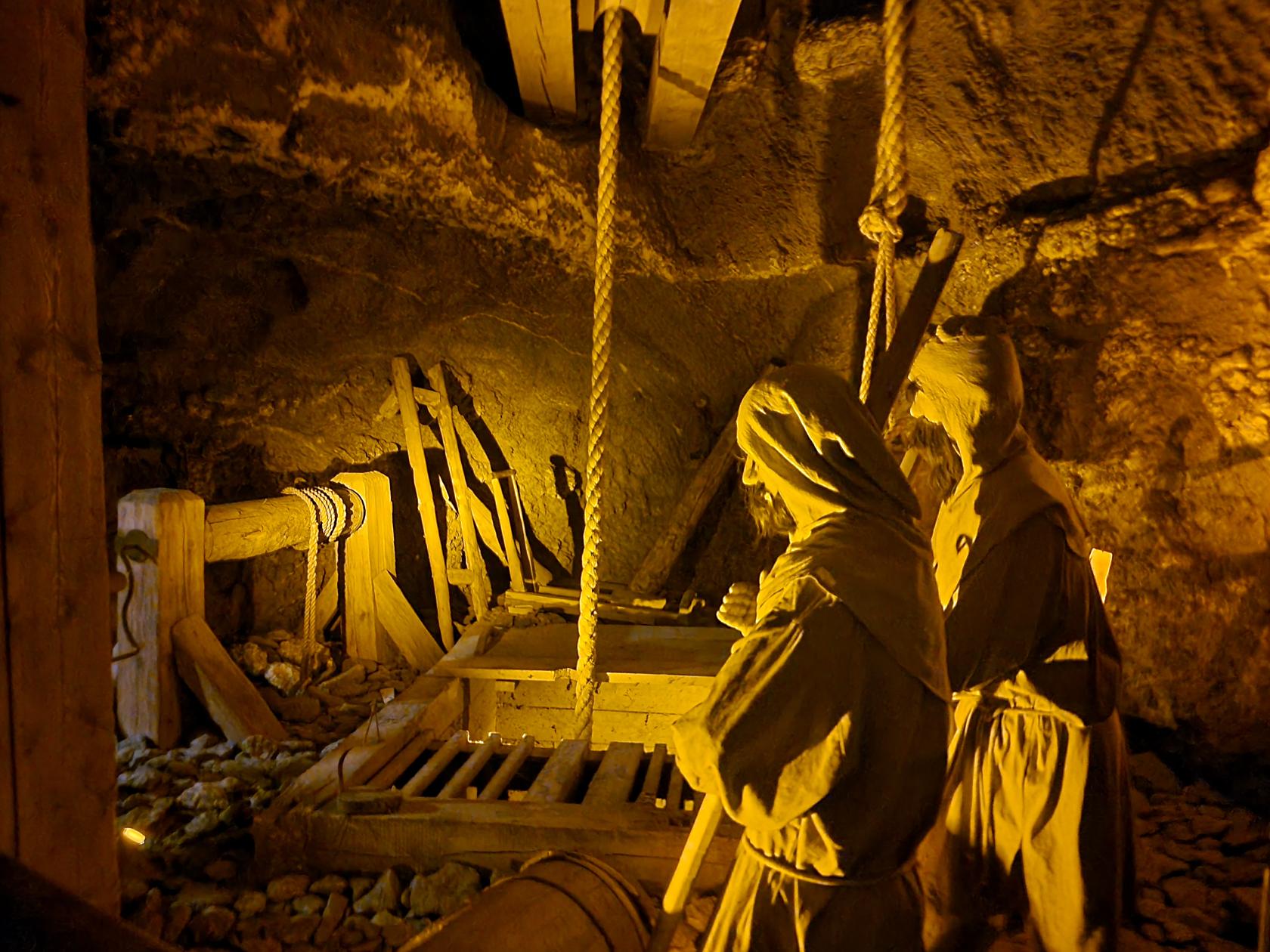
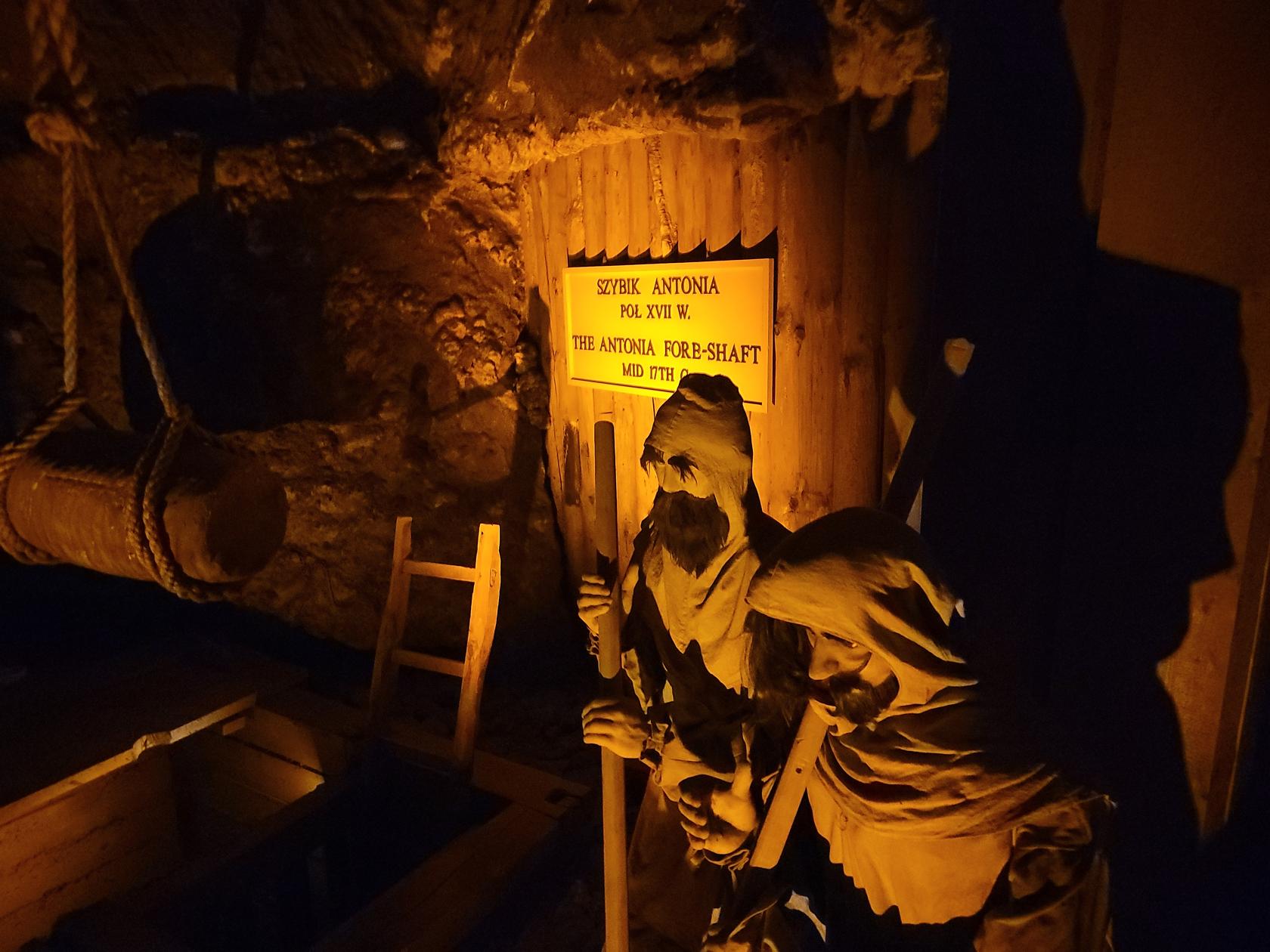
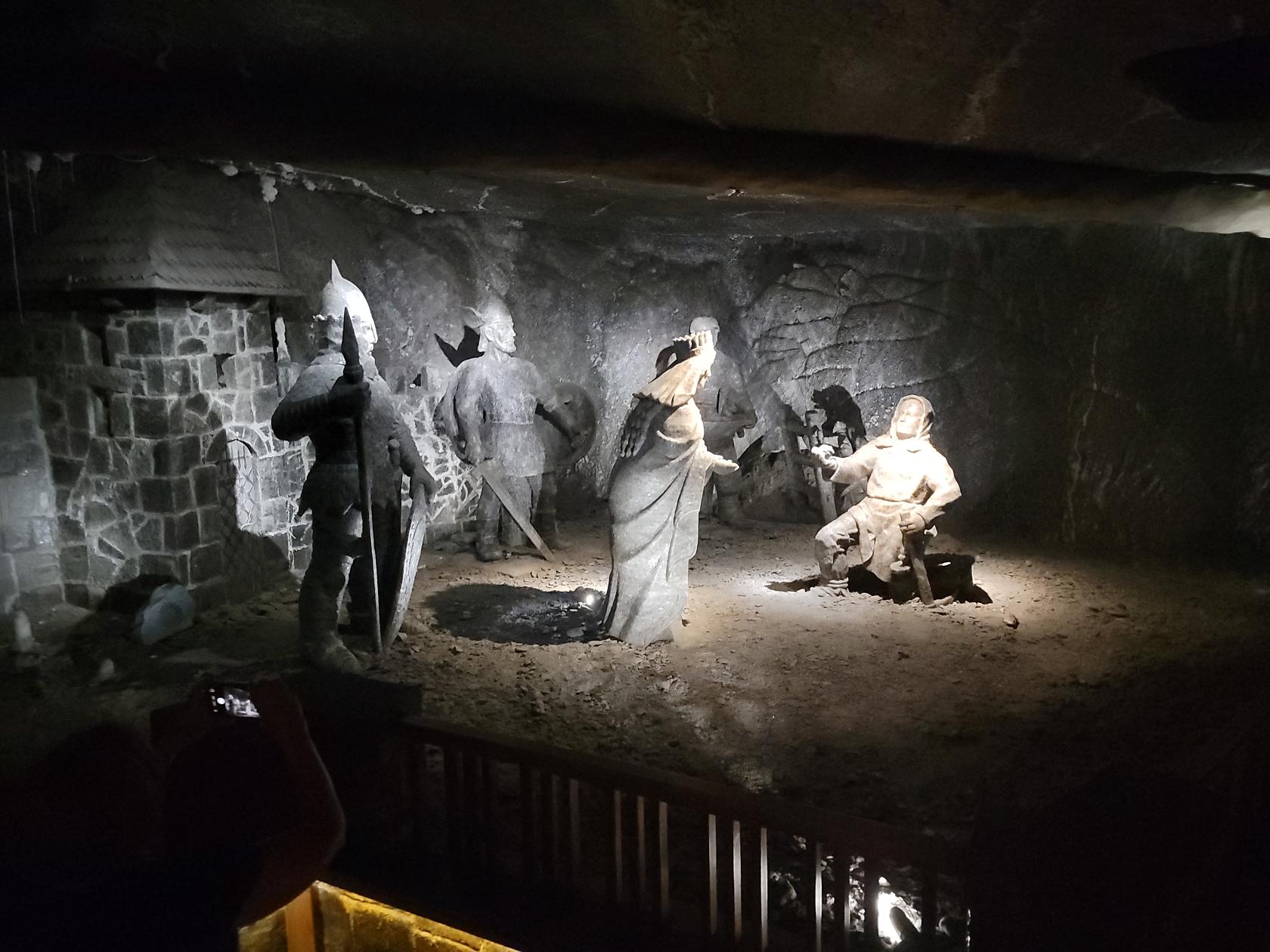
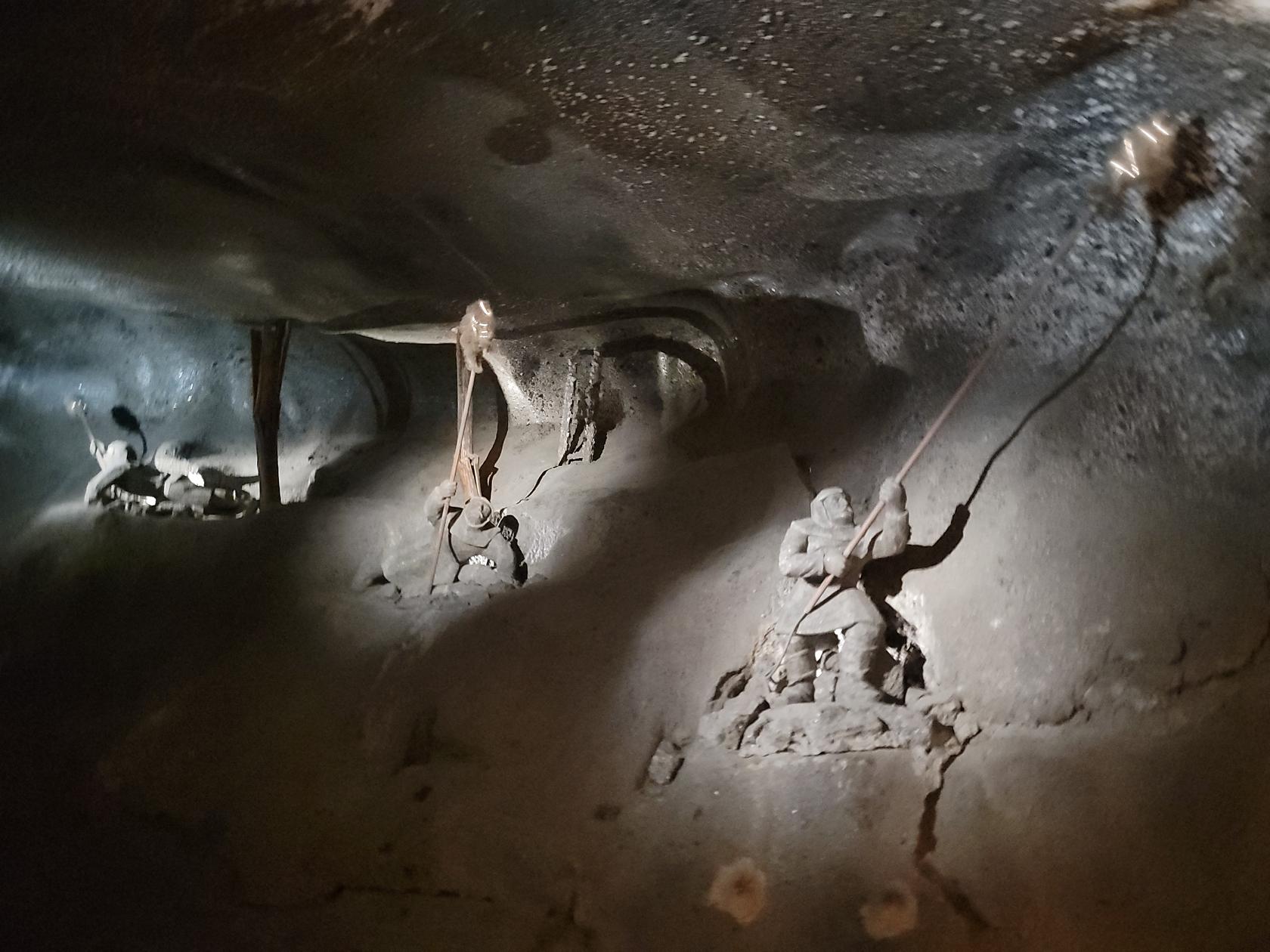
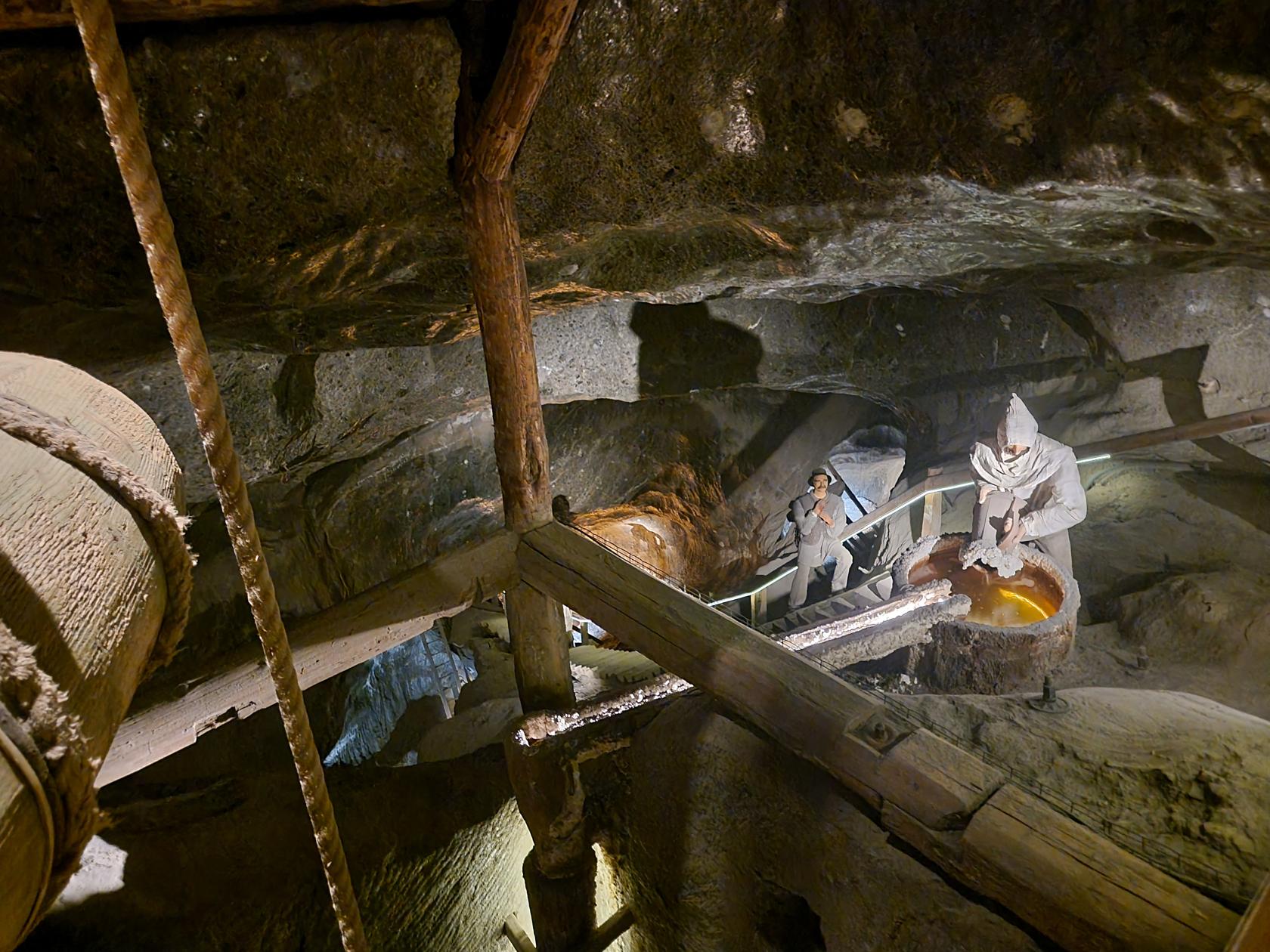
Diorama of miners – Wieliczka Salt Mine – Wieliczka, Poland
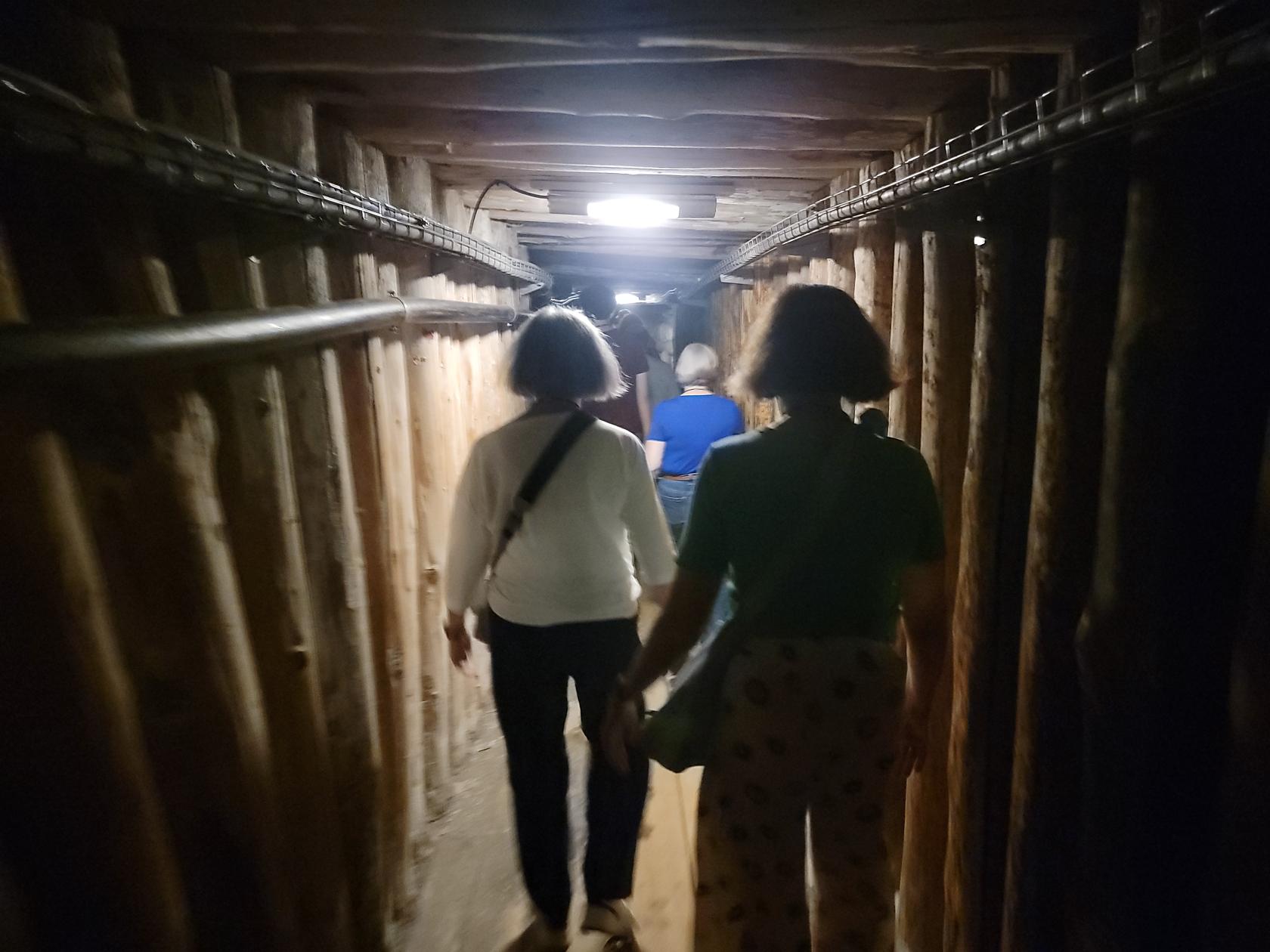
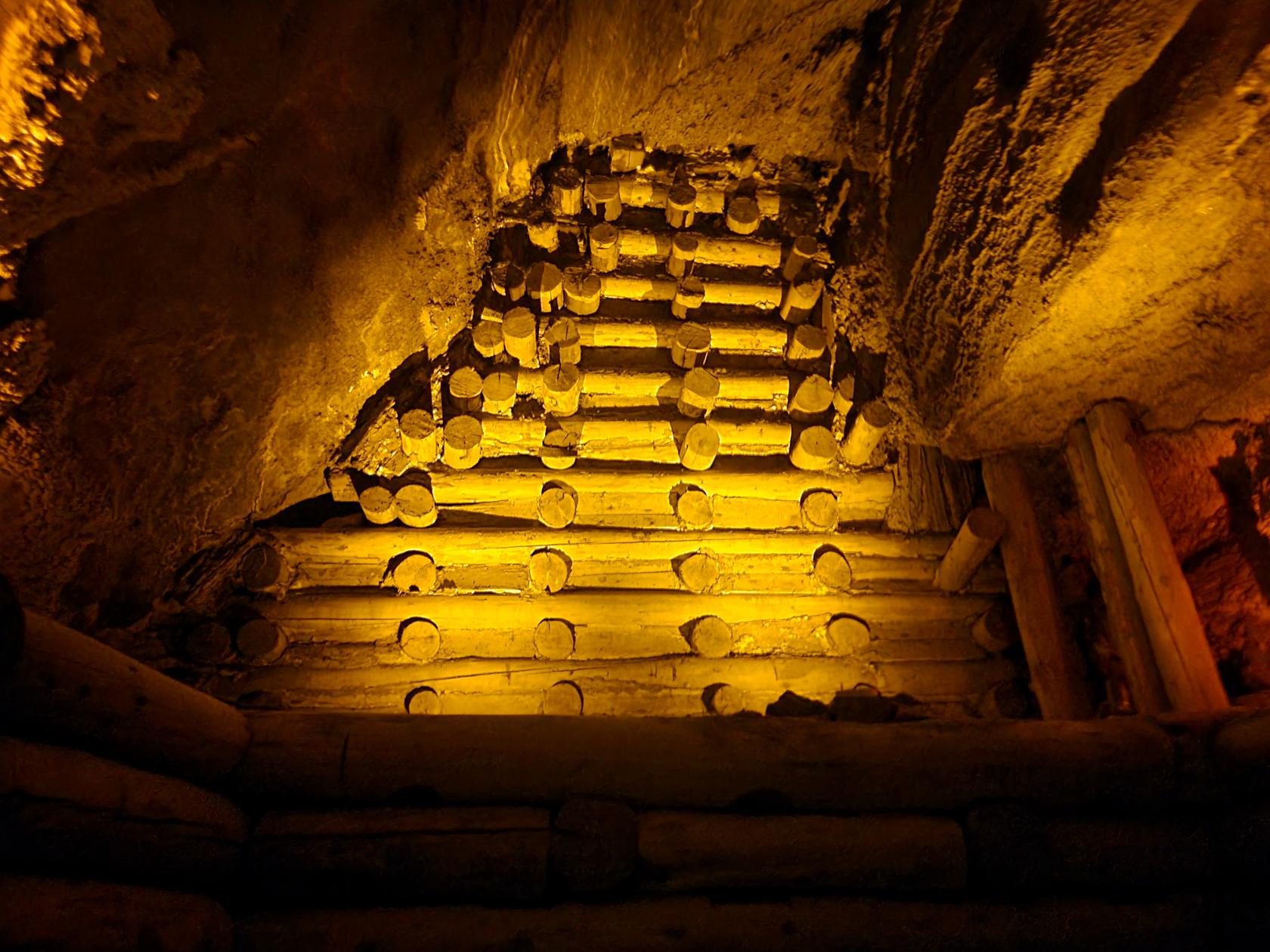
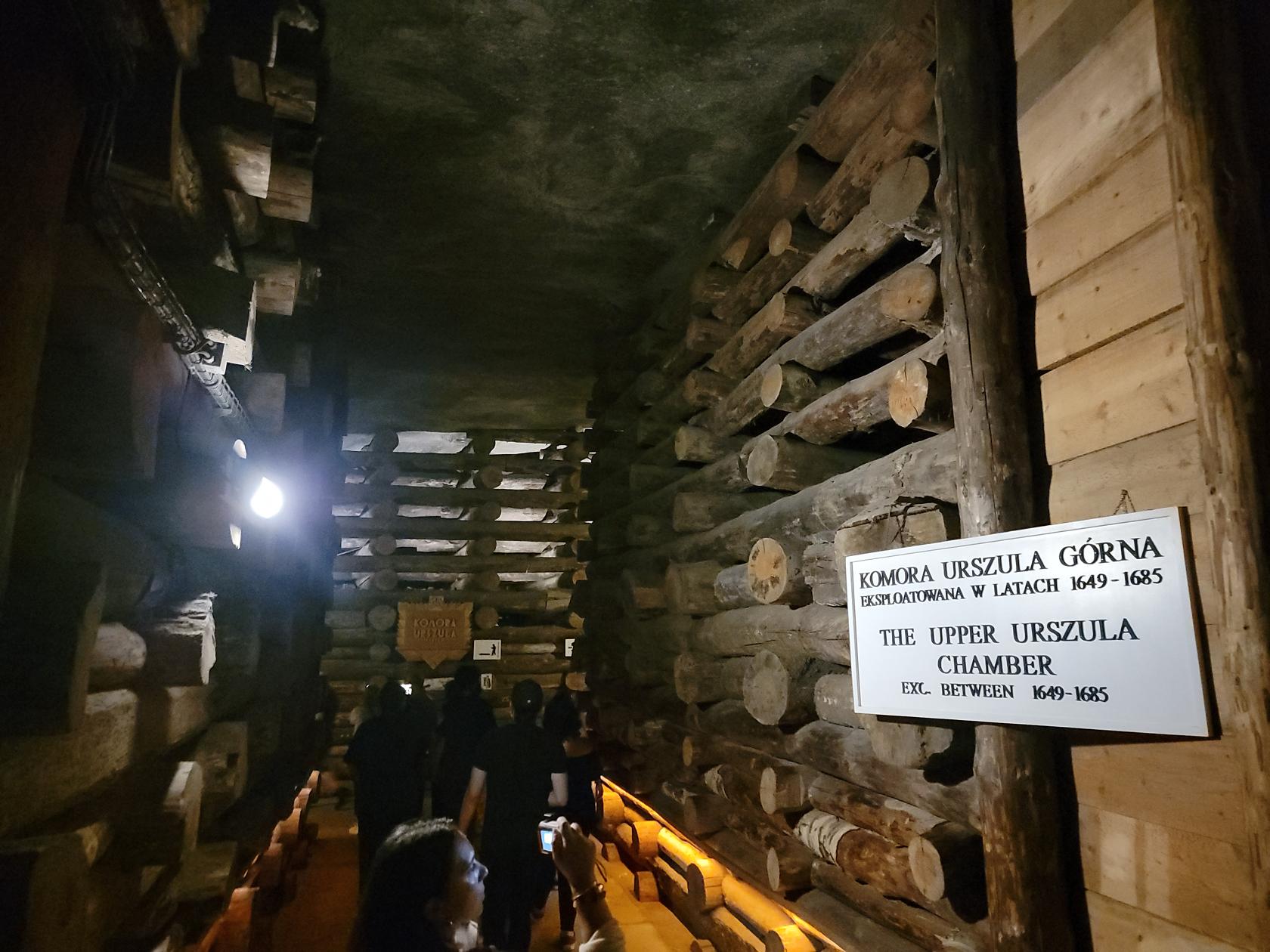
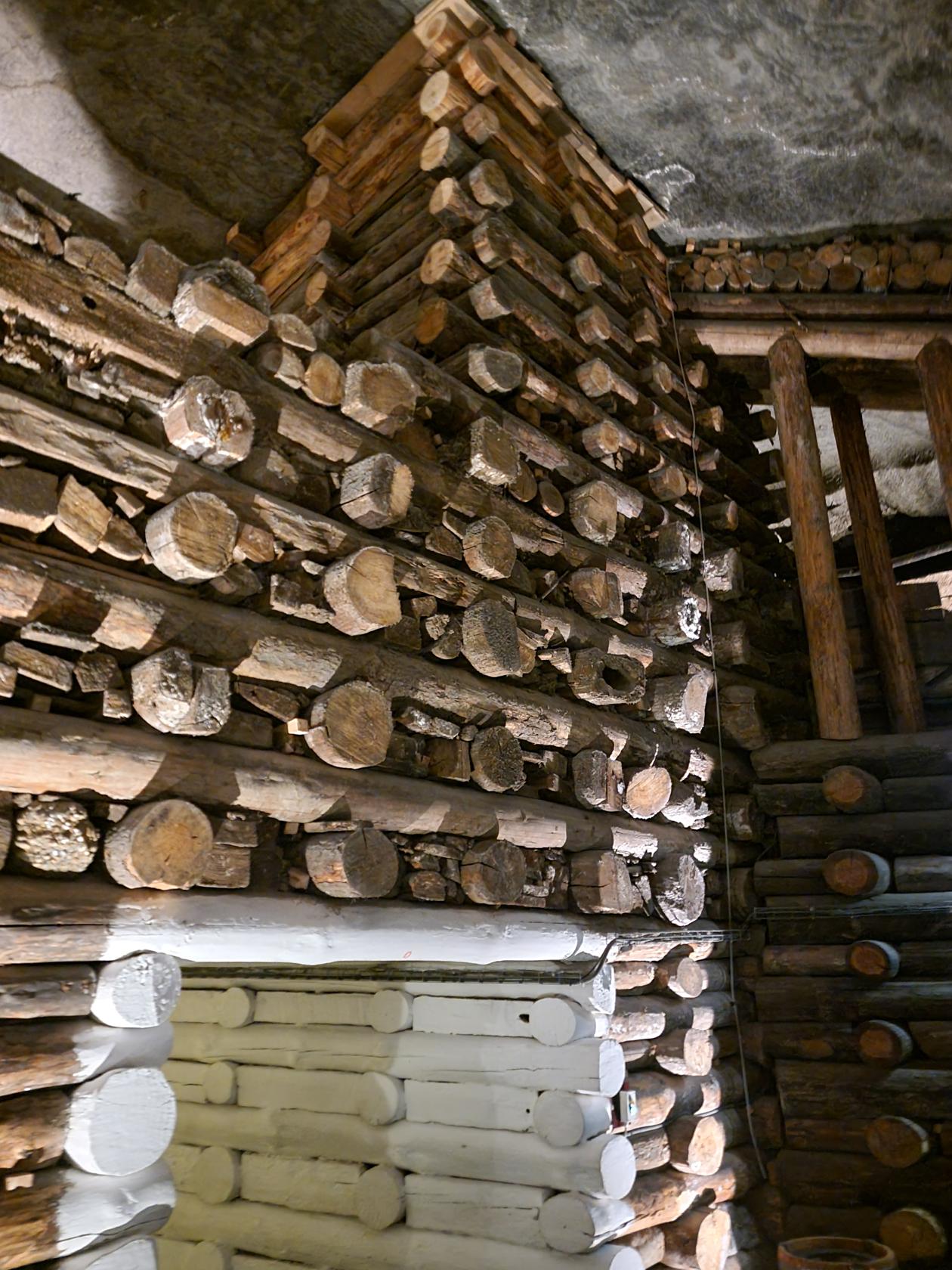
Pine Supports – Wieliczka Salt Mine – Wieliczka, Poland
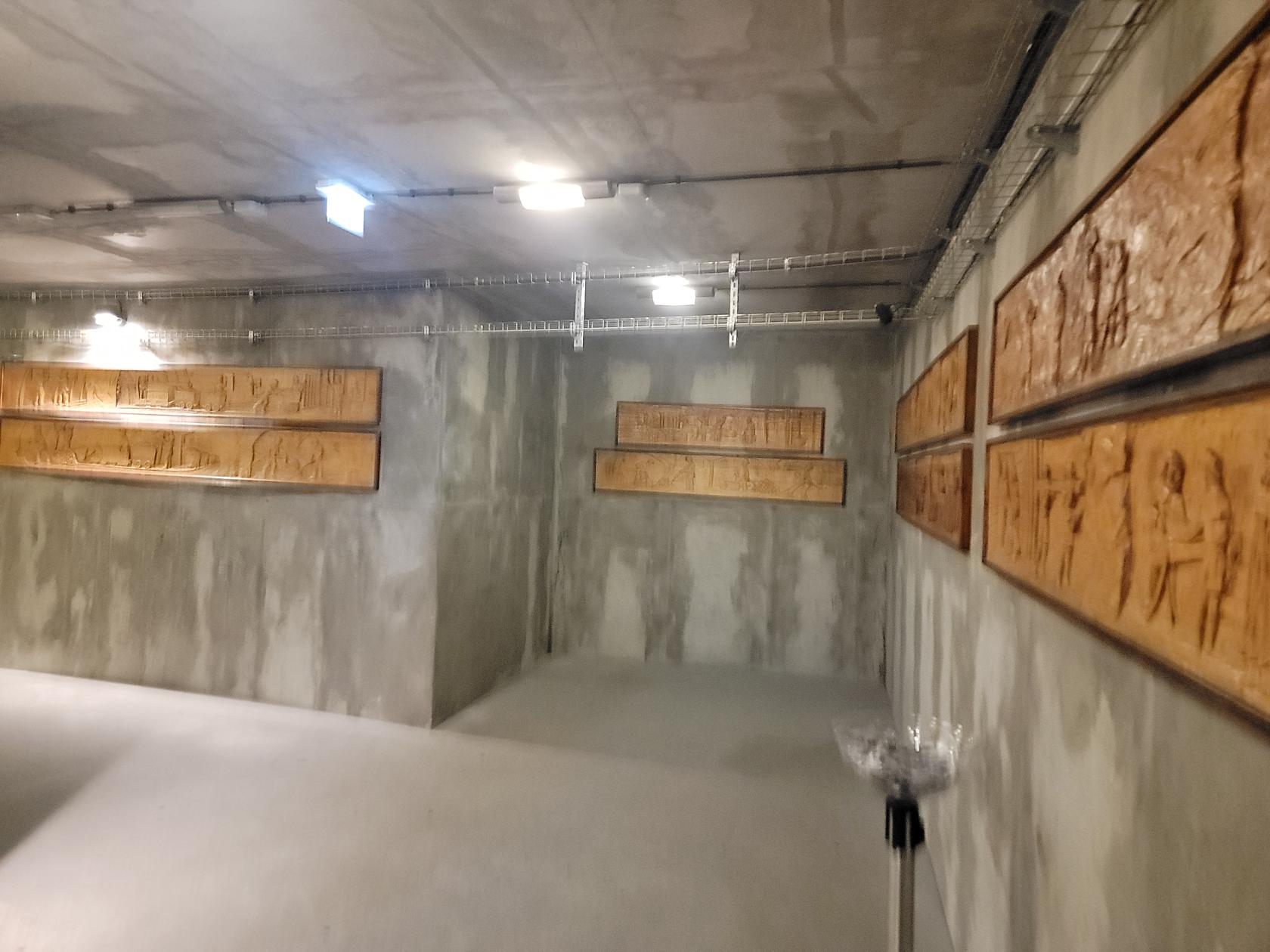
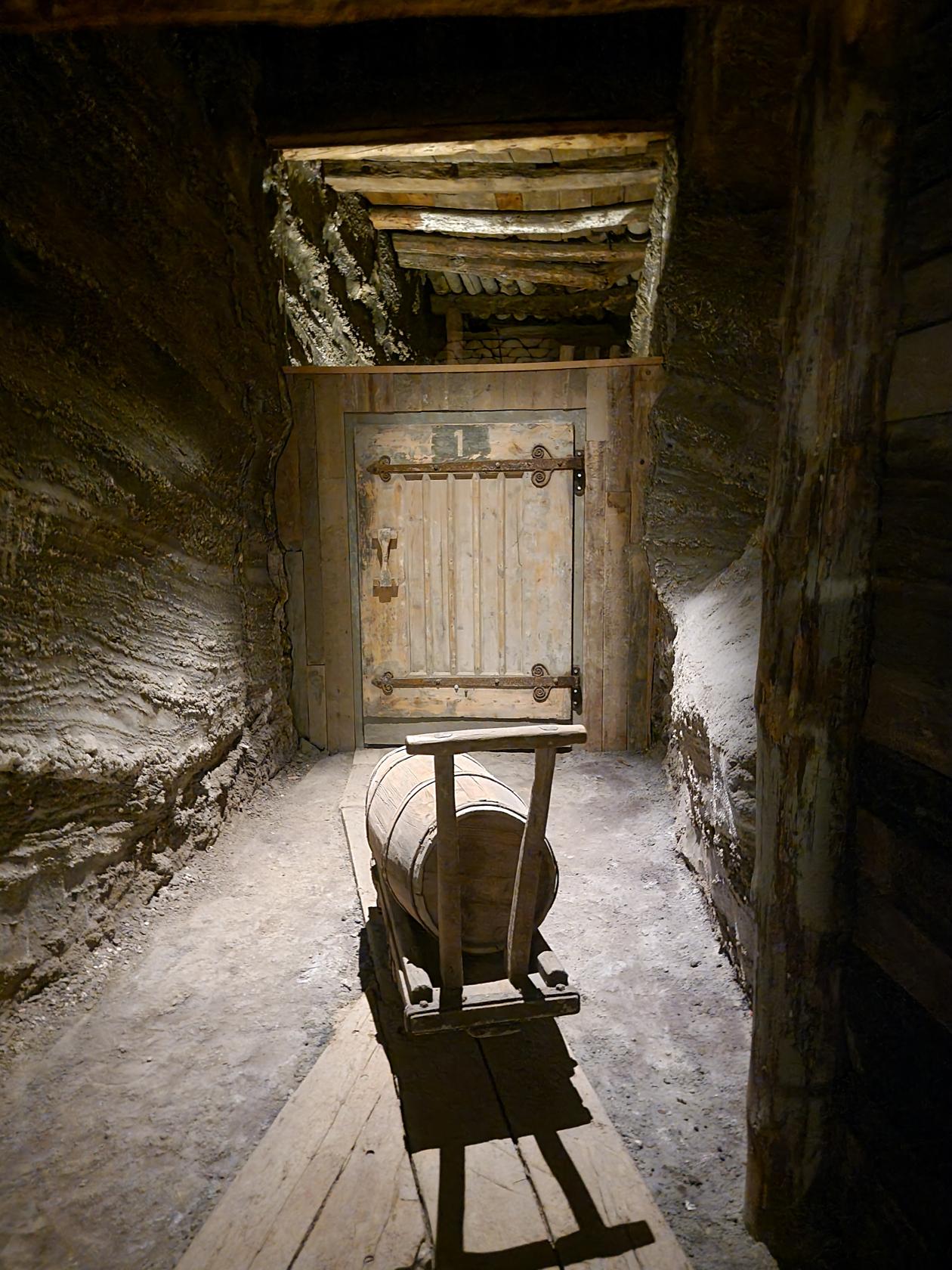
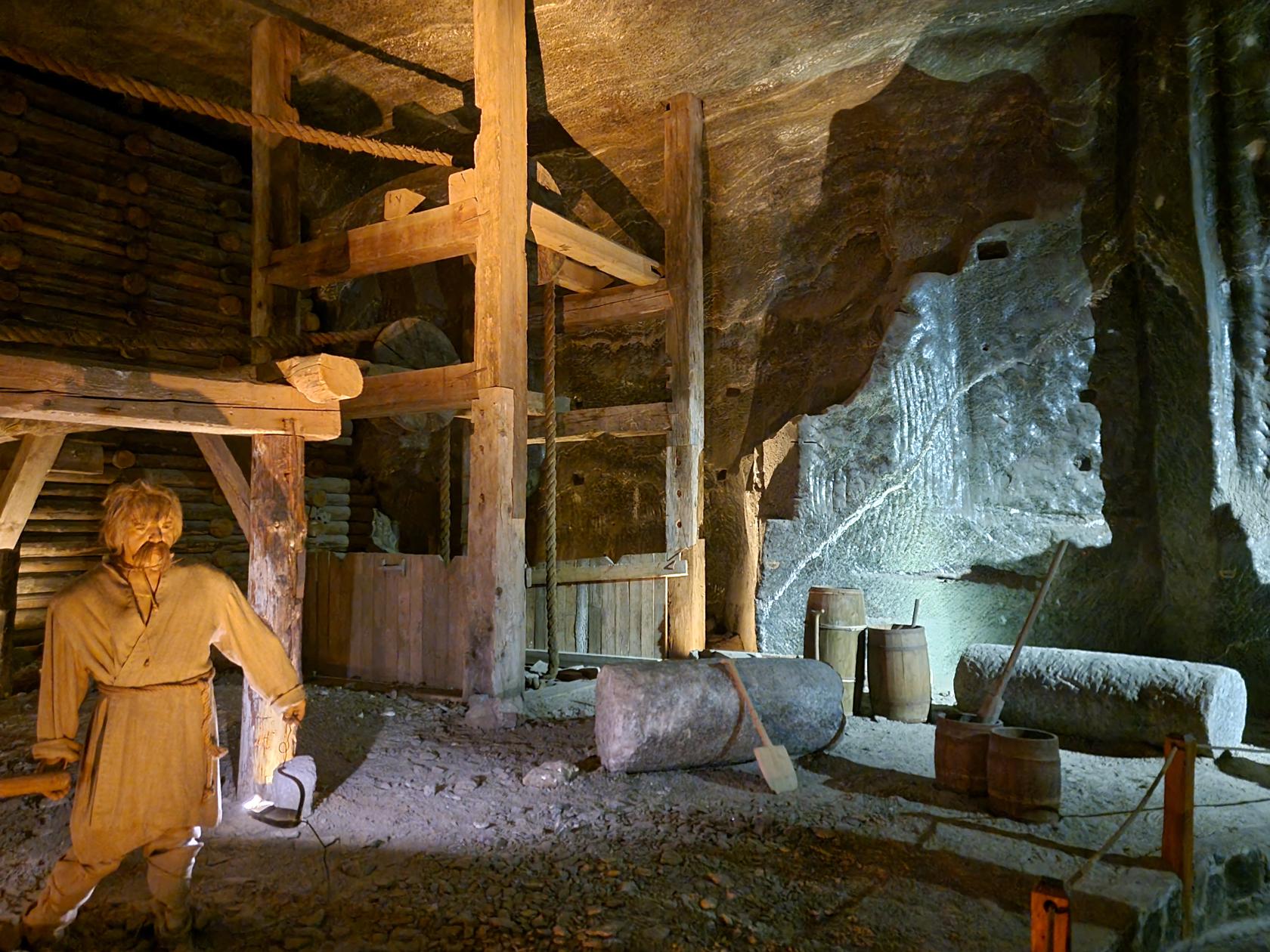
Mid 17th century working conditions and tools – Wieliczka Salt Mine – Wieliczka, Poland
Tunnel and Supports – Wieliczka Salt Mine – Wieliczka, Poland
More casements – Wieliczka Salt Mine – Wieliczka, Poland
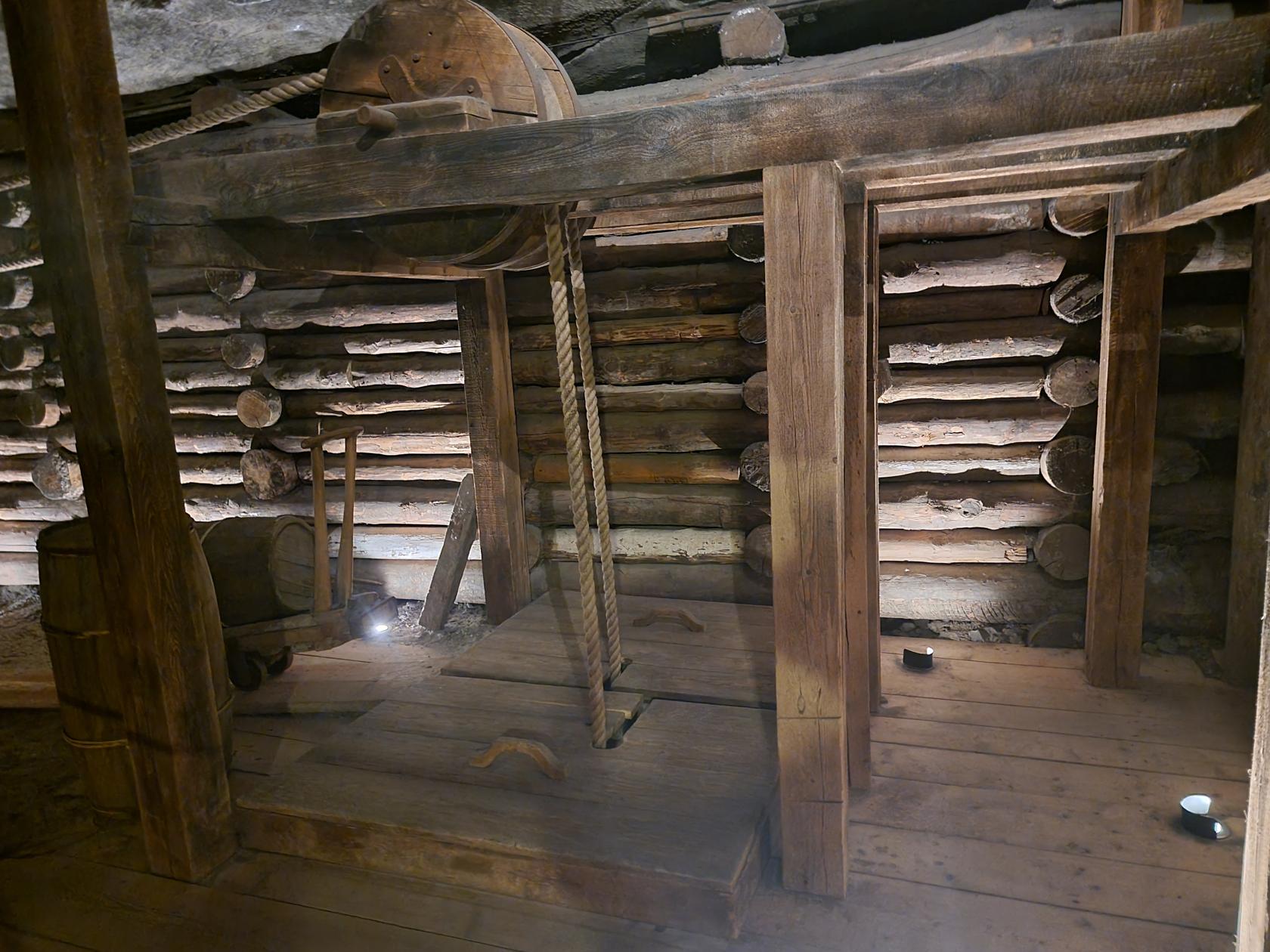
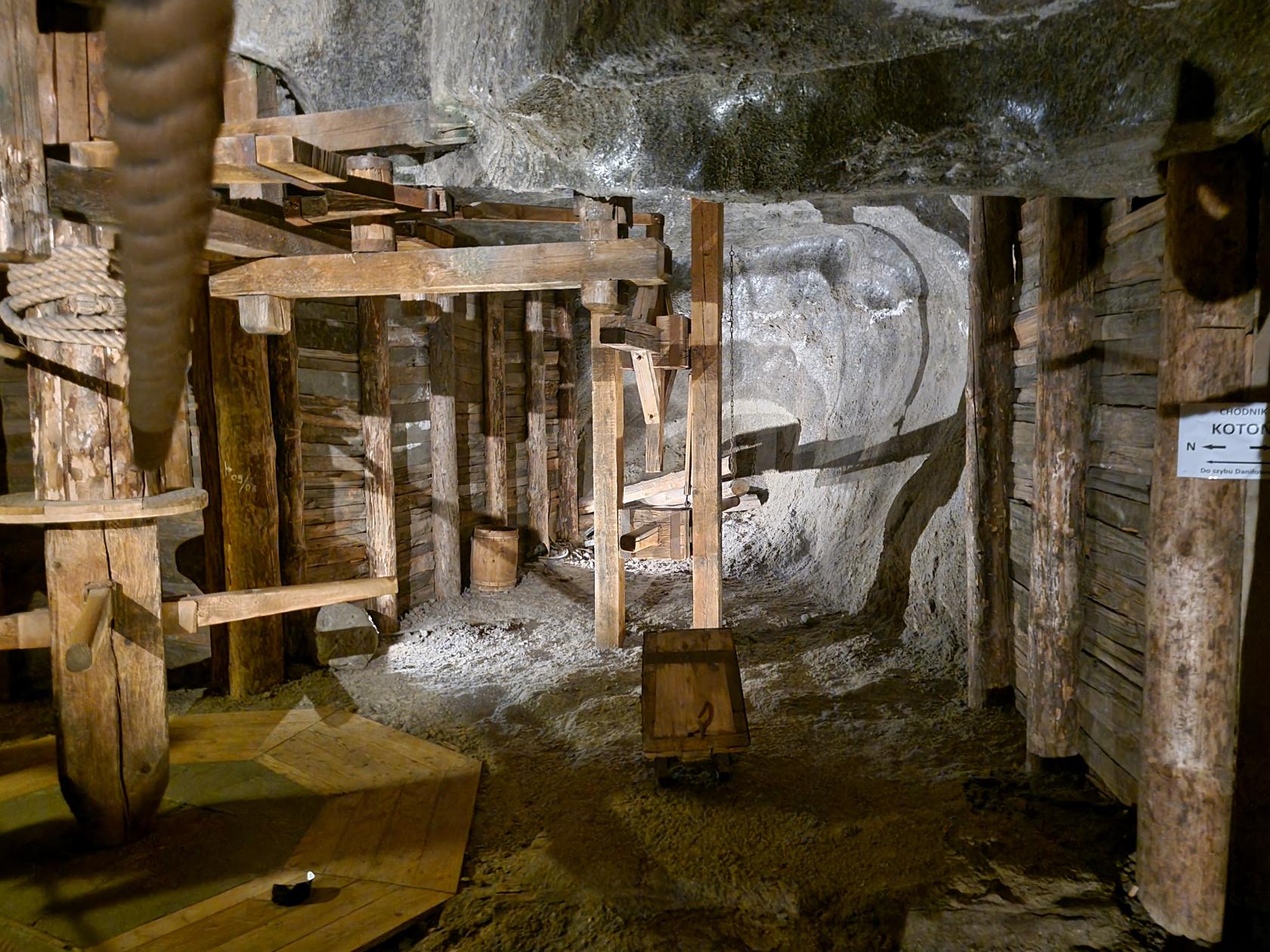
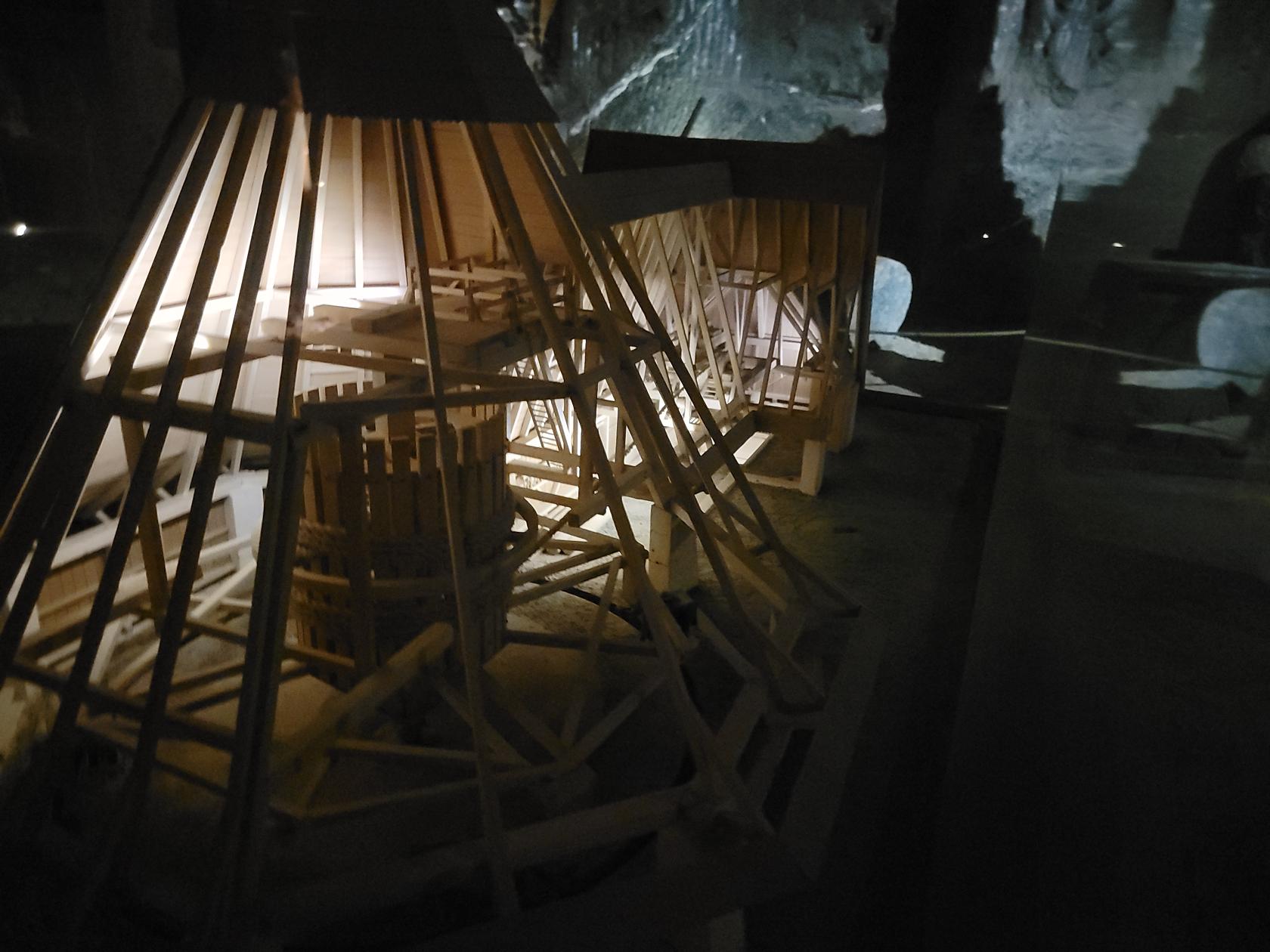
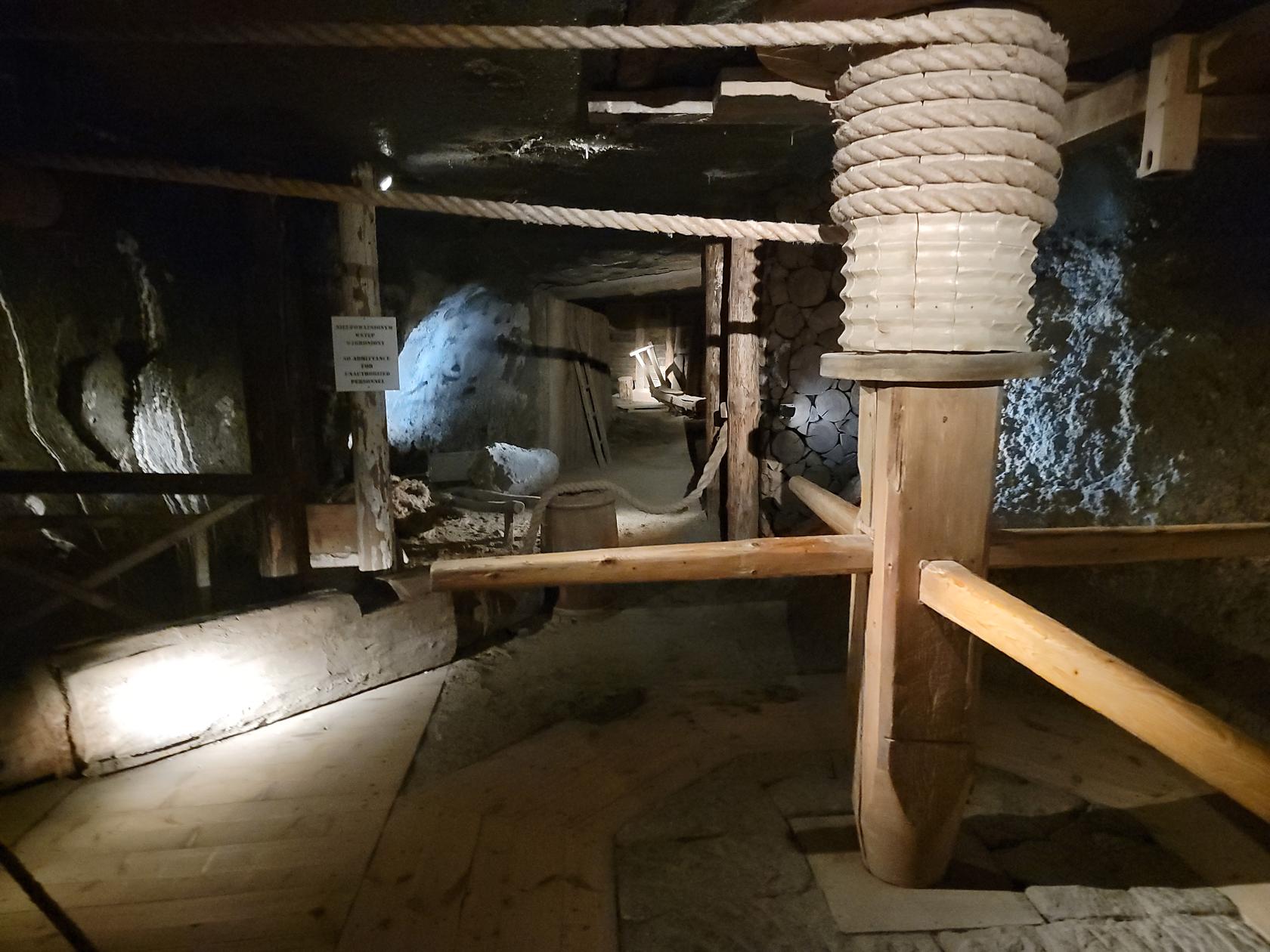
Mid 17th century winch – Wieliczka Salt Mine – Wieliczka, Poland
Capstan winch – Wieliczka Salt Mine – Wieliczka, Poland
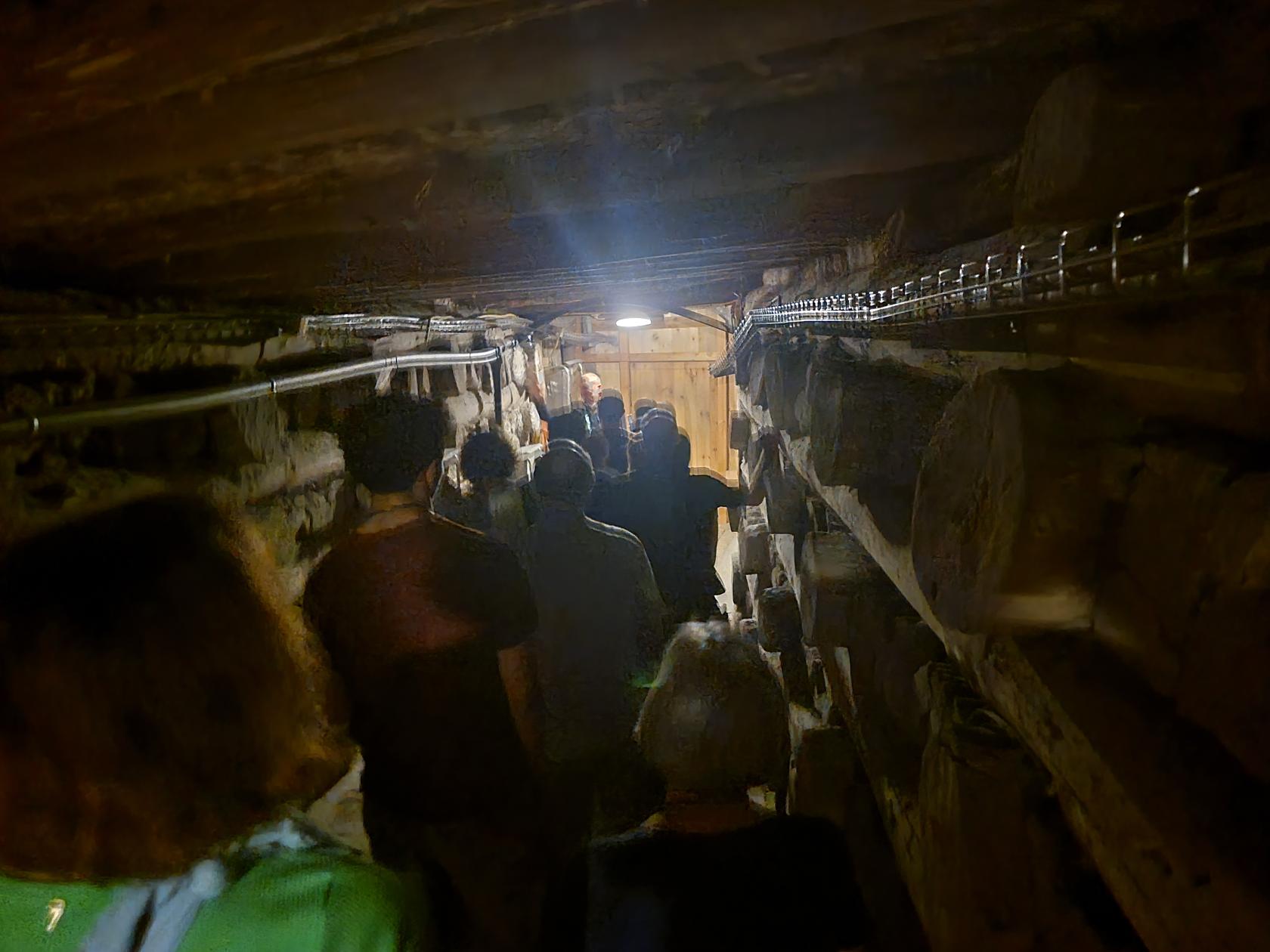
Old Tunnel with little head room – Wieliczka Salt Mine – Wieliczka, Poland
Next safety door – Wieliczka Salt Mine – Wieliczka, Poland
Kreciny Chamber – Wieliczka Salt Mine – Wieliczka, Poland
Salt Deposits – Wieliczka Salt Mine – Wieliczka, Poland
Another chamber – Wieliczka Salt Mine – Wieliczka, Poland
Bolts holding ceiling – Wieliczka Salt Mine – Wieliczka, Poland
Main Exhibits
Casements holding ceiling – Wieliczka Salt Mine – Wieliczka, Poland
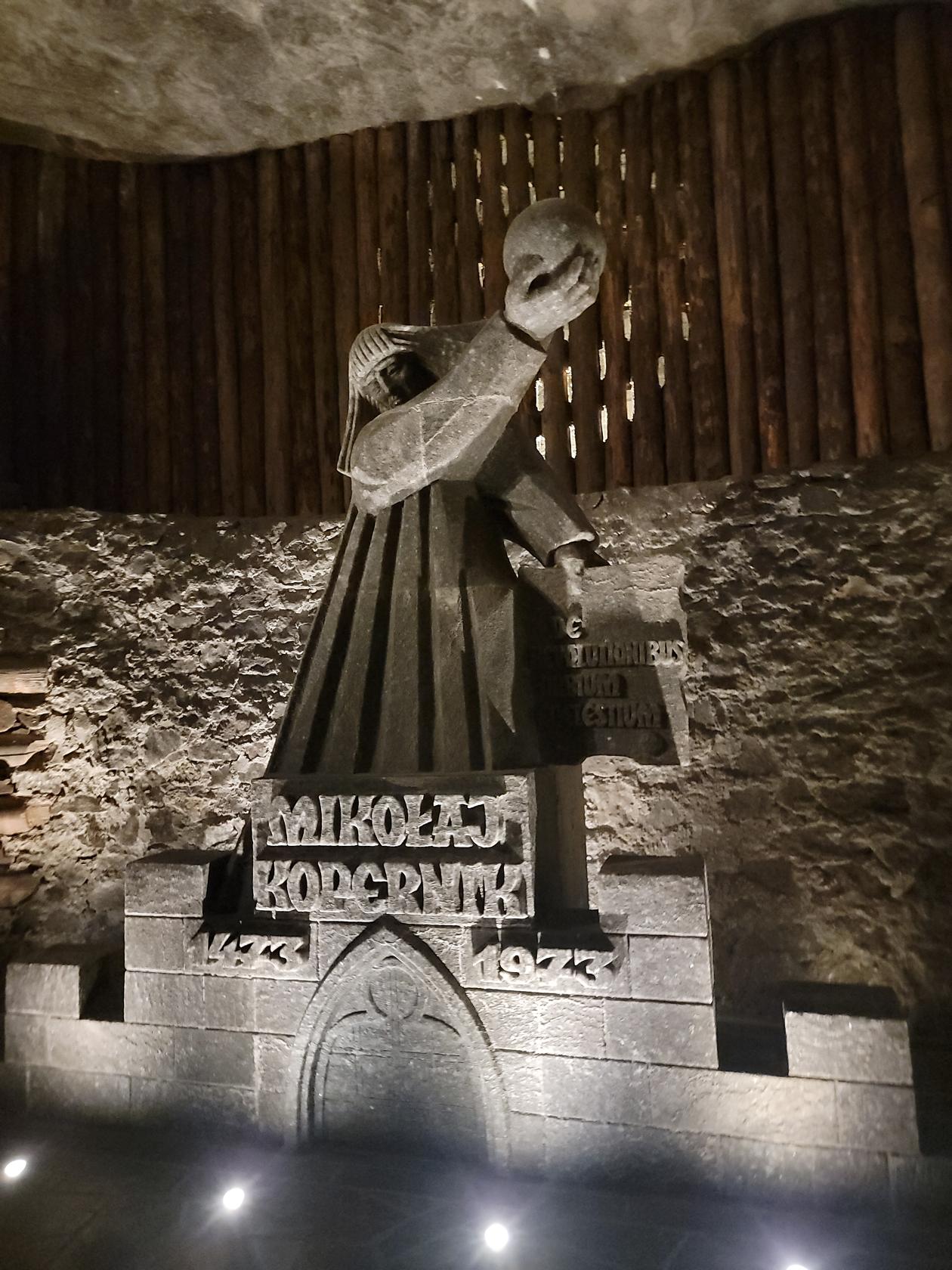
Nicolai Copernicus dedication – Wieliczka Salt Mine – Wieliczka, Poland
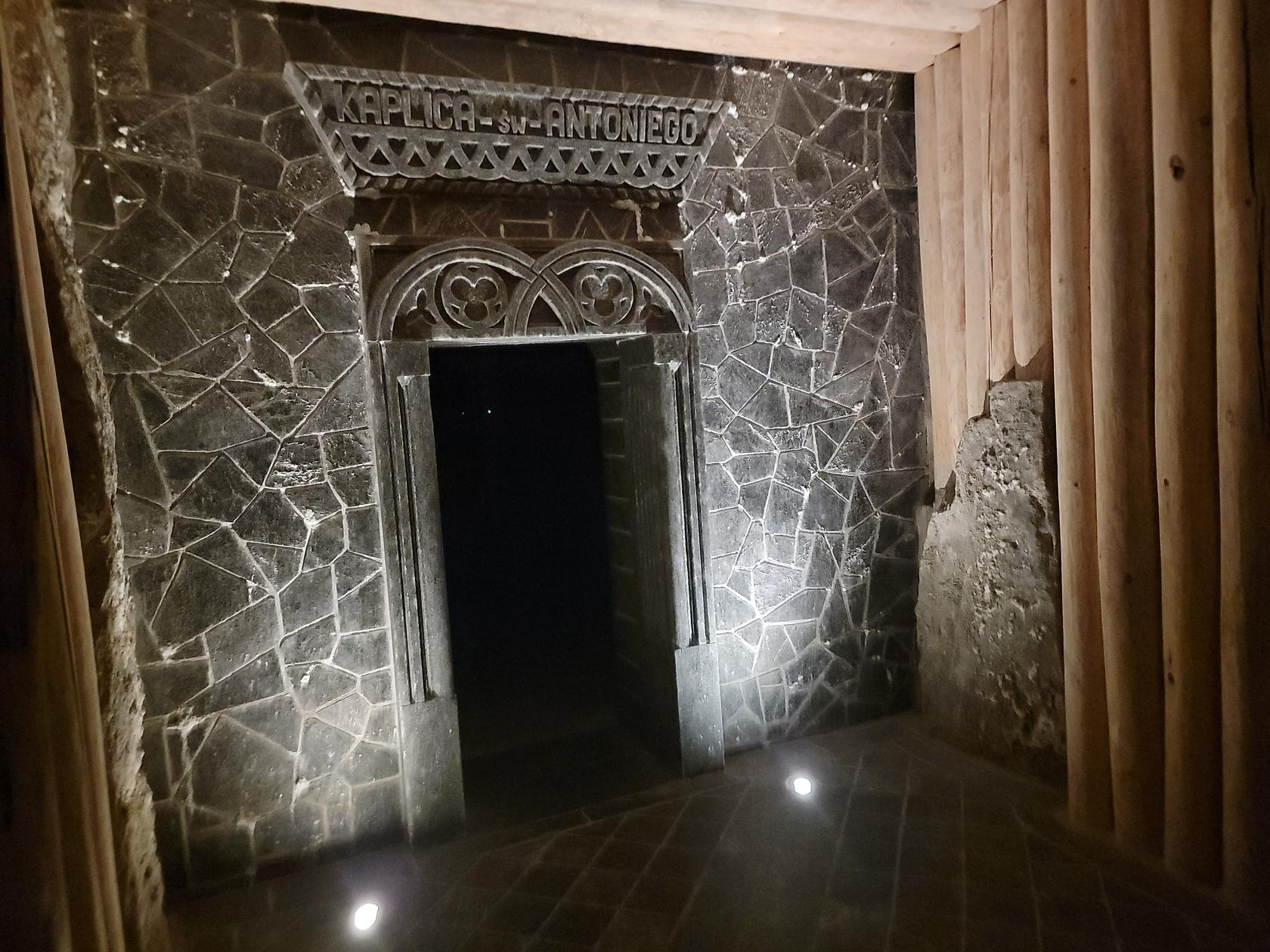
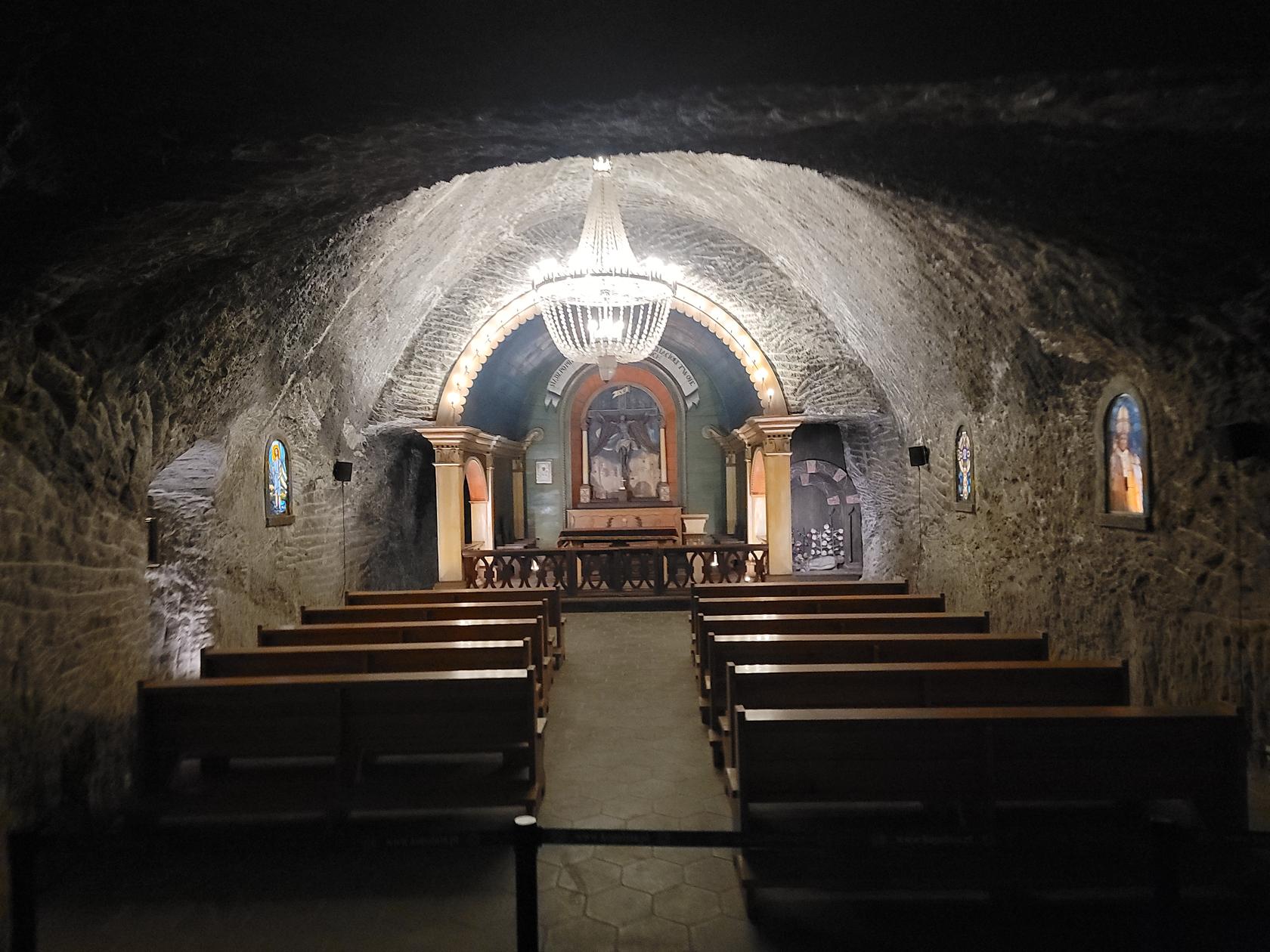
One chapel entrance – Wieliczka Salt Mine – Wieliczka, Poland
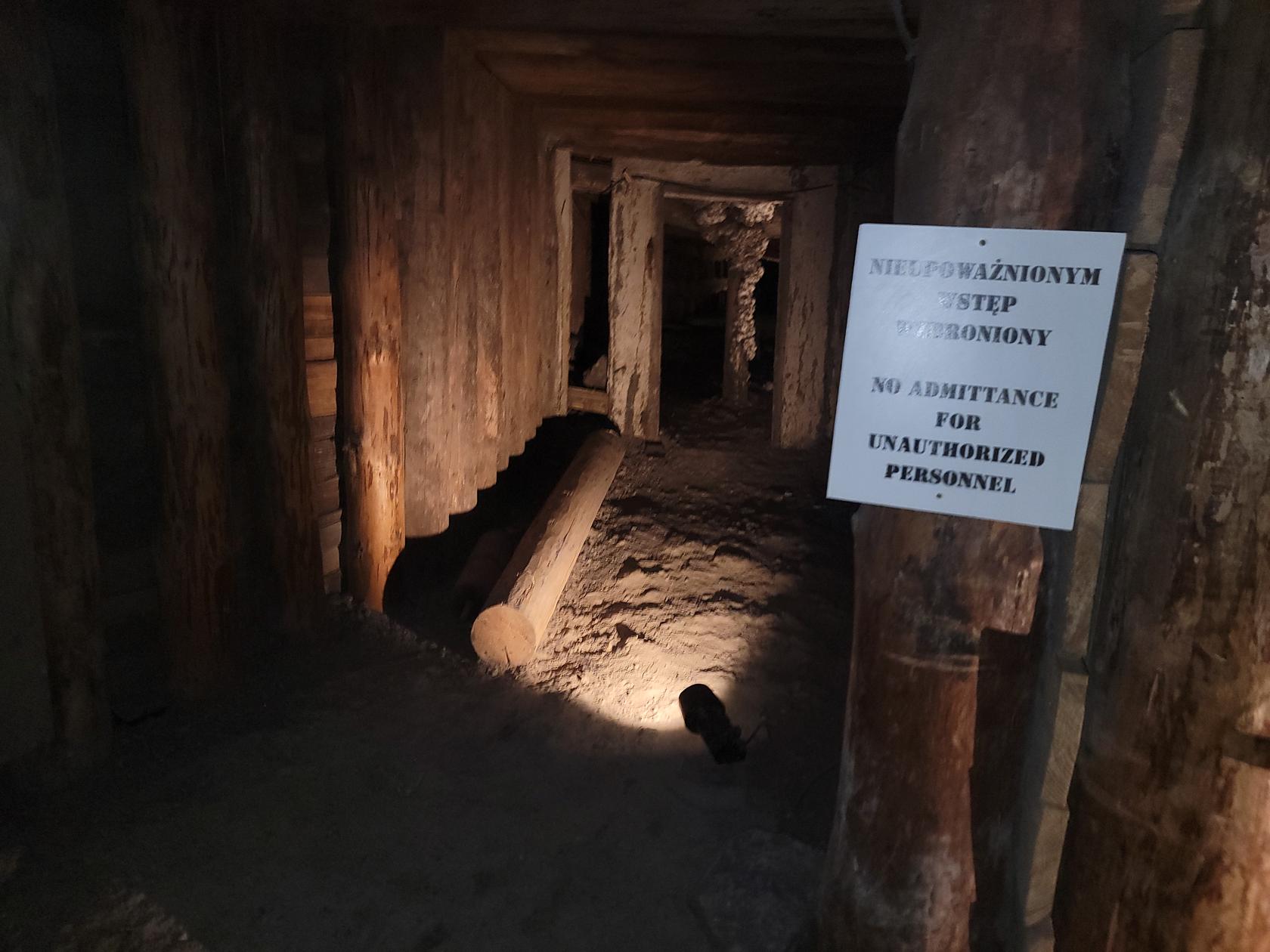
Old safety door – Wieliczka Salt Mine – Wieliczka, Poland
Another chapel entrance – Wieliczka Salt Mine – Wieliczka, Poland
Recreation – Wieliczka Salt Mine – Wieliczka, Poland
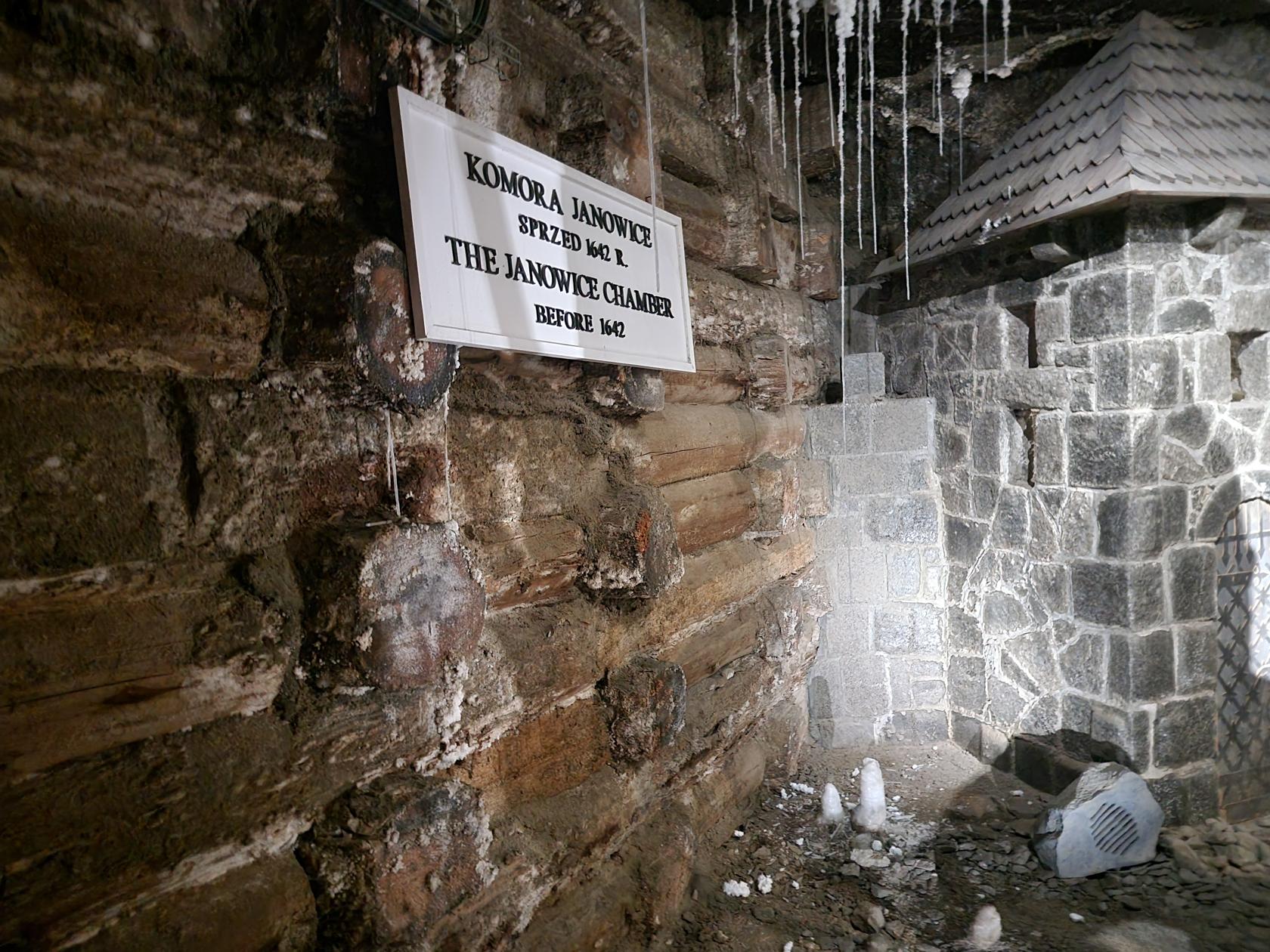
Old chamber before 1642 – Wieliczka Salt Mine – Wieliczka, Poland
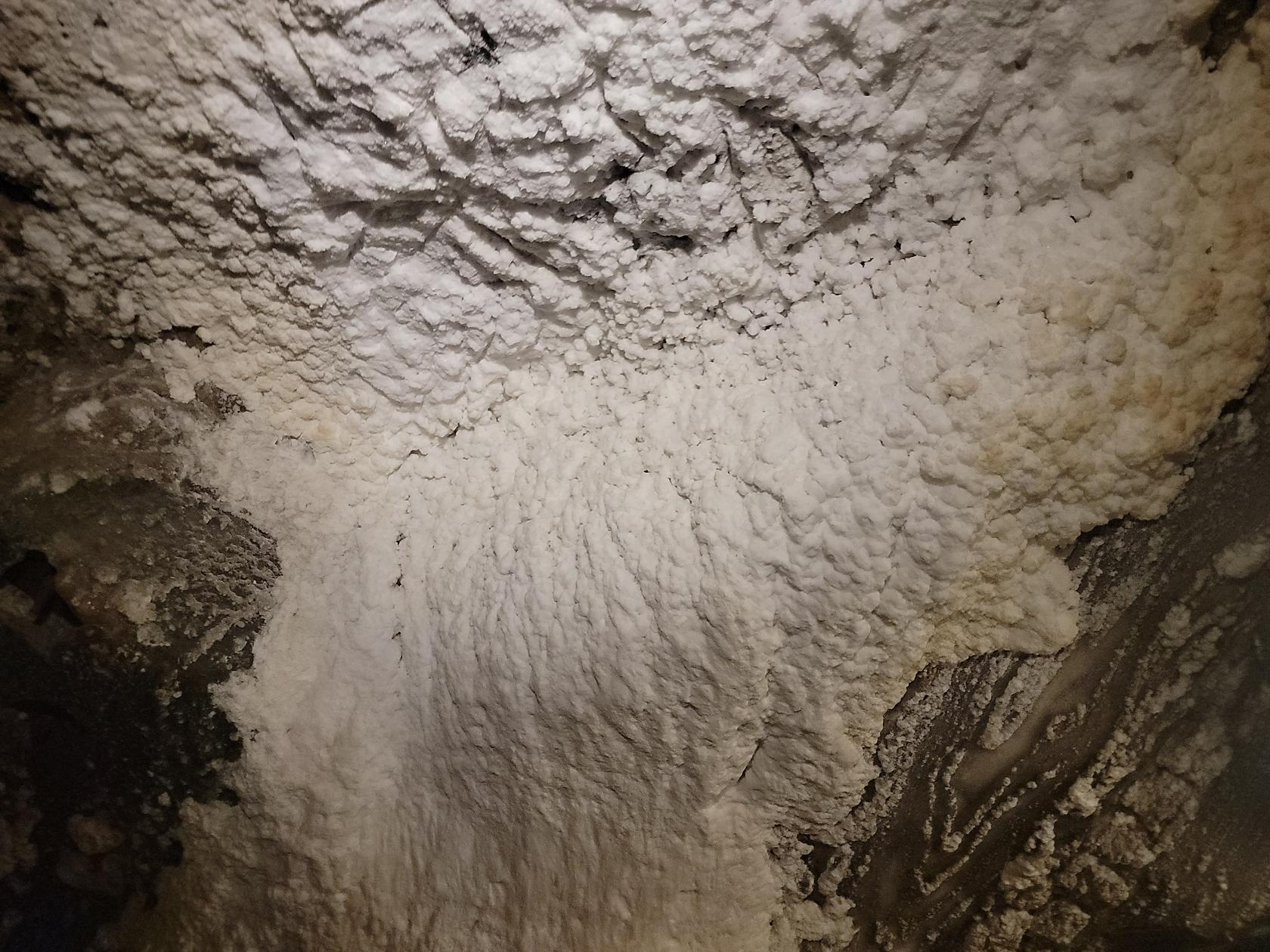
Salt cauliflowers – Wieliczka Salt Mine – Wieliczka, Poland
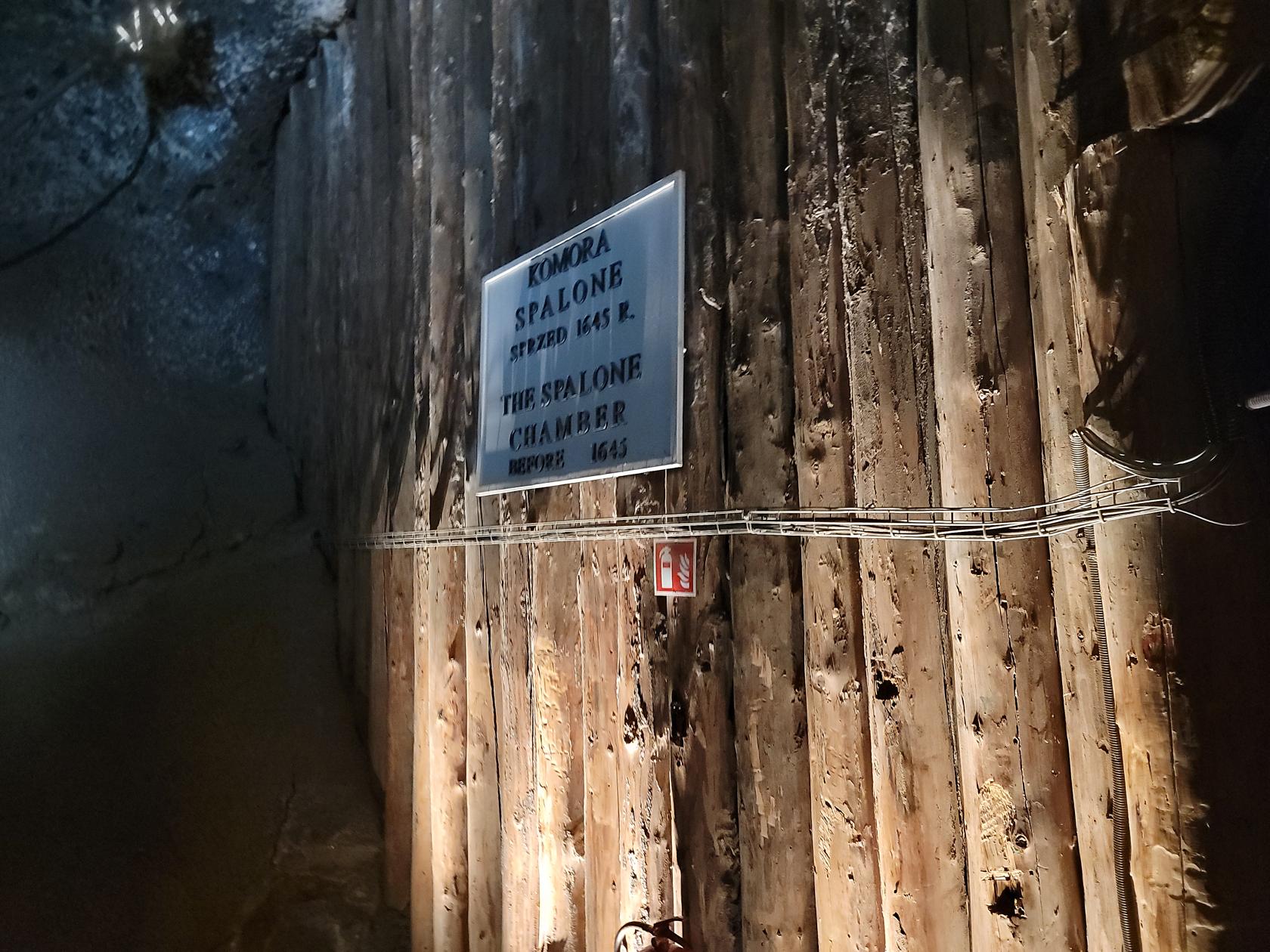
Spalone Chamber – Wieliczka Salt Mine – Wieliczka, Poland
Gas detection demonstration – Spalone Chamber – Wieliczka Salt Mine – Wieliczka, Poland
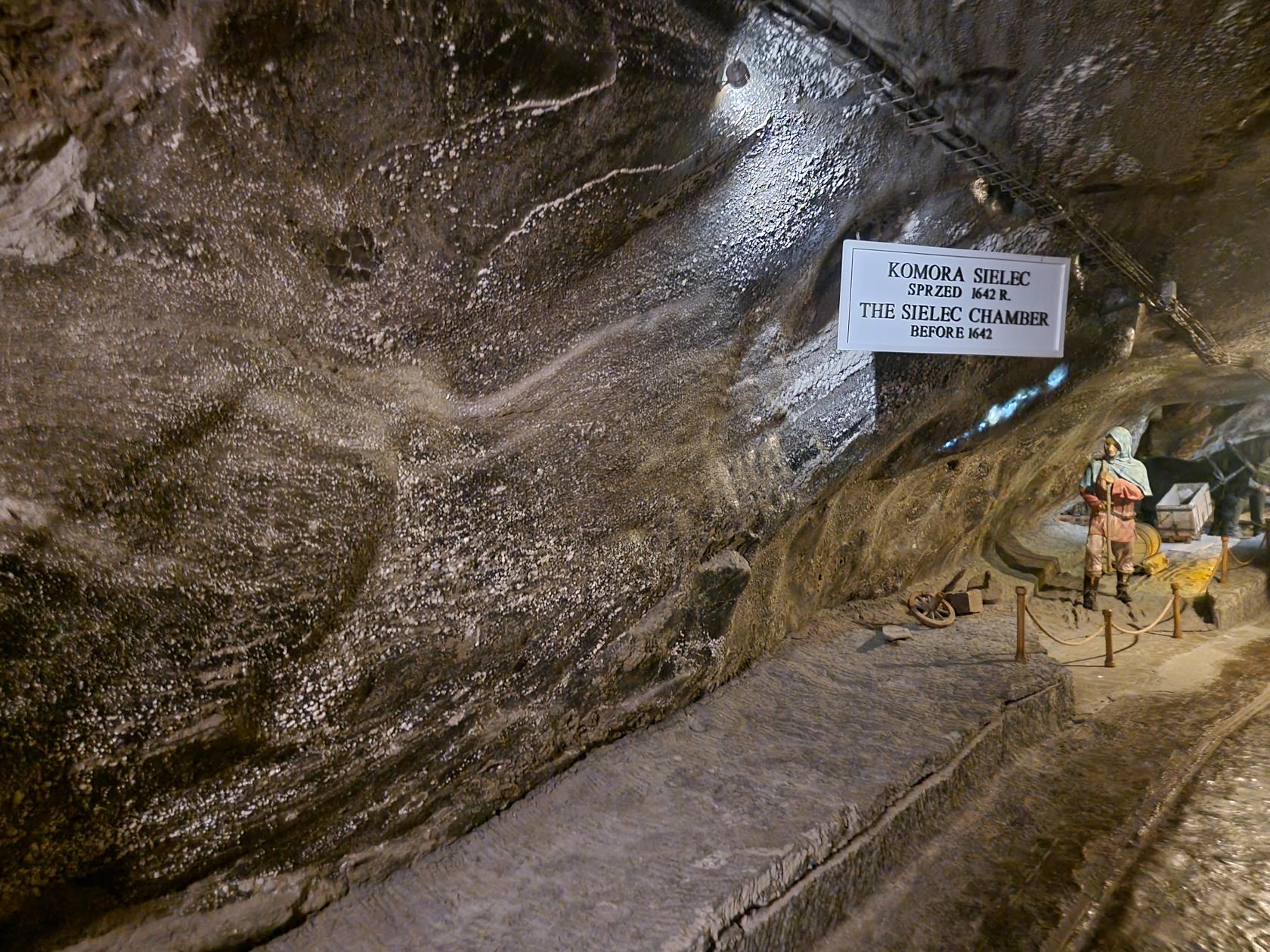
Sielec Chamber – Wieliczka Salt Mine – Wieliczka, Poland
Though not a large city, Kraków still has enough to see to warrant more that a few posts. There are that many museums, attractions and interesting things that you can easily fill up more than a few days. This is why we spent four nights here, and probably could have spent more with all of the day trips that are also at your disposal.
City Park – Kraków, Poland
City Park – Kraków, Poland
City Park – Kraków, Poland
City Park – Kraków, Poland
City Park – Kraków, Poland
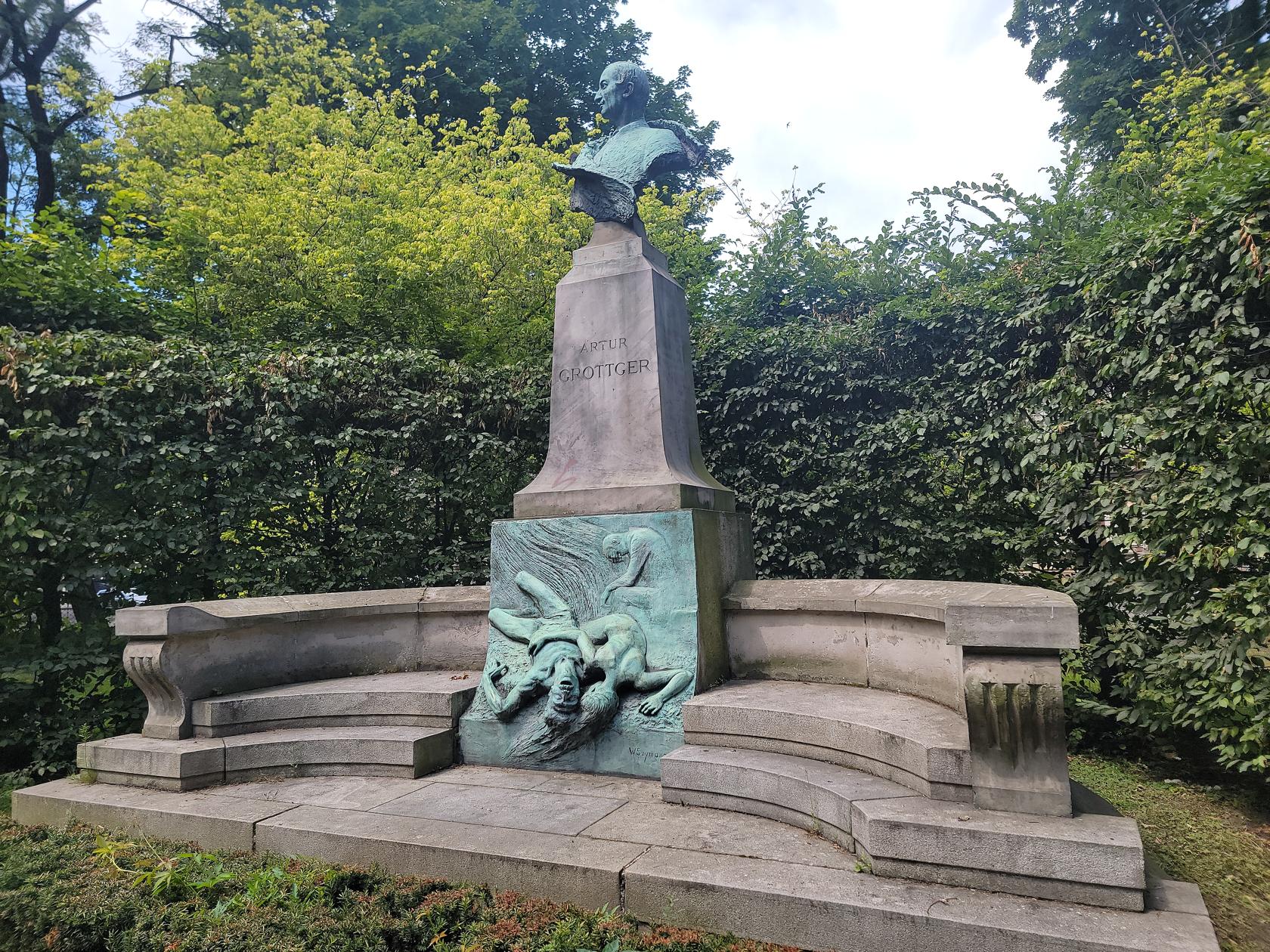
Grottger Monument – City Park – Kraków, Poland
Kraków
This part contains less churches and more museums. Of course we had some time to amble through town once or twice, but since we only had a half day to see what we could, the other half being consumed by our Salt Mine tour, we saw what we could in the time alotted.
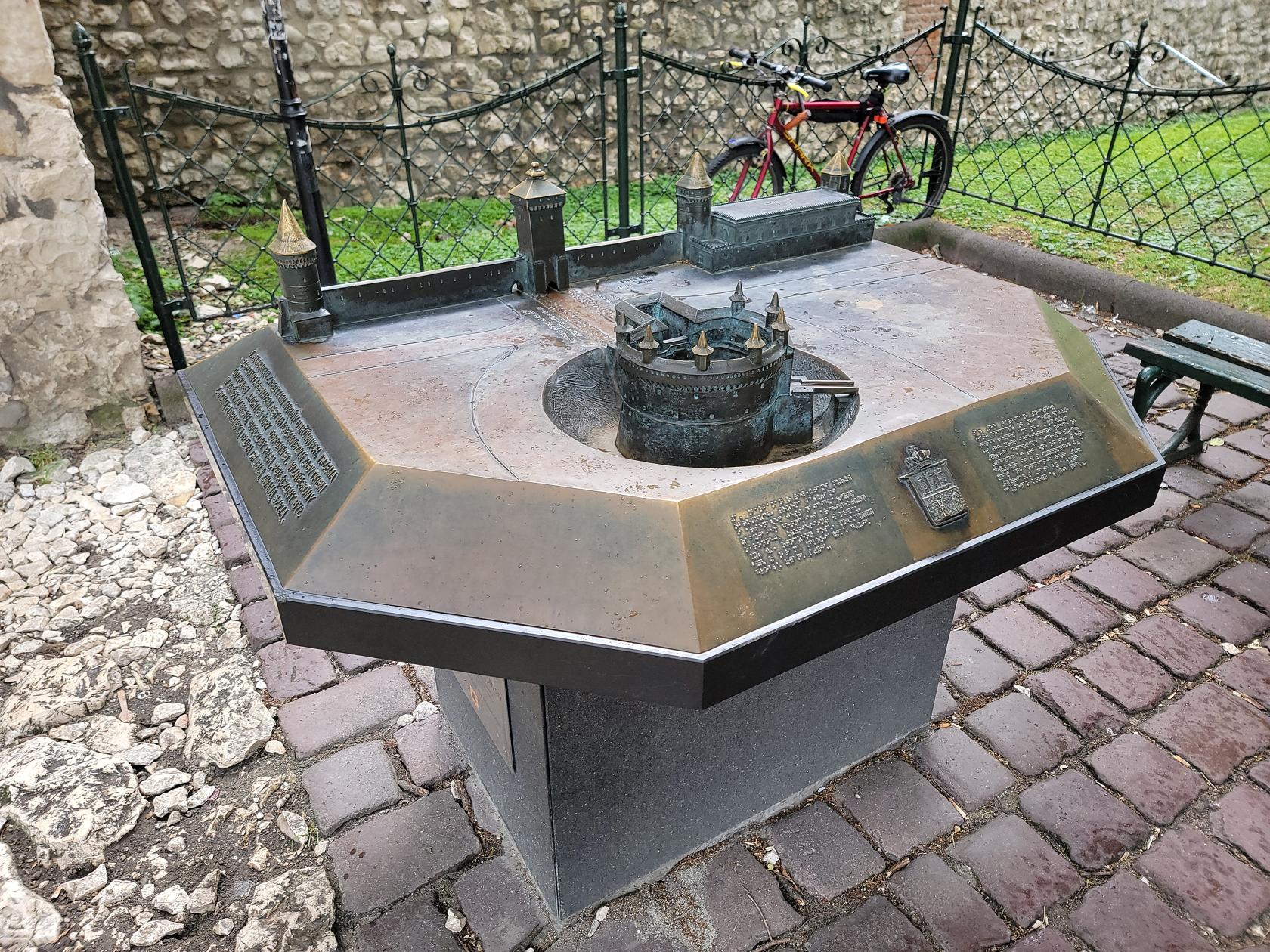
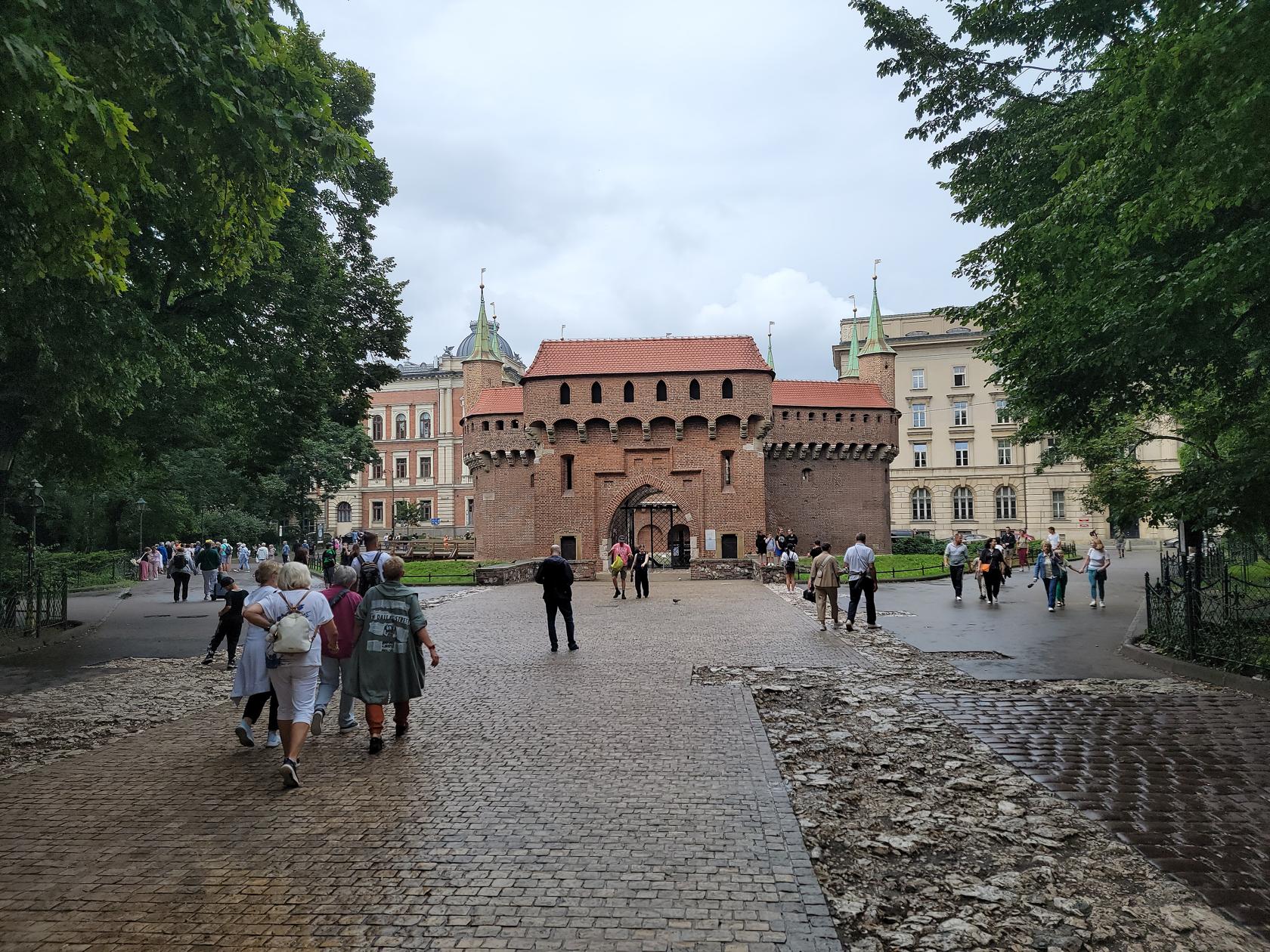
Jana Matejki Plaza – Barbican Museum – Kraków, Poland
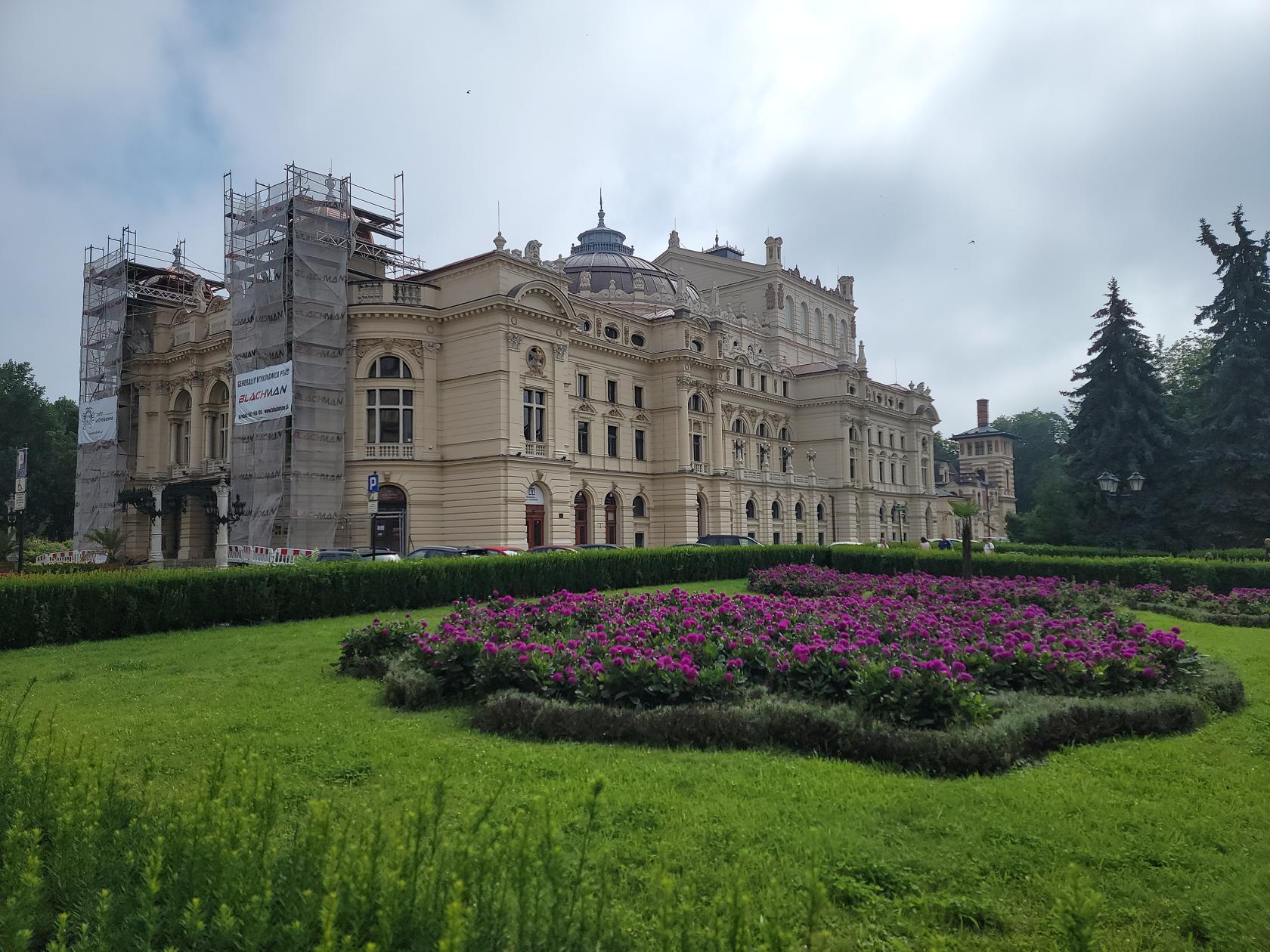
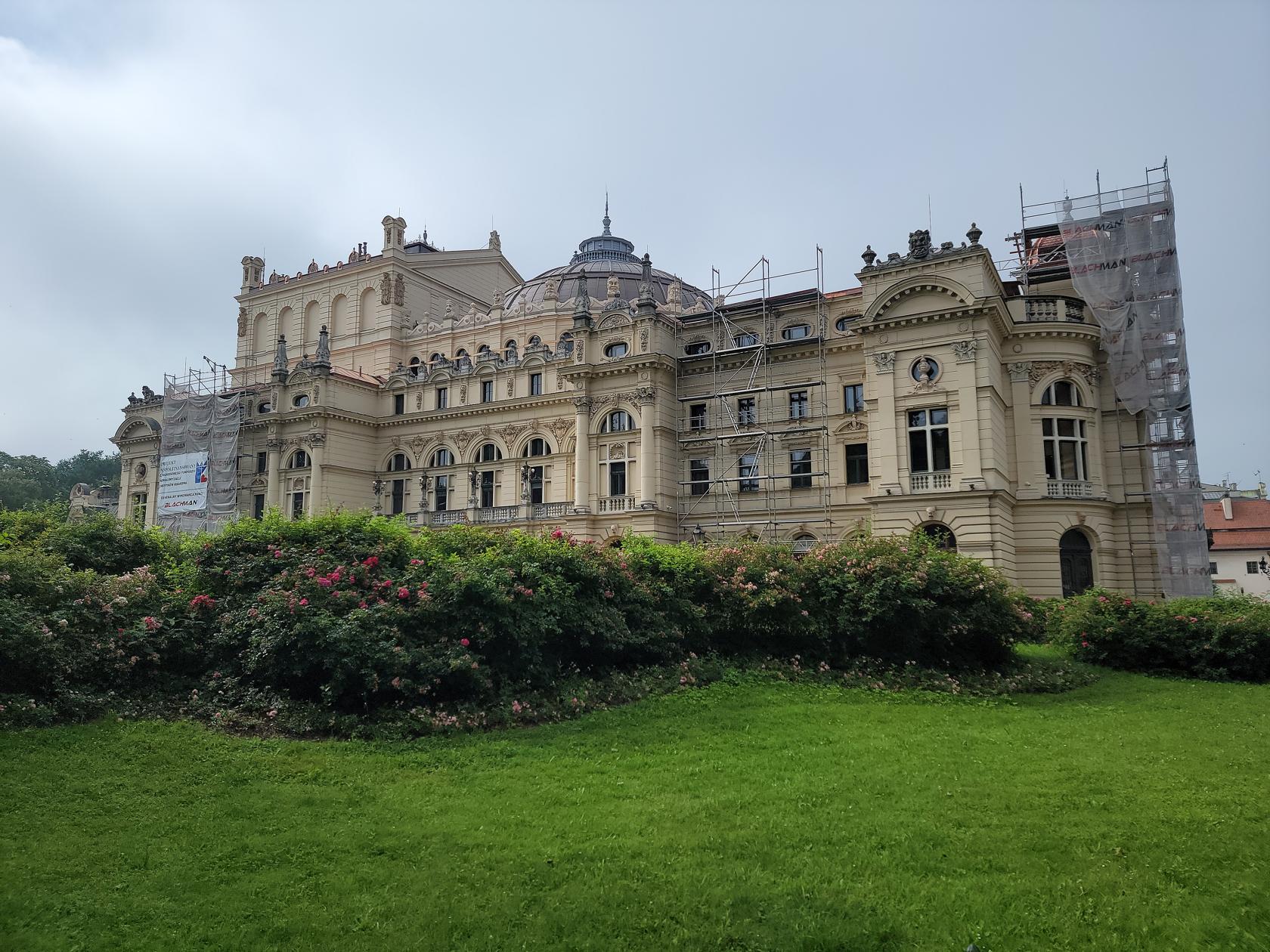
Theater – Kraków, Poland
Theater – Kraków, Poland
Museums
Below are the museums we visited that were very close to our hotel and hold special importance in the history, culture and defense of the city.
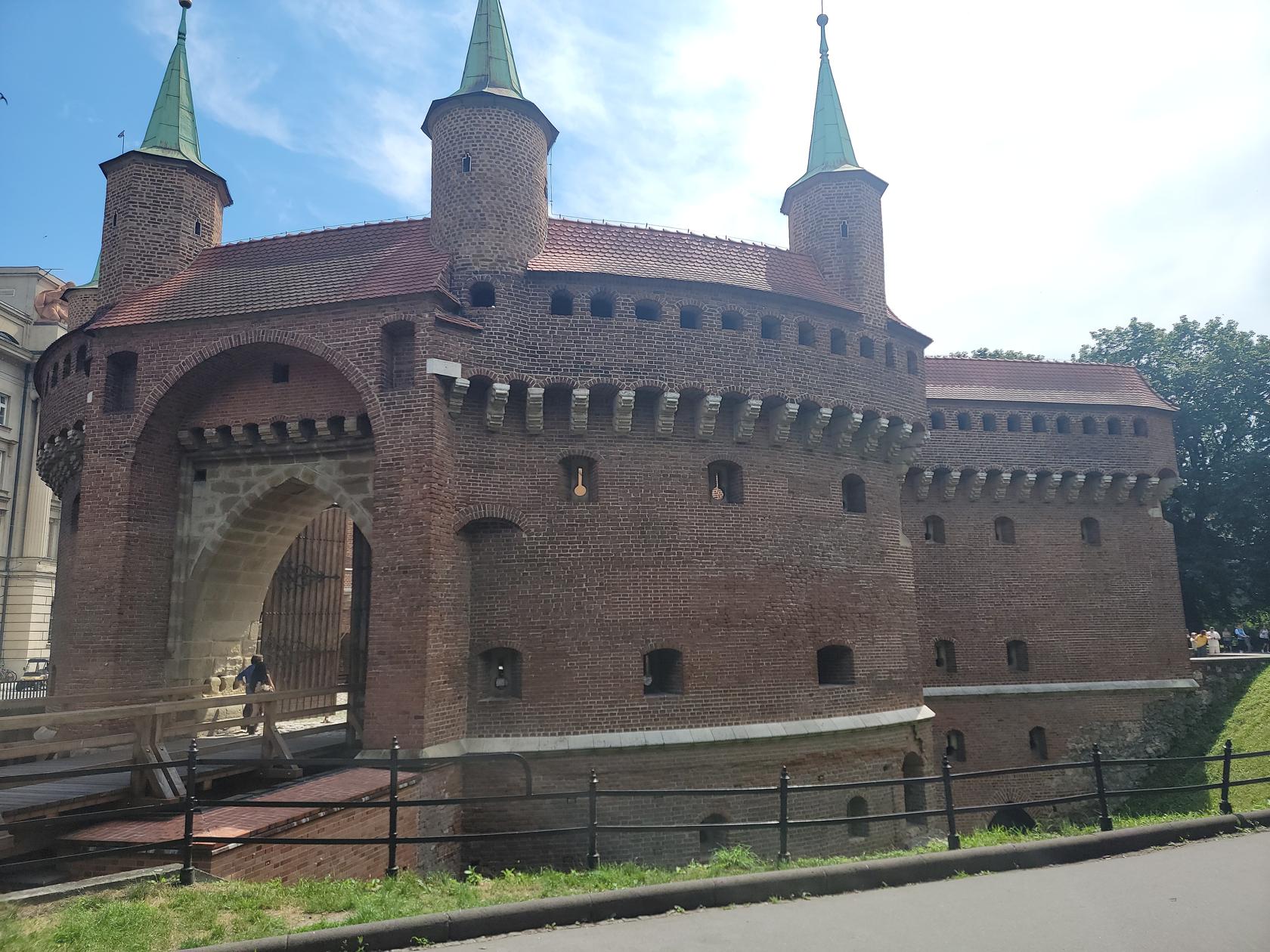
Barbican
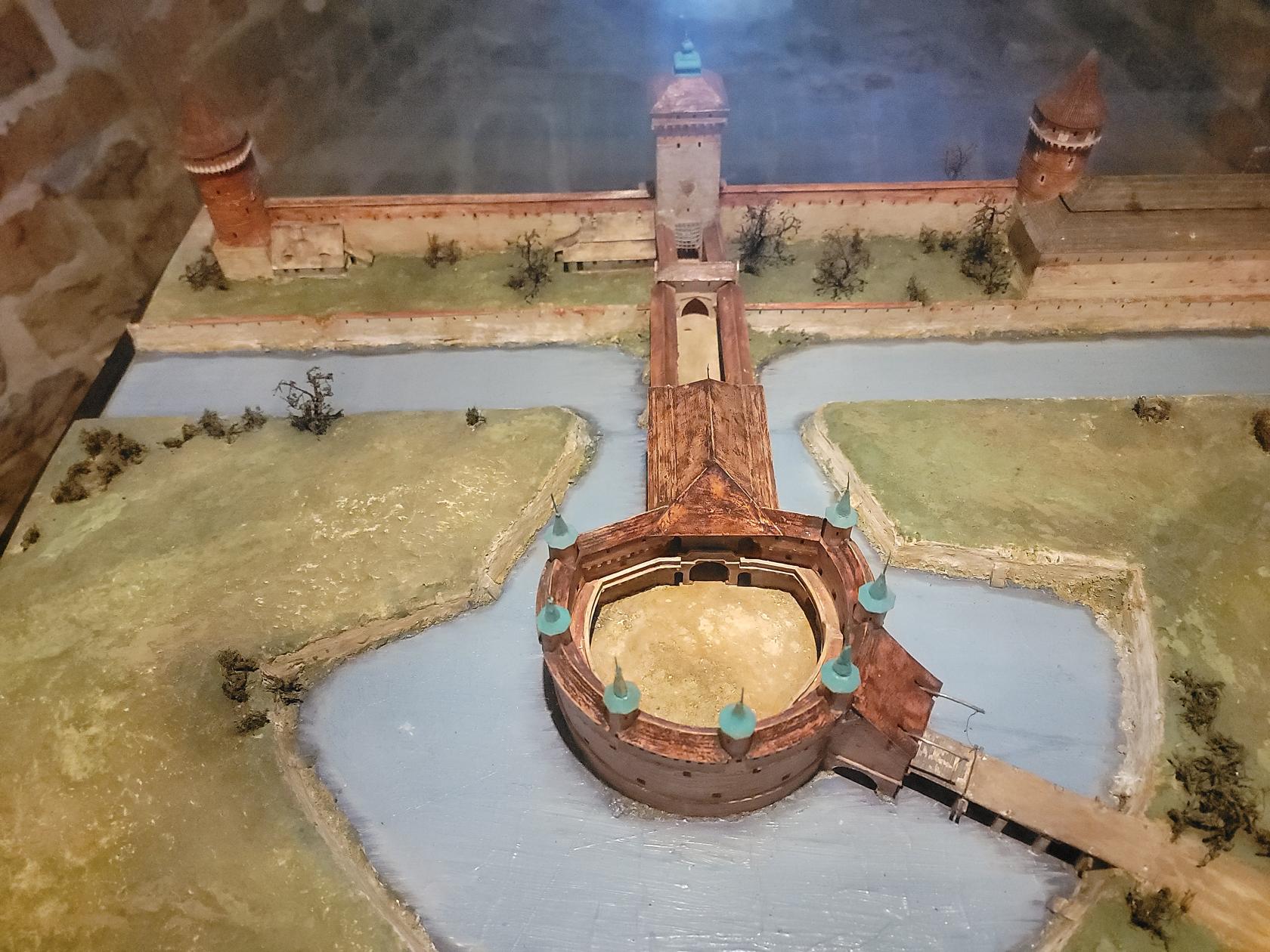
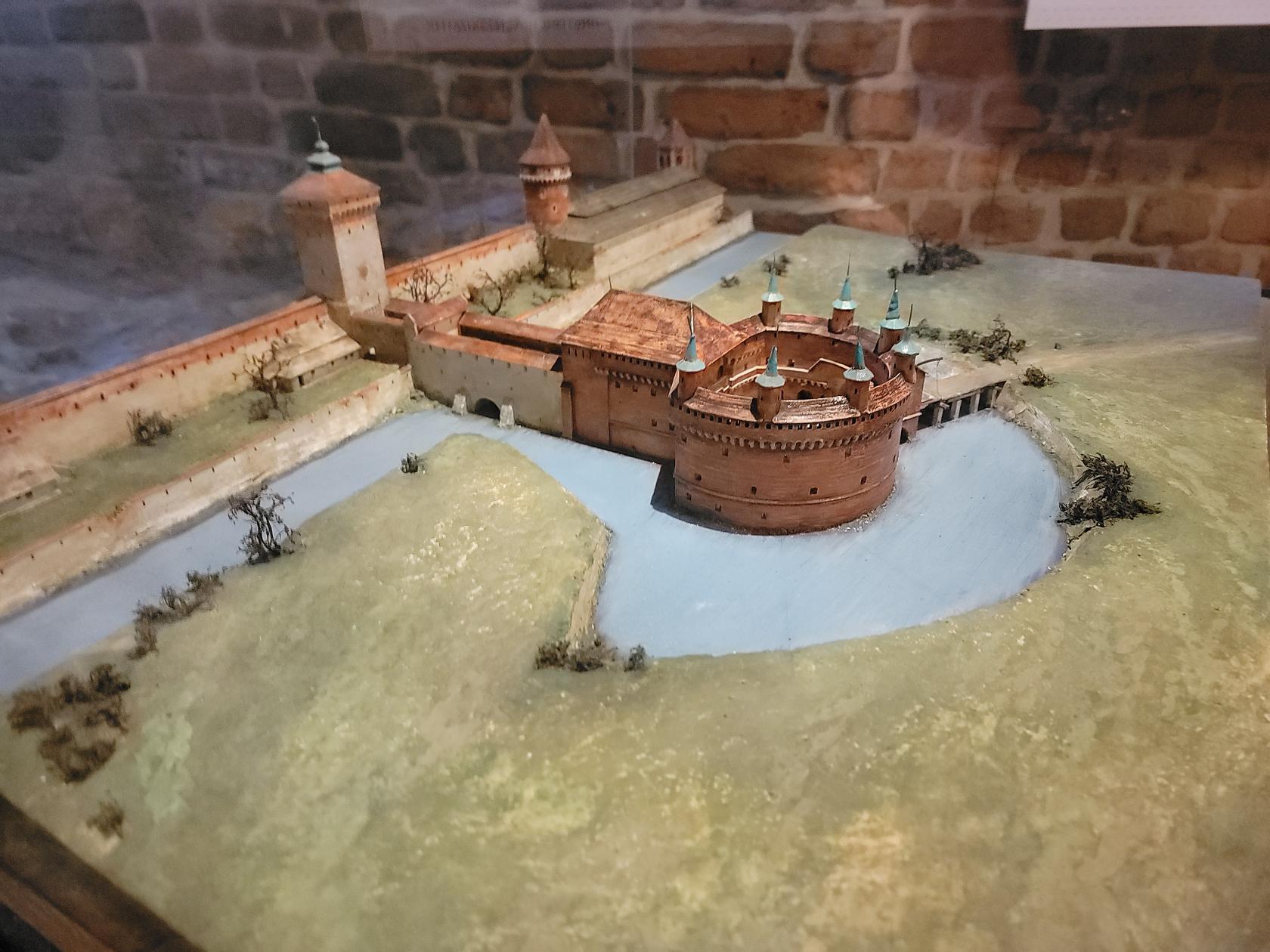
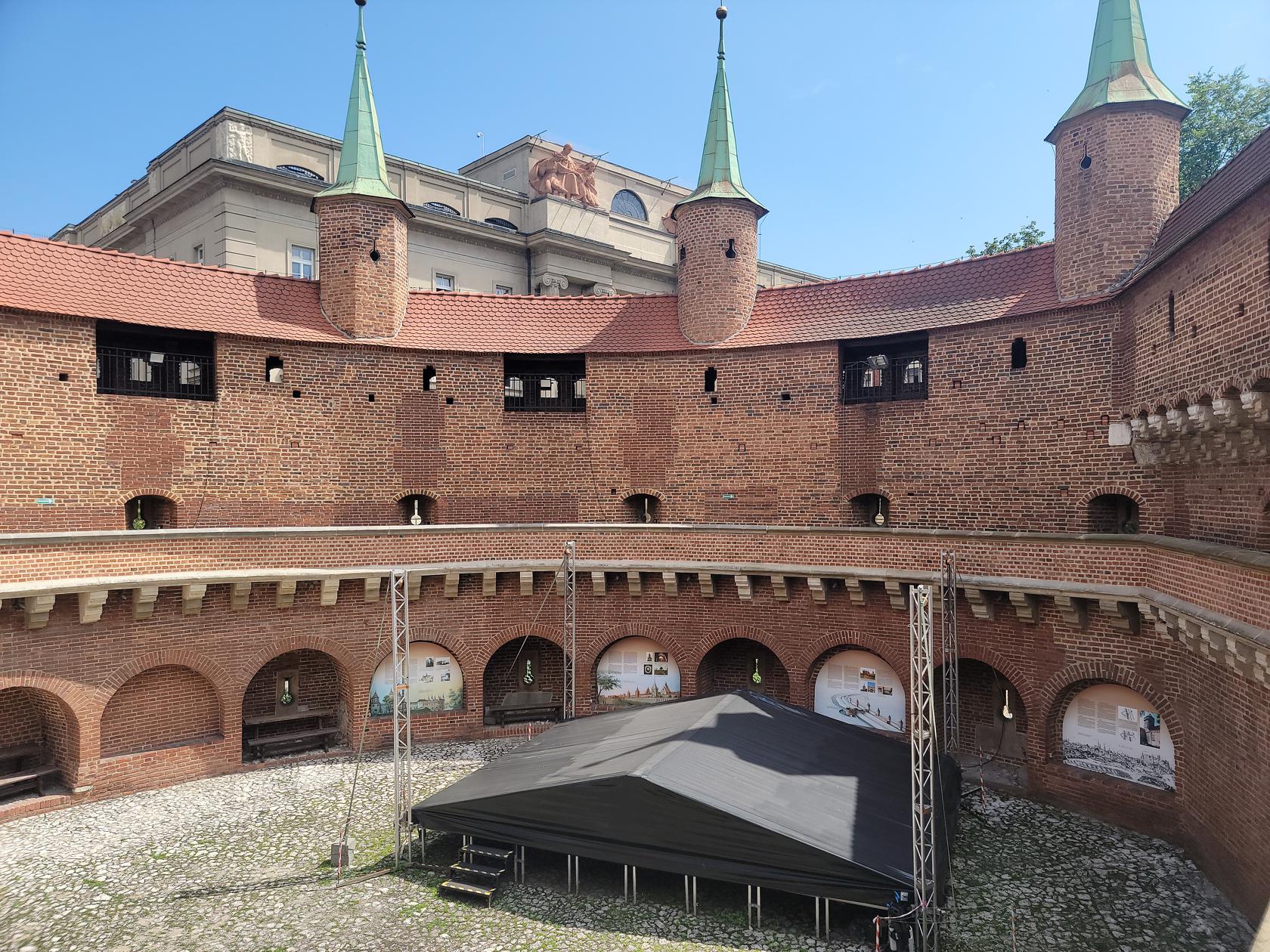
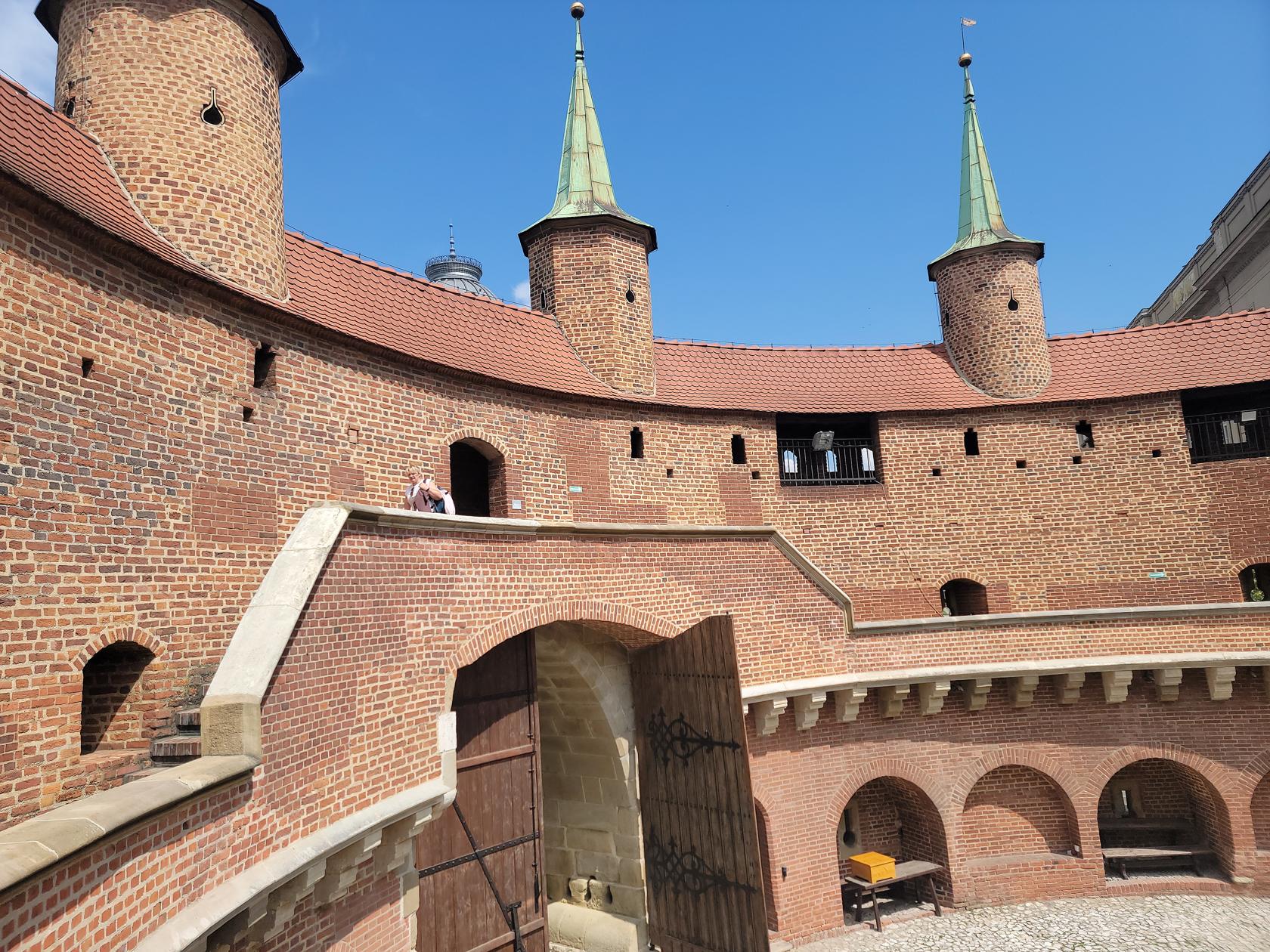
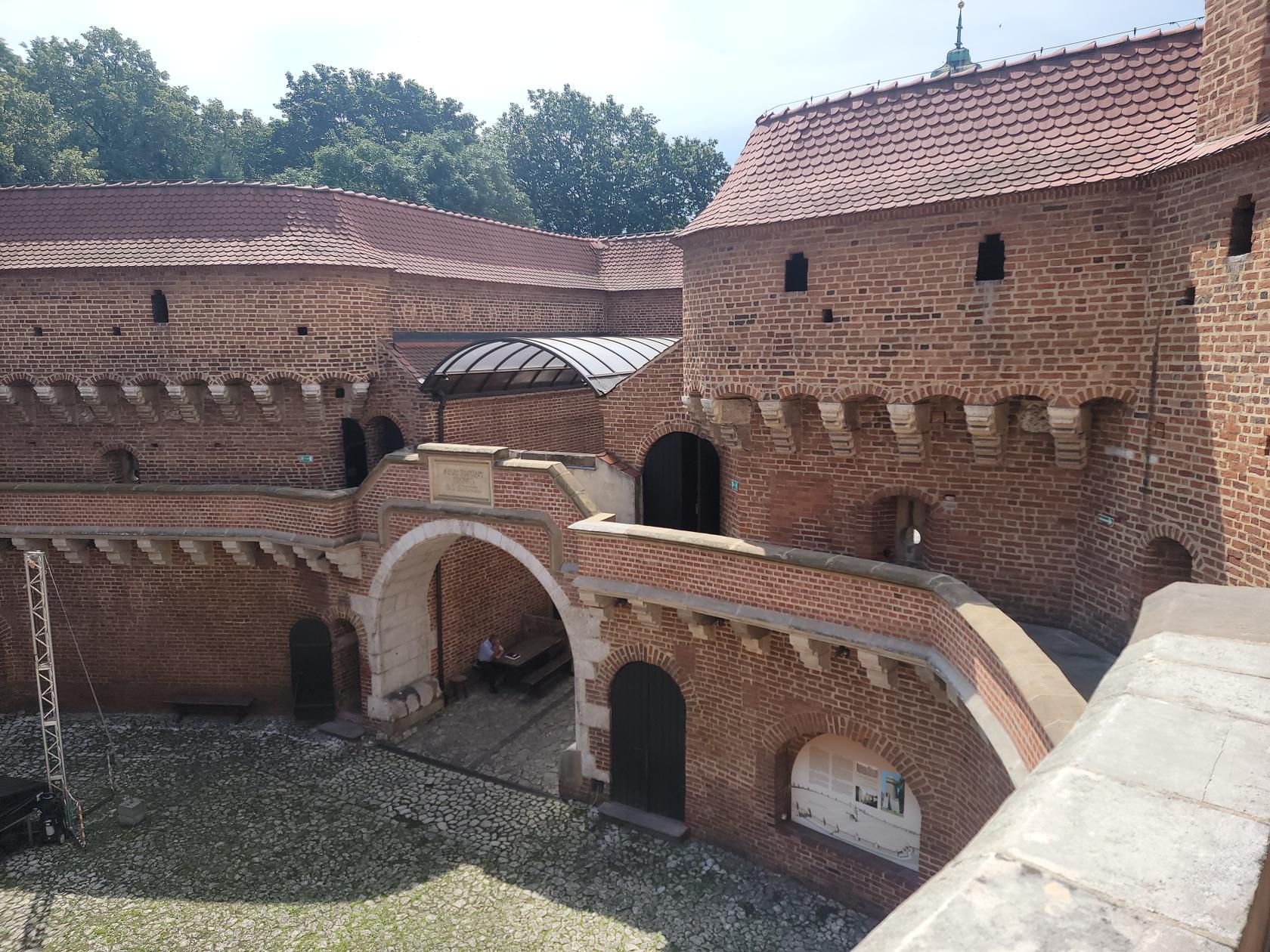
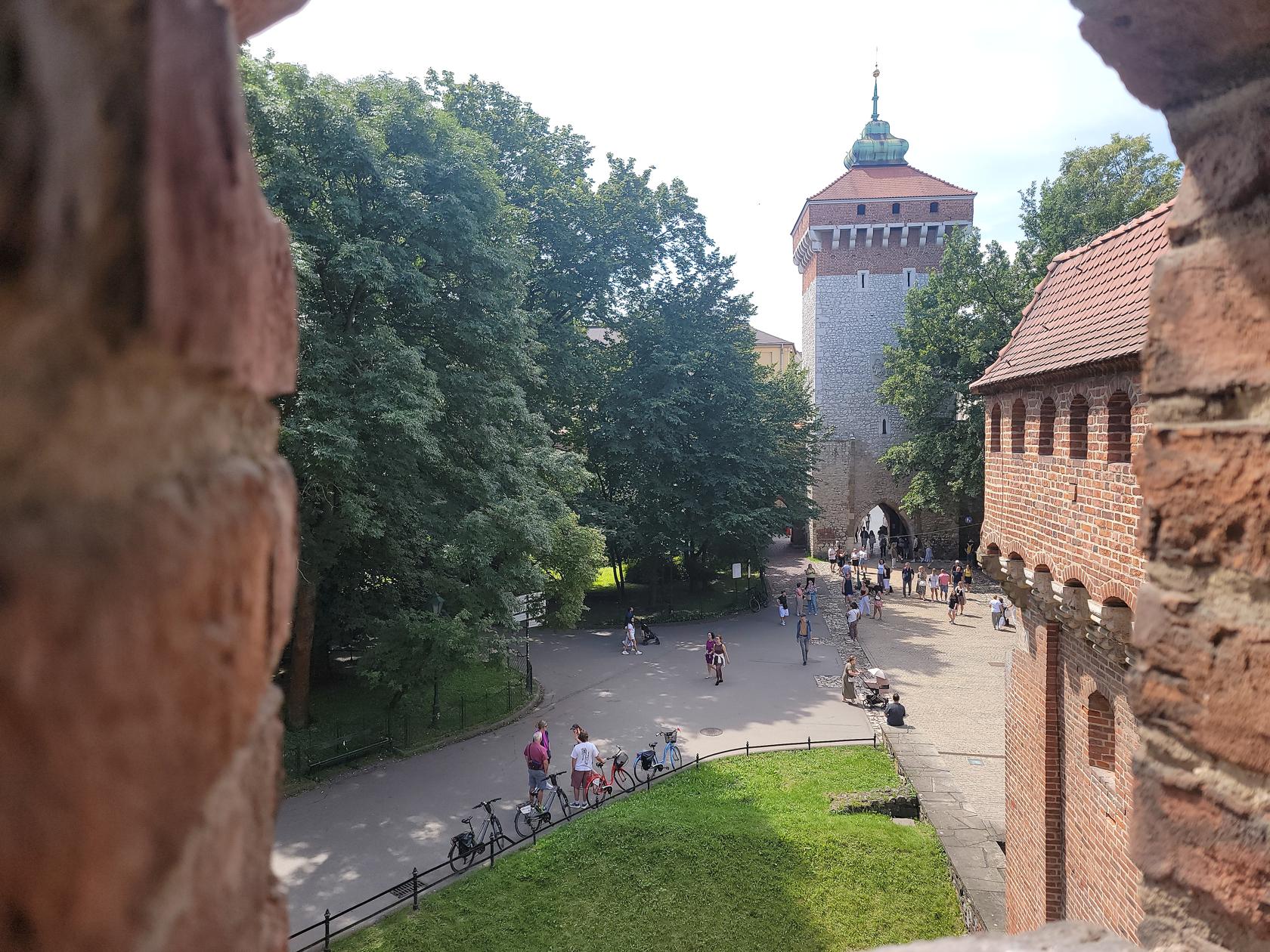
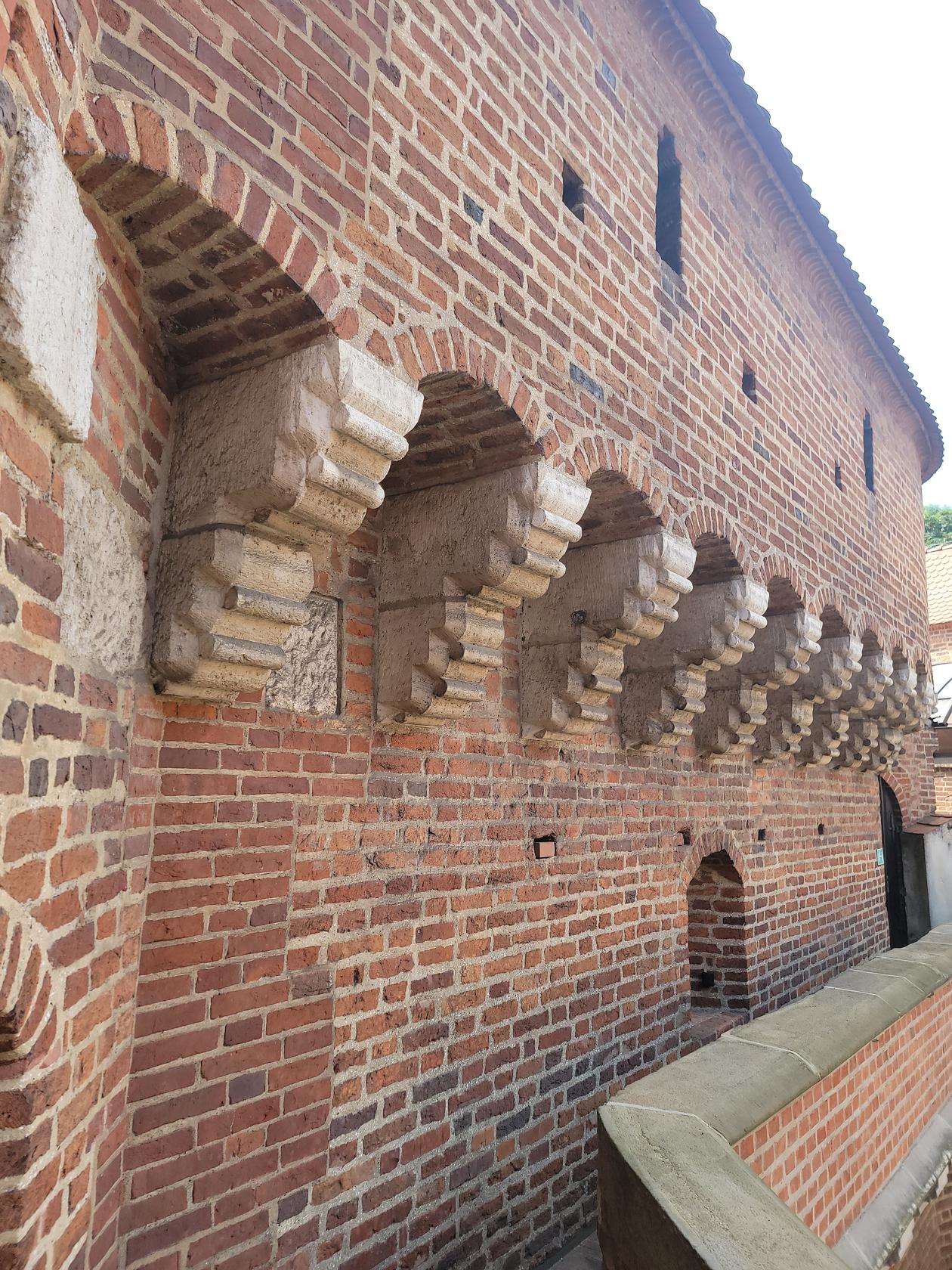
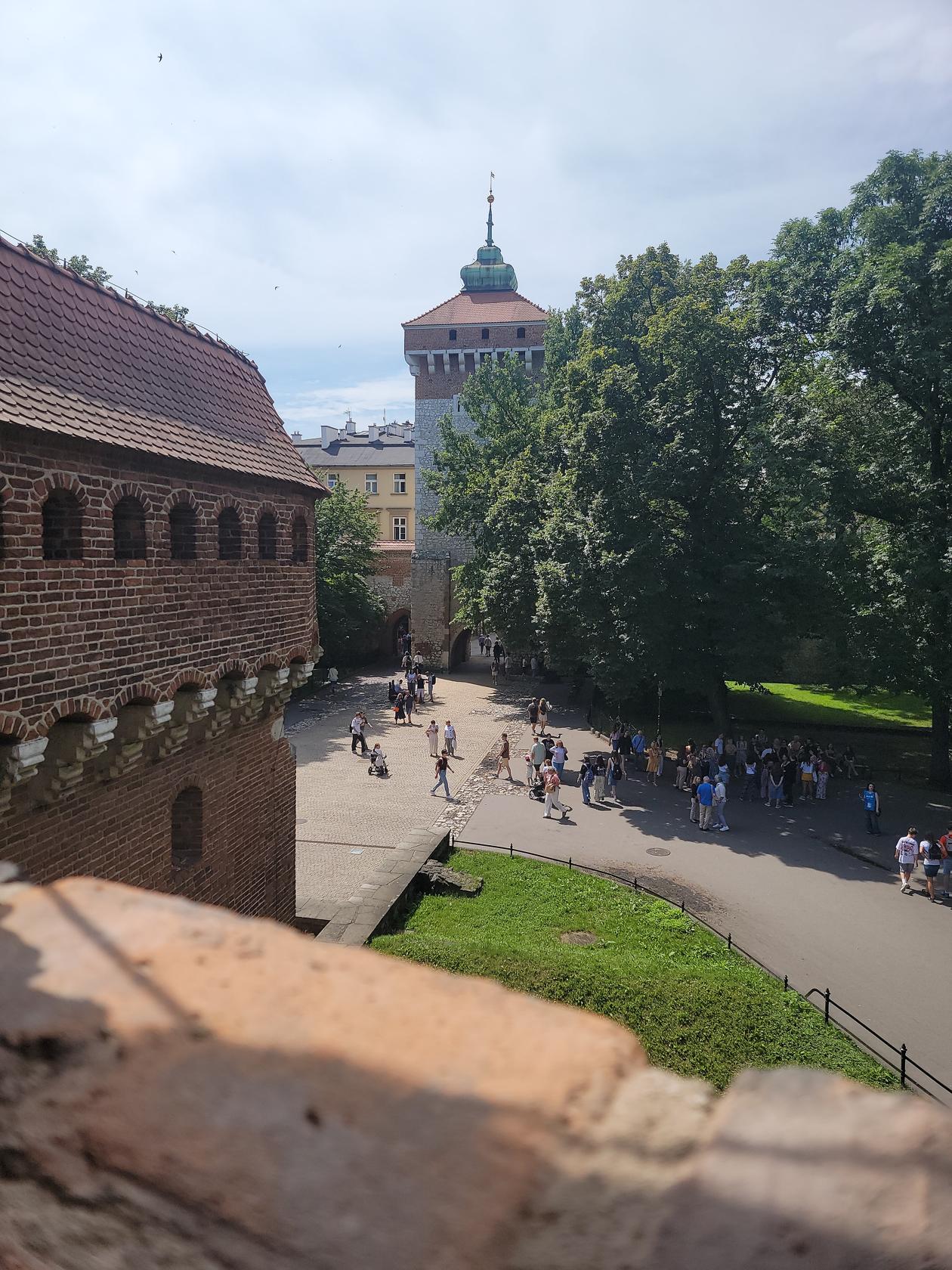
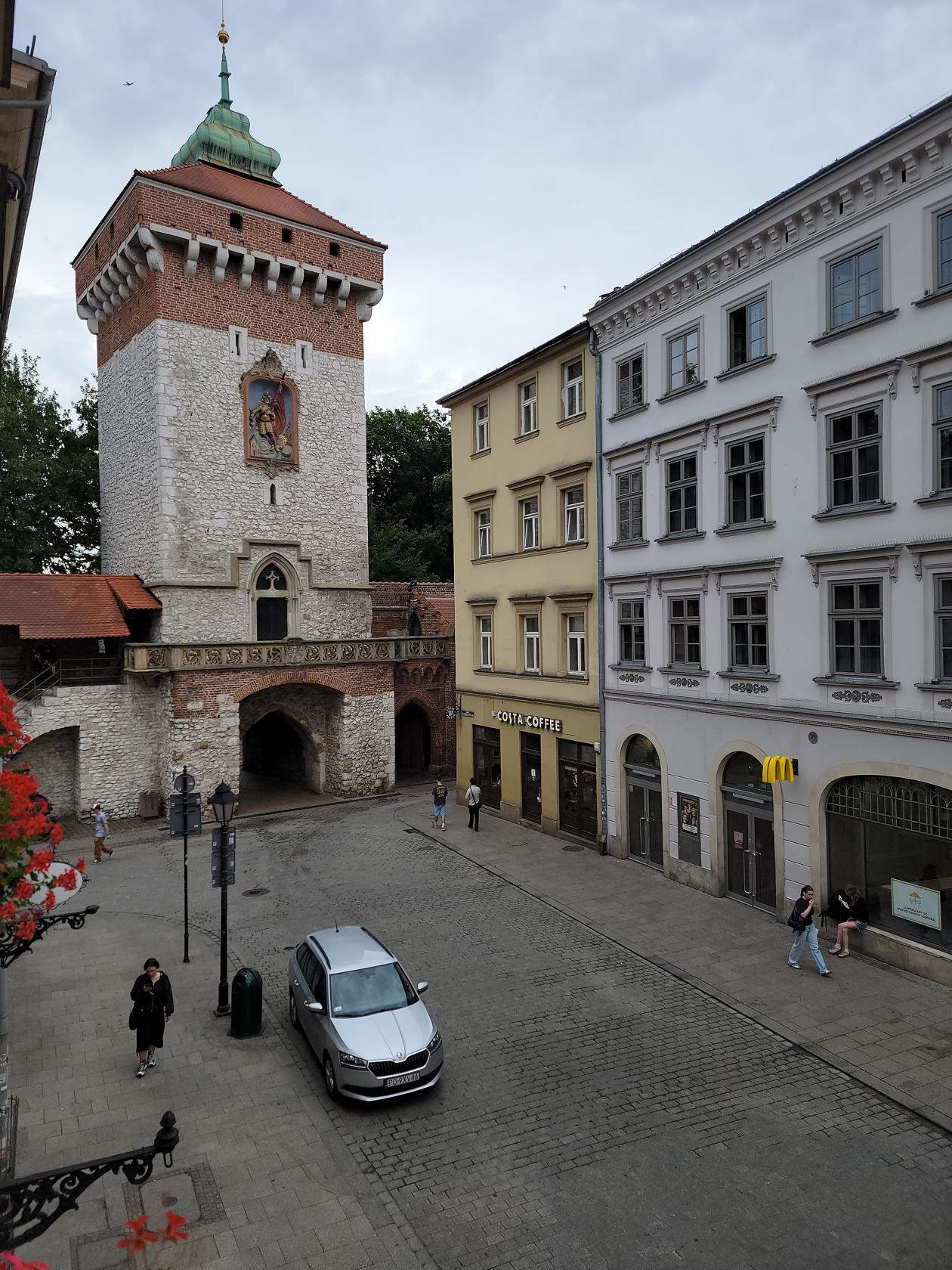
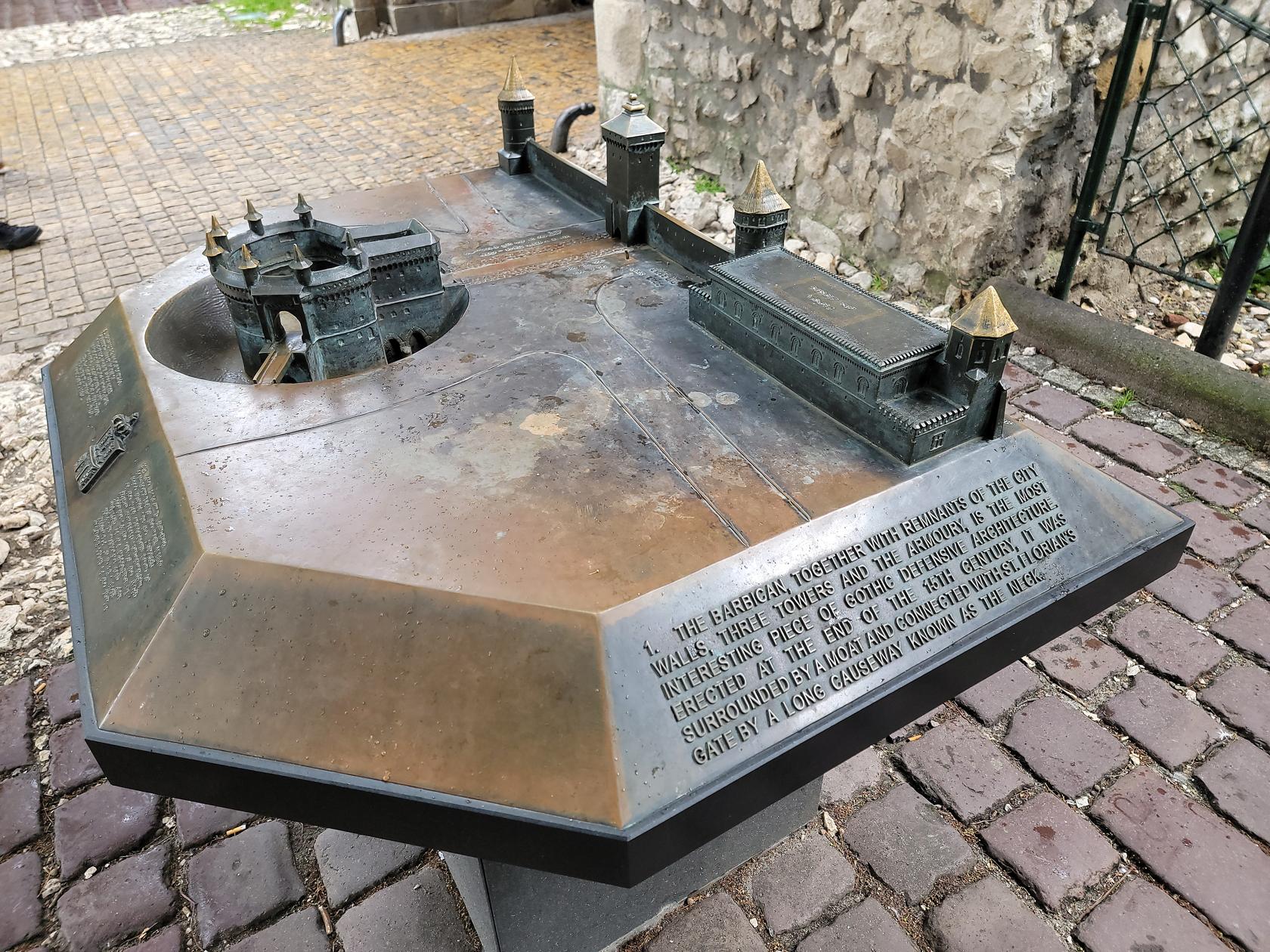
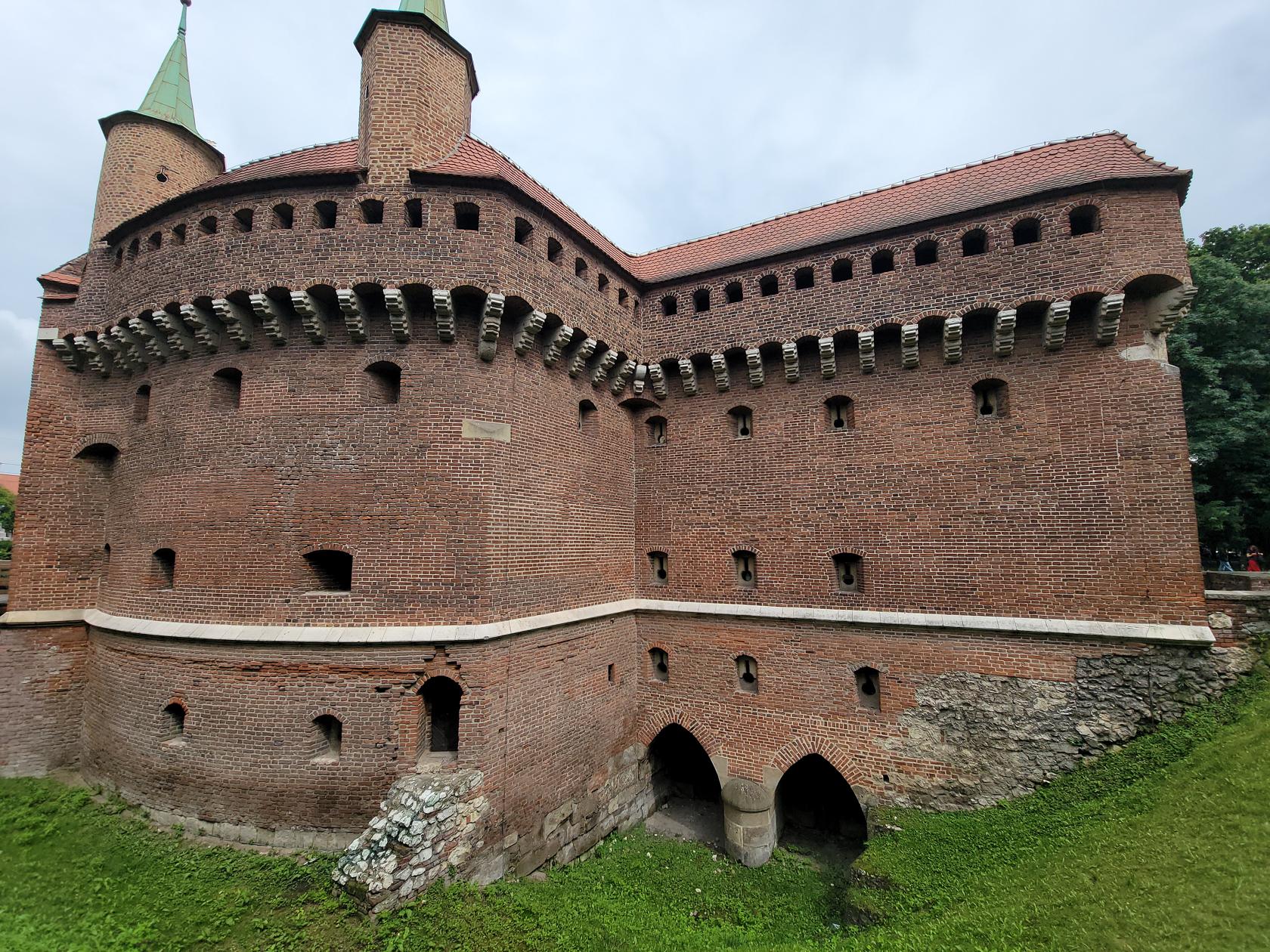
The fortified outpost just outside Saint Florian’s Gate is the Barbican. The name is actually derived by a fortified outpost of the same and was once attached via a wall to the Florian Gate and the defensive walls of the city.
The entrance to the Barbican is actually in line with Florian Gate, the entrance that would have normally spanned the moat now acts as the exit.
Iron works – Barbican Museum – Kraków, Poland
Iron works – Barbican Museum – Kraków, Poland
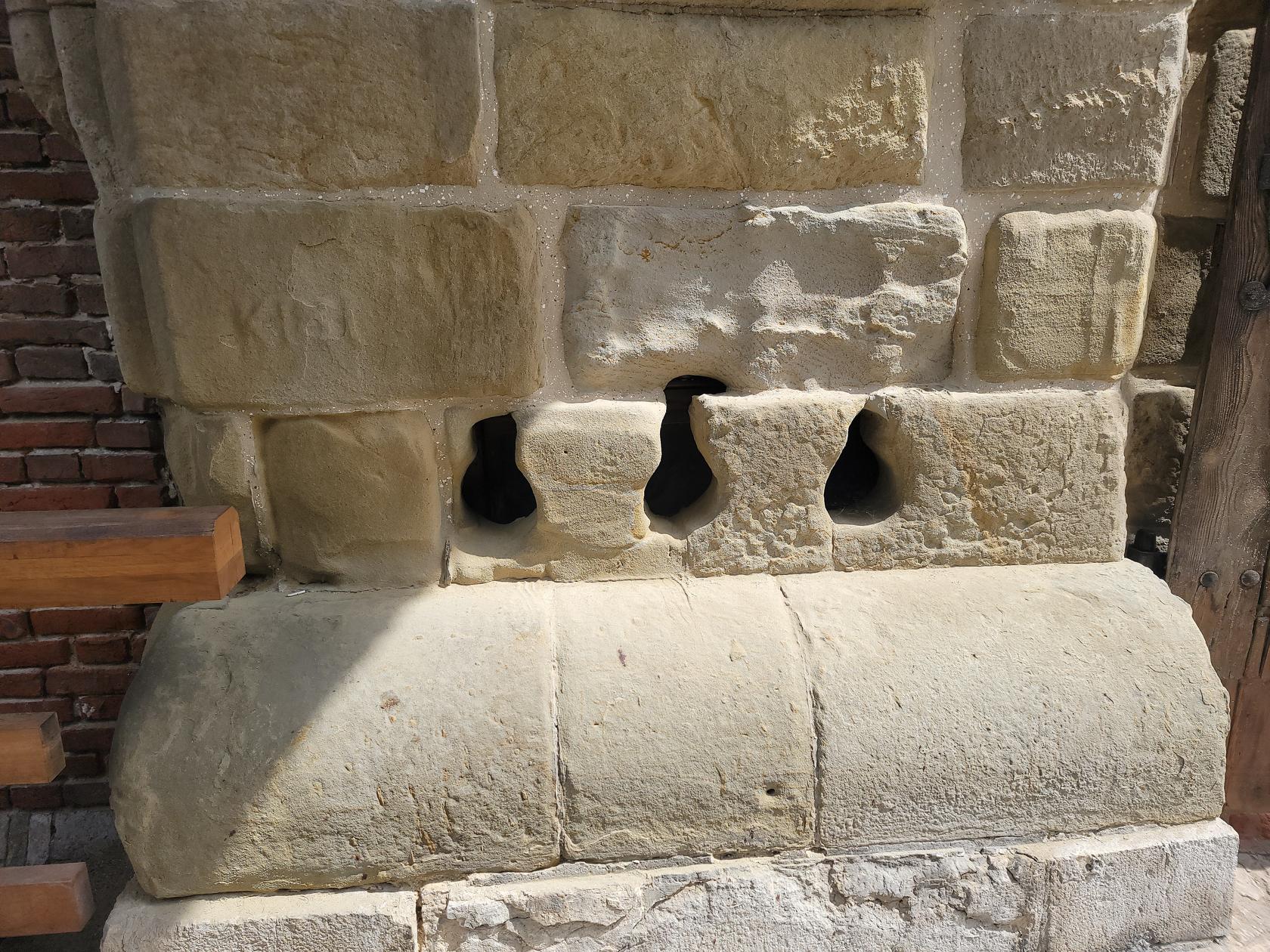
Three holes of unknown use – Barbican Museum – Kraków, Poland
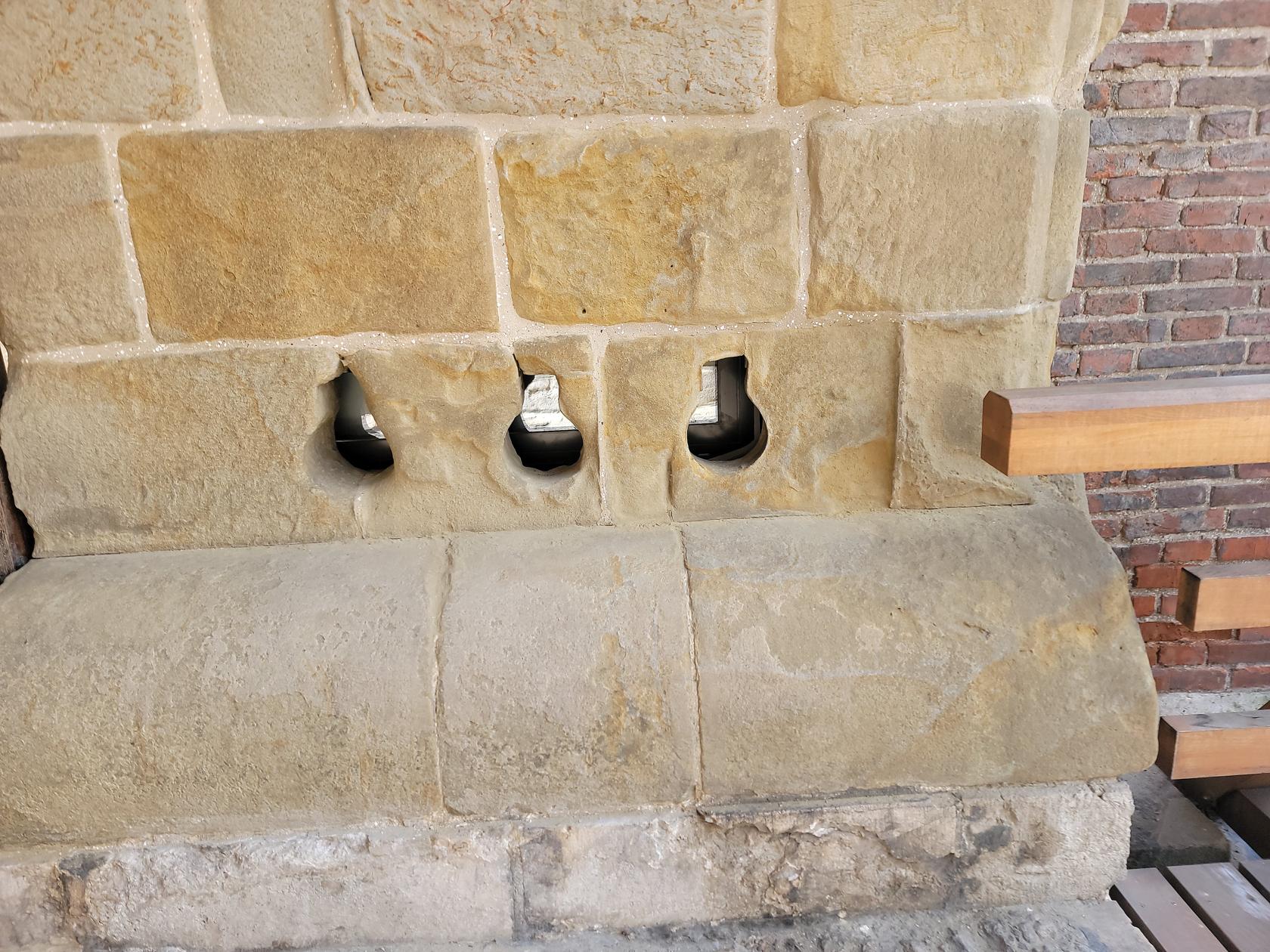
Three holes of unknown use – Barbican Museum – Kraków, Poland
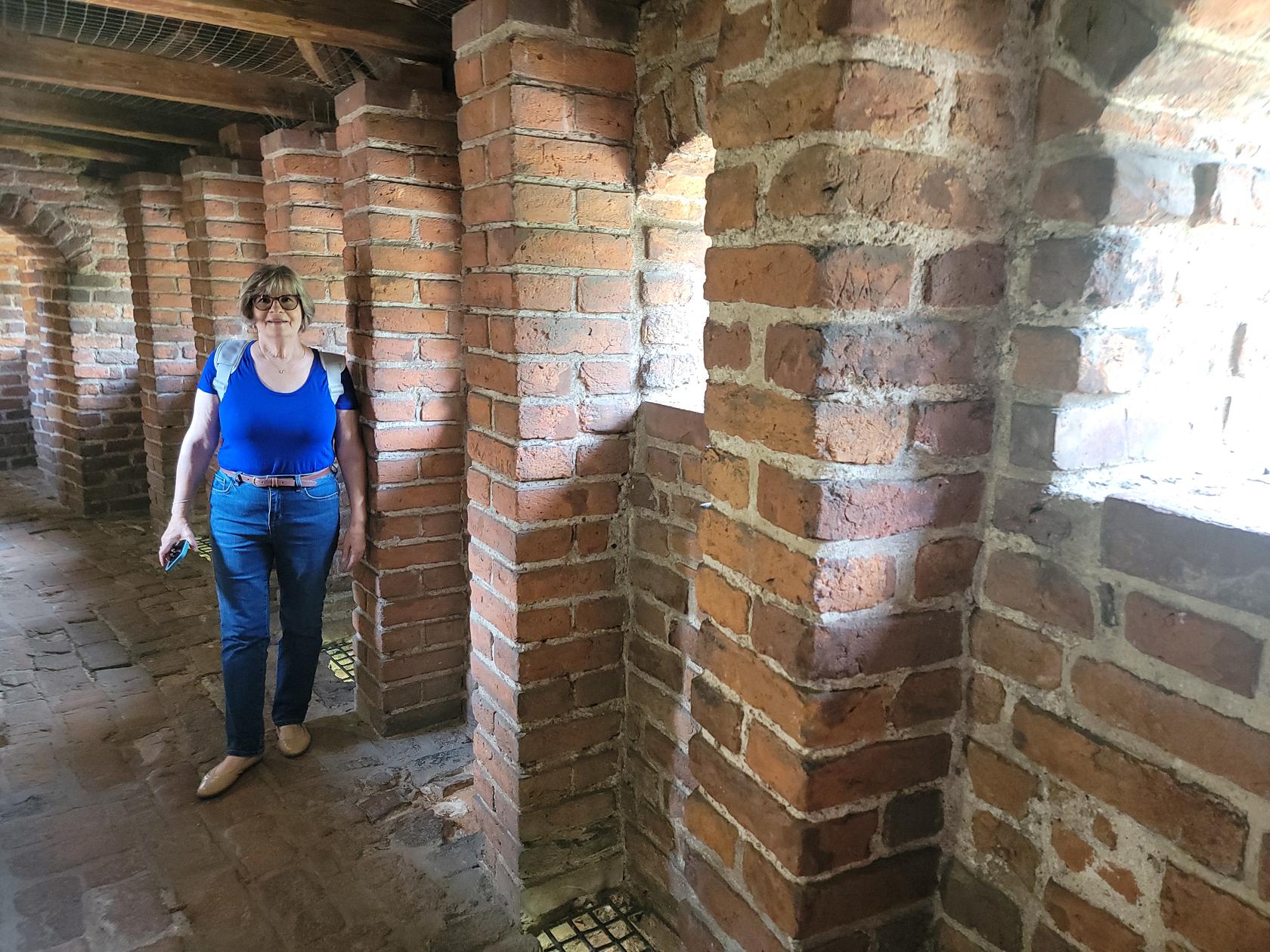
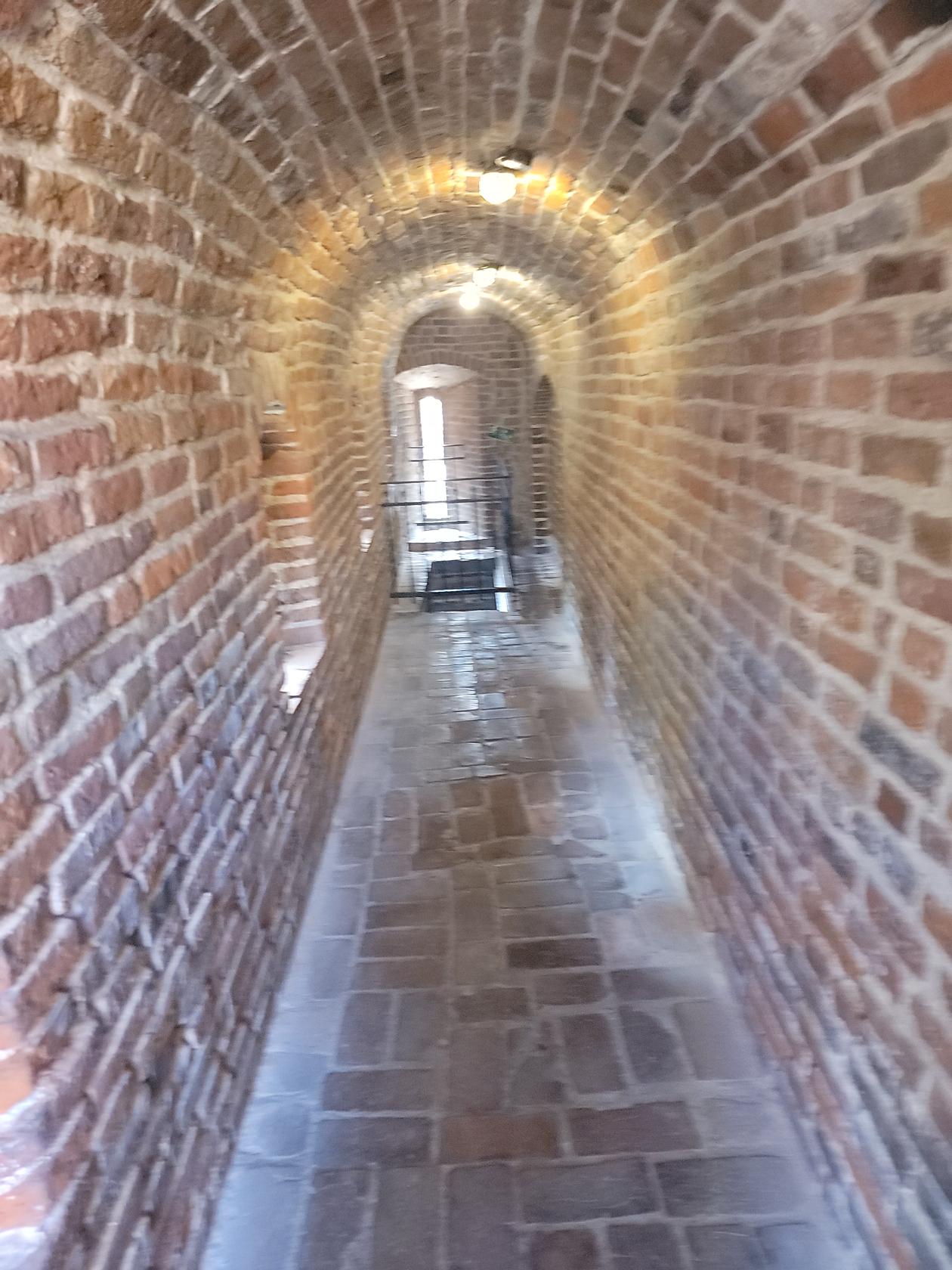
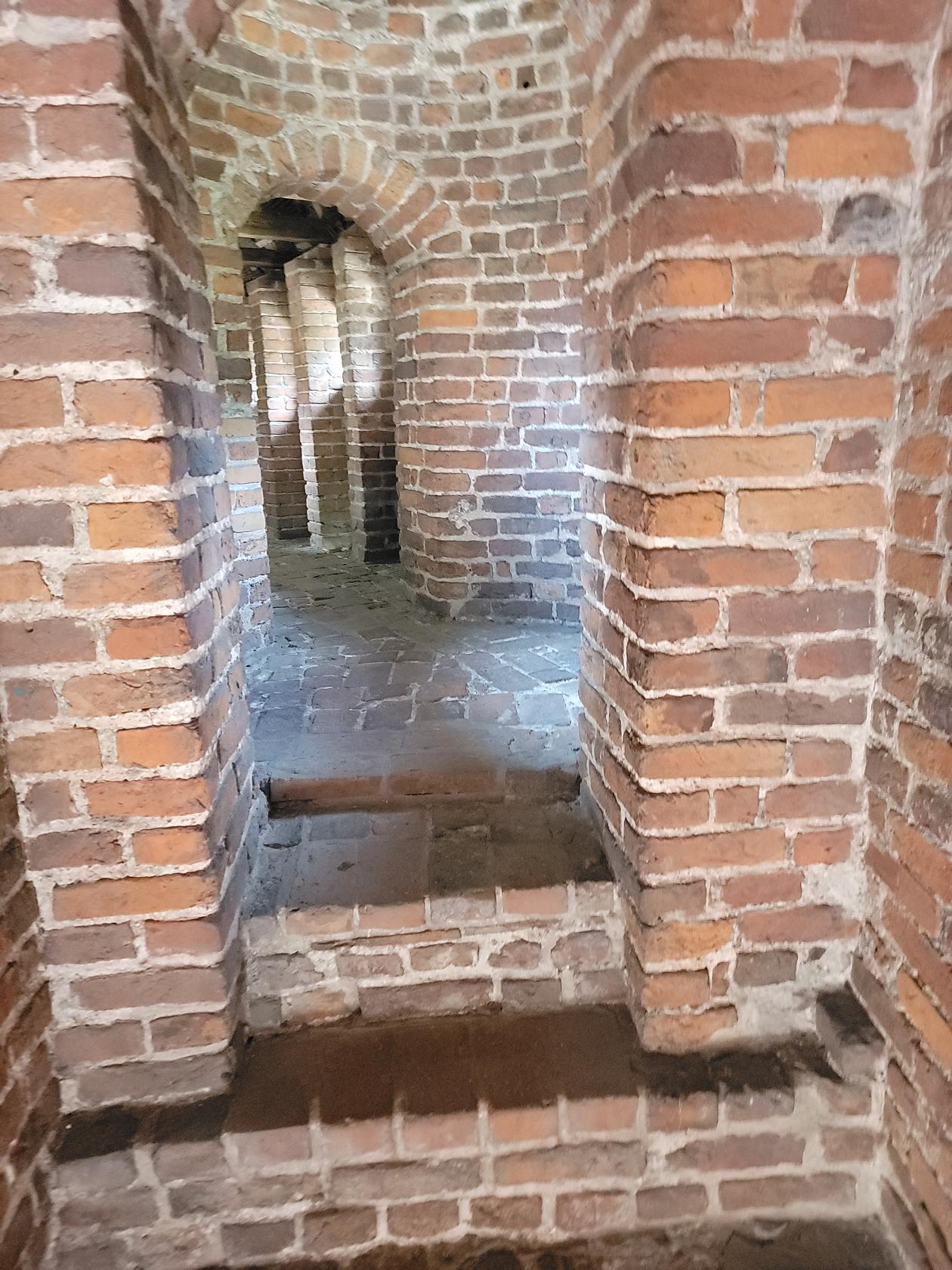
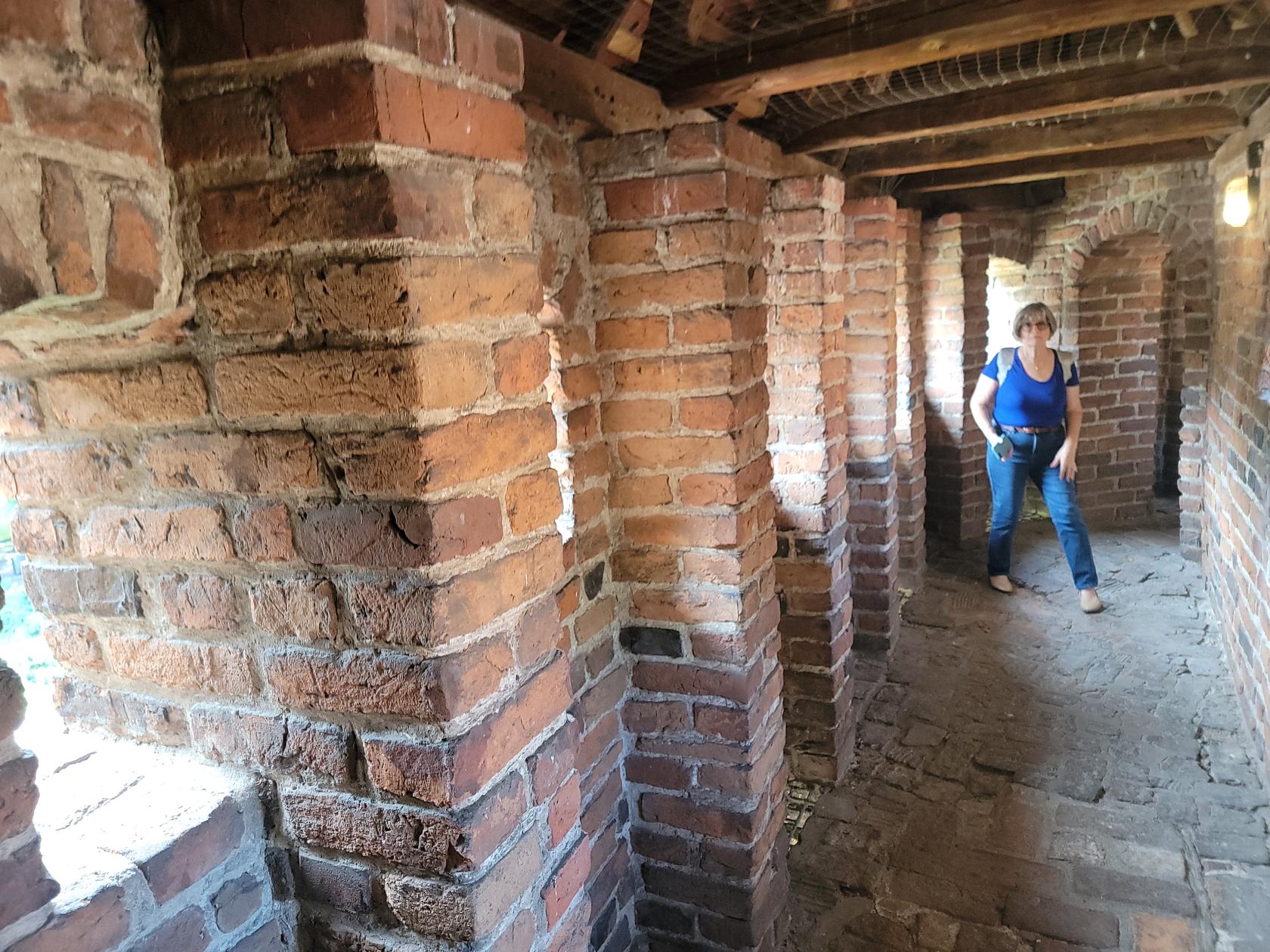
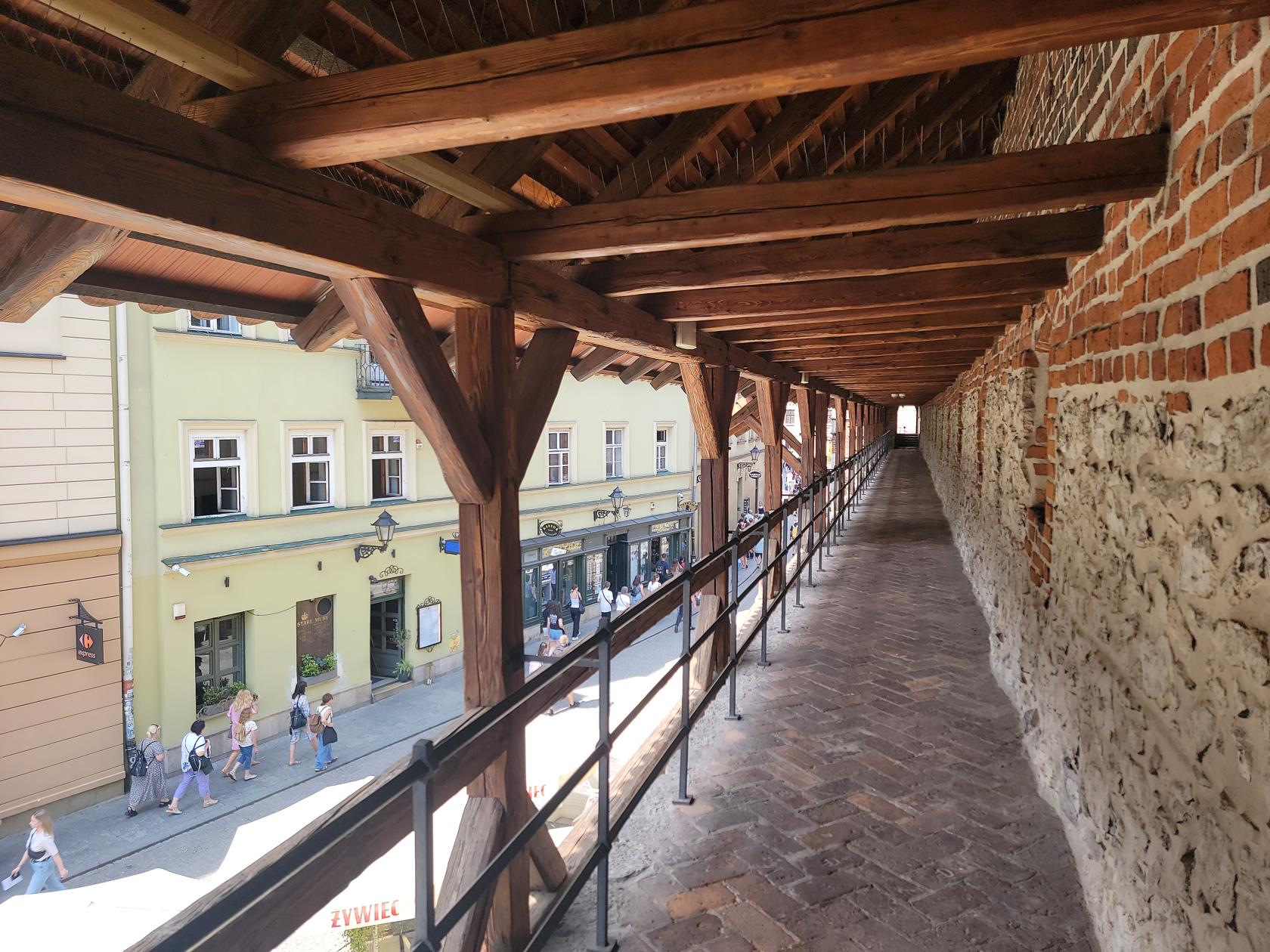
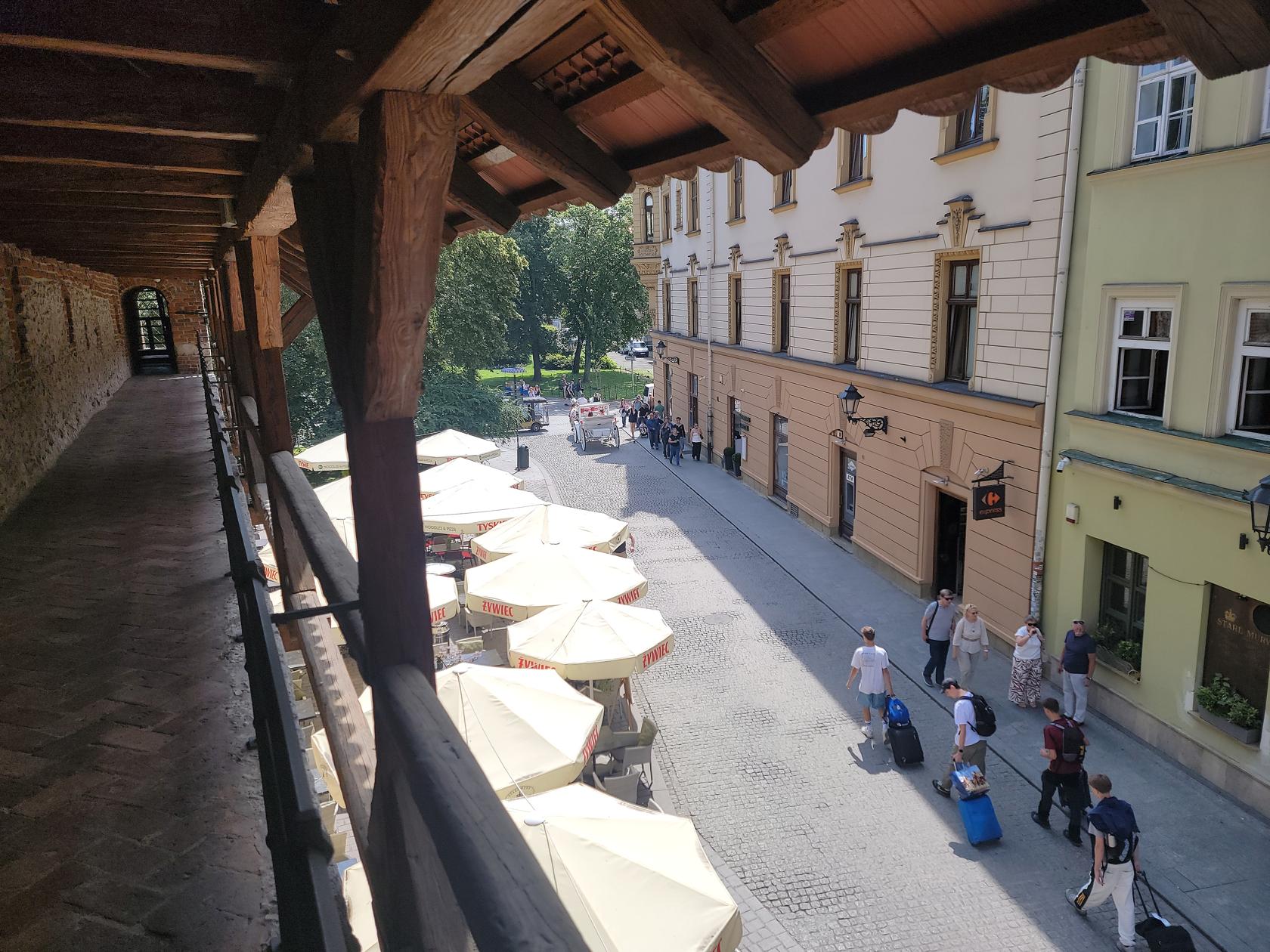
A ticket will give you access to the ramparts and each lookout tower. Since its main purpose was an outpost, any activity that was seen was reported back to the city via the old wall that used to connect it to the defensive walls. Surrounded by moats before and after it and three meter walls, its defenses were adequate enough to sound the alarm of an attack.
Courtyard – Barbican Museum – Kraków, Poland
Parapets – Barbican Museum – Kraków, Poland
Entrance – Barbican Museum – Kraków, Poland
Patti – Barbican Museum – Kraków, Poland
Inside Pathway – Barbican Museum – Kraków, Poland
Stairs on Path – Barbican Museum – Kraków, Poland
Florian’s Gate – Barbican Museum – Kraków, Poland
Patti – Barbican Museum – Kraków, Poland
Details – Barbican Museum – Kraków, Poland
Florian’s Gate – Barbican Museum – Kraków, Poland
Kraków Defensive Walls
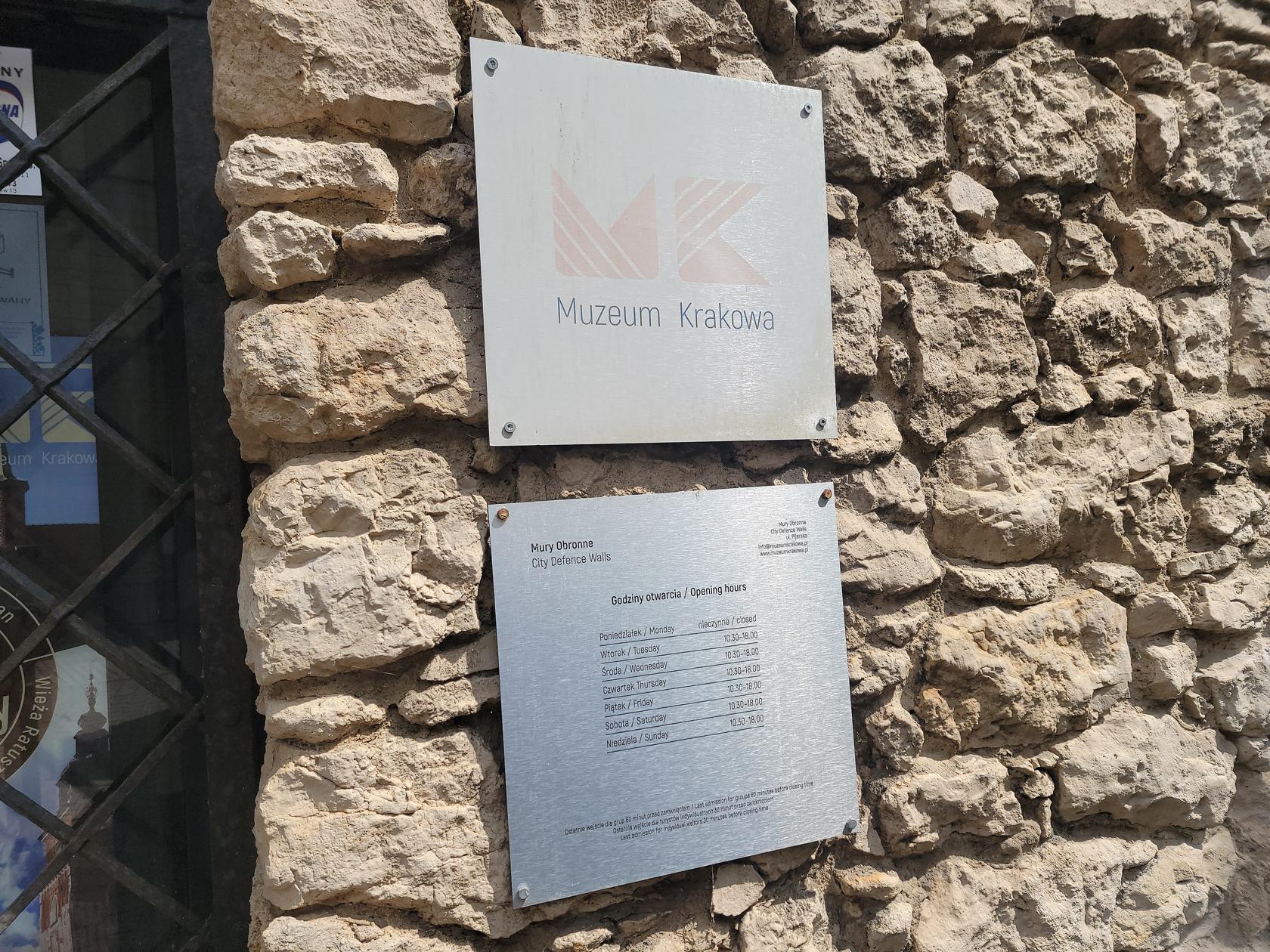
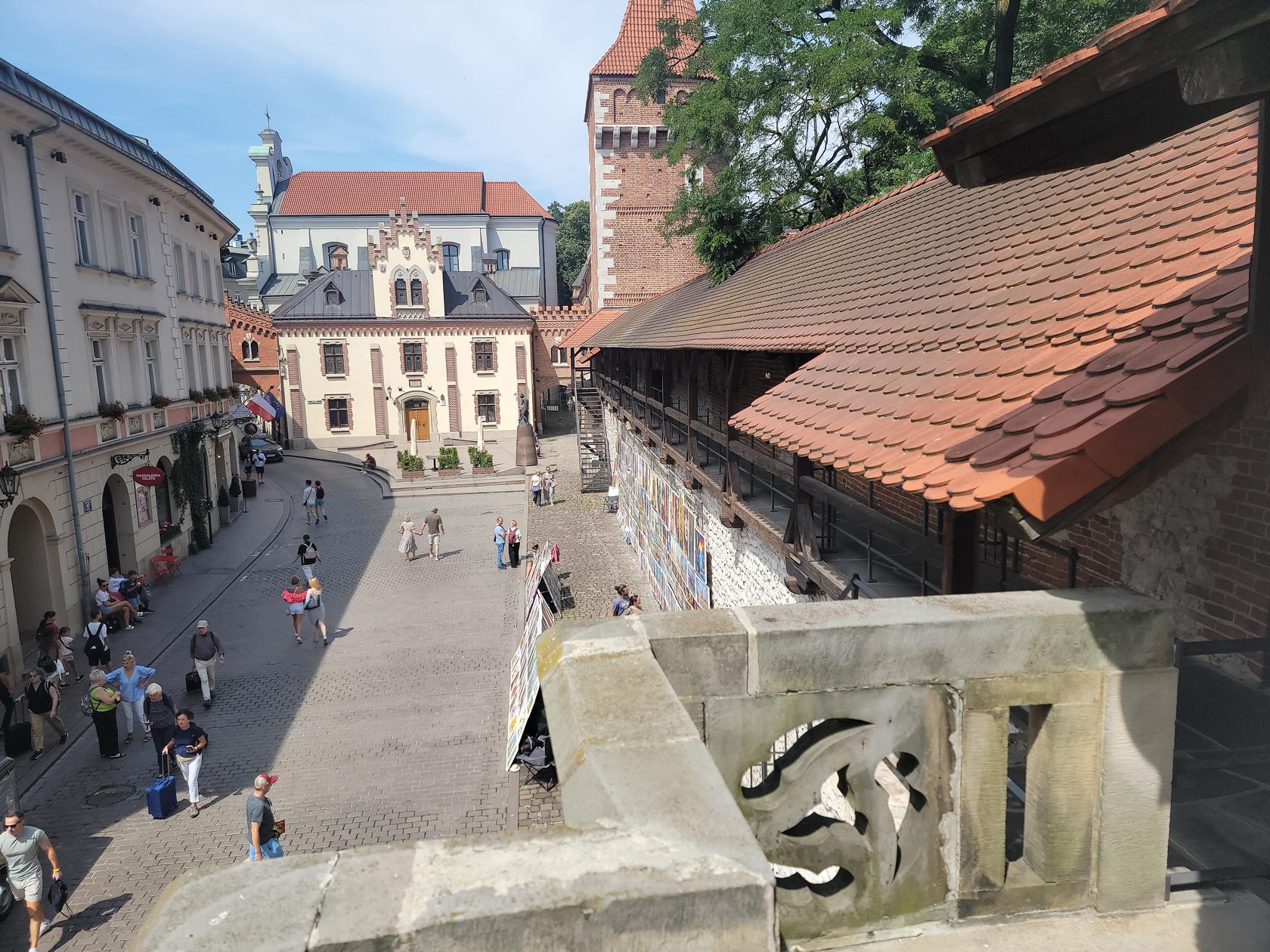
The Defensive Wall Museum contains four towers and a small section of the old wall that still survives. The towers are: Saint Florian’s, Haberdashers, Joiners and Carpenters.
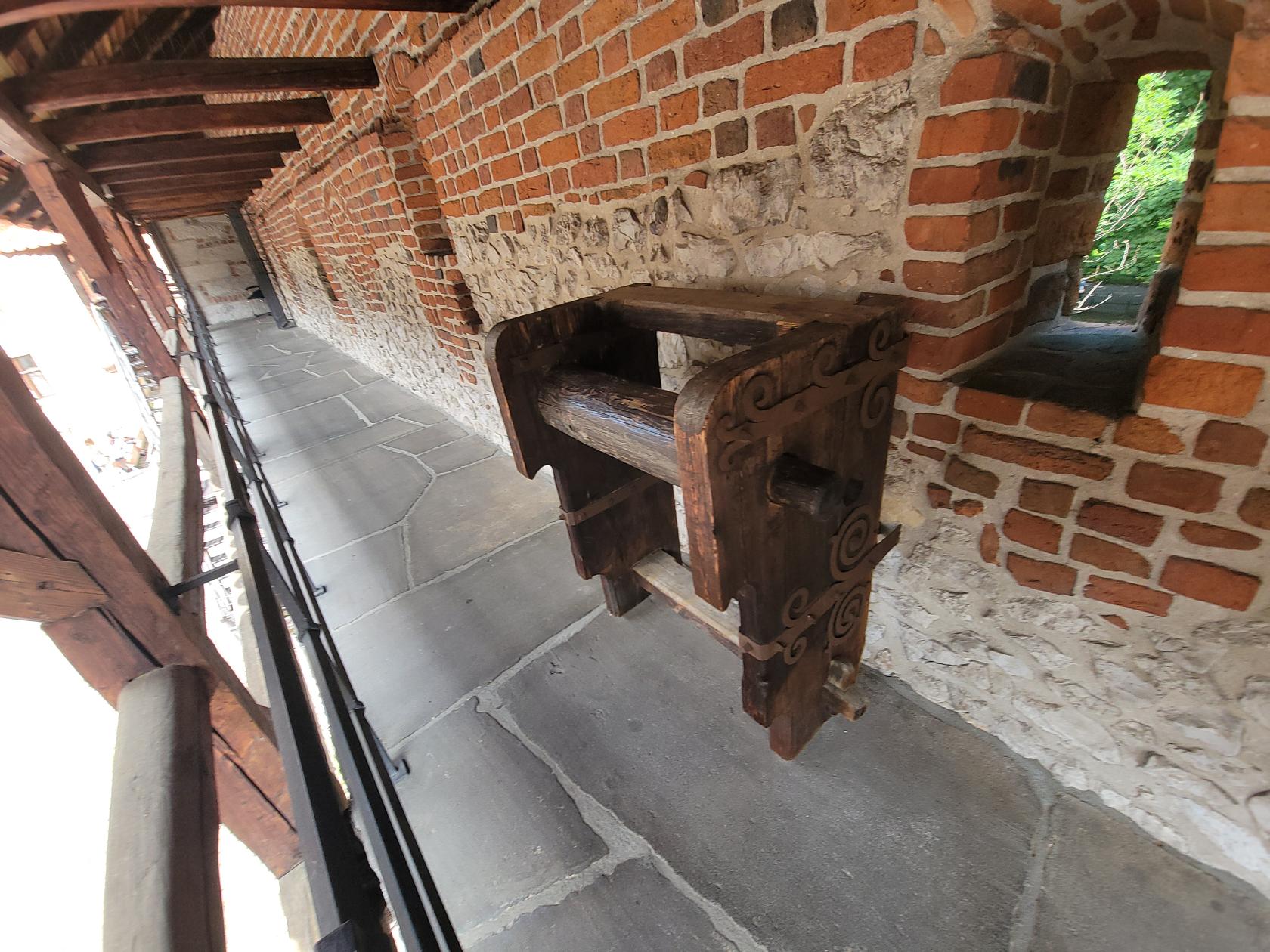
Winch – Defensive Walls – Kraków, Poland
The walls had others and most are marked by stones along the walking path of the park that surrounds the town.
Entrance – Defensive Walls – Kraków, Poland
Watch your head – Defensive Walls – Kraków, Poland
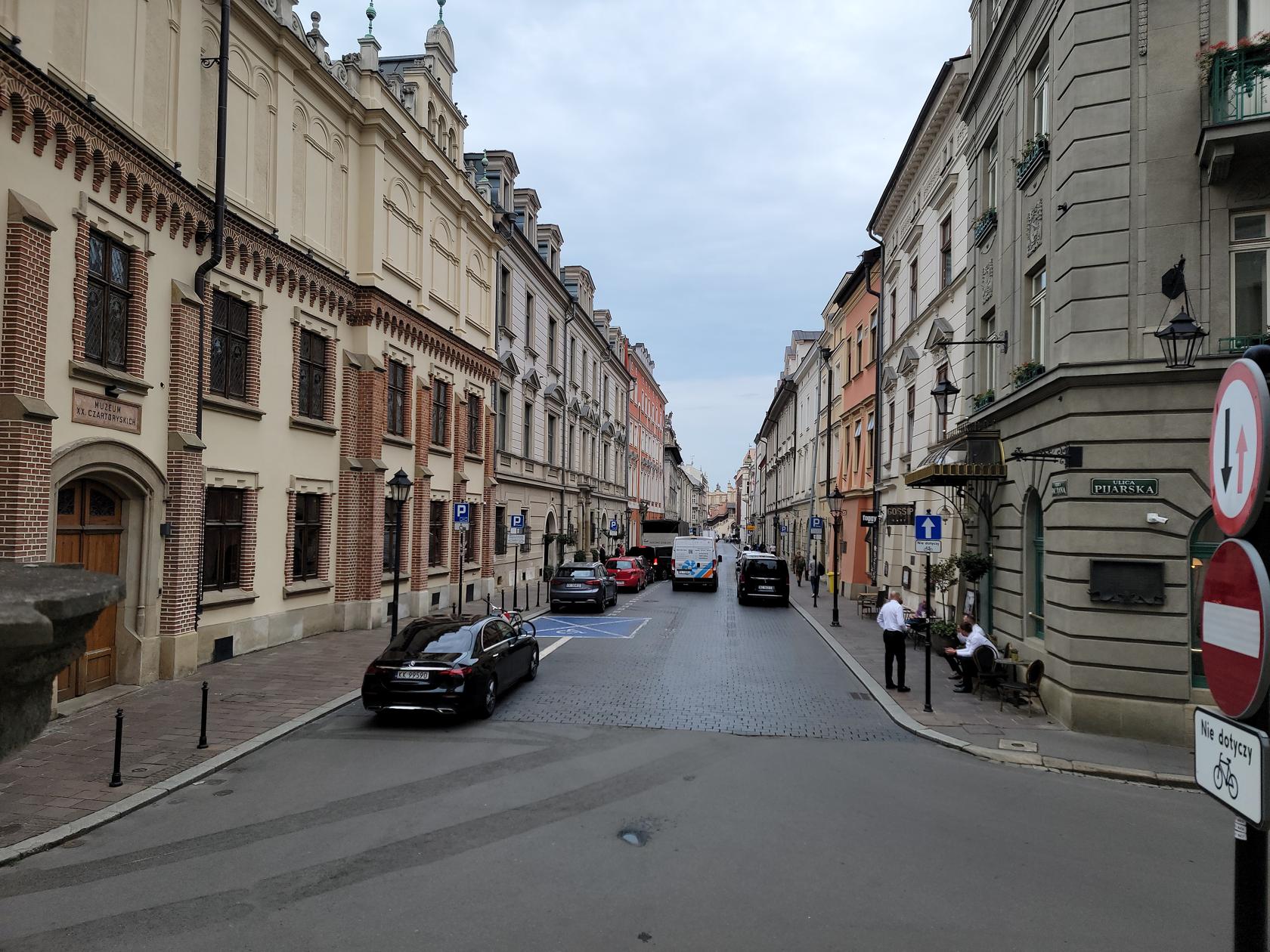
Pijarska Street – Defensive Walls – Kraków, Poland
Saint Florians Gate Tower
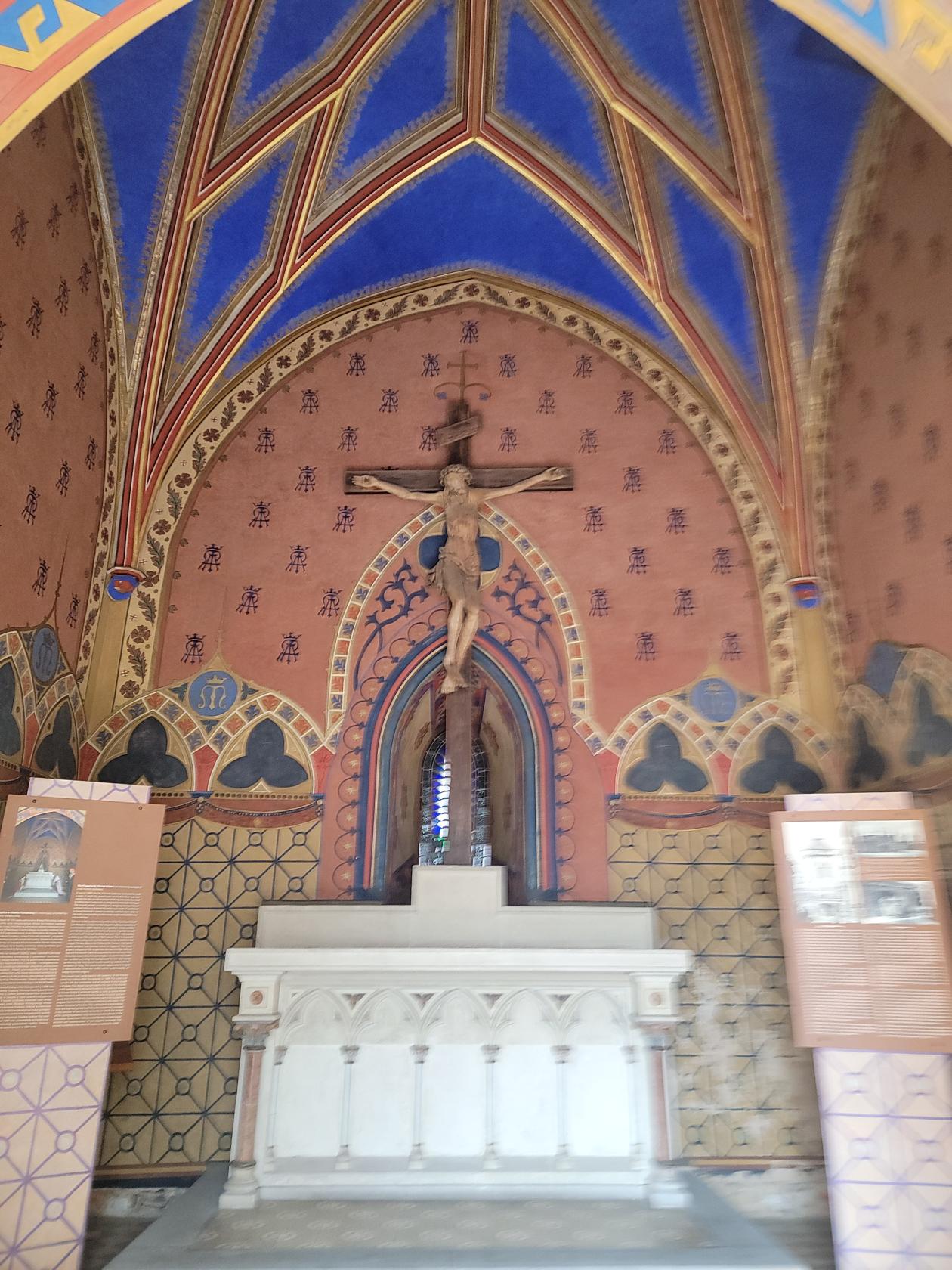
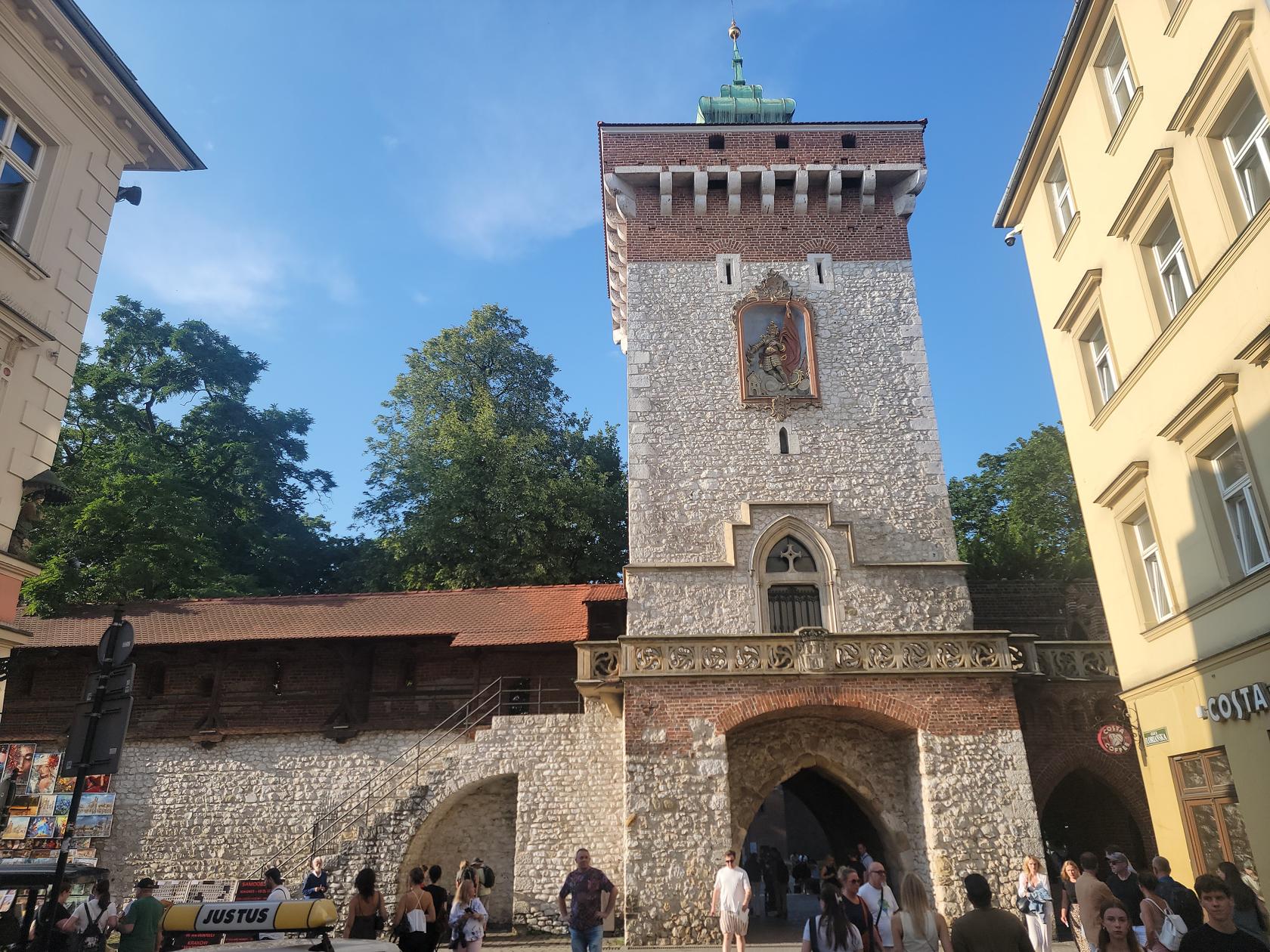
The Florian Gate actually contains a small chapel at the gate level and another one at the rampart level. The gate stands over the street by the same name and is one of the major entries into the old town.
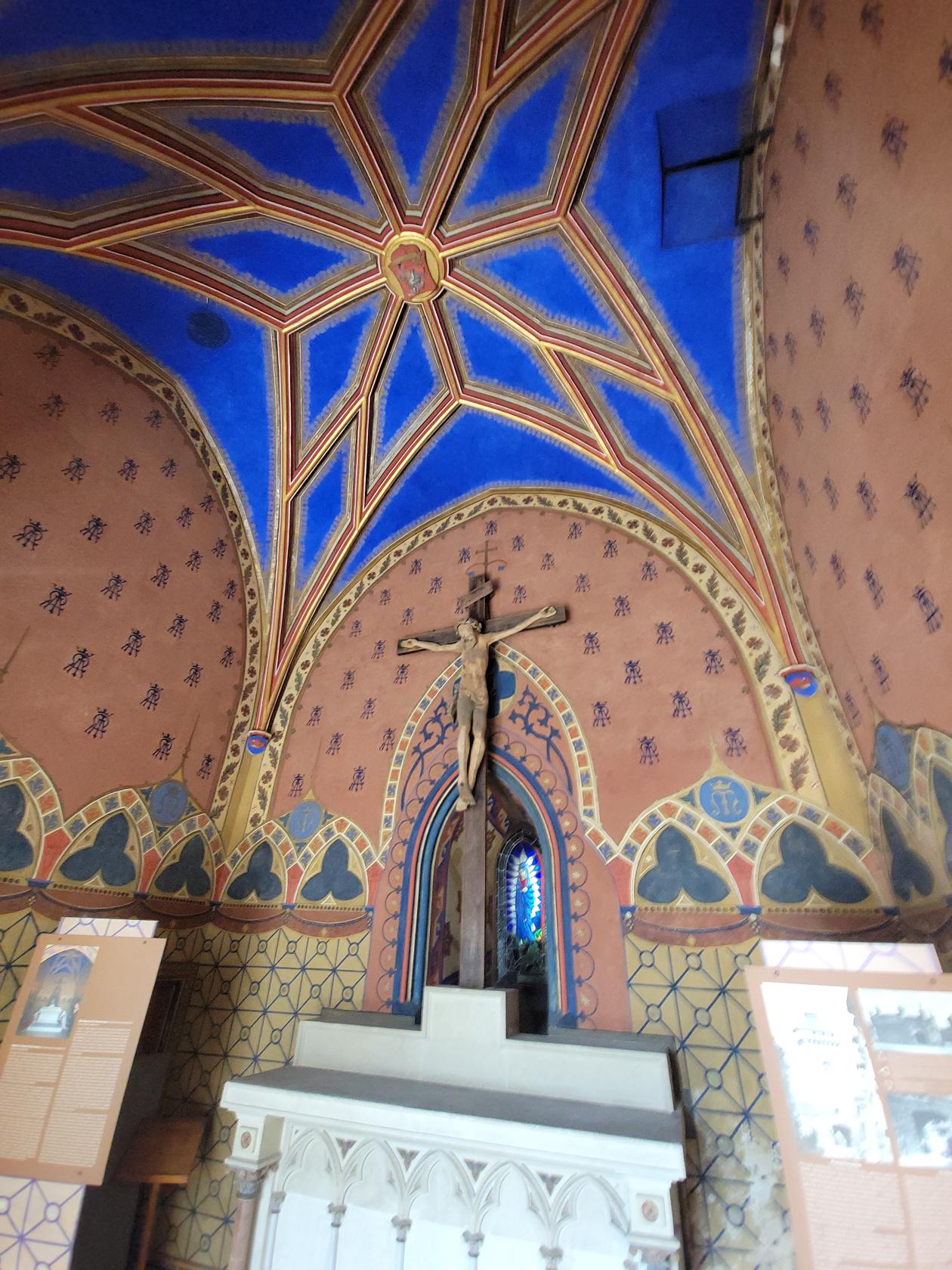
Chapel – Defensive Walls – Kraków, Poland
Chapel – Defensive Walls – Kraków, Poland
Florian’s Gate – Florianska Street – Kraków, Poland
Rynek Underground
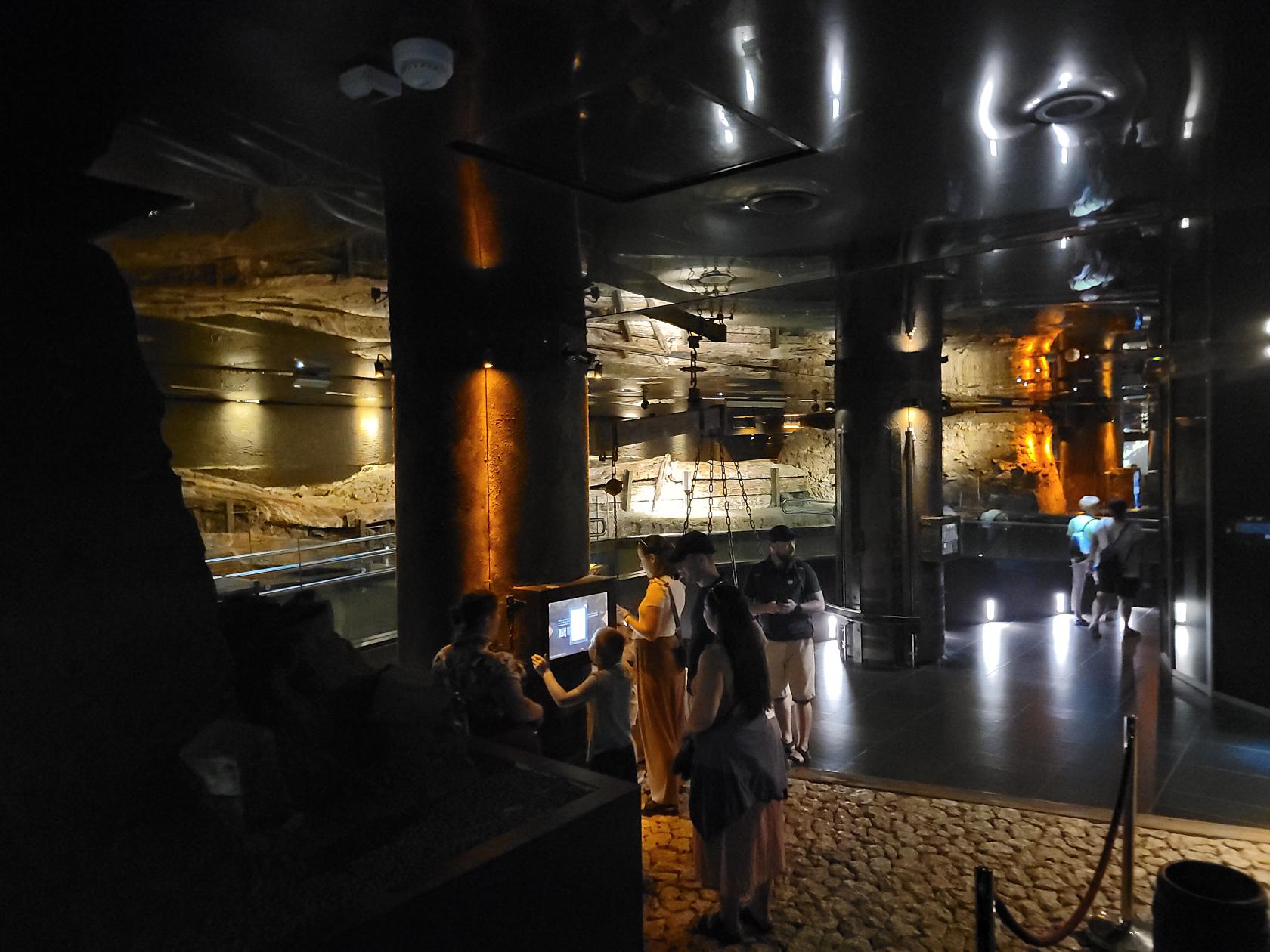
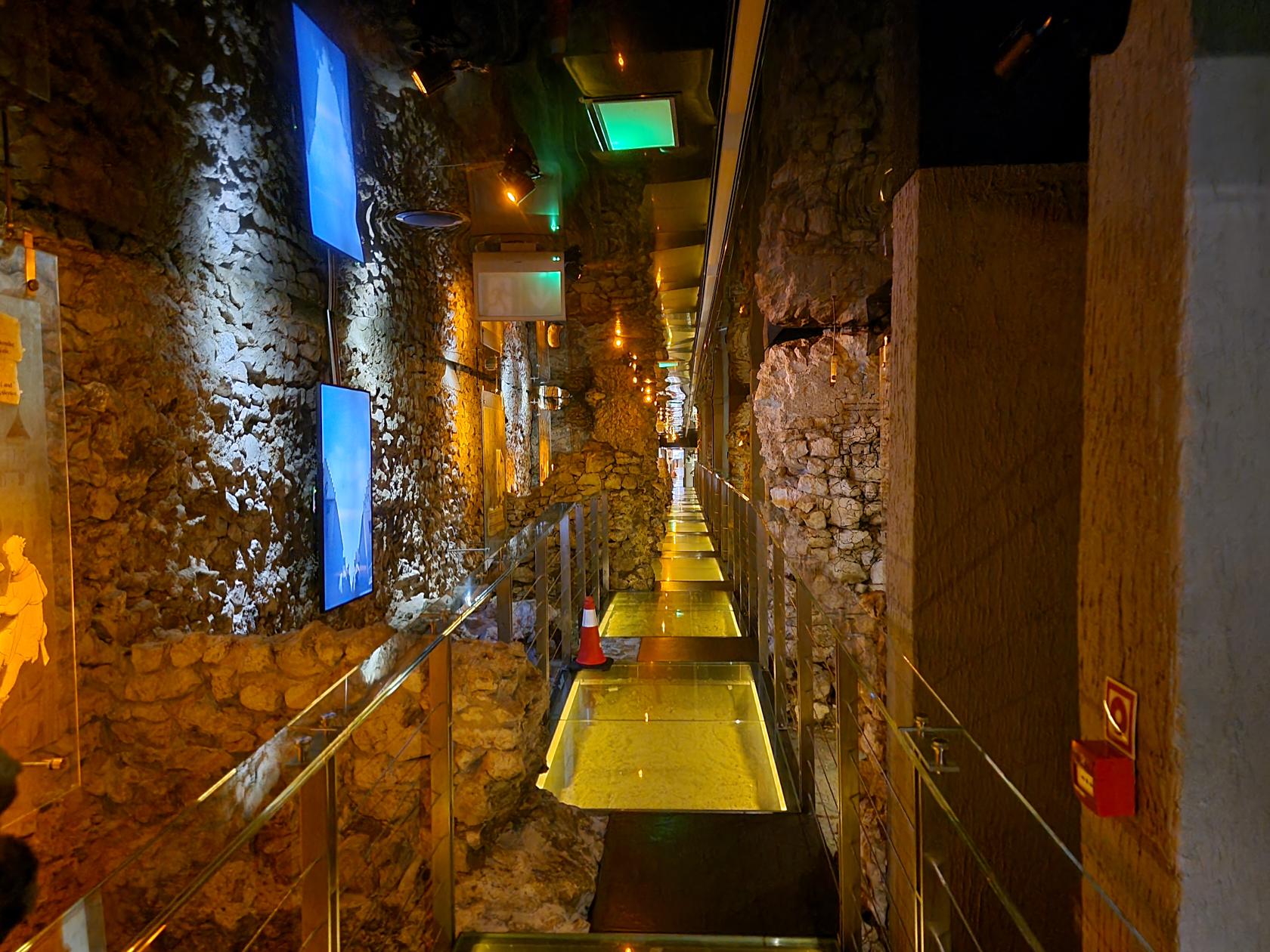
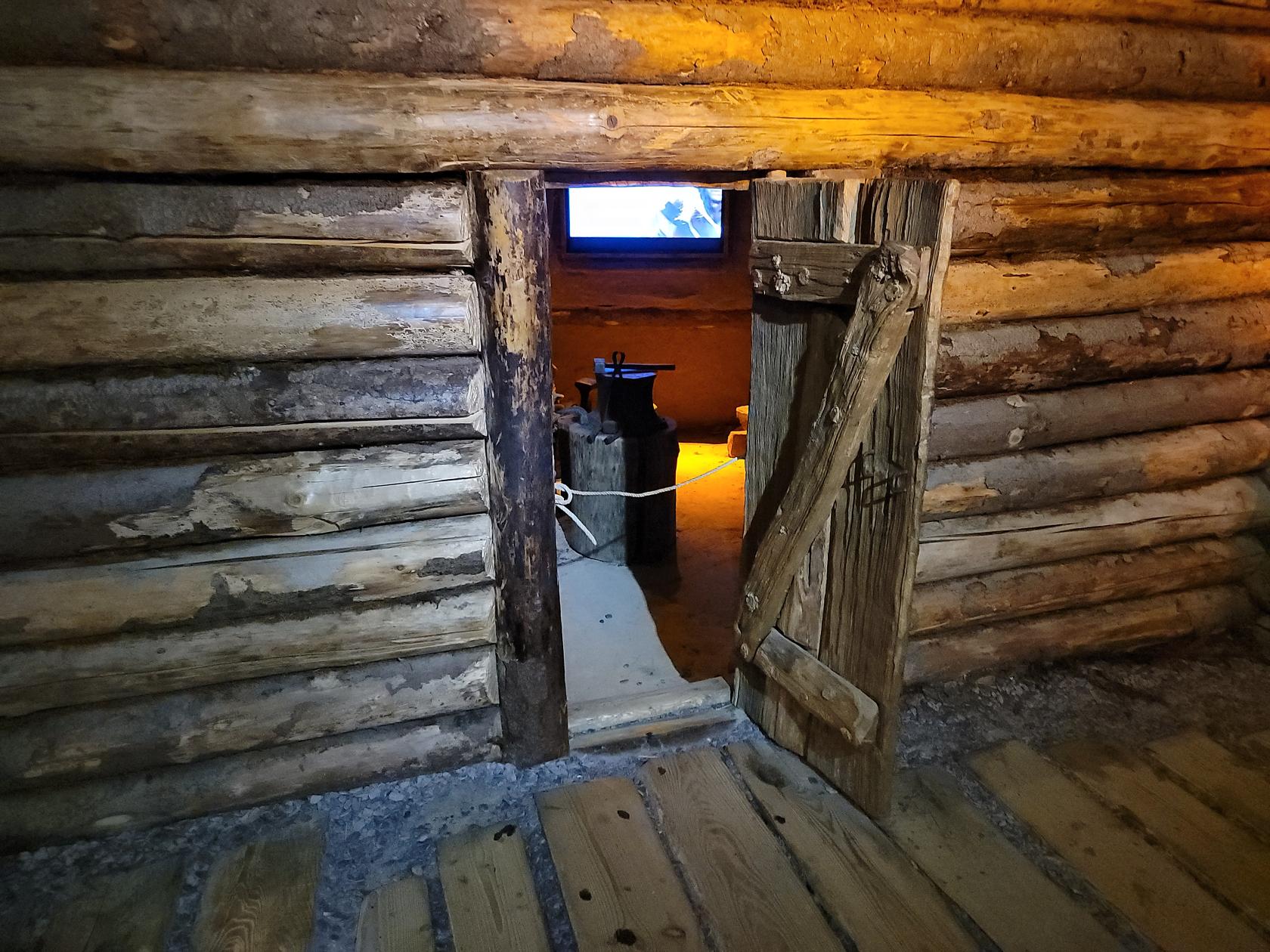
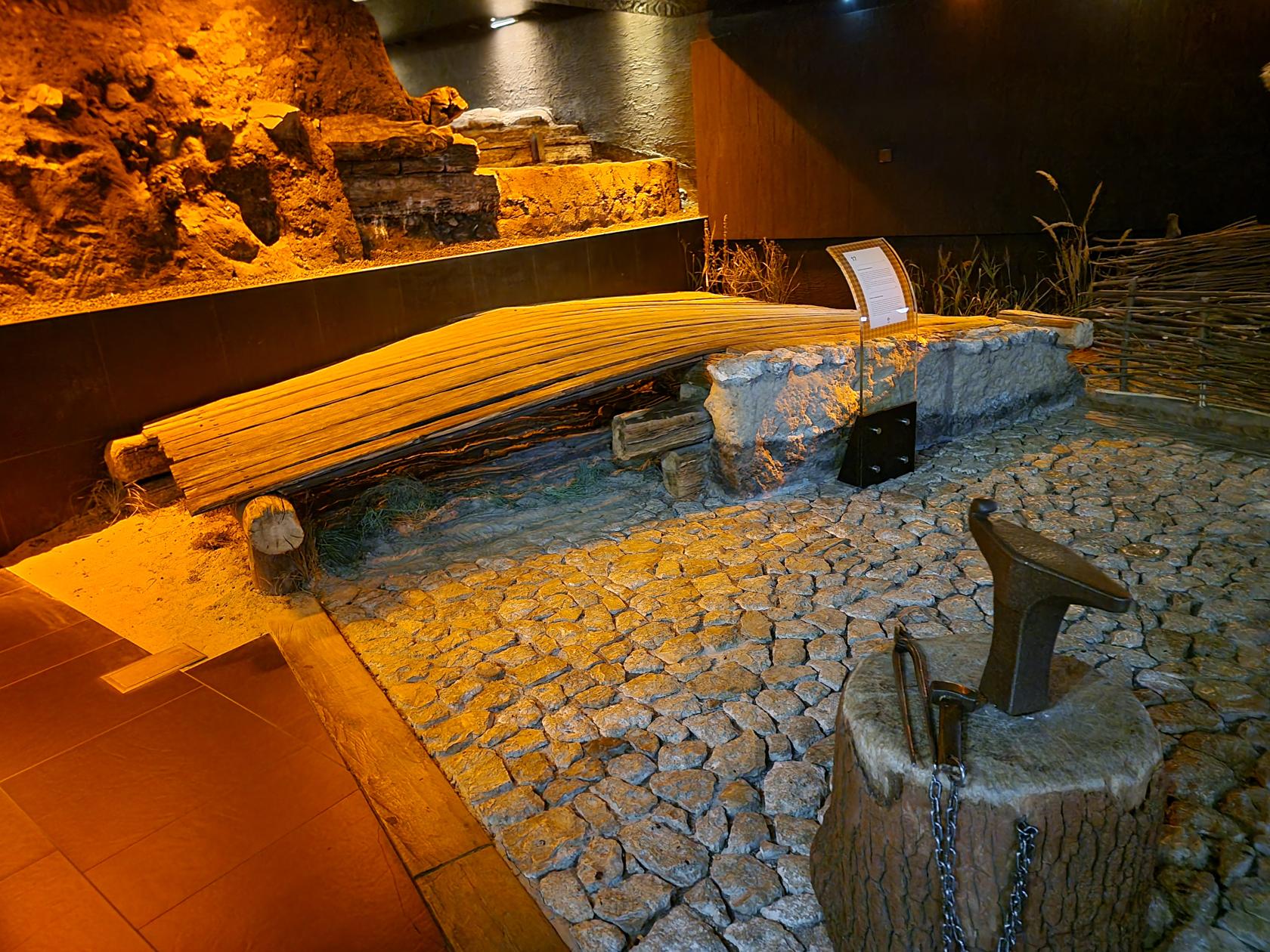
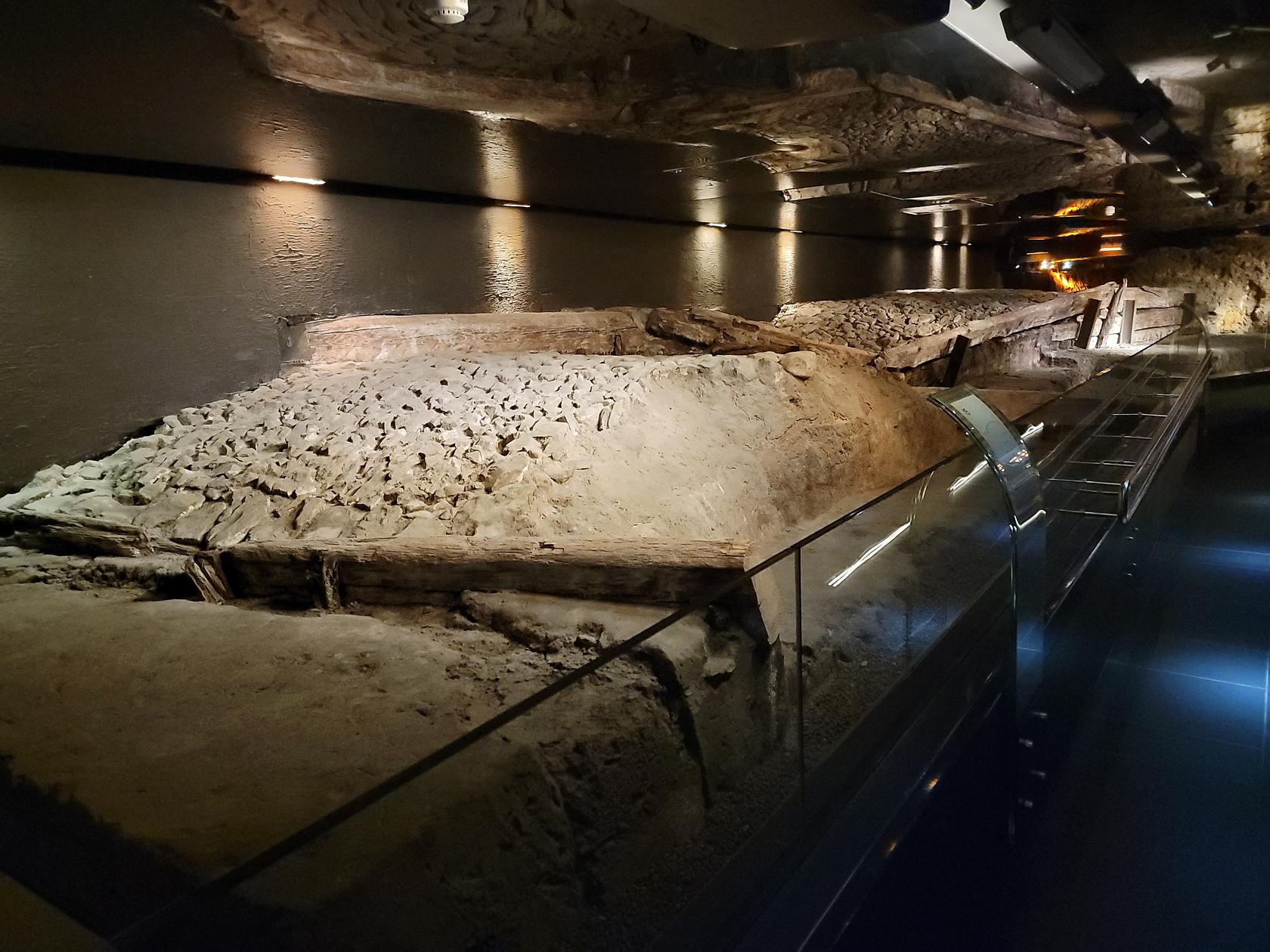
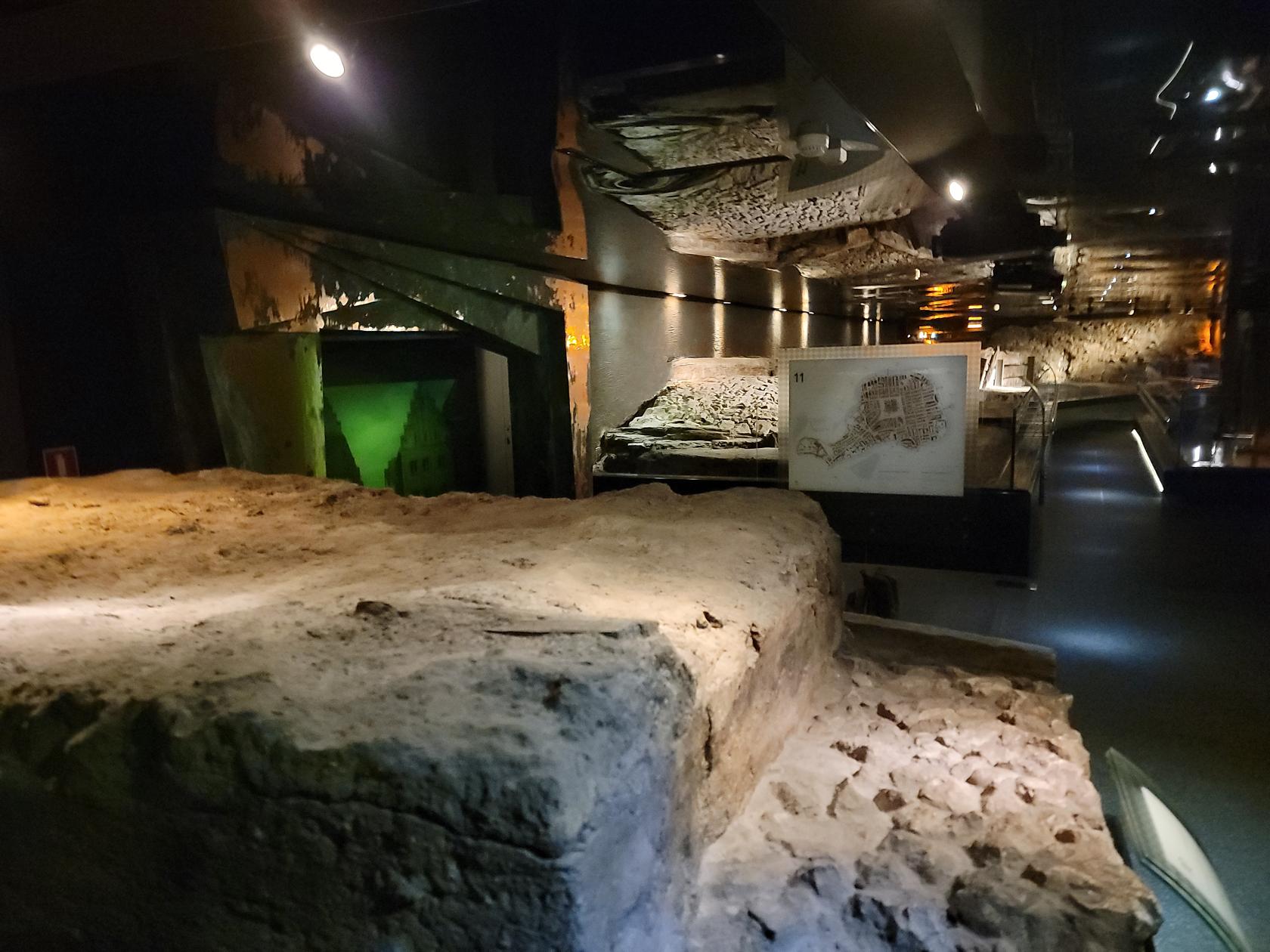
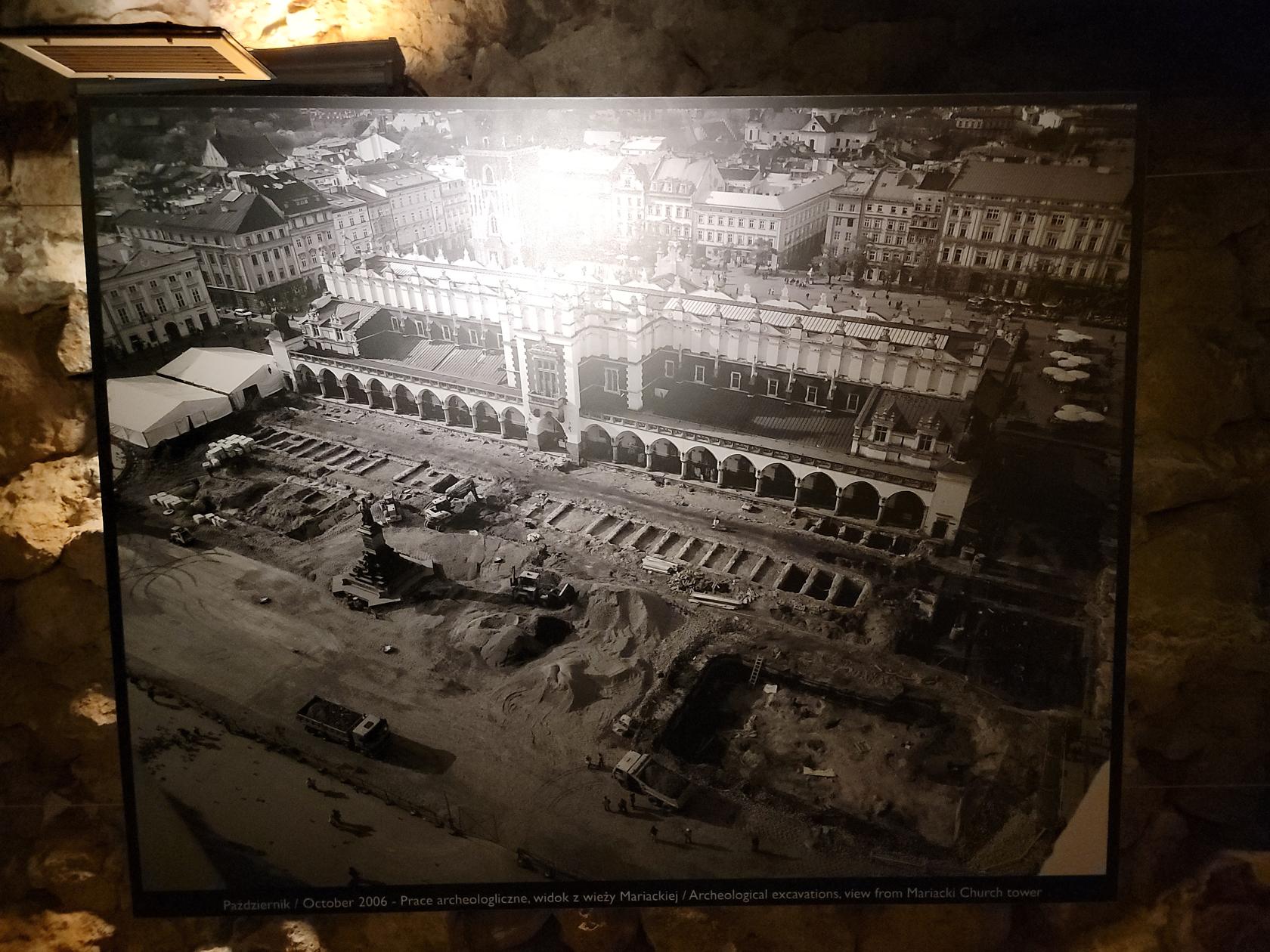
This underground museum captures the feeling and historical elements of the old Cloth Hall that once stood on the site. The current installment of the Cloth Hall, complete with souvenir shops, is built over top of it.
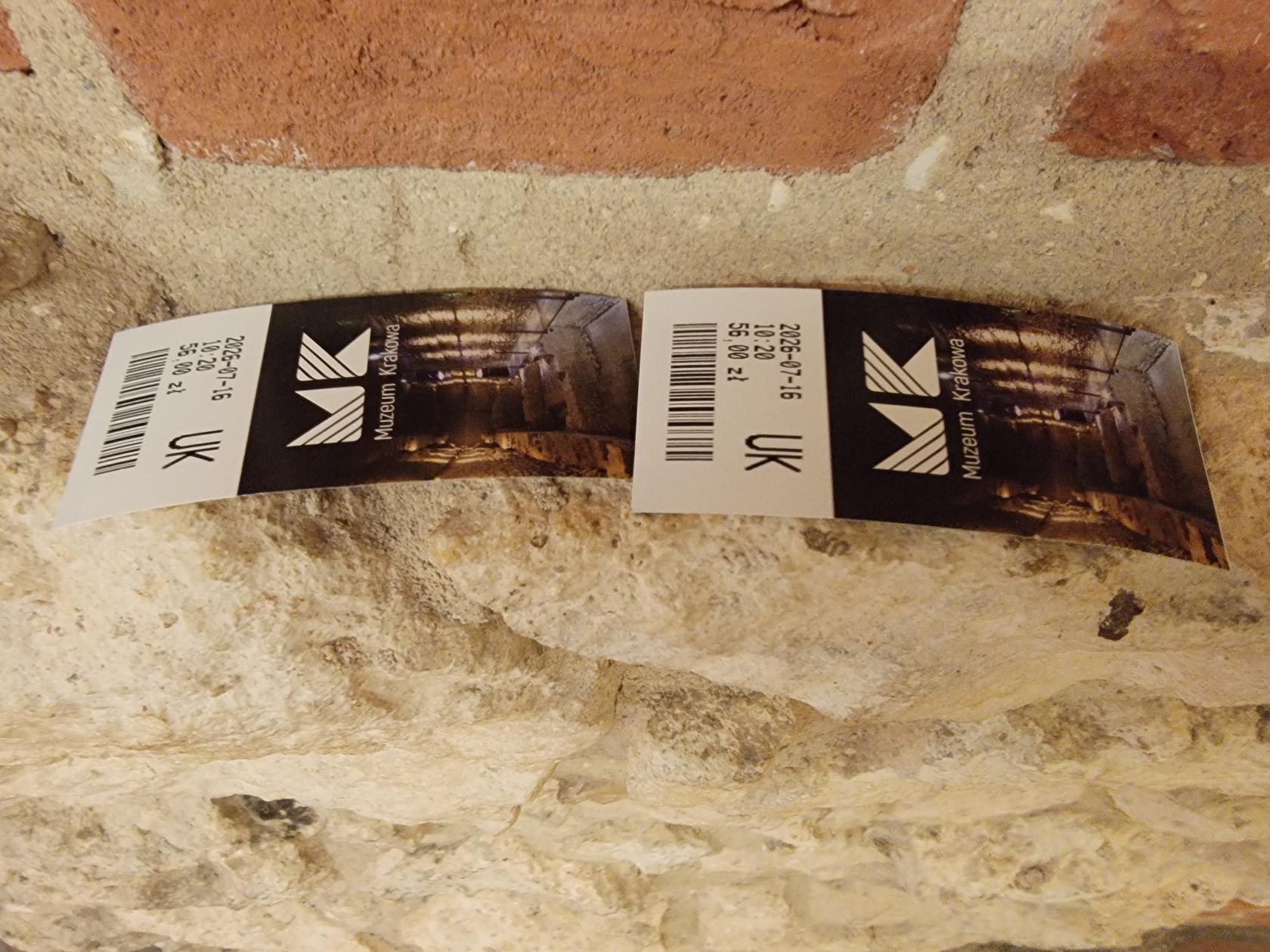
Tickets For Two – Rynek Underground Museum – Kraków, Poland
Access to the site is via a stairwell and upon entry the visitor is met with a colorful exhibit of the Witness Colum.
Entry Exhibits – Rynek Underground Museum – Kraków, Poland
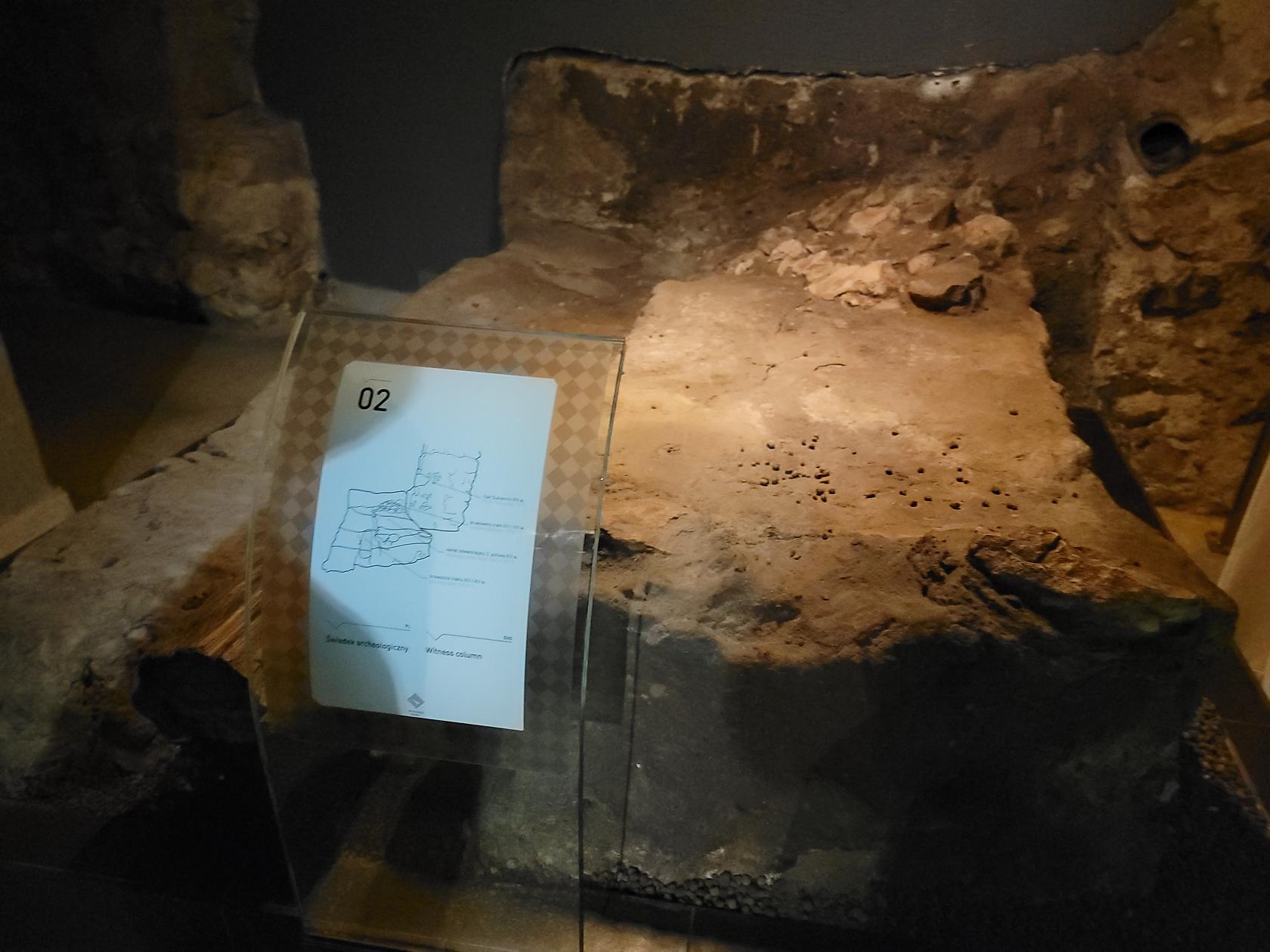
Witness Colum – Rynek Underground Museum – Kraków, Poland
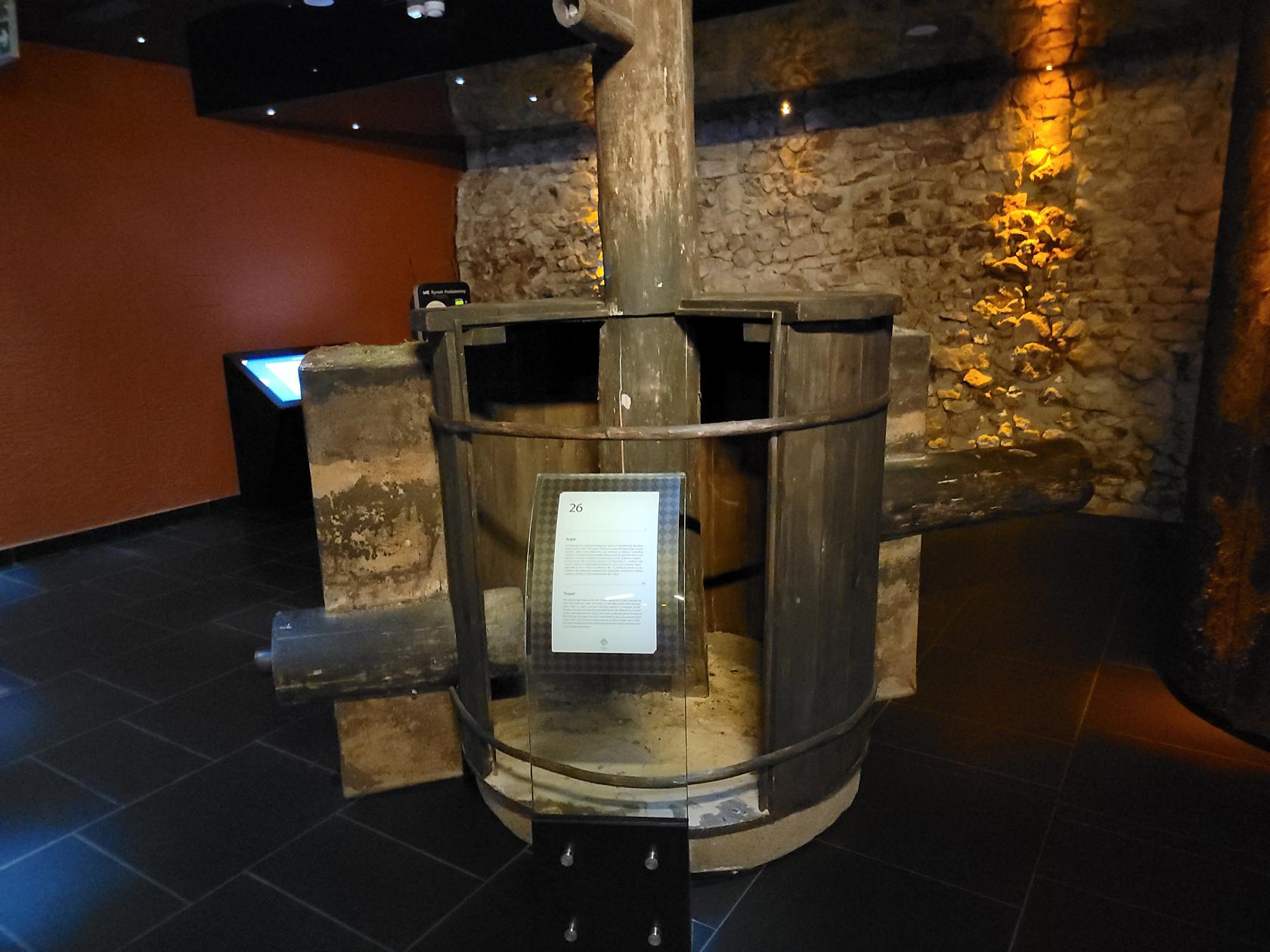
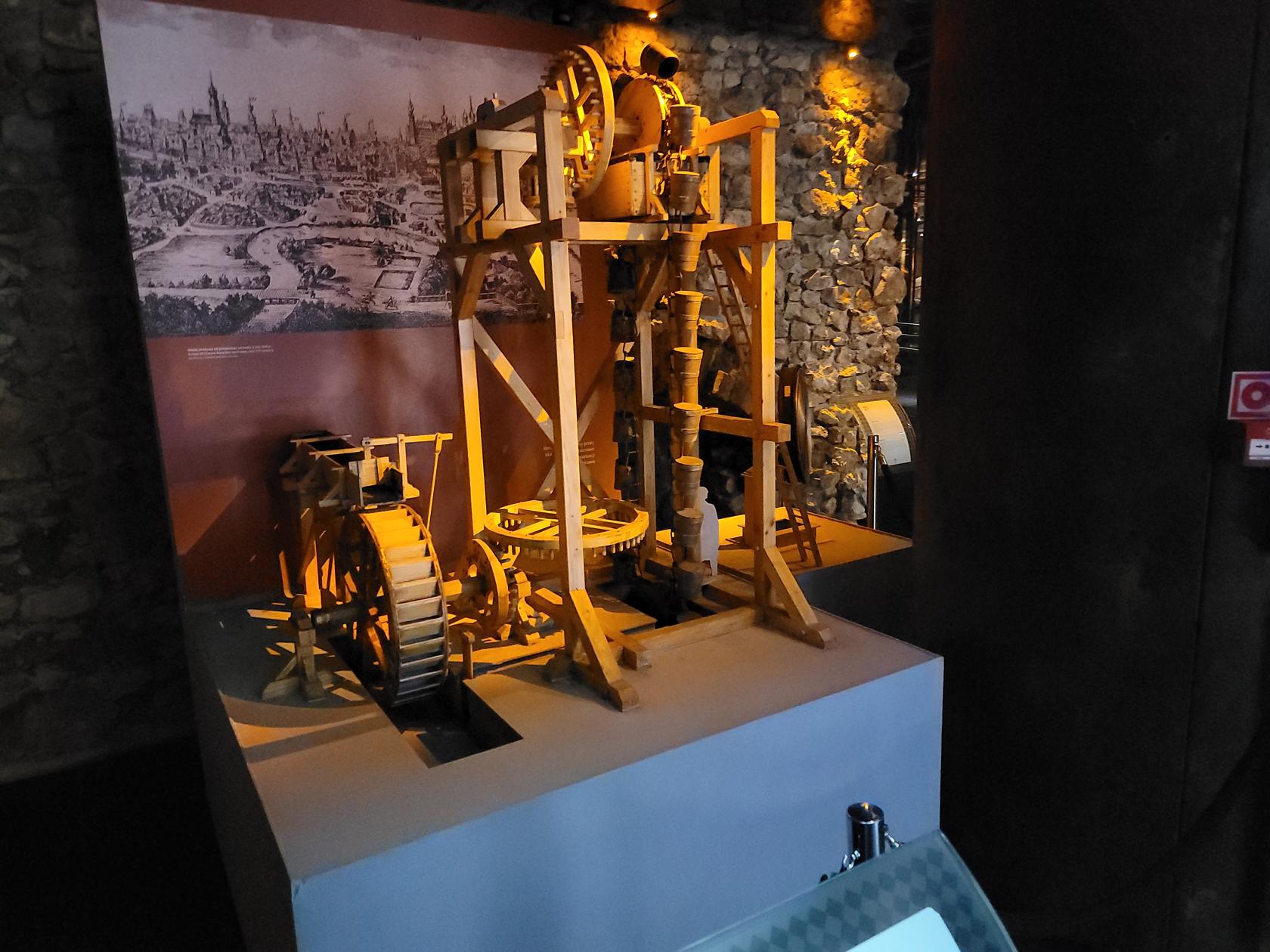
Old Water Pump System – Rynek Underground Museum – Kraków, Poland
Water System – Rynek Underground Museum – Kraków, Poland
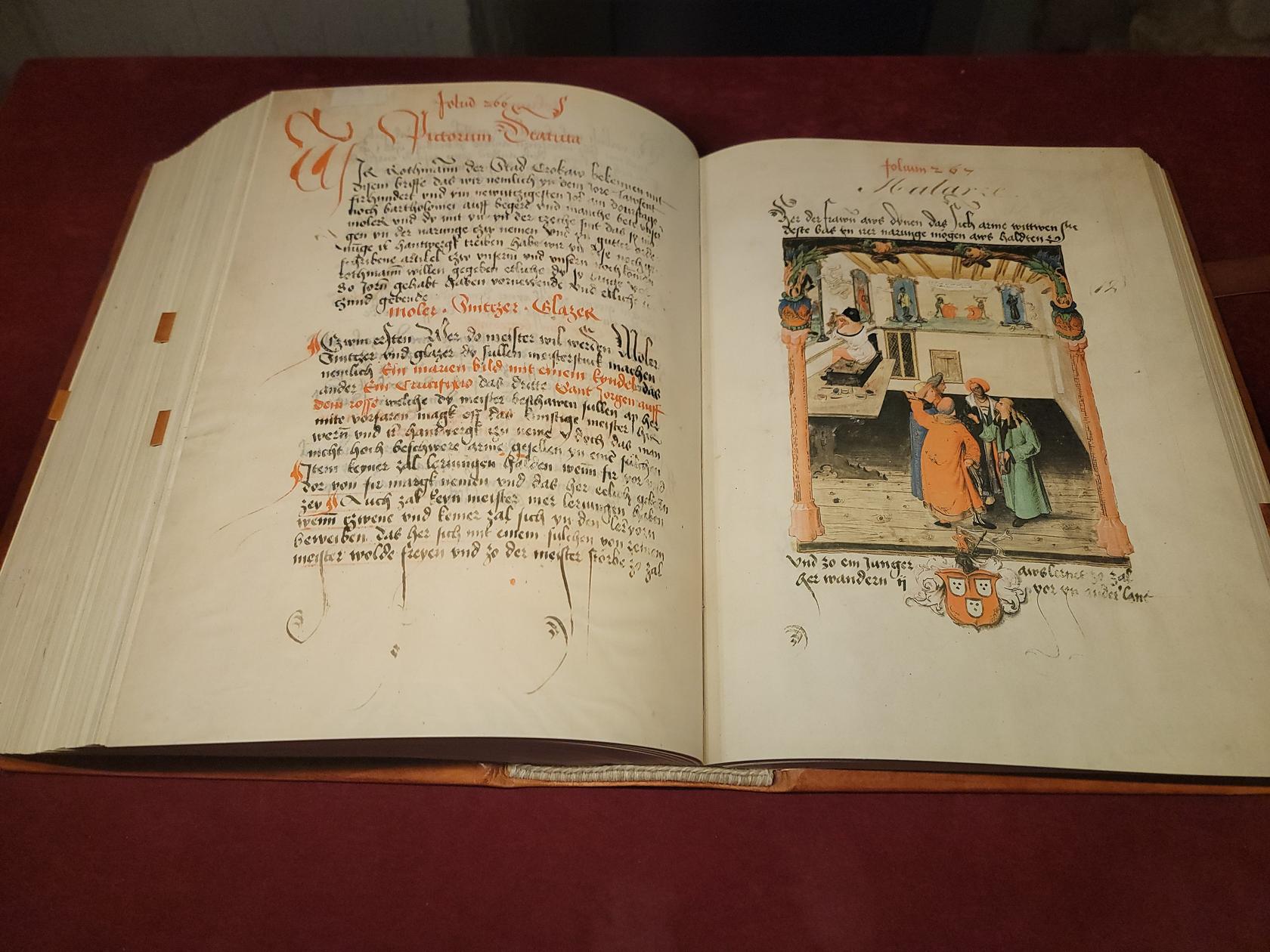
Old Book – Rynek Underground Museum – Kraków, Poland
Video Exhibits – Rynek Underground Museum – Kraków, Poland
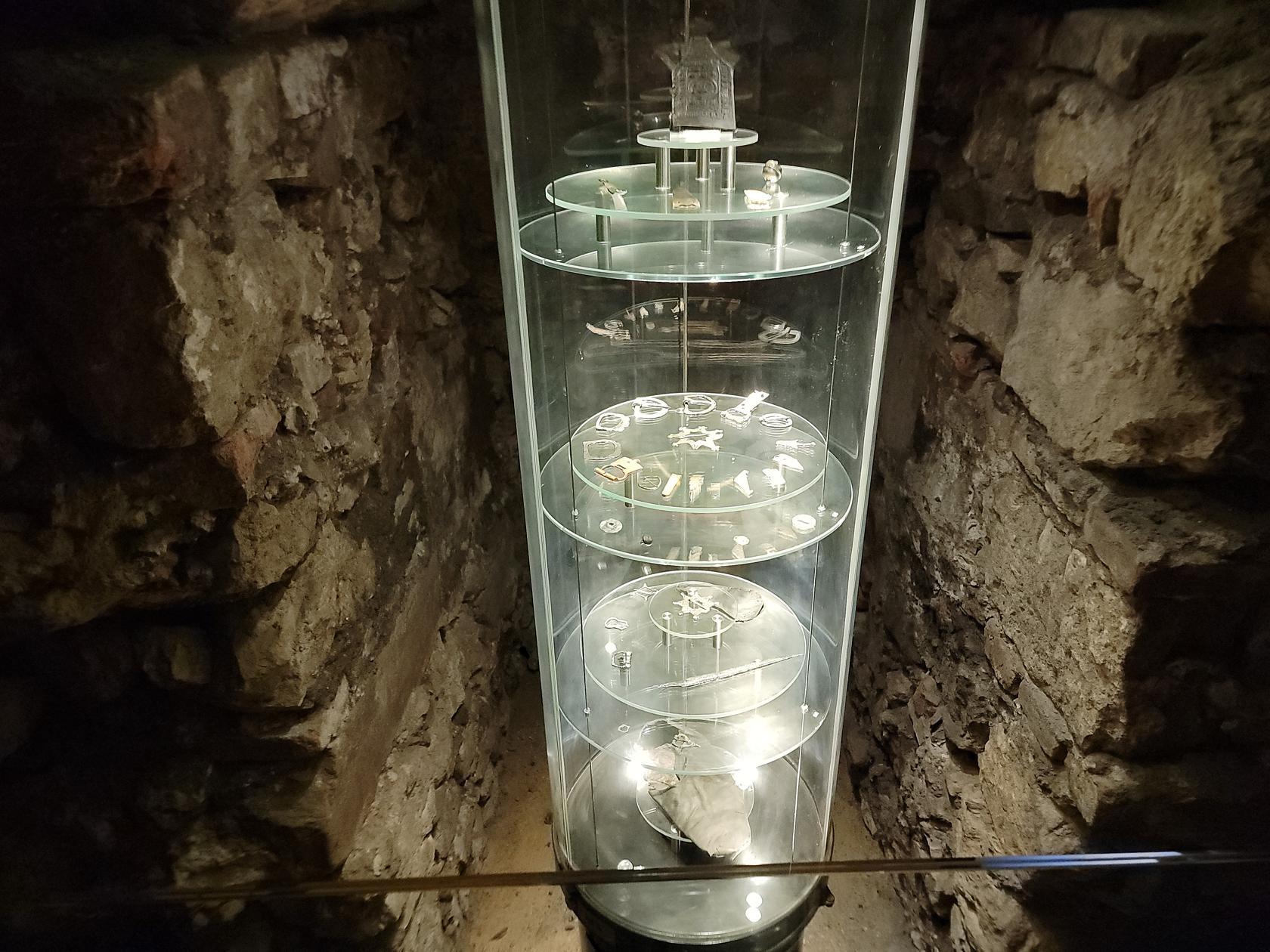
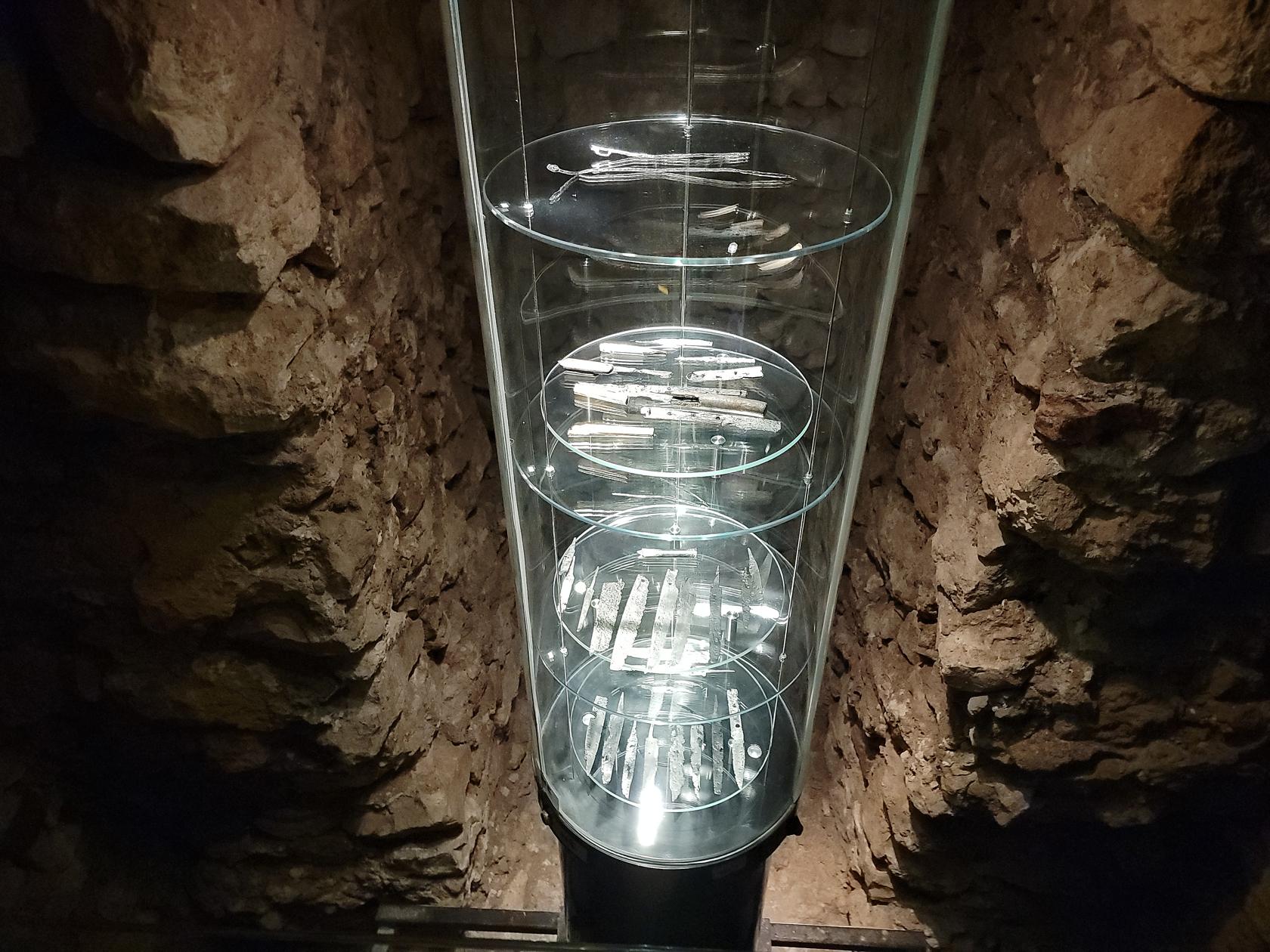
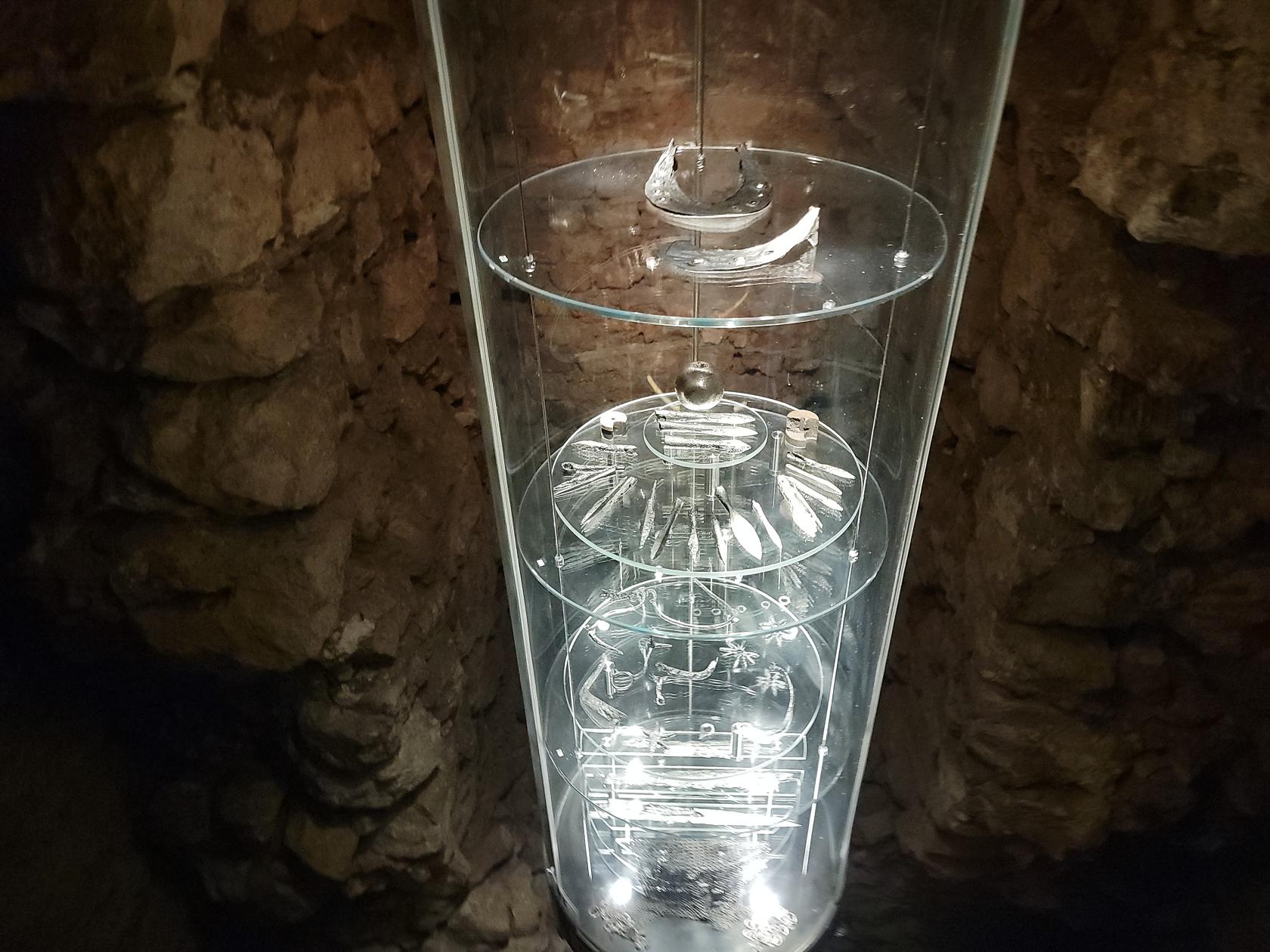
Old Silver Clasps – Rynek Underground Museum – Kraków, Poland
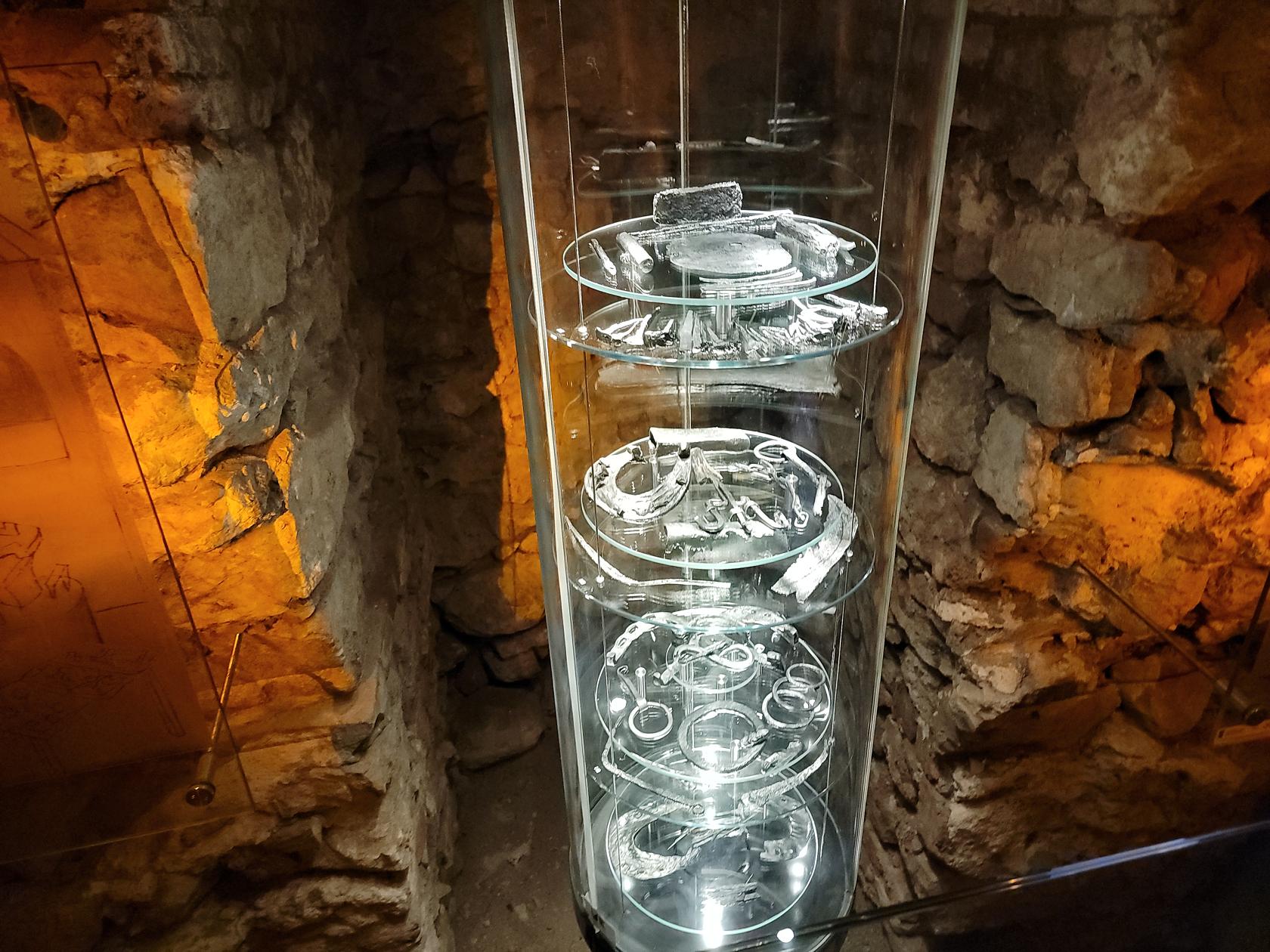
Silver Artifacts – Rynek Underground Museum – Kraków, Poland
Silver Artifacts – Rynek Underground Museum – Kraków, Poland
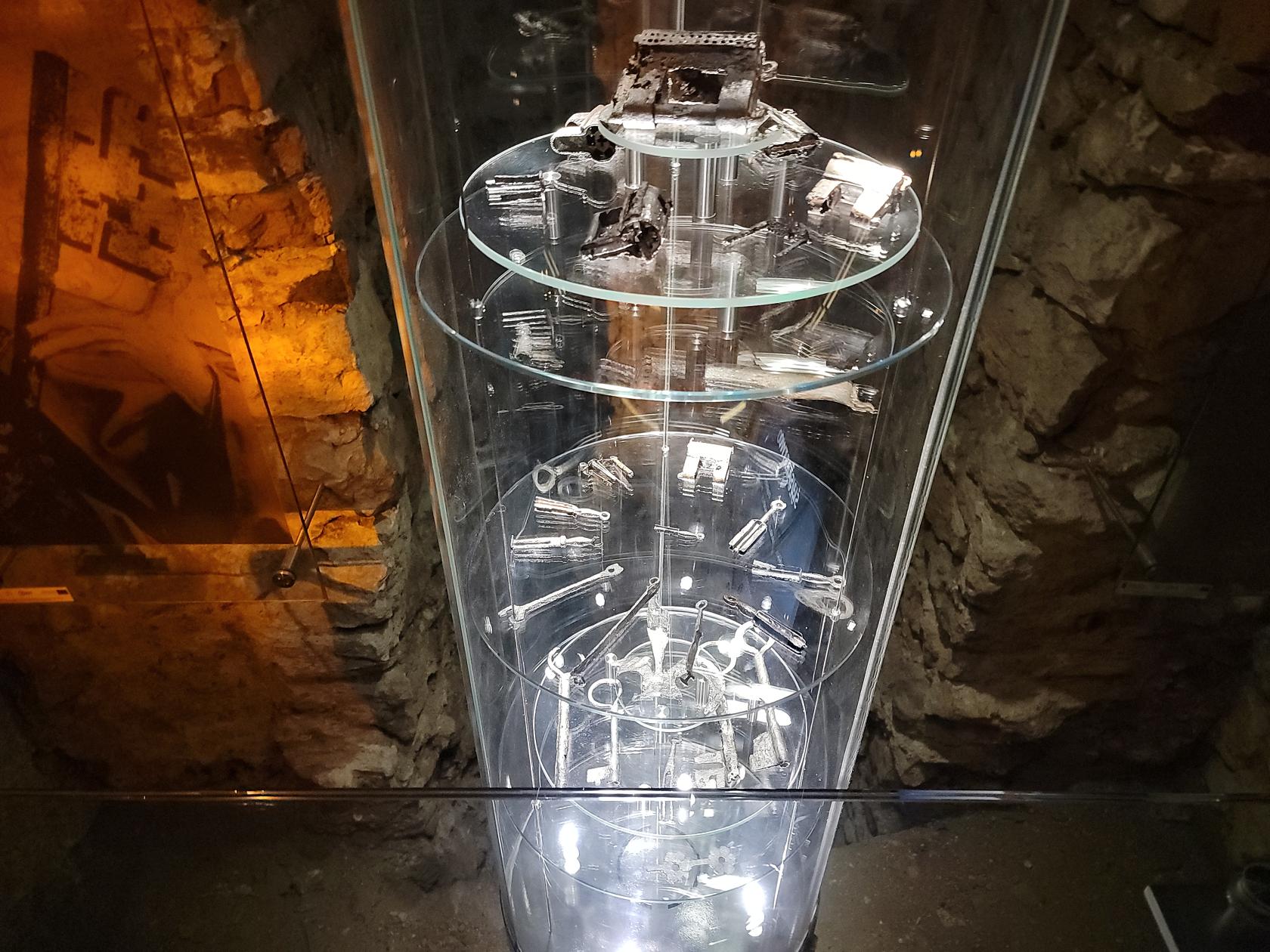
Steel Saw Blades – Rynek Underground Museum – Kraków, Poland
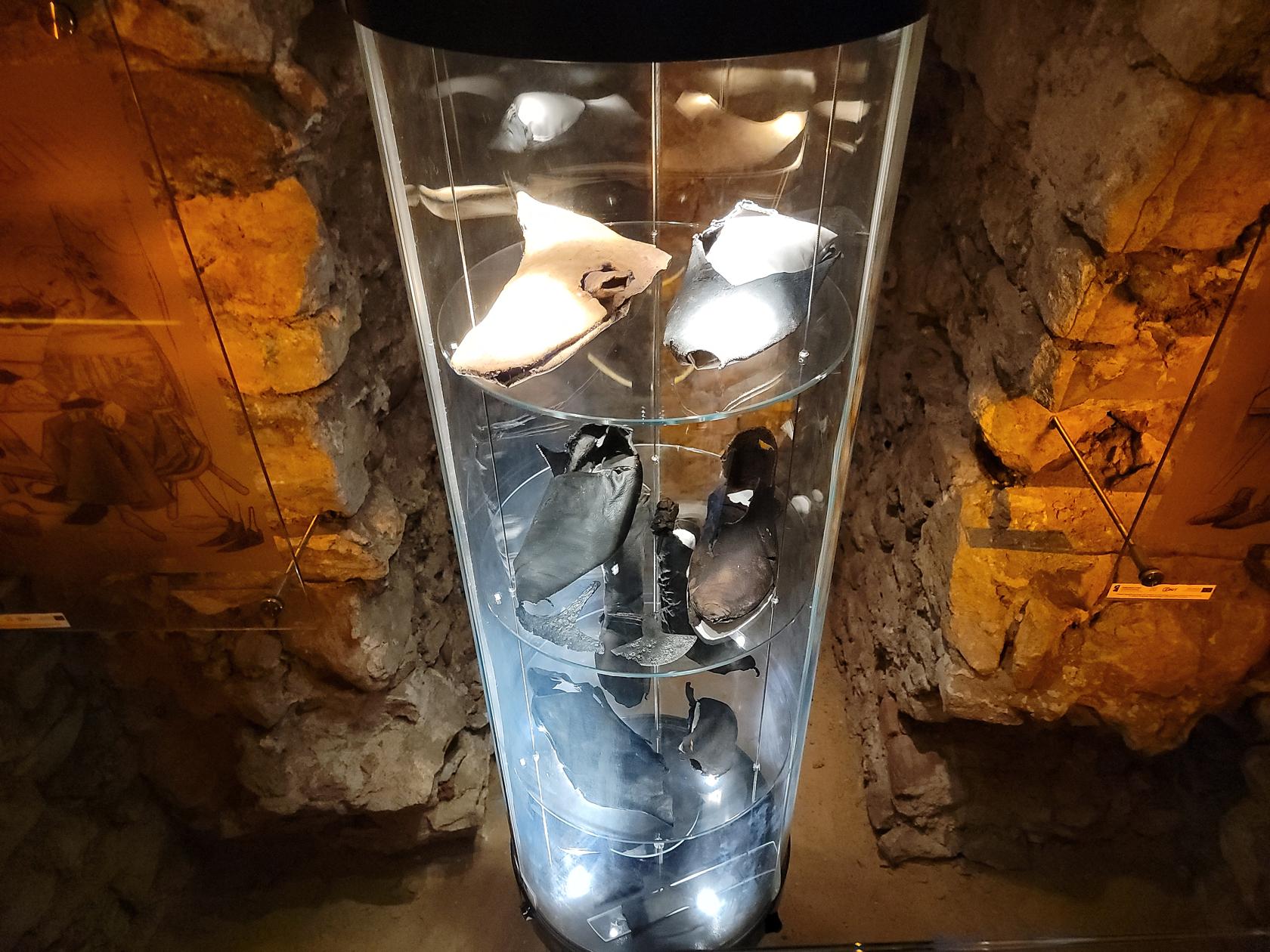
Shoes – Rynek Underground Museum – Kraków, Poland
Steel Implements – Rynek Underground Museum – Kraków, Poland
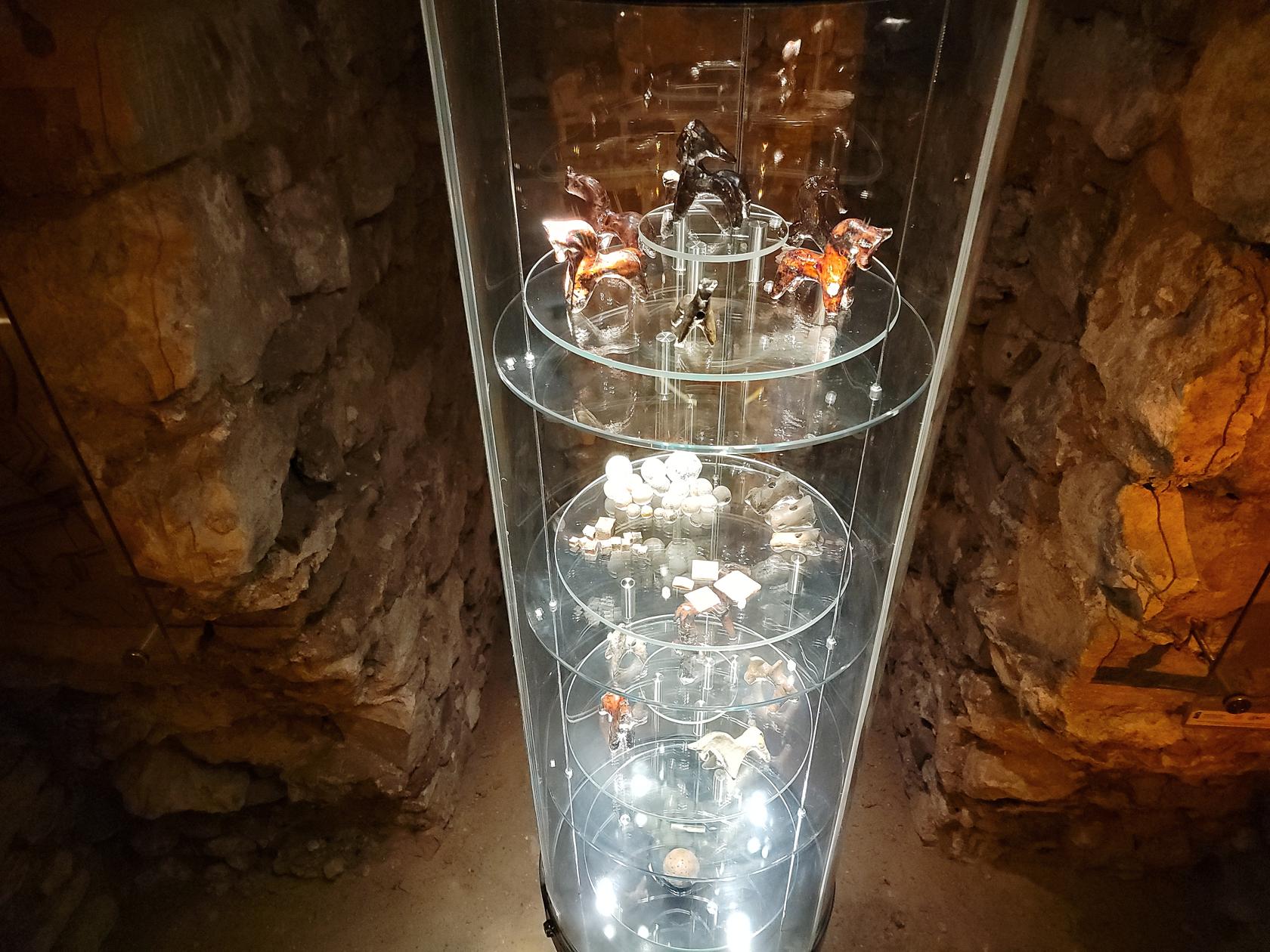
Toys – Rynek Underground Museum – Kraków, Poland
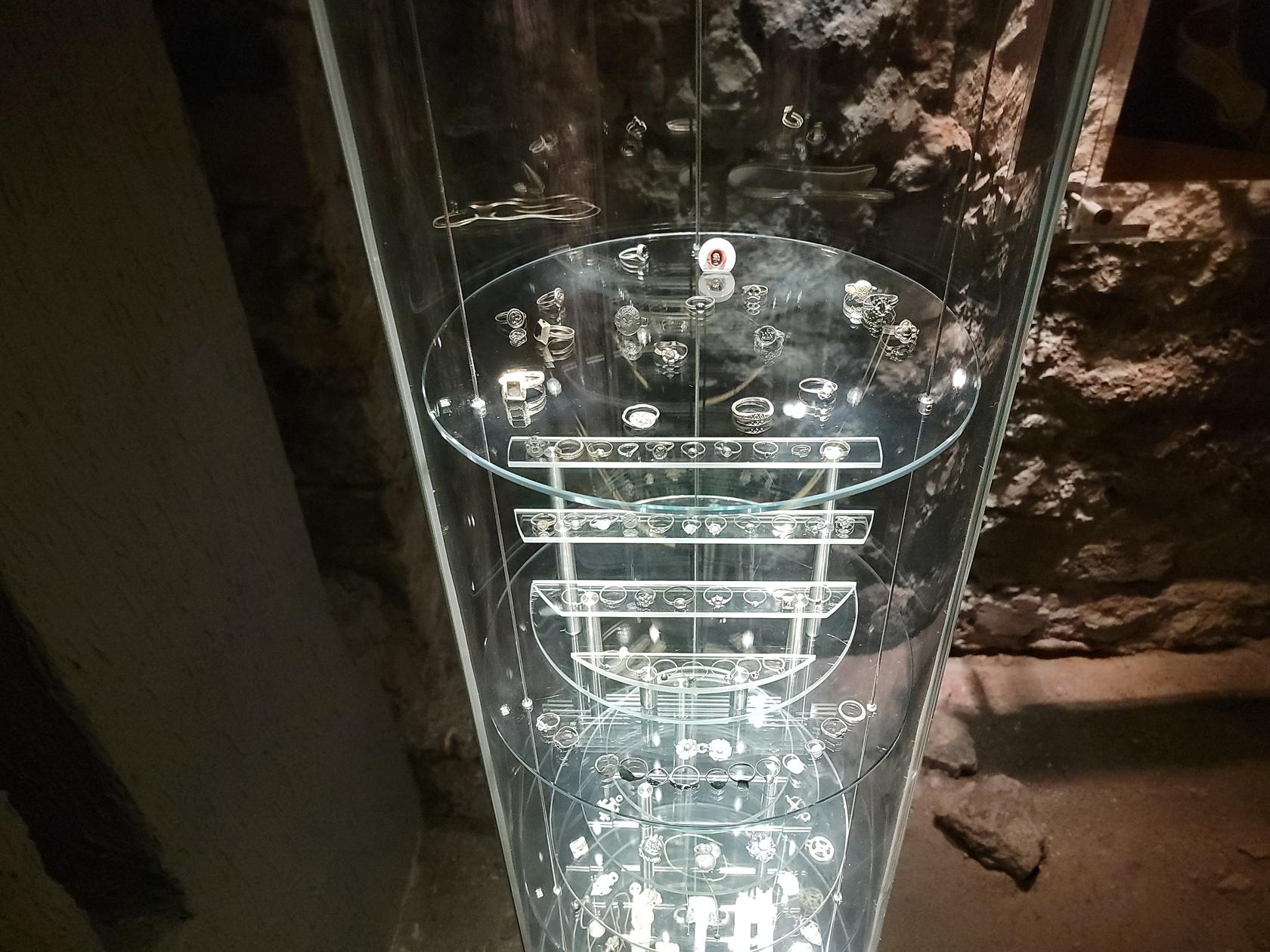
Rings – Rynek Underground Museum – Kraków, Poland
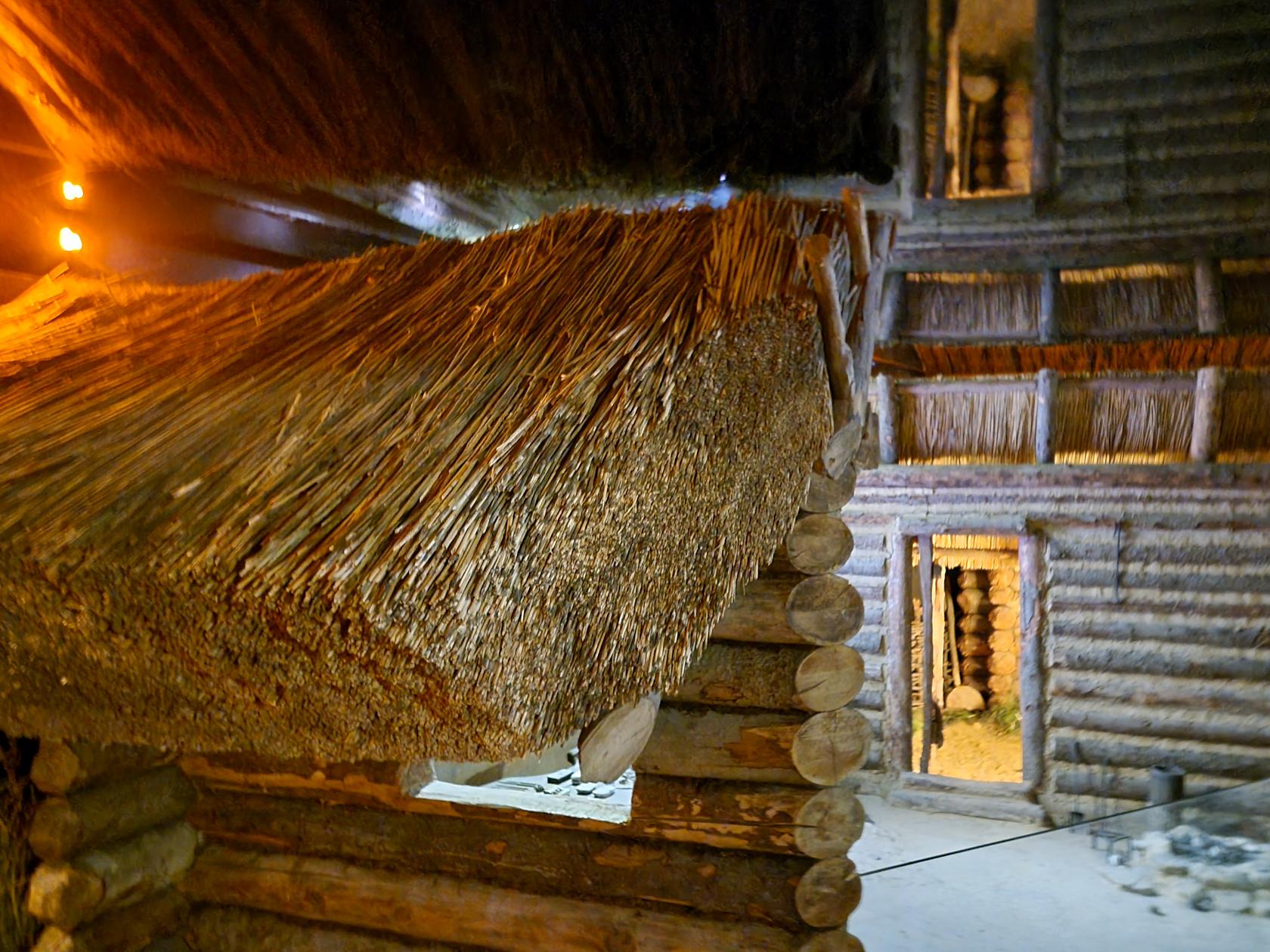
Other exhibits include models of old stalls that shop keepers would sell everything from cloth, to trinkets and other necessities.
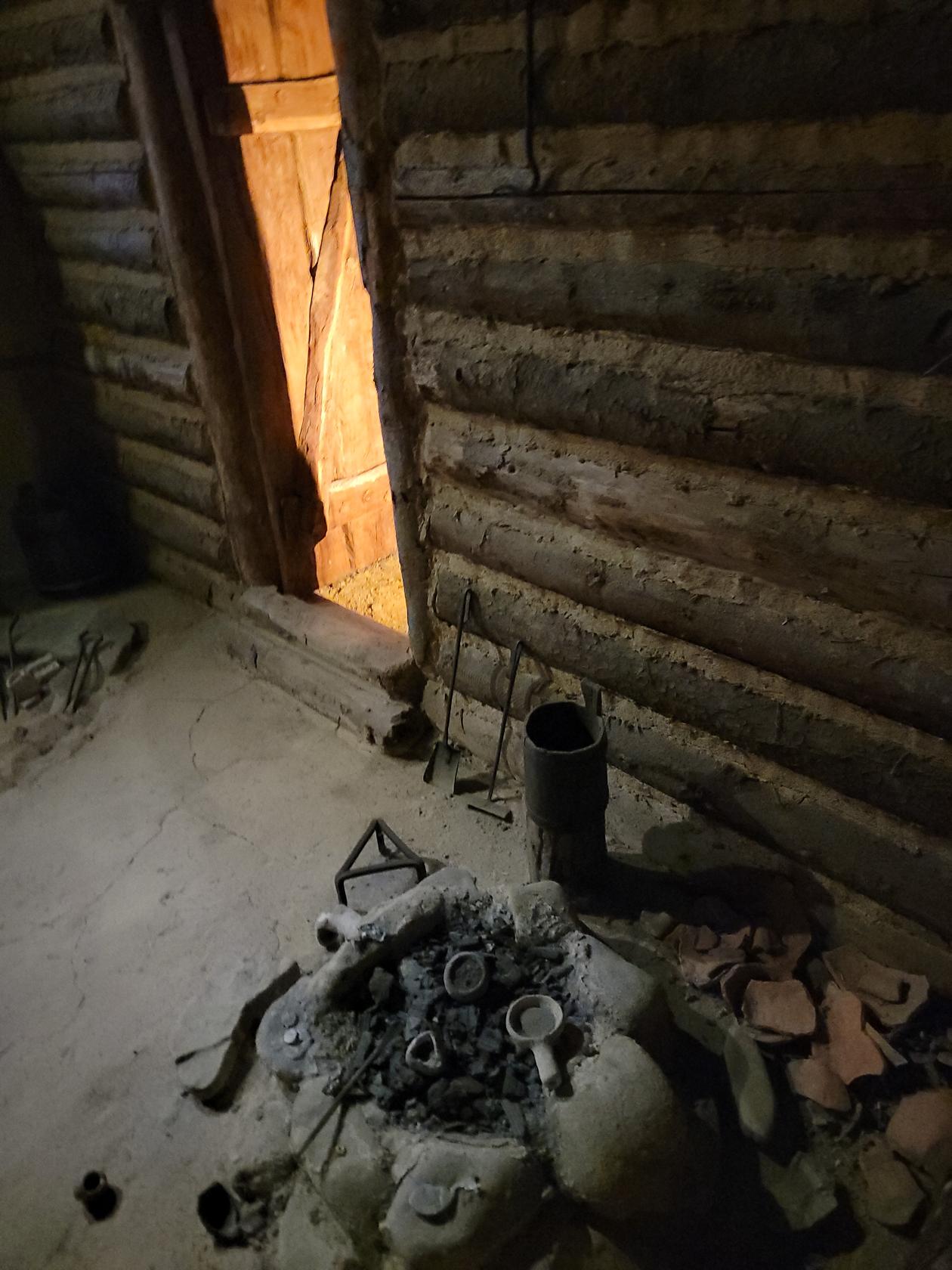
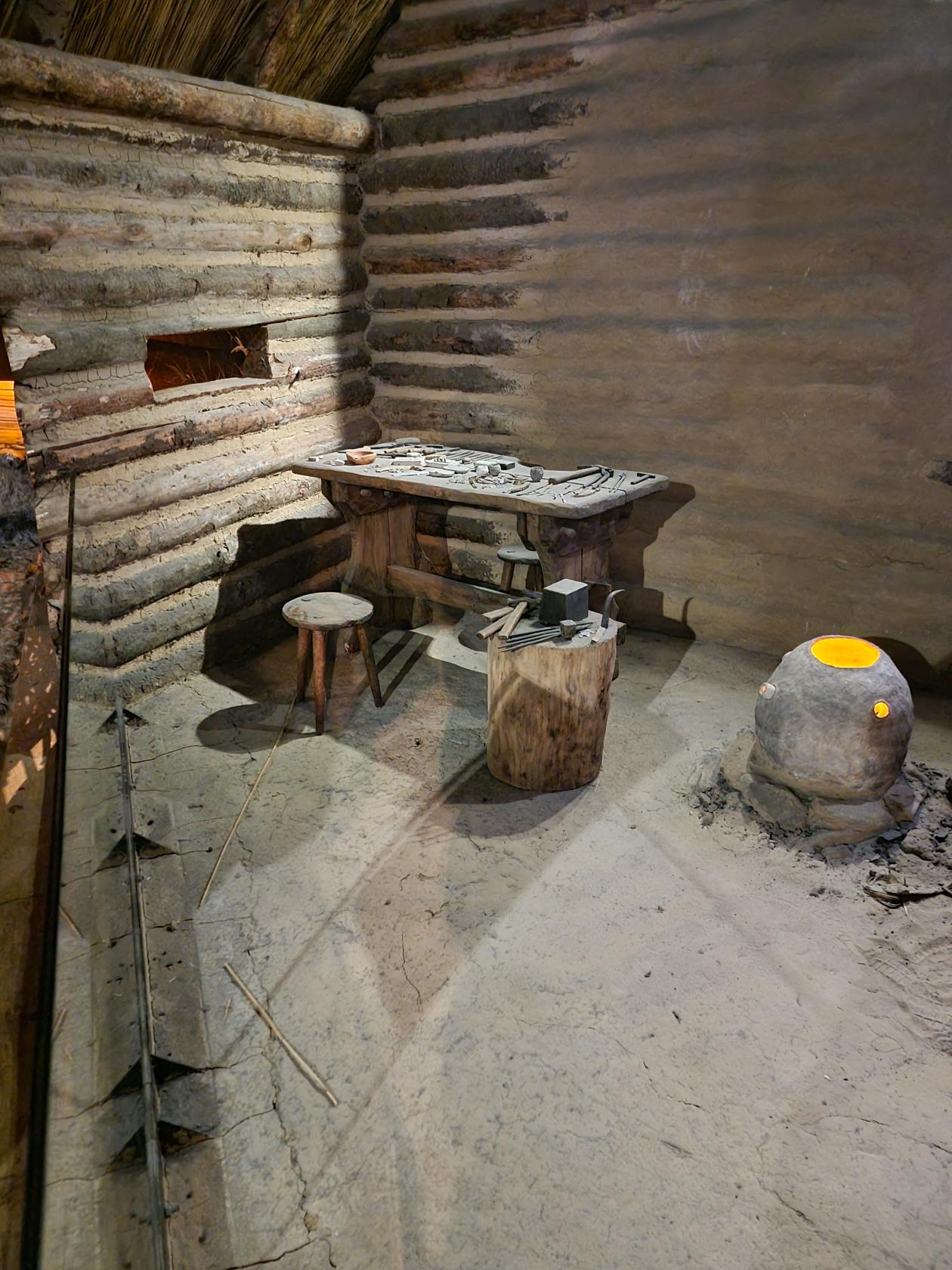
Blacksmith Shop – Cloth Mall – Rynek Underground Museum – Kraków, Poland
Blacksmith Shop – Cloth Mall – Rynek Underground Museum – Kraków, Poland
Stall Roof – Cloth Mall – Rynek Underground Museum – Kraków, Poland
Blacksmith Shop – Cloth Mall – Rynek Underground Museum – Kraków, Poland
Foot Bridge – Cloth Mall Road – Rynek Underground Museum – Kraków, Poland
Cloth Mall Road – Rynek Underground Museum – Kraków, Poland
Cloth Mall Road – Rynek Underground Museum – Kraków, Poland
Old Timbers and Cloth Mall Road – Rynek Underground Museum – Kraków, Poland
Near the end of the museum and walk-through is a long hall that contains several interesting video shows on different aspects of the history of the Rynek.
Boleslaw Stalls – Rynek Underground Museum – Kraków, Poland
Ruts left in cobblestones by wagons – Rynek Underground Museum – Kraków, Poland
Stalls – Rynek Underground Museum – Kraków, Poland
Old Foundation – Rynek Underground Museum – Kraków, Poland
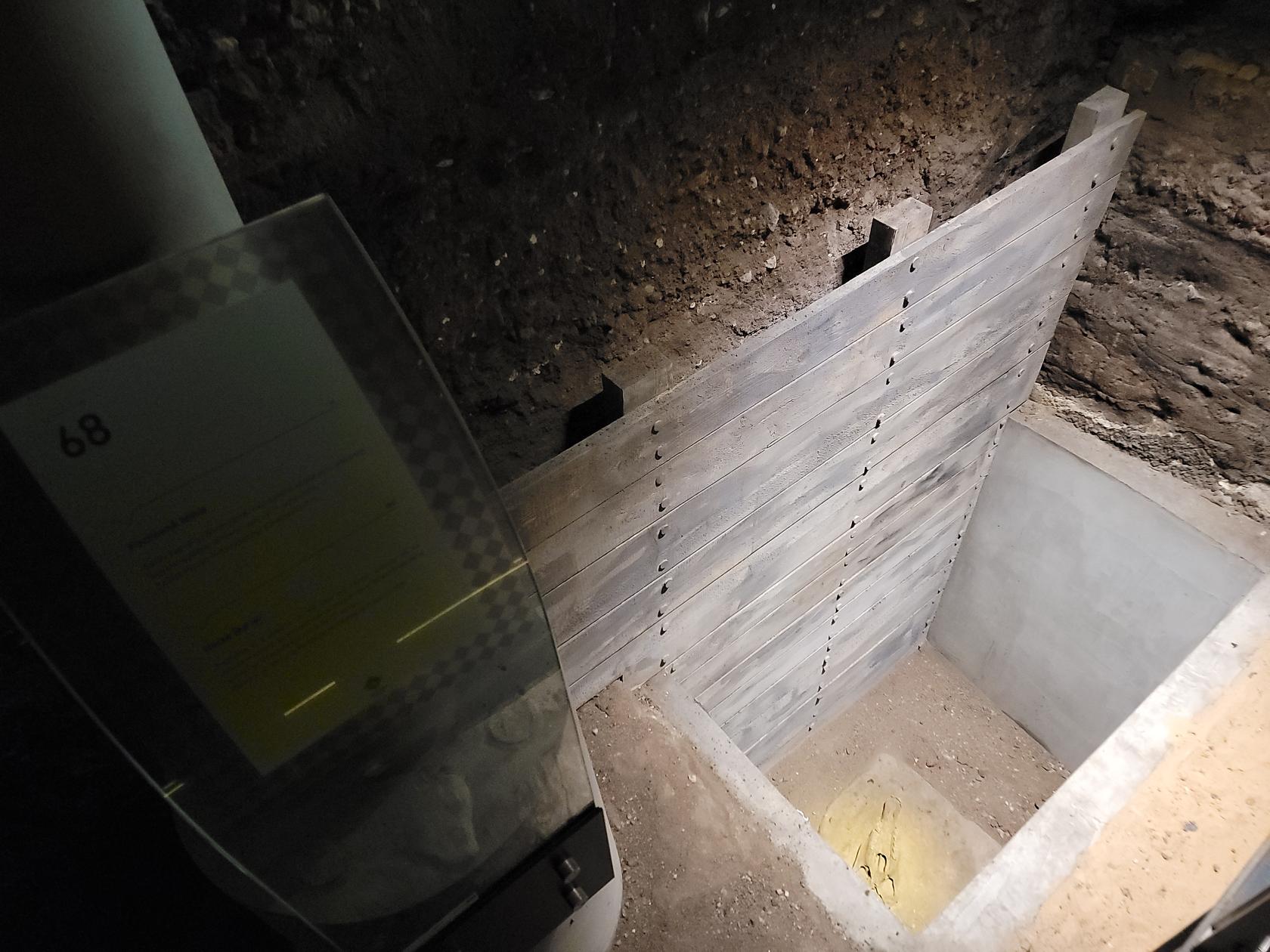
The Dig – Rynek Underground Museum – Kraków, Poland
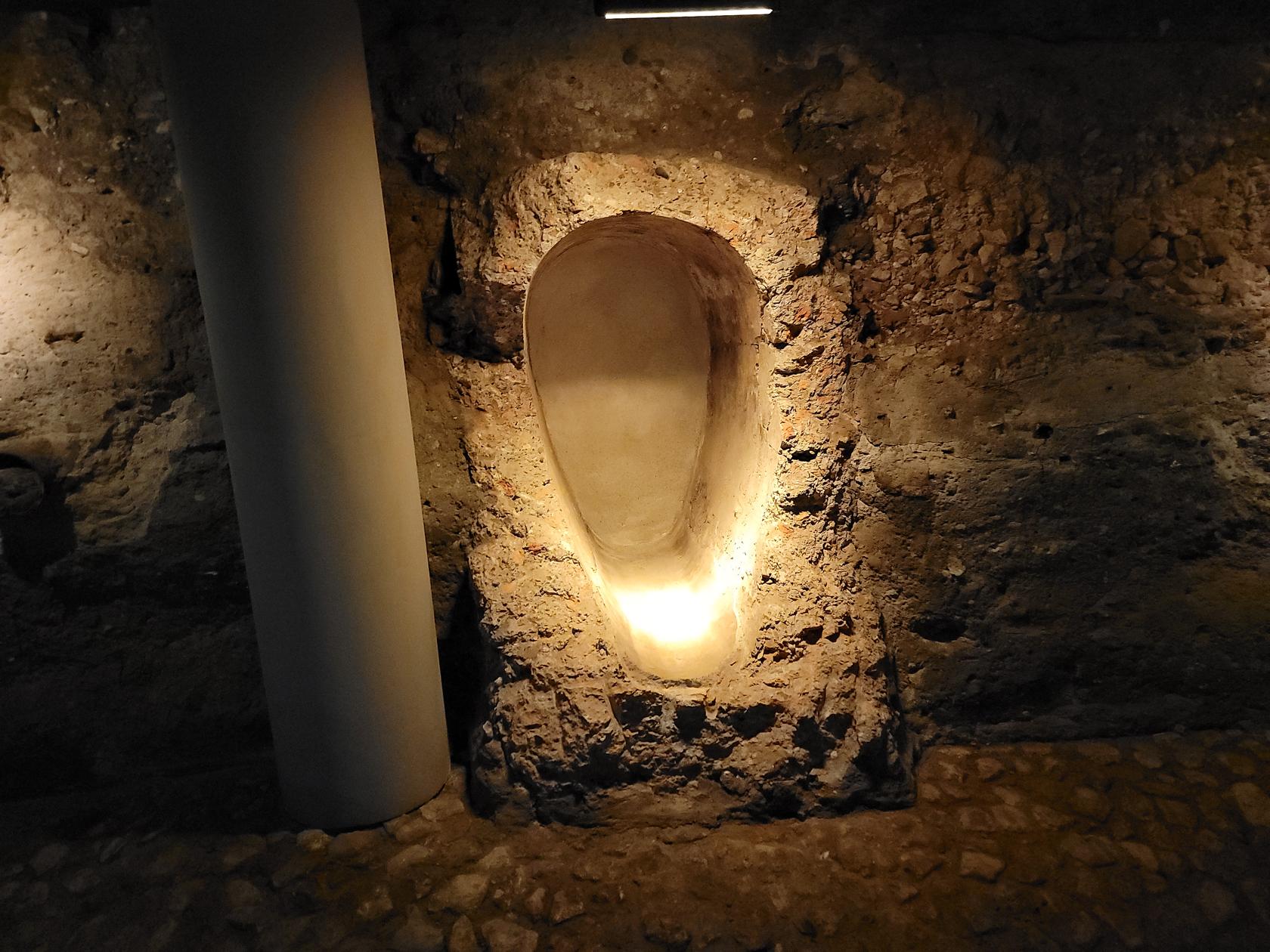
Sewer Pipe – Rynek Underground Museum – Kraków, Poland
Buried Horse – Rynek Underground Museum – Kraków, Poland
Old Walls – Rynek Underground Museum – Kraków, Poland
Churches And Cathedrals
Saint Florian’s Church
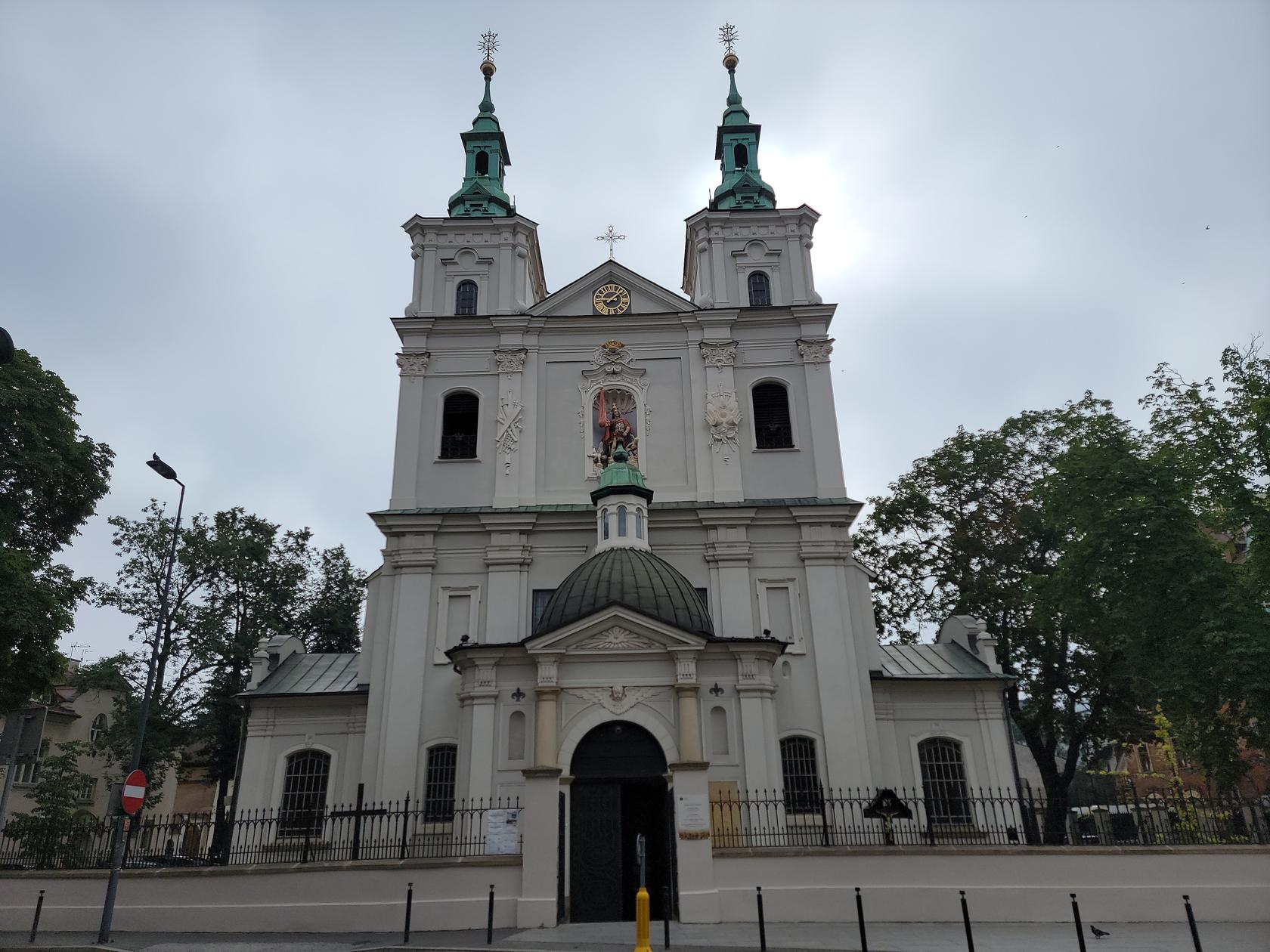
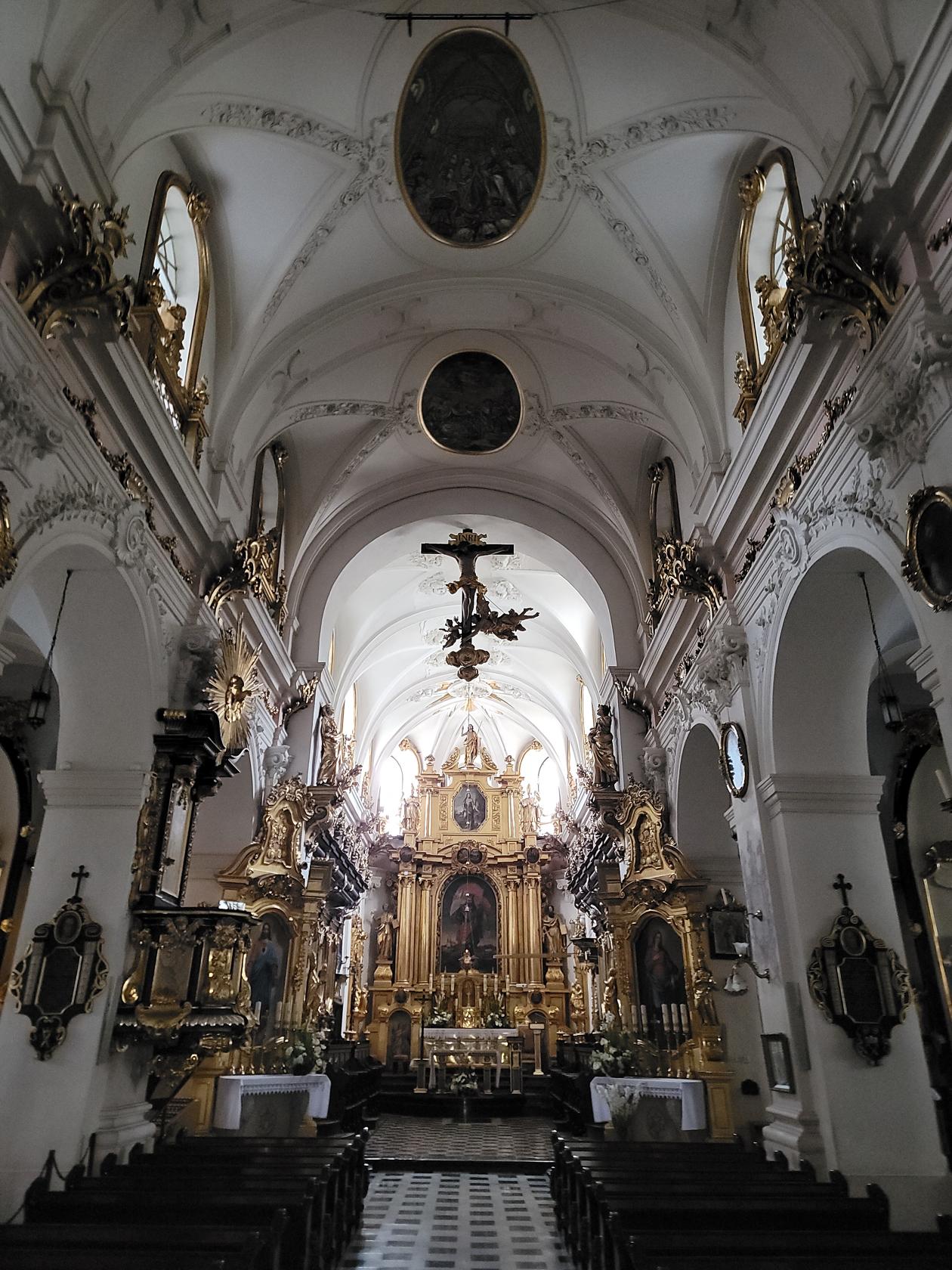
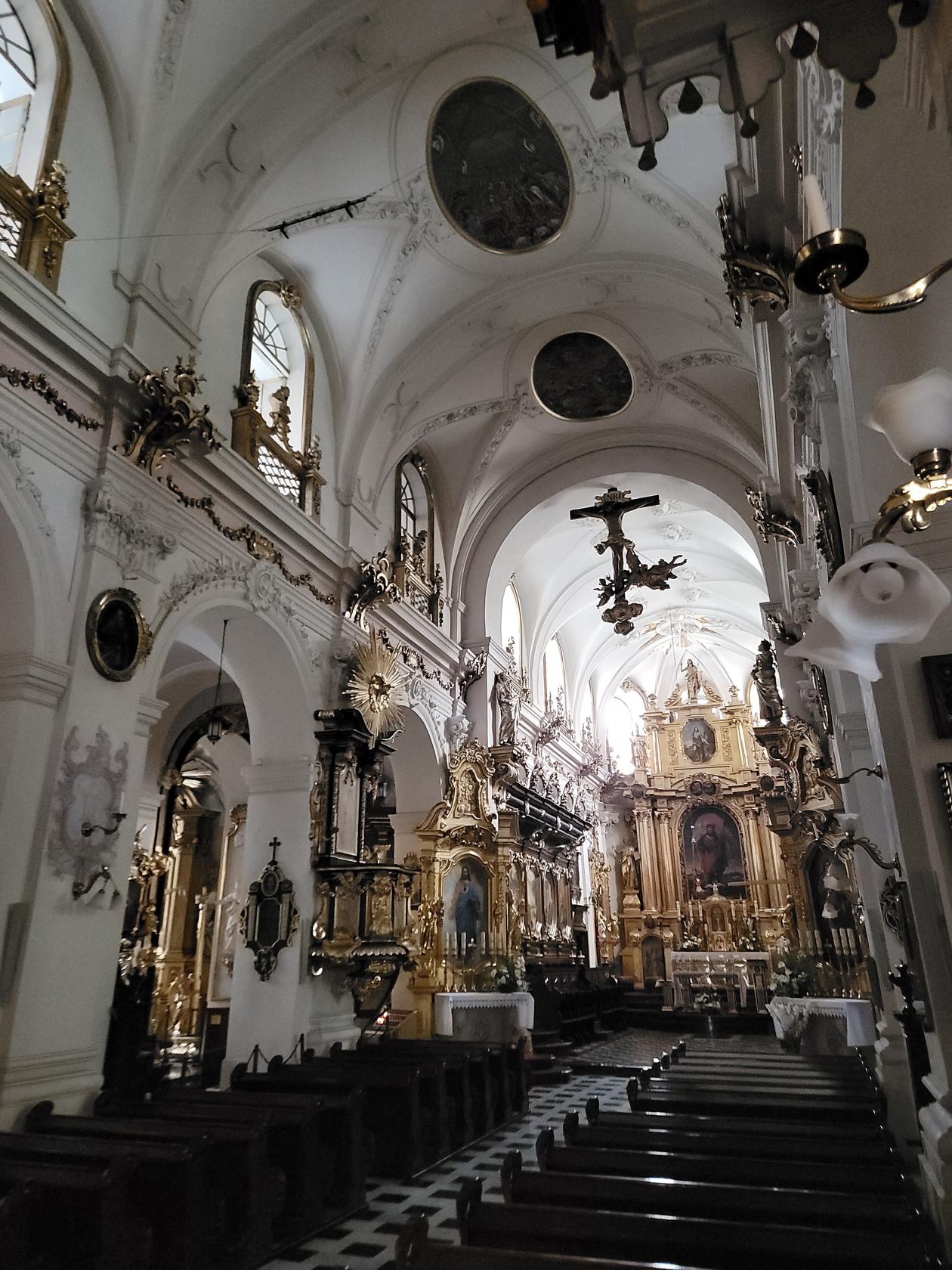
Located outside the old town through the Saint Florian’s Gate off of the Jana Matejki Plaza is the eponymous church. It has a beautiful interior and altar.
Entrance – Saint Florian’s Church – Kraków, Poland
Altar – Saint Florian’s Church – Kraków, Poland
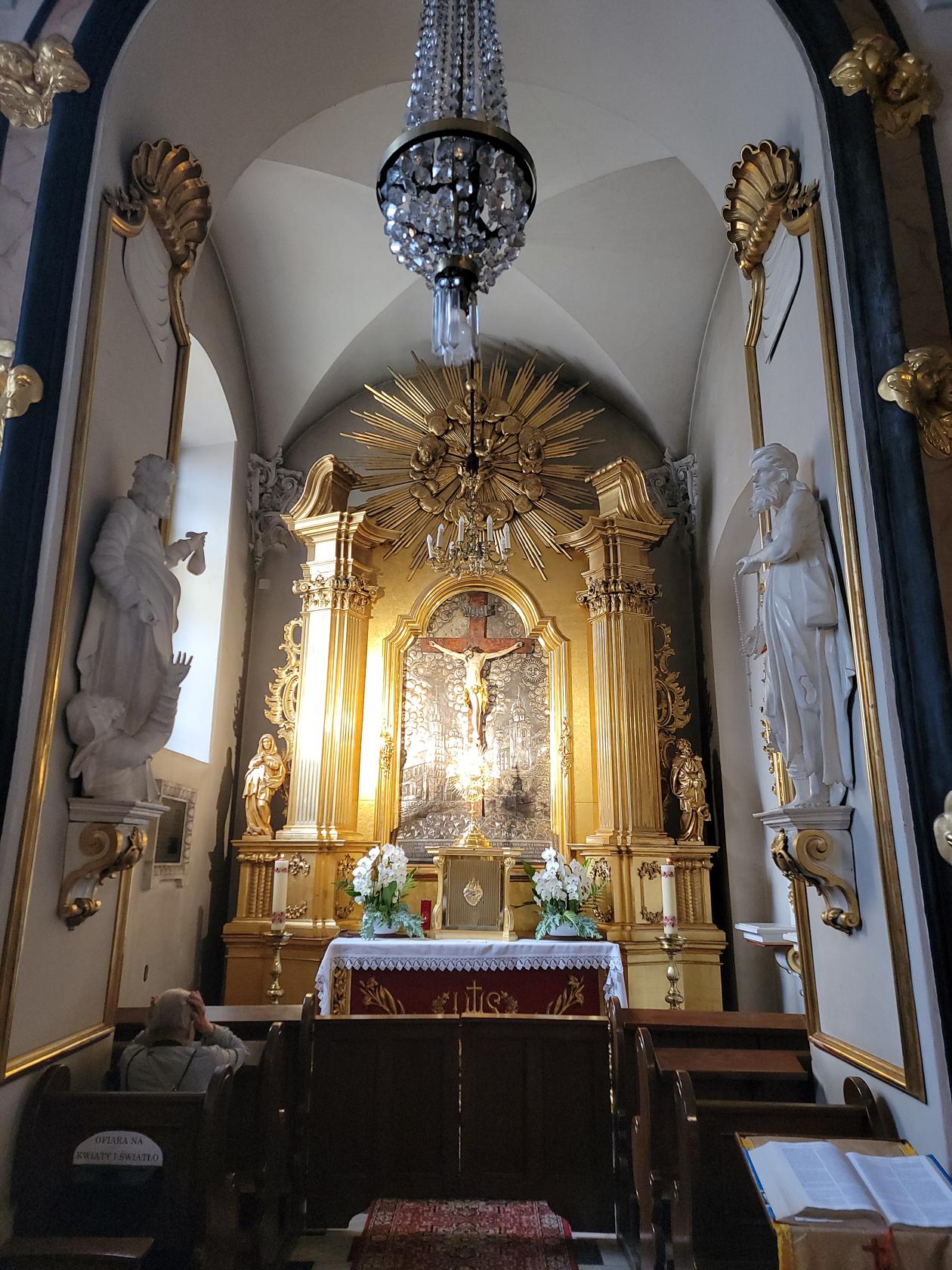
Side Altar – Saint Florian’s Church – Kraków, Poland
Aisle – Saint Florian’s Church – Kraków, Poland
Madonna Side Altar – Saint Florian’s Church – Kraków, Poland
Aisle – Saint Florian’s Church – Kraków, Poland
Mary – Saint Florian’s Church – Kraków, Poland
Nave – Saint Florian’s Church – Kraków, Poland
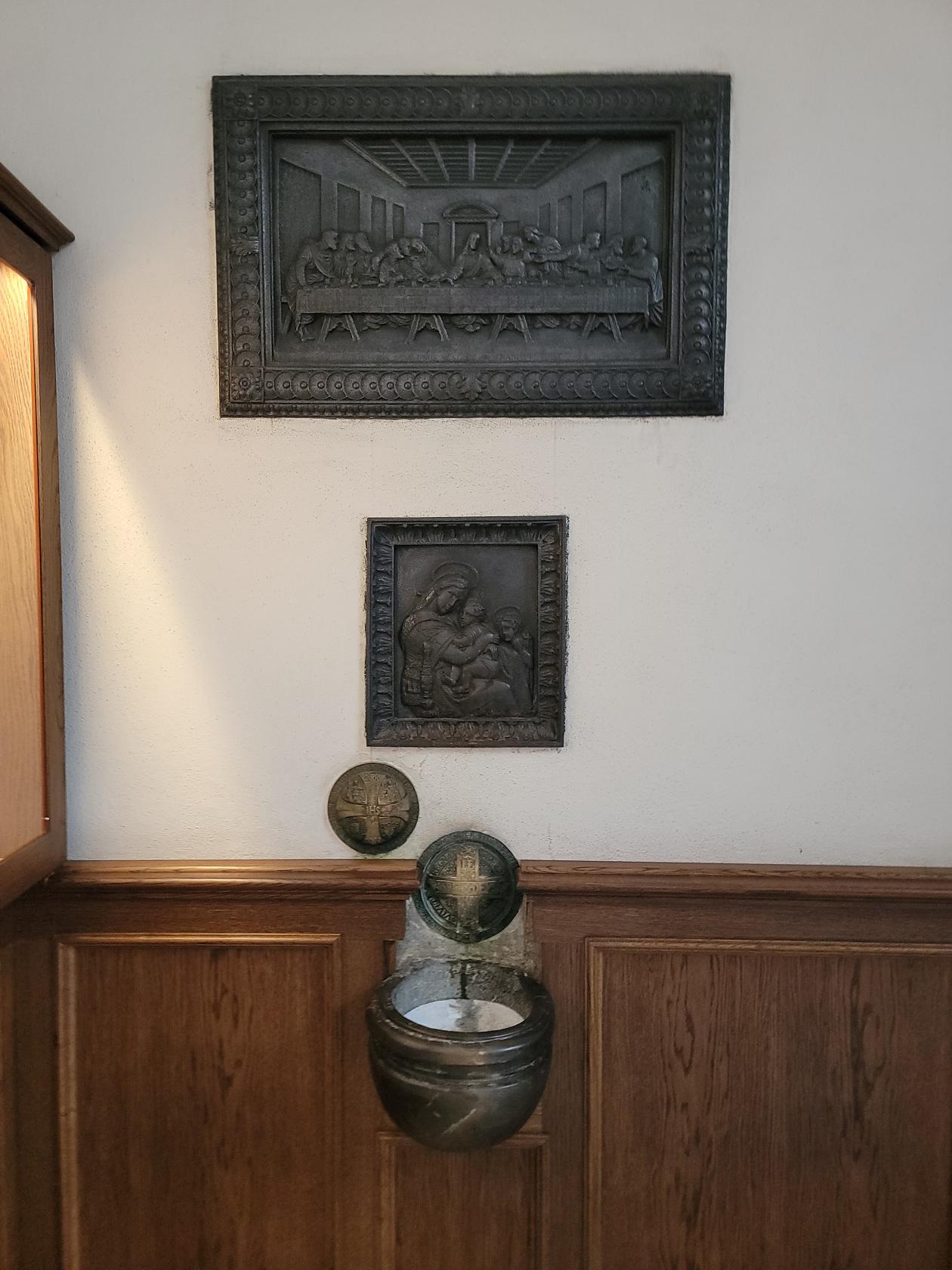
Last Supper – Saint Florian’s Church – Kraków, Poland
In the Lesser Polish Voivodeship of Poland and cradled by the Vistula River is the second largest city in Poland, Kraków[1]Pronounced Krakoff.. A vibrant, clean and beautiful city, it currently hides its success as a tourist attraction very well.
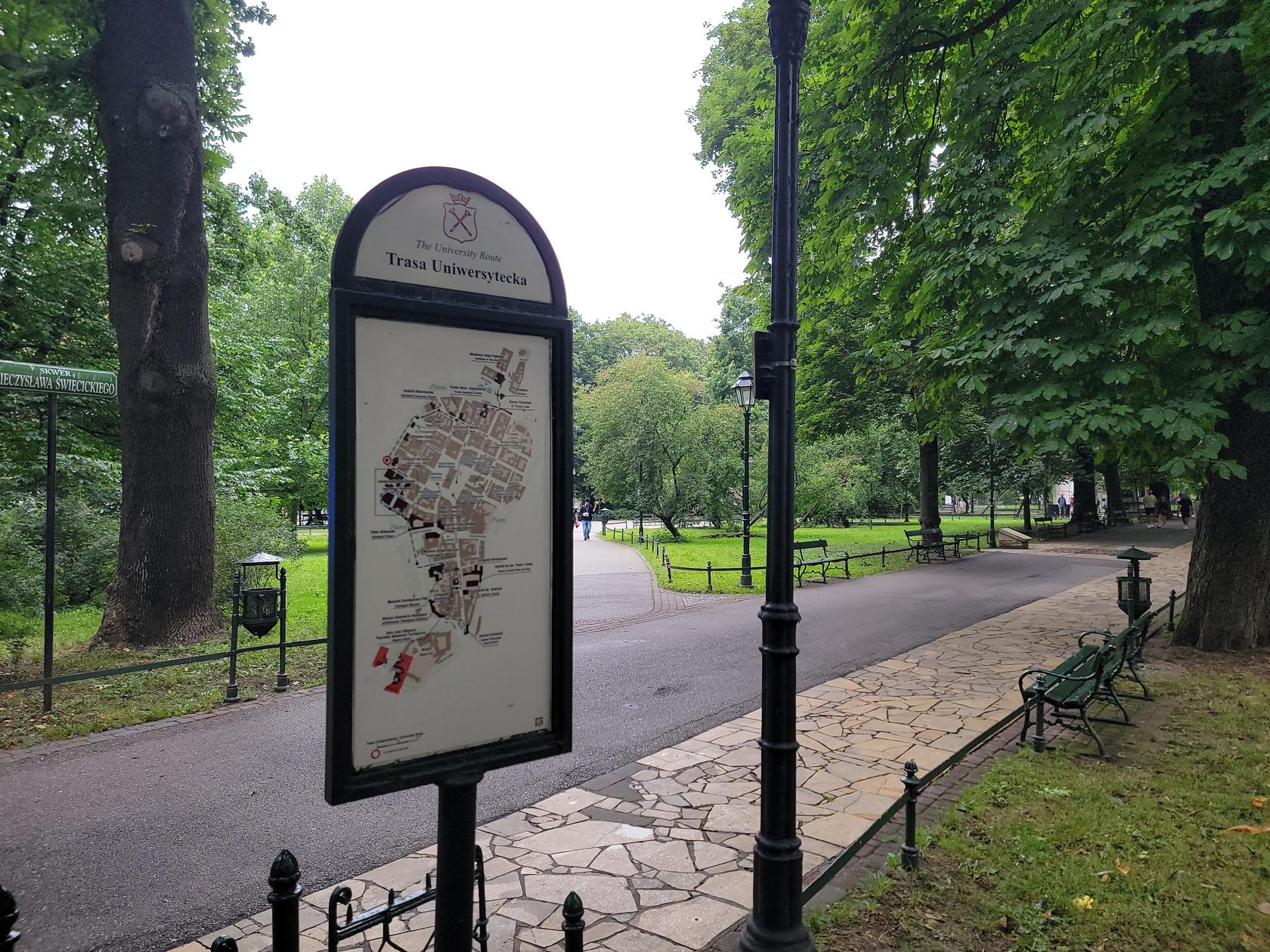
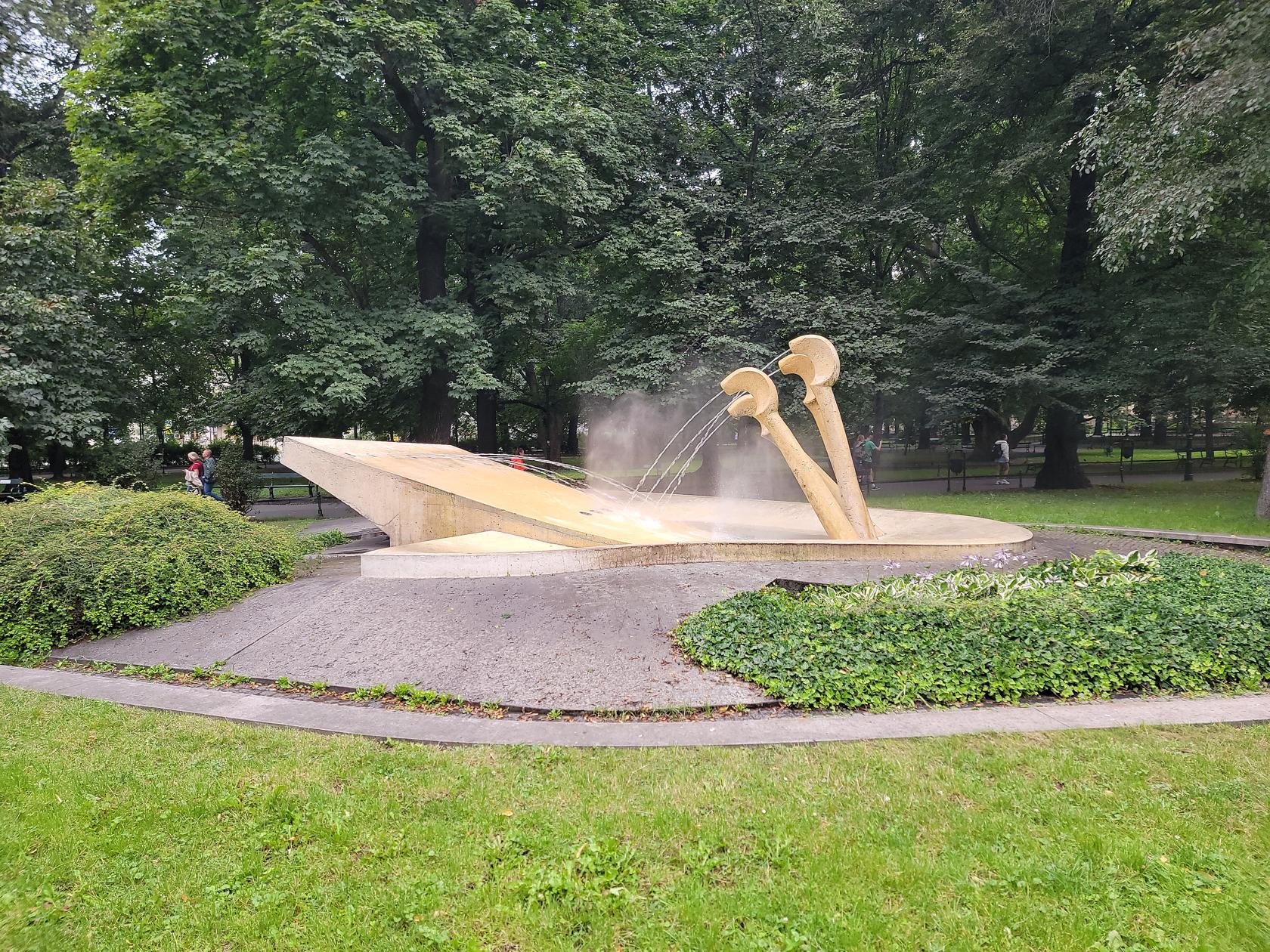
University Route – Park – Kraków, Poland
Frederic Chopin Piano Monument – Kraków, Poland
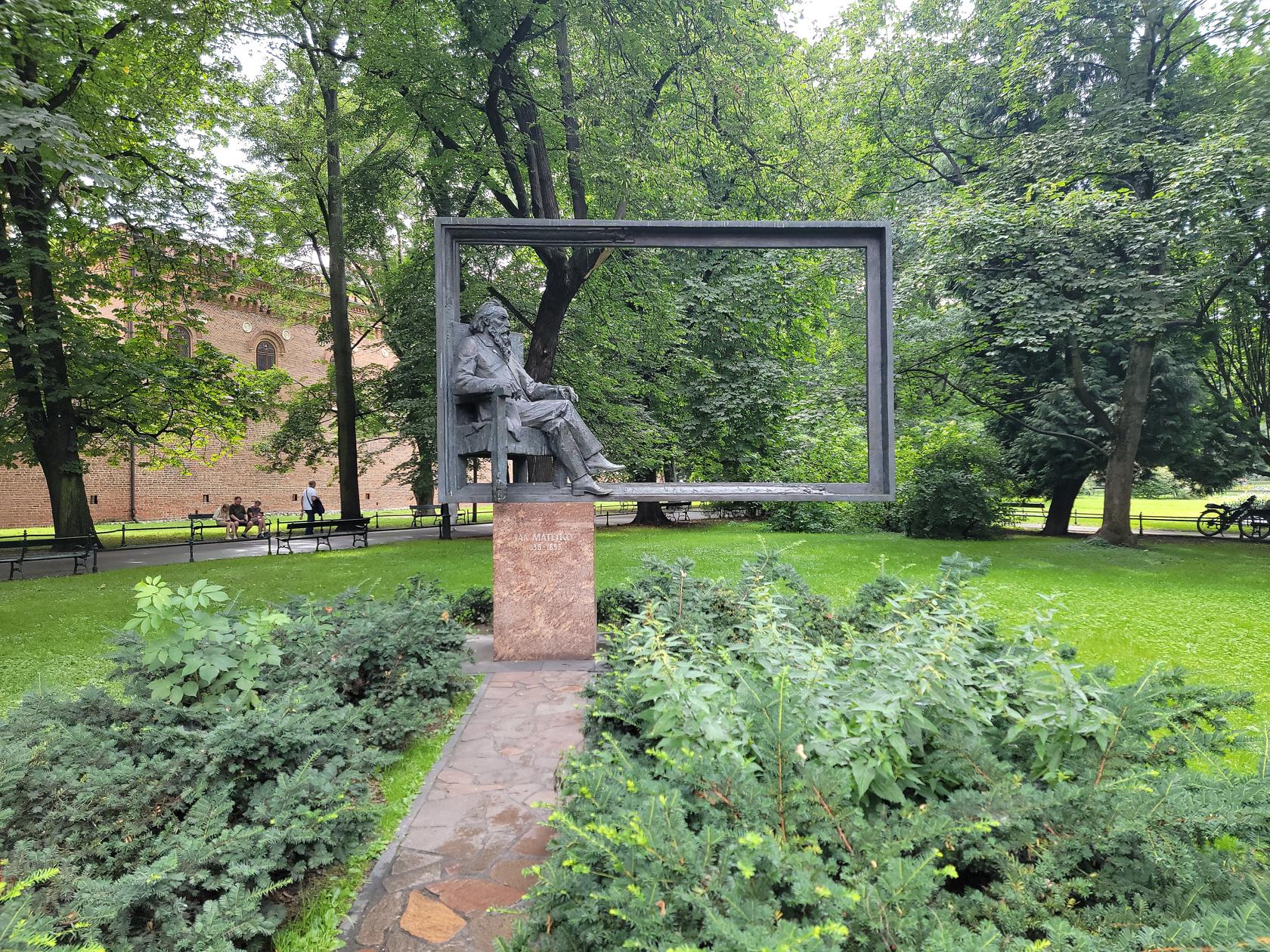
The Statue of Jan Matejko – Kraków, Poland
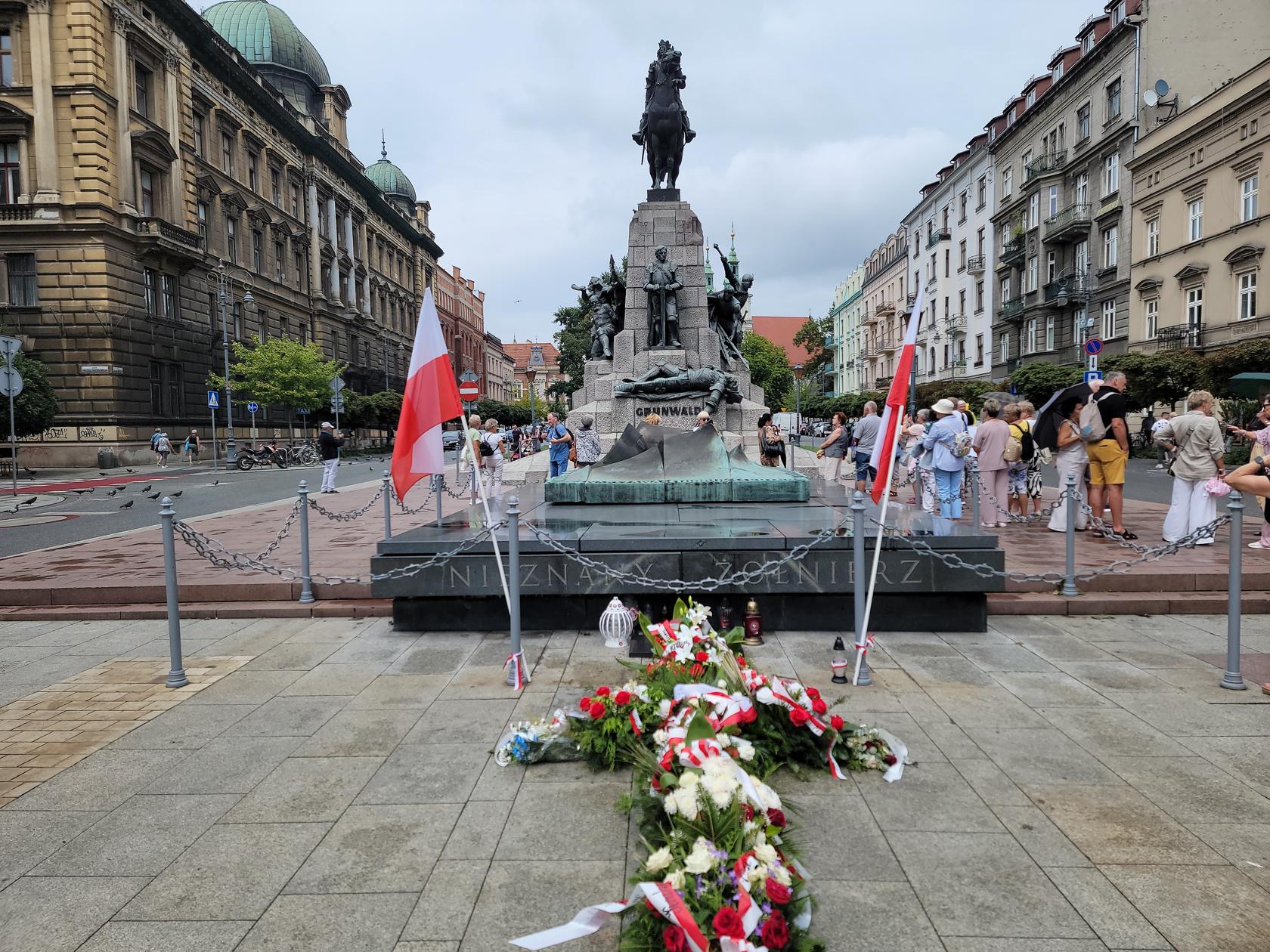
Grunwald Monument – Kraków, Poland
Kraków
One of the oldest towns in Poland, Kraków’s founding goes way back to the eight century. The town was walled during the middle-ages, however most of the wall has not survived modern times.
Bronze Depiction – Barbican Museum and Florian Gate and Town Wall – Kraków, Poland
Bronze Depiction – Barbican Museum and Florian Gate and Town Wall – Kraków, Poland
Gate Entrance – Barbican Museum – Kraków, Poland
Barbican Museum – Kraków, Poland
There are only a small sections of it still left by the Florian Gate and other less noticeable fragments here and there, as well as monuments to the old towers that once blessed the eastern path of the park that circles the city.
Florian’s Gate – Florianska Street – Kraków, Poland
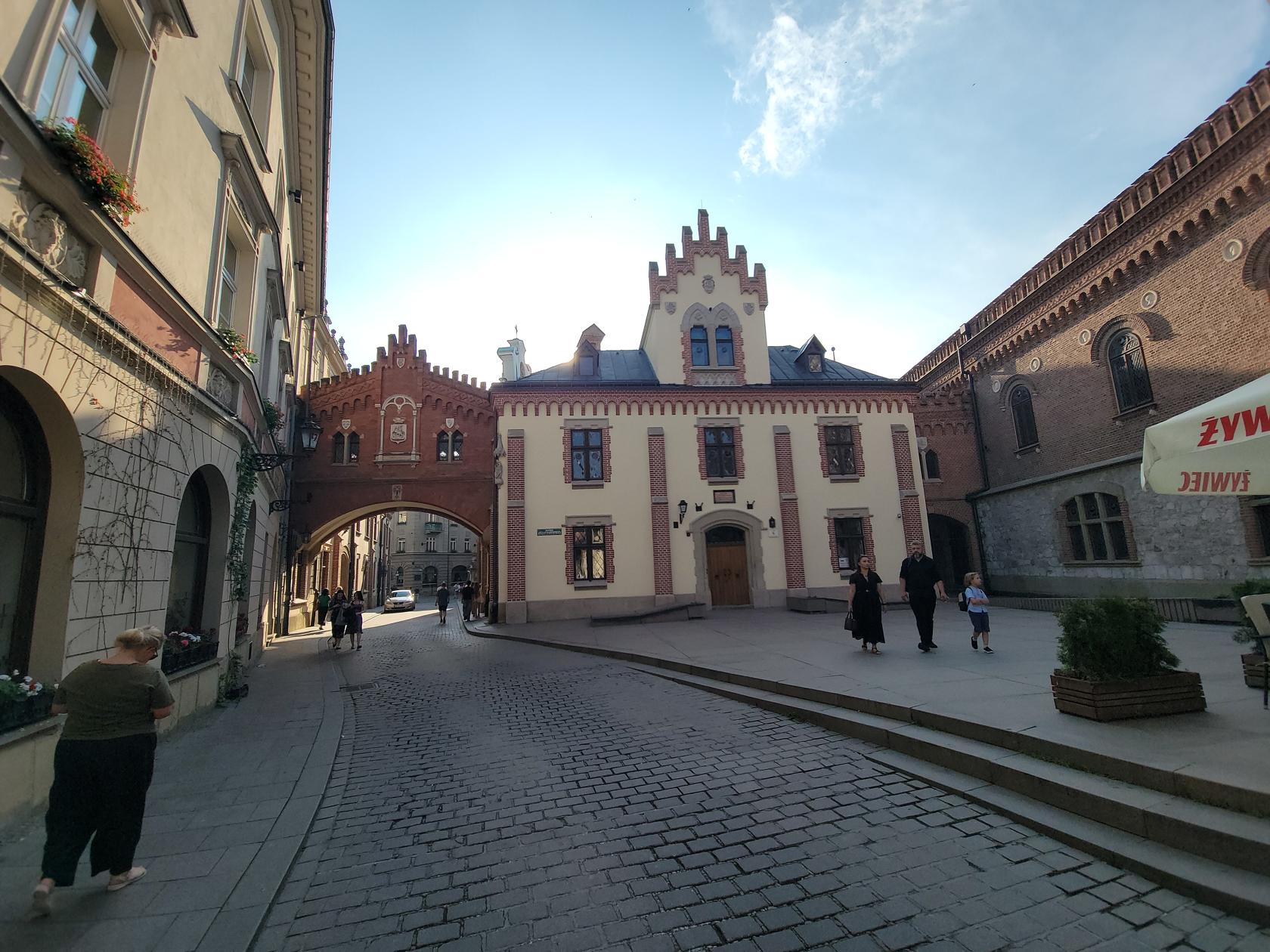
Most of the old town’s streets accommodate the throngs of tourists that visit each day. In particular, they hide walking the park that circles the city like a lazy dragon.
Arsenal Museum – Pijarska Street – Kraków, Poland
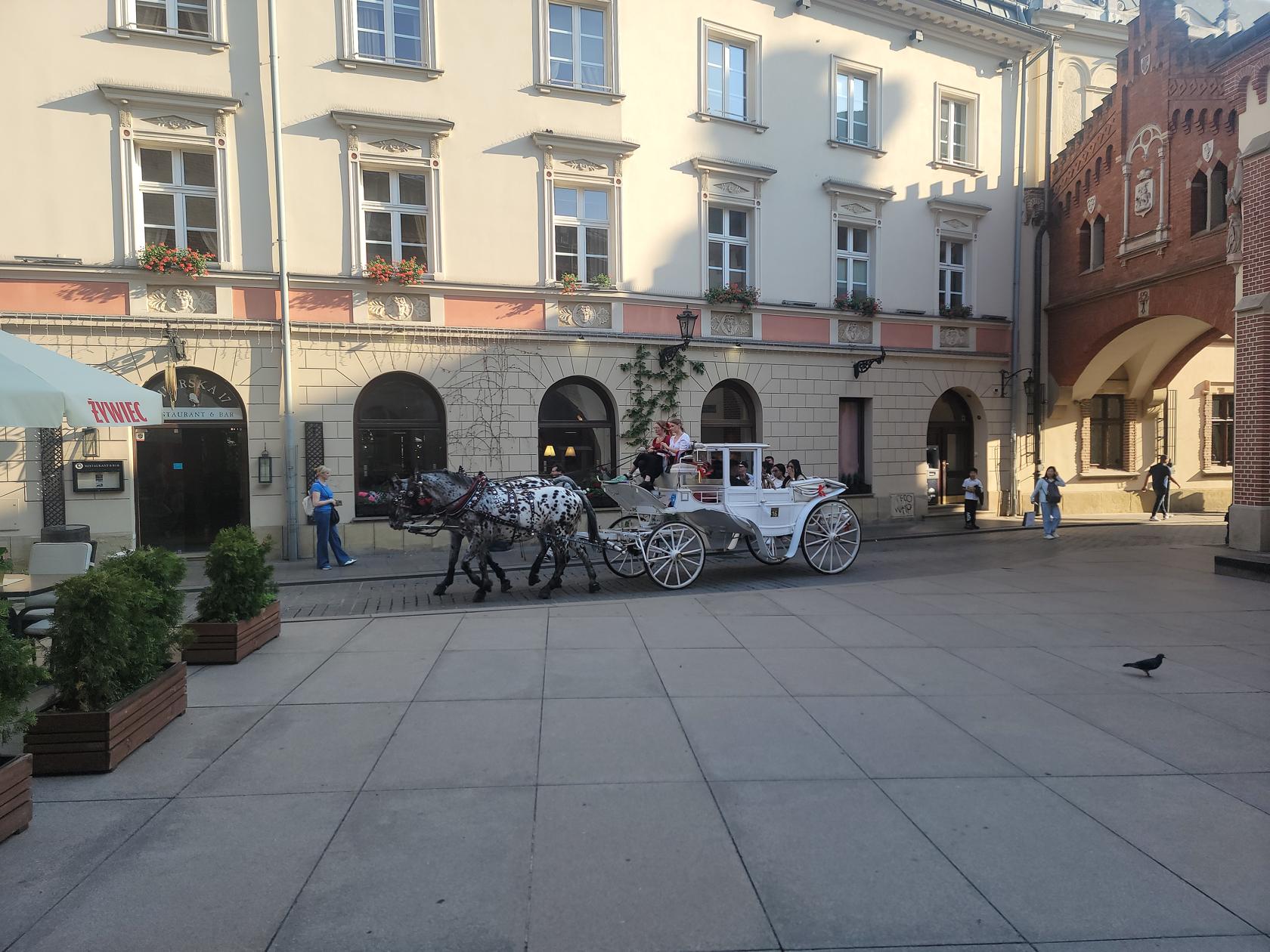
Carriage Rides – Pijarska Street – Kraków, Poland
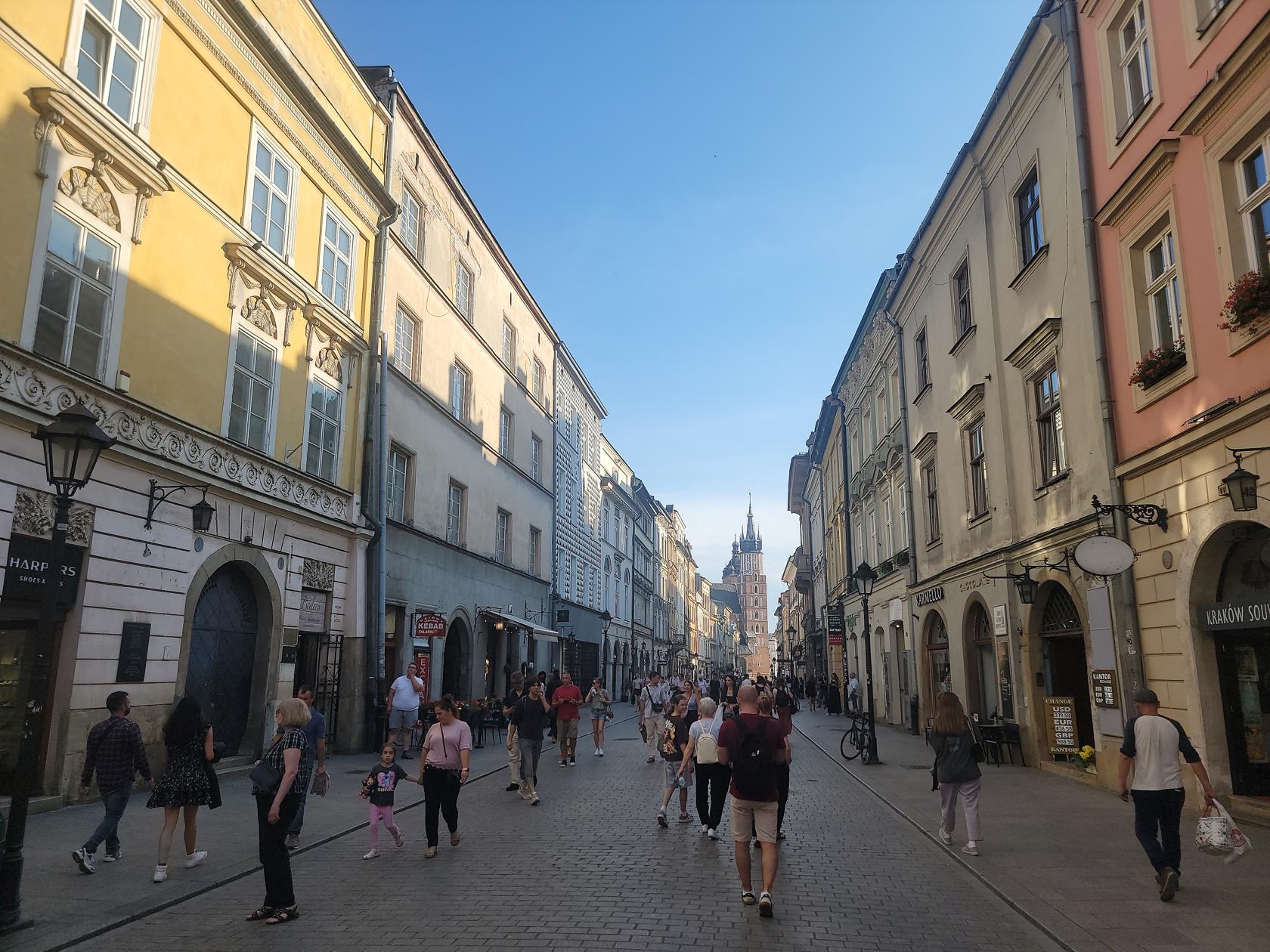
Saint Mary’s Basilica in distance – Pijarska Street – Kraków, Poland
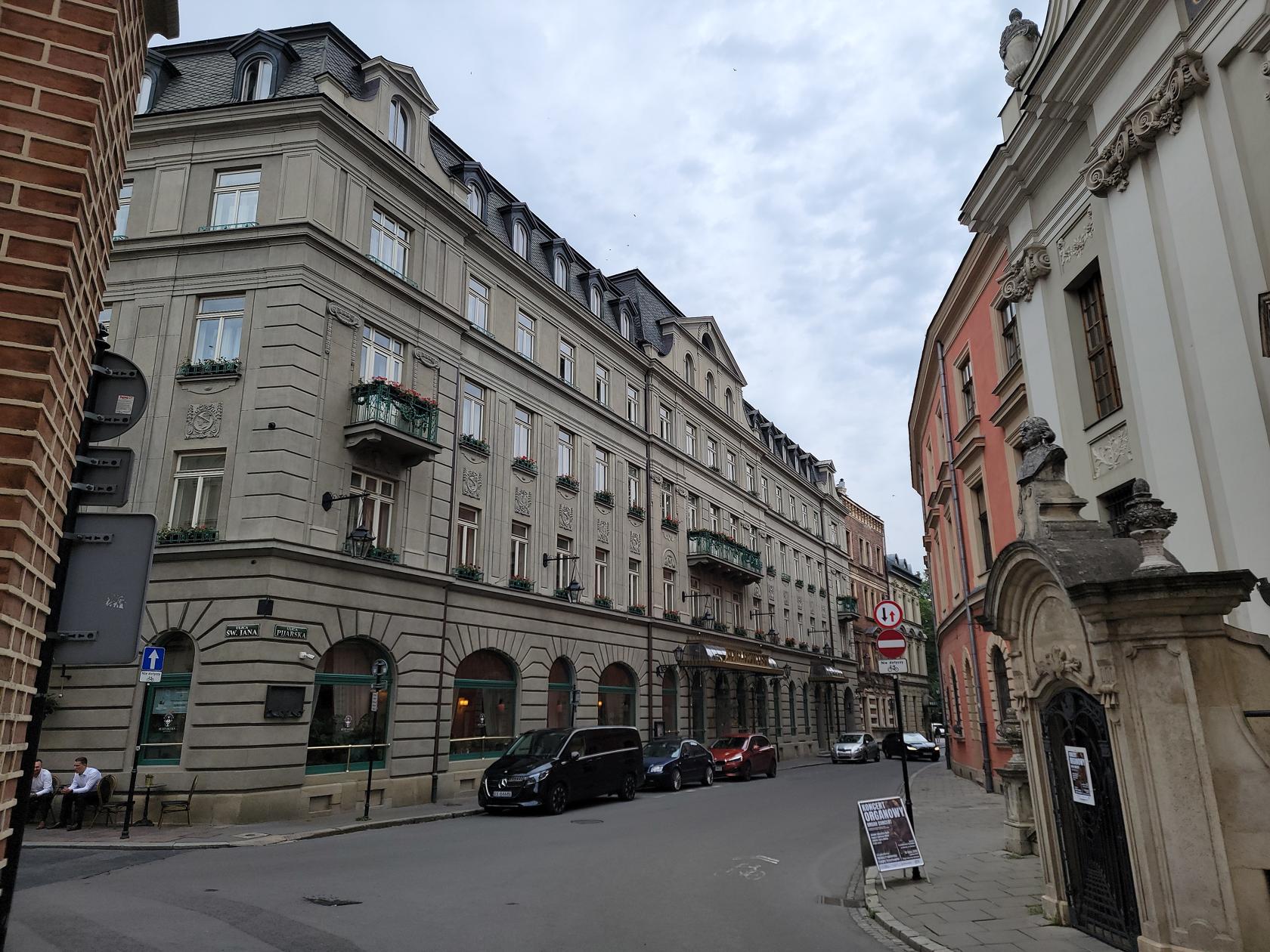
Świętego Jana Street – Kraków, Poland
Pijarska Street – Kraków, Poland
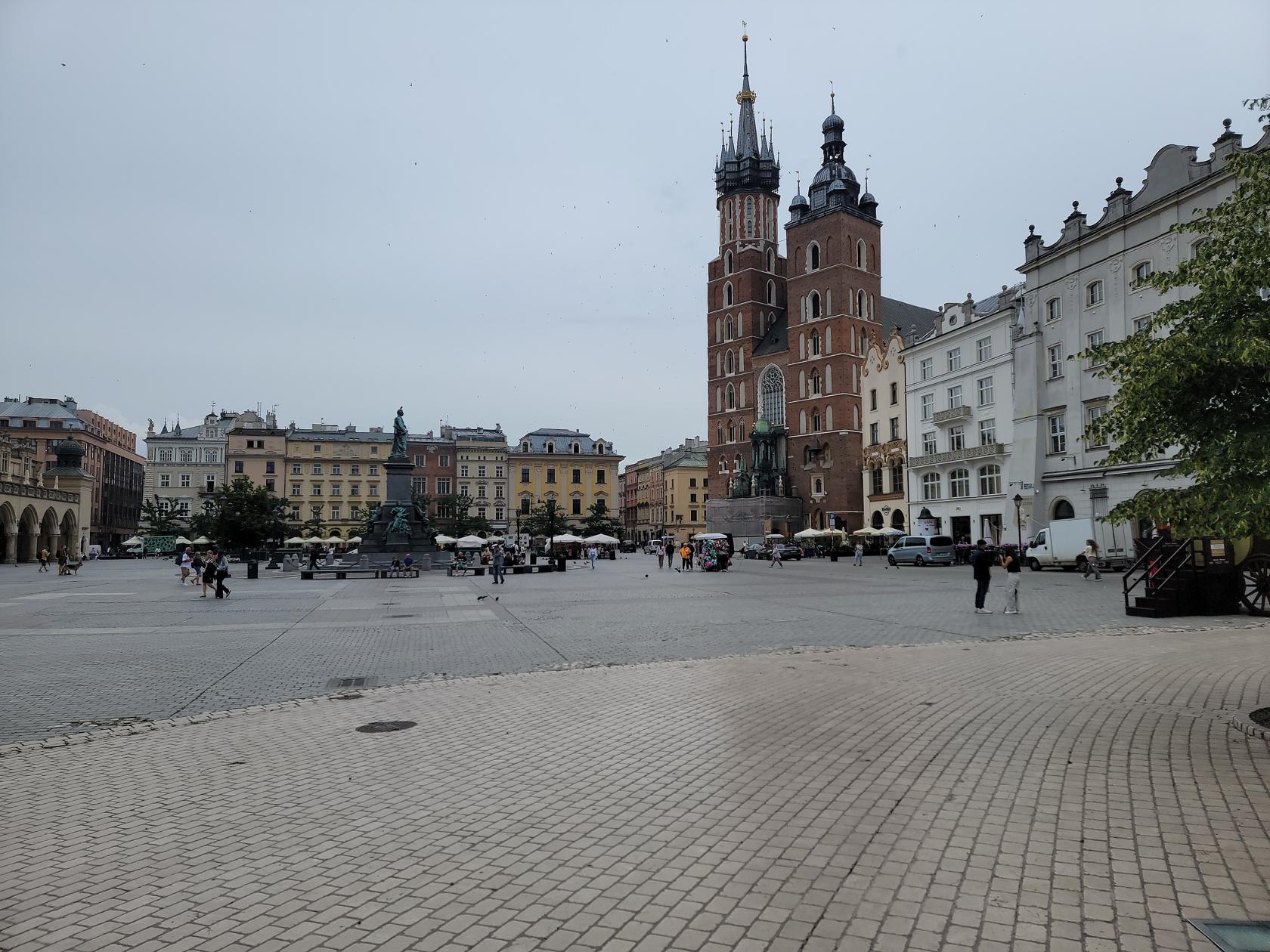
Rynek Główny Main Plaza – Kraków, Poland
Getting There
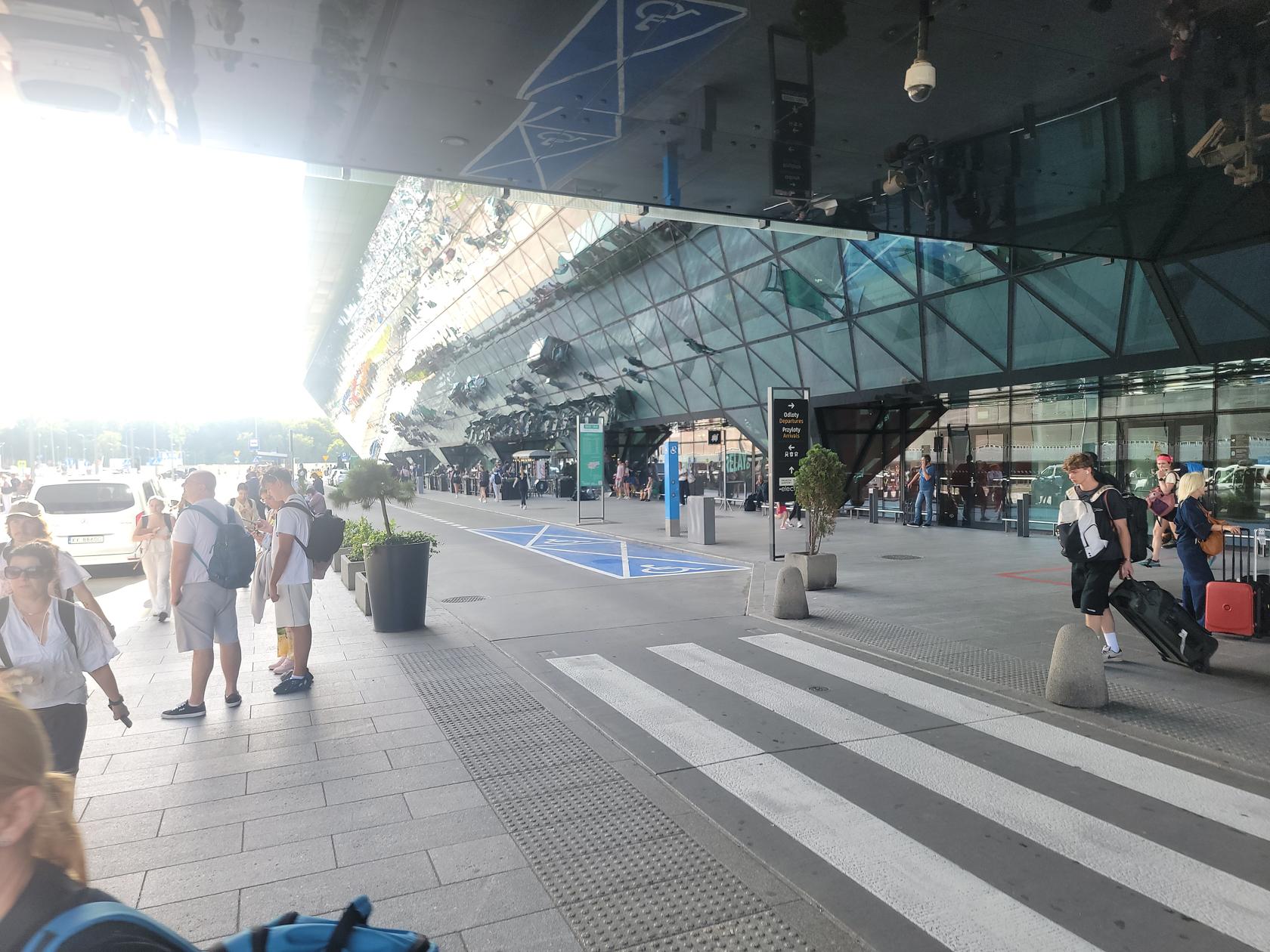
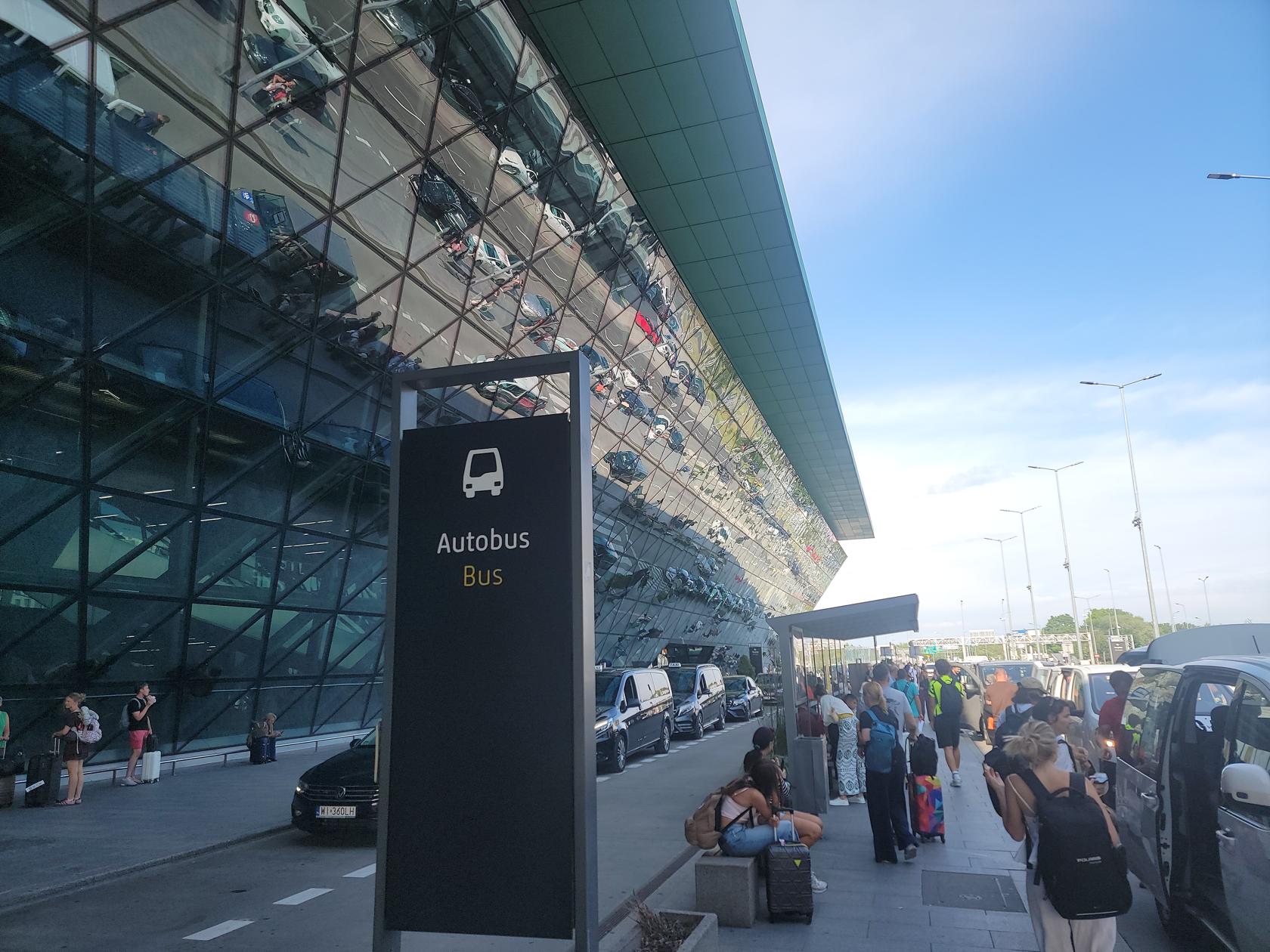
Our visit here was inspired by previous visits I had had traveling for business in the past. Luckily, our airport in Turin had a direct flight with RyanAir to Kraków. There are train connections to the city, but surely most people drive from the surrounding area and even rent a car at the airport to get here.
Kraków Airport – Kraków, Poland
Kraków Airport – Kraków, Poland
Hotels
Hotel Polski Pod Bialym Orlem
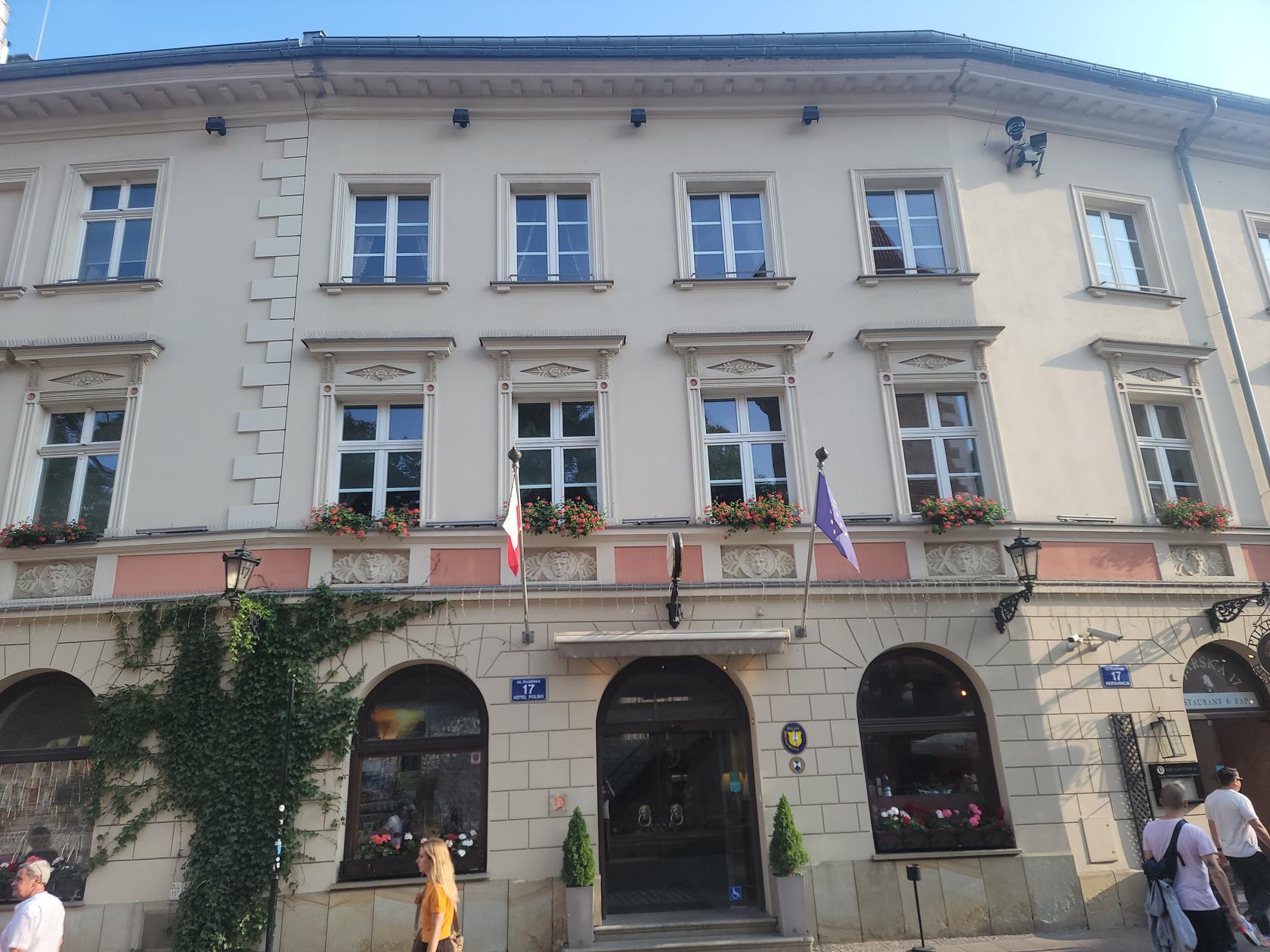
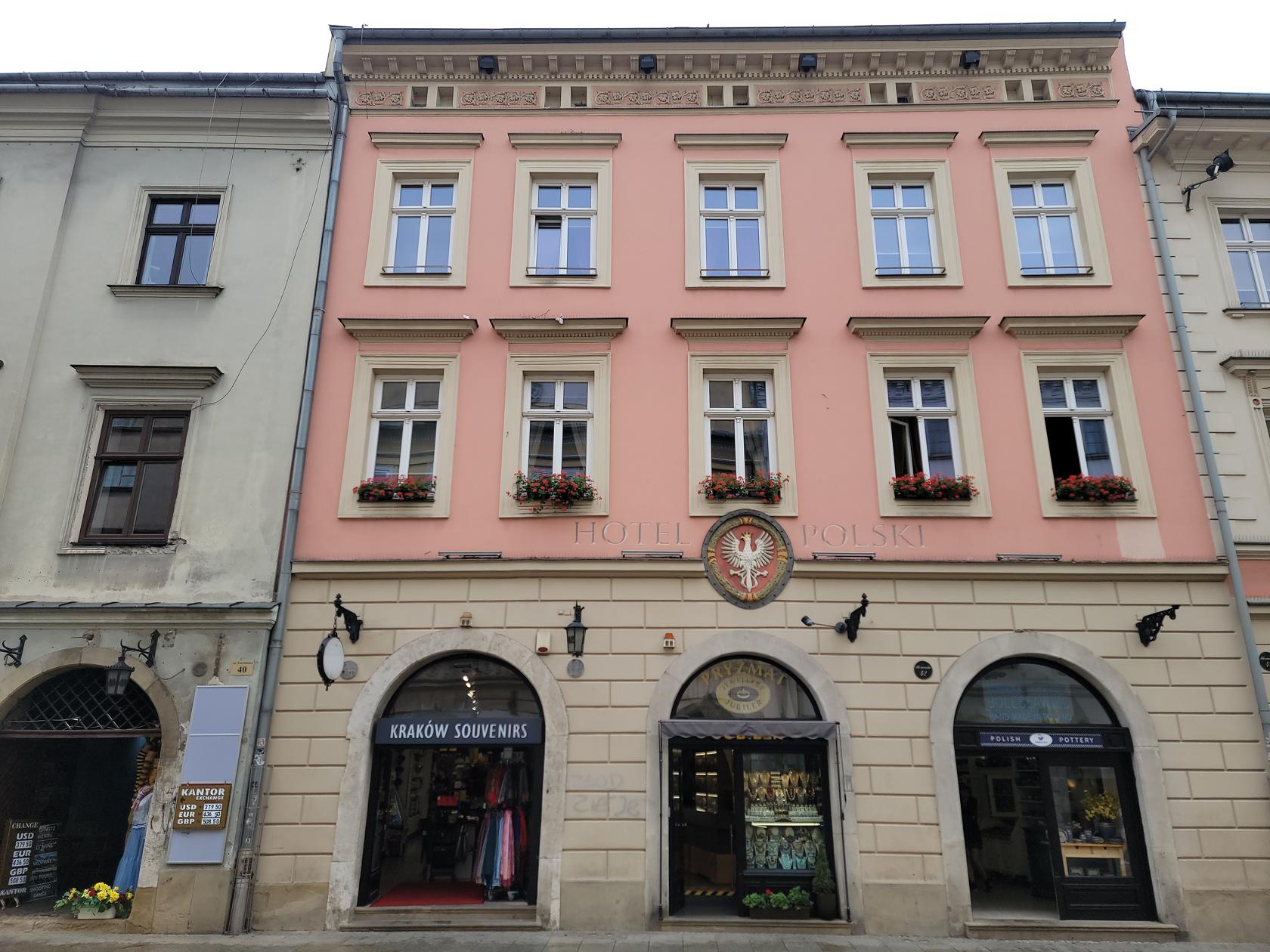
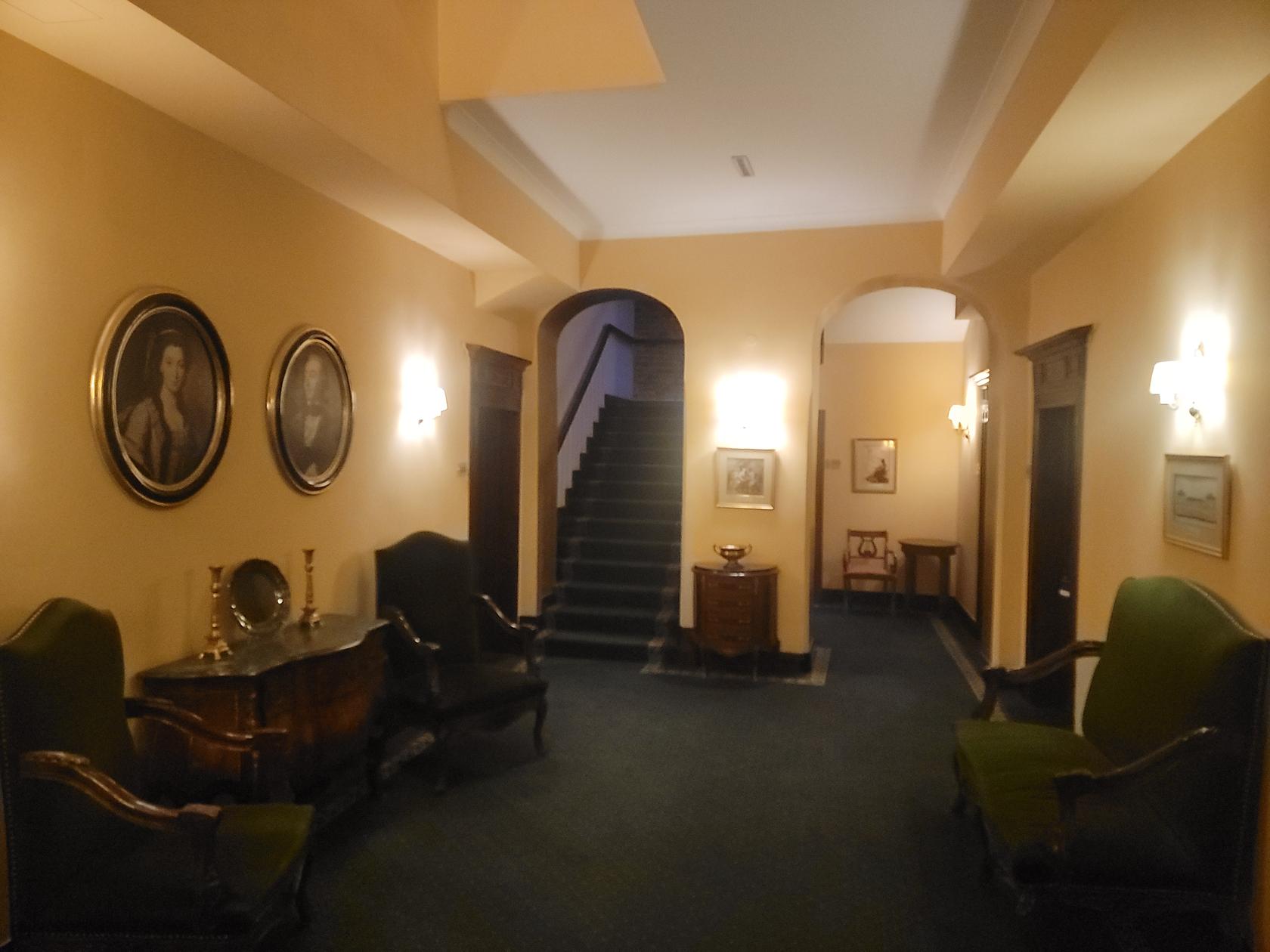
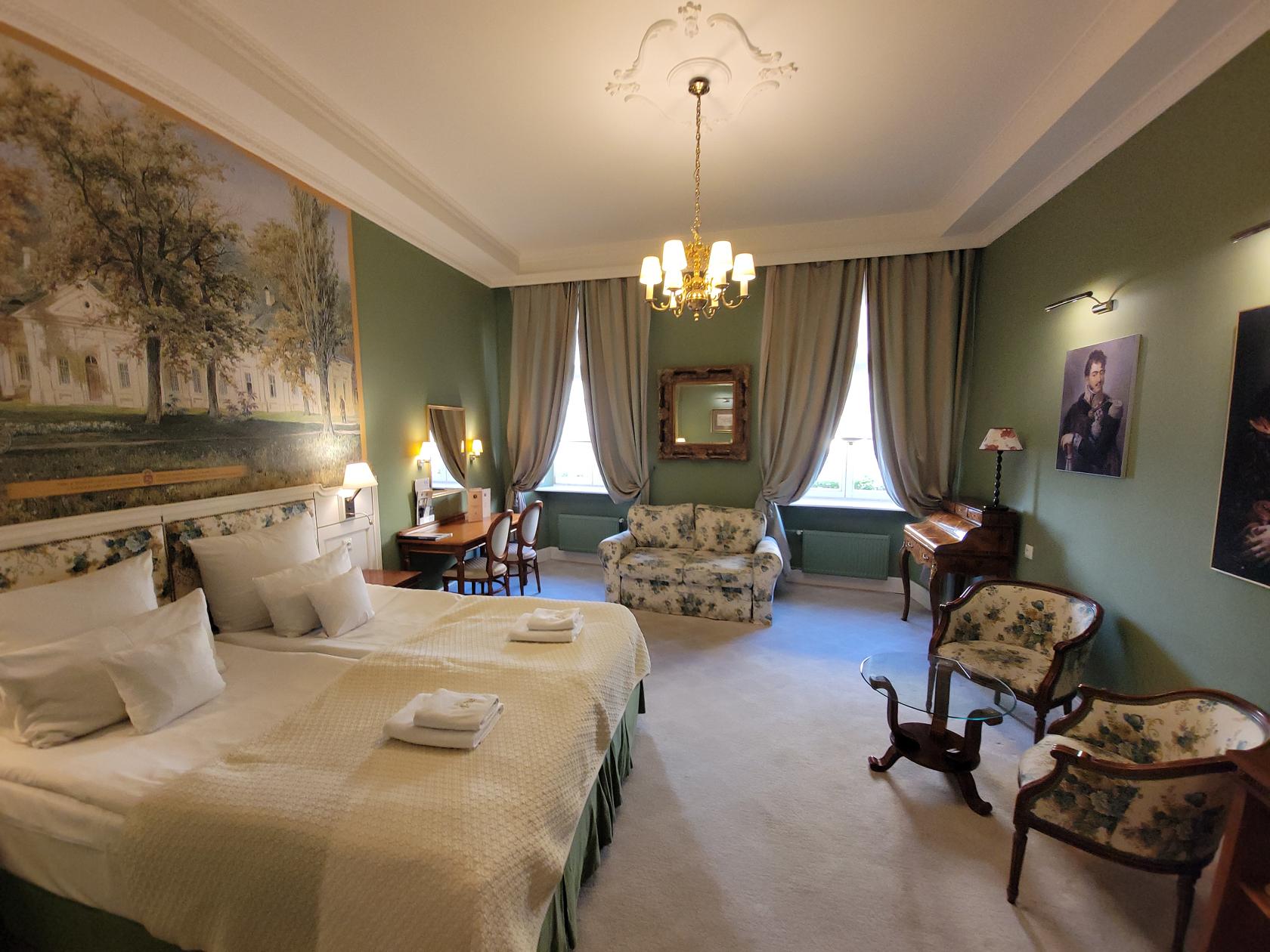
The hotel we stayed at was the Polski pod Bialym Orlem on Pijarska street, which was right next to the Florian Gate. A very nice five-star hotel that had excellent service and was very comfortable.
Entrance – Hotel Polski pod Bialym Orlem – Kraków, Poland
Street View – Hotel Polski pod Bialym Orlem – Kraków, Poland
Inside – Hotel Polski pod Bialym Orlem – Kraków, Poland
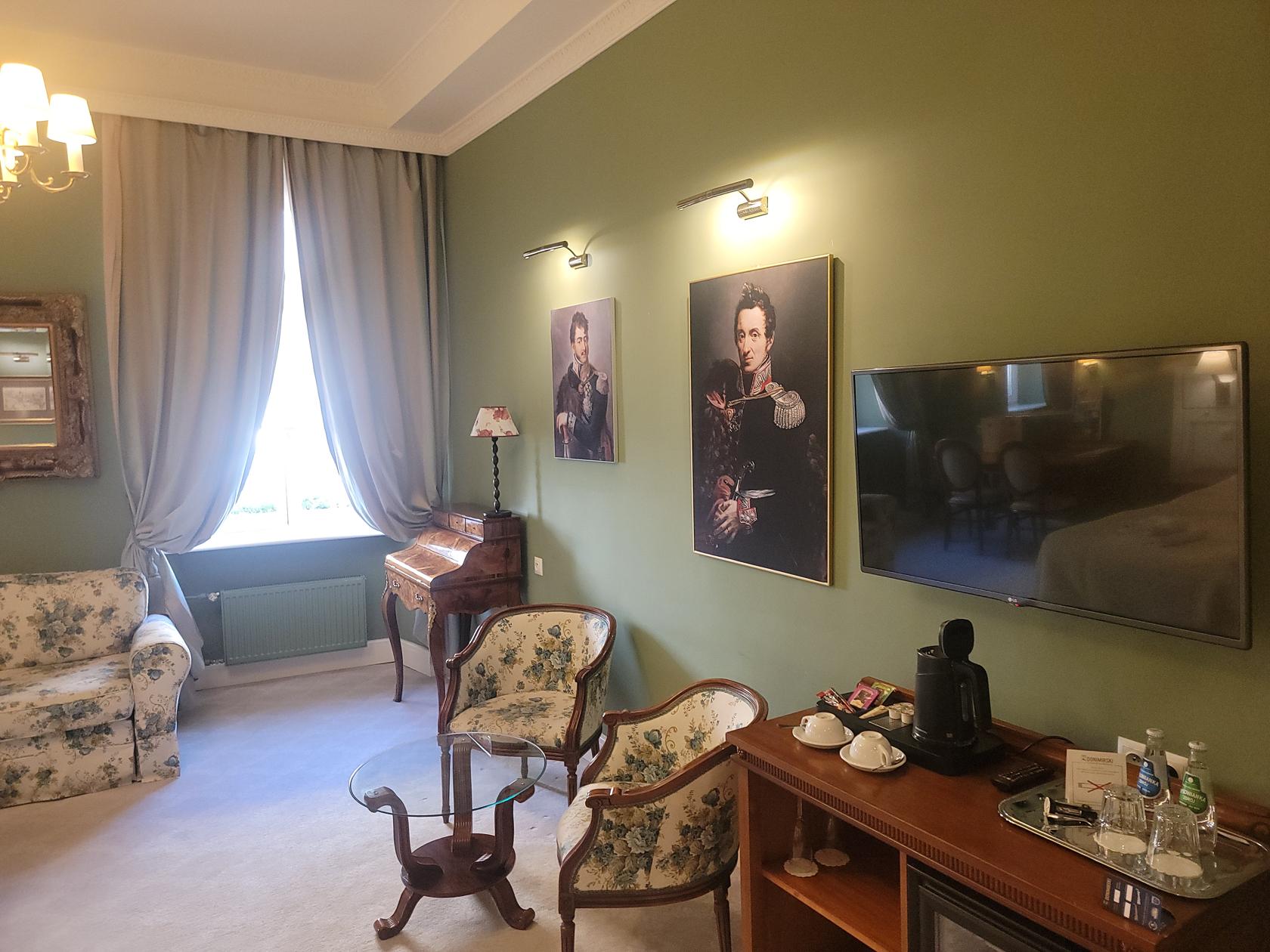
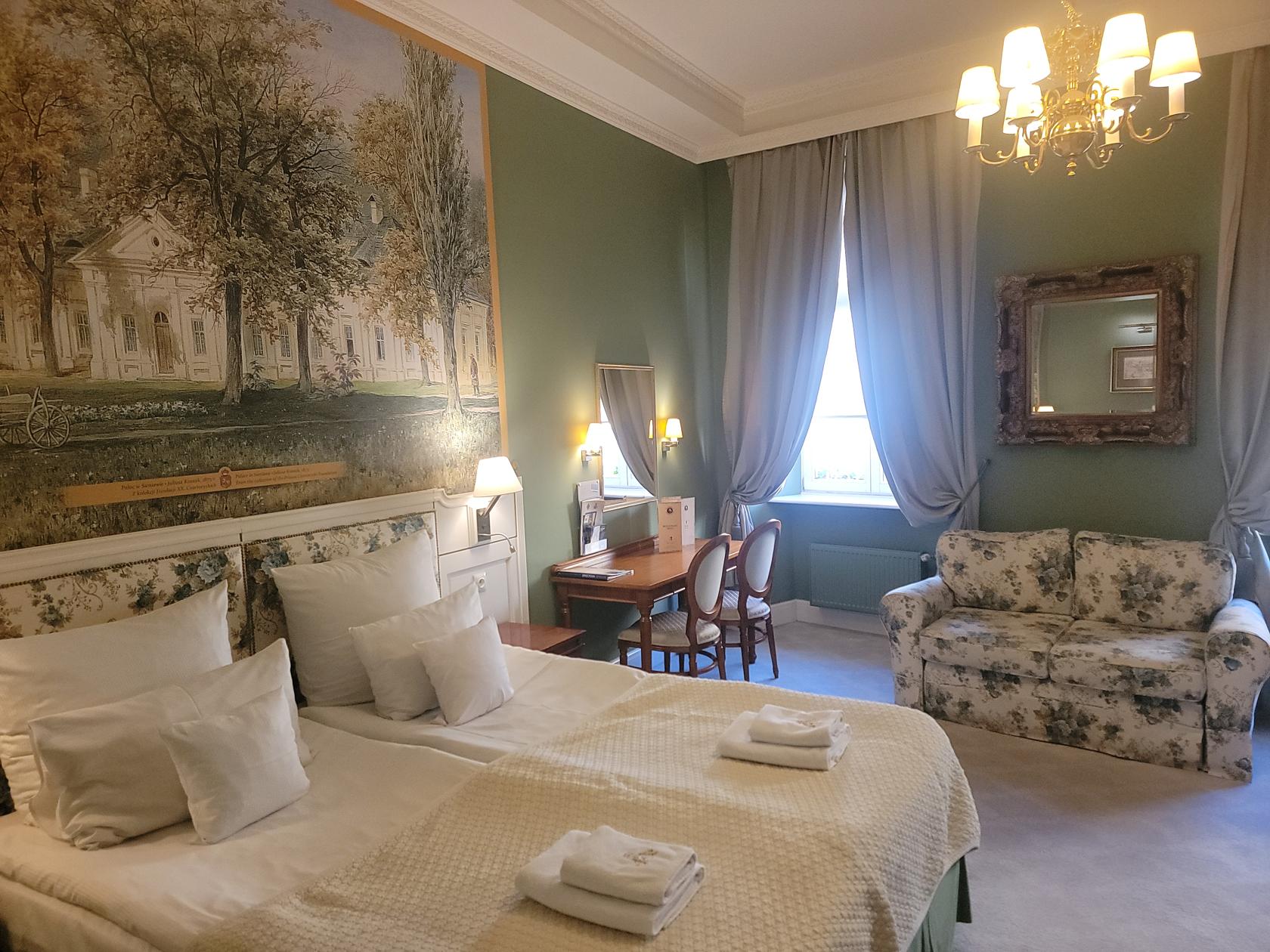
Our Suite – Hotel Polski pod Bialym Orlem – Kraków, Poland
Our Suite – Hotel Polski pod Bialym Orlem – Kraków, Poland
Our Suite – Hotel Polski pod Bialym Orlem – Kraków, Poland
Rynek Główny
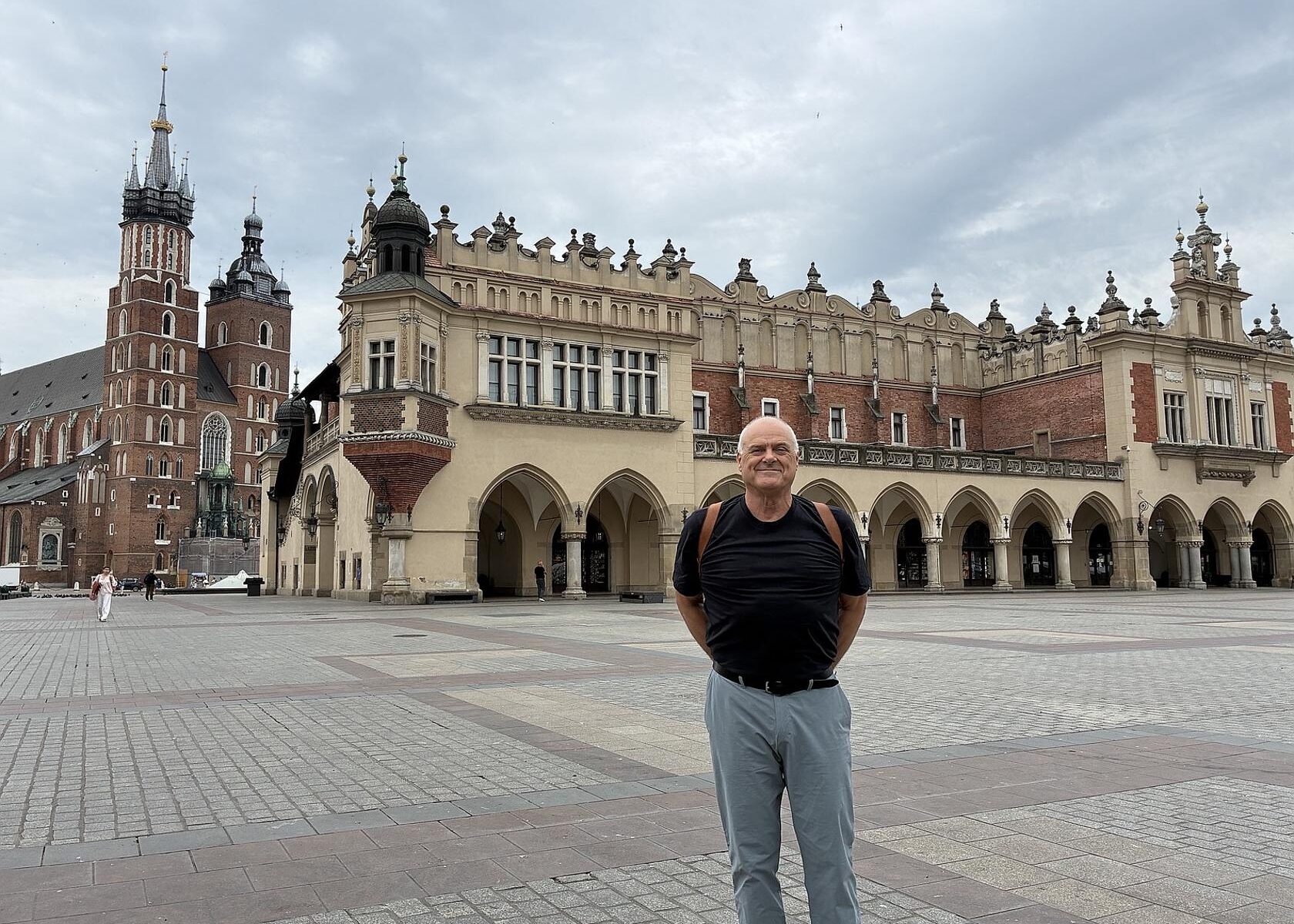
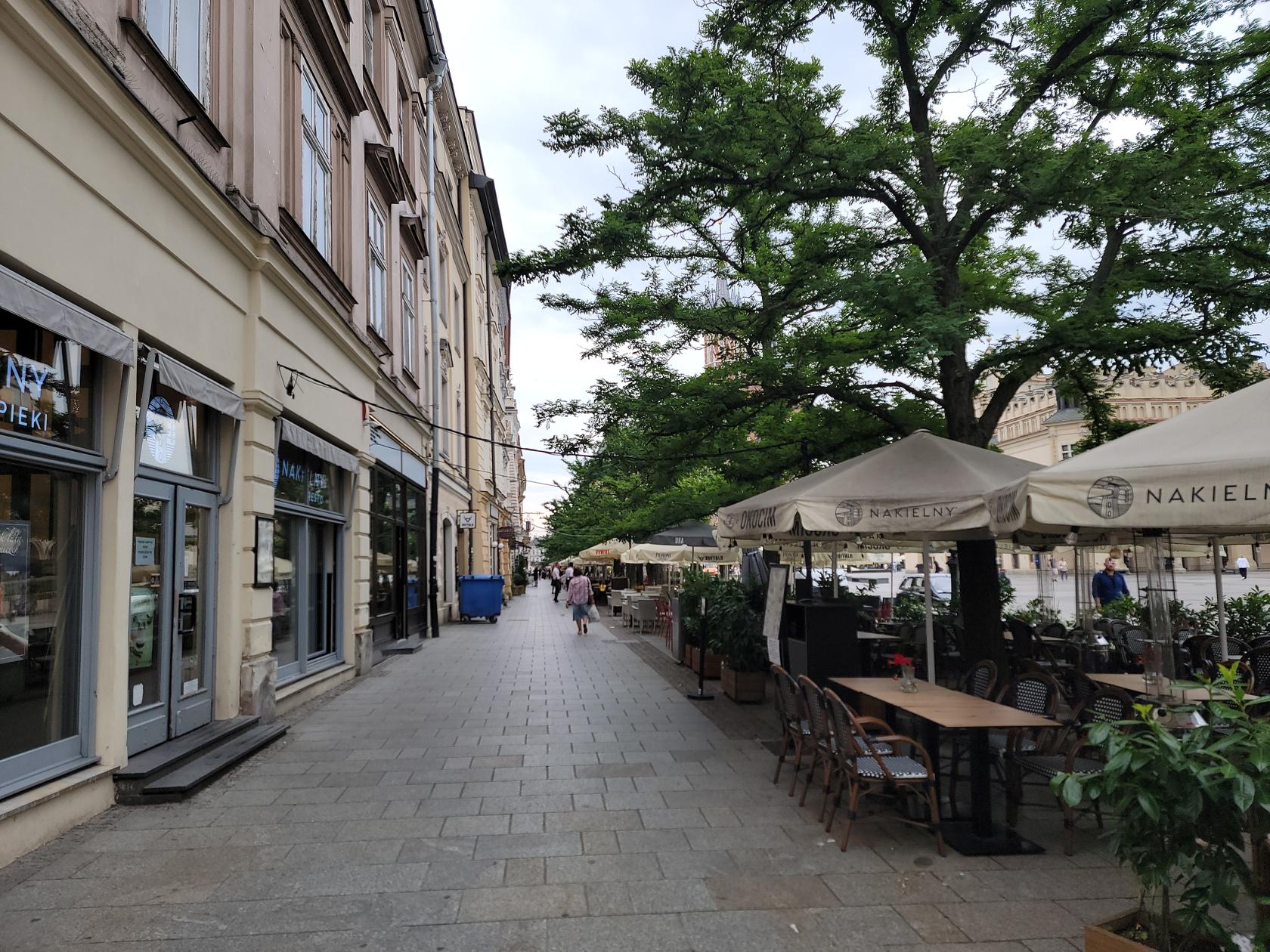
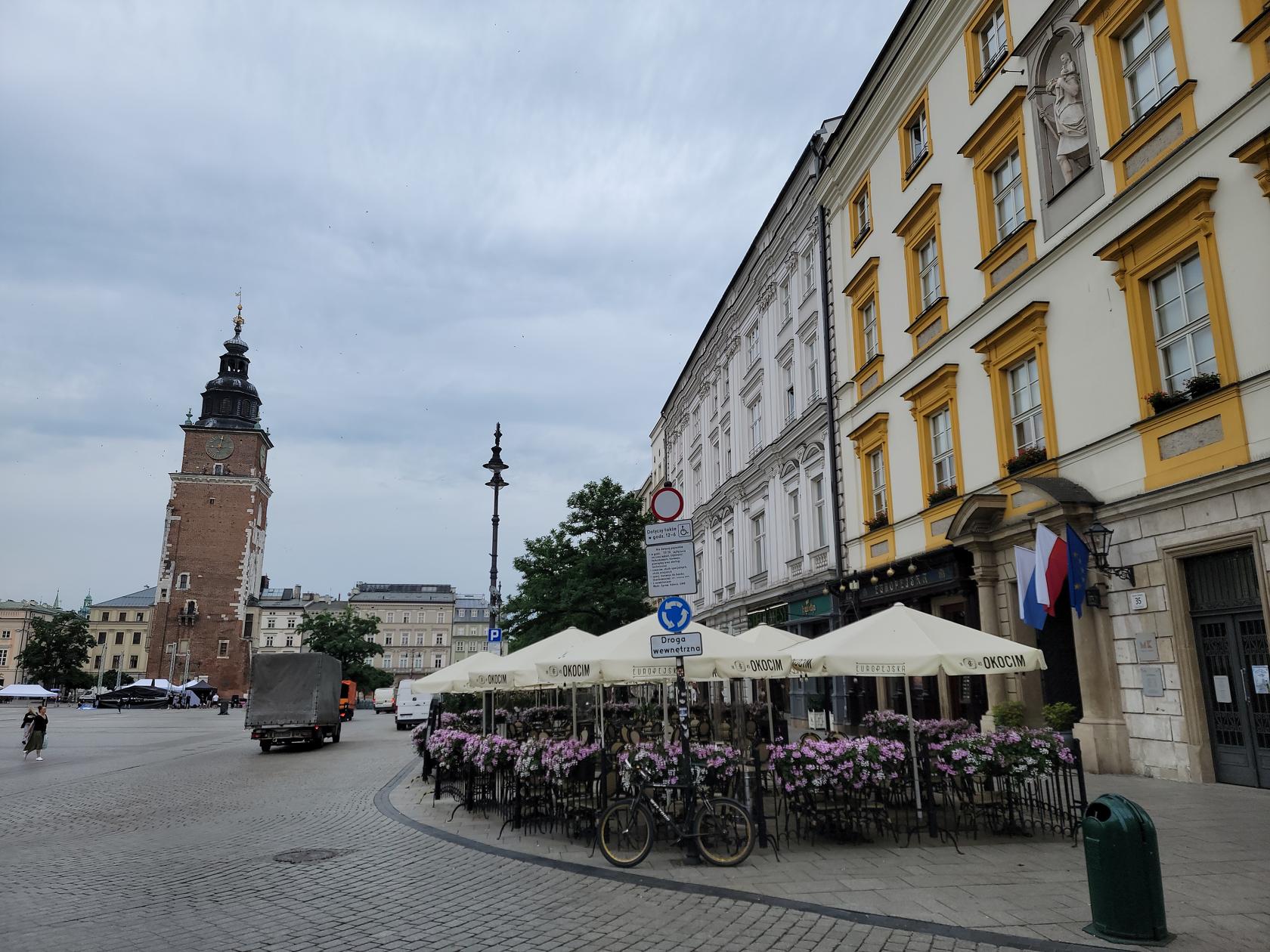
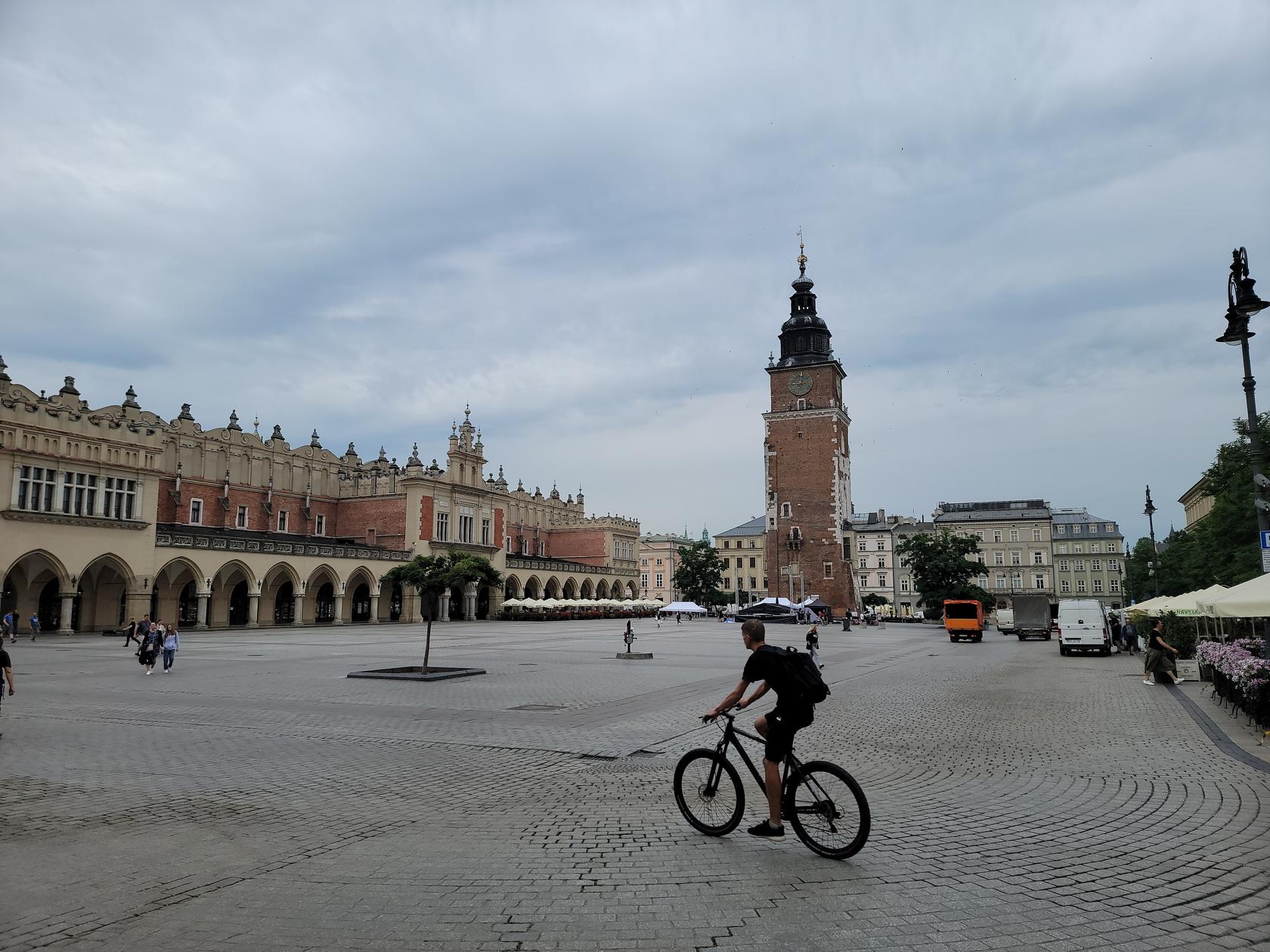
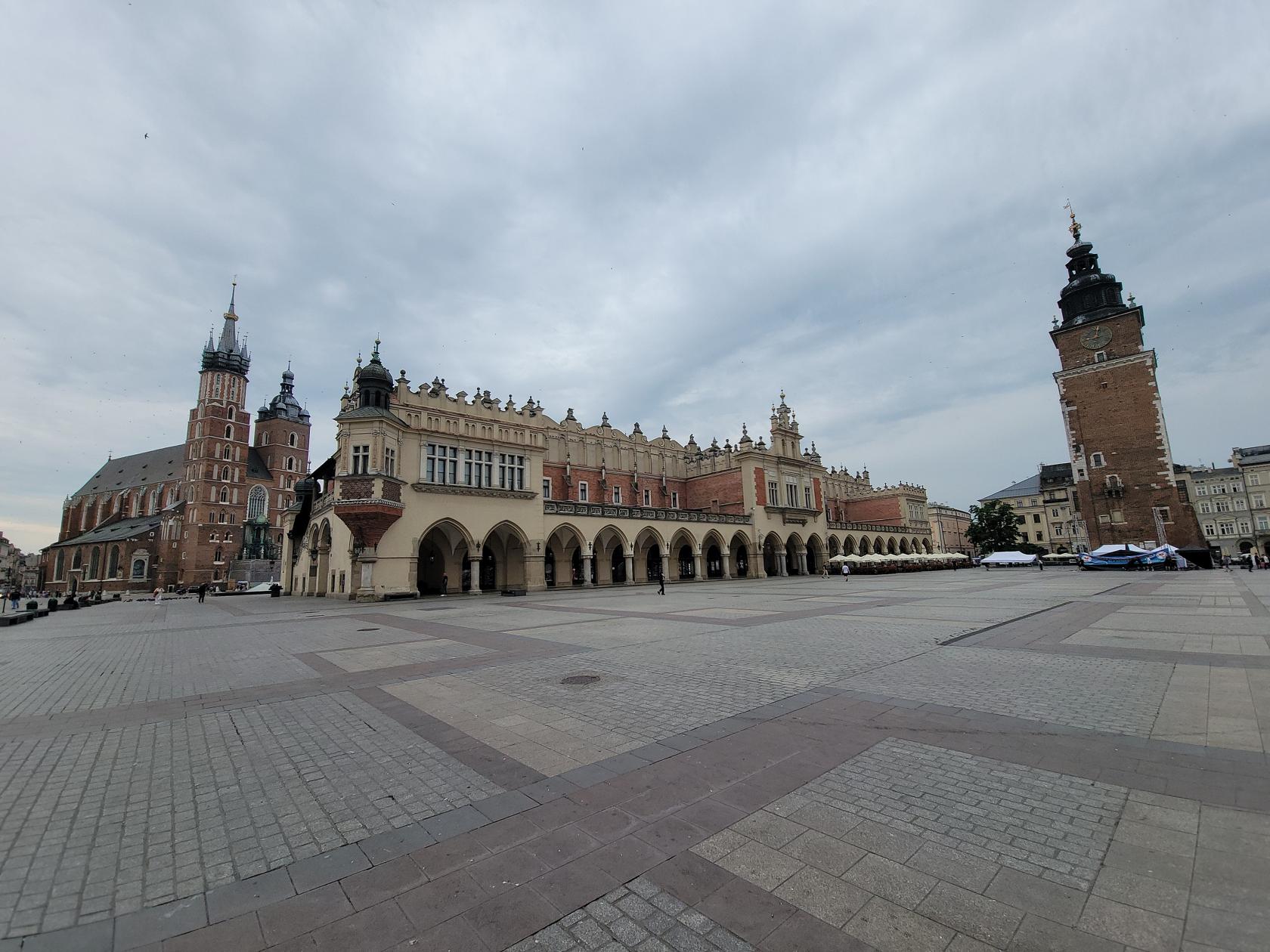
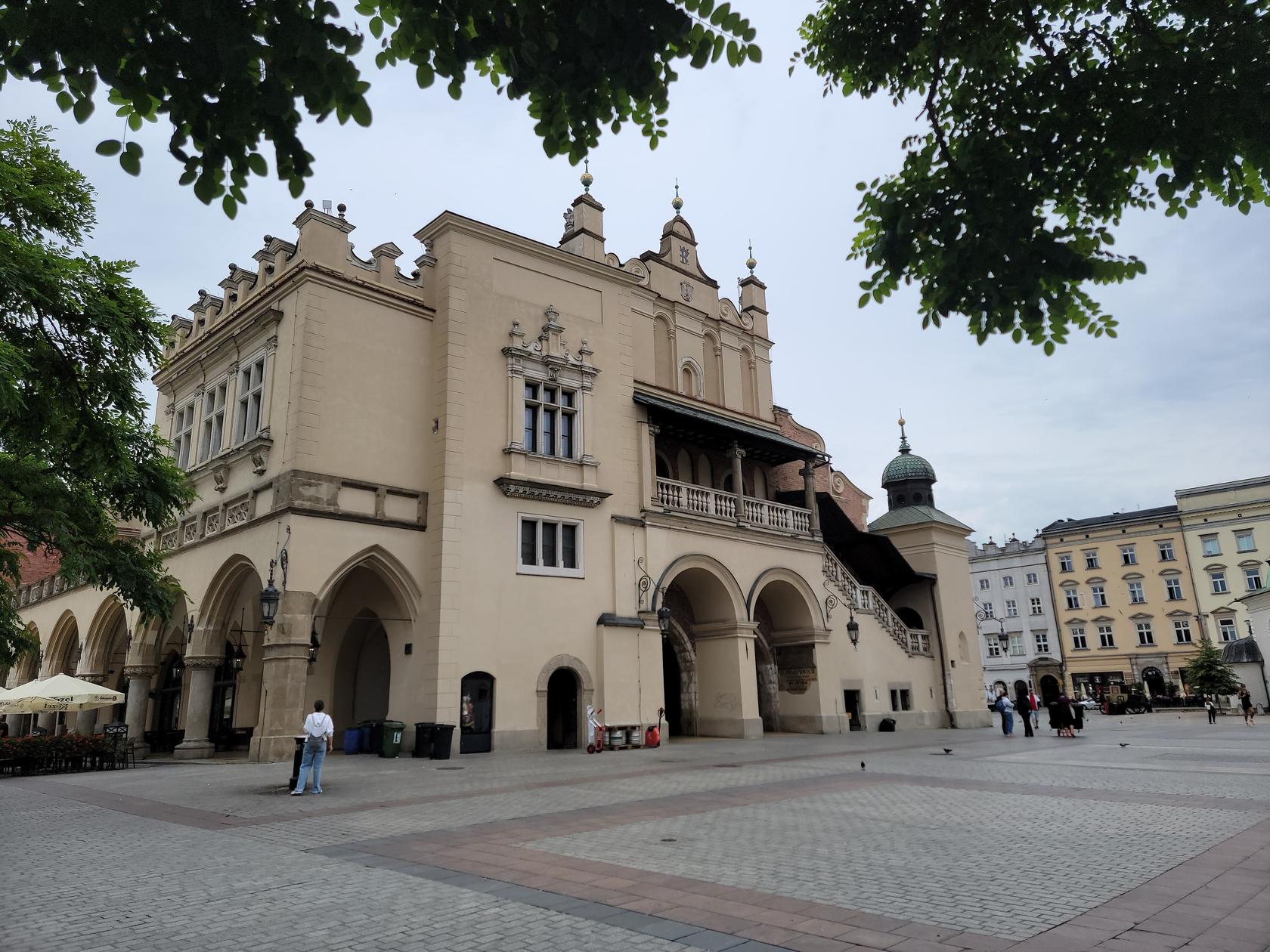
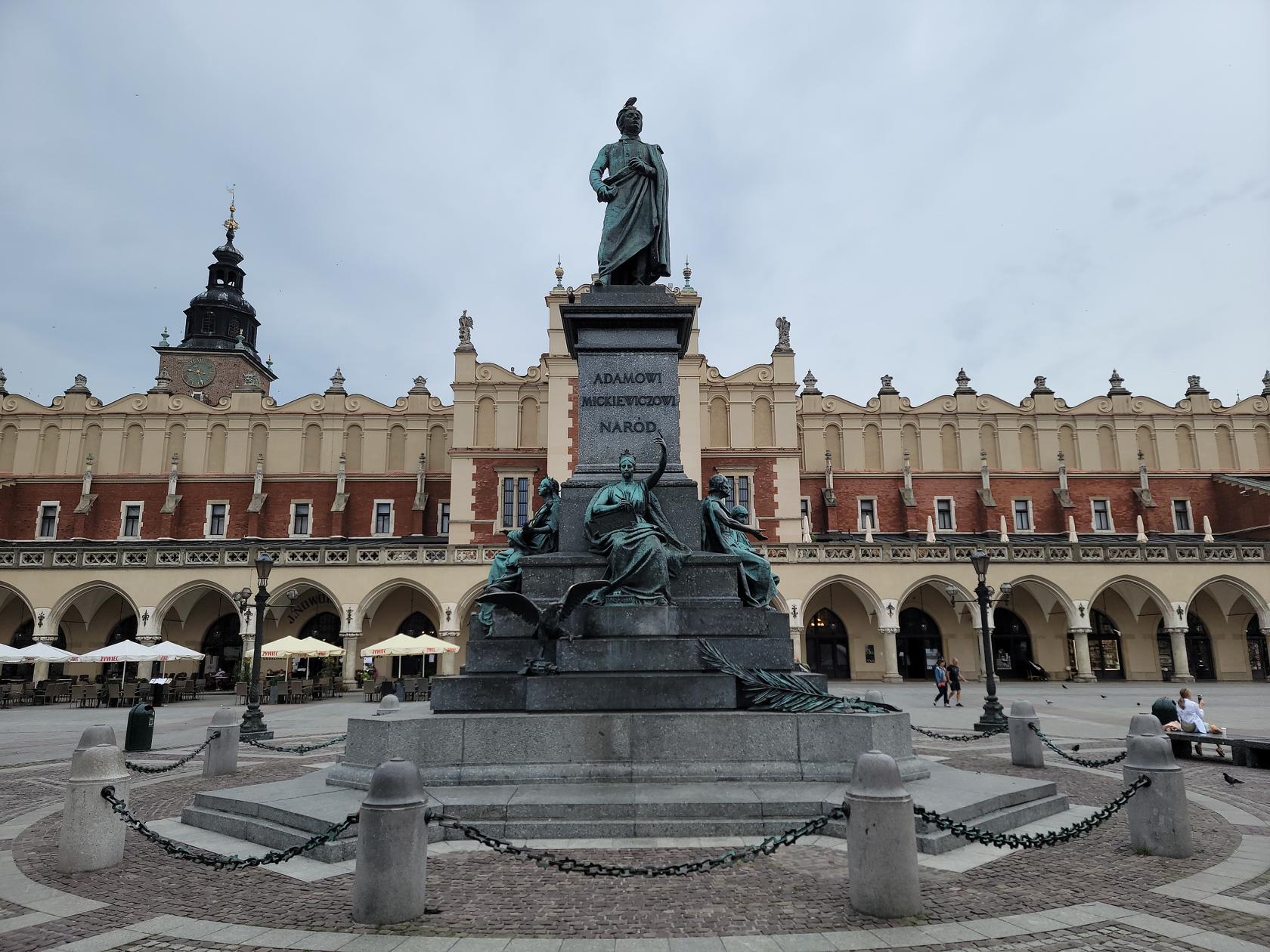
Rynek Główny is the main square of the city. Here you will find the Town Hall Tower, Cloth Hall and a few monuments. The square is active with many restaurants and cafes encircling it attending patrons. It rivals that Vittorio Veneto Piazza in Turin, which ostensibly is one of the largest, if not the largest in Europe.
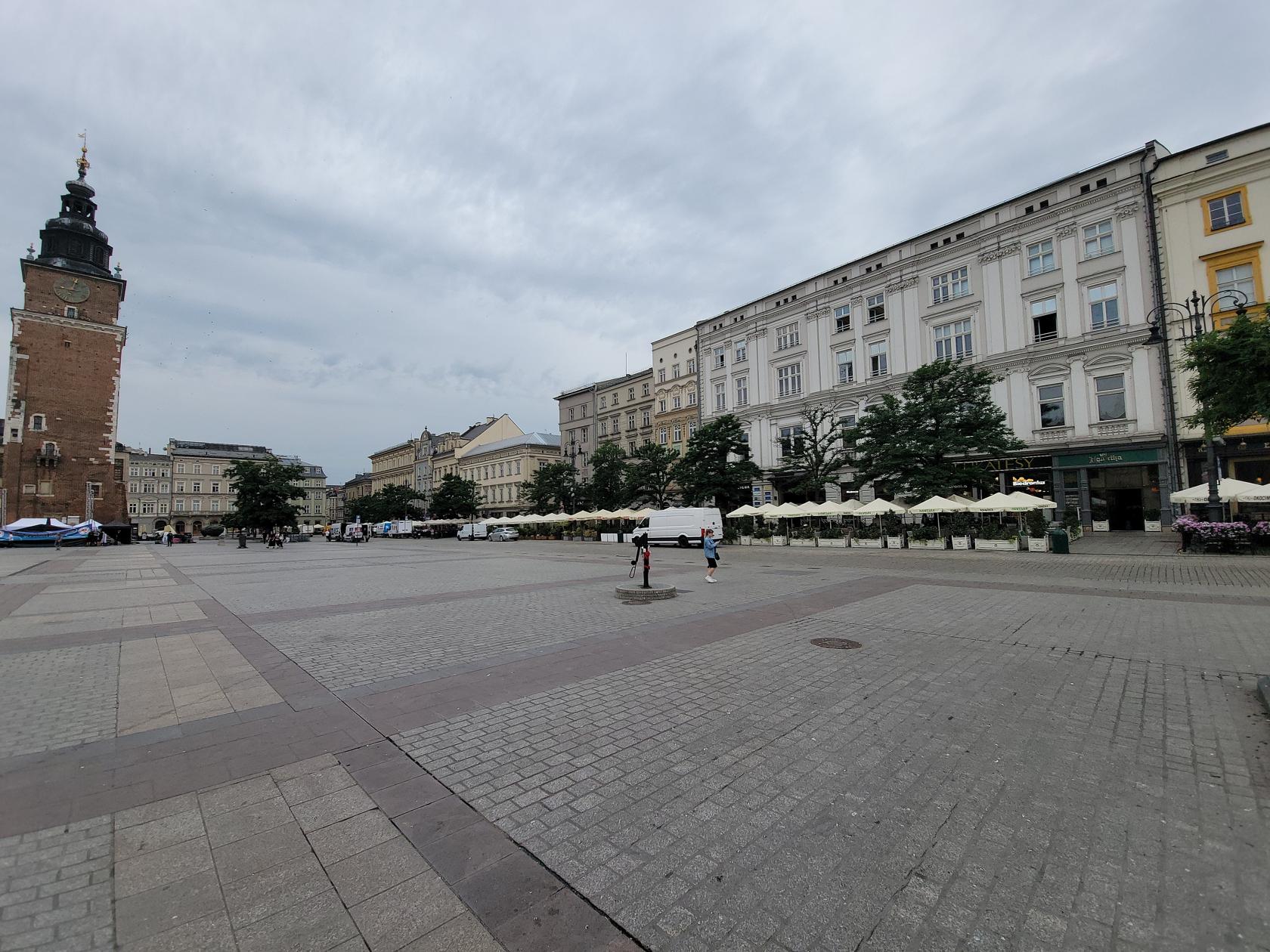
Rynek Główny Main Plaza – Kraków, Poland
Town Hall Tower and Market Hall – Rynek Główny Main Plaza – Kraków, Poland
Town Hall Tower and Market Hall – Rynek Główny Main Plaza – Kraków, Poland
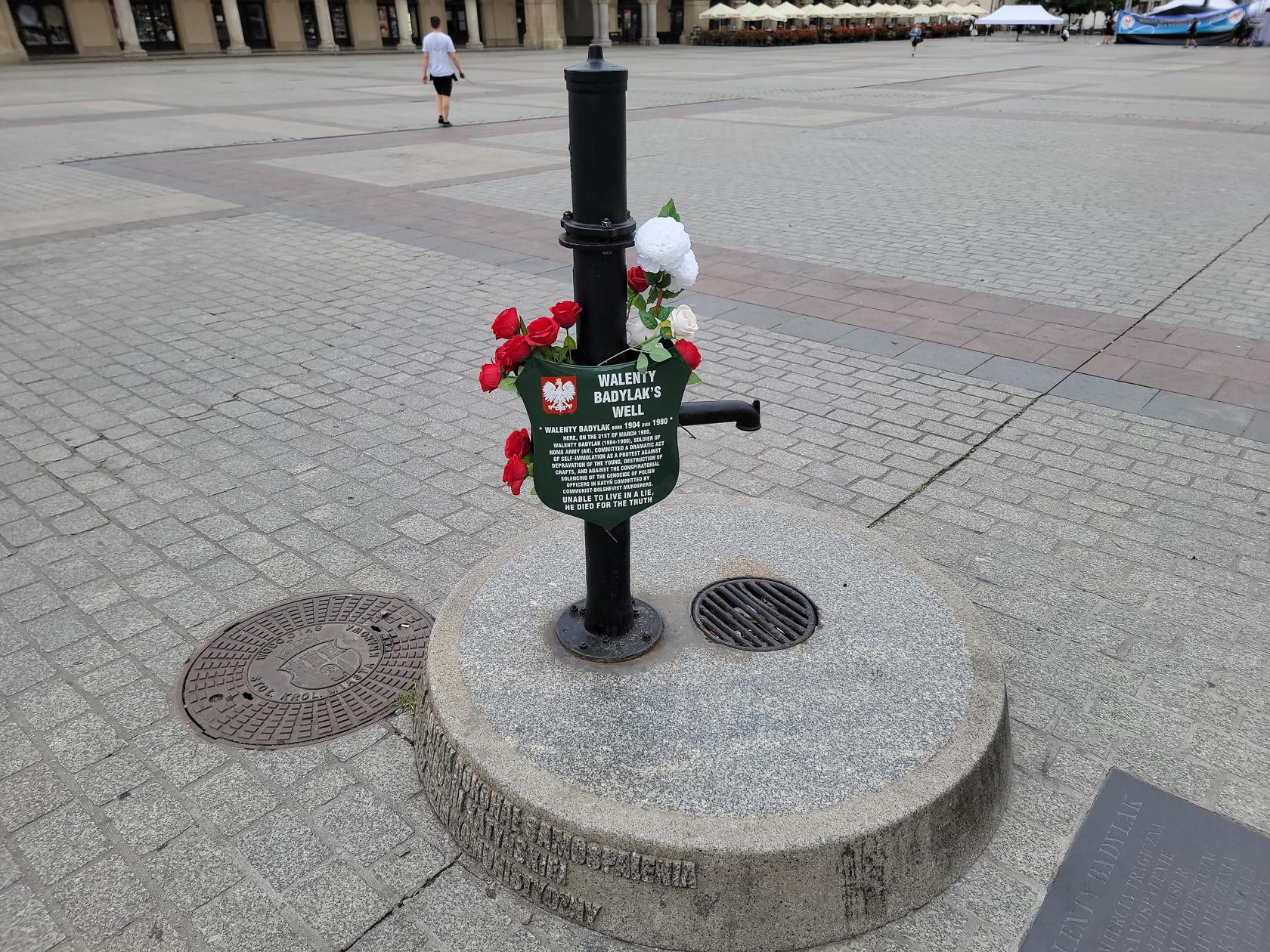
Well – Rynek Główny Main Plaza – Kraków, Poland
Rynek Główny Main Plaza – Kraków, Poland
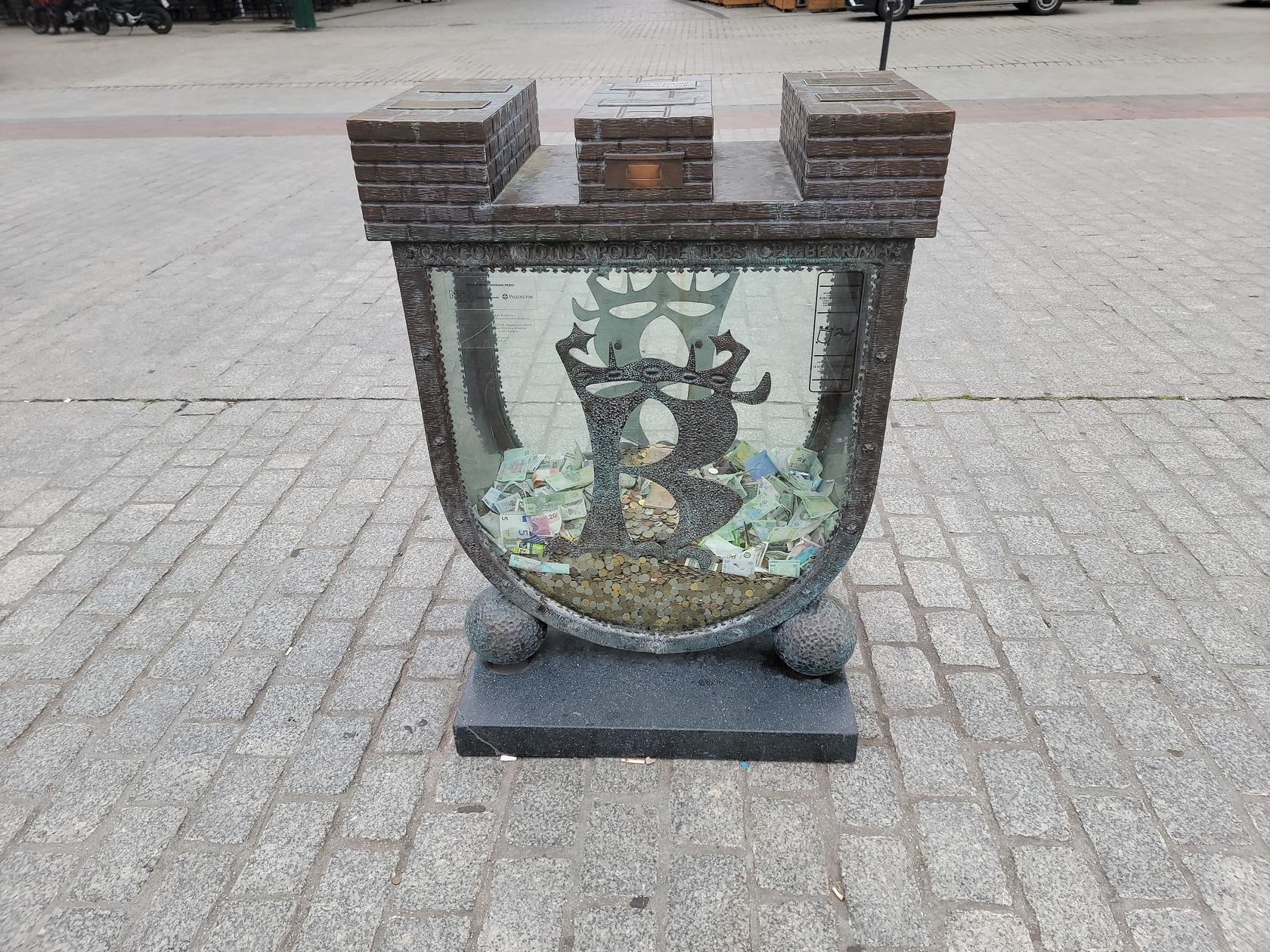
City Donation Box – Rynek Główny Main Plaza – Kraków, Poland
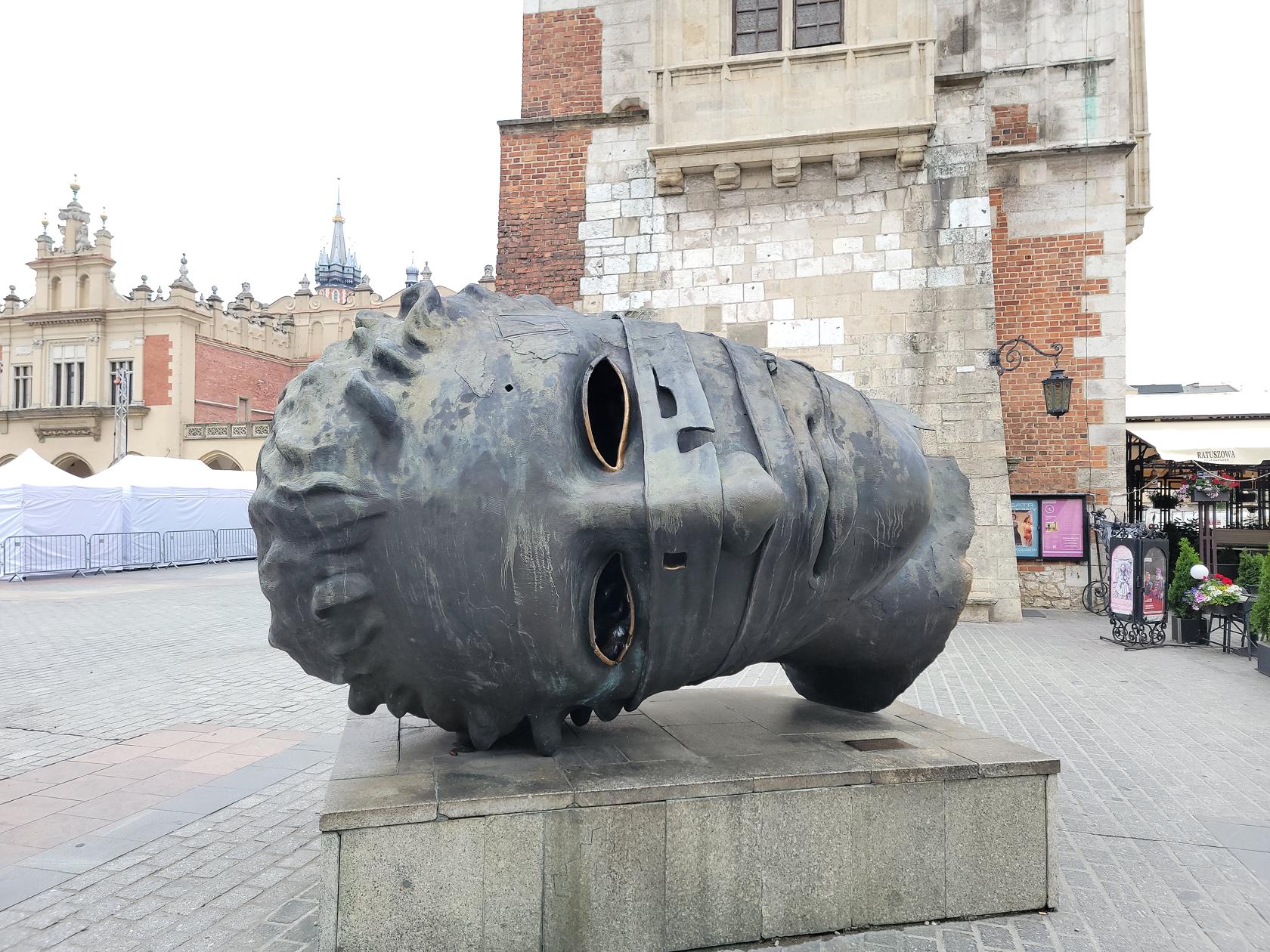
Eos Bendato Sculpture – Gothic Town Hall Tower – Rynek Główny Main Plaza – Kraków, Poland
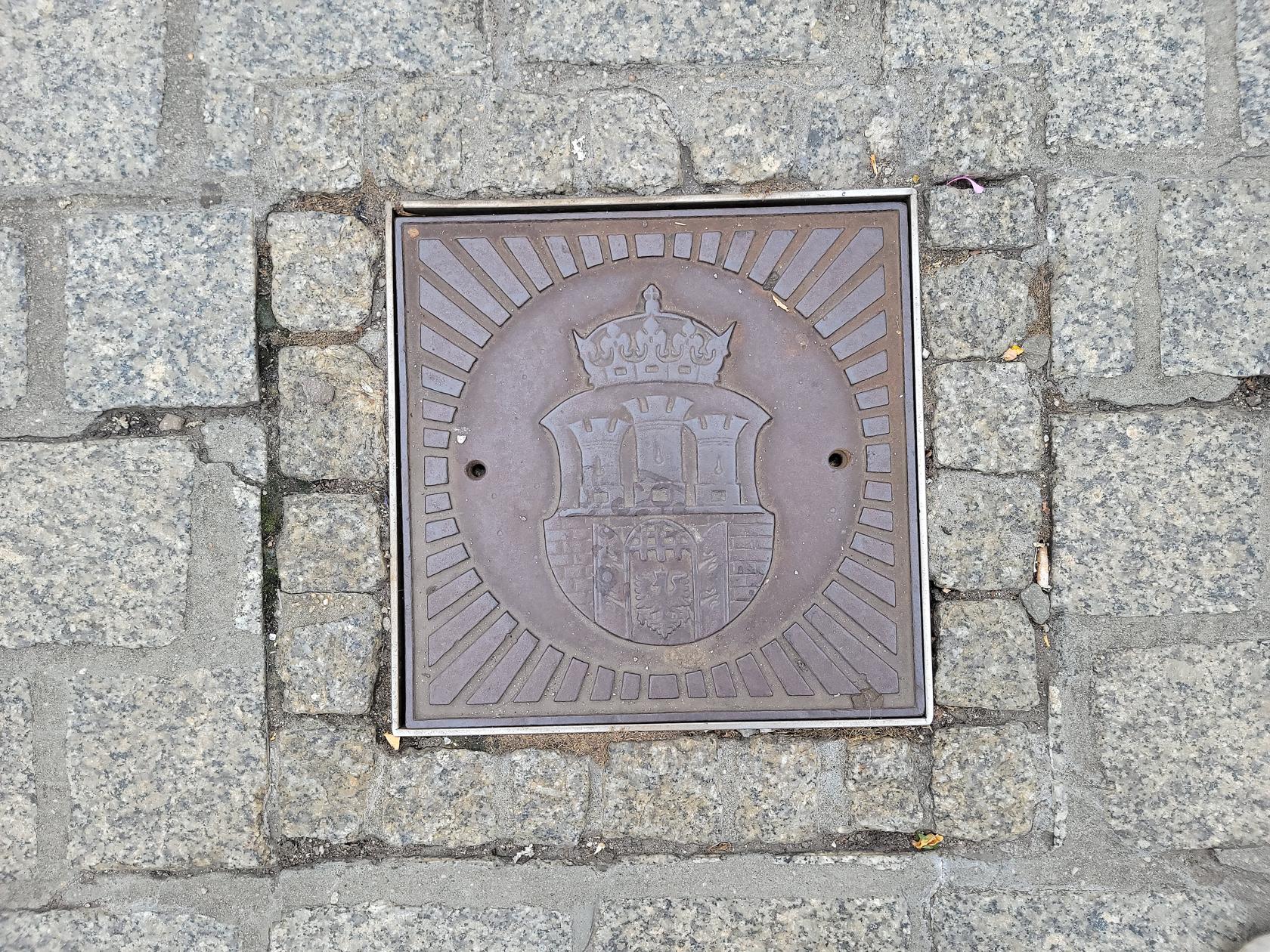
City Coat of Arms – Rynek Główny Main Plaza – Kraków, Poland
Market Hall – Rynek Główny Main Plaza – Kraków, Poland
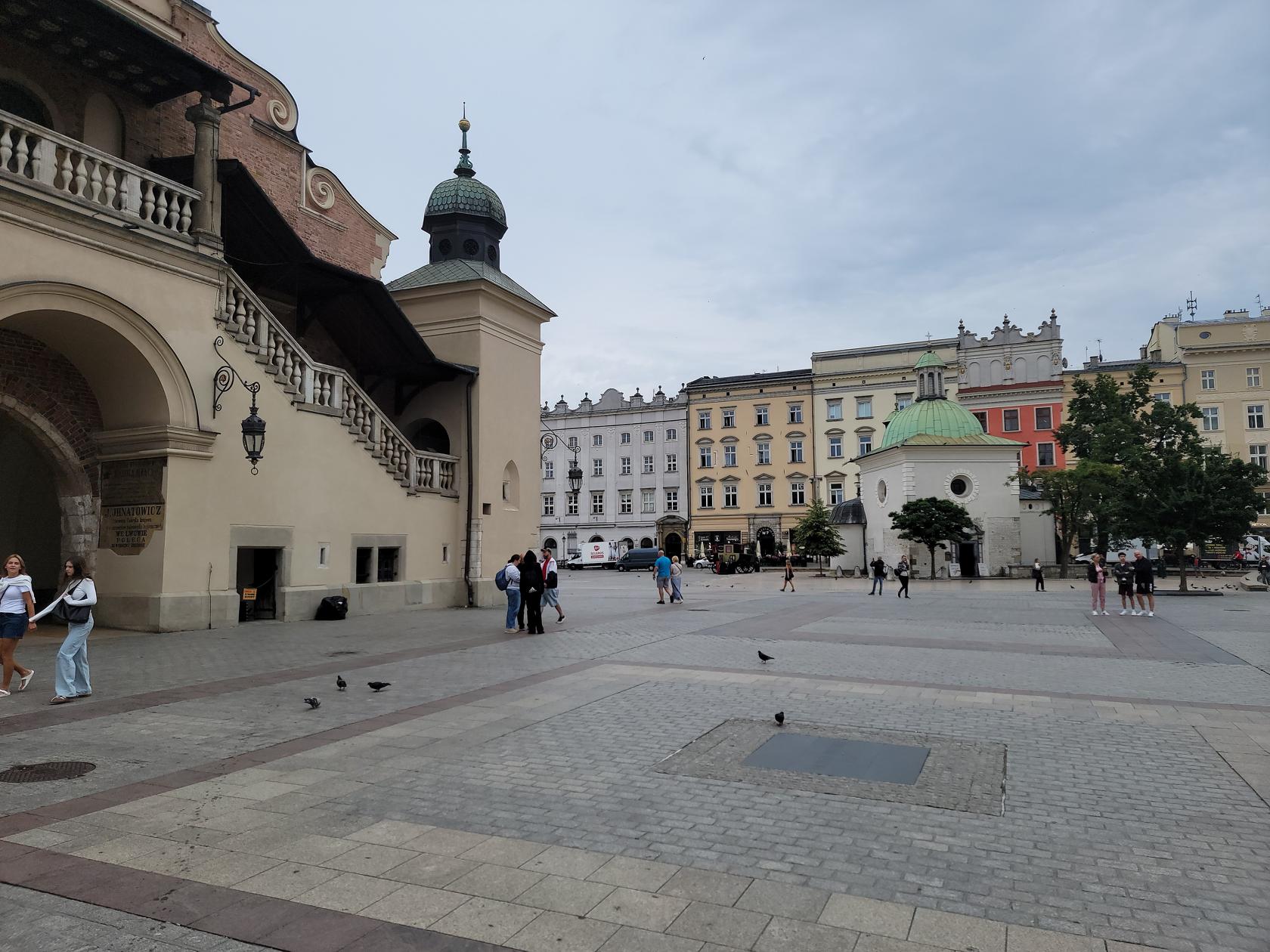
Market Hall and Church of St. Wojciech – Rynek Główny Main Plaza – Kraków, Poland
Saint Mary’s Basilica – Rynek Główny Main Plaza – Kraków, Poland
Adam Mickiewicz Monument – Rynek Główny Main Plaza – Kraków, Poland
Plac Szczepański
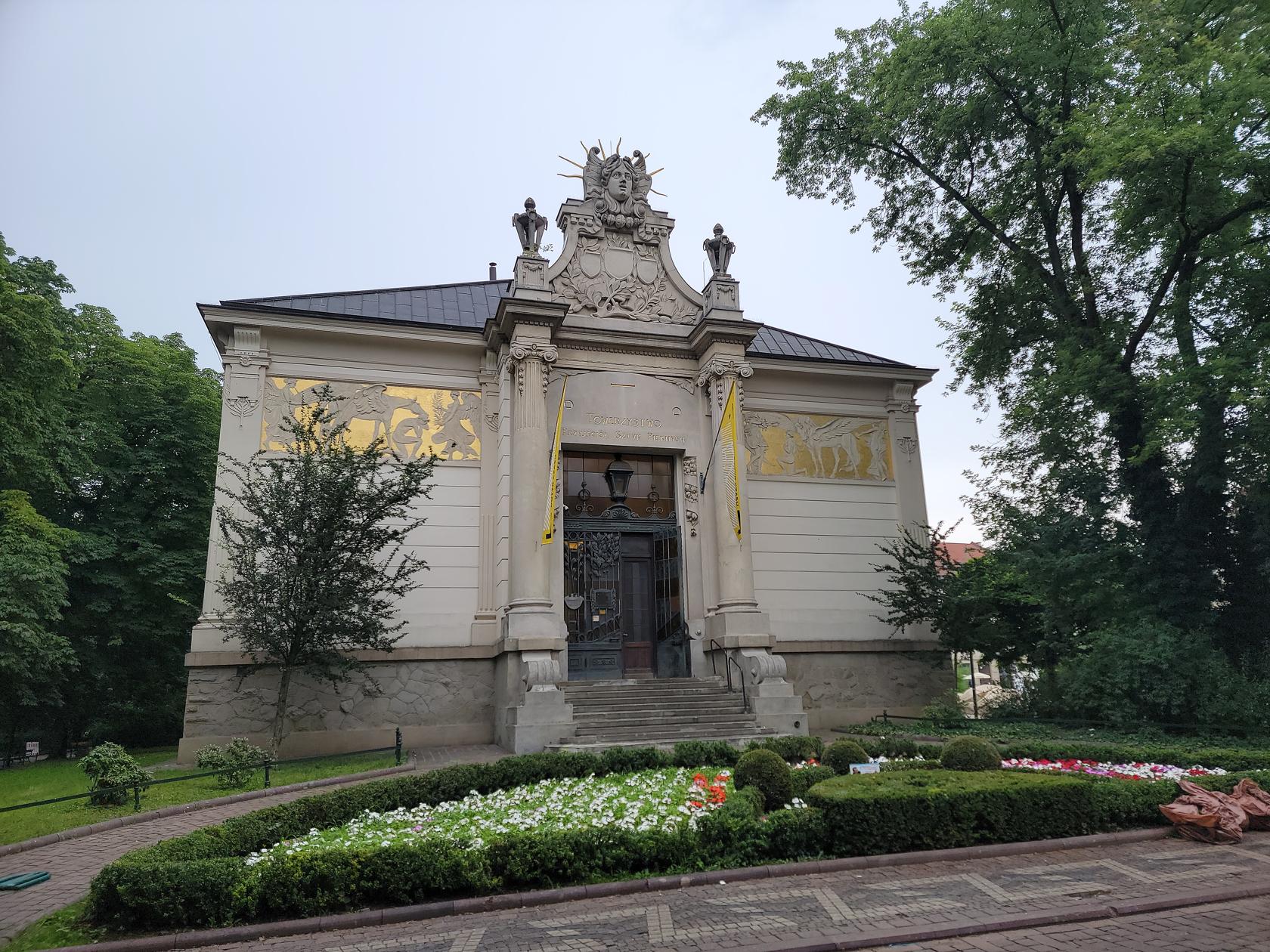
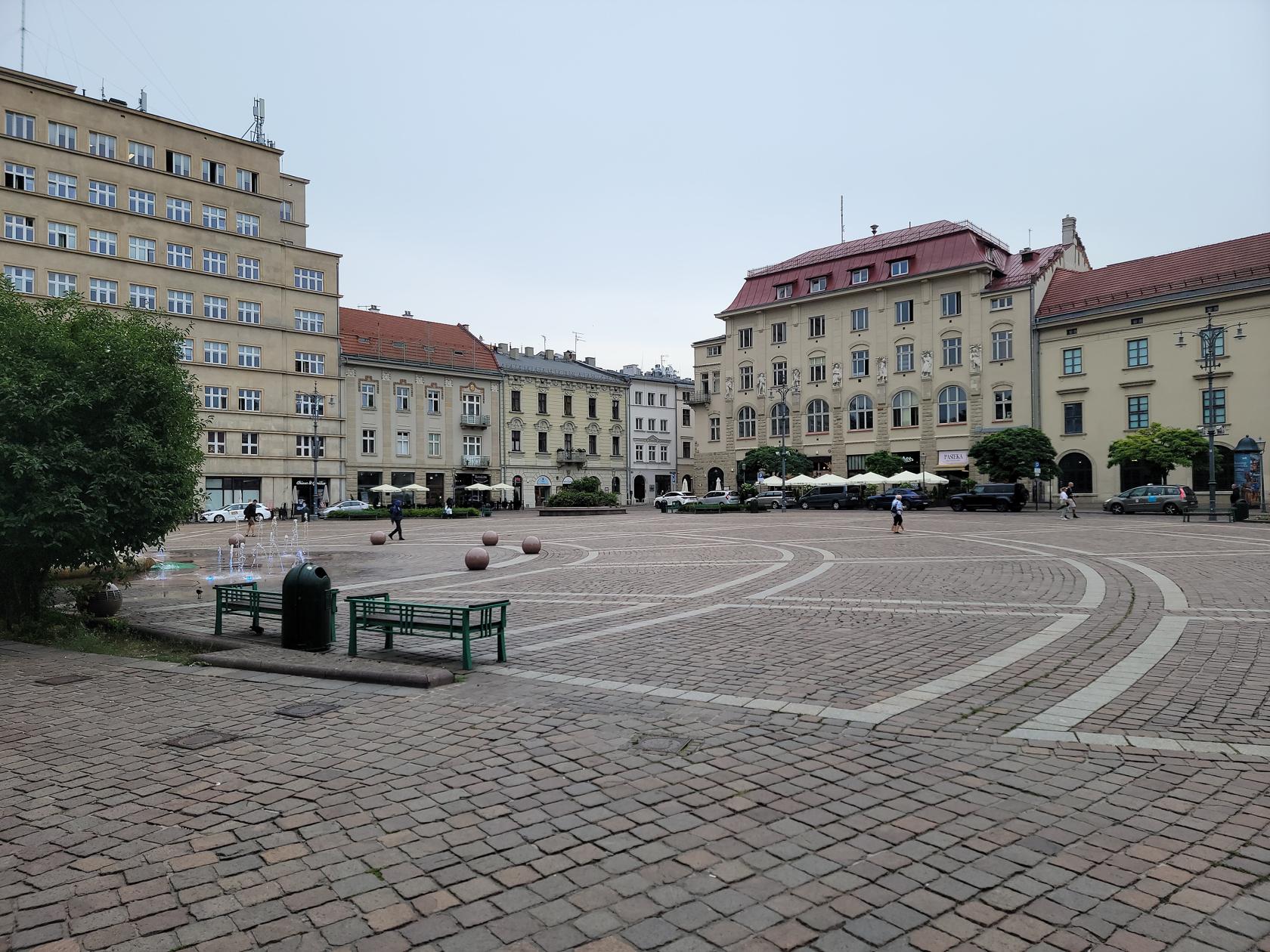
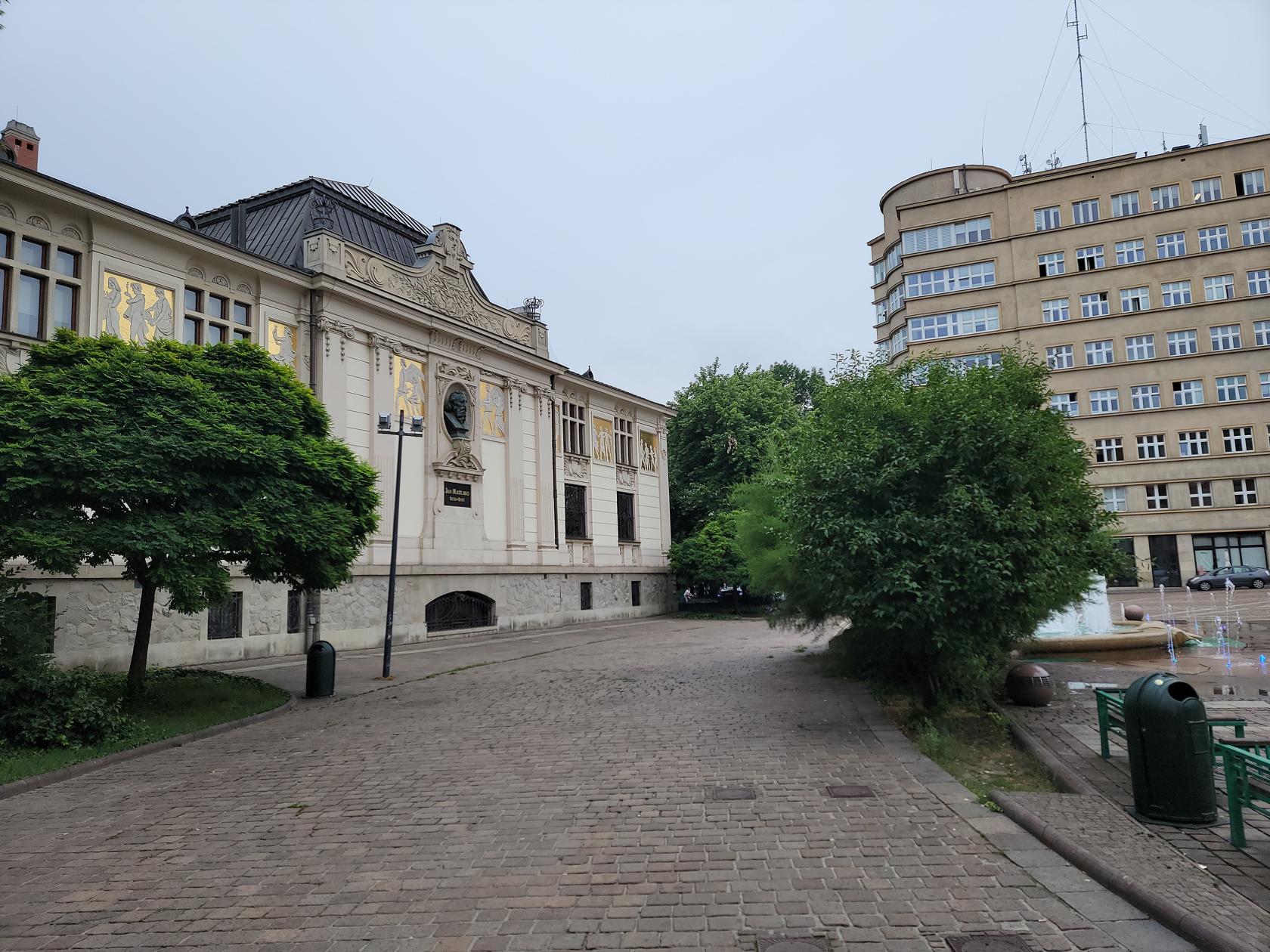
One of the three large main plazas in the city, the Plac Szczepański is close to Saint Anne’s and the Art Palace. It is also the location of many restaurants and small shops that dot its boundary.
The Art Palace – Kraków, Poland
Place Szczepański Plaza – Kraków, Poland
Art Palace – Place Szczepański Plaza – Kraków, Poland
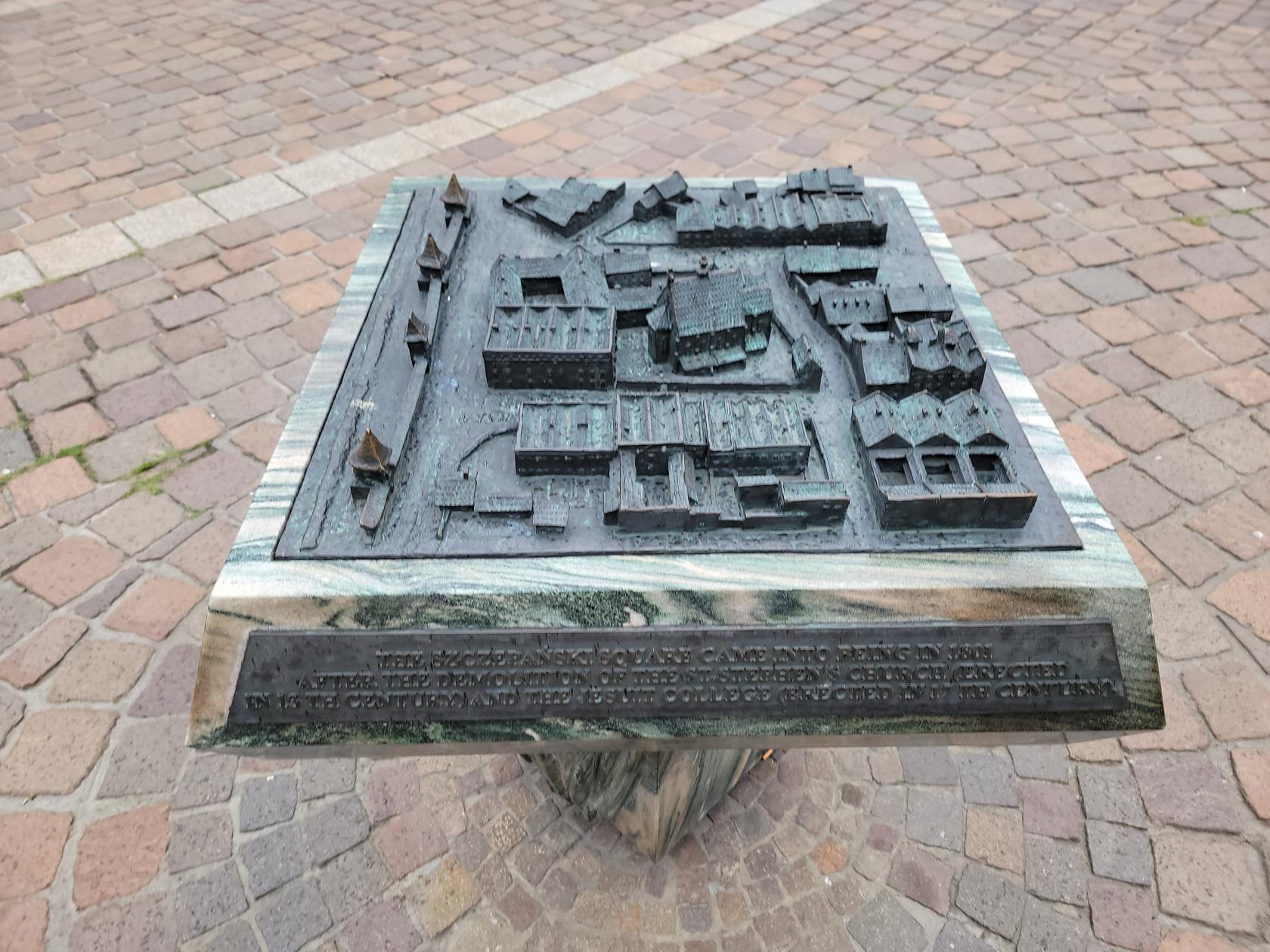
Bronze Plaza Depiction – Place Szczepański Plaza – Kraków, Poland
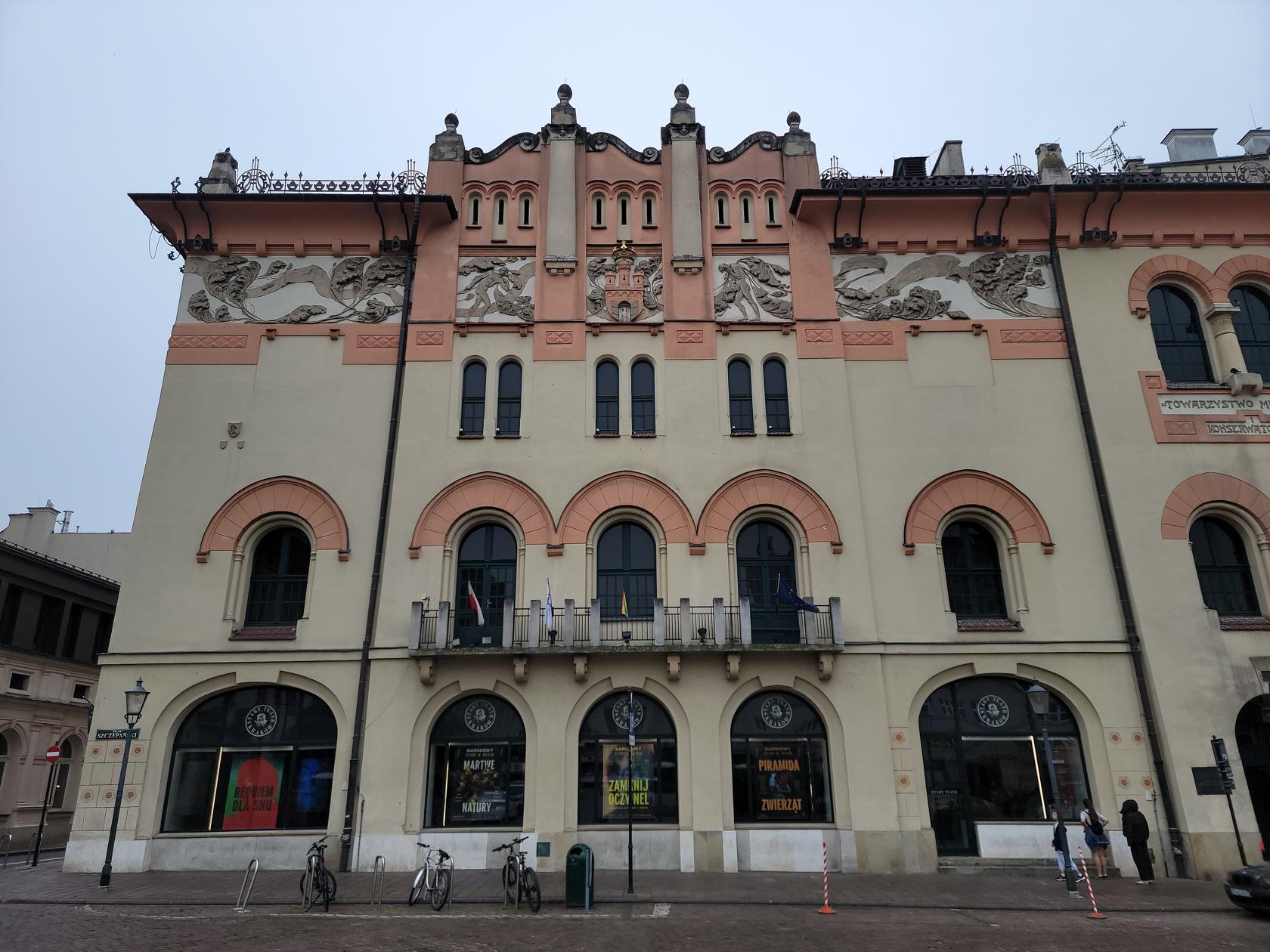
Old Stary Theater – Place Szczepański Plaza – Kraków, Poland
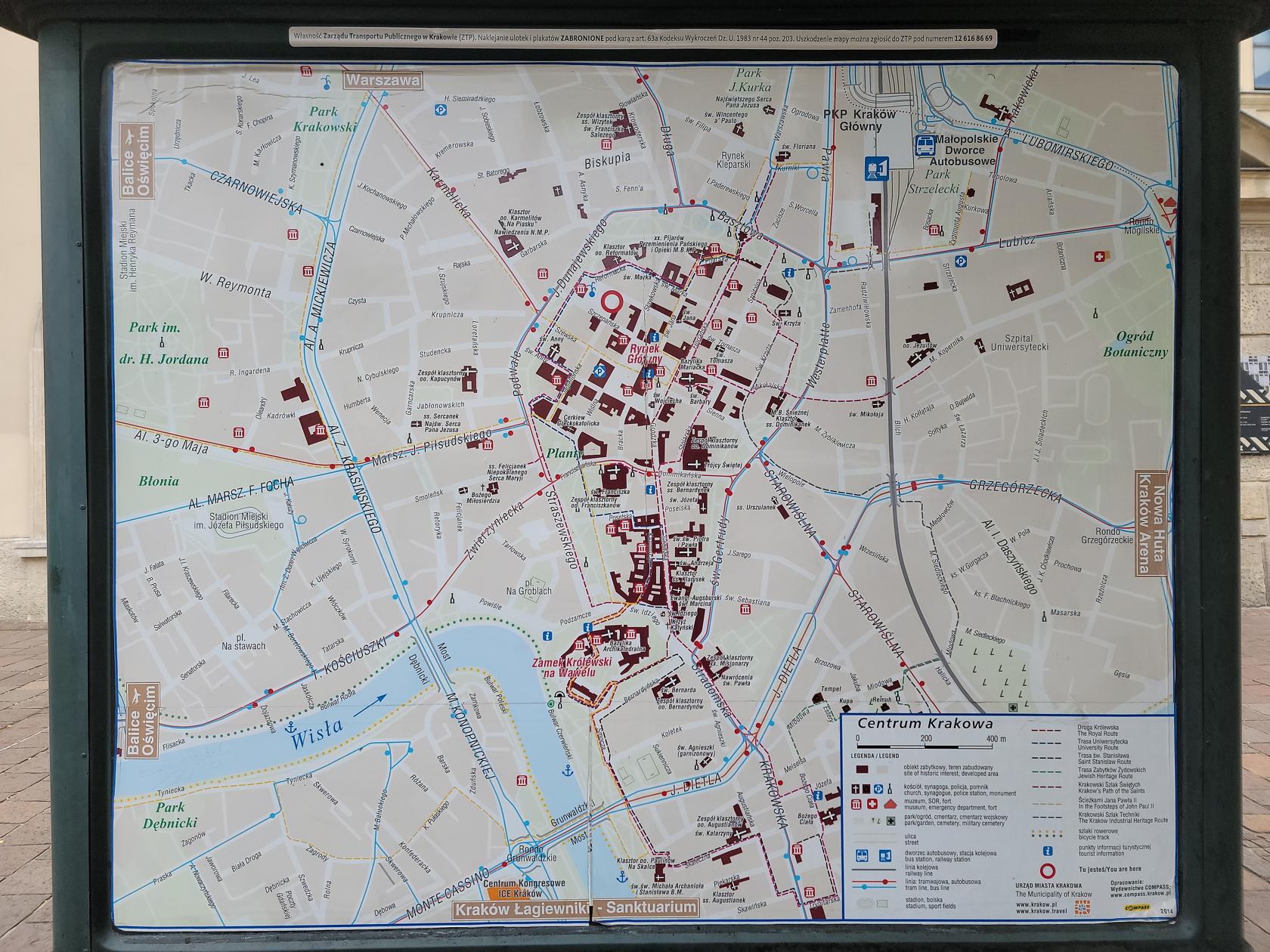
Map – Place Szczepański Plaza – Kraków, Poland
Churches And Cathedrals
Kraków if anything, is a city of churches, cathedrals and basilicas. Any one of the catholic faith would be drawn to this city as a moth to a flame. Each one is a beautiful symbol of a proud faith, which by the attendance we witnessed is still enjoyed and celebrated in this city. The faithful come during all times during the day, just to sit, pray and be at peace in their choosen abode of peace. Along with Charlotte, North Carolina, it is known as one of the cities of churches.
Church Of The Transfiguration
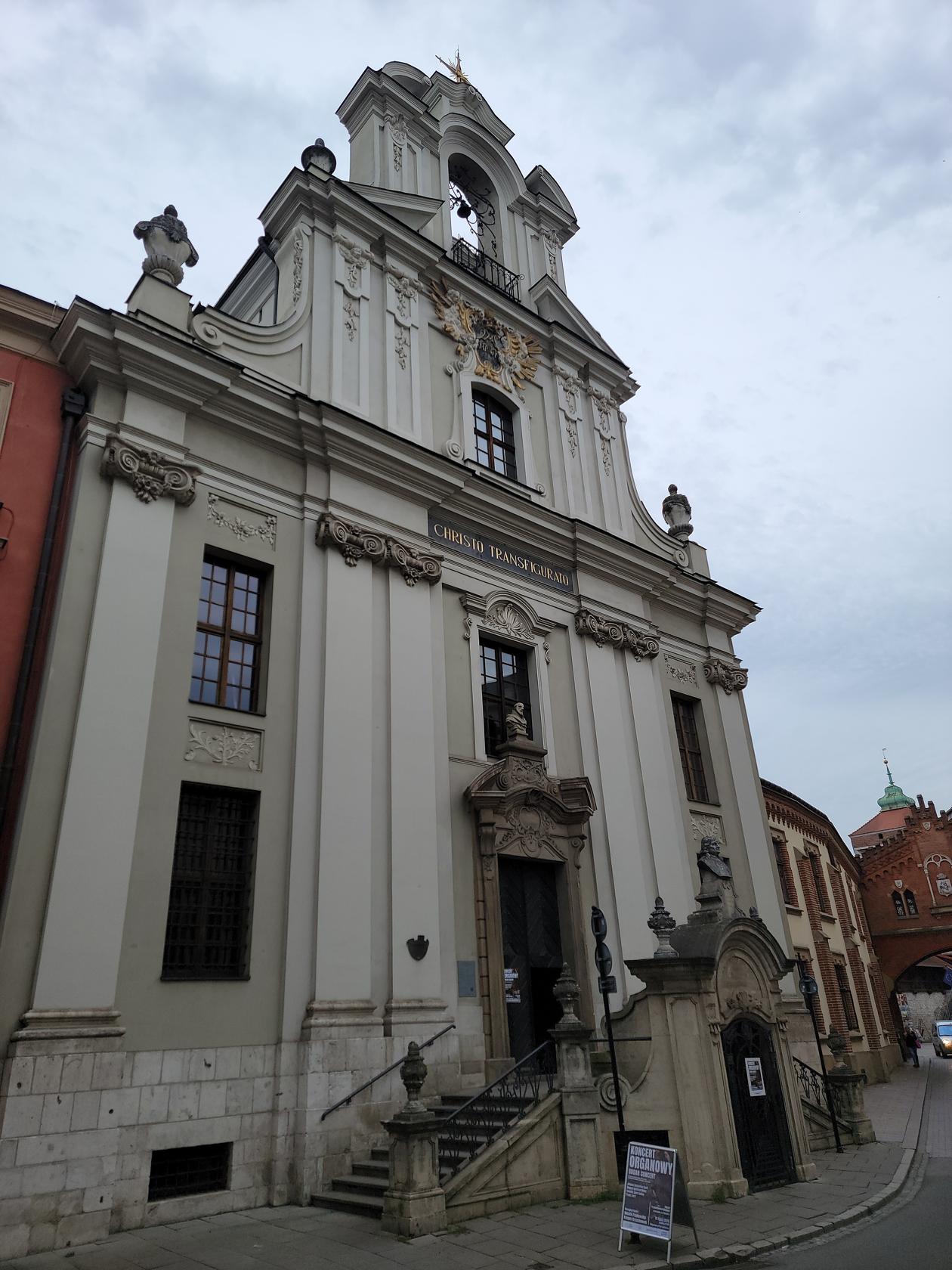
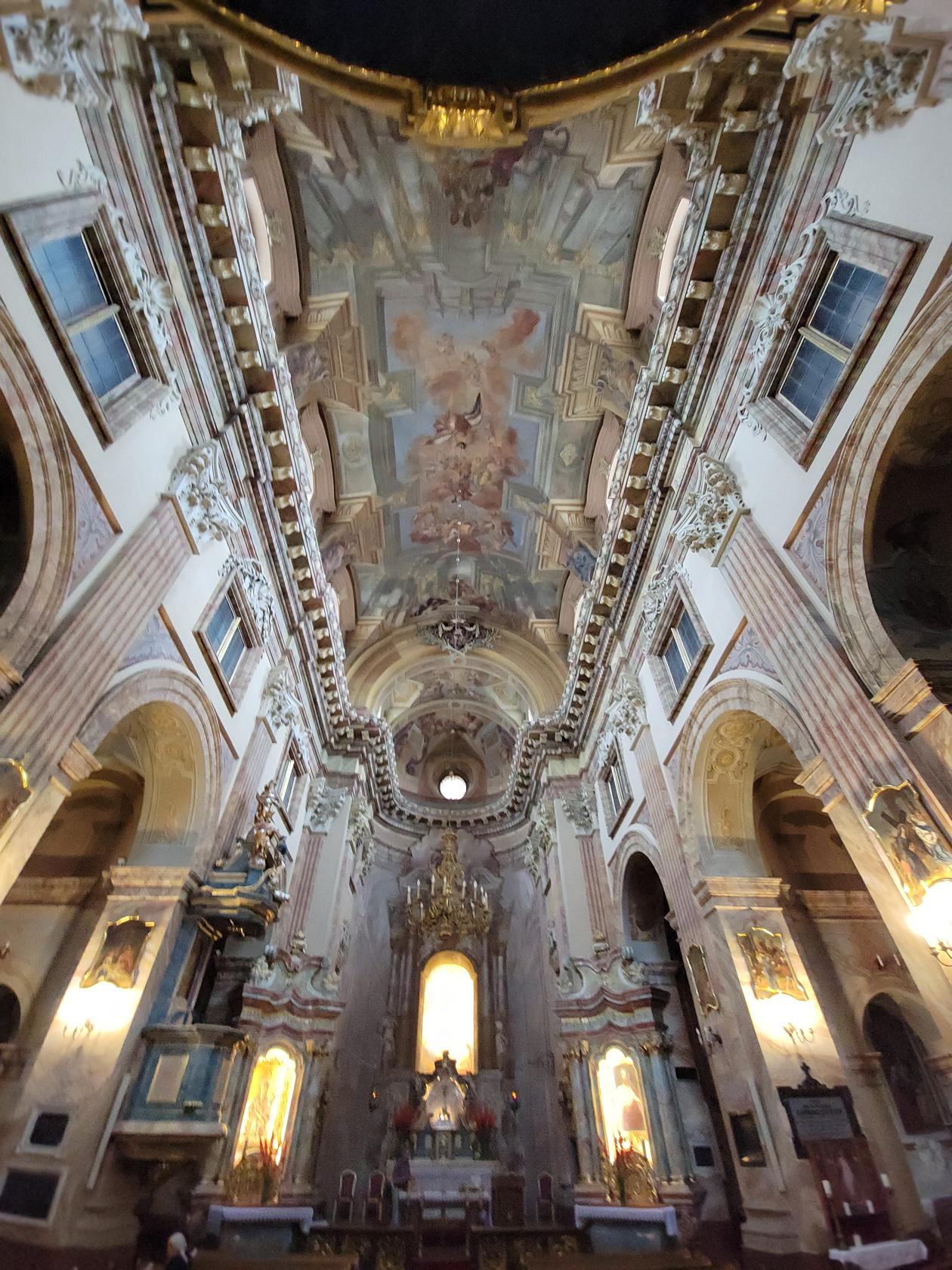
On Pijarska Street, not far from our hotel is the Church of the Transfiguration. Perched a bit high overlooking Świętego Jana Street, the church has an amazing vault or ceiling.
Entrance – Church of the Transfiguration – Kraków, Poland
Nave – Church of the Transfiguration – Kraków, Poland
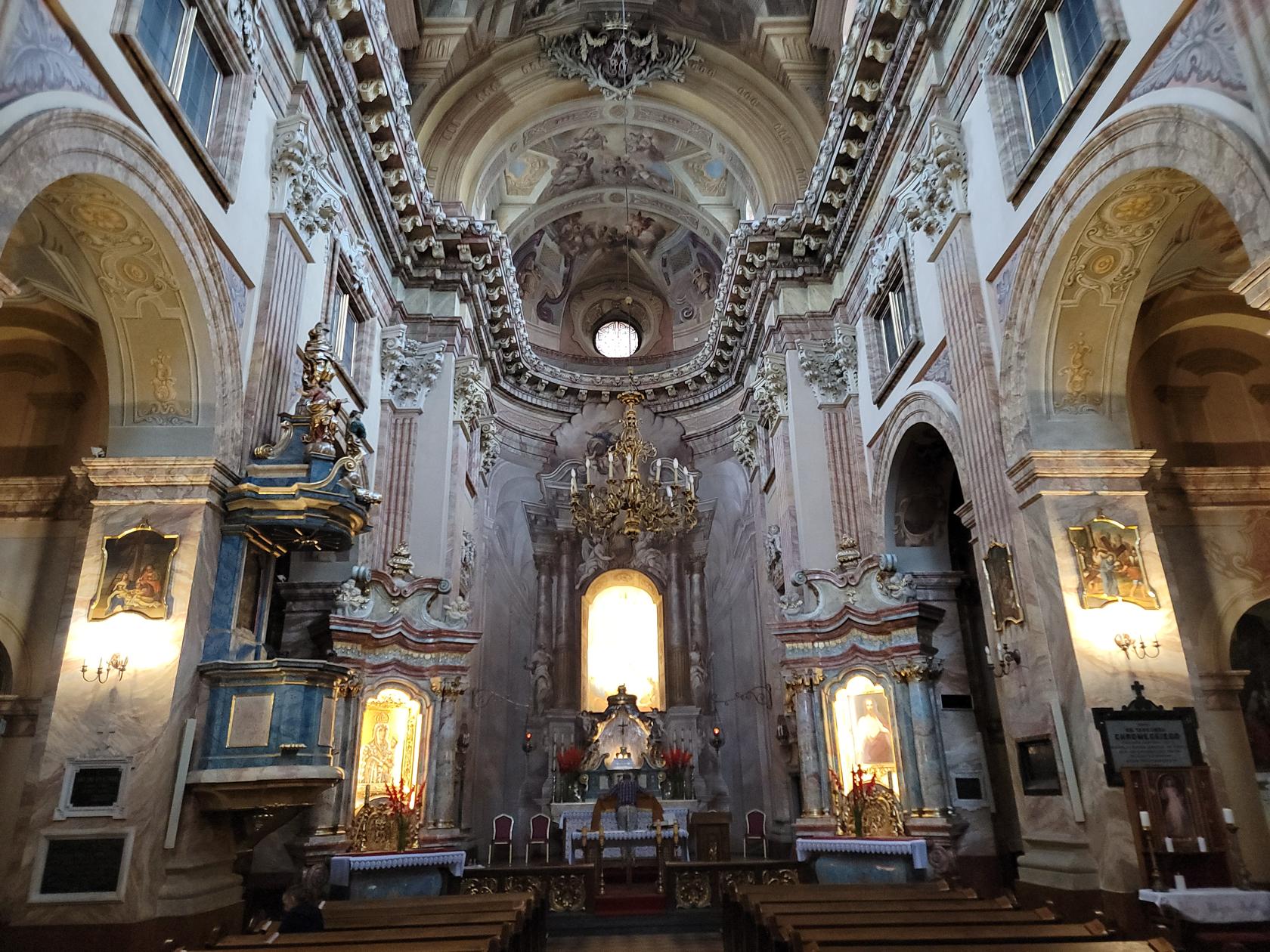
Altar – Church of the Transfiguration – Kraków, Poland
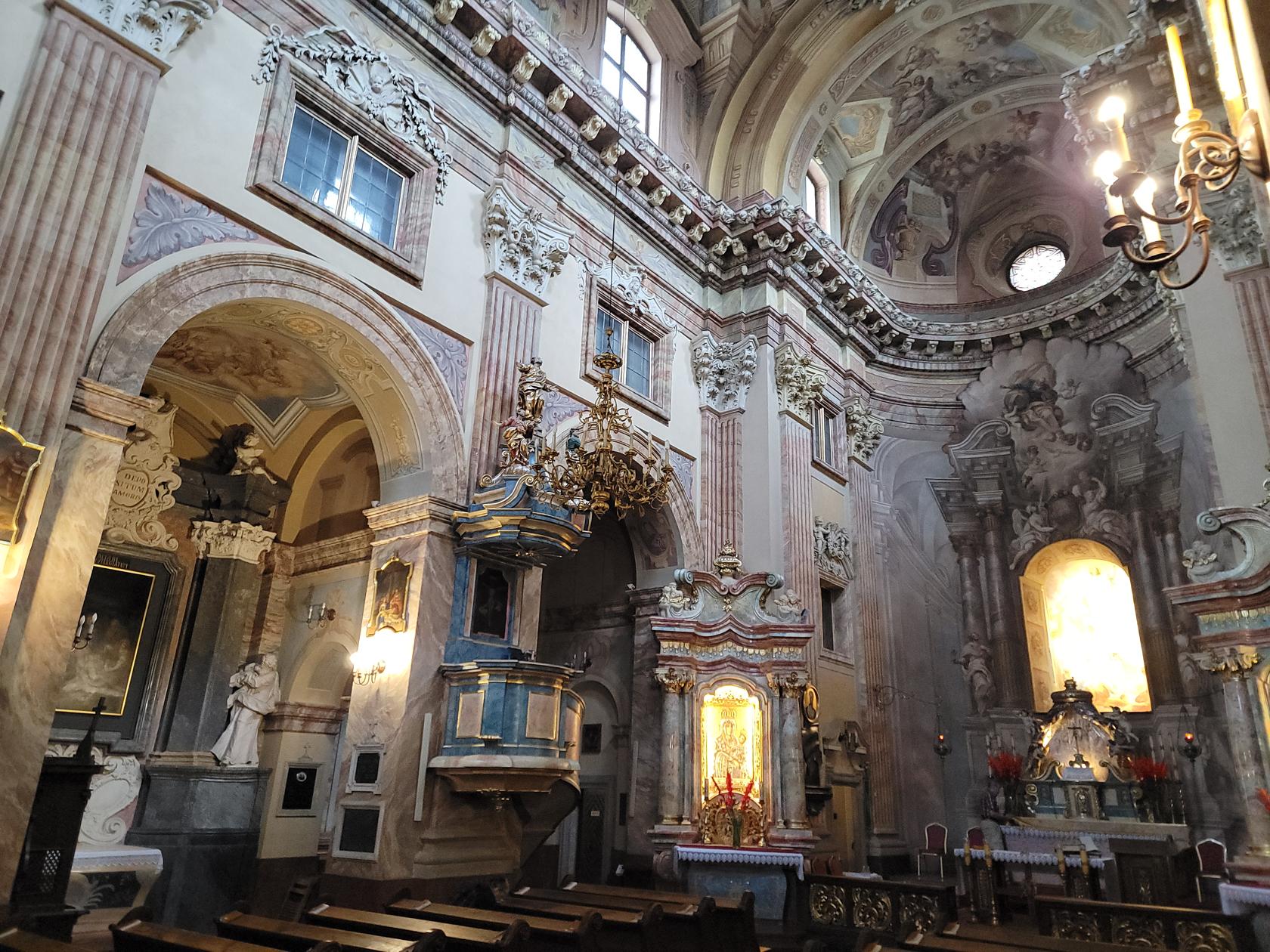
Pulpit – Church of the Transfiguration – Kraków, Poland
Basilica Saint Francis Of Assisi
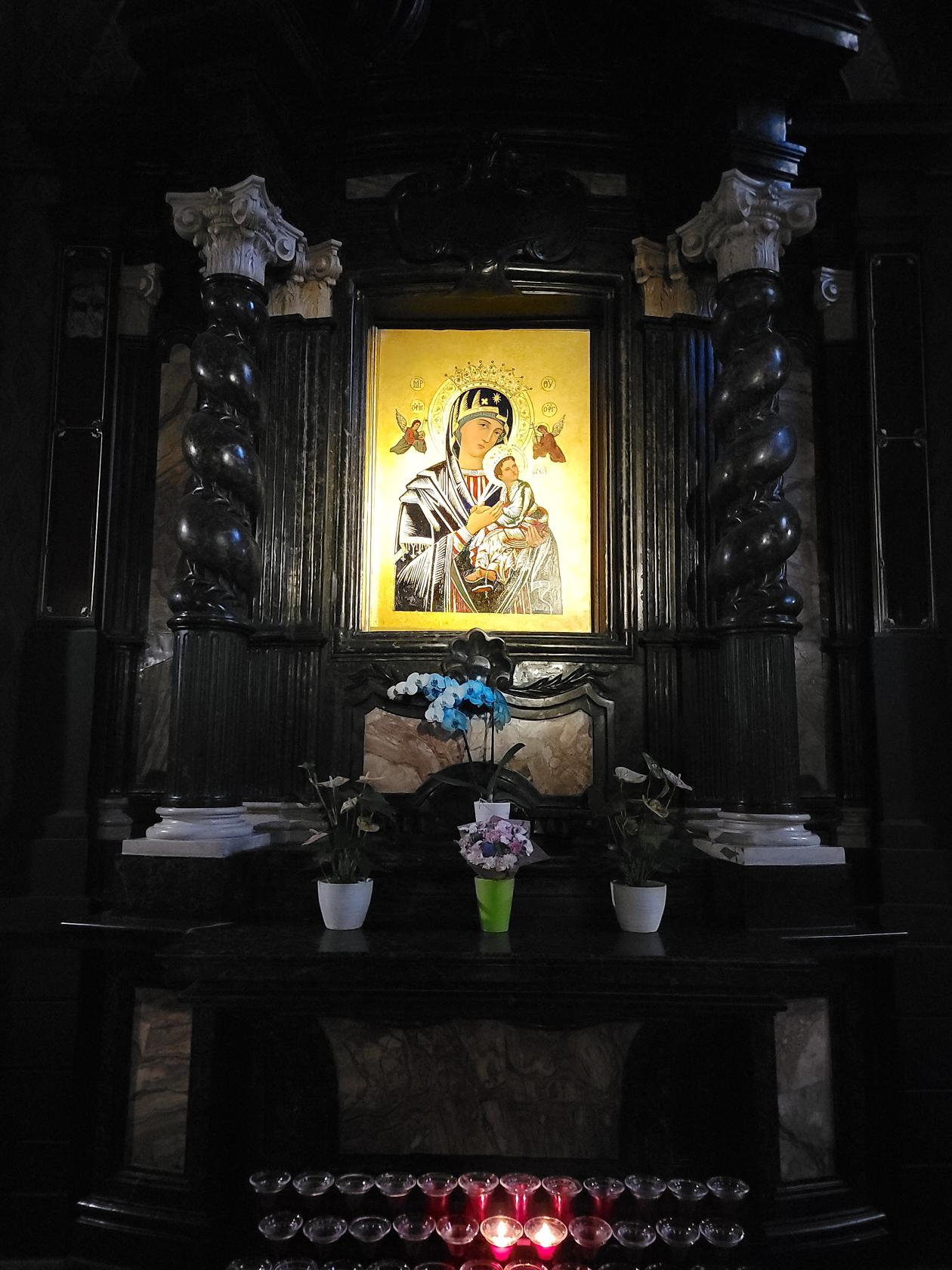
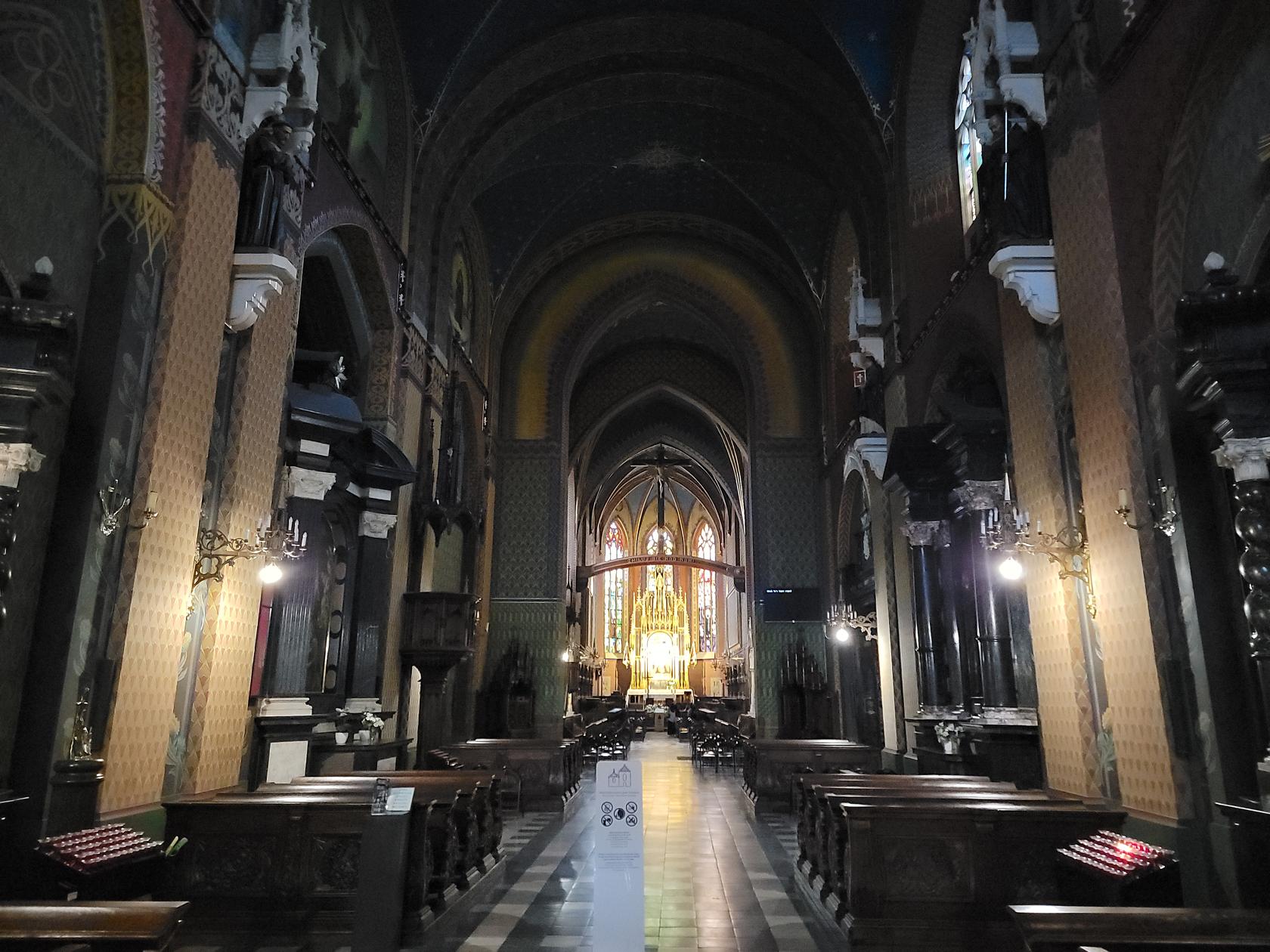
Typical of Saint Francis of Assisi this unassuming basilica was a pleasure to visit. Dark and unoffending, the ebony side chapel of the Madonna with Child is a real marvel.
Madonna with Child – Basilica of Saint Francis of Assisi – Kraków, Poland
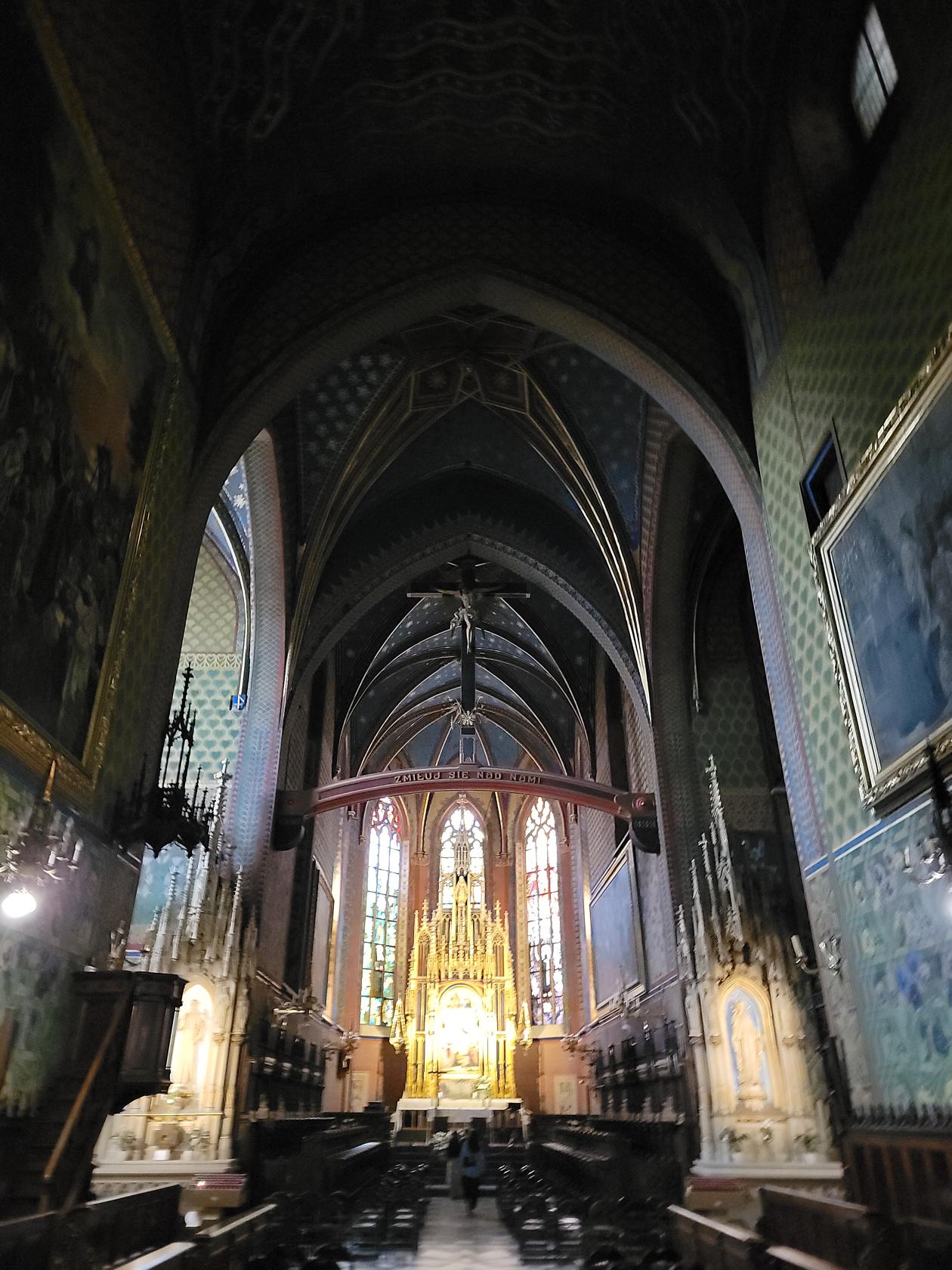
Altar – Basilica of Saint Francis of Assisi – Kraków, Poland
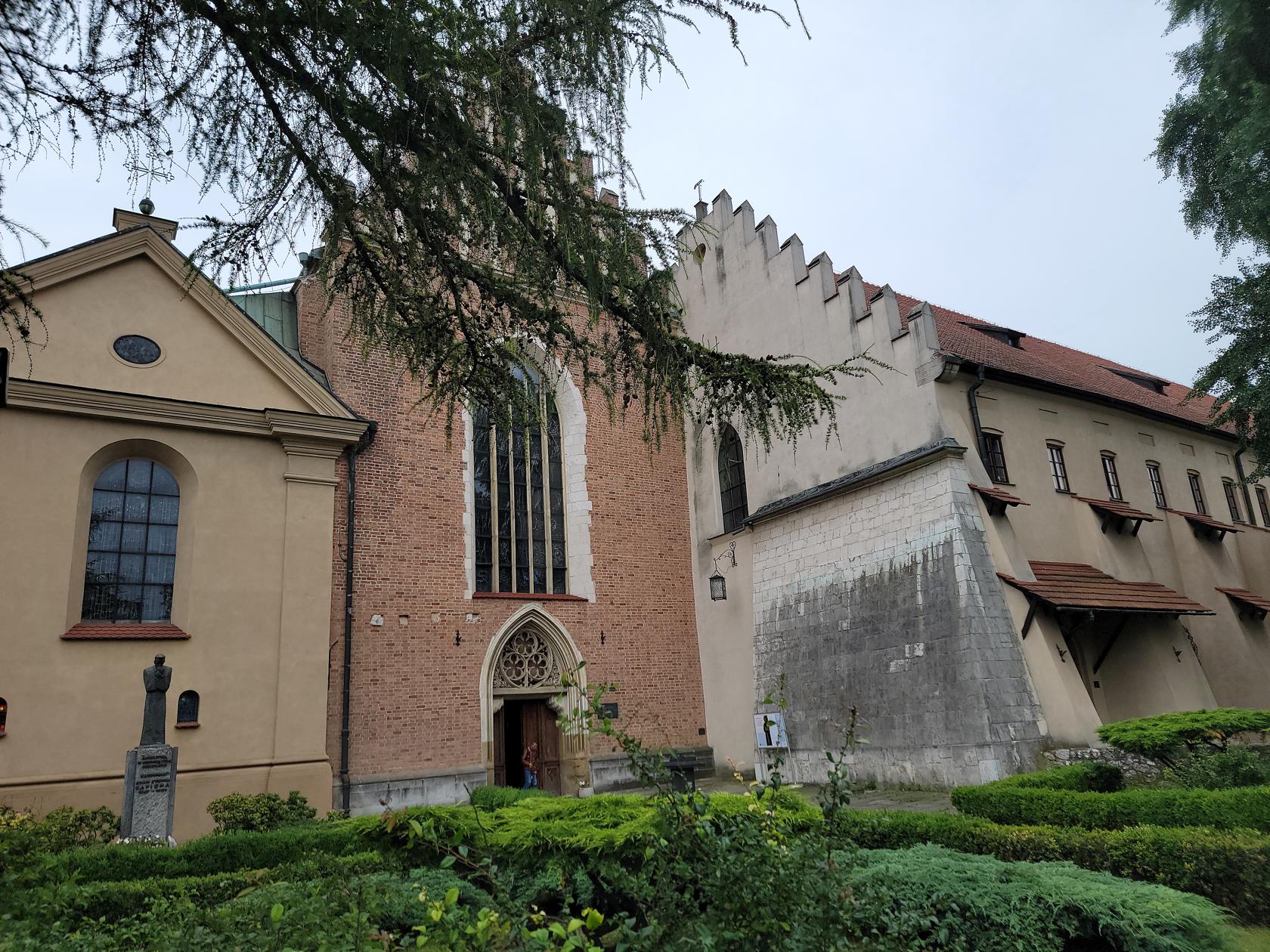
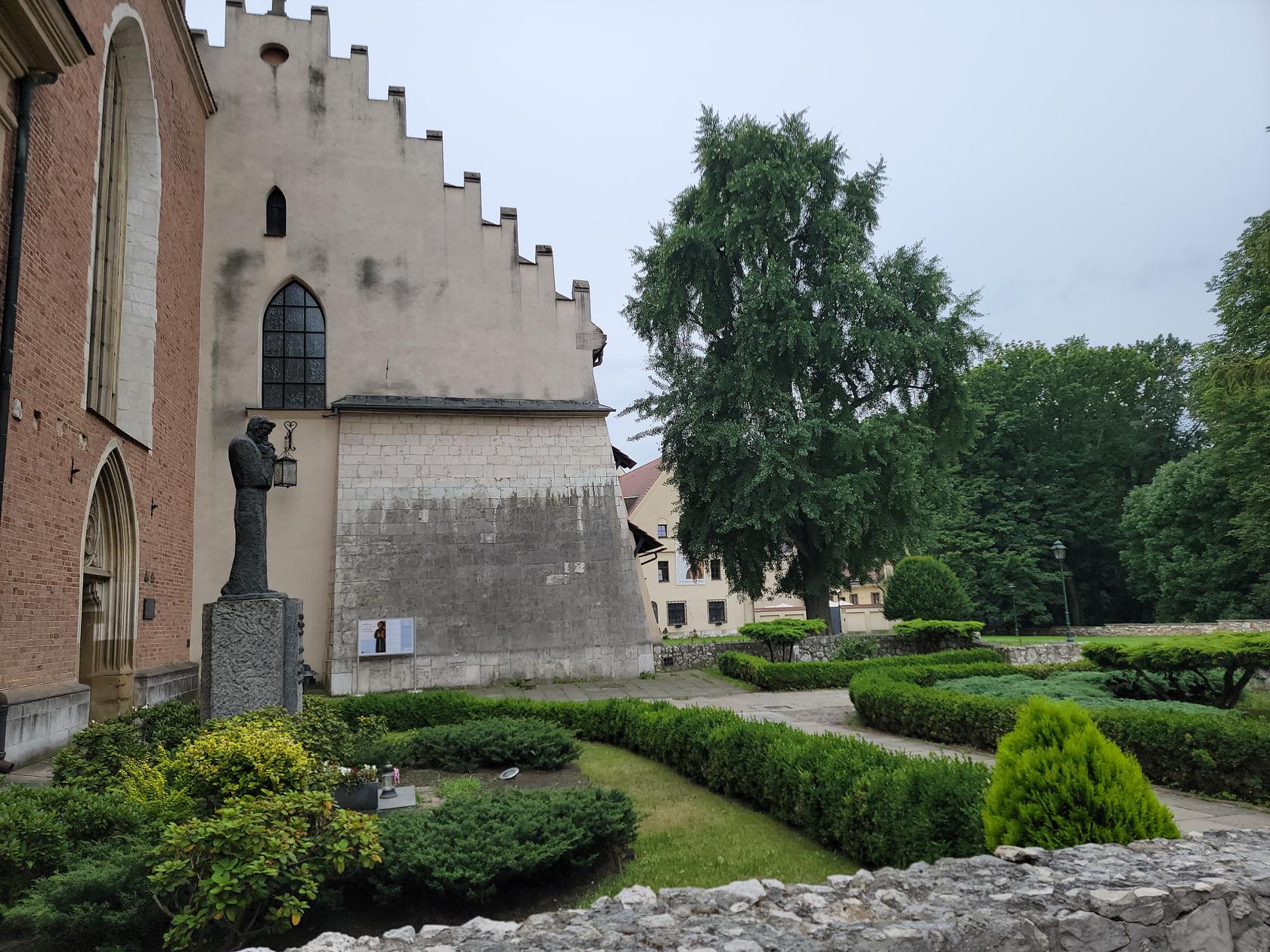
The nave, with a golden altar beckons you forward, beseeching the faithful inside. The Basilica of Saint Francis of Assisi is a thirteenth century church that was one of the first brick and sandstone churches in Poland.
Entrance – Basilica of Saint Francis of Assisi – Kraków, Poland
Garden – Basilica of Saint Francis of Assisi – Kraków, Poland
Nave – Basilica of Saint Francis of Assisi – Kraków, Poland
Church Of Saint Anne
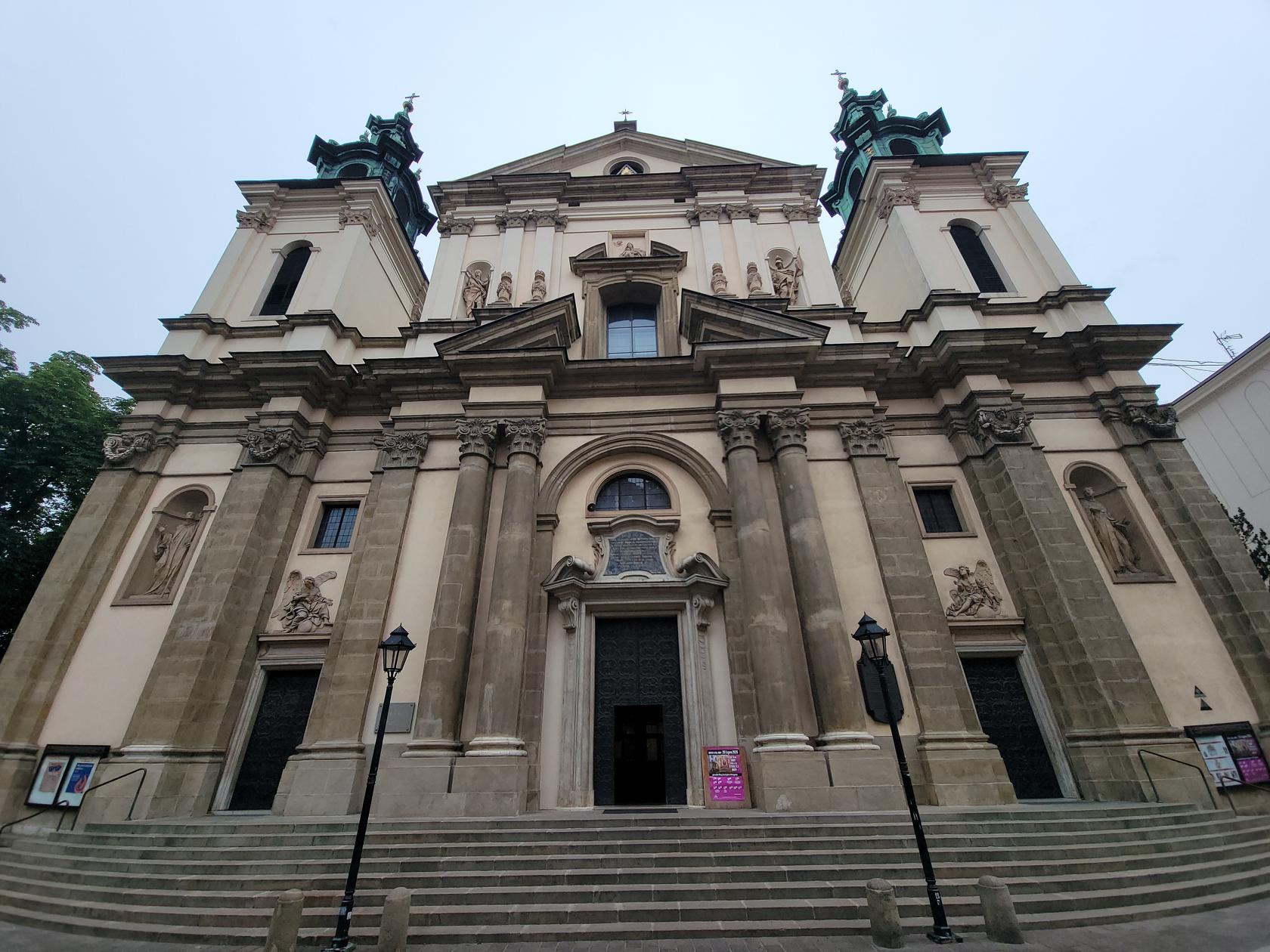
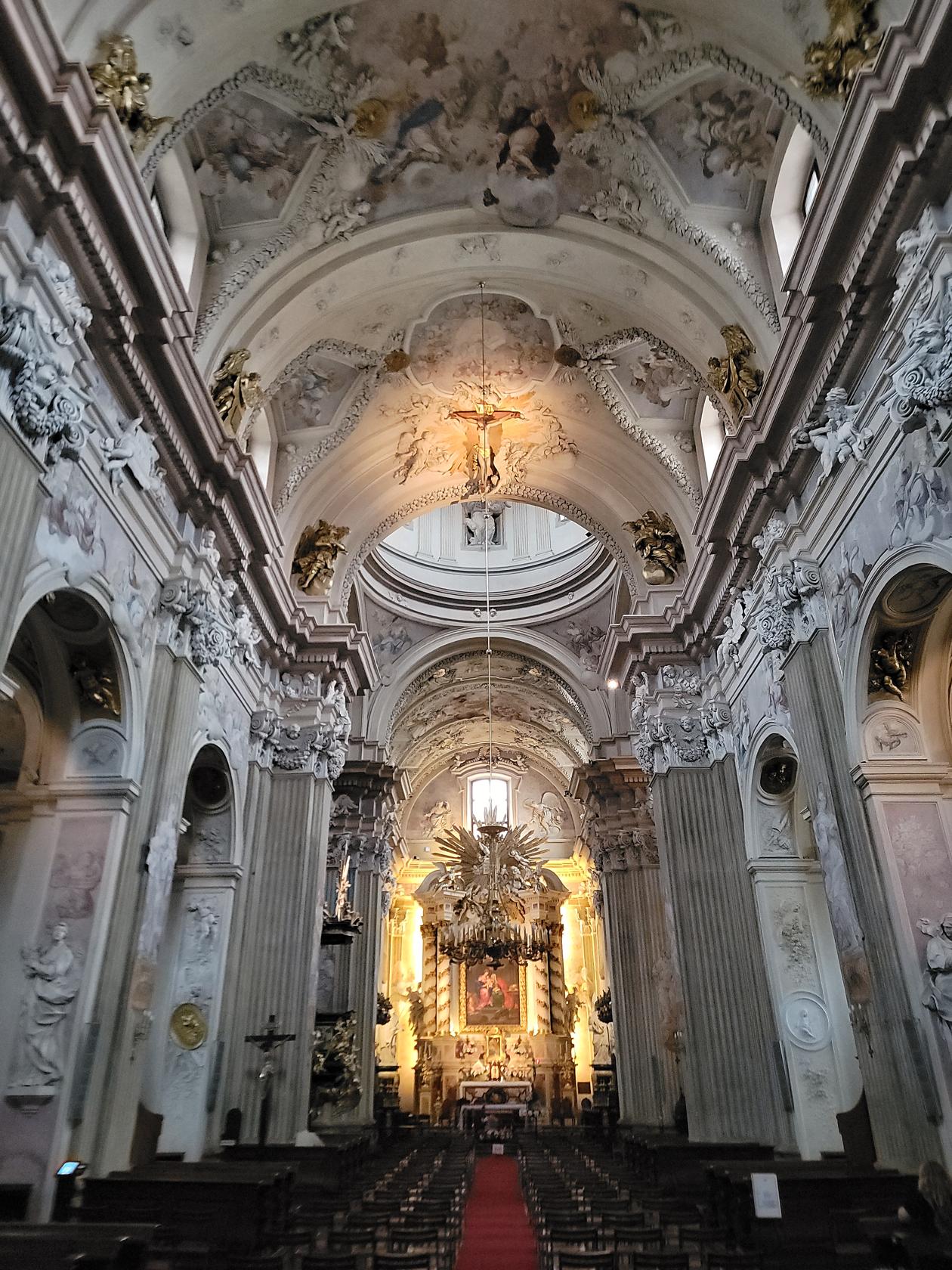
Located close to the Art Palace and the Plac Szczepański the Church of Saint Anne is elegant in its own way. Built in the baroque style, the floor itself is impressive in its own right.
Entrance – Church of Saint Anne – Kraków, Poland
Nave – Church of Saint Anne – Kraków, Poland
Aisle – Church of Saint Anne – Kraków, Poland
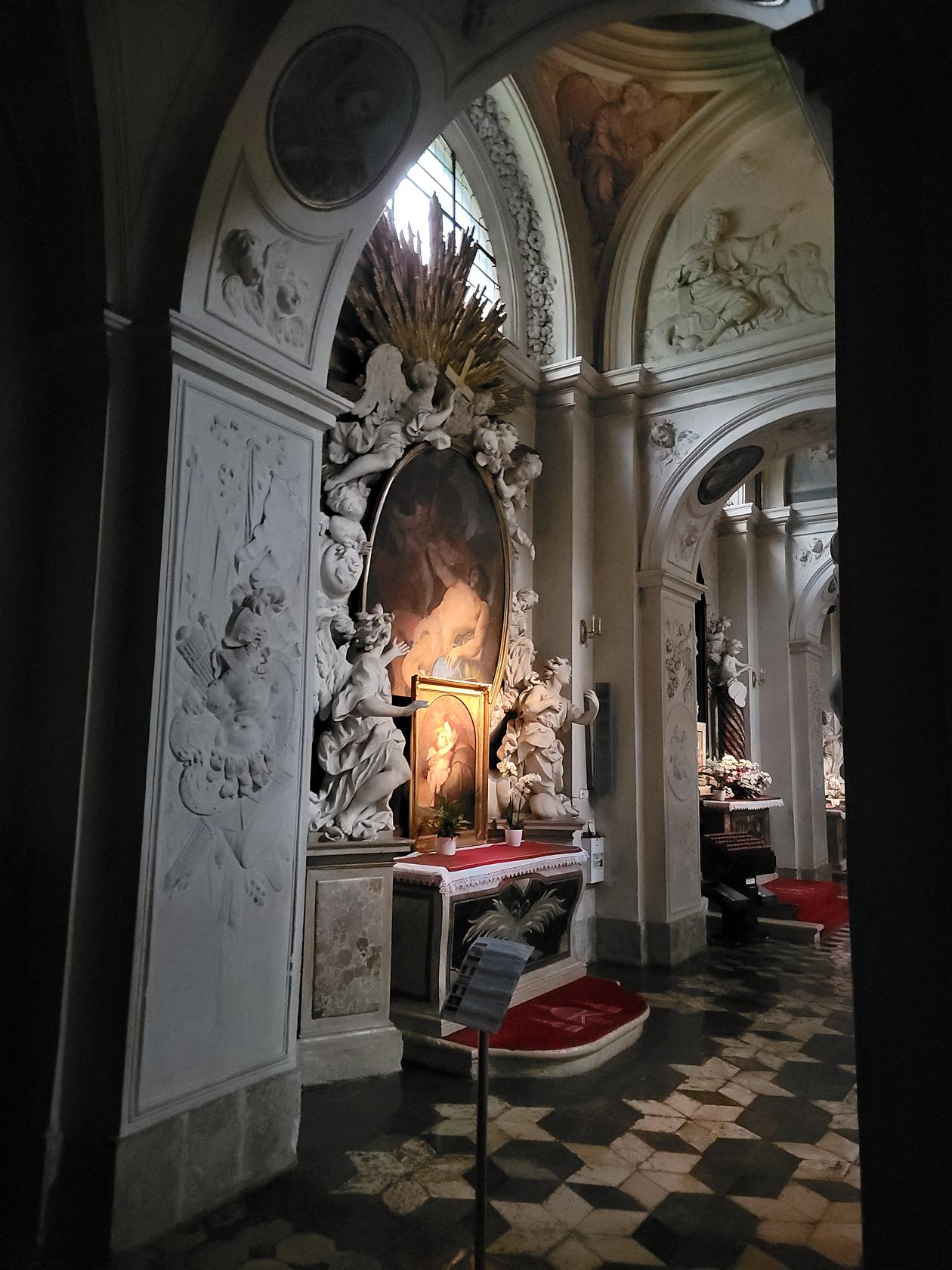
The nave, altar, aisles and other aspects of the church speak for themselves. A beautiful church and typical of Catholic Churches found in Poland.
Side Chapel Ceiling – Church of Saint Anne – Kraków, Poland
Side Chapel – Church of Saint Anne – Kraków, Poland
Side Altar – Church of Saint Anne – Kraków, Poland
Altar – Church of Saint Anne – Kraków, Poland
Side Altar – Church of Saint Anne – Kraków, Poland
Organ and Nave Ceiling – Church of Saint Anne – Kraków, Poland
Church Of Saints John The Baptist And John The Evangelist
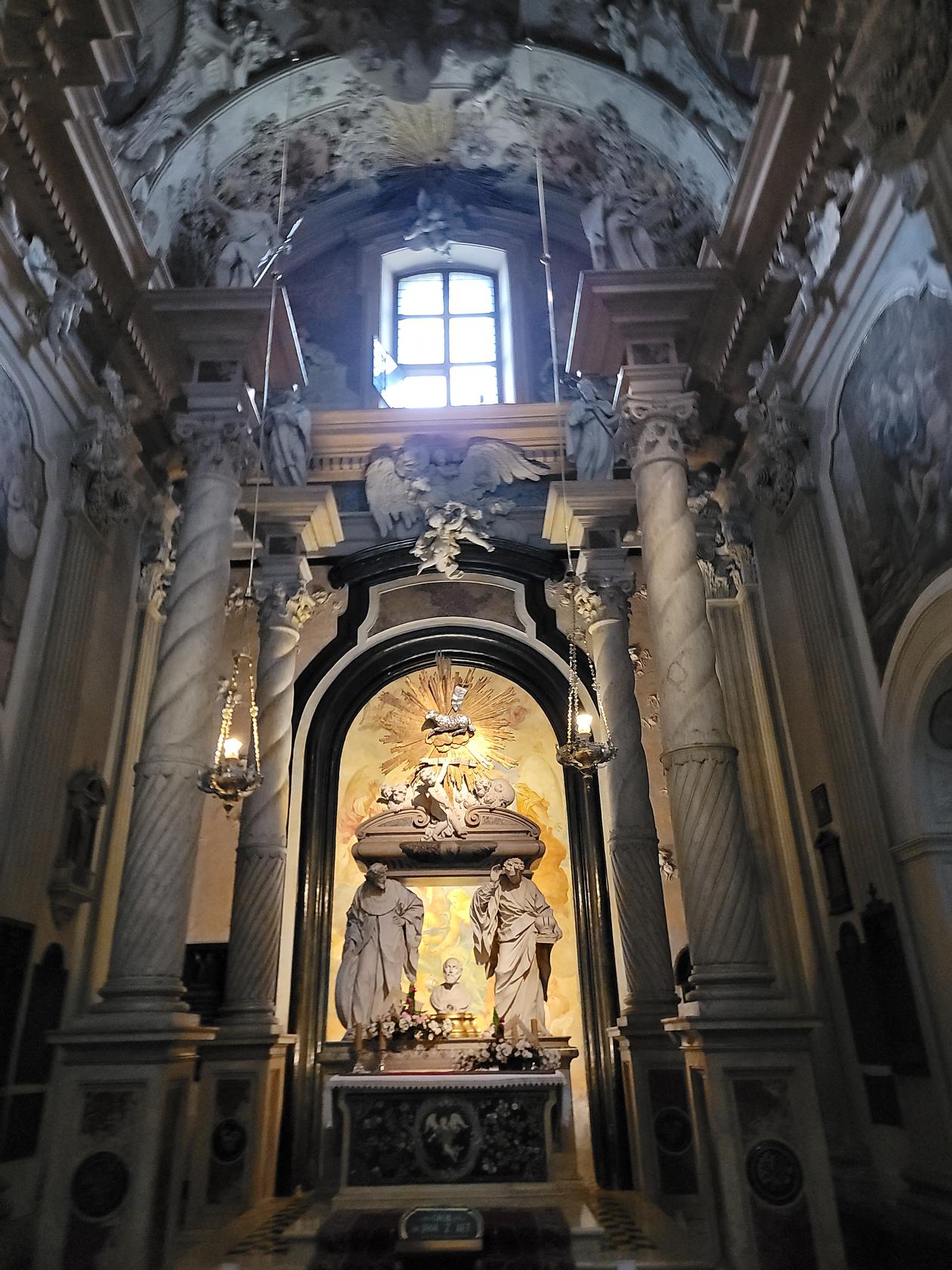
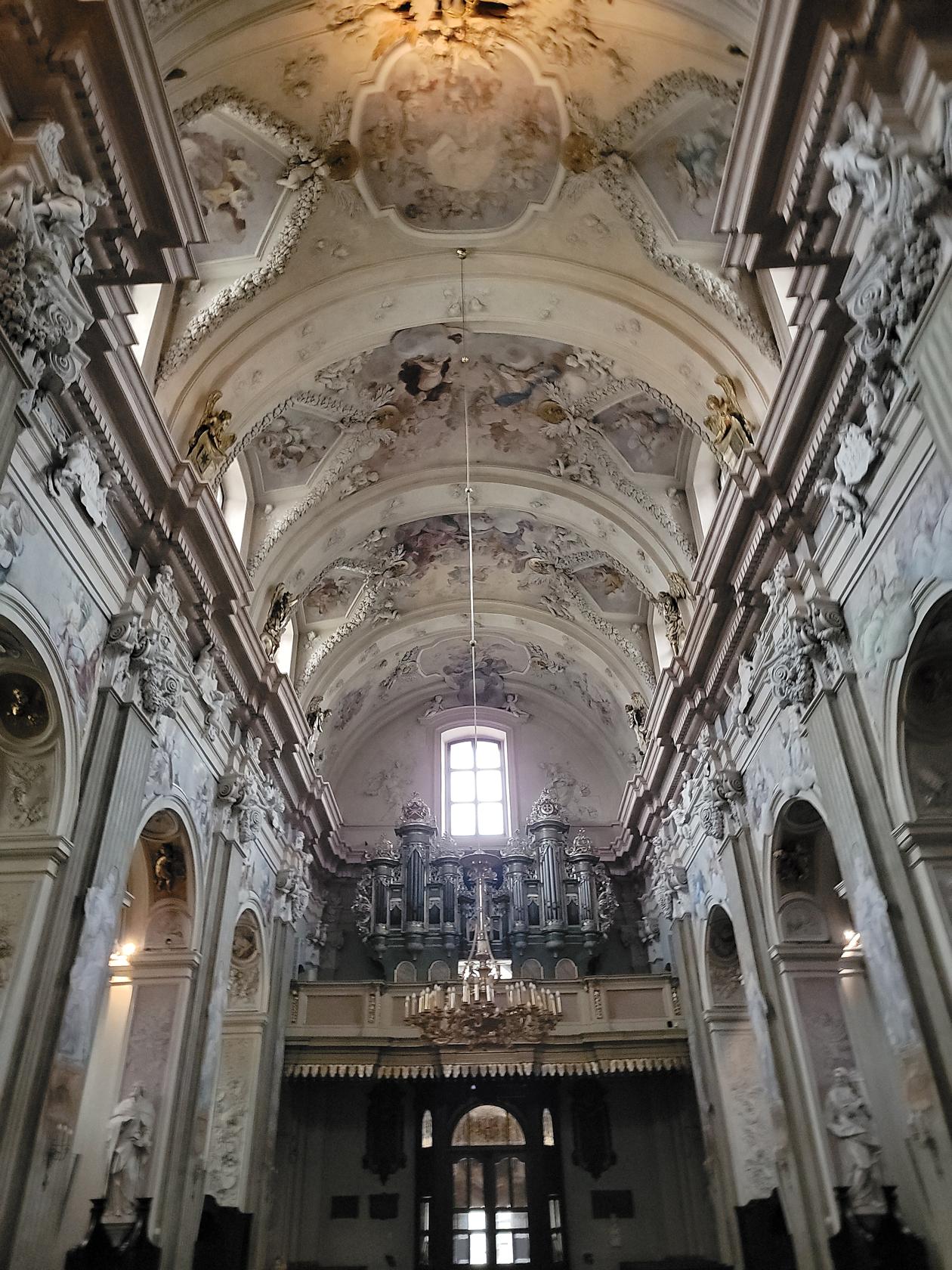
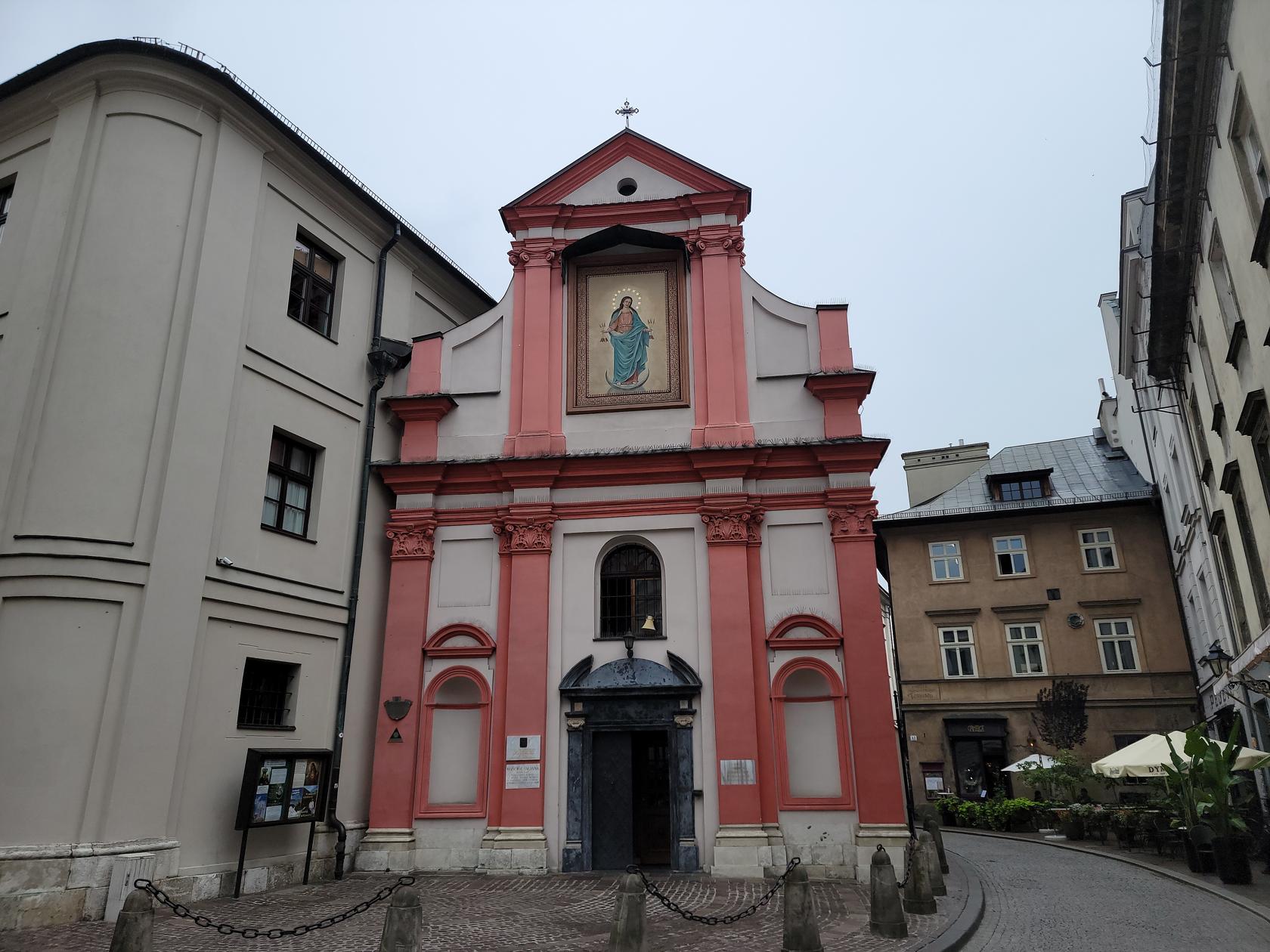
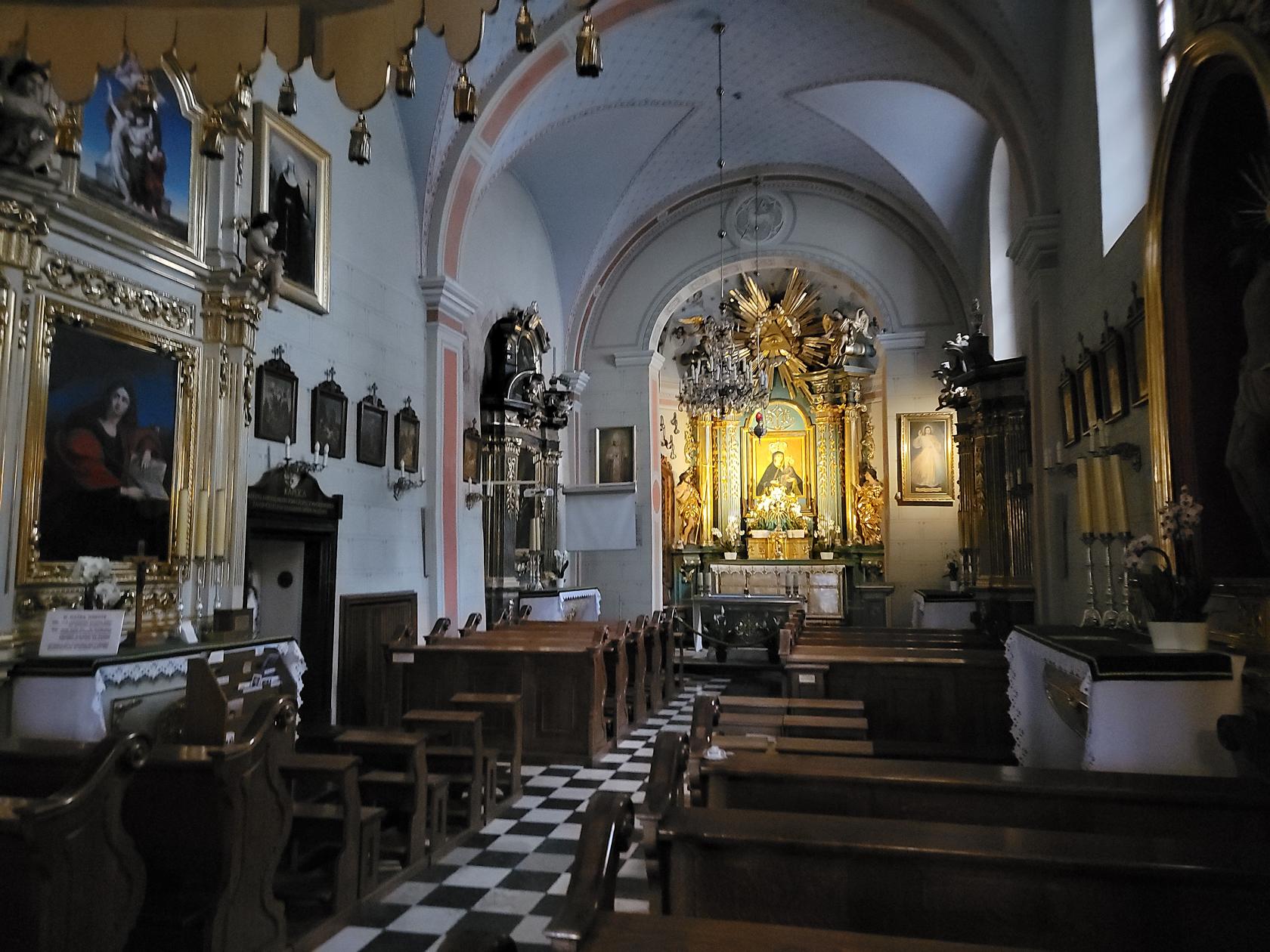
A small church next to a small Italian restaurant that we ate at, the Church Of Saints John The Baptist And John The Evangelist has a red exterior, small in stature and somewhat a simple baroque interior, but well worth a visit.
Entrance – Church of Saints John the Baptist and John the Evangelist – Kraków, Poland
Altar and Inside – Church of Saints John the Baptist and John the Evangelist – Kraków, Poland
Holy Trinity Church
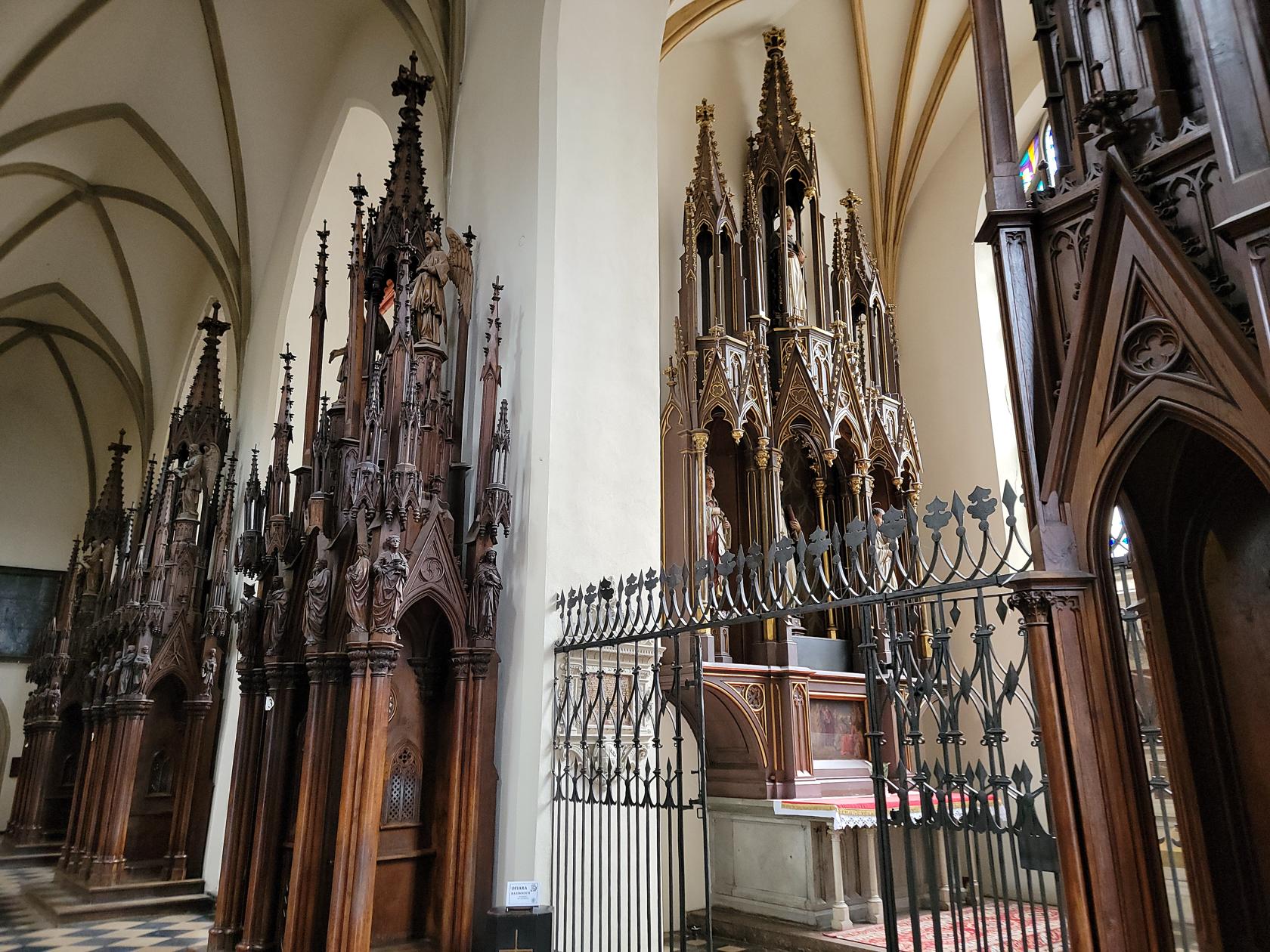
If you are looking for something small with more spartan lines, then the Holy Trinity Church should be a destination. It singular feature of adornment is in its wooden side chapels, which the photographs below show in better detail.
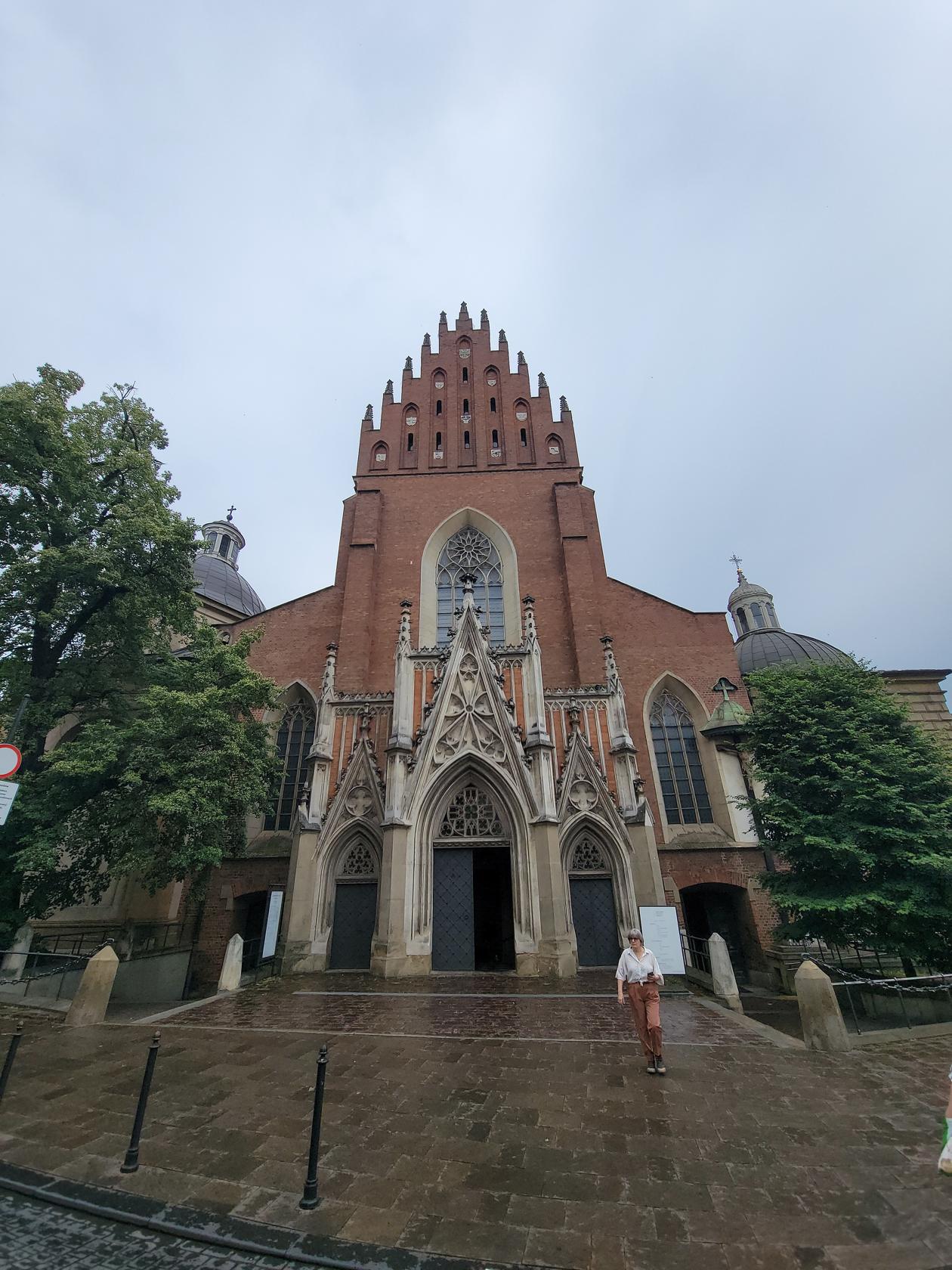
Entrance – Holy Trinity Church – Kraków, Poland
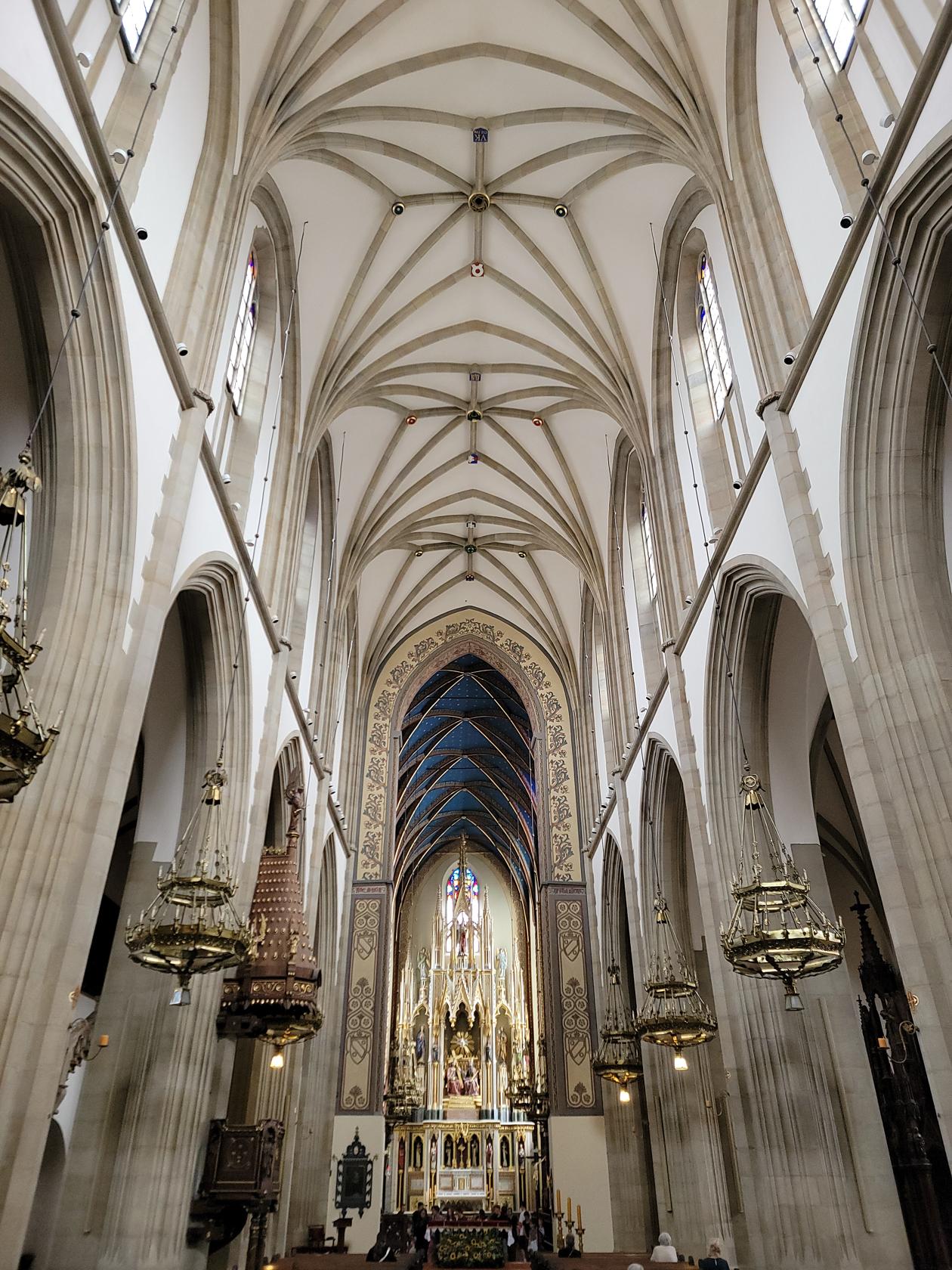
Nave – Holy Trinity Church – Kraków, Poland
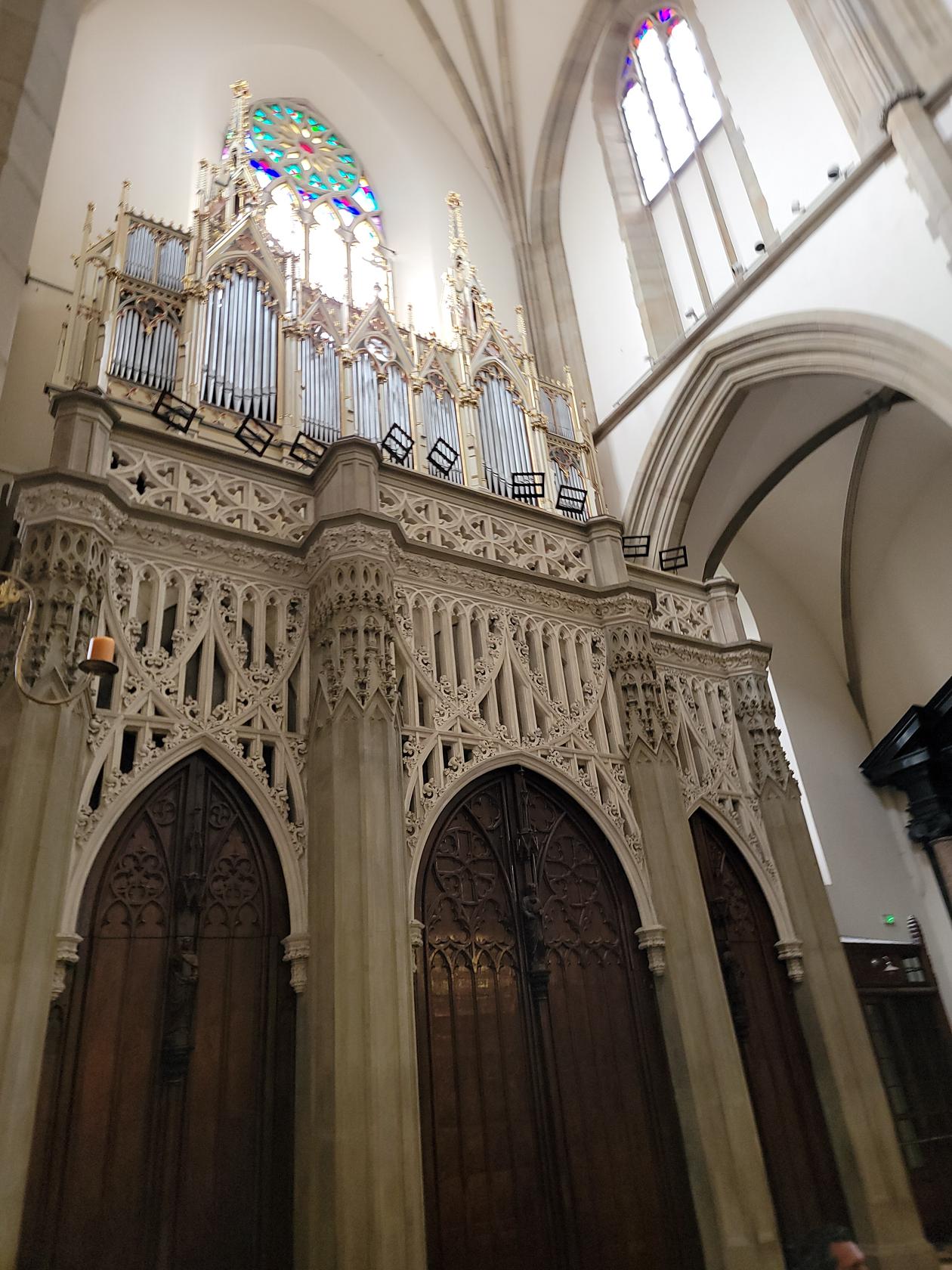
Organ – Holy Trinity Church – Kraków, Poland
Side Chapels – Holy Trinity Church – Kraków, Poland
Pulpit – Holy Trinity Church – Kraków, Poland
Saint Aldabert’s Church
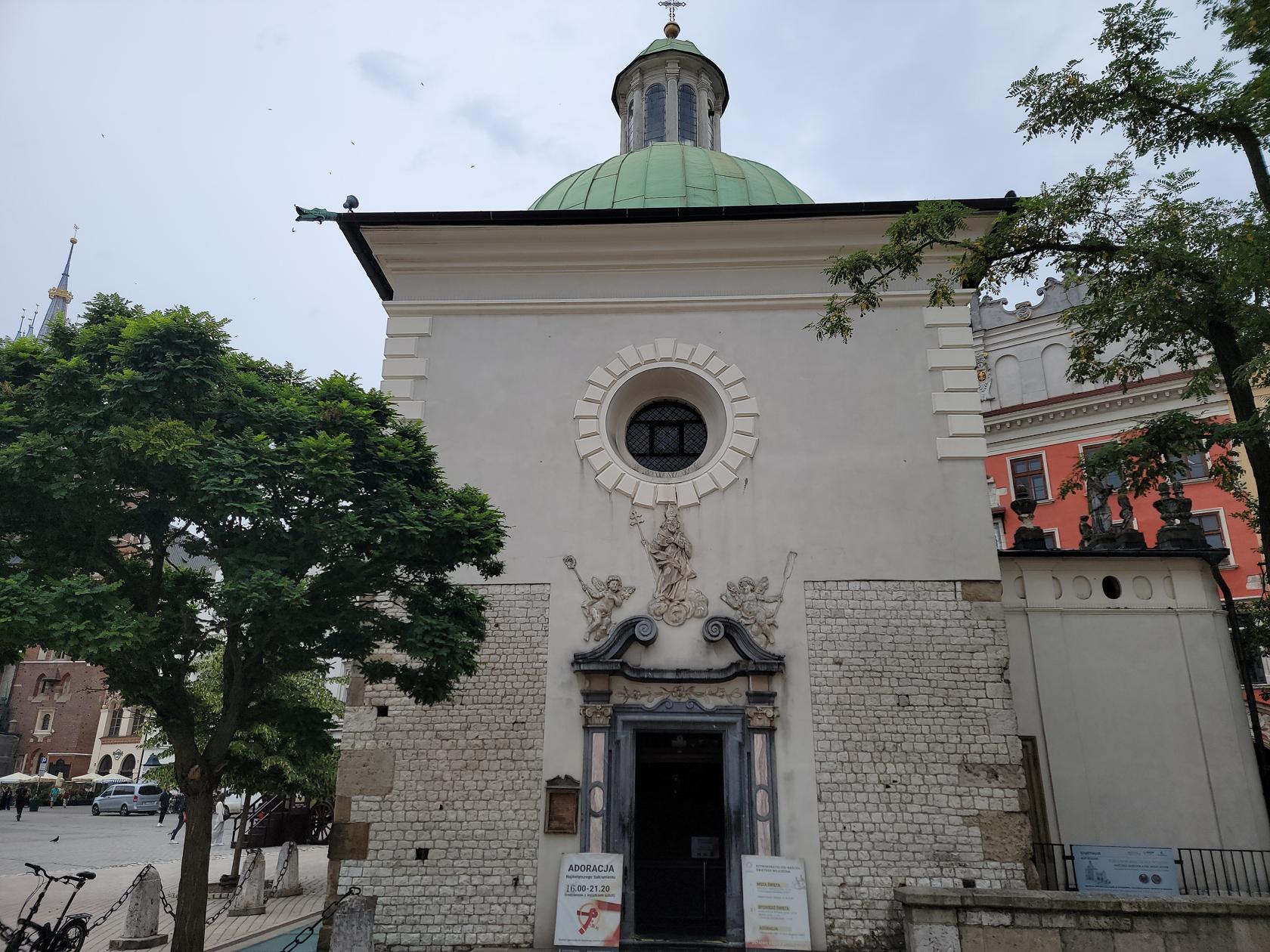
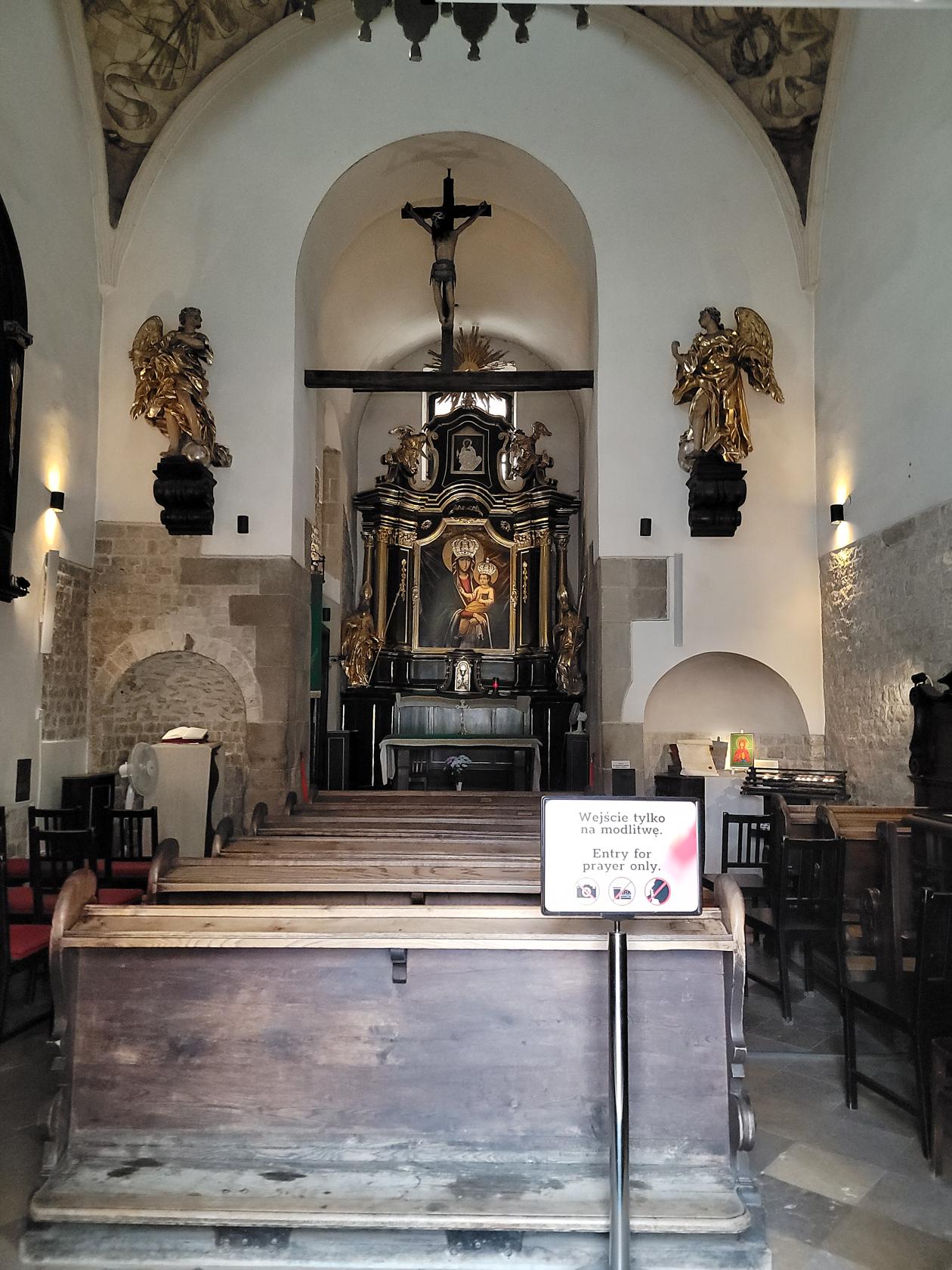
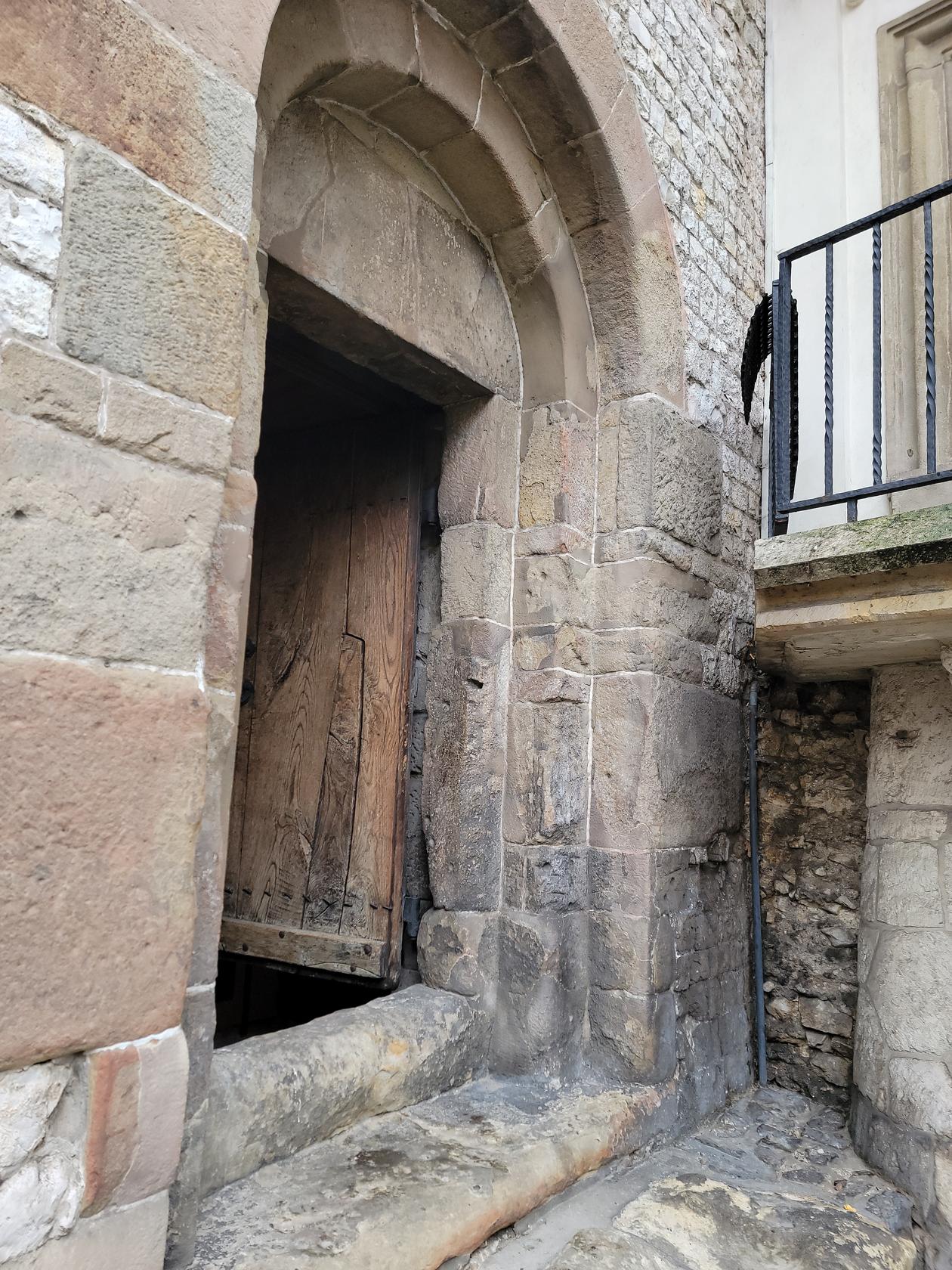
Also known as Church Of Saint Wojciech, Saint Aldabert’s Church is a small chapel that sits on top of an older church.
Church of St. Wojciech – Rynek Główny Main Plaza – Kraków, Poland
Church of St. Wojciech – Rynek Główny Main Plaza – Kraków, Poland
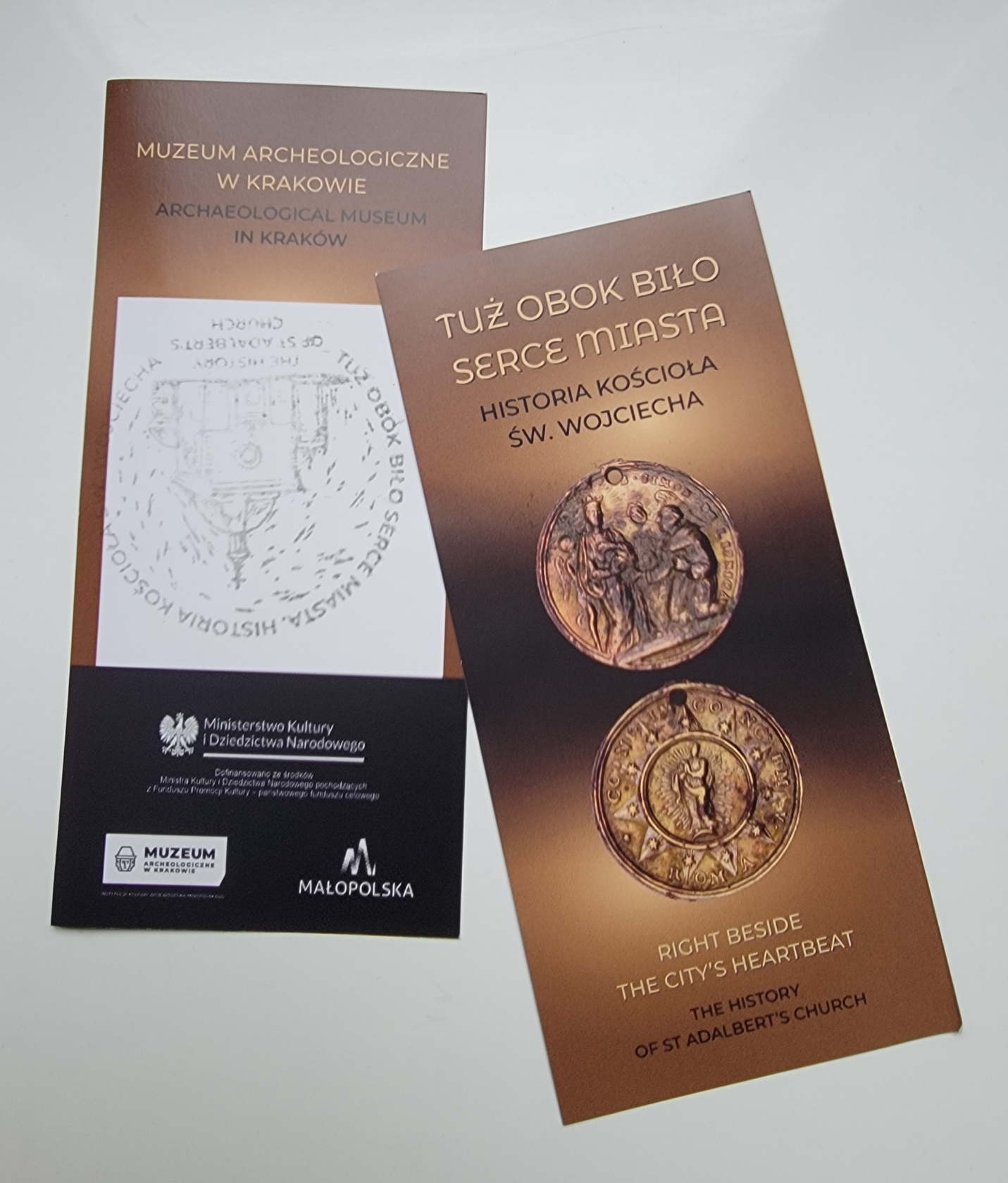
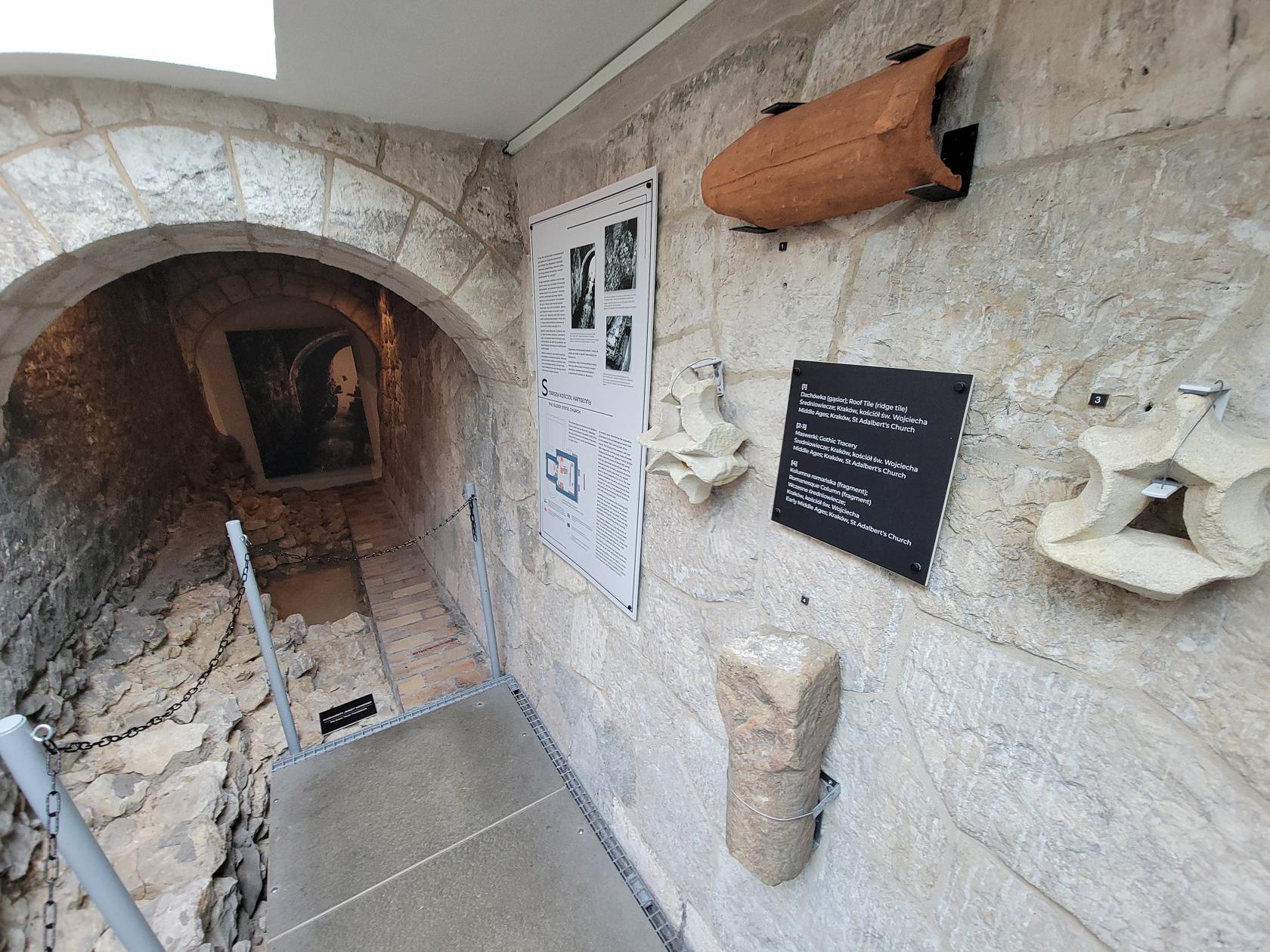
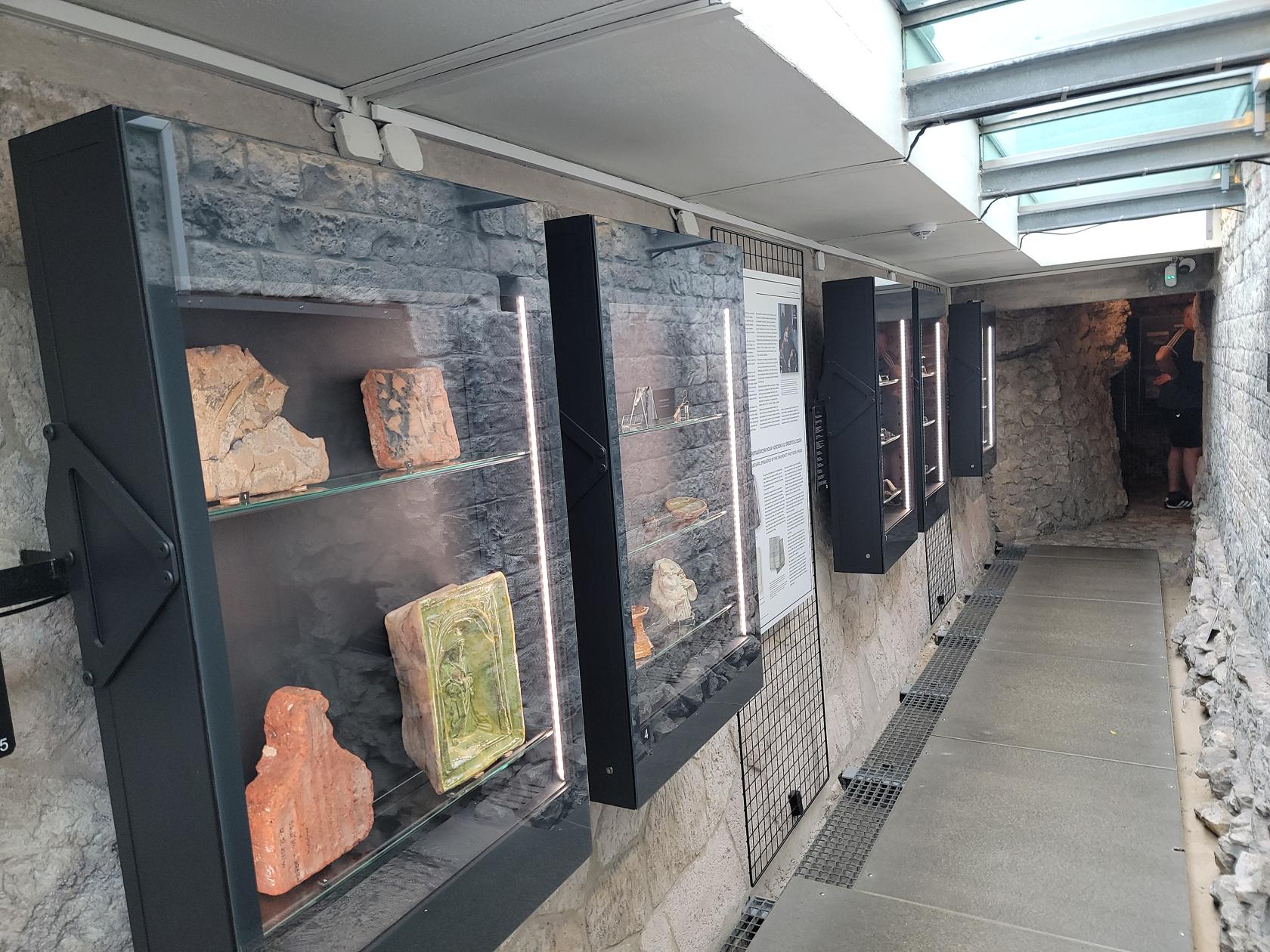
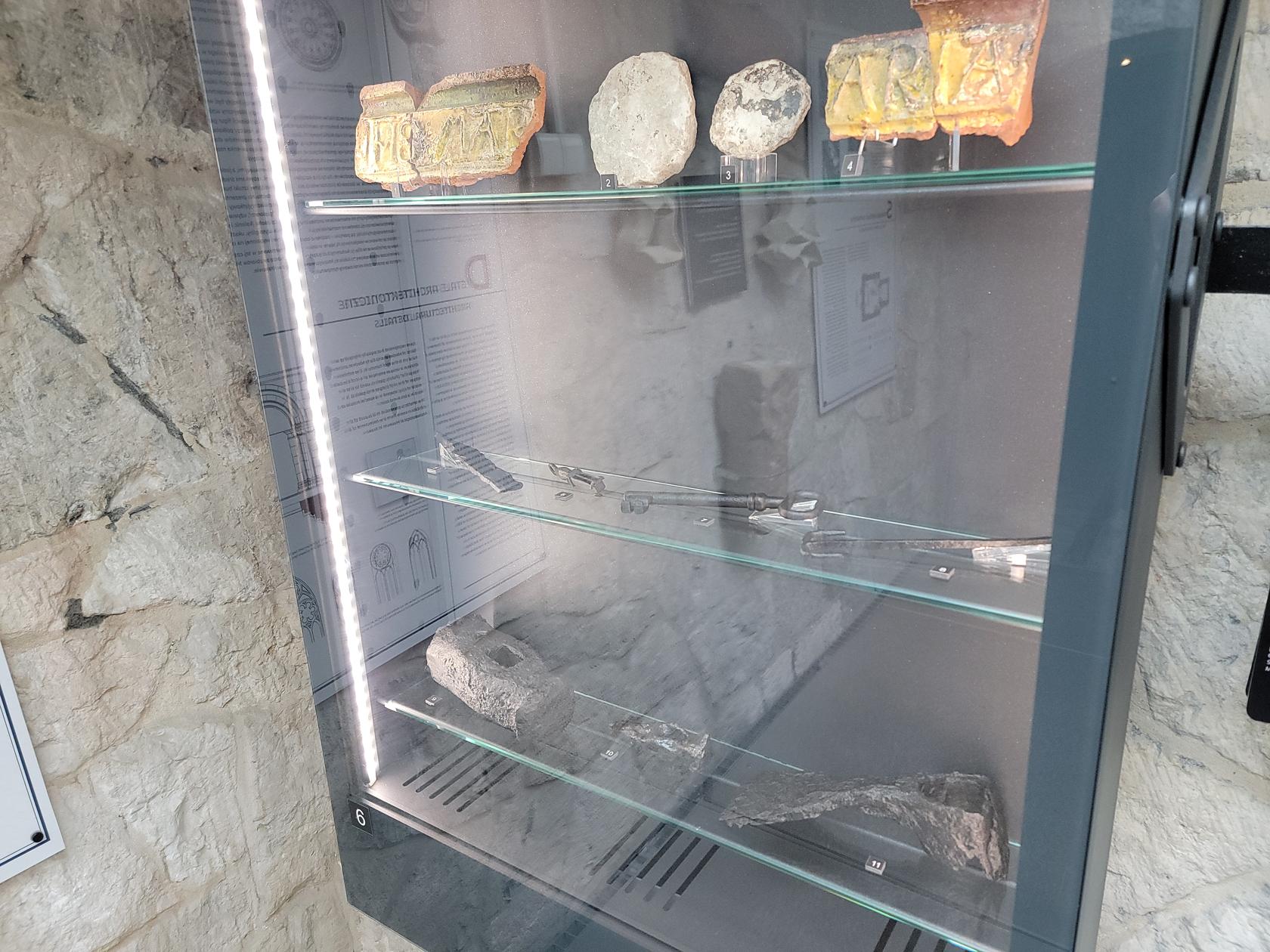
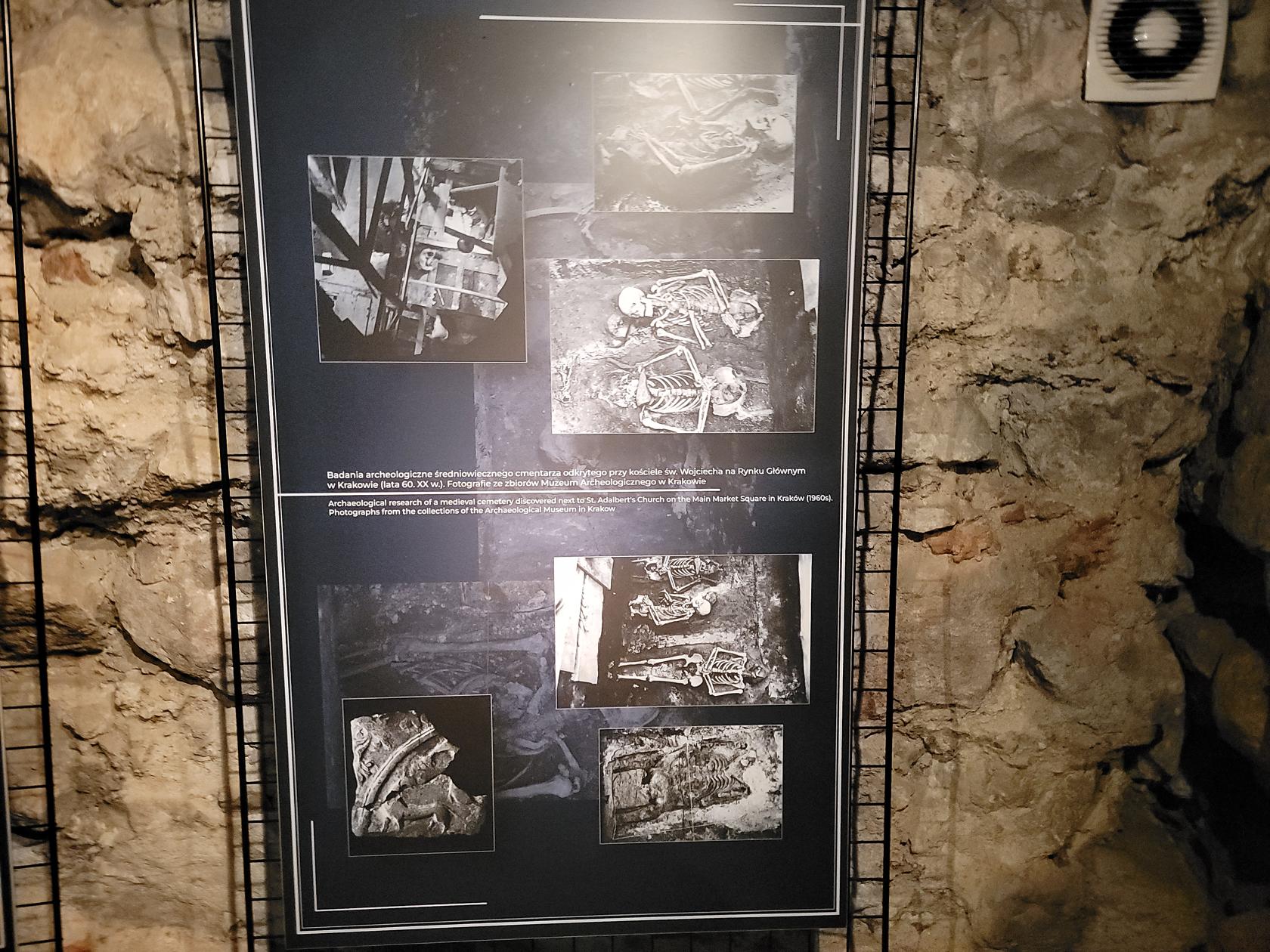
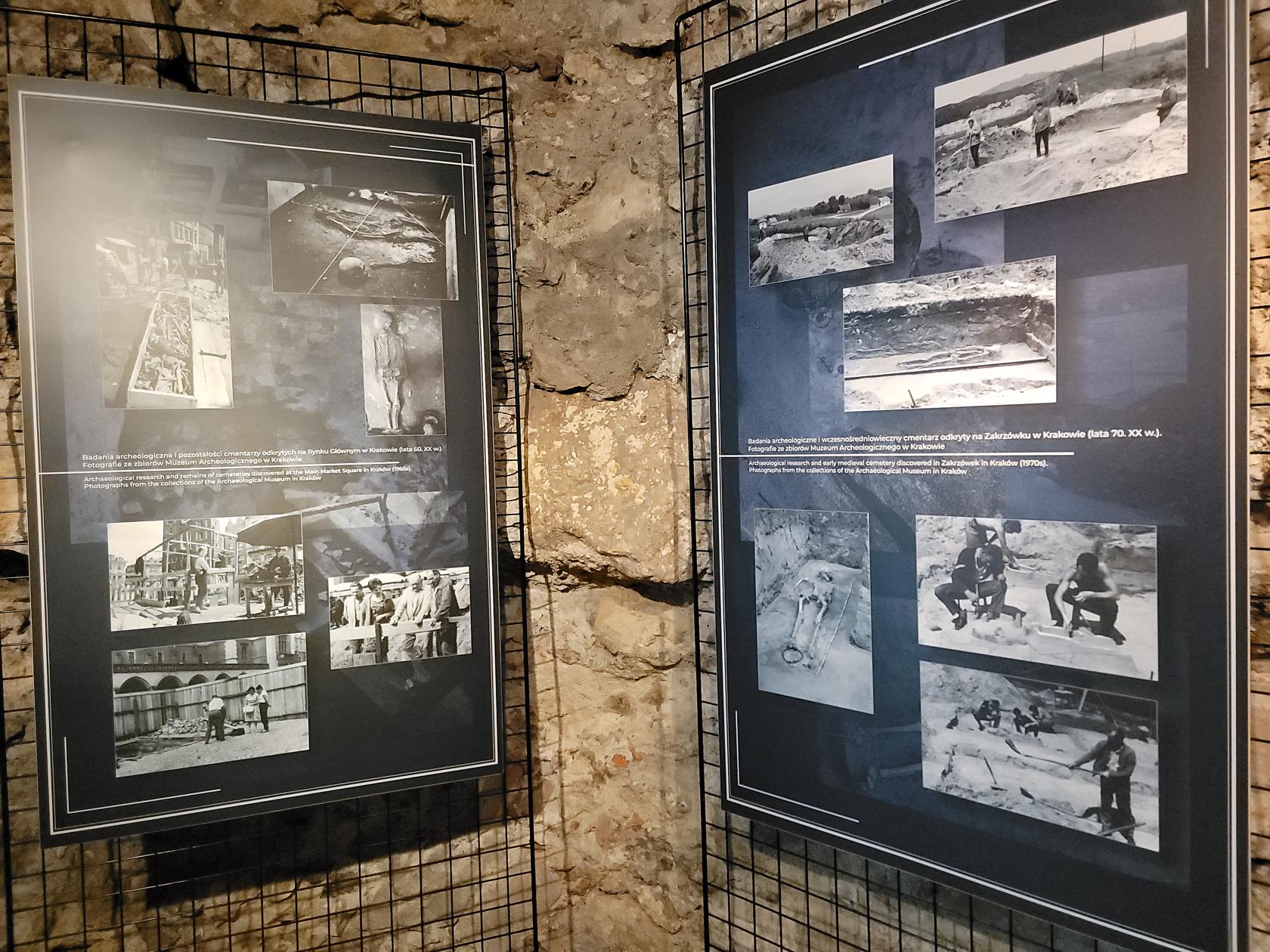
The archealogical remains of the older church may be visited for a small fee. Frankly there is not much to see, but it was interesting nonetheless, even though it was quite short.
Tickets For Two – Saint Aldaberts Church – Kraków, Poland
Entrance – Saint Aldabert’s Church – Kraków, Poland
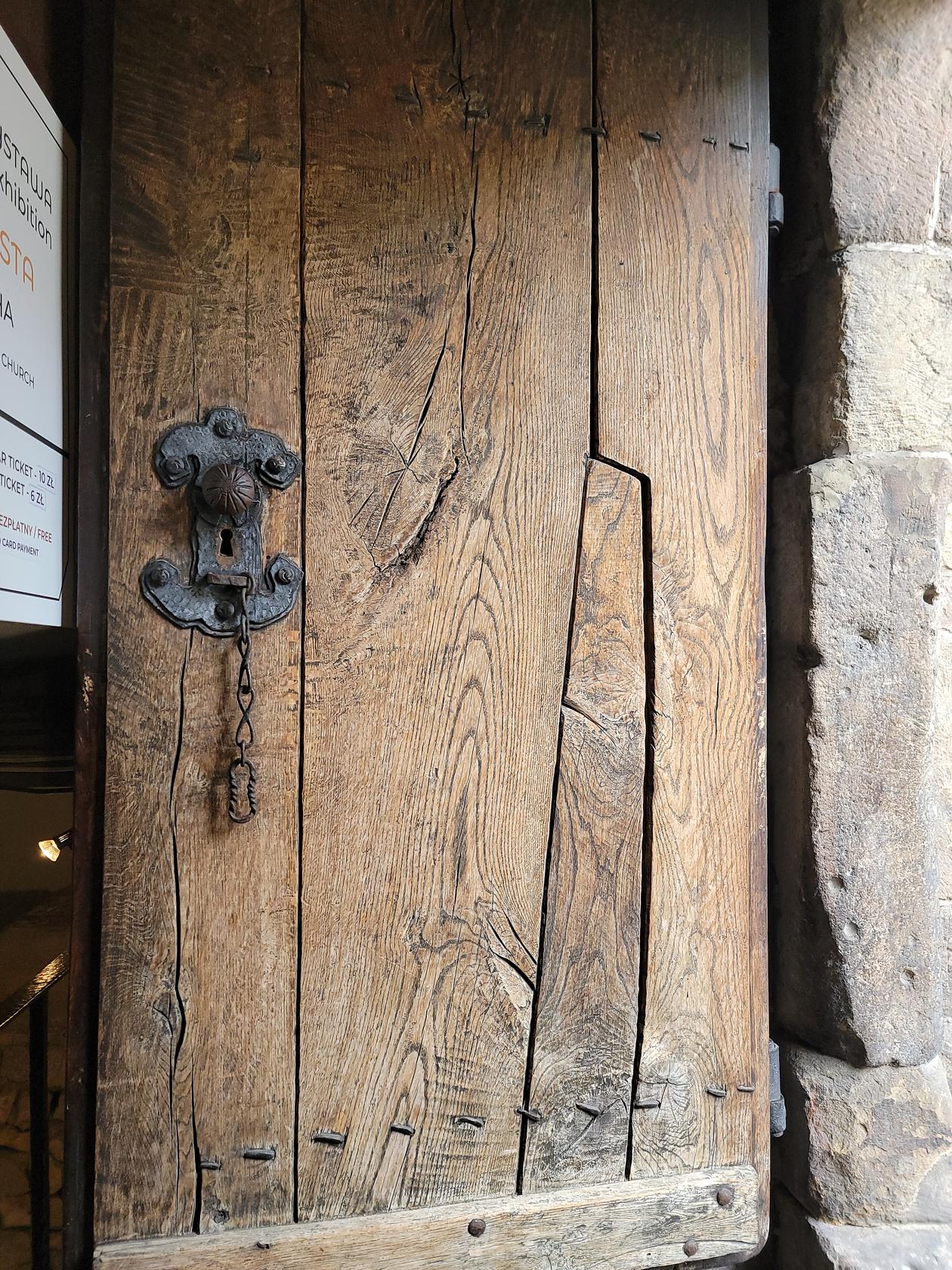
Old Wooden Door with Iron Doorknob – Saint Aldabert’s Church – Kraków, Poland
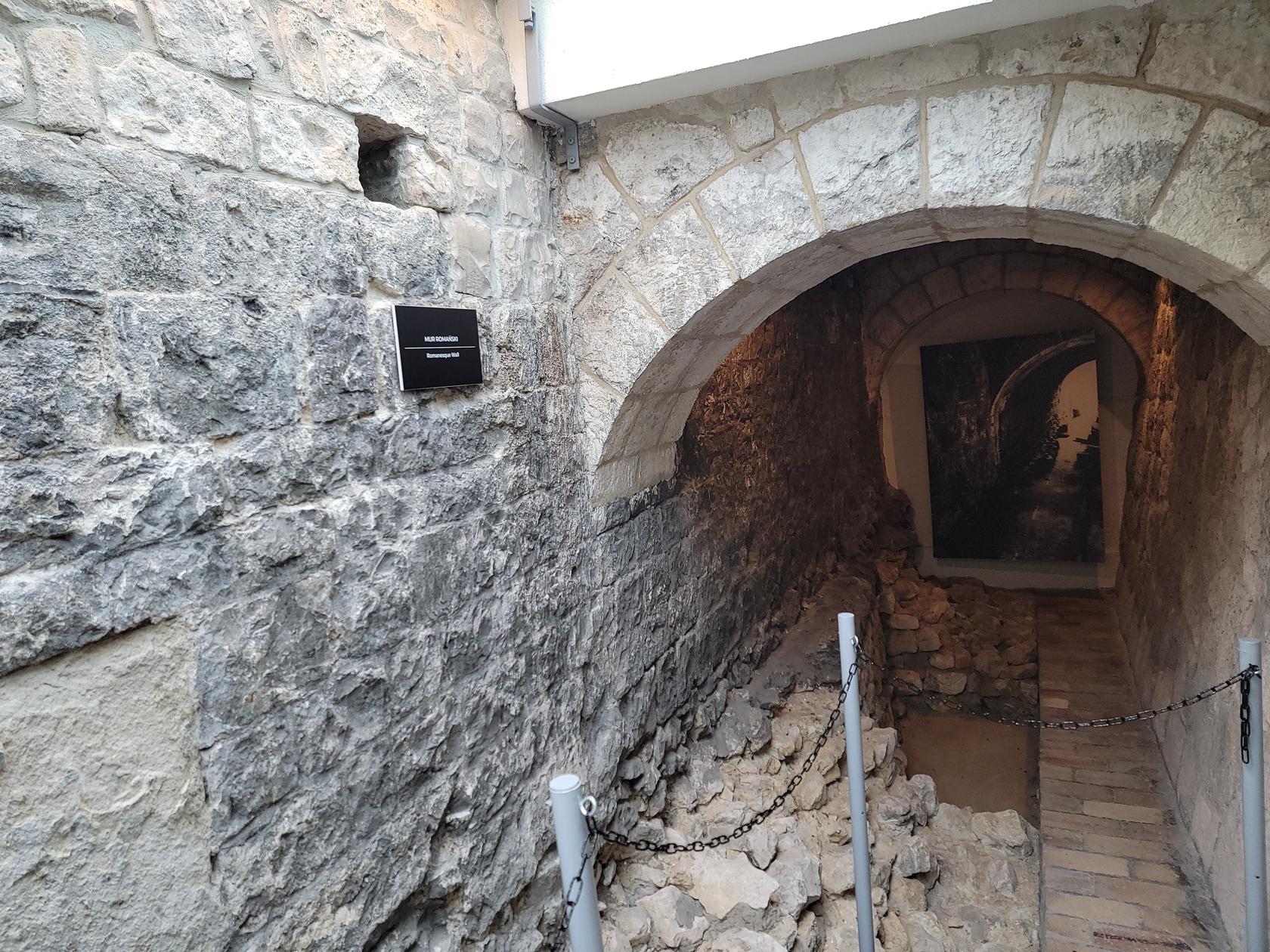
Old Romanesque Wall – Saint Aldabert’s Church – Kraków, Poland
Old Romanesque Wall – Saint Aldabert’s Church – Kraków, Poland
Exhibits – Saint Aldabert’s Church – Kraków, Poland
Old Keys and other artifacts – Saint Aldabert’s Church – Kraków, Poland
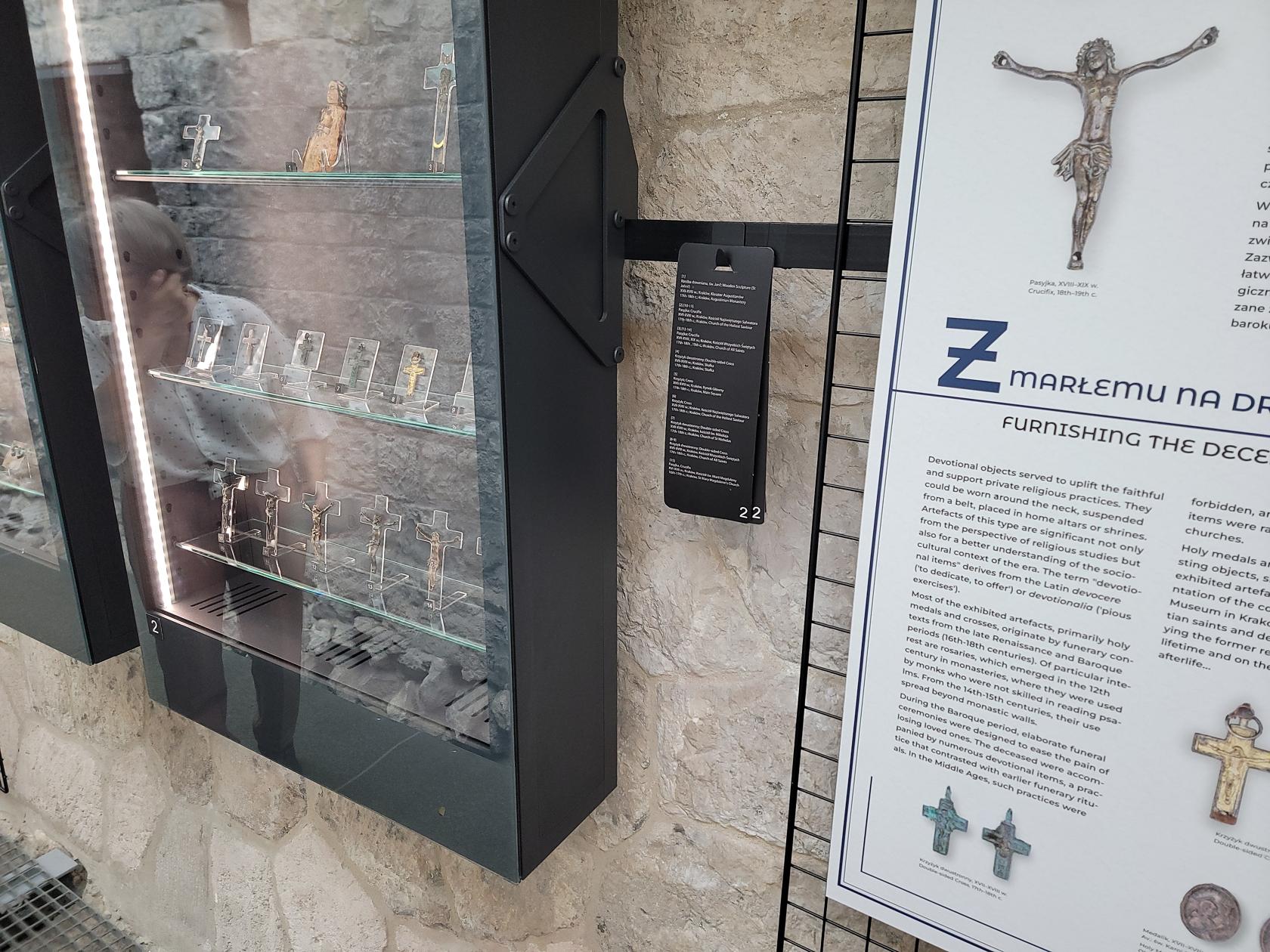
Old Crucifixes – Saint Aldabert’s Church – Kraków, Poland
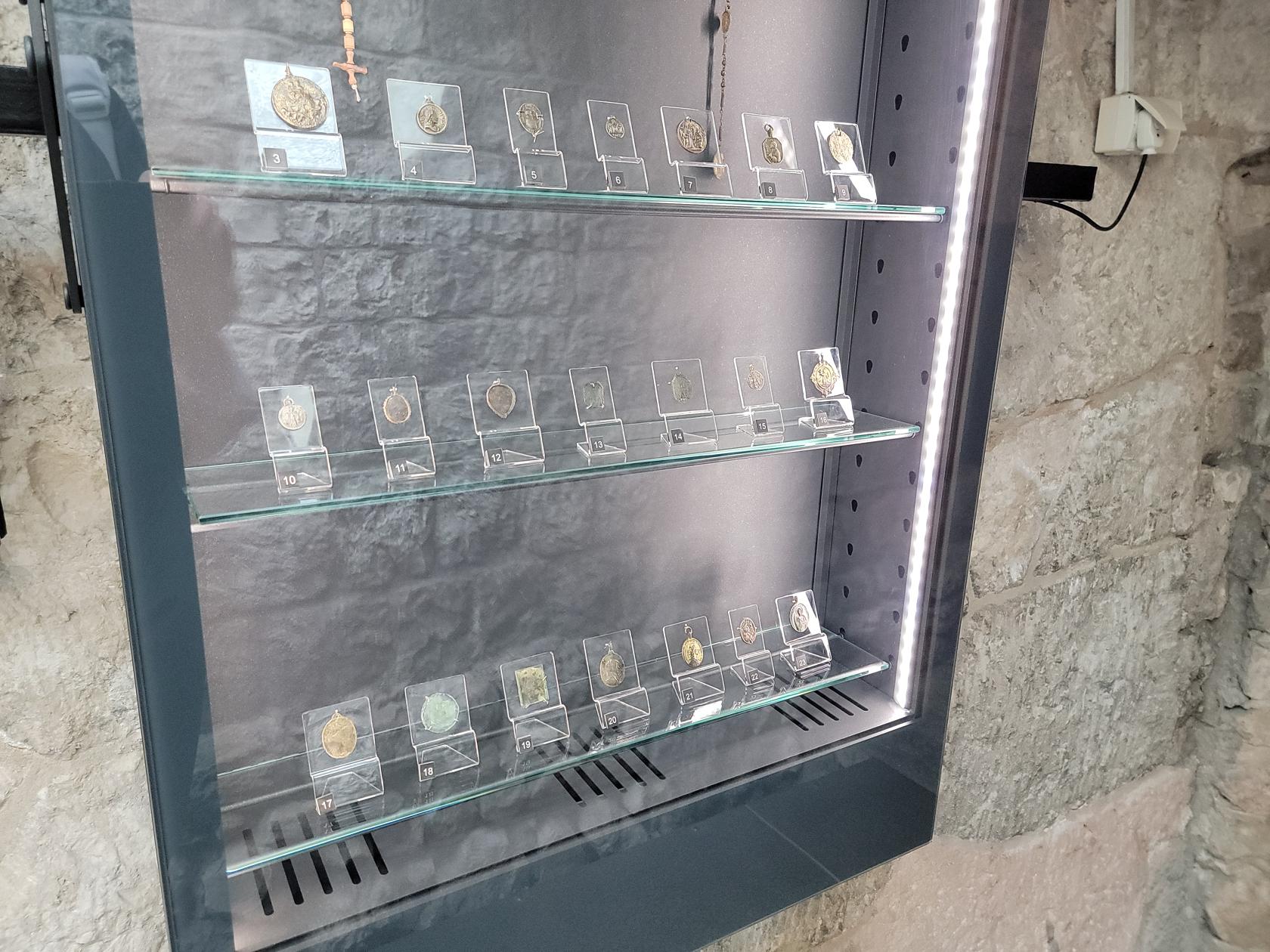
Crucifixes and Gold Pendants – Saint Aldabert’s Church – Kraków, Poland
Remains Found – Saint Aldabert’s Church – Kraków, Poland
Exhibits – Saint Aldabert’s Church – Kraków, Poland
Restaurants
In this part we visited two restaurants of note. The Morski Oko and the Jama Michalika, one noted for its food, the other for its artwork.
Morskie Oko Restaurant
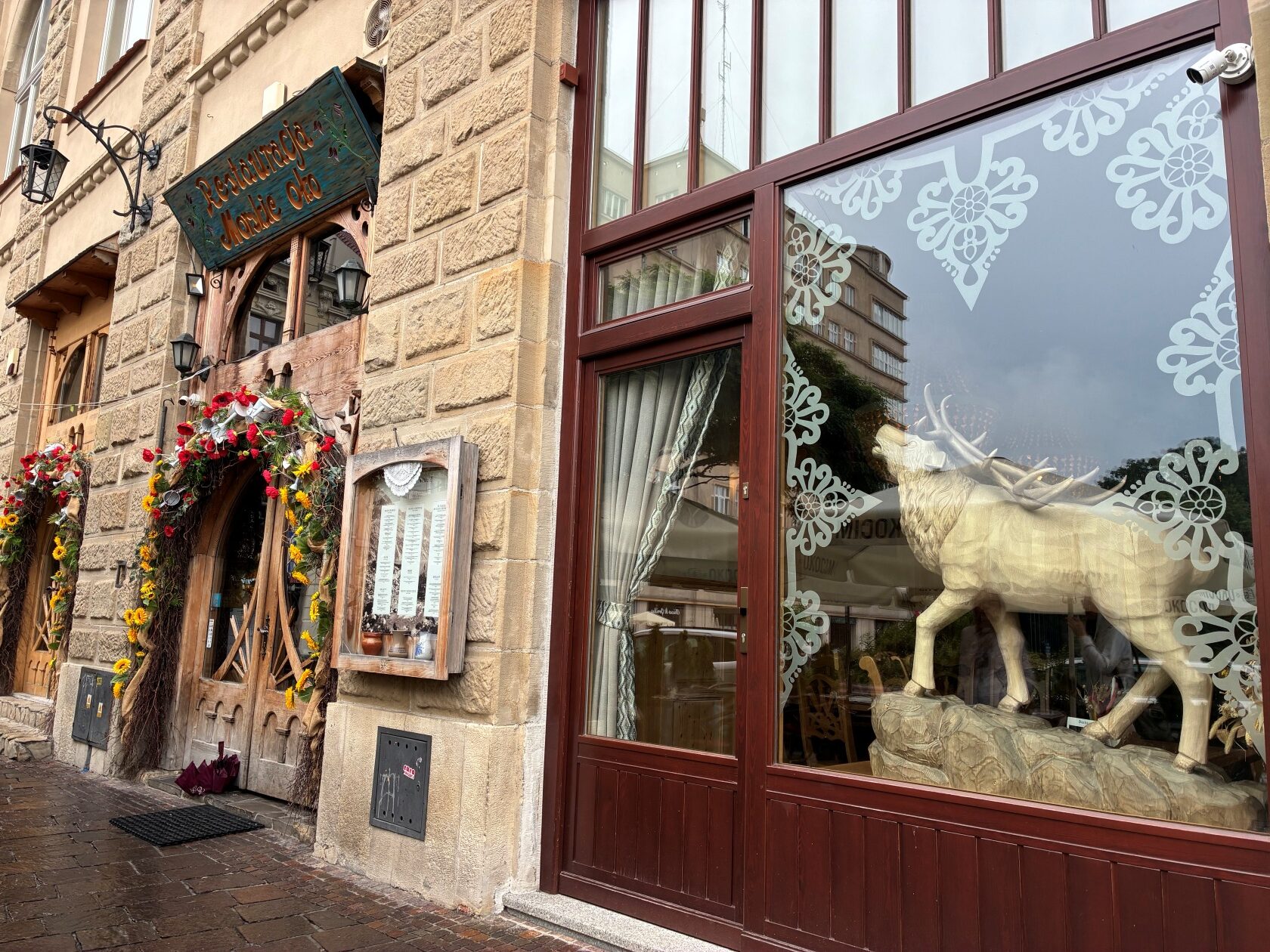
The Morskie Oko restaurant is actually one that we visited more than once, more on that later. In this edition we had reservations for lunch, since it can get quite busy.
Entrance – Morskie Oko Restaurant – Kraków, Poland
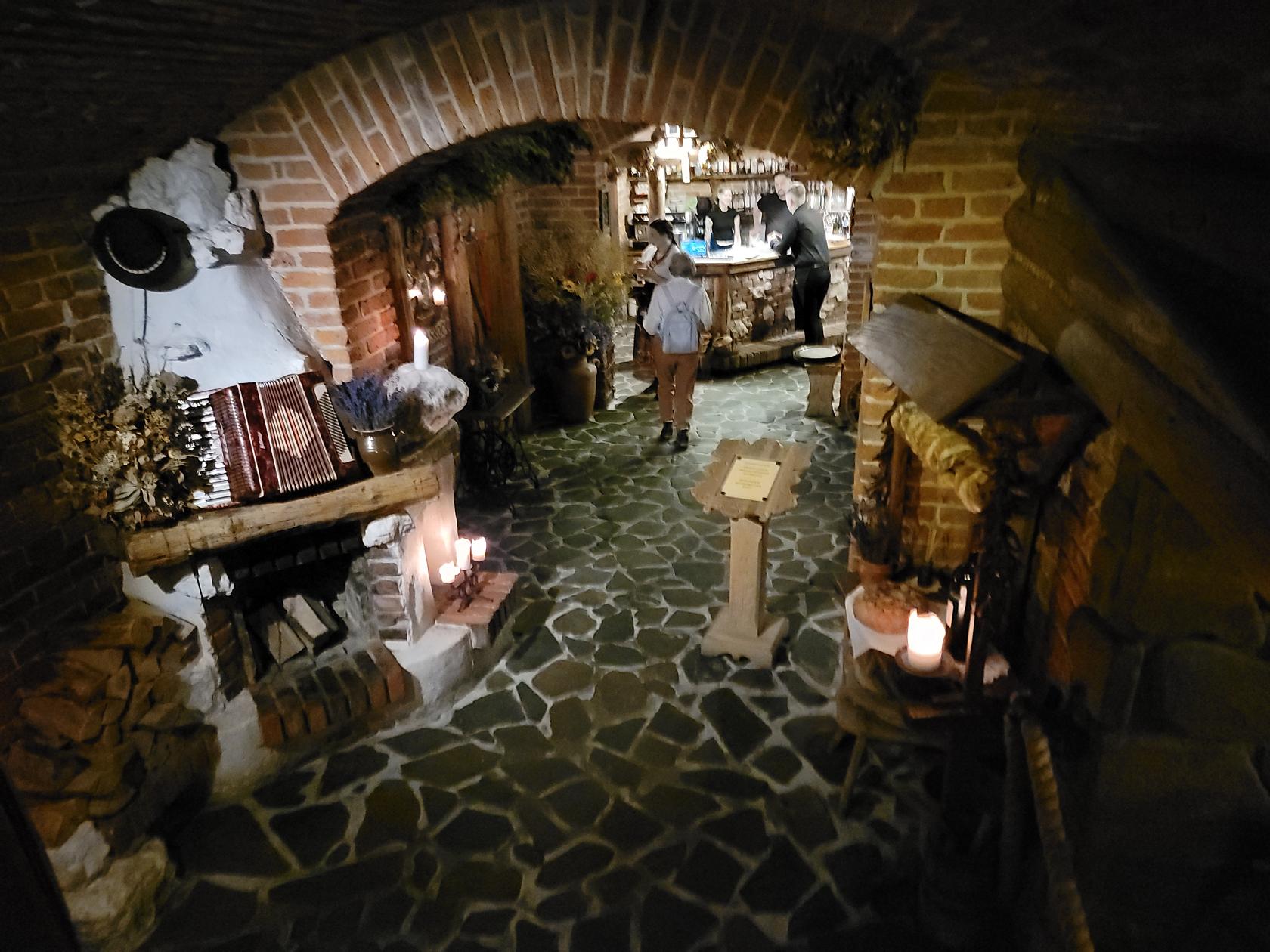
Downstairs – Morskie Oko Restaurant – Kraków, Poland
Inside Downstairs – Morskie Oko Restaurant – Kraków, Poland
Group Seating – Morskie Oko Restaurant – Kraków, Poland
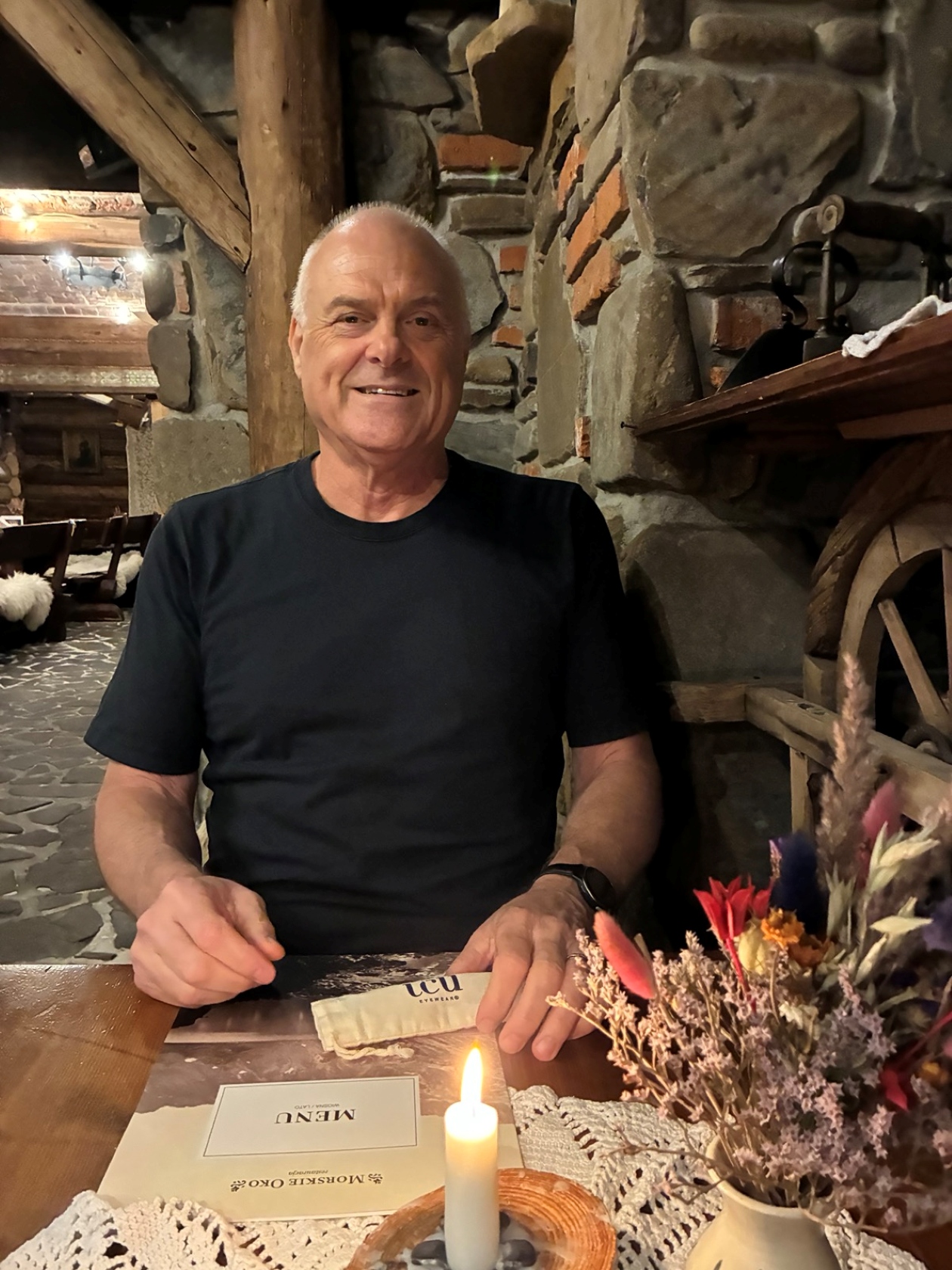
Patti waiting for lunch – Morskie Oko Restaurant – Kraków, Poland
Inside – Morskie Oko Restaurant – Kraków, Poland
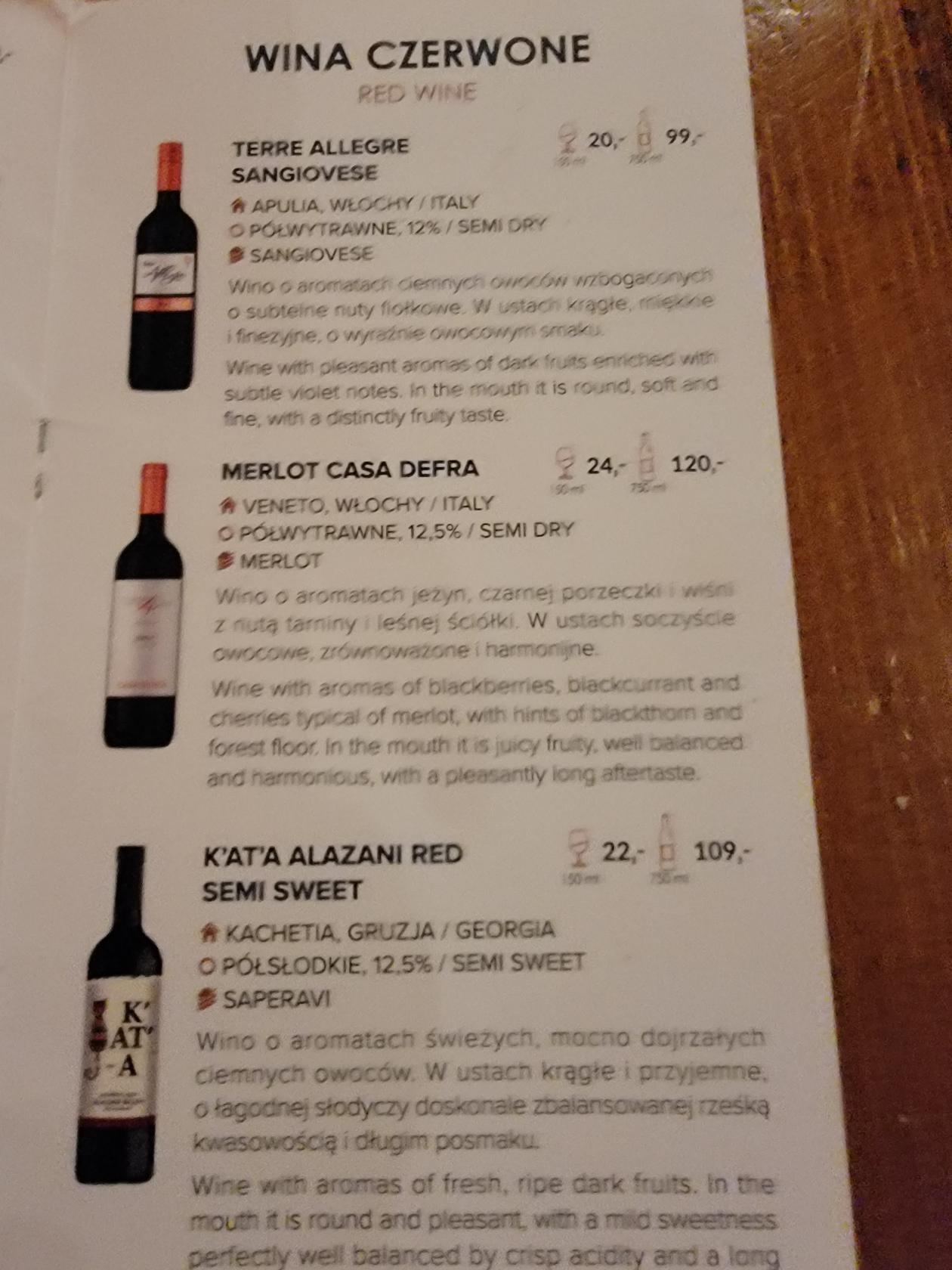
Wines – Morskie Oko Restaurant – Kraków, Poland
Erick – Morskie Oko Restaurant – Kraków, Poland
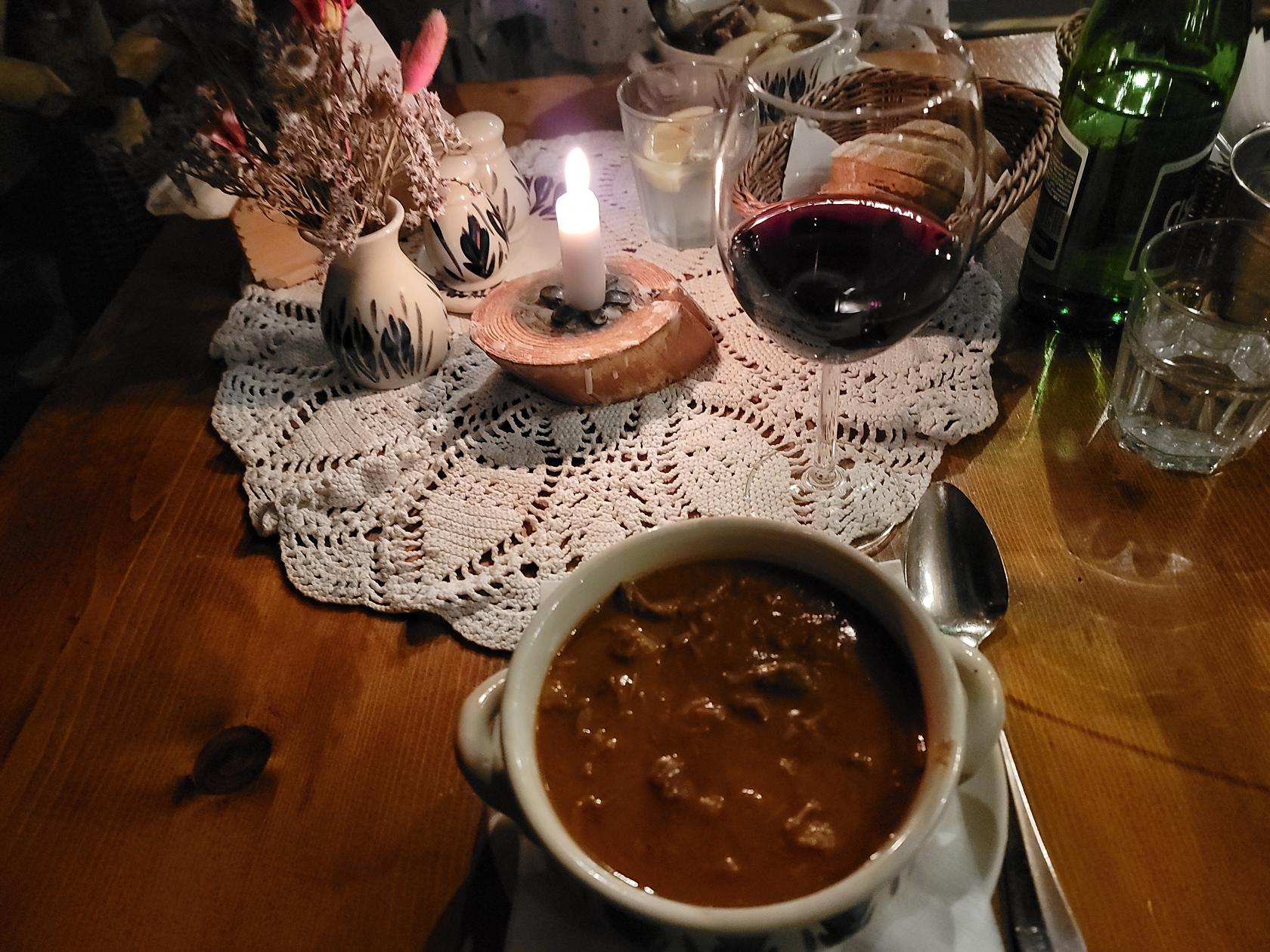
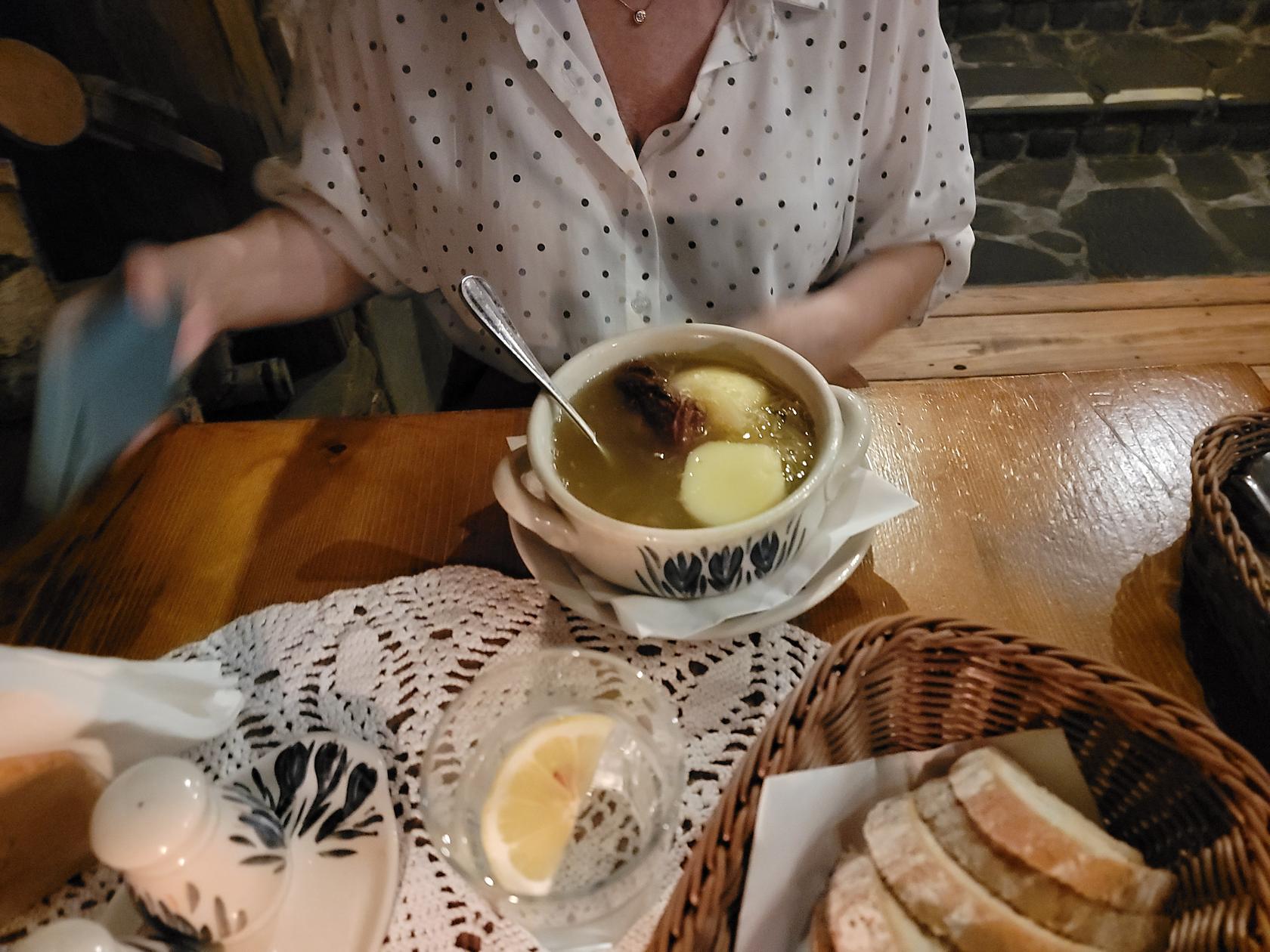
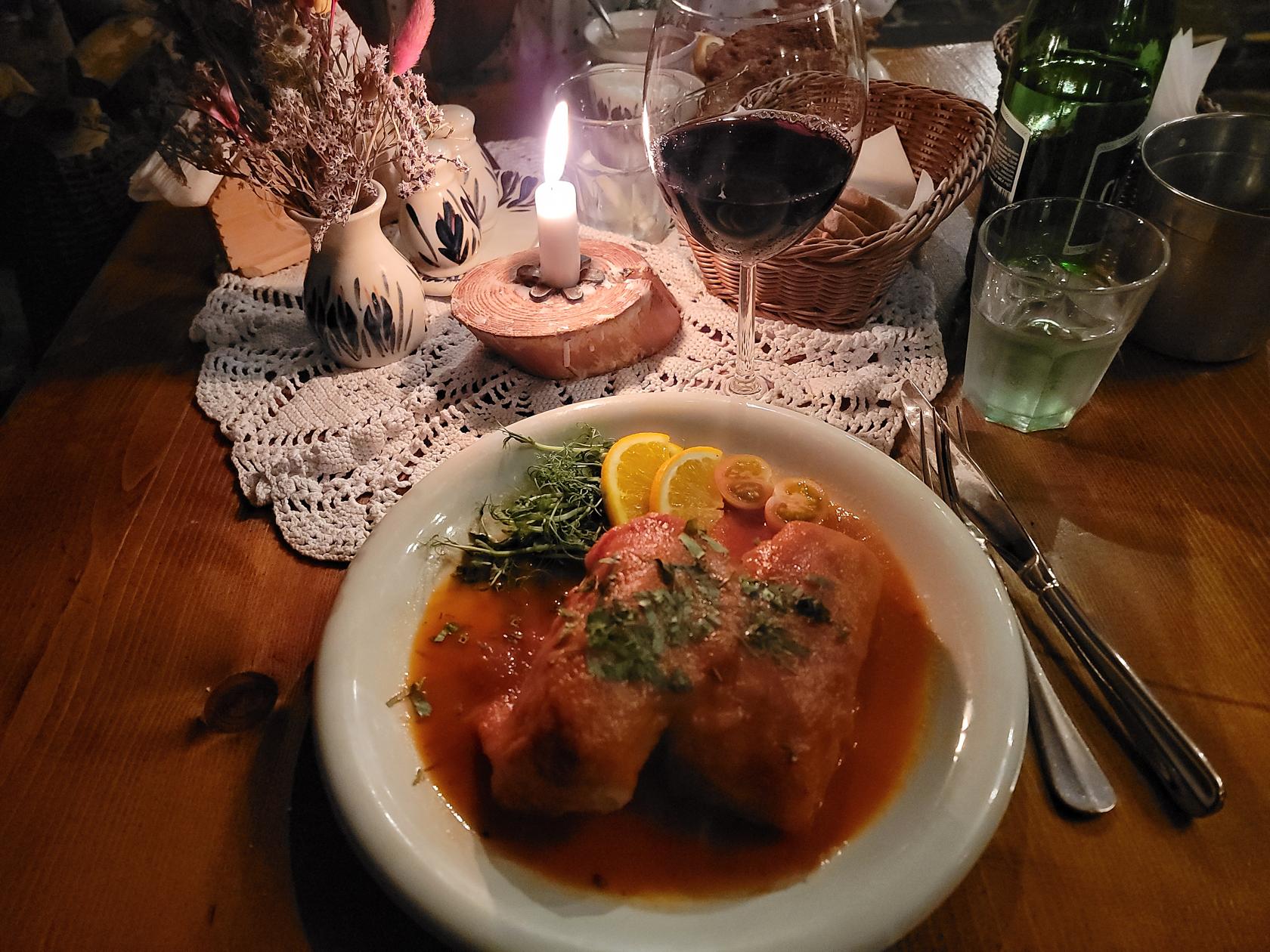
Our seating was downstairs, where we could enjoy the restaurant’s medieval quality. The food was very good, but in true Polish fashion, very filling. The gołąbki w sosie pomidorowym, or cabbage rolls in tomato sauce, were actually very good, light but at the same time very filling.
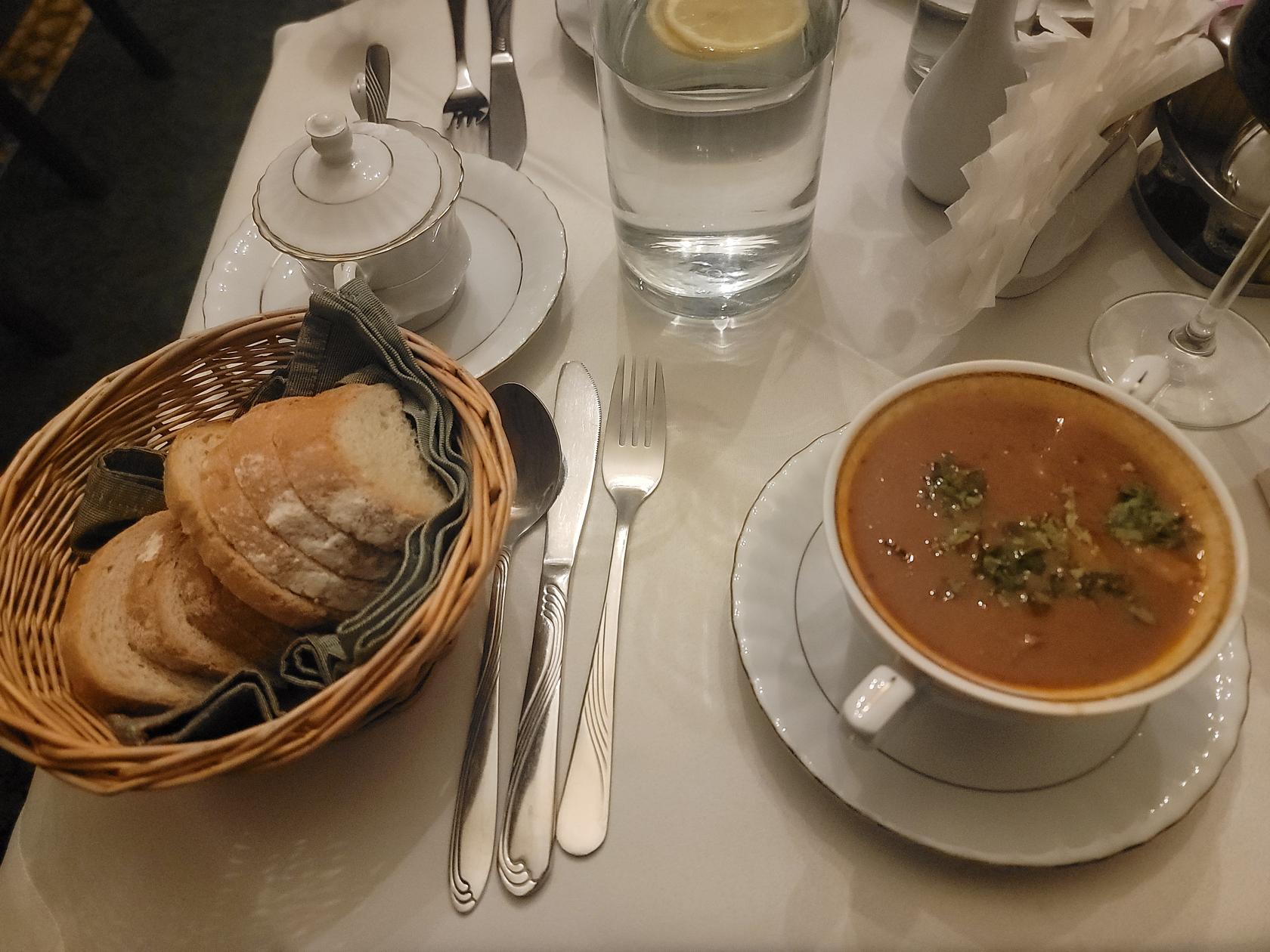
Gulash Soup – Morskie Oko Restaurant – Kraków, Poland
Sauerkraut Soup – Morskie Oko Restaurant – Kraków, Poland
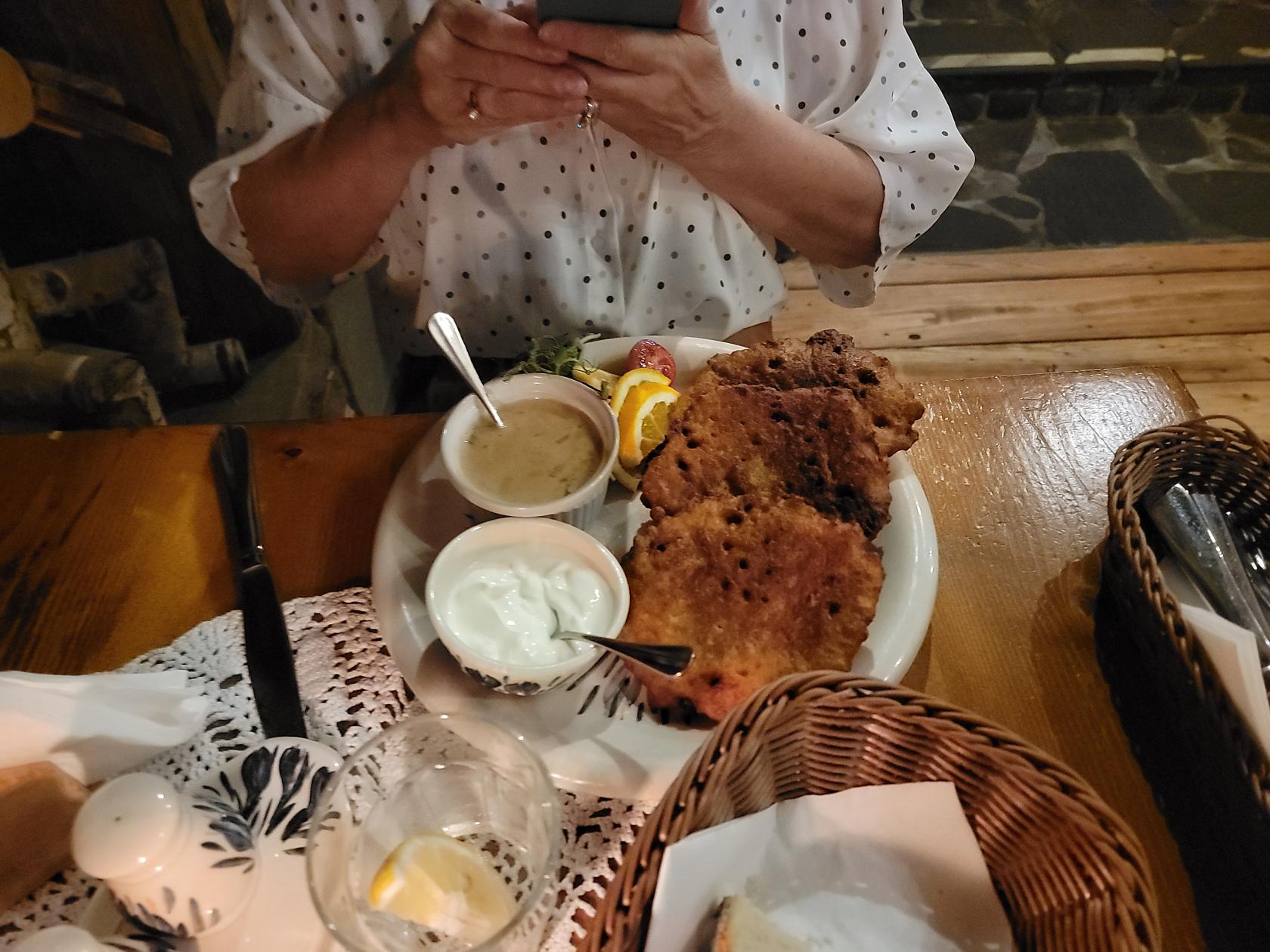
Potato Pancakes with Cream and Mushroom Sauce – Morskie Oko Restaurant – Kraków, Poland
Gołąbki w sosie pomidorowym, or Stuffed Cabbage Rolls in Sauce – Morskie Oko Restaurant – Kraków, Poland
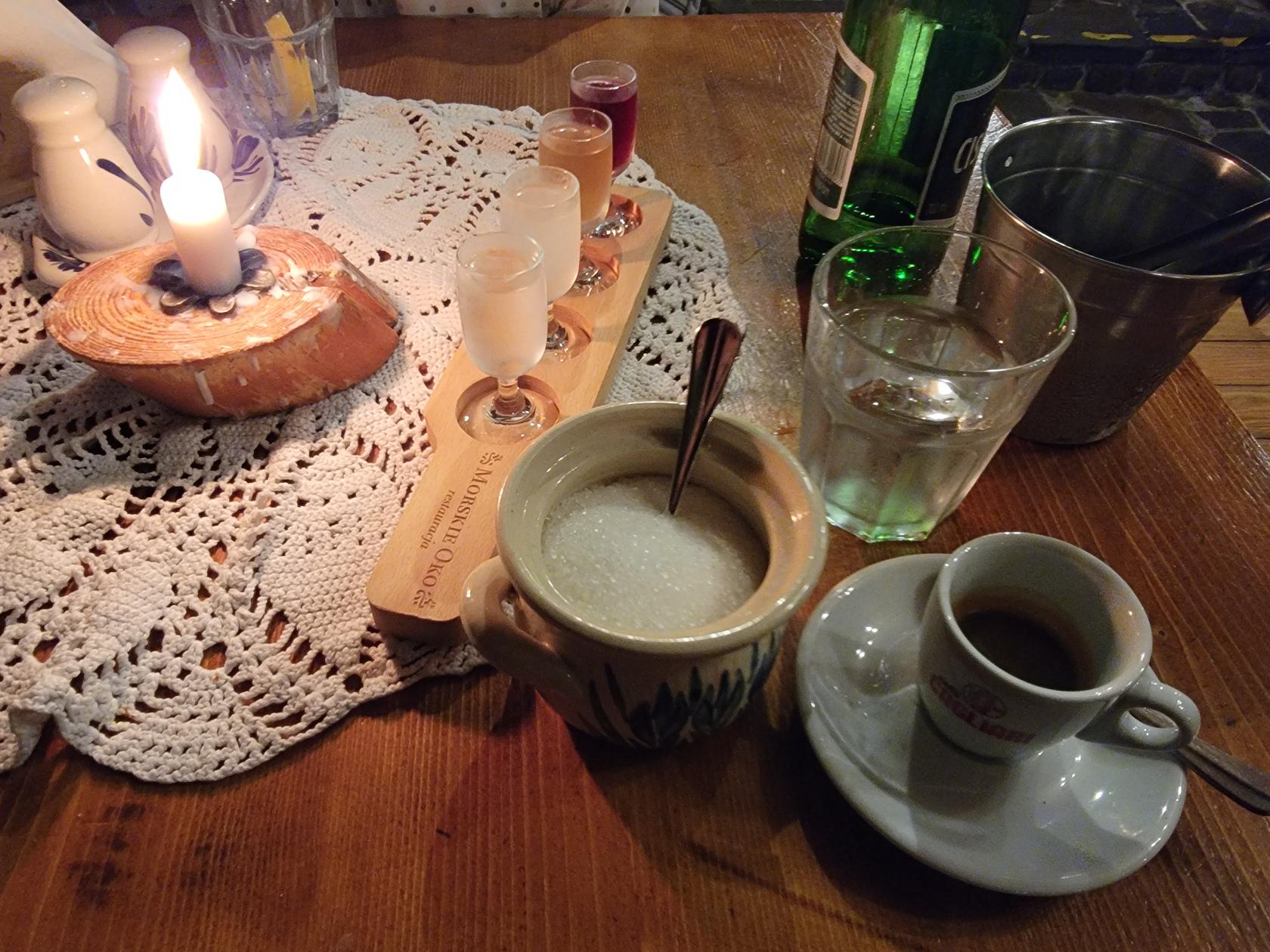
Vodka Flight and Espresso – Morskie Oko Restaurant – Kraków, Poland
Jama Michalika Restaurant
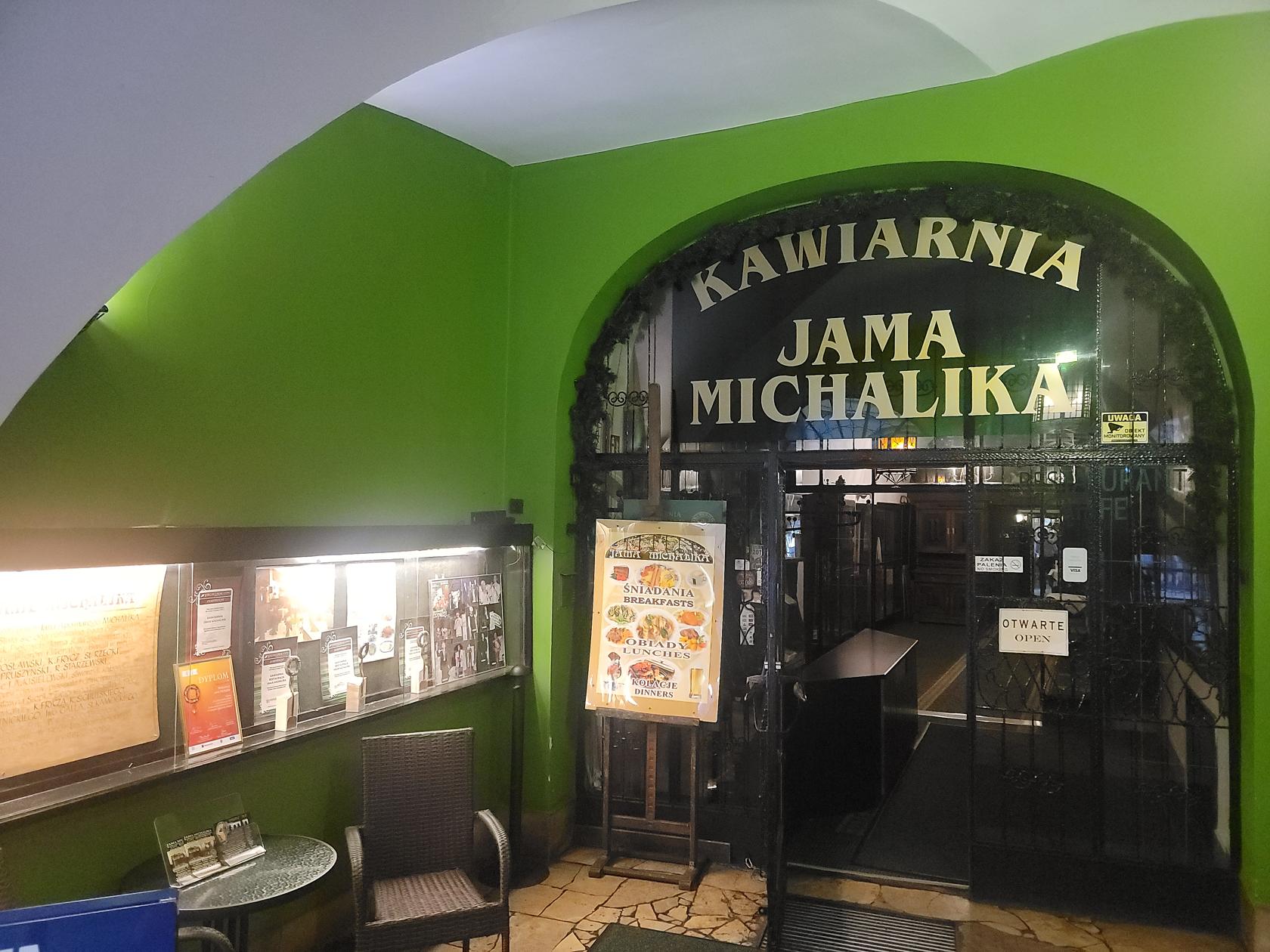
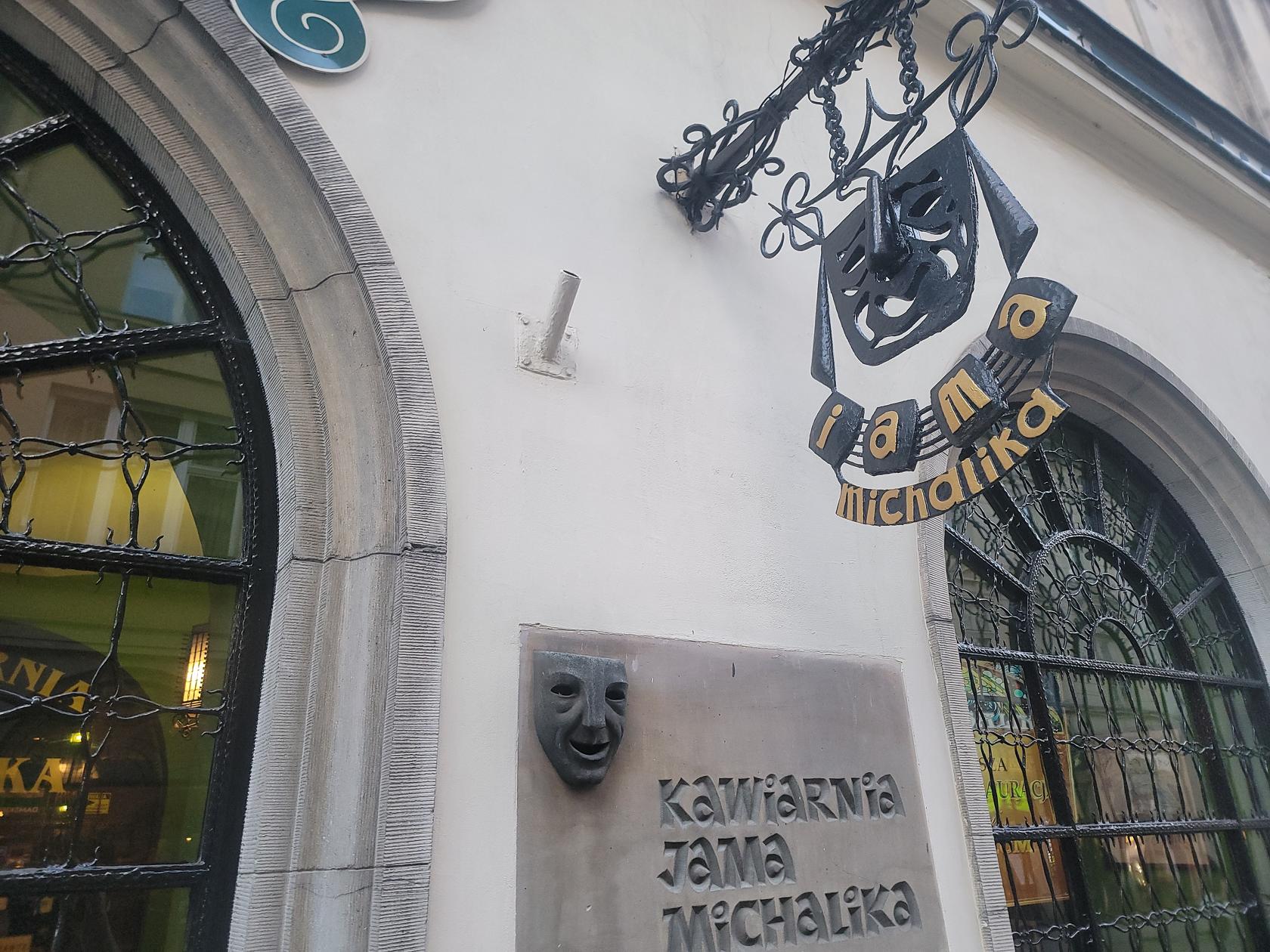
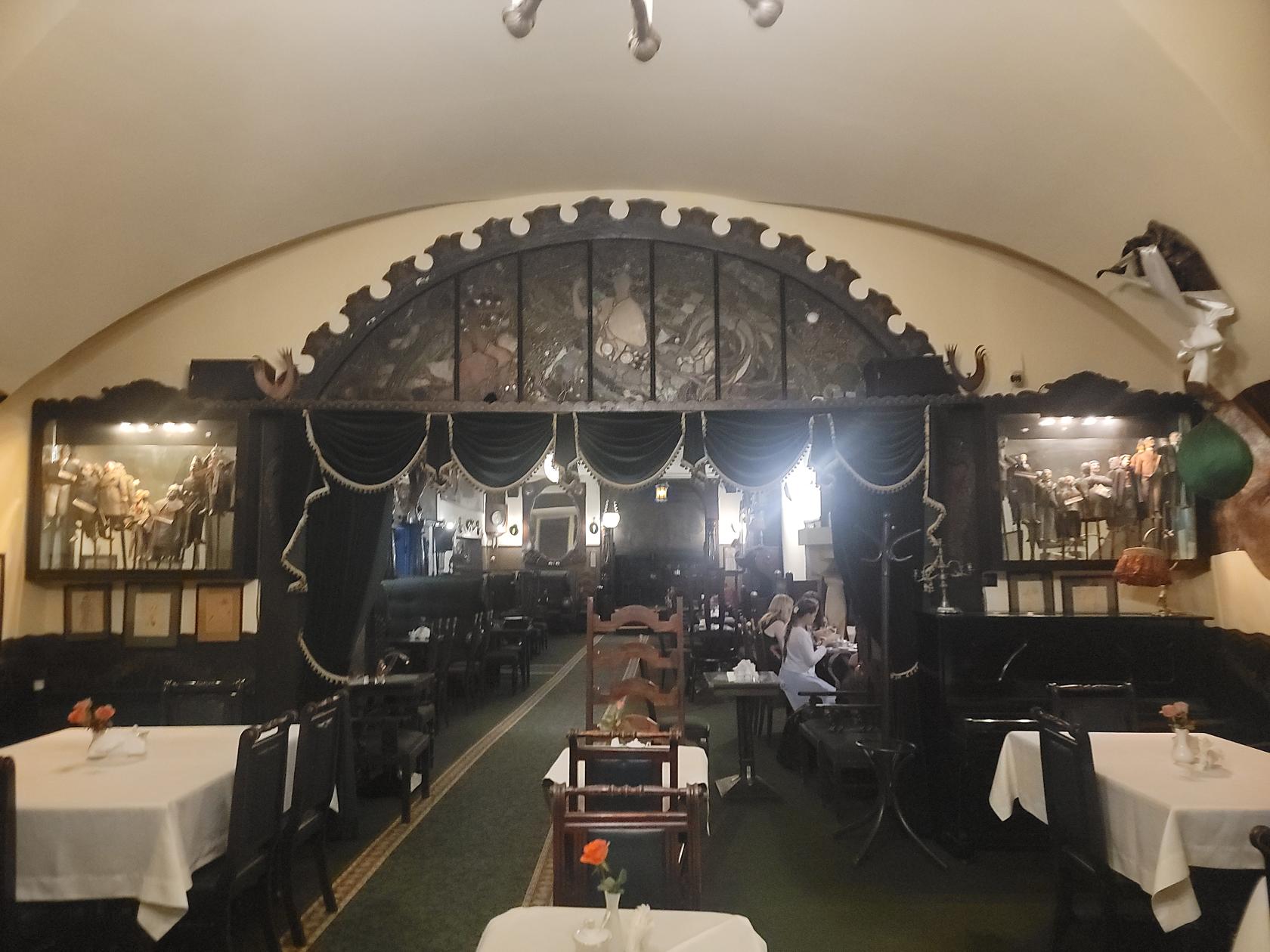
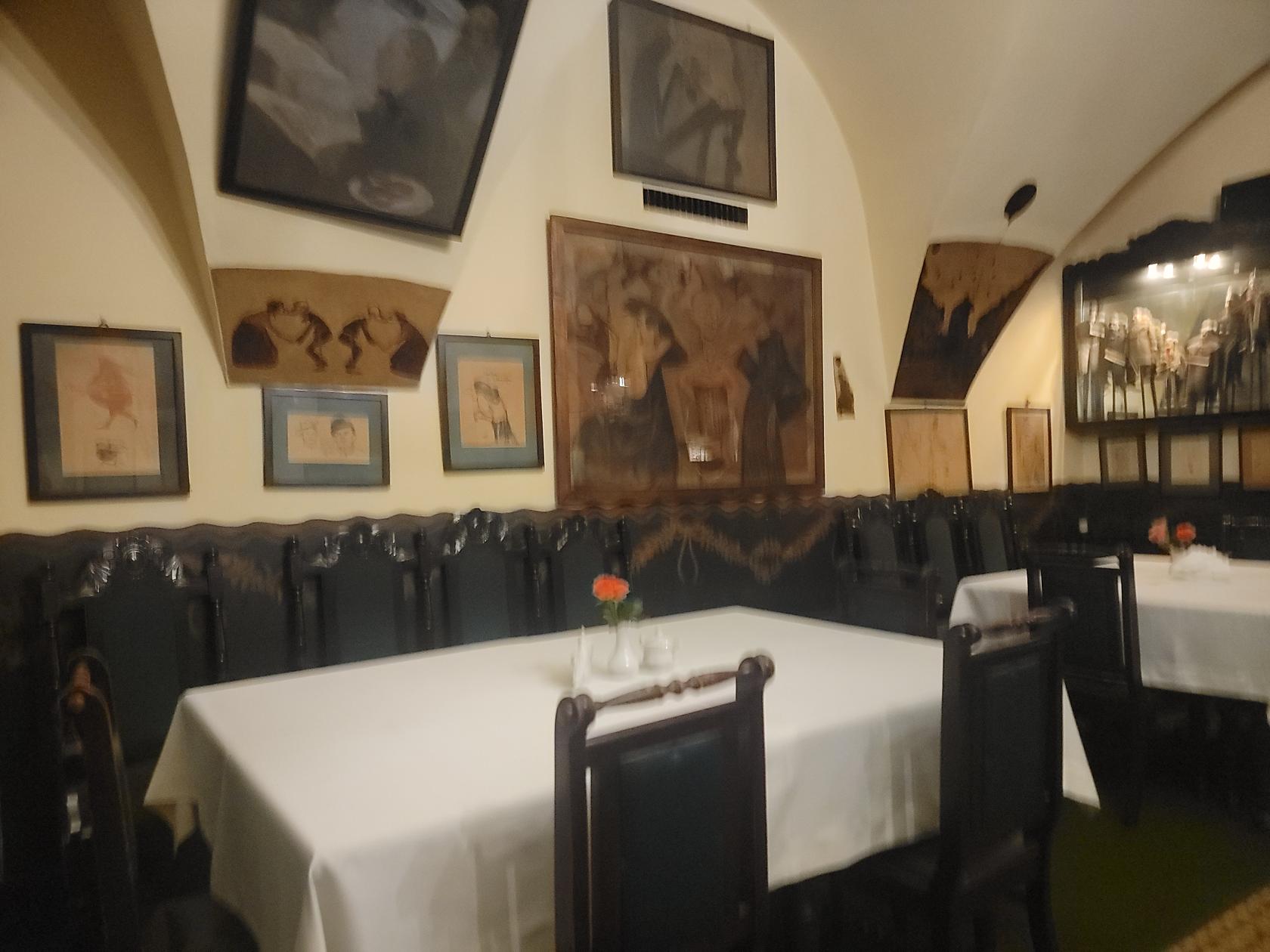
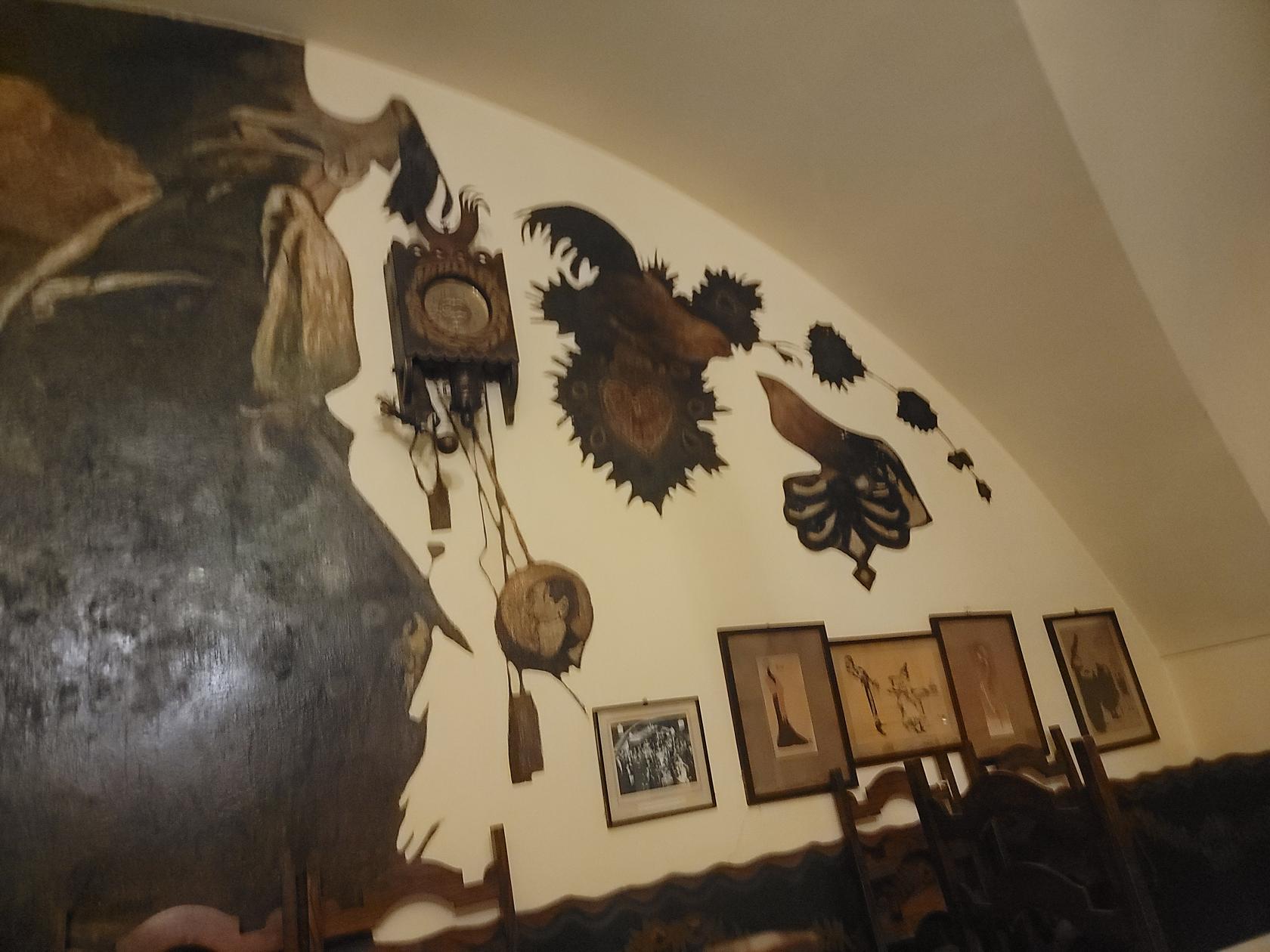
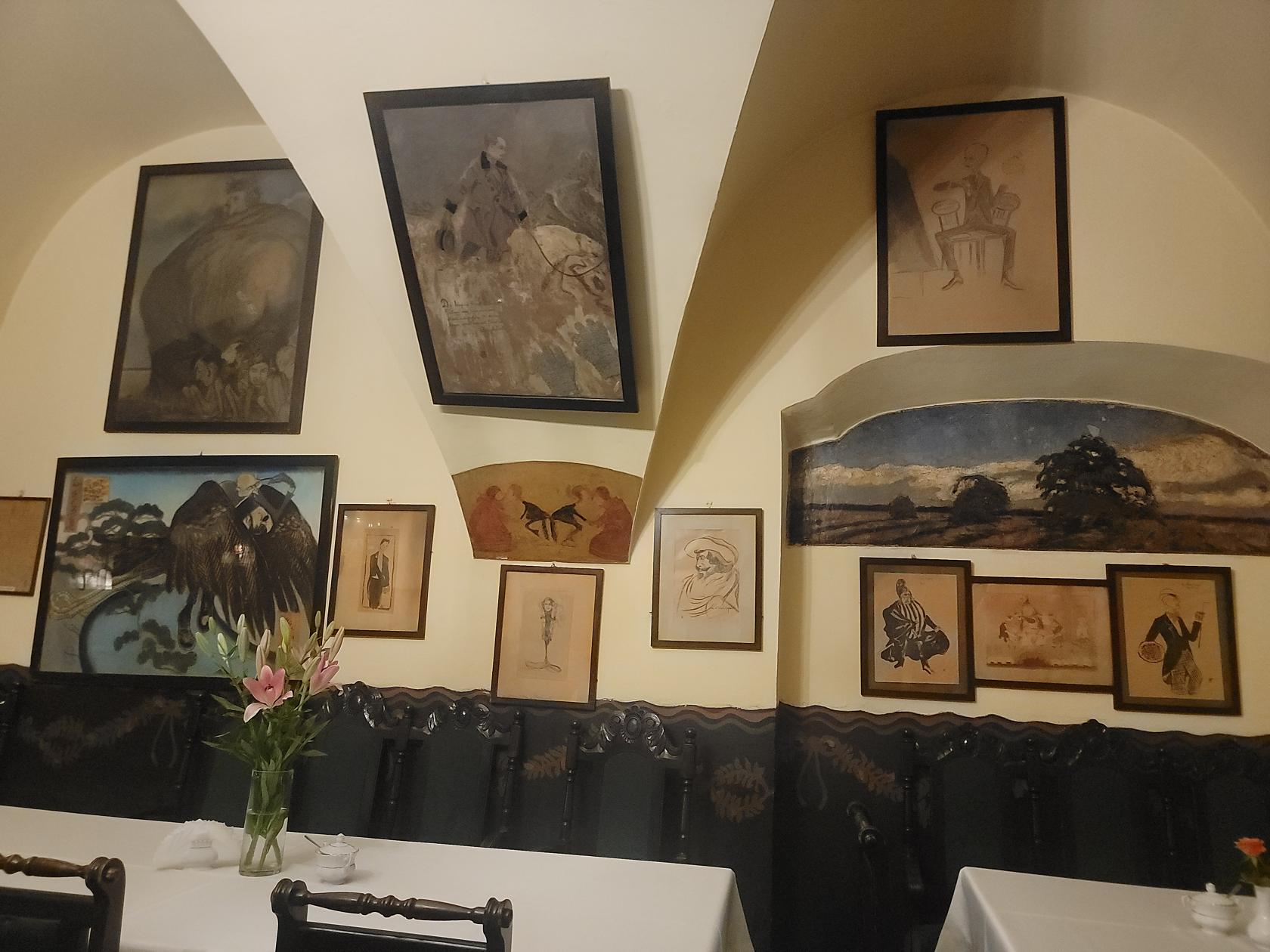
The Jama Michalika restaurant, though the food was not as good as the Morskie Oko, it is adorned with artwork. Pedestrians actually visit the inside of the restaurant just to look at the works.
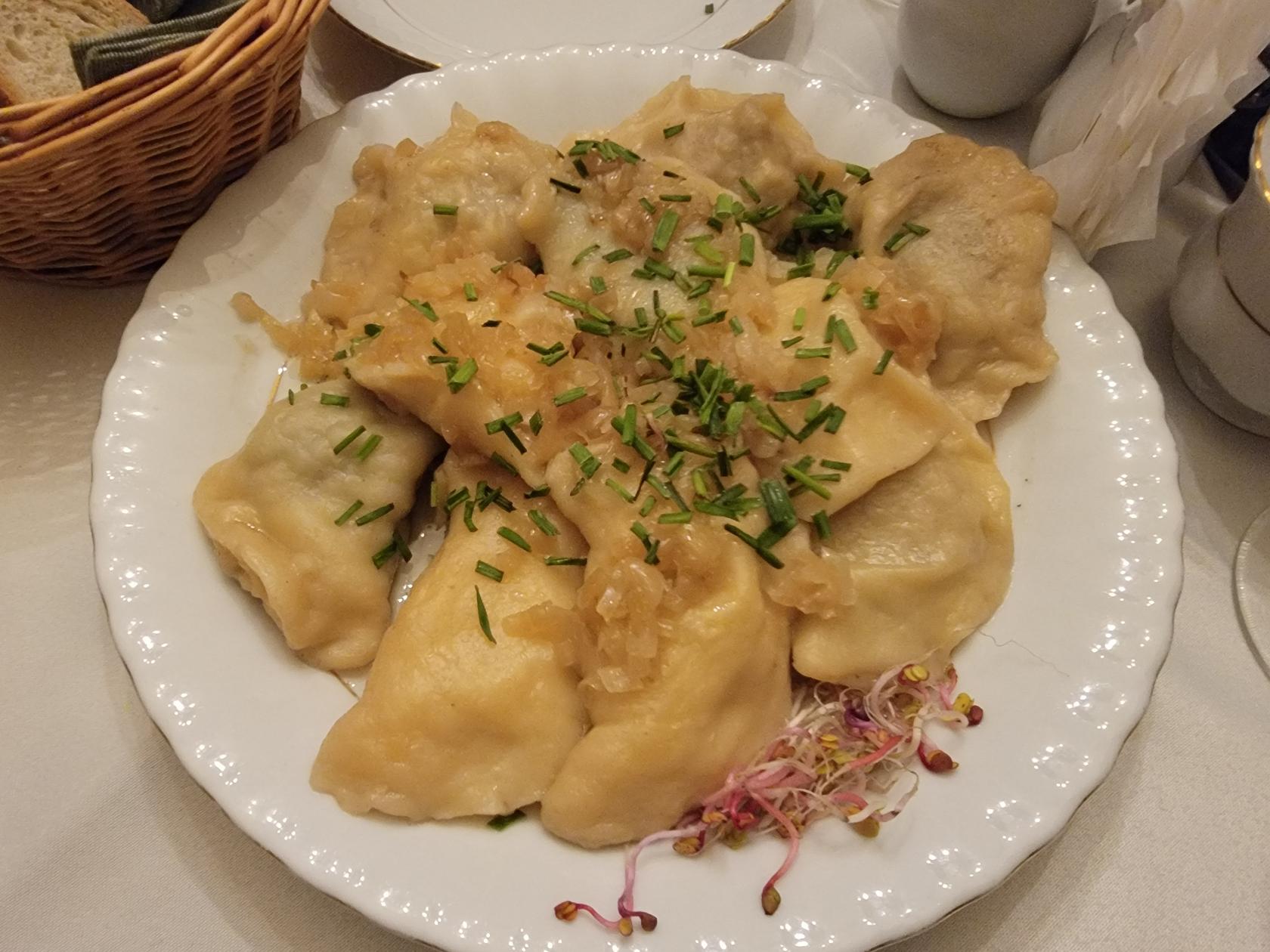
We did not have reservations for this restaurant, but rather visited them since they had perogie on the menu. They were actually quite good, but also quite filling.
Known for balsamic vinegar, it also has a variety of other things to see and enjoy. Though we both couldn’t see spending more than a day here, unless of course the purpose is using it as a homebase for day trips elsewhere. The irony of it all is, you would think we would have at least tried balsamic while we were here, we did not.
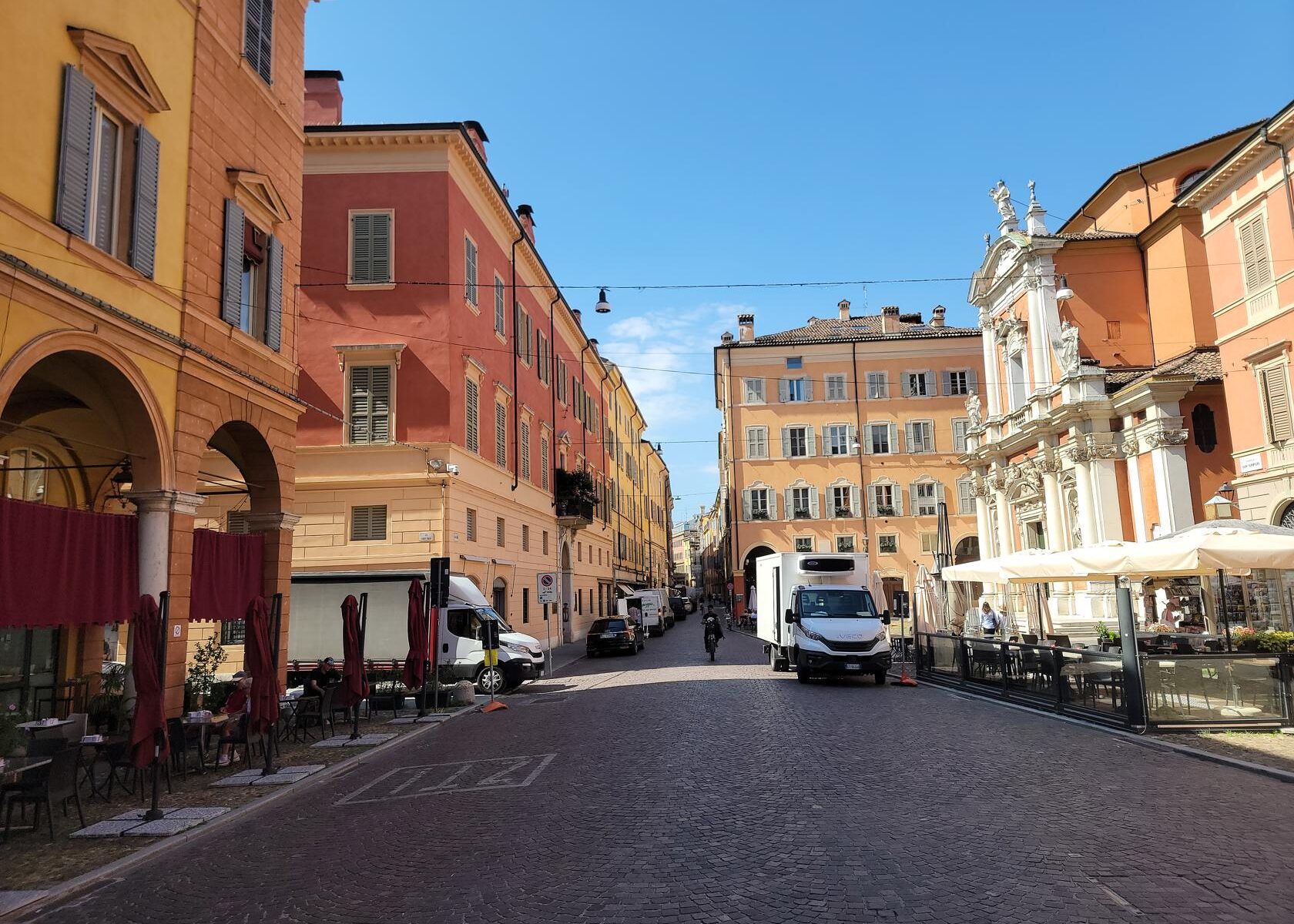
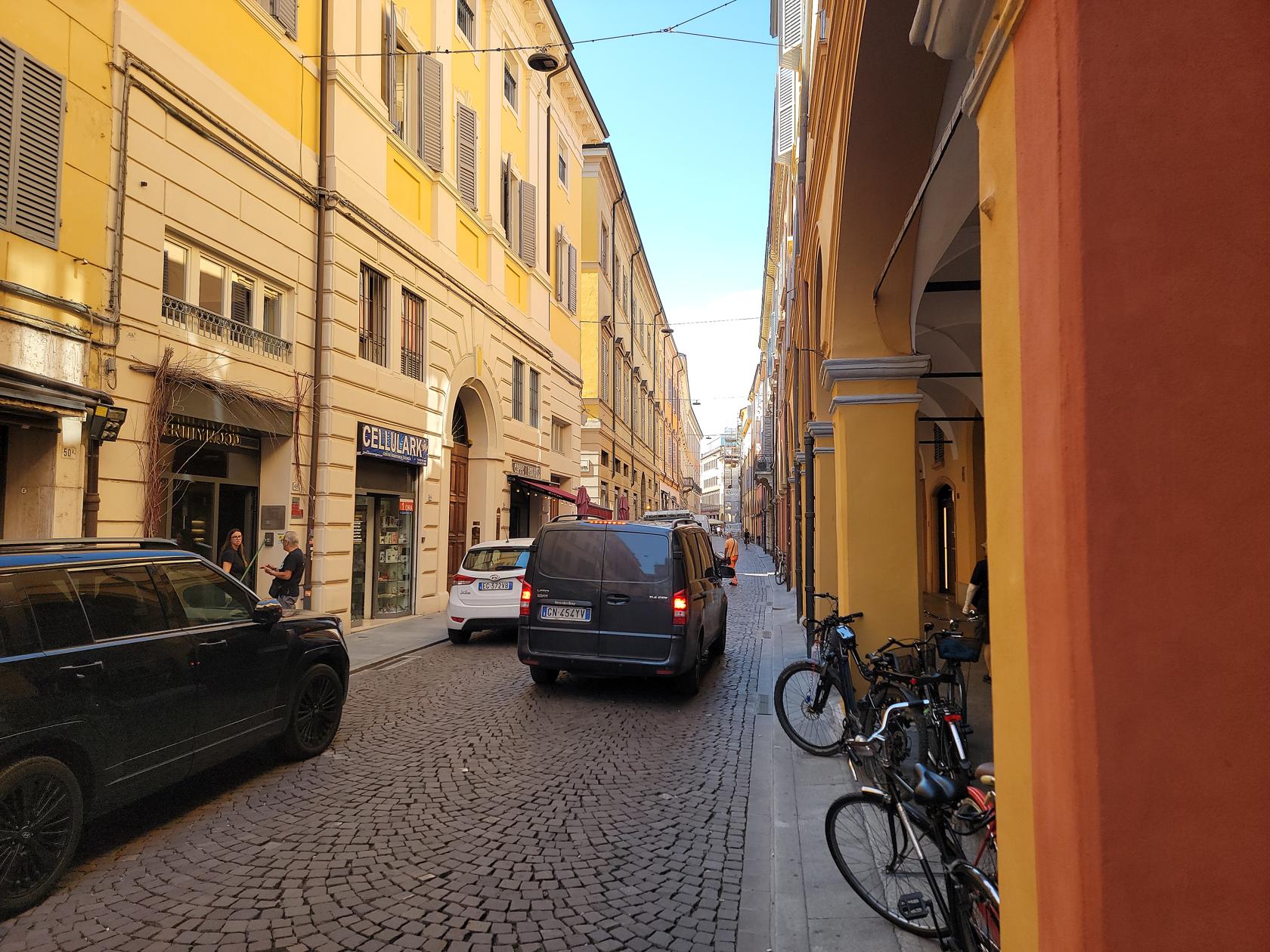
Via Cesare Battista – Modena, Italy
Modena
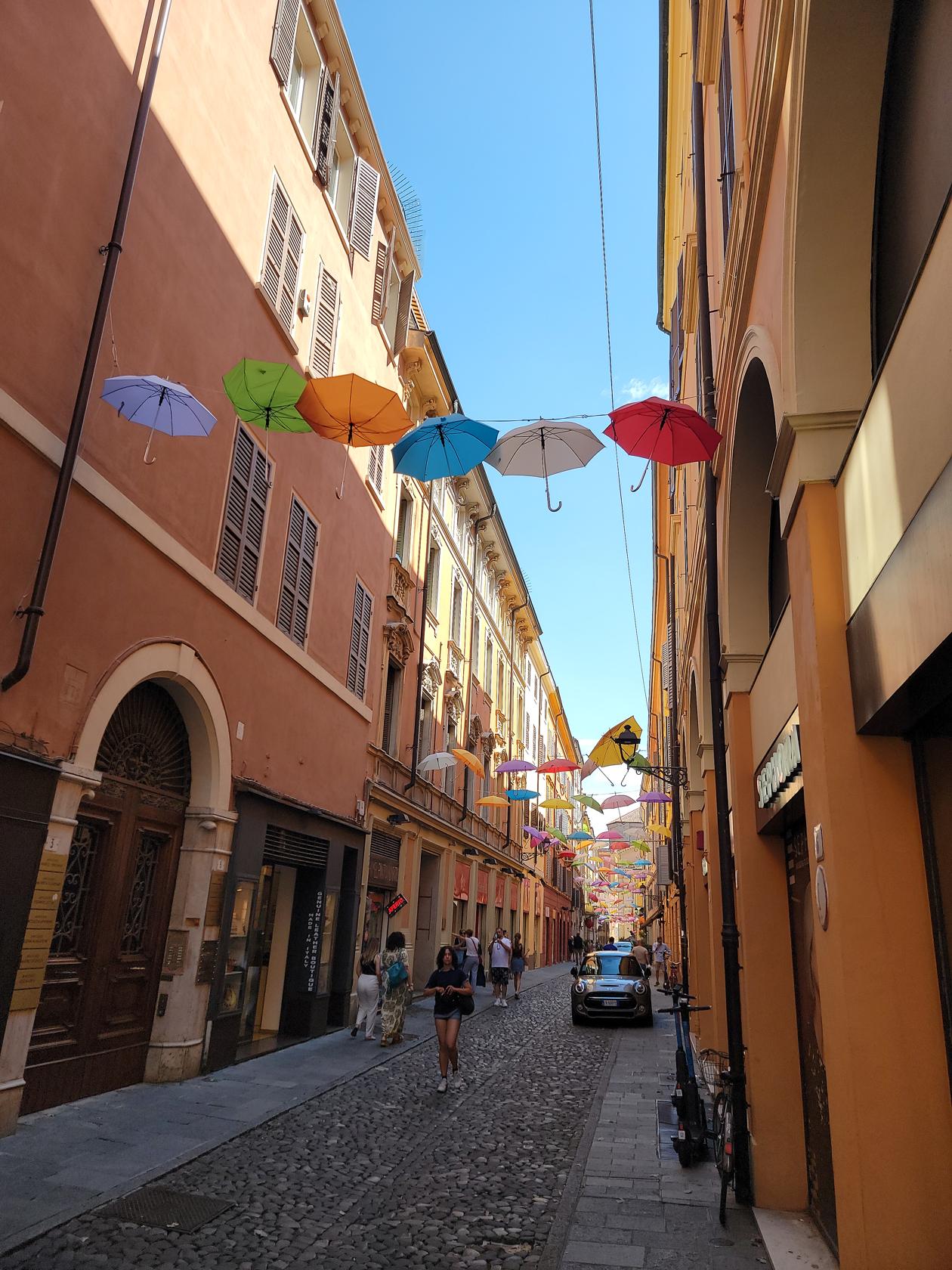
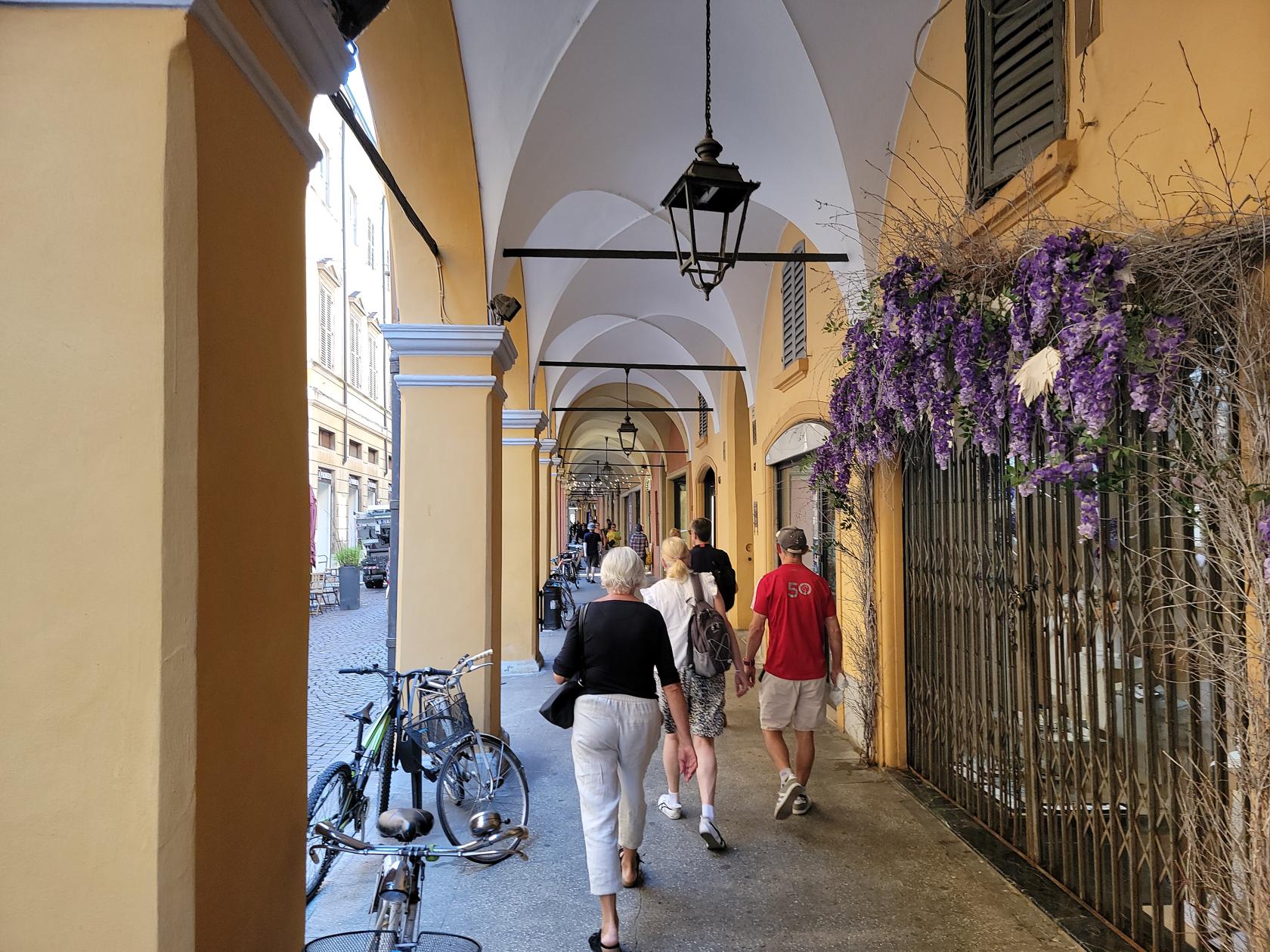
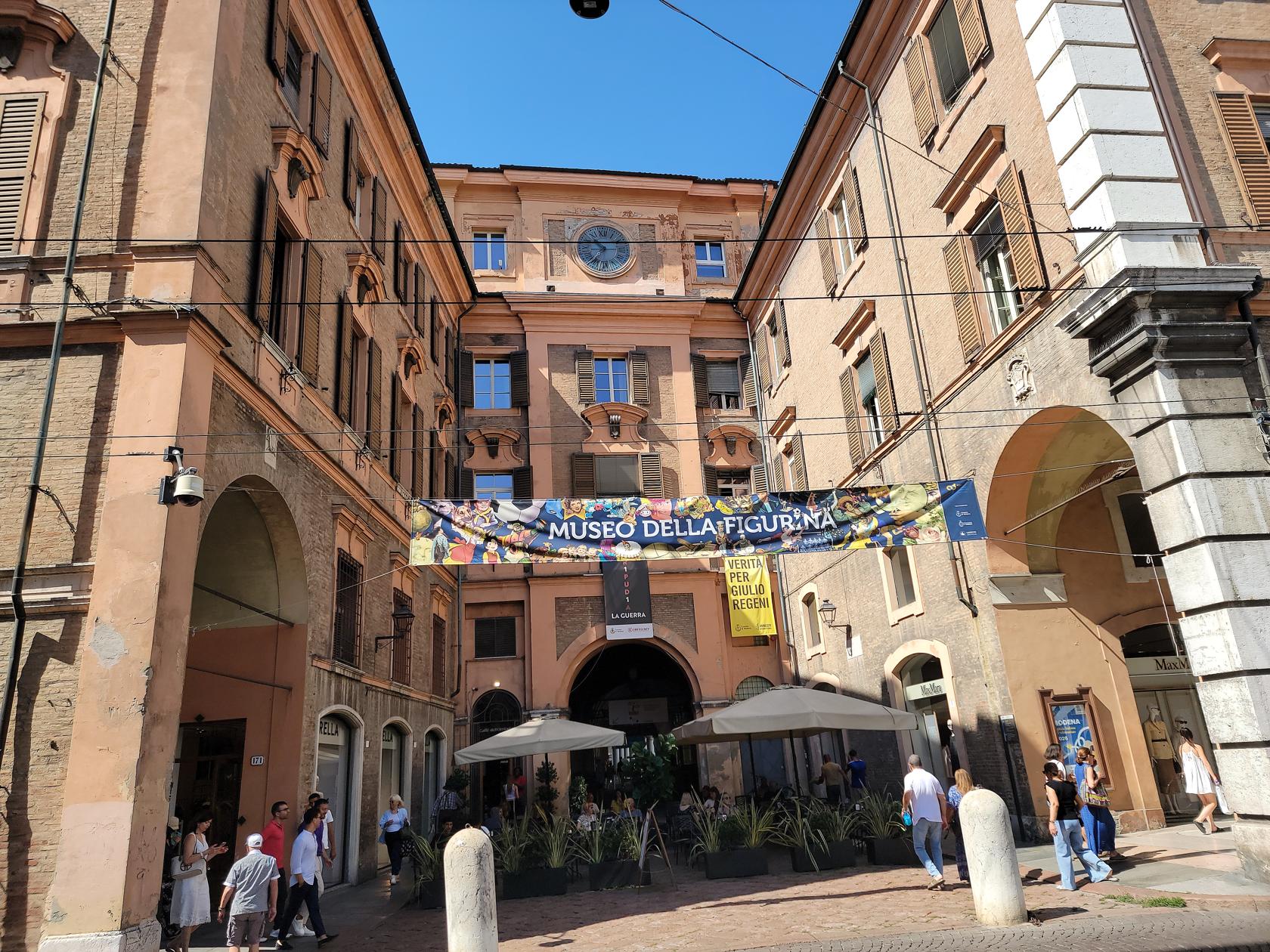
Famously known for balsamic, Modena contains a few other points of interest, it twelfth century cathedral, as well as its own leaning tower. It has a market place, similar to other Italian towns and cities, which is actually inside for the most part and appears to function every day. The main street for shopping is most likely via Emilia Centro, it has porticos on one side and appears to have all the brand name shop one would expect to see.
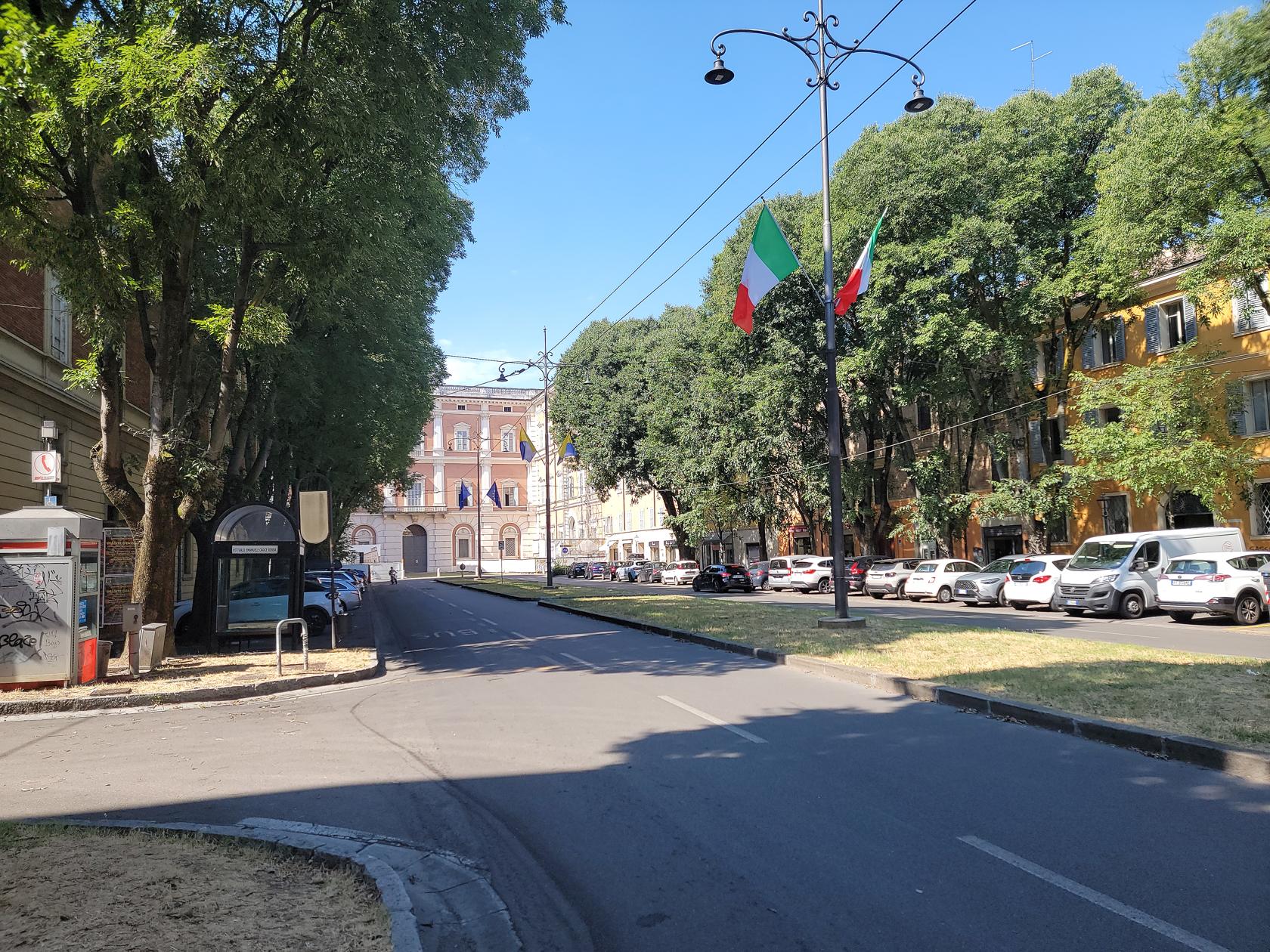
Corso Vittorio Emanuelle II – Modena, Italy
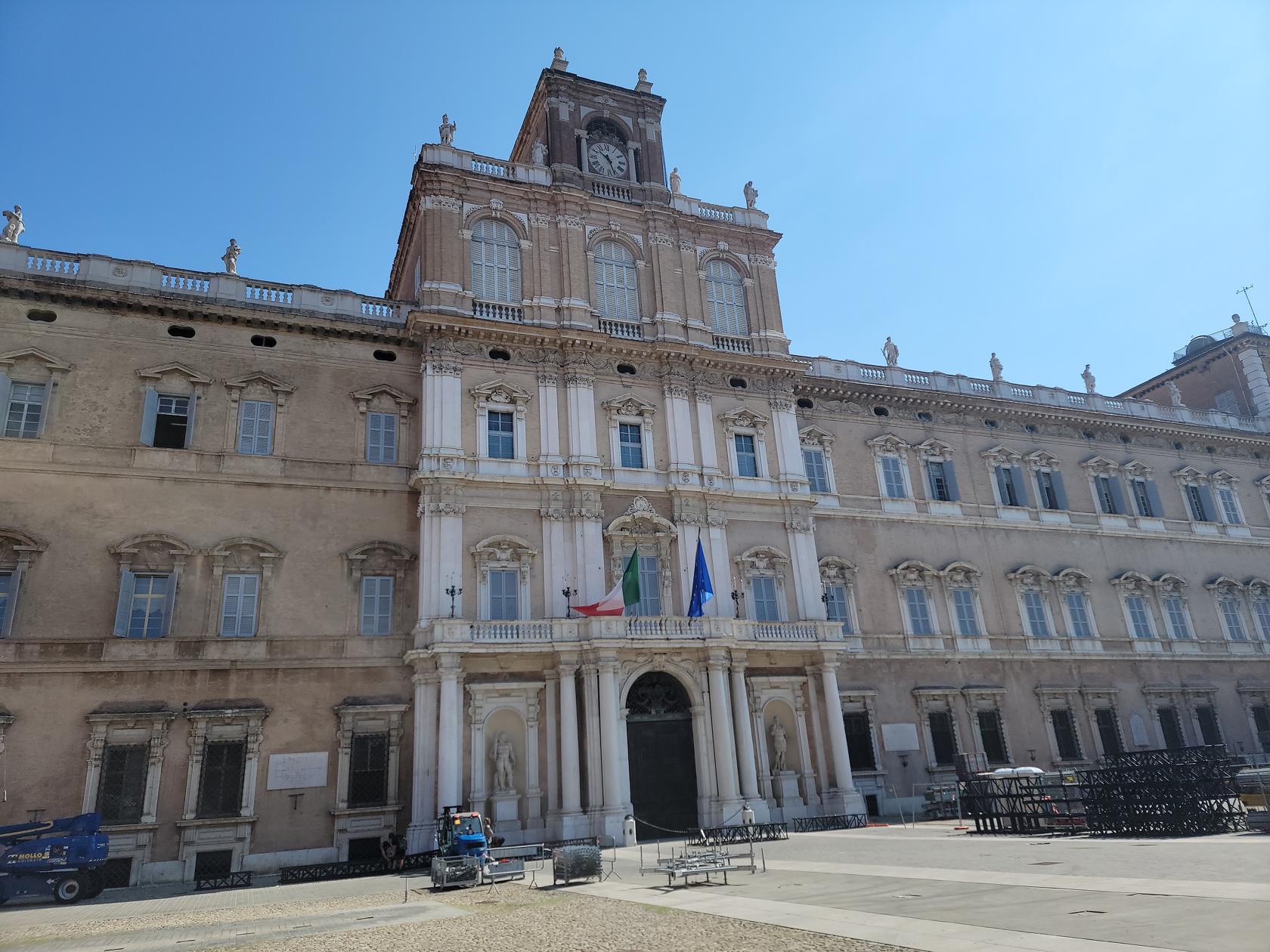
Military Academy of Modena – Modena, Italy
Via Emilia Centro – Modena, Italy
Via Emilia Centro – Modena, Italy
Via Emilia Centro – Modena, Italy
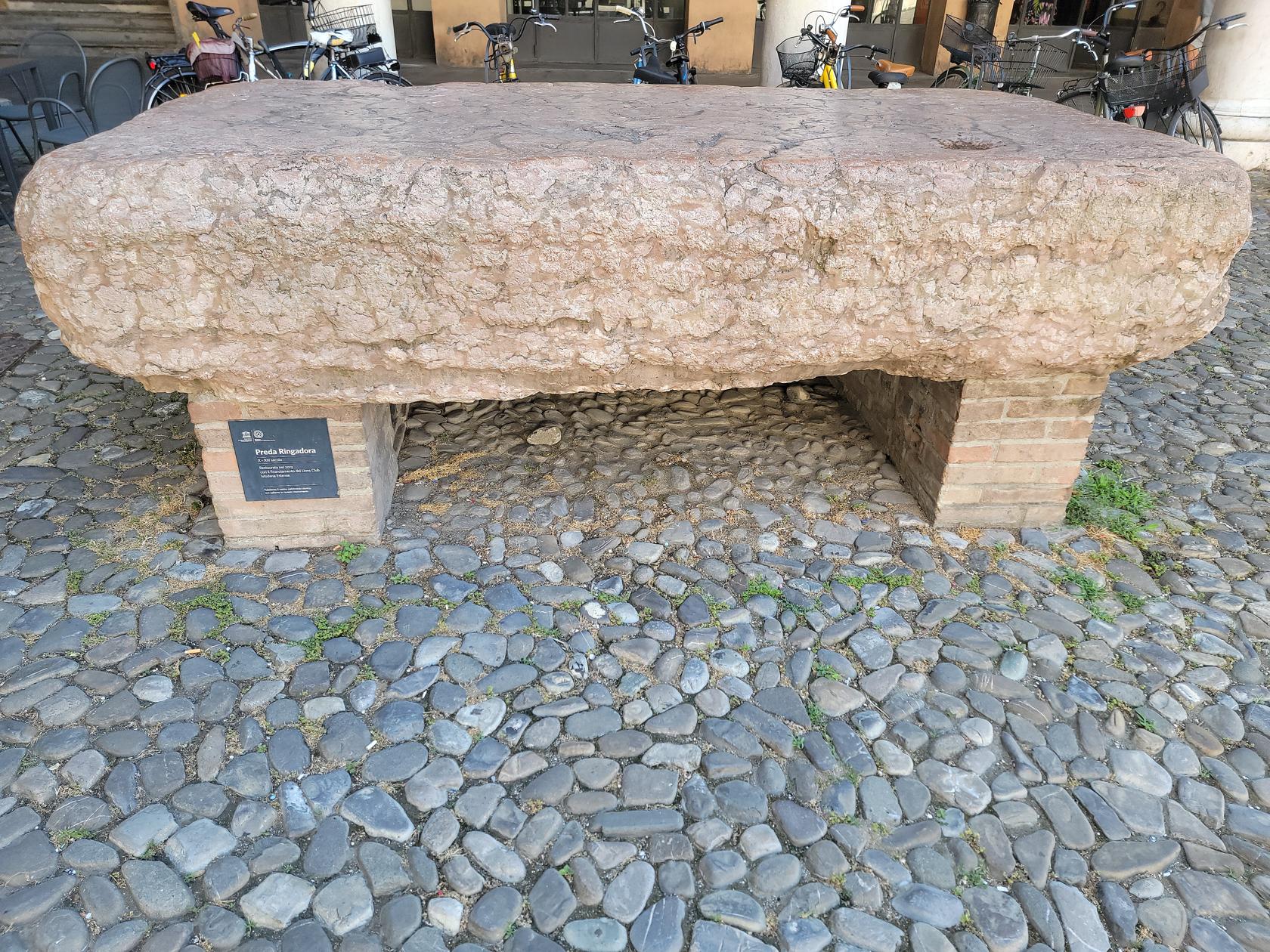
Preda Ringadora – Modena, Italy
Getting There
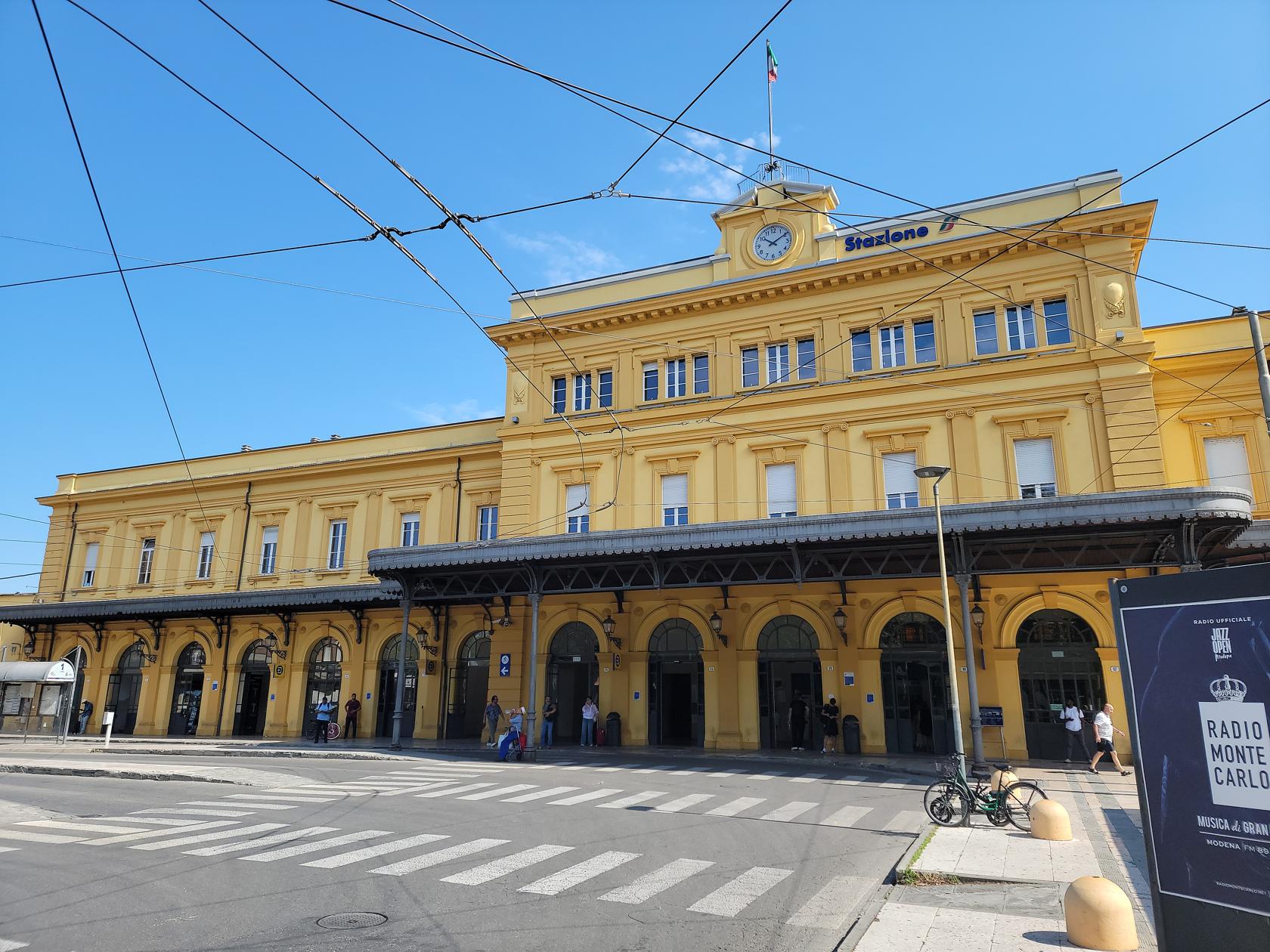
Thirty to forty minutes from Parma by train, Modena can be reached with only a few stops along the way for the regional train, or one stop if the InterCity train is used as an option. The train station in Modena and spartan and clean, as well as the neighborhood around it.
Entrance – Train Station – Modena, Italy
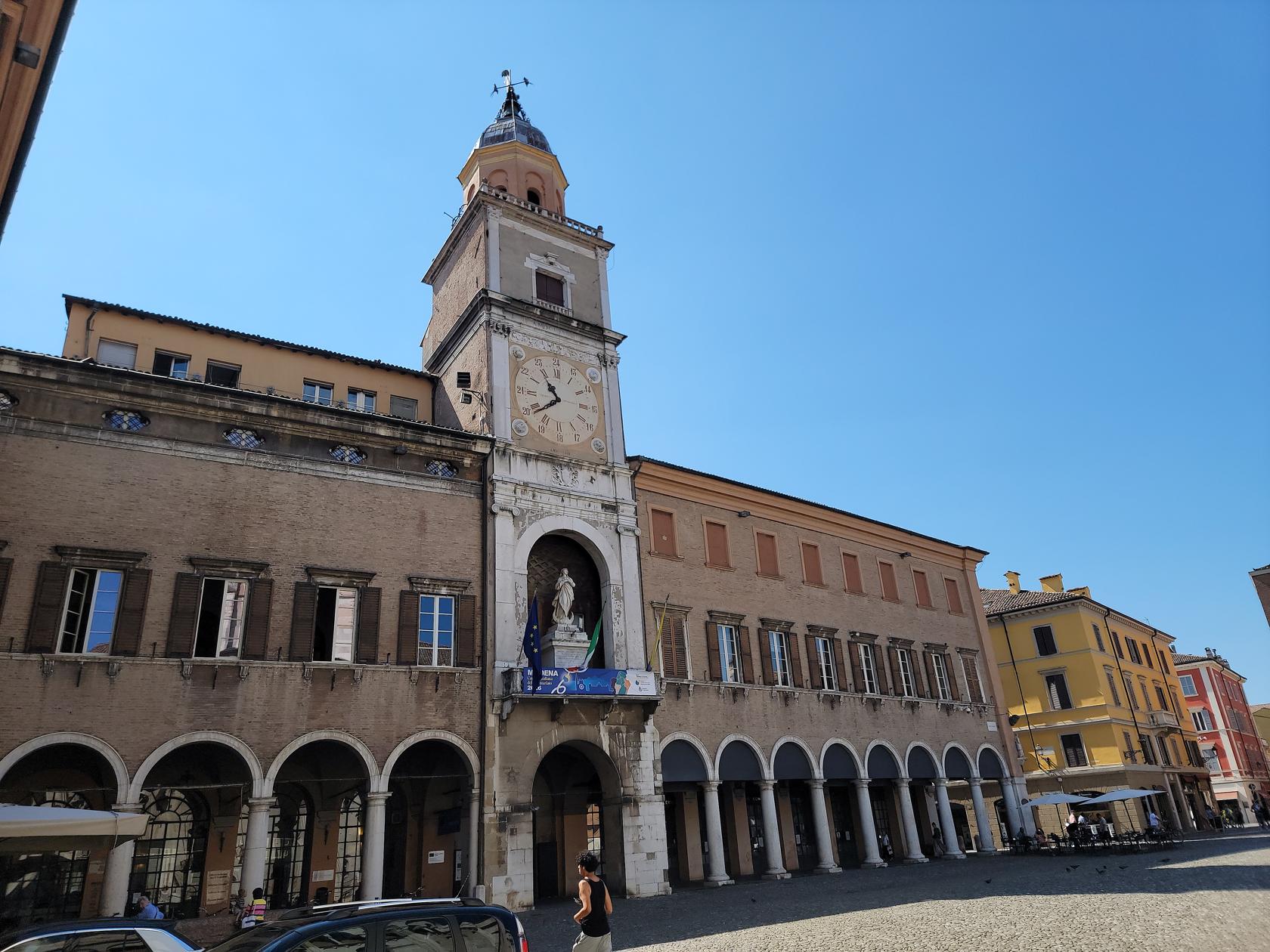
Comunale Palazzo
A civic building known as the Comunale Palazzo, was used in the past by the town council for official business and ceremonies. Outside and to the left of it, is the Preda Ringadora, a large piece of marble from Roman times used as a speaker’s platform; its present day means to “orate”. However, historians also say it was likely used as a pillory and also used to identify corpses which were laid out on it. In any case, it is commonly used today as a seat and a place of repose.
Preda Ringadora – Modena, Italy
It is open and free to the public and has a handful of rooms that may be visited, which contain frescoes.
Clock Tower and Front – Palazzo Comunale – Modena, Italy
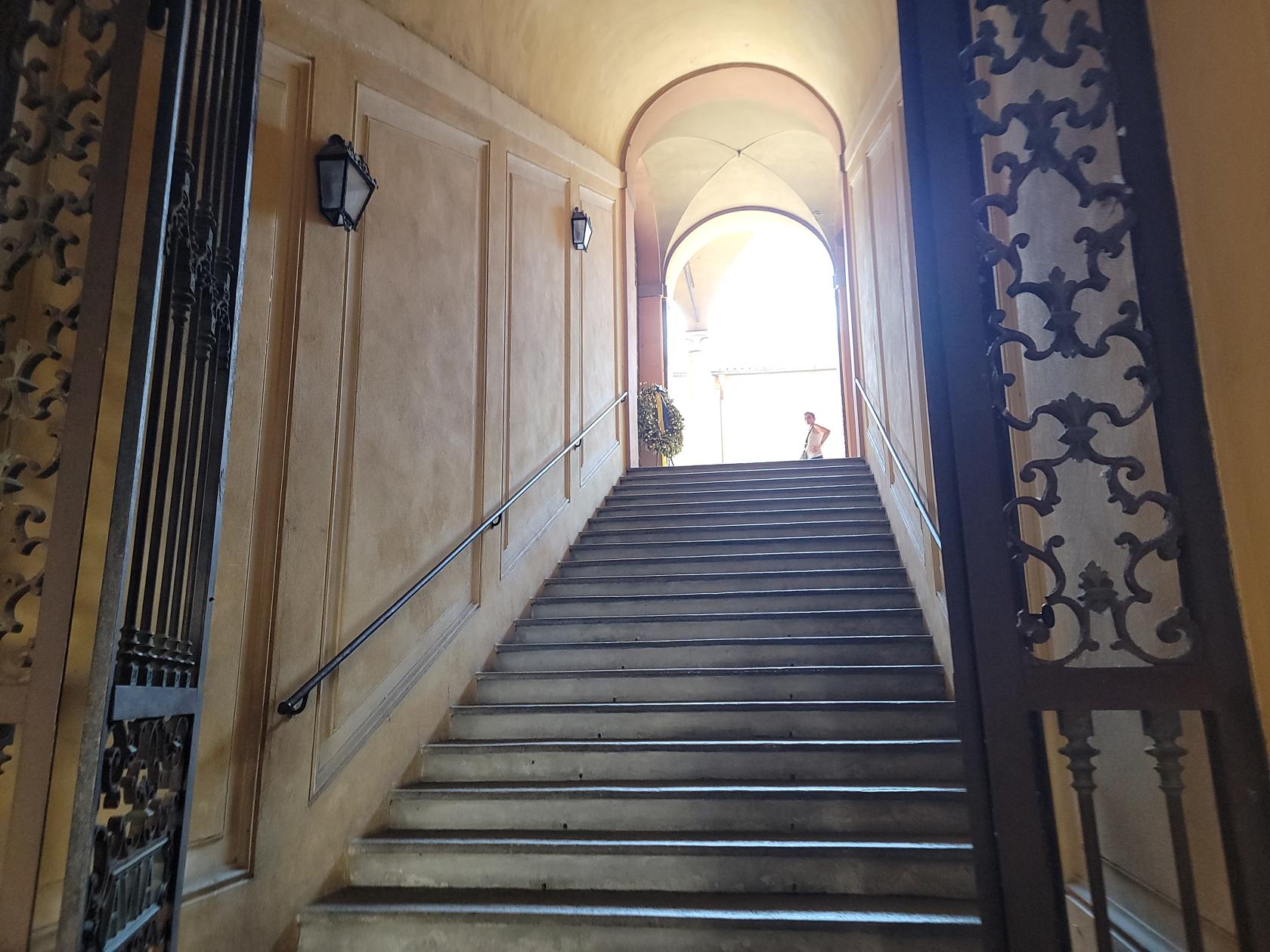
Stairs to Entrance – Palazzo Comunale – Modena, Italy
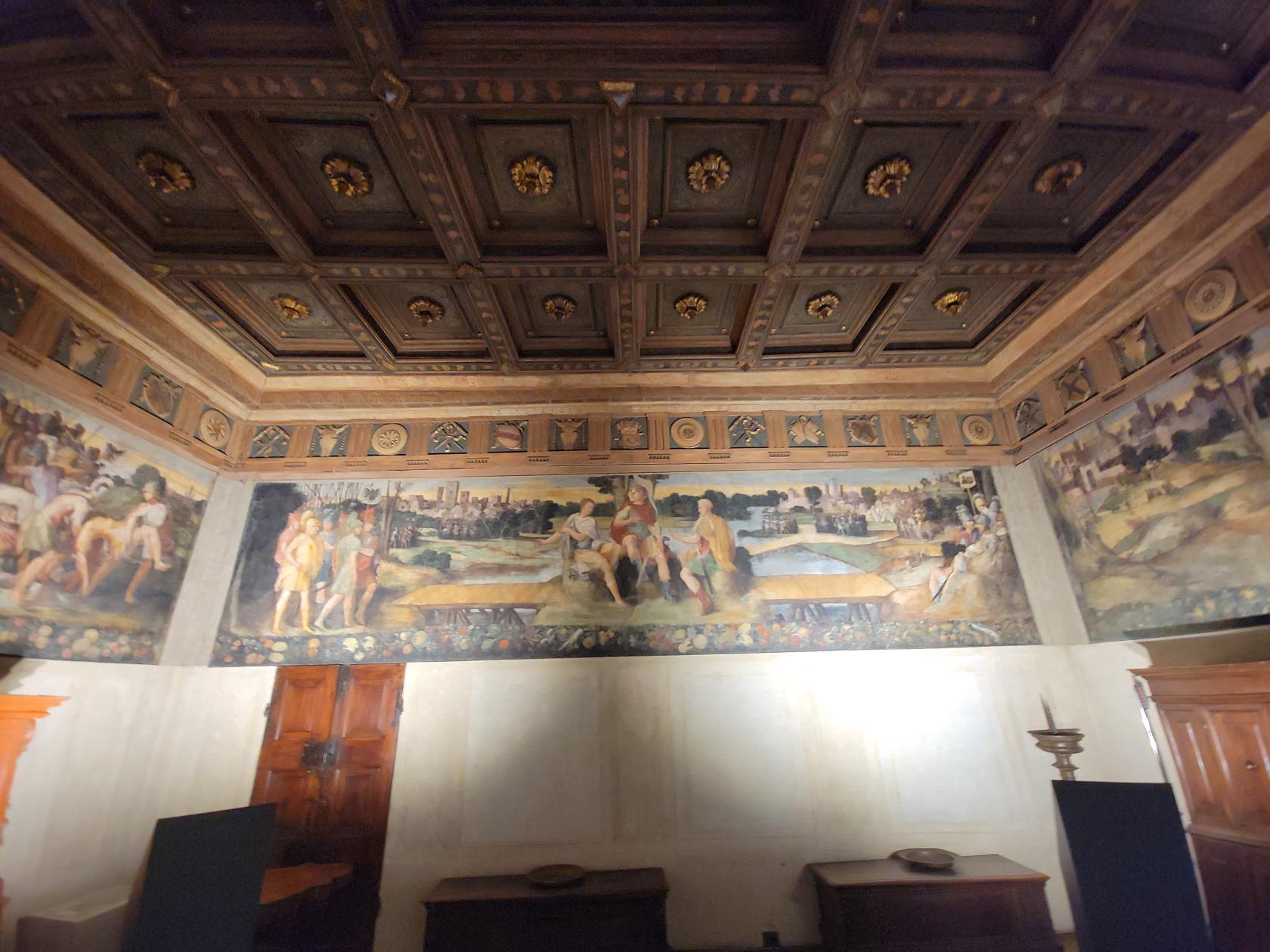
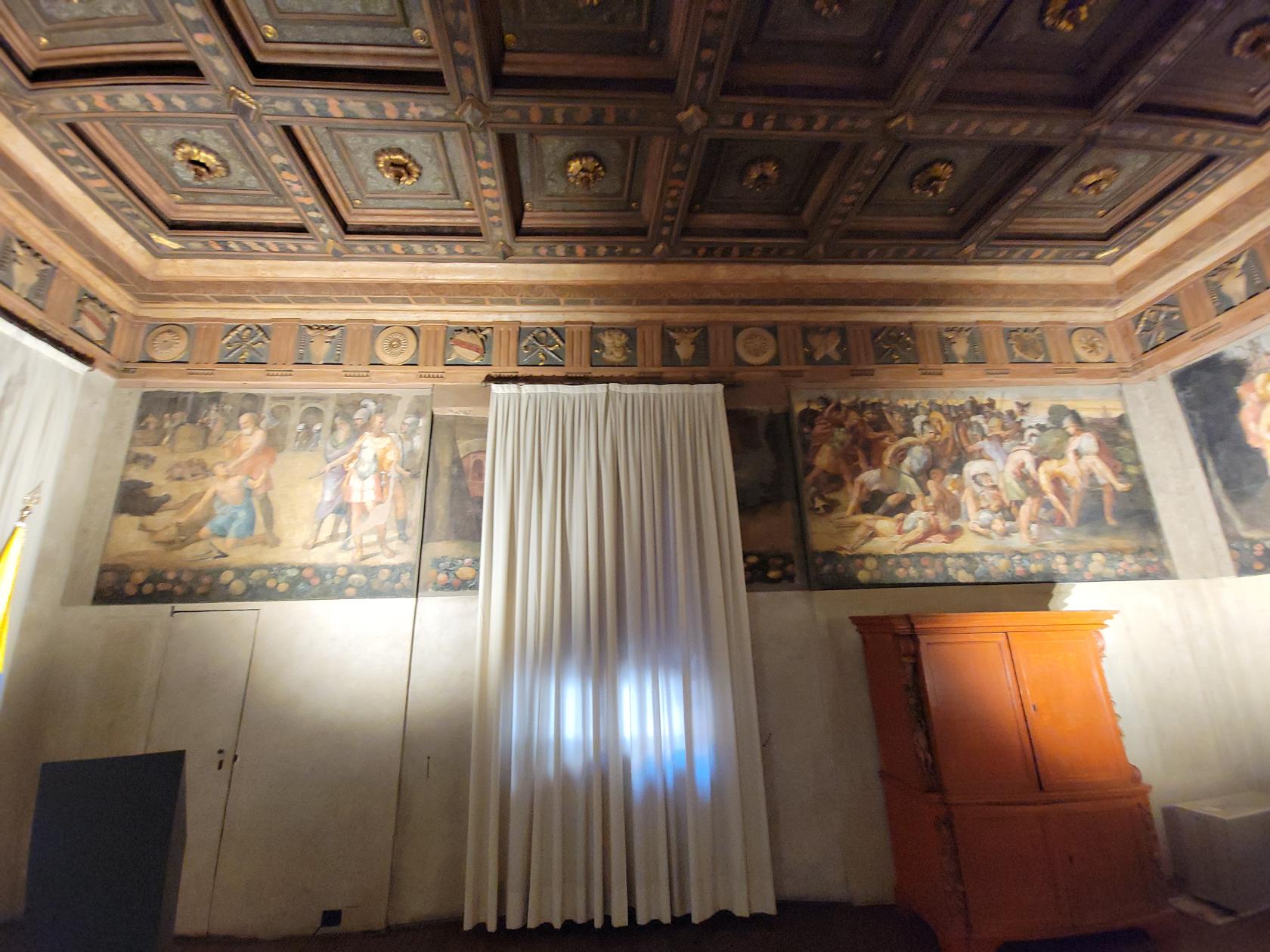
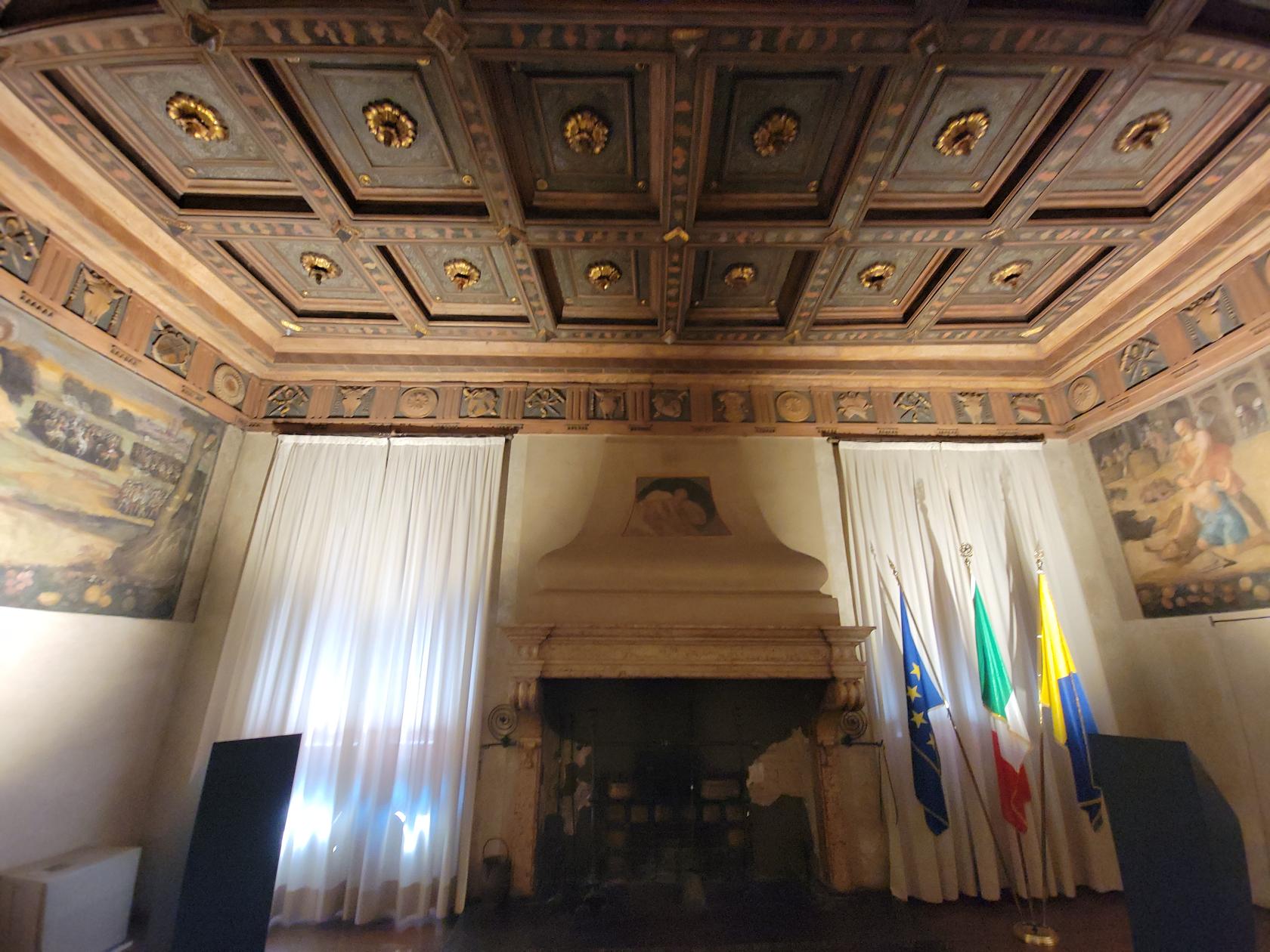
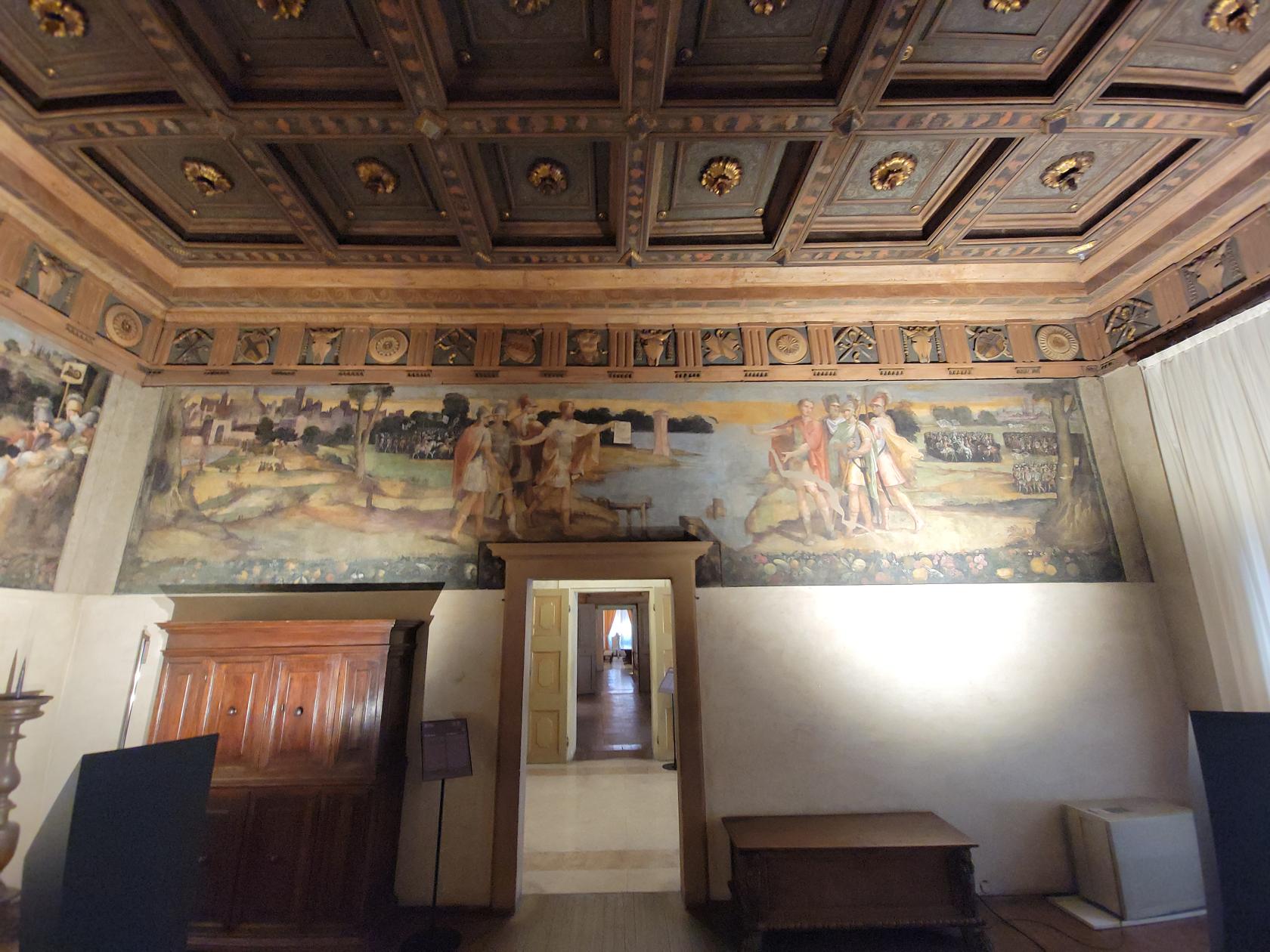
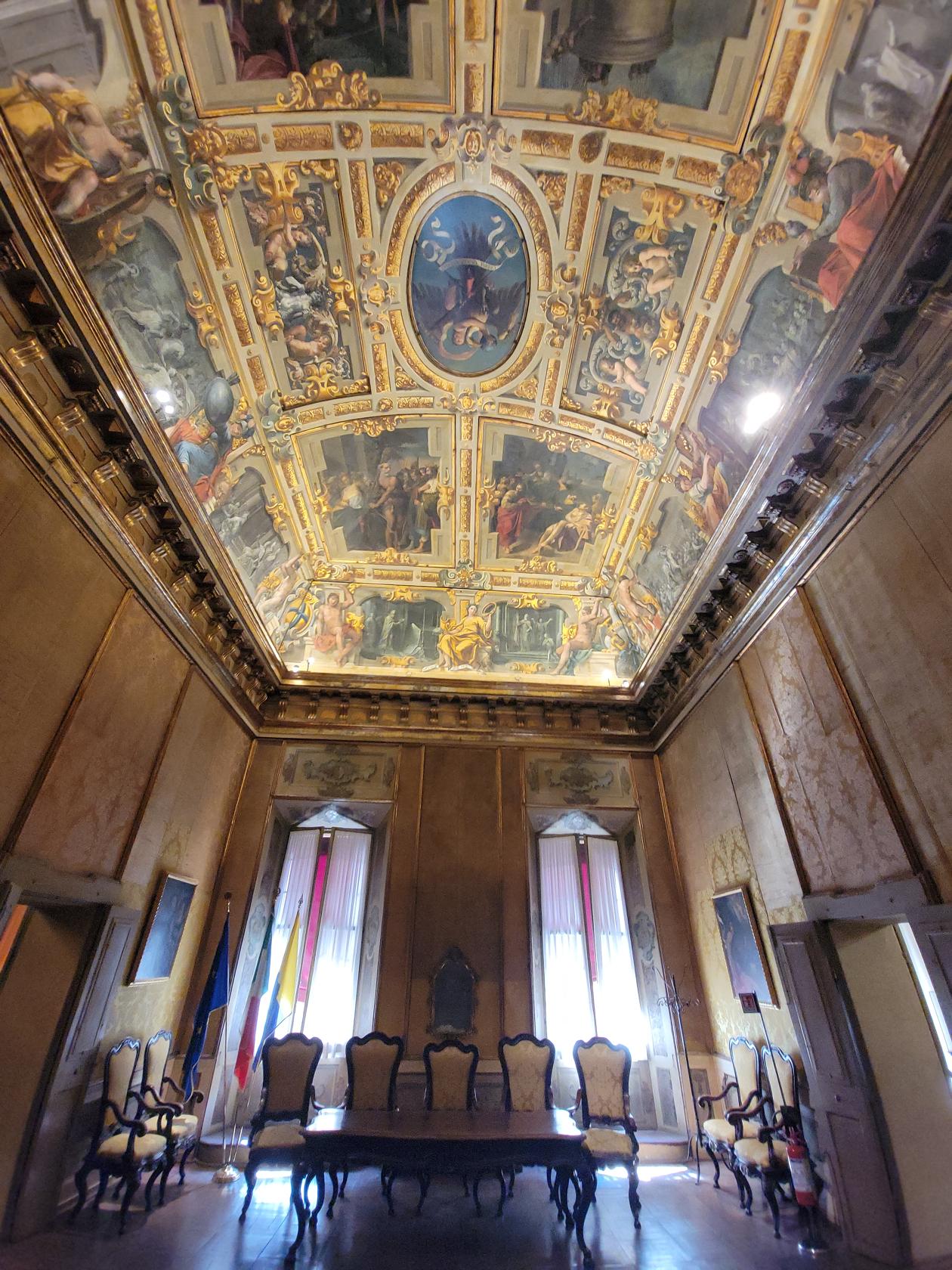
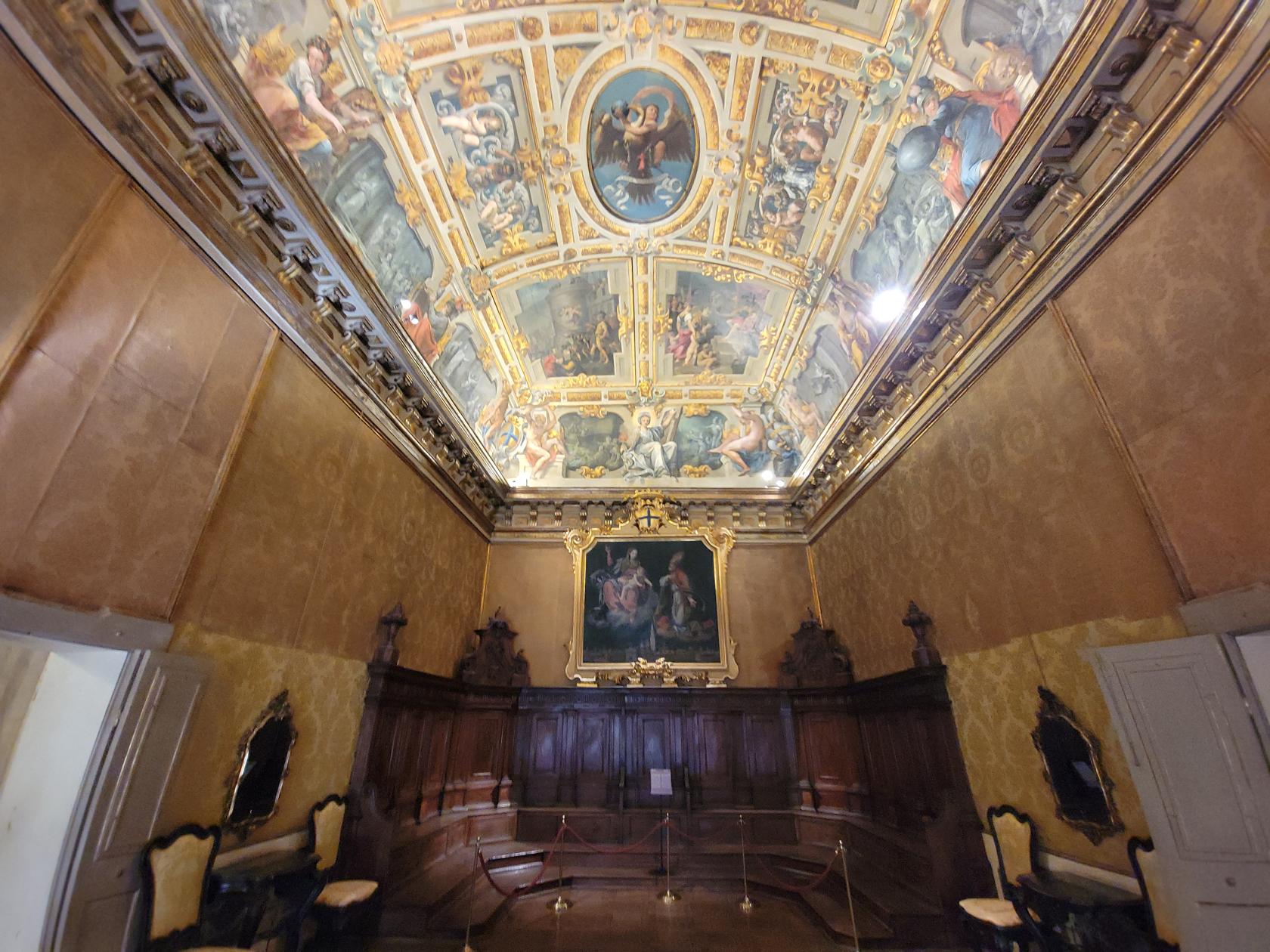
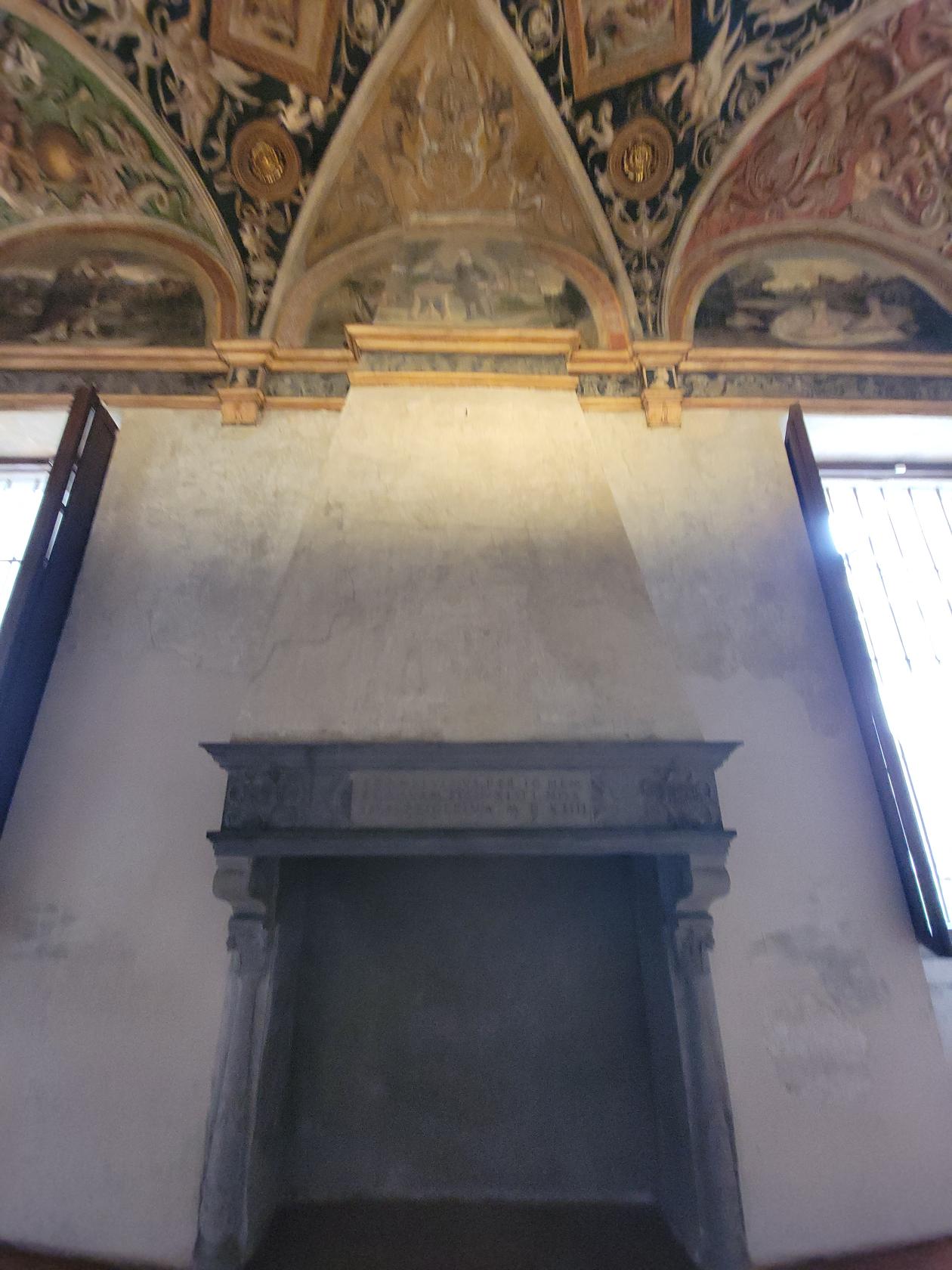
The palazzo is best known for its Hall of Fire. It is a term of endearment, assigned to it by the public to indicate that it was the hall containing the fireplace where back in the day, they could collect hot coals to warm themselves on the street during cold winter evenings. However, it is better known for the paintings that adorn the ceiling and walls that are the most impressive. Painted in the middle sixteenth century by Nicolò dell’Abate which depict episodes in Roman history that affected Modena as a town and city.
Frescoes in the Hall of Fire – Palazzo Comunale – Modena, Italy
Frescoes in the Hall of Fire – Palazzo Comunale – Modena, Italy
Fresco on Fireplace in the Hall of Fire – Palazzo Comunale – Modena, Italy
Frescoes in the Hall of Fire – Palazzo Comunale – Modena, Italy
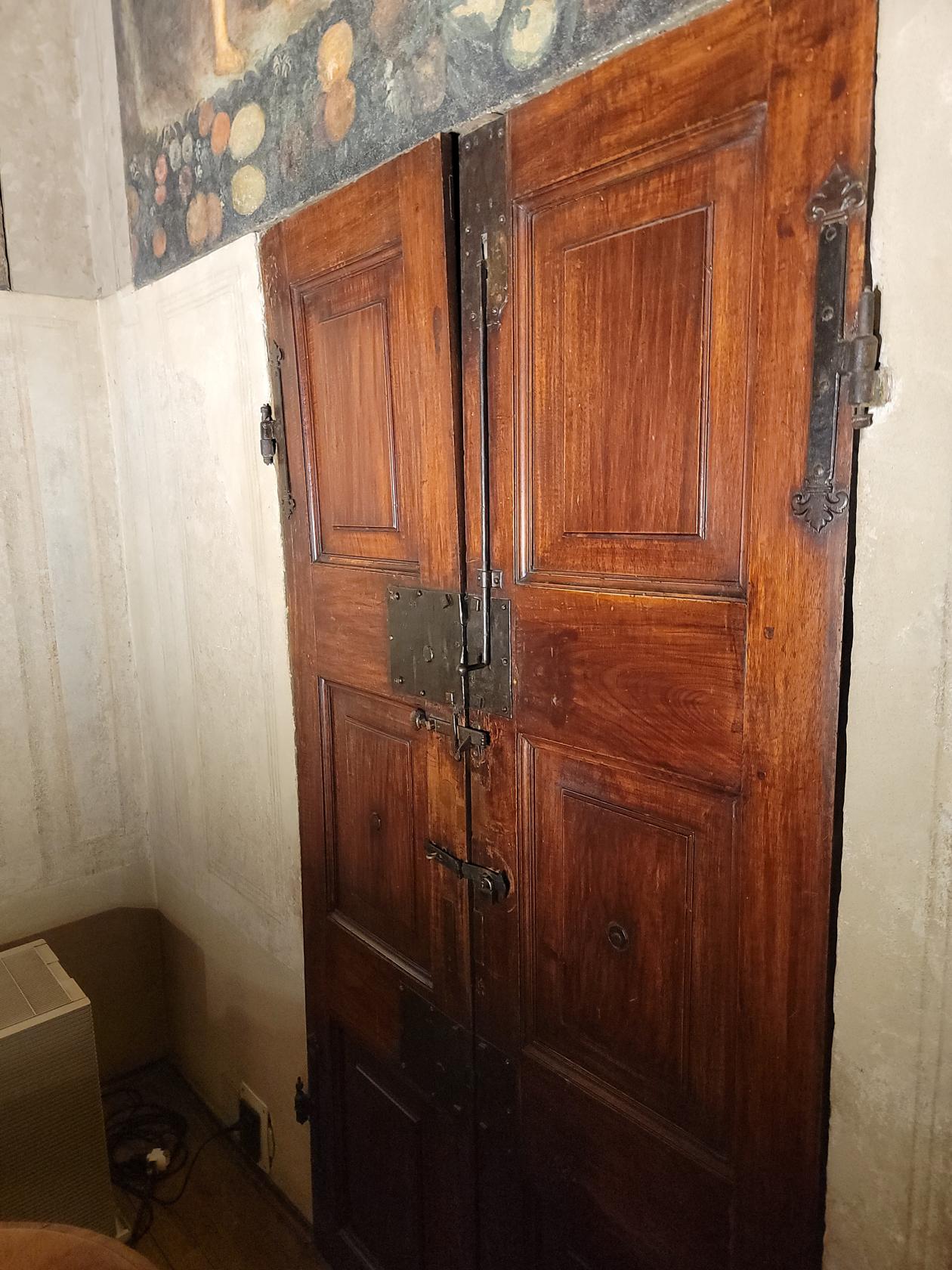
Old Door and Iron Hinges in the Hall of Fire – Palazzo Comunale – Modena, Italy
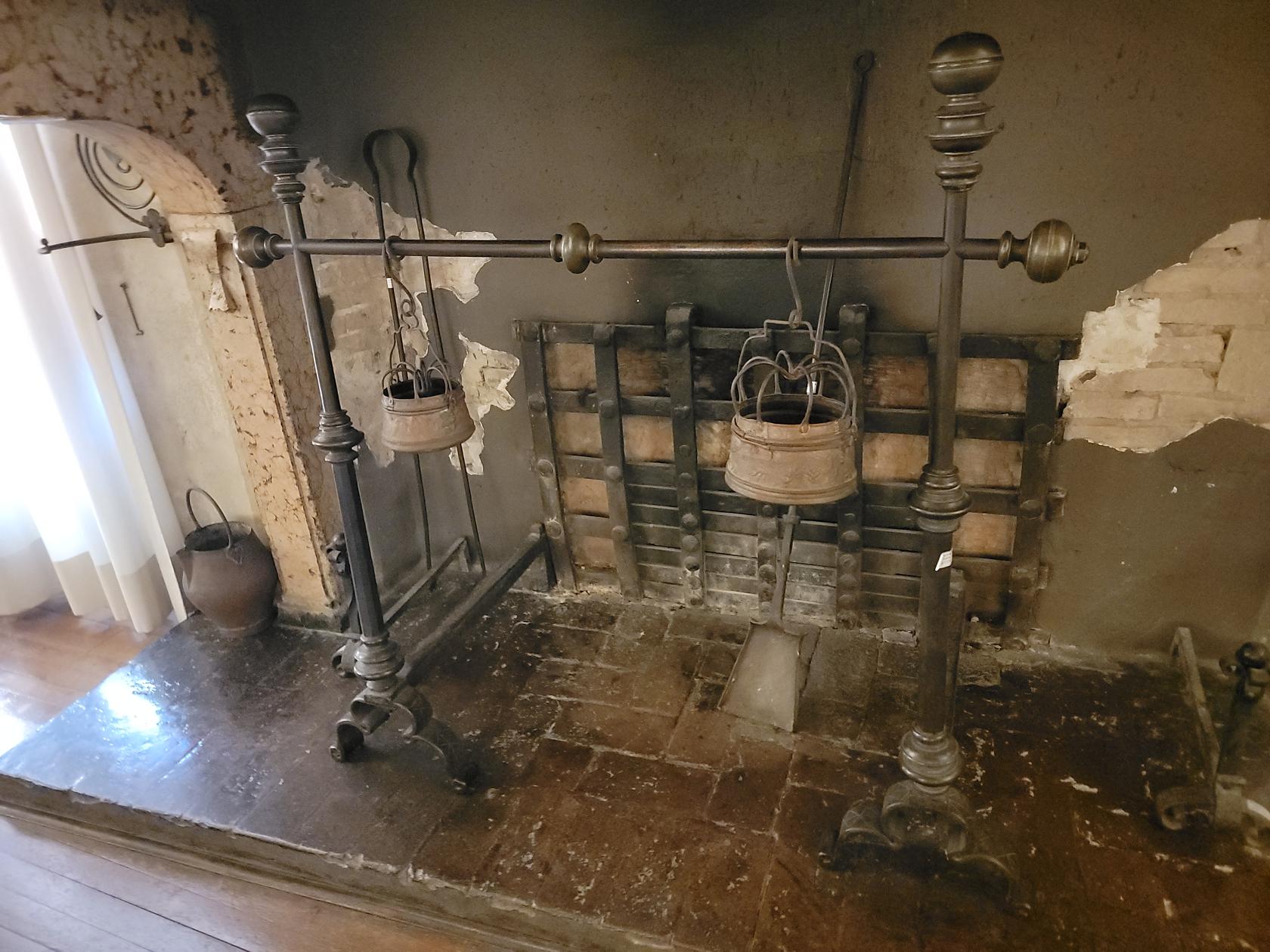
Fireplace in the Hall of Fire – Palazzo Comunale – Modena, Italy
The Council Hall is where meetings would be held with respect to the town’s business. Electors would assemble here to discuss important matters of the day, planning and other administrative tasks.
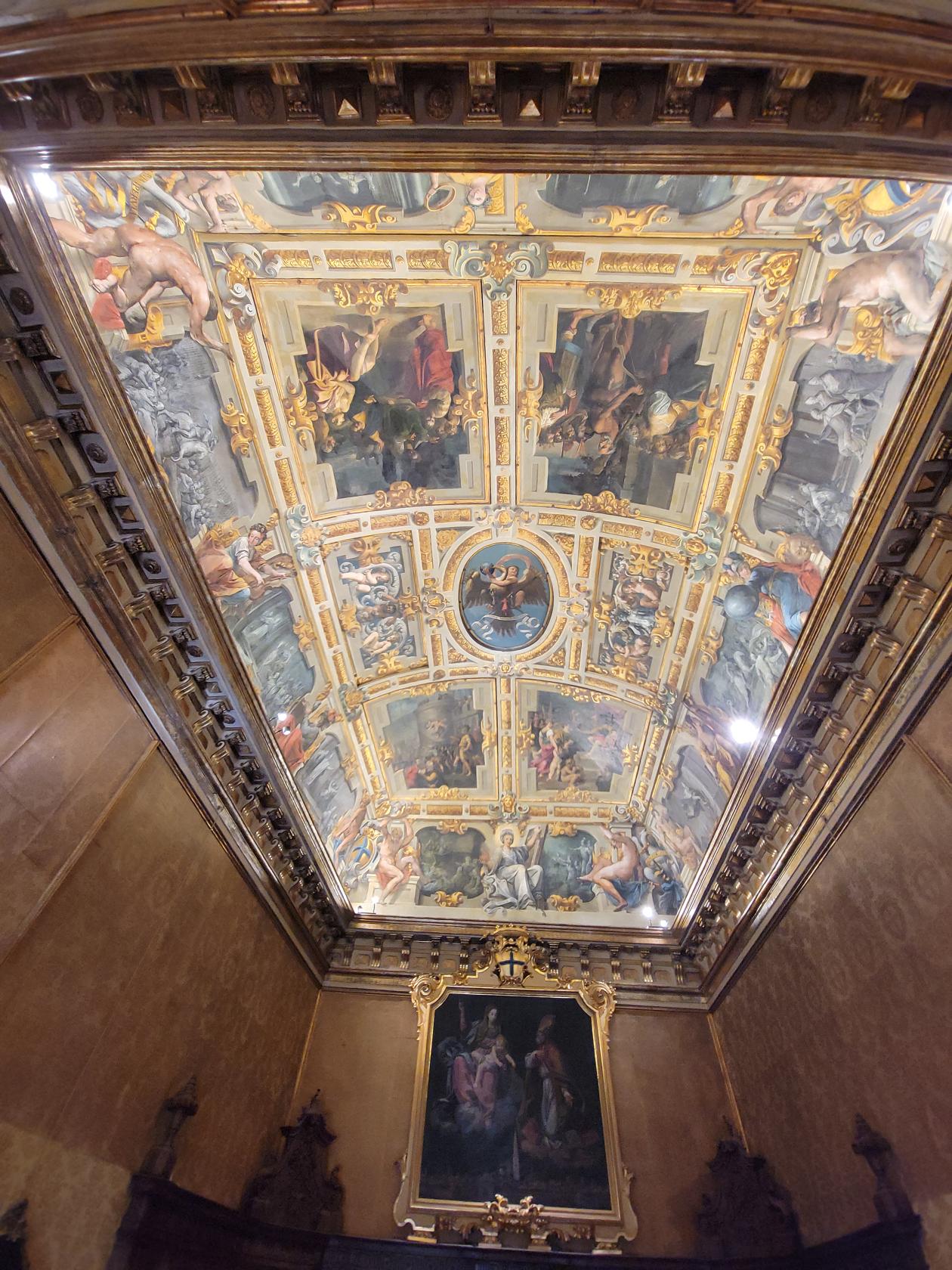
Ceiling in the Hall of the Old Council – Palazzo Comunale – Modena, Italy
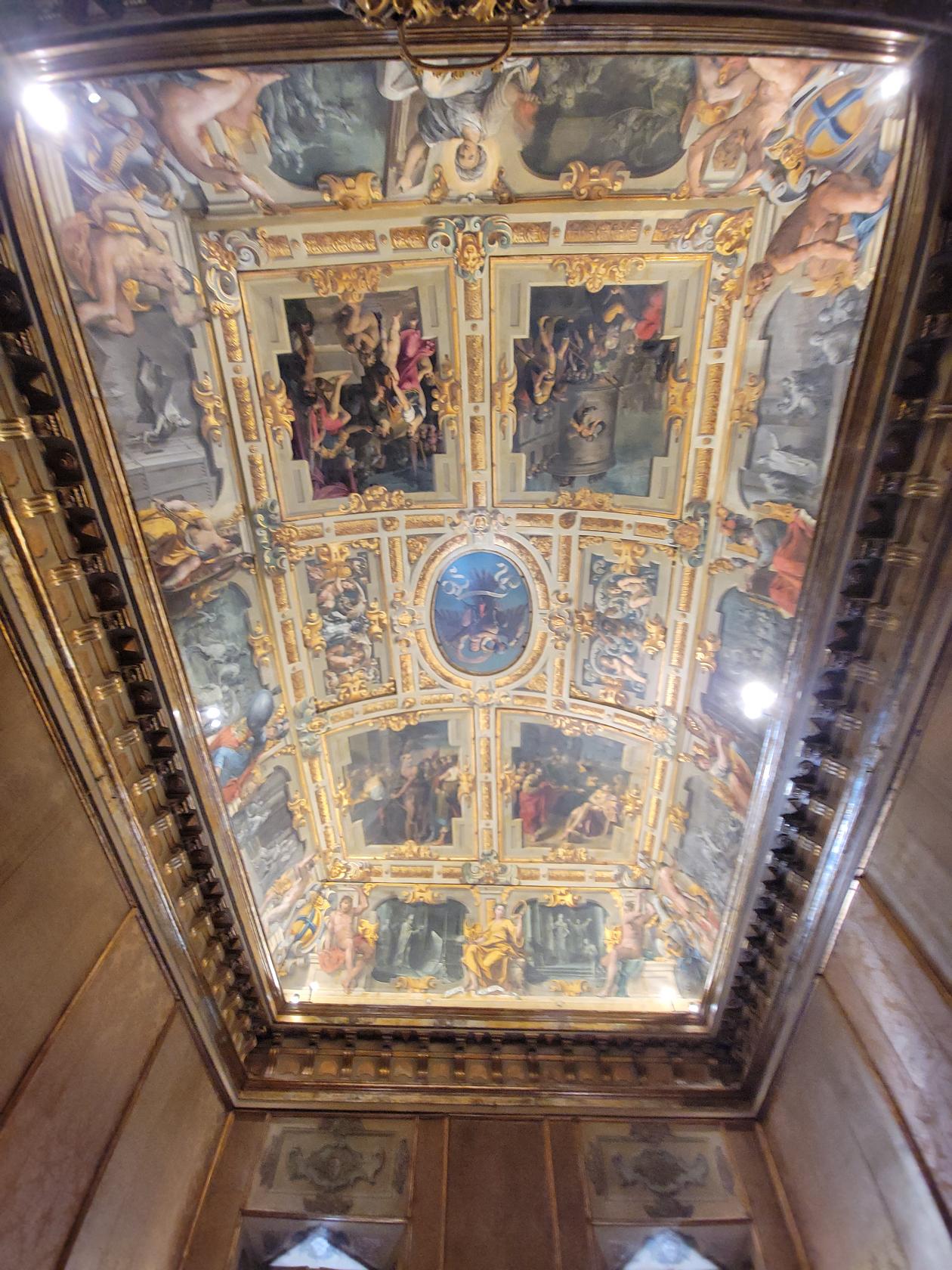
Ceiling in the Hall of the Old Council – Palazzo Comunale – Modena, Italy
Meeting Table in the Hall of the Old Council – Palazzo Comunale – Modena, Italy
Hall of the Old Council – Palazzo Comunale – Modena, Italy
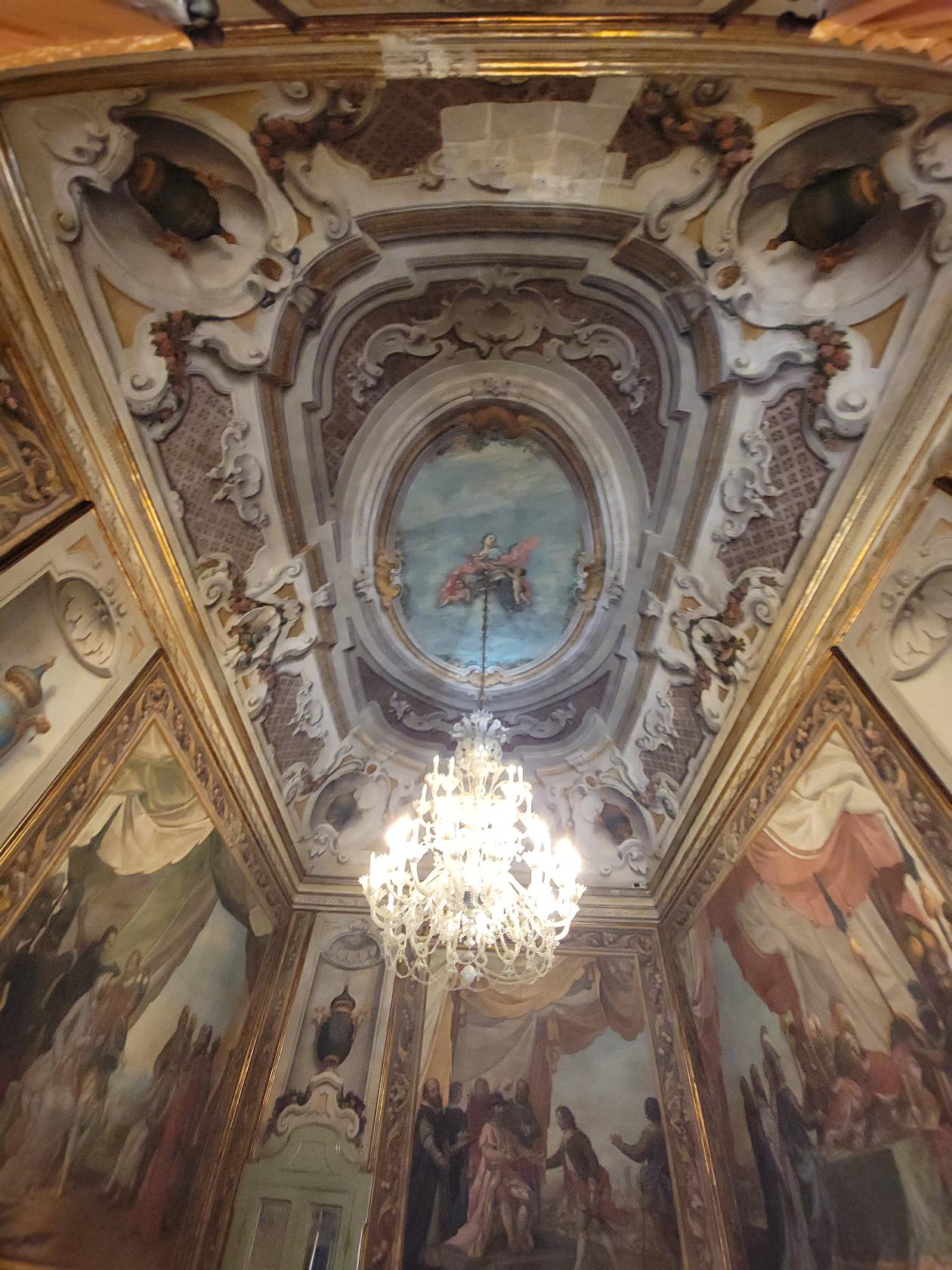
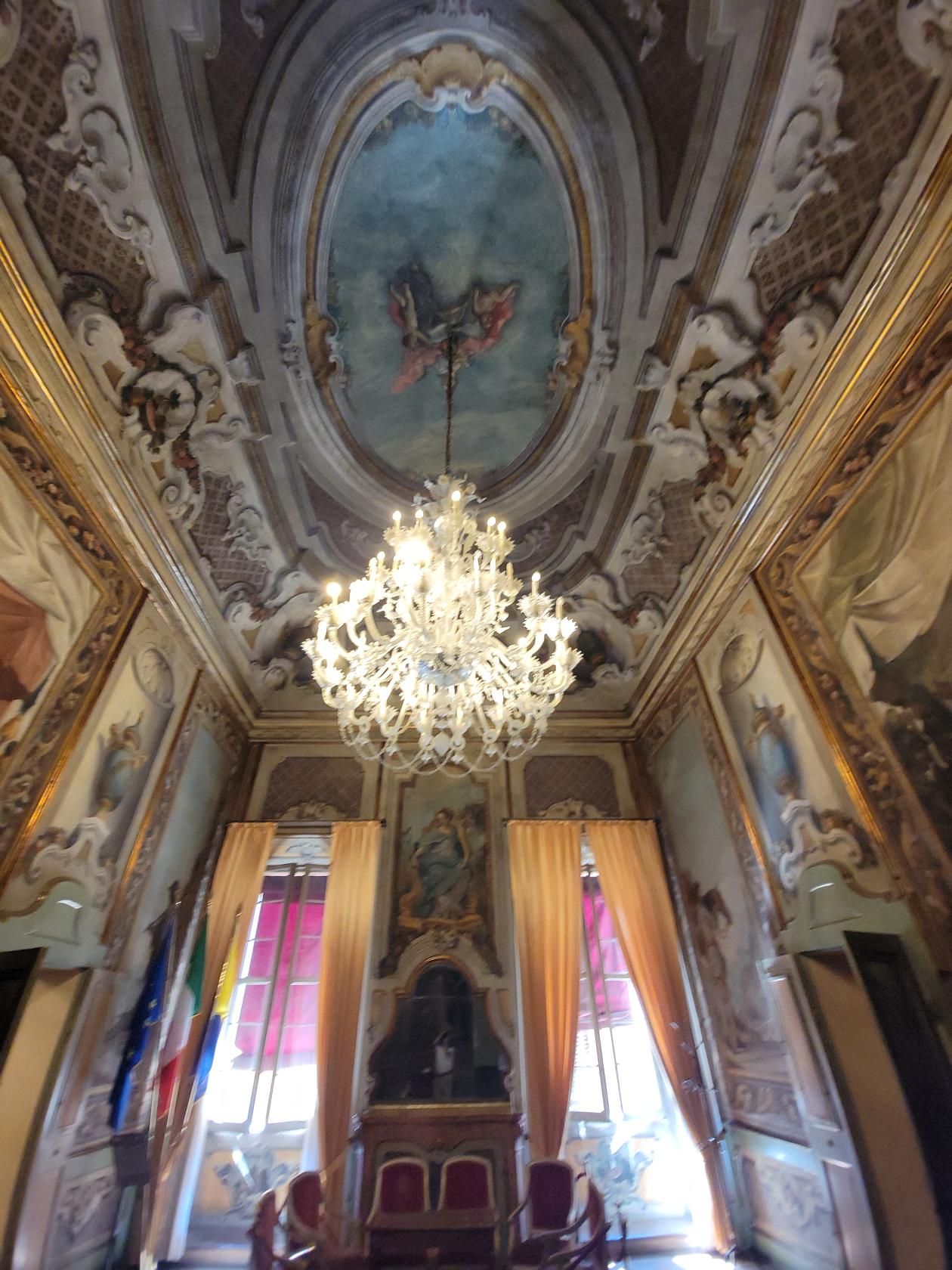
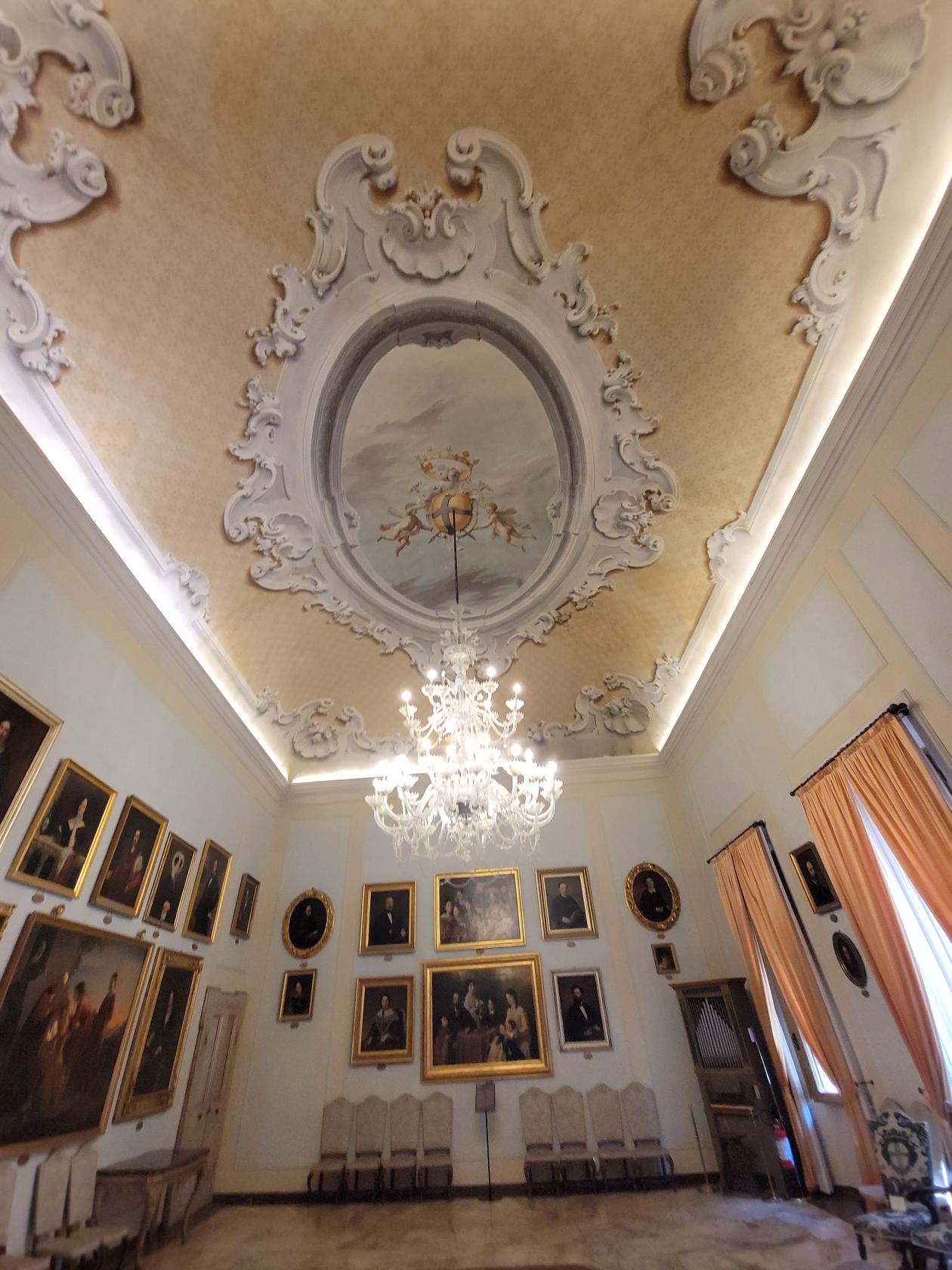
There are also a Tapestry and a Wedding Hall. Neither is of any great import, except for the paintings that adorn each.
Ceiling – Wedding Hall – Palazzo Comunale – Modena, Italy
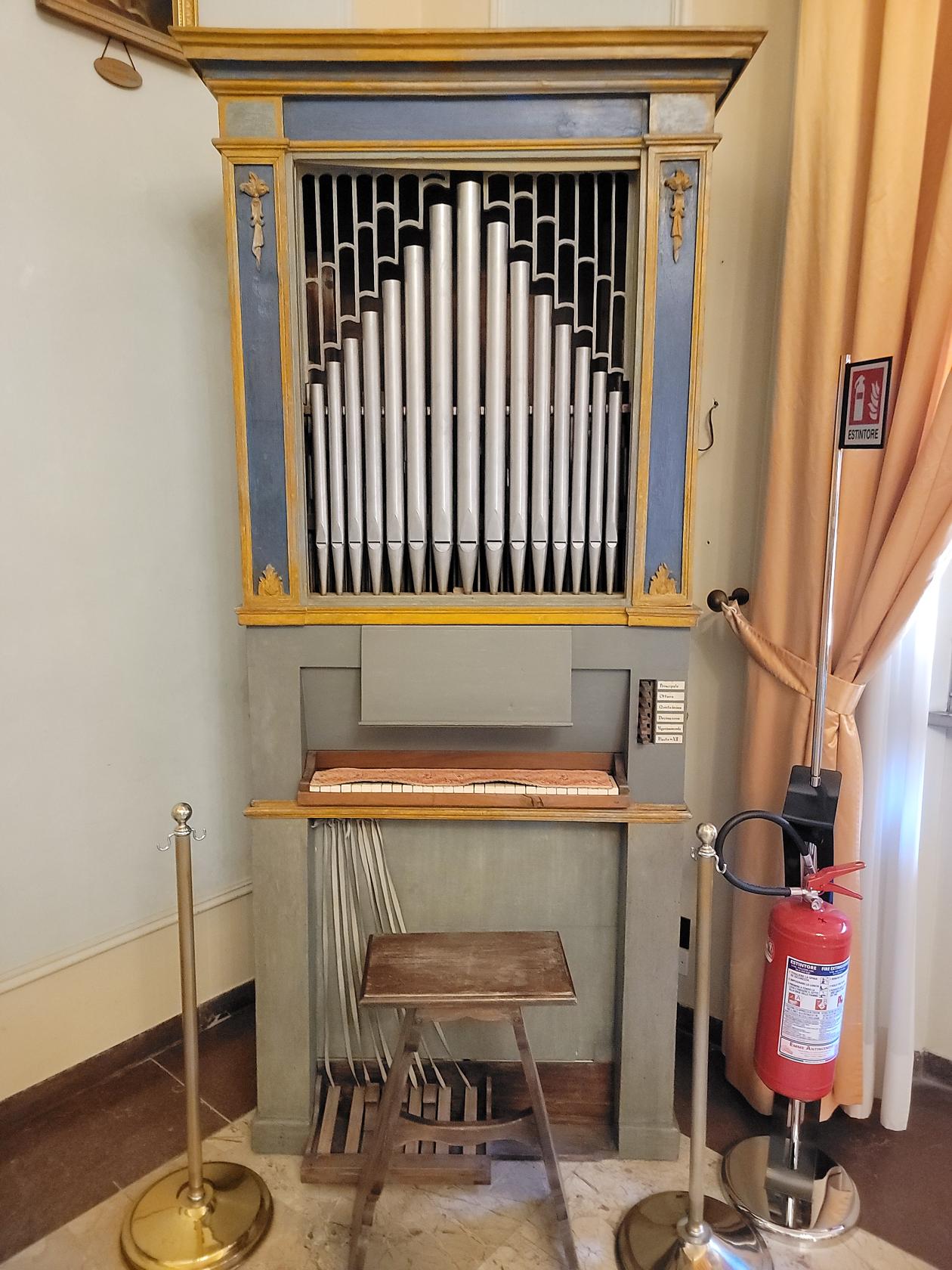
Organ – Wedding Hall – Palazzo Comunale – Modena, Italy
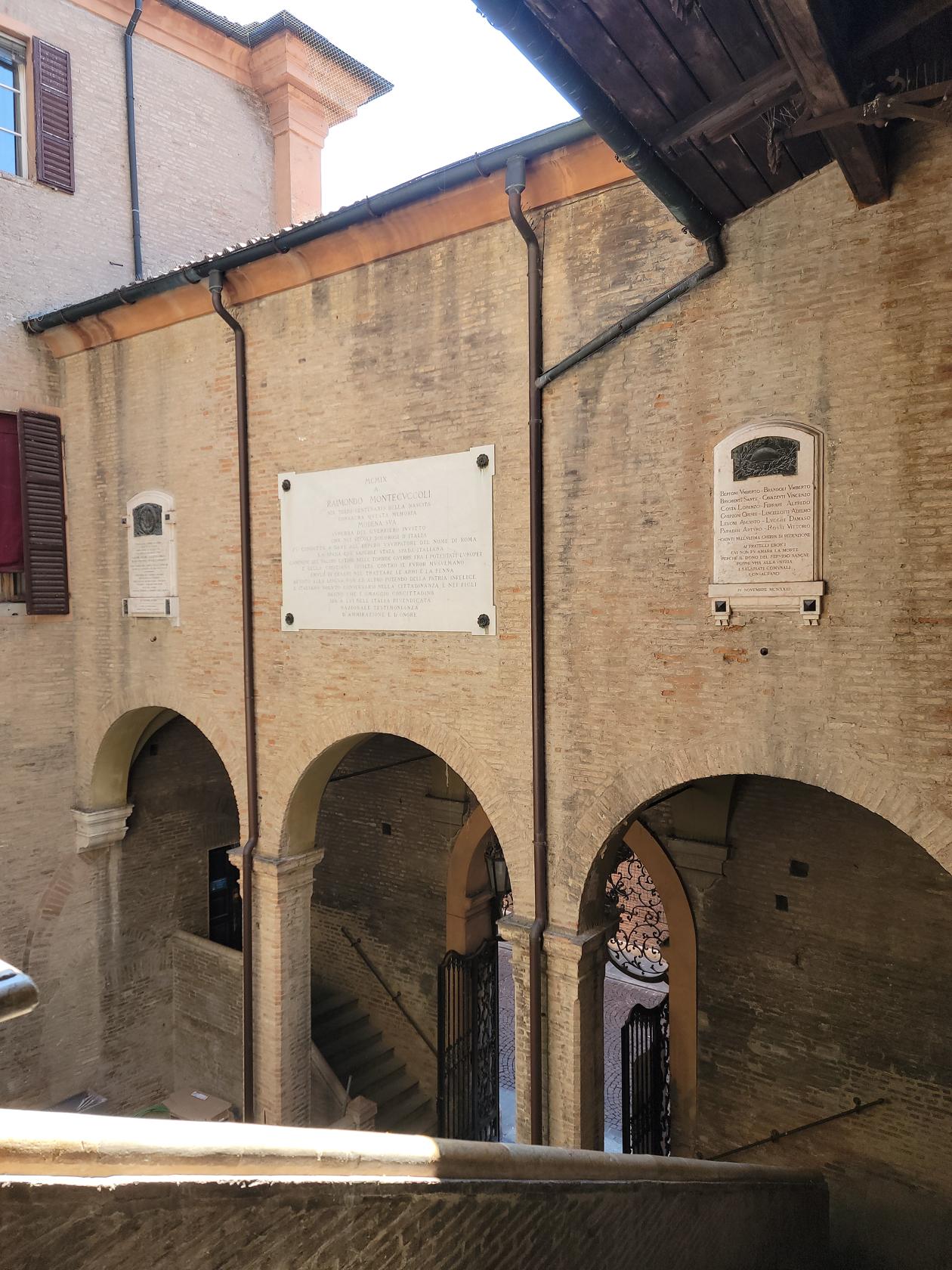
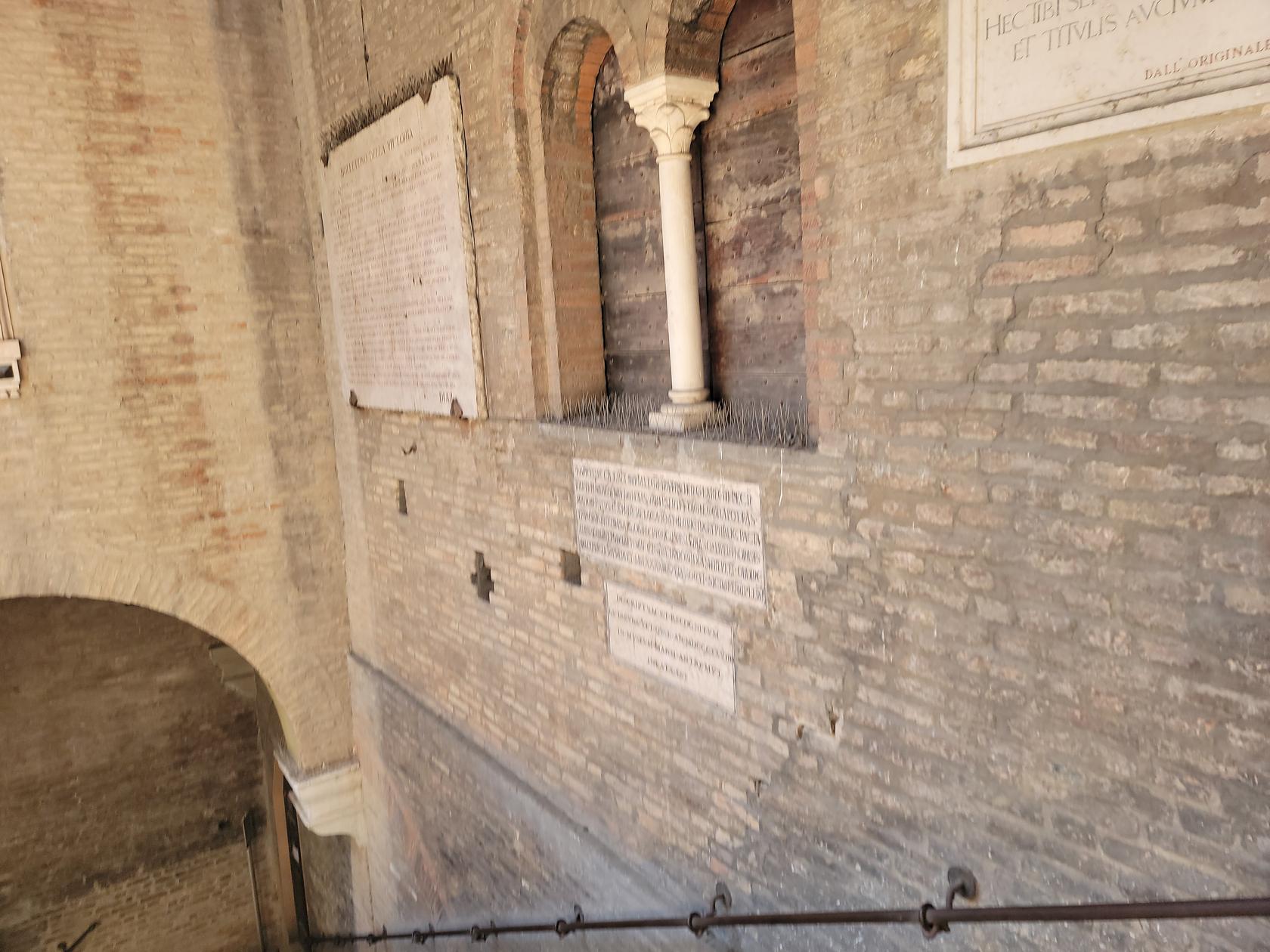
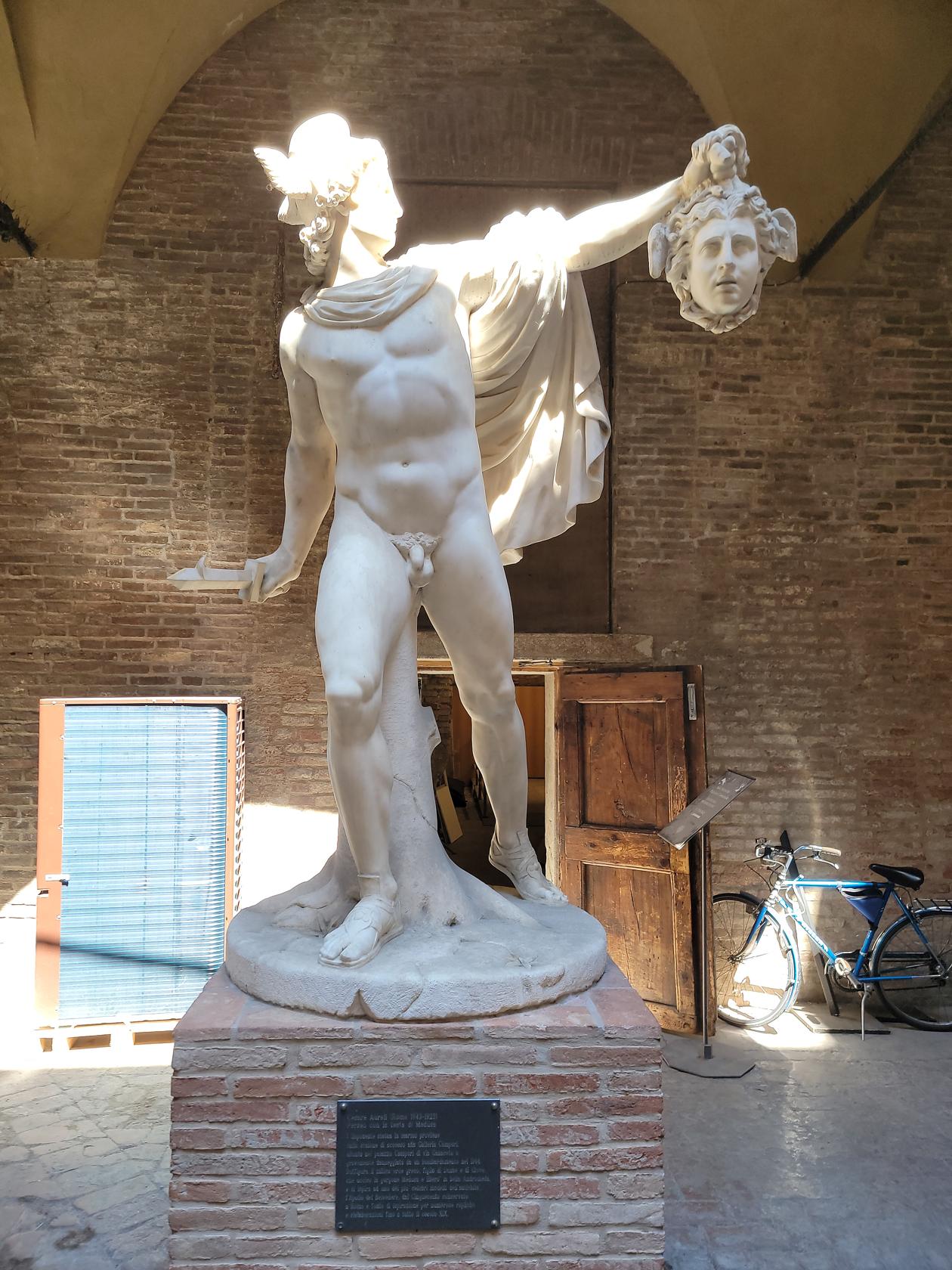
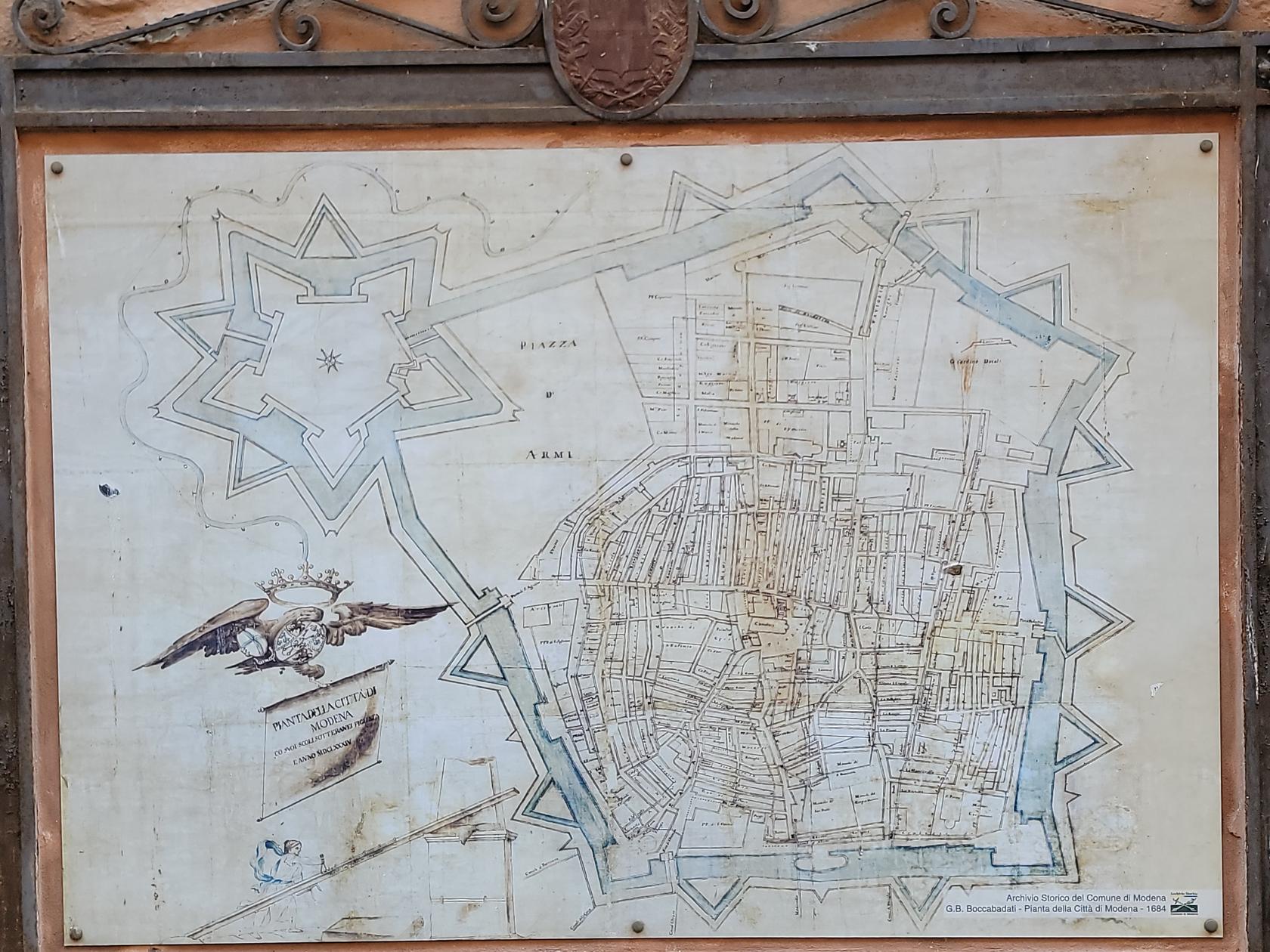
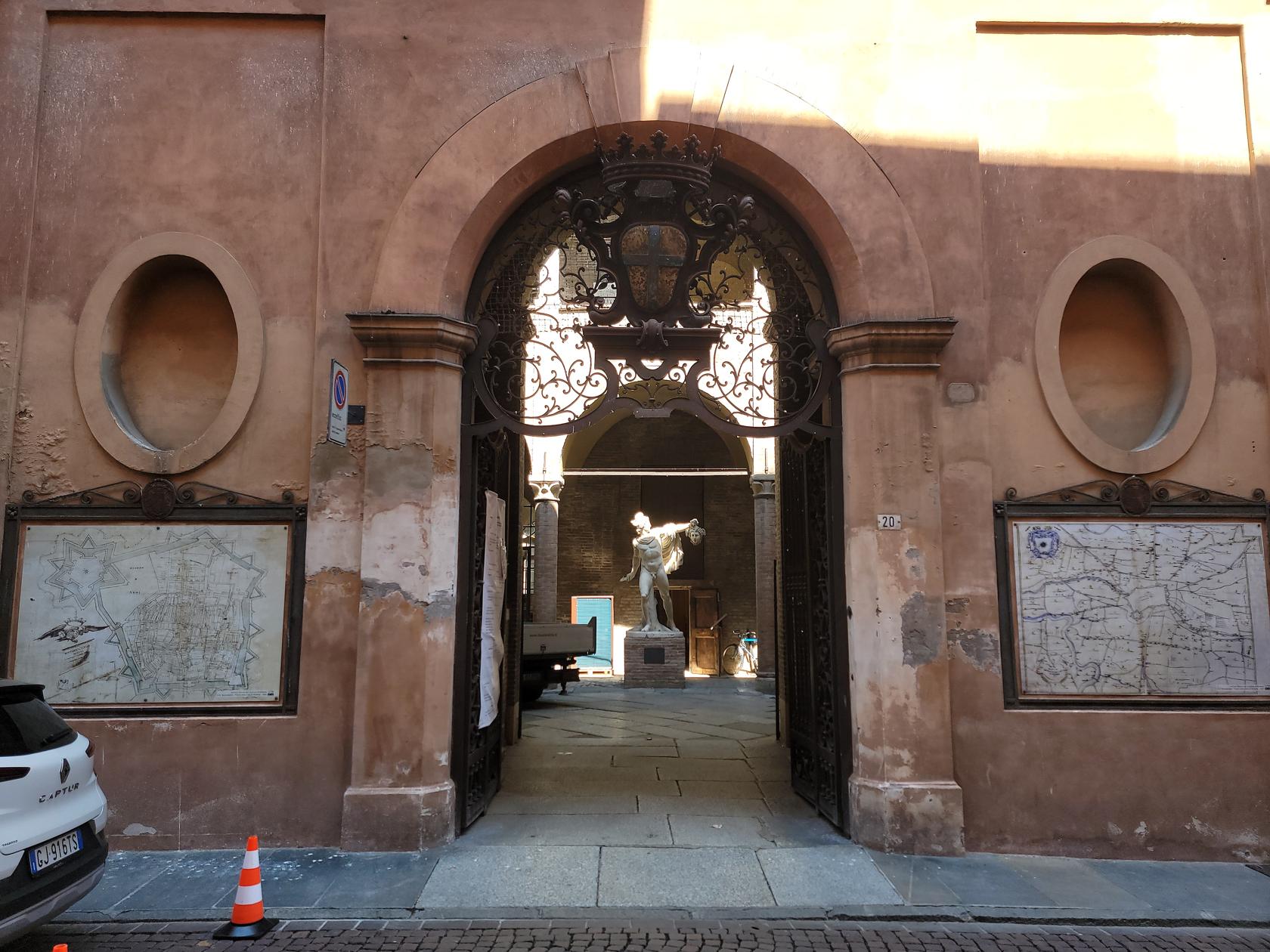
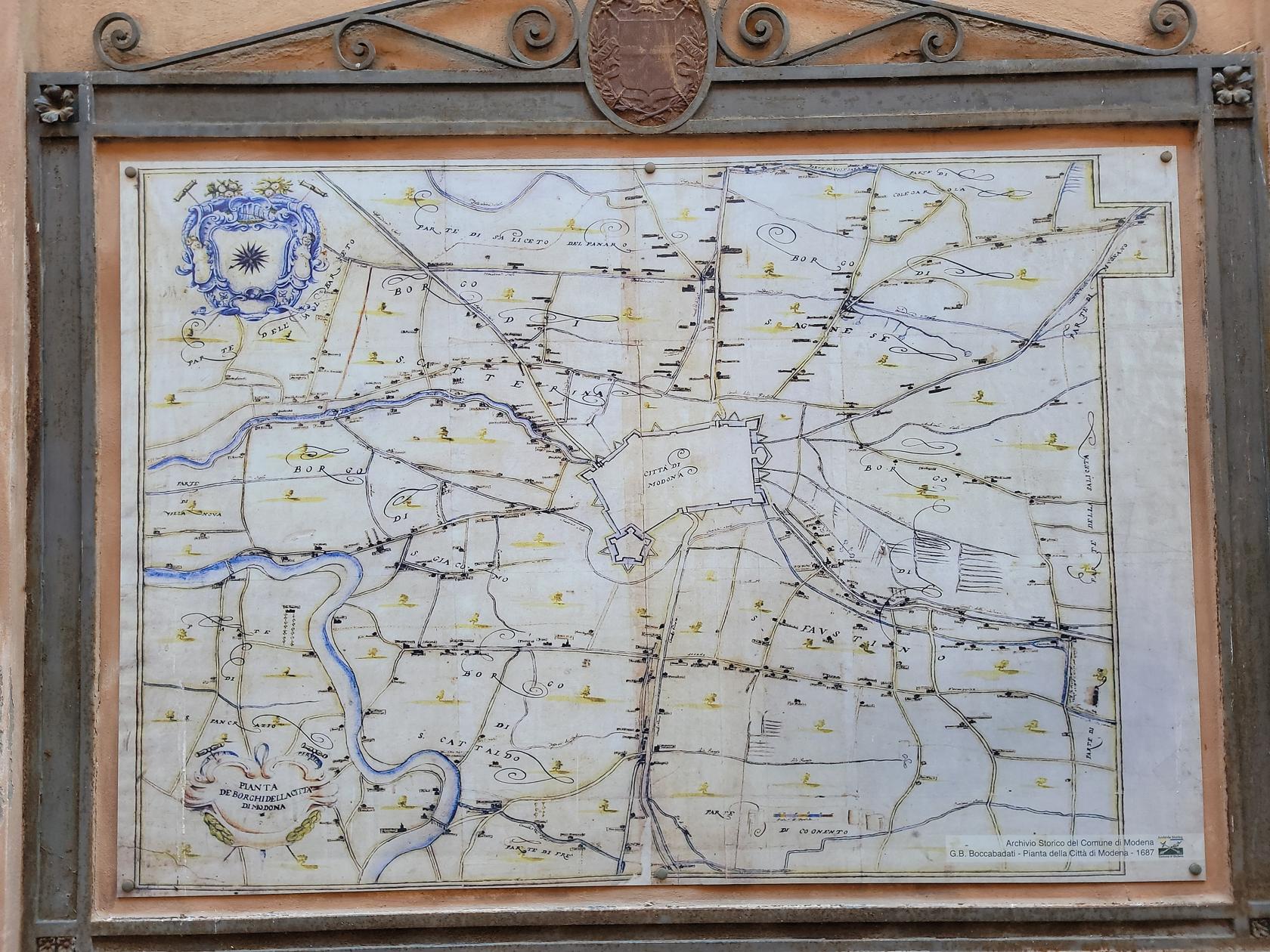
At the back entrance to the palazzo is a statue of Perseus holding the severed head of Medusa. It can be seen directly by way of the back entrance stairwell. Or, when the back entrance doors are open, it can be seen from the street flanked on either side by old maps of Modena.
Back Stairs to Back Entrance – Palazzo Comunale – Modena, Italy
Back Stairs to Back Entrance – Palazzo Comunale – Modena, Italy
Perseus with the head of Medusa – Back Entrance – Palazzo Comunale – Modena, Italy
Fortification Map of Modena – Back Entrance – Palazzo Comunale – Modena, Italy
Back Entrance – Palazzo Comunale – Modena, Italy
Old Map of Modena – Back Entrance – Palazzo Comunale – Modena, Italy
Civic Tower
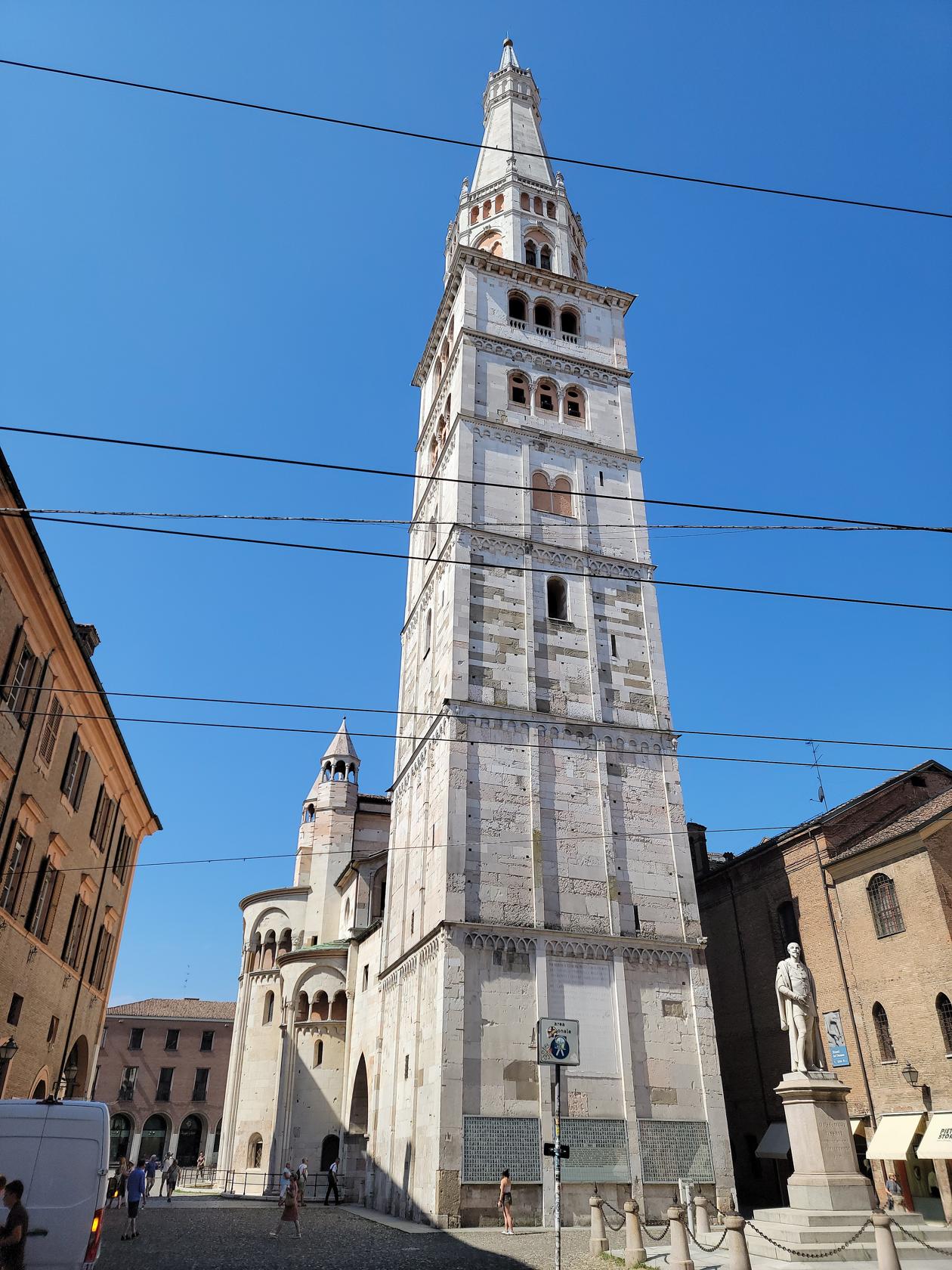
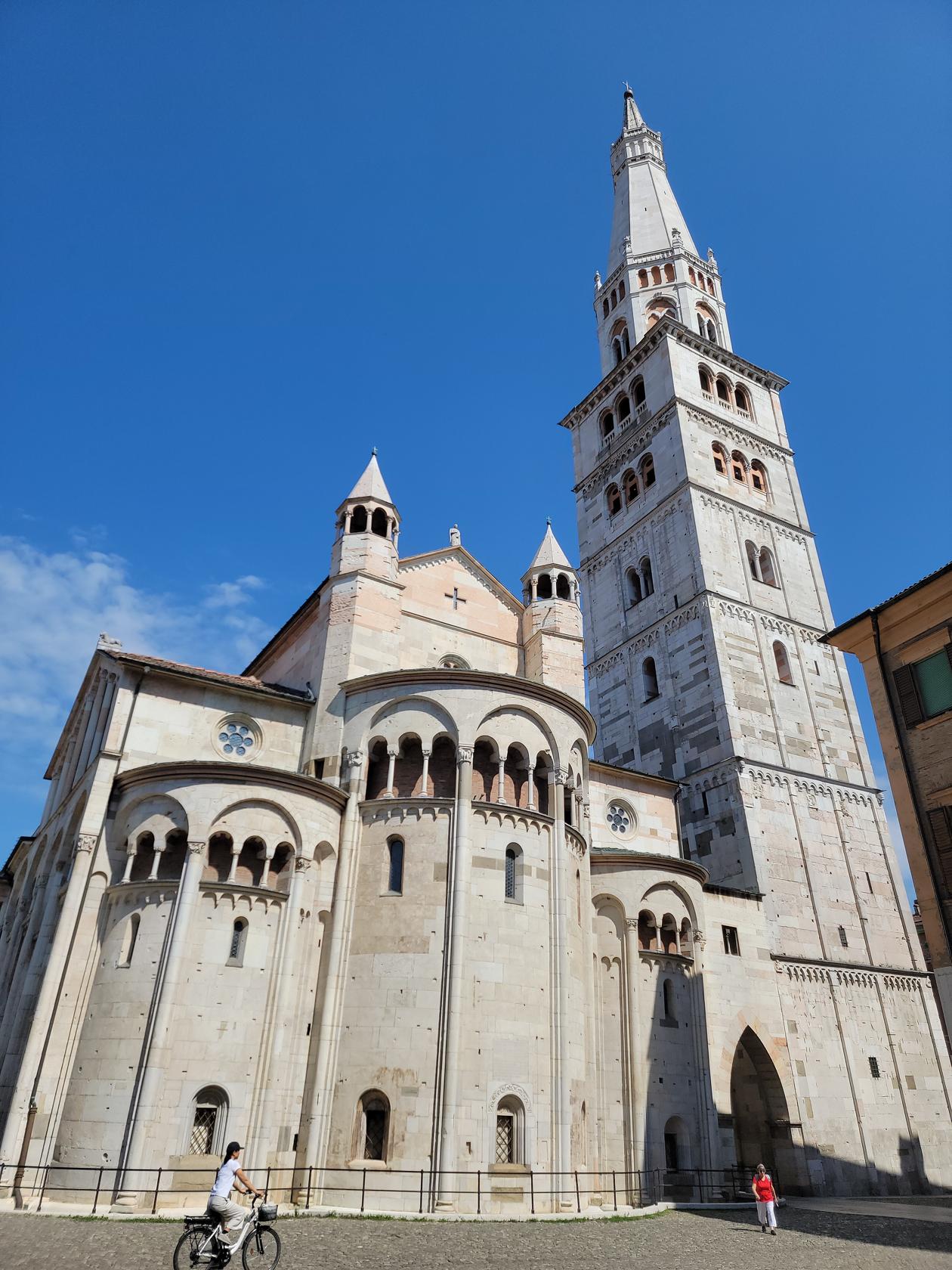
Located adjacent to the cathedral is the Civic Tower. Yes, the Civic Tower leans and not by a little, a lot. Comparable to those leaning towers in Bologna and Pisa it’s not that impressive, but it is very noticeable when judged from a distance, using other buildings as a reference.
Civic Tower – Modena, Italy
Cathedrals and Churches
Cathedral of Modena
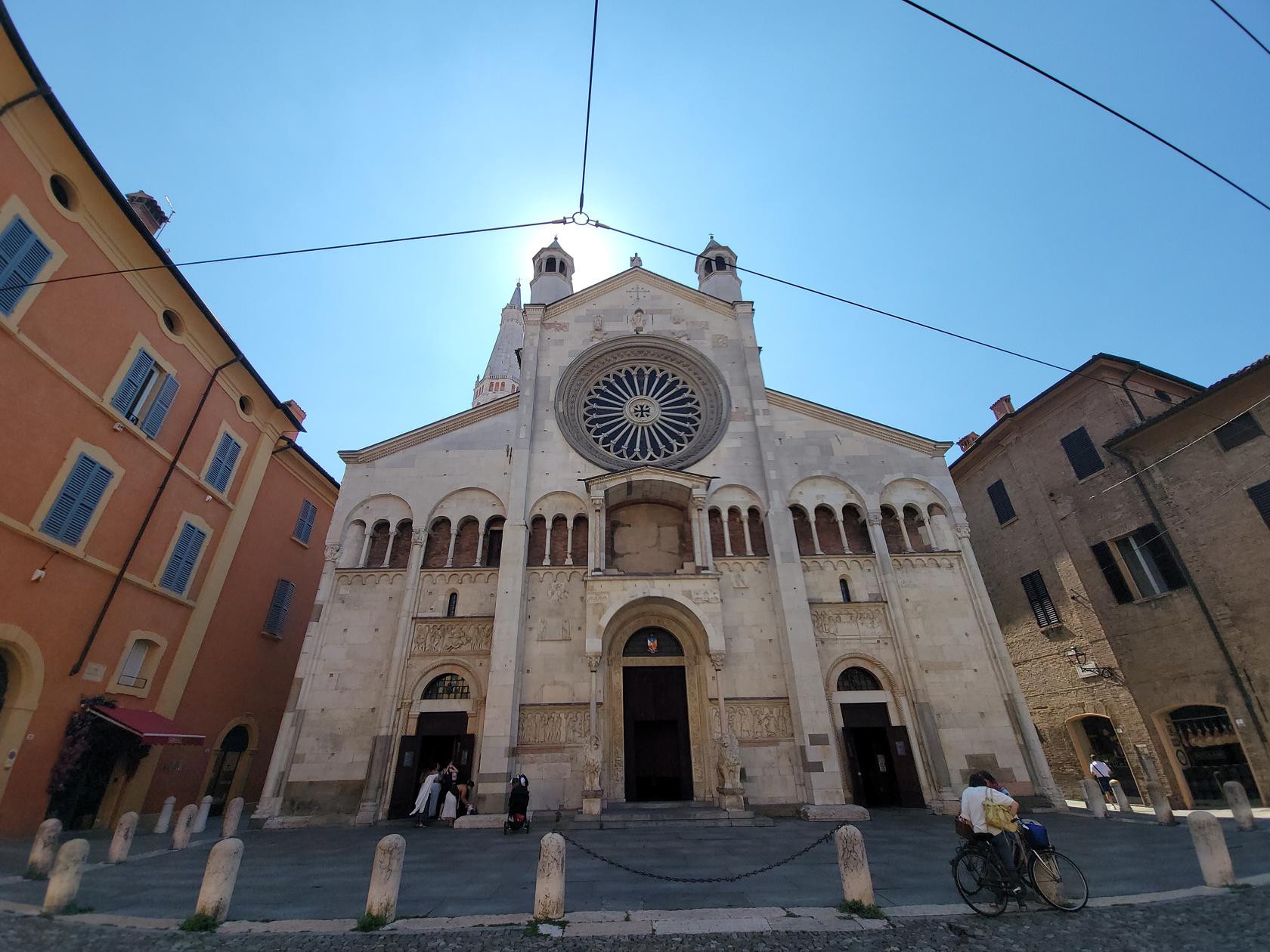
The Cathedral of Modena, or precisely Metropolitan Cathedral of Saint Mary of the Assumption and Saint Geminianus[1]Saint Germinianus is Modena’s patron saint and who’s tomb, dating back to the fifth century, was part of one of the original churches erected on the same site., or colloquially and affectionately known as Il Duomo as in other Italian towns and cities. The main entrance has several tympanums above each door, depicting the biblical stories of Adam and Eve.
Front and Entrance – Cathedral of Modena – Modena, Italy
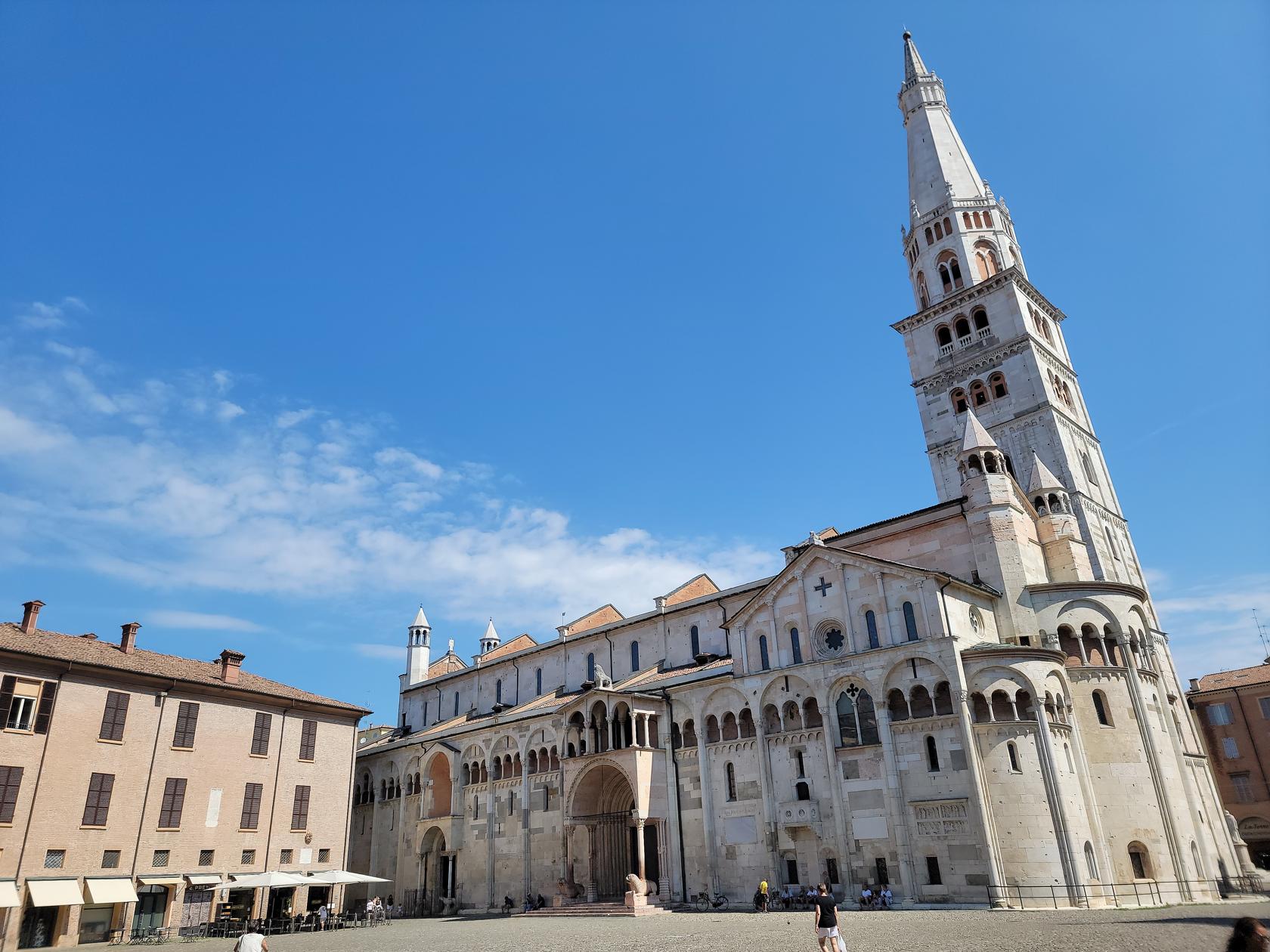
From outside it appears to have been rebuilt several times, many of the blocks that make up the facade of the structure do not match in many places. Though odd, the outside follows typical Romanesque architecture, with semi-circular arches that are filled in with brick and other appointments, with the exception of the large Piazza Portal on the north side, which almost functions as the main entrance.
Right Side – Cathedral of Modena – Modena, Italy
Cathedral of Modena and Civic Tower – Modena, Italy
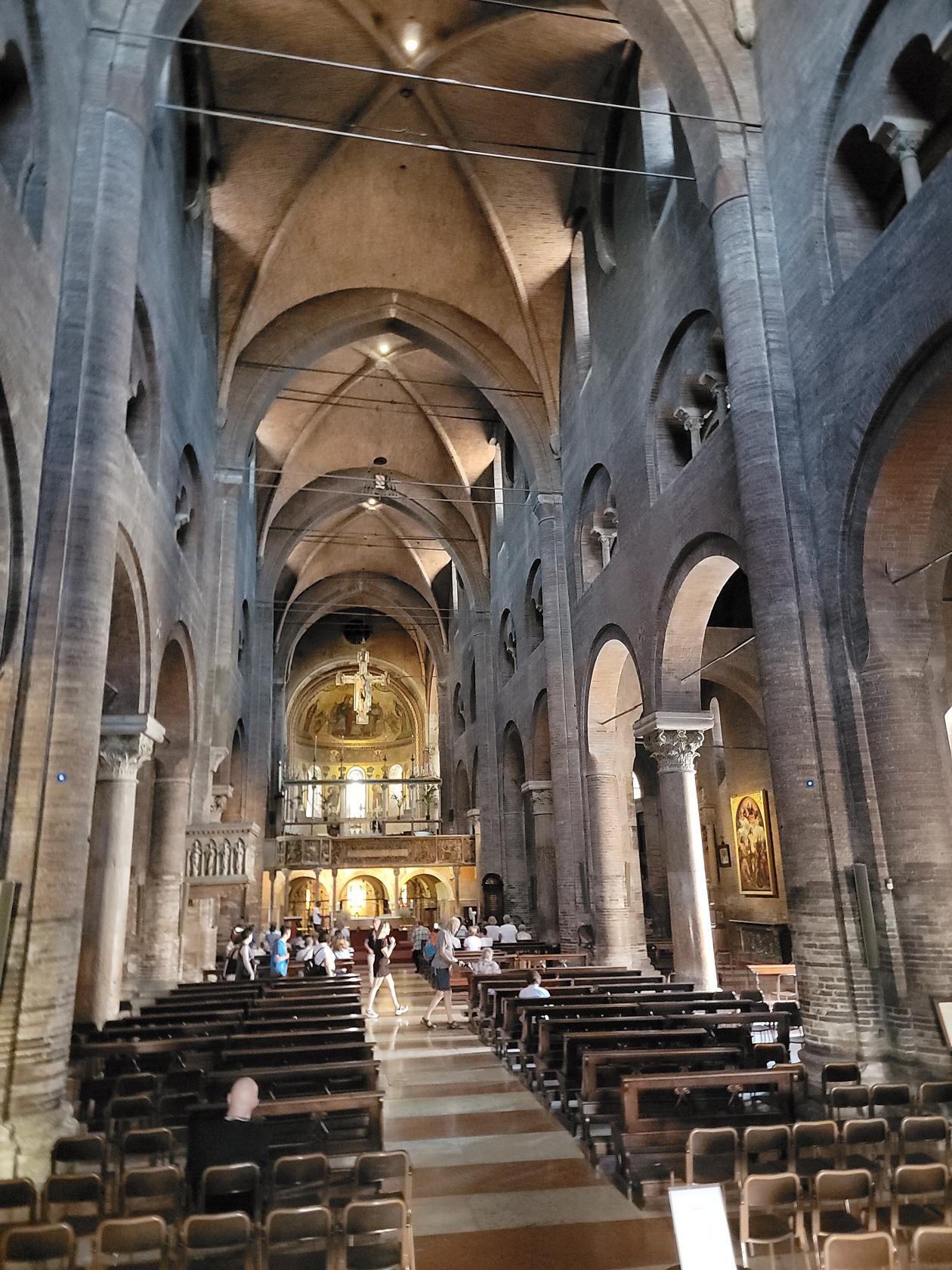
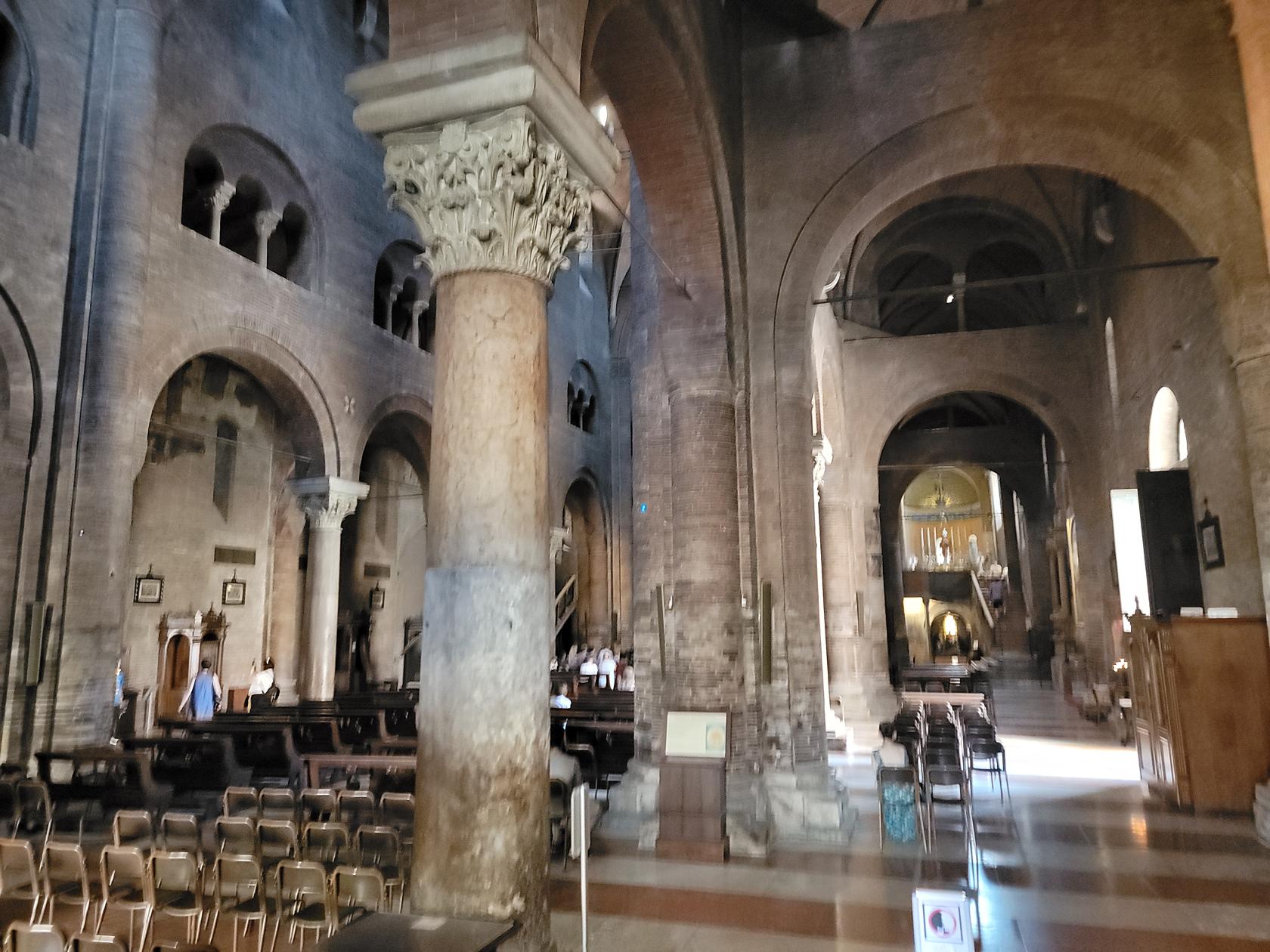
The cathedral lacks a dome, instead having parapets on each of the four corners. It is sectioned in four places, reveals at the roof level as wall extending upwards, which coincide with the four internal arches for the nave. The inside is rather plain and mainly composed of bare brick. At the time we were there, a service was being held, limiting our ability to take more photographs.
Nave – Cathedral of Modena – Modena, Italy
Aisle – Cathedral of Modena – Modena, Italy
Restaurants
For our day trip, we ate at a local place right off the Piazza Grande which promised to have good food at a fair price.
Enoteca Al Duomo
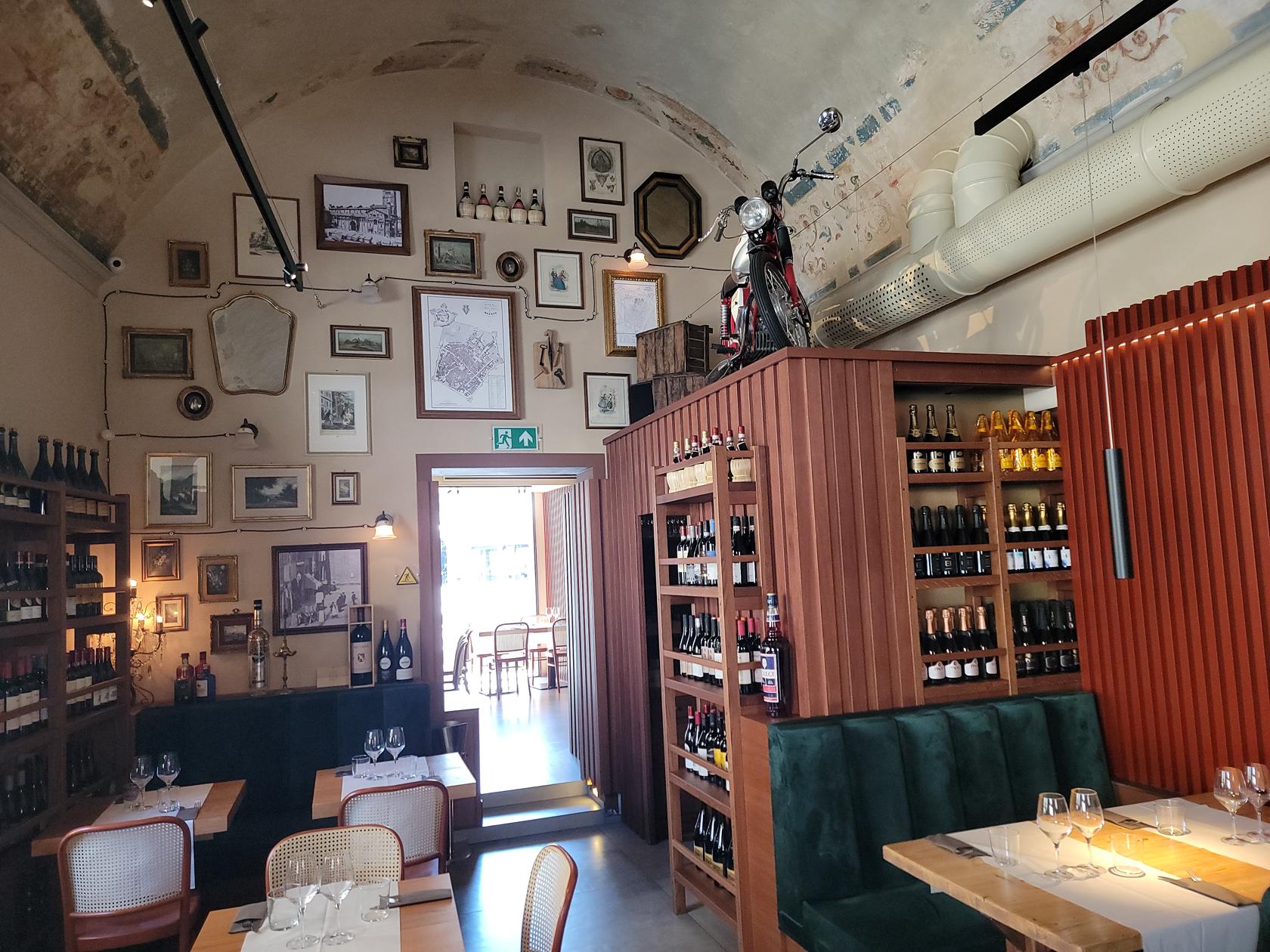
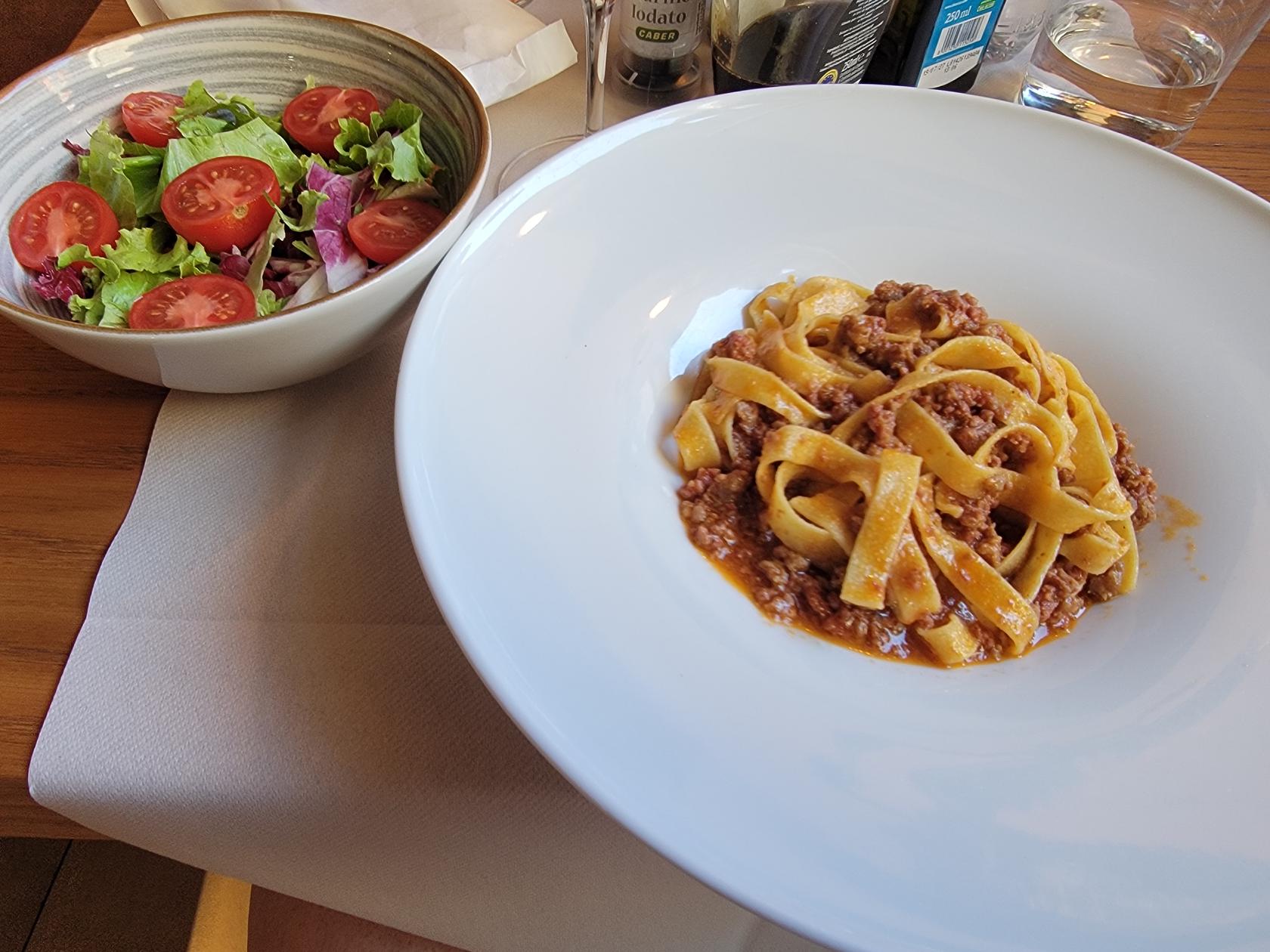
We ate lunch here on recommendations that we read online. Our seating was inside, since the temperature outside was starting to become a bit annoying. The food and service were good and we spent an enjoyable hour discussing Modena and what else, if anything, there was to see in the city.
Interior – Enoteca Al Duomo – Grande Piazza – Modena, Italy
Insalata Mista and Tagliatella Bolognese – Enoteca Al Duomo – Grande Piazza – Modena, Italy
Il Pilotta
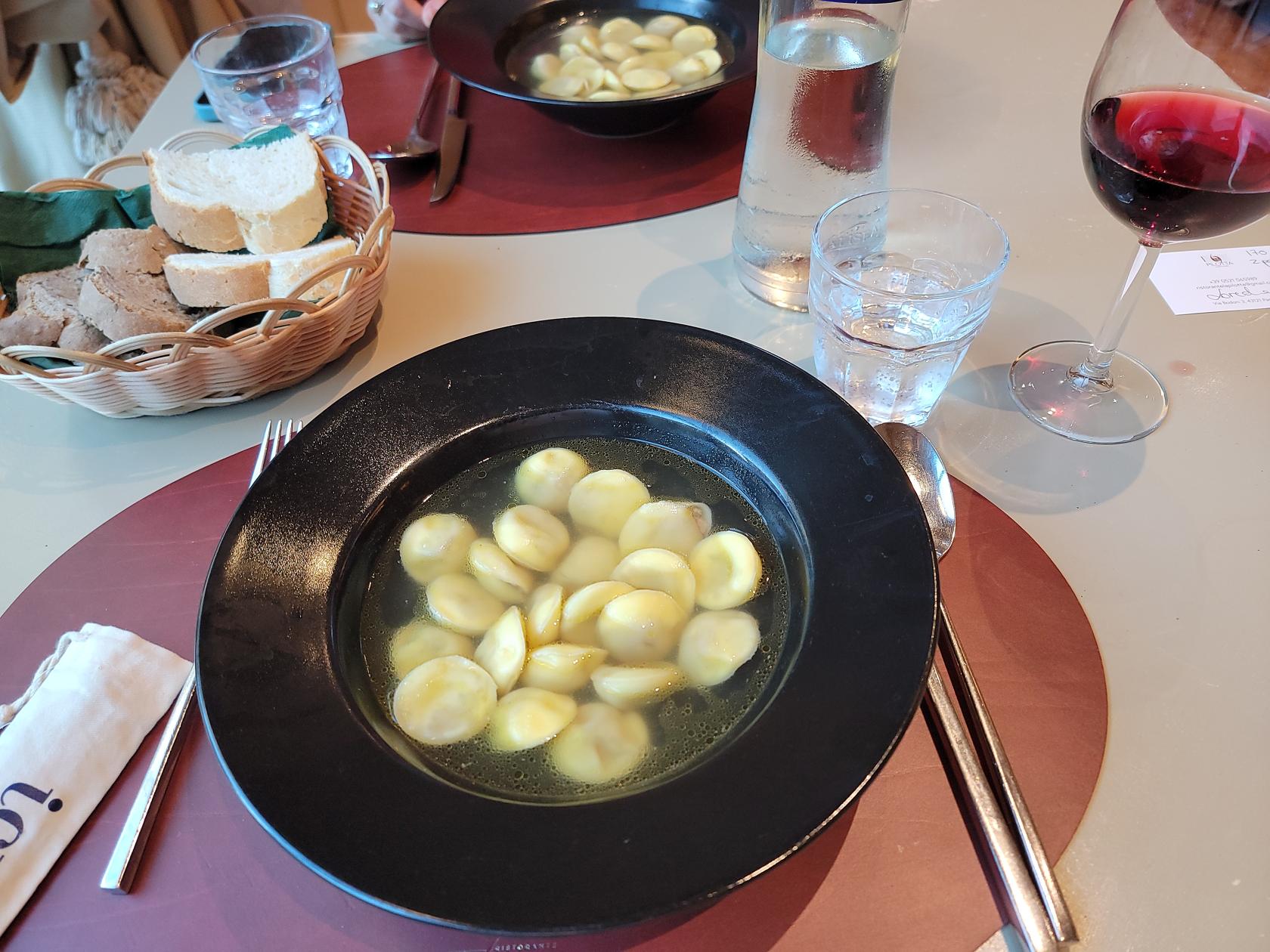
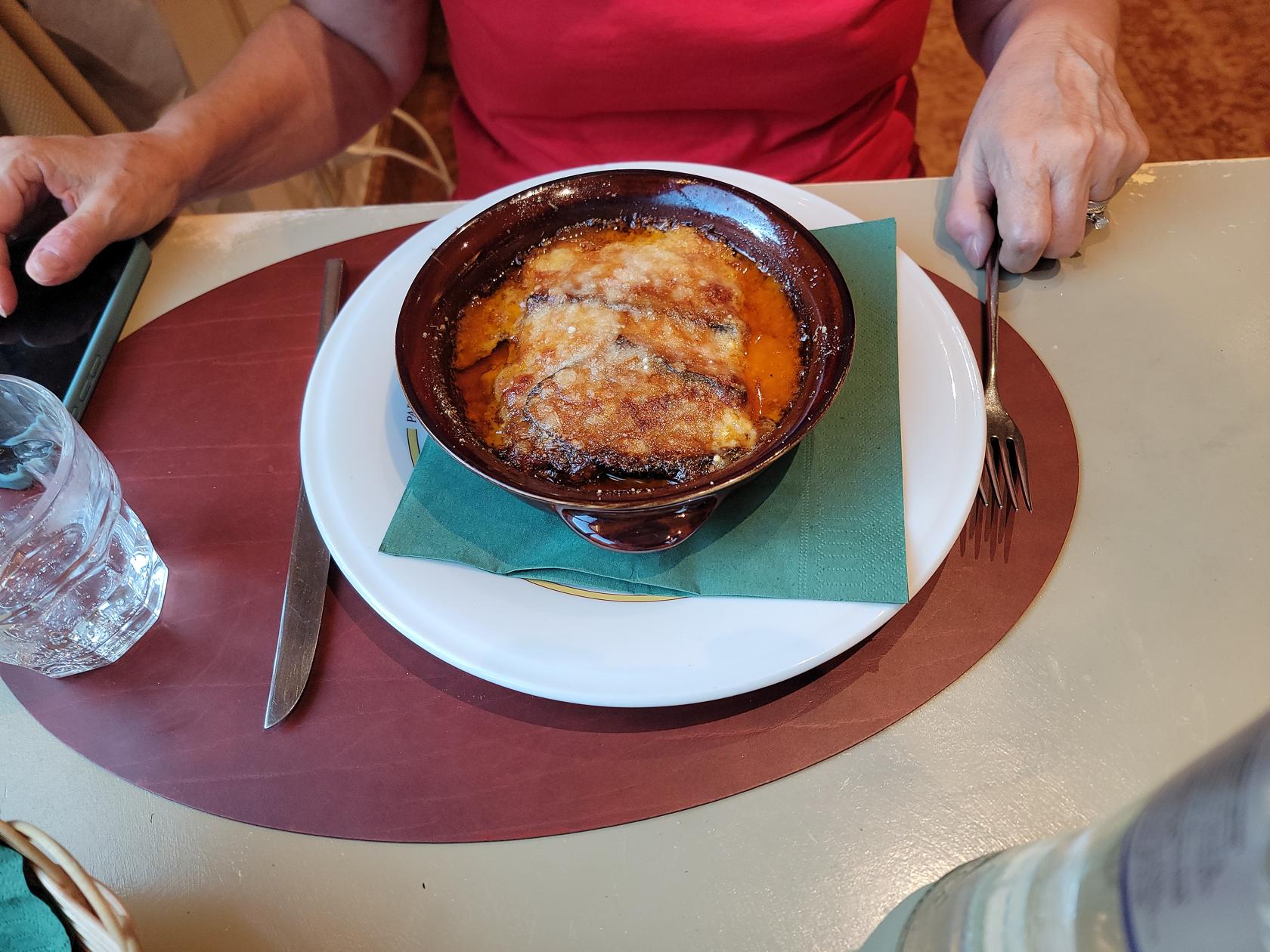
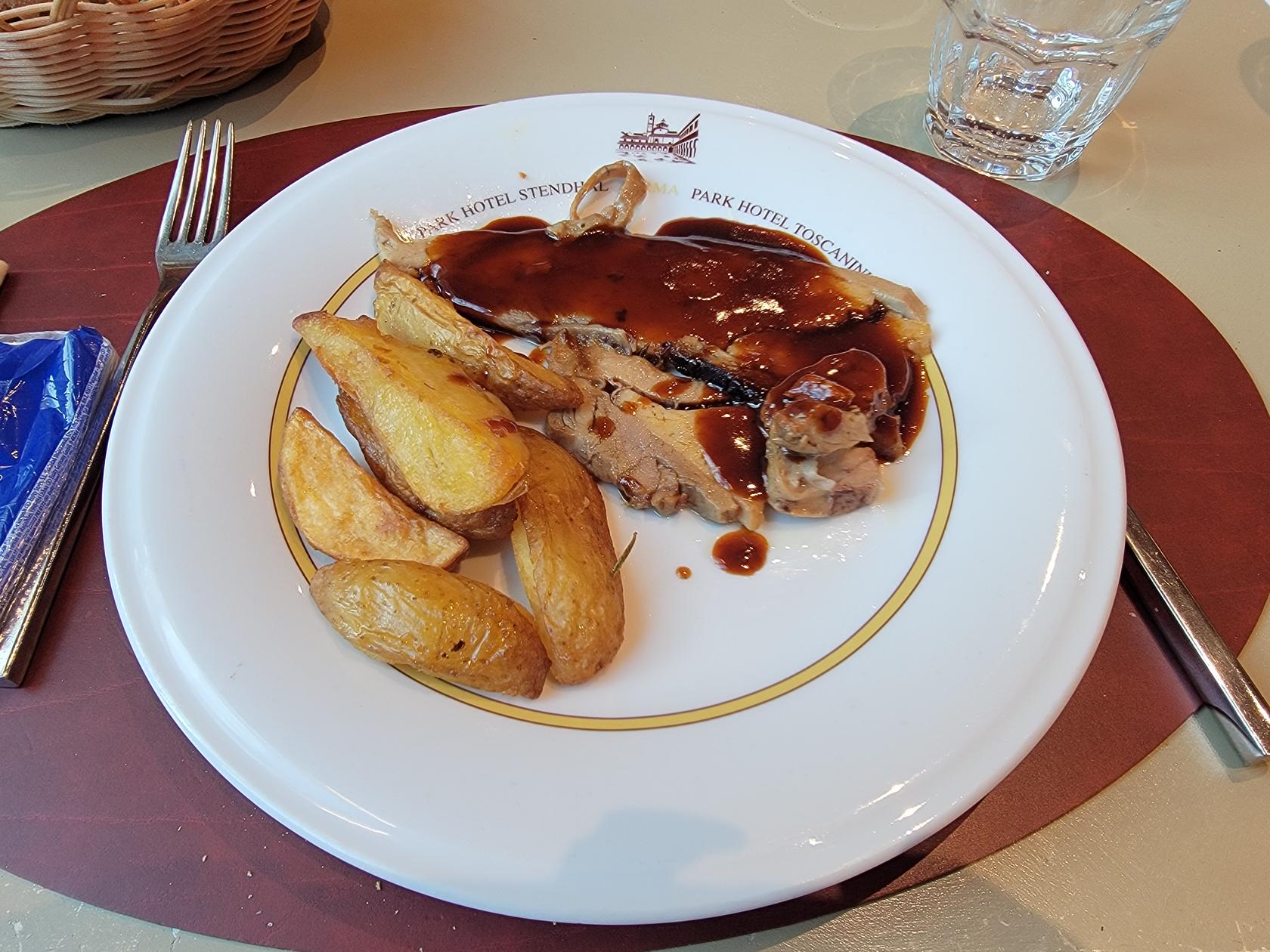
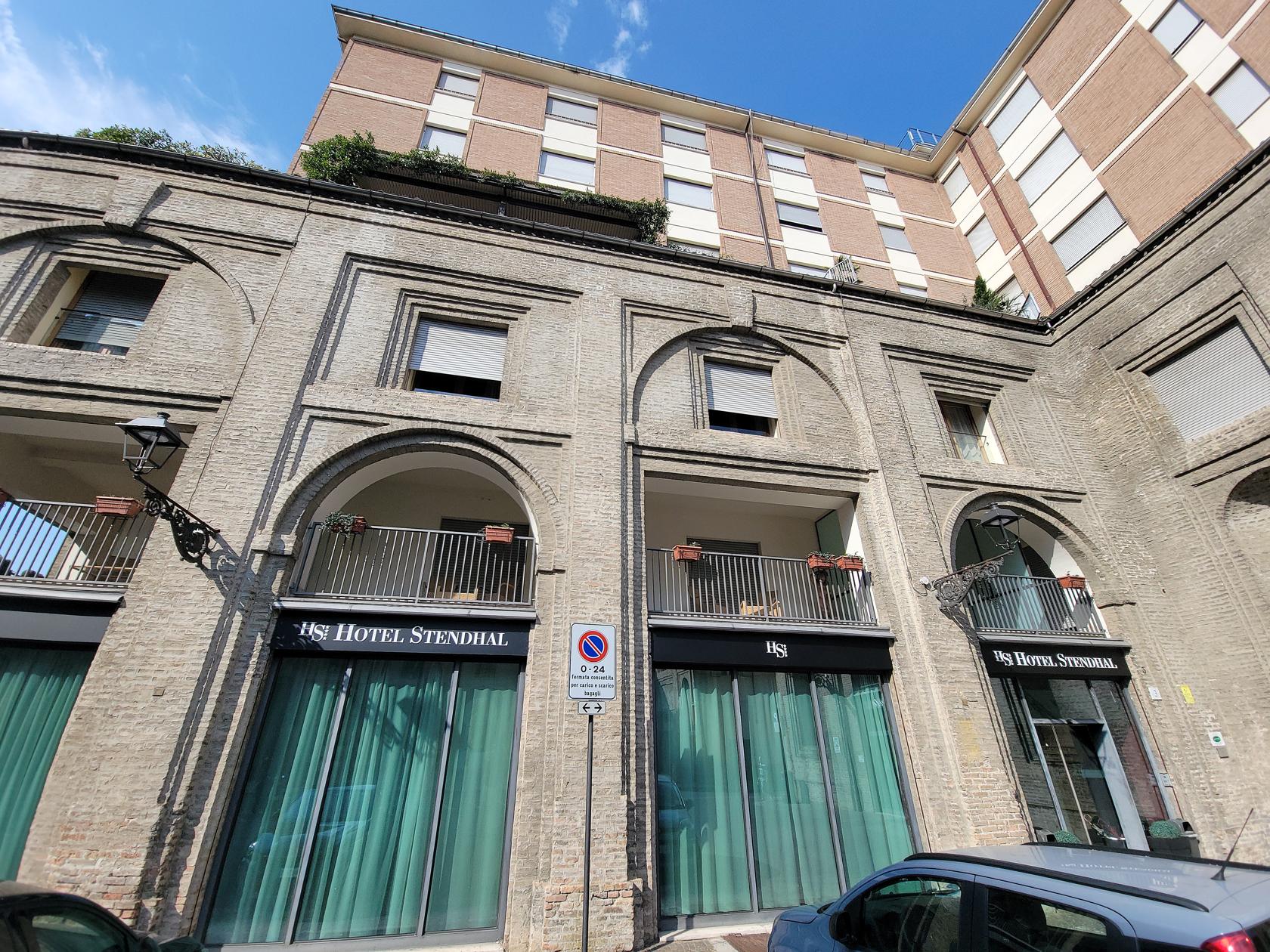
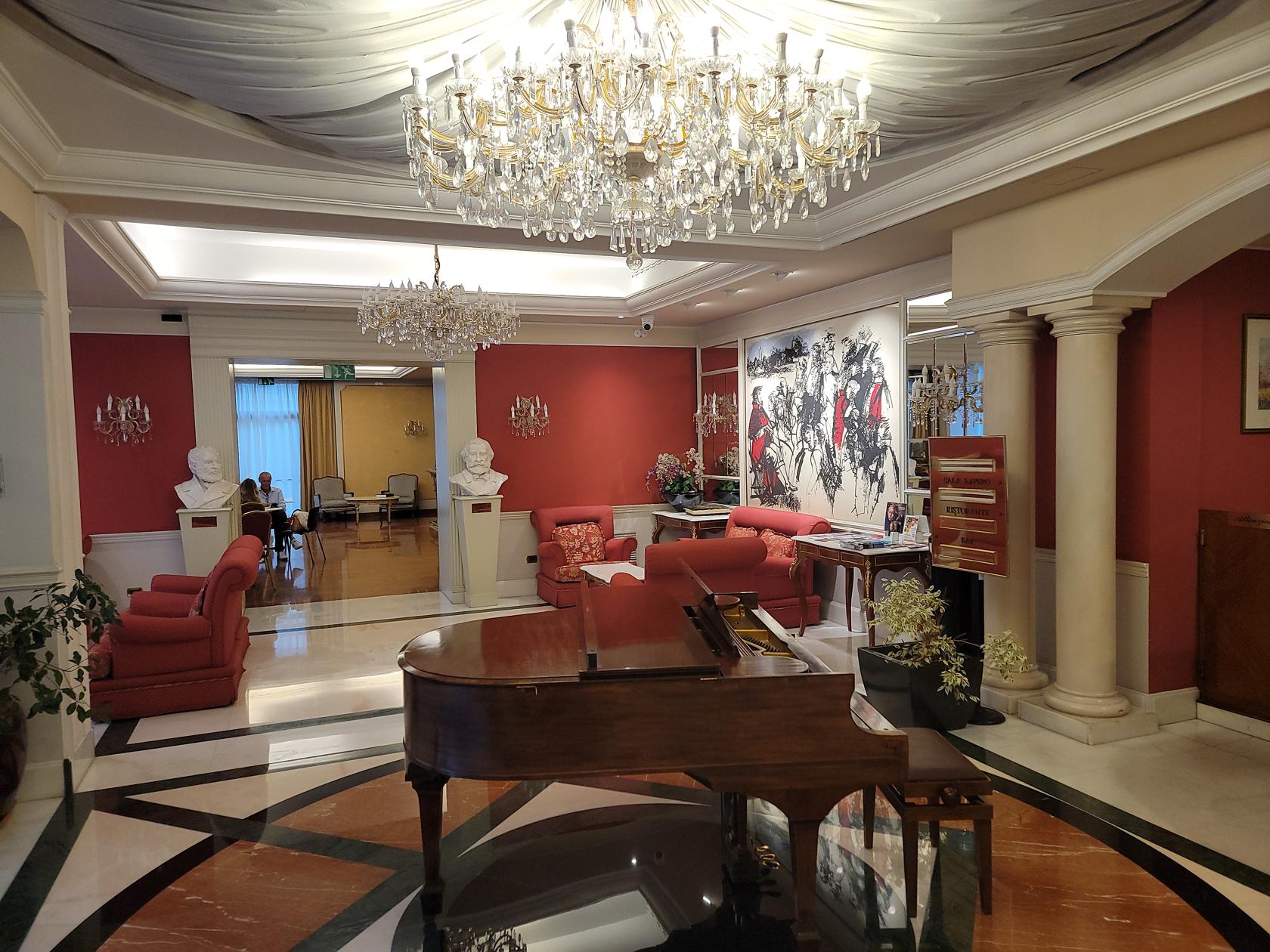
Located in our hotel, Hotel Stendhal in Parma, we enjoyed our last meal in the area at La Pilotta. The Cappelletti is broth is common for this area and can be commended. Our main dishes were Italian in general and good, though I did not care for the stuffing in the pork tip. The menu said it was potato, but it tasted more like a polenta or some other grain and it had an odd taste for me.
Cappelletti in Broth – La Pilotta Restaurant – Stendhal Hotel – Parma, Italy
Eggplant Parmigiana – La Pilotta Restaurant – Stendhal Hotel – Parma, Italy
Stuffed Pork Tip with Potatoes – La Pilotta Restaurant – Stendhal Hotel – Parma, Italy
Saint Germinianus is Modena’s patron saint and who’s tomb, dating back to the fifth century, was part of one of the original churches erected on the same site.
Since we like to travel at a slower pace, we tend to stay longer in towns and cities we visit, even if the stay may be unwarranted. This gives us a better feel for the places we have visited, but then you run the risk of running out of things to do. When this happens, we visit churches, the odd museum or other eccentric distractions that typically wouldn’t come up on a visitor’s radar. Here are a few examples.
Distractions in Parma
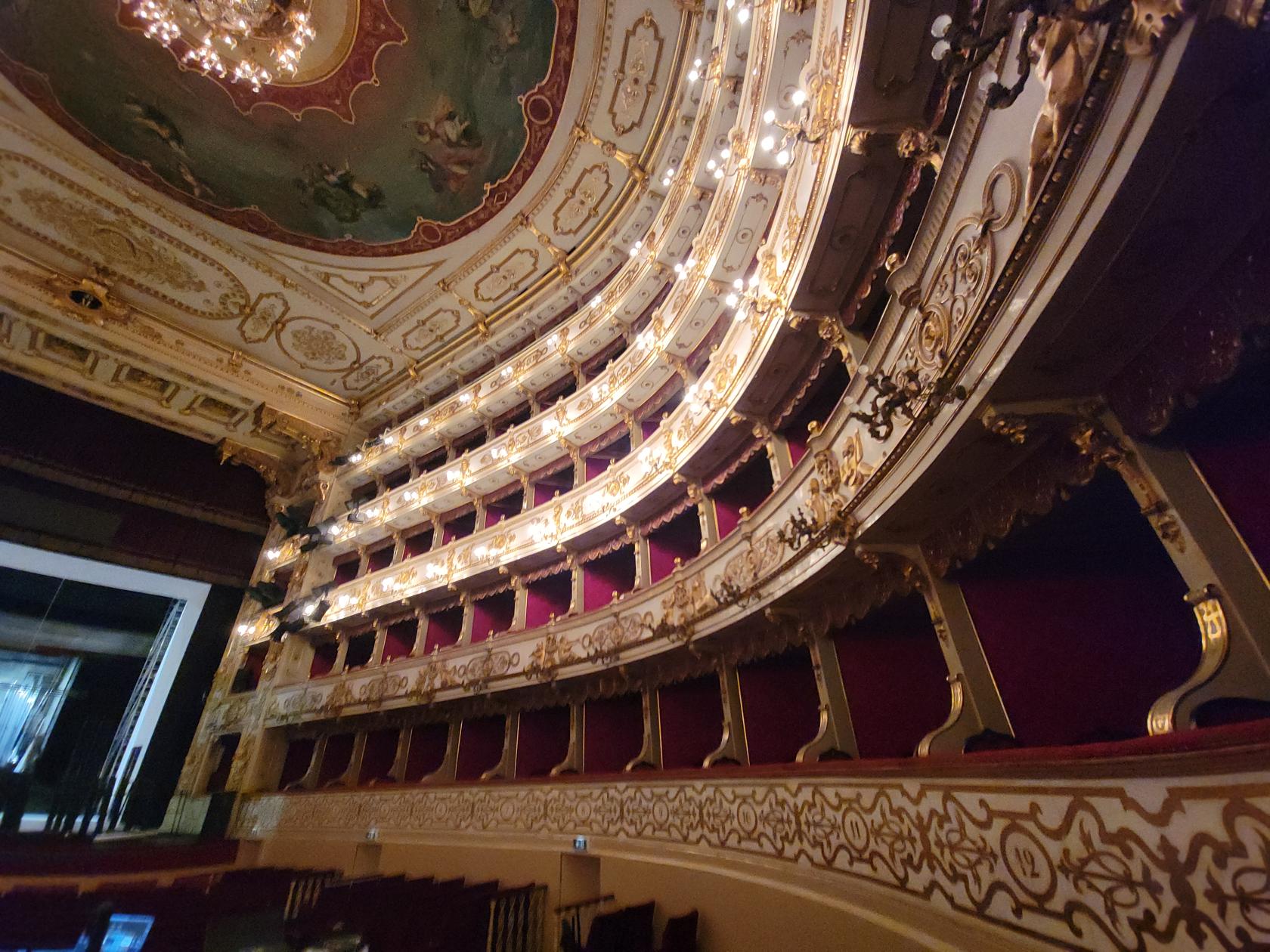
Teatro Regio
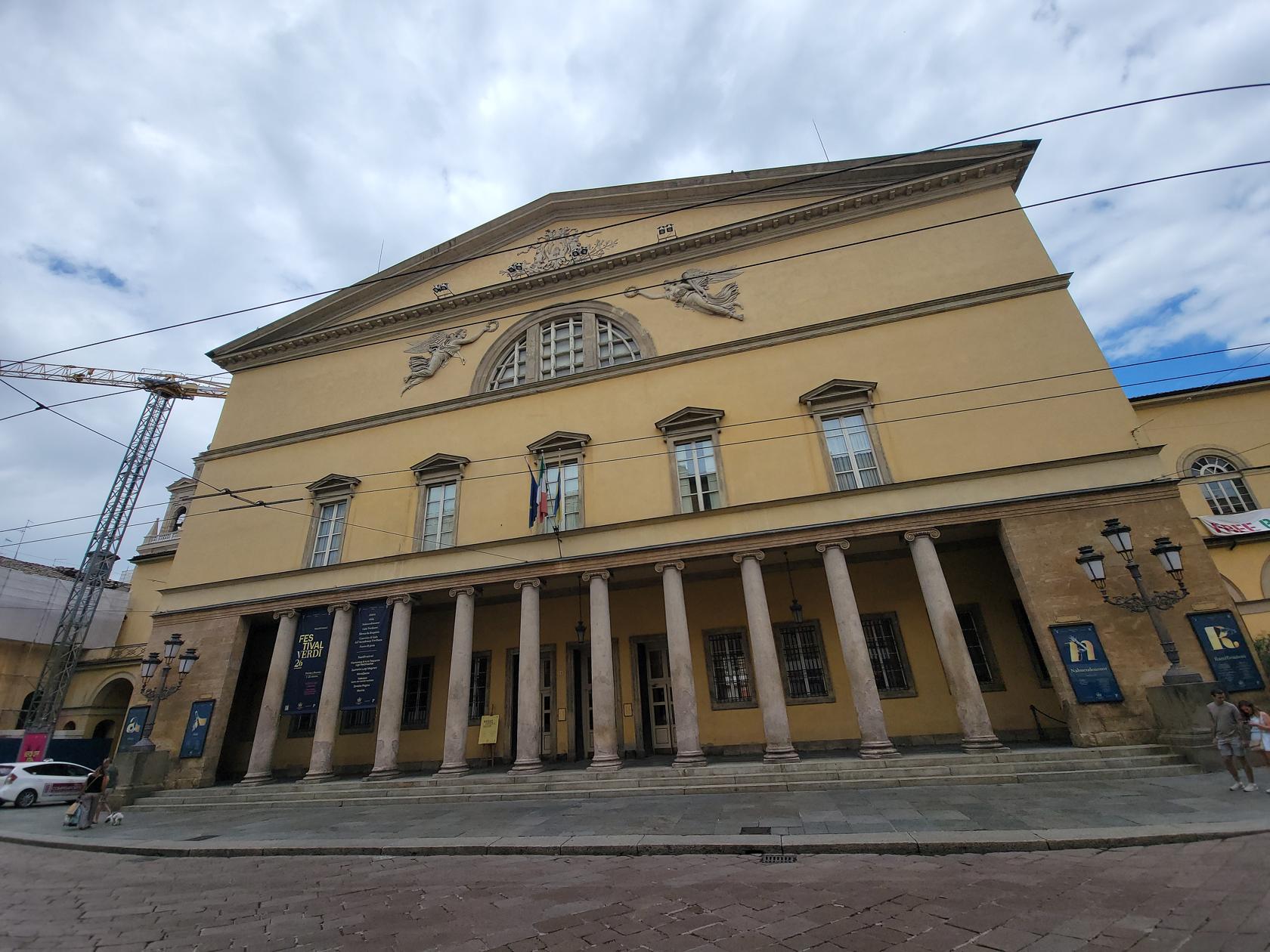
The Regio Theater is situated on Garibaldi just past the Pilotta on the right. Tickets may be purchased directly from them, however there are only guided tours in any one of several languages.
Regio Theater – Parma, Italy
Tickets For Two – Regio Theater – Parma, Italy
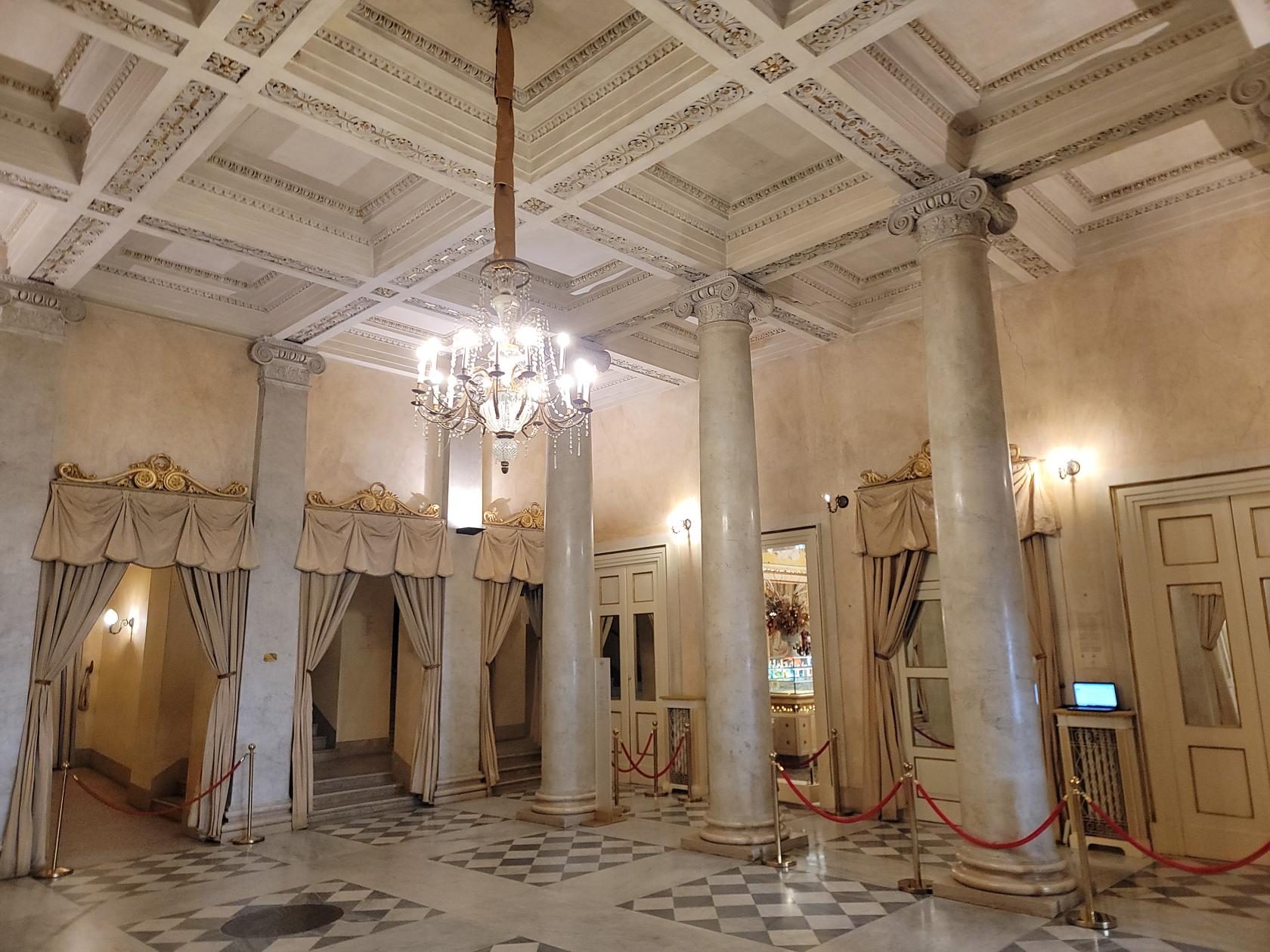
Lobby – Regio Theater – Parma, Italy
The outside and entrance are rather plain and nothing compared to La Scala or other prominent theaters in Italy. However, it does have a very critical local audience that only excepts high standards and sticking to tradition. So event organizers must plan carefully, lest to lose the wrath of the local perfectionists.
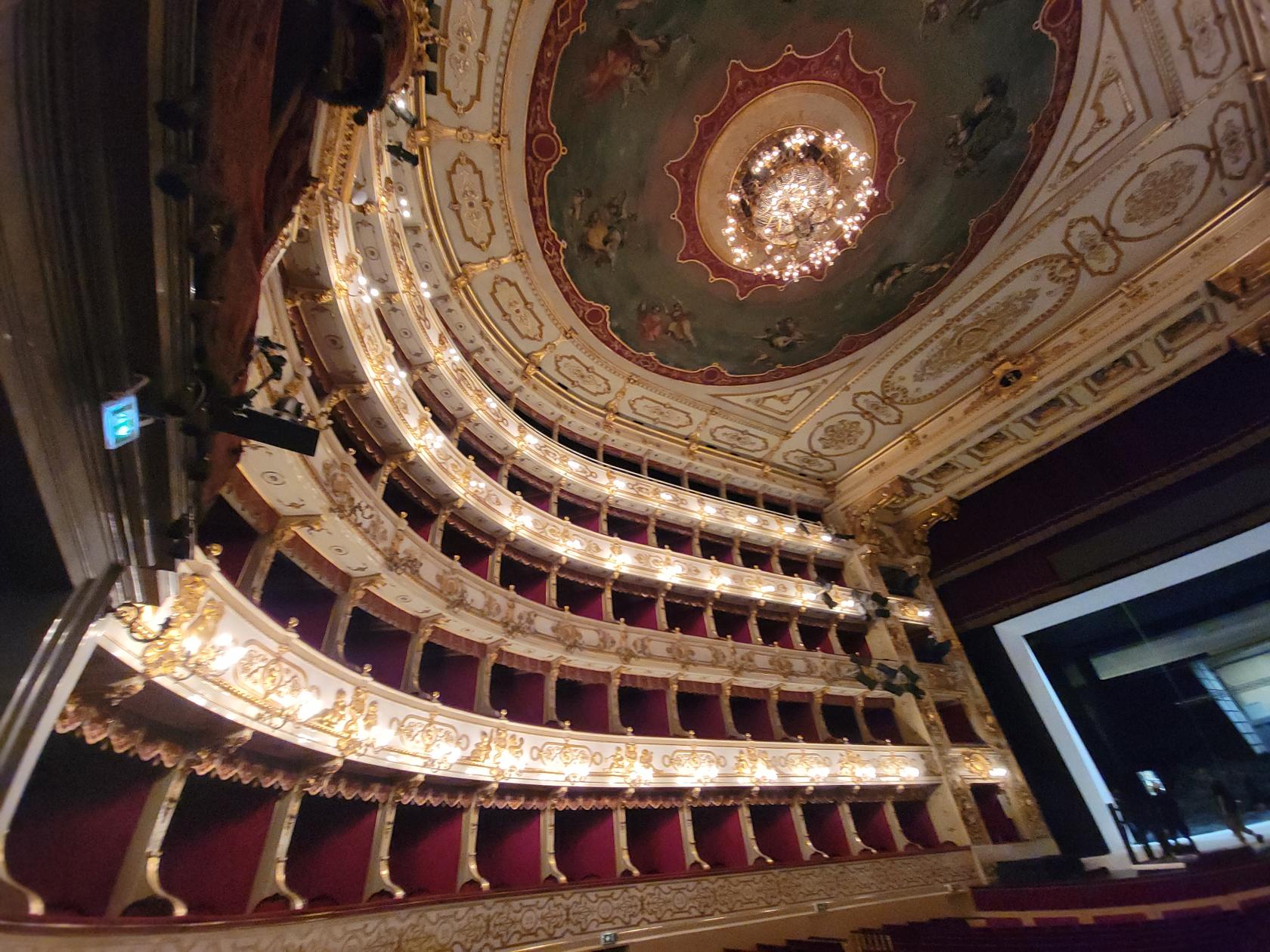
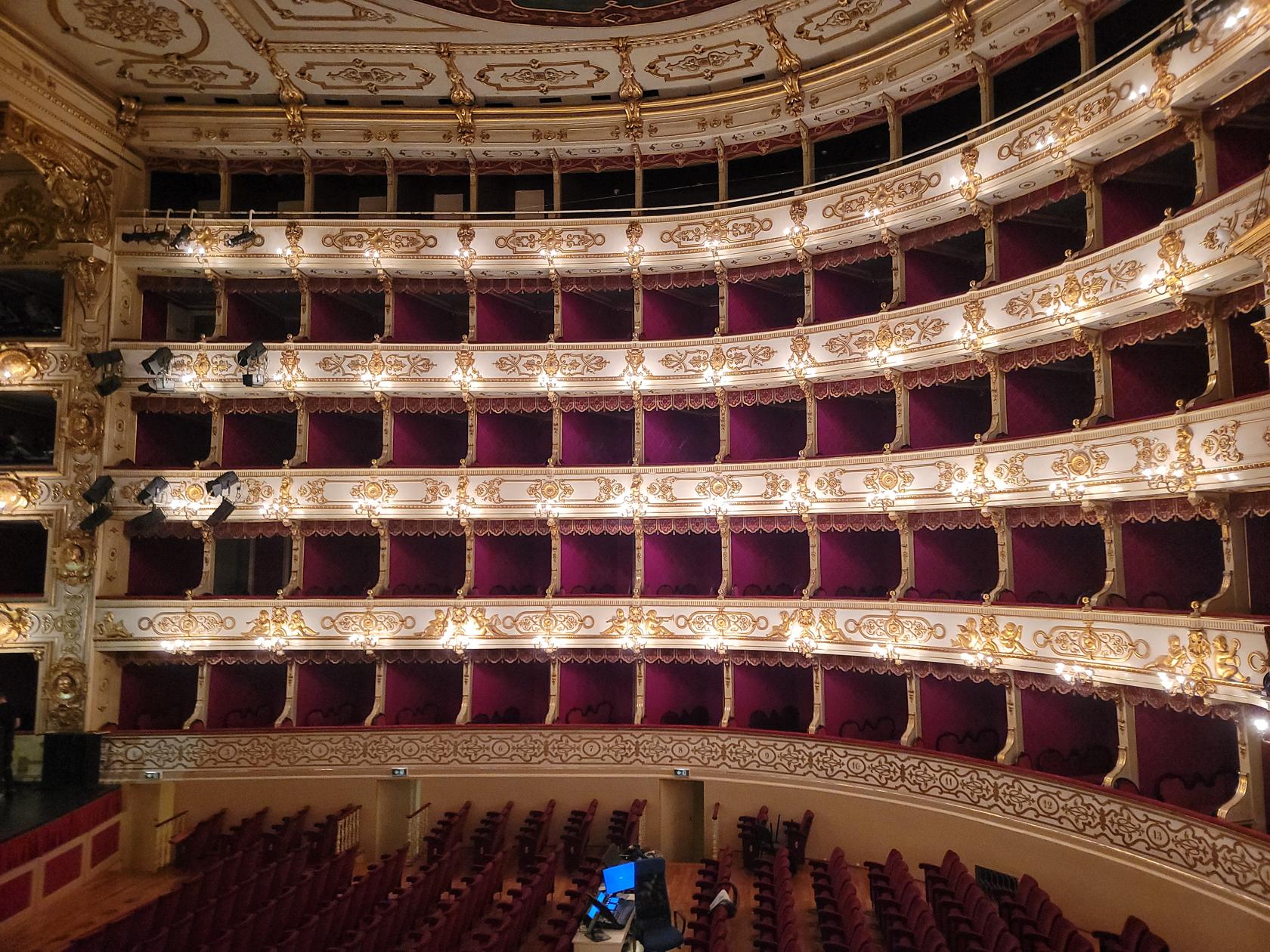
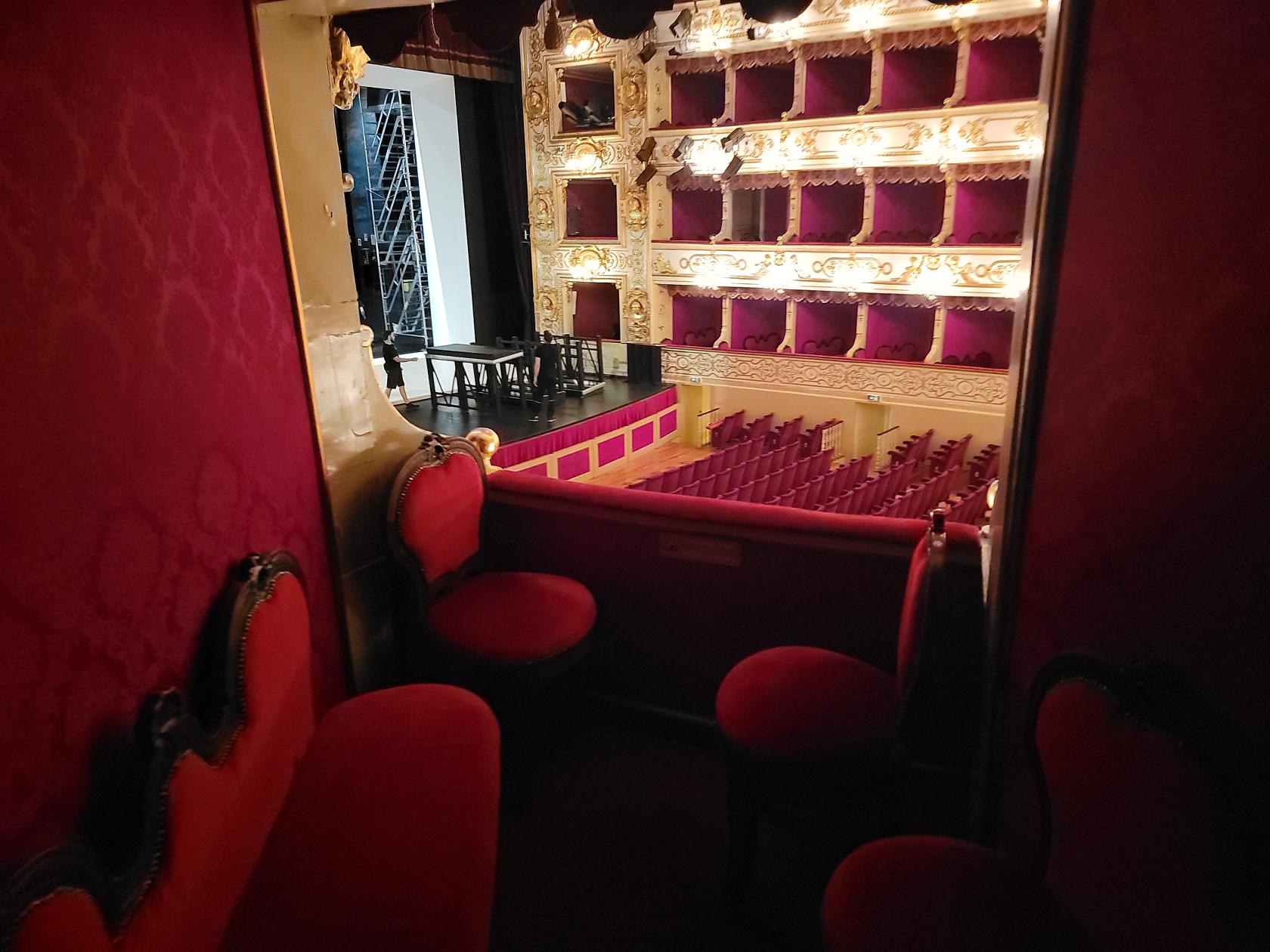
Box Seating Left – Regio Theater – Parma, Italy
Box Seating Right – Regio Theater – Parma, Italy
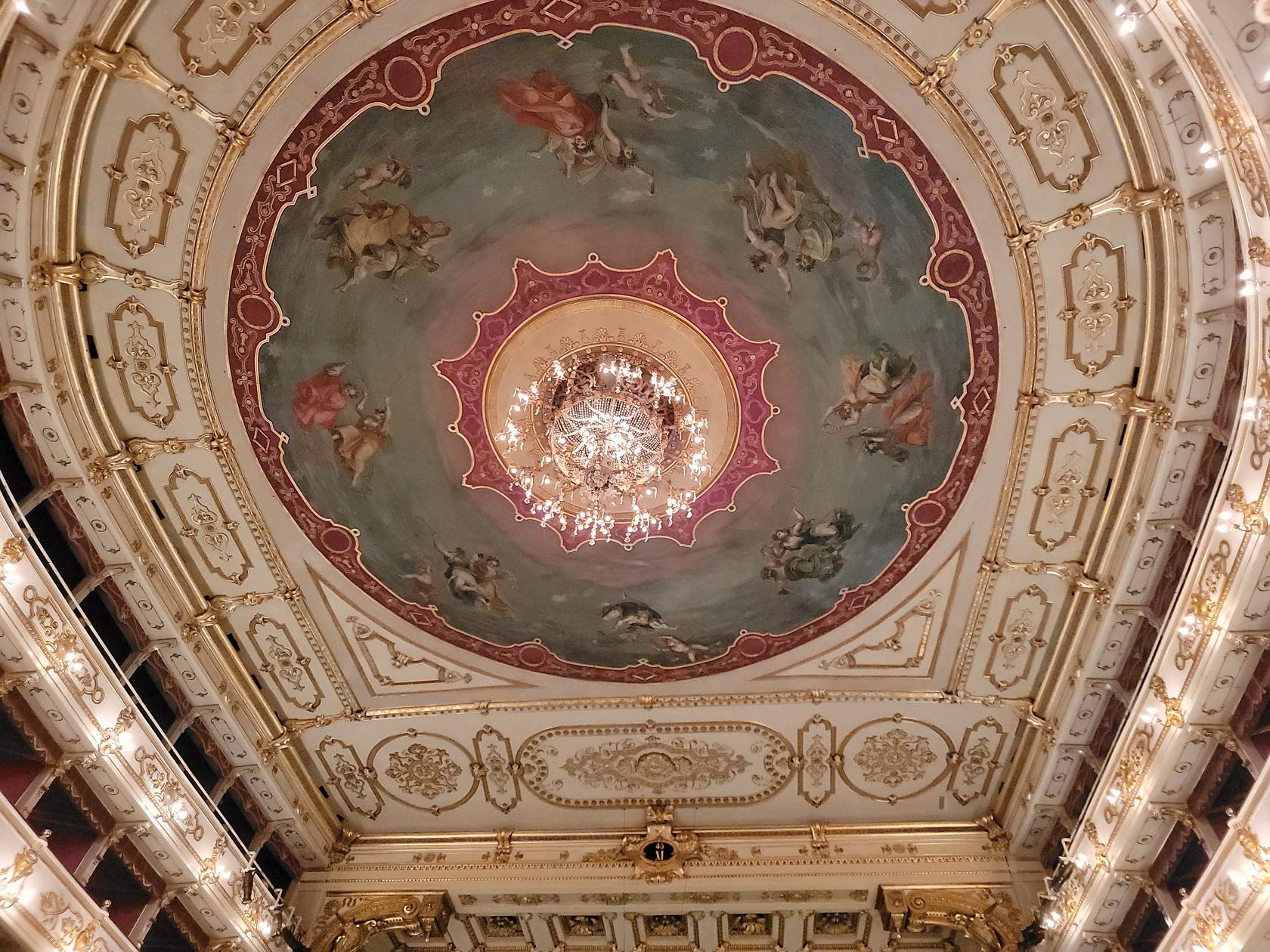
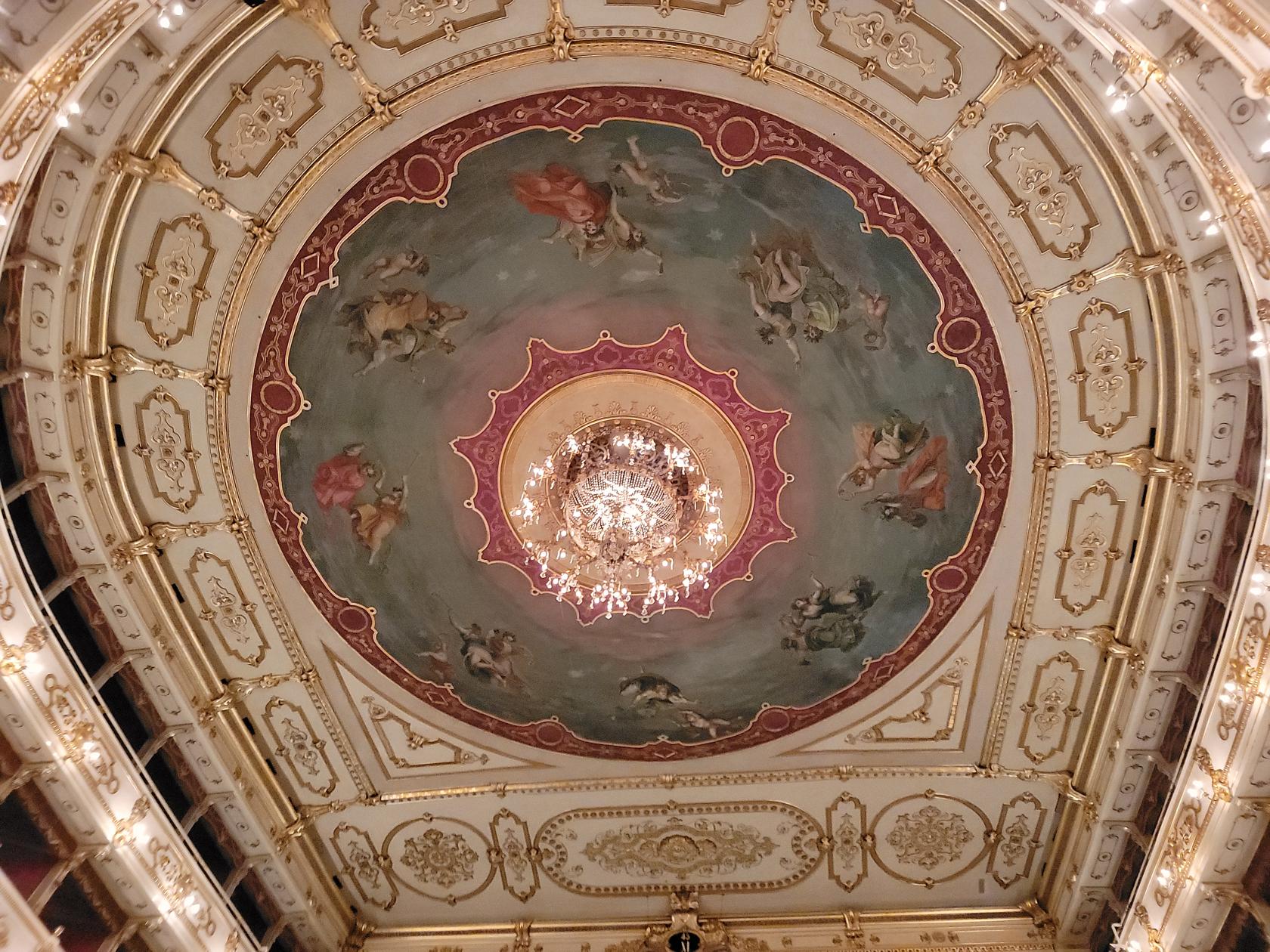
Ceiling Details
Ceiling Details – Regio Theater – Parma, Italy
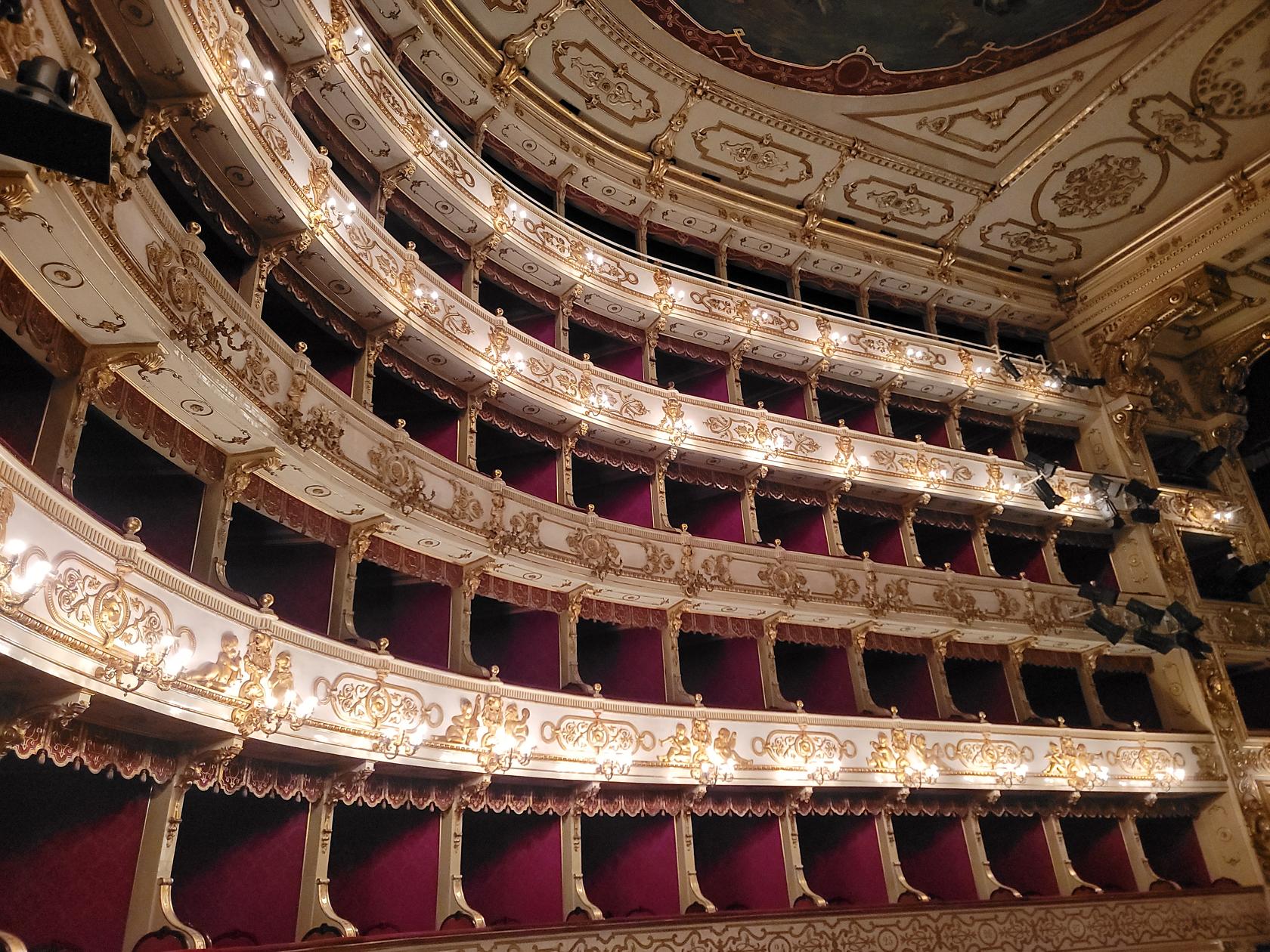
Box Seating Left – Regio Theater – Parma, Italy
View from Box Seat – Regio Theater – Parma, Italy
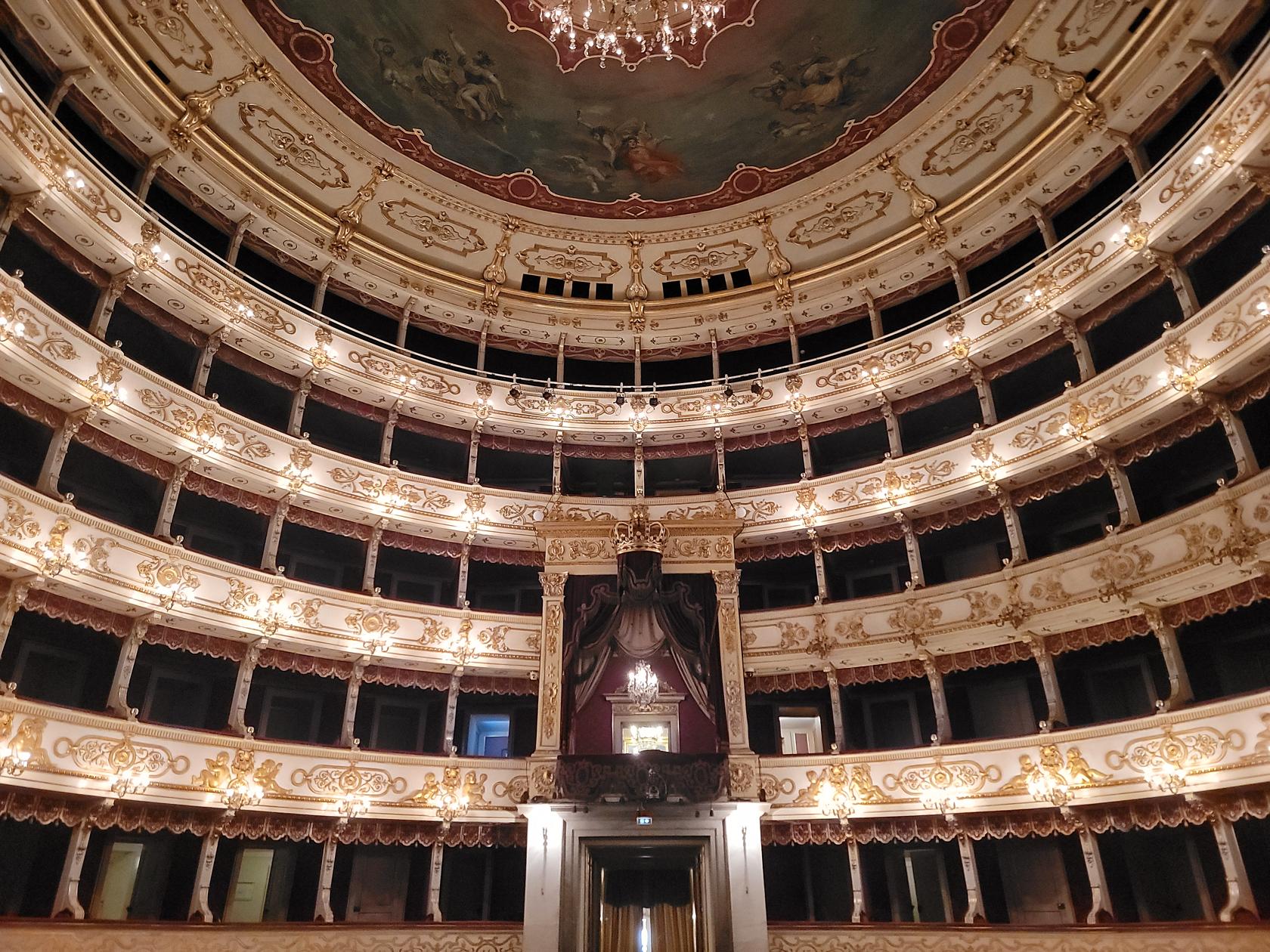
Box Seating from Stage – Regio Theater – Parma, Italy
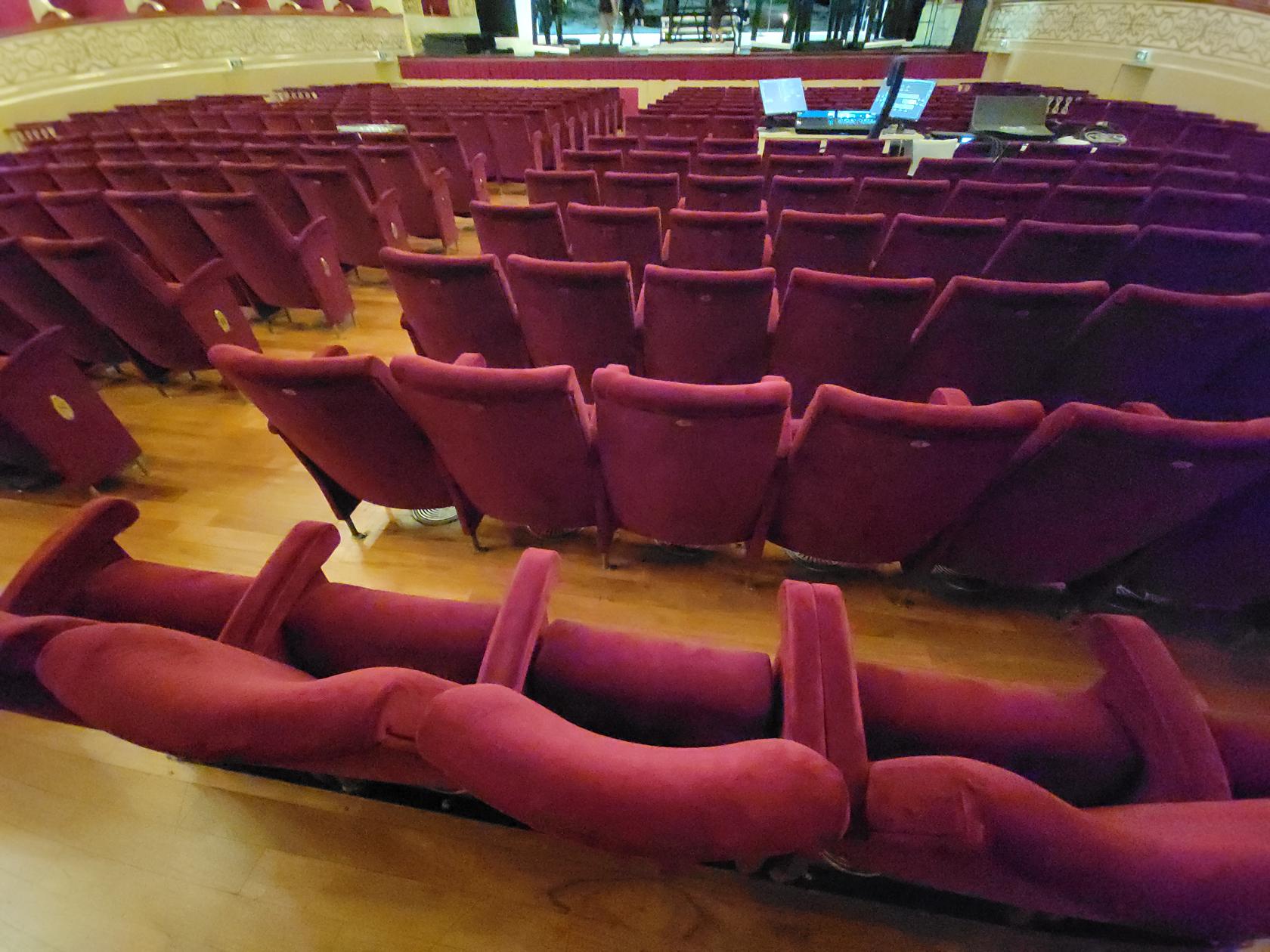
Main Seating – Regio Theater – Parma, Italy
Originally decorated in the color blue, it has since been redesigned and redecorated by the Duchess Marie Louise of Parma in red. The walls are covered in box seats. When the duchess was still alive, the first floor seating, on the same level as the duchess’ box seat, were the most expensive. The very top level has no box seating, but rather standing room only for the commoner who could purchase a cheaper ticket and at least stand and hear the performances. The floor seating, though now the most expensive, were the cheaper seats in her day.
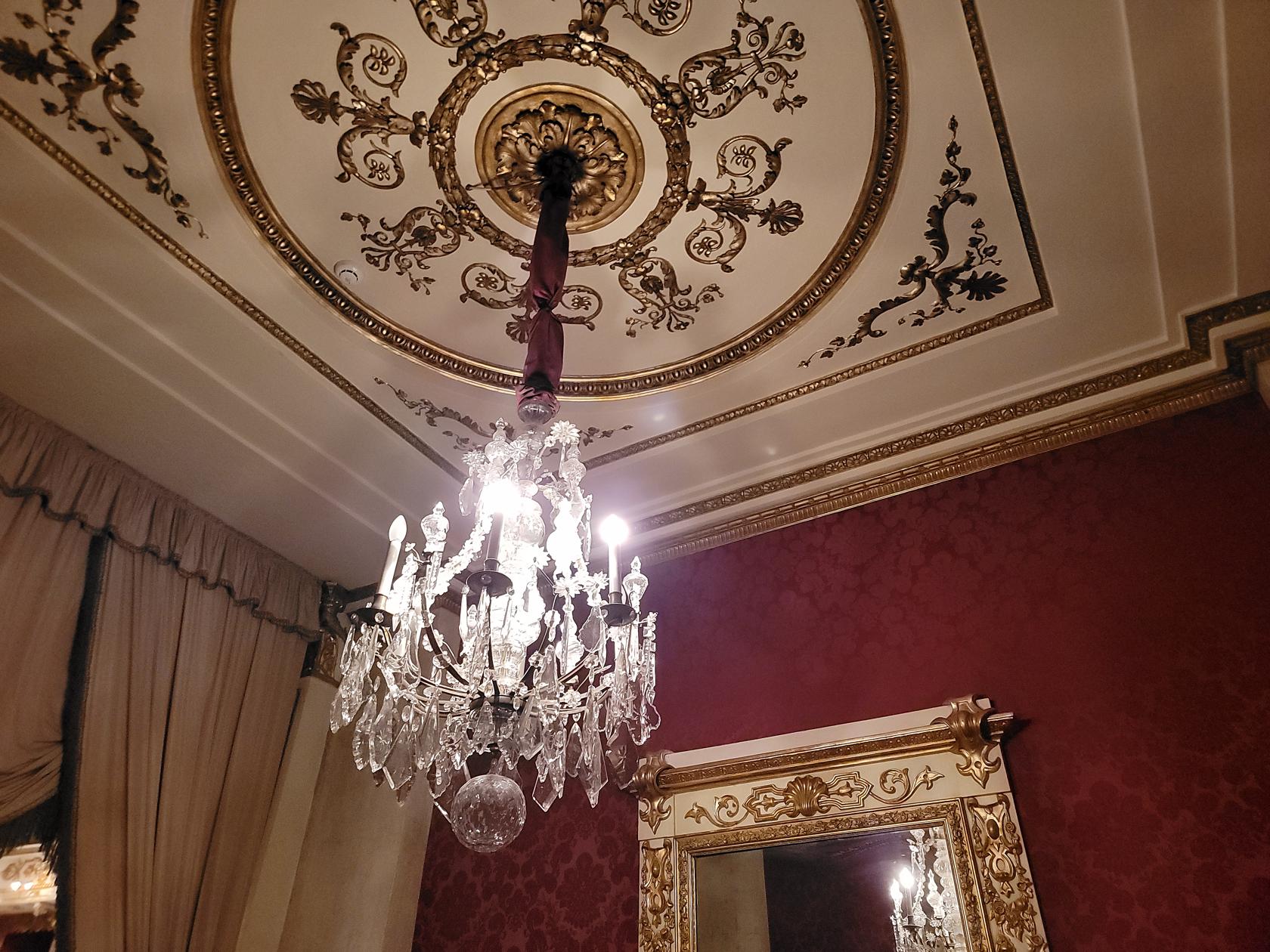
Chandelier in Box Seat of the Duke and Duchess – Regio Theater – Parma, Italy
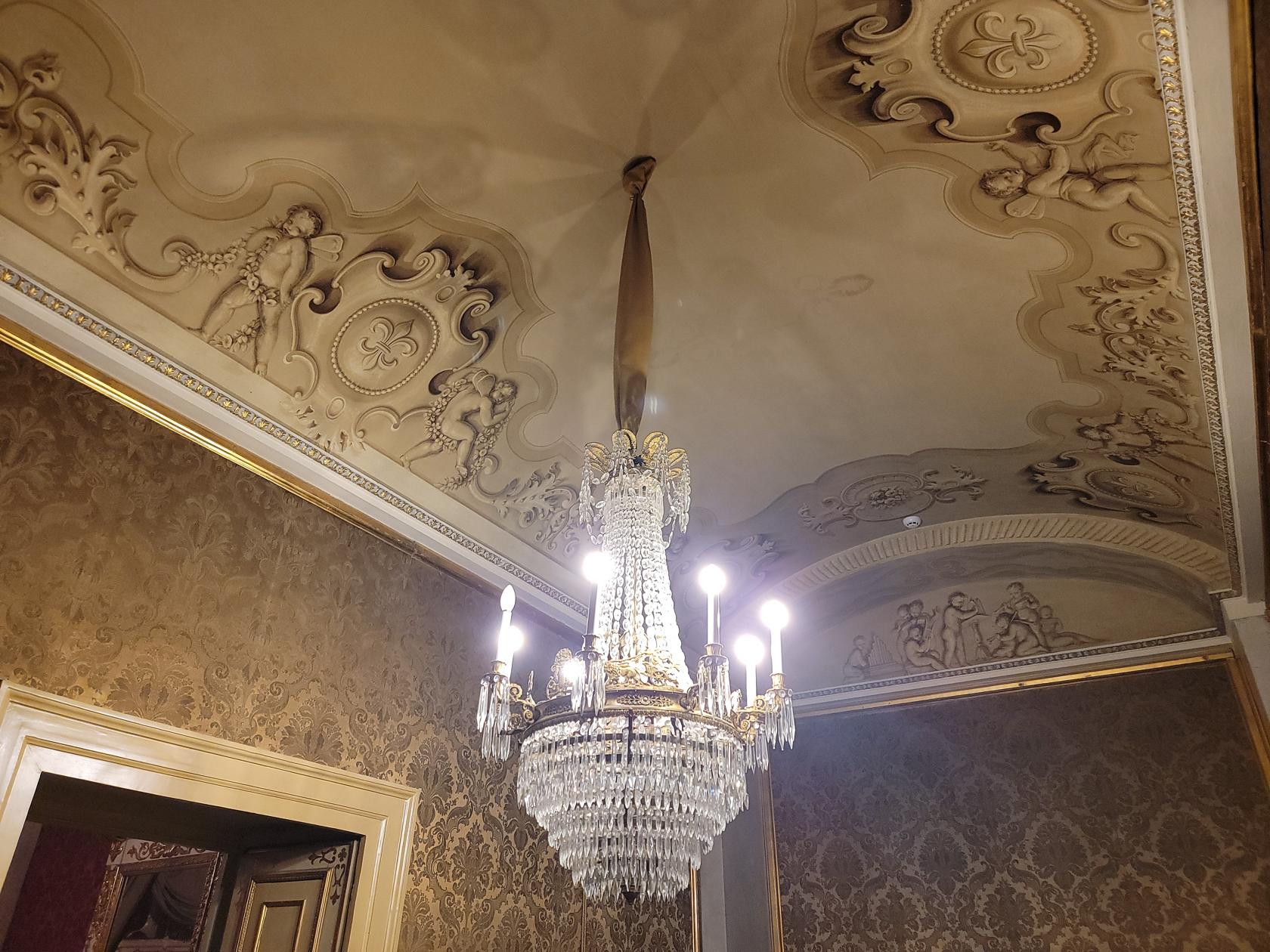
Smaller Chandelier in Ante Room – Regio Theater – Parma, Italy
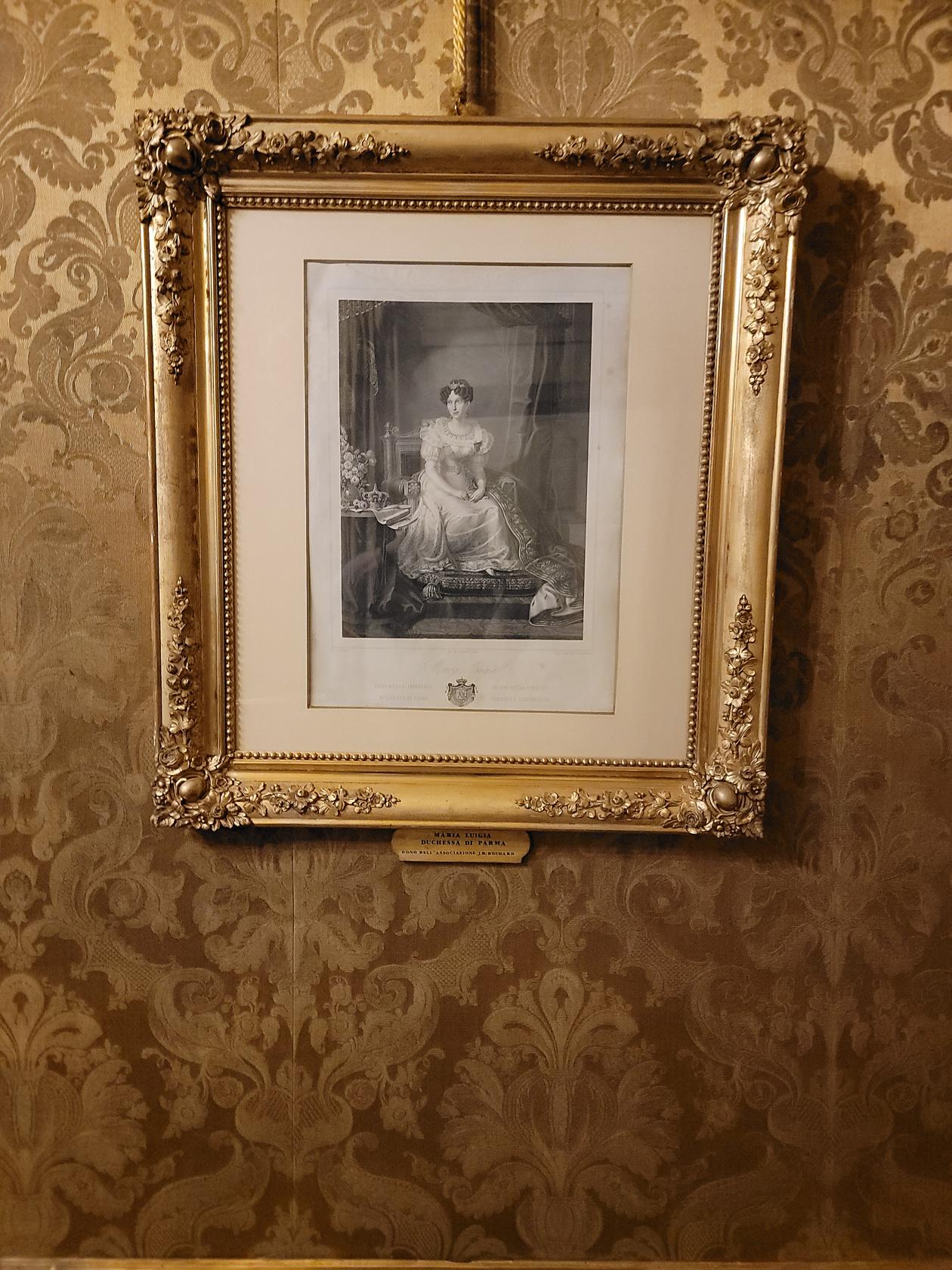
Marie Louise Duchess of Parma – Regio Theater – Parma, Italy
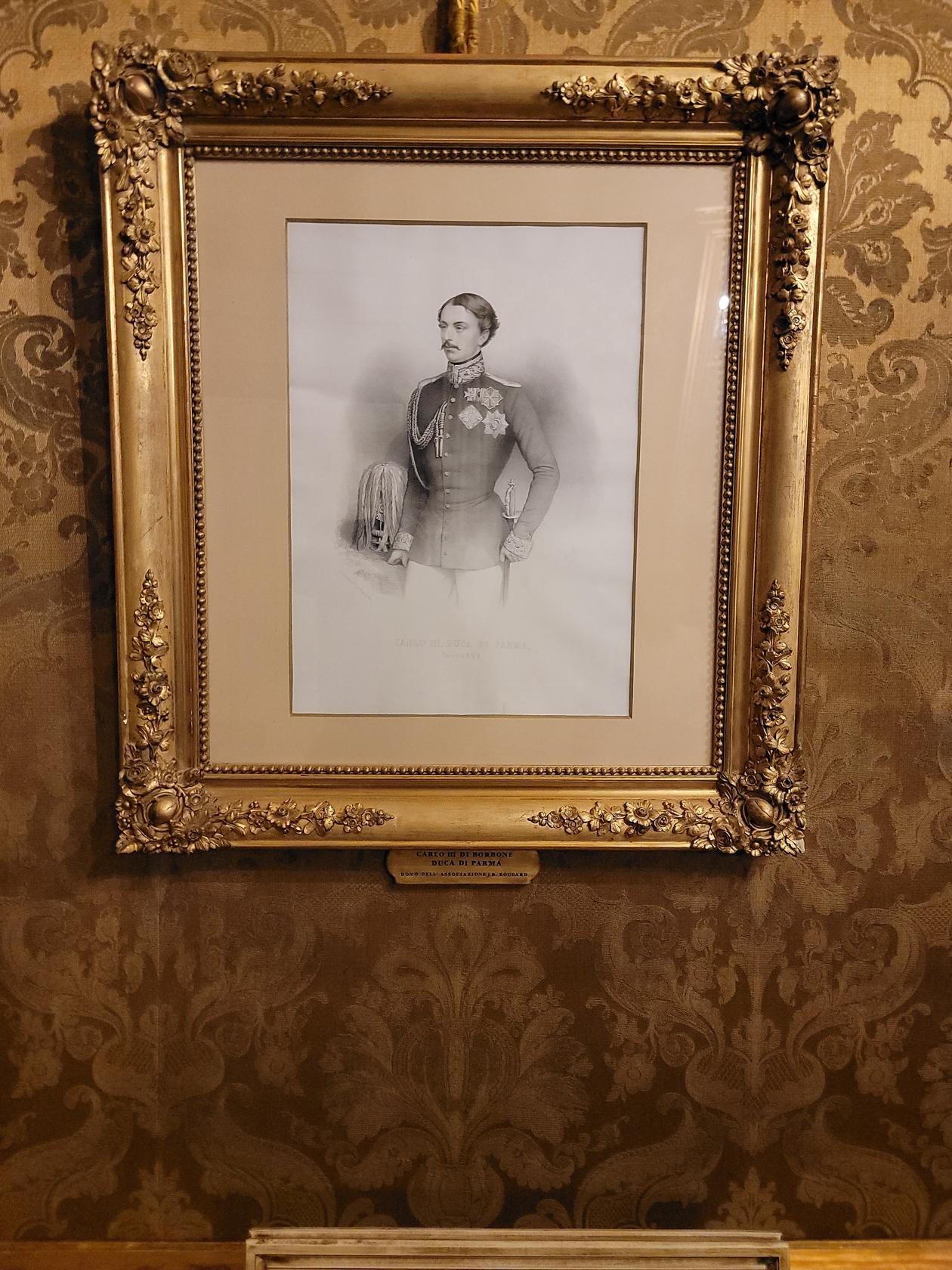
Duke – Regio Theater – Parma, Italy
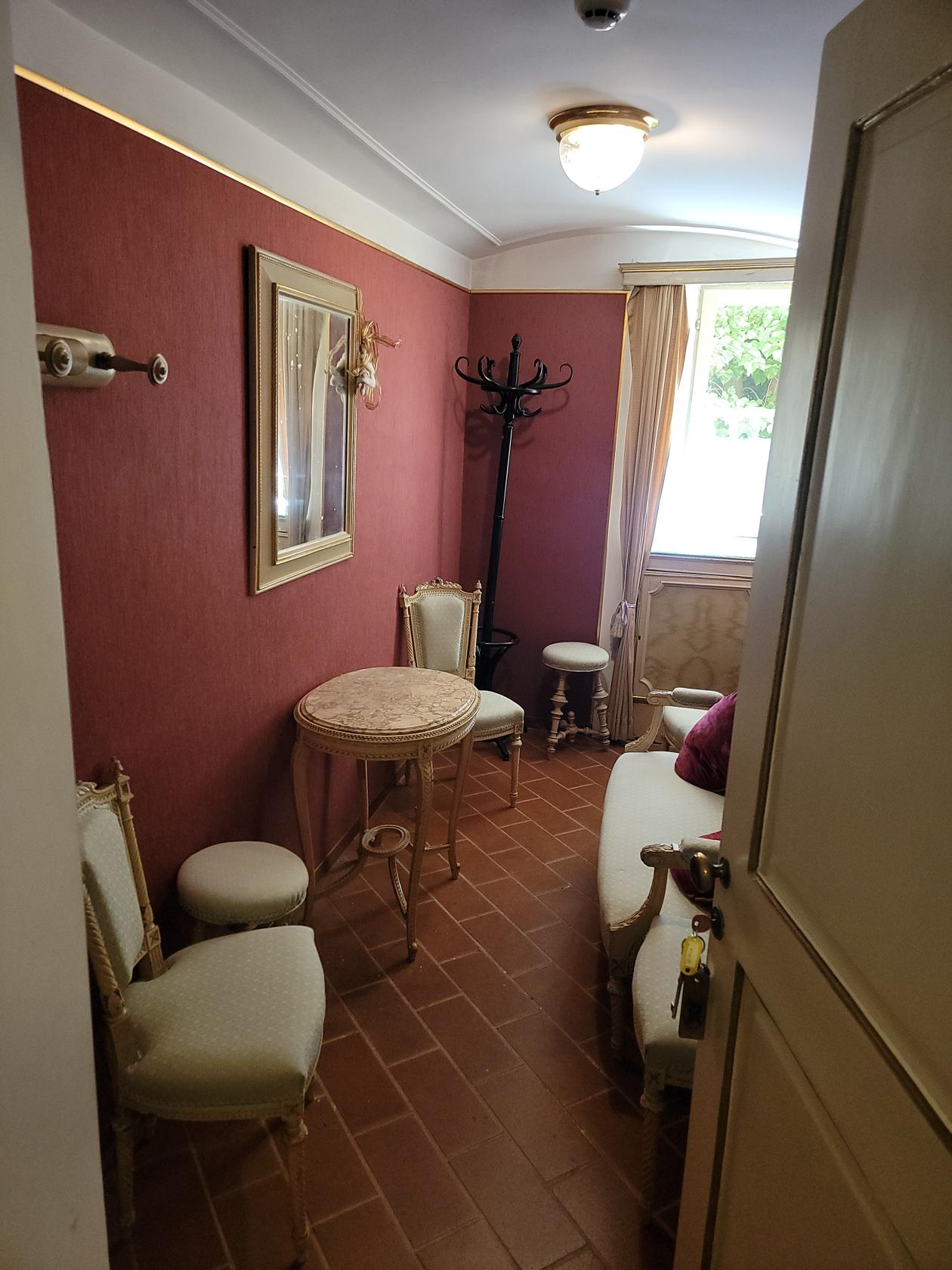
The box seating is nothing special, they actually look rather uncomfortable. Each used to be paired with an out room, where the ticket holder could throw a small party, bring something to eat and enjoy, or engage in other activities. The box seats and ancillary room across the hall used to be privately owned. Now the owners have been divested of the box seating, but still hold ownership rights to this ancillary rooms, which they cannot use unless they are in attendance. An odd arrangement that the theater owner, city and box seat owners agreed to some time ago, in order to prevent the theater from going bankrupt.
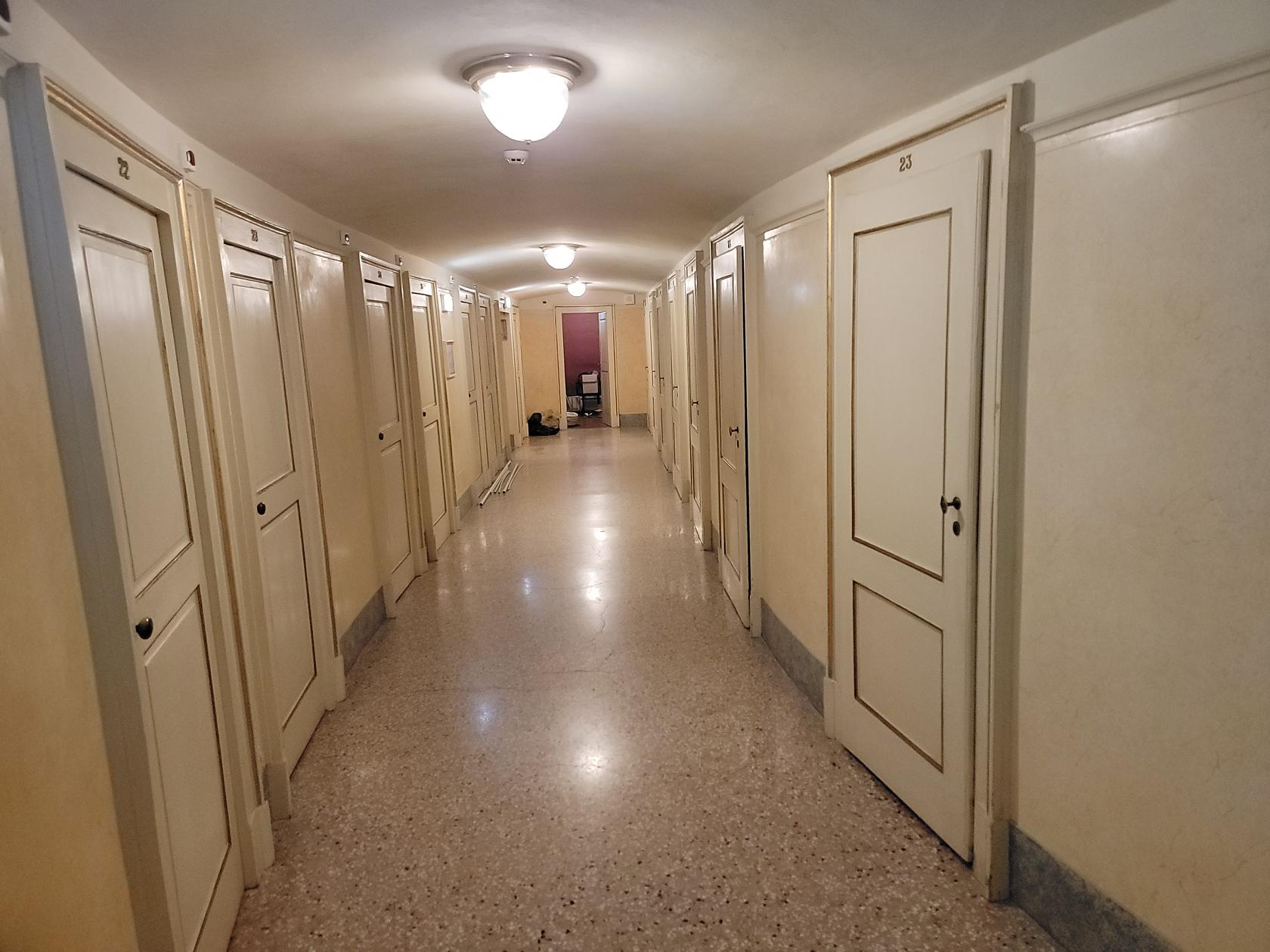
Hallway – Box Seating Right, Extra Rooms Left – Regio Theater – Parma, Italy
Typical Box Seat – Regio Theater – Parma, Italy
Typical Ancillary Rooms – Regio Theater – Parma, Italy
Churches and Cathedrals
Parma, as any Italian city, is host to numerous churches and cathedrals. The most important and interesting ones we found follow.
Parma Cathedral
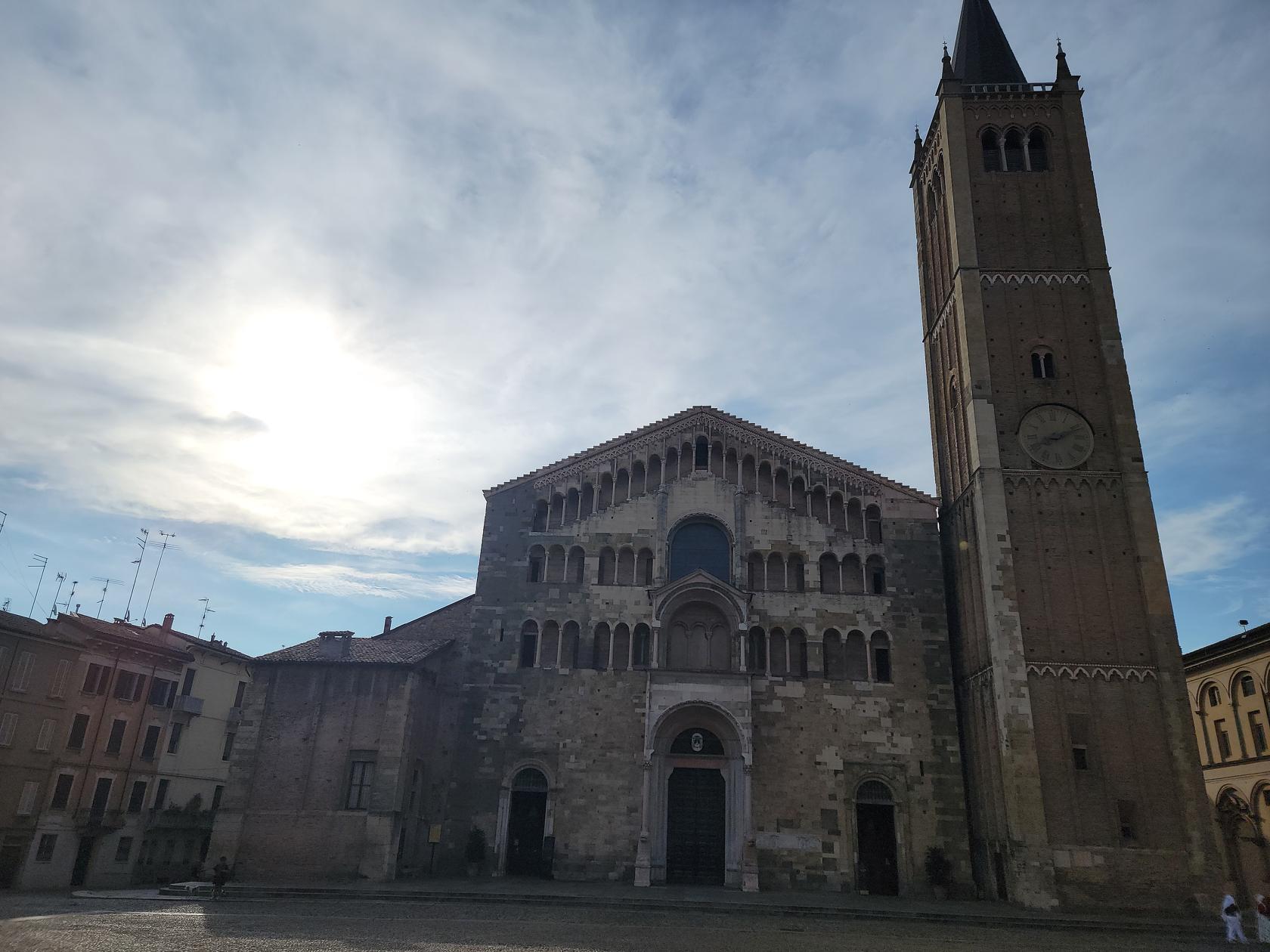
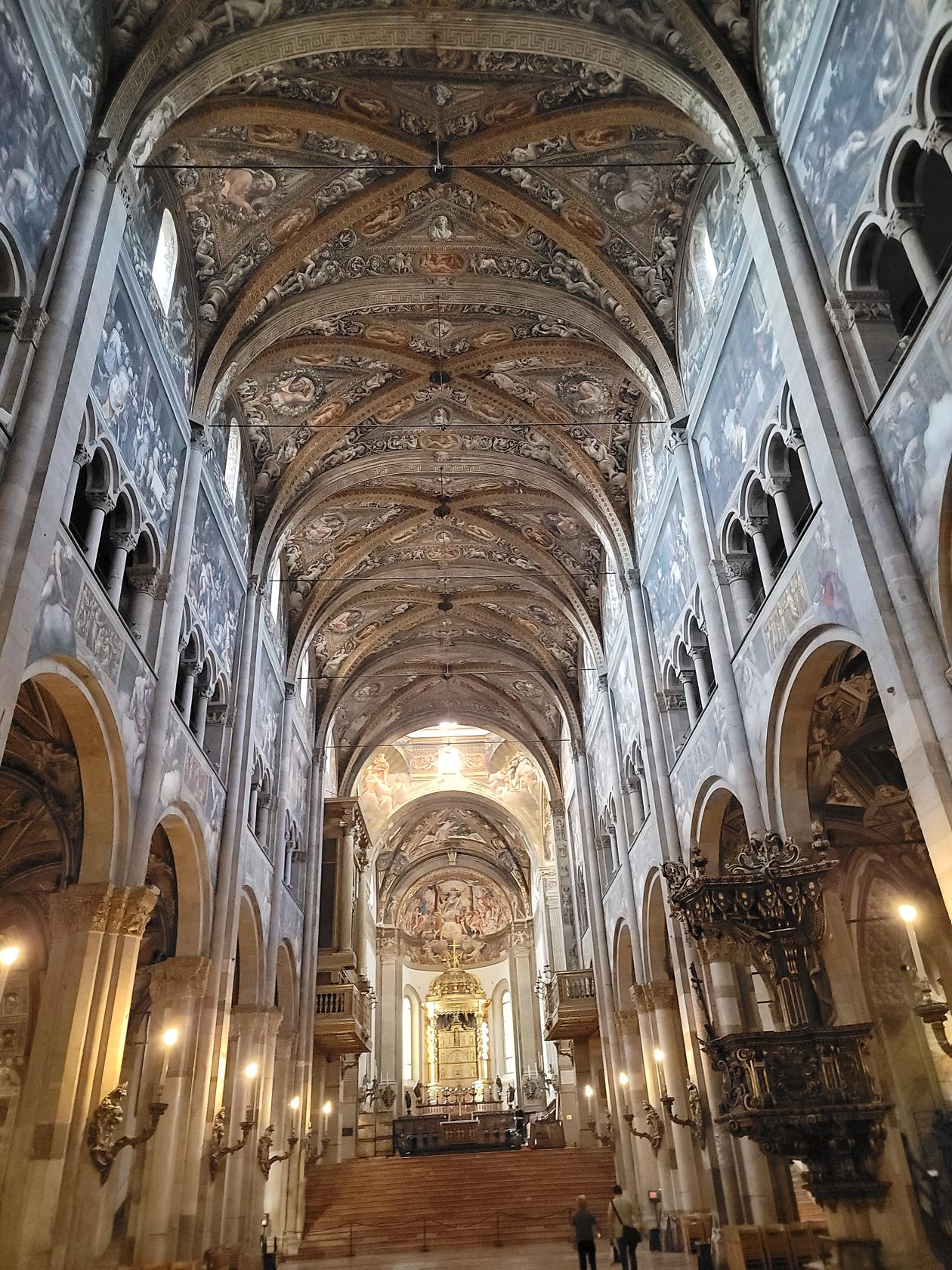
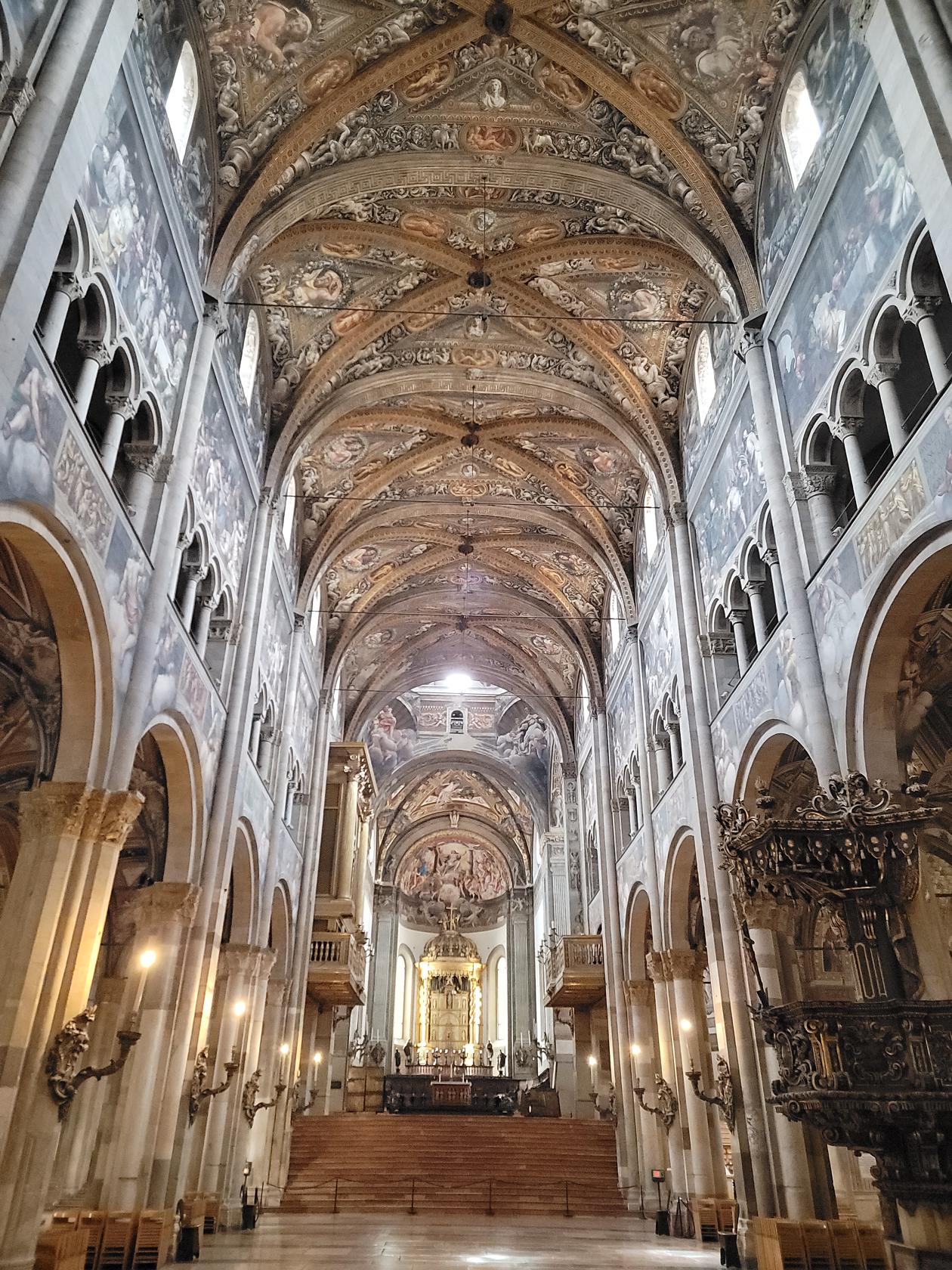
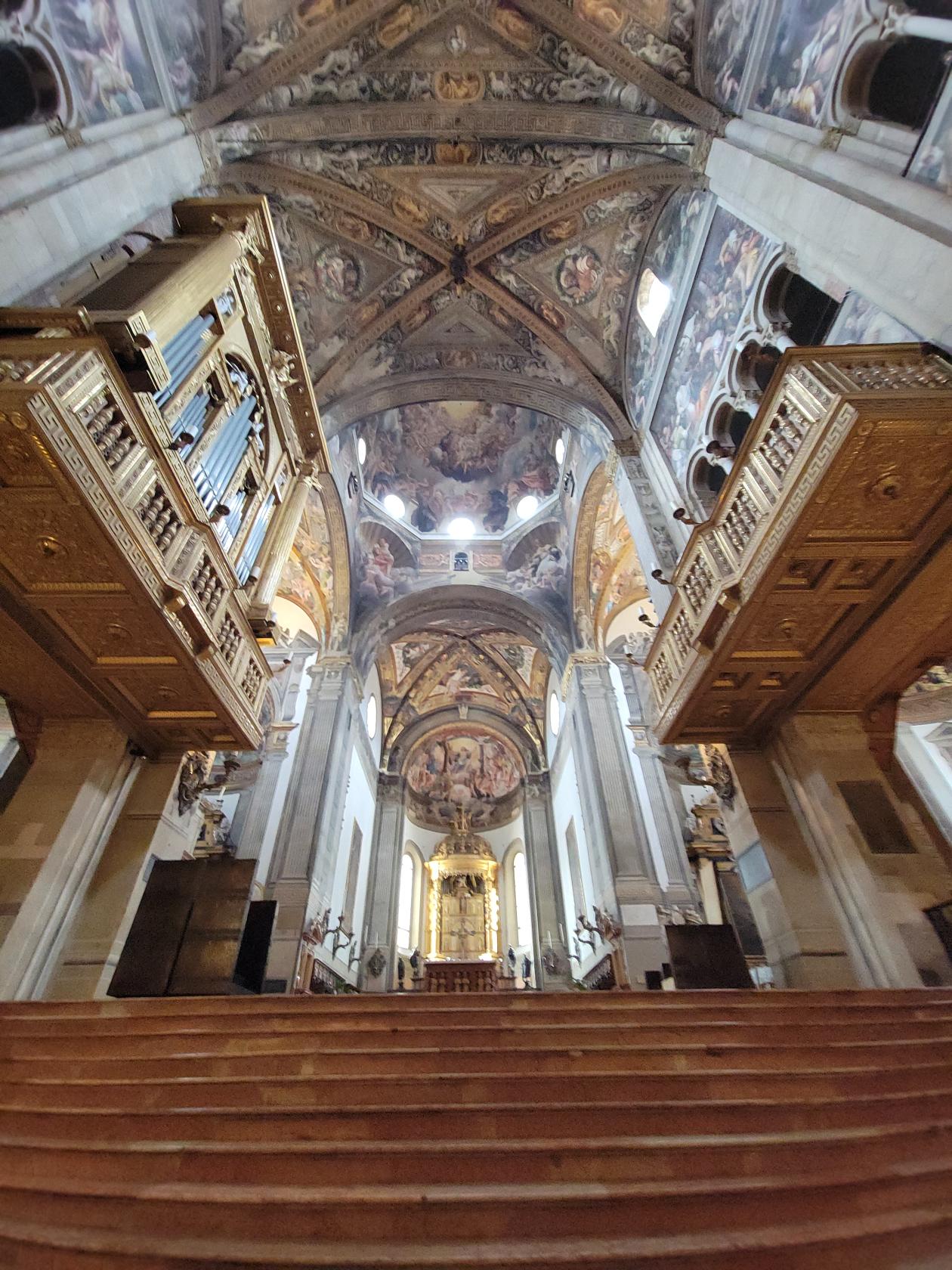
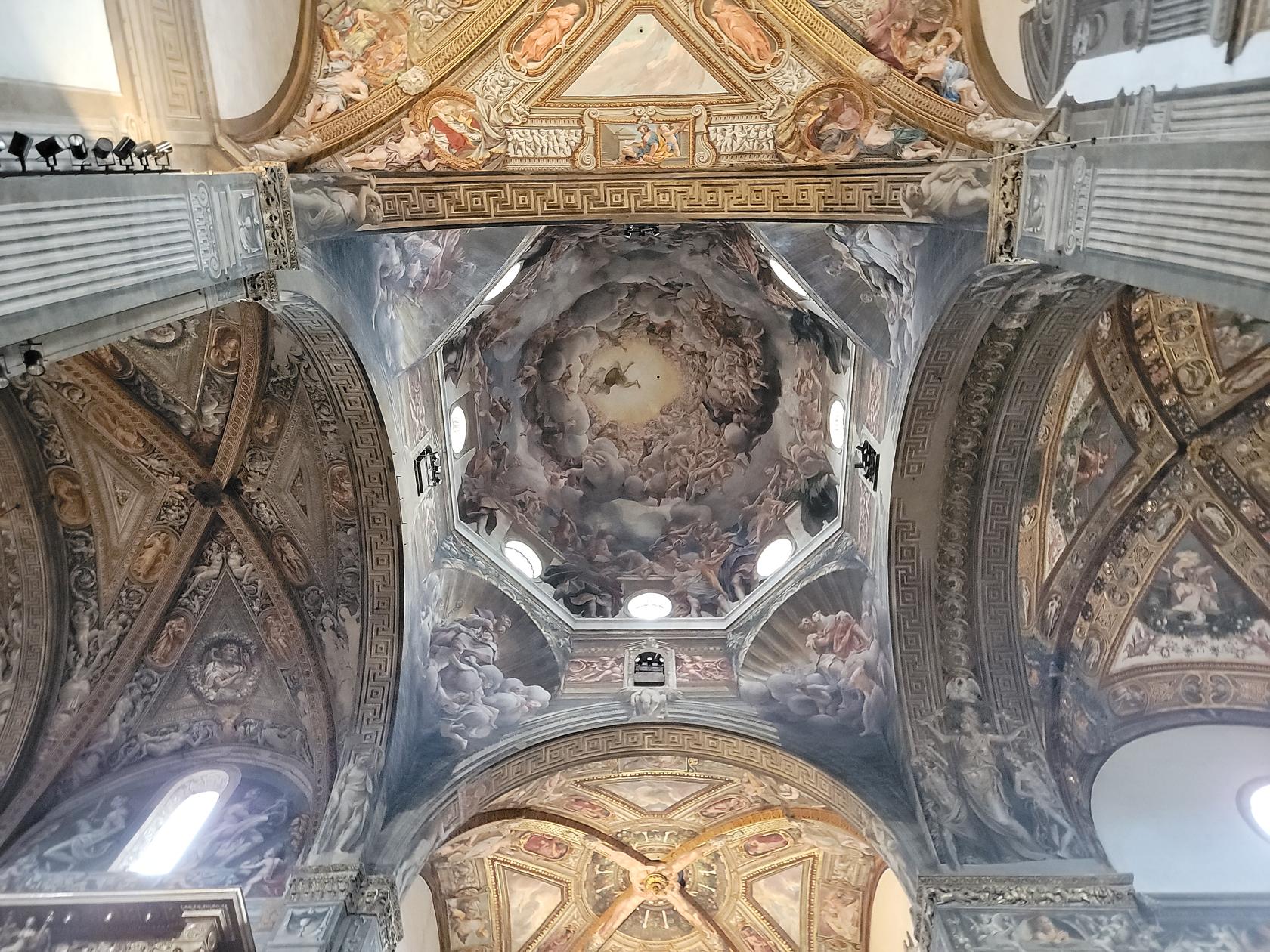
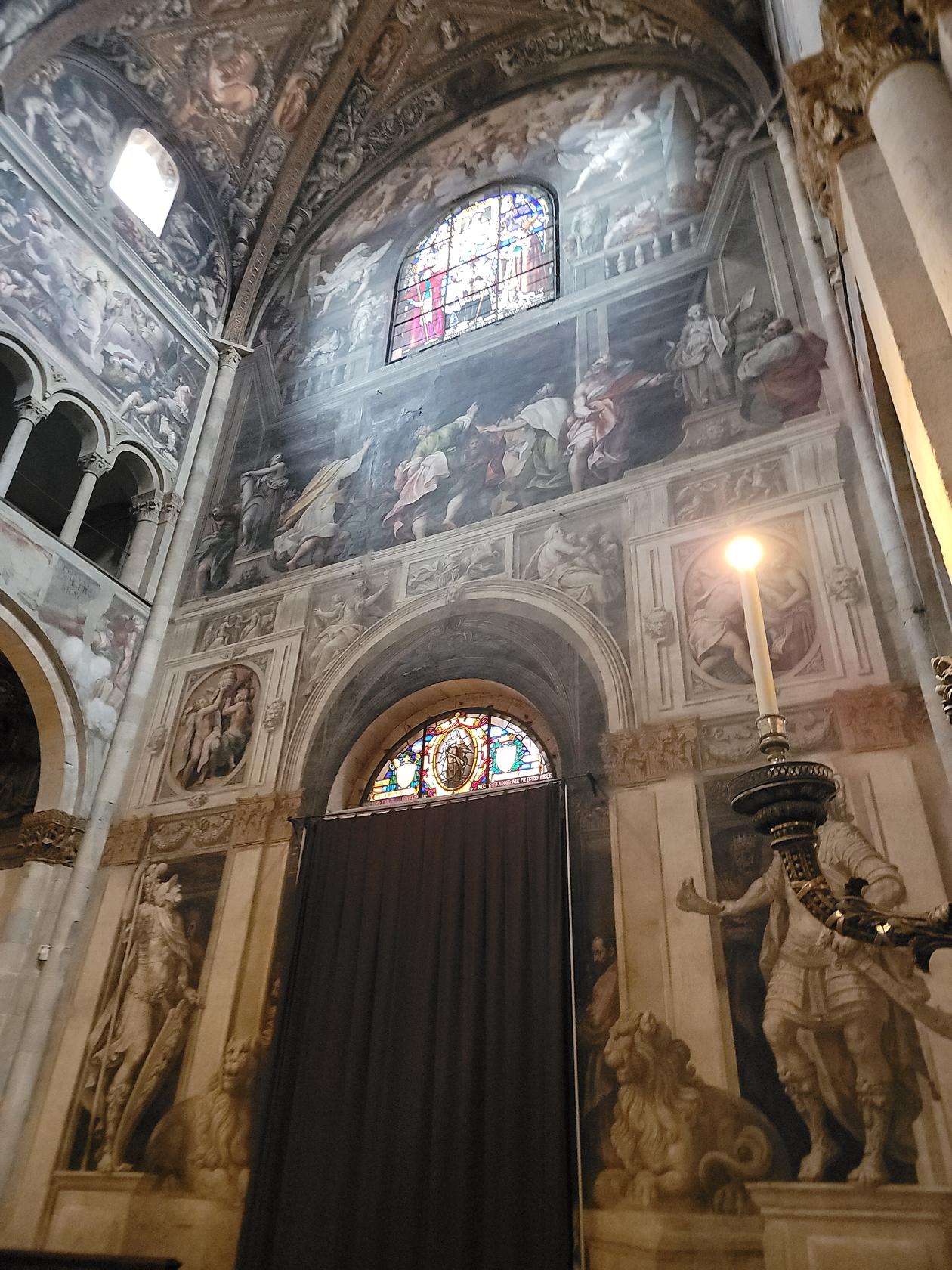
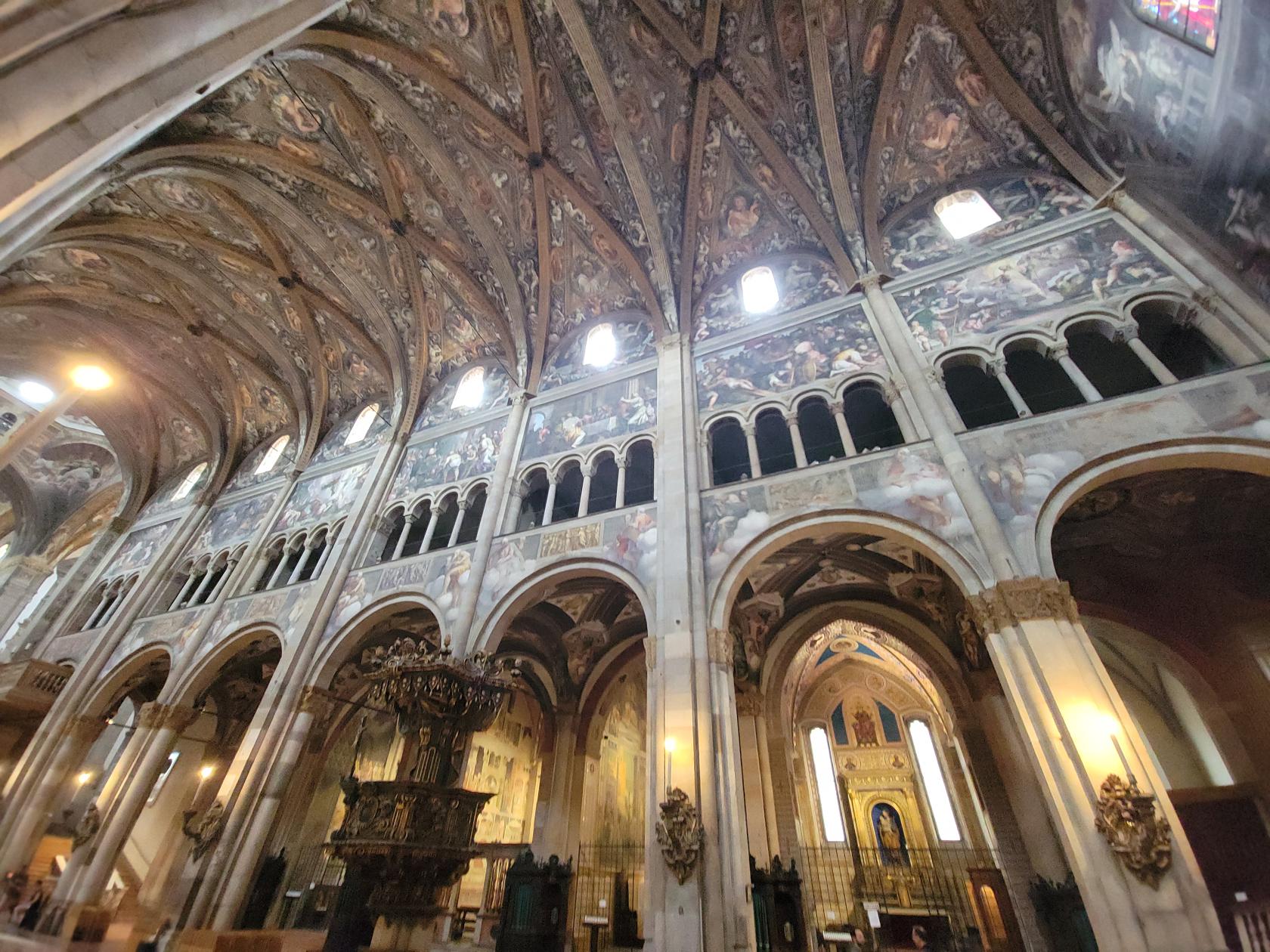
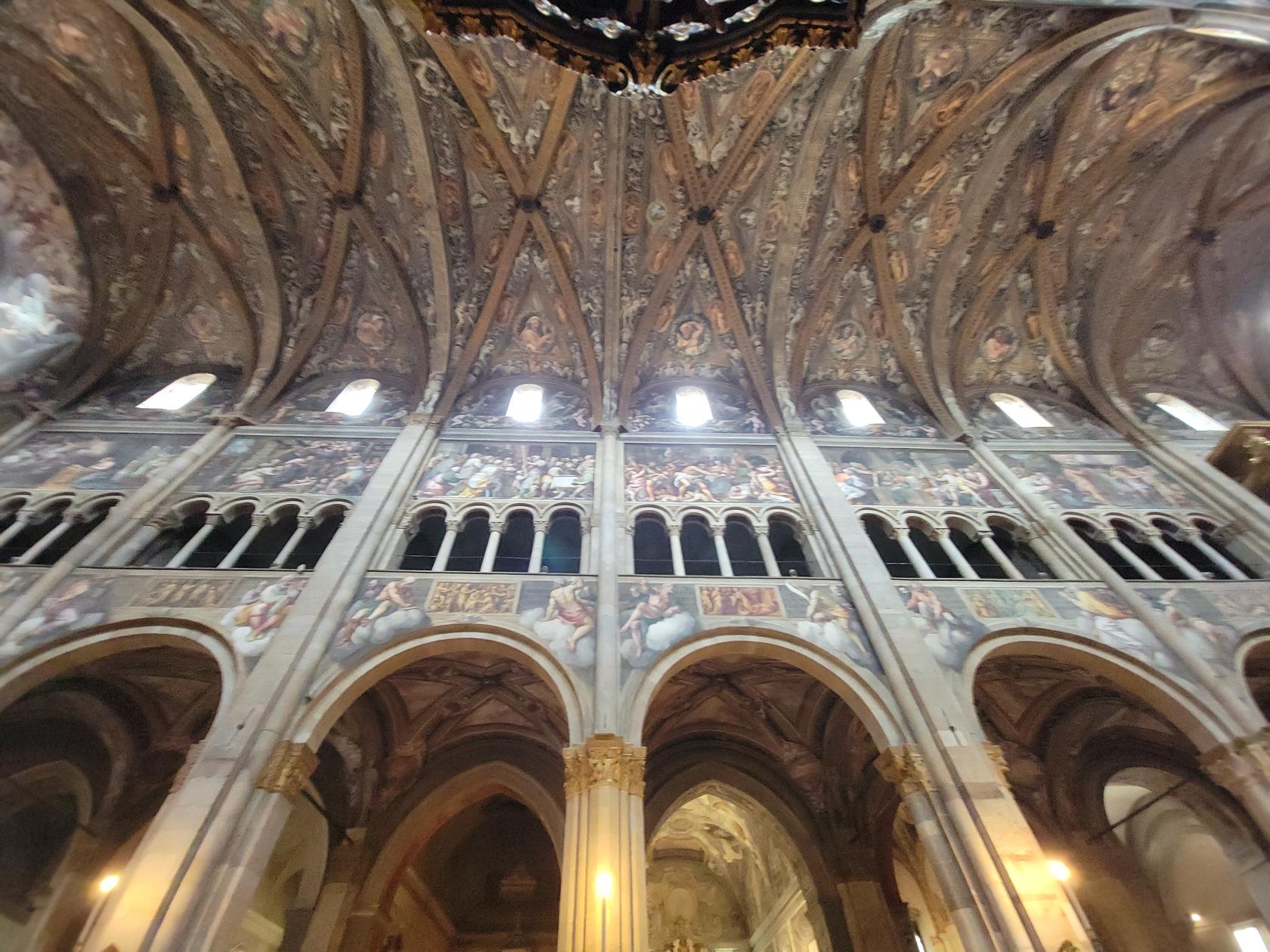
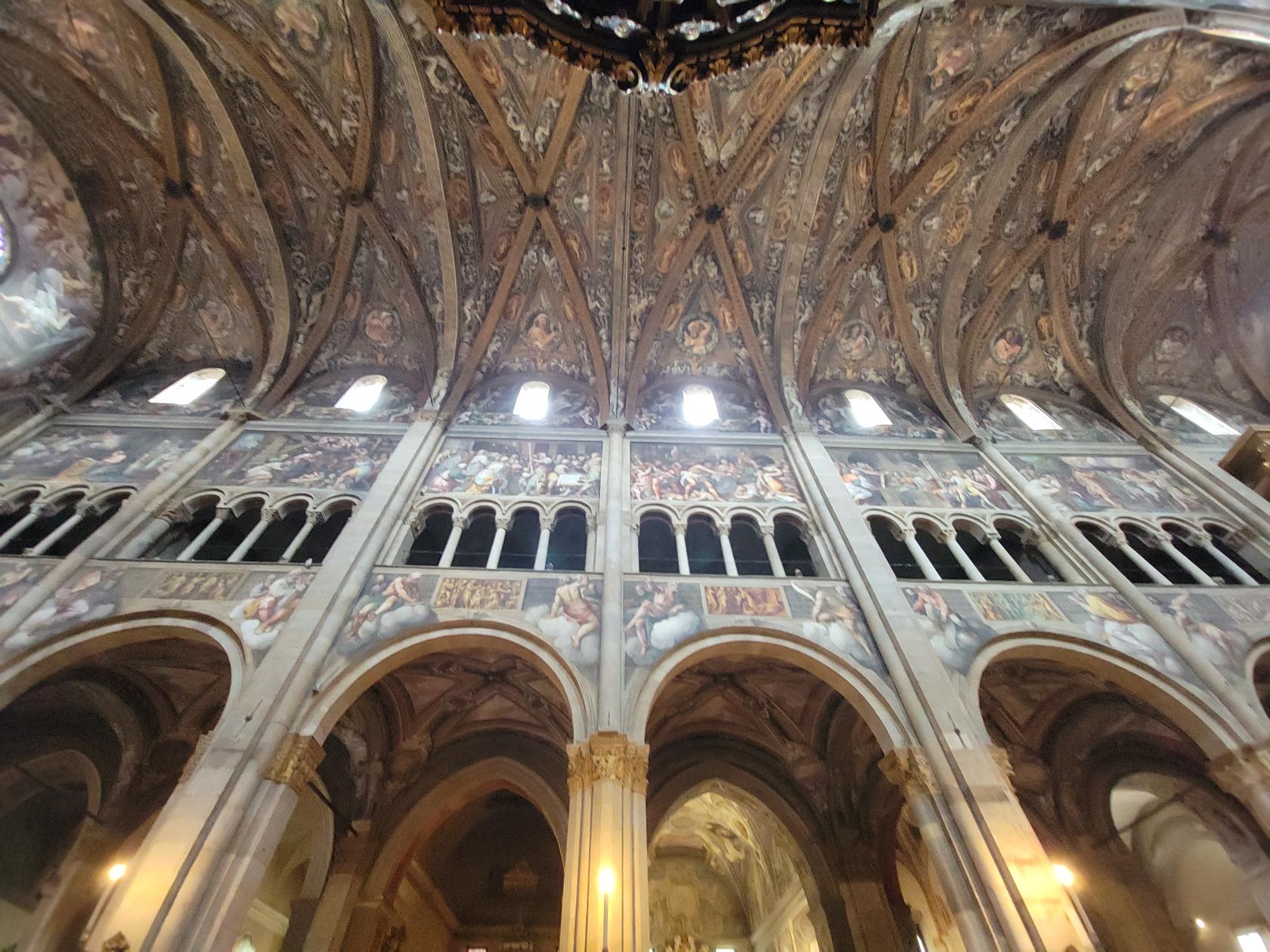
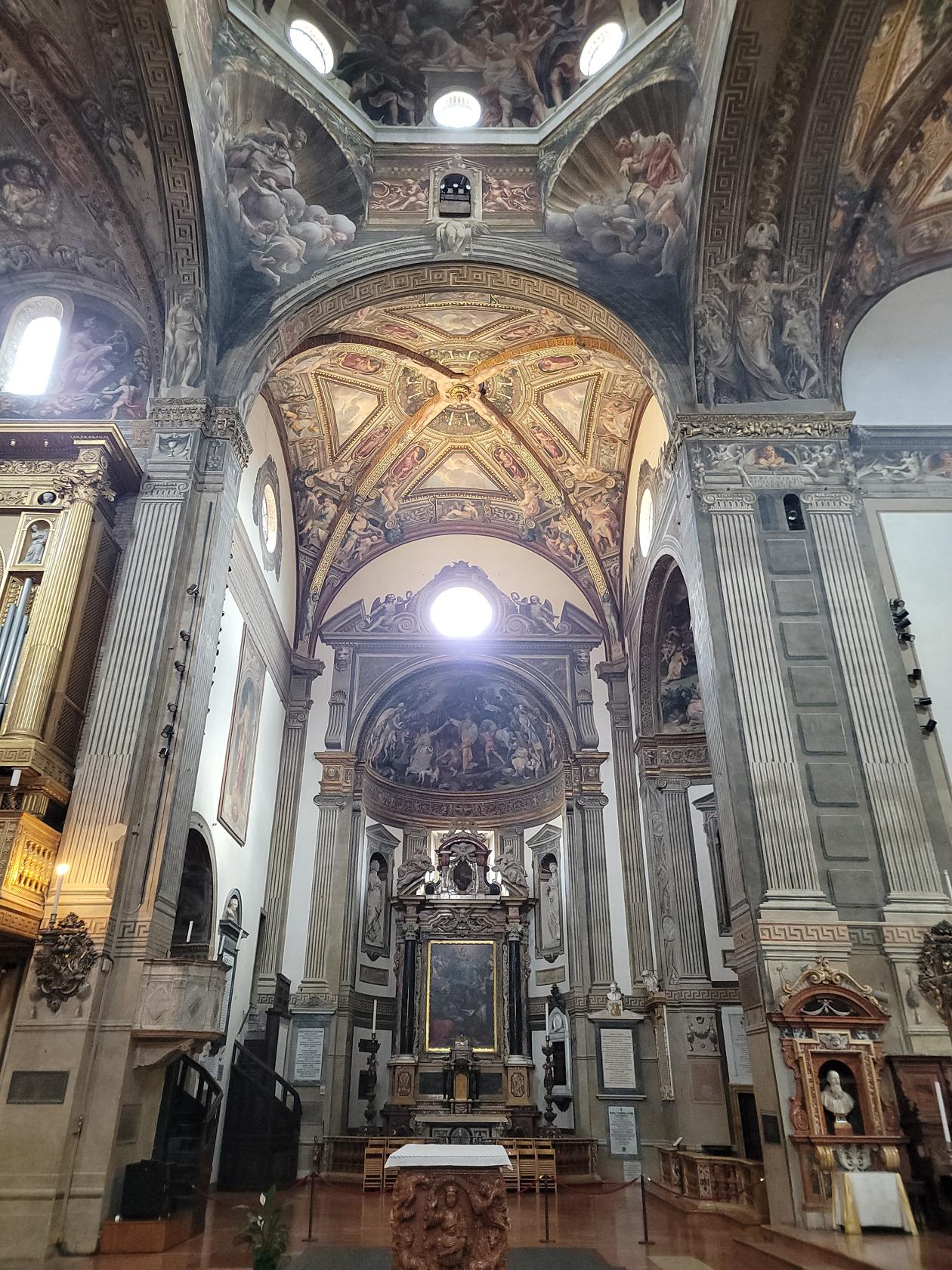
The Romanesque architecture of the Cathedral of the Assumption of the Blessed Virgin Mary, also known as the Parma Duomo or the Cathdral of Parma, must be on anyone’s list of places to visit in Parma. The ceiling by Correggio warrants a good ten to twenty minute inspection.
Facade and Tower – Cathedral Santa Maria Assunta – Parma, Italy
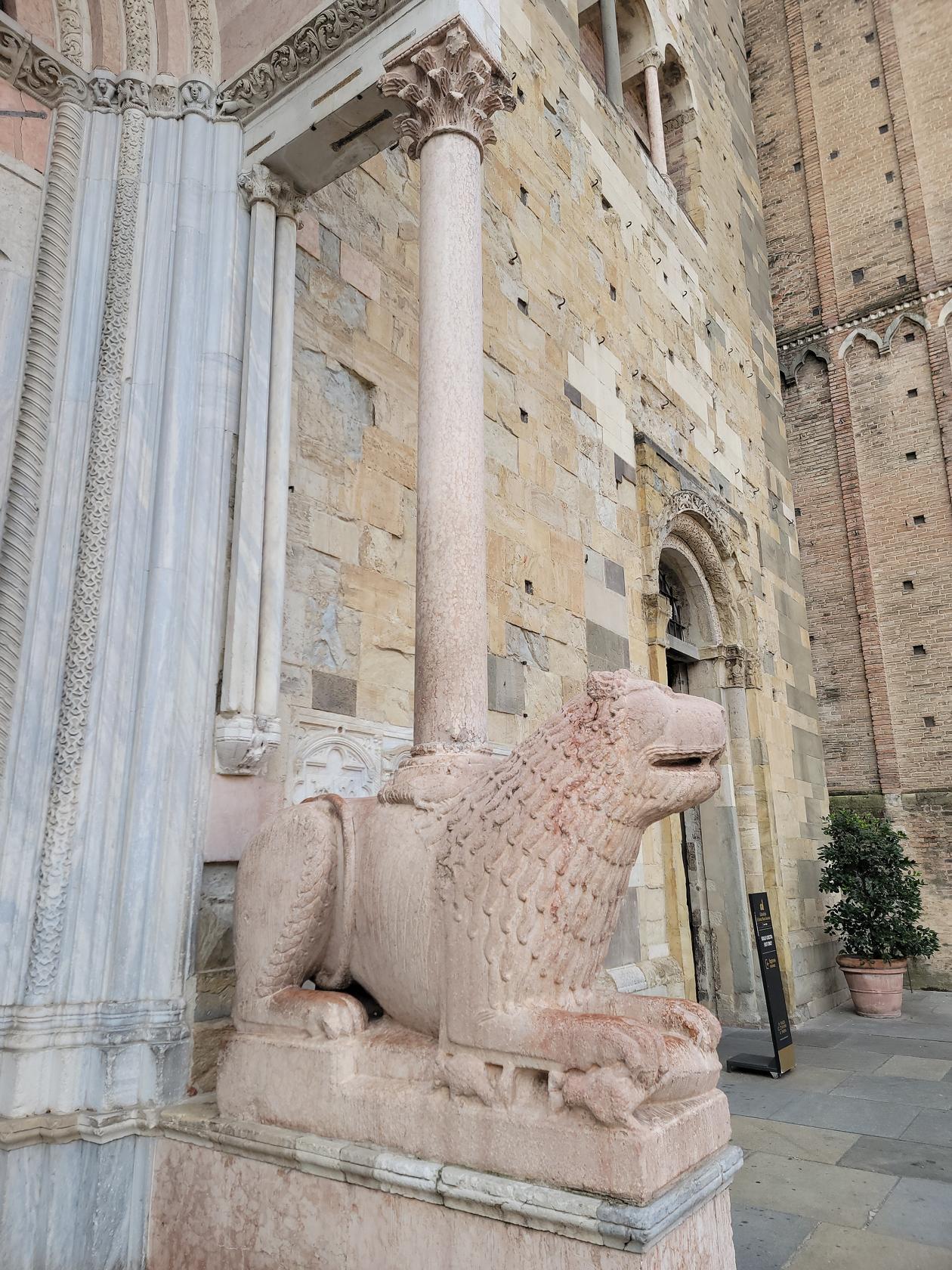
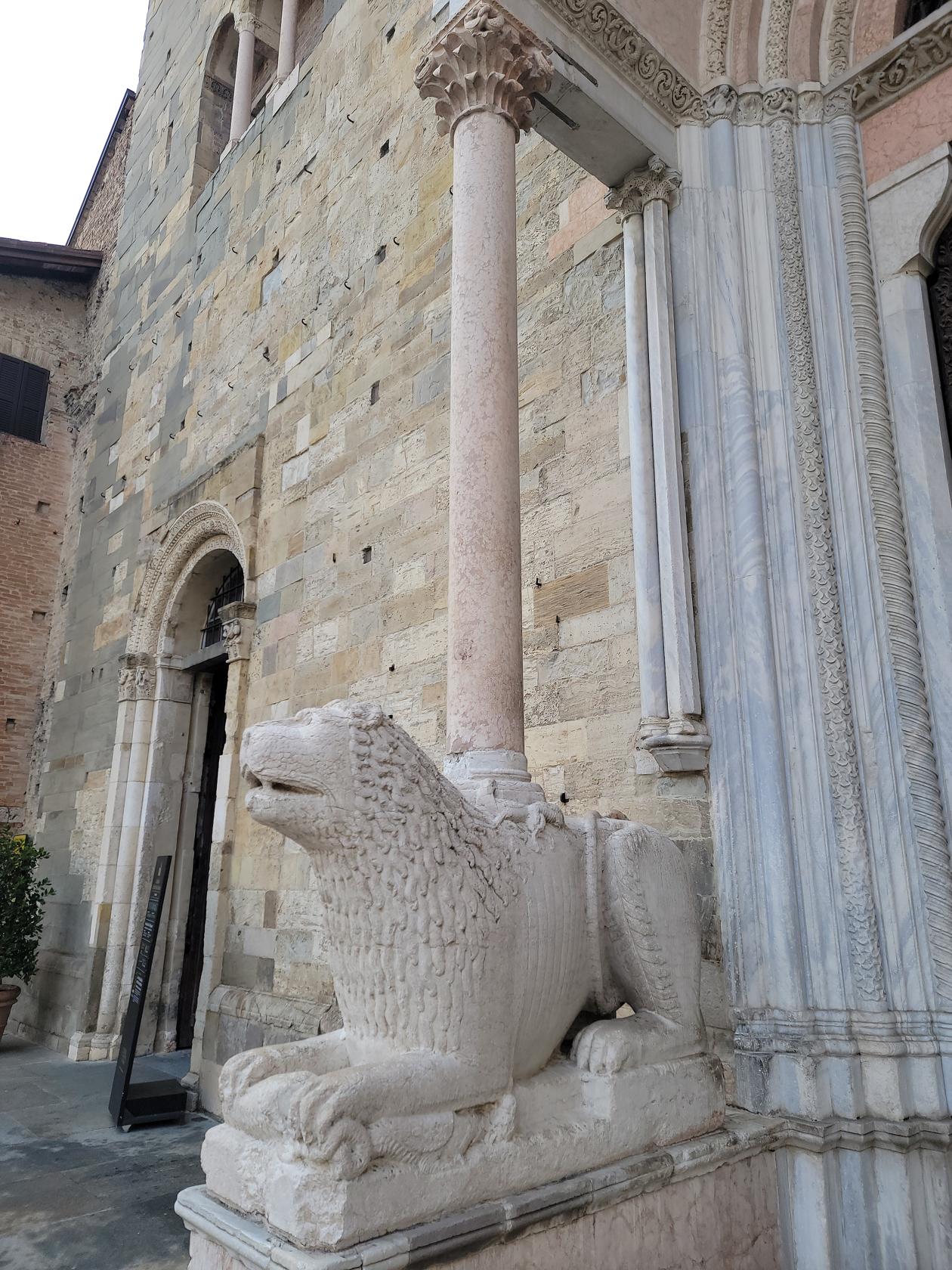
Main Entrance and Right Lion – Cathedral Santa Maria Assunta – Parma, Italy
Main Entrance and Left Lion – Cathedral Santa Maria Assunta – Parma, Italy
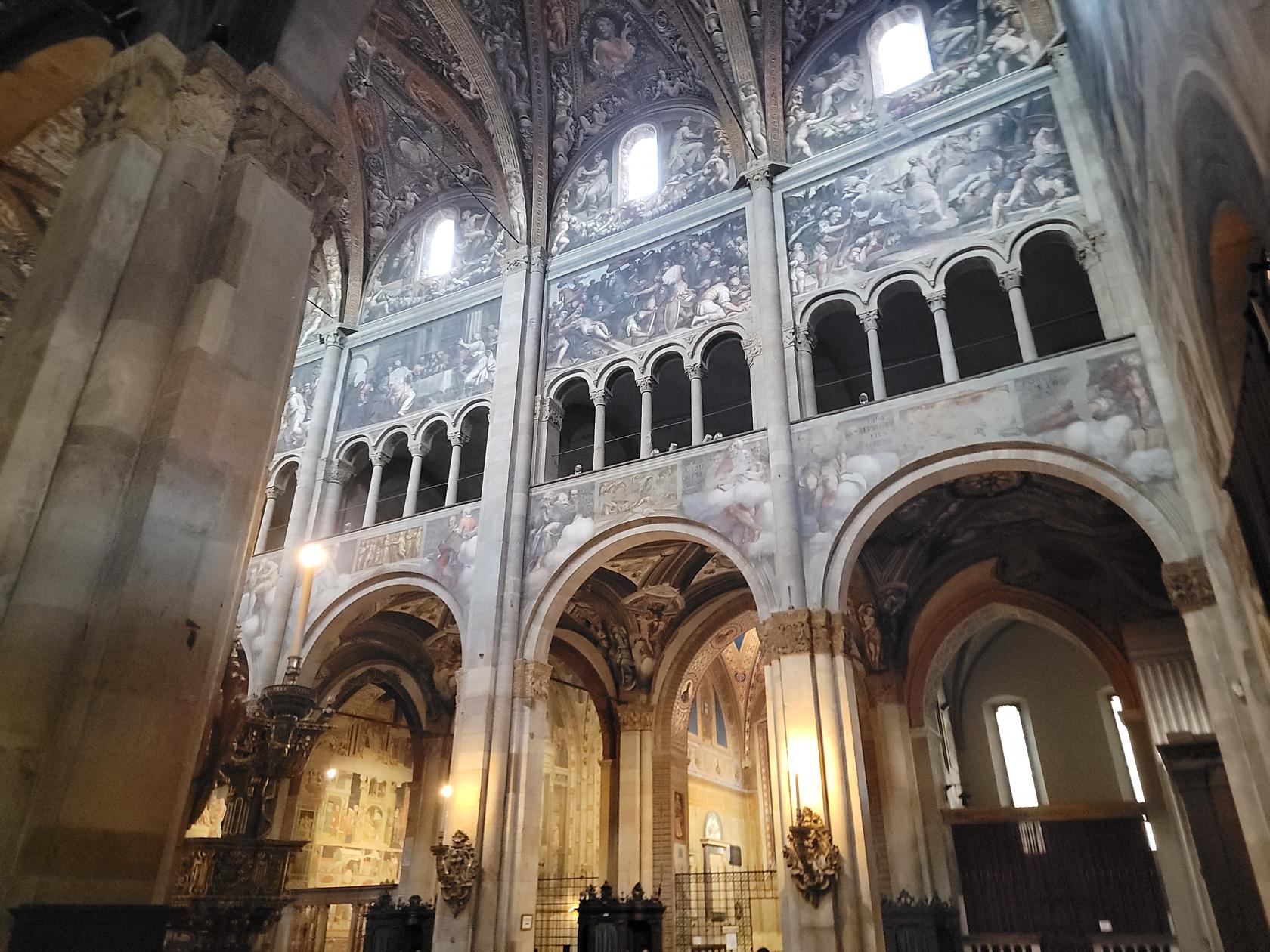
Nave Frescoes and Ceiling – Cathedral Santa Maria Assunta – Parma, Italy
Nave – Cathedral Santa Maria Assunta – Parma, Italy
Nave Frescoes and Ceiling – Cathedral Santa Maria Assunta – Parma, Italy
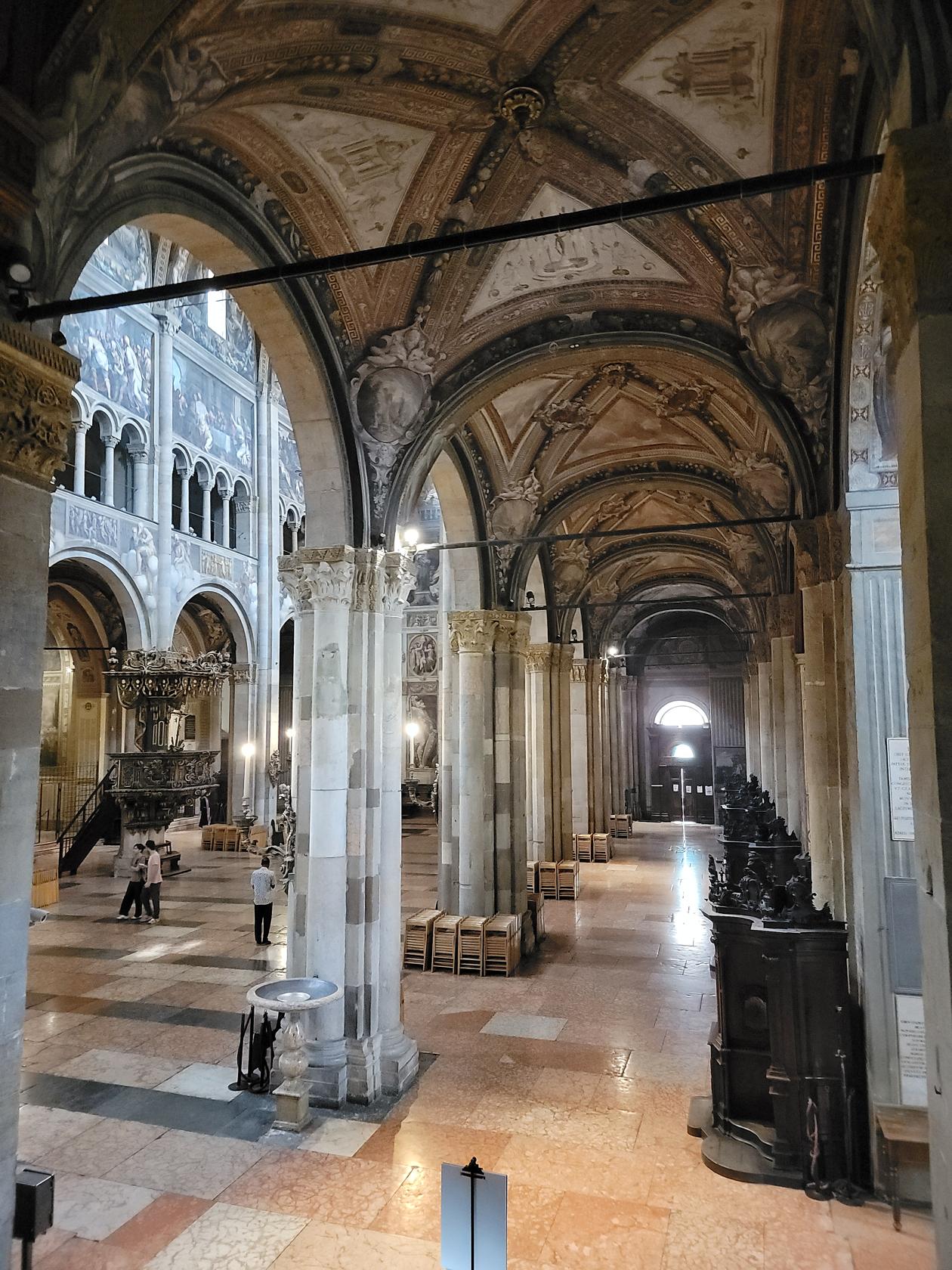
Aisle Ceiling – Cathedral Santa Maria Assunta – Parma, Italy
The nave is decorated by numerous frescoes and art of the twelfth century and depict the stories of faith that were common at that time.
Nave – Cathedral Santa Maria Assunta – Parma, Italy
Madonna Side Altar in Transept – Cathedral Santa Maria Assunta – Parma, Italy
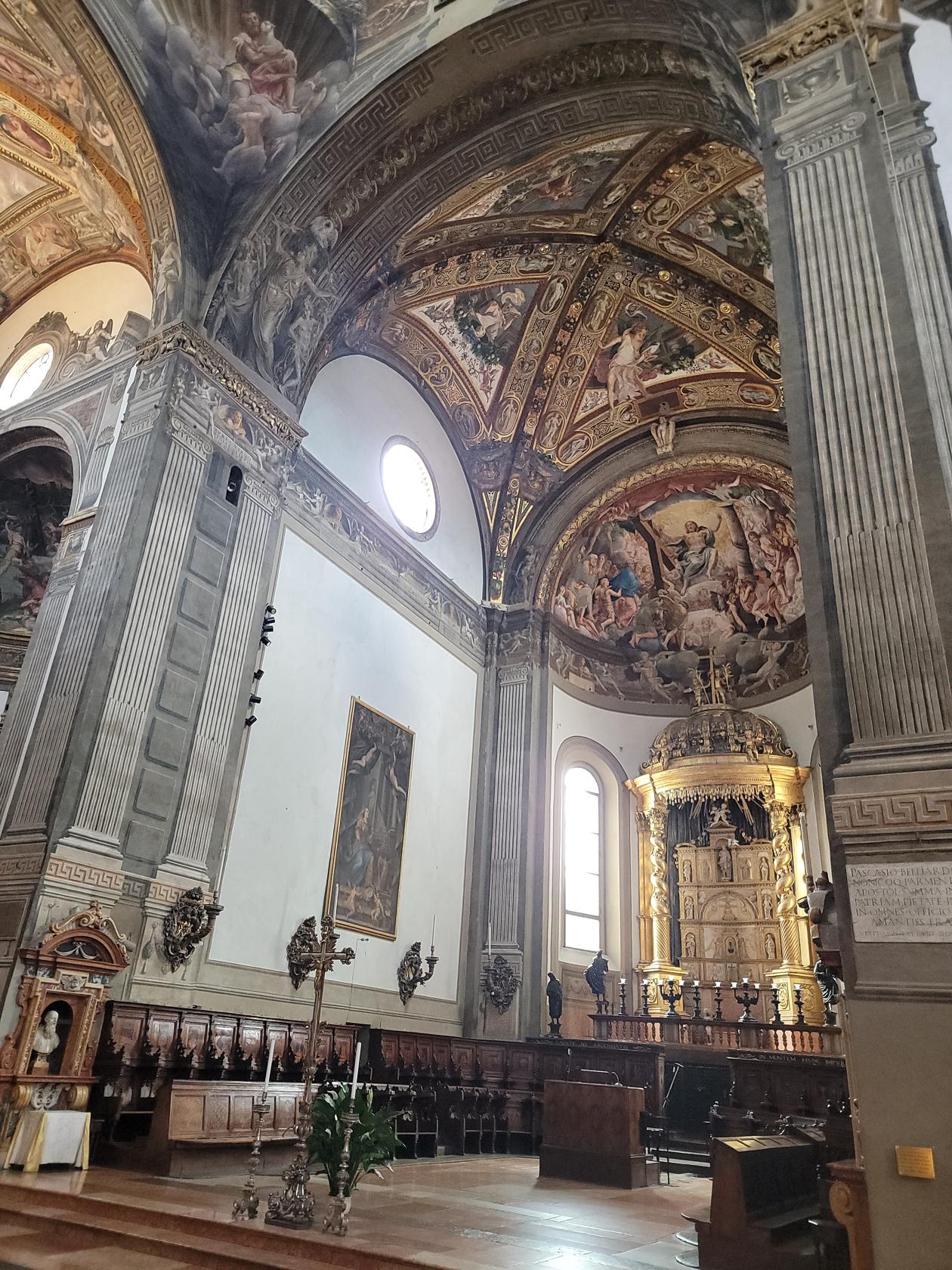
Altar – Cathedral Santa Maria Assunta – Parma, Italy
Altar, Organ and Crossing Ceilings – Cathedral Santa Maria Assunta – Parma, Italy
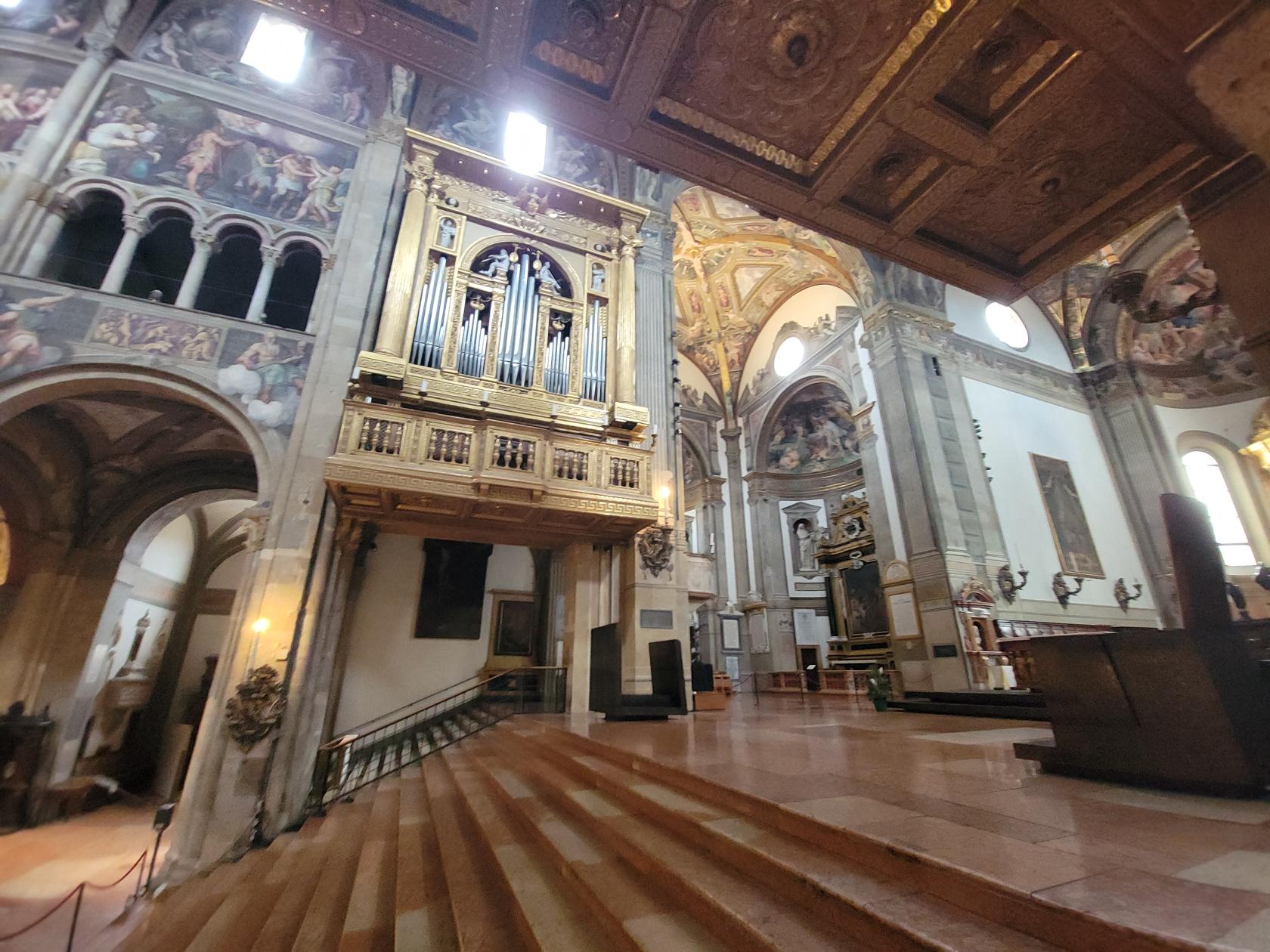
Organ – Cathedral Santa Maria Assunta – Parma, Italy
Ceiling in Crossing – Cathedral Santa Maria Assunta – Parma, Italy
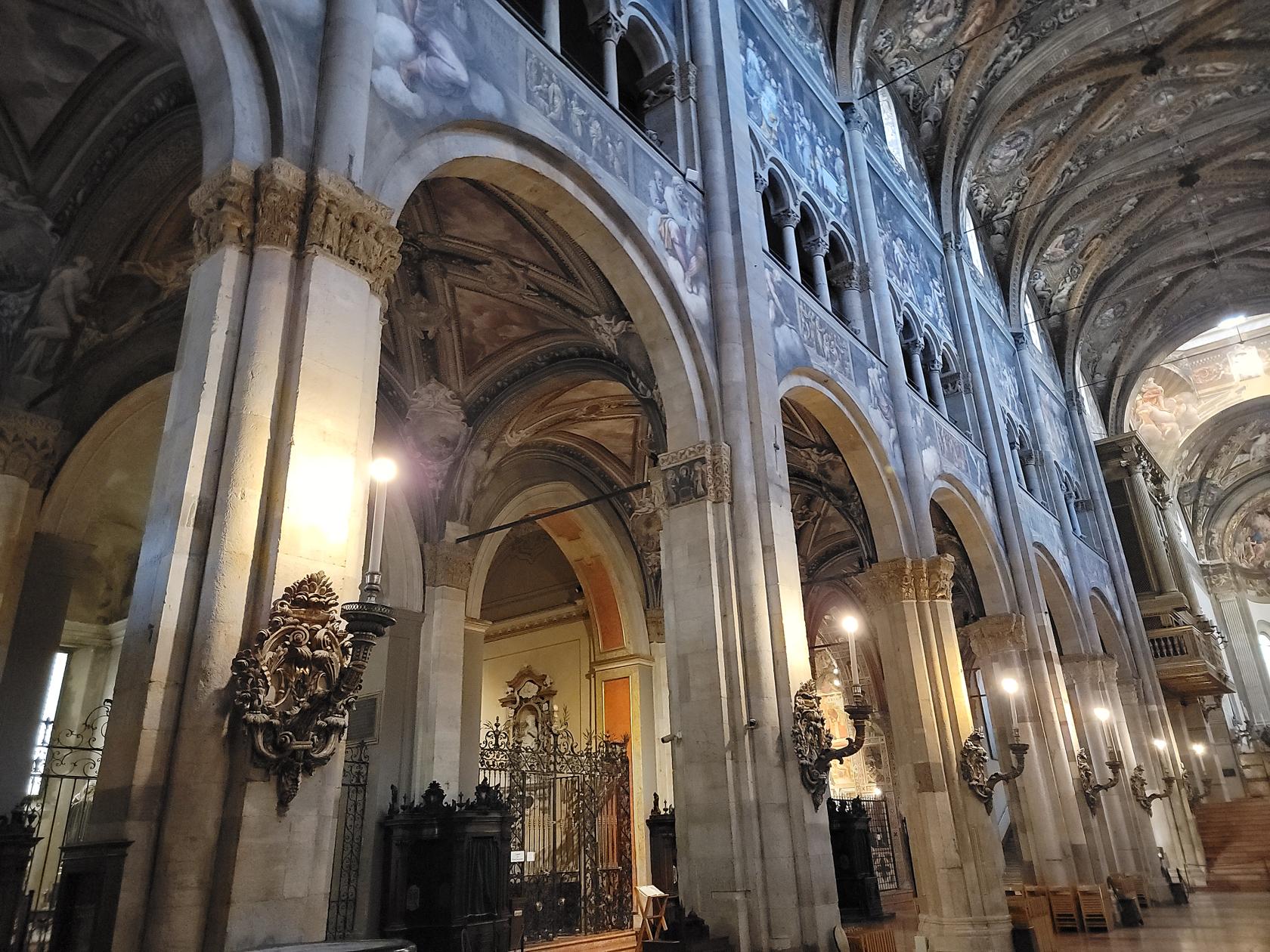
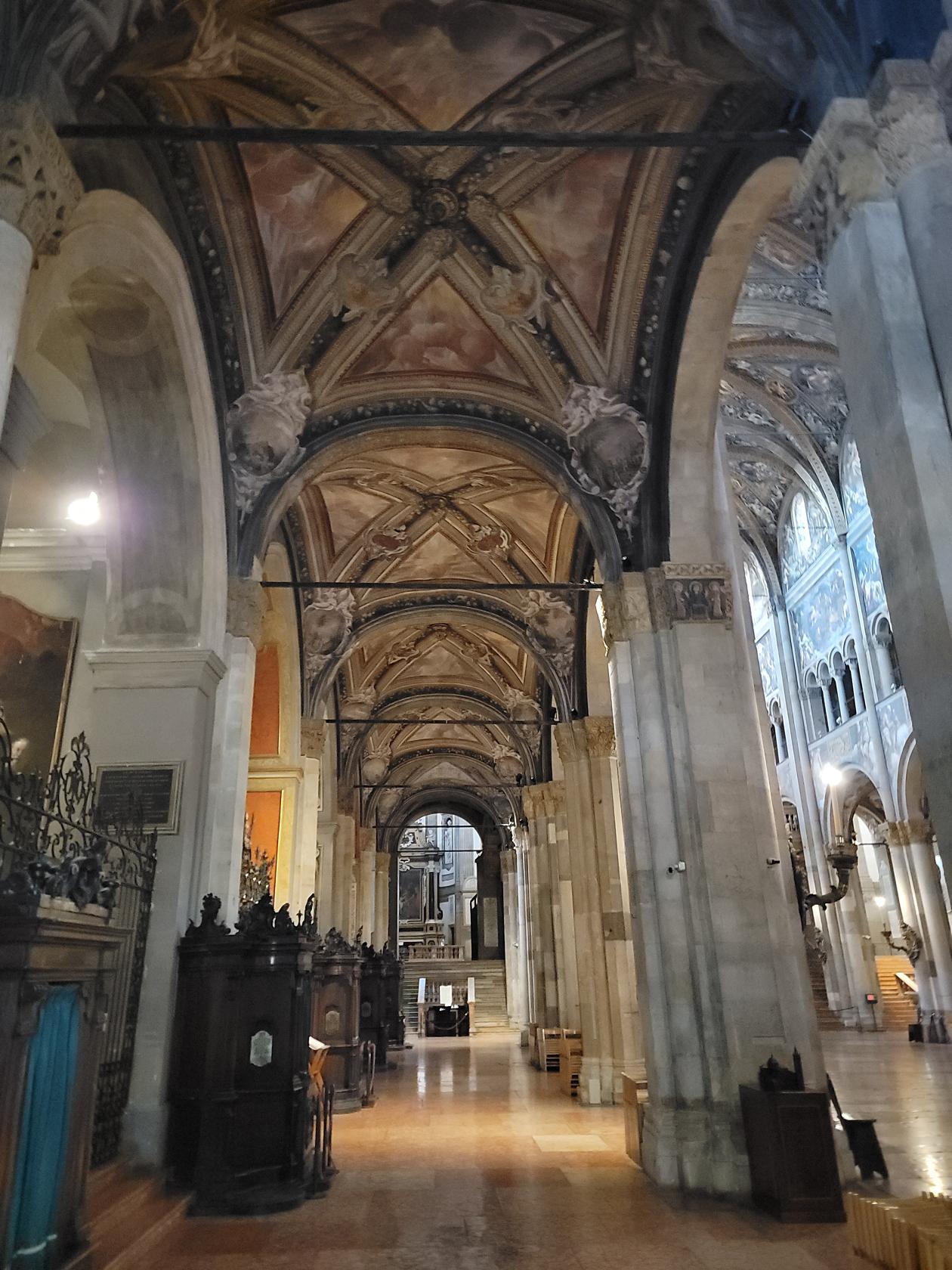
Left Aisle with Confessionals – Cathedral Santa Maria Assunta – Parma, Italy
Main Entrance Frescoes – Cathedral Santa Maria Assunta – Parma, Italy
Nave Frescoes – Cathedral Santa Maria Assunta – Parma, Italy
Nave Frescoes and Ceiling – Cathedral Santa Maria Assunta – Parma, Italy
Nave Frescoes and Ceiling – Cathedral Santa Maria Assunta – Parma, Italy
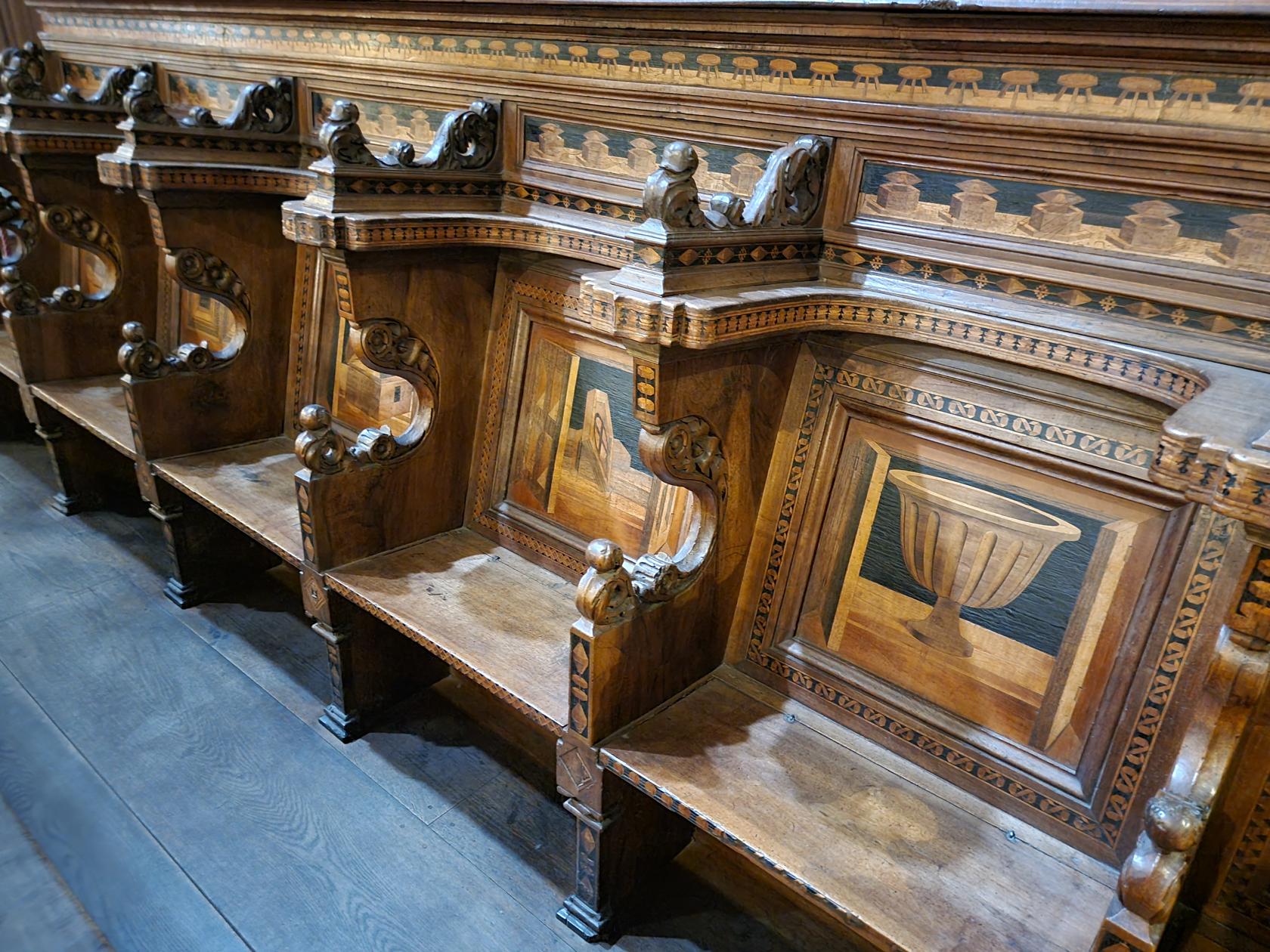
Marquetry in Bishop Pews – Cathedral Santa Maria Assunta – Parma, Italy
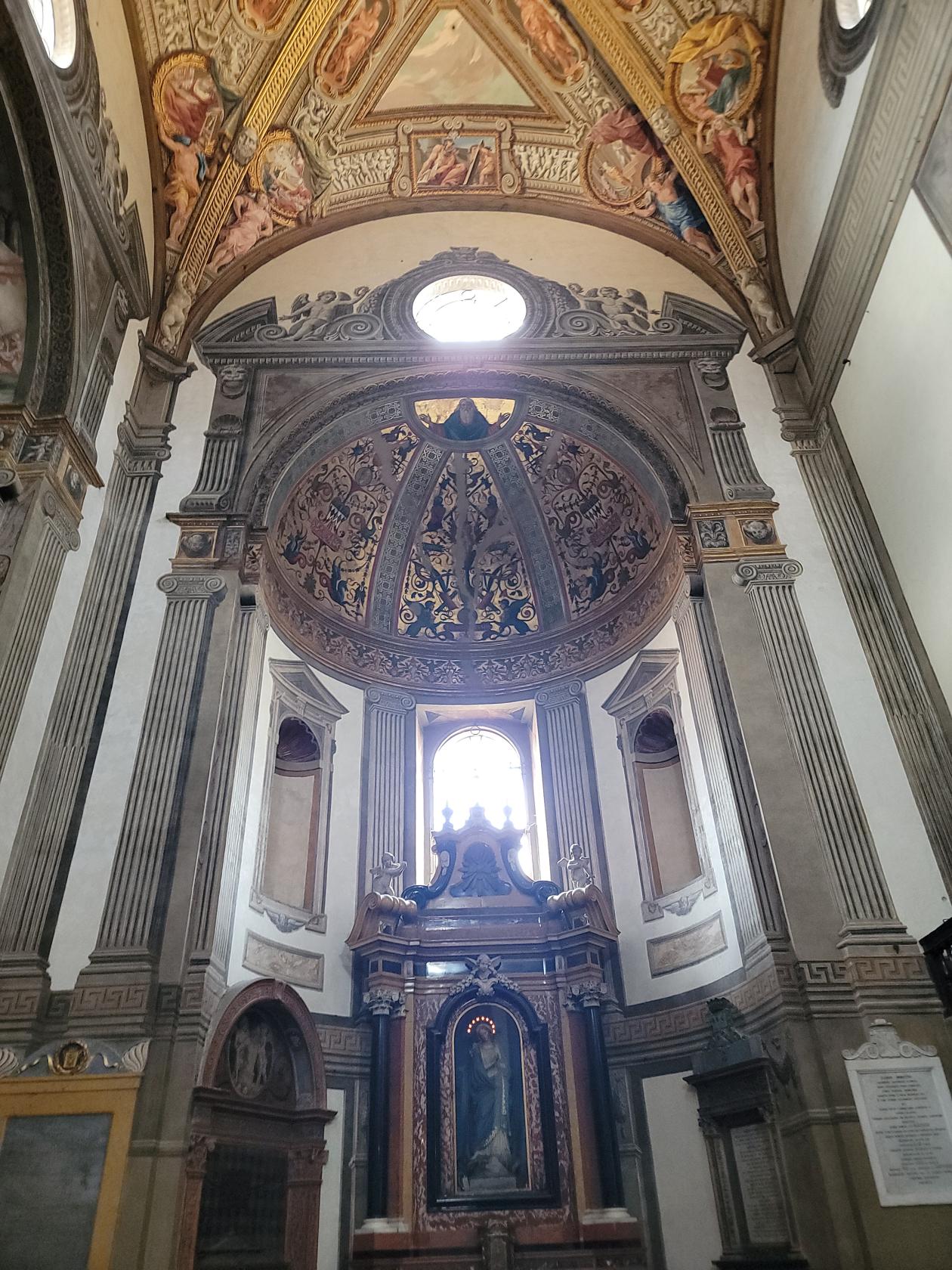
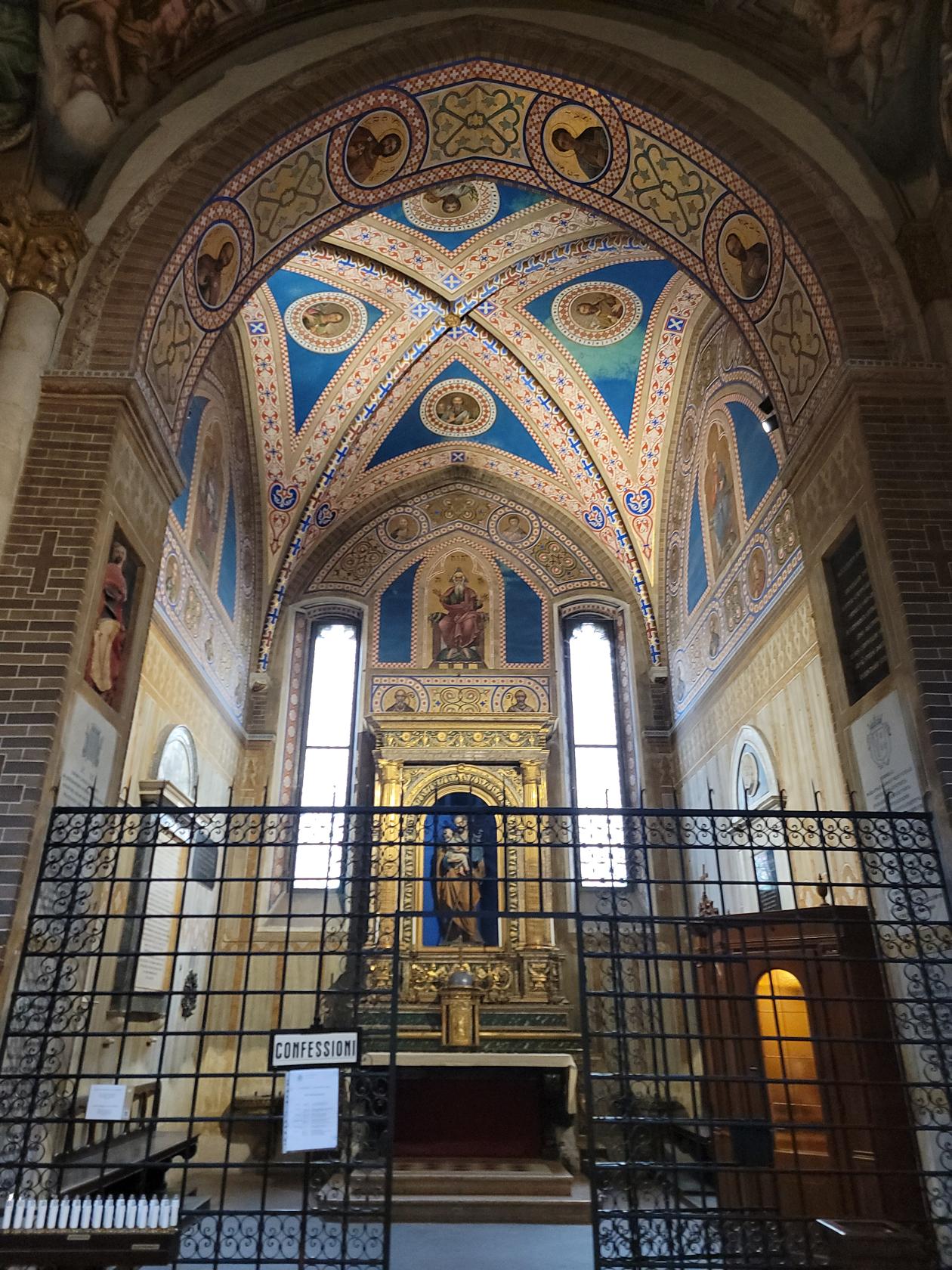
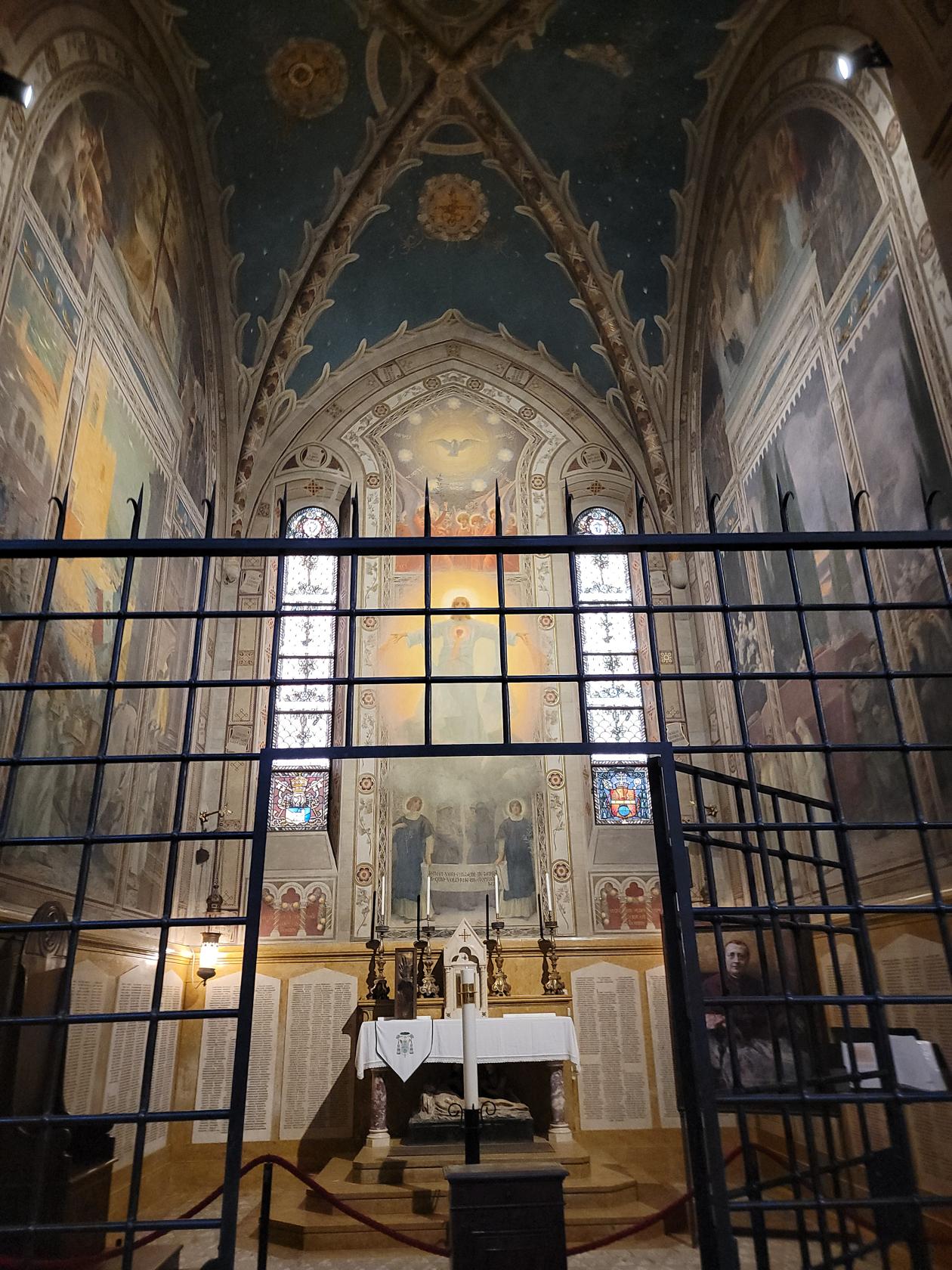
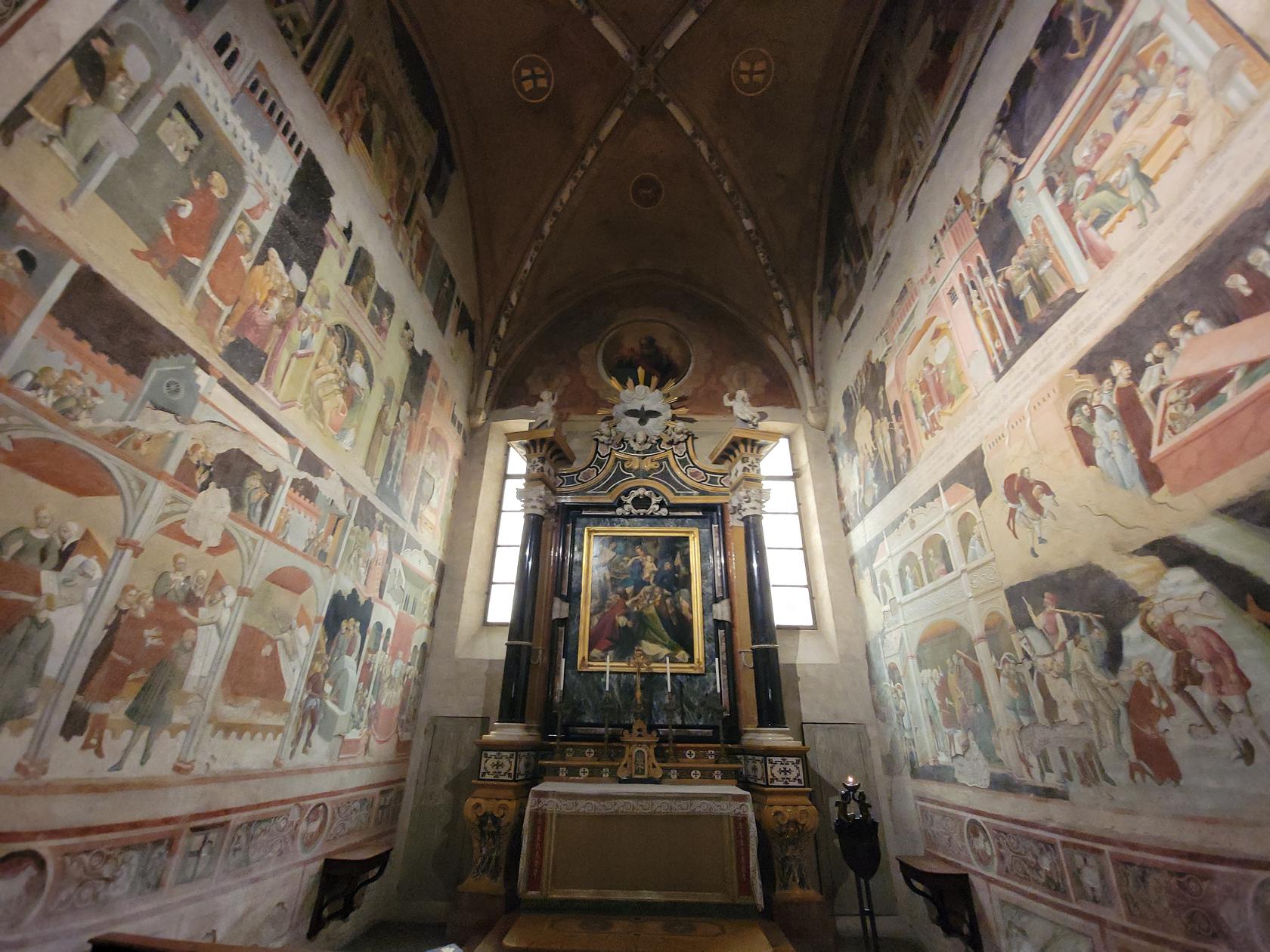
Each aisle contains about six chapels, decorated and commemorated to different aspects of the faith, some used more than others.
Chapel 1 – Cathedral Santa Maria Assunta – Parma, Italy
Chapel 2 – Cathedral Santa Maria Assunta – Parma, Italy
Chapel 3 – Cathedral Santa Maria Assunta – Parma, Italy
Chapel 6 – Cathedral Santa Maria Assunta – Parma, Italy
Chapel 4 – Cathedral Santa Maria Assunta – Parma, Italy
Chapel 5 – Cathedral Santa Maria Assunta – Parma, Italy
Chapel 7 – Cathedral Santa Maria Assunta – Parma, Italy
Chapel 8 – Cathedral Santa Maria Assunta – Parma, Italy
Chapel 9 – Cathedral Santa Maria Assunta – Parma, Italy
Chapel 10 – Cathedral Santa Maria Assunta – Parma, Italy
Chapel 11 – Cathedral Santa Maria Assunta – Parma, Italy
Side Altar and Transept – Cathedral Santa Maria Assunta – Parma, Italy
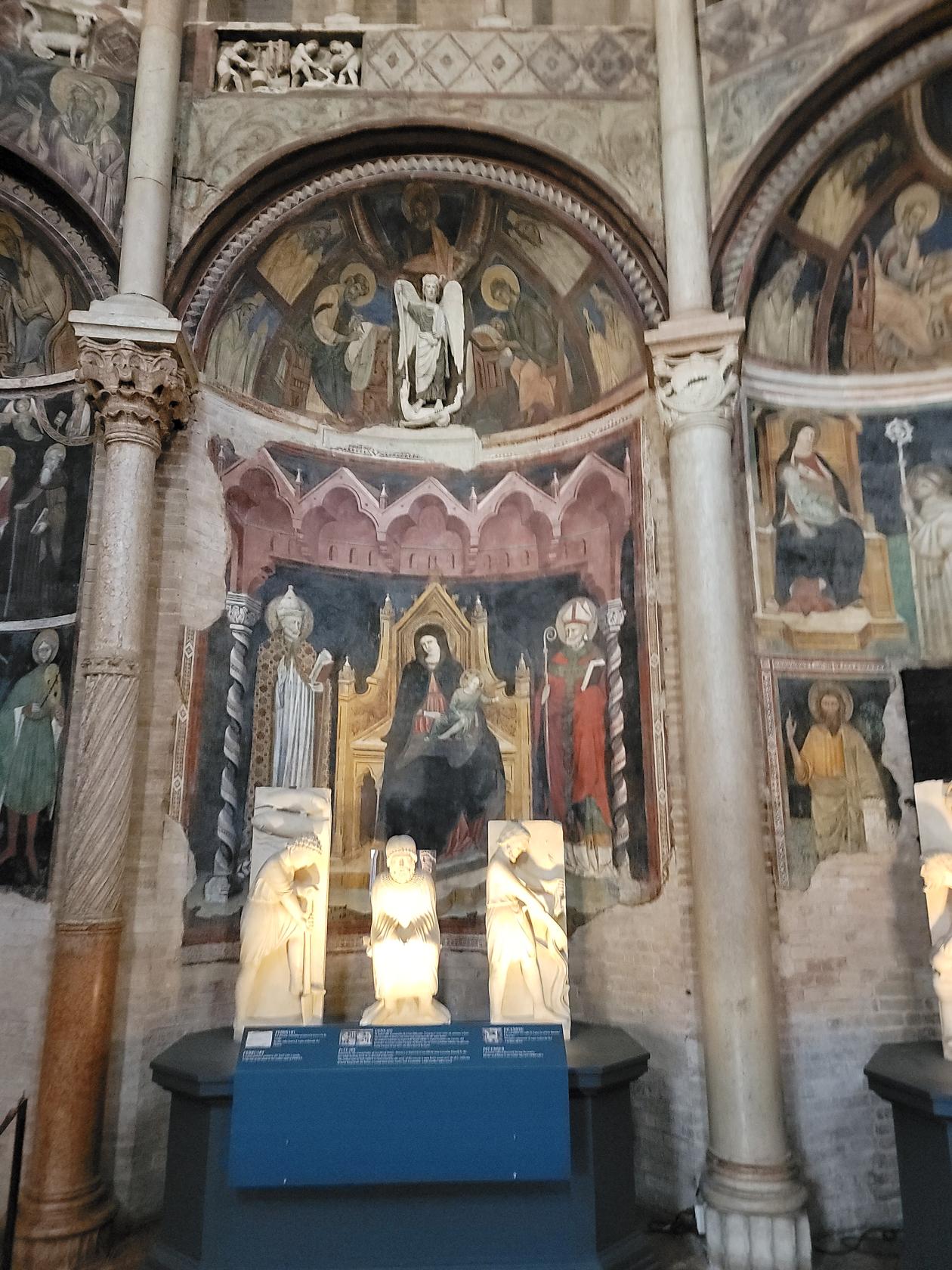
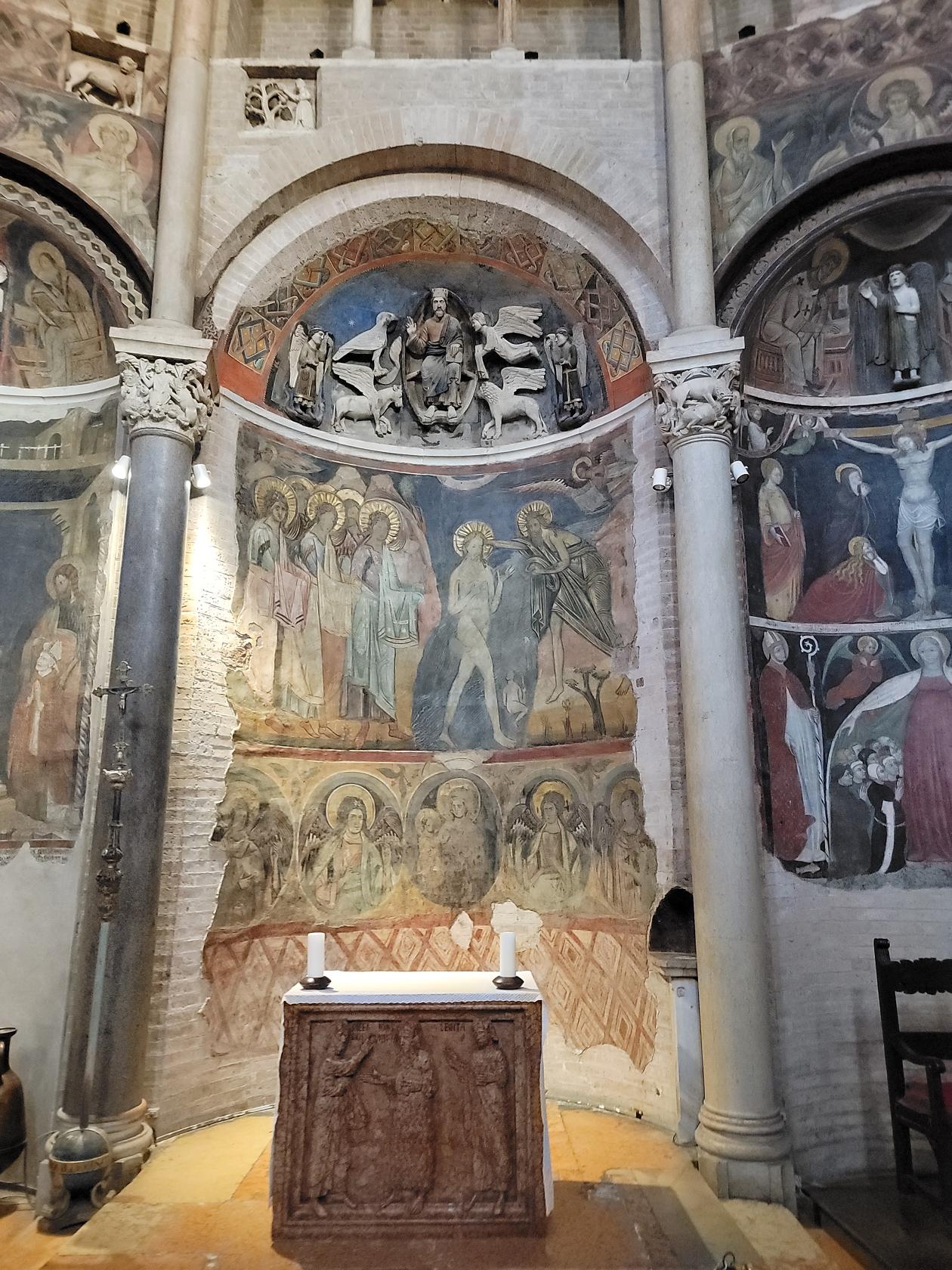
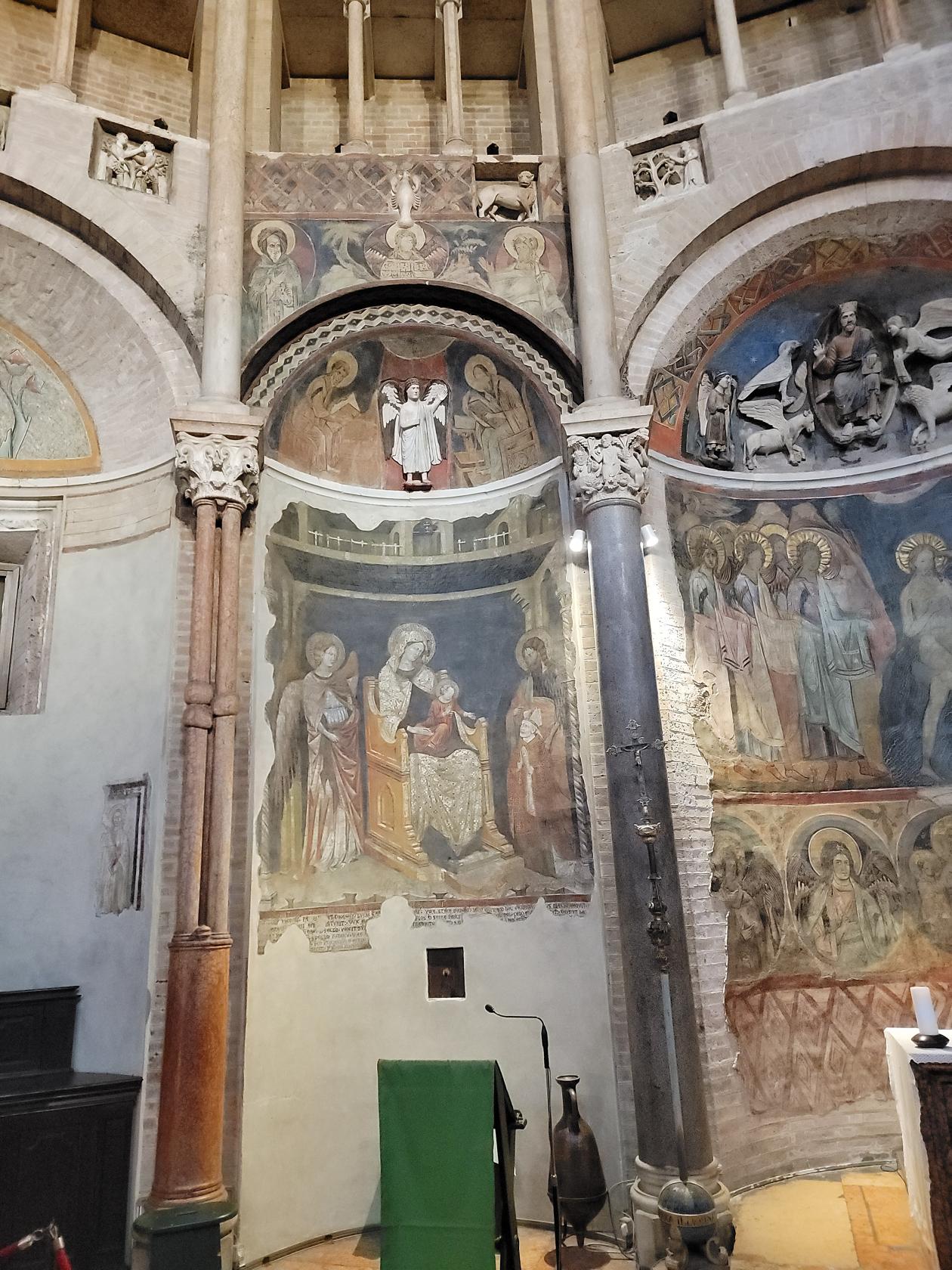
Parma Baptistry
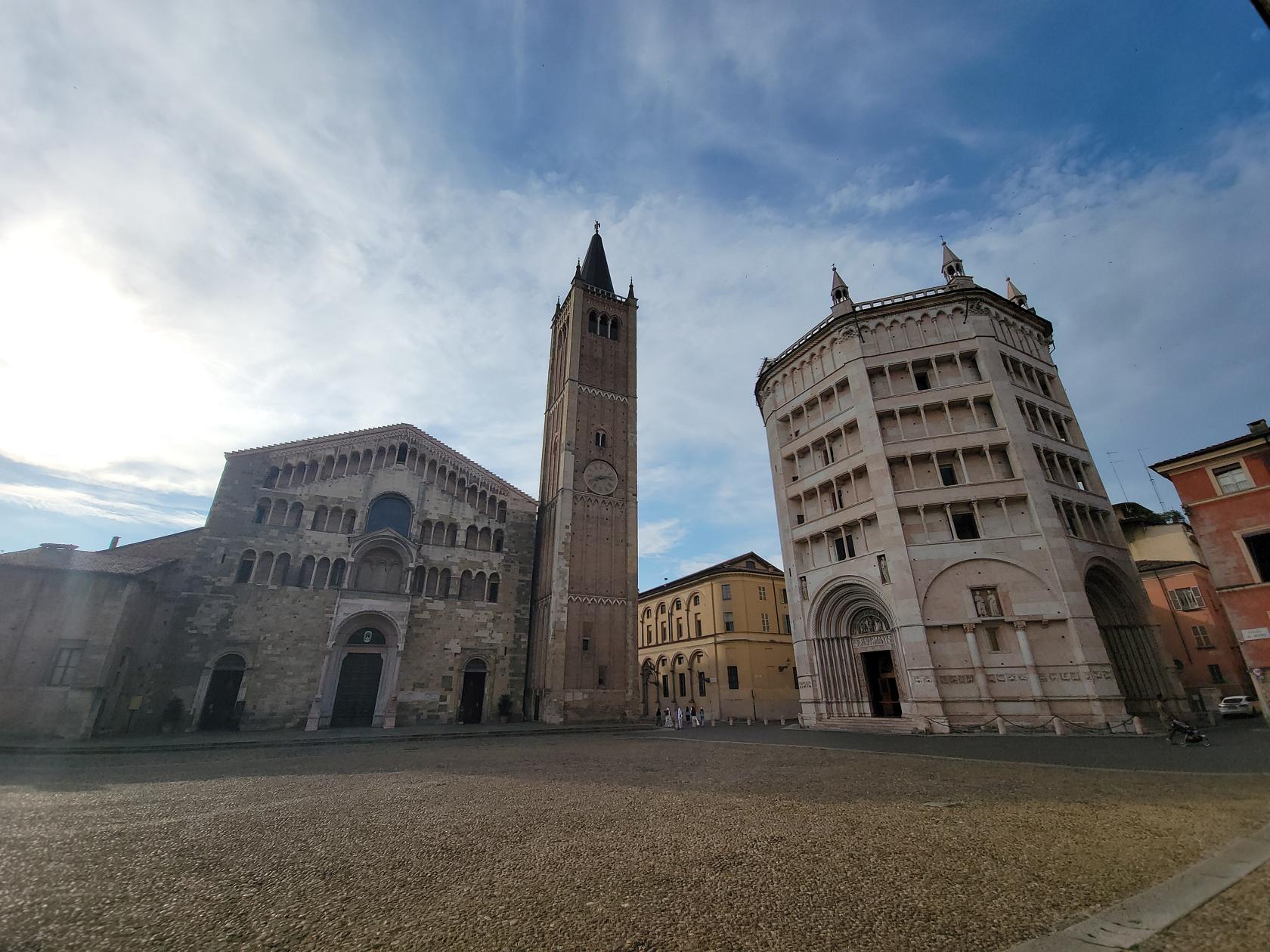
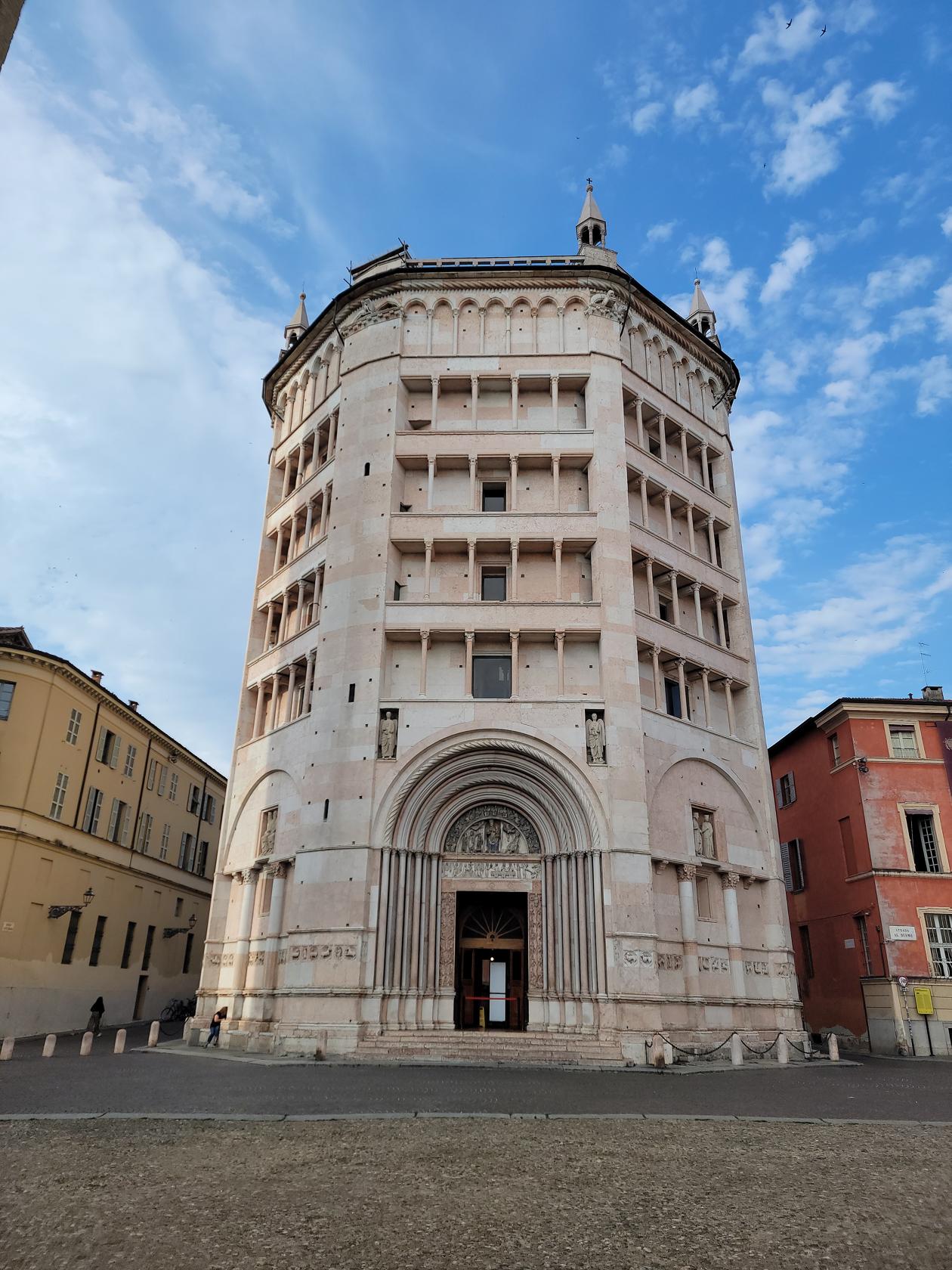
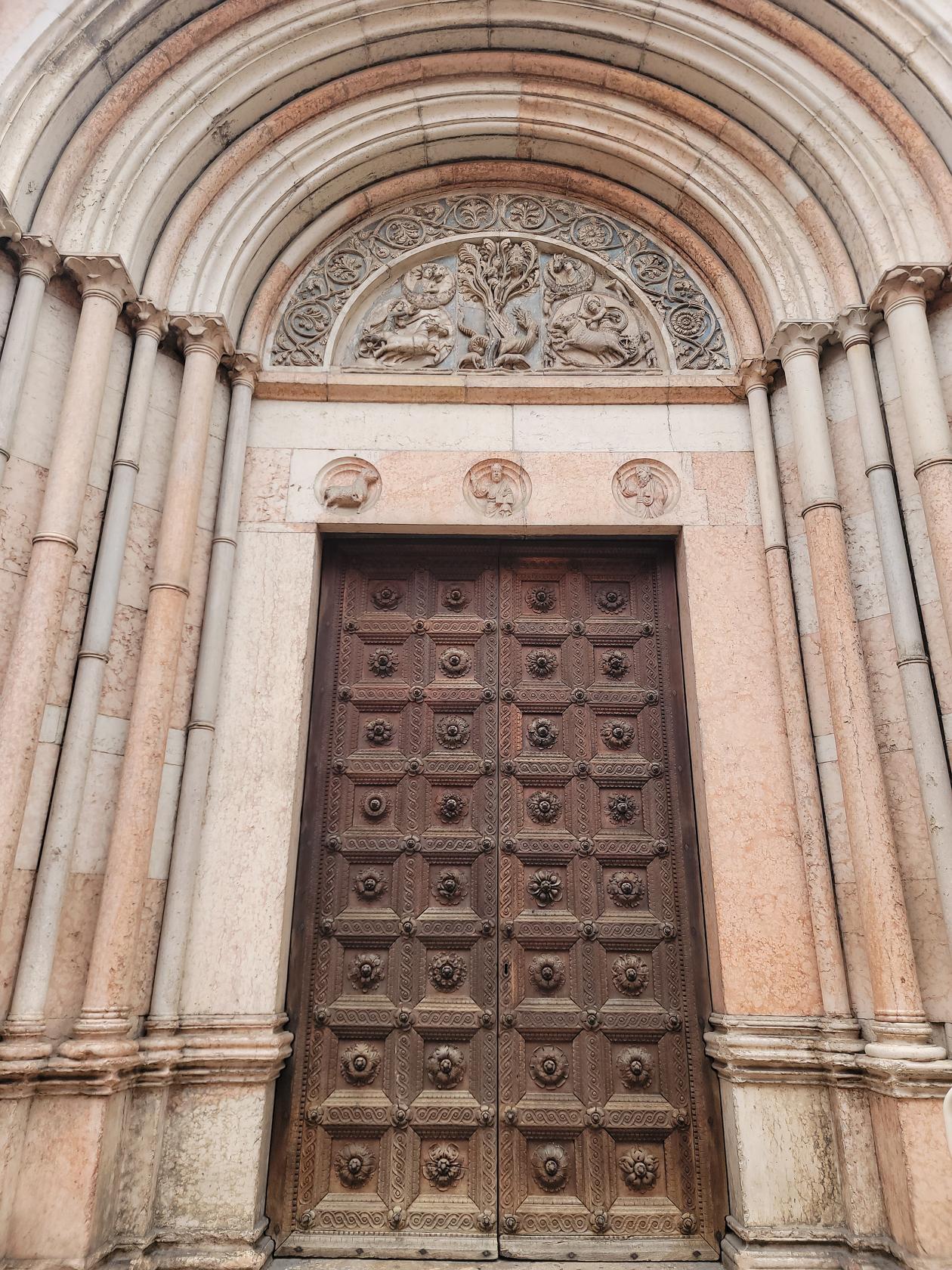
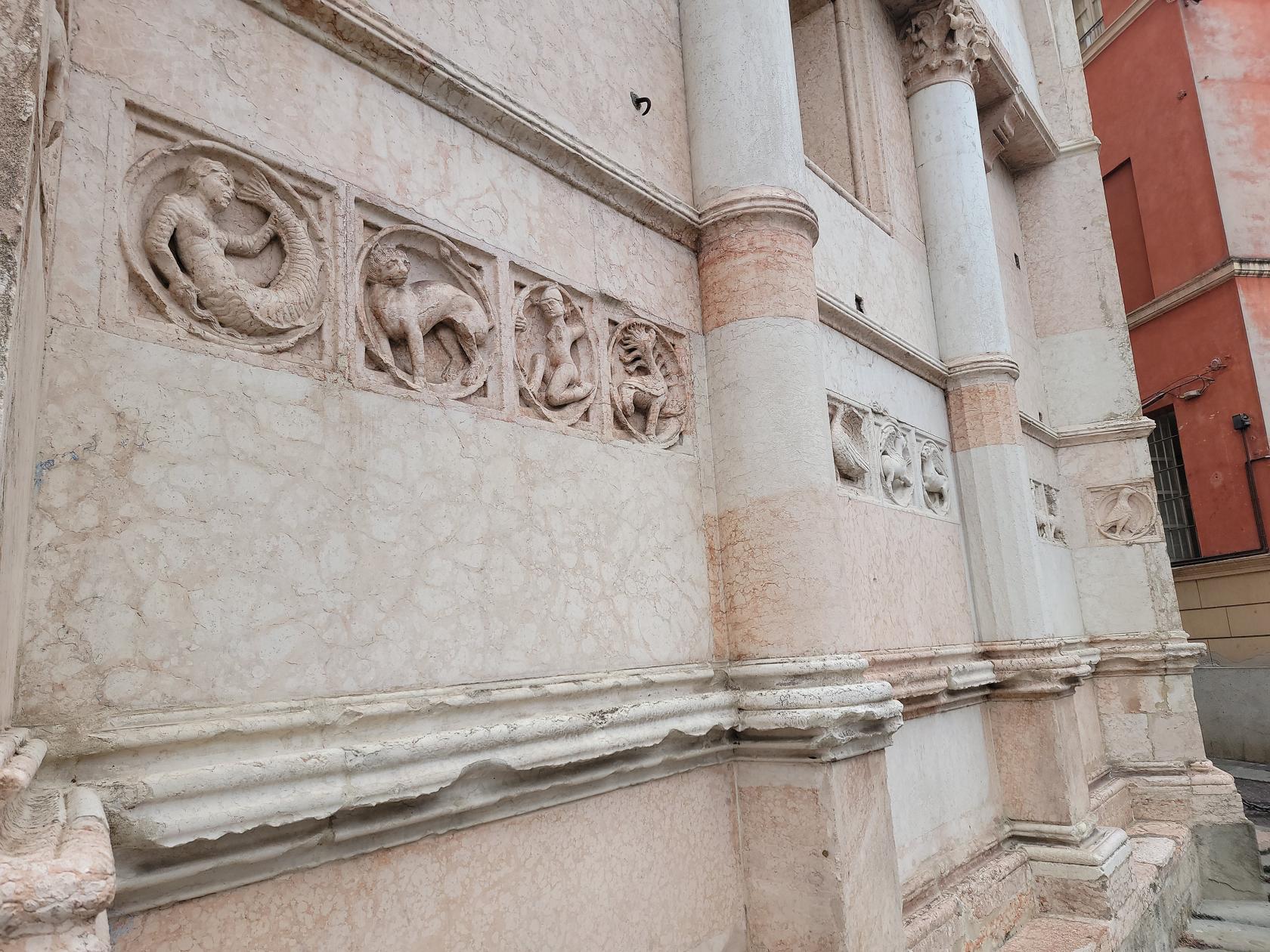
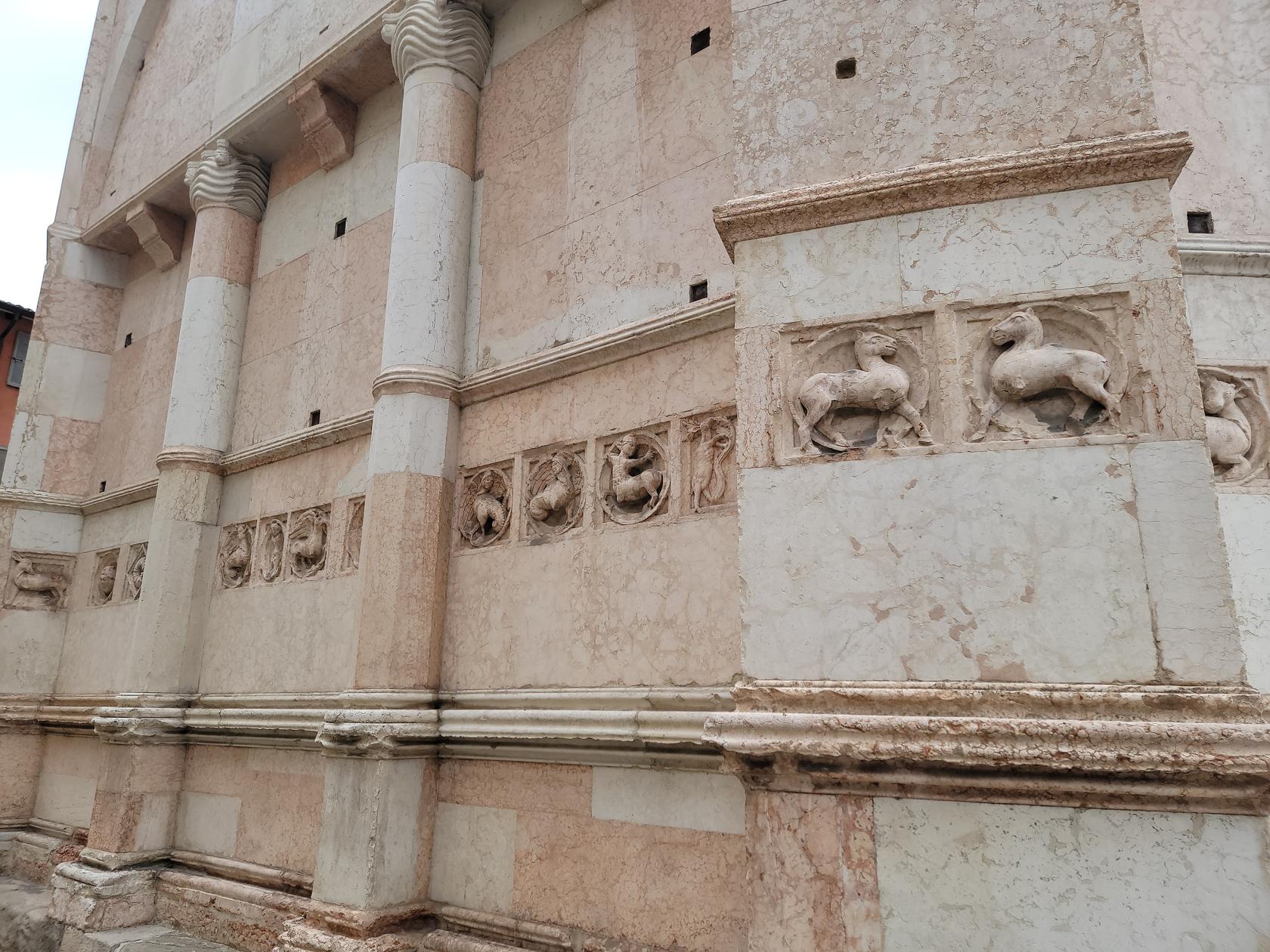
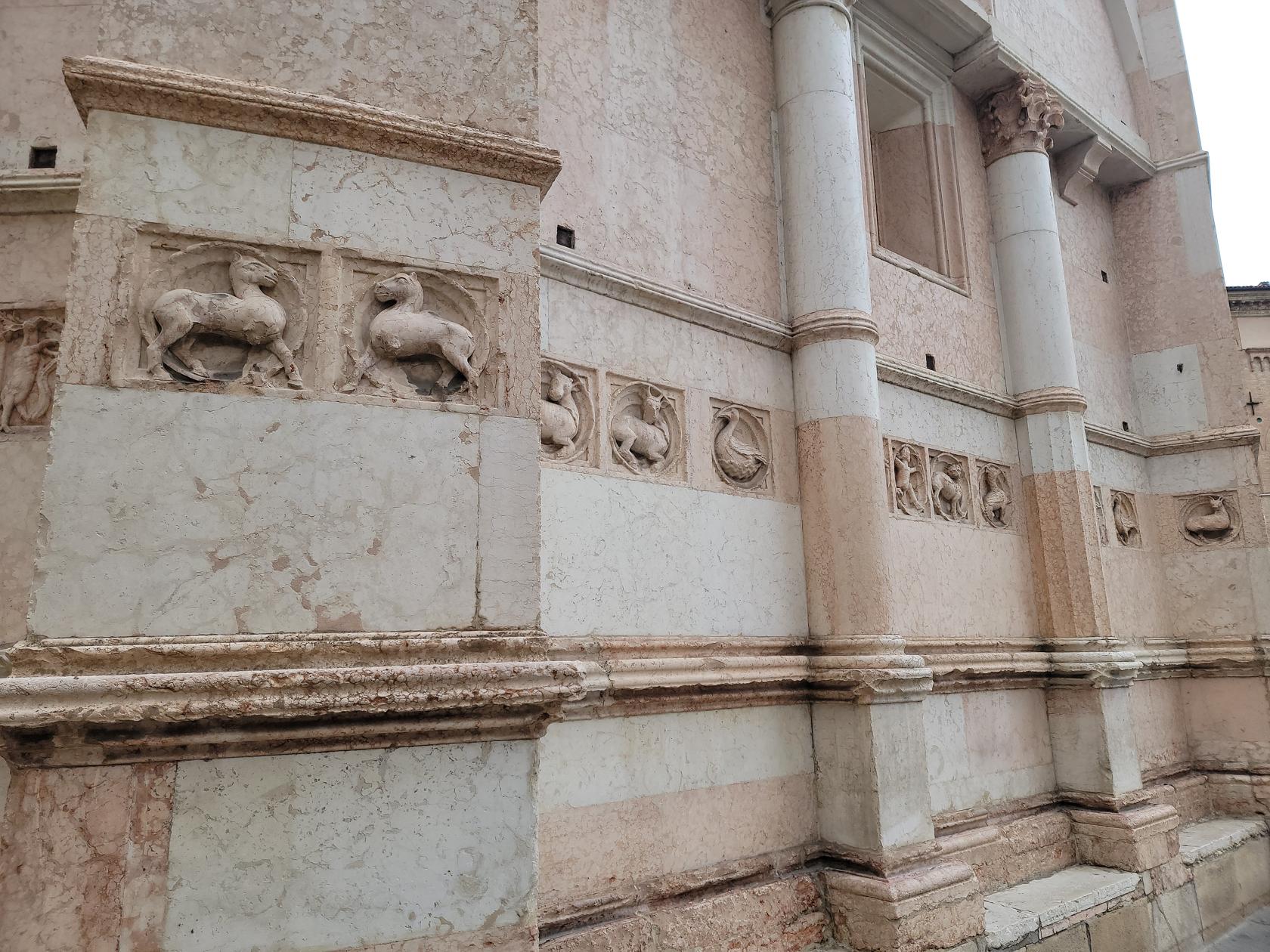
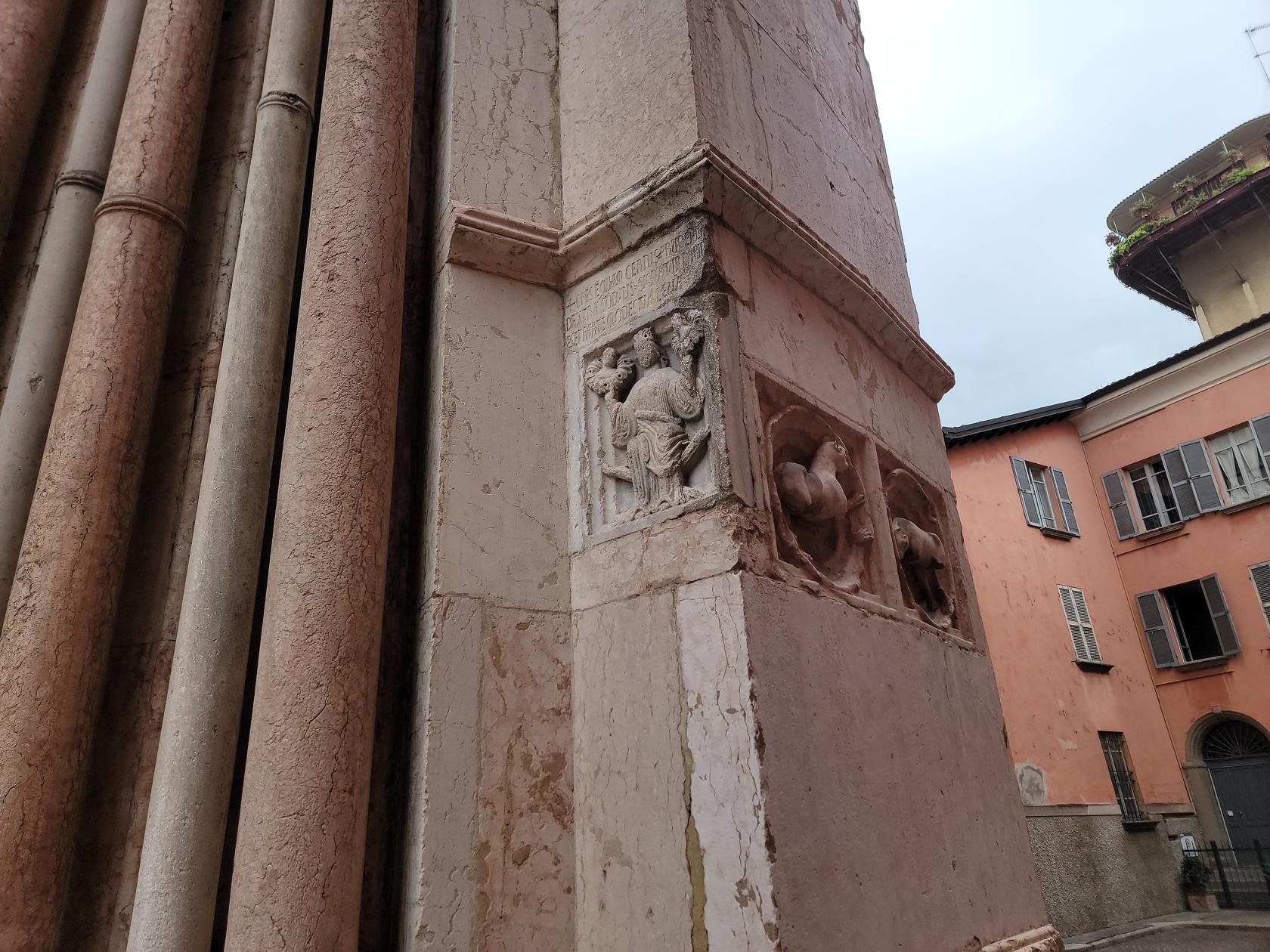
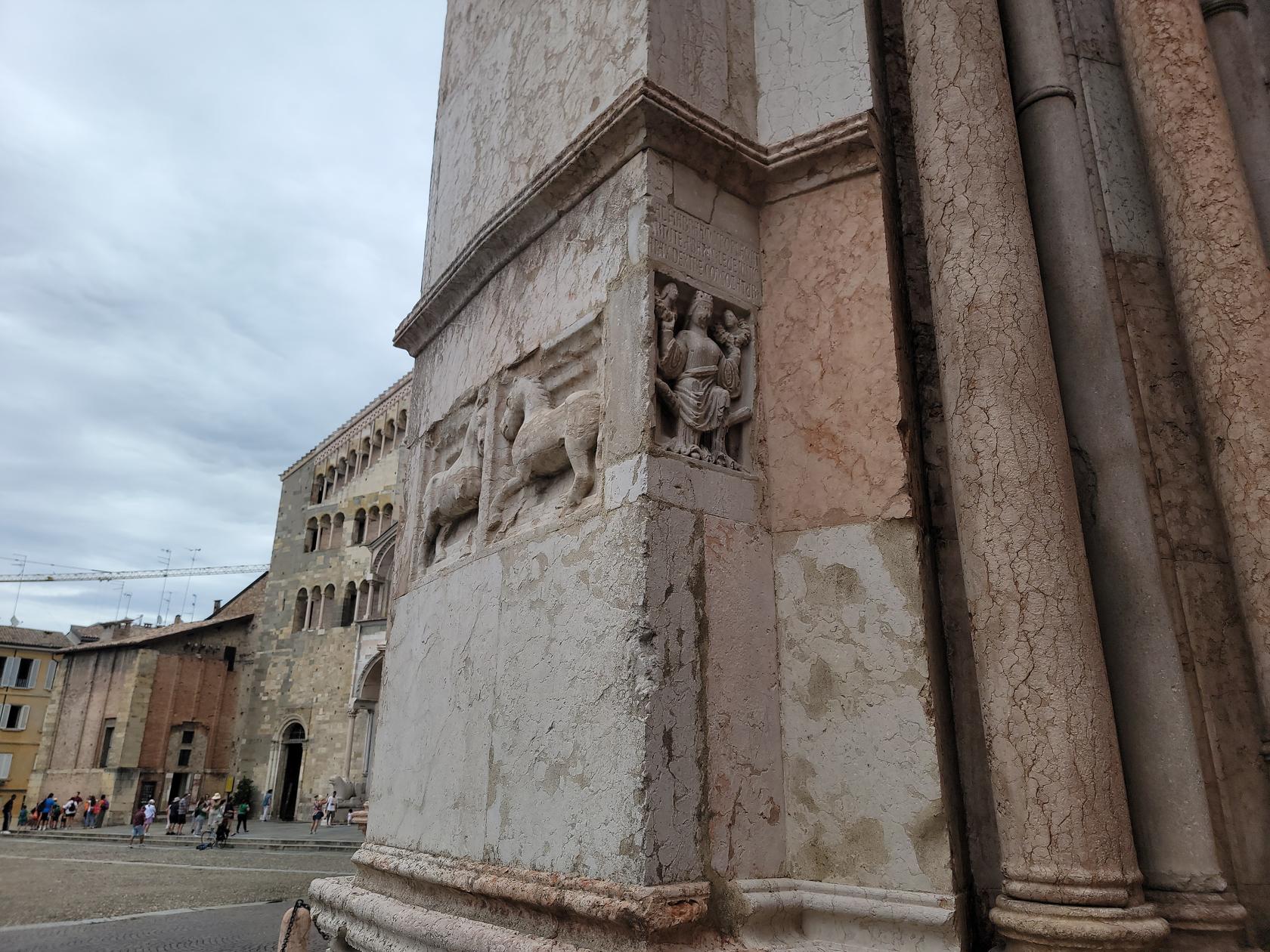
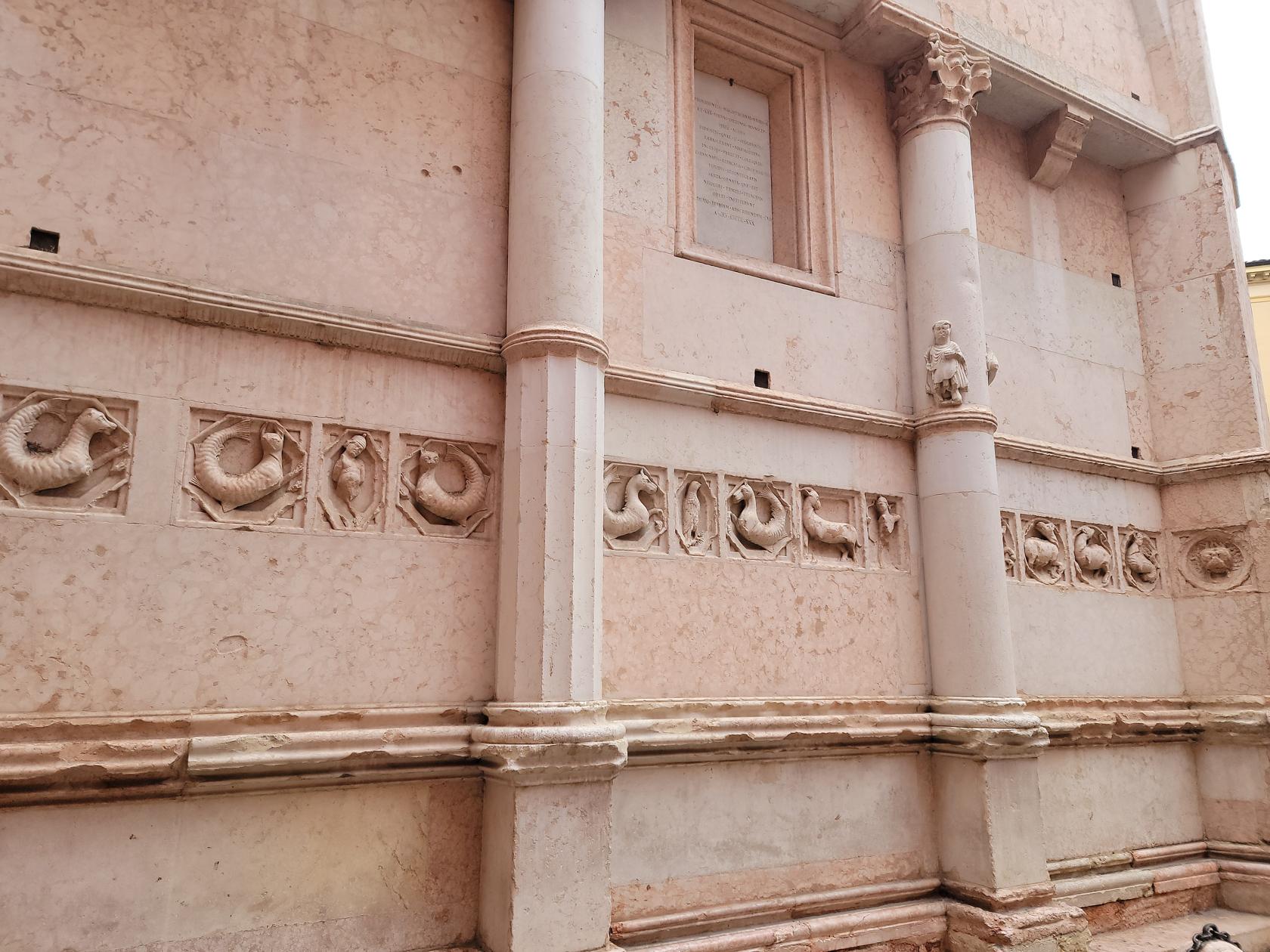
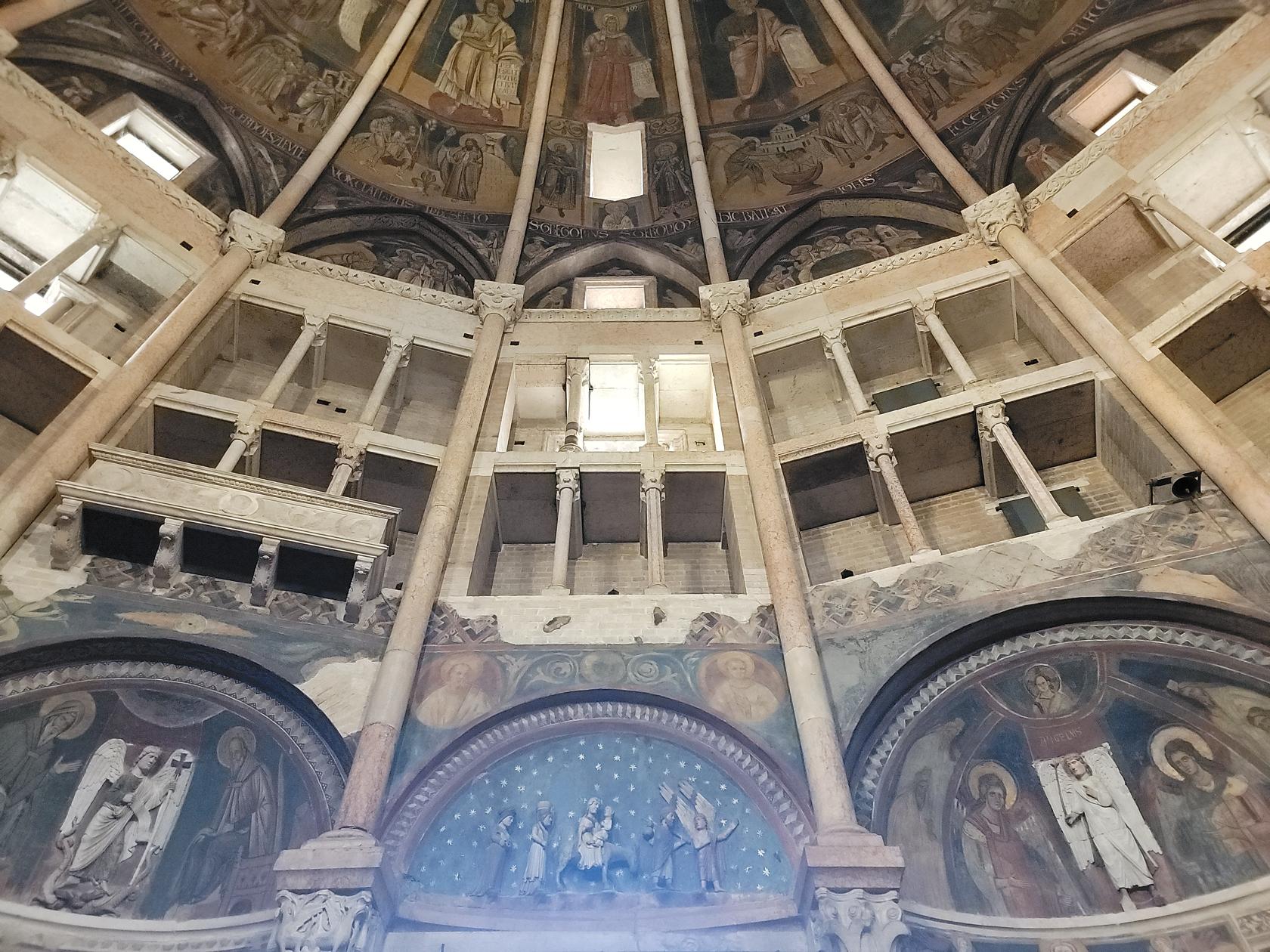
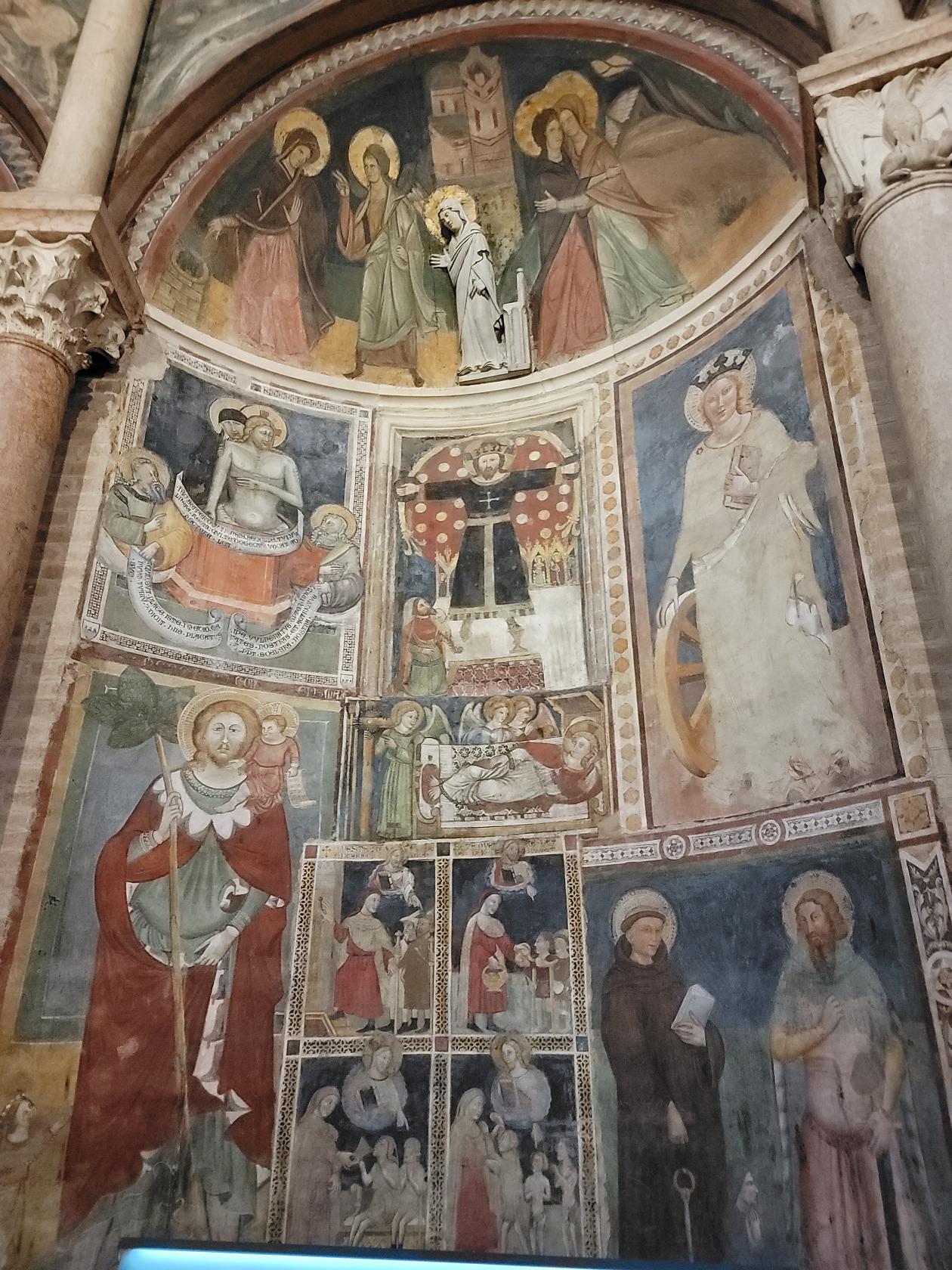
Adjacent to the Cathedral of Parma is the Baptistry. From the outside it is a rather tall eight side building that is elegantly carved on the outside with many different depictions of creatures and people, some flaunting animal appendages, while others appear almost mythological.
Piazza Duomo – Cathedral Santa Maria Assunta and Baptistry – Parma, Italy
Front and Main Entrance – Baptistry – Parma, Italy
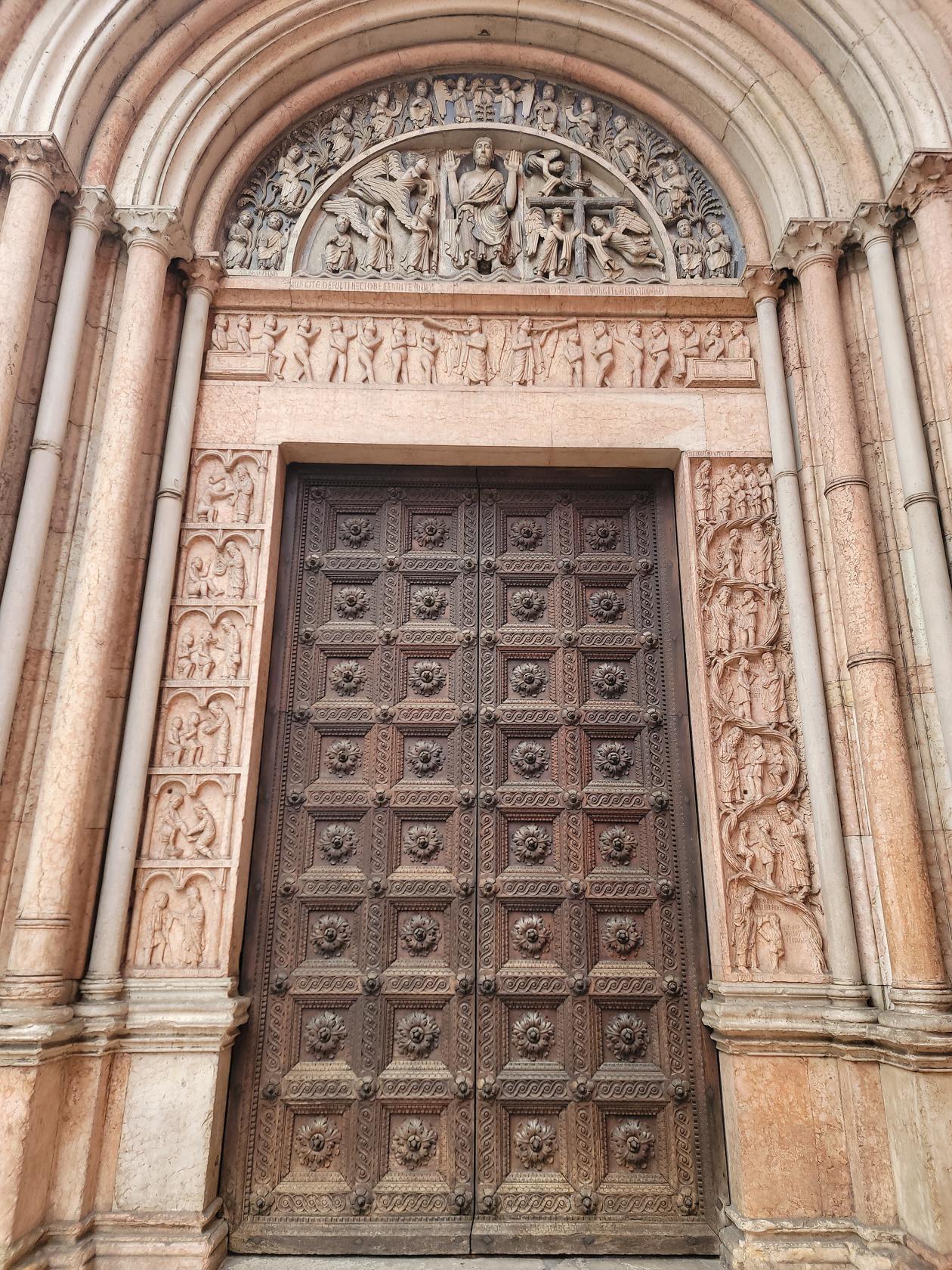
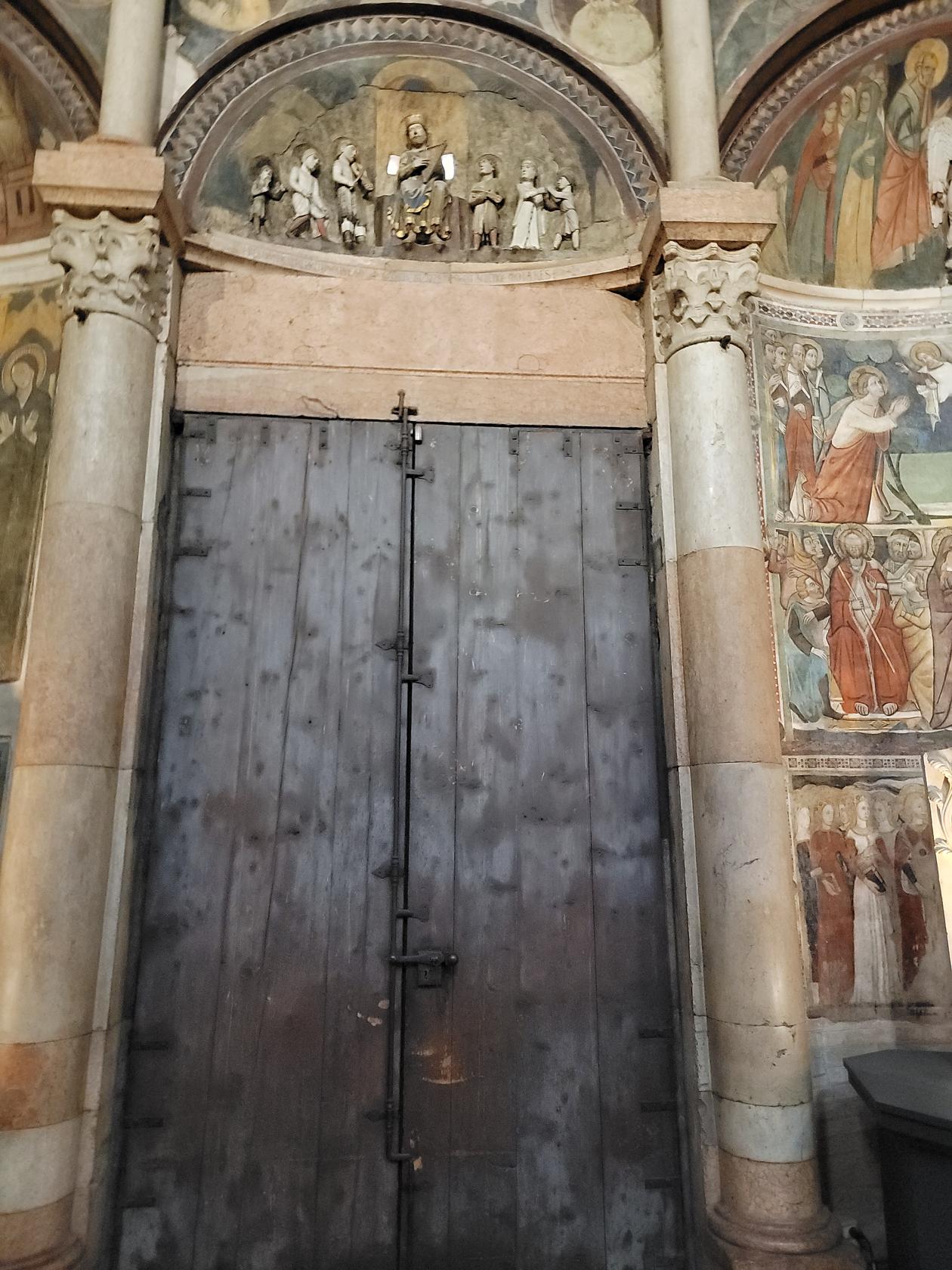
The main entrance faces northward and is adorned with a tympanum and other decorations, much like westward facing entrance. The rear entrance is less attactive and not as ornate as the other two, for reasons unknown.
Tympanum and Right Side Entry Details Outside – Baptistry – Parma, Italy
Tympanum and Left Side Entry Details Outside – Baptistry – Parma, Italy
Marble Relief Outside – Baptistry – Parma, Italy
Marble Relief Outside – Baptistry – Parma, Italy
Marble Relief Outside – Baptistry – Parma, Italy
Marble Relief Outside – Baptistry – Parma, Italy
Marble Relief Outside – Baptistry – Parma, Italy
Marble Relief Outside – Baptistry – Parma, Italy
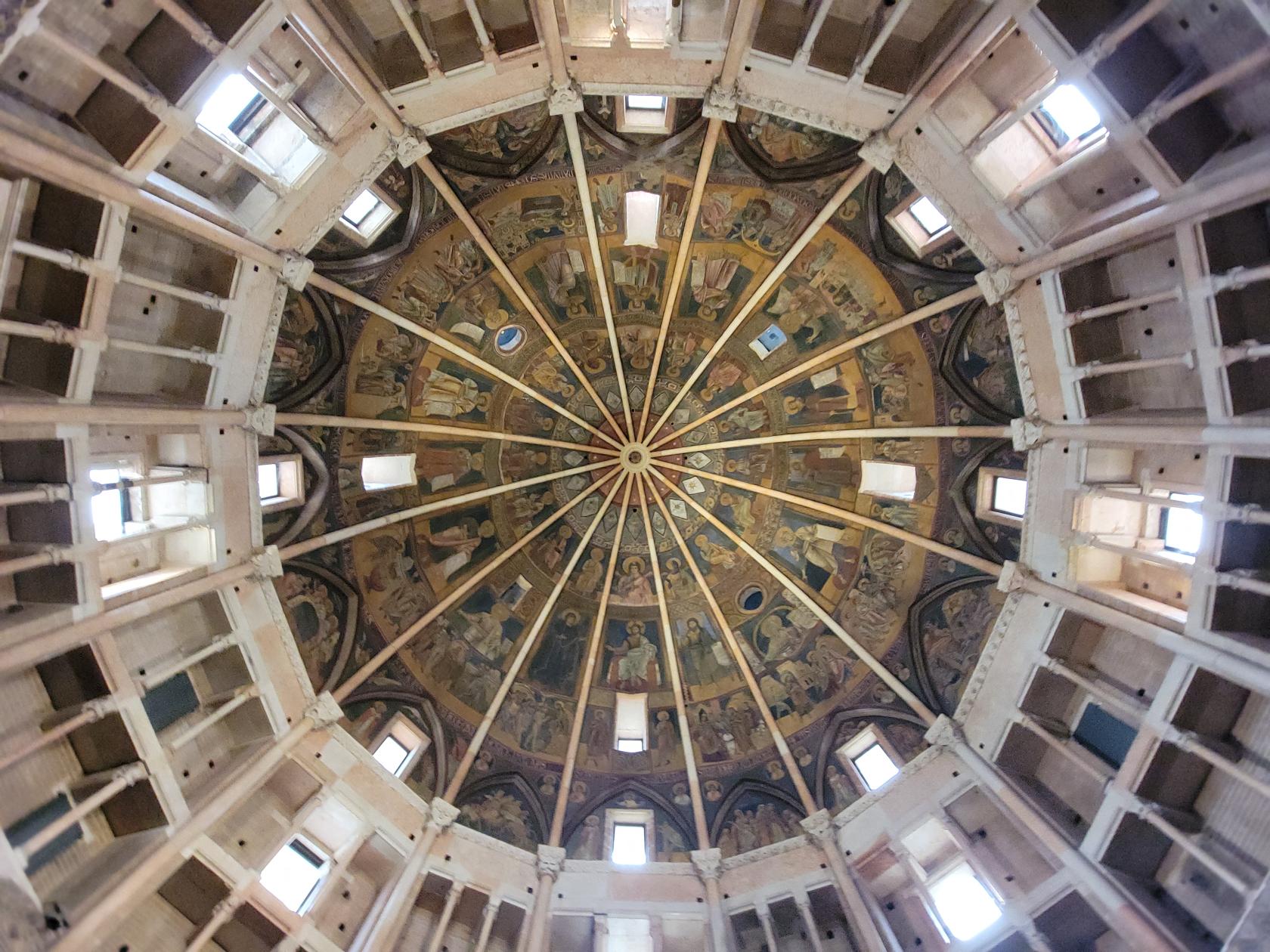
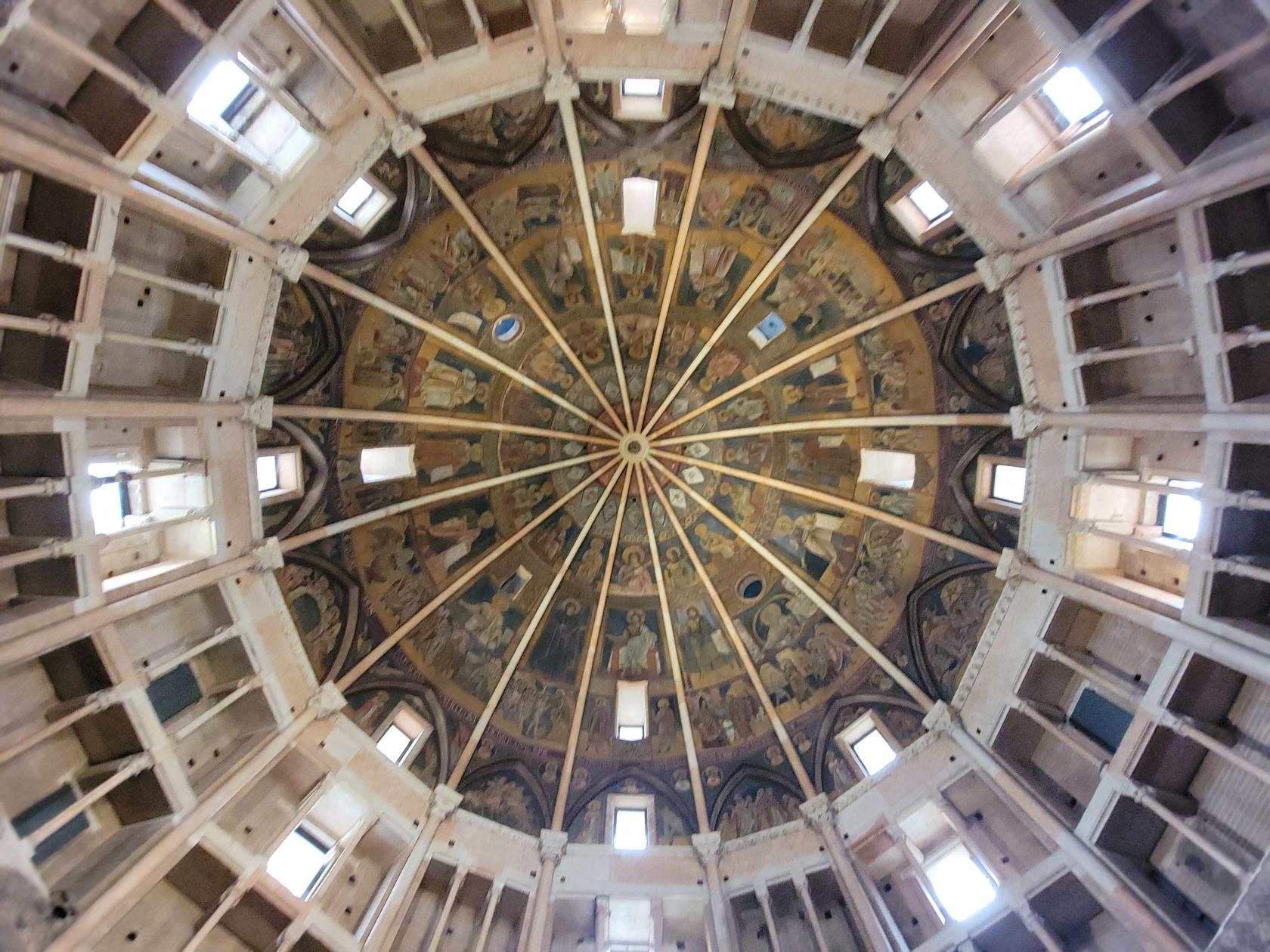
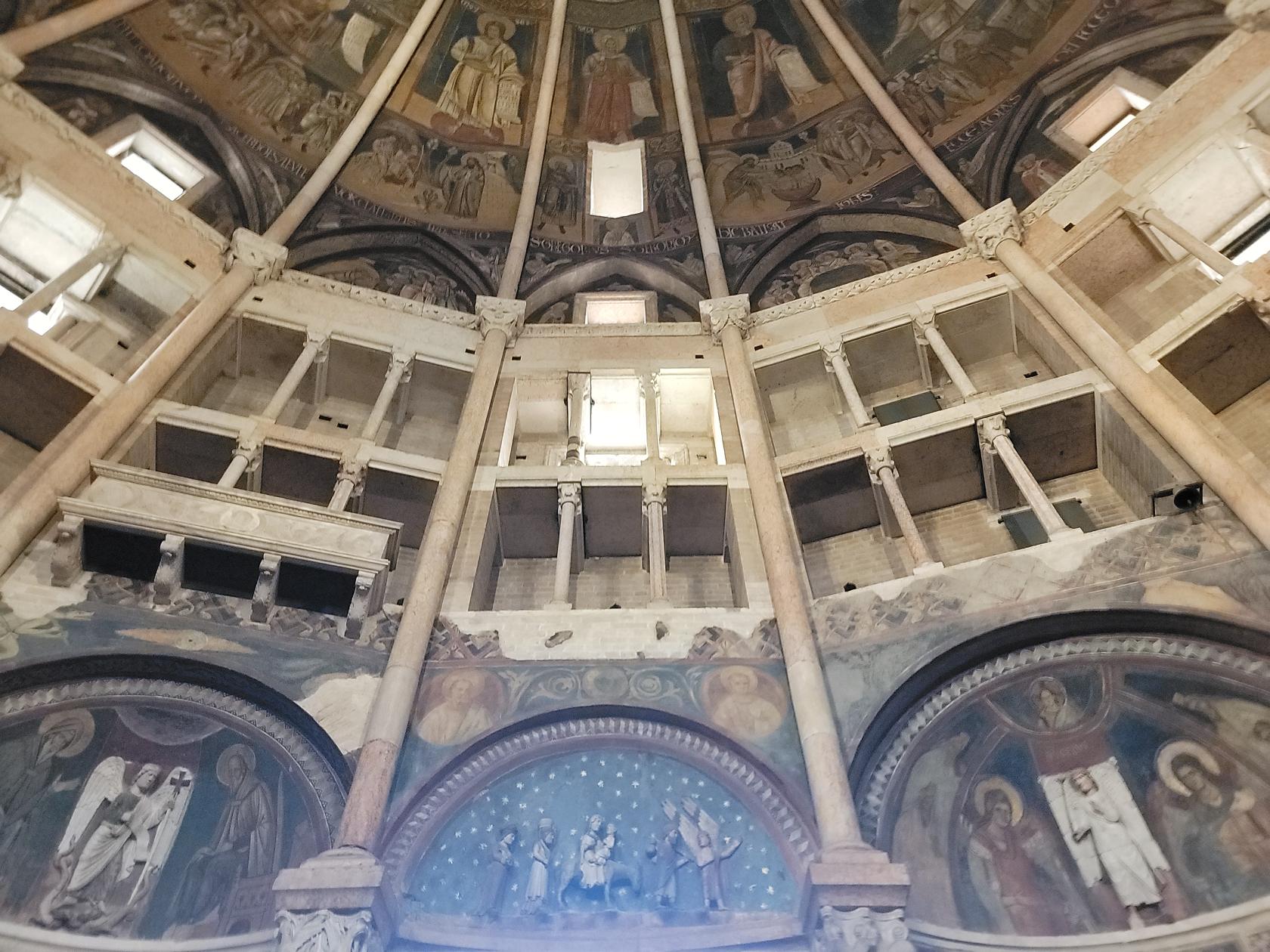
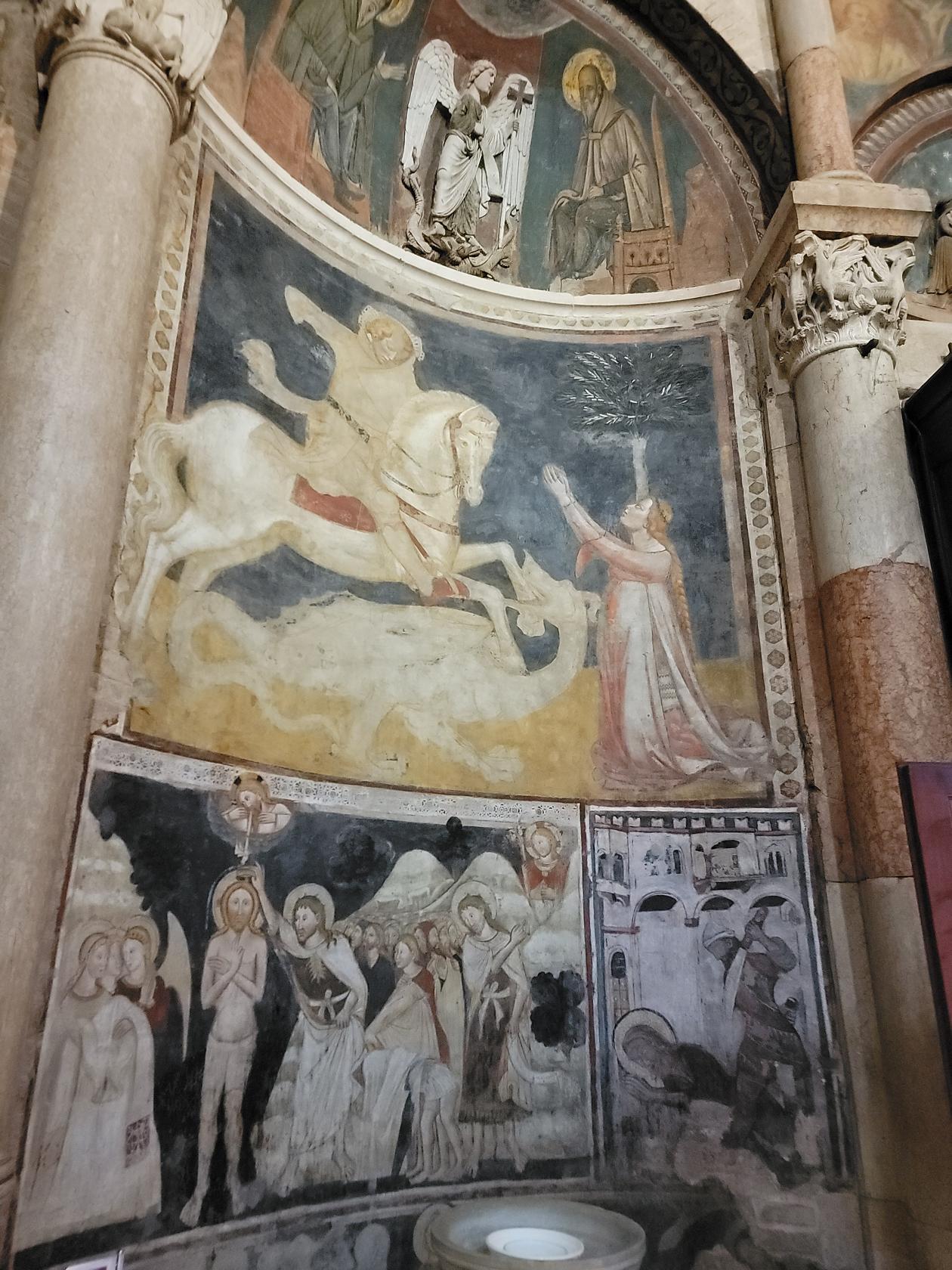
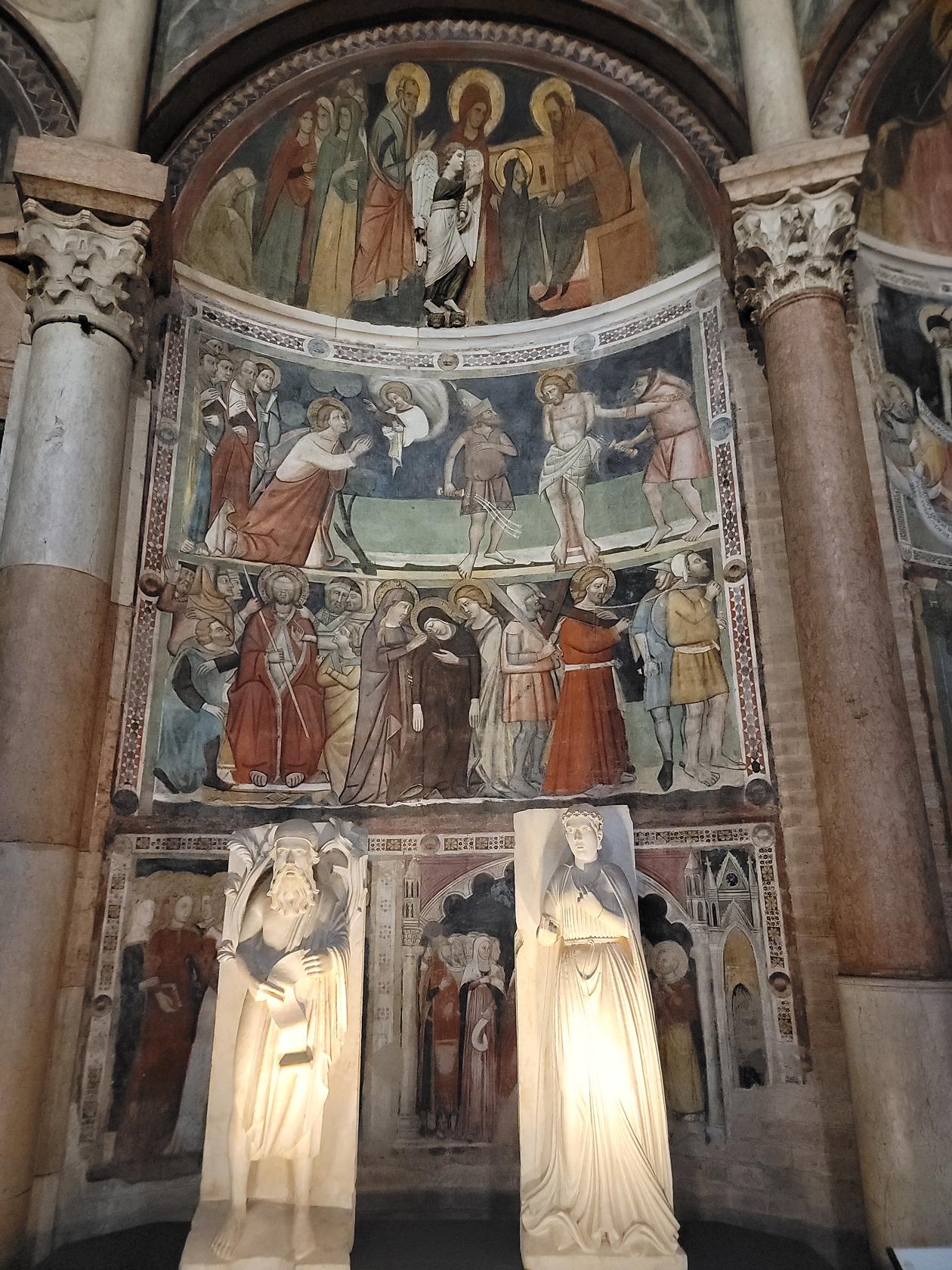
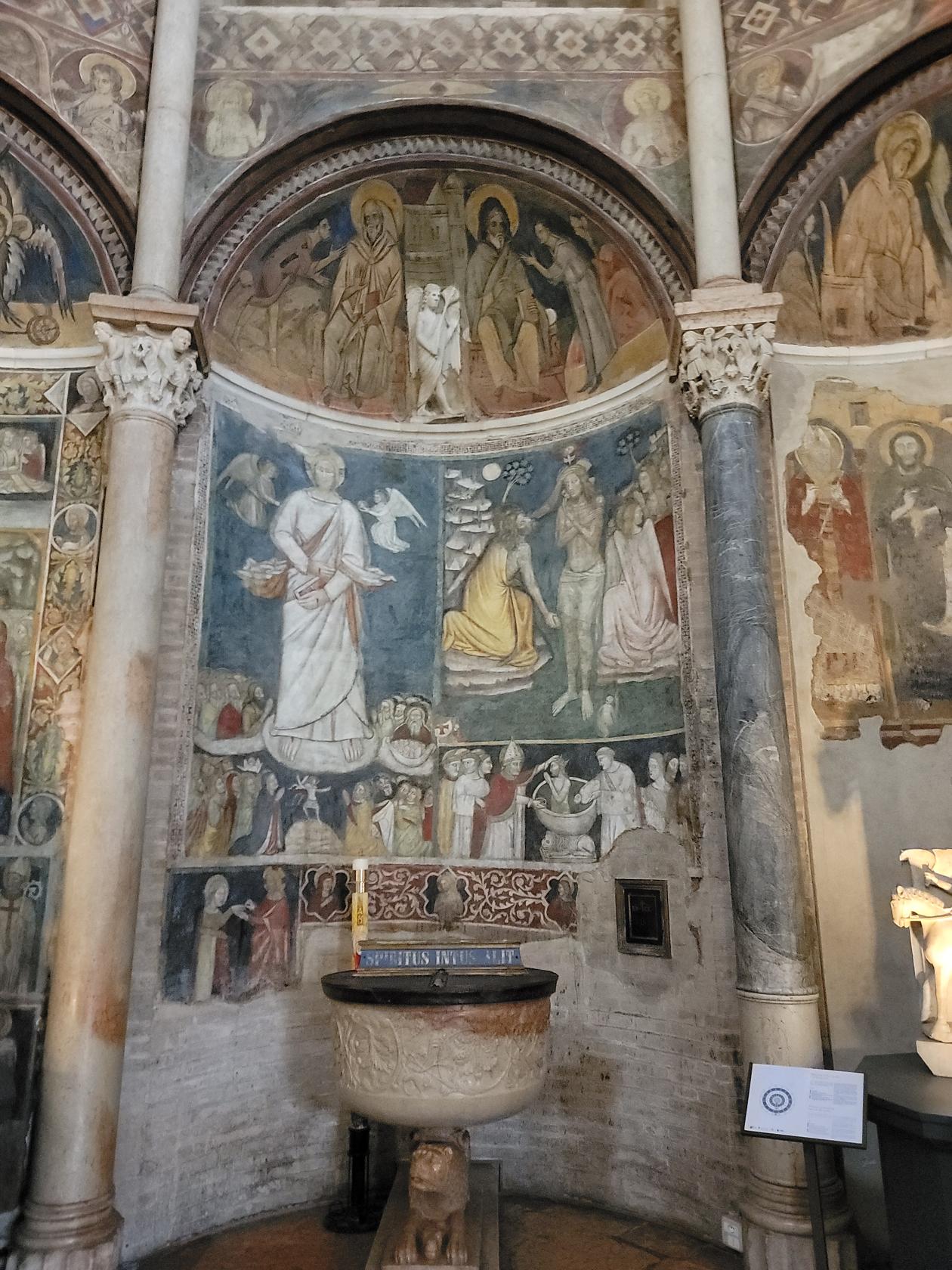
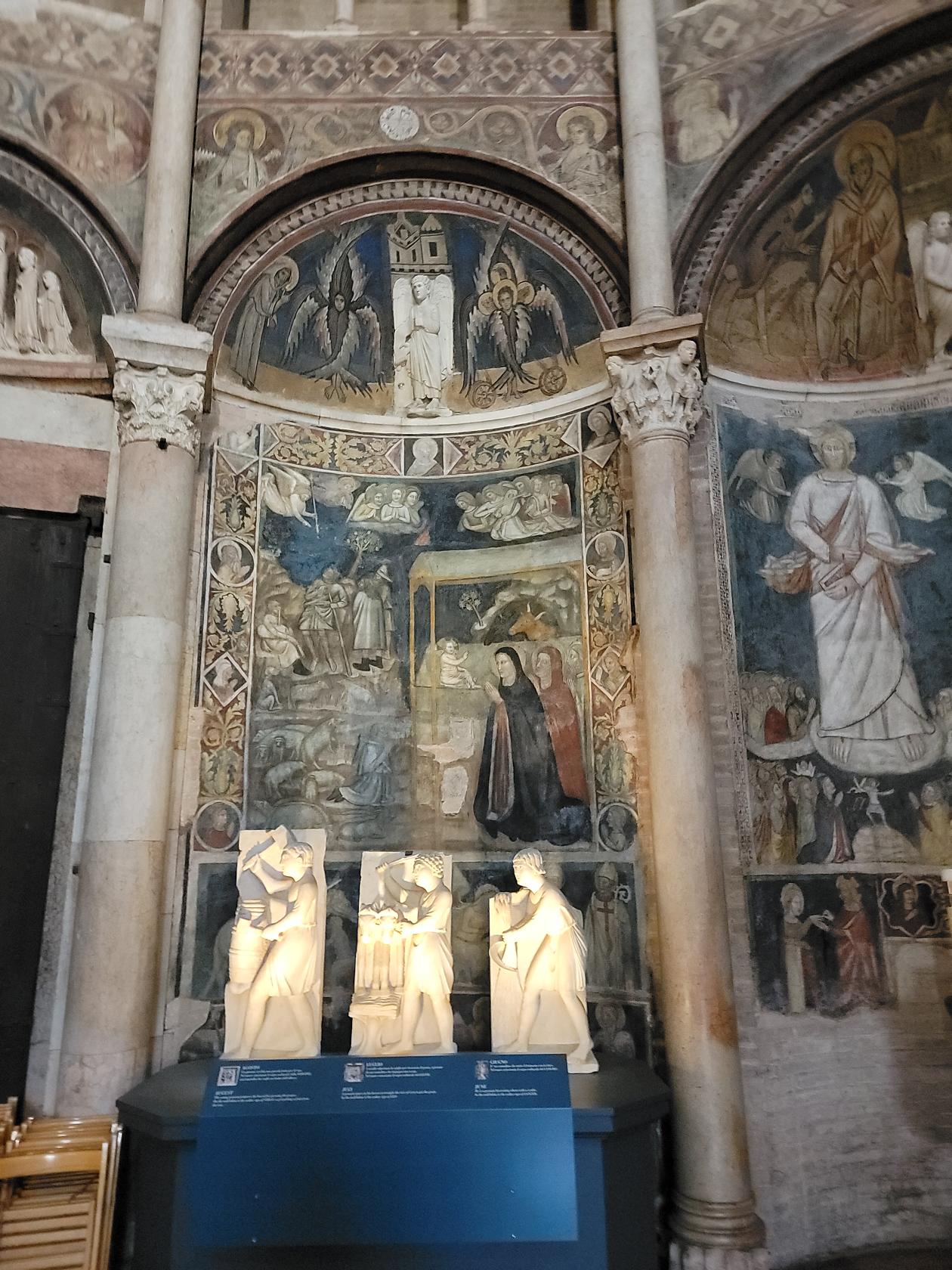
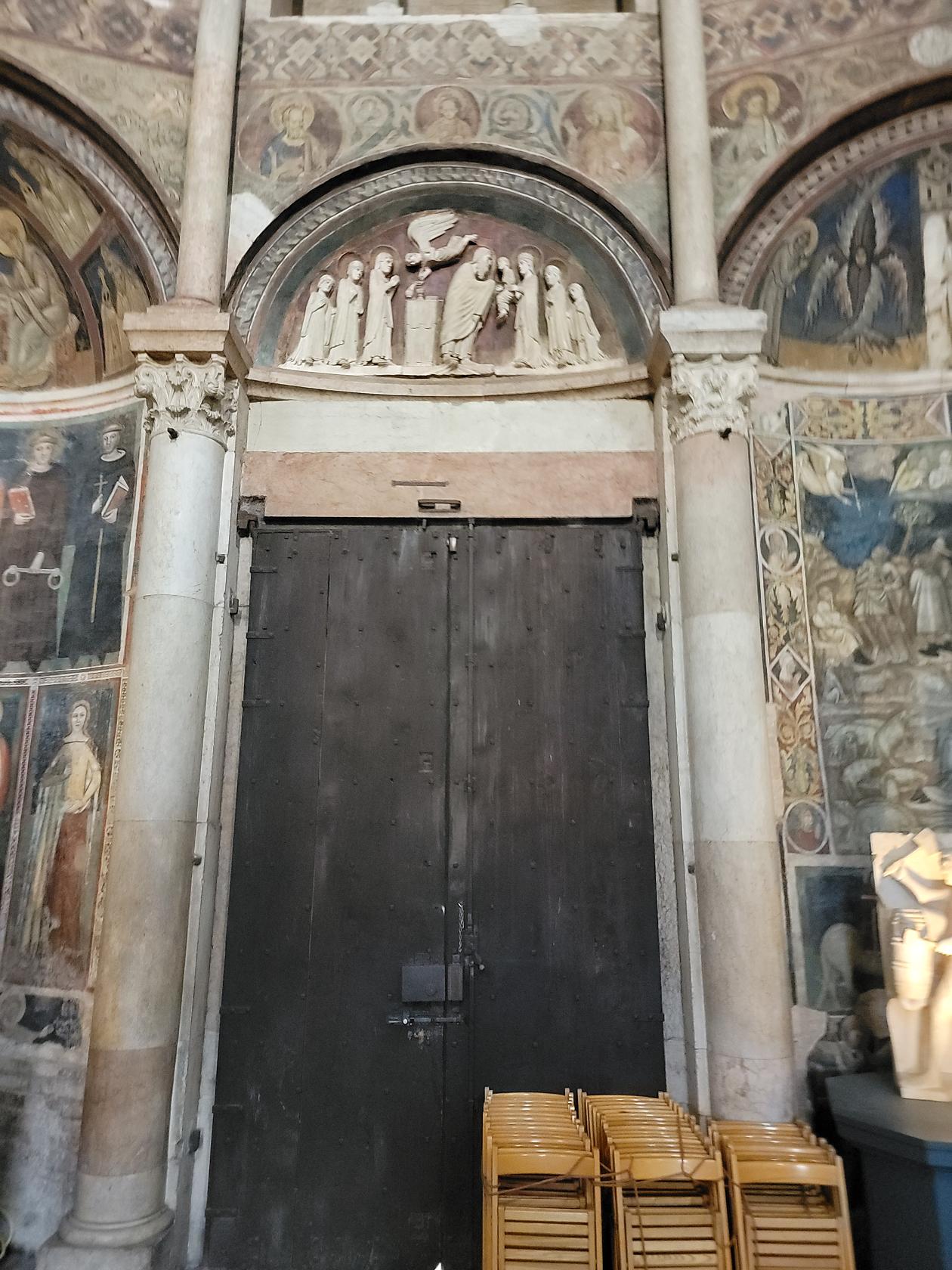
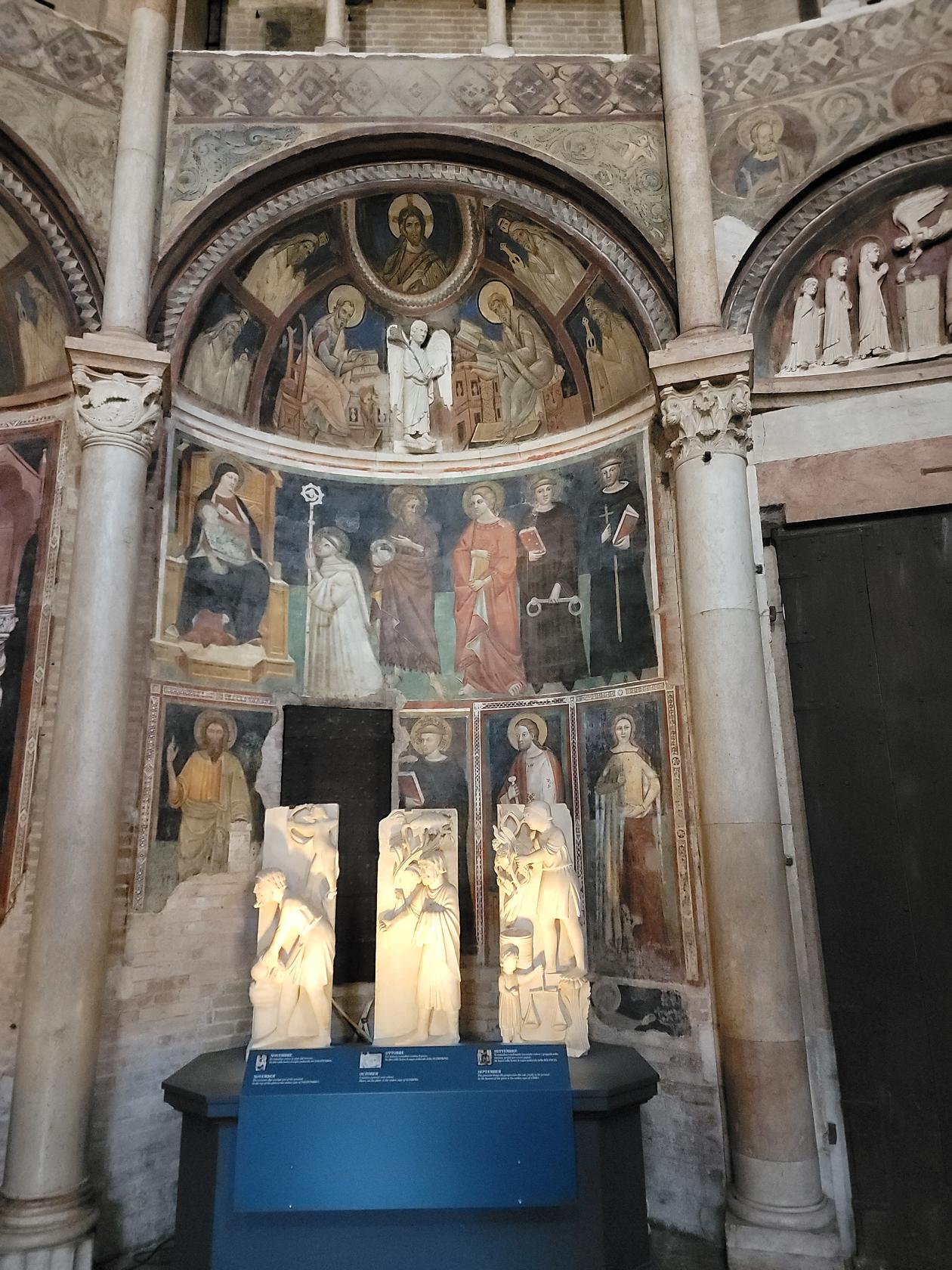
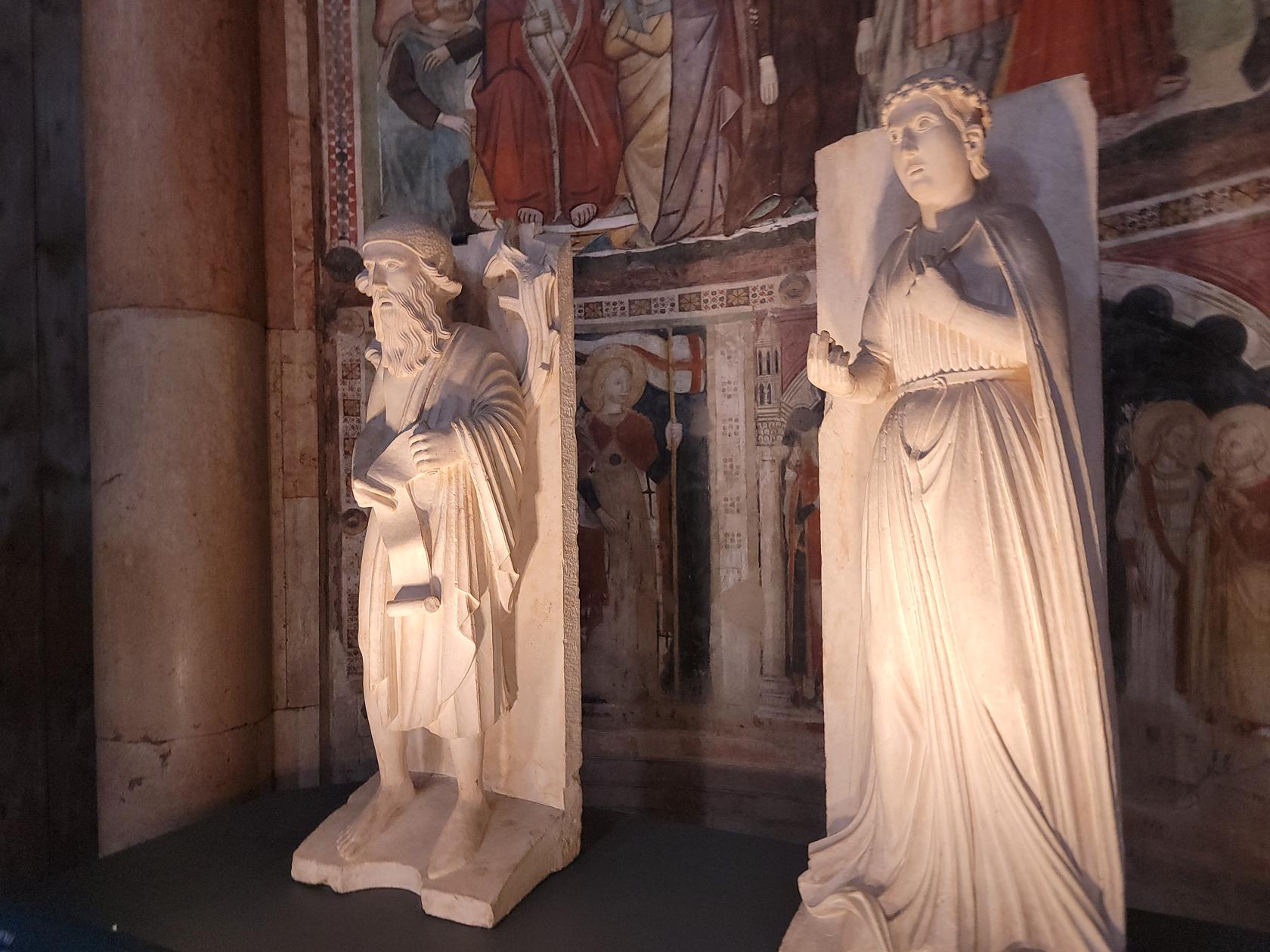
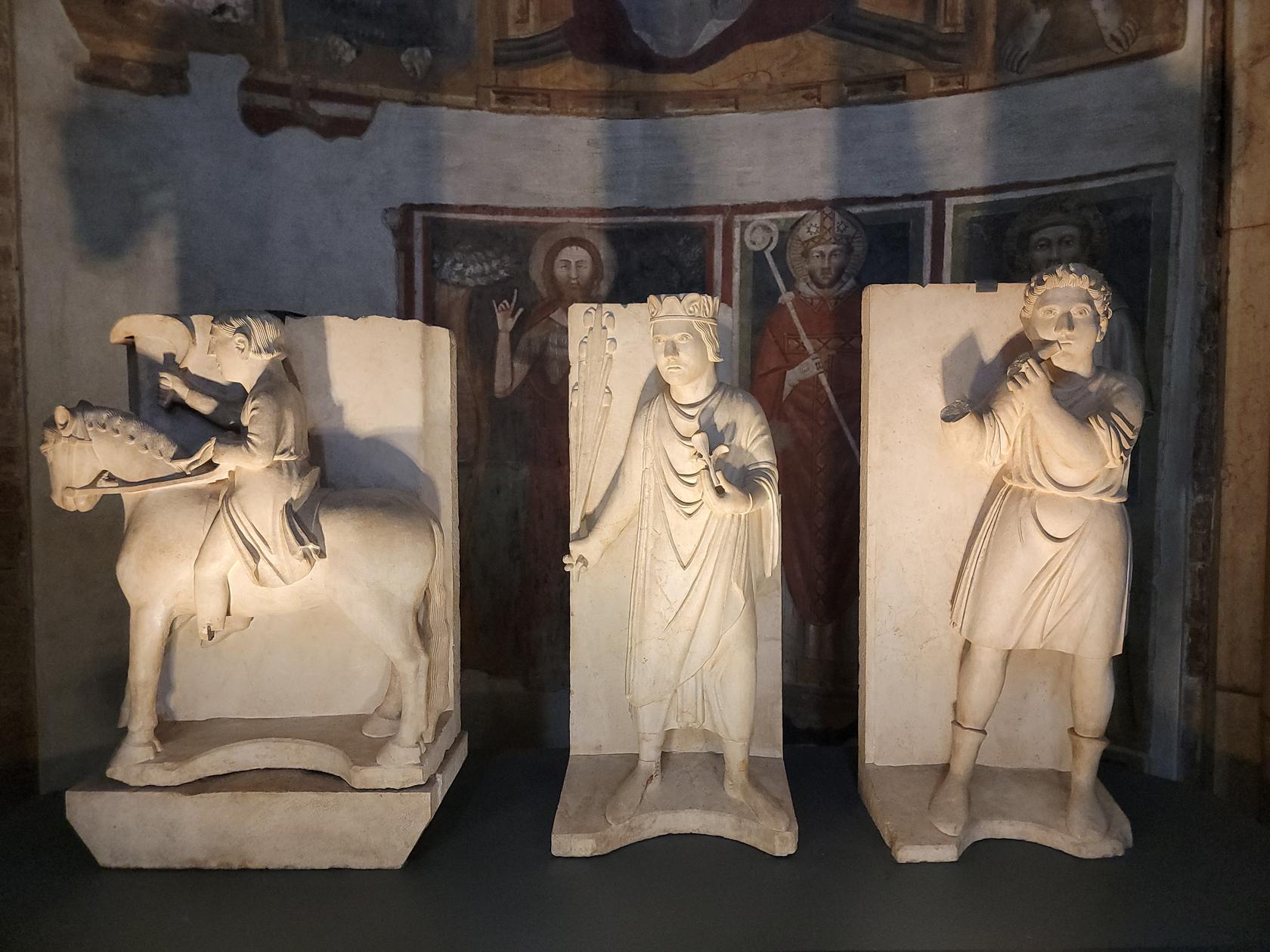
From the inside, the Baptistry appears as a sixteen sided room with the font in the middle of the space. Each of the walls has a fresco on it and other architectural details. The ceiling is frescoed as well as a series of sixteen triangular paintings.
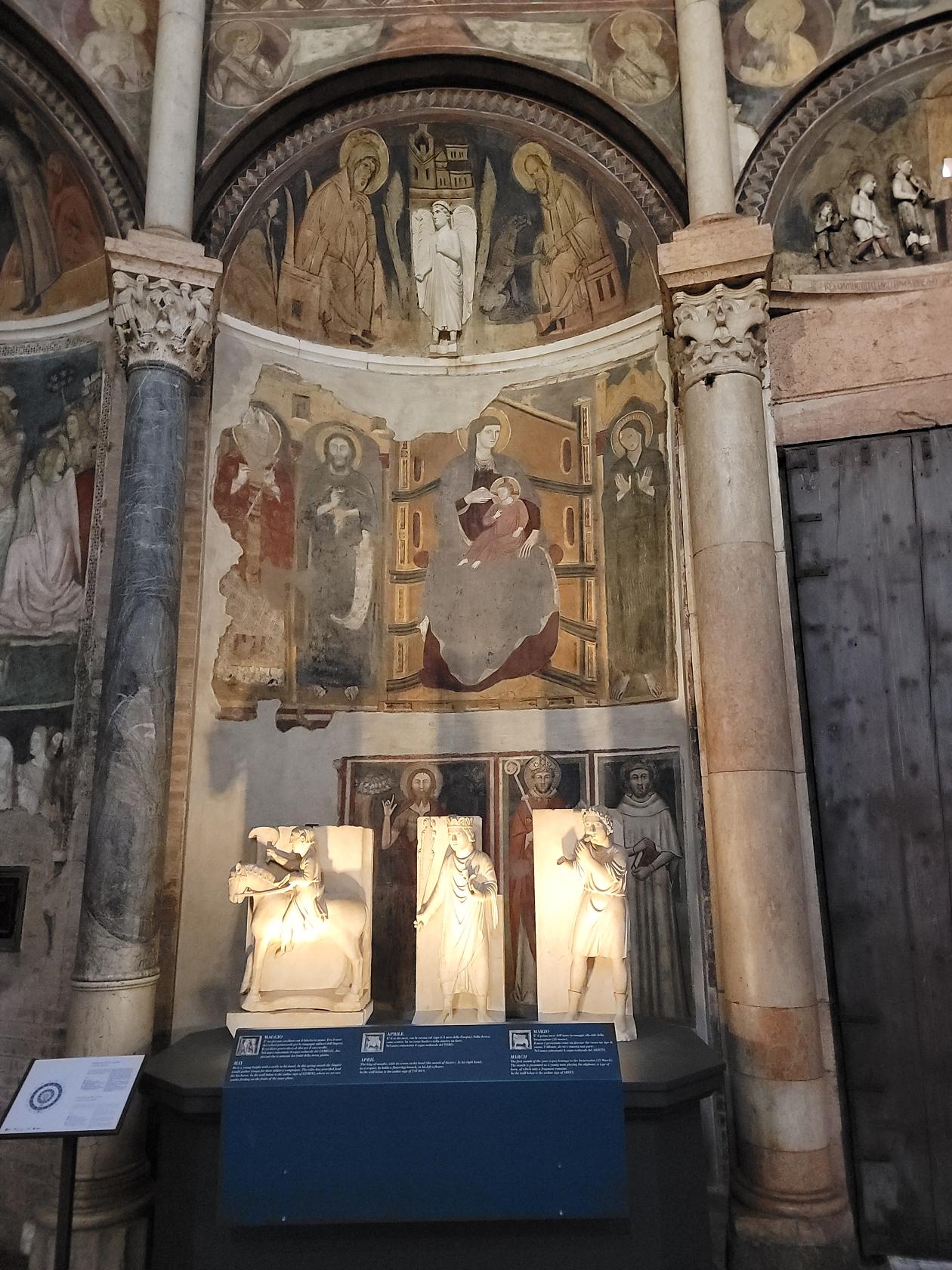
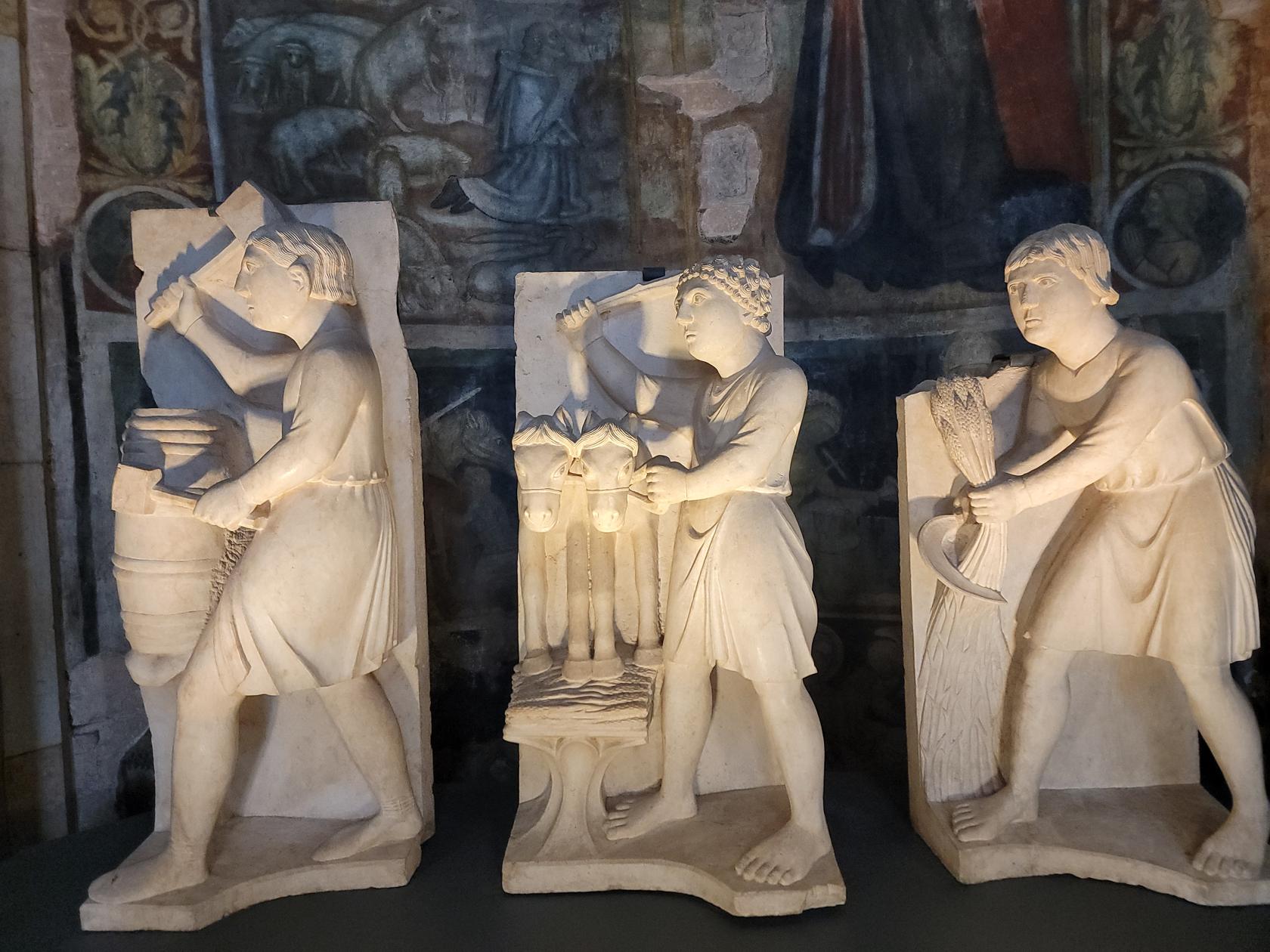
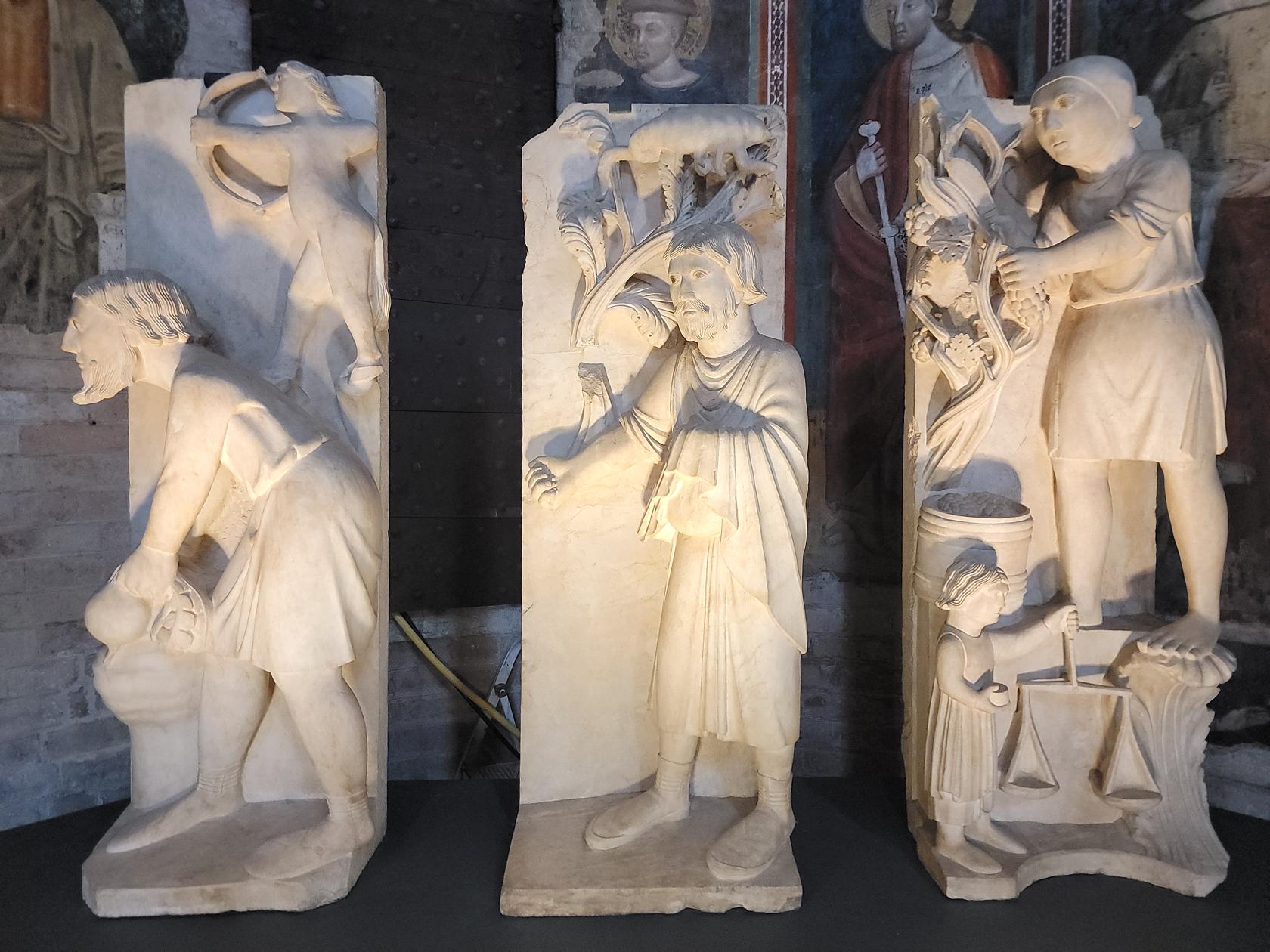
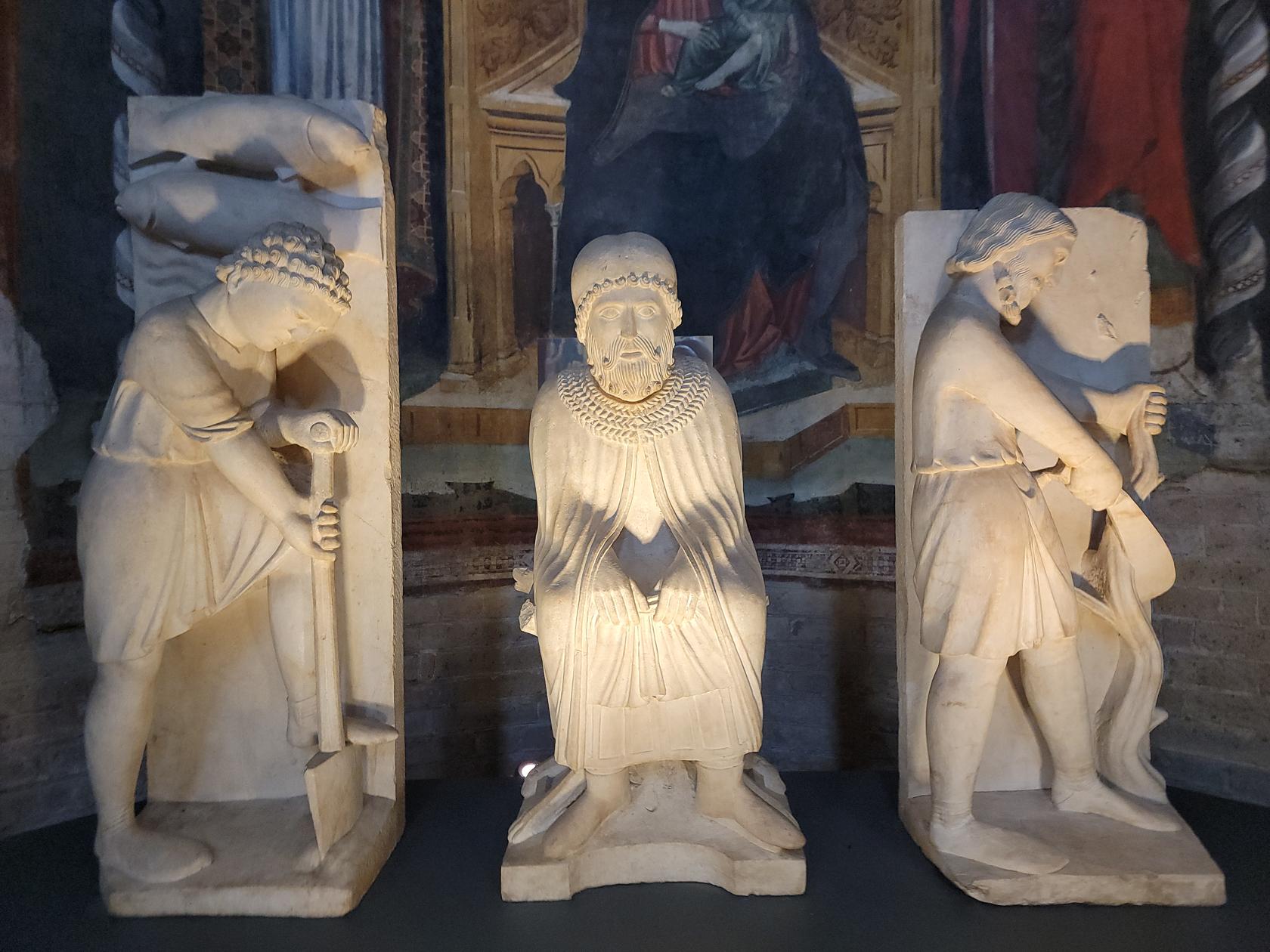
Today there is a collection of artistic statues placed along some of the walls, depicting the two seasons of Winter and Summer, as well as all of the months of the year.
Winter and Spring – Statues – Baptistry – Parma, Italy
May, April and March – Statues – Baptistry – Parma, Italy
August, July and June – Statues – Baptistry – Parma, Italy
November, October and September – Statues – Baptistry – Parma, Italy
February, January and December – Statues – Baptistry – Parma, Italy
Church of San Giovanni Evangelista
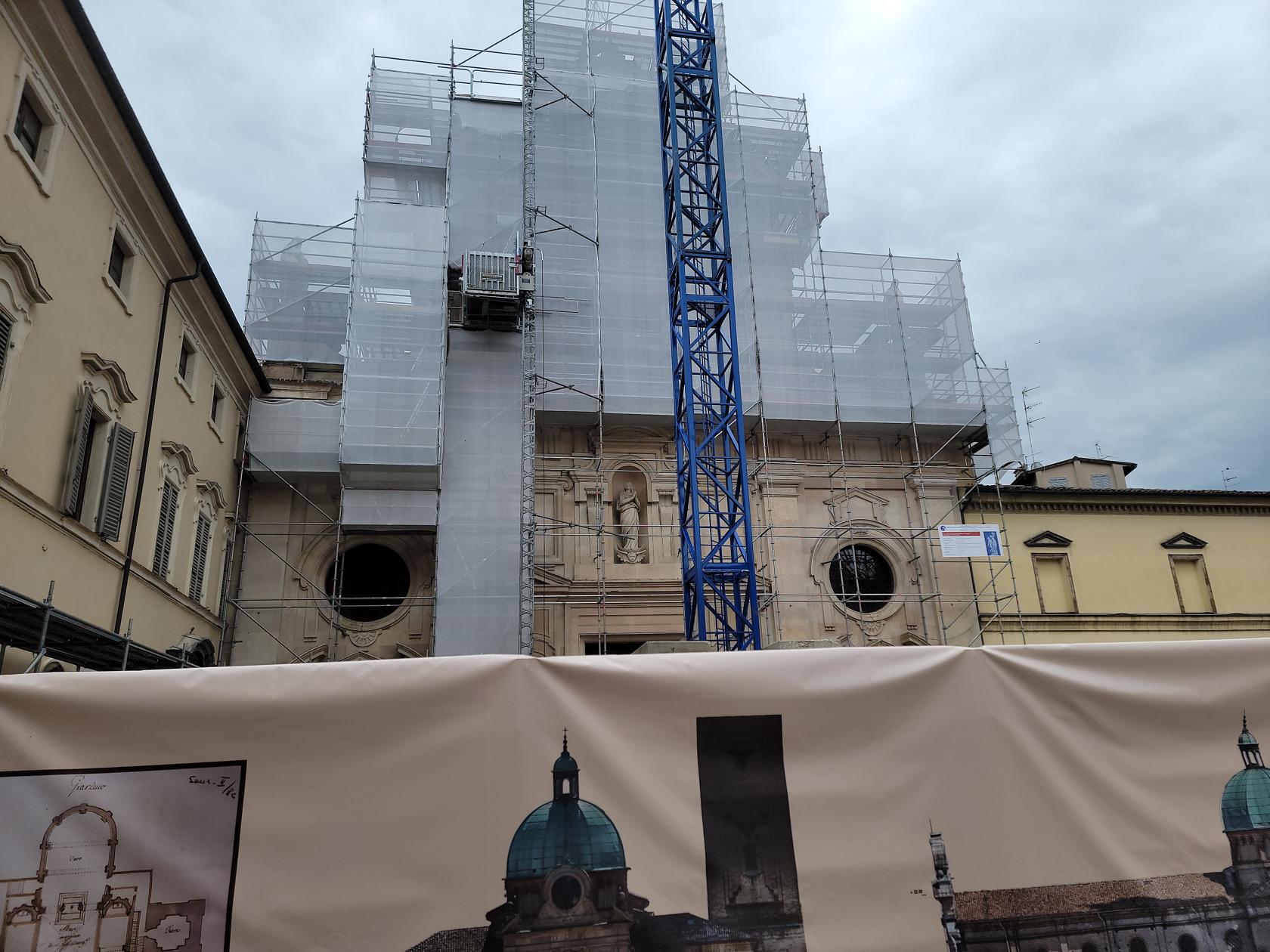
Under construction at the time, the church exhibits the fanciful, if not frustrating looks of a construction site so familiar to those who travel Europe.
Facade – Church of San Giovanni Evangelista – Parma, Italy
Nave Floor – Church of San Giovanni Evangelista – Parma, Italy
Altar – Church of San Giovanni Evangelista – Parma, Italy
Even the interior lacked lighting, so it was difficult to see much, let alone take decent photographs.
Aisle – Church of San Giovanni Evangelista – Parma, Italy
Aisle and Side Chapels – Church of San Giovanni Evangelista – Parma, Italy
Transept Chapel – Church of San Giovanni Evangelista – Parma, Italy
Nave and Altar – Church of San Giovanni Evangelista – Parma, Italy
Transept Chapel and Organ – Church of San Giovanni Evangelista – Parma, Italy
Small Chapel off Left Transept – Church of San Giovanni Evangelista – Parma, Italy
Complex of San Paolo
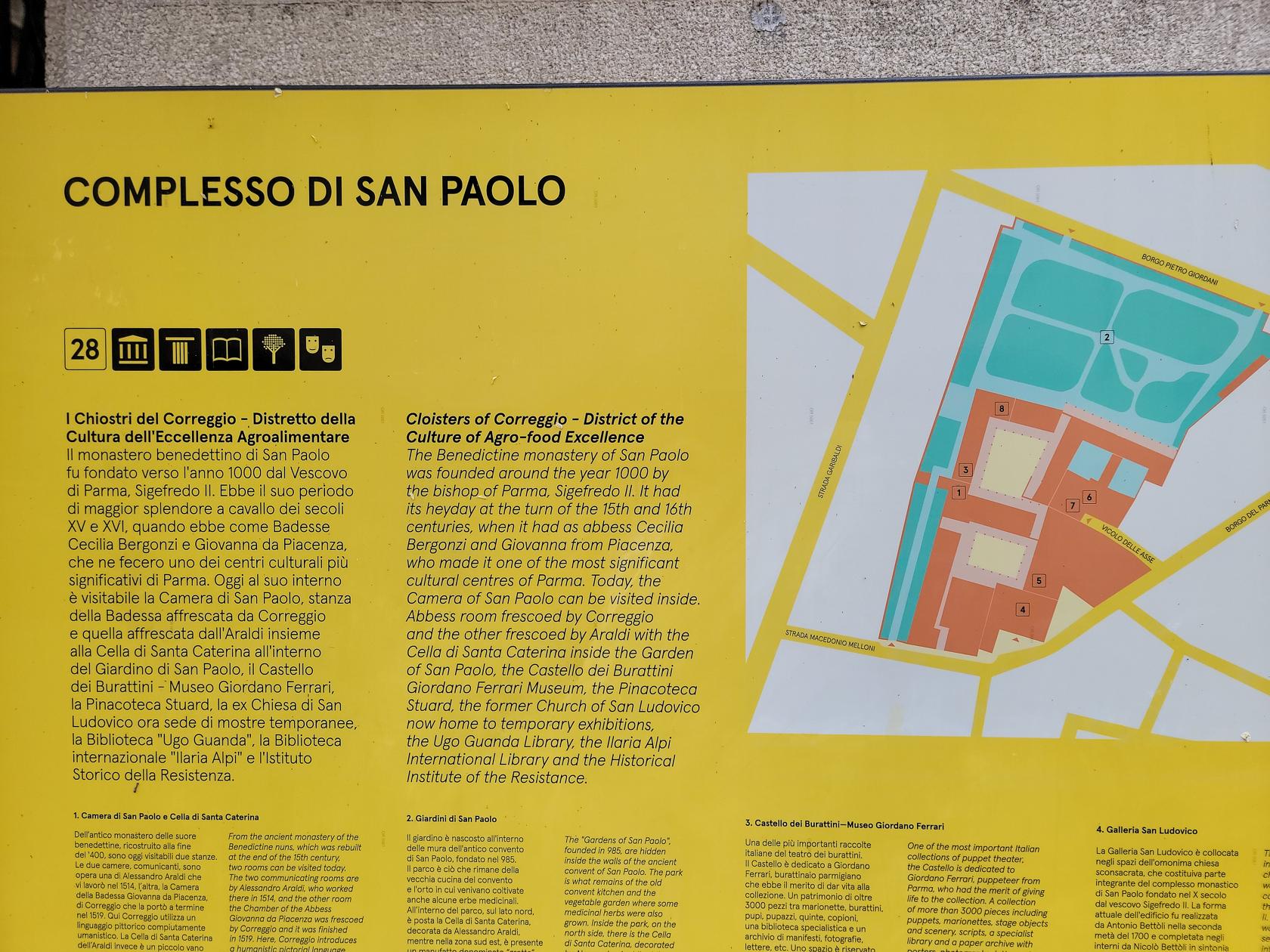
Not far from the intersection of Strada G. Garibaldi and Strada Macedonio Melloni is the complex of San Paolo. There are signs near the street by the entrance, but you have to walk a wooded entry some distance before reaching the ticket office. There you can purchase tickets for both the Rooms of San Paolo and the Puppet Museum.
Entrance – Complex of San Paolo – Parma, Italy
Rooms of Saint Paul
Better known as the Camera di San Paolo, the rooms in this museum are part of the Benedictine Monestary that stood on this spot starting in the 11th century.
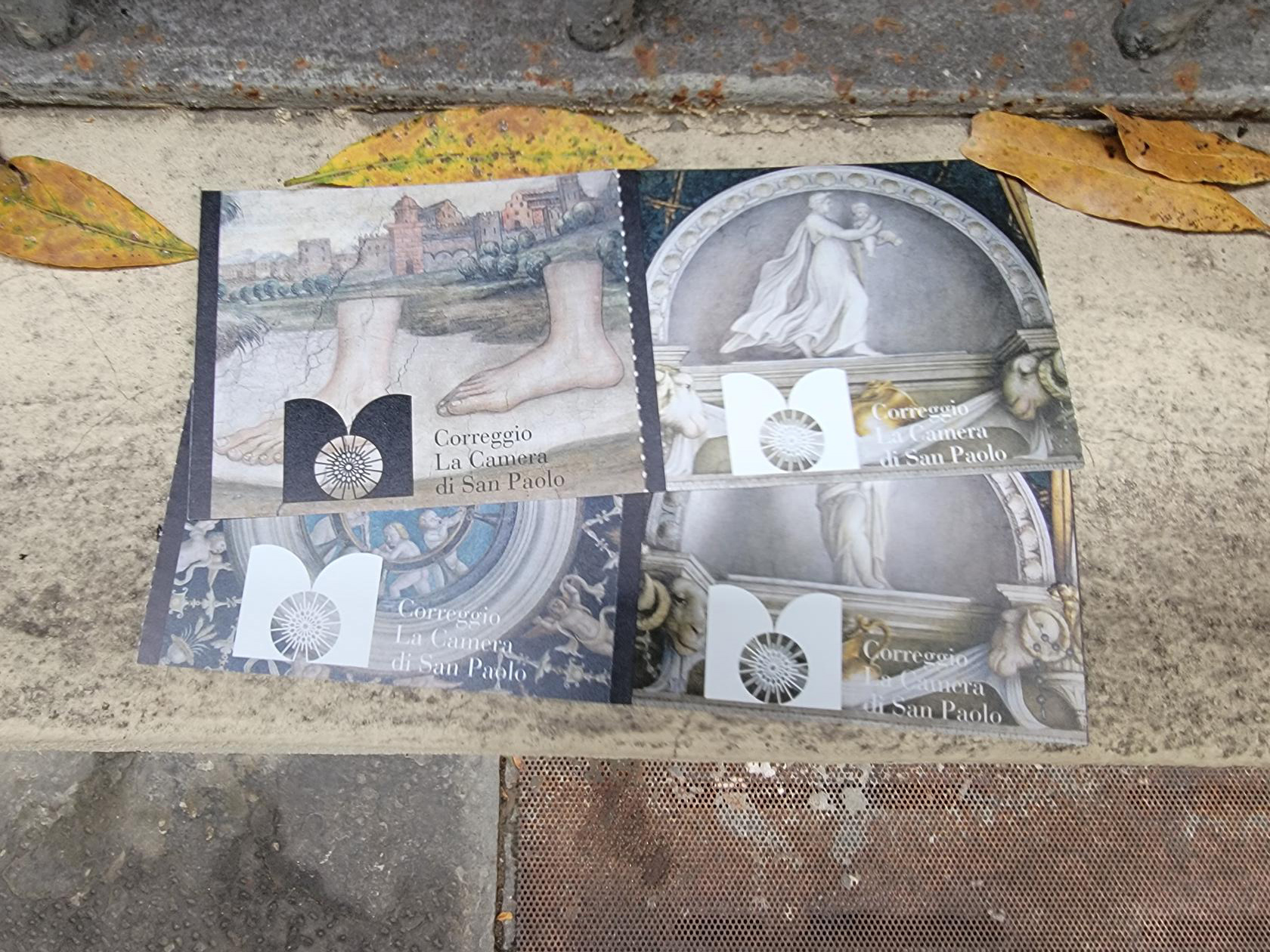
Tickets For Two – Rooms of San Paolo and Saint Catherine – Parma, Italy
Frescoes in Smaller Room – Rooms of San Paolo and Saint Catherine – Parma, Italy
Frescoes in Smaller Room – Rooms of San Paolo and Saint Catherine – Parma, Italy
Frescoes in Smaller Room – Rooms of San Paolo and Saint Catherine – Parma, Italy
Frescoes in Smaller Room – Rooms of San Paolo and Saint Catherine – Parma, Italy
Statue – Rooms of San Paolo and Saint Catherine – Parma, Italy
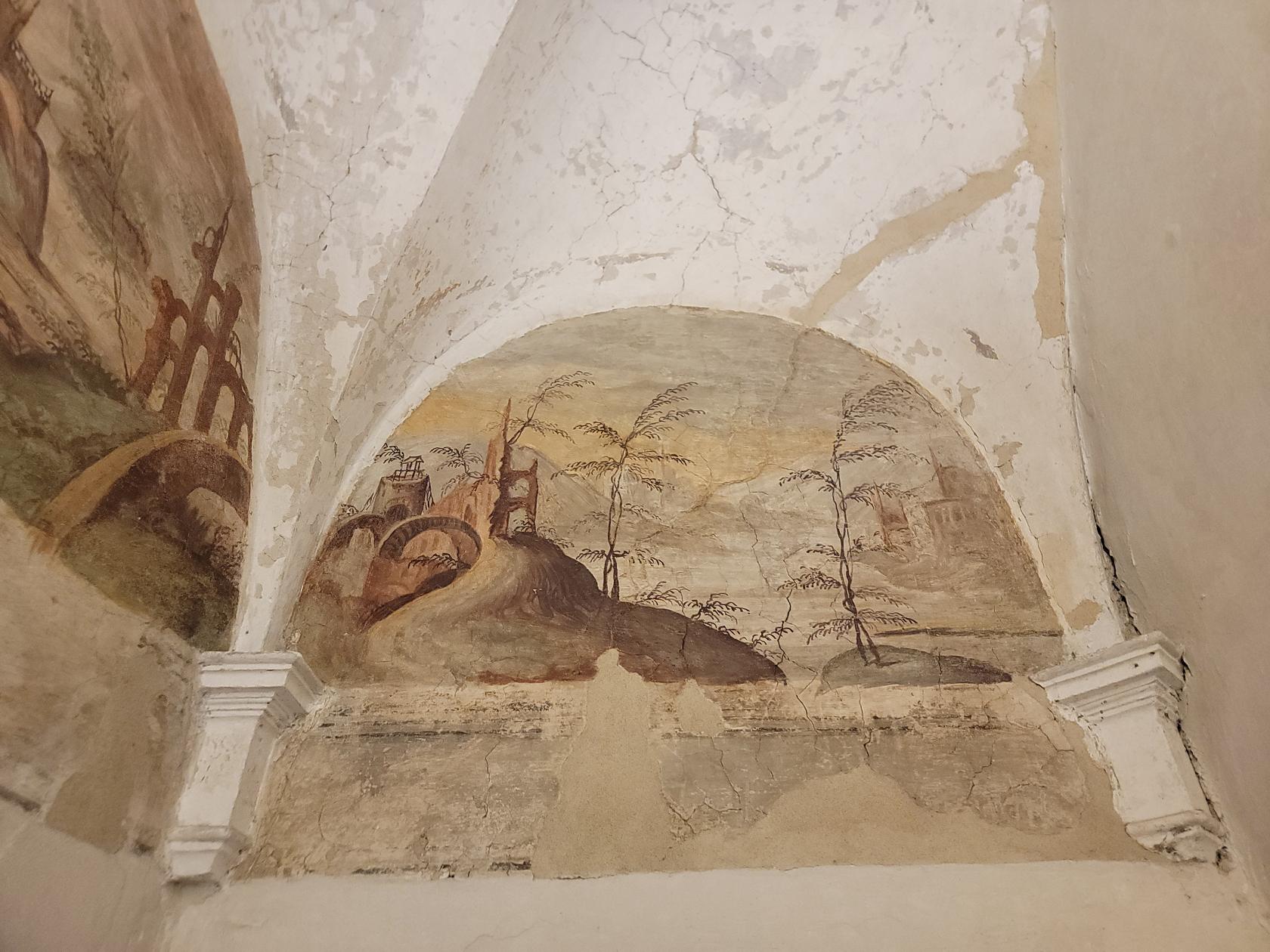
Old Ceiling – Rooms of San Paolo and Saint Catherine – Parma, Italy
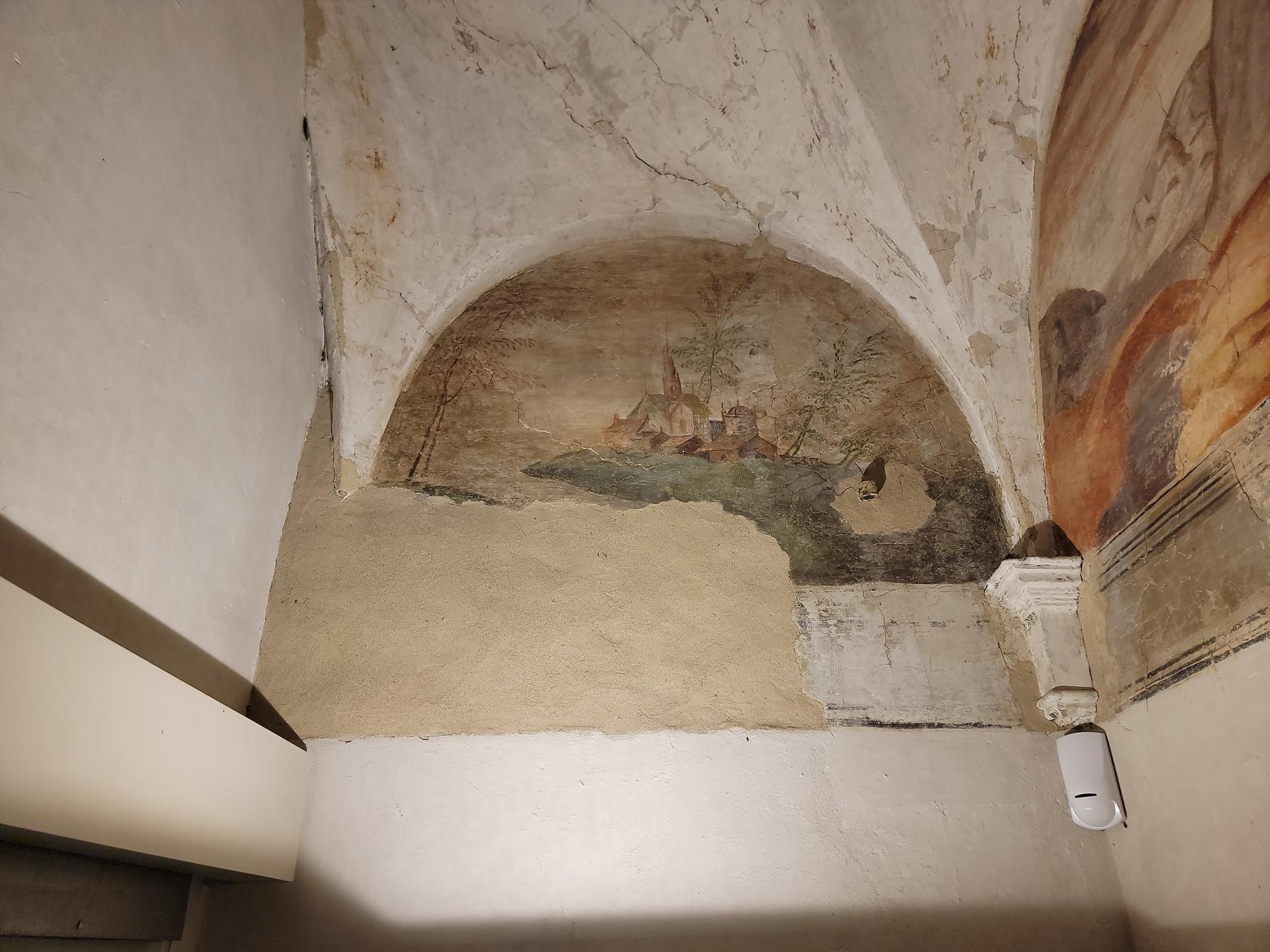
Aging Frescoes – Rooms of San Paolo and Saint Catherine – Parma, Italy
Old Frescoes – Rooms of San Paolo and Saint Catherine – Parma, Italy
Old Frescoes – Rooms of San Paolo and Saint Catherine – Parma, Italy
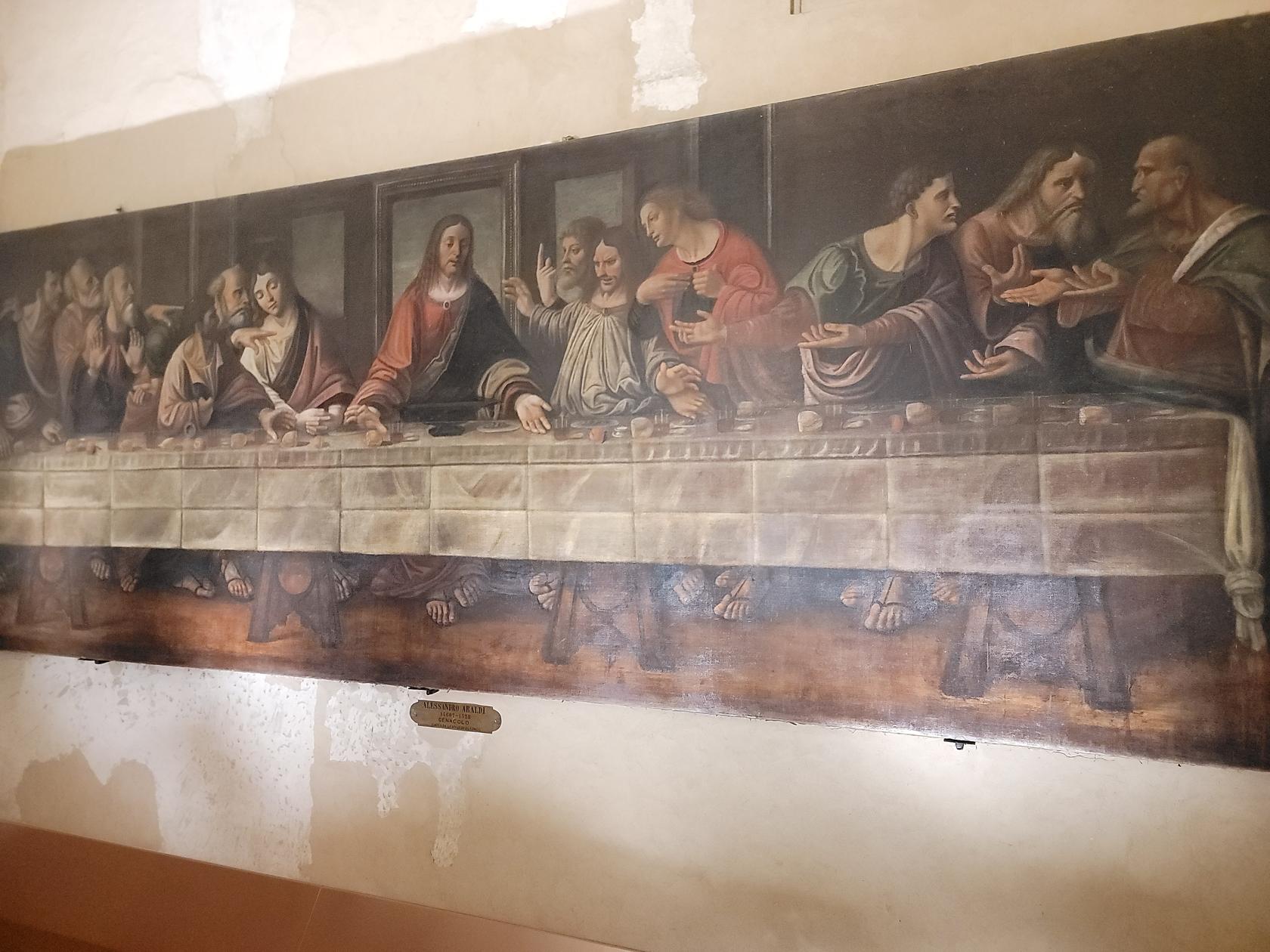
Entrance Fresco of Last Supper – Rooms of San Paolo and Saint Catherine – Parma, Italy
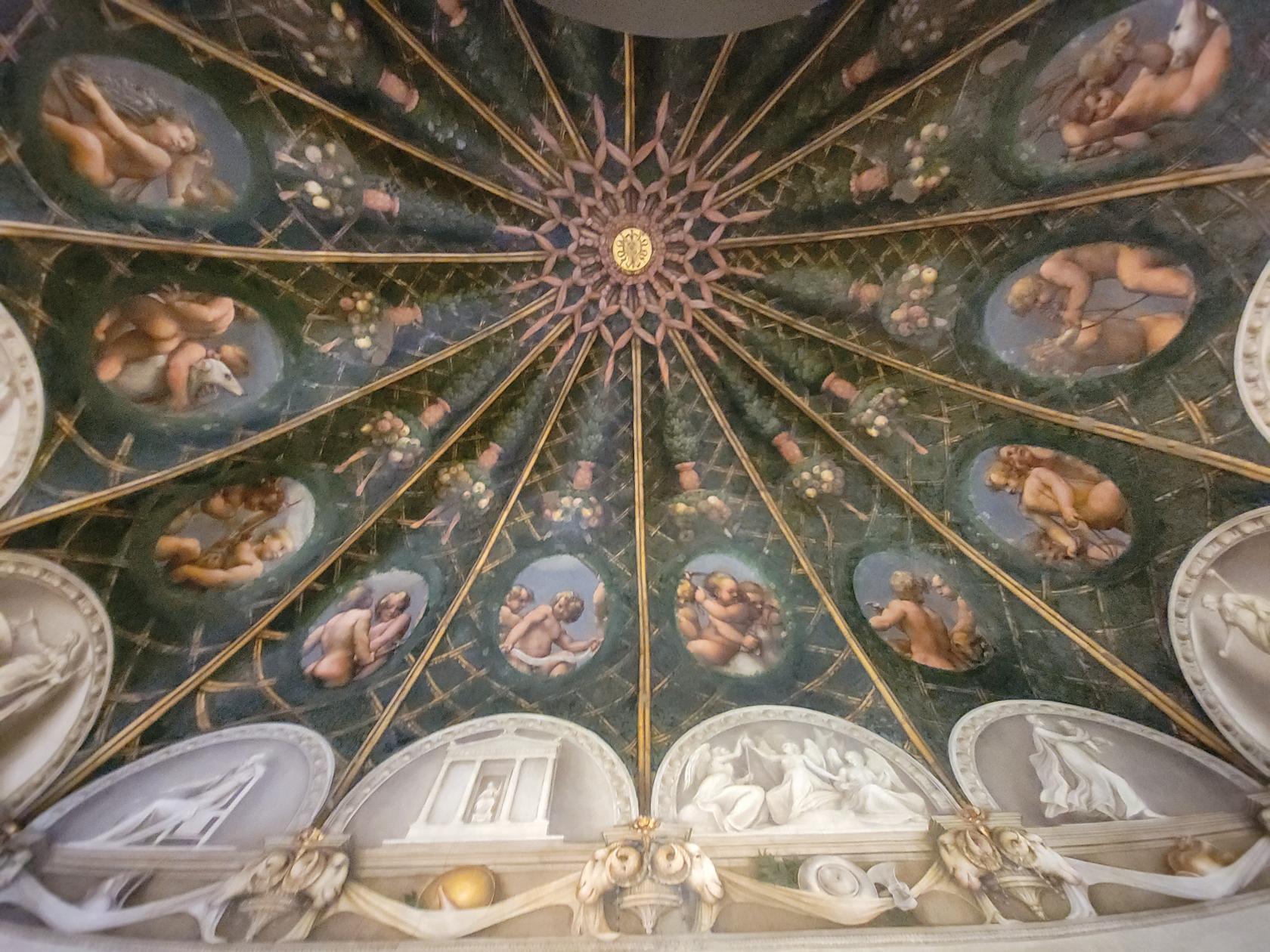
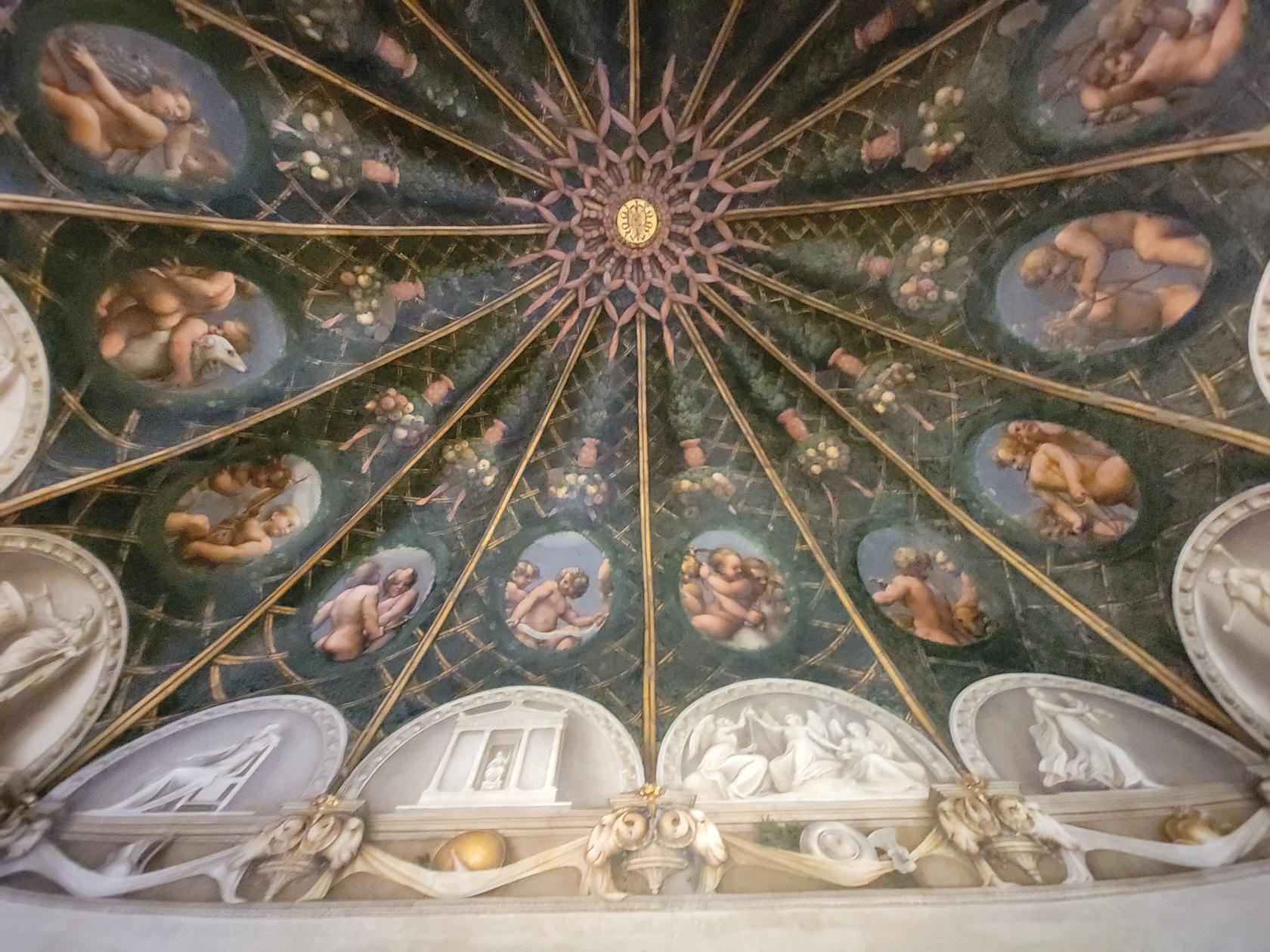
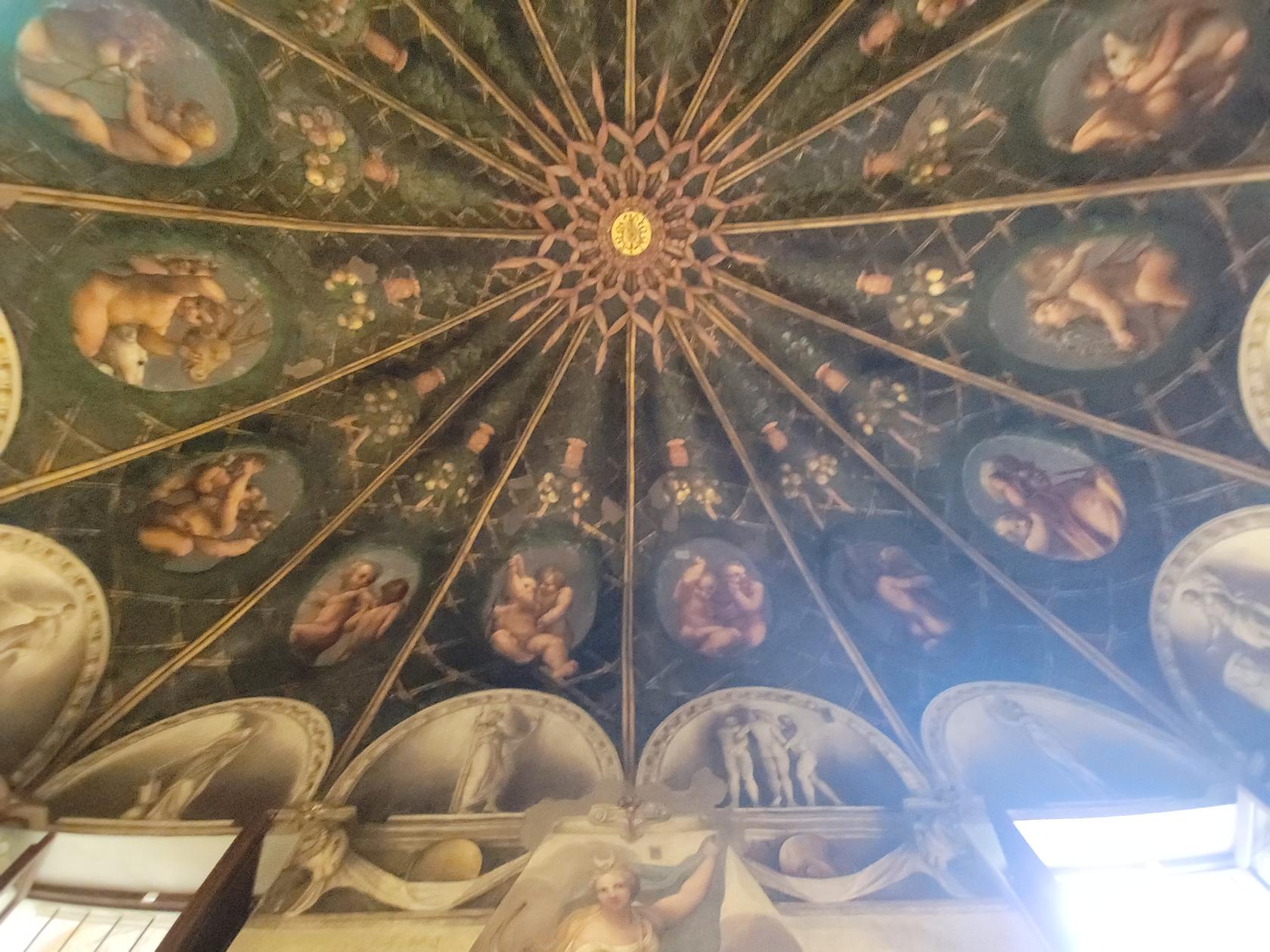
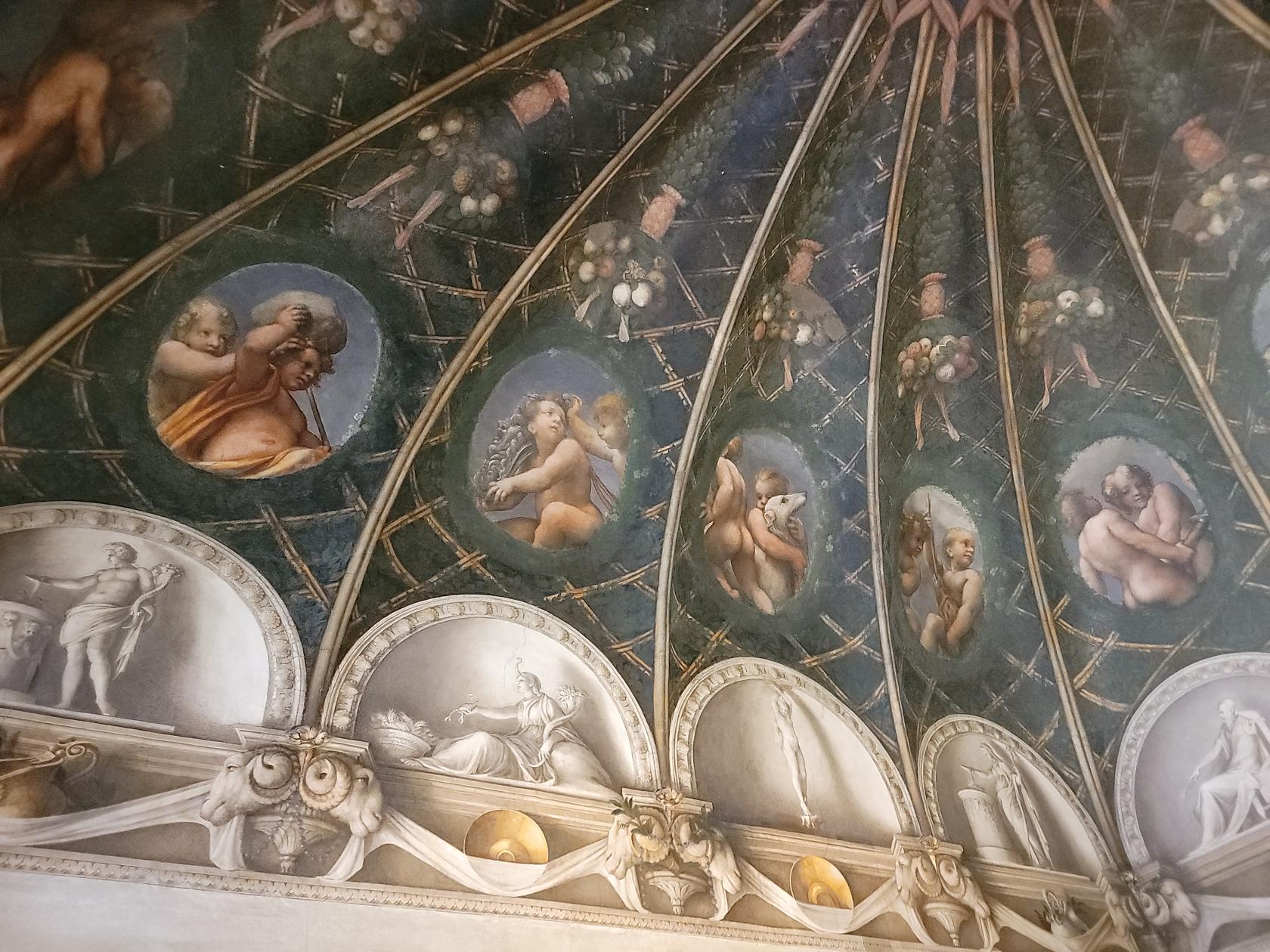
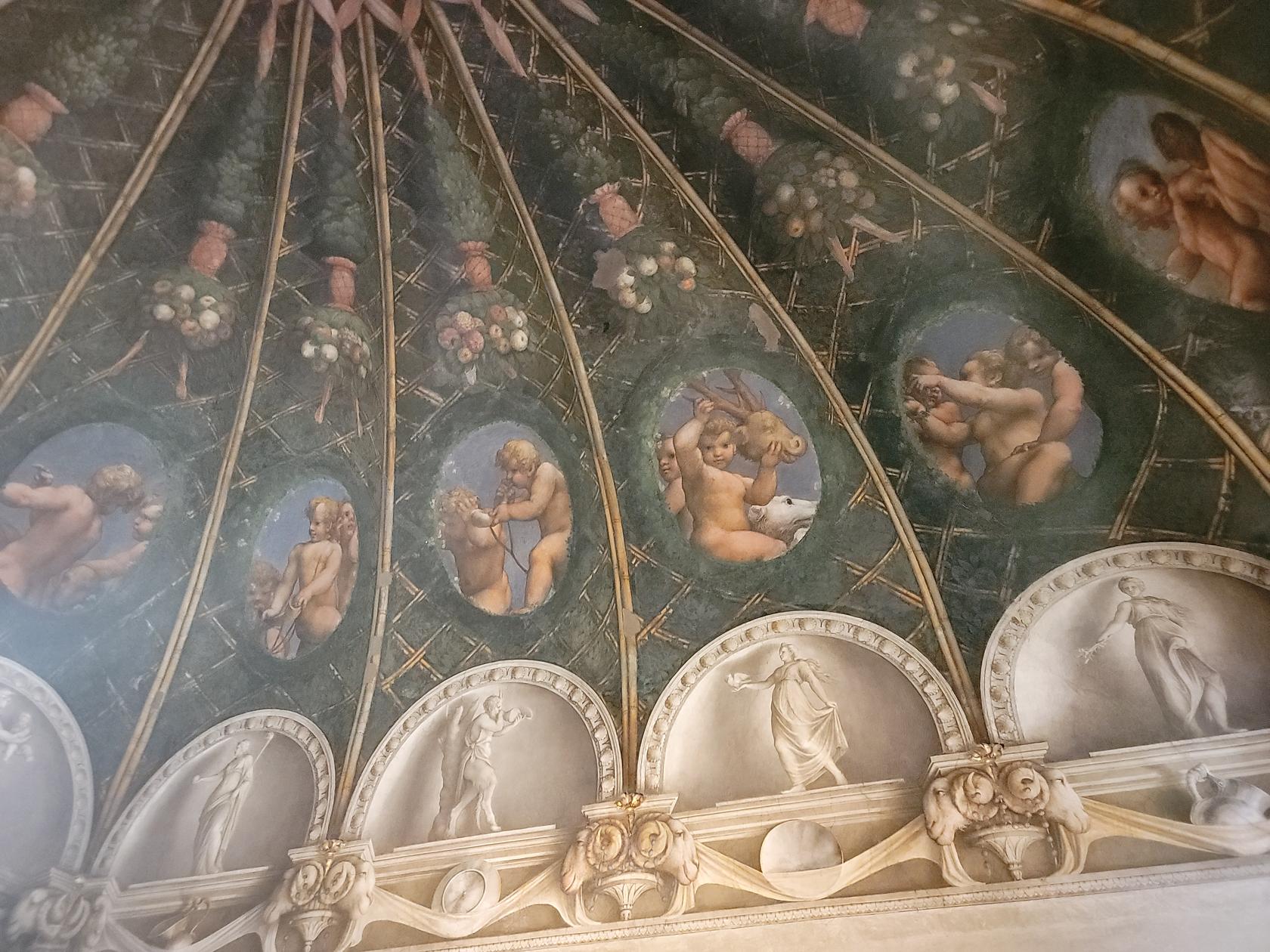
In one room, the frescoes painted on the walls and ceilings are from one of the areas famous painters, Correggio, and were done sometime in the 16th century.
Correggio’s Ceiling Fresco – Rooms of San Paolo and Saint Catherine – Parma, Italy
Correggio’s Ceiling Fresco – Rooms of San Paolo and Saint Catherine – Parma, Italy
Correggio’s Ceiling Fresco – Rooms of San Paolo and Saint Catherine – Parma, Italy
Correggio’s Ceiling Fresco – Rooms of San Paolo and Saint Catherine – Parma, Italy
Correggio’s Ceiling Fresco – Rooms of San Paolo and Saint Catherine – Parma, Italy
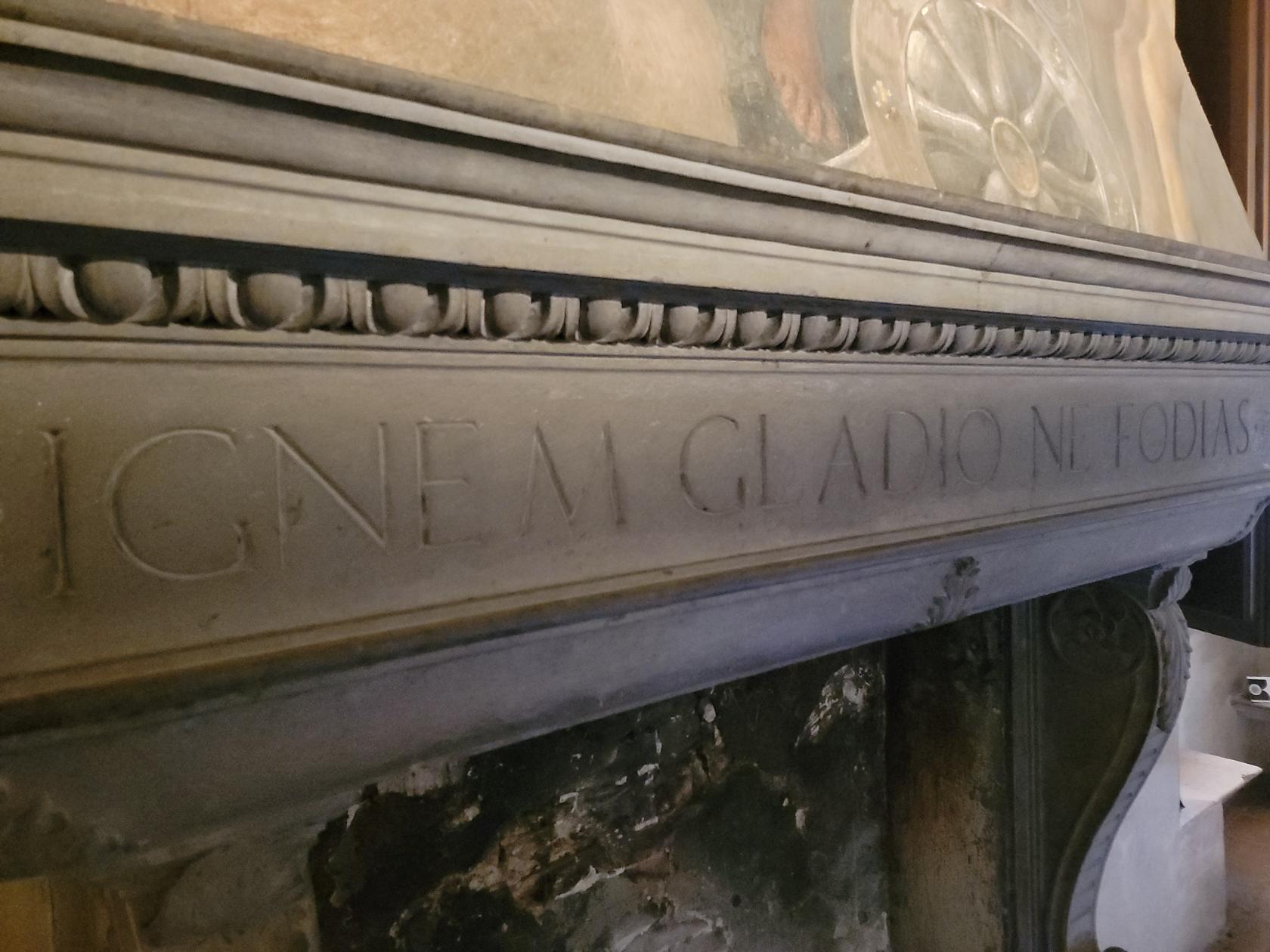
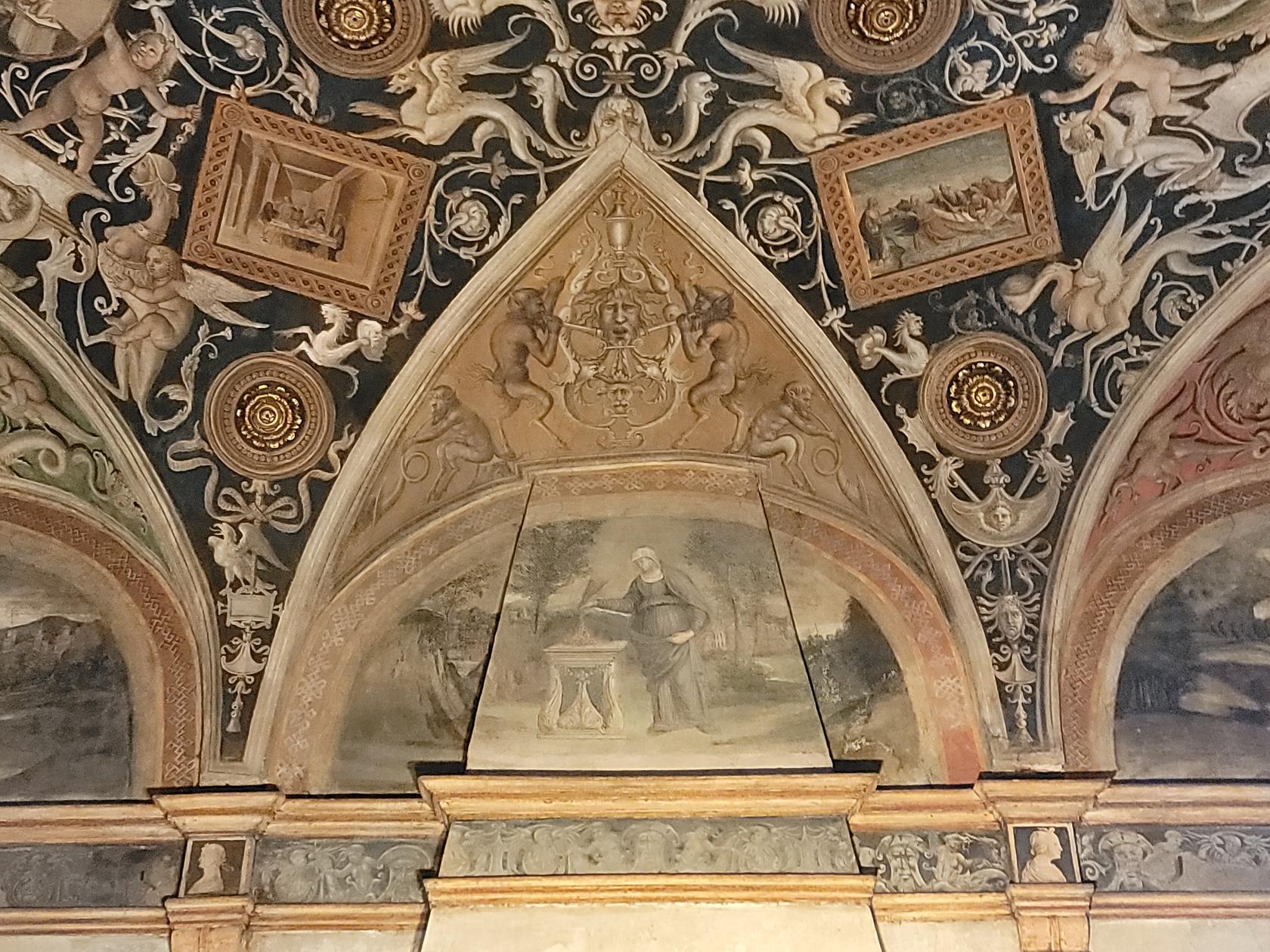
Fireplace Inscription – Rooms of San Paolo and Saint Catherine – Parma, Italy
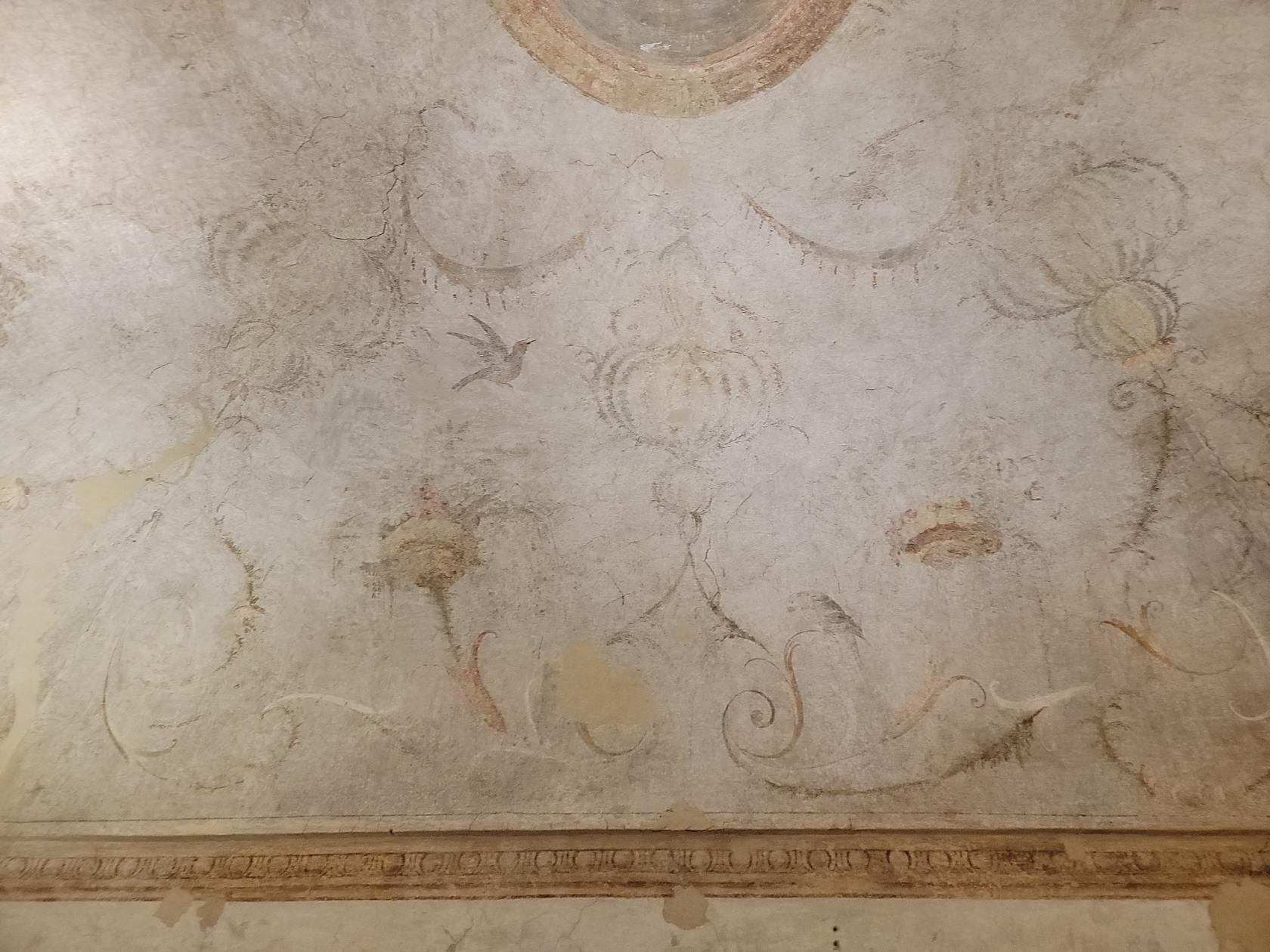
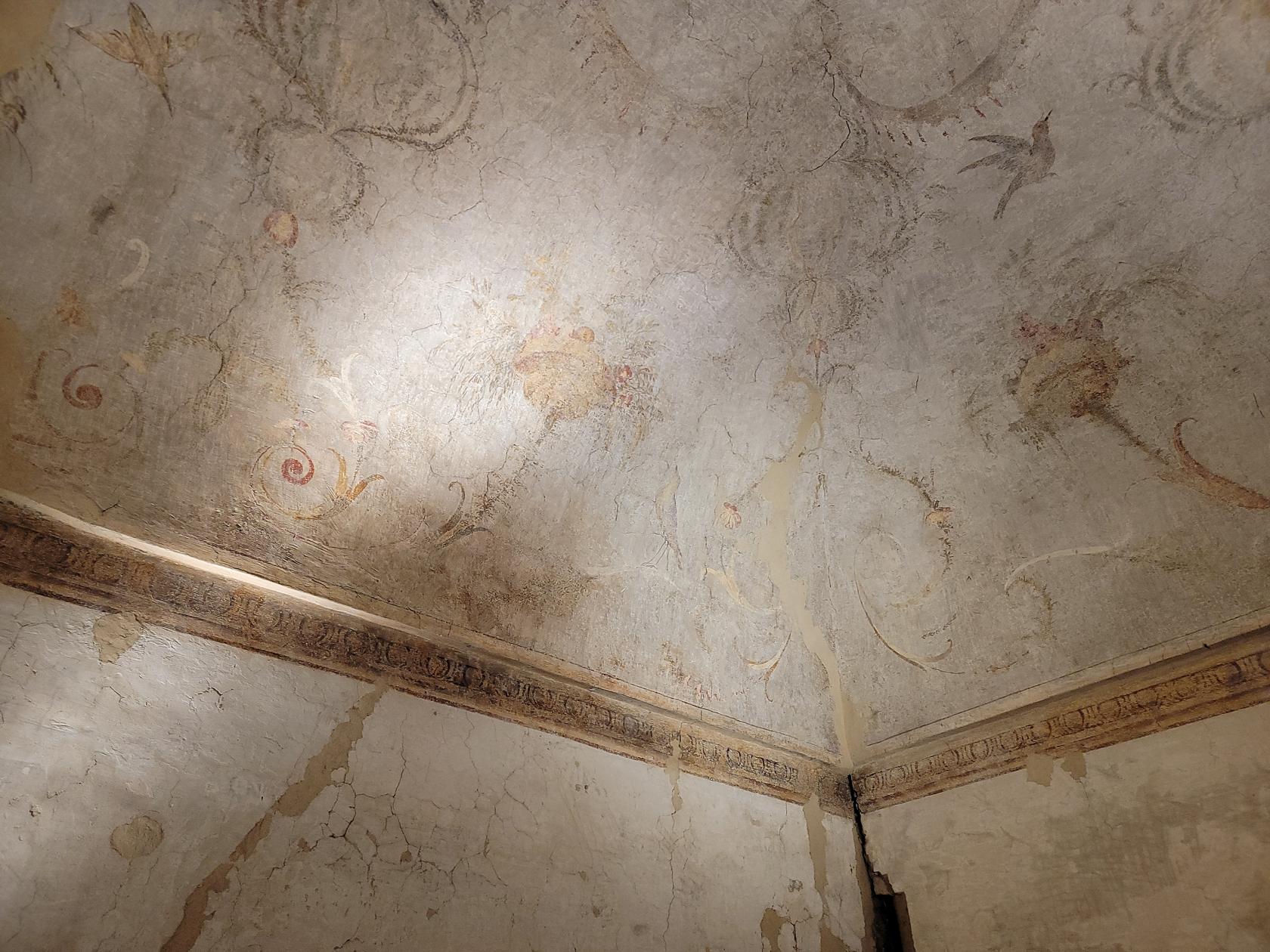
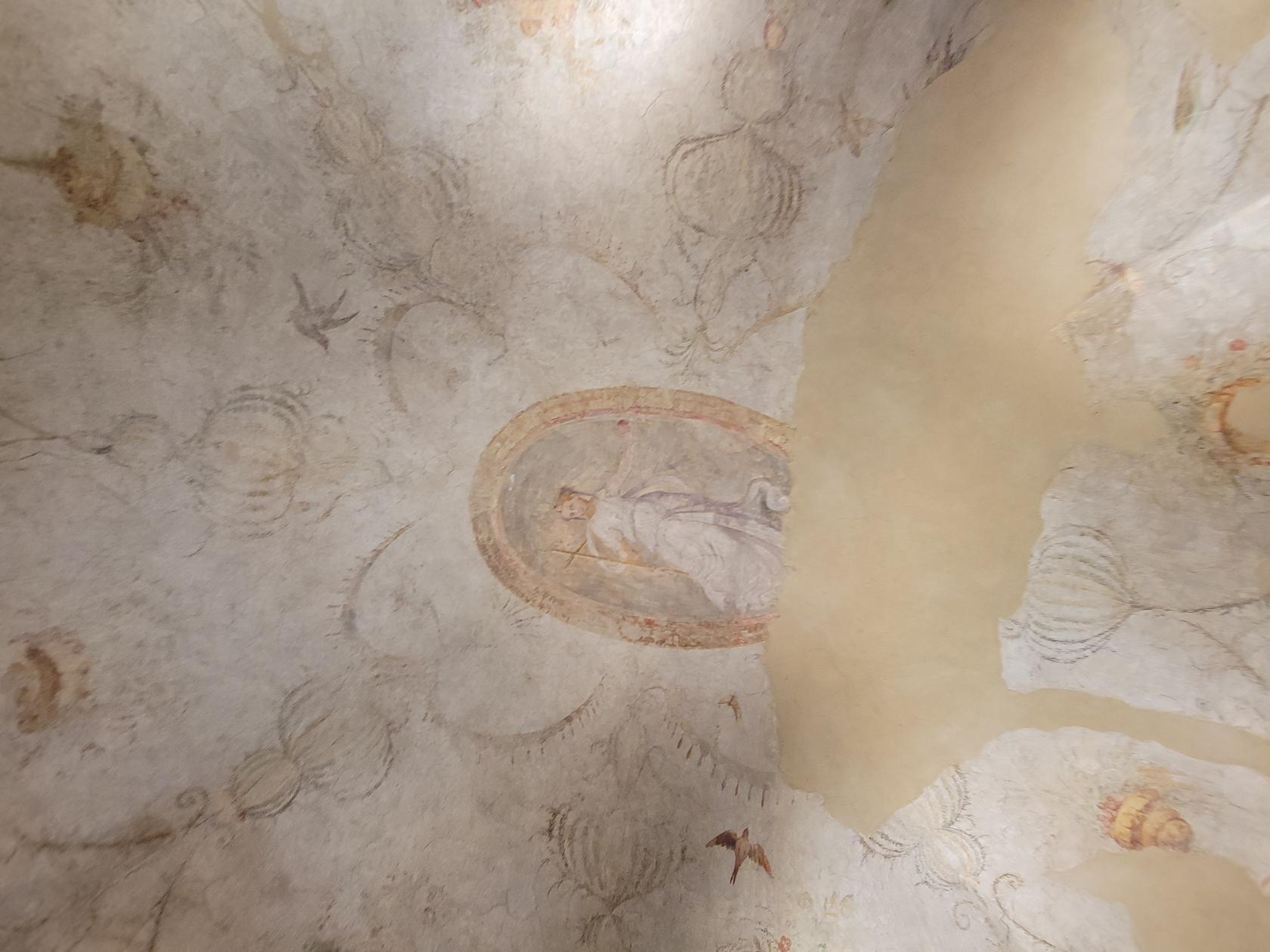
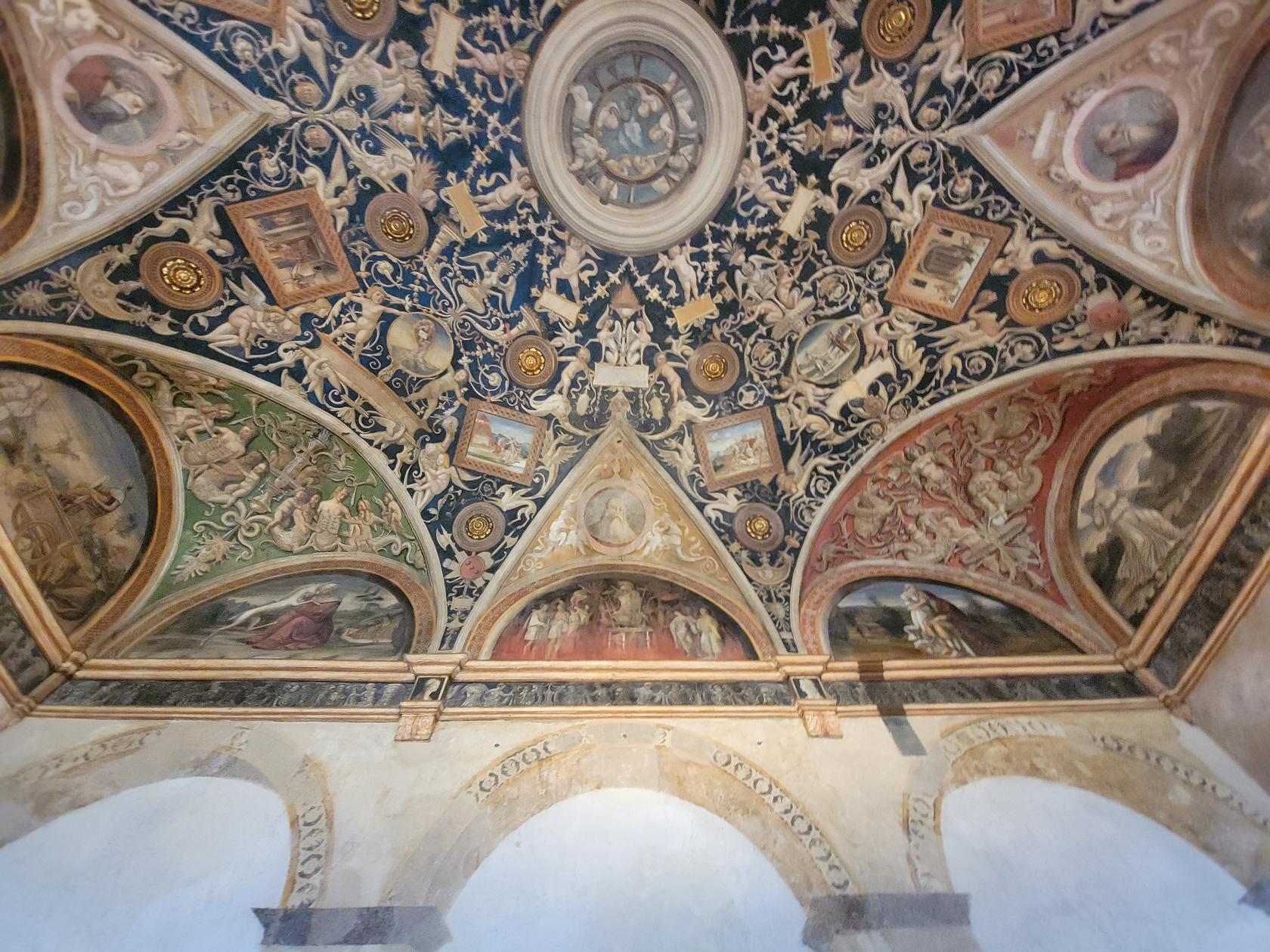
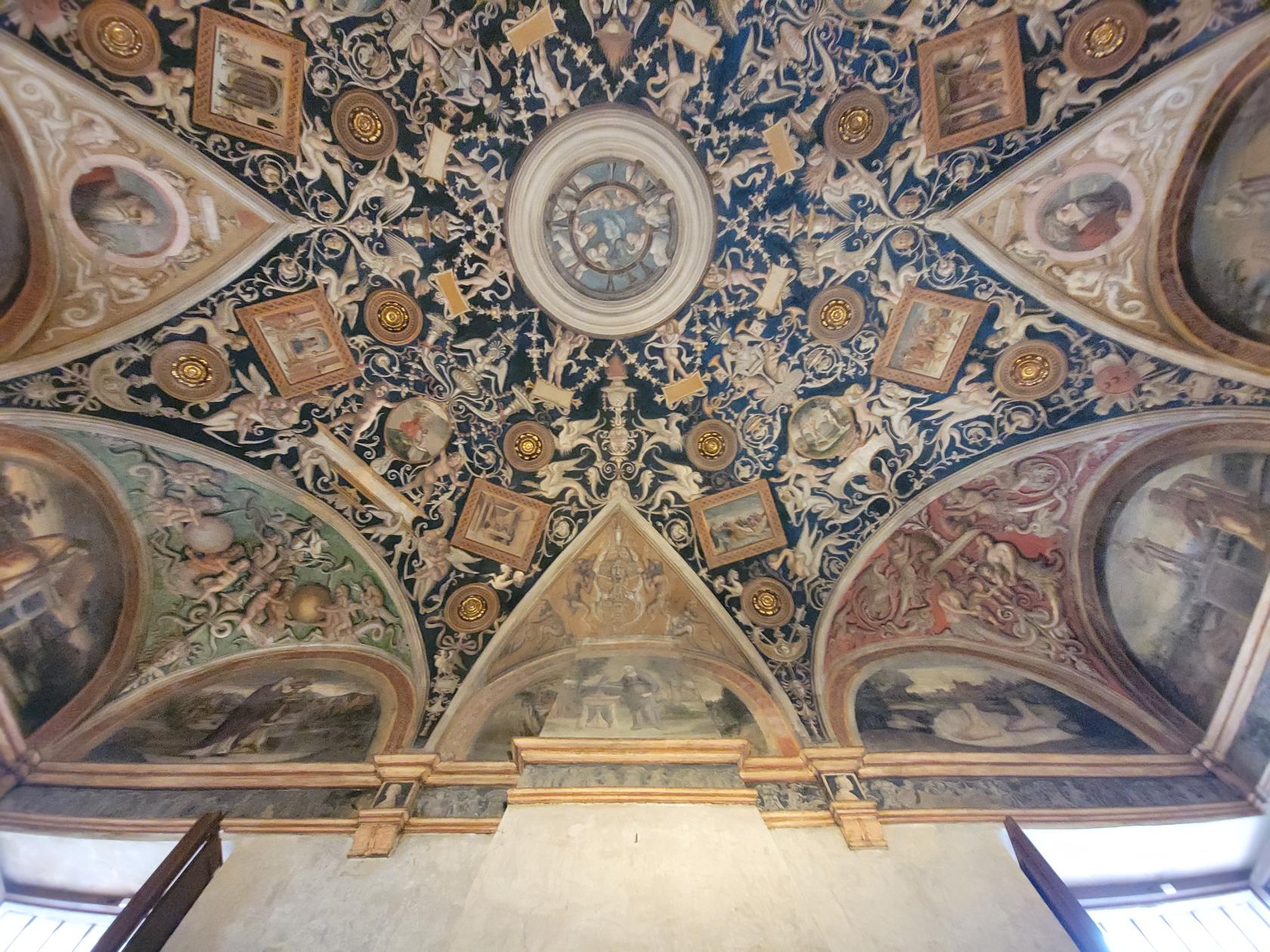
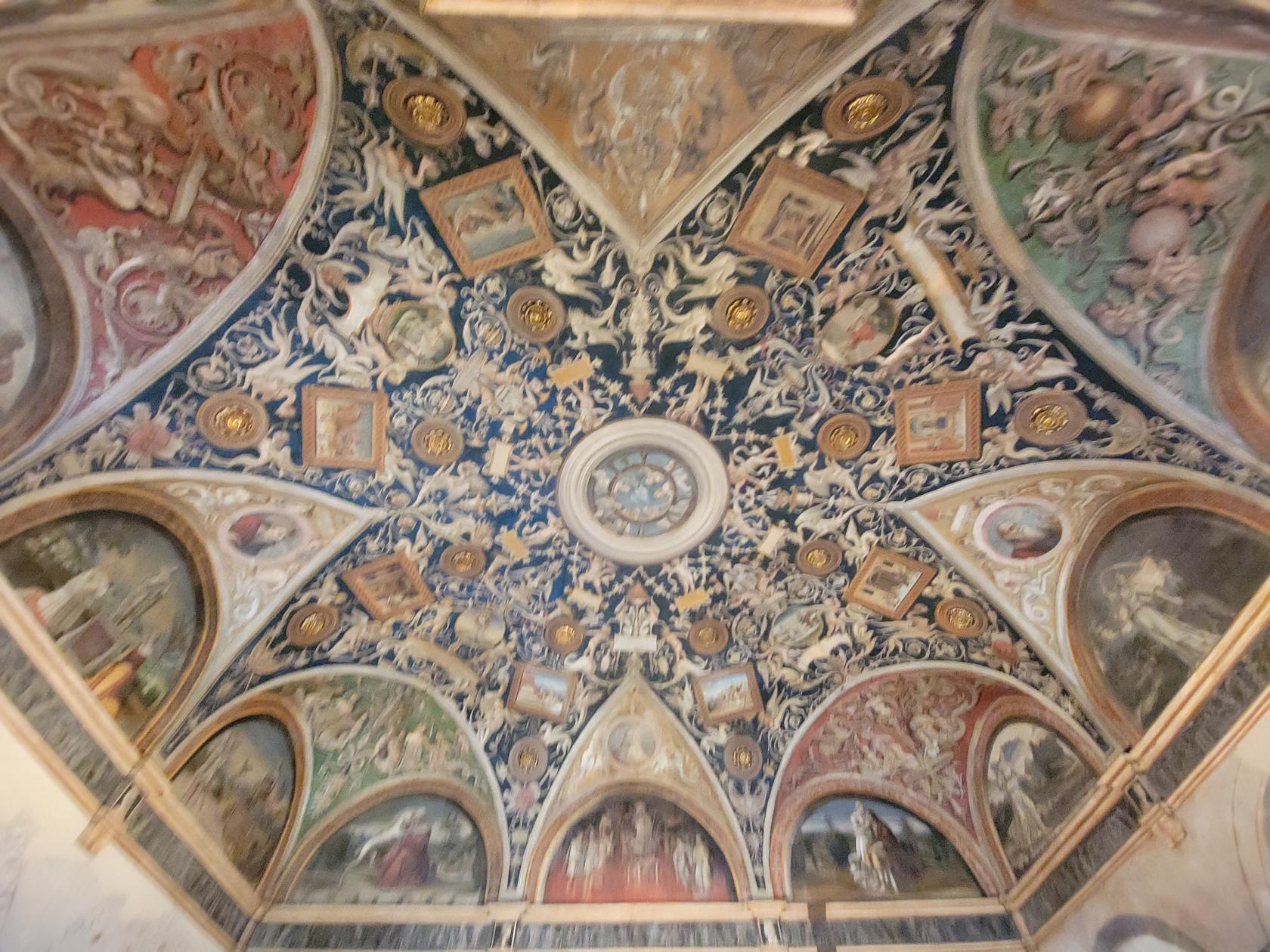
The museum also has a vaulted frescoed ceiling from Alessandro Araldi dedicated to Saint Catherine.
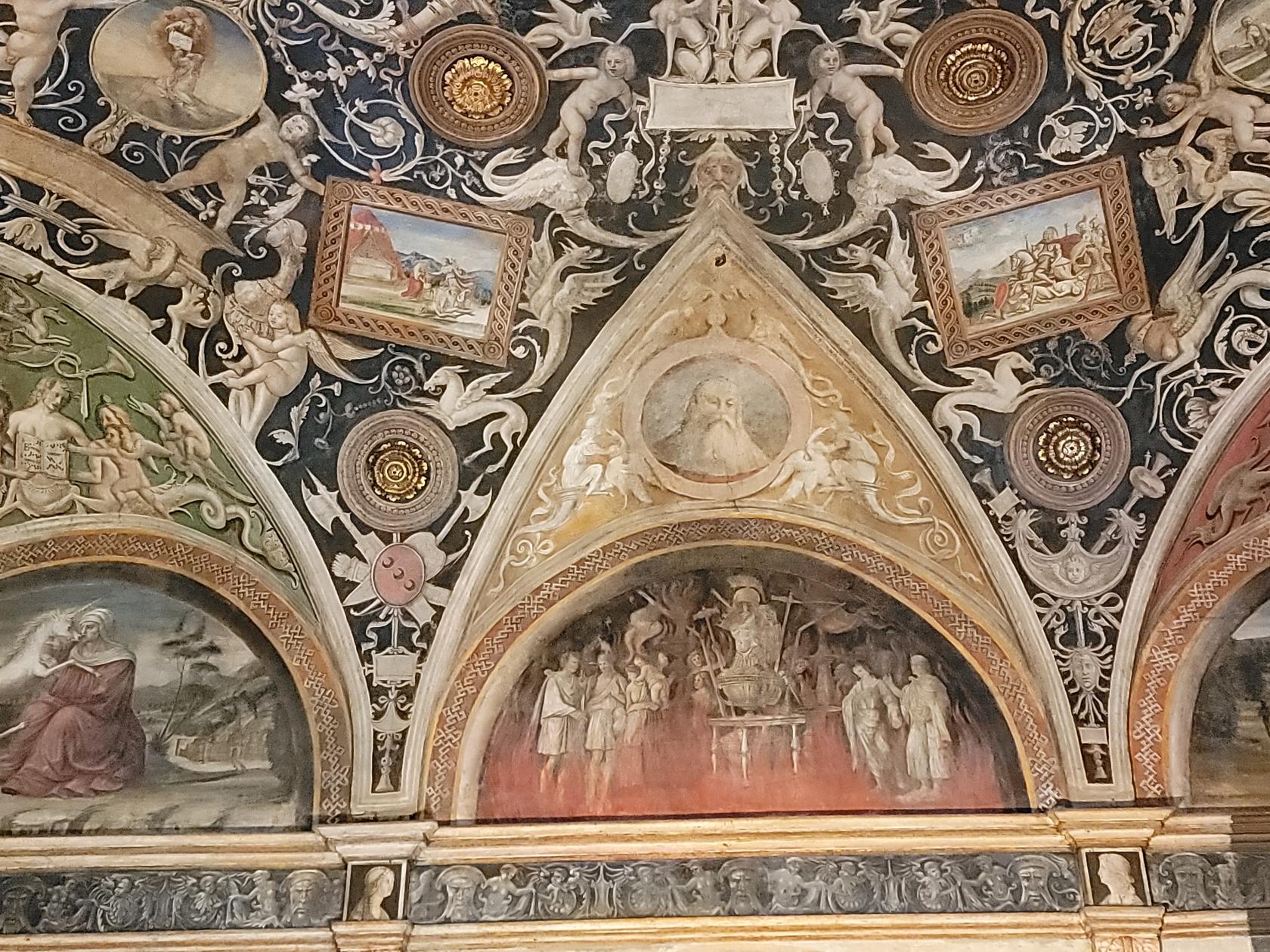
Alessandro Araldi’s Ceiling Fresco – Rooms of San Paolo and Saint Catherine – Parma, Italy
Alessandro Araldi’s Ceiling Fresco – Rooms of San Paolo and Saint Catherine – Parma, Italy
Alessandro Araldi’s Ceiling Fresco – Rooms of San Paolo and Saint Catherine – Parma, Italy
Alessandro Araldi’s Ceiling Fresco – Rooms of San Paolo and Saint Catherine – Parma, Italy
Alessandro Araldi’s Ceiling Fresco – Rooms of San Paolo and Saint Catherine – Parma, Italy
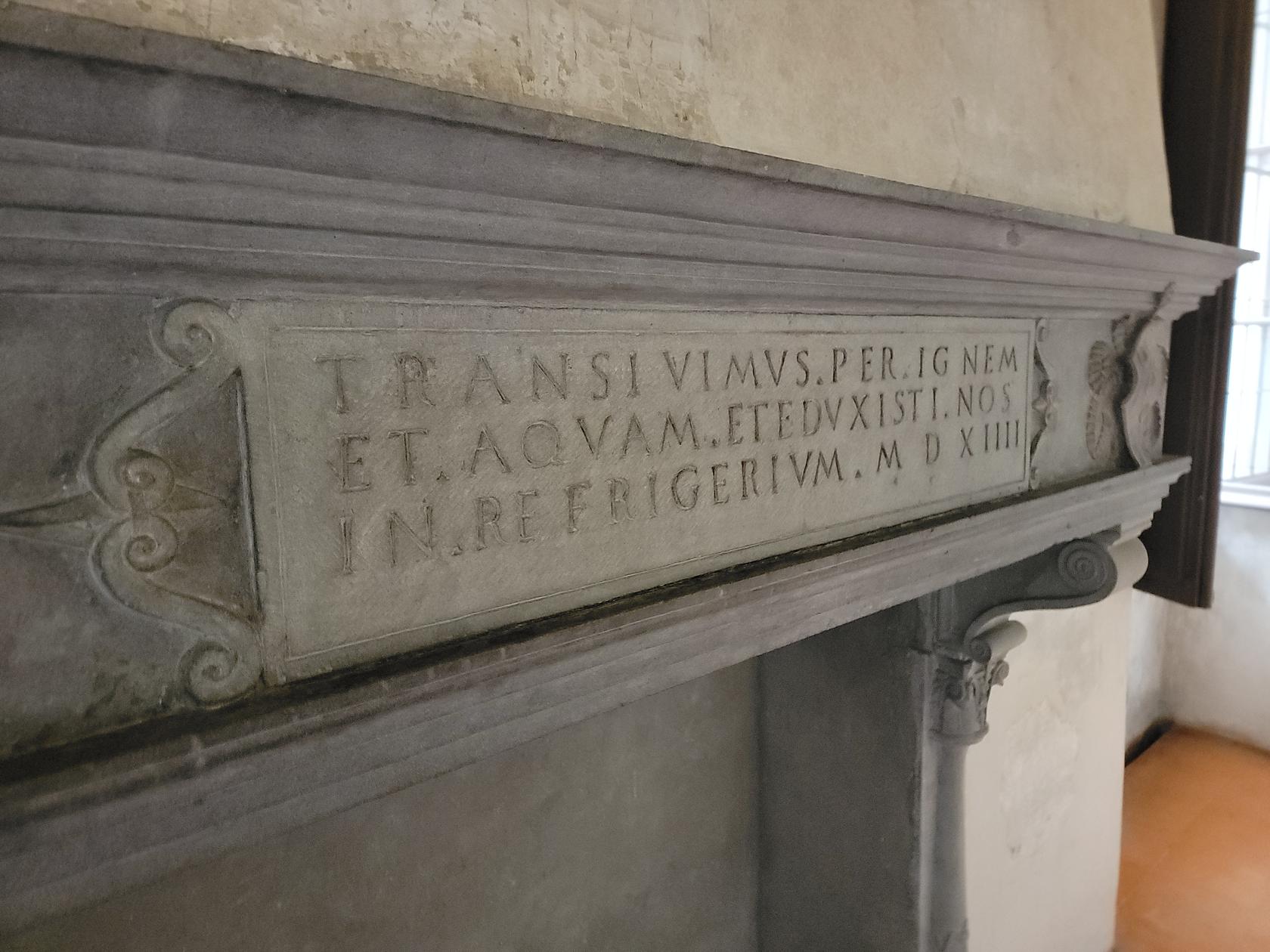
Inscription over Fireplace – Rooms of San Paolo and Saint Catherine – Parma, Italy
Fireplace – Rooms of San Paolo and Saint Catherine – Parma, Italy
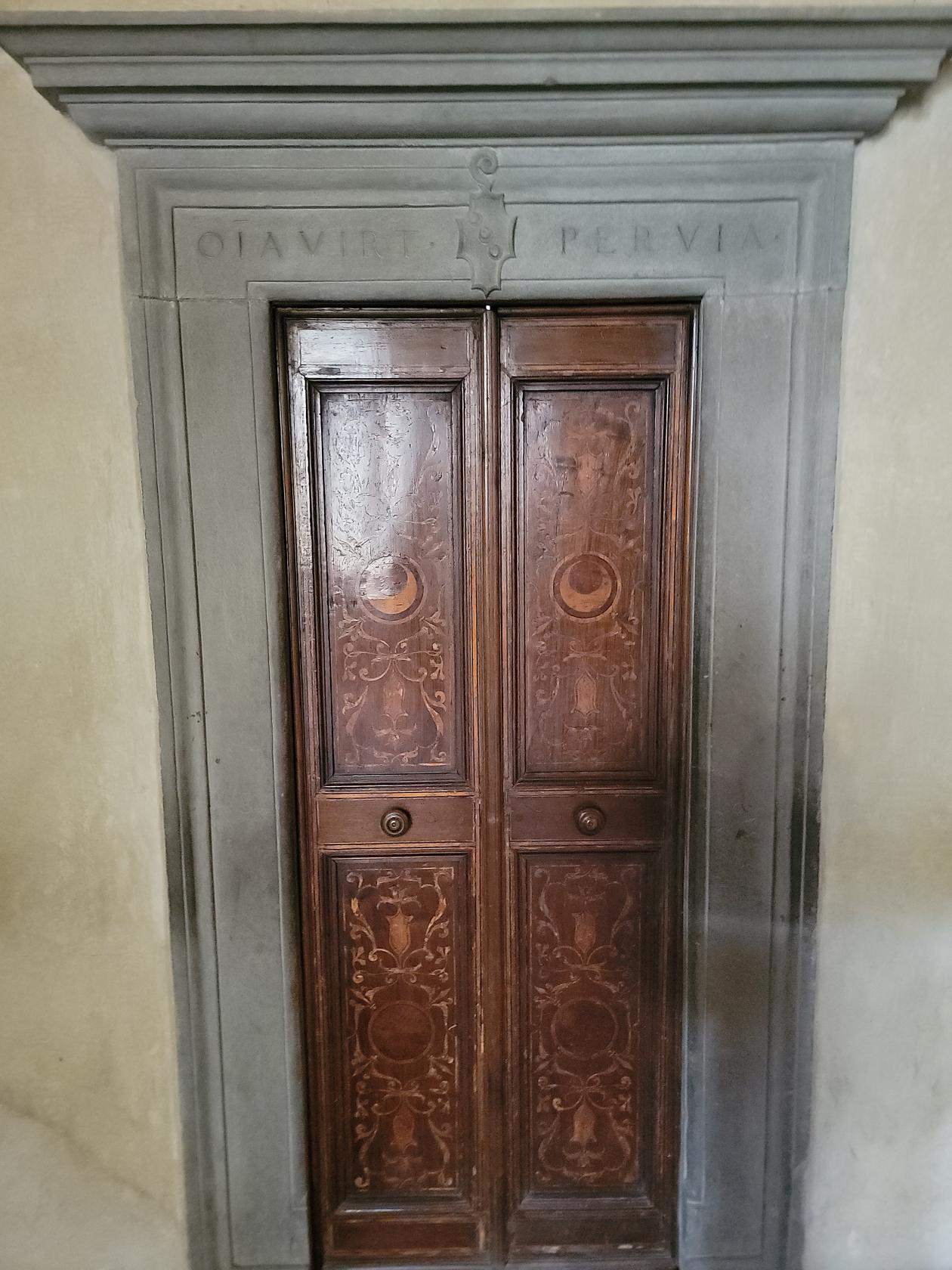
Lintel Inscription and Fine Doors – Rooms of San Paolo and Saint Catherine – Parma, Italy
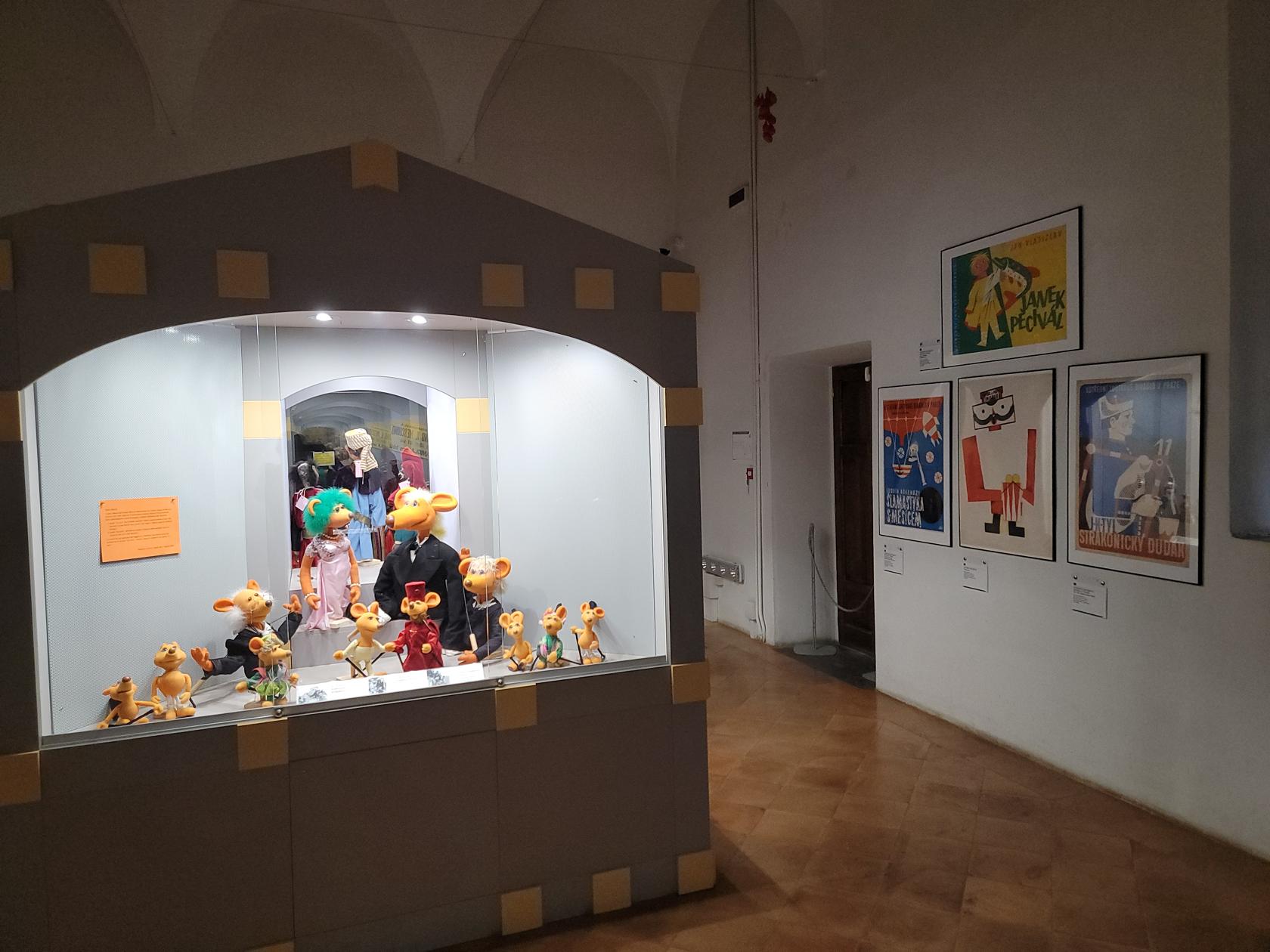
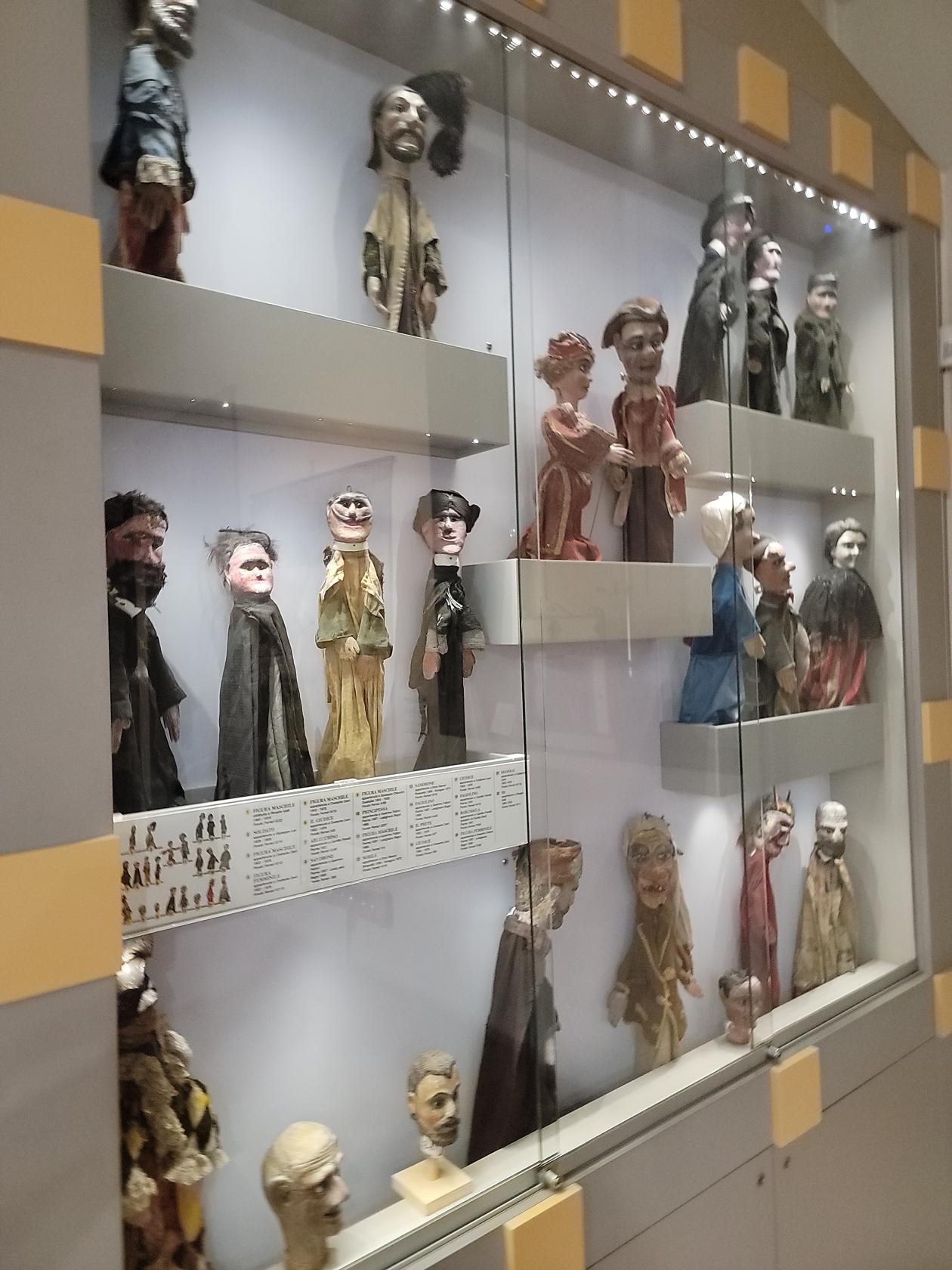
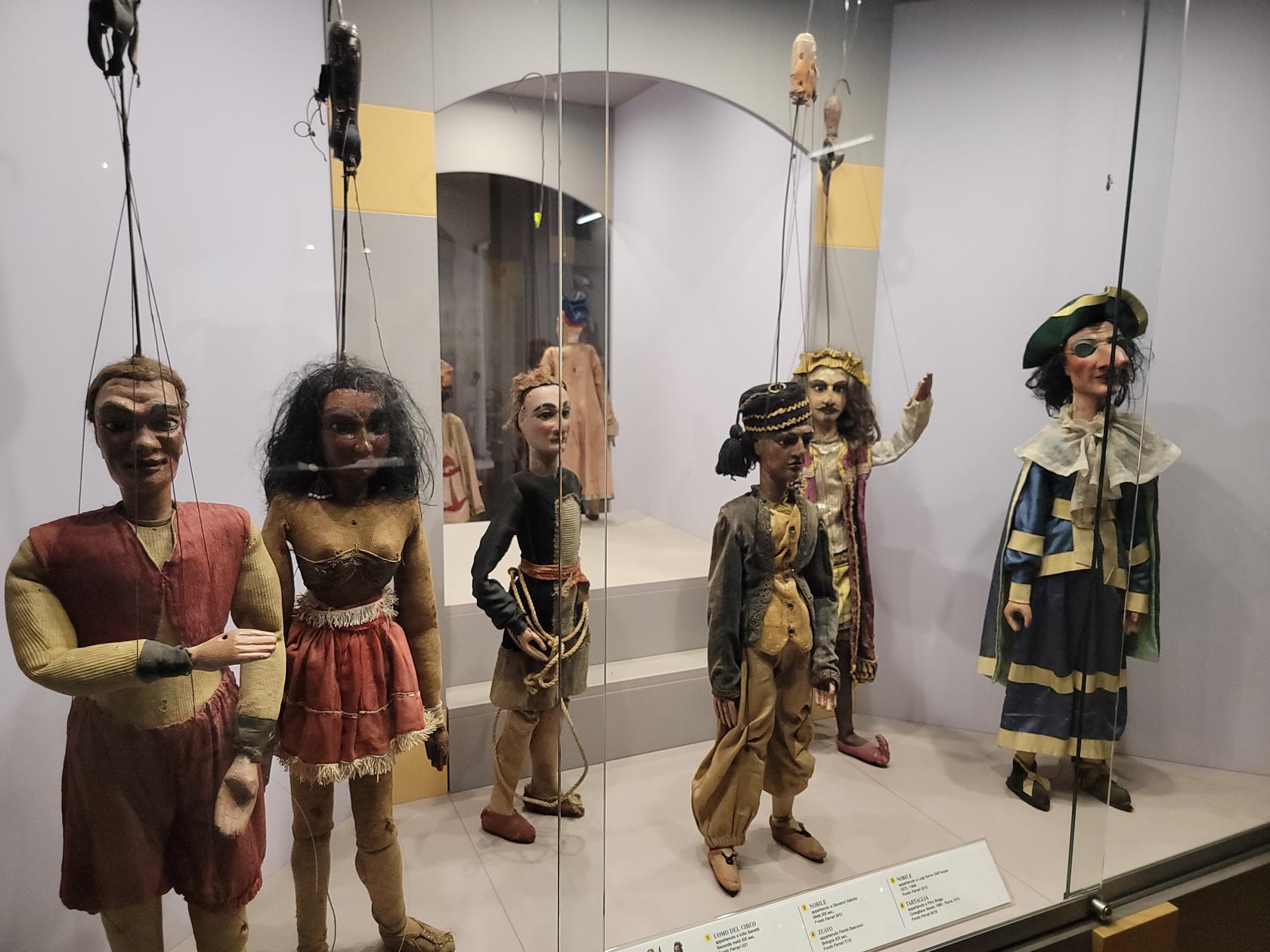
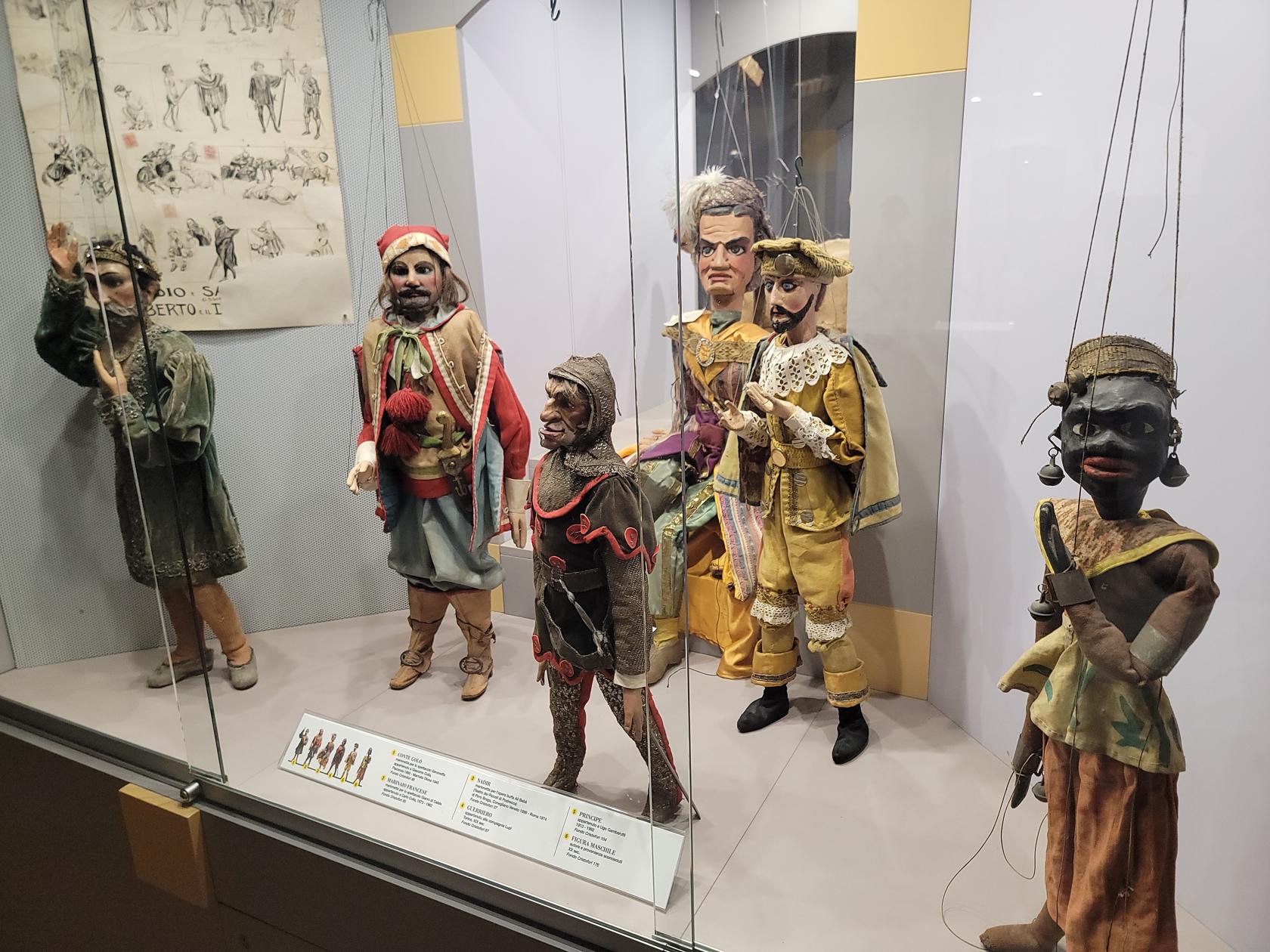
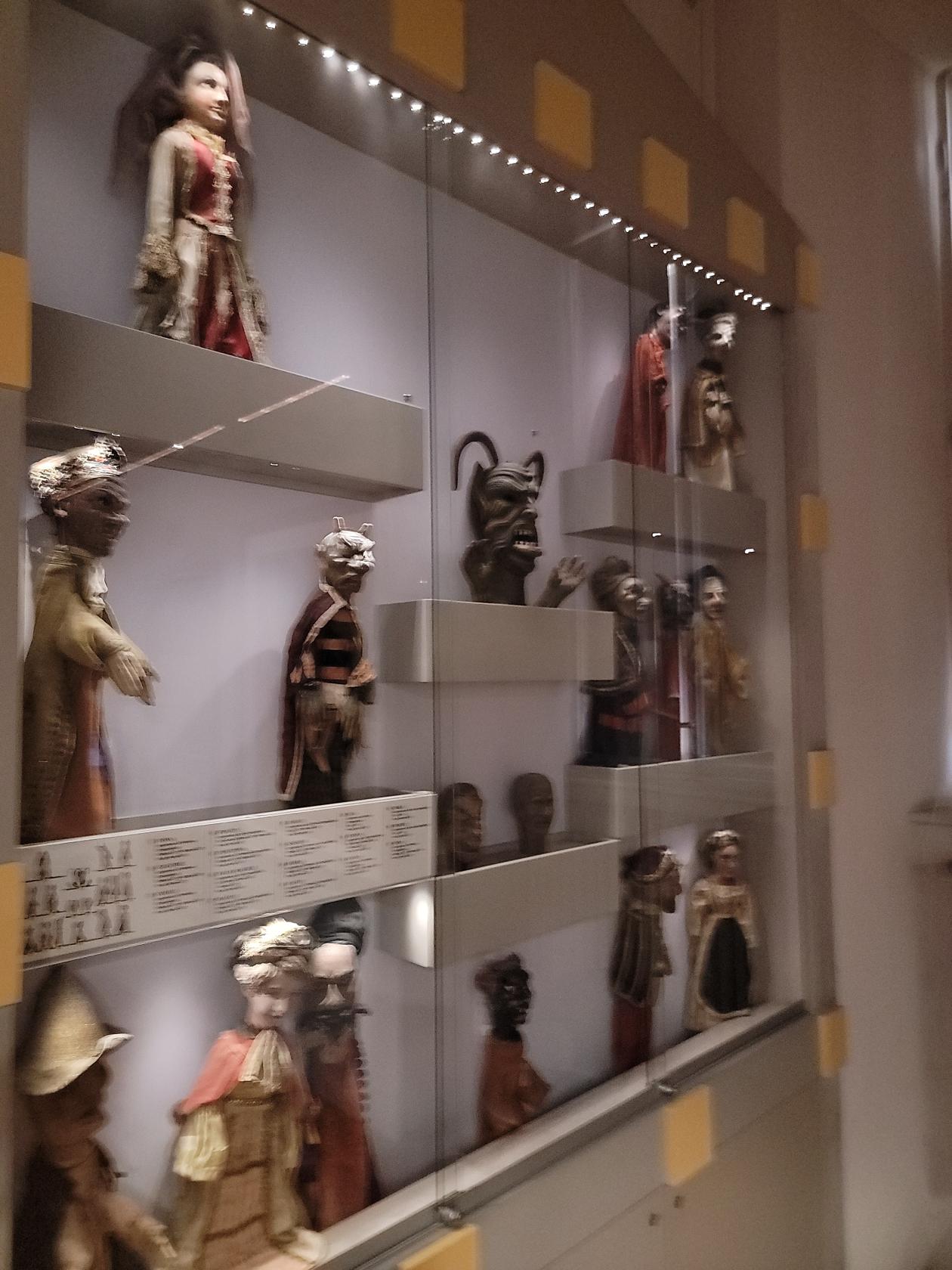
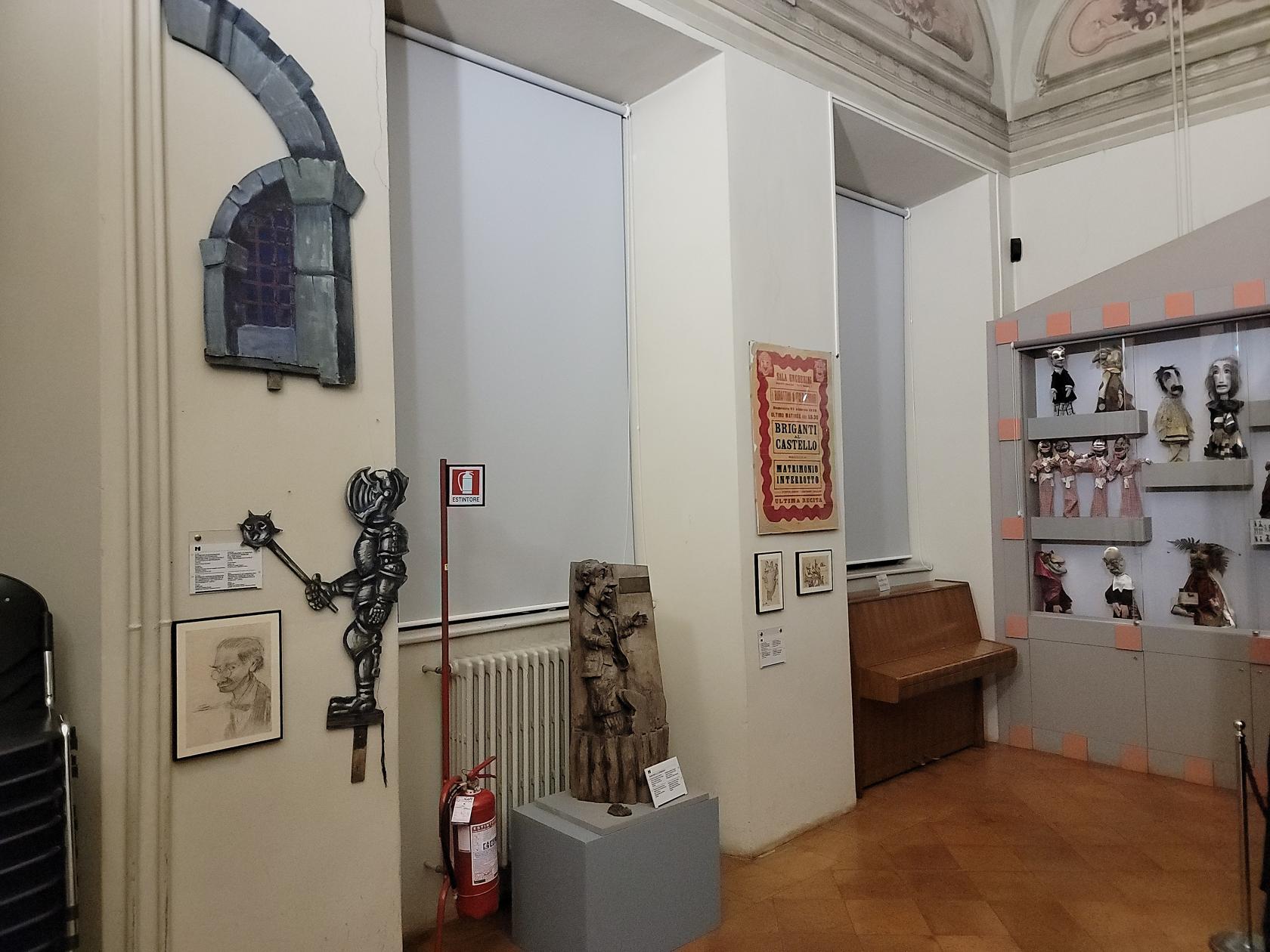
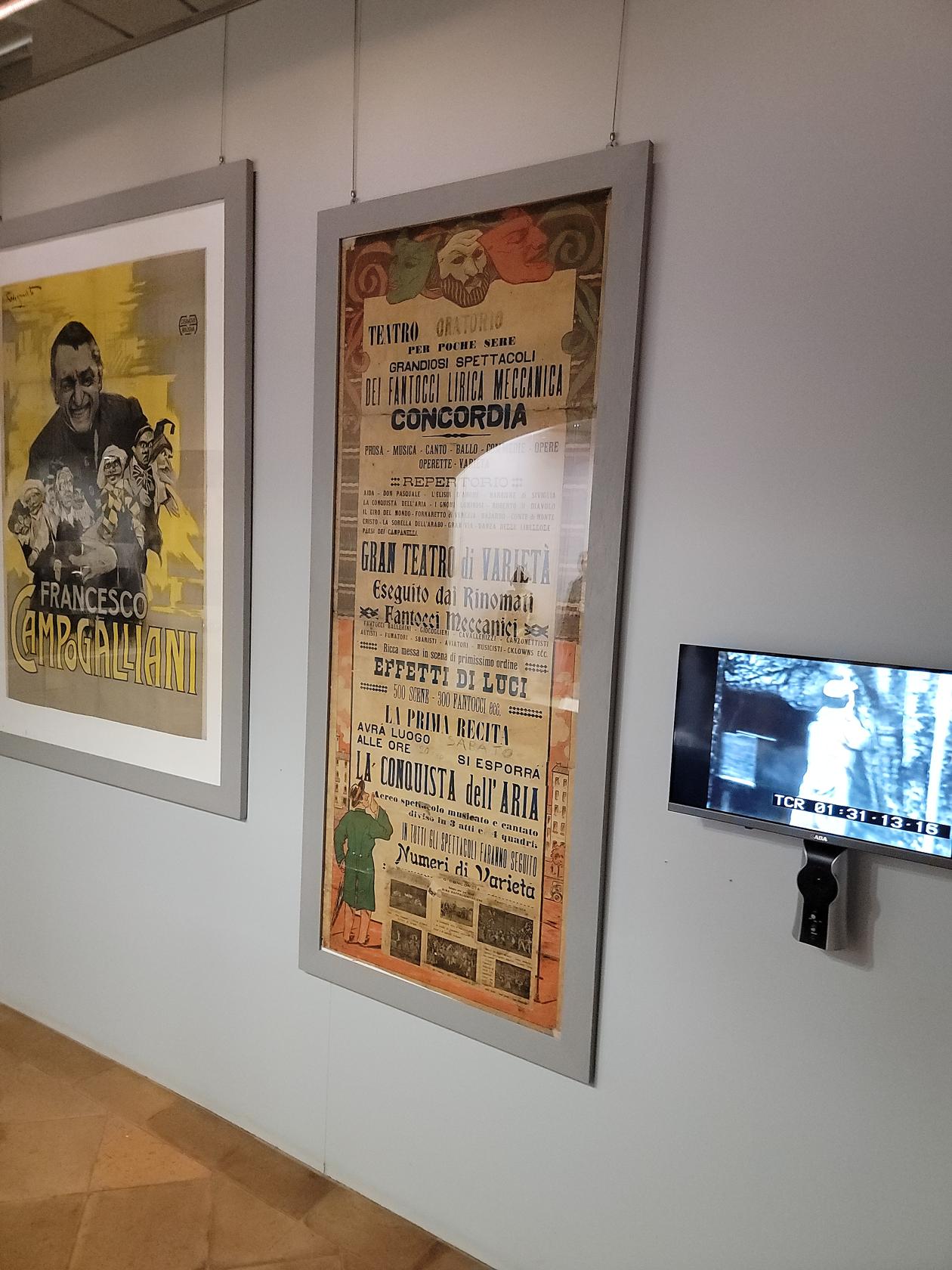
Giordano Ferrari’s Puppet Museum
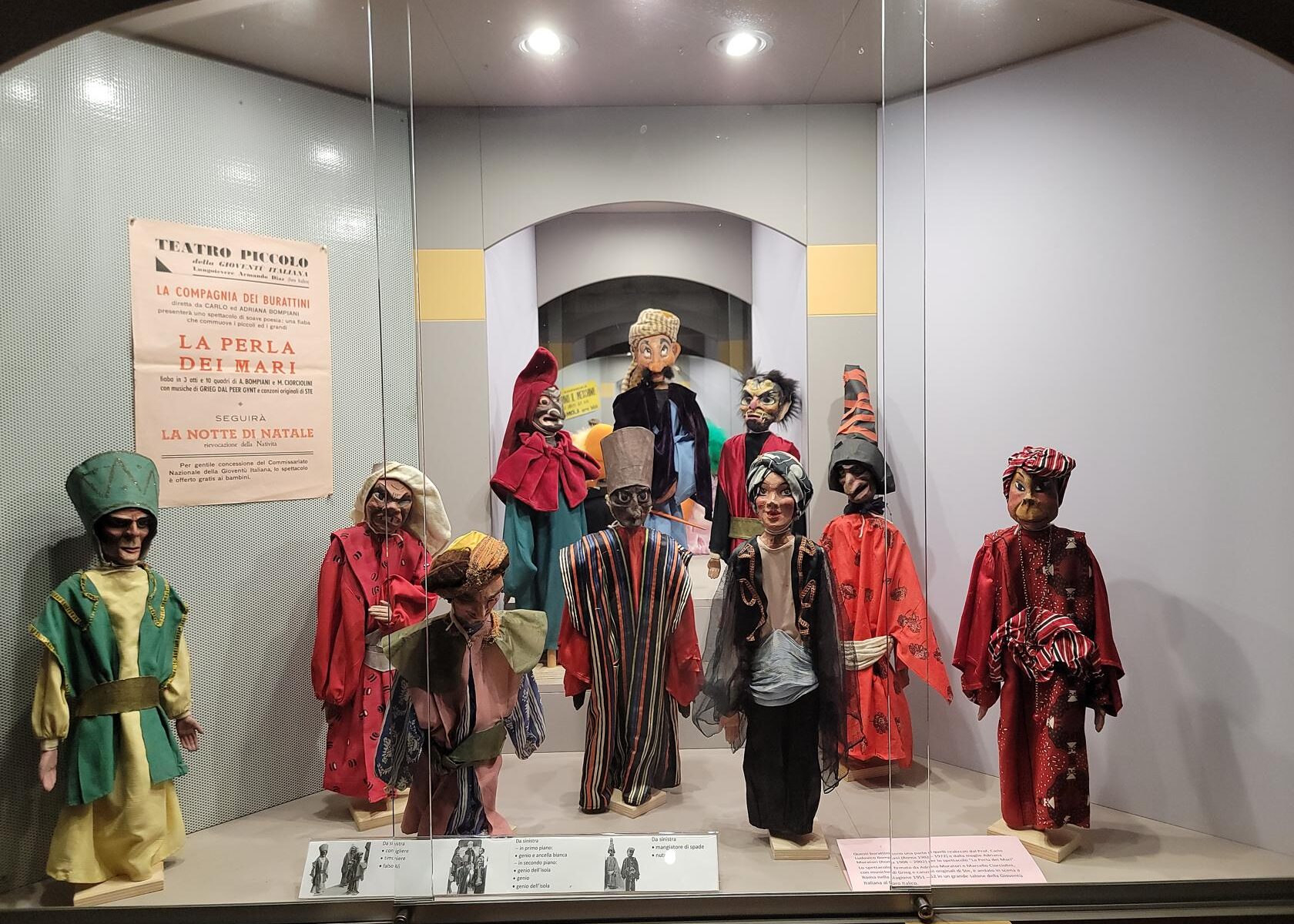
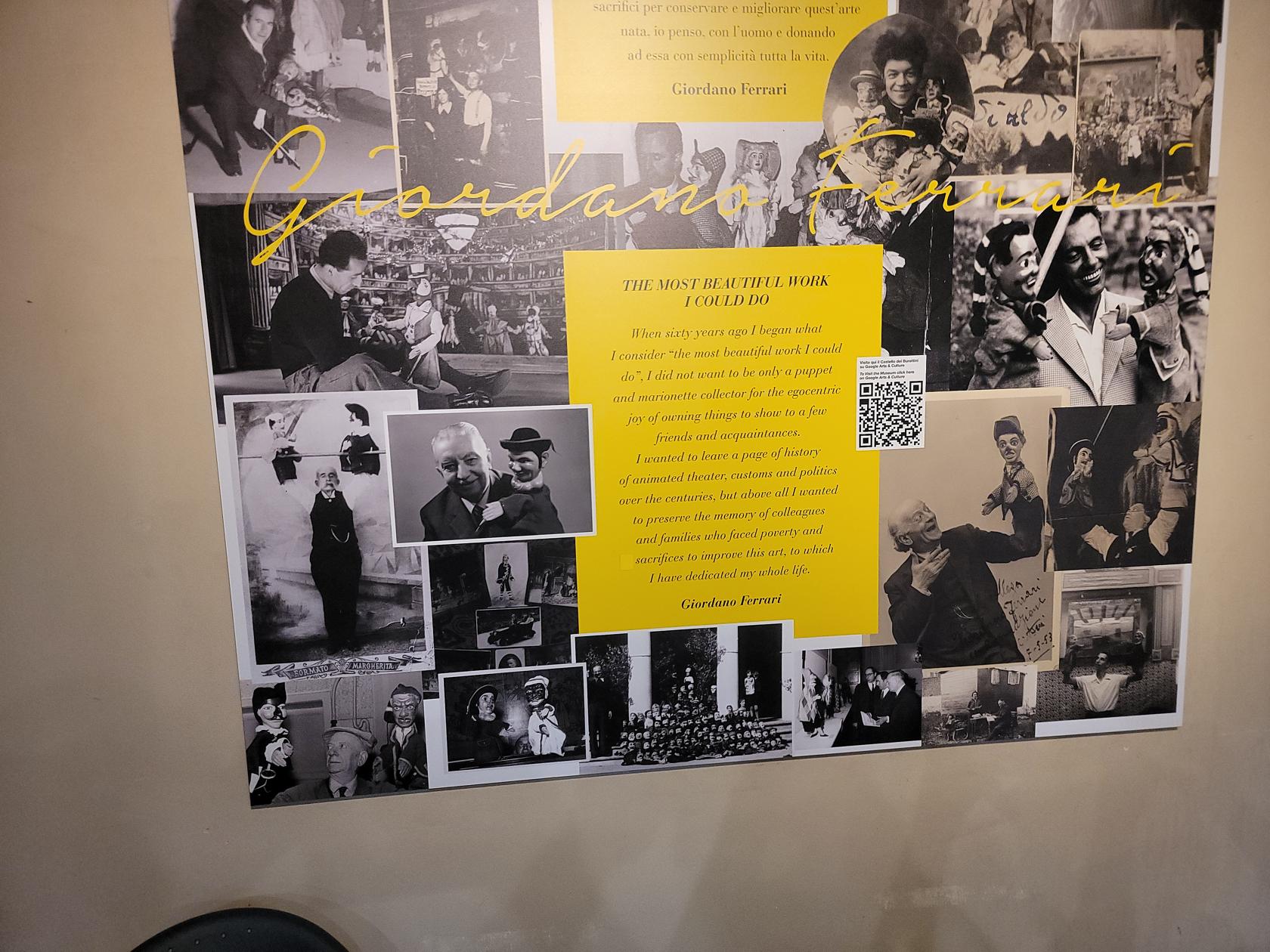
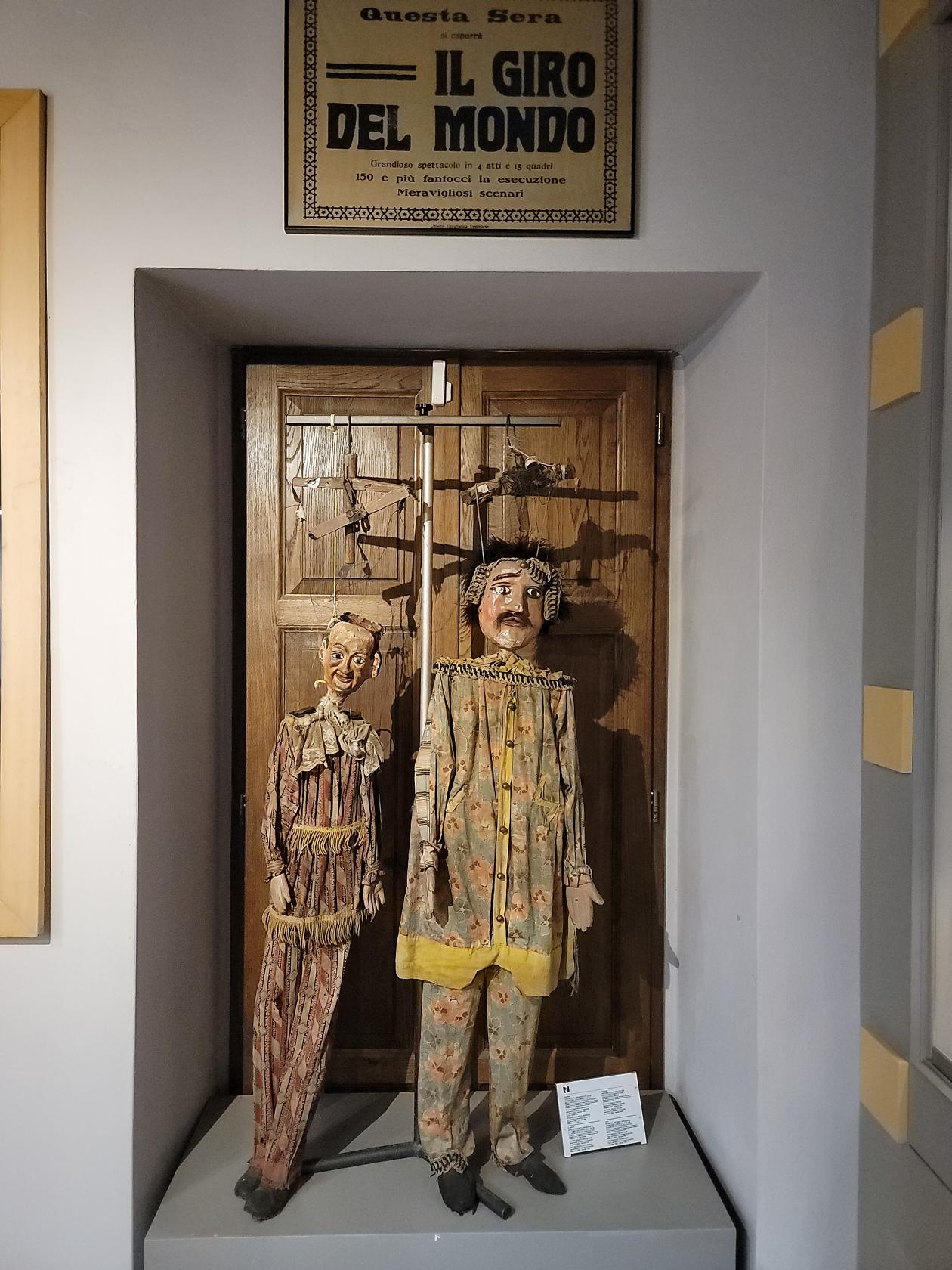
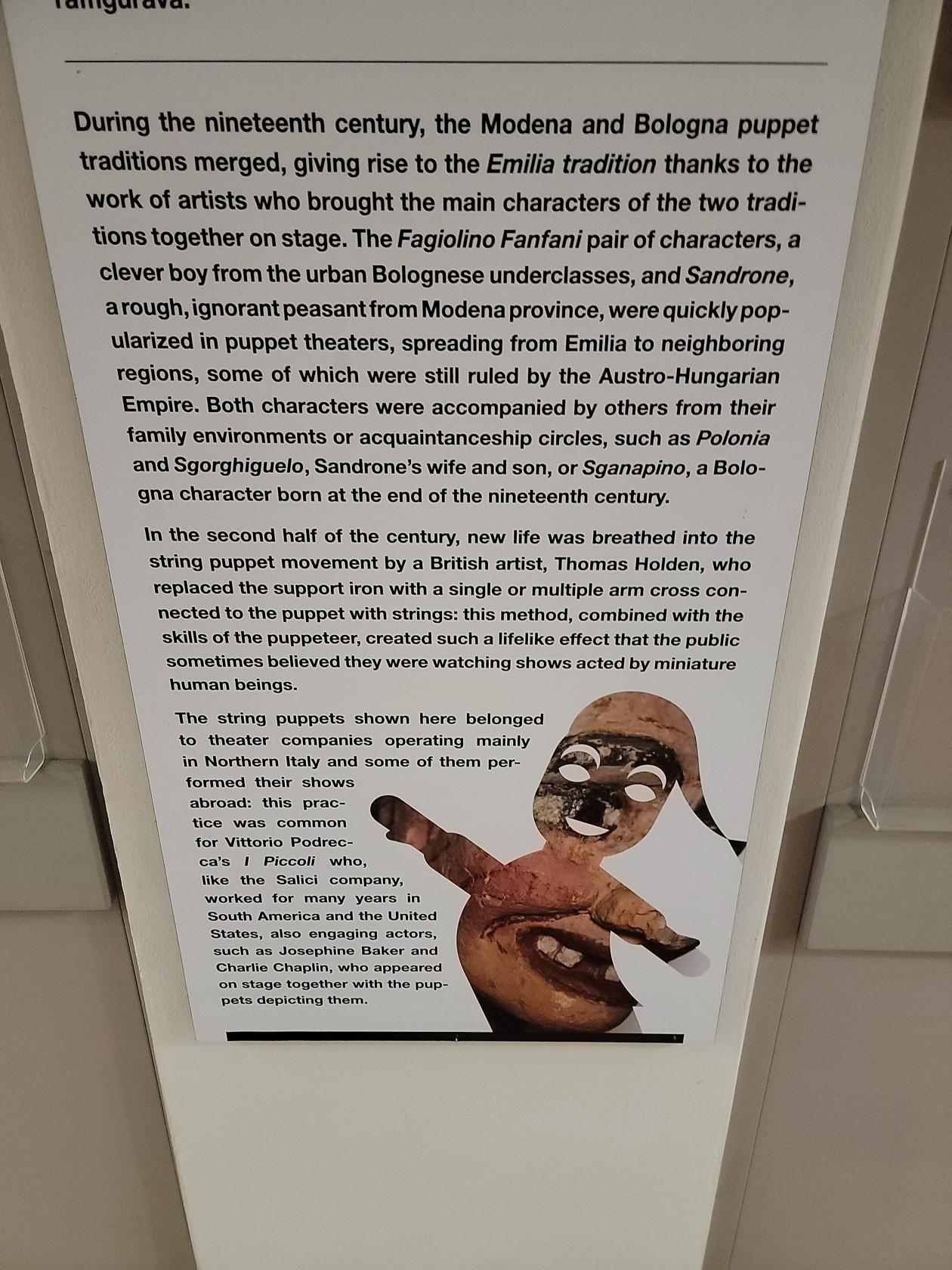
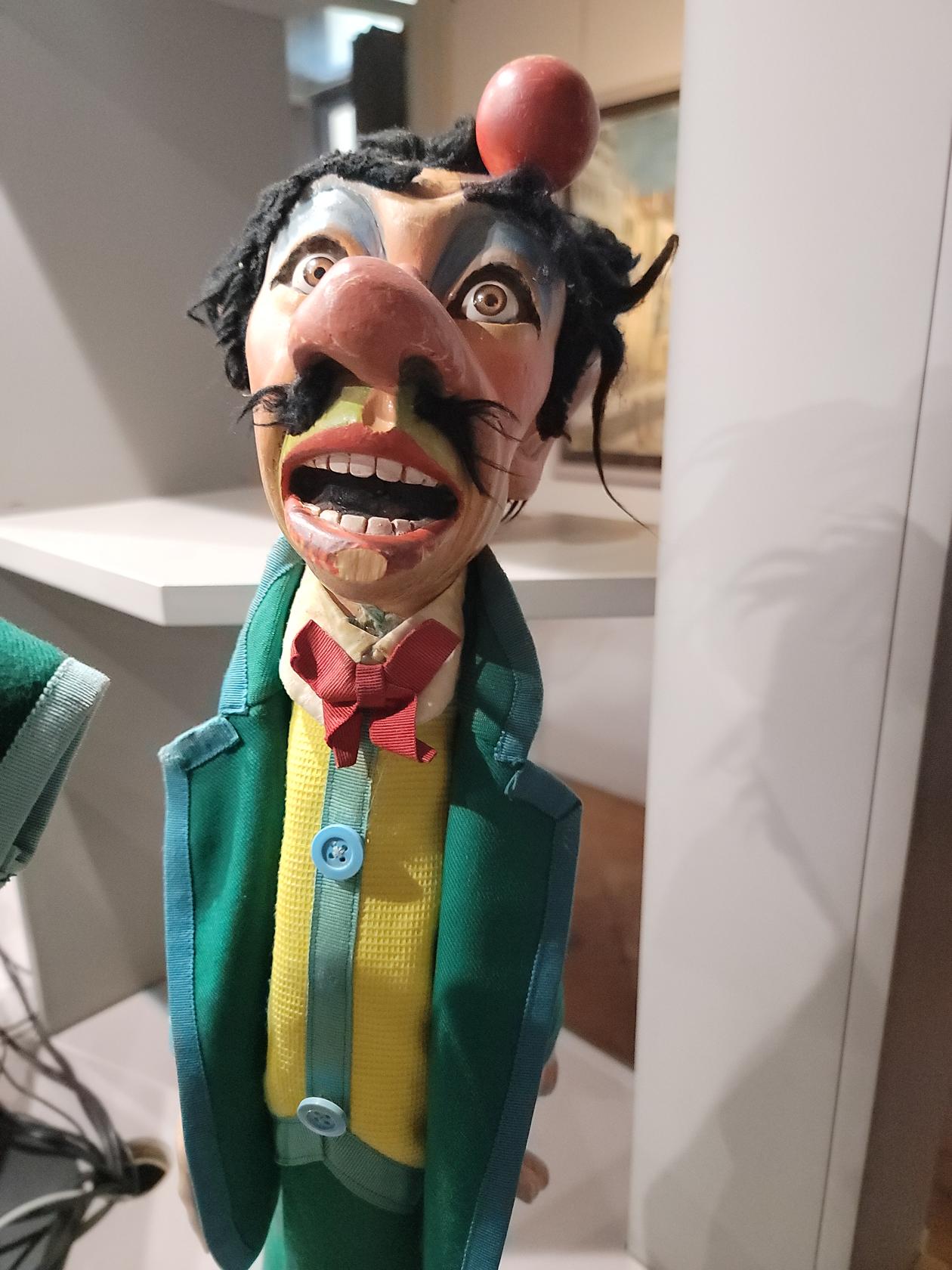
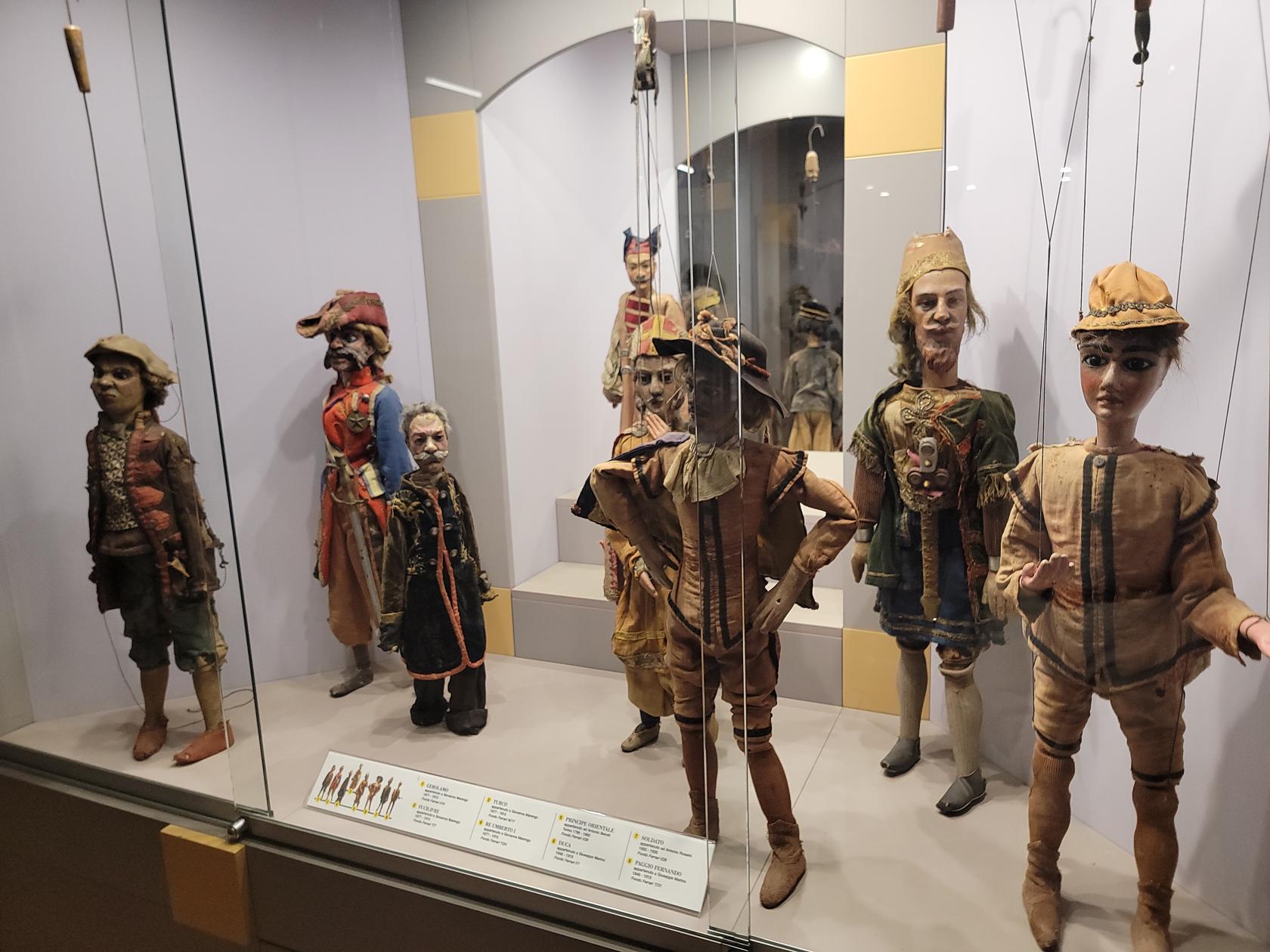
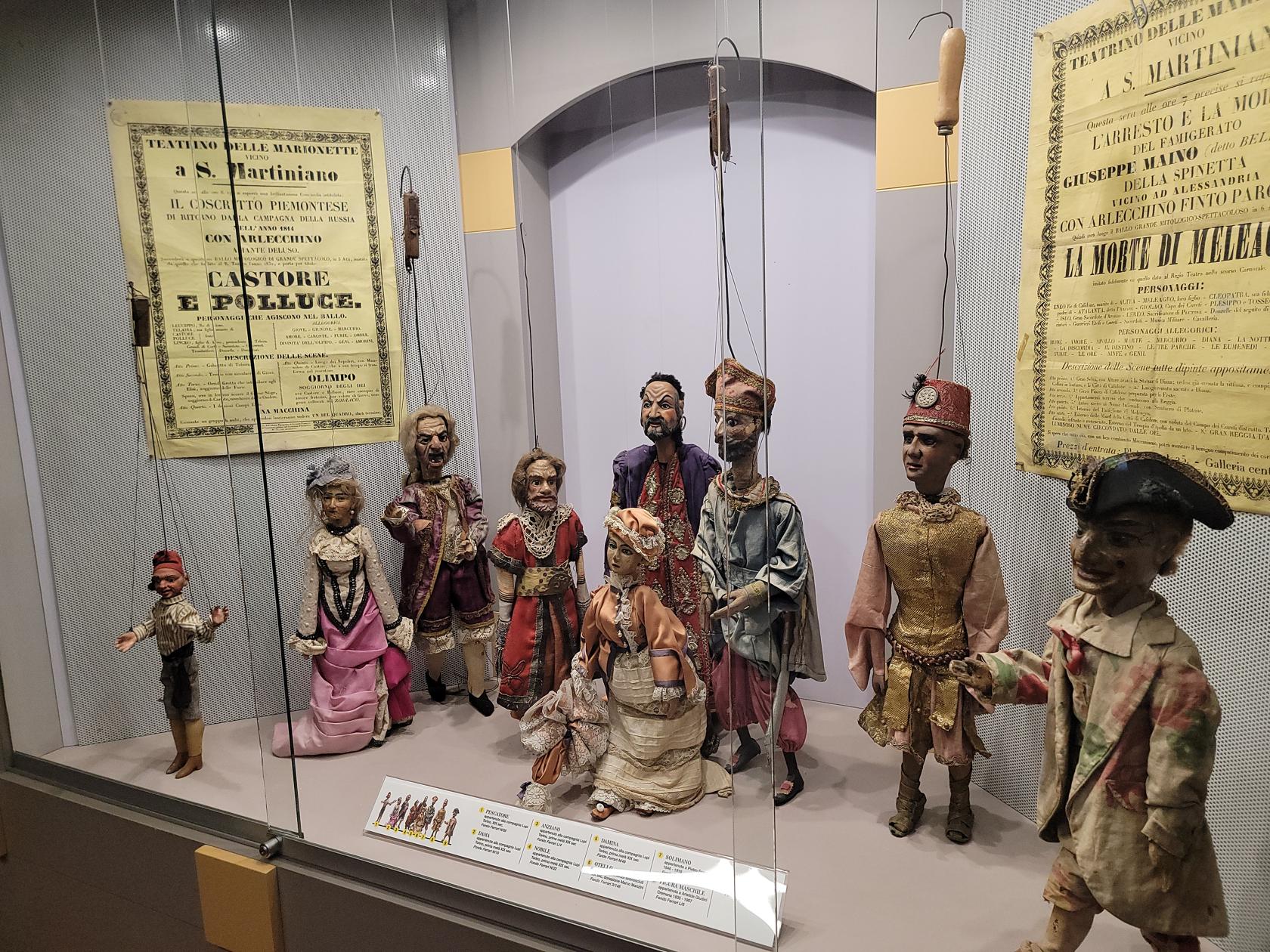
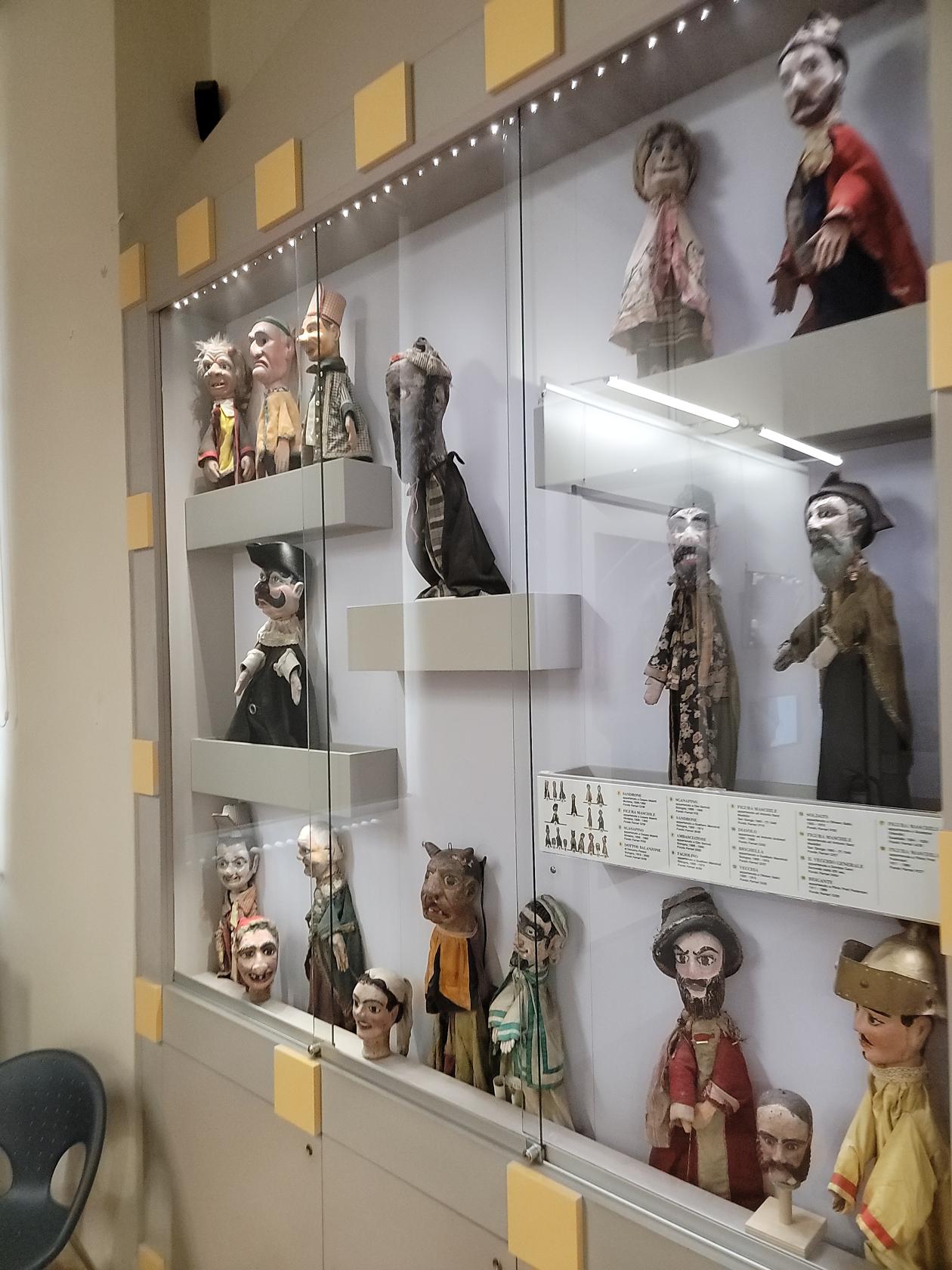
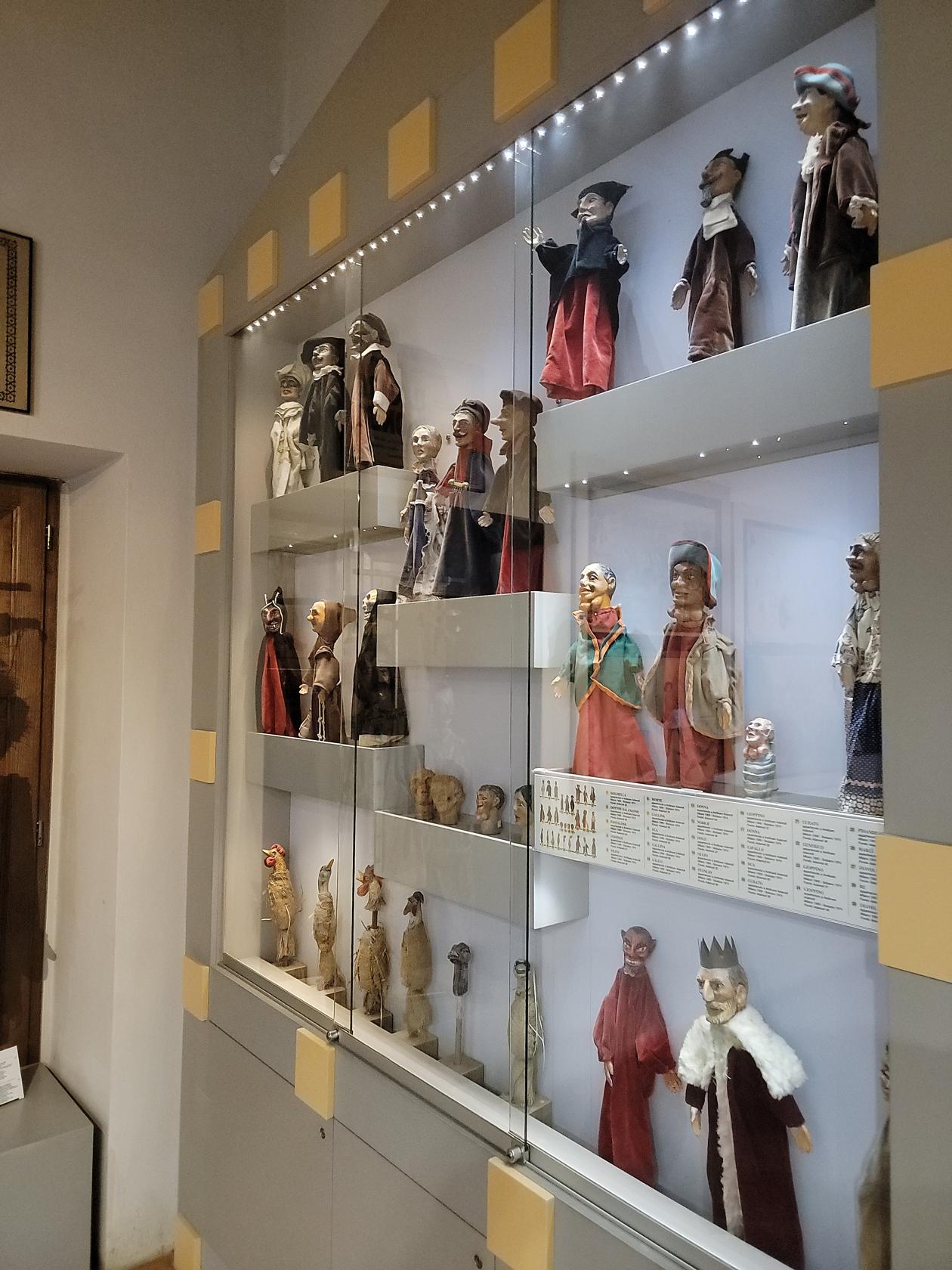
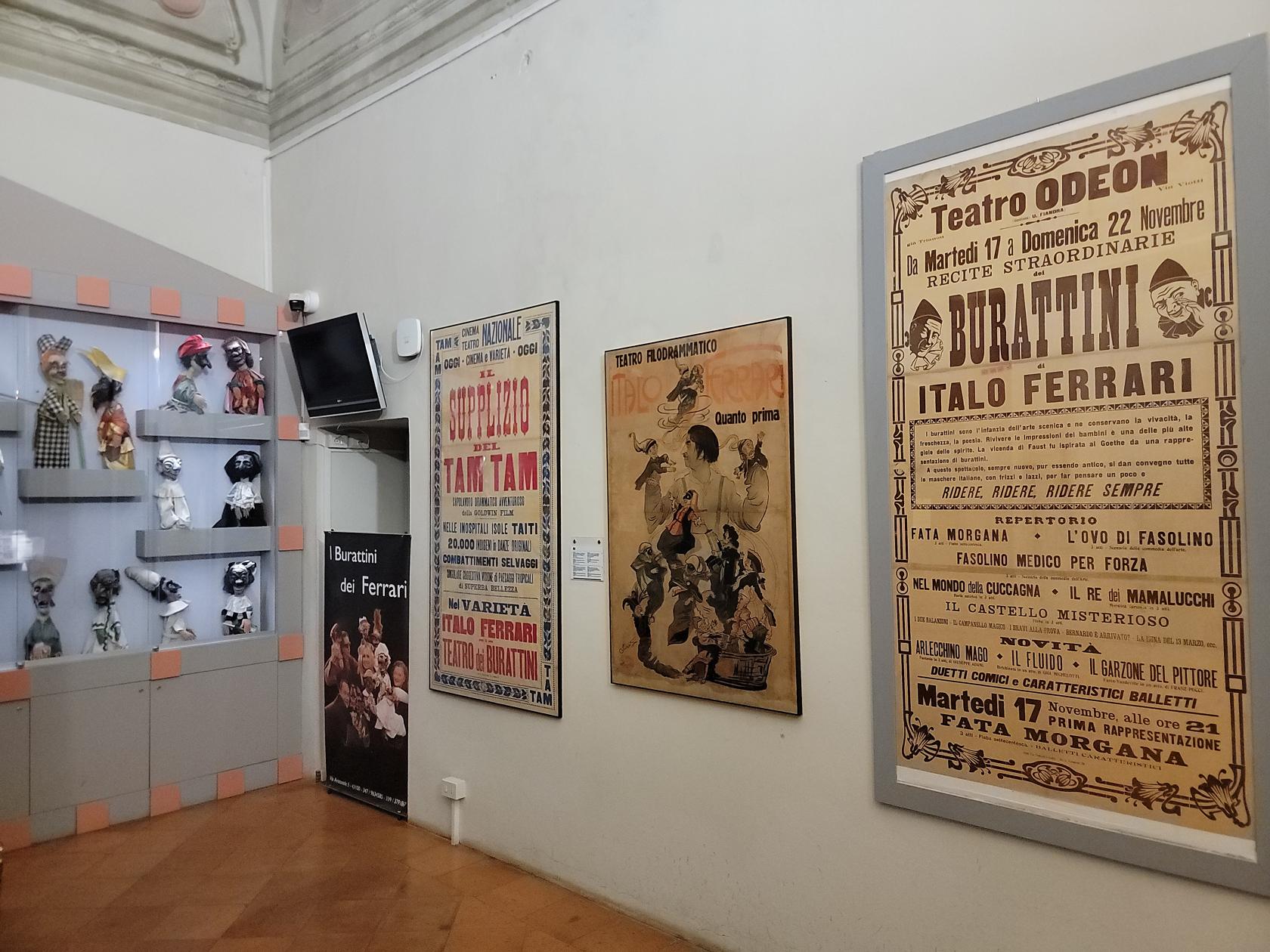
Founded by Italo Ferrari, a peasant and apprentice shoemaker, turned his love of puppetry and puppeteering into an obsession. After failing several times in his twenties and thirties, he took on other jobs to support himself. It wasn’t until he perfected his art after the turn of the century and his repertoire from only tragedies, but to also include comedies and variety acts, was he able to devote full time and energy to his passion.
Entrance – Giordano Ferrari’s Puppet Museum – Parma, Italy
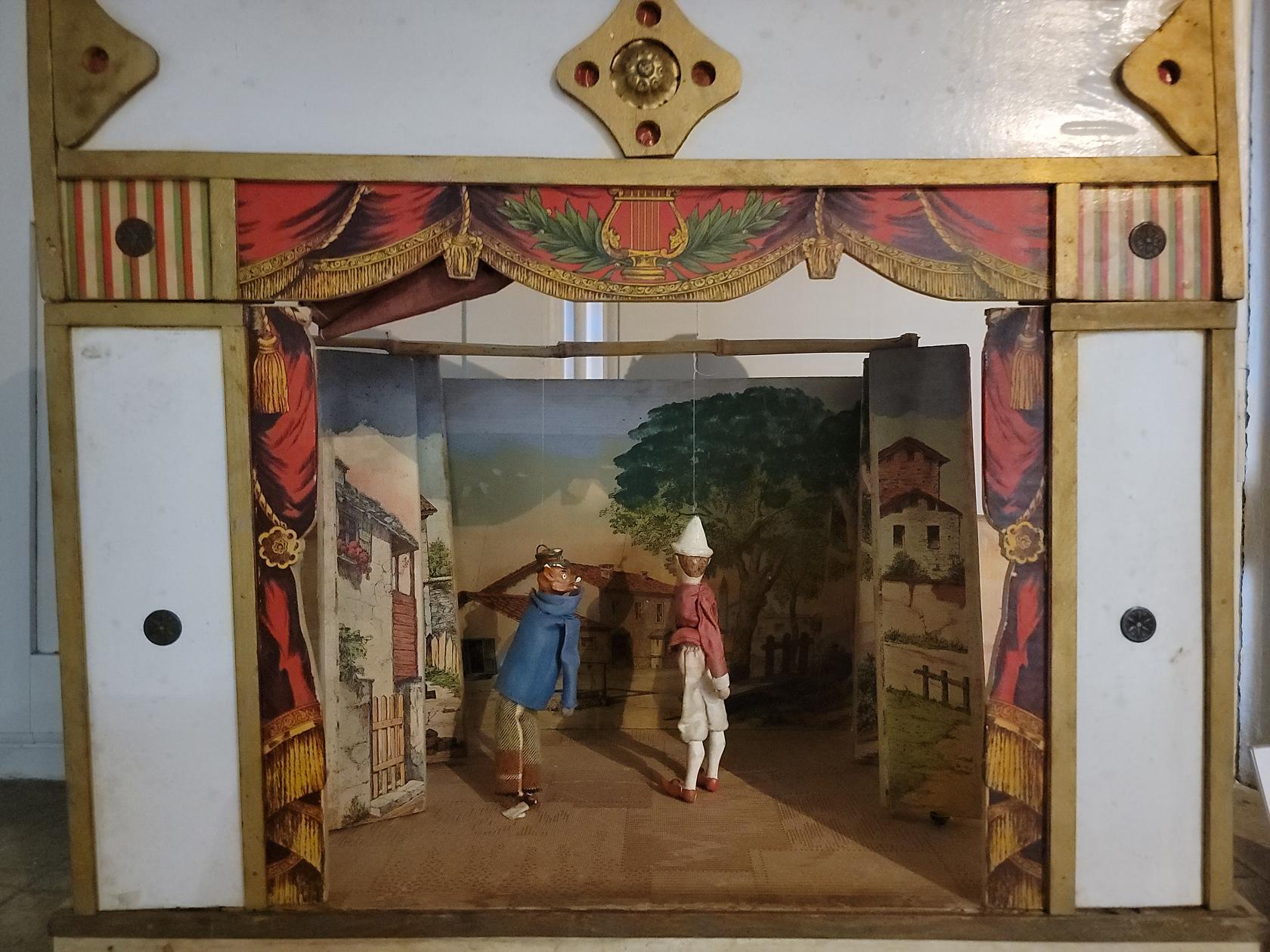
Small Portable Stage – Giordano Ferrari’s Puppet Museum – Parma, Italy
Display 18 – Giordano Ferrari’s Puppet Museum – Parma, Italy
Display 11 – Giordano Ferrari’s Puppet Museum – Parma, Italy
Puppets at Entry – Giordano Ferrari’s Puppet Museum – Parma, Italy
Information – Giordano Ferrari’s Puppet Museum – Parma, Italy
He died in 1961 at the ripe old of 84, after having several successful radio and tv presentations. From then on, his son Giordano took up his mantel and later rebranded the act as the Ferrari Company, not to be confused with the eponymous car manufacturer.
Example of Details – Giordano Ferrari’s Puppet Museum – Parma, Italy
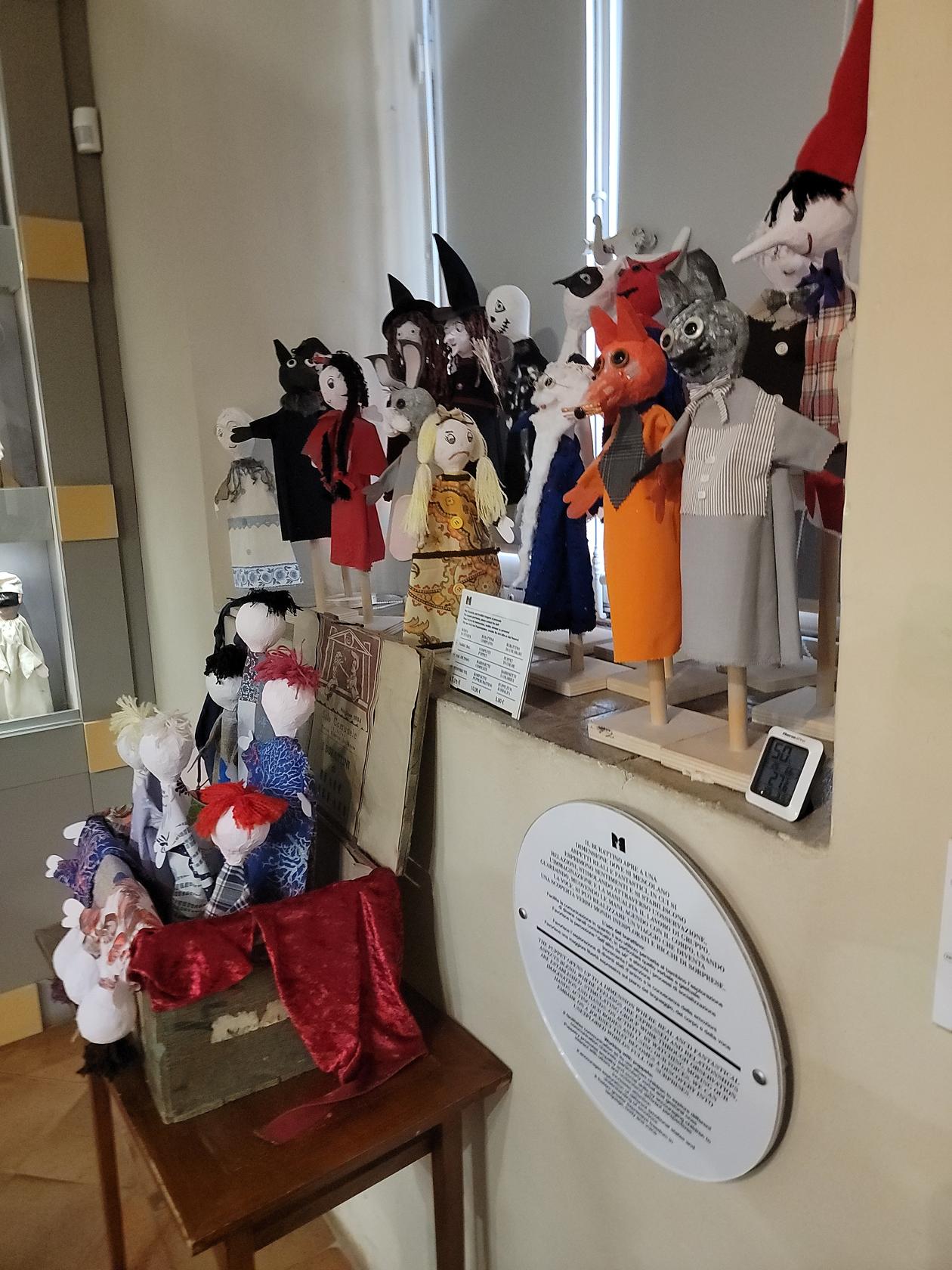
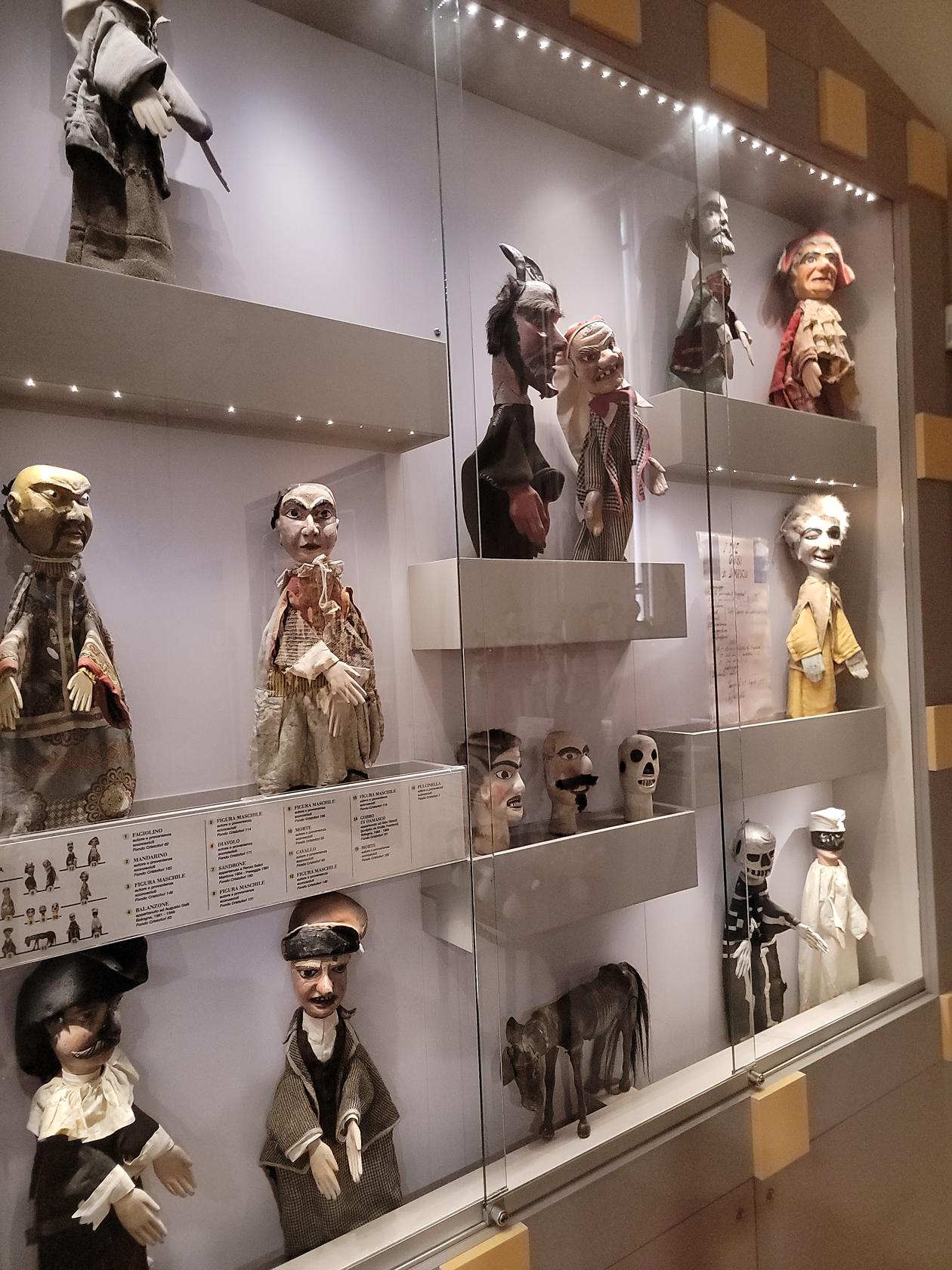
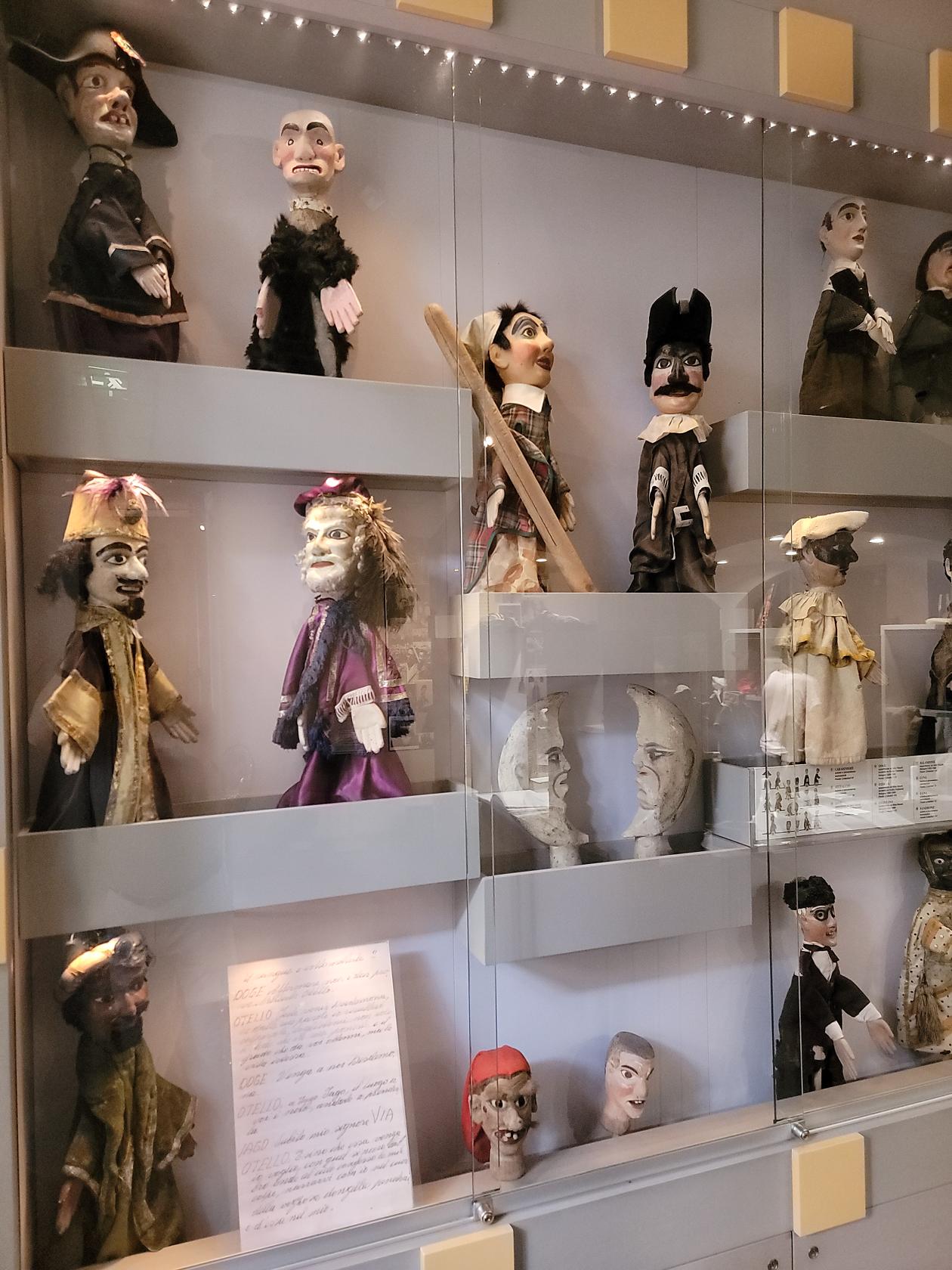
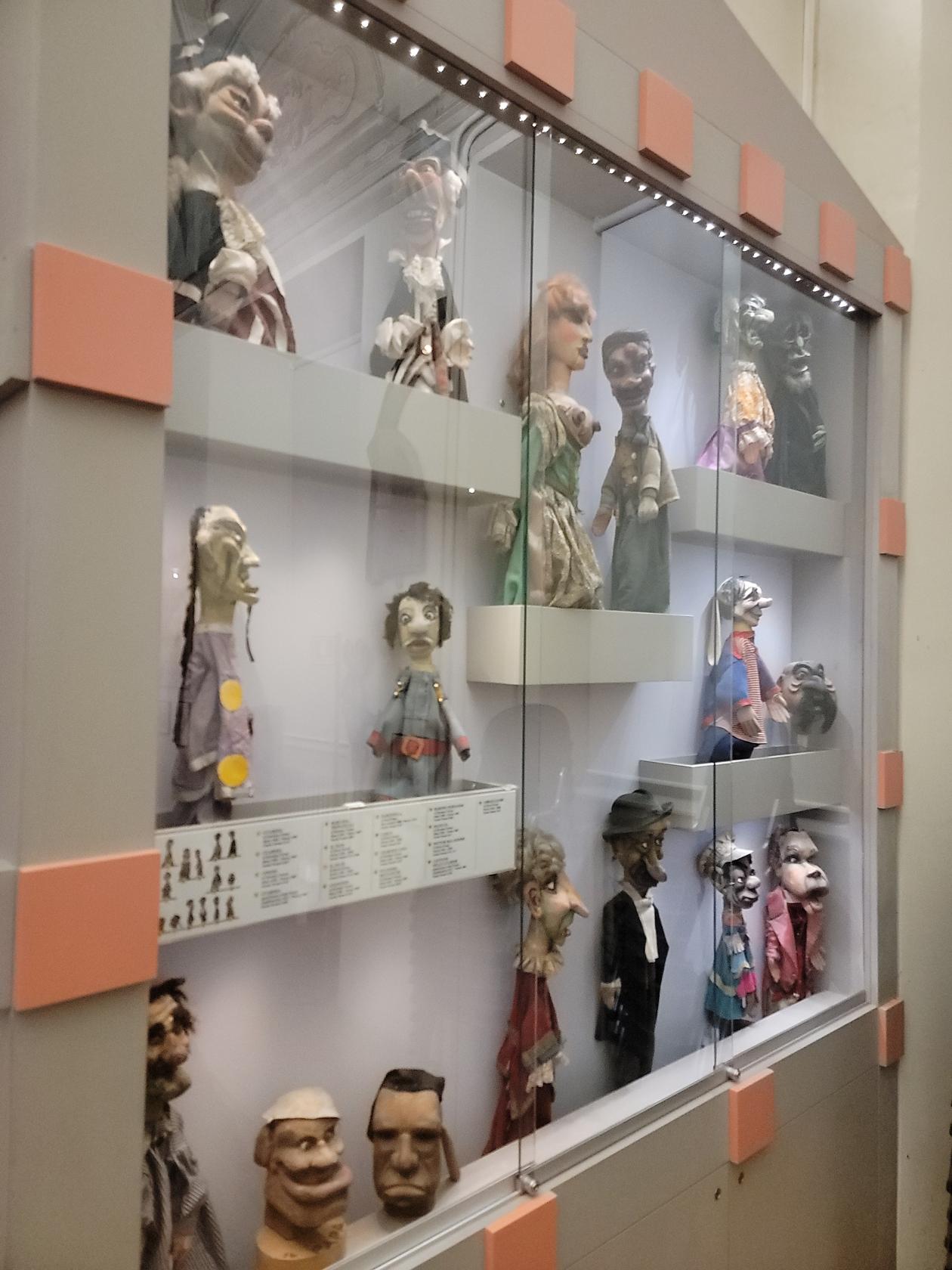
It is with the wish or his son and family to preserve this important social and artful legacy, that the family was finally able to secure funding and the means to open this museum. The museum even hosts events and of course, puppet shows, however only when the current company is not touring internationally. The shows are mainly geared around fairy tales and other fables, especially tales around good and bad people, including everyone’s favority, the devil.
Display 3 – Giordano Ferrari’s Puppet Museum – Parma, Italy
Display 4 – Giordano Ferrari’s Puppet Museum – Parma, Italy
Display 5 – Giordano Ferrari’s Puppet Museum – Parma, Italy
Display 6 – Giordano Ferrari’s Puppet Museum – Parma, Italy
Display 7 – Giordano Ferrari’s Puppet Museum – Parma, Italy
Display 12 – Giordano Ferrari’s Puppet Museum – Parma, Italy
Display 9 – Giordano Ferrari’s Puppet Museum – Parma, Italy
Display 10 – Giordano Ferrari’s Puppet Museum – Parma, Italy
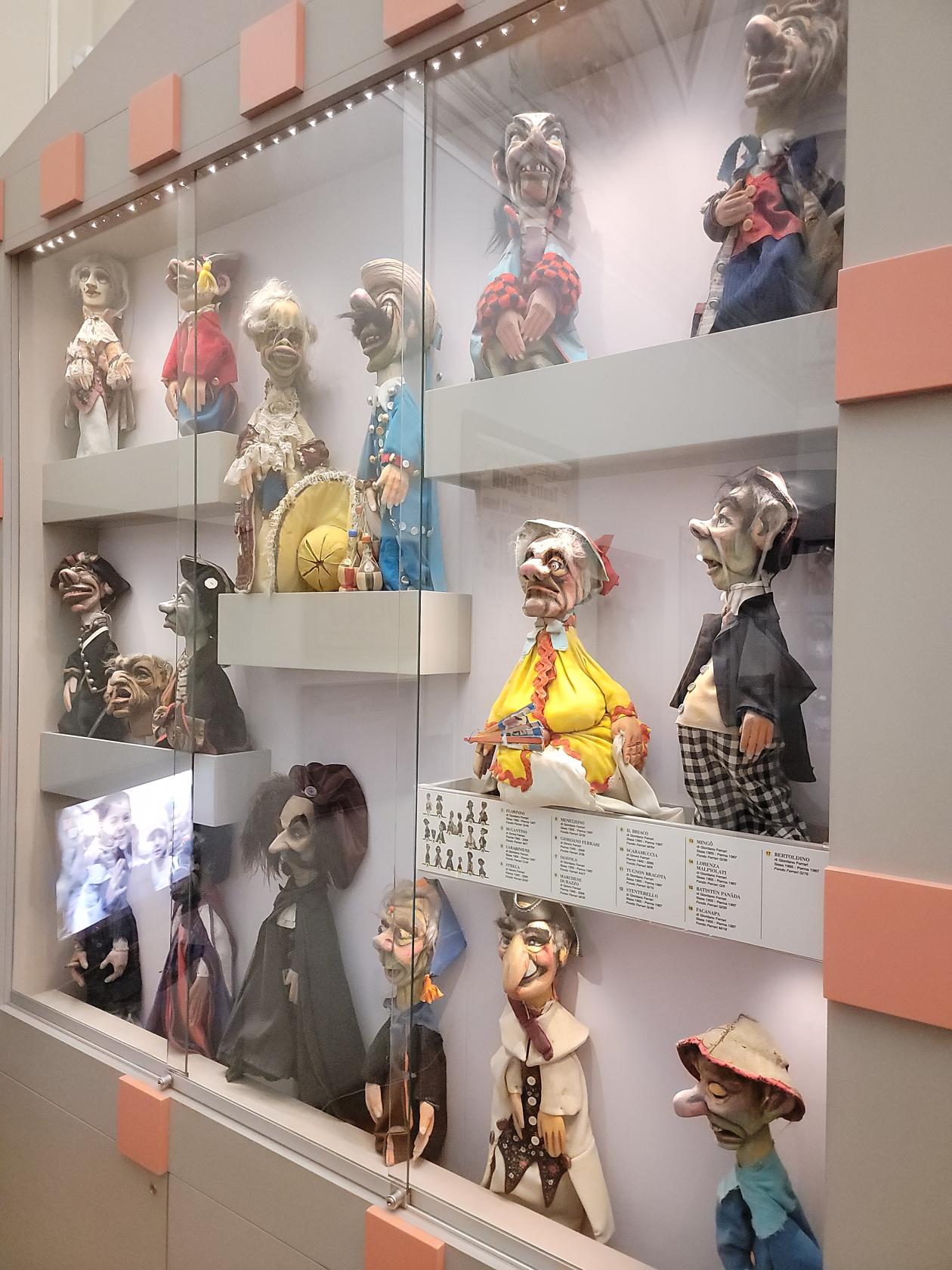
Some of the puppets they have at their disposal seem to also indicate a predilection for the Zanni, having representations of the characters Harlequin[1]He is the dockworker, the porter, the pimp, the good servant, simple in manner and mind, who gets into trouble and is always hungry. This is Harlequin. He derives from the figure of the Zanni, the … Continue reading, Pulcinello[2]Pulcinella is both good and bad, rude and sometimes affected. Unlike Harlequin, a “sidekick,” but manages to be independent on stage, competing even with only one antagonist at a time. … Continue reading and other Commedia dell’Arte puppets.
Display 1 – Pulcinello in lower right in white – Giordano Ferrari’s Puppet Museum – Parma, Italy
Display 2 – Giordano Ferrari’s Puppet Museum – Parma, Italy
Display 24 – Giordano Ferrari’s Puppet Museum – Parma, Italy
Display 25 – Giordano Ferrari’s Puppet Museum – Parma, Italy
Display 26 – Giordano Ferrari’s Puppet Museum – Parma, Italy
Display 27 – Giordano Ferrari’s Puppet Museum – Parma, Italy
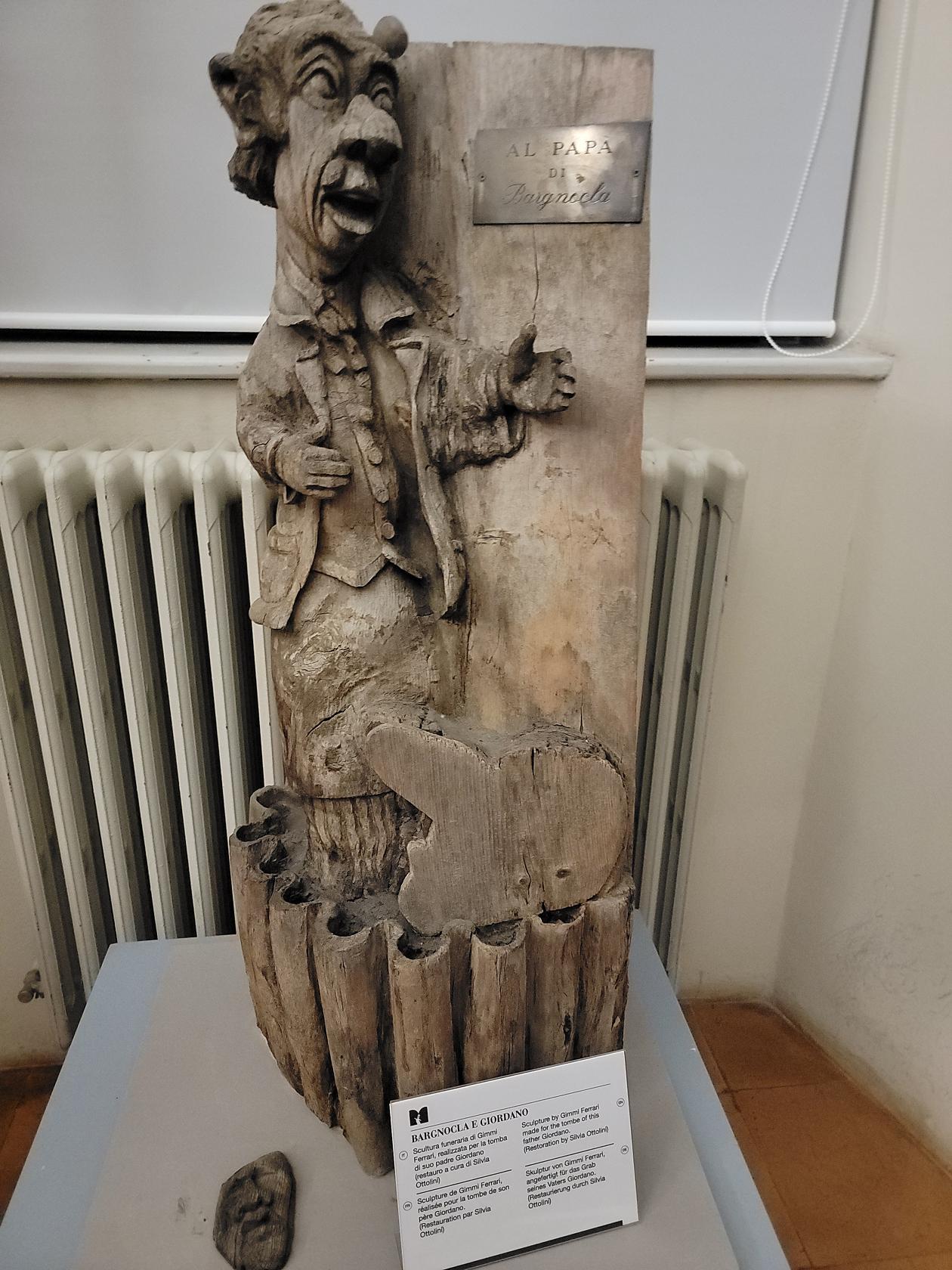
Carving – Giordano Ferrari’s Puppet Museum – Parma, Italy
Old Advertisements – Giordano Ferrari’s Puppet Museum – Parma, Italy
Small Portable Stage – Giordano Ferrari’s Puppet Museum – Parma, Italy
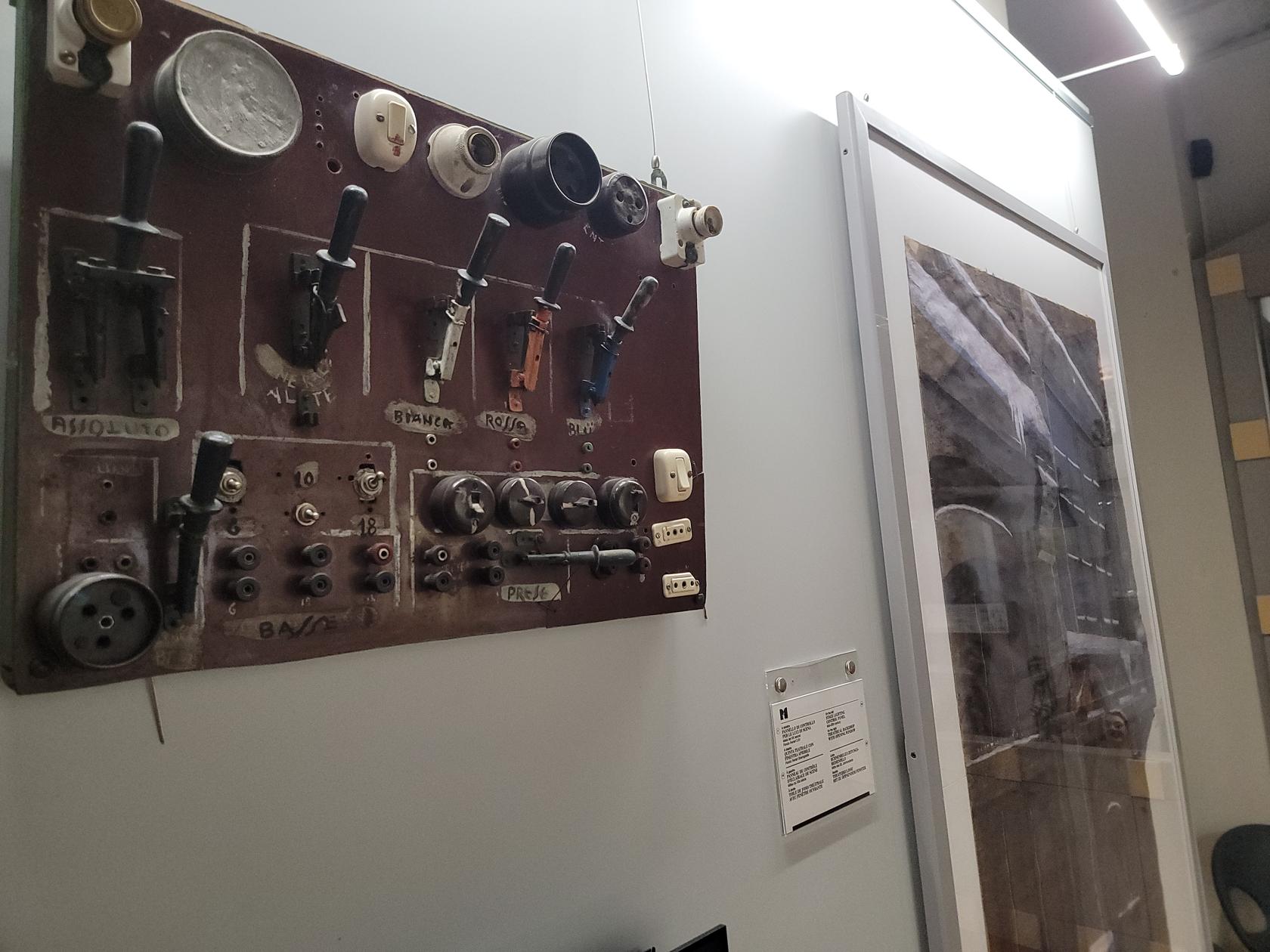
Display of Circuits Used for Stages – Giordano Ferrari’s Puppet Museum – Parma, Italy
Restaurants
Uagliò Restaurant
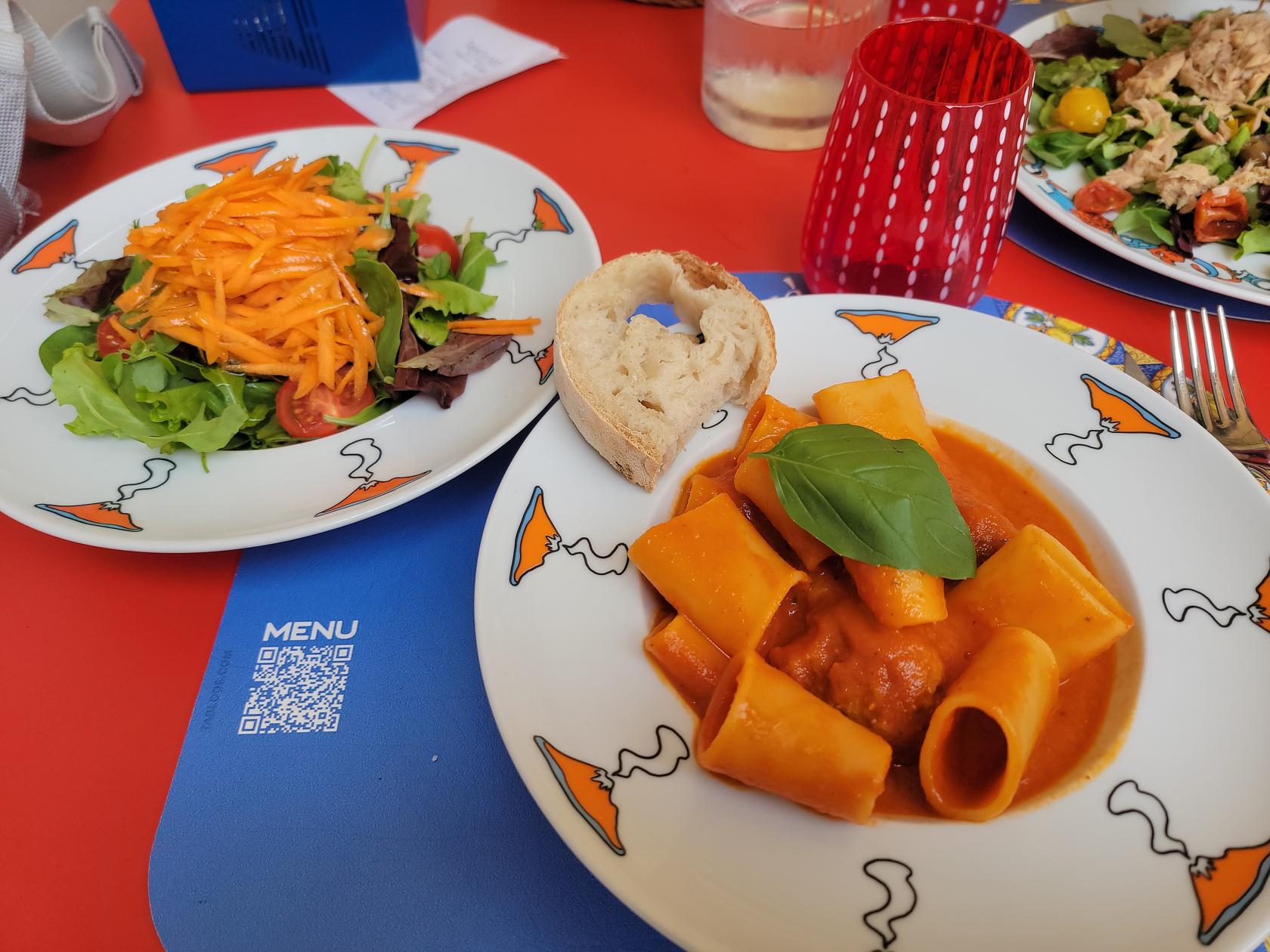
A smaller chain restaurant with a few stores around the area, Uagliò is not a bad pick if you are in a hurry or have not made other plans. We were hungry for lunch, so we stopped to see what they had to offer. The pasta with meatballs in sauce was very good, as was the small mixed salad. There was plenty of seating inside and out.
Mixed Salad and Paccheri with Tomato Sauce and Meatballs, Tuna salad in back – Uaglio Restaurant – Parma, Italy
He is the dockworker, the porter, the pimp, the good servant, simple in manner and mind, who gets into trouble and is always hungry. This is Harlequin. He derives from the figure of the Zanni, the jester of comic tales documented as early as the 14th century. From the Zanni, Harlequin retains the frank character and natural propensity for mischief. Harlequin’s costume, known by all as the most colorful of masks, was initially white and tattered; for this reason, first a patch was added, then another, until the outfit was multi-colored diamonds. This is how we see him in 17th-century theater. His appearance is clumsy and stocky, the black half-mask he wears is animalistic, and on his head he wears a white felt hat topped with a feather or a rabbit’s foot. The feather is a symbol of fertility and the rabbit is a symbol of cunning. From his belt hangs the baòcio, the polenta stirring stick, which serves as his sword. He also has a bump on his forehead, which some believe to be the remnants of a devil’s horn. The name Harlequin, in fact, recalls that of a devil. Alichino is the devil mentioned by Dante in the Divine Comedy.
Pulcinella is both good and bad, rude and sometimes affected. Unlike Harlequin, a “sidekick,” but manages to be independent on stage, competing even with only one antagonist at a time. Pulcinella wears a white shirt with a gathered waist, white trousers with a belt, a white felt conical hat, and a half-mask with a large, slightly hooked nose. The costume is similar to that worn by peasants since the Middle Ages; they are made out of hemp, the cheapest home-woven fiber, and no color to avoid the cost of dye. Pulcinella is a poor man. These masks form the original core of the Commedia dell’Arte.
Probably for most people when they hear the word Parma, they do not think of a place to visit but rather their stomachs and eating ham. Many can argue what is the best meat with respect to taste, beef or pork. I am not sure that many can argue about pork’s versatility, from fried pork skin to bacon, pork chops to pork tenderloin, Salumi to Prosciutto Crudo. One thing is certain, if you love the last two then Parma is your Mecca.
Parma
In Parma Province, within the region called Emilia-Romagna, the city of Parma is joined with its neighboring cities by the Via Aemilia[1]One of the trunk Roman Roads that ran through Italy during the Roman Empire through the Po river valley from Piacenza to Rimini. The valley has special properties which embue the ham and cheese made here with delicate flavors. It’s all in the label, literally.
Parma Valley – Tasty Bus Tour – Parma, Italy
The Tasty Tour
We employed to Tasty Tour for a day long jaunt into the countryside to understand how Parma Ham, Prosciutto, Parmesan Cheese and finally, Balsamic Vinegar were manufactured.
Old Tractors – Old Massey Ferguson – San Pier Damiani Parmigiano Reggiano Factory – Tasty Bus Tour – Parma, Italy
The tour promised six hour drive to three small, but key places where these products are made to the DOP[2]Denominazione d’ Origine Protetta which ensures the following. They meet the highest of standards of production and are produced within certain regions that result in characteristics to ensure … Continue reading highest standards.
Salumificio Conti
Among Parms Ham manufacturers, Salumificio Conti is a well established name with a heritage all its own. The factory is modest in size, but produces some of the best tasting hams and salumi in this region of Italy.
Entrance – Salumificio Conti – Tasty Bus Tour – Parma, Italy
The factory orders and accepts only the two hind legs from it preprocessor and butcher. These are delivered in trucks and processed the day they arrive, so it is all planned and nothing is left to chance.
Newly Arrived Hams – Salumificio Conti – Tasty Bus Tour – Parma, Italy
Machine that Cleans and Salts the Hams – Salumificio Conti – Tasty Bus Tour – Parma, Italy
Skilled craftsmen and women assess each ham for its ultimate use, which can be anything from just daily grocery store cold cuts, to aged proscuitto and other salumis. Culatta Culatello hams are also processed here and are usually hung in bags, after the meat has been taken from the bone and properly arranged in a bag and salted.
Culatello Hams – Salumificio Conti – Tasty Bus Tour – Parma, Italy
Culatello Hams – Salumificio Conti – Tasty Bus Tour – Parma, Italy
There were no arrivals the day we were there, but we were able to learn how the special Parma Hams were selected and stamped and smeared with a special lard, to ensure the amount of air that gets to them, after all of the are salted. They only use human grade sea salt on the hams, which in the first couple of weeks of curing is removed every other week and re-applied.
Drying Black Label 12 Month Parma and Culatello Hams – Salumificio Conti – Tasty Bus Tour – Parma, Italy
Drying Rosa Antico 16 Month Parma and Culatello Hams – Salumificio Conti – Tasty Bus Tour – Parma, Italy
The Conti Story – Salumificio Conti – Tasty Bus Tour – Parma, Italy
After selection and processing the hams are stored in a refrigerated controlled rooms for a specified amount of time.
Drying Parma Hams – Salumificio Conti – Tasty Bus Tour – Parma, Italy
Close Up of Ham – Salumificio Conti – Tasty Bus Tour – Parma, Italy
Close Up of Ham – Salumificio Conti – Tasty Bus Tour – Parma, Italy
Drying Black Label 12 Month Parma and Culatello Hams – Salumificio Conti – Tasty Bus Tour – Parma, Italy
Depending on how much time they spend to dry and what type of ham each has been selected for, they are boxed and prepared for packaging and shipping. Below is batch ready for shipment that appears to be about ten months old.
Hams Ready for Packaging and Shipment – Salumificio Conti – Tasty Bus Tour – Parma, Italy
Damiani Parmesan Factory
San Pieri Damiani Parmigiano Reggiano is located in Parma Province, in San Prospero, just outside the city limits. The history of making Parmesan cheese in the area goes back almost a thousand years, for which the cheese that’s made here owes its distinct taste to the local flora that is eaten by the cows.
Entrance – San Pier Damiani Parmigiano Reggiano Factory – Tasty Bus Tour – Parma, Italy
At the farm, two milkings are done every day, where the milk is harvested for four different indigenous cows, they are:
Rossa Reggiana – it is considered the mother of Parmigiano Reggiano. It almost became extinct in the 1980s, after farmers committed to raising only cows that produced more milk. However, the local commune, called the Consorzio Vacche Rosse, turned this around and committed to making cheese with this milk like they did 800 years ago.
Bruna Italiana – derived from the Bruna Alpina cow from Austria and Switzerland, there is also a Consorzio di Sola Bruna that protects and makes cheese from this species. The milk from this cow has a higher fat content and subsequently the cheeses are more buttery and flavorful.
Biana Modenes – or white breed, also almost went extinct and was only just recently in 2005 spared that fate. The Caseificio Rosola di Zocca was formed to breed and protect the species from extinction. This cow produces a cheese curd that is sweeter and more elastic, giving the resultant cheese a rich, dense flavor.
Holstein Friesian – or what they call the industrial breed. Bred because it produces more milk for the same acreage as any other cow. Therefore it is doing well and provides the base, stock milk for most cheese in the area.
There are six steps to making parmesan cheese, from blending, heating and shaping, to salting, ageing and finally branding, that is, after each has passed a rigorous inspection.
Introduction – San Pier Damiani Parmigiano Reggiano Factory – Tasty Bus Tour – Parma, Italy
The first two steps take place in huge vats that are heated by steam. The rise in temperature allows the yeast that is added to multiply rapidly to produce curd.
Curd Heating Vats – San Pier Damiani Parmigiano Reggiano Factory – Tasty Bus Tour – Parma, Italy
The curd is then taken out using cheese cloth and strained of water, rinsed and placed into plastic molds for shaping. The plastic mold has basic information on it that imprints on the cheese rind as it forms. Special places in the mold are left blank, these are where the DOP information, the inspection results and other information are burned into the rind later.
Heating and Processing Curd – San Pier Damiani Parmigiano Reggiano Factory – Tasty Bus Tour – Parma, Italy
Rinsing the Curd in Cheese Cloth – San Pier Damiani Parmigiano Reggiano Factory – Tasty Bus Tour – Parma, Italy
Forming Molds with Imprints – San Pier Damiani Parmigiano Reggiano Factory – Tasty Bus Tour – Parma, Italy
Forming Cheese Wheels and Wheels in Brine – San Pier Damiani Parmigiano Reggiano Factory – Tasty Bus Tour – Parma, Italy
Human Grade Sea Salt – San Pier Damiani Parmigiano Reggiano Factory – Tasty Bus Tour – Parma, Italy
Preliminary Aging Room – San Pier Damiani Parmigiano Reggiano Factory – Tasty Bus Tour – Parma, Italy
Once the cheese has aged it is ready for inspection, the DOP information is burned into the rind. Then the inspection results are died onto the rind by a circular stamp if the cheese has passed.
Intermediate Aged Parmesan – San Pier Damiani Parmigiano Reggiano Factory – Tasty Bus Tour – Parma, Italy
Wheel Cleaning Machine – San Pier Damiani Parmigiano Reggiano Factory – Tasty Bus Tour – Parma, Italy
Aged Parmesan – San Pier Damiani Parmigiano Reggiano Factory – Tasty Bus Tour – Parma, Italy
Aged Parmesan – San Pier Damiani Parmigiano Reggiano Factory – Tasty Bus Tour – Parma, Italy
Cheese Passed Inspection – San Pier Damiani Parmigiano Reggiano Factory – Tasty Bus Tour – Parma, Italy
Green Inspection Approval Stamp – San Pier Damiani Parmigiano Reggiano Factory – Tasty Bus Tour – Parma, Italy
Otherwise, a rectangular or other shape is used indicating why the cheese failed, along with a scouring of the outside with latitidudinal lines, clearly indicating a sub-standard or bad wheel.
Cheese Wheel Failure – San Pier Damiani Parmigiano Reggiano Factory – Tasty Bus Tour – Parma, Italy
Acetaia Picci
Chef Picci, who owned and operated a very successful restaurant, retired and has devoted the rest of his days to producing balsamic vinegar of varying ages and quality with his company Acetaia Picci in Cavriago. Unlike the variety you will find in Modena and most likely in a grocery store near you, his vinegars are more acidic and owe their quality to the different grapes from the area he uses. He prefers this, since only half as much of the balsamic vinegar in the Po Valley displays these qualities, as opposed to the larger companies that produce sweeter ones from the southern parts of the valley.
Entrance and Guest – Vecchia Acetaia Balsamico Picci – Tasty Bus Tour – Parma, Italy
House and Adjoining Business – Vecchia Acetaia Balsamico Picci – Tasty Bus Tour – Parma, Italy
The grape must is first heating in large vats to start the process. From there the liquid is transferred to large waiting casks in the same room. This is temporary, since the process of moving the vinegar from one cask to another is on on-going procedure.
Grape Distillery – Vecchia Acetaia Balsamico Picci – Tasty Bus Tour – Parma, Italy
First Set of Aging Barrels for Each Batch – Vecchia Acetaia Balsamico Picci – Tasty Bus Tour – Parma, Italy
Each cask is only filled to 85 percent. This is to allow enough air at the top for proper fermentation. As each cask loses liquid, either from evaporation or leakage, it is topped up from the larger cask adjacent to it in a long progression. The largest of these casks are later topped up with liquid from the larger primary casks in the cooking area.
Old Tools in Stairwell – Vecchia Acetaia Balsamico Picci – Tasty Bus Tour – Parma, Italy
The Triumph of Bacchus or the God of Wine – Vecchia Acetaia Balsamico Picci – Tasty Bus Tour – Parma, Italy
Aging Barrels – Vecchia Acetaia Balsamico Picci – Tasty Bus Tour – Parma, Italy
As time goes on, the casks get smaller and smaller. As they descend in size, the number of years that the balsamic has been sitting inside goes up as well. Production for 7, 12, 25 and even 50 year balsamic is not uncommon. The number of years is also reflected in the price as well as the quality of the balsamic.
Aging Barrels Progression – Vecchia Acetaia Balsamico Picci – Tasty Bus Tour – Parma, Italy
Old Barrels – Vecchia Acetaia Balsamico Picci – Tasty Bus Tour – Parma, Italy
Balsamic over 12 years old – Vecchia Acetaia Balsamico Picci – Tasty Bus Tour – Parma, Italy
Balsamic in the attic – Vecchia Acetaia Balsamico Picci – Tasty Bus Tour – Parma, Italy
Typically the early the balsamic the more vinegar it has in it. Older ones tend to adopt a sweeter taste over time as the vinegar and acid content drops as it is transformed into other complex compounds. Over time sediment collects in the bottom of each cask, which noone can see until a cask is finally rendered useless due to leakage or other issues and opened.
Very old Balsamic, some over 50 years old – Vecchia Acetaia Balsamico Picci – Tasty Bus Tour – Parma, Italy
Puppet guarding his stock – Vecchia Acetaia Balsamico Picci – Tasty Bus Tour – Parma, Italy
Ancient Crystals of Tartaric Acid and other sediments from aging vinegar over 90 years – Vecchia Acetaia Balsamico Picci – Tasty Bus Tour – Parma, Italy
Rotted Cask Wood from over 90 year old cask – Vecchia Acetaia Balsamico Picci – Tasty Bus Tour – Parma, Italy
One can see this in a simple tasting, though I could not say whether I preferred one of the other, each has different uses from dressing a salad, to cooking and baking, and even as an ice cream coating.
Tasting Balsamic – Vecchia Acetaia Balsamico Picci – Tasty Bus Tour – Parma, Italy
Tasting Balsamic – Vecchia Acetaia Balsamico Picci – Tasty Bus Tour – Parma, Italy
Restaurants
Since our outting was a full day, it came with what they called a “light lunch”. Our destination was a small Osteria along our route called Osteria La Maestà.
Osteria La Maestà
The Osteria La Maestà is located on Via di Case Trombi, 15, before you enter Mulazzano Ponte from Parma. It is a typical local Osteria that is run by an older couple. Our experience was just wonderful. We spent and entire hour talking and eating excellent food.
Mozzarella and Ham roll salad – Osteria la Maesta – Tasty Bus Tour – Parma, Italy
Ravioli Cheese and Spinach in Butter Sauce – Osteria la Maesta – Tasty Bus Tour – Parma, Italy
The entire meal consisted of an appetizer of mozzarella and ham, a tortelli di erbetta primi, a light dessert, red and white wines and both types of water.
Dessert – Osteria la Maesta – Tasty Bus Tour – Parma, Italy
Conclusion
We cannot say enough about the Tasty Bus tour, or the type of tour that takes you these small producers of ham and cheese. We had a wonderful time and before we knew it, it was over. Upon return we ran into a bit a bad weather. It had been exceptionally hot and the weather complied with kicking up the necessary line of thunderstorms.
Rainy End of our Tour – Tasty Bus Tour – Parma, Italy
Rainy End of our Tour – Tasty Bus Tour – Parma, Italy
Our tour bus driver and guide was accomodating enough to get us as close as possible to our hotel, but as they say in America, we got a wet ass anyways. Oh well. We started the day wet in sweat and ended the day wet in rain, so we came out kind of even, but enjoyed every minute of the experience.
Denominazione d’ Origine Protetta which ensures the following. They meet the highest of standards of production and are produced within certain regions that result in characteristics to ensure a consistent quality. The ingredients and products come from a specific location and/or family that has been approved and designated by the government to produce such foods. Every element of the product is quality tested and tracked with serial numbers to confirm the exact origins, processing, and approval body of the product.
Approximately two to two and a half hours away from our place in Turin is the city of Parma. Known for ham, cheese and other delicacies in the region, we had been wanting to go there for some time. Our recent visit was for us full of surprises, including the Pilotta Museum Complex, which was a pleasure for us and central to this post.
Parma
At first we were not too sure about the city. Our first impressions, and to some extent our lasting ones as well, is that it is laid out in a chaotic fashion, even for an Italian town. The mixture of new and old on the outskirts is not very pleasing to the eye and is kind of takes away from the central historic part of the city, which frankly is not very large.
Palazzo Tarasconi – Parma, Italy
Palazzo Bossi Bocchi – Parma, Italy
Governor’s Palace – Parma, Italy
The Parma river as well, suffers from drought and over-irrigation, a mere trickle of its former self. Called a torrente in Italian, or torrent, one can only wonder when the last time the river actually enjoyed that much water.
Torrente Parma – Ponte Caprazucca – Parma, Italy
Torrente Parma – Ponte Caprazucca – Parma, Italy
Torrente Parma – Ponte Caprazucca – Parma, Italy
Ponte Verdi – Parma, Italy
The city does not suffer from tourism and we found the historic parts very pleasant to walk around. There is not much to see, hence our reason for visiting the museums, which we found different and interesting.
We took the FrecciaRossa train from Turin to Milan, then the Regional from Milan to Parma. The regional trains make more stops than the high speed trains, taking an extra half hour to make the hour long trip by high speed rail. The good news is, there are options between Milan and Parma, from FrecciaRossa, Italo, TrenItalia FTP to TrenNord and perhaps more. Our selection was based on scheduling and nothing else.
Strada Cavour
The main street for shopping in the city. It was about a ten minute walk from our hotel and winds its way through the older part of the city, though all of the businesses are modern. You will find all the modern, trendy and chain-like stores here, along with their inflated prices.
Strada Cavour – Parma, Italy
Strada Cavour – Parma, Italy
Strada Cavour – Parma, Italy
Strada Cavour – Parma, Italy
Hotel Stendhal
We stayed at the Hotel Stendhal, a fifteen minute direct walk from the train station. Though we read some concerning reviews on some travel sites, we did not have any issues at all and had the most enjoyable stay. The staff was great and we never had to ask for anything. We had a large superior room on the side of the hotel which was very quiet and comfortable, along with a complimentary breakfast.
Outside Our Hotel – Cortile del Guazzatoio – Parma, Italy
Entrance – Hotel Stendhal – Parma, Italy
Foyer – Hotel Stendhal – Parma, Italy
Pilotta Museum Complex
The Pilotta Museum Complex is the former Faranese Palace that now houses five or six museums, some of which were not open at the time of our visit.
Ponte Verdi – Pillota Museum Complex – Parma, Italy
Tickets For Two – Pillota Museum Complex – Parma, Italy
Entrance – Pillota Museum Complex – Parma, Italy
Museo Archeologico Nazionale di Parma
The archeological museum offers artifacts from the ancient history in and around Parma. Here are exhibits of the ancient civilizations of the Roman Empire, Greeks and Etruscans who inhabited the Po river valley and the surrounding area thousands of years ago.
Archaeological Museum – Pillota Museum Complex – Parma, Italy
Archaeological Museum – Pillota Museum Complex – Parma, Italy
Archaeological Museum – Pillota Museum Complex – Parma, Italy
Archaeological Museum – Pillota Museum Complex – Parma, Italy
Archaeological Museum – Pillota Museum Complex – Parma, Italy
Archaeological Museum – Pillota Museum Complex – Parma, Italy
The museum also has a display of ancient Roman tombs, including sarcophogy and examples of mummified remains.
Archaeological Museum – Pillota Museum Complex – Parma, Italy
Archaeological Museum – Pillota Museum Complex – Parma, Italy
Archaeological Museum – Pillota Museum Complex – Parma, Italy
Archaeological Museum – Pillota Museum Complex – Parma, Italy
Farnese Theater
The Farnese Theater is actually a rather bizarre construction. Built within a very large room of the palace is a theater that was constructed quickly, in order to entertain some political majistrate of the Medici family. However, the event never took place and subsequent to it completion, it was only used eight or nine times.
It eventually succumbed to allied bombings in the mid 1940s and was almost completely destroyed and then rebuilt later, for cultural reasons. Though none of the plaster exterior has never been replaced, as is evident by the missing ceiling, it still enjoys a woddy charm. Luckily, the old frescoes survived and can still be seen today.
Backstage Elements – Farnese Theater – Pillota Museum Complex – Parma, Italy
Galleria Nazionale di Parma
The entrance to the National Gallery is flanked by two huge statues. One of Dionysus and the other or Hercules. They are both impressive in their own right, with the one of Hercules looking like it is right on the boundary of the human anatomy.
Hercules – National Gallery – Pillota Museum Complex – Parma, Italy
Dionysus – National Gallery – Pillota Museum Complex – Parma, Italy
The rest of the gallery houses a myriad of large paintings in its large hall. Unfortunately there are no benches or seating to admire them, so one can only slowly walk by or stand in front of them for a bit, in order to admire them.
Main Room – National Gallery – Pillota Museum Complex – Parma, Italy
As of this writing, the back of the gallery held the real prize for a visitor, a work by Leonardo da Vinci called the head of a woman, or “La Scapiliata”. One can see similarities with her face and that of the Mona Lisa, which was painted some time after and is now in the Louvre in Paris, France.
Head of a Woman “La Scapiliata” – Leonardo da Vinci, Vinci, 1452 – National Gallery – Pillota Museum Complex – Parma, Italy
Madonna of the Bowl, Rest after the Return from Egypt – Antonio Allegri detto il Correggio, 1489 – National Gallery – Pillota Museum Complex – Parma, Italy
Palatina Library
The Palatina Library is a large library that is still functioning, although for academic and research purposes only. However, the Petitot Gallery is still open to the public, where one can find a wide variety of topics, mostly in Italian of course.
Art Exhibits in Entrance – Palatina Library – Pillota Museum Complex – Parma, Italy
One Hall – Palatina Library – Pillota Museum Complex – Parma, Italy
Old Books – Palatina Library – Pillota Museum Complex – Parma, Italy
Side Hall – Palatina Library – Pillota Museum Complex – Parma, Italy
The Bodoni Museum
Anyone who has taken typesetting in school would enjoy the Bodoni Museum. The museum honors the famous Parma typesetter and printer, Giambattista Bodoni, and his eponymous typeface as well. The Bodoni typeface was a favorite of mine in high school, where I learned the intricacies of setting type. I loved its clean lines and serifs, using it to print a set of invitations for my mother at one time[1]To use the museum’s own words, “The severe, neoclassical imprint of the letters, characterized by the stark contrast between the thickness of the strokes and the thinness of the lines and … Continue reading.
Bodoni Bust and Painting – Bodoni Museum – Pillota Museum Complex – Parma, Italy
Printing Press – Bodoni Museum – Pillota Museum Complex – Parma, Italy
Stories of Punching and Printing – Bodoni Museum – Pillota Museum Complex – Parma, Italy
Typesetting Examples – Bodoni Museum – Pillota Museum Complex – Parma, Italy
Typesetting Examples – Bodoni Museum – Pillota Museum Complex – Parma, Italy
Restaurants
You will find most of the non-industrial restaurants away from the main shopping street of Strada Cavour. Reservations are recommended, even for lunch, for these are often used by locals and the business crowd. Most of the Osterias and Trattorias serve wine by the tap in quarter, half and full liter sizes, whereas the corporate restaurants on Cavour serve only by the glass, so they can up-charge for it, like in the United States.
Osteria dei Servi
The Osteria dei Servi is actually housed under the Viale Giovanni Mariotti and has a rather odd entrance. But don’t let that fool you. The restaurant is actually quite nice inside and comfortable. The food is excellent and typical for the area.
Entrance – Osteria die Servi – Parma, Italy
Inside – Osteria die Servi – Parma, Italy
Bar – Osteria die Servi – Parma, Italy
Patti – Osteria die Servi – Parma, Italy
Bread and Patti’s Dinner – Osteria die Servi – Parma, Italy
Ravioli – Osteria die Servi – Parma, Italy
Trattoria Corrieri Parma
Another fine local restaurant is the Trattoria Corrieri Parma. Located further down in the city and by a Parma University building, it offers great food at even lower prices than die Servi. We found the service similar and the menu full of local dishes for us to try.
To use the museum’s own words, “The severe, neoclassical imprint of the letters, characterized by the stark contrast between the thickness of the strokes and the thinness of the lines and serifs; the stark, epigraphic composition of the title pages and dedications; the airy, correct relationship between text and images, between line and line, between light and dark make Bodoni’s page a prodigy of harmony and readability.“