Probably for most people when they hear the word Parma, they do not think of a place to visit but rather their stomachs and eating ham. Many can argue what is the best meat with respect to taste, beef or pork. I am not sure that many can argue about pork’s versatility, from fried pork skin to bacon, pork chops to pork tenderloin, Salumi to Prosciutto Crudo. One thing is certain, if you love the last two then Parma is your Mecca.
Parma
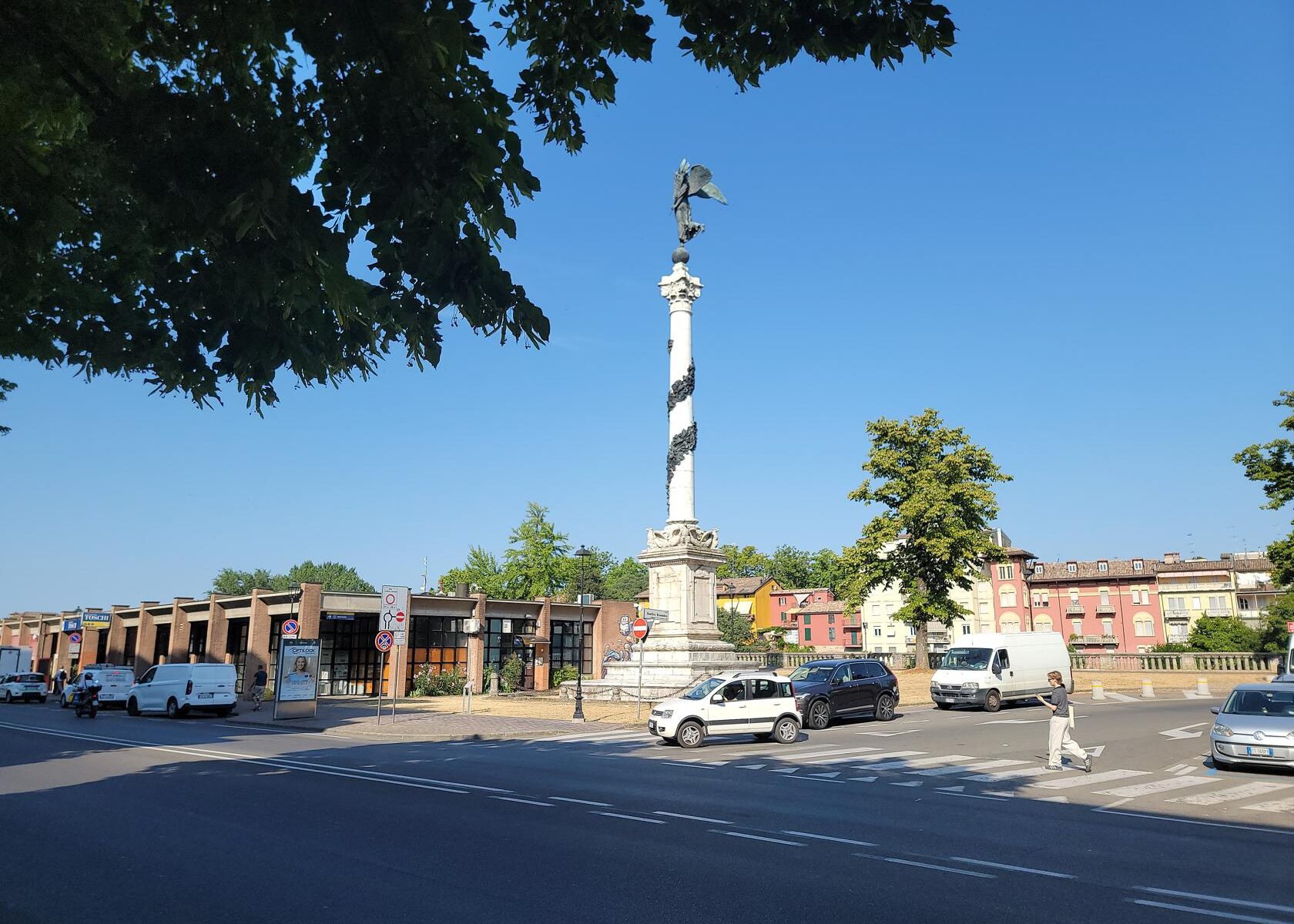
In Parma Province, within the region called Emilia-Romagna, the city of Parma is joined with its neighboring cities by the Via Aemilia[1]One of the trunk Roman Roads that ran through Italy during the Roman Empire through the Po river valley from Piacenza to Rimini. The valley has special properties which embue the ham and cheese made here with delicate flavors. It’s all in the label, literally.
The Tasty Tour
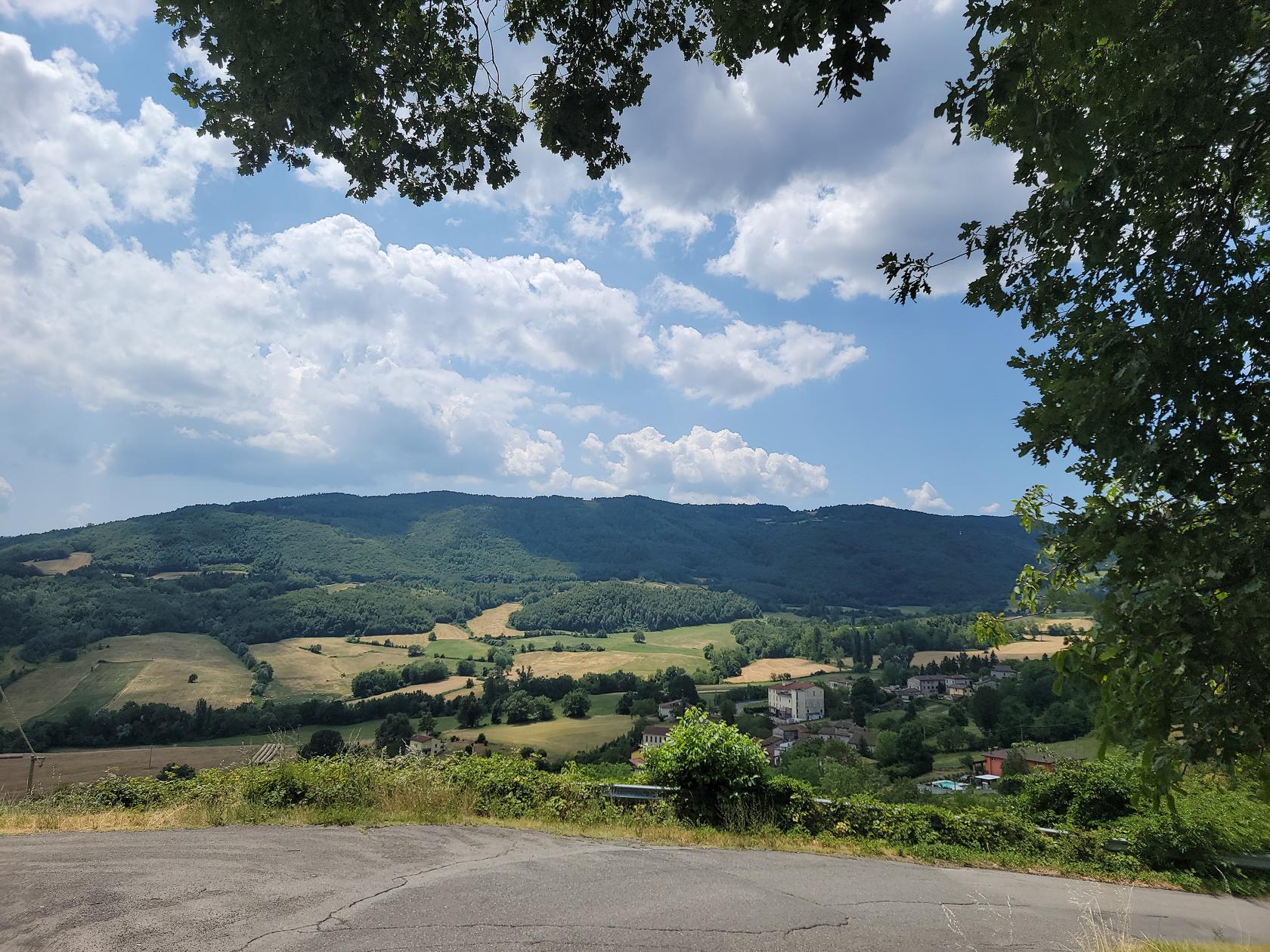
We employed to Tasty Tour for a day long jaunt into the countryside to understand how Parma Ham, Prosciutto, Parmesan Cheese and finally, Balsamic Vinegar were manufactured.
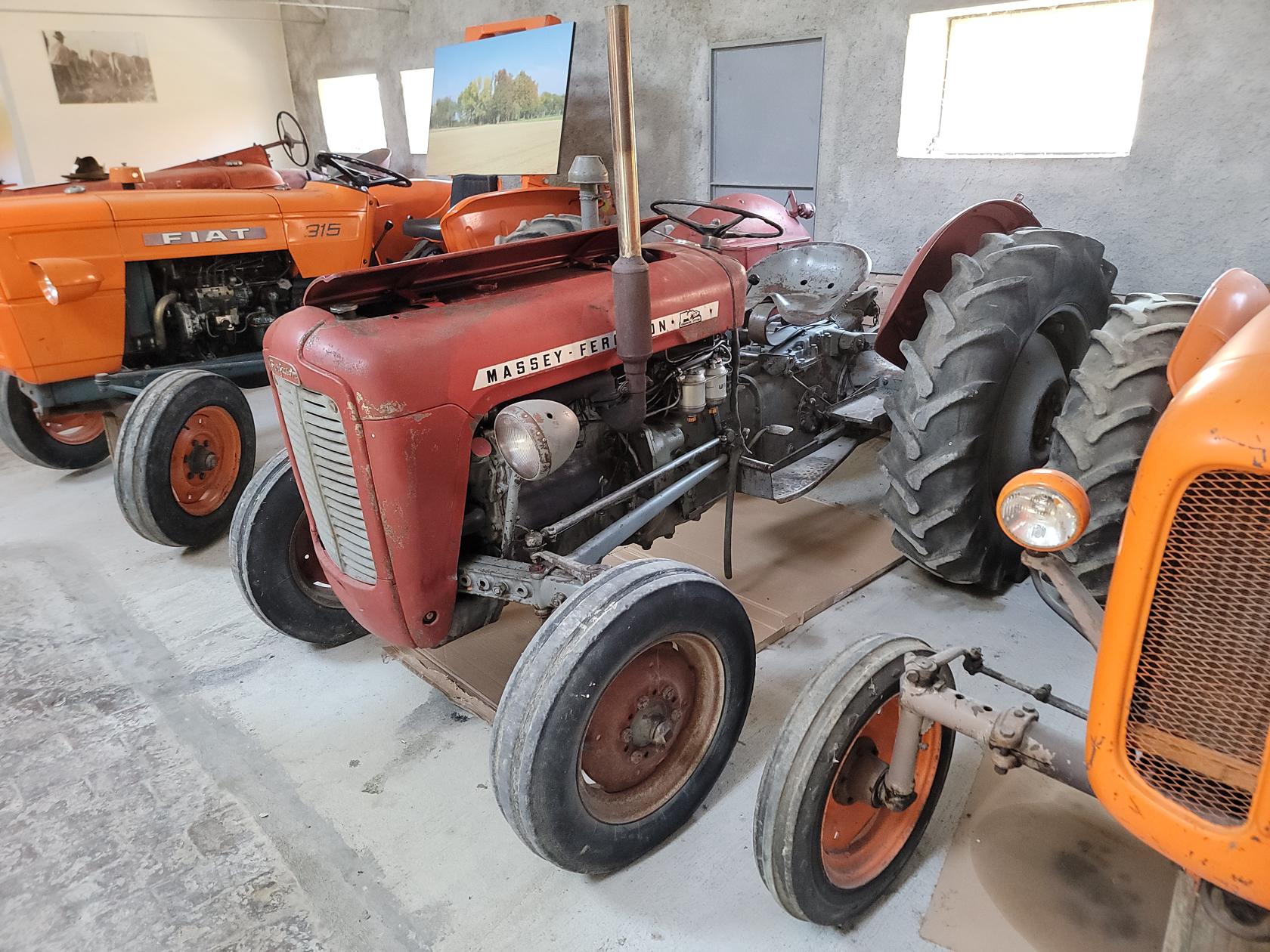
The tour promised six hour drive to three small, but key places where these products are made to the DOP[2]Denominazione d’ Origine Protetta which ensures the following. They meet the highest of standards of production and are produced within certain regions that result in characteristics to ensure … Continue reading highest standards.
Salumificio Conti
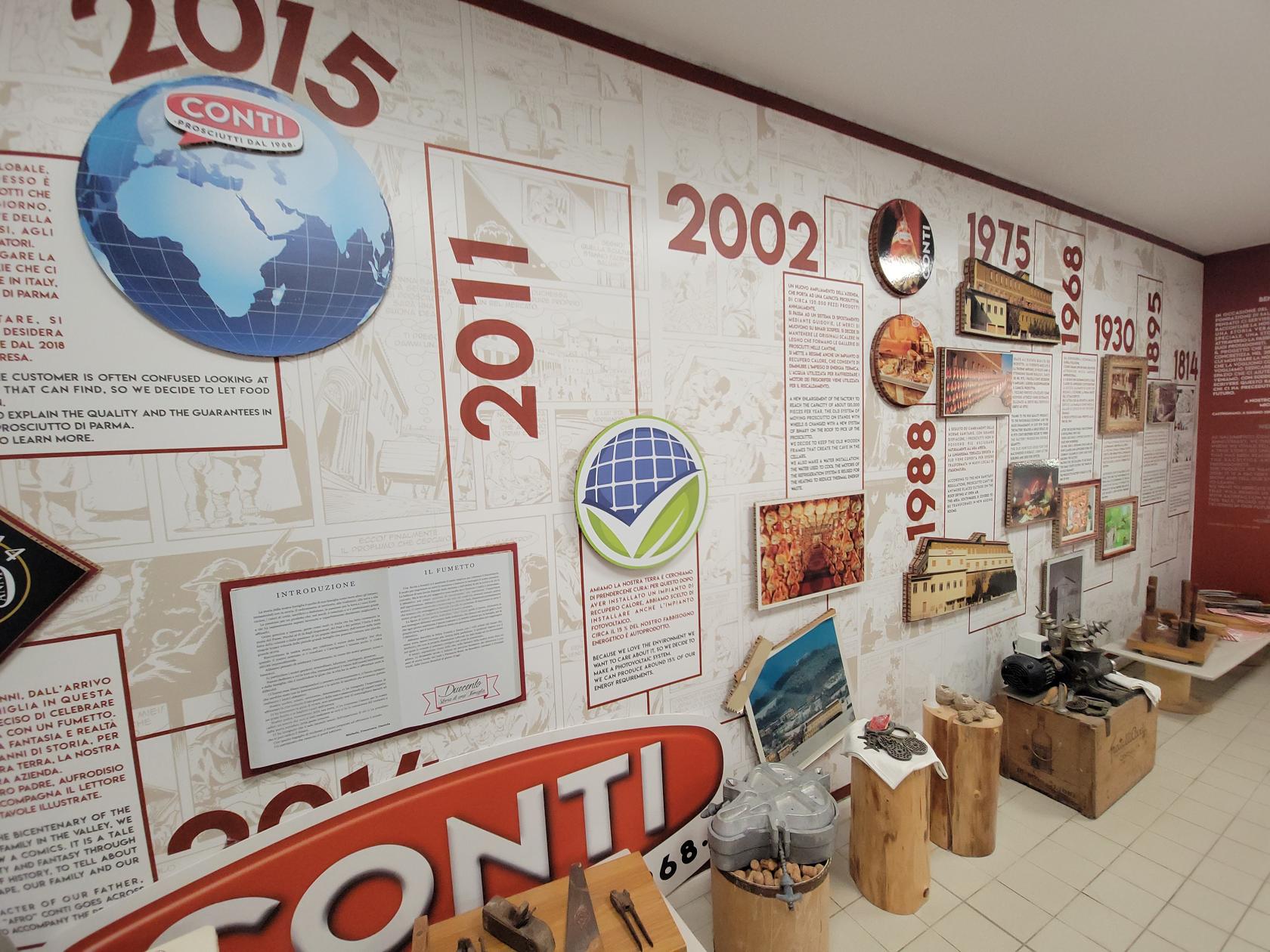
Among Parms Ham manufacturers, Salumificio Conti is a well established name with a heritage all its own. The factory is modest in size, but produces some of the best tasting hams and salumi in this region of Italy.
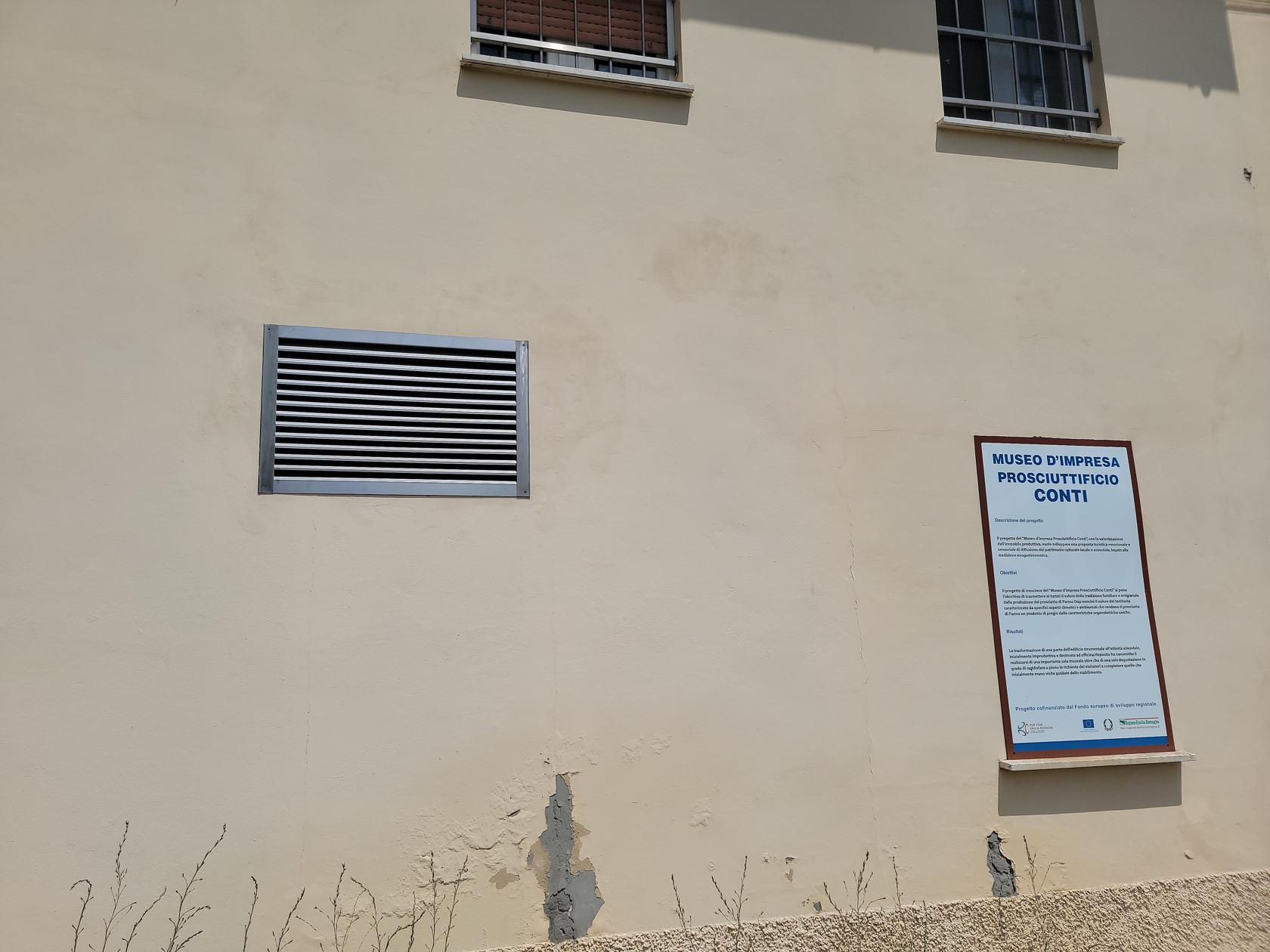
The factory orders and accepts only the two hind legs from it preprocessor and butcher. These are delivered in trucks and processed the day they arrive, so it is all planned and nothing is left to chance.
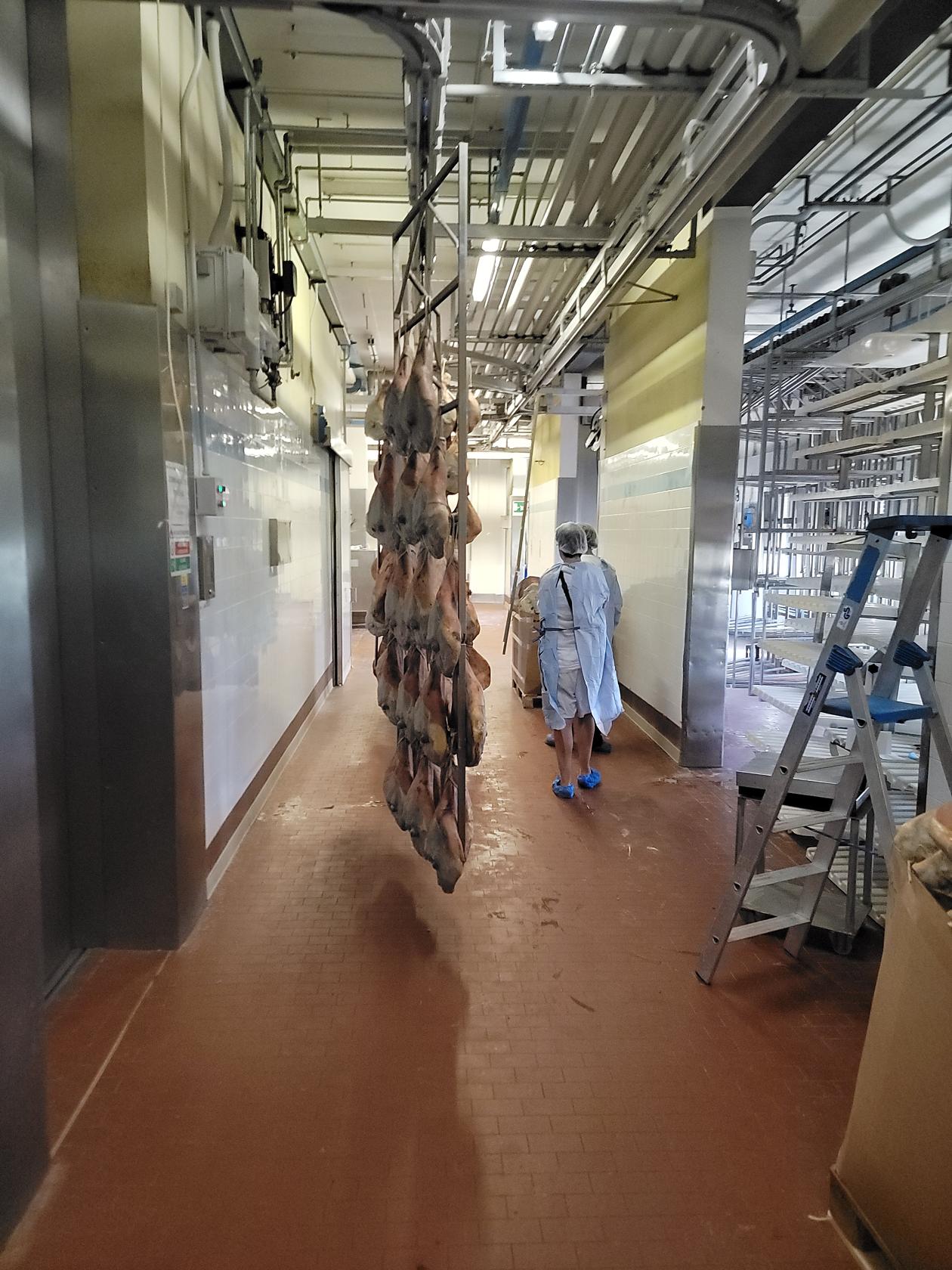
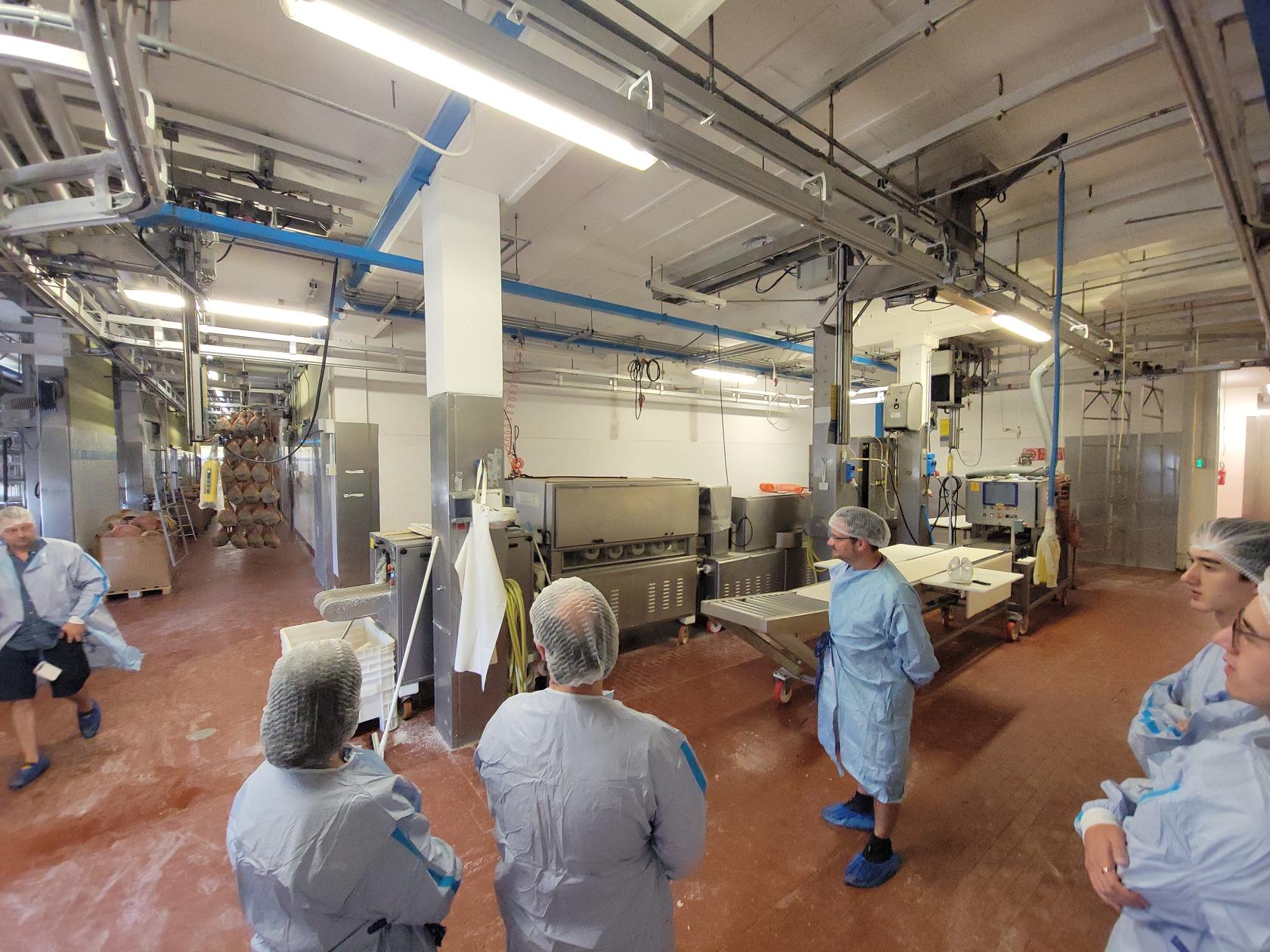
Skilled craftsmen and women assess each ham for its ultimate use, which can be anything from just daily grocery store cold cuts, to aged proscuitto and other salumis. Culatta Culatello hams are also processed here and are usually hung in bags, after the meat has been taken from the bone and properly arranged in a bag and salted.
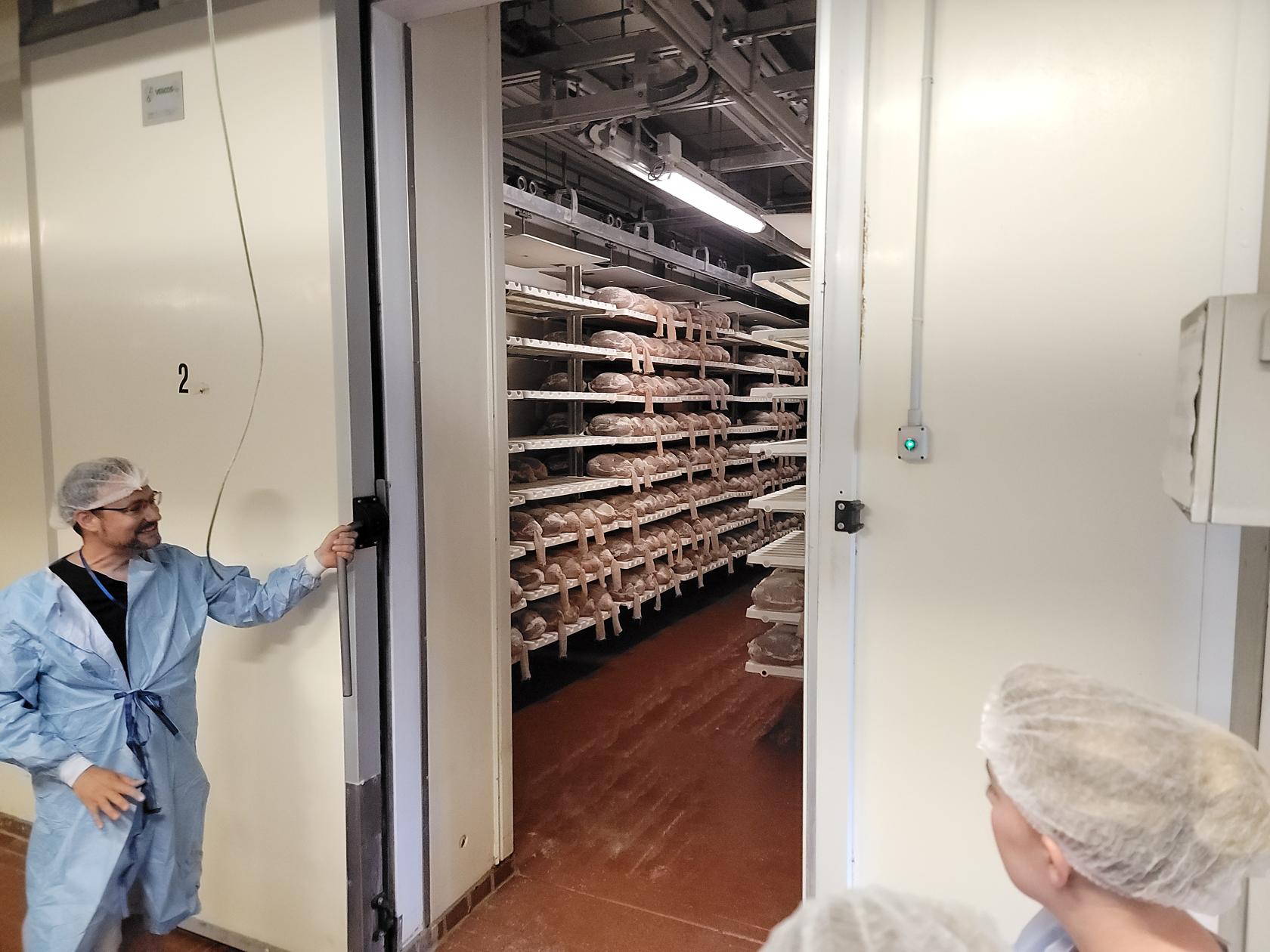
There were no arrivals the day we were there, but we were able to learn how the special Parma Hams were selected and stamped and smeared with a special lard, to ensure the amount of air that gets to them, after all of the are salted. They only use human grade sea salt on the hams, which in the first couple of weeks of curing is removed every other week and re-applied.
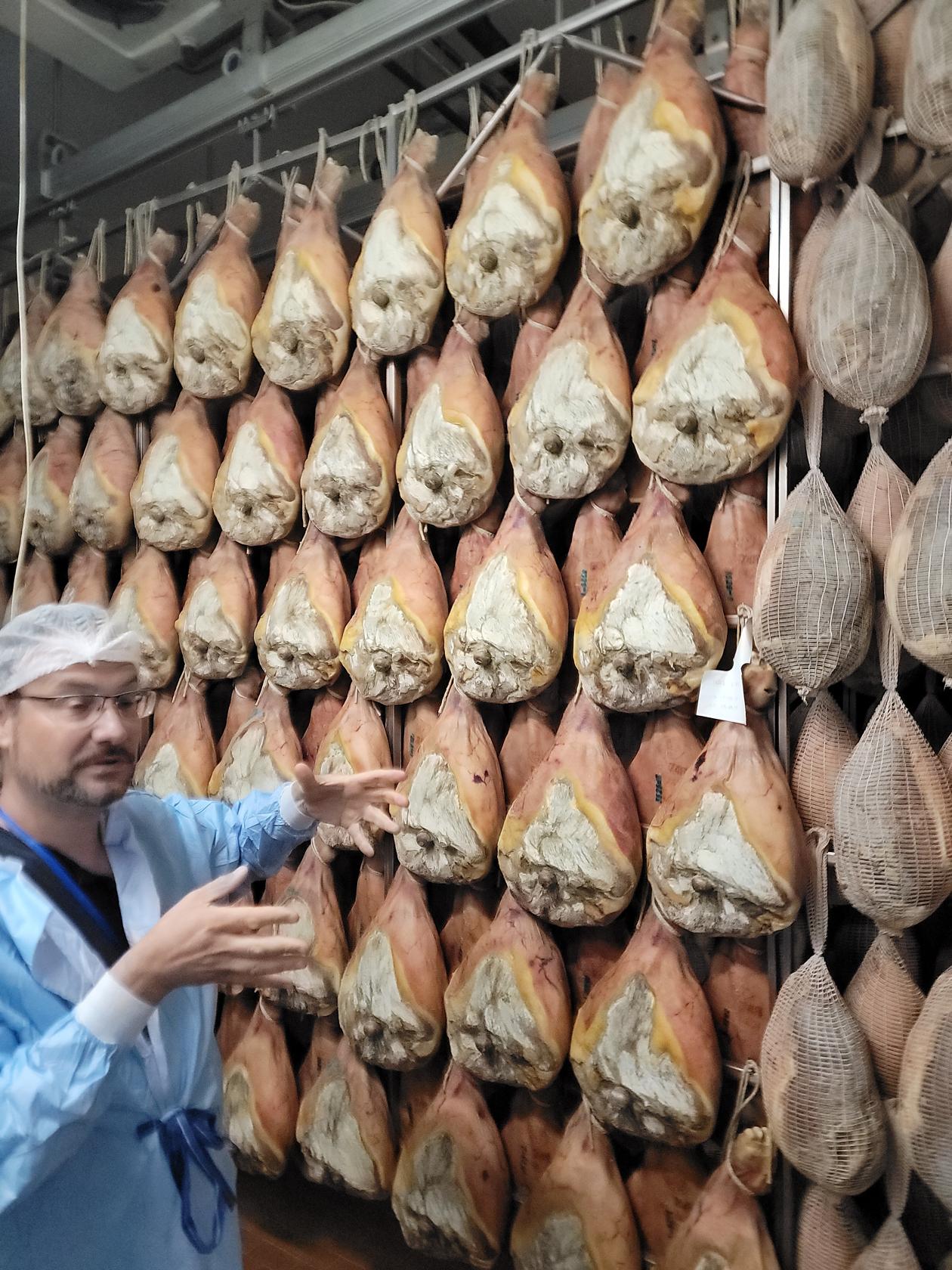
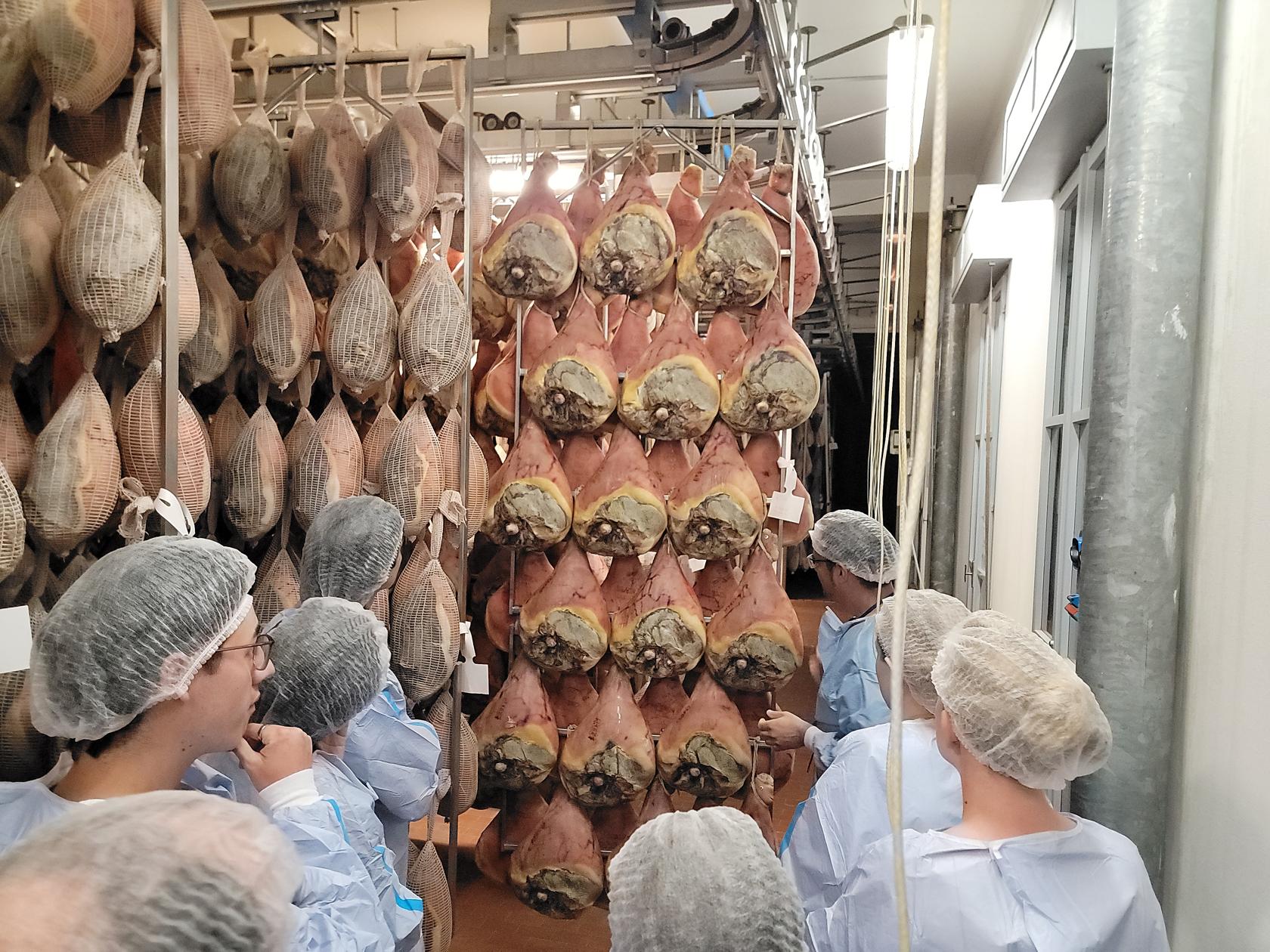
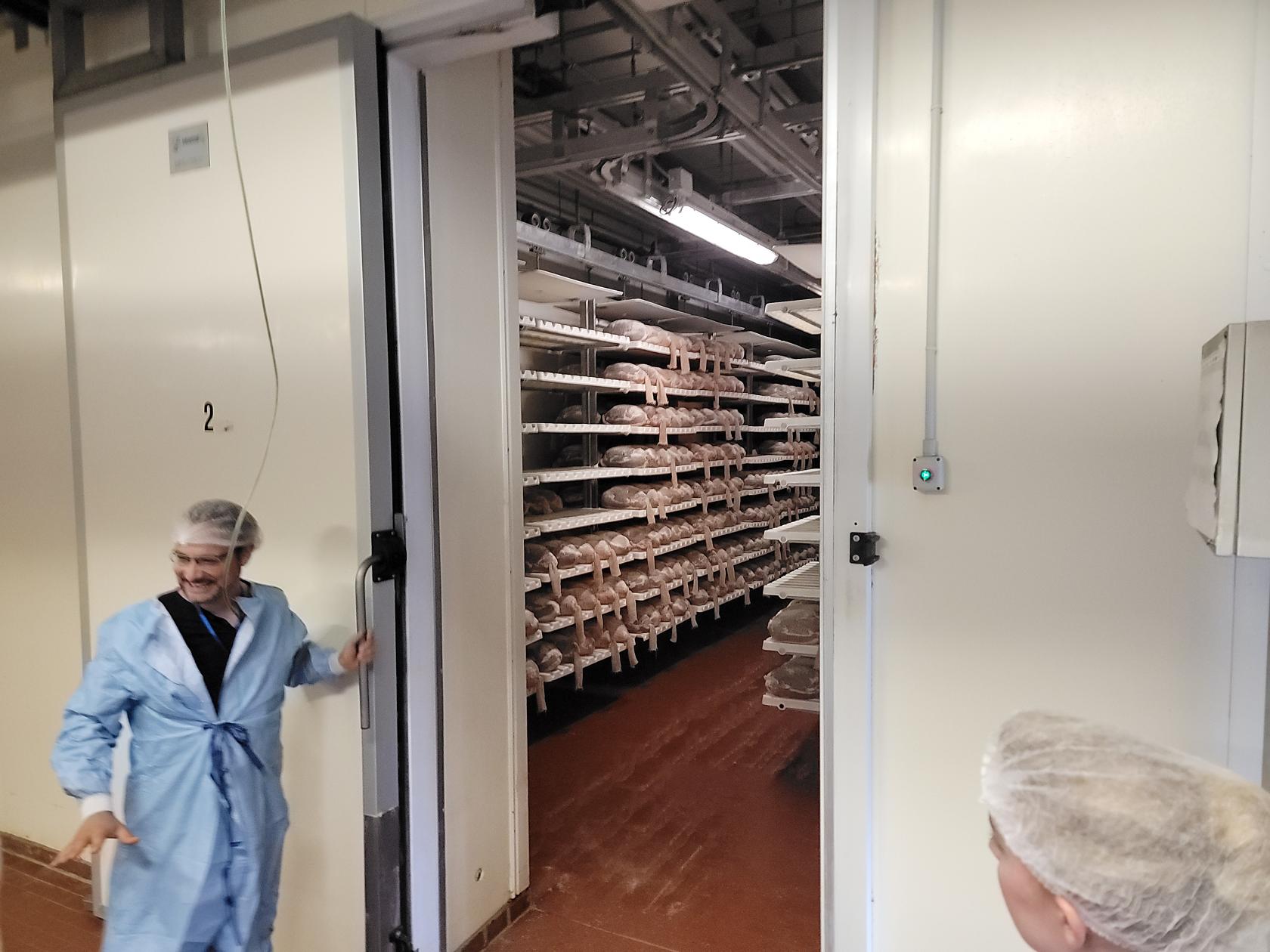
After selection and processing the hams are stored in a refrigerated controlled rooms for a specified amount of time.
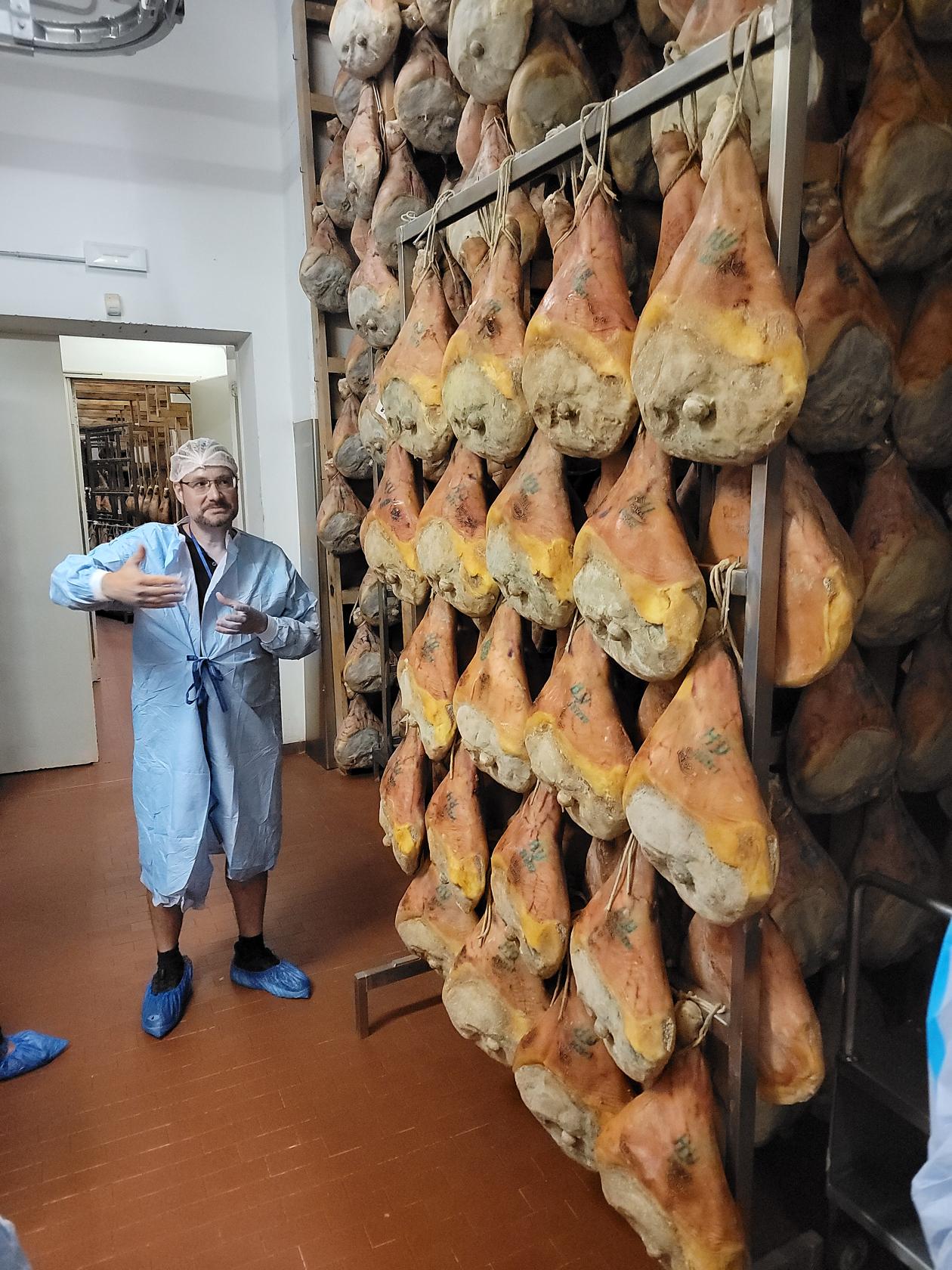
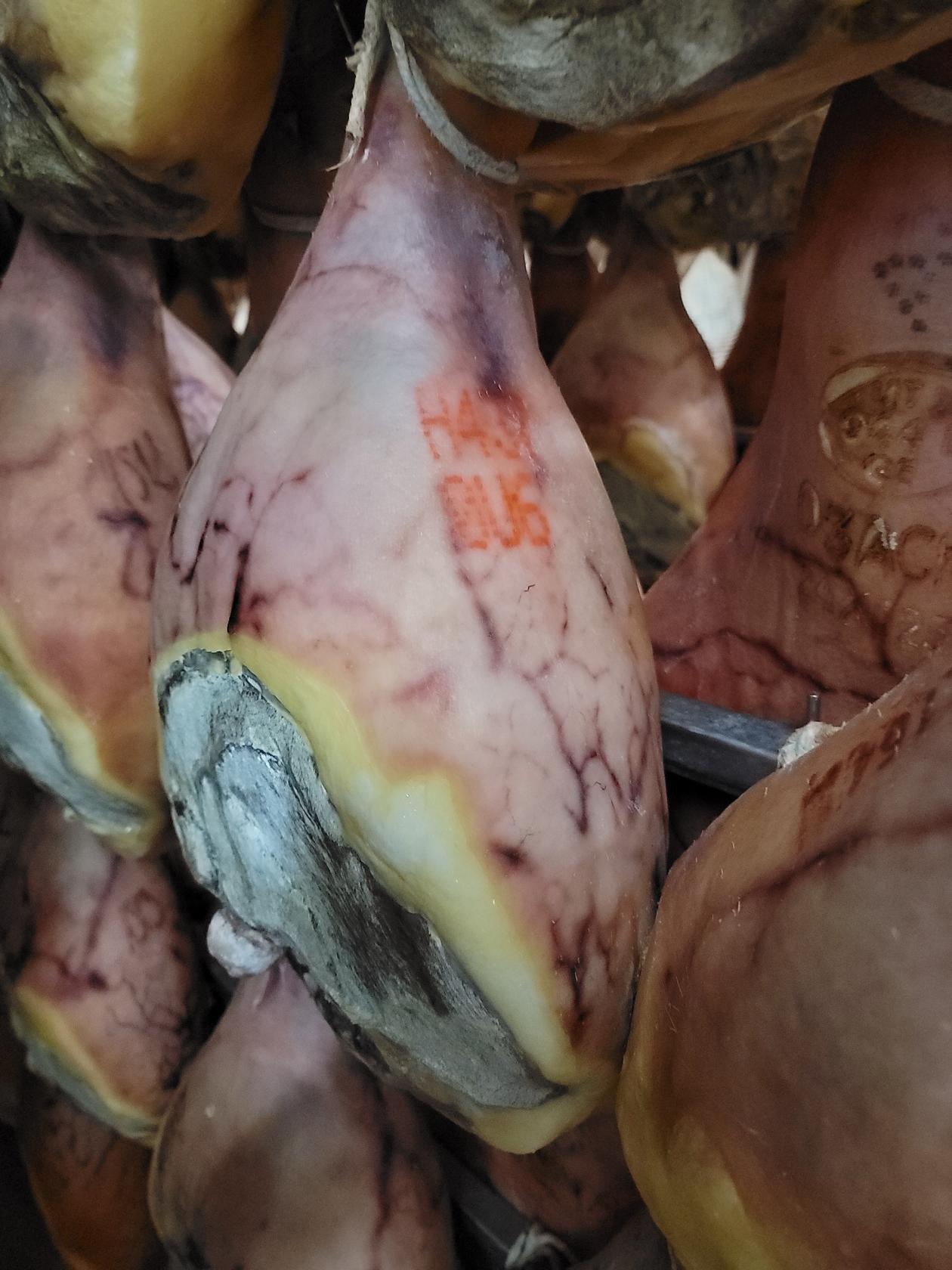
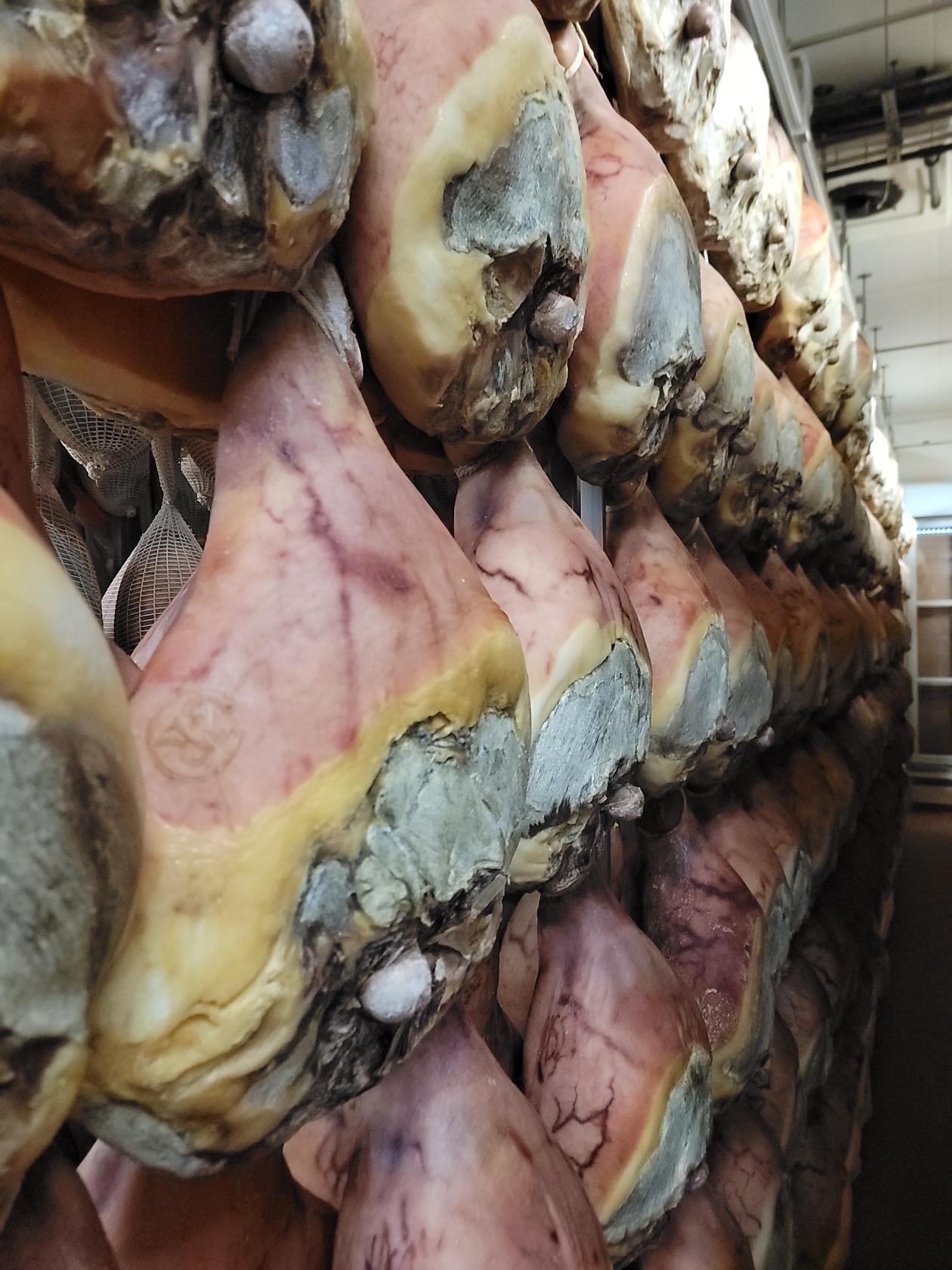
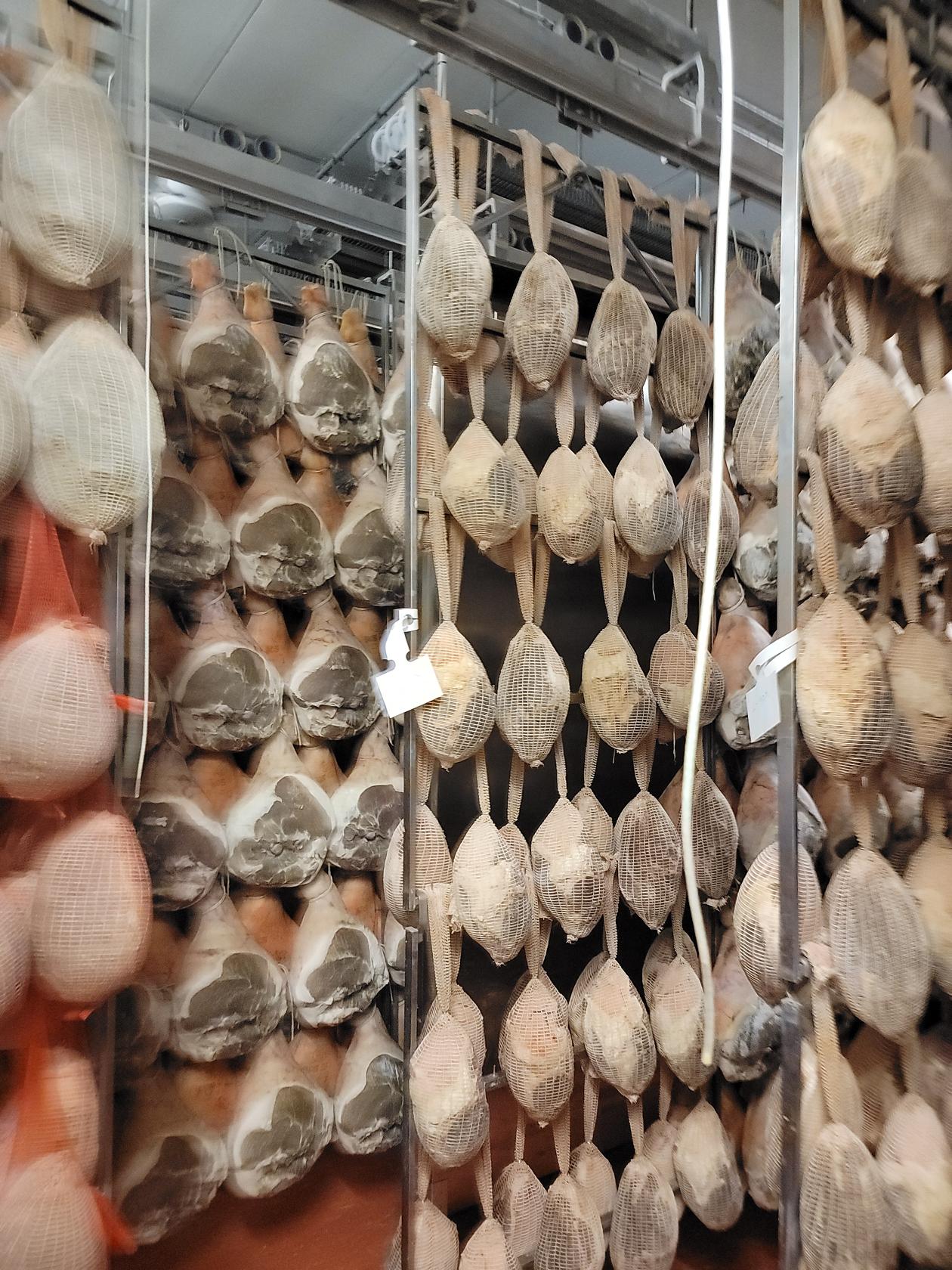
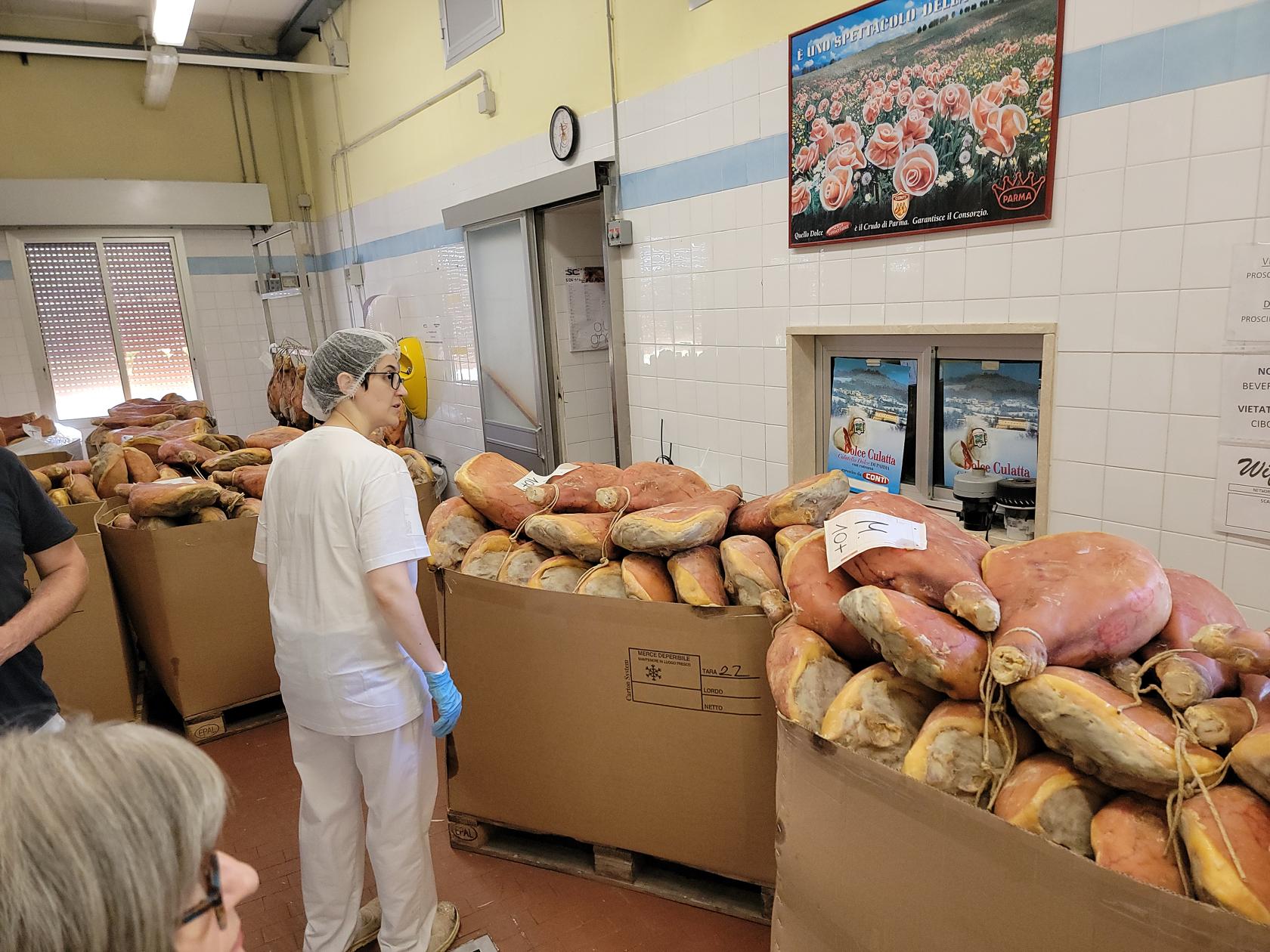
Depending on how much time they spend to dry and what type of ham each has been selected for, they are boxed and prepared for packaging and shipping. Below is batch ready for shipment that appears to be about ten months old.
Damiani Parmesan Factory
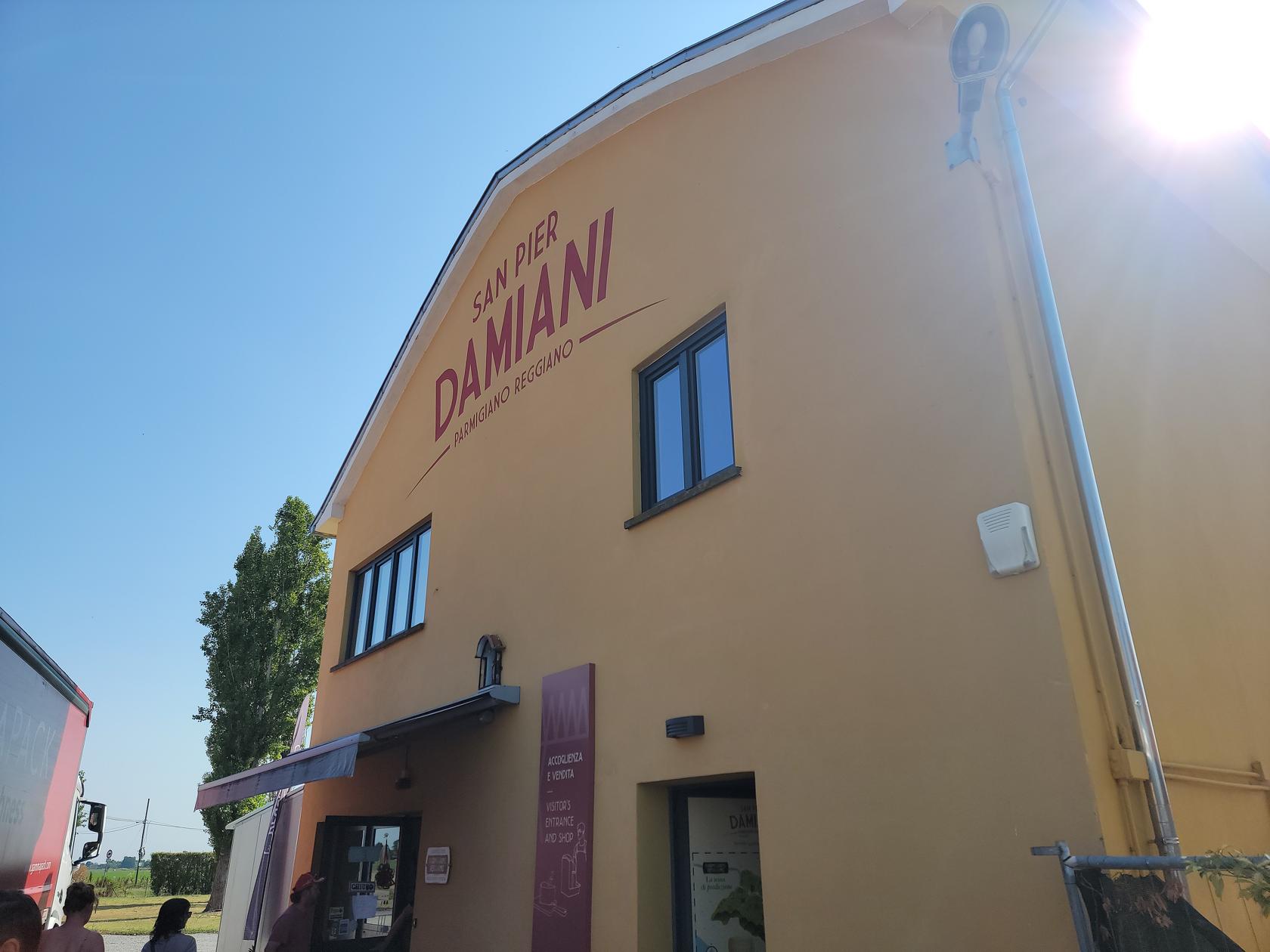
San Pieri Damiani Parmigiano Reggiano is located in Parma Province, in San Prospero, just outside the city limits. The history of making Parmesan cheese in the area goes back almost a thousand years, for which the cheese that’s made here owes its distinct taste to the local flora that is eaten by the cows.
At the farm, two milkings are done every day, where the milk is harvested for four different indigenous cows, they are:
-
-
- Rossa Reggiana – it is considered the mother of Parmigiano Reggiano. It almost became extinct in the 1980s, after farmers committed to raising only cows that produced more milk. However, the local commune, called the Consorzio Vacche Rosse, turned this around and committed to making cheese with this milk like they did 800 years ago.
- Bruna Italiana – derived from the Bruna Alpina cow from Austria and Switzerland, there is also a Consorzio di Sola Bruna that protects and makes cheese from this species. The milk from this cow has a higher fat content and subsequently the cheeses are more buttery and flavorful.
- Biana Modenes – or white breed, also almost went extinct and was only just recently in 2005 spared that fate. The Caseificio Rosola di Zocca was formed to breed and protect the species from extinction. This cow produces a cheese curd that is sweeter and more elastic, giving the resultant cheese a rich, dense flavor.
- Holstein Friesian – or what they call the industrial breed. Bred because it produces more milk for the same acreage as any other cow. Therefore it is doing well and provides the base, stock milk for most cheese in the area.
-
There are six steps to making parmesan cheese, from blending, heating and shaping, to salting, ageing and finally branding, that is, after each has passed a rigorous inspection.
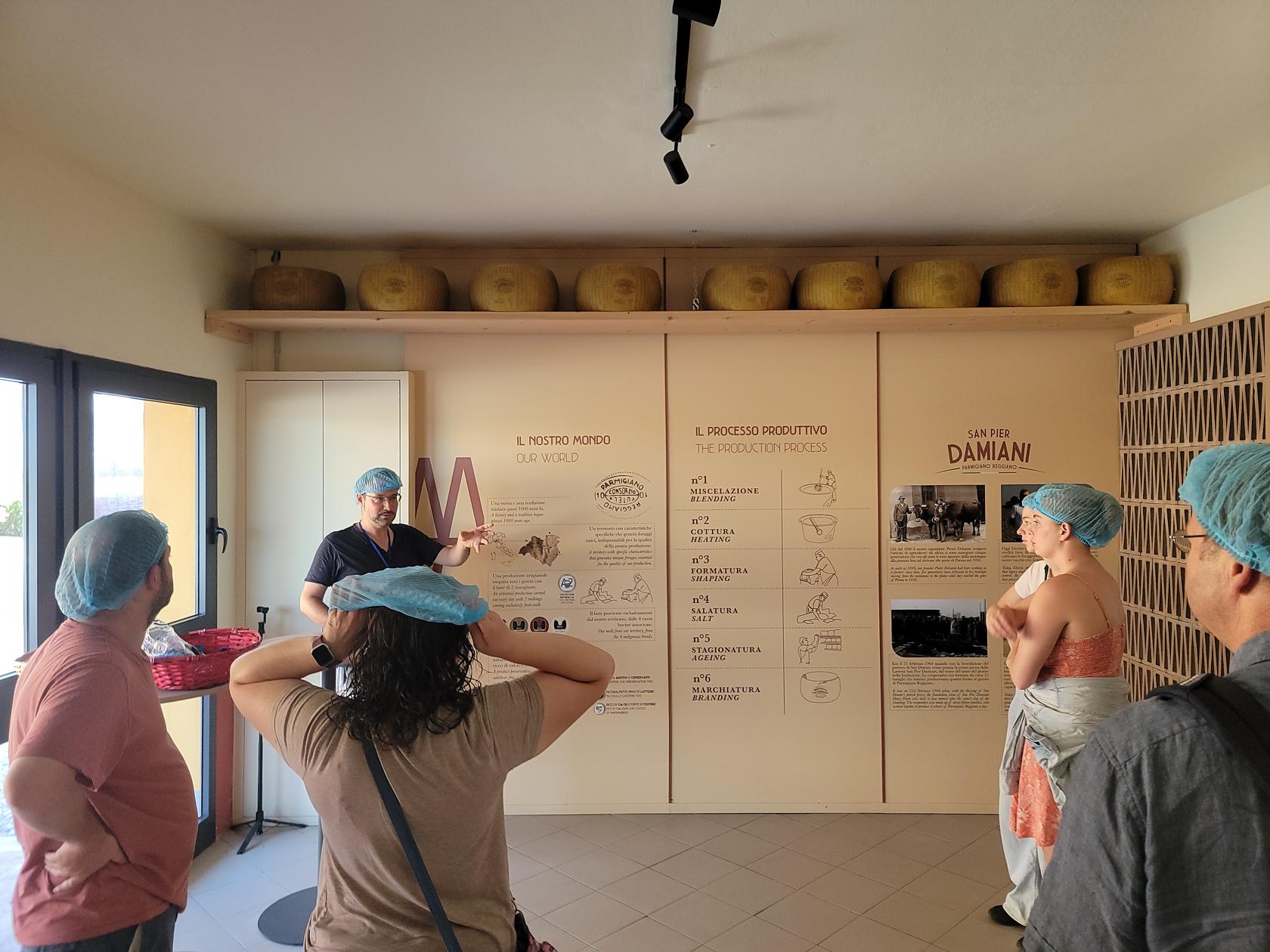
The first two steps take place in huge vats that are heated by steam. The rise in temperature allows the yeast that is added to multiply rapidly to produce curd.
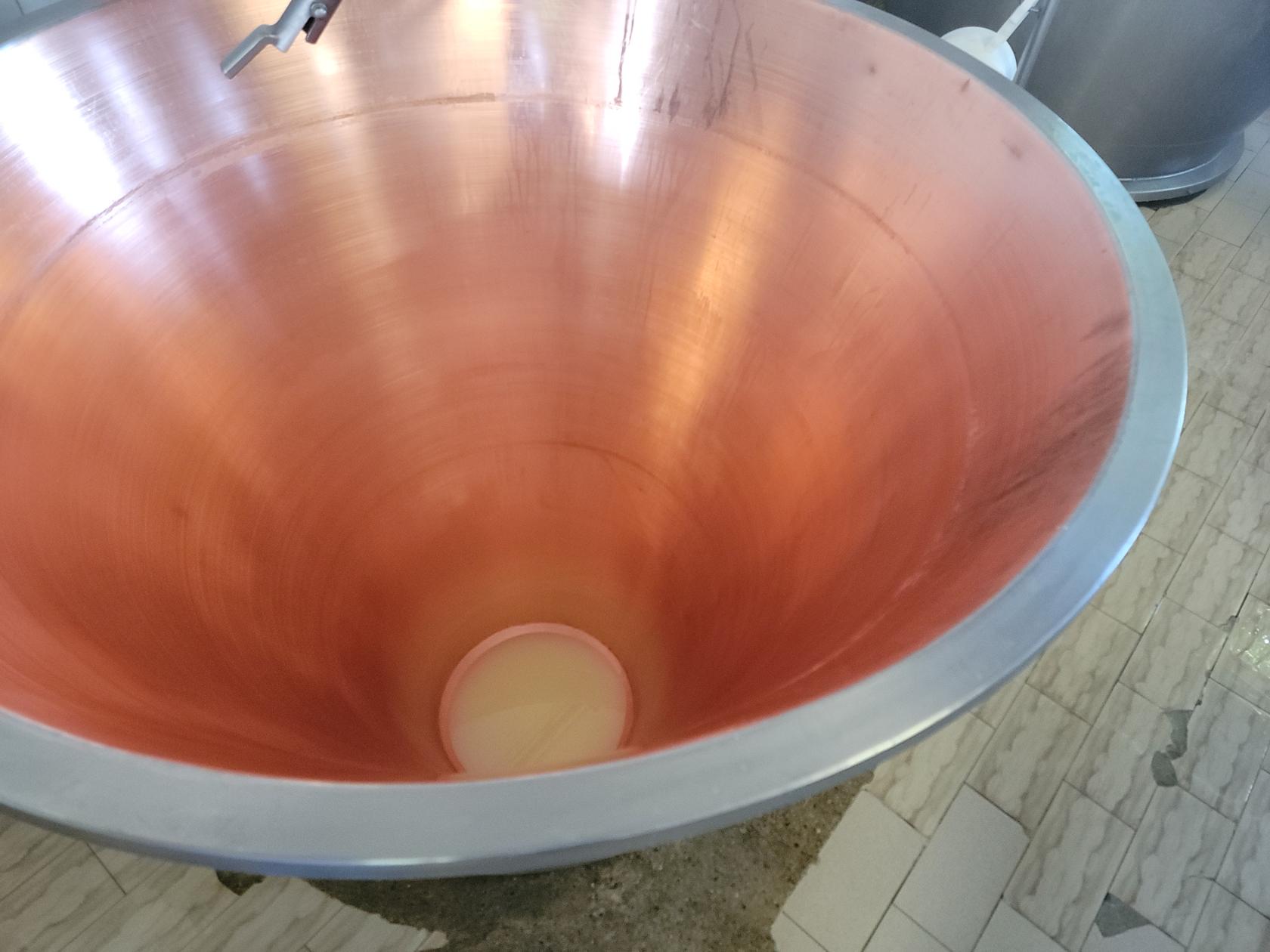
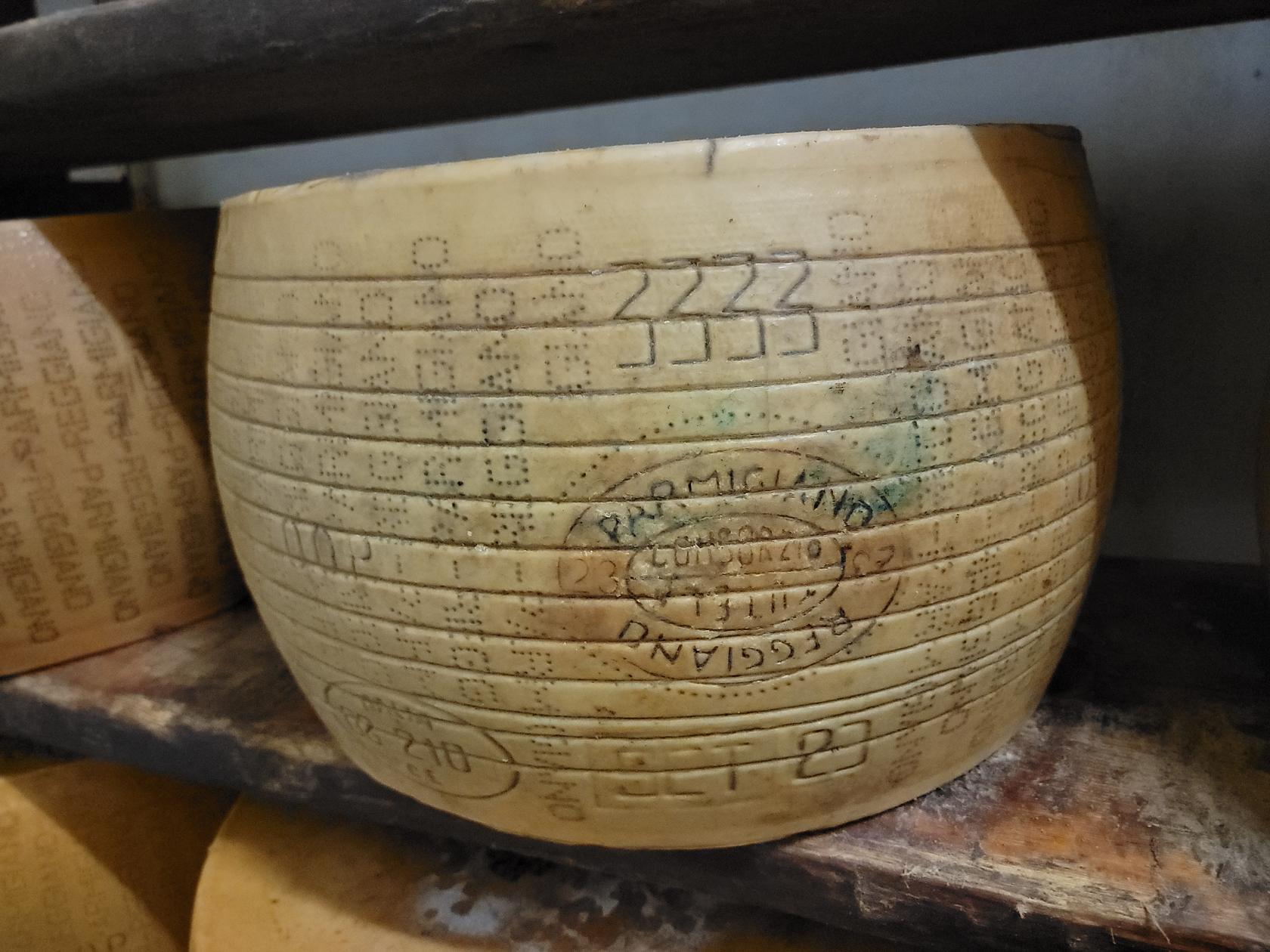
The curd is then taken out using cheese cloth and strained of water, rinsed and placed into plastic molds for shaping. The plastic mold has basic information on it that imprints on the cheese rind as it forms. Special places in the mold are left blank, these are where the DOP information, the inspection results and other information are burned into the rind later.
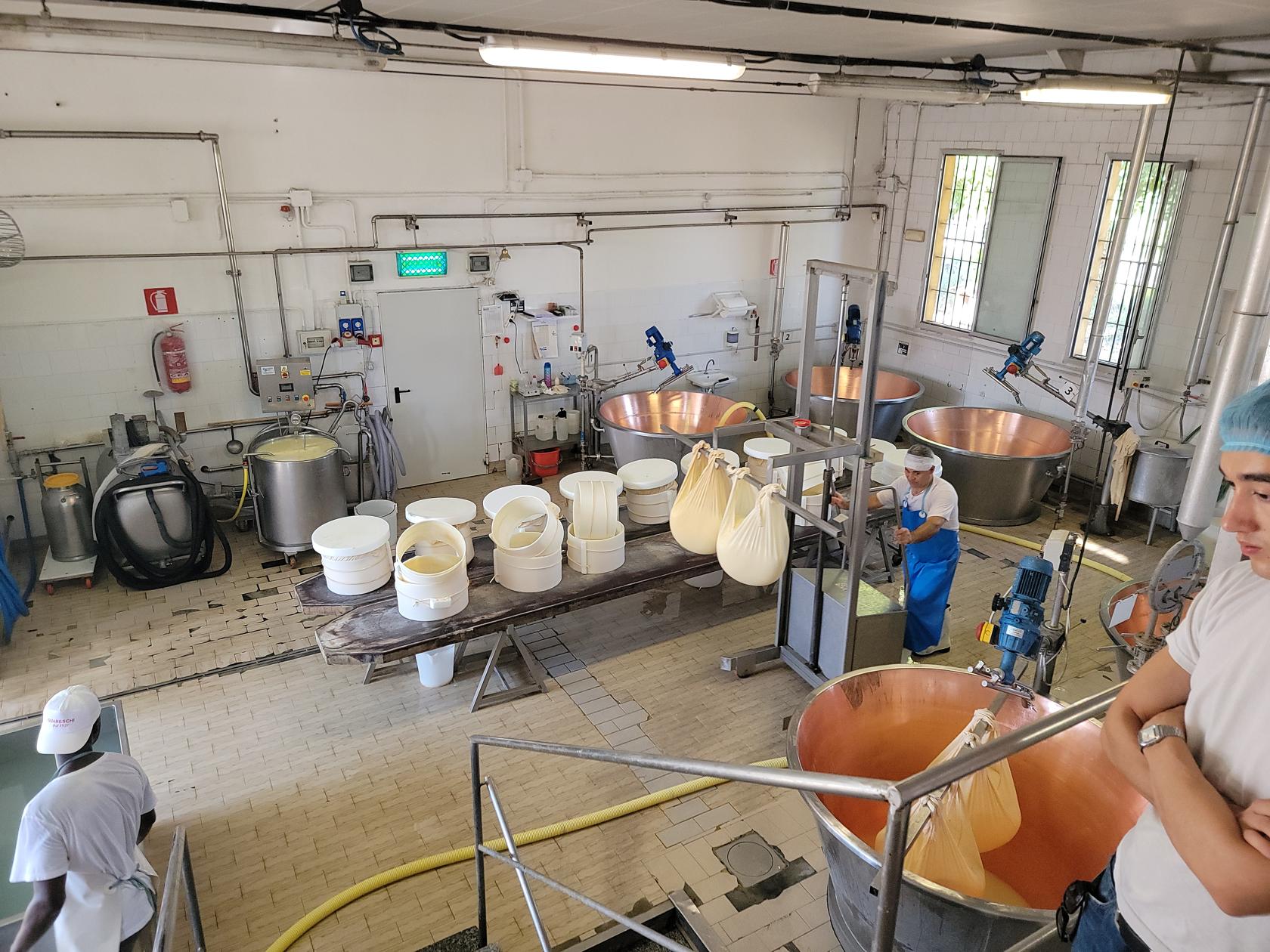
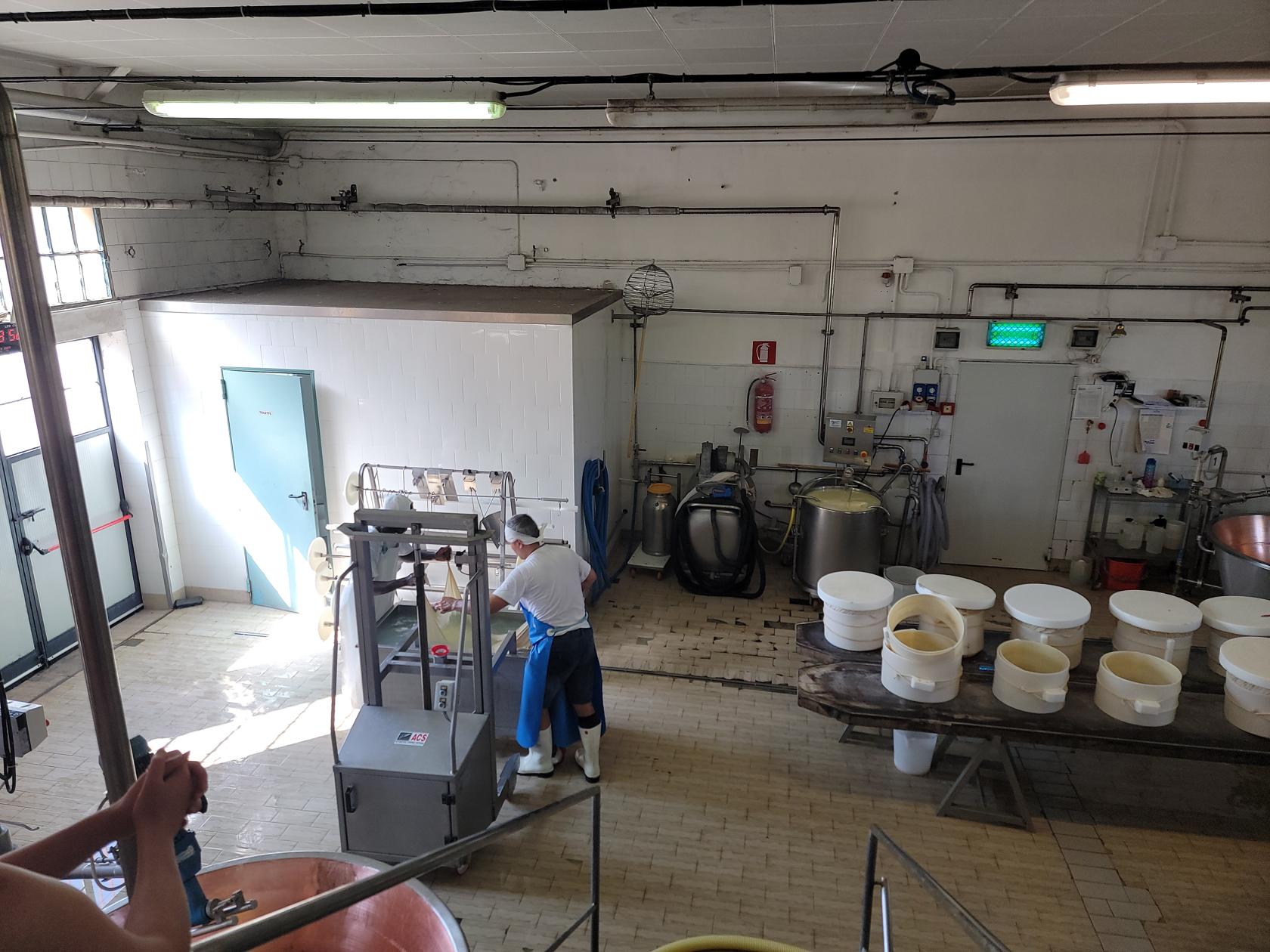
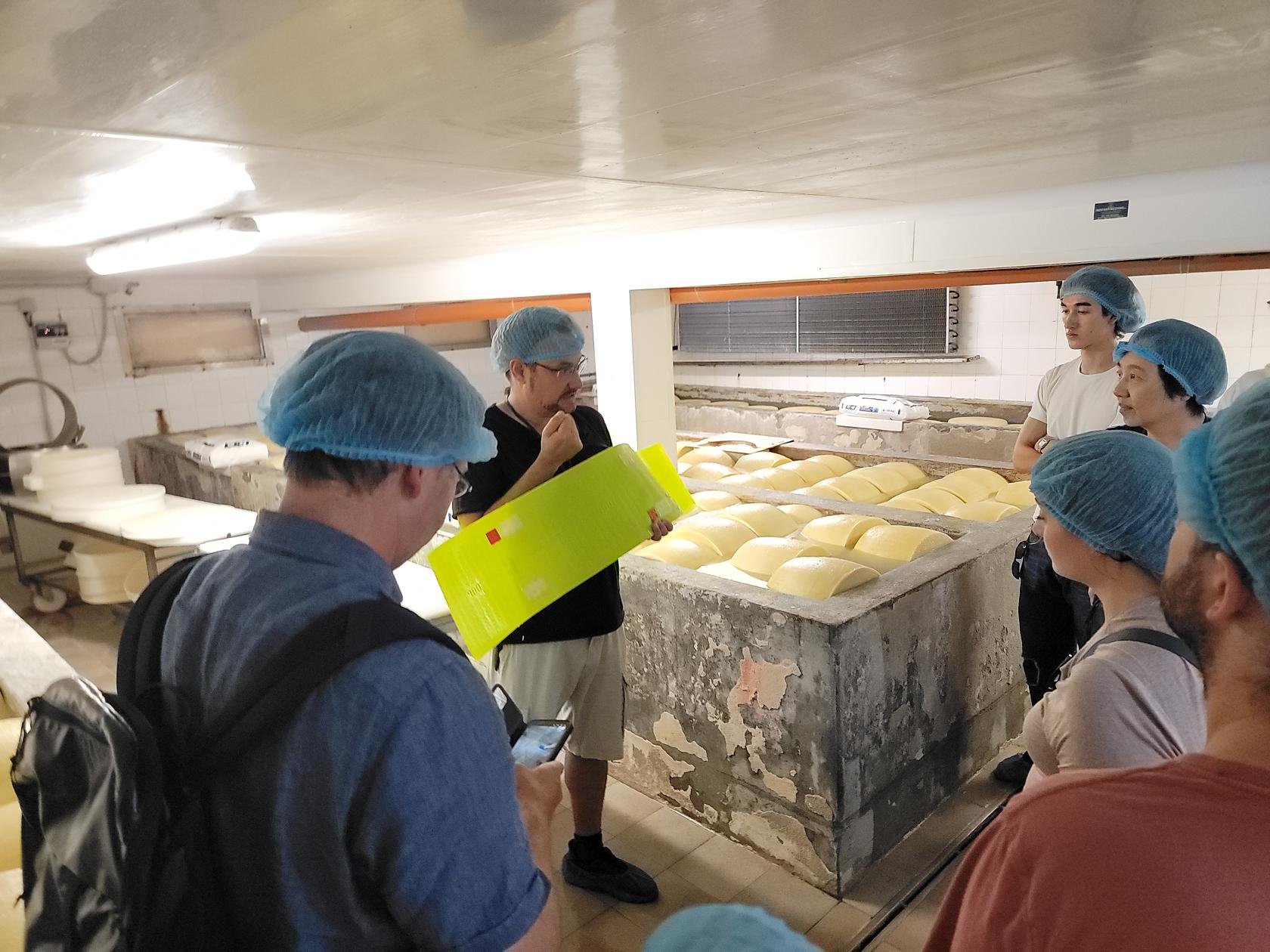
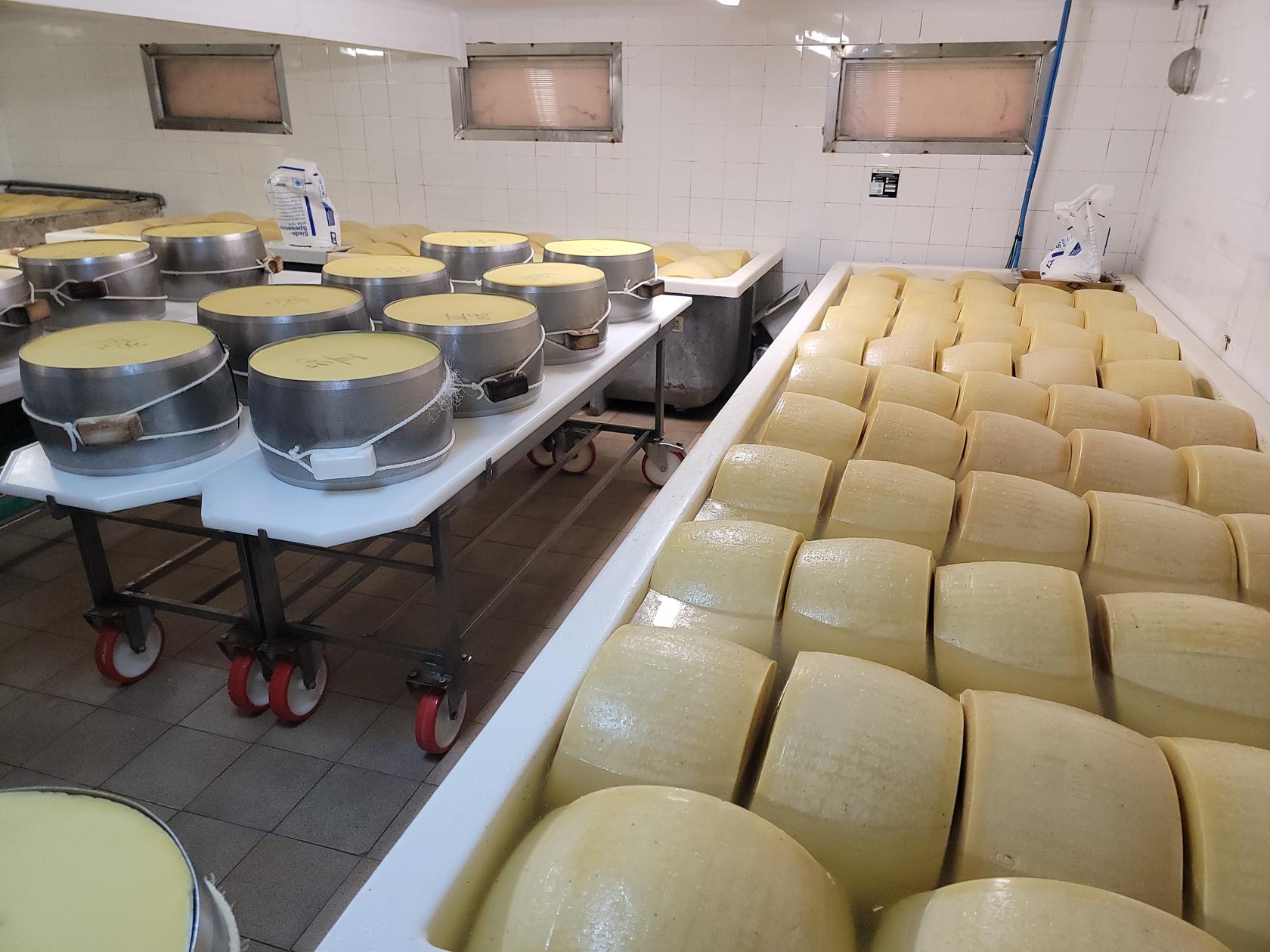
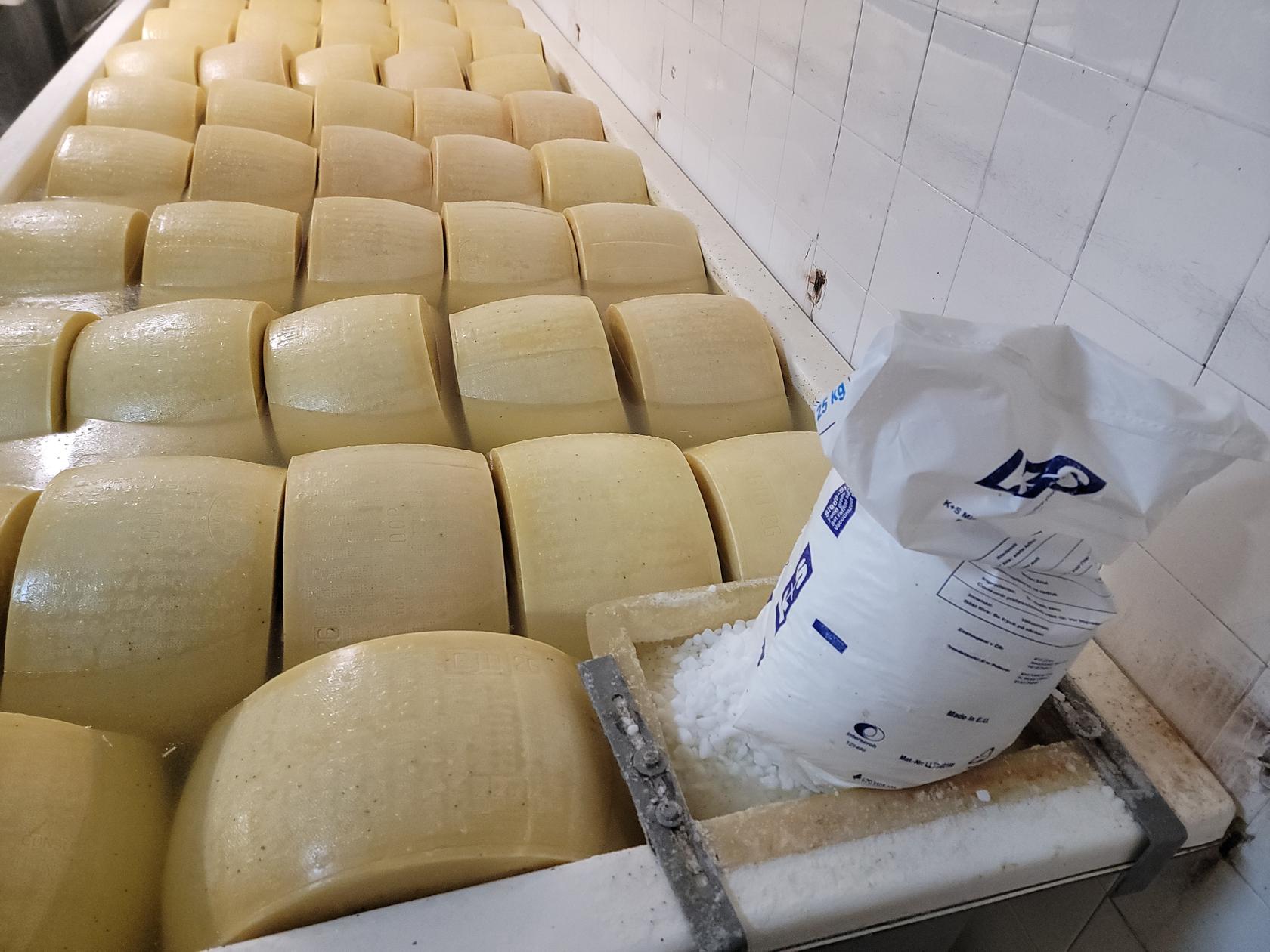
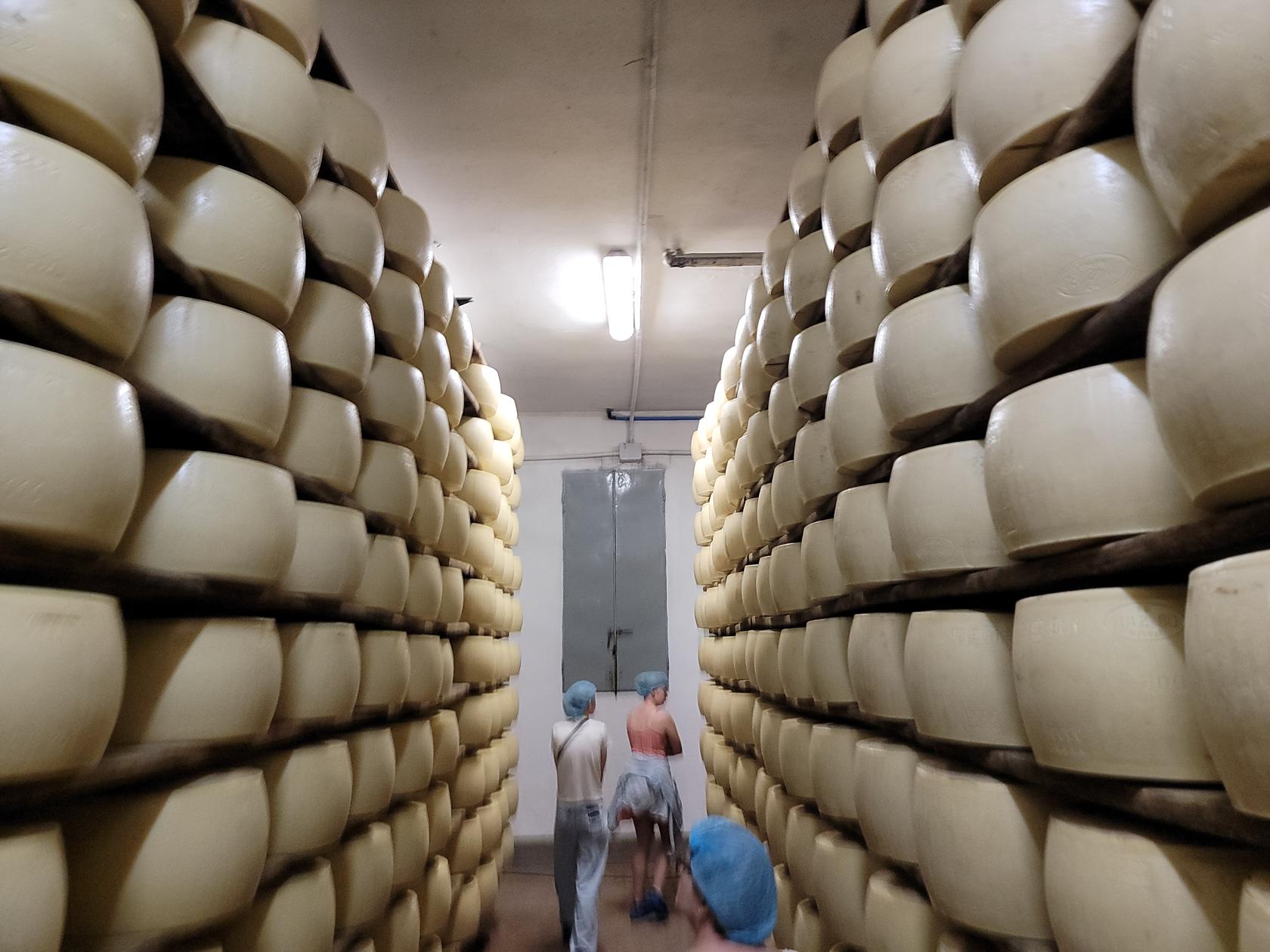
Once the cheese has aged it is ready for inspection, the DOP information is burned into the rind. Then the inspection results are died onto the rind by a circular stamp if the cheese has passed.
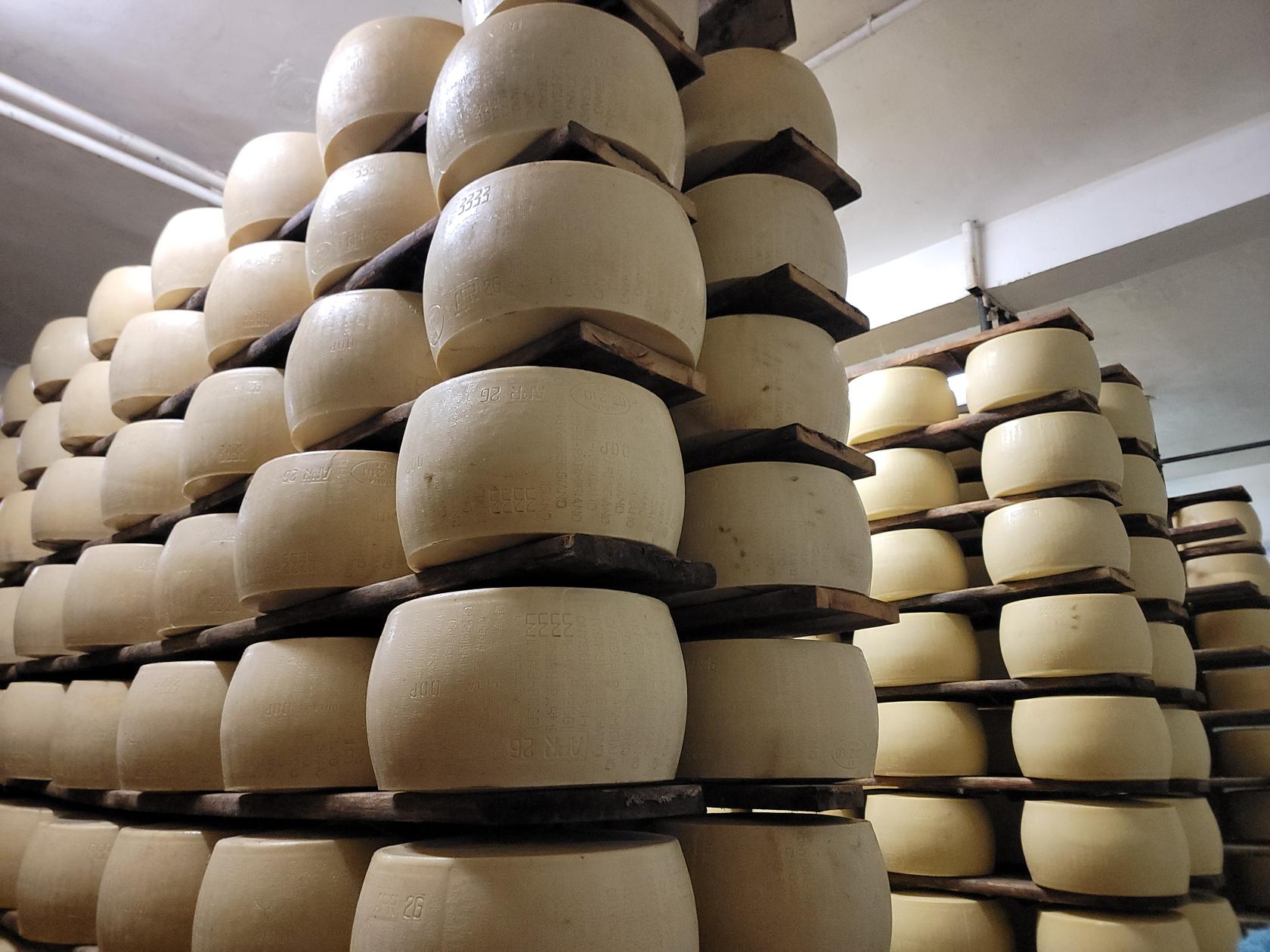
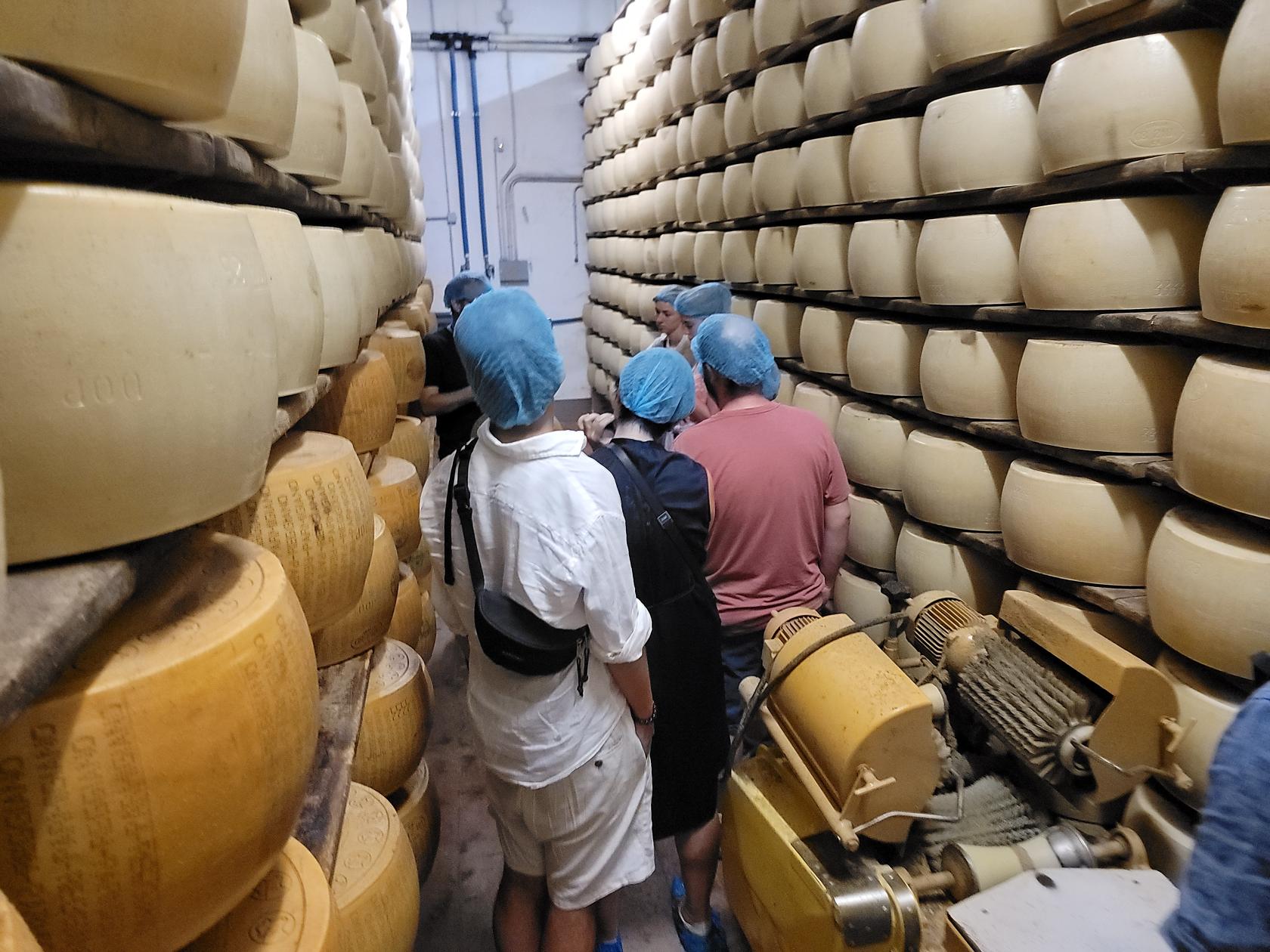
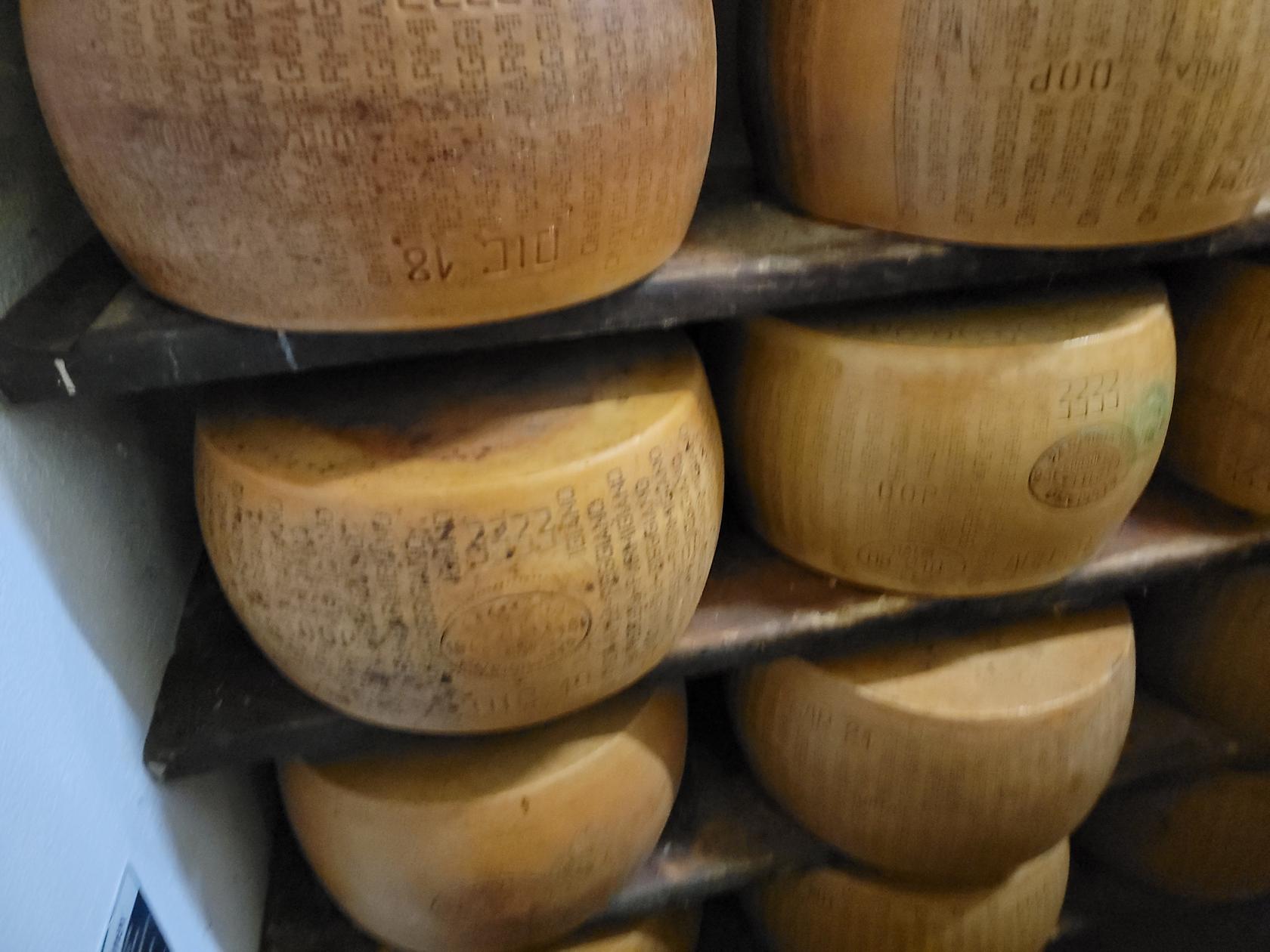
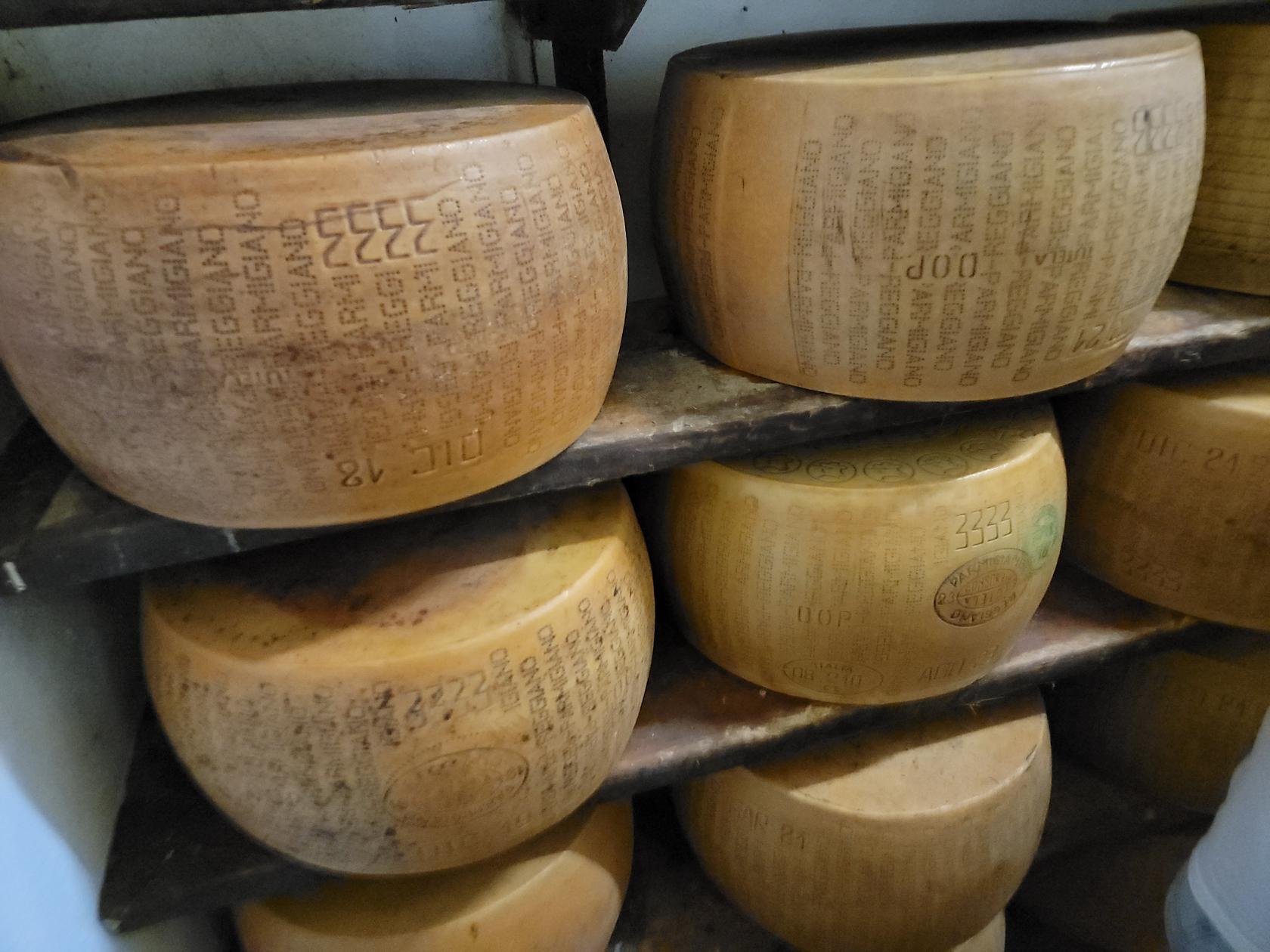
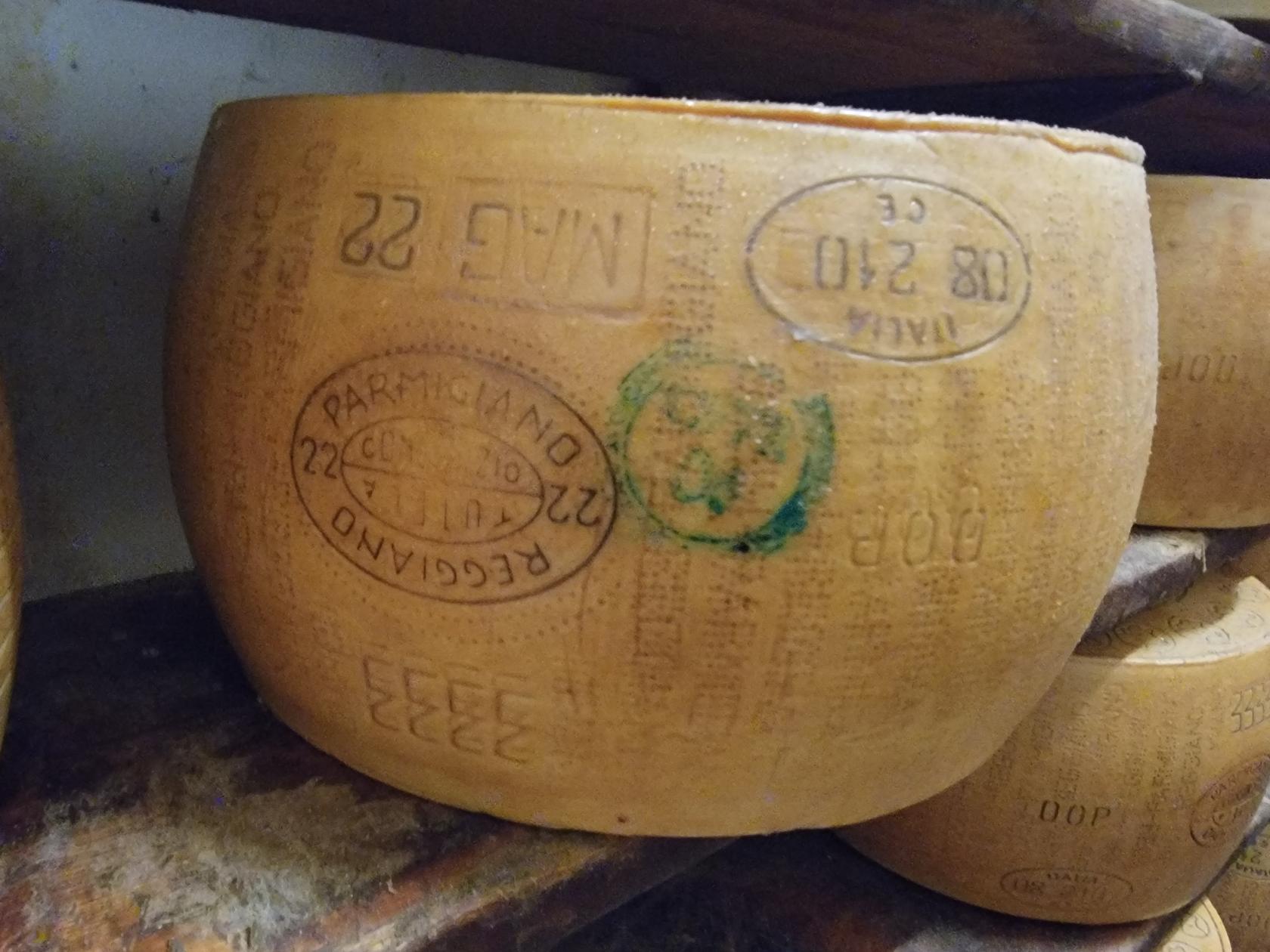
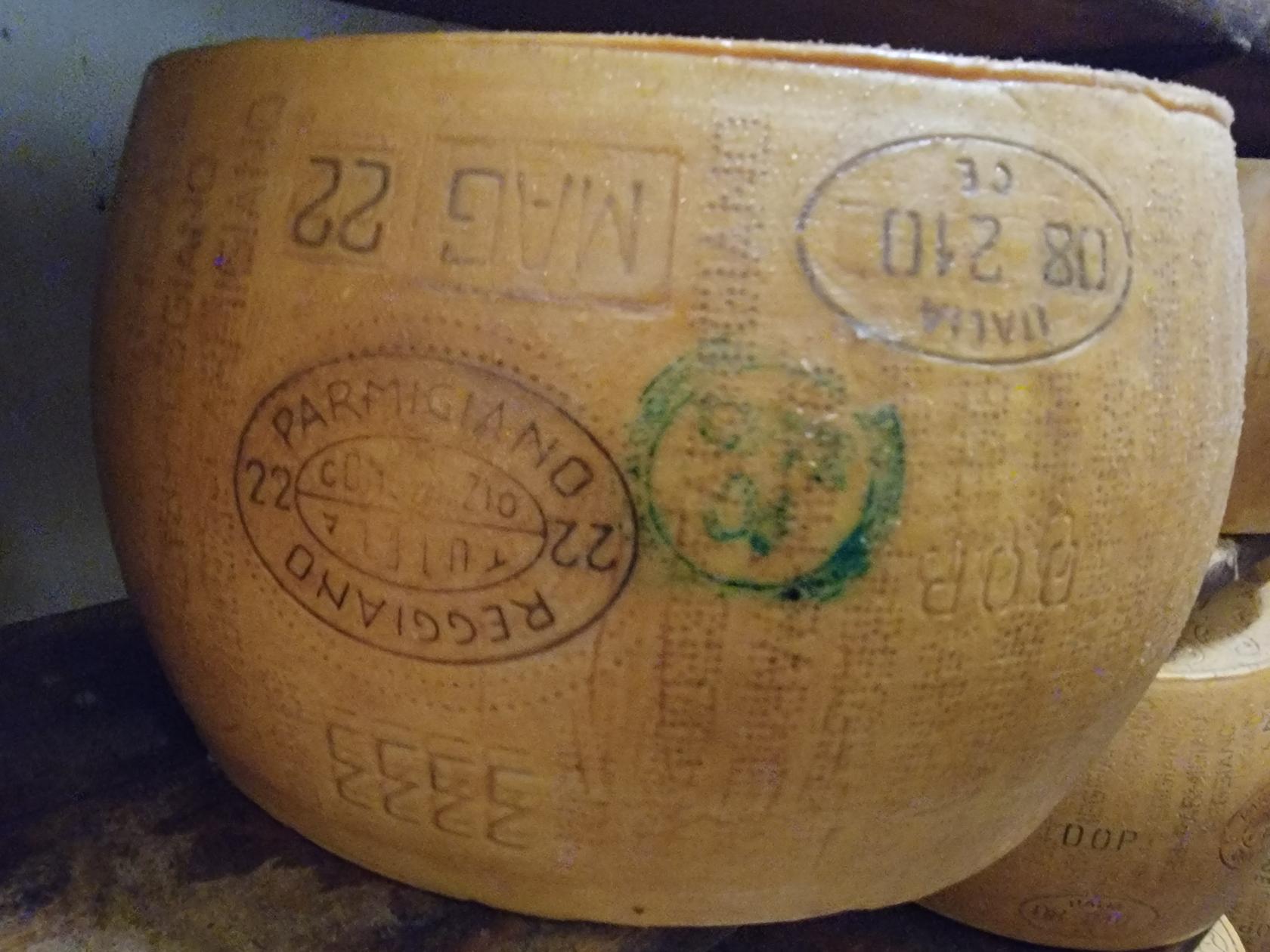
Otherwise, a rectangular or other shape is used indicating why the cheese failed, along with a scouring of the outside with latitidudinal lines, clearly indicating a sub-standard or bad wheel.
Acetaia Picci
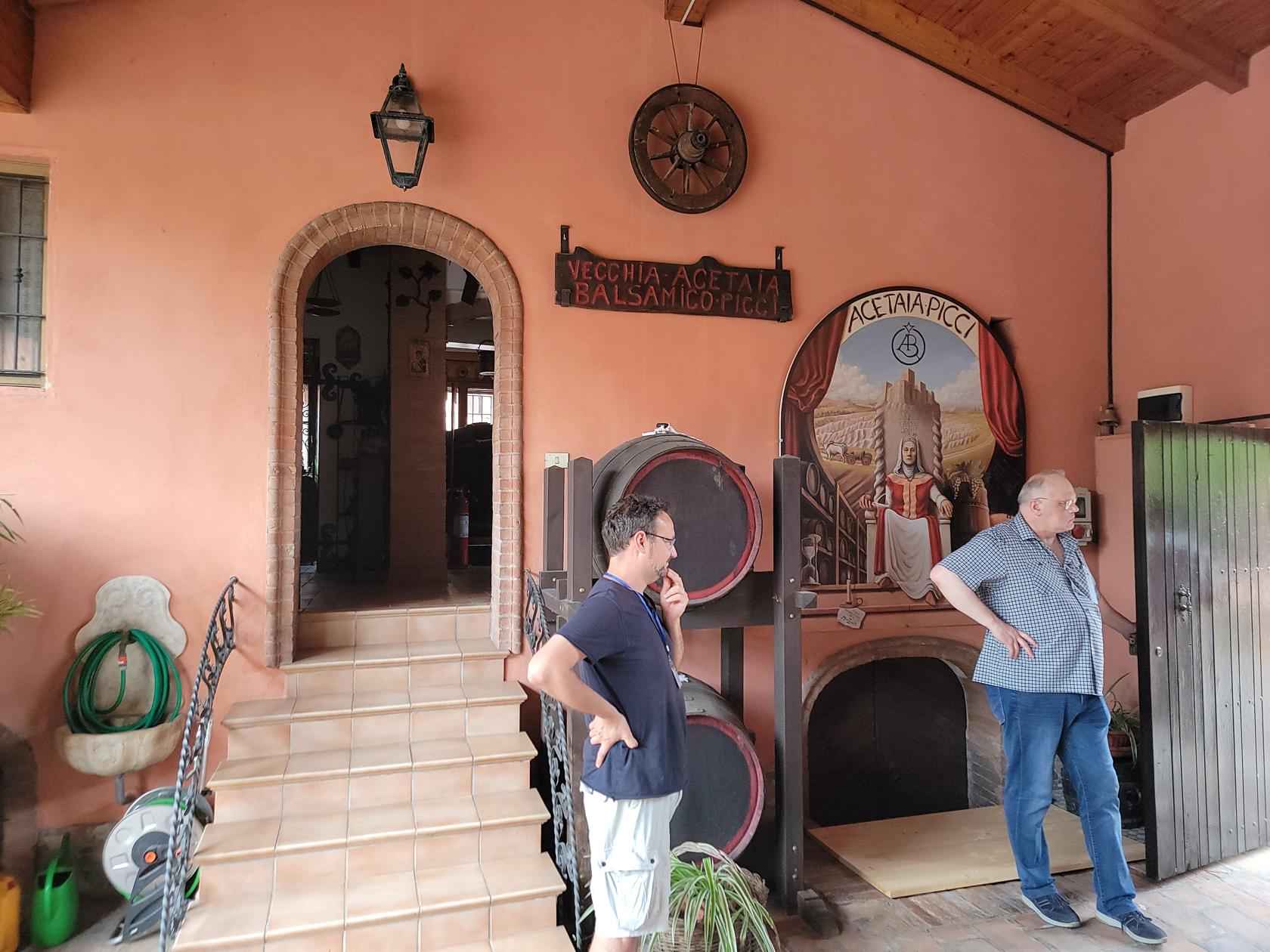
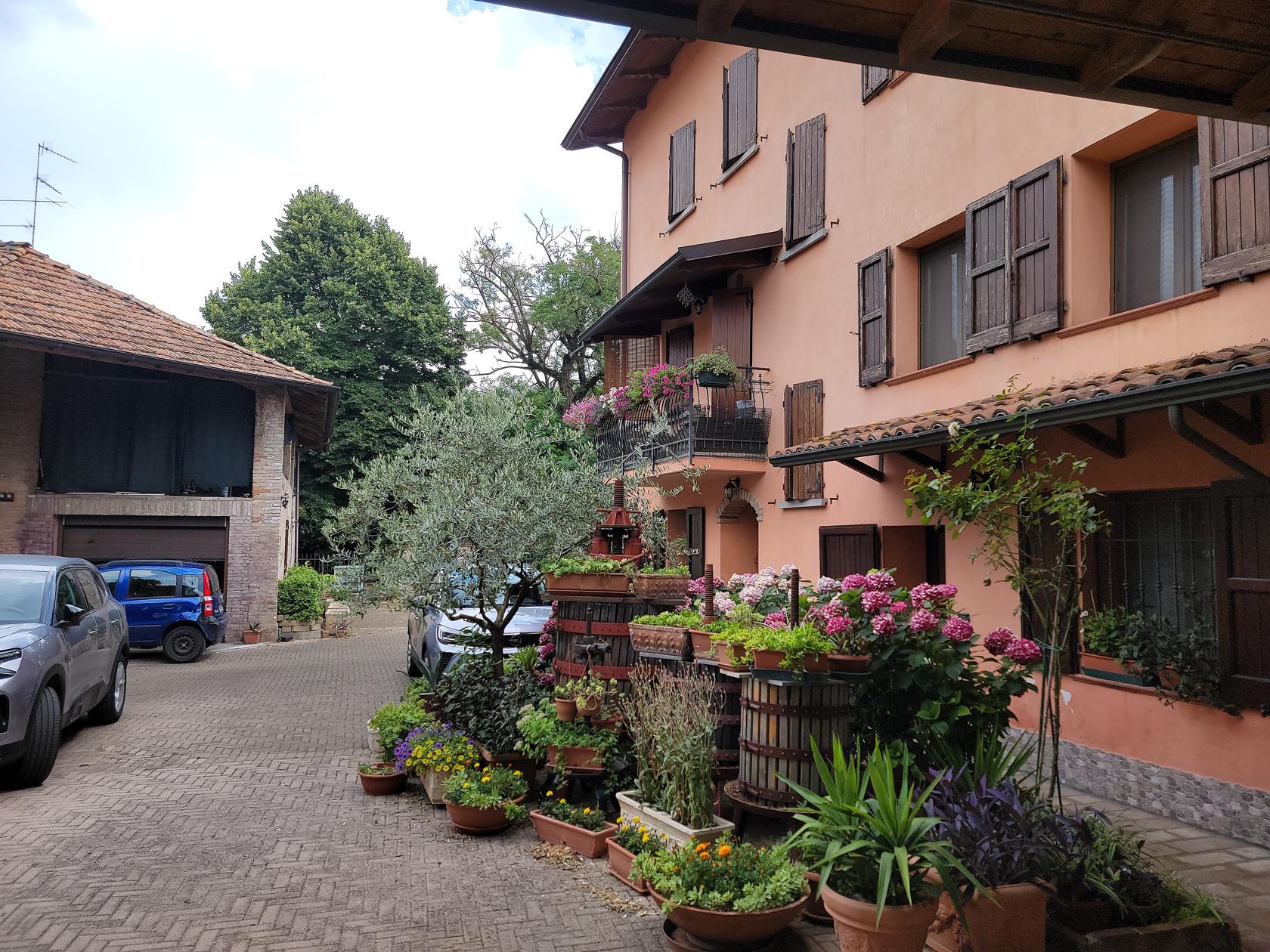
Chef Picci, who owned and operated a very successful restaurant, retired and has devoted the rest of his days to producing balsamic vinegar of varying ages and quality with his company Acetaia Picci in Cavriago. Unlike the variety you will find in Modena and most likely in a grocery store near you, his vinegars are more acidic and owe their quality to the different grapes from the area he uses. He prefers this, since only half as much of the balsamic vinegar in the Po Valley displays these qualities, as opposed to the larger companies that produce sweeter ones from the southern parts of the valley.
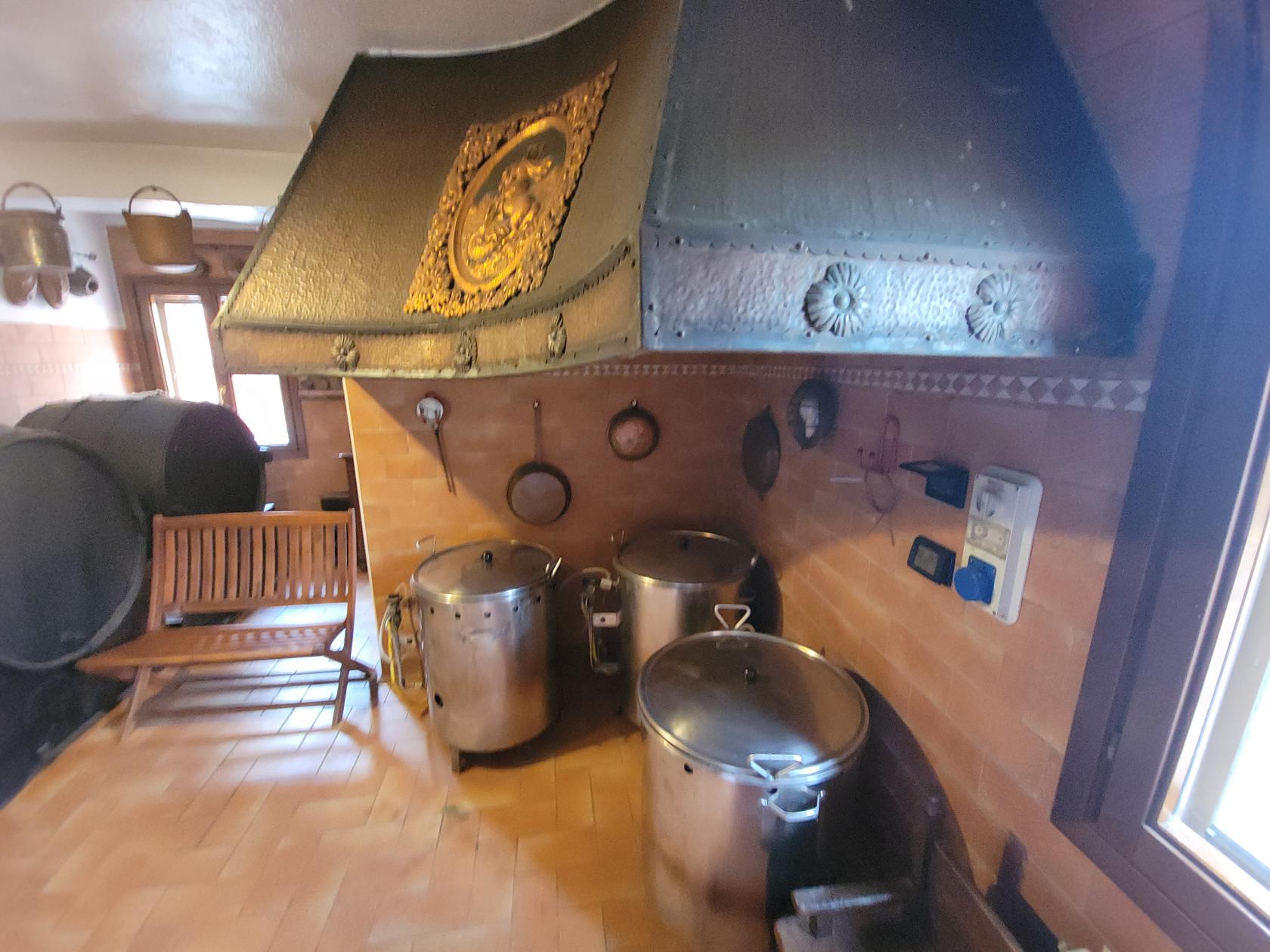
The grape must is first heating in large vats to start the process. From there the liquid is transferred to large waiting casks in the same room. This is temporary, since the process of moving the vinegar from one cask to another is on on-going procedure.
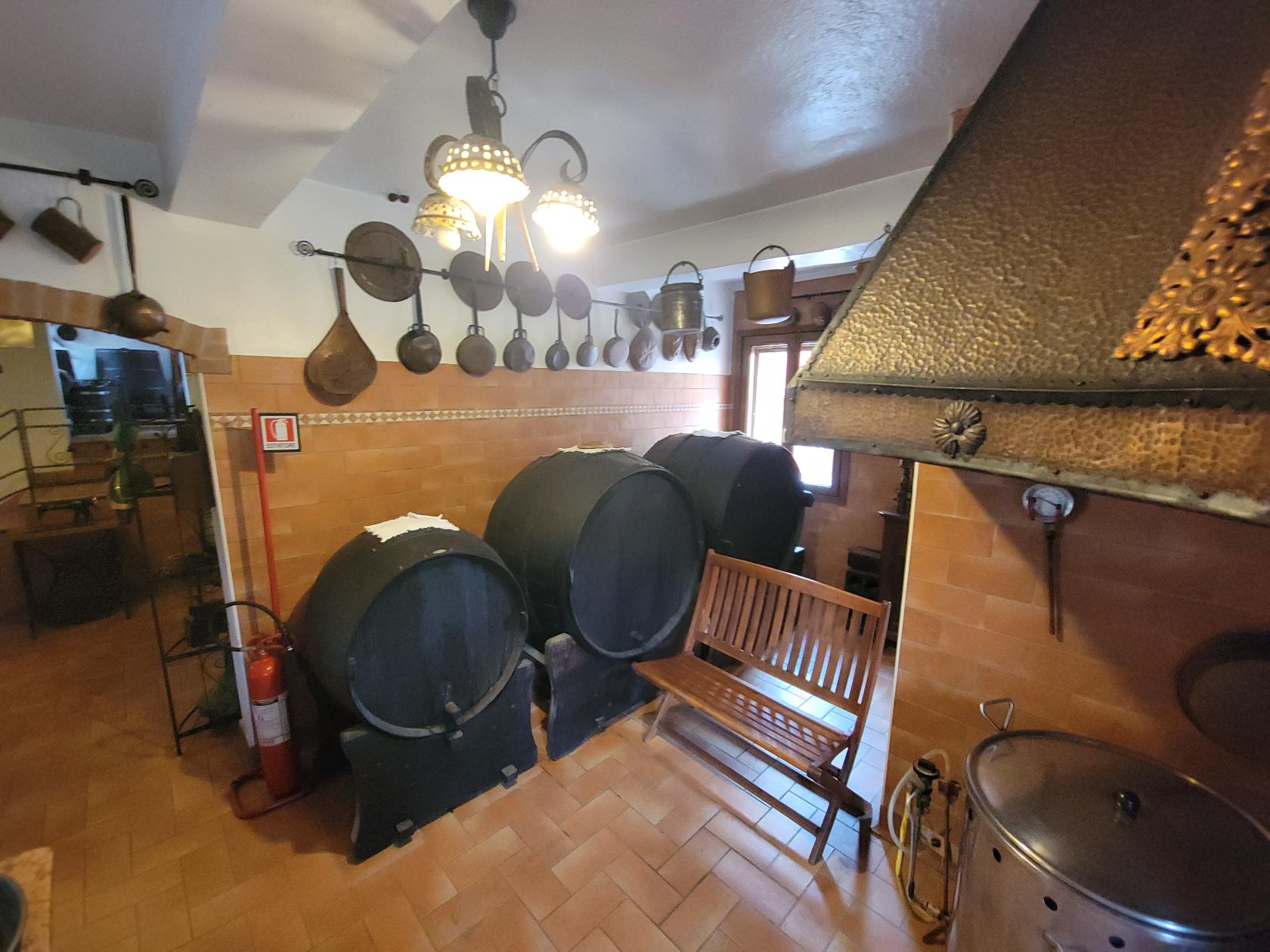
Each cask is only filled to 85 percent. This is to allow enough air at the top for proper fermentation. As each cask loses liquid, either from evaporation or leakage, it is topped up from the larger cask adjacent to it in a long progression. The largest of these casks are later topped up with liquid from the larger primary casks in the cooking area.
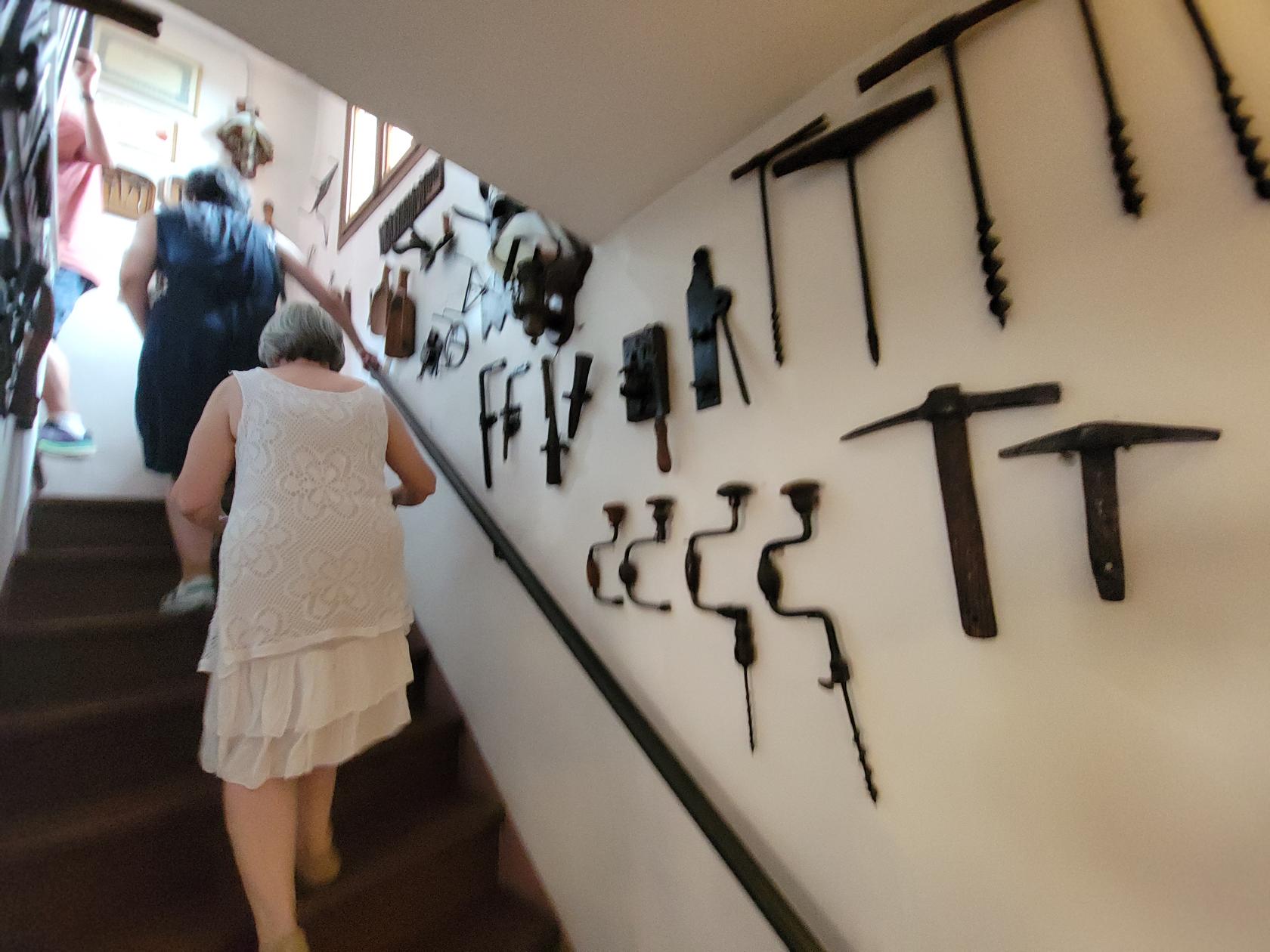
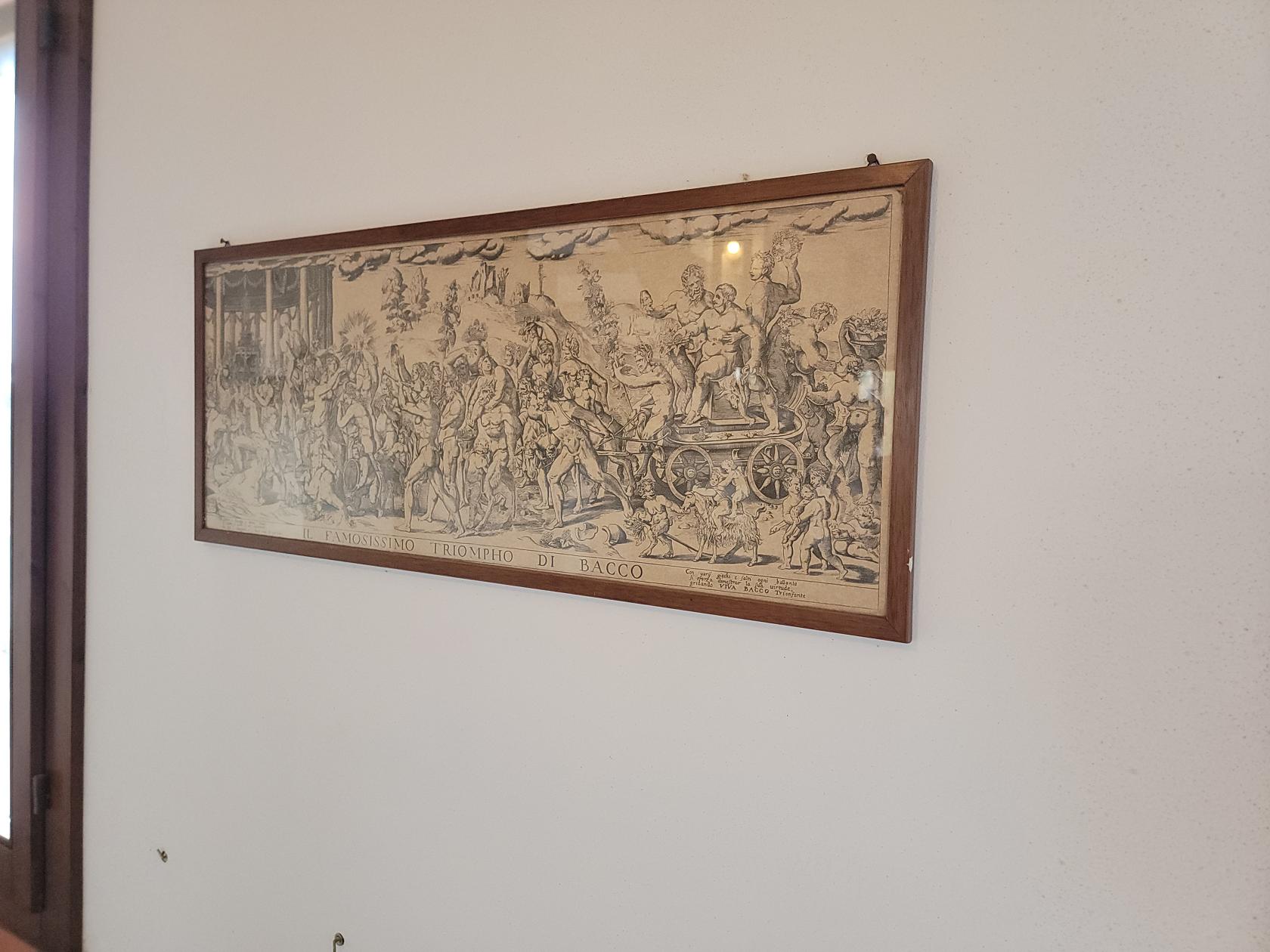
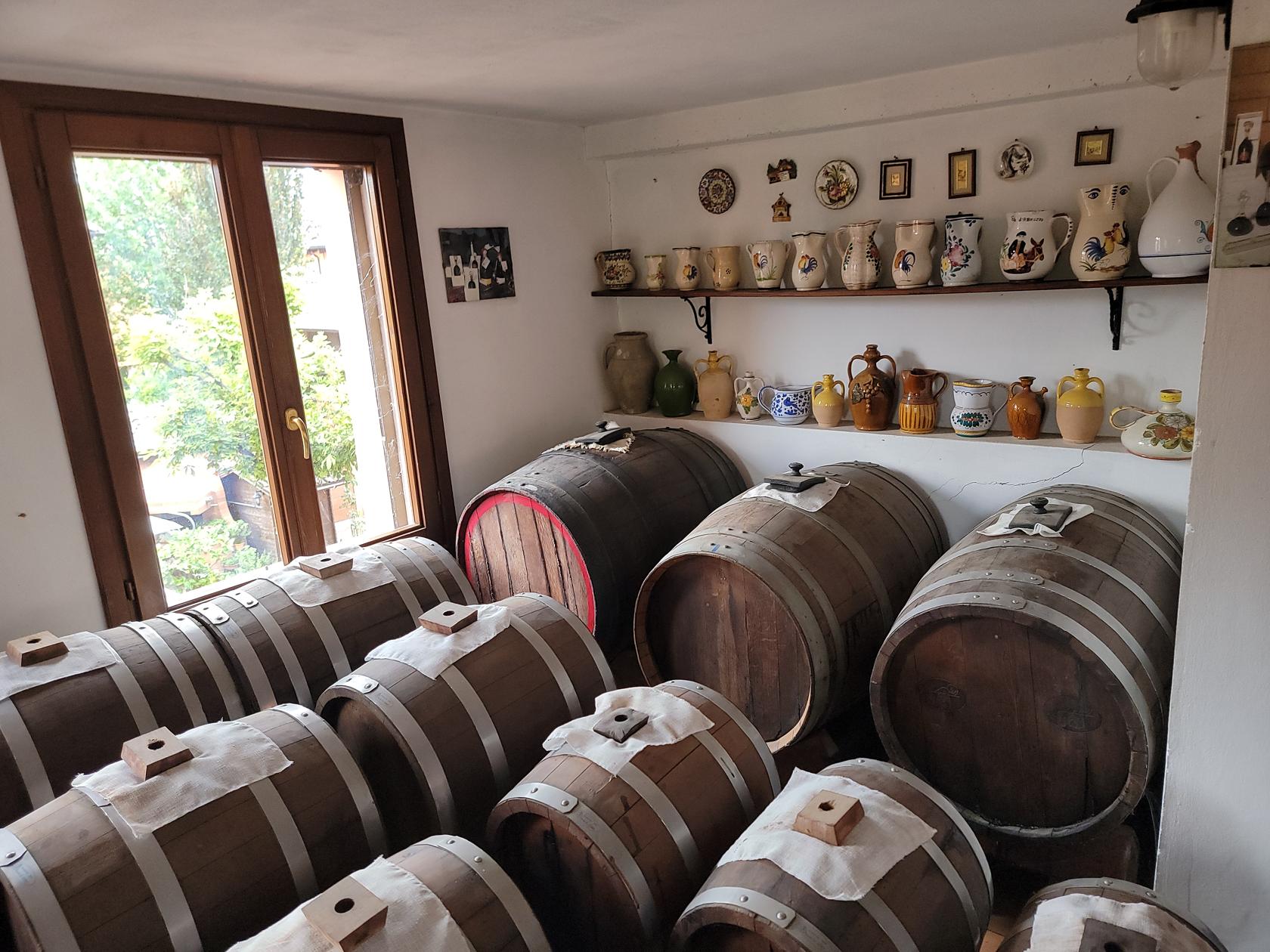
As time goes on, the casks get smaller and smaller. As they descend in size, the number of years that the balsamic has been sitting inside goes up as well. Production for 7, 12, 25 and even 50 year balsamic is not uncommon. The number of years is also reflected in the price as well as the quality of the balsamic.
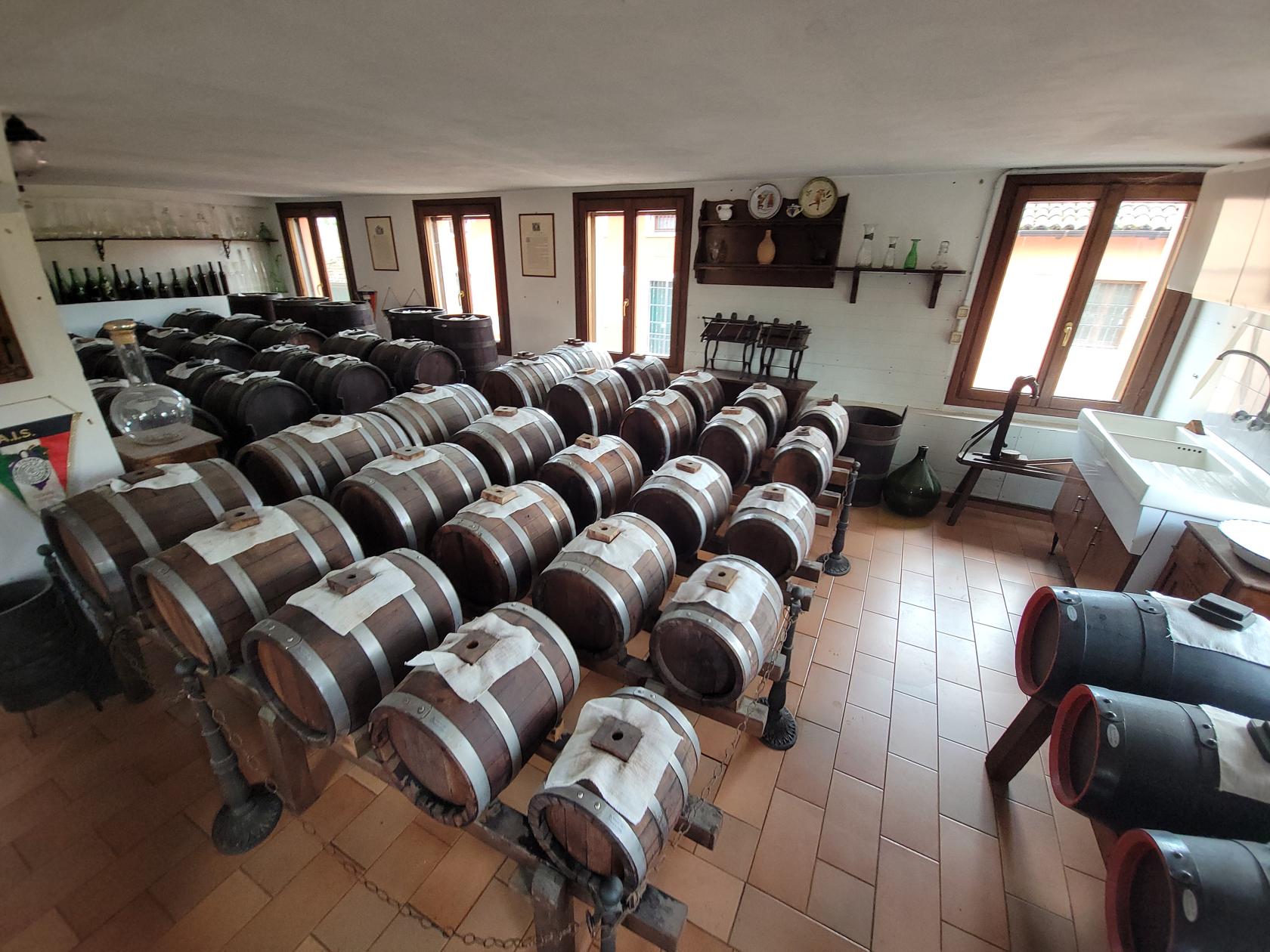
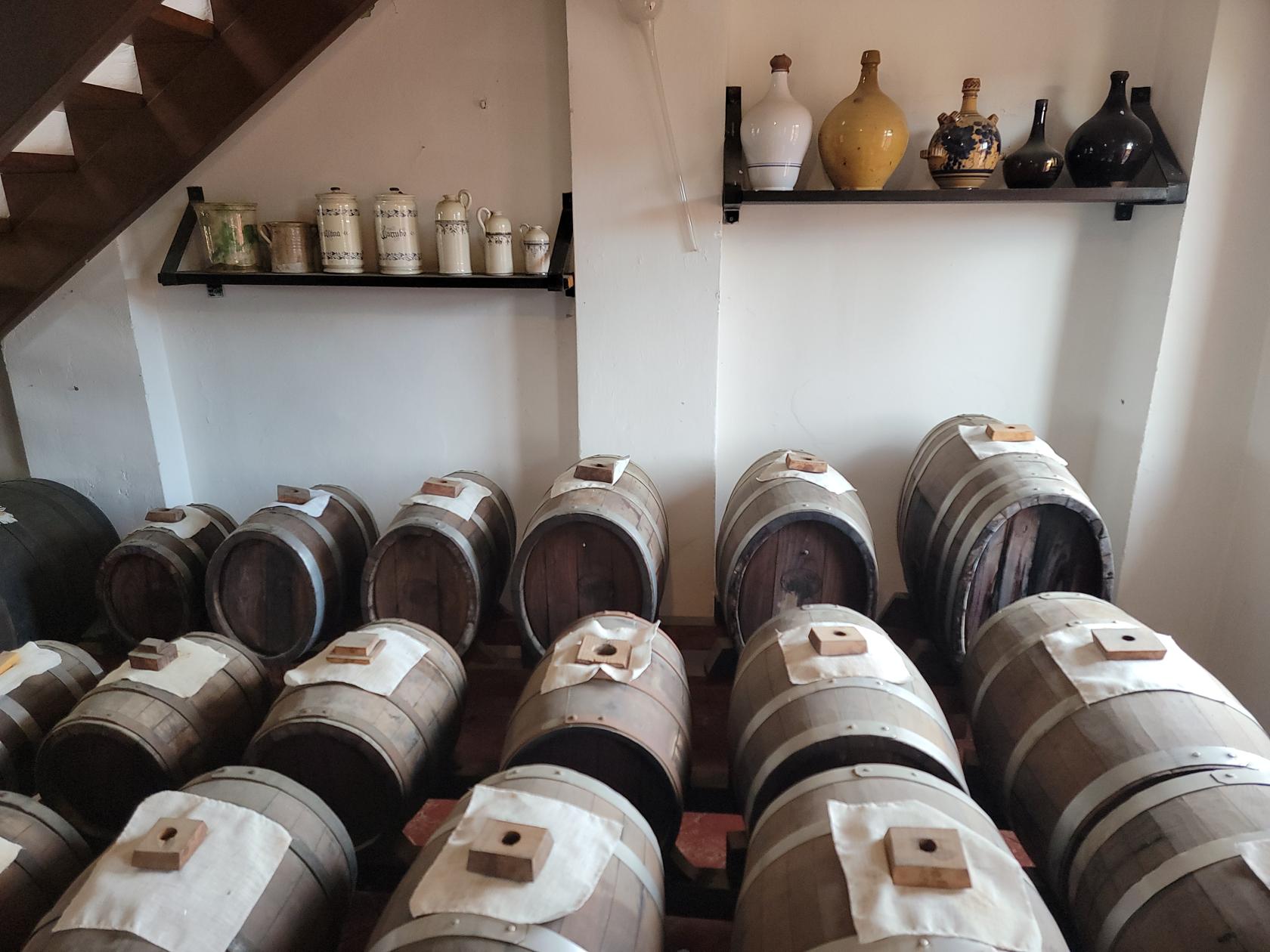
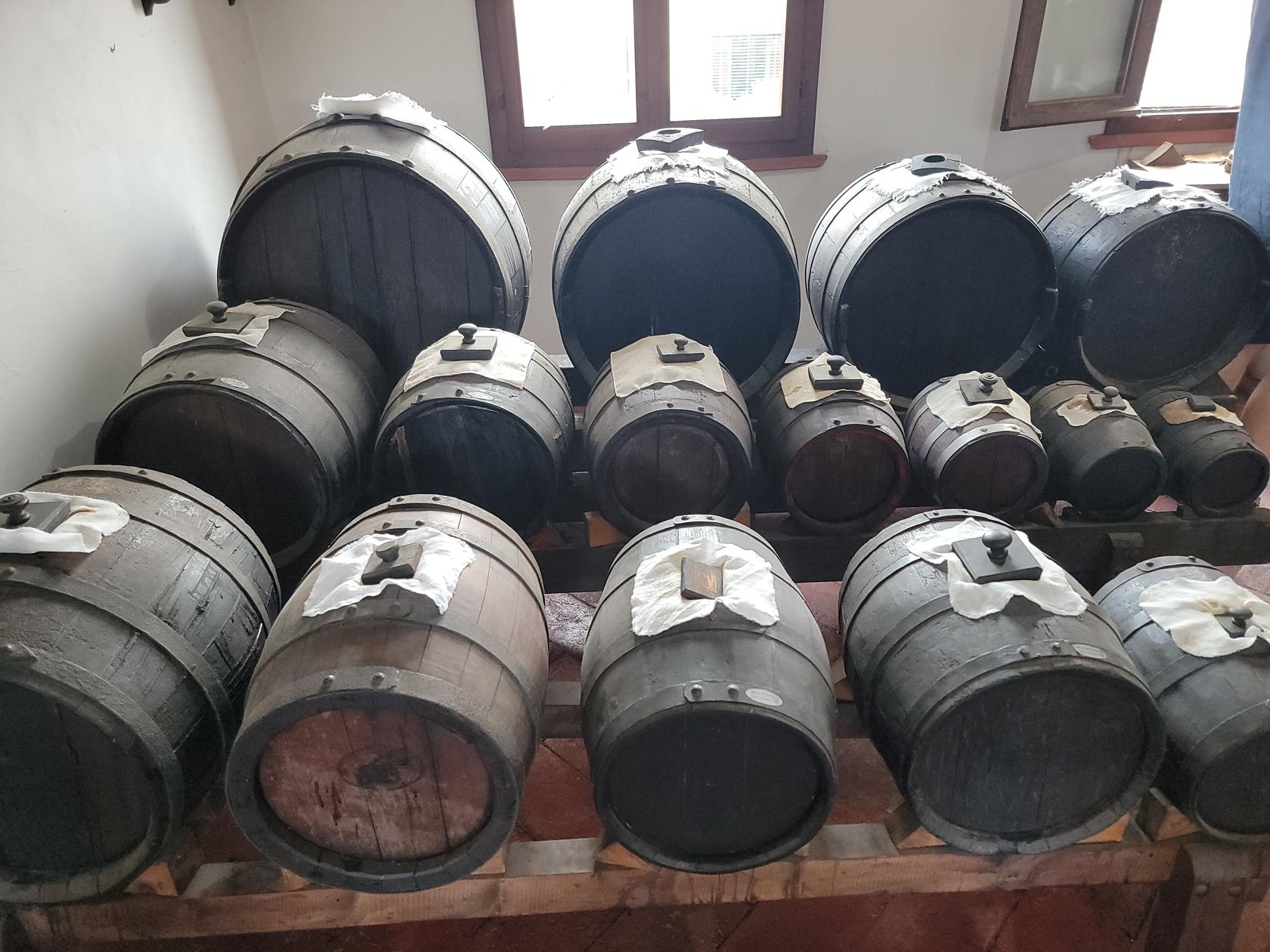
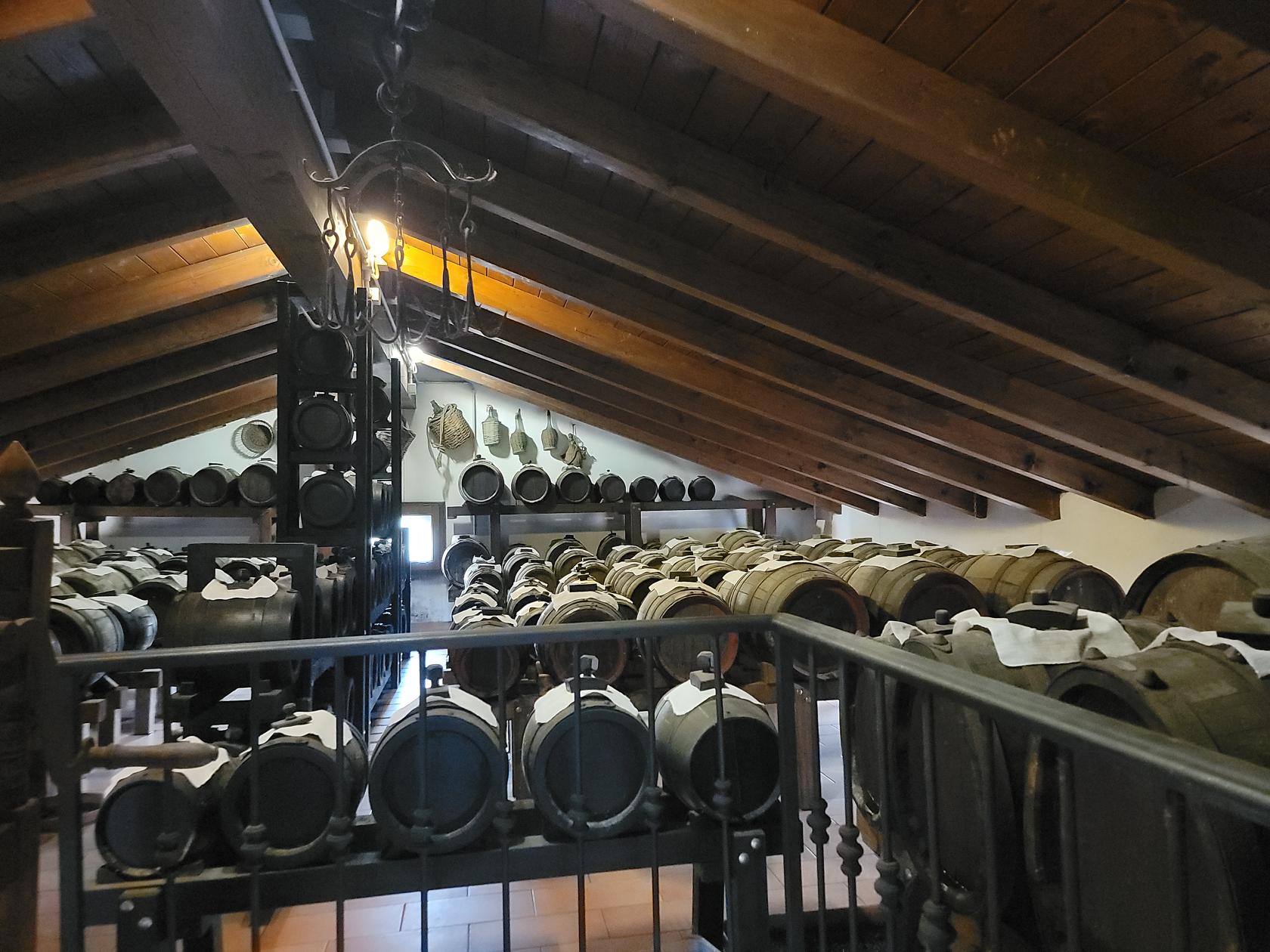
Typically the early the balsamic the more vinegar it has in it. Older ones tend to adopt a sweeter taste over time as the vinegar and acid content drops as it is transformed into other complex compounds. Over time sediment collects in the bottom of each cask, which noone can see until a cask is finally rendered useless due to leakage or other issues and opened.
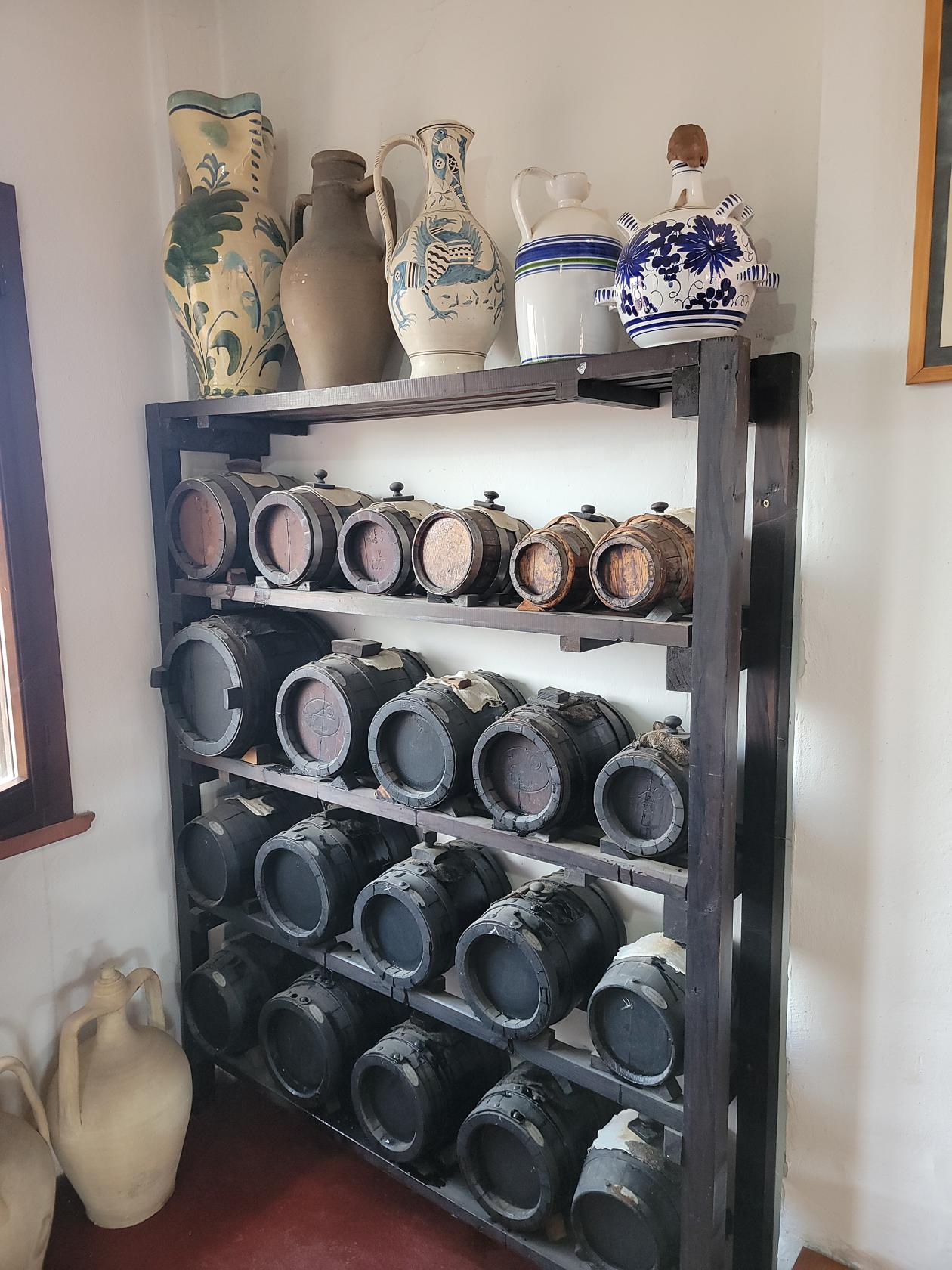
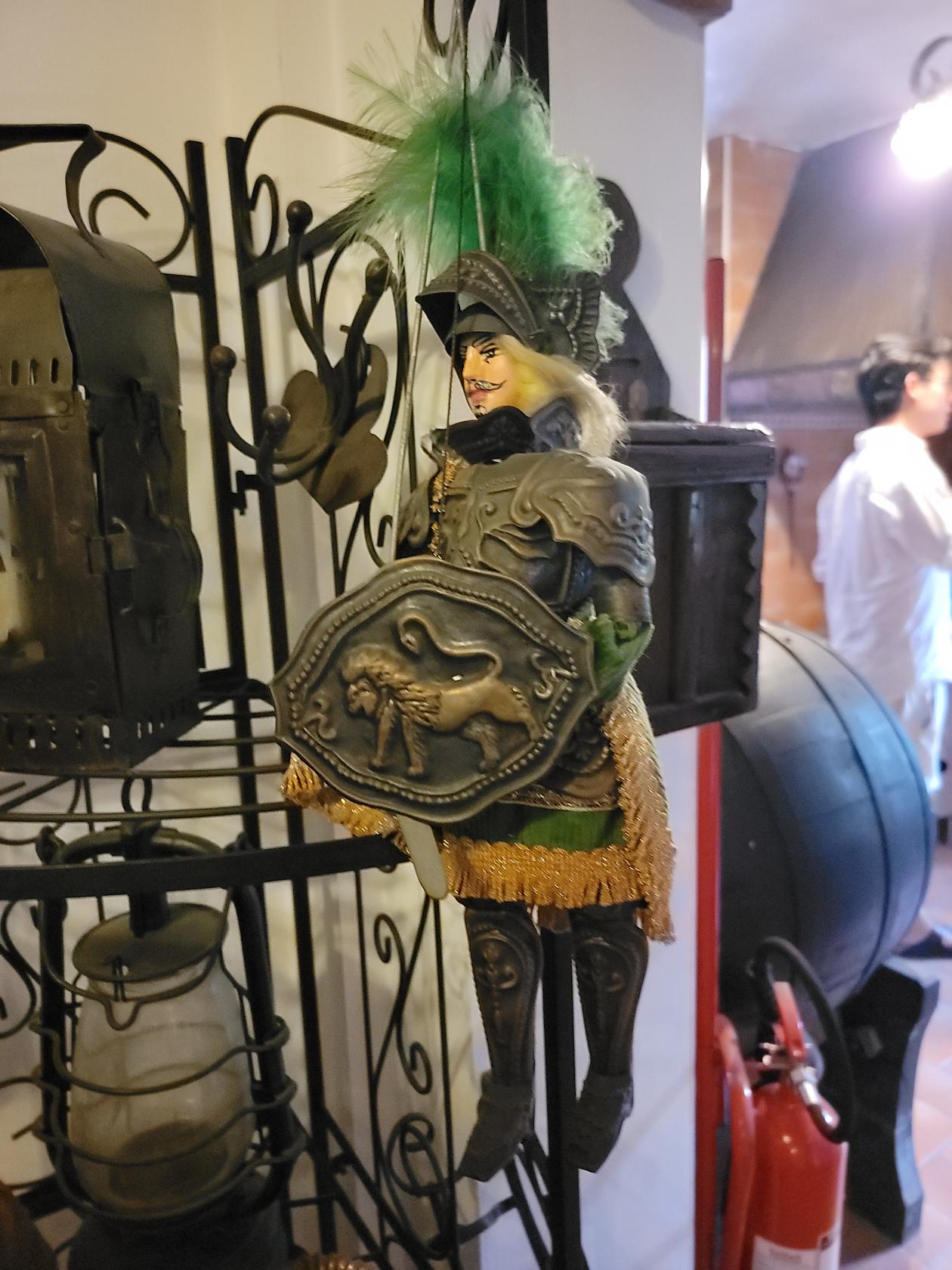
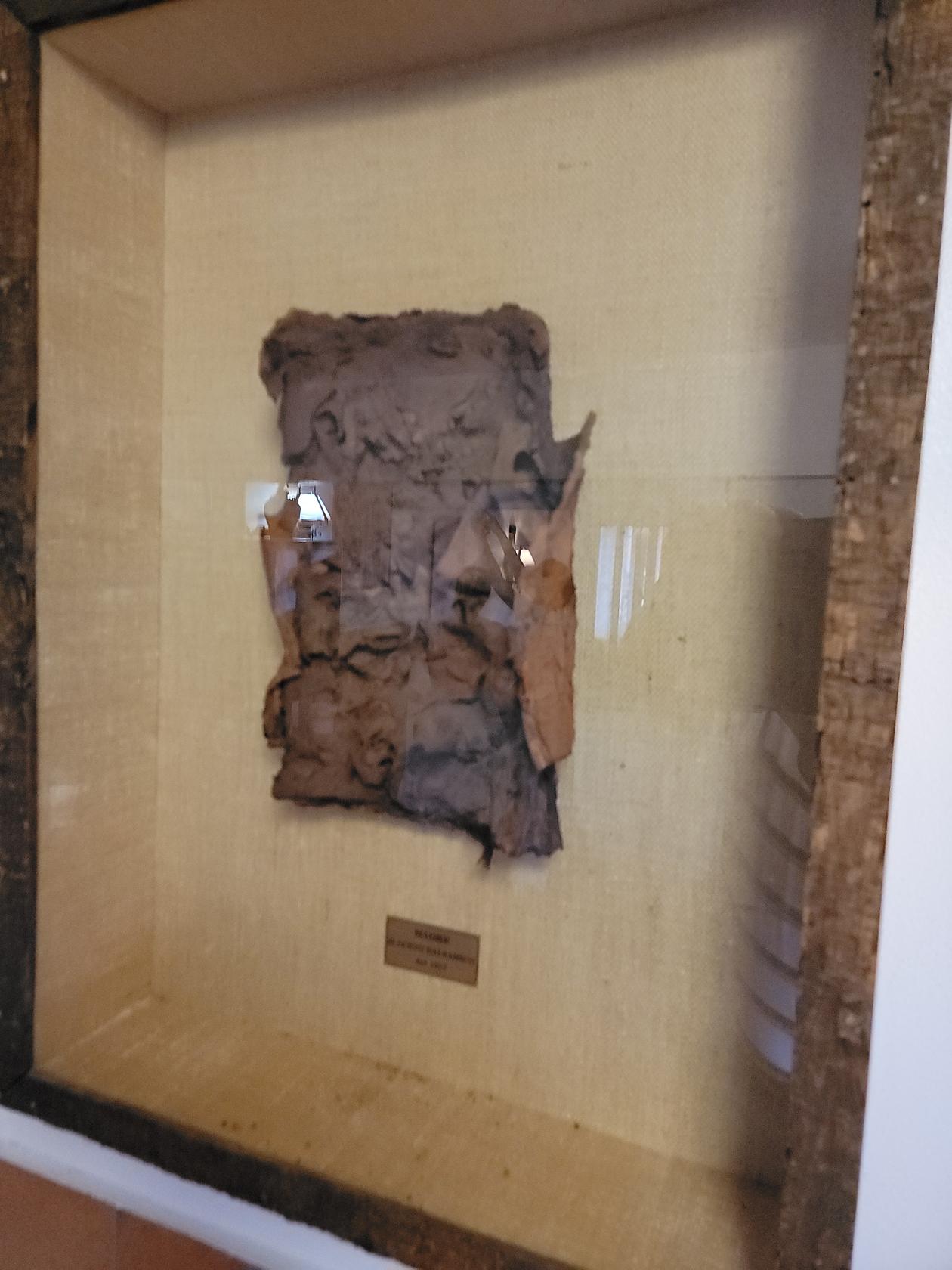
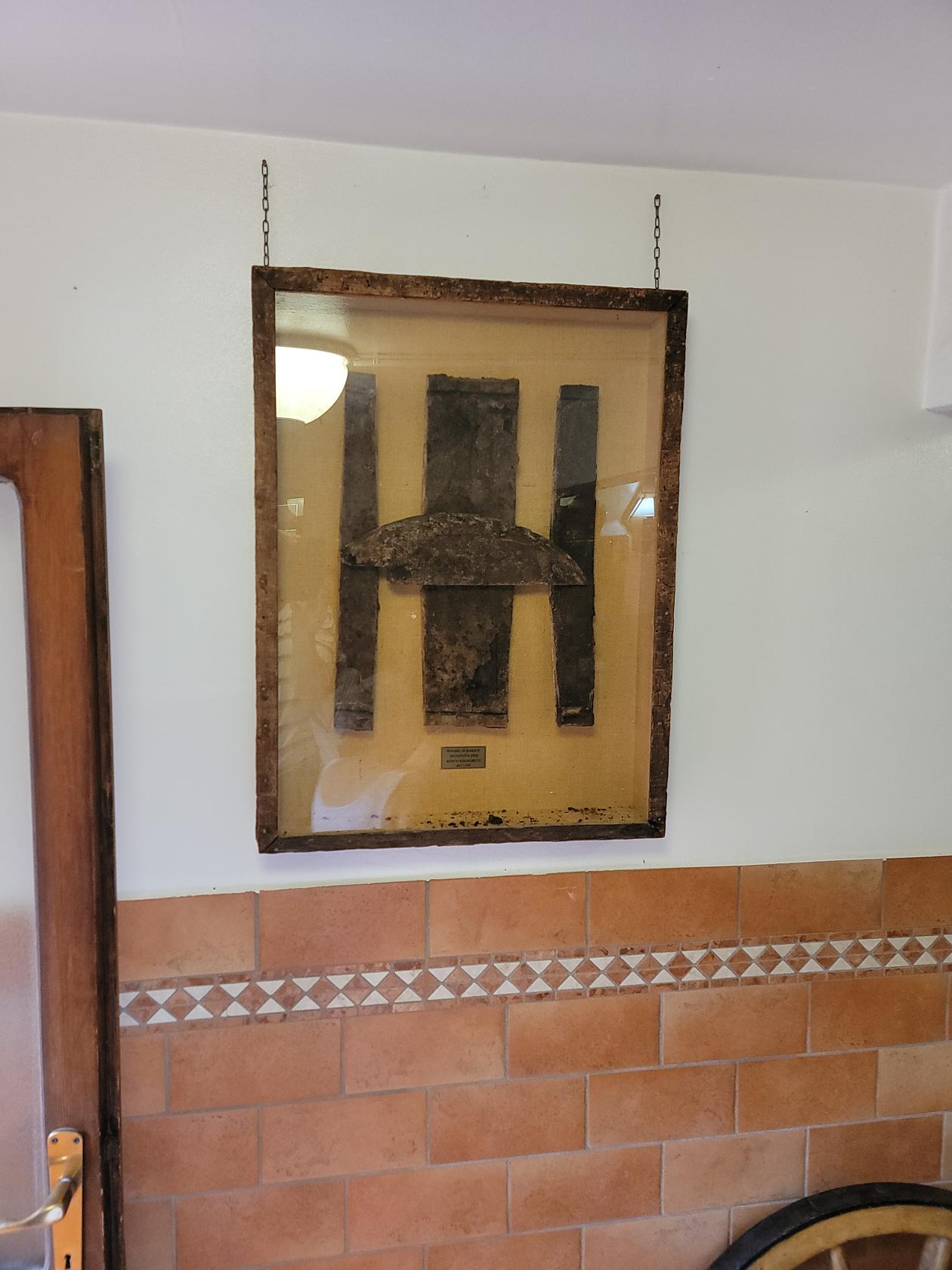
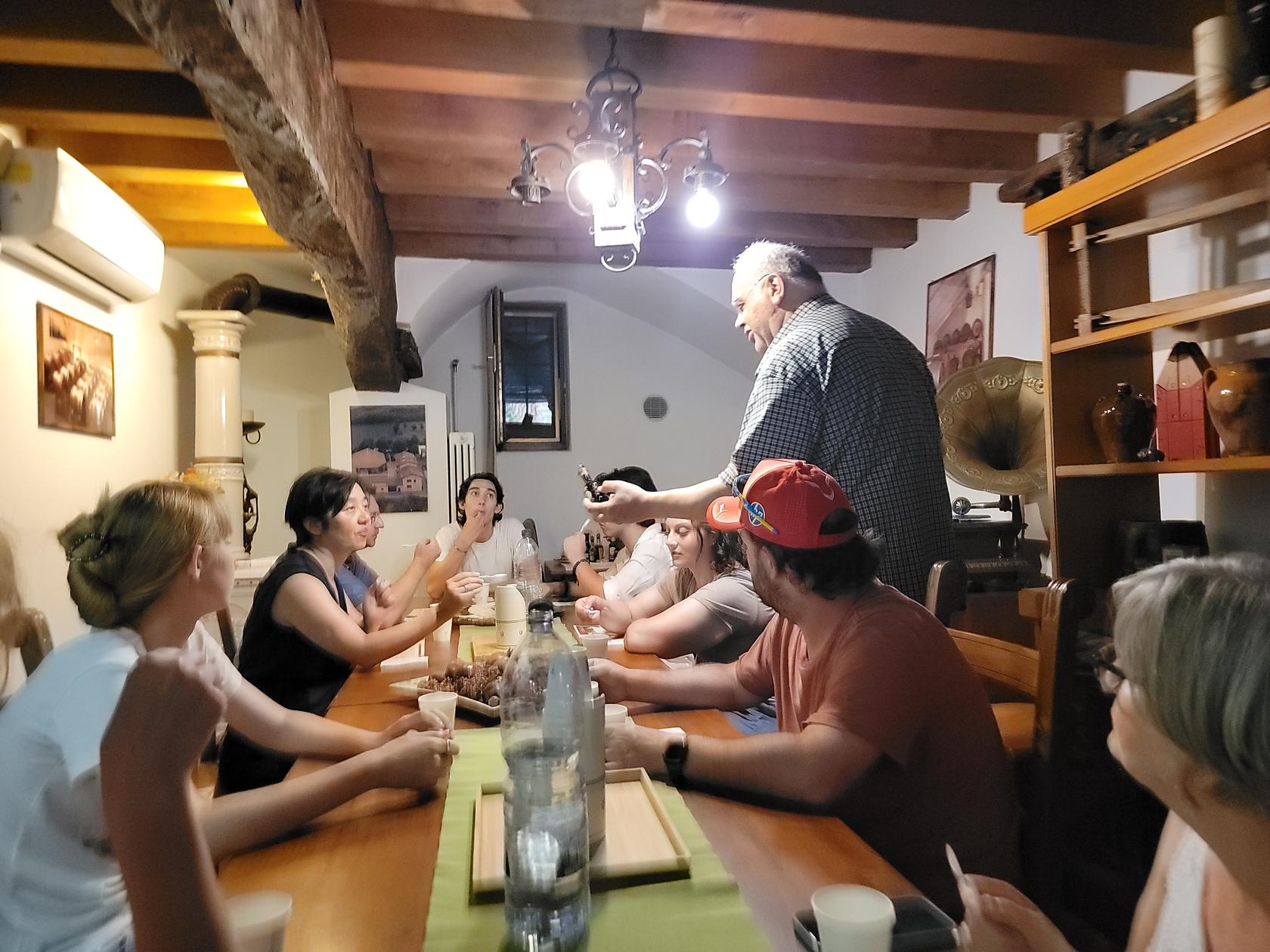
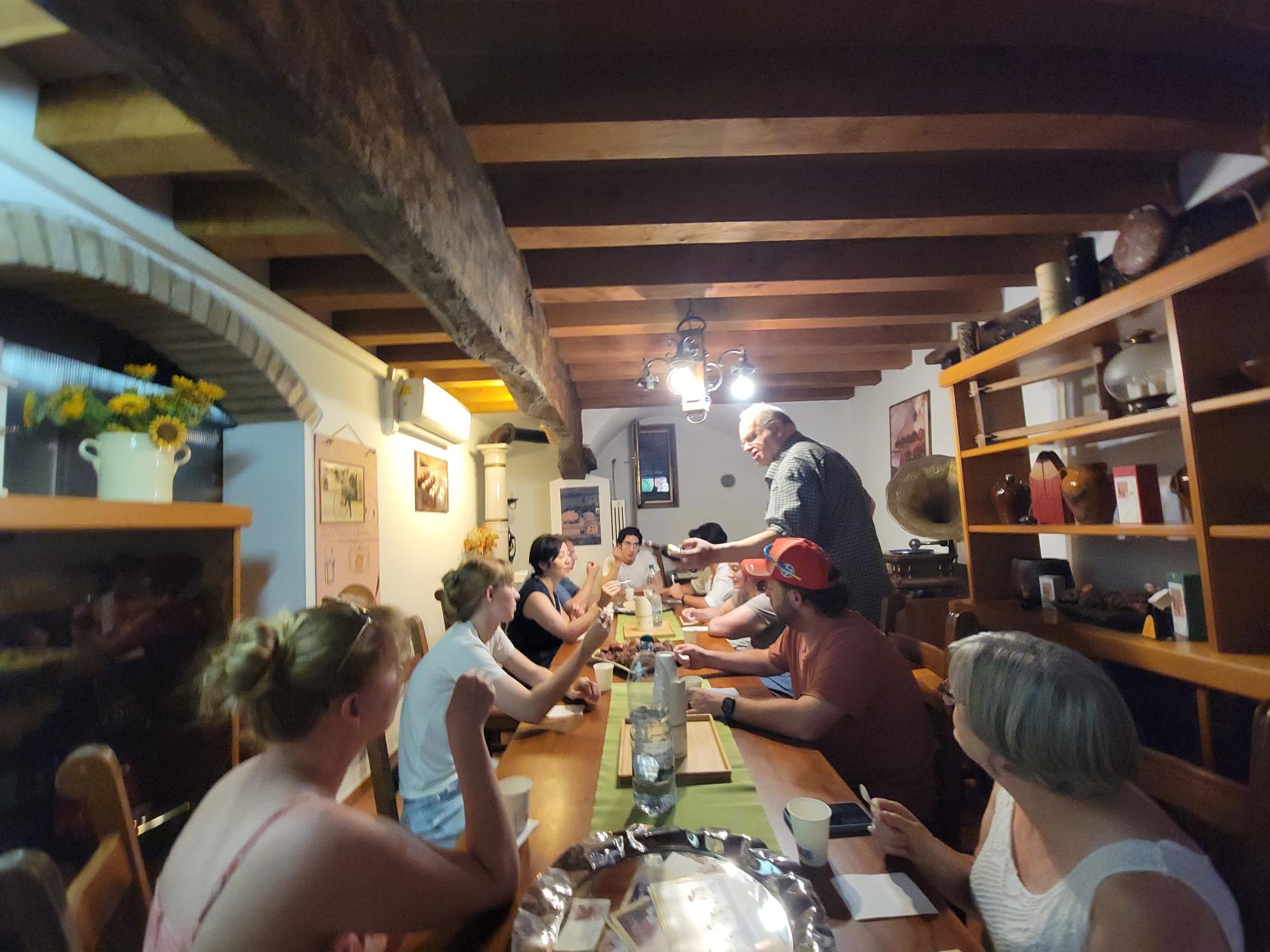
One can see this in a simple tasting, though I could not say whether I preferred one of the other, each has different uses from dressing a salad, to cooking and baking, and even as an ice cream coating.
Restaurants
Since our outting was a full day, it came with what they called a “light lunch”. Our destination was a small Osteria along our route called Osteria La Maestà.
Osteria La Maestà
The Osteria La Maestà is located on Via di Case Trombi, 15, before you enter Mulazzano Ponte from Parma. It is a typical local Osteria that is run by an older couple. Our experience was just wonderful. We spent and entire hour talking and eating excellent food.
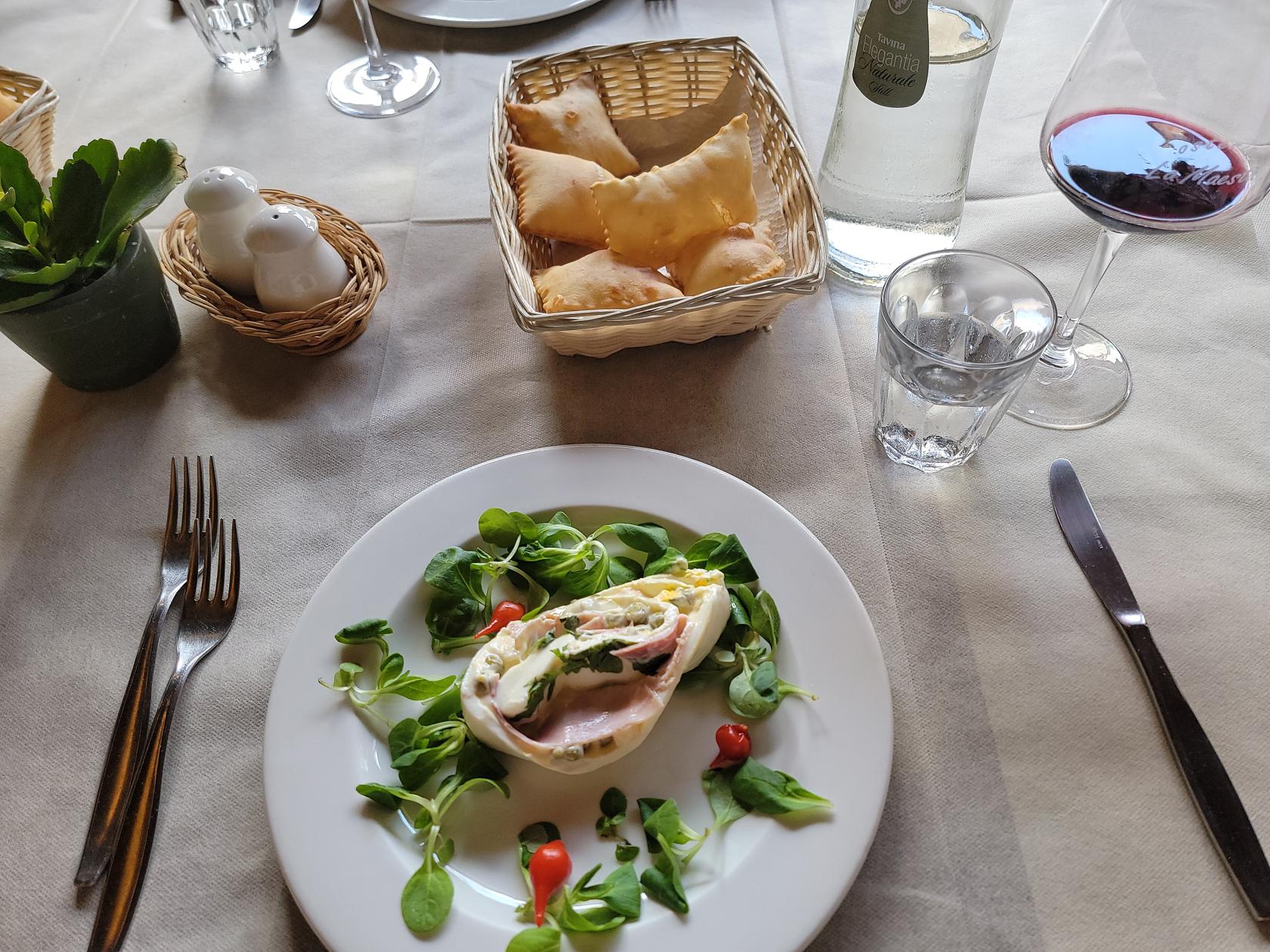
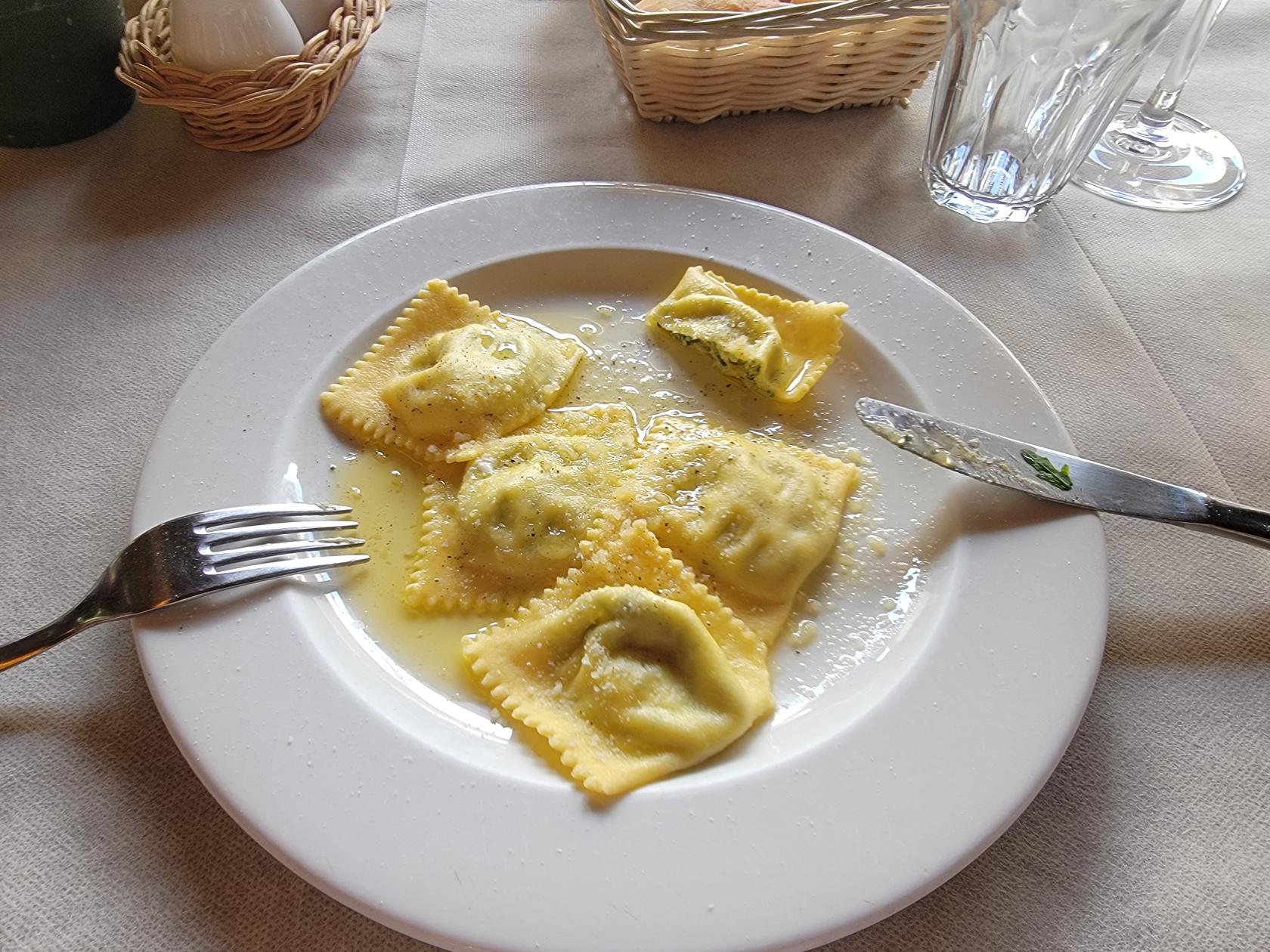
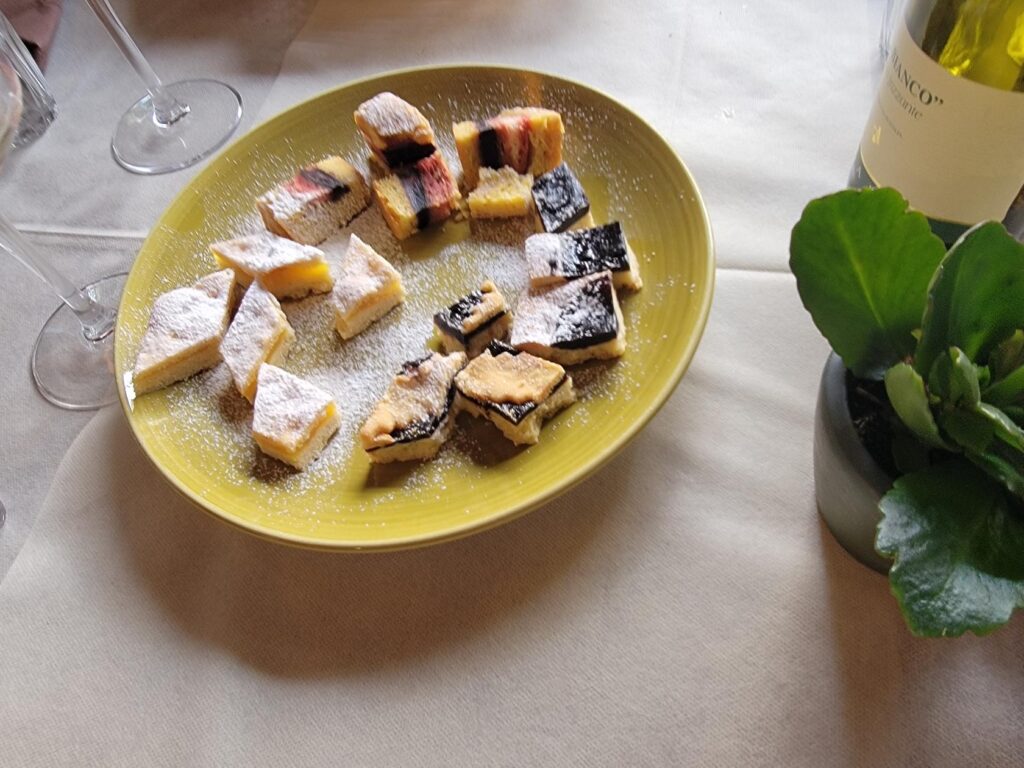
The entire meal consisted of an appetizer of mozzarella and ham, a tortelli di erbetta primi, a light dessert, red and white wines and both types of water.
Conclusion
We cannot say enough about the Tasty Bus tour, or the type of tour that takes you these small producers of ham and cheese. We had a wonderful time and before we knew it, it was over. Upon return we ran into a bit a bad weather. It had been exceptionally hot and the weather complied with kicking up the necessary line of thunderstorms.
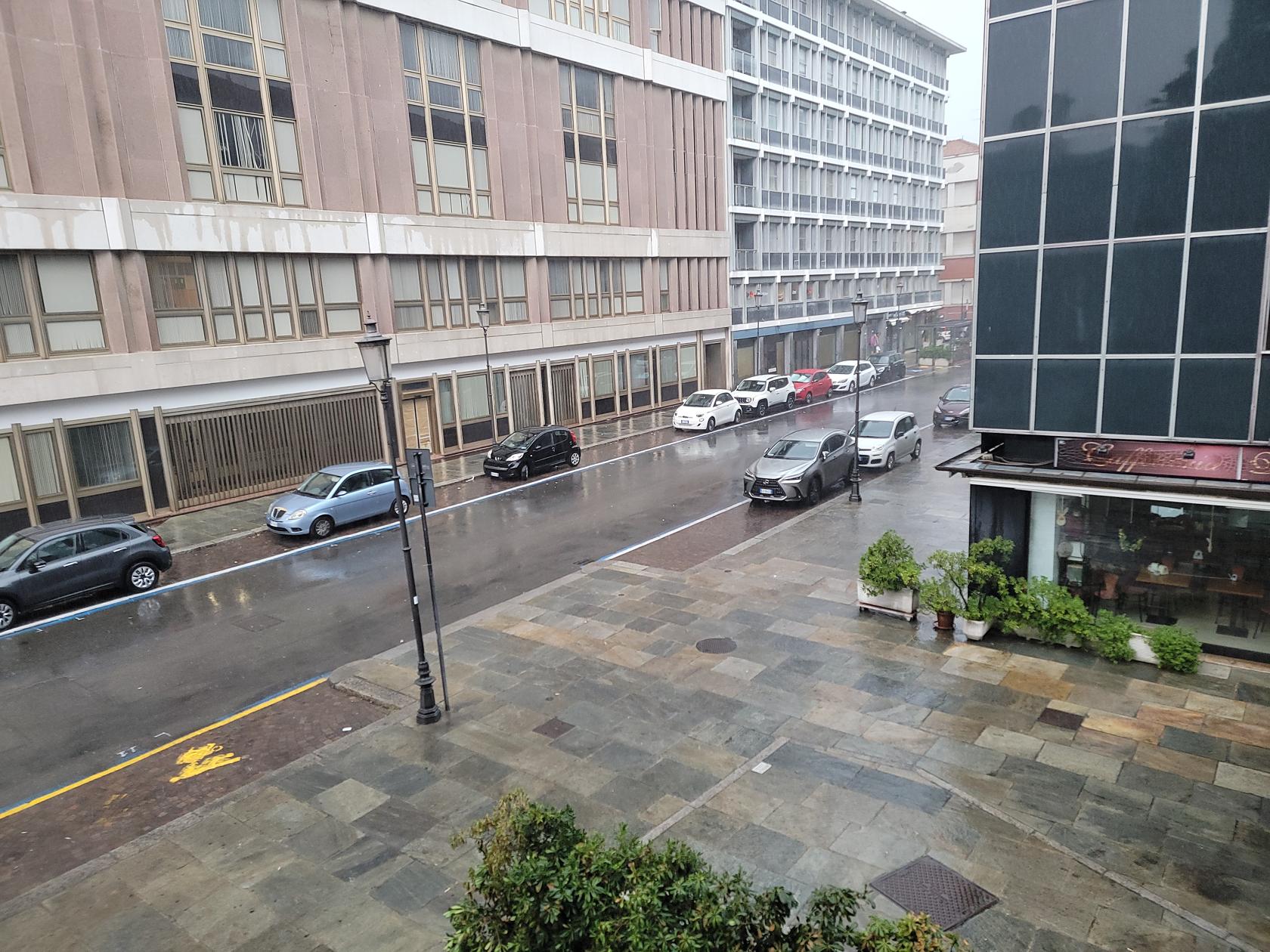
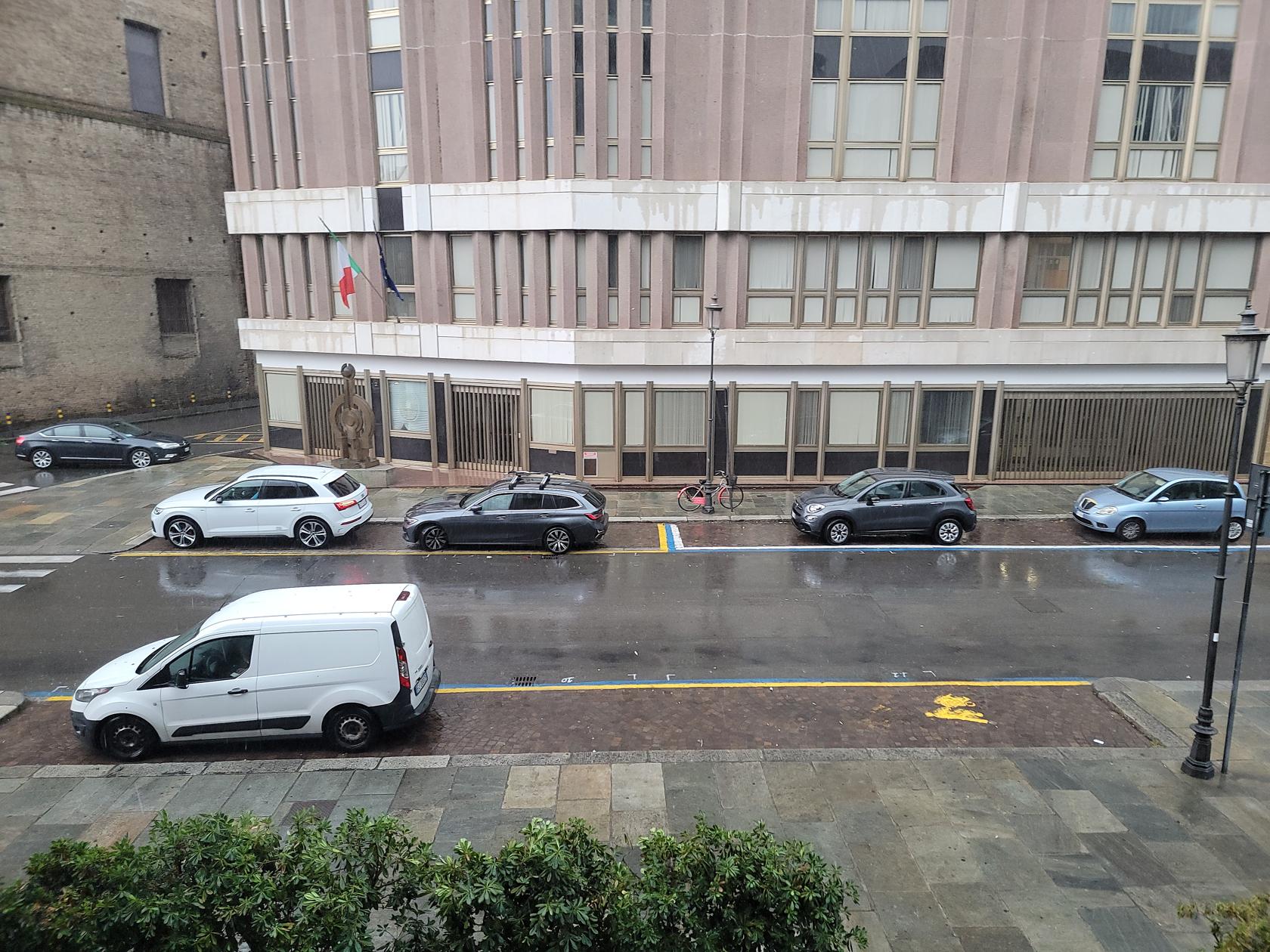
Our tour bus driver and guide was accomodating enough to get us as close as possible to our hotel, but as they say in America, we got a wet ass anyways. Oh well. We started the day wet in sweat and ended the day wet in rain, so we came out kind of even, but enjoyed every minute of the experience.
References
| ↑1 | One of the trunk Roman Roads that ran through Italy during the Roman Empire |
|---|---|
| ↑2 | Denominazione d’ Origine Protetta which ensures the following. They meet the highest of standards of production and are produced within certain regions that result in characteristics to ensure a consistent quality. The ingredients and products come from a specific location and/or family that has been approved and designated by the government to produce such foods. Every element of the product is quality tested and tracked with serial numbers to confirm the exact origins, processing, and approval body of the product. |