Parma, Italy – Tasty Bus Tour

Probably for most people when they hear the word Parma, they do not think of a place to visit but rather their stomachs and eating ham. Many can argue what is the best meat with respect to taste, beef or pork. I am not sure that many can argue about pork’s versatility, from fried pork skin to bacon, pork chops to pork tenderloin, Salumi to Prosciutto Crudo. One thing is certain, if you love the last two then Parma is your Mecca.

Parma

In Parma Province, within the region called Emilia-Romagna, the city of Parma is joined with its neighboring cities by the Via Aemilia[1]One of the trunk Roman Roads that ran through Italy during the Roman Empire through the Po river valley from Piacenza to Rimini. The valley has special properties which embue the ham and cheese made here with delicate flavors. It’s all in the label, literally.
The Tasty Tour

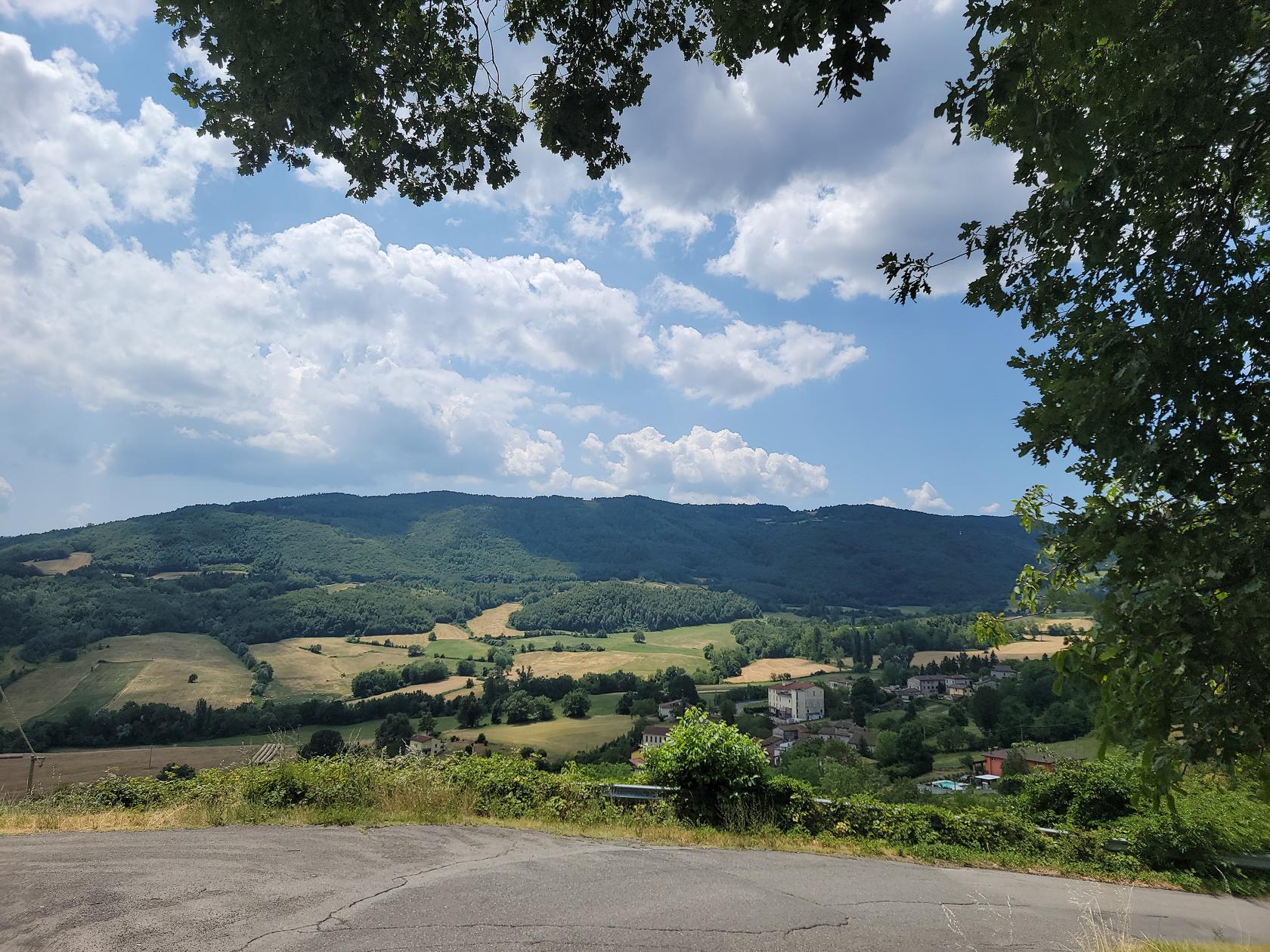
We employed to Tasty Tour for a day long jaunt into the countryside to understand how Parma Ham, Prosciutto, Parmesan Cheese and finally, Balsamic Vinegar were manufactured.
The tour promised six hour drive to three small, but key places where these products are made to the DOP[2]Denominazione d’ Origine Protetta which ensures the following. They meet the highest of standards of production and are produced within certain regions that result in characteristics to ensure … Continue reading highest standards.

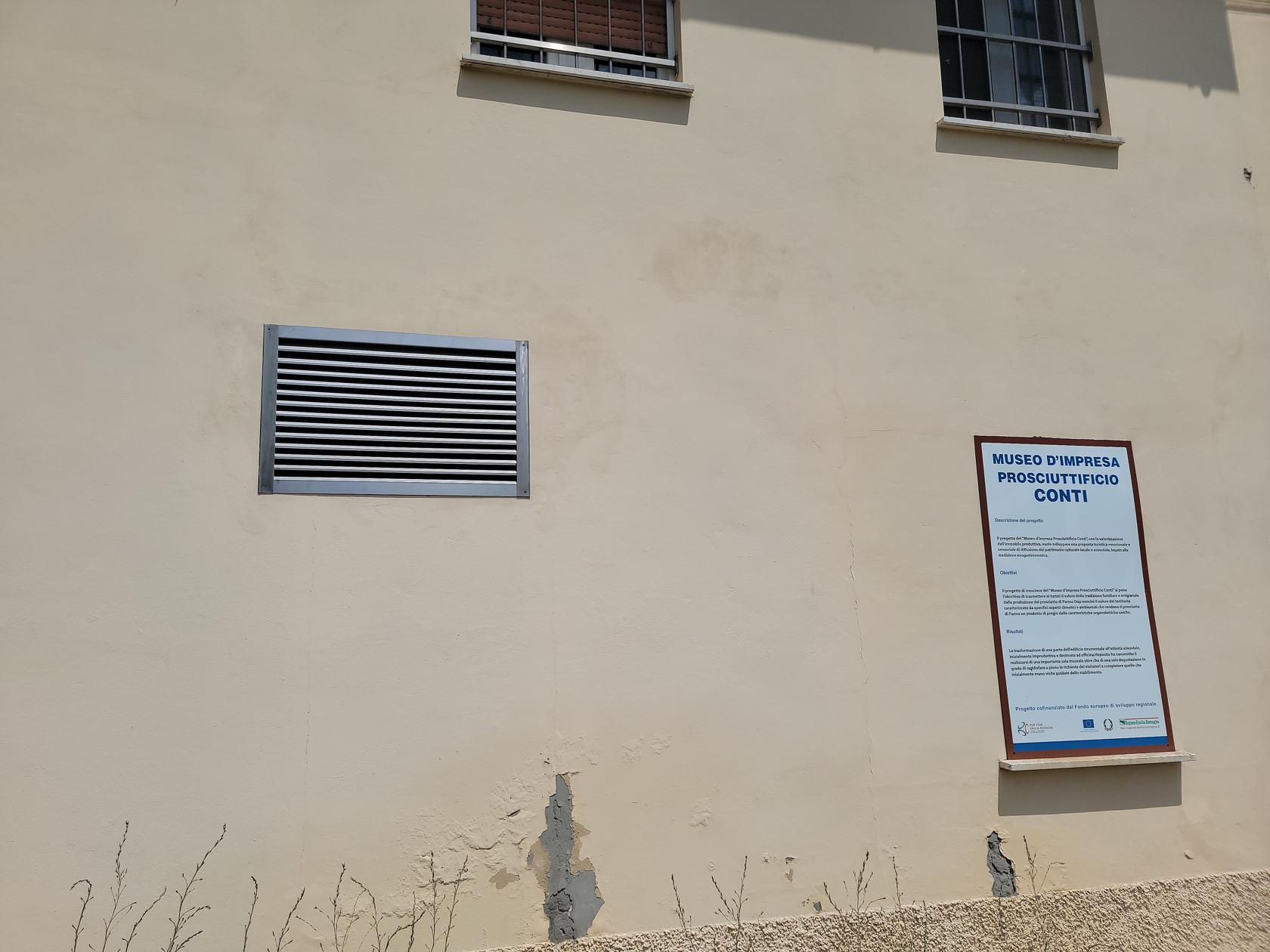
Salumificio Conti

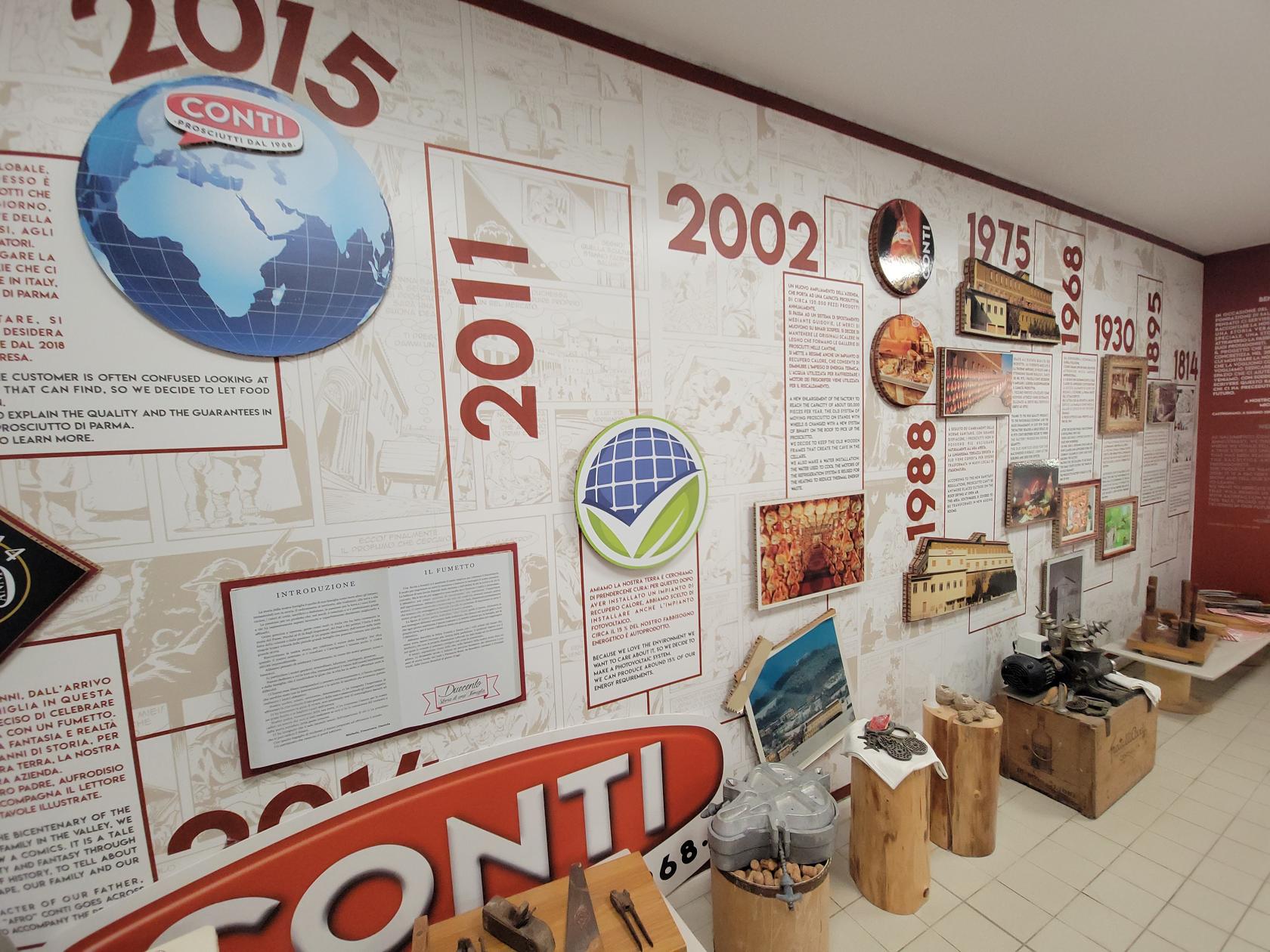
Among Parms Ham manufacturers, Salumificio Conti is a well established name with a heritage all its own. The factory is modest in size, but produces some of the best tasting hams and salumi in this region of Italy.
The factory orders and accepts only the two hind legs from it preprocessor and butcher. These are delivered in trucks and processed the day they arrive, so it is all planned and nothing is left to chance.
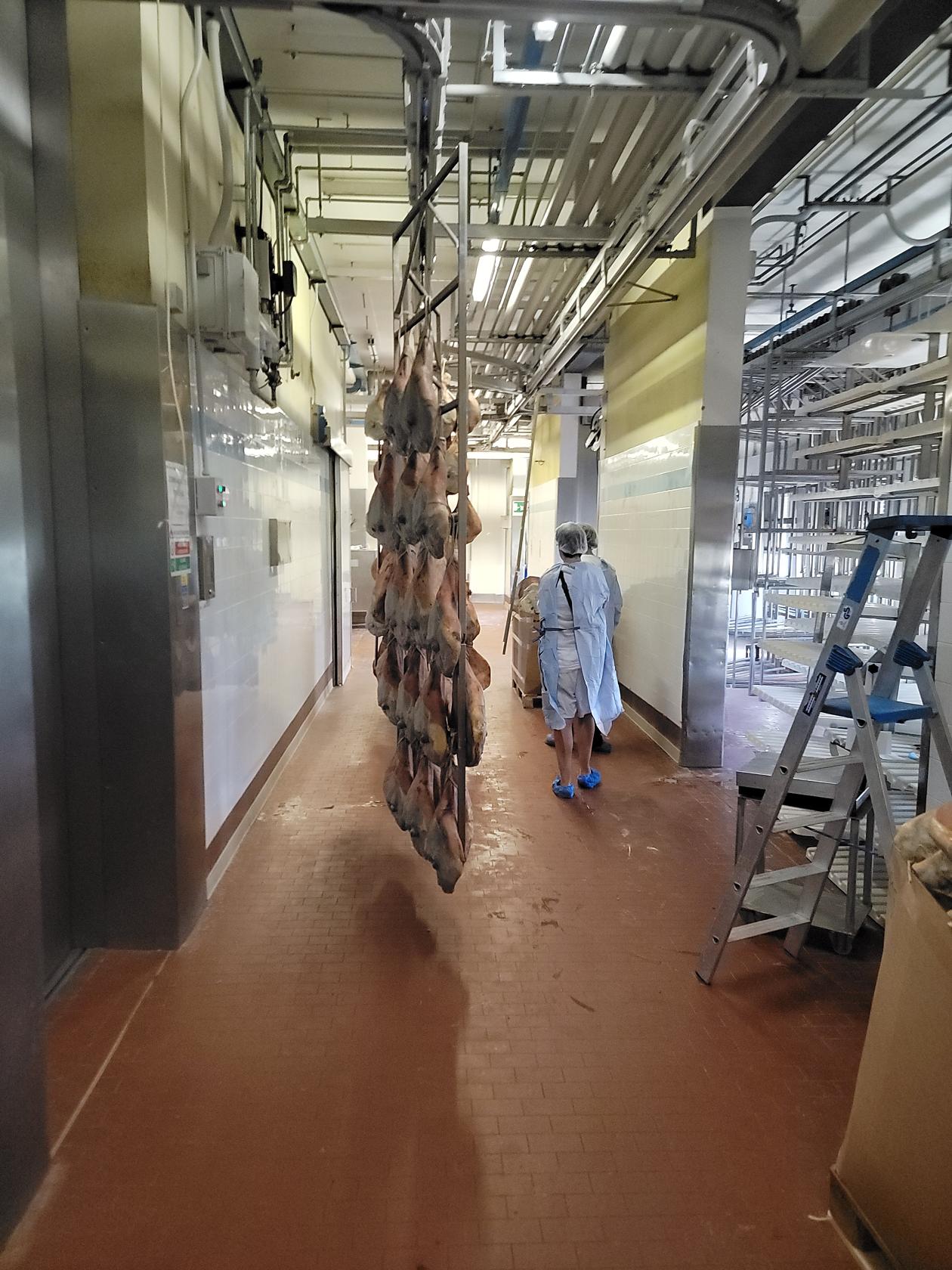
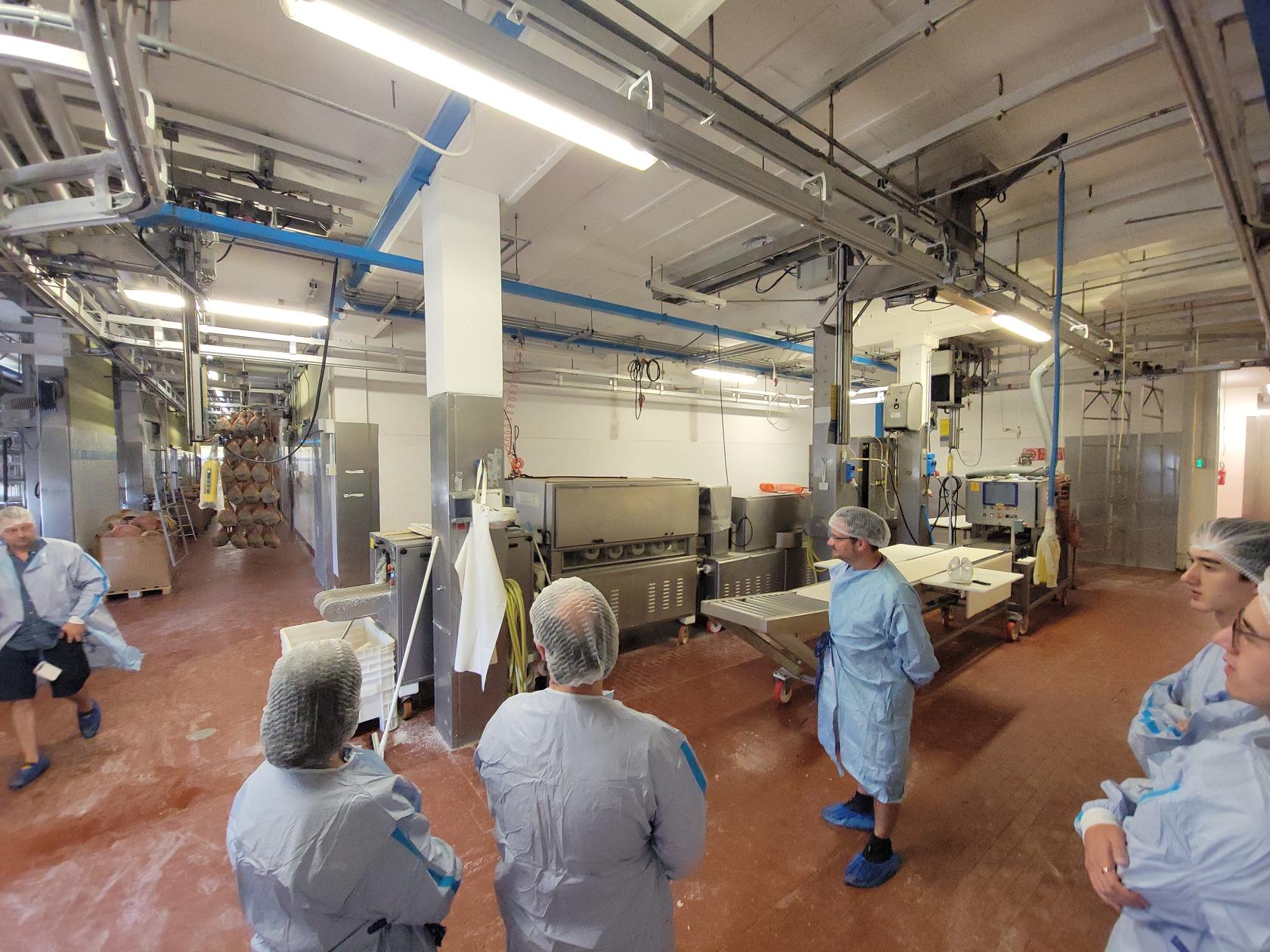
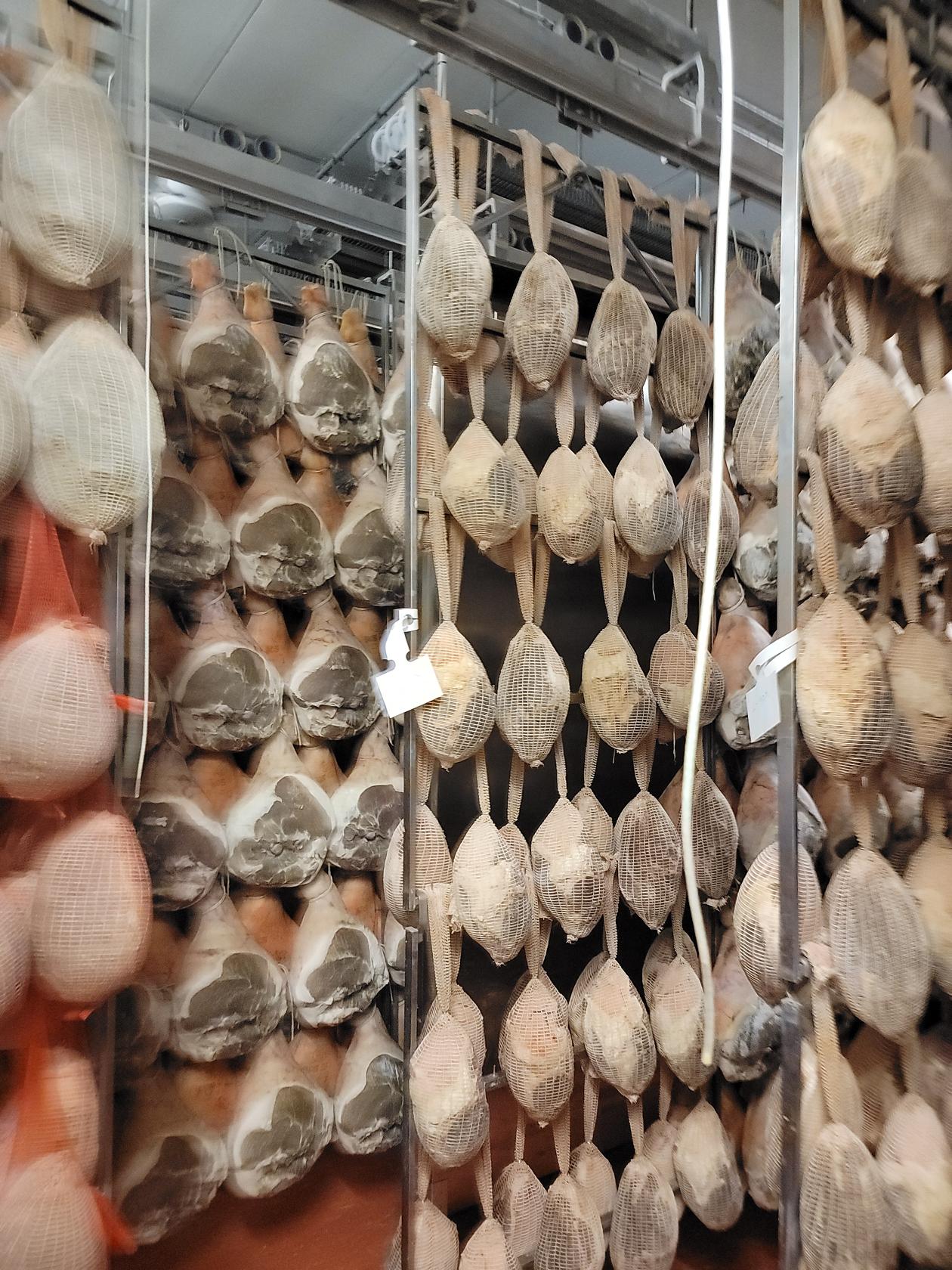
Skilled craftsmen and women assess each ham for its ultimate use, which can be anything from just daily grocery store cold cuts, to aged proscuitto and other salumis. Culatta Culatello hams are also processed here and are usually hung in bags, after the meat has been taken from the bone and properly arranged in a bag and salted.
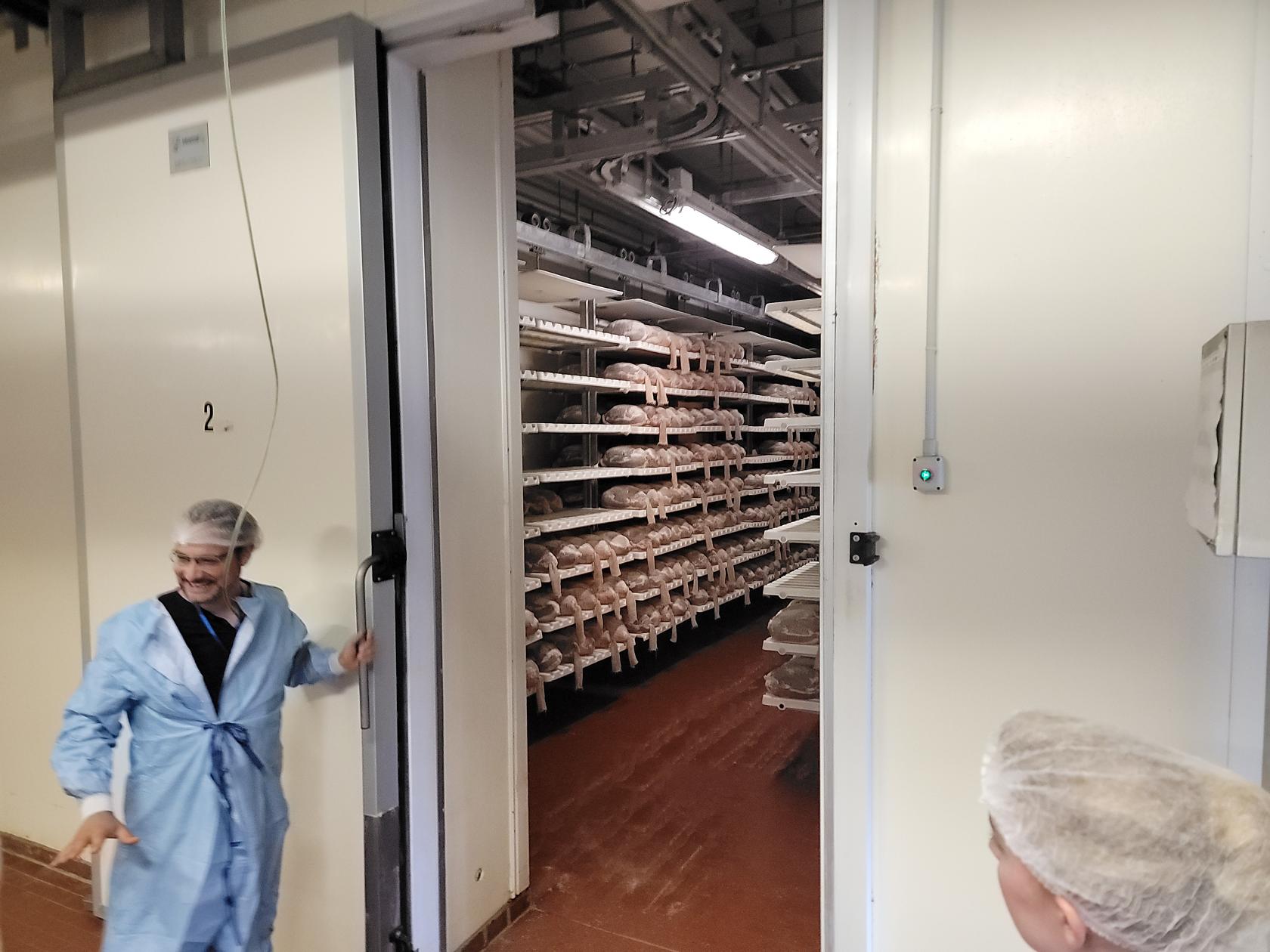
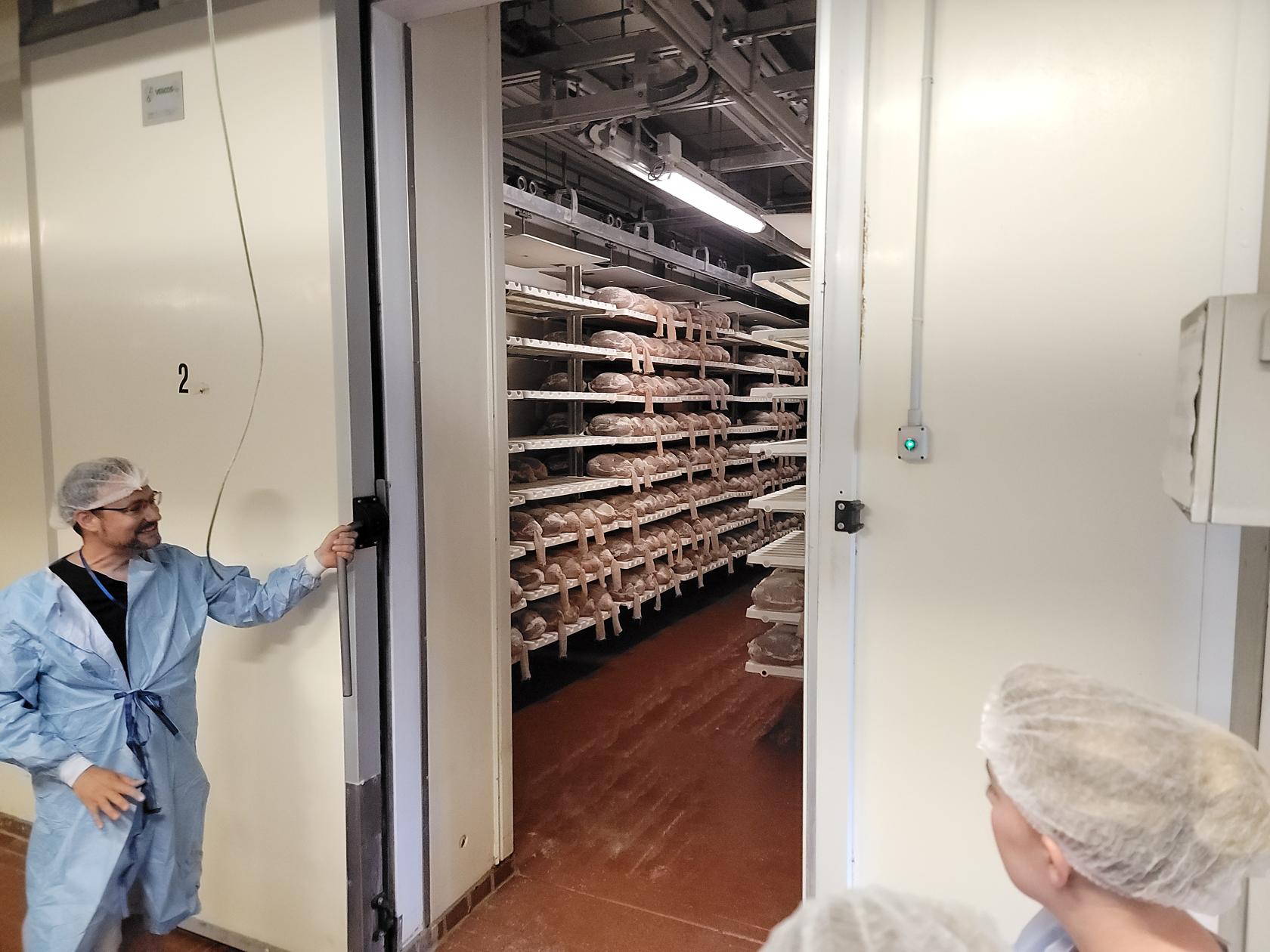
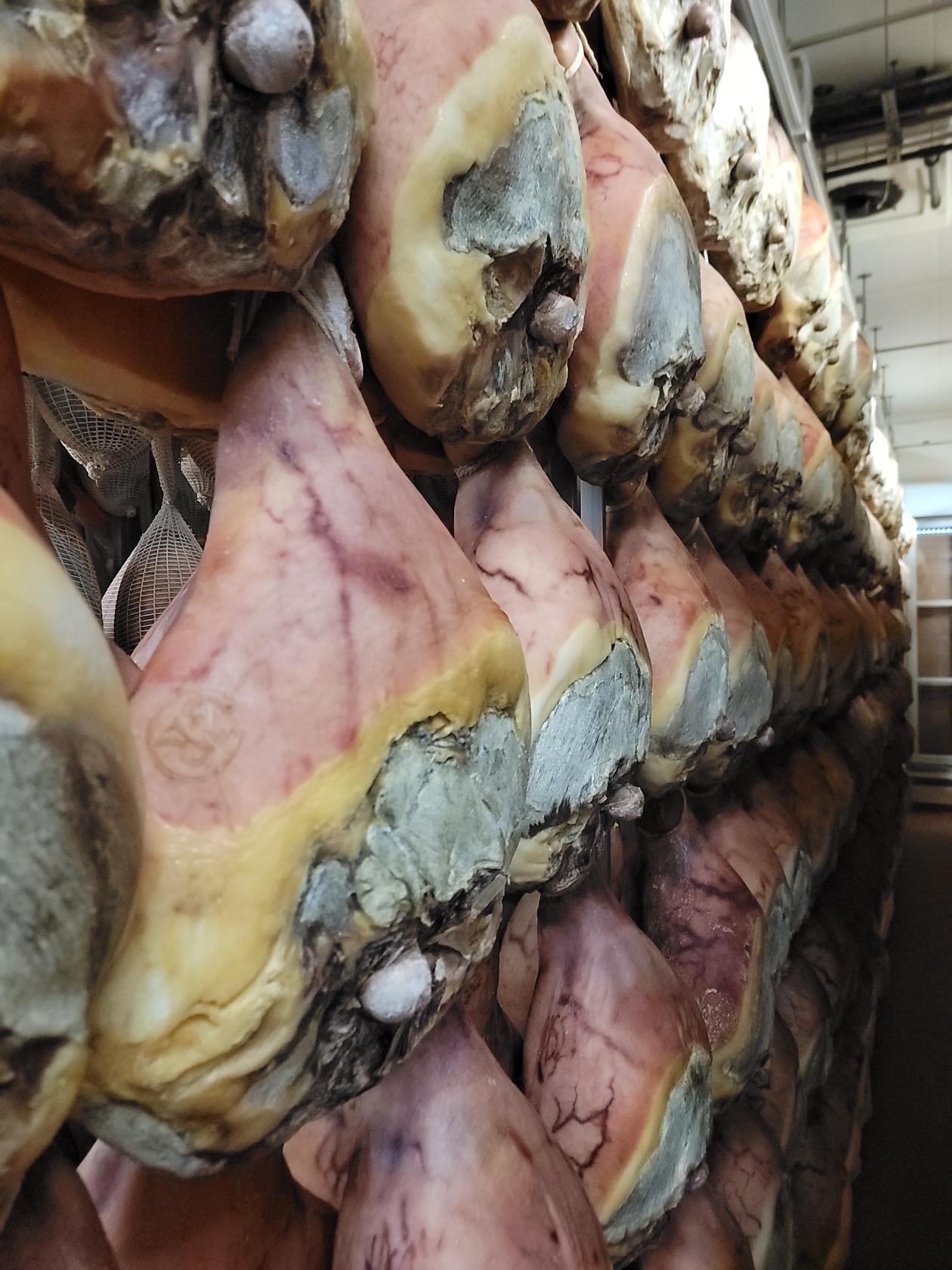
There were no arrivals the day we were there, but we were able to learn how the special Parma Hams were selected and stamped and smeared with a special lard, to ensure the amount of air that gets to them, after all of the are salted. They only use human grade sea salt on the hams, which in the first couple of weeks of curing is removed every other week and re-applied.
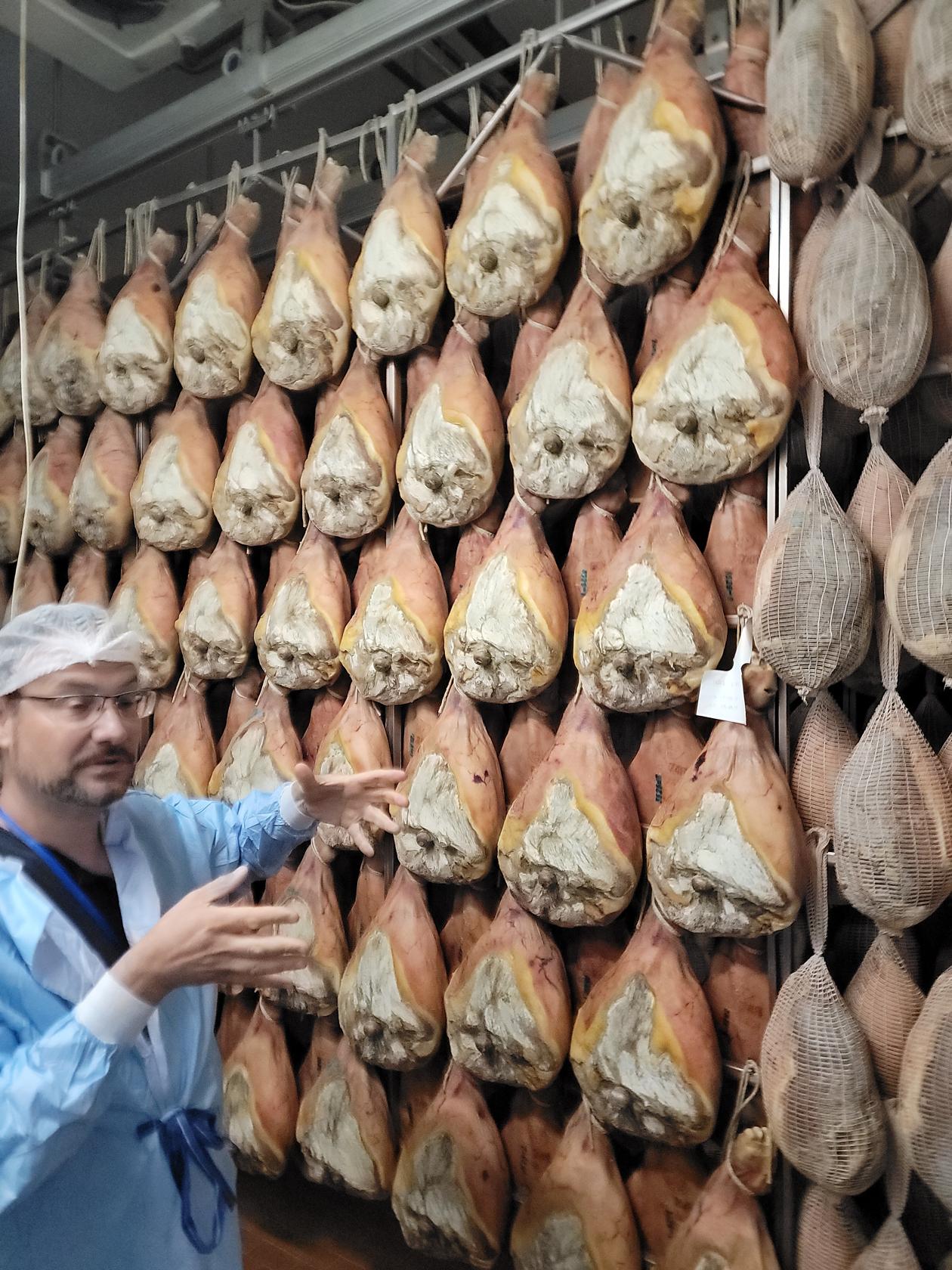
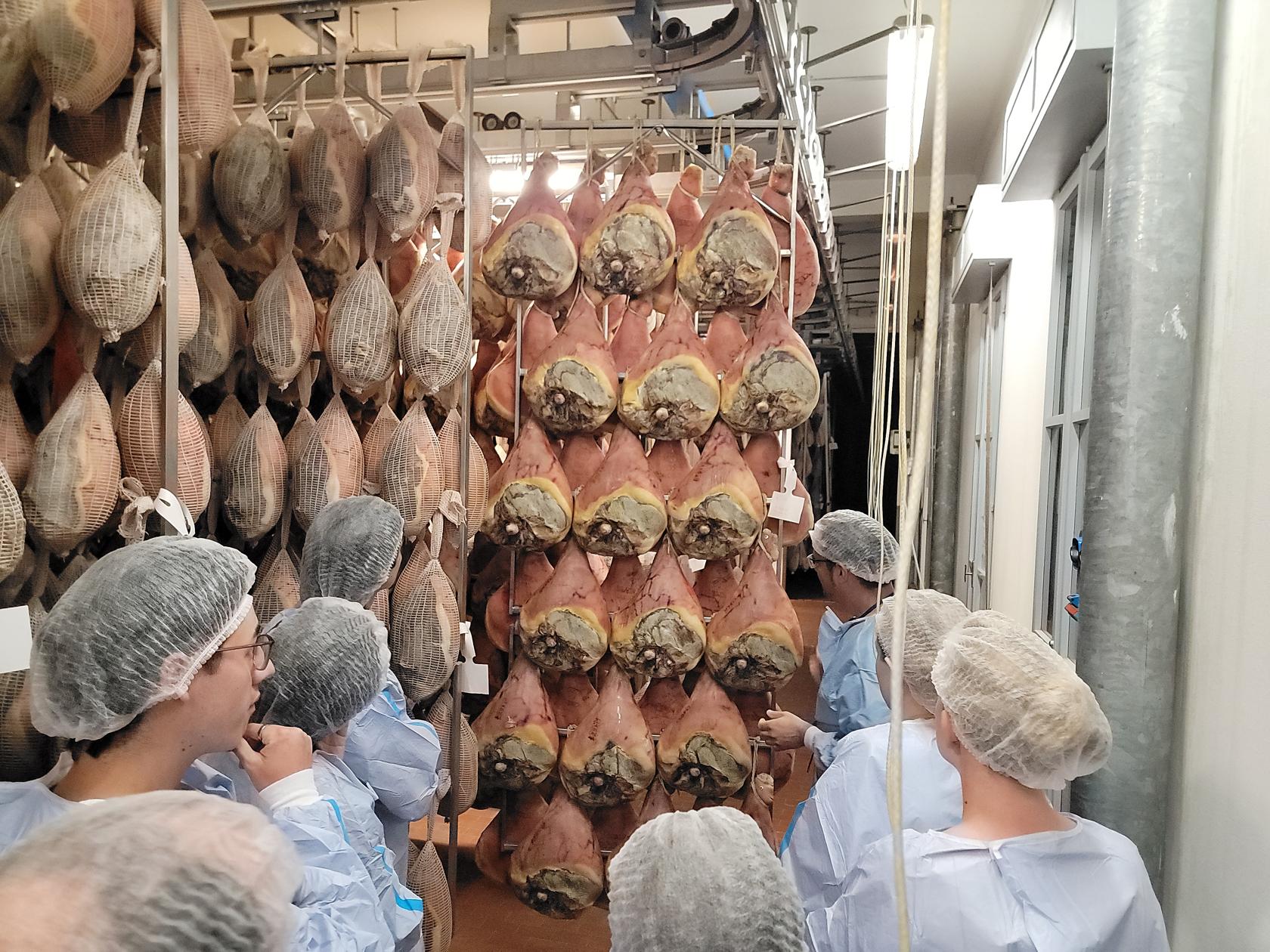
After selection and processing the hams are stored in a refrigerated controlled rooms for a specified amount of time.
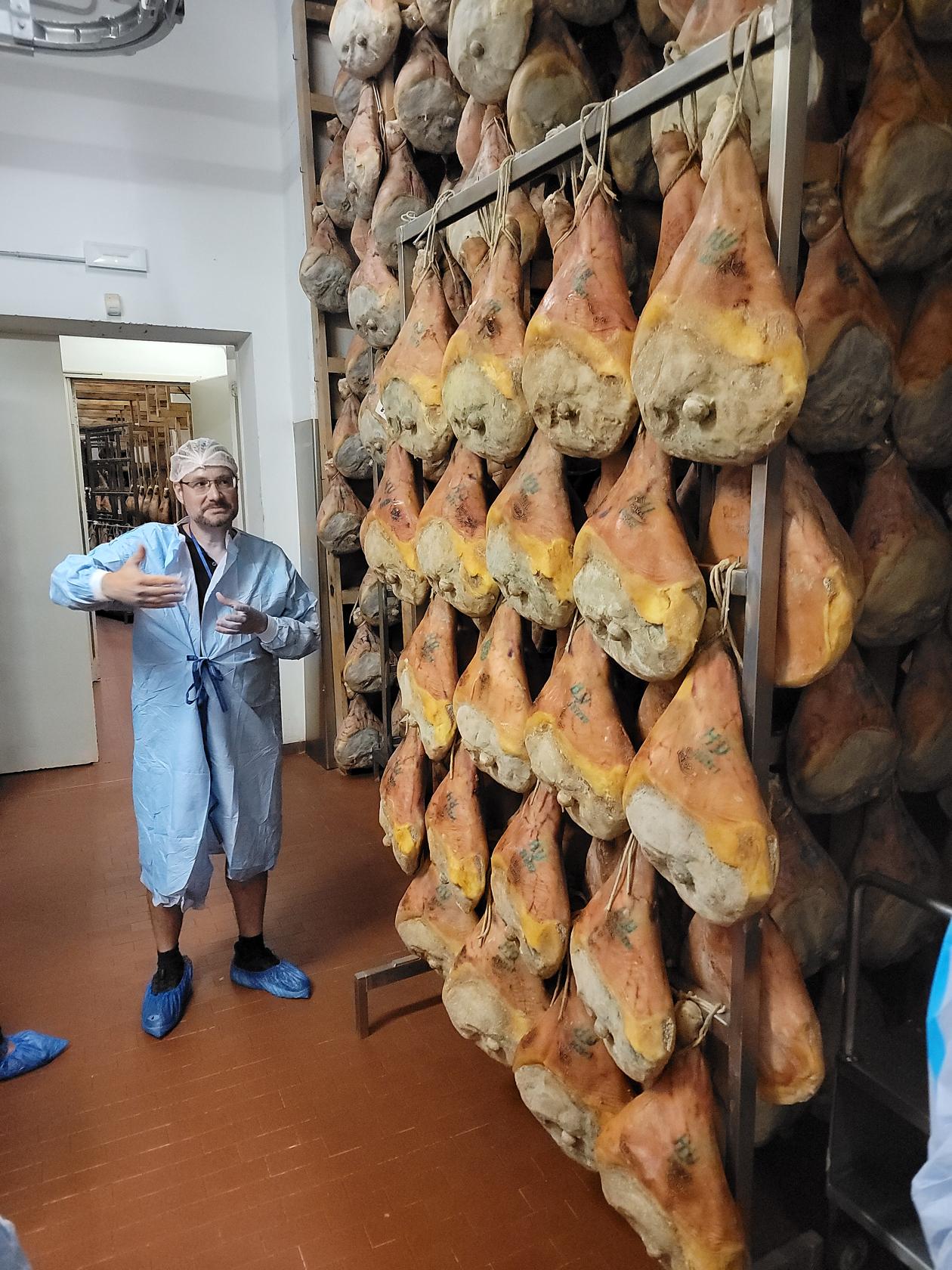
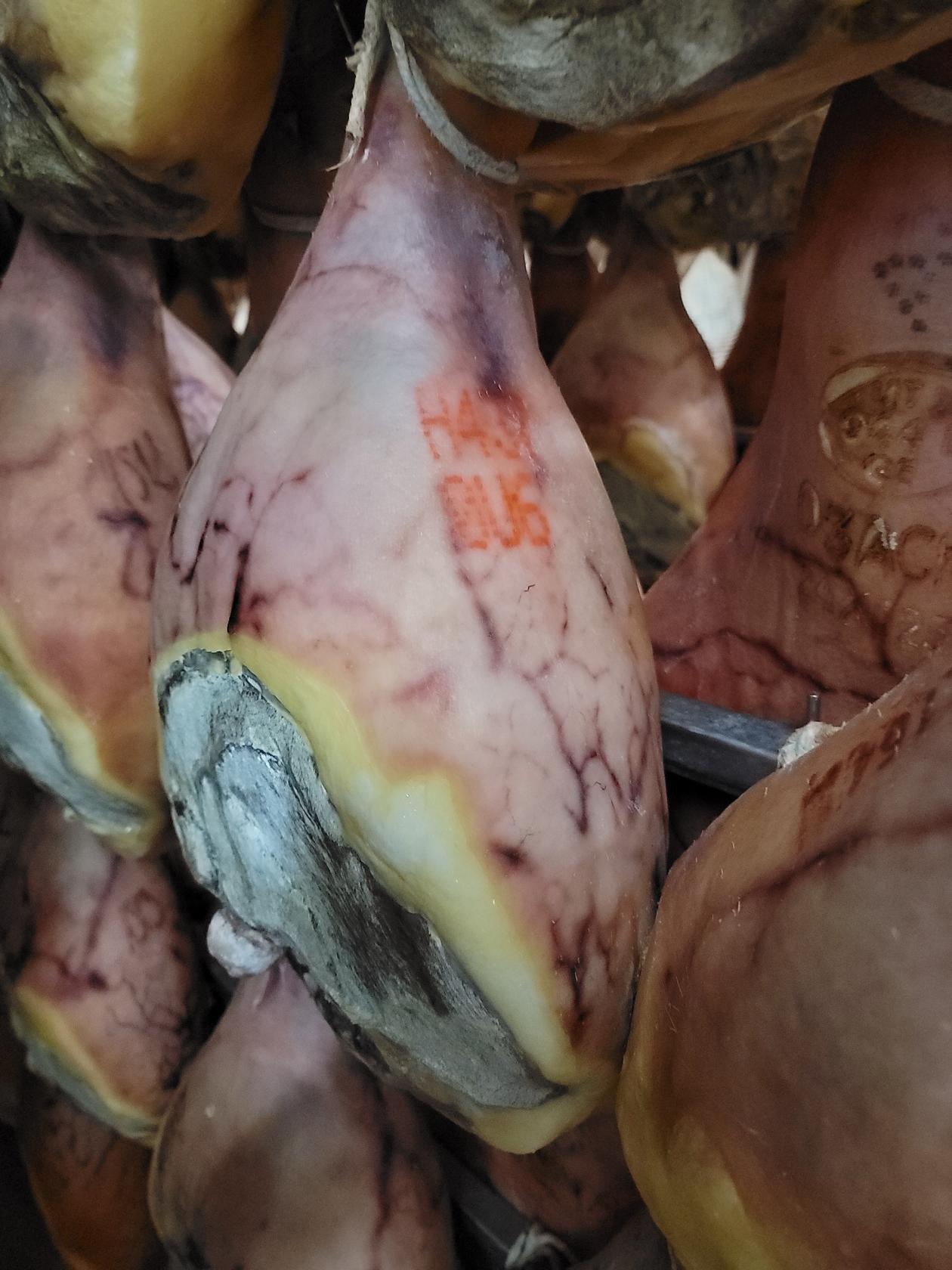
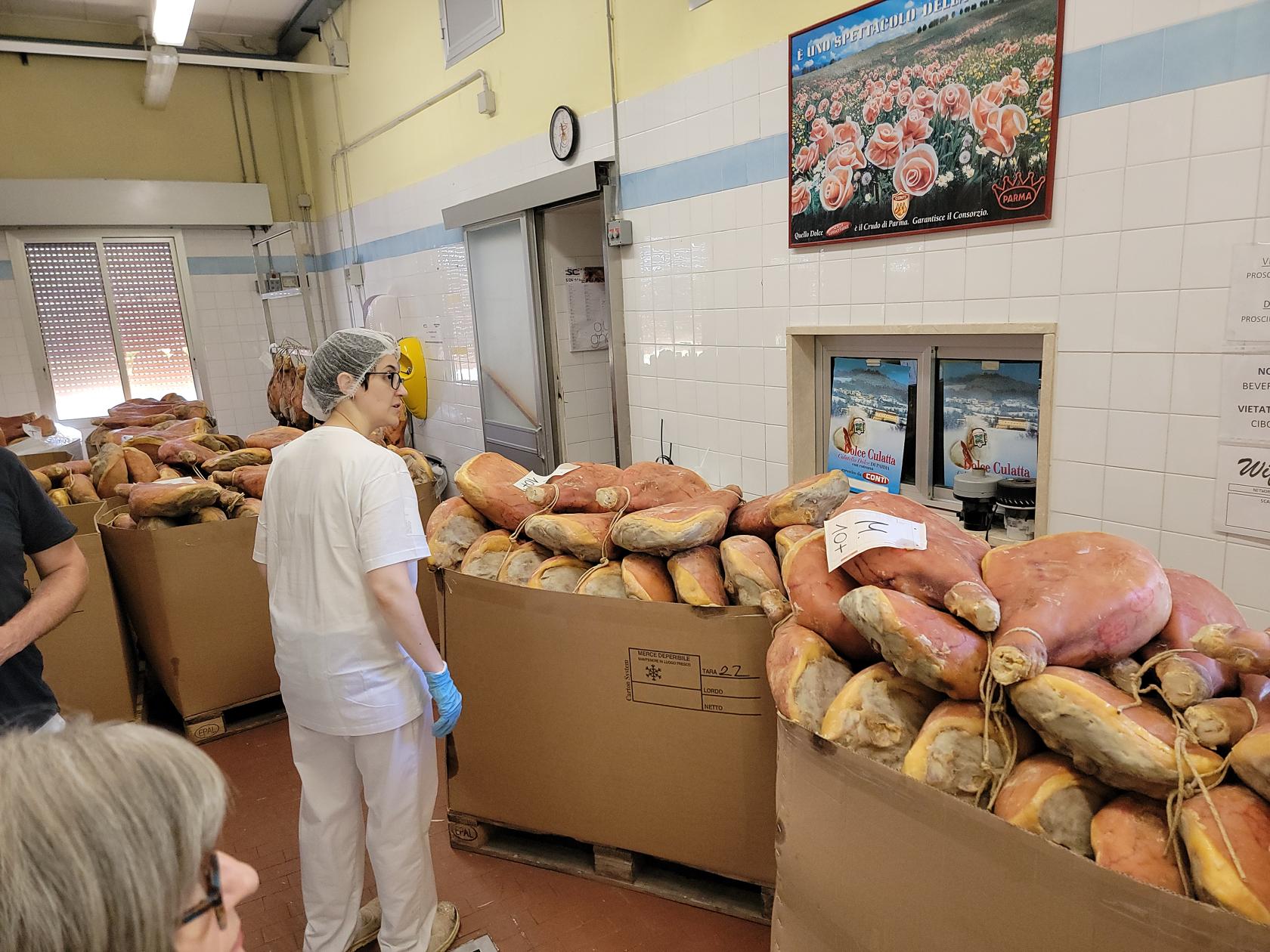
Depending on how much time they spend to dry and what type of ham each has been selected for, they are boxed and prepared for packaging and shipping. Below is batch ready for shipment that appears to be about ten months old.
Damiani Parmesan Factory

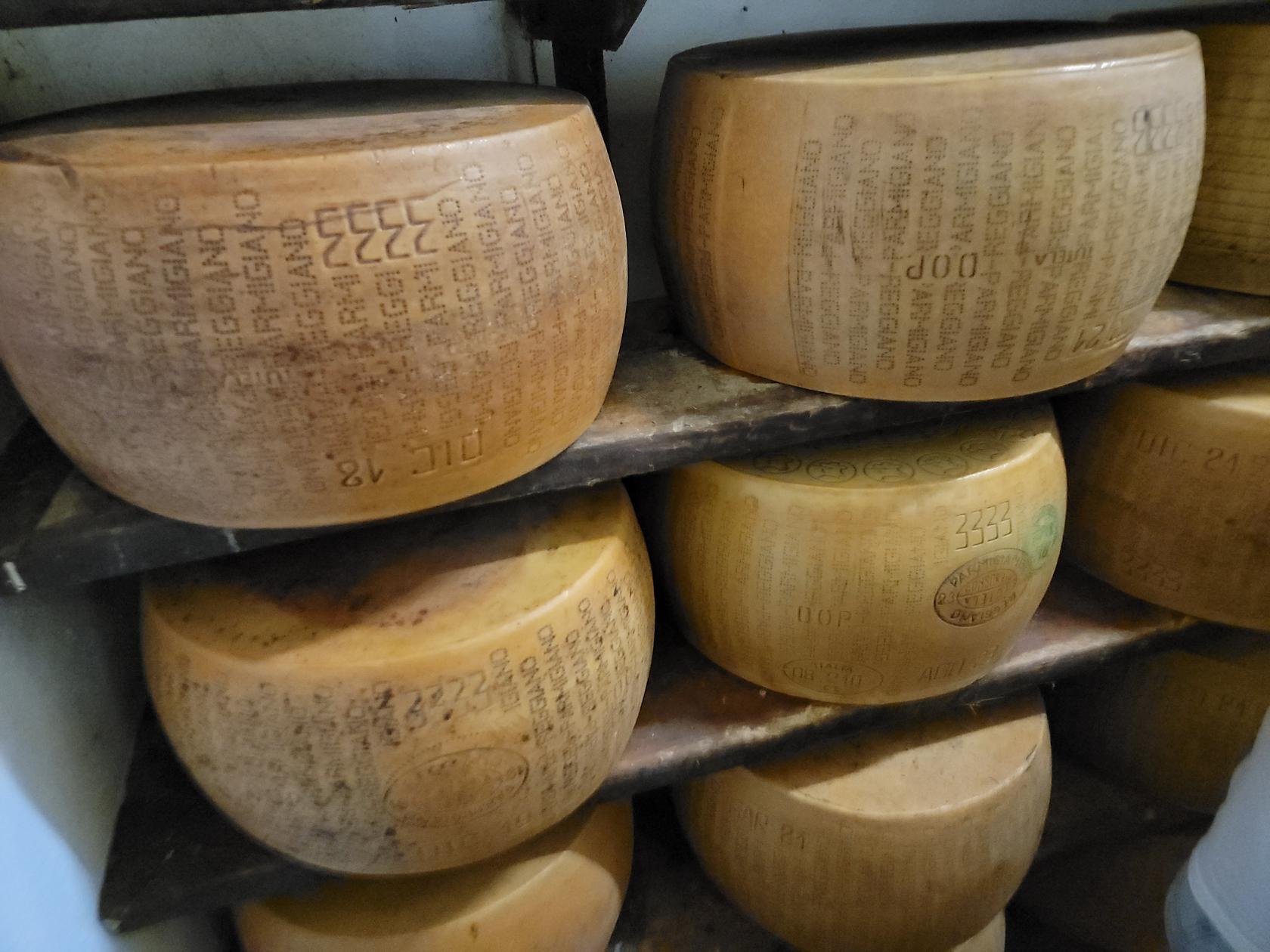
San Pieri Damiani Parmigiano Reggiano is located in Parma Province, in San Prospero, just outside the city limits. The history of making Parmesan cheese in the area goes back almost a thousand years, for which the cheese that’s made here owes its distinct taste to the local flora that is eaten by the cows.
At the farm, two milkings are done every day, where the milk is harvested for four different indigenous cows, they are:

      • Rossa Reggiana – it is considered the mother of Parmigiano Reggiano. It almost became extinct in the 1980s, after farmers committed to raising only cows that produced more milk. However, the local commune, called the Consorzio Vacche Rosse, turned this around and committed to making cheese with this milk like they did 800 years ago.
      • Bruna Italiana – derived from the Bruna Alpina cow from Austria and Switzerland, there is also a Consorzio di Sola Bruna that protects and makes cheese from this species. The milk from this cow has a higher fat content and subsequently the cheeses are more buttery and flavorful.
      • Biana Modenes – or white breed, also almost went extinct and was only just recently in 2005 spared that fate. The Caseificio Rosola di Zocca was formed to breed and protect the species from extinction. This cow produces a cheese curd that is sweeter and more elastic, giving the resultant cheese a rich, dense flavor.
      • Holstein Friesian – or what they call the industrial breed. Bred because it produces more milk for the same acreage as any other cow. Therefore it is doing well and provides the base, stock milk for most cheese in the area.

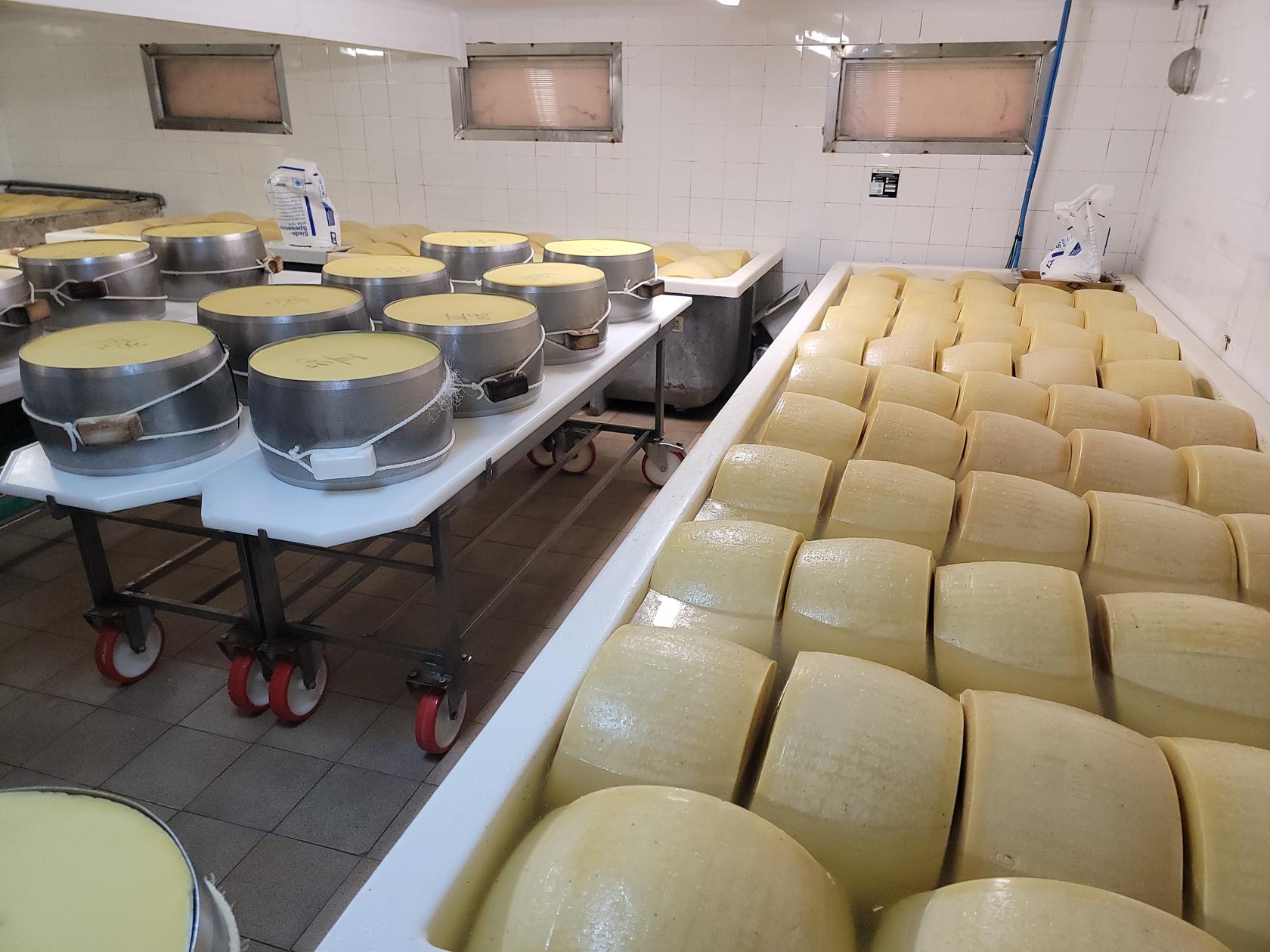
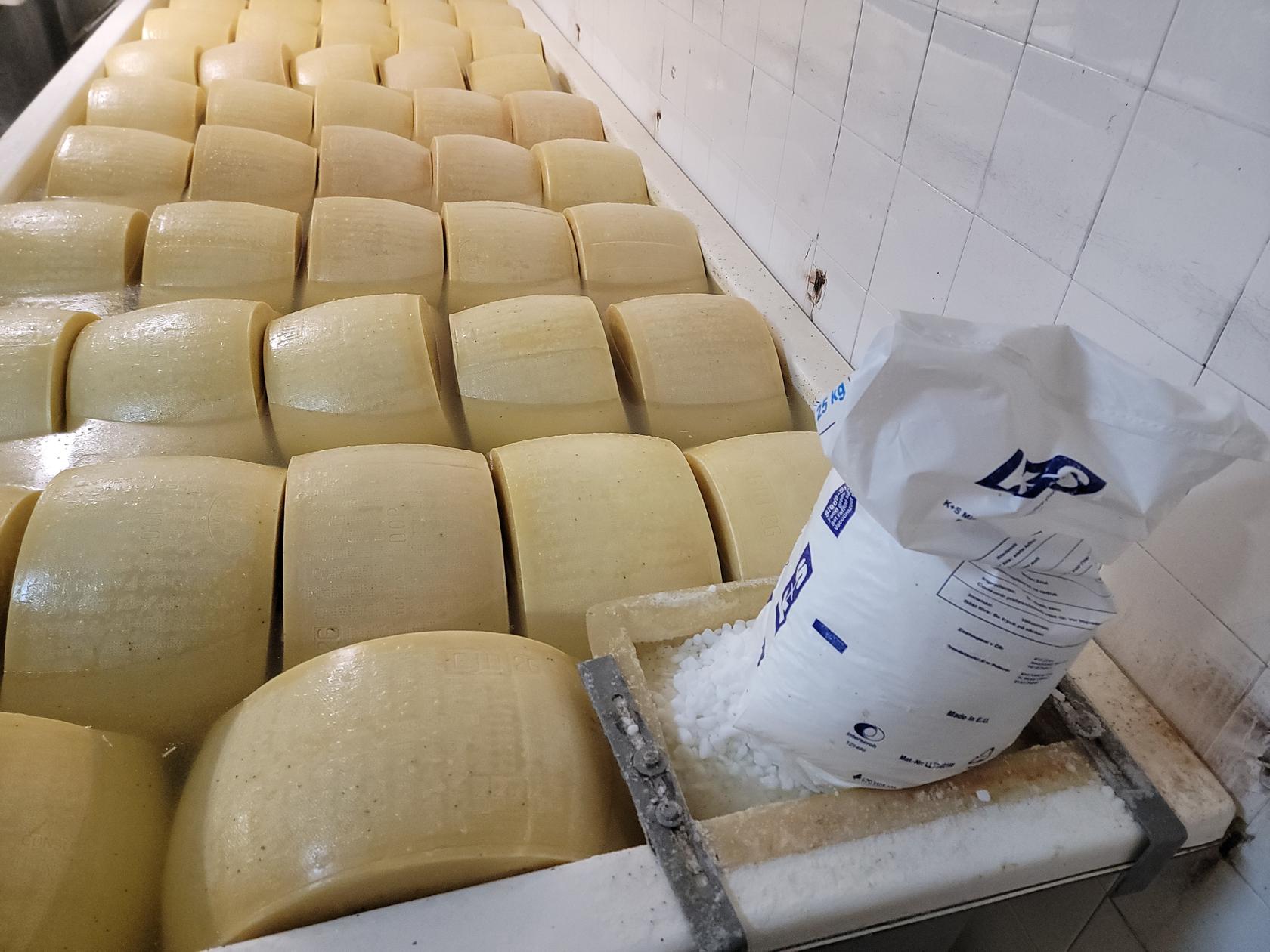
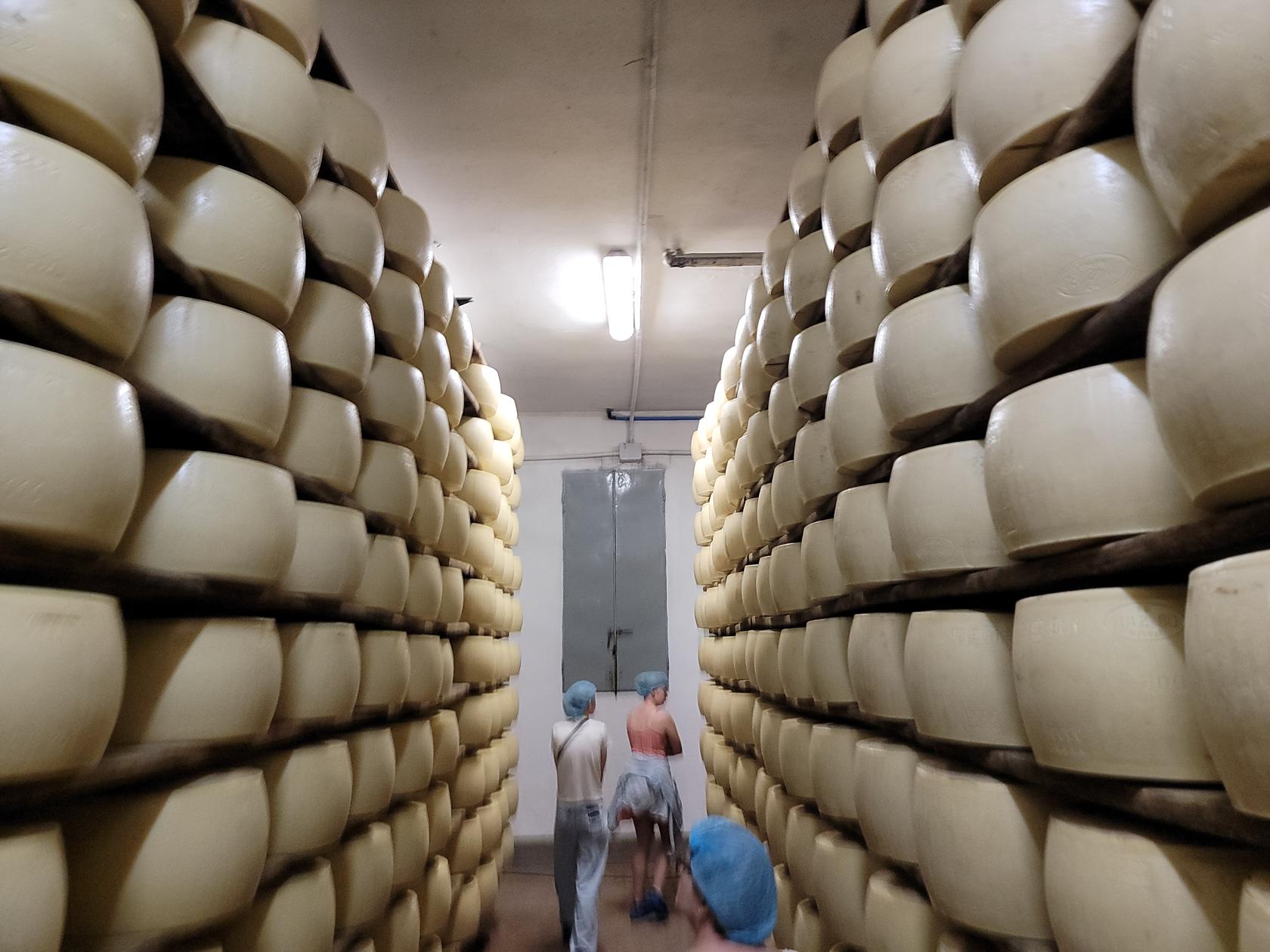
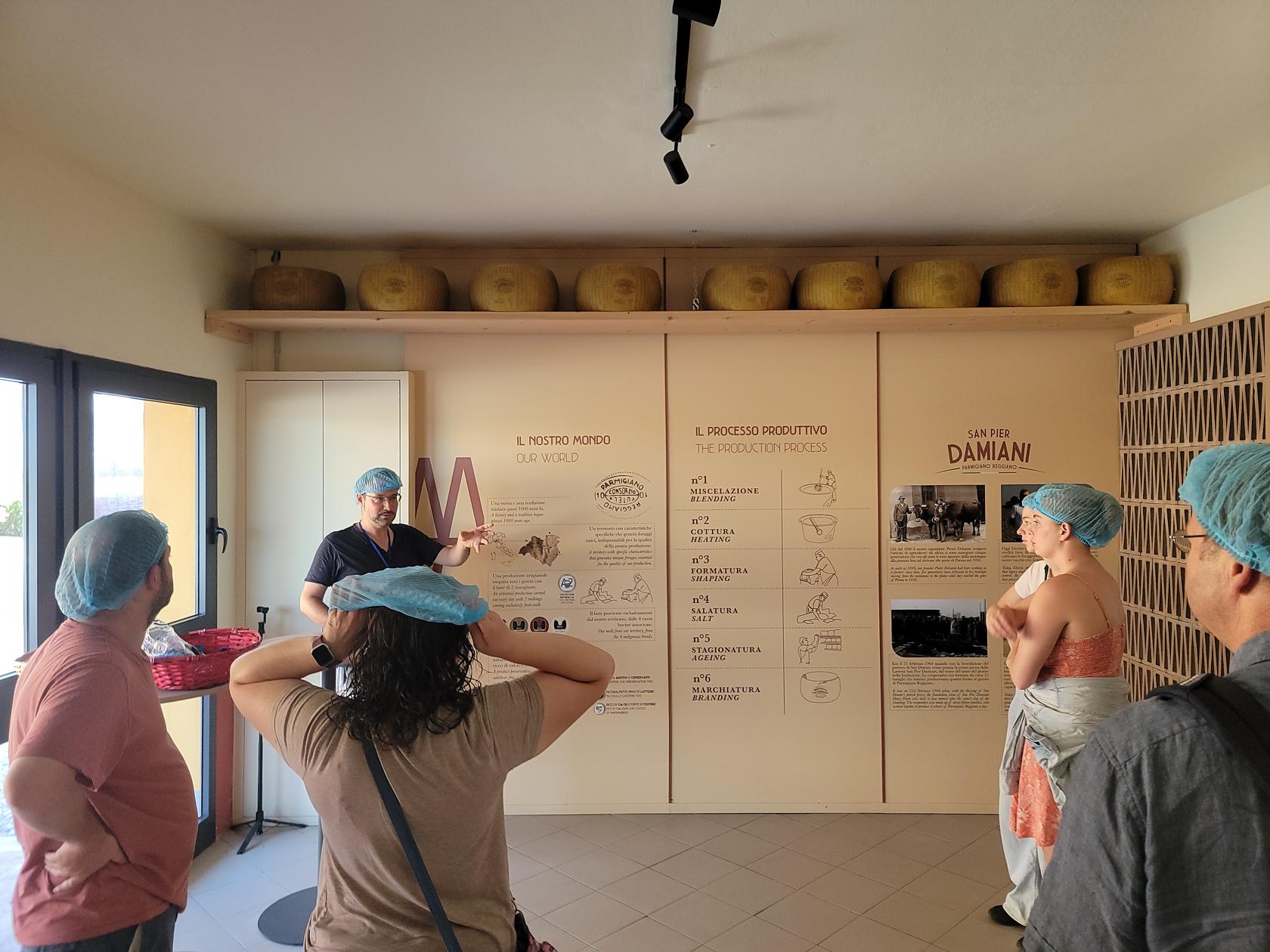
There are six steps to making parmesan cheese, from blending, heating and shaping, to salting, ageing and finally branding, that is, after each has passed a rigorous inspection.
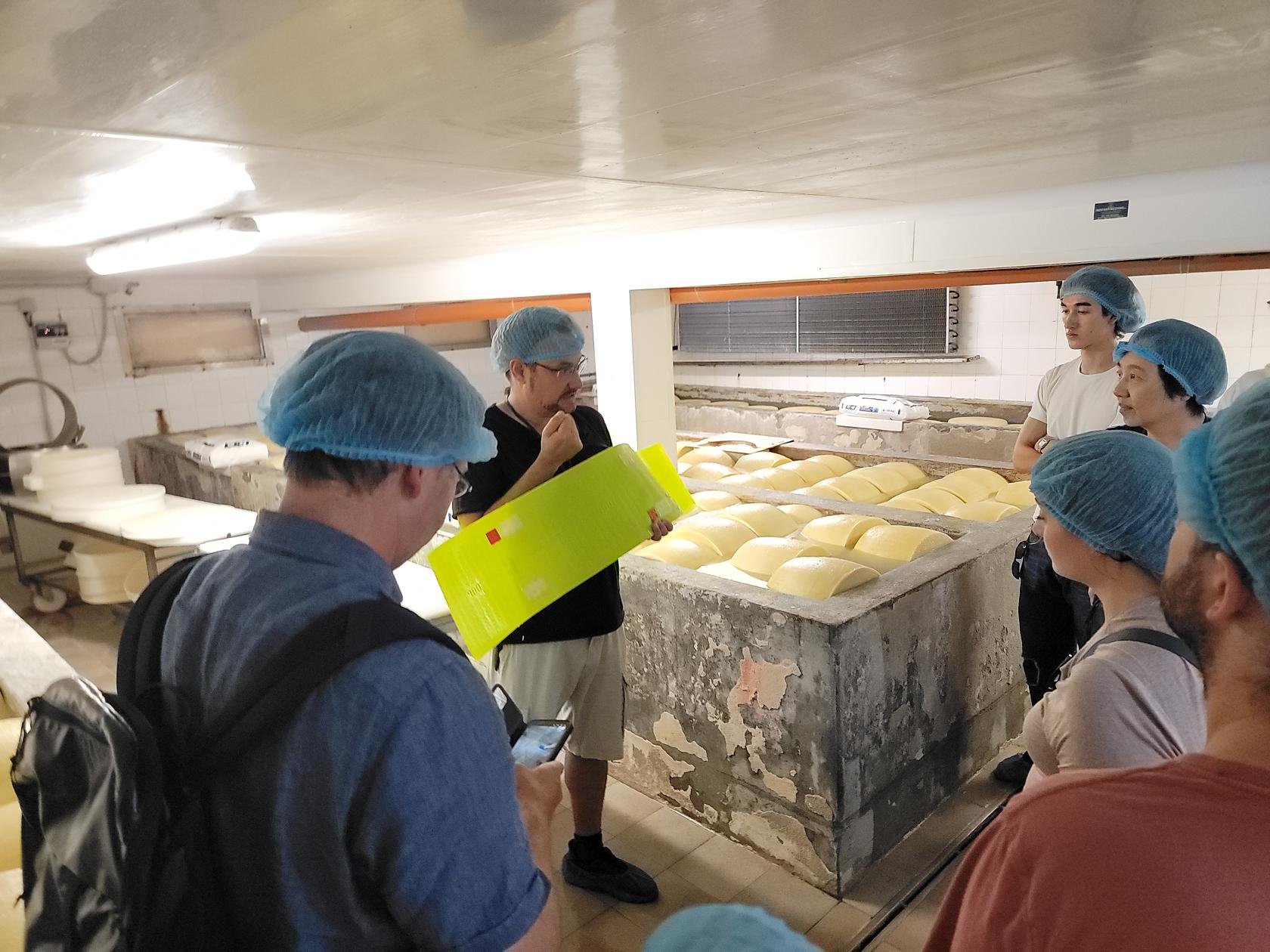
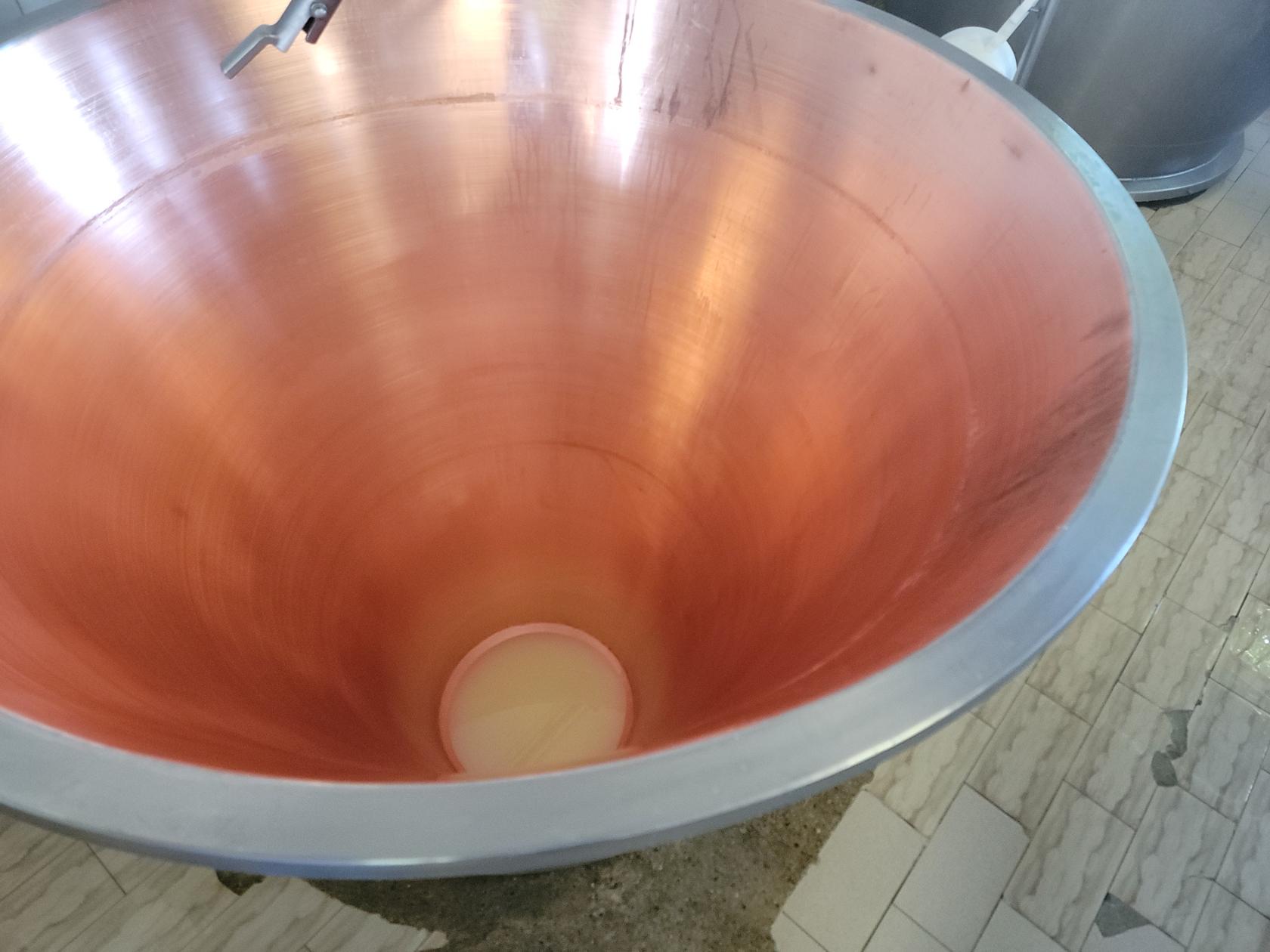
The first two steps take place in huge vats that are heated by steam. The rise in temperature allows the yeast that is added to multiply rapidly to produce curd.
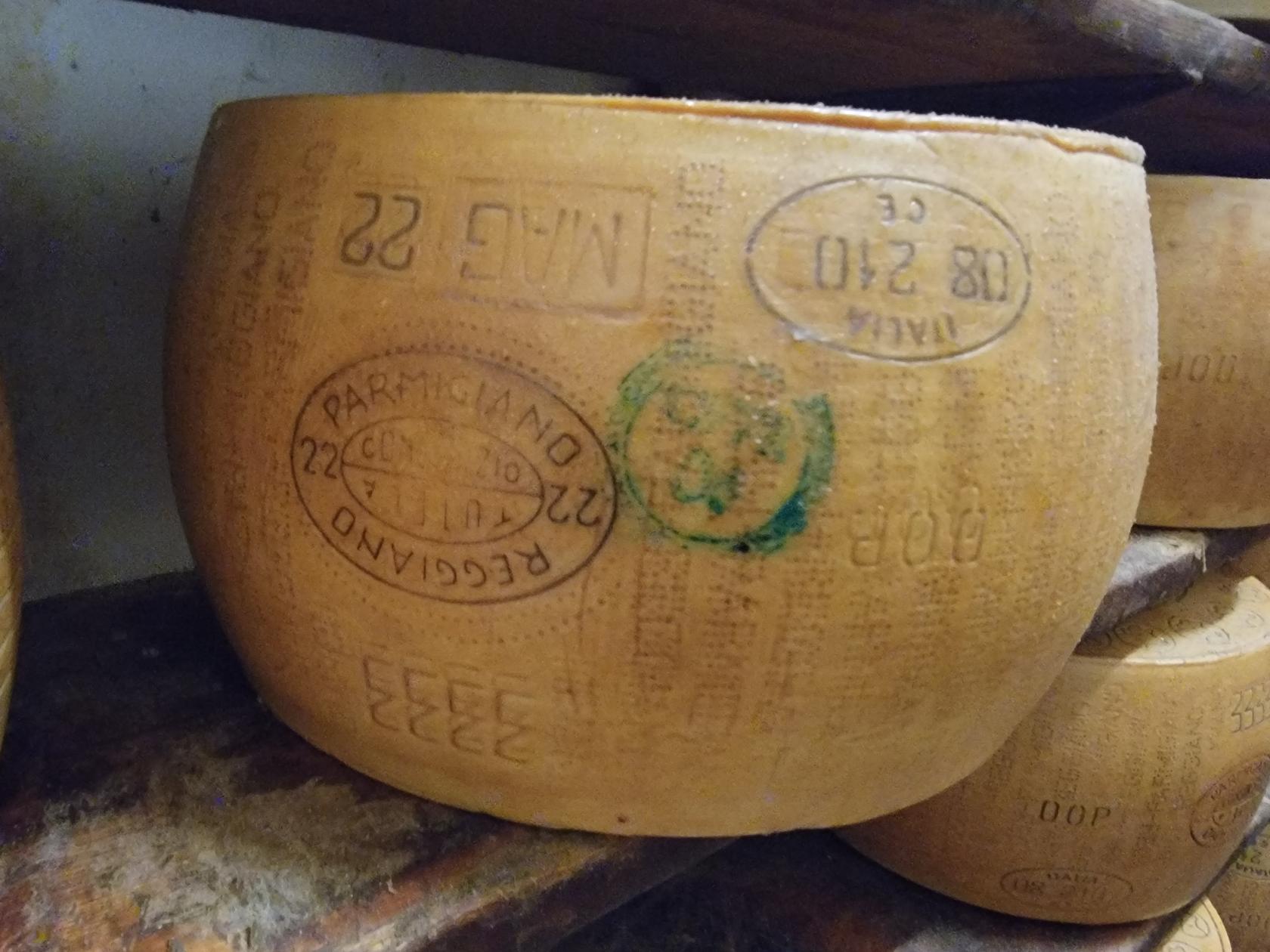
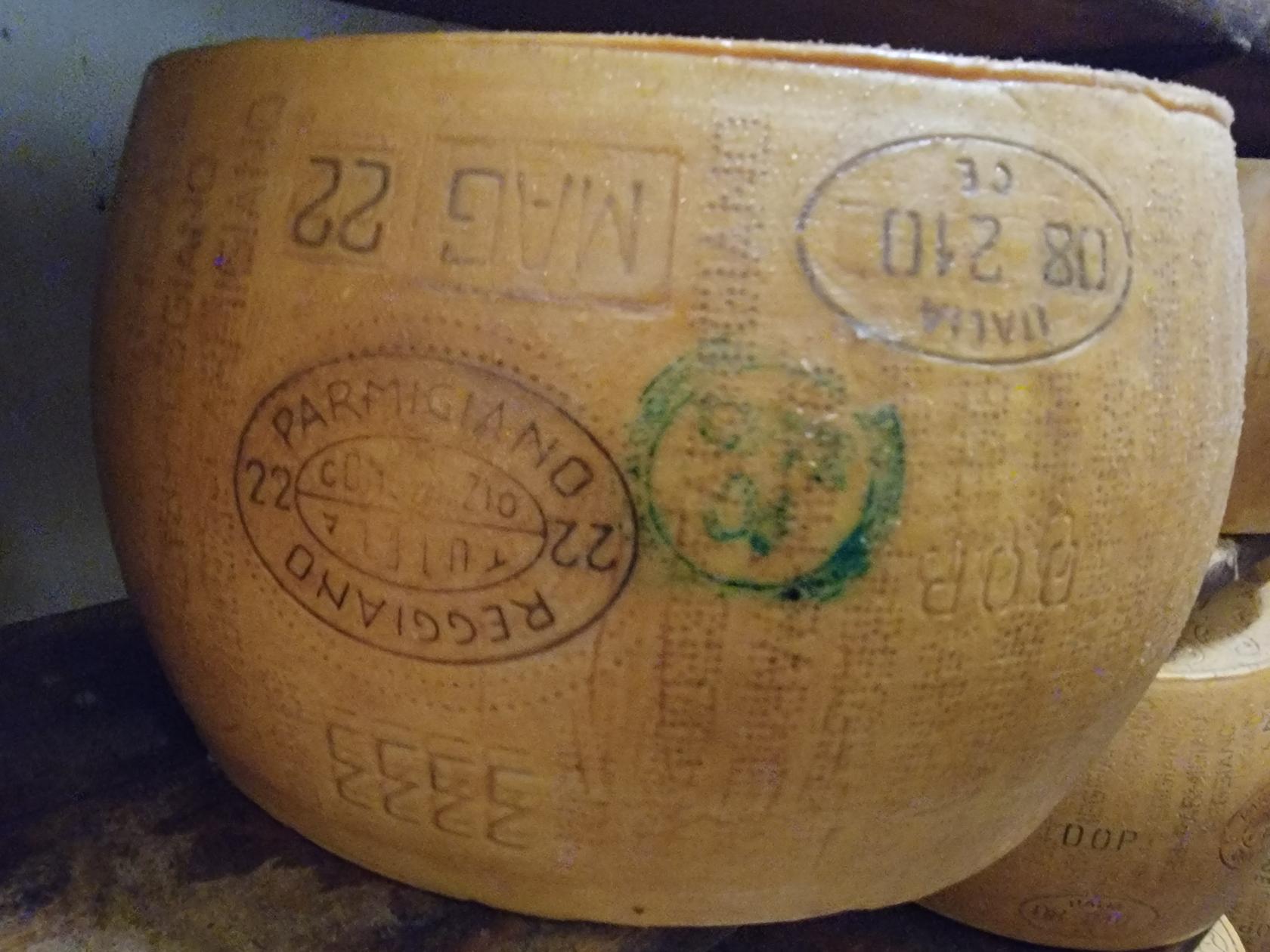
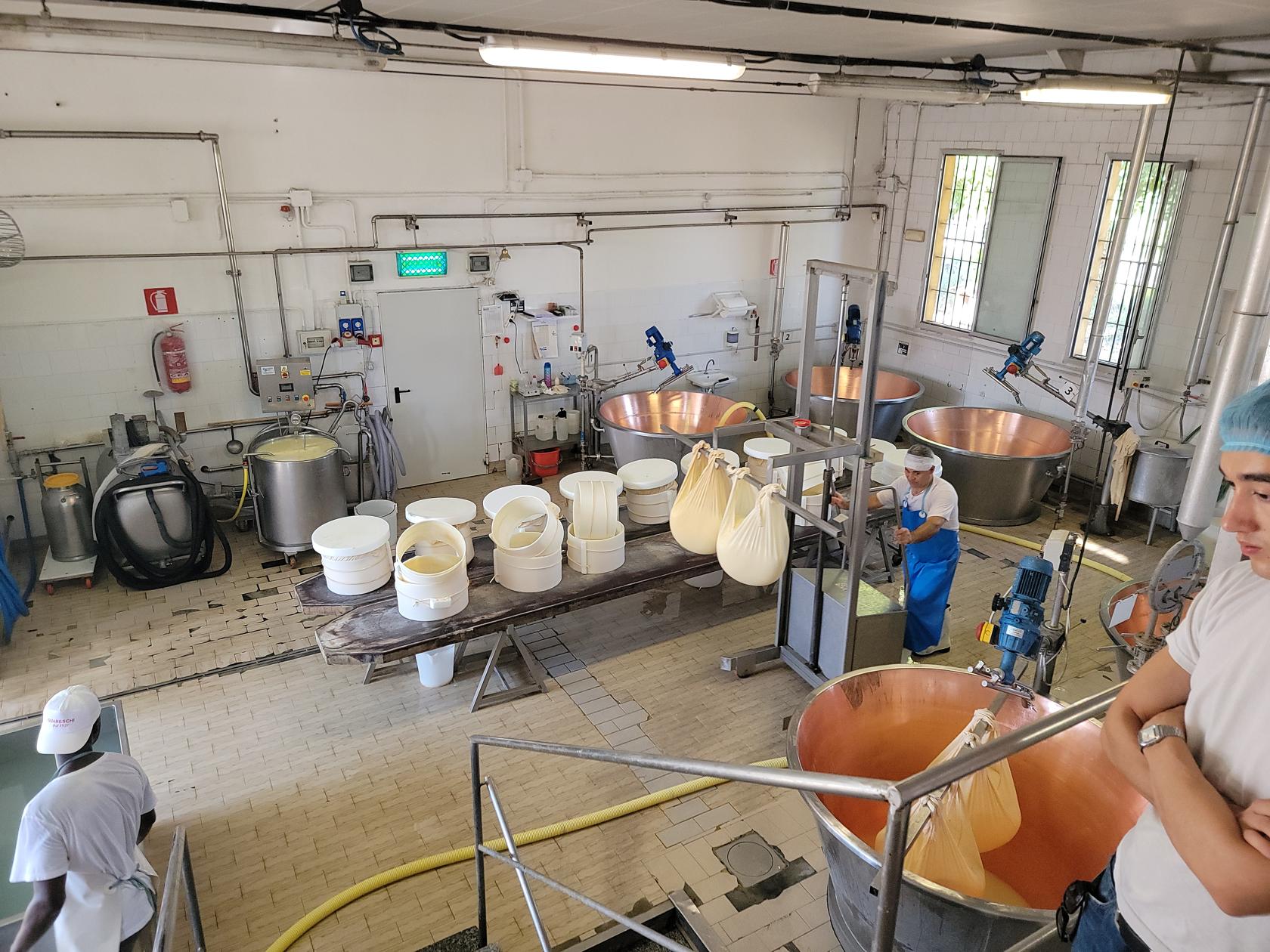
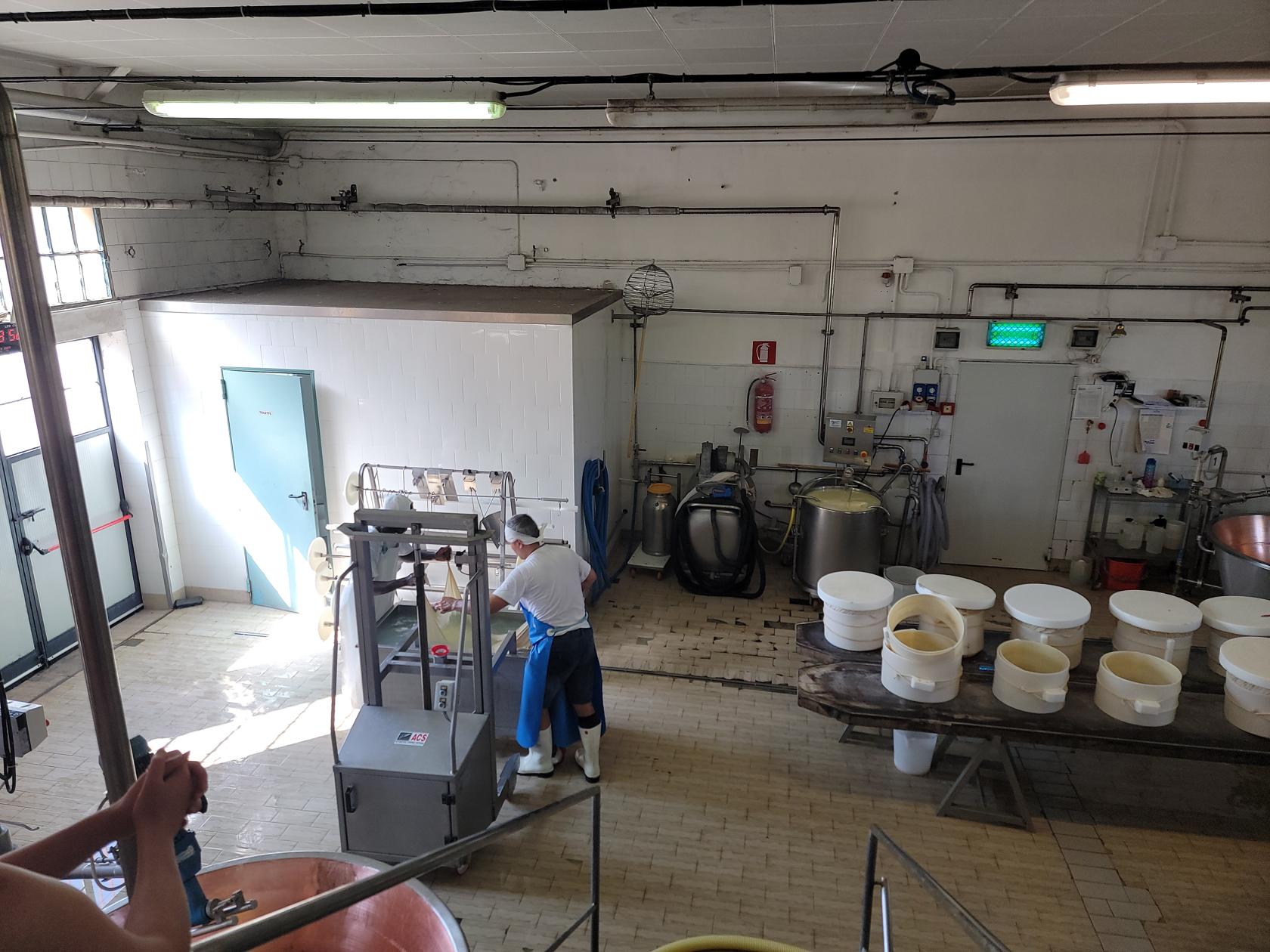
The curd is then taken out using cheese cloth and strained of water, rinsed and placed into plastic molds for shaping. The plastic mold has basic information on it that imprints on the cheese rind as it forms. Special places in the mold are left blank, these are where the DOP information, the inspection results and other information are burned into the rind later.
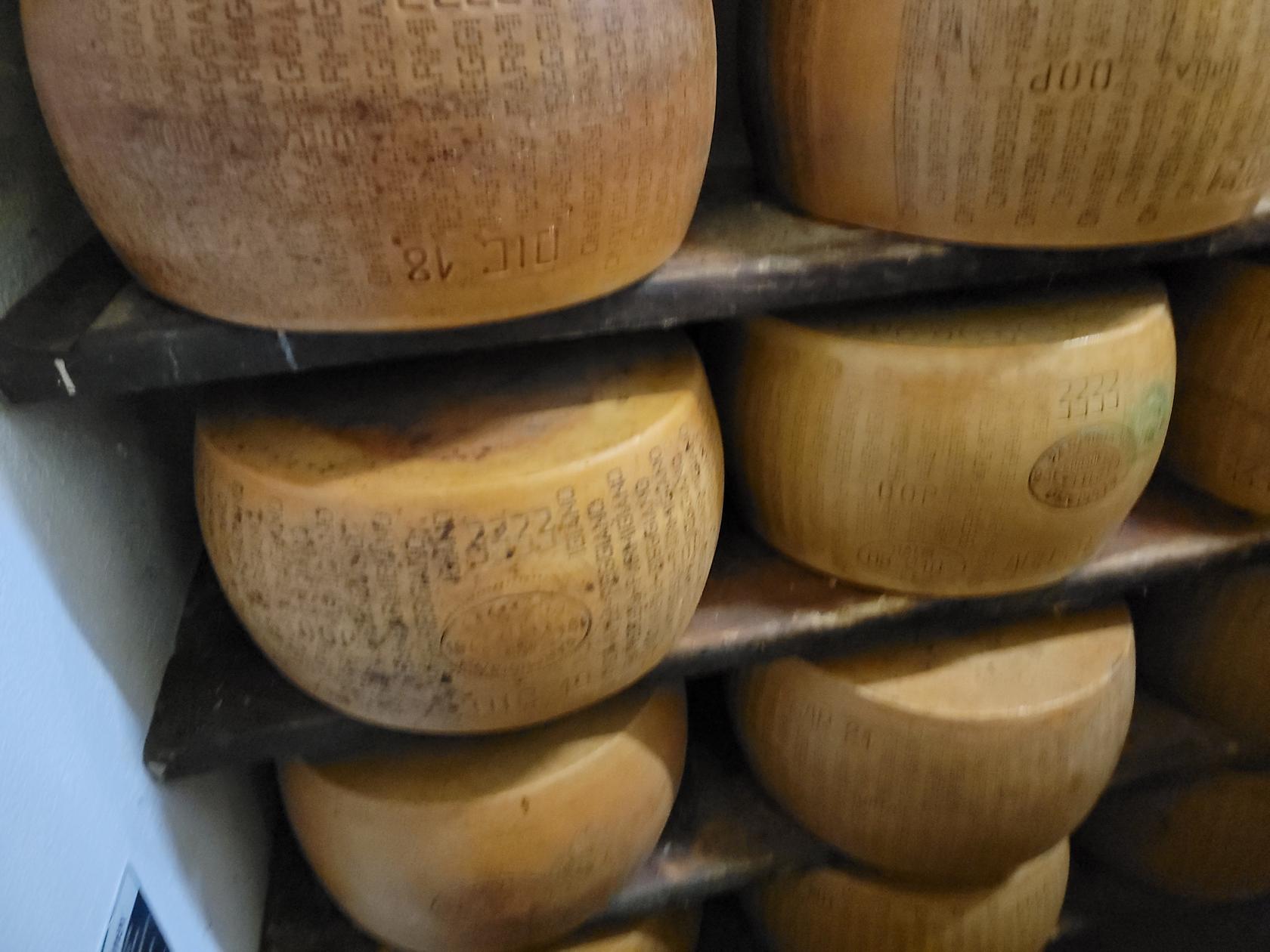
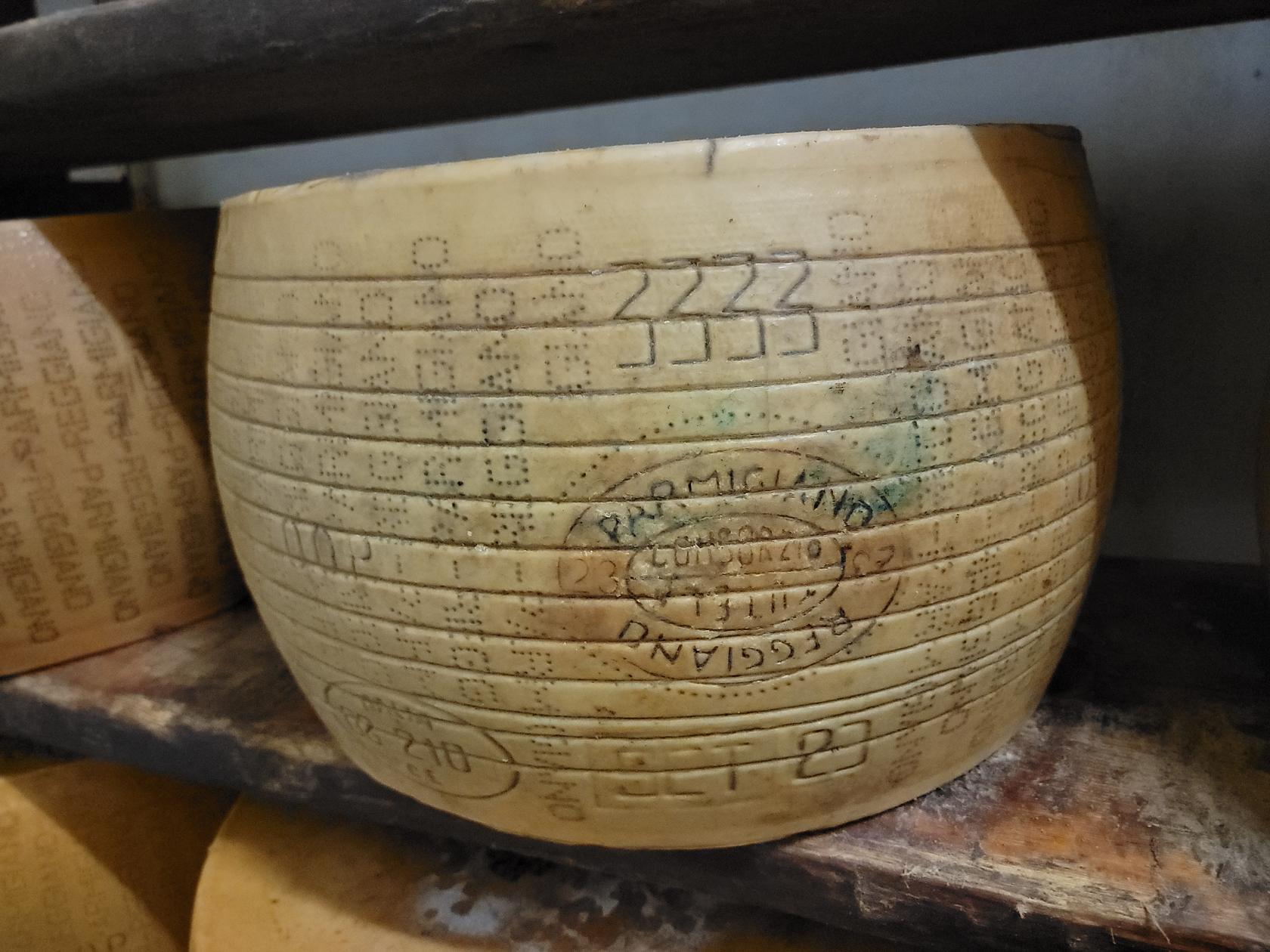
Once the cheese has aged it is ready for inspection, the DOP information is burned into the rind. Then the inspection results are died onto the rind by a circular stamp if the cheese has passed.
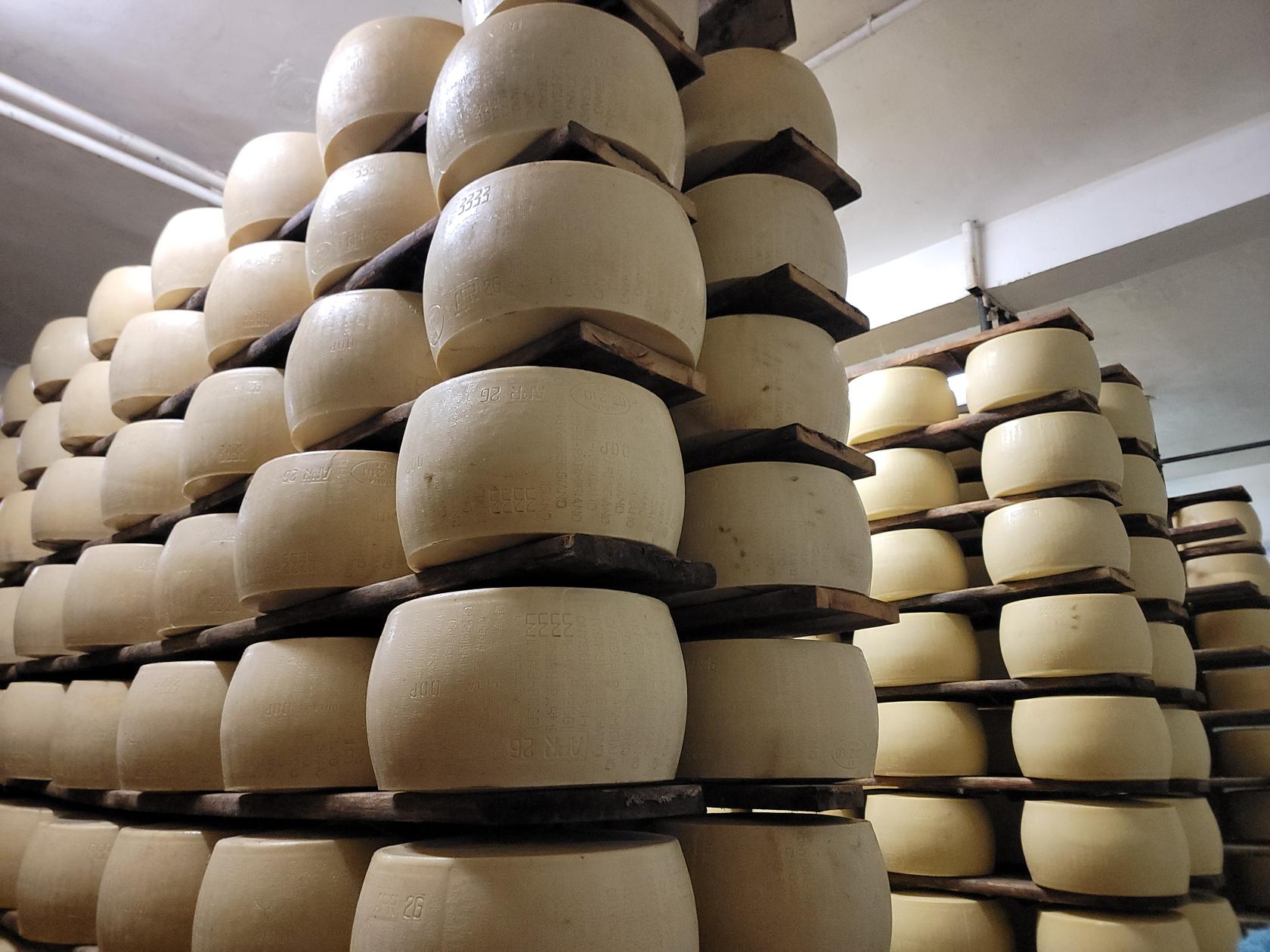
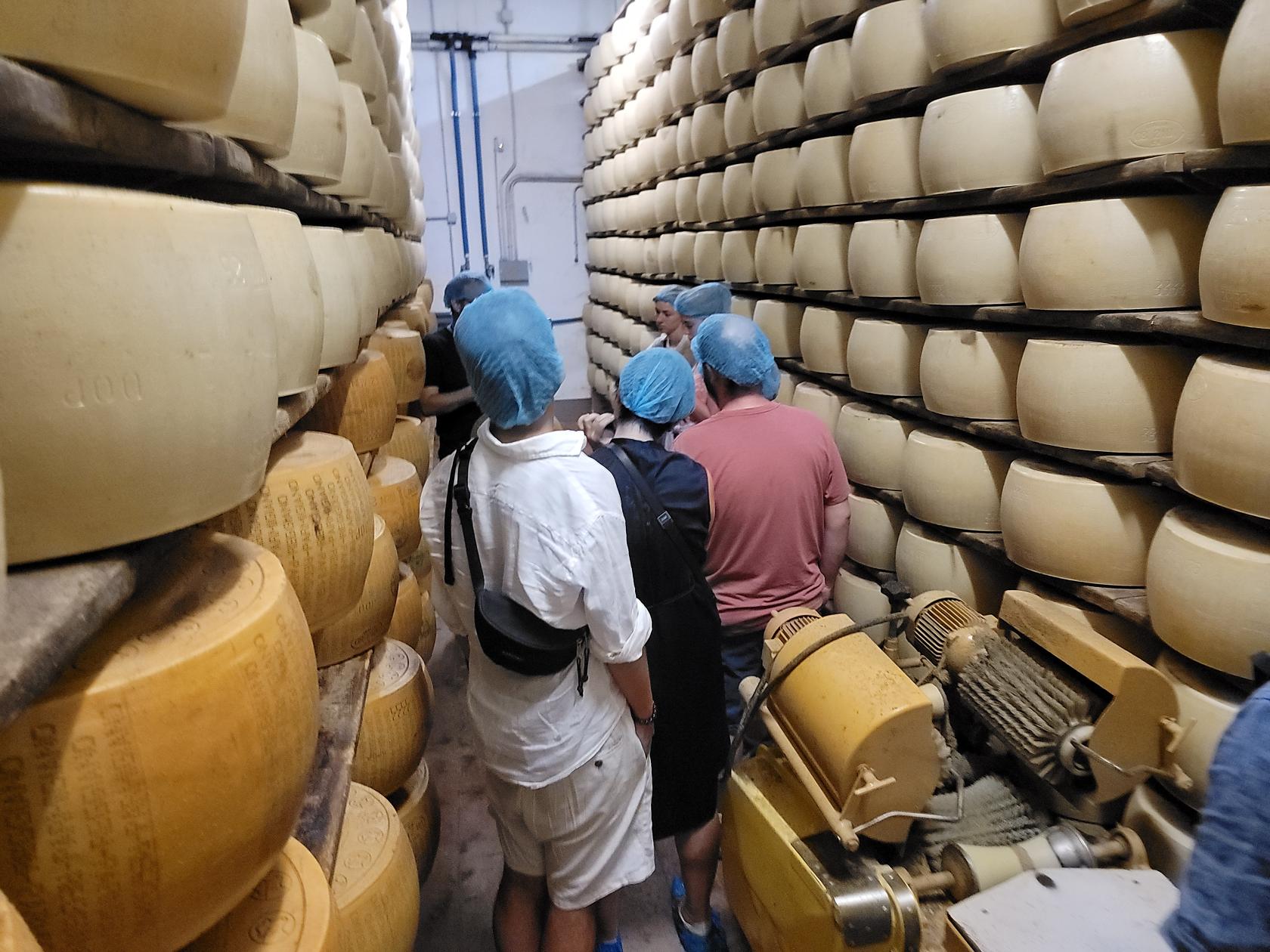
Otherwise, a rectangular or other shape is used indicating why the cheese failed, along with a scouring of the outside with latitidudinal lines, clearly indicating a sub-standard or bad wheel.
Acetaia Picci

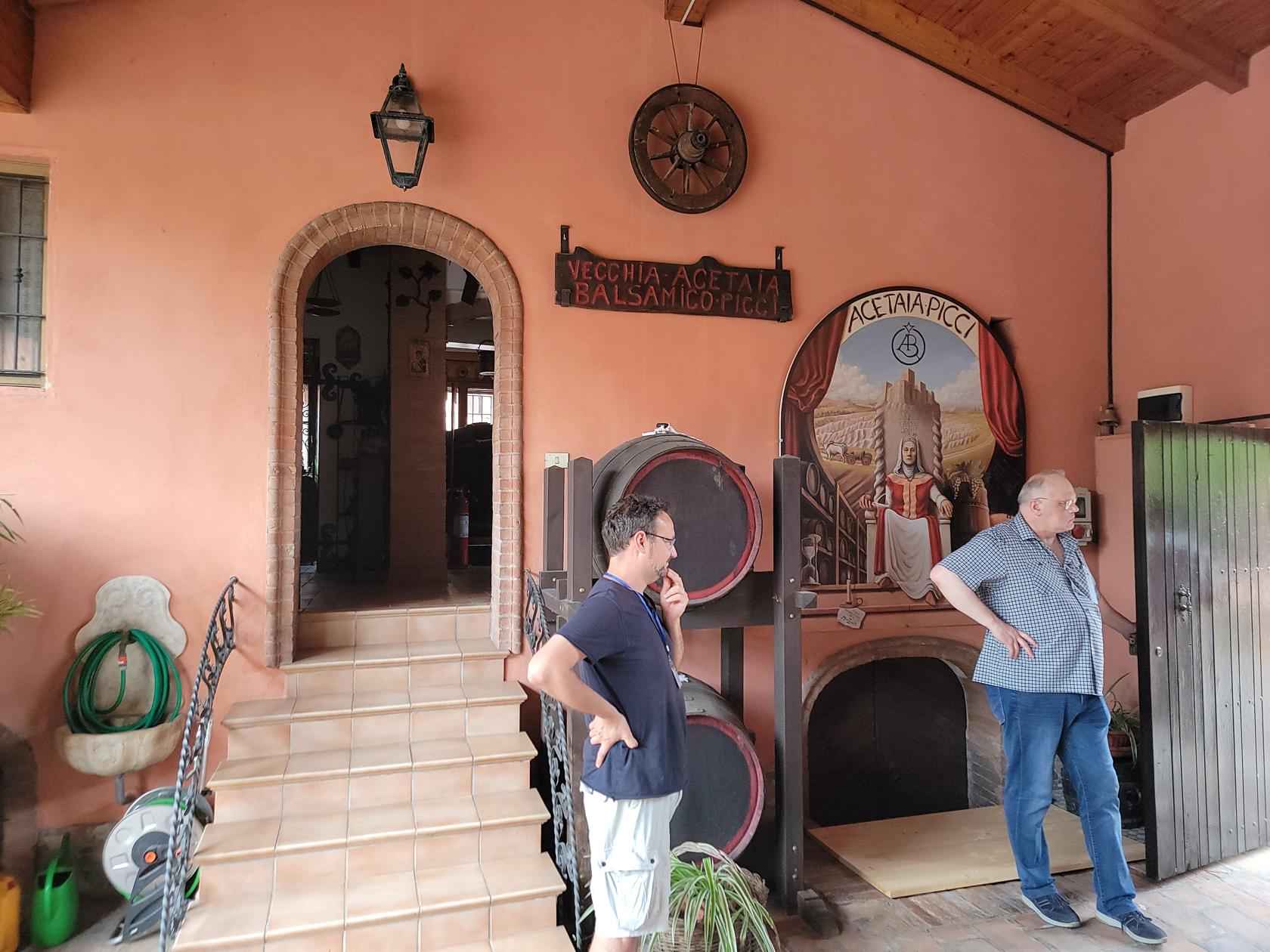
Chef Picci, who owned and operated a very successful restaurant, retired and has devoted the rest of his days to producing balsamic vinegar of varying ages and quality with his company Acetaia Picci in Cavriago. Unlike the variety you will find in Modena and most likely in a grocery store near you, his vinegars are more acidic and owe their quality to the different grapes from the area he uses. He prefers this, since only half as much of the balsamic vinegar in the Po Valley displays these qualities, as opposed to the larger companies that produce sweeter ones from the southern parts of the valley.
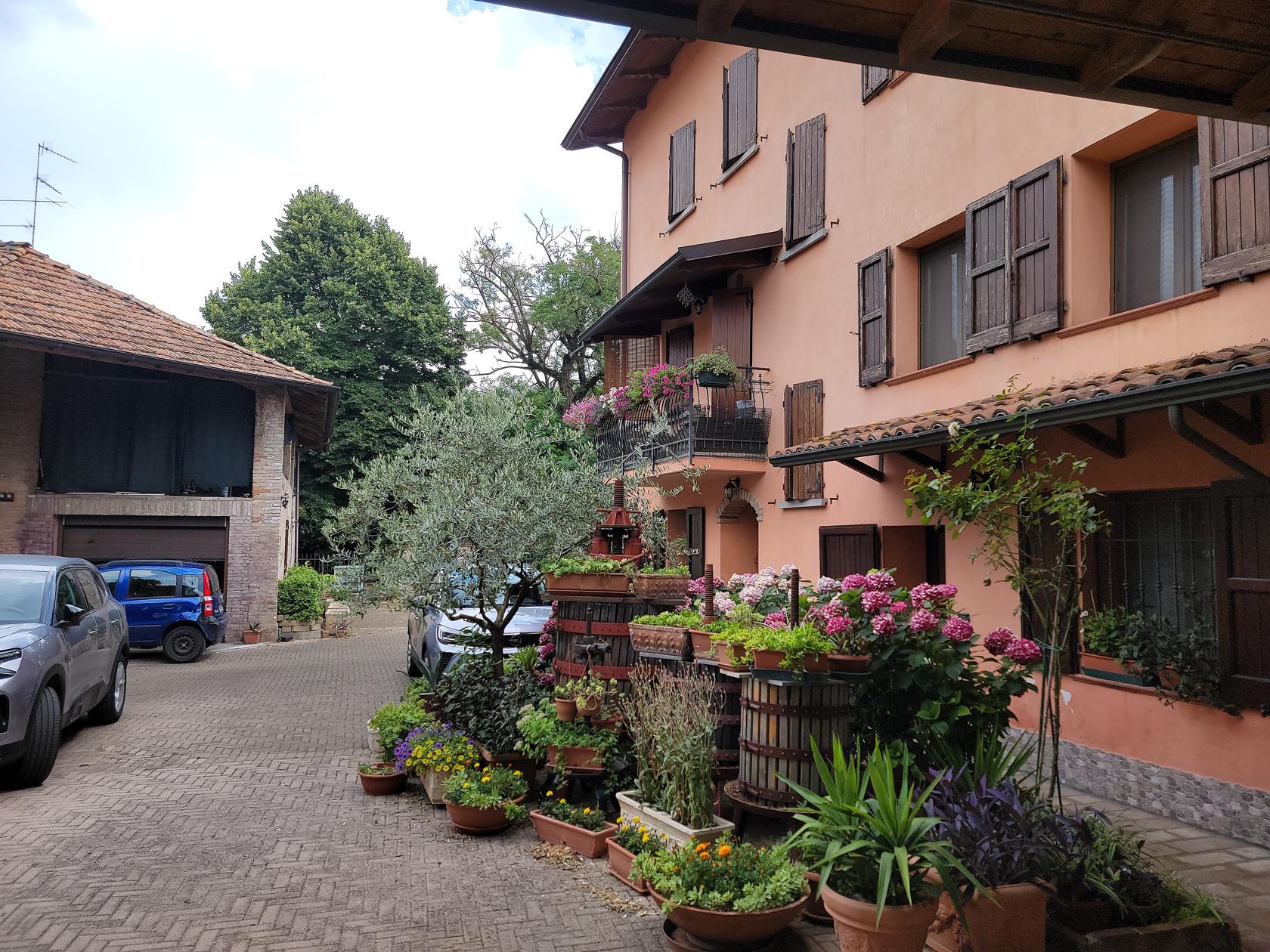
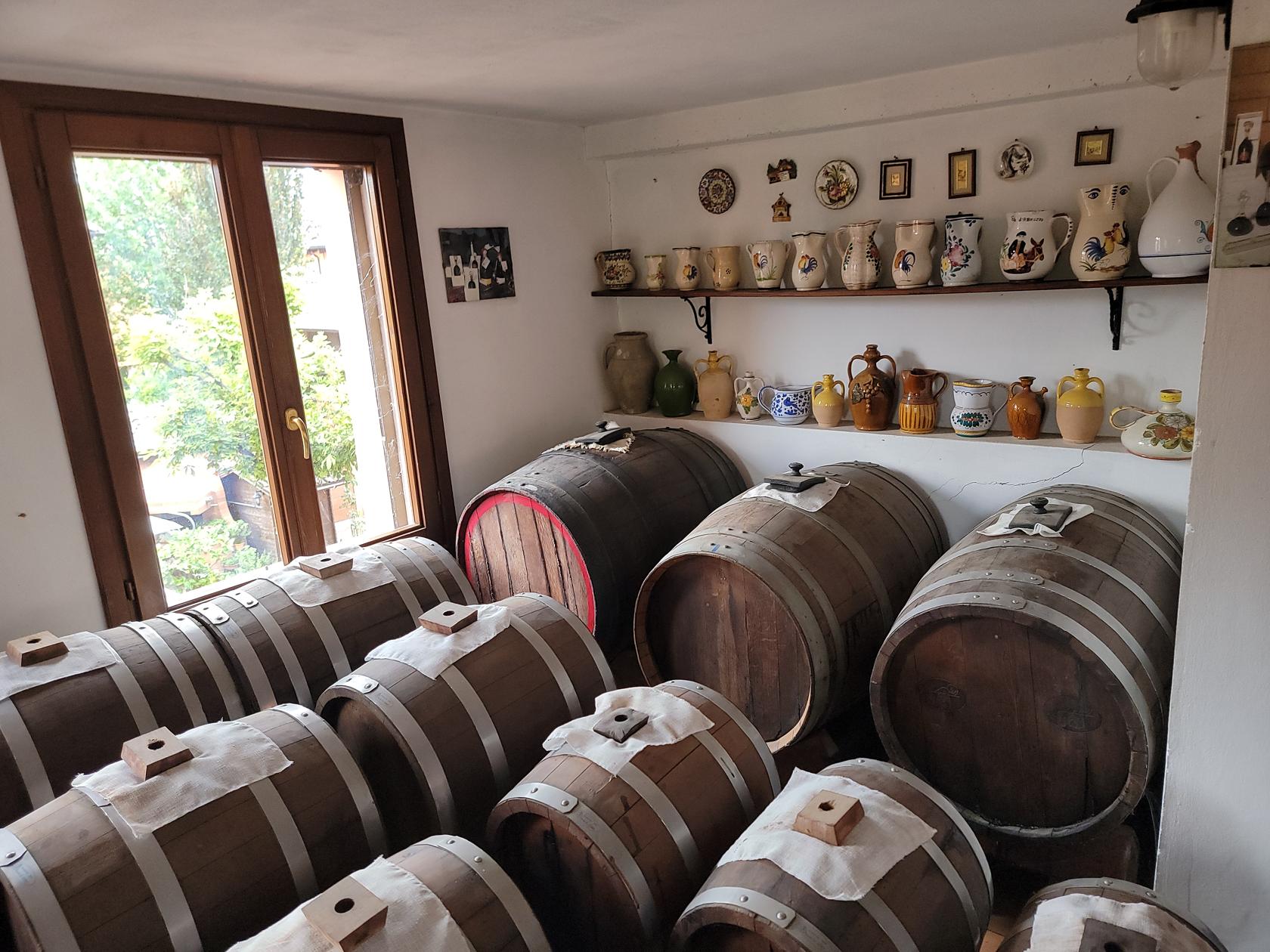
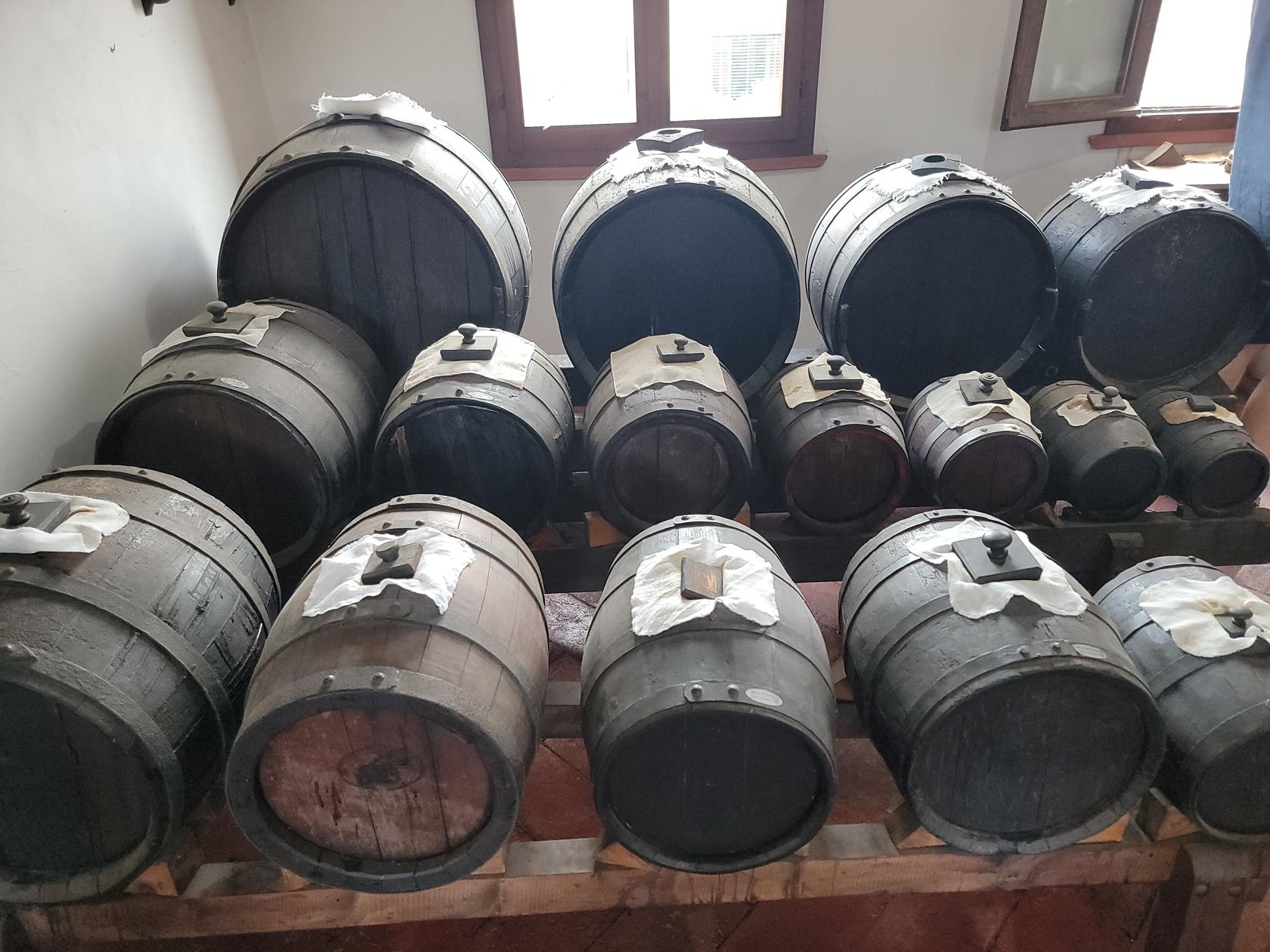
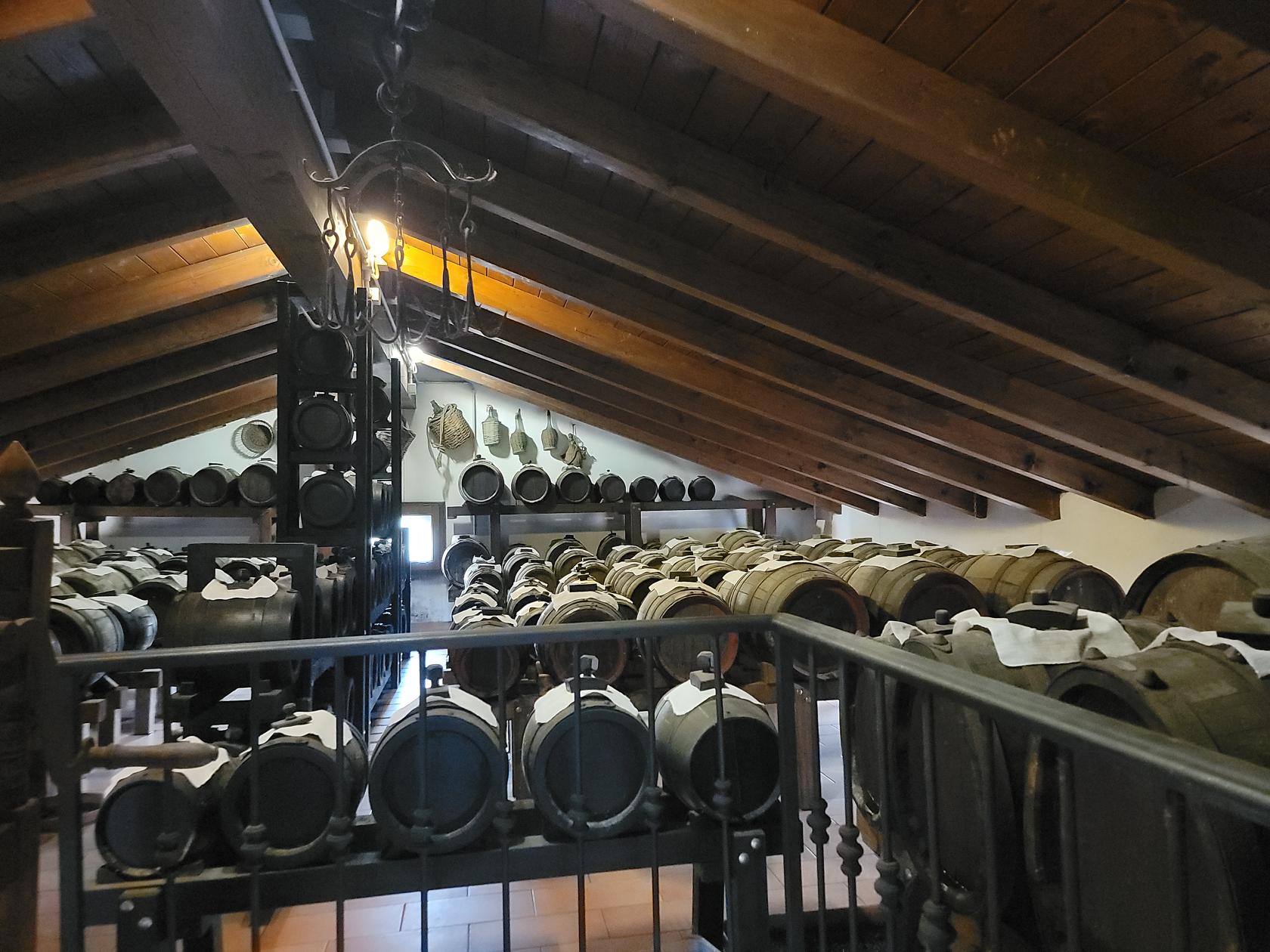
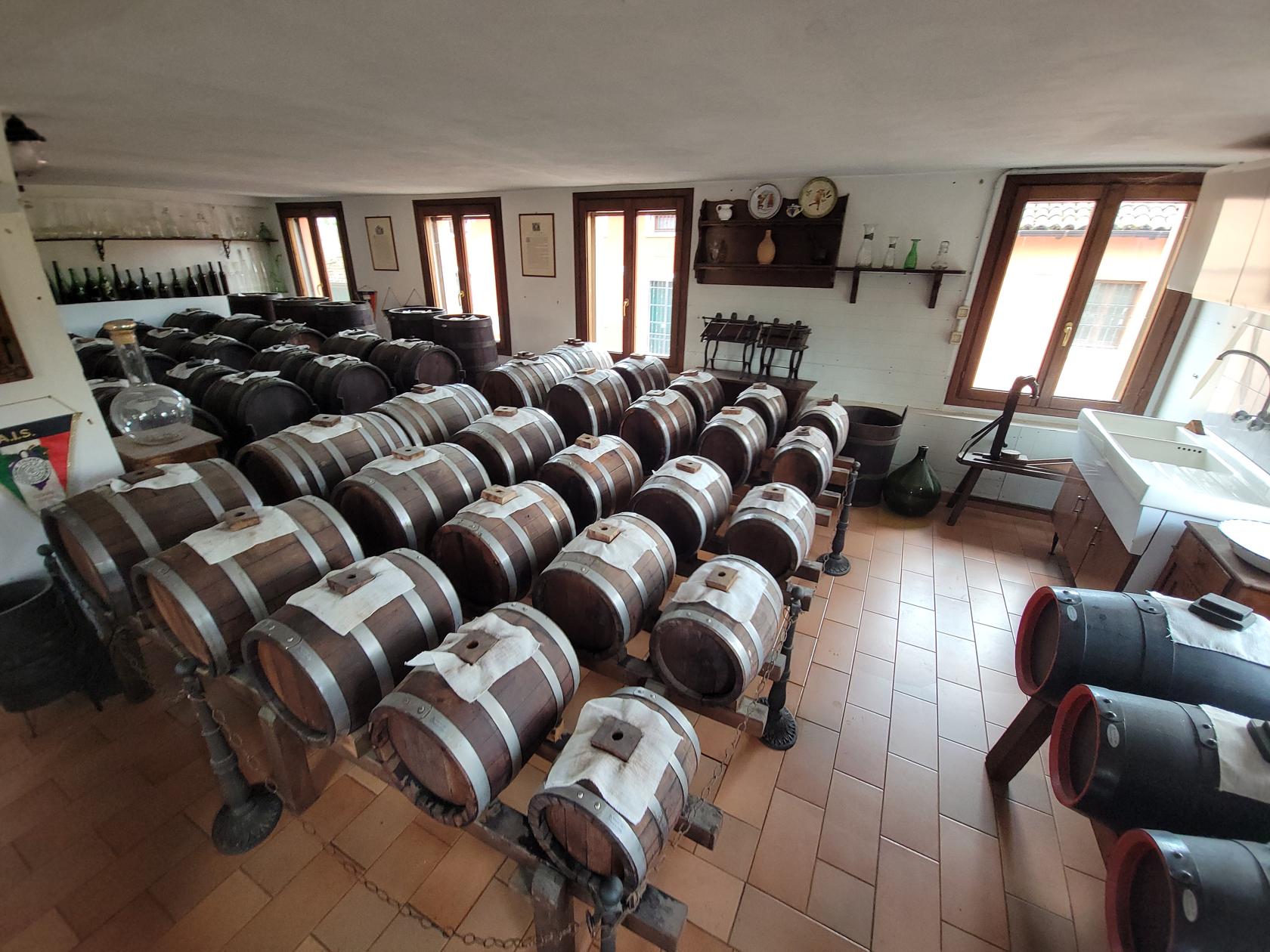
The grape must is first heating in large vats to start the process. From there the liquid is transferred to large waiting casks in the same room. This is temporary, since the process of moving the vinegar from one cask to another is on on-going procedure.
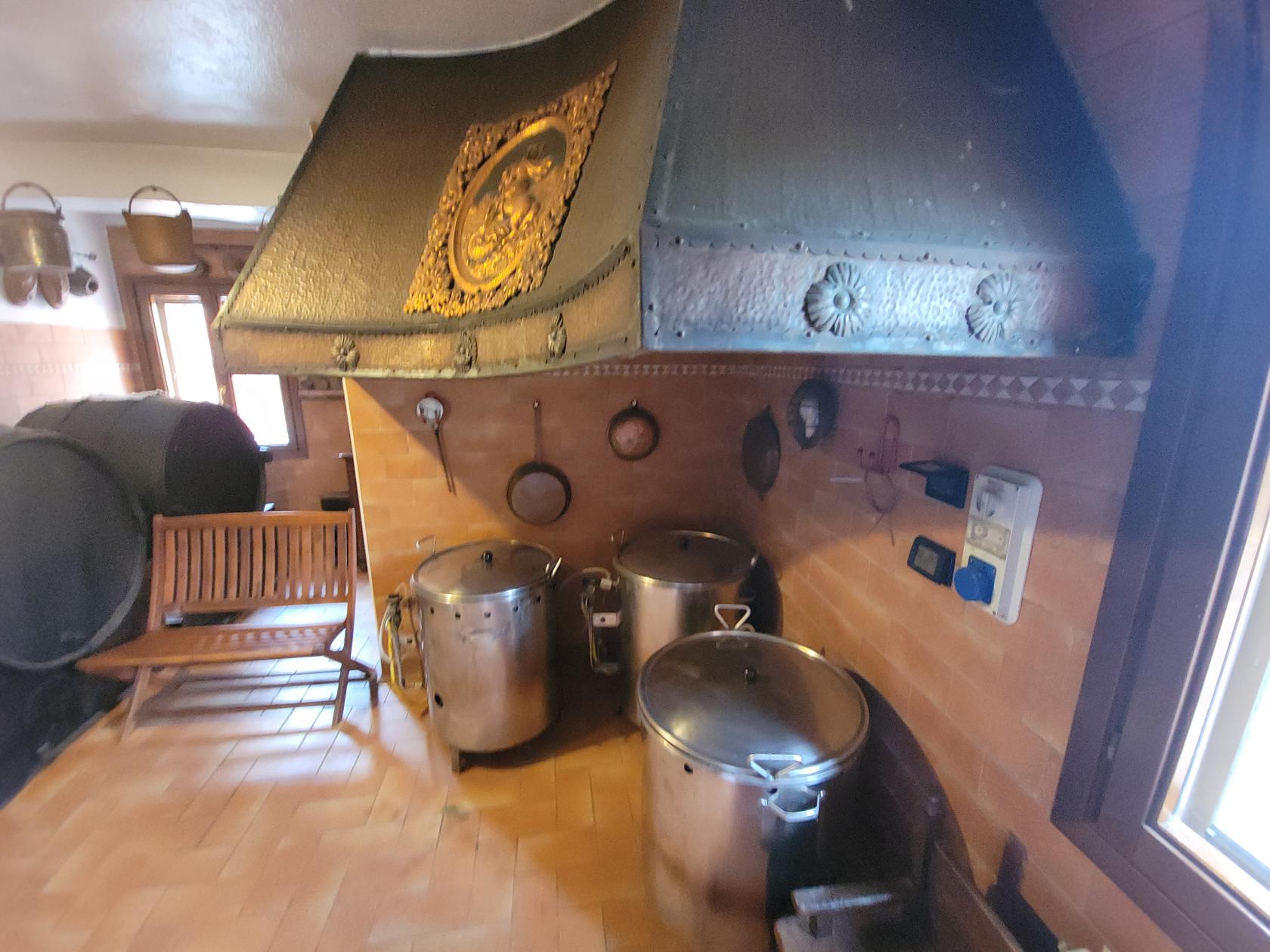
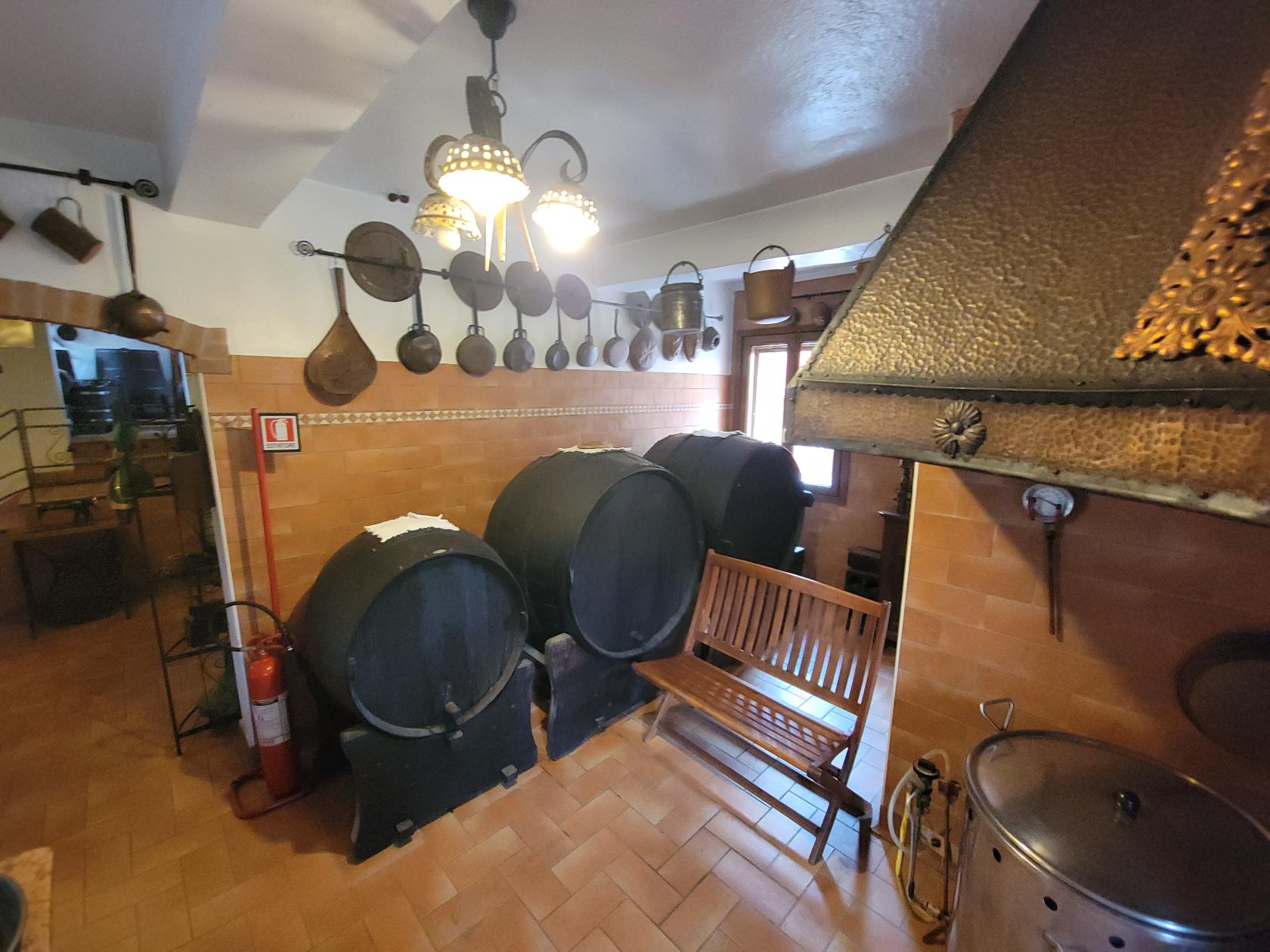
Each cask is only filled to 85 percent. This is to allow enough air at the top for proper fermentation. As each cask loses liquid, either from evaporation or leakage, it is topped up from the larger cask adjacent to it in a long progression. The largest of these casks are later topped up with liquid from the larger primary casks in the cooking area.
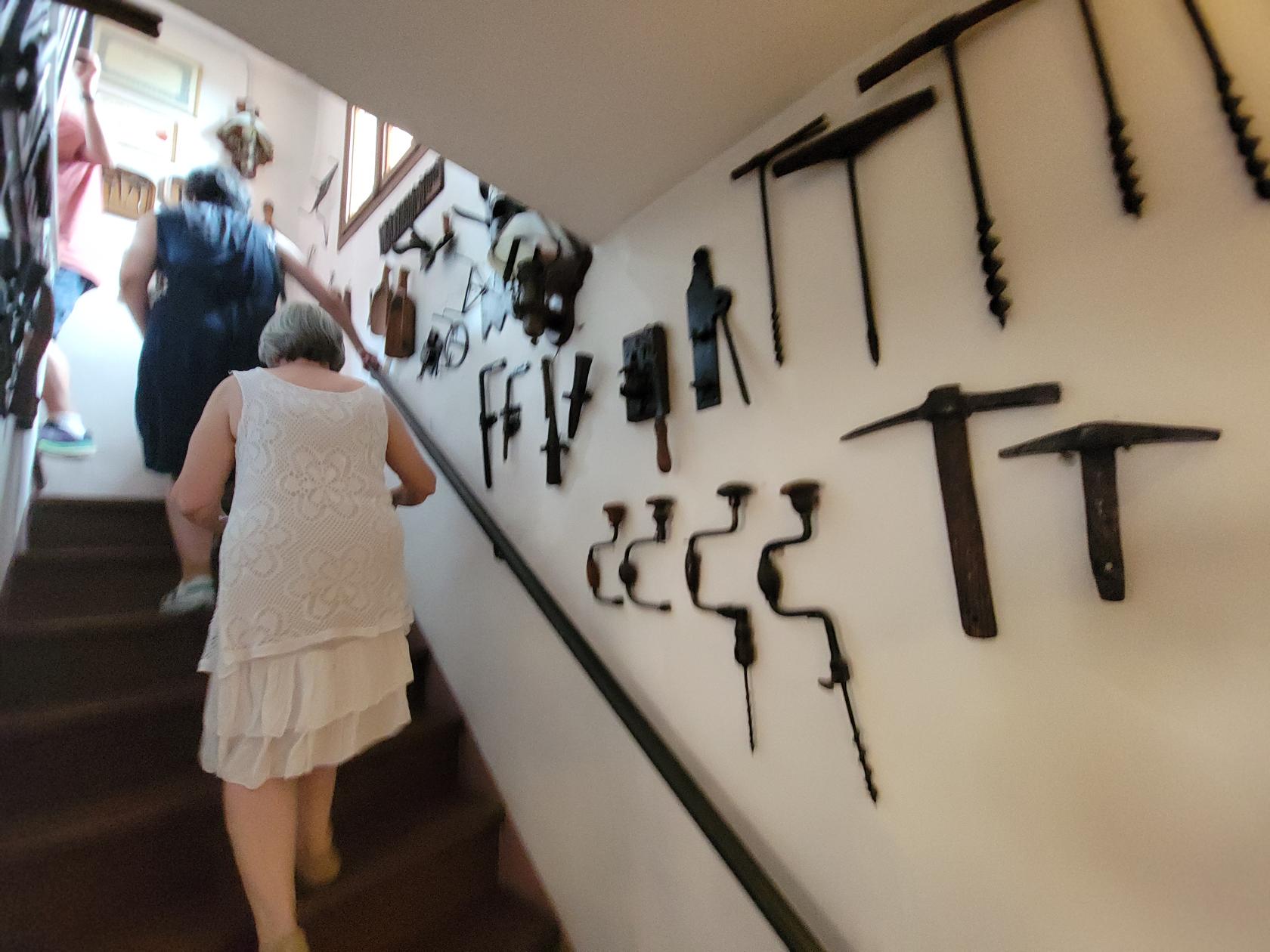
As time goes on, the casks get smaller and smaller. As they descend in size, the number of years that the balsamic has been sitting inside goes up as well. Production for 7, 12, 25 and even 50 year balsamic is not uncommon. The number of years is also reflected in the price as well as the quality of the balsamic.
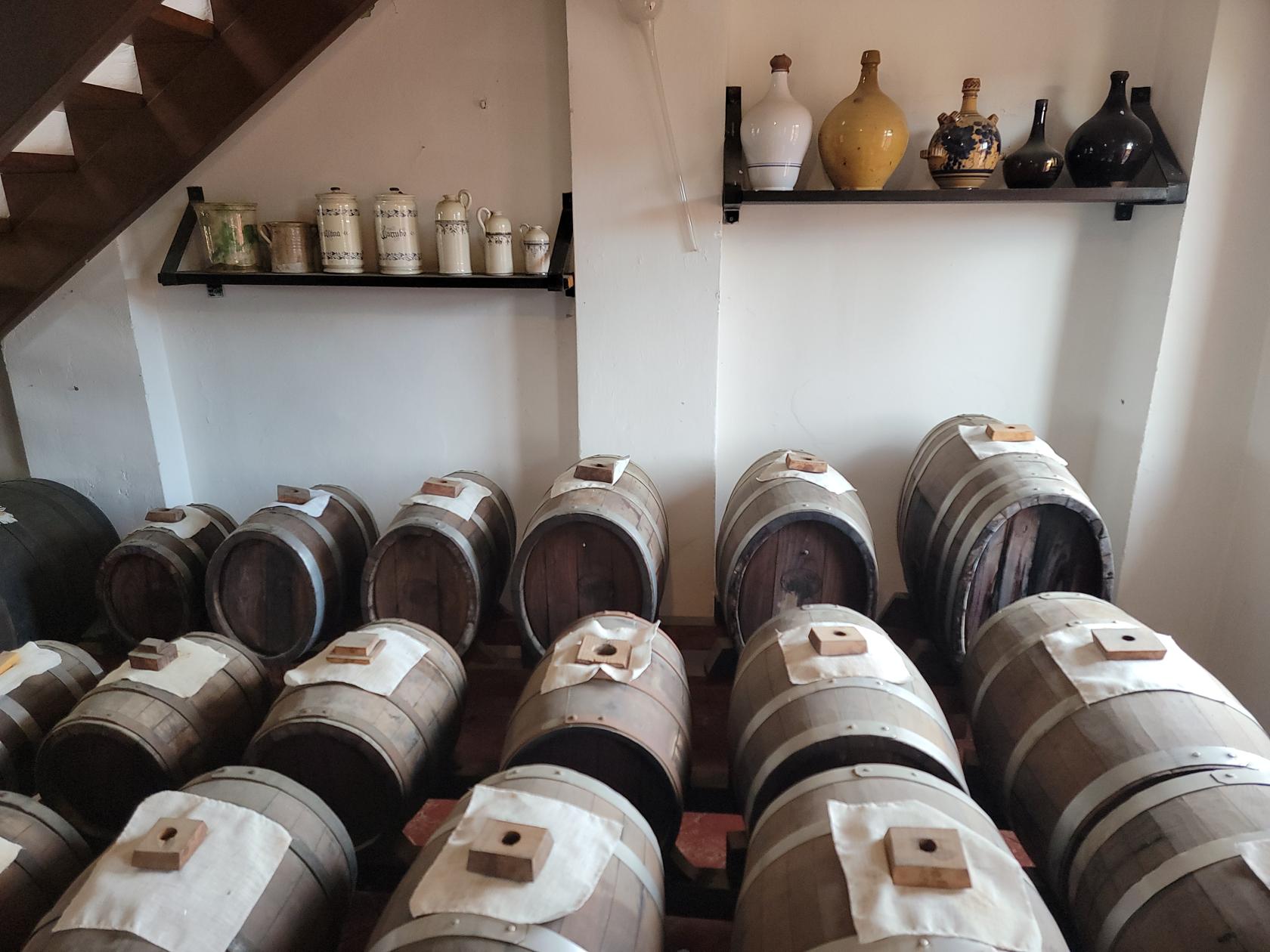
Typically the early the balsamic the more vinegar it has in it. Older ones tend to adopt a sweeter taste over time as the vinegar and acid content drops as it is transformed into other complex compounds. Over time sediment collects in the bottom of each cask, which noone can see until a cask is finally rendered useless due to leakage or other issues and opened.
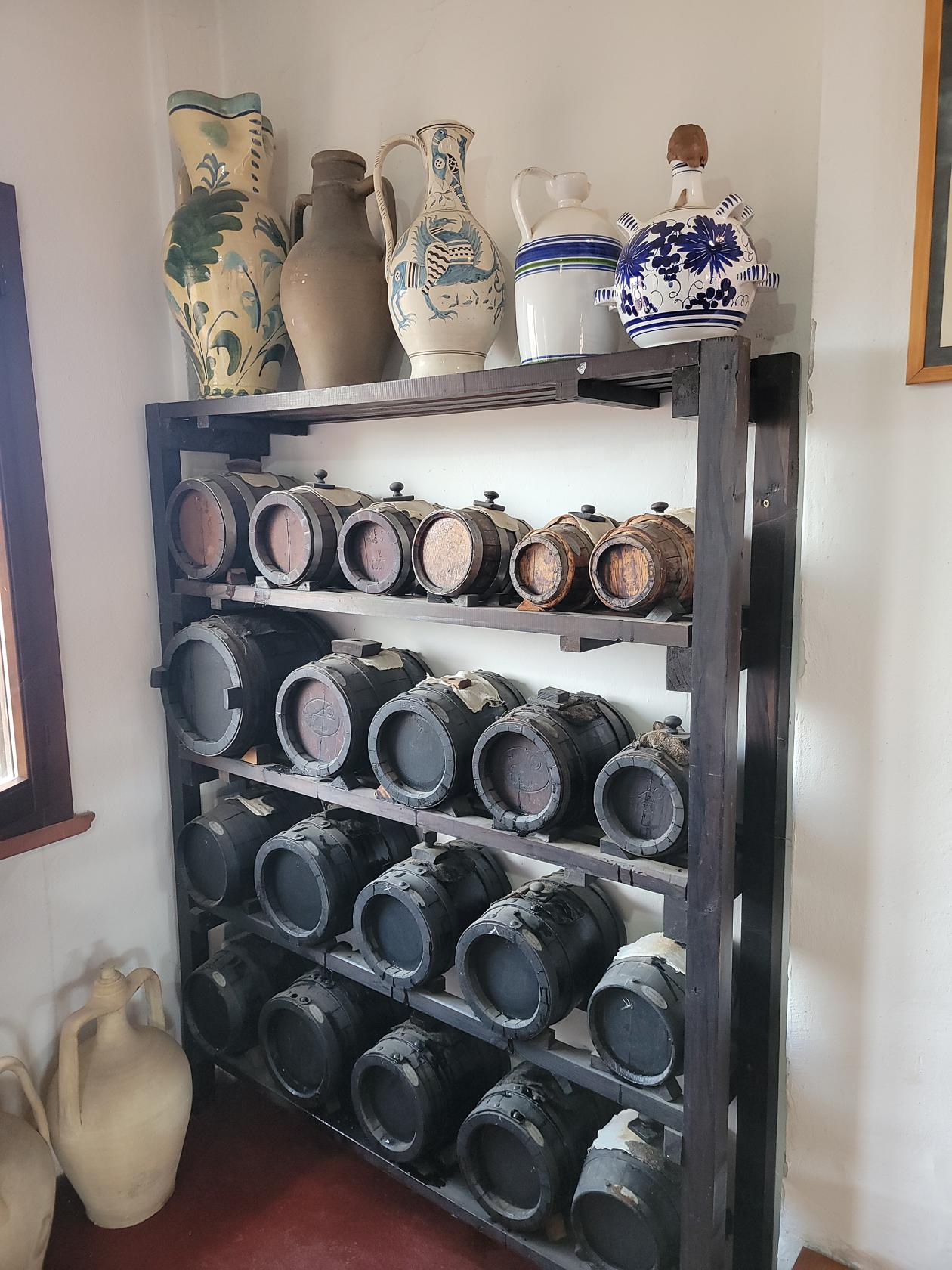
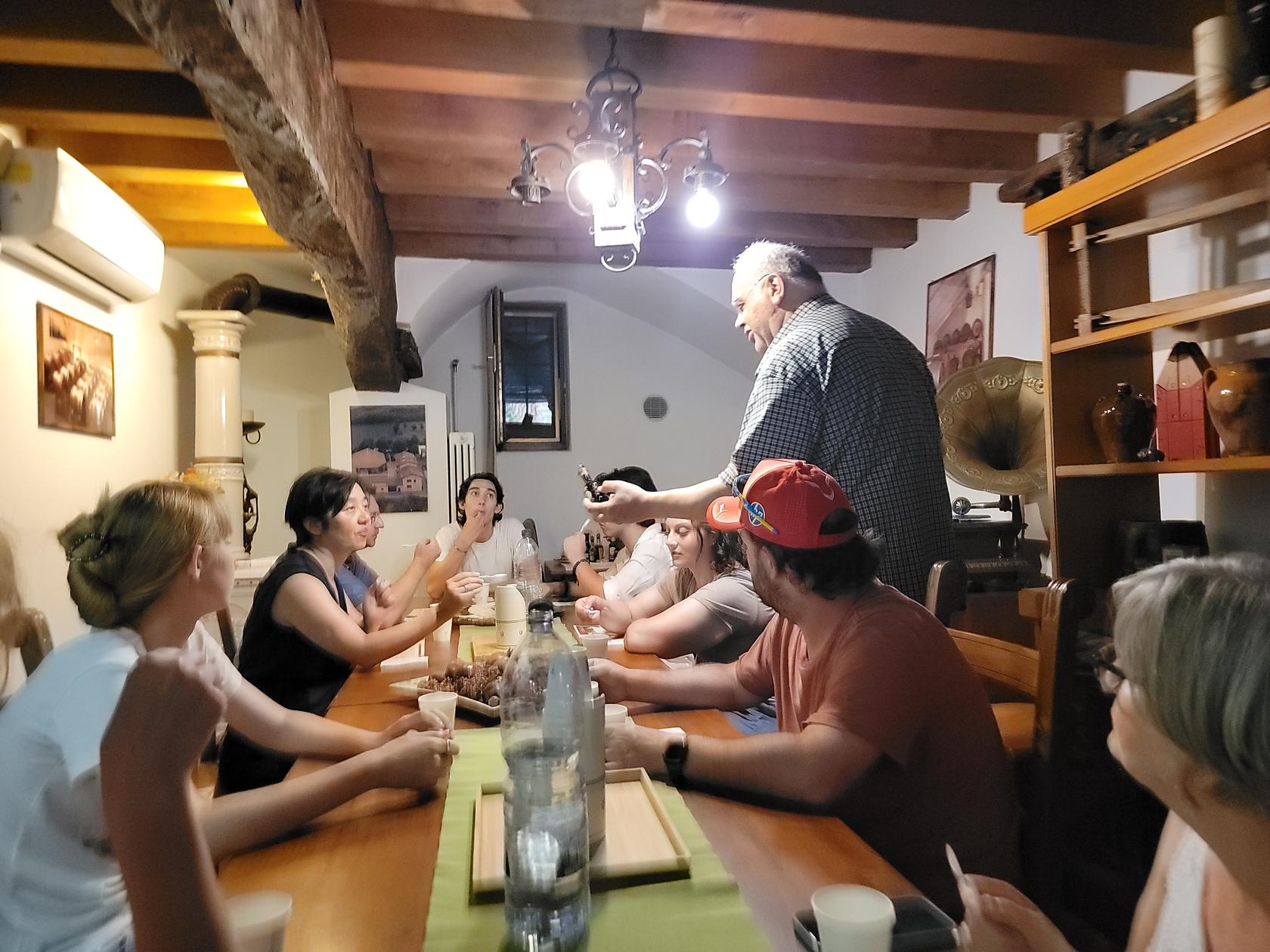
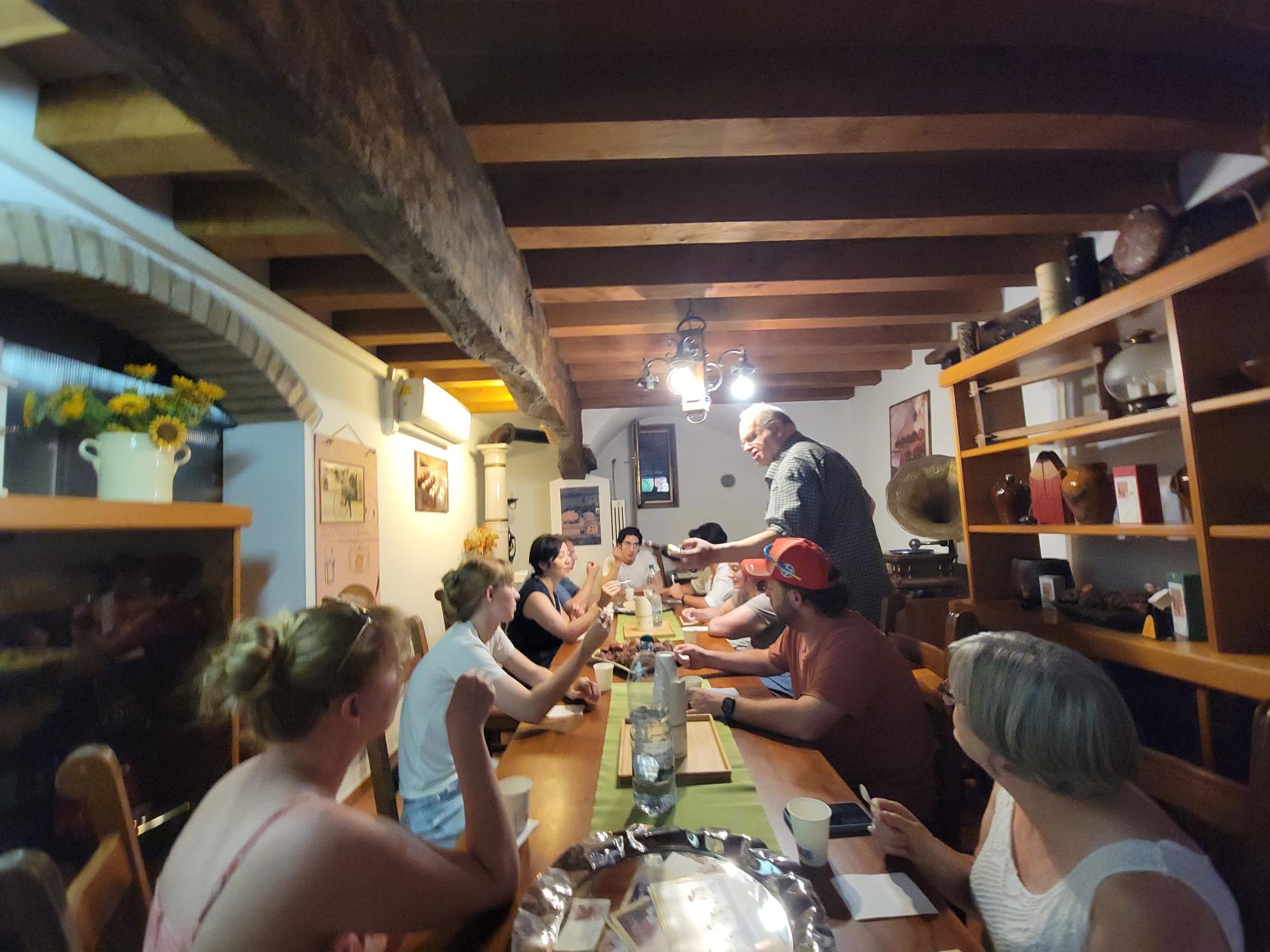
One can see this in a simple tasting, though I could not say whether I preferred one of the other, each has different uses from dressing a salad, to cooking and baking, and even as an ice cream coating.
Restaurants

Since our outting was a full day, it came with what they called a “light lunch”. Our destination was a small Osteria along our route called Osteria La Maestà.

Osteria La Maestà

The Osteria La Maestà is located on Via di Case Trombi, 15, before you enter Mulazzano Ponte from Parma. It is a typical local Osteria that is run by an older couple. Our experience was just wonderful. We spent and entire hour talking and eating excellent food.
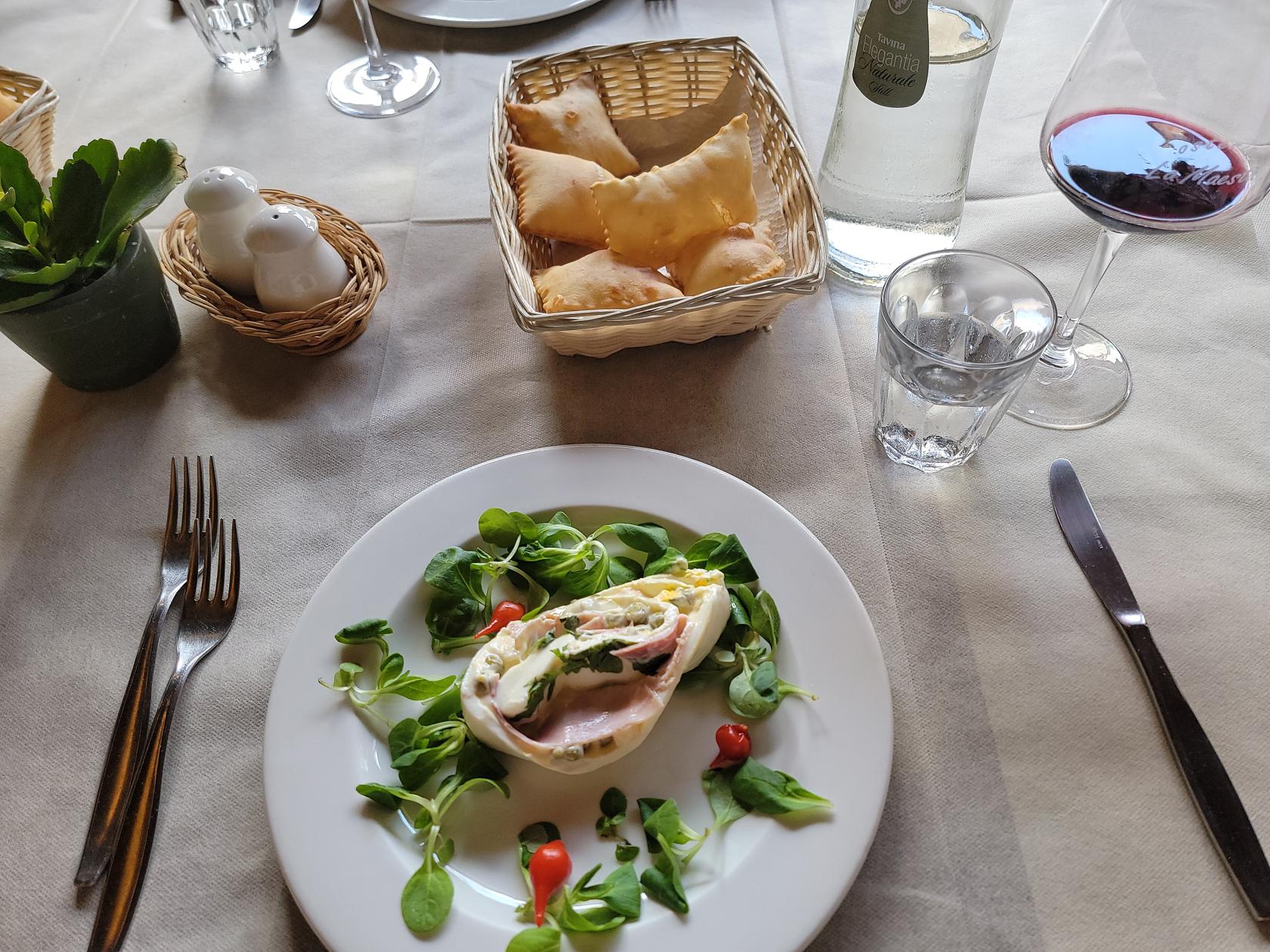
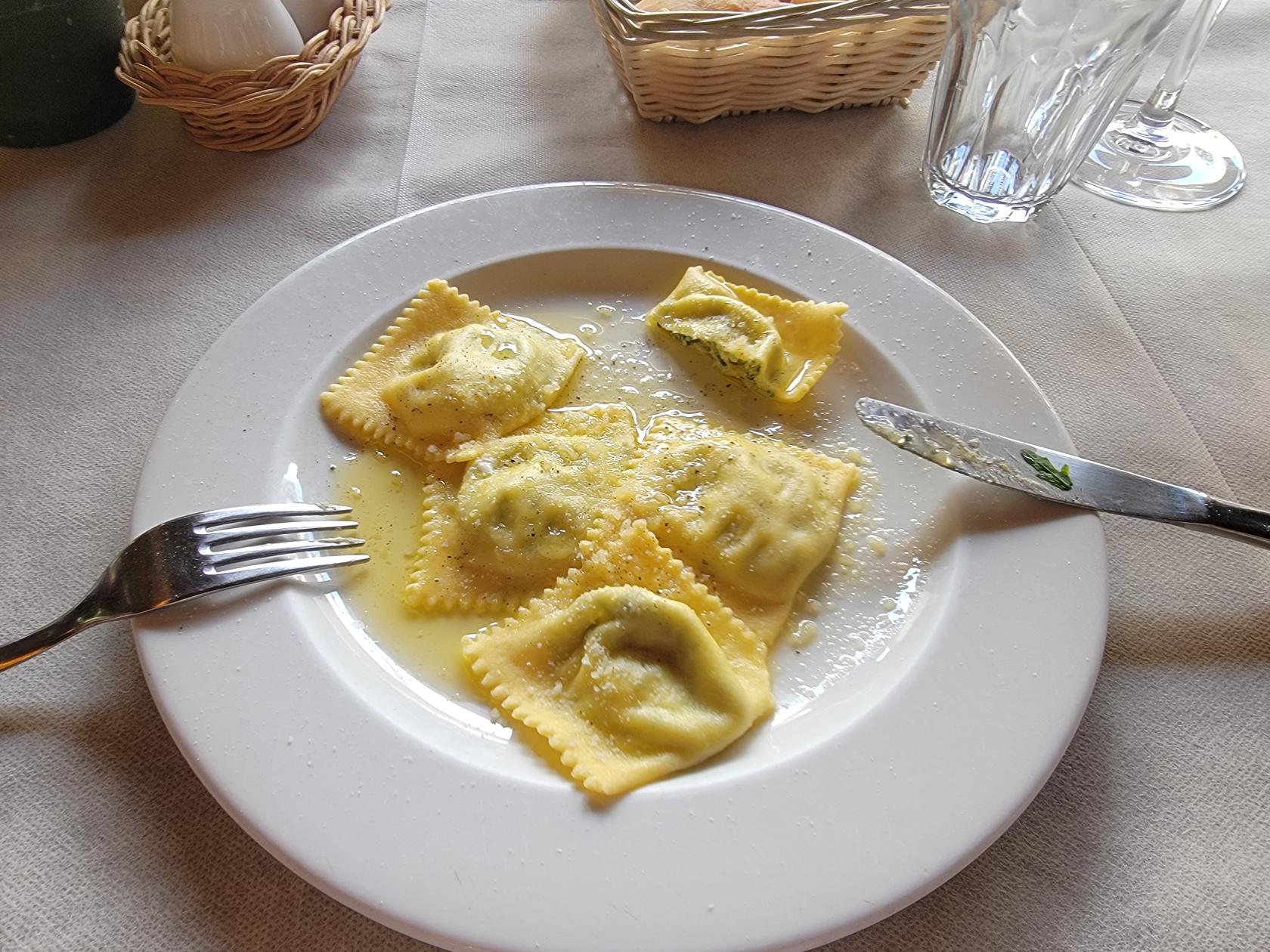
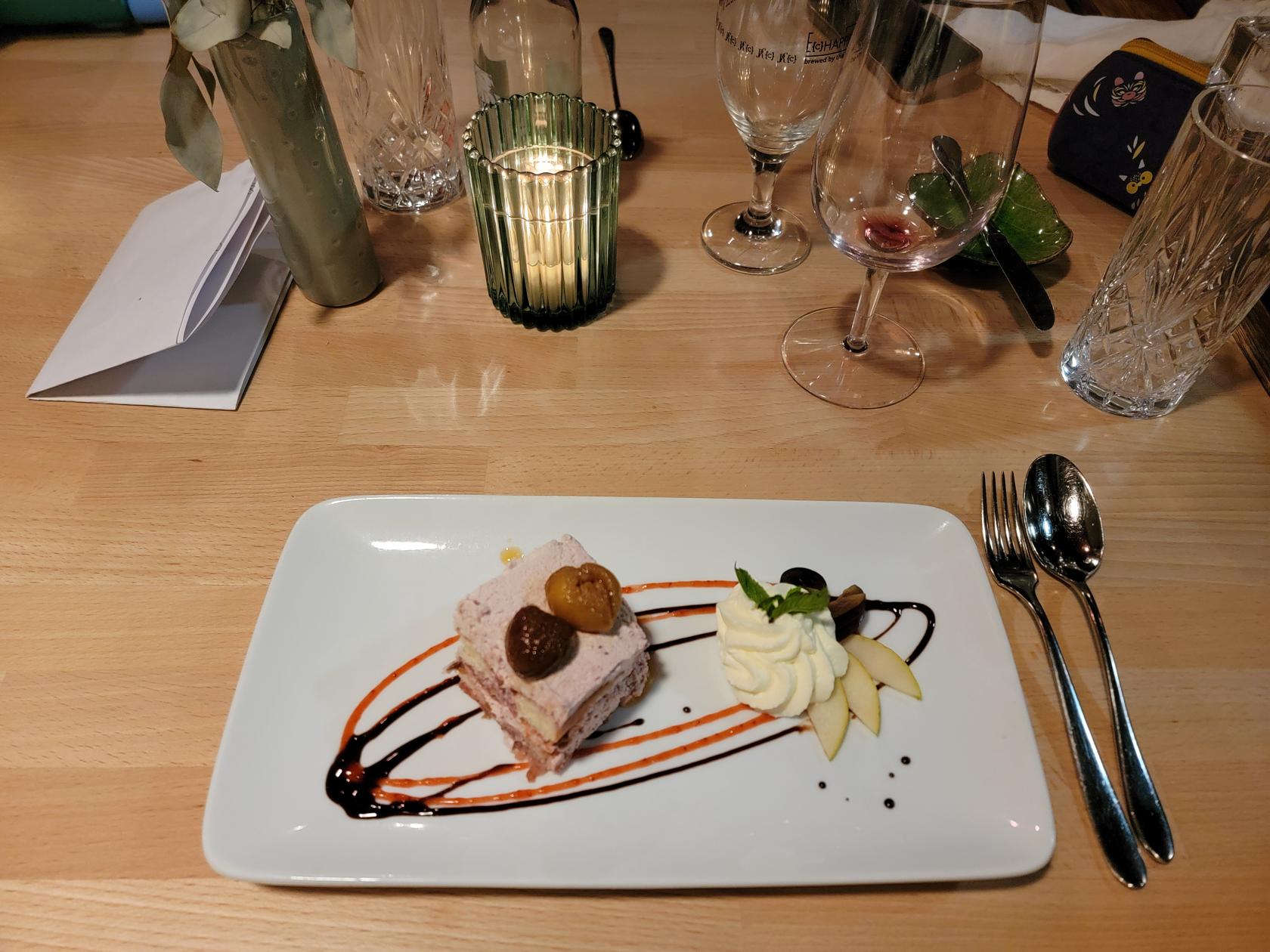
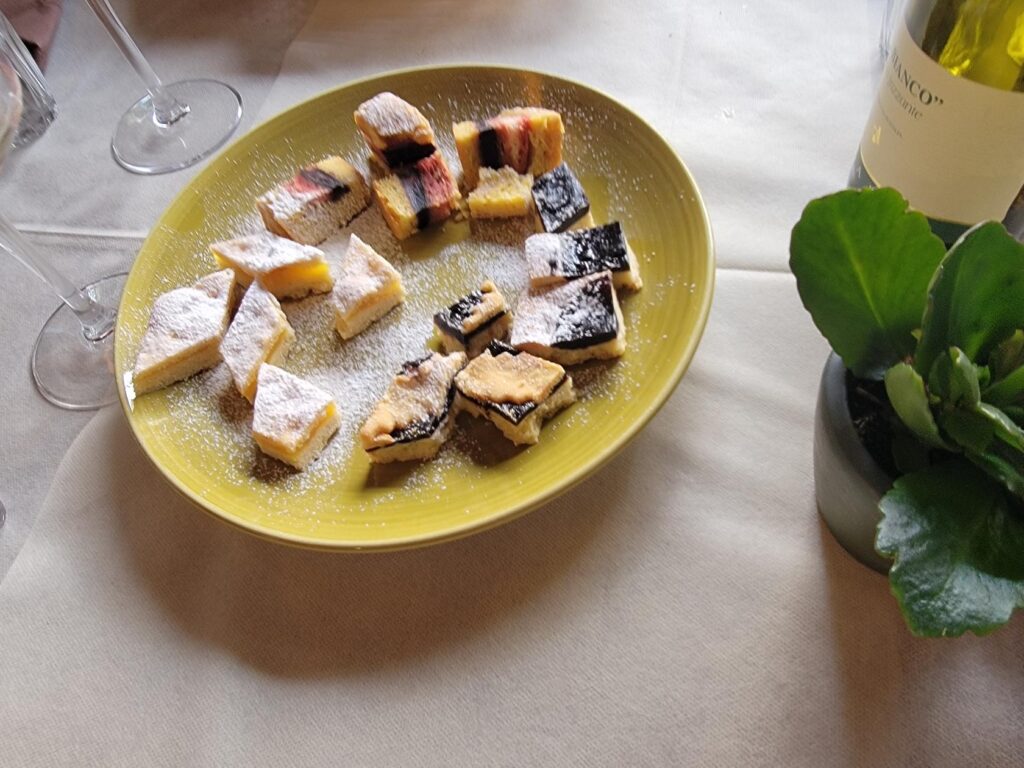
The entire meal consisted of an appetizer of mozzarella and ham, a tortelli di erbetta primi, a light dessert, red and white wines and both types of water.
Conclusion

We cannot say enough about the Tasty Bus tour, or the type of tour that takes you these small producers of ham and cheese. We had a wonderful time and before we knew it, it was over. Upon return we ran into a bit a bad weather. It had been exceptionally hot and the weather complied with kicking up the necessary line of thunderstorms.
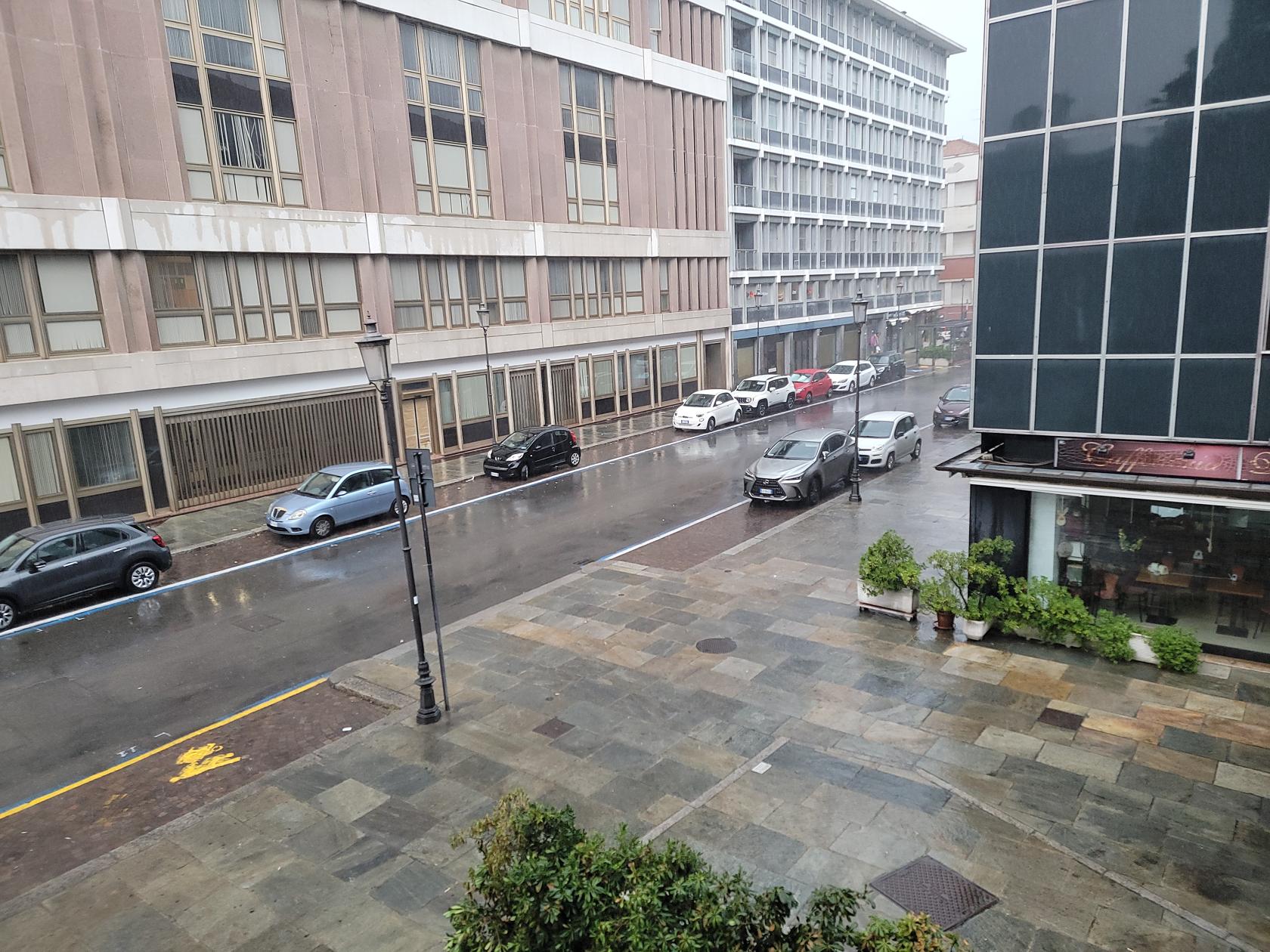
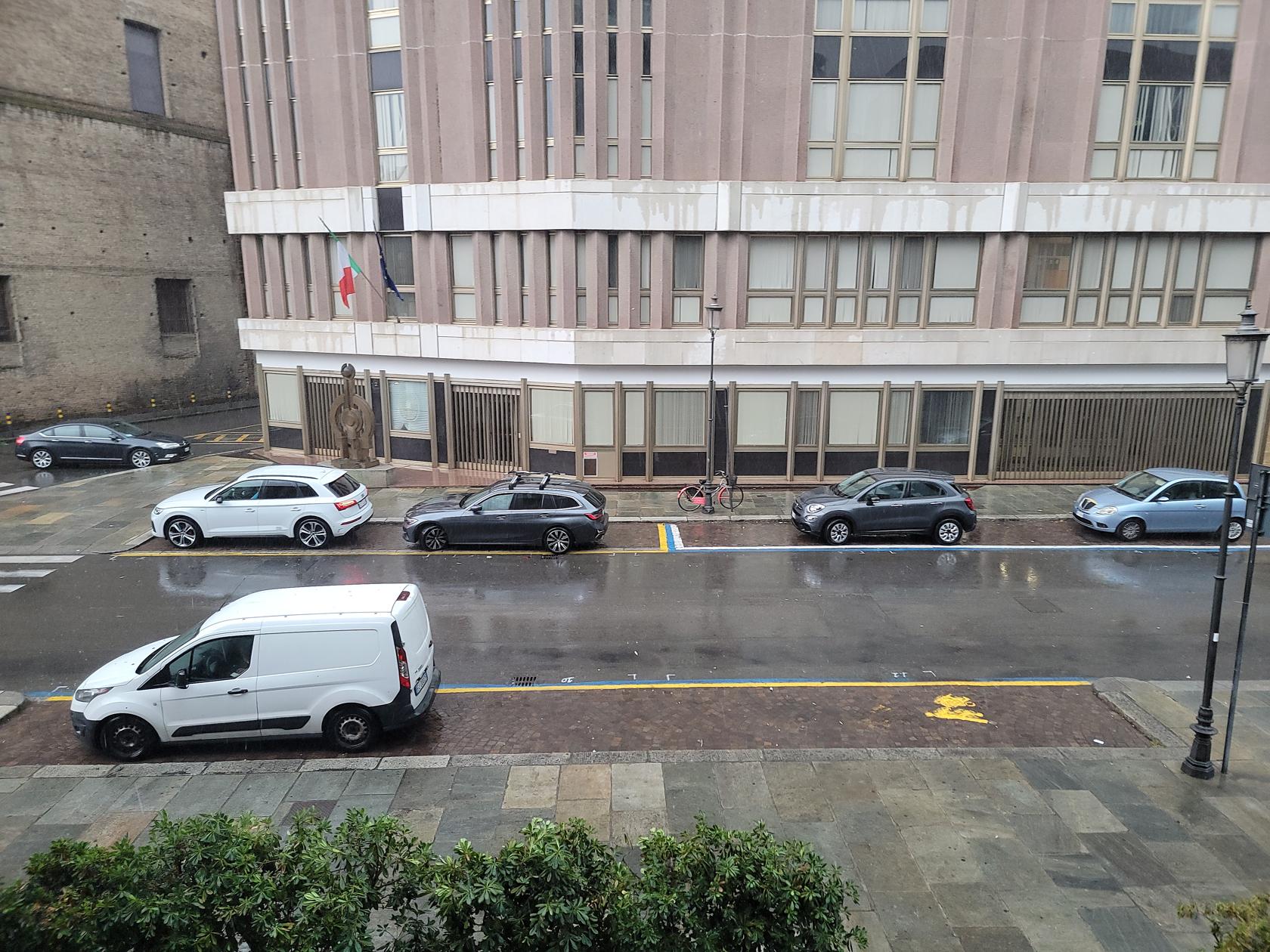
Our tour bus driver and guide was accomodating enough to get us as close as possible to our hotel, but as they say in America, we got a wet ass anyways. Oh well. We started the day wet in sweat and ended the day wet in rain, so we came out kind of even, but enjoyed every minute of the experience.

References

References
1 One of the trunk Roman Roads that ran through Italy during the Roman Empire
2 Denominazione d’ Origine Protetta which ensures the following. They meet the highest of standards of production and are produced within certain regions that result in characteristics to ensure a consistent quality. The ingredients and products come from a specific location and/or family that has been approved and designated by the government to produce such foods. Every element of the product is quality tested and tracked with serial numbers to confirm the exact origins, processing, and approval body of the product.

Domodossola, Italy – Easter Pilgrimage

Kind of by luck and definitely by accident, we made our own religious pilgrimage on Easter Sunday. Our pre-planned trip was always to visit Domodossola, but only included our walk up the Via Calvario as an aside, or suggestion, if we had time. It ended up being the perfect event on a near perfect day, at least with respect to the weather.

Domodossola

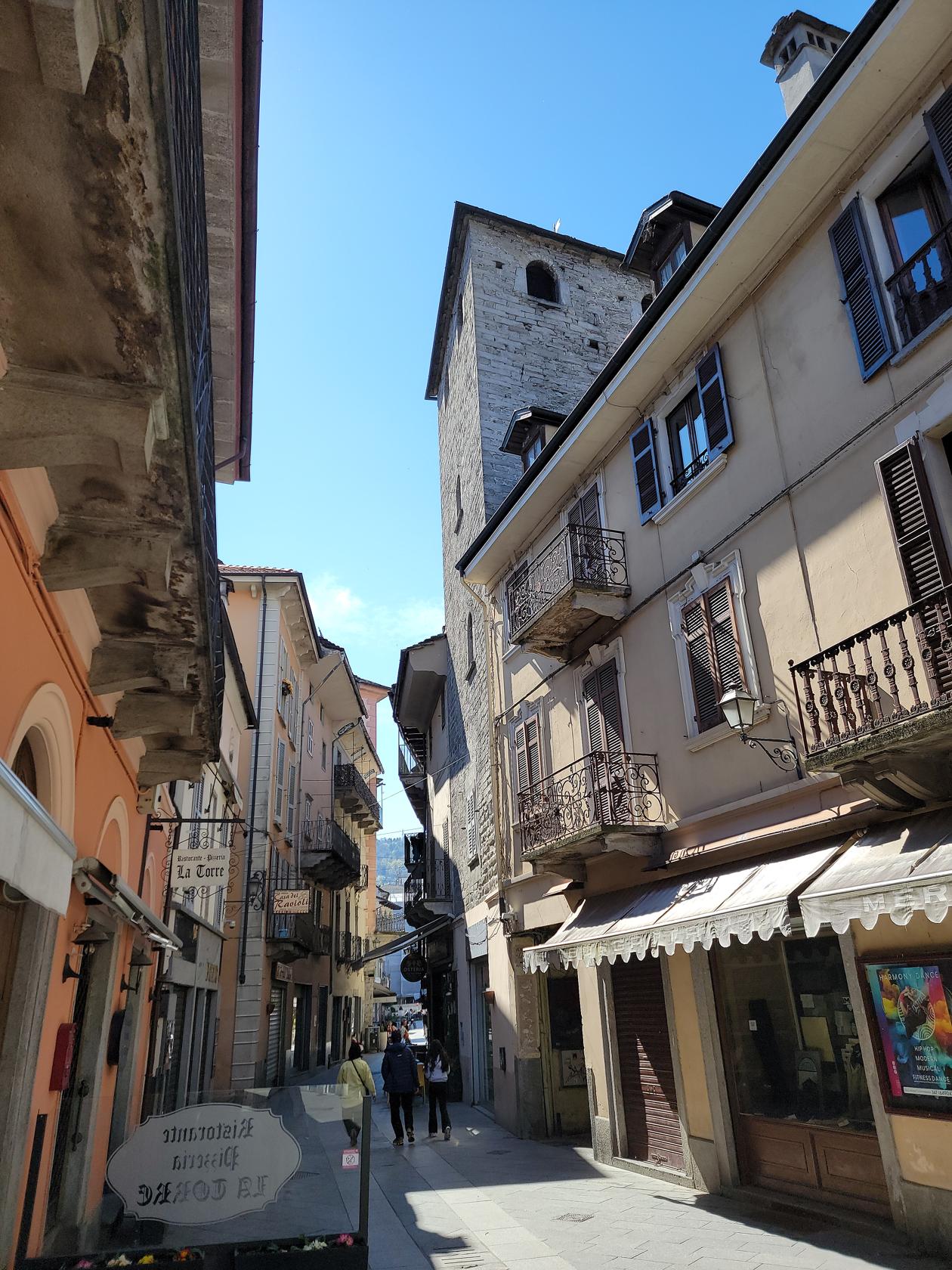
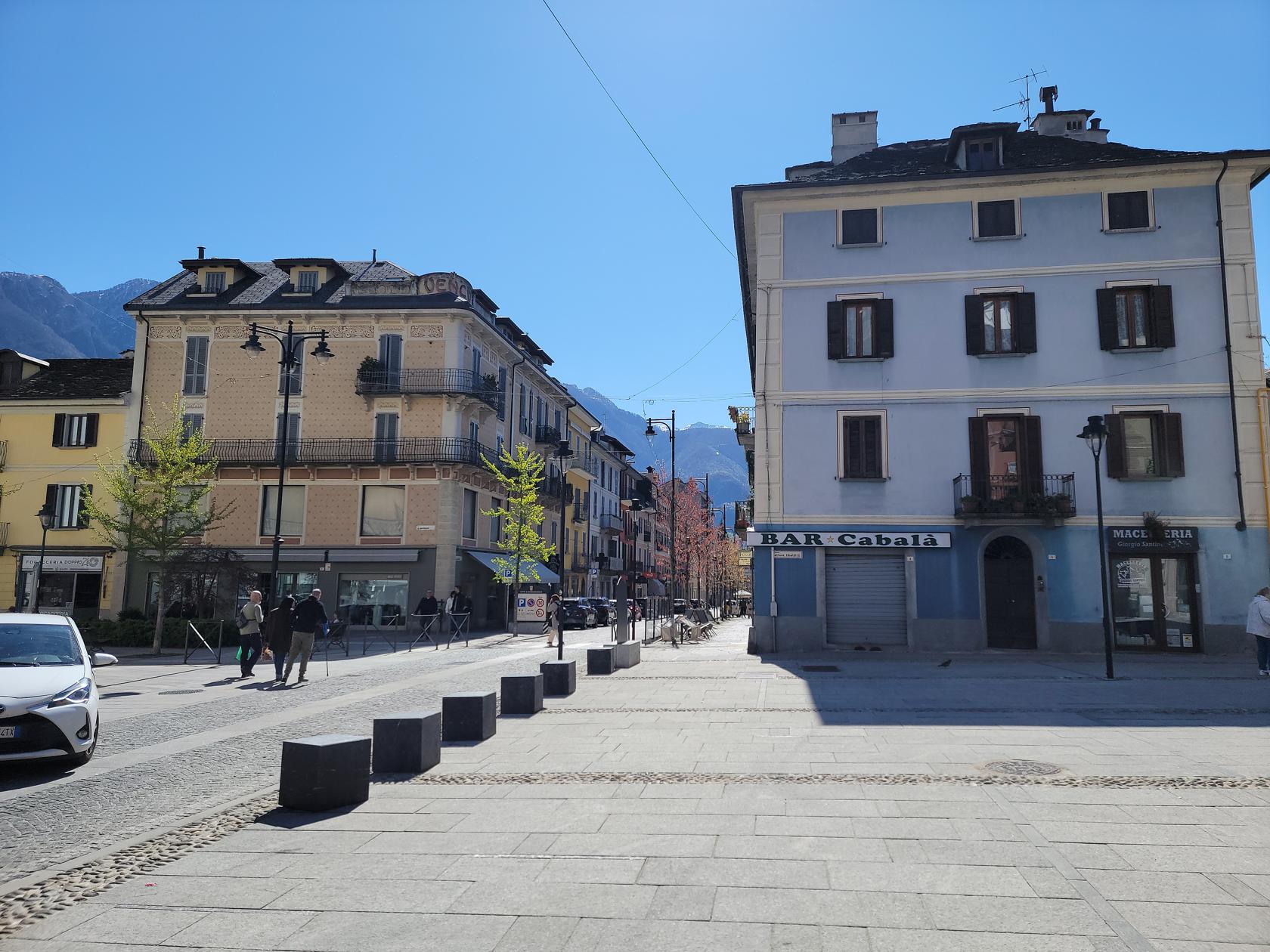
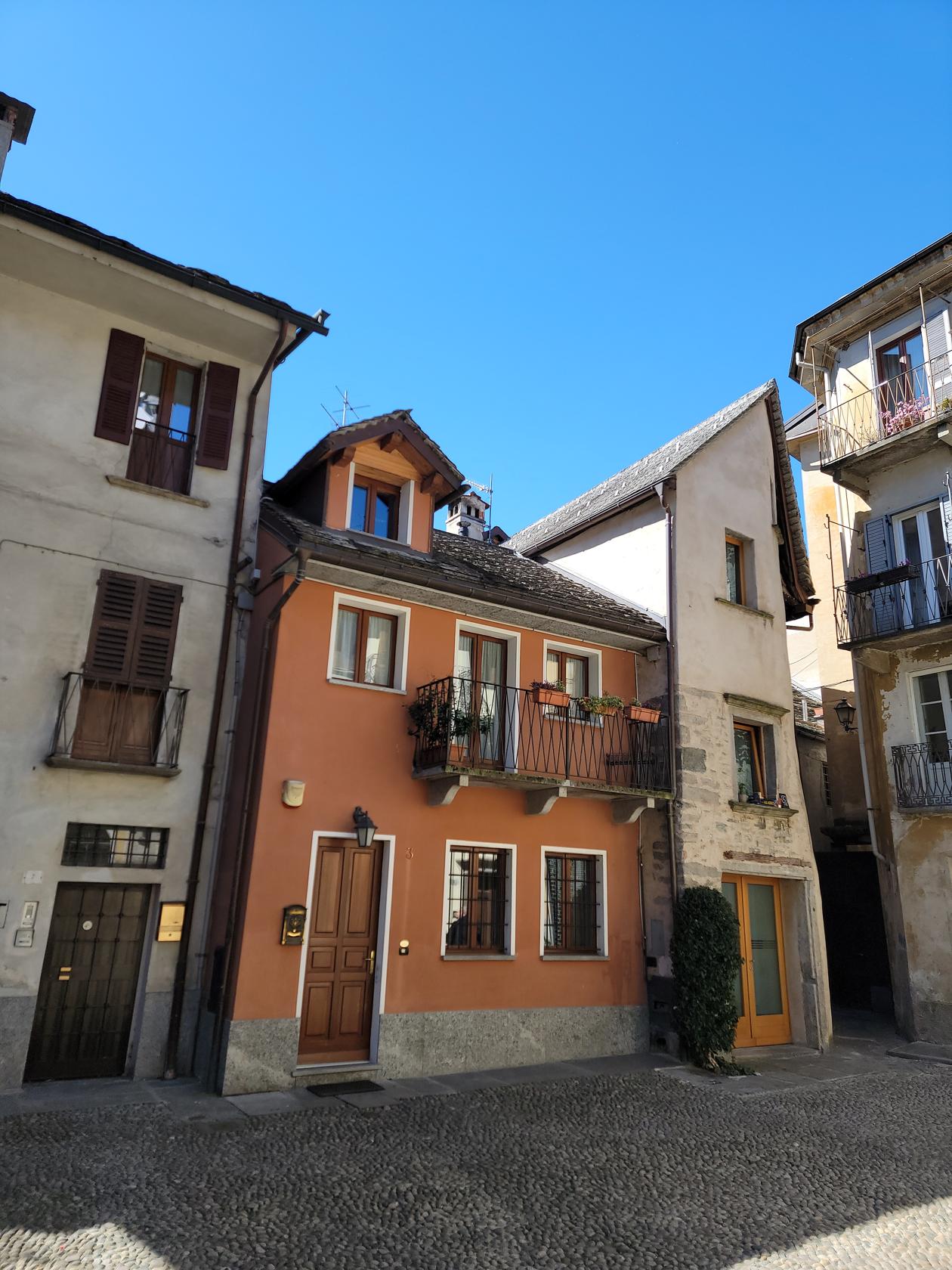
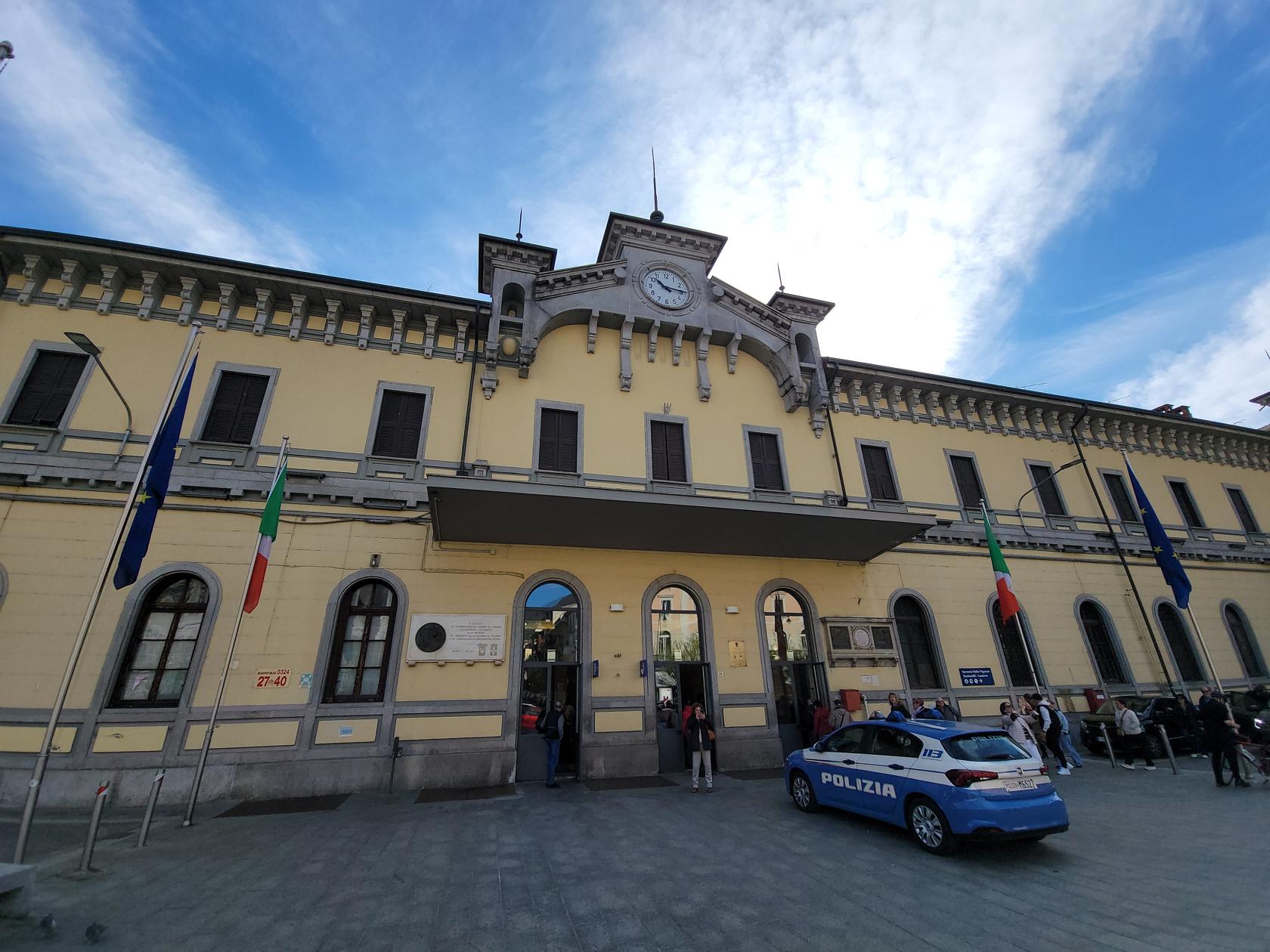
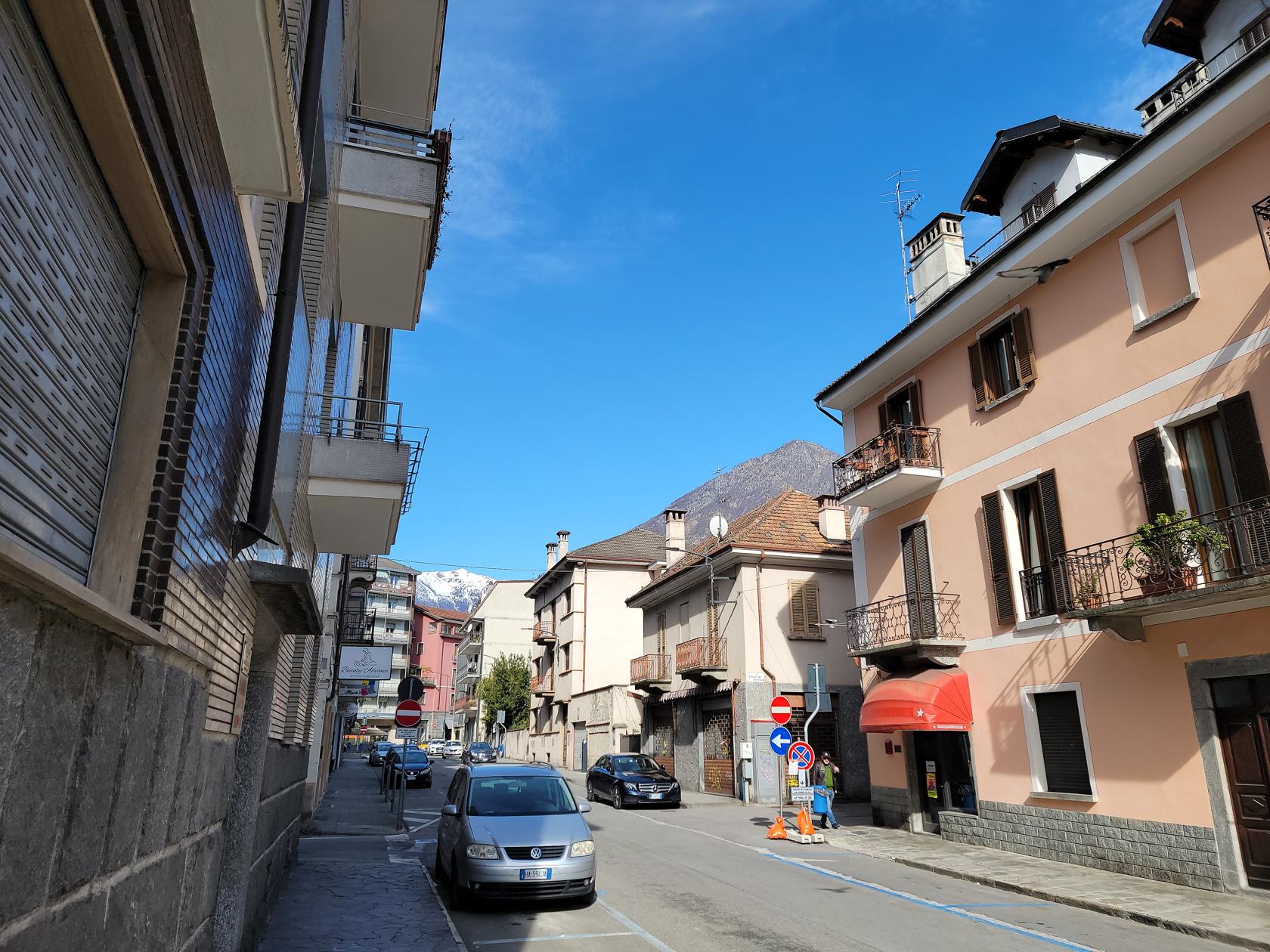
A large city at the top edge of Italy with Switzerland. It is the last stop on the train line from Italy into its neighboring country. It is an odd mix of new with some very old parts. The streets are very clean and well maintained. Some of the buildings date back to Columbus’ day and actually look it.

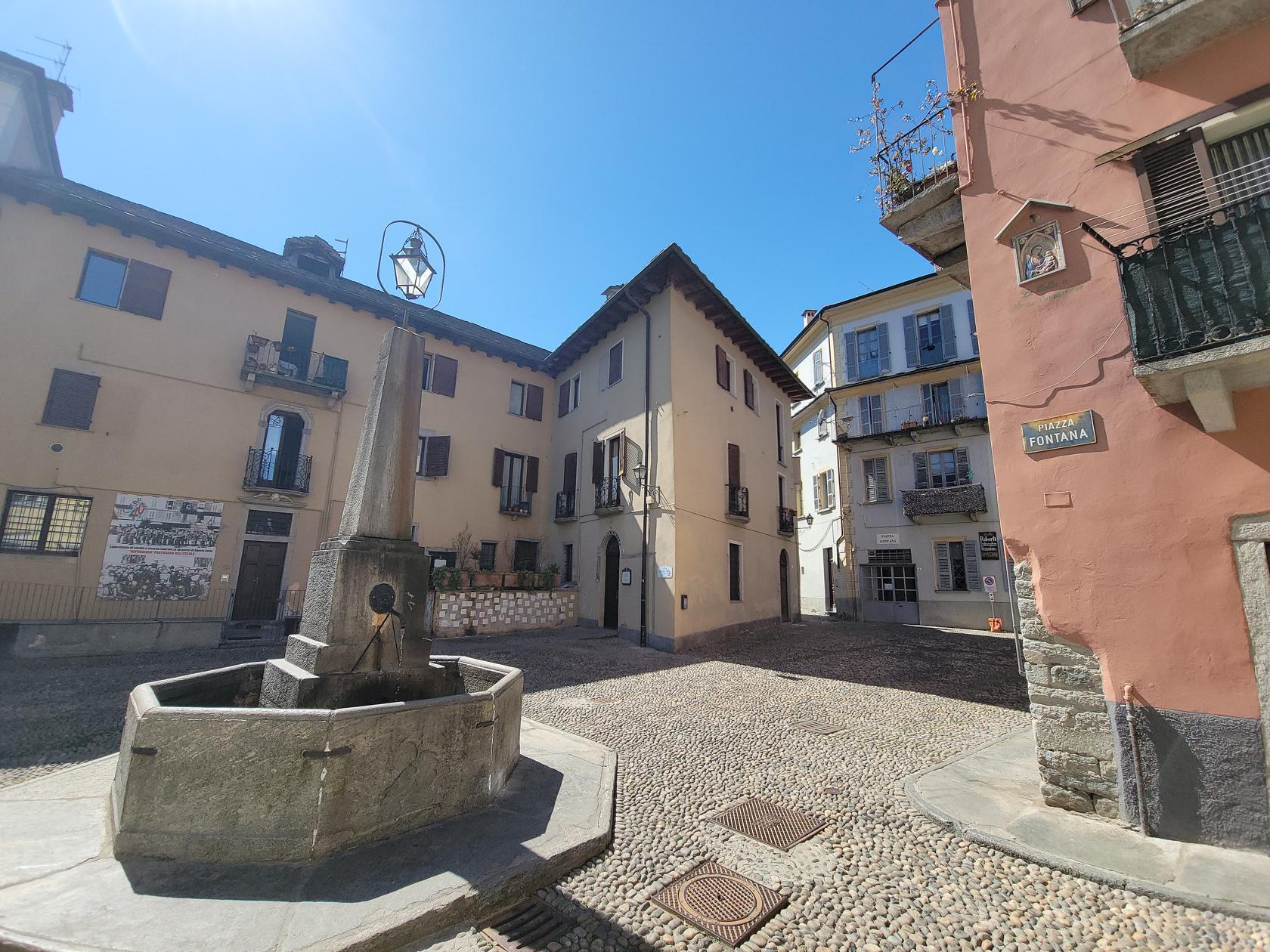
The city has the usual fountains and piazzas. Since it was a holiday, all museums and other tourist related buildings and facilities were closed. However, we did find some shops and restaurants that would normally be closed on a Sunday, open.

Getting There

We took one of the Regional Express trains from Stresa and we were there within a half an hour. Unexpectedly, we were stopped by police inside the train station after we got off the train. I guess it was probably because there were no other IC or EC trains going into Switzerland, so they had nothing better to do. They asked me for my travel documents and luckily I had my new wallet sized US passport. They took a photograph of it, exclaimed that it was the first time they saw one and let me pass. My wife told them all she had was a driver’s license, but the quickly looked at her and said no problem, go through. Yeah, they don’t profile in Italy. So, if you are traveling close to the Swiss border in Italy, bring your passport and travel documents, you never know, you might be stopped!

Monte Calvario

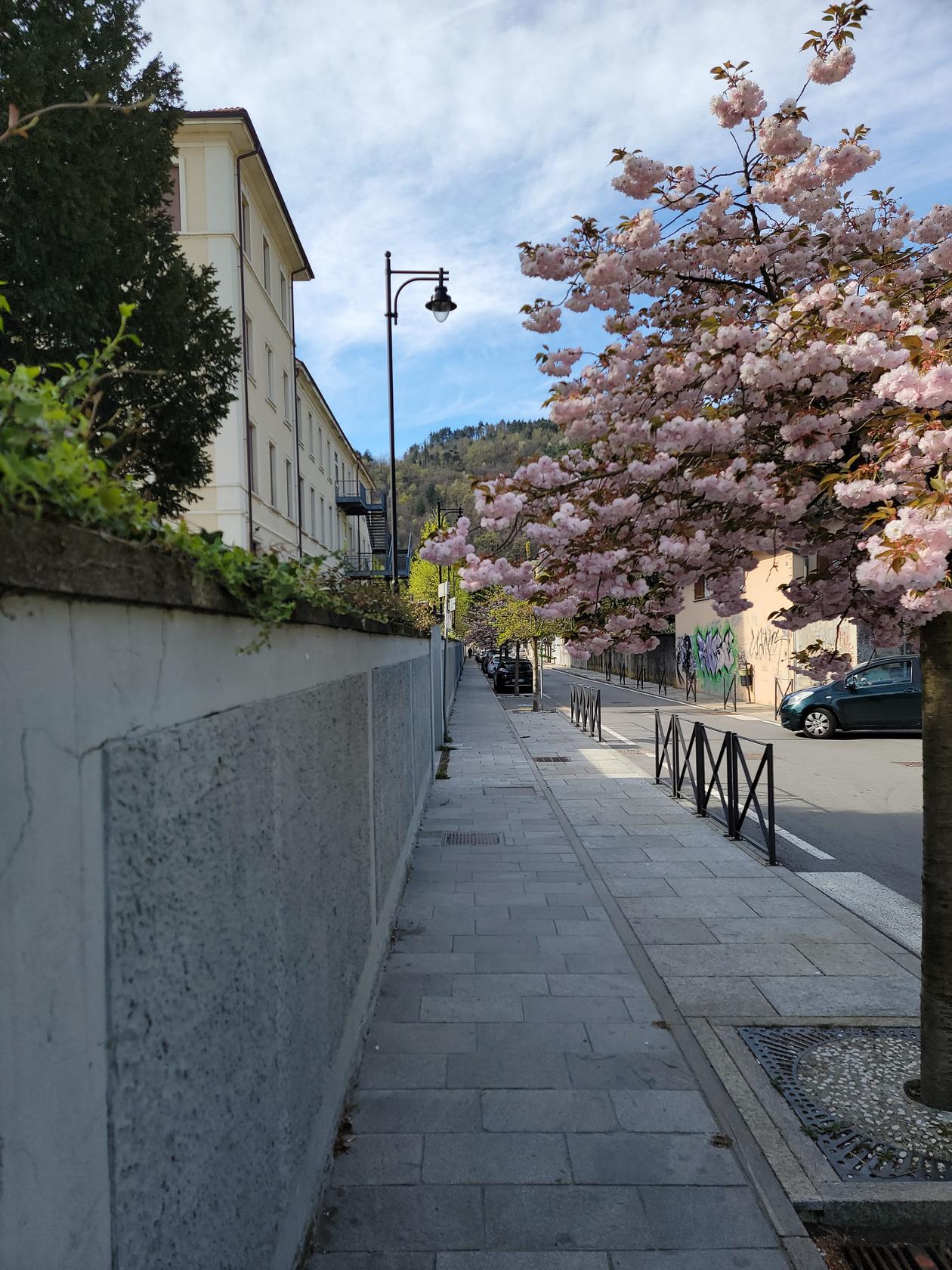
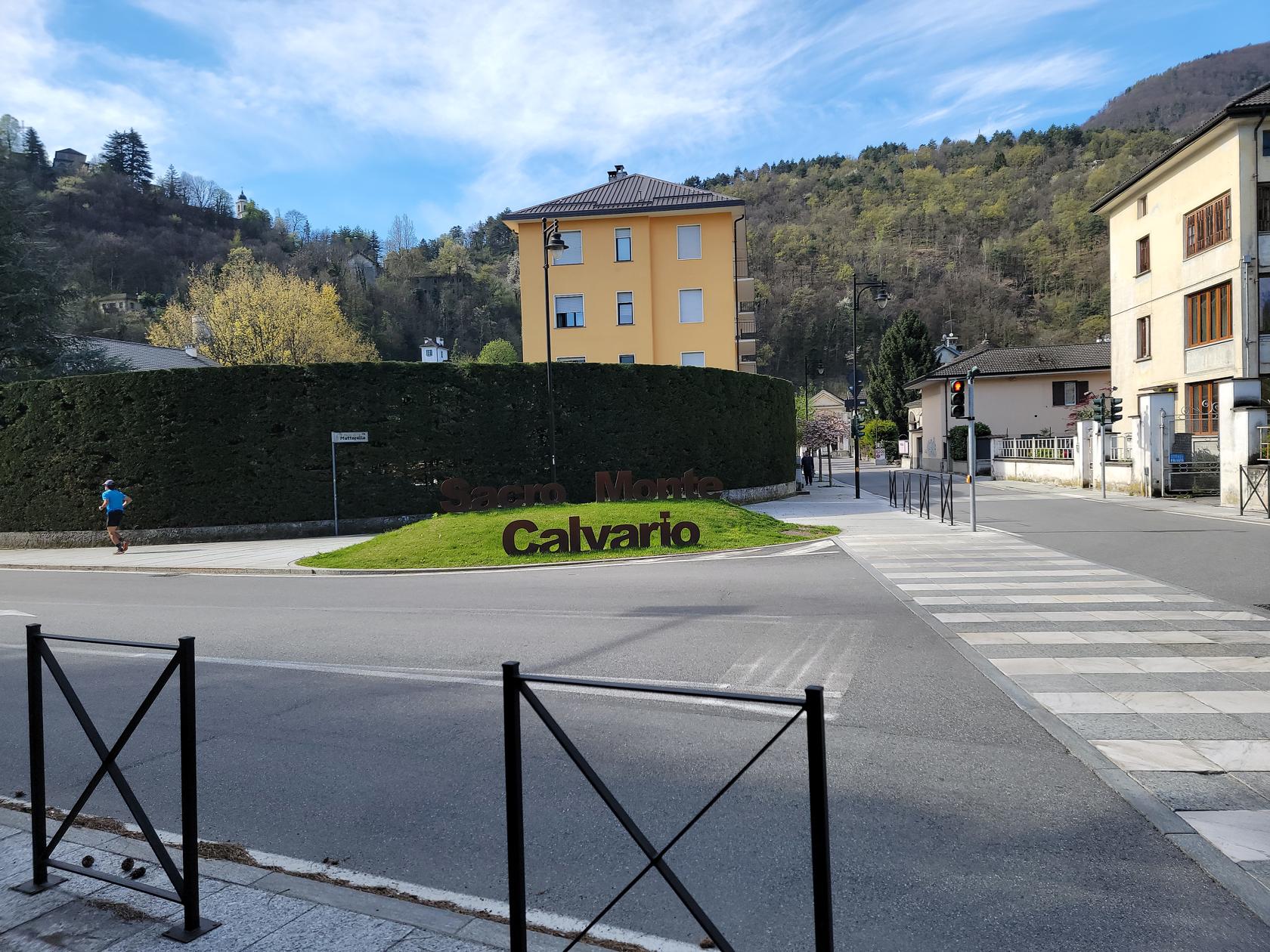
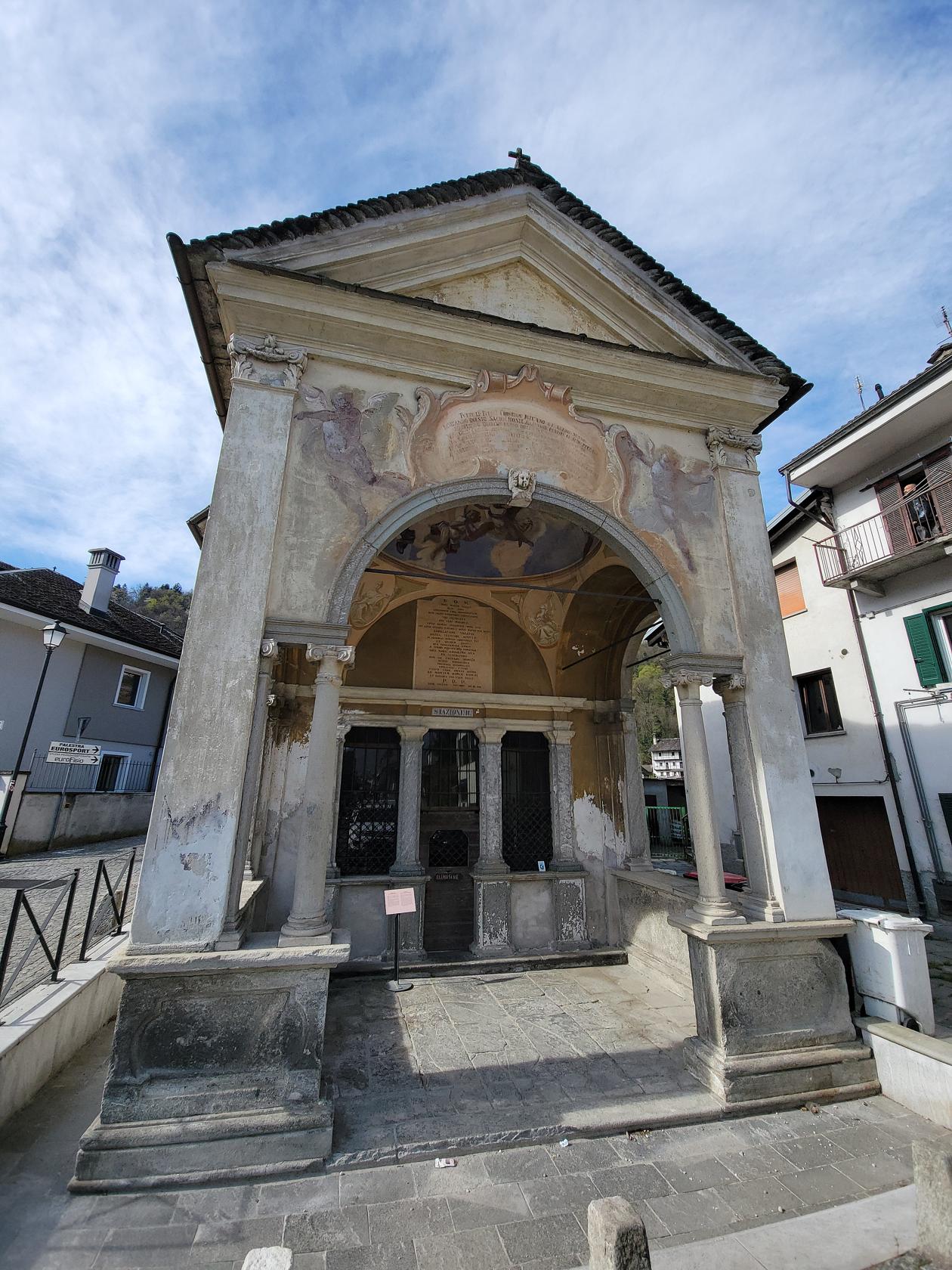
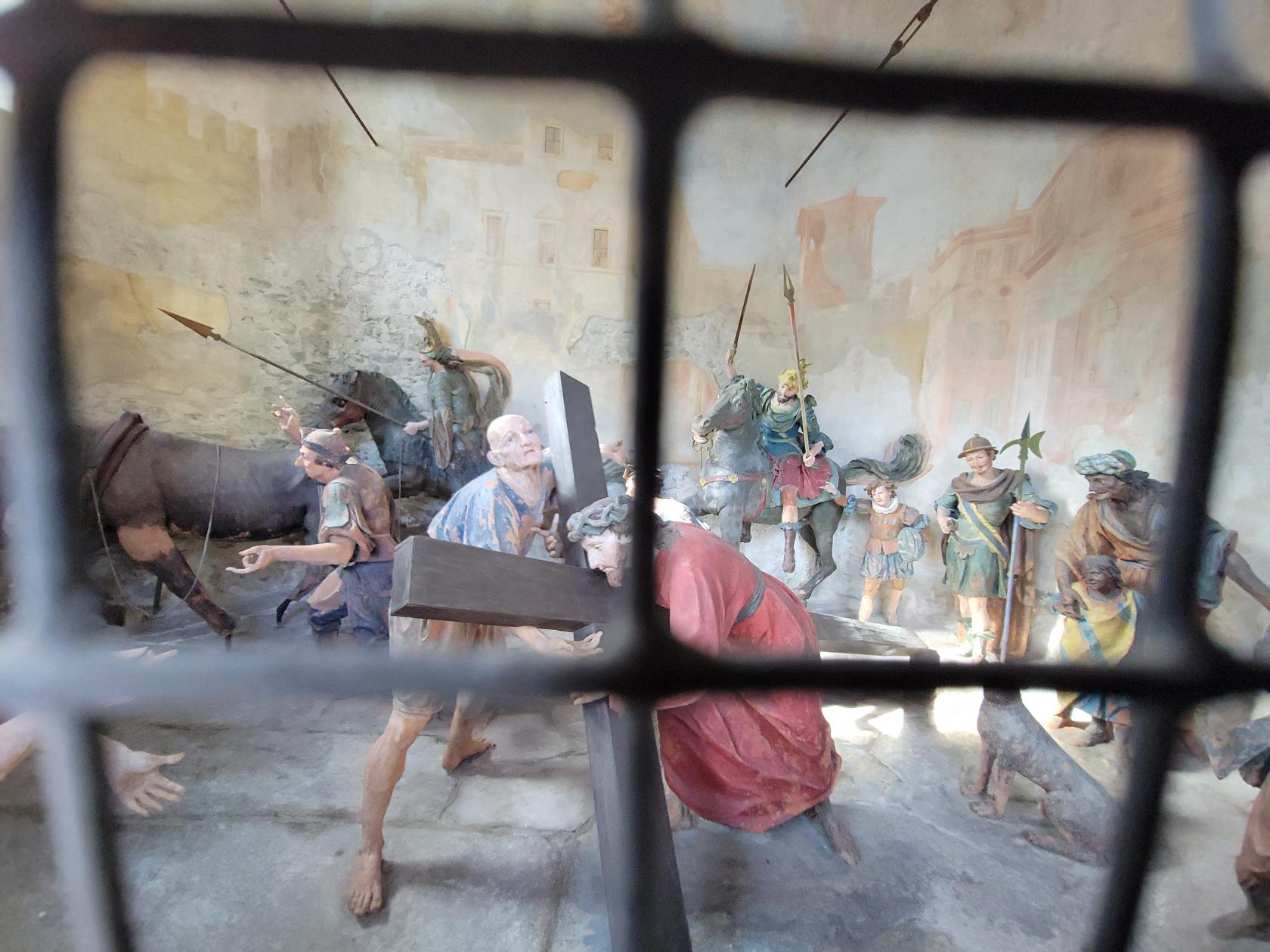
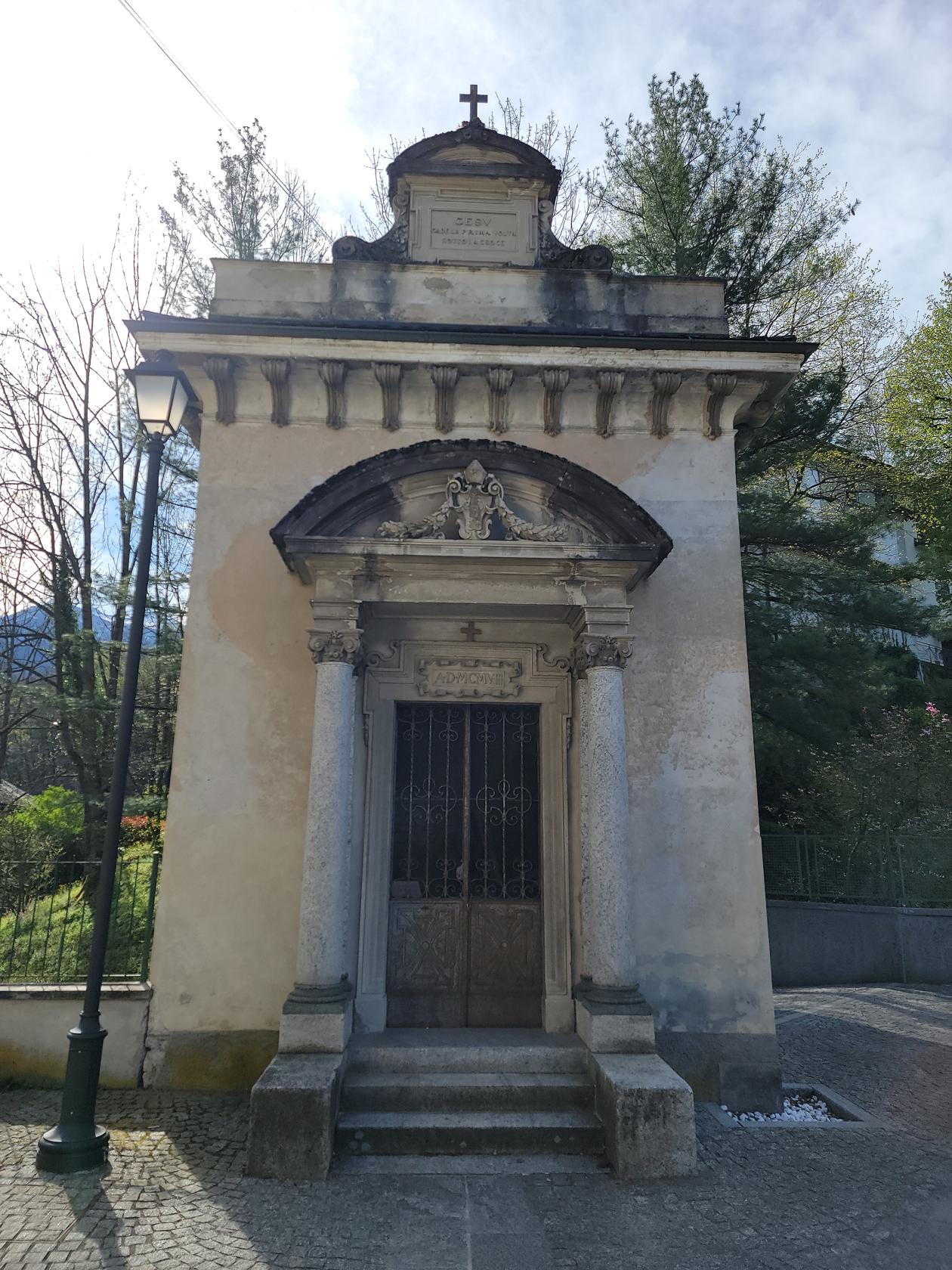
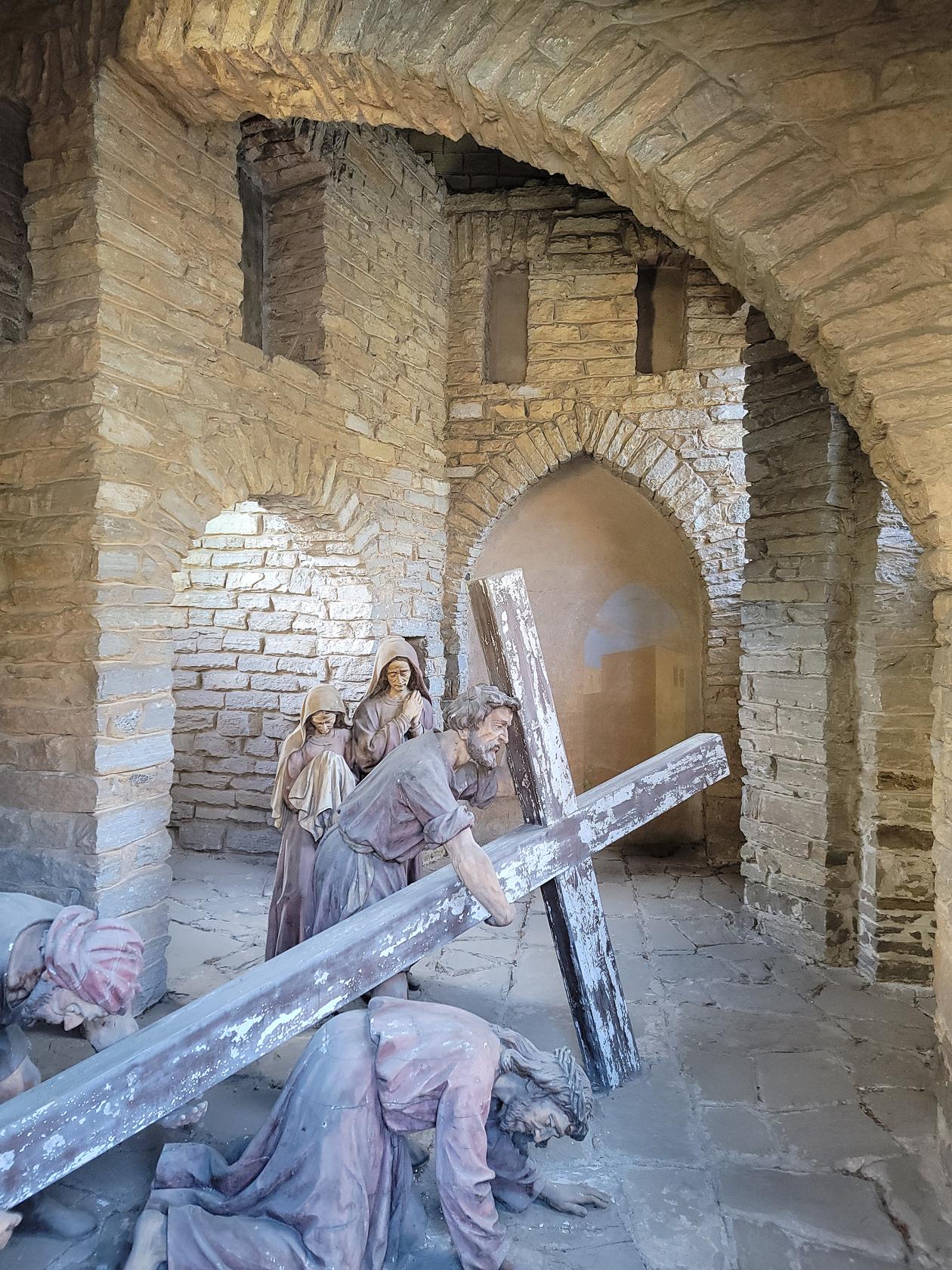
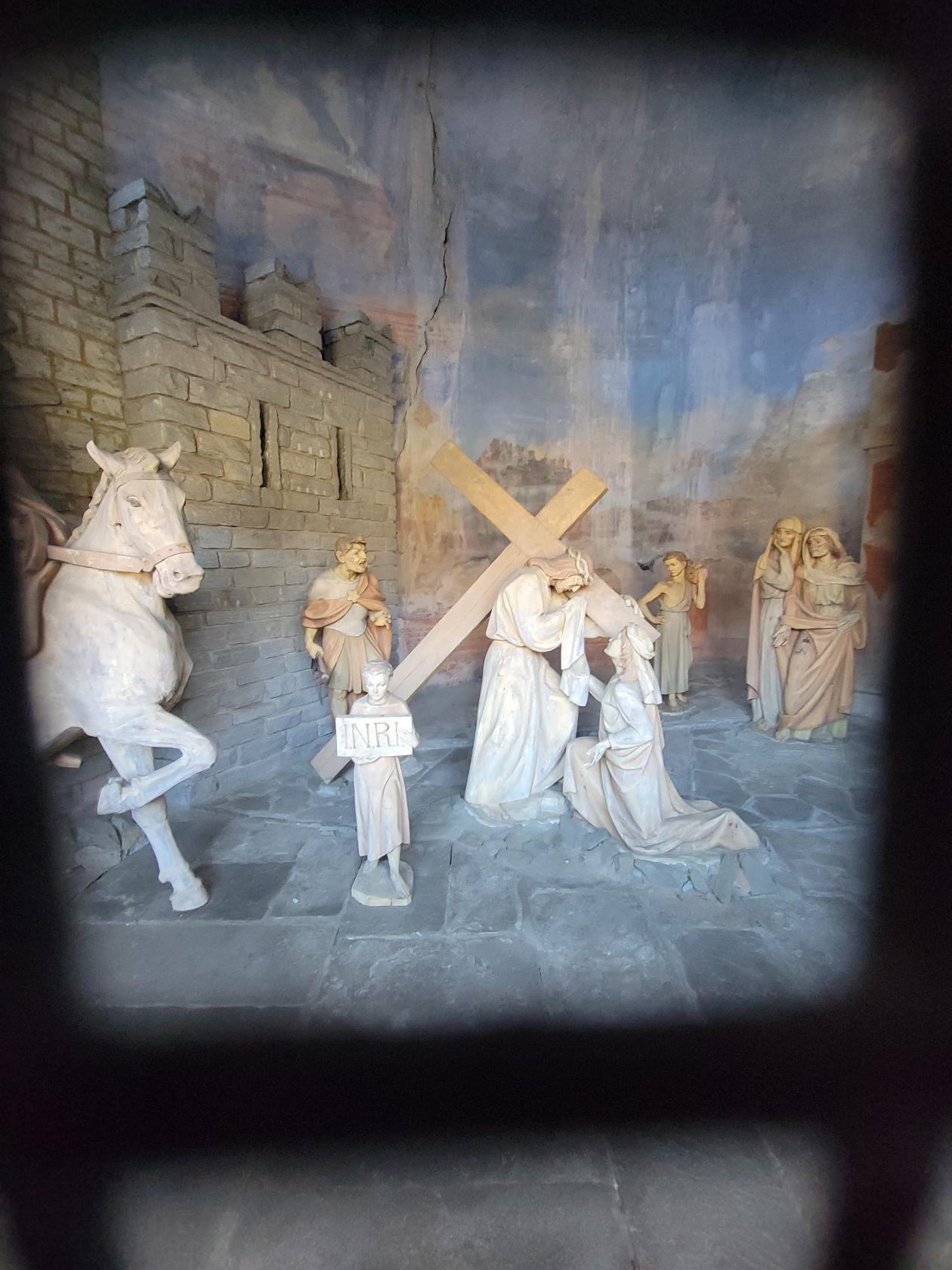
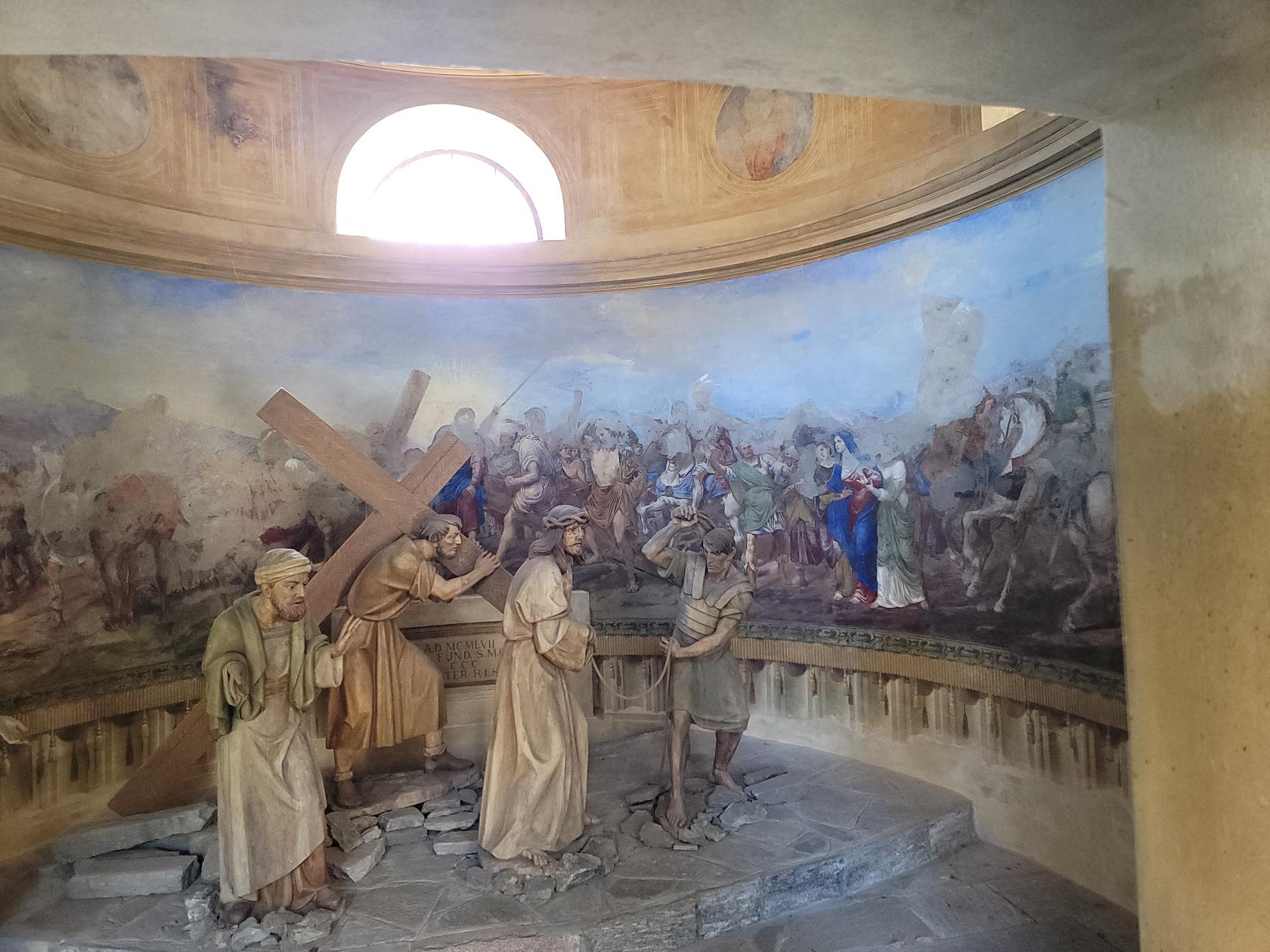
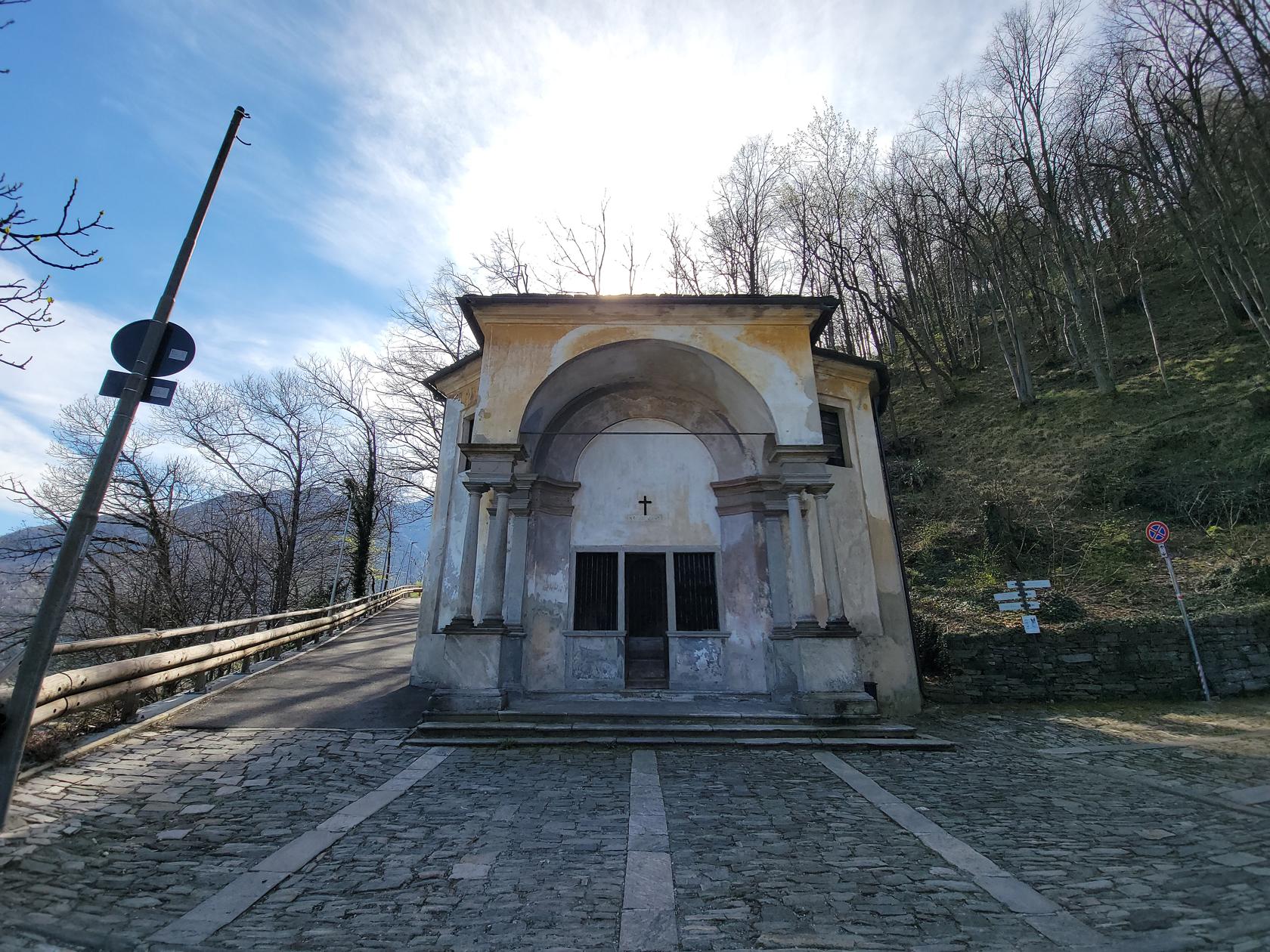
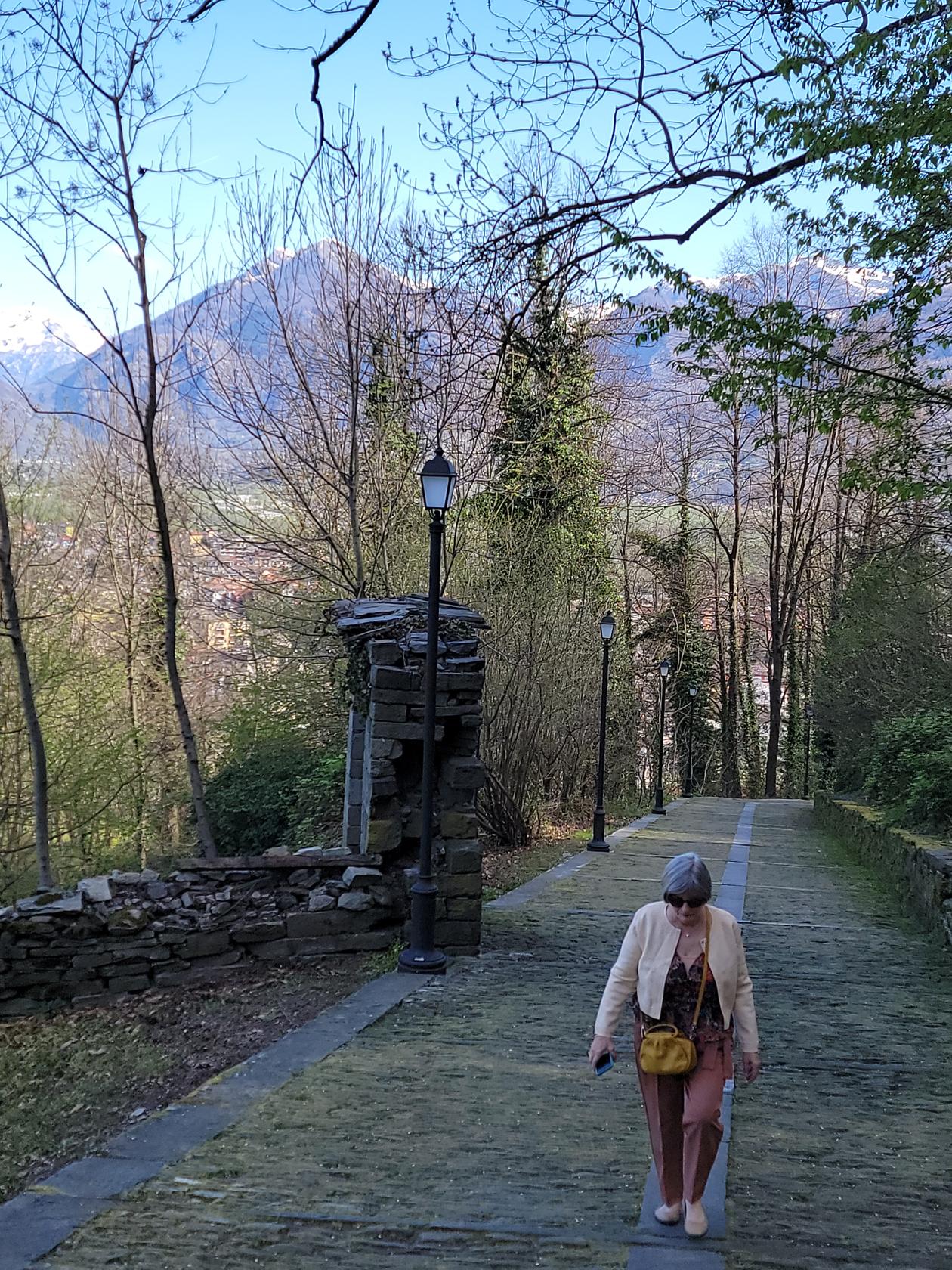
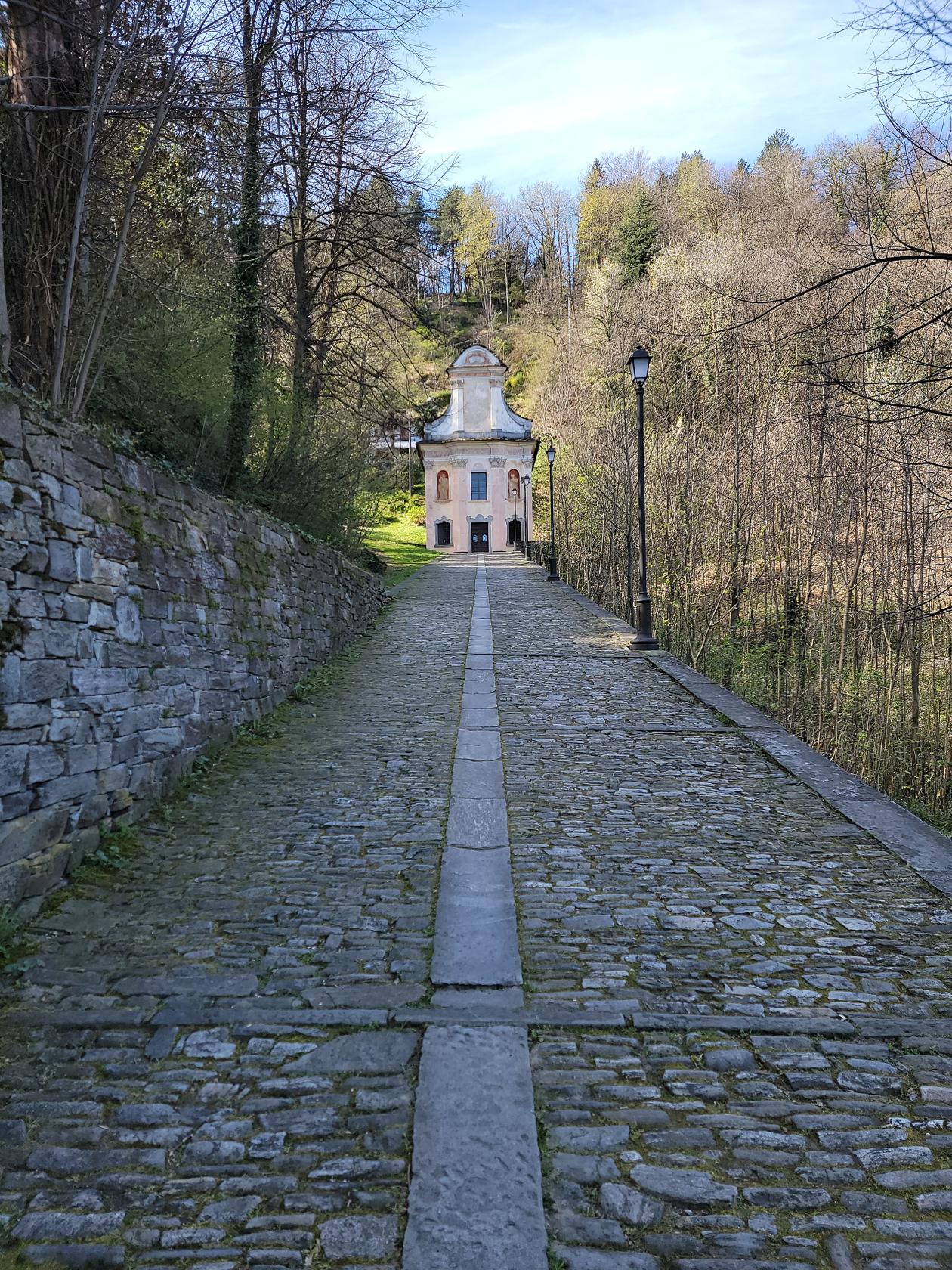
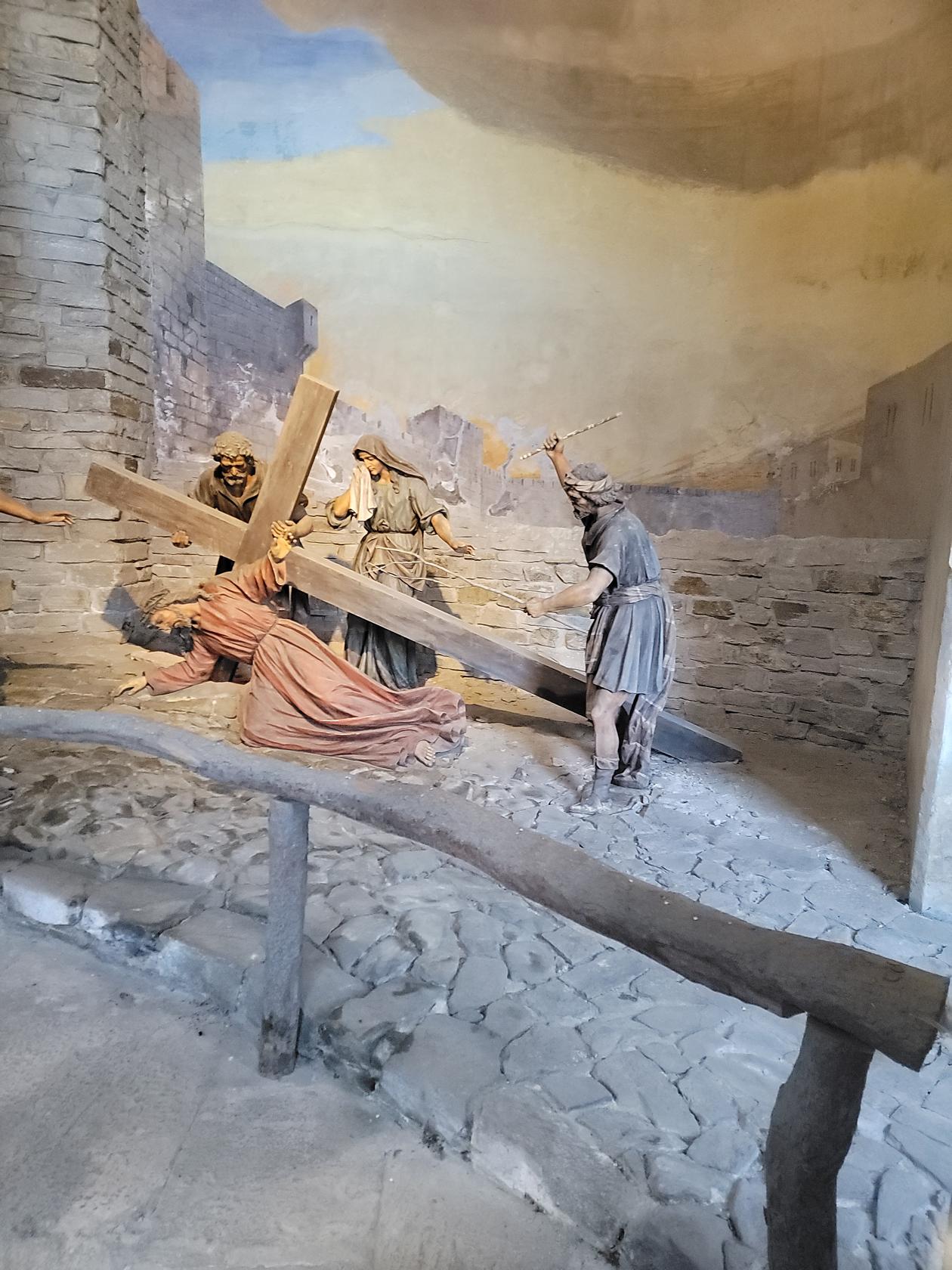
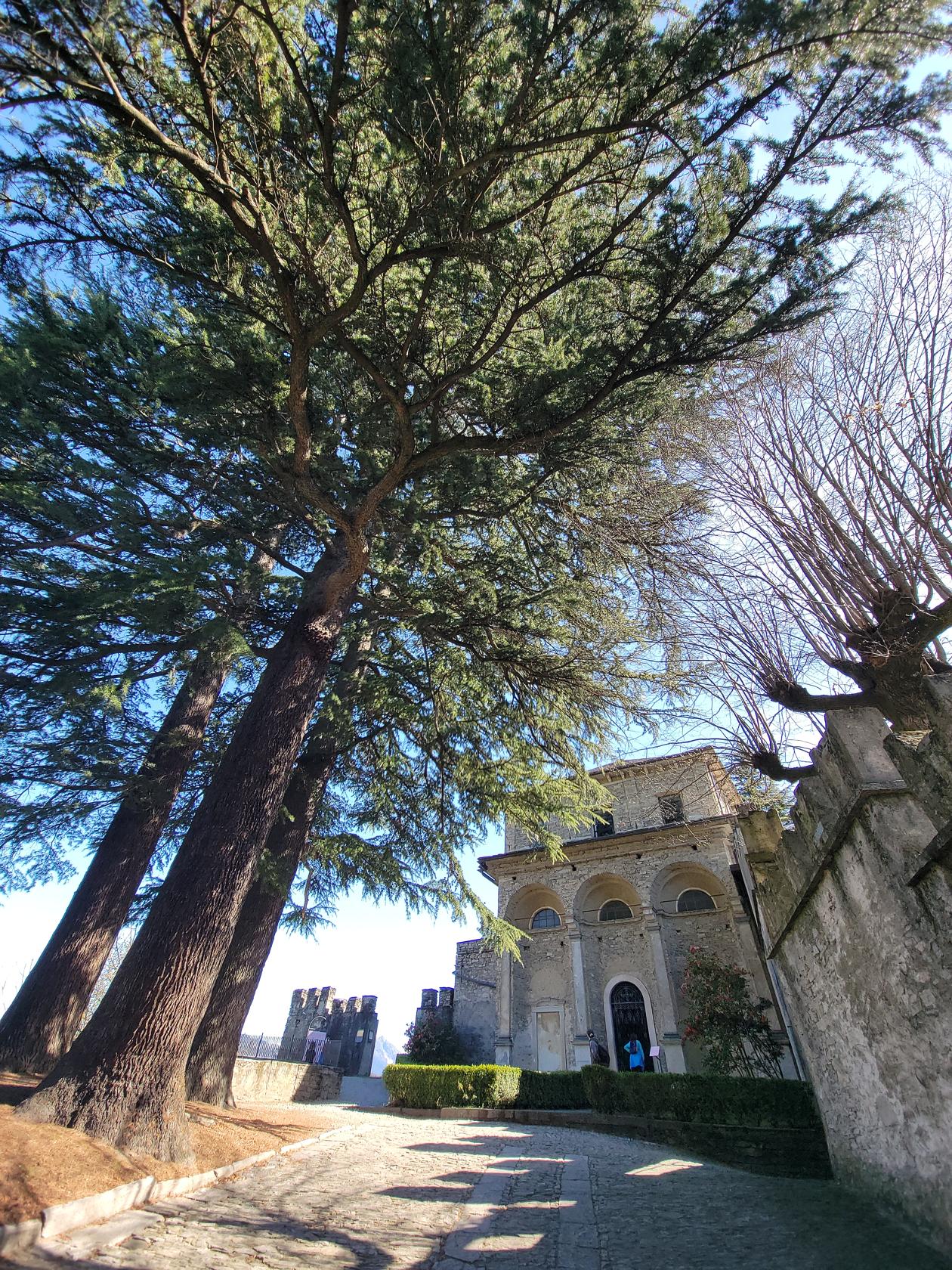
To see the fifteen chapels and stations of the cross, you have to climb Monte Calvario. You arrive at the mount by the Via Calvario, a street which can be found off the Via Matterella.

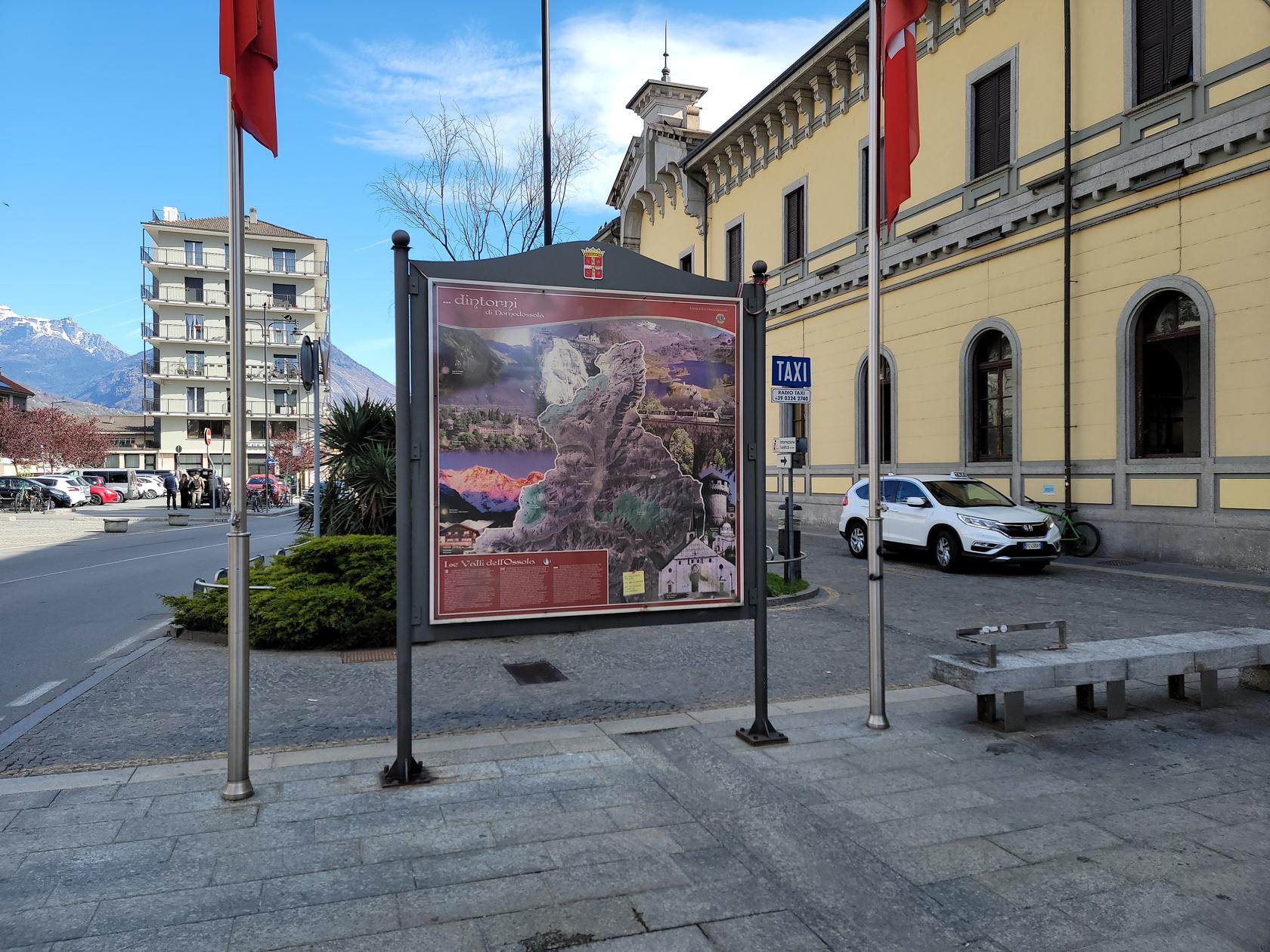
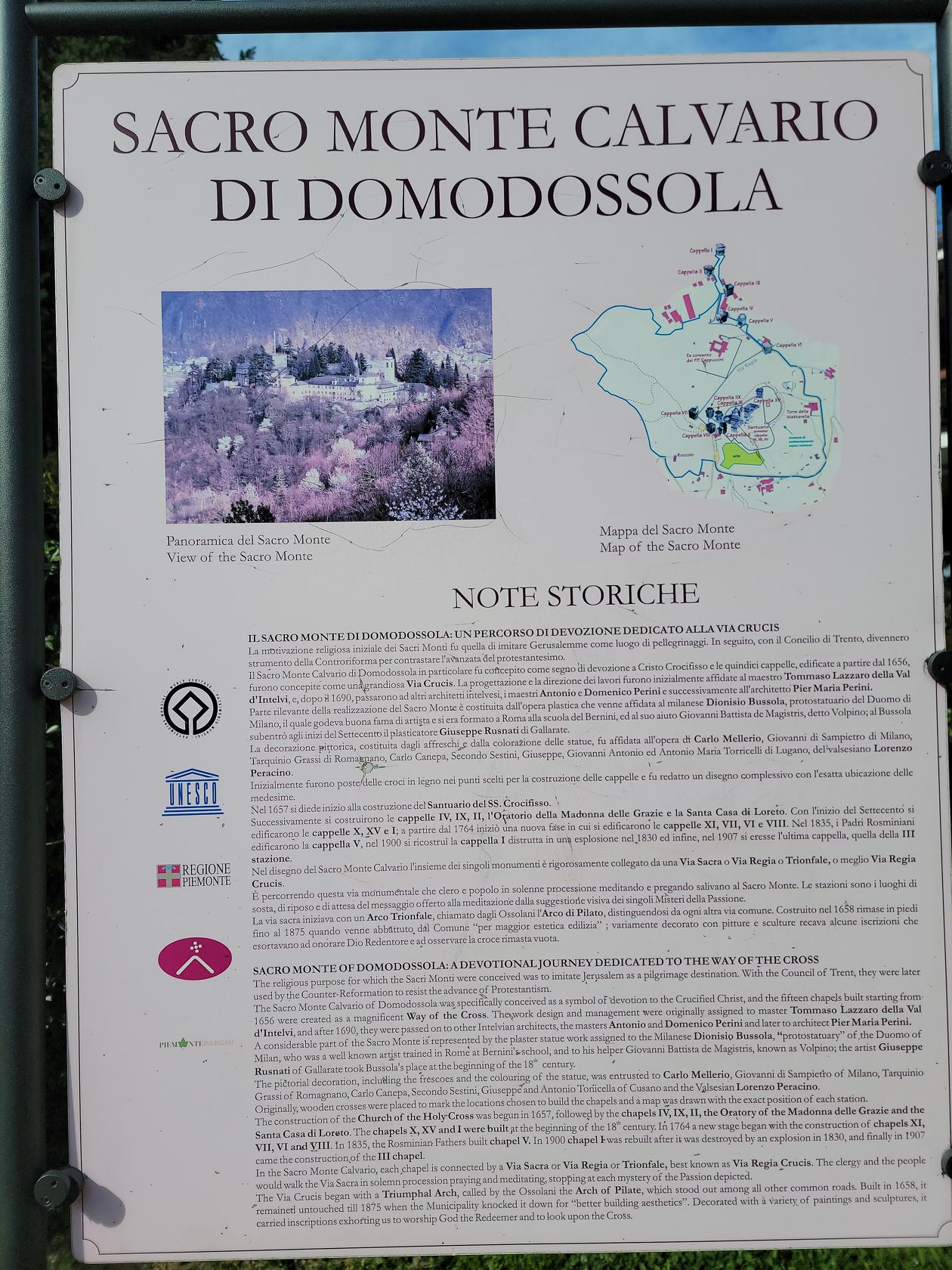
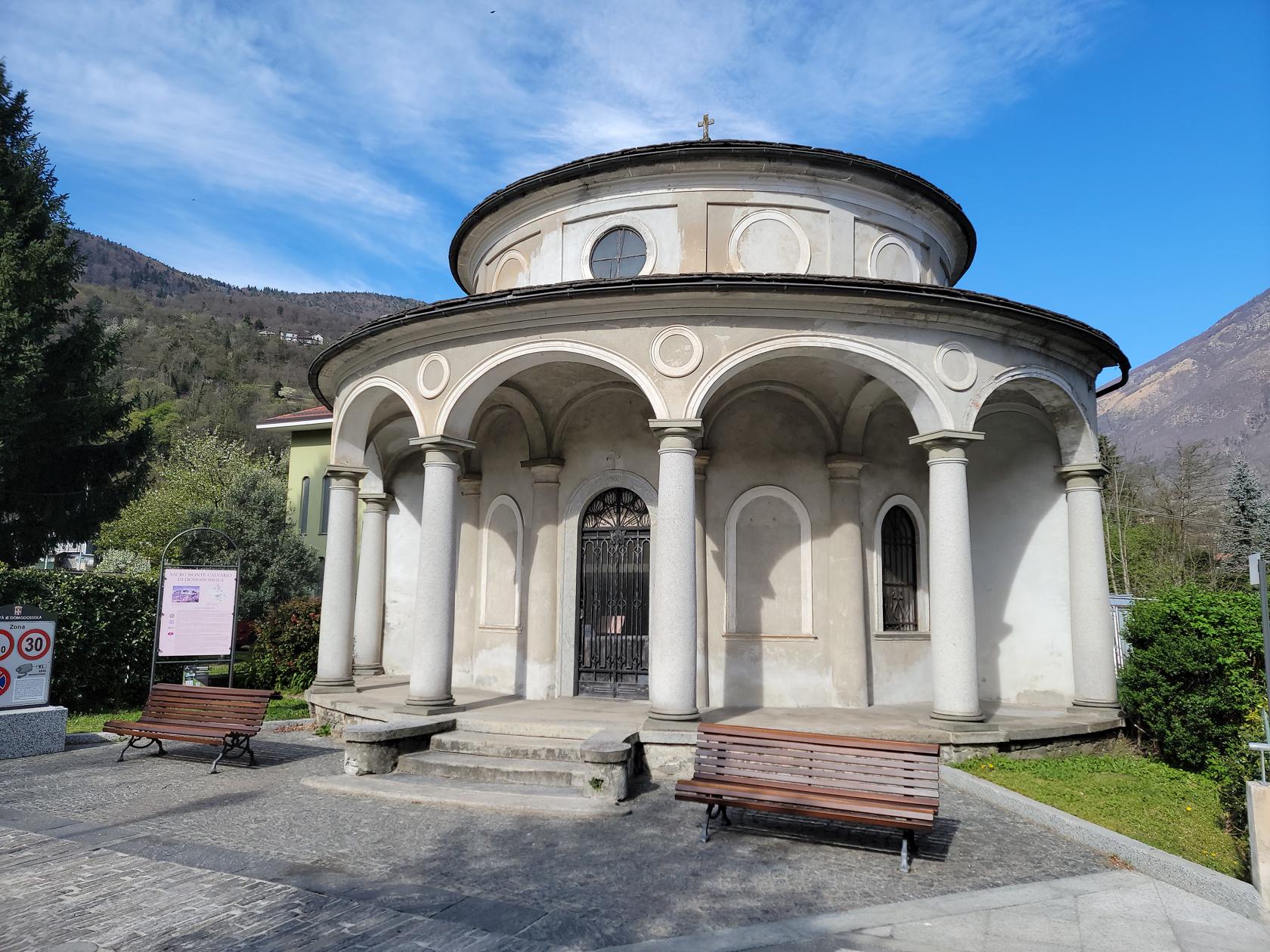
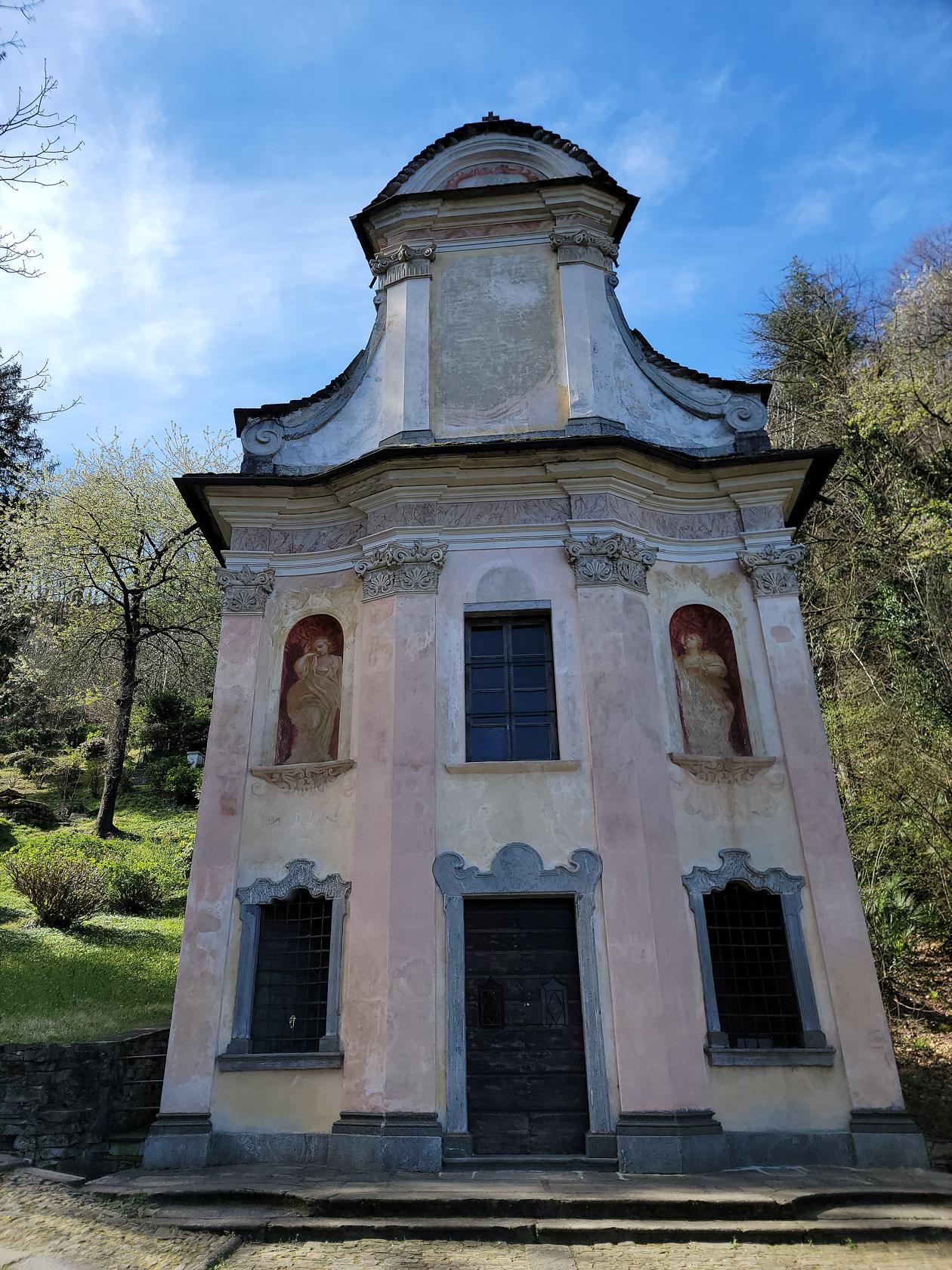
The first thing you will see is a small church or chapel with a large sign explaining the origins, history and design of the entire idea.

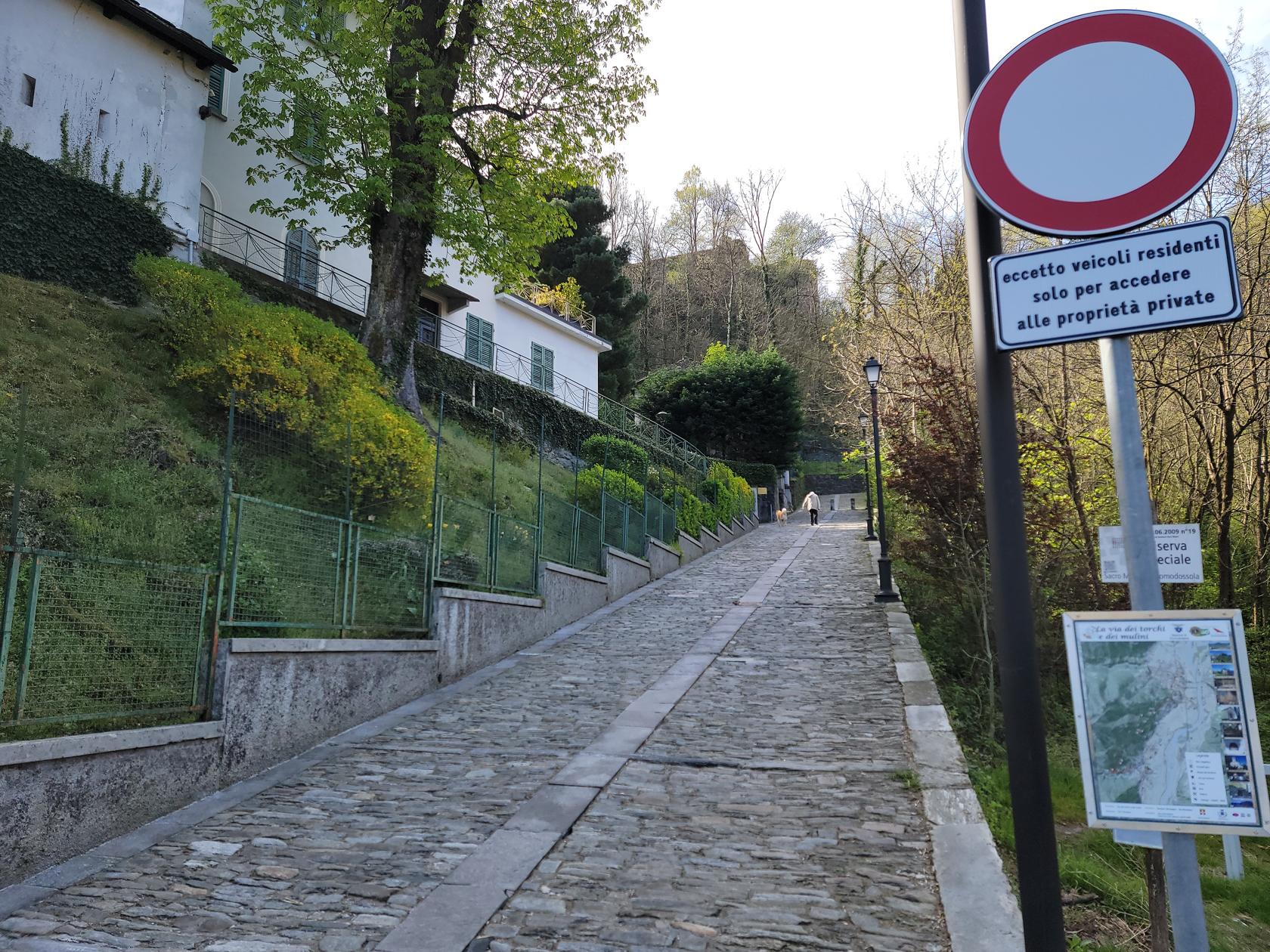
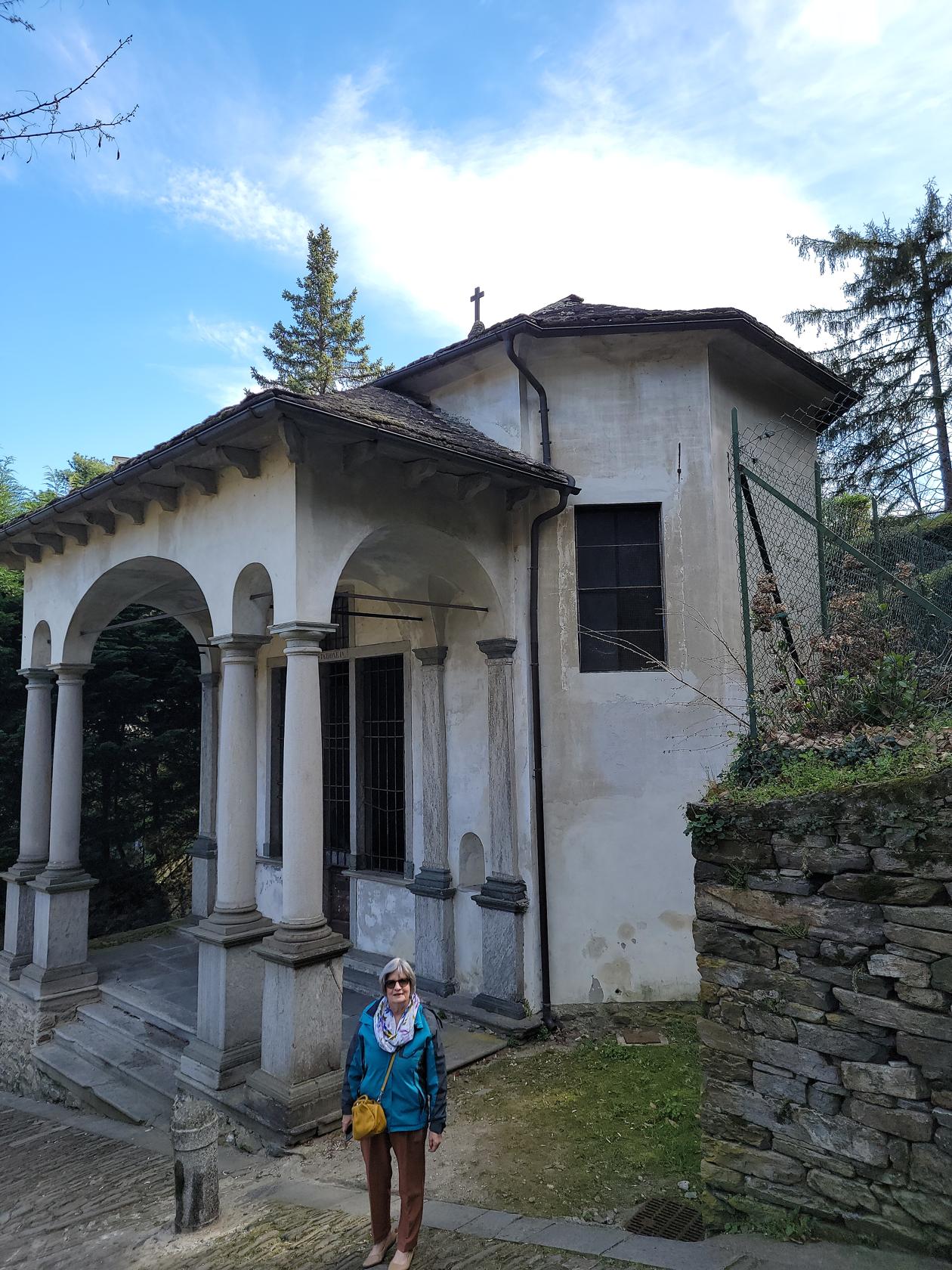
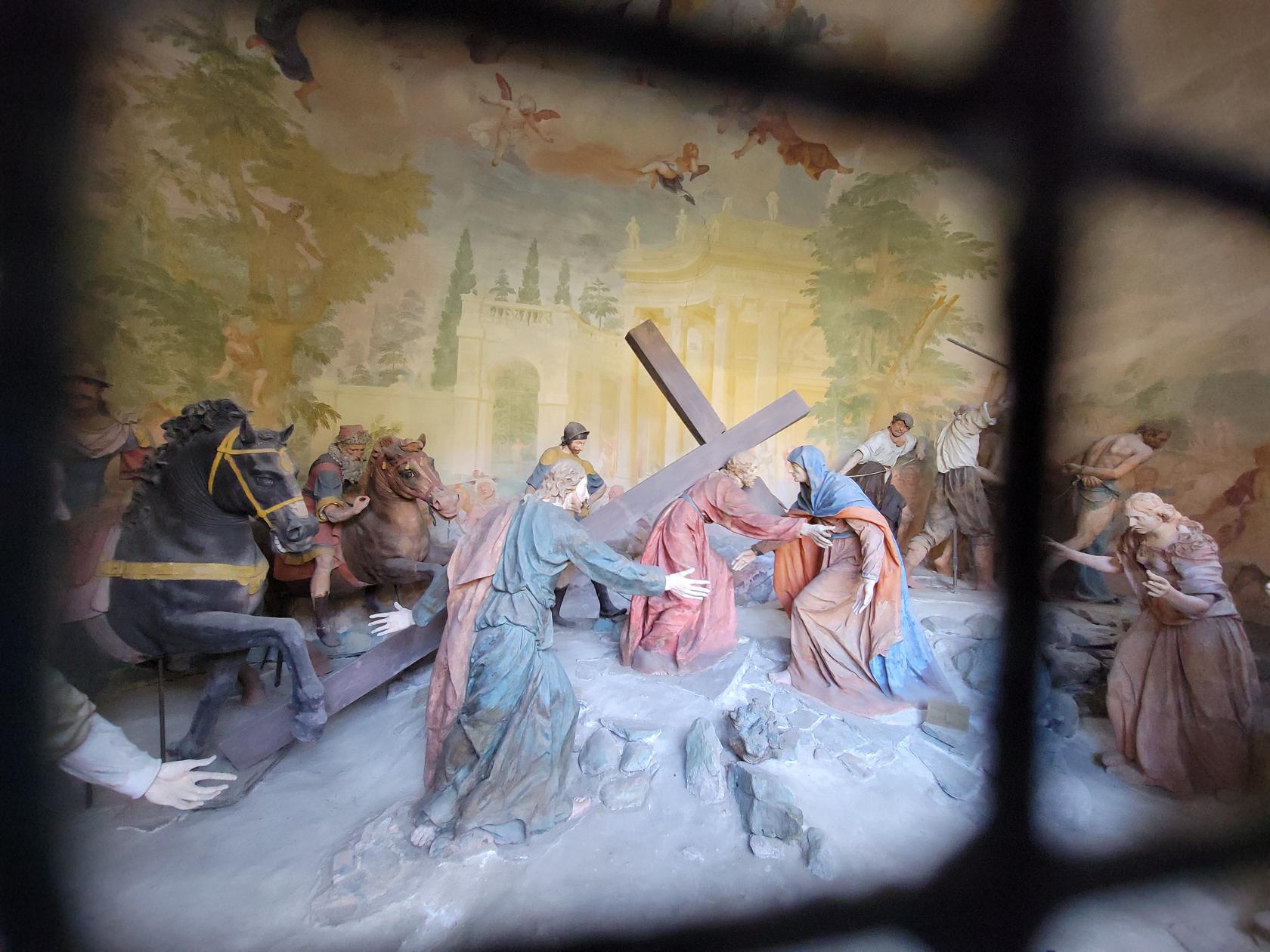
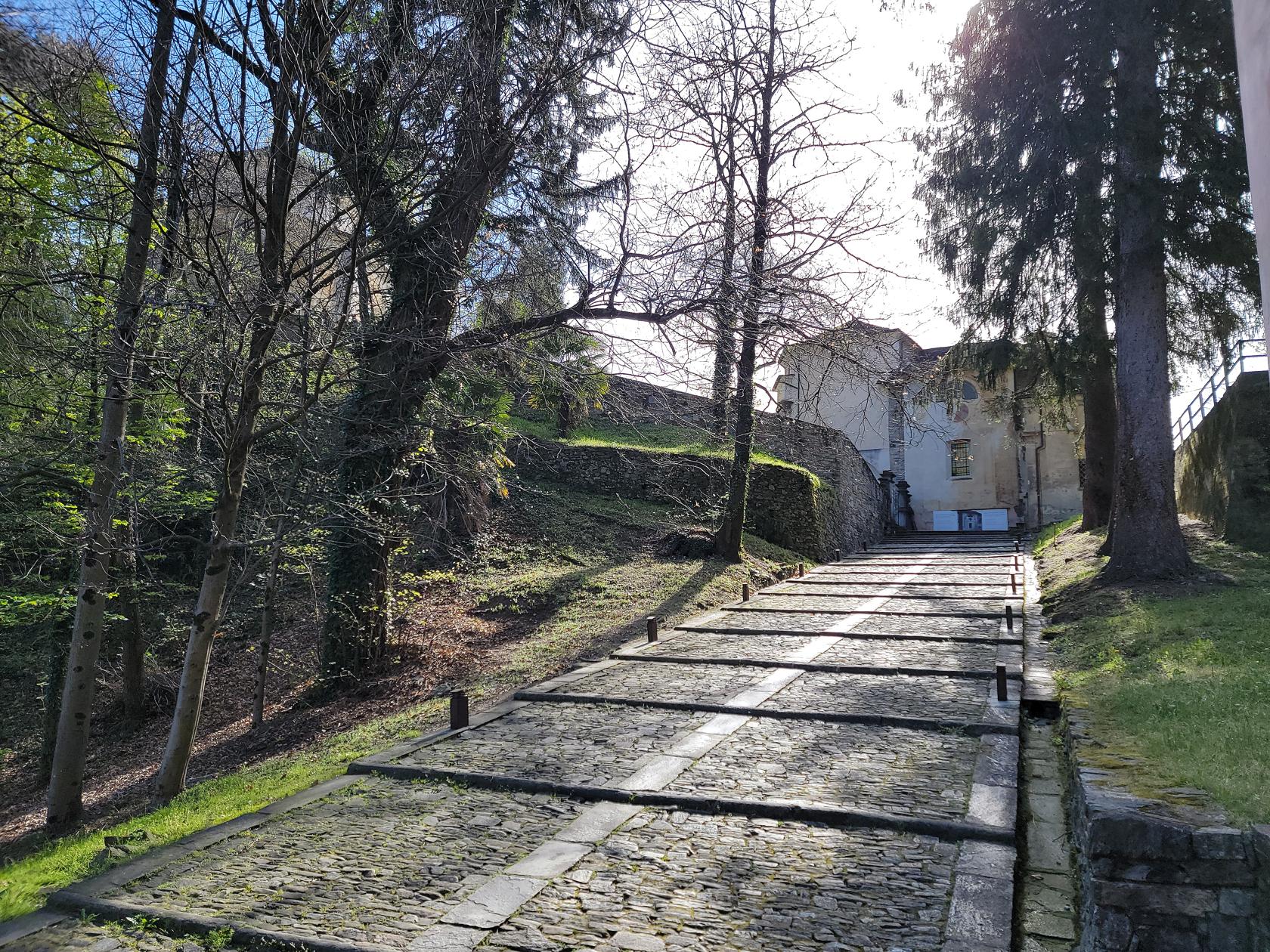
A bit further down this road will be the start of the Via Calvario. At first, the first four chapels come fast and furious.


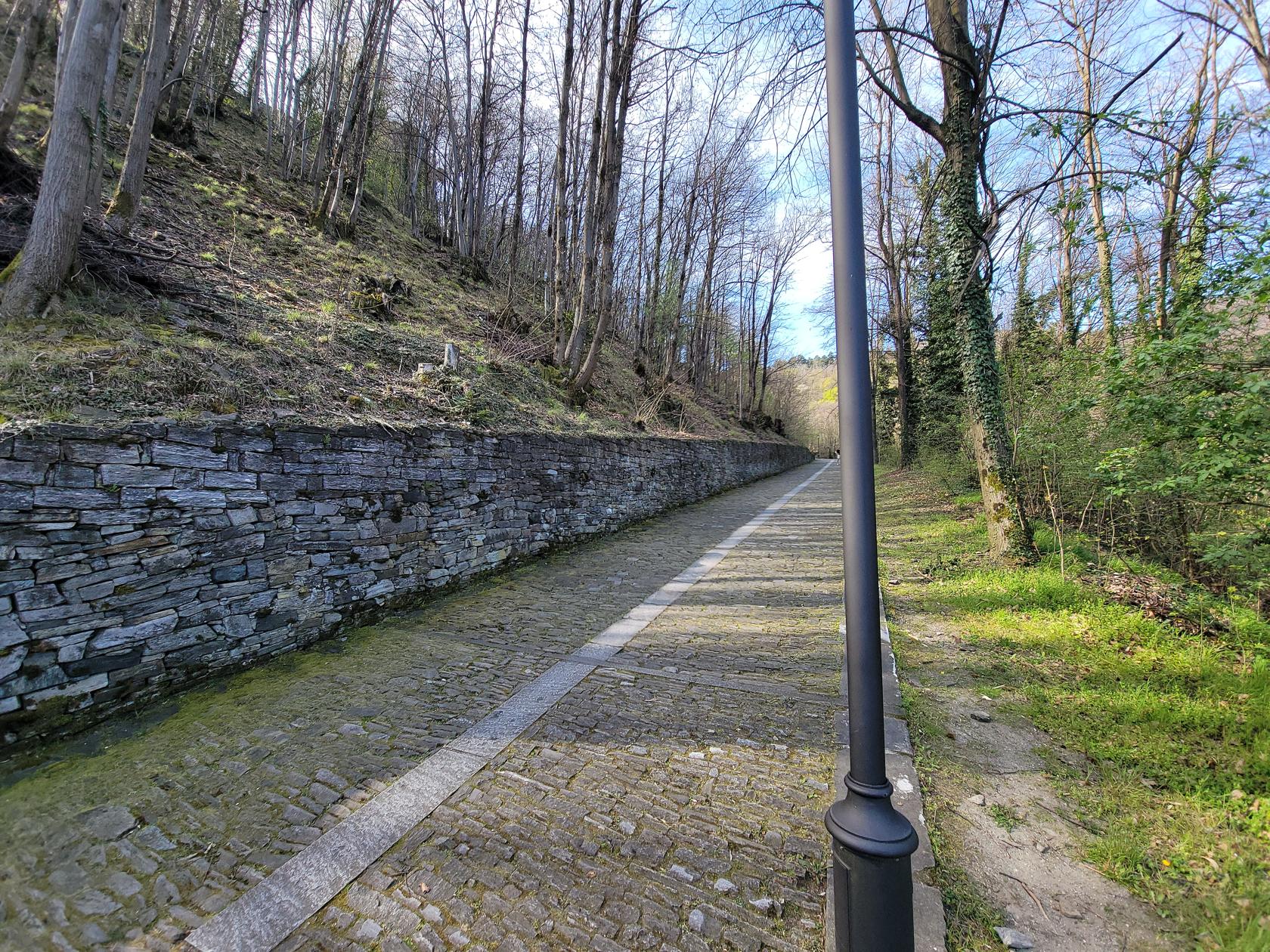
Once the road starts to incline, it might be better to walk on the flat pavement stones in the middle, or the outer edges if you have to, because after a short while the vertically set stones will take a toll on your feet.

Then the incline increases and it takes a bit longer to get to the next four. But, our weather was extremely pleasant, sunny and in the middle sixty degrees Fahrenheit.

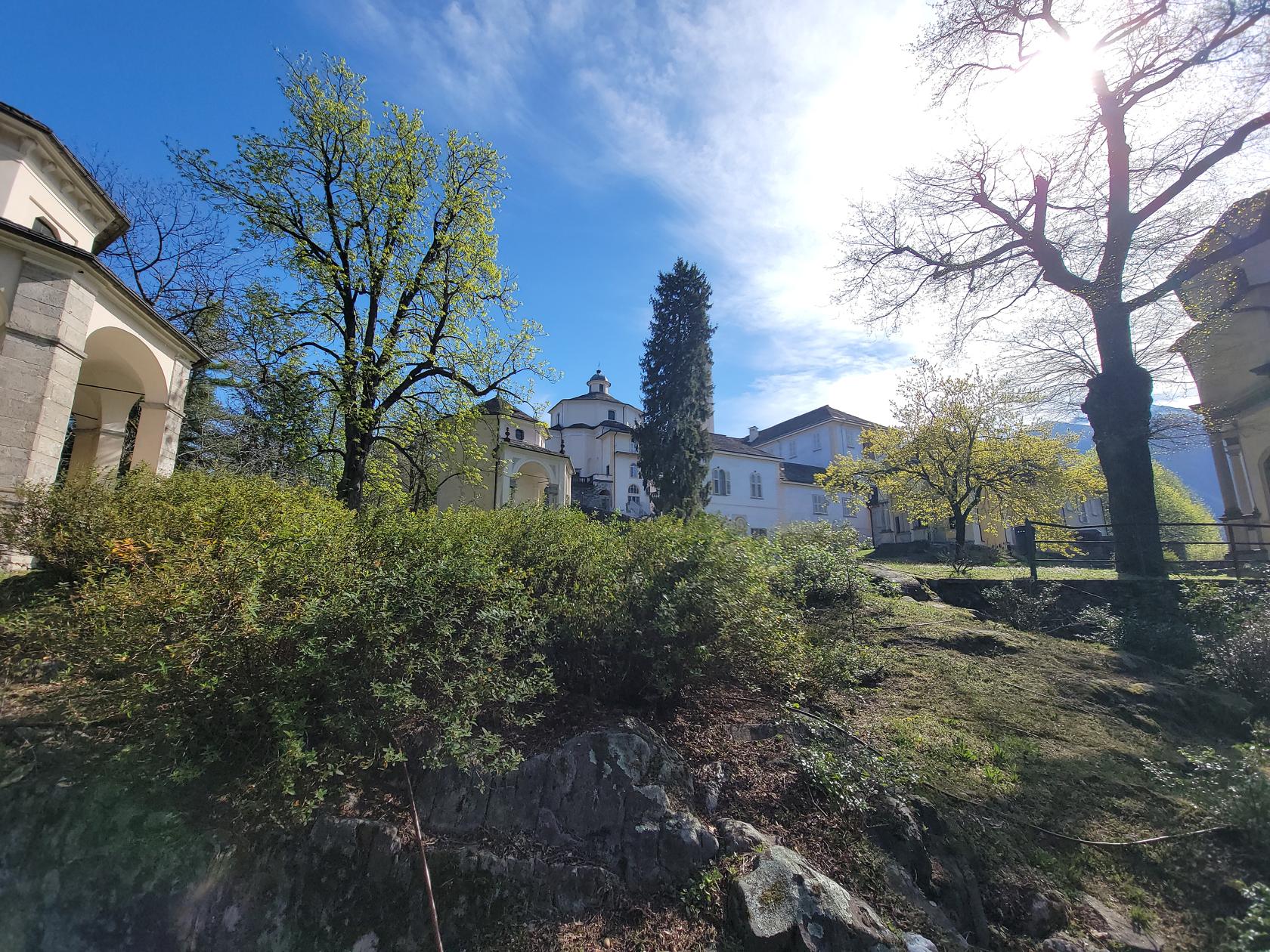
Once you have reached the eigth station, you are more on less on the top of the mount. Here you will find the remaining four, eight, nine, ten and eleven.

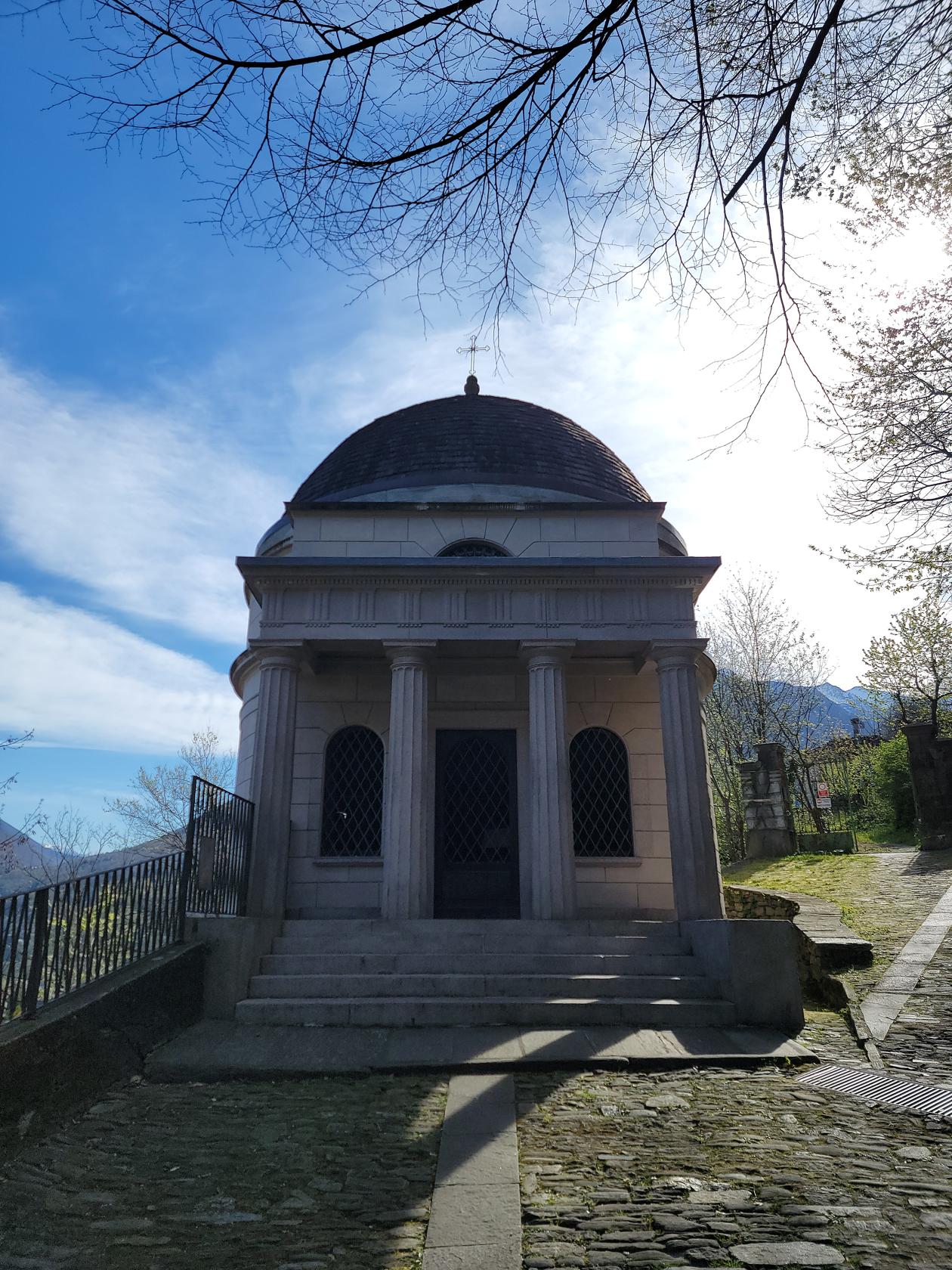
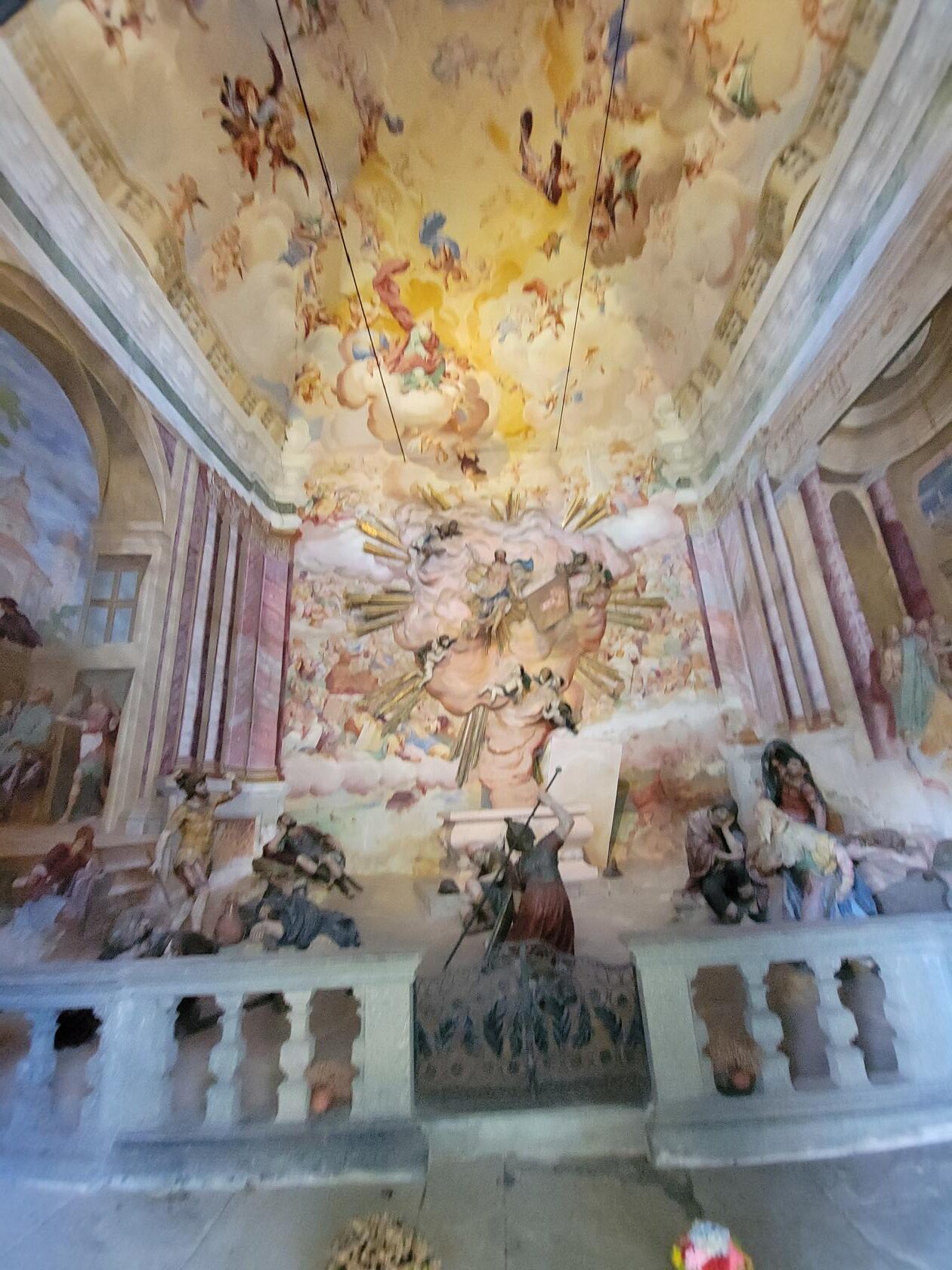
The twelfth and thirteenth are actually in the Church of the Holy Crucifix. A beautiful little church and chapel with real candles that may be lit for prayers.

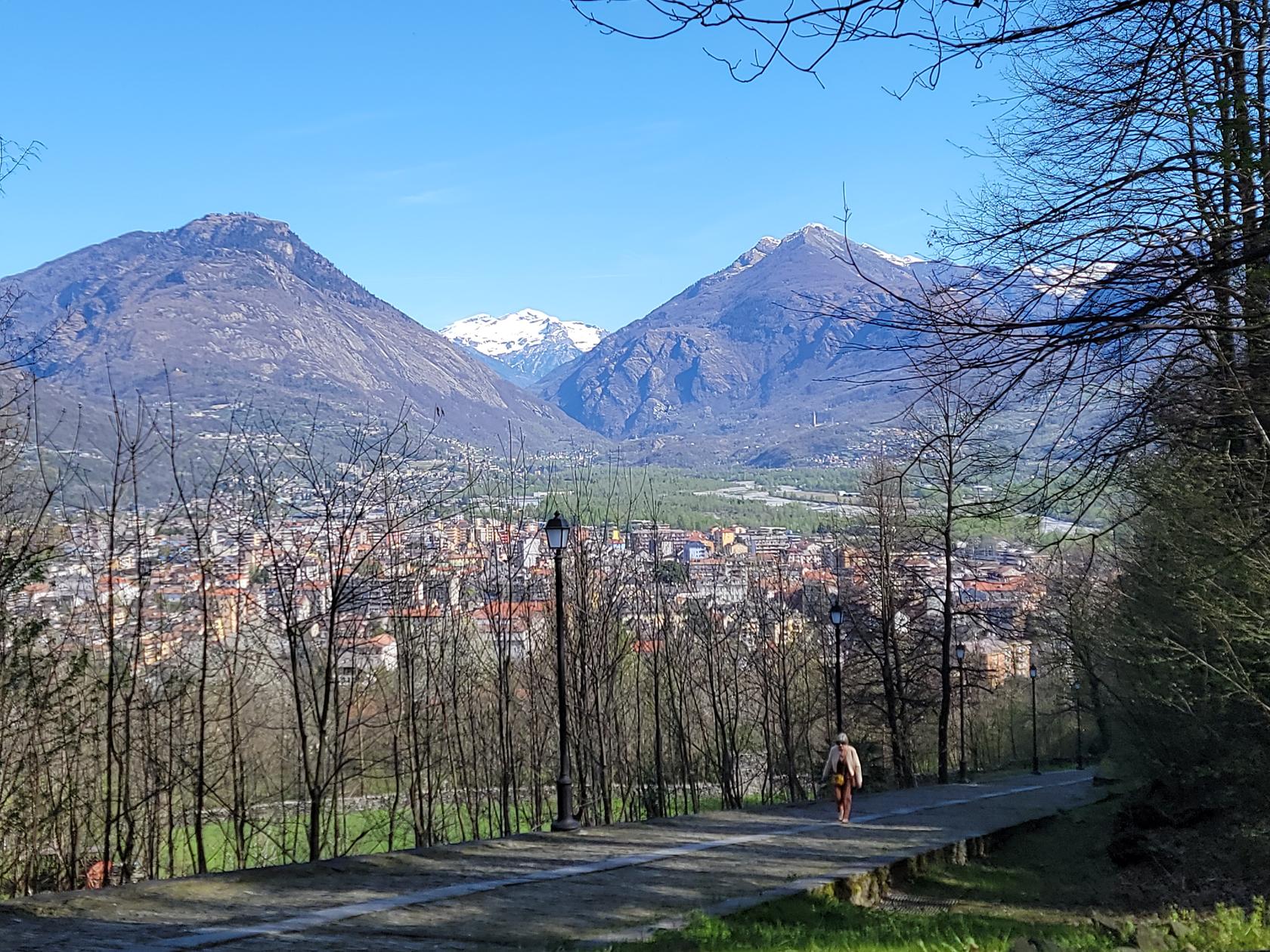
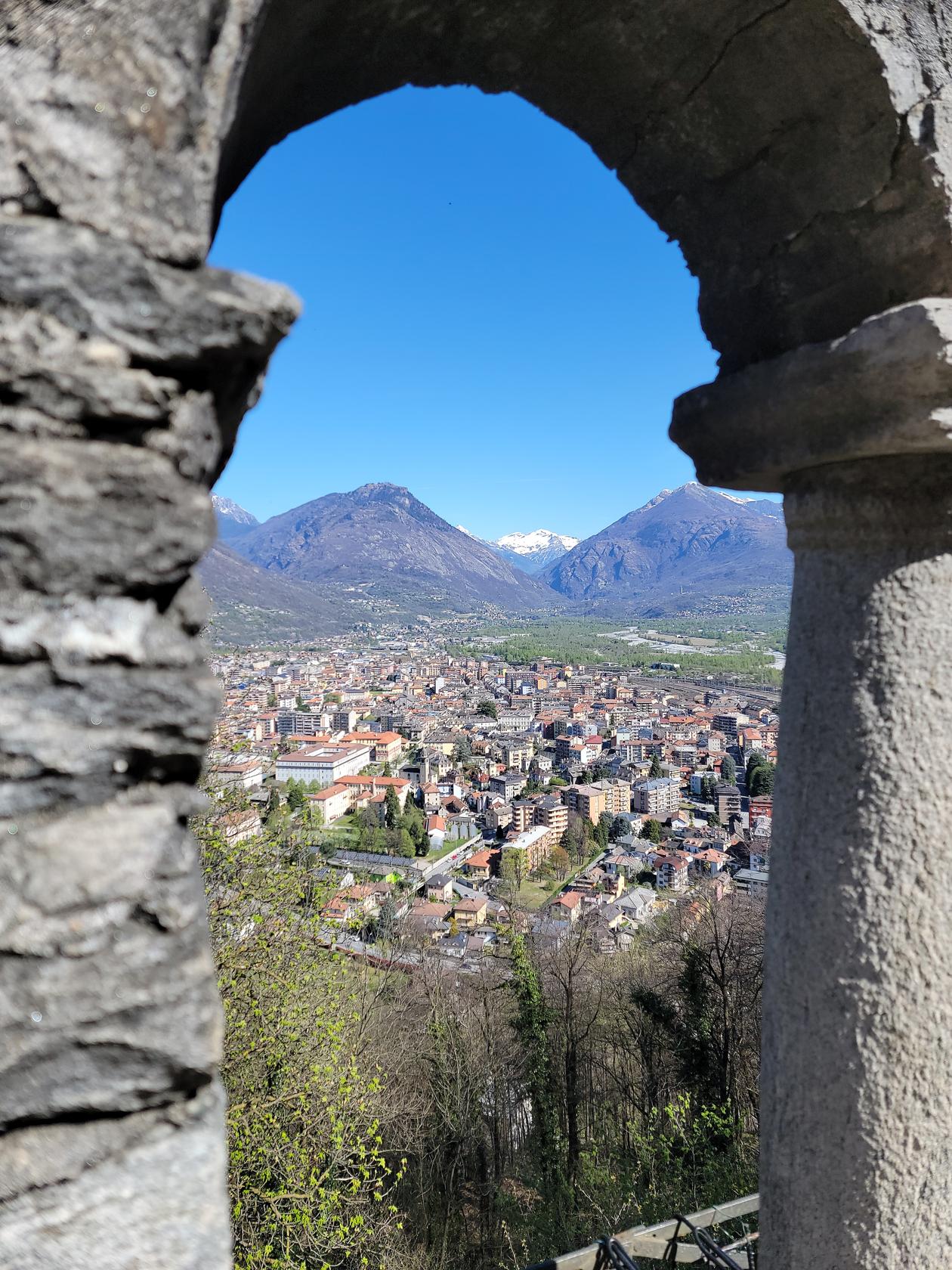
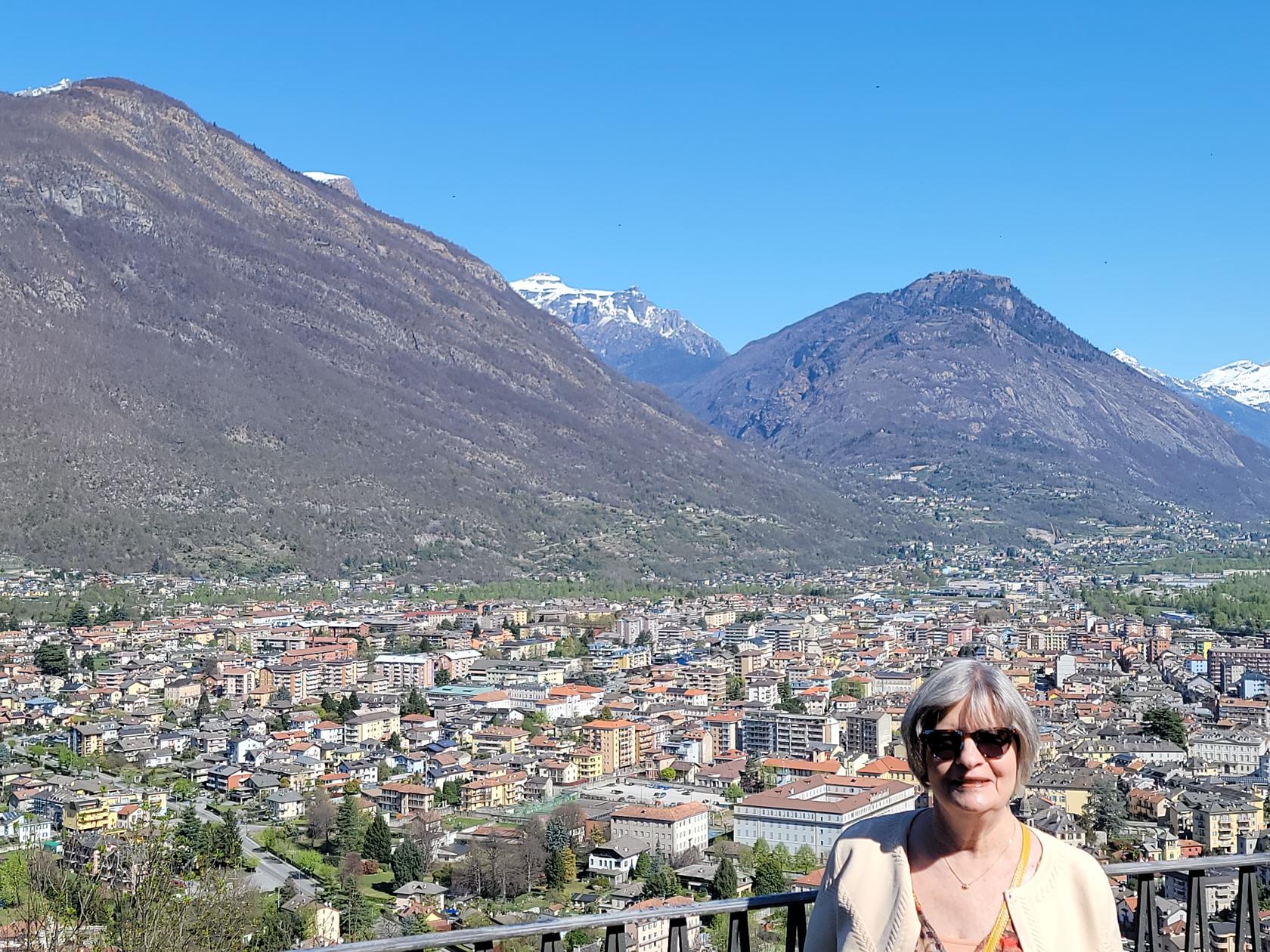
The remaining stations are outside again. We only managed to find the fifteenth station, since it is right next to an overview of the city. The other, was below by the cafe, which we had no interest at that point in visiting.

Restaurants

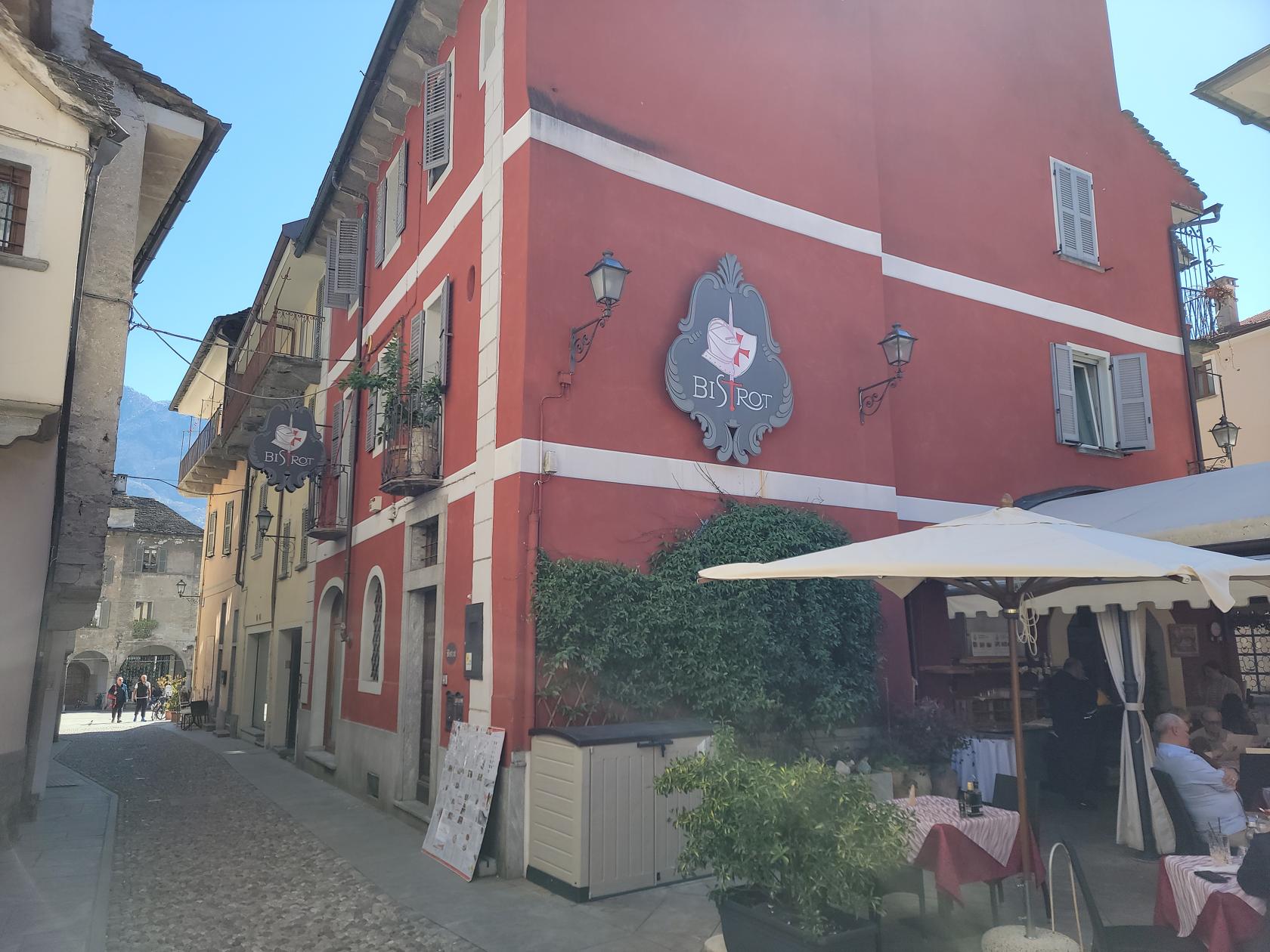
After walking the city for about an hour, we found a bistro for lunch. We only order salads and cannot say much about the quality of their steak, which seems to be their primary offering. However, had we known better, there was a quaint little Osteria not far from there that was actually serving an Easter dinner, with lamb and all usual italian side dishes. Oh well, our loss.

With this post we will note that we have seen a marked increase in restaurant prices. Not only for food, but drinks as well. Perhaps not exspensive as the States, but they are getting up there.

Restaurant Bistro Steak House

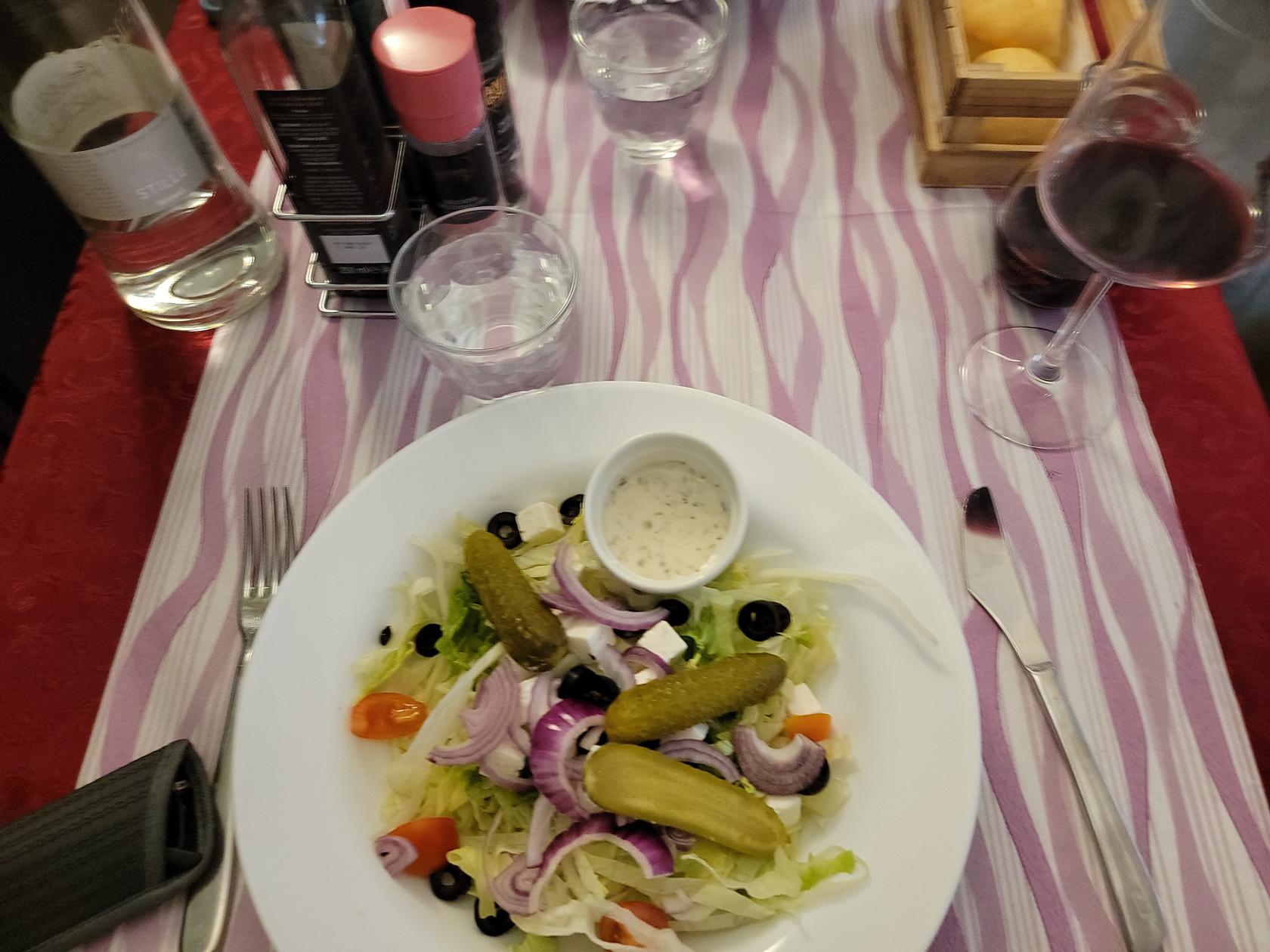
As a Insalata Greco goes, they were okay. About medium in size and they didn’t have a lot of Feta cheese on them, so the owner is a bit cheap. But the food was okay and not terribly expensive. I would say, if you have time, find somewhere else, but the food is fine otherwise, though you may find the service more than lacking, especially after you receive your food.

Another good tip, at least for here, but we have seen it elsewhere too. If you are done and have already told them so, get up and go to the bar (Cassa) and pay, don’t wait for them to come back. You may sprout some new grey hairs if you do.

Luzern, Switzerland – Day Trip

Luzern For A Day

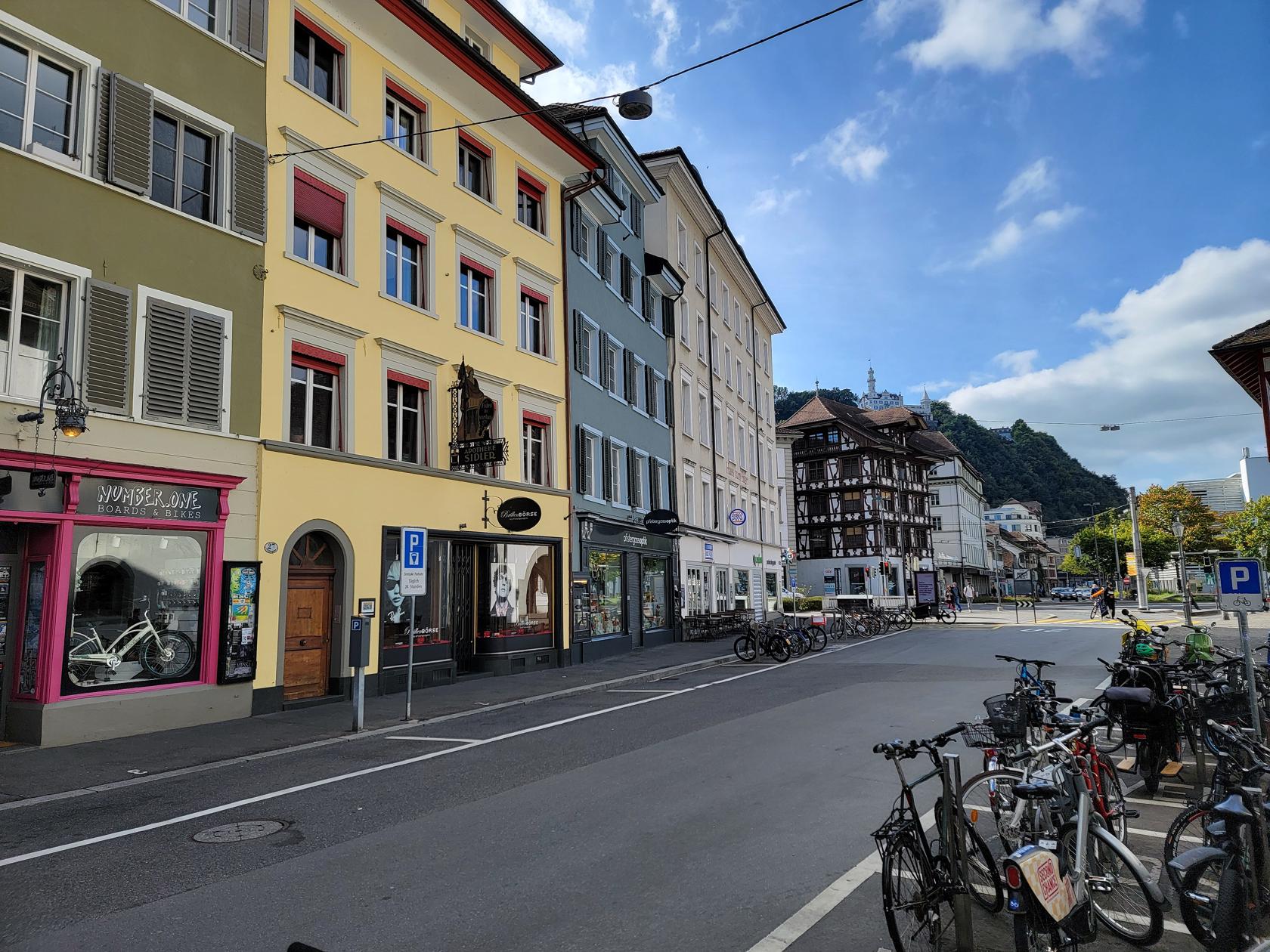
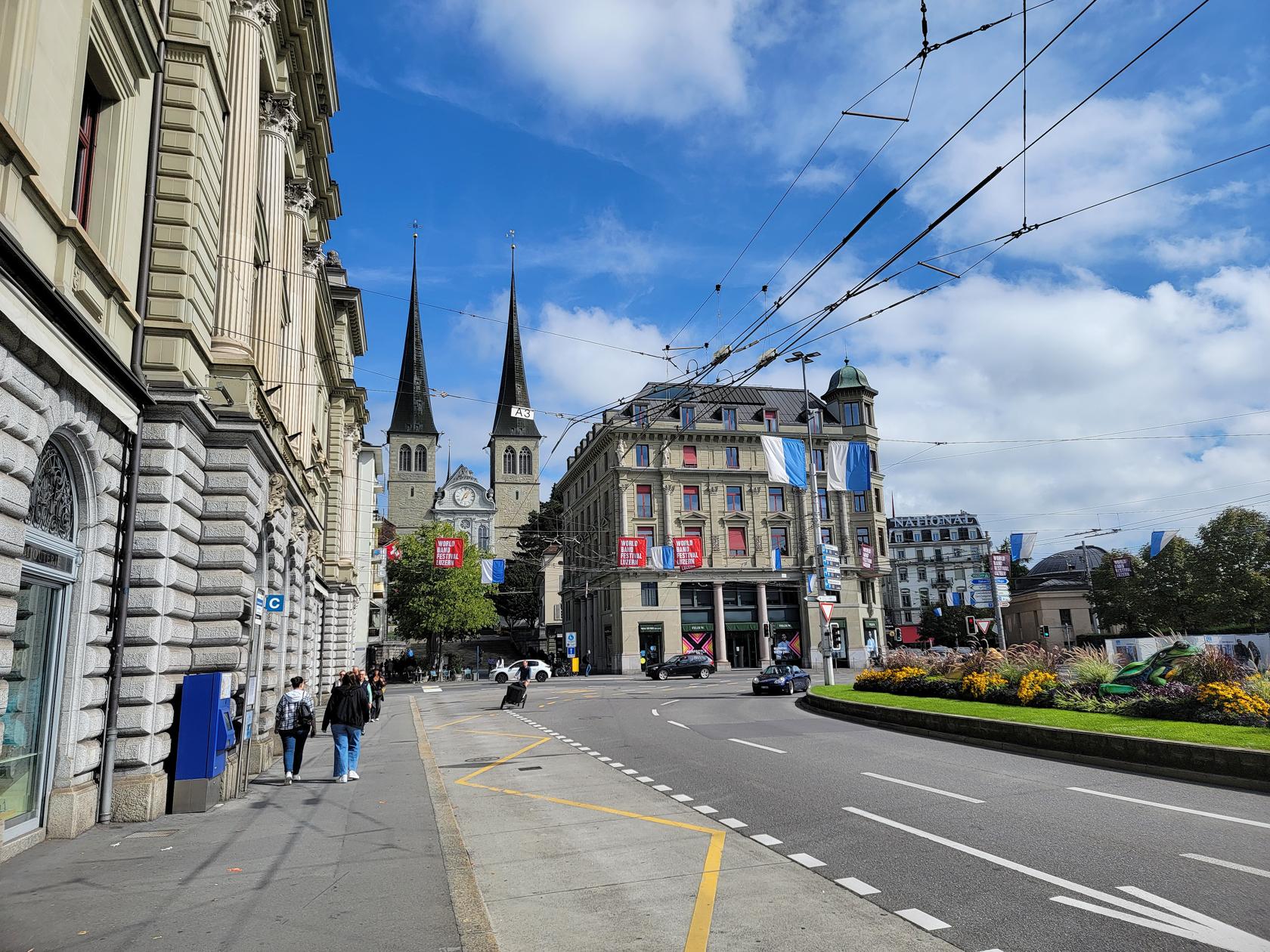
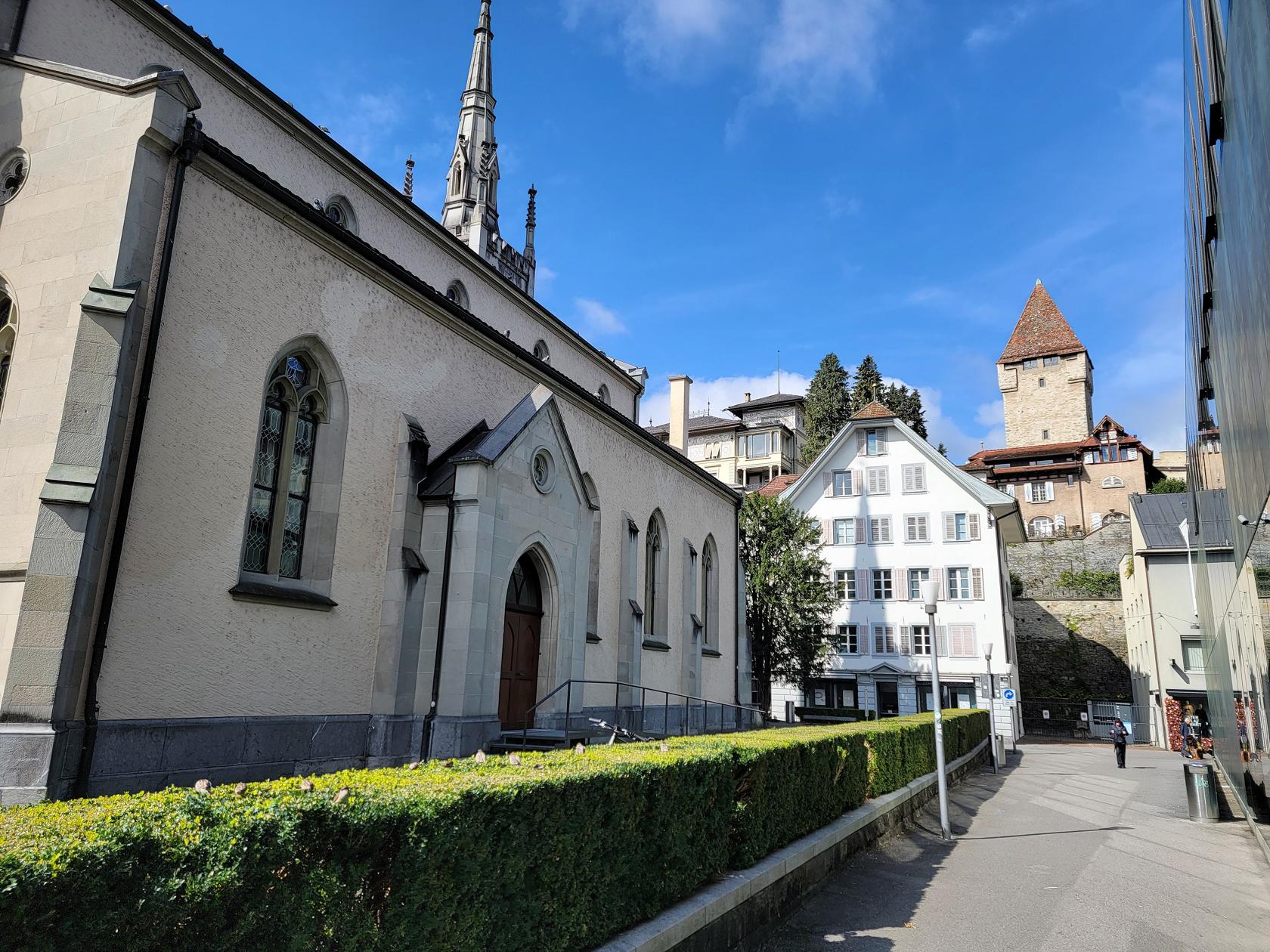
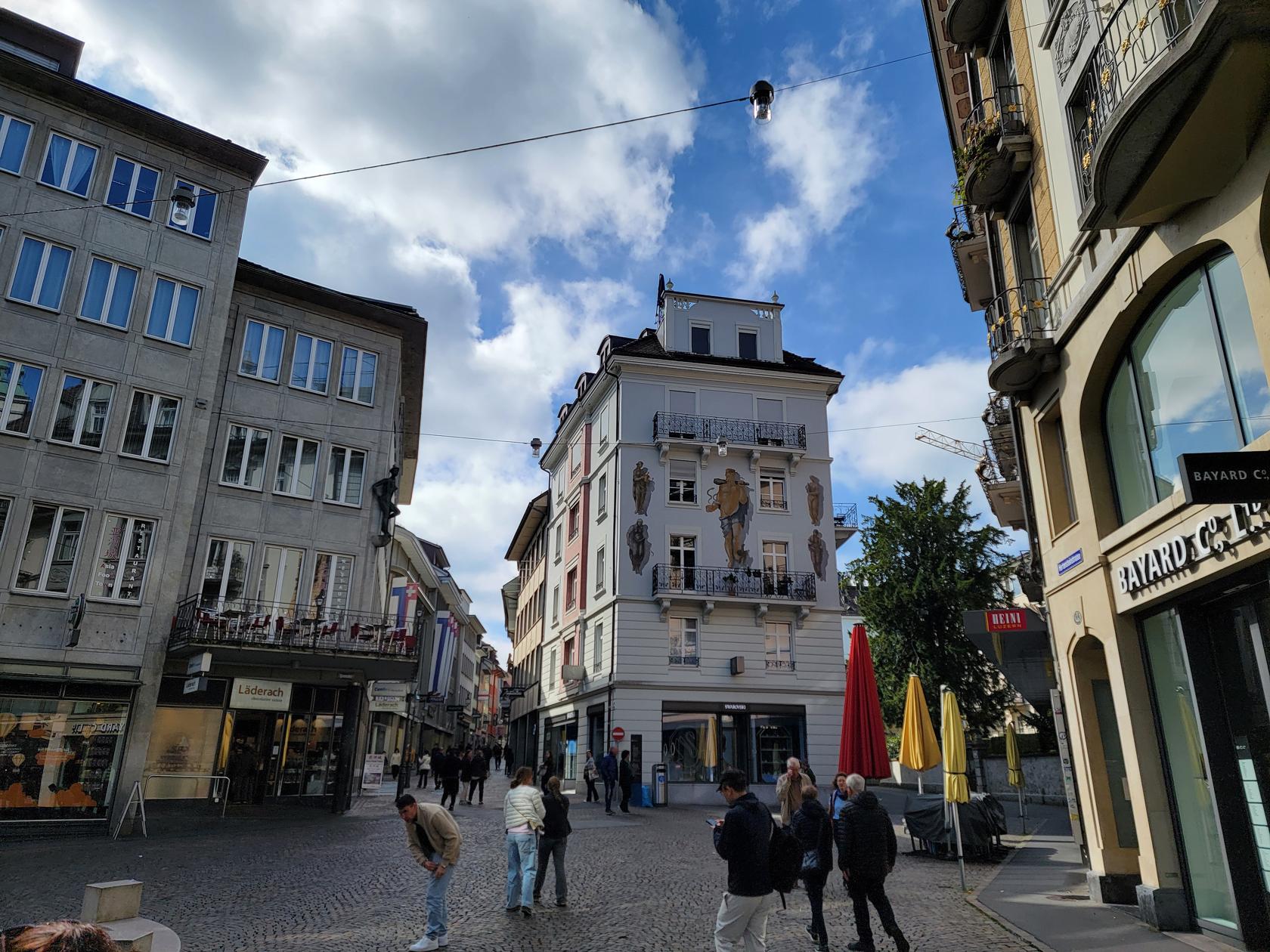
The last time we were in Luzern was in 2020. We came back at the behest of other family members who wanted to visit it for a day and to also check out the wonderful hands-on transportation museum. We therefore made a Tagesausflug, or day trip, from Zürich to Luzern just to see the museum.

Getting There

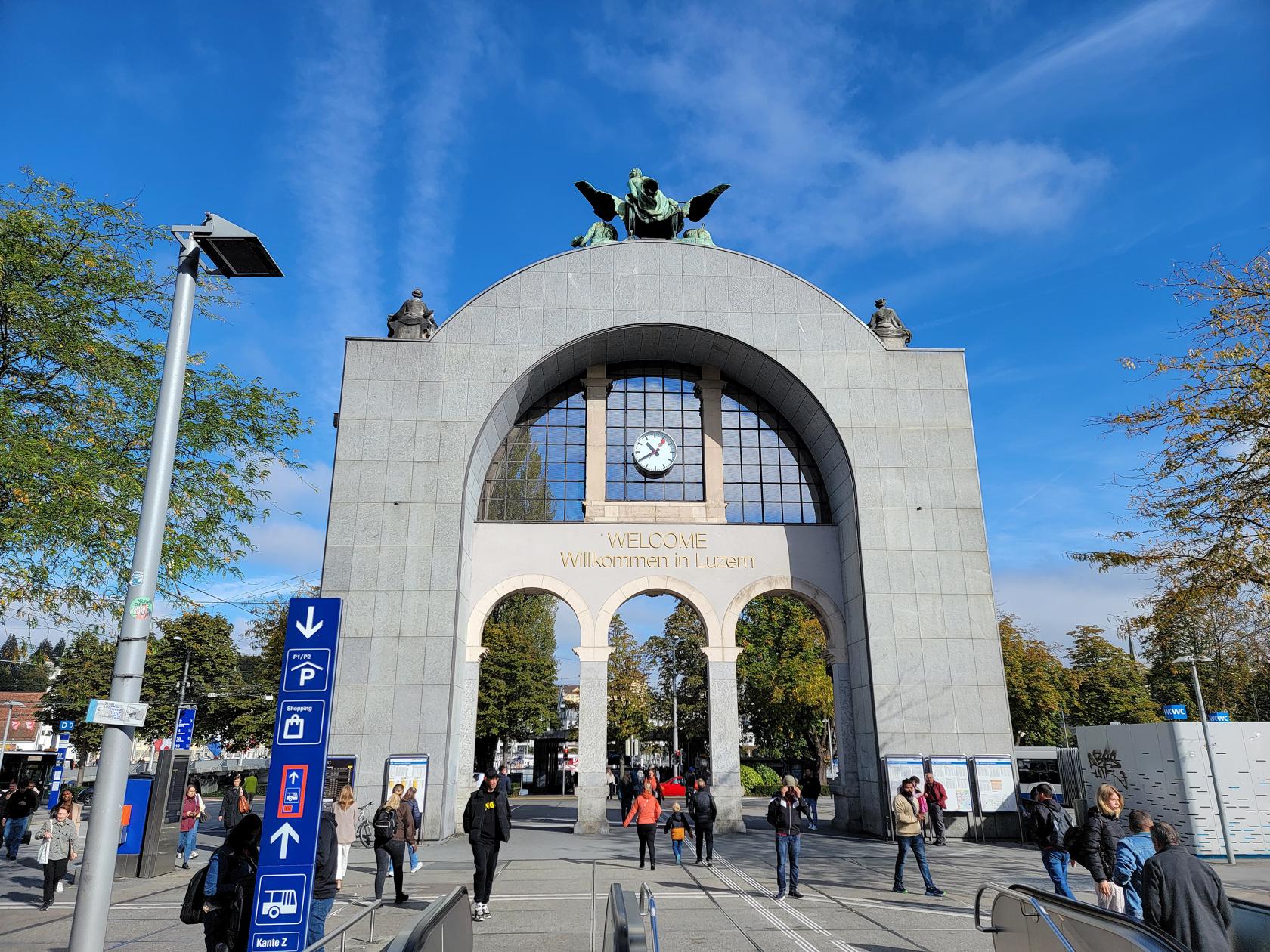
From Zürich HBf, we took the regional train IR70, which only takes about forty minutes to Luzern. With the half fare card, it only cost us 13.50 Francs round-trip, per person. Luzern train station is right by the confluence of the lake and the river, so it drops you right in the heart of town.

Luzern The City

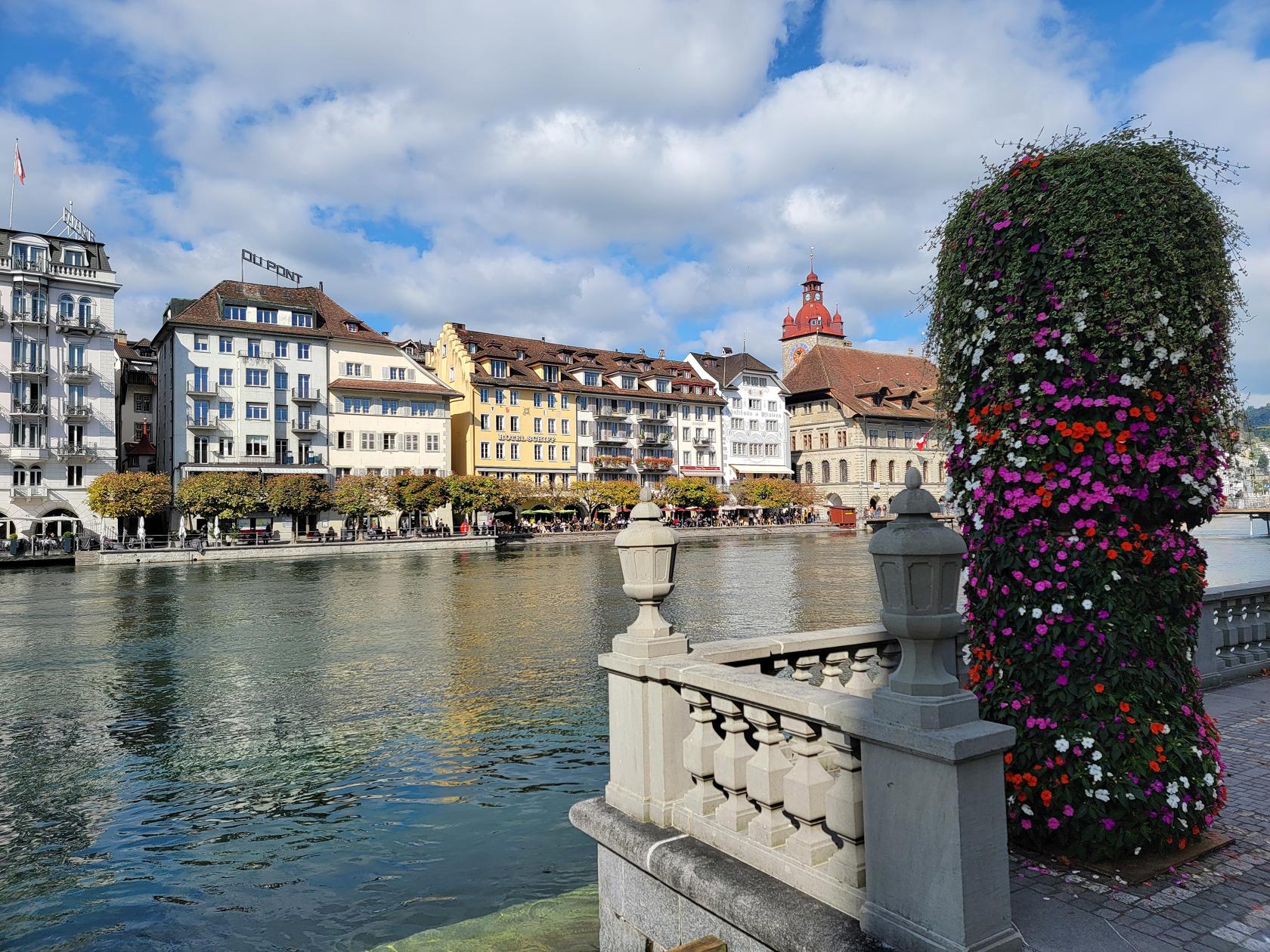
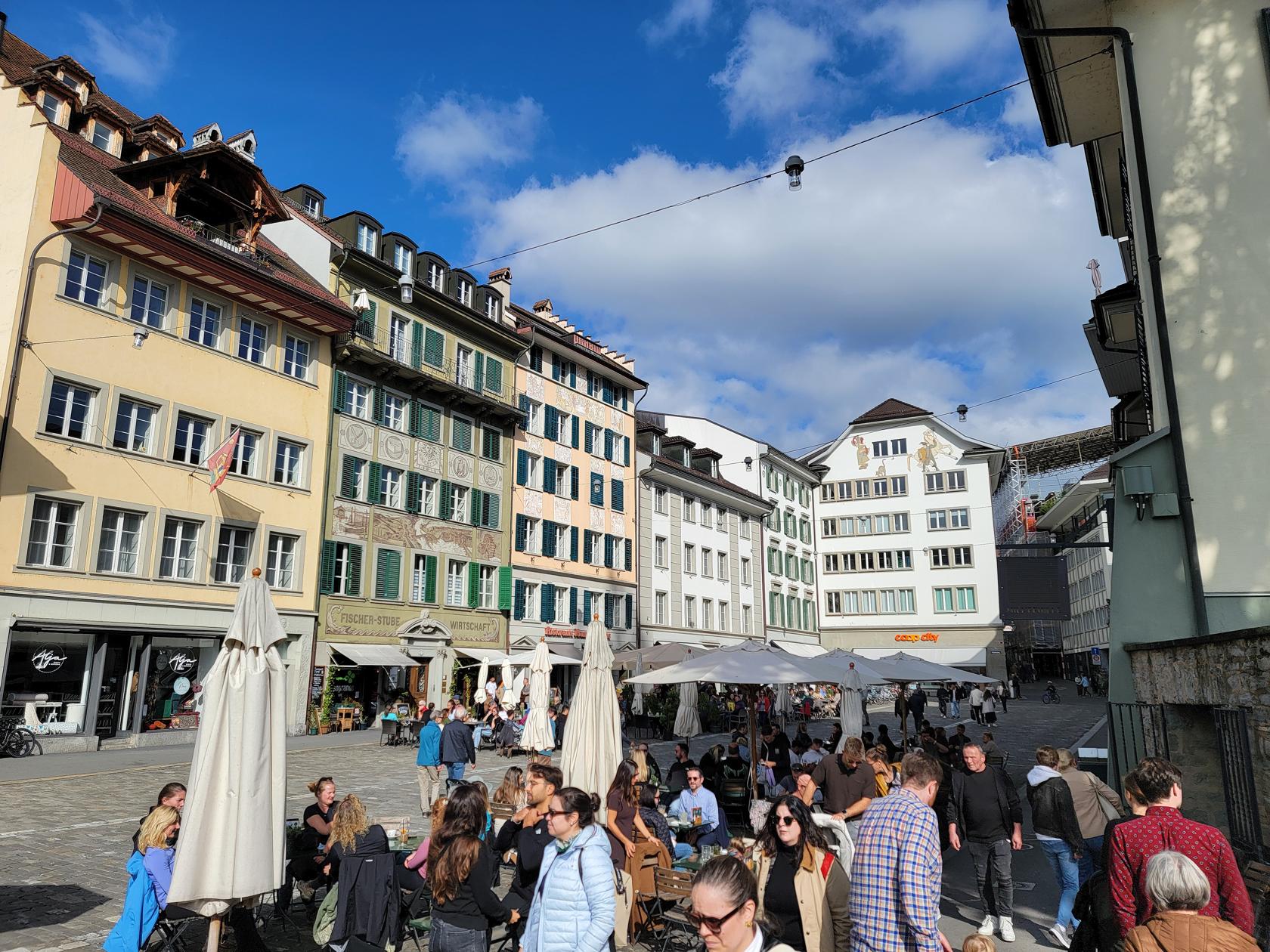
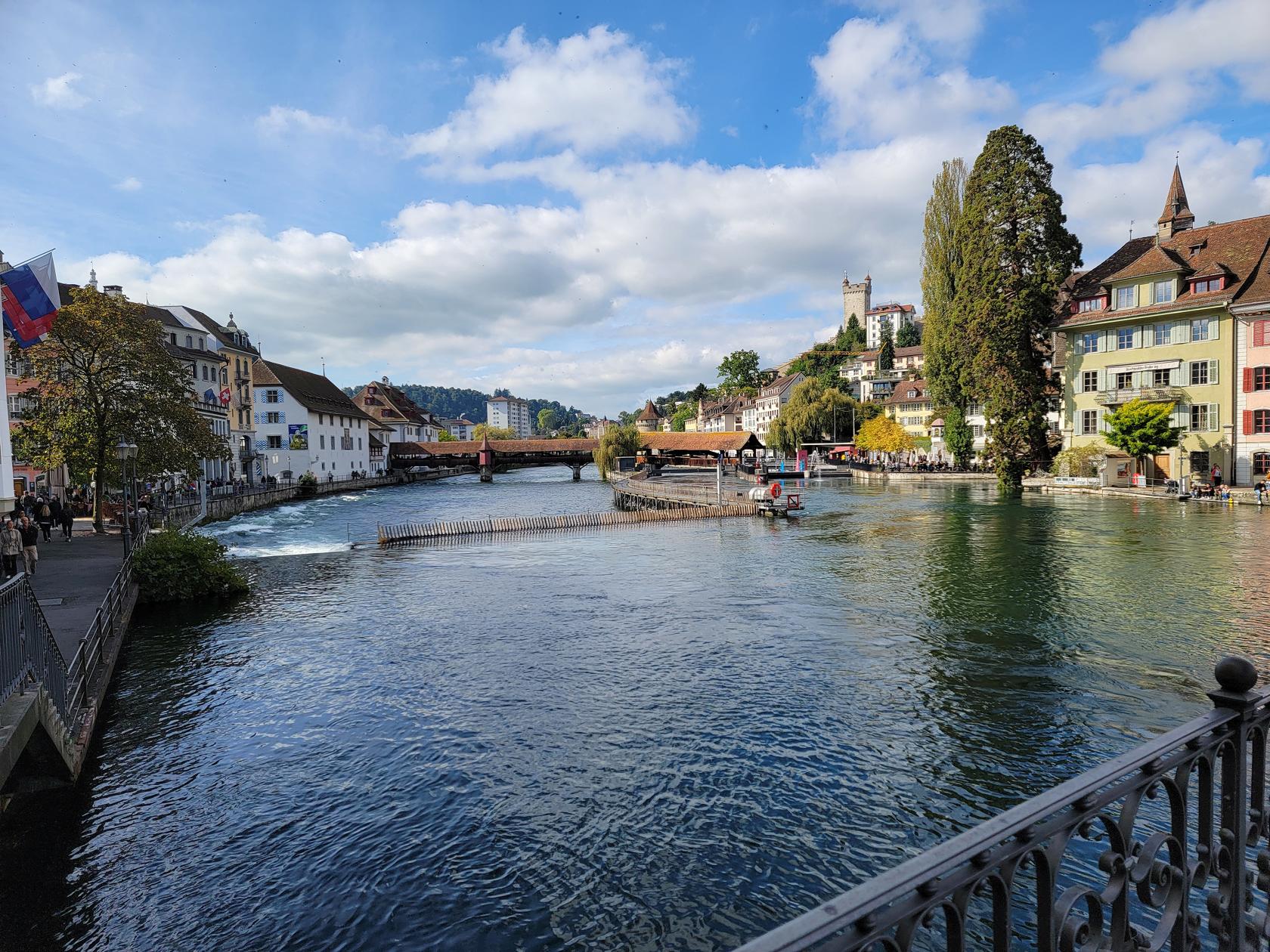
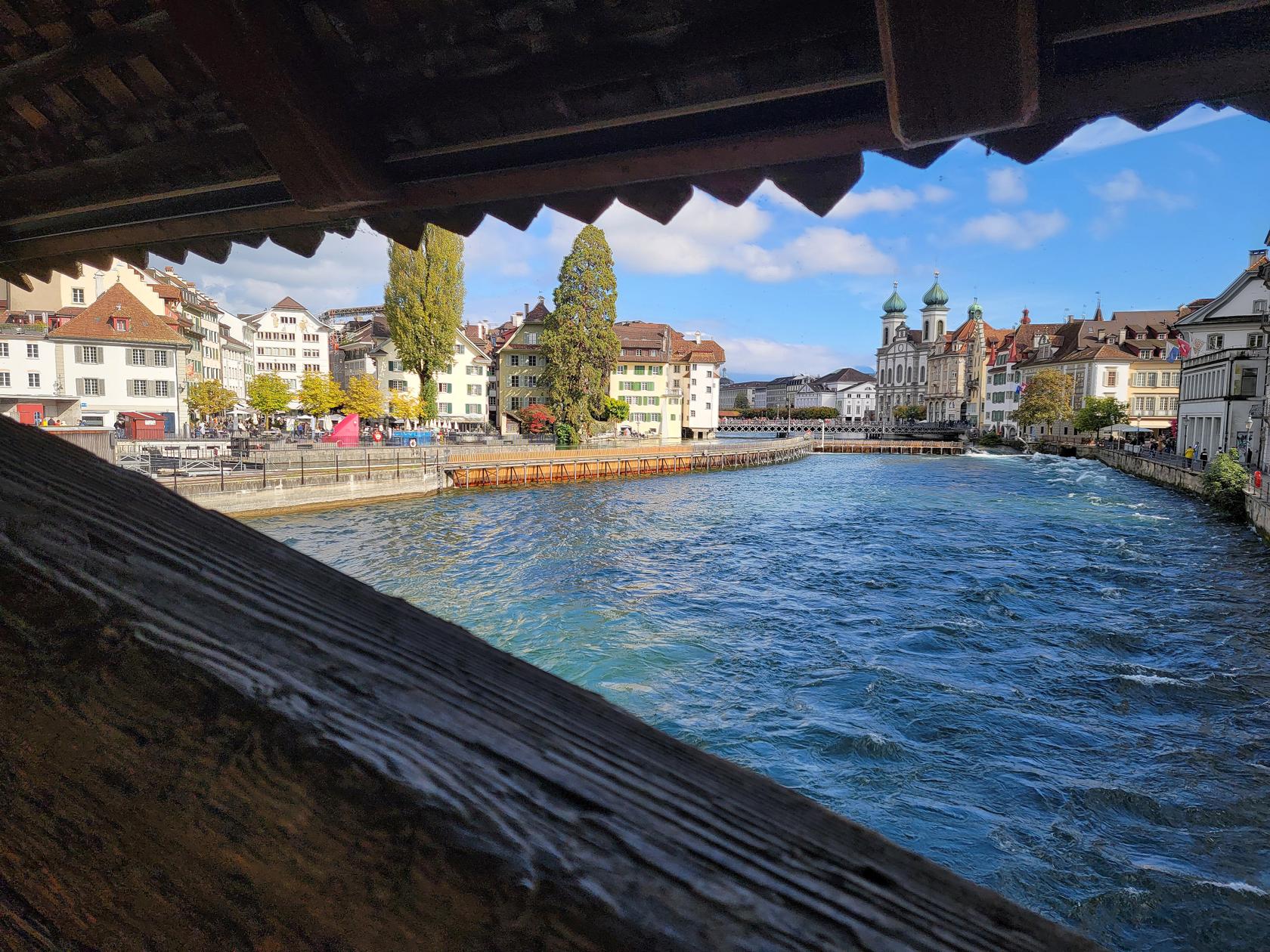
Luzern, or Lucerne depending upon your preferred spelling, is a beautiful little city on the banks of the Vierwaldstättersee, or Lake Lucerne. It is bisected by the Reuss River, which in earlier times not only had several mills along it, it was also used to generate electricity for the city when one of the old mills was converted to a hydro-power station.

The Bridges

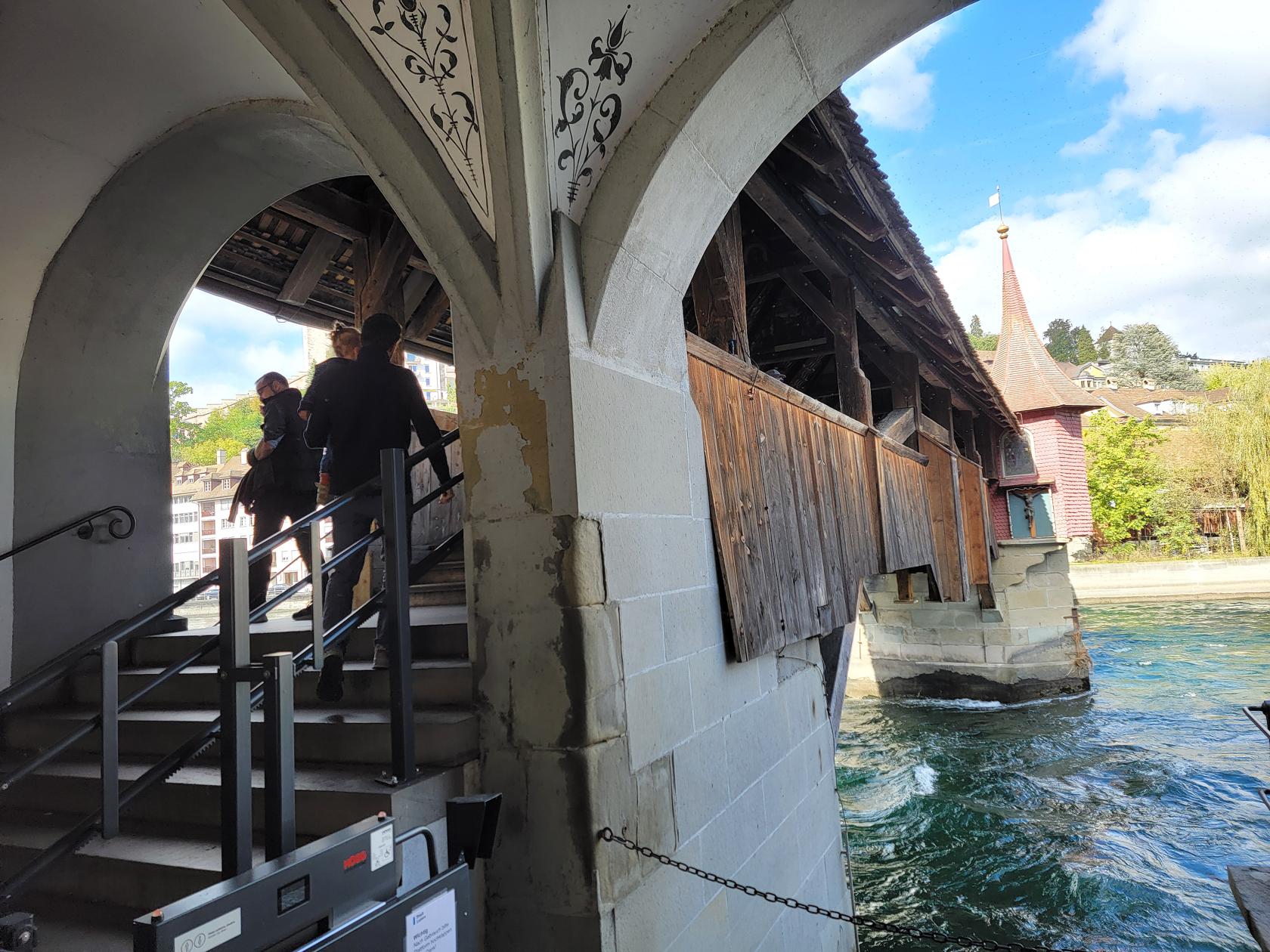
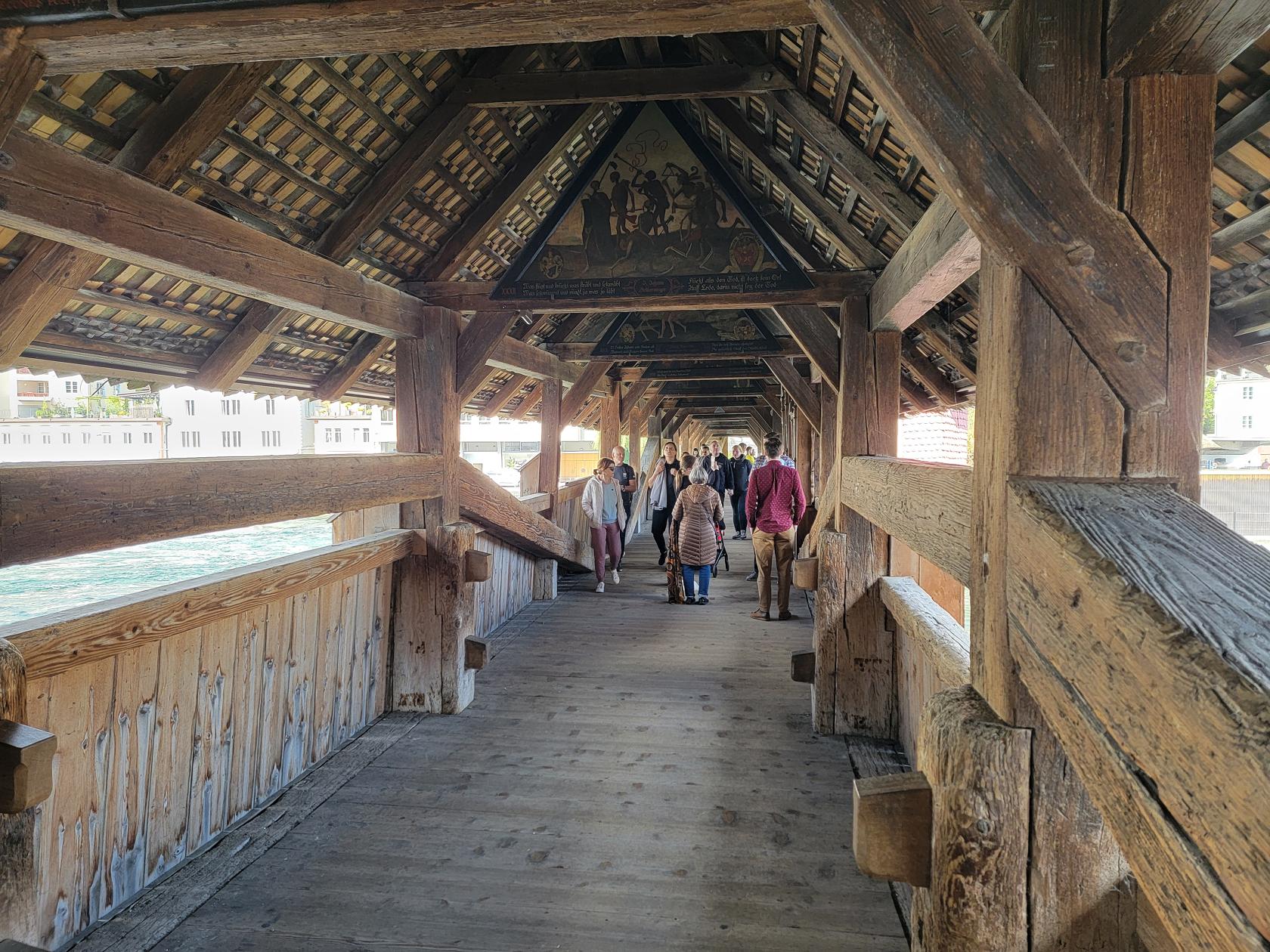
The most interest sight in the city are its bridges. The Kapellbrücke, or Chapel Bridge, was originally a fortification, but is now a tourist attraction that almost burnt down in 1993. The paintings that adorn it, and it sister bridge the Spreuerbrücke, are still being restored after the fire and years of neglect.

Museum Of Transportation

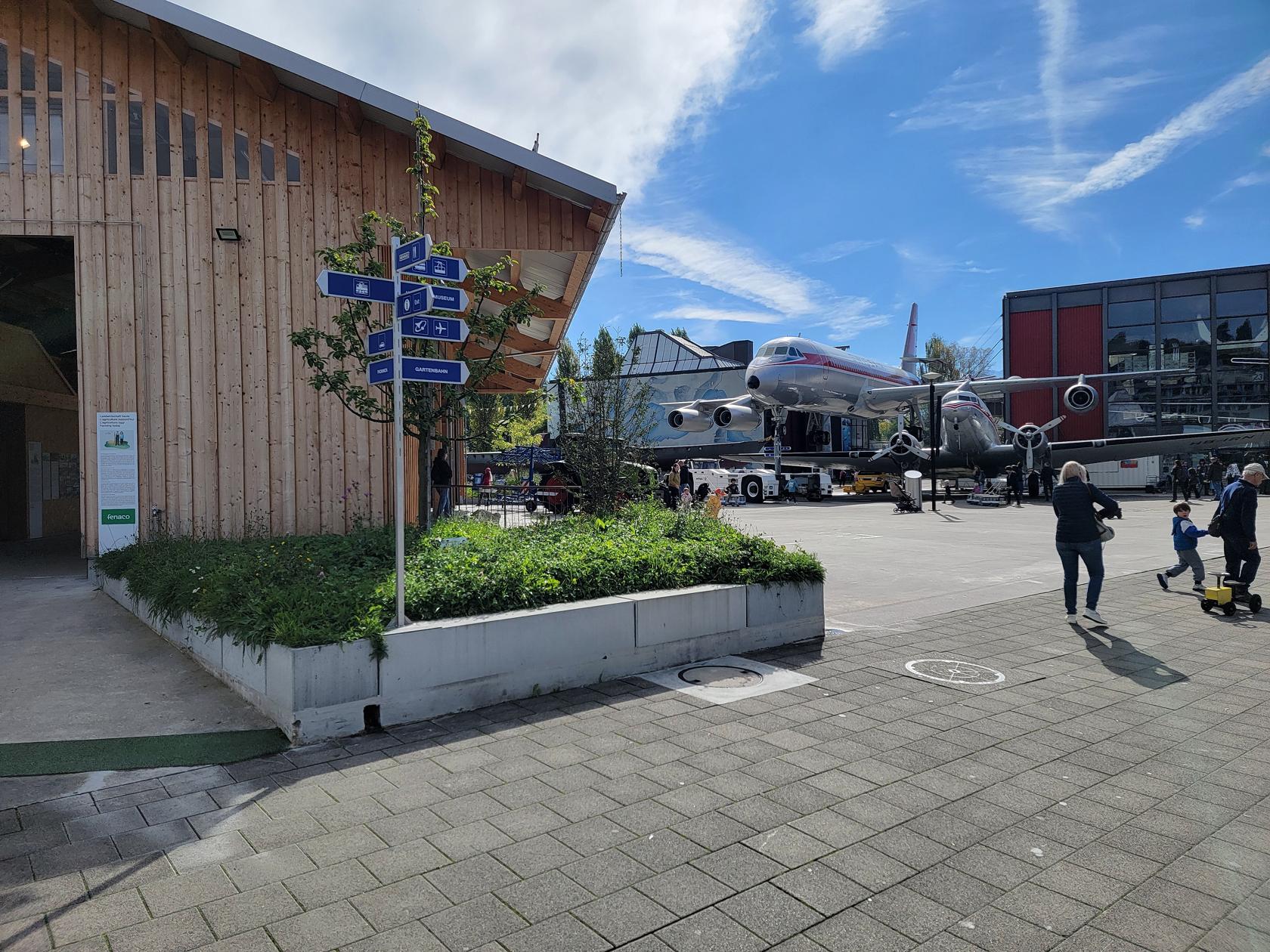
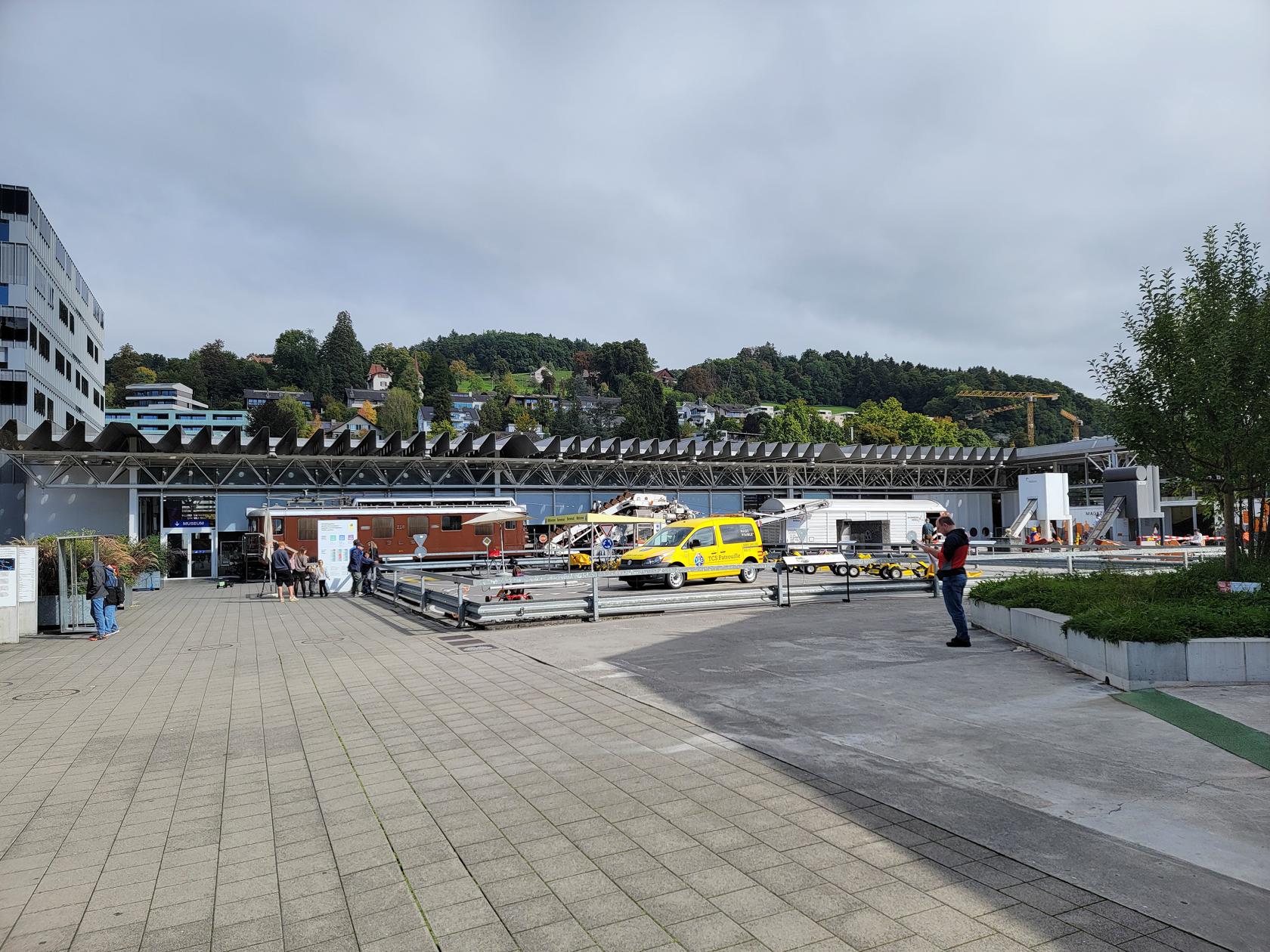
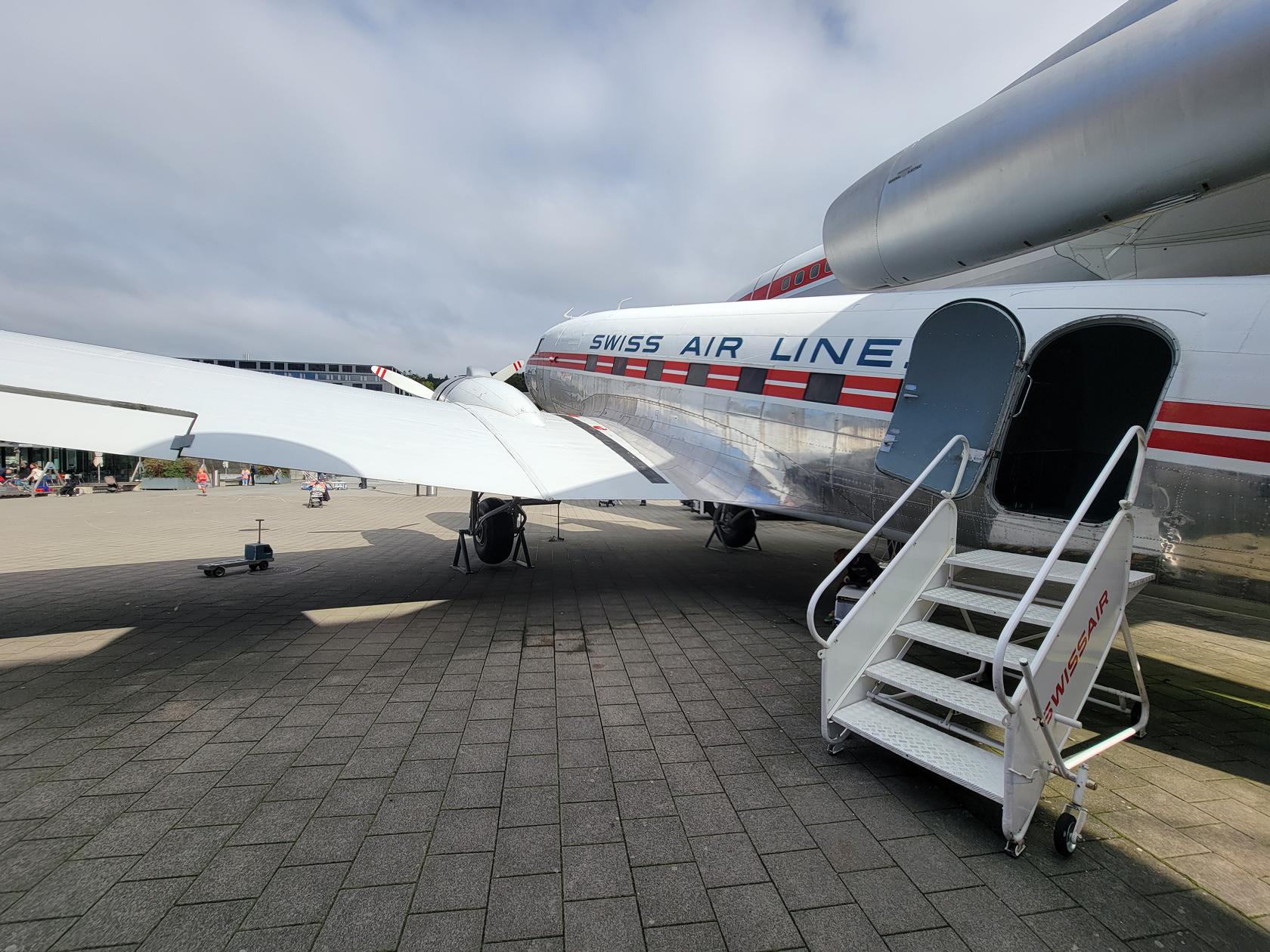
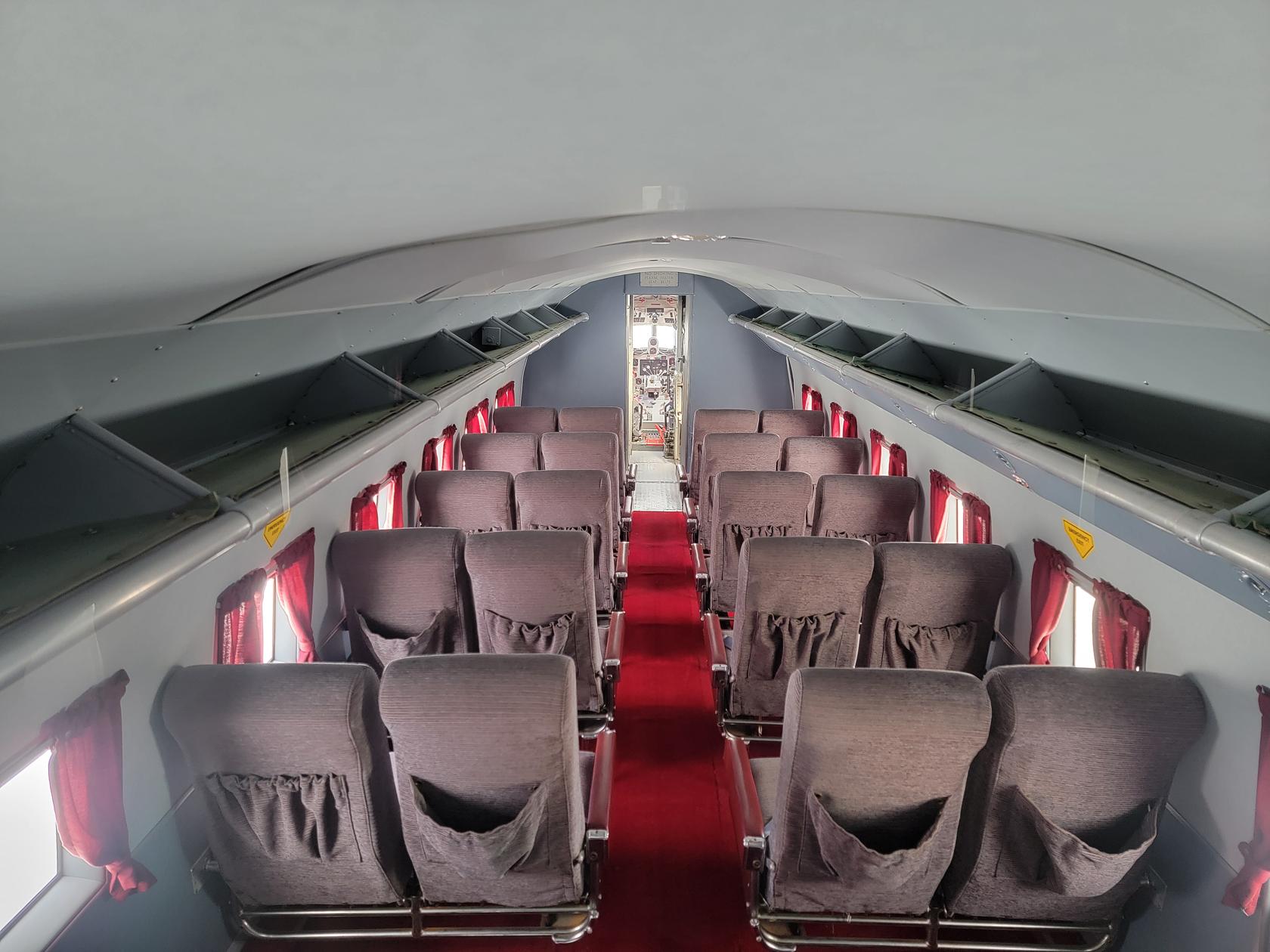
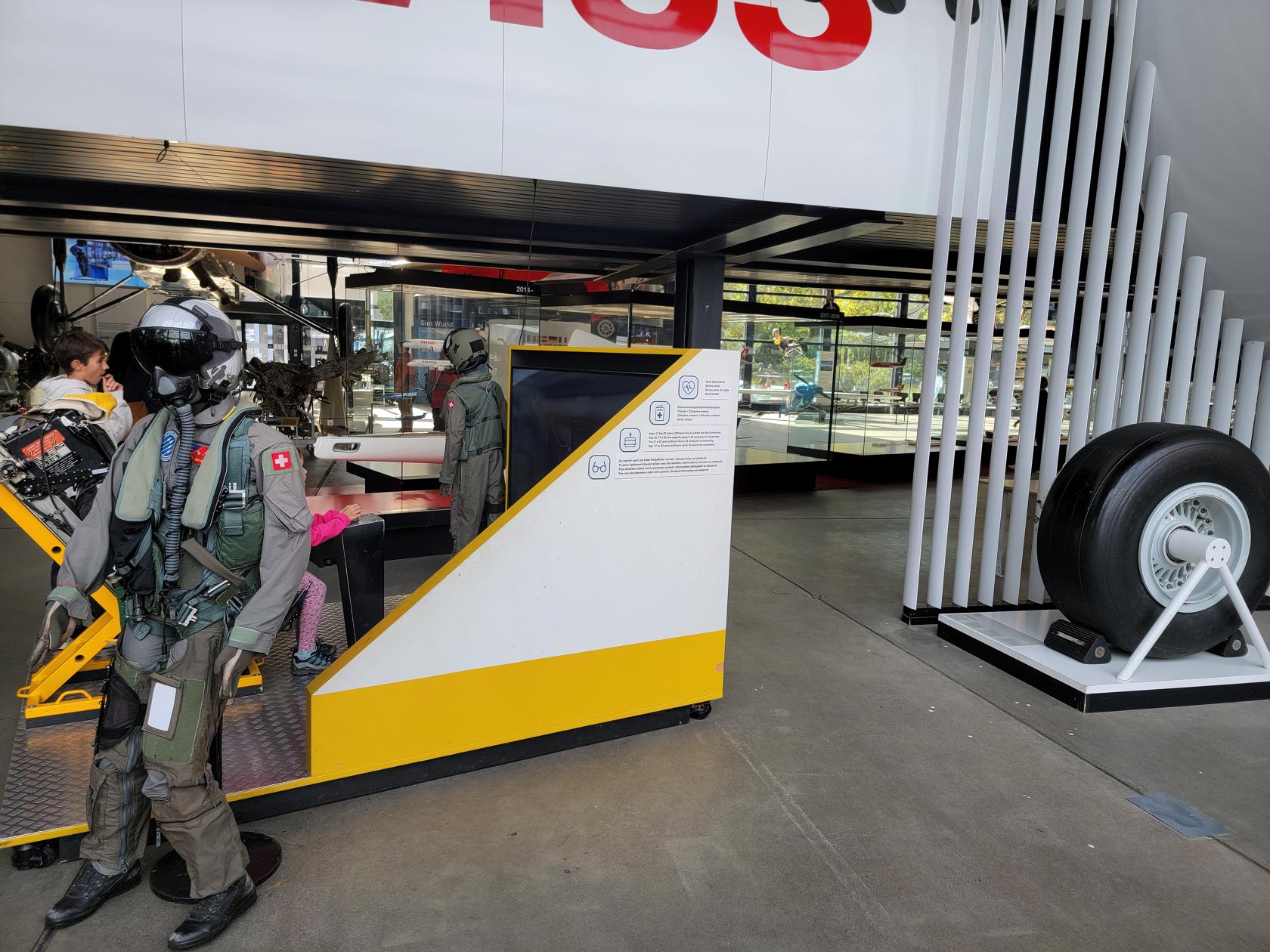
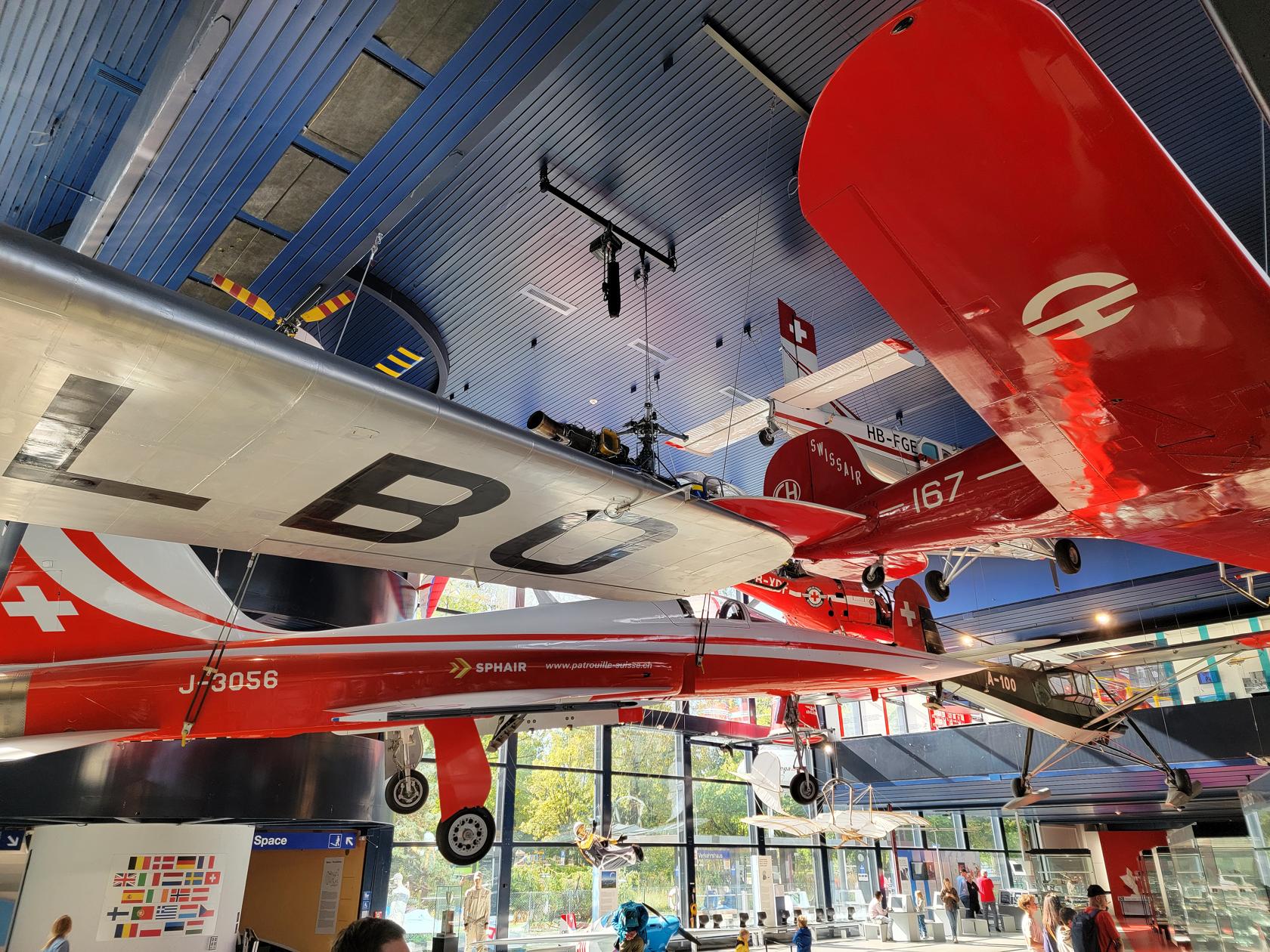
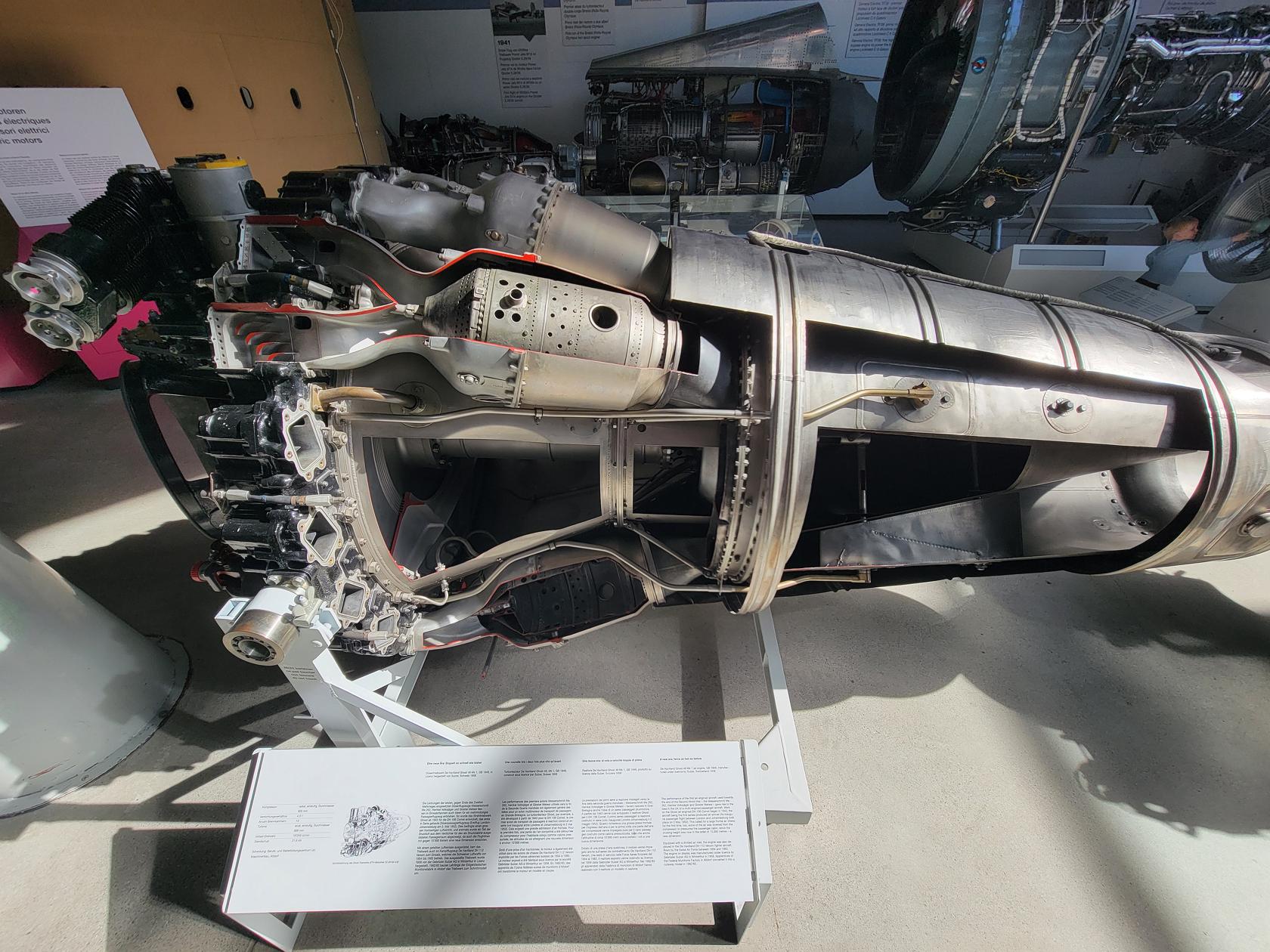
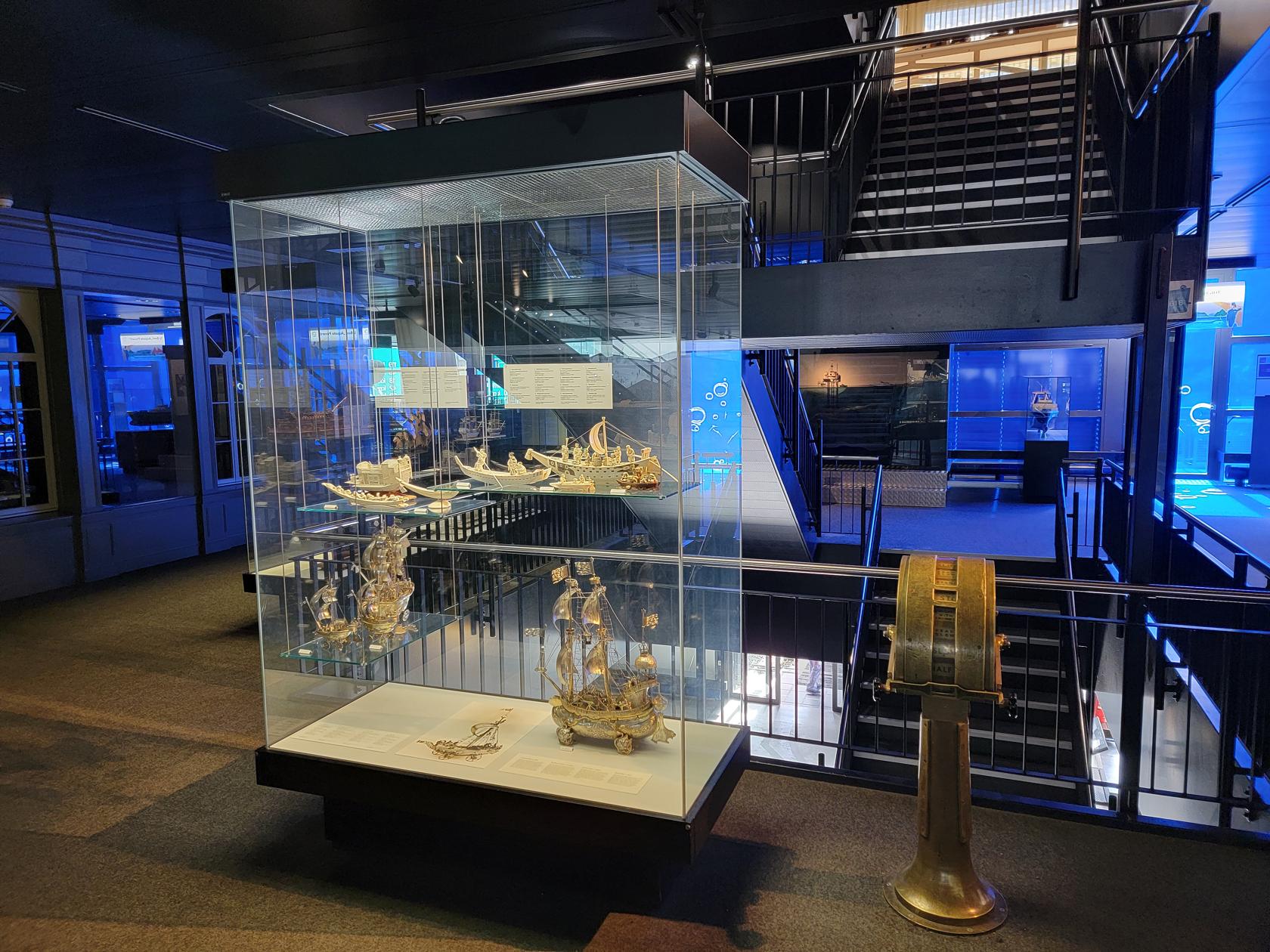
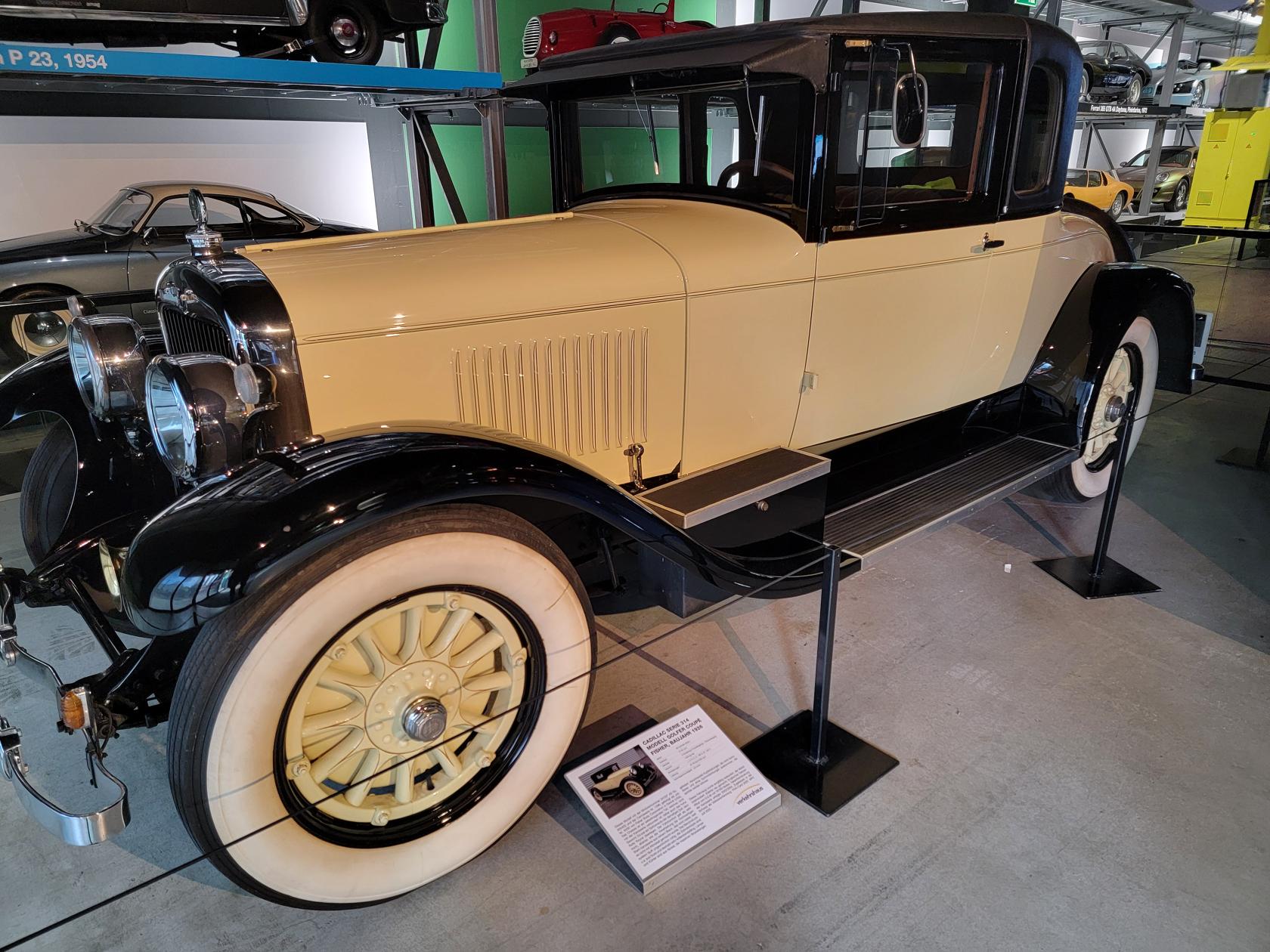
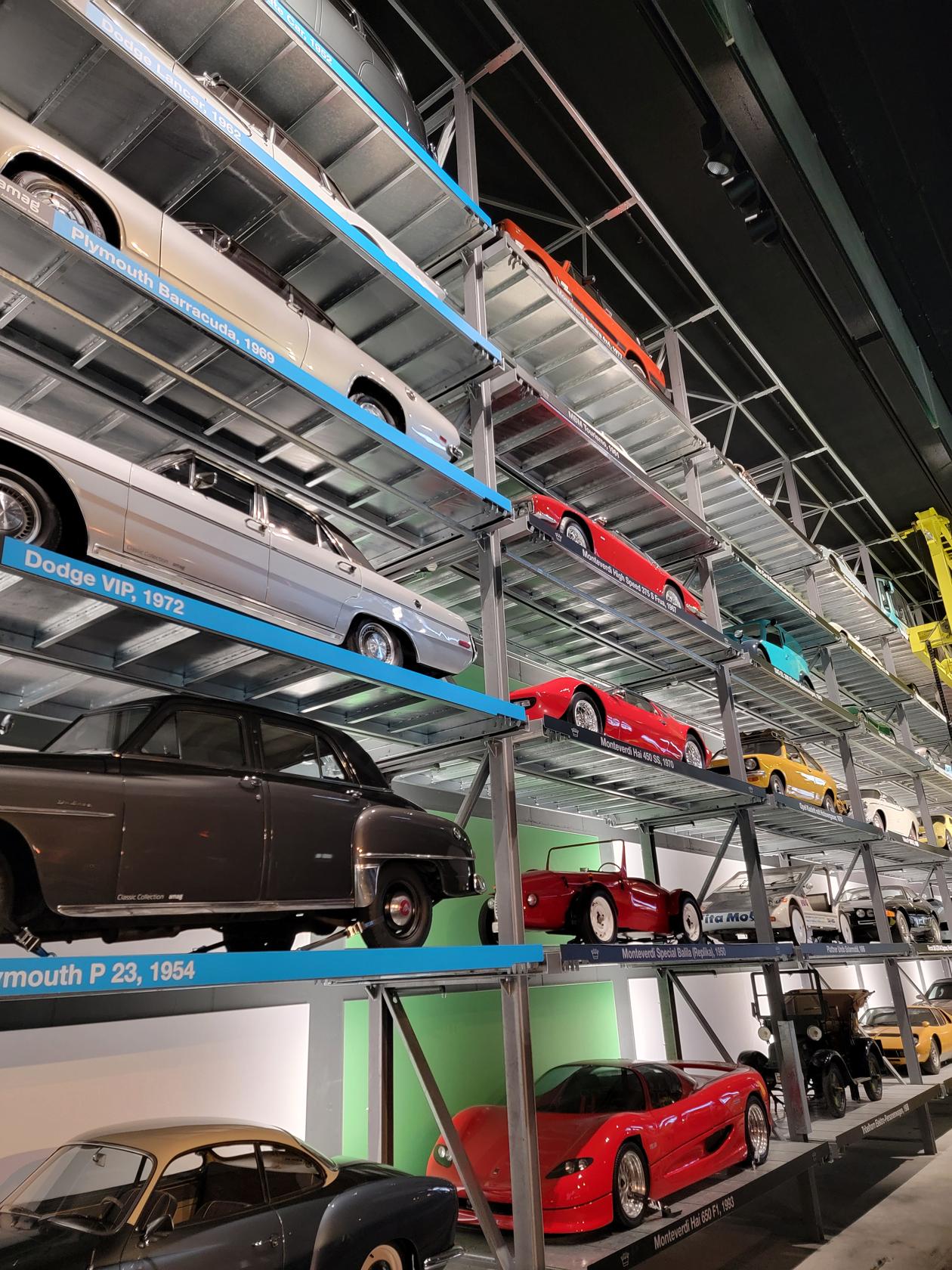
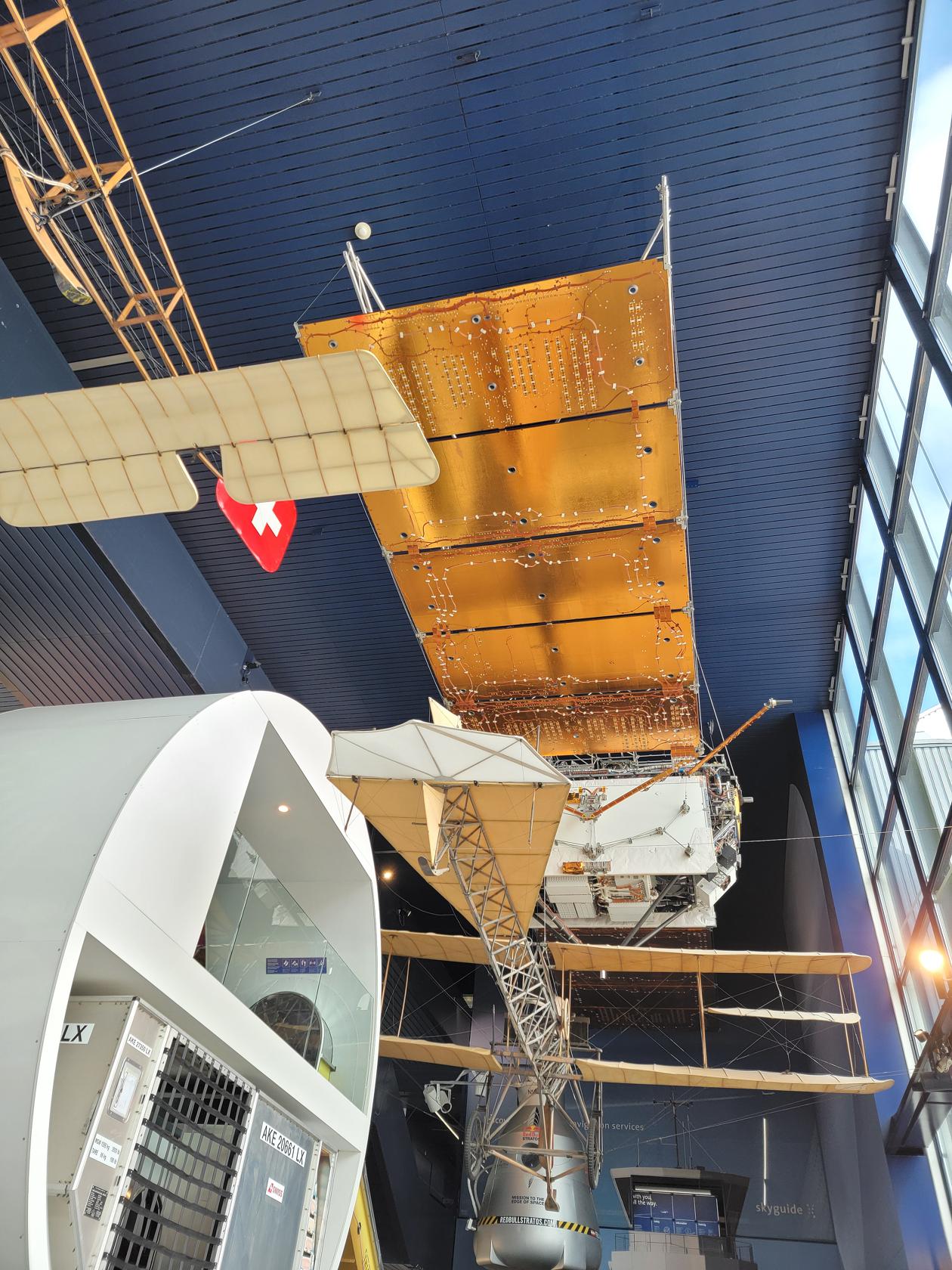
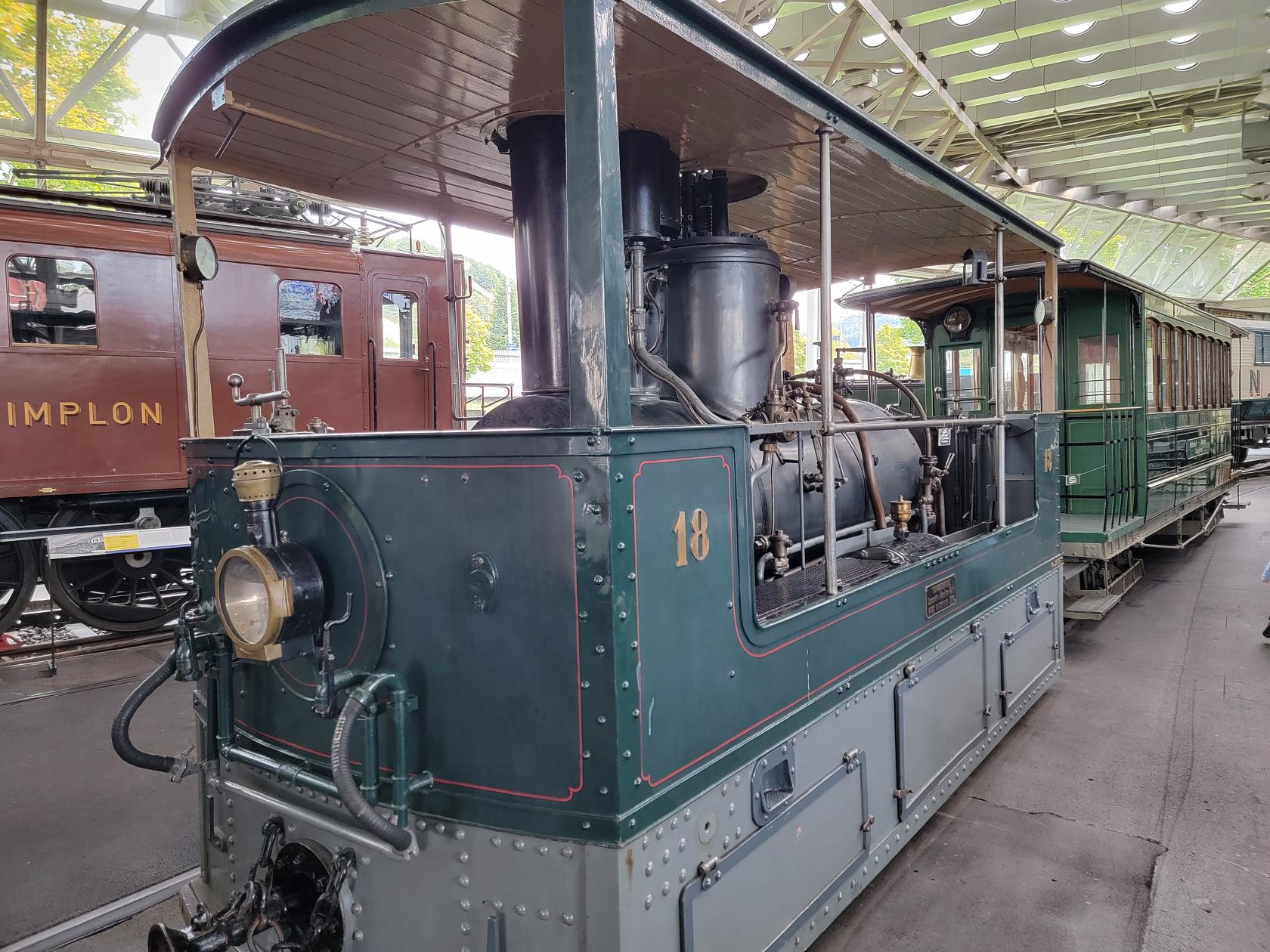
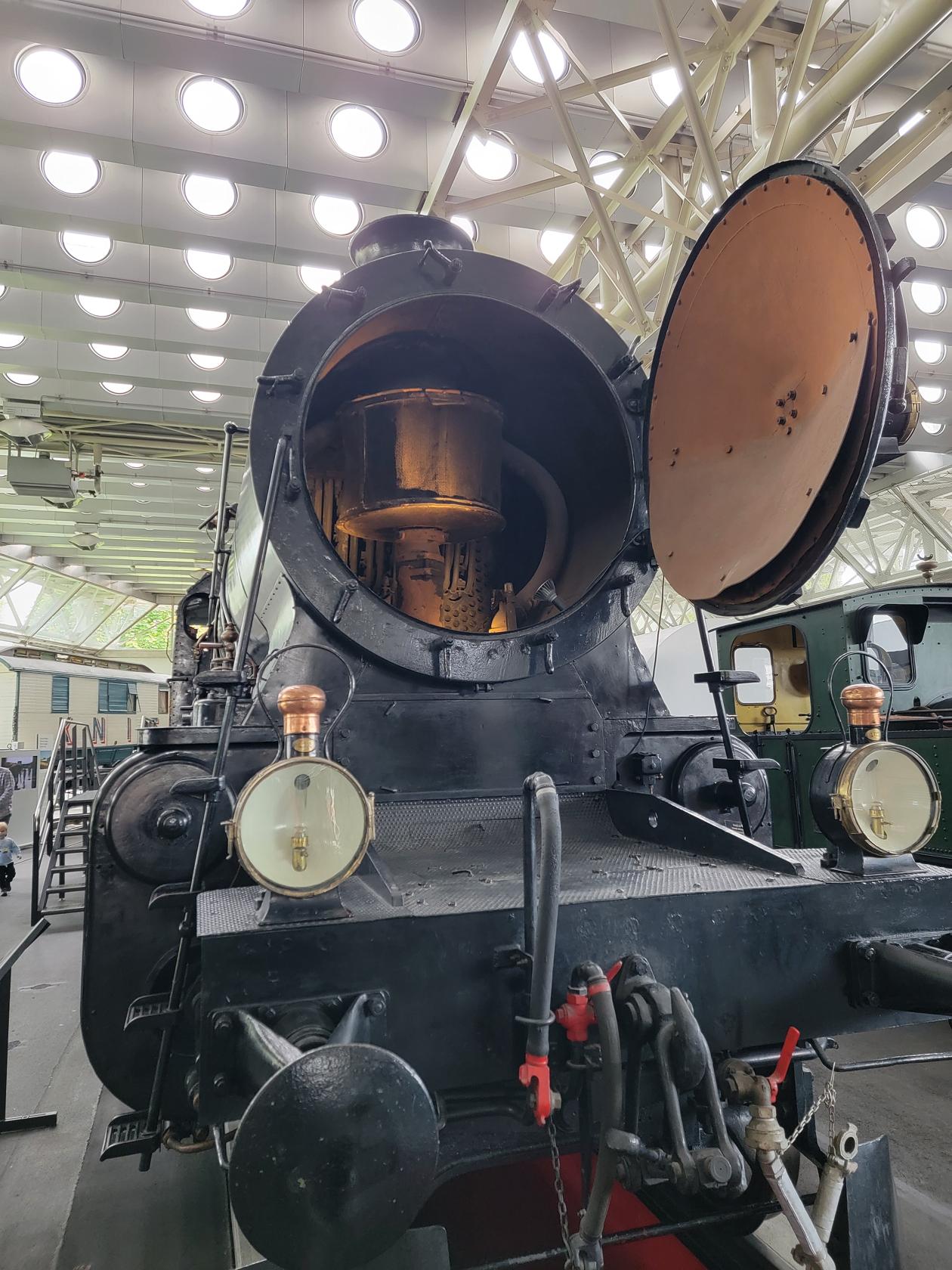
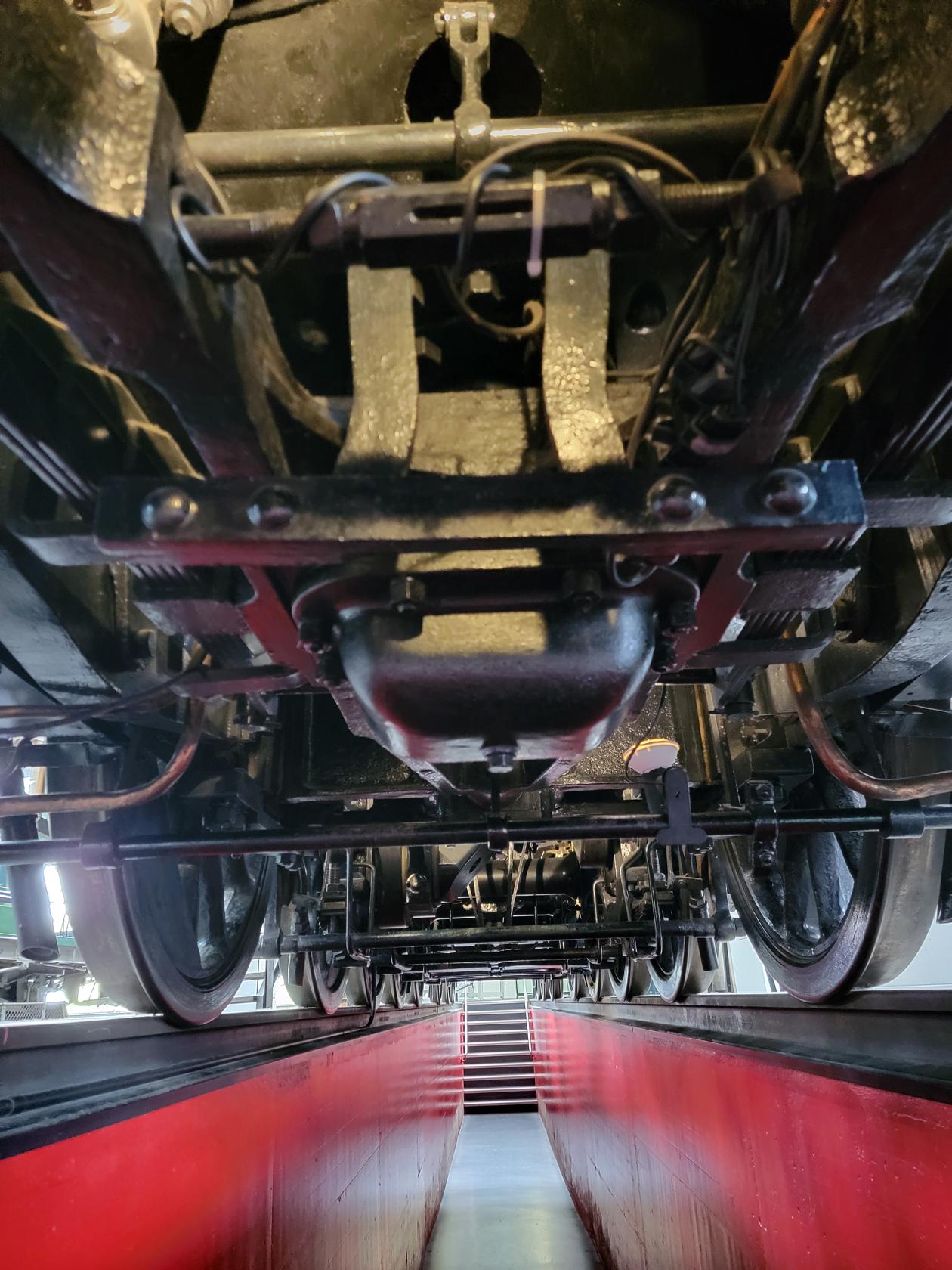
The Verkehrshaus der Schweiz, the Swiss Museum of Transport, is a hands-on museum for people of all ages, but mainly geared toward school children. Even for adults, there are some very interesting and historical items to see, let alone a good record of Switzerland’s contribution in the area of transportation.

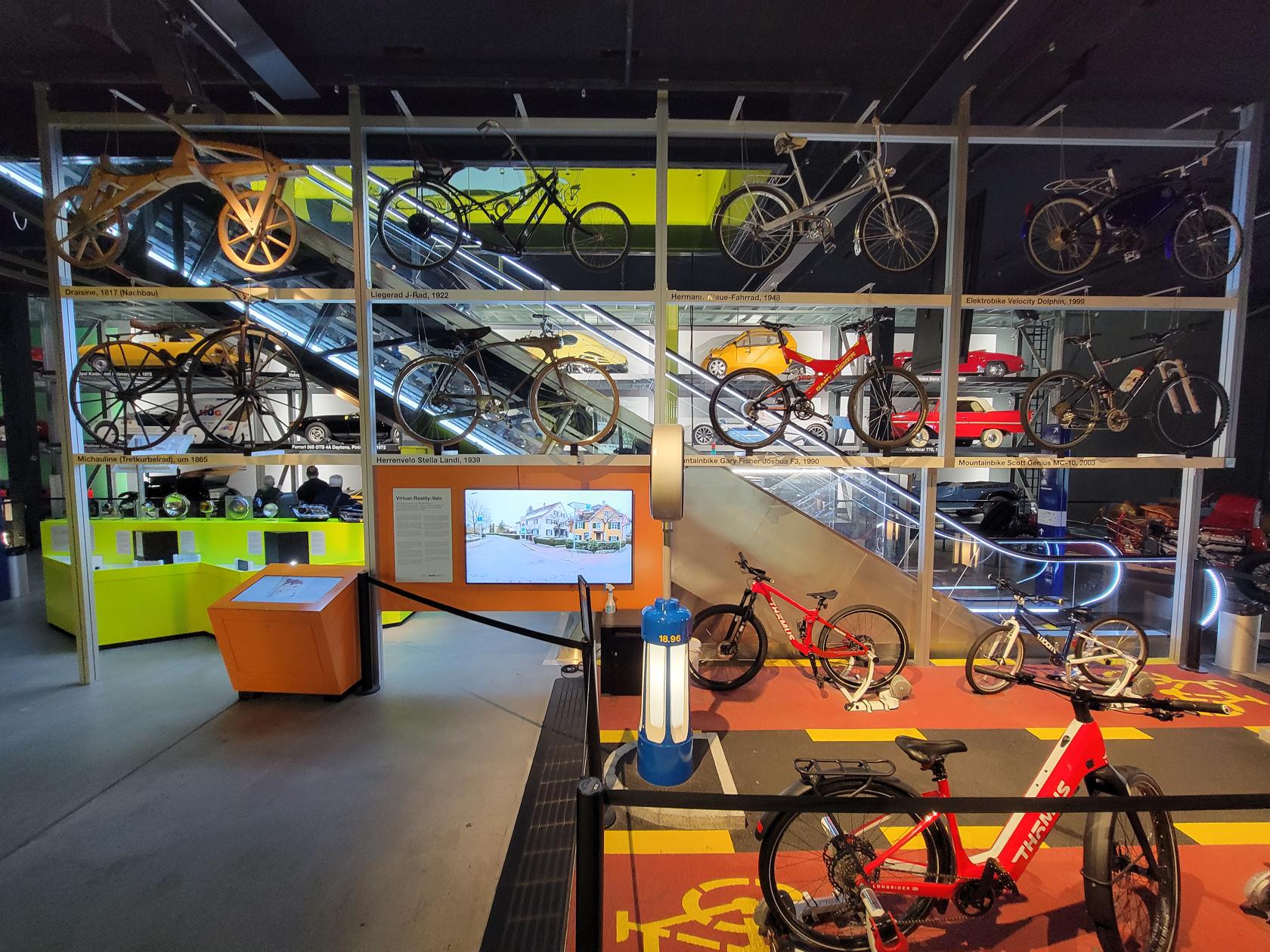
The museum is divided into themes, from planes, to trains and automobiles, they even have a brief but interesting exhibit on bicycles and their history in Switzerland.

Restaurants

We visited on Sunday, so our restaurant choices were rather limited. Sunday in most of Europe is the day of the week that families go out to eat and many normally have reservations for a late day lunch. Most of the establishments along the Rathausquai, Reusssteg and Bahnhofstrasse were busy, but off the beaten path we managed to find something.

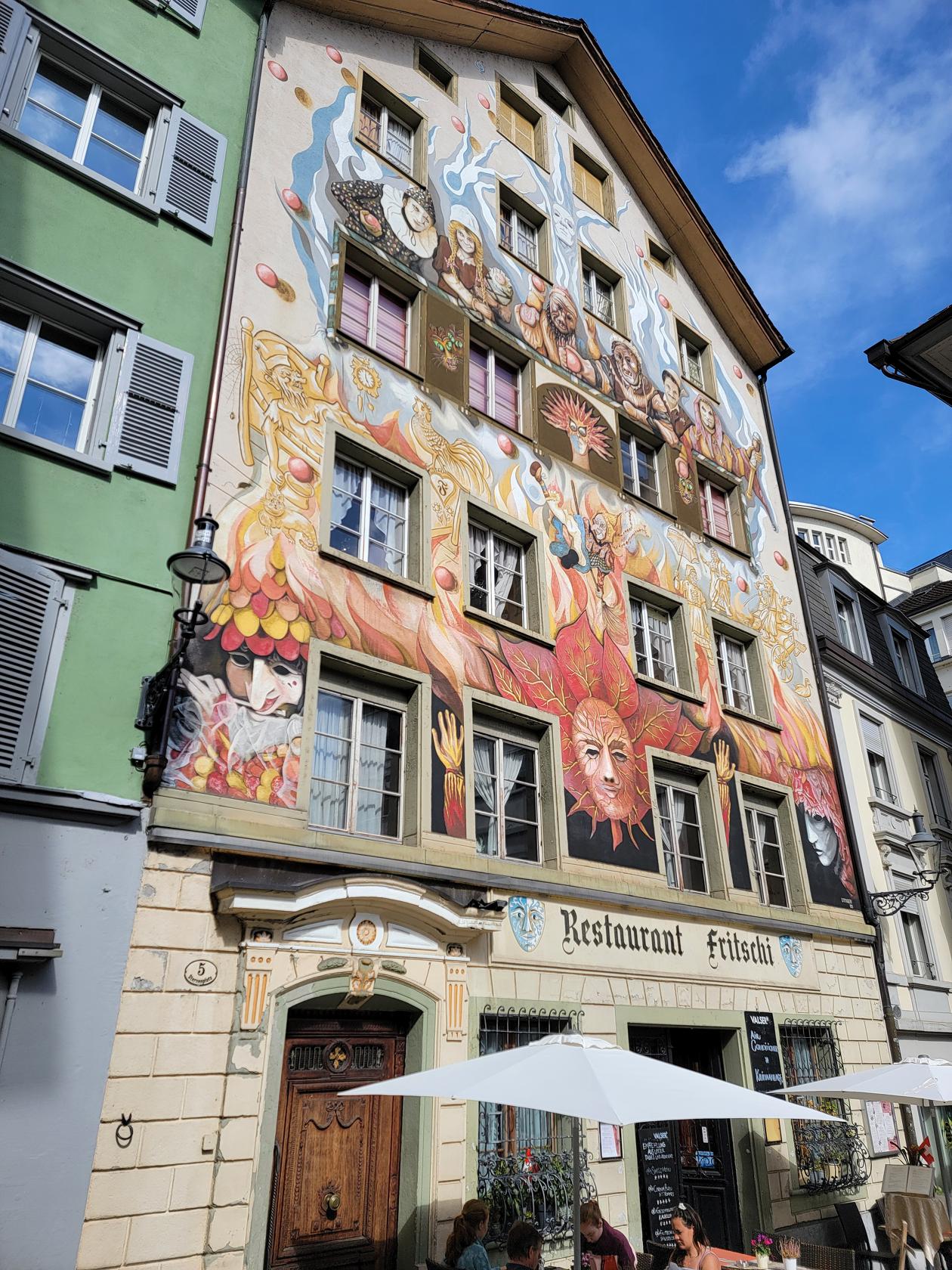
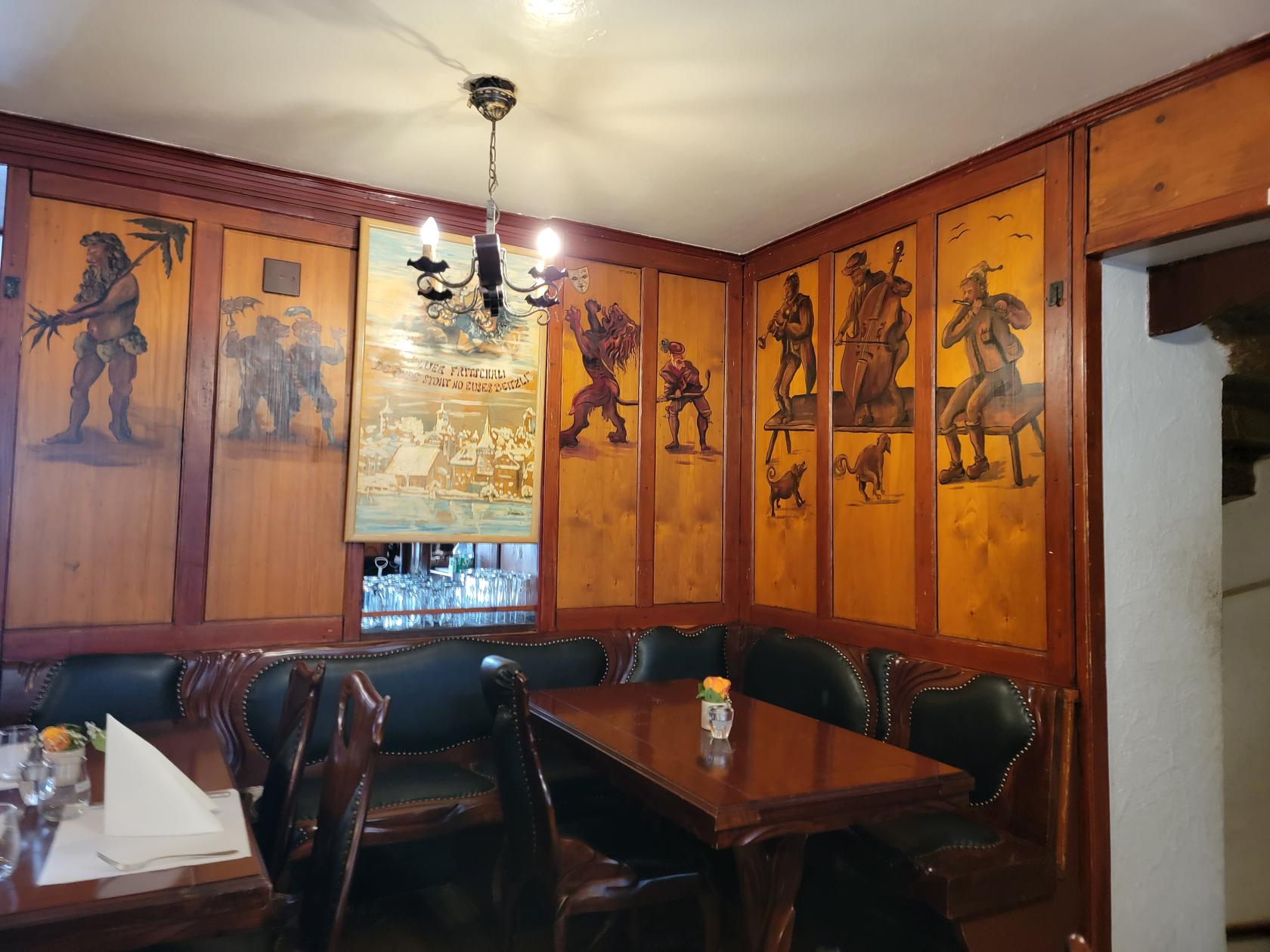
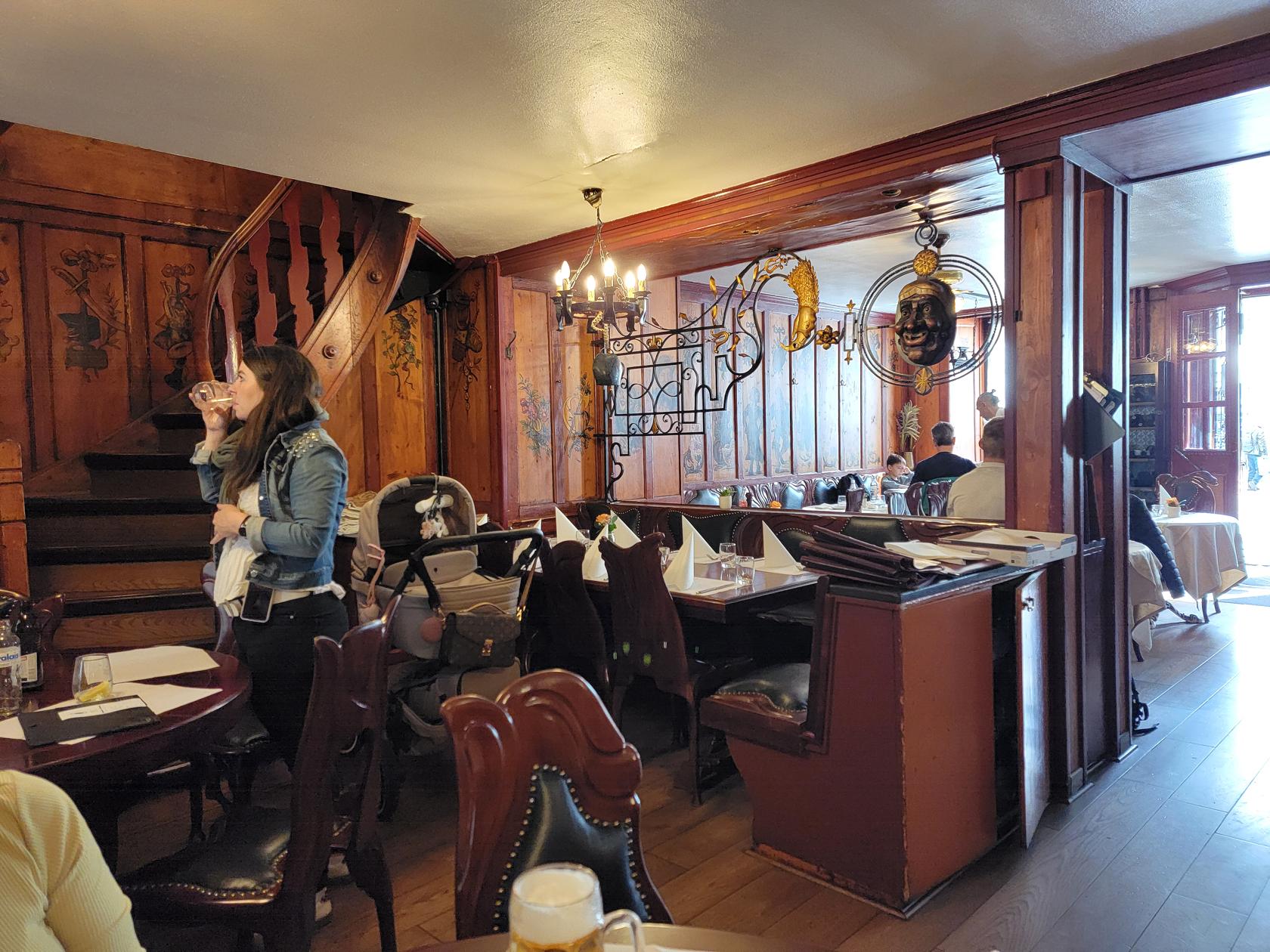
Restaurant Fritschi

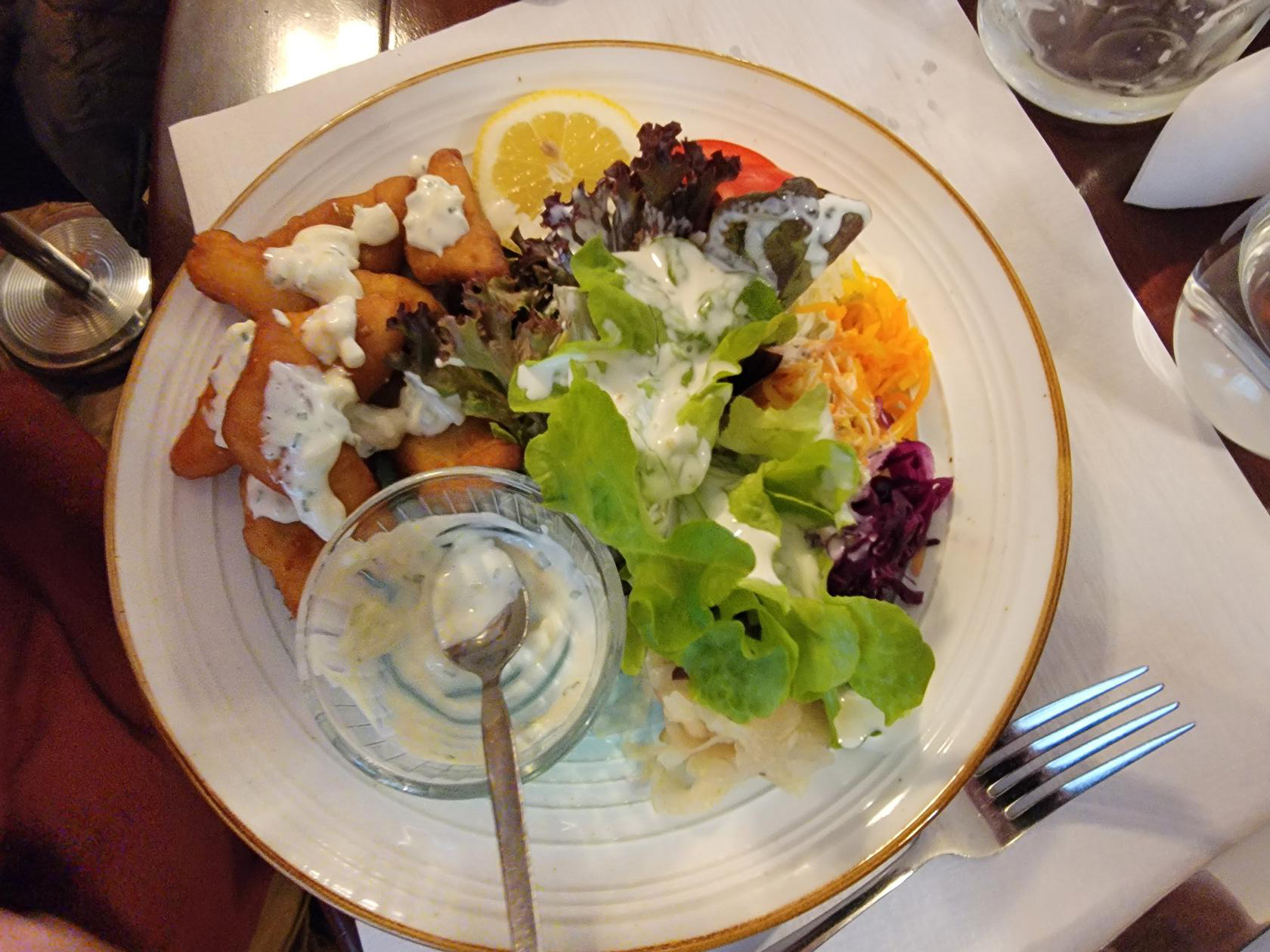
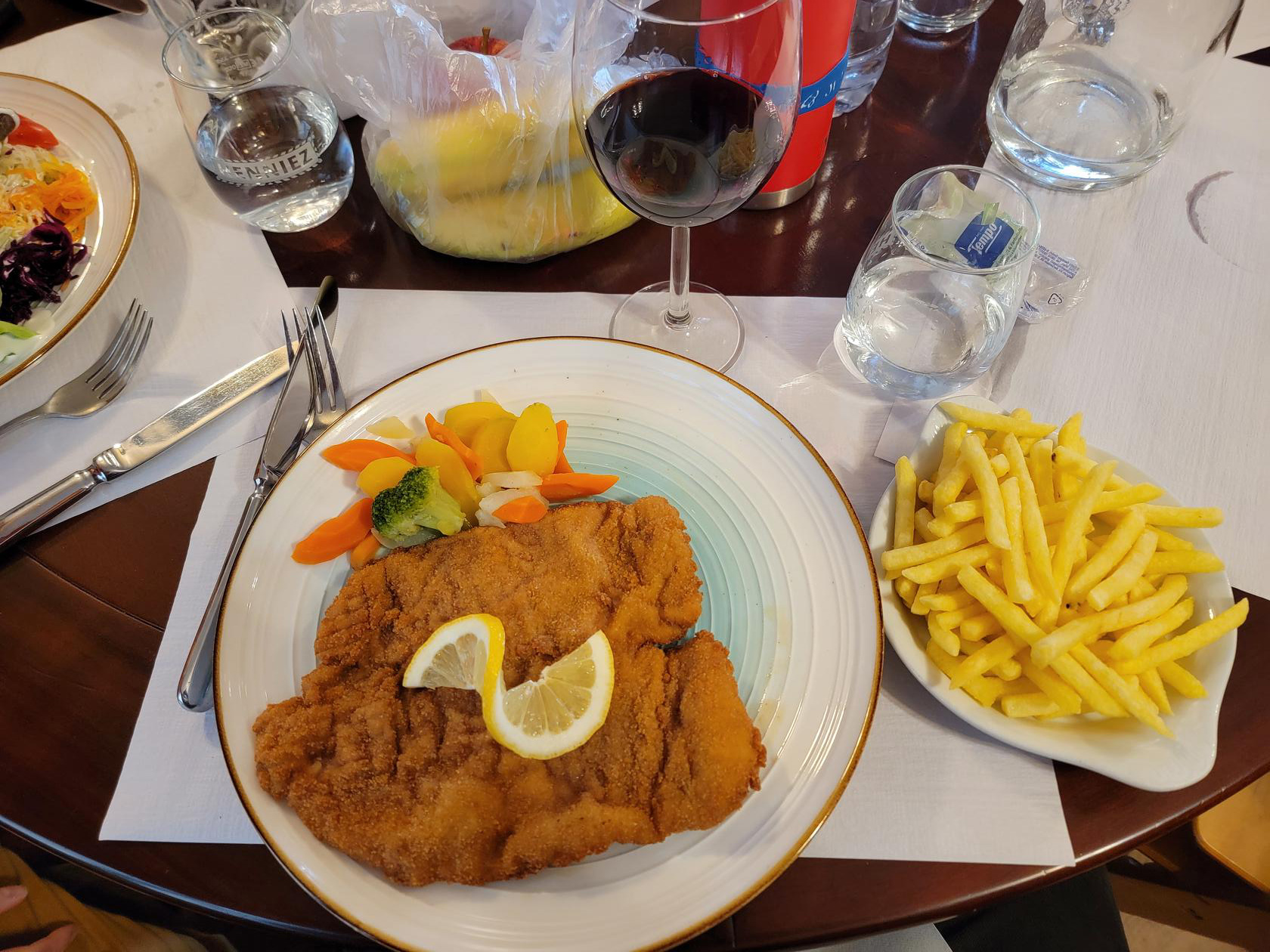
Tucked away and located Sternenplatz is the Restaurant Fritschi. It offers mostly swiss cuisine, but there are some simpler dishes, if you are not too hungry or prefer not to eat a heavy lunch.

Santa Lucia Ristorante

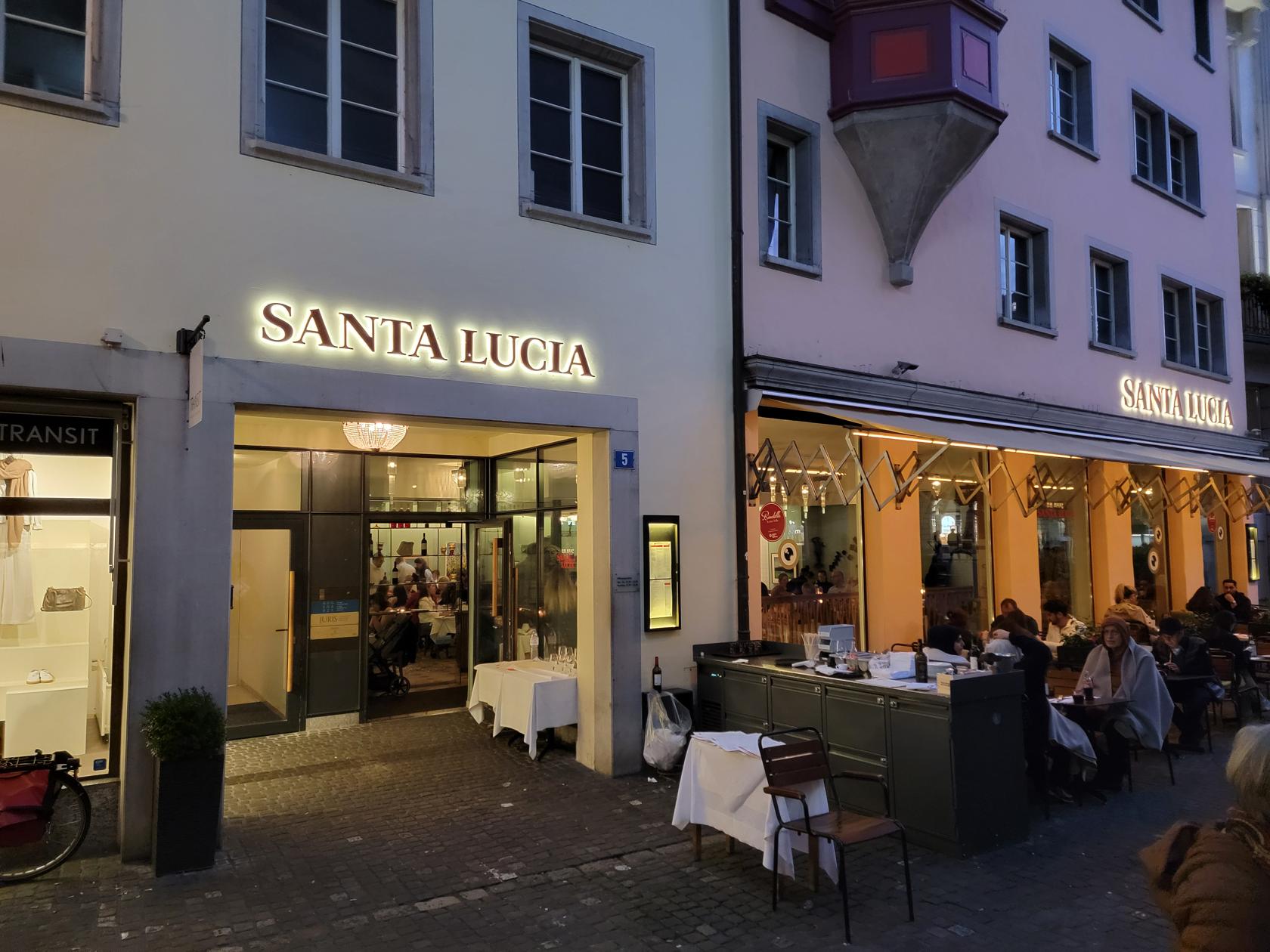
When we returned to Zürich, we ate at Santa Lucia Ristorante. This restaurant can get very busy, so it is probably a good idea to have reservations. They do however have a downstairs, which is where we were seated; there you can actually witness them making your pizza. They have many other specialities on the menu, so finding something delicious to try should not be a problem.

Zürich, Switzerland – A Few Last Days

A Few Days In Zürich

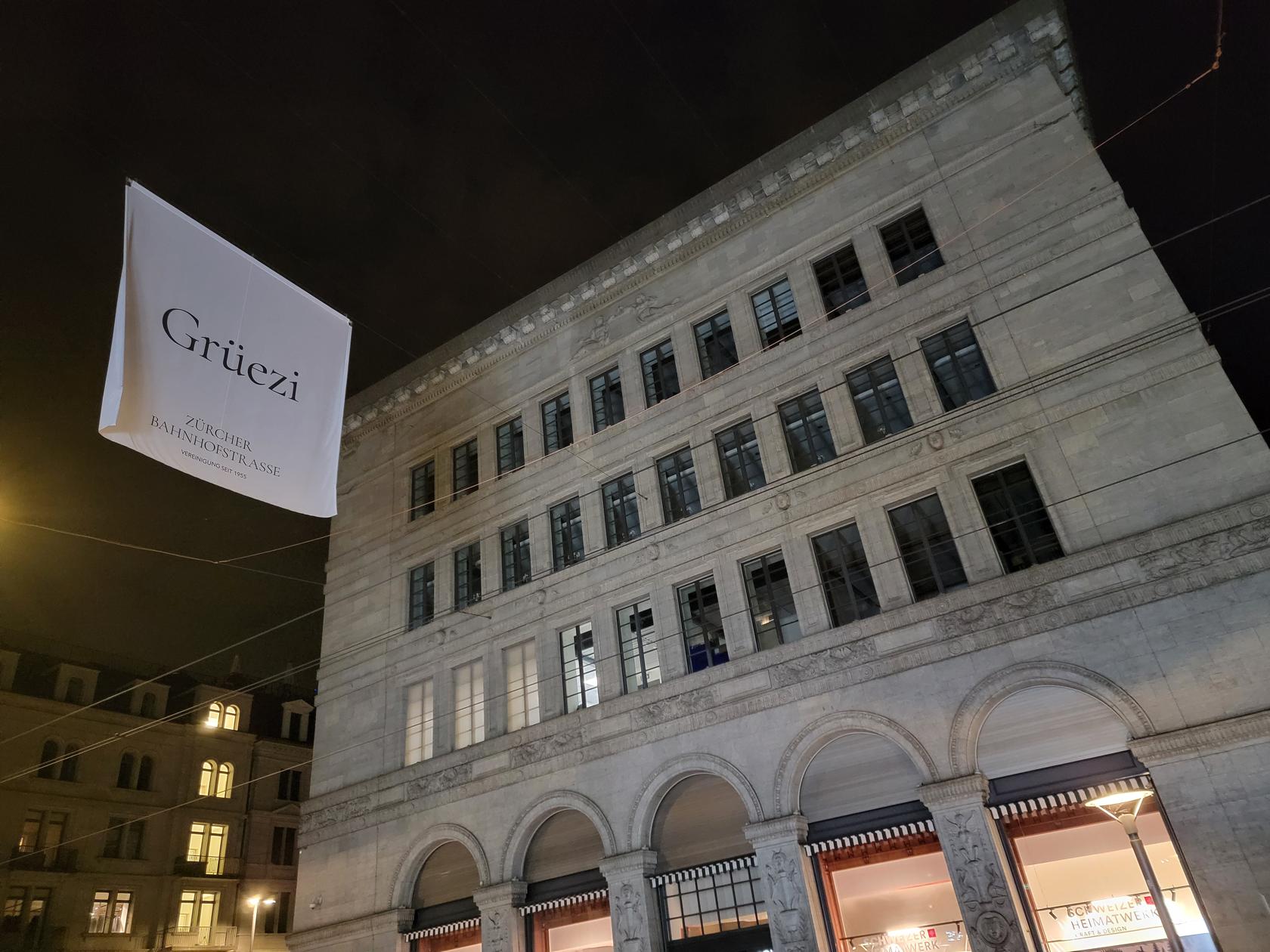
Grüezi! After our travels in the interior of Switzerland, we spent a few days in Zürich prior to our return. The decision was one out of convenience, since Zürich airport was the closest offering international travel back to the states.

Getting There

Since we were starting from Wengen, we had to take the the Wengneralpenbahn to Lauterbrunnen and then the Berner Oberlandbahn from there to Interlaken Ost. From Interlaken Ost to Bern we still had free fare with our Oberlandbahn passes, so we only had to book first class tickets from there to Zürich. Then we purchased seat reservations for the entire trip using the Swiss Half Fare card.

A word about the Swiss Half Fare card and Berner Oberlandbahn pass. If you are only passing through the region it probably does not pay to get these, the initial cost is rather high. However, if you are staying in the region for an extended period of time and plan on traveling within it, then it definitely pays for itself.

Zürich

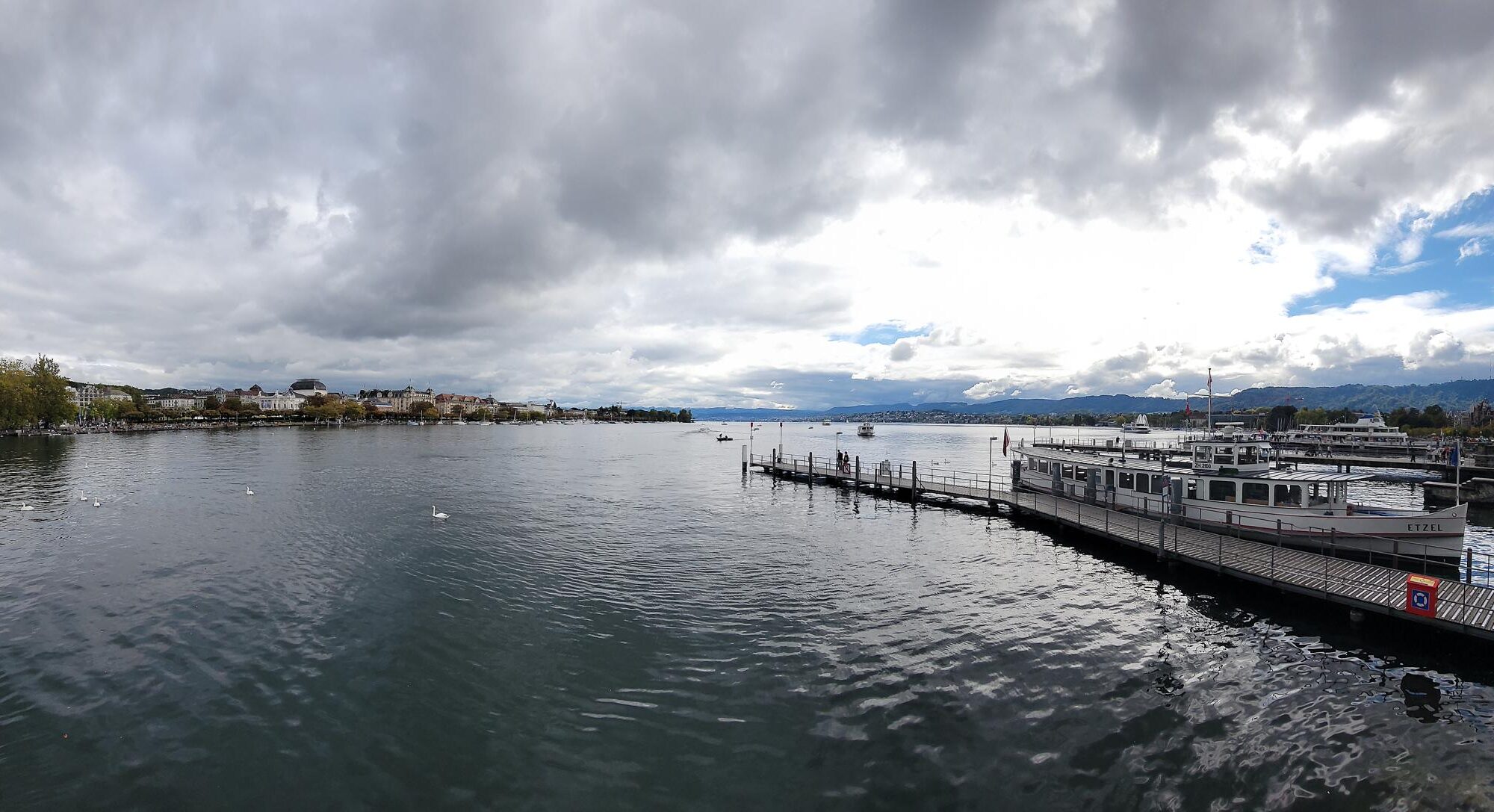
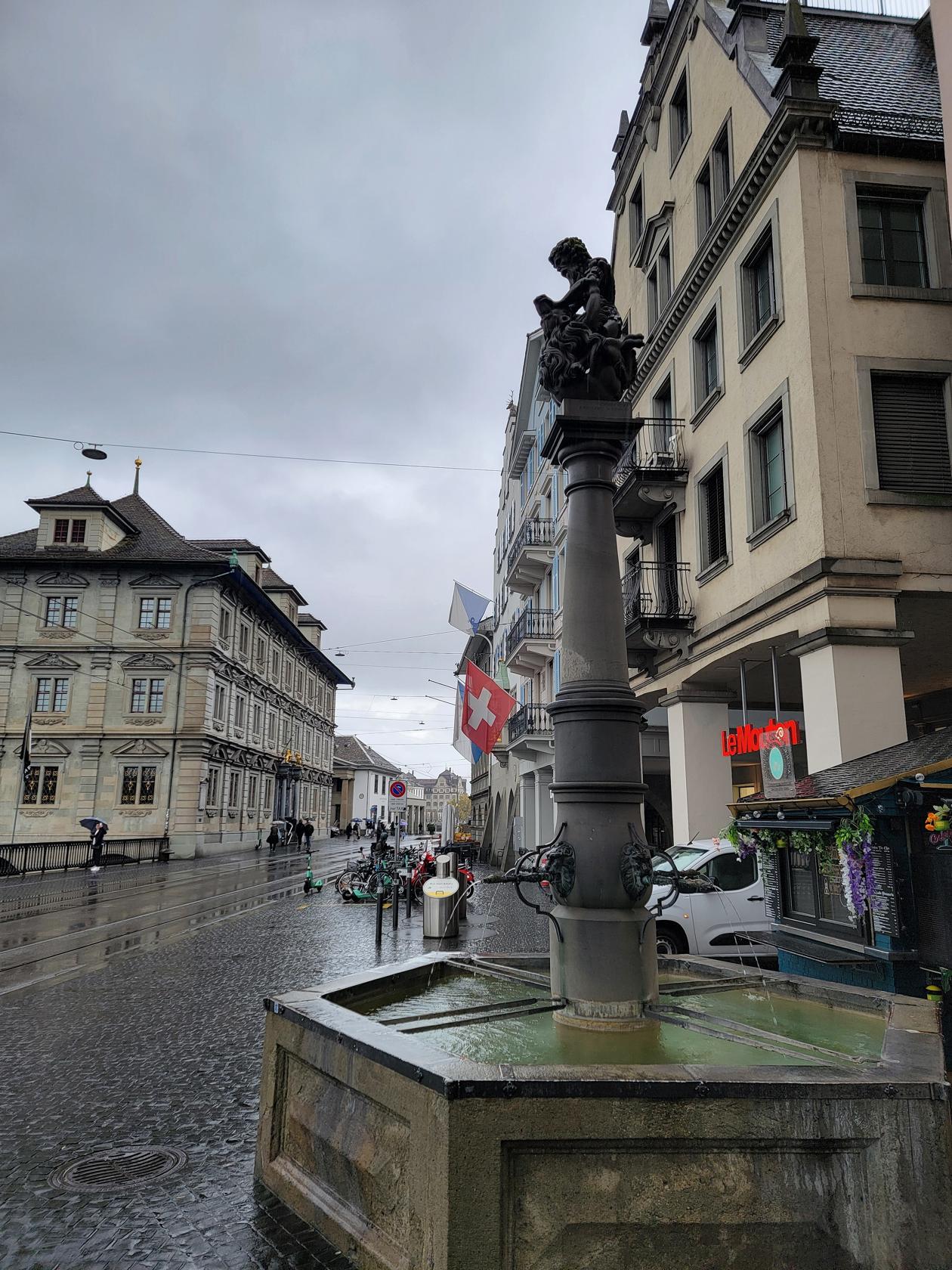
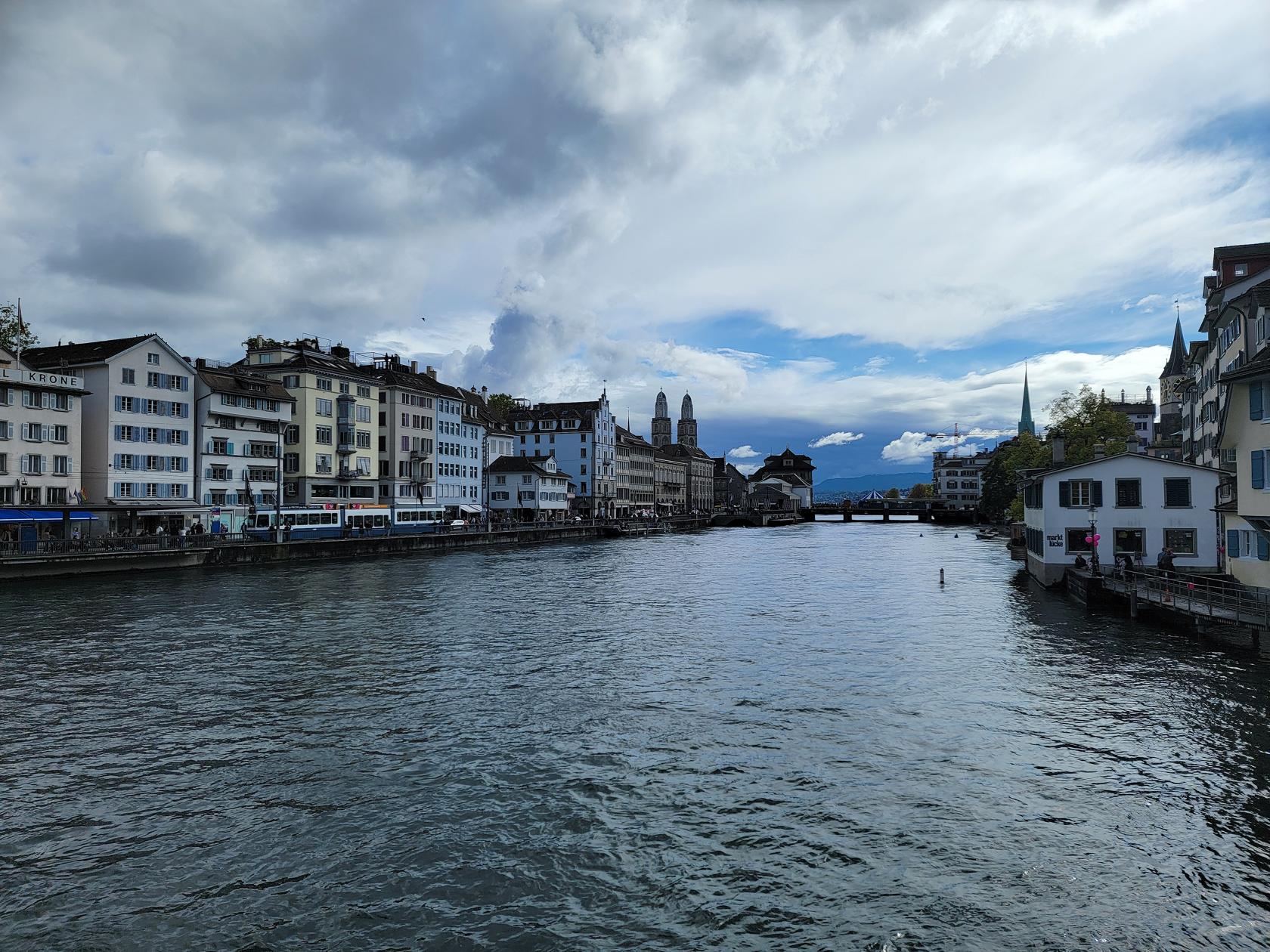
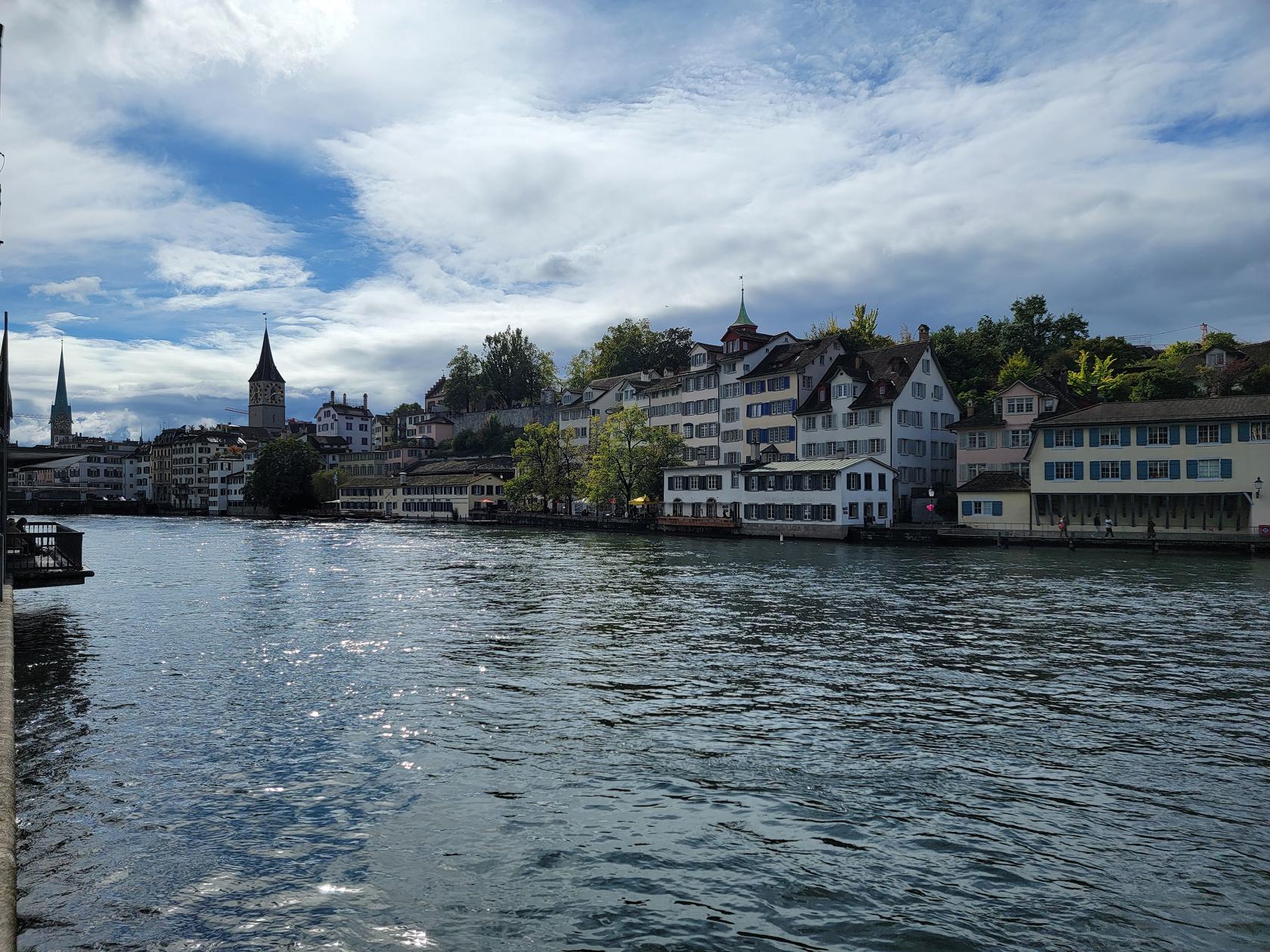
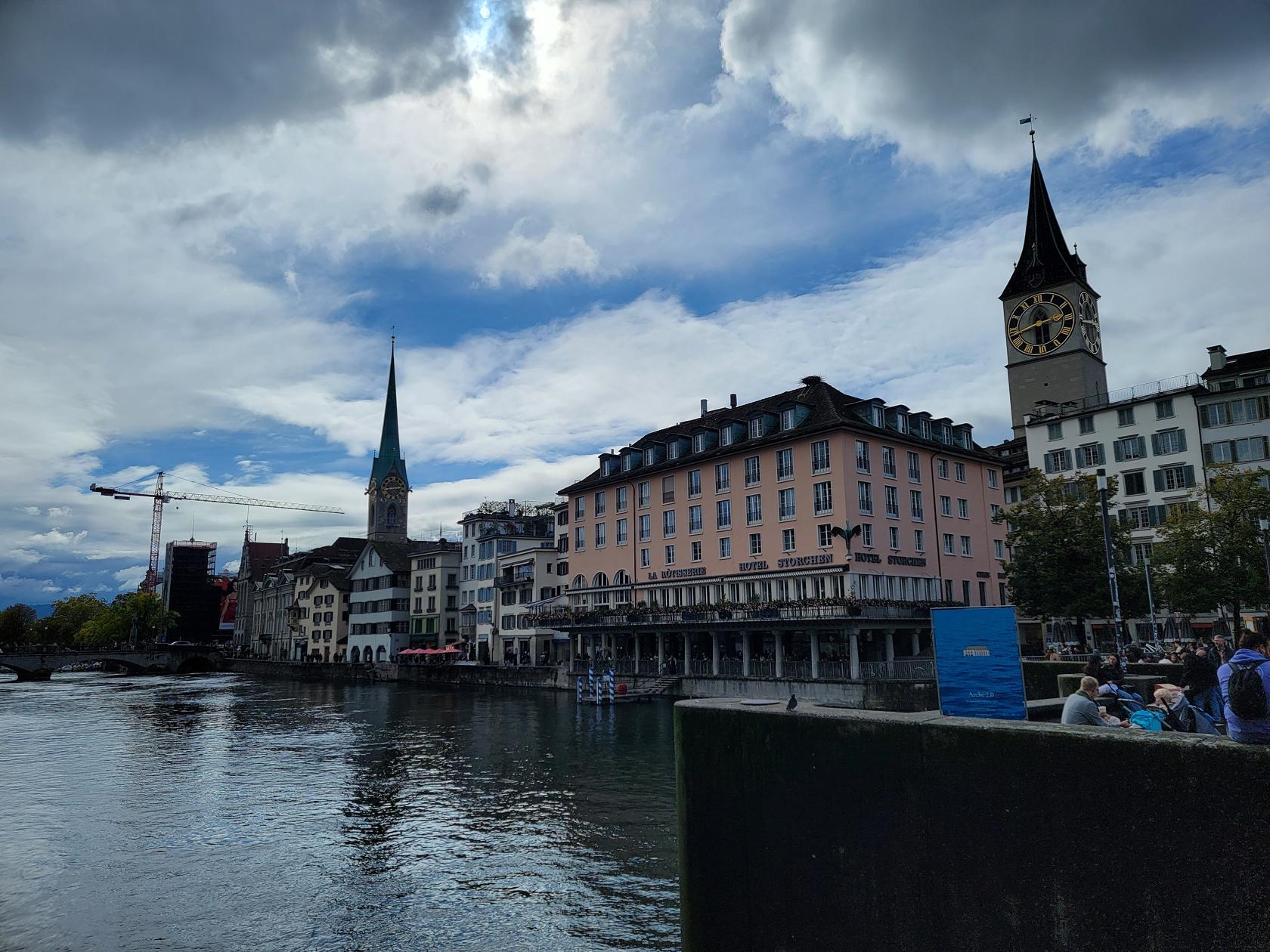
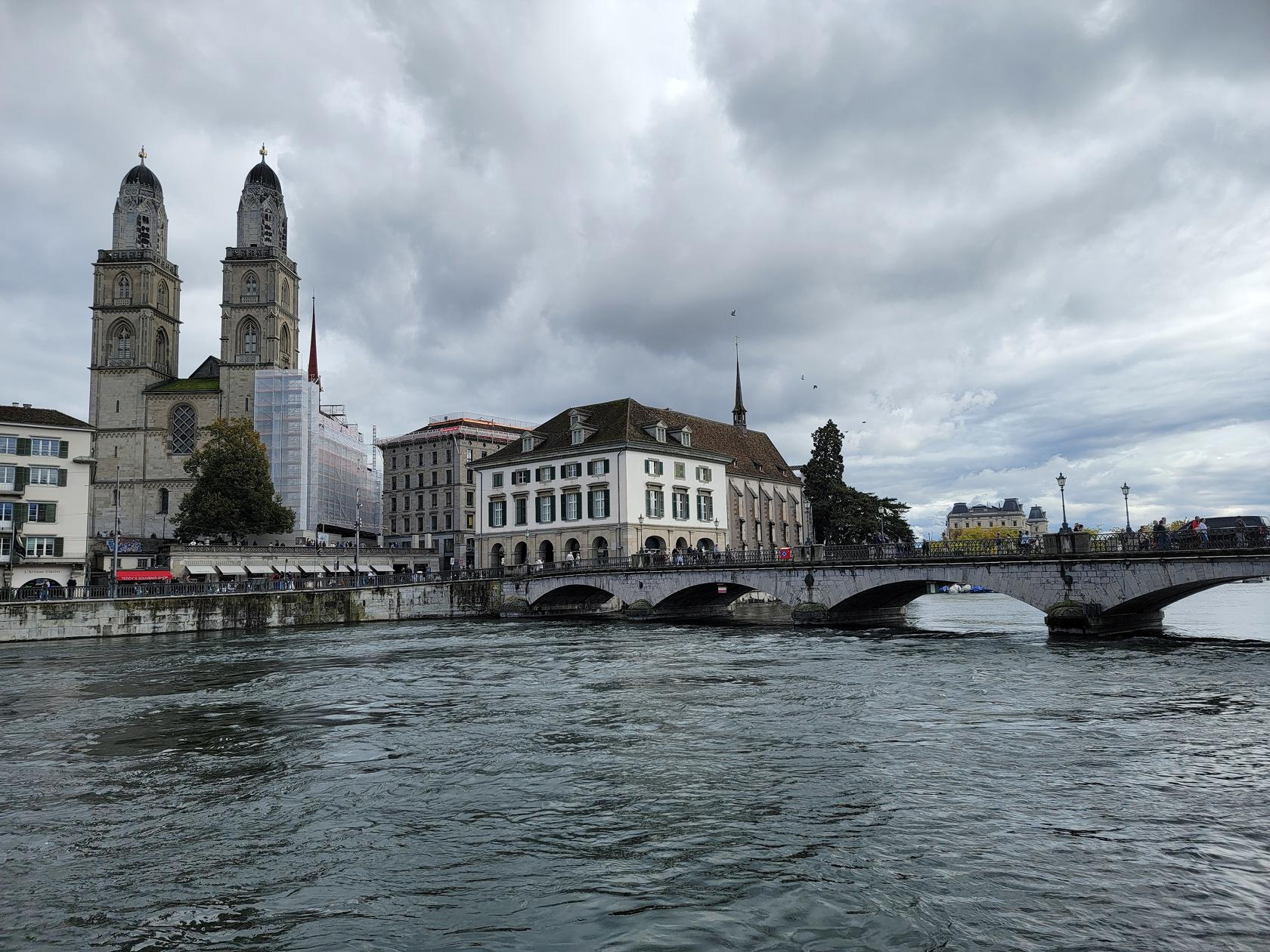
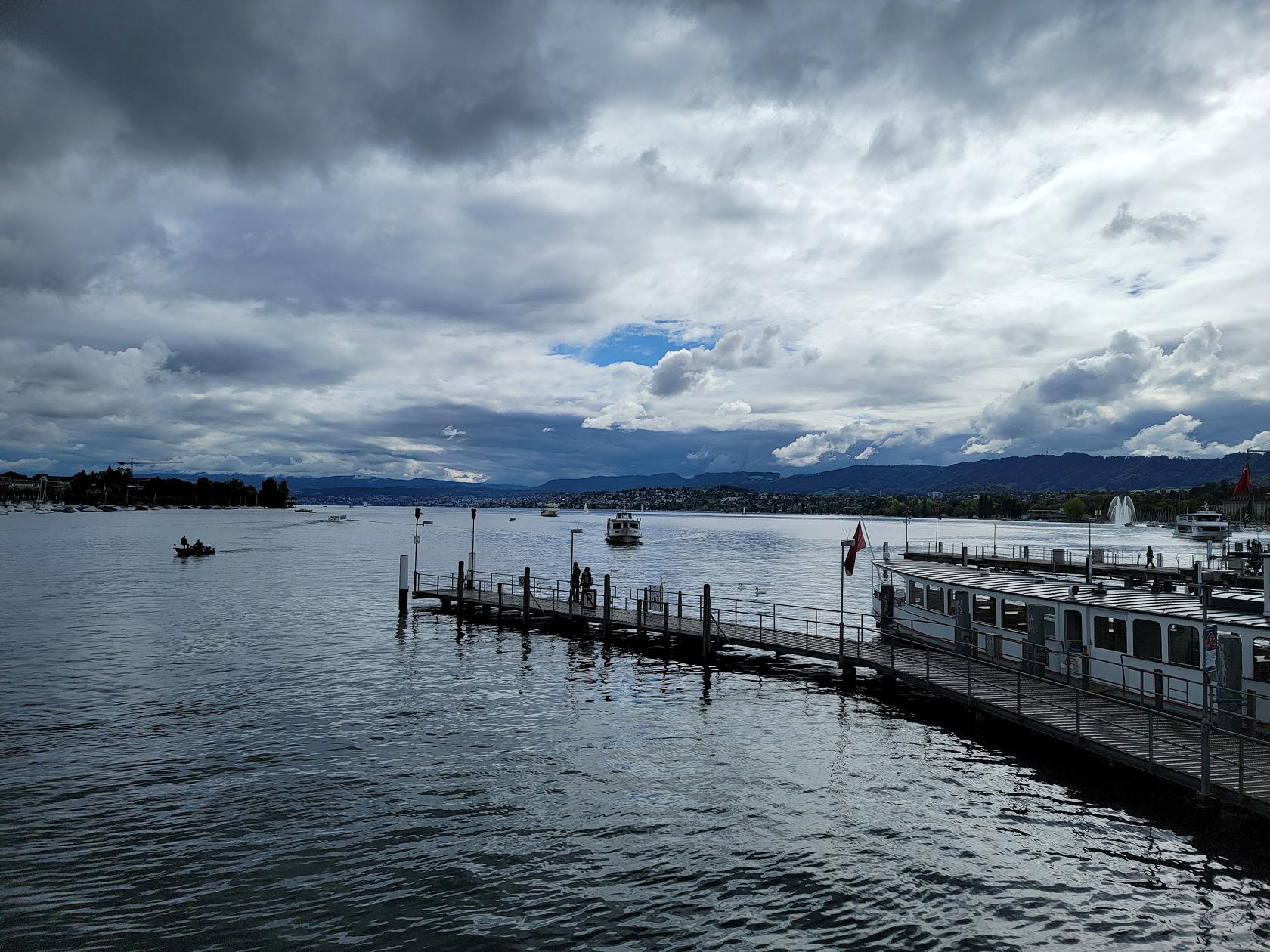
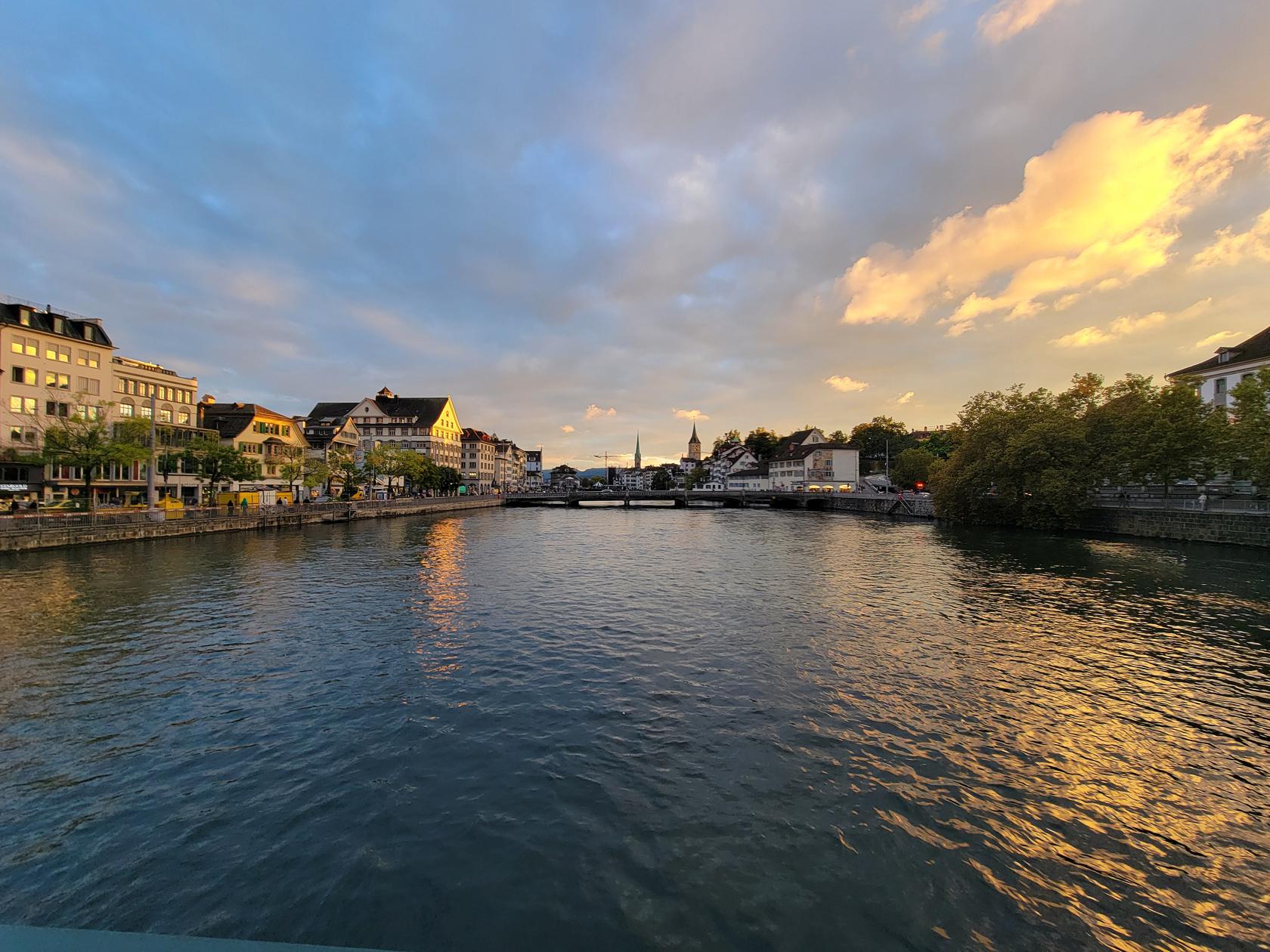
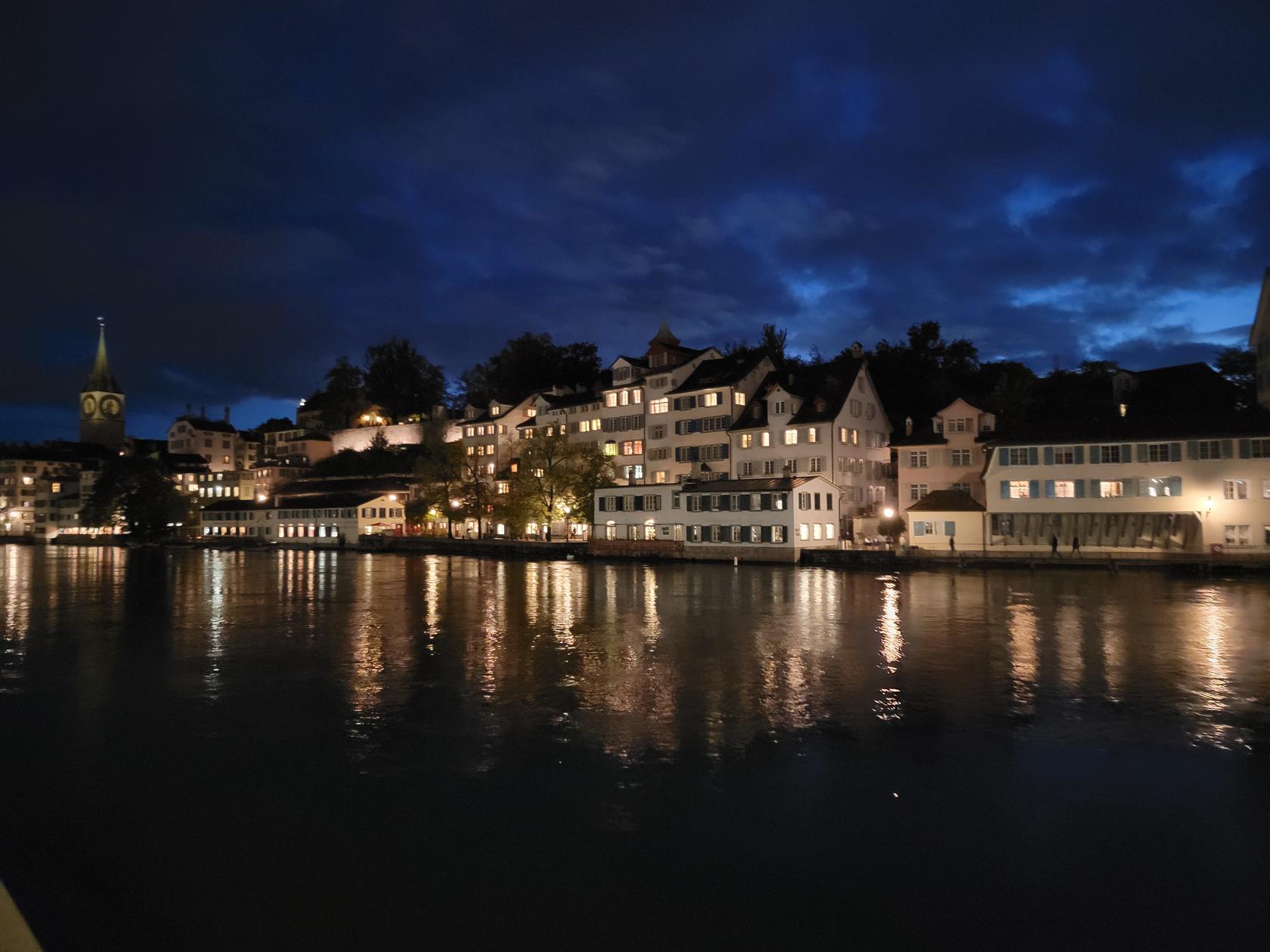
A modern city by any standard, it is situated on the eponymous lake and also enjoys the dissection of the Limmat and Sihl rivers, as well as a canal and several minor streams.

The Altstadt, or old city, is partially on a small island, being bounded by the lake, the Limmat river and the Schanzengraben canal, the remaining part lieing to the east of the Limmat, which at one time had also been bounded by the Sielengraben and Hirschengraben moats (which have both been filled in).

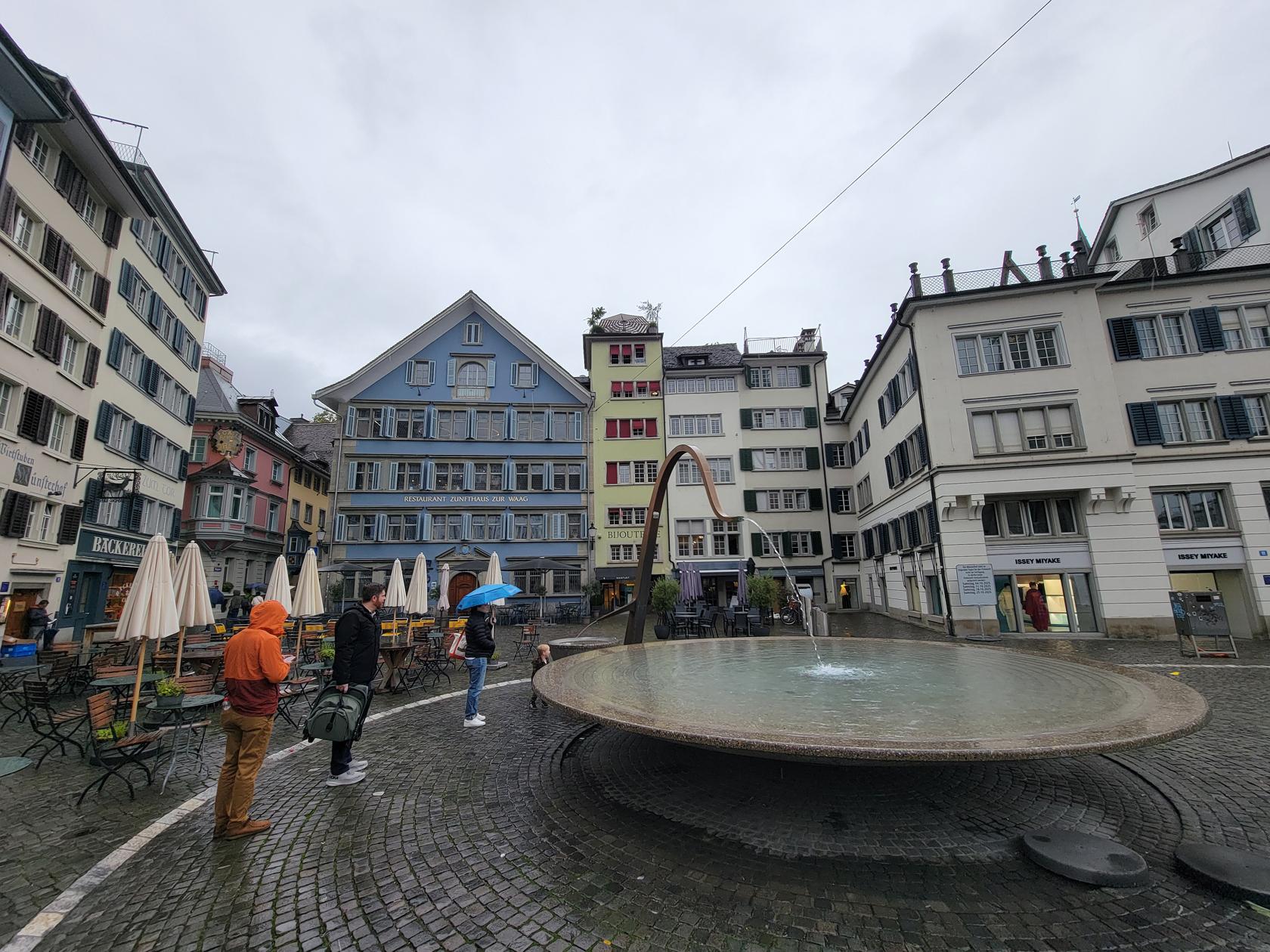
The Münsterhof, Münsterbrücke and the Limmatquai are probably the must see places for this city. There are plenty of restaurants in and around this area, as well as shops and other places of business.

We both felt that Zürich as a destination in itself does not offer much, but it is definitely worth of few days in your schedule if you are just passing through the area.

Hotels

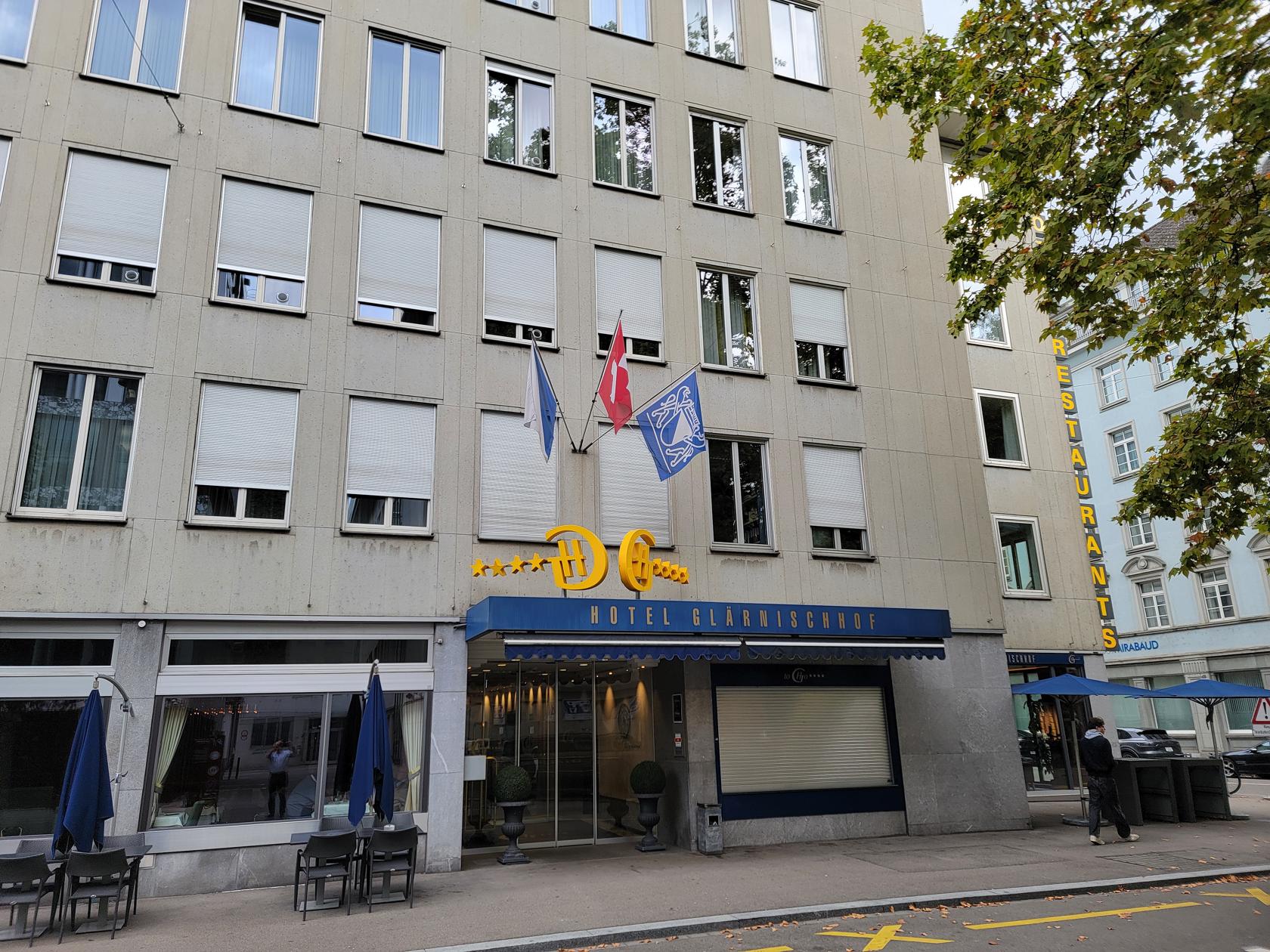
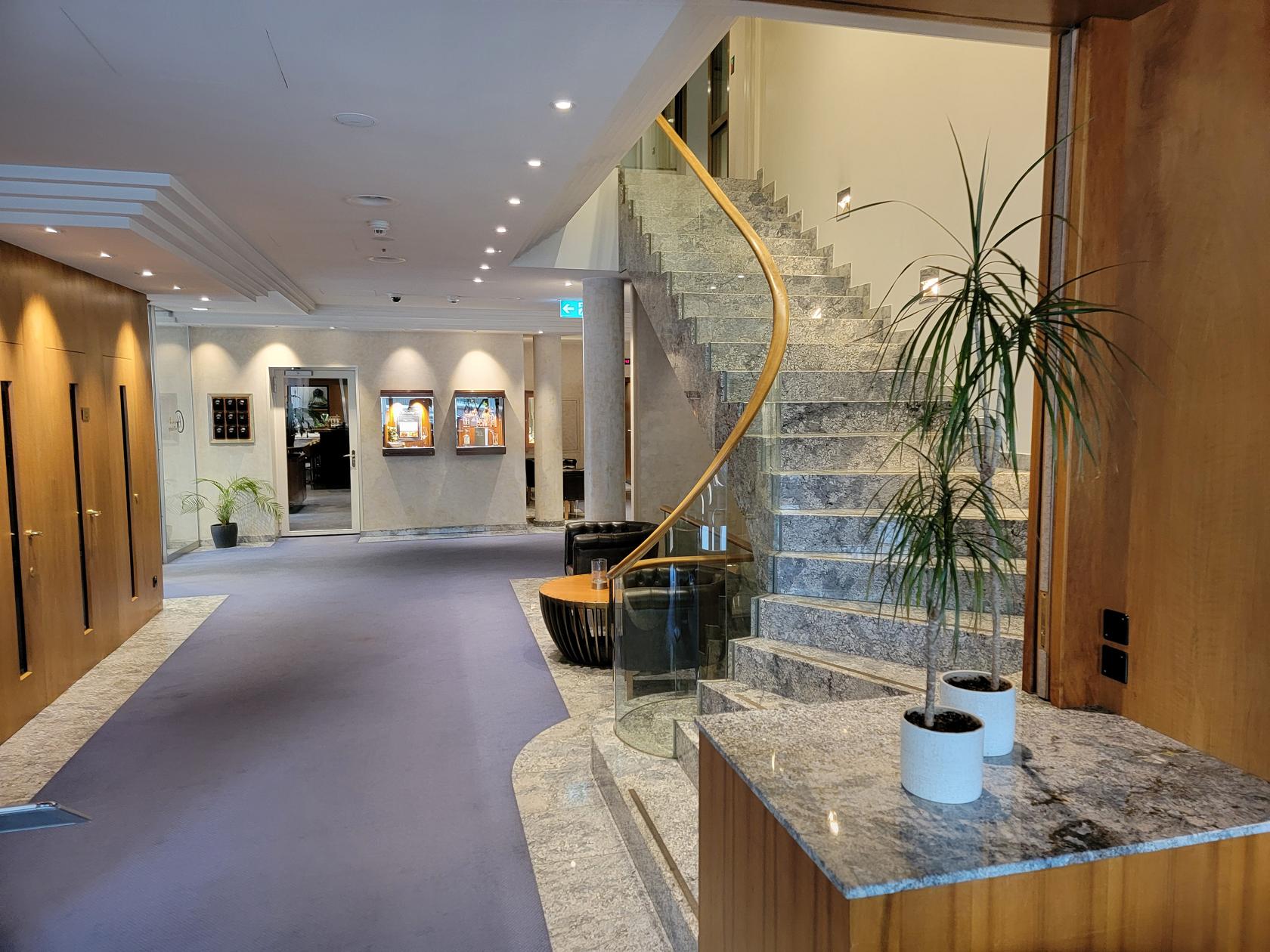
Hotel Glärnischhof

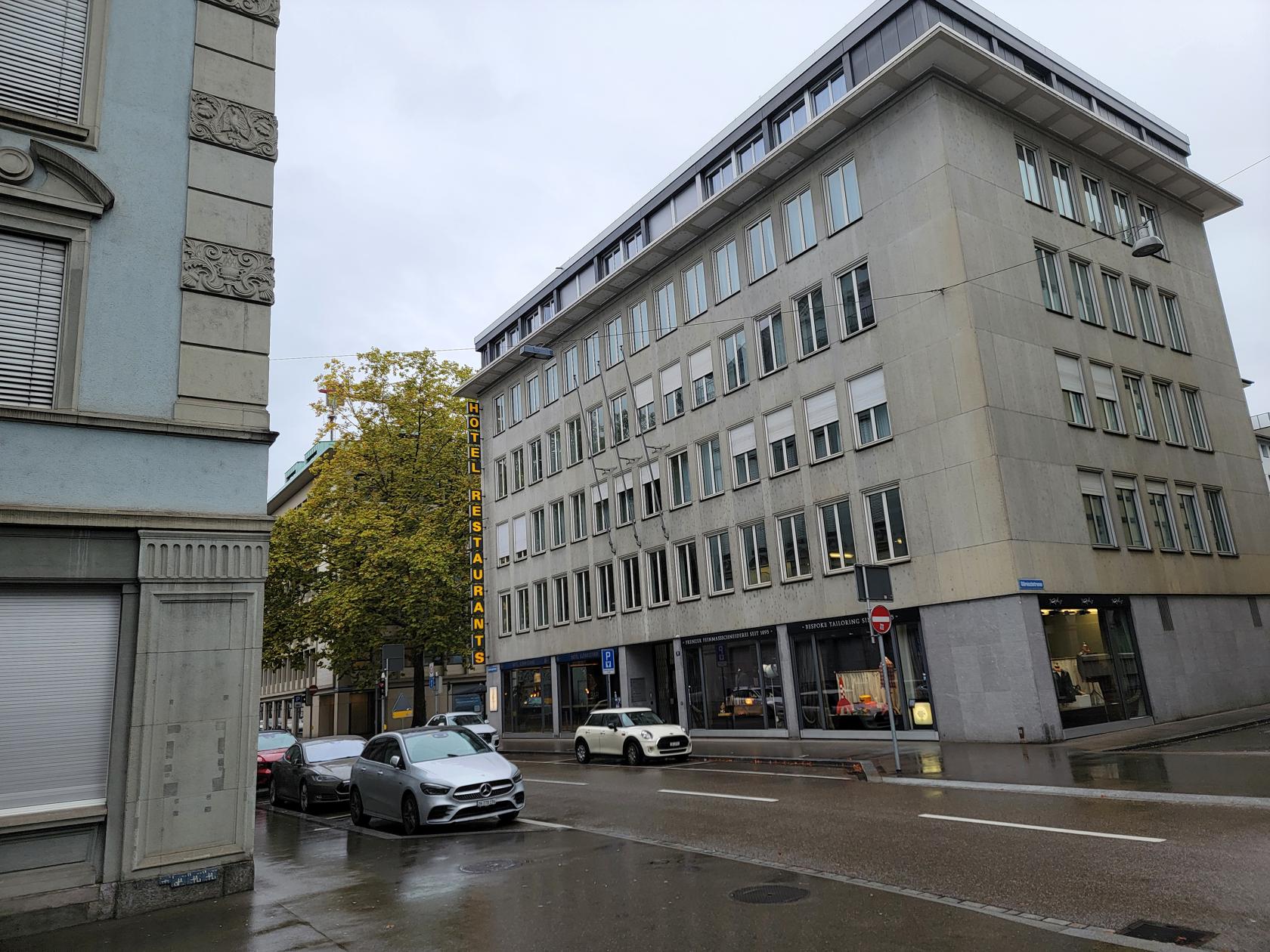
The Hotel Glärnischhof is situated close the Schanzengraben canal and the Zürichersee, or Lake Zurich. It provides a good location to the old city, as well as the lake for relaxing strolls, boat rides and other forms of entertainment. We did not find many restaurants in the area, so we did have to walk into the old city center each night for dinner.

Restaurants

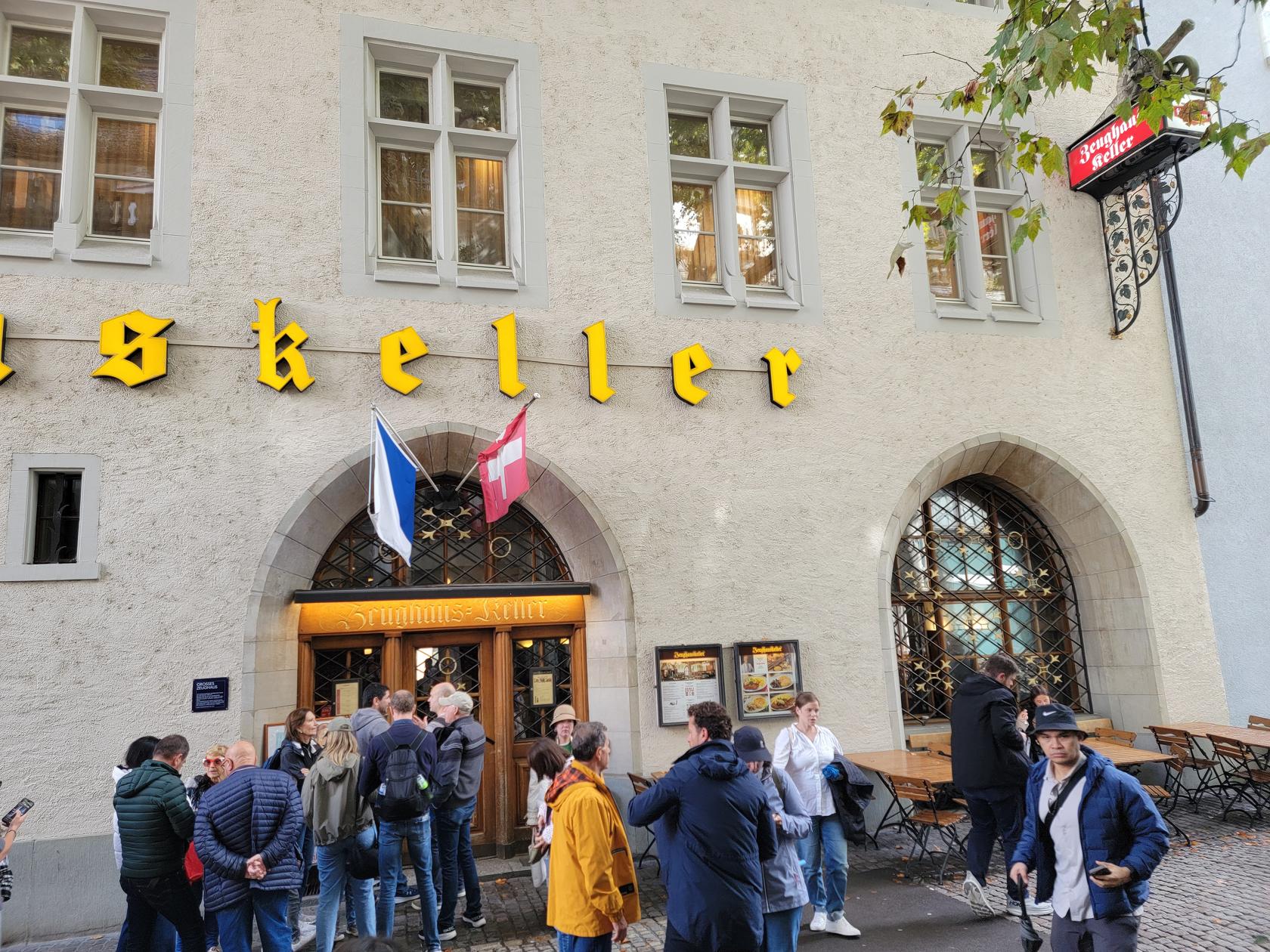
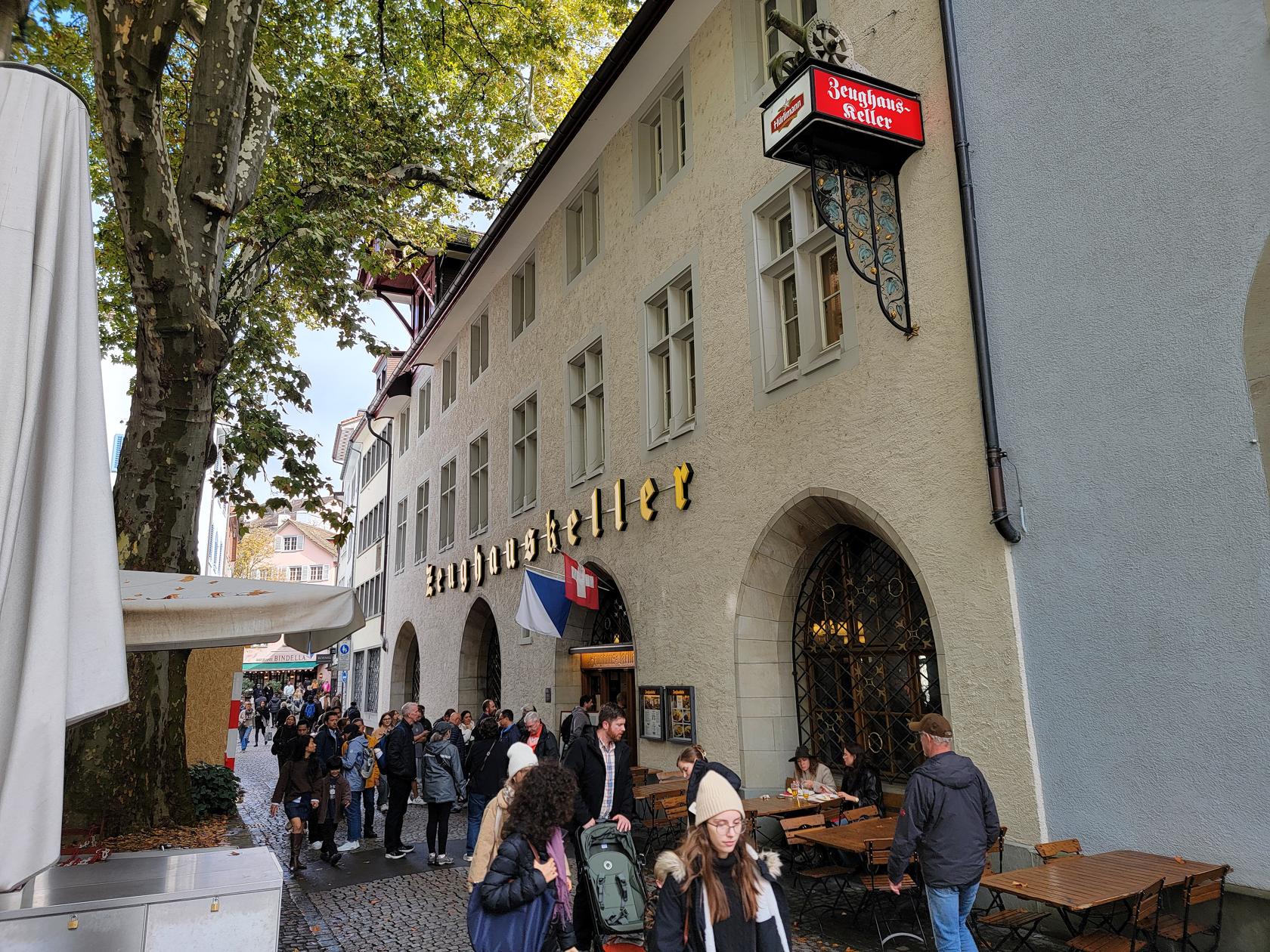
Zeughauskeller

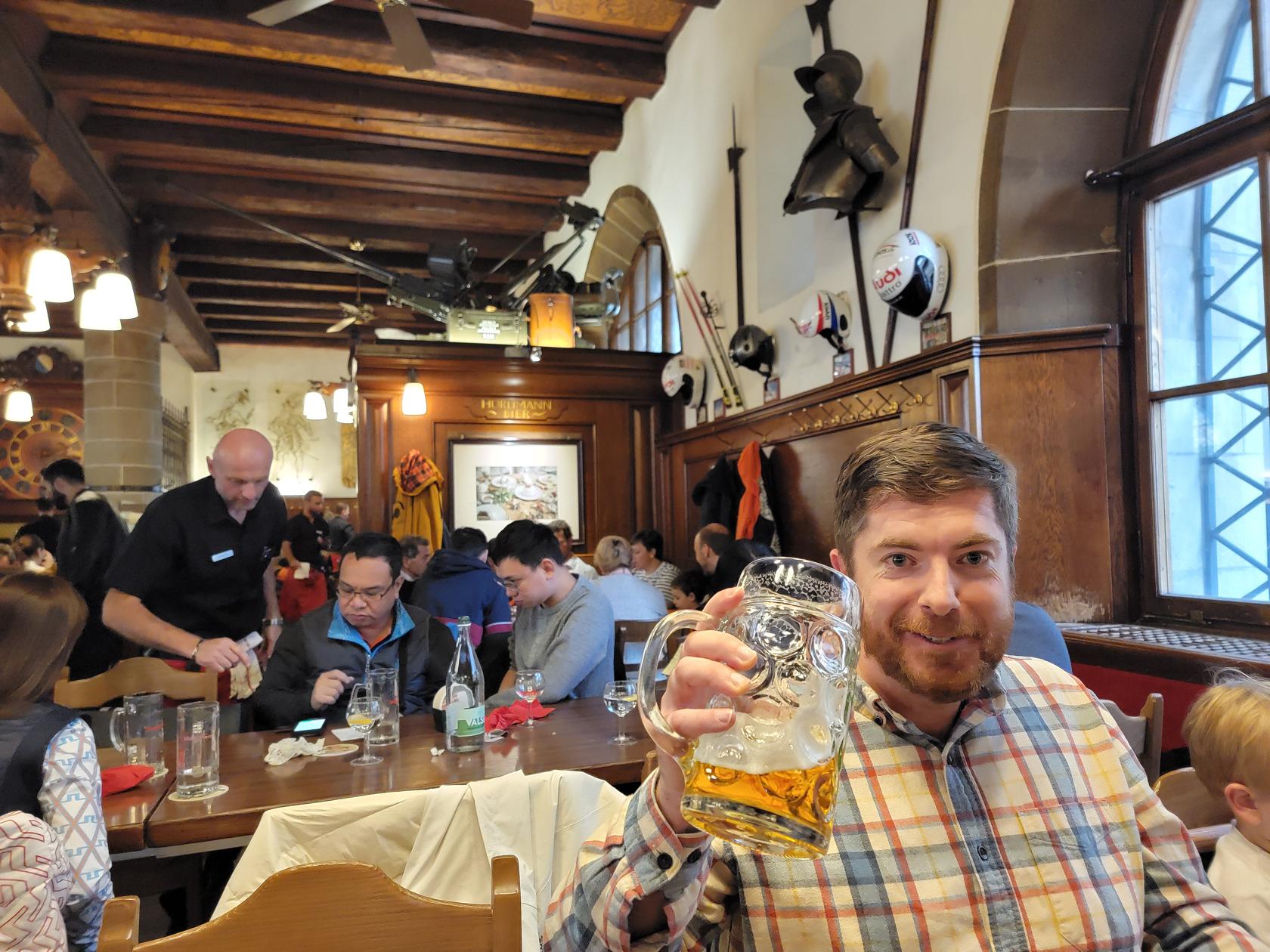
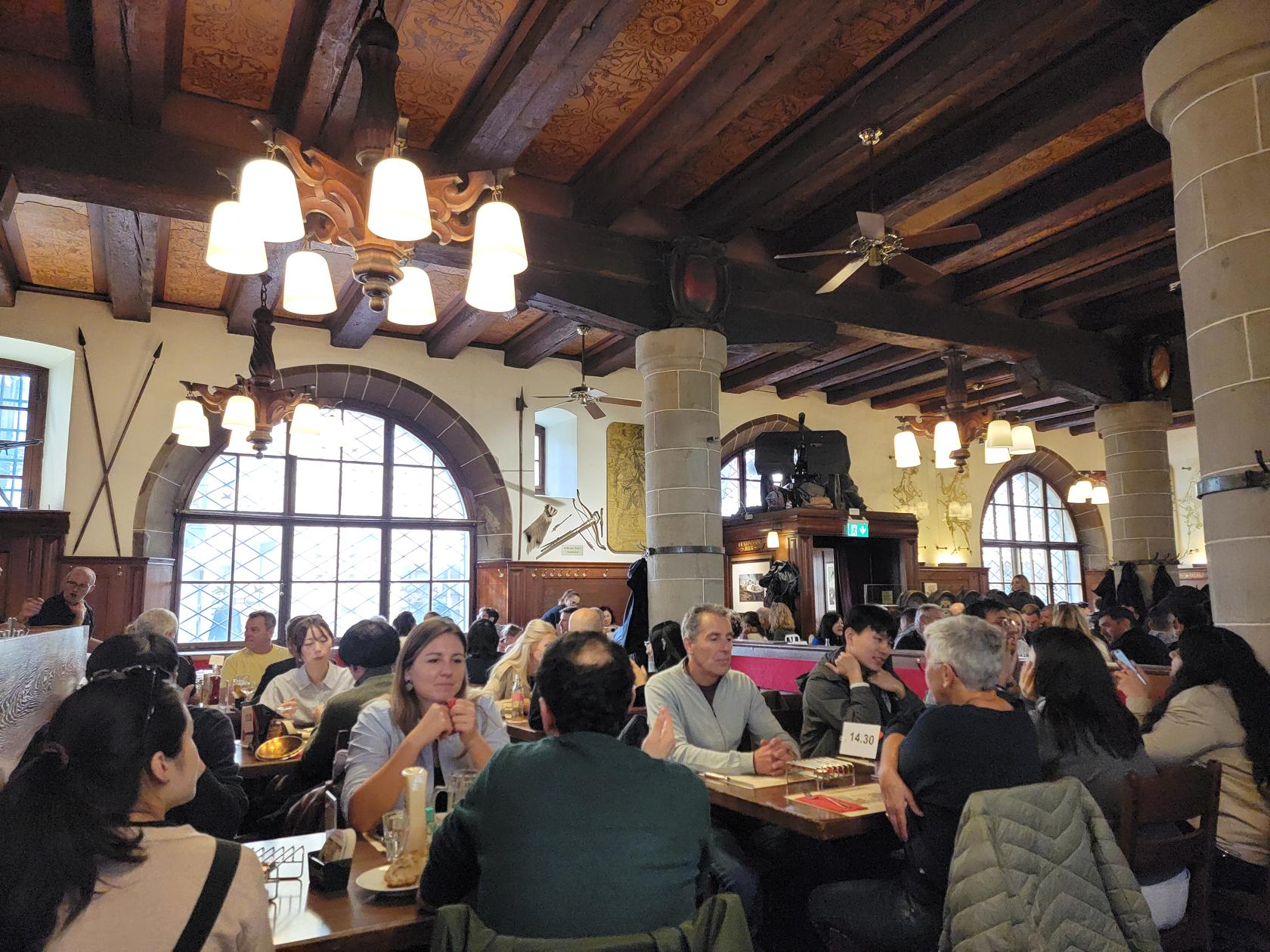
The Zeughauskeller Restaurant has exactly that, a bunch of military junk and oddities in a building, hanging from the walls or ceiling. It provides interesting things to look at while you are eating your sausages and drinking your beer.

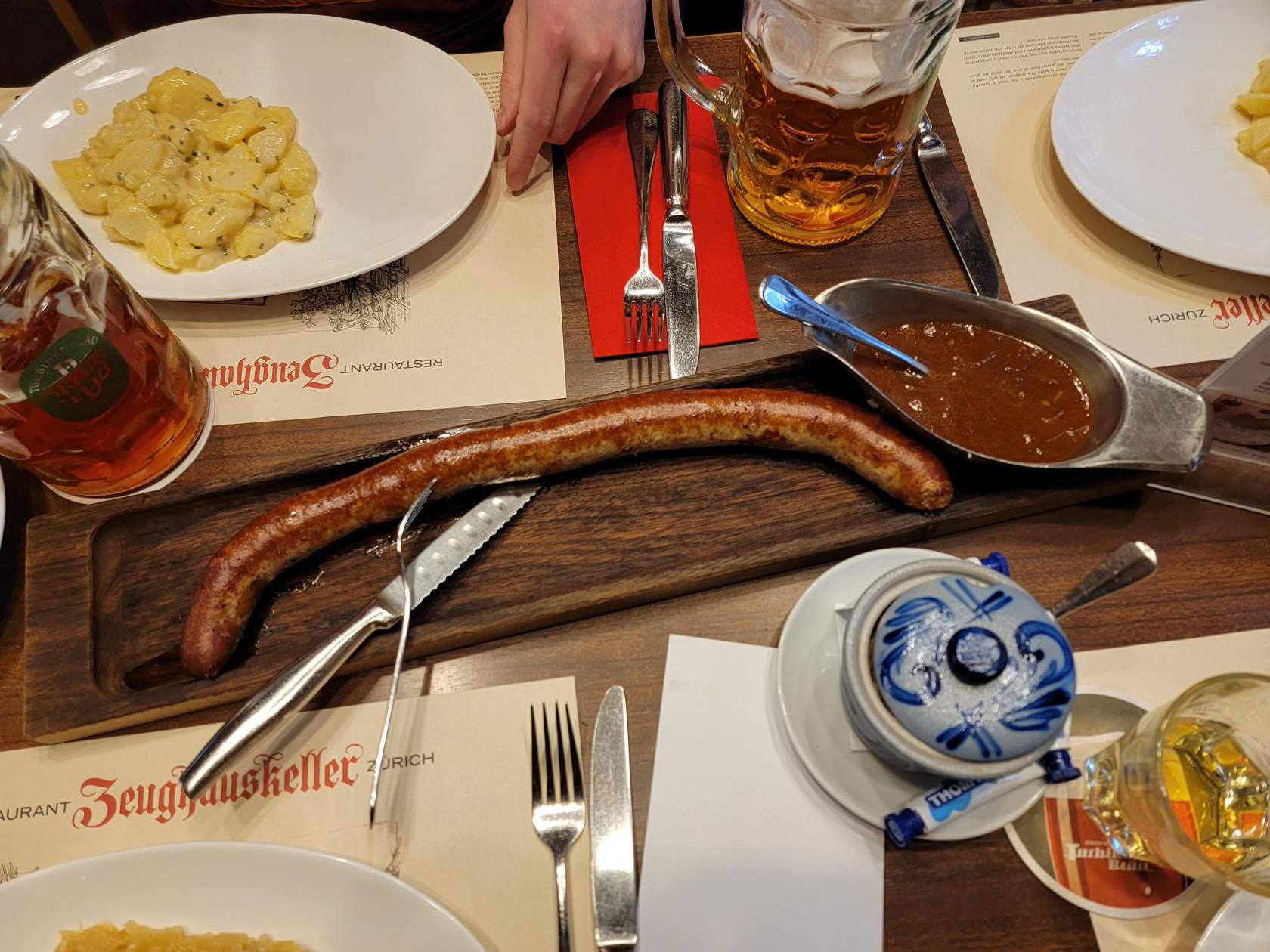
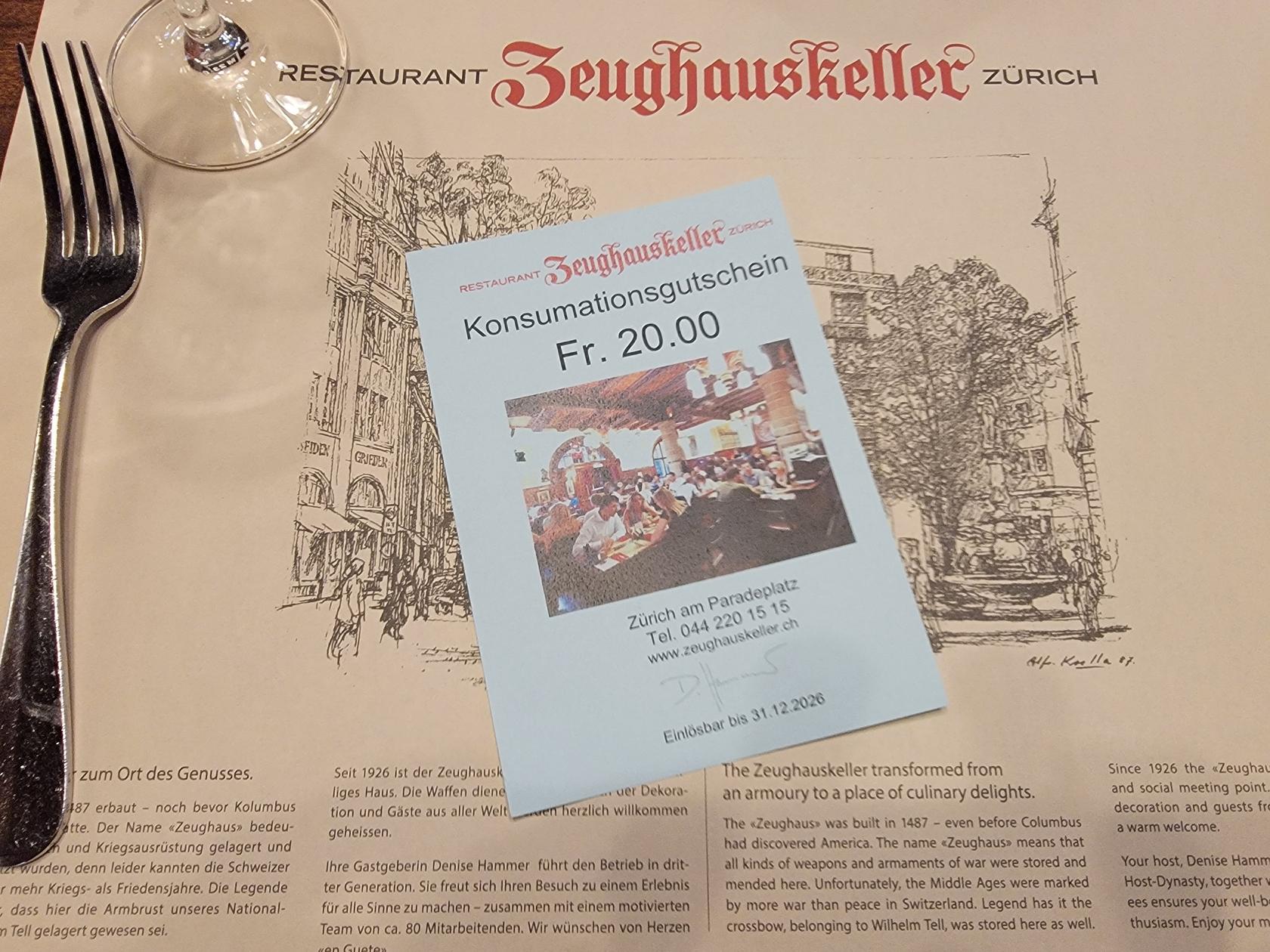
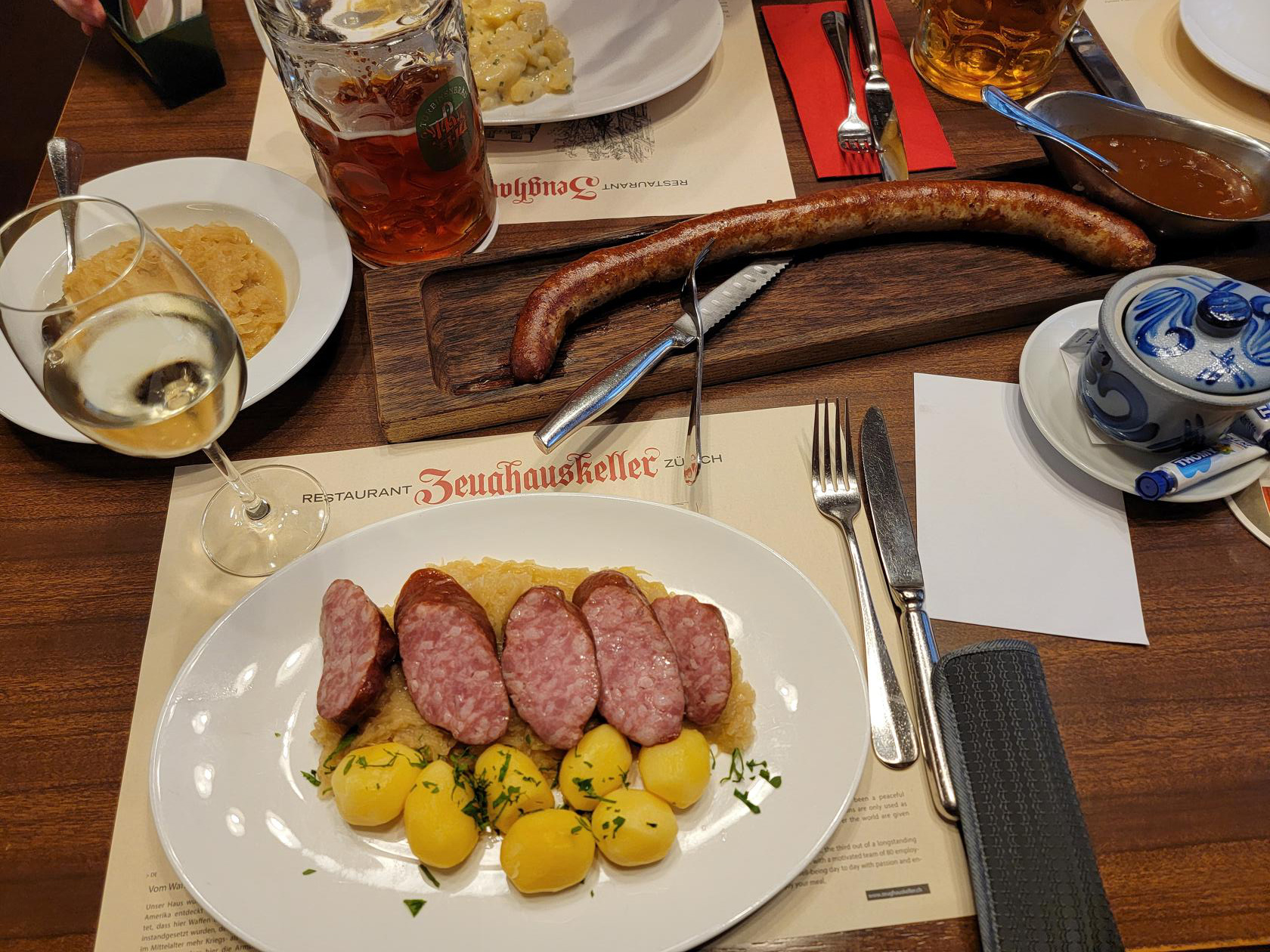
As for sausage, they make it locally and sell some of it by the meter, apparently to go along with that liter of beer (ein Maß) you are going to order. We were even witness to a bit of excitement when the kitchen staff had a small mishap near our table and they gave me a coupon for 20 Swiss Francs for the disturbance. I graciously accepted it using my poor German.

Thunersee, Switzerland – St. Beatus Höhlen

The Caves Of Saint Beatus

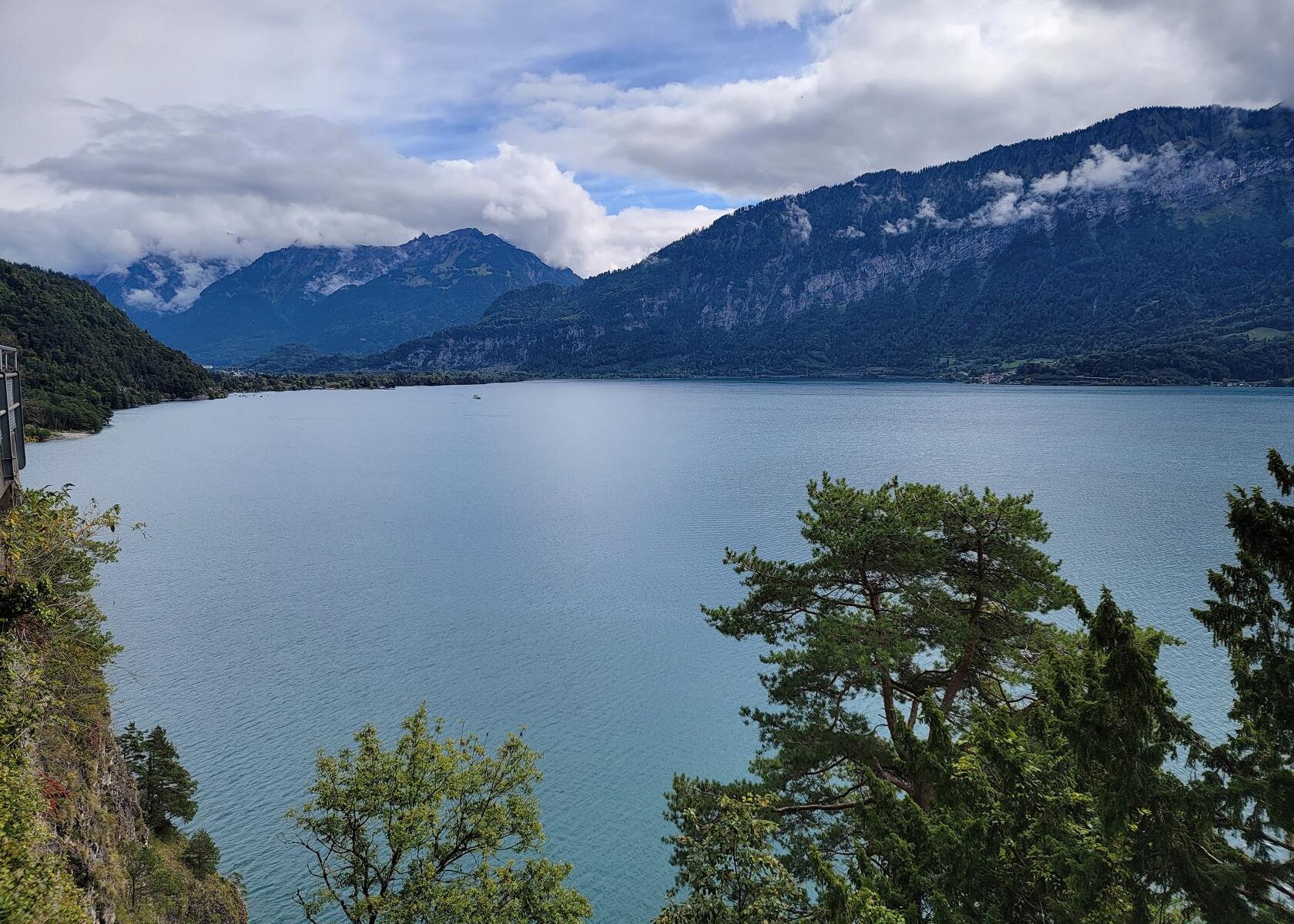
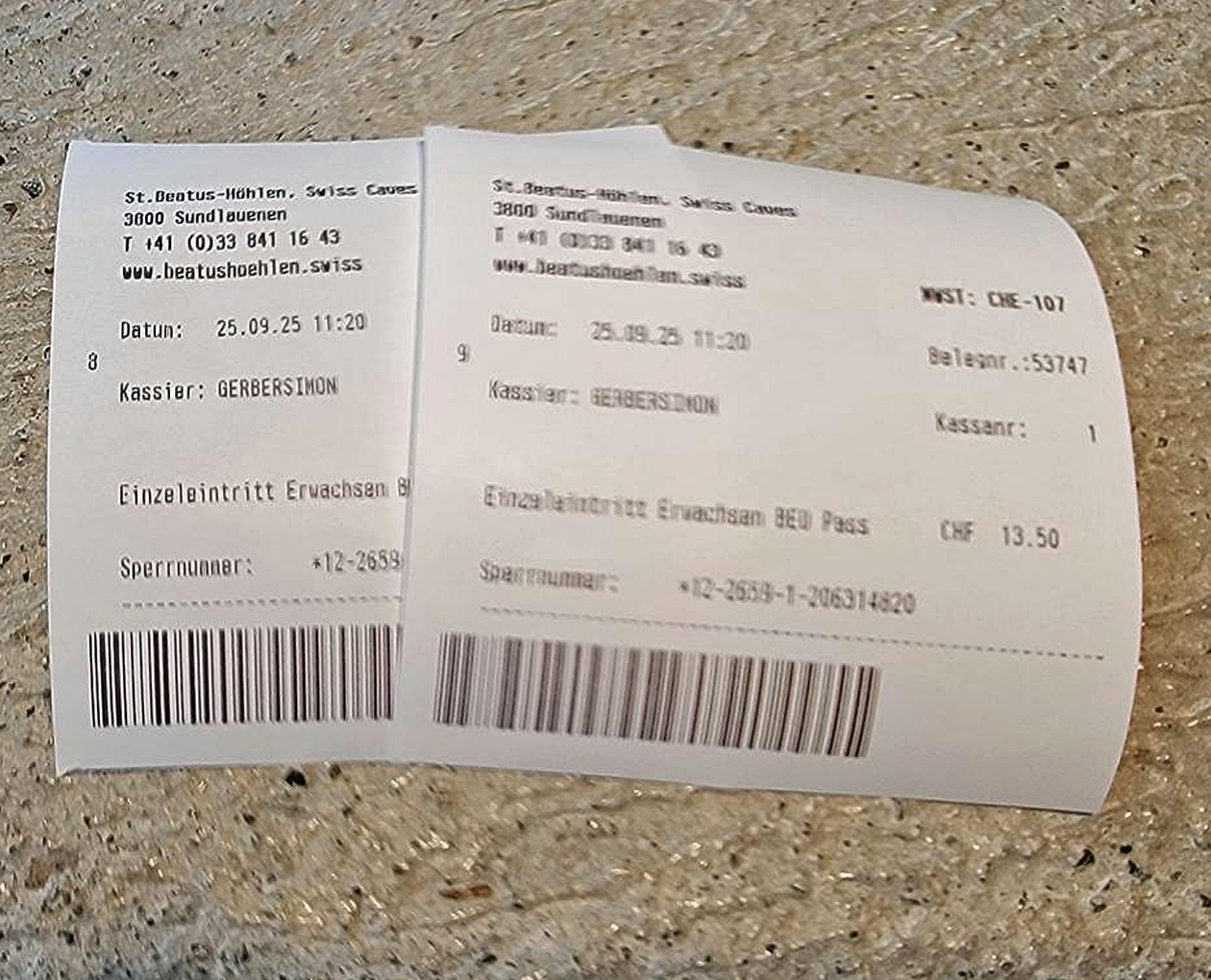
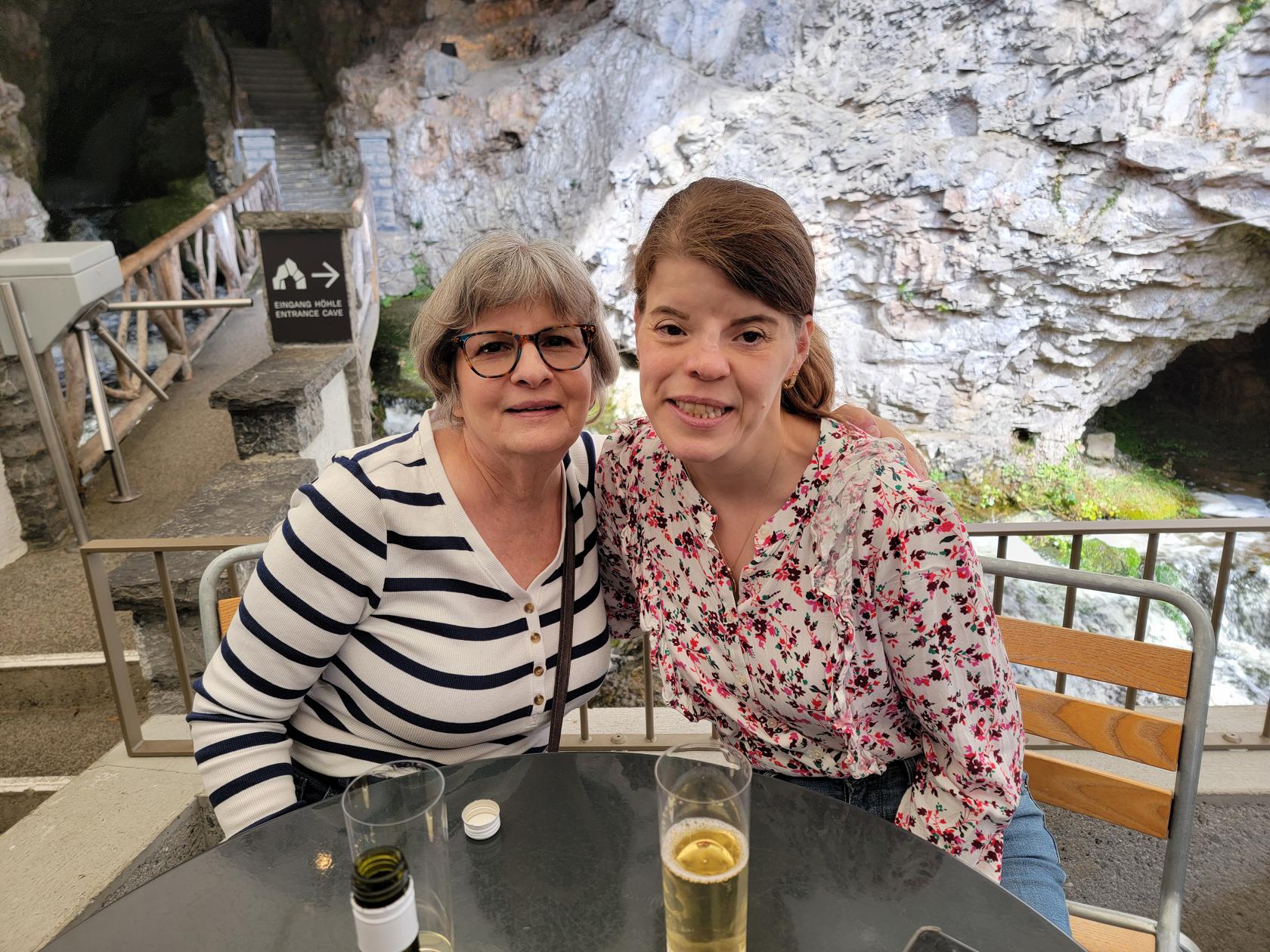
Along the northern banks of the Thunersee, or Lake Thun, about thirty minutes from Interlaken you will find the caves of Saint Beatus. Though not as grand as some of the other caves we have seen, they are still worth visiting and at 13.50 Swiss Francs for entry per person, they are fairly reasonable to afford.

Getting There

From Wengen we took the Wengneralpenbahn to Lauterbrunnen and then the Berner Oberlandbahn from there to Interlaken Ost.

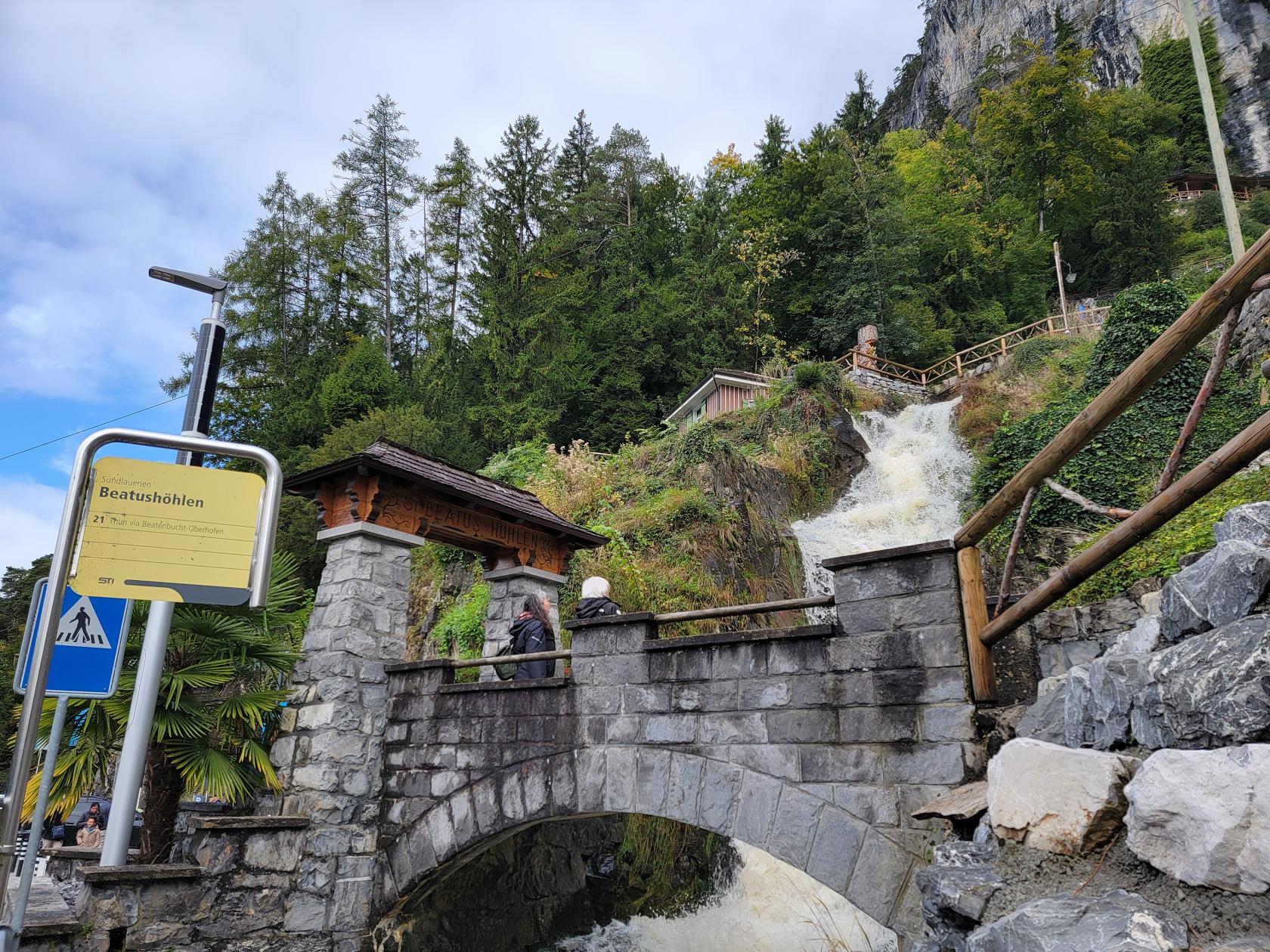
Once we arrived in Interlaken Ost, there was a short walk to the other side of town, Interlaken West train station, to wait for Bus 21 which took us directly to the caves of Saint Beatus and later back. Again, we purchased the Oberlander Pass, so there were no charges for this ride which is normally around 9 Swiss Francs for a round trip.

Interlaken

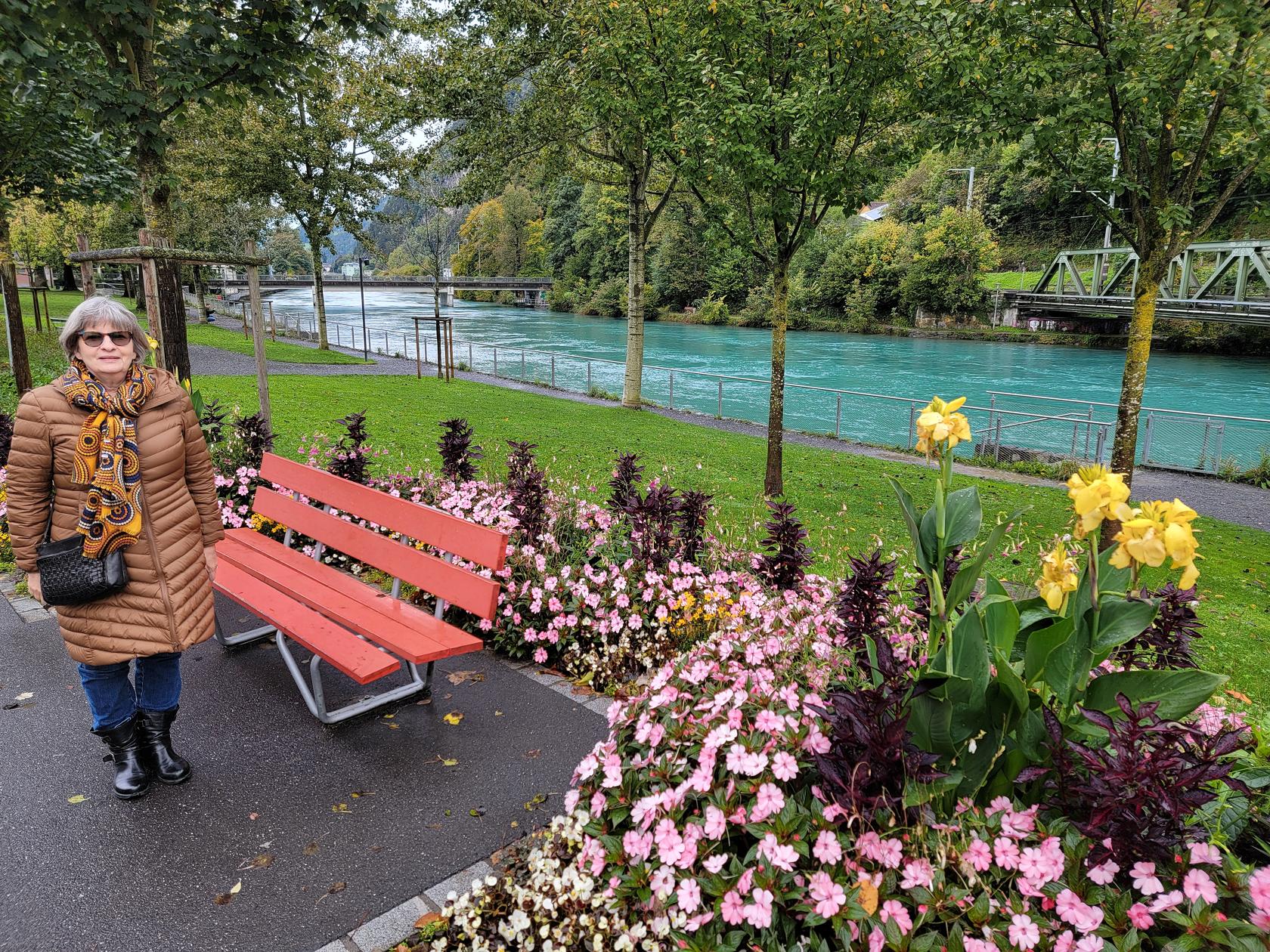
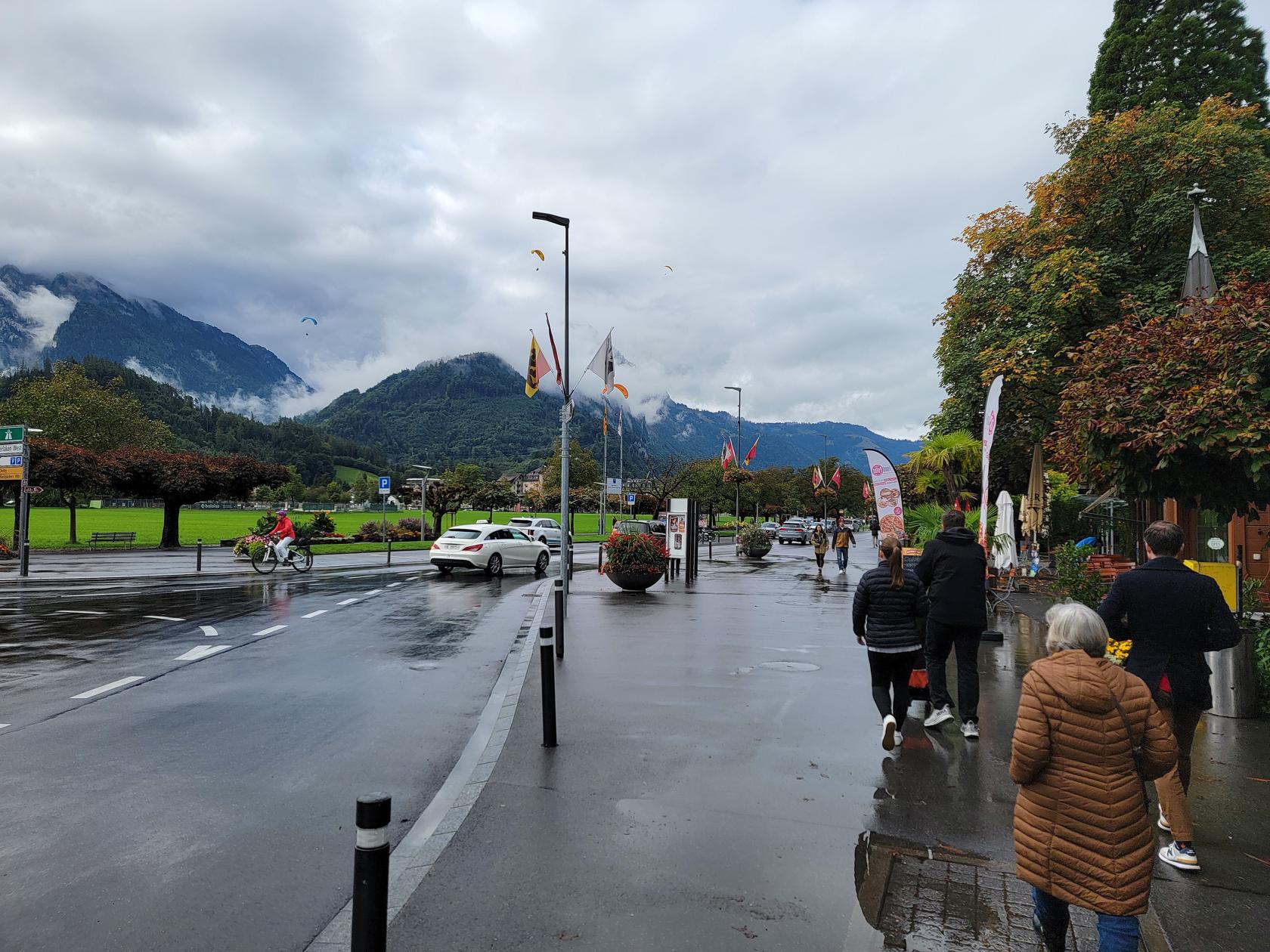
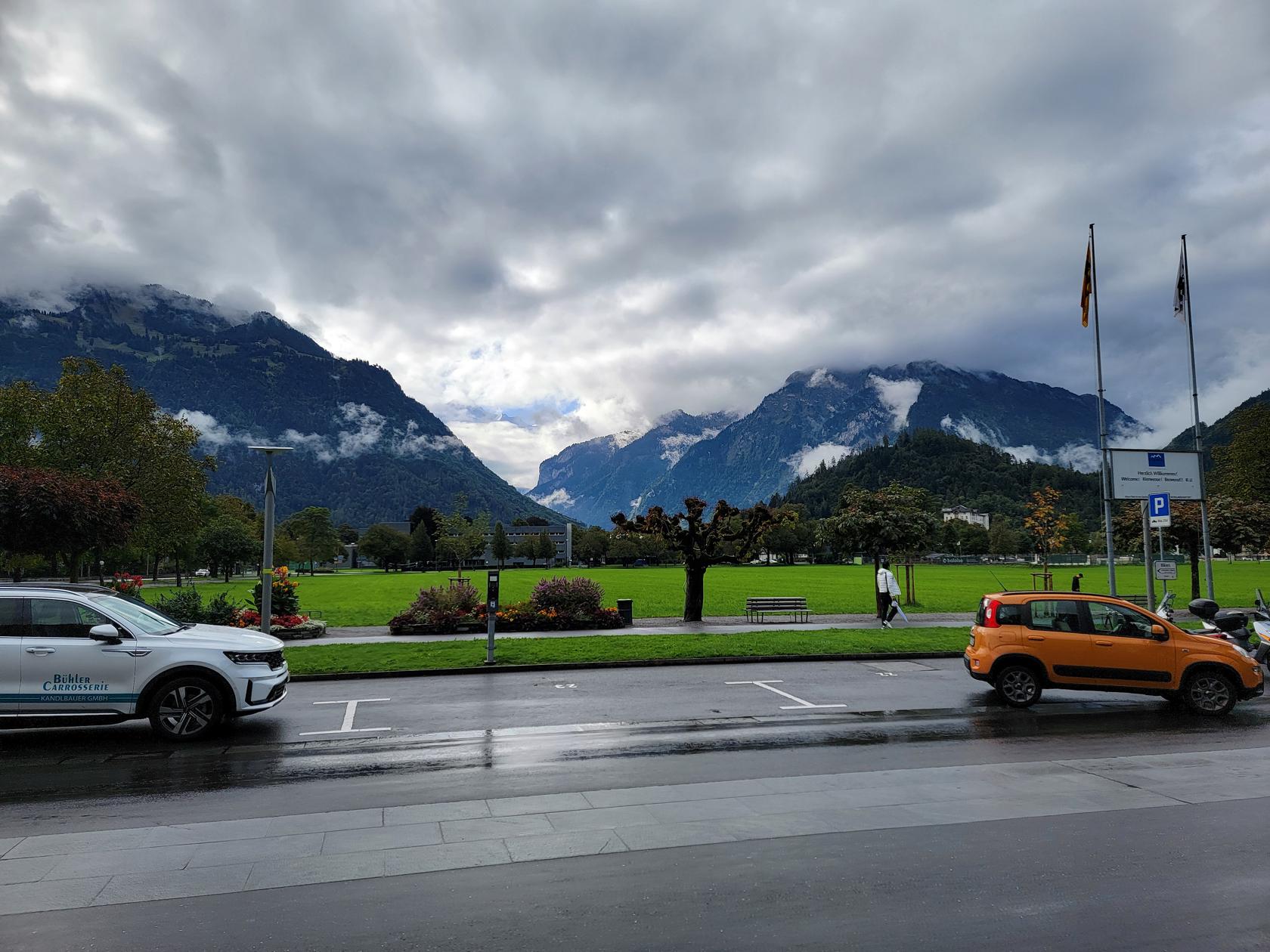
Since our bus was leaving from the other side of town, we had plenty of time to wander through the town and bit and enjoy some of its charm. The river Aare runs between Lake Thun and Lake Brienz here and the parks along it are understandably decorated to make it the perfect backdrop for photographs.

Saint Beatus Höhlen

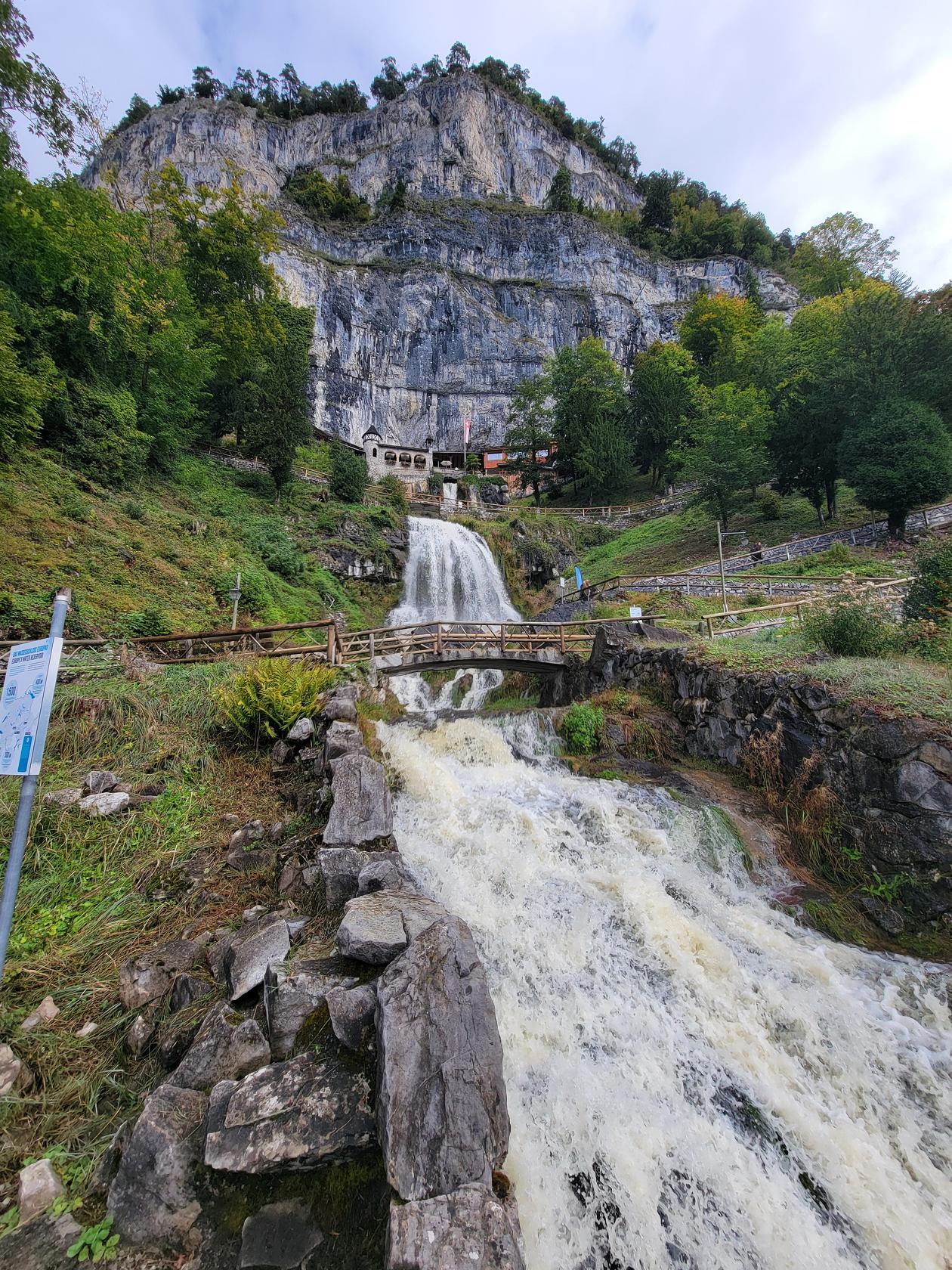
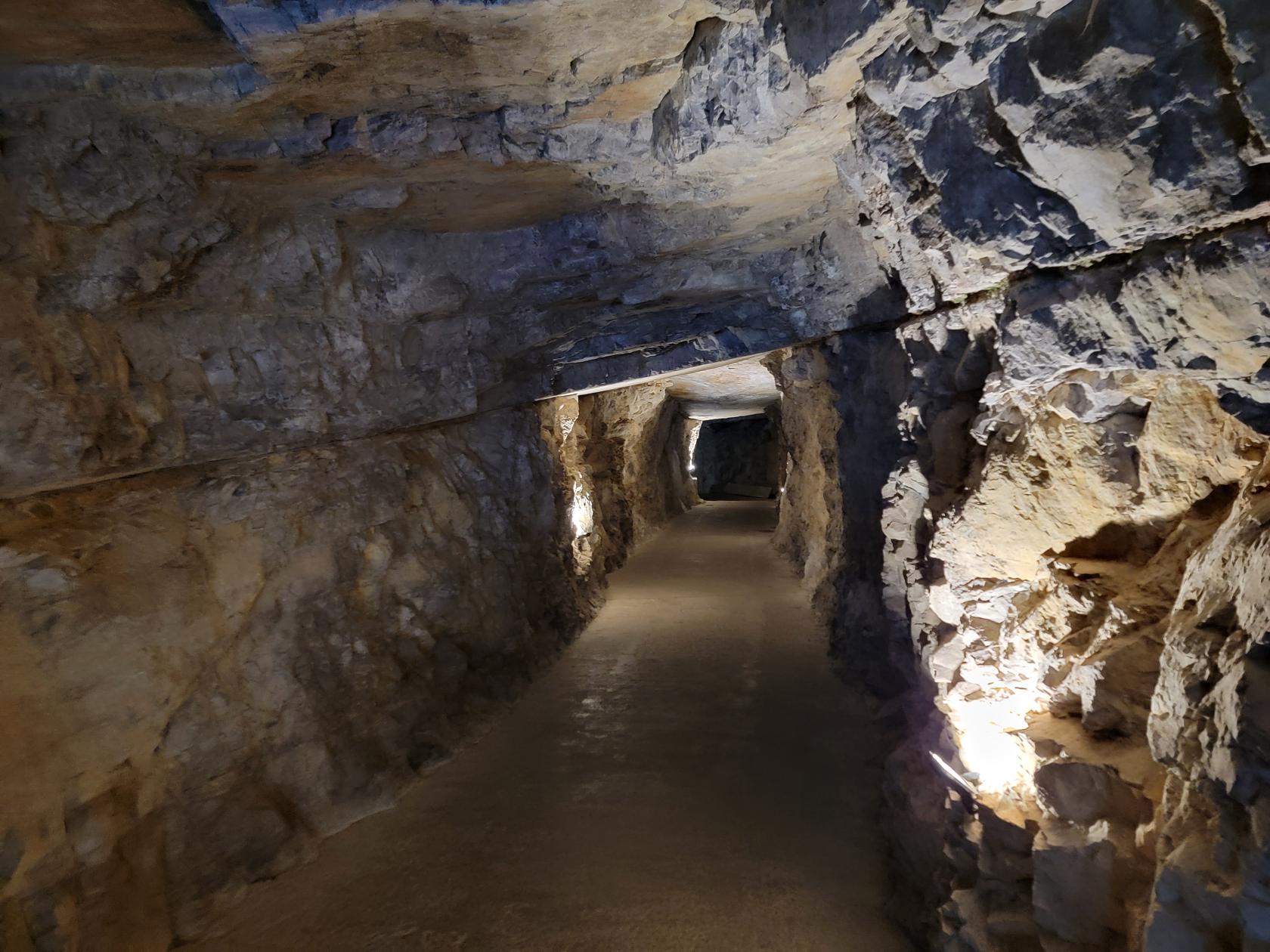
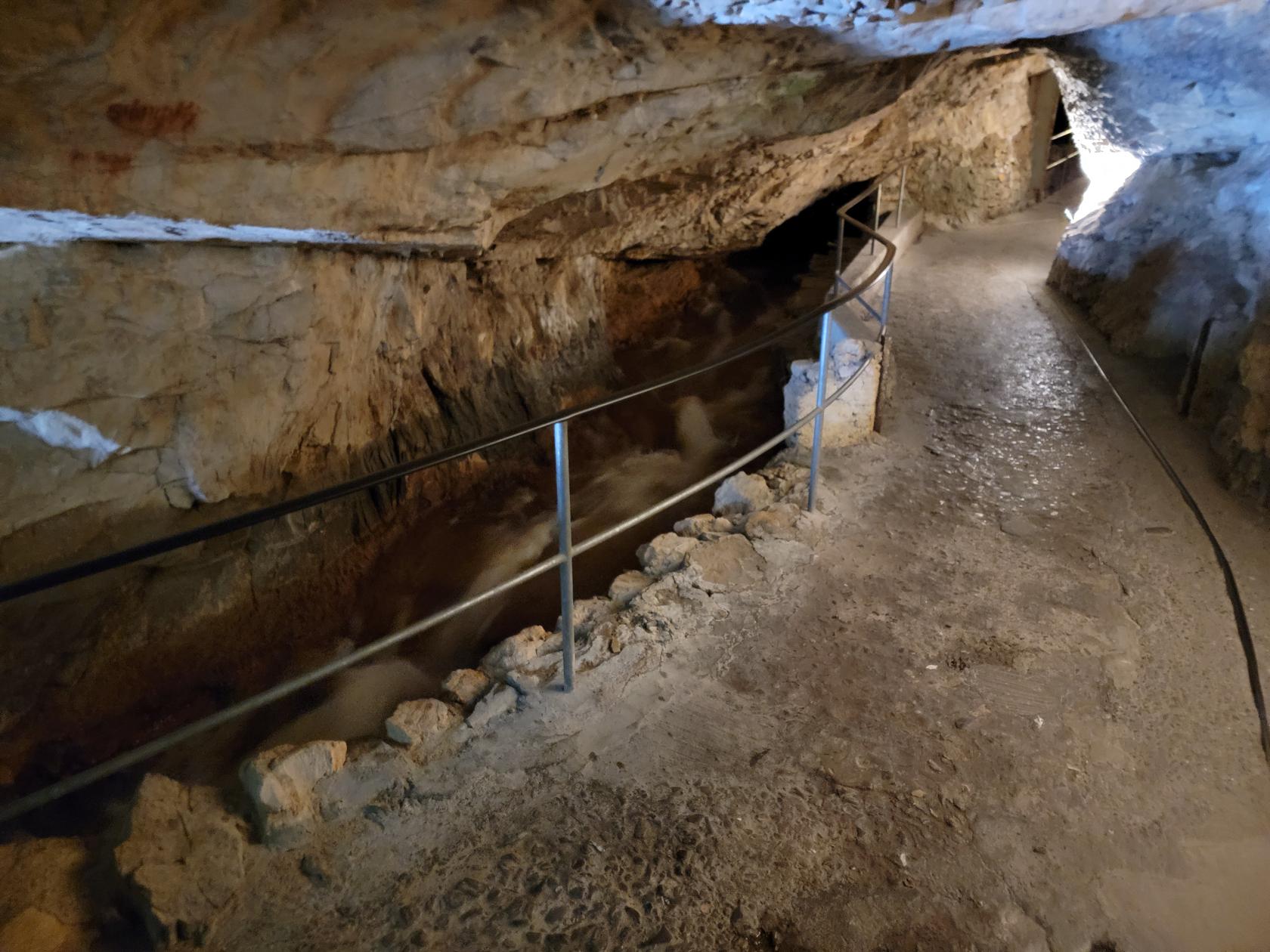
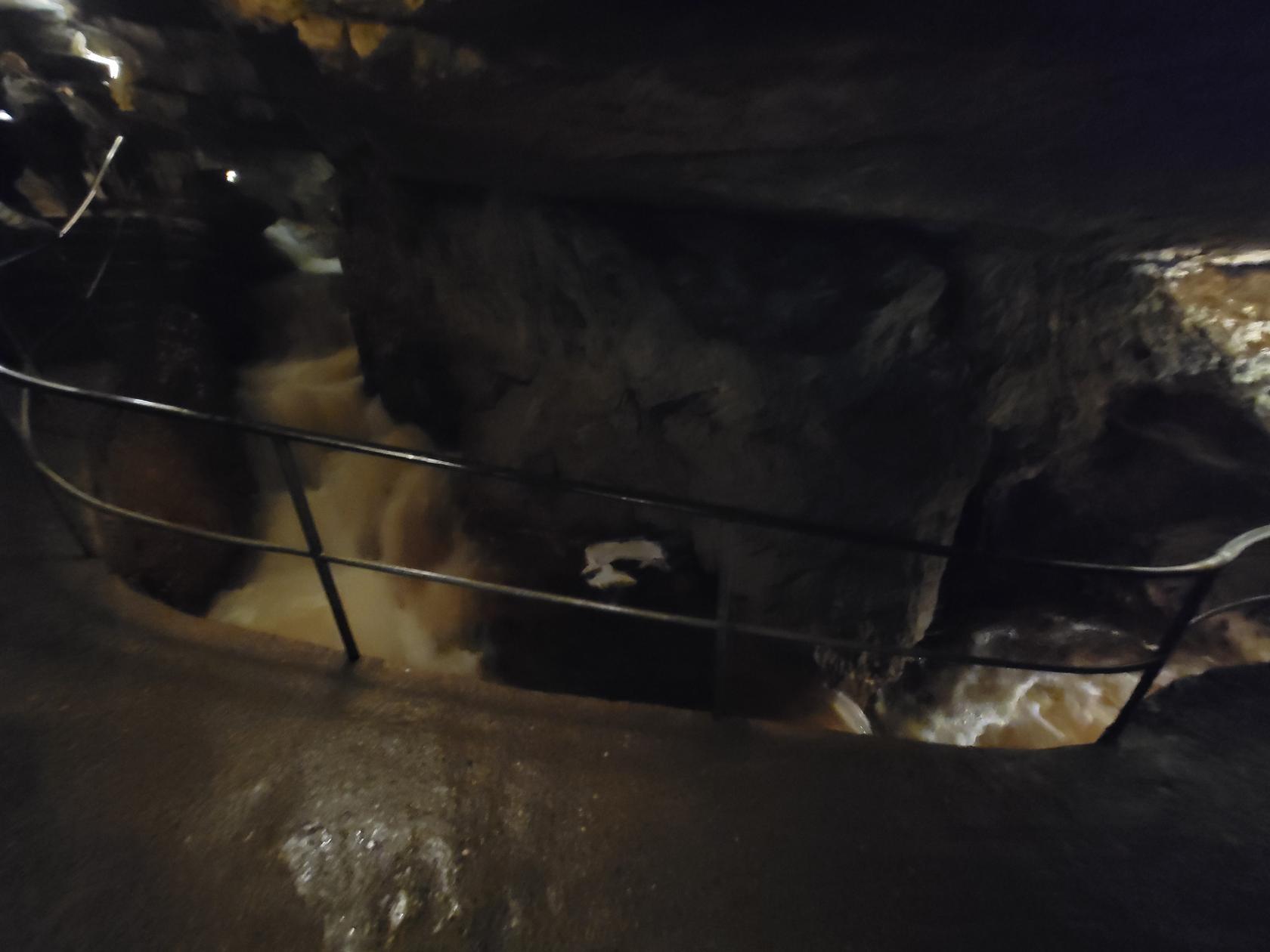
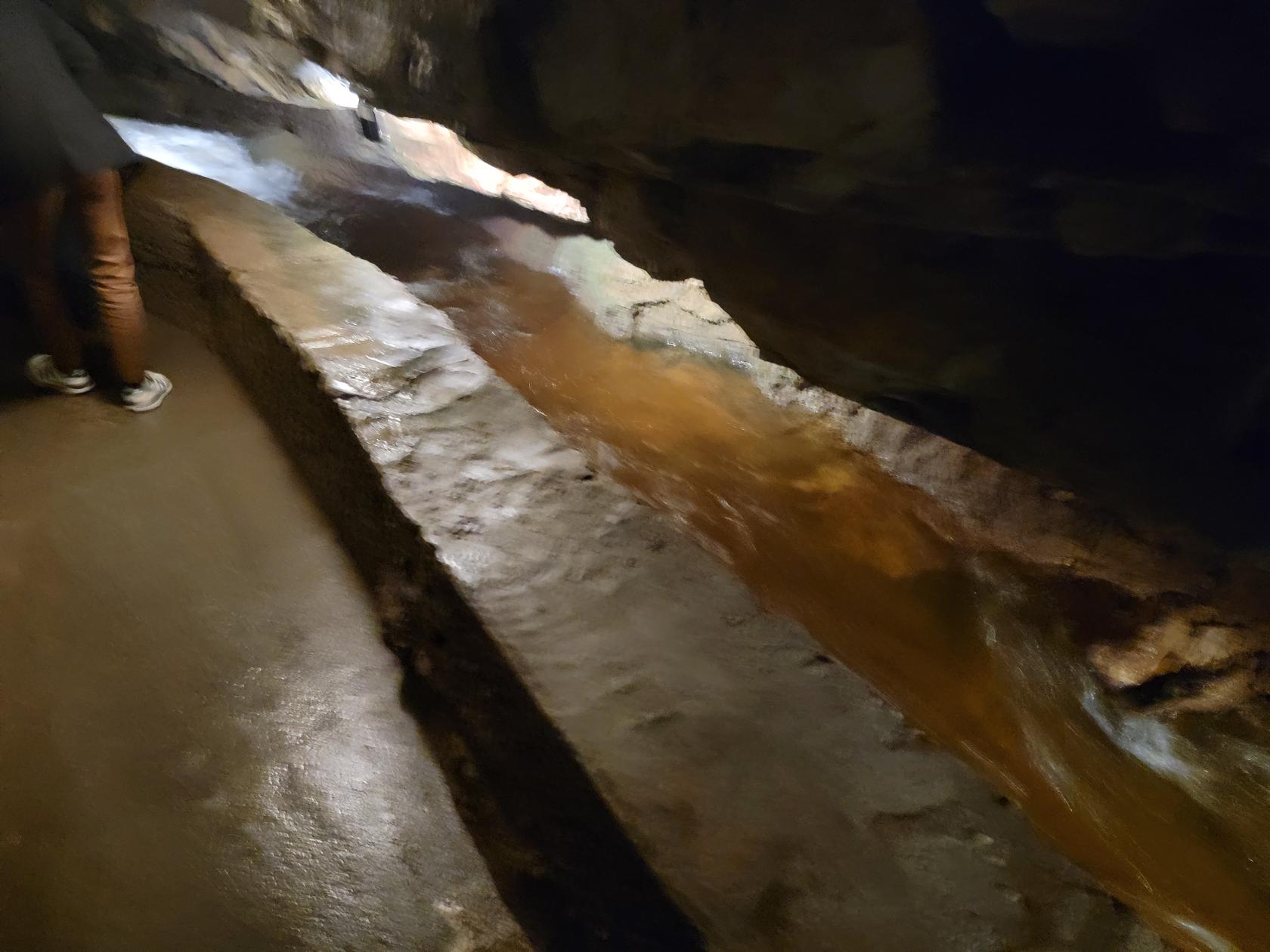
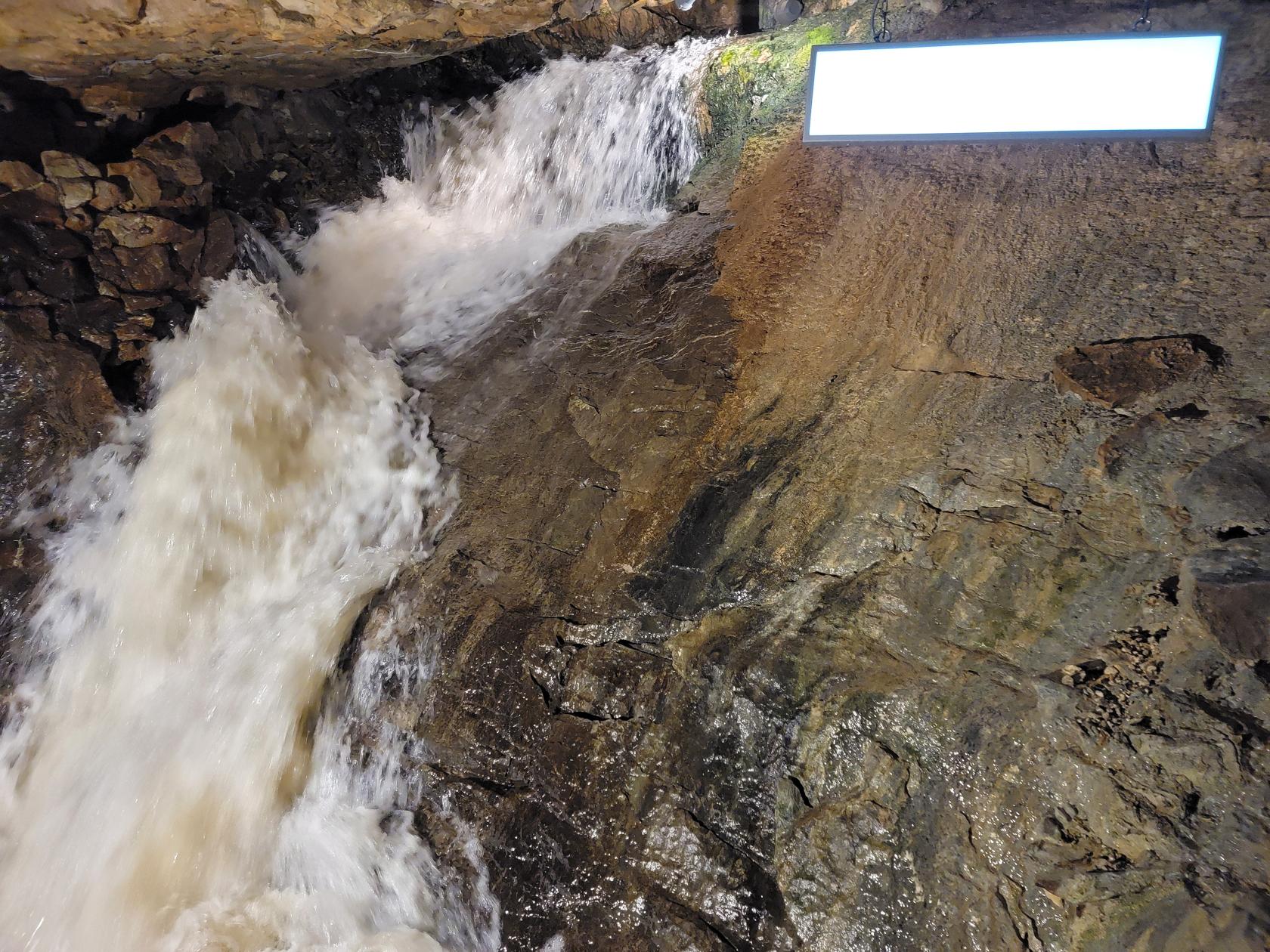
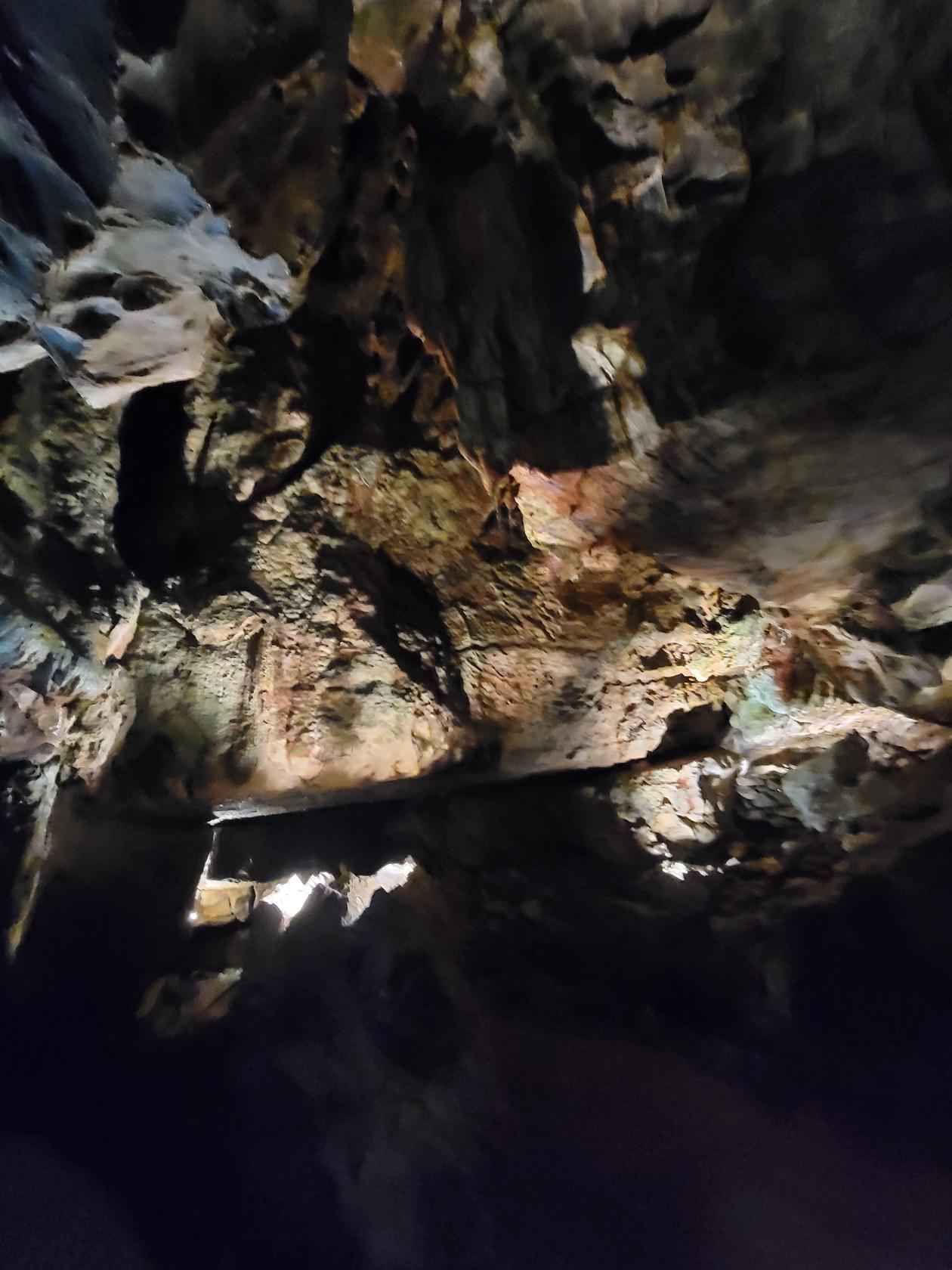
When you arrive at Saint Beatus Höhlen, or caves, you are welcomed with a large waterfall. This swift moving water which comes from the upper watershed area and quickly moves through the rocks towards it destination in Lake Thun, is responsible for carving out the long necklace of caves that you are able to hike.

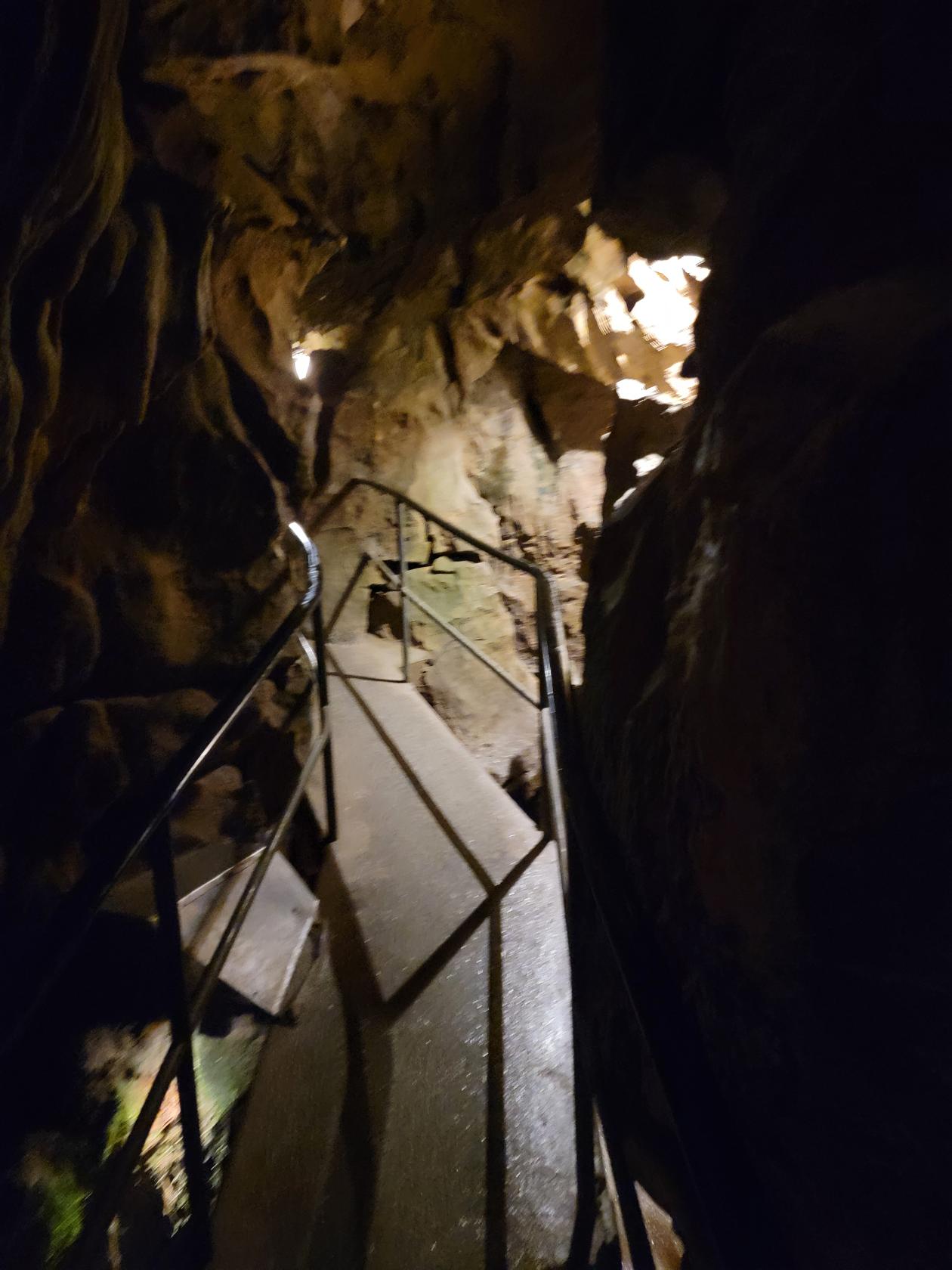
It is damp, wet and a bit chilly in the caves so bring something a little warm. The overall duration of the walk through the caves is about forty minutes or so, depending on how much time you stop to take photographs.

When you finally exit the caves there is a nice refreshment stand where you may purchase food and drinks, at the customary inflated prices.

Restaurants

Upon our return to Wengen we had dinner reservations at the Lecker Asia Restaurant, our break from the local cuisine.

Lecker Asia Restaurant

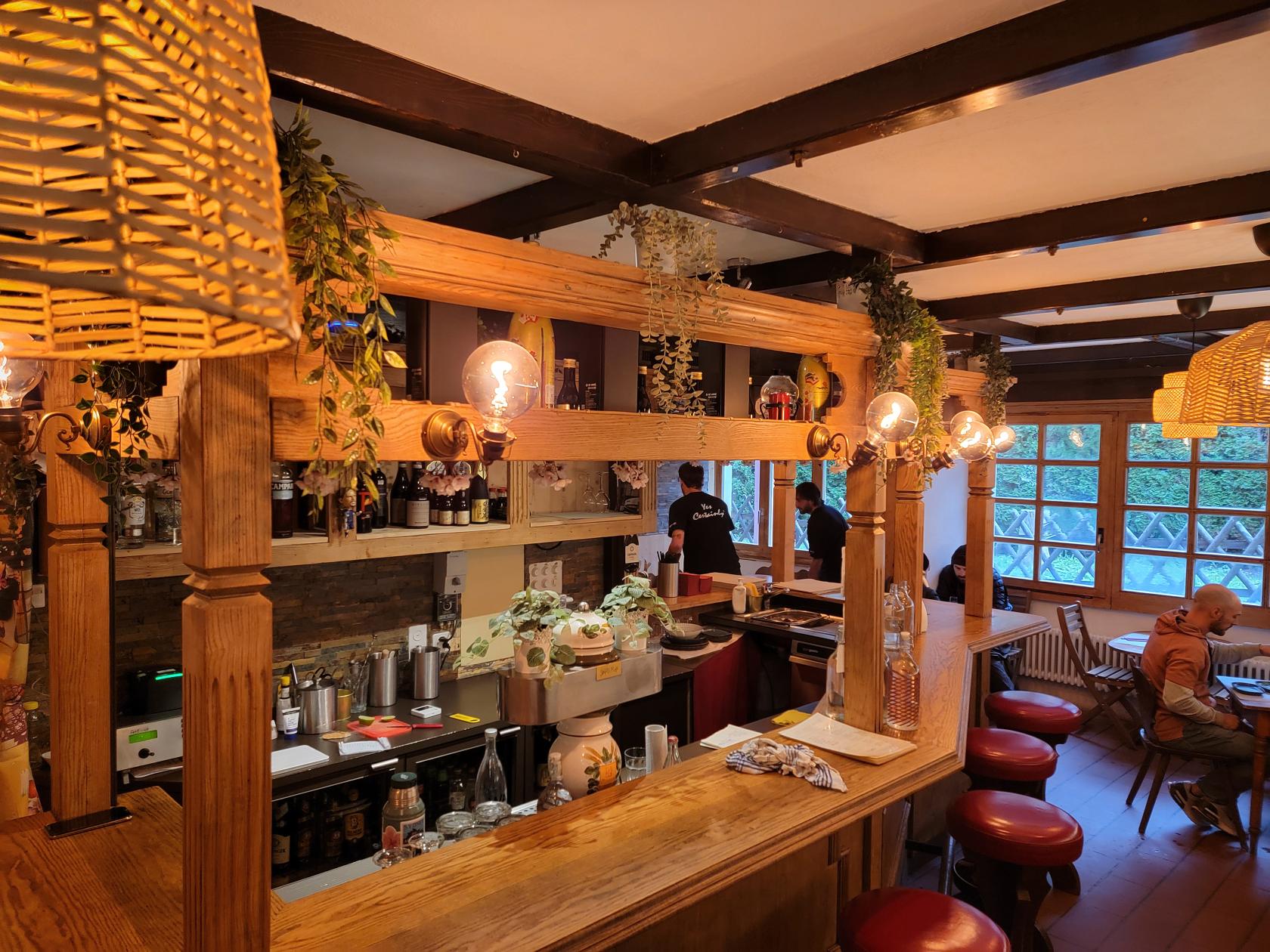
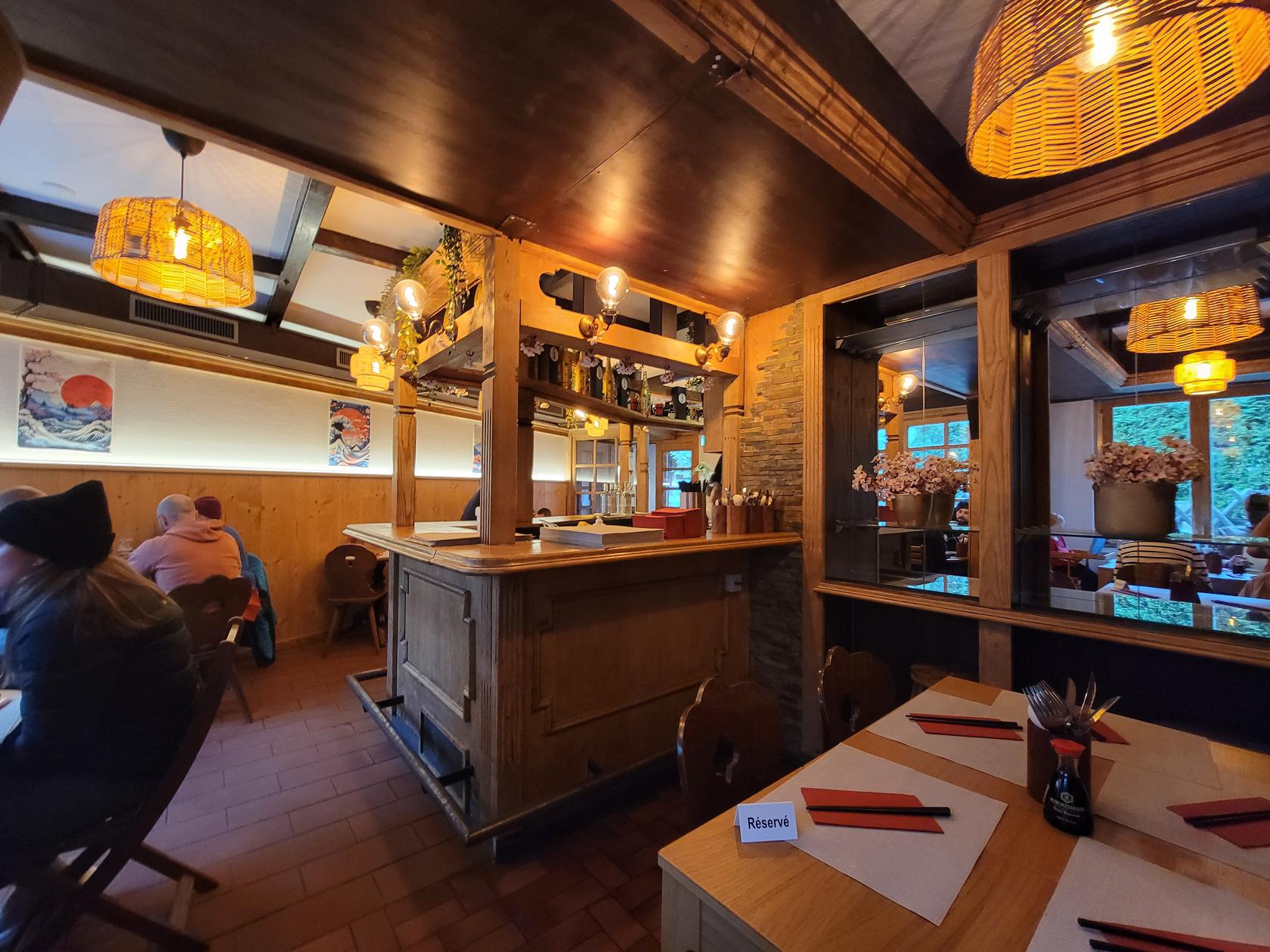
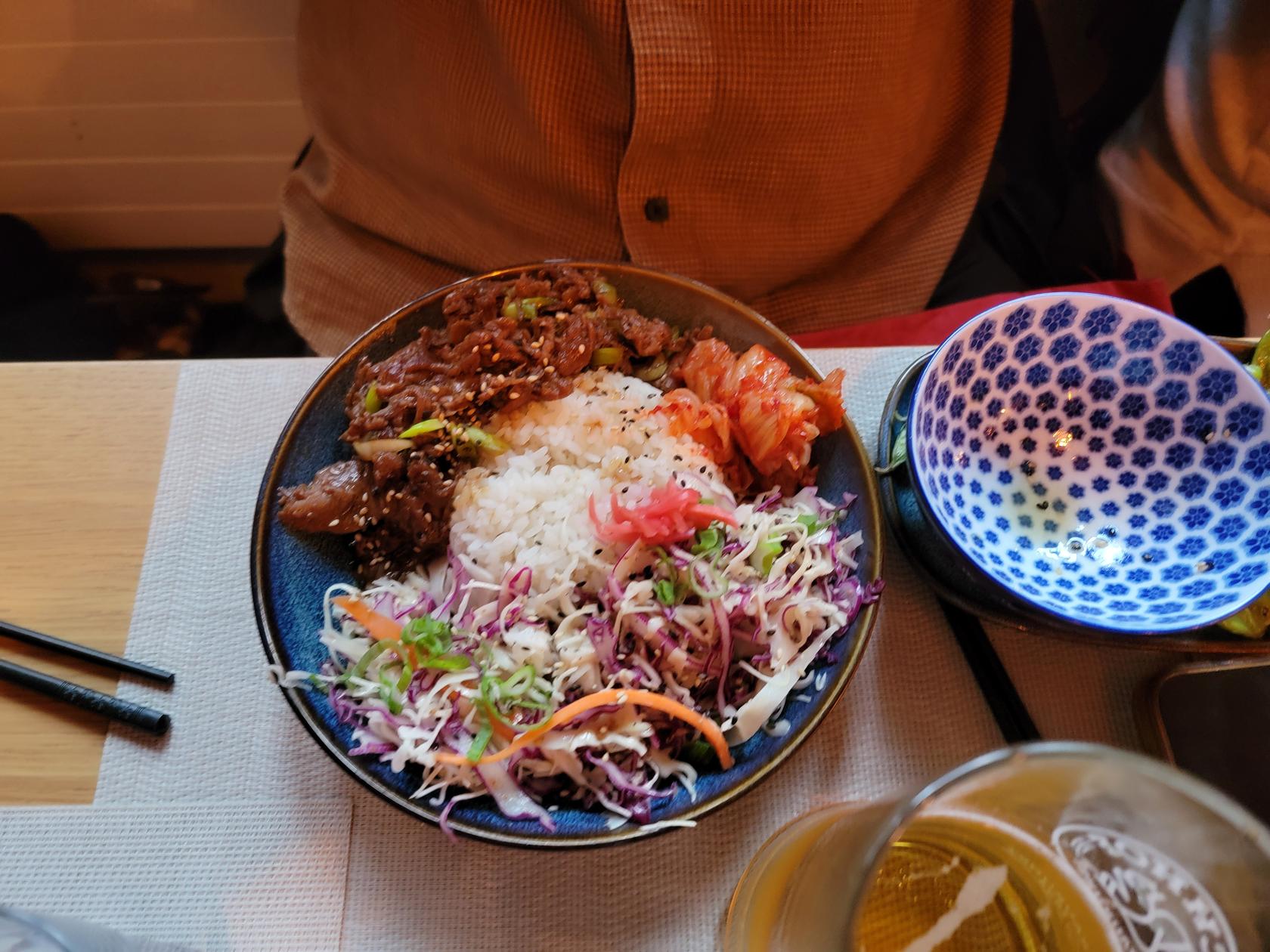
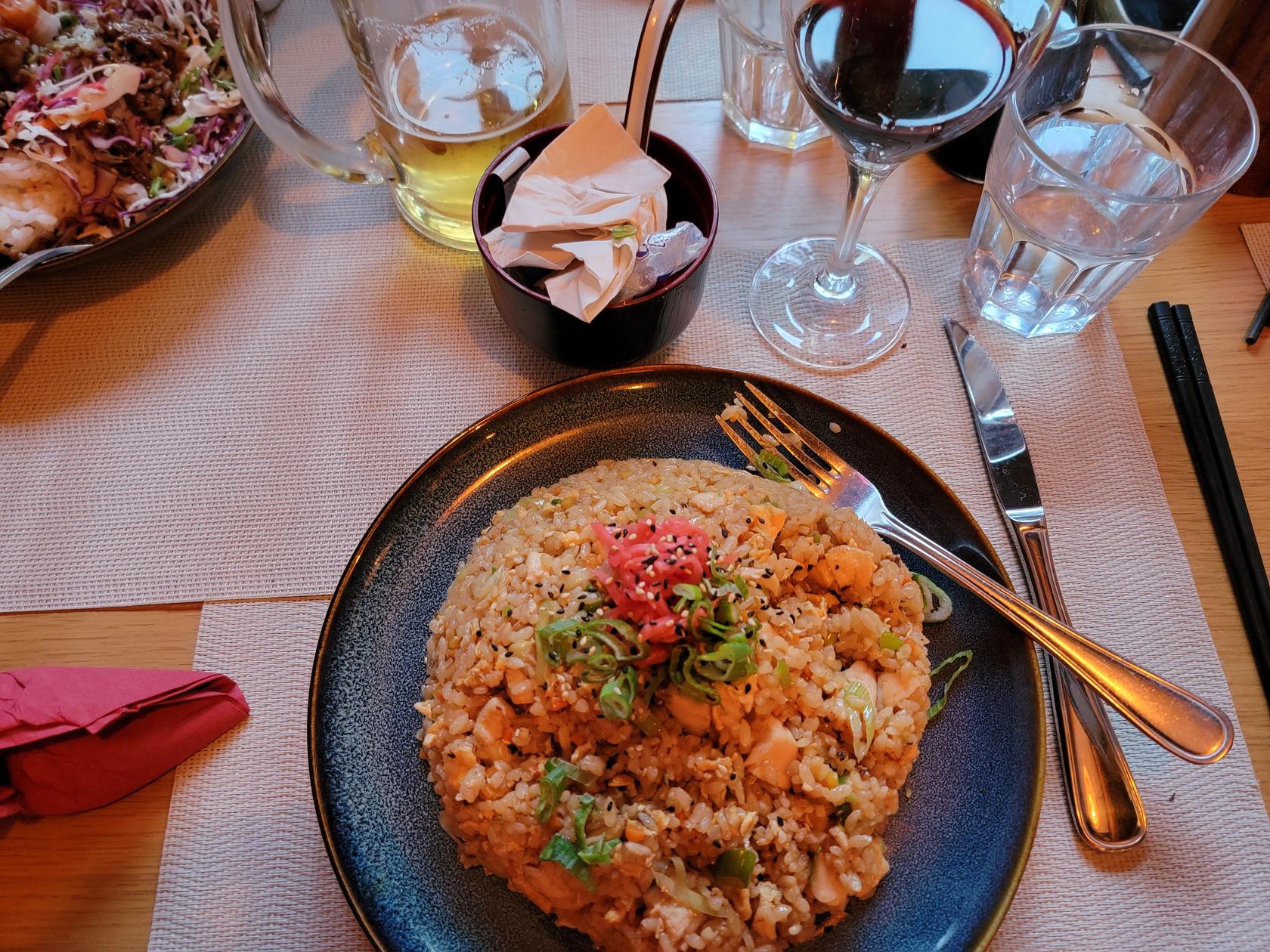
Lecker in German means tasty and the food here is definitely tasty. A good break from the fusion of French and German cuisines that we have been eating all week. It is a small restaurant with limited seating, so reservations is a must, since it does get full quickly during dinner time.

All the food was very good and spiced to your taste, without any unnecessary salt or MSG to worry about. Even though we were seven people with one baby and one toddler, they were still able to accommodate us.

Grindelwald, Switzerland – Cable Car Excursion

Our Short Cable Car Trip To Grindelwald

With the weather breaking a bit and having a spare day with not much to do, we decided to take a trip to Grindelwald. This is another small ski and tourist town in the Grindelwald Valley on the other side of Männlichen, a sub alpine mountain that divides the two towns.

Getting There

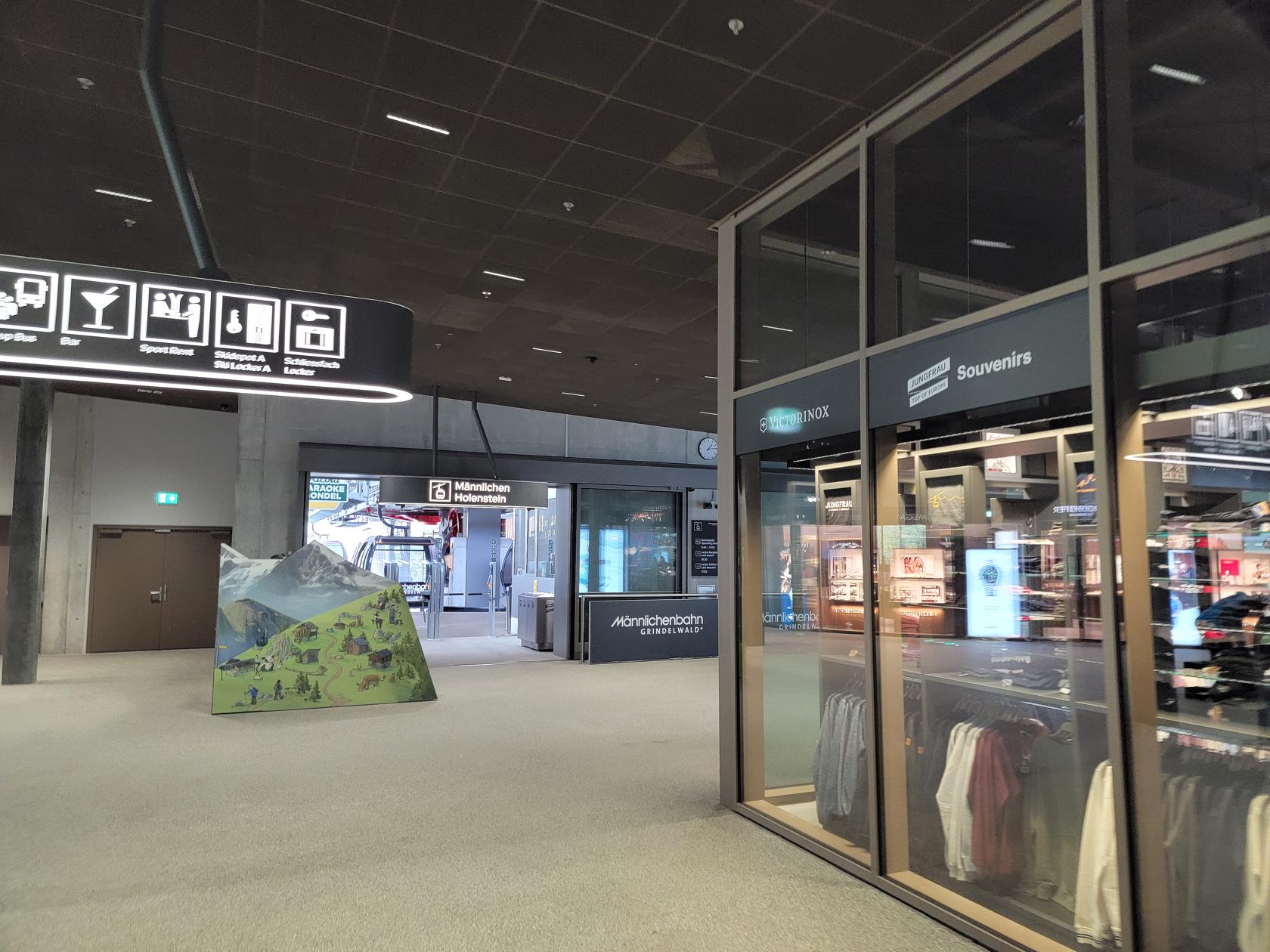
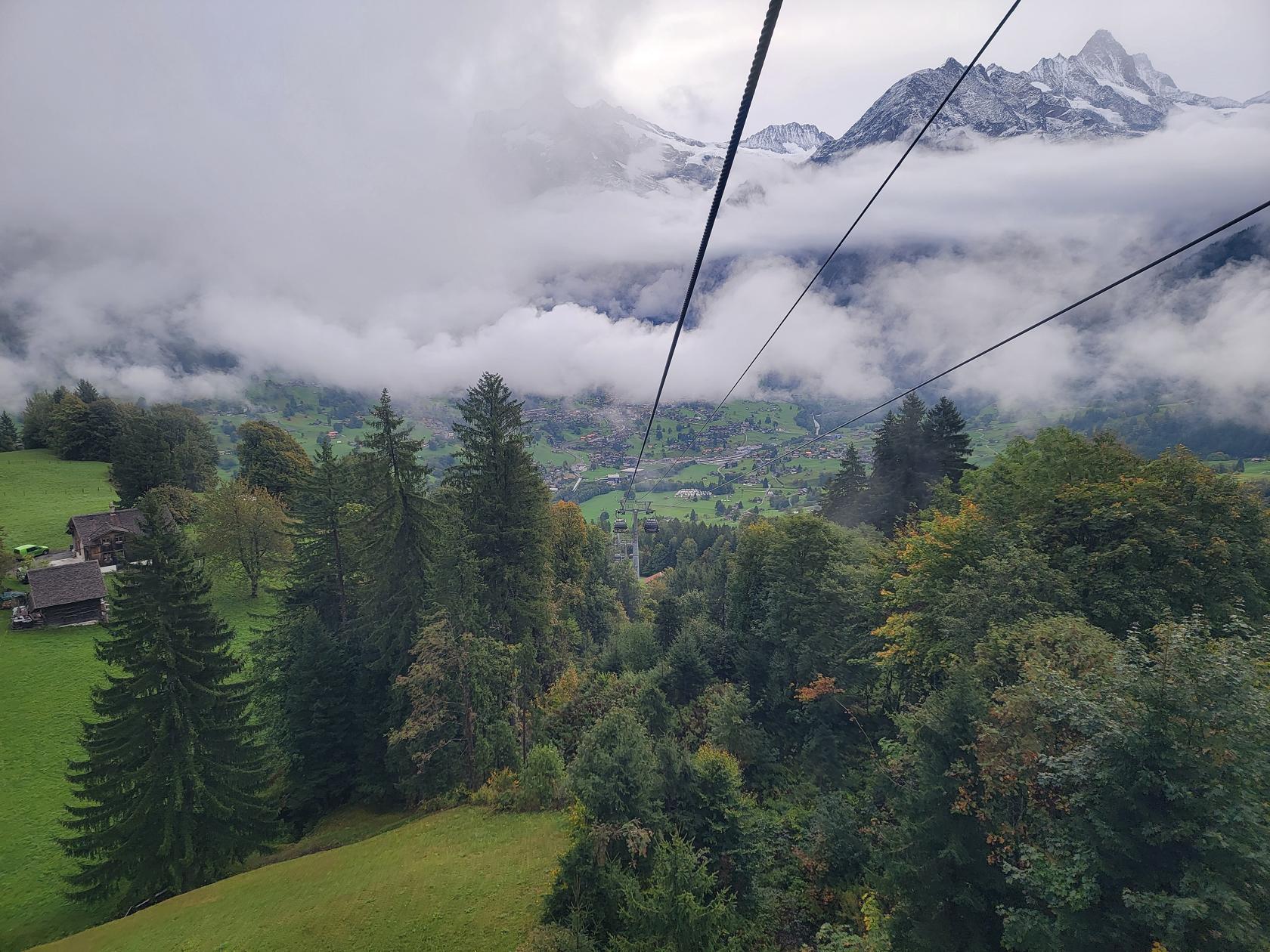
The most direct route for us from Wengen was the Luftseilbahn up the Männlichen, a five or ten minute walk, and then the Gondola ride to Grindelwald. Since the route is part of the Oberlander Pass we were covered and did not have to purchase a round trip ticket at 66 Swiss Francs per person.

Grindelwald

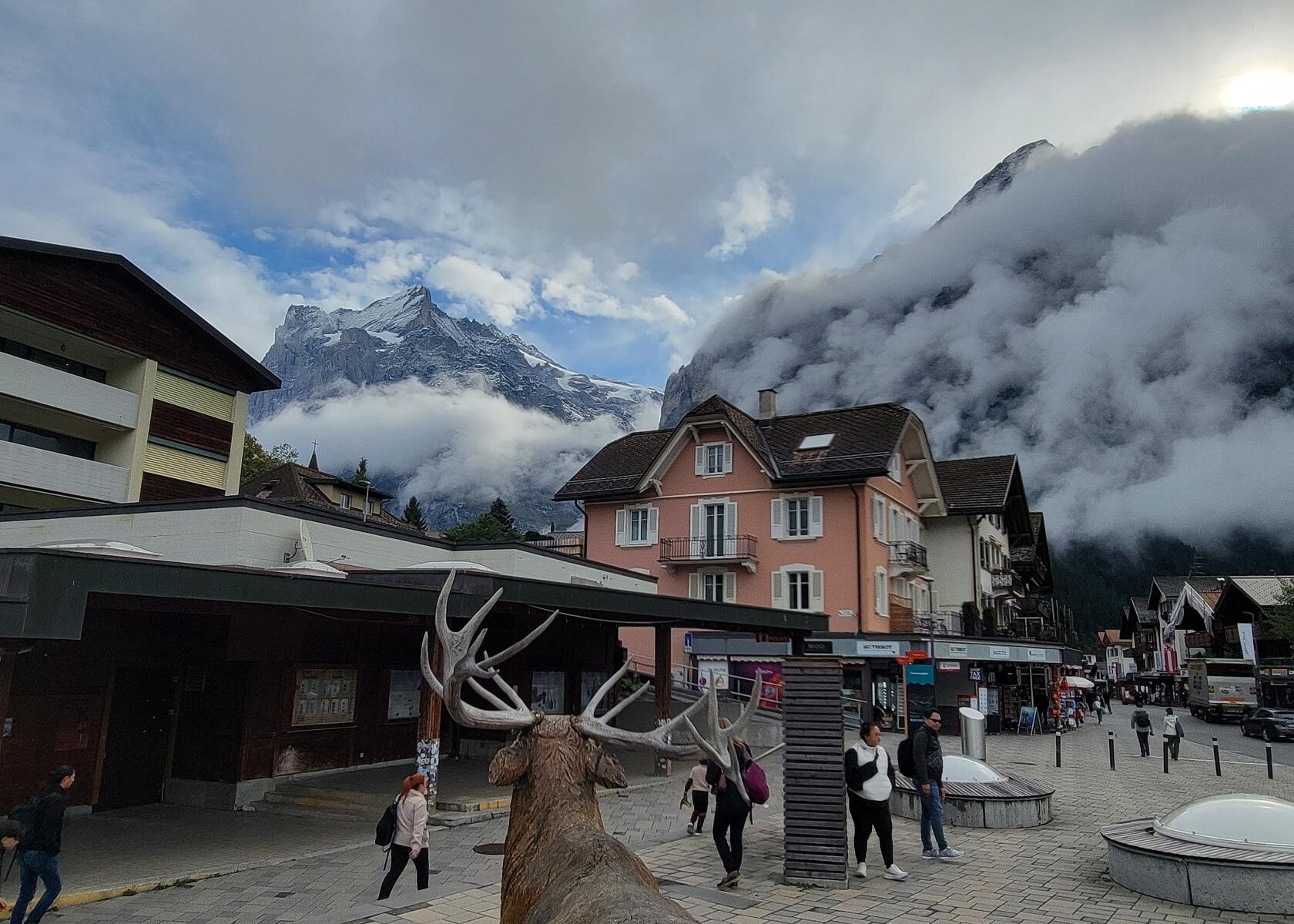
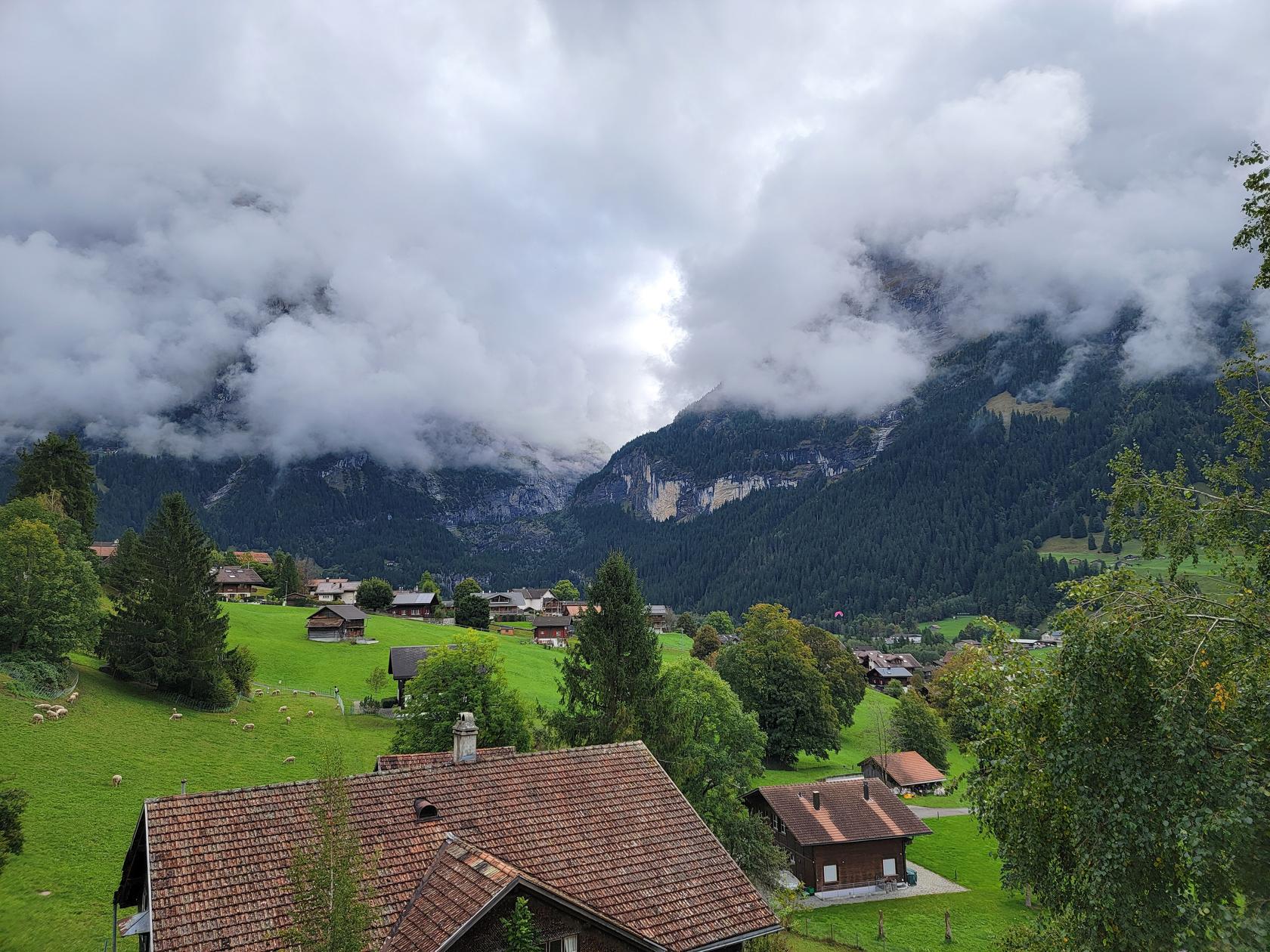
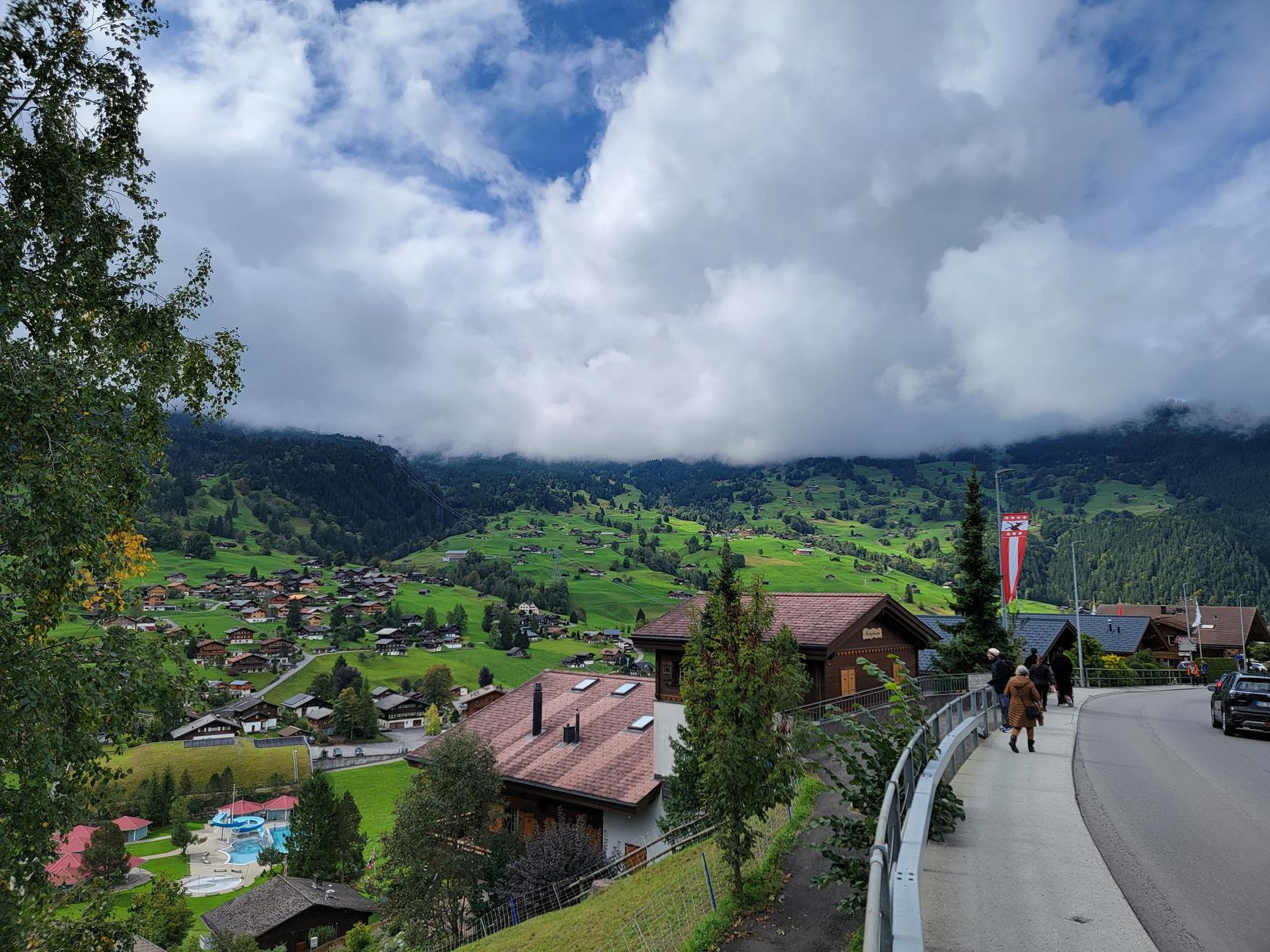
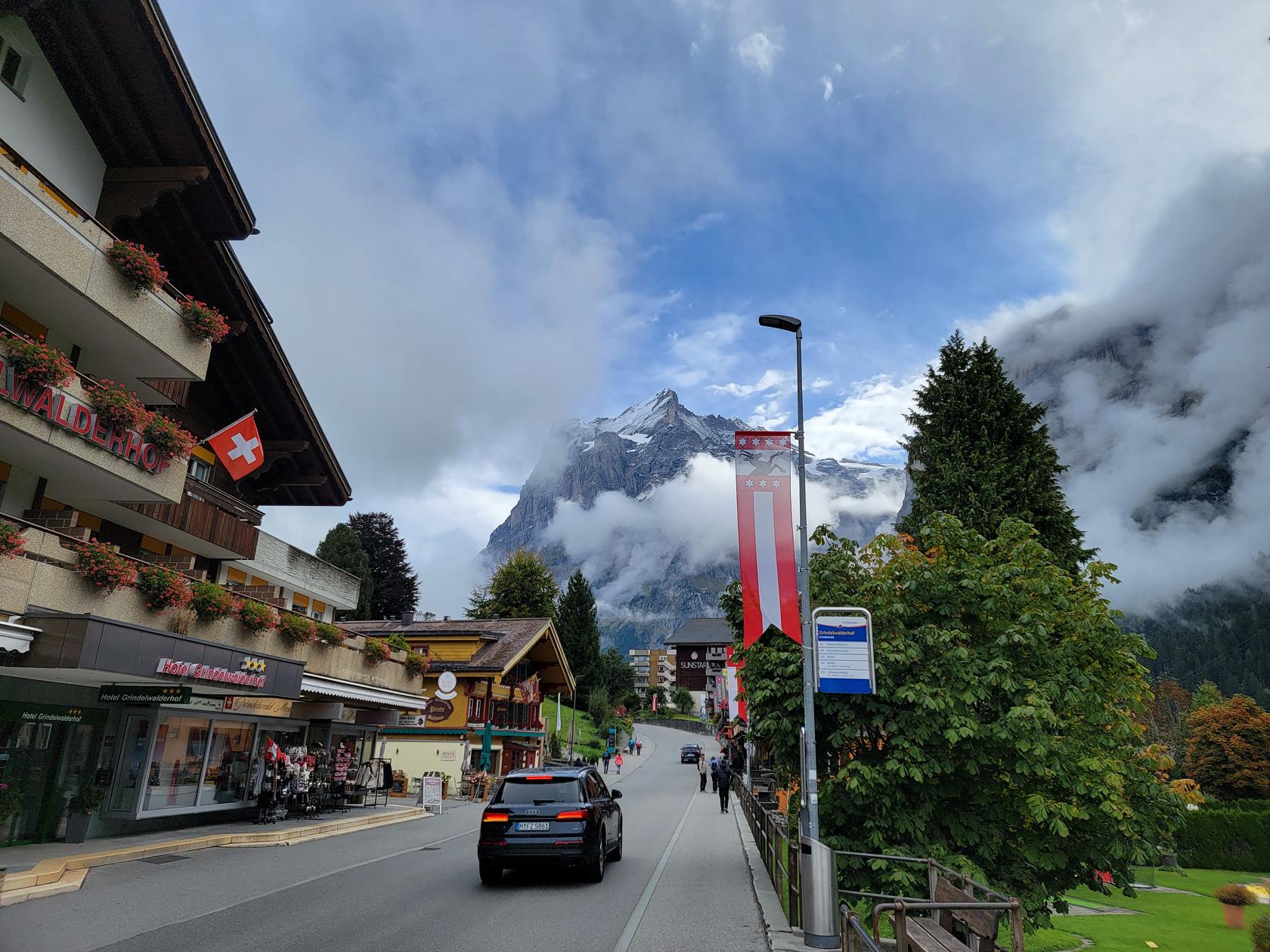
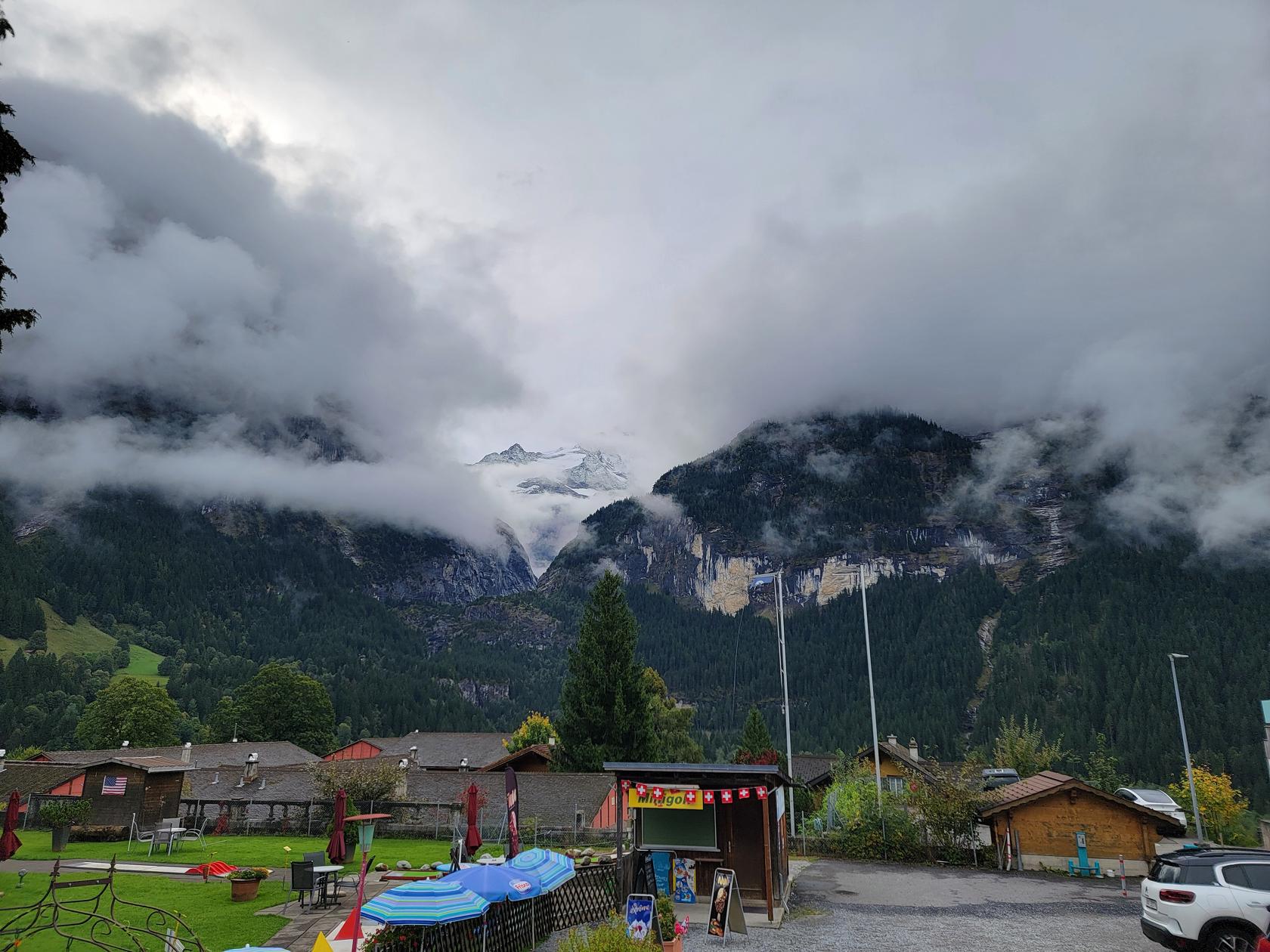
For Patti and I there wasn’t much to see that we hadn’t already, having been here in 2020. The main street hasn’t changed much, with the exception of a few new small municipal changes here and there.

My main reason for even coming here again was the view of the mountains. From Grindelwald they are impressive, well at least on a clear day.

Restaurants

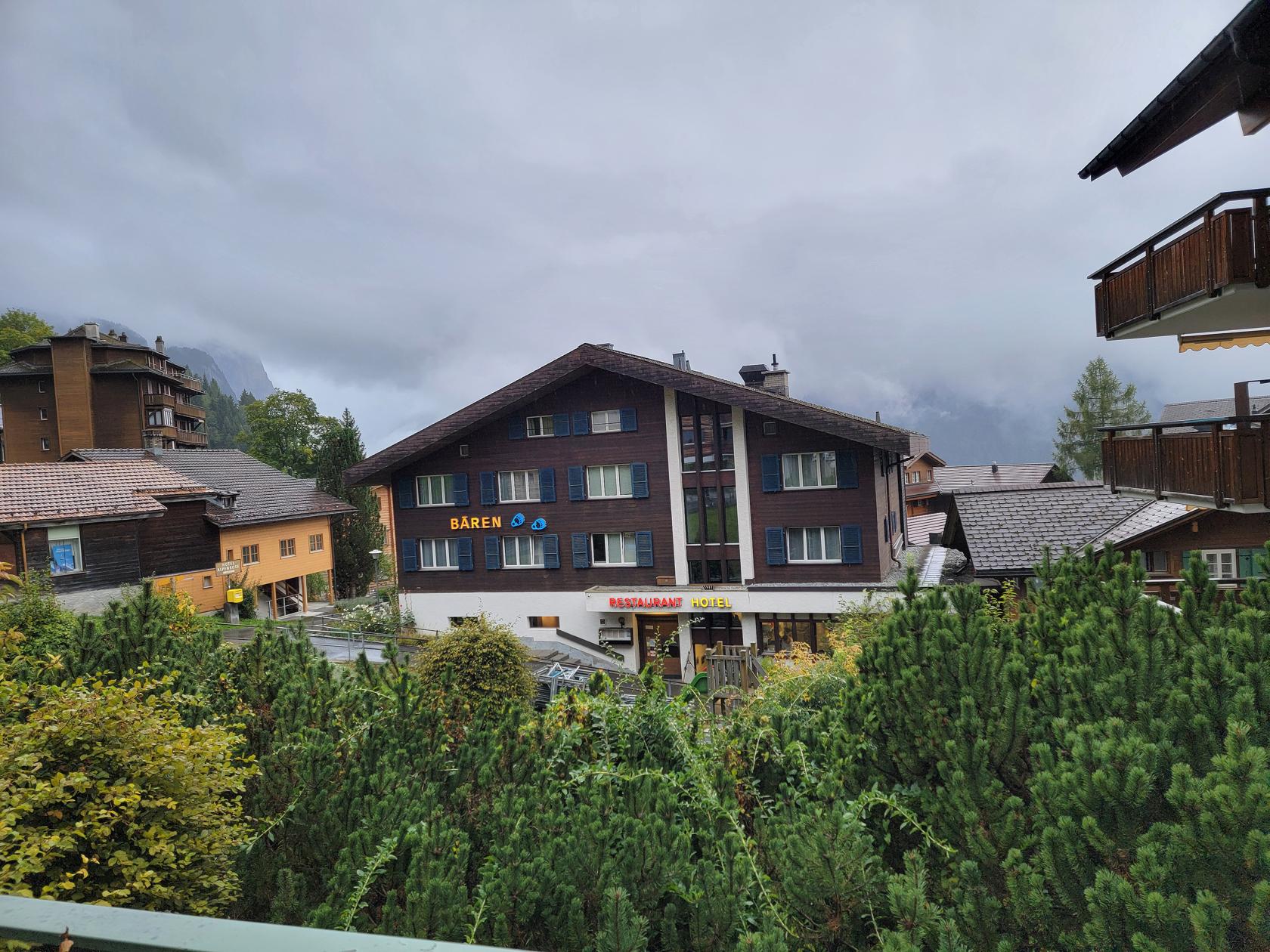
Alpenkräuter Bären Restaurant

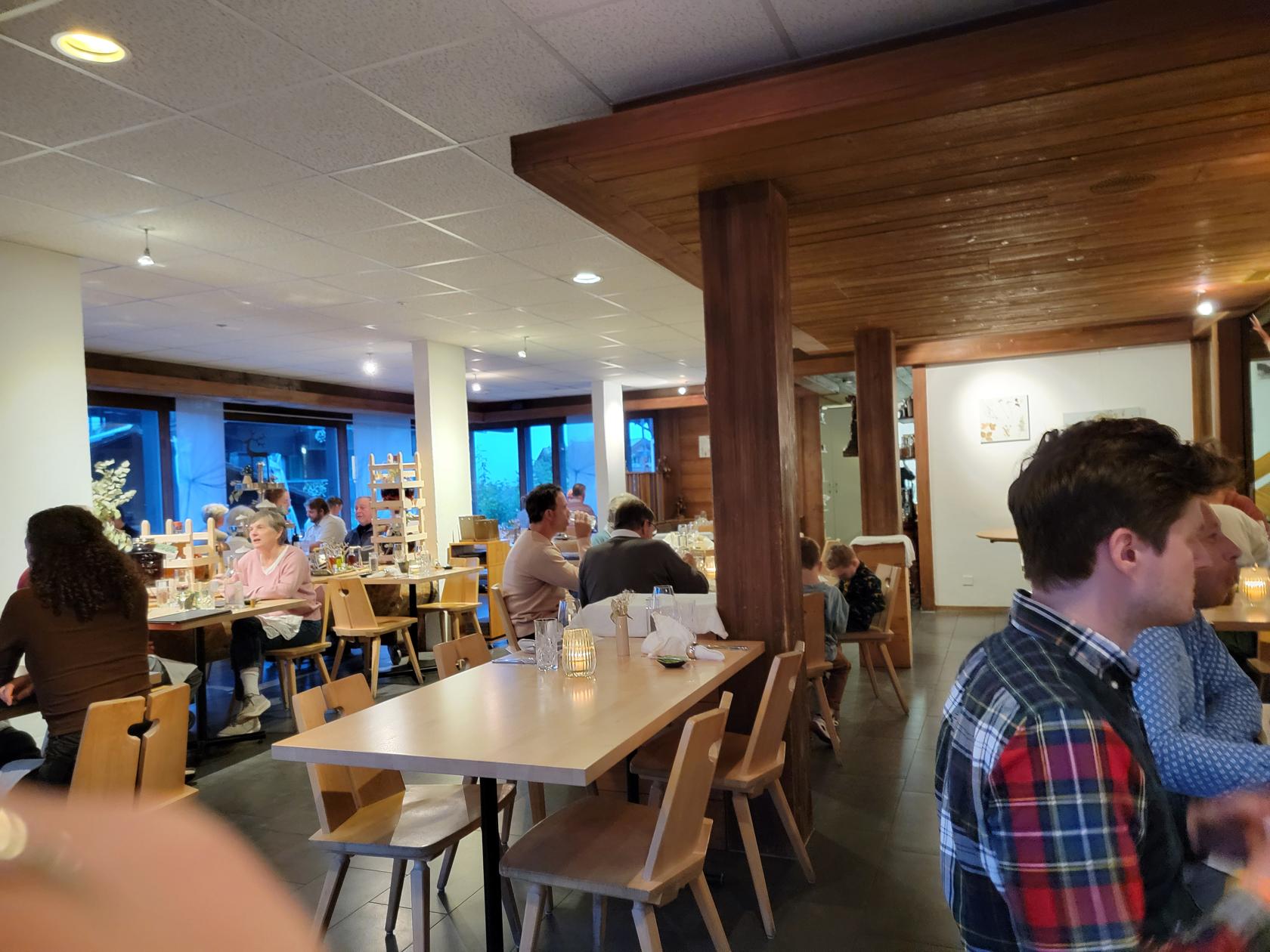
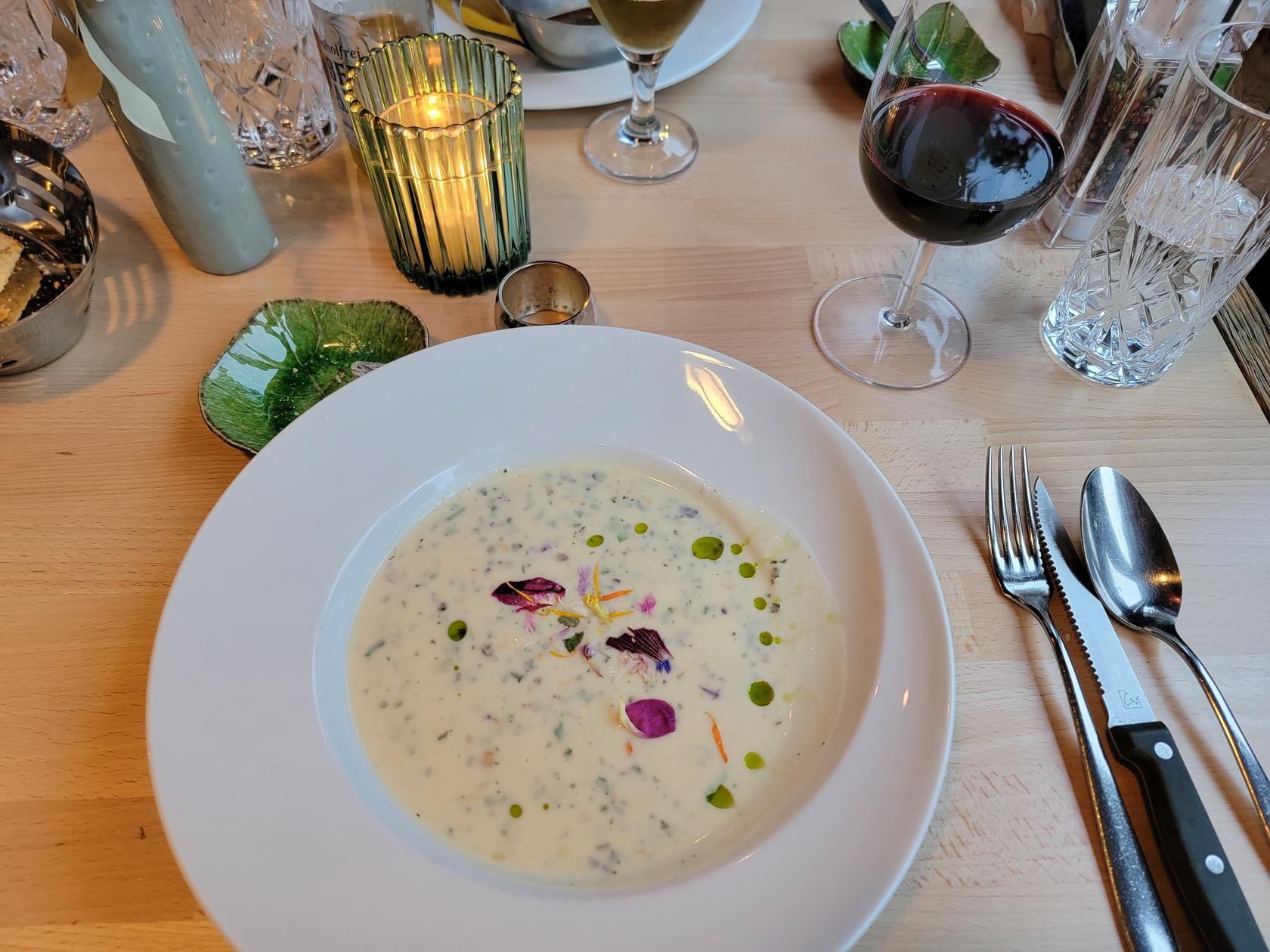
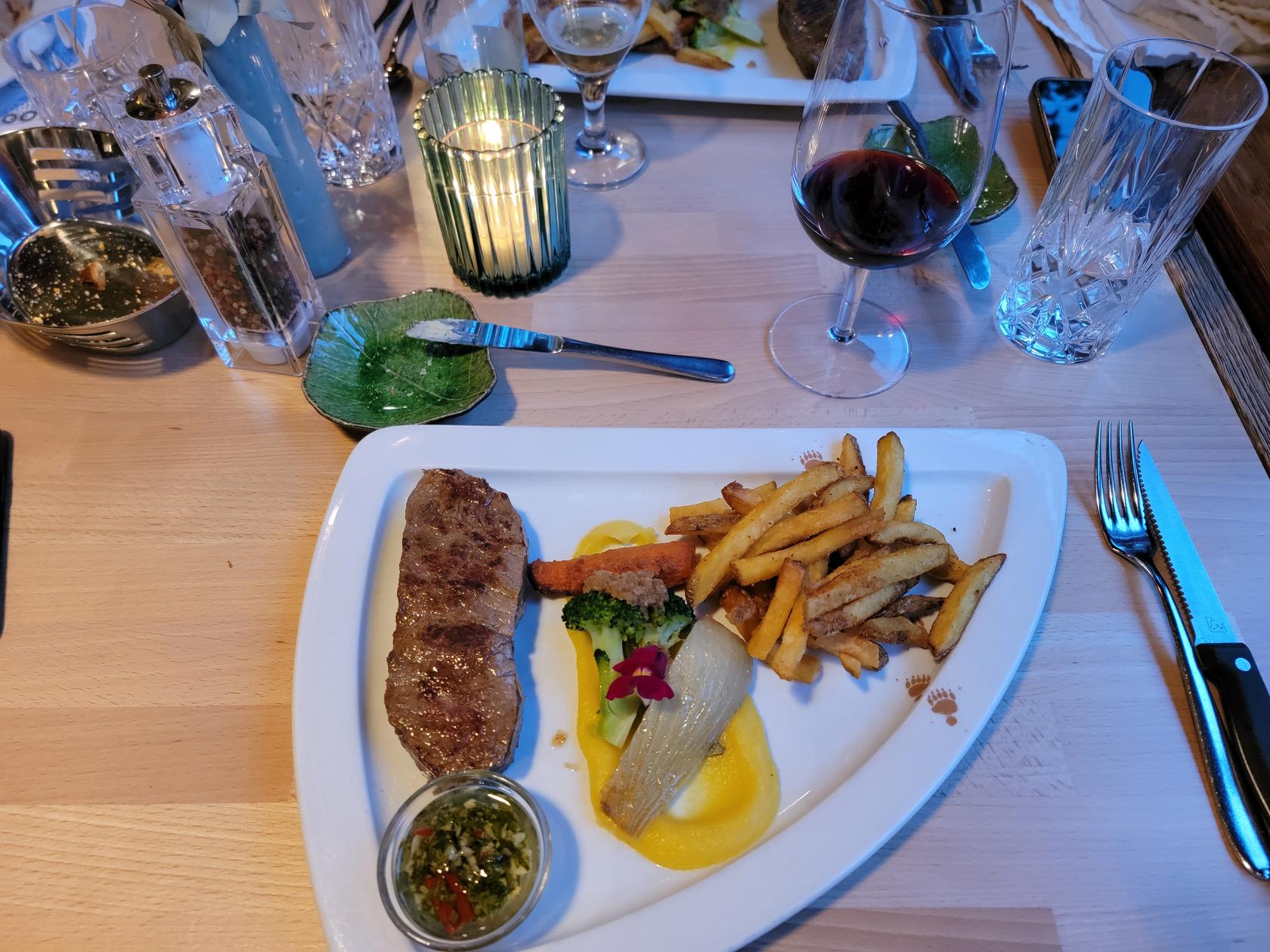
After we had returned from our day trip we had reservations at the Alpenkräuter Bären Restaurant for dinner. This is a restaurant that prides itself on including and serving items that come from nature, especially natural herbs and spices from the alpine regions.

It was definitely more laid back than other restaurants and had the familial feel to it. So if you are looking for real local cooking that is exceptional, this would be a great pick.

Jungfraujoch, Switzerland – Winter World

Winter World Above The Clouds

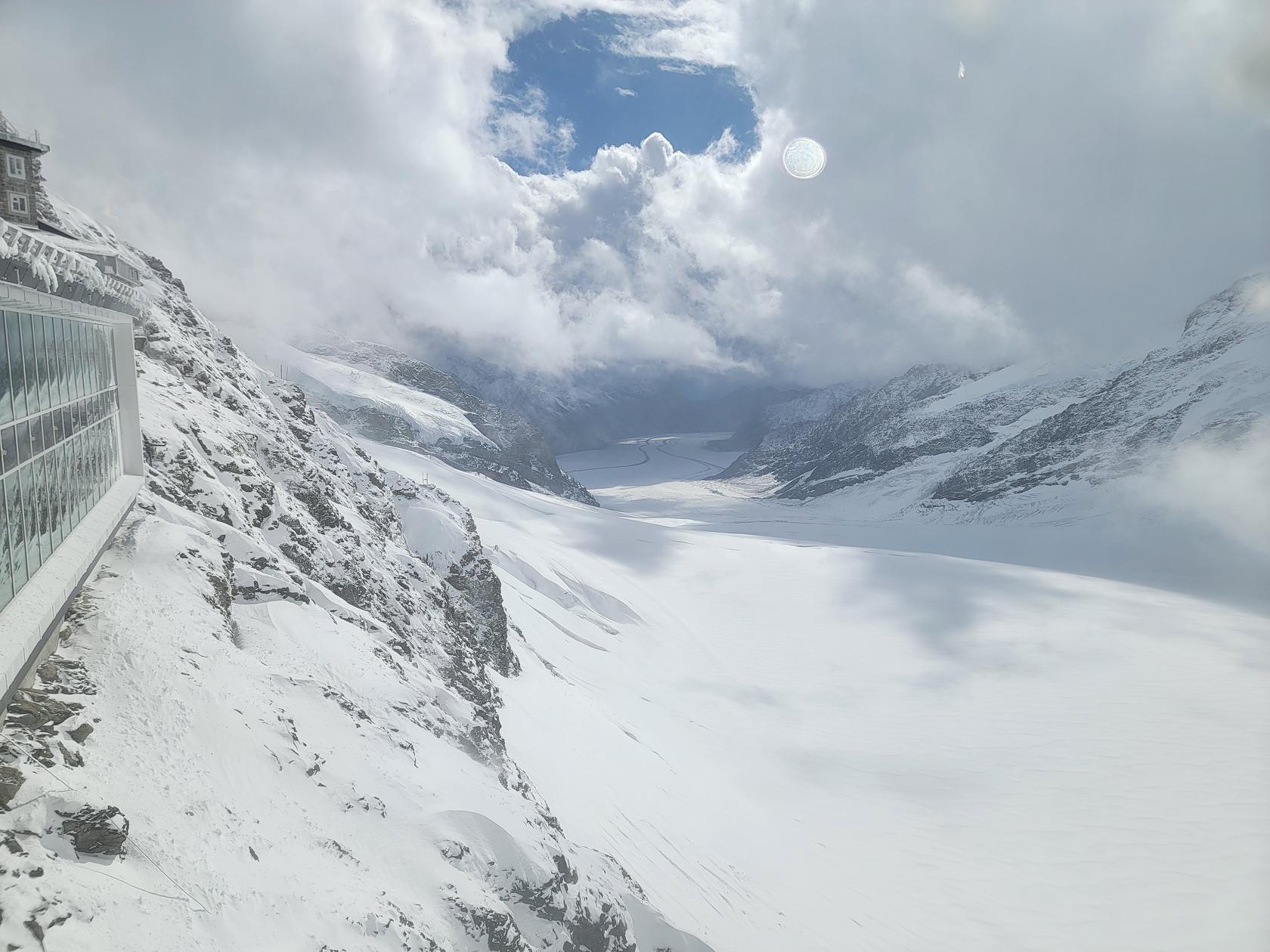
The Jungfraujoch, or maiden’s saddle, has been reachable by train since the early twentieth century. The observatory commands a special view of the Aletsch Glacier, the Jungfrau, Mönch and the surrounding area; on a beautiful day it is quite something to see. Unfortunately, this time we had to contend with bad weather and strong winds. Our last visit was in 2020.

Getting There

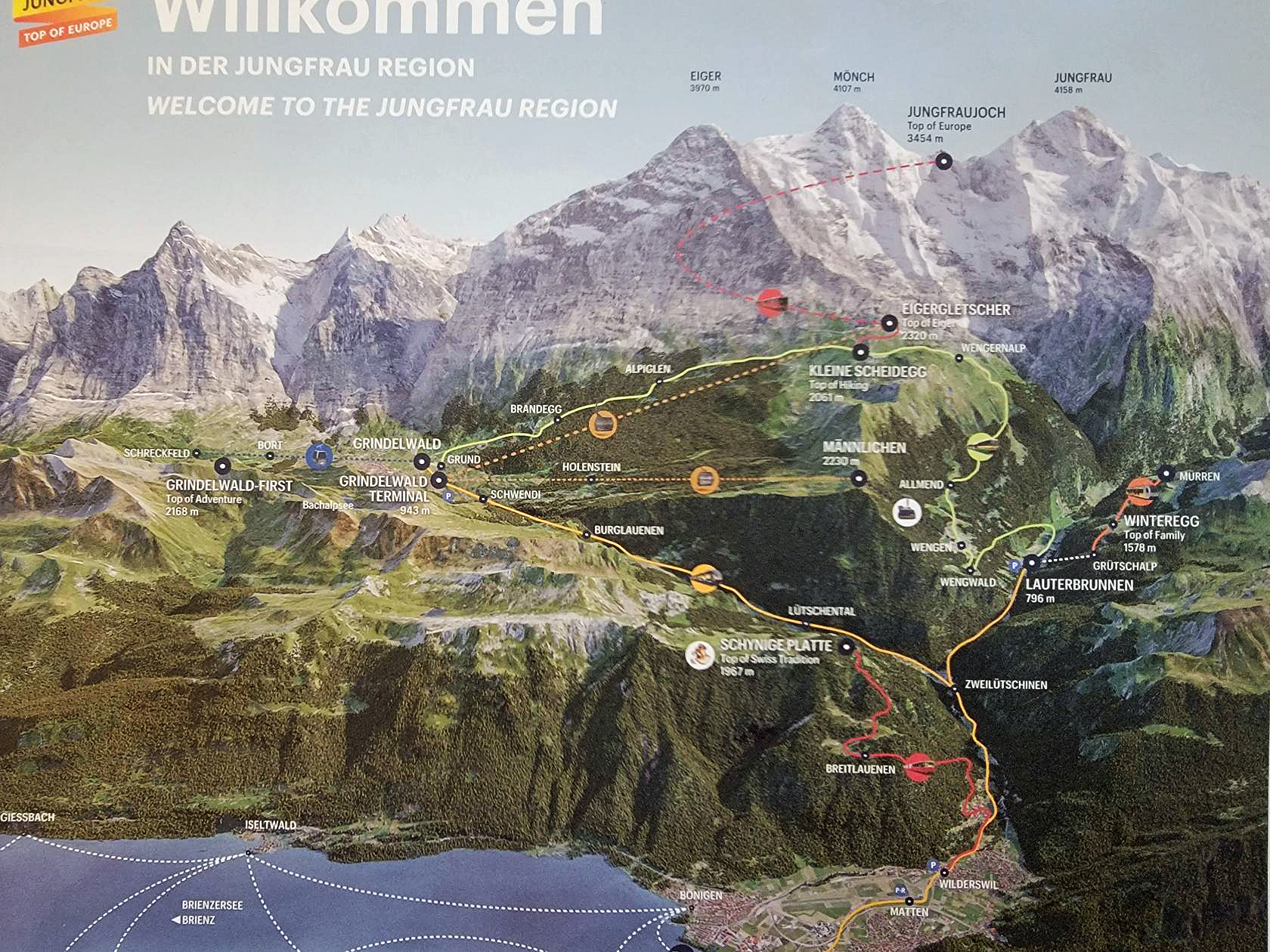
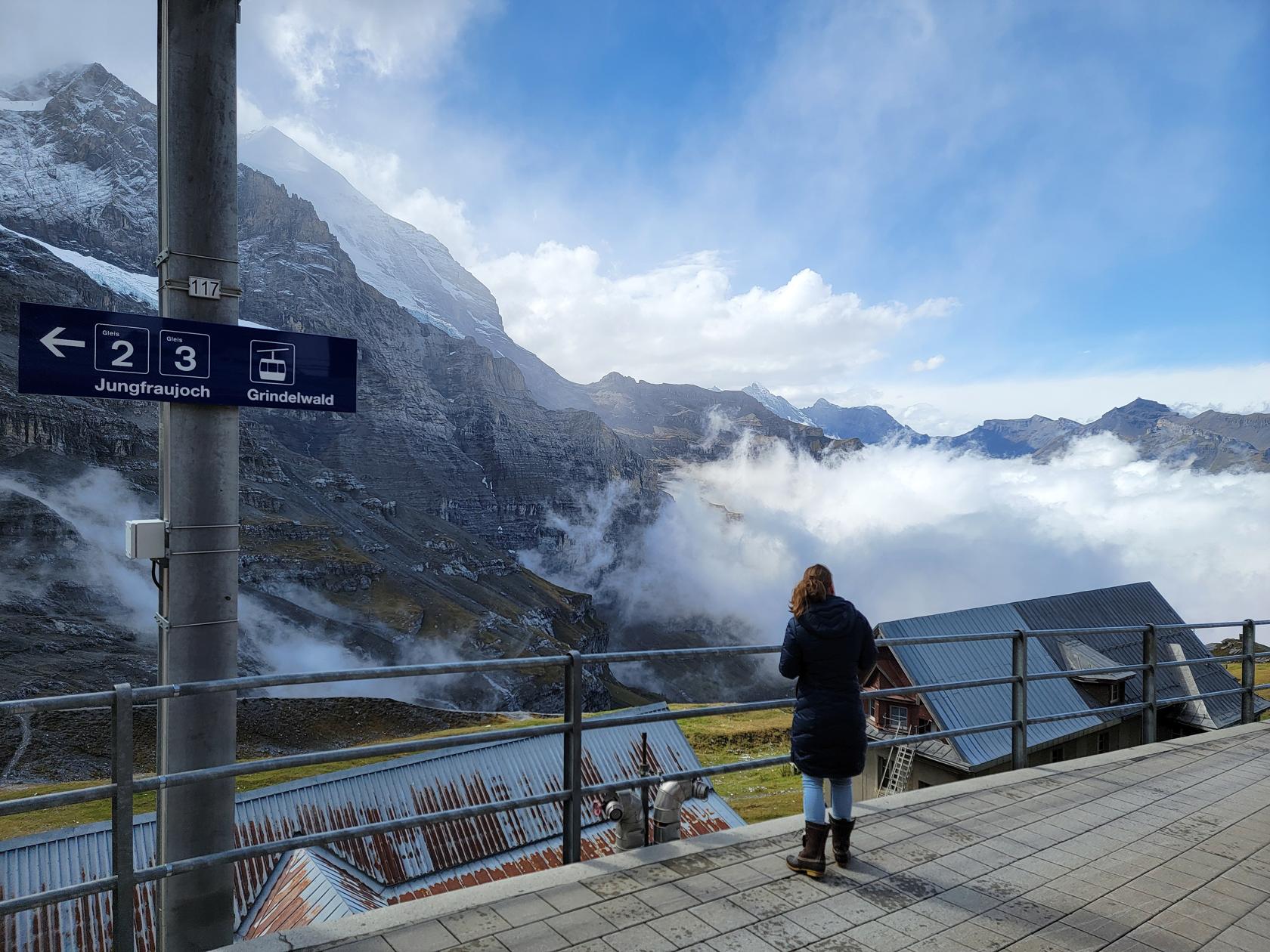
We left Wengen using the Wengernalpbahn train to Kleine Scheidegg. With our Bernese Oberlander Pass, we purchased tickets for half price.

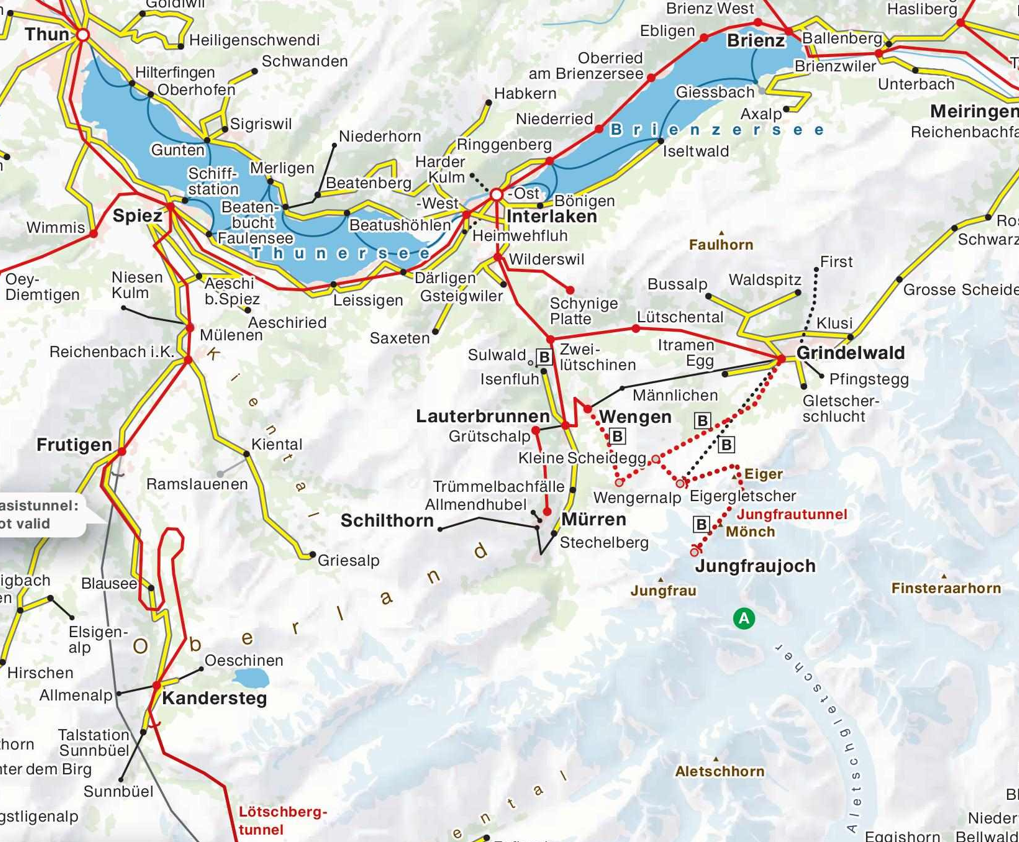
Oberland Pass Map

Below are the transportation routes that can be used free of charge (solid lines) and those routes at half price (dotted) with the pass.

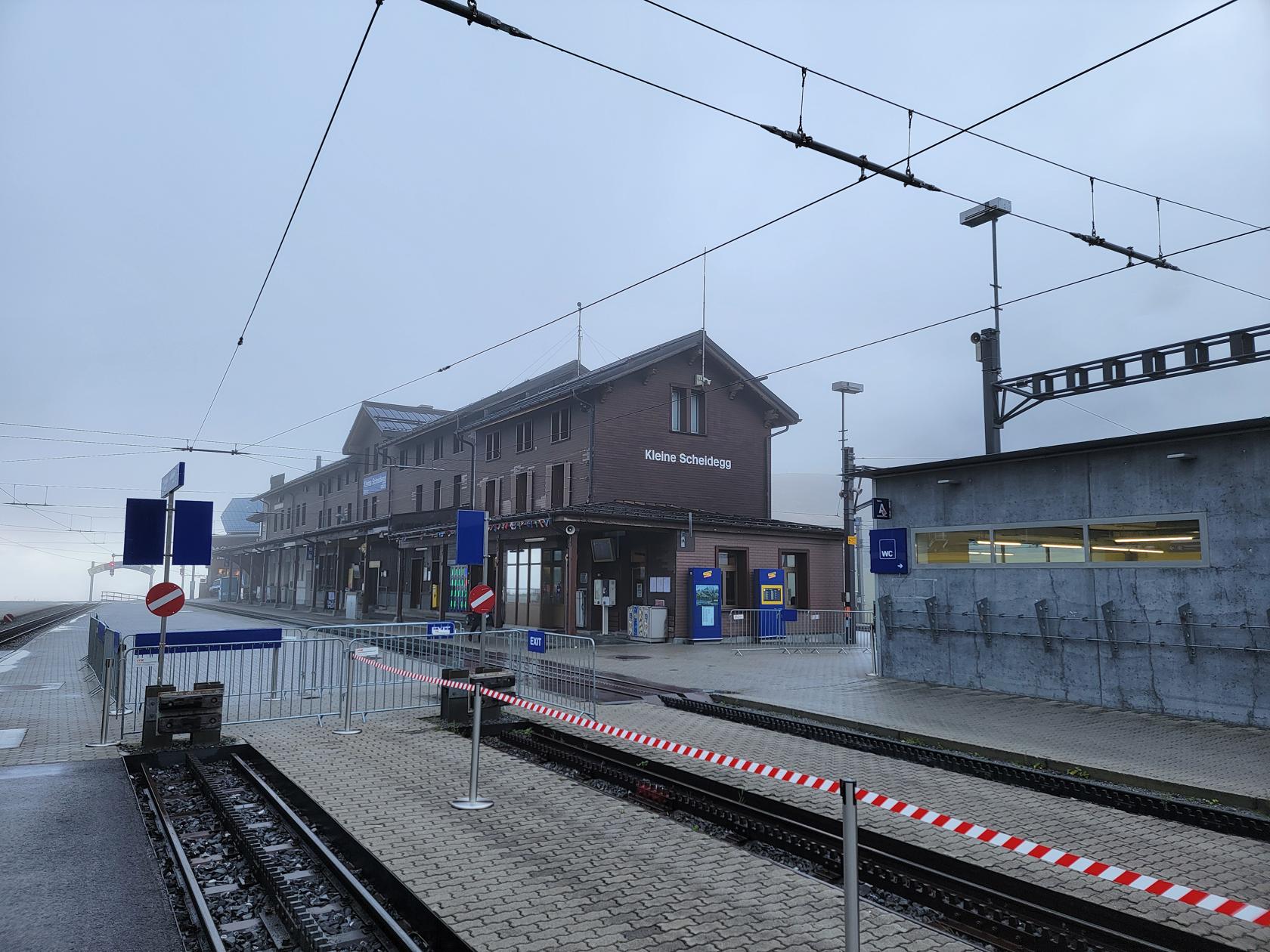
Kleine Scheidegg

Known as the small pass between the farmers in Grindelwald and its valley and the rest of Switzerland, the Kleine Scheidegg became more important than it’s sister route the Grosse Scheidegg when tourism and the railroad to the mountains became an attraction.

It is a terminal train station, since all trains from here use different gauge track and are very specialized, thus changing trains to reach your destination is necessary.

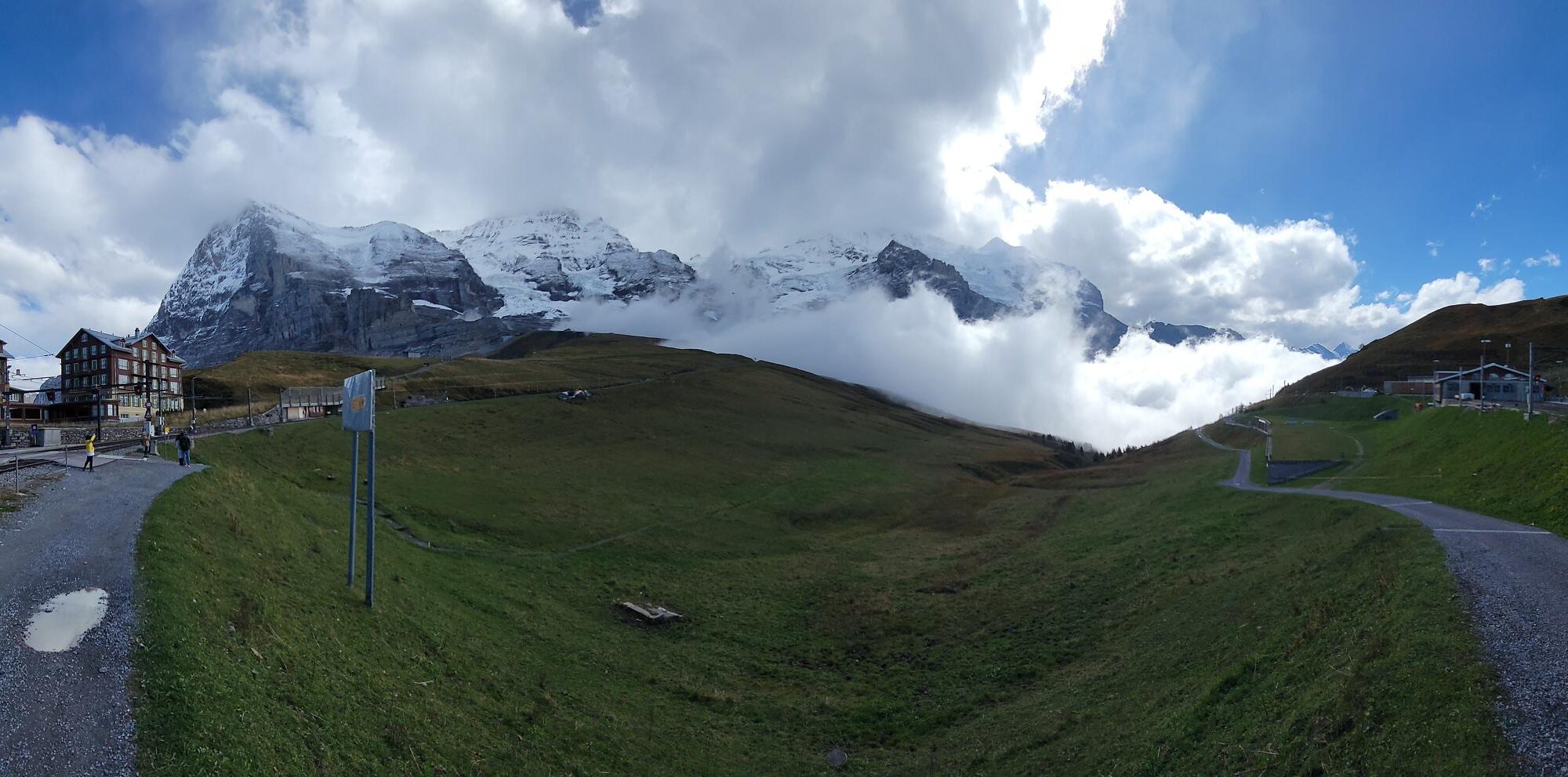
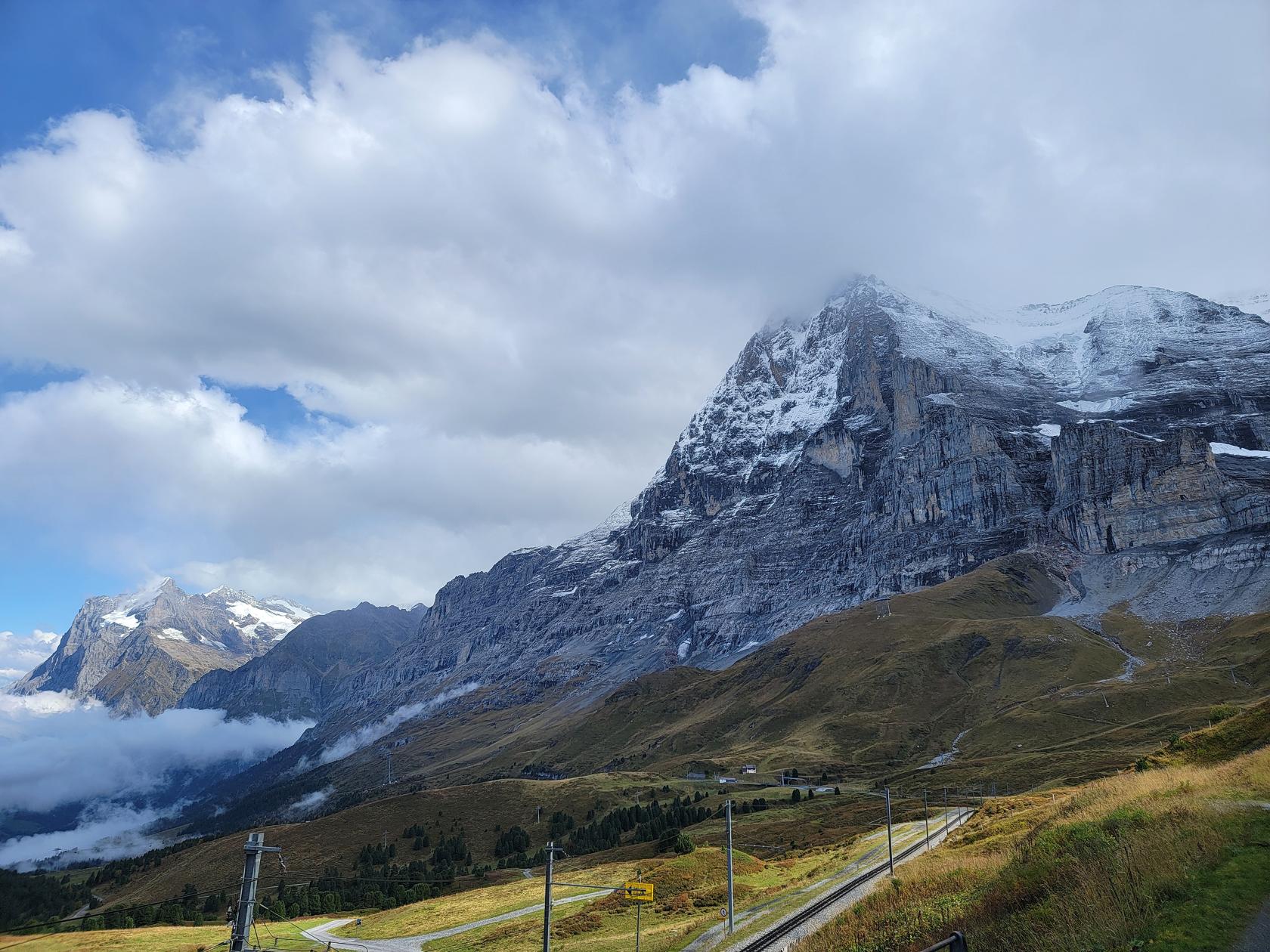
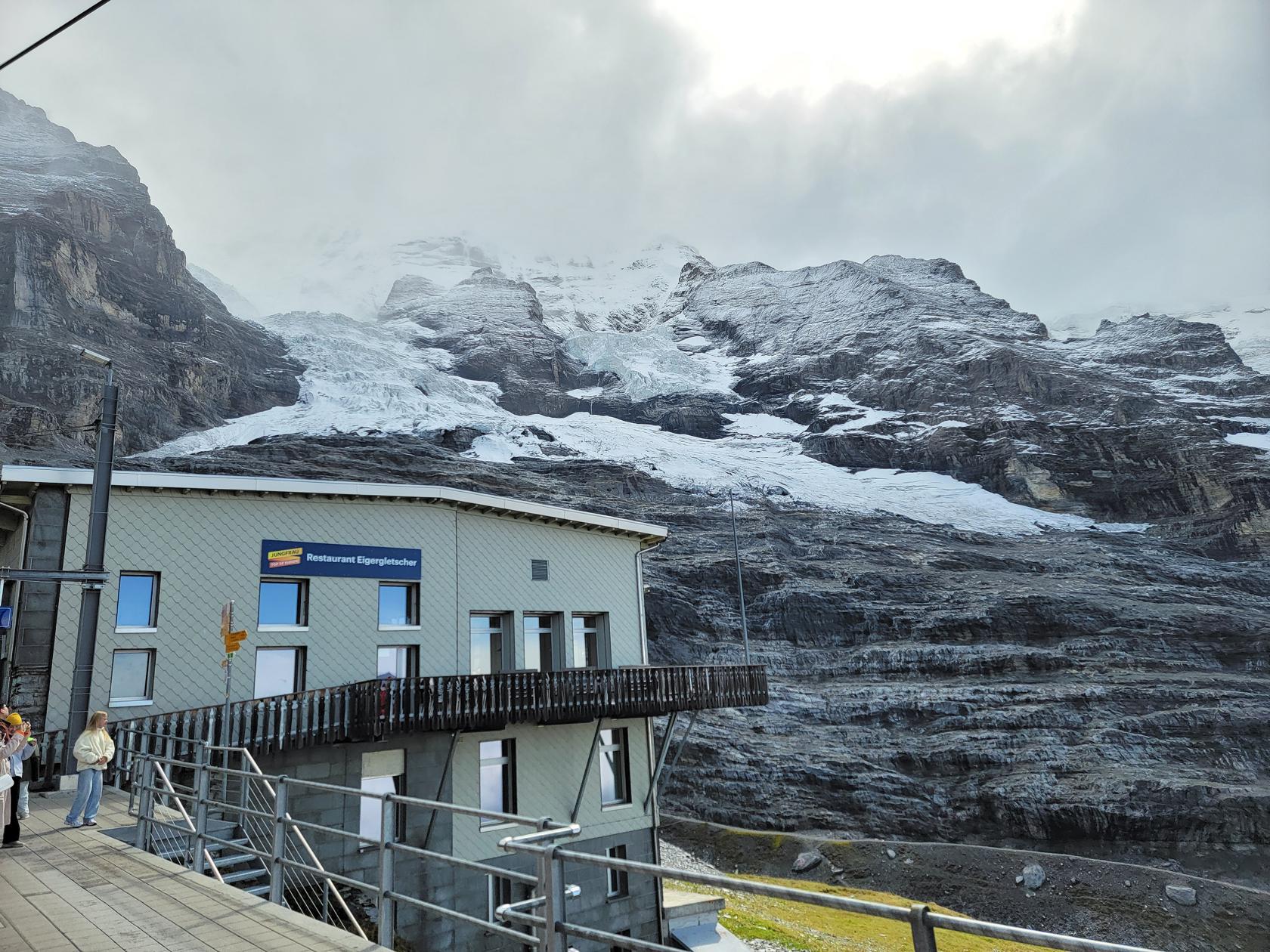
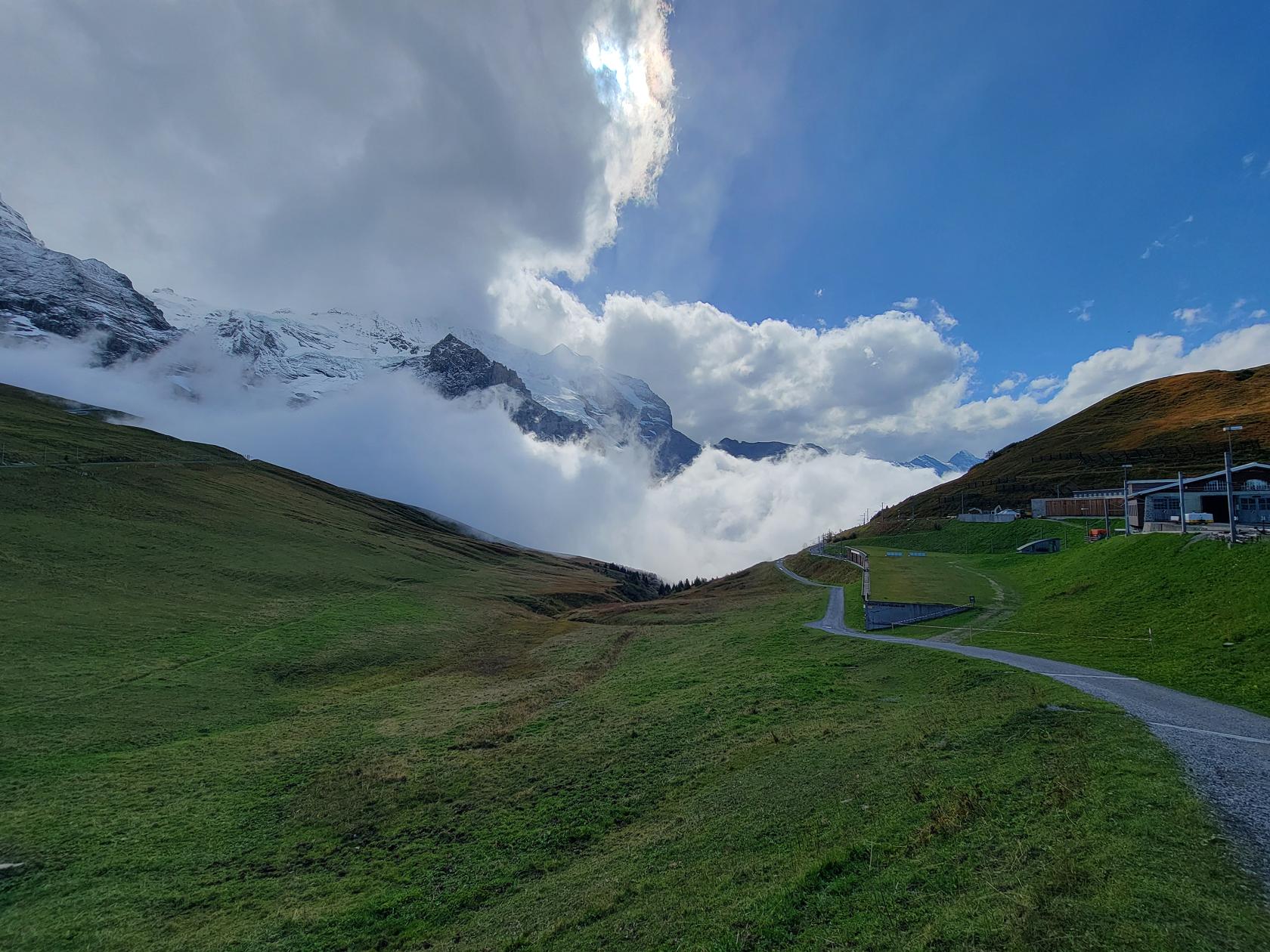
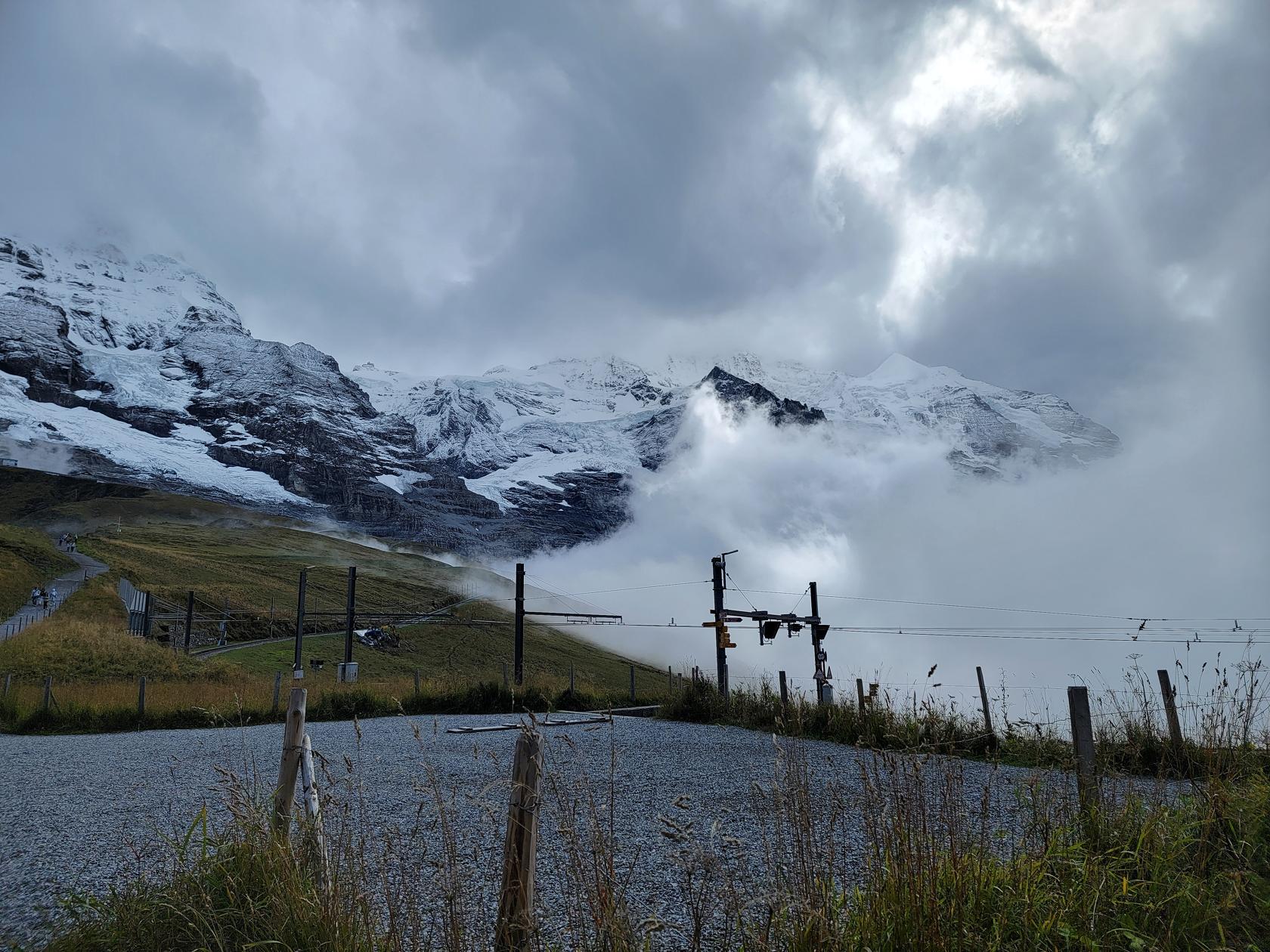
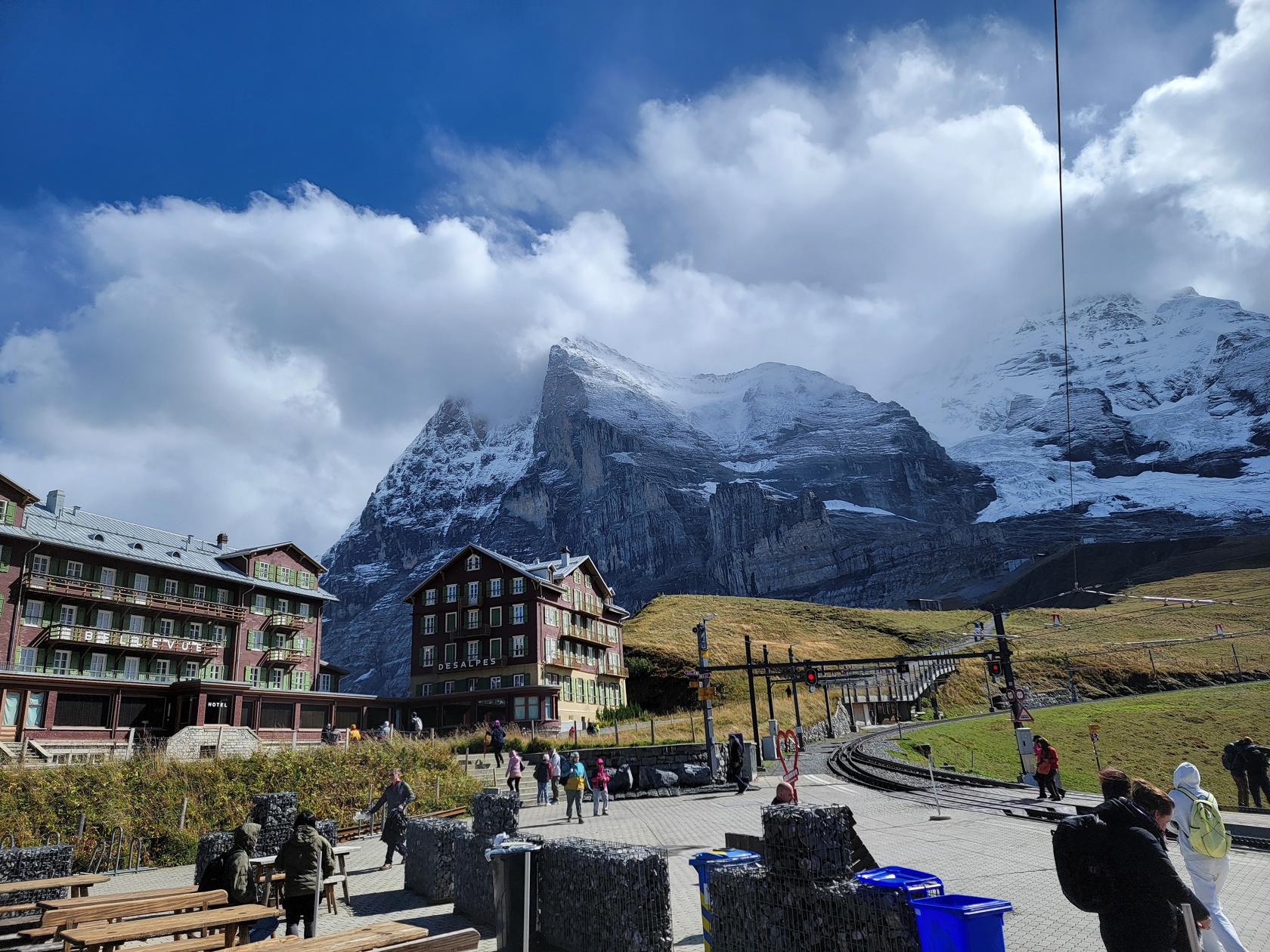
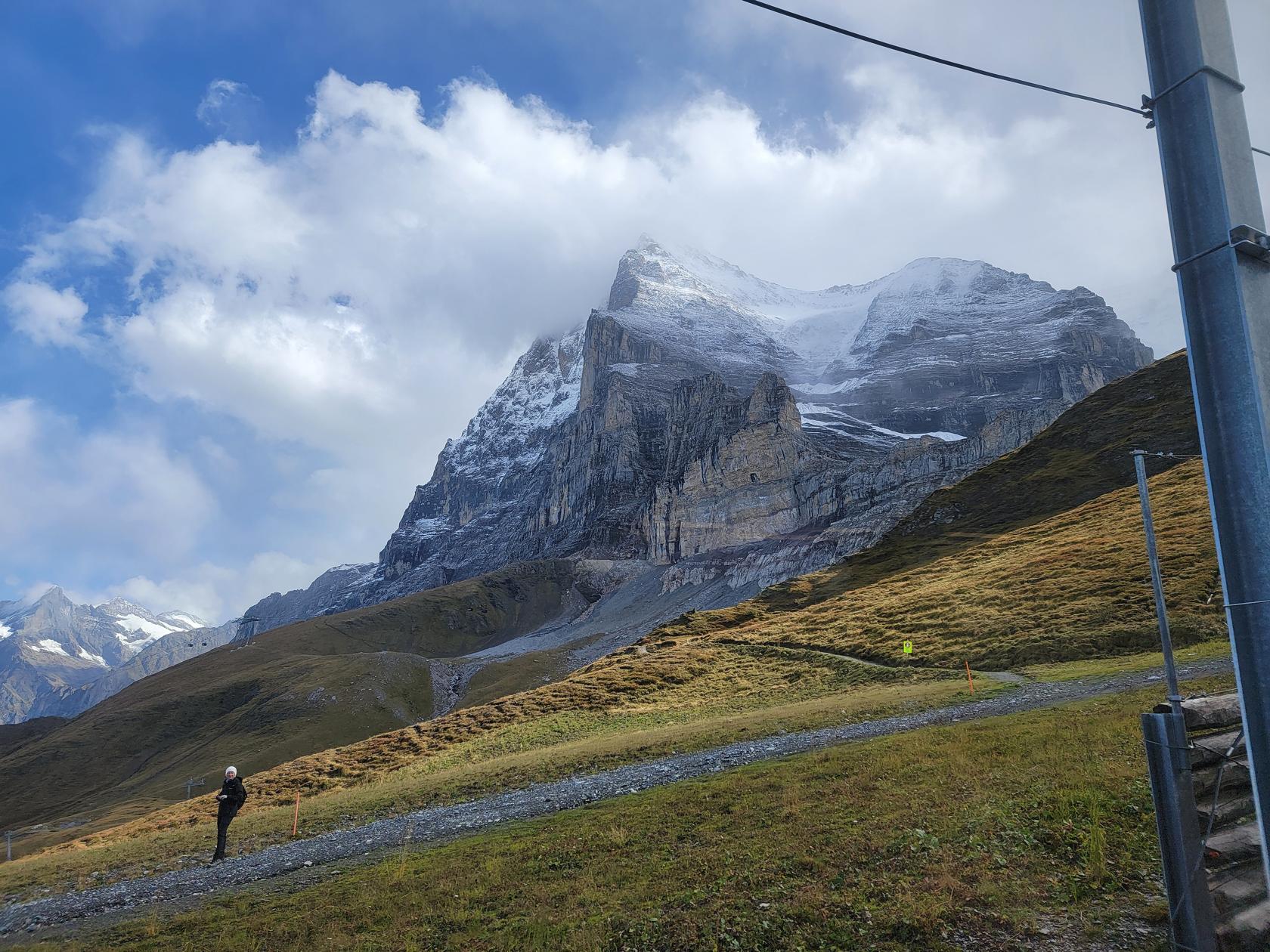
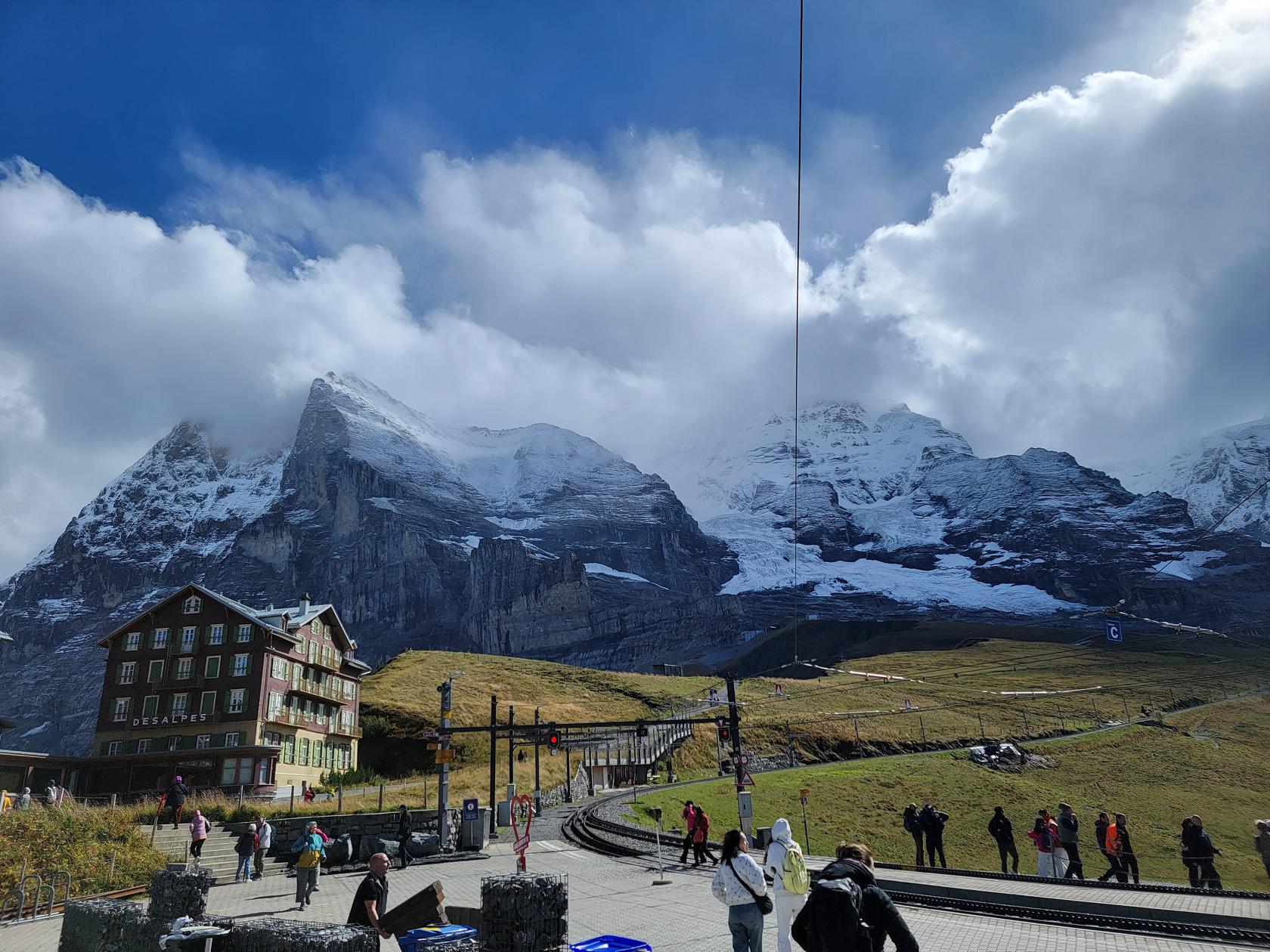
The view from here of the Eiger is worth noting. When the weather is good it provides an excellent view of the north face that rivals that obtained from Grindelwald.

Jungfraujoch

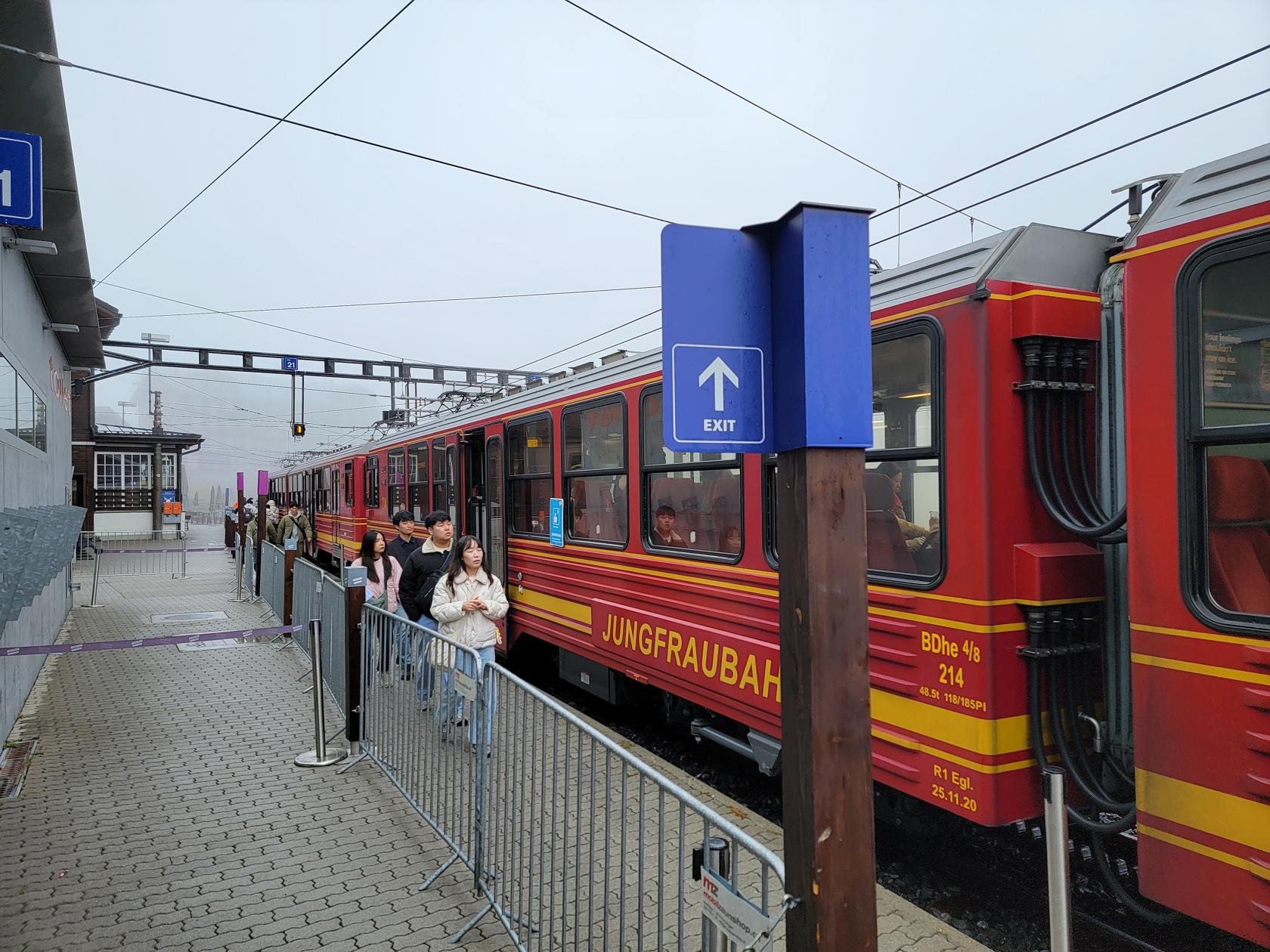
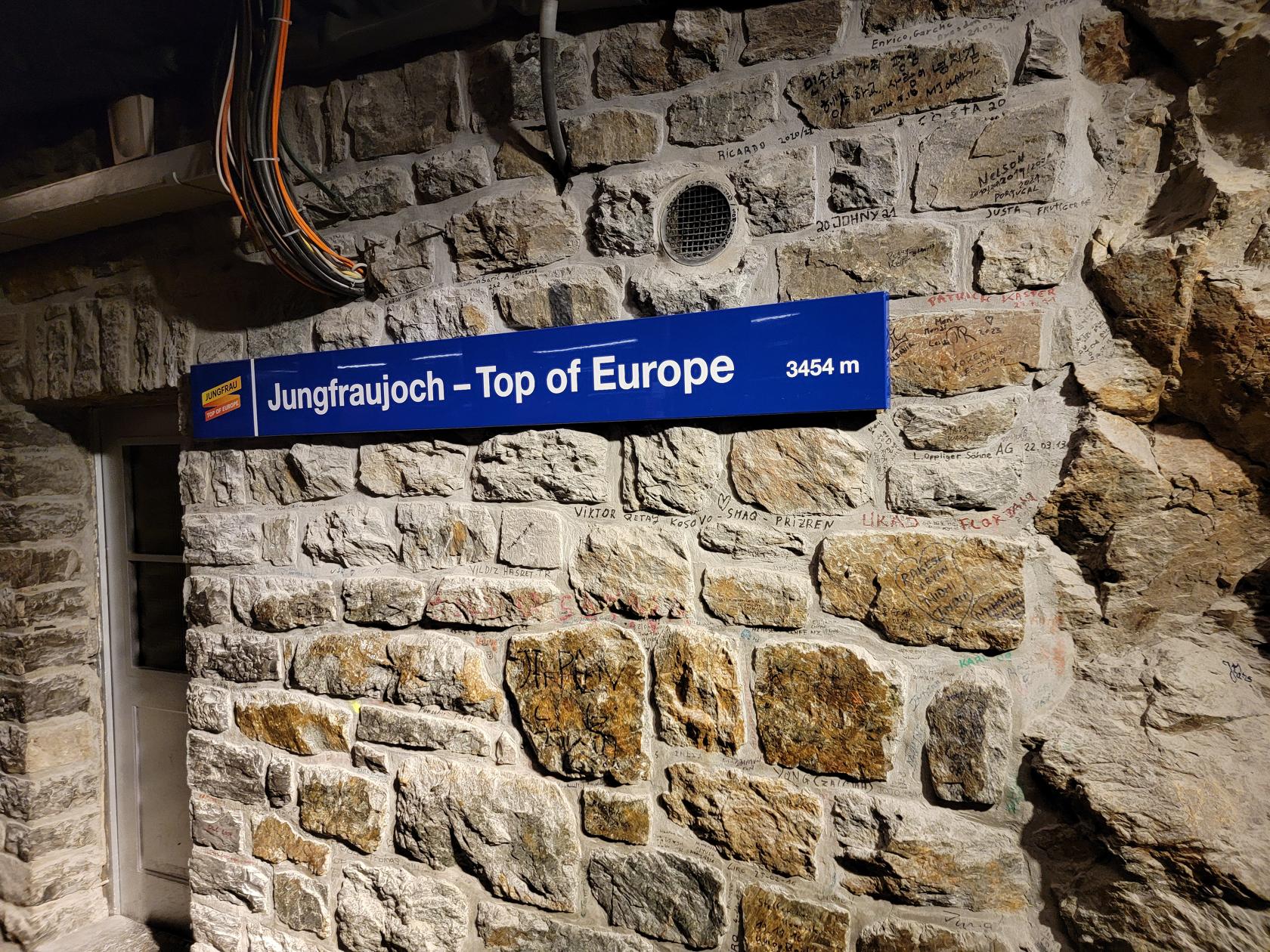
The so called Top Of Europe, or Jungfraujoch, is reached by the Jungfraubahn, which is the highest operating European train at over ten thousand feet. When you arrive the first thing you may notice is the thin air and difficulty breathing.

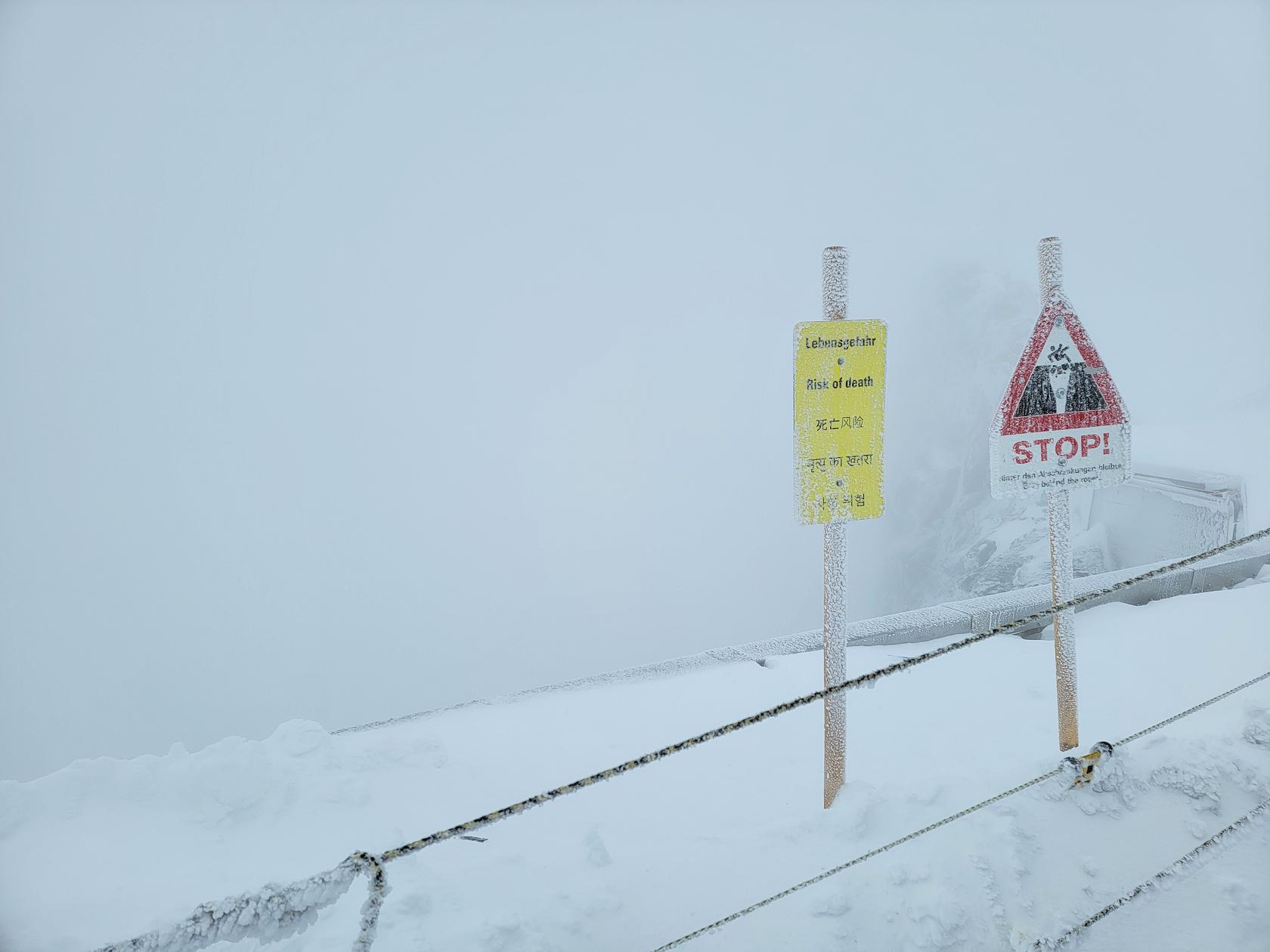
Outside the observatory the weather was frightful with forty-five mile and hour winds and blowing snow.

Aletsch Glacier

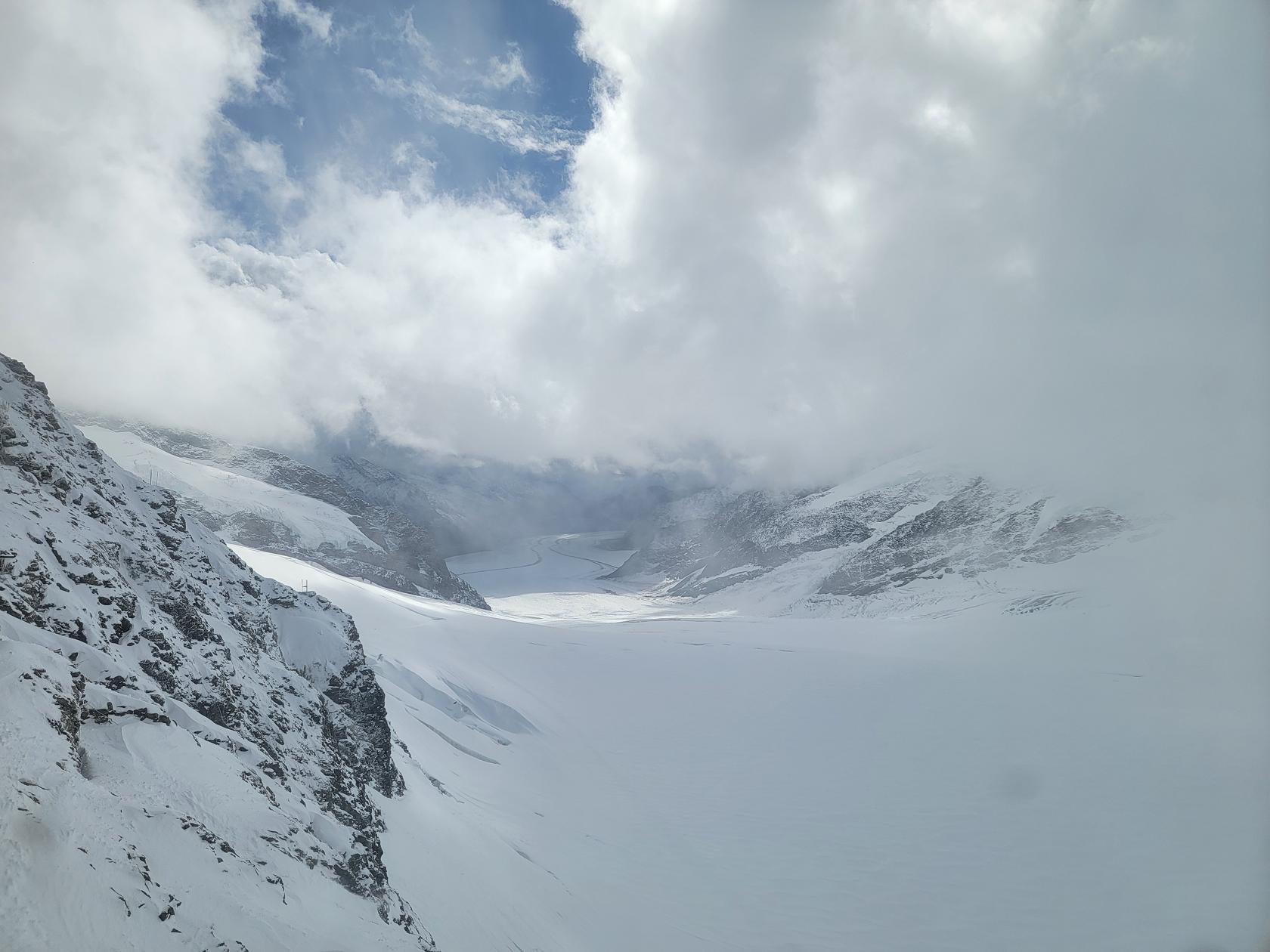
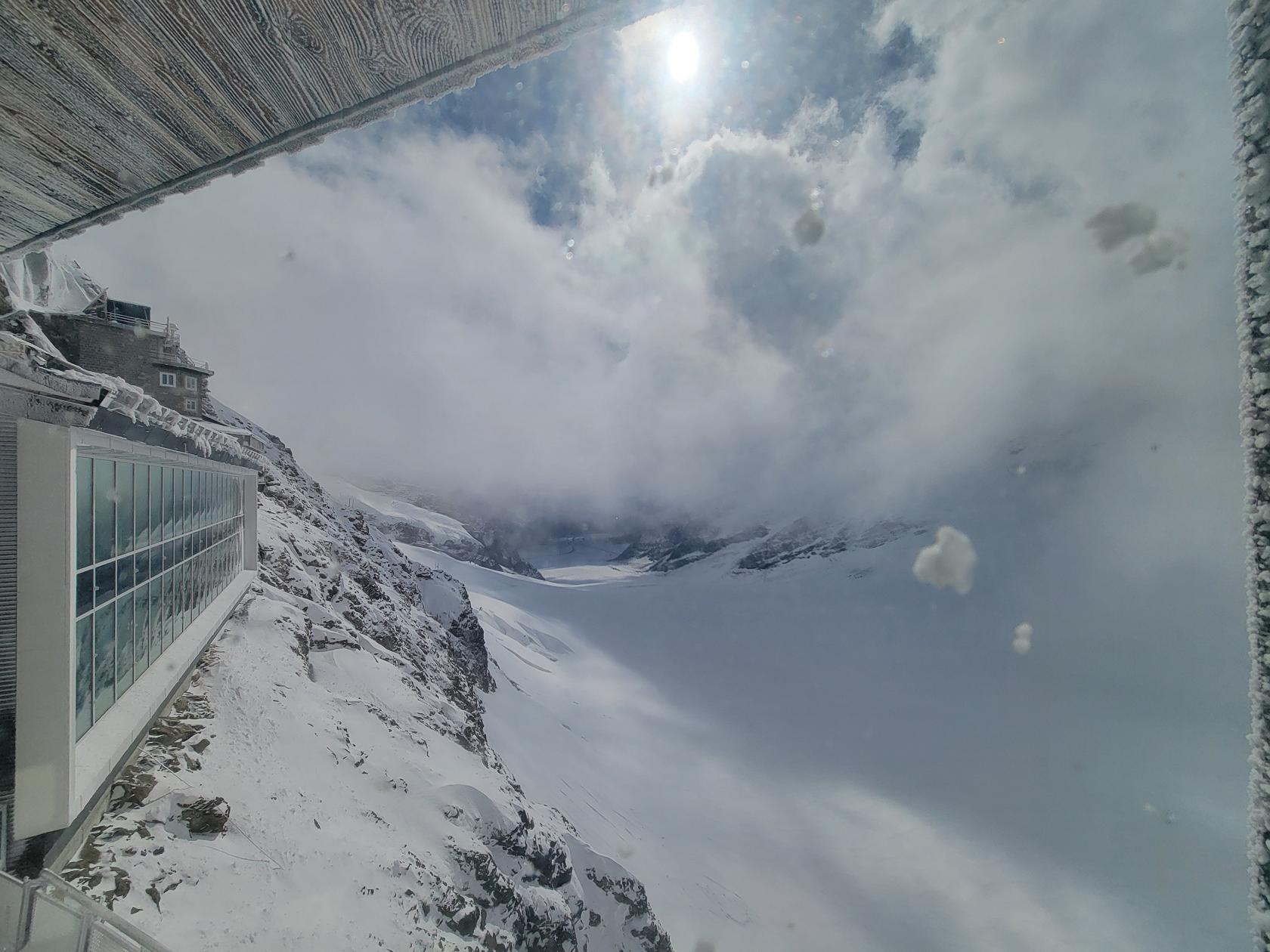
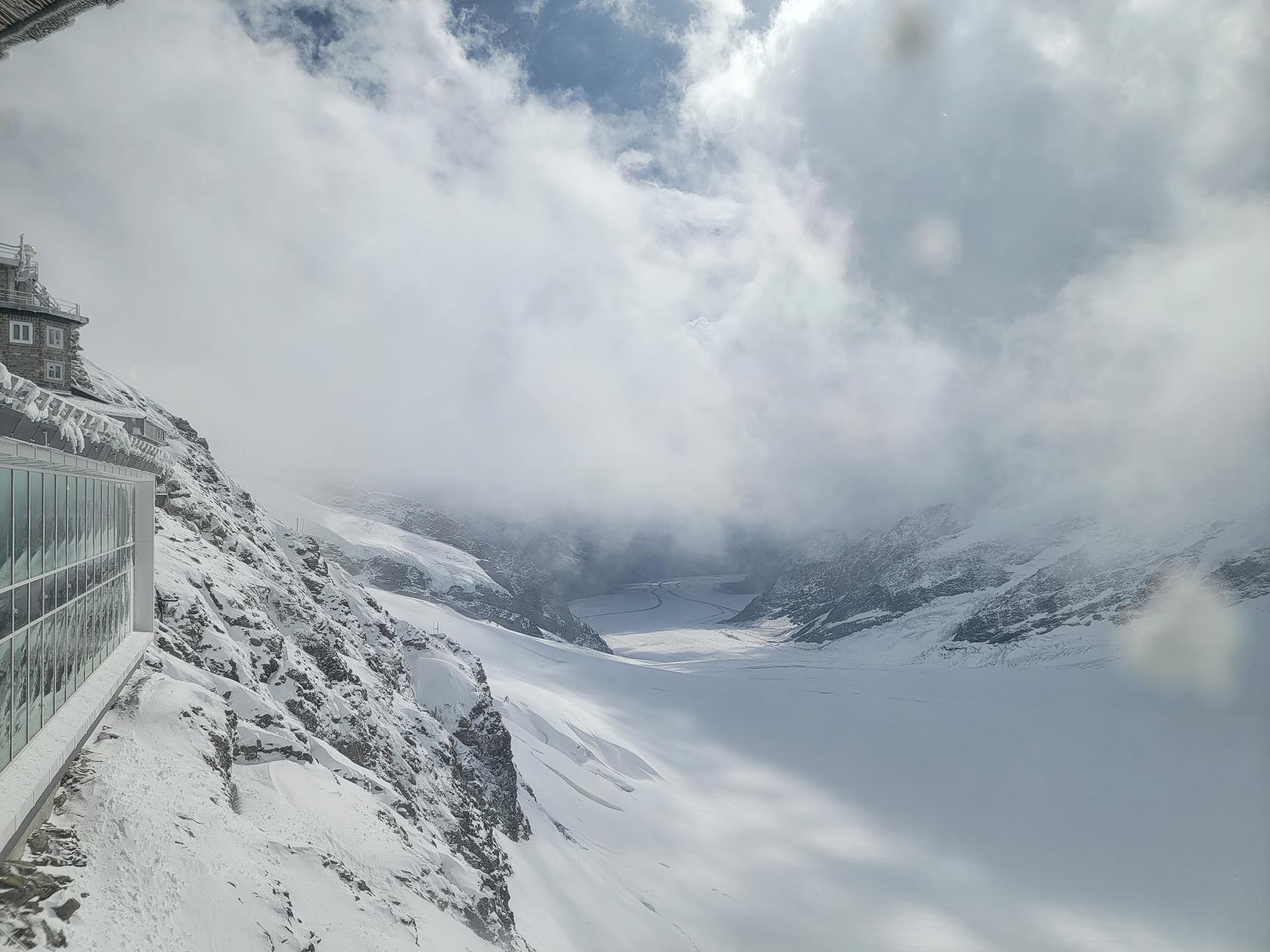
We were there long enough to see some breaks in the clouds and were able to see the Aletsch Glacier, or sea of ice, as it is called.

Lauterbrunnen, Switzerland – Falling Waters

The Waterfalls of Lauterbrunnen

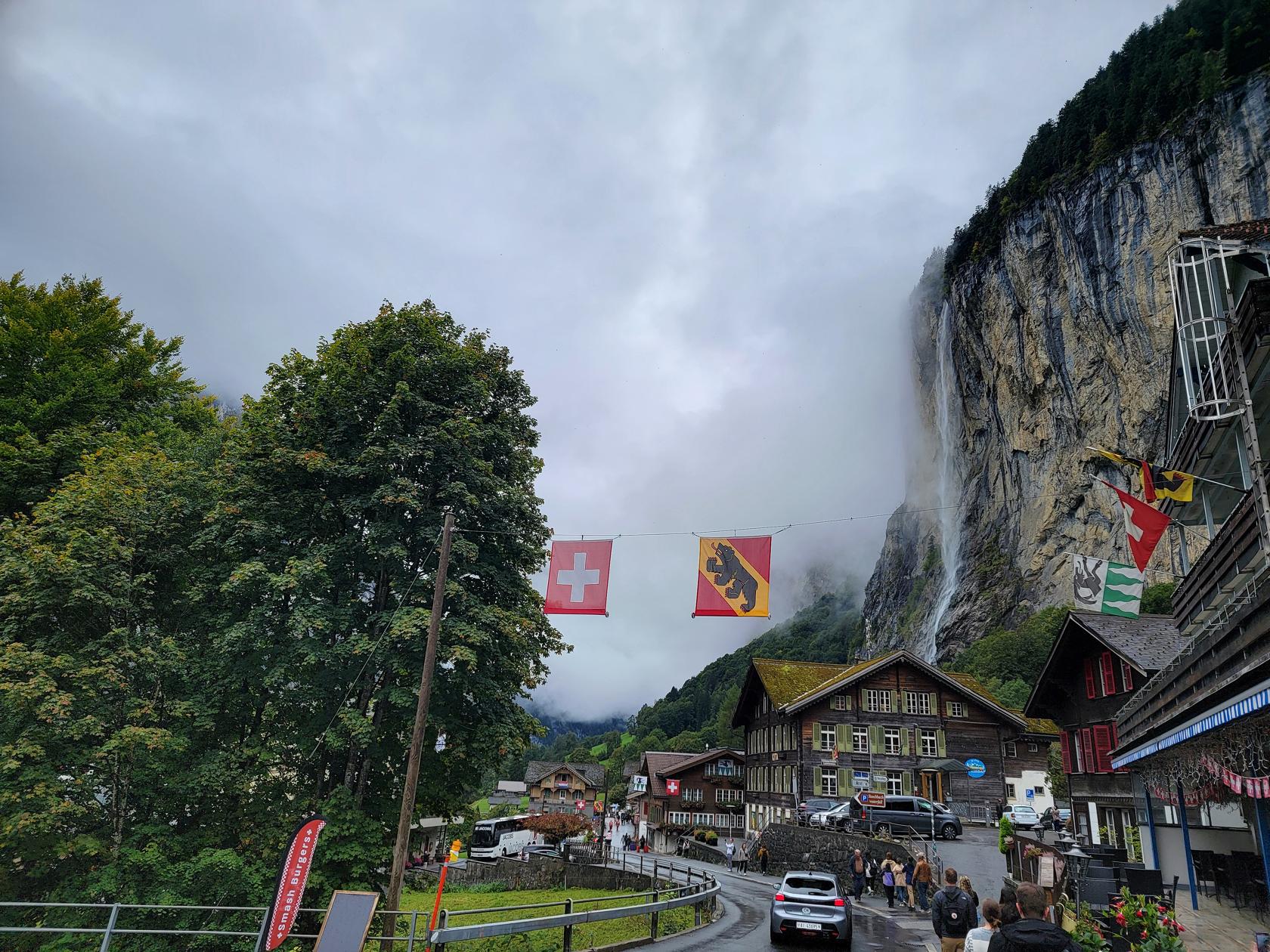
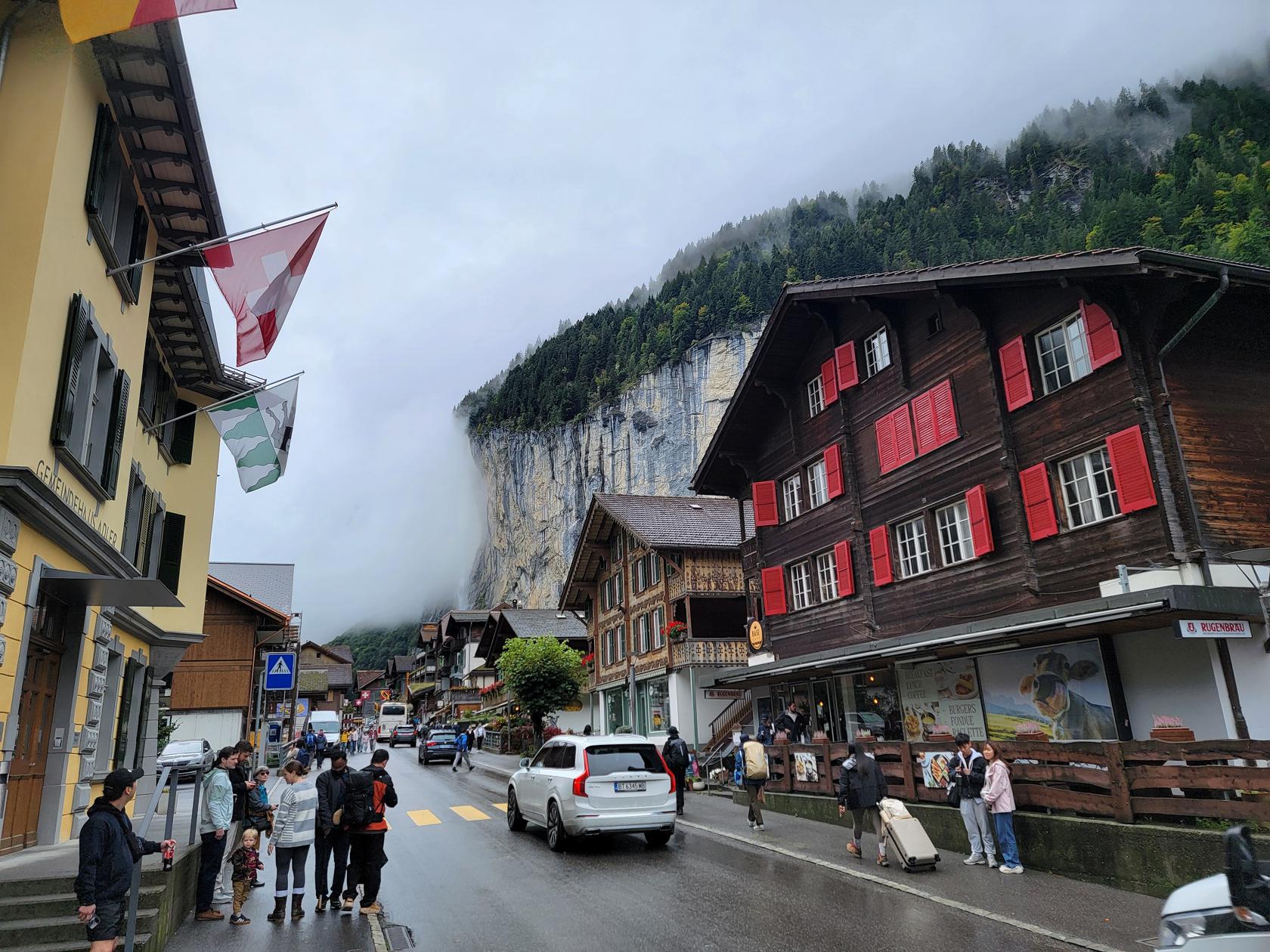
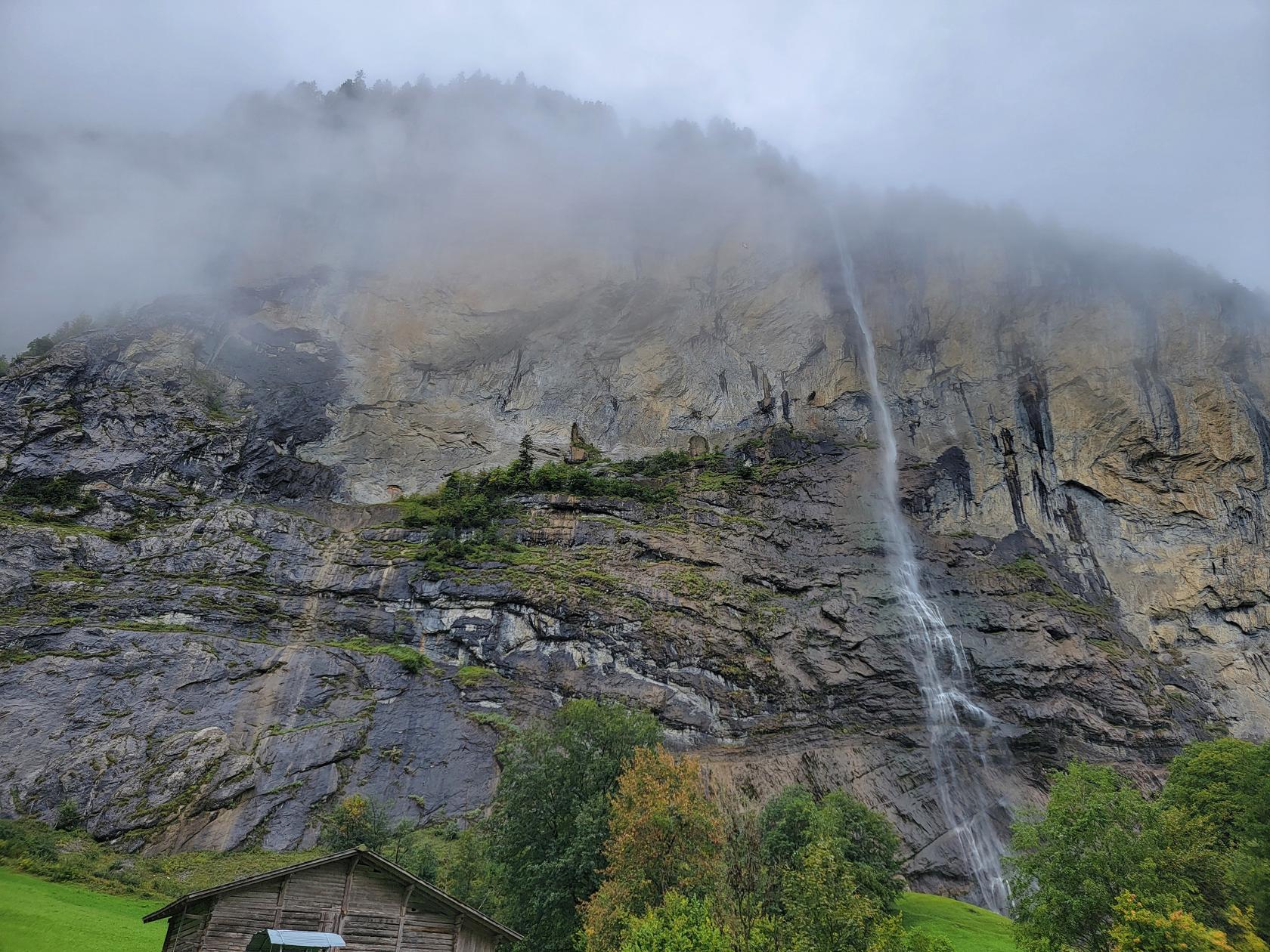
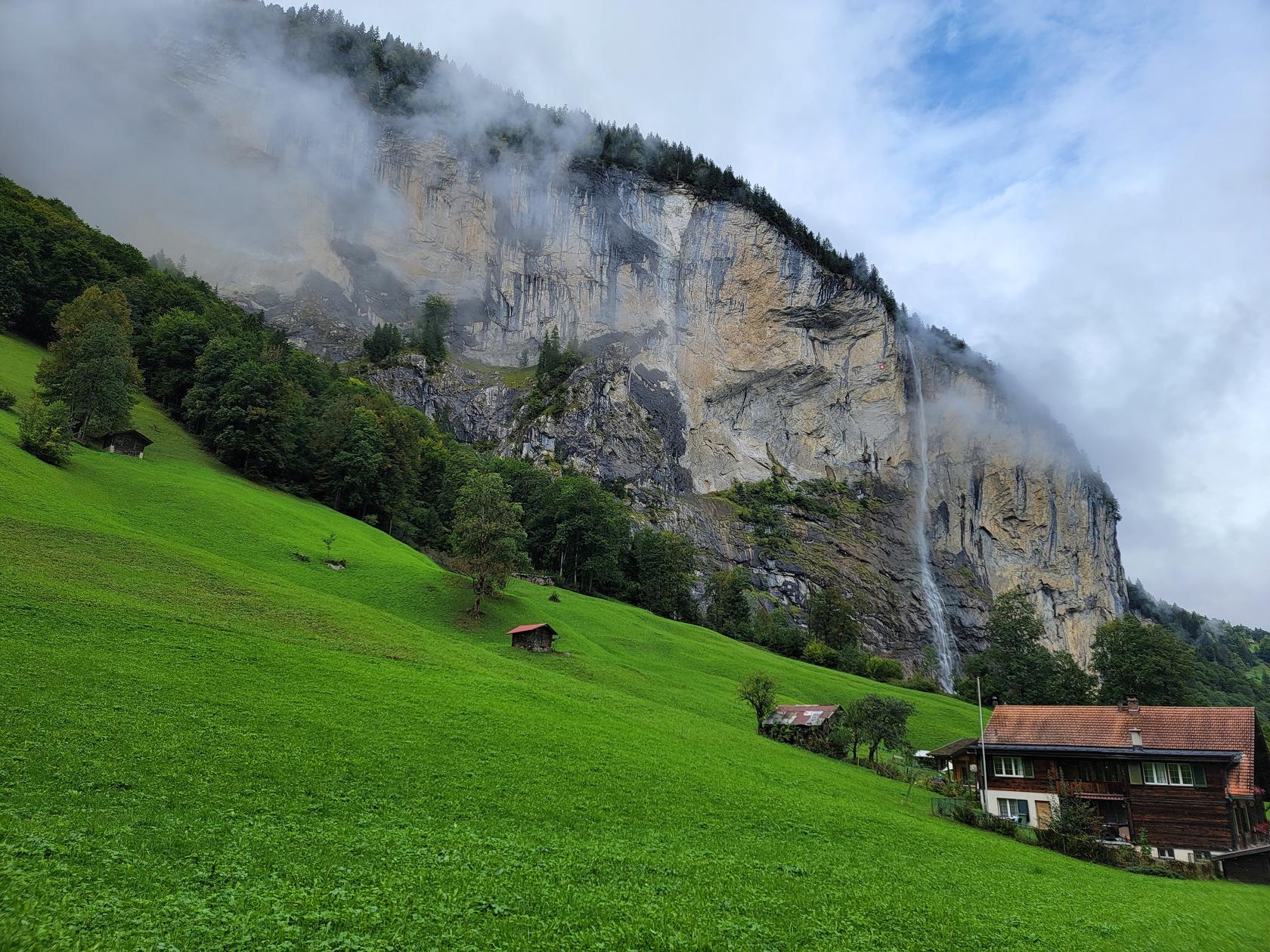
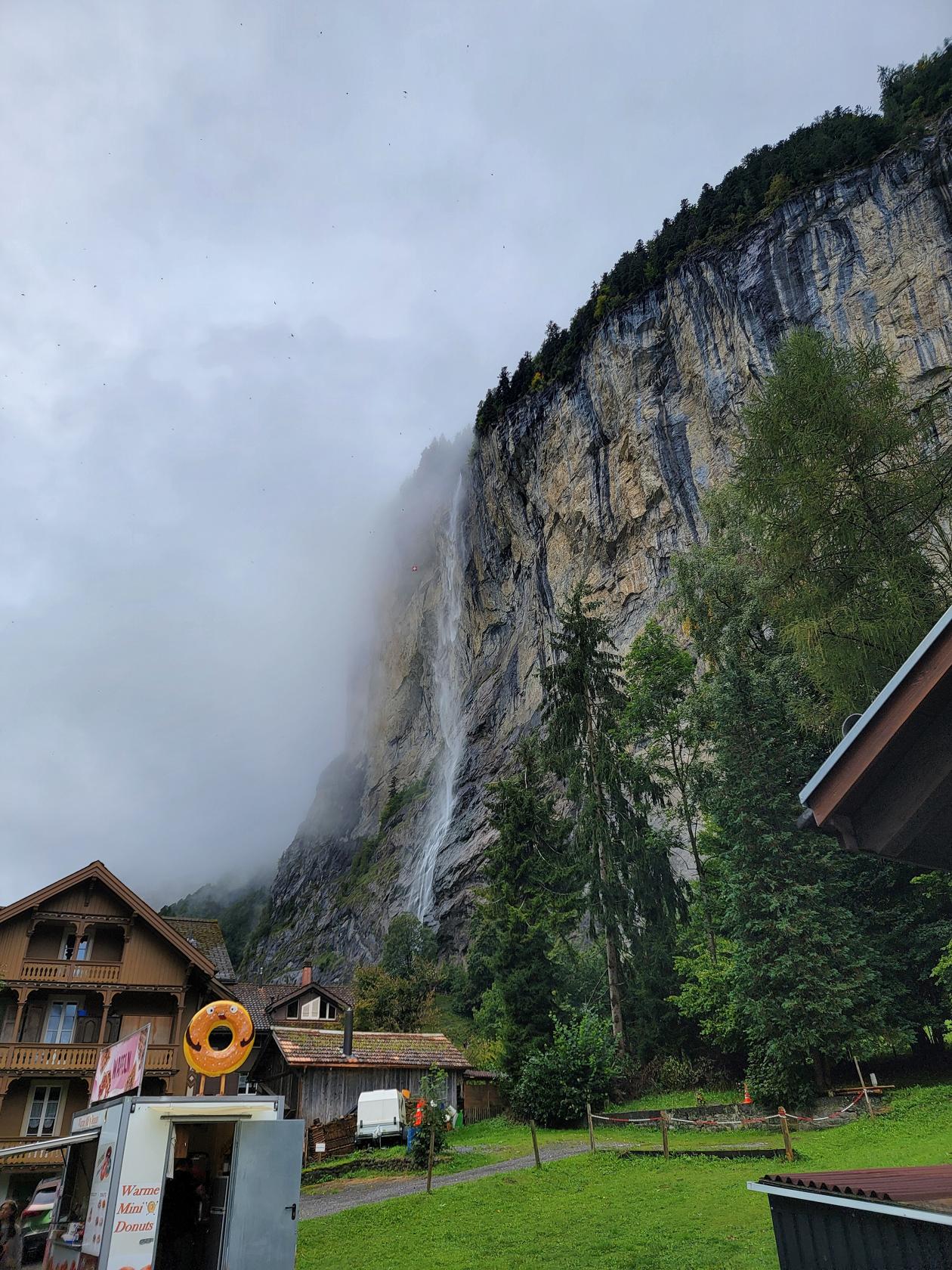
Since the weather had been on the inclement side, what better place to visit than Lauterbrunnen, from where at least eight waterfalls of note may be seen.

Getting There

From Wengen we took the Wengernalp Railway using our Oberlander Pass, since it covers travel in this region and Lauterbrunnen is the end station on this line.

Lauterbrunnen

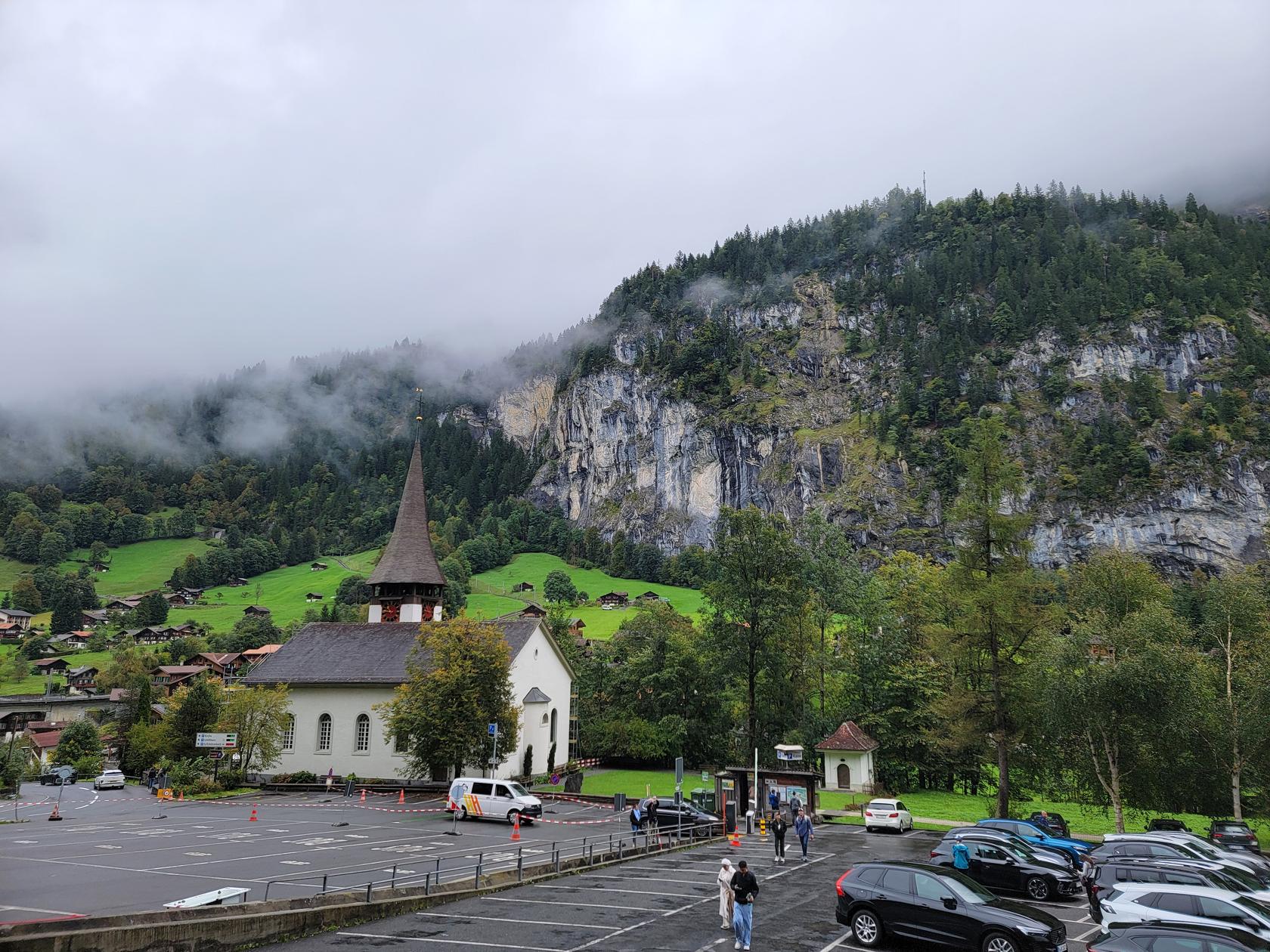
Lauterbrunnen is again a typical alpine resort town with one main street dotted with shops and little else. It is the town you park you vehicle if you are staying in Wengen (since no vehicles are allowed).

The main street leads through the town from the train station and continues all the way to the end of the valley, however only after many name changes along the way.

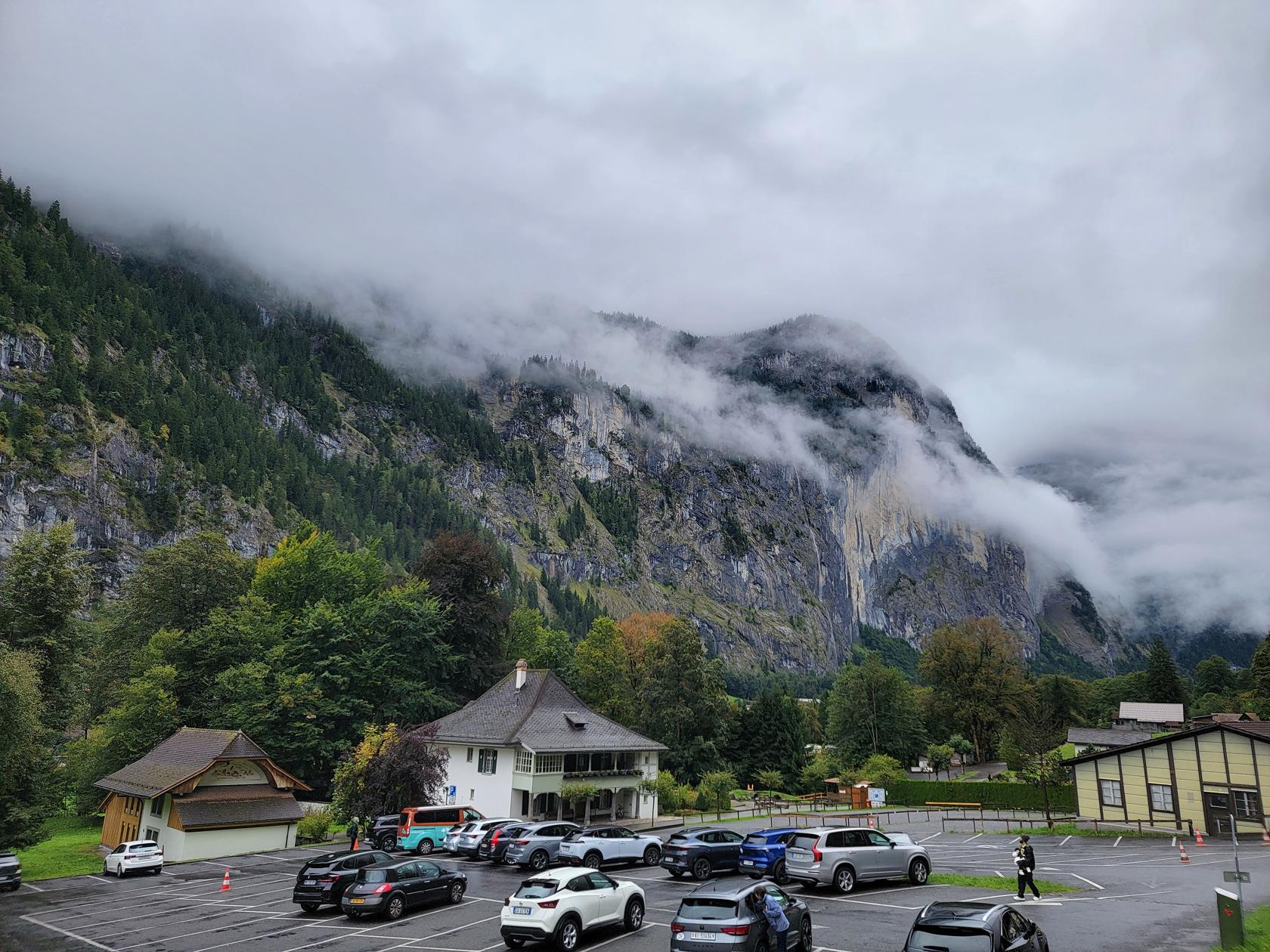
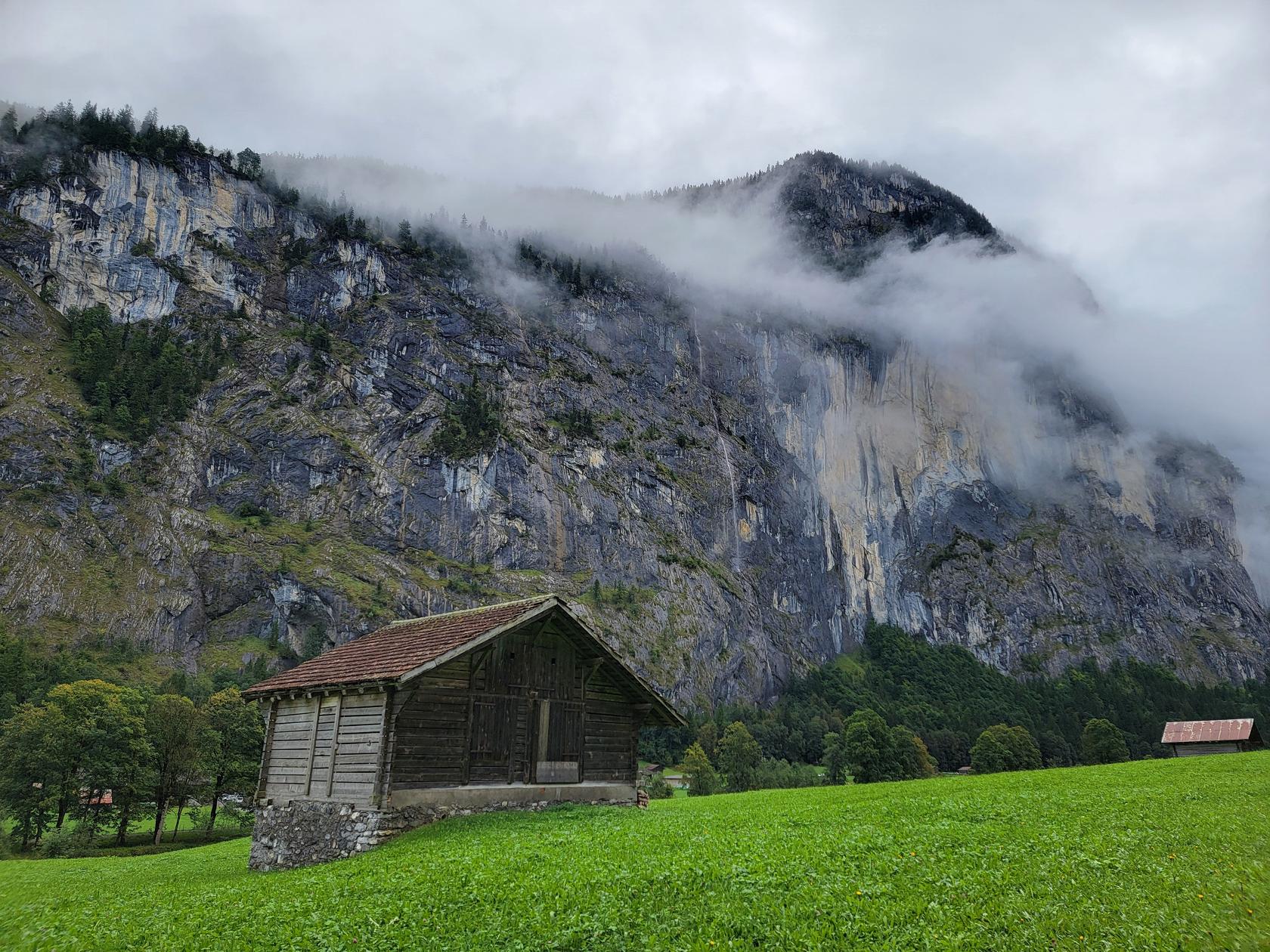
Once outside town the road narrows a bit, but offers a good path to have a long lazy hike down the valley. Cars are few, even though there are several camping sites along the way and parking lots for vehicles.

The Weisse Lütschine river flows the length of the valley as it gathers up many small tributaries that add to its volume along the way. During our walk you could hear its constant roar in the background.

Restaurants

Once we returned to Wengen, we had reservations and ate dinner at the following restaurant.

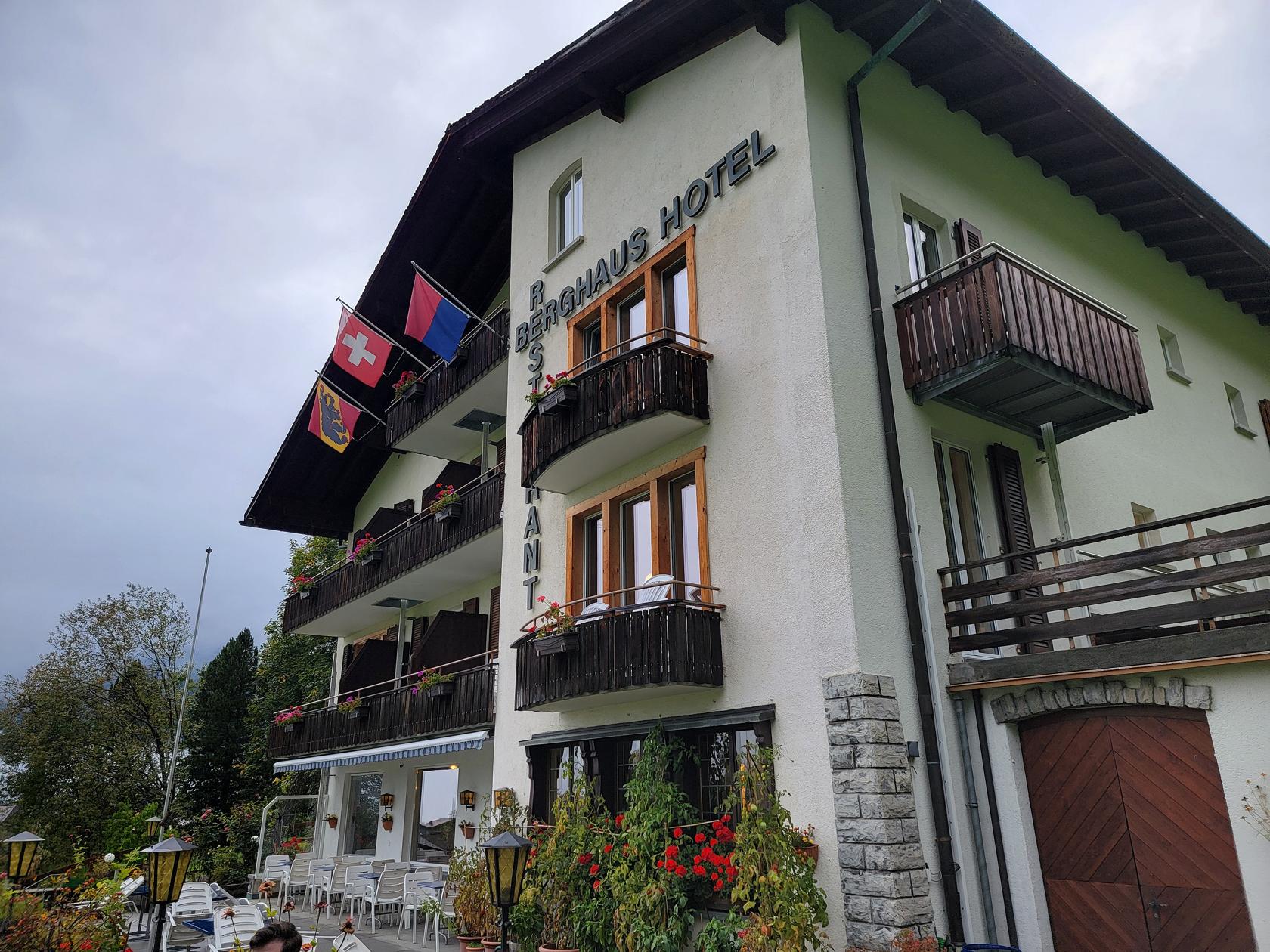
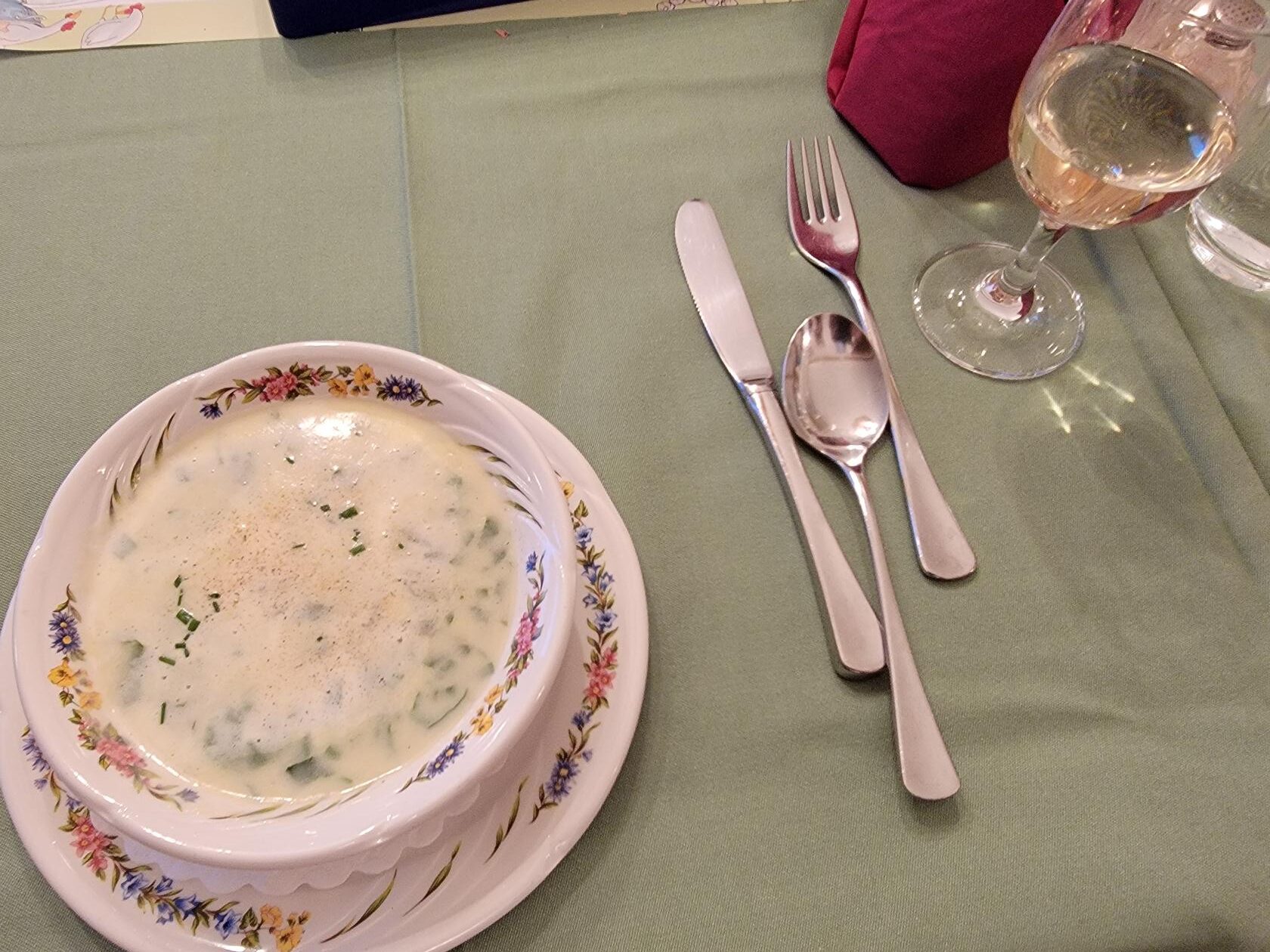
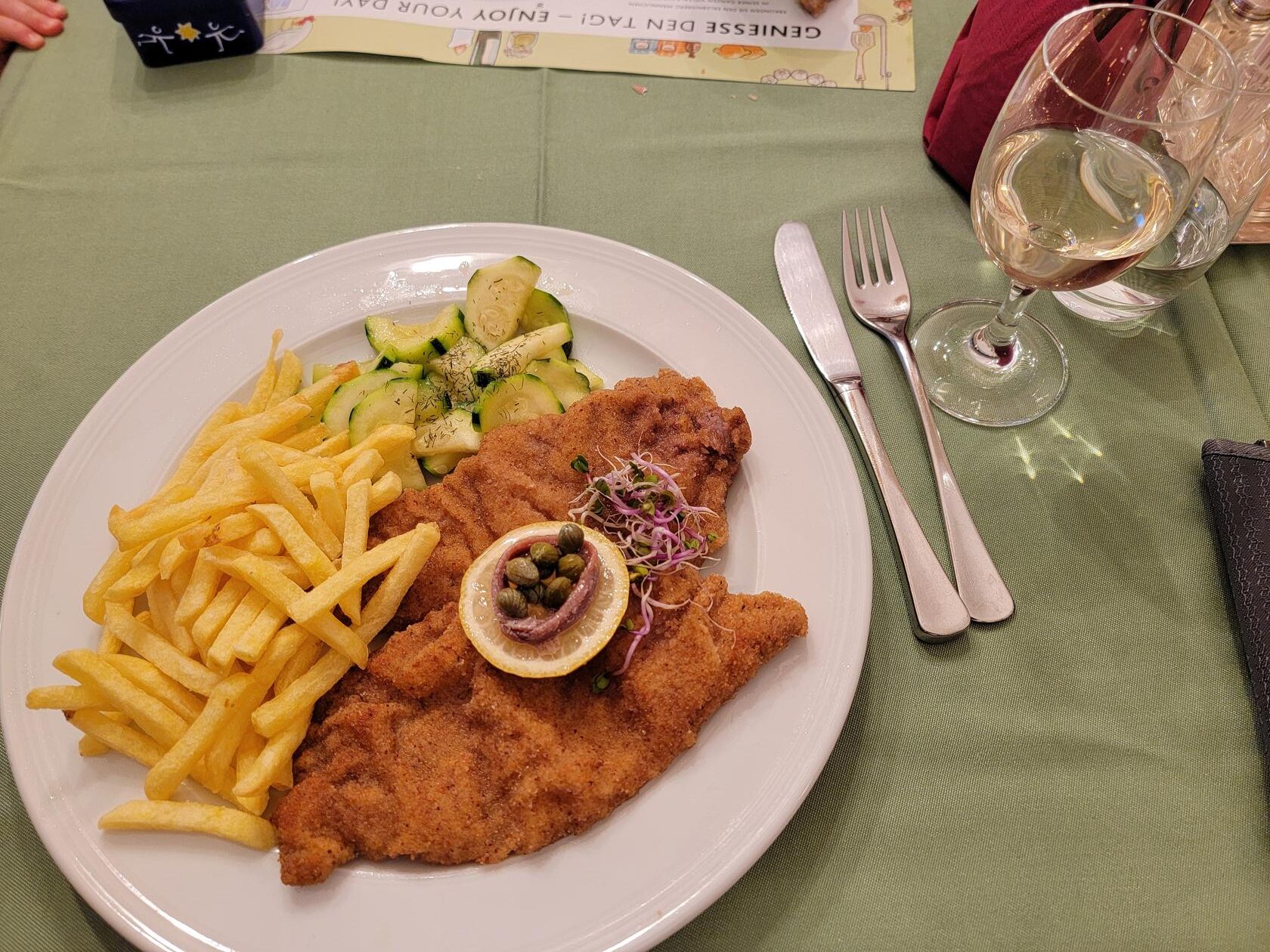
Berghaus Restaurant

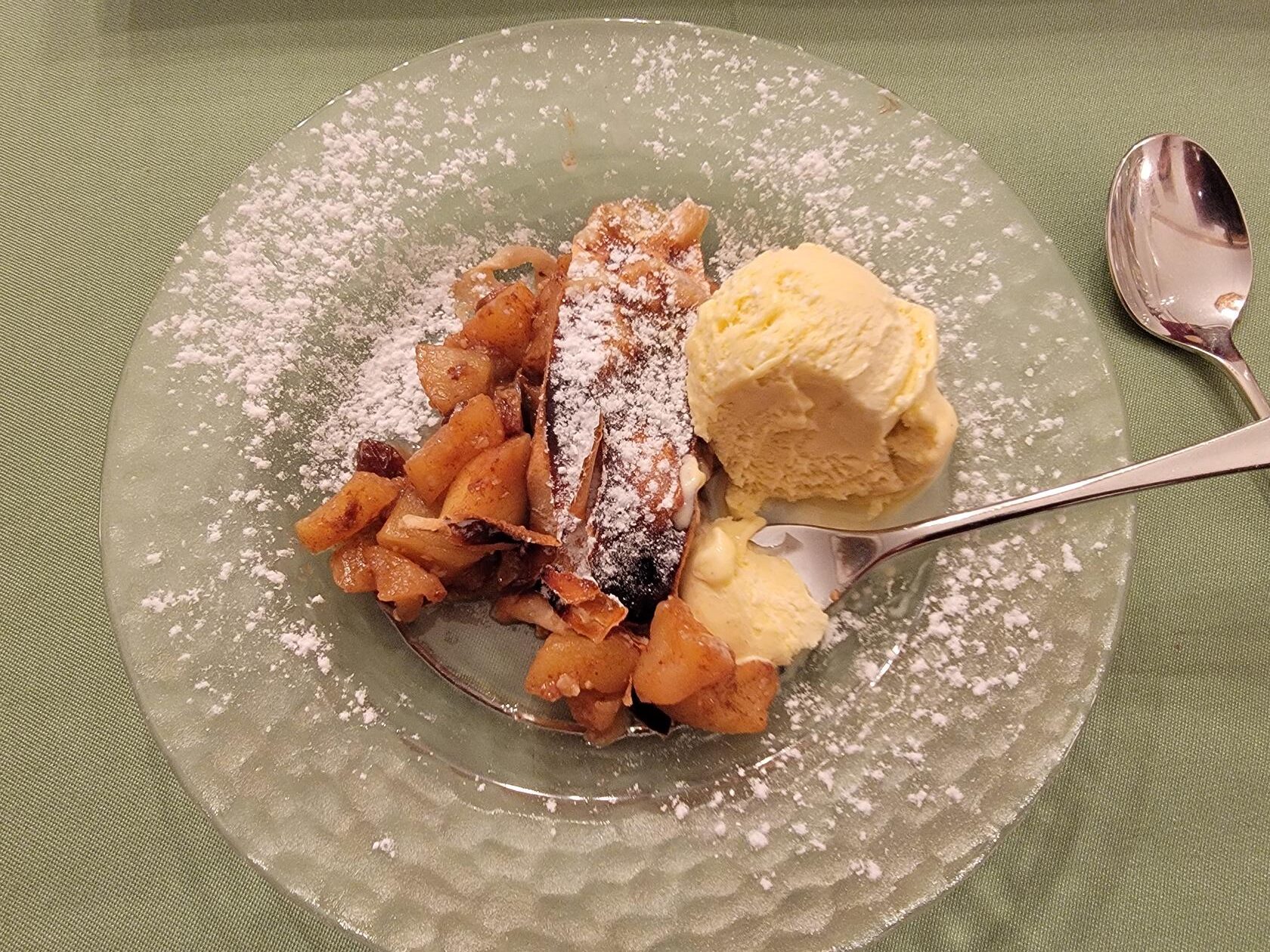
This resort and hotel restaurant is small and offers traditional German and Swiss dishes. The author can recommend the Apple Strudel, it was very tasty, not ruined by sugar like in the States.

Wengen, Switzerland – Rainy Return

Our Rainy Alpine Return

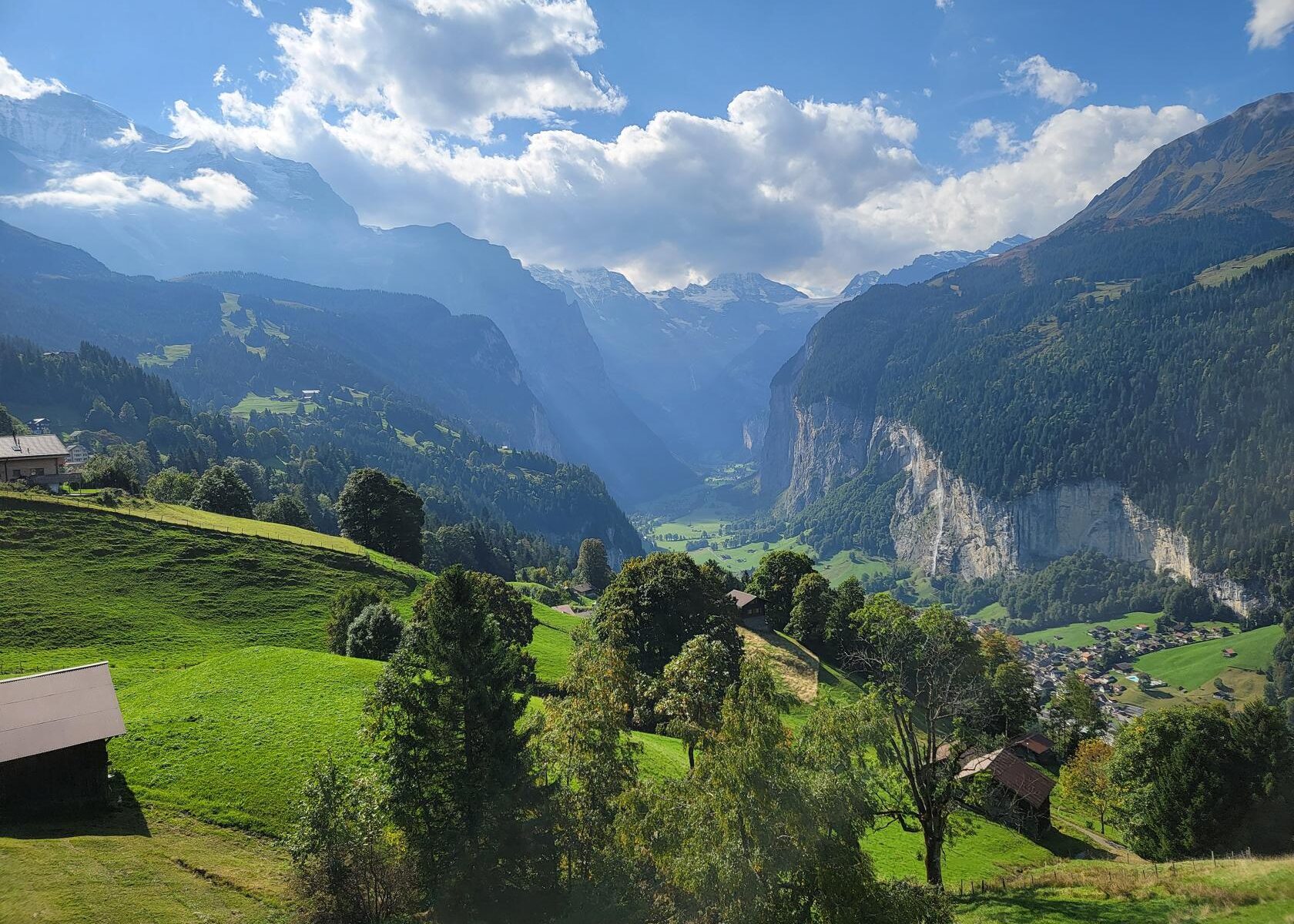
After Lake Leman we planned a return to the Bernese Alps and chose Wengen at the behest of other family members. We had previously been to Grindelwald and had spent some time there, so we knew the area well, although we had never visited the Lauterbrunnen Valley. In preparation for this trip, we purchased the following tickets and discount cards to help in managing expenses.

      • The Swiss Half Fare Card – provides half fare prices on all travel, including cable cars and other forms of transportation
      • The Oberländer Pass – provides access to all modes of transportation within the Oberland, can be purchased using the Half Fare card above.
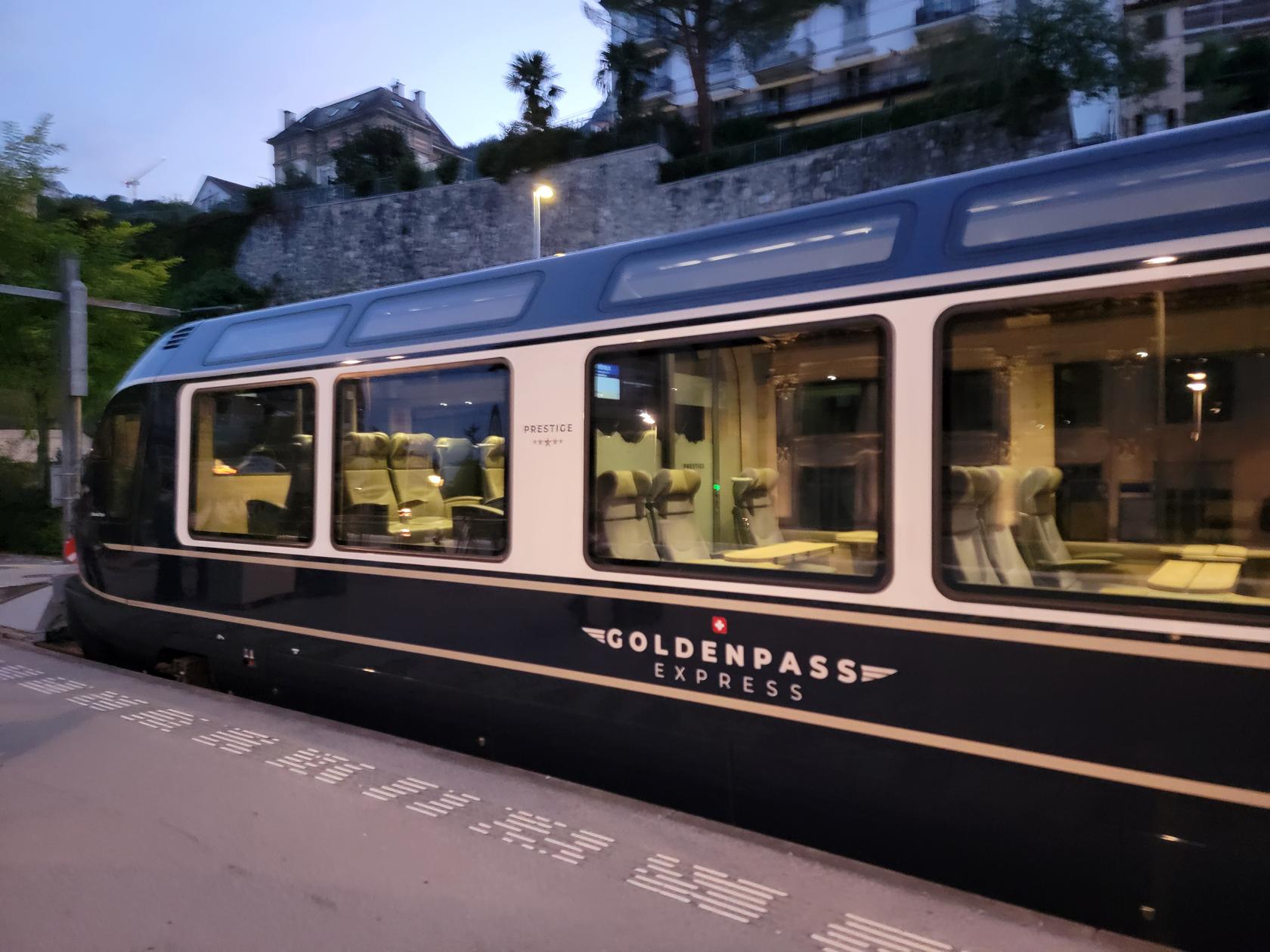
      • The GoldenPass Express – since it is a special train, it is included in the Oberlander Pass, but if you want reserved seating, use the Half Fare card the price for First Class, it is still quite reasonable and perhaps the way to go for medium to large groups (we were a party of six).

Getting There

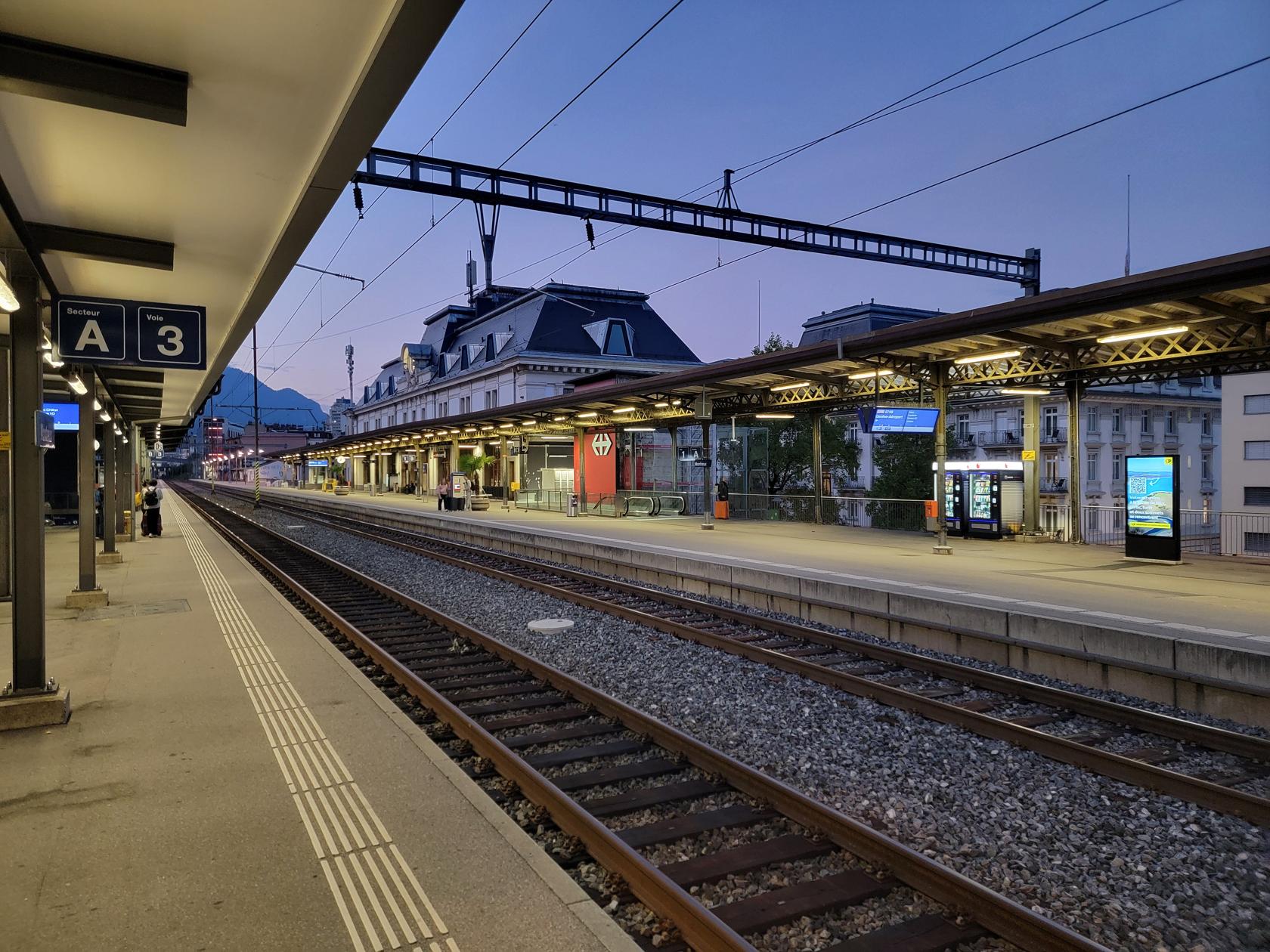
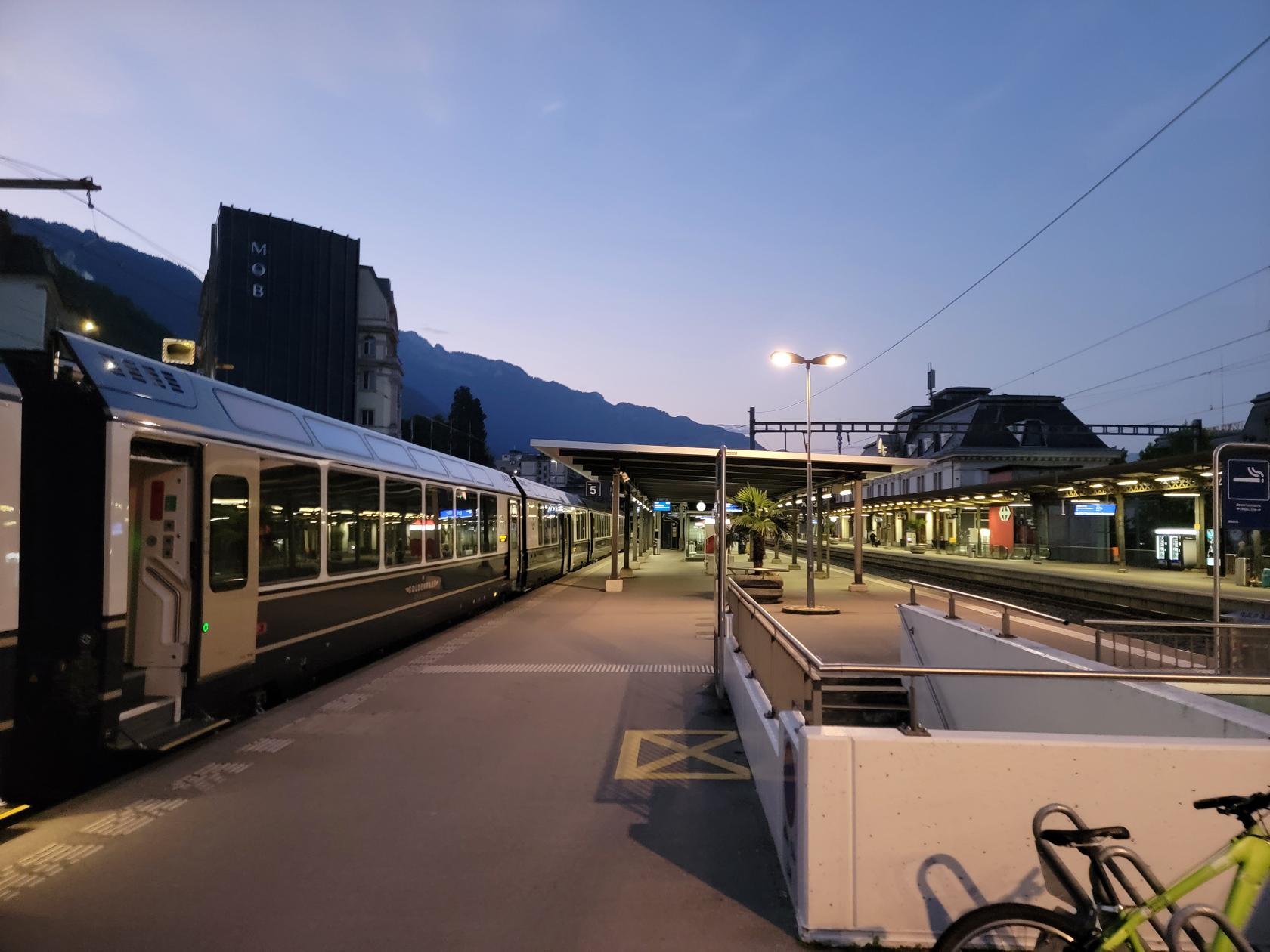
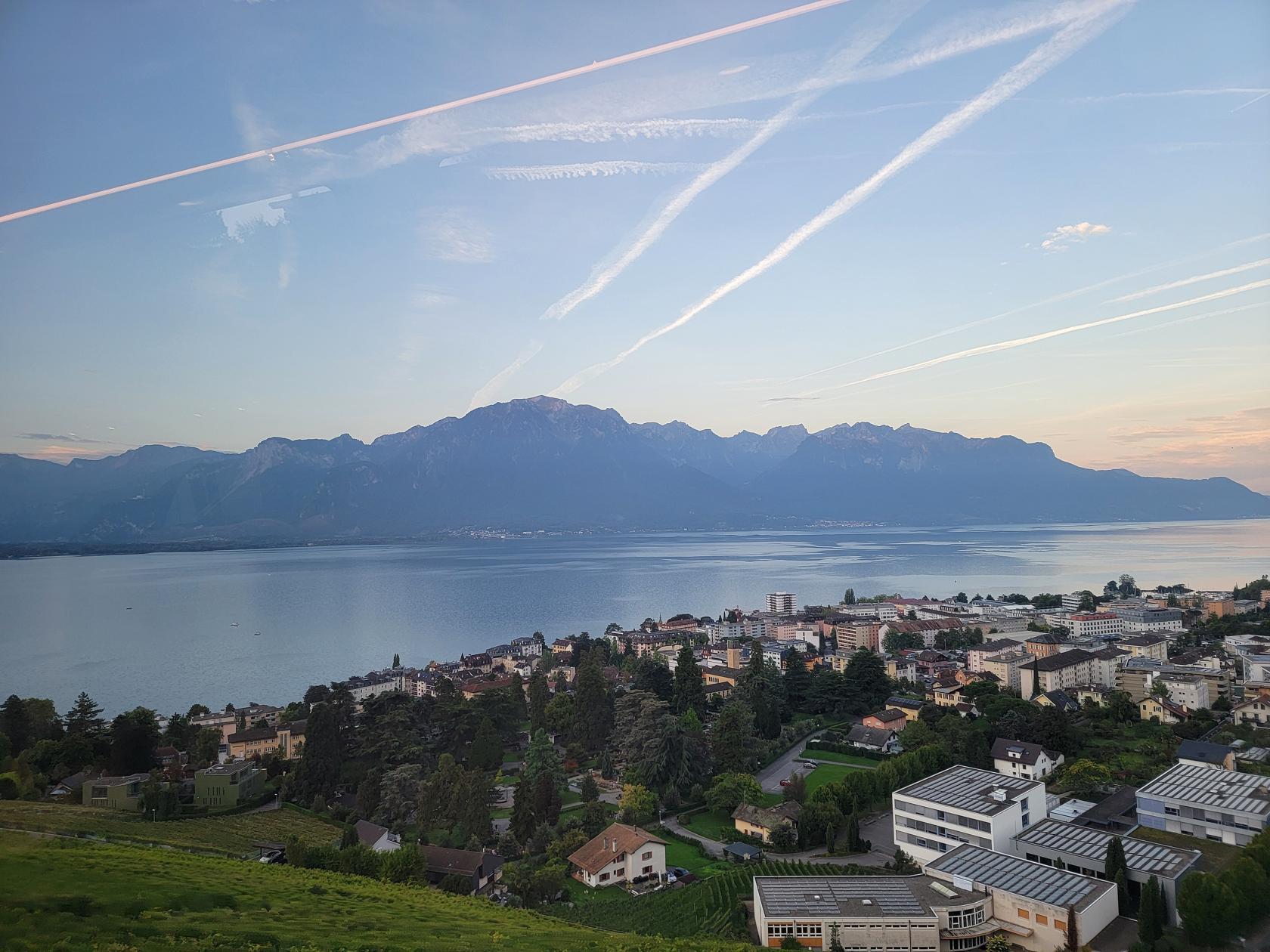
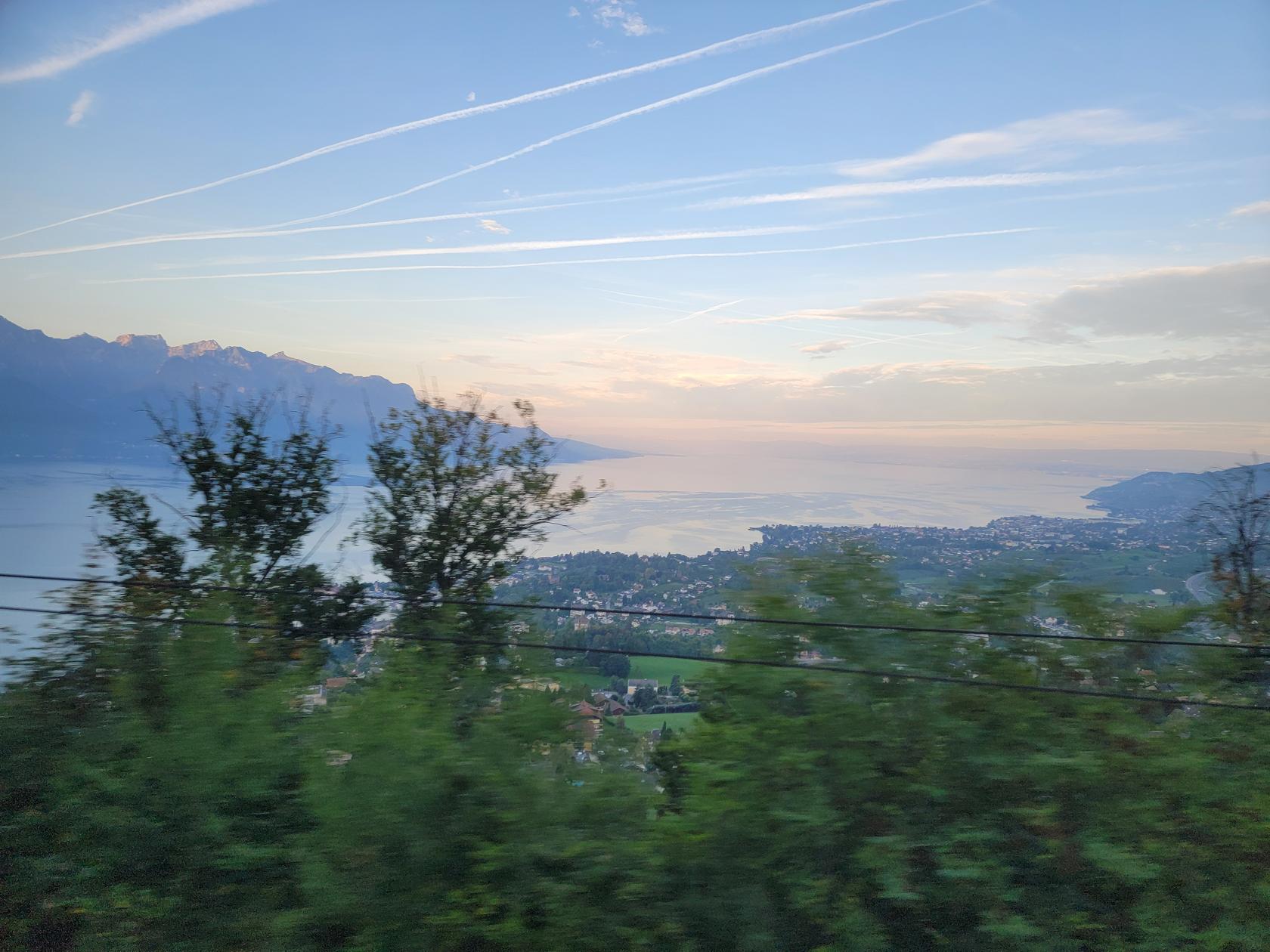
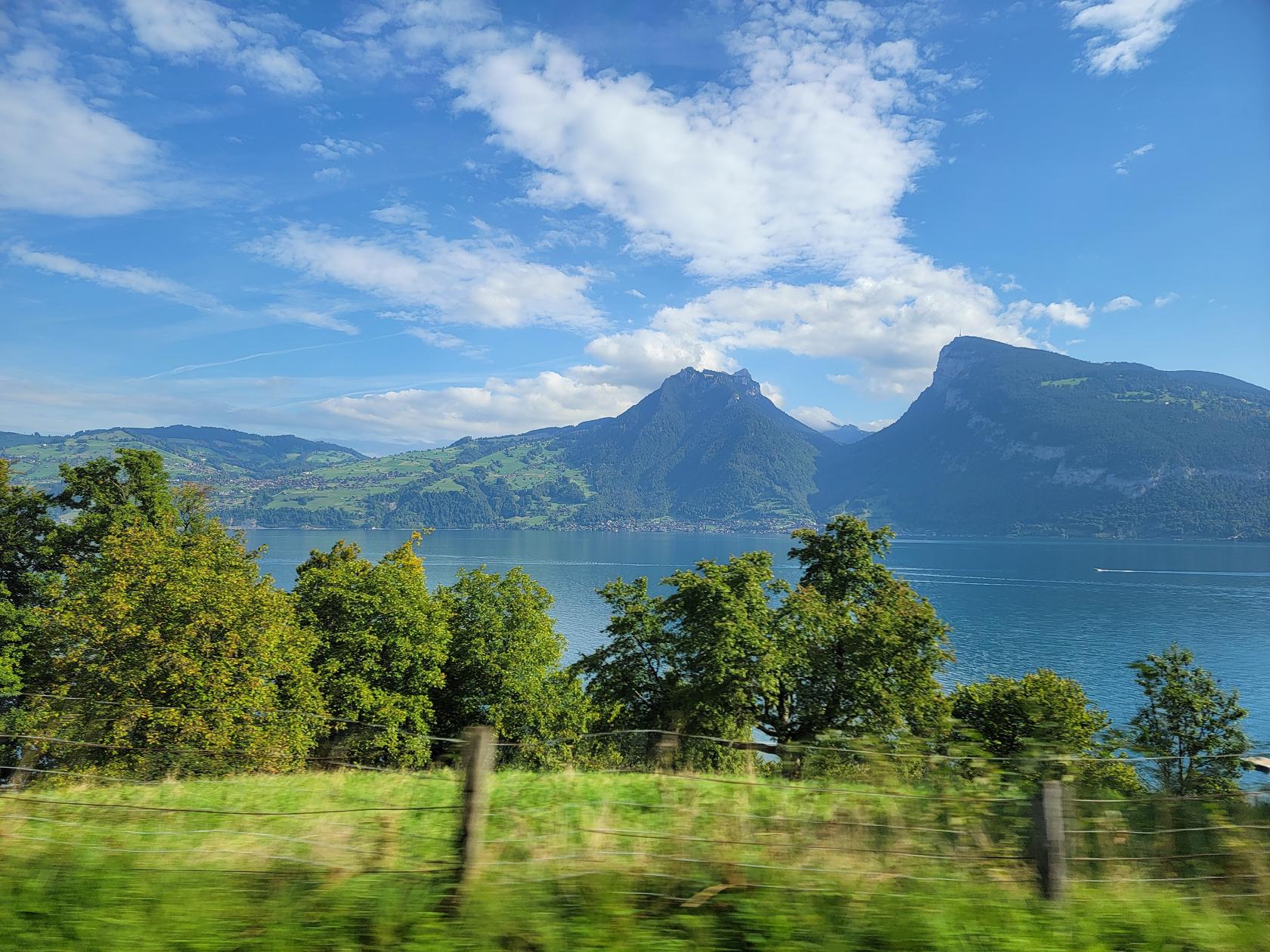
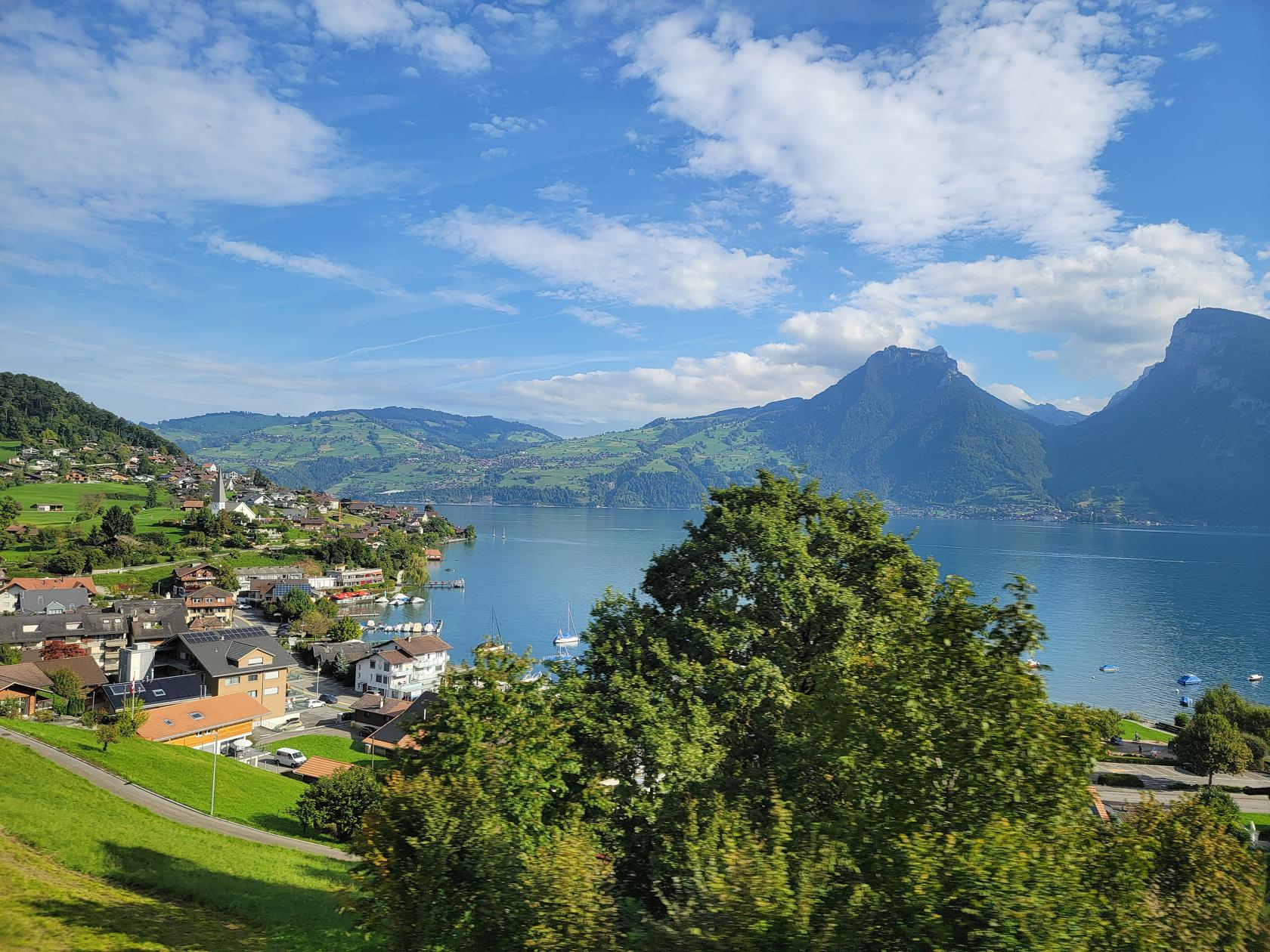
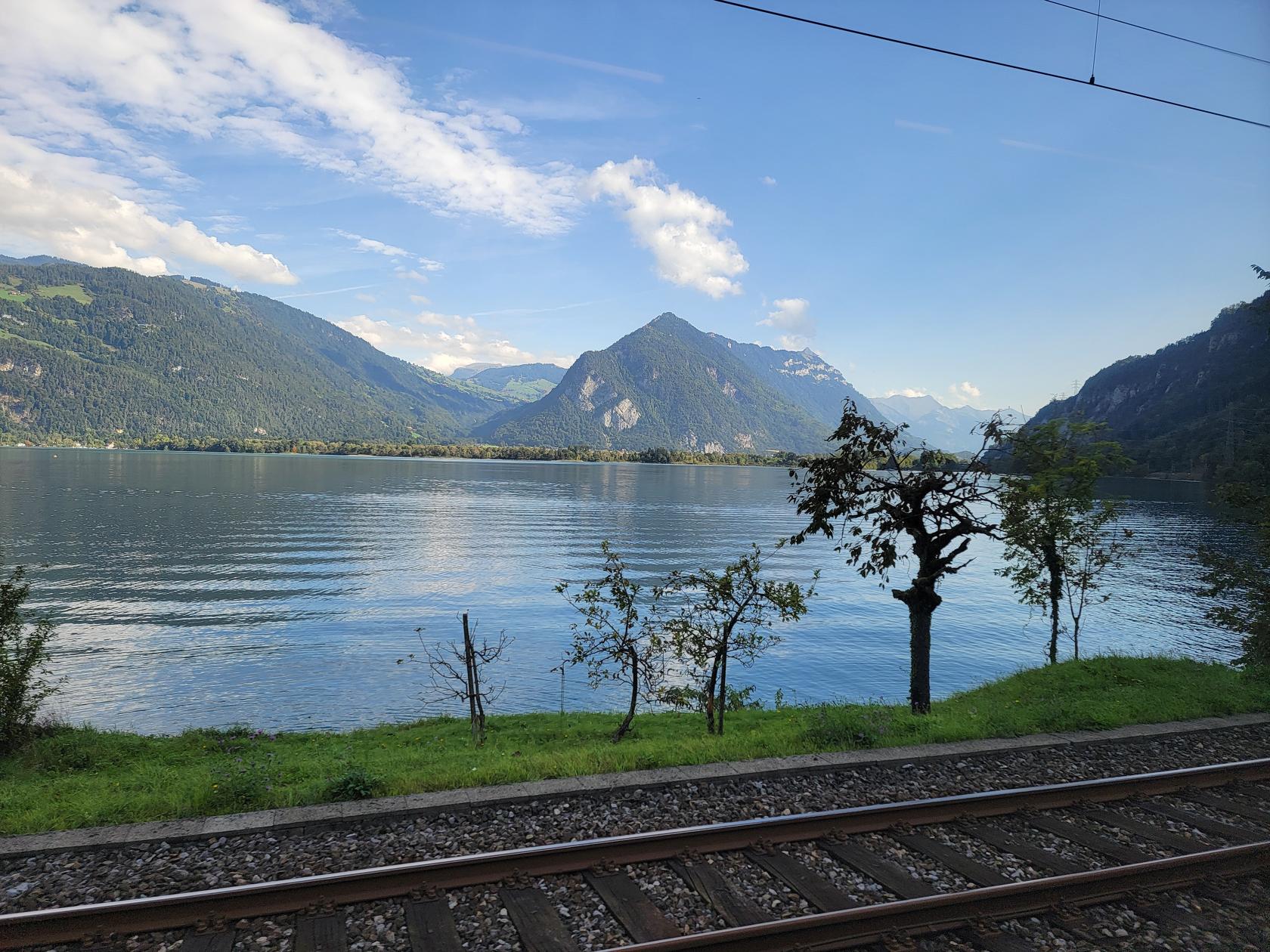
From Montreux, Switzerland we enjoyed the GoldenPass Express train to Interlaken Ost, the train station that lies between the lakes Thunersee and Brienzersee, just outside the Lauterbrunnen Valley.

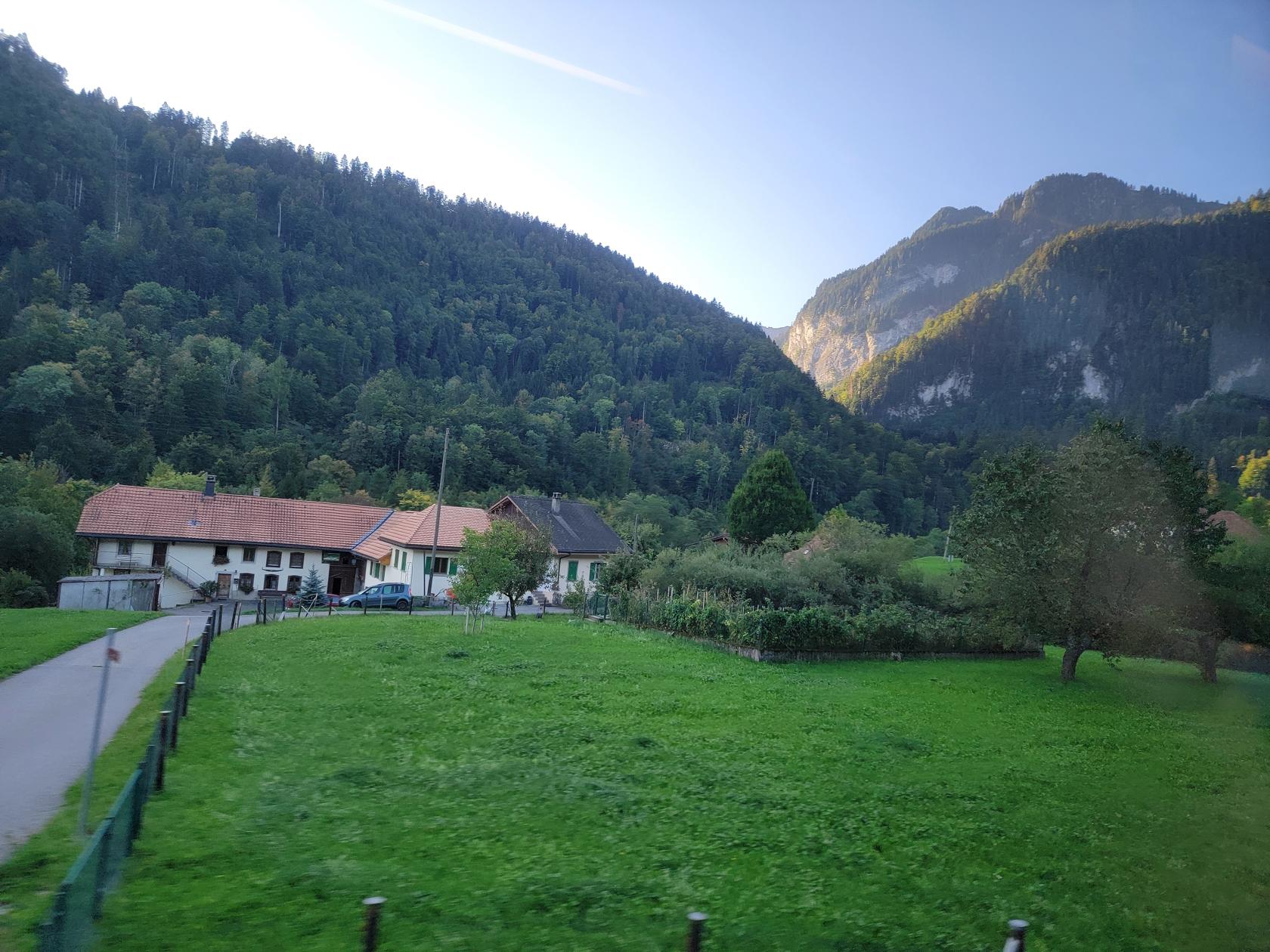
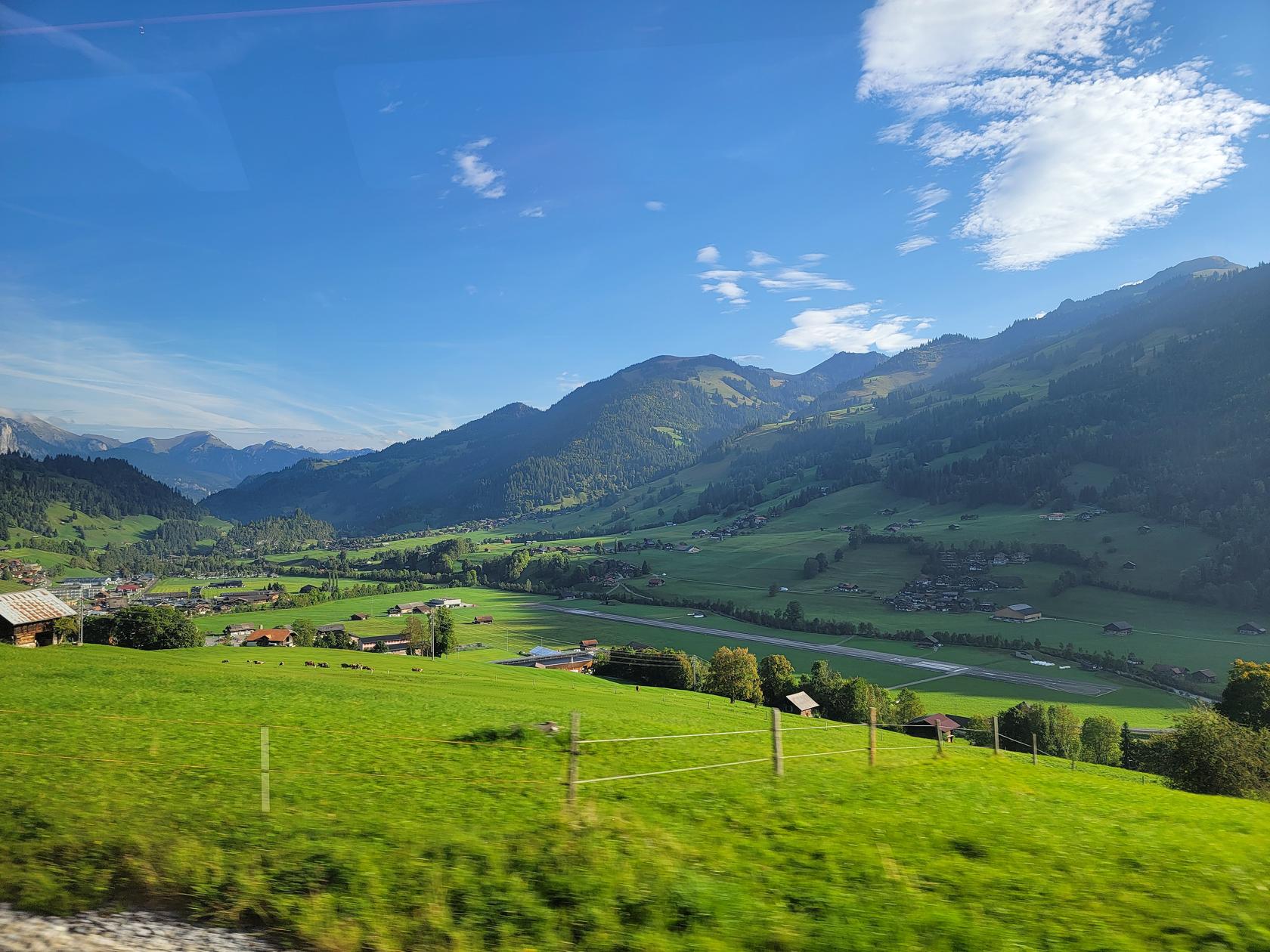
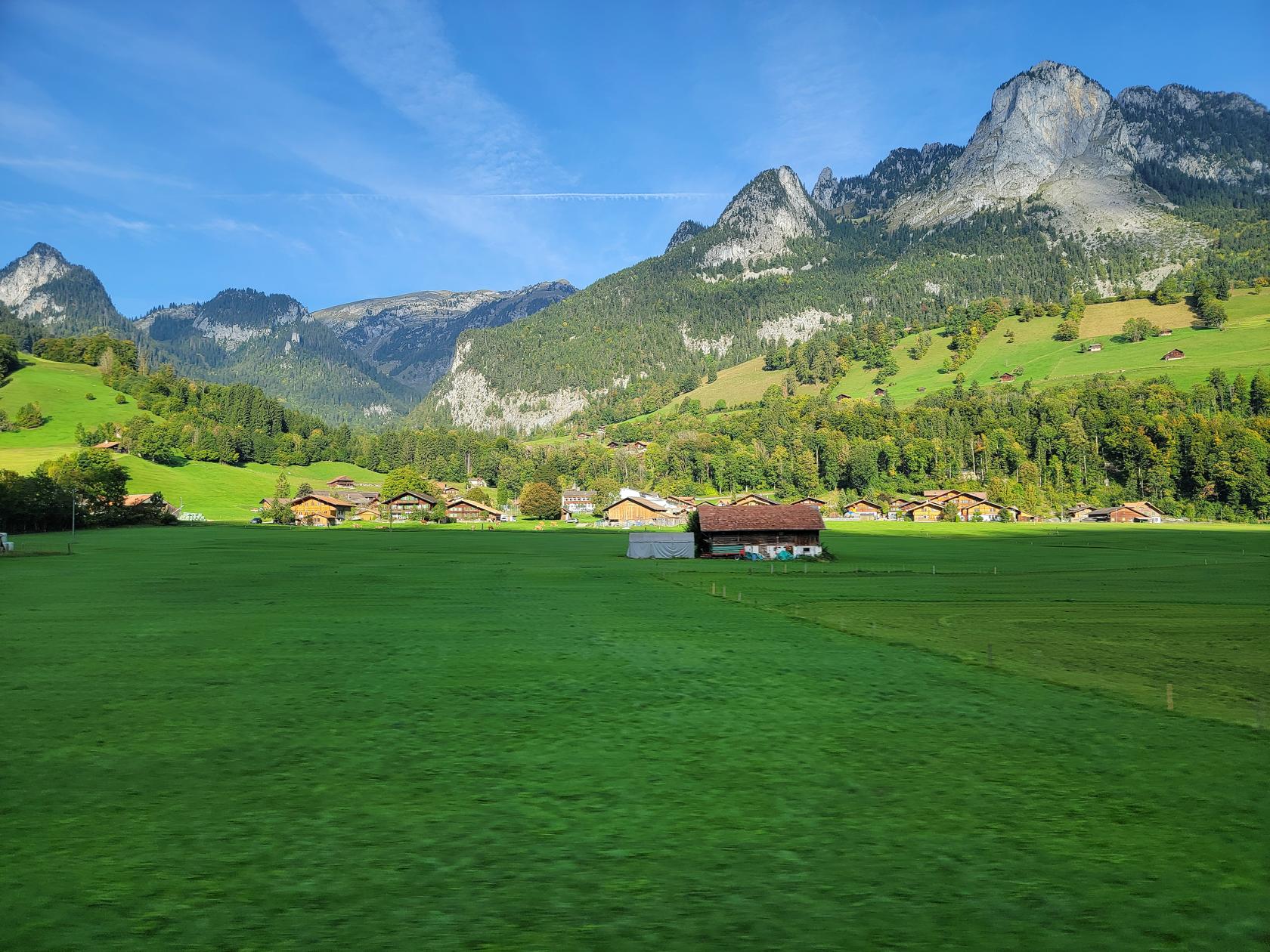
It winds through the Cantons of Vaud and Bern, through the Simmental valley where there are pastoral views to enjoy.

Wengen The Town

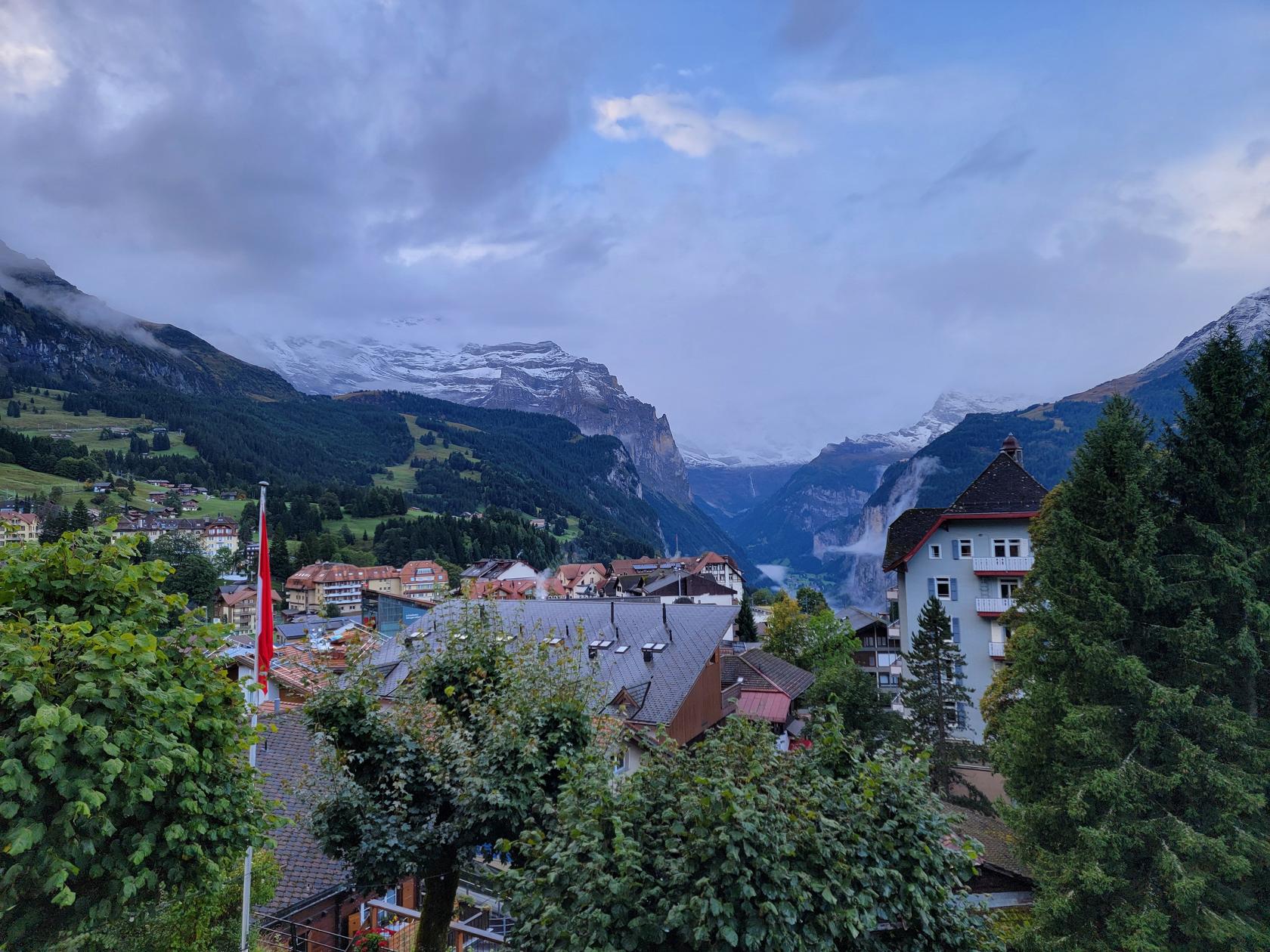
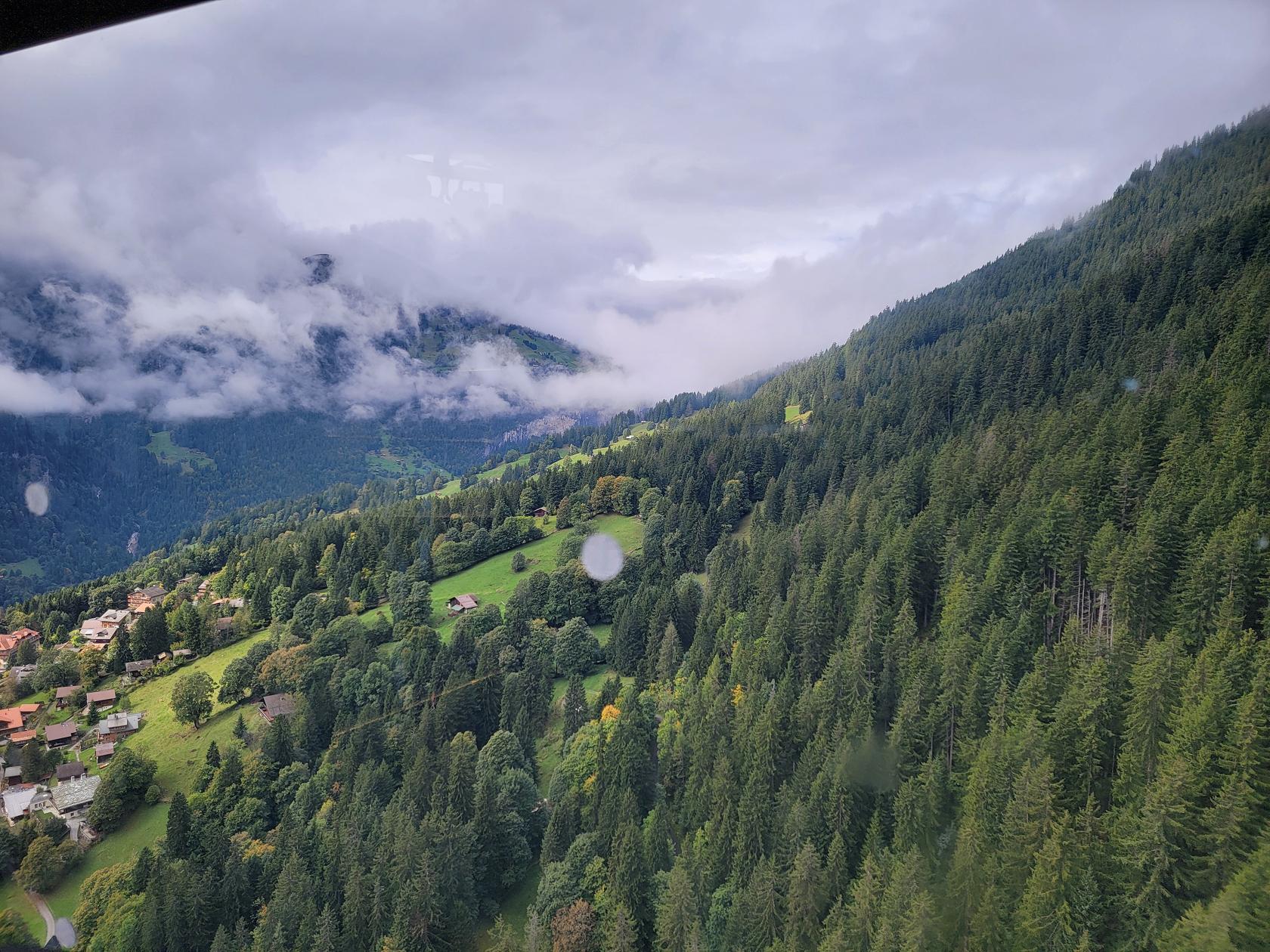
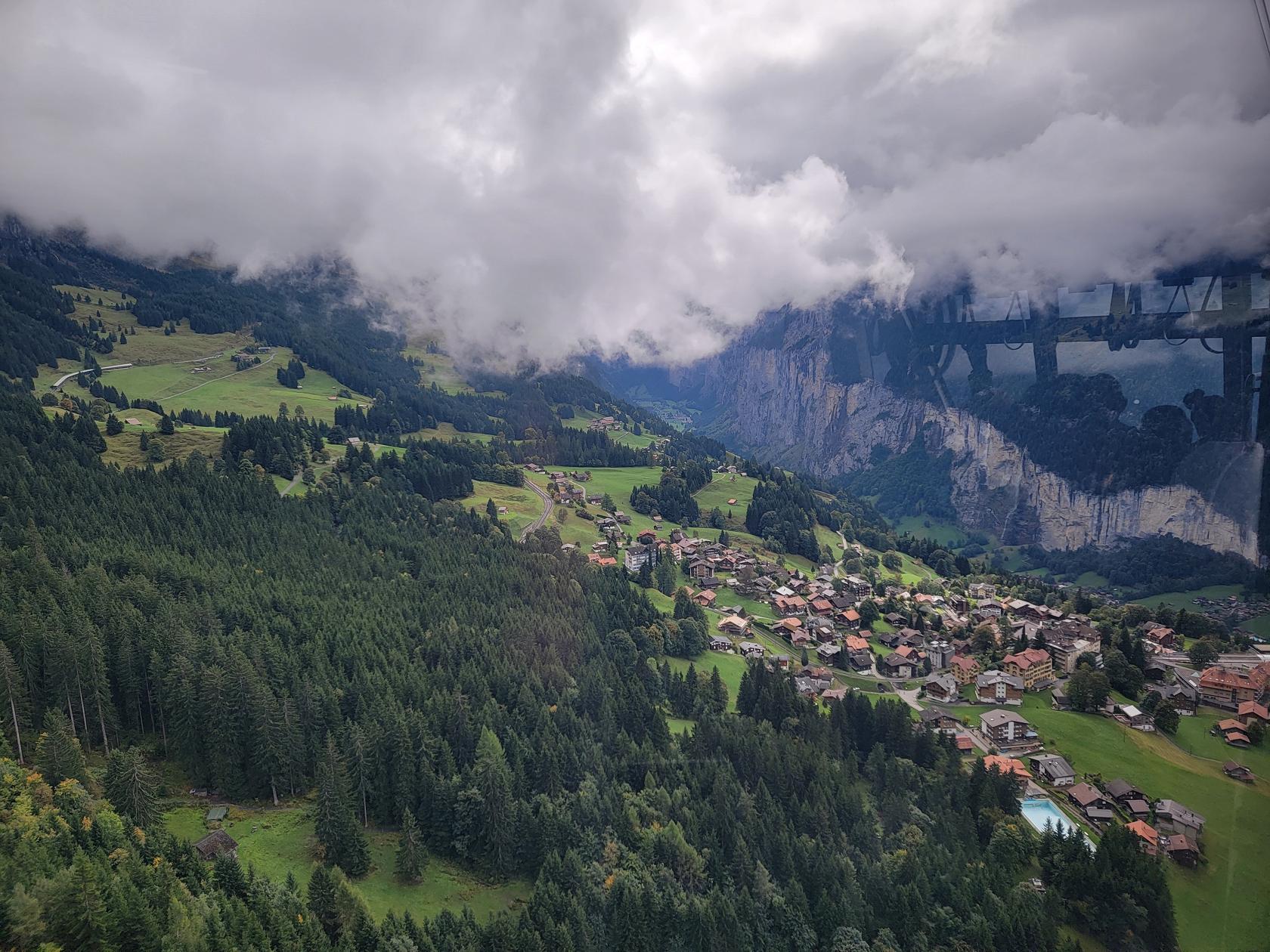
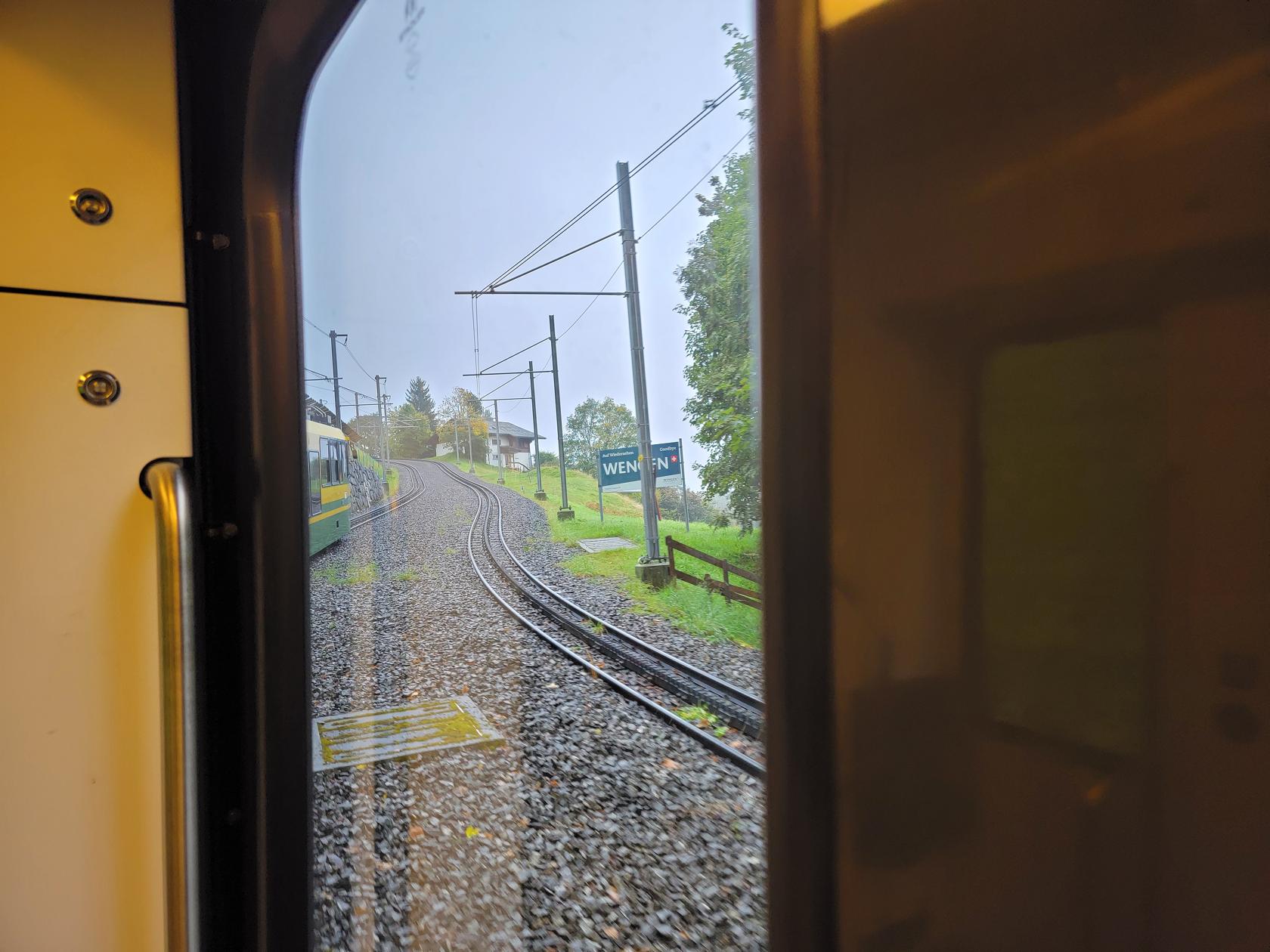
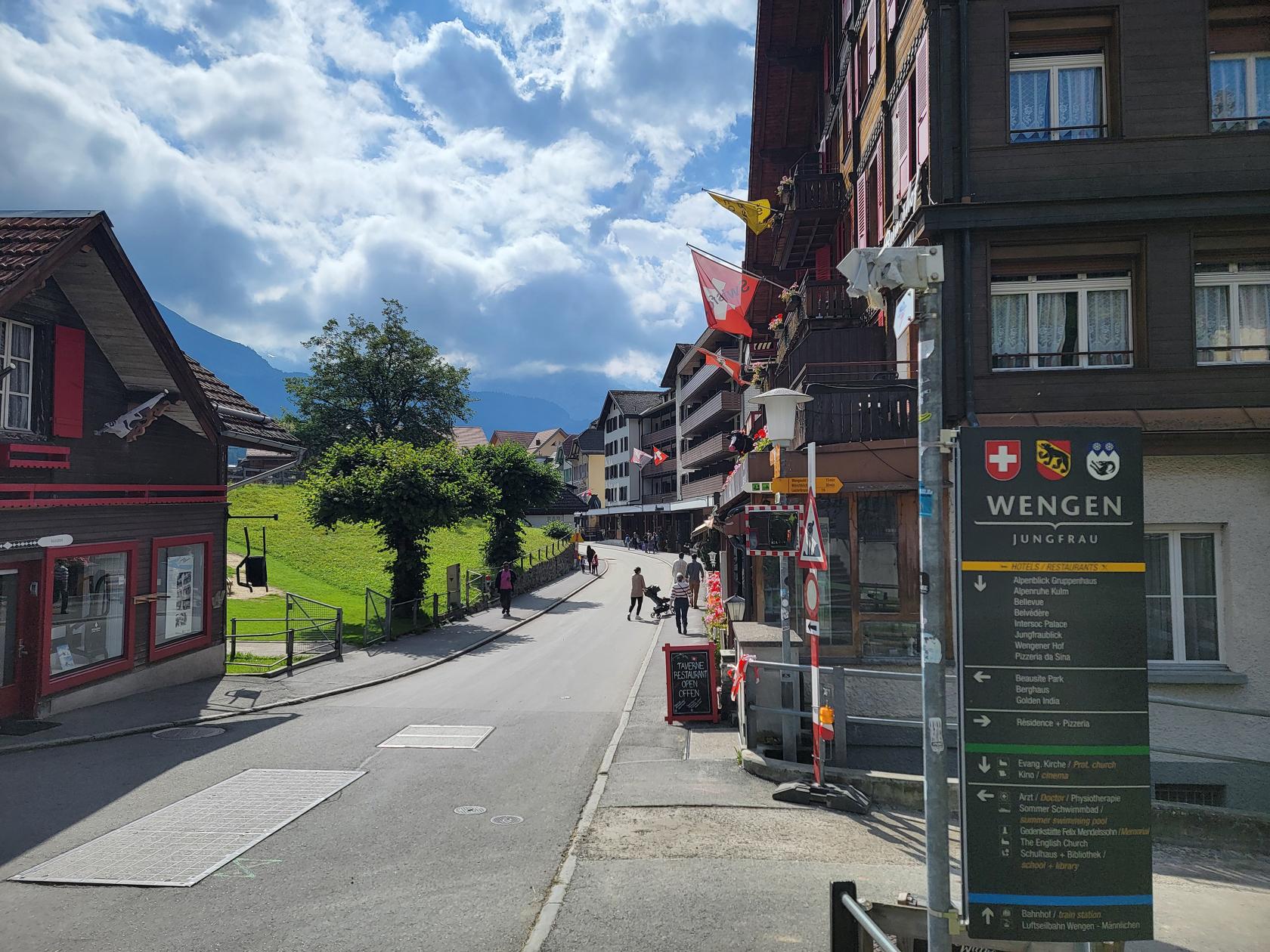
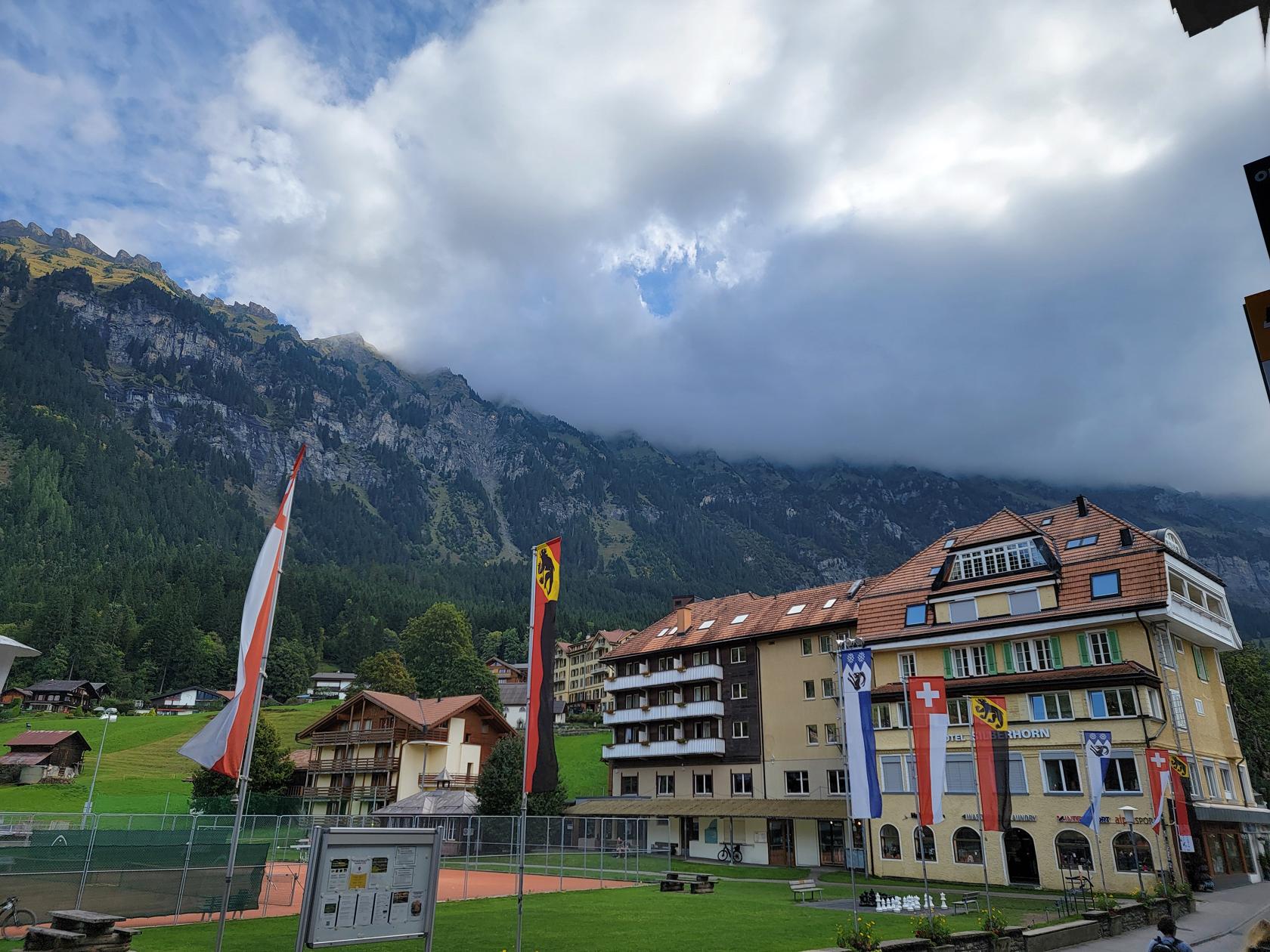
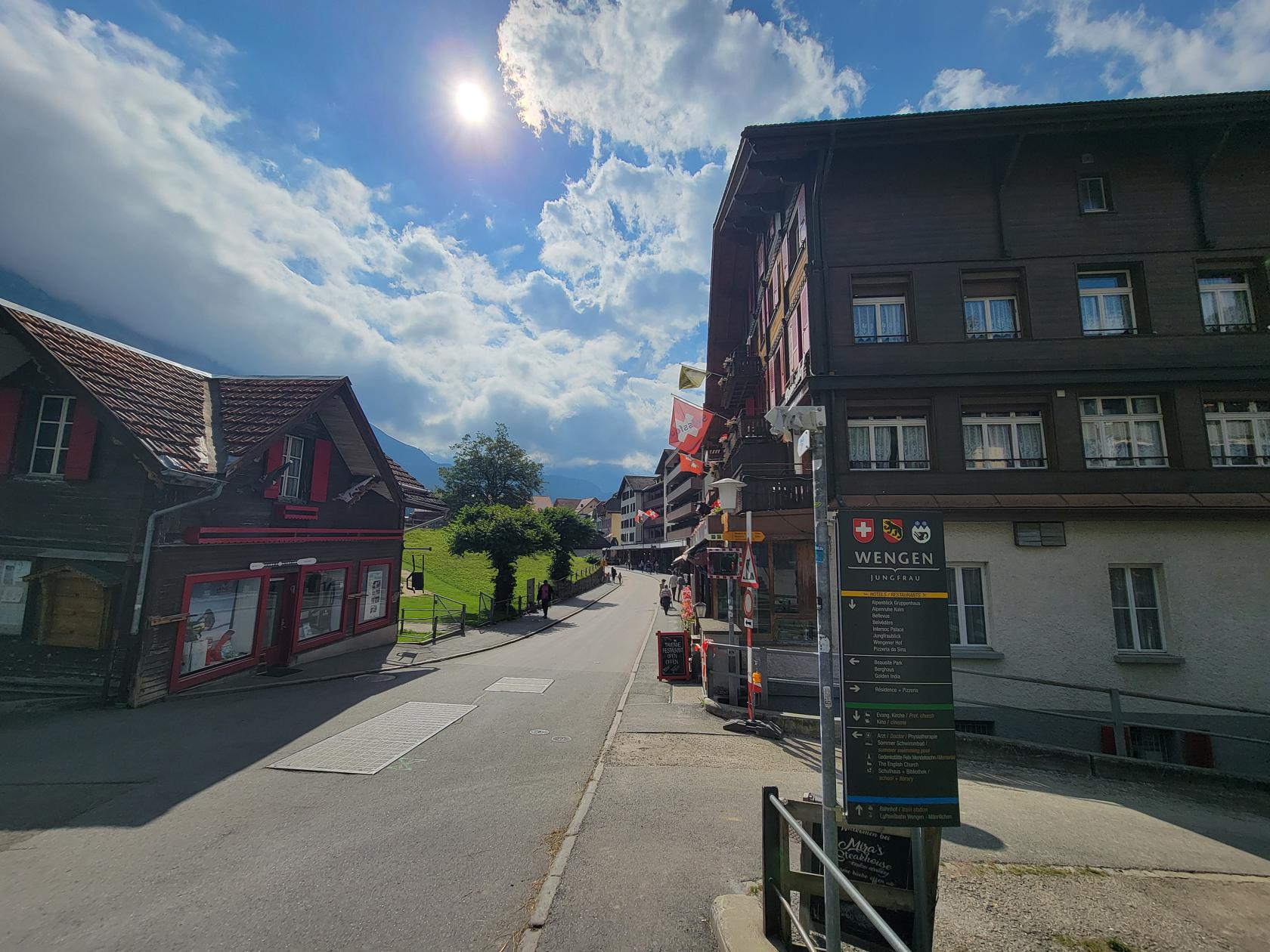
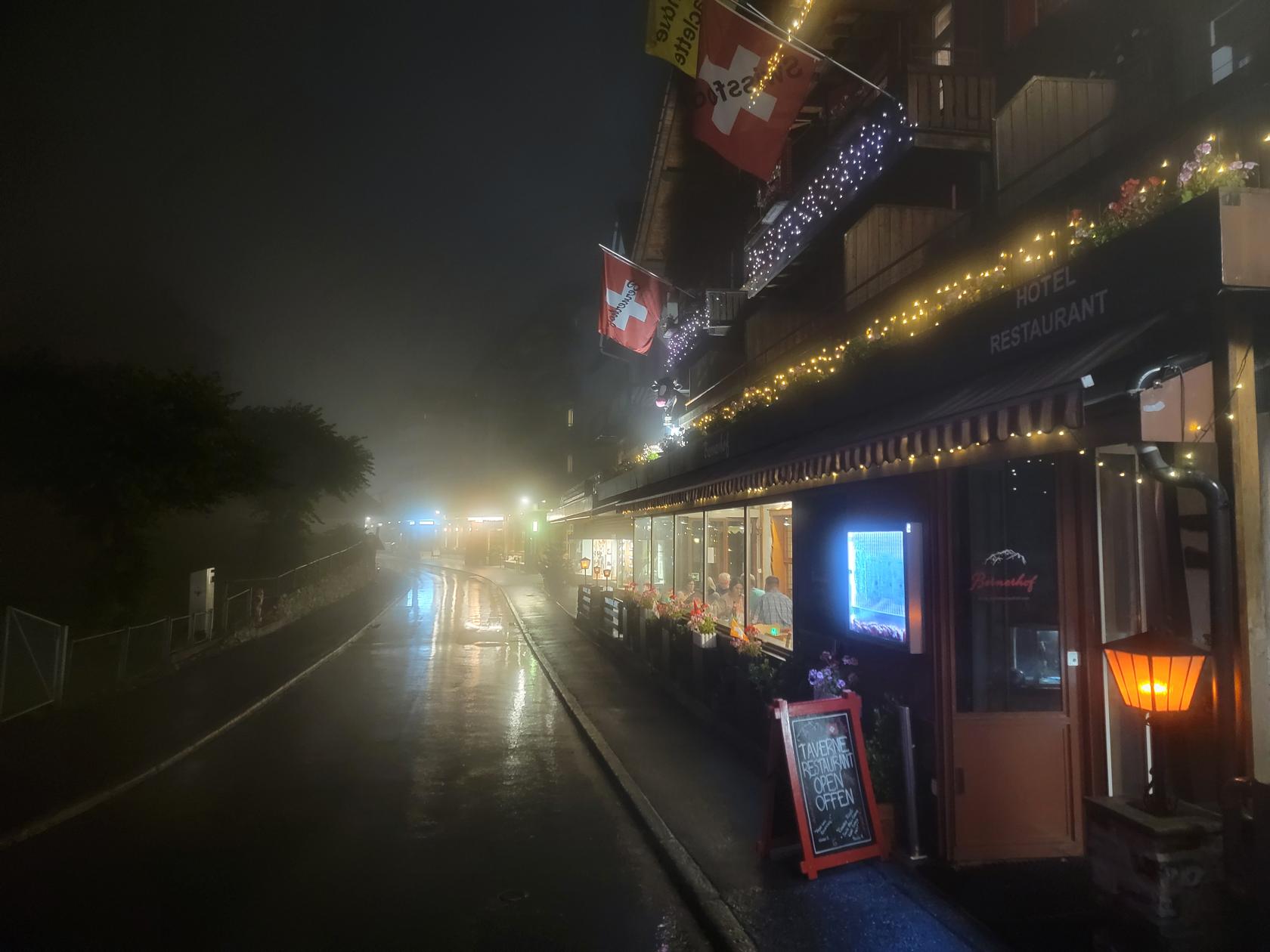
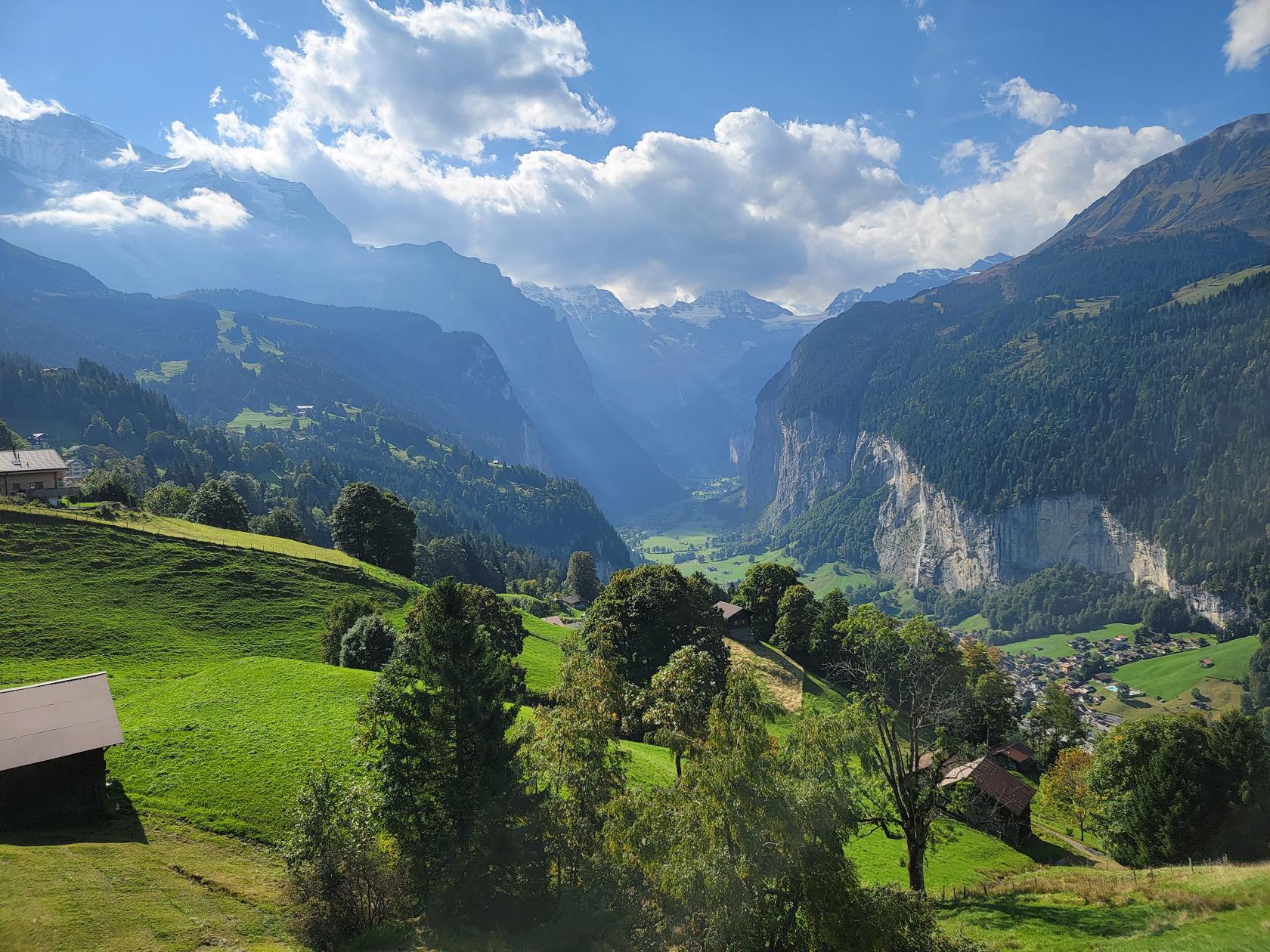
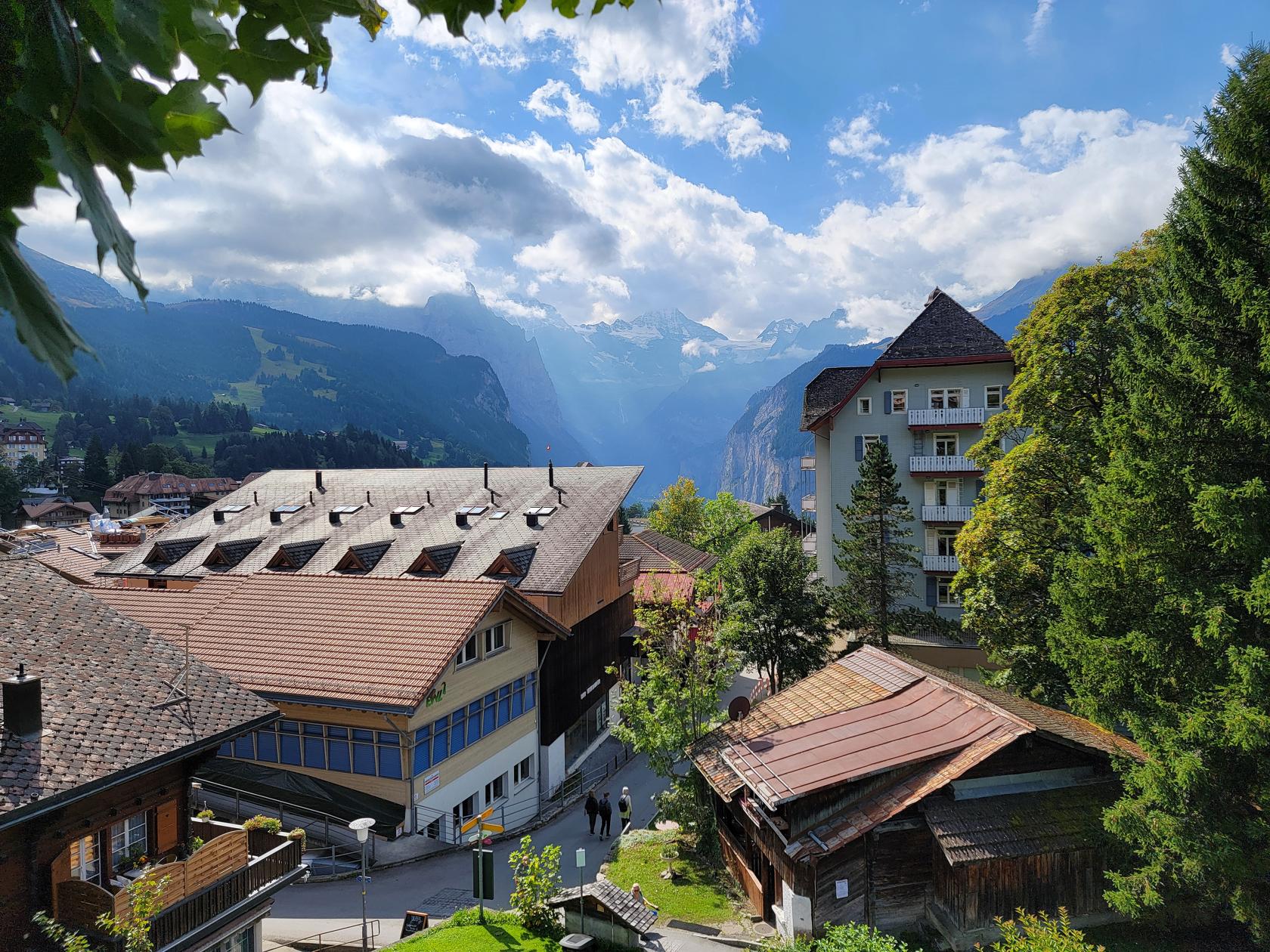
Wengen is a classic Swiss ski town, having a single avenue with shops and stores catering to souvenir hunters, hotels spread throughout the surrounding area with accompanied restaurants, as well as standalone restaurants offering specialities and train and cable car stations. One thing it doesn’t have are private cars, they are not allowed here and one must park in Lauterbrunnen and take the train to visit.

Hotel Jungfraublick

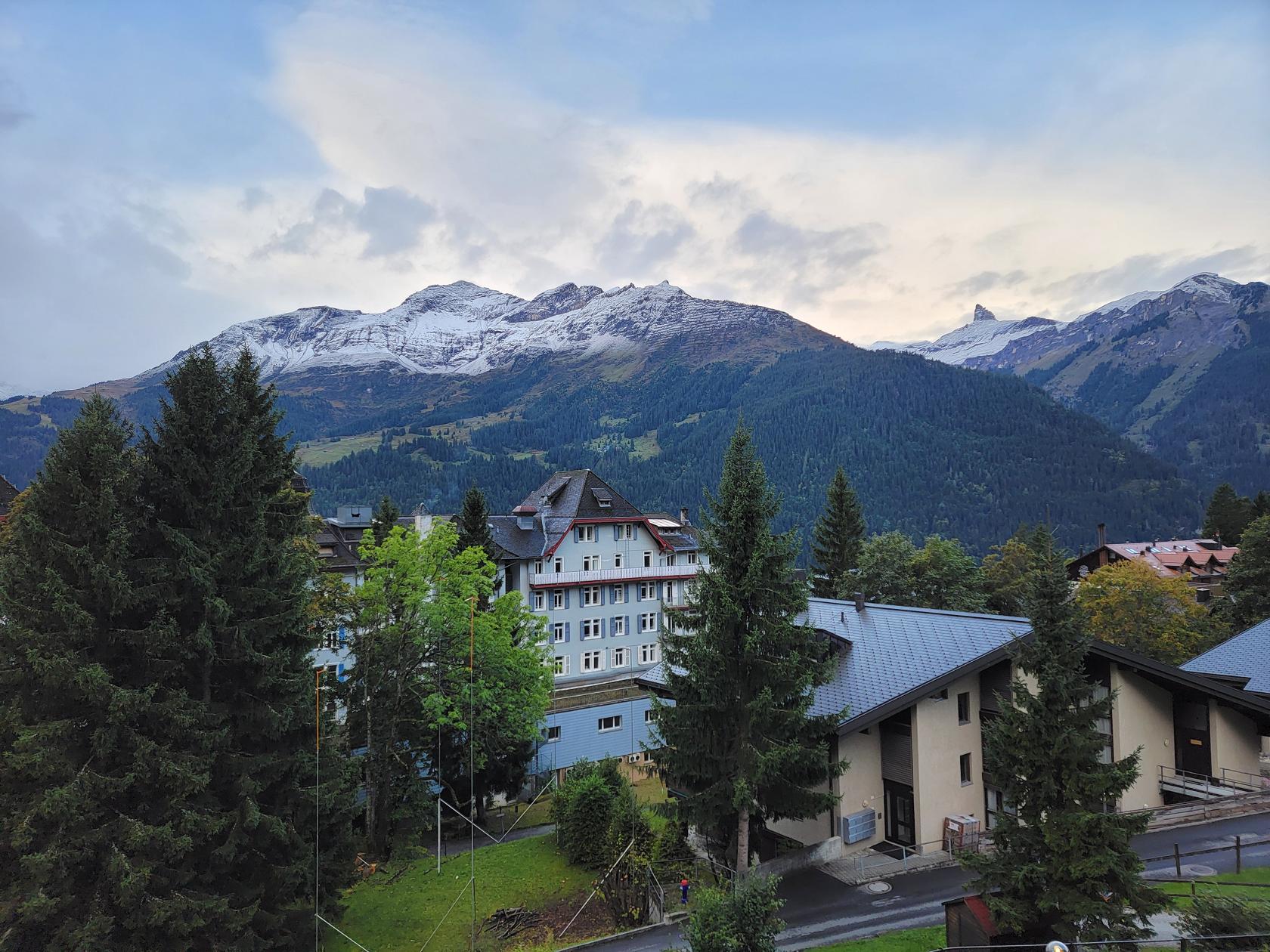
Our hotel during our stay was the Jungfraublick hotel, a three star hotel with restaurant. It supplied a complimentary continental breakfast in the morning, but its linen service proved to be somewhat of a problem and each day we had to ask for things we should have been supplied.

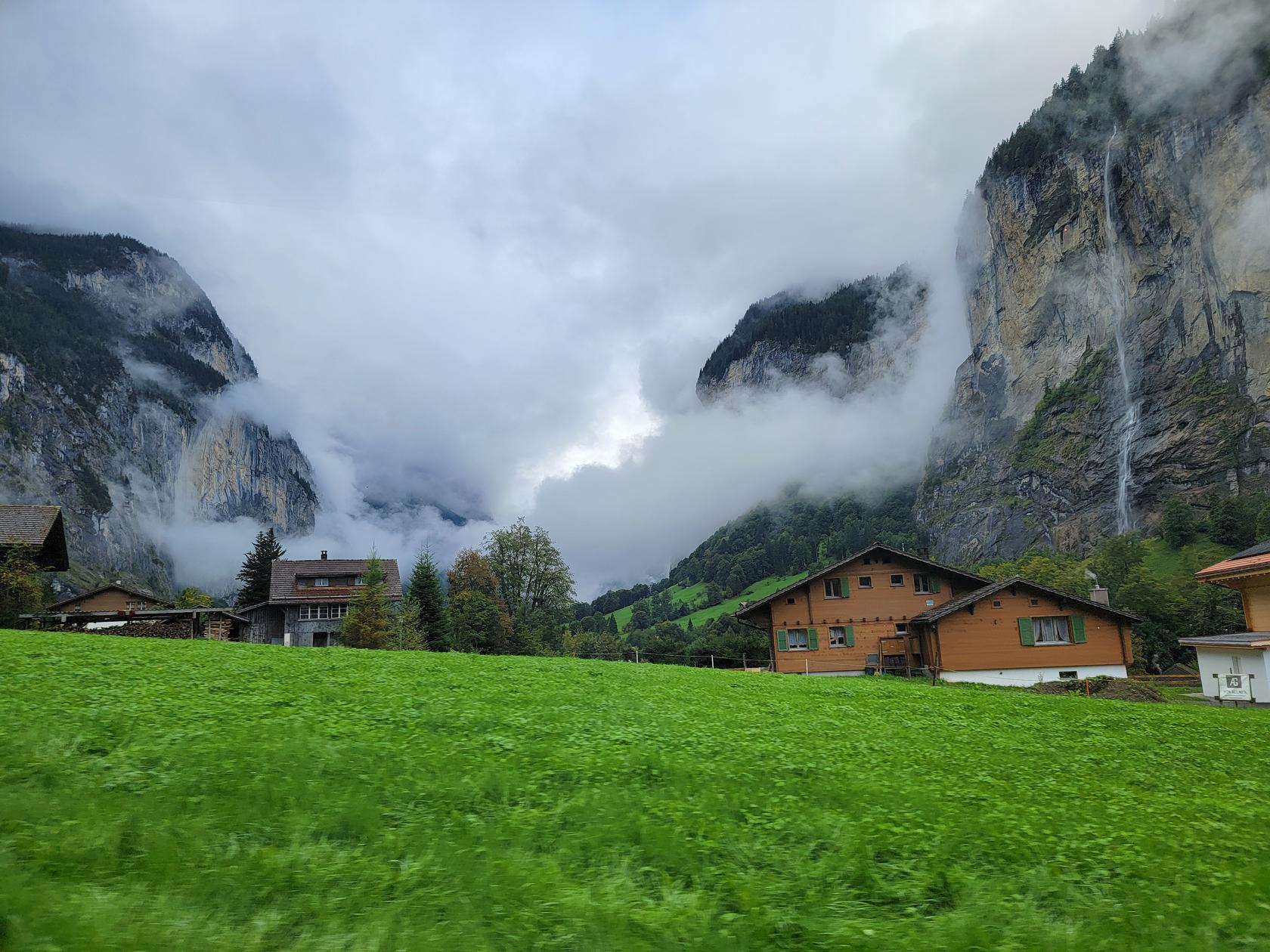
Aside from that, we didn’t see much of the Jungfrau, the third tallest mountain in the Bernese Alps, due to weather and the constant threat of rain or snow.

Restaurants

Even though it was slightly off-season, we made reservations for all the restaurants we visited and it is probably advised, we found most of them fairly busy during regular dinner hours.

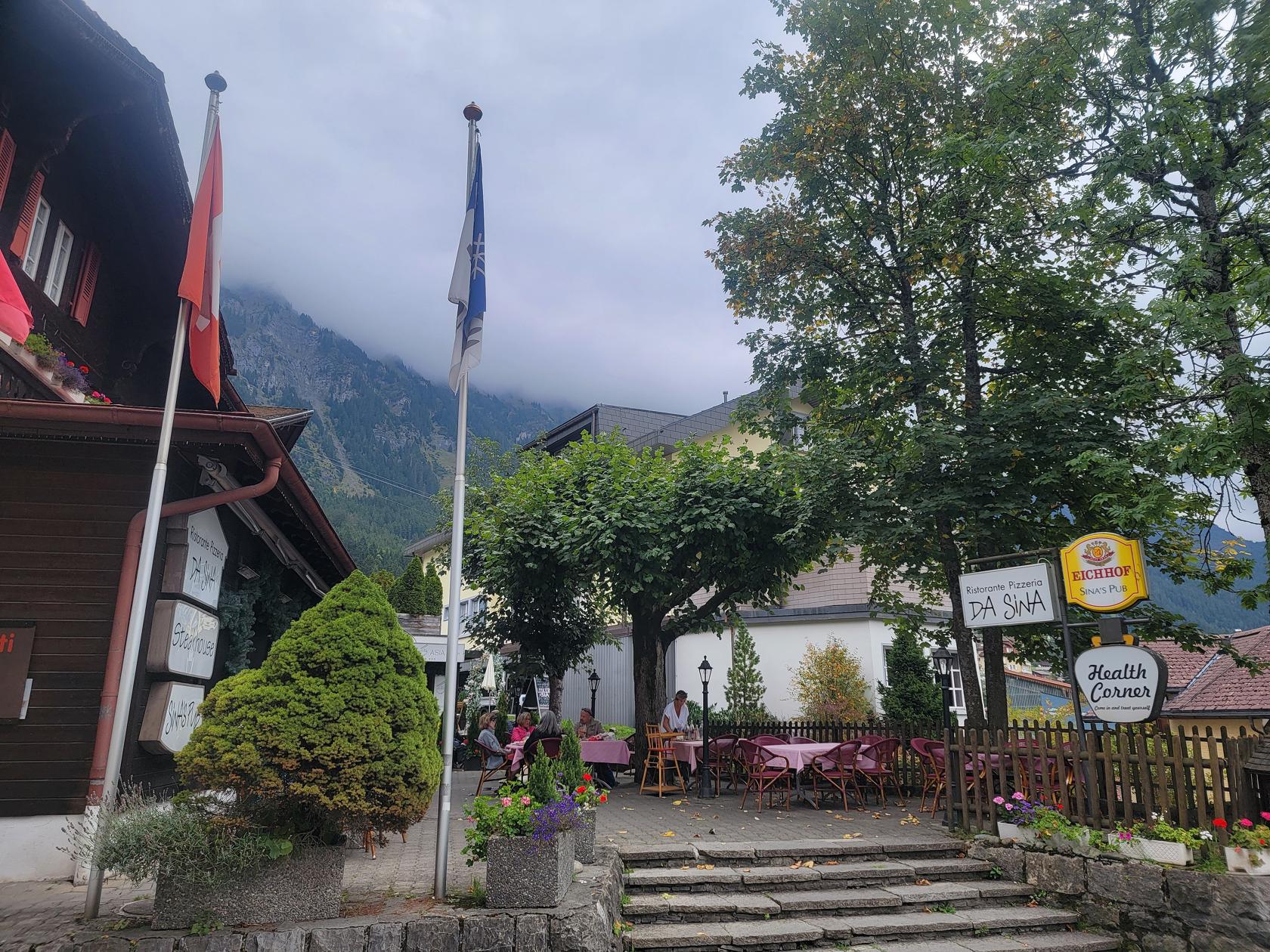
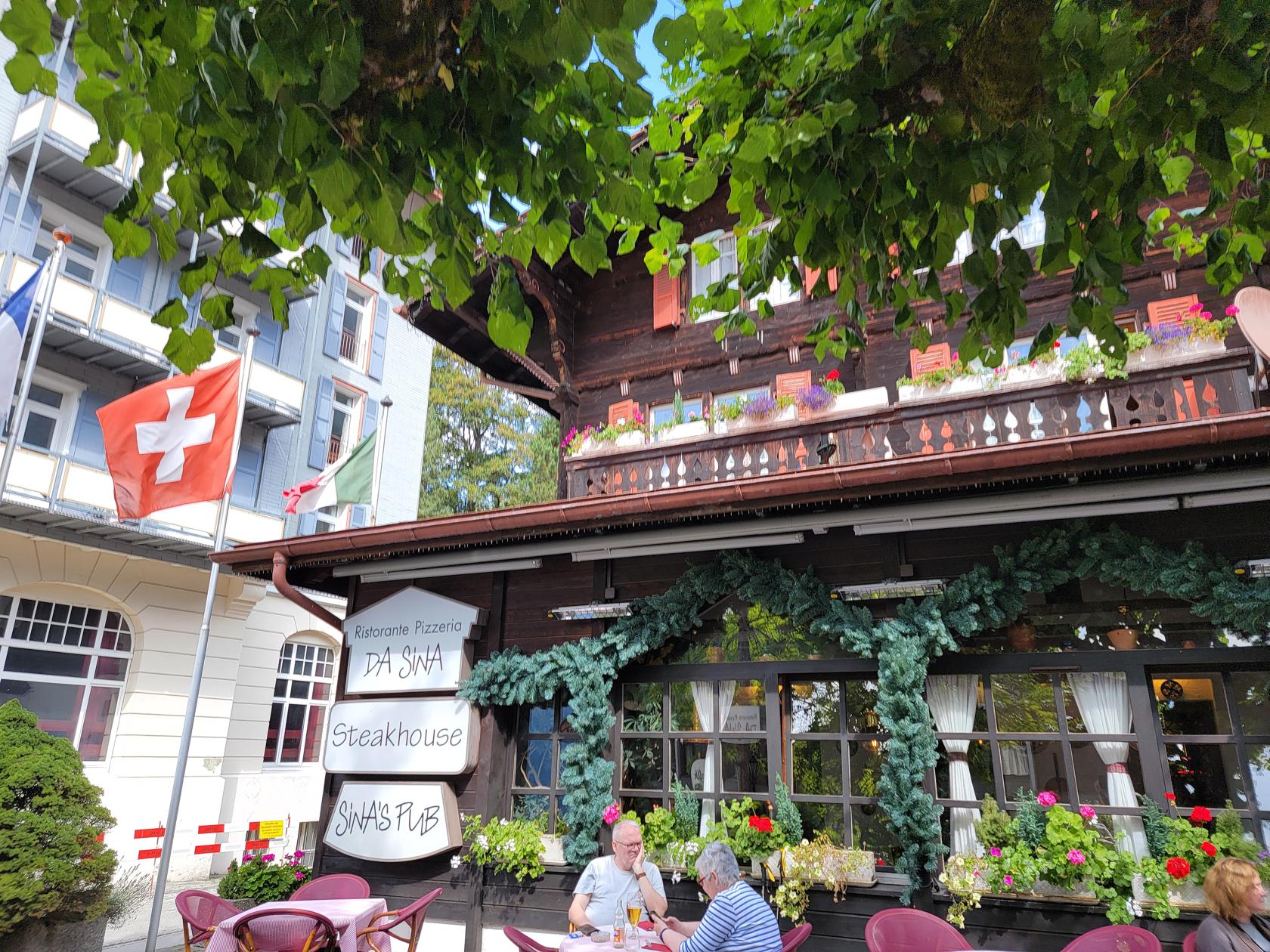
Da Sine Ristorante

On our first day in Wengen, we ate here for lunch. They have excellent Italian food at somewhat reasonable prices for Switzerland.

Caprice Ristorante

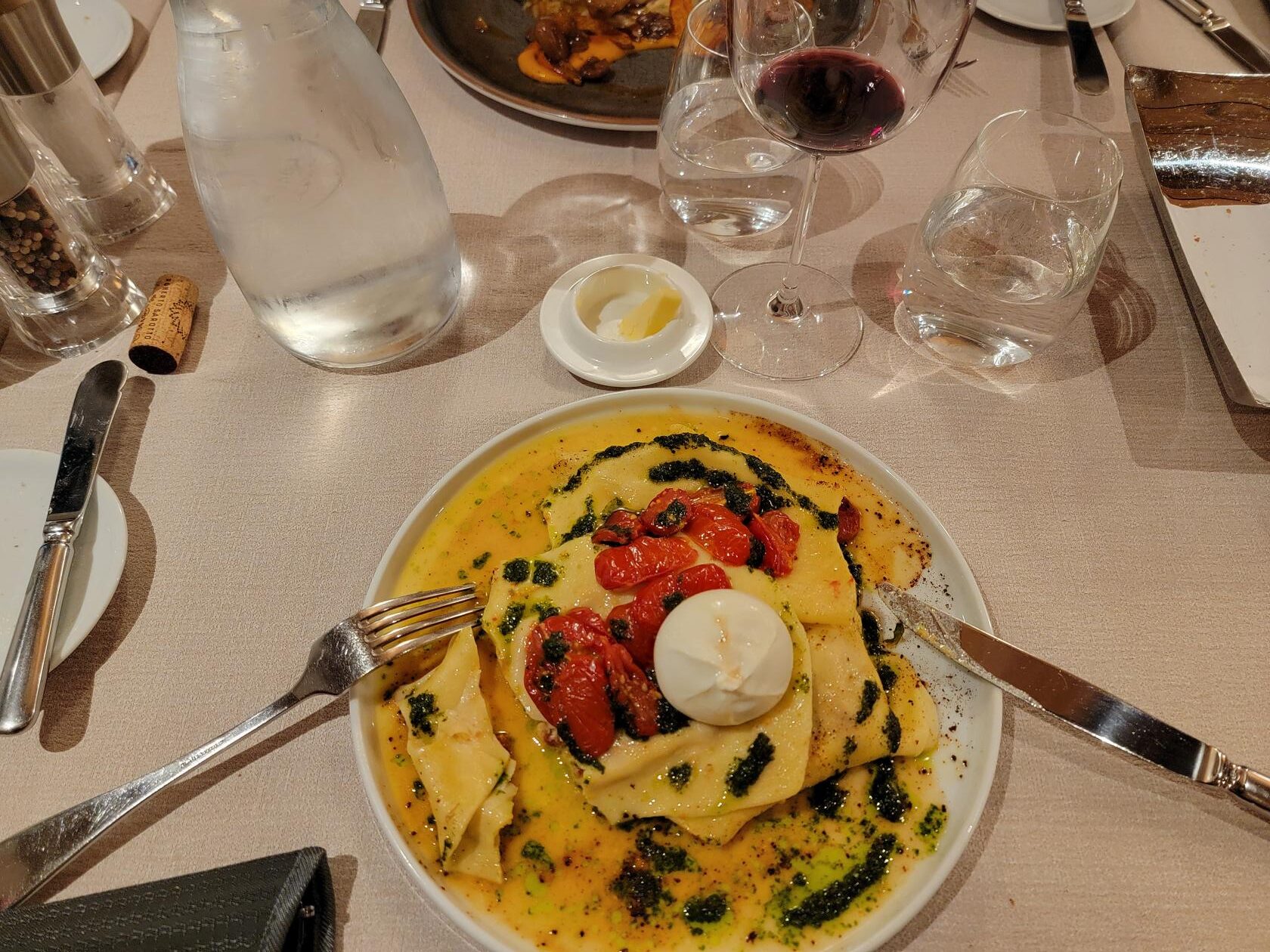
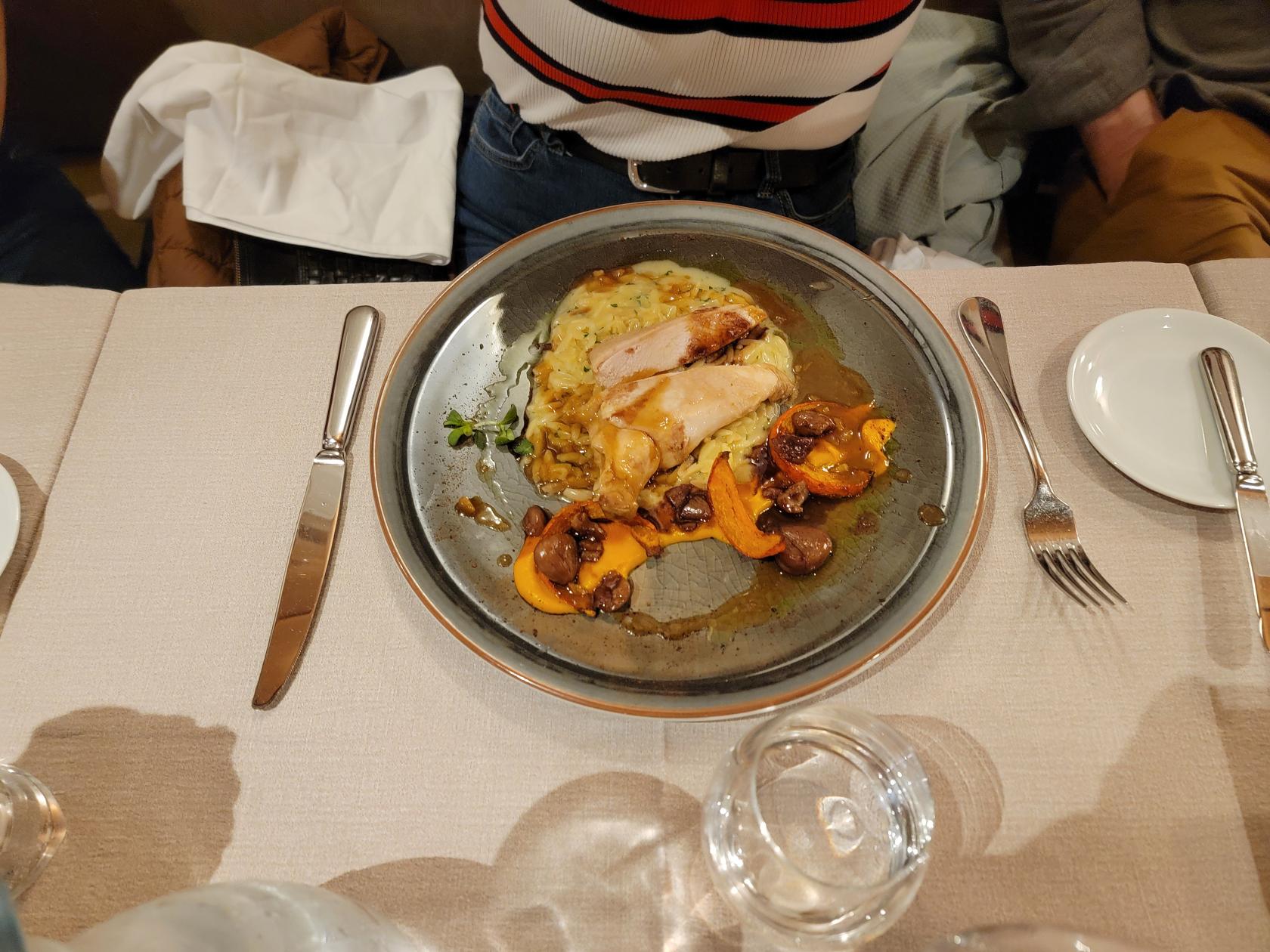
The Caprice restaurant also offers Italian food and is very good. It can be found at the Maya Caprice Boutique Hotel and there prices are also in line with what other restaurants are charging in the area.

Vevey, Switzerland – Chaplin’s Repose

Retirement Repose Along The Lake Riviera

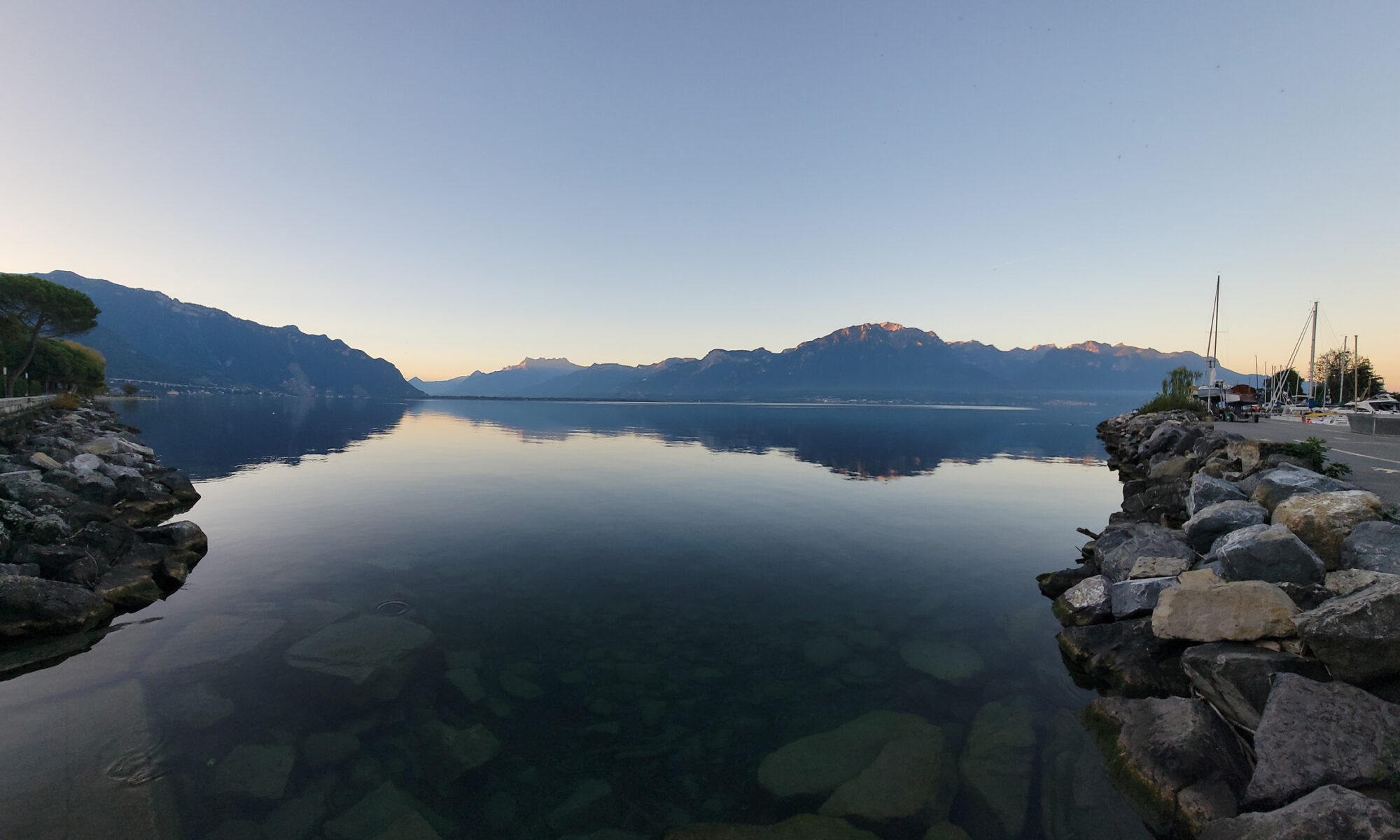
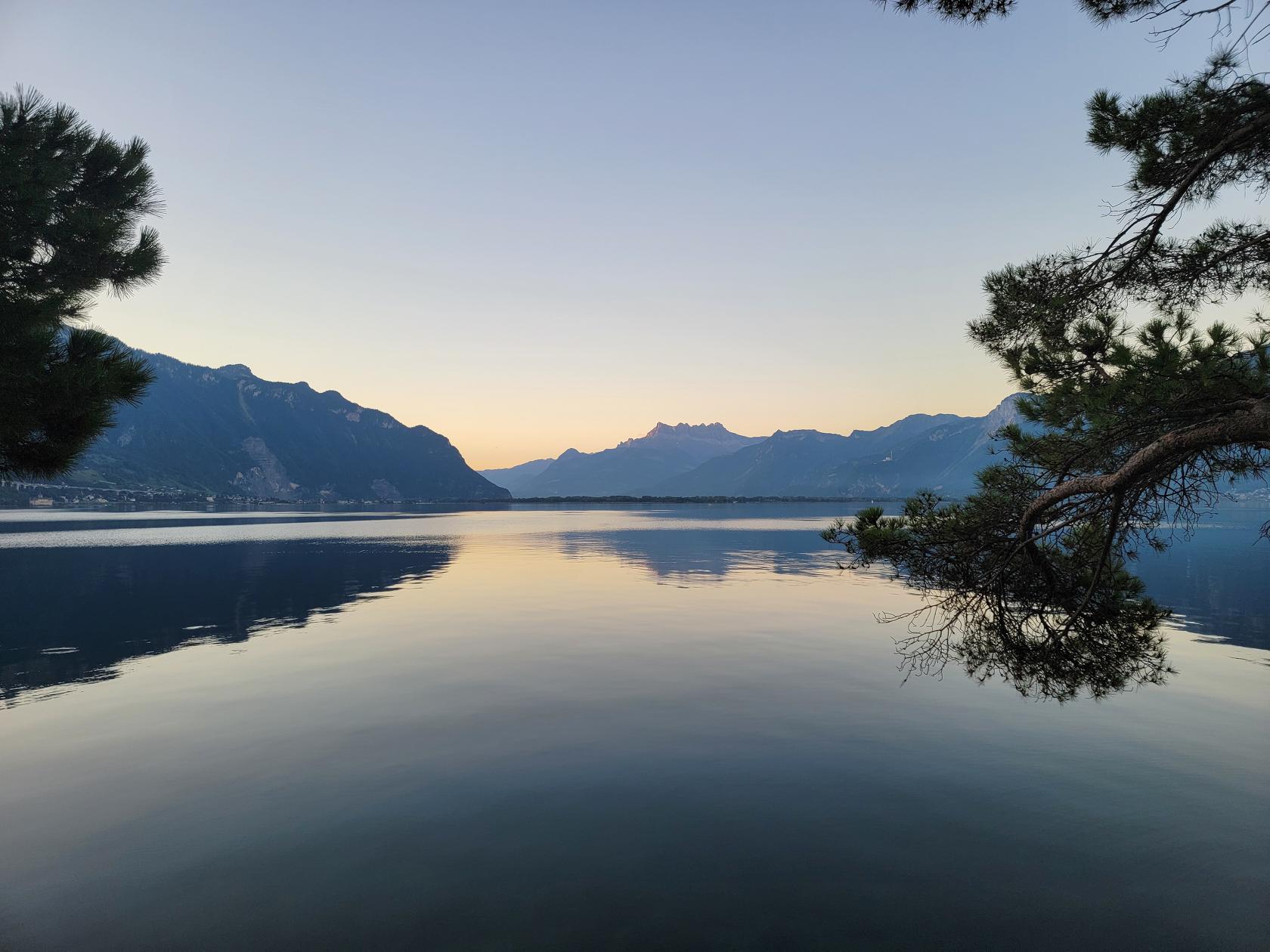
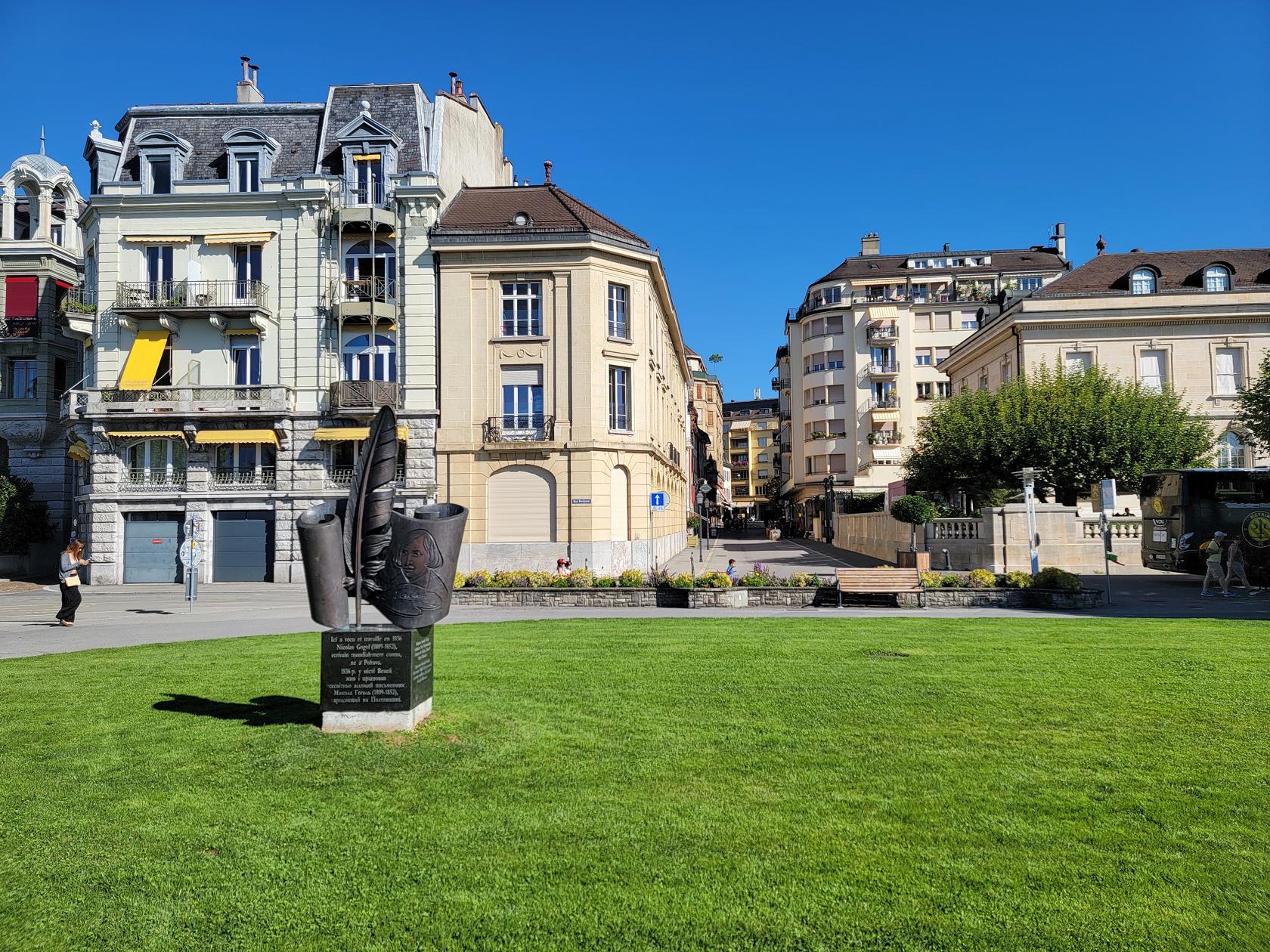
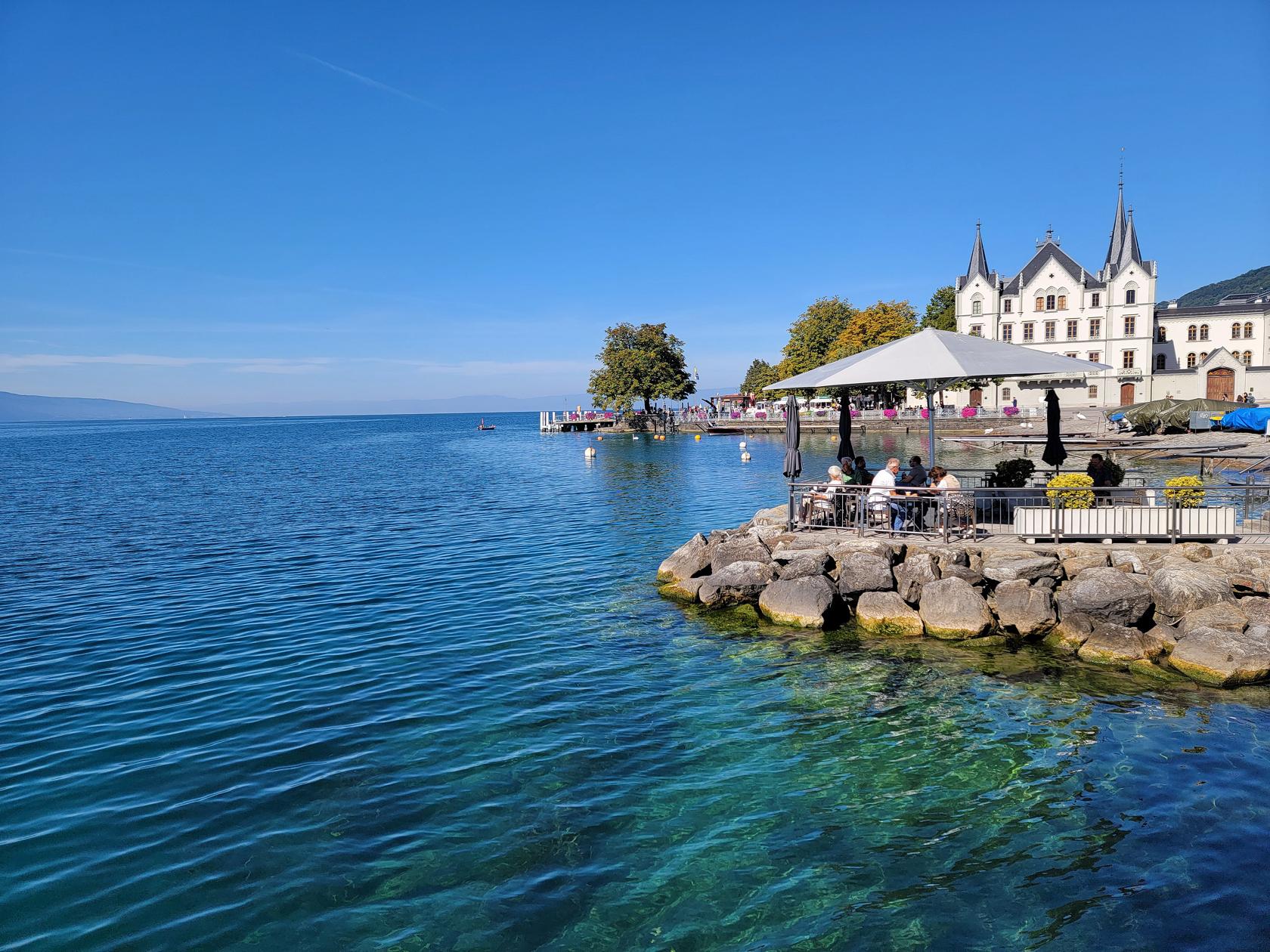
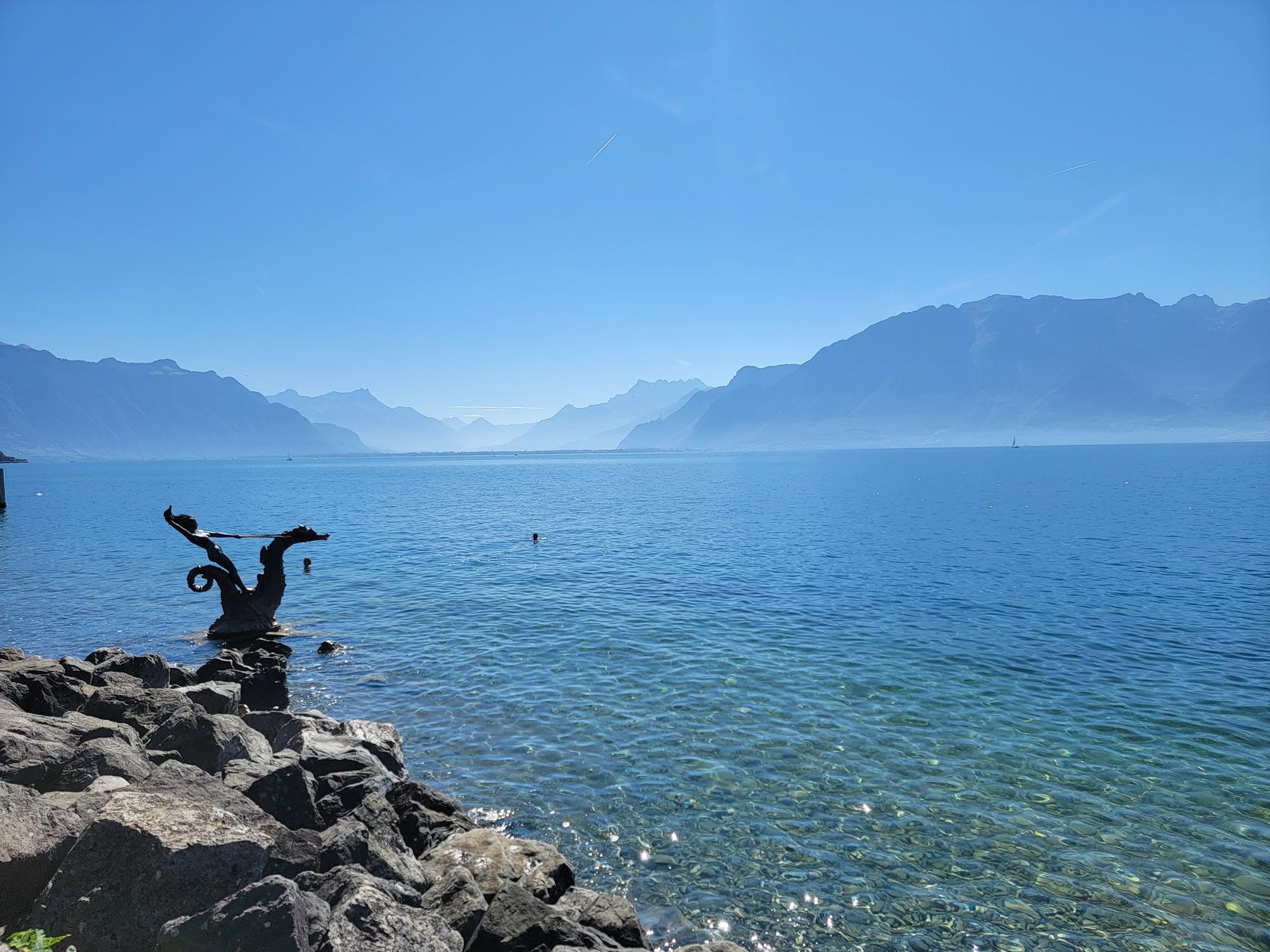
Charlie Chaplin called this town his retirement home for the remaining twenty-five years of his life and it is commemorated with a number of statues to that affect. It enjoys that same lazy coastline lifestyle that its sister Clarens to the east enjoys. There are definitely less crowds here than you will find in Montreux. It is also considered the headquarters of Nestlé and where chocolate was first created for the mass market.

Getting There

A three mile walk northwest of the town of Clarens is the town of Vevey, Switzerland where you can relax and enjoy a slightly different view of the lake. On a beautiful morning this would be the way to go, with the exception of about a mile where the path turns inward and you must walk more along the road than the lake. However, one can also take a bus, train or ferry to reach this town.

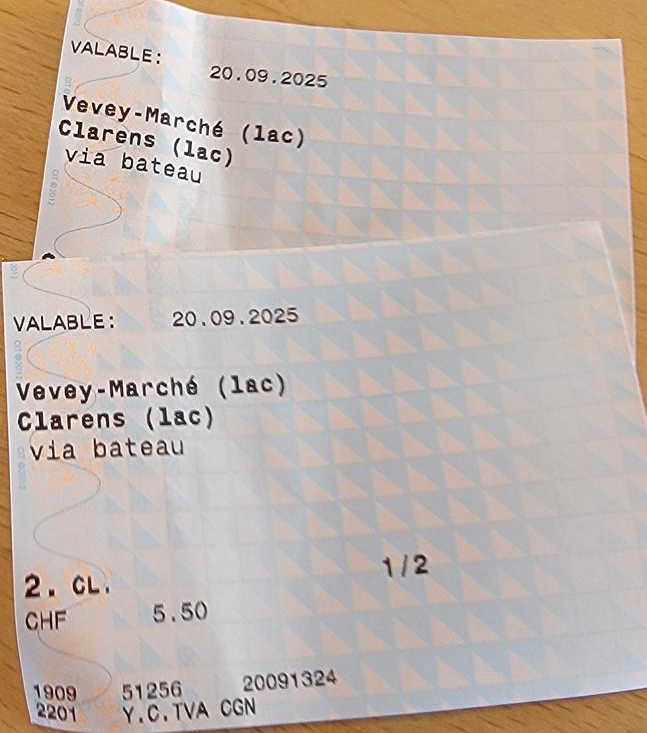
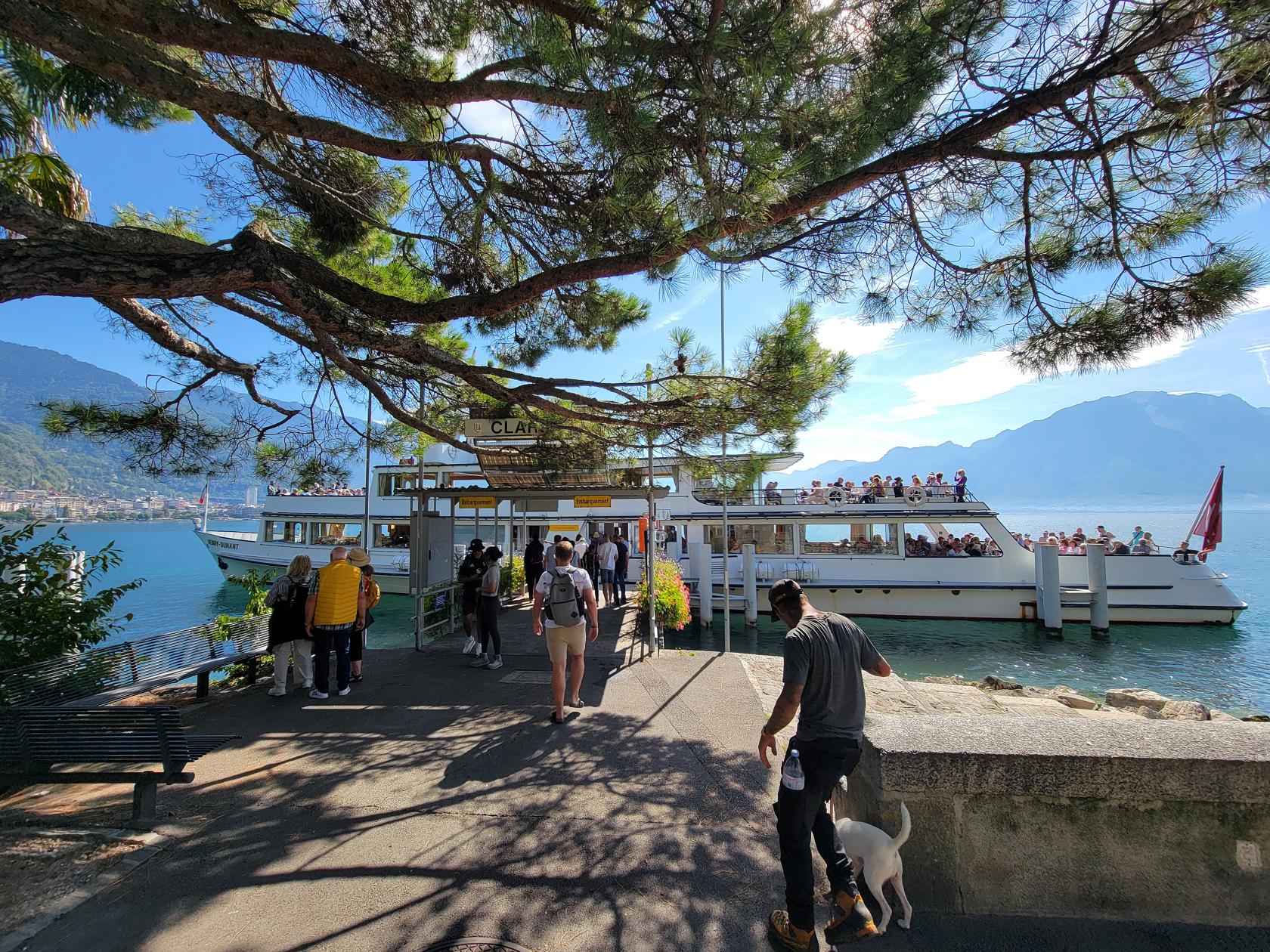
For our return we took the CGN Ferry back to Clarens. While I would normally say it was a relaxing trip back, we had our grandson with us who was overdue for a nap, so we enjoyed a terrible-two meltdown instead!

Vevey The Town

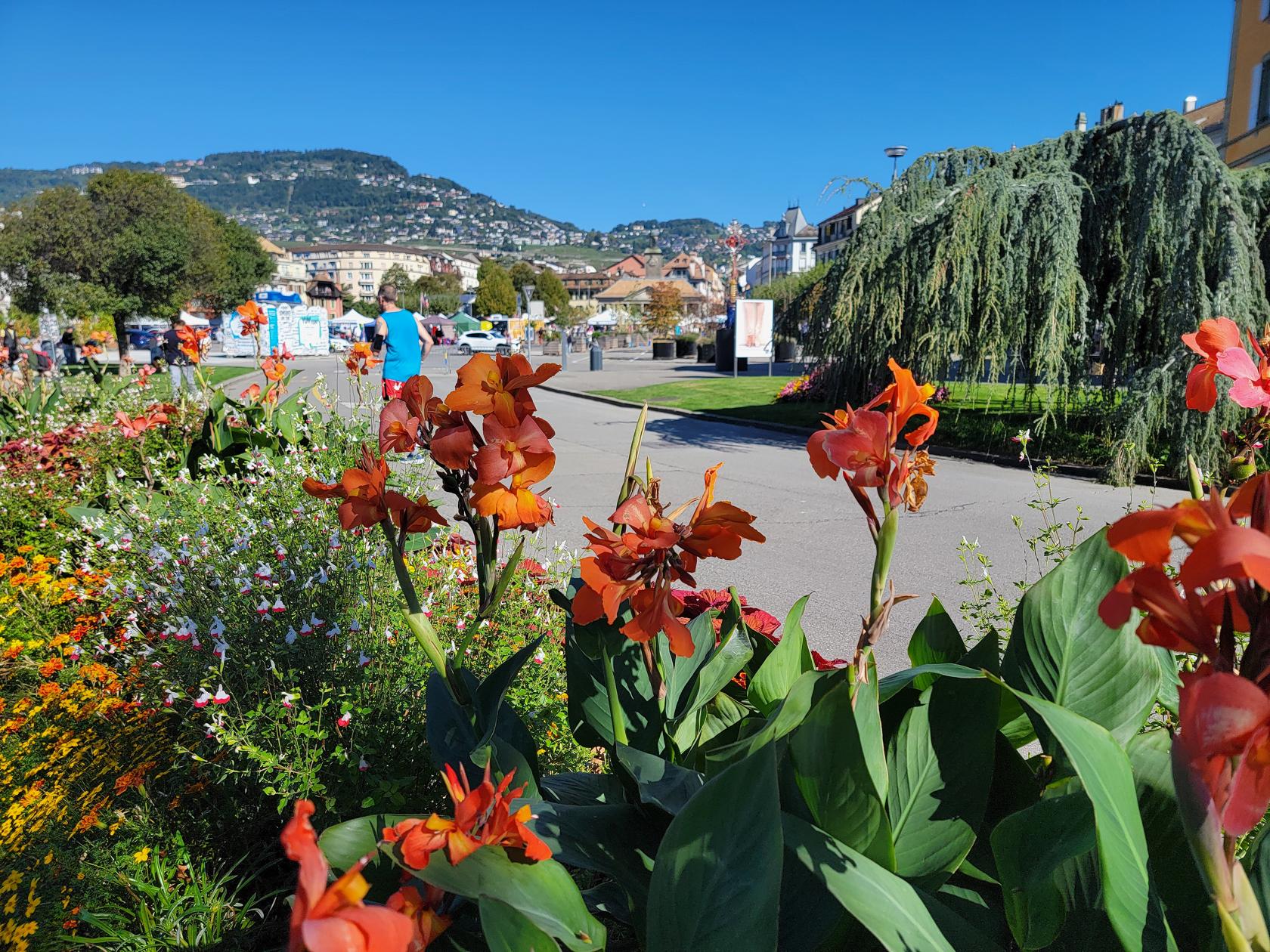
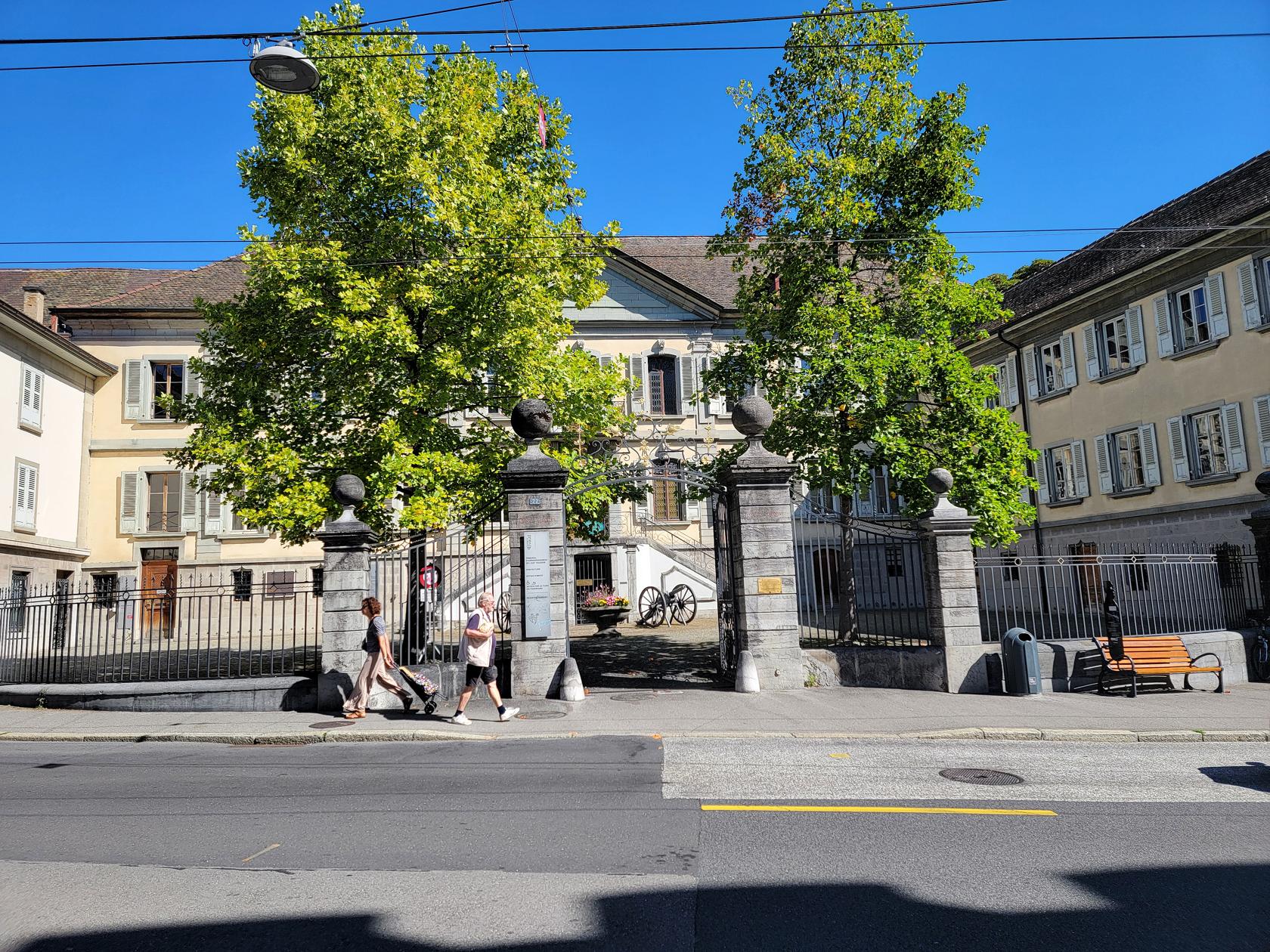
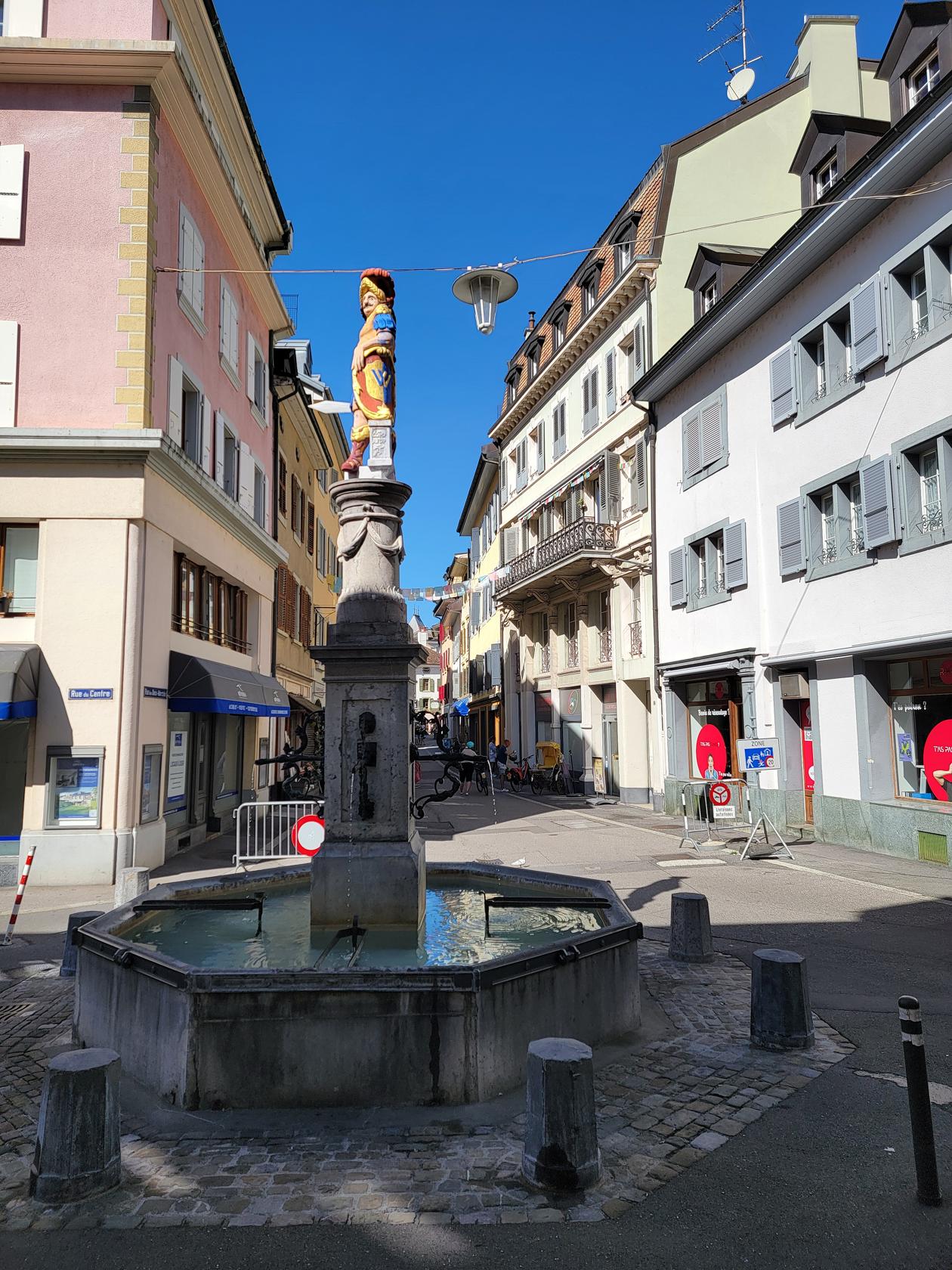
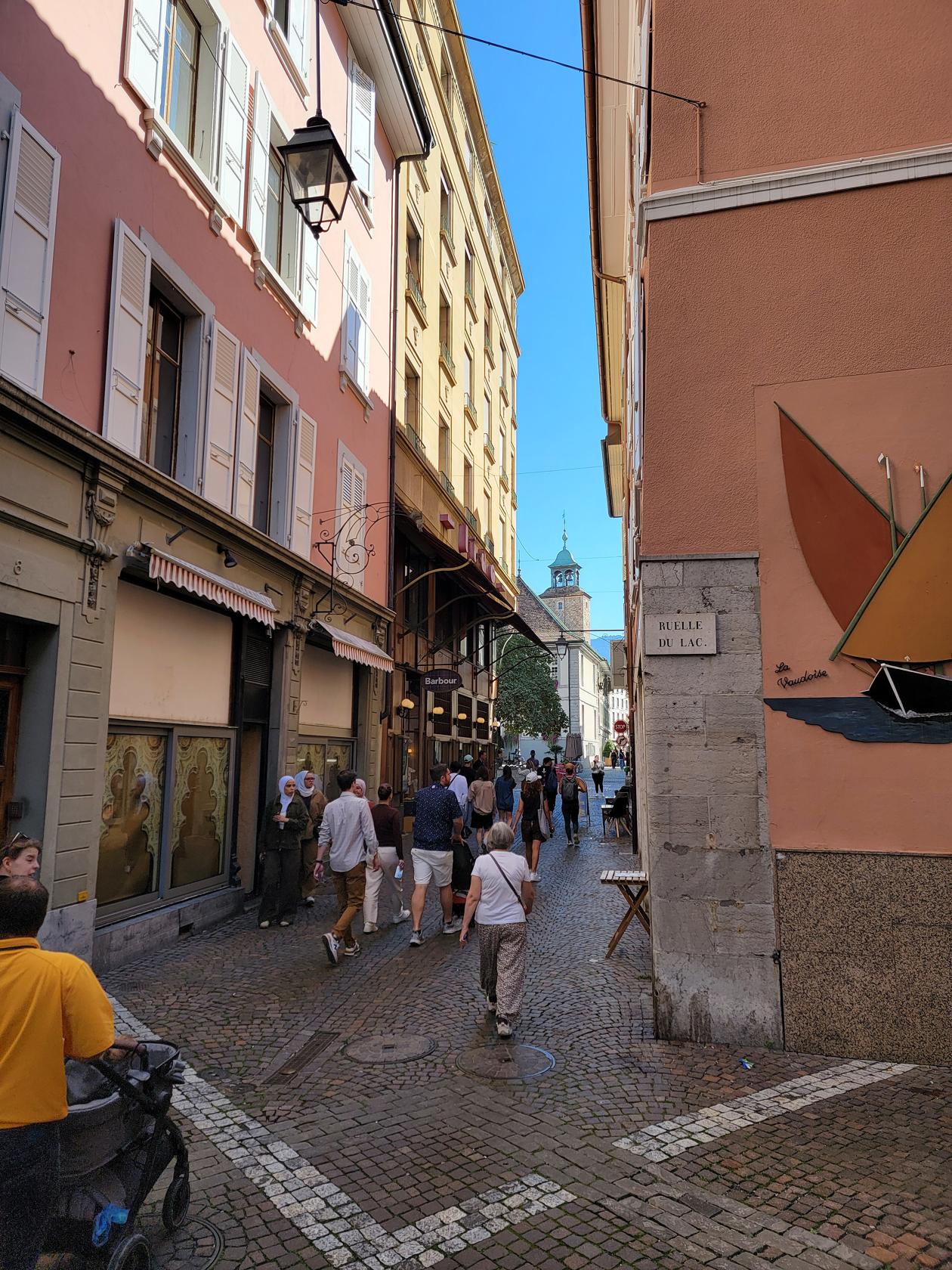
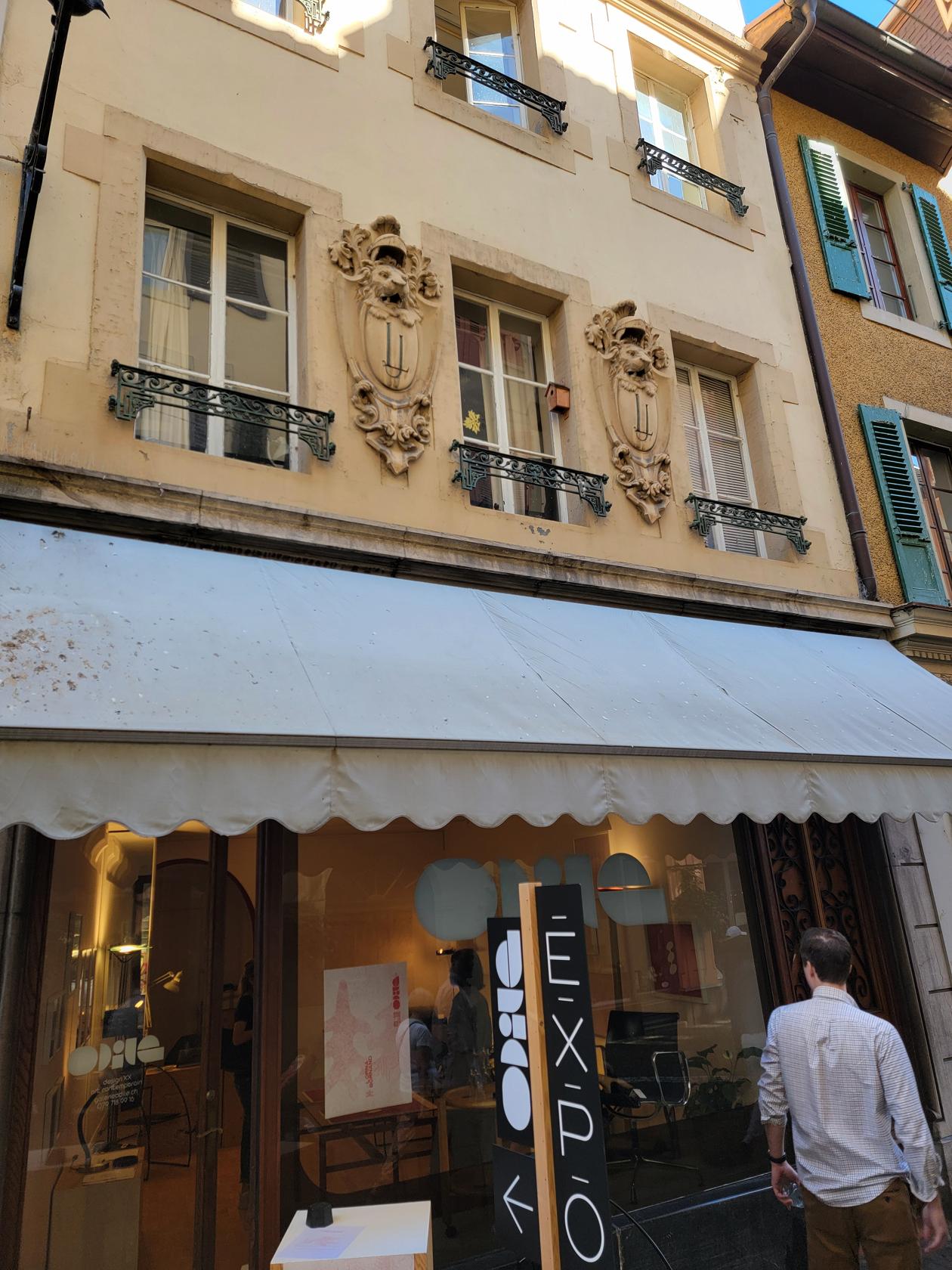
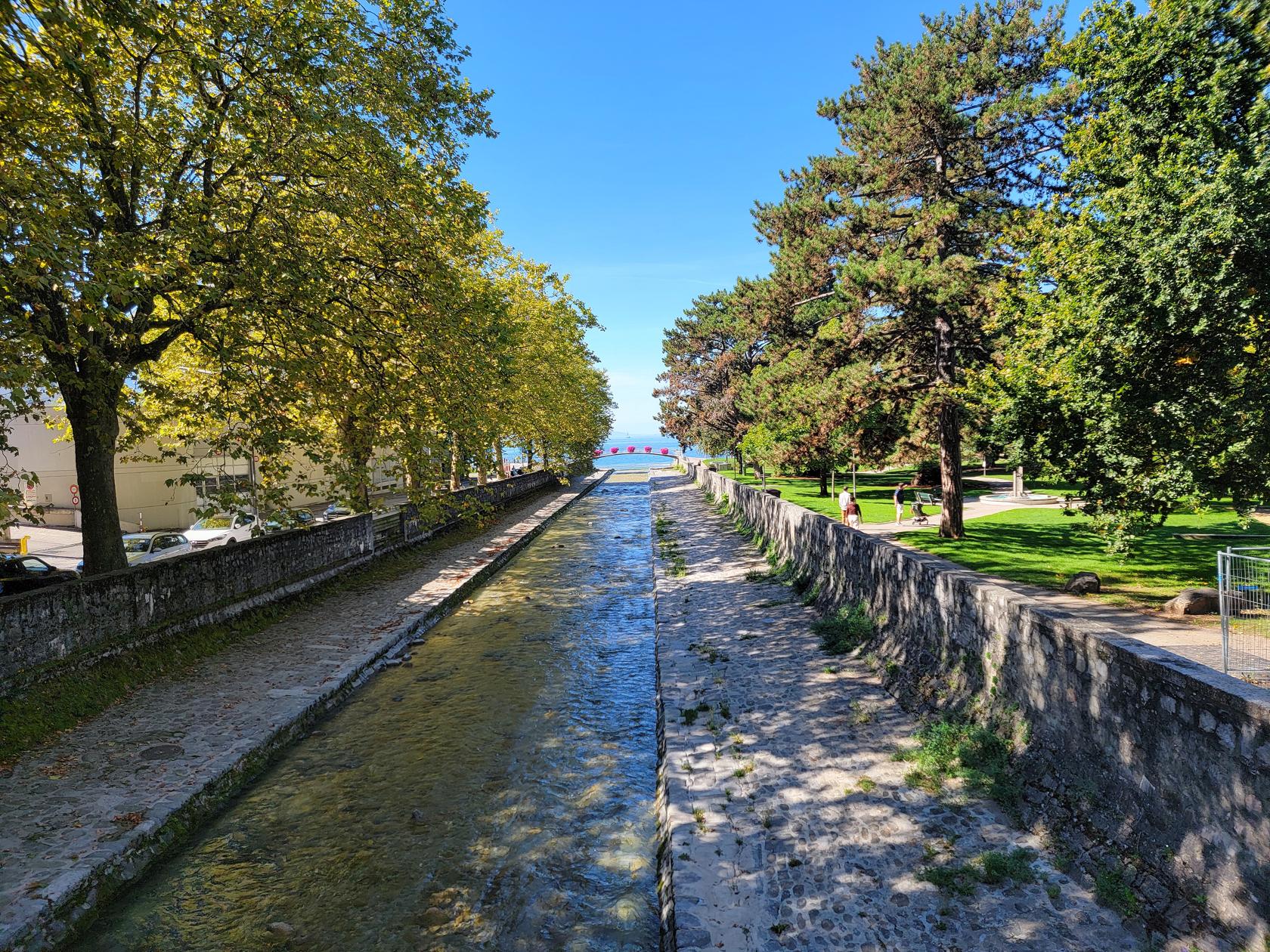
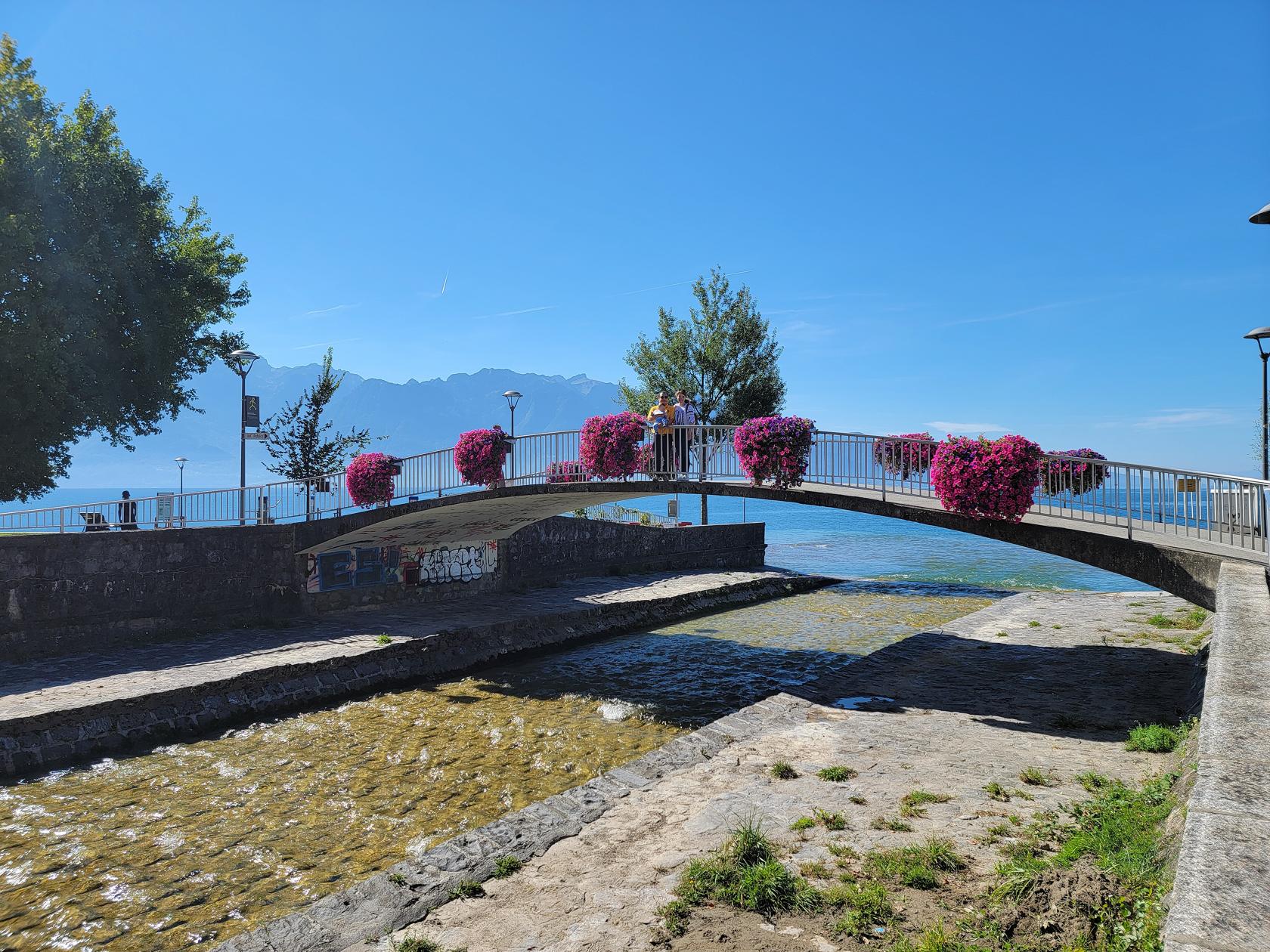
The old town is a one or two block wide stretch along the lake’s coastline. Though there are still a few old Roman bridges that span the small creek that cuts through the town, there seems to be no evidence of the old fortifications that used to protect it.

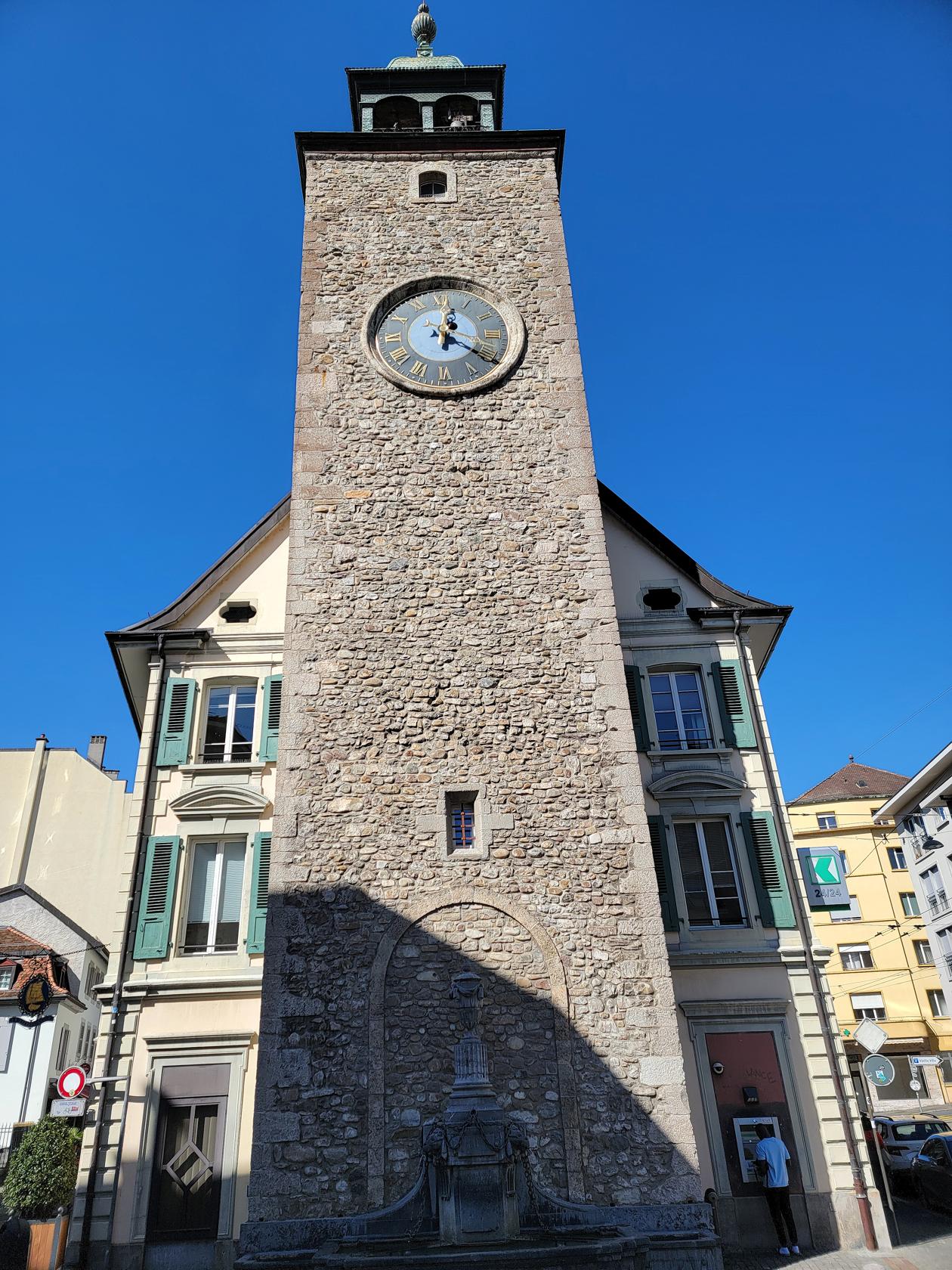
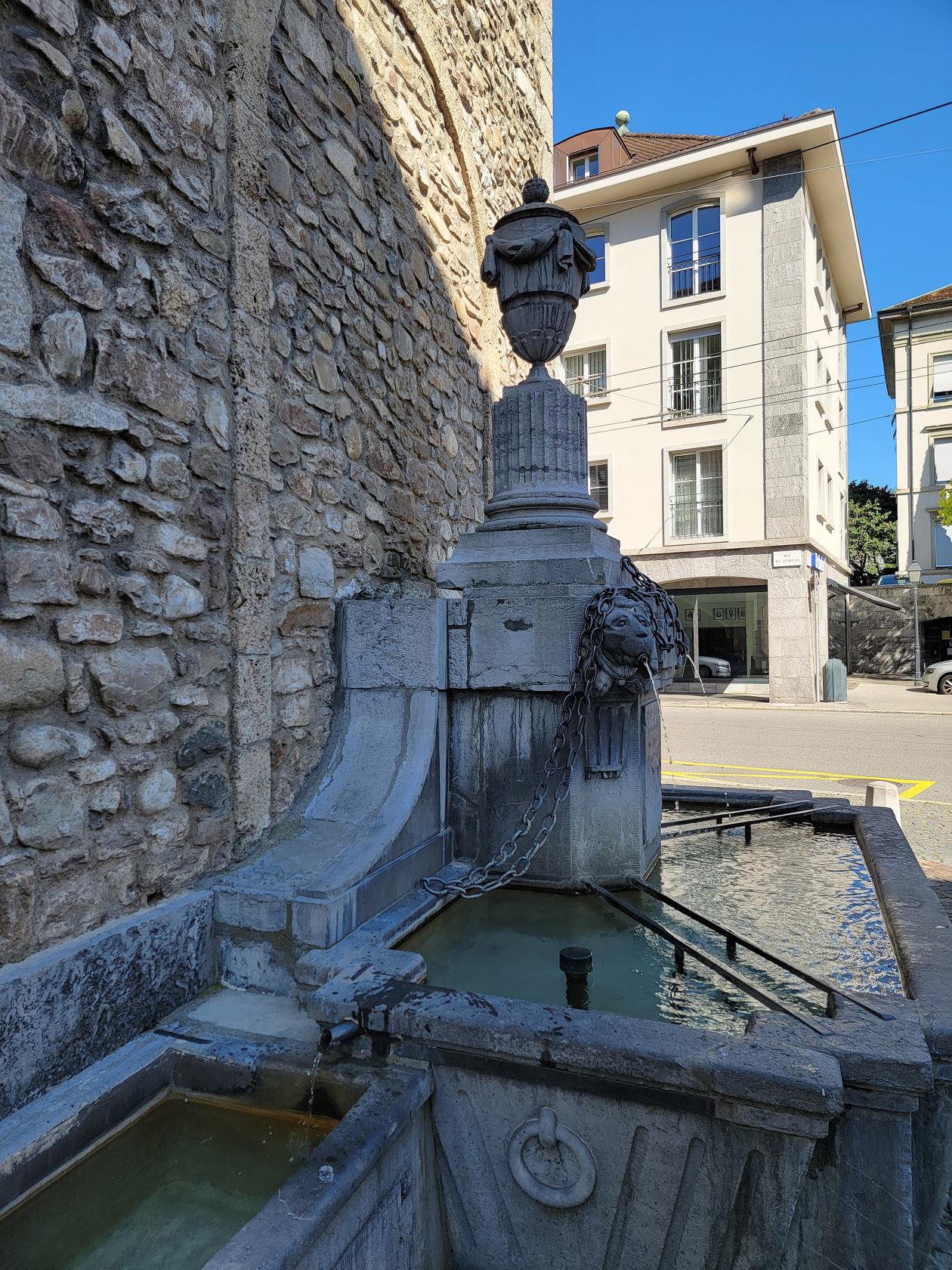
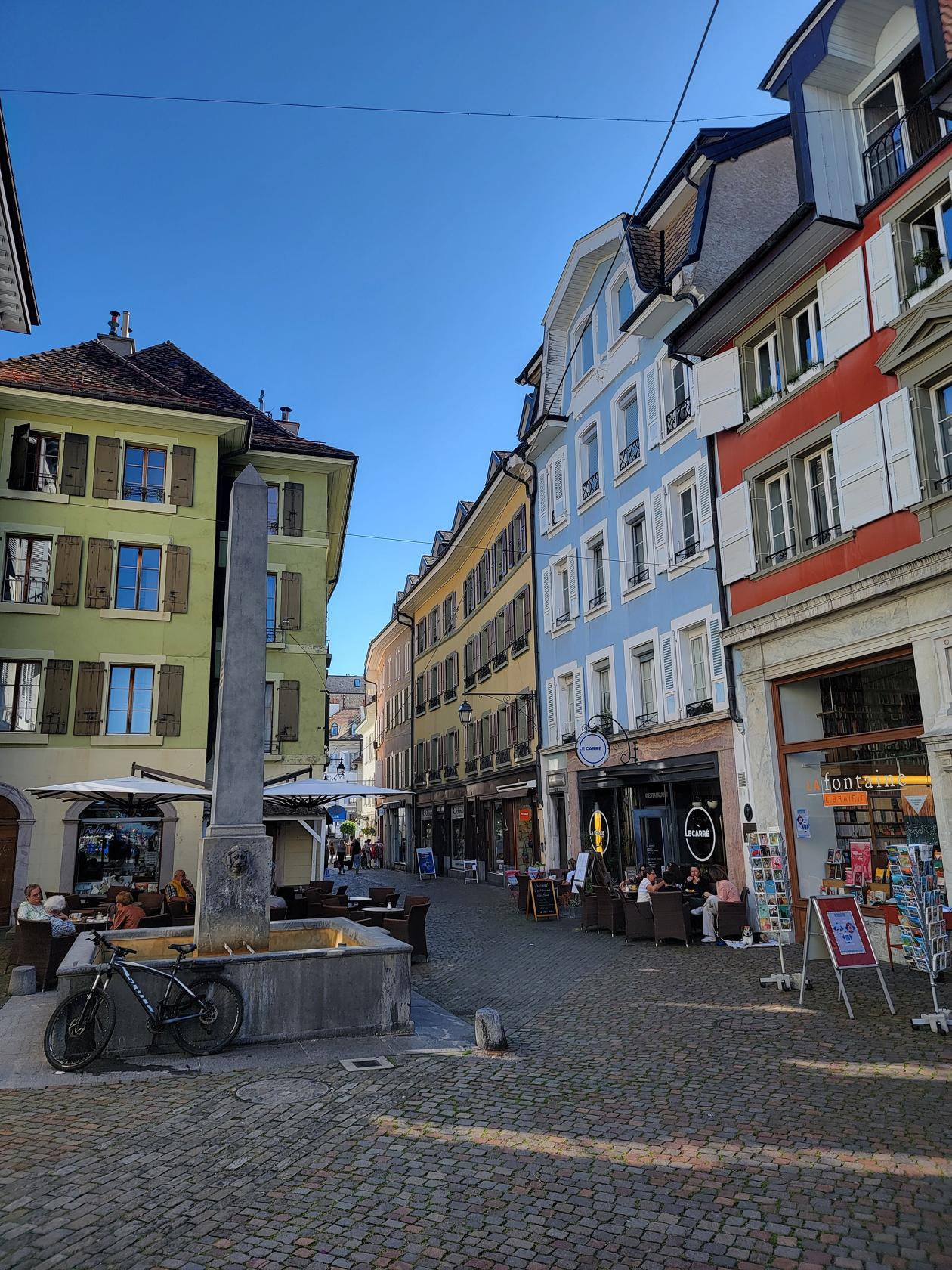
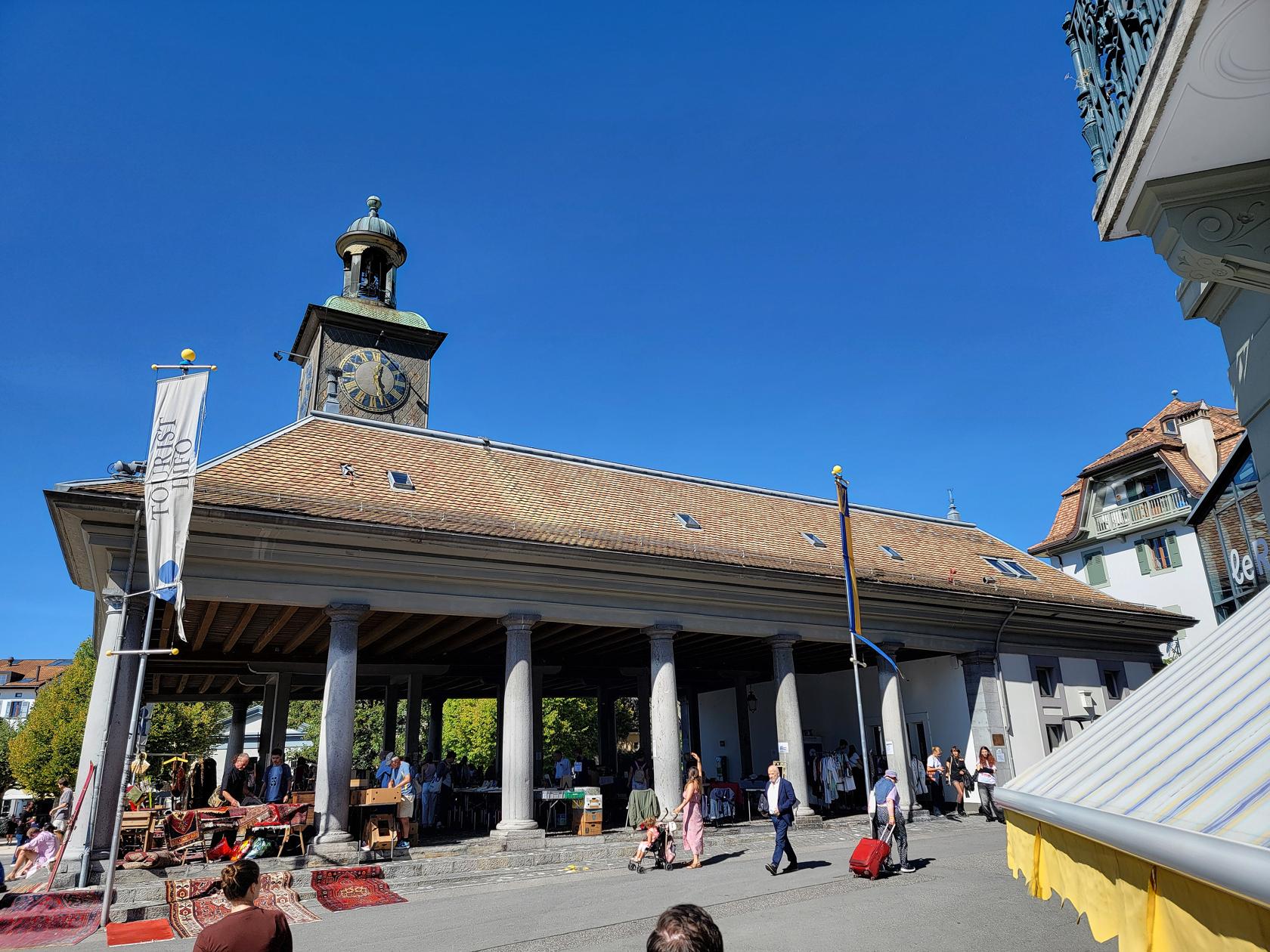
In the central part of town, the Saint Jean clock tower stands sentinel and offers a fountain as refreshment below it.

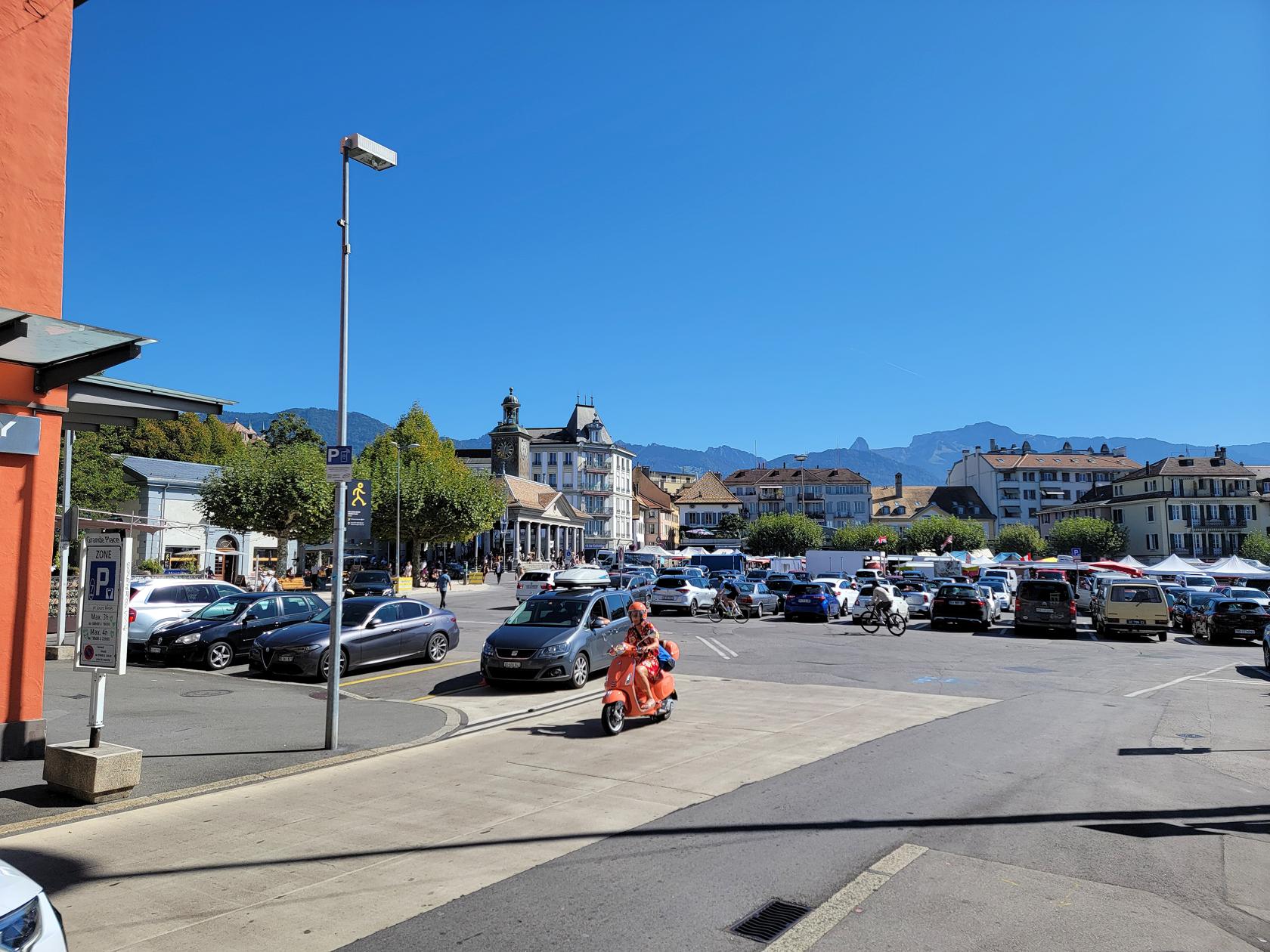
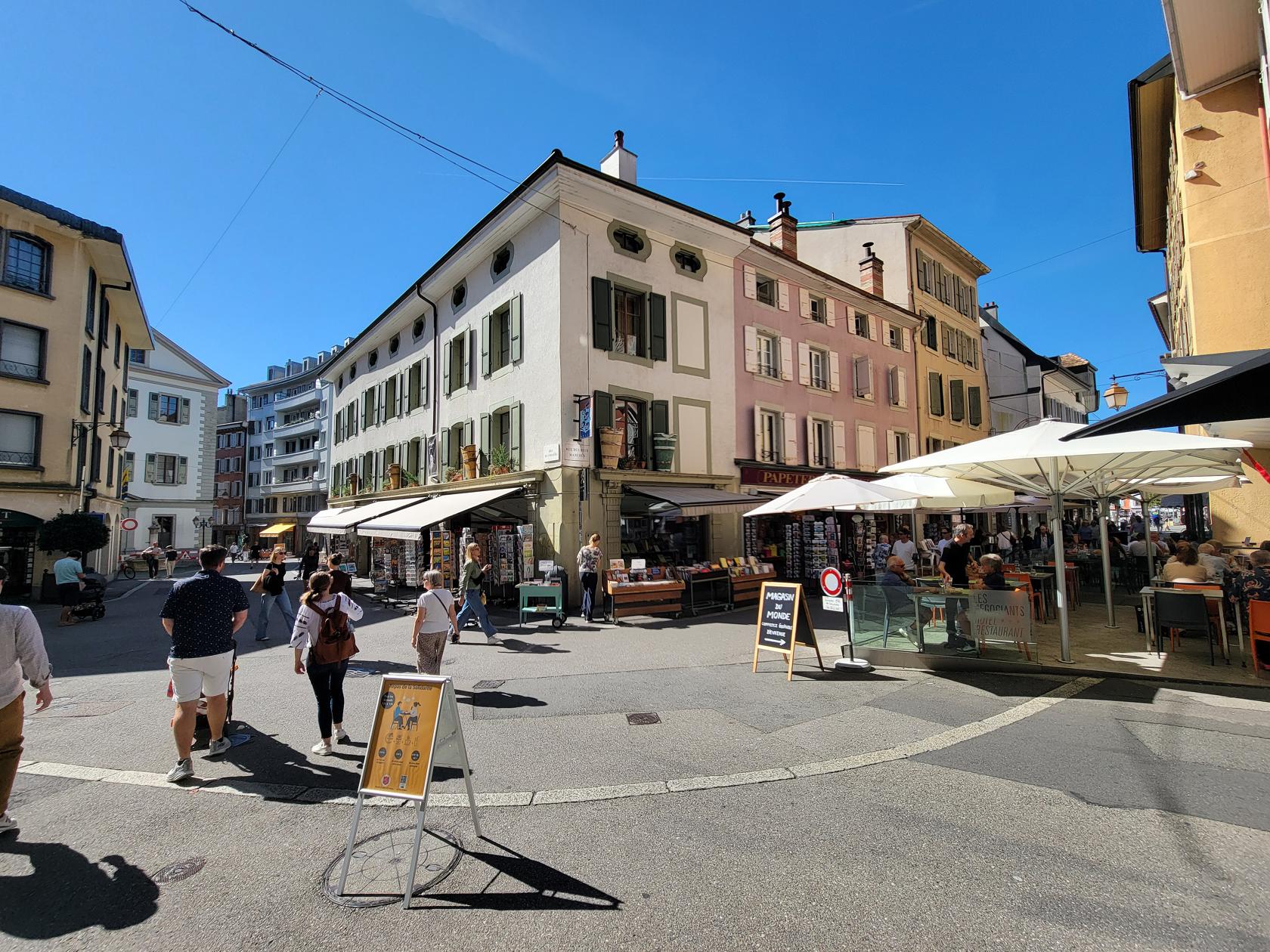
There are numerous shops here and on the right day, the central square or Place du Marché, holds a marketplace where a whole host of goods are sold. Therefore you may not be able to rely on this as a parking lot and if driving look elsewhere.

The Jardin Doret or park, has public amenities, as well as a nice playground for small children who need to take a rest from all of the adult walking we like to do on vacation; so for some, a must stop.