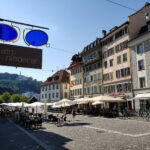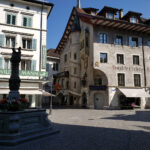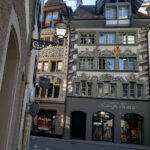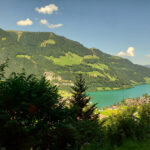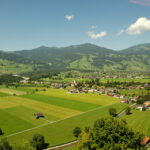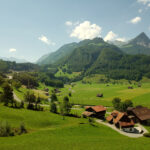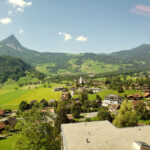

Basel, Switzerland – Trams, Doors & Fountains

Basel – From The Top Of Hotel Märthof

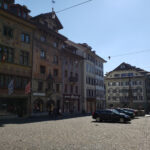
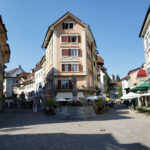
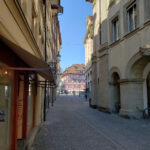
The city that boasts the most museums in Switzerland must also operate and maintain the most streetcars or trams. At least that is my thesis. On closer inspection one will notice they are almost everywhere and if you spend any time in the historic area’s main Marktplatz, where our hotel Märthof was located, they even appear to outnumber the cars.

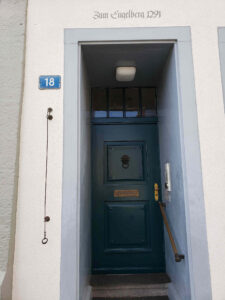
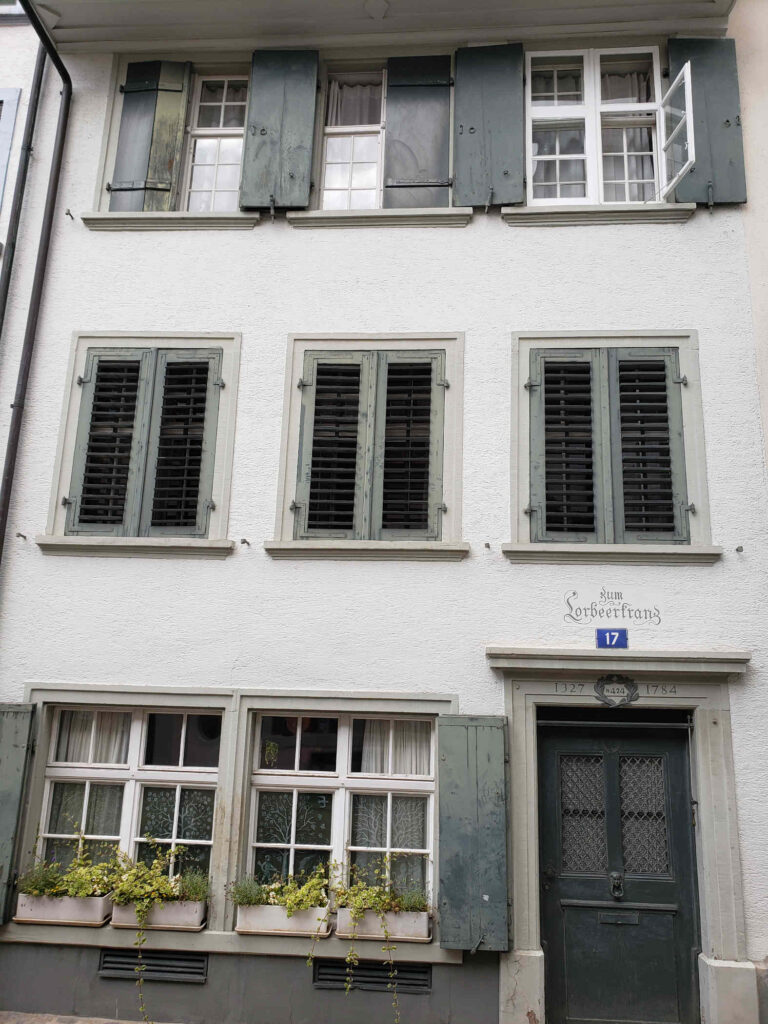
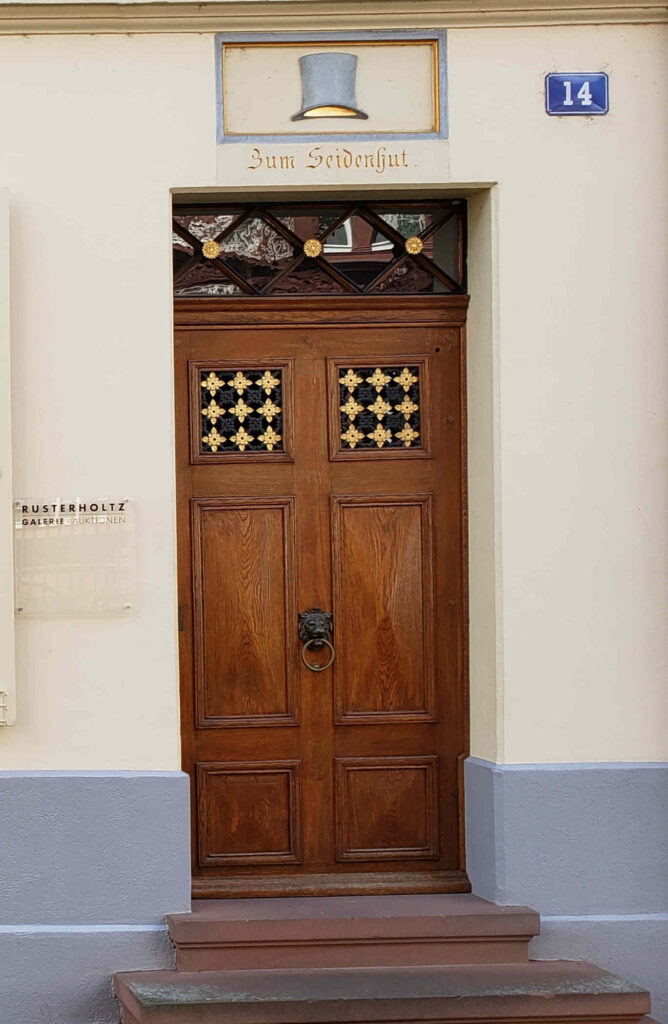
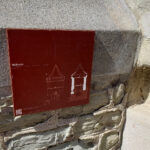
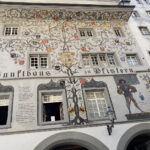
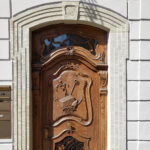
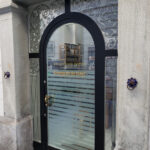
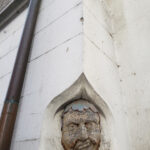
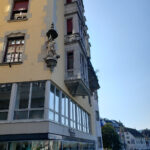
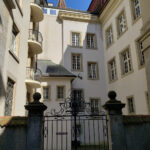
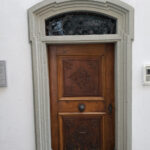
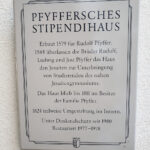
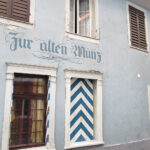
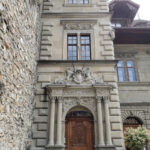
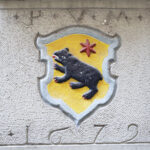
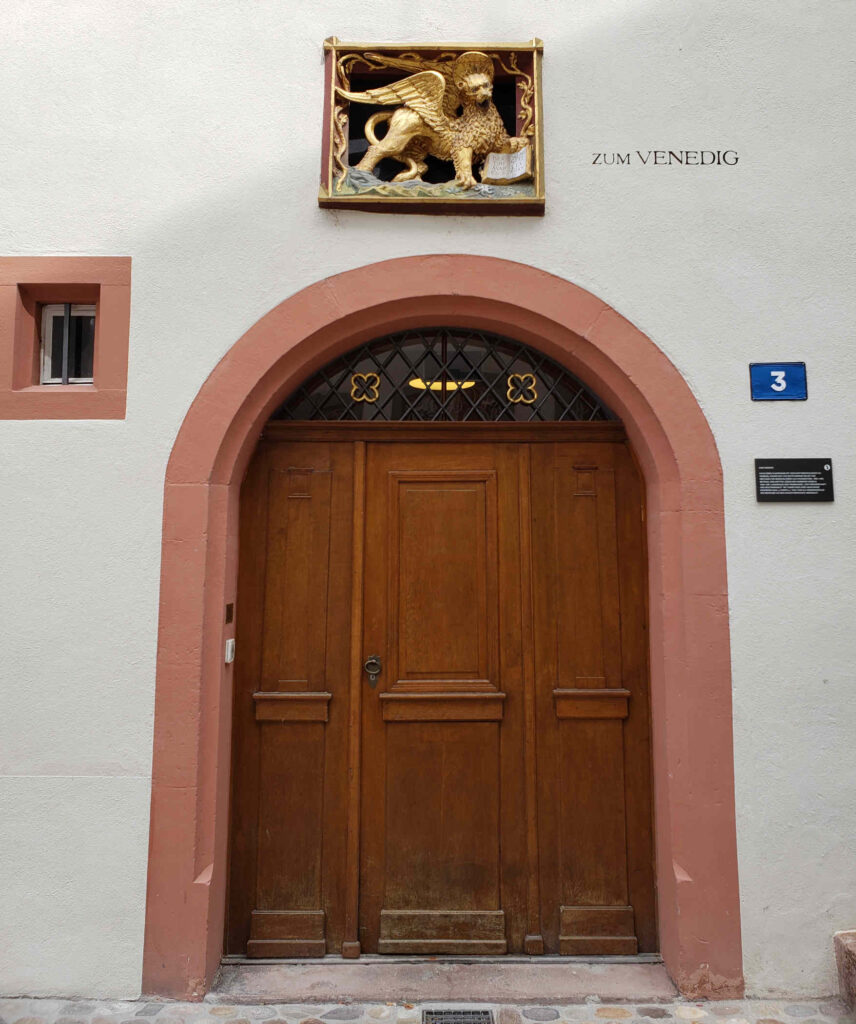
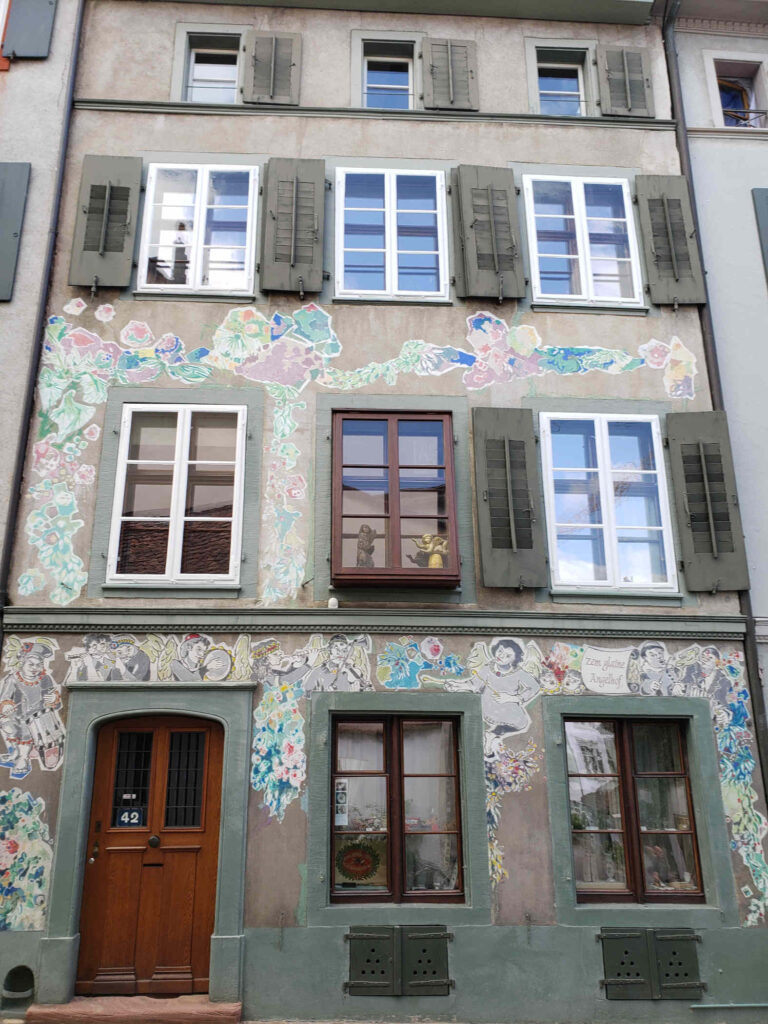
There are also many interesting doors in Basel. Each appear to be uniquely named and dated, some having historical significance, others more whimsical, all very Basel. All make for an increased desire in discriminating each while you walk around the city.

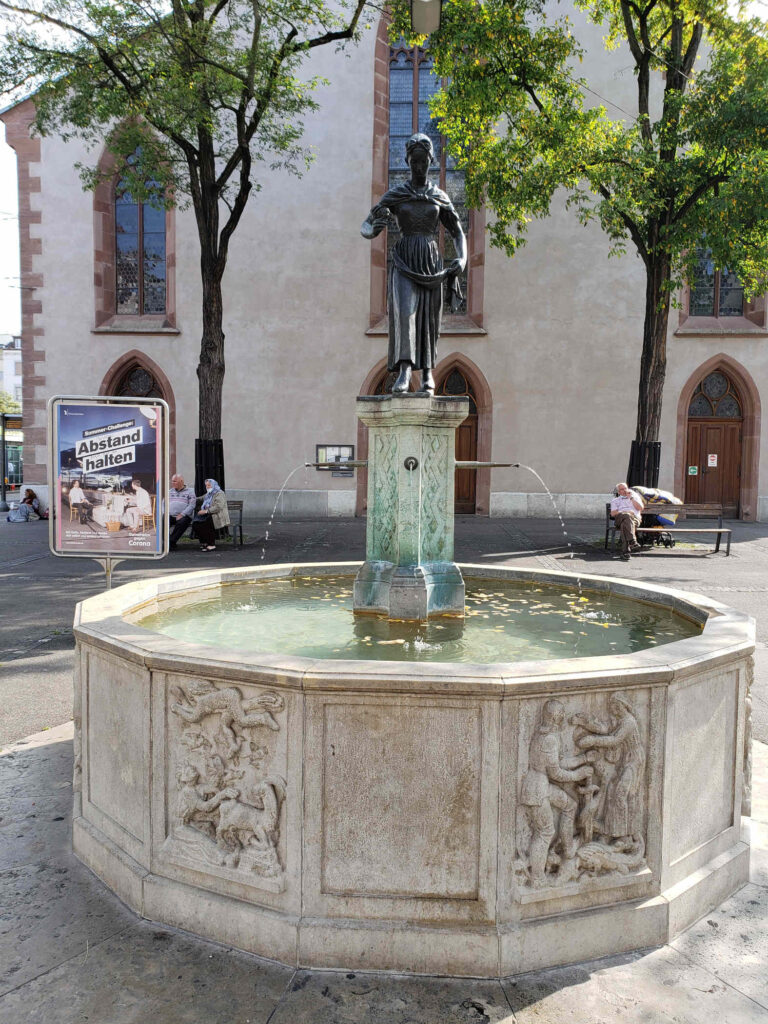
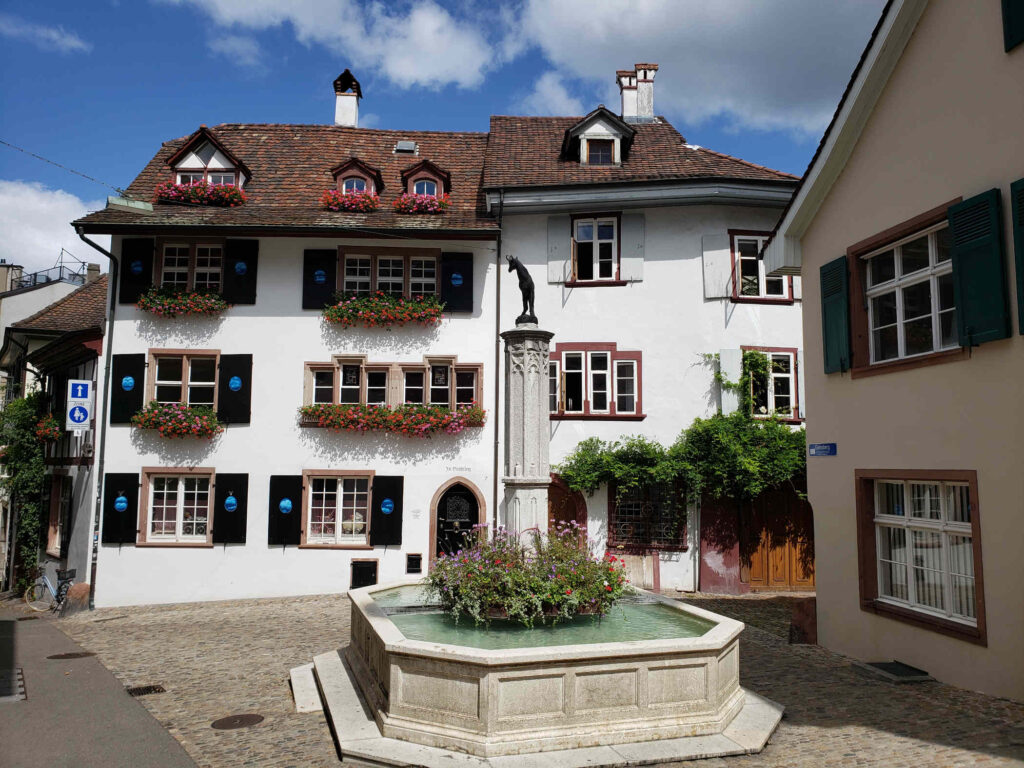
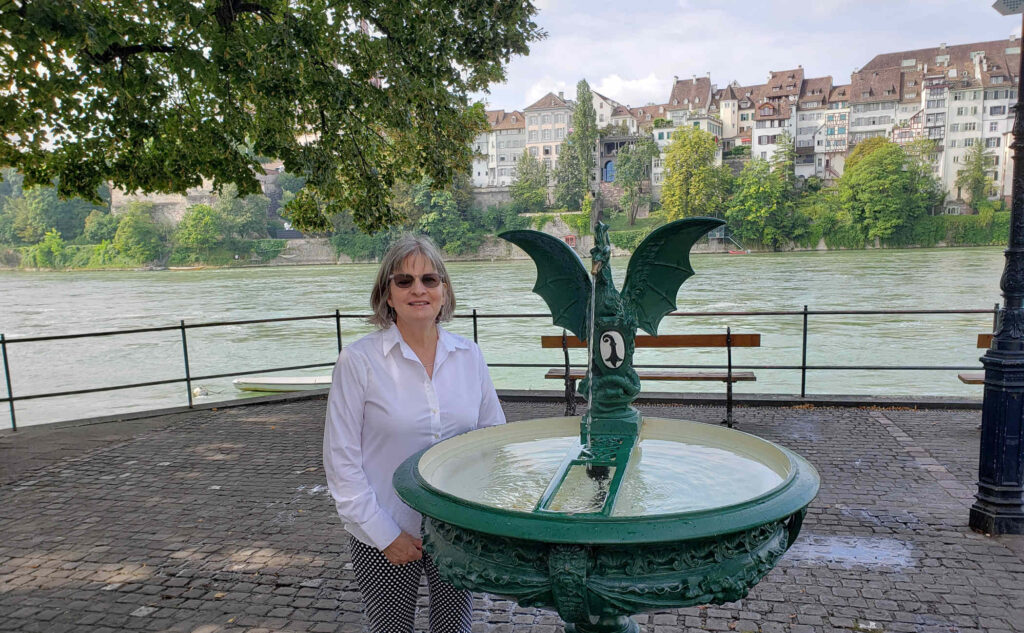
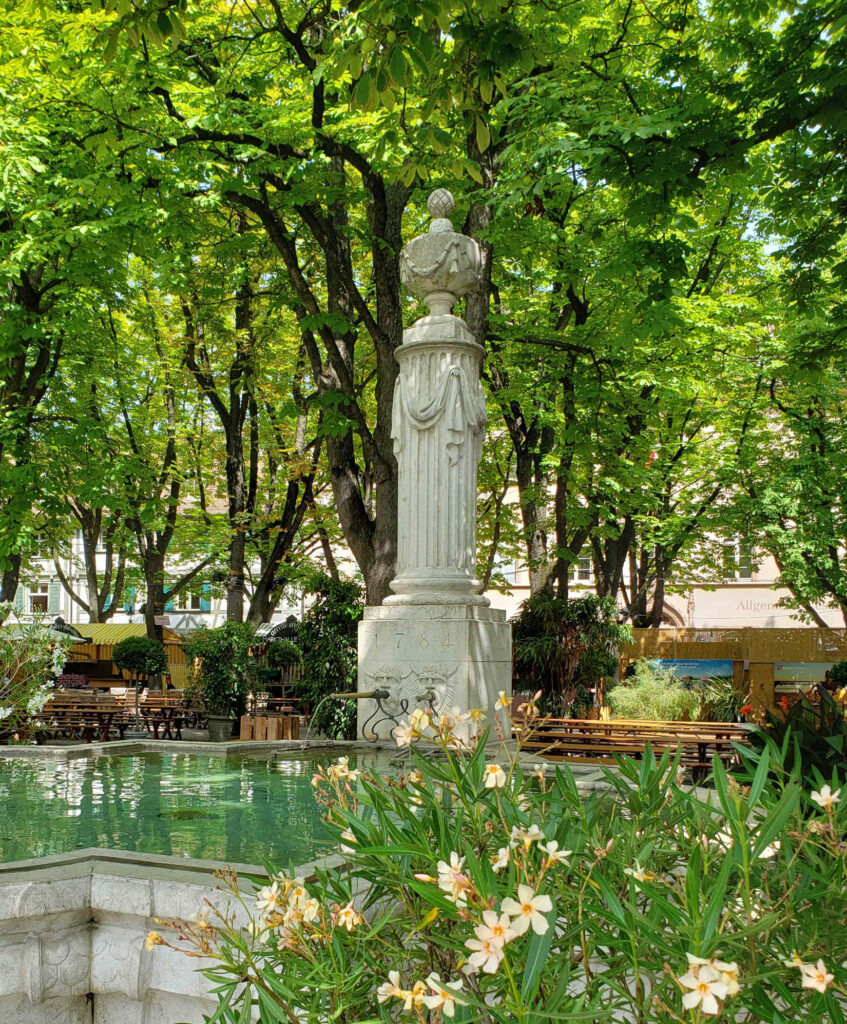
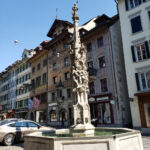
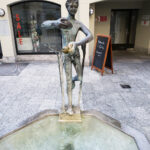
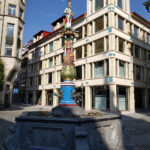
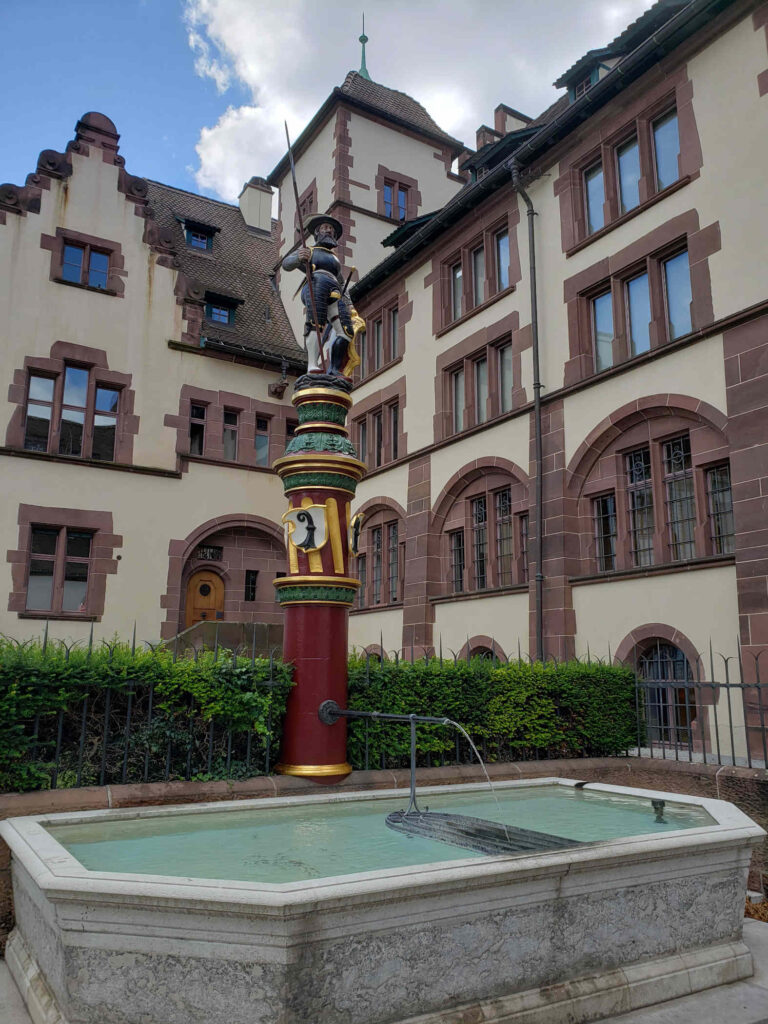
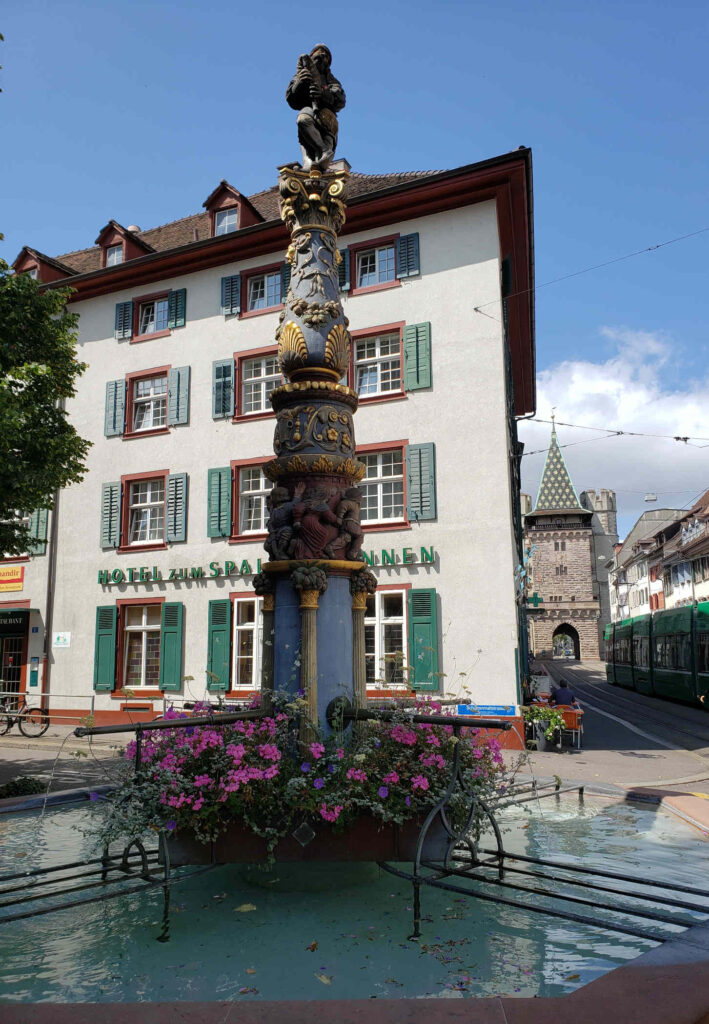
As one can imagine there are fountains all over Basel, all strategically located. Some obviously served as sources of water for the citizenry during older times, others are more decorative. All betray Basel as the water city that it was and in many aspects, still is today.

Our Hotel

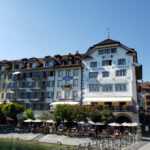
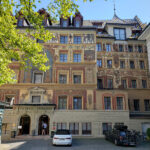
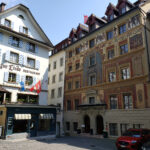
The Basler Märthof hotel sits at the nexus of the grand portion of the historic city. Bordered by the Rhine, the Marktplatz and the hills around it, it sits central to life in this city. Surrounded by shopping and many different types of restaurants, one can find almost anything they want in this cosmopolitan city, where English is spoken as frequently as many other languages, the exception being German.
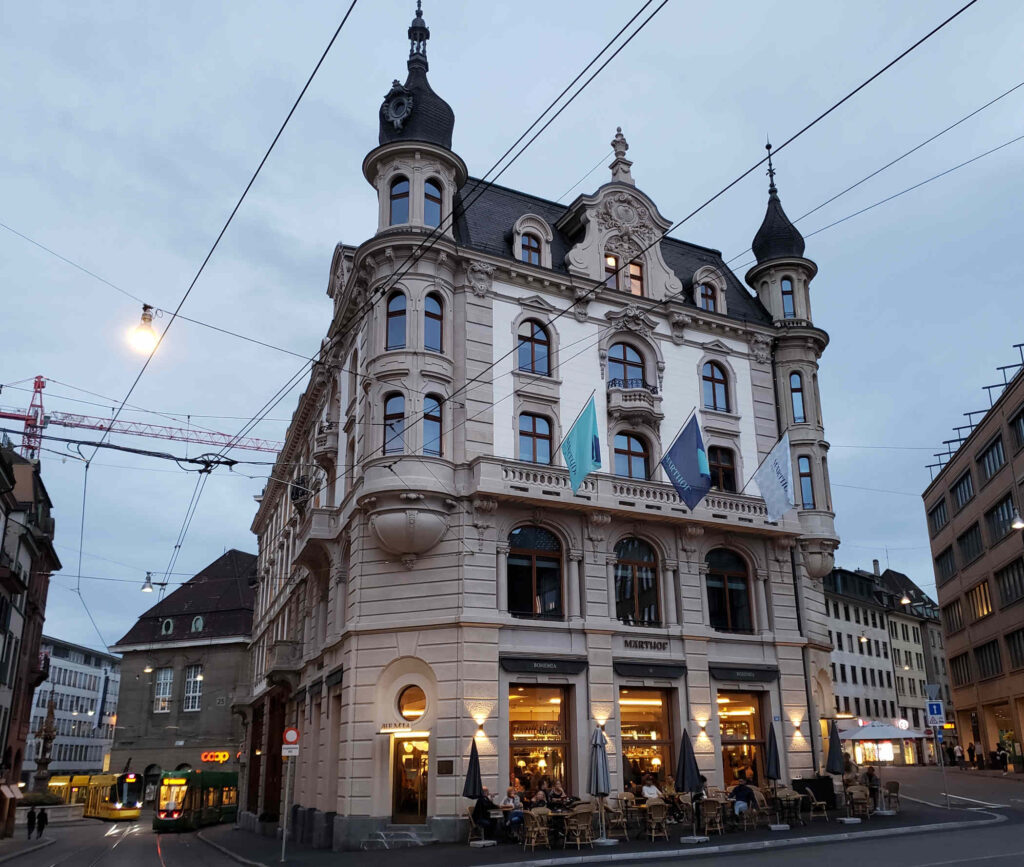
The Märthof Hotel

At the time of our visit, a newly renovated hotel with the most modern of amenities and very spacious rooms. This included access the terrace on the roof for our sitting pleasure or some very nice photographs.
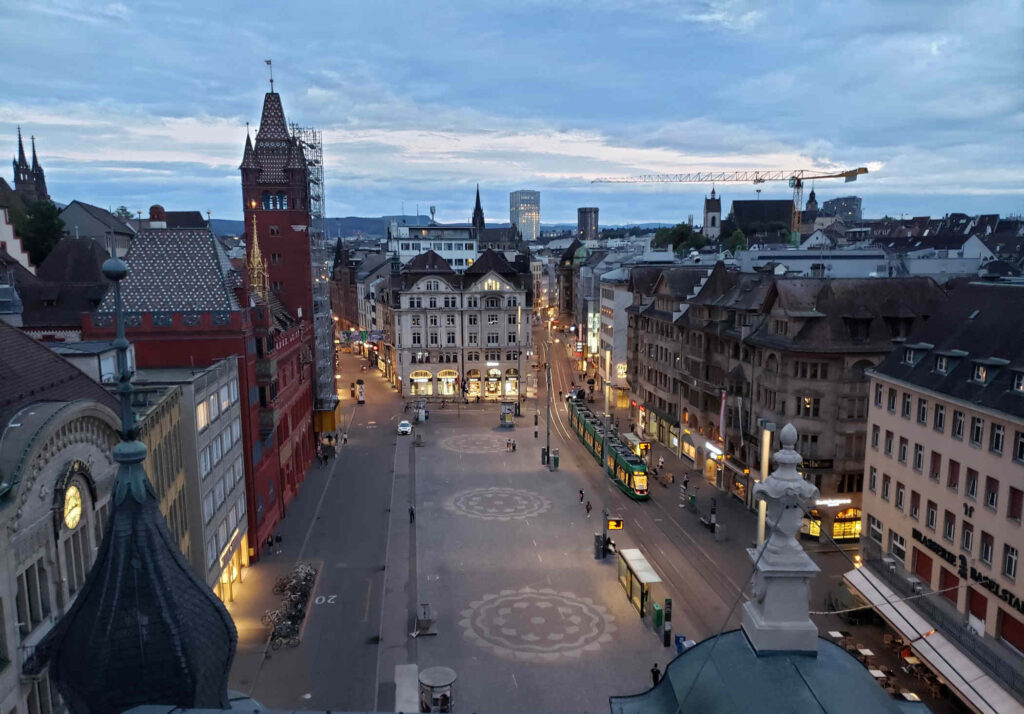
Marktplatz And Rathaus – In The Evening – August 2021

The Trams

Trams are everywhere and give this city’s residence a freedom of movement that is seldom seen elsewhere. From the city’s historic center the network branches out like an octopus, occupying every denizen’s neighborhood within five kilometers.
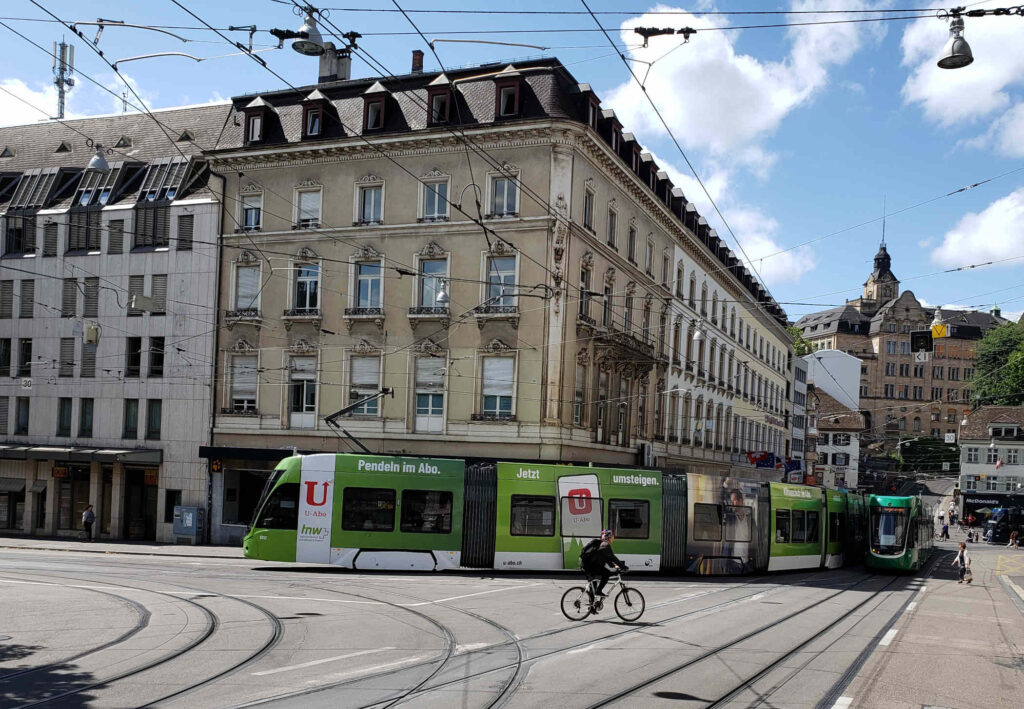
Tram On Kohlenberg – Basel – August 2021

They can be somewhat of annoyance, making an inordinate amount of low frequency grinding noises, as well as stacking up when you are trying to cross the street. The latter forces you to wait the required time for them to leave, hopefully before more arrive and interfere with your travels across the street. But for the most part, they are a welcome addition to the city’s smorgasbord selection of commutation.
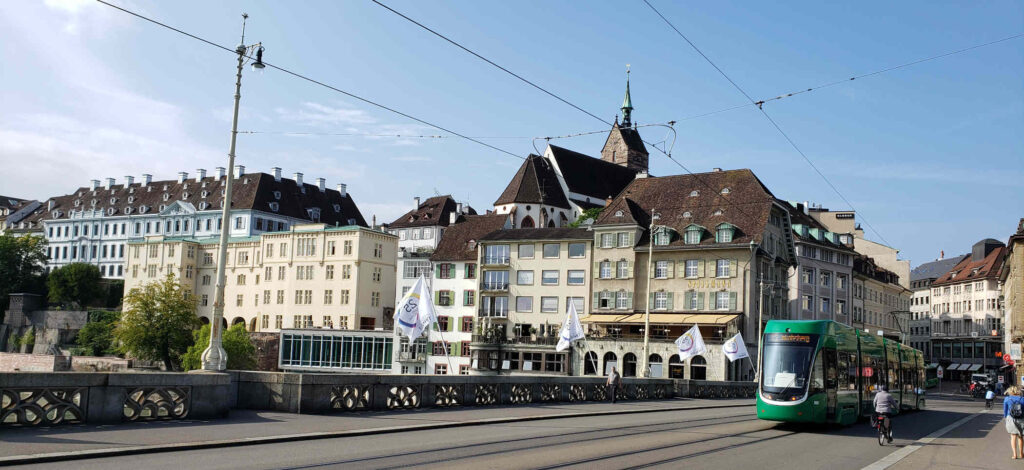
Tram On Mittlere Brücke Over Rhine – Basel – August 2021

The Doors

Entryways in the city of Basel have their own descriptive appeal, as seen below.
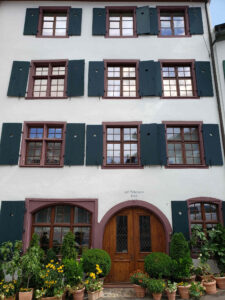
Just wandering through the streets an observer will see many examples of craftsmanship, old wrought iron hinges, locks, doorbells and doorknobs. Some of the doorbells are especially amusing, where the owner has carefully preserved the original design and function. Some are pulled, some are twisted and some pressed but all made from old iron that has been braving the environment for hundreds of years in some cases.
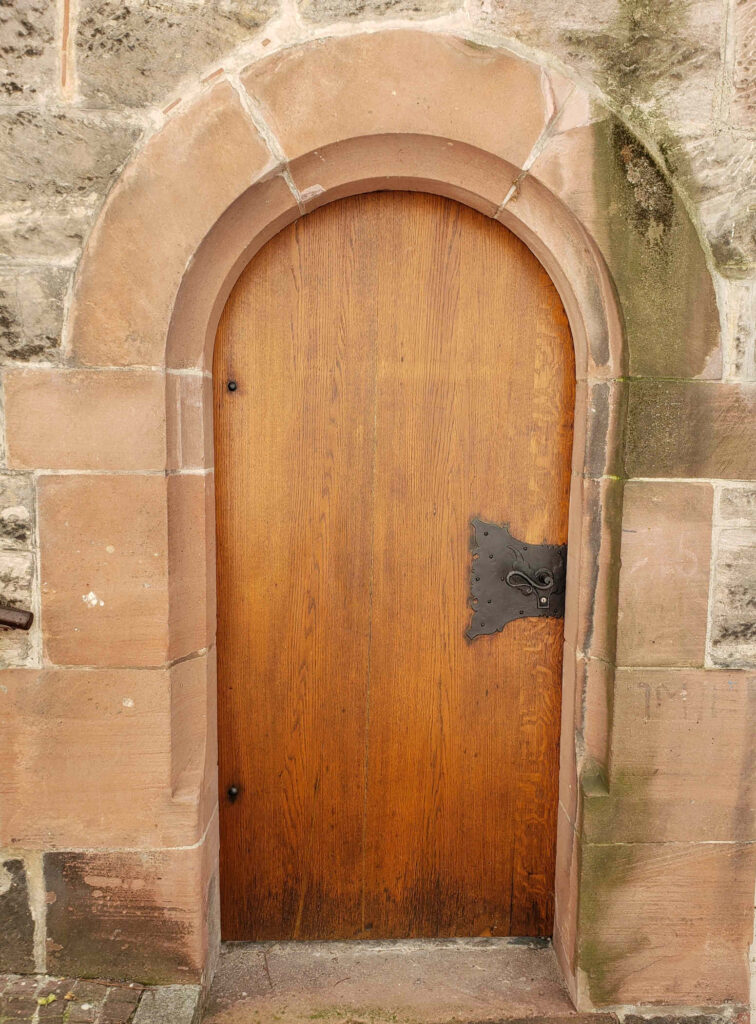
Old Wrought Iron Doorknob

The above example old world iron work was found on Martinsgässlein, on our walk down from the Gothic Cathedral Münster. It appeared to be fine example of blacksmith work on an obviously restored door. Here are a few more…
The Fountains

A city historically close to and a heavy user of water, there is no doubt that there would be a plethora of fountains throughout. The most useful and convenient ones are in most cases built into the sides of buildings, whether apartment or governmental. Obviously strategically located in the past for the residents before indoor plumbing was available.
The Rhine Boats

As an adjunct to all of the trams, buses, taxis, ferries and other forms of conveyance, Basel has a system of Rhine boats along the Rhine. When there isn’t a bridge around when you need one, look around, there may be a Rhine boat!
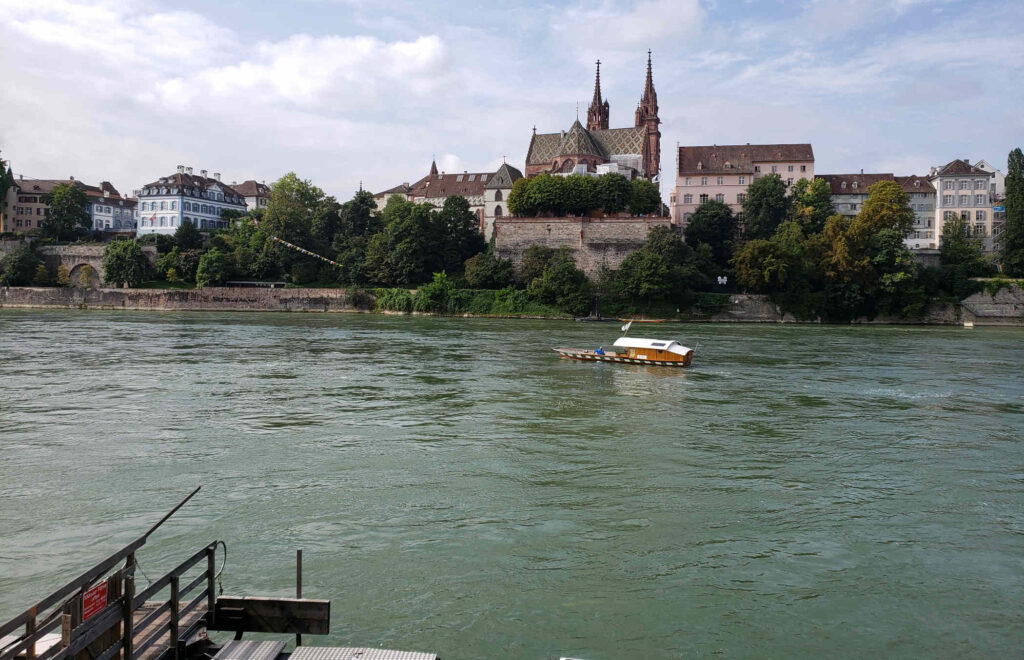
Rhine Boats – Münsterfähre – St. Johanns Ferry – Basel

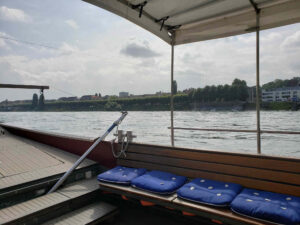
Each boat has its own name, owner and distinguishing paint job. They are not motorized! By using a cable strung across the Rhine at strategic points, they use the power of the Rhine’s strong current and their rudder to propel them from one bank of the river to the other. The cabling system is not complicated and only requires the pilot to move a pipe on the boat the moors the cable and then direct the boat appropriately using the rudder.

For the modest fare of 1.90 per person you can climb aboard and be on the other side in a matter of a few minutes. We took the Sankt Albans Fähre or Ferry from Basel, Altstadt Kleinbasel on the east bank to the Altstadt Großbasel on the west bank, that was after we walked along the Rhine on the one side and wanted to cross to visit the Paper Mill on the other.
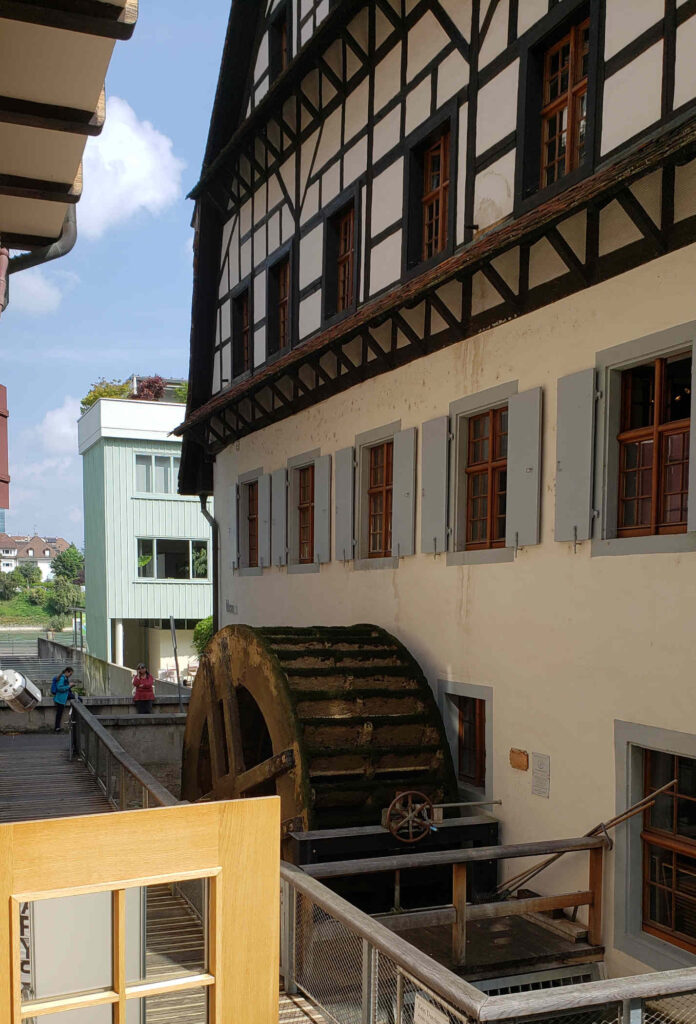
The Basler Papiermühl

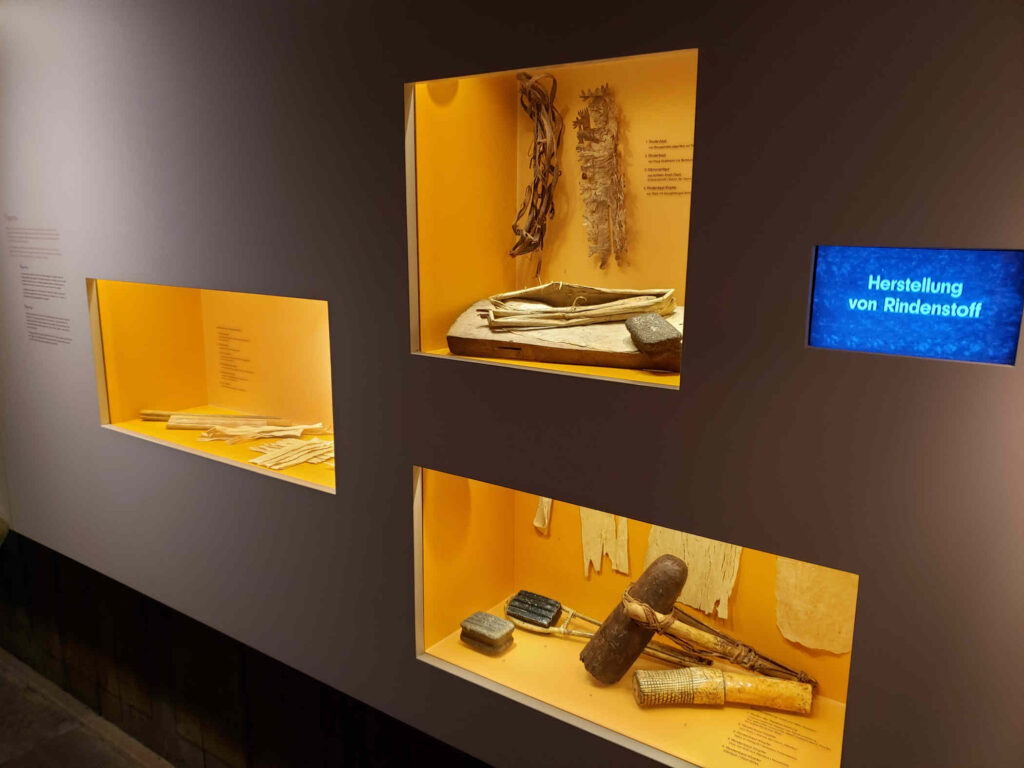
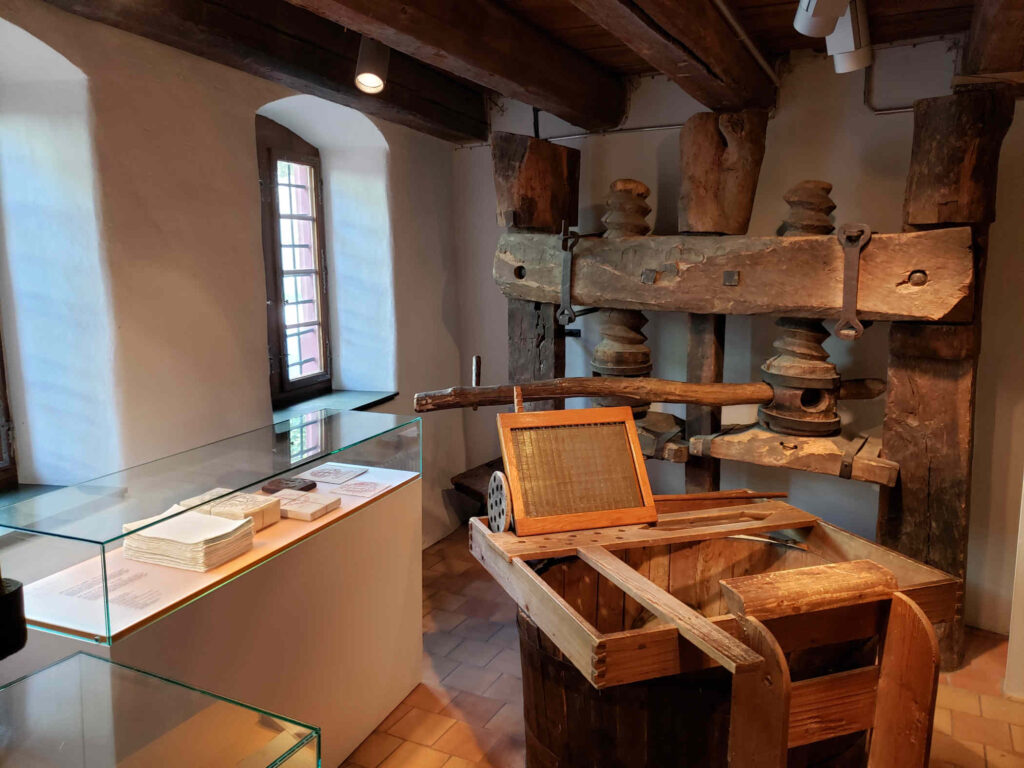
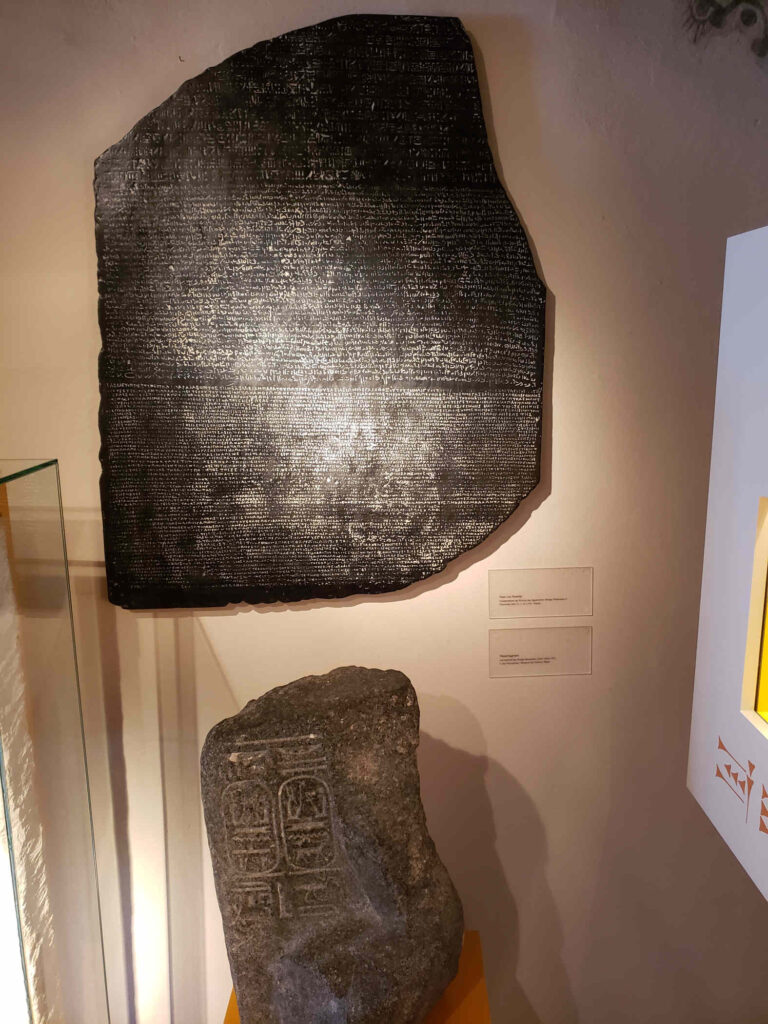
One of the high points of our trip was a visit the Paper Mill Museum. One would think it would have not much to offer, but in this case they would be wrong.
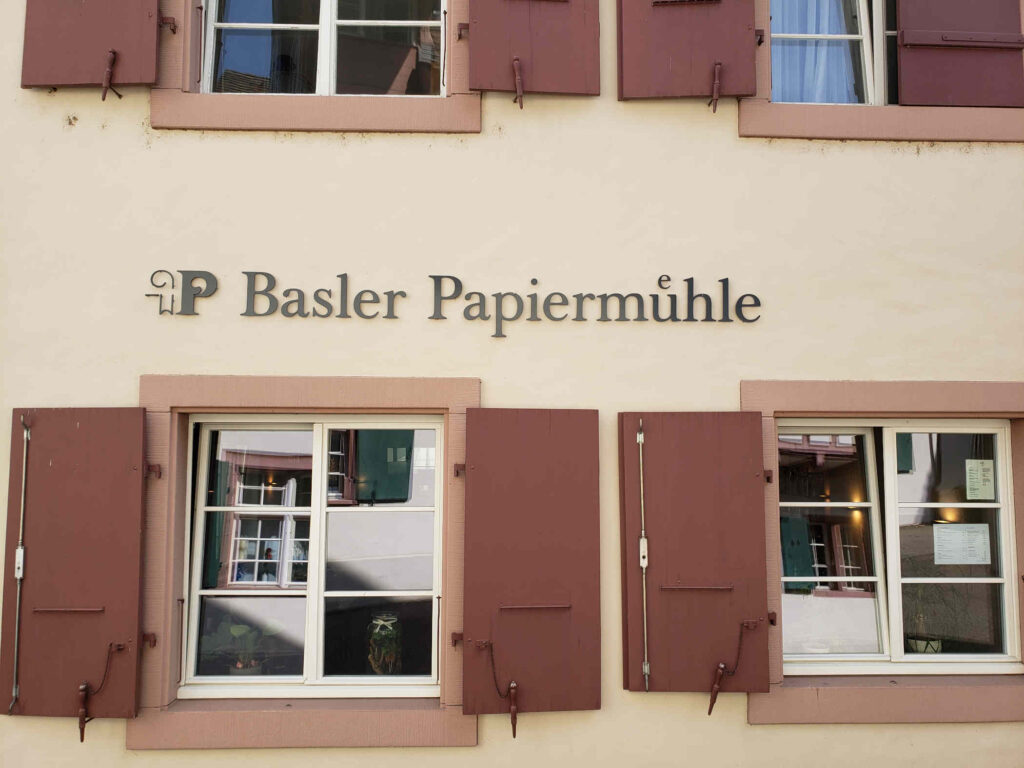
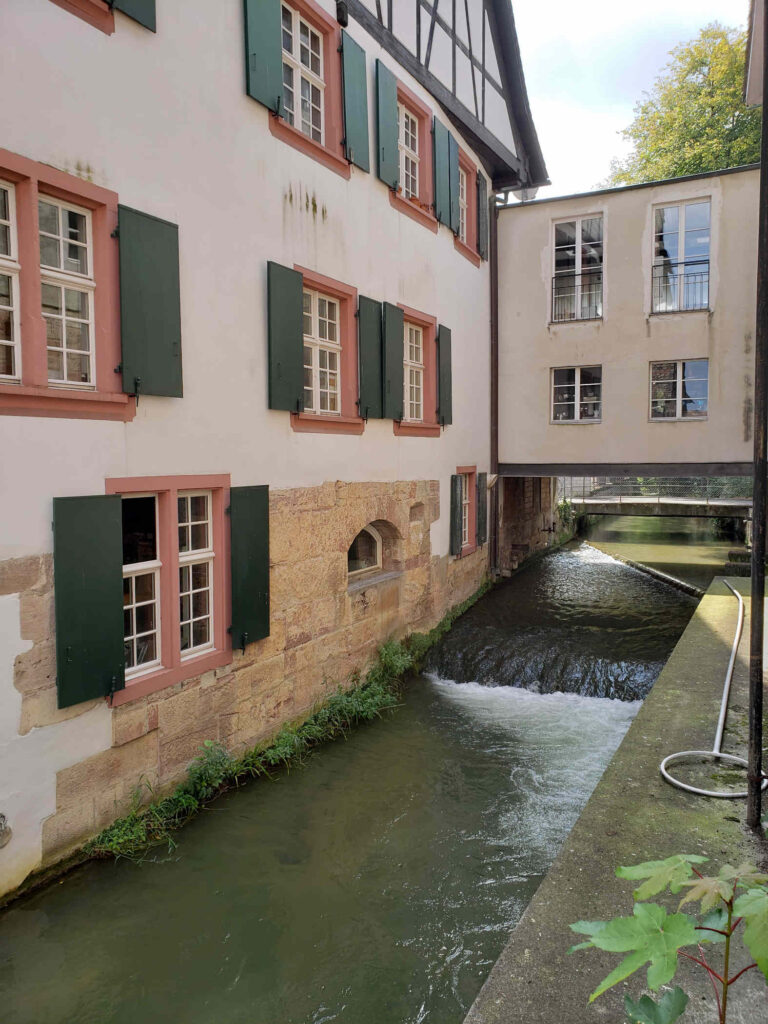
Basler Papiermühle – Saint Albans Tal – Basel – August 2021

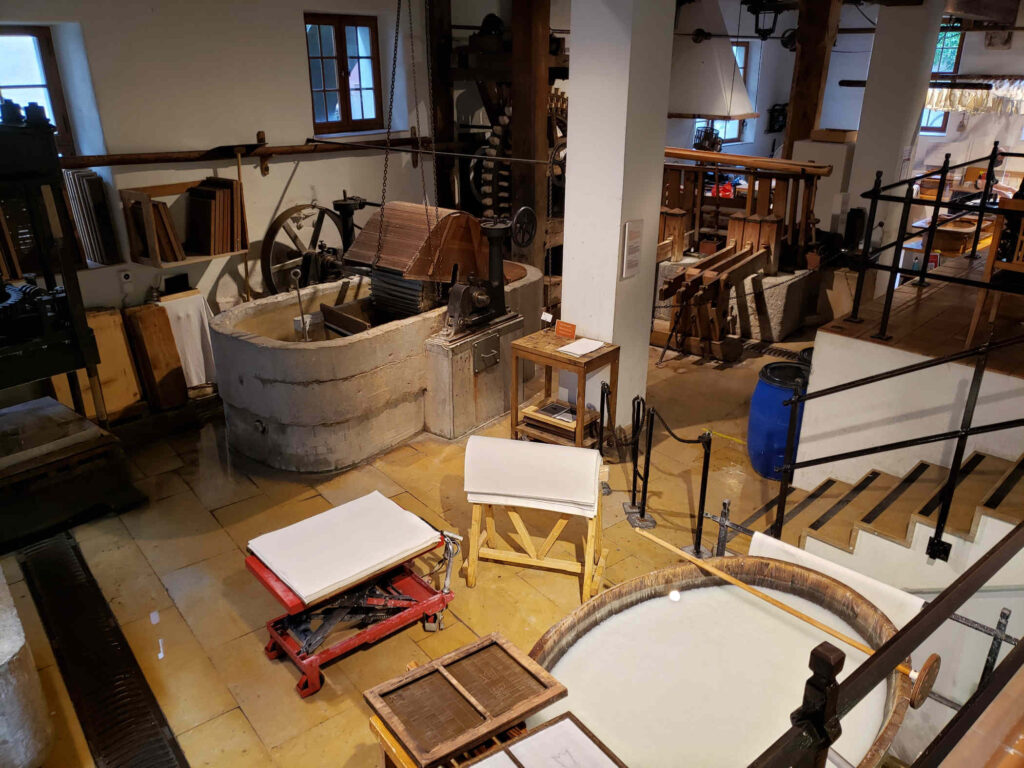
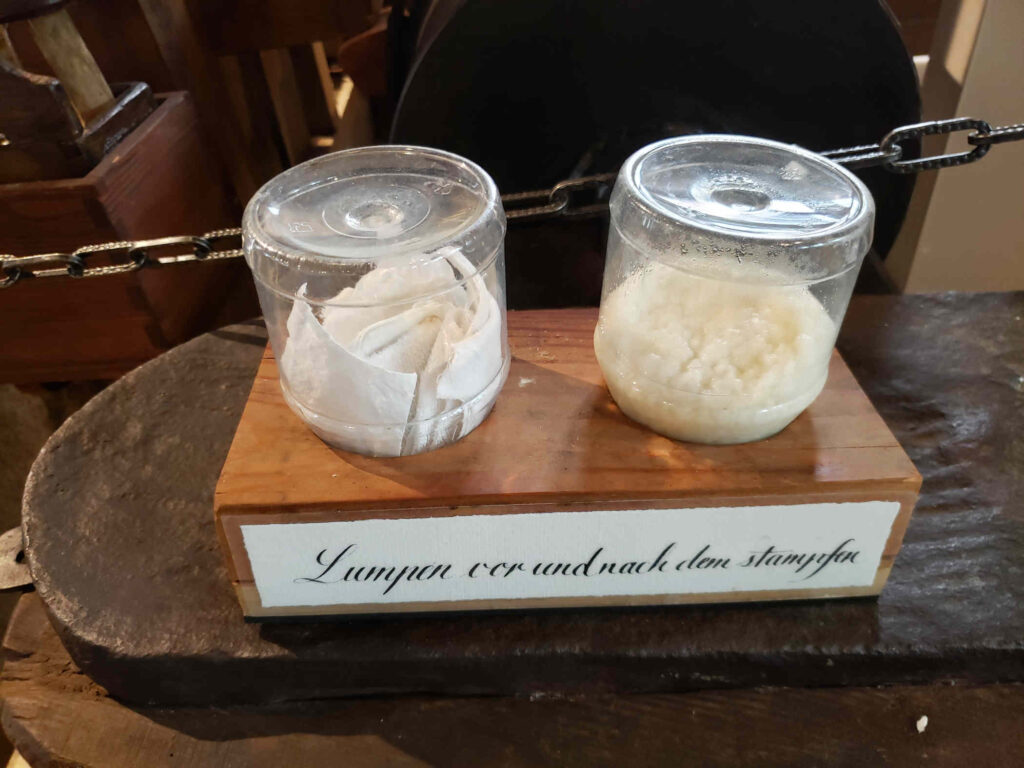
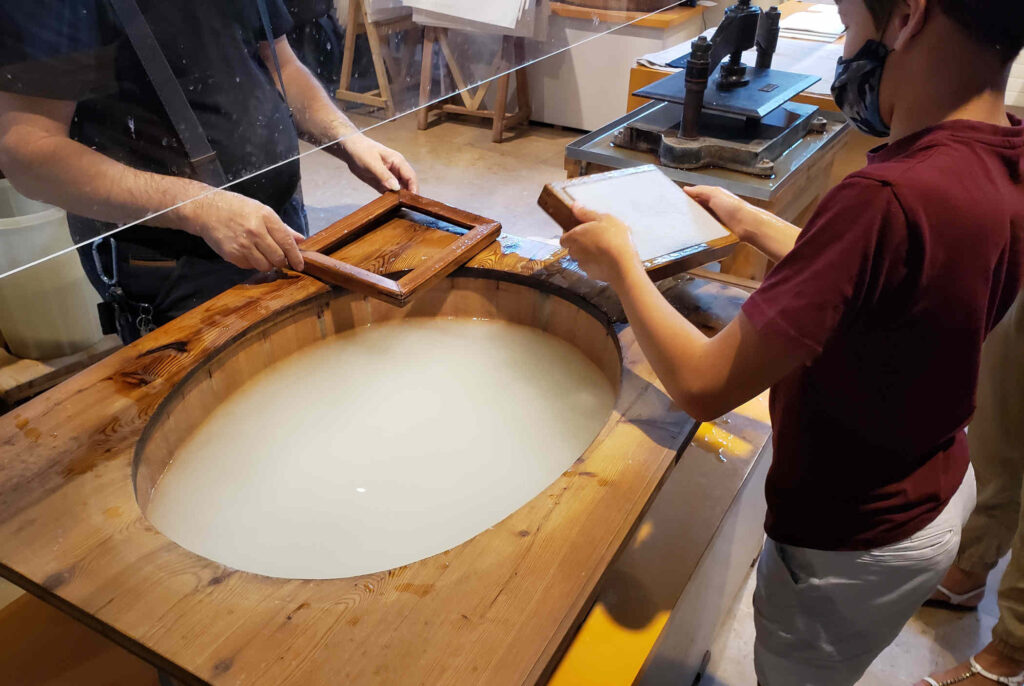
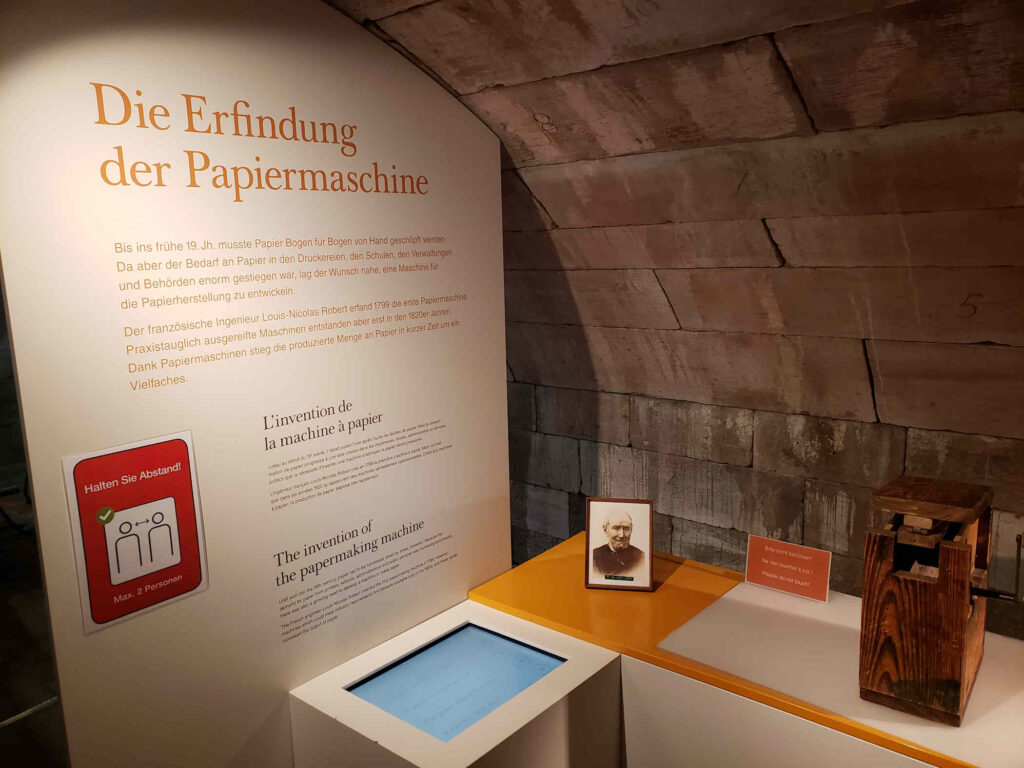
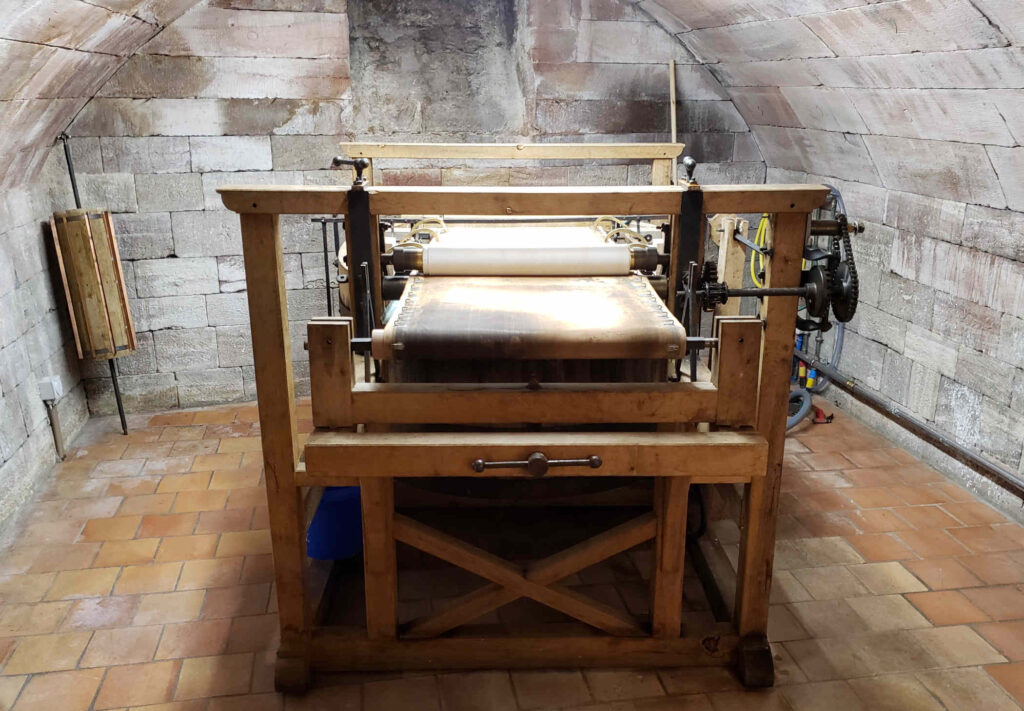
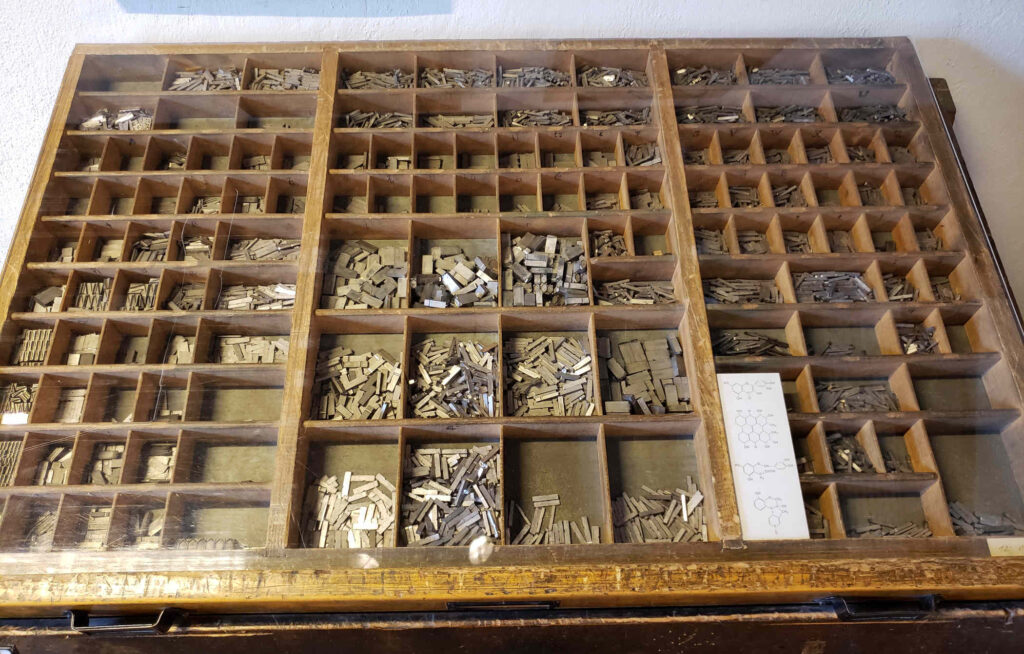
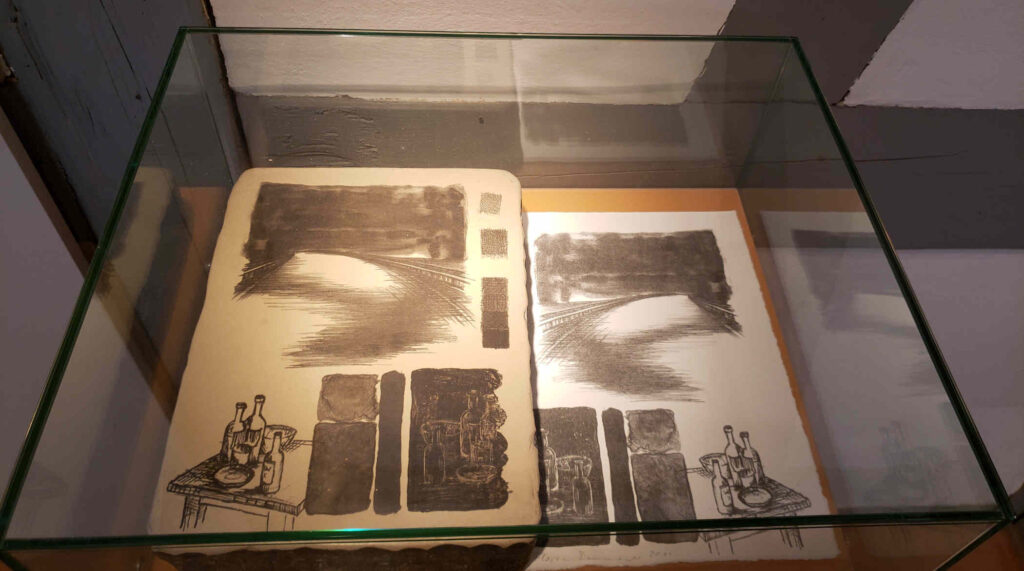
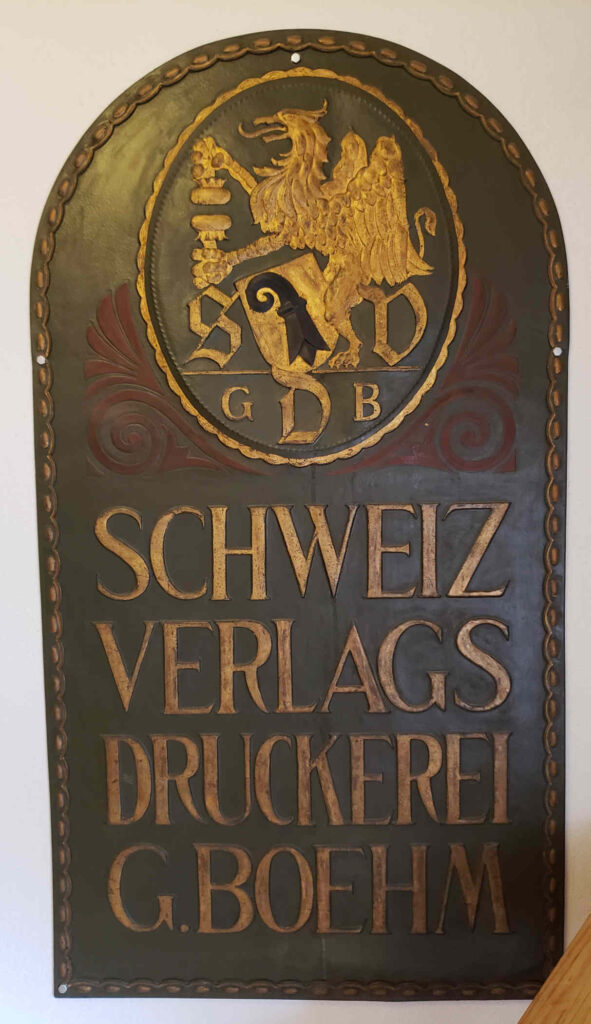
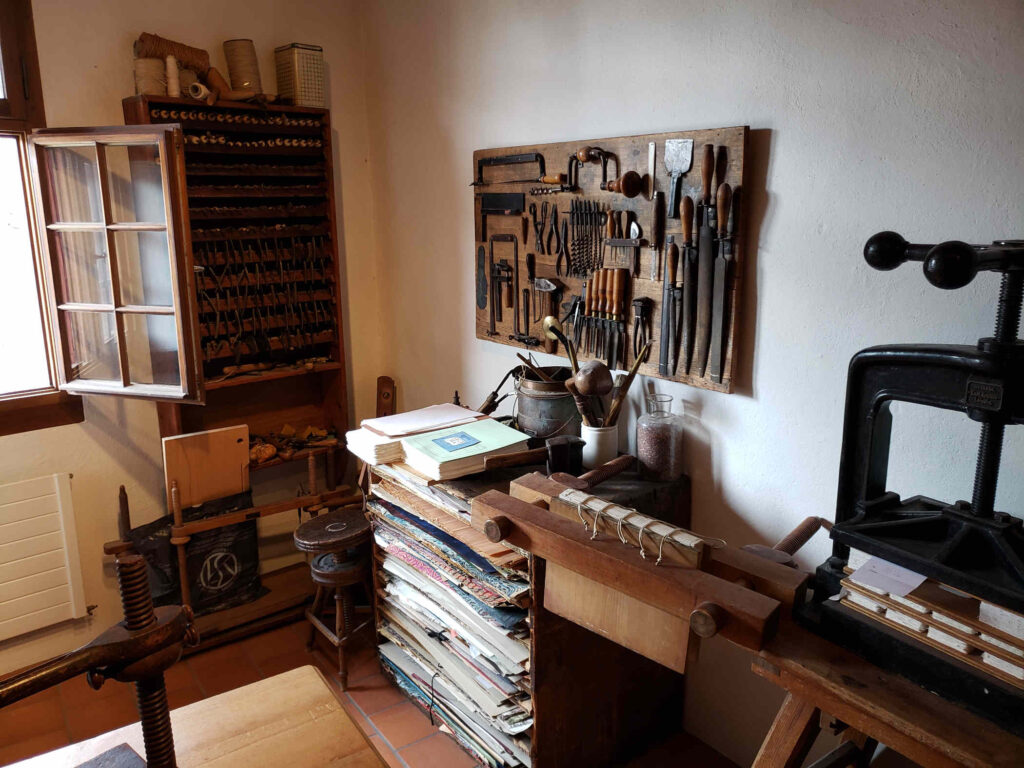
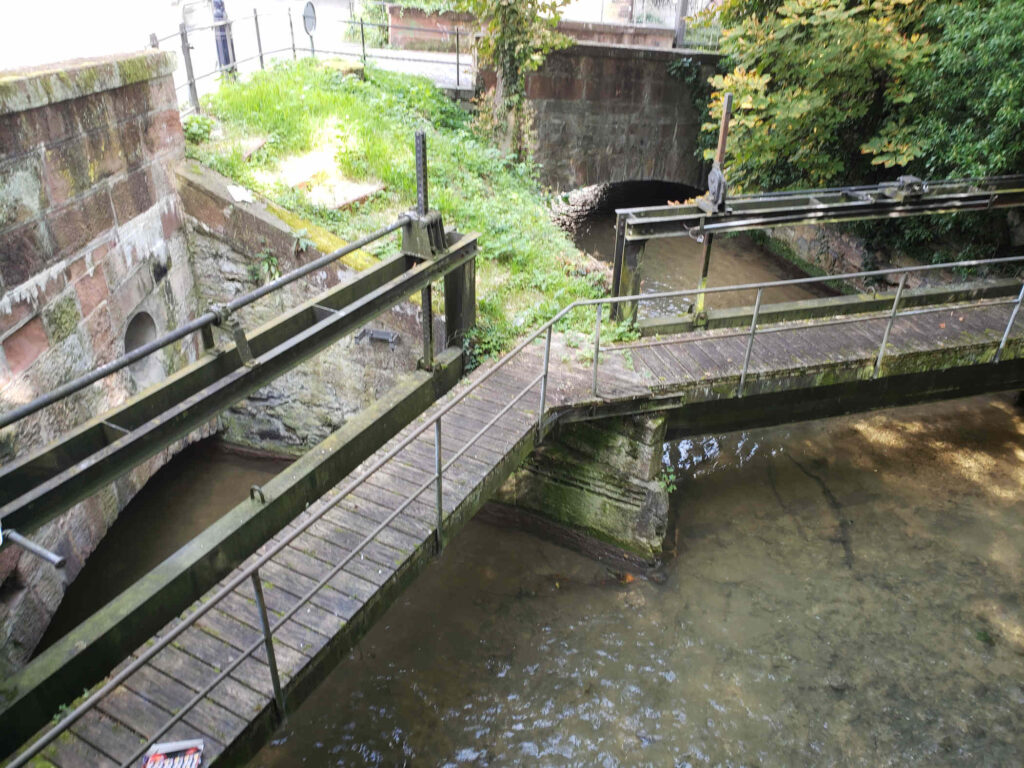
The city of Basel had done an excellent job of creating a museum from an old paper mill using a mixture traditional museum look and feel along with a hands-on approach for younger, as well as older audiences. The individuals performing the demonstrations are very informative, eager to demonstrate and skilled at explaining during the demonstrations any steps left out. In all cases this is shorten the format of each demonstration so that participants can actually take home what they have made.
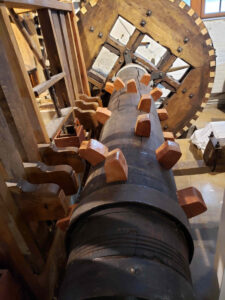
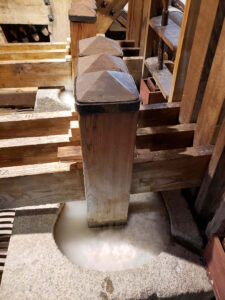
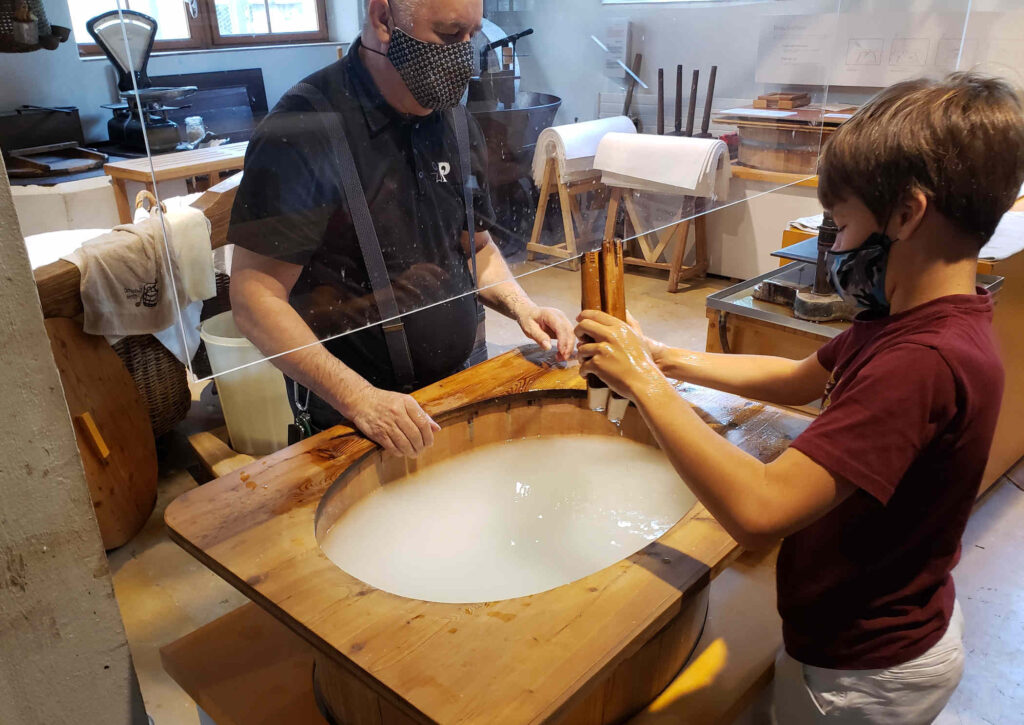
I later talked to the man who ran the paper making demonstration and he related to me all of the inconsistencies in his demonstration, explaining that the process took days to complete, from actually pounding the materials to the dried end production. He was most informative.
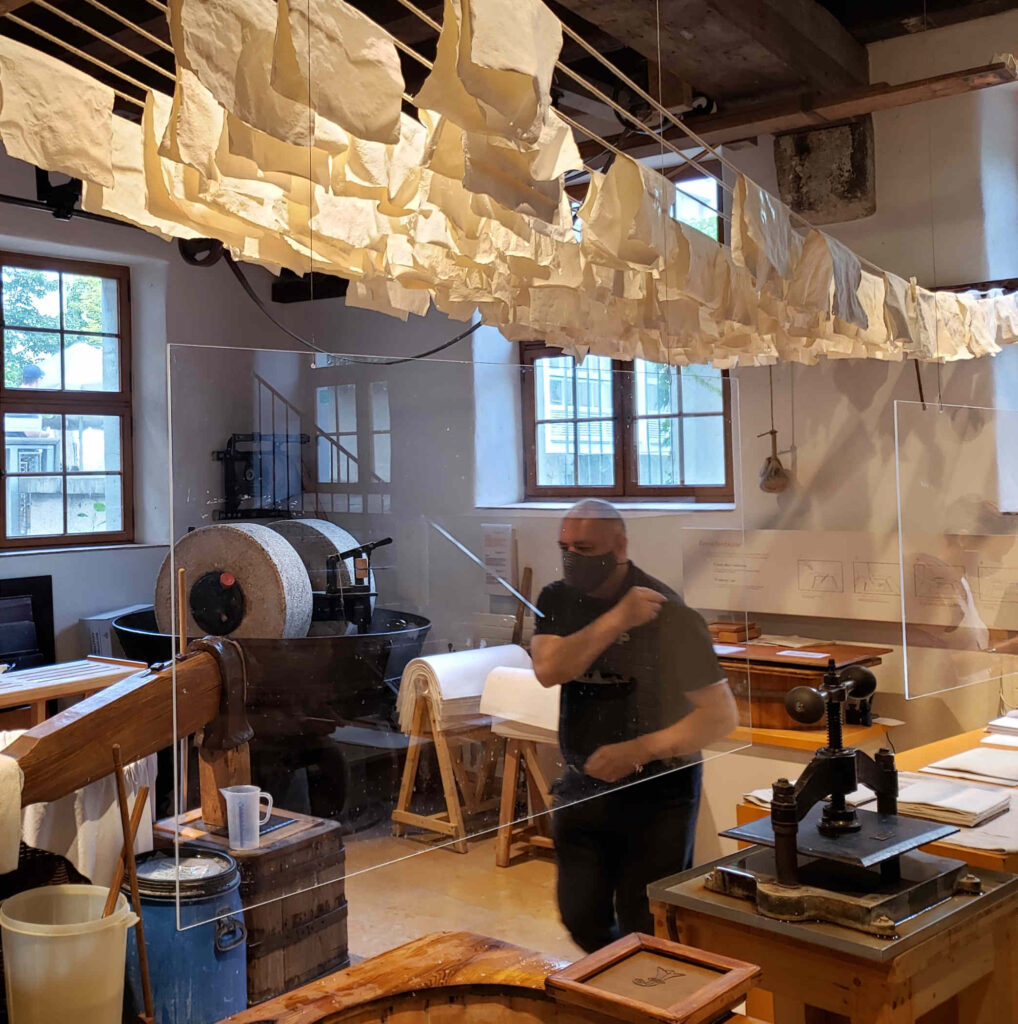
Basler Papiermühle – Demonstrator Behind Covid Shield

As was alluded to before, participants actually get to create their own examples of paper using the old techniques. In my case, two sheets of rag based paper with the watermark of the mill, dried using a modern appliance, instead of the old method where they were hung on lines for a few days (as shown above).
Restaurants

While in Basel we did not have to venture far from the hotel, since plenty are in an around the area of the old historic part of the city.

Rosario’s La Sputino

This tiny little Osteria is quaintly tucked into the side of a hillside street coming down from Saint Peters.
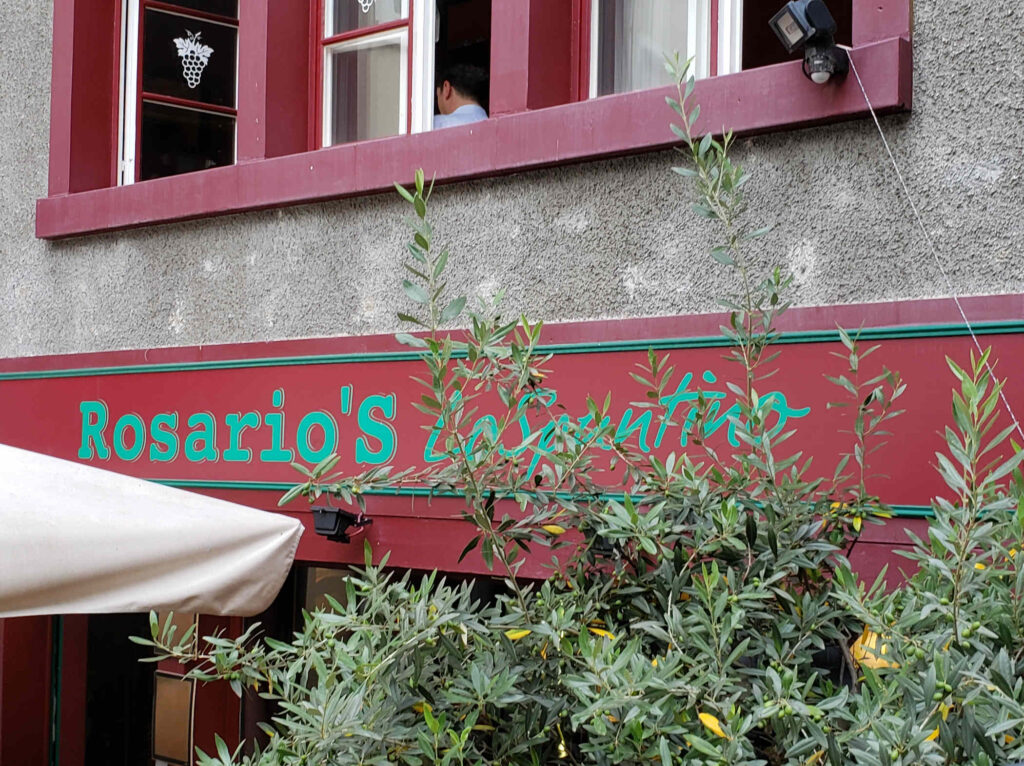
Rosario’s La Sputino

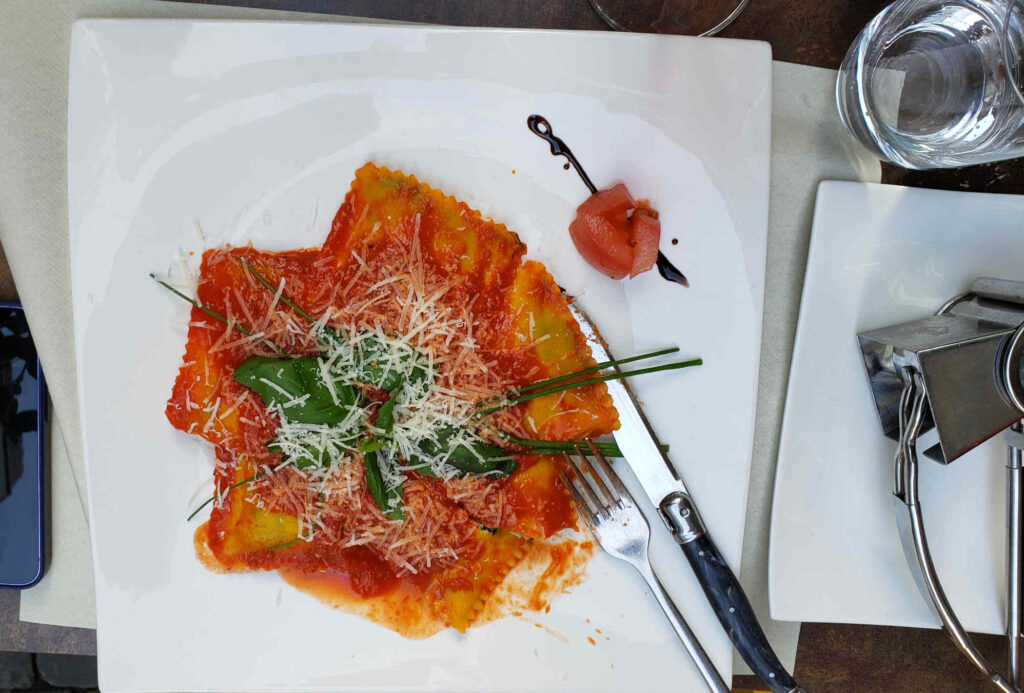
A traditional Osteria menu with local favorites, both the type you order and the ones that apparently visit (they seem to get their fair share of the local business crowd). We had the carrot soup and then I had the Gnocchi in sauce and Patti had the Scialatielli Fresoli, which actually are pasta in the shape of green beans.
Fiorentina

Continuing with our Italian cuisine indulgences in Switzerland we visited Fiorentina. An upscale restaurant with terrace seating with grand views of the Rhine. However, if you want the outside seating, reservations are necessary.
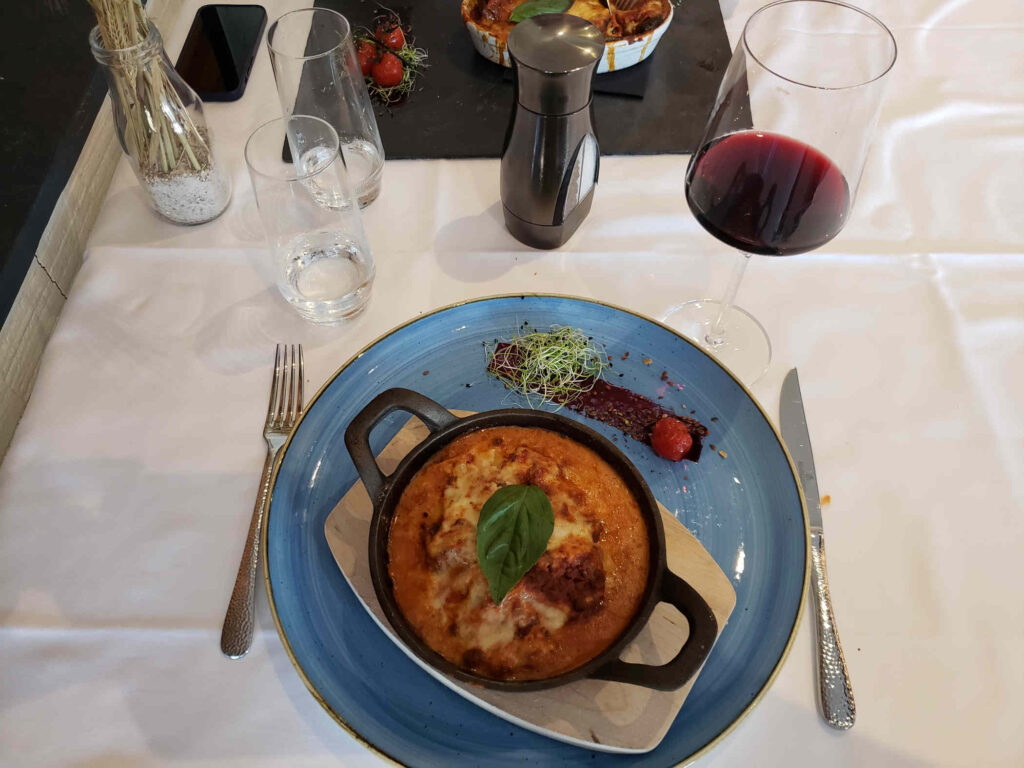
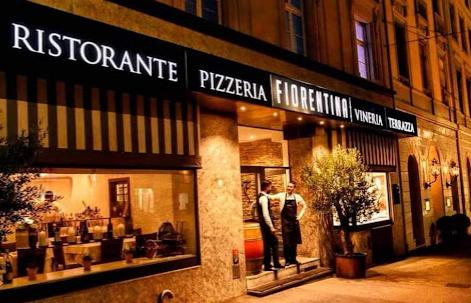
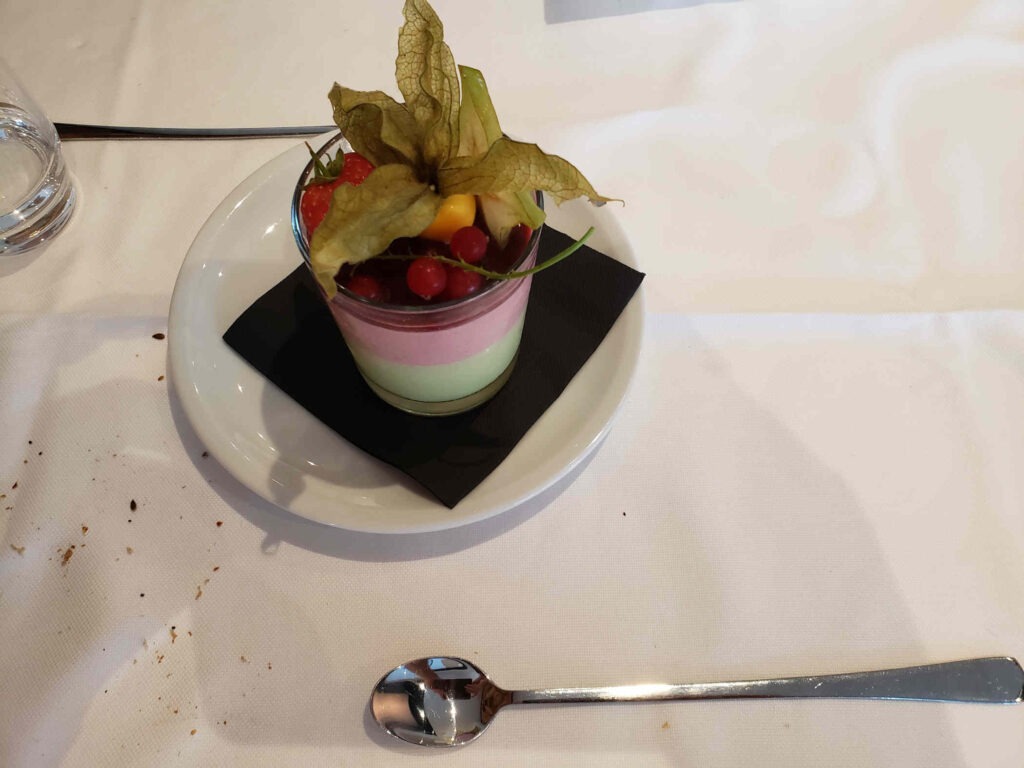
We visited this restaurant just after we arrived in Basel and since we were both hungry, so we took a walk, found it, walked in and got seated. I ordered the traditional lasagna and had the panna cotta for dessert.

Ramazzotti
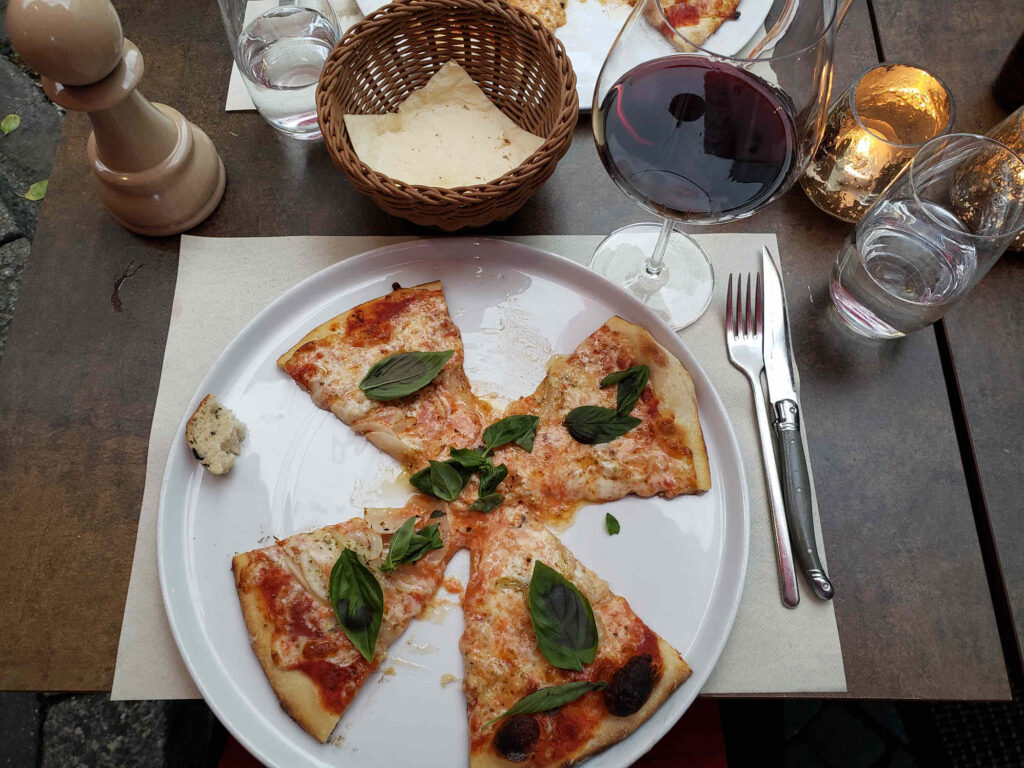
Our Pizza

Finally we found the Italian restaurant Ramazzotti which specializes in pizza. Since we were dying for a pizza, not having one for more than month, we ate here and ordered the Pizza Margherita. In fact the food and service was so good here, we ended up eating here a second time.

Ramazzotti Italian Restaurant

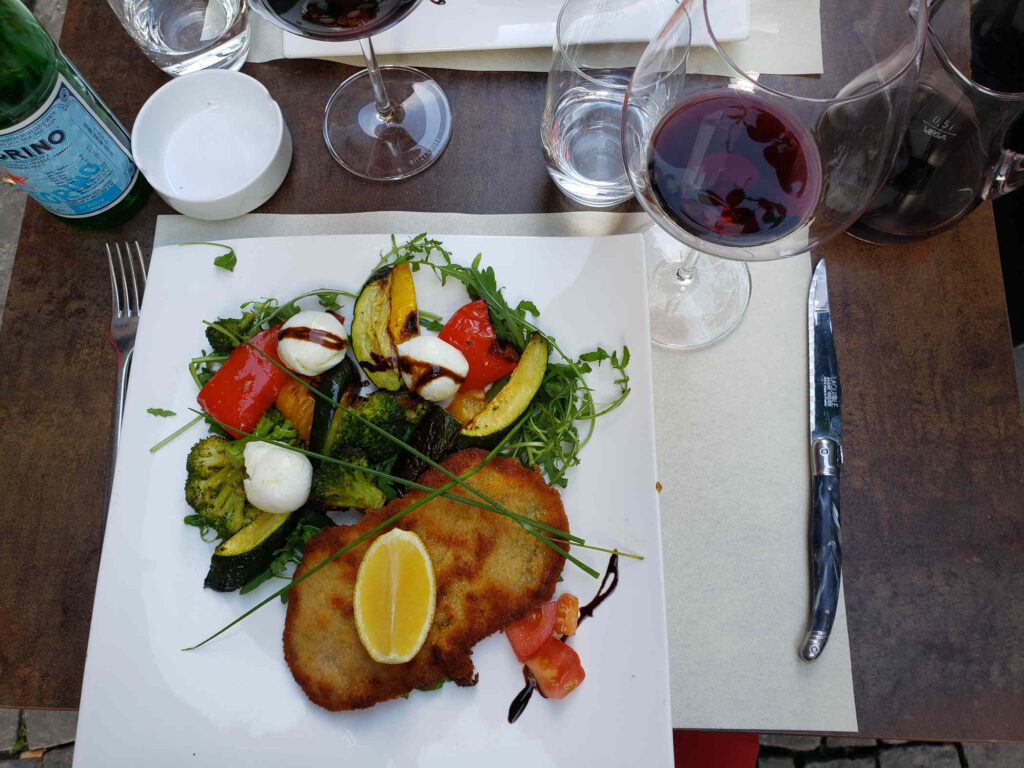
The second time we tried other fare.
Luzern – The Latern City

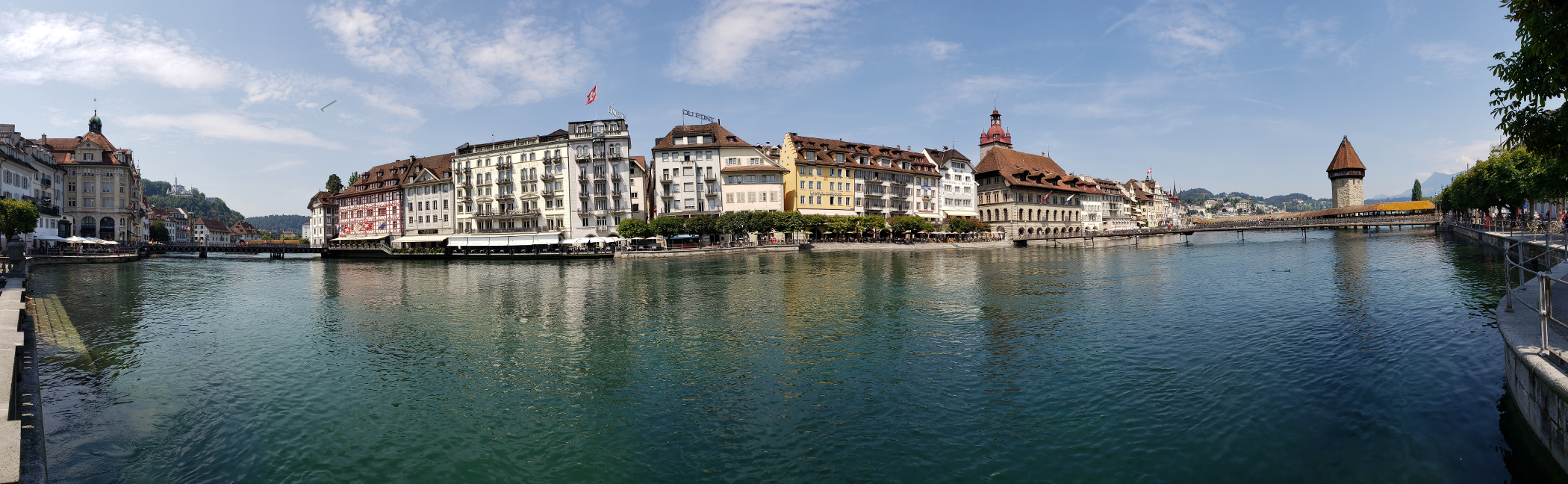
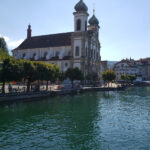
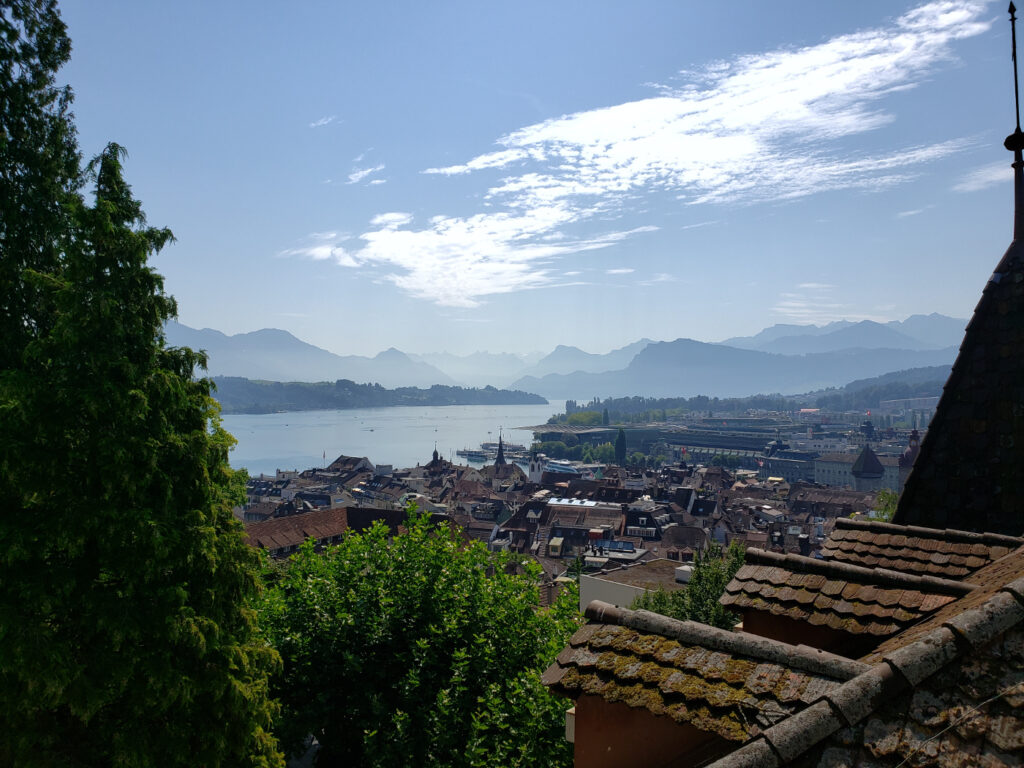
The fourth largest city in Switzerland and split by the Reuss river on the Vierwaldstättersee, or Lake Lucerne, lies Luzern. A pretty little city with ample bridges and pedestrian streets, where one can easily spend a few days relaxing and enjoying the fine Swiss hospitality of the people here, who speak a dialect of German called Alemannic. I found it impossible to understand and difficult sometimes even when they spoke High German, their dialect’s influence on their pronunciation being that profound.

Luzern_0
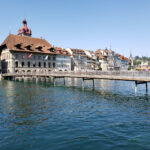
Luzern On The River Reuss

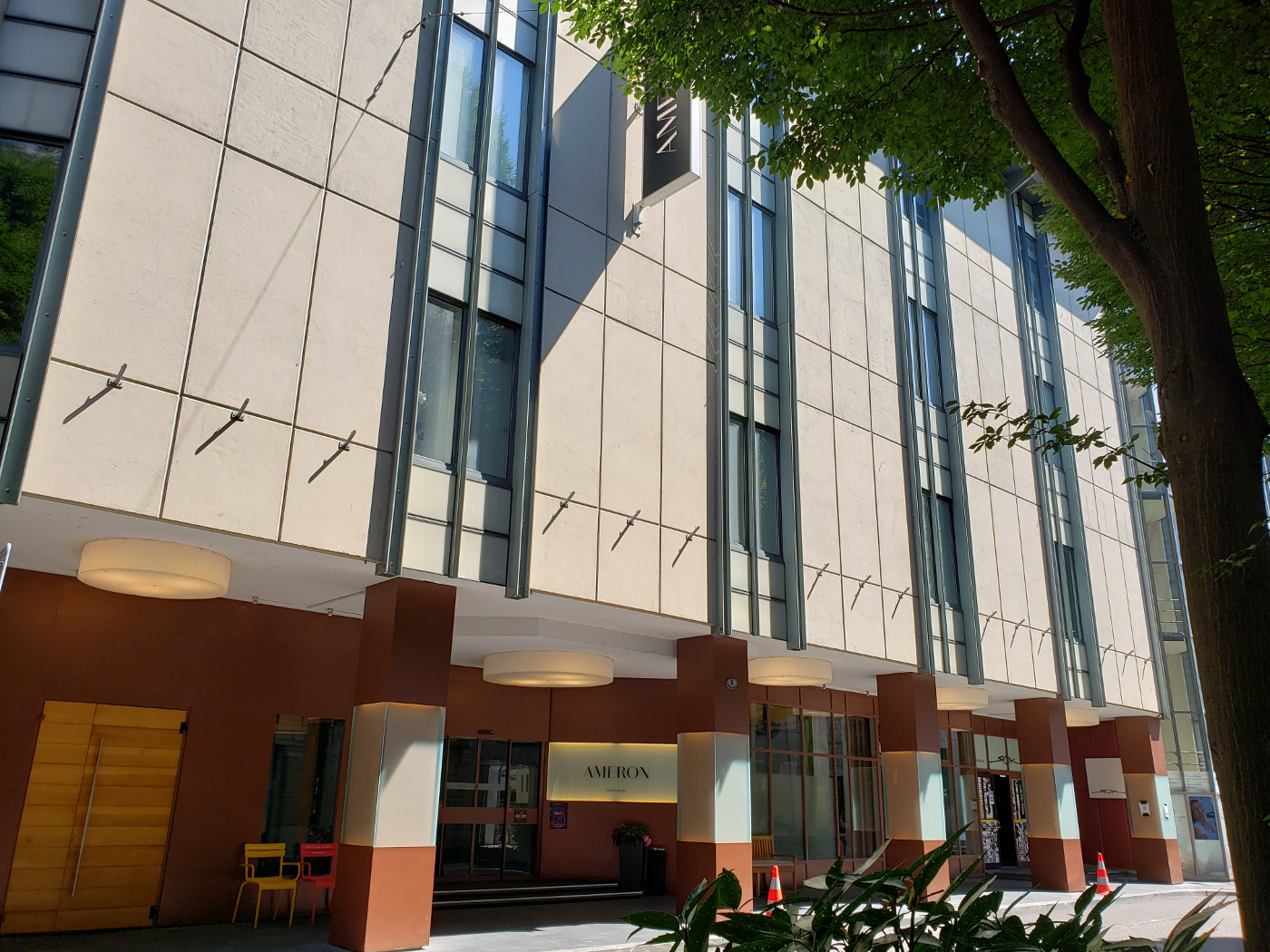
Hotel Ameron

Our hotel was rather well situated. A block or two got us to the train station one way, the other we can cross the famous Kapellbrücke, or Chapel Bridge. So, it is an excellent place to start a tour of the city.

Luzern_1_AmeronHotel
Hotel Ameron

The Chapel Bridge

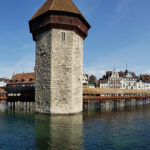
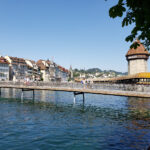
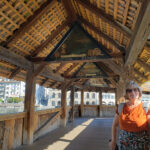
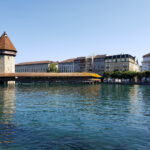
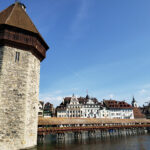
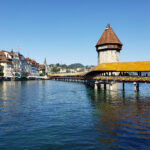
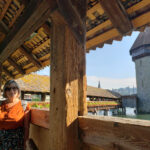
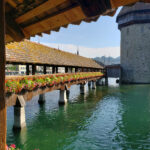
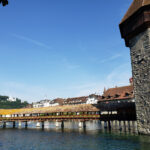
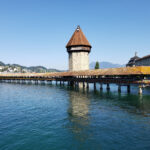
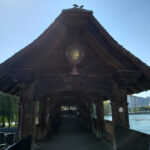
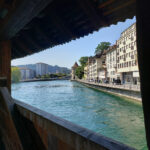
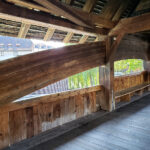
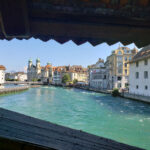
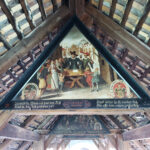
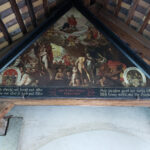
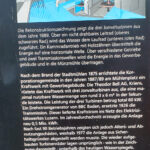
The first, and most conspicuous point of interest to see, is the Kapellbrücke. Restored in 1993 after a major fire, some of its paintings survived and can be enjoyed with a casual walk across it to see its namesake church, Saint Peter’s Chapel, or just to get to the other side.

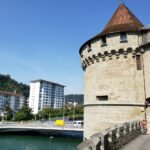
The above is a slideshow of the bridge and its adjacent water tower, or Wasserturm, but the tower has nothing to do with holding water. Rather, it is named so, because it is standing in water. It has had several uses in the past, but recently it now has a tourist shop located within, which is currently temporarily closed due to lack of tourism in the area.

The Spreuer Bridge

This Spreuer Bridge also spans the Reuss river and has a more interesting structure adjacent to it, a turbine house and assembly for generating electricity. It is no longer in use, and was closed in the 1970s due to high maintenance cost and difficulties finding parts.

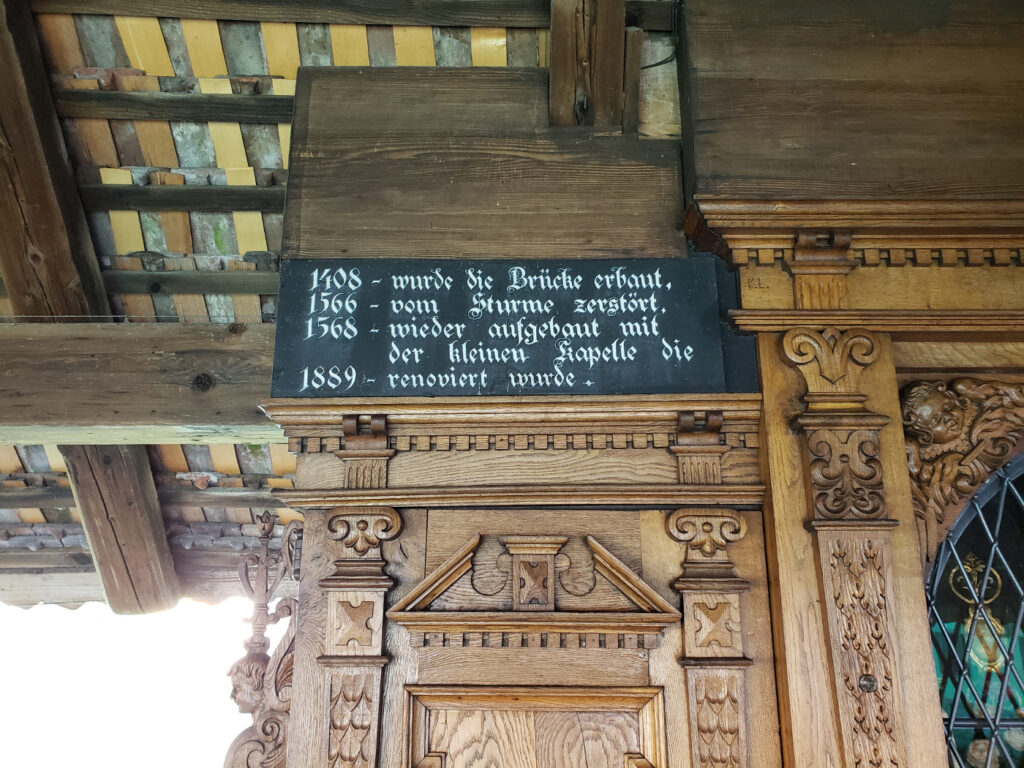
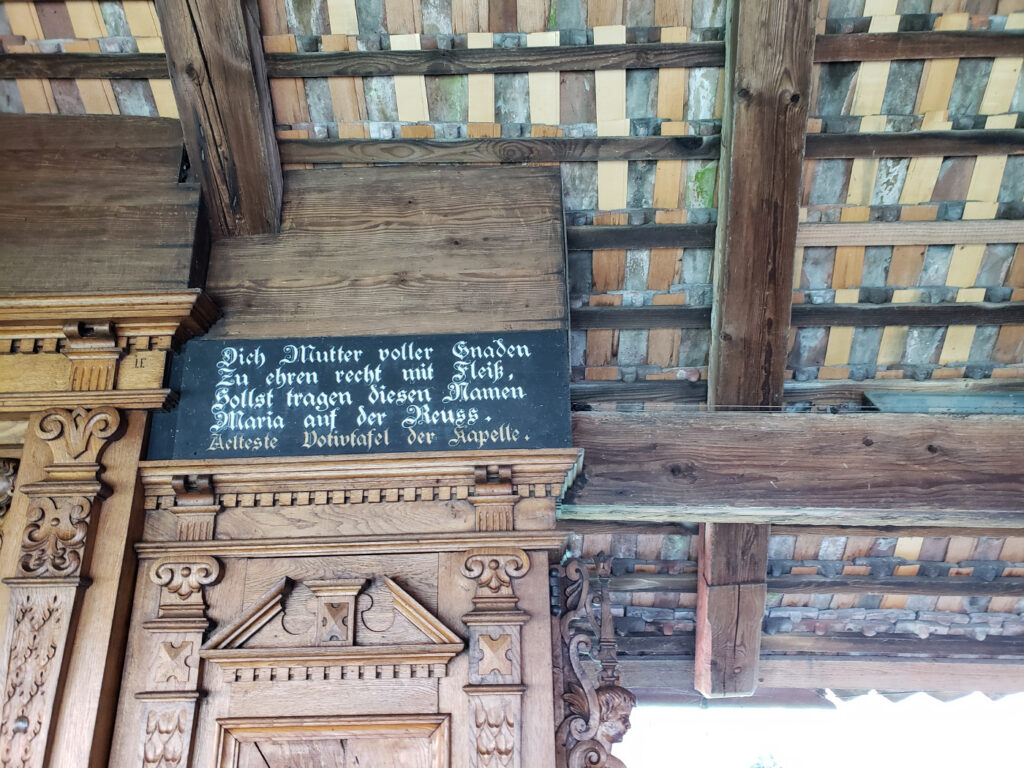
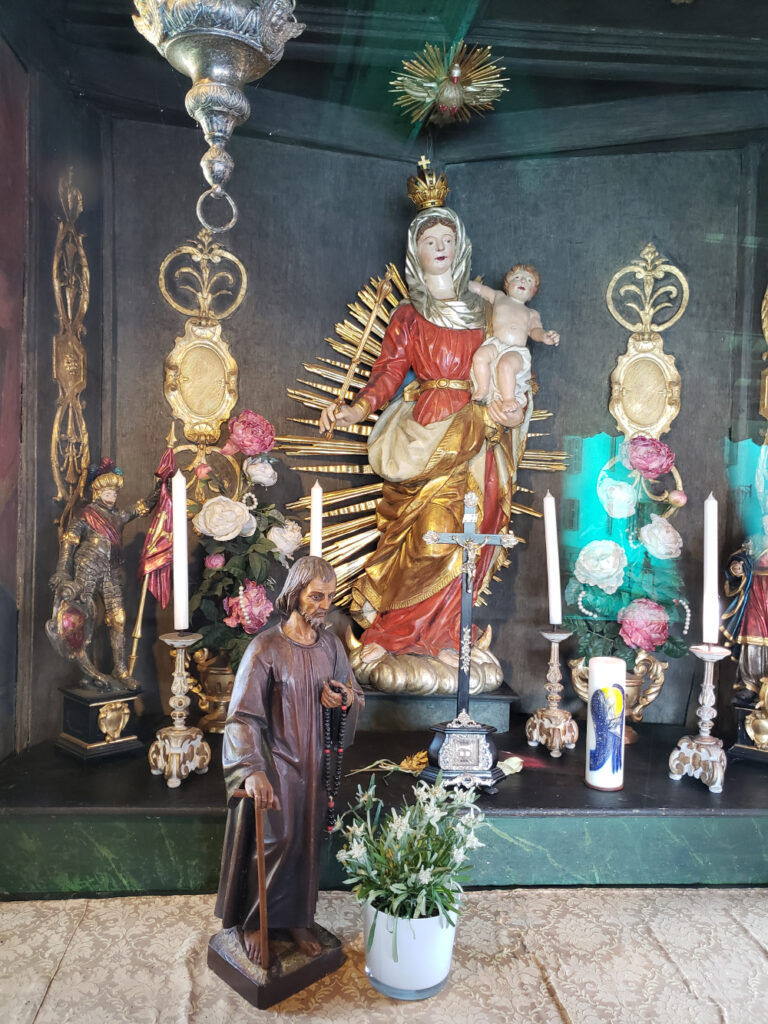
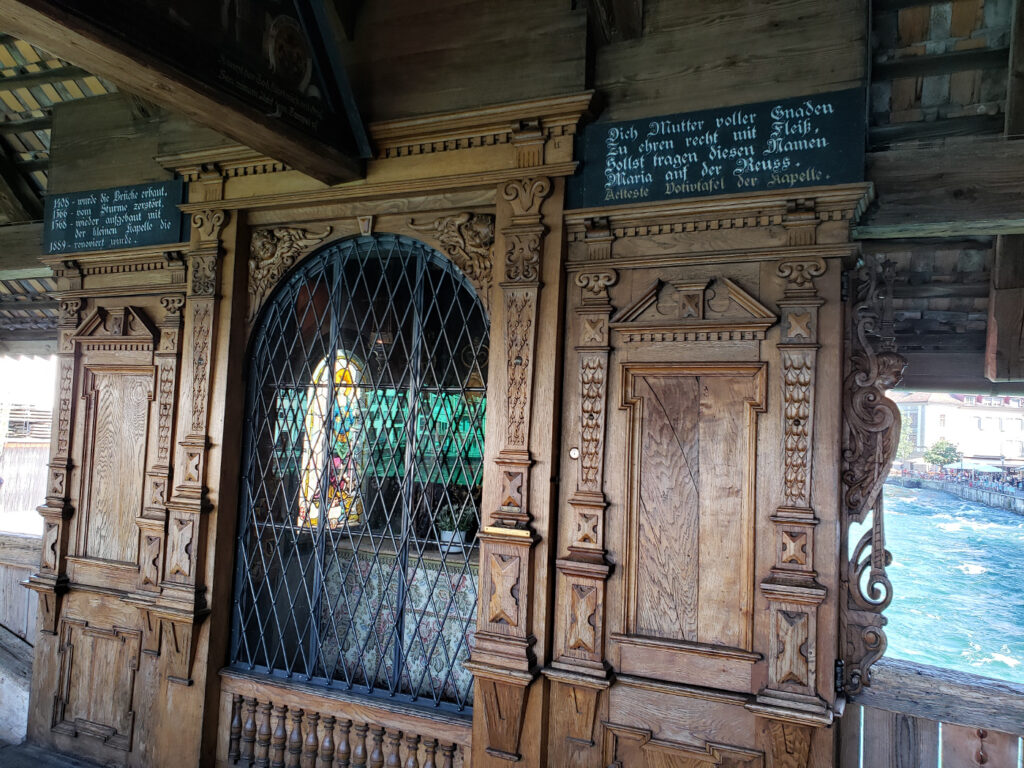
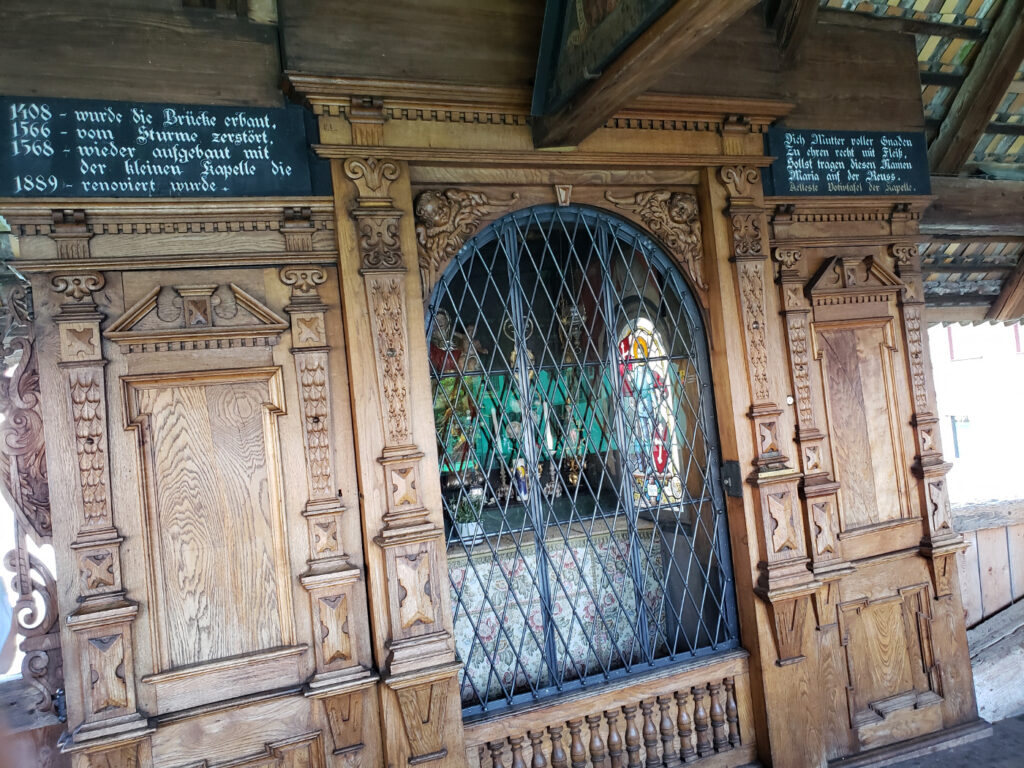
The bridge also contains the similar paintings as can be found on the Chapel Bridge, along with a small altar celebrating the Madonna.

The water from the Reuss picks up speed rapidly after this bridge, as it is confined to a smaller space for the turbine to use. The rapids are swiftly moving and create quite a noise. Unfortunately in the video below, I thought the bridge was the Chapel bridge at the time, since it does have a small chapel or altar within it, so please ignore that comment.

The Musegg Mauer

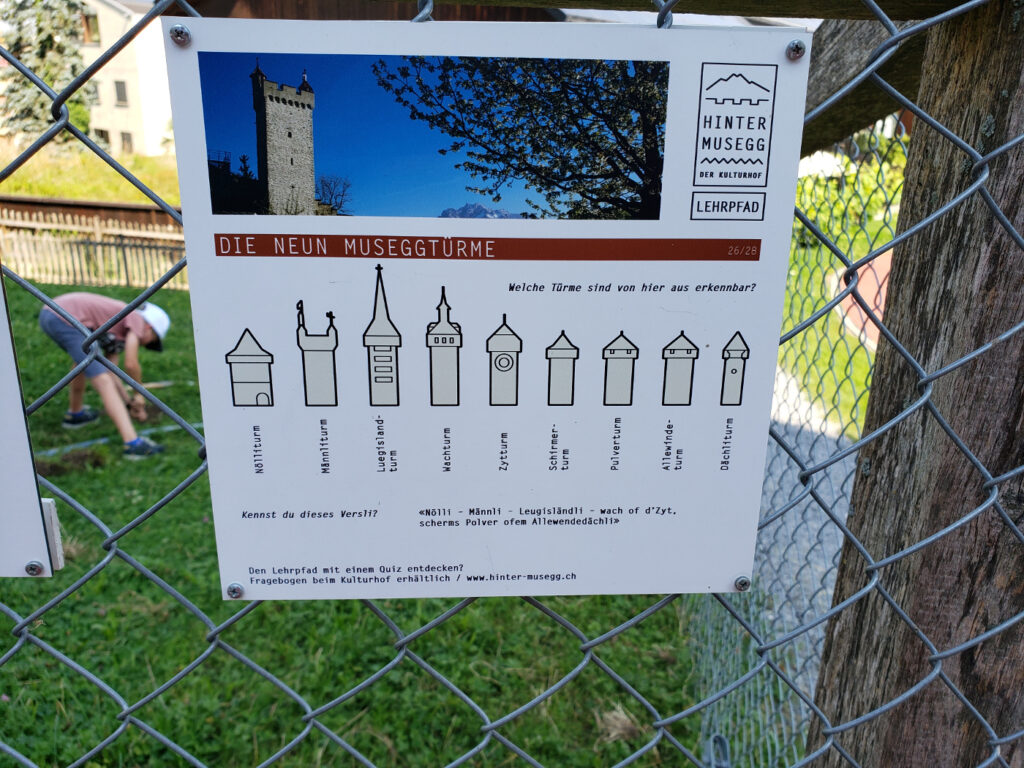
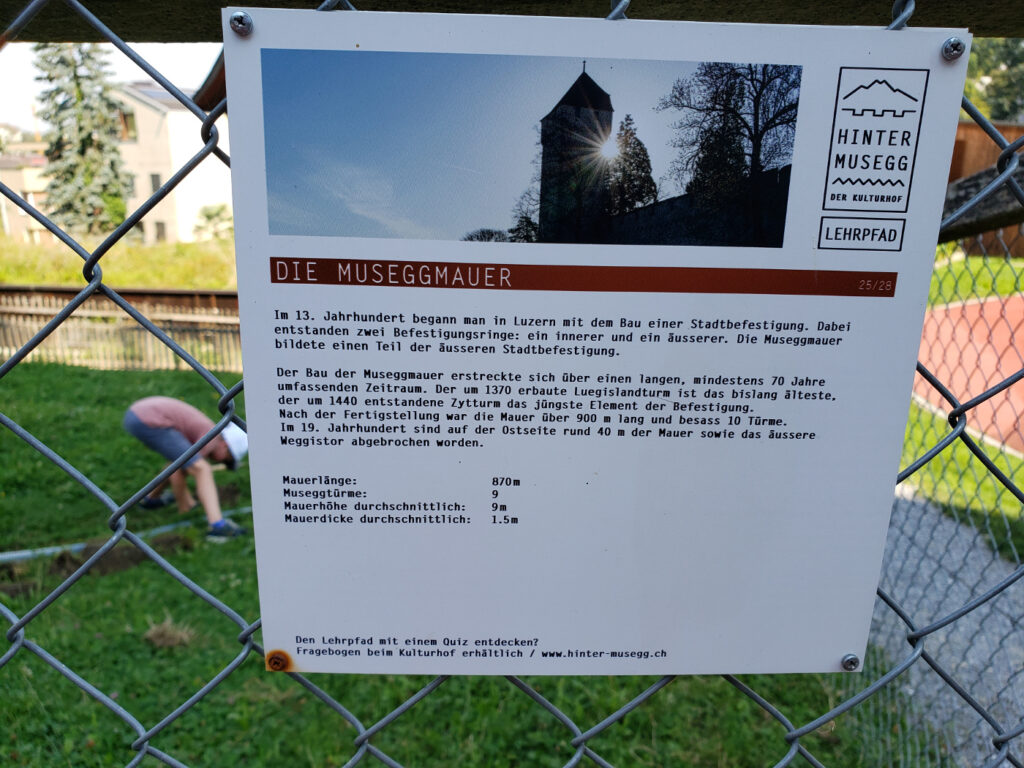
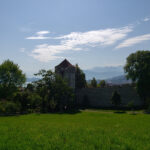
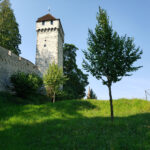
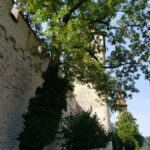
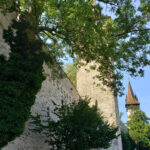
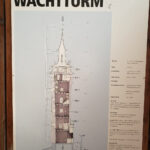
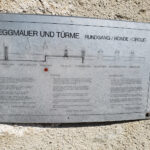
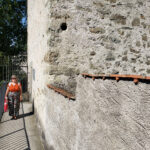
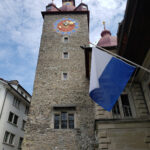
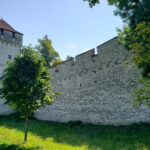
The Musegg Mauer, or wall, is a long and imposing edifice of the city. It climbs the hill rapidly on the side of the Spreuer Bridge, starting at the Nölliturm, and ends almost at the other side of the city before Zürichstrasse, with the Dächliturm. The towers are arranged as seen below, some of which, like the Wachturm, can be visited.

Here is a short slideshow of our walk around the wall, up the Wachturm and along the top of its wall for some way.

Using the legend provided above, you should be able to identify each tower by its unique shape.

Luzern The City

The rest of the city is geared toward shopping, eating and tourism. It is clear that some shops have fallen on hard times have closed, others are temporarily closed or are opening on modified schedules. Here are some views as you walk through the city.

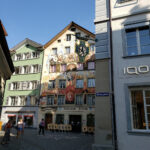
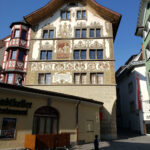
One thing to note, the city is full of interesting looking doors and cornices. If you keep your eyes open you may see a few things you likely not see elsewhere.
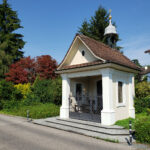
The Lion Monument

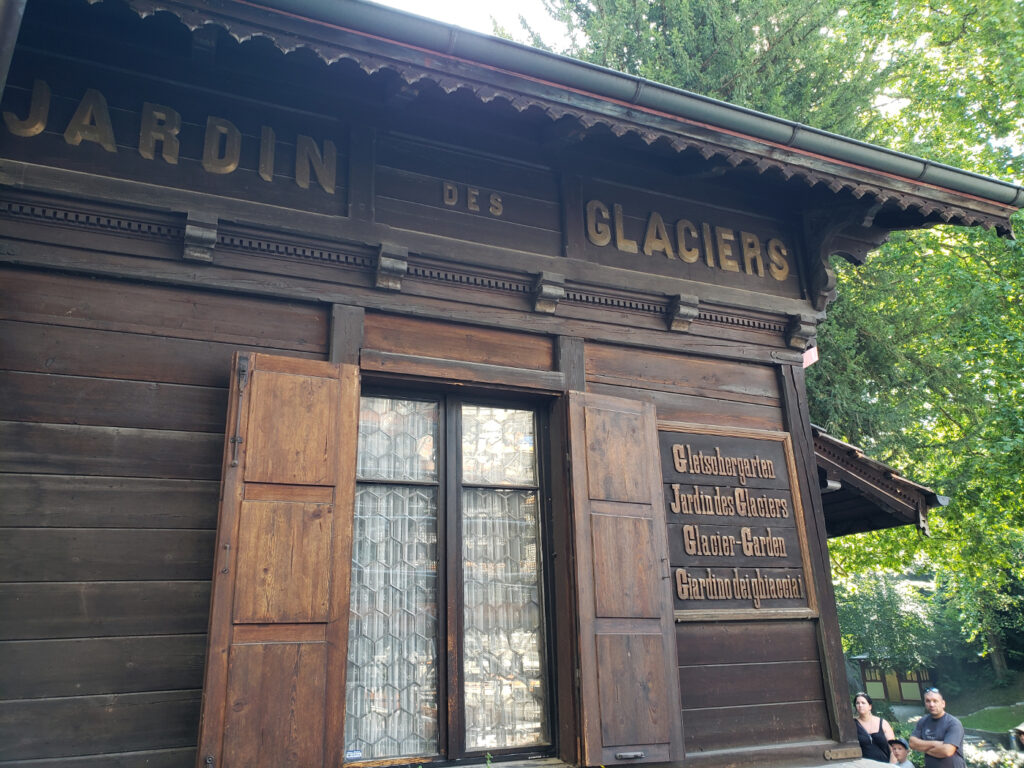
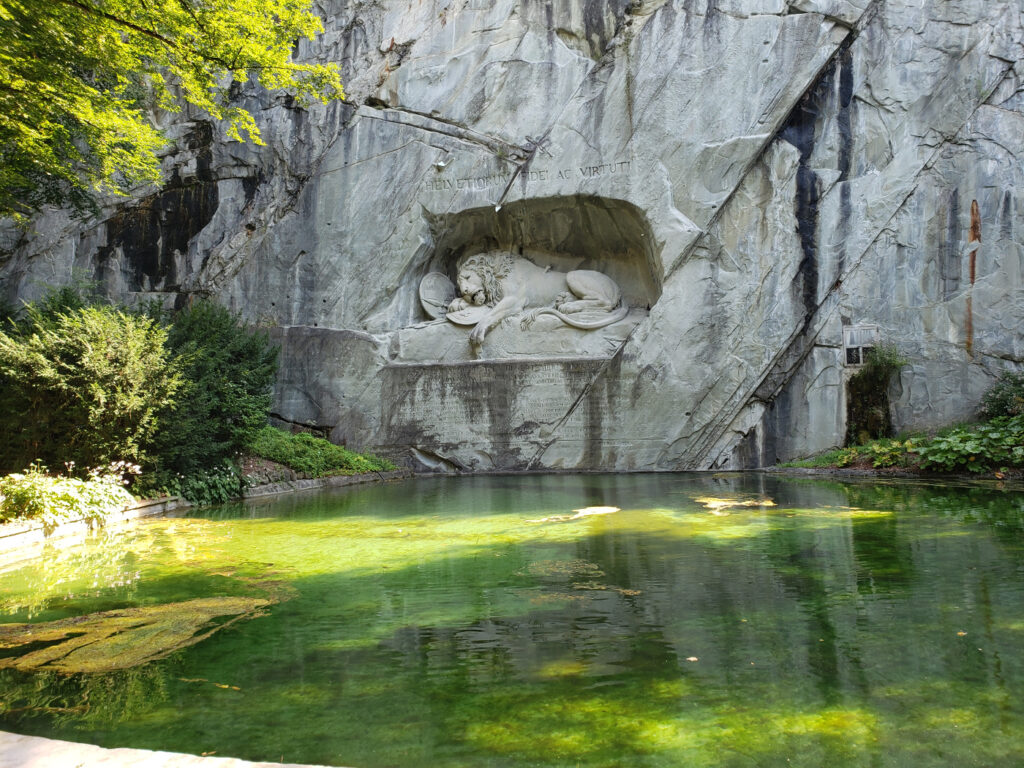
Hidden across the Zürichstrasse and in the same area as the Glacier Garden, is the Lion Monument of Luzern. A carving out of solid rock in a very quiet and tranquil place in the middle of a city.

So, if you are looking for a relaxing spot to end your day of walking the town, this park will provide the quiet you need. It is open to the public for free, however, for the Glacier Gardens, there is a fee of 12CHF per person.

Restaurants

The Rathaus Brauerei

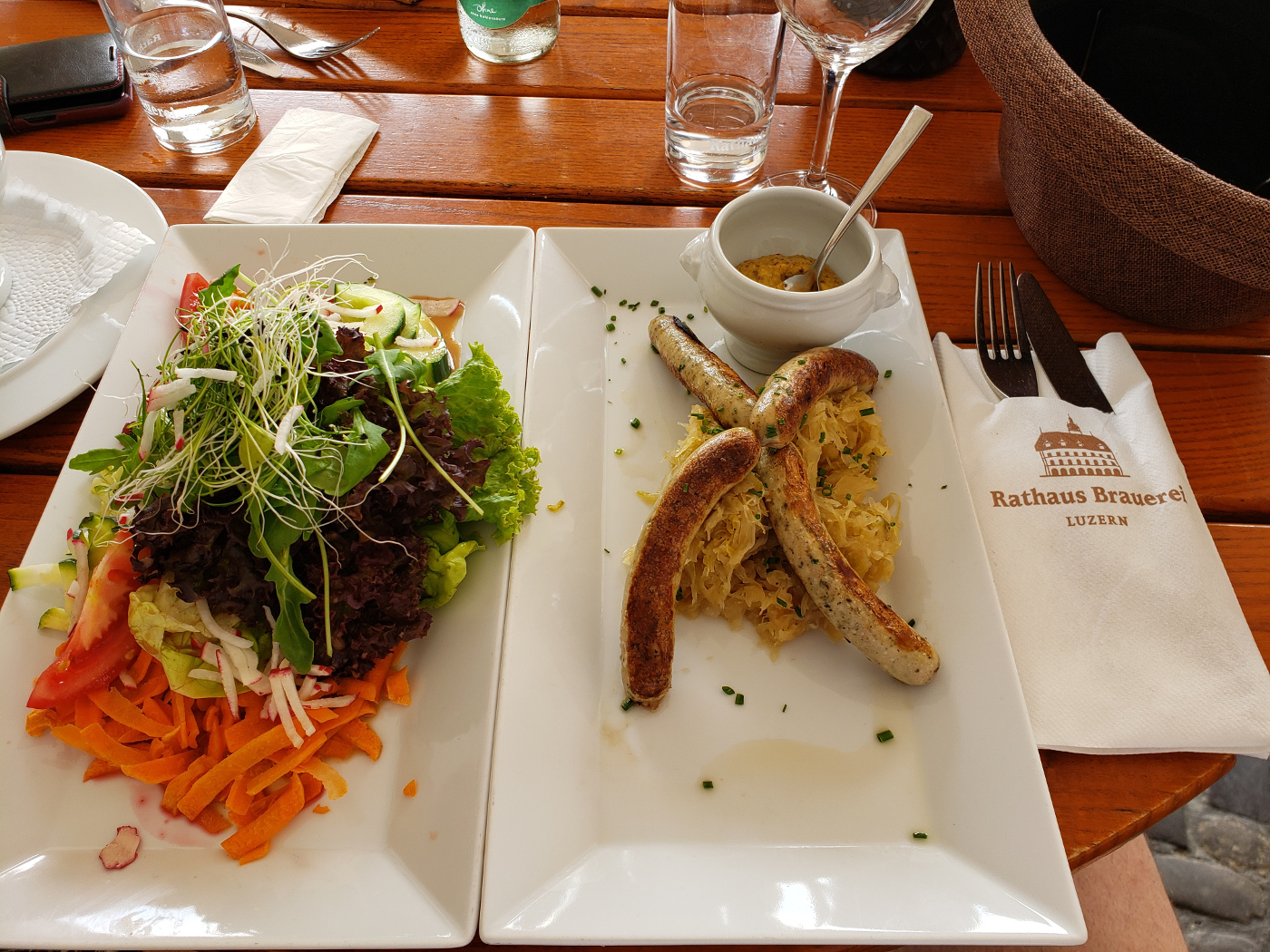
If you are hungry and need a bite to eat while walking around, or just need some good Swiss food, the Rathaus Brauerei may fit your needs. It has customary Swiss fare at a reasonable price. They even have expresso and a good selection of wine and beer to wash it down. We had soup, water, wine a large mixed salad, an order of Wurst with Sauerkraut, expresso and Sambuca, all for the reasonable Swiss price of 63CHF. I say reasonable, because all food in Switzerland is expensive. By the way, they have great mustard here, enjoy!
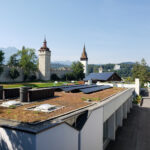
Luzern_110_RathausBraurei
My Salad and Wurstchen Plates

Well that’s it for what we call a whirlwind tour of Luzern. Normally, we like to stay awhile in a place to get the real feel for it, but it was more of a waypoint for us on our way back to Turin. We were glad we stopped by to enjoy what it had to offer, even though it was still very quiet due to the affects of the pandemic.

Bis nächstes Mal, Tschüß!

Interlaken Ost To Luzern

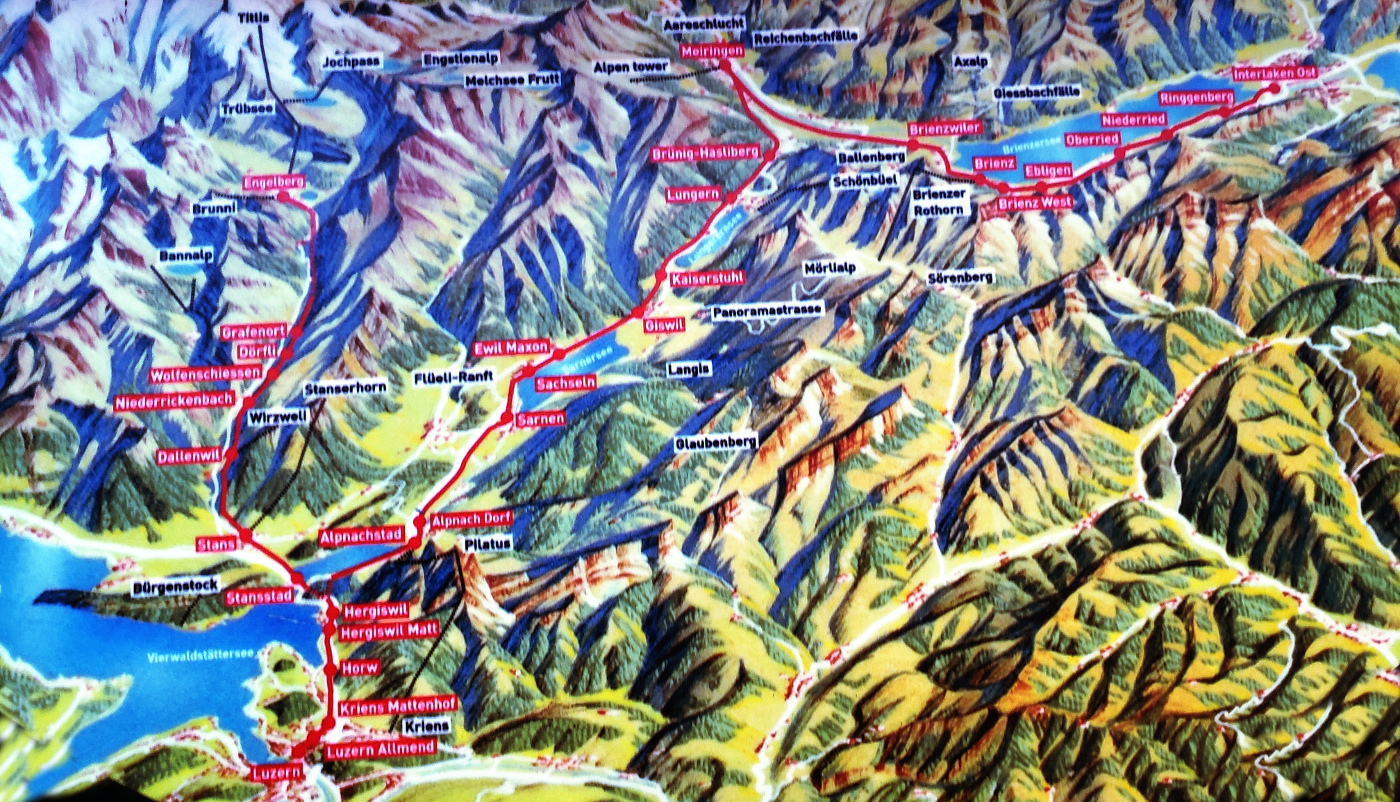
Just a quick post on the train ride from Interlaken to Luzern. We took the regional railroad service from Interlaken Ost to Luzern, a daily service that runs at about thirty minute intervals during regular hours.

InterlakenOst_NachLuzern_09Aug2020
Interlaken Ost to Lucern – North is down

Leaving Interlaken

The trip is divided up into about two parts, one before the Brünigpass and one after. Here is a quick slideshow of photographs taken before the pass.

Here are a few videos climbing the mountain up to the pass. The regional train on this route is a bit bumpy and swerves alot, so if you are inclined to have motion sickness, it is best to take it before you leave Interlaken Ost.

Arriving In Luzern

Once over the mountain there is a slow descent and the train will stop several places before arriving at the main train station in Luzern.

And here is a final video of the train traveling along the Sarnersee before we entered Luzern.

That’s it! The overall trip takes about two hours, due to the stops and the windy tracks. The train had to repeatedly re-engage the rake, or cog wheel, system as it went up and over the mountain. It seem to disengage at each stop then re-engage when leaving, which tended to slow us down some.

I hope you enjoyed this short traveling version of our post. Next post will be about Luzern.

Grindelwald – Jungfraujoch

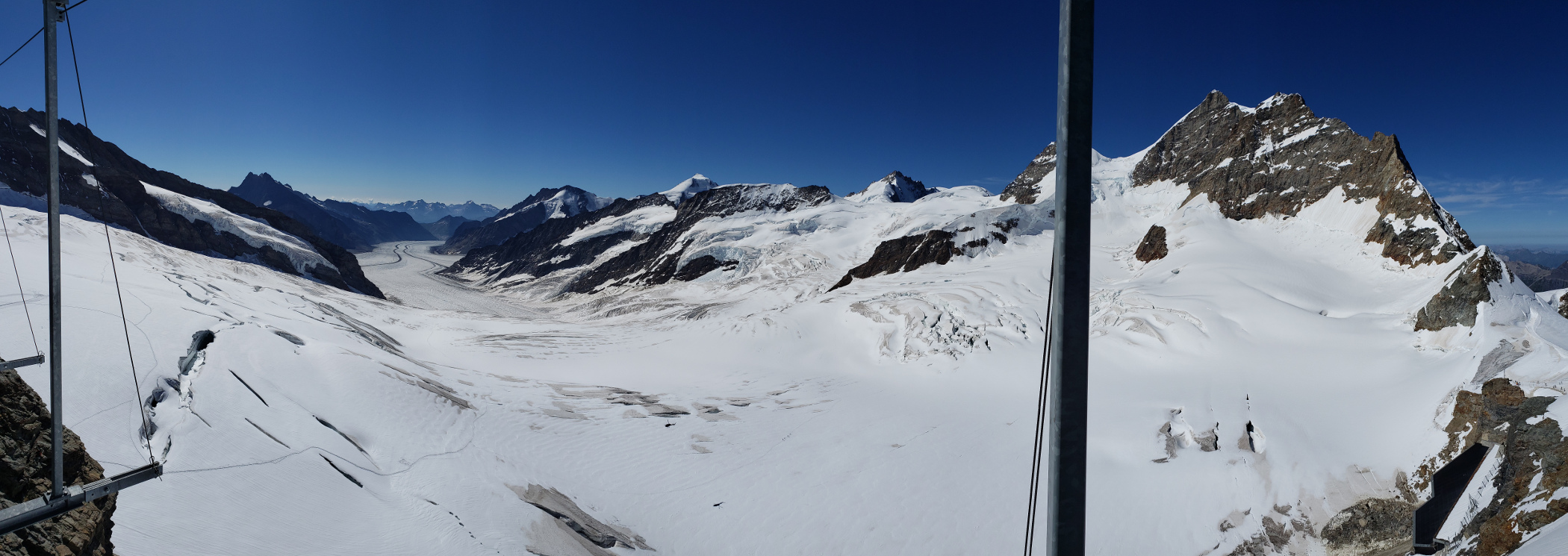
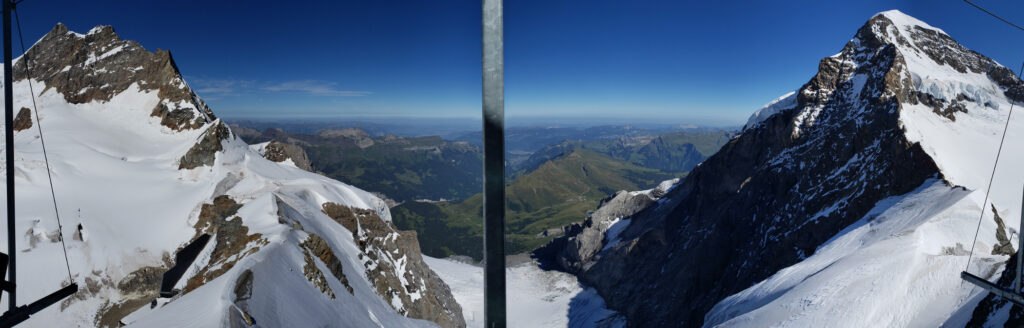
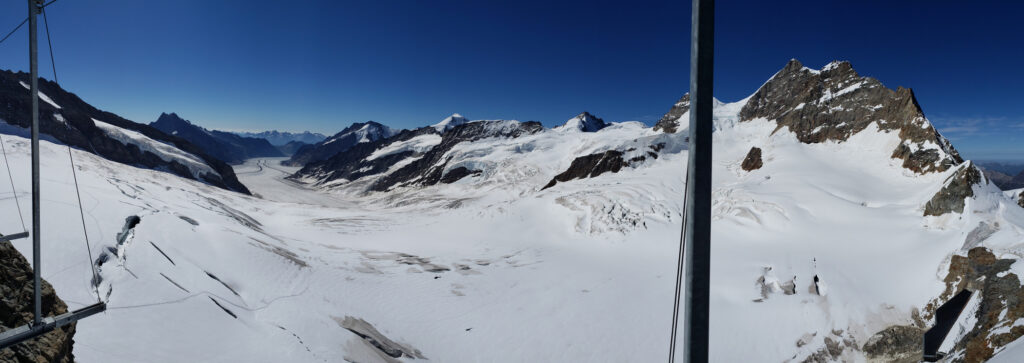
Departing from Grindelwald once again, we find ourselves heading through the Kleine Scheidegg to our ultimate destination – Jungfraujoch, the Top Of Europe, or so they say.

KleineScheidegg_Jungfraujoch_Sphinx_15_panorama
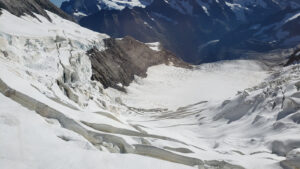
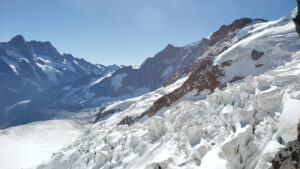
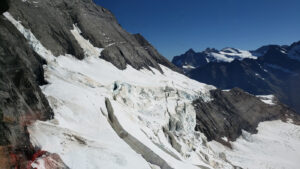
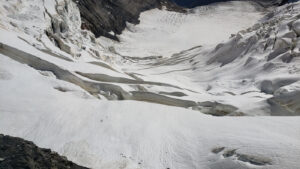
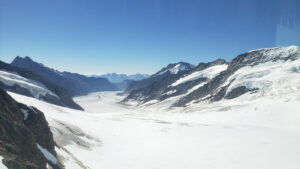
Jungfrau Glacier

Jungfraujoch

The Jungfraujoch experience is a collection of tunnels accessed by the Jungfraujoch rack rail directly under the saddle or “Joch” of the Jungfrau. However, most of these tunnels are actually under the south side of Mönch and provide access to the glacier, the observatory, as well as other necessities for people to visit. It all starts with a train ride.

KleineScheidegg_Jungfraujoch_1
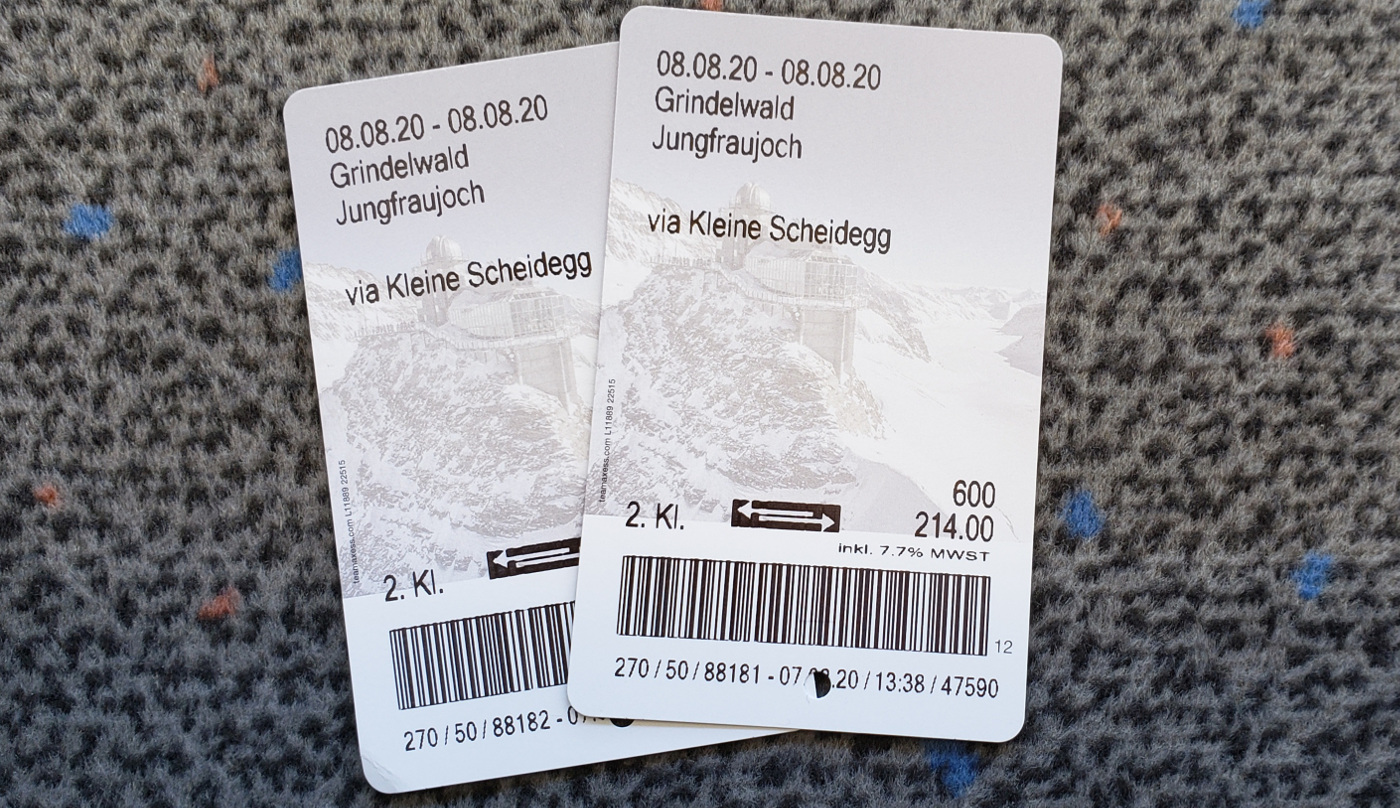
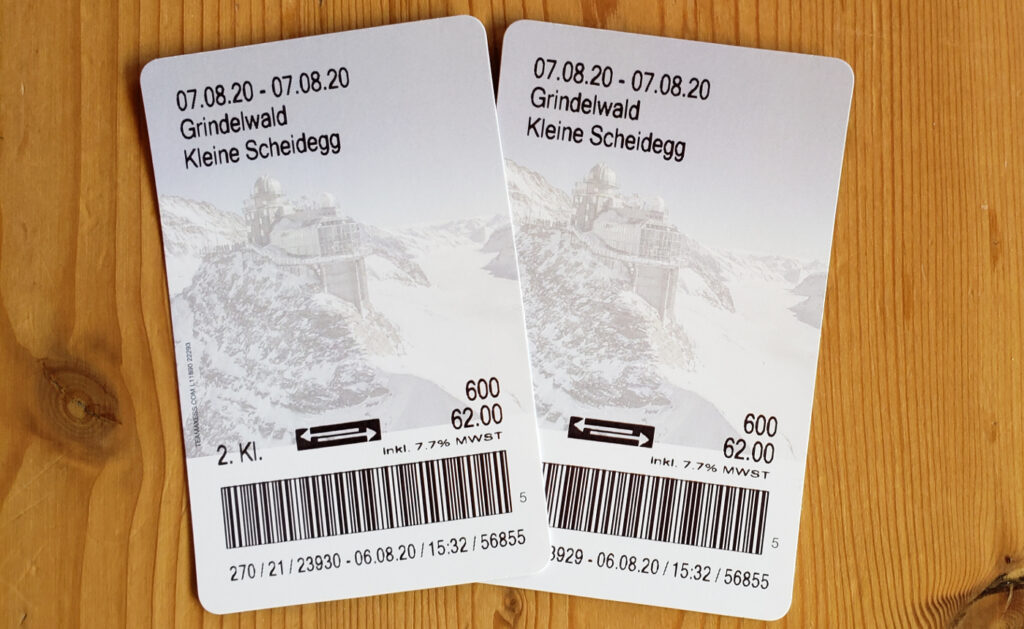
Tickets For Two – Jungfraujoch From Grindelwald

As you can see from the price on our tickets, they are not inexpensive, so get a travel pass if traveling by family or small groups. As a couple we probably could have saved some money, but we wanted to remain flexible since we slow travel and never know what we are doing one day to the next.

With the exception of the glacier stop, which by the way you can only view going up (so get out if you want to see it), all other exhibits in the Jungfraujoch can be visited in any order.

The Eiger Glacier

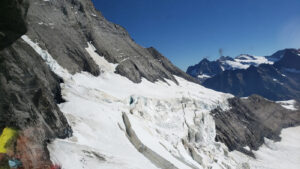
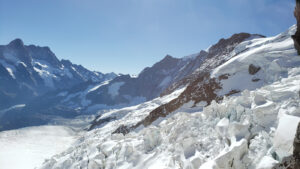
The first stop, while on the train, is the Eiger glacier. Since our hiking trip from Kleine Scheidegg showed us the bottom of the glacier, we thought it only fitting to see where it begins as well. It is a five minute stop, so you must hop off and hop back on once you are done.

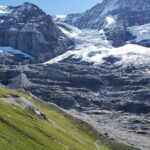
In the photographs above, you can just see where the glacier drops over the edge and descends rapidly. From there, you can pick up the view of it from below (see our previous post on Kleine Scheidegg).

Jungfraujoch – Glacier

While you are still inside the complex, the first glimpses of the glacier are impressive. Here are some photographs while we were still winding through the corridors trying to find our first tour.

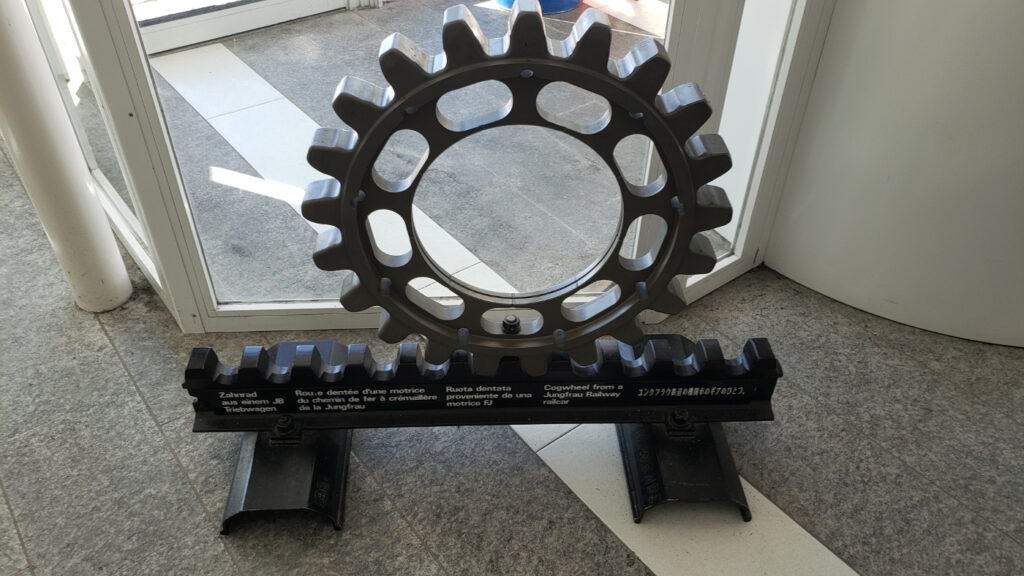
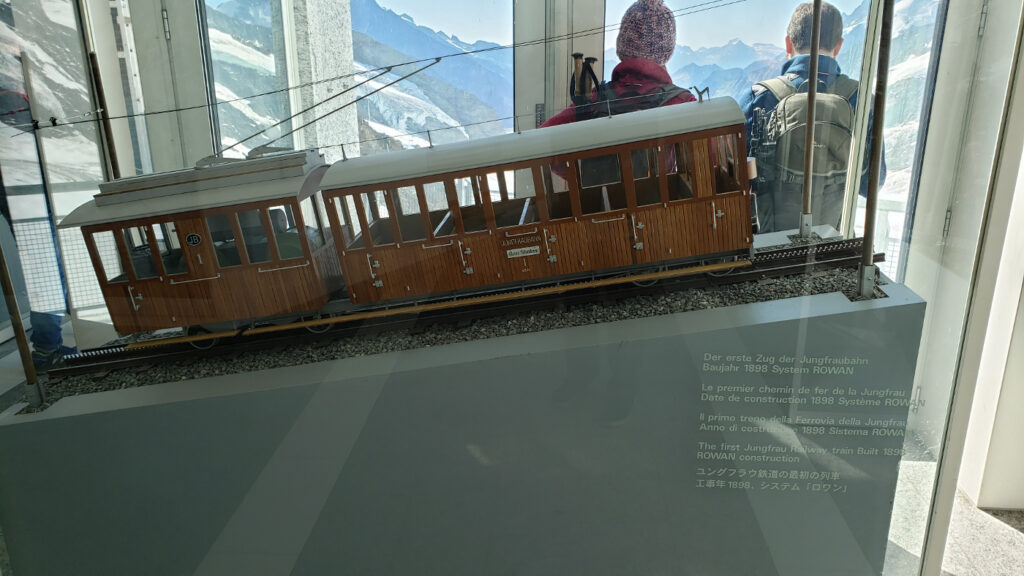
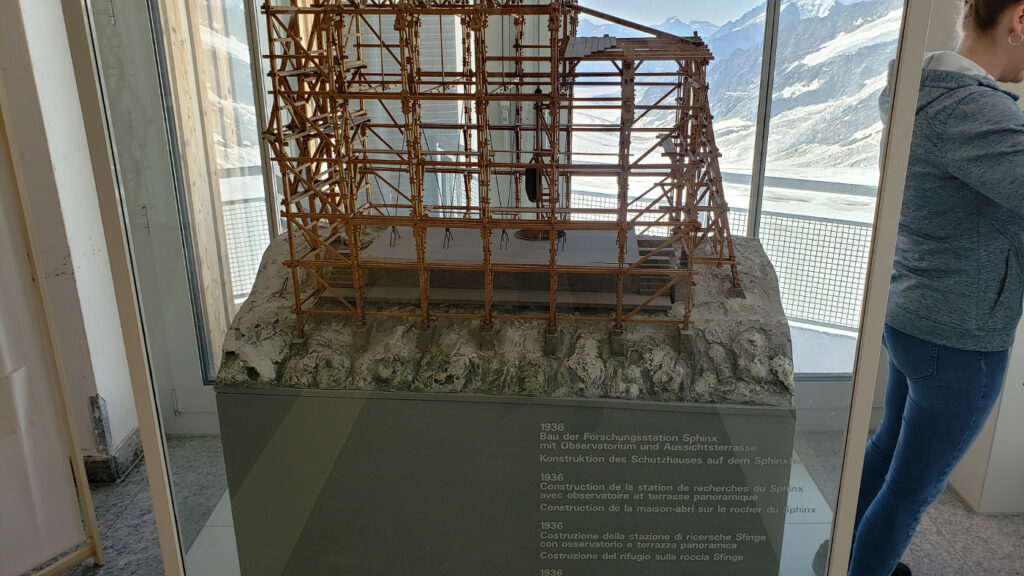
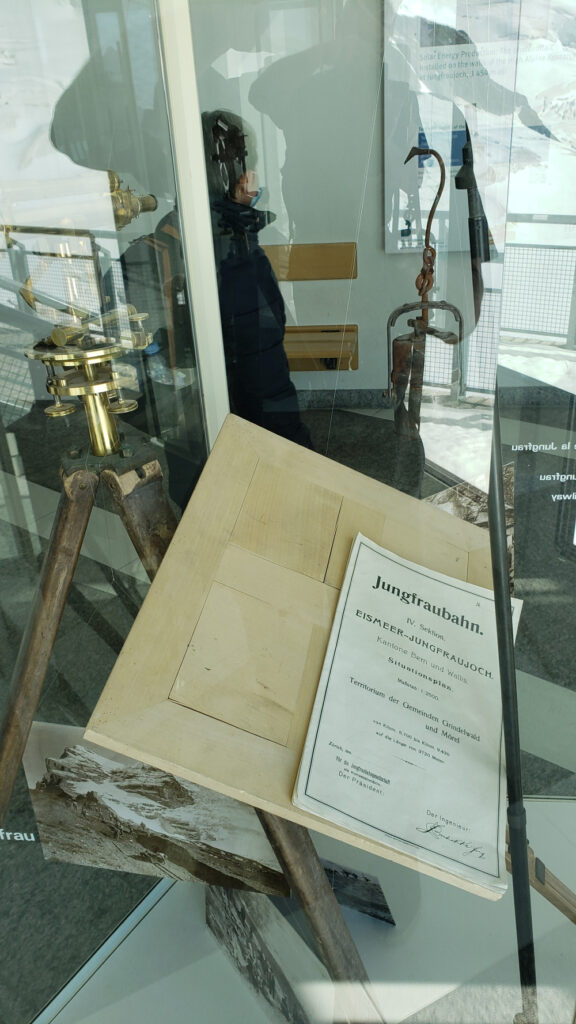
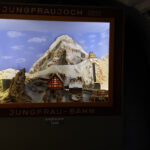
Jungfraujoch – Museum Exhibits

There are a few museum related exhibits on the lower floor the include dioramas and other artifacts in glass enclosures. They all make for interesting reading.

Jungfraujoch – Ice Palace

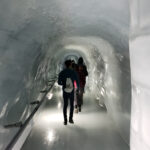
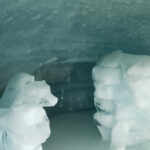
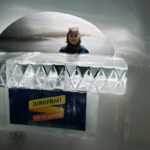
The ice palace, or palast, is a corridor and rooms with ice carvings in them. It is cold, kept at a constant minus six degrees celsius, so you will need to bring something warm to supplement your apparel.

Here are also some videos of walking through the ice tunnel. The floor is actually not as slippery as one would think, probably due to intense cold temperature they keep it at.

Jungfraujoch – Alpine Sensation

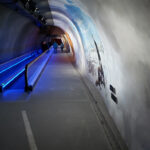
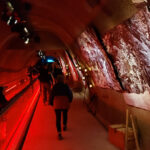
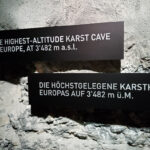
The Alpine Sensation is a mixture of museum and distractions for children. It still offers enough to stop and take a look at some of the interesting exhibits and information they have on the history of the Jungfraujoch. However, if you take the moving walkway they may be more difficult to read.

Jungfraujoch – The Sphinx

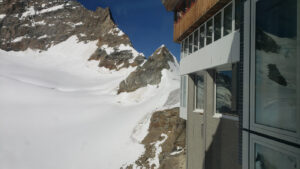
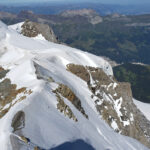
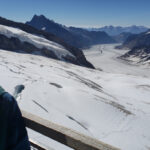
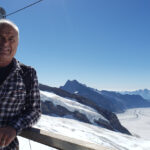
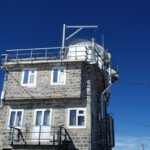
Though not completely sure why it’s called The Sphinx, probably a mixture of the astronomy dome and the platforms resembling that form from a distance, it offers outside panoramic views of the glacier and the surrounding peaks. Bundle up though, it’s cold outside!

Here are some remaining still photographs in a slideshow.

This concludes our trip to Grindelwald and the surrounding areas. We really enjoyed the hotel, the town, the hiking, the air and of course the mountains! We hope to return one day with our children. But until then, on to Lucern, our next stop on our trip.

Grindelwald – Kleine Scheidegg

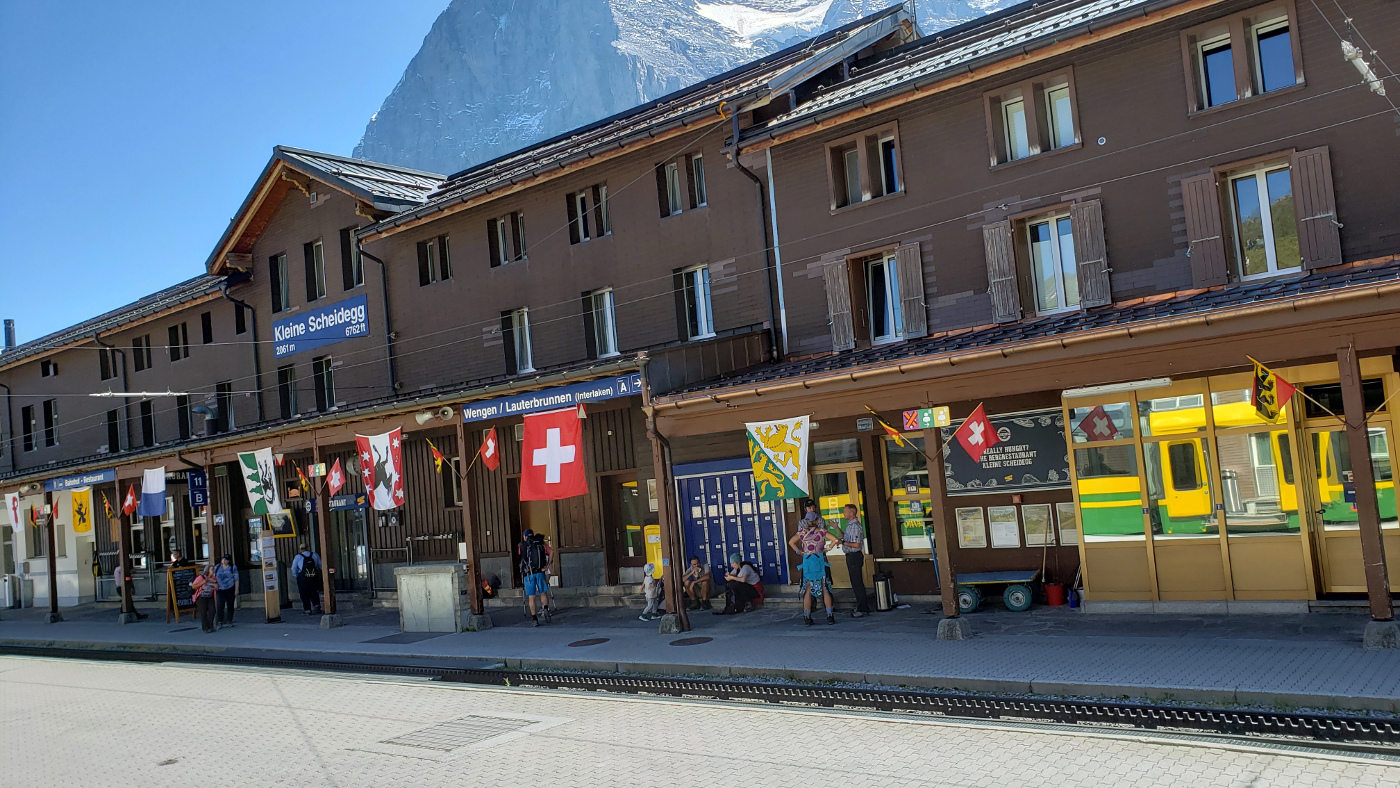
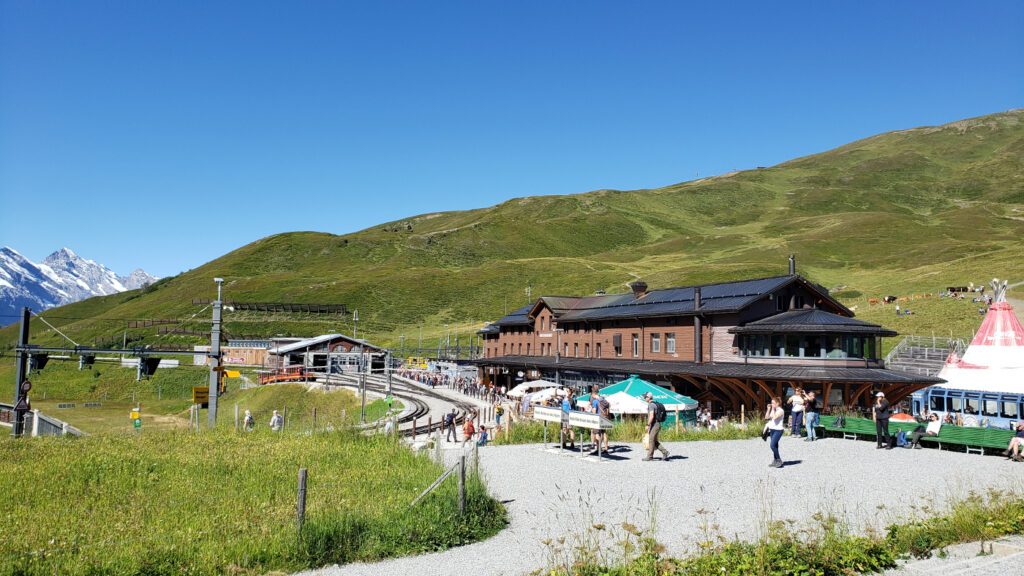
At two thousand or so meters above sea level and little Grindelwald, is the small train interchange of the mountain pass at Kleine Scheidegg. Three separate lines run from here and it becomes a busy little beehive in the morning hours, less so in the afternoon, at least during summer.

KleineScheidegg_42
Kleine Scheidegg Train Station

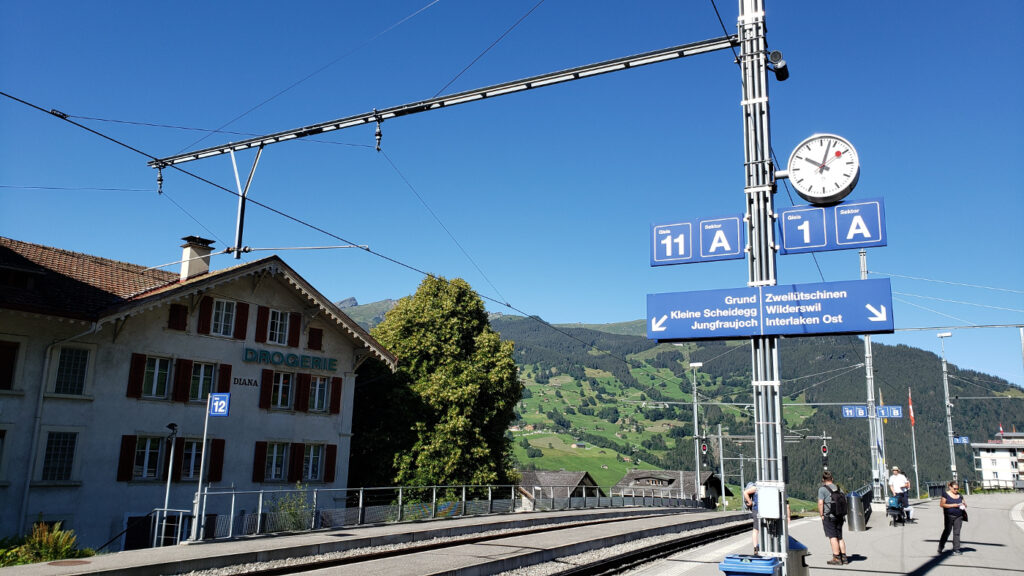
We purchased our tickets in Grindelwald station not thinking much about passes, which is actually a mistake, but live and learn. In any case, to get there you take the rack train, or cog train, from Grindelwald.

The way up takes about thirty minutes and there are about three stops along the way, including Grindelwald Grund, to pick up passengers who drive to take the train on a day trip. Since I forgot to take a video going up, here is a short one on the way down.

Note: Investigate getting a multi-day pass that includes the Jungfraujoch and traveling in the area. Especially if you are traveling with family or a group, this may save you serious money. The Jungfraujoch is an inclusive train/experience, so it will be a bit pricey, so any discount you can get may relieve the sticker shock.


Kleine Scheidegg

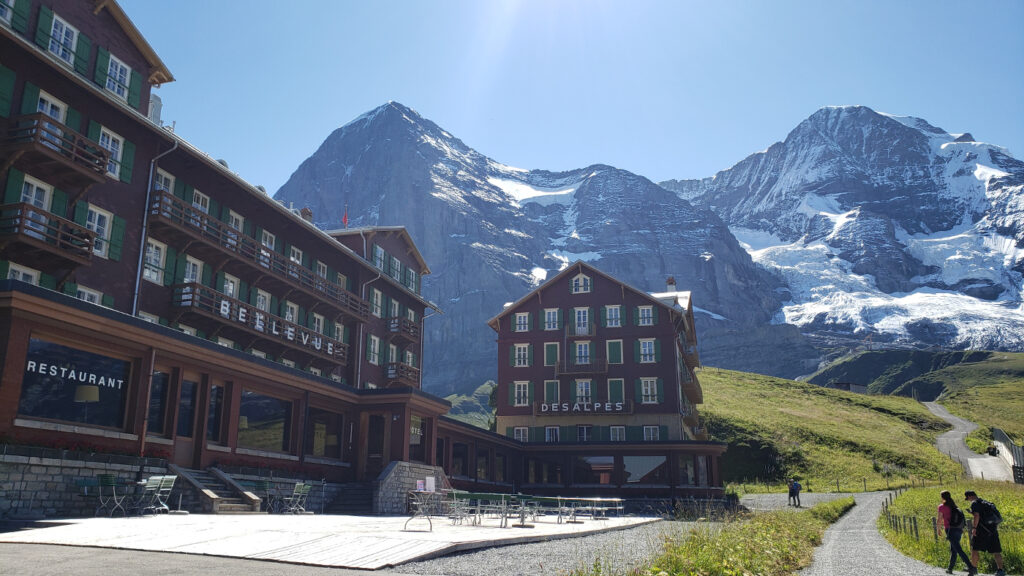
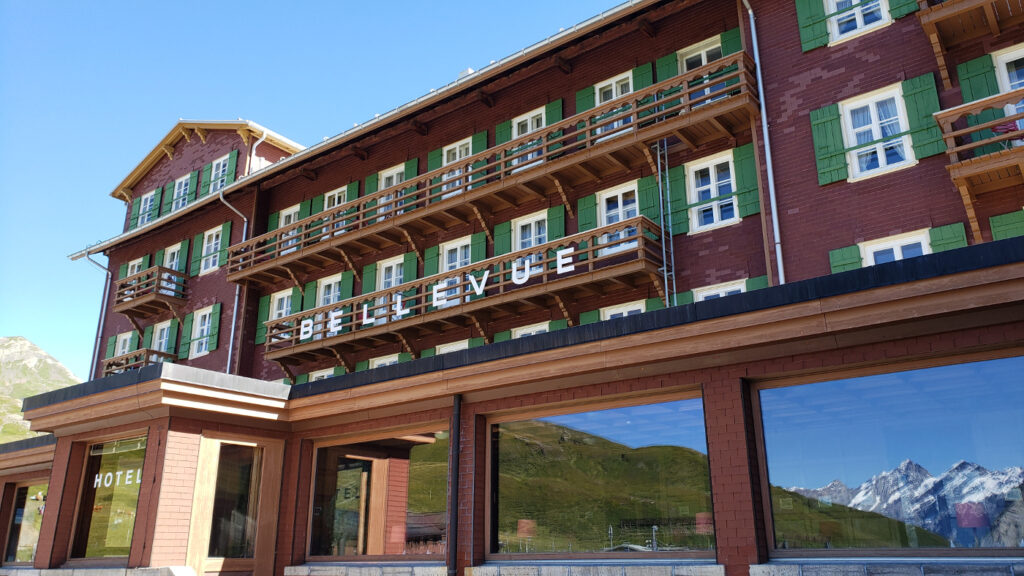
With the Hotel Bellevue, where Clint Eastwood stayed during the shooting of The Eiger Sanction, a movie based on the novel with the same name; Kleine Scheidegg is a collection of hotels, cafes and train lines to other parts, including Jungfraujoch and Lauterbrunnen.

The Eiger Glacier

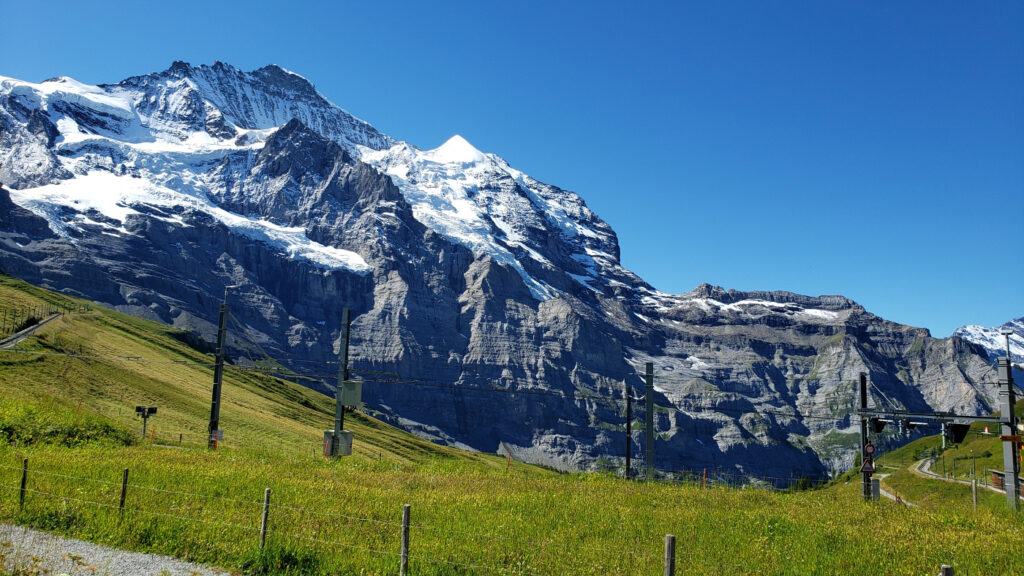
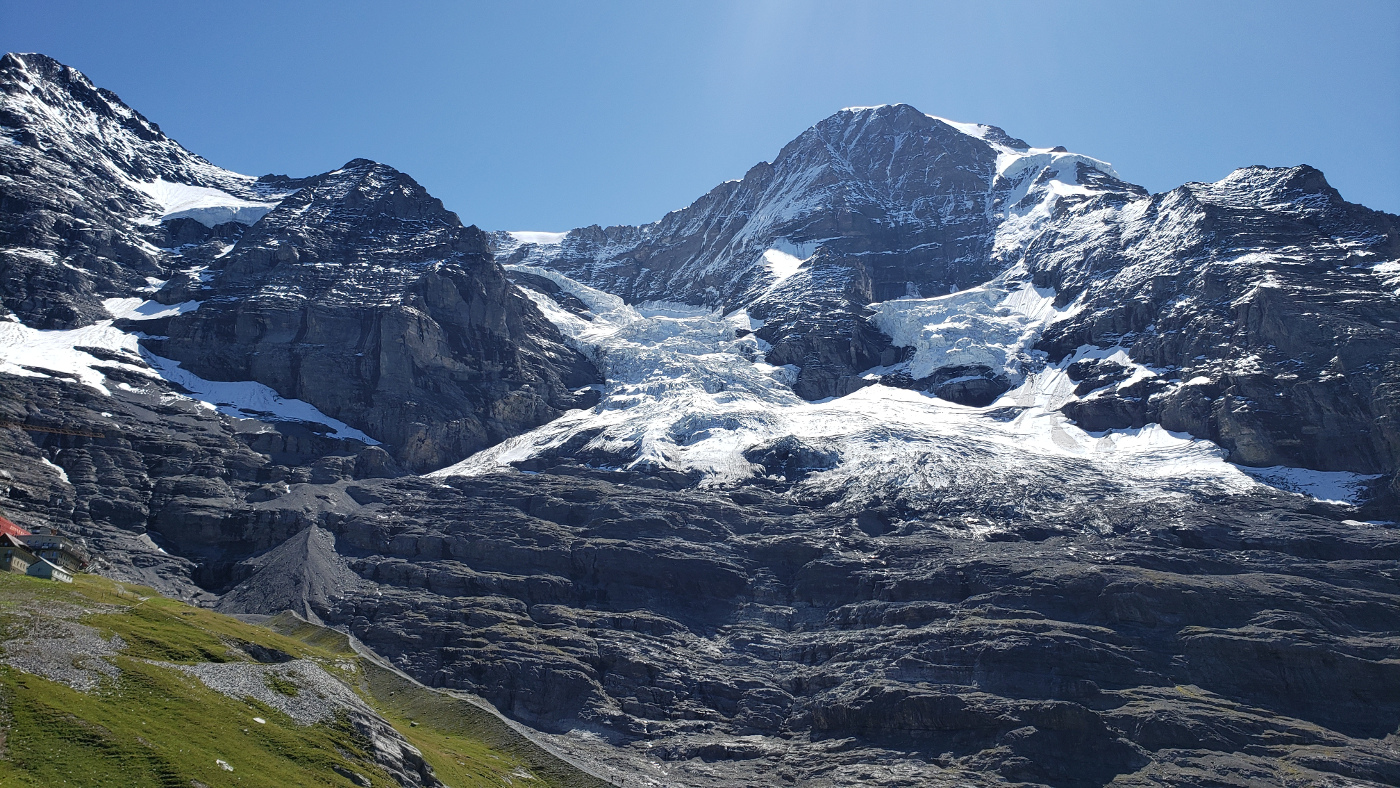
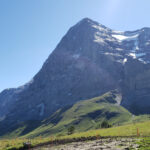
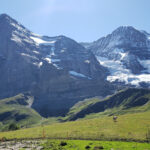
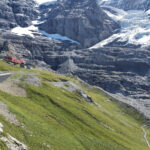
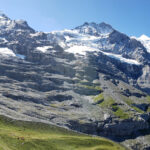
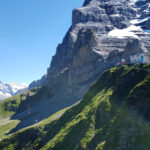
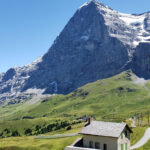
Next to the imposing Eiger, the Eiger glacier drains its icy contents between itself and the Mönch, while Jungfrau sits idly by, to the right of both.

KleineScheidegg_30
The Eiger Glacier – Eiger Is To The Left, Mönch Is Directly Behind It

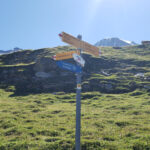
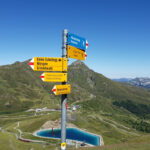
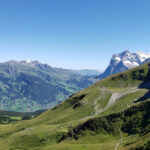
The hike from the train station up to the glacier is about an hour and can be quite demanding at time. There is loose gravel and some tricky places where you ascend. But it’s all worth it in the end, the views are amazing. Here is a slideshow of the sights that we saw on our trek up.

Restaurants

I hope you enjoyed our trip to the glacier and the area around it. We actually did eat at a small place here, it’s not much to look at, and at the time they only had window service because they are still in reduced operations.

Restaurant Eigernordwand

This little restaurant has very limited room inside and outside, so first come, first served, as they say. The menu is rather simple, but the food is very good. Like other places around and due to its location, the prices are on the high side, especially for window-only service.

KleineScheidegg_43_RestaurantEigerNordwand
Restaurant Eigernordwand

If you are traveling during virus restrictions, keep in mind that you have to remain flexible. So prices notwithstanding, we still enjoyed it and felt that we had a decent lunch when we left.

Our day trip ends with a short video of  us pulling out of the Kleine Scheidegg station. Patti and I both agreed we have to visit during winter, to get the full feeling for this beautiful place.

Grindelwald – Oberjoch

If you are looking for things to and have the time, the way to probably see the area around Grindelwald is with a package, like a three day pass. There are others to choose from and some can save you some serious money, if you plan correctly. Since we were kind of flying by the seat of pants, this being a rather long excursion for us, we decided to go the à la carte, even though we kind of knew what we wanted to see.

GrindelwaldFirst_2

Grindwald First

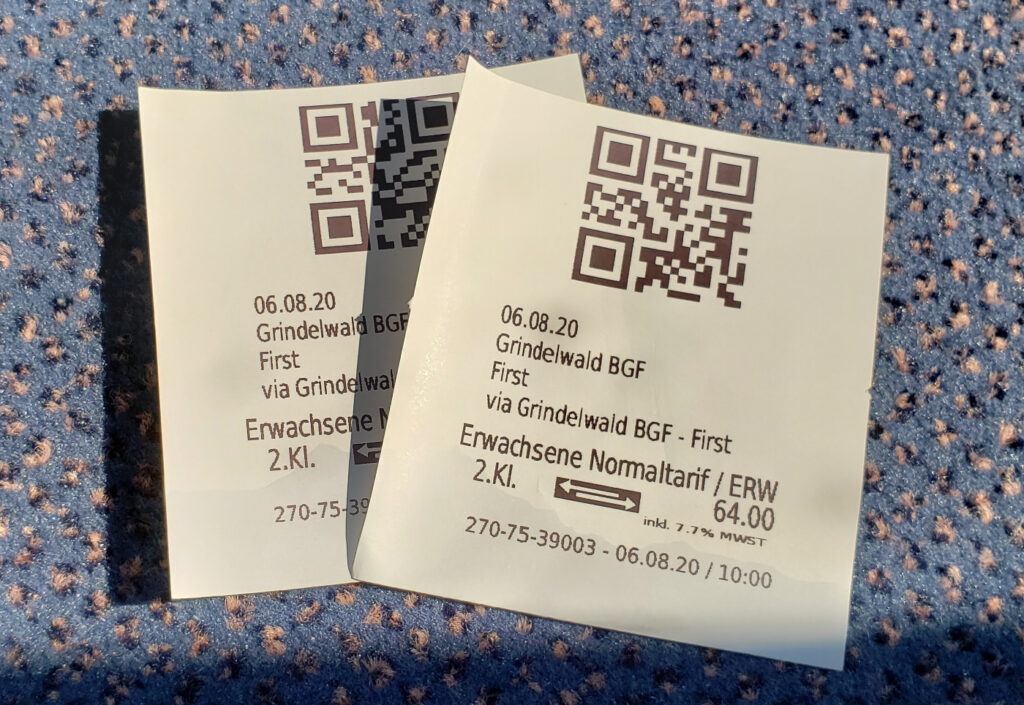
Though included in several packages, you can purchase this tourist package separately. It cost us 62CHF per person with no discounts, which they constantly asked us for but would never tell us how you can obtain one of them (is that not typical Swiss).

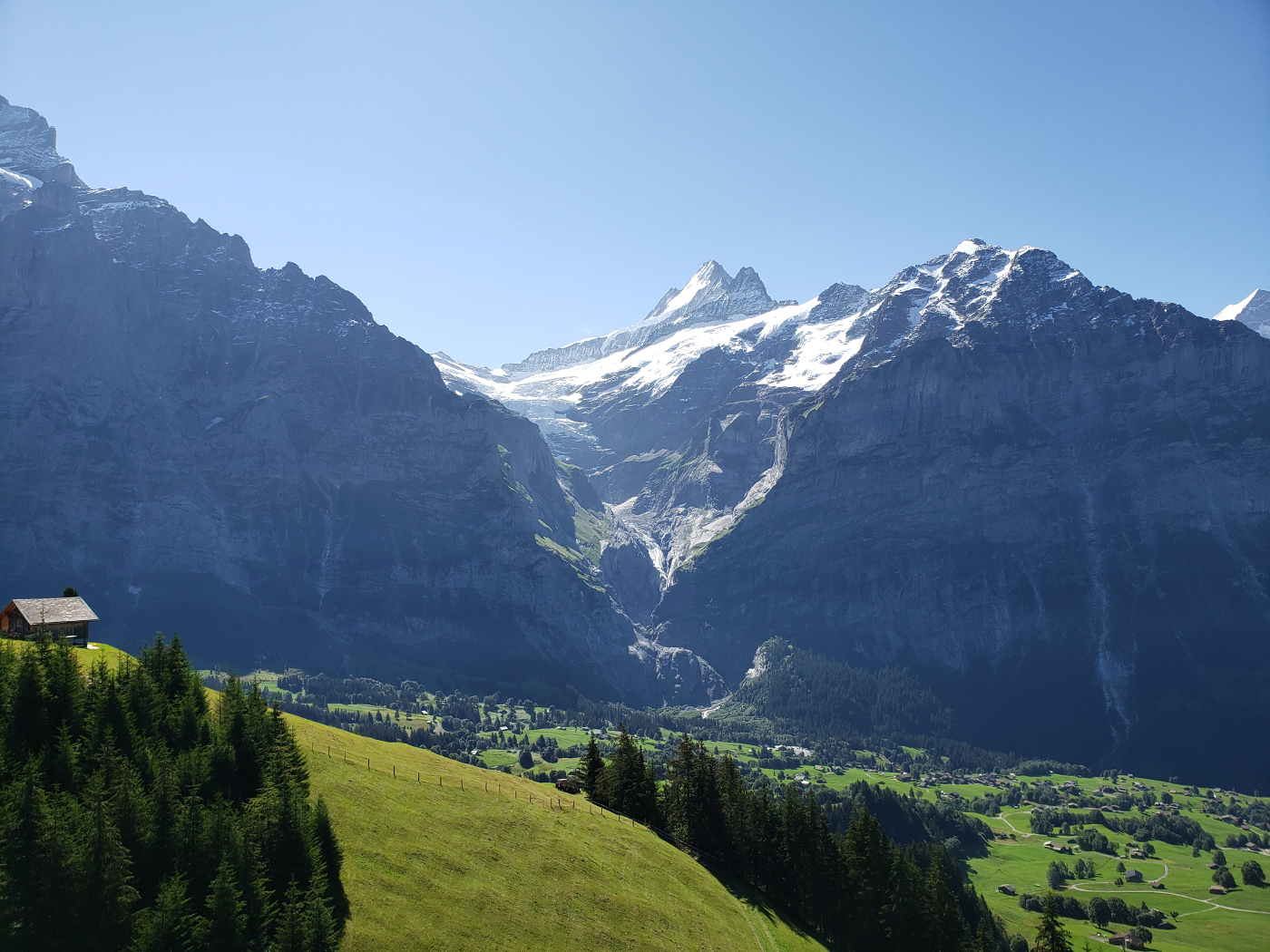
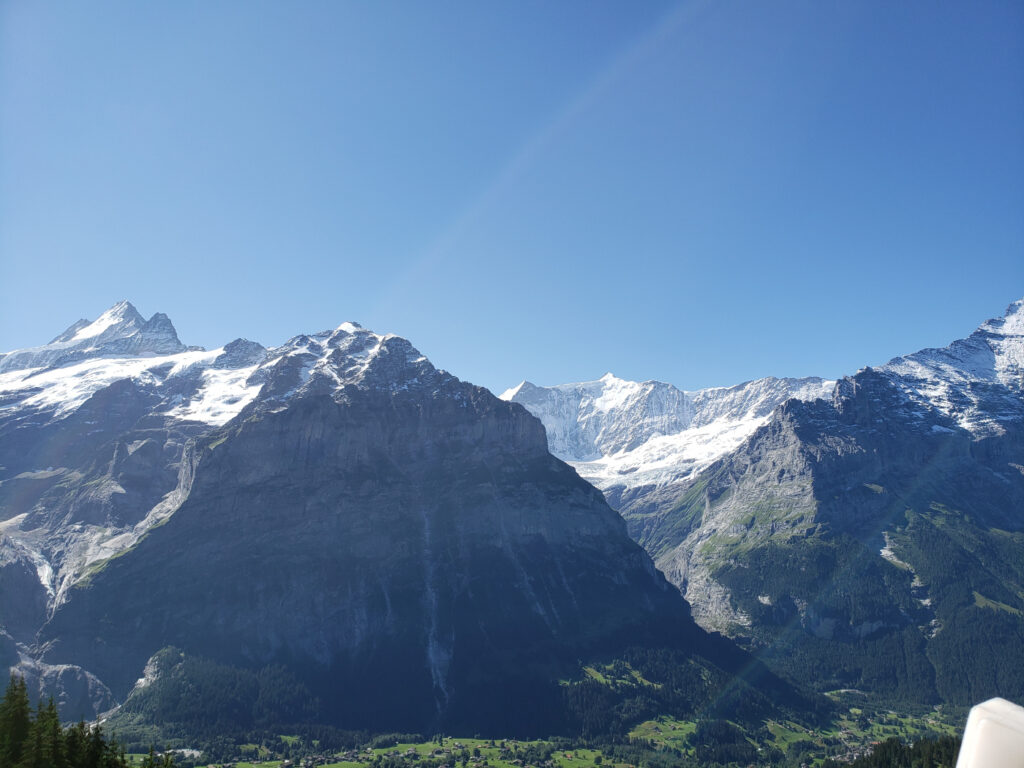
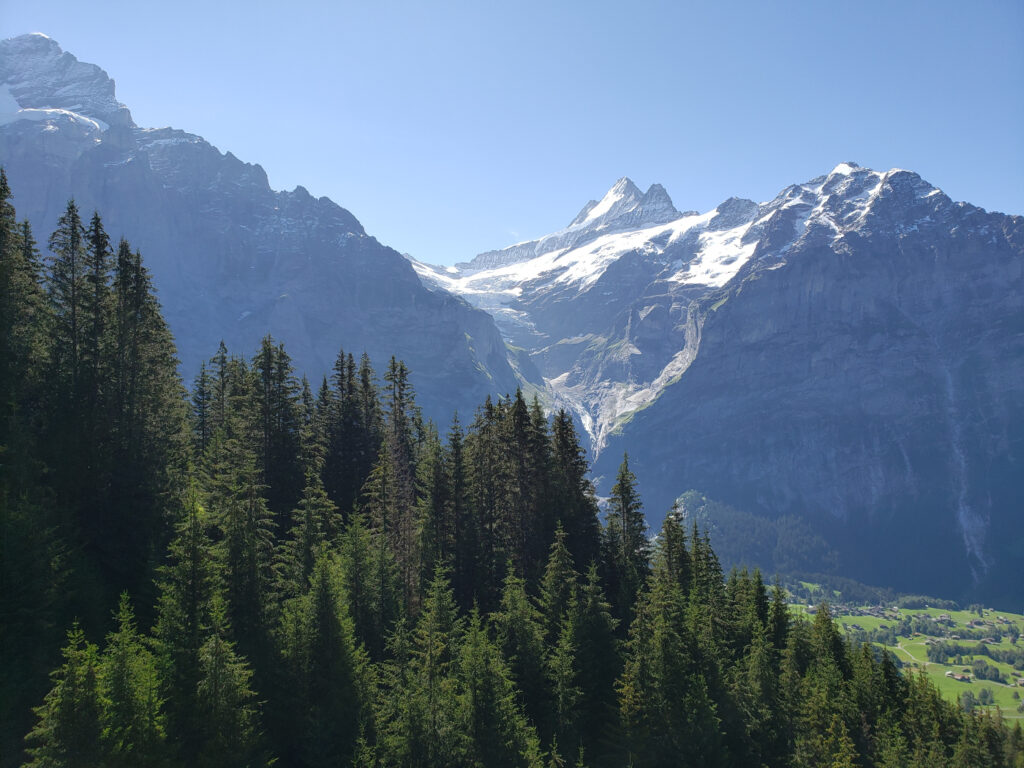
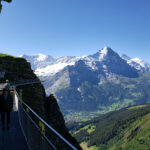
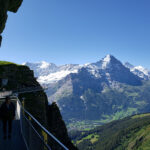
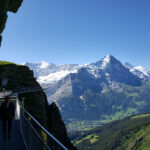
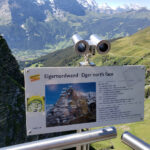
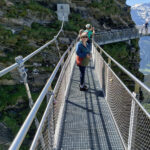
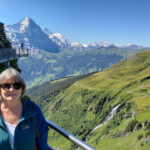
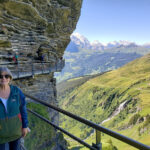
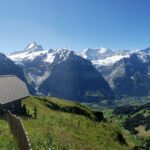
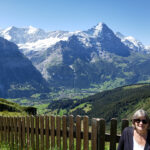
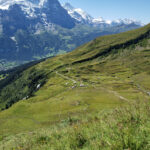
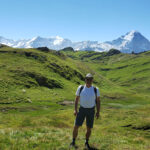
However, we enjoyed ourselves thoroughly. The alpine air, the walks and especially the views. Here is a slideshow on our way up the mountain Schwarzhorn for our amazing views of the Grindelwald Valley and the surrounding moutains.

Here are also a few video clips of our ascent up the Schwarzhorn and to the Oberjoch ridge and Grindelwald First.

The Bachalpsee

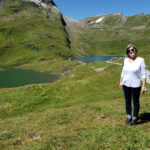
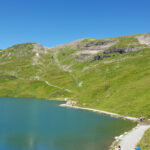
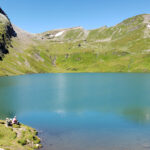
After the Grindelwald First, and yes that actually just covers the walk around the Oberjoch cliff, there is also a nice hike to the Bachalpsee. It is signed as a fifty minute walk, but if you are with children and others, you may want to add ten or twenty minutes to your round trip time, just for talking and other diversions, like picture taking.

The above slideshow details our lazy day trek to the Bachalpsee, a very nice walk to an alpine lake. A bit rocky along the way, but you can make it with a good pair of tennis shoes or sneakers.

That’s it for now, will be back tomorrow with more travel adventures.

Grindelwald – First Impressions

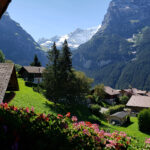
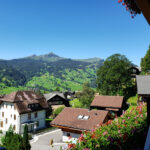
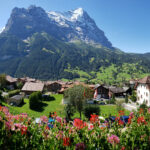
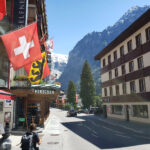
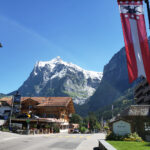
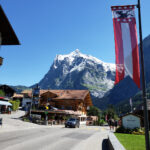
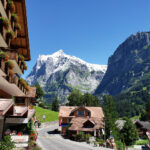
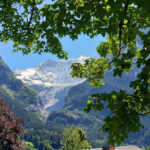
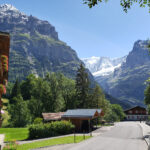
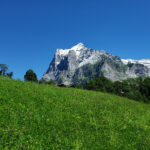
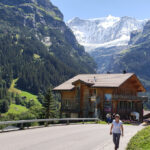
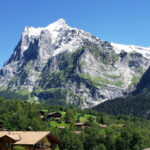
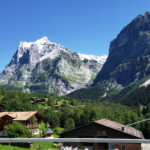
We have been in Grindelwald for a day and it’s one of those unique places in the world, that have almost a storybook feel to it. Well, at least by visiting it, you can understand how this can happen with its majestic mountains, windy scenic roads and bucolic country feel.

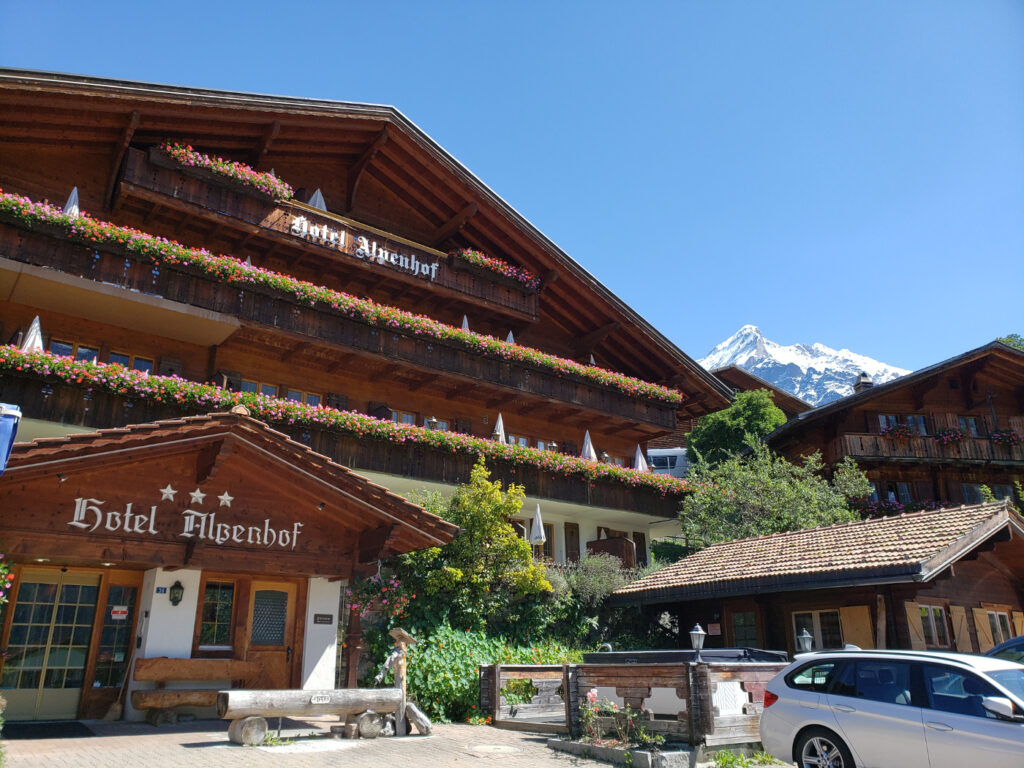
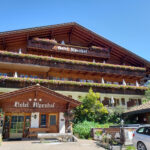
We arrived by train from Interlaken and made the modest trek up a steep incline to our accomodations, the Hotel Alpenhof. One can make an argument that everything here is on a steep incline, and they would be right.

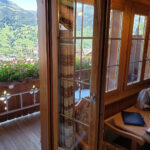
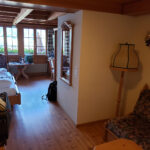
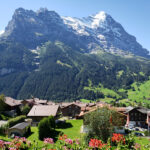
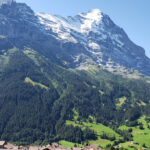
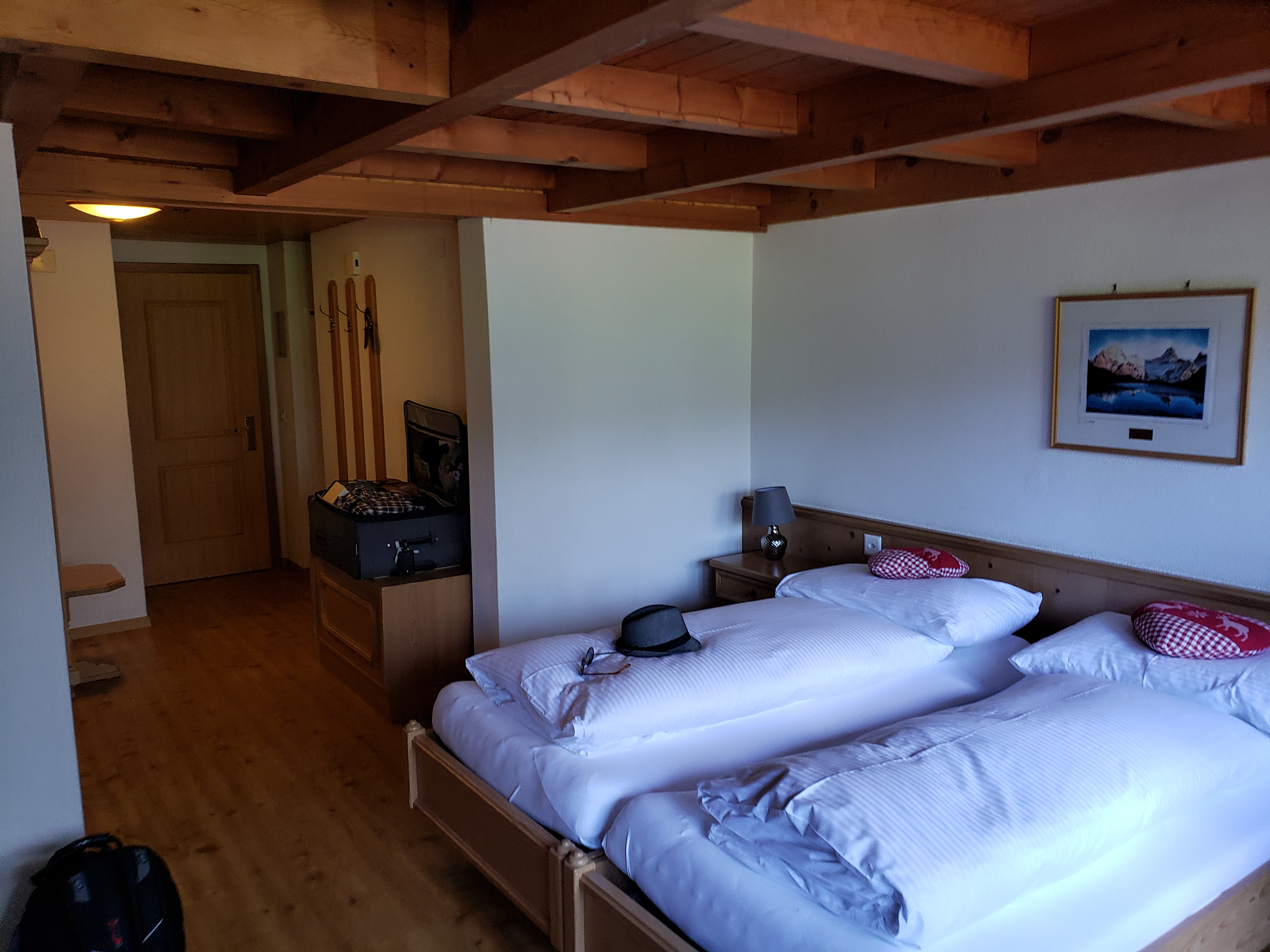
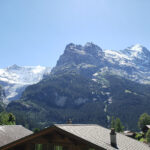
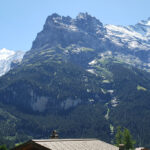
The hotel is what you would expect for typical alpine accomodations, rustic with that scenic charm and a commanding view of the mountains, especially the Eiger. Above is a slideshow of our charming suite and a few shots of the overview we have from our balcony.

Grindelwald – A Stroll Down Mainstreet

The town of Grindelwald is not quaint, but rather a mixture of alpine tourist shops, restaurants, bars and cafes, and the odd monument. It is surrounded by the pastoral countryside, which is dotted by working farms and alpine cottages and houses. Since pictures are worth a thousand words, for this first blog on Grindelwald, a slideshow  of walking the length of mainstreet, all the way out of town towards the Grosse Scheidegg, is noteworthy.

Finally, a few videos you may enjoy.

Interlaken – Stepstool To The Alps

Interlaken_40
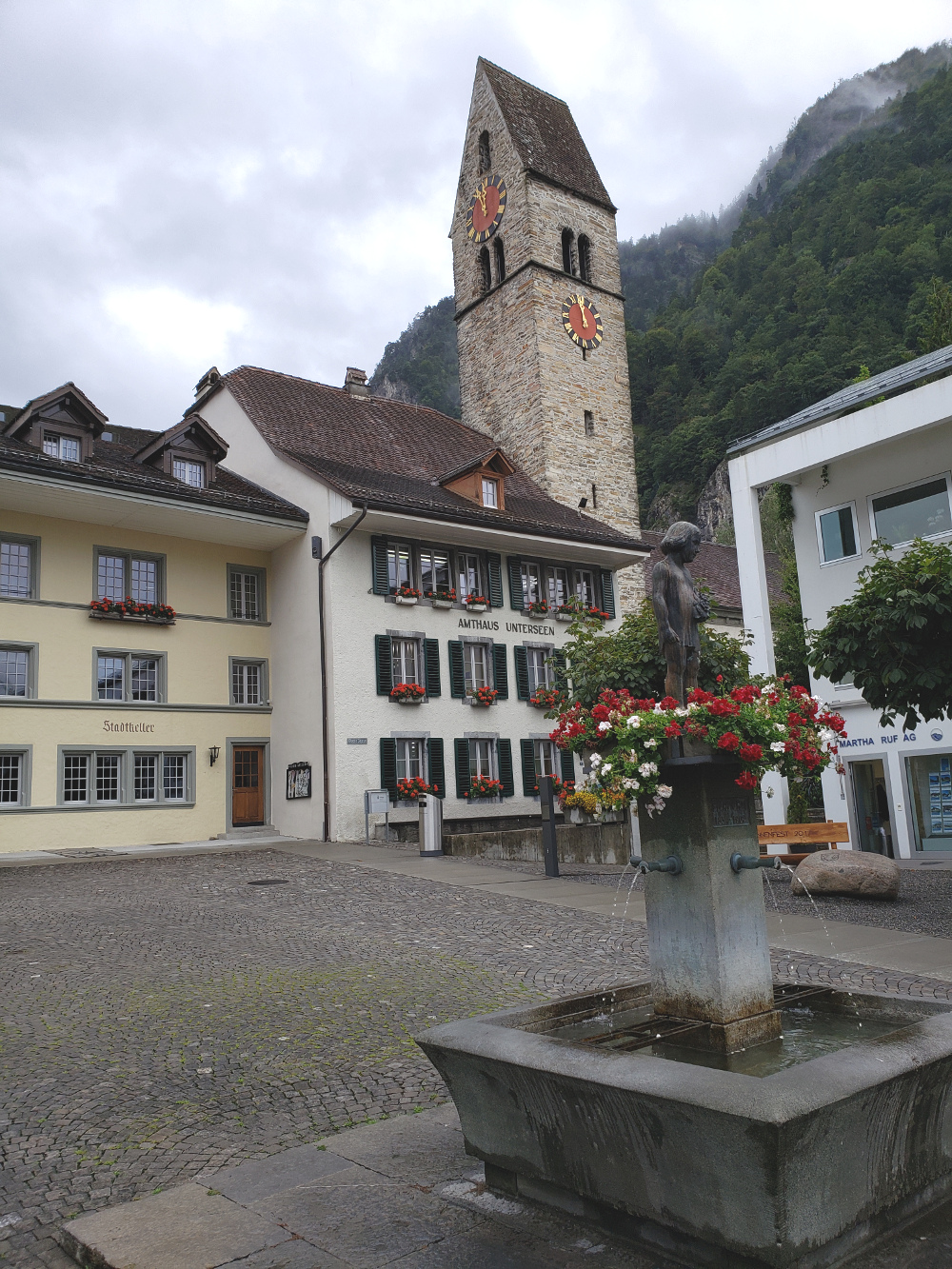
Reformierte Kirche Unterseen And Square Fountain

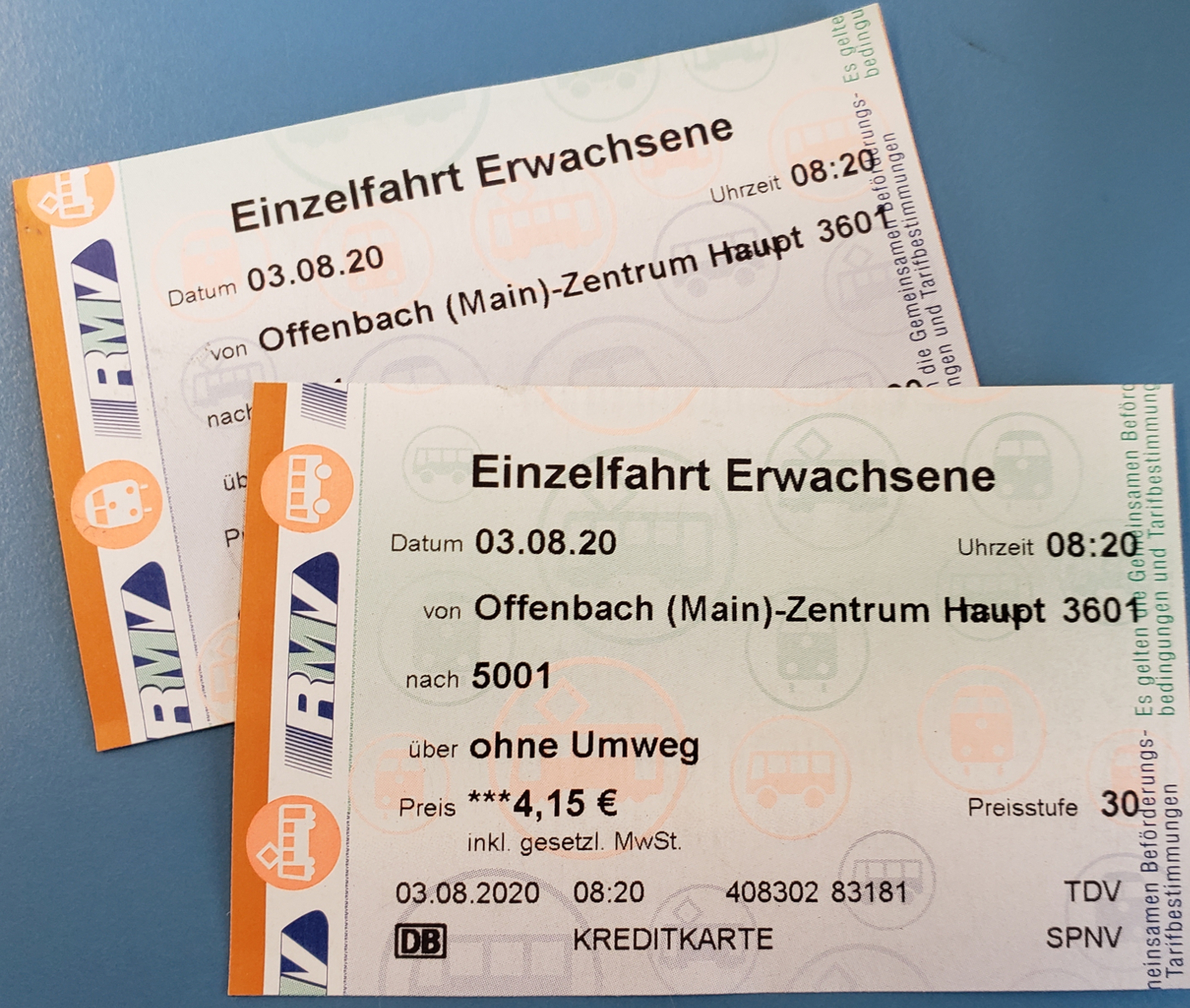
After our stay in Offenbach, we headed to Switzerland using Germany’s ICE service. We of course experienced the customary breakdown, or what they like to call a Technische Störung, a German euphemism for someone committing suicide on the tracks, or just the Deutsche Bahn not being able to run a railroad. We have actually not ridden an ICE that did not have an issue, and from the comments we heard from the other Germans, they haven’t either.

Interlaken_1
Tickets For Two – Offenbach To Frankfurt

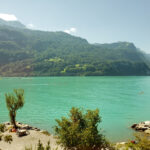
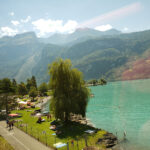
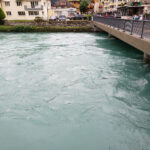
We arrived in Basel SBB too late for our connecting train, so after waiting a further half an hour, we finally made it to our destination, Interlaken, our stepstool to the Alps. Interlaken is a small city, sitting between two rather large lakes, the Thunersee and the Brienzersee.

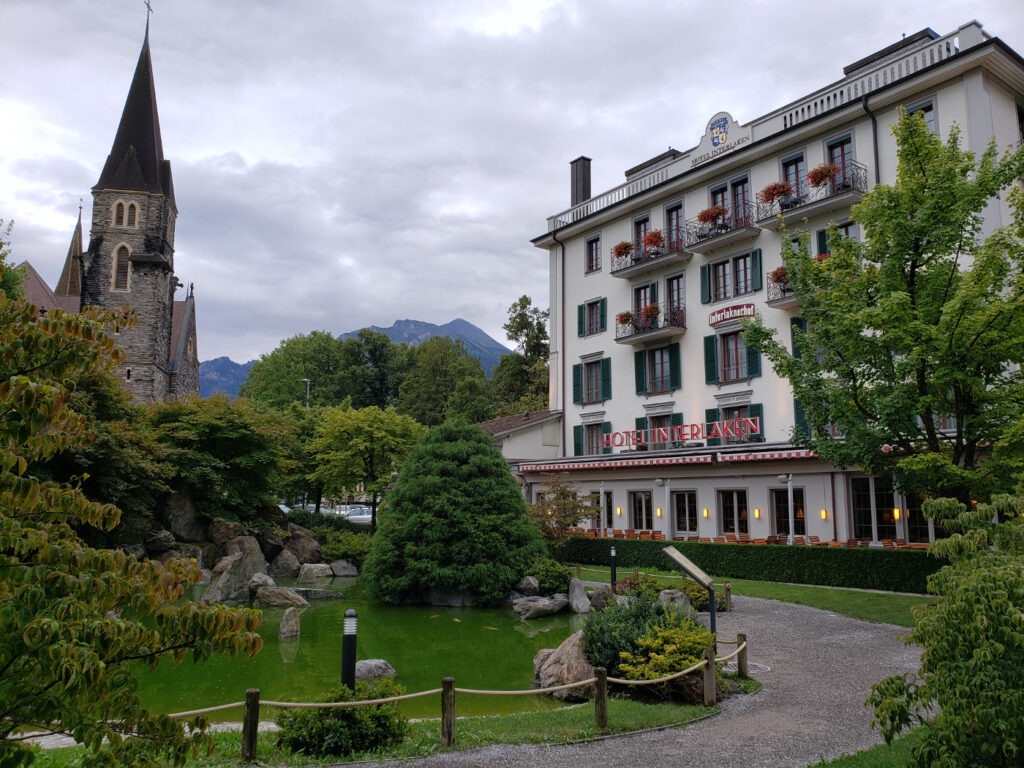
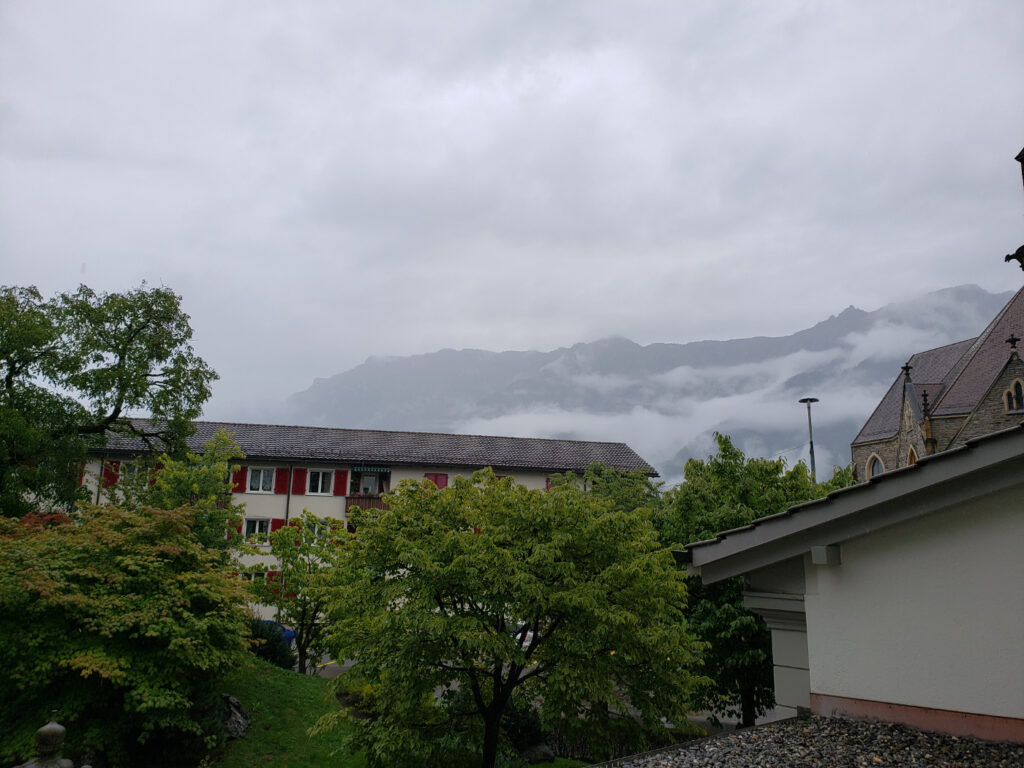
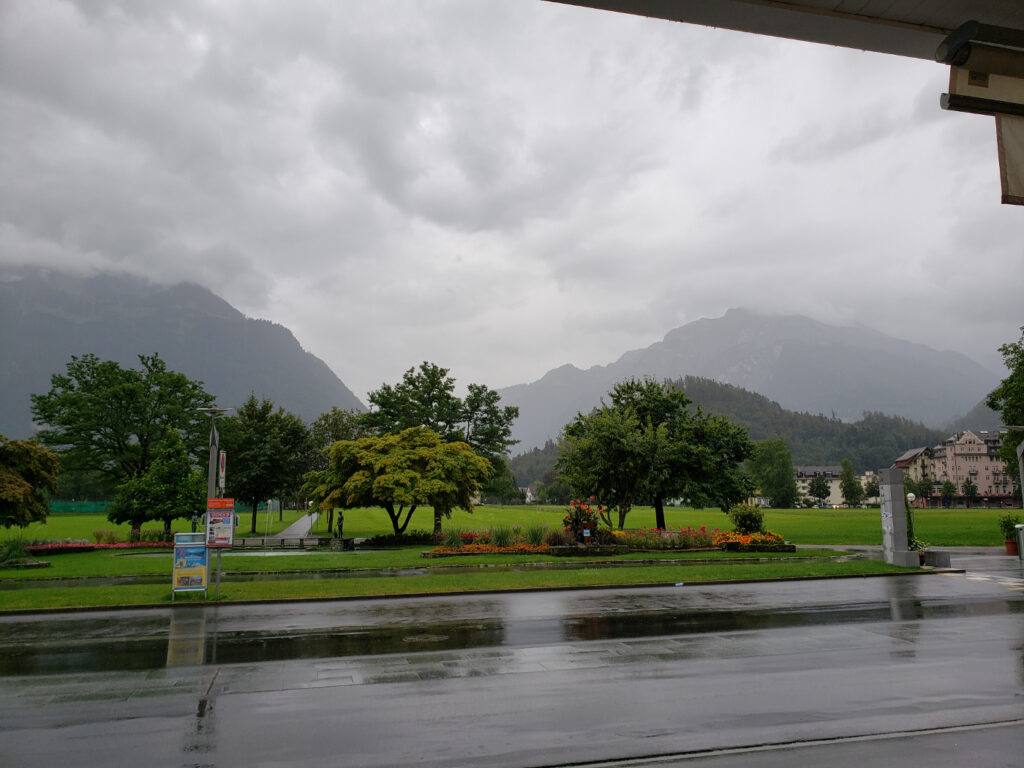
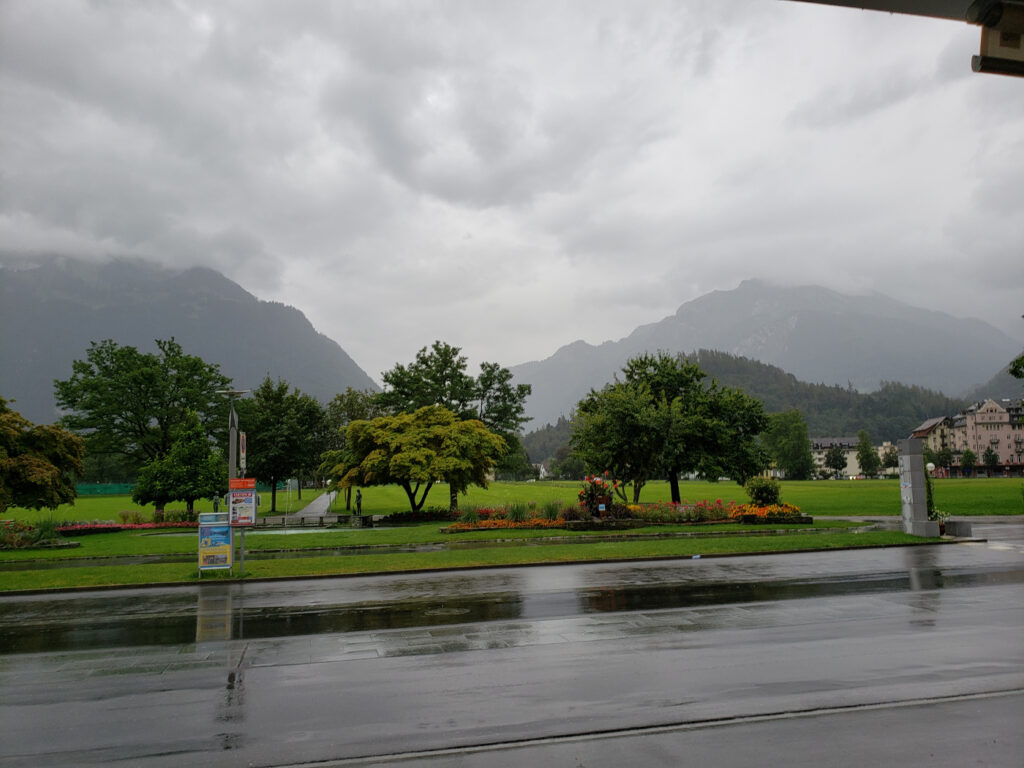
We stayed at the Hotel Interlaken, a four star hotel half way between the train station and the center of town, and handsomely situation across from the main park. Though it worked out well because of the rain, you should not worry about the location of any hotels in Interlaken, the city is not large enough to be too far away from either the Interlaken-West or Interlaken-Ost train stations.

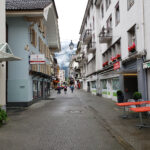
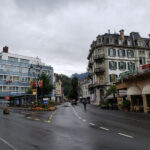
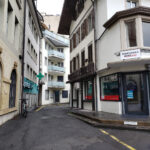
Interlaken – The City

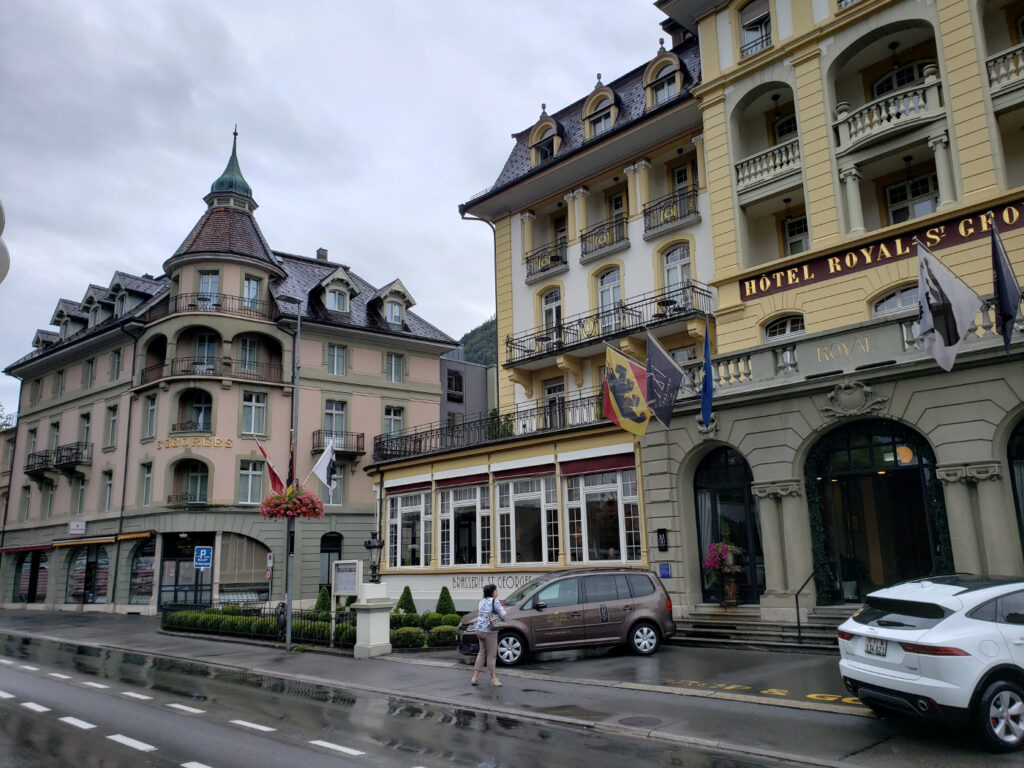
The actual city is what I would call confused. It appears, it does not know its identity, or what it wants to be. It appears to be conflicted between being a tourist town, a normal town for residence, or just a waypoint on someone’s map (train stop).

It has both expensive hotels, restaurants and casinos, and then less fortunate areas within a block of one another. Several areas look destitute, some historic (like around the tourist museum), others more disconsulate – where stores have actually closed.

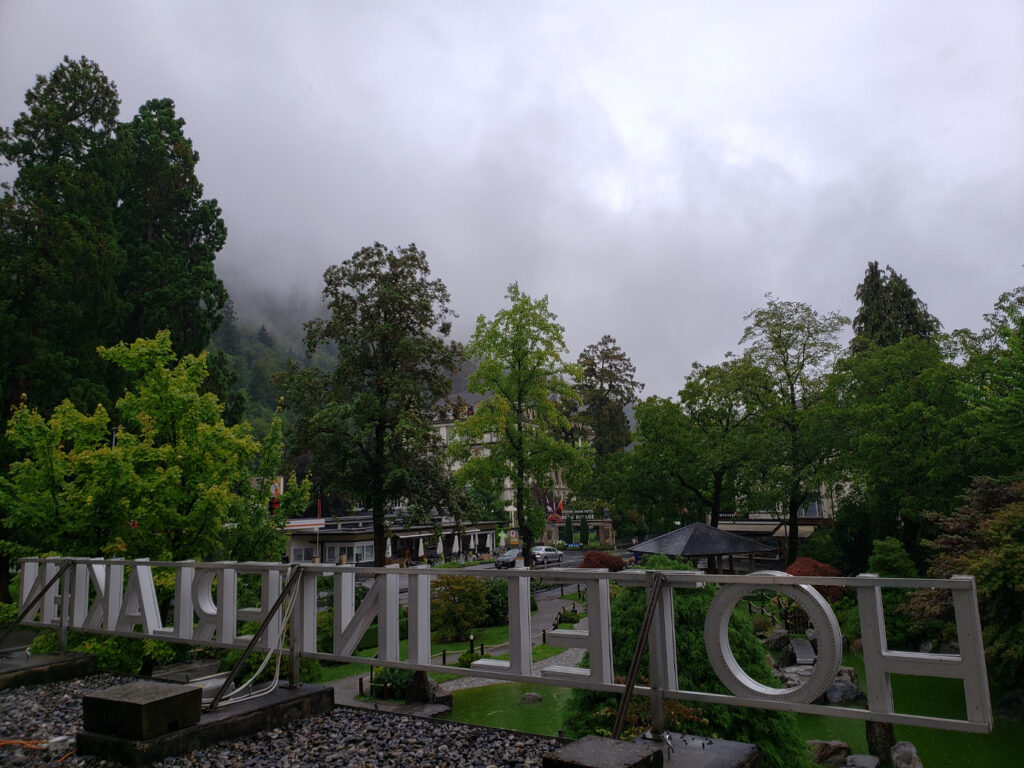
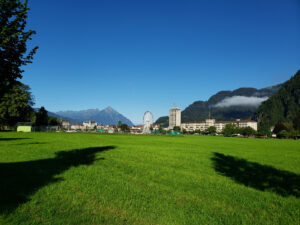
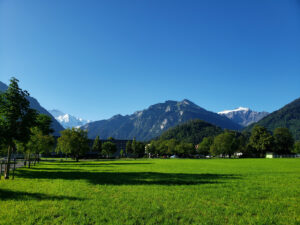
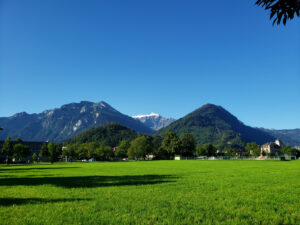
Unfortunately, while we were there, all it did was rain for two days. But, I would rather have it rain in Interlaken, than in Grindelwald, which was our ultimate destination on this trip. To be fair, we were using it as a rest stop anyway, so no fuss, no foul. In any case, we got one day, the day we left, to get some amazing photographs of the mountains without clouds surrounding them.

As for recommending any restaurants in the area, we cannot. There are a lot of closed restaurants, an affect of the virus. The ones that are still open are fine, overpriced, like all food in Switzerland, but none remarkable. Hopefully others that travel behind us may have better luck when the city recovers a bit more. Now, on to Grindelwald, the Eiger and the Jungfrau, Tschüß!