Luino, Italy – Lacking Service

A popular tourist destination for the Swiss, Germans and Netherlanders is the small town of Luino on the northeast end of Lake Maggiore. The boat services on the lake are divided here for destinations north of it and south of it. From the south, especially from Stresa, it is difficult, if not impossible, to arrange a roundtrip to this town except on wednesdays. Even to get here by train is a three to five hour ordeal and roundtrips by rail or bus are all but out of the question. The town is truely lacking service from the southern end of the lake.

Luino

It seems a popular destination for people from the north, who are either staying in Switzerland or the nearby town of Cannobio. It is especially busy on Wednesdays, this is when the town holds its weekly market. [1]Proportedly the largest in Europe, but that is not possible. The one in Turin far eclipses it in size and weekly frequency, being open every day and not just the middle of the week.
At one time the town was heavily industrialized and there were many textile factories here, which accounted for the terrible pollution the lake had to endure for years after its demise. Luckily today, the lake has considerably cleaner water that in the previous century.
Getting There

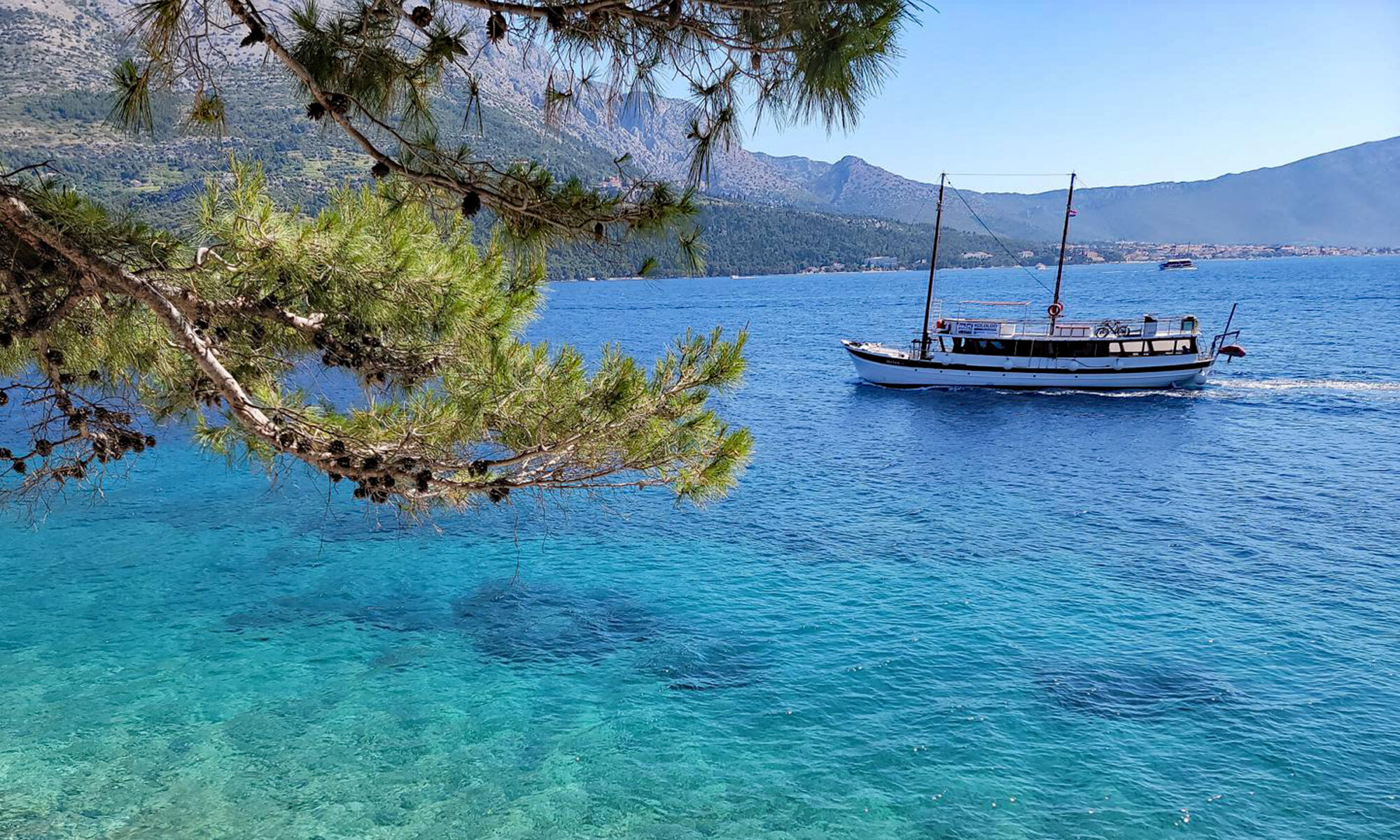
From the north, the map shows all traffic by boat going through Cannobio. From the south, we took the boat from Stresa. From there we stopped a half dozen times before reaching our destination.

It should be noted, if you are traveling from the south and want to go further than Luino, you can, you just may have to change boats in Luino.

From Stresa the trip is not inexpensive to Luino. For roundtrip tickets it cost us €15.20 per person[2]or about $18 per person.

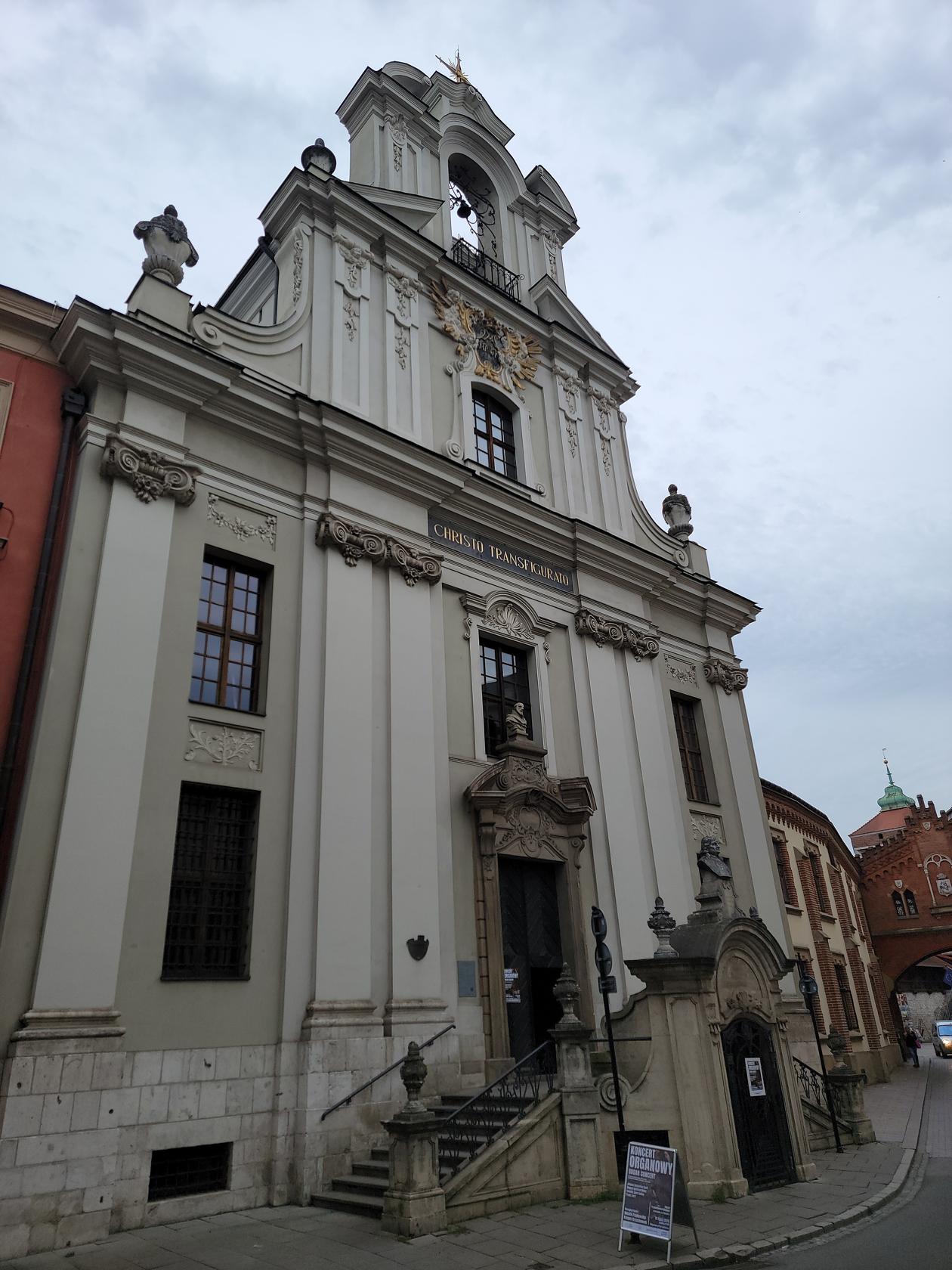
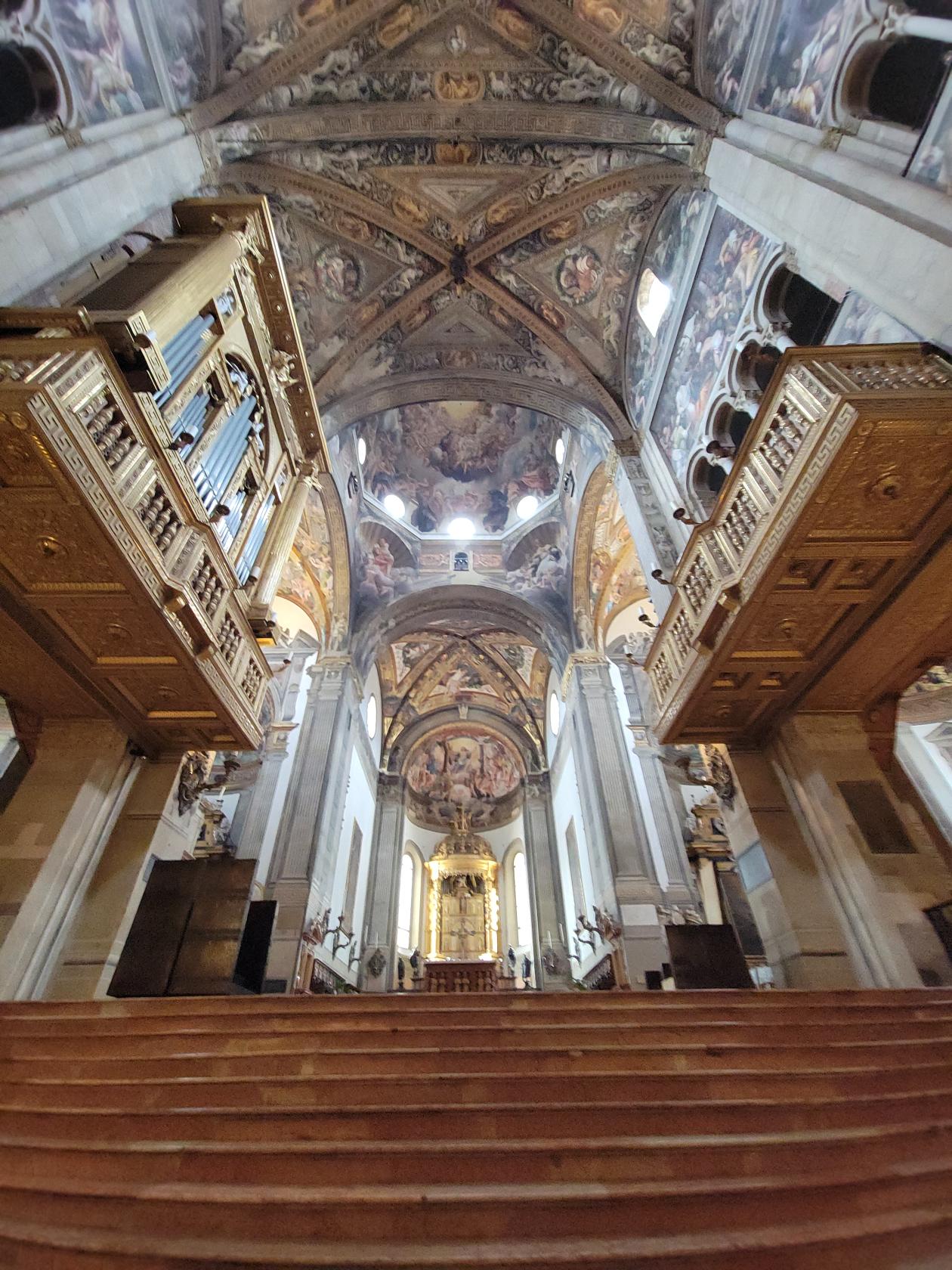
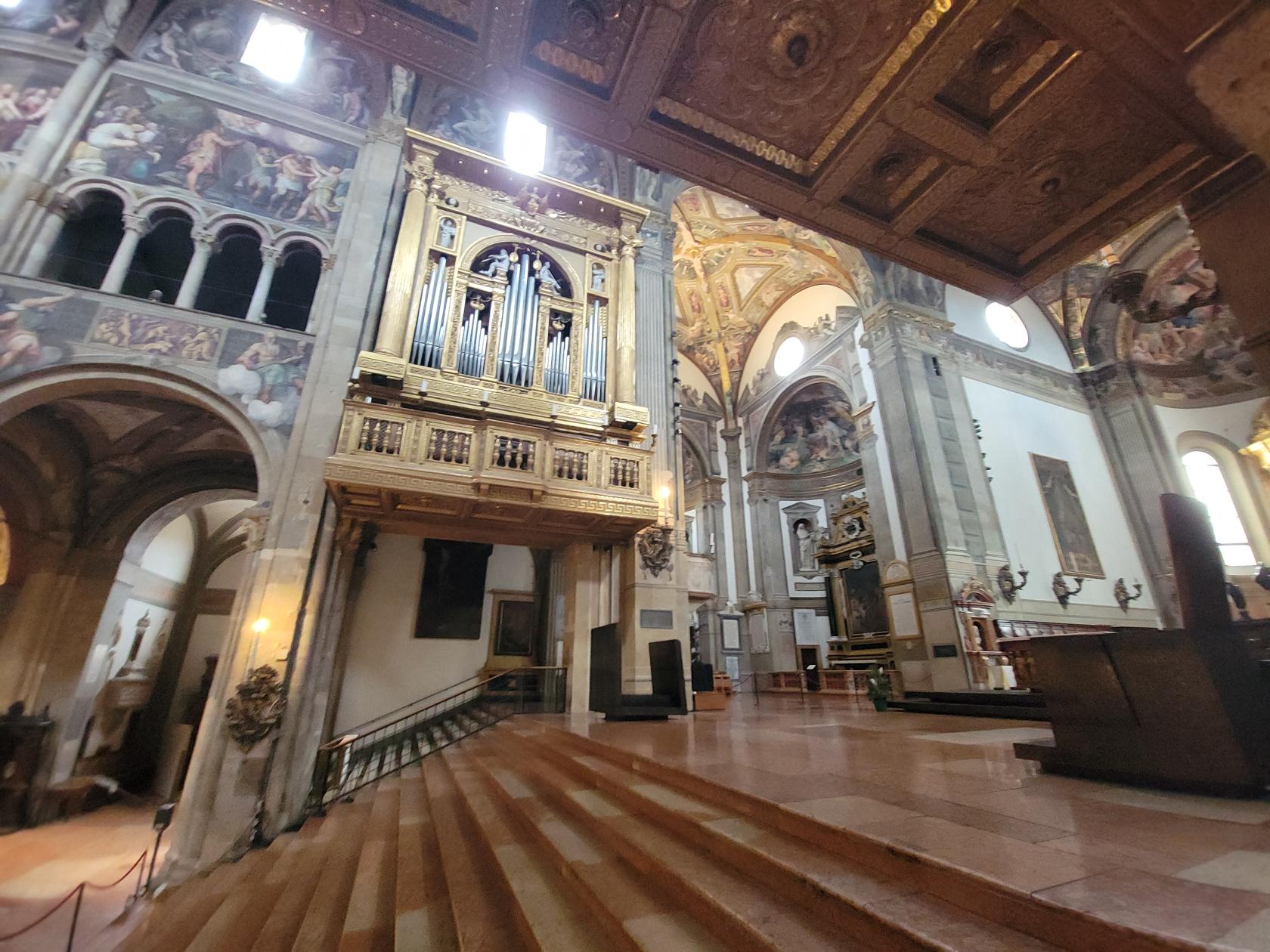
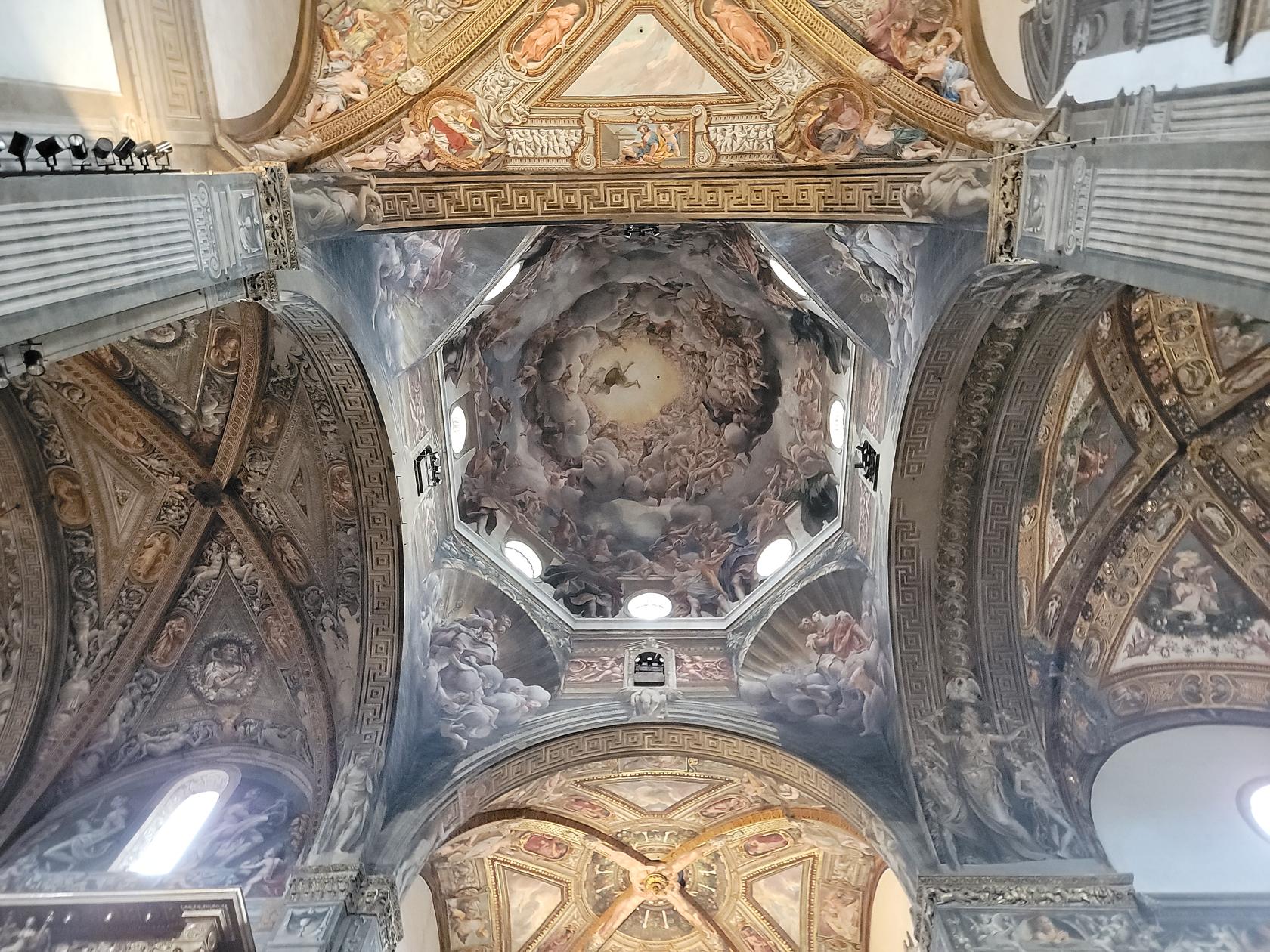
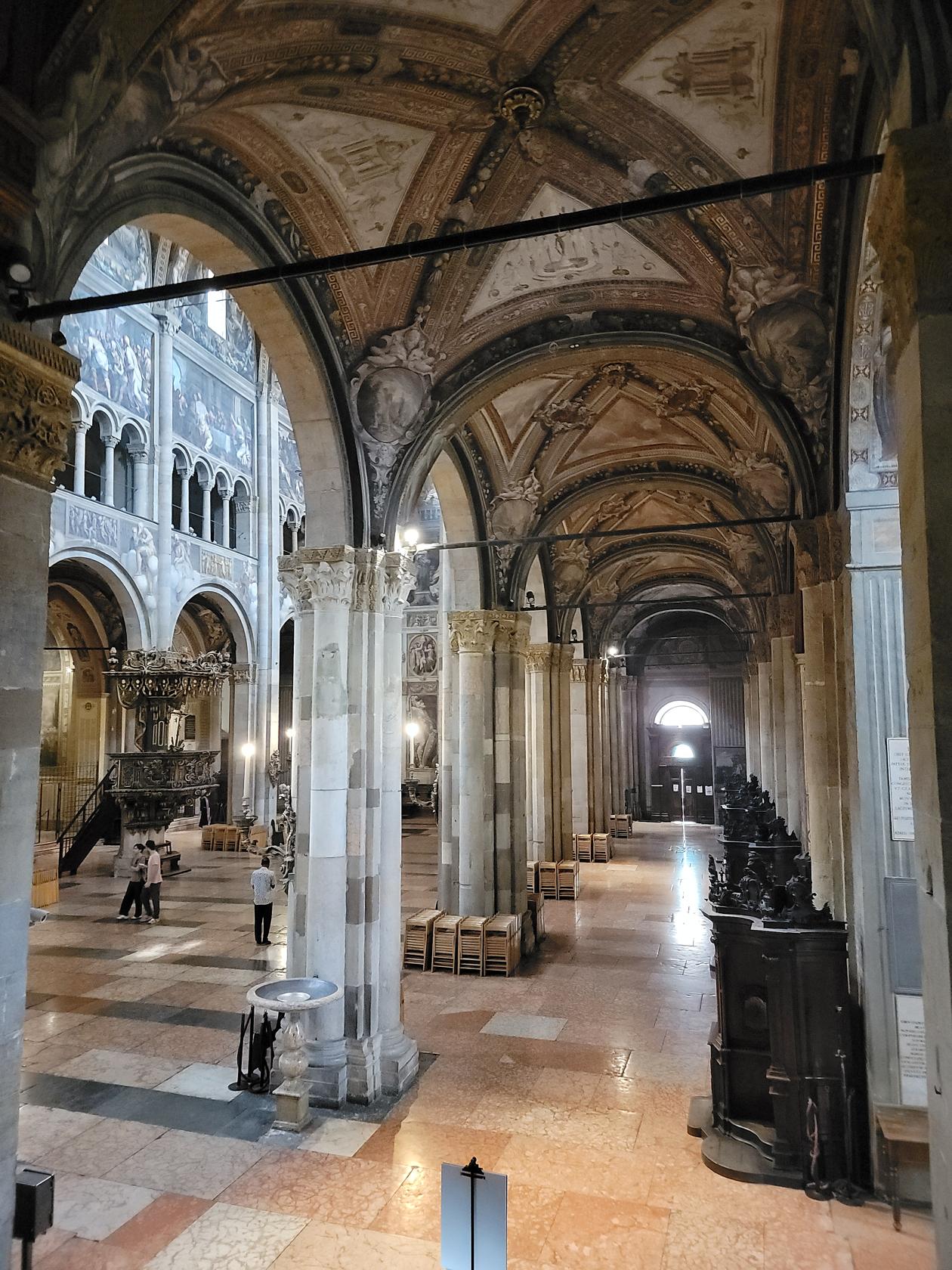
Church of Saints Peter and Paul

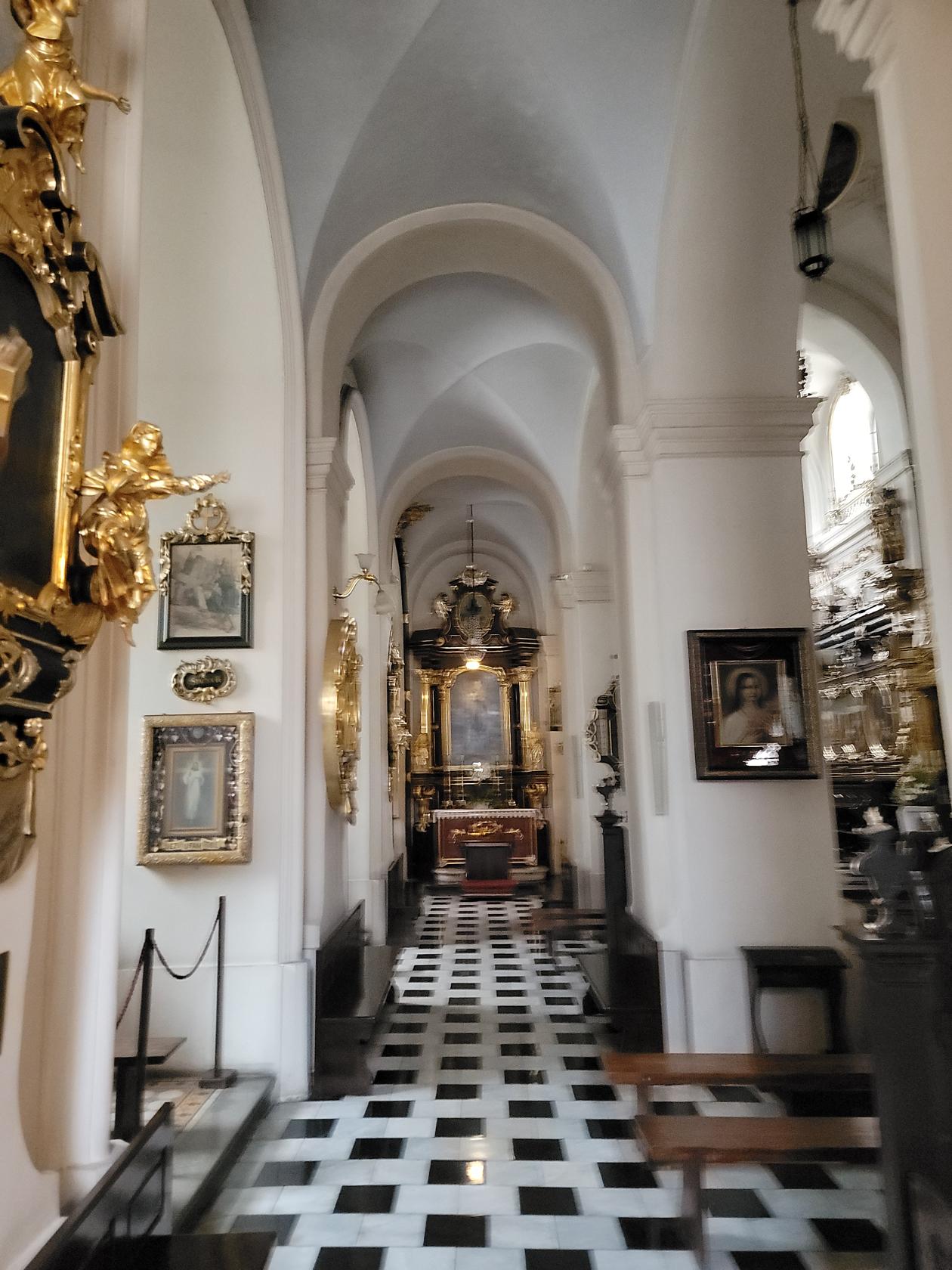
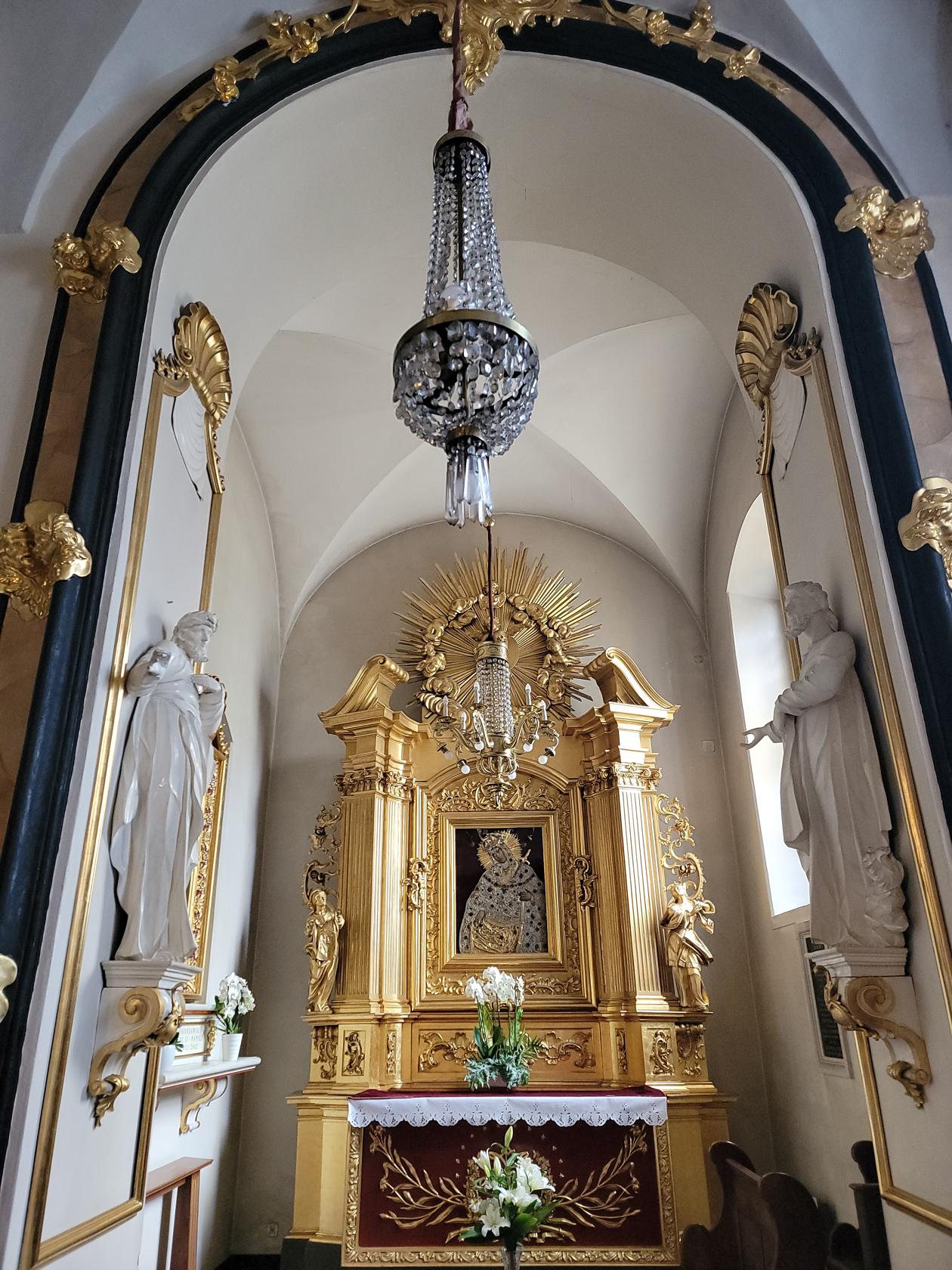
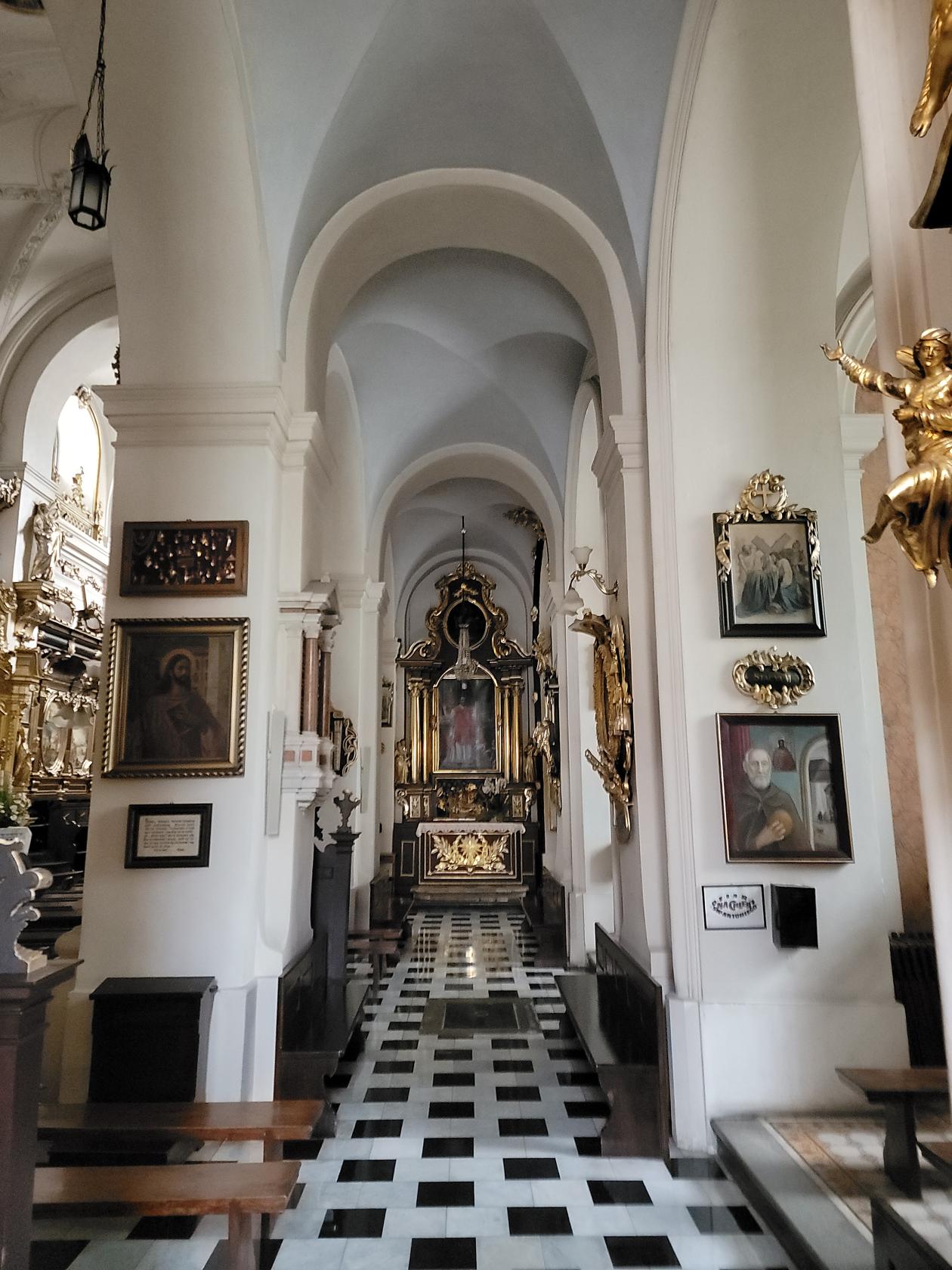
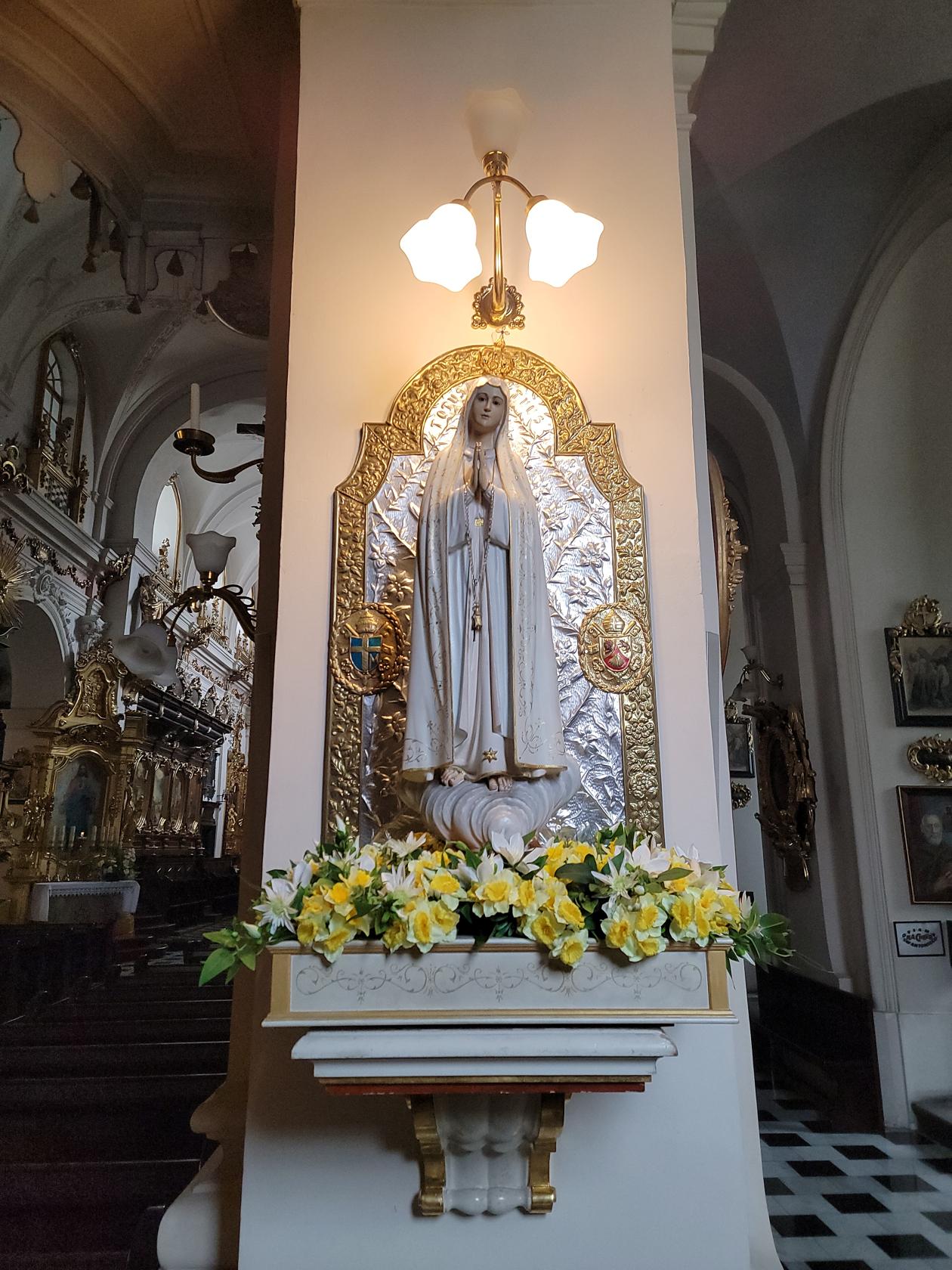
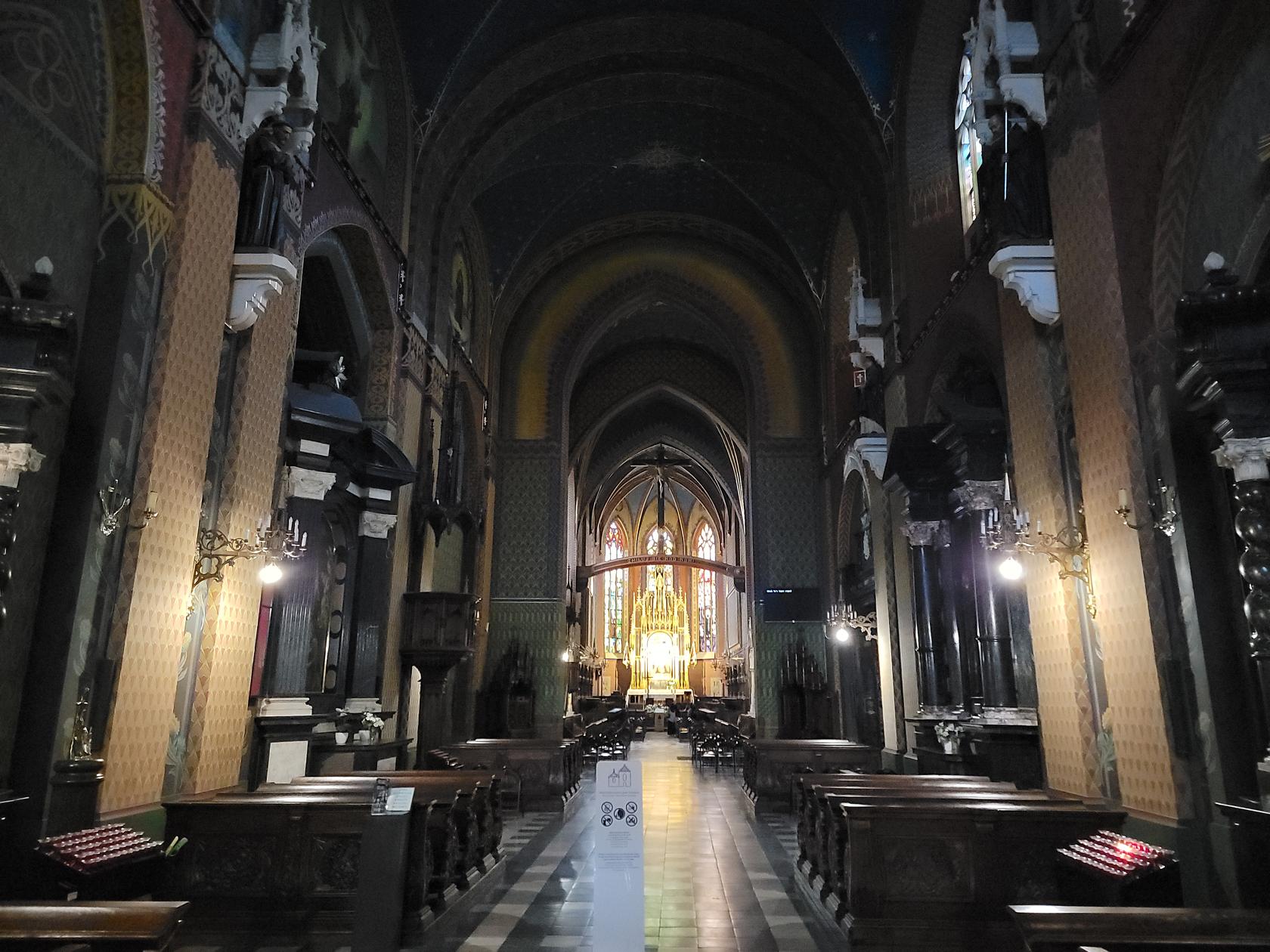
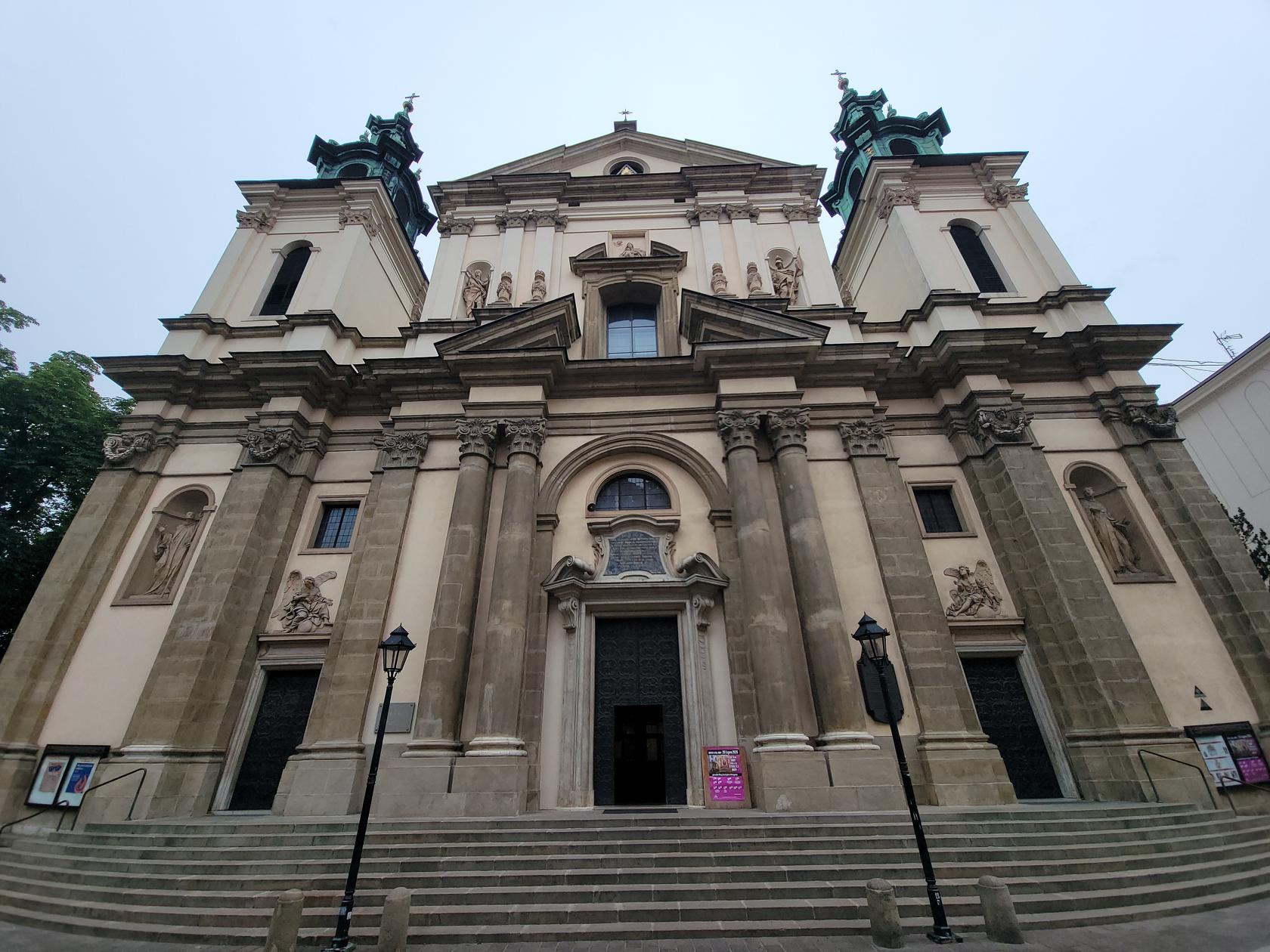
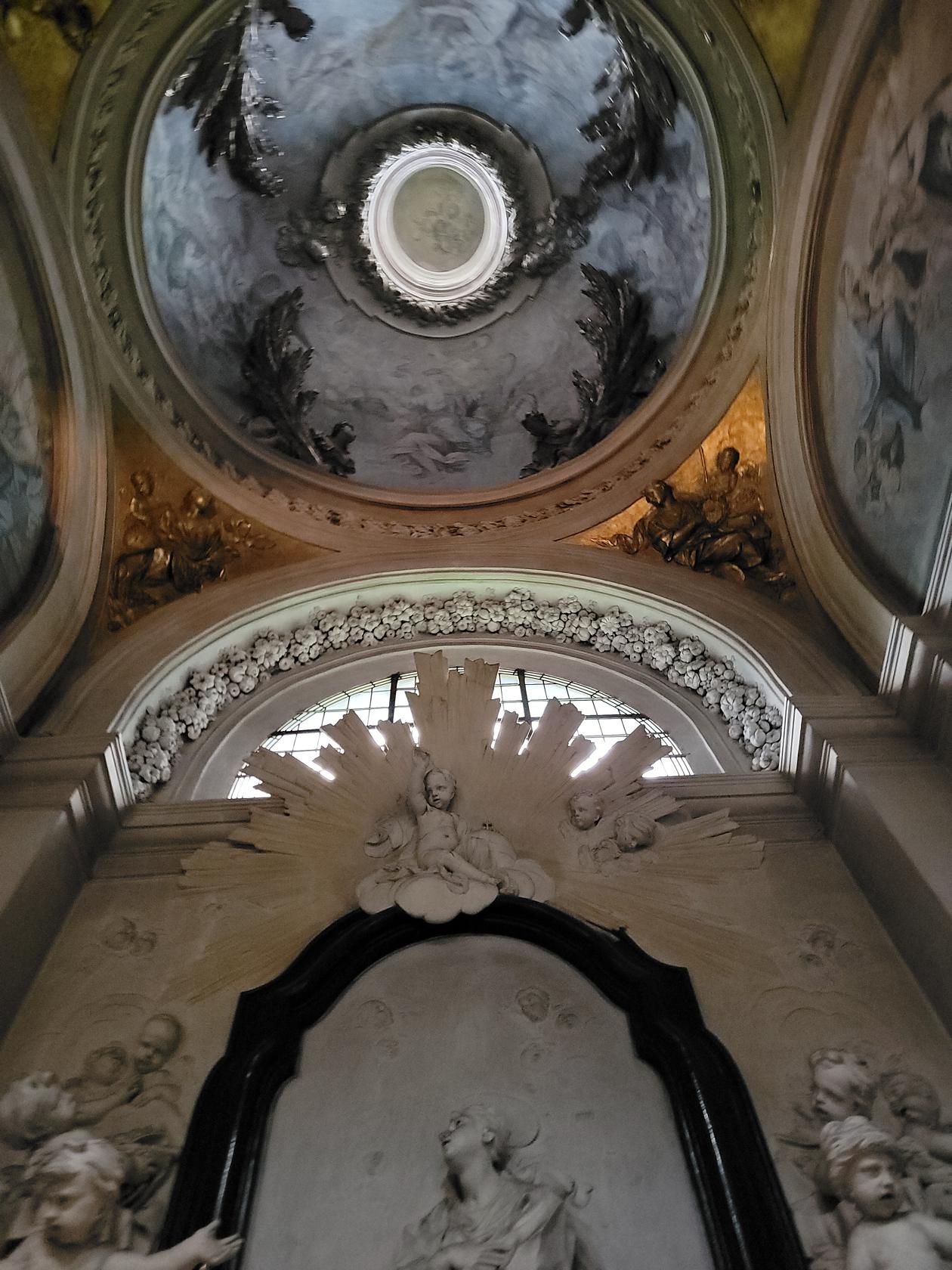
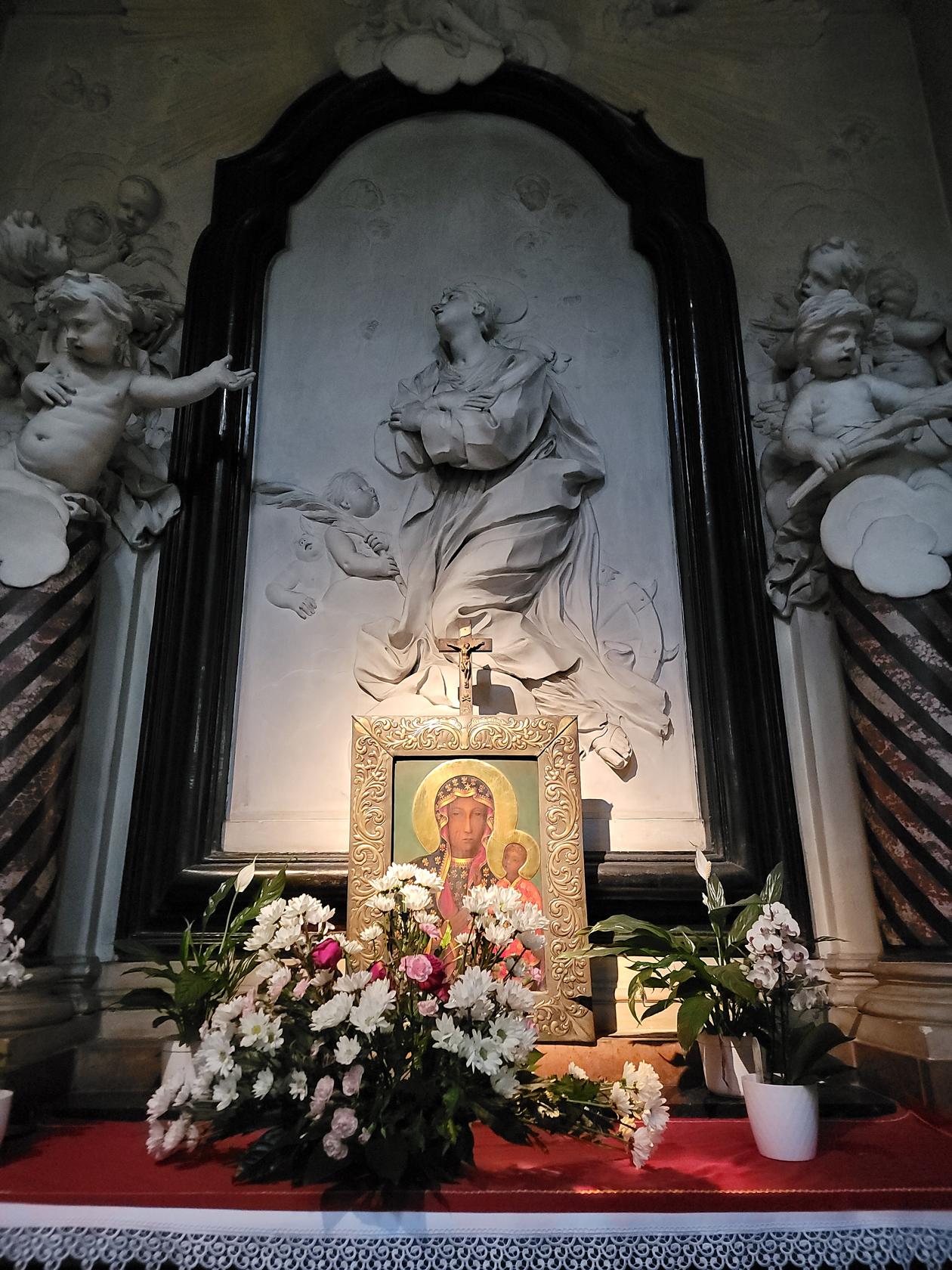
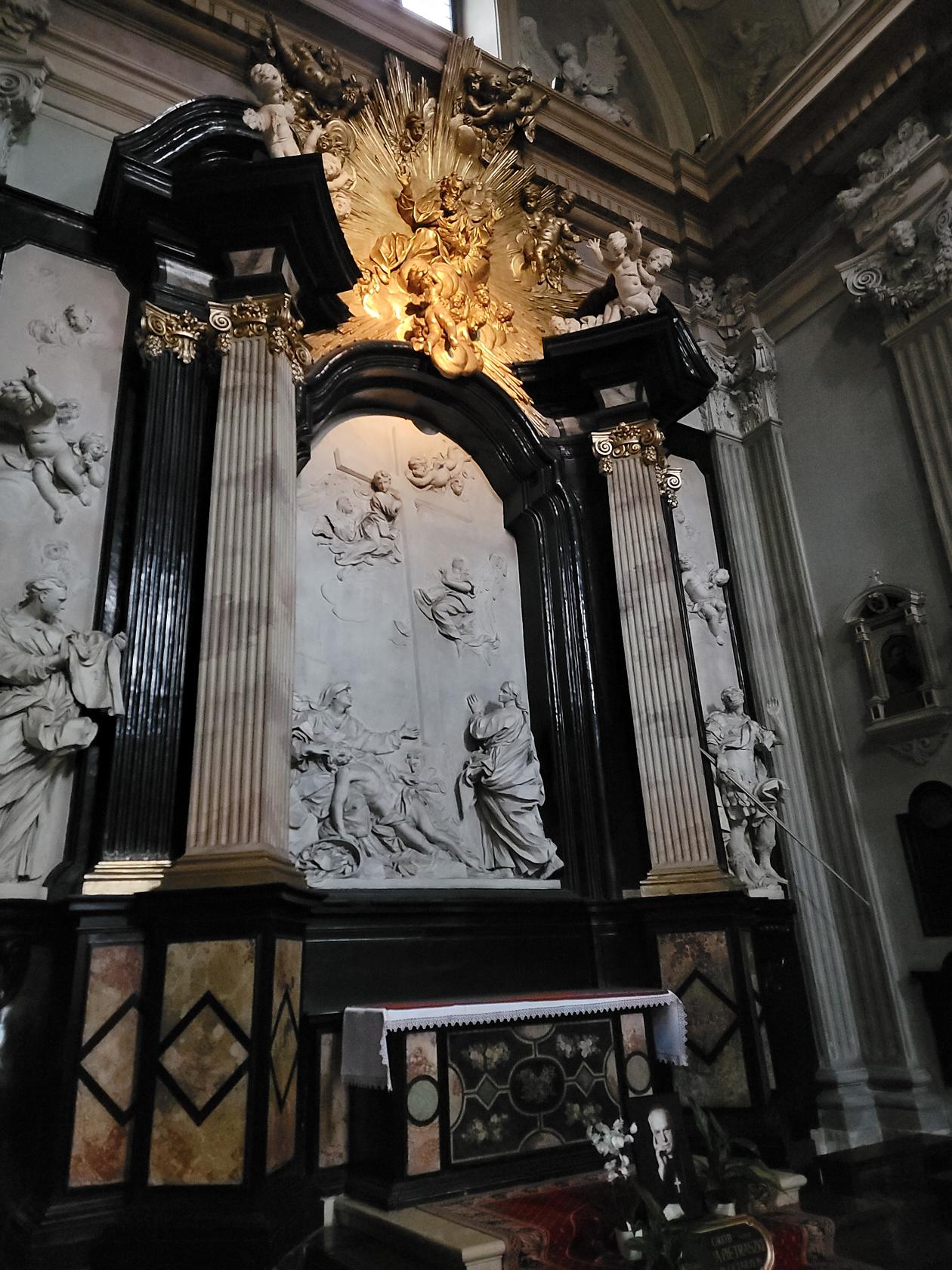
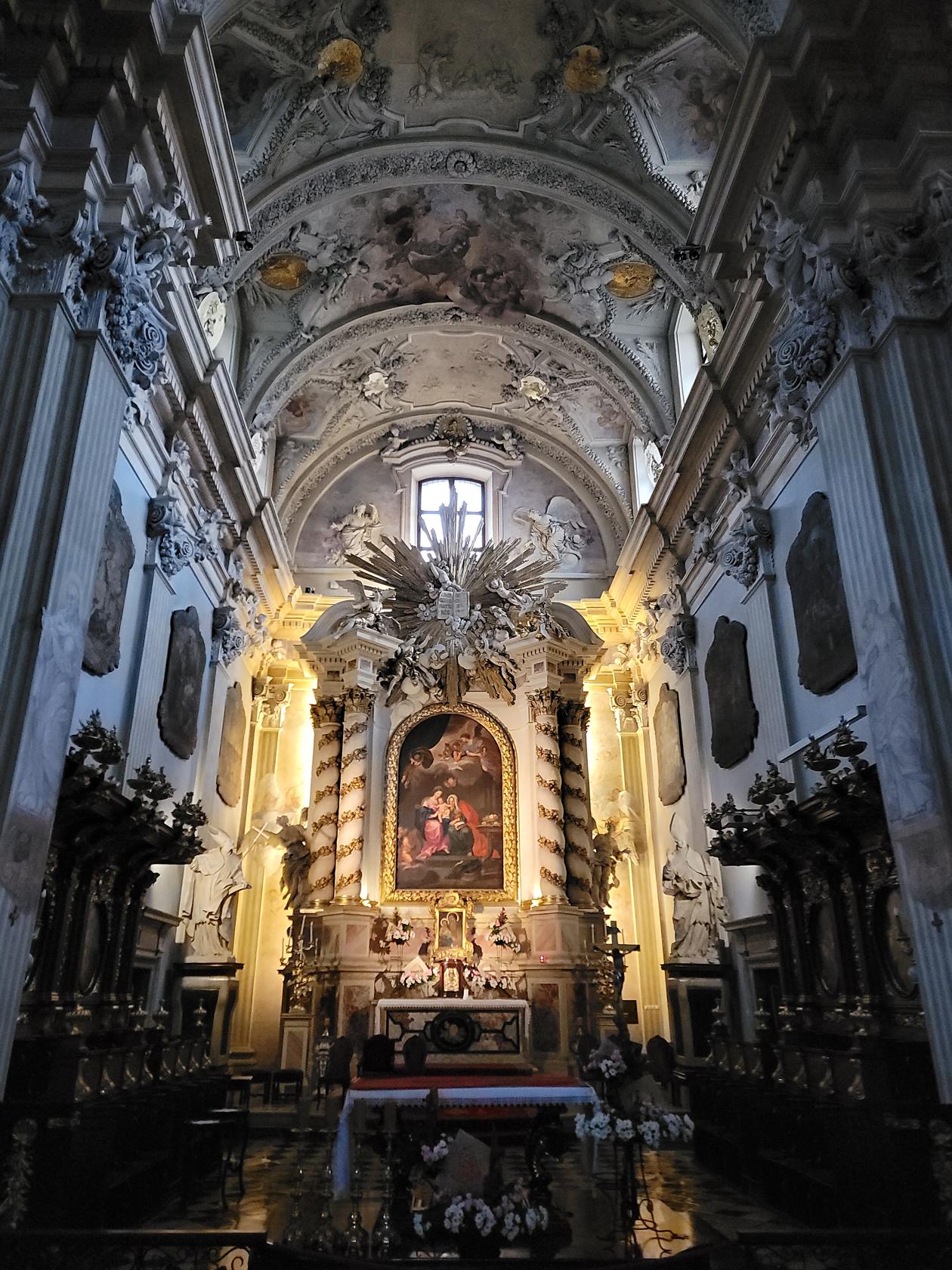
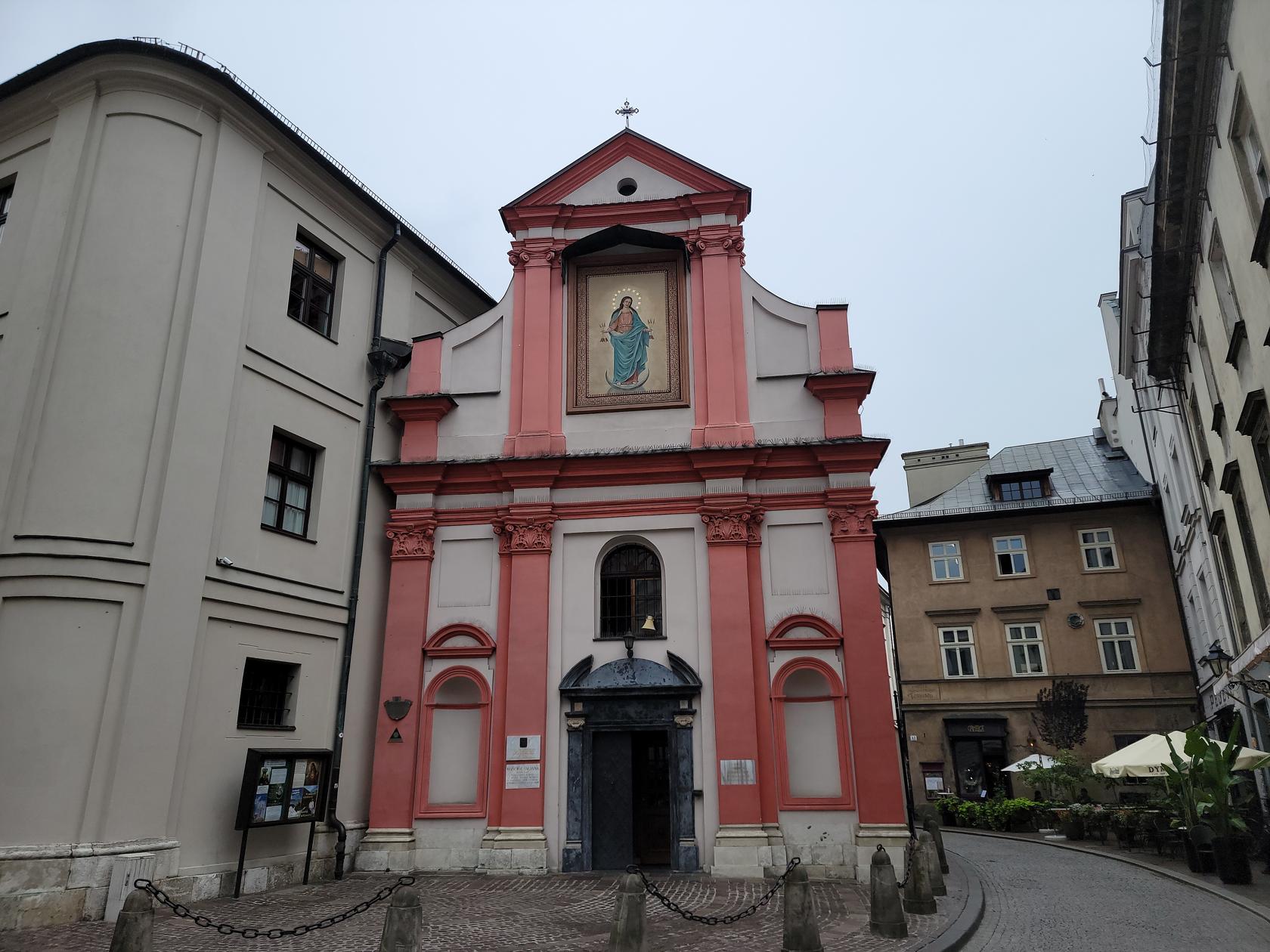
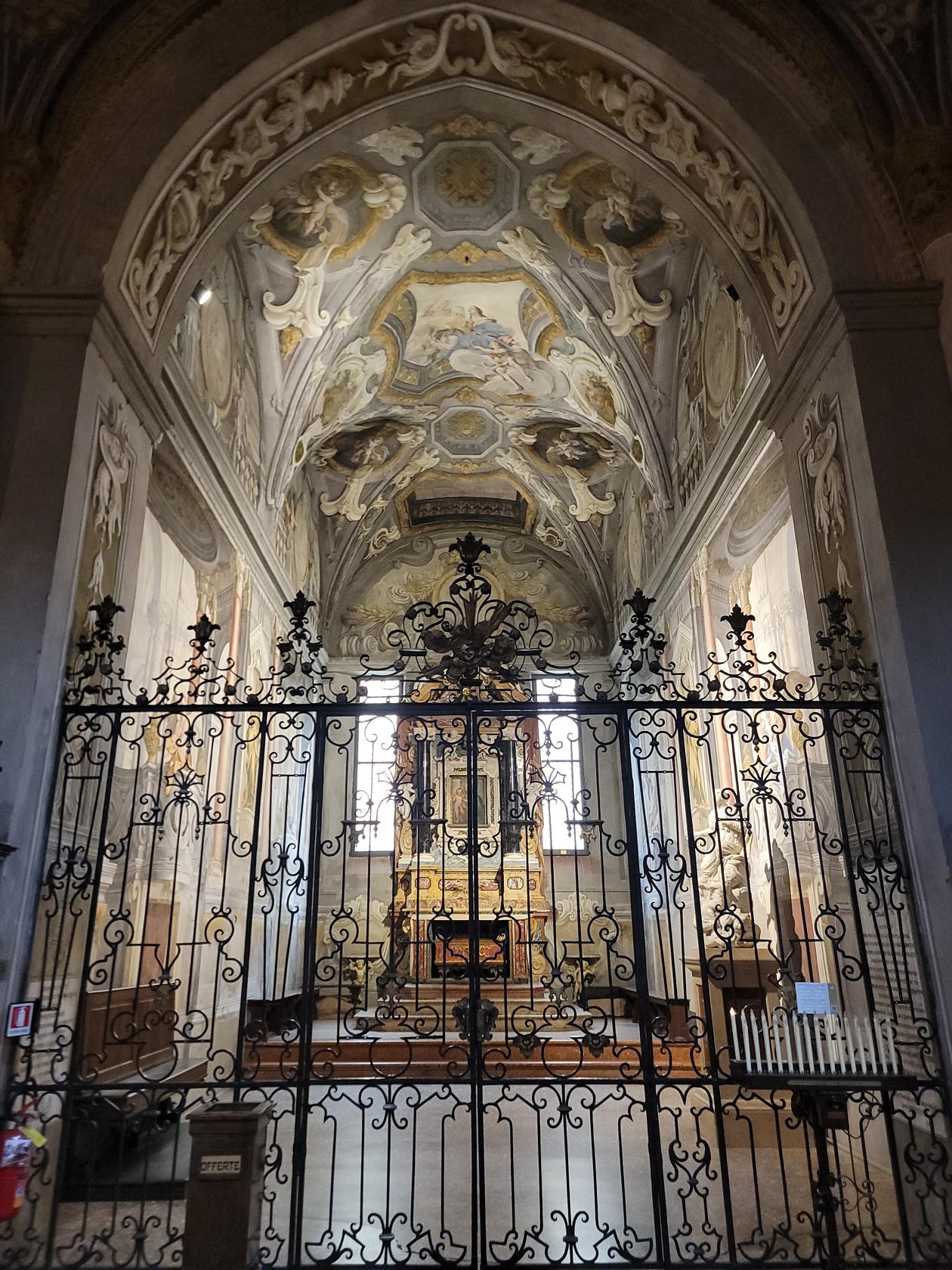
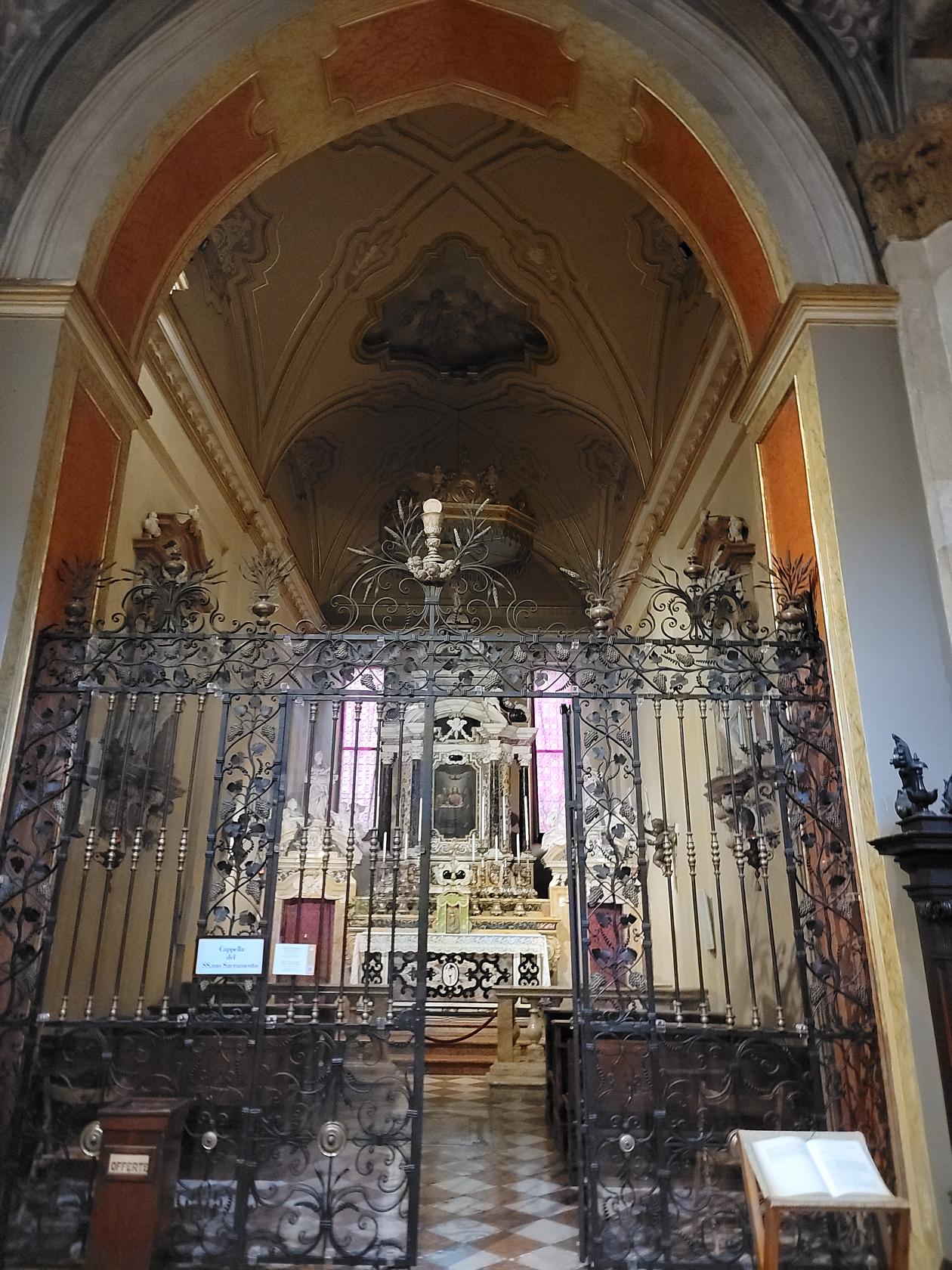
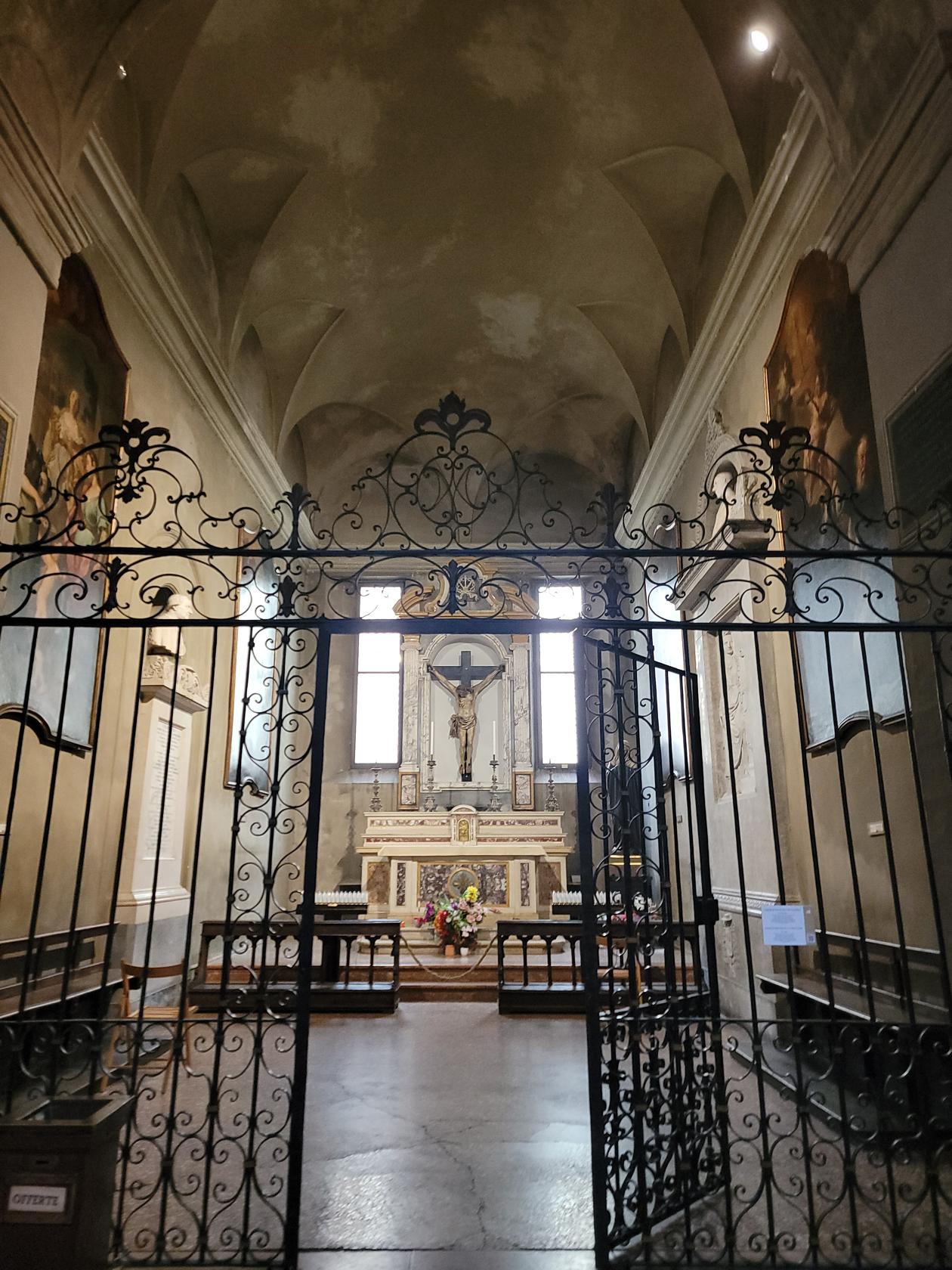
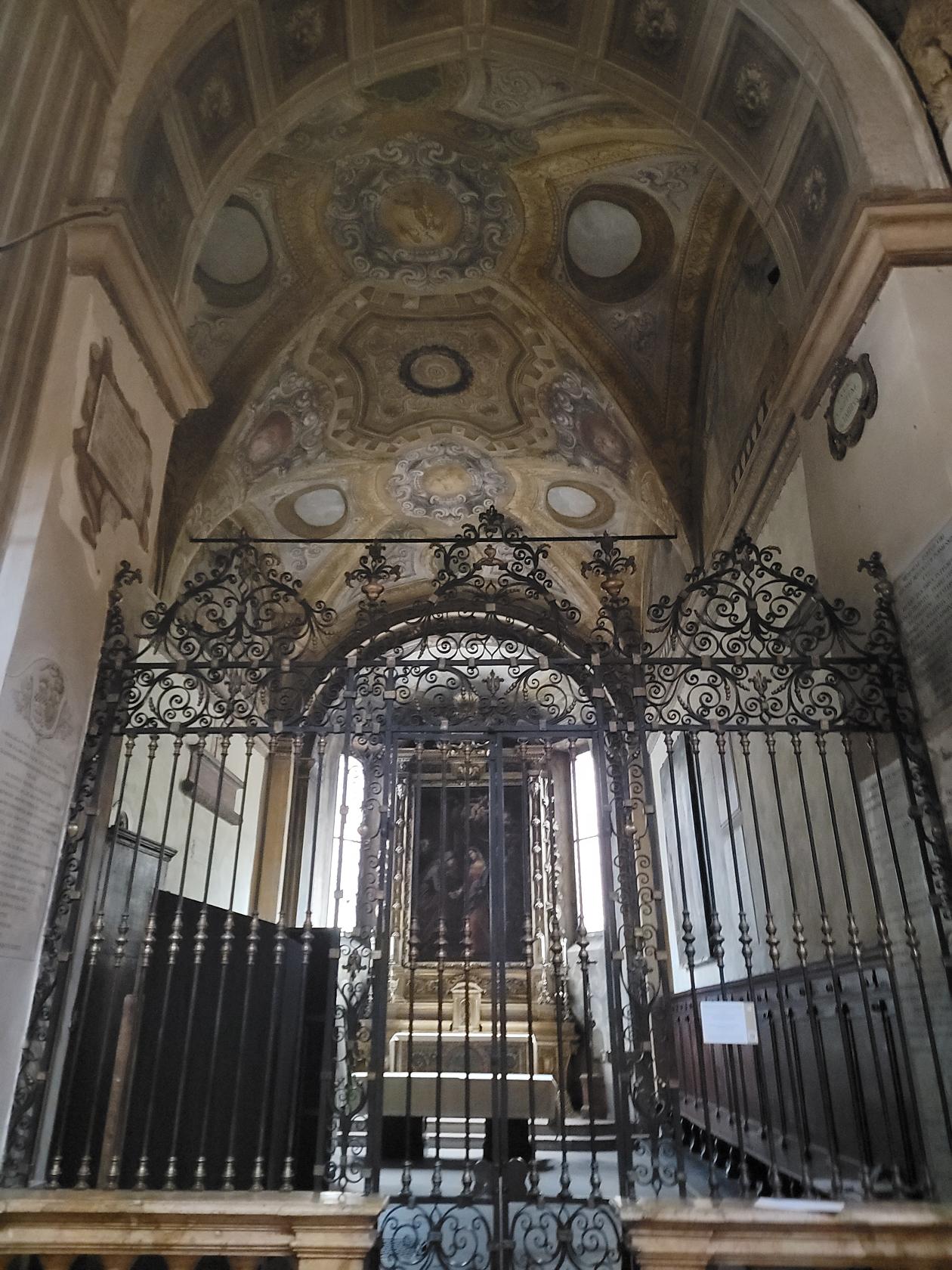
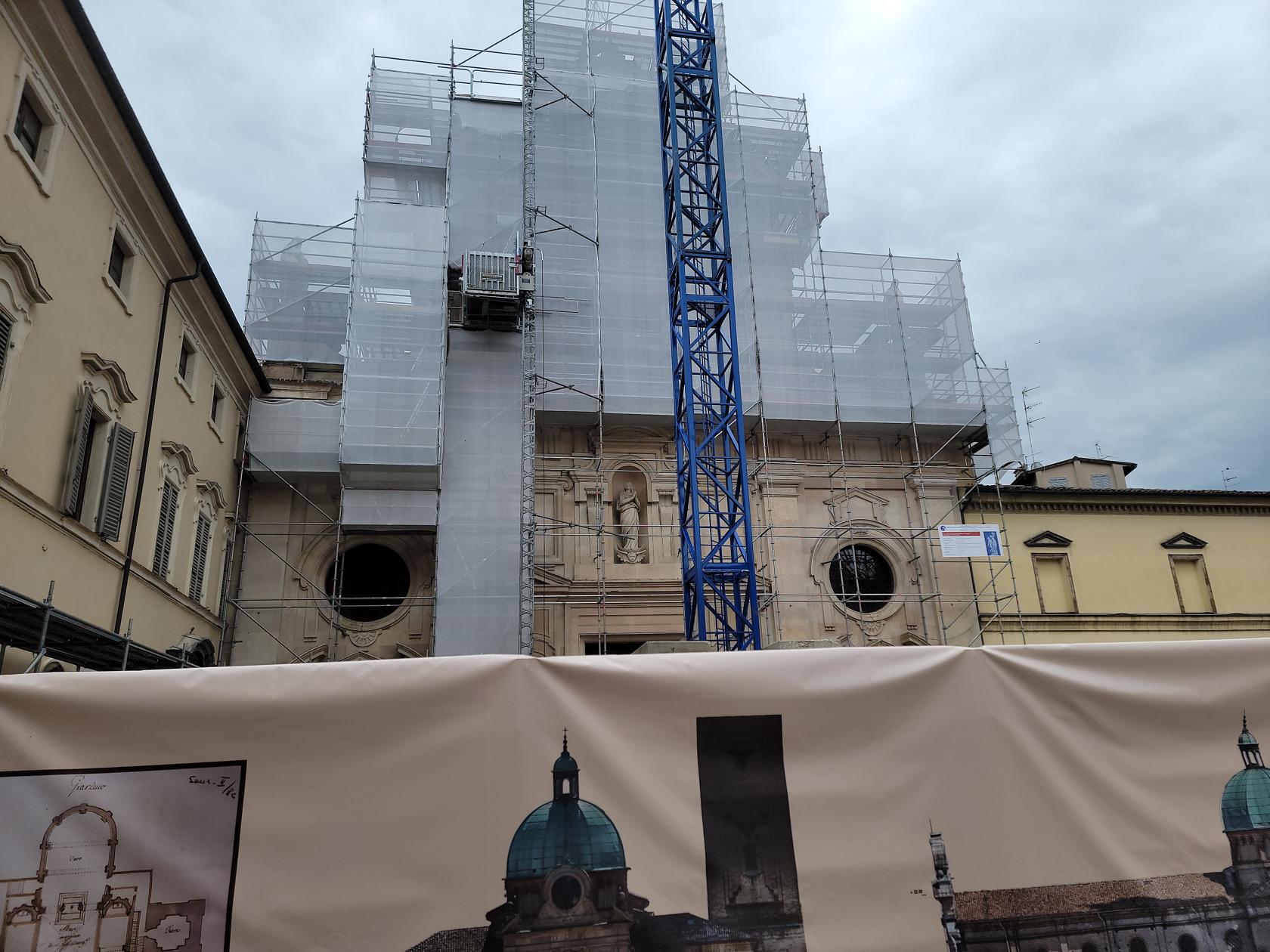
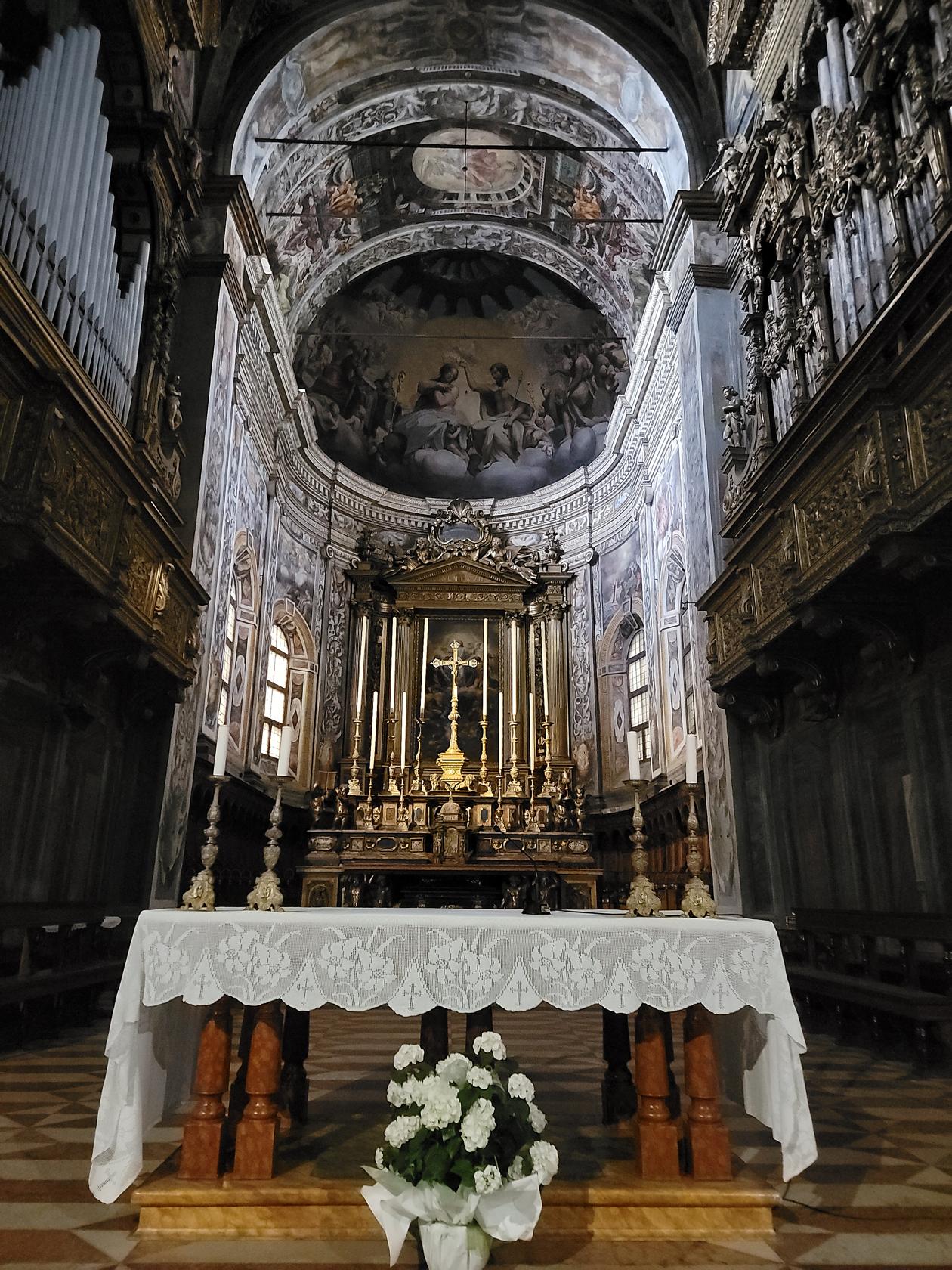
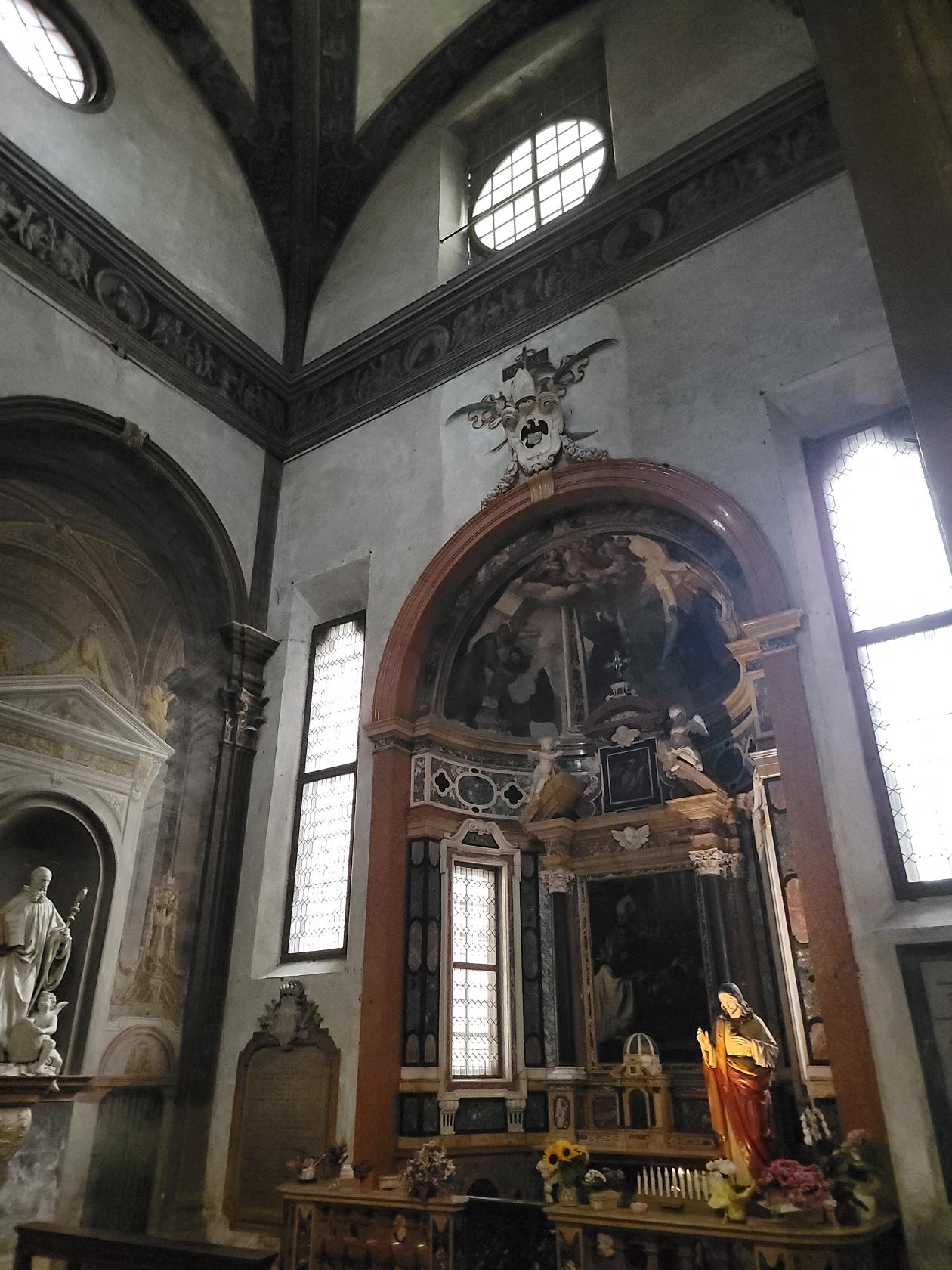
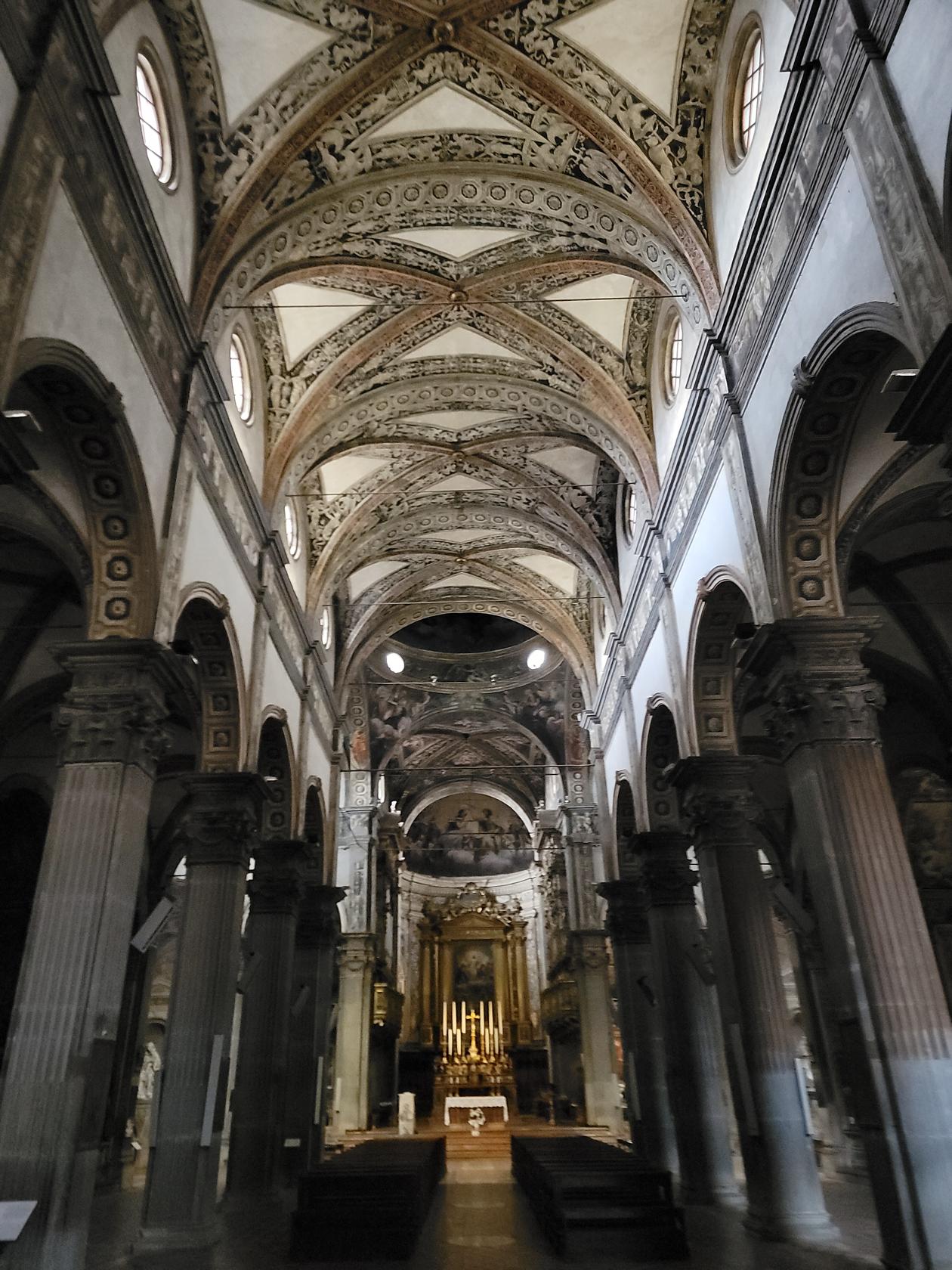
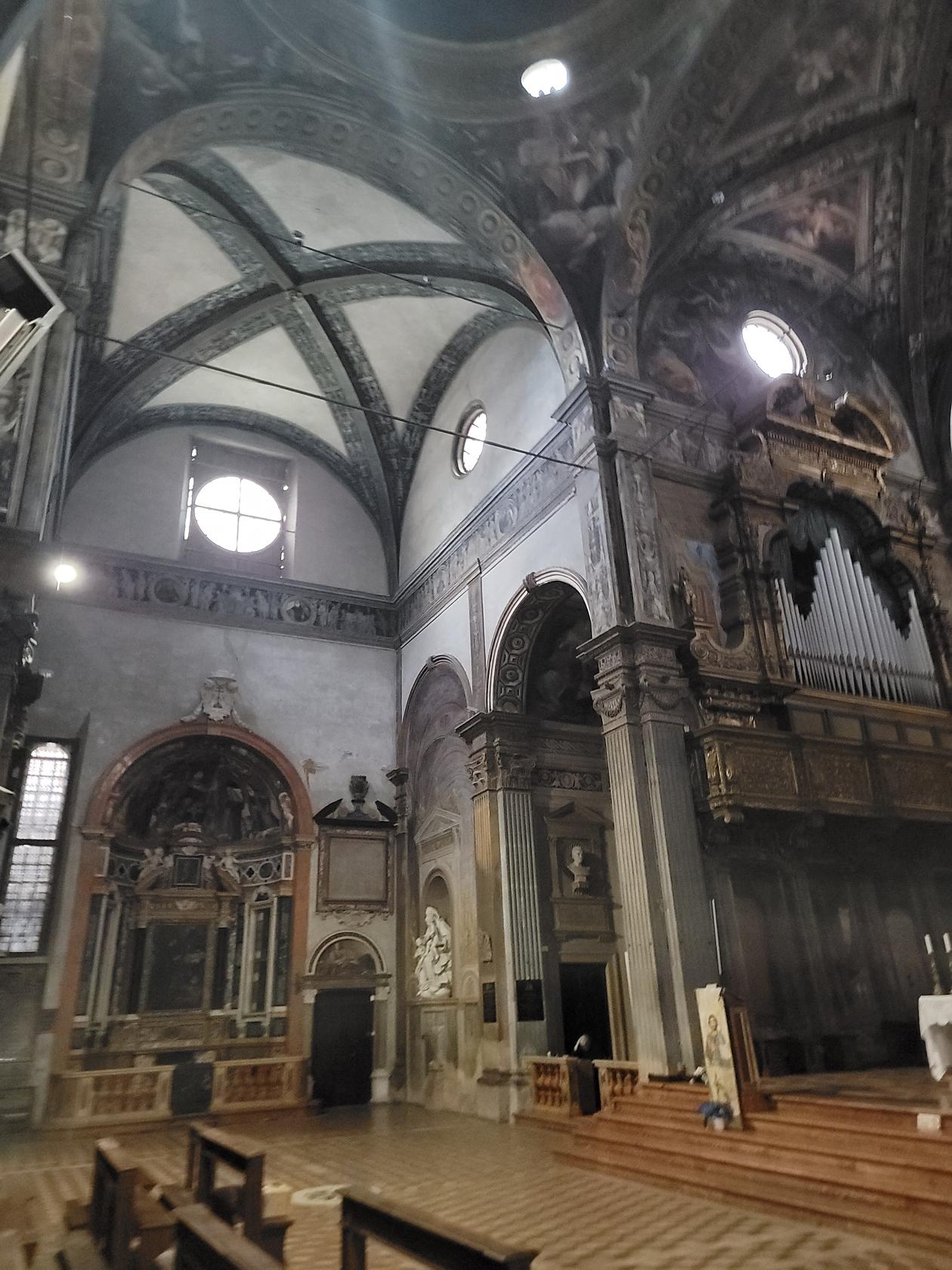
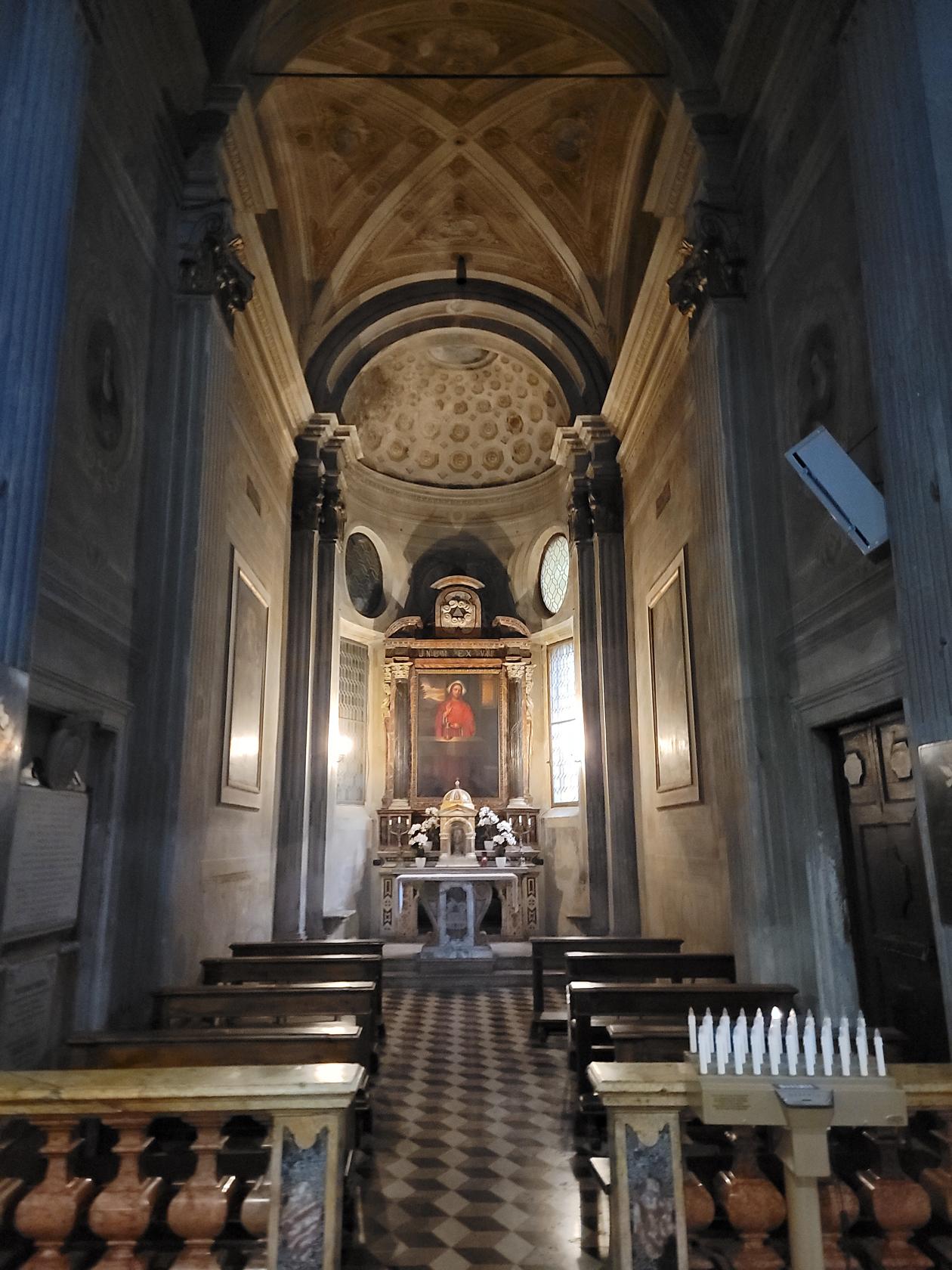
A walk through the town and above most if, you will find the Church of Saints Peter and Paul. An unusual church which looks more like an administrative building than a church.

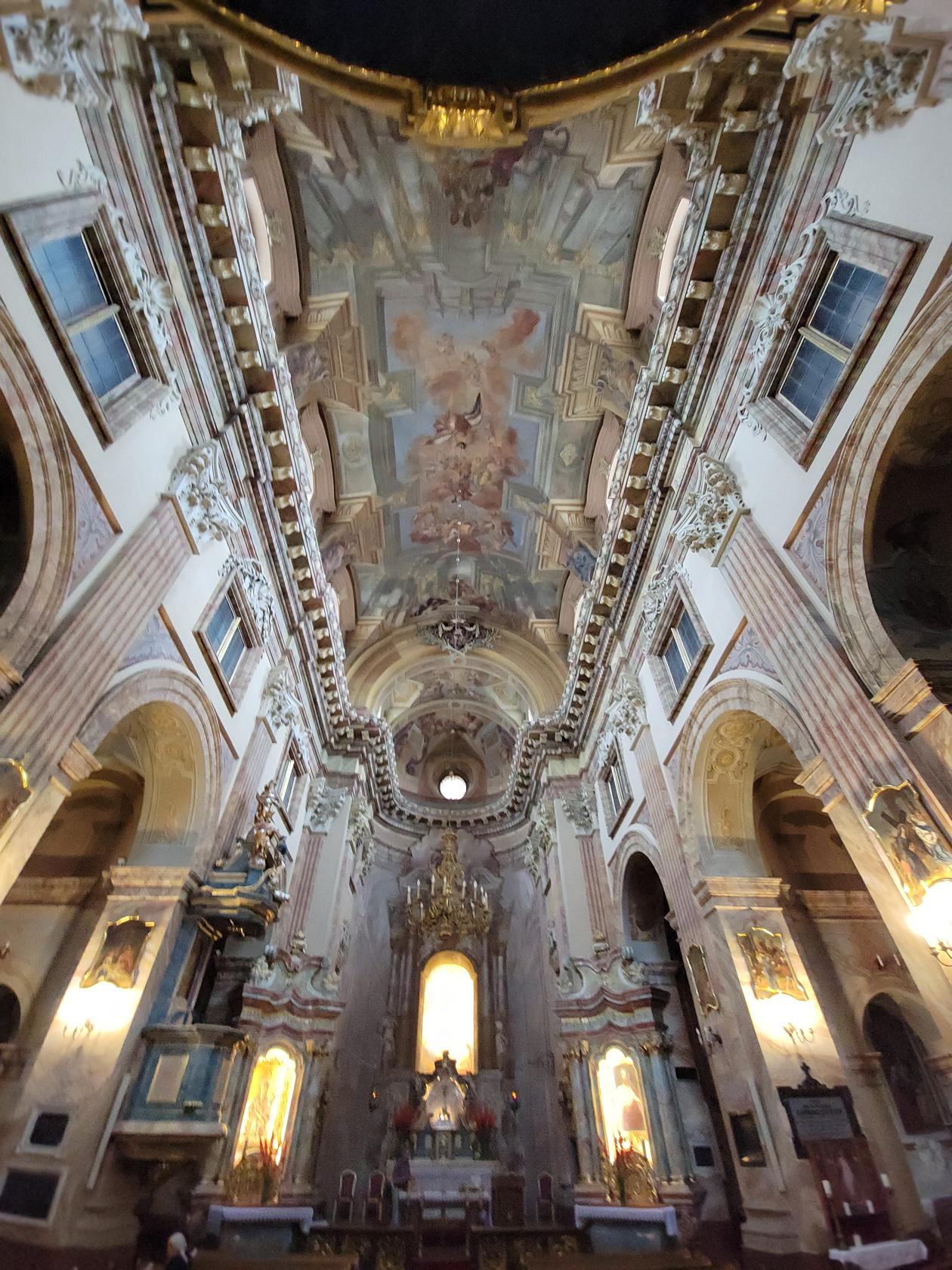
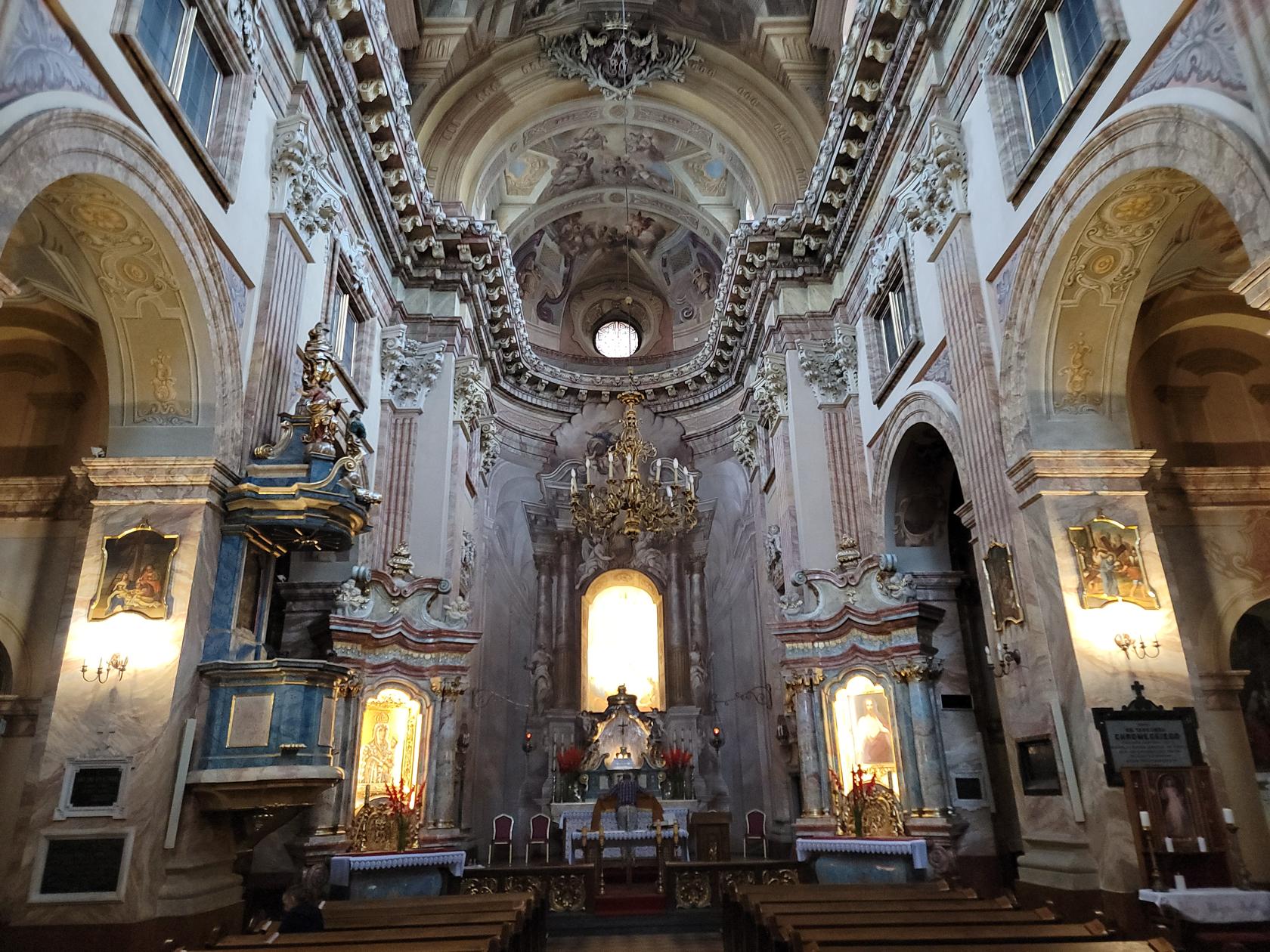
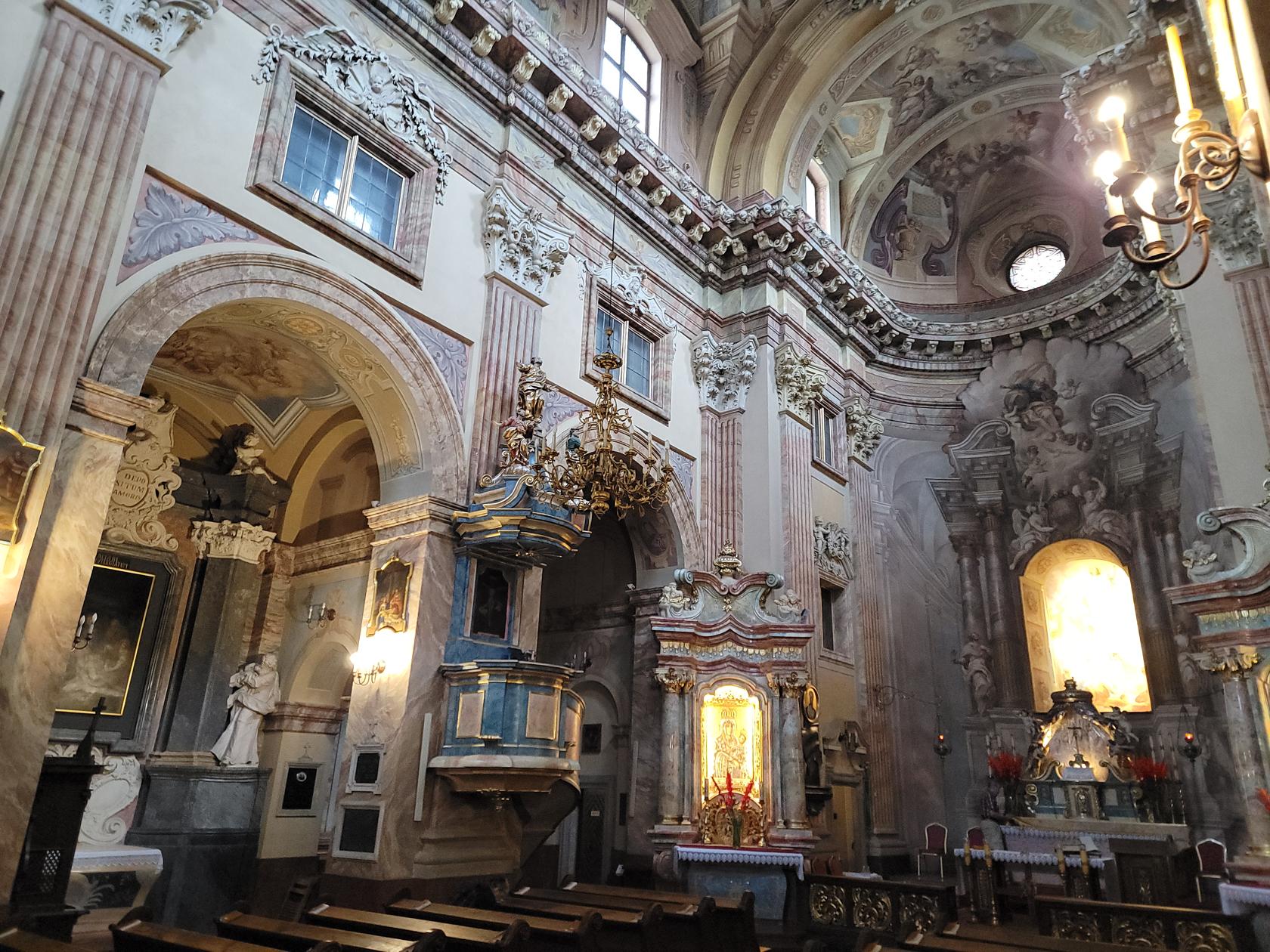
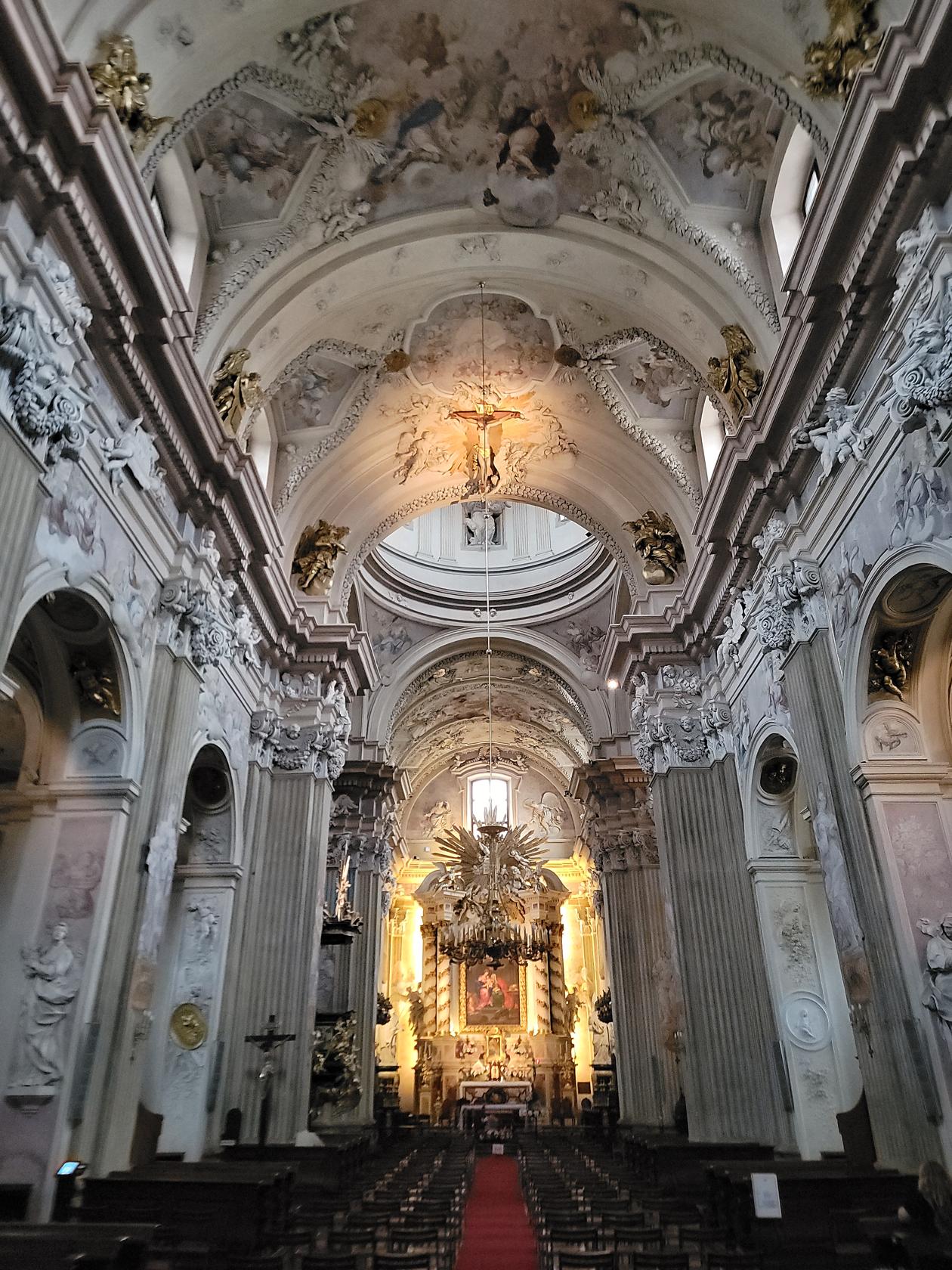
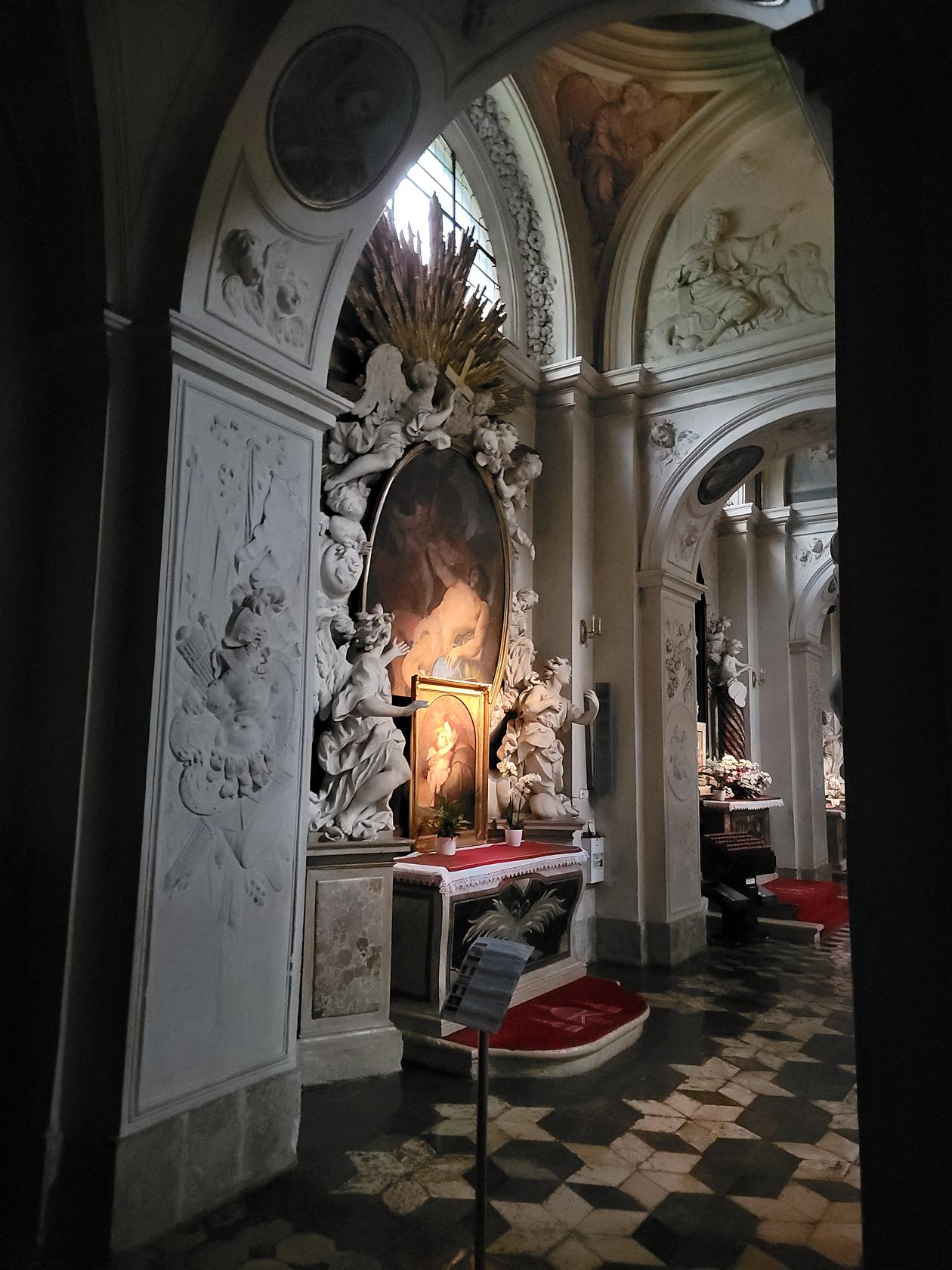
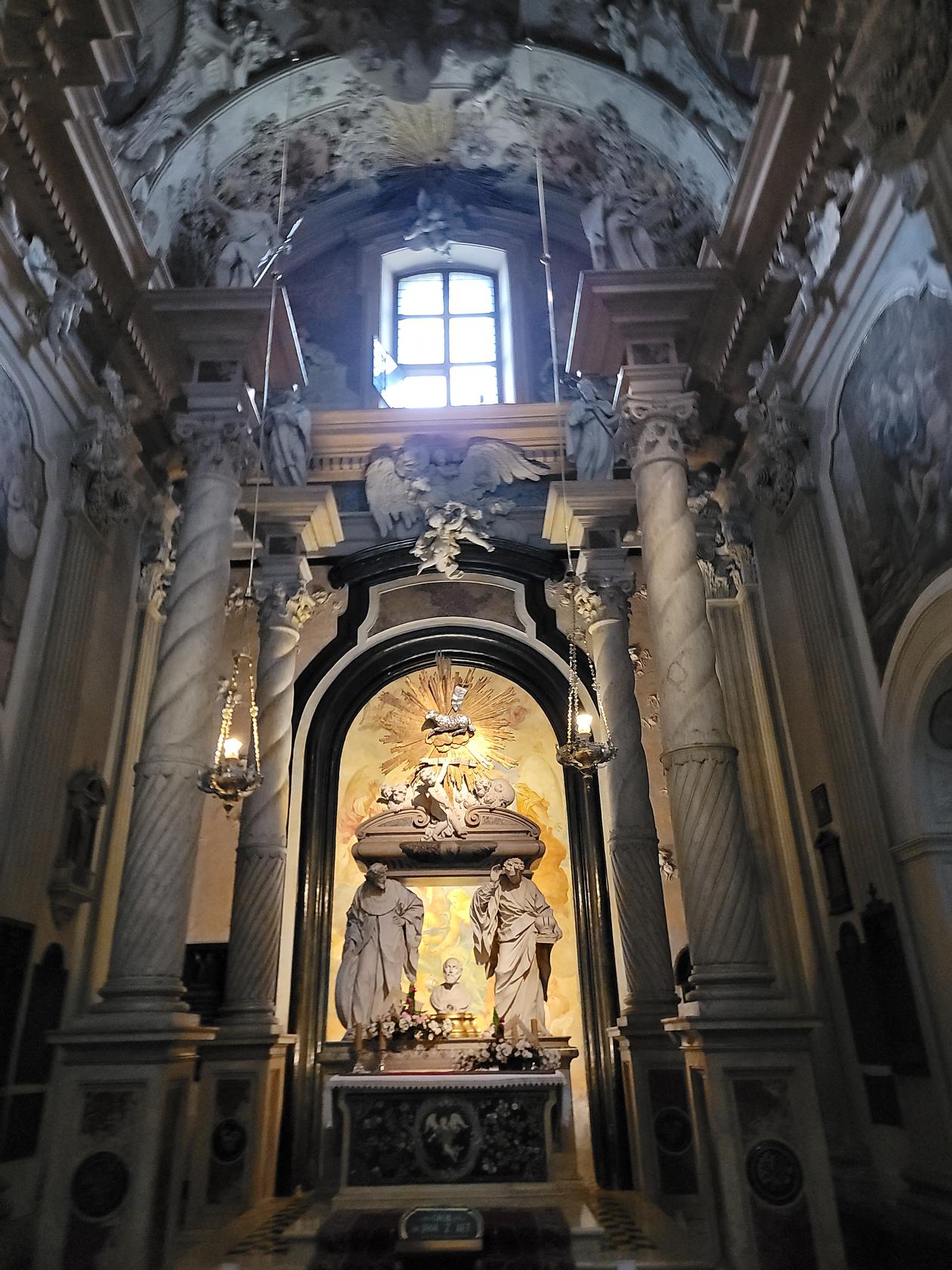
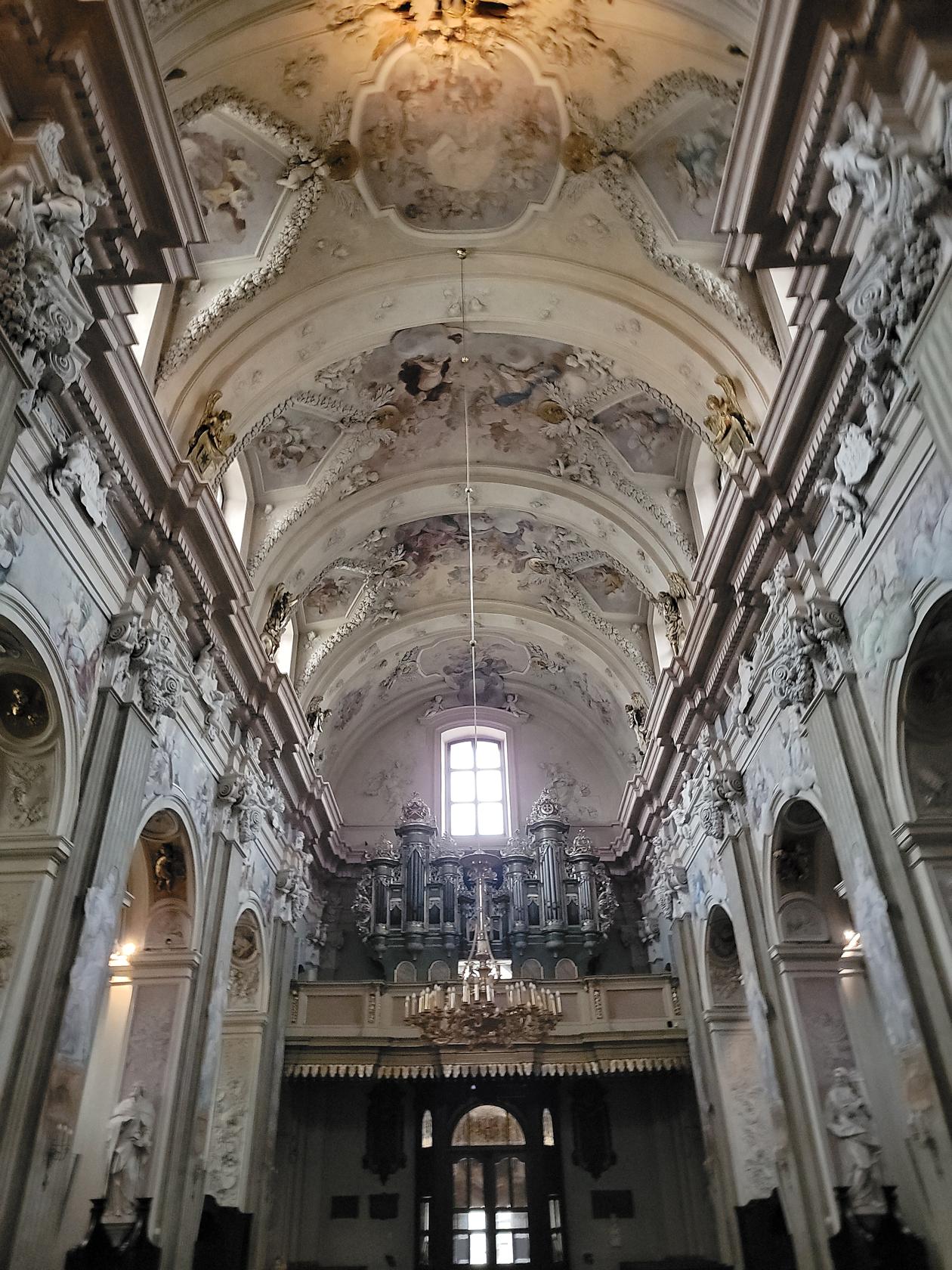
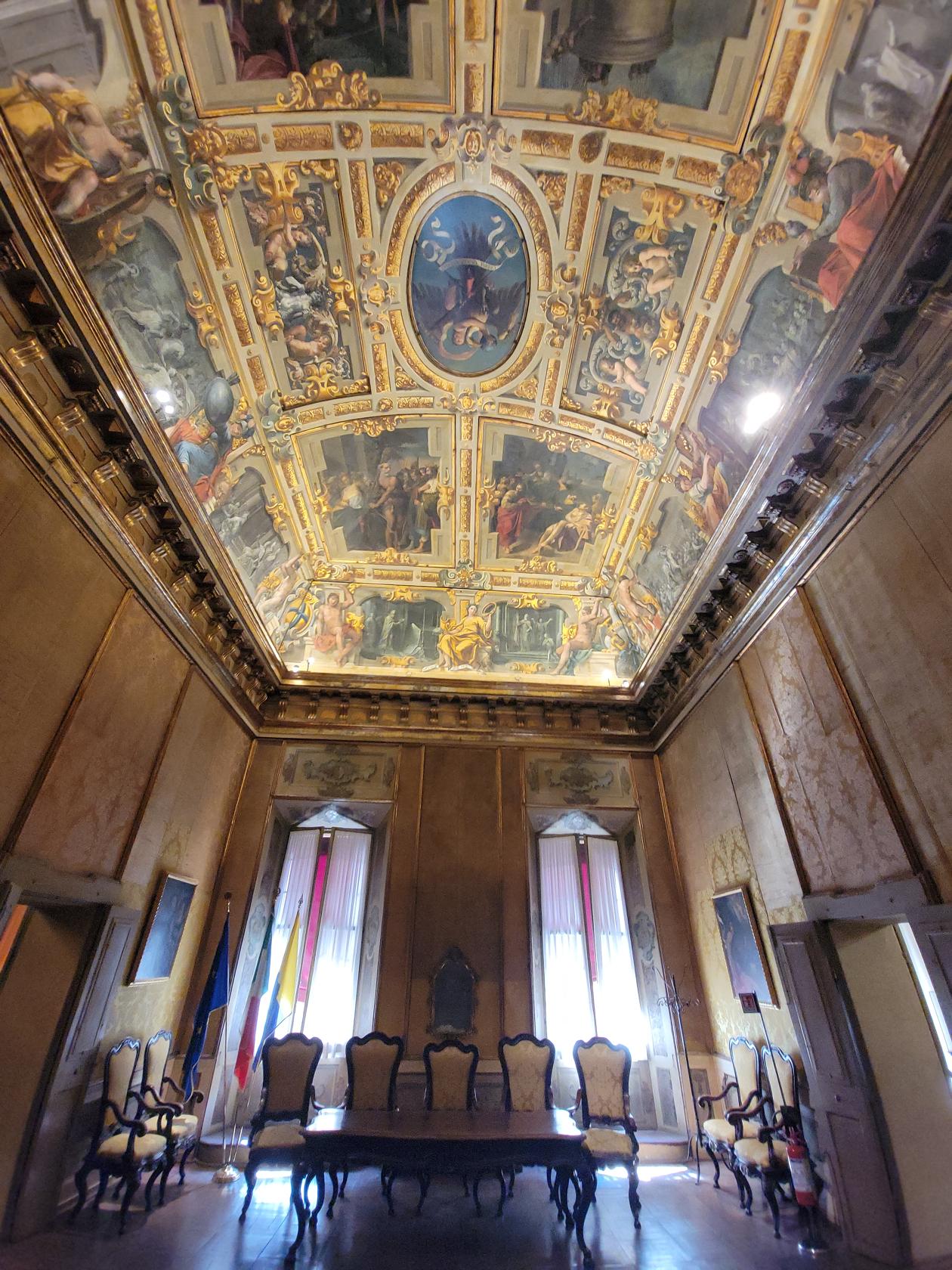
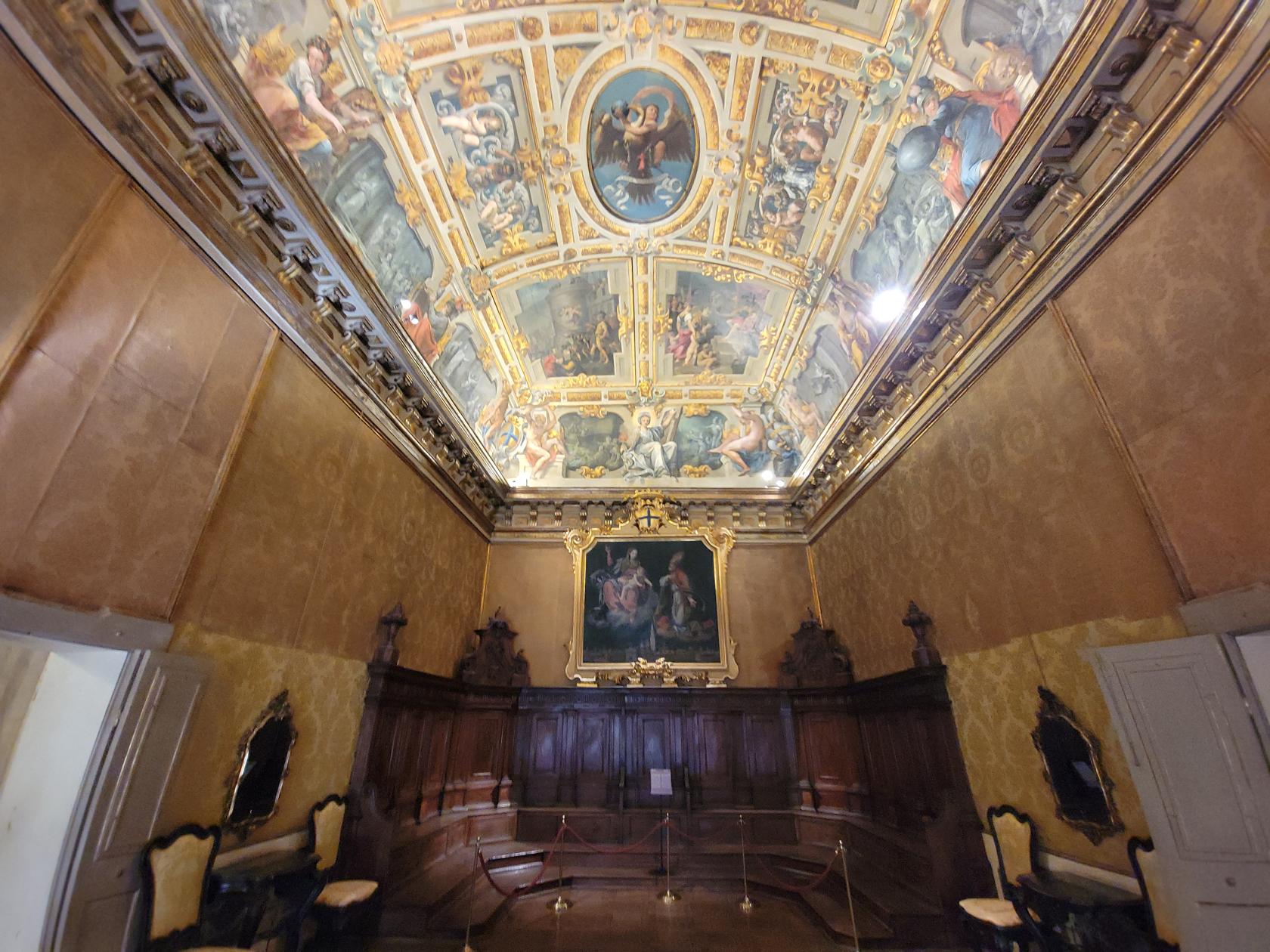
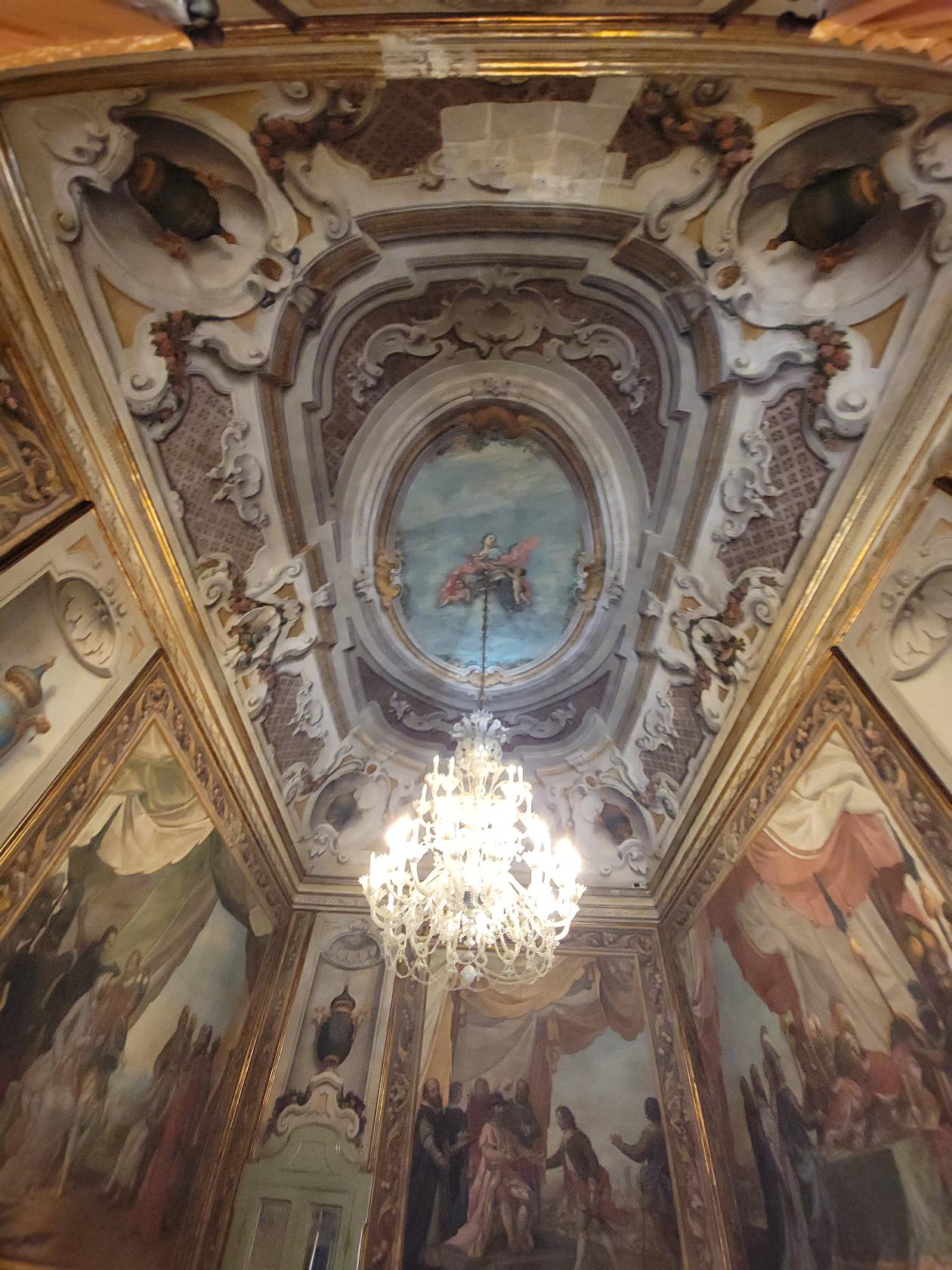
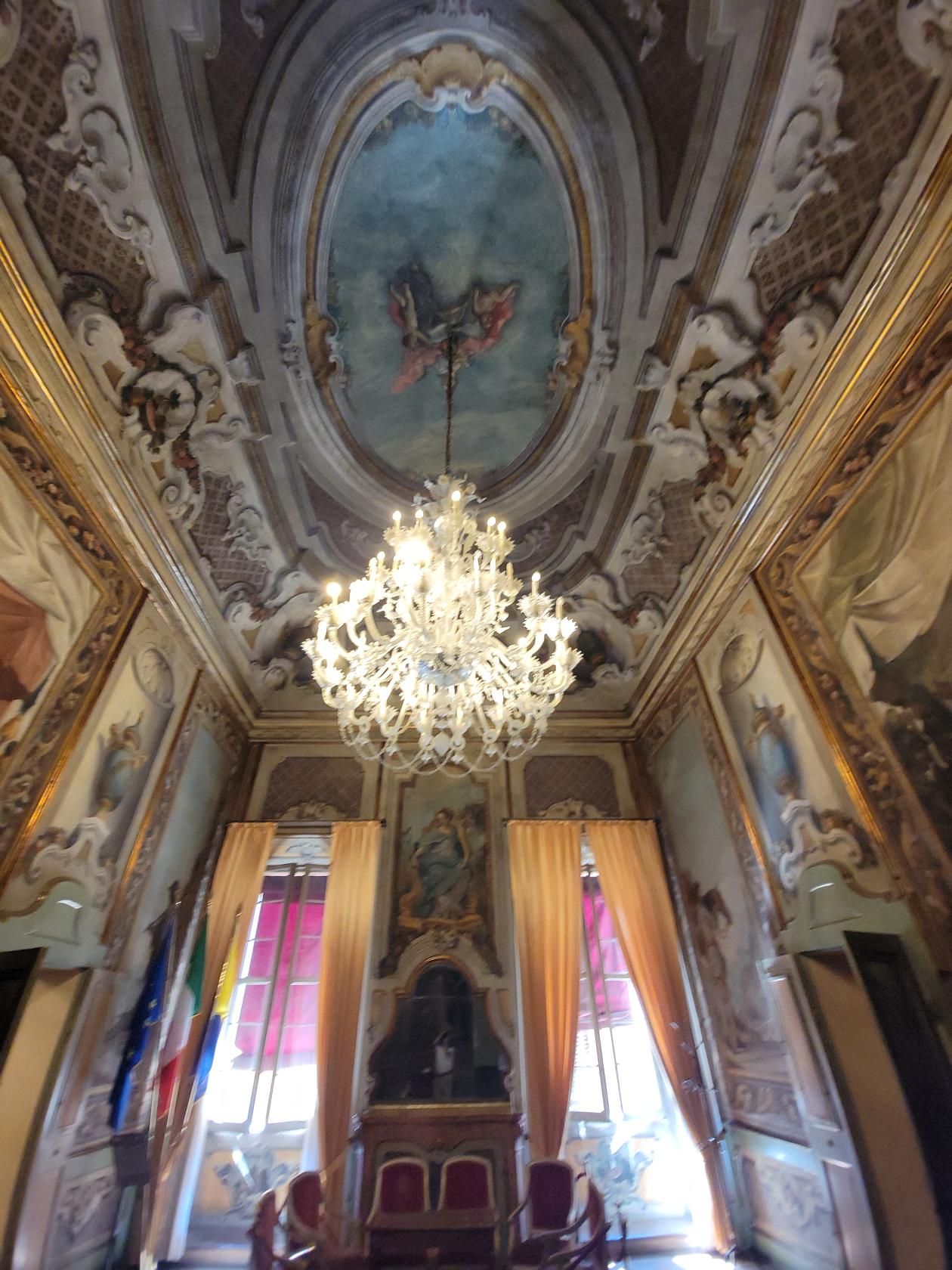
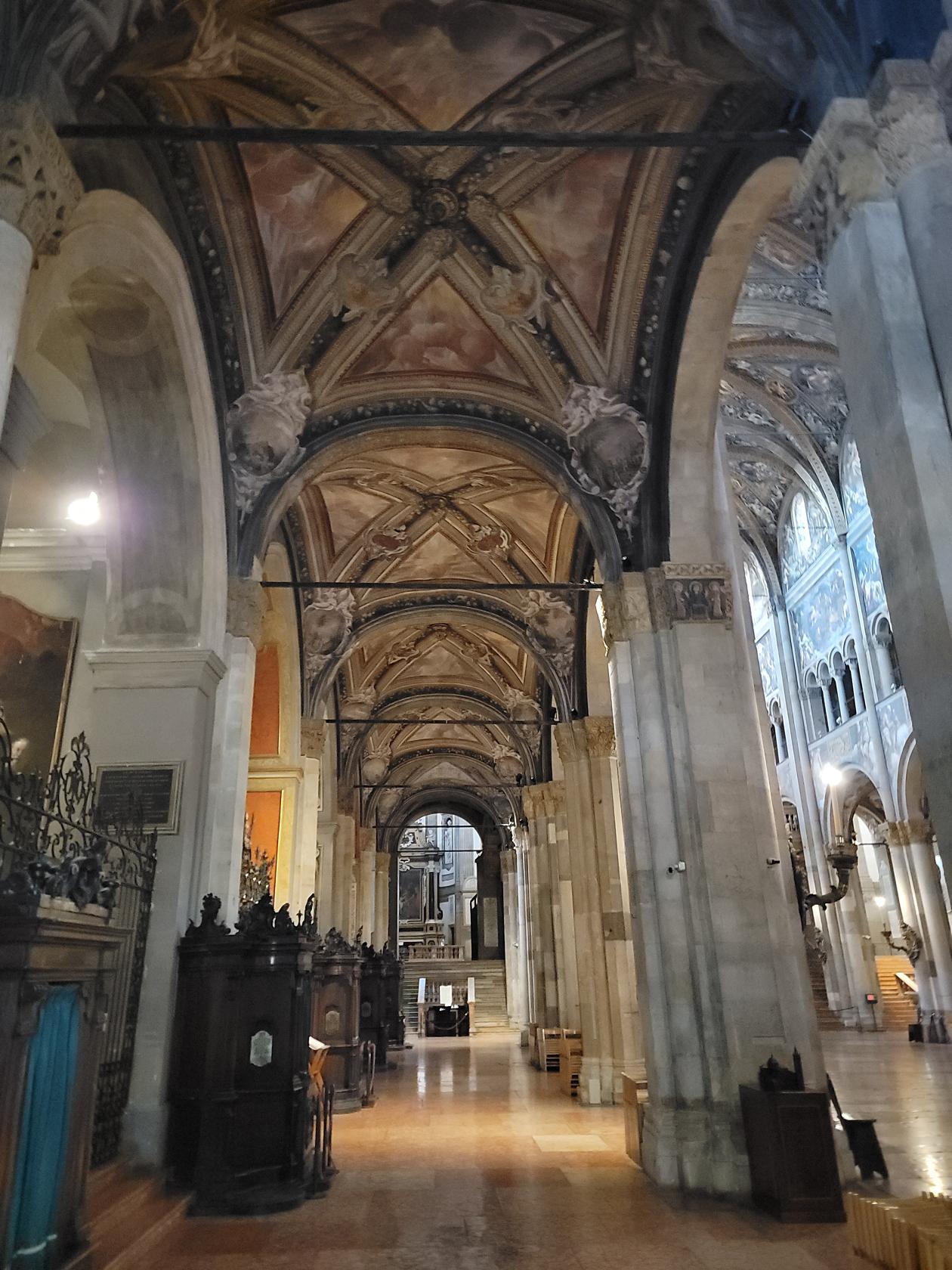
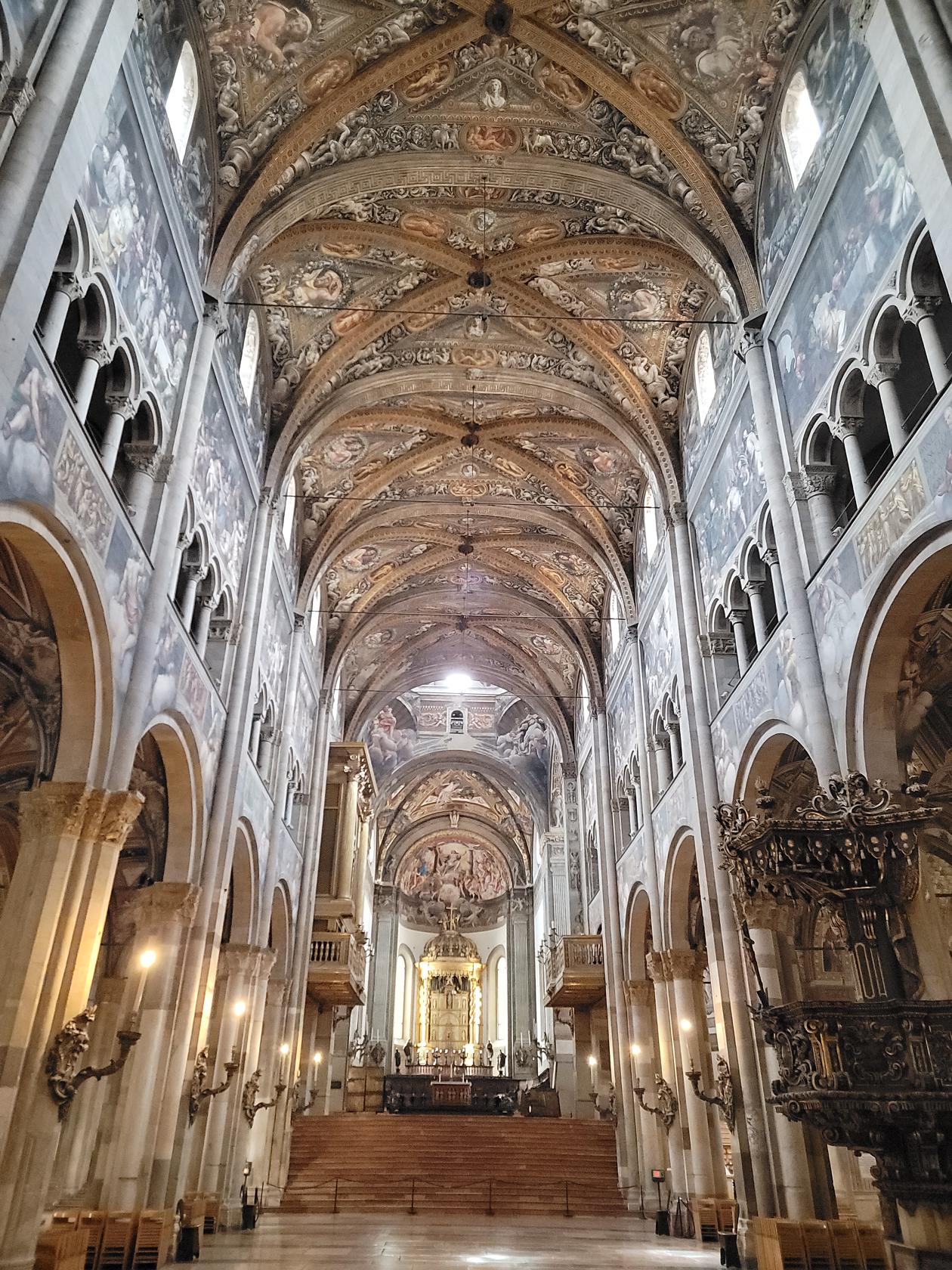
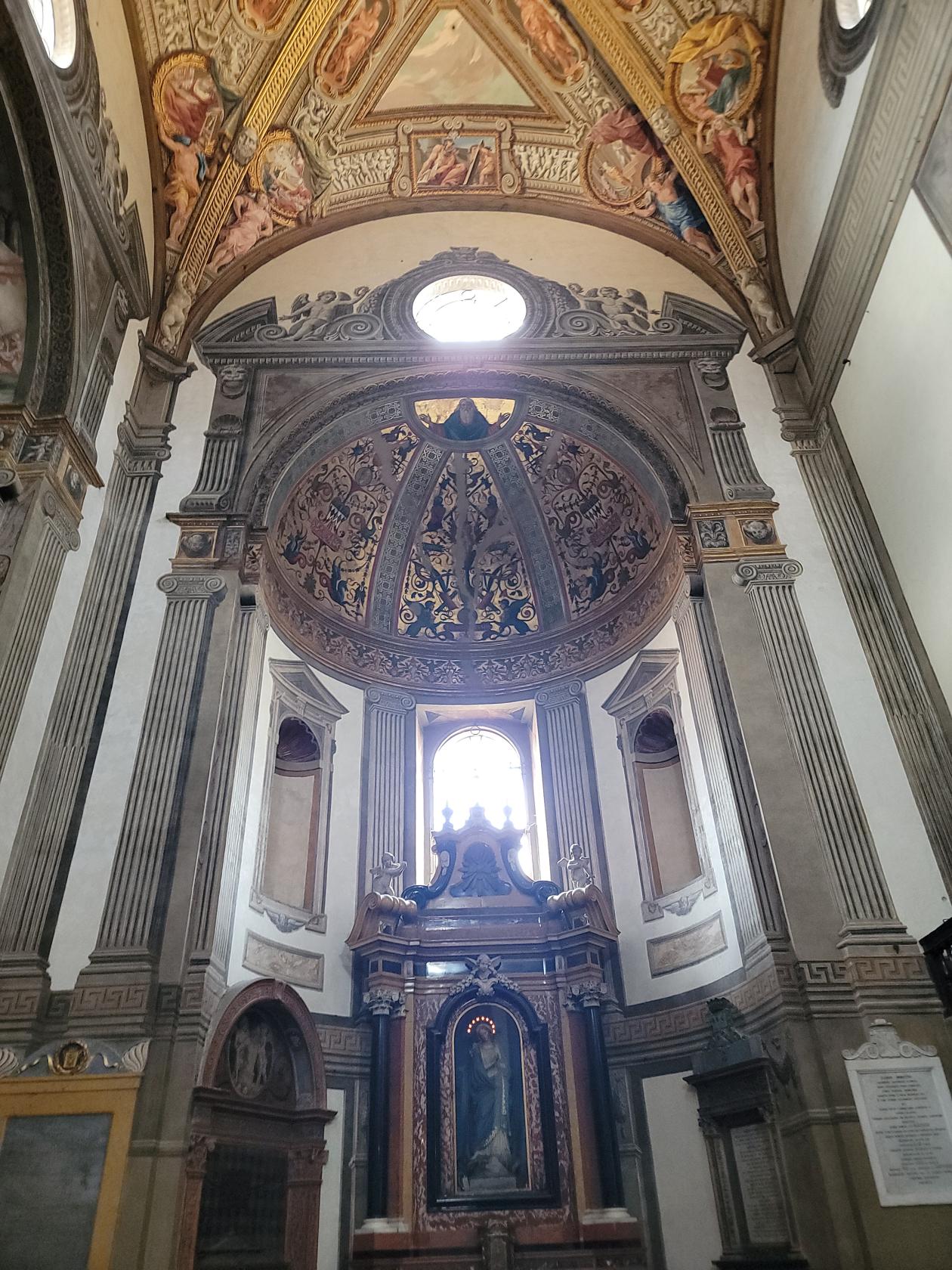
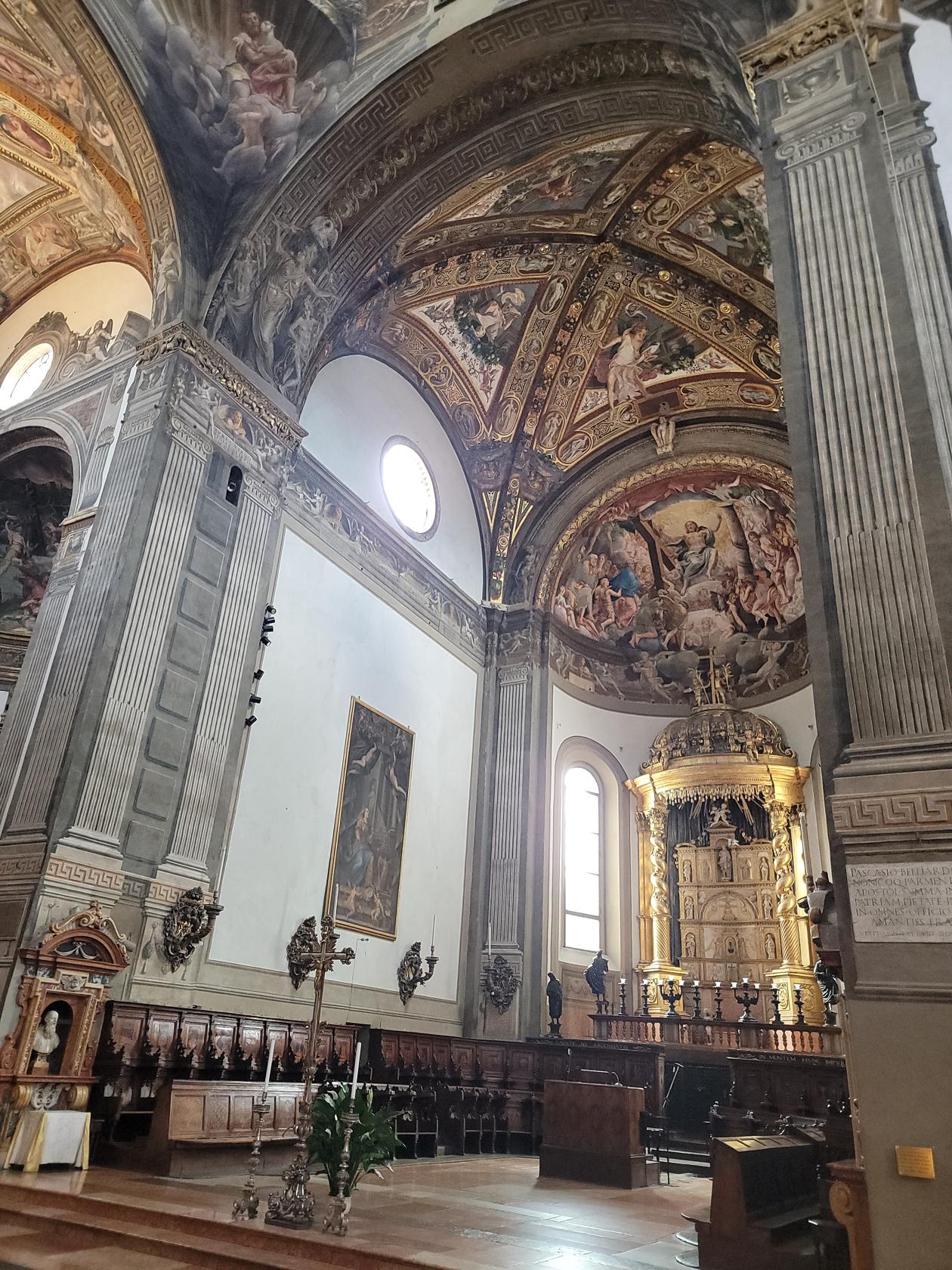
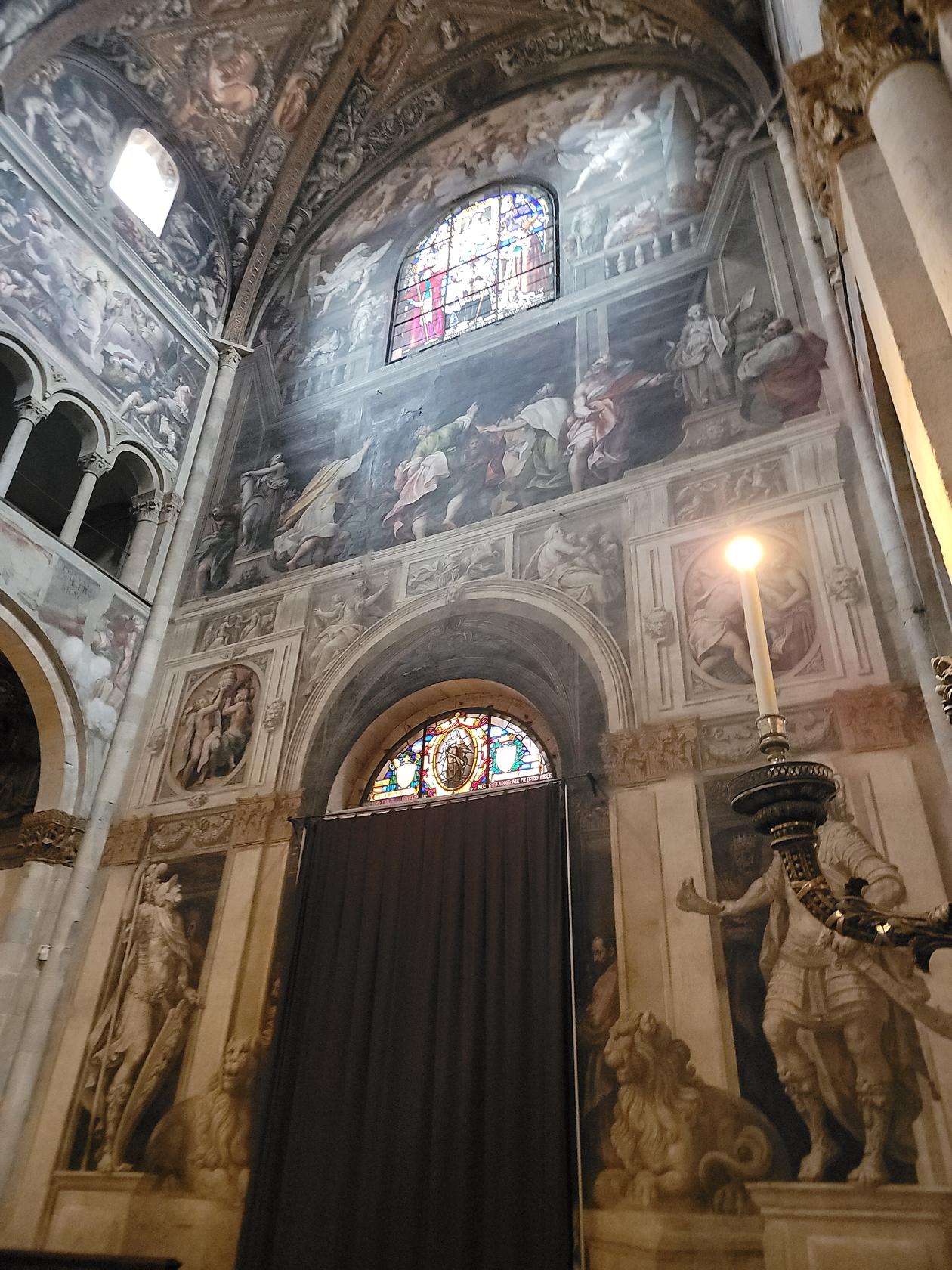
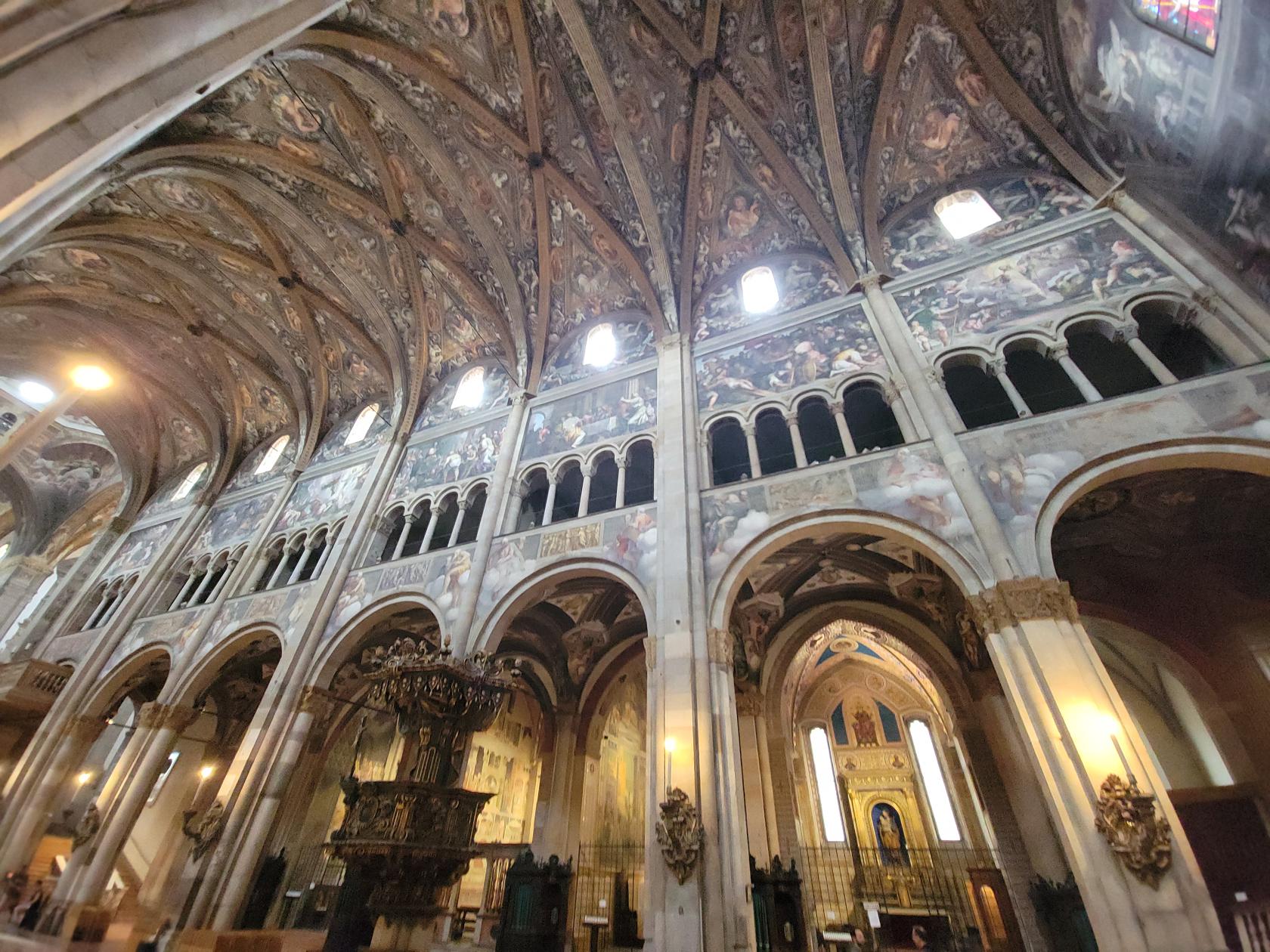
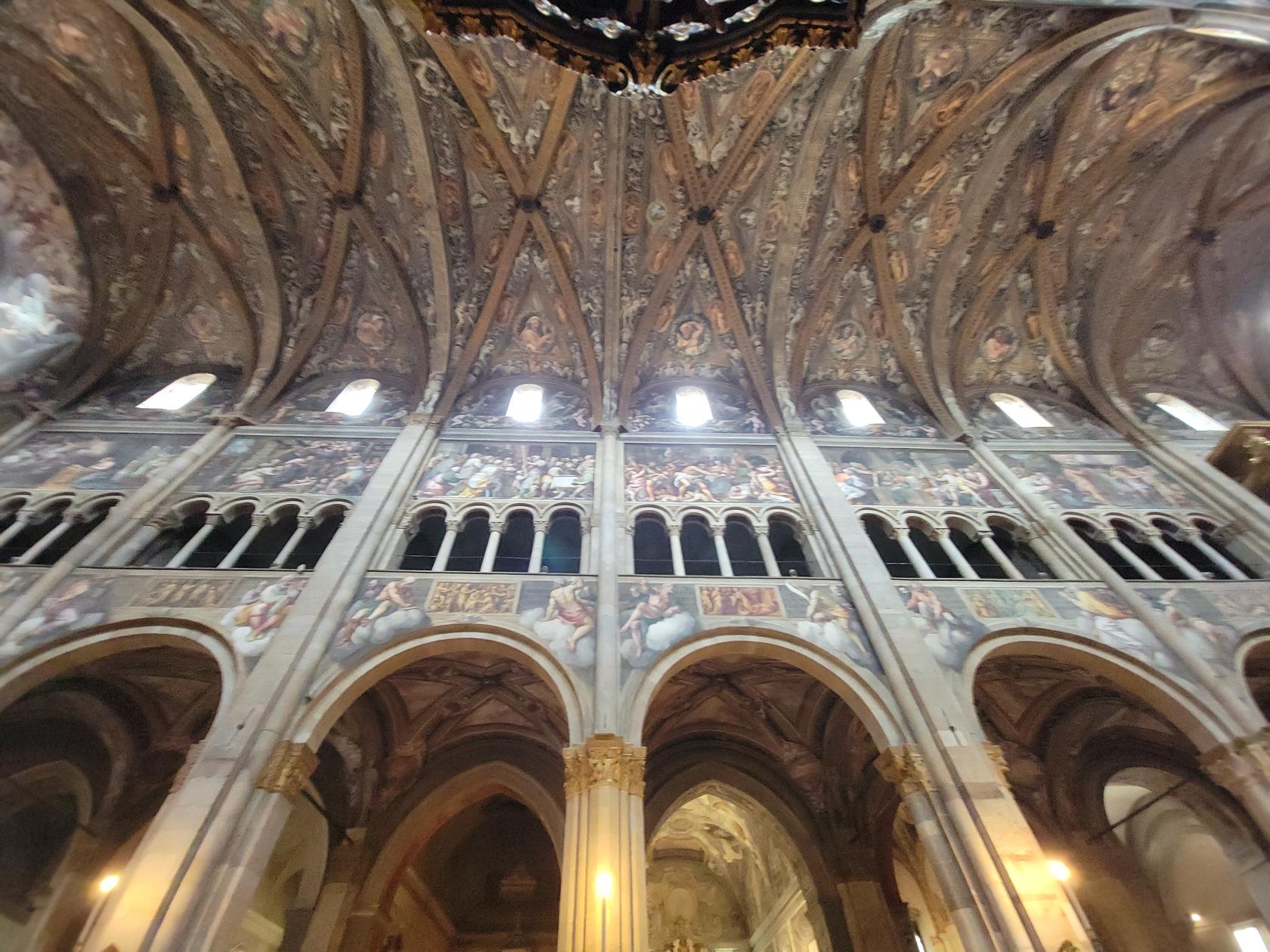
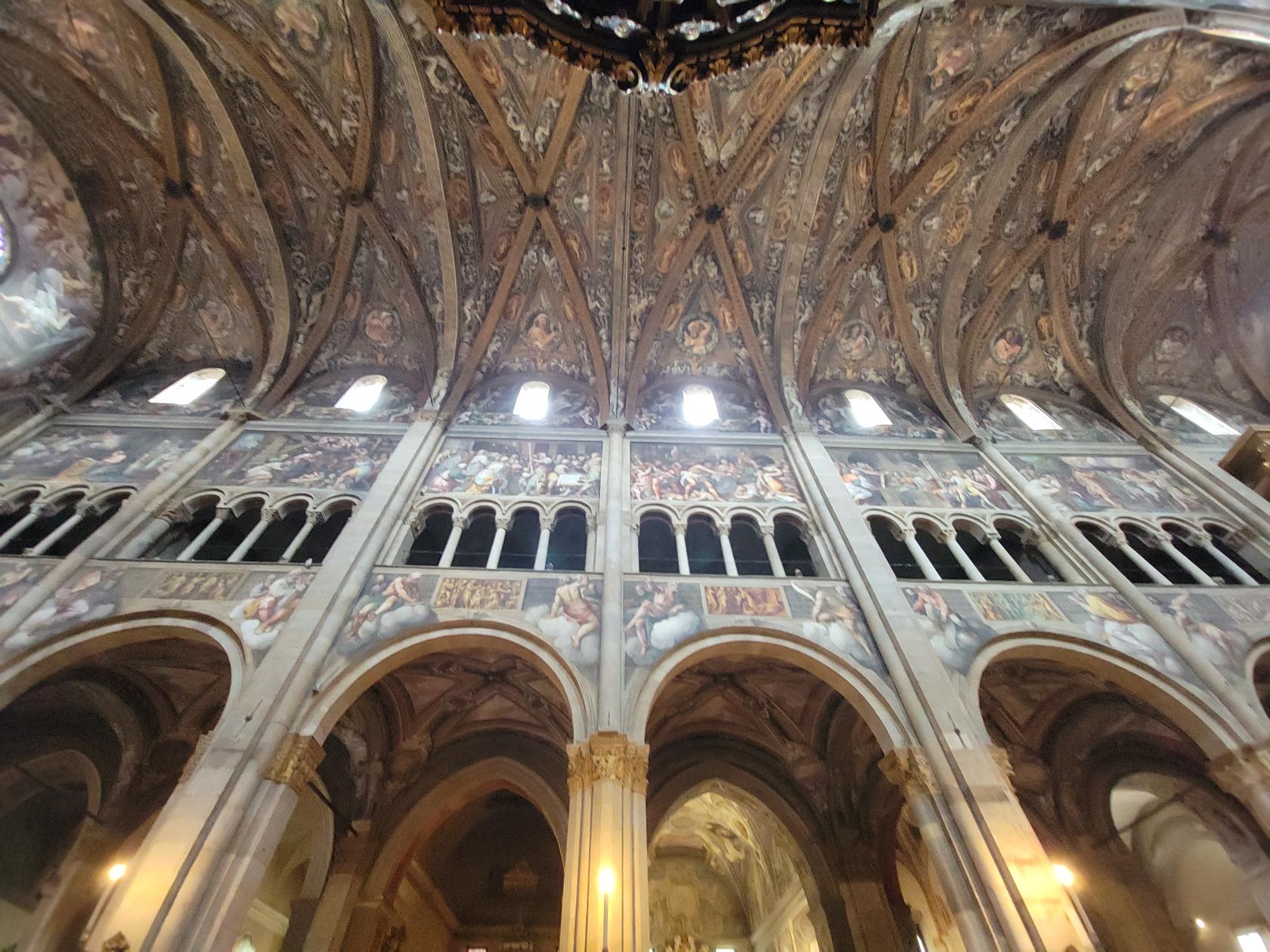
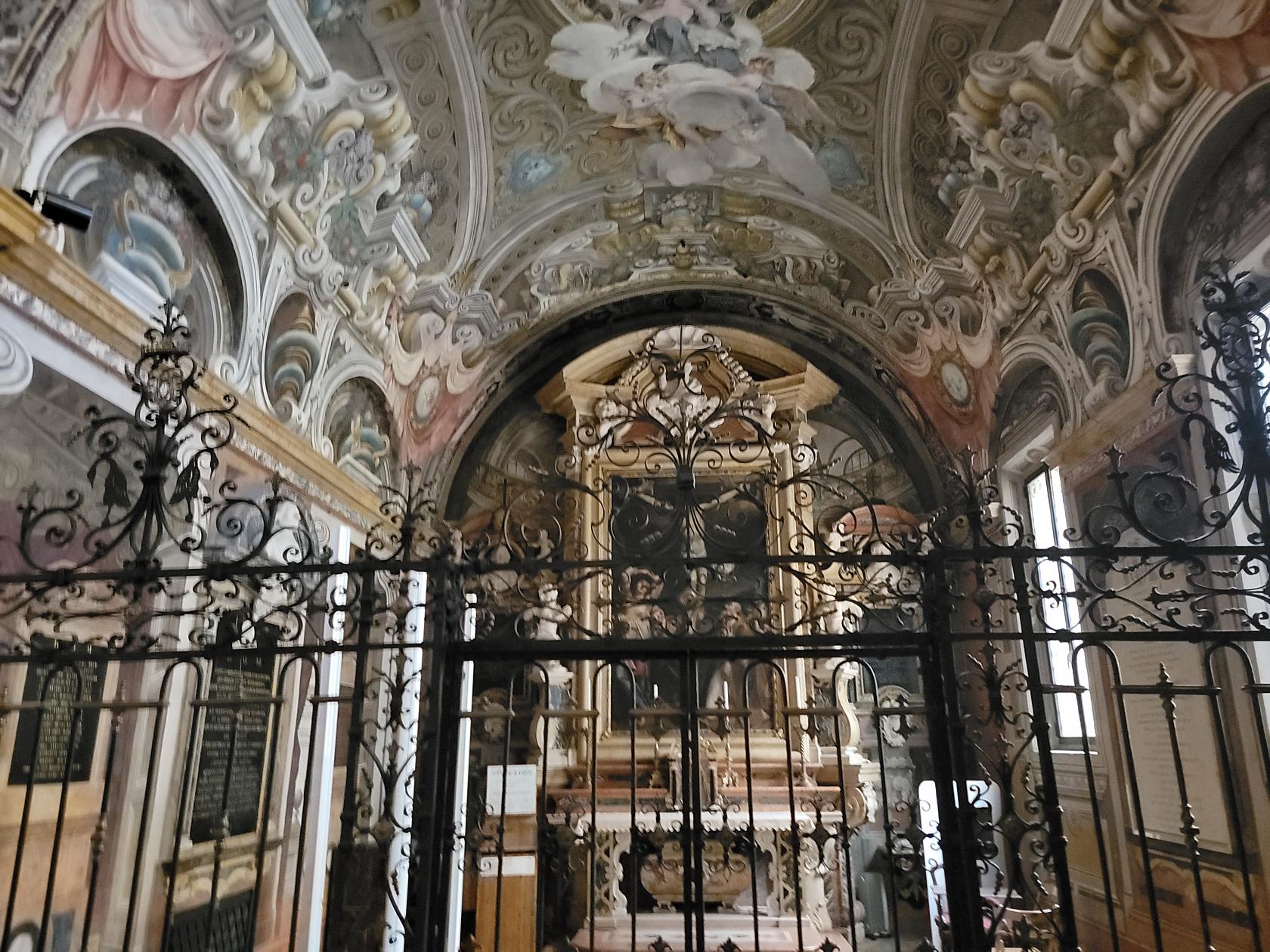
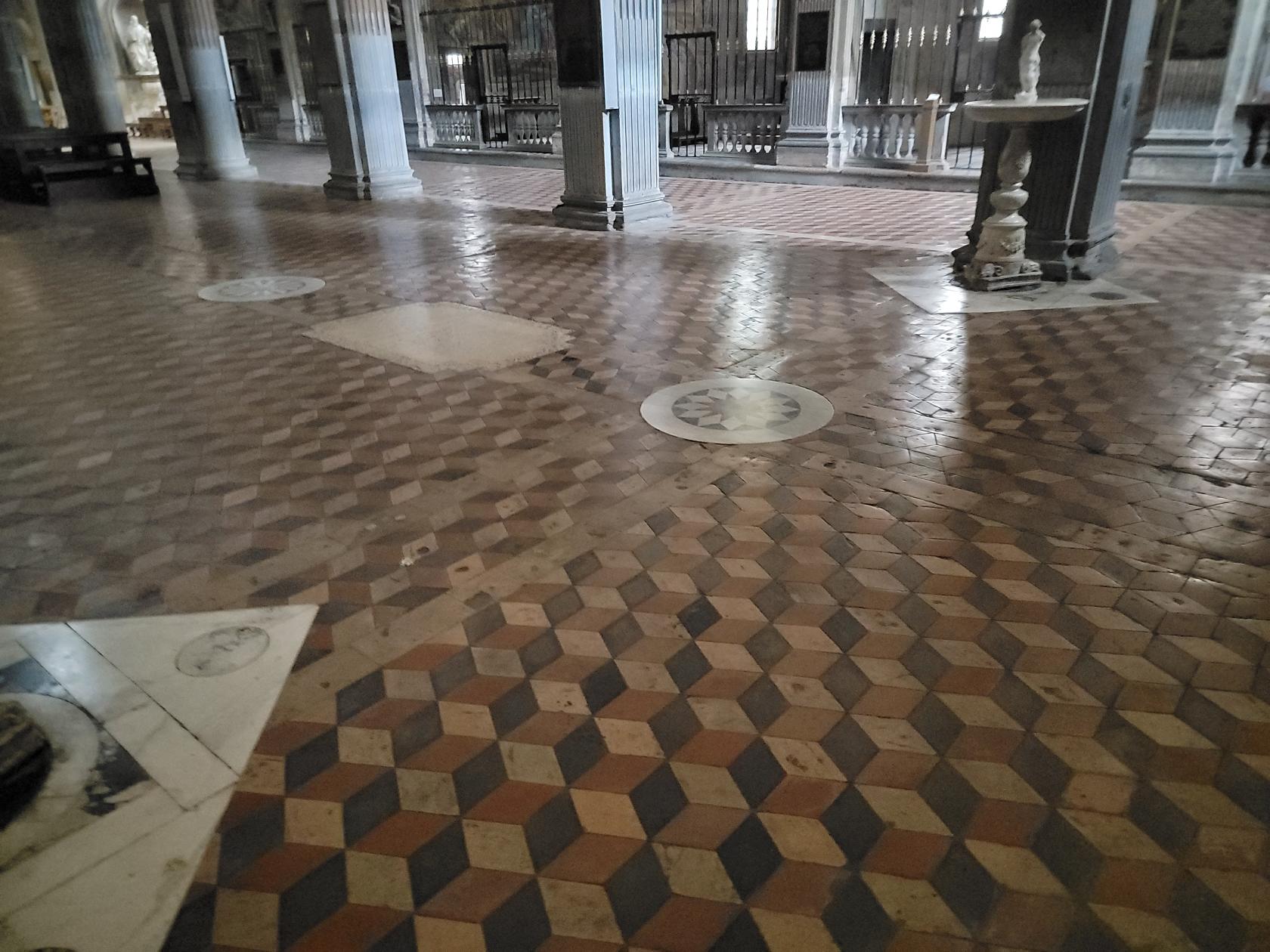
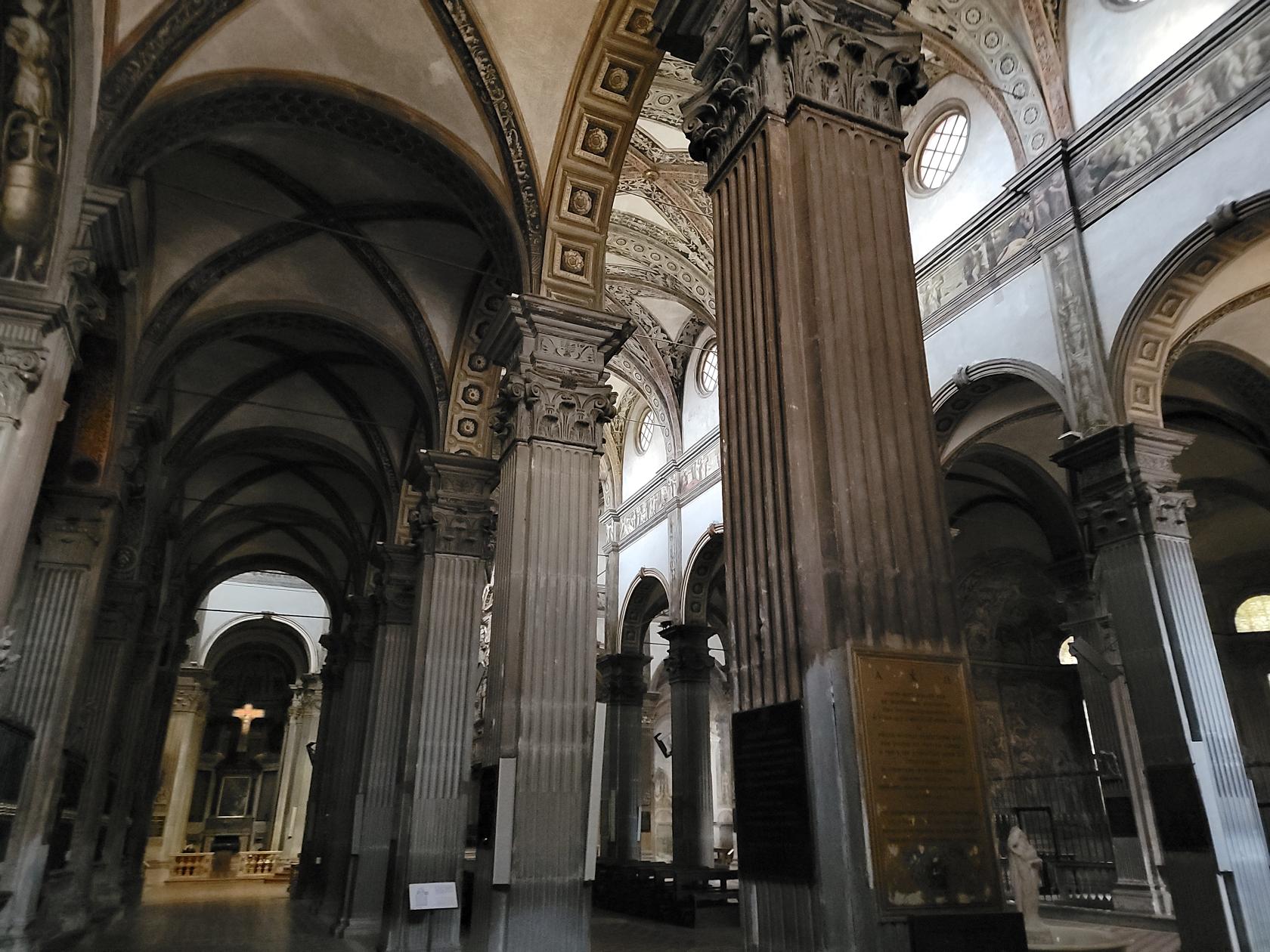
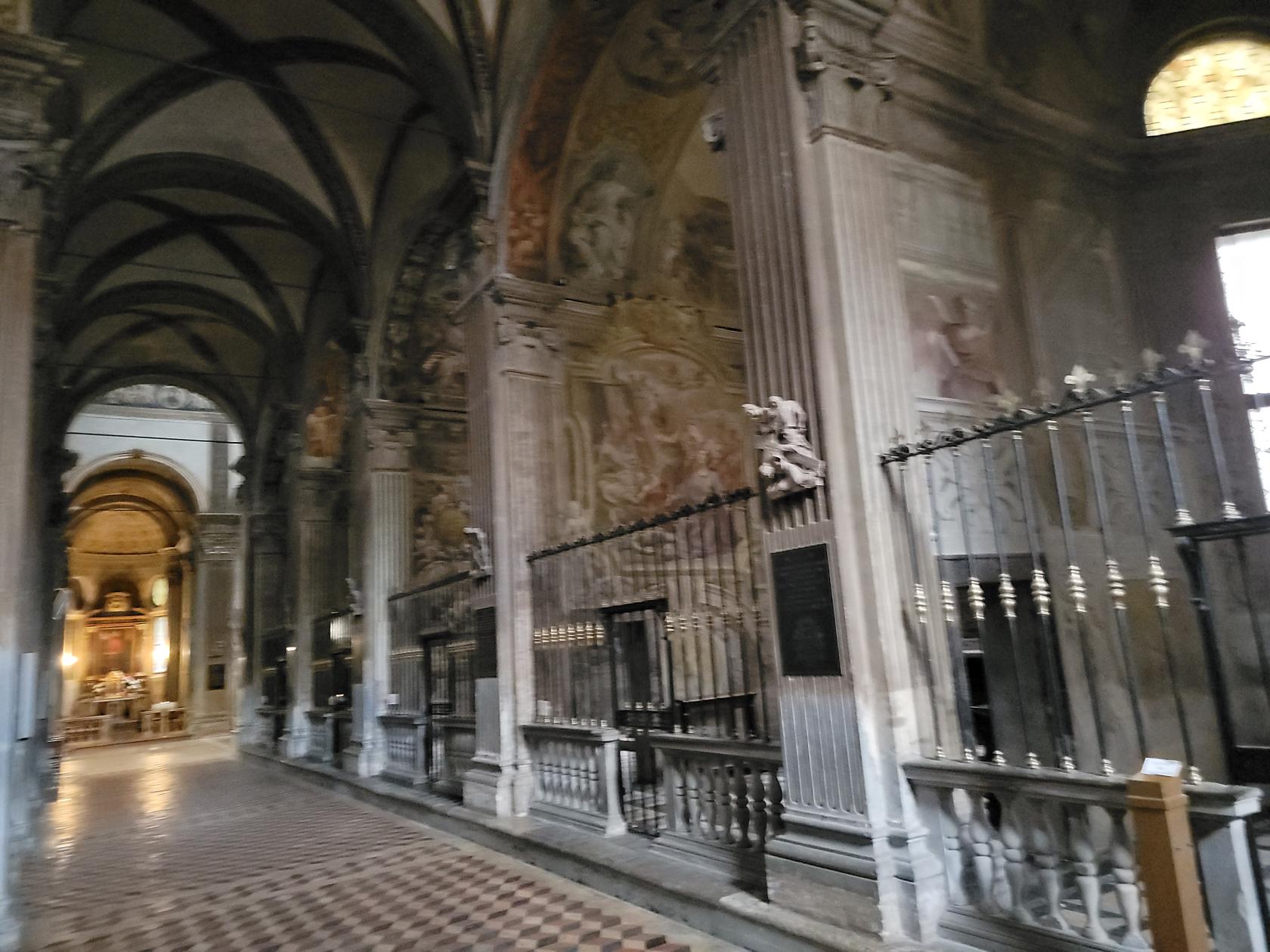
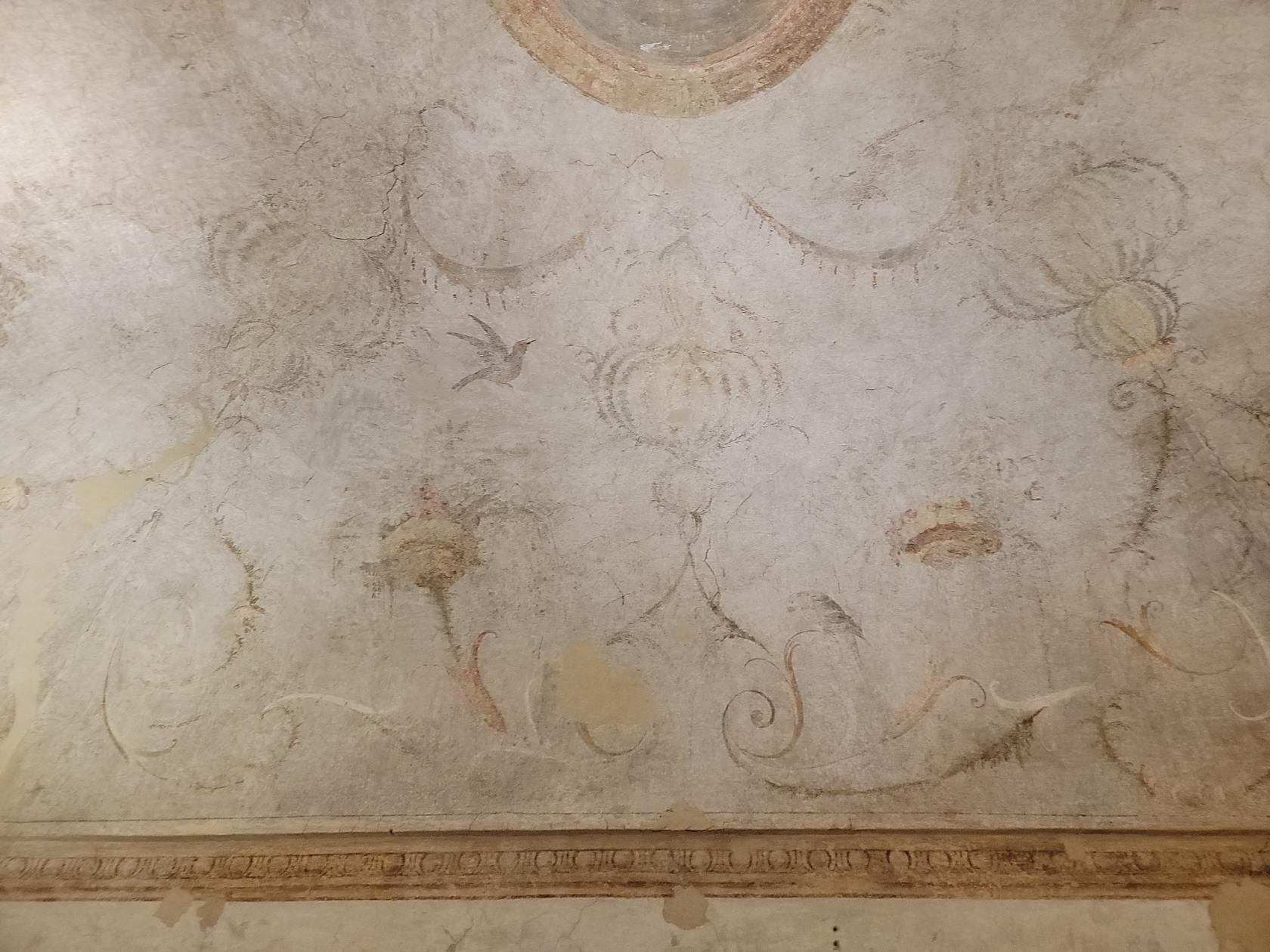
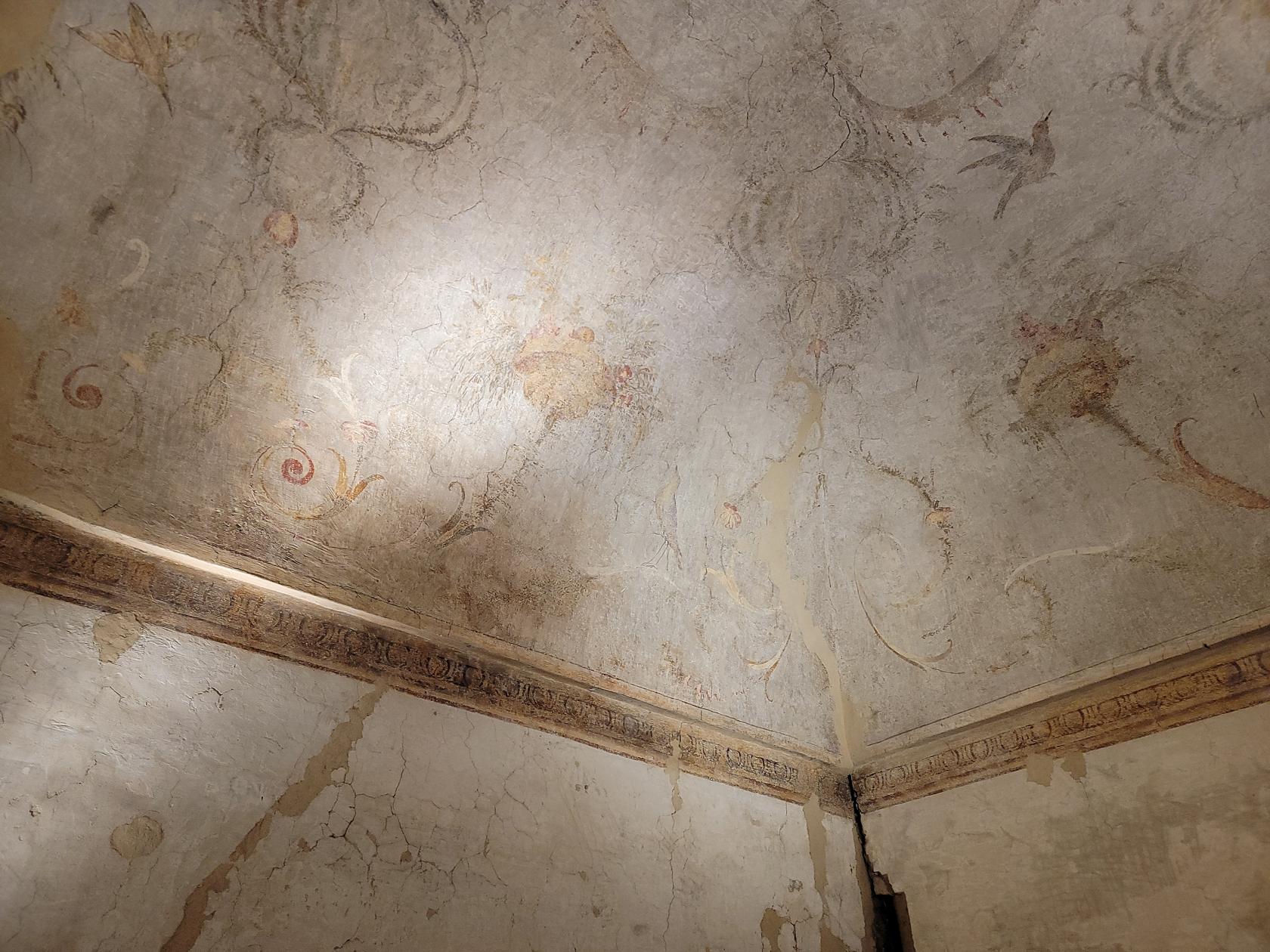
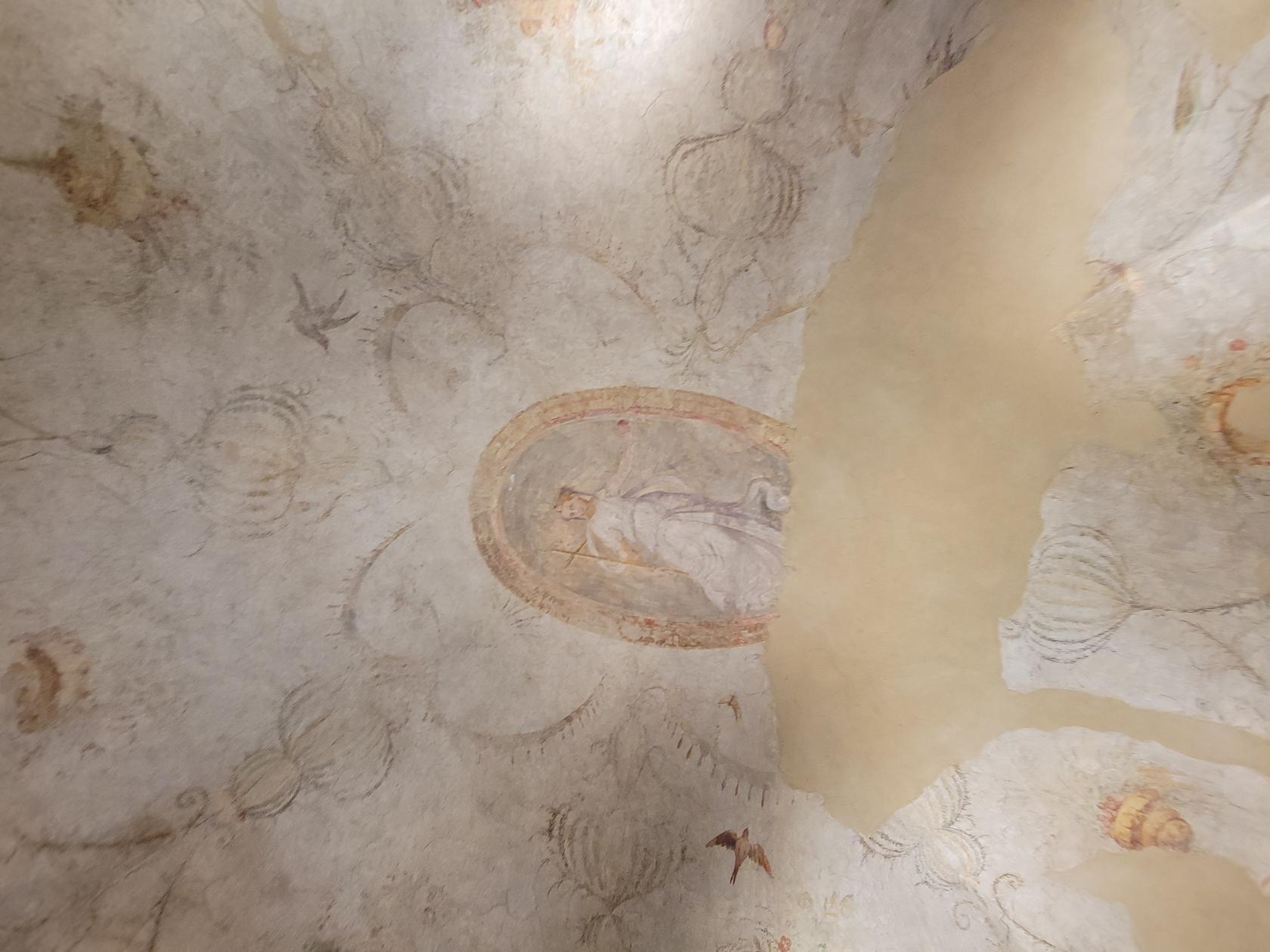
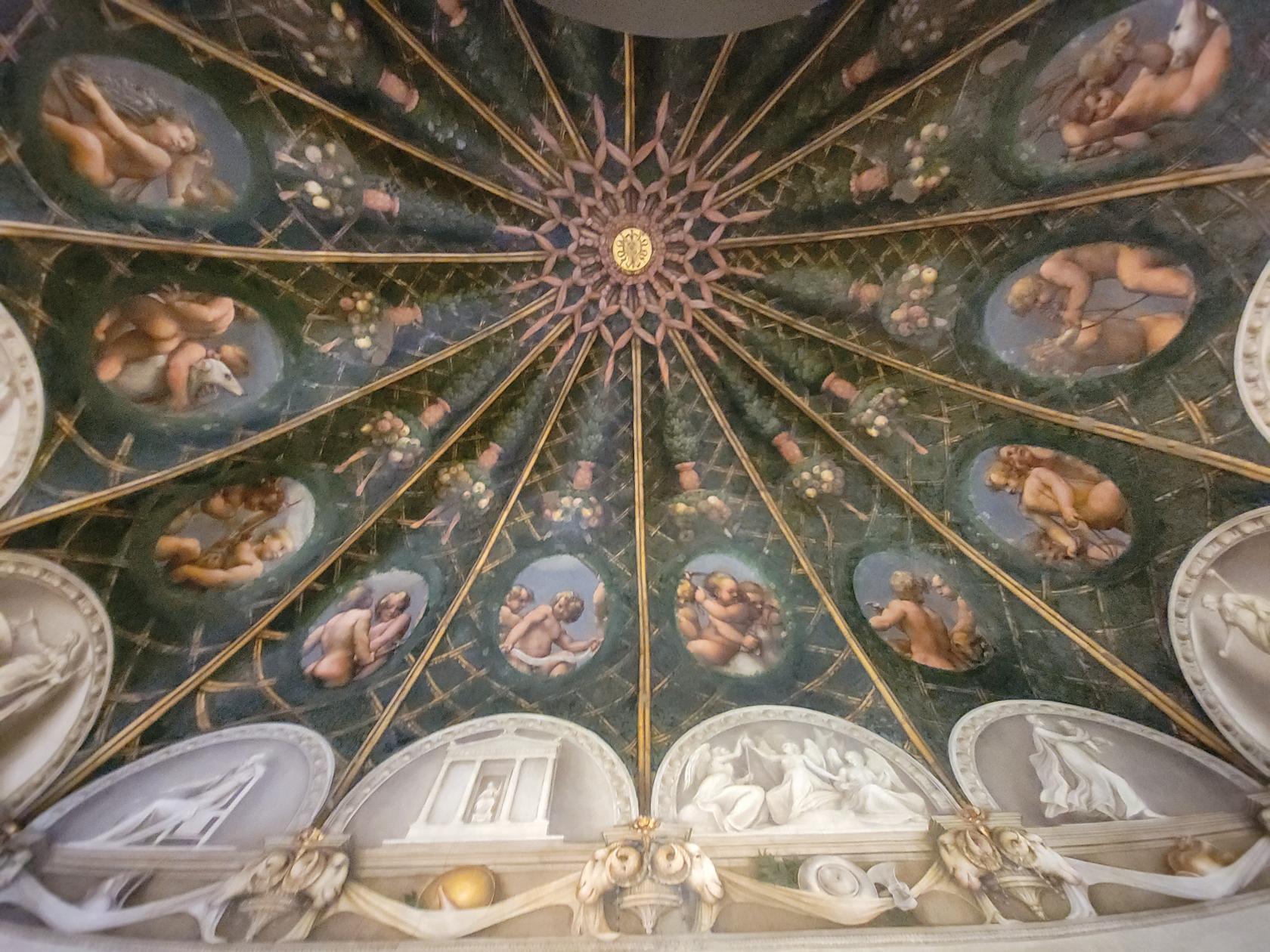
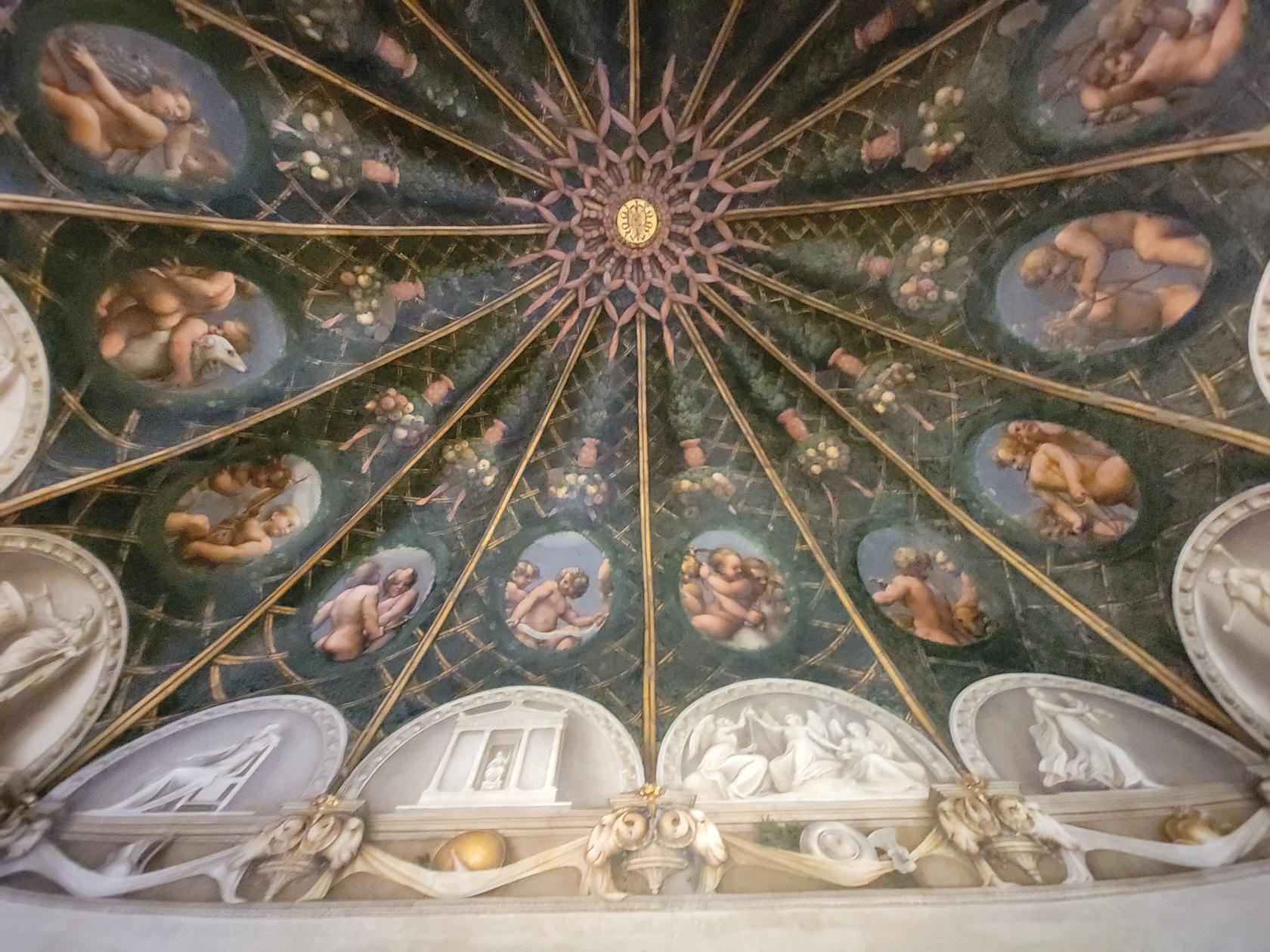
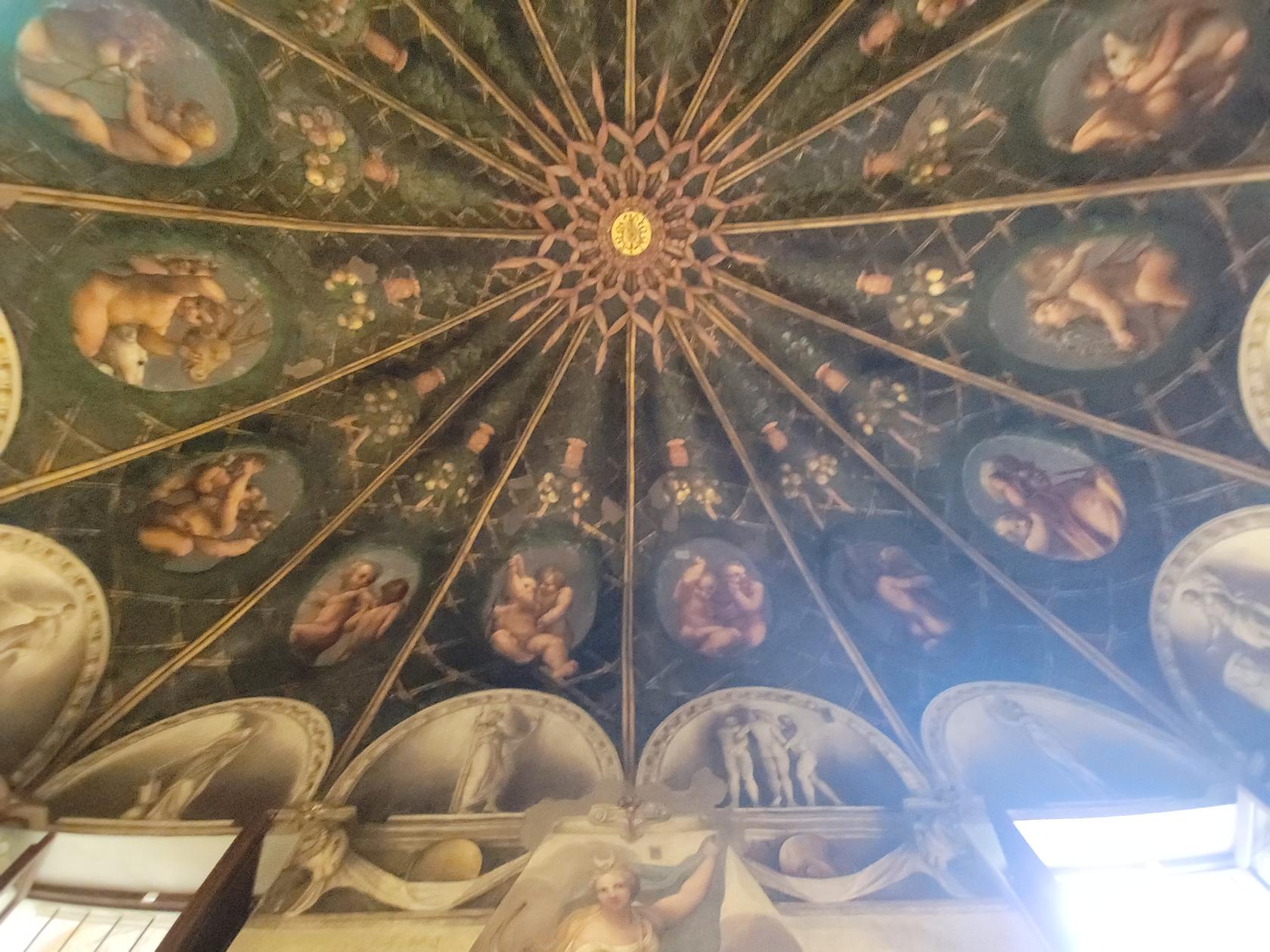
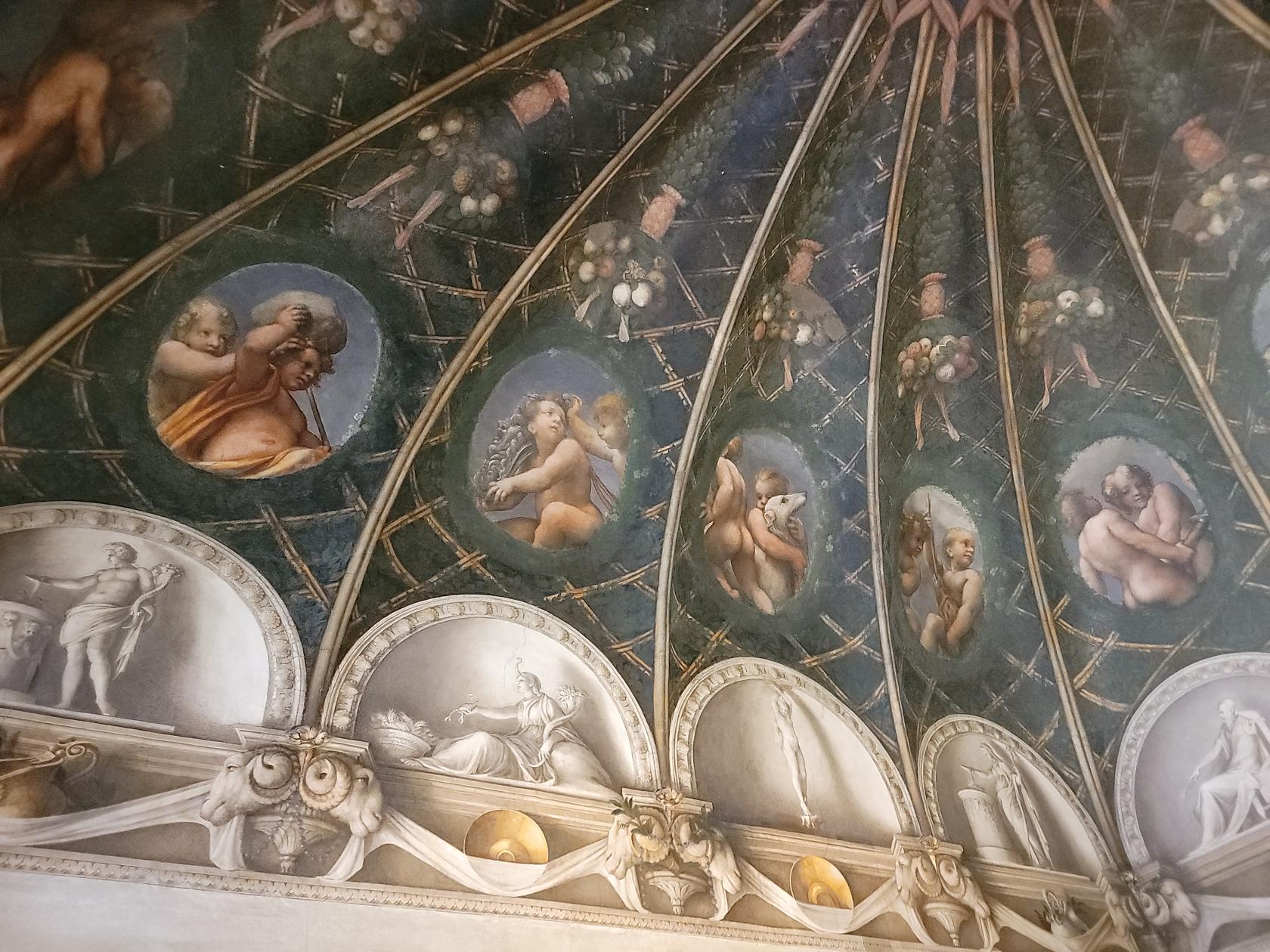
The inside does have some marble, but the rest of the nave and ceiling are painted in the style trompe-l’œil, giving the impression of relief where none really exists.

Restaurants

When we arrived in Luino, we only had three hours before our boat trip back, so we had to make good use of our time. Subsequently, we looked for a place to eat first and chose the Trattoria da Elia e Ugo.

Trattoria da Elia e Ugo

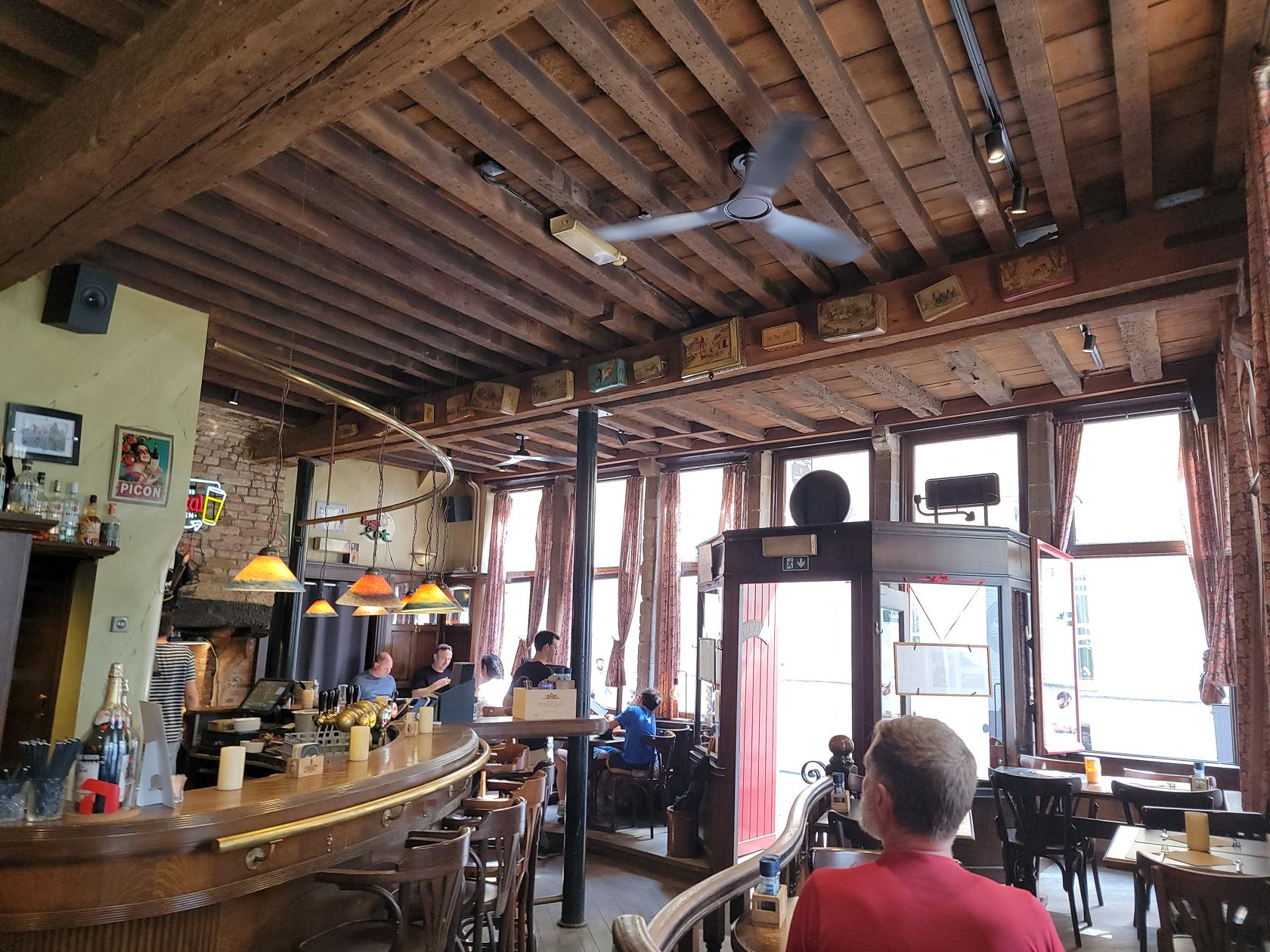
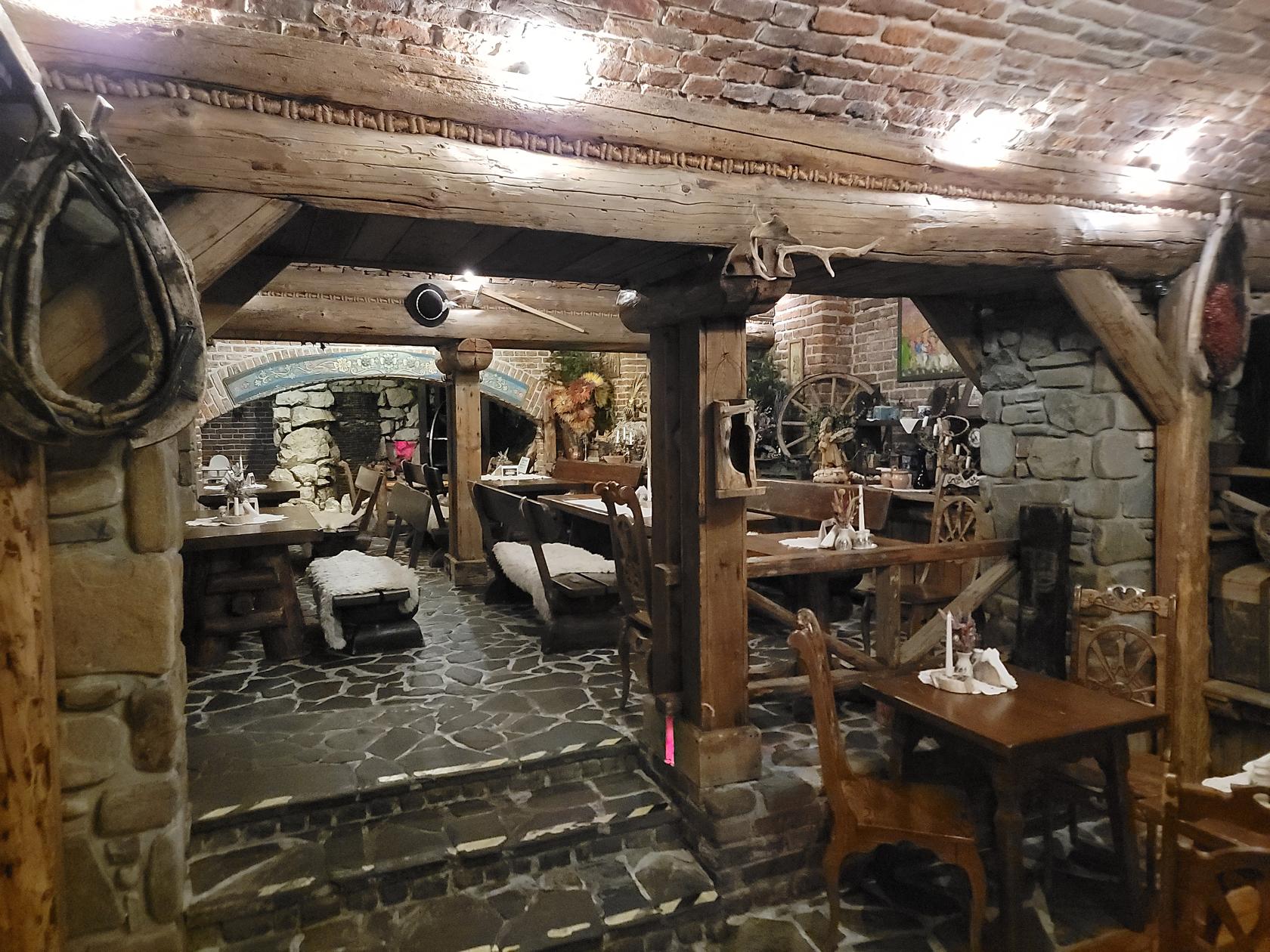
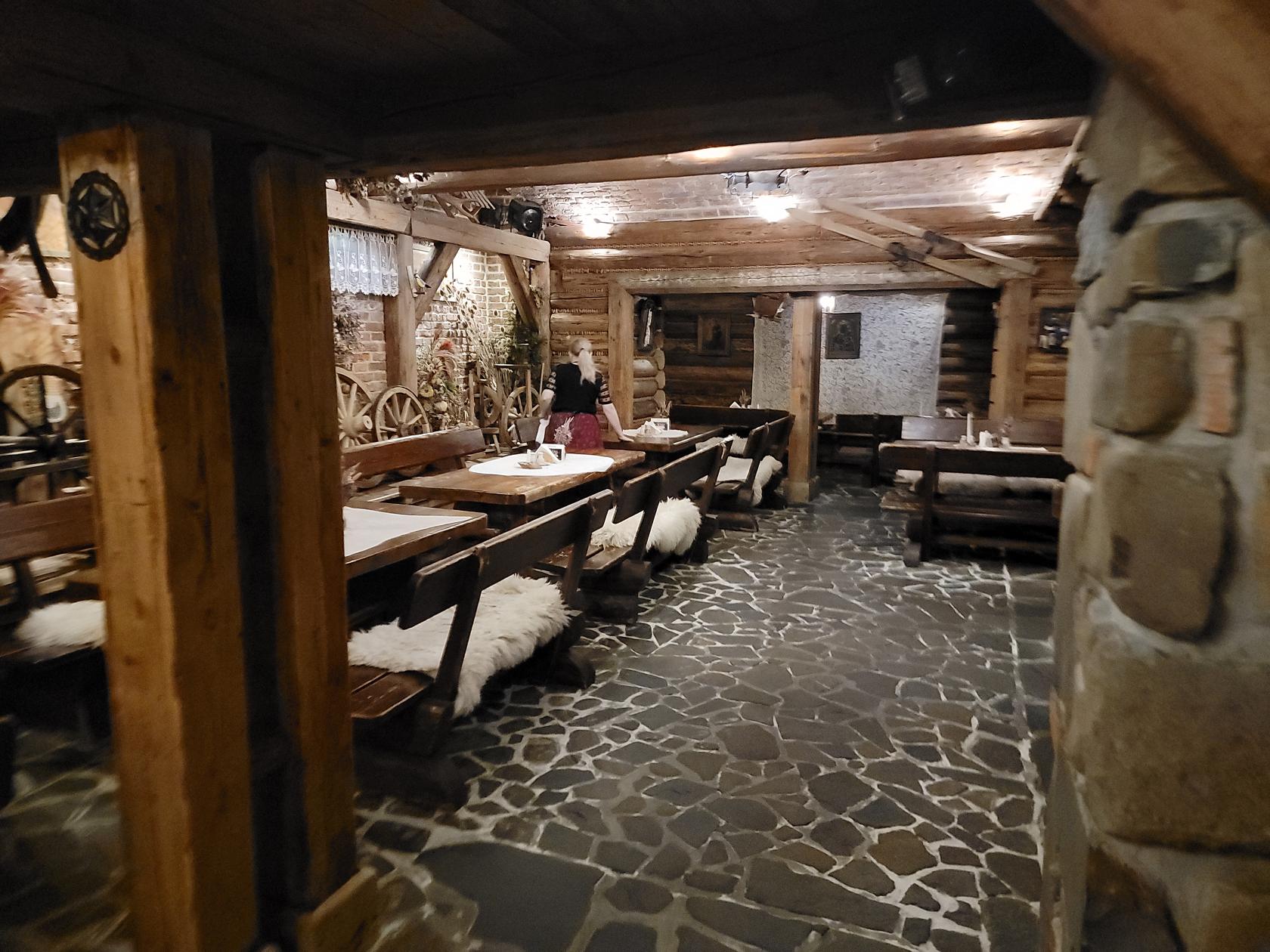
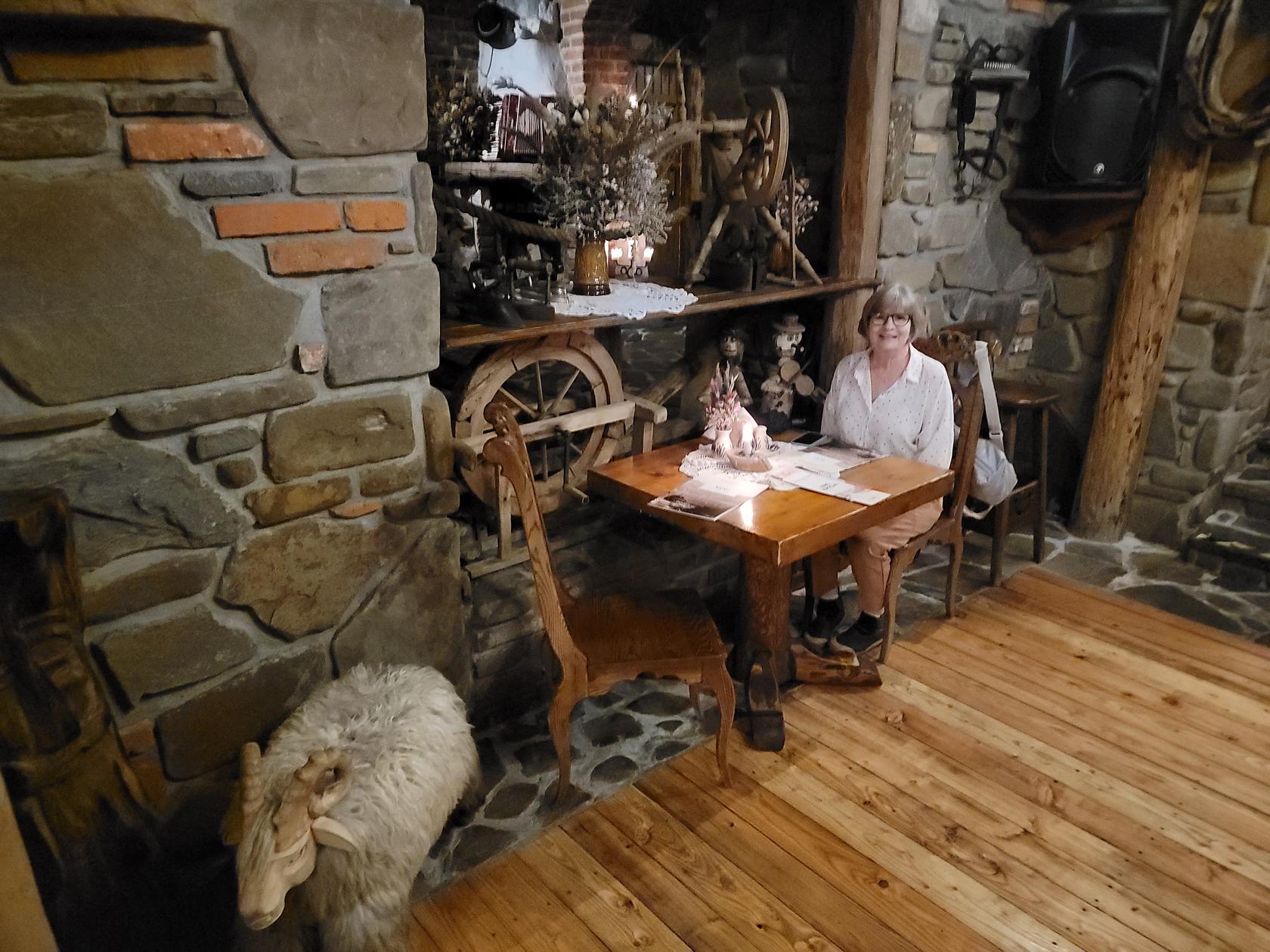
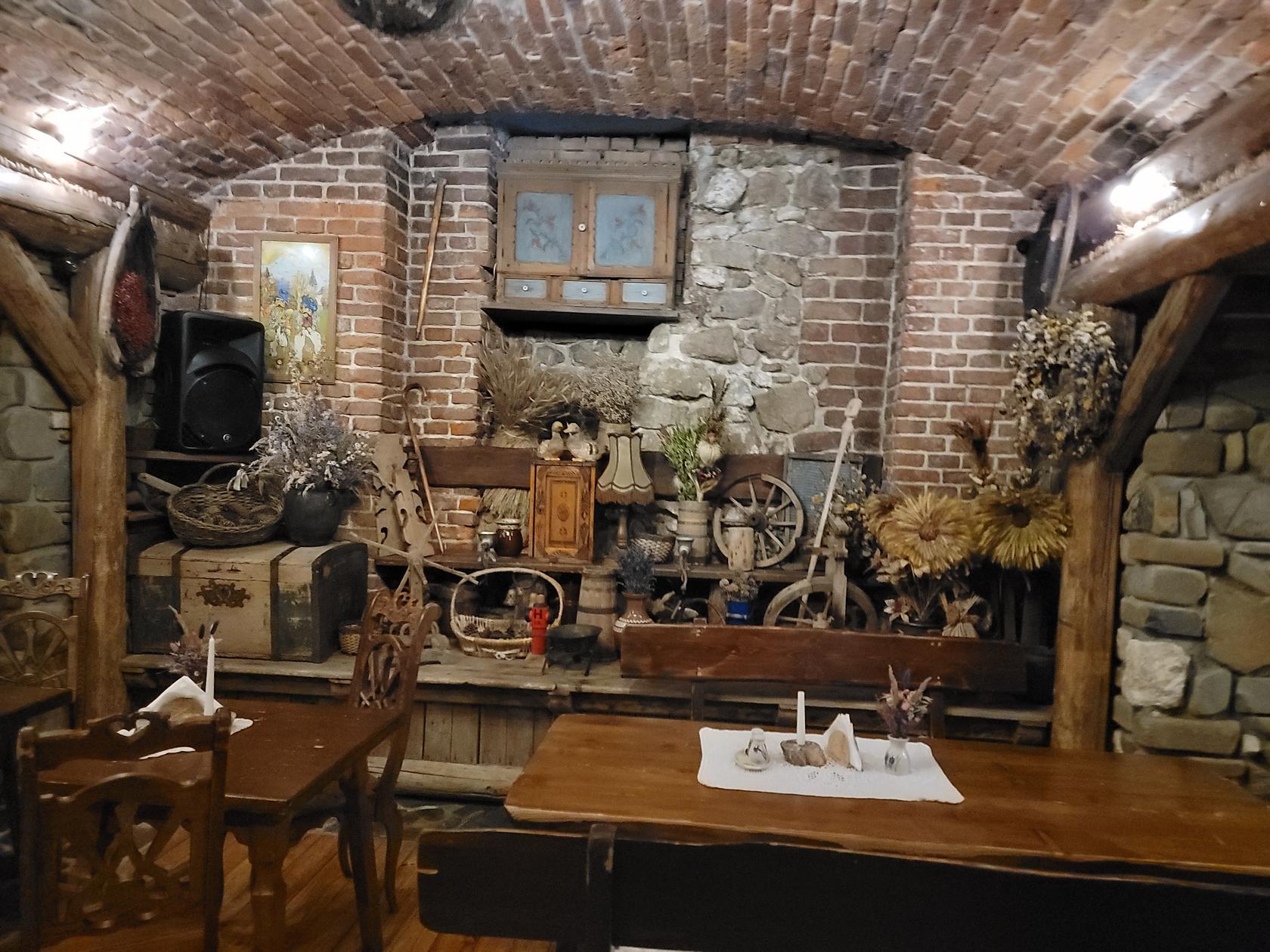
A small restaurant that caters to locals and tourists alike. They speak very good english, so there should be no problem with the language; they are even willing to look words up in order to make sure they have the correct word.

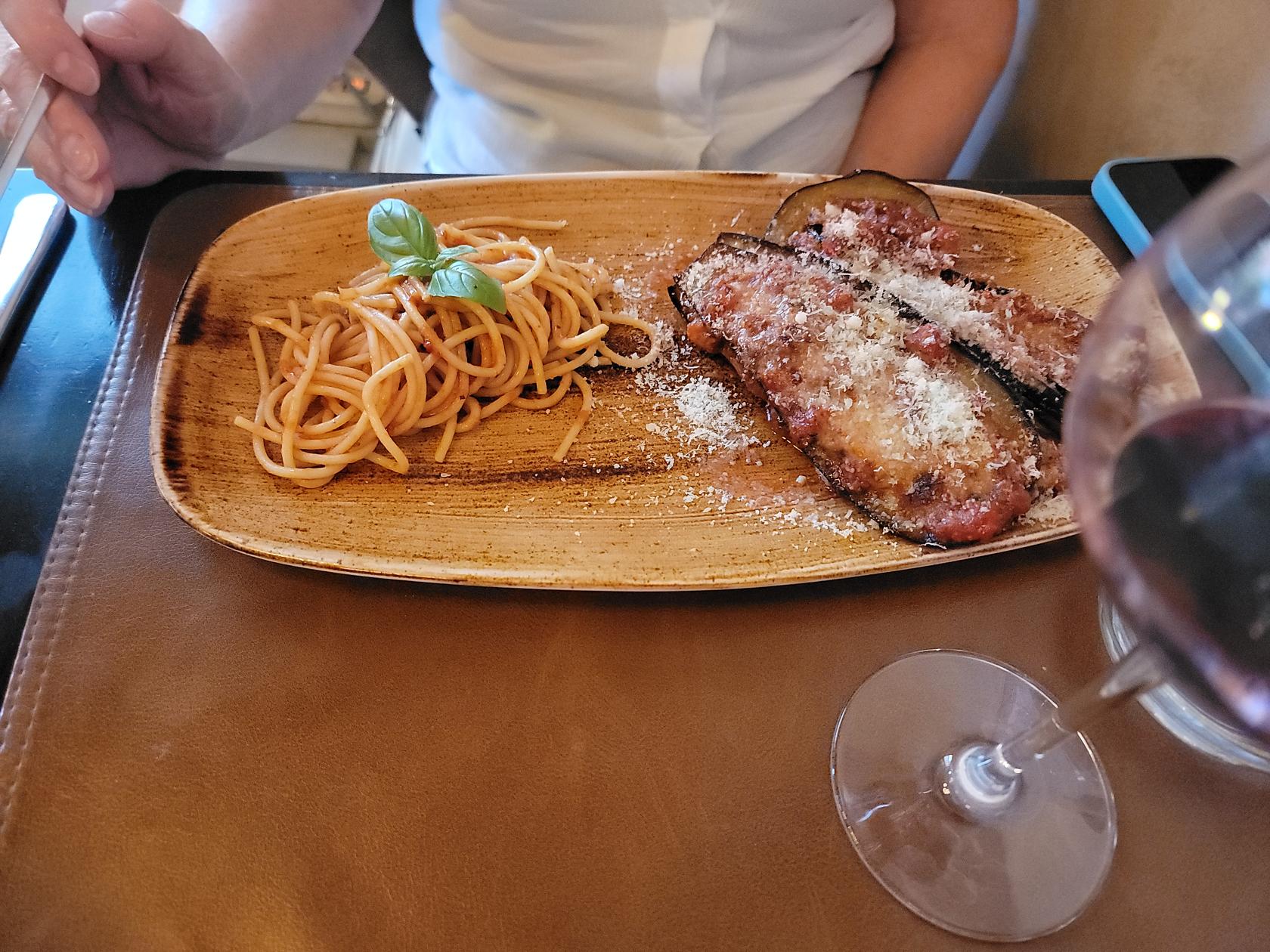
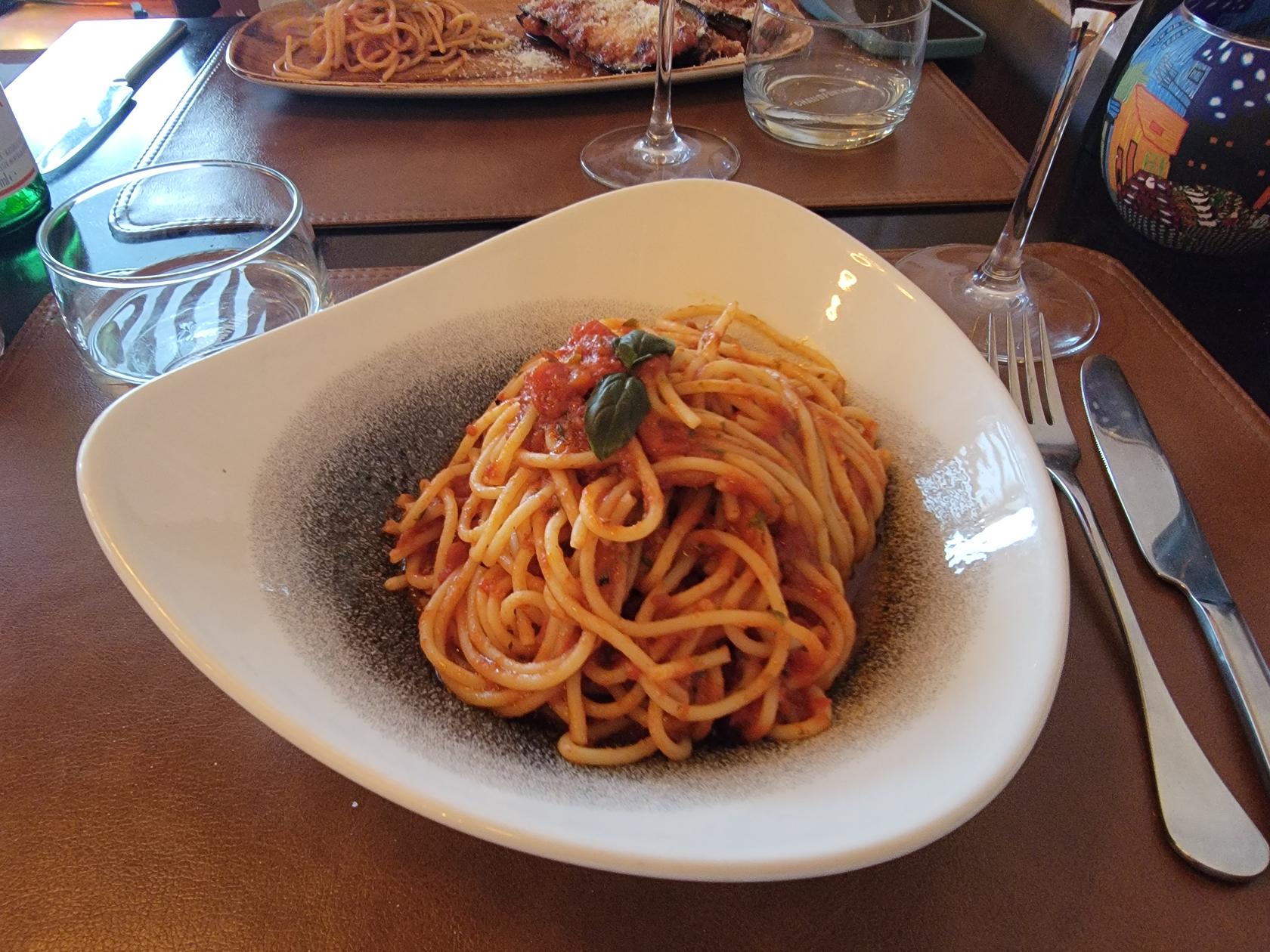
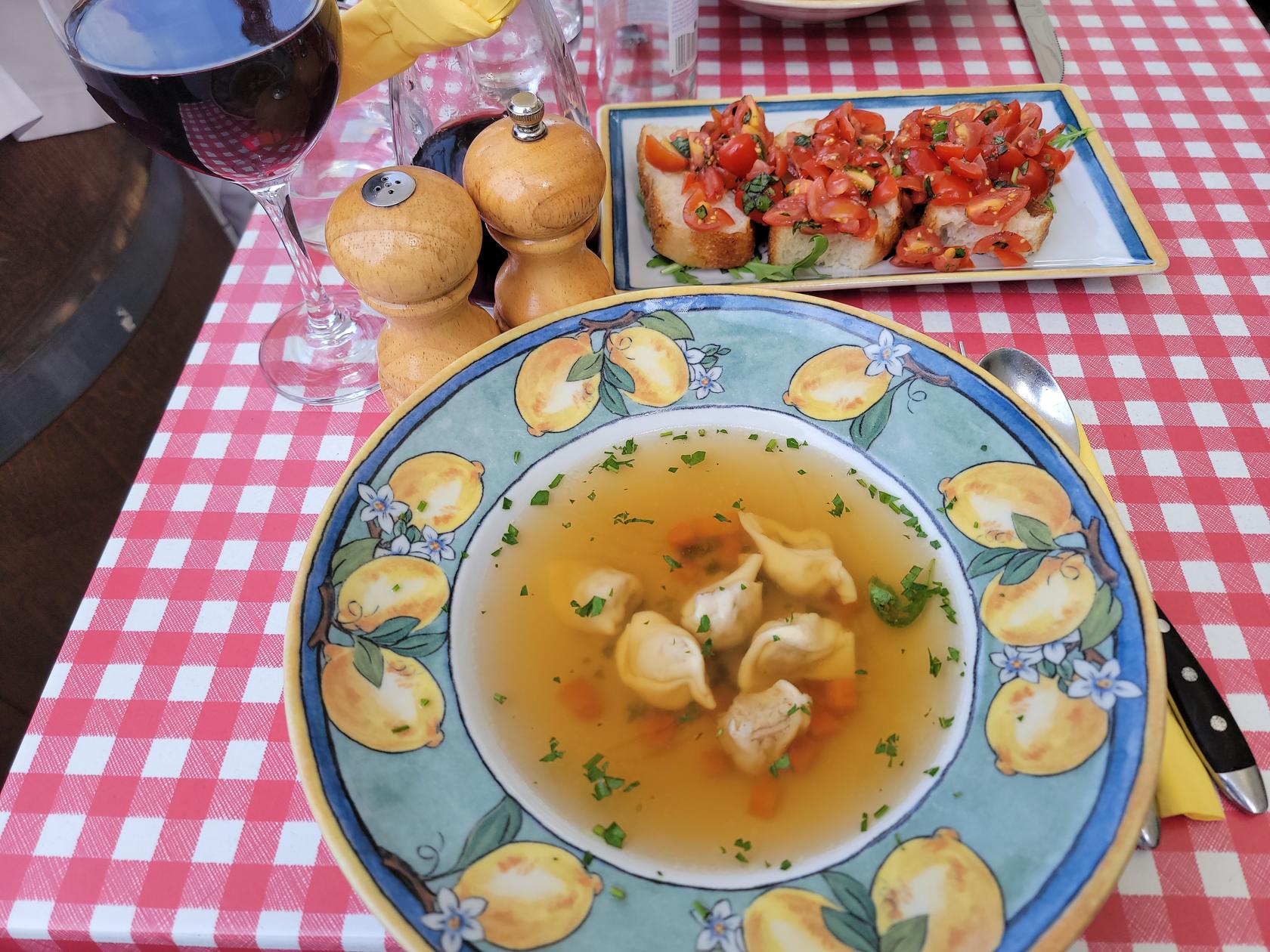
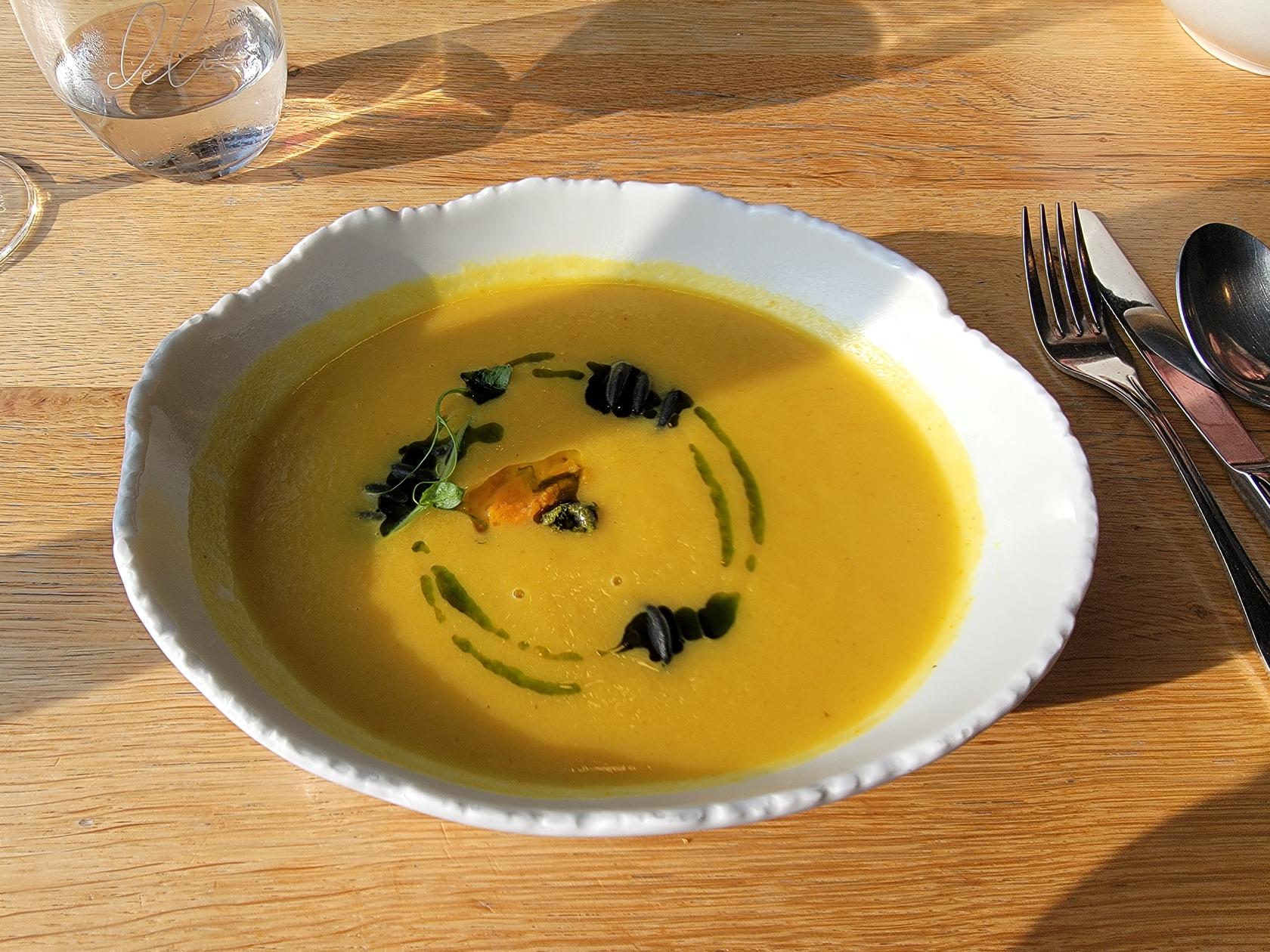
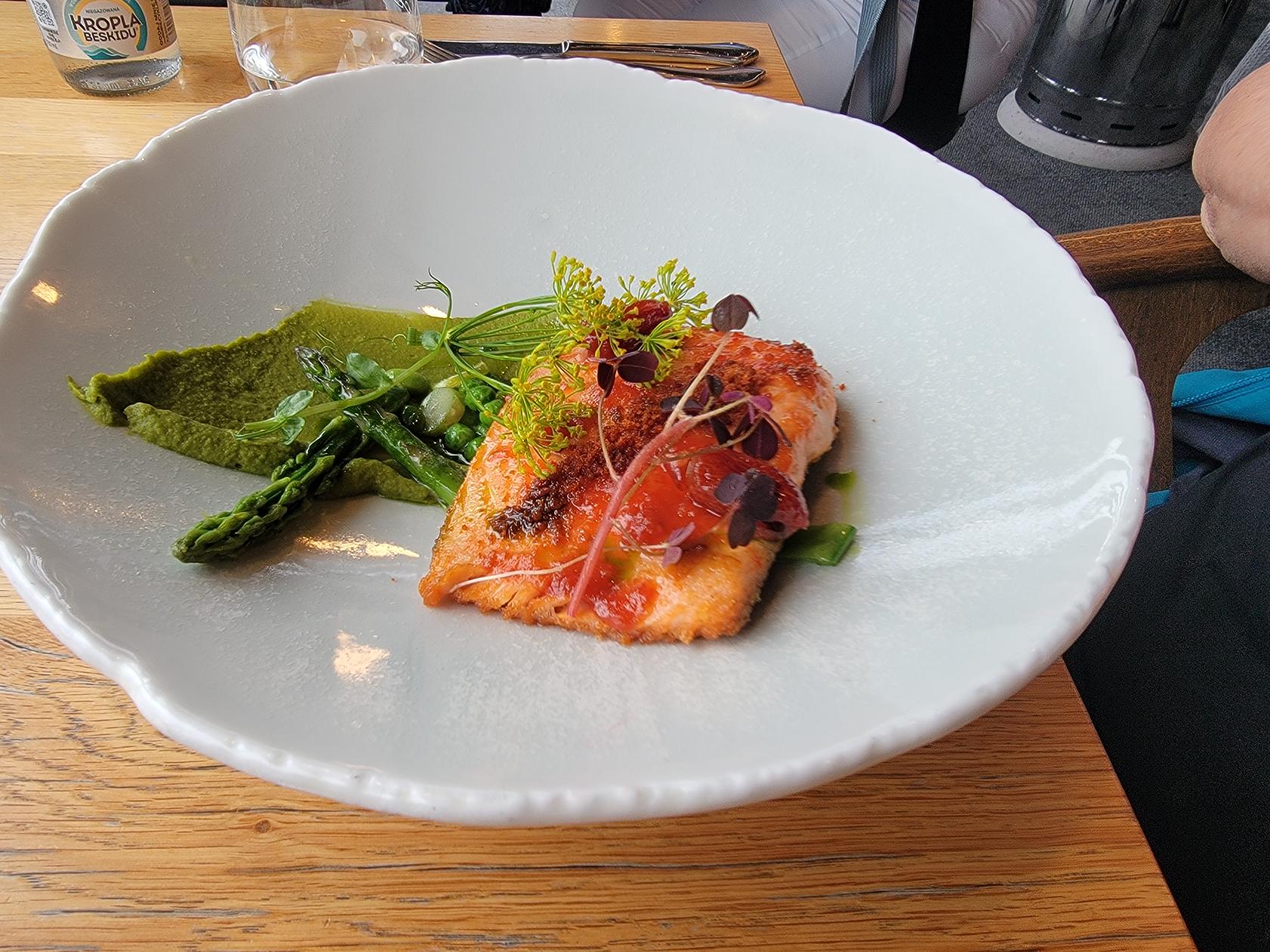
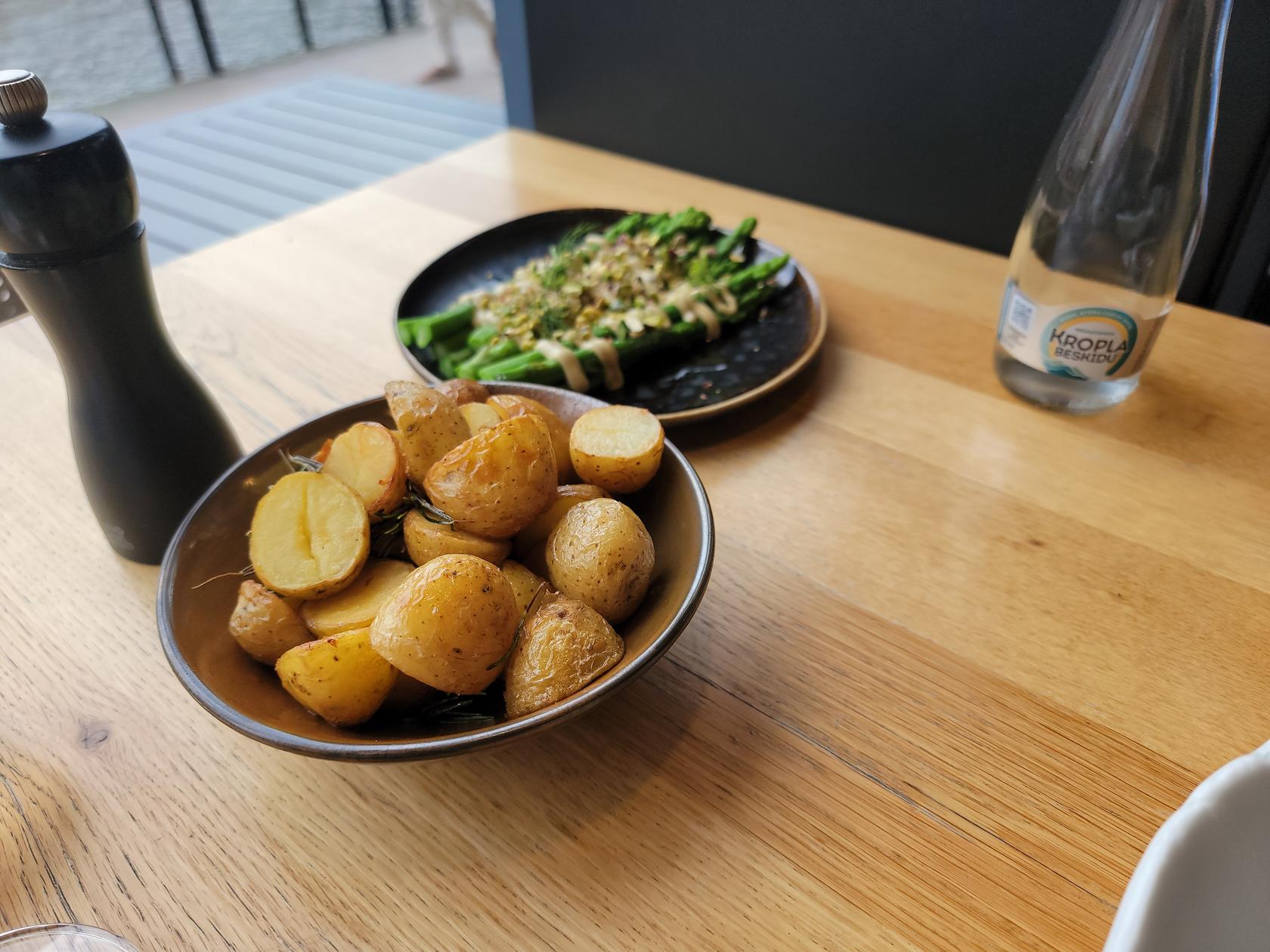
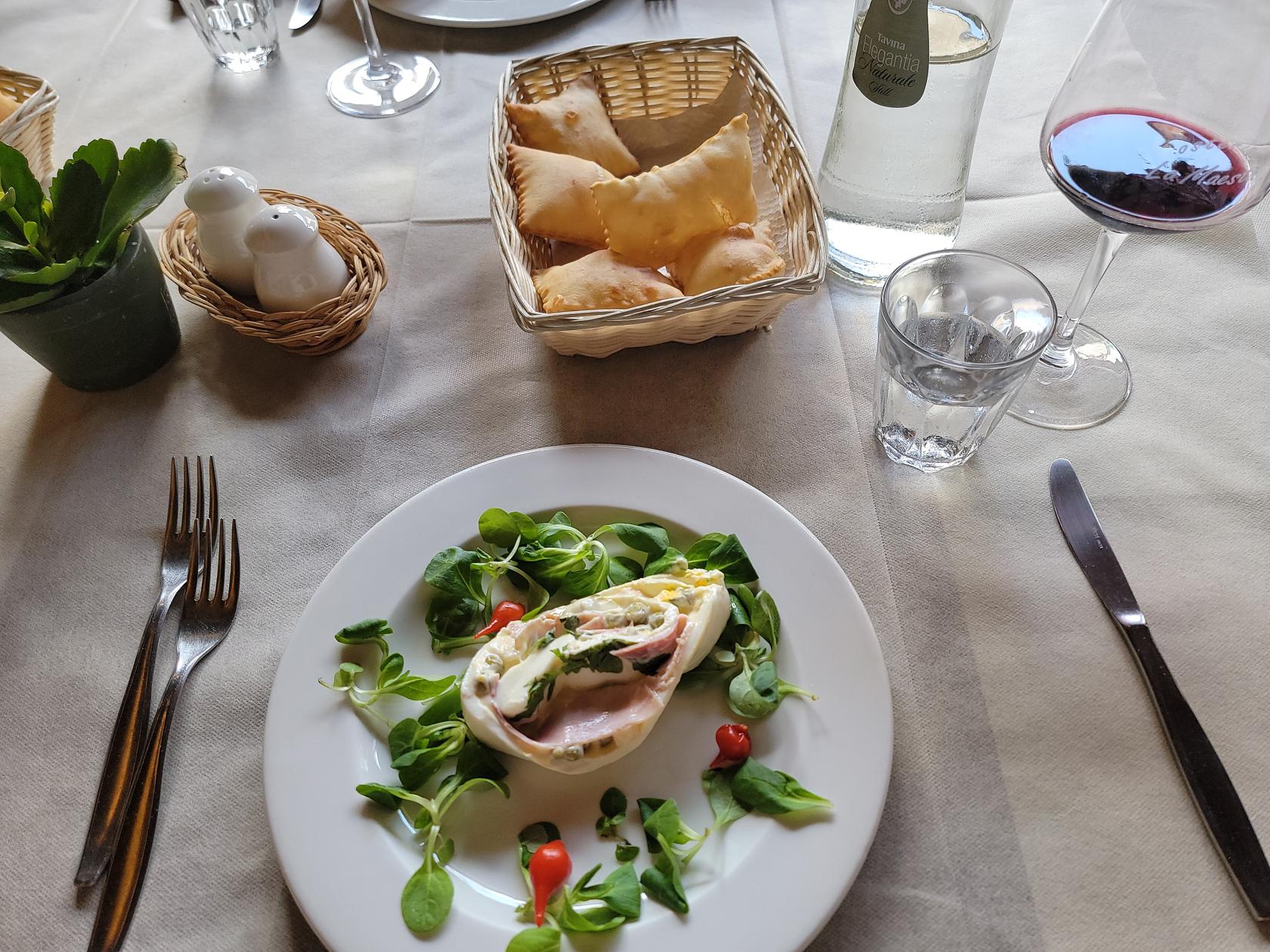
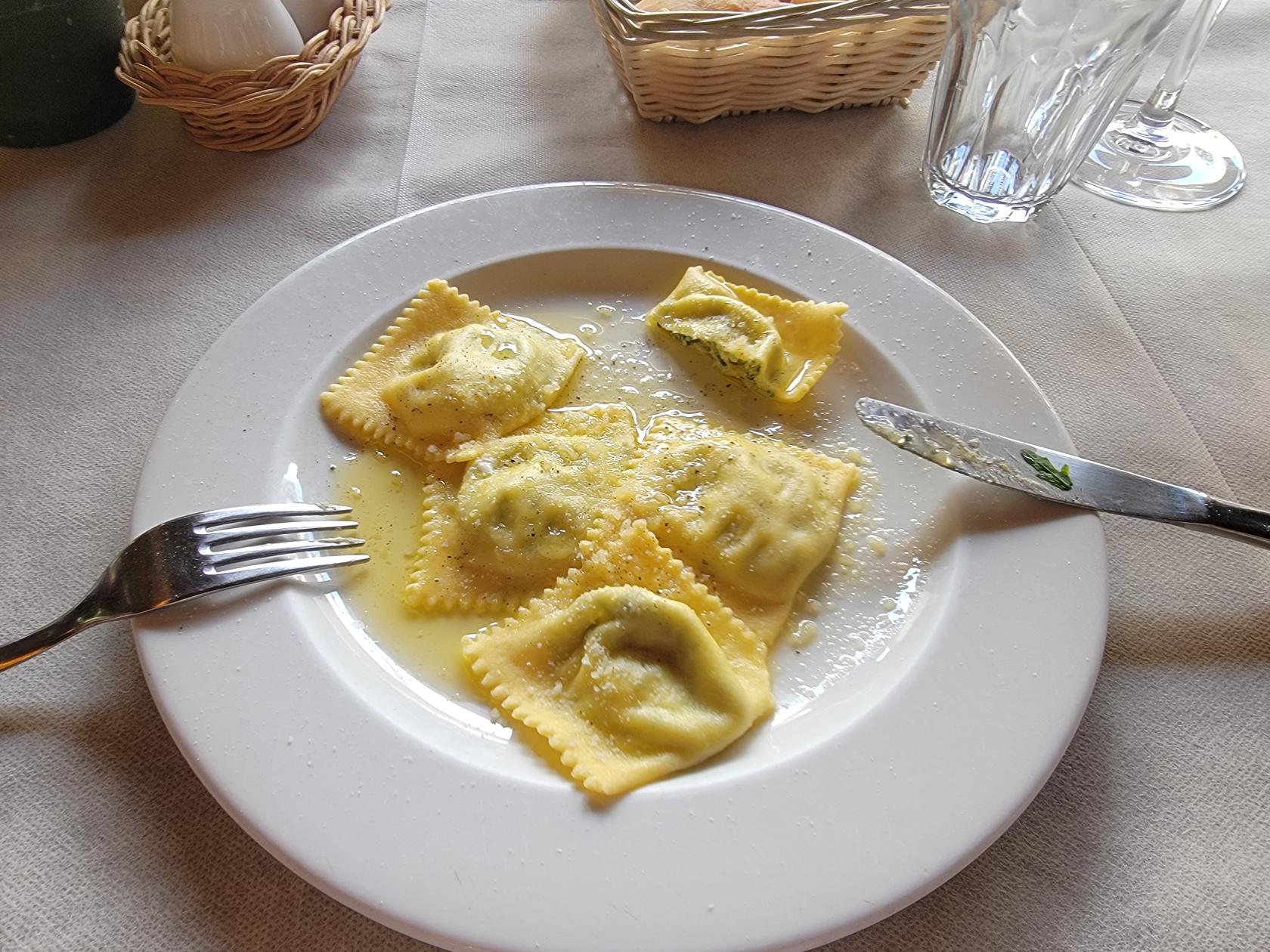
The food is very good and well portioned. The caprese is rather large and good enough for two. The pasta dishes are also fairly large and well seasoned.

Aside from the popular marketplace on wednesdays and the odd historical monument, there really is not much to see in Lunio. Coming from the south, it can only be commended for the odd day trip with lunch as the primary reason for the expedition, since it is rather far away and the boat service only runs roundtrip on wednesday, so plan accordingly.

References

References
1 Proportedly the largest in Europe, but that is not possible. The one in Turin far eclipses it in size and weekly frequency, being open every day and not just the middle of the week.
2 or about $18 per person

Arona, Italy – Rocca Repose

About a ten minute train ride from Stresa is the small town and bedroom community of Arona. Its claim to fame, if it has any, would be the La Rocca[1]“The castle” in italian, or the Arona or Borromeo Castle.
Arona

Situated on the southern tail of Lake Maggiore and home to the Arona Castle is the small city of Arona. From the Lungolago, or boardwalk that runs along the lake, it offers a beautiful view of the Angera Castle on the other side of the lake.

Its main thoroughfare is the Via Cavour. Here you will find most of the shopping, with restaurants available on many of its side streets.

Getting There

From Stresa we took the Regional Express, which runs from Milan to Domodossola. The ride takes about ten minutes in the direction of Milan and for this trip costs around €3.30 per person per direction.

Church of San Graziano

Also known as the Santi Martiri is a Roman Catholic chuch in Arona on the hill where Piazza San Graziano is located. We noted the church as we passed by, but did not walk the stairs to enter, since we were on our way back to the train station.

Collegiate Church of Arona

The Collegiate Church of Arona is also referred to as the New Church, or the Collegiate Church of the Nativity of the Virgin Mary. It has a long history dating back to the mid fifteenth century and was actually consecrated before its completion, in order to resolve internal issues and from competition with Santi Martiri, which was being built at the same time.

Arona Castle

More people come here for the Rocca Park, wherein the castle resides, and not for the castle itself, since there is actually not much of it to see.

The Rocca, or castle, apparently dates back to the late tenth century and by the eleventh century it had become a military fortification to defend the Milanese territory. From then on, it was fought over by the Torriani, Viscontis and Borromeo families.

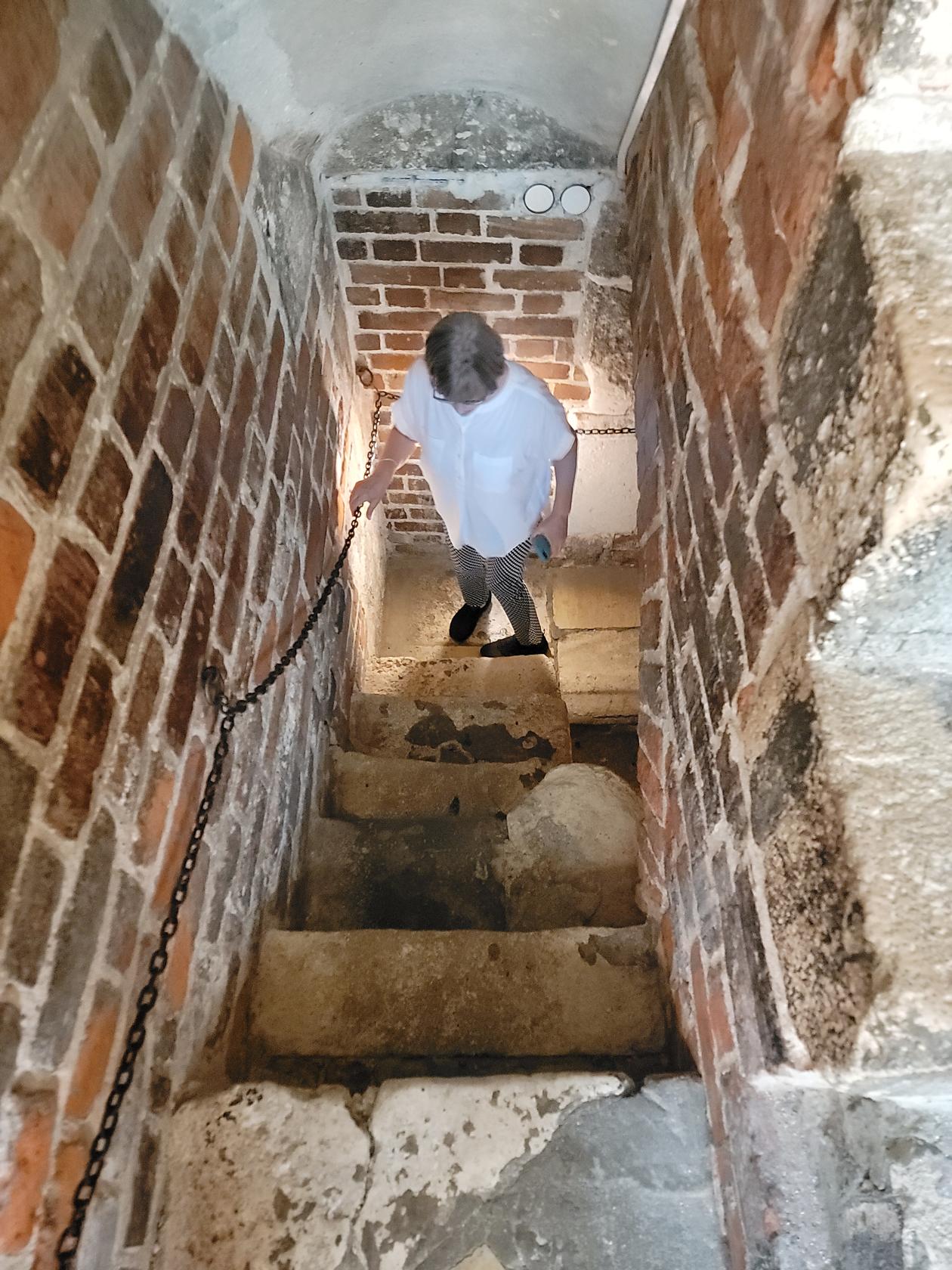
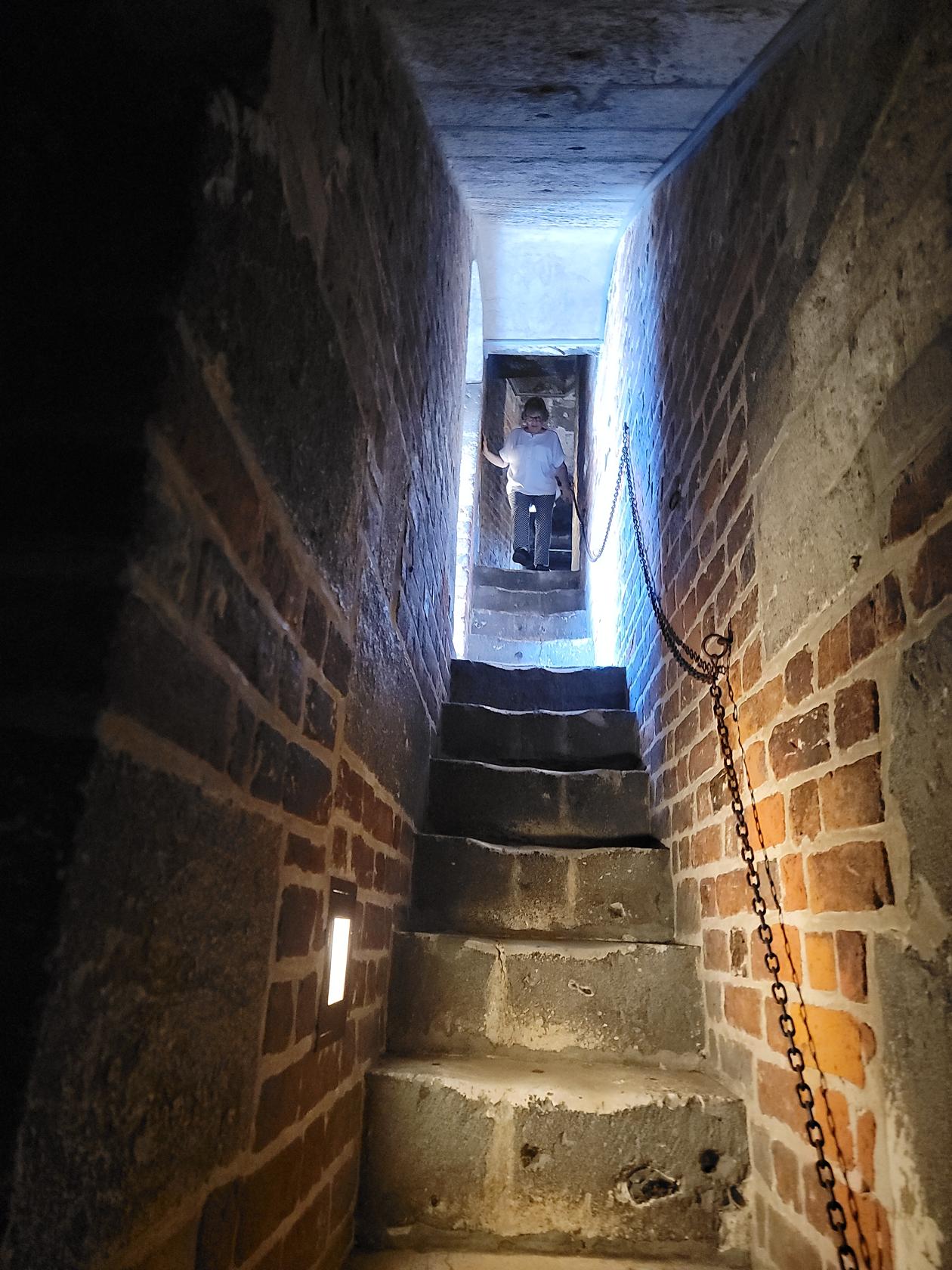
Some time in the fifteenth century, the Viscontis family built a hidden stairway from the port to the castle, so that the two could be connected during times of trouble. Parts of which were hewn from solid rock. After the castle was sacked, the stairway remained, though it is currently cordoned off to visitors.

It wasn’t until Napoleon Bonaparte arrived, that the castle was completely destroyed and left in ruin.

The park however does command a view of the lake and the town itself. One can also get a good view of the Angera Castle on the other side of the lake, which looks a lot more impressive than the one in Arona.

There is a small cafe where you can also stop and get some refreshment and enjoy the views.

Restaurants

Sancarlino

A small place with fewer than a dozen tables. It has good food and will get full after about 12:30, so get there early at opening for a seat. While we were eating, they were turning people away.

References

References
1 “The castle” in italian

Domodossola, Italy – Easter Pilgrimage

Kind of by luck and definitely by accident, we made our own religious pilgrimage on Easter Sunday. Our pre-planned trip was always to visit Domodossola, but only included our walk up the Via Calvario as an aside, or suggestion, if we had time. It ended up being the perfect event on a near perfect day, at least with respect to the weather.

Domodossola

A large city at the top edge of Italy with Switzerland. It is the last stop on the train line from Italy into its neighboring country. It is an odd mix of new with some very old parts. The streets are very clean and well maintained. Some of the buildings date back to Columbus’ day and actually look it.

The city has the usual fountains and piazzas. Since it was a holiday, all museums and other tourist related buildings and facilities were closed. However, we did find some shops and restaurants that would normally be closed on a Sunday, open.

Getting There

We took one of the Regional Express trains from Stresa and we were there within a half an hour. Unexpectedly, we were stopped by police inside the train station after we got off the train. I guess it was probably because there were no other IC or EC trains going into Switzerland, so they had nothing better to do. They asked me for my travel documents and luckily I had my new wallet sized US passport. They took a photograph of it, exclaimed that it was the first time they saw one and let me pass. My wife told them all she had was a driver’s license, but the quickly looked at her and said no problem, go through. Yeah, they don’t profile in Italy. So, if you are traveling close to the Swiss border in Italy, bring your passport and travel documents, you never know, you might be stopped!

Monte Calvario

To see the fifteen chapels and stations of the cross, you have to climb Monte Calvario. You arrive at the mount by the Via Calvario, a street which can be found off the Via Matterella.

The first thing you will see is a small church or chapel with a large sign explaining the origins, history and design of the entire idea.

A bit further down this road will be the start of the Via Calvario. At first, the first four chapels come fast and furious.


Once the road starts to incline, it might be better to walk on the flat pavement stones in the middle, or the outer edges if you have to, because after a short while the vertically set stones will take a toll on your feet.

Then the incline increases and it takes a bit longer to get to the next four. But, our weather was extremely pleasant, sunny and in the middle sixty degrees Fahrenheit.

Once you have reached the eigth station, you are more on less on the top of the mount. Here you will find the remaining four, eight, nine, ten and eleven.

The twelfth and thirteenth are actually in the Church of the Holy Crucifix. A beautiful little church and chapel with real candles that may be lit for prayers.

The remaining stations are outside again. We only managed to find the fifteenth station, since it is right next to an overview of the city. The other, was below by the cafe, which we had no interest at that point in visiting.

Restaurants

After walking the city for about an hour, we found a bistro for lunch. We only order salads and cannot say much about the quality of their steak, which seems to be their primary offering. However, had we known better, there was a quaint little Osteria not far from there that was actually serving an Easter dinner, with lamb and all usual italian side dishes. Oh well, our loss.

With this post we will note that we have seen a marked increase in restaurant prices. Not only for food, but drinks as well. Perhaps not exspensive as the States, but they are getting up there.

Restaurant Bistro Steak House

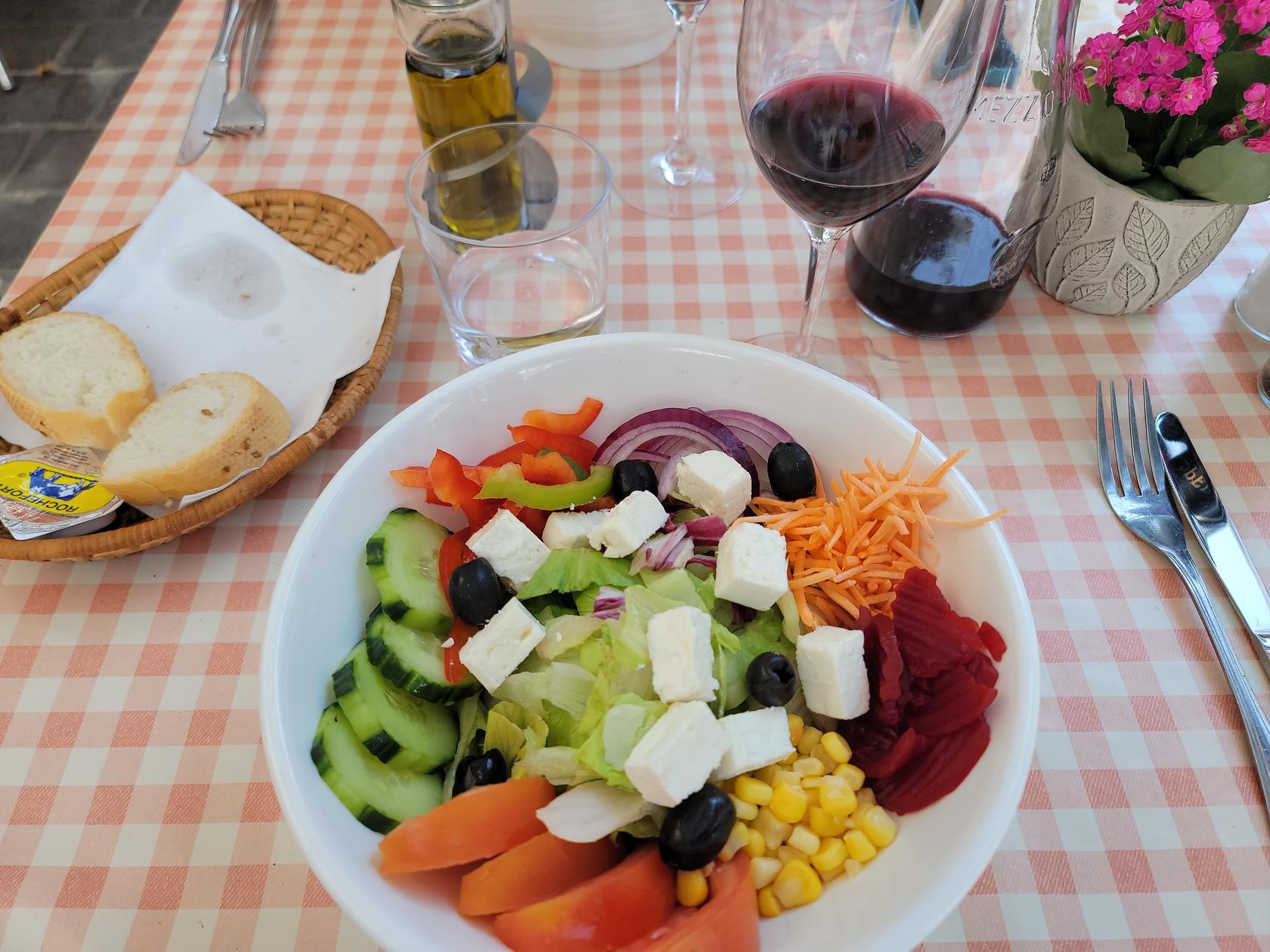
As a Insalata Greco goes, they were okay. About medium in size and they didn’t have a lot of Feta cheese on them, so the owner is a bit cheap. But the food was okay and not terribly expensive. I would say, if you have time, find somewhere else, but the food is fine otherwise, though you may find the service more than lacking, especially after you receive your food.

Another good tip, at least for here, but we have seen it elsewhere too. If you are done and have already told them so, get up and go to the bar (Cassa) and pay, don’t wait for them to come back. You may sprout some new grey hairs if you do.

Biella, Italy – Woolen Woes

A former eminent place where most woolen products came from in Italy is the city of Biella. As far back as the thirteenth century, the city has been known for its fine wool fabrics and products. However, with the recent globalization of products and competition of the early twenty-first century, many of the factories and businesses associated with that industry have gone away, creating what some might term – the woolen woes.

Biella

The city sits at the foot of the eponymous mountain range of the Biellese Alps. It has been so affected by the wool industry’s decline and other issues, that it is considering cutting back on some municipal services, including the possible cessation of the funicular, or the Funicolare del Piazzo, which was severely damaged by past weather events.

Getting There

We took the train from Turin’s Porta Susa to Biella. It is easy and very cost effective and only takes about an hour.

Though a very liveable city, it is fairly quiet, but we found lacking in some amenities. It is also not a very pretty city, it had many empty stores while we were here and many buildings appeared to have maintenance issues. However, if you did not stray far from the main street of Via Italia you wouldn’t notice.

Piazza Biella

On the west side of the city, on top of the hill, is the Piazza Biella. A fifteen to twenty minute walk up the Costa del Piazza will bring you to the upper part of town. The cobbled street is a bit treacherous, so take care, especially if the weather is bad, the stones are quite slippery, even when dry.

Here you will find the Piazza Biella, which has a few cafes and bars to enjoy. Aside from that, it is very quiet.

Close by is the Piazza Mario Cucco, from where you will be able to get a fantastic view of the Biellese Alps.

One the way down, we took the Costa San Sebastiano, which led us directly to the Basilica of San Sebastiano in Biella.

Basilica Biella

The Basilica of San Sebastiano, together with the monastery of San Girolamo, stands as the pinnacle of the Biella Renaissance. Commissioned and funded by Sebastiano Ferrero, it featured artists from the Lombardy region for its masonry work. The church’s foundation stone was laid in 1500, and in honor of the patron, it was dedicated to San Sebastiano. The construction was overseen by Maestro Eusebio, who was present during the laying of the foundation stone. By 1504, the church’s walls were already finished, but it wasn’t consecrated until 1540 by Monsignor Guglielmo di Gattinara, the Bishop of Nicomedia.

Cathedral of Biella

From the outside the Biella Cathedral, or Cathedral of Saint Stefano Protomartire, might almost remind one of a mosque, if it weren’t for the cross on the apex of the roof.

However, from the inside there is no mistaking it for anything other than a catholic cathedral. Interestingly, the interior contors of the colums and relief of the ceiling are all a visual illusion and one of the best examples of trompe-l’œil. This is where the intricate details are painted on the existing stone, plaster or masonry to mimick definition or relief, when in fact there is none.

If you look carefully you may find the original first foundation stone for the church, that is before it became of cathedral. It was set in the early fifteenth century and has been interpreted, first from the ancient latin, then into modern italian.

The english translation would say, “1402, today on the 20th of March, construction of this church was begun by master Giovanni Borri.”

Biella Baptistery

Extremely close by the cathedral is the Baptistery of John the Baptist. Unfortunately, no entry is allowed. But a quick look of the outside and it is clear that it is a fairly old building.

Church of the Santissima Trinity

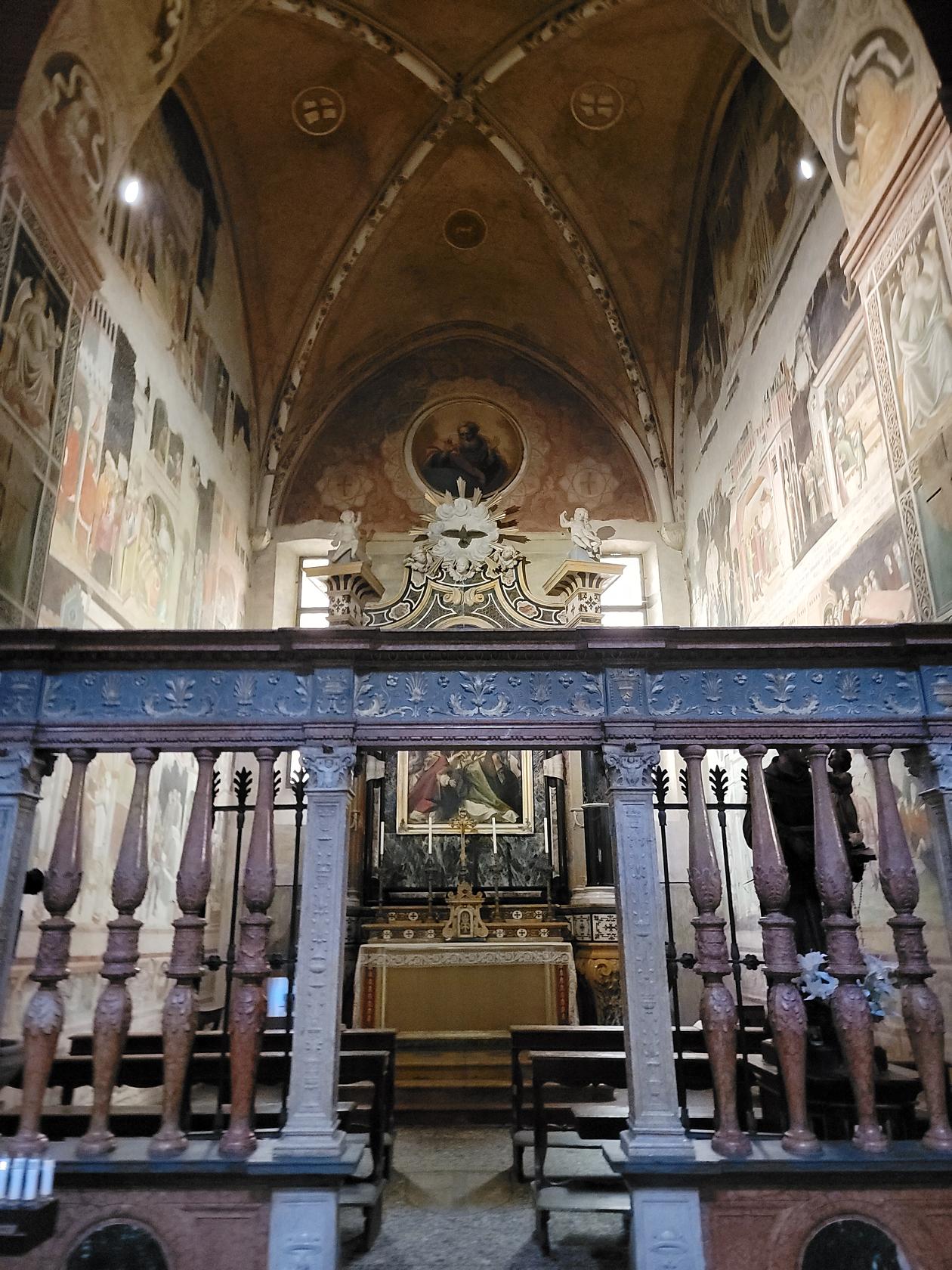
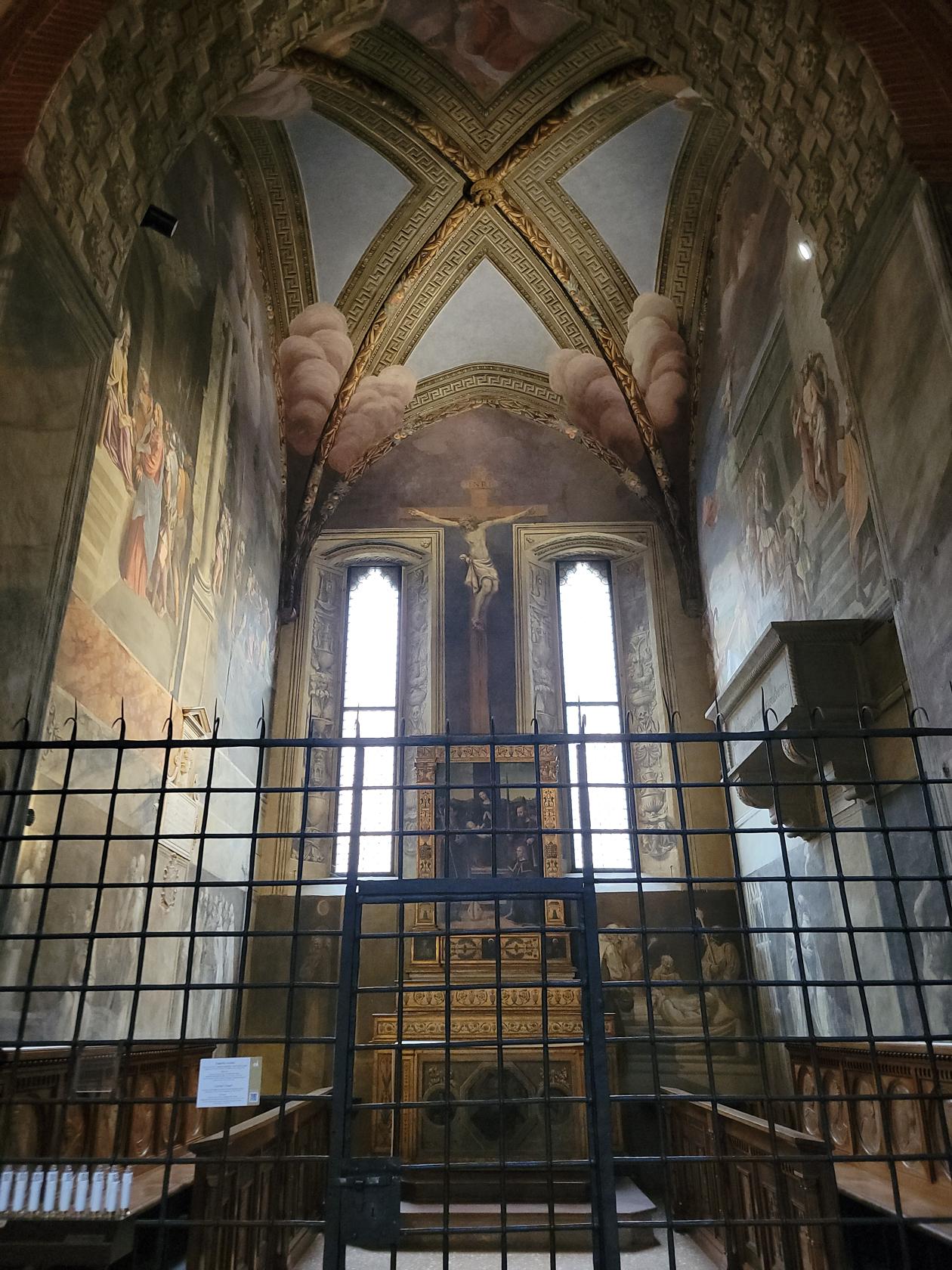
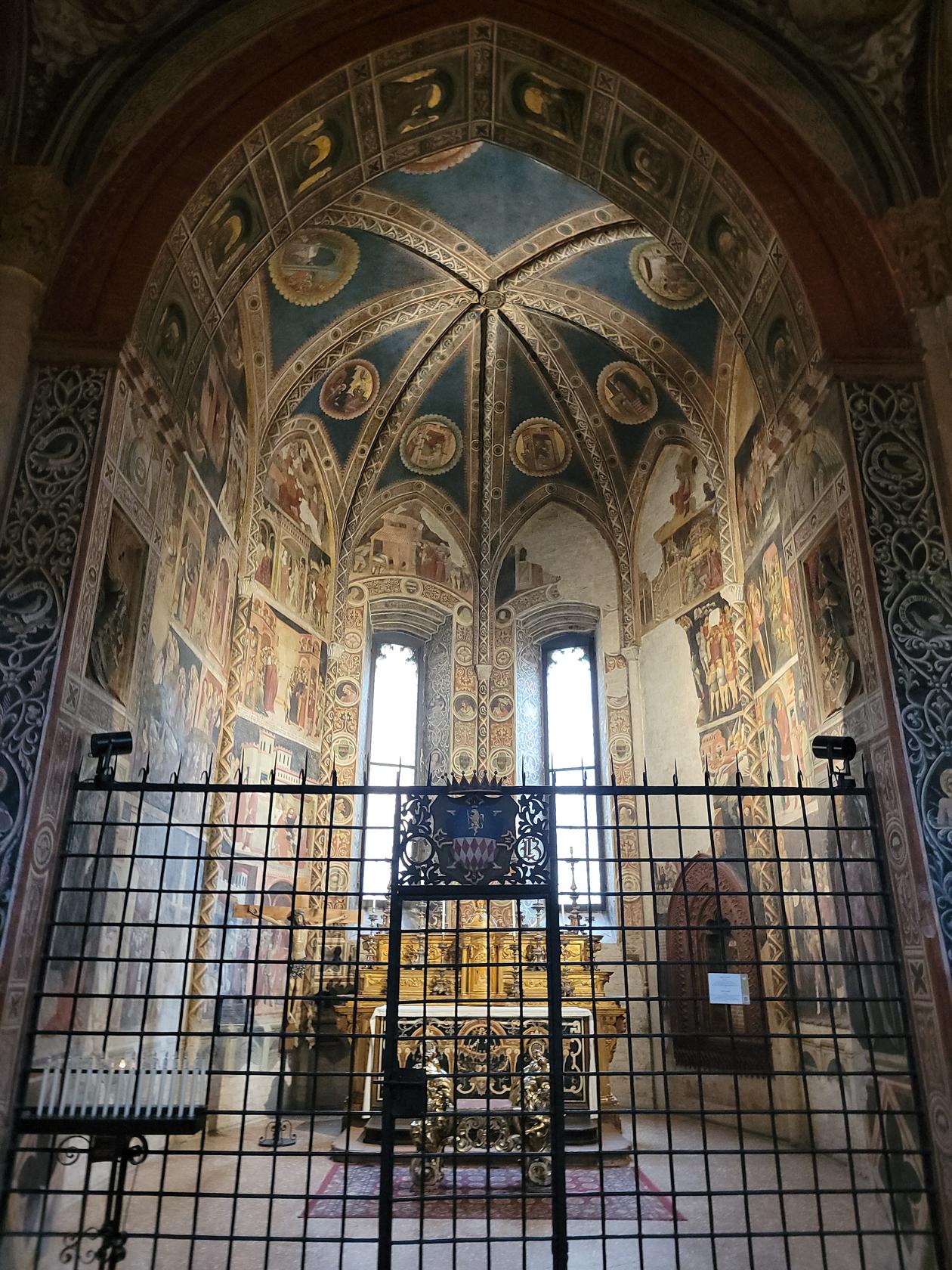
Directly off the Via Italia is the small church of Santissima Trinity. It has high vaulted ceilings with frescoes and a very ornate altar. Here again, the relief is mostly done using paint.

Restaurants

Since this was a day trip, we only had time to enjoy lunch. At first we had some difficulty and our first choice, the higly rated L’Arrugginita on the upper side of town, was completely booked. Then we mistakenly sat down in what we thought was a neapolitan pizzeria, which turned out to actually be a poke bowl bistro. Then finally we found Ristorante Il Salotto.

Ristorante Il Salotto

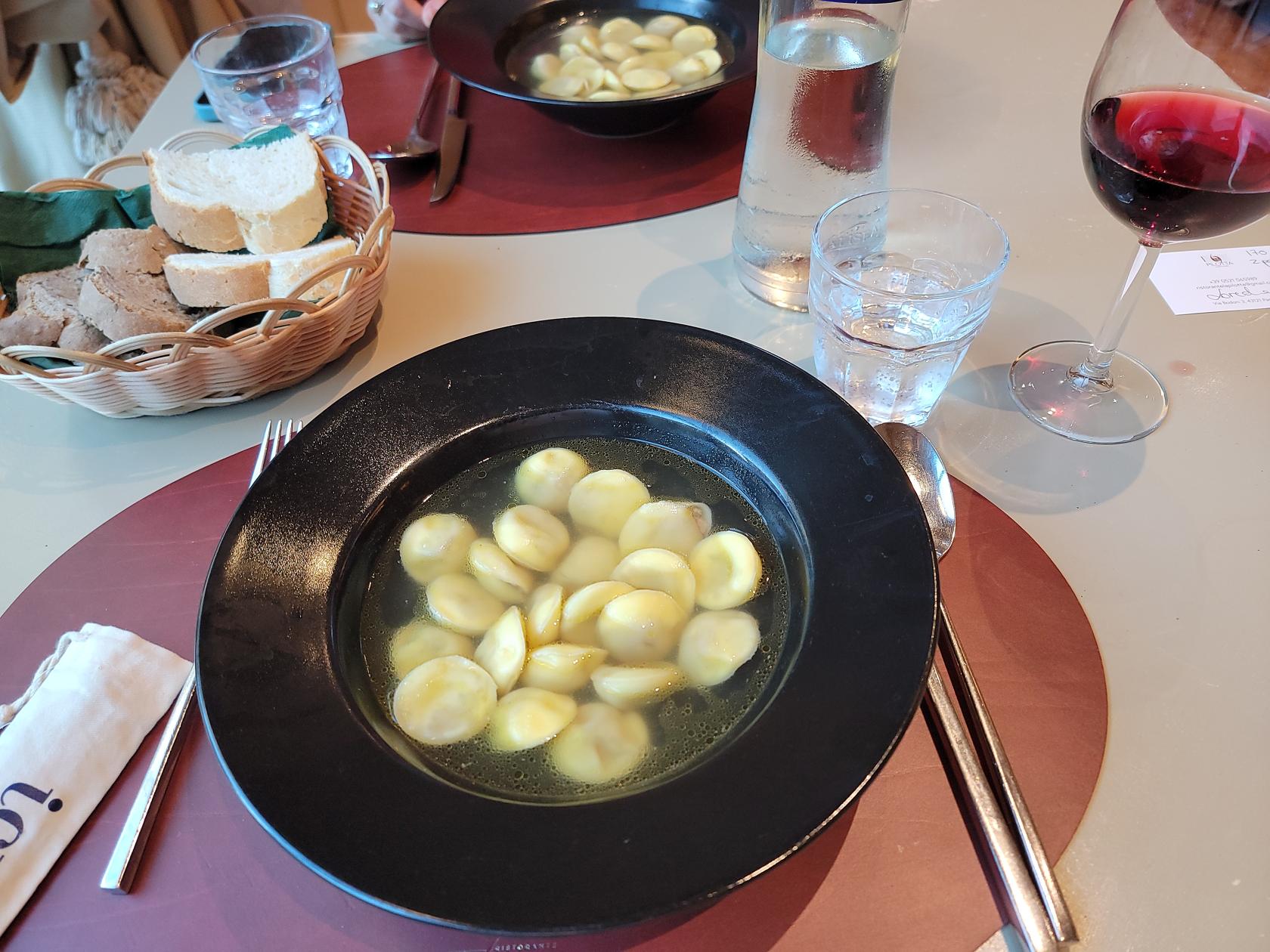
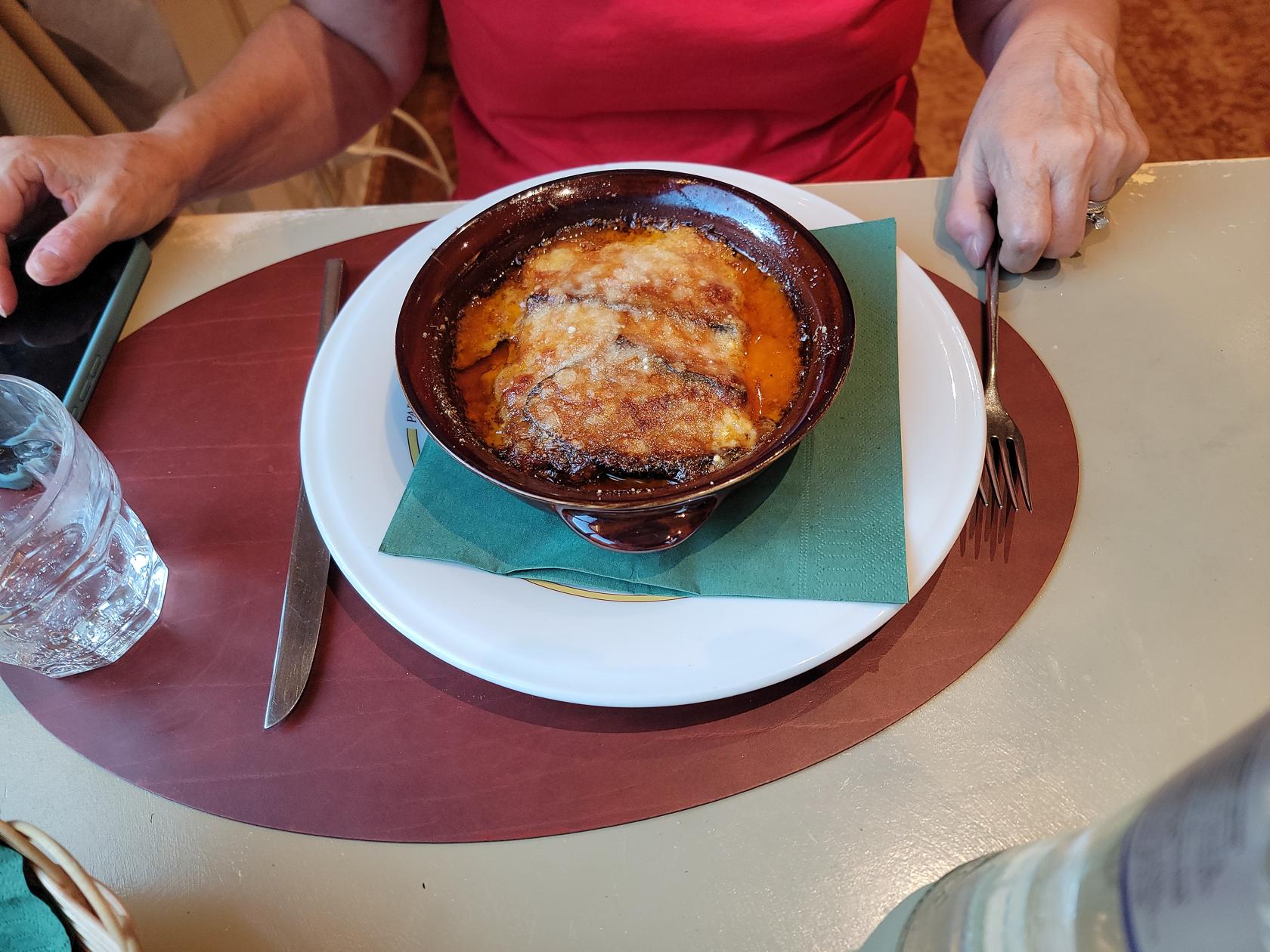
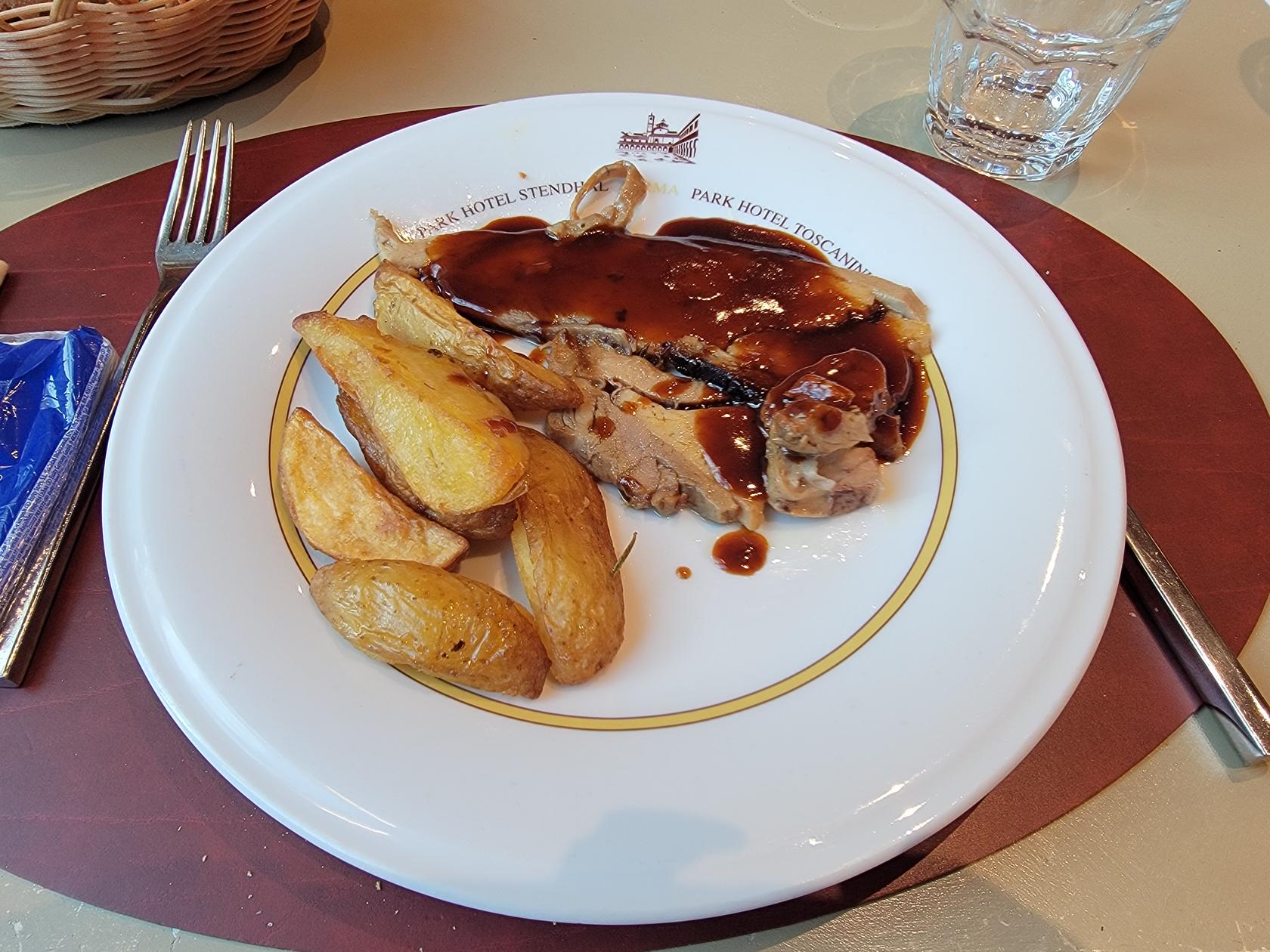
A very fine place for lunch, Il Salotto offers a tasty fixed priced menu at €17 for pasta (primi only), or €24 for the two course lunch (primi and secundi). For the extra seven euros a piece, we were able to order two primi pasta dishes and two secundi meat dishes, with bread, a glass of wine and water for total of €51.

The food was excellent, as was the service and decor. If you are ever in Biella, definitely one of the places to eat.

Michelstadt, Germany – Odenwald Curiosity

On the border of Hesse and Bavaria, in the Odenwald, is the town of Michelstadt. It’s curious, because its name contains within it a word that most english speaking people would think it should be a city, when in fact, the germans use the denotation for both town and city. Technically, it is considered a Kleinstadt, or small city, or what we call a town and should carry the stadt on the end of its name.

Michelstadt

The town is one of the oldest within what is called the inner Odenwald. There has been some sort of settlement there ever since the eighth century. Like other small towns of this nature, its layout has a certain lazy circle about it, indicating it was protected by some kind of fortification or wall. Evidence of this can be found on Kellerbergstraße, where part of the wall remains, and Mauerstraße where it can be seen in its former glory.

Getting There

To get to Michelstadt you will take either the 45 or 47 from the north or the south. On the north of town is a very large parking area which we used, conveniently located close to the town’s center.

Town Hall

The Town Hall, or Rathaus, is one of the more prominent buildings in the town. It stands a bit off-center in the Marktplatz and has an old press, a scale and other items associated with the buildings history in the open area underneath it.

The Marktplatz contains a main foutain, which the town appears to decorate for holidays and other occasions.

Michelstadt Fortress

The Michelstadt Fortress, or Burg Michelstadt, is probably more of a stronghold than any castle or fortress. Though it sits on a high wall with a moat, it is not as impressive as other german castles or fortresses. Today it houses a mill museum, which unfortunately was not open at the time of our visit.

Diebsturm

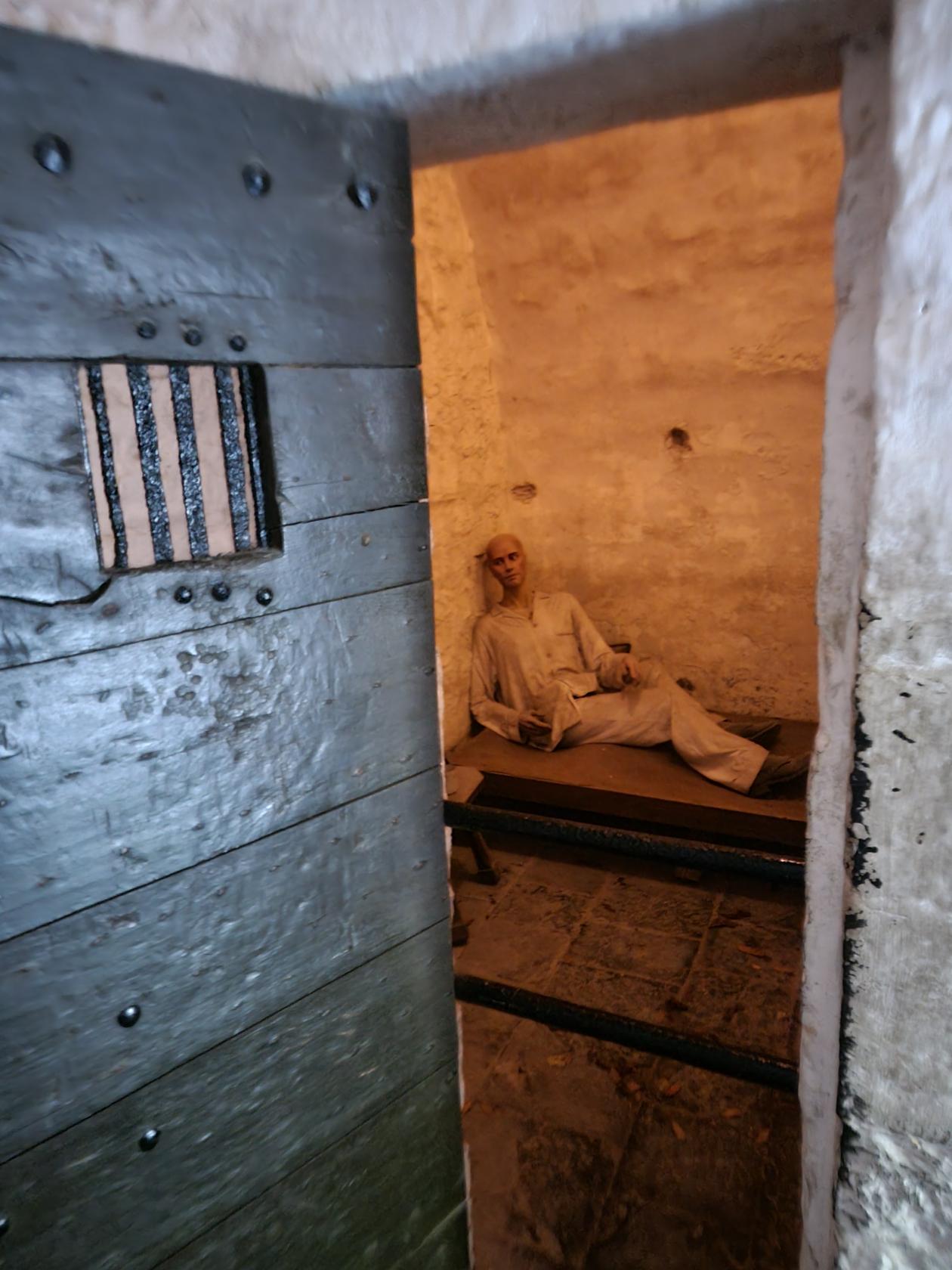
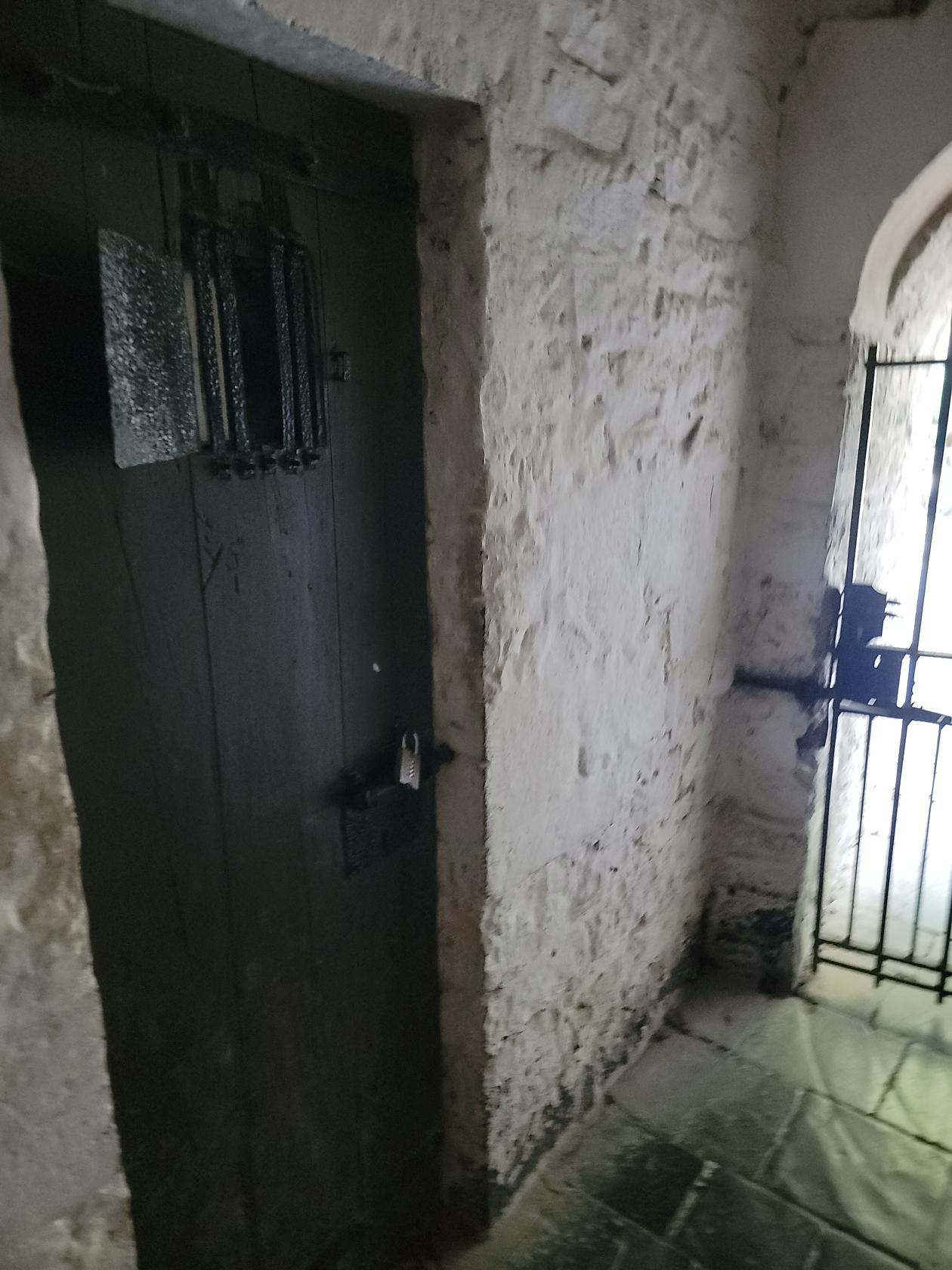
The Diebsturm, or Thieves’ Tower, is part of and sits next to Burg Michelstadt. The sump or cellar of the tower was used as a prison starting sometime in the early fourteenth century. Prisoners were lowered down on a rope into the cellar to wait our their term. It is one of the more prominent features of the town.

Dr. I. E. Lichtigfeld Museum

This museum preserves the jewish past of the town, neatly preserved in the former Synagoge Michelstadt that was destroyed during the prelude to the second world war.

Here one can get a sense of the small jewish population that used to inhabit the town, which also has numerous Stolpersteine[1]these are small brass memorials laid in the ground for jews and people who were killed, deported or driven to suizide commemorating the people of the town that lost their lives. They can be found throughout Germany and parts of Europe.

The museum also backs up to the old town wall and has a nice little park, where one can quietly sit and enjoy the weather.

Restaurants

Due to its size, there is not much to choose from, but there are a few restaurants in the Marktplatz. We chose a brewery close to the edge of town for lunch.

Michelstädter Rathausbräu

The Michelstädter Rathausbräu is a brewery and restaurant. It serves good food typical of the area. They don’t speak much english, so be prepared to whip out your translation guide or phone. However, the food is very good and they have their own brew on tap.

References

References
1 these are small brass memorials laid in the ground for jews and people who were killed, deported or driven to suizide

Freiburg im Breisgau, Germany – Bächle Everywhere

The one unique feature this city has over others that we have visited are its Bächle, or small streams or runnels that network themselves through most city streets. Though in the past they were used for waste disposal and fire suppression, their contemporary revision is much cleaner and used more for fun than anything functional.

Freiburg im Breisgau

The city lays on the lower west side of the Schwarzwald, or the Black Forest. It is an odd mixture of contemporary and renovated old buildings, but appears to be very liveable. They have an active tram system and local buses, though the residents do appear to enjoy walking for the most part.

Getting There

It is almost necessary to use the A5 to reach the city, though I imagine there might be other ways as well. We entered from the north, via Europaplatz, where we found adequate parking nearby. Europaplatz offers access to the tram system and might be a good starting point for those not wishing to walk.

The Bächle

The Bächle[1]the term is Bächlein in german are on most streets, at least in the older parts of the city. As a child, if you’ve ever had the occasion to play in a small stream or ditch, then you would just love Freiburg im Breisgau. They sure delight the city children. The city appears to be very child friendly and they even sell little boats on a string for children to play with in the Bächle.

Schwabentor

The Schwabentor, or Swabian Gate, is the most recent gate to the city and is located on Herrenstraße, another street which has a Bächle.

Freiburger Münster

The first bricks for the large gothik style Freiburger Münster, or Münster Unserer Lieben Frau, were laid around 1146. After several incantations as a small unassuming church through 1260, the church was redesigned with new importance in the late 1200s. It wasn’t until the late 1400s that it attained is final form one can see today.

Münsterplatz And Merchant’s Hall

The Münsterplatz is adjacent to the cathedral and includes several city buildings and businesses.

One historic building that stands out in Münsterplatz is the Historisches Kaufhaus, or Merchant’s Hall. With its striking red exterior it is impossible to miss and the result of contemporary renovations, having suffered bomb damage and other design changes throughout the years. The facade today is adorned with replicas of Holy Roman Emperors and an Archduke, who did not become emperor because he died before his father and didn’t inherit all of his father’s titles.

Augustinerplatz

Though not much to look at the Augustinerplatz is where the museum and several other important government buildings are located, including for us ironically, the Italian Consulate.

Connecting Augustinerplatz to Kaiser-Josephstraße is Gerberau street.

Martinstor

A major gate in the city, aside from the swabian gate, or Scwabentor, is Martinstor. Located on Kaiser-Josephstraße, more or less in the center of town, the tower stands above all the other buildings. The street runs directly through the tower, like in many other walled cities in Germany and delineates the old city from its newer parts.

Restaurants

For our day trip we chose to have chinese or japanese and found a nice modern place that opened in the remains of the old Laubfrosch restaurant.

Unkai

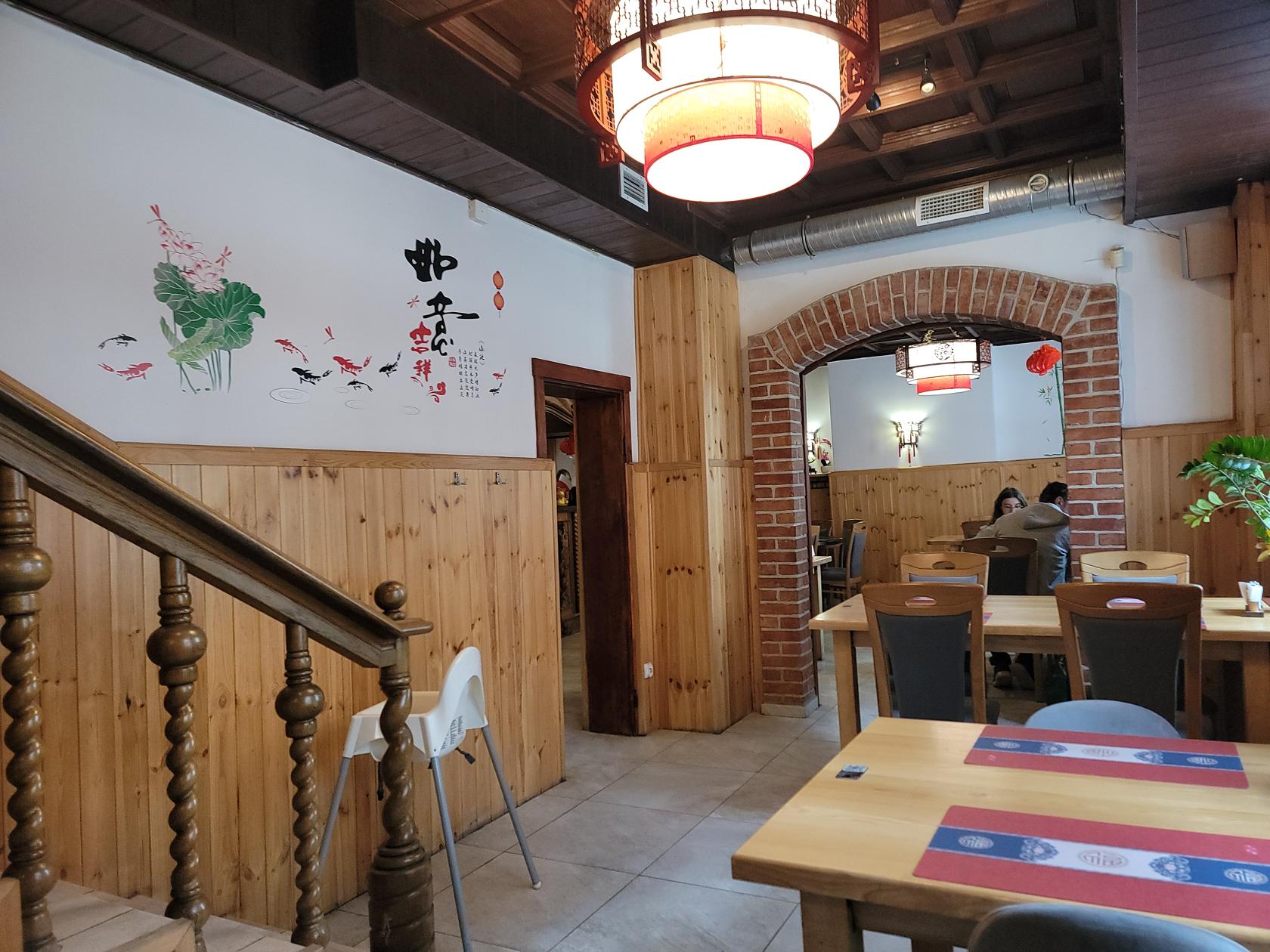
If you are looking for either chinese or japanese cuisine look no further than Unkai Asian Fusion.

The decor inside is decidedly modern and the staff is very attentive to your needs, especially if that has to do with children.

References

References
1 the term is Bächlein in german

Eguisheim, France – Medieval Zwiebelstadt

A stone’s throw from Colmar is the small Zwiebelstadt of Eguisheim[1]In German it is spelled Egisheim, France. Here you will enjoy what a small medieval Alsatian town feels like.

Equisheim

The germans use the term Zwiebelstadt to denote any small medieval town that is formed like an onion. Though typically they have eight sides with concentric alleys bisected by a Grand Rue, or main street, they may be circular or oval as well. In the center of it all you will usually find a church or main plaza.

In the above the following are noteworthy, according to town officials, starting at (D) with the Pigeon Loft.

      1. Rue de Ramport – The colors of Eguisheim
      2. Rue de Ramport – Round and round the town
      3. The gates of the town
      4. The town’s inscriptions
      5. Stone engravings
      6. The chateau
      7. The host of the chapel
      8. The virgins of Eguisheim (the church)
      9. The tithe courtyards

The area around the town is noted for its excellent alsatian wines. Upon entering the town visitors can see a record of the vineyards proudly displayed along with restaurants and a map of the town.

Getting There

From Colmar a quick drive down the Rue de Tiefenbach or the Route de Rouffach puts you on the D83 for a short time before you reach one of the many small roads that will take you into town, though typically it would be the Rue de la 1er Armée.

Grand Rue

Cutting through the center of town is the Grand Rue, or main street. Here is where you will find most all of the shops and many of the wineries.

The tourism office is close by the Eguisheim Fountain, so once you locate that, it’s just a stone’s throw away.

Rue de Rempart

We spent most of our time walking this alley, which circumnavigates the town. Since the town is laid out like an onion, you will eventually come back to where you started.

The Rue de Rempart creates two rows of buildings that acted like fortifications for the town. Since the town was not initially meant to be a fortress, but was more economical in nature, the outside wall turned into another row of houses some time in the sixteenth century.

Many buildings in the town are also adorned with coats-of-arms. Many of the pediments and lintels are decorated with them and other engravings, usually left by the stone masons themselves. In most cases the coat-of-arms indicated who lived in the house according to their profession, a butcher’s block for a butcher for example. However, a sword crossing a shield would indicate a master craftsman in that profession.

Chapelle Saint-Léon IX

Along with the chateau that is close by, the Chapel of Saint Leon IX is a central sight. The fountain of Saint Leon is directly below the stairs to the chapel.

Église Saints-Pierre-et-Paul

Off on another street is the Church of Saints Peter and Paul. Though larger than the chapel, the outside and inside are more austere.

Other Sights

If you walk enough you will find an old American Willeys Jeep left over from the war. There are also several other wineries of the main streets as well.

Though we only spent a few hours here, we thoroughly enjoyed it, especially since the weather was very nice. It might make more sense though, to stay a bit longer and enjoy a wine tour throught he vineyards and one or two wine tastings. In any event, it is a great place to stop and is highly recommended.

Restaurants

Unfortunately, we cannot commend a place to eat or drink, since we did neither in Eguisheim. A wine tasting might be commended though, since it is at the center of Alsatian wine country!

References

References
1 In German it is spelled Egisheim

Strasbourg, France – A Quick Visit

It’s been some time since our last visit to Strasbourg, France. So when the opportunity arose to stop there, just for lunch, we jumped at the idea, since it is one of our favorite cities in France.

Strasbourg

The town has not changed much since we were last here, though that was during the summer. The weather however was great, a bit cool but sunny and pleasant. We stopped on our way to Colmar and enjoyed some of the city sights while we walked to our restaurant destination.

Restaurants

Le Gruber

Previously known as Zum Alten Strassburg, Le Gruber offers typical Alsatian cuisine, which is a mixture of french and german. The interior is comfortable and very nice.

The food was very good and reasonably priced. I found the potato casserole especially enjoyable and very tasty, though with the Muenster cheese on it, a bit filling.

Wengen, Switzerland – Rainy Return

Our Rainy Alpine Return

After Lake Leman we planned a return to the Bernese Alps and chose Wengen at the behest of other family members. We had previously been to Grindelwald and had spent some time there, so we knew the area well, although we had never visited the Lauterbrunnen Valley. In preparation for this trip, we purchased the following tickets and discount cards to help in managing expenses.

      • The Swiss Half Fare Card – provides half fare prices on all travel, including cable cars and other forms of transportation
      • The Oberländer Pass – provides access to all modes of transportation within the Oberland, can be purchased using the Half Fare card above.
      • The GoldenPass Express – since it is a special train, it is included in the Oberlander Pass, but if you want reserved seating, use the Half Fare card the price for First Class, it is still quite reasonable and perhaps the way to go for medium to large groups (we were a party of six).

Getting There

From Montreux, Switzerland we enjoyed the GoldenPass Express train to Interlaken Ost, the train station that lies between the lakes Thunersee and Brienzersee, just outside the Lauterbrunnen Valley.

It winds through the Cantons of Vaud and Bern, through the Simmental valley where there are pastoral views to enjoy.

Wengen The Town

Wengen is a classic Swiss ski town, having a single avenue with shops and stores catering to souvenir hunters, hotels spread throughout the surrounding area with accompanied restaurants, as well as standalone restaurants offering specialities and train and cable car stations. One thing it doesn’t have are private cars, they are not allowed here and one must park in Lauterbrunnen and take the train to visit.

Hotel Jungfraublick

Our hotel during our stay was the Jungfraublick hotel, a three star hotel with restaurant. It supplied a complimentary continental breakfast in the morning, but its linen service proved to be somewhat of a problem and each day we had to ask for things we should have been supplied.

Aside from that, we didn’t see much of the Jungfrau, the third tallest mountain in the Bernese Alps, due to weather and the constant threat of rain or snow.

Restaurants

Even though it was slightly off-season, we made reservations for all the restaurants we visited and it is probably advised, we found most of them fairly busy during regular dinner hours.

Da Sine Ristorante

On our first day in Wengen, we ate here for lunch. They have excellent Italian food at somewhat reasonable prices for Switzerland.

Caprice Ristorante

The Caprice restaurant also offers Italian food and is very good. It can be found at the Maya Caprice Boutique Hotel and there prices are also in line with what other restaurants are charging in the area.

Vevey, Switzerland – Chaplin’s Repose

Retirement Repose Along The Lake Riviera

Charlie Chaplin called this town his retirement home for the remaining twenty-five years of his life and it is commemorated with a number of statues to that affect. It enjoys that same lazy coastline lifestyle that its sister Clarens to the east enjoys. There are definitely less crowds here than you will find in Montreux. It is also considered the headquarters of Nestlé and where chocolate was first created for the mass market.

Getting There

A three mile walk northwest of the town of Clarens is the town of Vevey, Switzerland where you can relax and enjoy a slightly different view of the lake. On a beautiful morning this would be the way to go, with the exception of about a mile where the path turns inward and you must walk more along the road than the lake. However, one can also take a bus, train or ferry to reach this town.

For our return we took the CGN Ferry back to Clarens. While I would normally say it was a relaxing trip back, we had our grandson with us who was overdue for a nap, so we enjoyed a terrible-two meltdown instead!

Vevey The Town

The old town is a one or two block wide stretch along the lake’s coastline. Though there are still a few old Roman bridges that span the small creek that cuts through the town, there seems to be no evidence of the old fortifications that used to protect it.

In the central part of town, the Saint Jean clock tower stands sentinel and offers a fountain as refreshment below it.

There are numerous shops here and on the right day, the central square or Place du Marché, holds a marketplace where a whole host of goods are sold. Therefore you may not be able to rely on this as a parking lot and if driving look elsewhere.

The Jardin Doret or park, has public amenities, as well as a nice playground for small children who need to take a rest from all of the adult walking we like to do on vacation; so for some, a must stop.