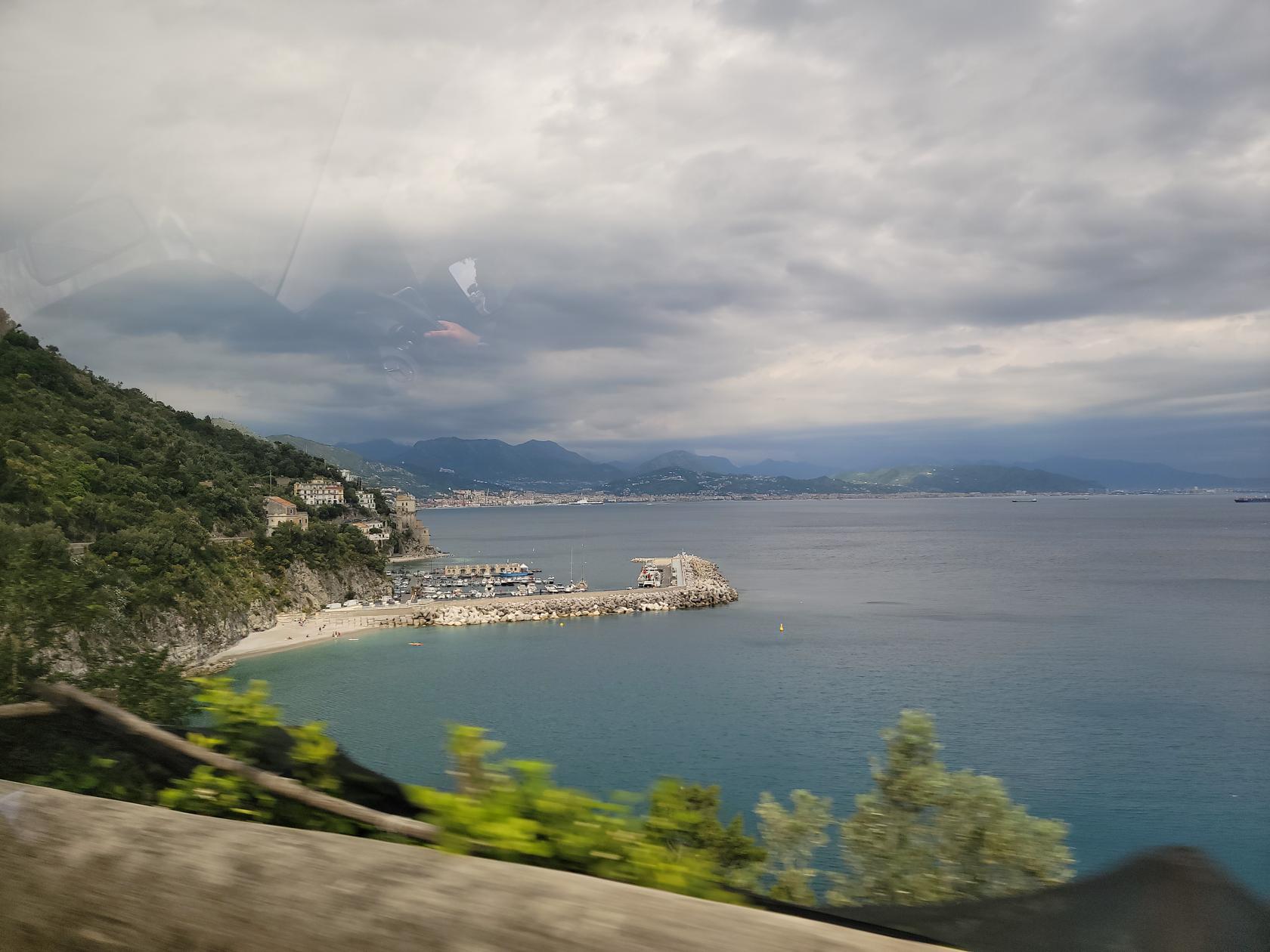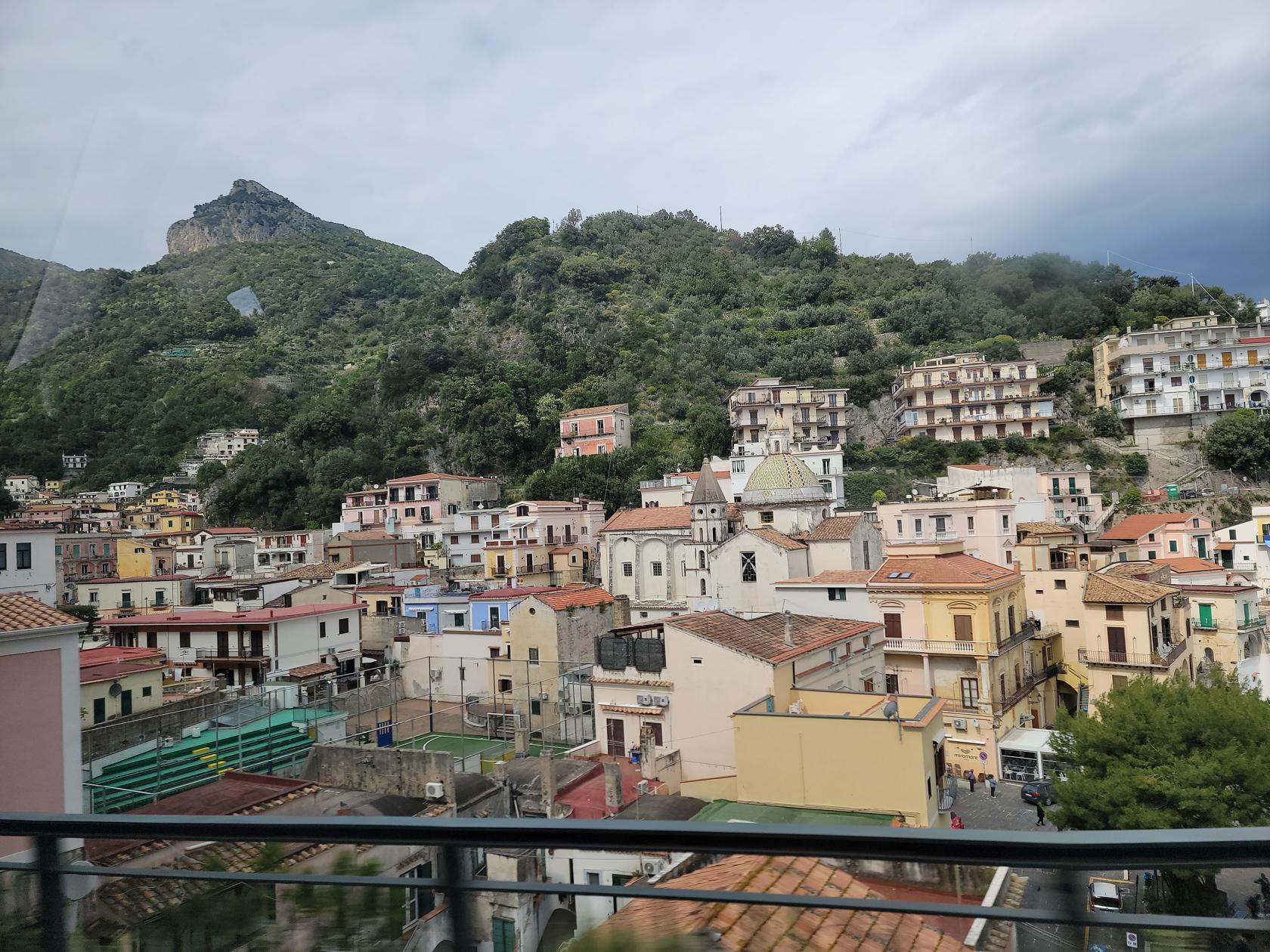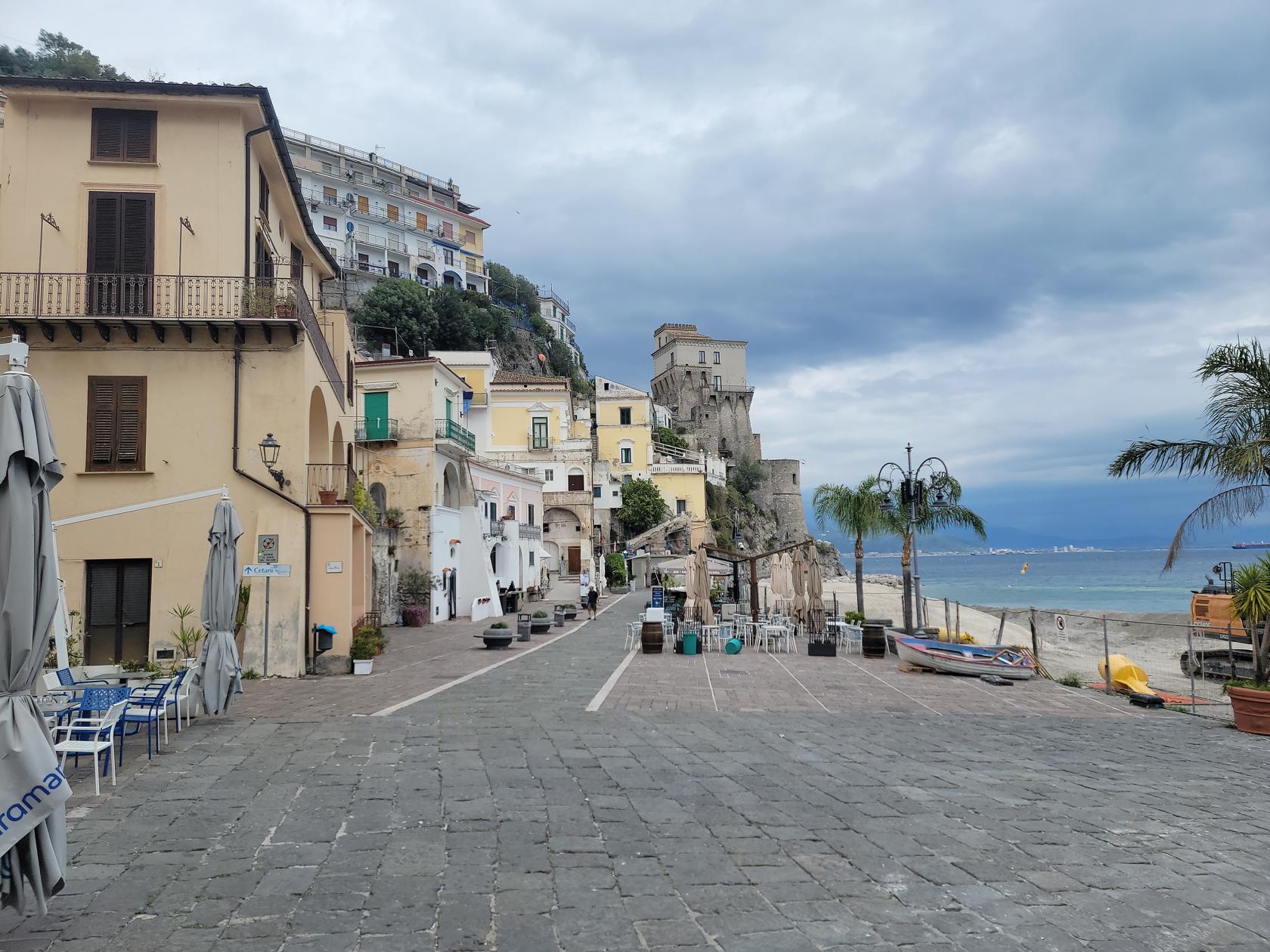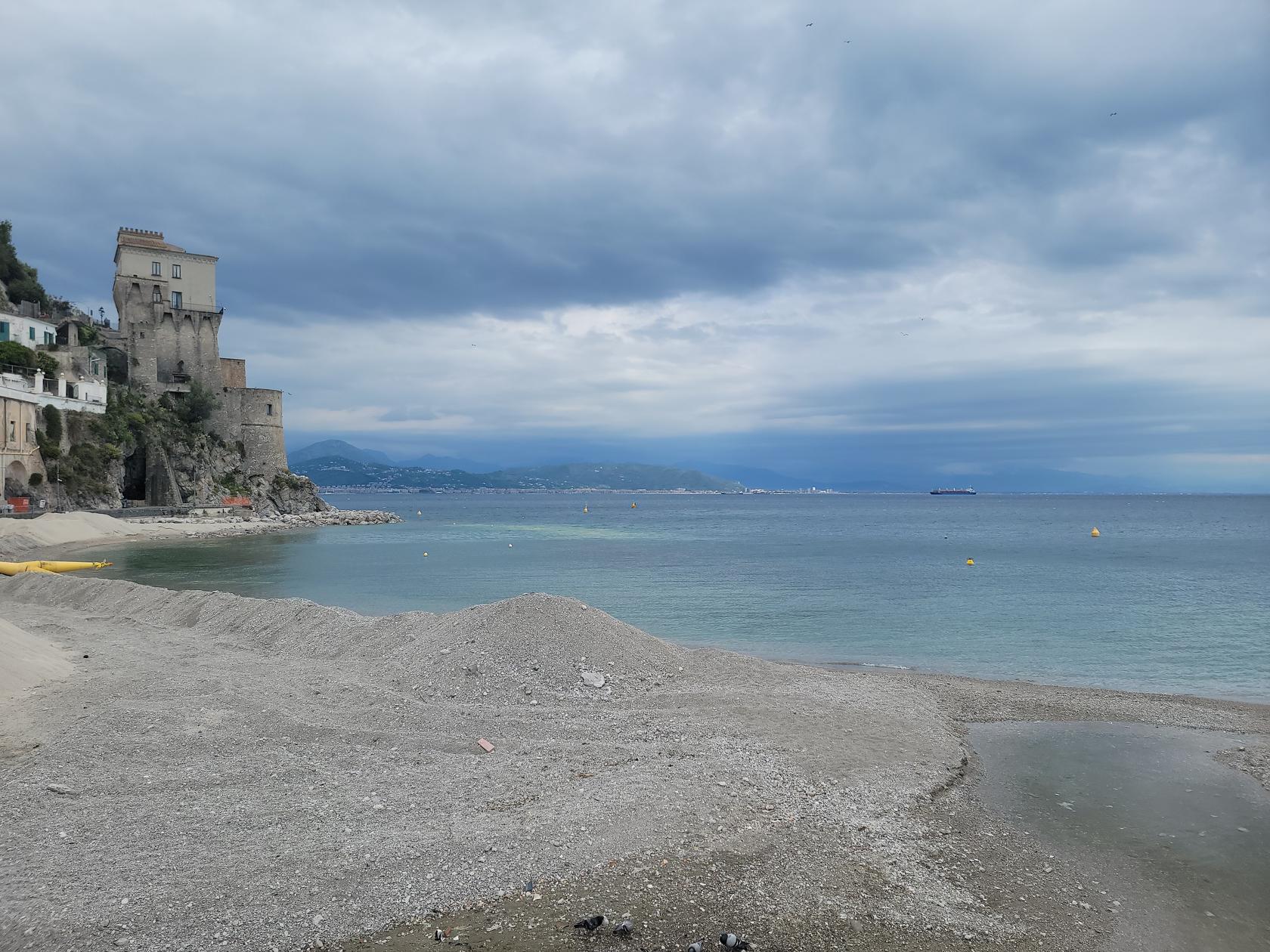
Clarens, Switzerland – Lake Leman Luxury

Luxury on Lake Leman

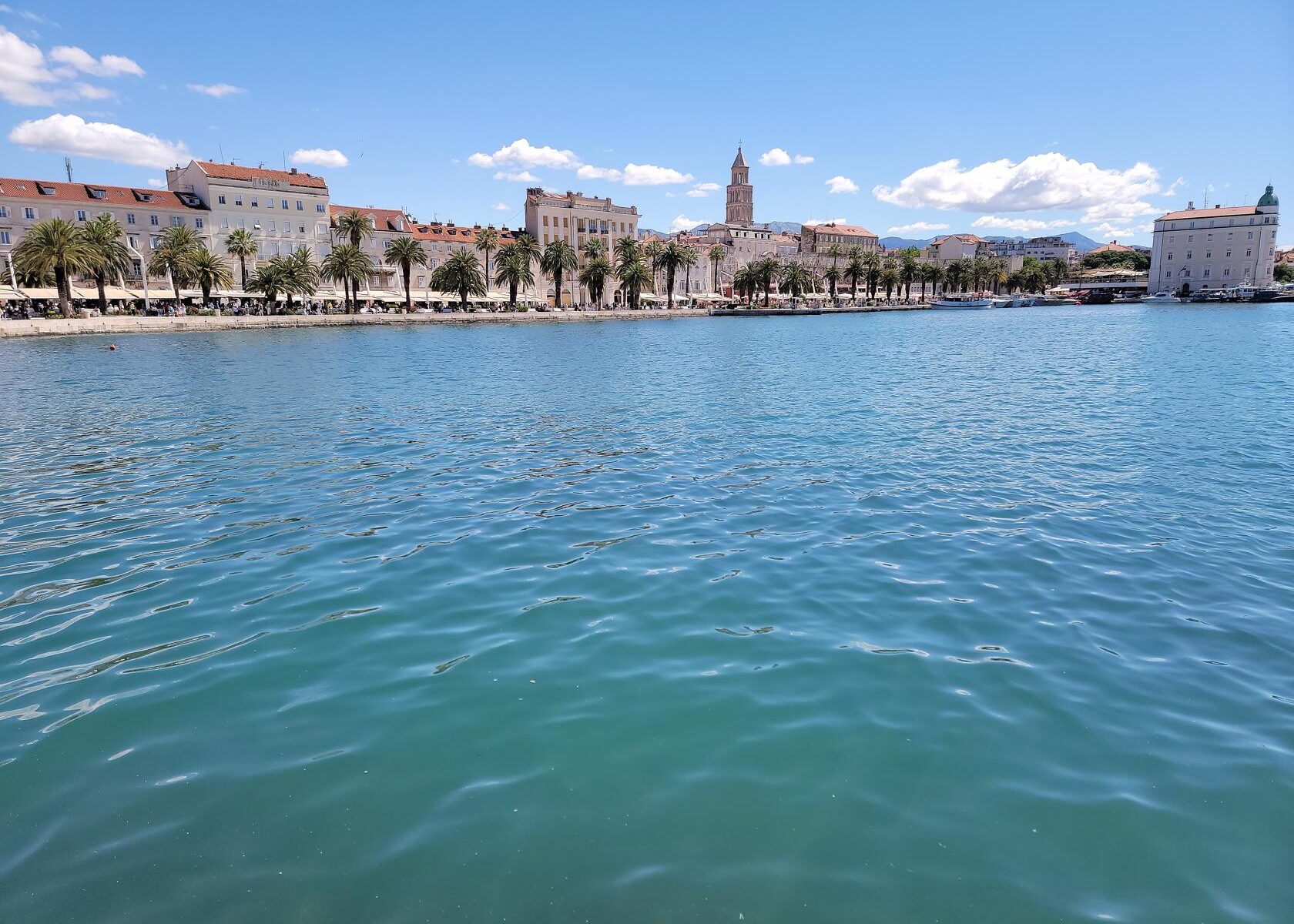
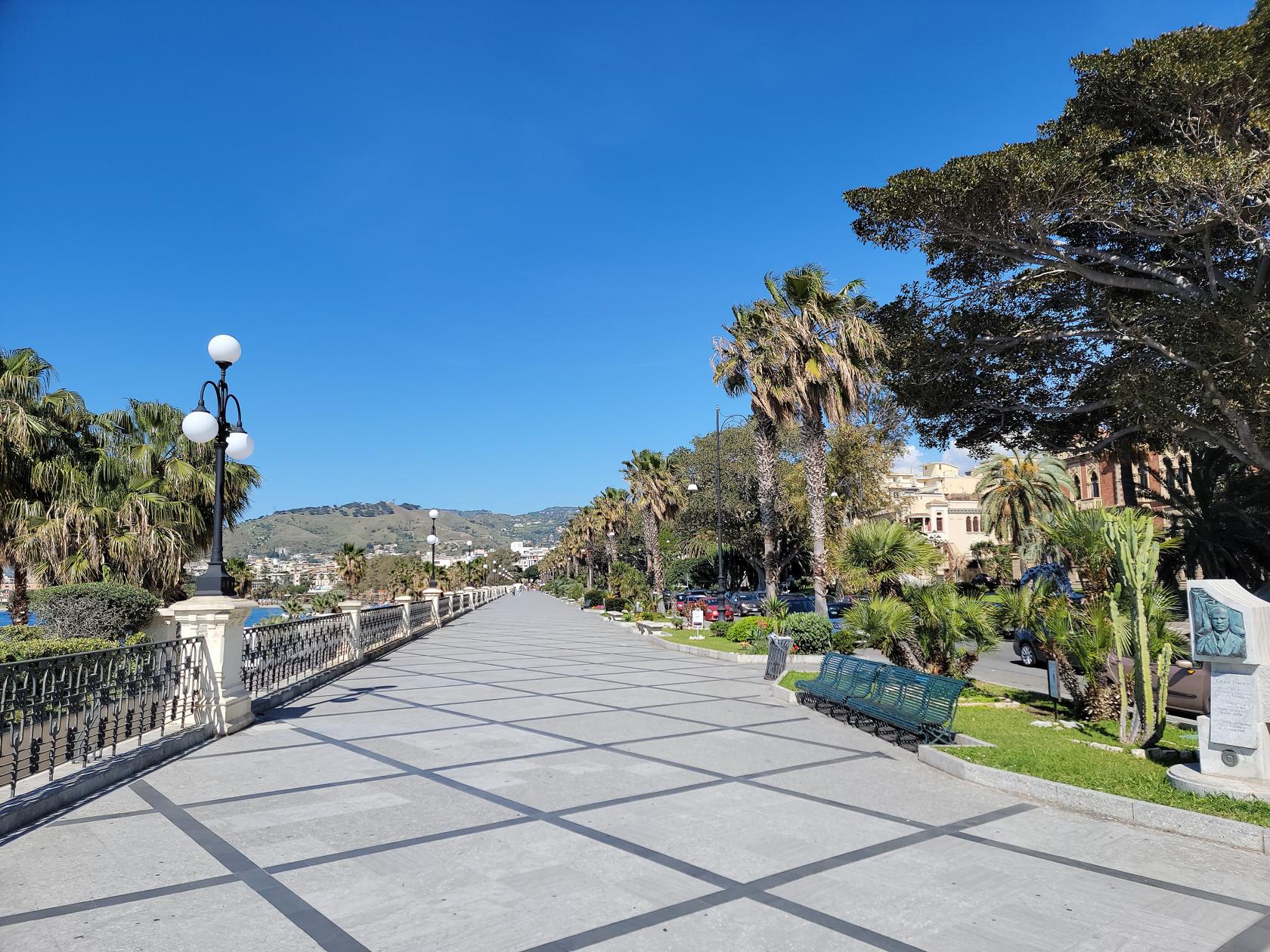
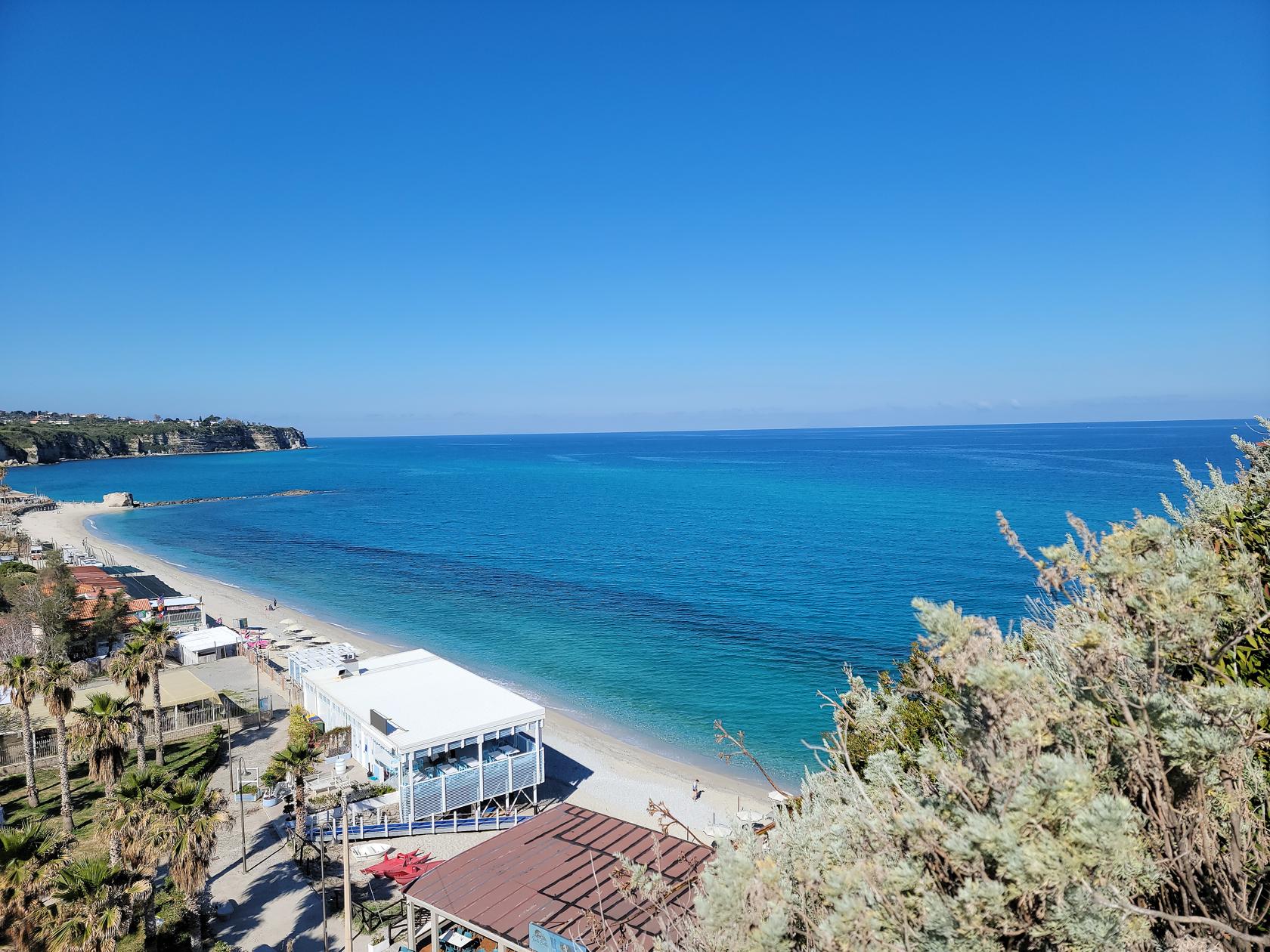
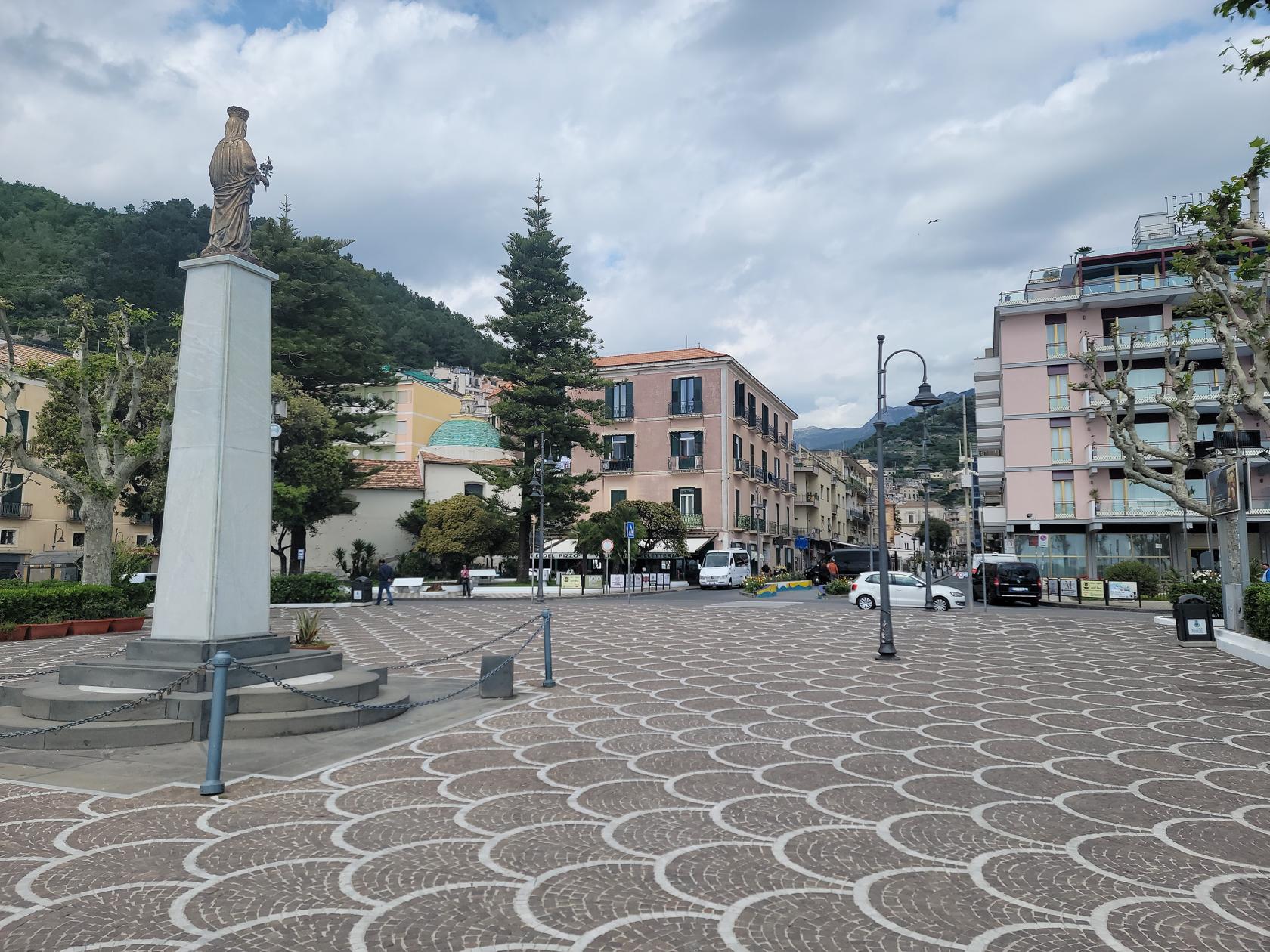
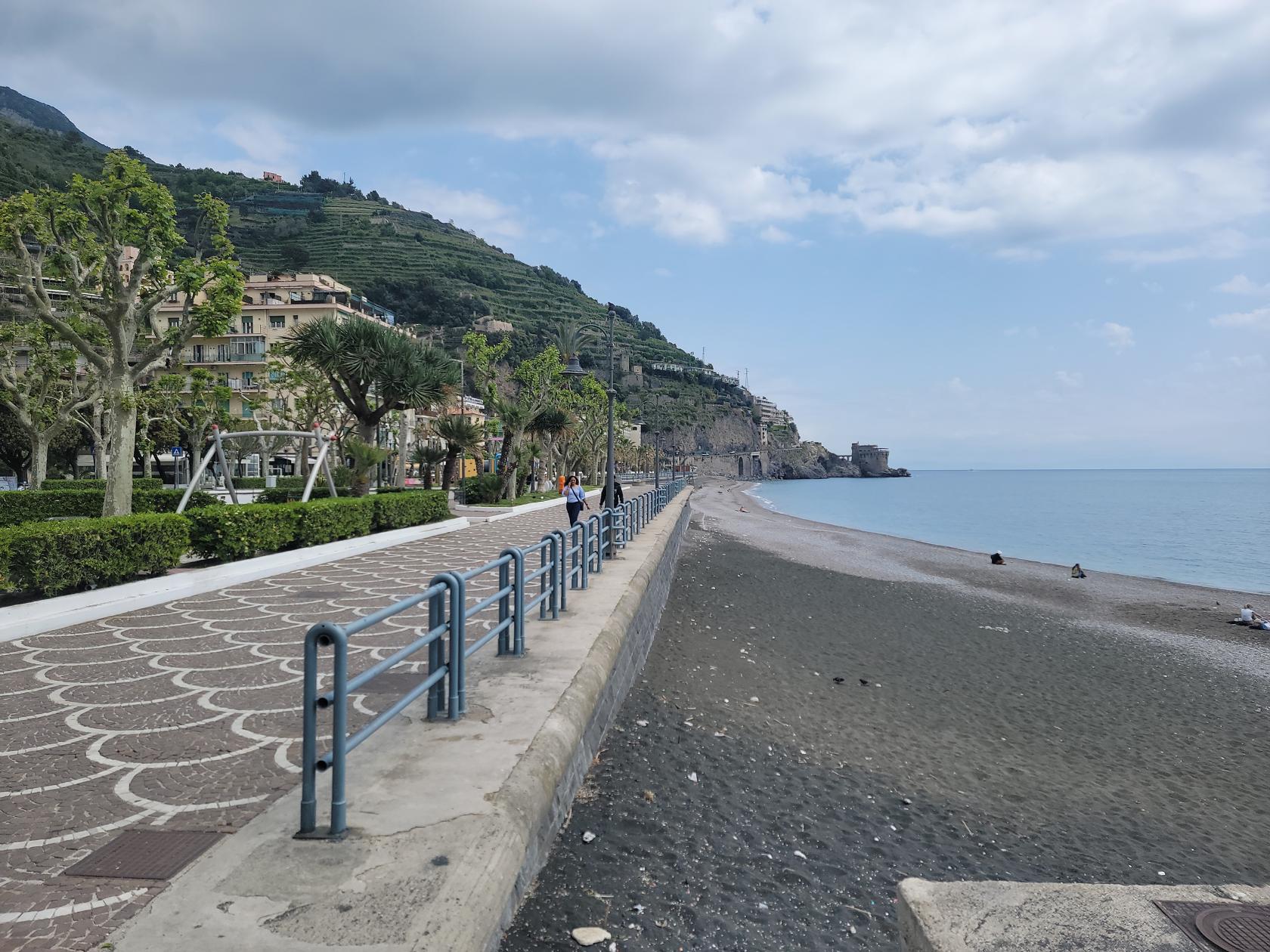
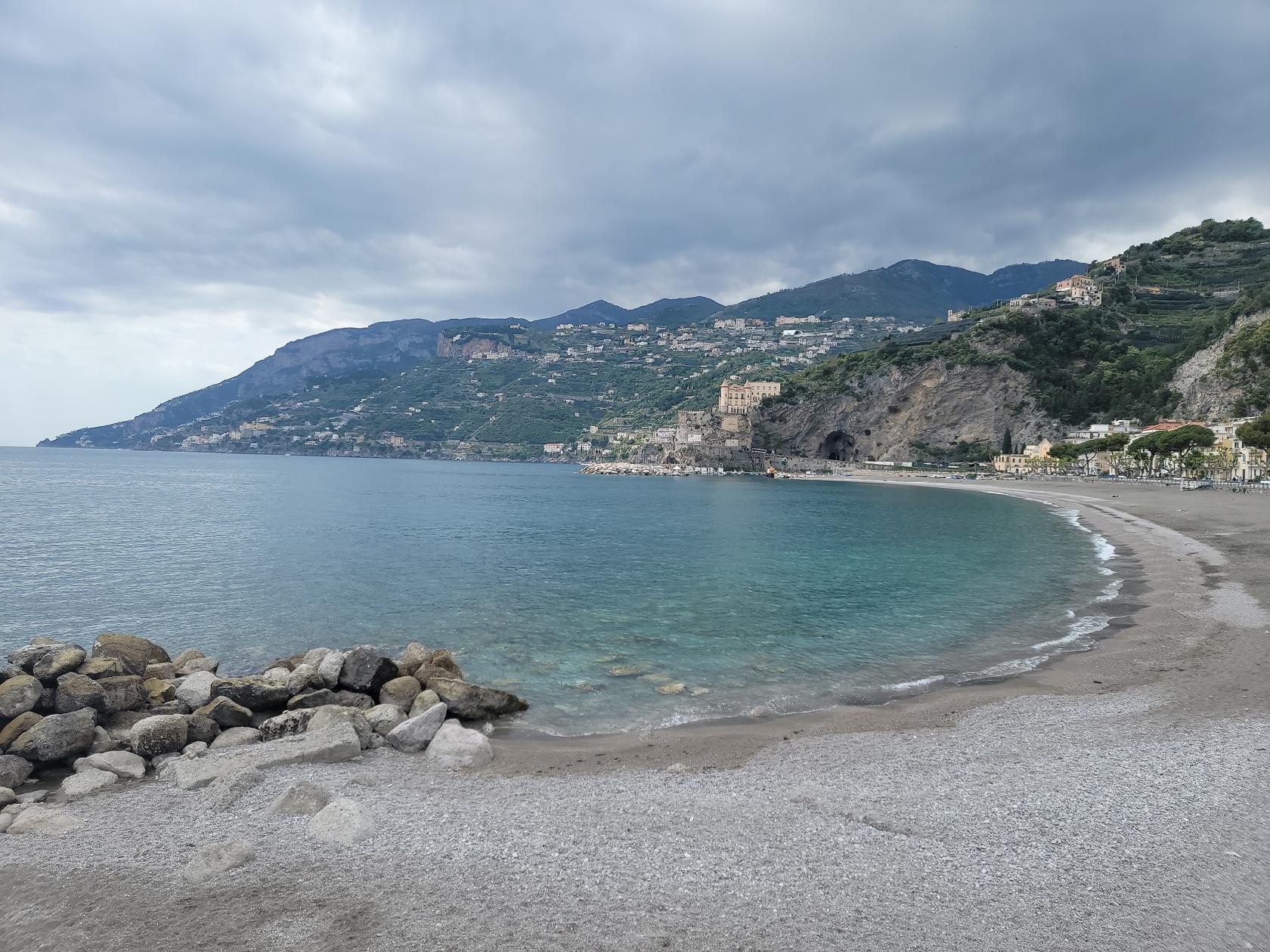
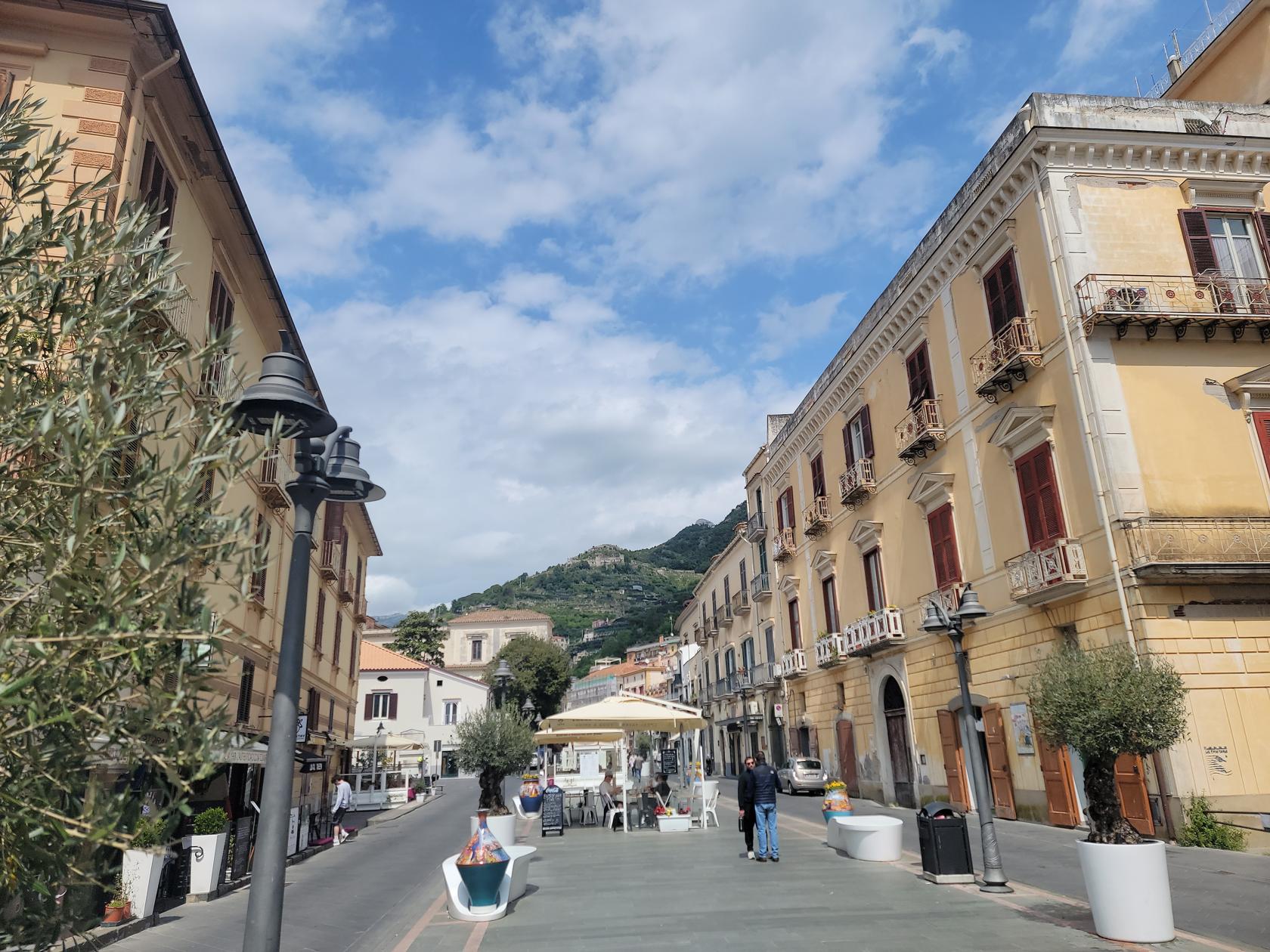
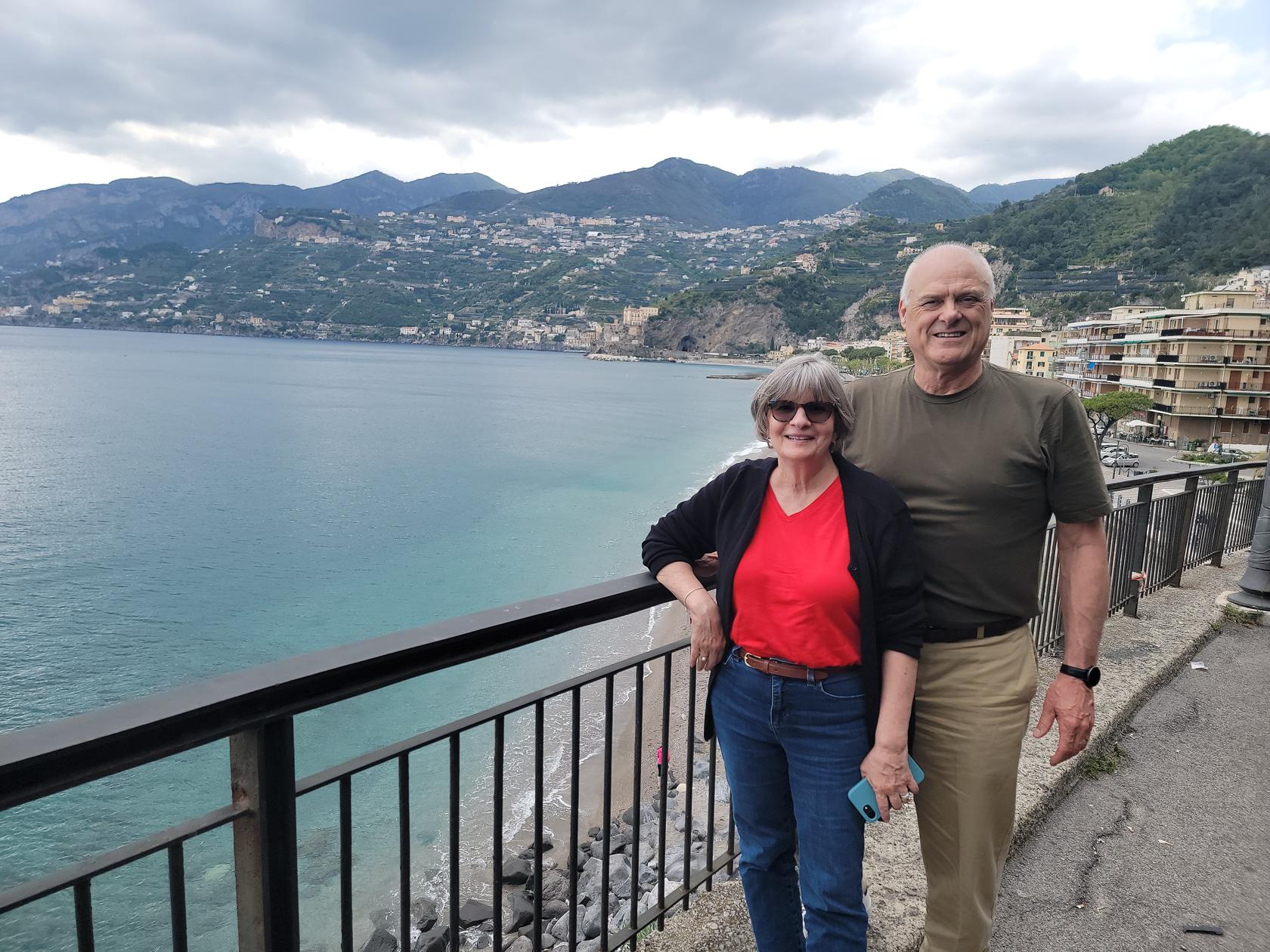
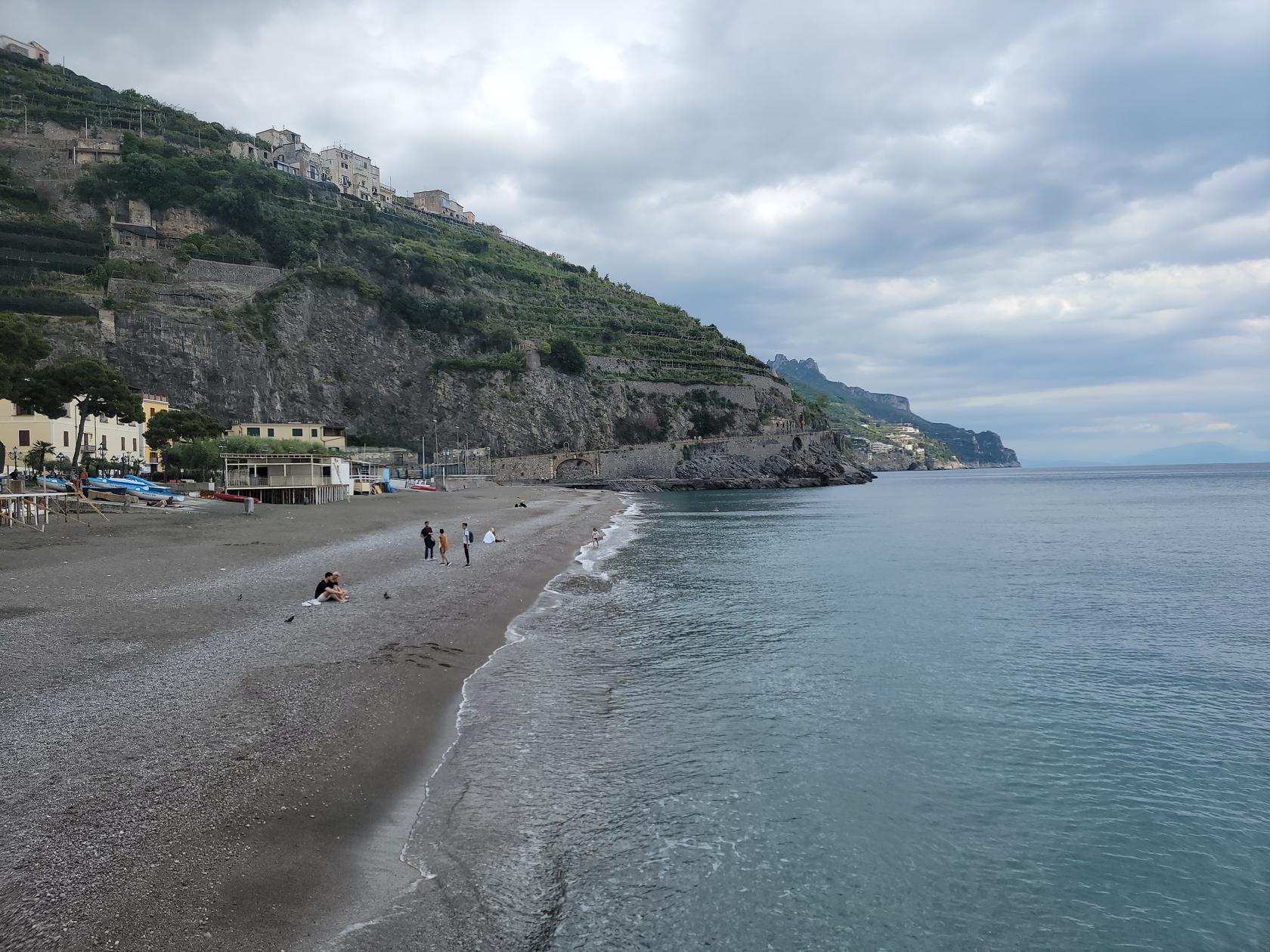
On the far northeast corner of Lake Leman (a.k.a. Lake Geneva) sits the small vacation town of Clarens, a stone’s throw away from Montreux, Switzerland. Though there really isn’t much to speak of the town itself, aside from some shopping, it has a beautiful waterfront and expansive walking path along the lake called the Quai Perdonnet.

Getting There And Around

From Frankfurt, Germany we took Swiss Airways to Geneva, Switzerland, about an hour and a half flight. At the Geneva airport it is then easy to use the local train system to travel from Geneva to Clarens, with the only exception of having to switch trains once in Renens.

Travel Cards And Other Arrangements

Depending on your situation it may be prudent to look into some of the many travel cards and discount programs that Swiss Rail system has to offer. Since we were traveling as a rather large family group and were going to use the public transit system often, we decided to at least puchase the Swiss Half-Fare Card. Though initially somewhat expensive, it cuts your fares in half for all types of transportation. Also be aware that every ticket purchased with it, you must also present this card for fare validation, a bit annoying, but it’s Switzerland.

Hotel La Villa

We stayed at the Hotel La Villa, which also has a restaurant by the same name. This hotel is right on the lake and offers scenic views, especially when enjoying a drink or something to eat on the terrace or veranda.

Restaurants

During our stay we ate at the following restaurants.

La Villa

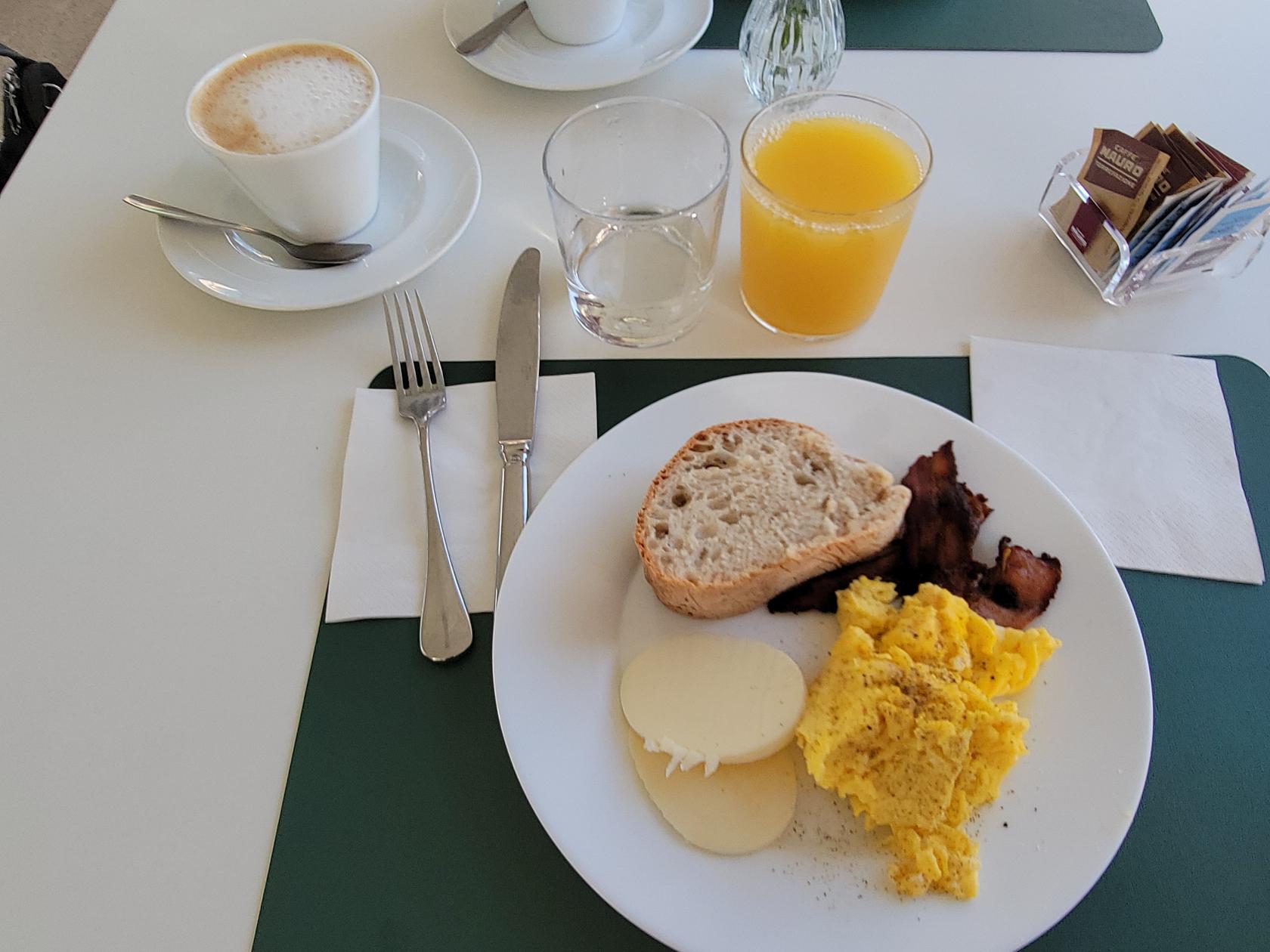
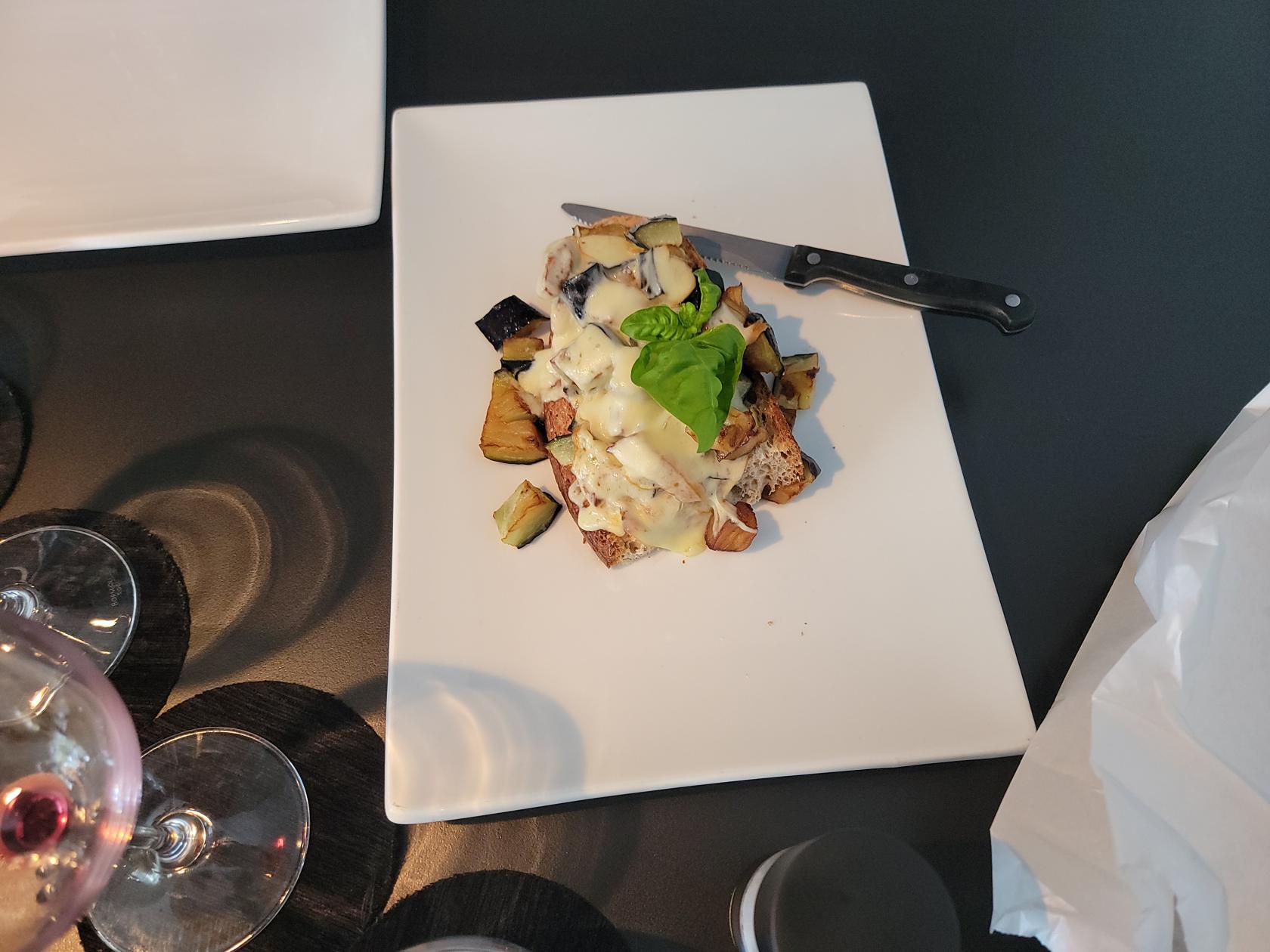
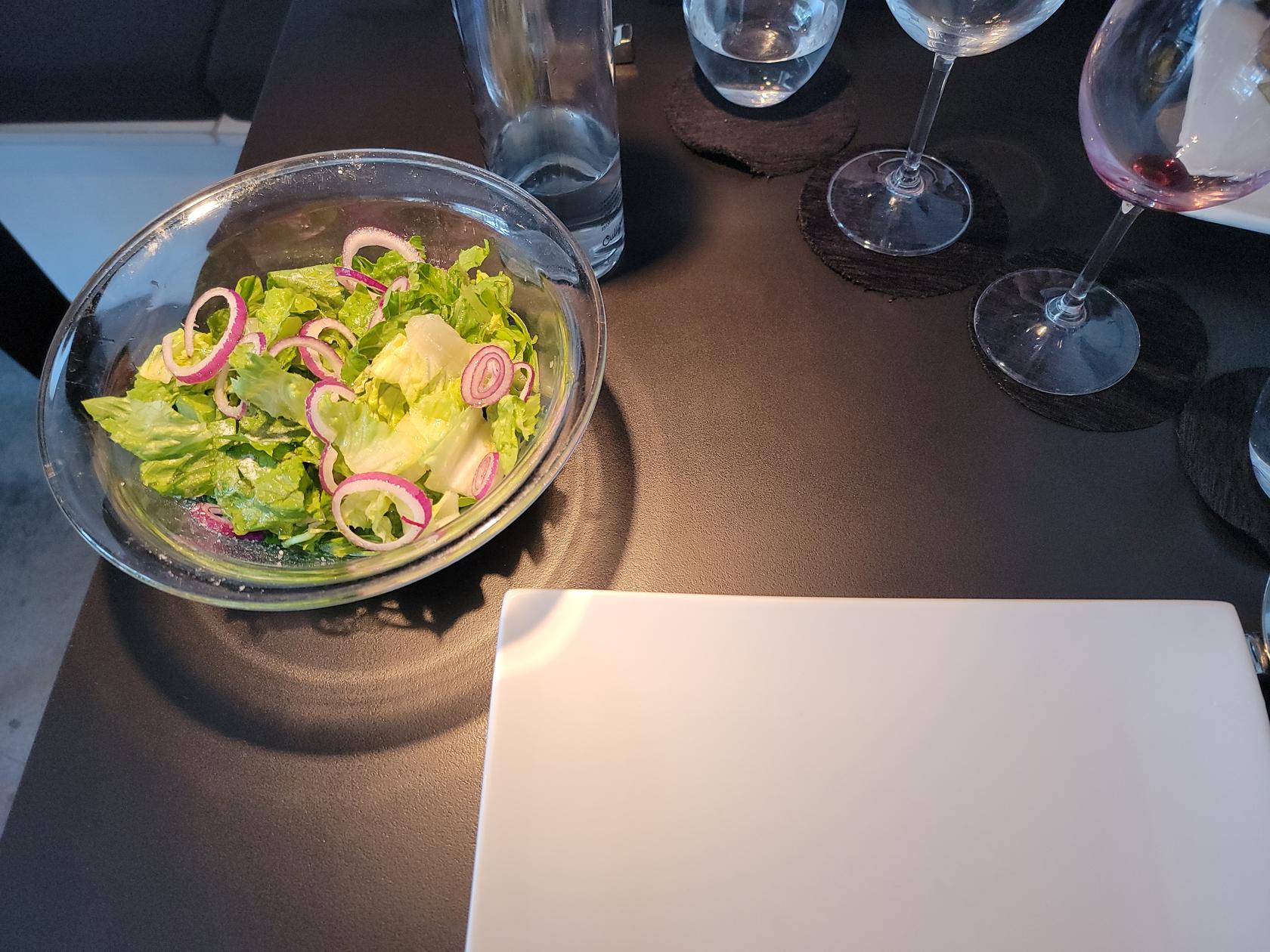
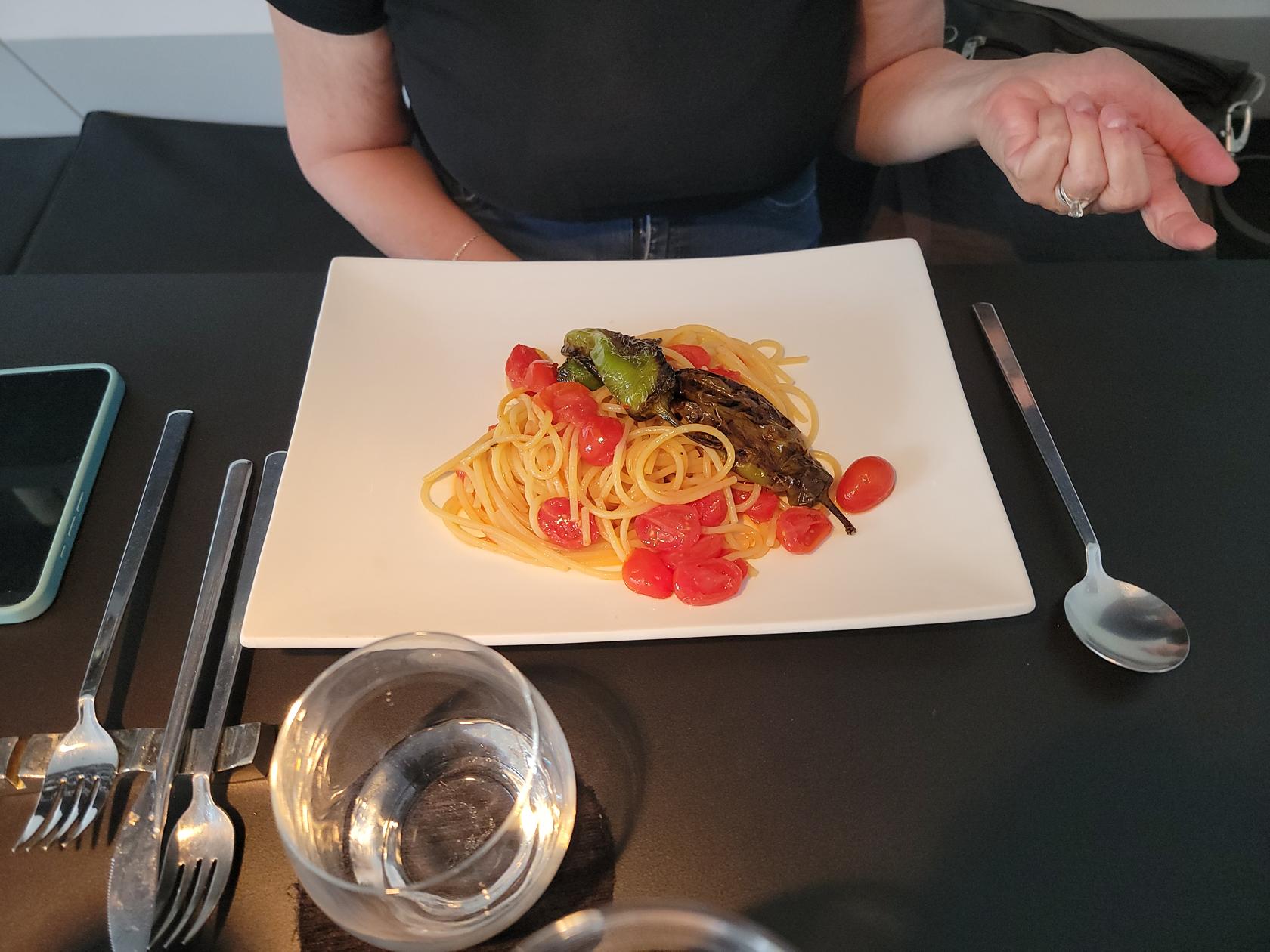
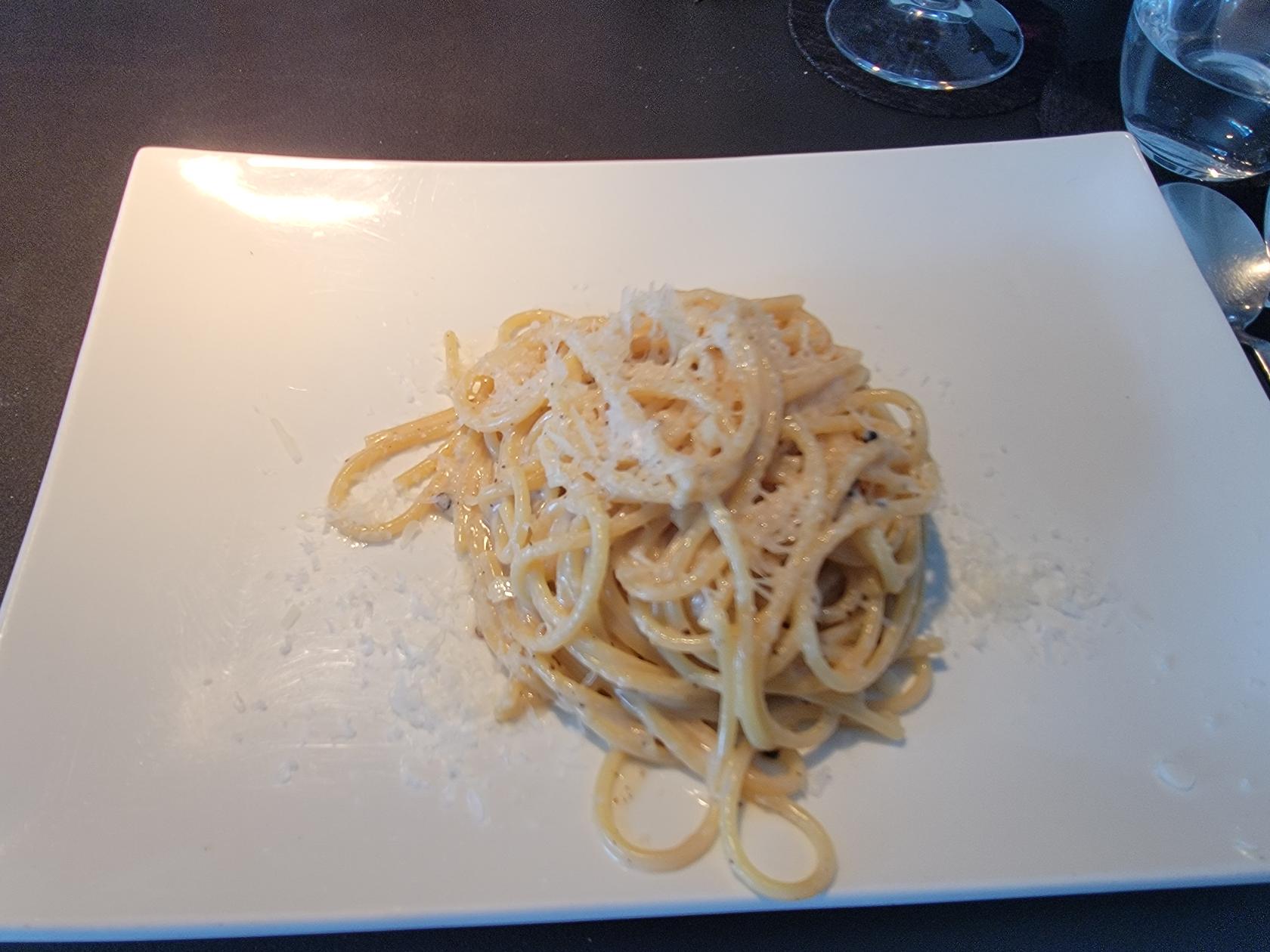
The restaurant is part of the hotel and is very convenient for those staying at the hotel, since all other options are some walk from the hotel. It has a very good menu and a continental breakfast, for those staying at the hotel. Though they offer boiled eggs as a hot entree for breakfast, if you are looking for something more substantial, you may have to look in town.

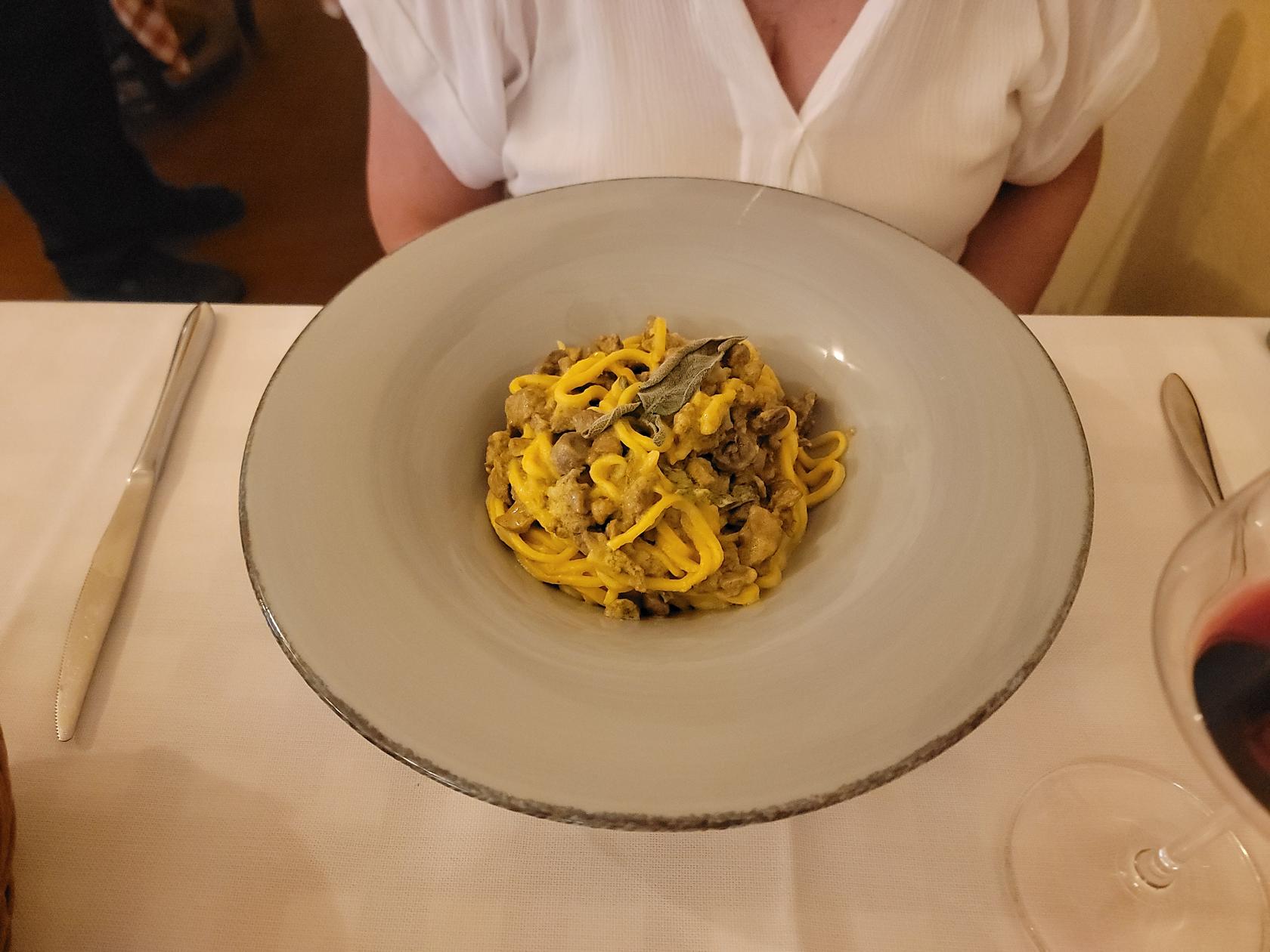
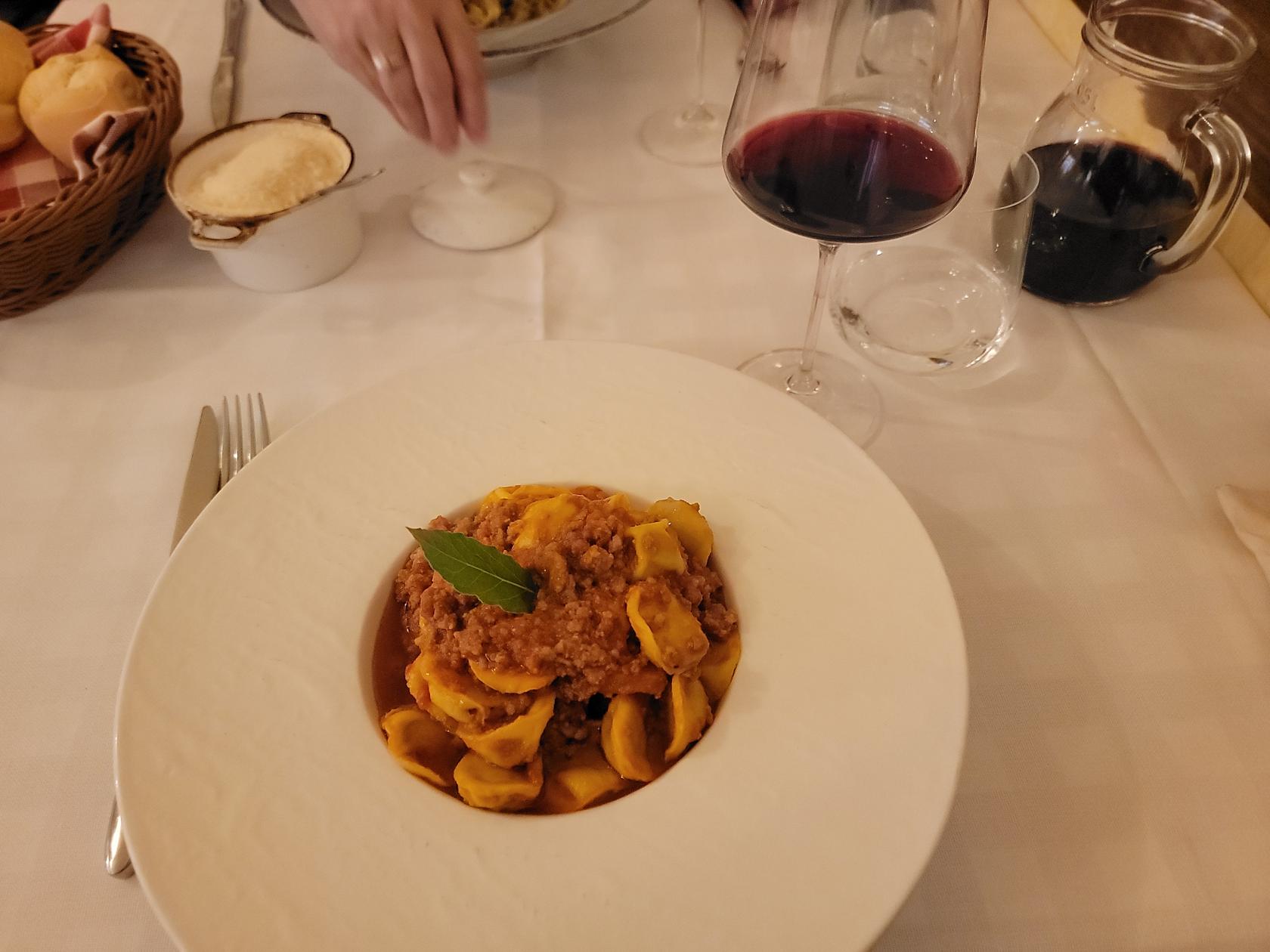
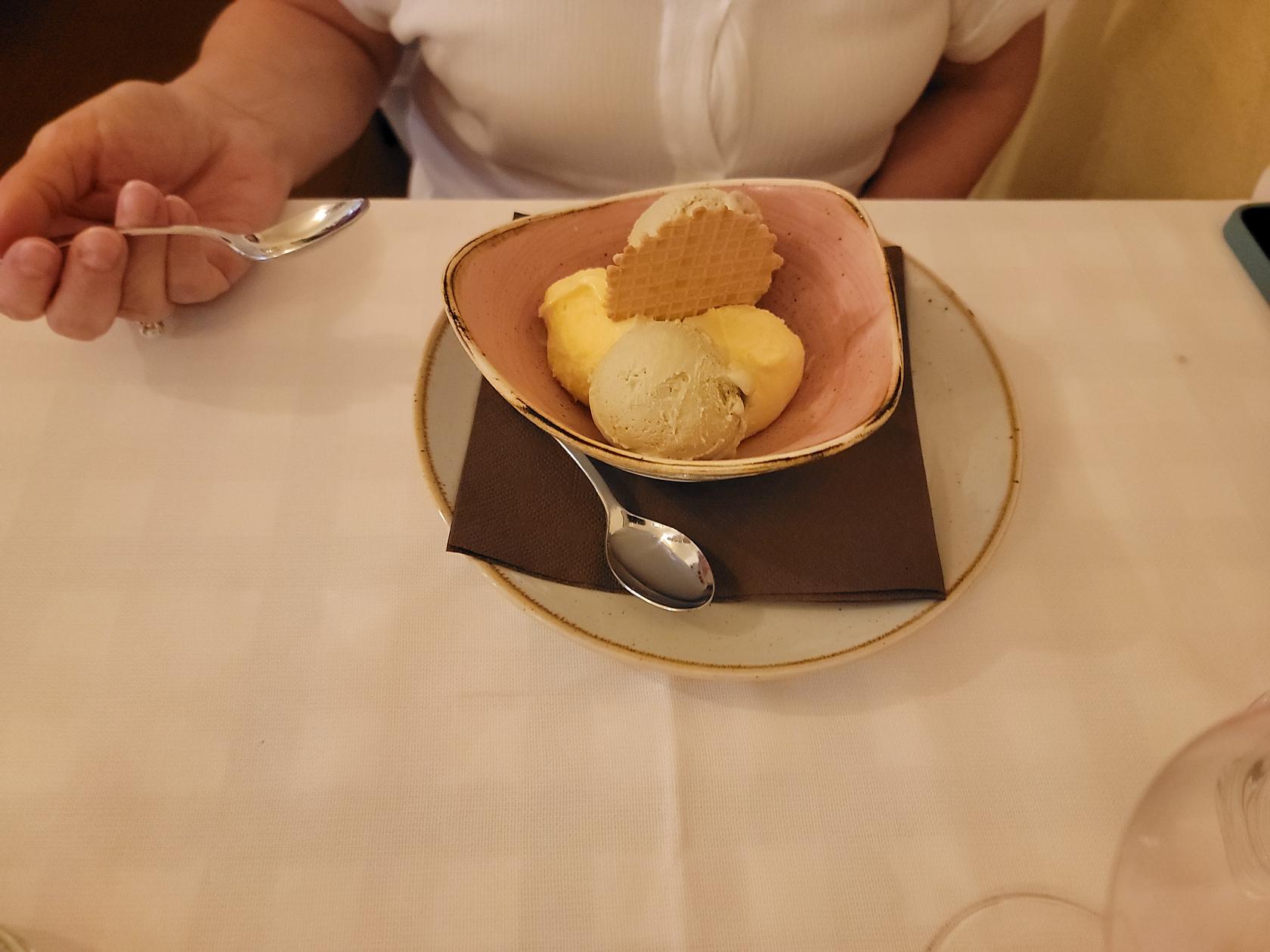
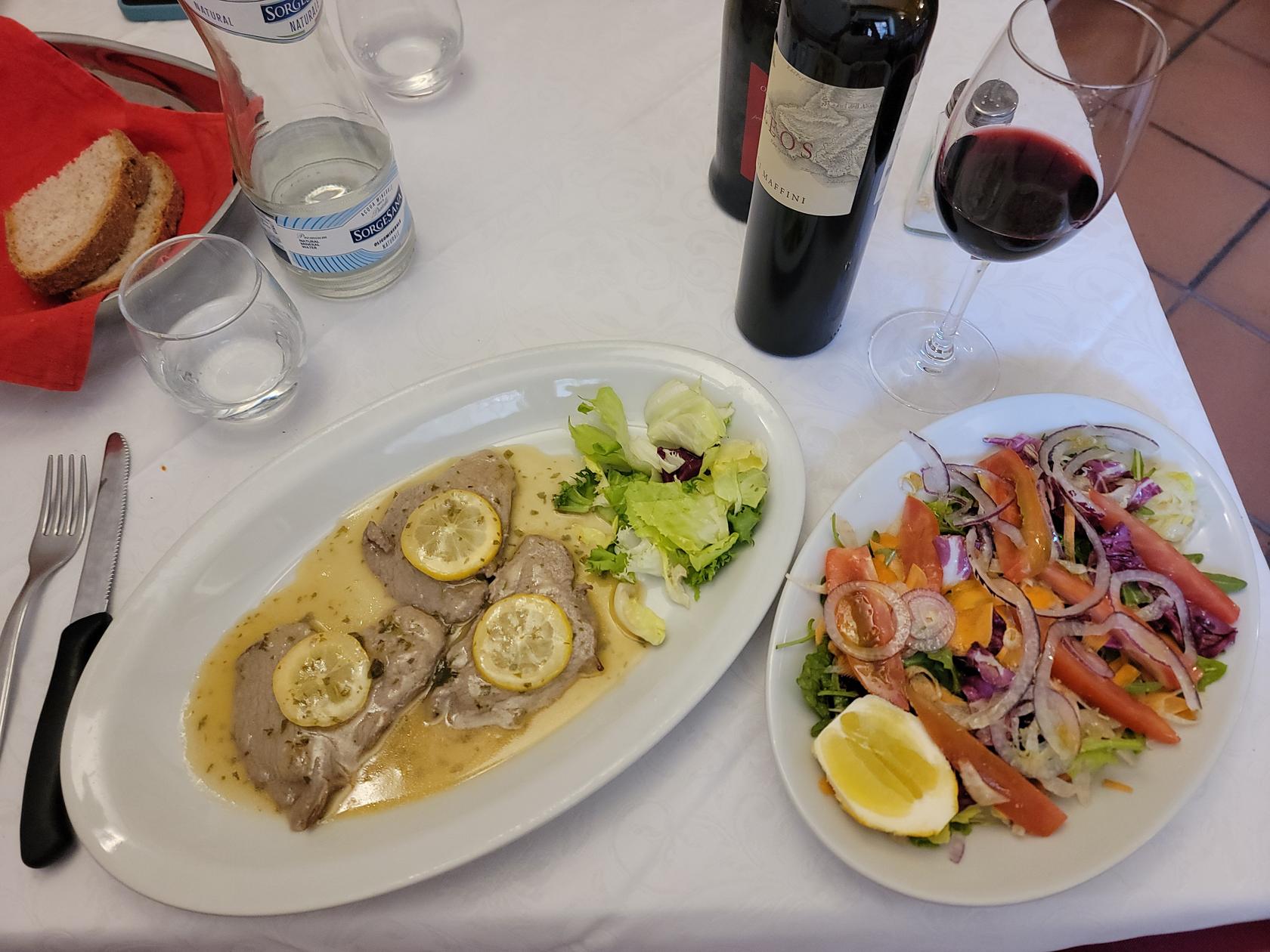
For dinner the restaurant offers are very nice menu, complete with wine pairings and other amenities.

Iceland, Reykjavik – Windy Weekend

On Sunday, the first of June, we traveled to Reykjavik, Iceland for a stop-over of a couple of days as we started our journey back to the United States. We arrived only to experience a truly deep extra-tropical cyclone that had set itself up off the coast of Iceland and gave us a memorably windy start to our trip back and the end of our weekend.

Getting There

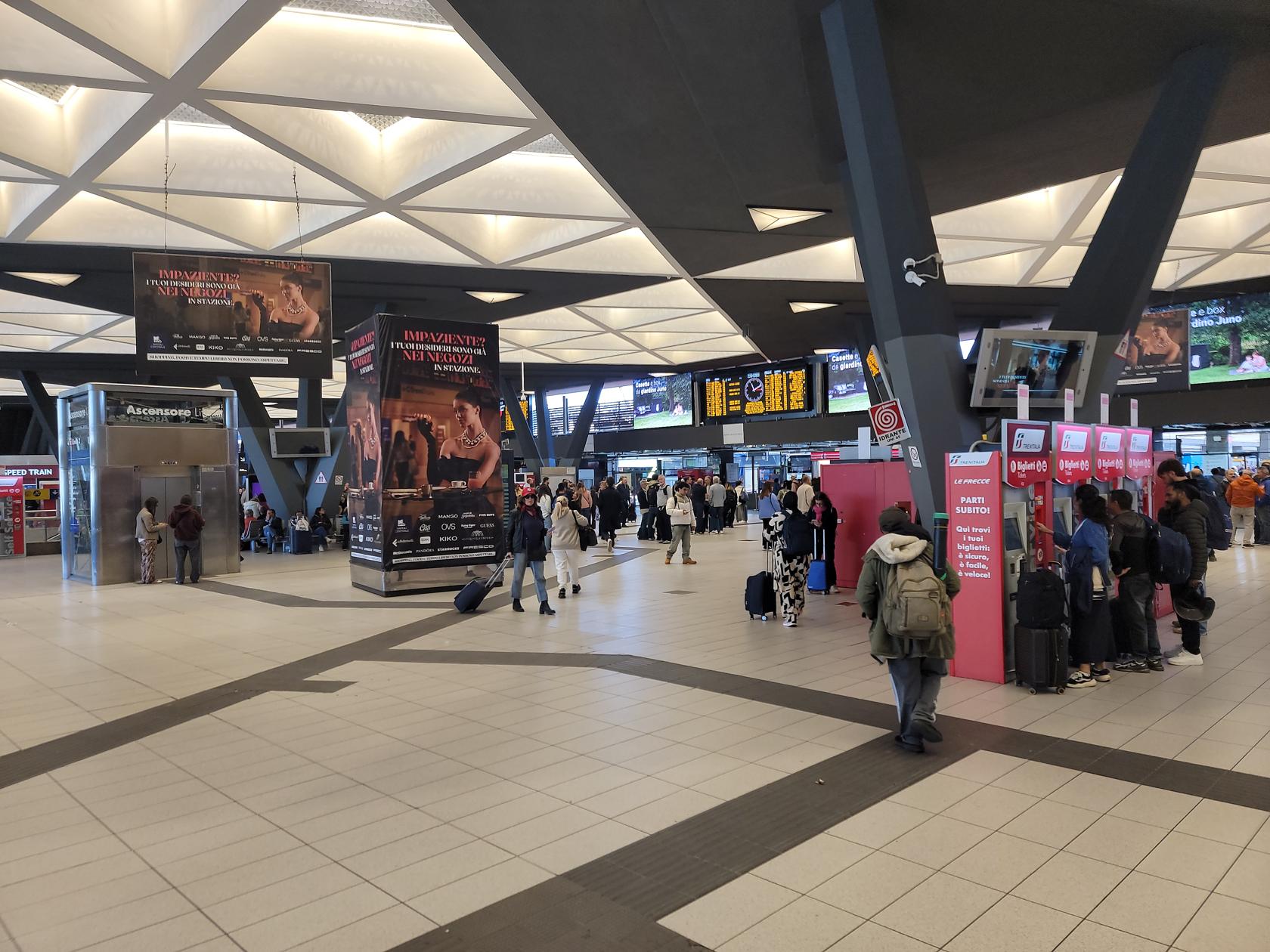
From Turin we took the FrecciaRossa to Milan Central Station and then up to Malpensa Airport by regional train. The two trips combined were a bit over two hours and more or less uneventful, though one could see tourist travel has definitely picked up in recent weeks, so the trains were pretty full.

Having only a few days to experience what we could of this volcanic island, we decided to stay in Reykjavik. A good forty-five minute drive from Keflavik Airport to Reykjavik, you only have two options, by bus or by automobile (honestly I am not sure if there is an ocean option). It does not matter whether you arrange or book a transfer service through something like GetYourGuide, or take a taxi directly from the airport, both costs are pretty much the same. The bus however is a cheaper option at around $30 per passenger, but does leave you generally on the southern outskirts of town, so you will either have to walk from there or hire a taxi to get to your hotel.

Reykjavik – The City

The city reminded me of a long lost outpost that has been built up over the decades. Even the airports are pieced together from left over vestiges of American activities during World War II. The house are generally clad in corrugated galvanized sheets typically used for roofing material. Many are painted in bright colors to enhance their roadside appeal.

Our Hotel

We stayed at the Sand Hotel in town, a Keahotel, of which there are a few in Reykjavik. We found it comfortable and central for our needs. A continental breakfast was included each morning, which we found to be actually a bit more than a mere continental breakfast and more than adequate for our needs. However, if you do not have a hotel with included breakfast, don’t worry, there are plenty of cafes, pastry and waffel shops around to grab a bite to eat in the morning.

Saebraut And The Sun Voyager

Even though the weather did not cooperate much, we learned it rarely does in Iceland, a nice stroll along the Saebraut is a must. There is both a walkway and cycling lane that runs the length of the bay in Reykjavik. Here you will find the Sun Voyager, a stainless-steel sculpture by Jón Gunnar Árnason, that mimics a old Viking sailing boat.

Skolavorduholt

A short walk up Rainbow Street and the highest hill in Reykjavik is the Skolavorduholt, the place where you will find the Hallgrimskirkja Lutheran Church and the monument to Lief Eriksson.

Hallgrimskirkja Church

The church is impressive and easily the largest church on the island. It has an impressive apse and organ and an almost clean, if not antiseptic appearance inside. The pews are built so that can be easily switched, so you can either face the altar for services, or the organ for performances.

Lief Eriksson

The monument of Lief Eriksson which stands directly outside in front of the entrance, gives historical credit to this noble adventurer and discoverer of the North America. The monument was gifted to the island in 1930 by the United States of America.

Austurvöllur and Downtown

The Austurvöllur area is where many of the municiple buildings are located, as well as the Tjörnin, or “The Pond”. This body of water is a favorite for the school children during lunch and you can often find them feeding the ducks which collect along the shore for an easy meal.

Restaurants

The Scandinavian Bistro

Our first evening we ate at the Scandinavian Bistro and thoroughly enjoyed it. Though it does not have a lot of seating inside, it is adequate and does not feel overly crowded. The food was a bit overpriced for what you got, but that’s true of most places in Reykjavik since they import a majority of their foodstuffs.

Rossopomodoro

A continental chain and restaurant serving Italian cuisine can be found on the Laugevegur. A restaurant that is in many European cities and provides basic italian cuisine and pizza at fair prices. We ate here one evening due to its proximity to our hotel and because it was Italian food.

Turin, Italy – La Venaria Reale

Reggia di Venaria Reale was a royal residence and palace to the northwest of Turin, Italy. It was one of more that a dozen residences of the Savoy family. It was abondoned after the Napoleonic Wars and later became a military post and barracks and subsequently slowly fell into disrepair and abandonment. After a major restoration, it finally opened to the public in 2007 as a musuem and tourist attraction.

Getting There

The easiest was to get there from Turin is to take one of the SFM trains from Porta Susa towards the Turin Airport. Many of these trains stop at Venaria Station and it only takes about fifteen to twenty minutes and costs about €3.50 per person. We often use the phone application and do not book a round-trip ticket, since you never know how long you might stay, especially if you are planning for lunch as well.

The Palace

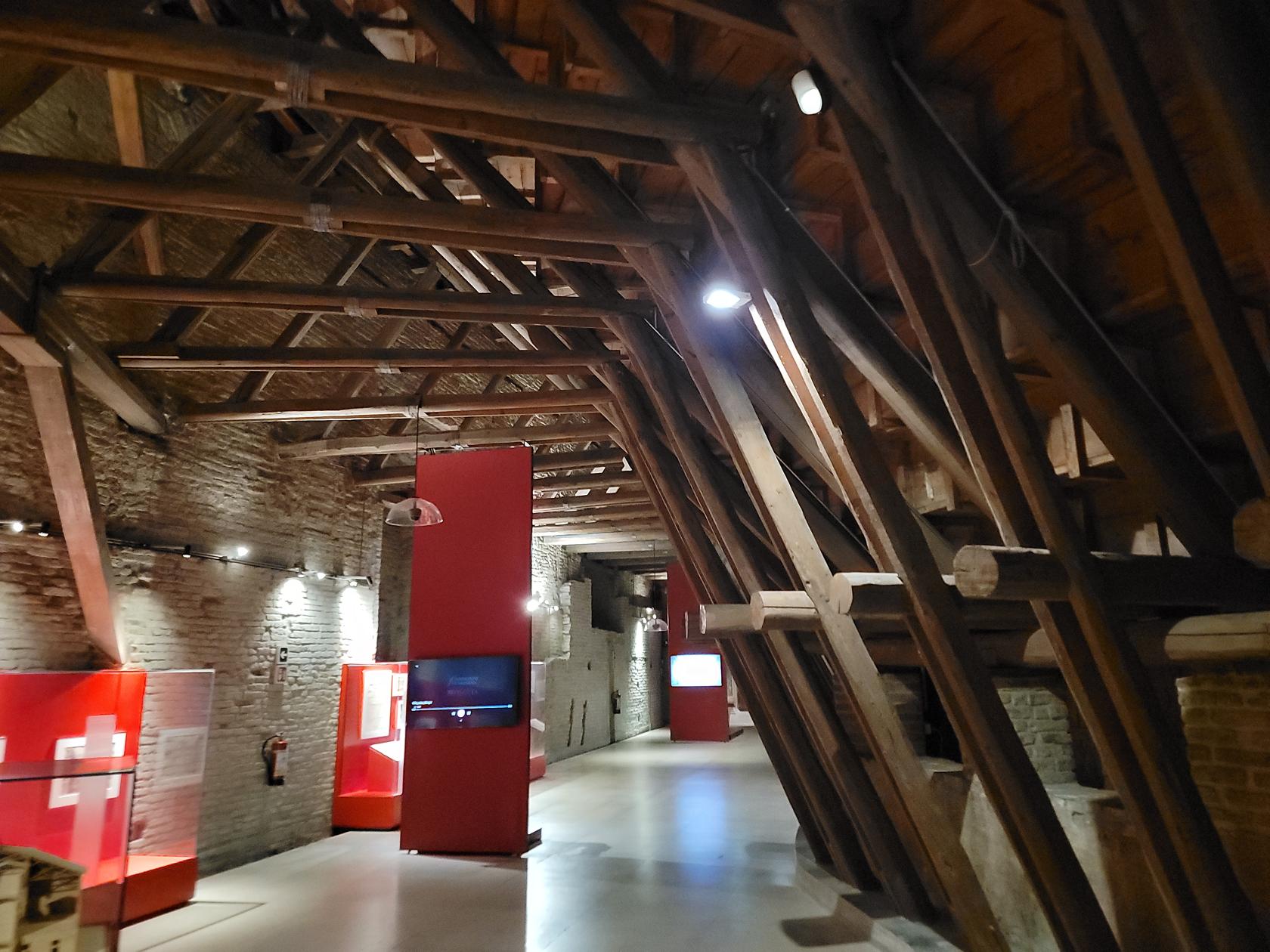
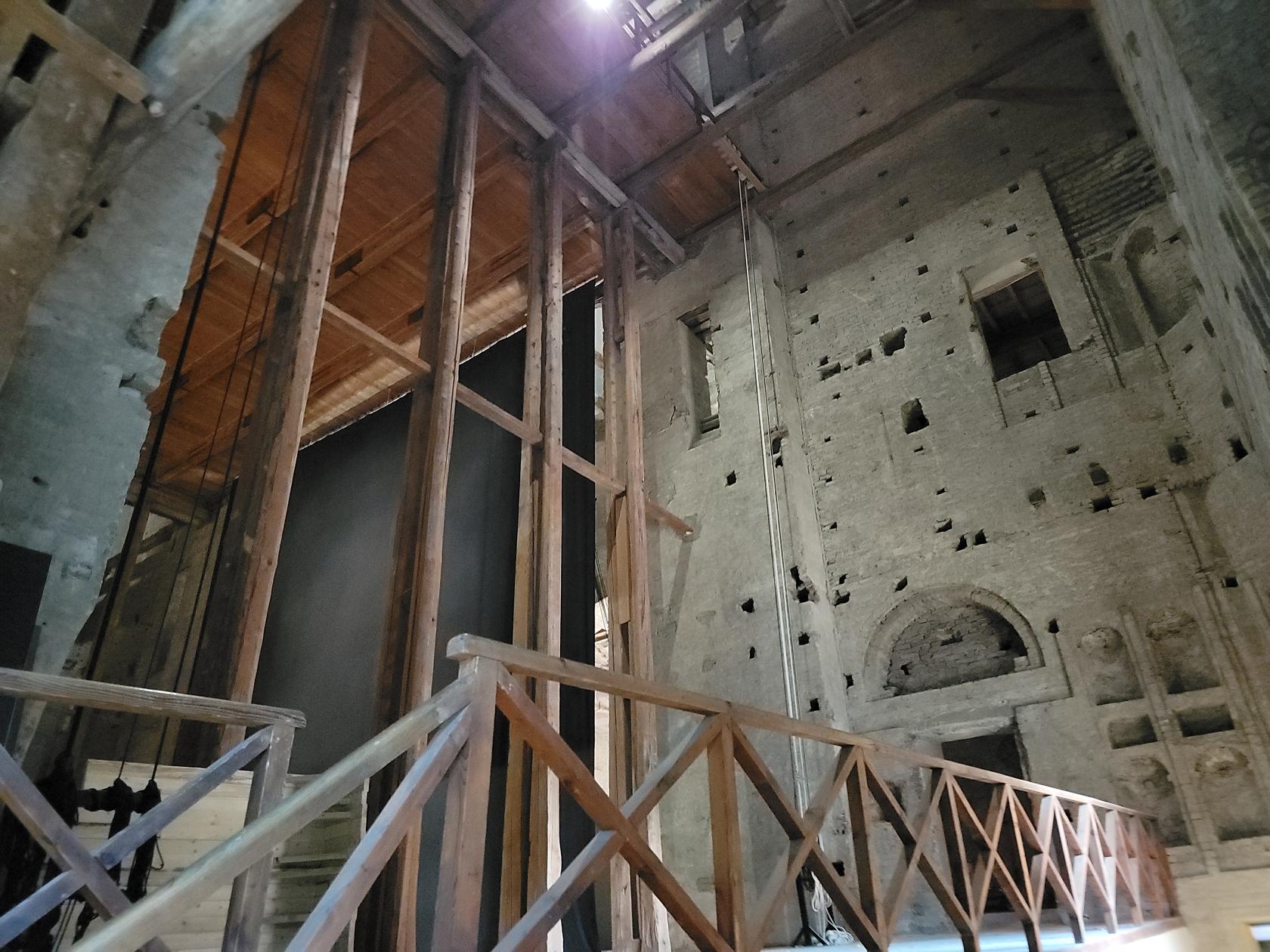
The palace is actually in two pieces, the original Palace of Diana from the seventeenth century in white stucco with a white clock tower and the latter eighteenth century addition in raw brick with the Belvedere Tower, where you enter.

The Grand Gallery

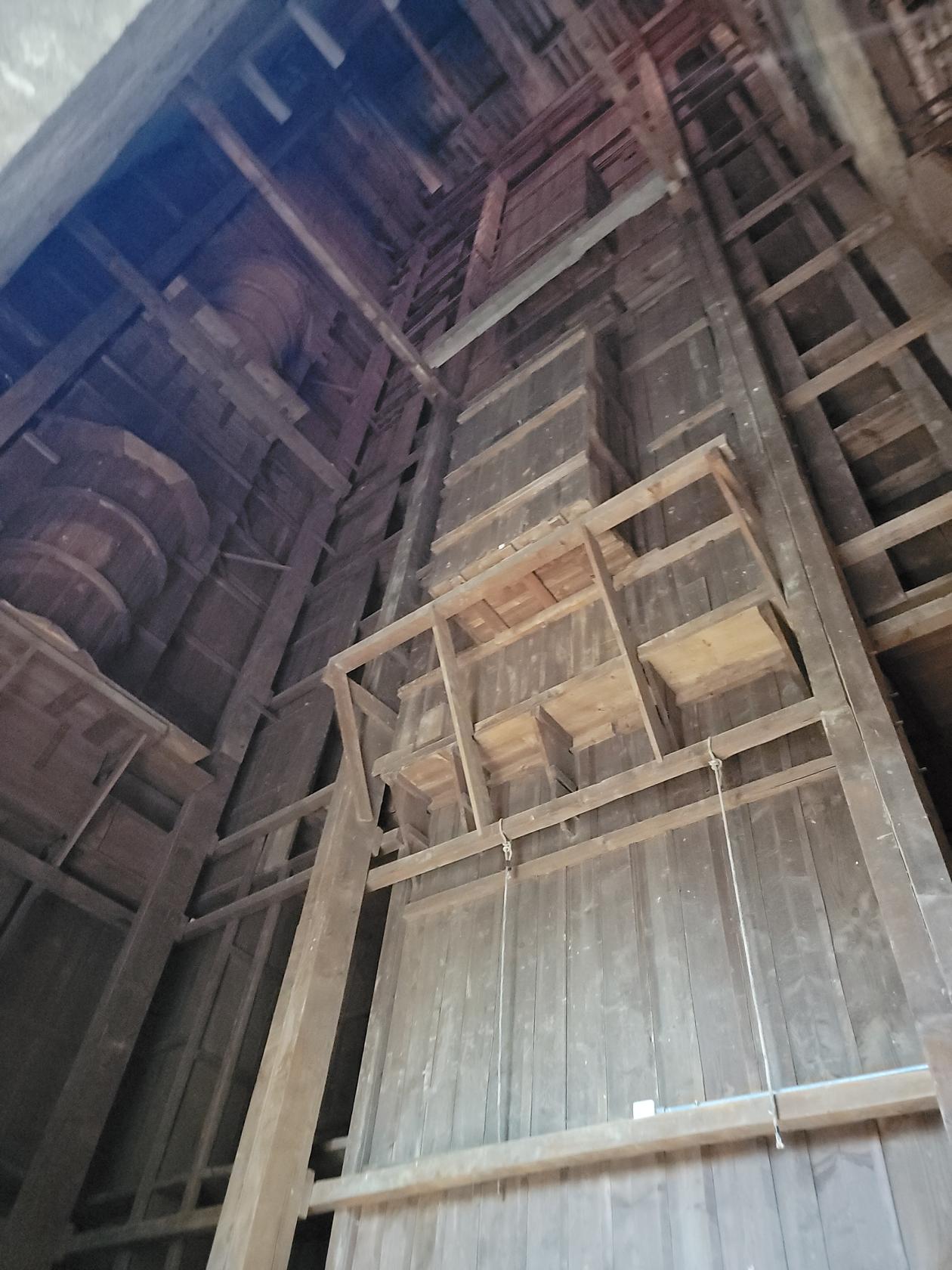
Probably the most striking room and the pinnacle of the visit, the Grand Gallery is part of the Palace of Diana and a core piece of the original palace.

Turin At The Turn Of The Century

There is a nice collection of maps, dioramas and other works depicting Turin at the turn of the seventeenth century. Interesting from the perspective of present day Turin and what was lacking back in the day of the House of Savoy.

The Rooms Of Art

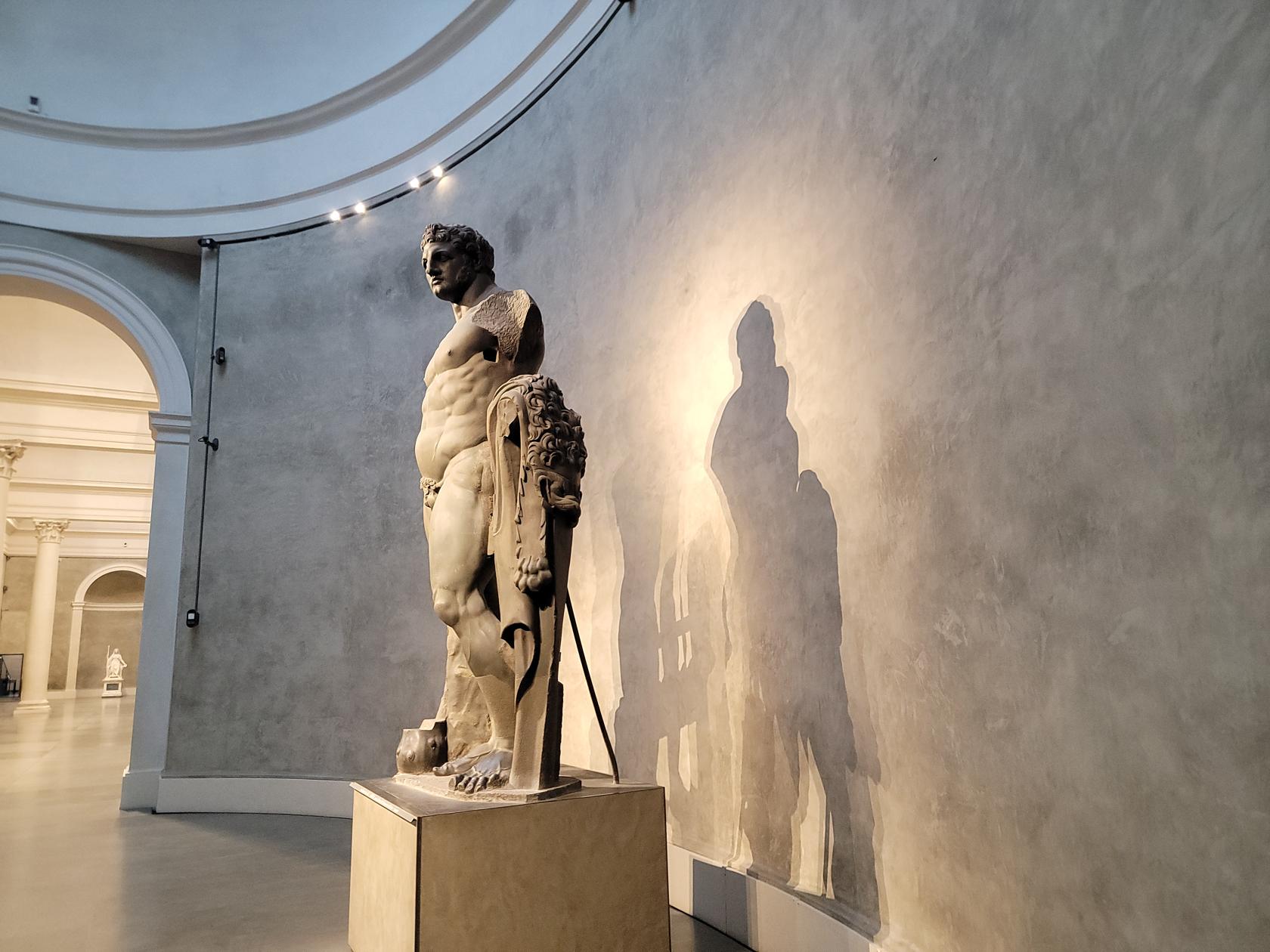
There is also a fine exhibit of art at the palace. Located through the entrance to the gardens, the entrance is in the back of the Palace of Diana.

The Stables

Juvarra Stables

The Juvarra Stables contain a collection of the royal family’s modes of transportation, from a river gondolla, to the royal coach and other broughams, all the way to childrens toy coach.

The wall is surrounded by a historical account of a trip up the River Po using the gondola from Venice to Turin.

Alfieri Stables

Today these just appear as a hallway depicting the transition from a palace in ruin to full restoration. Some of the photographs in the collection are strinking and it is well worth thoughful look and some consideration.

The Gardens

The gardens here include several, the most conspicuous one is the Flower Garden. But there is also several orchards and three distinct terraces that one can walk through and enjoy the well manicured estate.

Church of Saint Hubert

One has to walk to the Church of Saint Hubert from within the complex near the stables, outside entry is not possible. All of the pews have been removed, only the artwork, frescoes and a high altar remain, everything else is gone.

Restaurants

Il Convito della Venaria

Just on the corners of the Piazza della Repubblica and Via Andrea Mensa is the ristorante Il Convito della Venaria. A fine place for lunch, though probably a bit pricier than some of the alternatives, though restaurants and cafes appear to get sparser and sparser as you walk back towards the train station, so word of warning. We had a simple lunch of Bruschetta and two different pasta dishes, Patti had Maccheroncino al Tochio with Eggplant, Zucchini and Olives in a red sauce and I had the Agnolottini del Plin Piemontese Style, both were delicious.

Bern, Switzerland – Medieval Town on the Aare

Bern was originally settled by Swabians[1]The Zähringen noble family from around Freiburg im Breisgau in the twelfth century and quickly died out within a century. from the lower parts of Germany, it is the fifth largest in Switzerland and was initially surrounded by the Aare river on three sides, with fortifications protecting it’s west side.

Getting There

Bern does not have a commercial airport, so you will either have use Zürich‘s or Geneva’s and then take a train. We had already started in Geneva, so taking one of the ICE trains from Geneva to Bern was automatic. However, in typical SBB[2]Schweizerische BundesBahnen or Swiss train fashion, it was halted before leaving the Lake Léman area and we had to find another train to continue our two hour journey, which then turned into a three hour trip[3]There have been few times when traveling by train in Switzerland was a normal affair. It is getting to be more like the Deutscher Bahn.

The City

The old medieval city of Bern is rather compact, due to it being confined by the Aare river. The main train station is on the west side of the city, so it is probably best to find a hotel close to it. We stayed at the Hotel Savoy, three blocks away from the train station.

Walking from the train station to the Nydeggbrücke, via the Marktgasse of Kramgasse, should not take more than a twenty-five to thirty minutes without stopping. The main shopping avenue is the Marktgasse, which is lined with many watch stores and most other modern shops you expect to see in city that is heavily traveled. See the restaurant section below for where to go for food.

Brunnen Or Fountains

The city has a lot of brunnen, or fountains in English, especially down the middle of the Marktgasse. Most of these have figures or other mythical forms, stylized perhaps from some historical figure.

There is also the Lischetti-Brunnen, also known as the Postgassbrunnen or Upper Postgassbrunnen, which was erected in 1820 next to the Staatskanzelei (State Chancellery) and is to be used by anyone who wishes to experience being a fountain.

Hotel Savoy

A fairly good hotel on the Kramgasse, sharing an entrance with another store. We found it reasonably priced for a Swiss hotel and central for visiting the city. The breakfast is rather expensive, as it is in most Swiss hotels, at 30CHF per person. We found this unreasonable and ventured out each morning to stop at one of the many Konditoreien, or pastry shops, in the neighborhood. This option ran around 9-10CHF per person, but was only coffee and a pastry, which for use was sufficient.

Cathedrals And Churches

A few religious buildings of note in Bern are the Cathedral of Bern and the Church of Saint Peter and Paul.

Cathedral Of Bern

Church Of Saint Peter And Paul

Bridges And The Aare River

There are two central bridges that span the Aare at the tip of the city. The Untertorbrücke, the first one to be built and is shown on maps of the city from the seventeenth century, and the Nydeggbrücke, which carries the tram and modern vehicular traffic.

Bären Park

On one end of the Nydeggbrücke is the Bärenpark, or Bear Park. As early as the beginning of the sixteenth century the city has been known to have a Bärengraben, or Bear Pit, of some type or another. Ostensibly the city becoming eponymously named for the same in 1191 when the Duke of Zähringen killed a bear first on one of his many famous hunts. But seriously, this is just conjecture and there is more evidence that it was from a pre-existing toponym of Celtic origin, possibly berna, meaning cleft.

Einsteinhaus

On Marktgasse 49, visitors will find the Einsteinhaus, or the apartment that Albert Einstein lived in during his publication of his ground breaking theories of 1905, including his Special Theory of Relativity.

The Rosengarden Bern

One top of the hill on the other side of the Aare river is the park containing the Rose Garden, or Rosengarden. Unfortunately for us, the roses were not in bloom in May, so we were unable to enjoy their colors. However, there were other flowers, trees and bushes to be enjoyed in the park.

It is here, that Albert Einstein probably contemplated many of the problems around his Theory of Relativity, and a bench here so commemorates his efforts.

From this vantage point you get a very good view of the old Medieval city of Bern, with its many churches, bridges and old style houses.

Restaurants

The Bärenplatz and Waisenhausplatz are central areas for restaurants and have a good mix of local Swiss restaurants to Italian and other cuisines.

Santa Lucia Ristorante

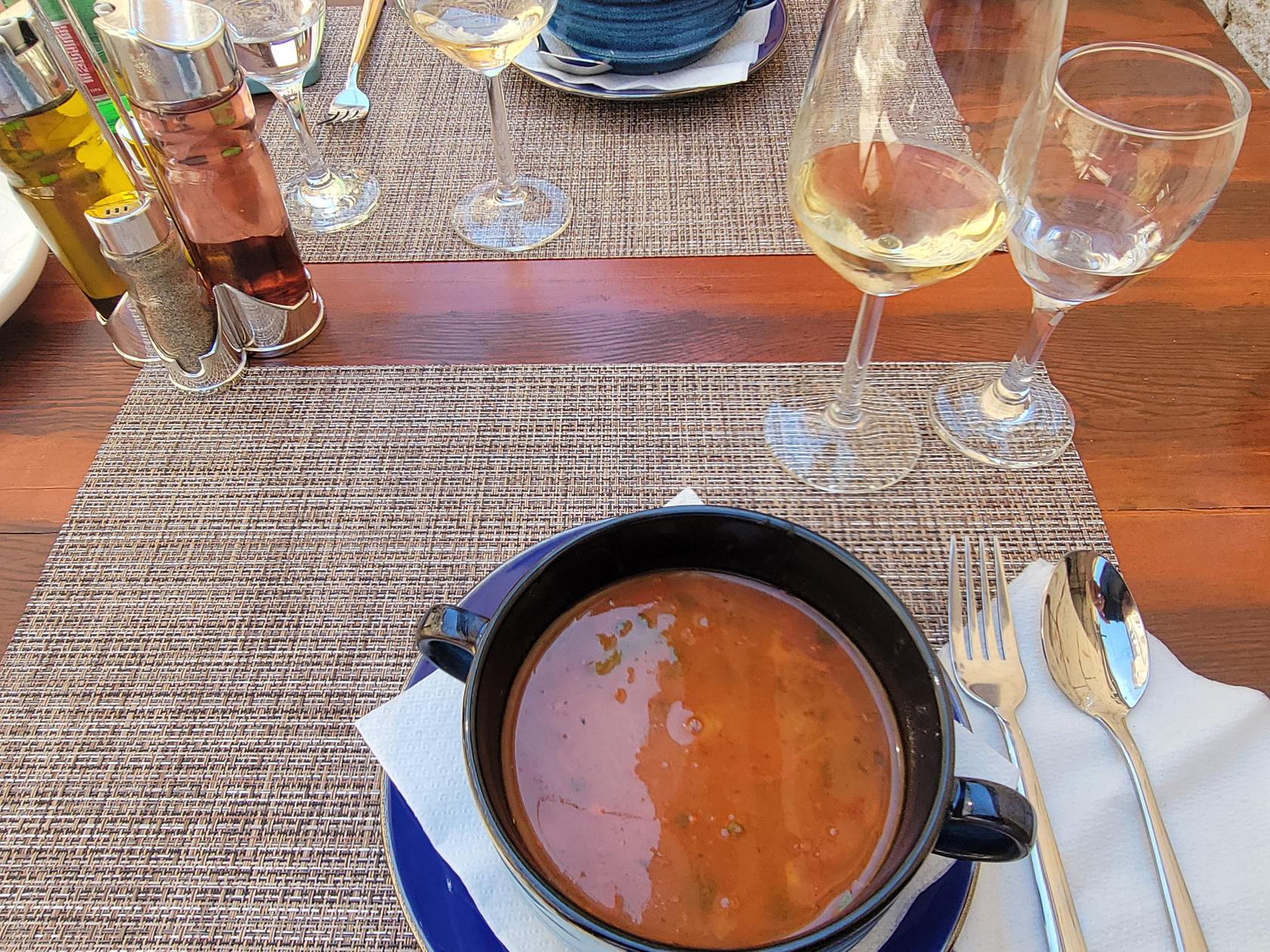
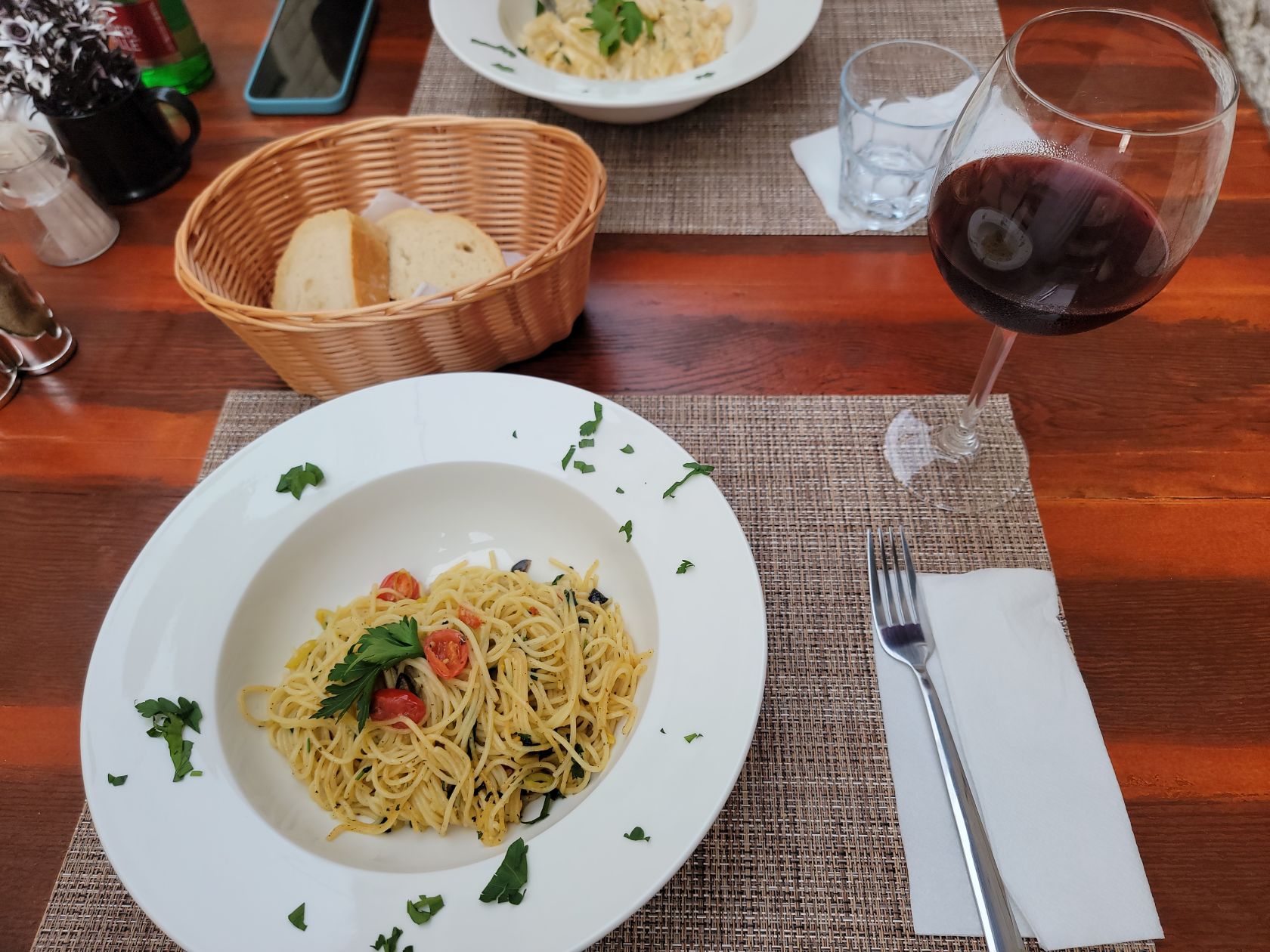
Another Italian restaurant which has a very active lunch crowd. Here you can enjoy reasonable prices and a wide selection of Italian dishes, including pizza. Our first evening here we enjoyed the soup and spaghetti.

The second time we visited was for lunch, then I ordered a pizza, which was very good and typical of the Neapolitan style from Naples. The house wine is also very pleasant.

Ristorante Luce

On the corner of Zeughausgasse and Waghausegasse is the Italian restaurant of Ristorante Luce. If you are looking for higher end Italian food, look no further. The service here is also exceptional, though the seating was a bit cramped.

Here they serve very good Italian specialties and have an excellent wine list. Here you can find Strozzapreti, or Priest Strangler/Choker Pasta with Mozzarella. A rather large and somewhat gummy pasta with an very interesting history.

I can specifically attest to spending 150CHF for a 375ml bottle of Ornellaia 2019. A DOC wine from Italy with extremely high ratings which regularly fetches $250-$800 a bottle, a truly amazing wine. So if you are a true wine lover, your pallet might enjoy this restaurant.

References

References
1 The Zähringen noble family from around Freiburg im Breisgau in the twelfth century and quickly died out within a century.
2 Schweizerische BundesBahnen
3 There have been few times when traveling by train in Switzerland was a normal affair. It is getting to be more like the Deutscher Bahn

Ivrea, Italy – A Piedmont Weekend

If you are into hiking and enjoy a really good weekend excursion, then the Metropolitan town of Turin has something great to offer, the tiny little town of Ivrea. Known for being part of the Via Francigena[1]The ancient pilgrimage route from England to Rome. and Five Lake hiking area, it is a great place to spend a few days.

Getting There

This town can be reached in just under an hour’s train ride from Porta Nuovo in Turin. The Regional Veloce (RV) runs directly from the main train station, through Porta Susa and onto Ivrea. Unfortunately, the line no longer continues to Aosta, so those who are stopping over have to use the bus service to continue their journeys.

The Hotel

We stayed at the Hotel 3T on Via Sant’Ulderico, a modern hotel that has most of the amenities. One thing I disliked about this hotel, at least during this time of year (Spring), is that the thermostat makes you believe you have control over the temperature in your room, when in fact you don’t!

The Town

The town is cut in two by the Dora Baltea river, which offers a few courses for avid kayakers and seems to draw them from all over. The river here cuts right through the native diorite rock, which can be seen everywhere you look and presents a dark geologic hardness that makes it such a stable building foundation; practically everything, including the hospital, is built on it.

There is not much to the town itself, just the Lungodora, or walkway along the river, and one central main street where one can find most of the shops, cafes and other stores.

Castle Saubauda

A large rectangular castle built in the fourteenth century by the Savoy family. It is only open certain times during the year and one has to reserve their guided tour ahead of time. We were only able to see the outside and sometimes at night it is lit up in different colors.

Ivrea Cathedral

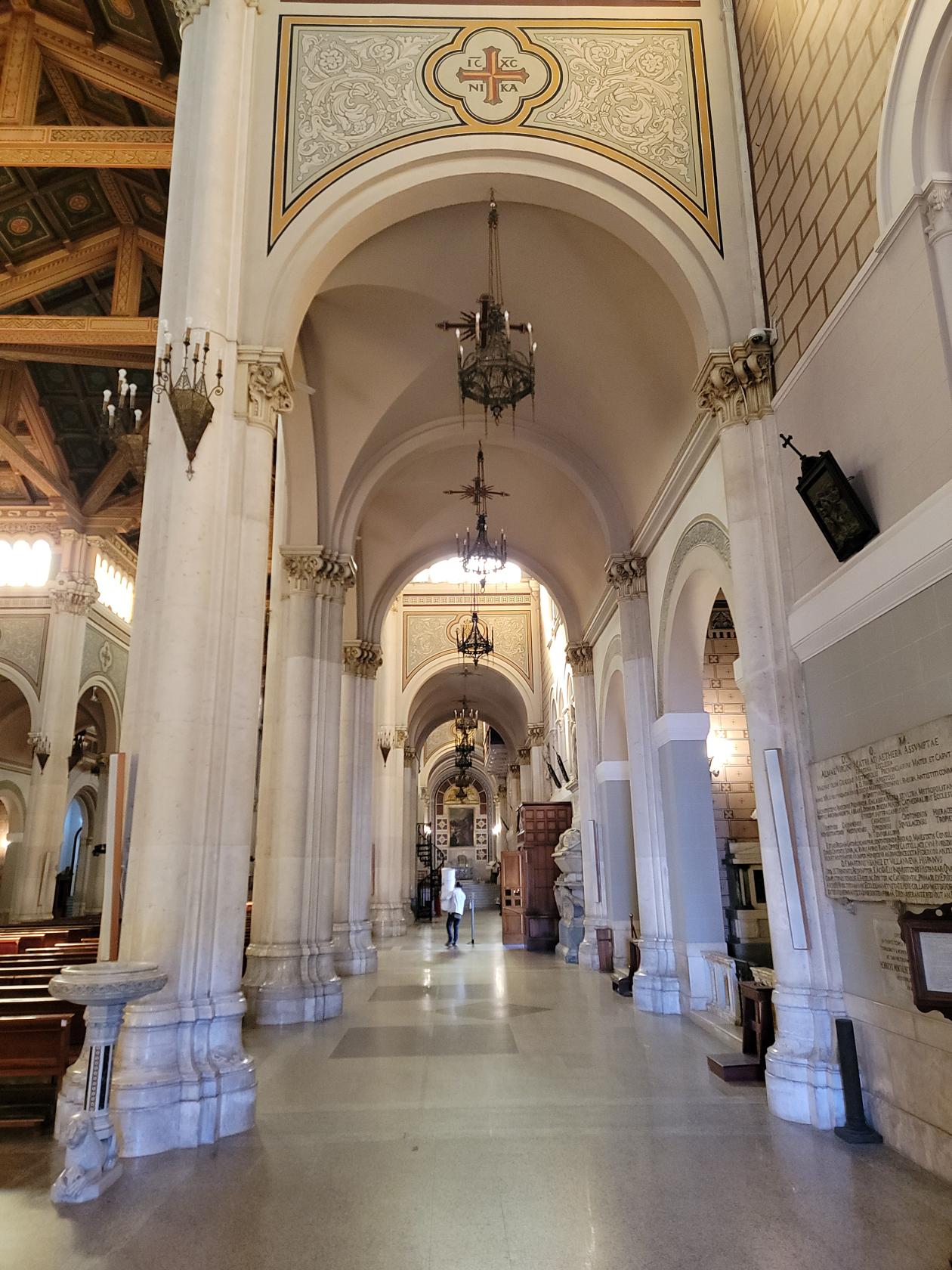
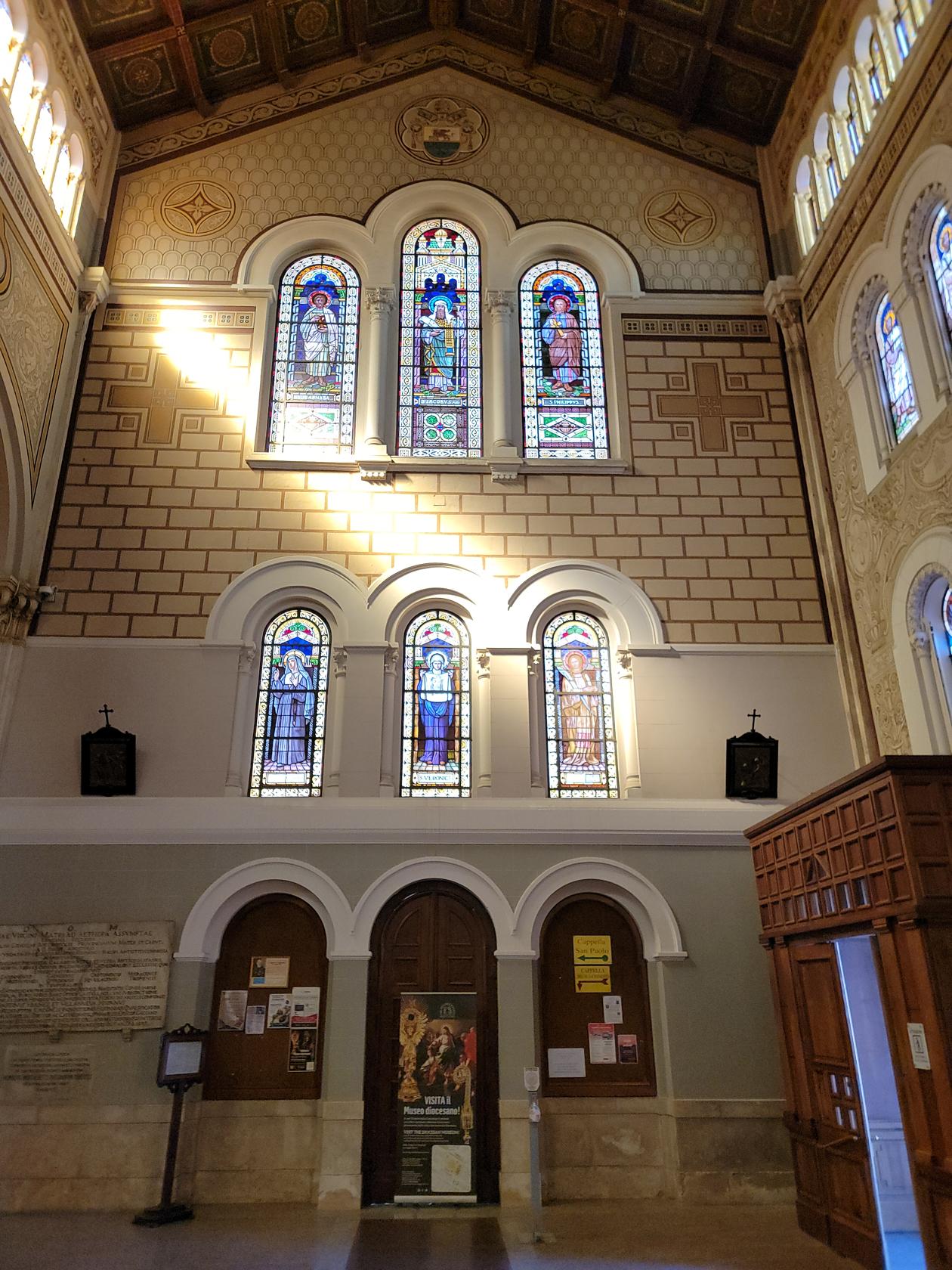
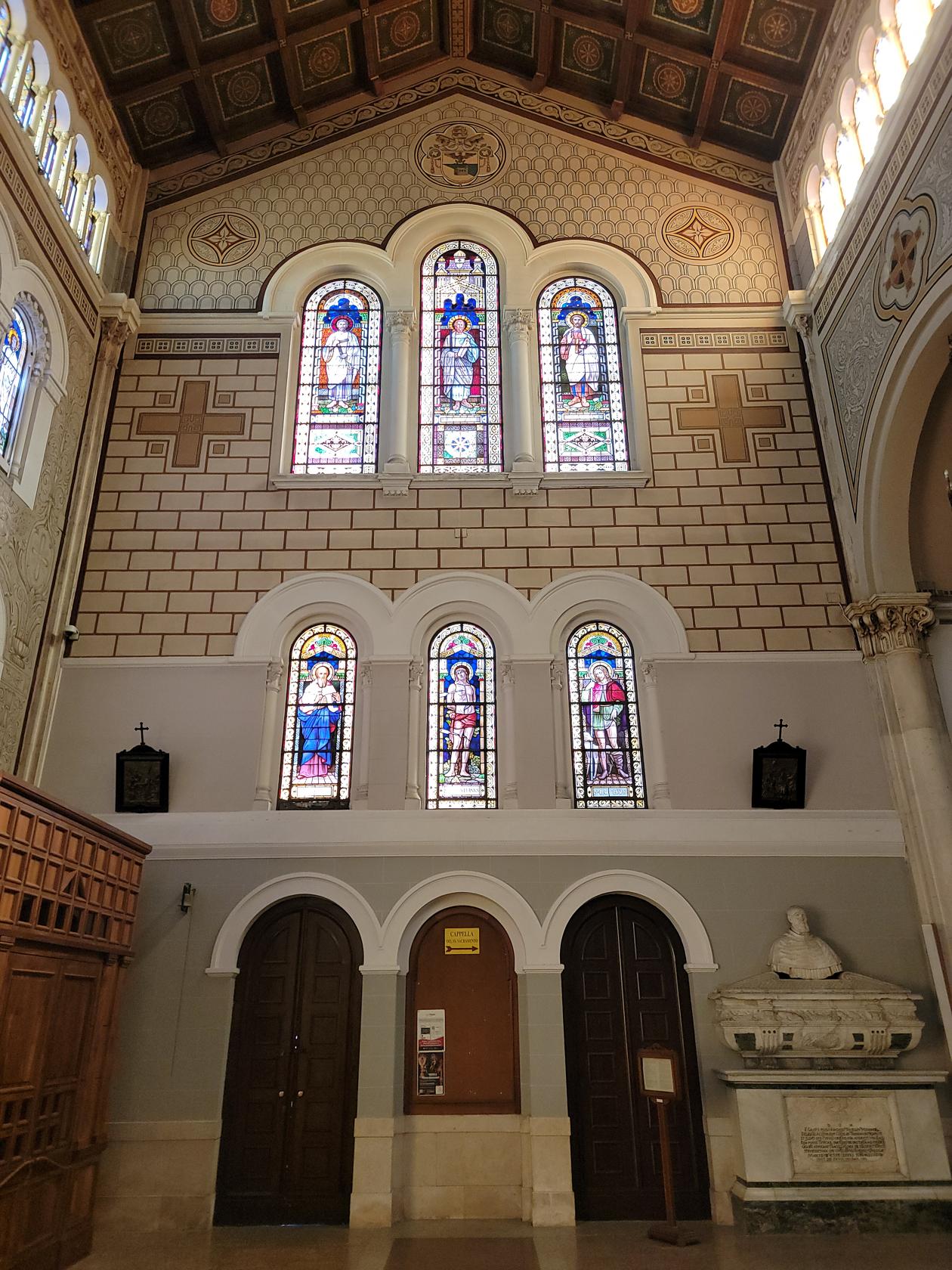
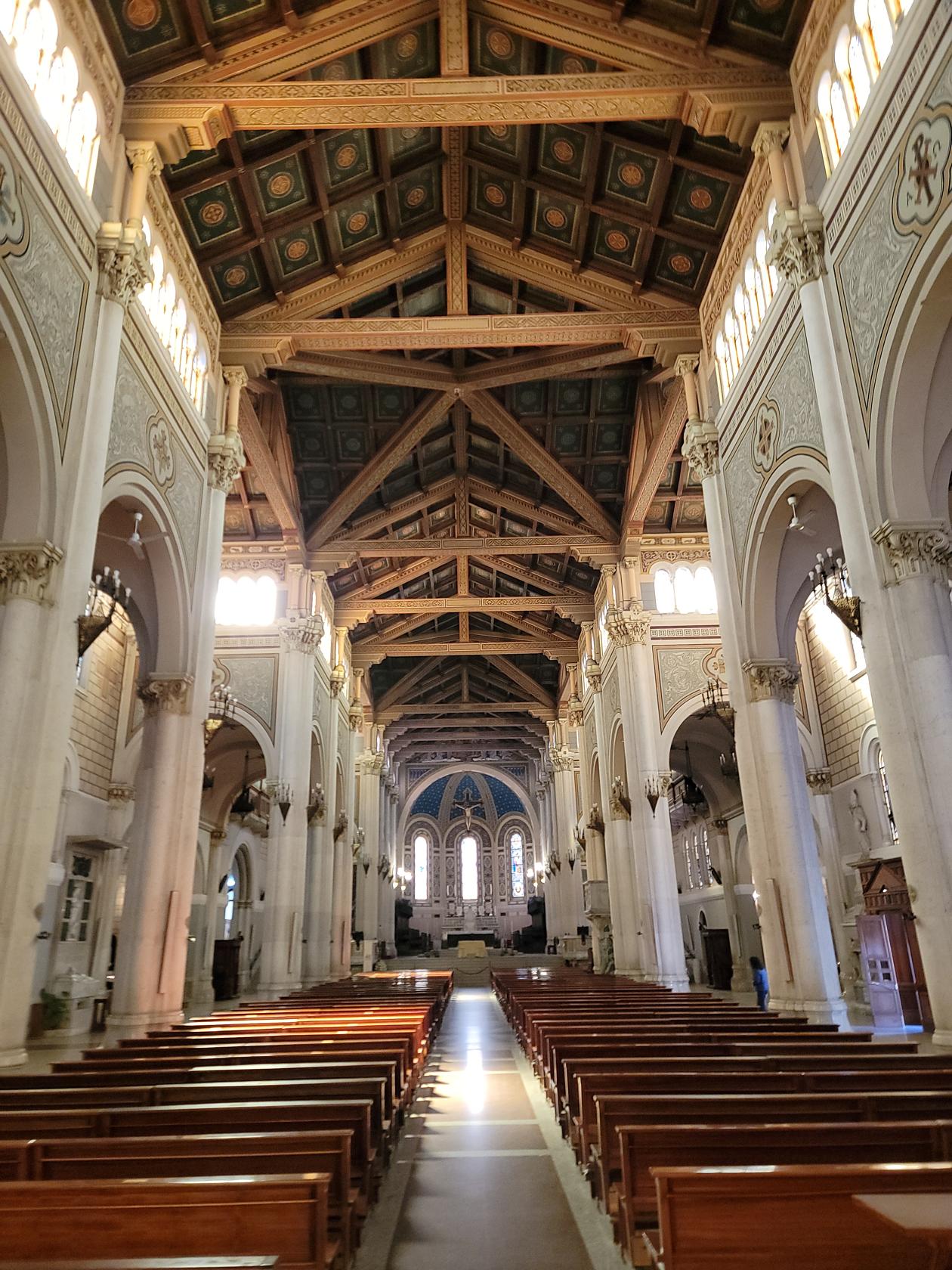
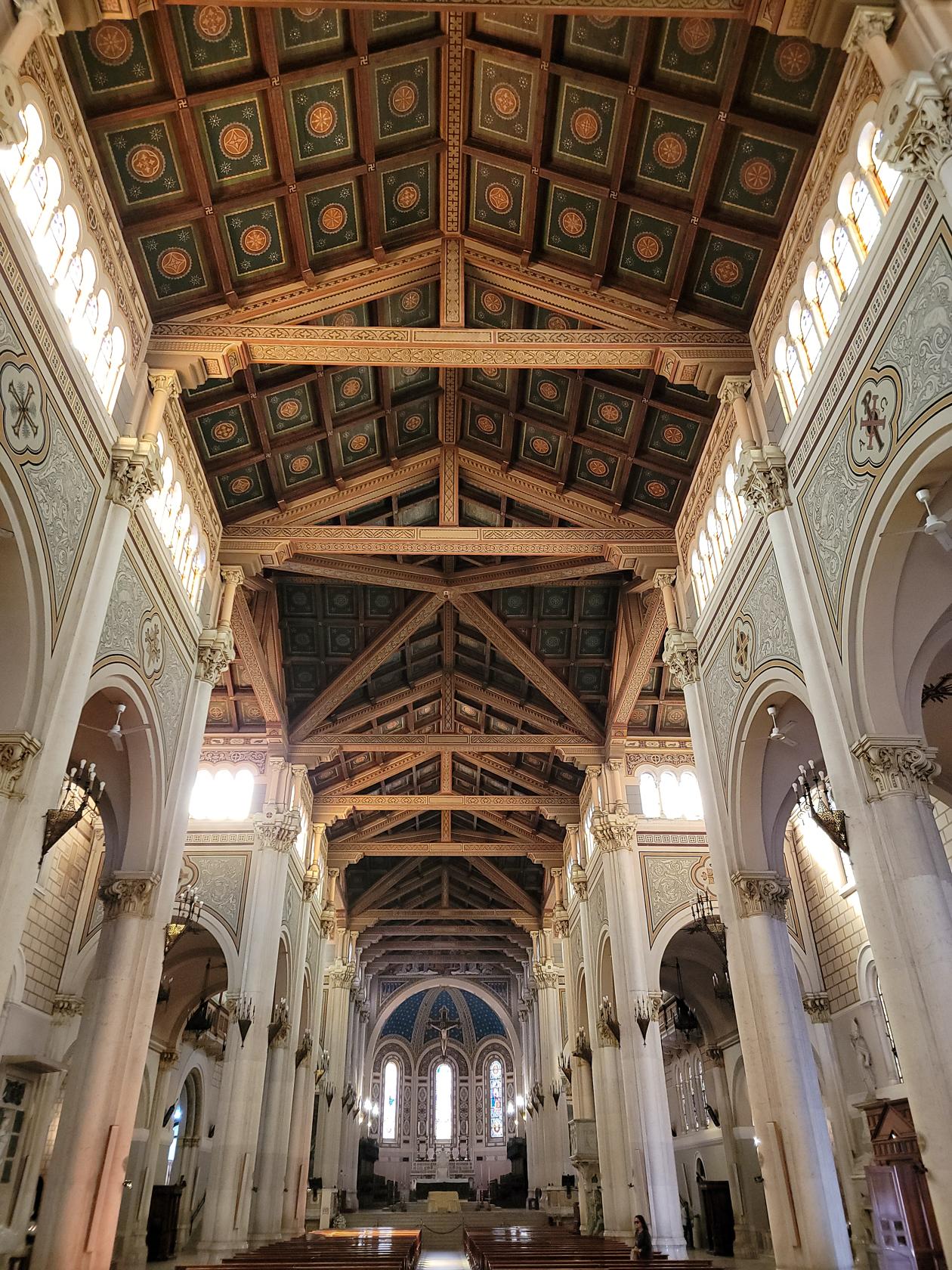
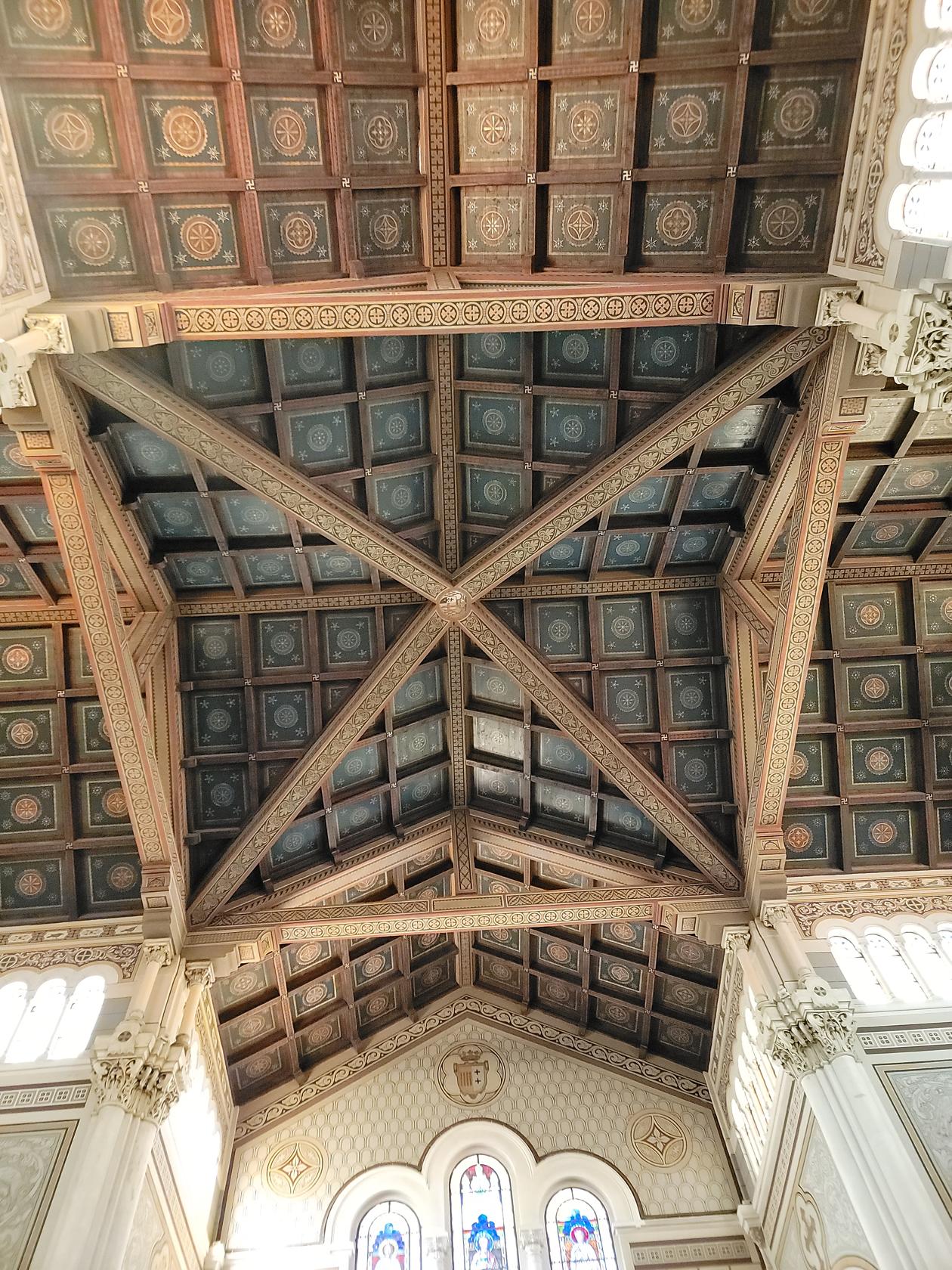
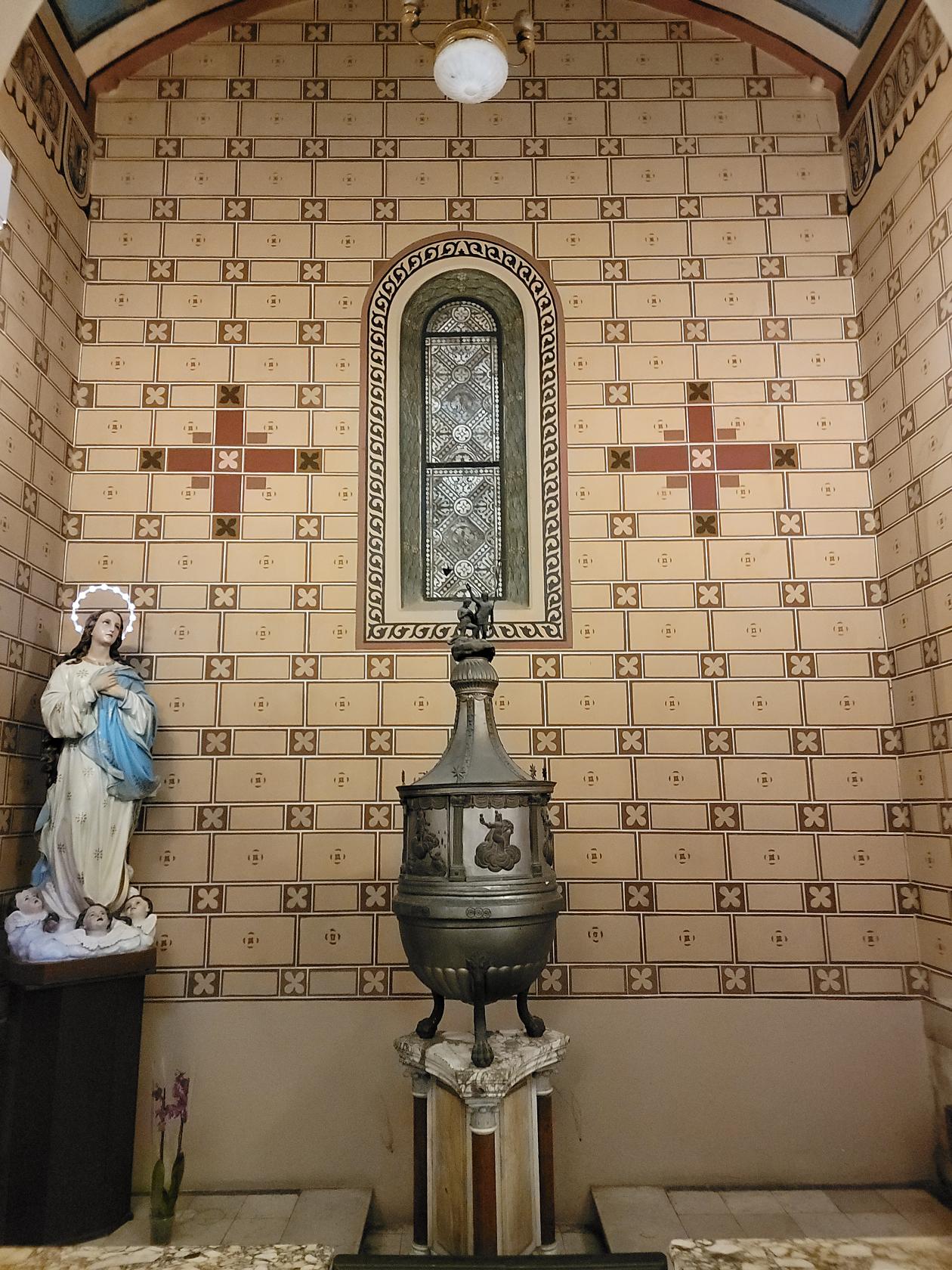
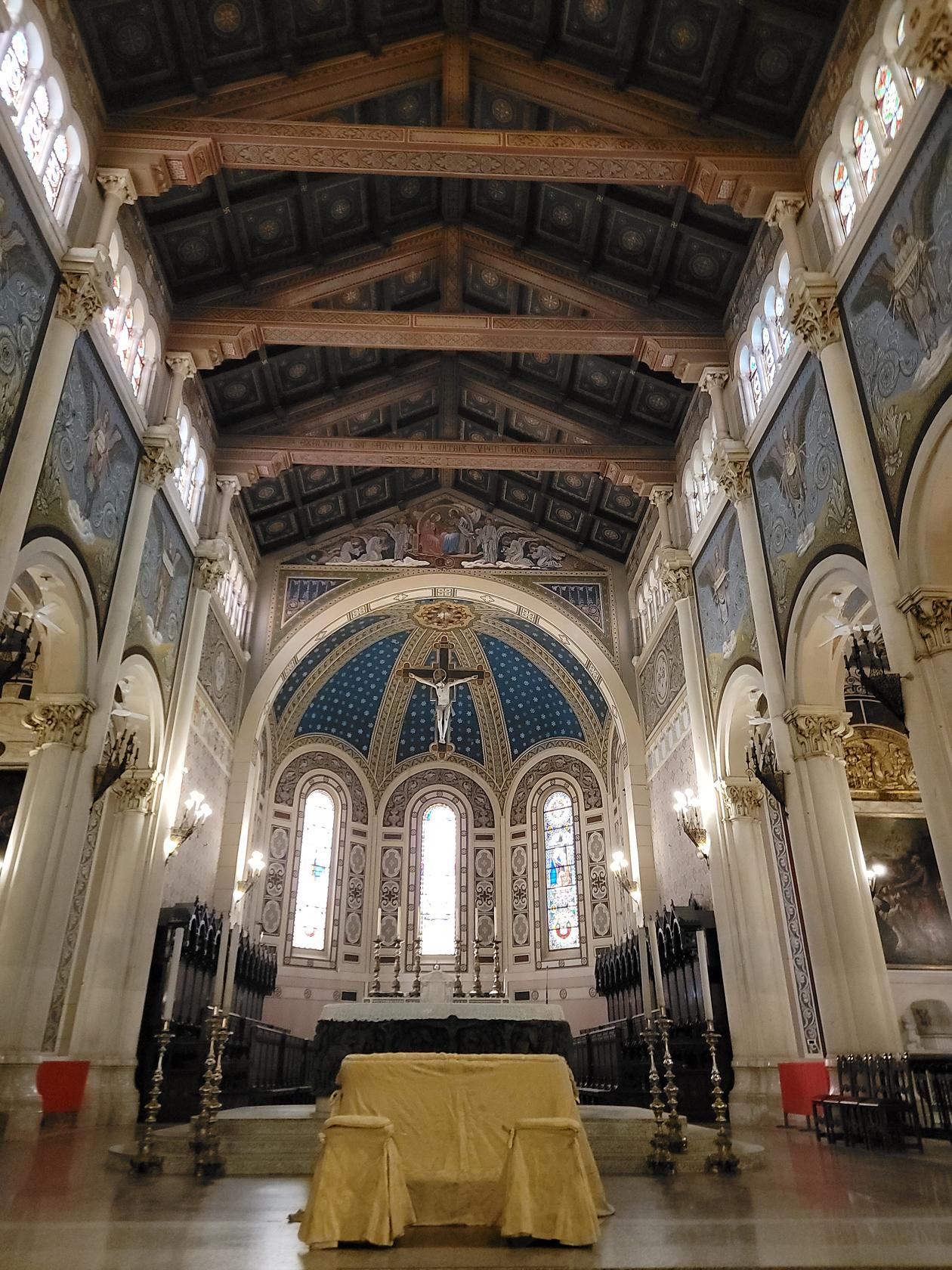
Actually known as the Cathedral of the Assumption of Saint Mary, or Cattedrale di Santa Maria Assunta, is very close to the castle on the hilltop. It is in need of restoration and there are several, apparently small projects already underway inside the cathedral.

Inside the cathedral is actually quite impressive. The nave is well decorated with ceiling frescoes and religious art. It is quite dark and reminiscent of the Sistine Chapel before that was restored and suffers from decades, if not centuries or candle and other smoke.

The Crypt

The main attraction of the crypt are the frescoes. When possible the caretakers of the cathedral have installed lighting, so that you can adore without the need for using the flash on your camera, which you should never do.

Restaurants

Moma

Moma is actually a bar and restaurant, so you can stop their early for a drink before dinner, or wait until 7PM and dine there as well. They have a fairly good selection of food which may be considered cosmopolitan and some Piedmont dishes. Both of our dishes were very good and came with rather large portion size which is unusual of Italy.

References

References
1 The ancient pilgrimage route from England to Rome.

Lisbon, Portugal – Additional Sights

On our last couple of days in Lisbon we went across the bowl[1]I note this because it is the lower flat portion of the city the rise gently to the north. and visited the sights in and around the oldest part of the city, Alfama. Then after that we took the 15E Tram and visited Belém, the most important part of the city with respect to ports and its historical noteriety.

Alfama the Other City

This area includes the Moorish Castle of São Jorge and a number of the overlooks that the area enjoys. Of course, there is also Lisbon Cathedral, which actually looks like it might have been destroyed by the great 1755 earthquake and rebuilt afterwards, but the cathedral and area were largely spared from any damage due to that quake.

Perhaps contrary to popular belief, Lisbon and Porto are very busy ALL YEAR. It appears that since RyanAir has a HUB in Porto, everyone and his cousin comes to the area for at least the weekend and many for the entire week. This not doubt puts real stress on Porto, which I can not imagine during the summer when it is really hot and full of tourists.

Lisbon on the other hand is a larger city and can handle more people, however, it has the double wamy of having cruise ships dock as well. So expect the lower parts of Lisbon to be always crowded.

Some walk from the Chiado part of town, where our hotel was located, and across the promenade of R. Augusta, is a totally different part of the city, Alfama. Here you can find the Santa Apolónia train station; in fact, check any train ticket you have that travels to Porto or beyond, and you might notice that it might not be necessary to go all the way to Oriente train station, some of those trains actually start in Santa Apolónia.

If you walk the area it is quite steep, so be prepared, or for those less inclined to walk and climb, take an alternate mode of transportation like the 12E Tram, a Tuk-Tuk or the bus.

Church of Our Lady of Grace

The Church of Our Lady of Grace stands on top of one of the hills on this side of the city. It has a beautiful ceiling in the nave, but the altar is rather plain and typical among other churches we have seen.

Adjacent to the church is the Convent of Grace, which is temporarily being used as a modern art museum. However, it is nice just to drop in and see the fascinating Portuguese tiling that adorns the walls.

Castle of São Jorge

The Castle of São Jorge is a large Moorish castle with a commanding view of the overall area of Lisbon. It has a surrounding wall with a central castle and a number of amenities, including a cafe and a restaurant.

Though you can purchase tickets at the gate, we found the entire staff appeared to be very confused and we got numerous conflicting stories as to what was available, when and where we had to queue in line. We decided to purchase our tickets online, this was actually quicker and more convienent. However, we still had to stand in a line for about an hour, and it isn’t even tourist season, so bring your patience.

Church of Saint Vincent de Fora

The Church of Saint Vincent de Fora is actually pretty far from everything else, but still walkable. From the Church of Grace and some of the observations points, it can be easily seen in the distance, usually with the National Pantheon dome looming in the frame.

The interior is actually quite spartan and perhaps not worth the effort. However, for a fee you can enter other portions of the grounds like the sacristy, which is known to be far more opulent than the church itself. Having been in so many churches in the past few months, we decided to save our money and continue our travels.

Belém the Port City

Noted in history as the port from which Vasco da Gama departed for his adventures to India, this port town’s most noticeable attribute is it tower. But there is also the monastery, its cloister and the church, all of which represent fabulous examples of the late Gothic Portuguese Manueline style of architecture.

Jerónimos Monastery and the Church of Saint Mary of Bethlehem

When you exit the tram the first thing you notice is the Church of Saint Mary of Bethlehem across the street. Then the Jerónimos Monastery comes into view, as an extension to these architectural marvels.

Belém Tower

The Belém Tower, or more precisely, the Tower of Saint Vincent, stands just off shore and was actually a lighthouse in the past.

Restaurants

Rendez Vous

After we visited the Church of St. Vincent we stopped at a small restaurant along the way back called Rendez Vous. They have sort of an eclectic menu which probably does not appeal to everyone, but we found the food and wine very good and would commend the place to anyone looking for something a little different.

References

References
1 I note this because it is the lower flat portion of the city the rise gently to the north.

Porto, Portugal – Another Look

Porto, Portugal – Another Look

After a dismal start and a break in the weather, we were able to explore the city of Porto a bit more rigorously. There are probably only a handful of streets that do not go up or down, so have your trekking legs prepared.

Vila Nova de Gaia – Duoro River – Porto, Portugal

São Bento Train Station

The inner city train station, and perhaps the original Porto Central Station, is the São Bento Train Station. Known for its tiled waiting hall, it is known now more for its artwork than for its use as a primary station; Campahnã having eclipsed it as the main train station now. Unfortunately, it is beset by a very large public works project outside at the moment, so access is through side entrances for the most part.

Praça da Ribeira

A scenic spot on the River Duoro in the center of the old city is the Praça da Ribeira. It has several pieces of art to enjoy and the Cube Fountain, which is surrounded by a myriad of restaurants and cafe tents. It is along the Cias de Ribeira or promenade where you can enjoy a nice walk, listen to music or just enjoy the river.

Luís I Bridge

Between the Praça da Ribeira, RibeiraDoPorto and the other side of the river, or Vila Nova de Gaia, is the Luís I Bridge, which was originally proposed by Gustave Eiffel, even though he did not win the competition to build it.

Vila Nova de Gaia

On the other side of the river is the area or civil parish of Vila Nova de Gaia. This prefecture or parish you can find many of the great port wine houses, such as Sandeman, Kopke and Warres to name a few. It also has a very nice river side promenade that can be enjoyed on a nice sunny day.

Churches

Our visit here continues with a few other churches, which we were unable to see the previous day.

Church Of Saint Anthony

A regular church by any measure, the church of St. Anthony does have a remarkable gilded altar, which would be the prize of any structure.

Carmo Church

Best known for its Portuguese tiled exterior, the Carmo Church sits on top of the hill next to the Lion Fountain and its park. The tiling on the outside is unfortunately covered with a gauze, no doubt to protect the surface of the tiles from prolonged exposure to the elements, so taking photographs at a distance is probably best.

The interior is nice and in the baroque style of churches. Its other claim to fame are the side altars depicting Christ in one form of tribulation or another.

The Hidden House

Between the Carmo Church and the Church of the Carmelites is the Hidden House. A four story structure built between the two to prevent the appearance of impropriety, though it has had other uses throughout its 250 years.

The Museum

The museum of the Carmo Church houses the typical treasure and other important items used and passed down by the church through the years. There are some things of note, like the collection of hands, as well as other peculiar things that have to be seen to believe.

Restaurants and Cafes

The restaurants and cafes in Porto come in clusters, perhaps due to it being a tourist hot spot. They seem to line most of the more important streets and more heavily trafficked areas.

Casa Deolinda

A good spot for lunch would be the Casa Deolinda right within the Praça da Ribeira. We actually felt more compelled to eat here only due to the weather, but we were not disappointed. The food was good and the service was above what we had experienced in other places. The prices were not too bad either, considering its location.

The weather too, did not disappoint.

Fabrica da Nata Cafe

Known for its Portuguese Nata, or Pastel de Nata, are a custard cream delight found at Fabrica da Nata. There is a special little room within the cafe where they prepare these treats inside a glass enclosure. The cappuccino in Portugal is bit different from its Italian parent, it has more milk and is usually not as strong.

Popina Restaurant

On the smaller scale, if you are looking for an authentic Portuguese adventure in cuisine, look no further than Popina. They have classic dishes here that are served like appetizers and are meant to be shared, so think family-style in a way. You select several items from the menu, all of which are brought out when they are ready, and them divide them accordingly. The order in which they are brought out though can appear a bit confused and disorderly, but bear with the process and you should not be disappointed.

Popina Restaurant – Entrance – Porto, Portugal

Bari, Italy – Ancient City Wonder – Part Three

Bari – Final Points Of Interests And Thoughts

Due to the fact that we came back to Bari for one night, since our return flight leaves out of Bari airport, we thought one last post on other things we had not mentioned in our prior posts might be in order. We booked and stayed again at Murex Bed and Breakfast, and sometimes when you’ve already been in a town or city, that may make all the difference.

We enjoyed our stay in Bari, but felt that if it weren’t for its location to other places that interested us, we probably would have just done a day trip to it. So, I would consider it more a place of convenience than one you can sink your teeth into and really enjoy, like Trani.

Various Other Points Of Interest In The City

Below are some of the other points of interest that can be easy to miss just walking around looking at the next pin on your map. This is one advantage of slow travel, having the time just to meander around and have a proper Stadtbummel. One word of caution, if you plan on taking a walk along the Lungomare Araldo di Crollalanza make sure the wind is blowing out to sea. The water surrounded by the Faro Molo Sant’Antonio is a real sewer and stinks.

Bari Centralé

The main train station in Bari is a must for those taking day trips in and out of the city. It is approximately a fifteen to twenty minute walk from the historic center straight down the main shopping avenue of Via Sparano da Bari. It connects with all forms of TrennItalia trains and some regional trains as well.

Restaurants

Some final thoughts on restaurants in Bari. The below are some of the places we visited when we just didn’t know what to do, the weather was cooperating or we were just looking for something different.

Saporé Cucineria Pugliese

Saporé has authentic Pugliese Cuisine and snack food and is located on Corso Vittorio Emanuele II. Nothing fancy here, just good home cooking with traditional food items, Apulia’s answer to fast food. Don’t worry, you shouldn’t break your wallet at this establishment. Even the wine is reasonably priced.

Da Michele Pizzeria

The famous pizza of Naples comes to Bari with Da Michele’s Pizzeria. His classic thin crust and speedy service never disappoints. If you are looking for something in a pinch, don’t have a lot of time, or are just tired of eating Pugliese cuisine, Da Michele’s Pizzeria will have something for you. It is located on the corner of Corso Vittorio Emanuele II and Via Benedetto Petrone.

Ristorante Cinese Pechino

If you are someone who needs a fix of Chinese food every once in a while like me, then Ristorante Cinese Pechino might suit your needs. It was a five minute walk just inside Murat from our Bed & Breakfast in the historic district.

The food is a bit on the salty side, as I found the Maiale con Cipolle (pork and onions in brown sauce). However, the Wonton Soup was very good as were the Involtini Primavera.

Lecce, Italy – Florence of the South – Part Two

Lecce, Italy – Florence of the South – Part Two

Though some people choose to ignore basilicas, cathedrals and churches for whatever reason, Lecce is home to more than just a few. It seems that with almost every bend in the street, there is another one waiting to be entered by the faithful or curious. The truth probably is, that most visitors are just that, visitors and tourists.

Lecce’s Basilicas, Cathedrals And Churches

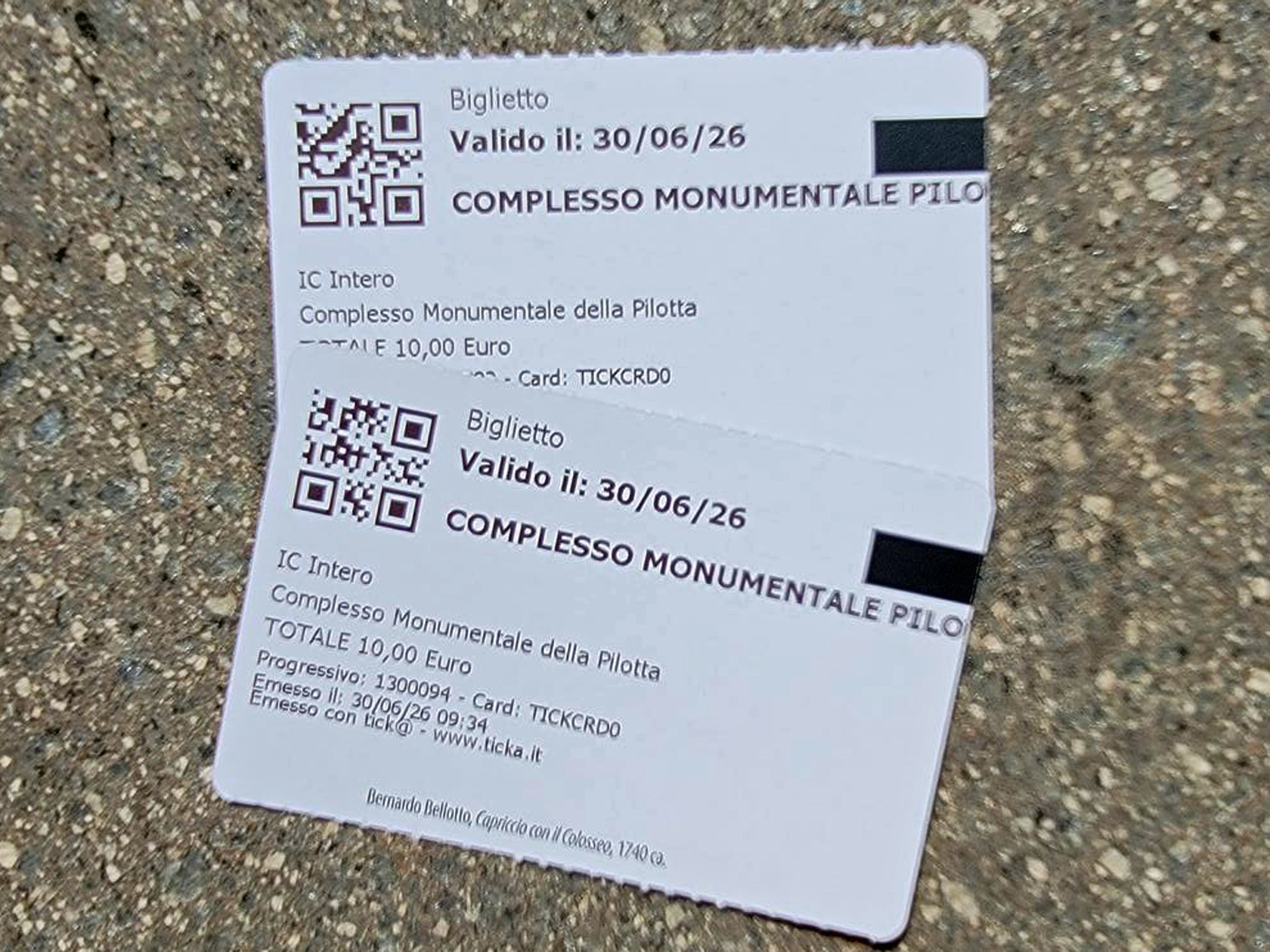
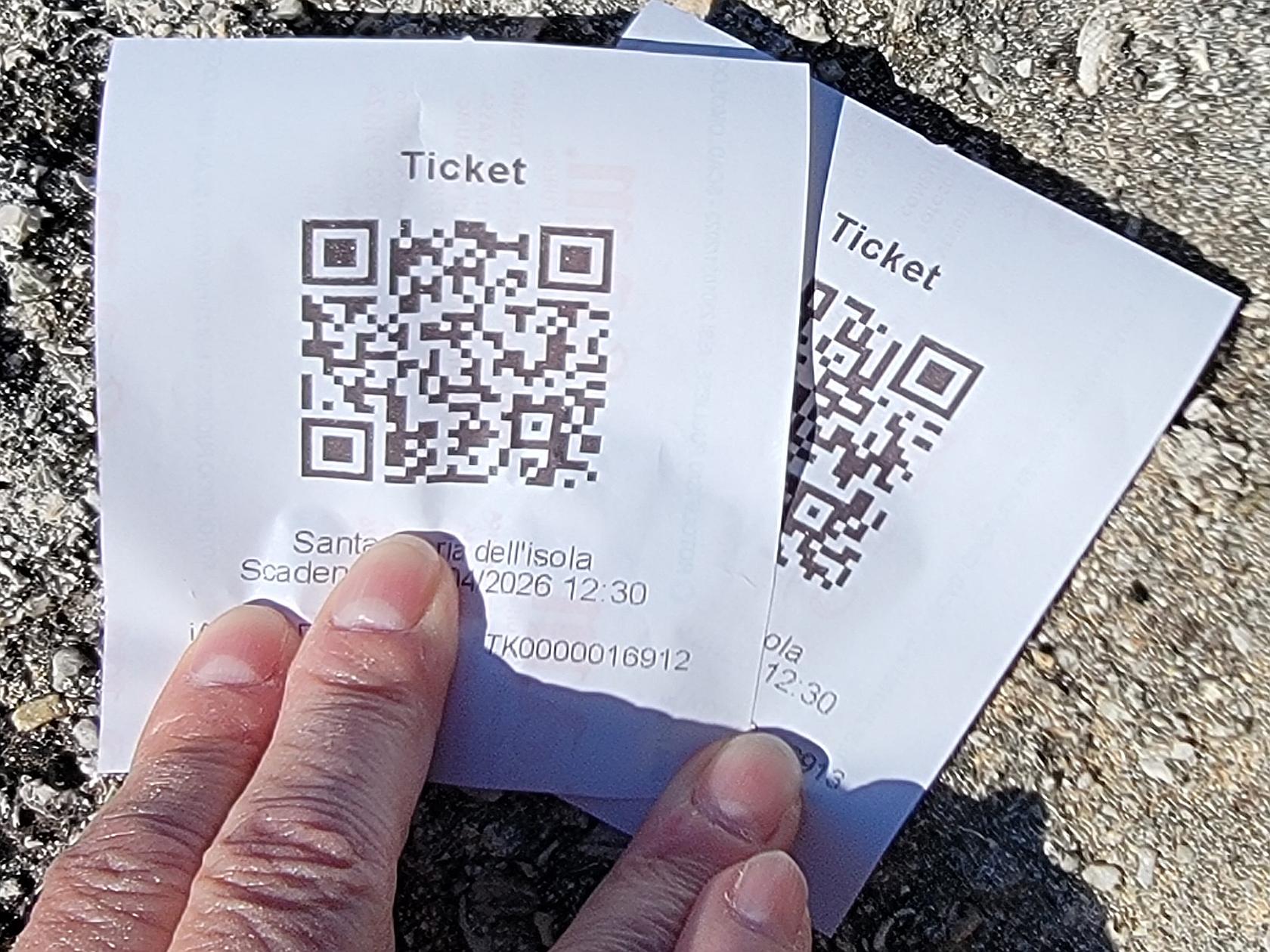
The Basilica di Santa Croce was the first basilica or church we visited, only because that is where we purchased our tickets. Yes, the most significant basilicas and churches in Lecce have a fee, 10€ per person, which gives you two weeks of access to all the places listed on the ticket. As of this writing, the following were accessible[1]please note: the names may appear slightly different or abbreviated on your ticket:

      • Basilica di Santa Croce
      • Il Duomo – Cattedrale di Maria Santissima Assunta e Sant’Oronzo
      • Cripta della Cattedrale
      • Chiesa di San Matteo
      • Chiesa di Santa Chiara
      • Basilica di Santa Croce
      • Museo Diocesano di Arte Sacra
      • Museo Sigismondo Castromediano
      • Biblioteca Bernardini – Convitto Palmieri
      • Chiostro Antico Seminario – Palazzo del Seminario

Basilica di Santa Croce

The Basilica di Santa Croce is located on via Umberto I and was the first one church on the list that we visited, only because that is where we purchased our tickets.

Il Duomo – Cattedrale di Maria Santissima Assunta e Sant’Oronzo

The Duomo in Lecce is also referred to as the Cattedrale di Maria Santissima Assunta e Sant’Oronzo, or the Cathedral of Saint Mary of the Assumption and Saint Orontius, or simple the Lecce Cathedral, and is laid out like a proper Latin cathedral.

The impressive nave, crossing and transepts are in the Baroque style and do not resemble other more impressive Gothic Cathedrals you will find in Europe, nonetheless there are things to see!

There a multiple radiating chapels, altar and two rather elegant transepts that one should admire for some time.

The ceiling is also a marvel. Built from wood, it is intricately woven into a grand geometric pattern for anyone to enjoy.

Cripta della Cattedrale

The Cripta della Cattedrale, or the Crypt of the Cathedral, was restored in 2017 to its present condition. However, archaeological activities are still ongoing and work appears in some areas to have only started. The rest of the crypt, with the exception of a few painting, appears rather sterile.

Chiesa di San Matteo

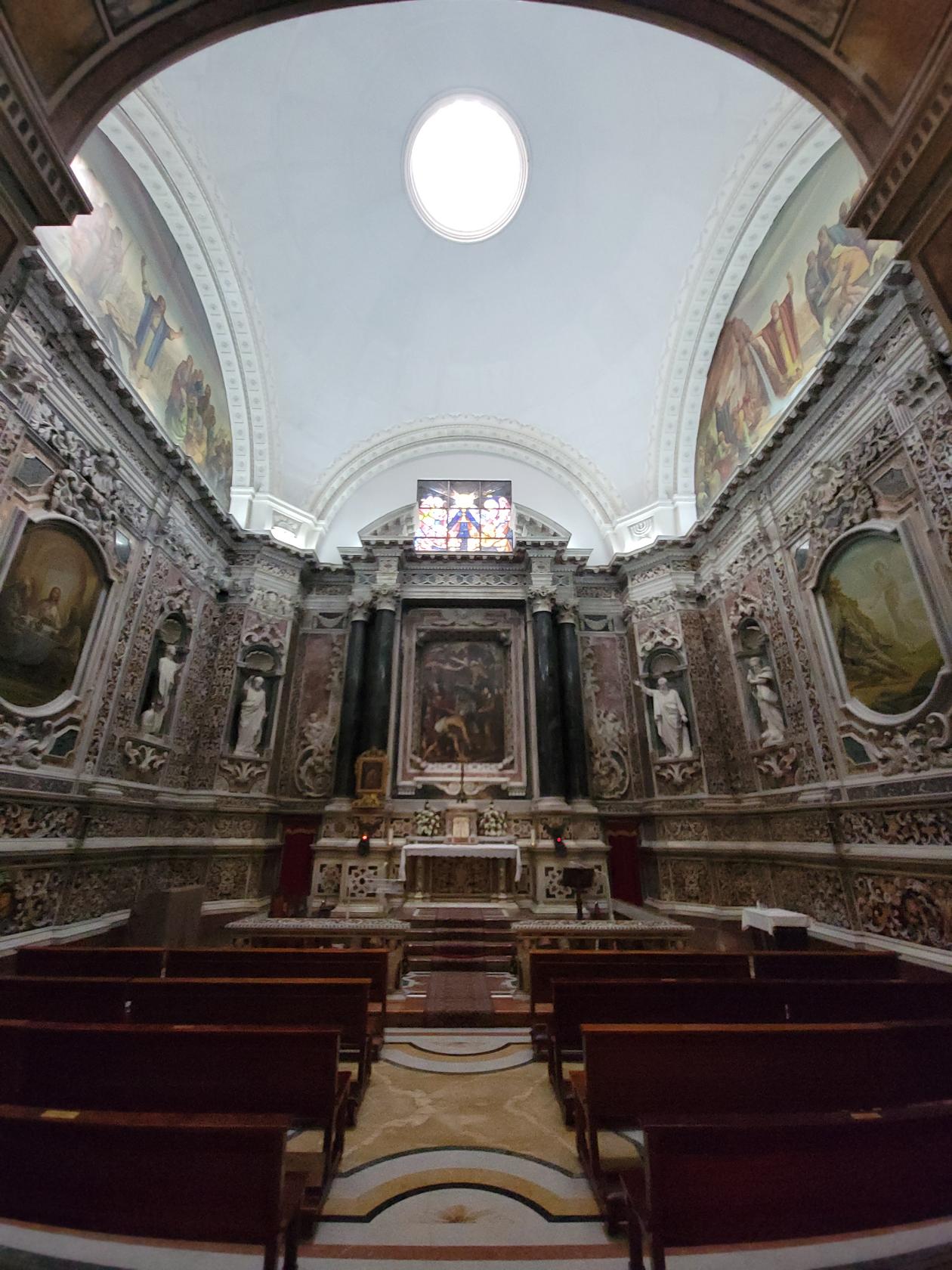
The Chiesa di San Matteo, or Church of Saint Matthew, is small and very ornate and well decorated inside for its size. The marble was unquestionably carved by master craftsmen on top of their game.

Chiesa di Santa Chiara

The Chiesa di Santa Chiara , or Church of Saint Claire, is a beautiful Baroque church in Piazza Vittorio Emanuele II in Lecce. It has some marvelous side altars honoring some of the important saints from the area.

Museo Diocesano di Arte Sacra

The Museo Diocesano di Arte Sacra, or Sacred Art Museum, has a unique collection of religious artifacts of Catholic origins from the area.

Other Basilicas, Cathedrals And Churches

There are a number of other cathedrals and churches worth your attention. Most map applications and a good map from a hotel, B&B or rental may have them marked. As of this writing, none of these cathedrals or churches required any entry fee or donation.

Basilica Del Rosario E Di San Giovanni Battista

The Basilica Del Rosario E Di San Giovanni Battista, or the Basilica of the Rosary and of Saint John the Baptist, was under restoration when we visited. The outside appears to be falling the street and they have erected scaffolding to protect the public. Inside, the entire roof trusses under the crossing were under reconstruction. Aside from that, the inside was rather bare and actually looked like a construction site, so aside from the alters which are still in place, there is not must else to see.

Chiesa di Santa Maria della Grazia

Located directly across from the Roman amphitheater on via Ernesto Alvino and near the Castello Carlo V di Lecce (Castle Charles of Lecce) , is another excellent choice to visit.

Chiesa Del Gesu Del Buon Consiglio

Another church that you may enter for no fee is the Chiesa Del Gesu Del Buon Consiglio which is on the Strada Romana, or the Roman street, referred to today as Via Francesco Rubichi. The ornate altar and backdrop of the Apse is worth a stop. This along with the amazing wooden ceiling, these two things are demand some consideration and adoration.

Chiesa Di Santa Maria Della Provvidenza O Delle Alcantoarine

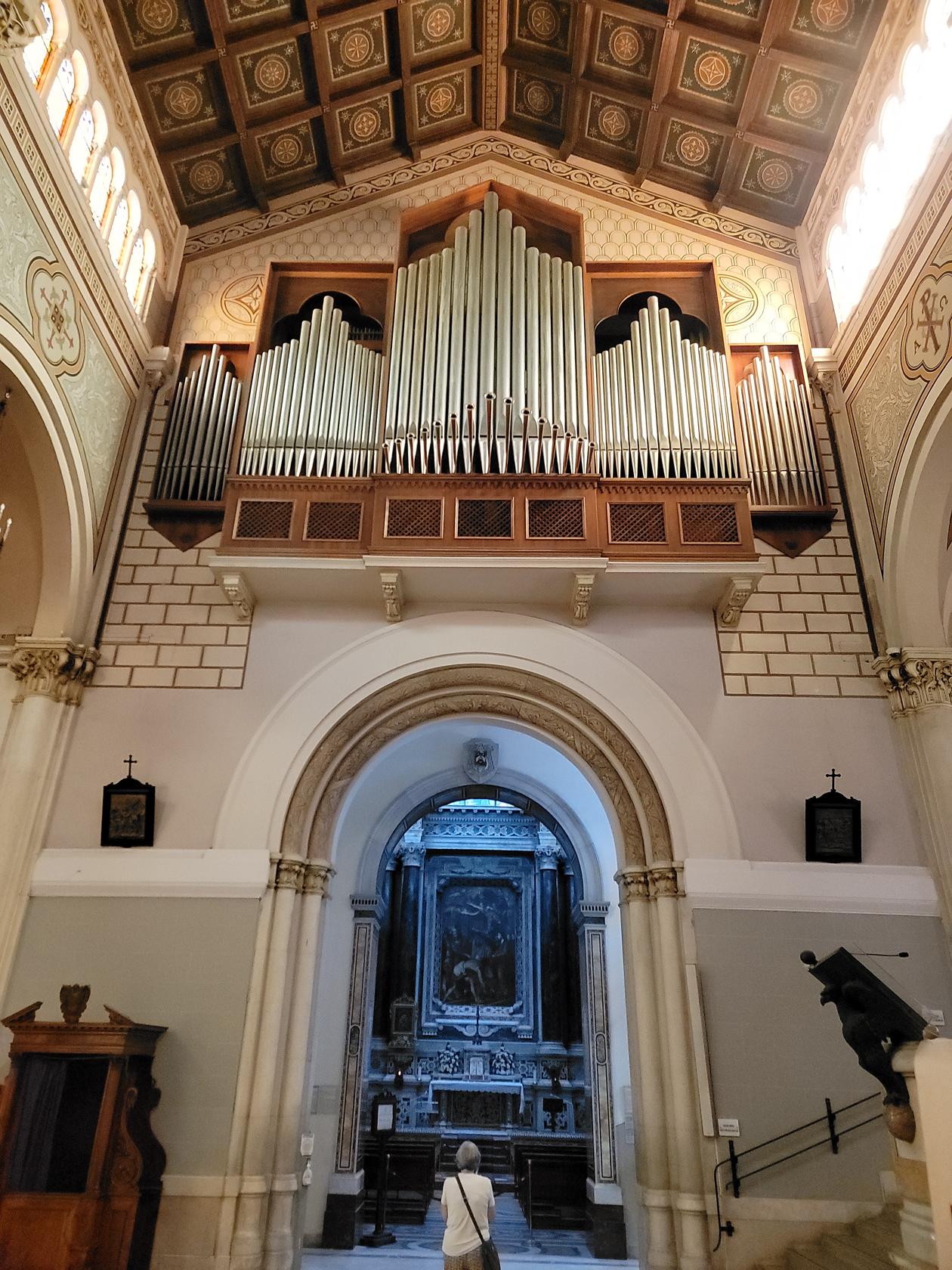
The Chiesa Di Santa Maria Della Provvidenza o Delle Alcantoarine, or the Church of Saint Mary of Providence or the Alcantoarine has a beautiful altar and wonderful Morena Glass chandelier along with a very simple interior.

Chiesa Di Santa Maria Della Porta O Di San Luigi Gonzaga

The Chiesa Di Santa Maria Della Porta O Di San Luigi Gonzaga, or the Church of Saint Mary of the Gate or of San Louis Gonzaga is another free church that you can stop in and admire very near to the Porta Napoli. Simple for its layout, its architecture is developed around a dome, rather than the traditional church layout.

Chiesa di San Niccolo dei Greci

Unable to enter, we were only able to take a photograph of the facade or outside of the church.

Cappella di San Gregorio Taumaturgo

The small chapel of Cappella di San Gregorio Taumaturgo is located very near to the Museo Diocesano di Arte Sacra, or Sacred Art Museum; in fact, it right at the end of that tour.

References

References
1 please note: the names may appear slightly different or abbreviated on your ticket

Lecce, Italy – Florence of the South – Part One

Lecce, Italy – Florence of the South – Part One

The second largest city in Apulia is called Lecce and is located on the Salentine Peninsula of Italy. It is rich in Baroque architecture, most of which is in the form of Lecce limestone and is often referred to as the Florence of the South. It one of the oldest settlements in southern Italy, with activity dating back to neolithic times.

Getting There

From Brindisis, or most other larger towns and cities on the east coast of Mezzogiorno, the FrecciaArgento is perhaps to quickest way to arrive. From Brindisi it is a short twenty three minute ride, a bit longer on the regional trains.

The City

Lecce is a typical ancient city which was at one time circumscribed with a protective wall with three main gates. The streets in the old Città Vecchia, or old history city, are narrow and mostly paved with stones.

The government here must be very careful of the city center, since it appears to have mitigated much of the traffic you would normally find in other similar cities of this size, making pedestrian traffic all that more enjoyable.

Ports, Gates, Columns And Castles

There are numerous ports, gates, columns and obelisks in Lecce. These are spread out all of the city and are well labeled on most maps. The Triumphal Arch, or Porta Napoli, is the largest and one of the three gates to enter the Città Vecchia.

There is also the Porta San Biagio and a smaller one called the Arco di Prato, or Arch of Prato, which is somewhat hidden away within the narrow city streets.

The Obelisk of Terra d’Otranto can be seen close to the Porta Napoli and is rather tall. It was erected in 1822 in honor of one of the rulers of the Two Sicilies. On the other side of town one can find the War Memorial for soldiers lost in war.

In the Piazza Saint Oronzo you will find the Colonna di Sant’Oronzo, or the Column of Saint Oronzo. It is a tall pedestal with Saint Oronzo on top. The column itself was assembled from pieces of the one that fell apart in Brindisi in the mid sixteenth century, its twin can be found near the port of that city.

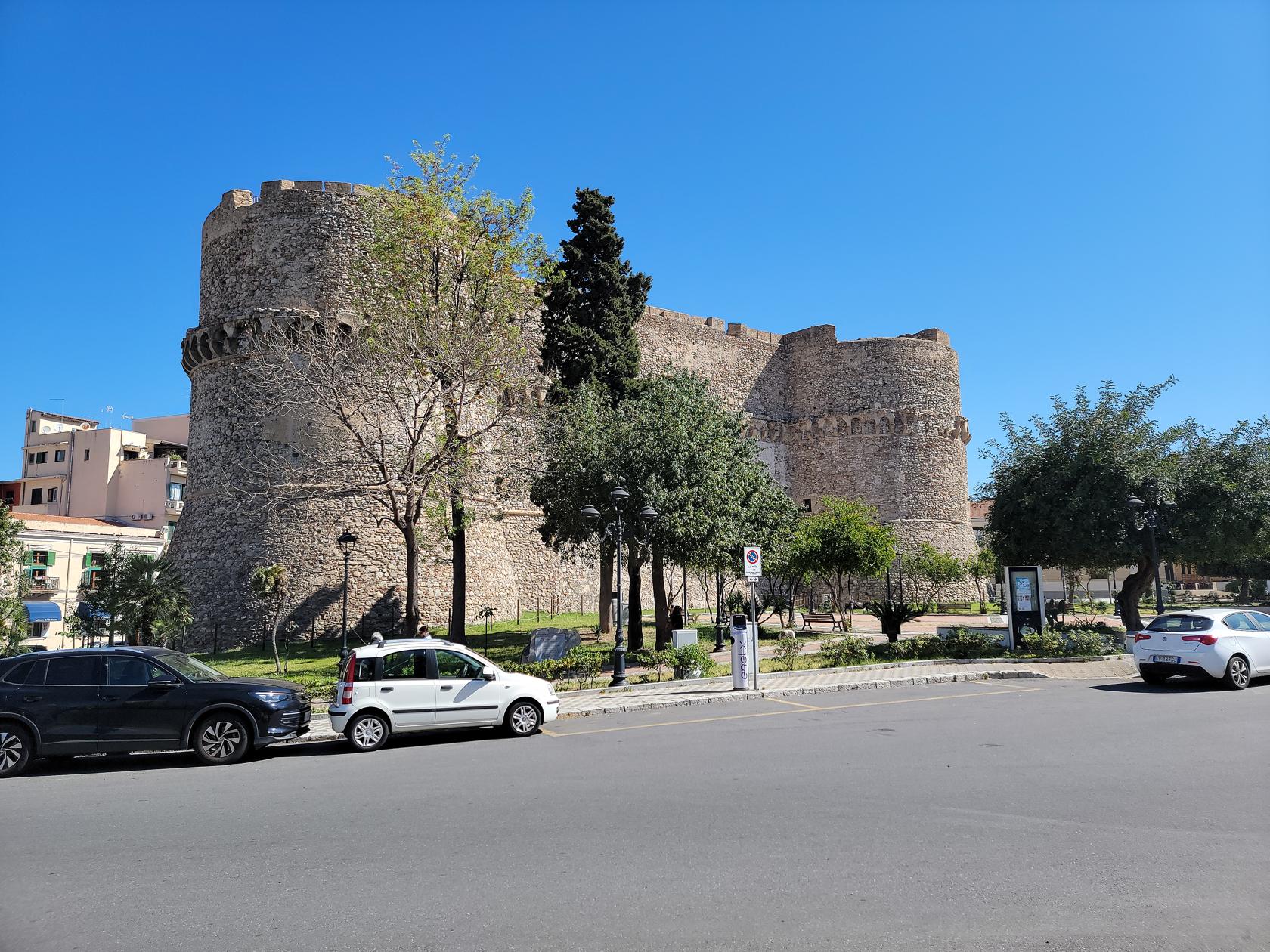
The Castello de Carlo V, or Castle of Charles V sits on the eastern edge of the historic city and below the Giuseppe Garibaldi Public Gardens. It is a large structure and tours are offered, all of which are guided, so you cannot tour the grounds unaccompanied. A short walk from there you will the public park or gardens, which is always a good stop to rest your feet after a few hours of walking.

Roman Ruins

Lecce has in its old historic city not one, but two Roman amphitheaters. Unfortunately for us, both were being restored while we visited and photography was very difficult in both cases.

Where We Stayed

For the second time on this trip we have booked a Bed and Breakfast. I still cannot say I am fan, but there are times when alternatives to hotels may make a better fit. However, we only commit to such alternatives directly and after thorough research.

L’Orangerie d’Epoque

We stayed at a Bed and Breakfast called L’Orangerie d’Epoque on Viale Francesco Lo Re near the Porta San Biagio. A rather large building with a central portico that appears to have one owner.

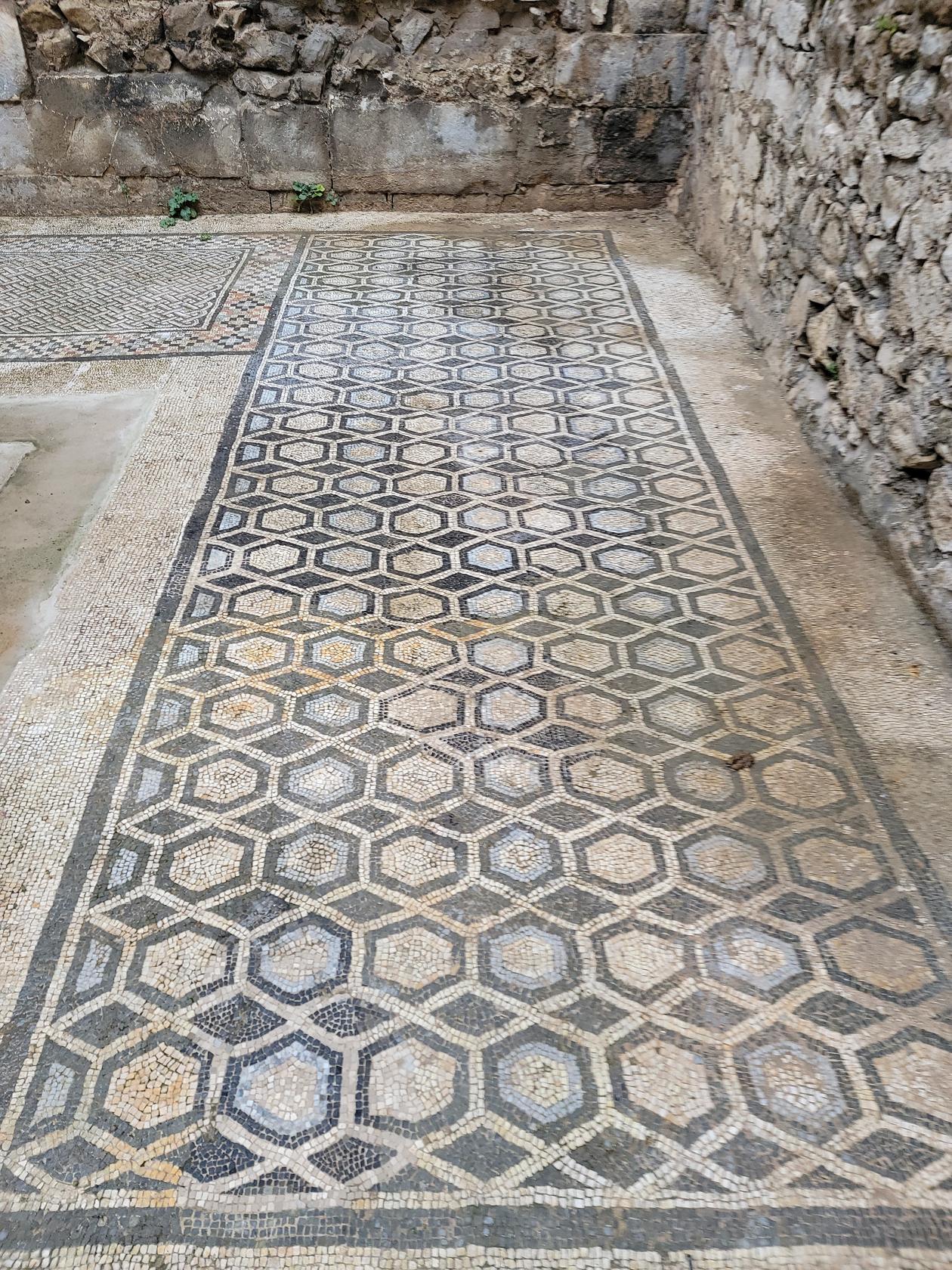
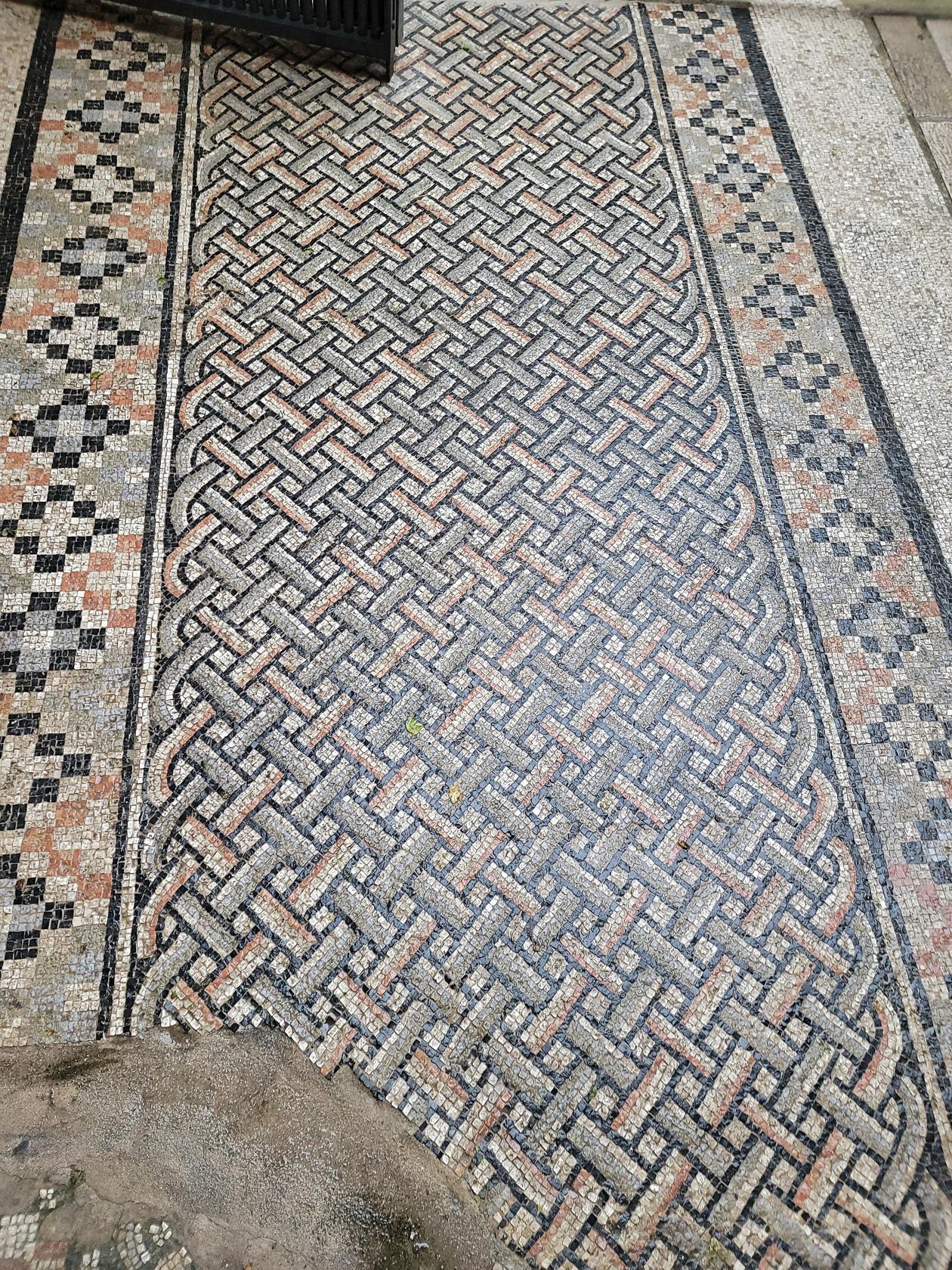
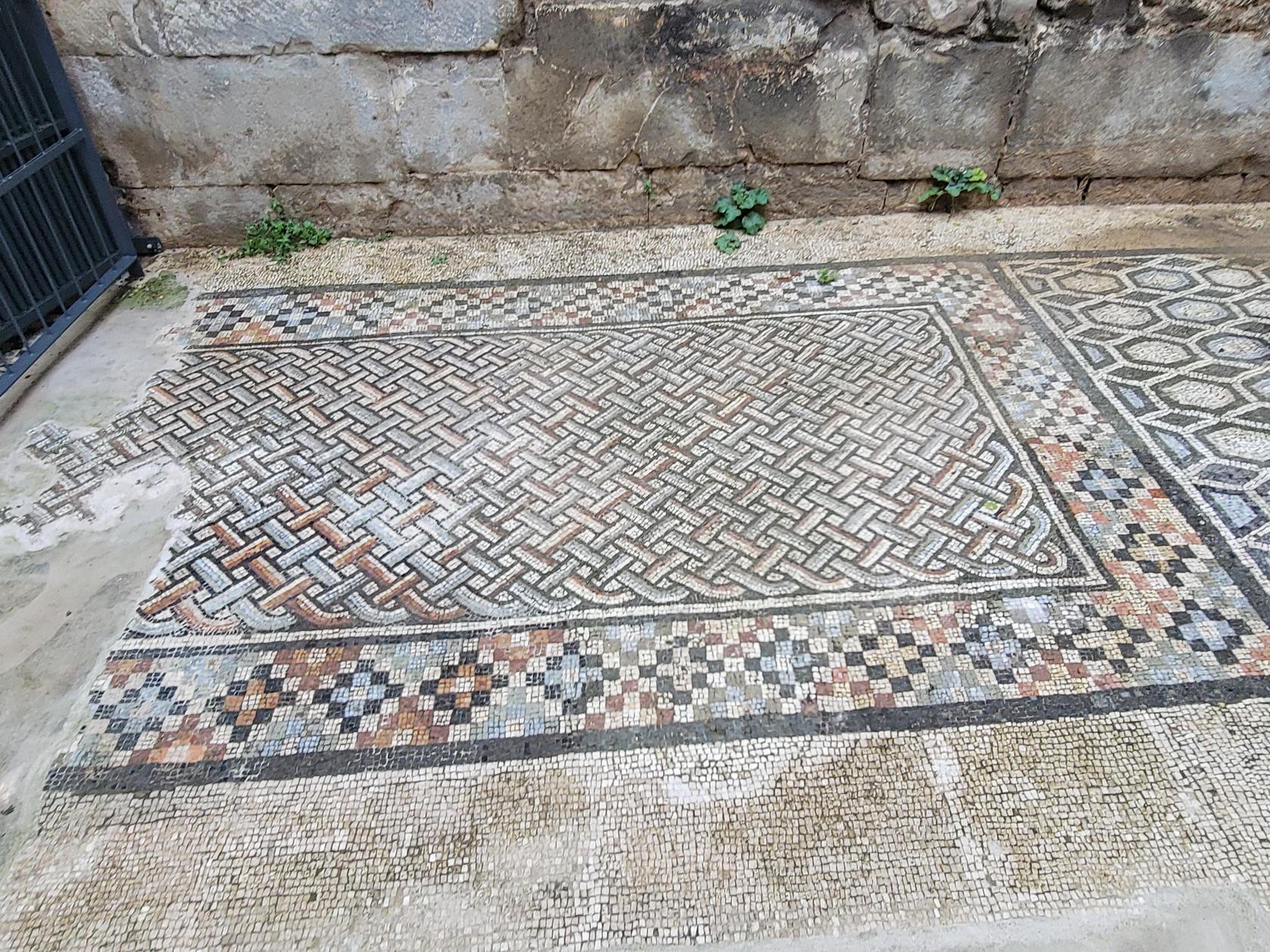
Our room was on the ground floor with its own entrance to the portico. The entryway has a beautiful mosaic tiled floor, reminiscent of ancient Rome or Pompeii.

The room was spacious, with a fireplace and split up into almost four equal parts. There was a large dining area by the entrance that flowed into a living room with several couches.

On the other side, there was another area with a television, breakfast table and then a bed with a desk for writing.

Restaurants

La Cucina di Mamma Elvira

This small restaurant has good food and wine at fairly reasonable prices. We actually went there late for lunch, around 14:40 and they still took our order and served us.

The service was very good and the menu had a decent choice of both local cuisine and other more general Italian items to chose.

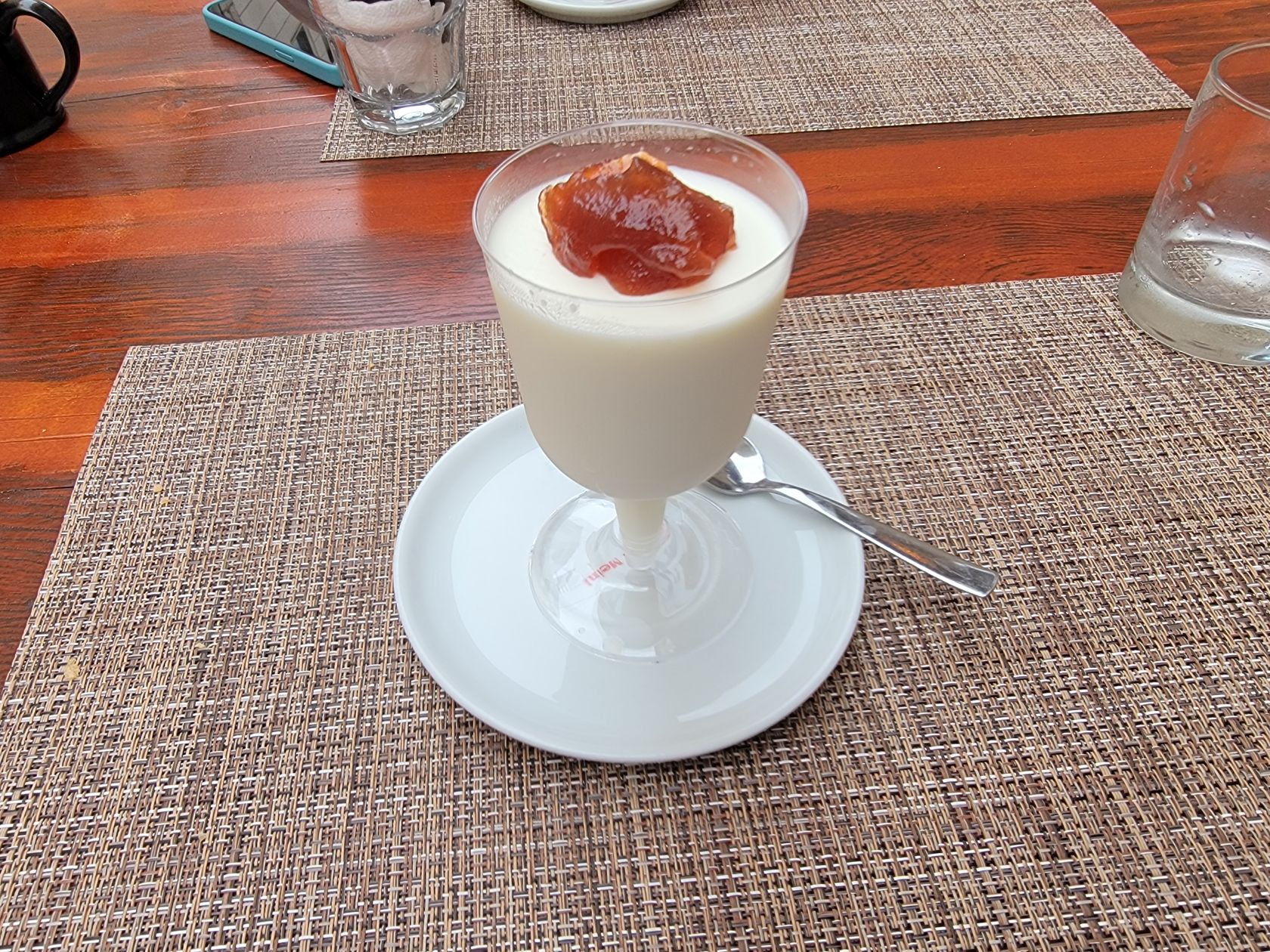
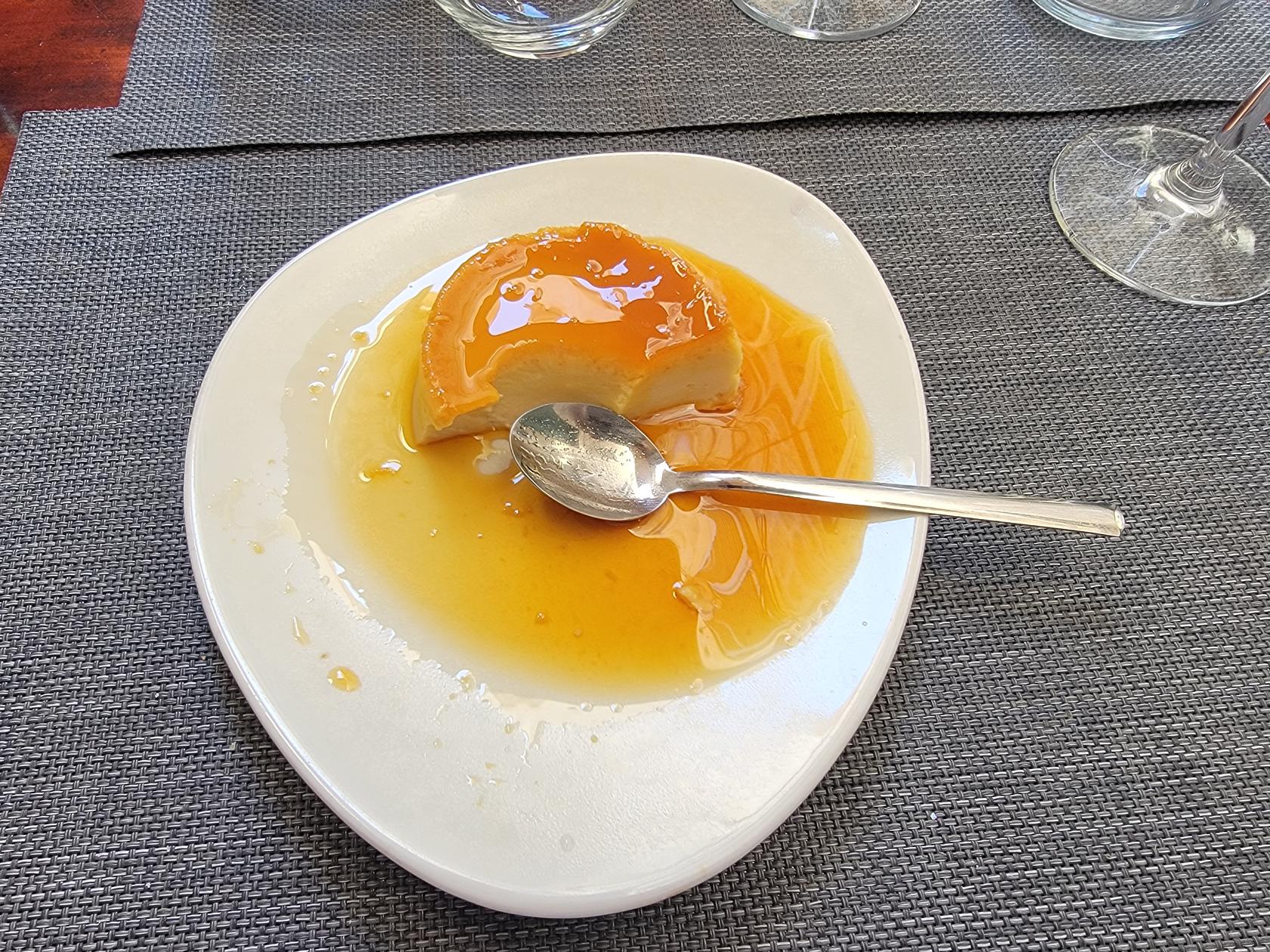
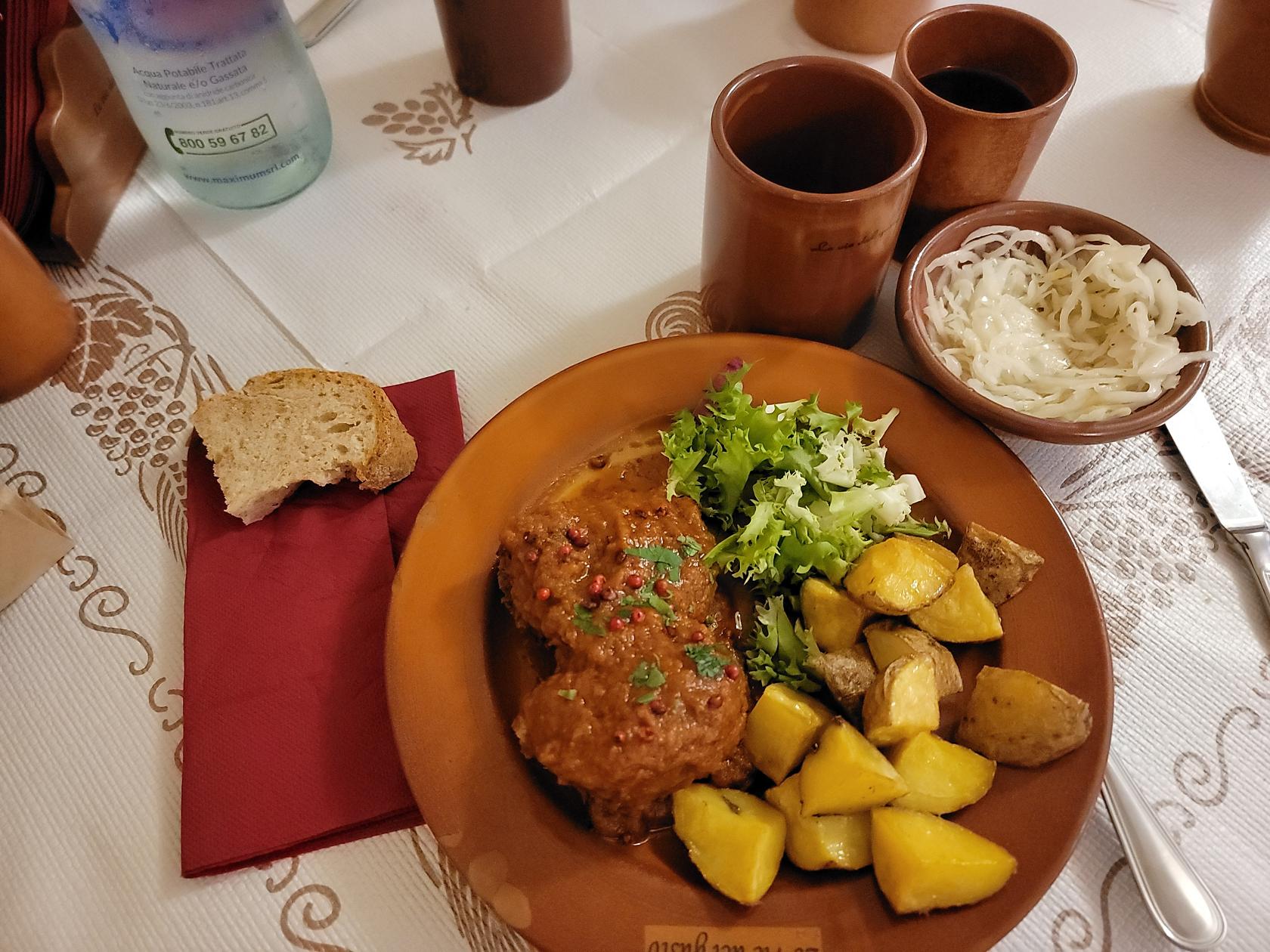
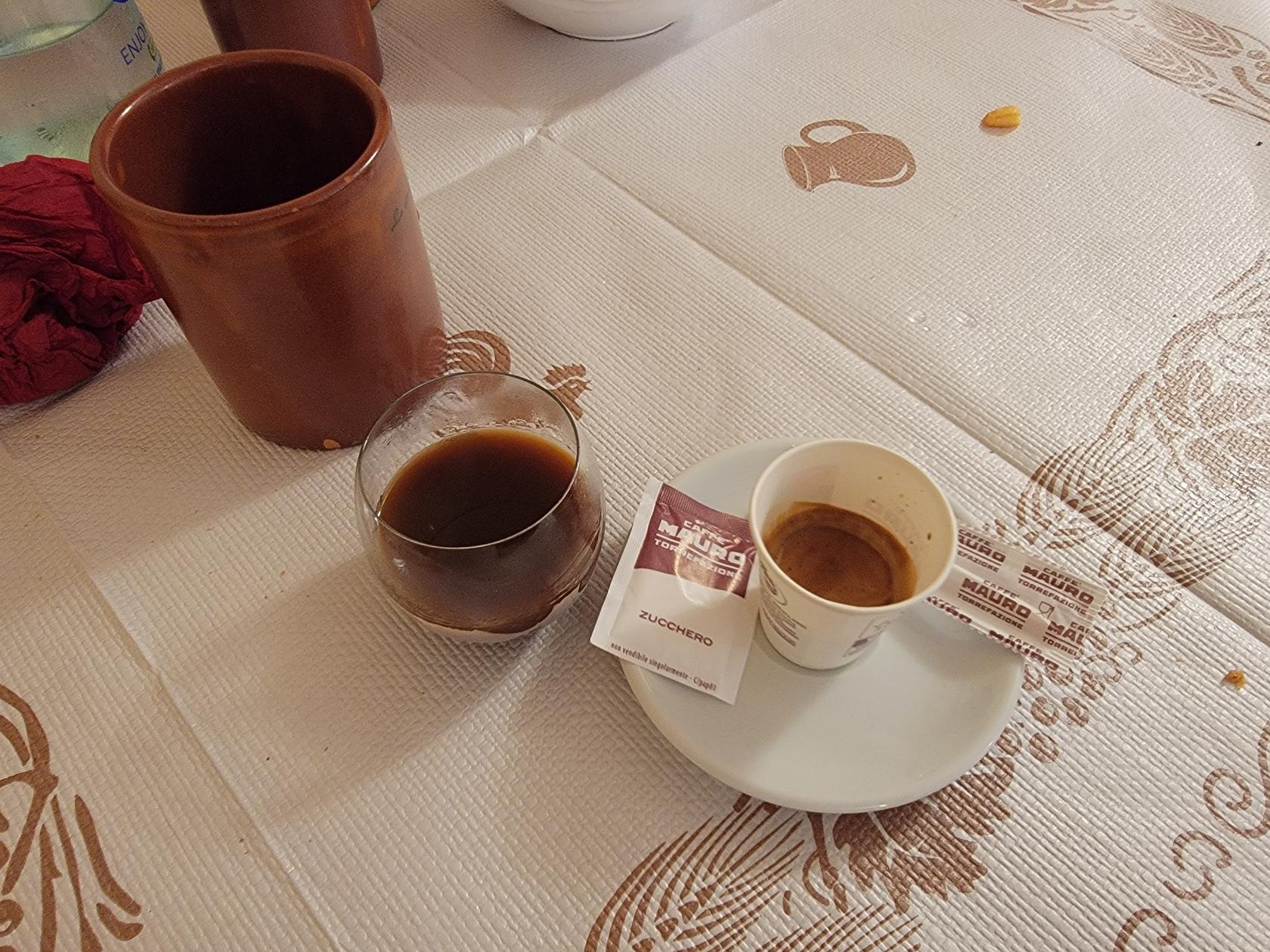
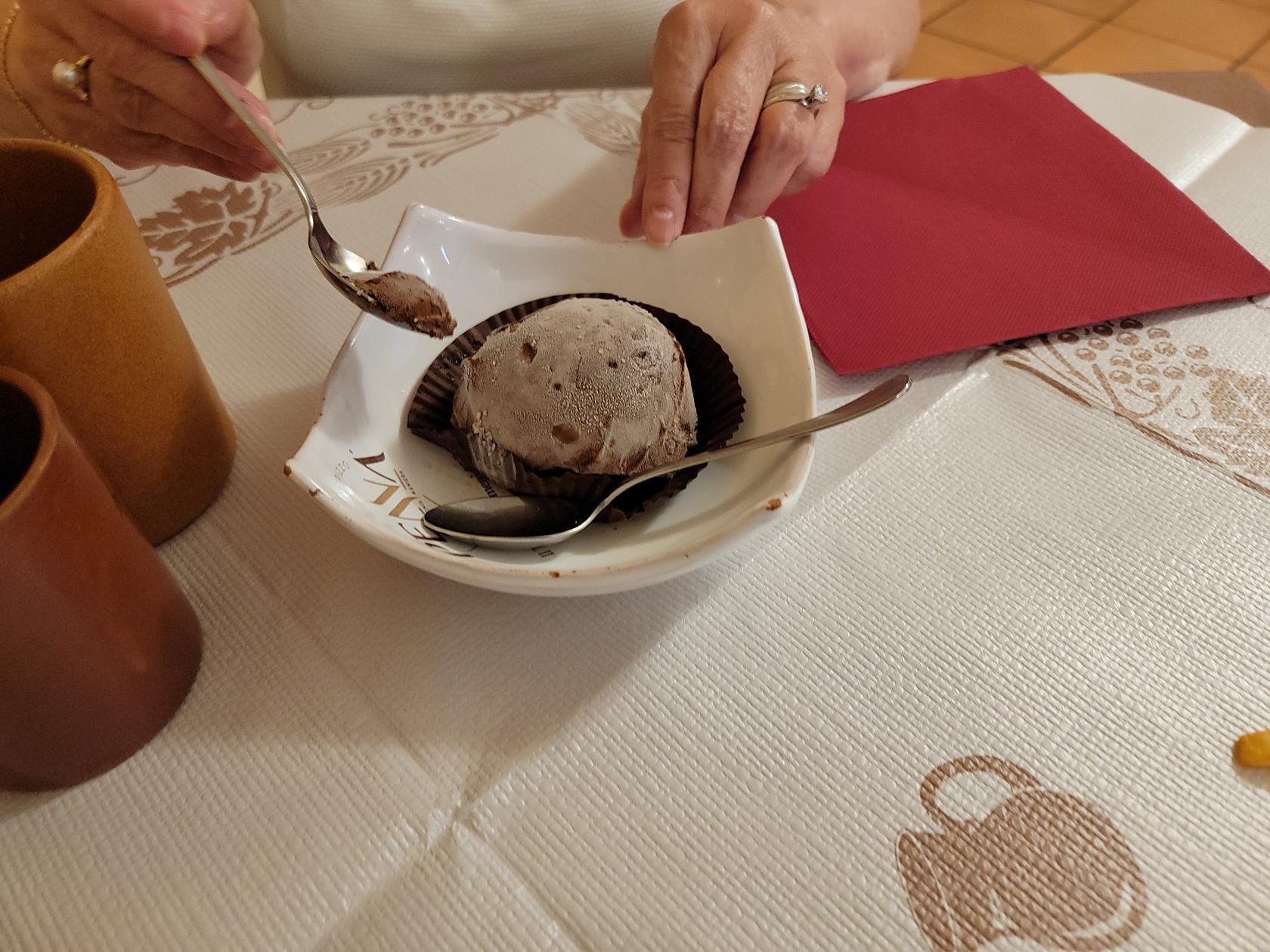
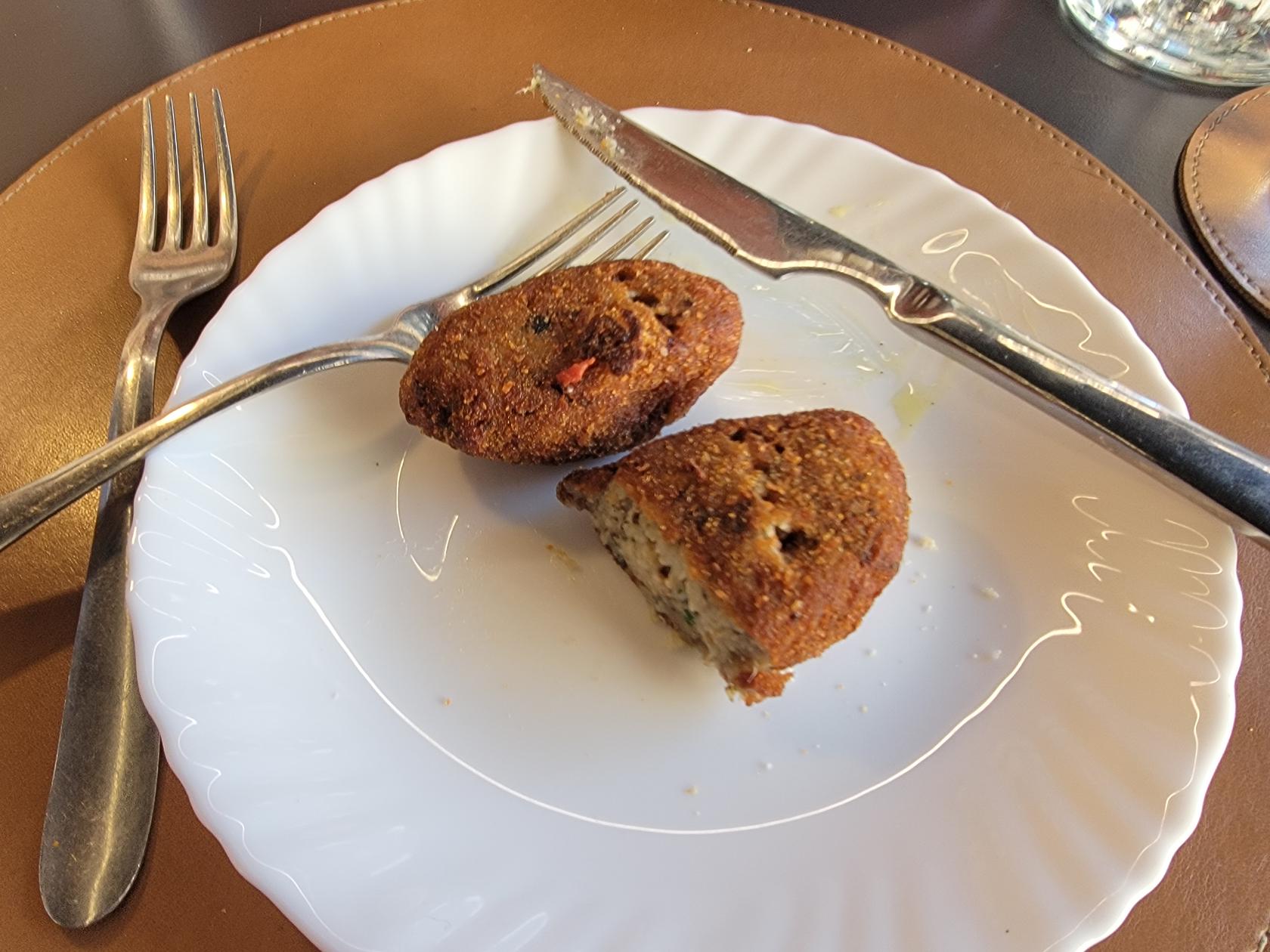
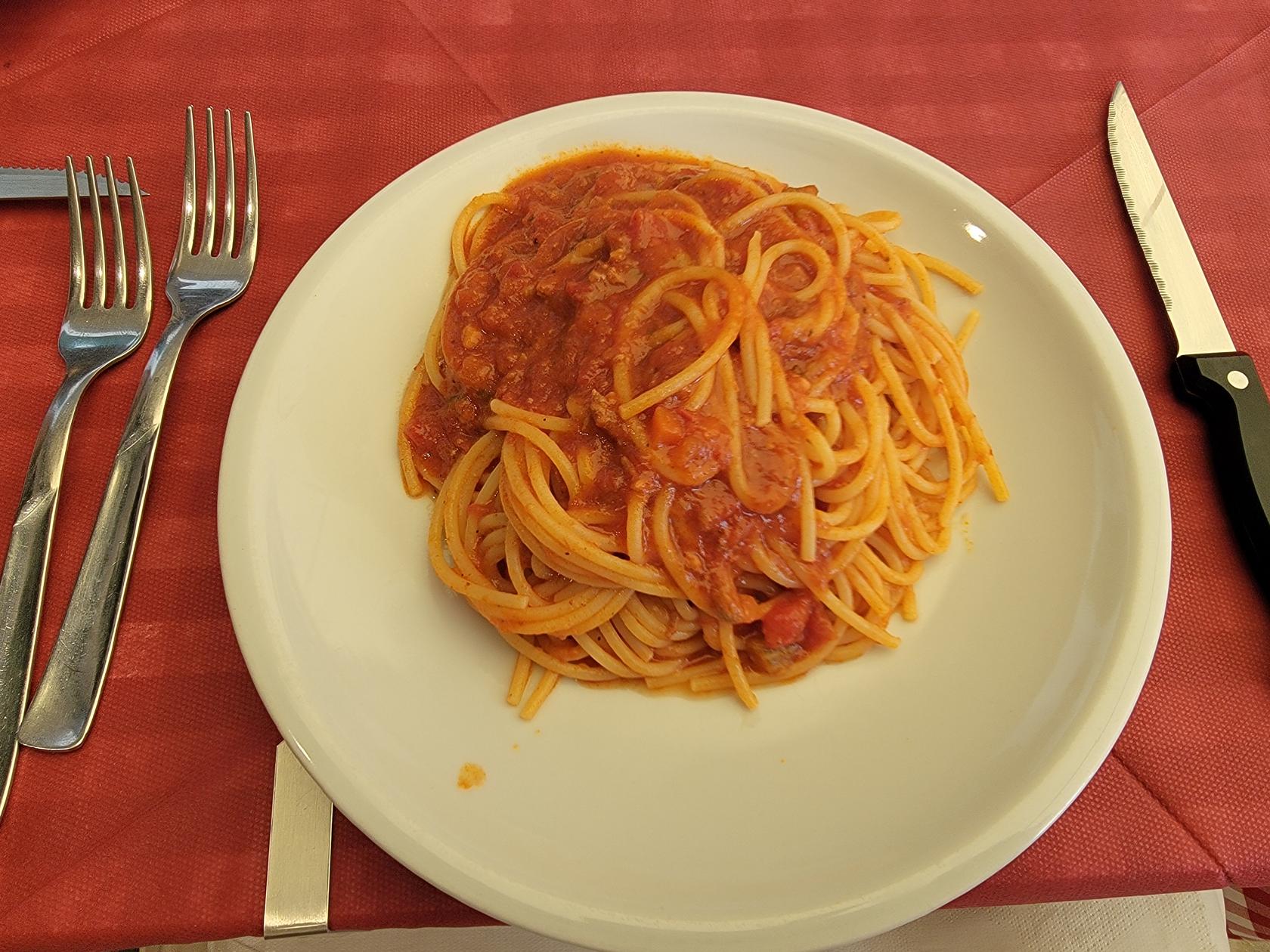
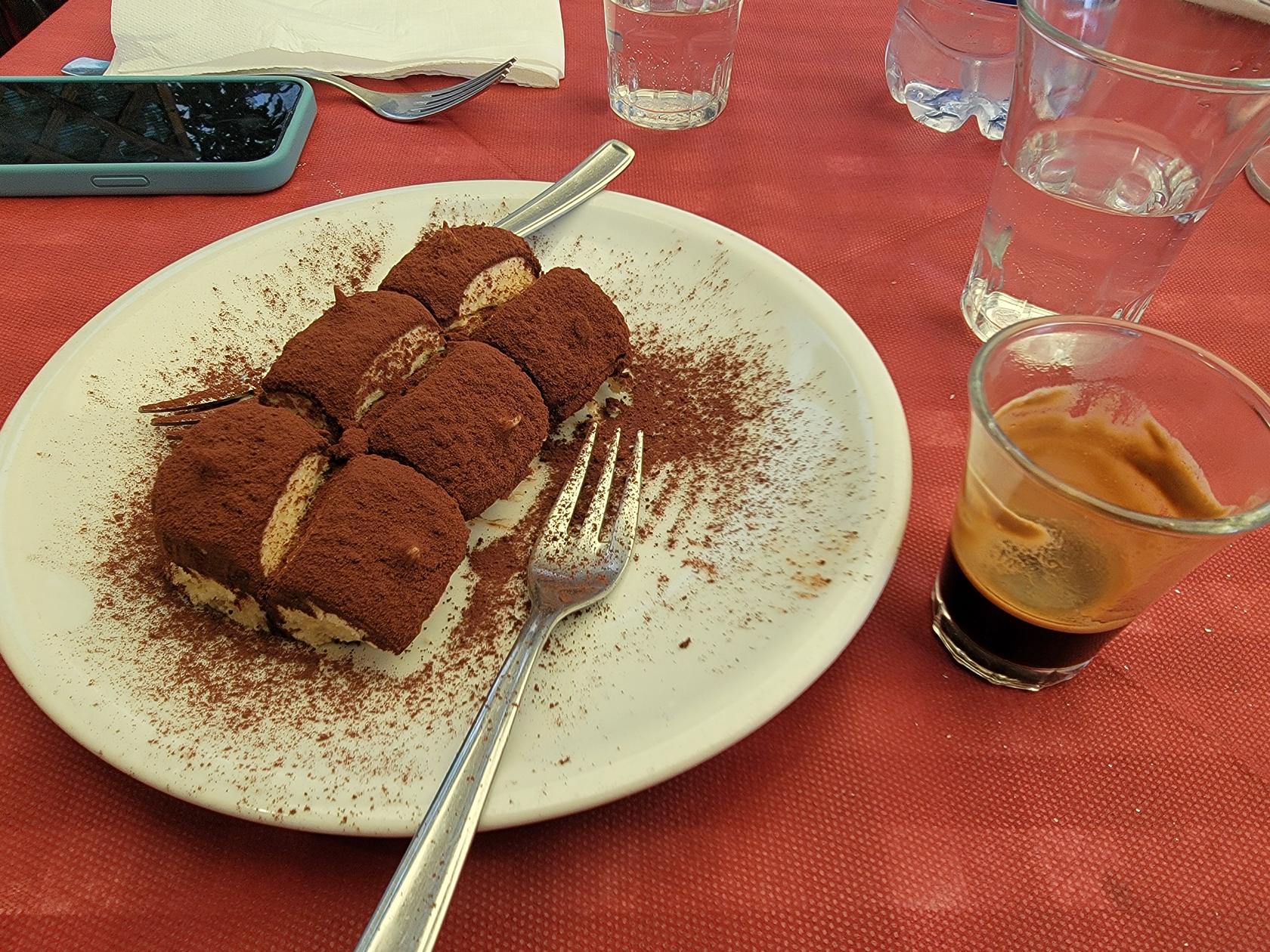
I ordered the Eggplant Polpette in Ragu Sauce with Ricotta Cheese, an Insalata Mista (mixed salad) and the Orecchiette with re-milled Semolina with Scottona Red Ragu and Patti ordered the Ciceri and Tria Pasta and shared my Polpette. All the dishes were very good. The wine was Negroamaro from the region and it was very good, served by the glass. The desserts you can see below and the espresso was also very good, not bitter at all.

Miro Wine And Lounge

We stopped here for a drink and decided on a quick bite to eat, since we were both getting hungry and it was only a little passed eleven. We were actually surprised they were serving lunch.

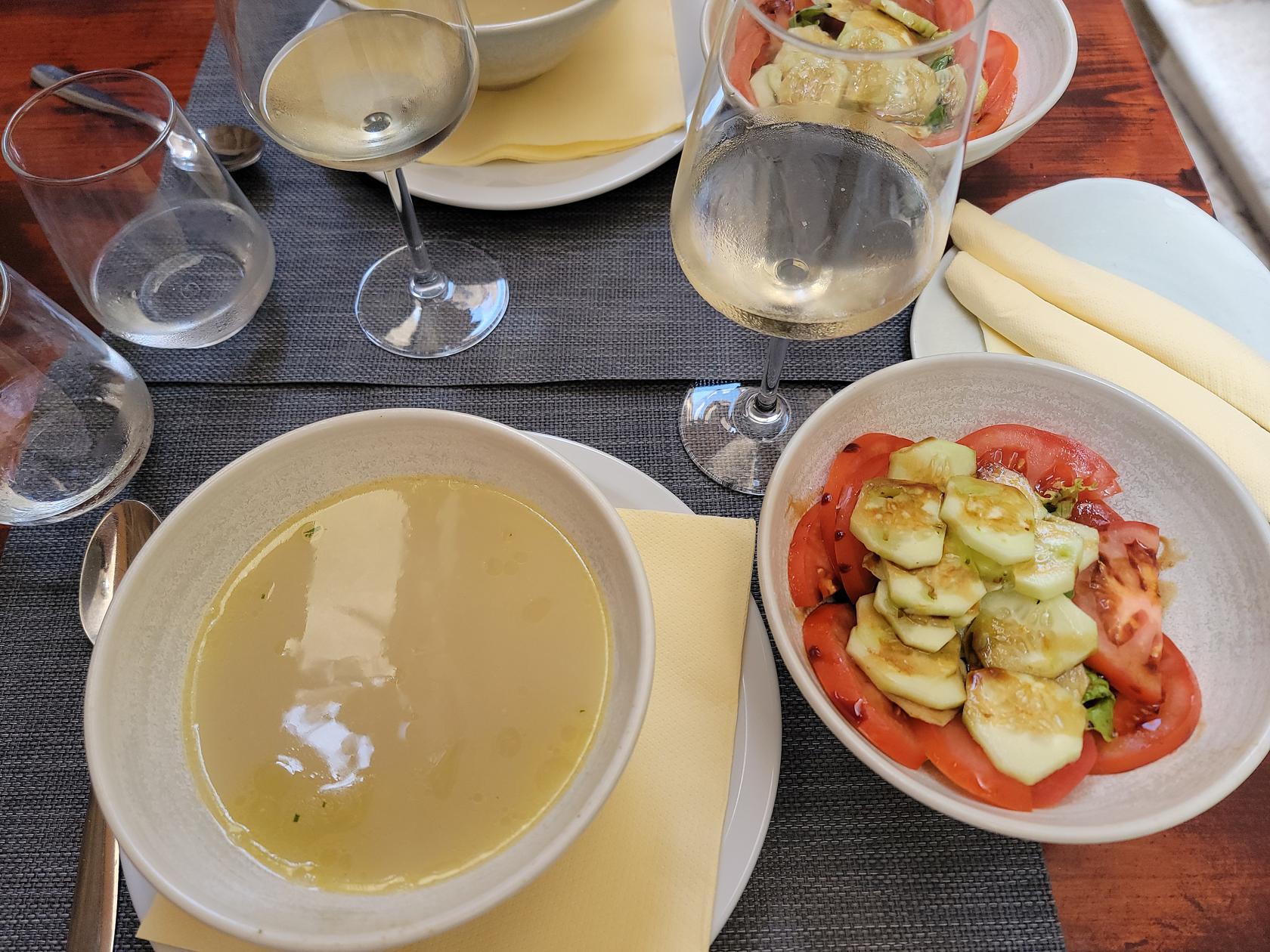
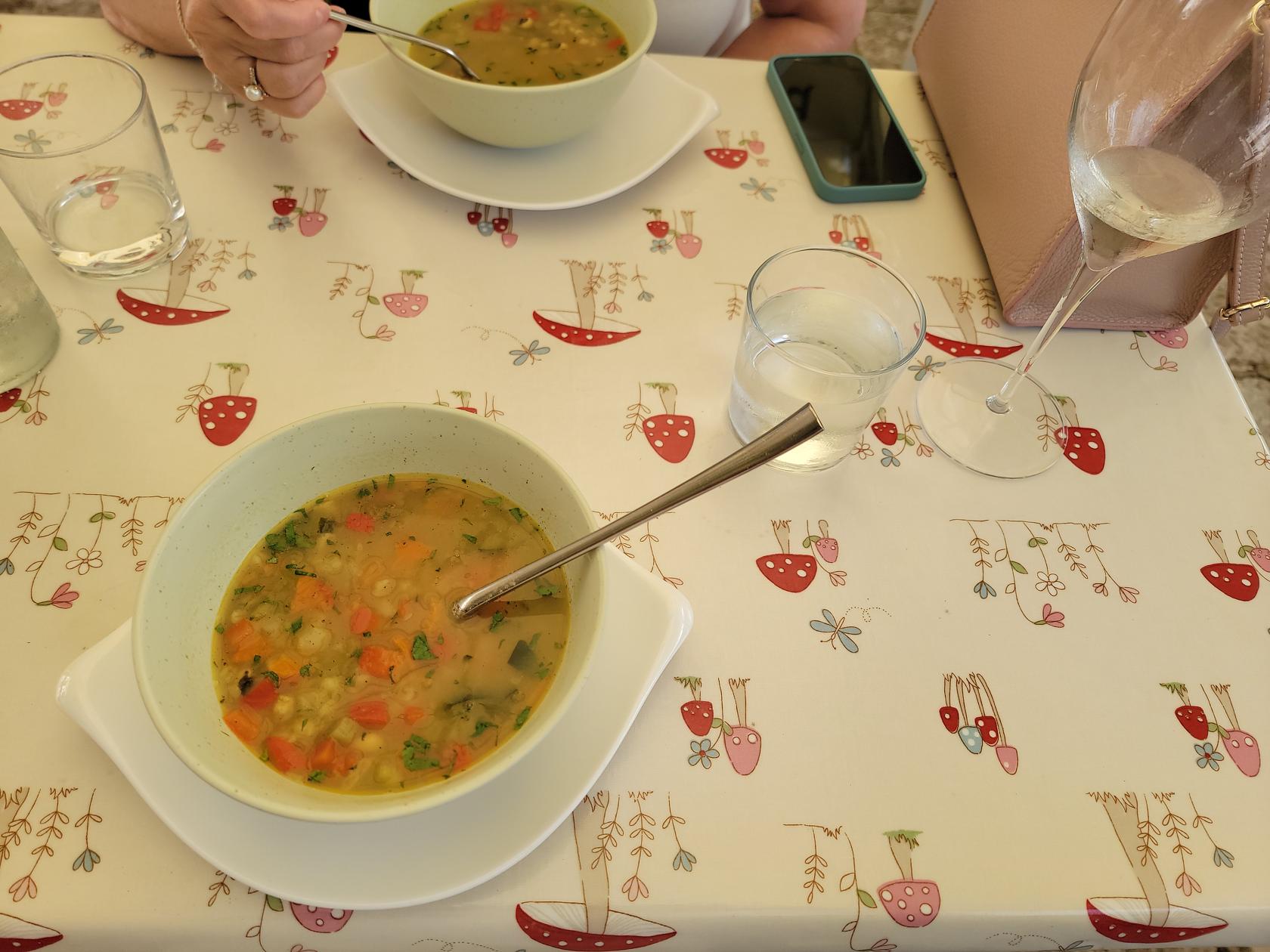
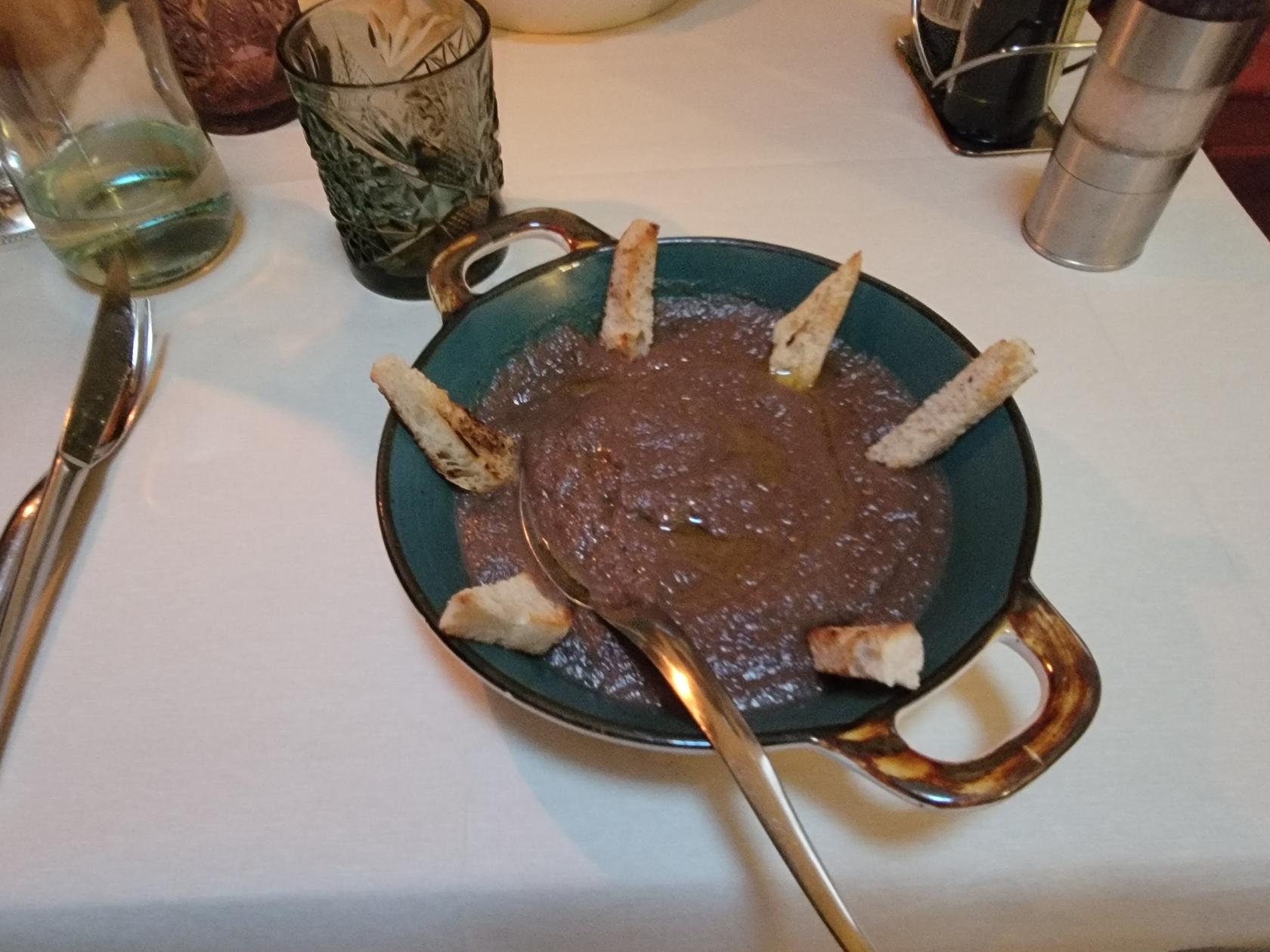
While we waited, I ordered a glass of Negroamaro from Puglia, a very nice wine that reminds me of Barbera. They had a nice bean and cereal soup on the menu that Patti and I decided to try and it was magnificent.

Tranquillo

The restaurant Tranquillo is a more modern restaurant with two locations in Lecce, we chose the one located at Piazza Sant’Oronzo. The service and food were very good.

We dined late again at around 14:30, opting for a larger lunch and skipping dinner. We find this preferrable to eating again late in the evening and going to bed with a full stomach, something that we find does not lend itself to a good night sleep as we get older. I ordered the Apulian Bombette with Cheese on greens with a side order of Potato al Forno and Cicorie (Chickory), and Patti ordered the Cicorie on Pureed Fava Beans.