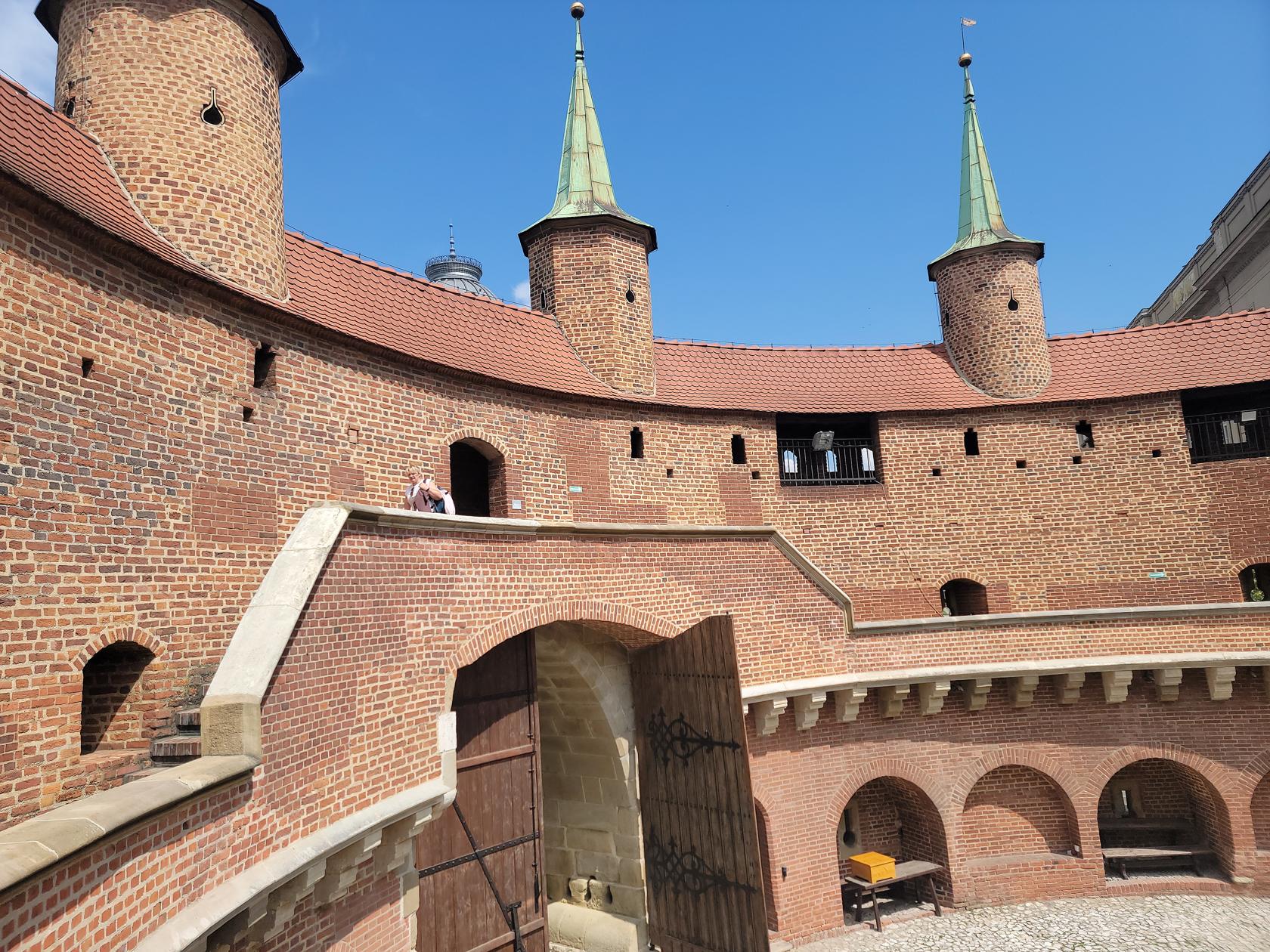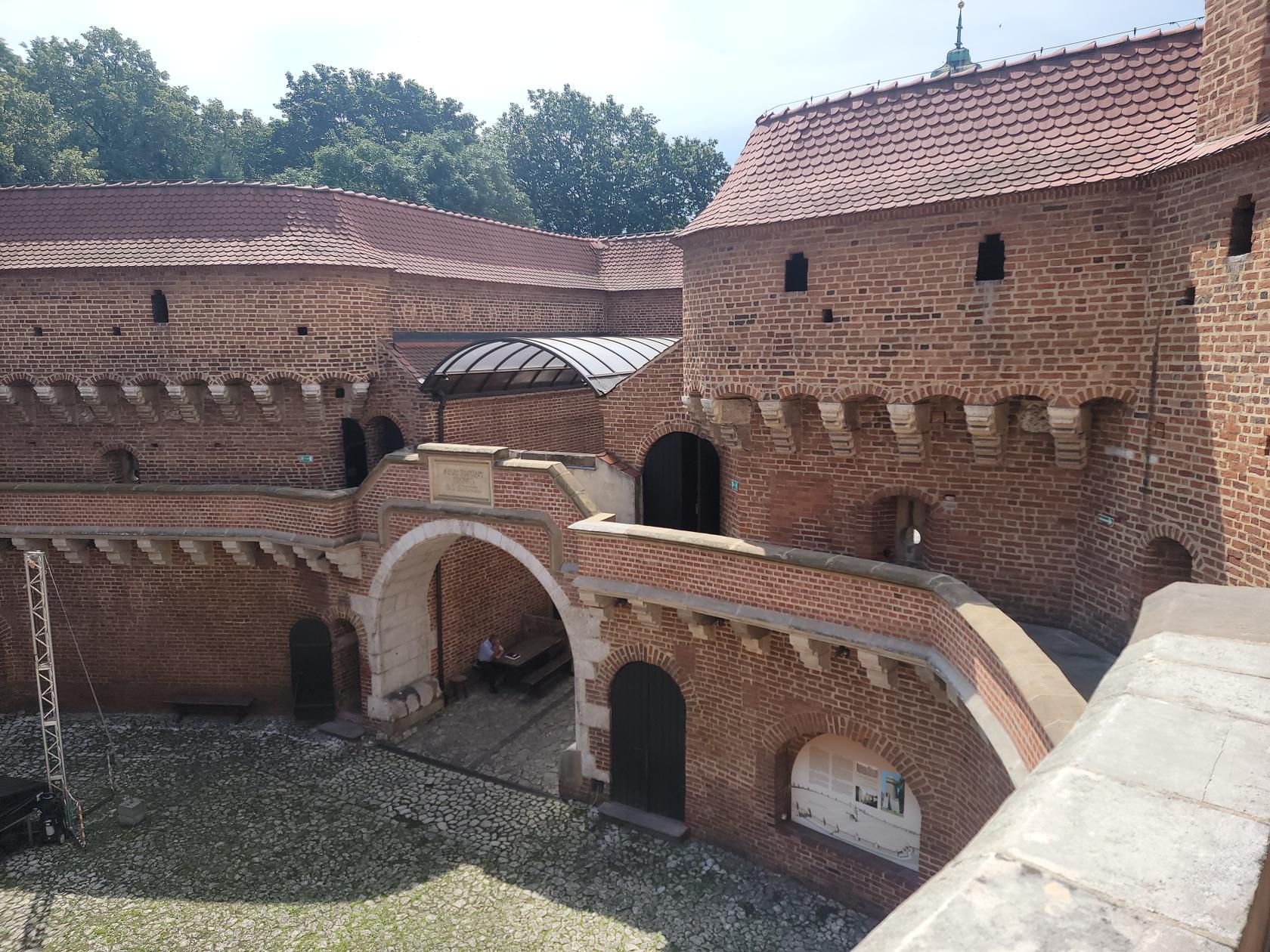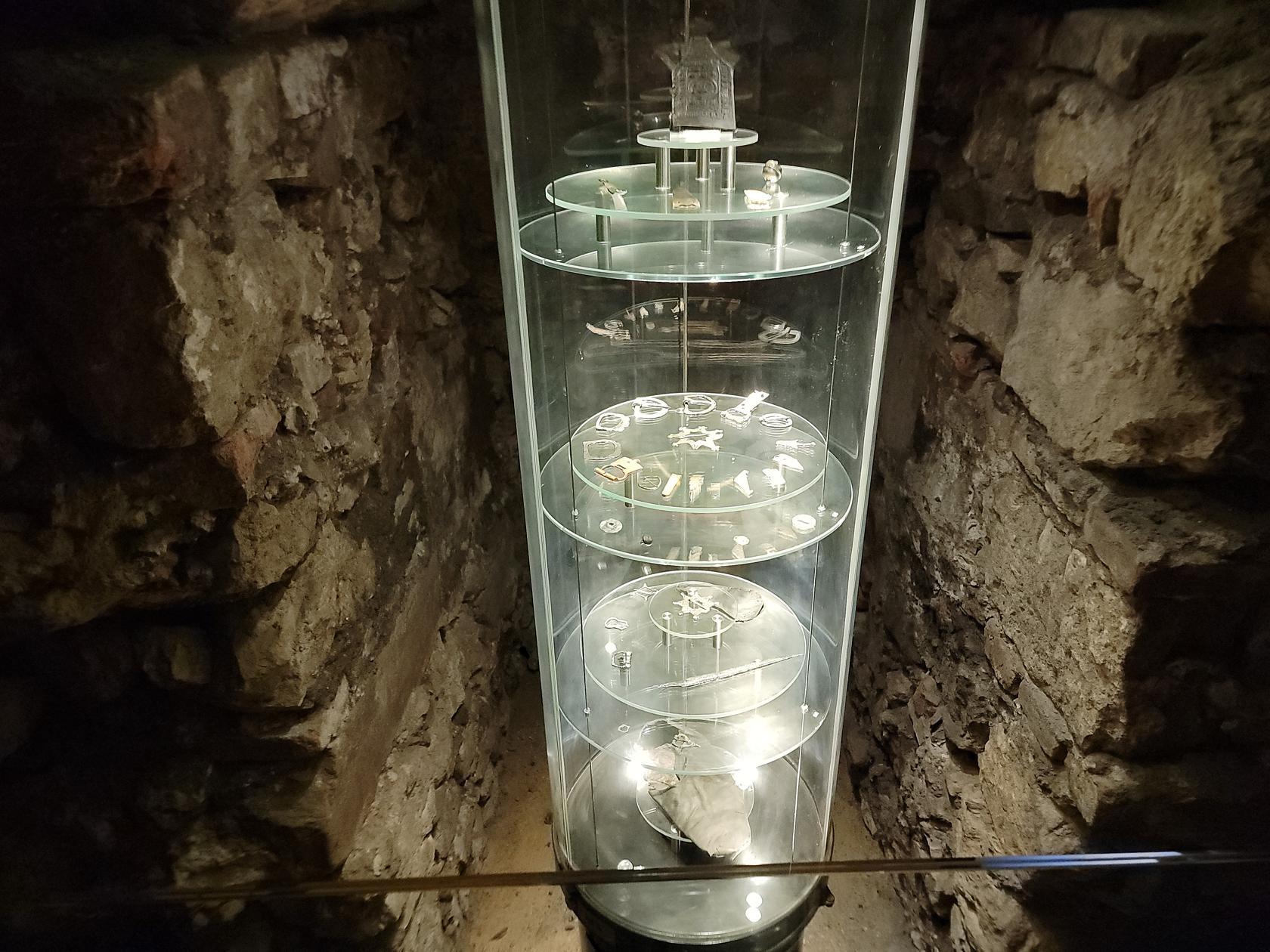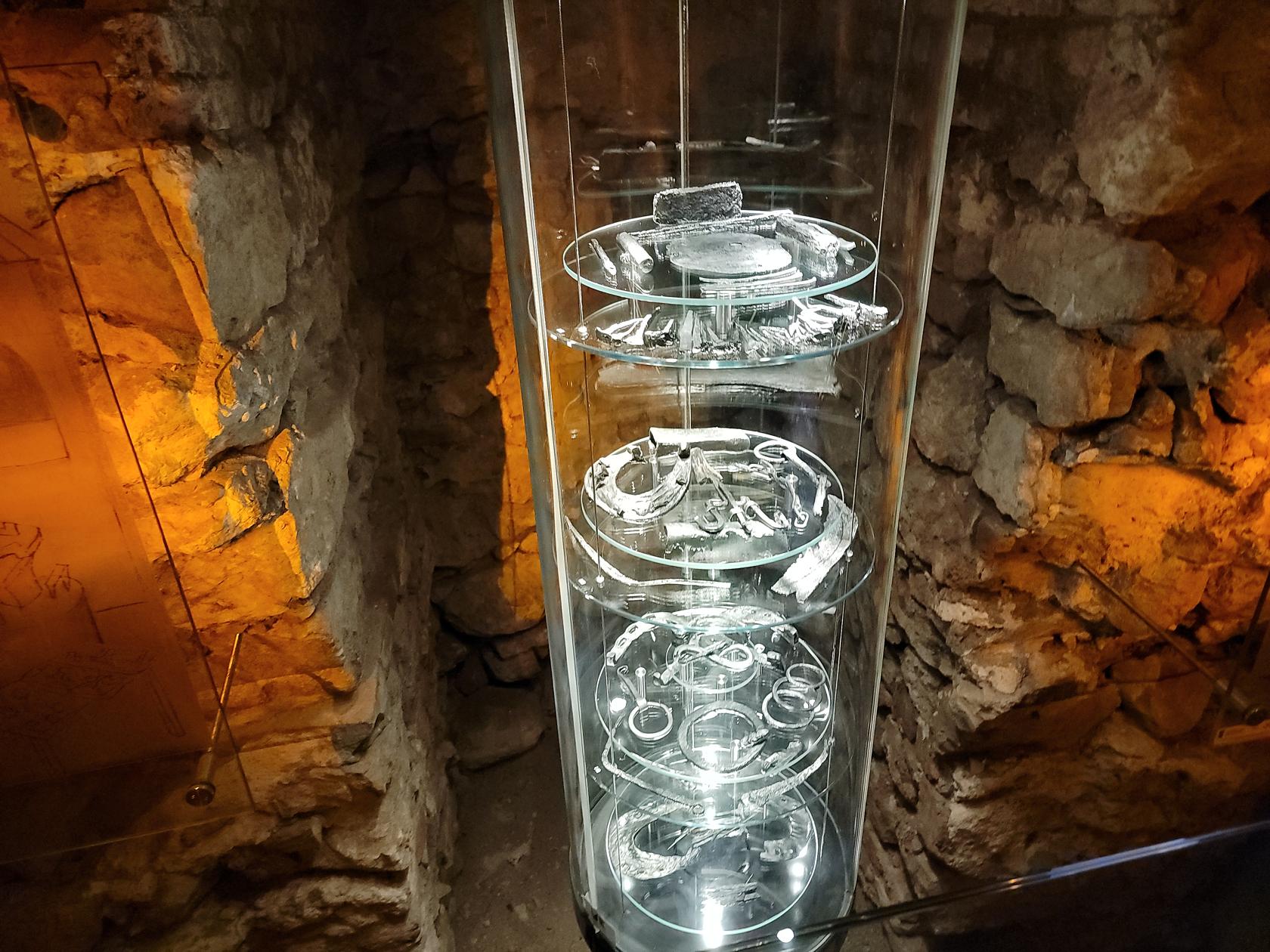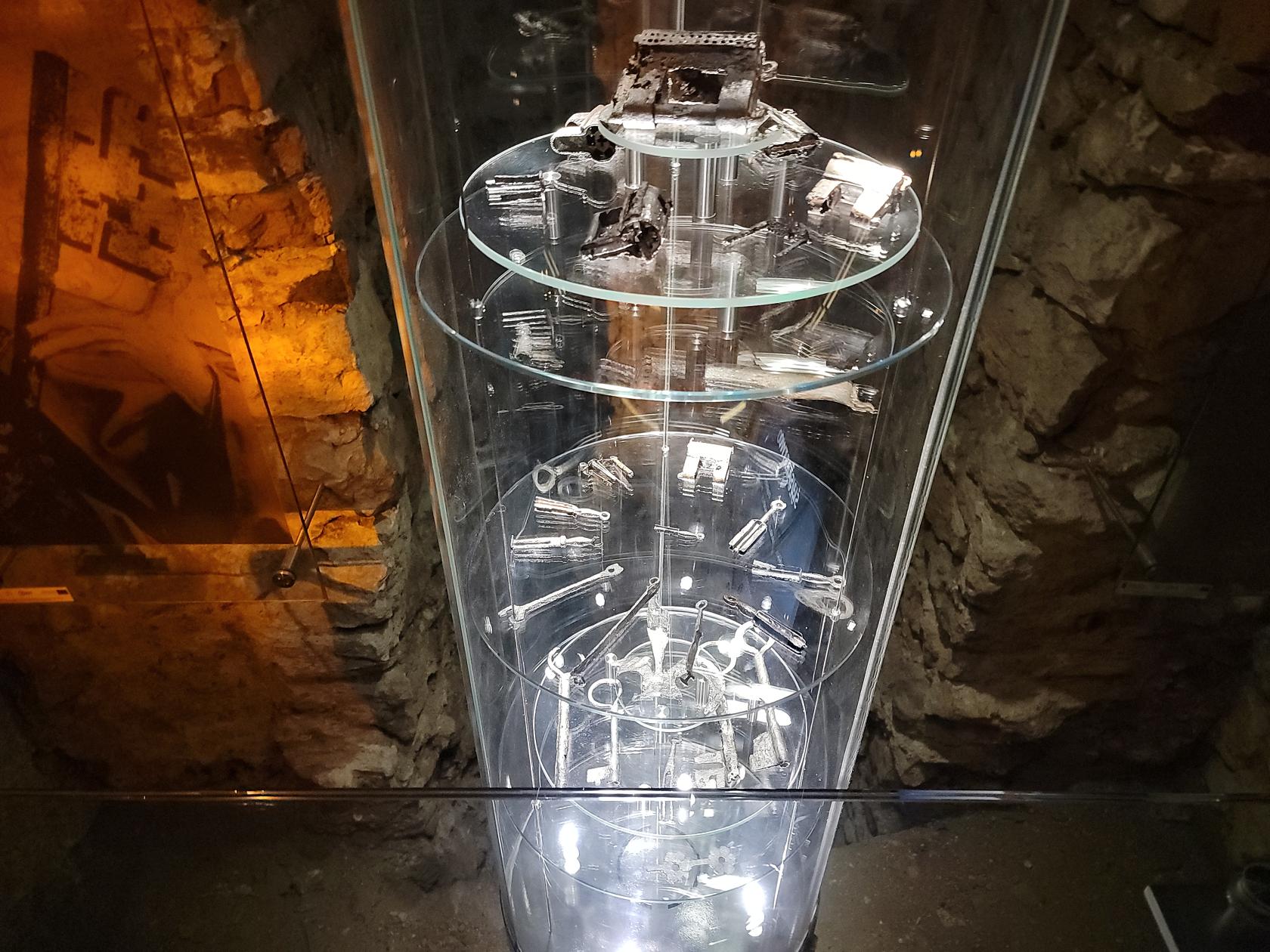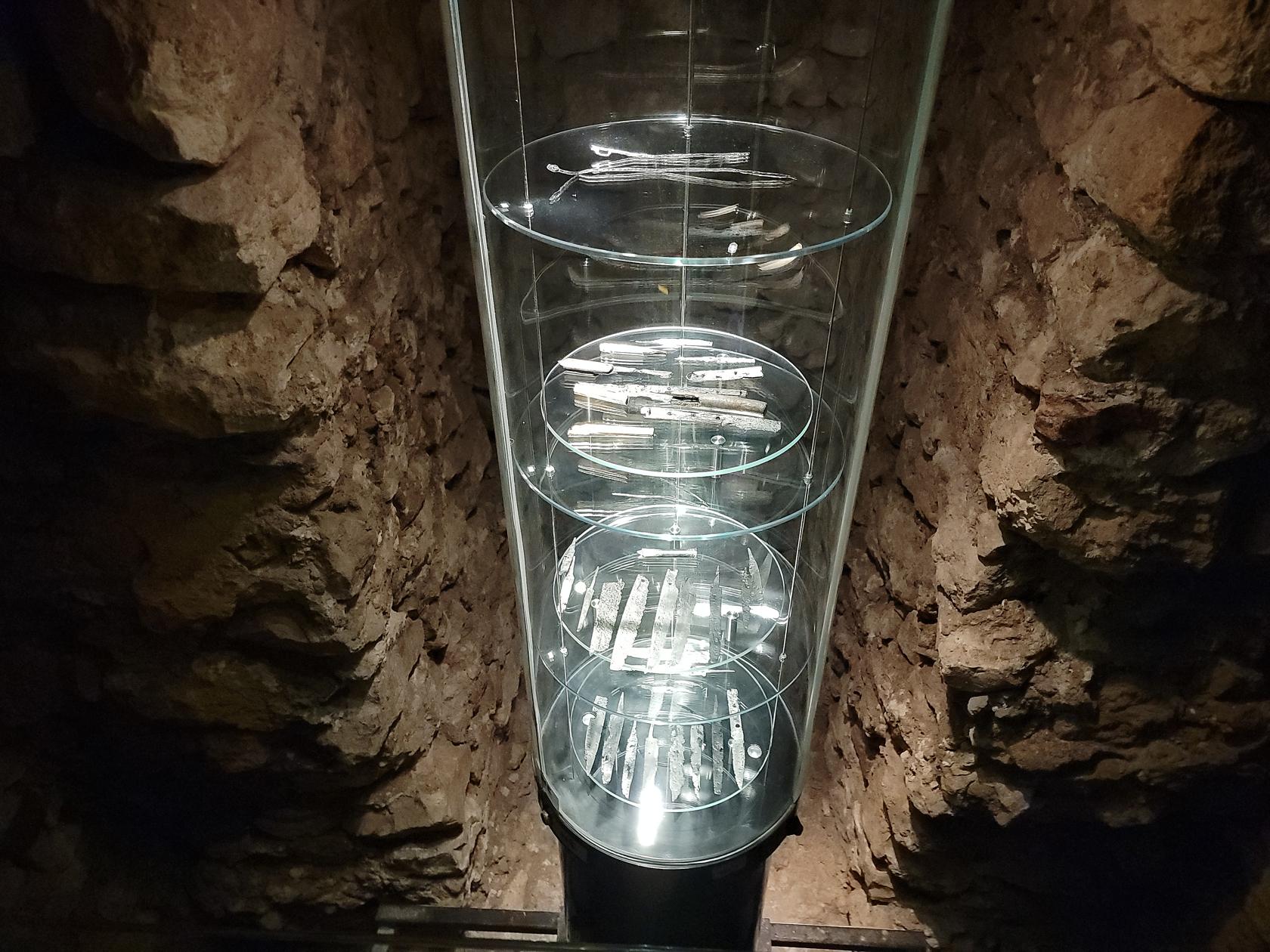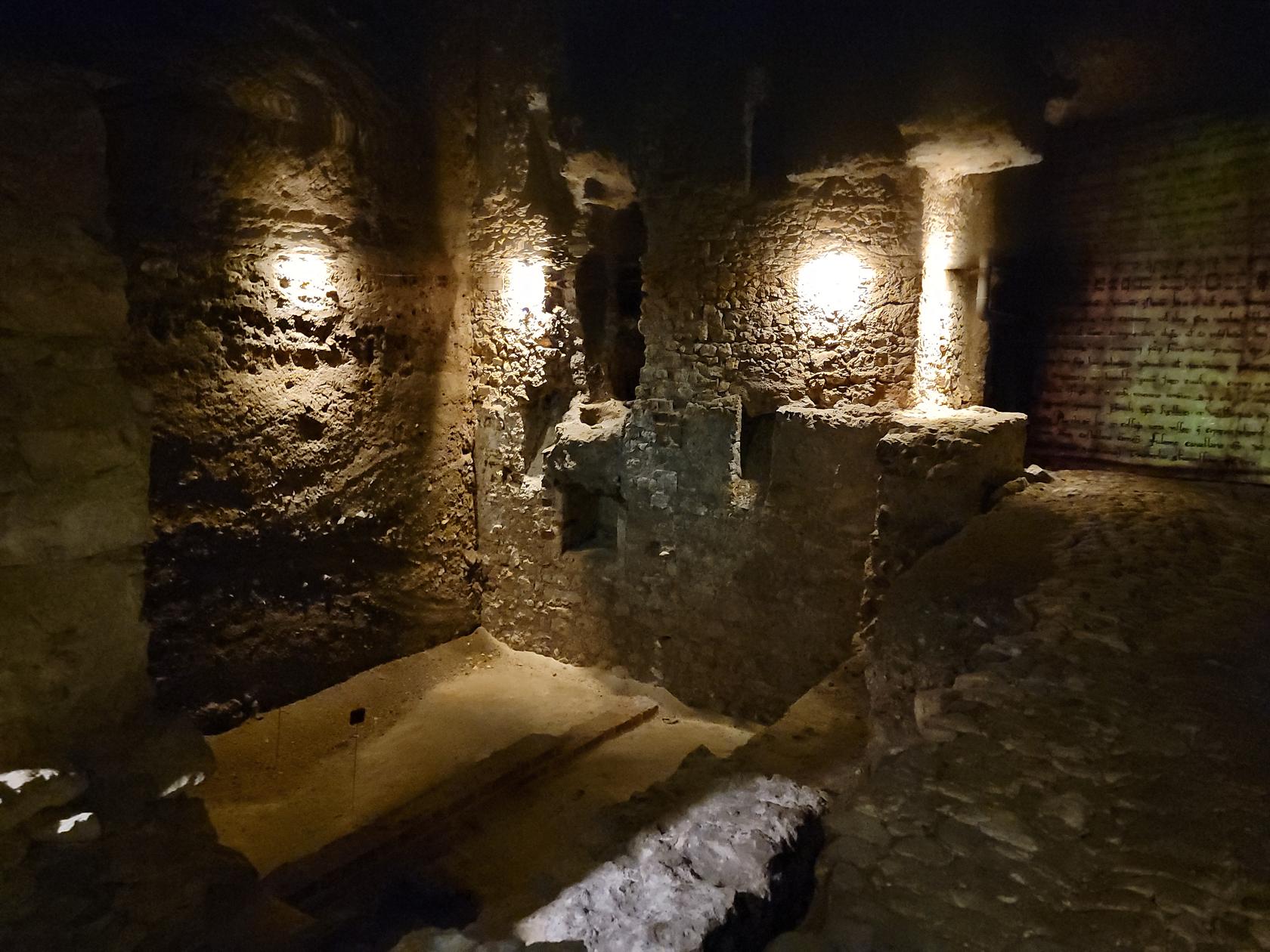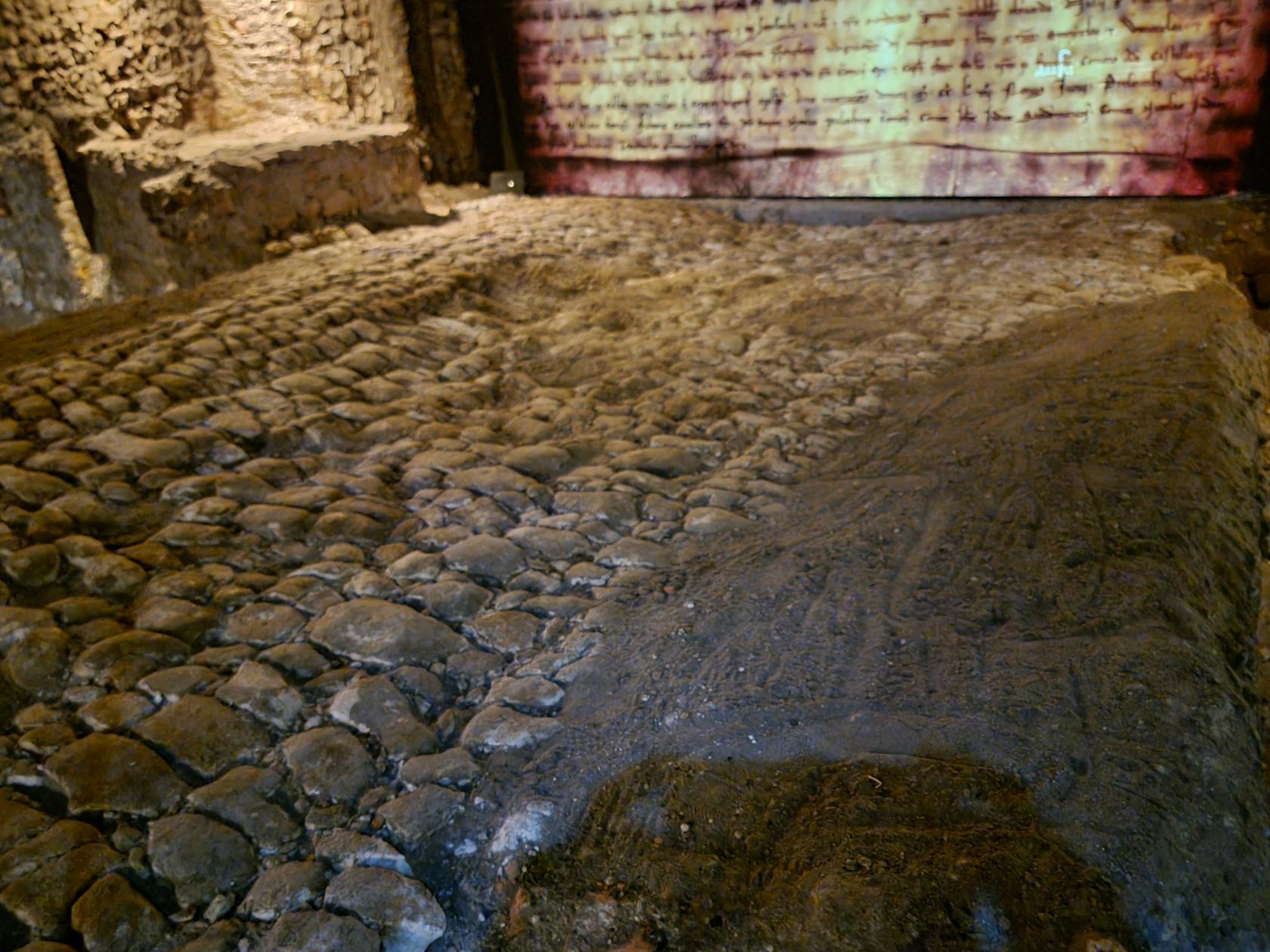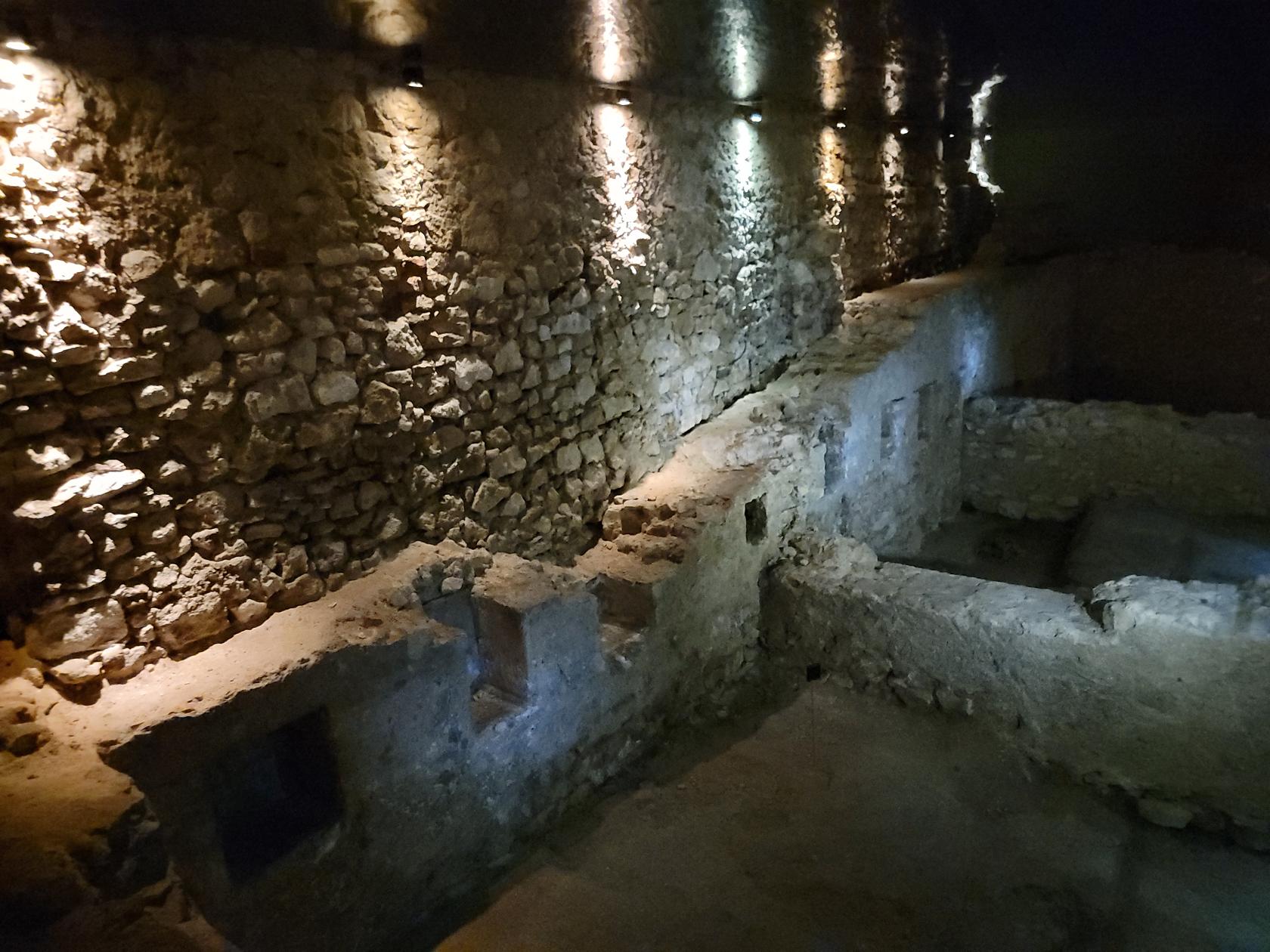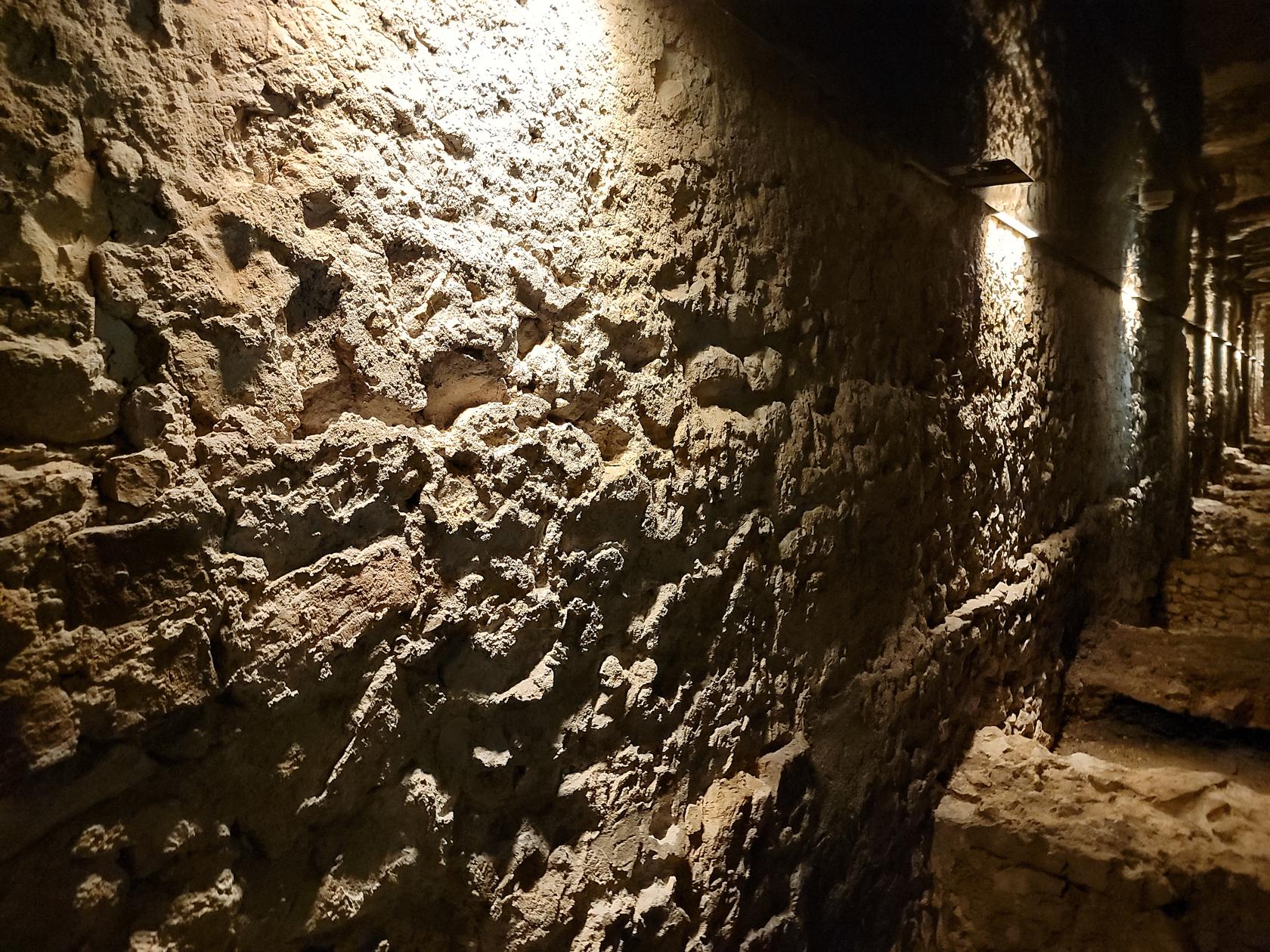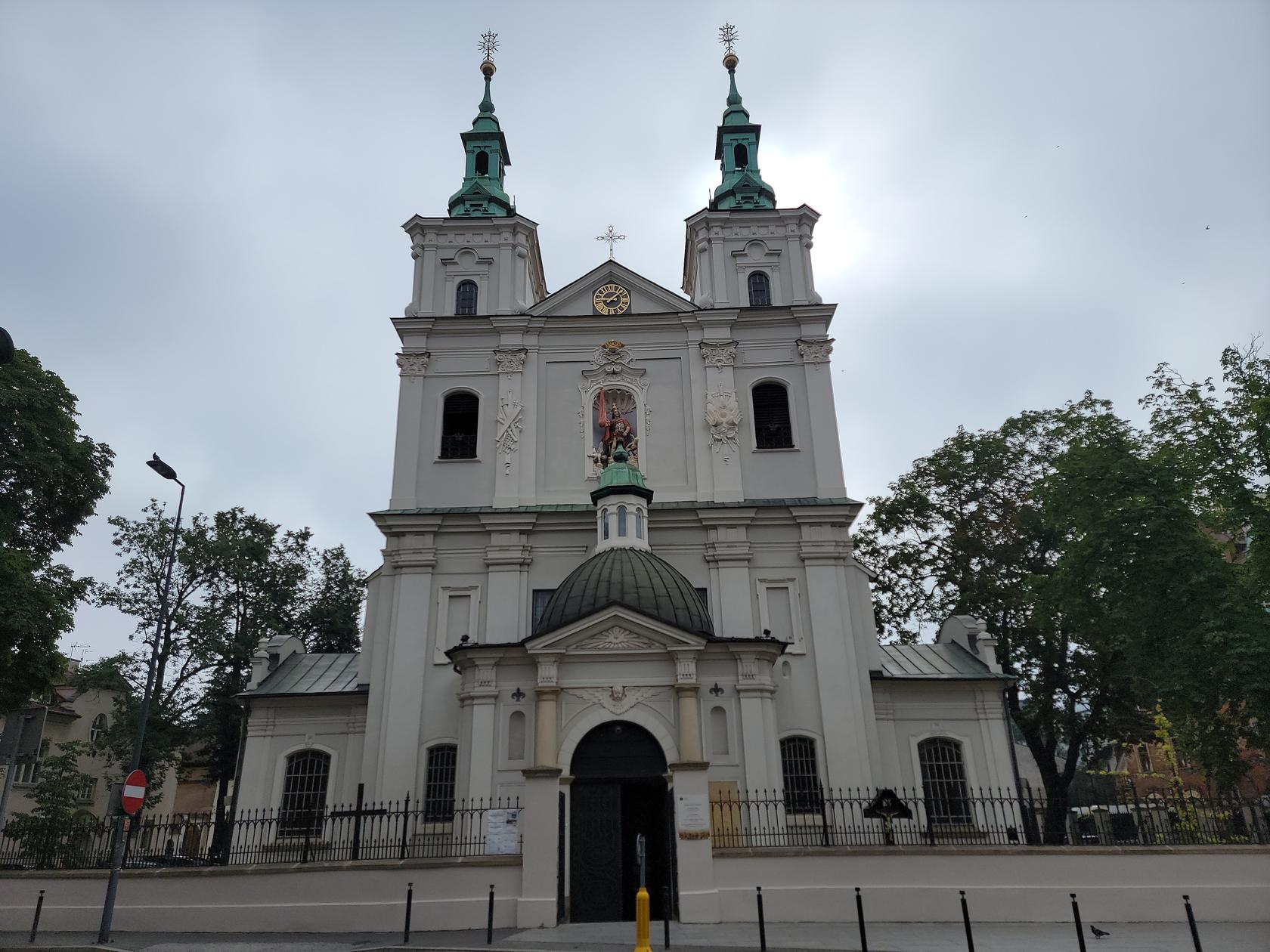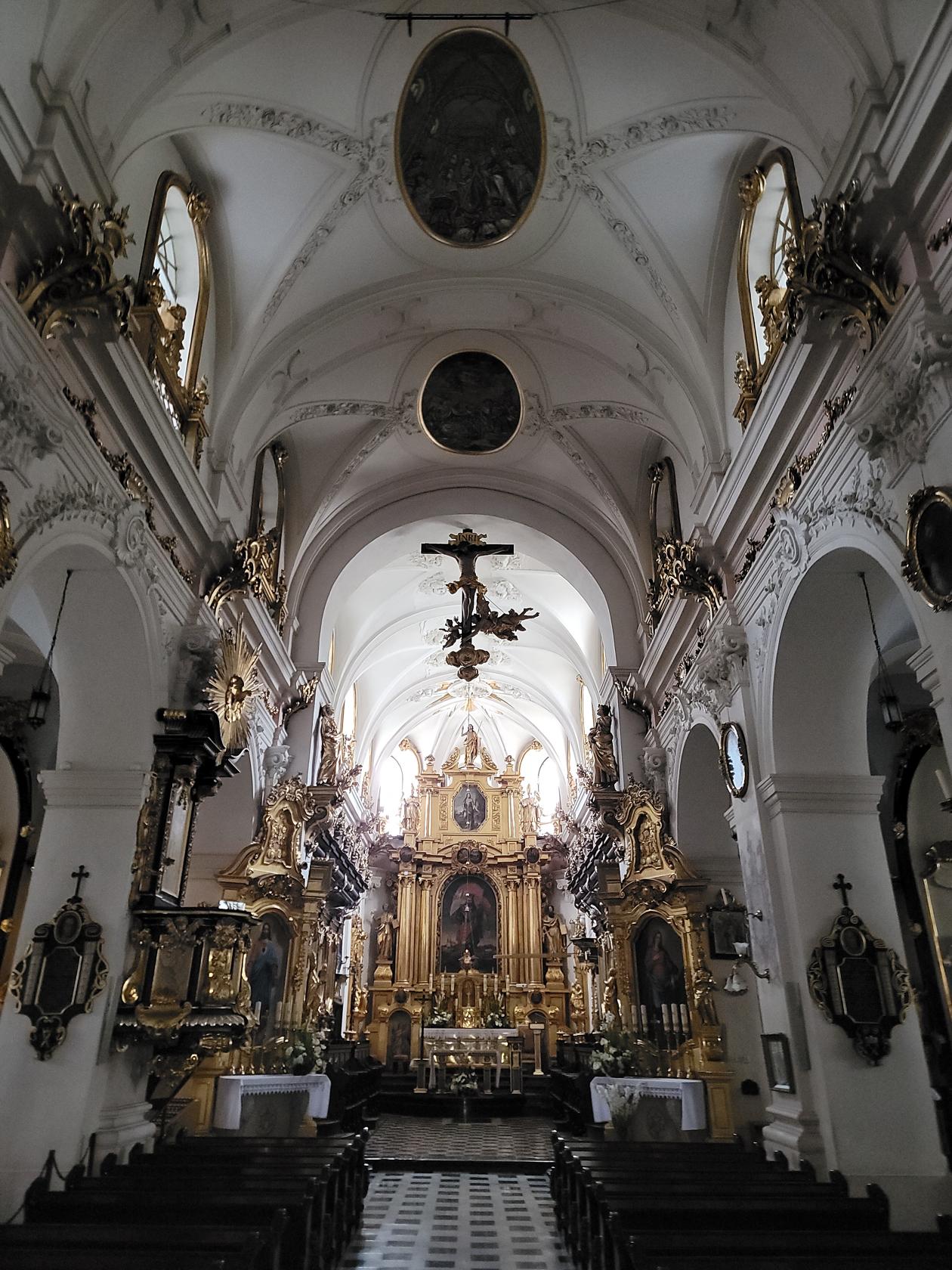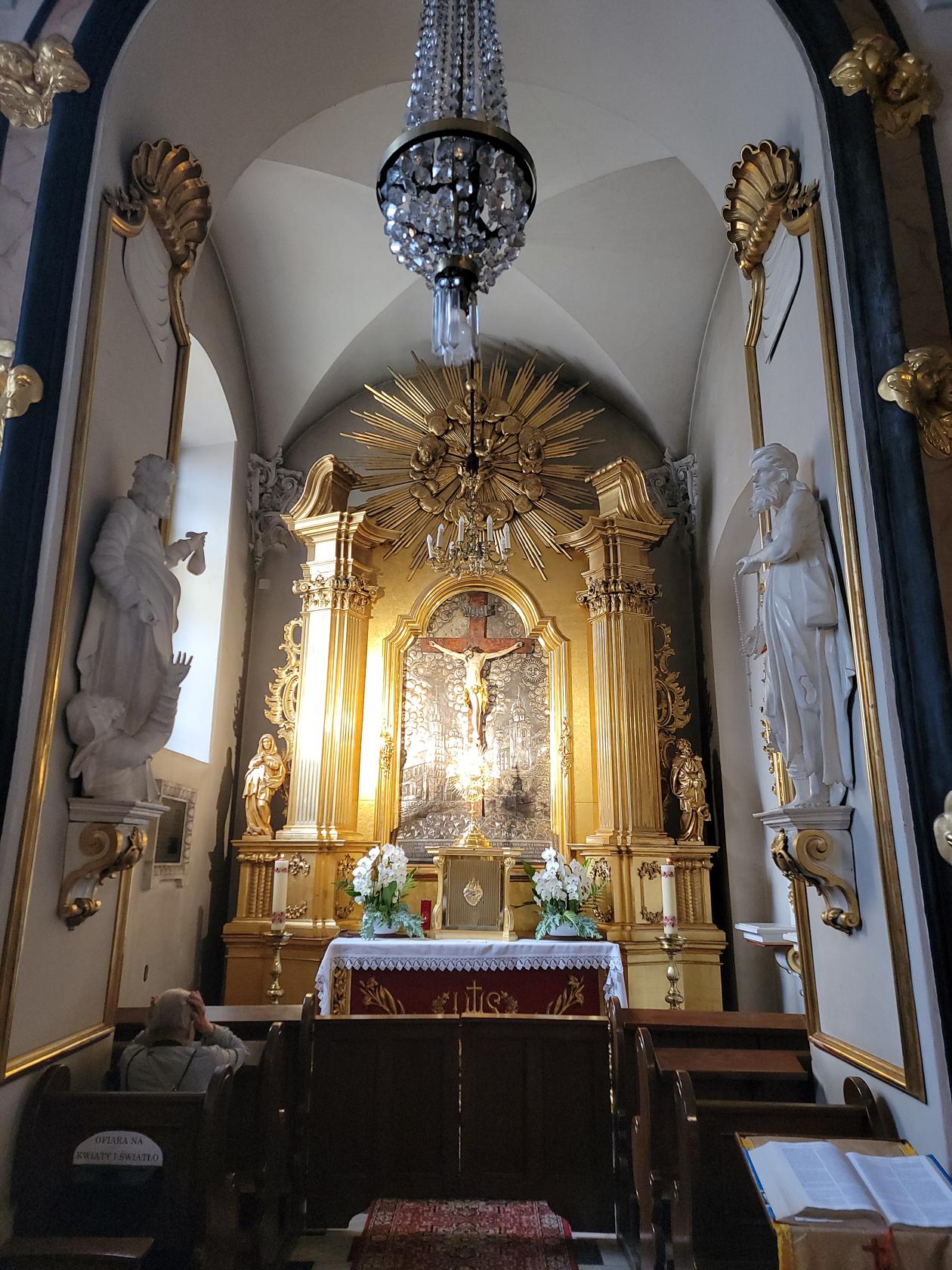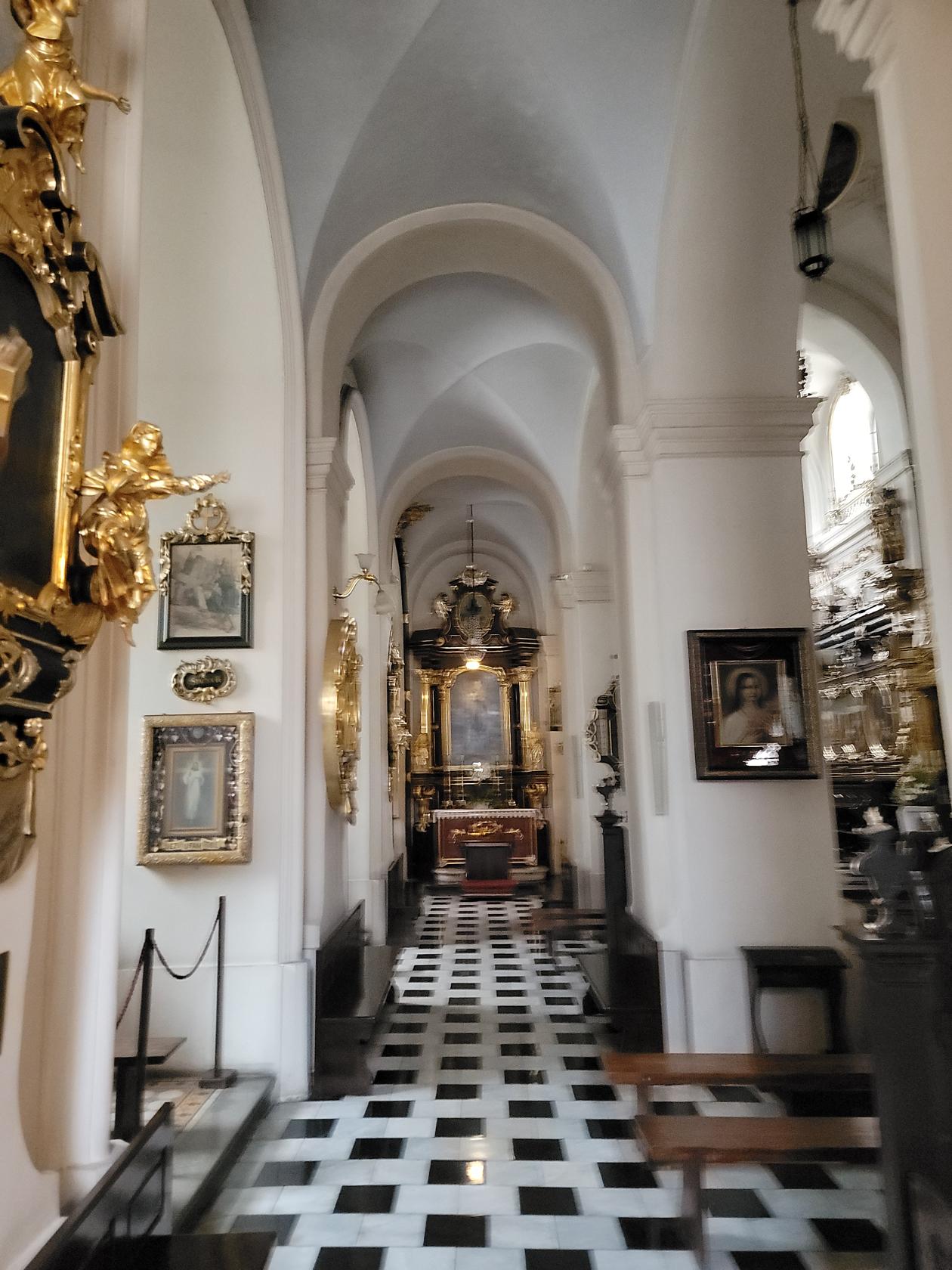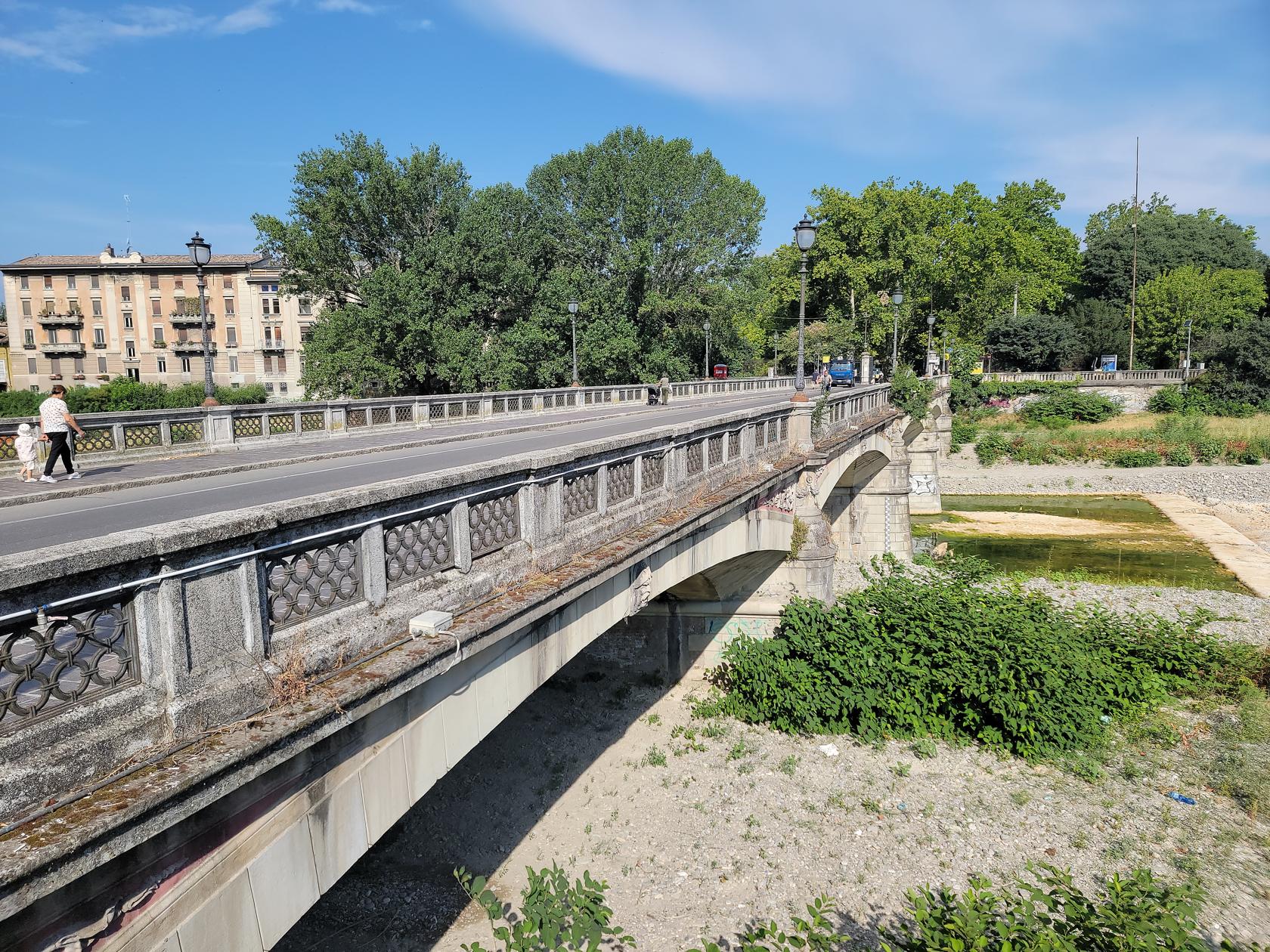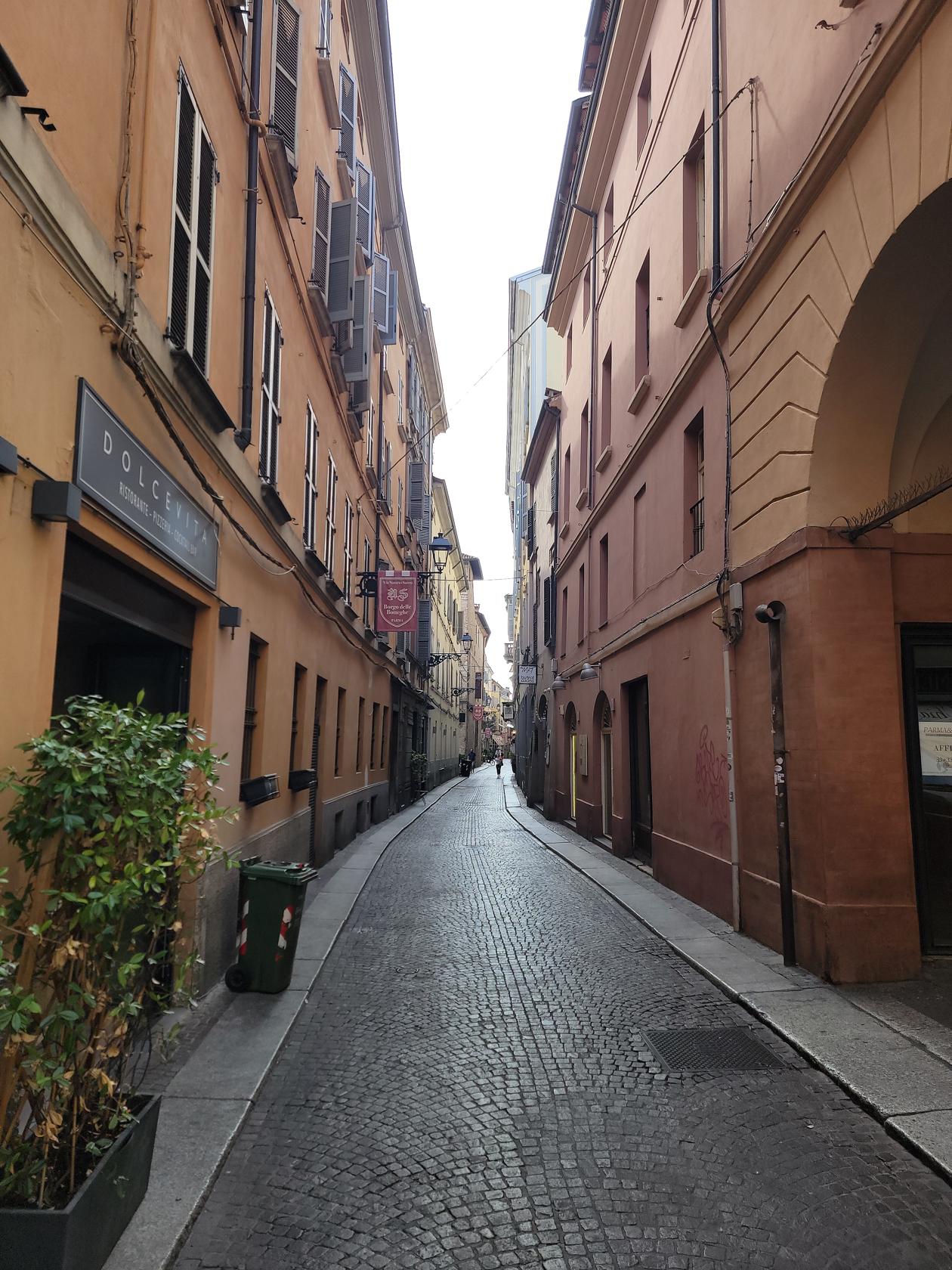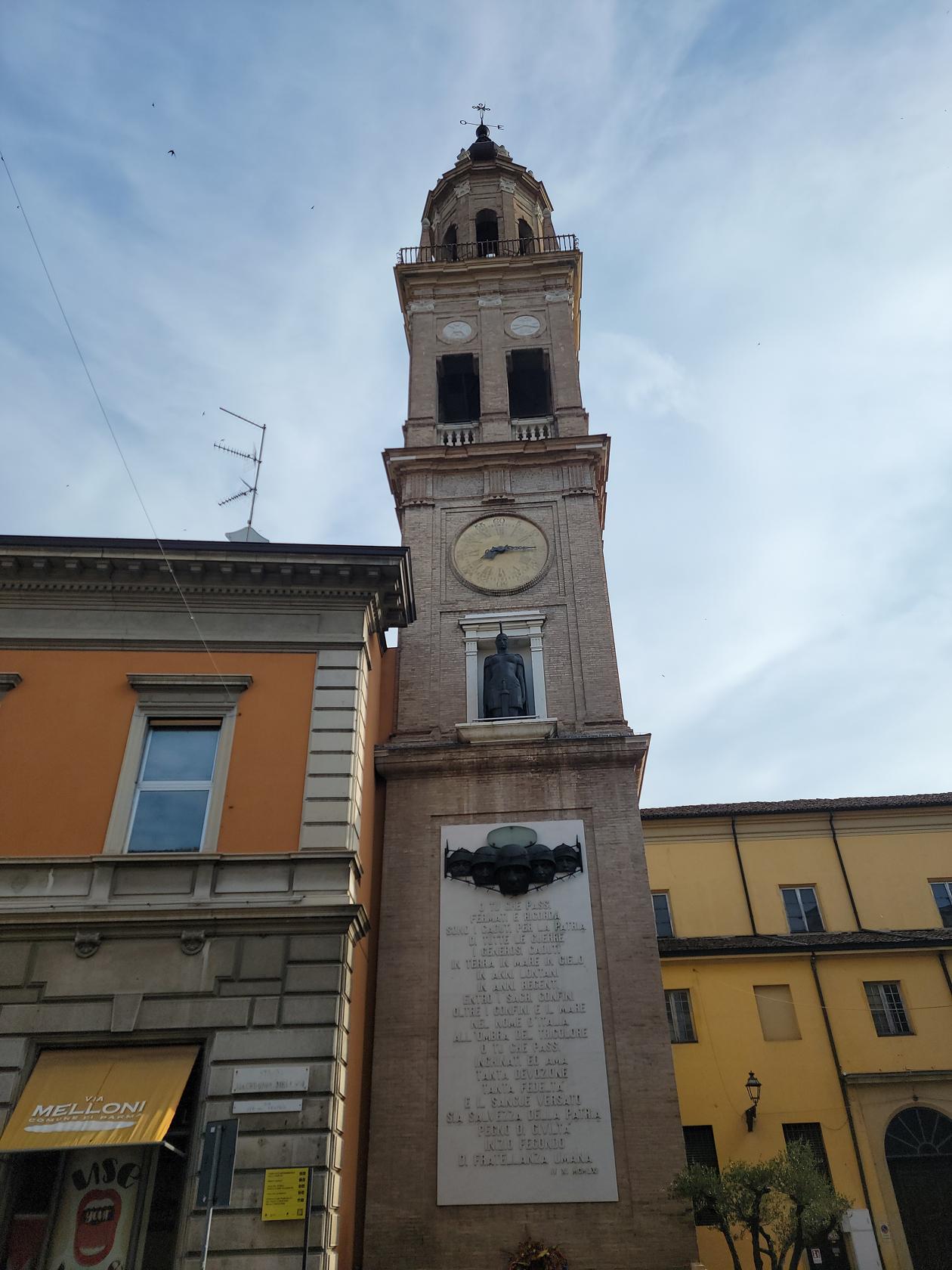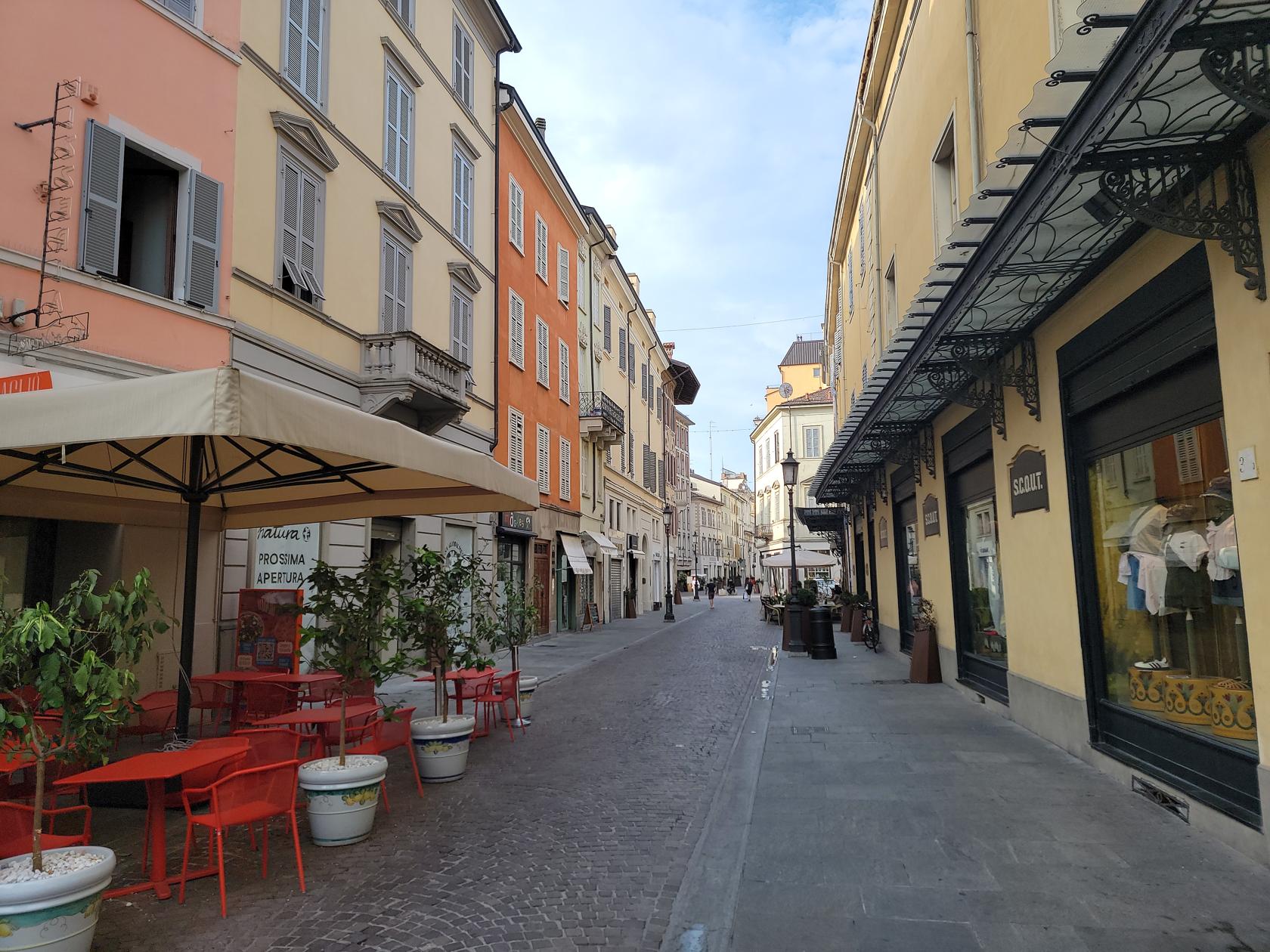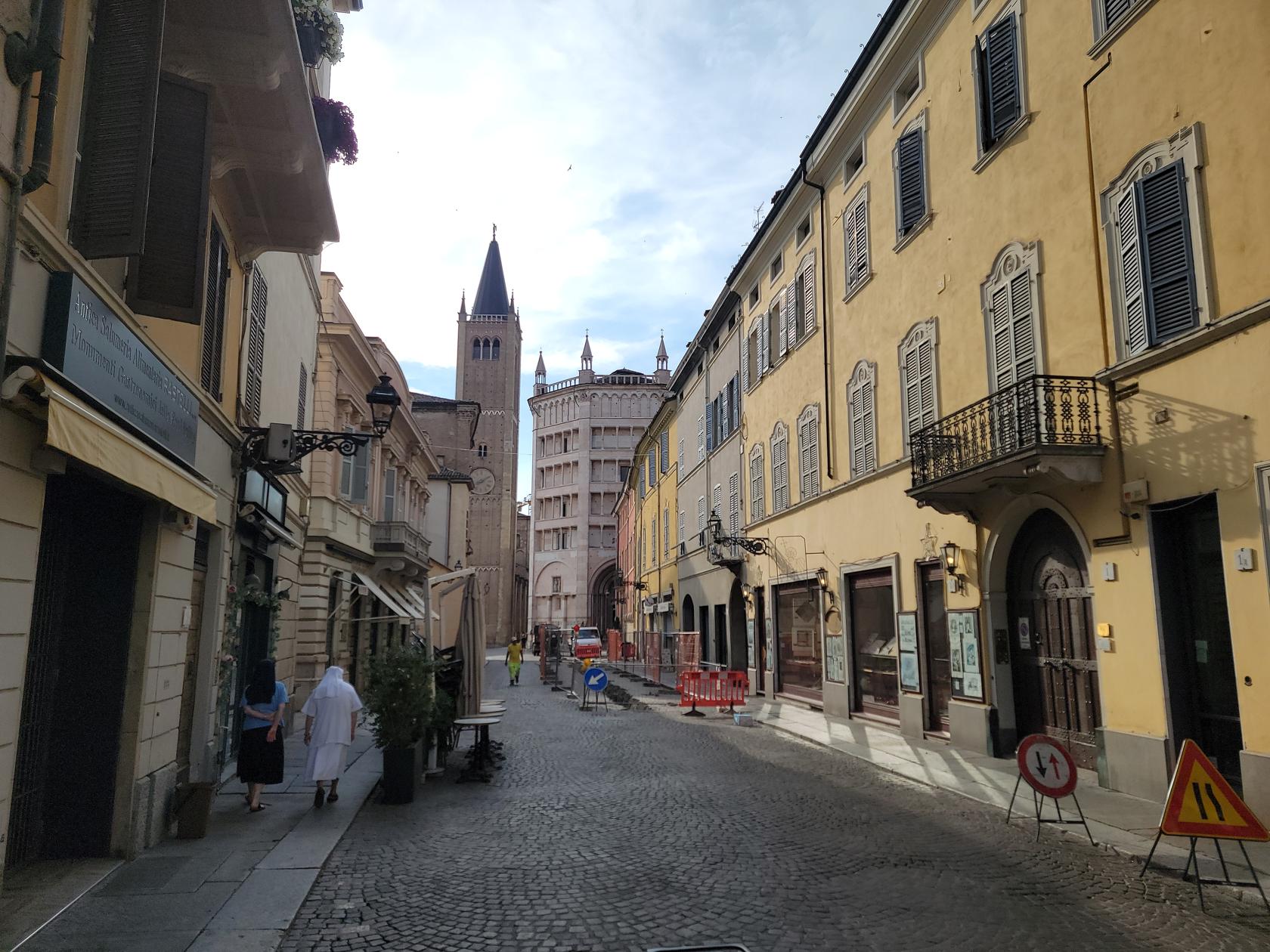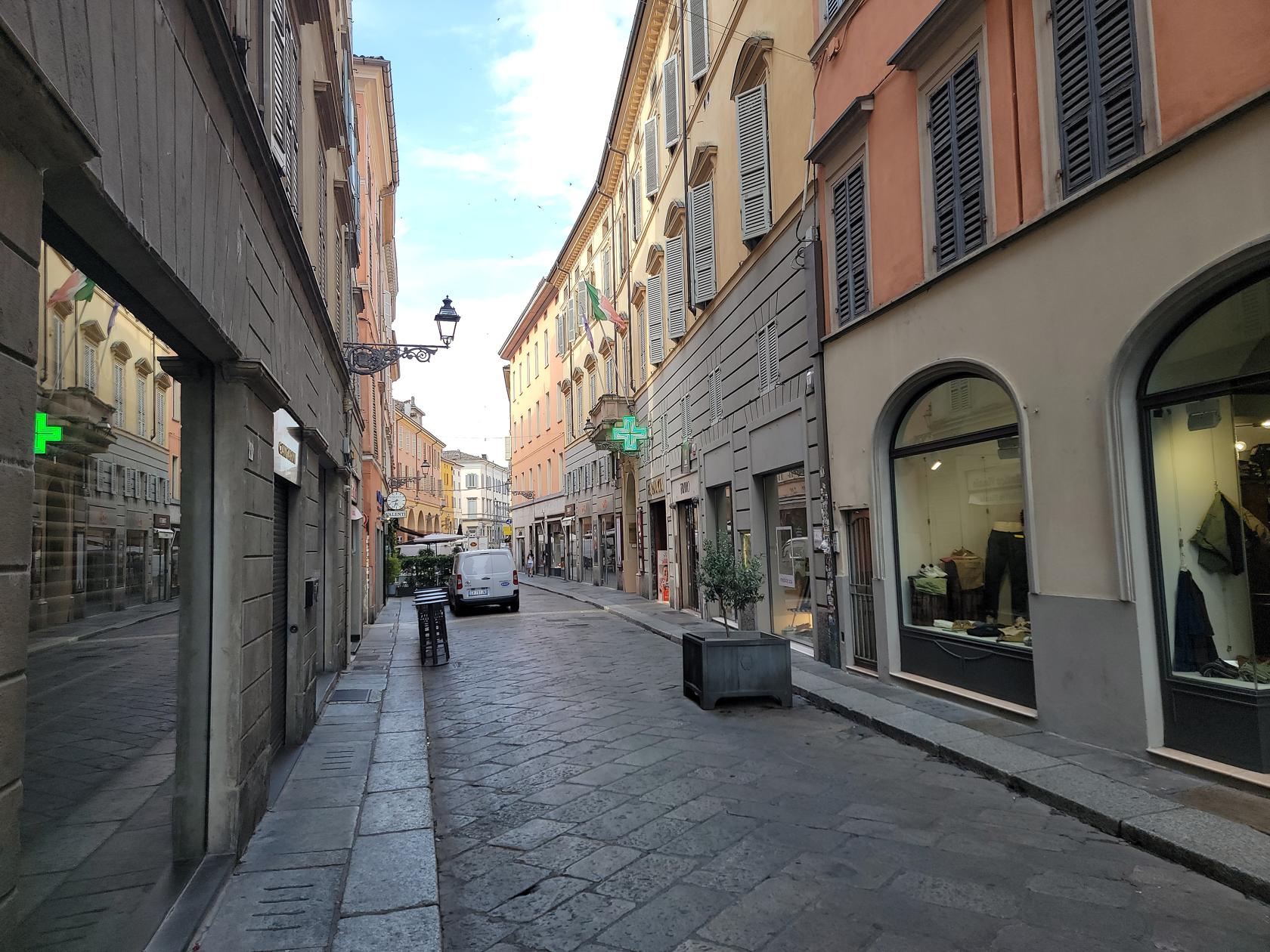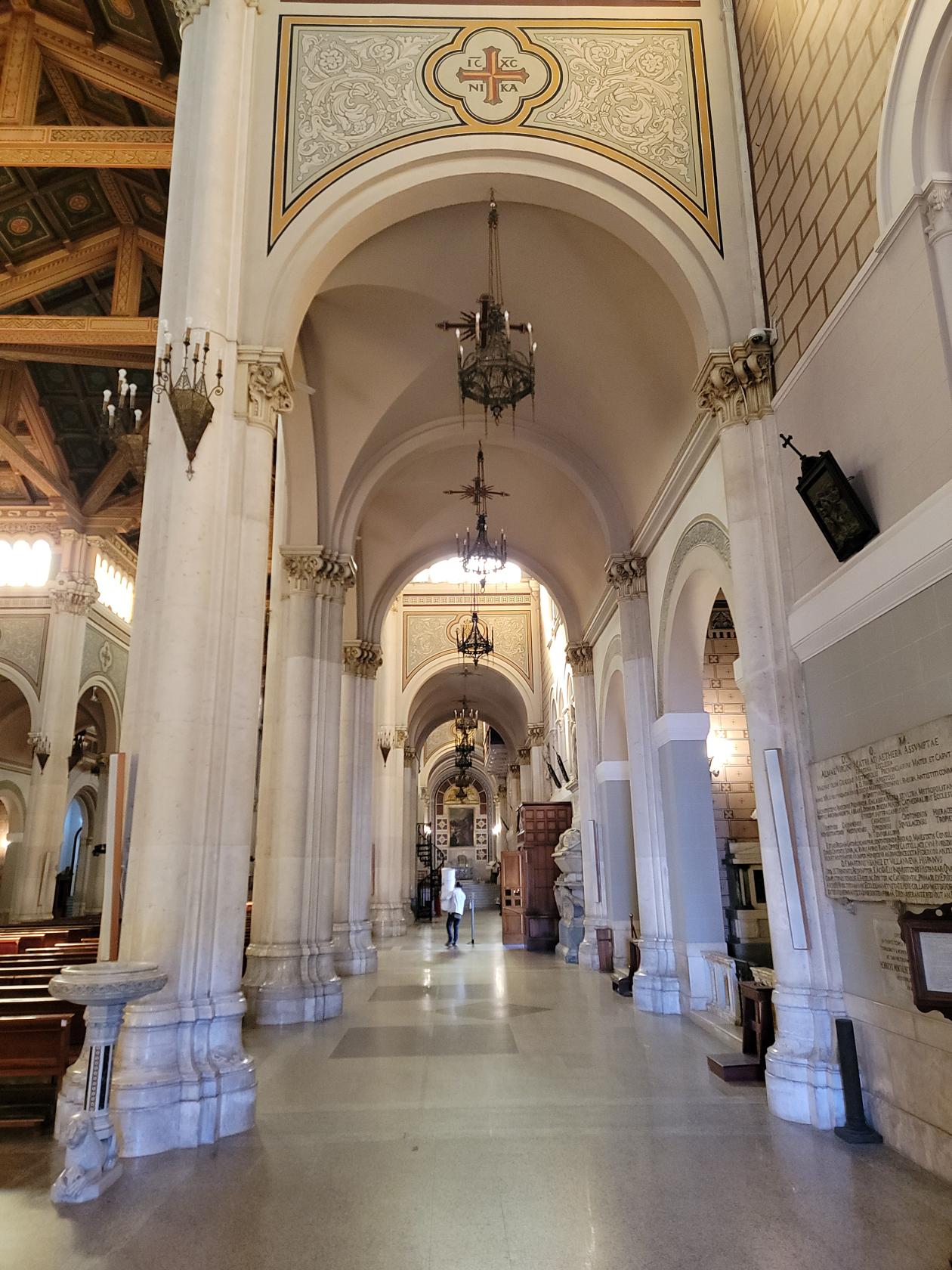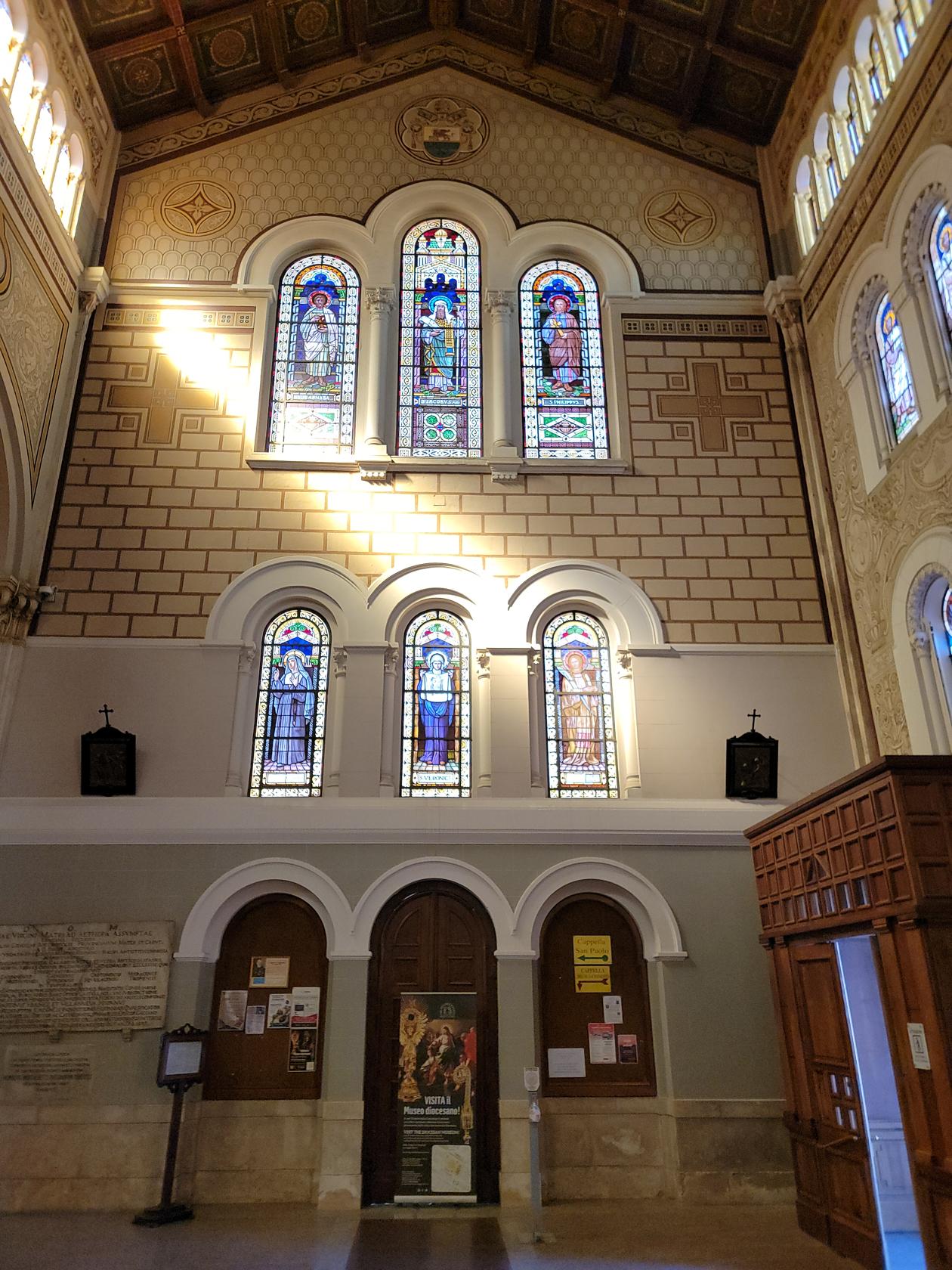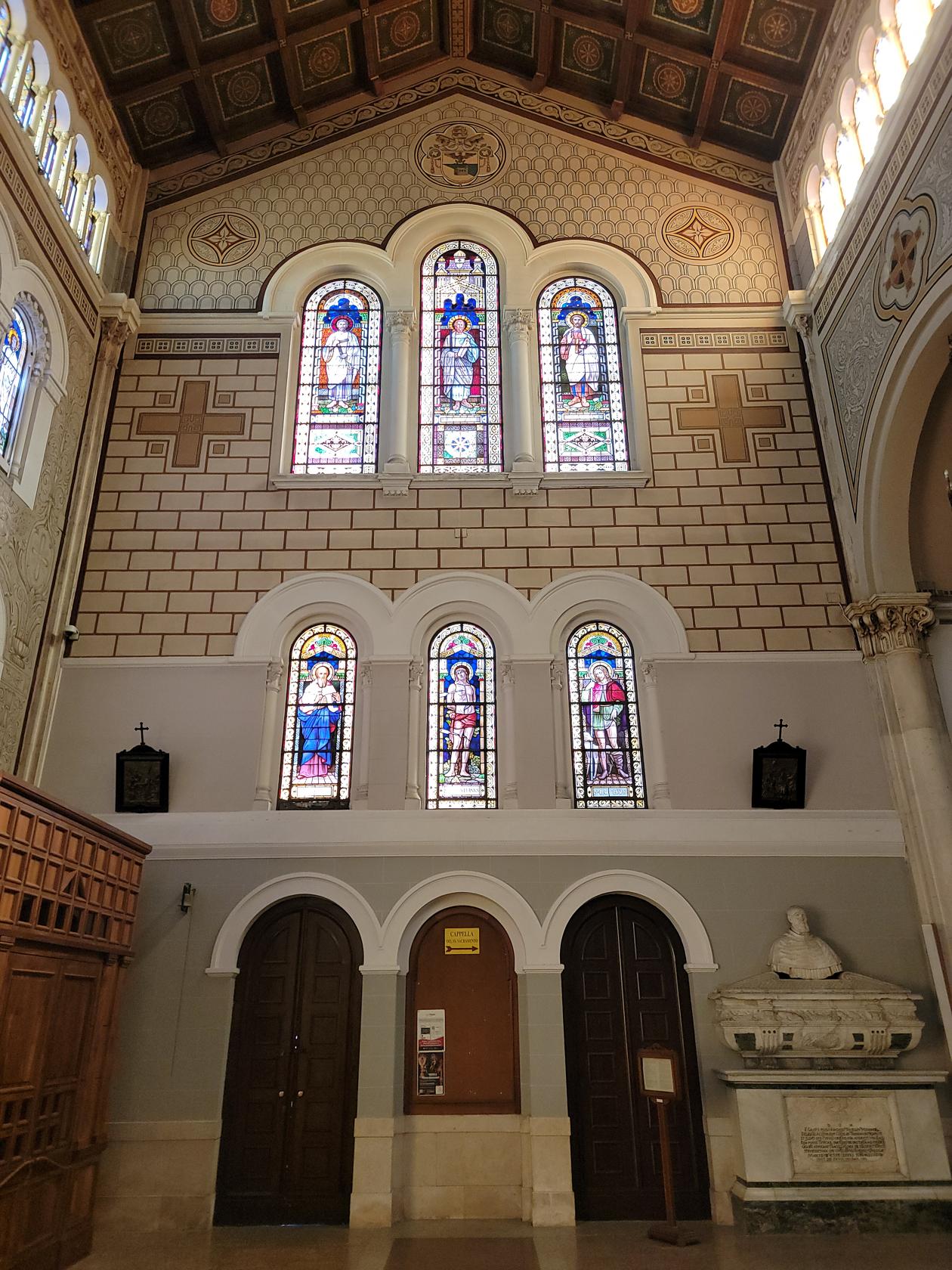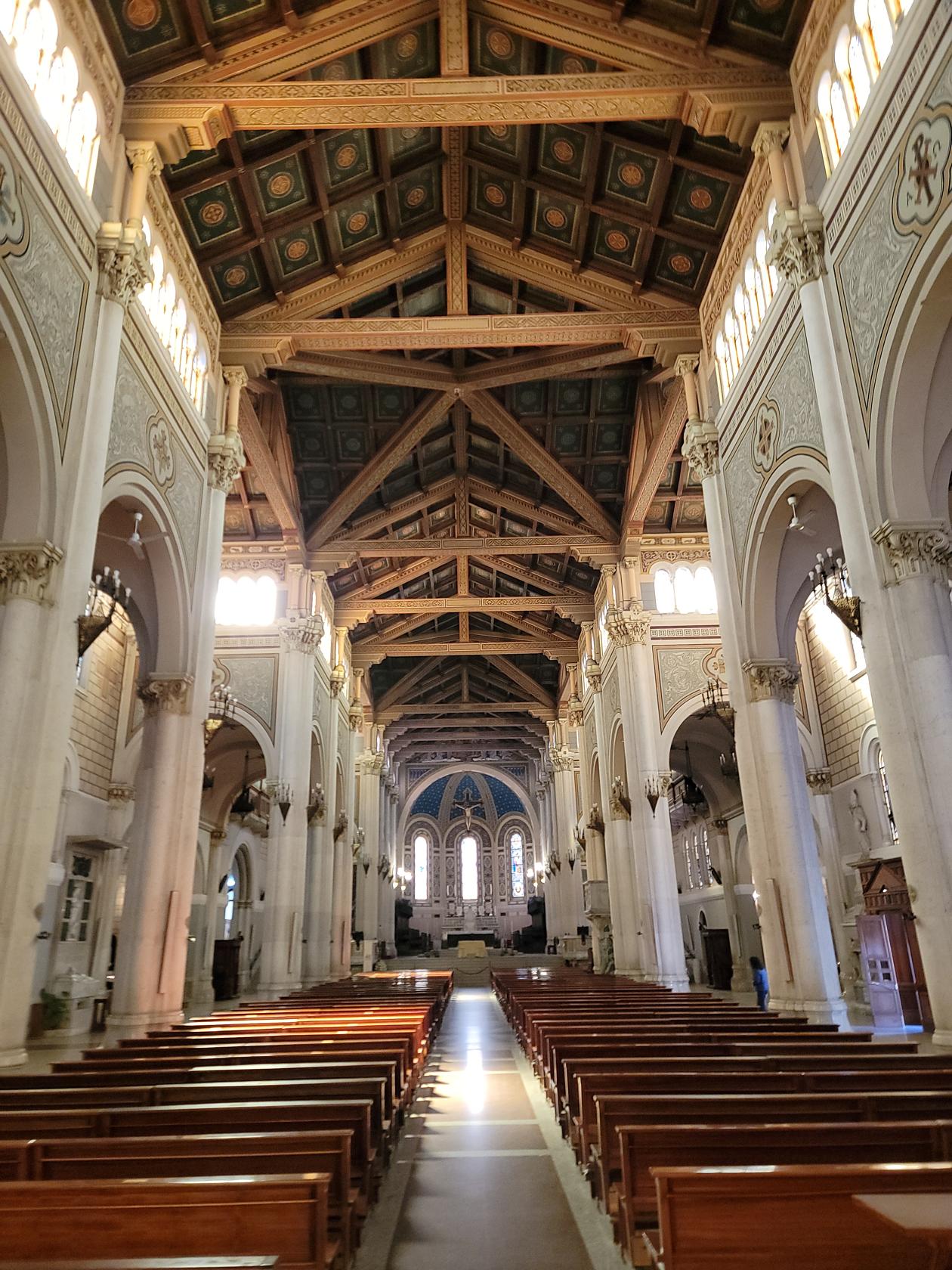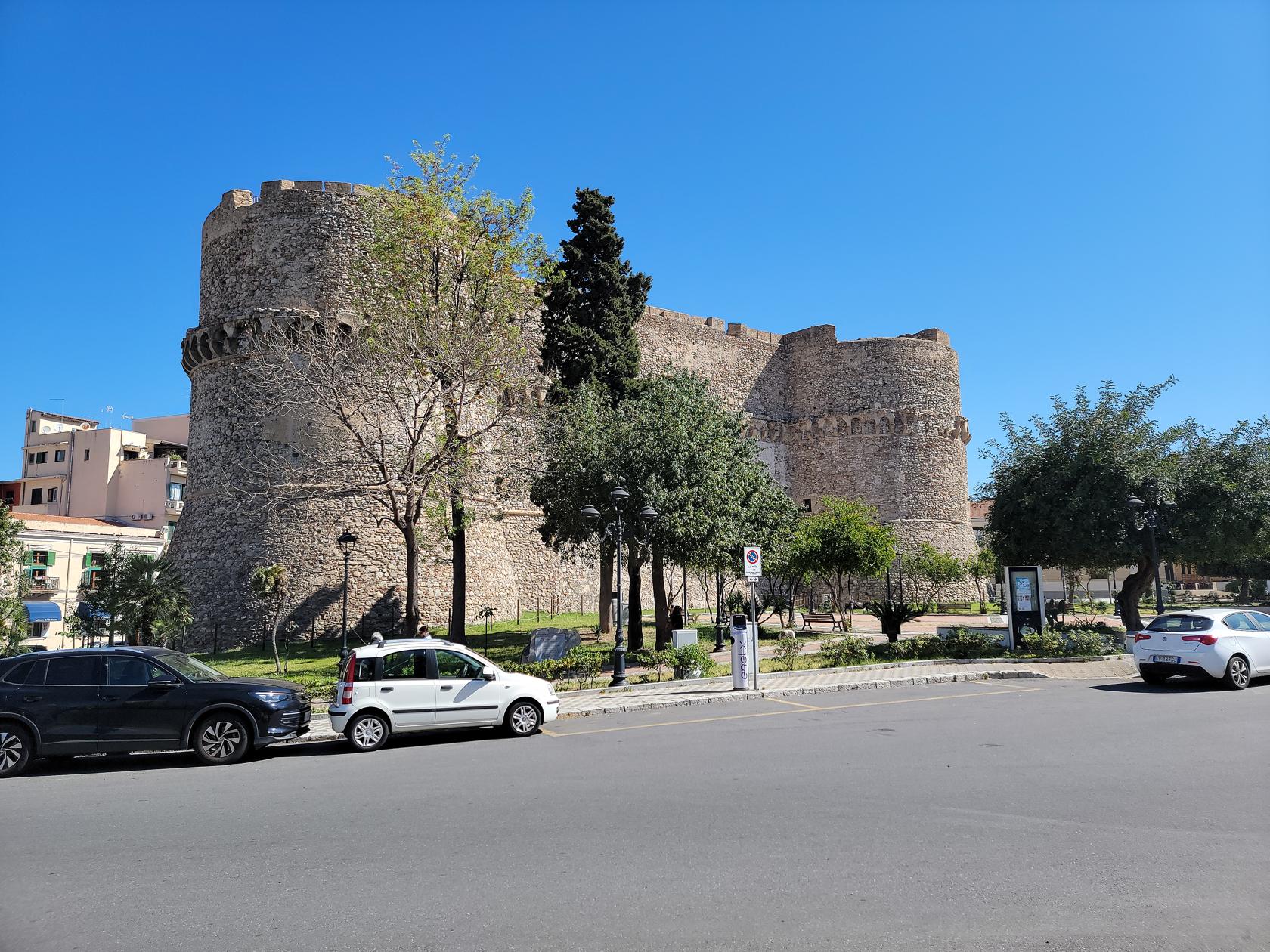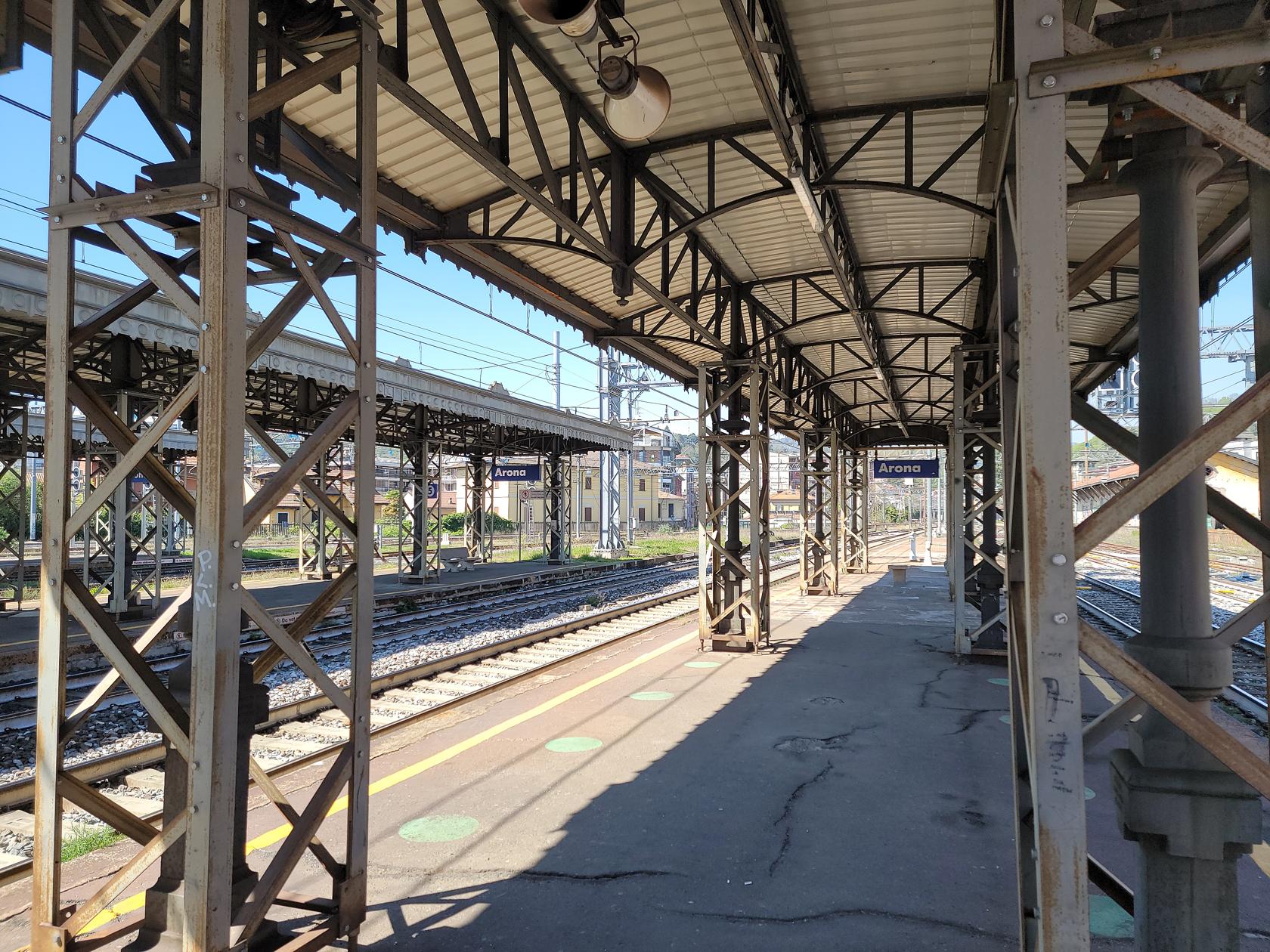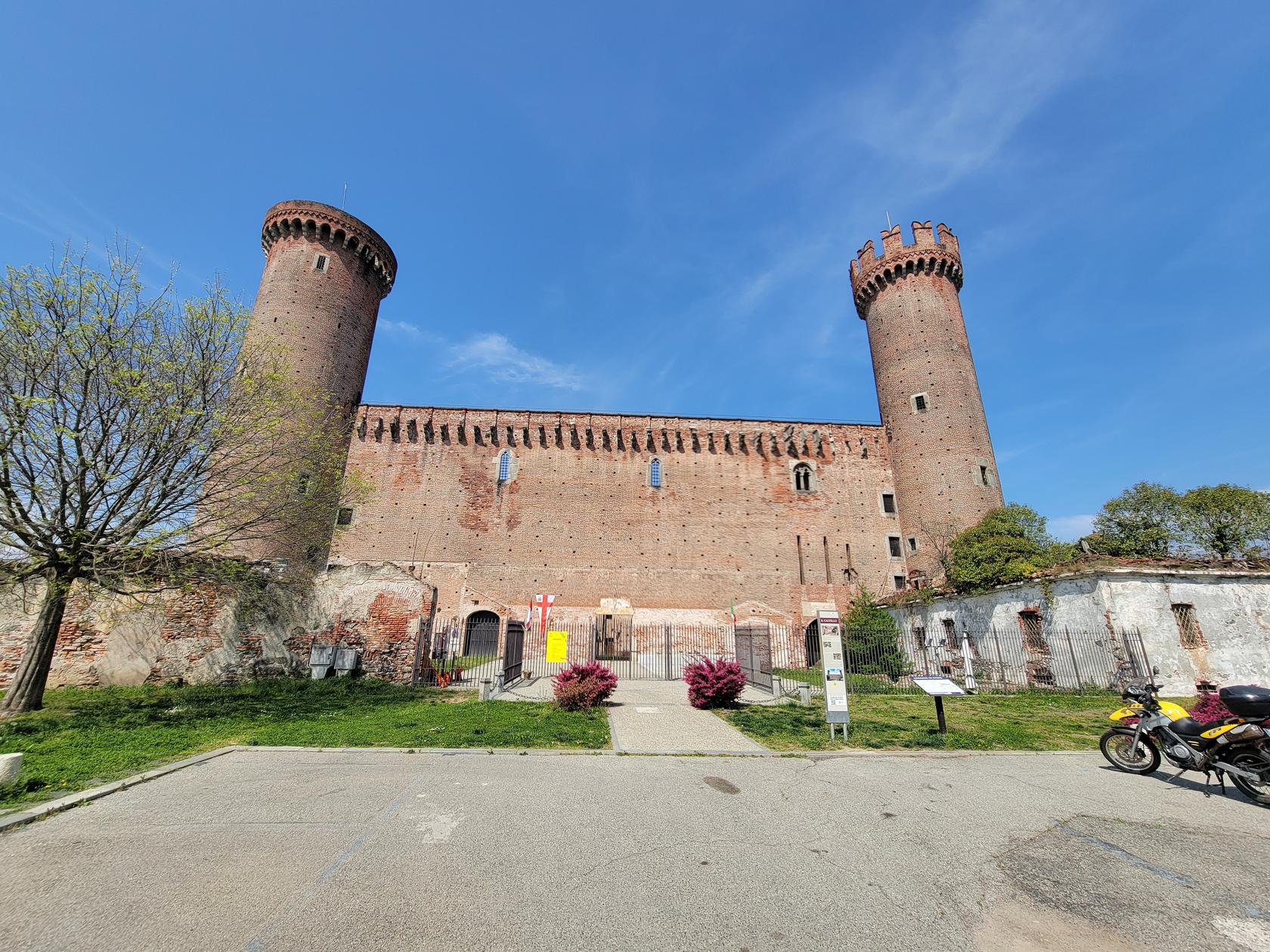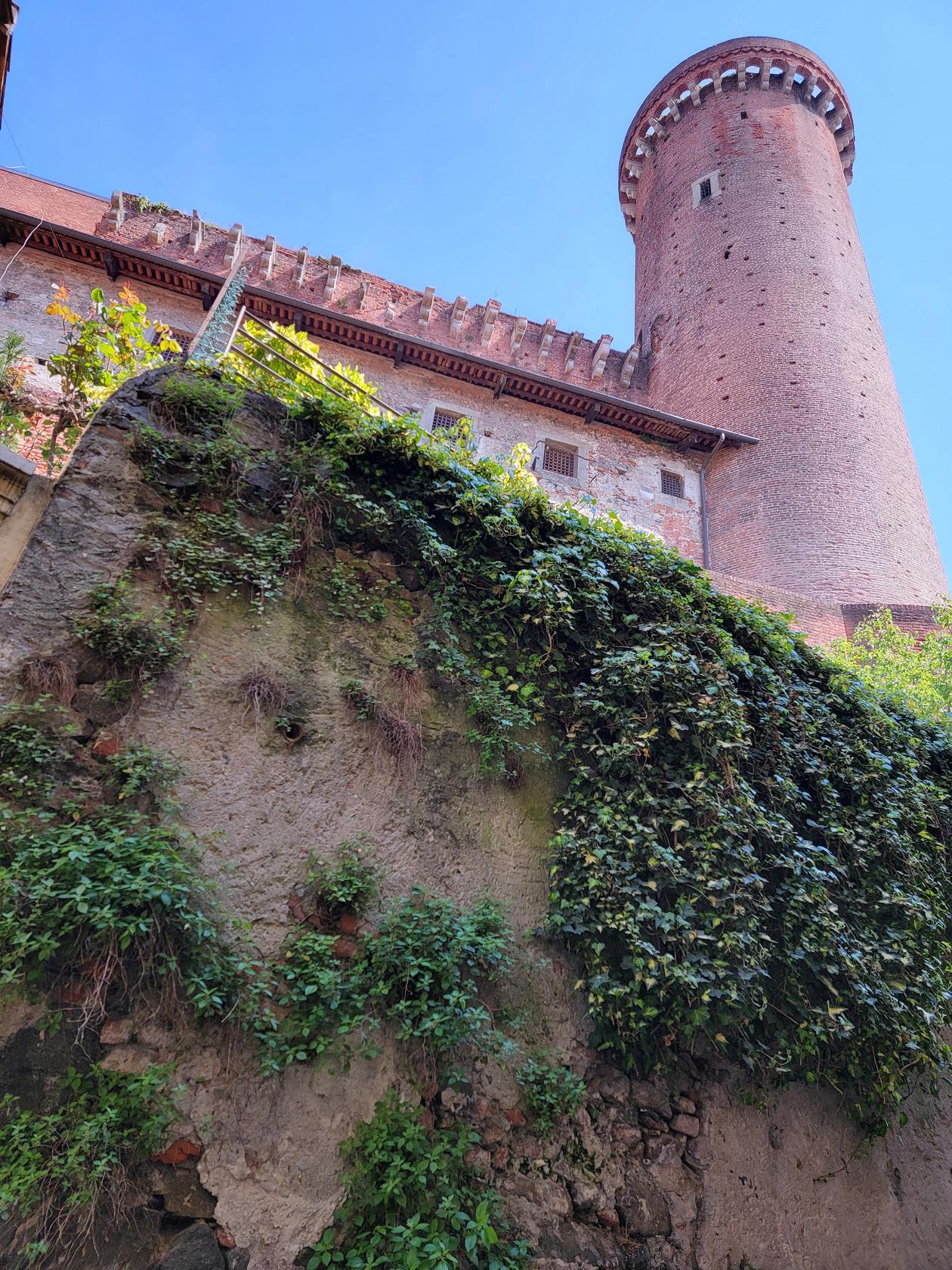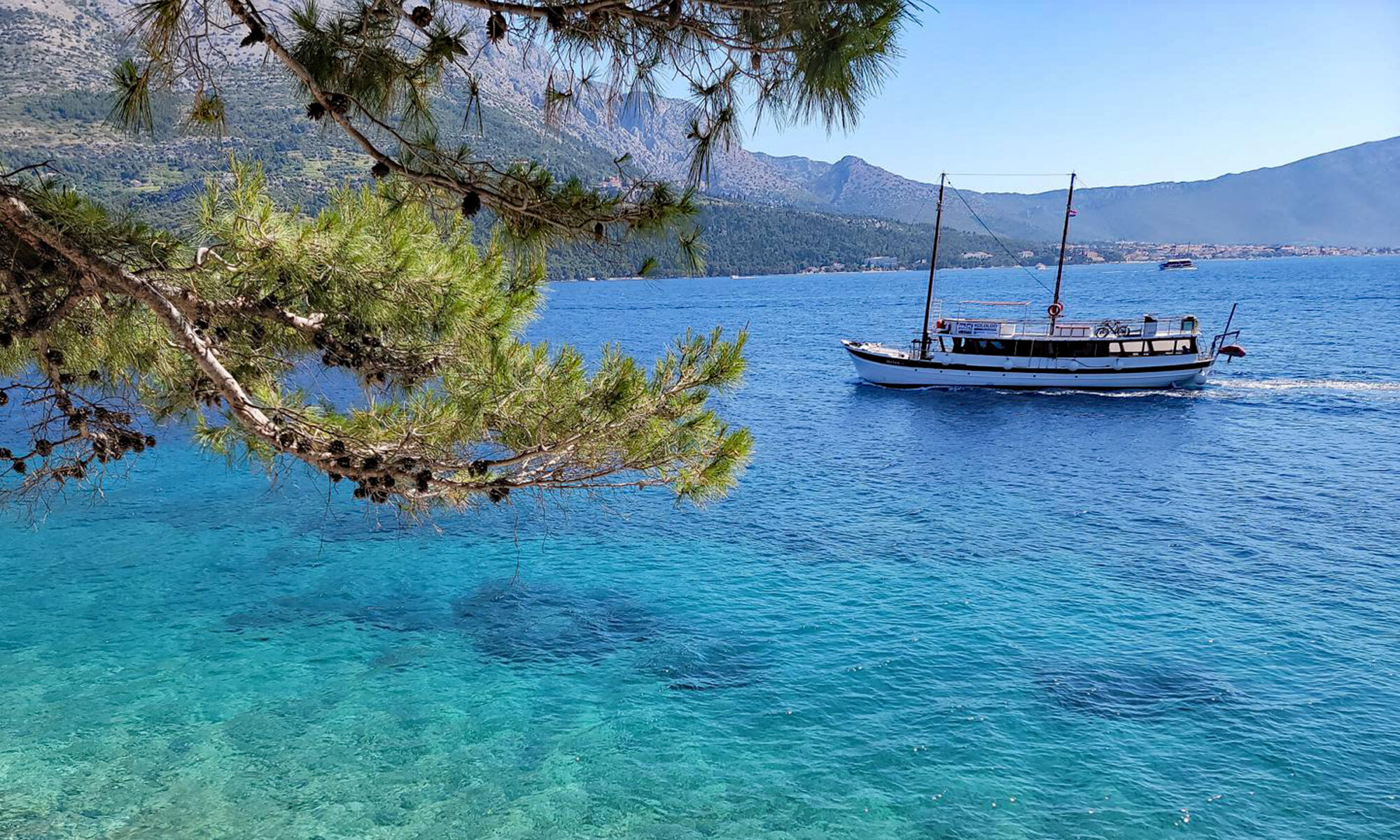
About a ten minute train ride from Stresa is the small town and bedroom community of Arona. Its claim to fame, if it has any, would be the La Rocca[1]“The castle” in italian, or the Arona or Borromeo Castle.
Arona
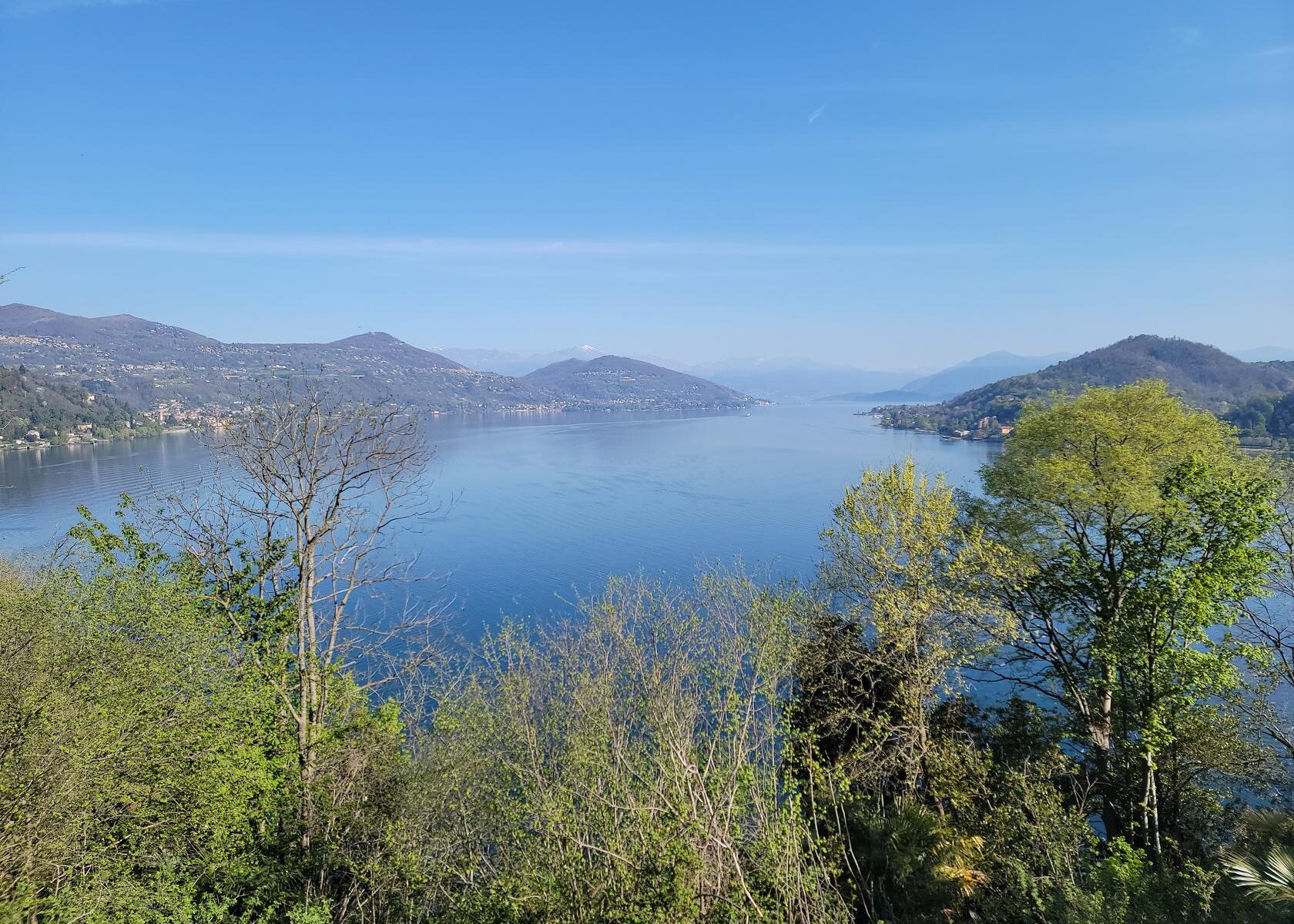
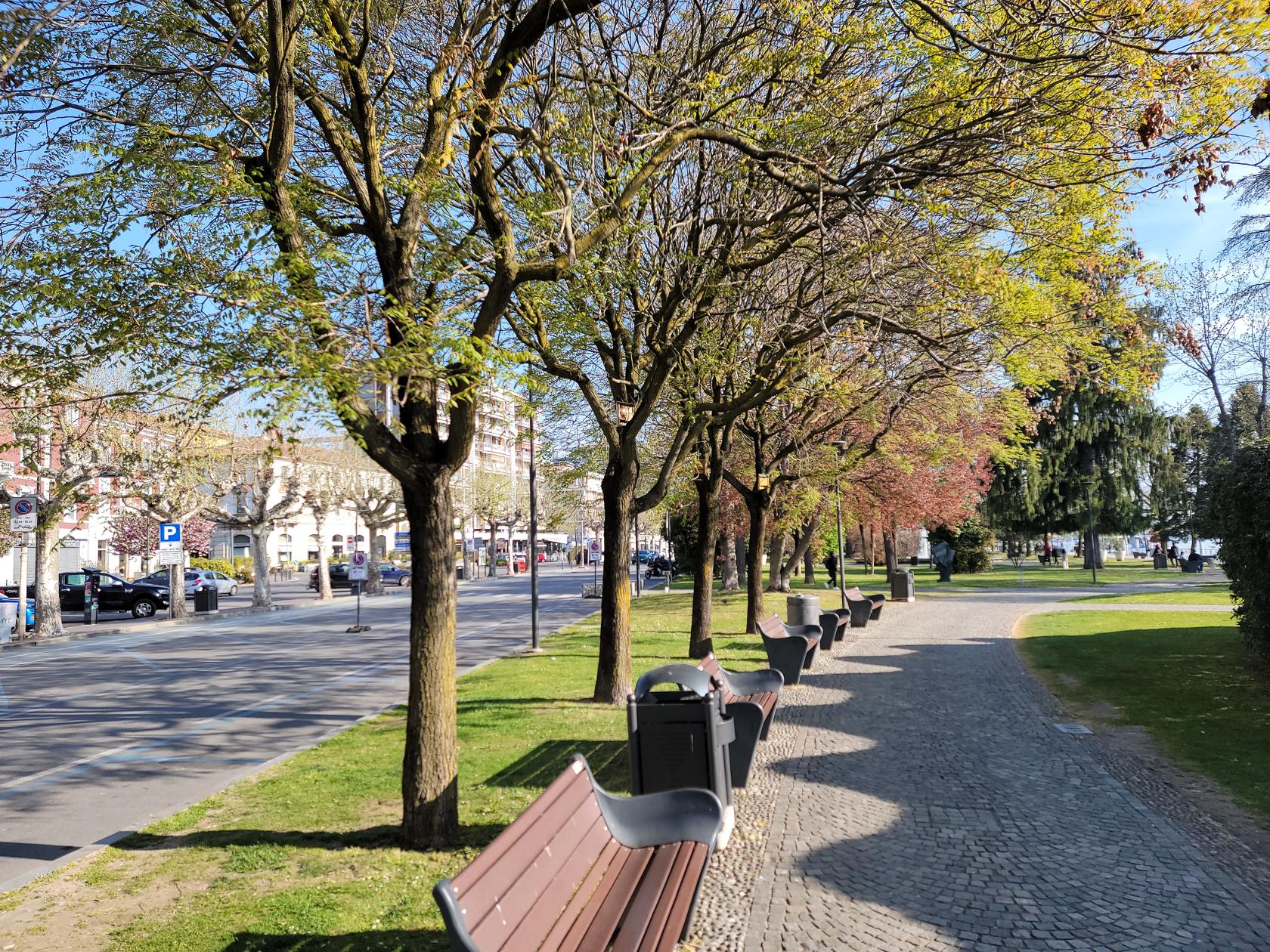
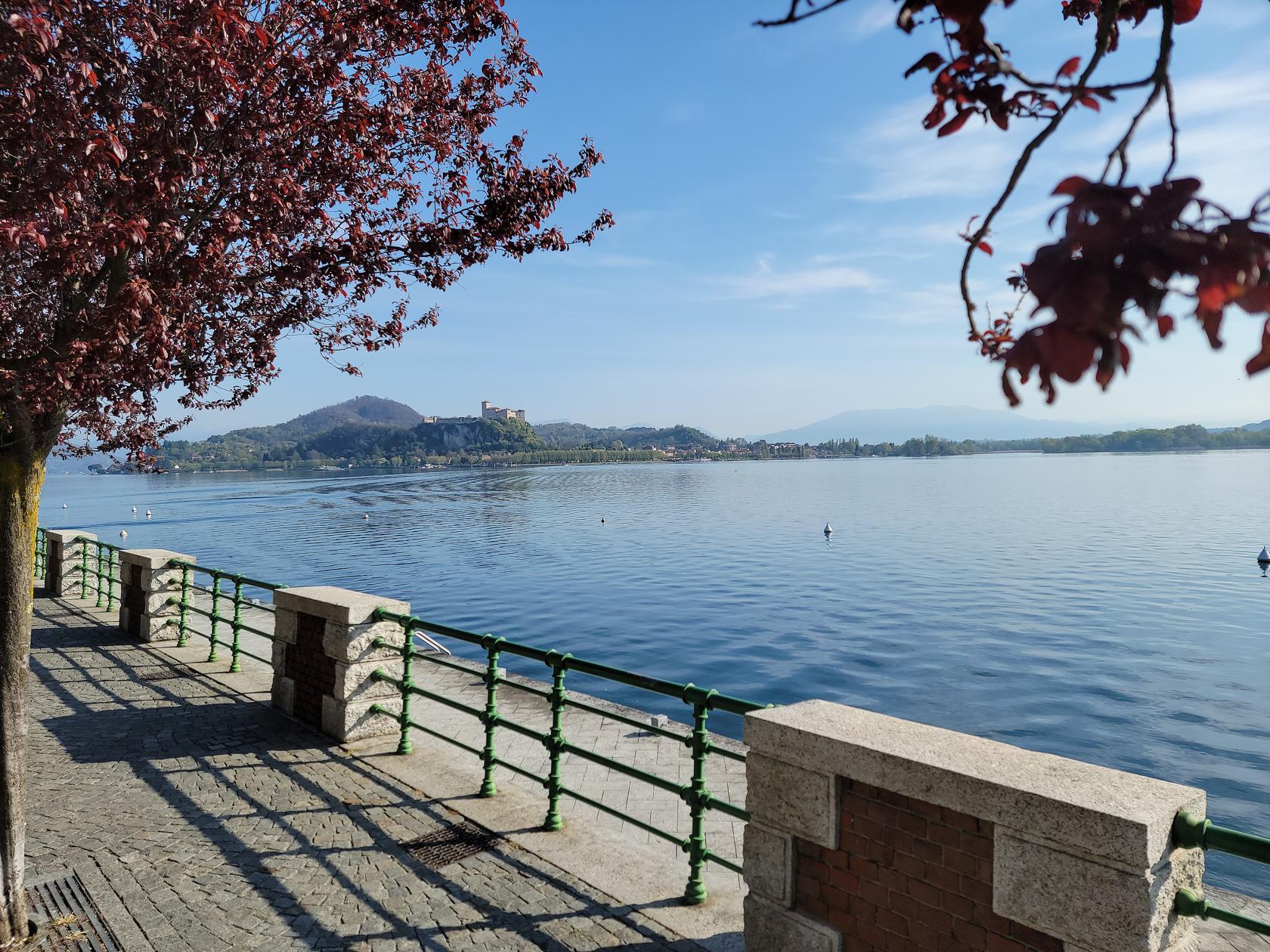
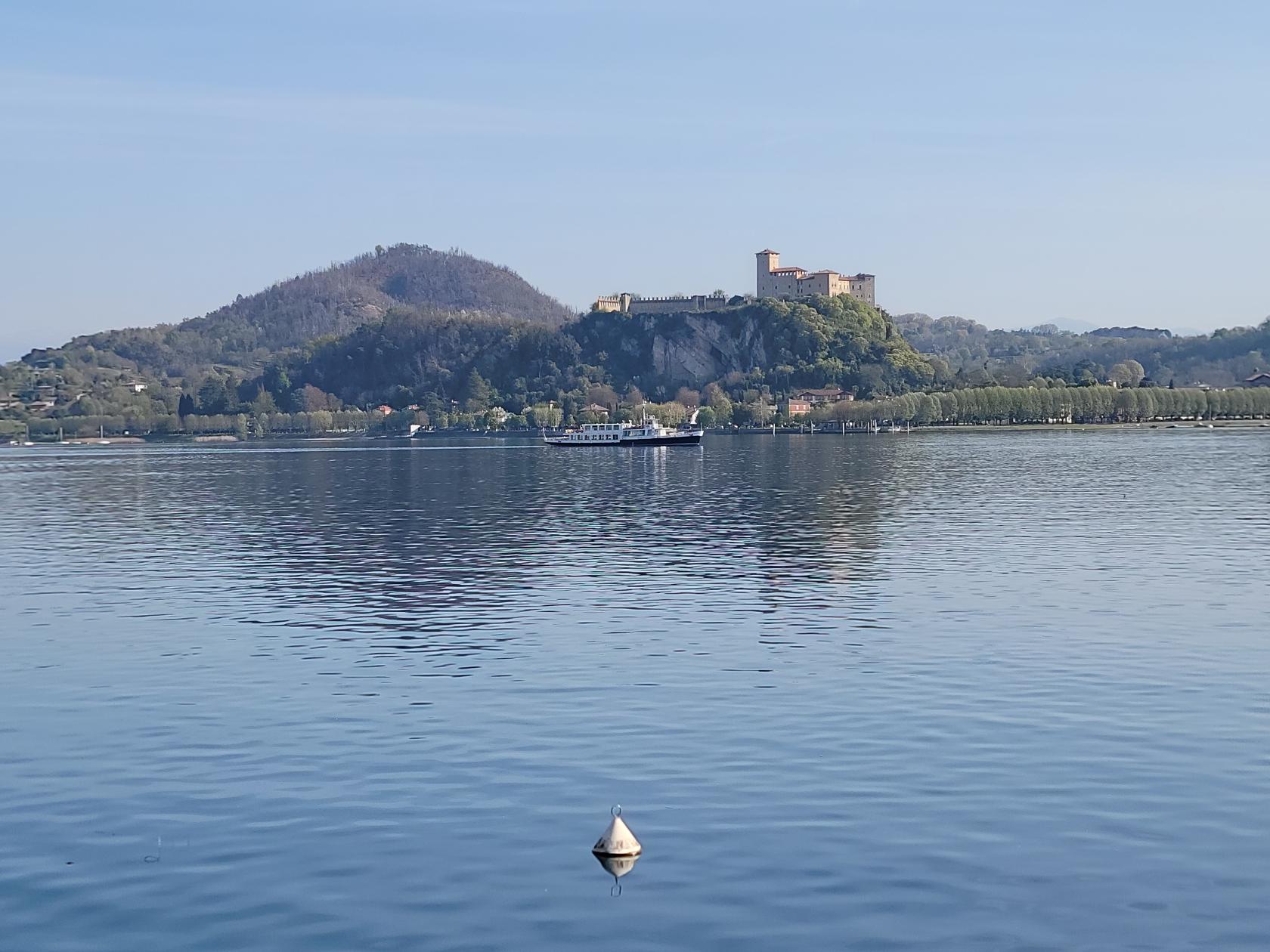
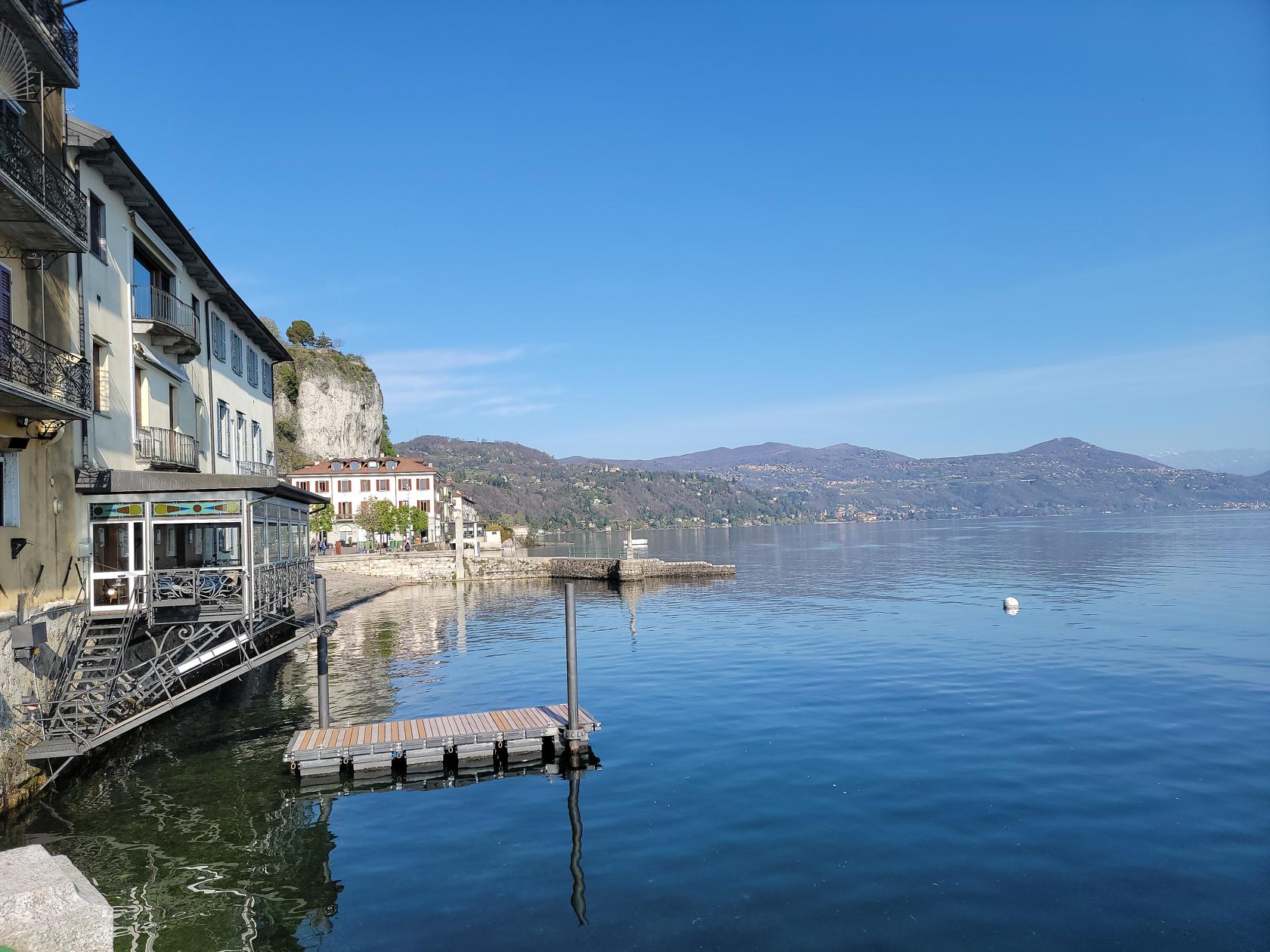
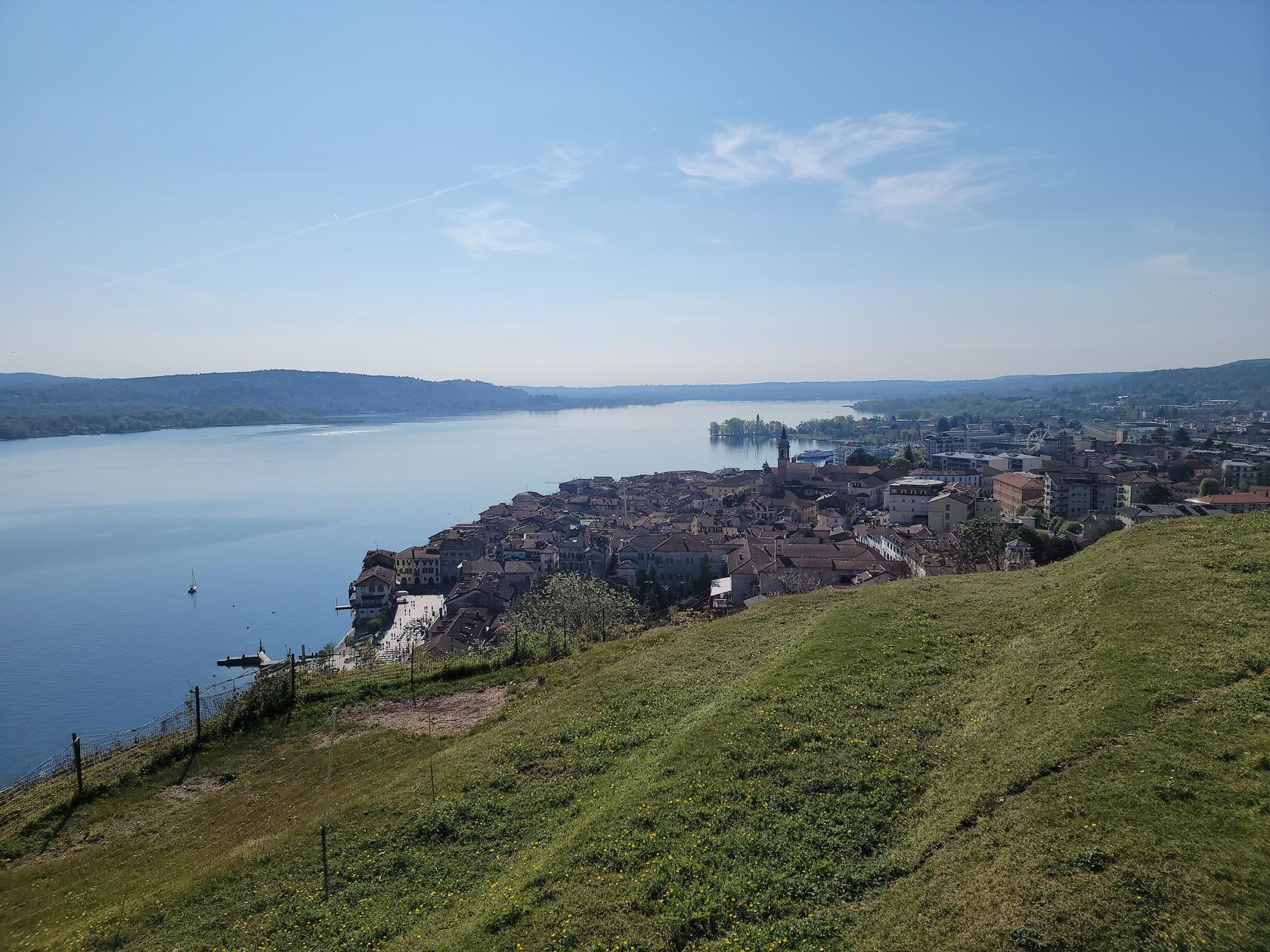
Situated on the southern tail of Lake Maggiore and home to the Arona Castle is the small city of Arona. From the Lungolago, or boardwalk that runs along the lake, it offers a beautiful view of the Angera Castle on the other side of the lake.
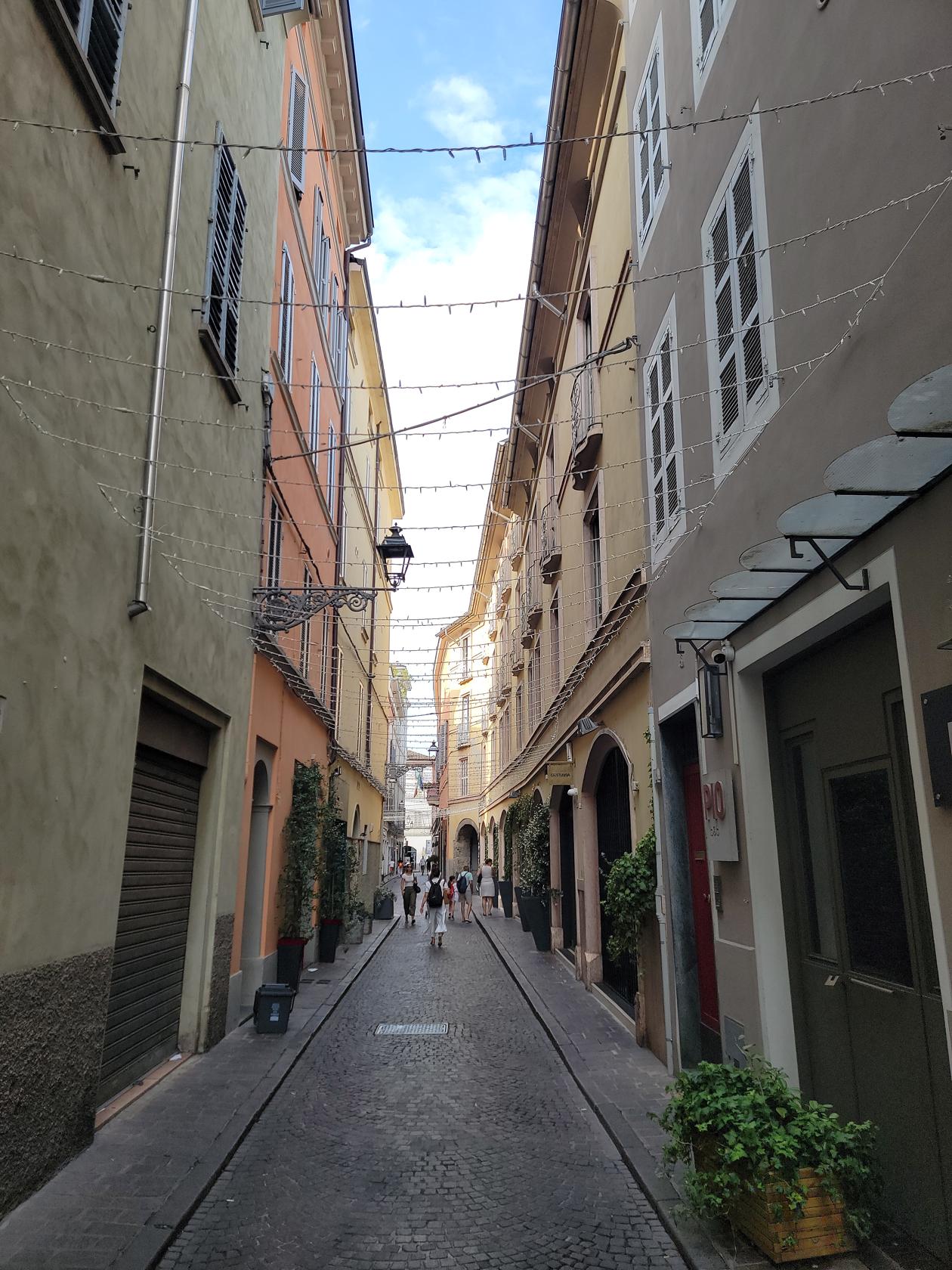
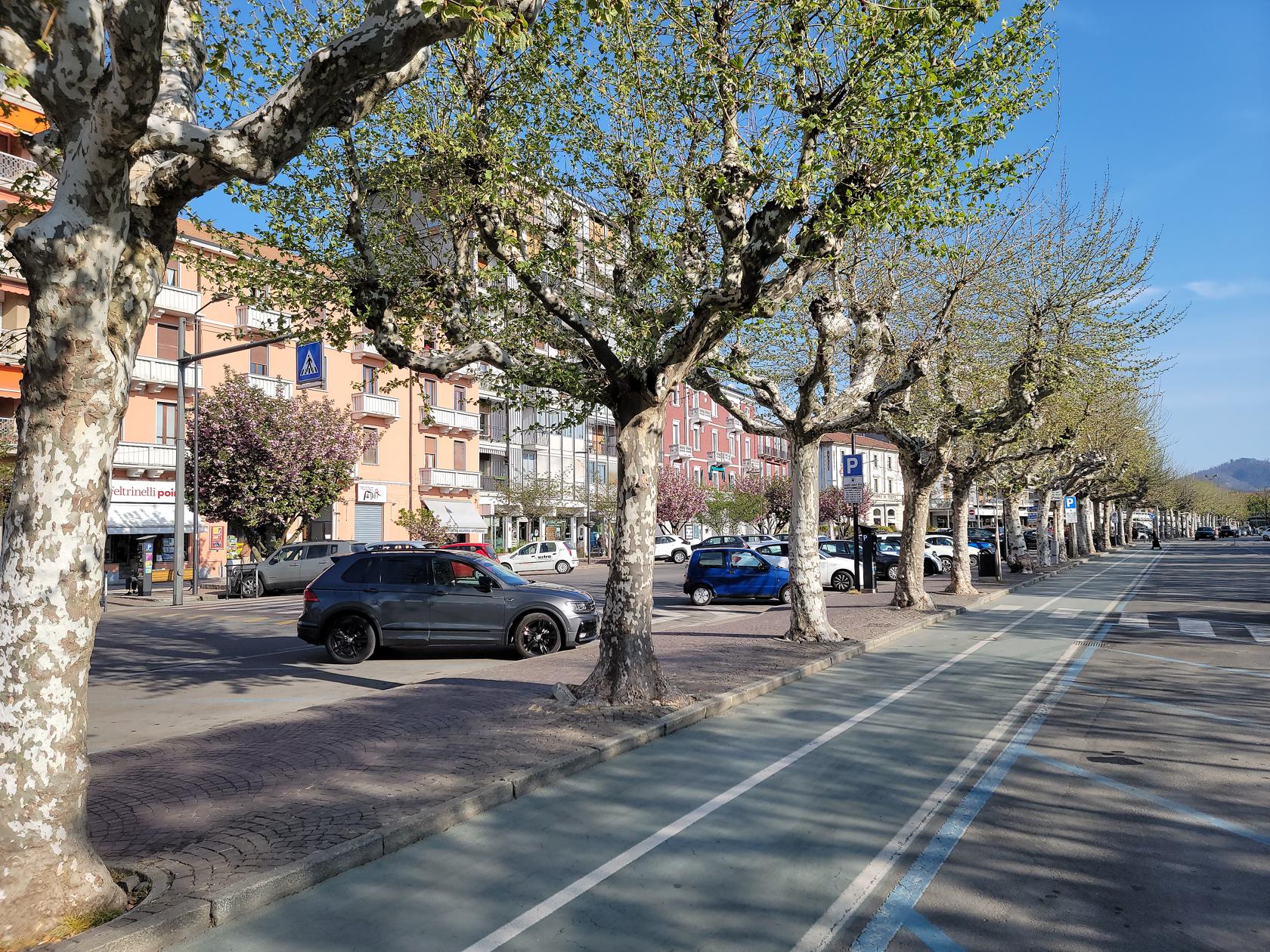
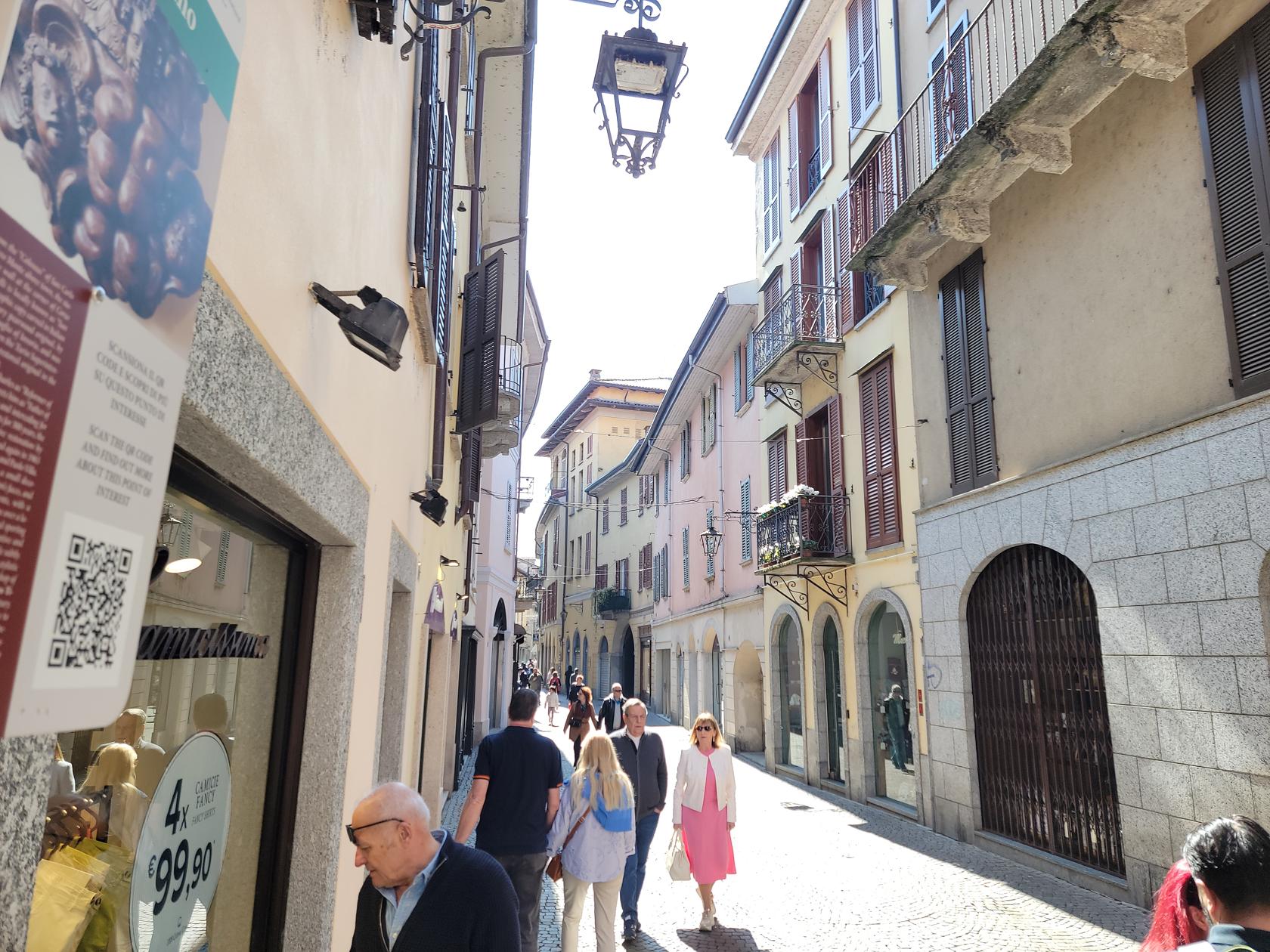
Arona Street – Arona, Italy
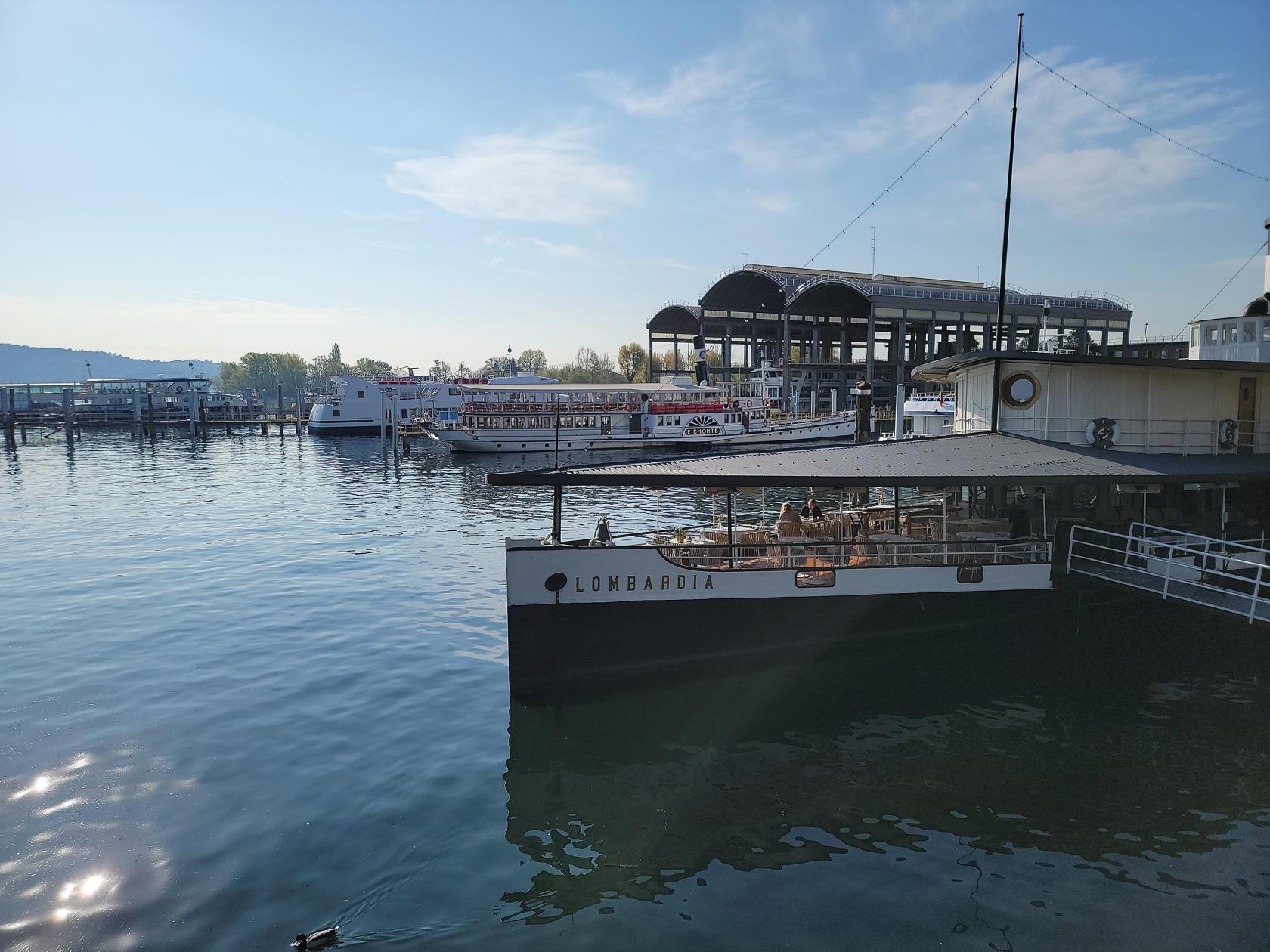
Boat Launch – Arona, Italy
Castle di Angera – Lake Maggiore – Arona, Italy
Piazza Gorizia – Lake Maggiore – Arona, Italy
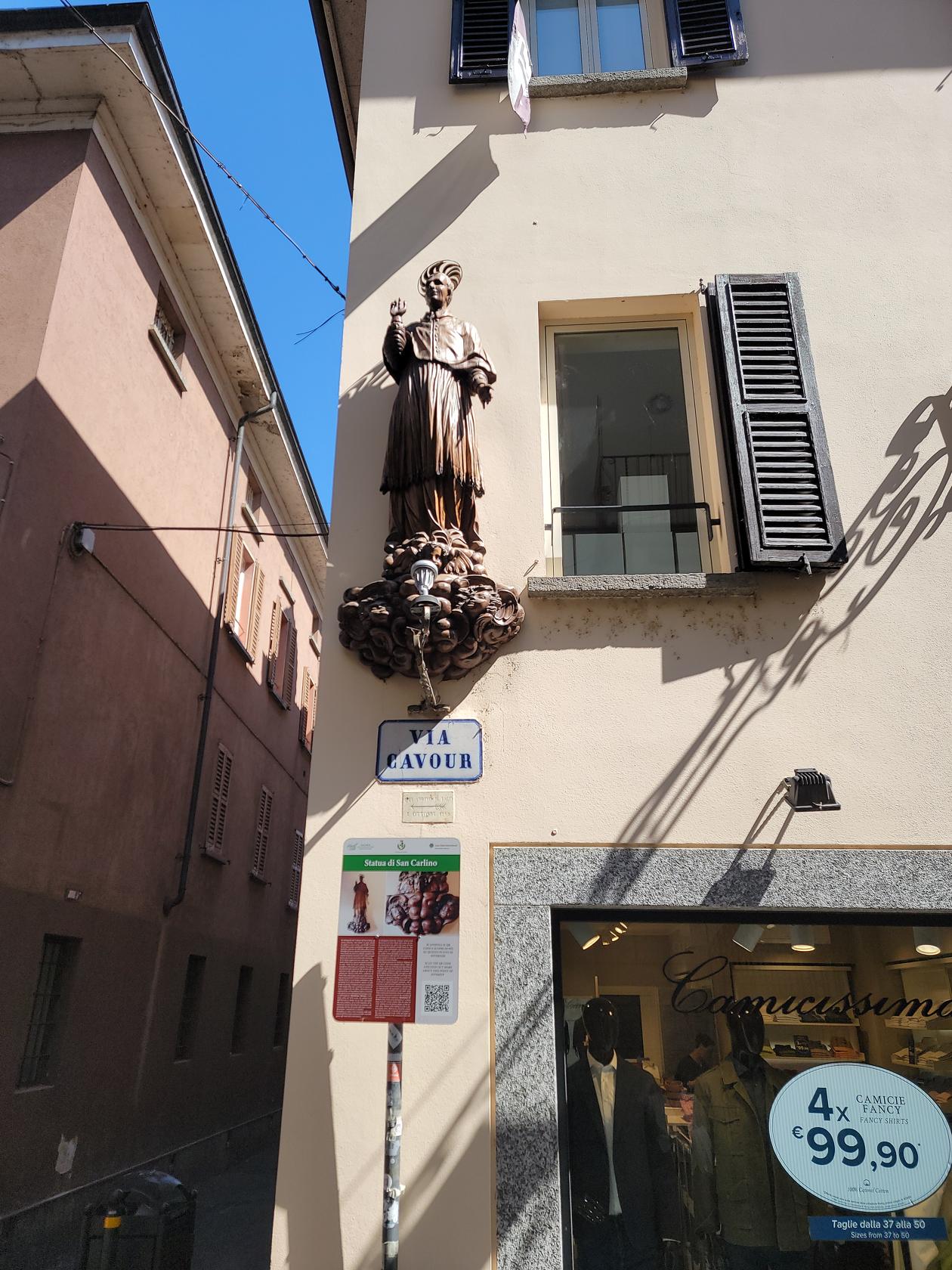
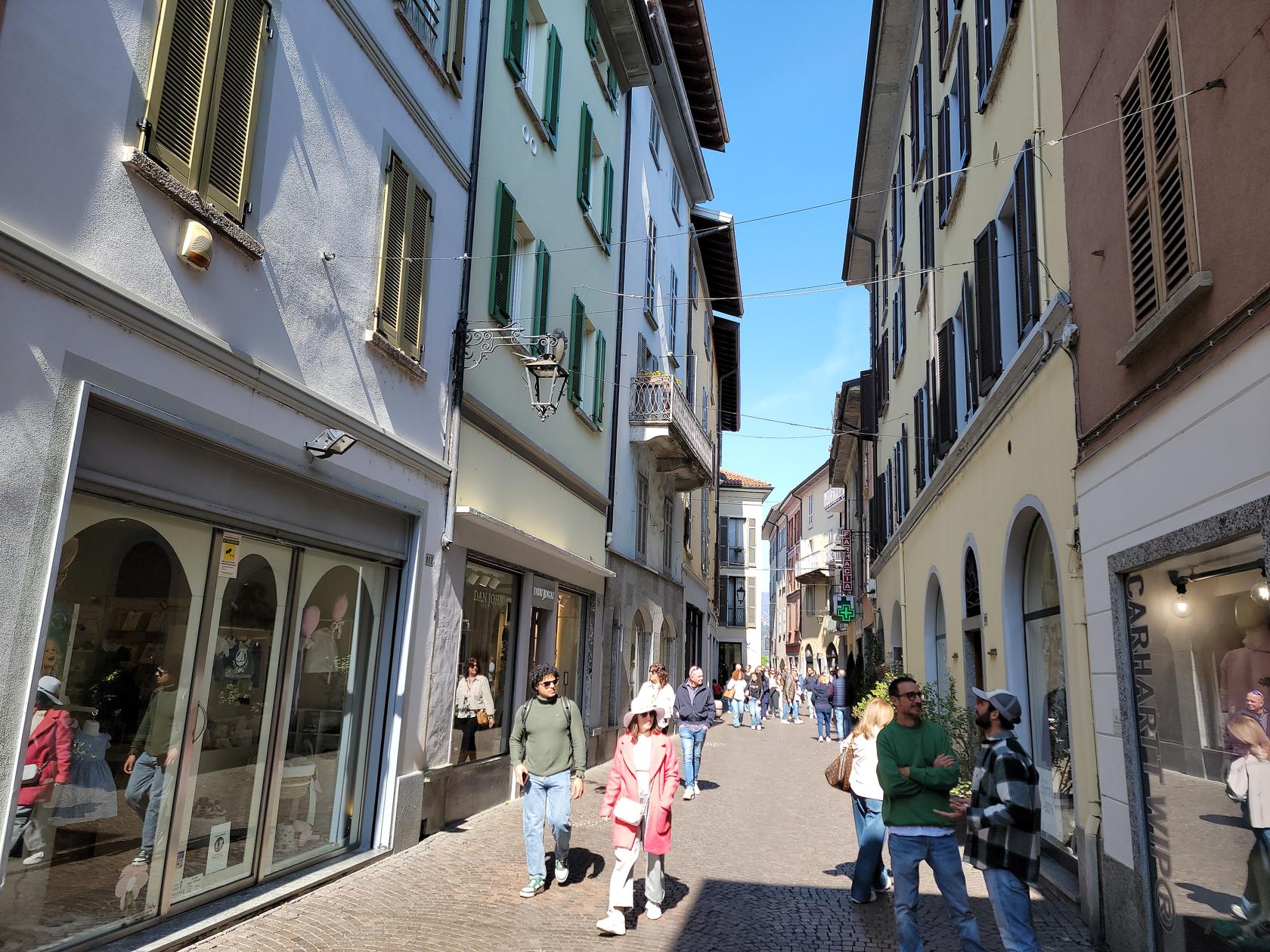
Its main thoroughfare is the Via Cavour. Here you will find most of the shopping, with restaurants available on many of its side streets.
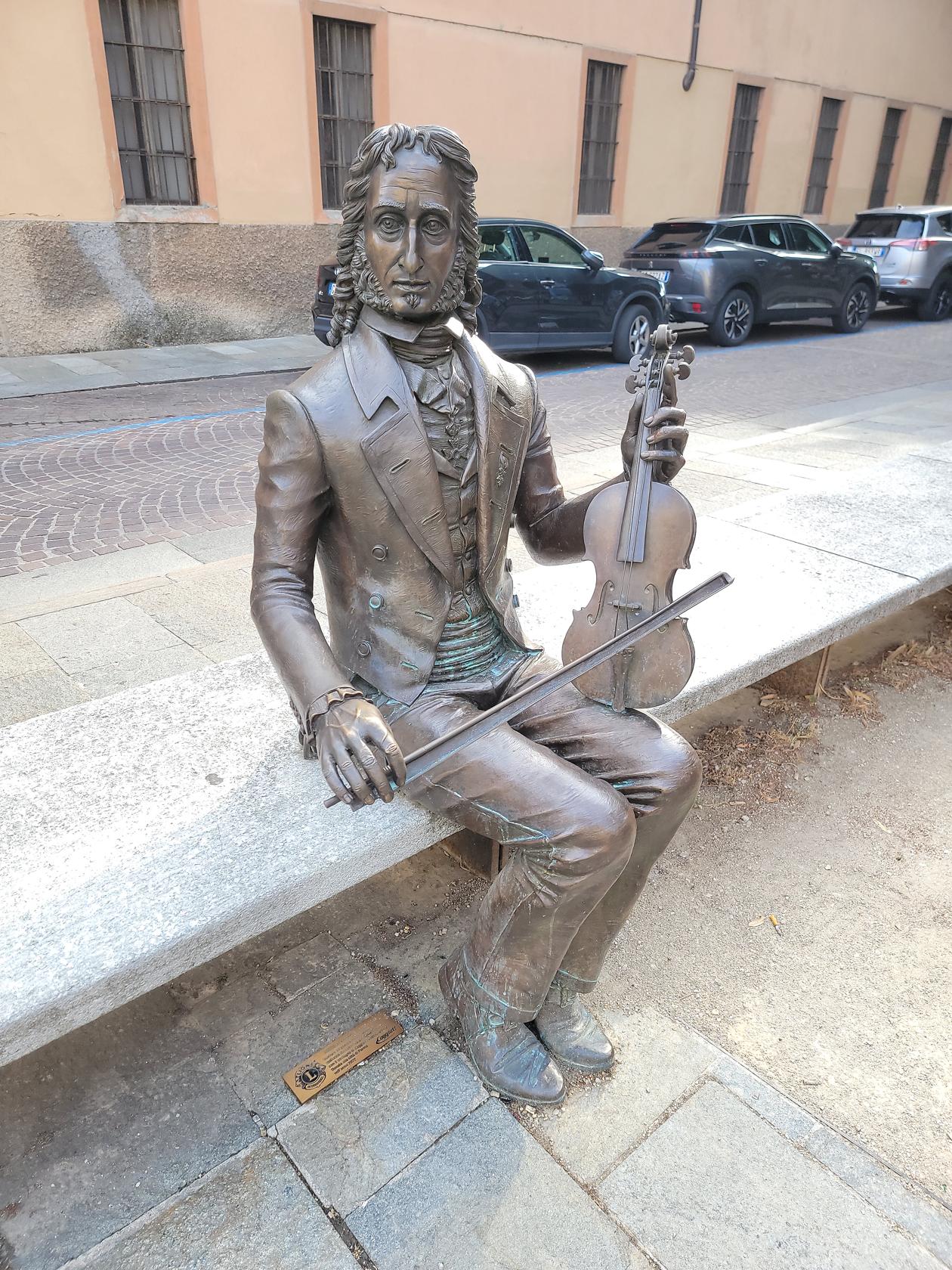
Statue – Via Cavour – Arona, Italy
Main shopping street – Via Cavour – Arona, Italy
Getting There
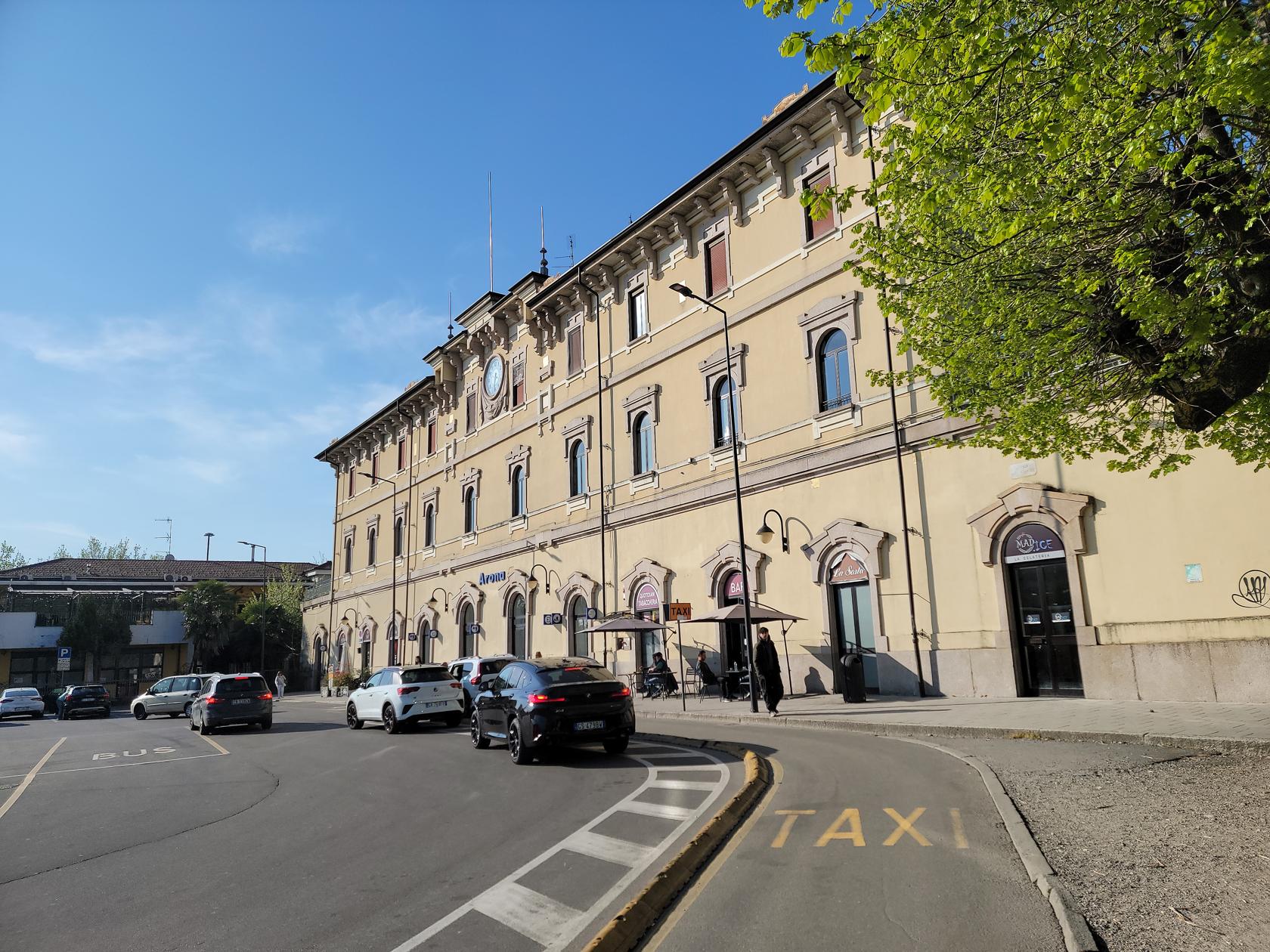
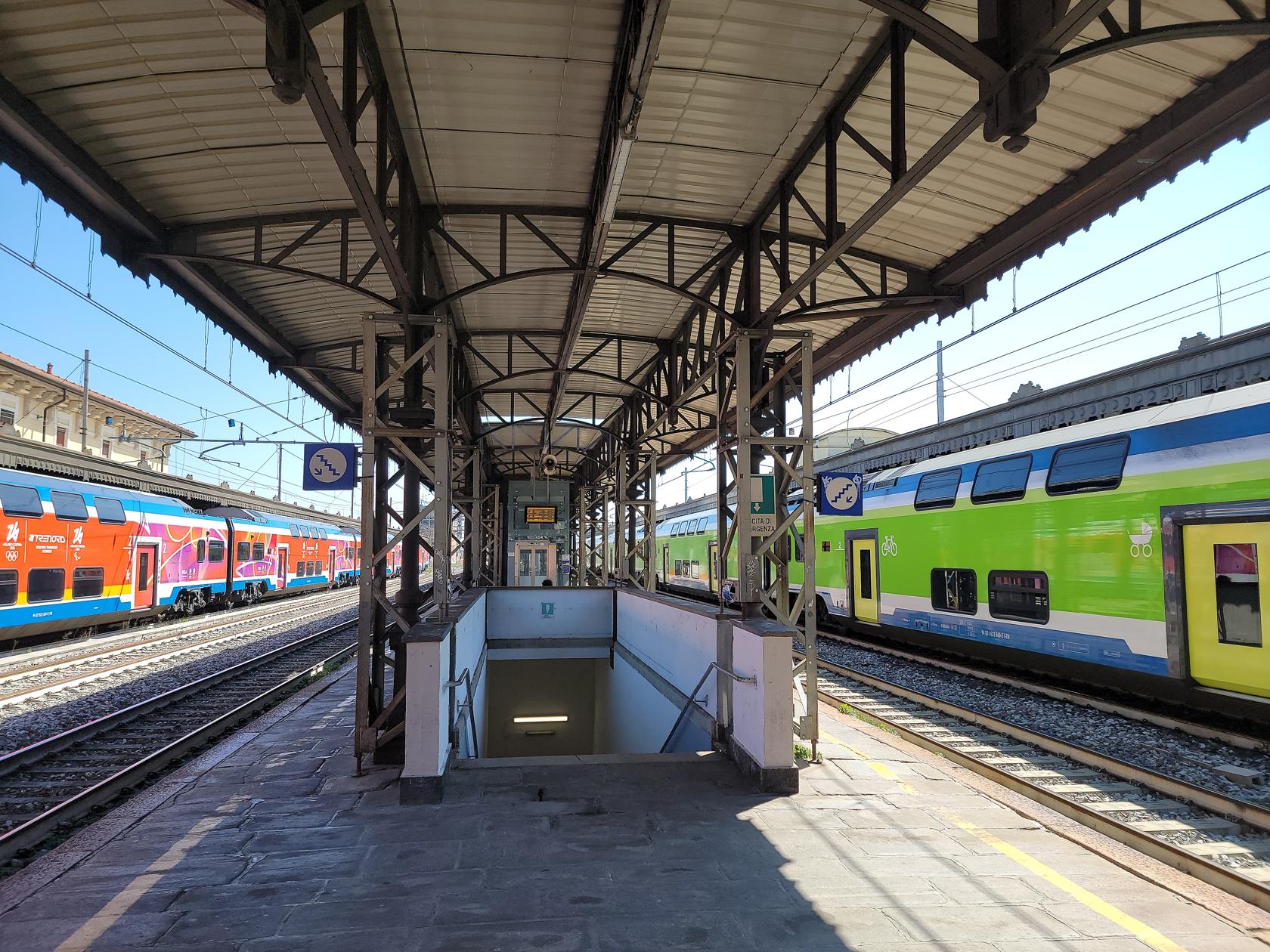
From Stresa we took the Regional Express, which runs from Milan to Domodossola. The ride takes about ten minutes in the direction of Milan and for this trip costs around €3.30 per person per direction.
Train Station – Arona, Italy
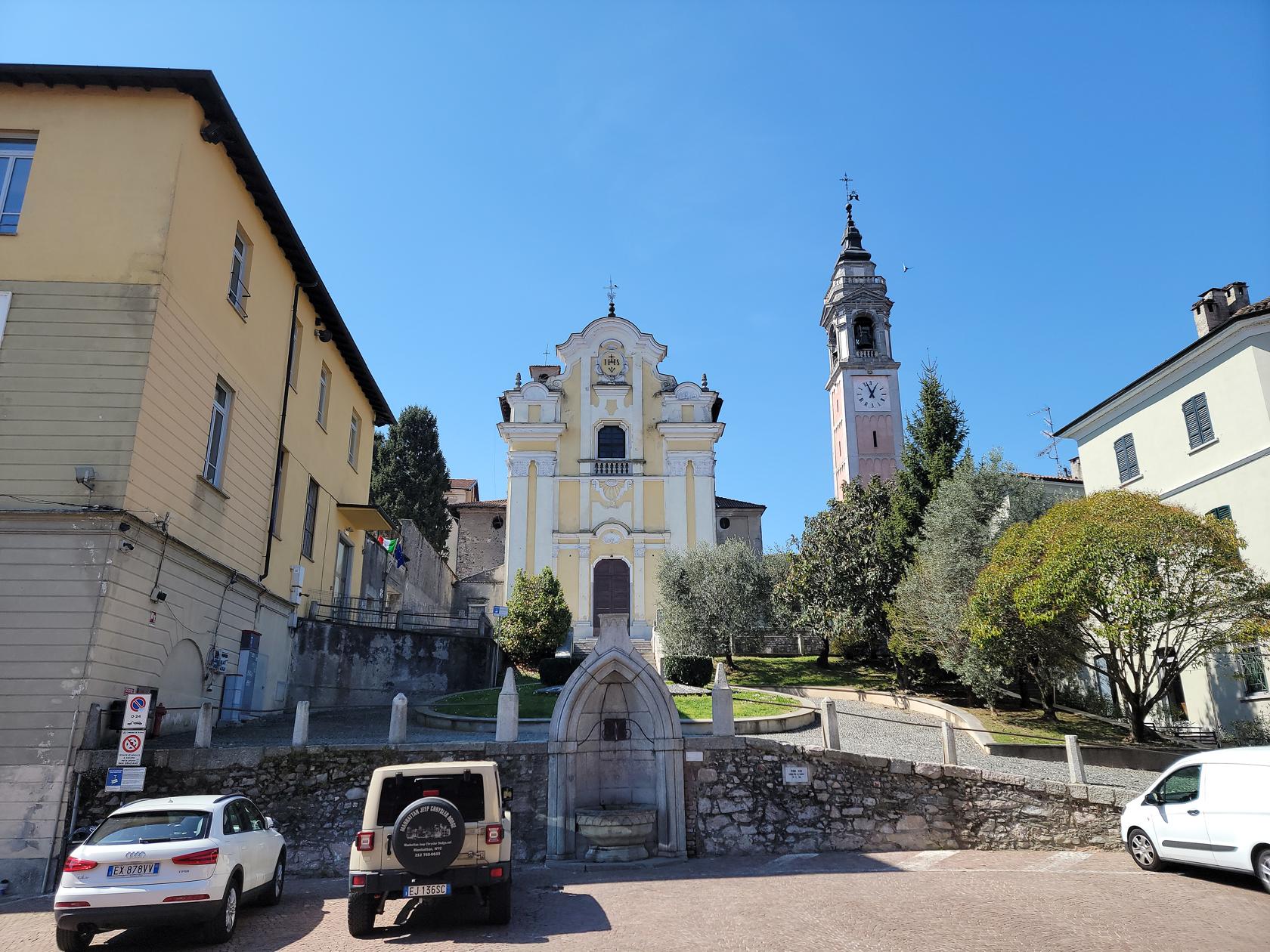
Church of San Graziano
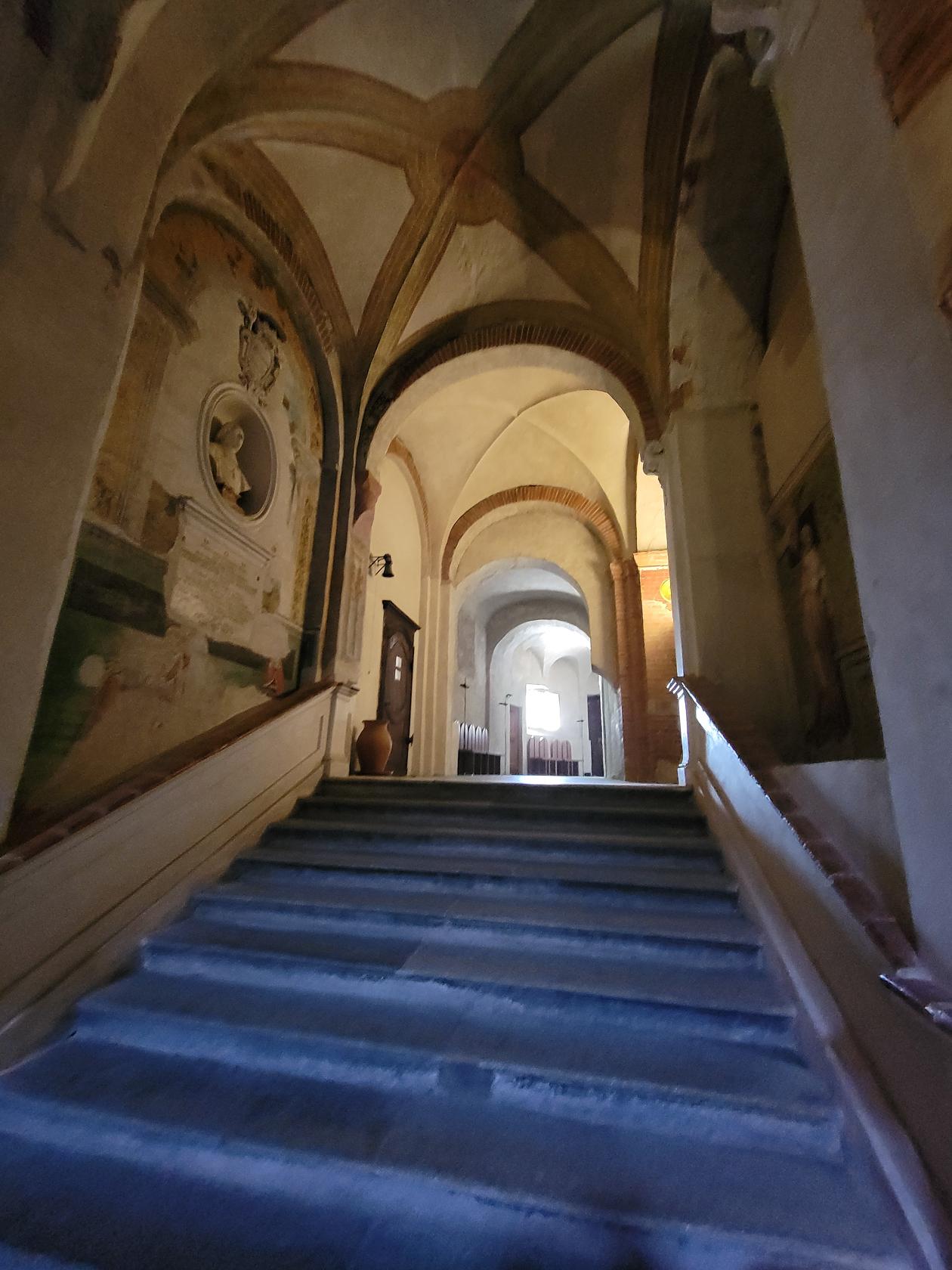
Also known as the Santi Martiri is a Roman Catholic chuch in Arona on the hill where Piazza San Graziano is located. We noted the church as we passed by, but did not walk the stairs to enter, since we were on our way back to the train station.
Church of the Martyred Saints of San Graziano – Arona, Italy
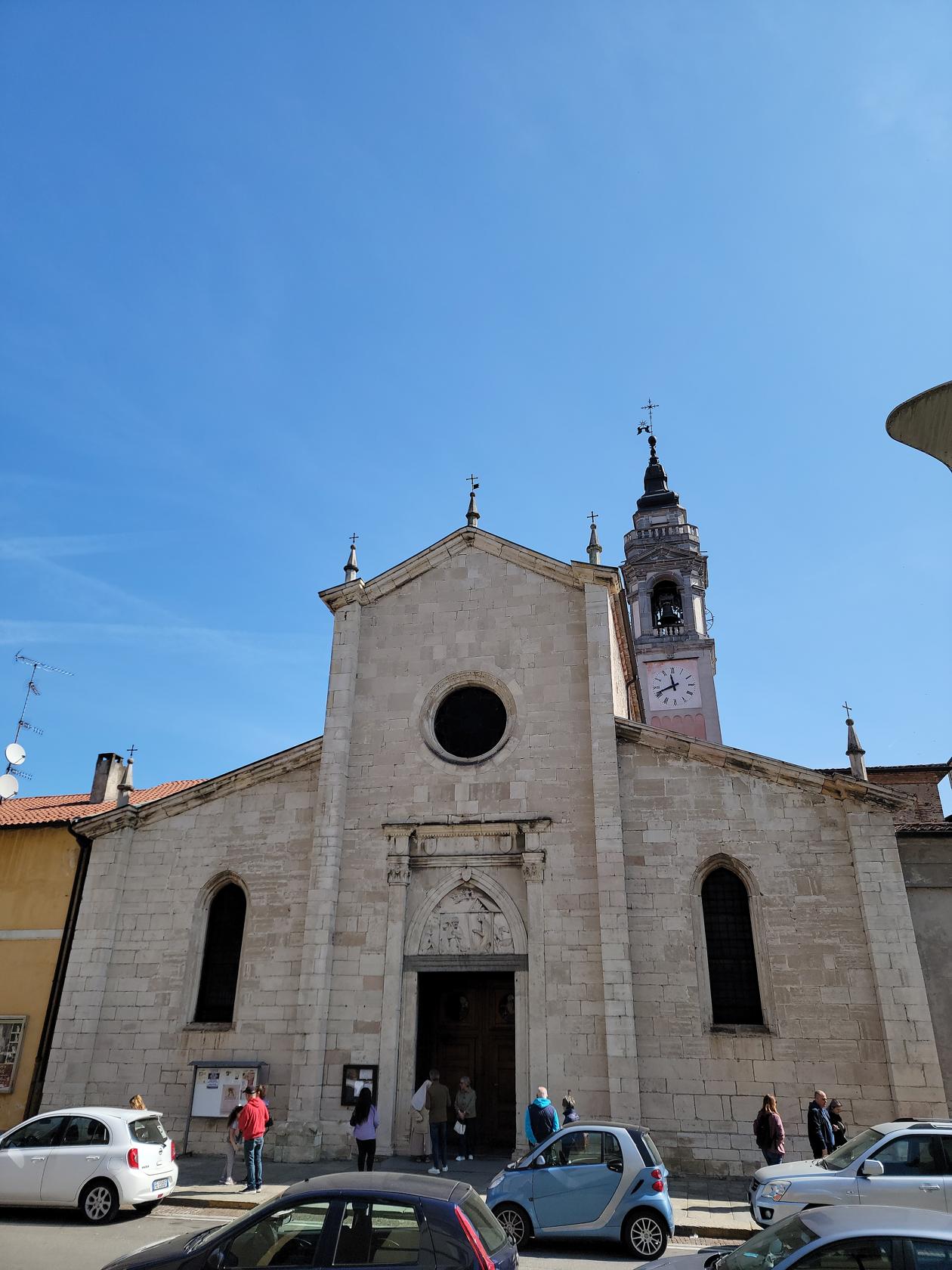
Collegiate Church of Arona
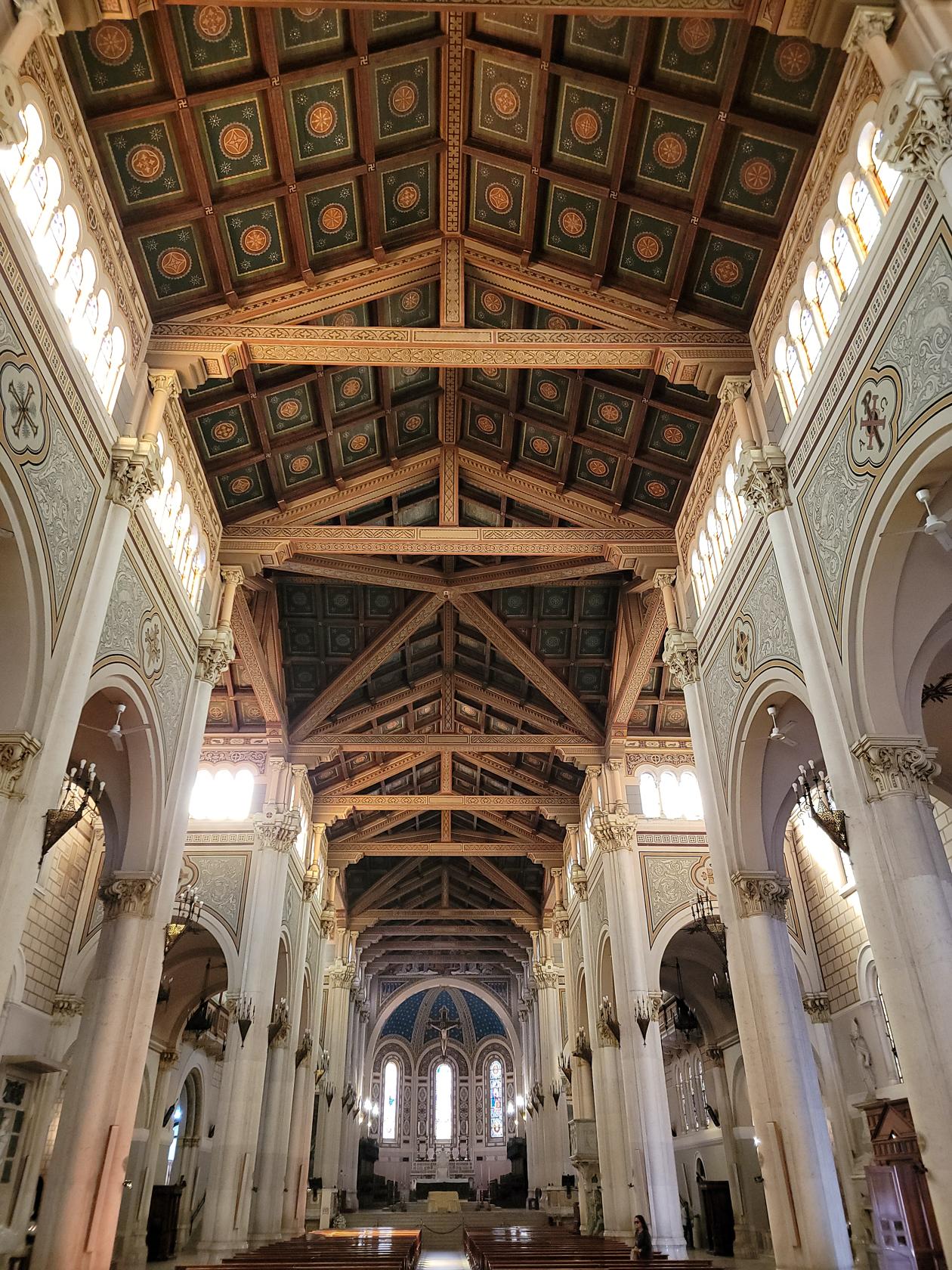
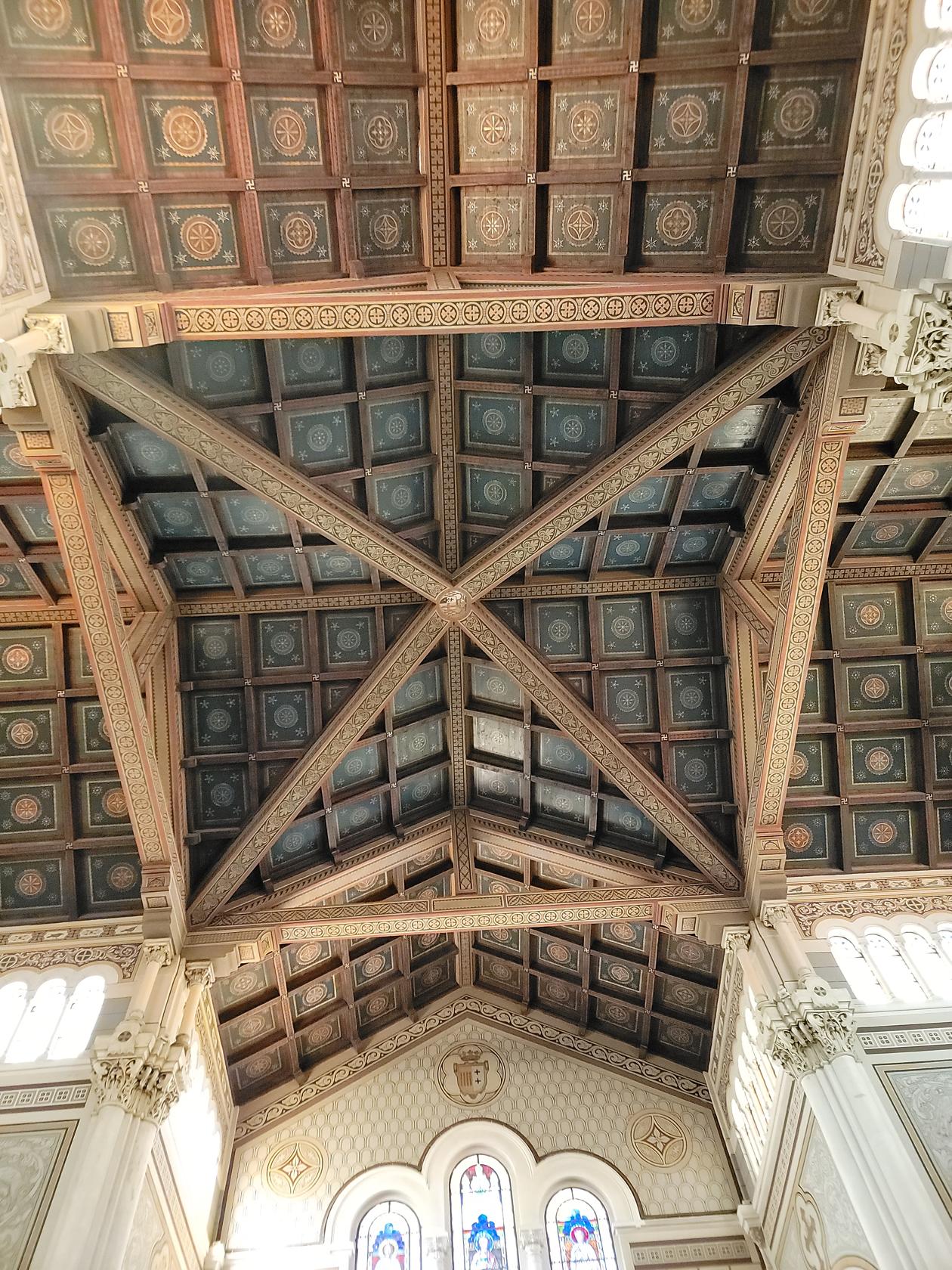
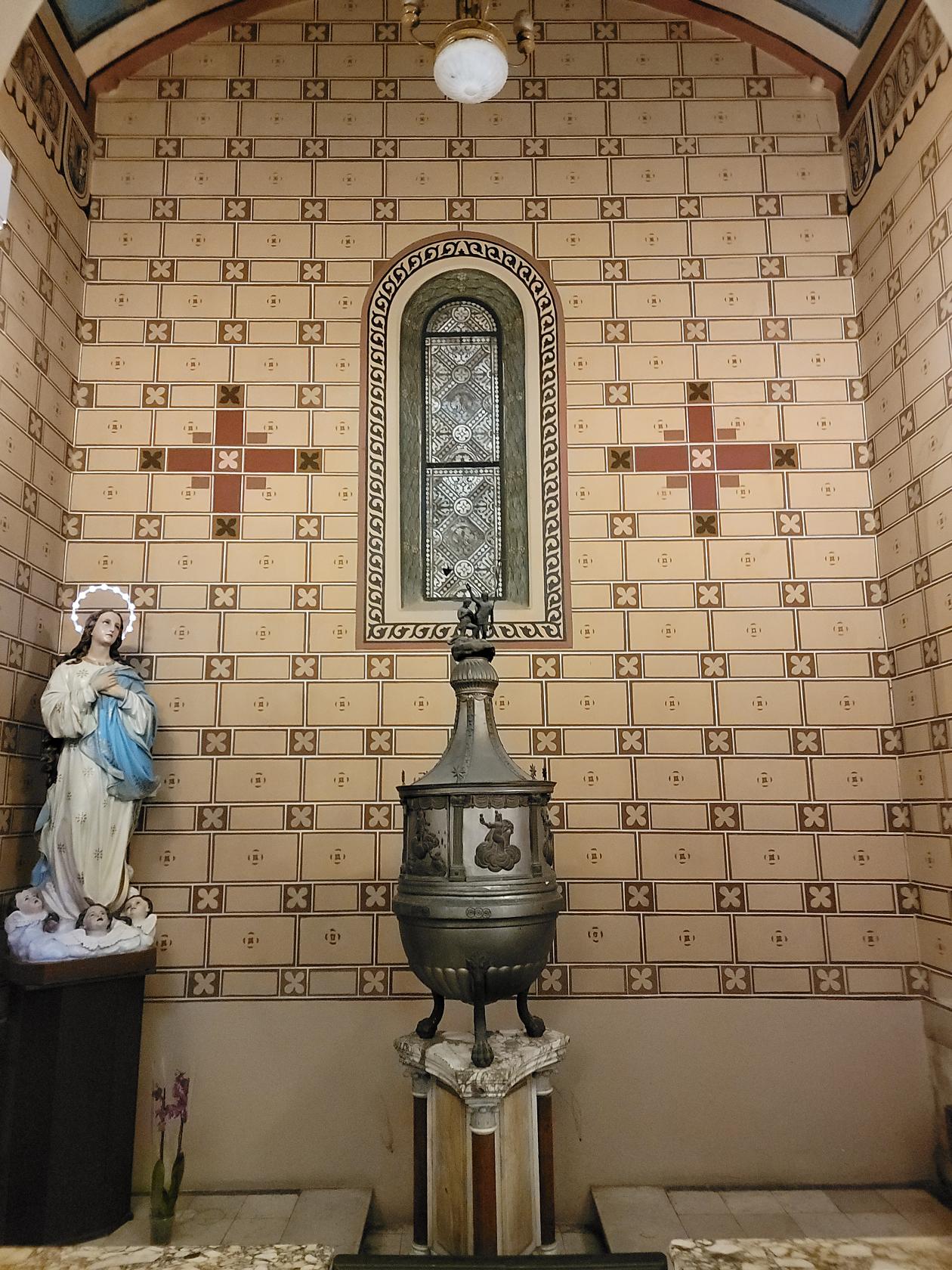
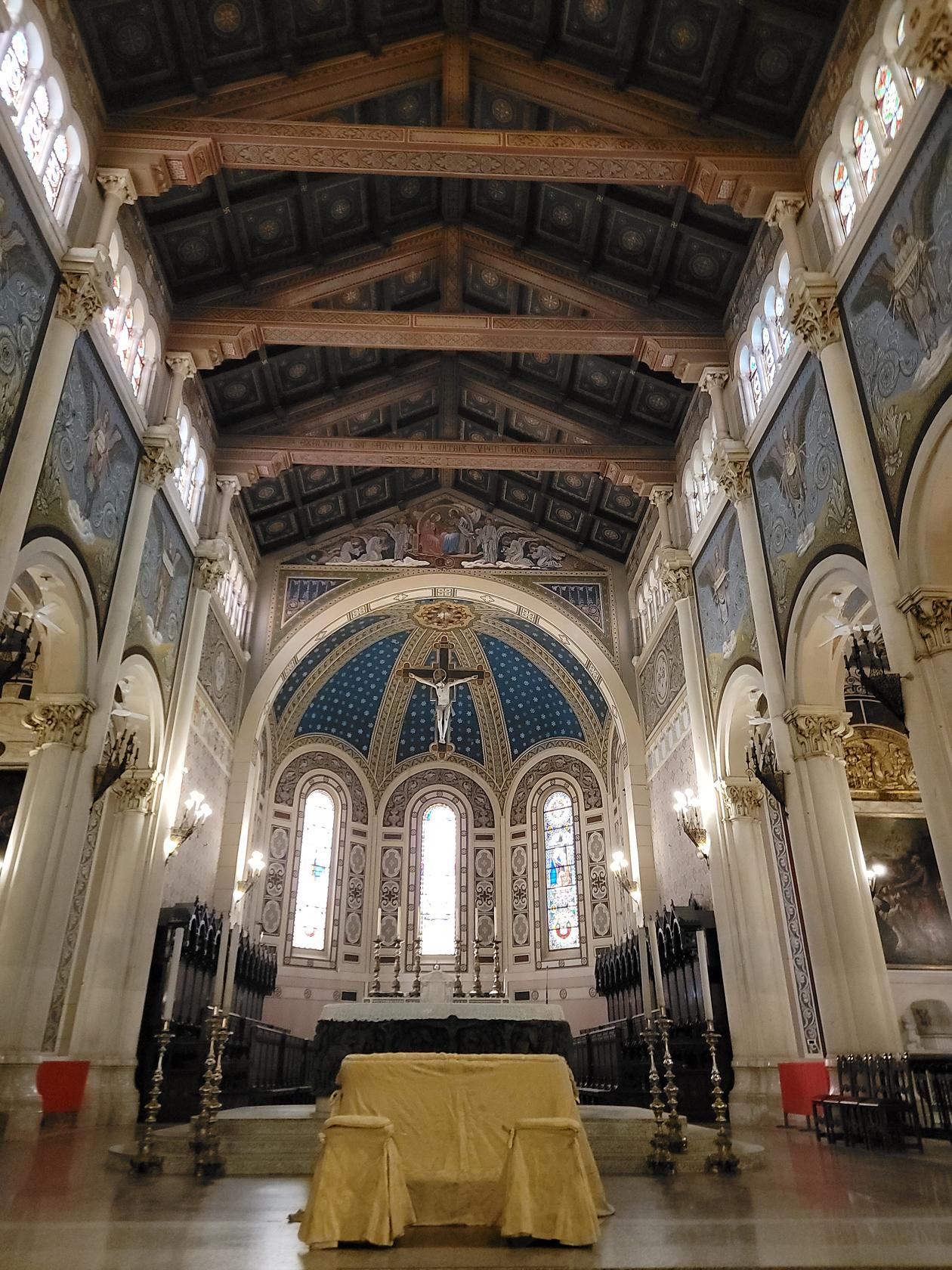
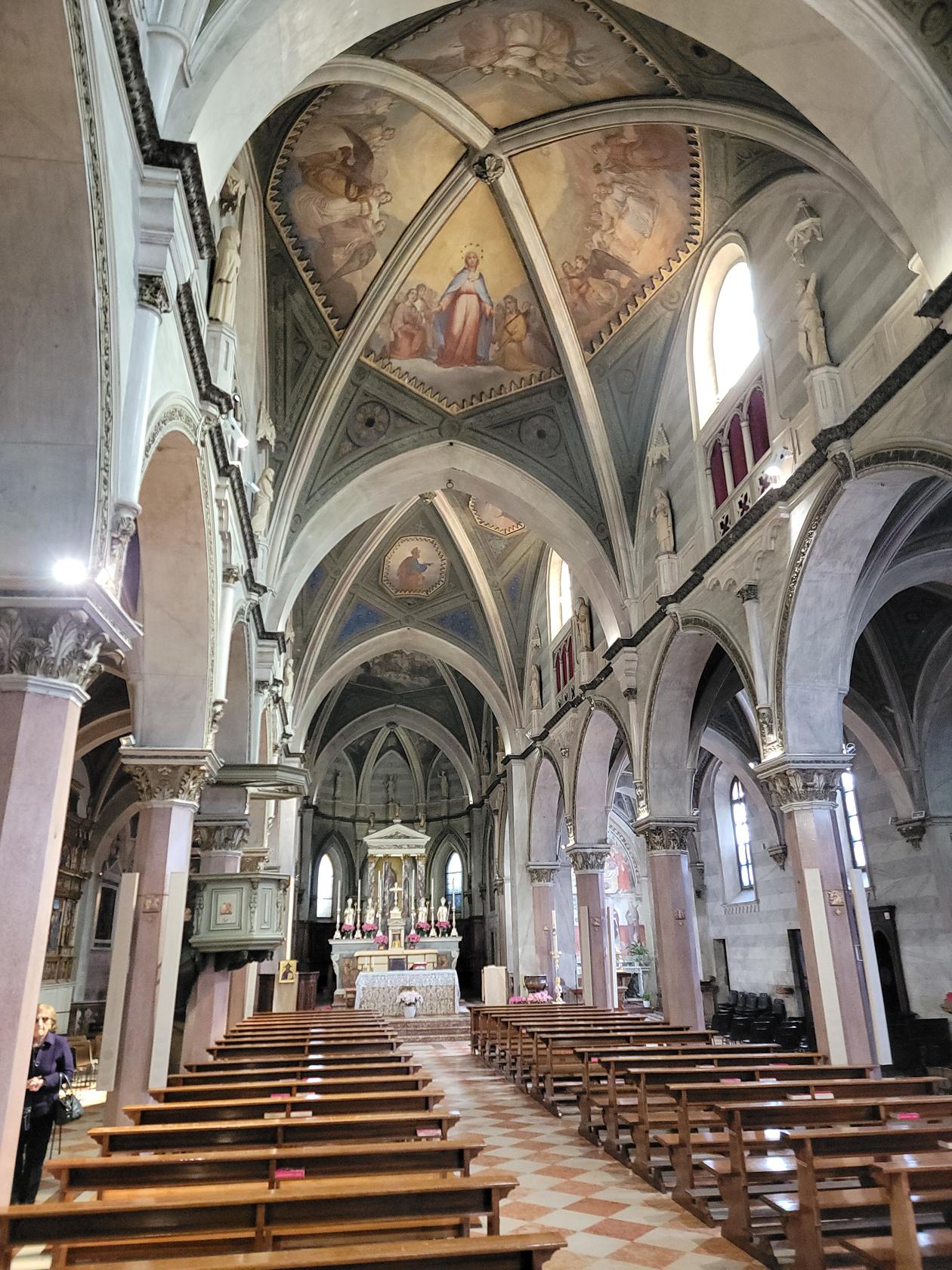
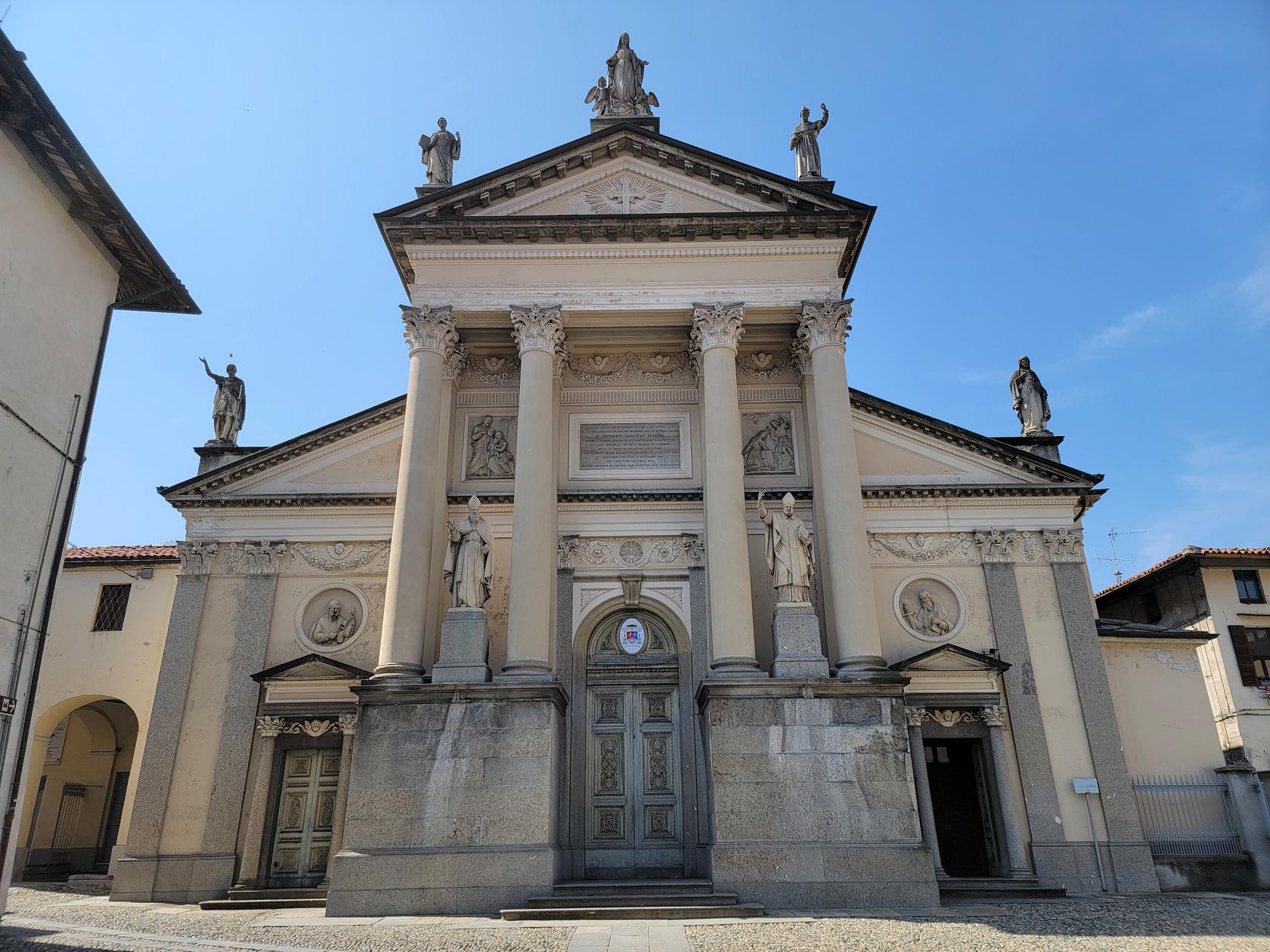
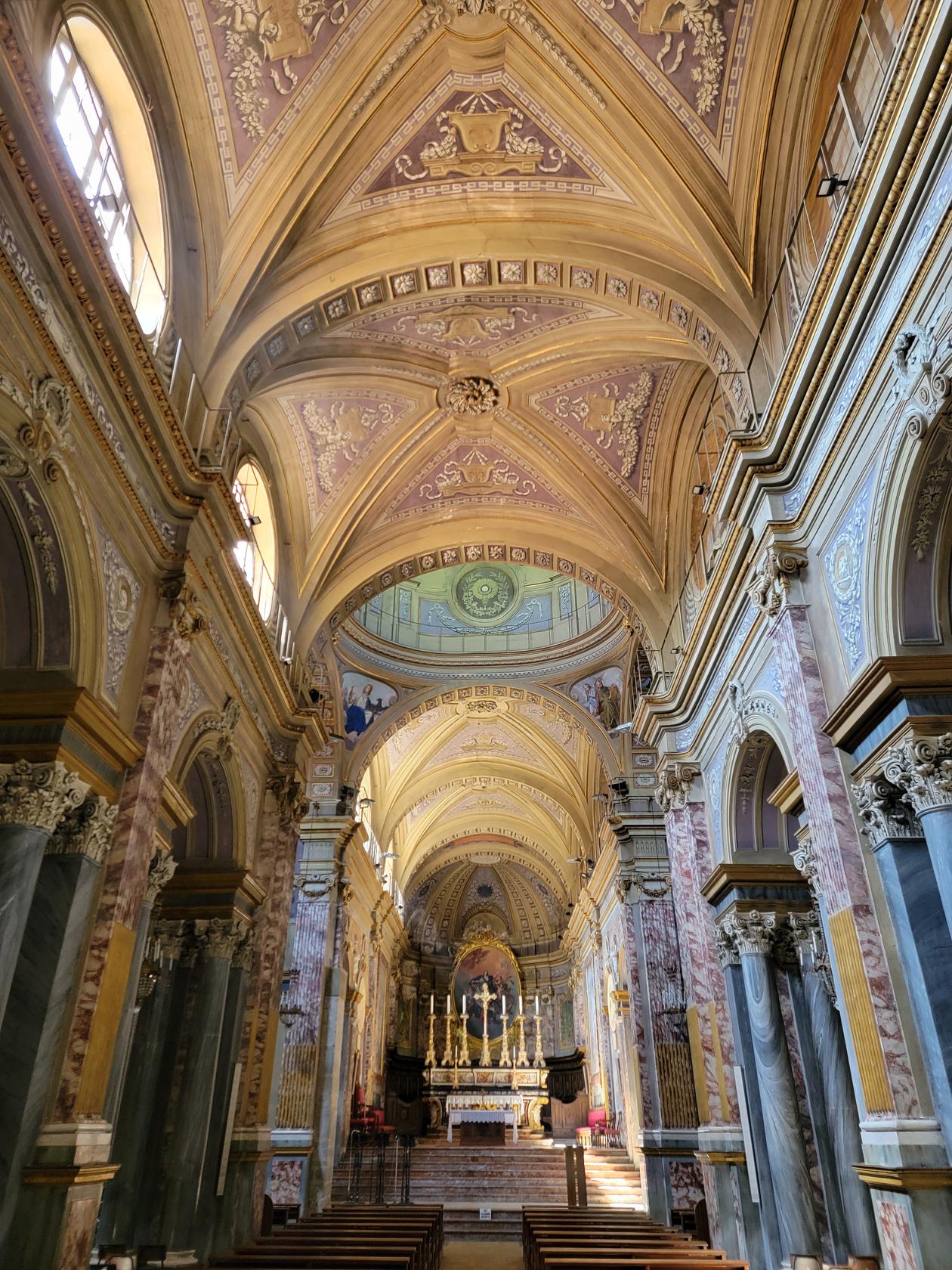
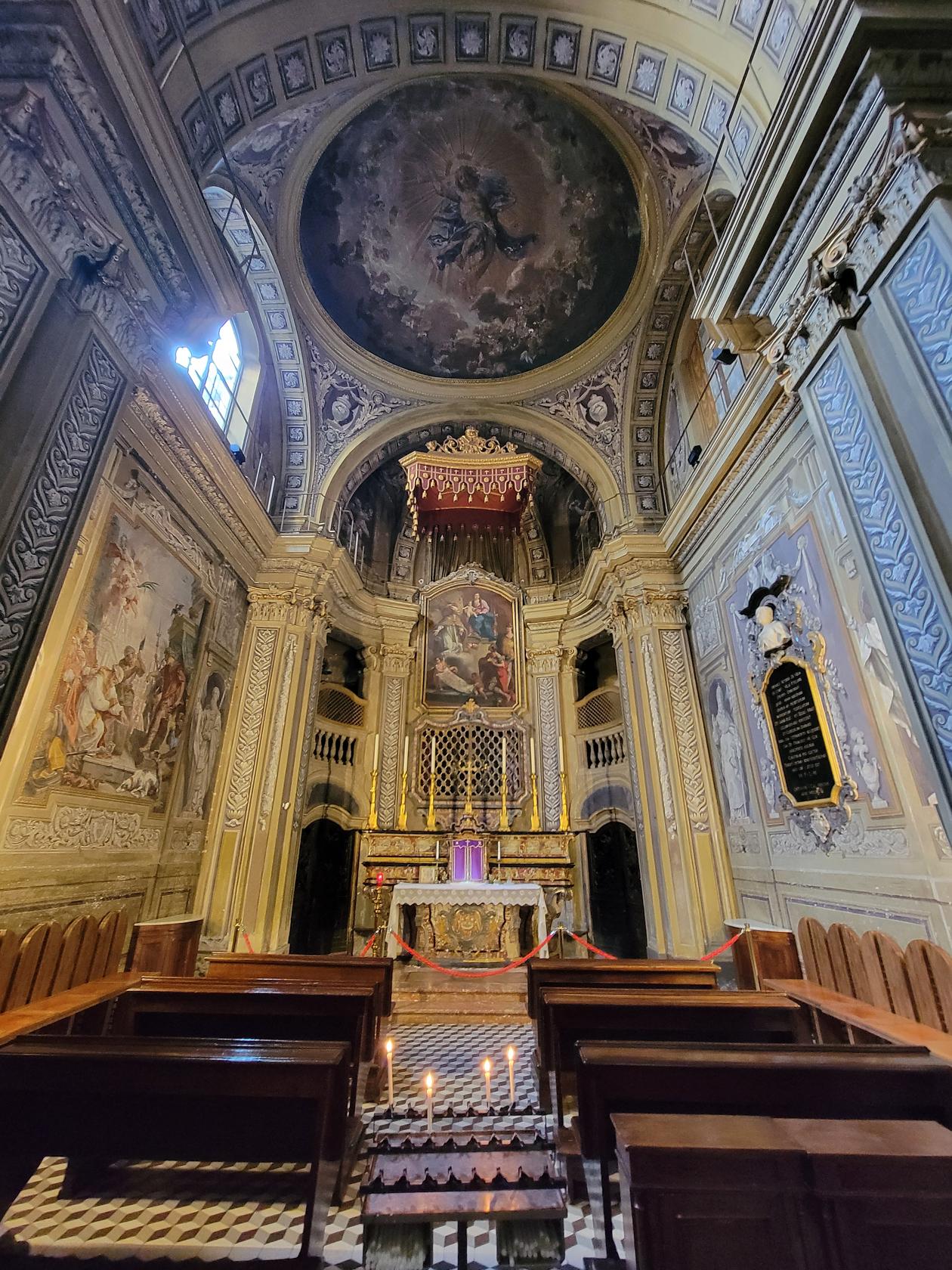
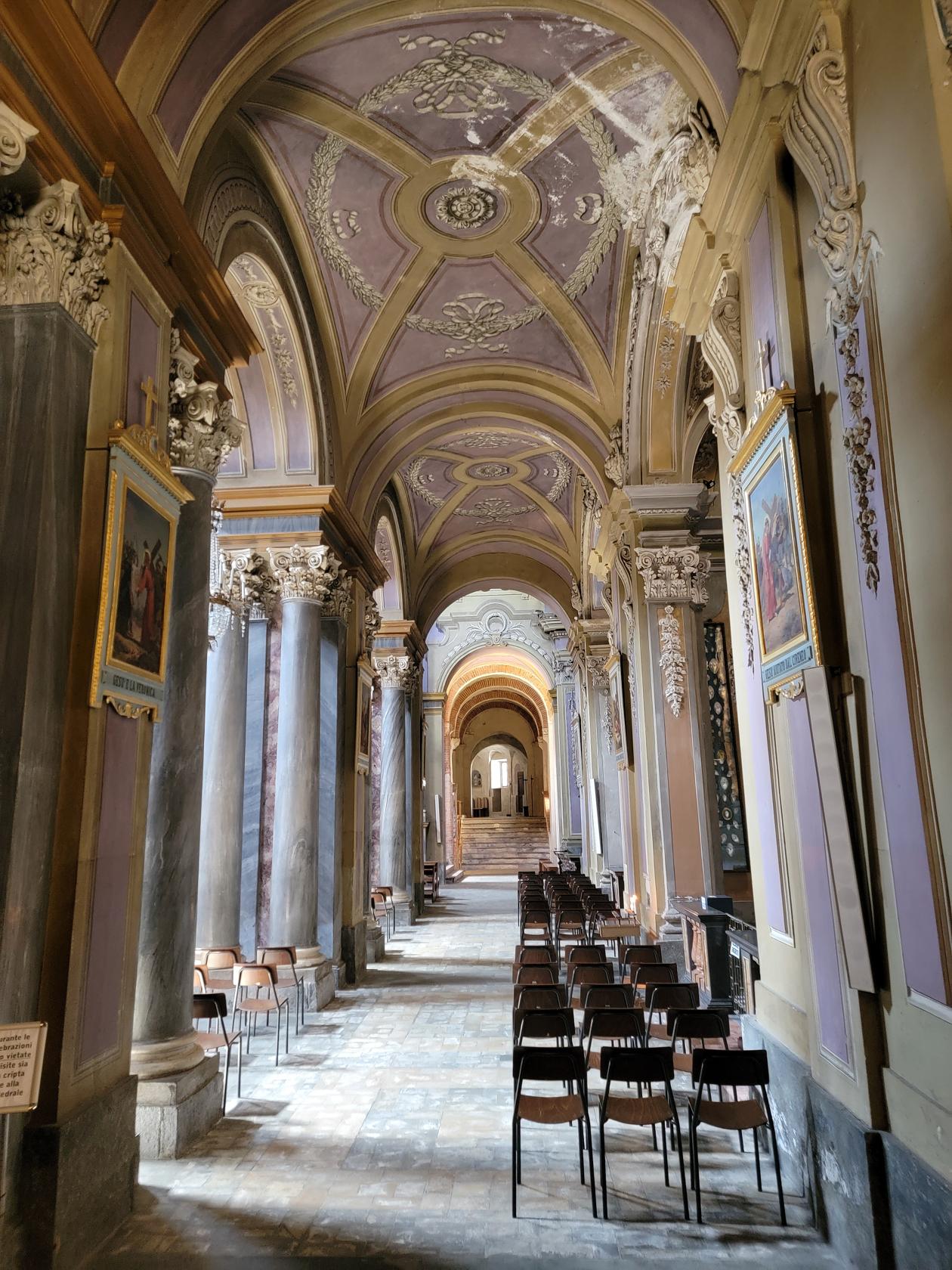
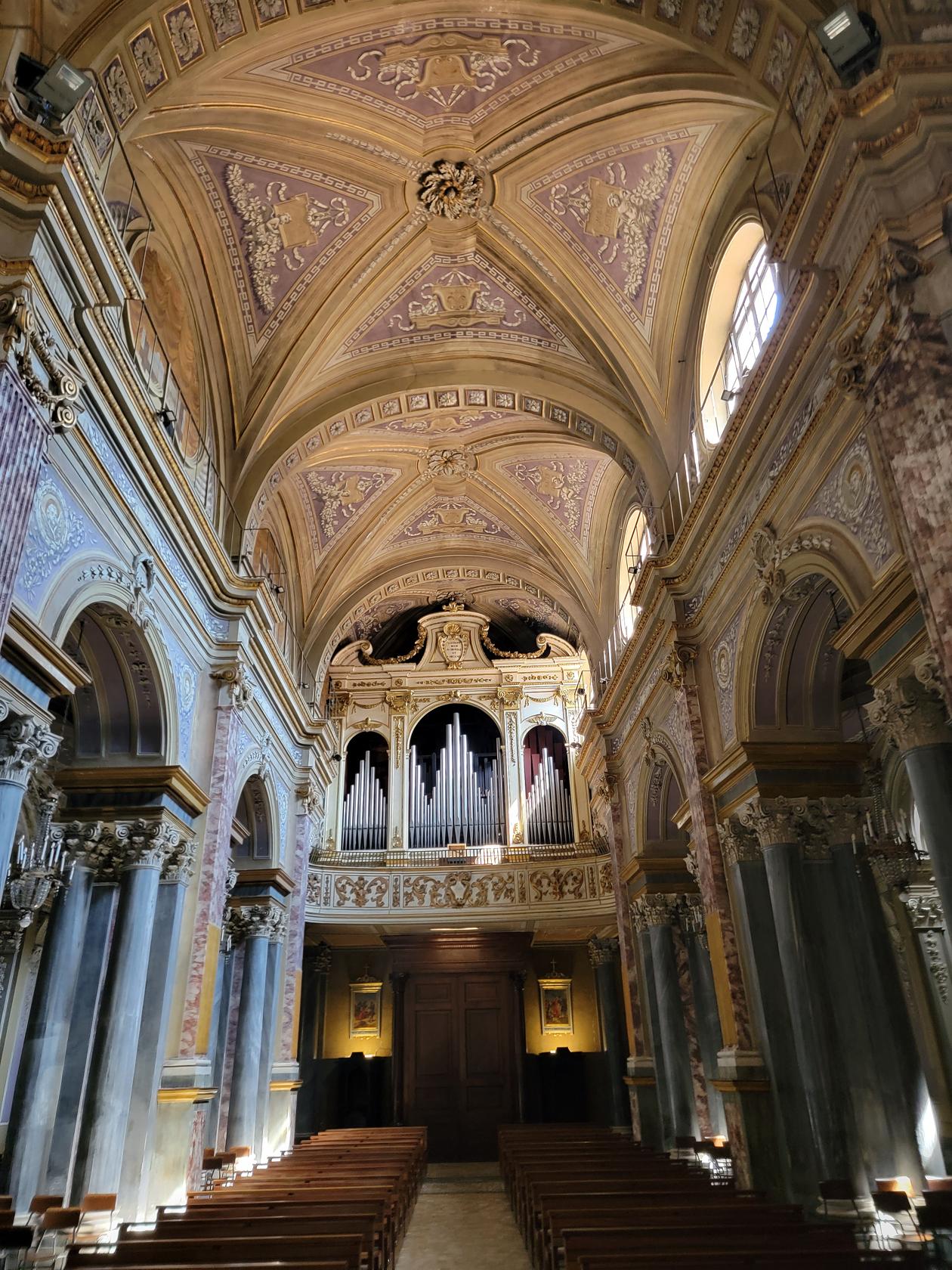
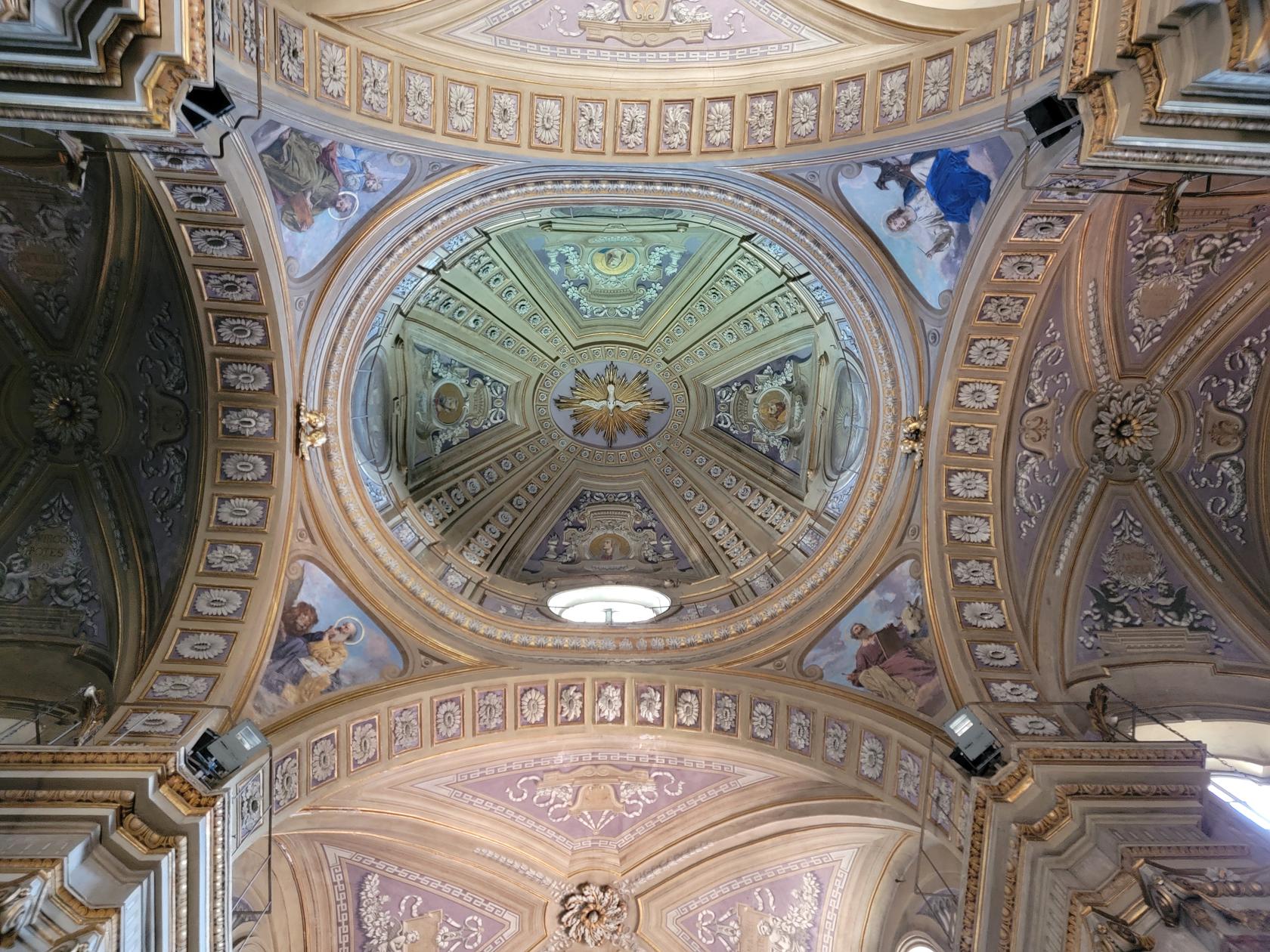
The Collegiate Church of Arona is also referred to as the New Church, or the Collegiate Church of the Nativity of the Virgin Mary. It has a long history dating back to the mid fifteenth century and was actually consecrated before its completion, in order to resolve internal issues and from competition with Santi Martiri, which was being built at the same time.
Entrance – Collegiata di Santa Maria Nascente – Arona, Italy
Nave – Collegiata di Santa Maria Nascente – Arona, Italy
Arona Castle
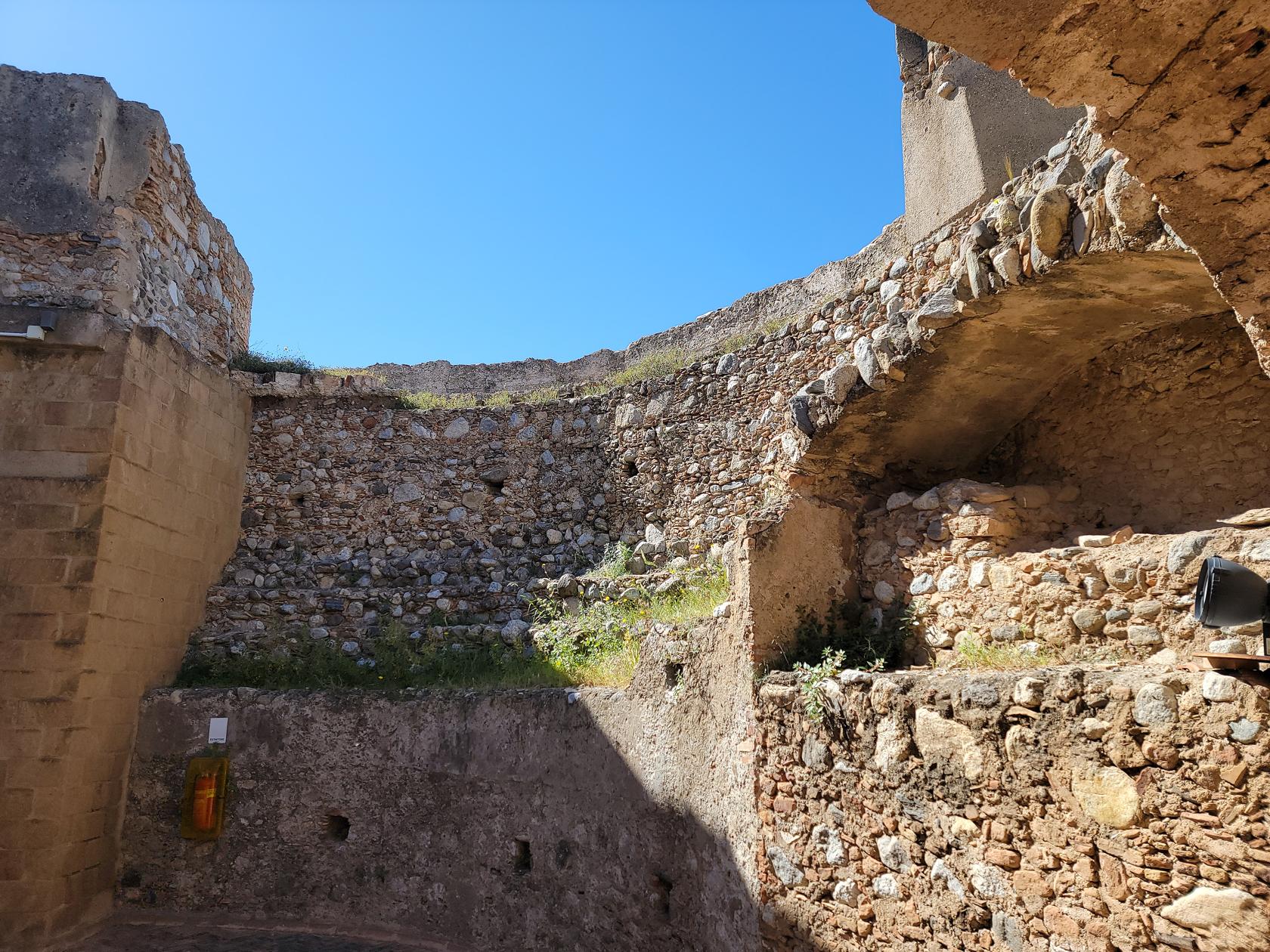
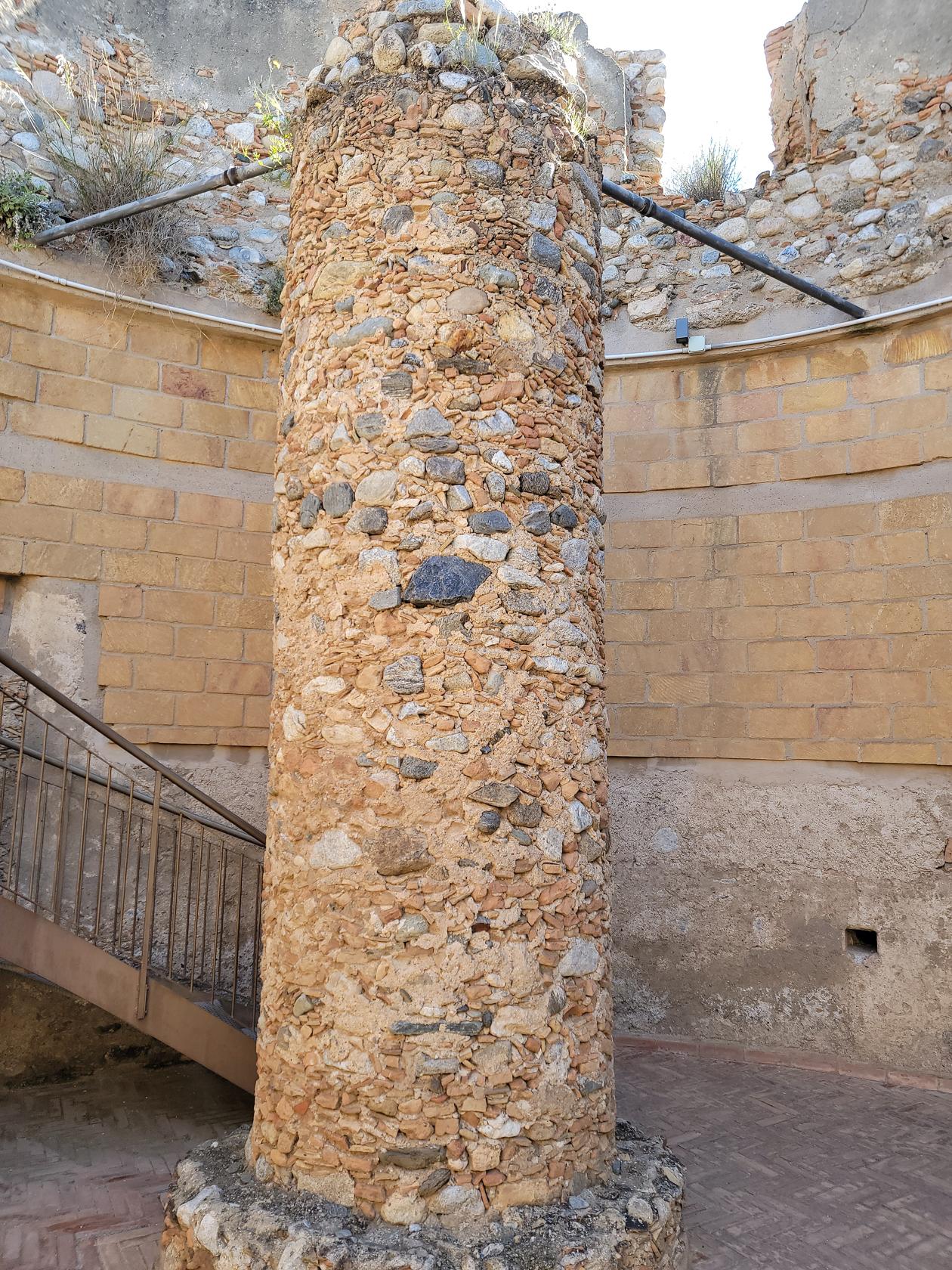
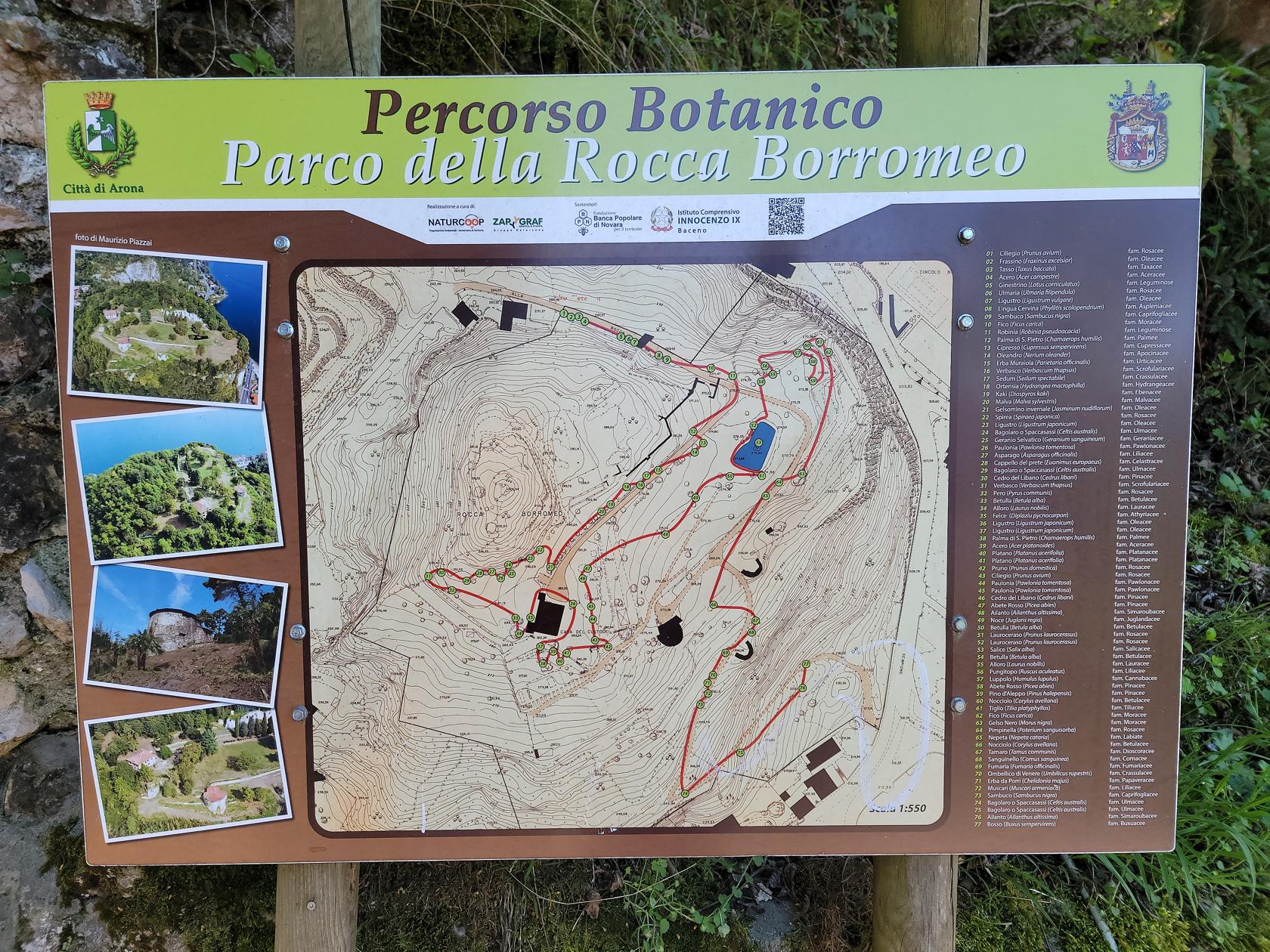
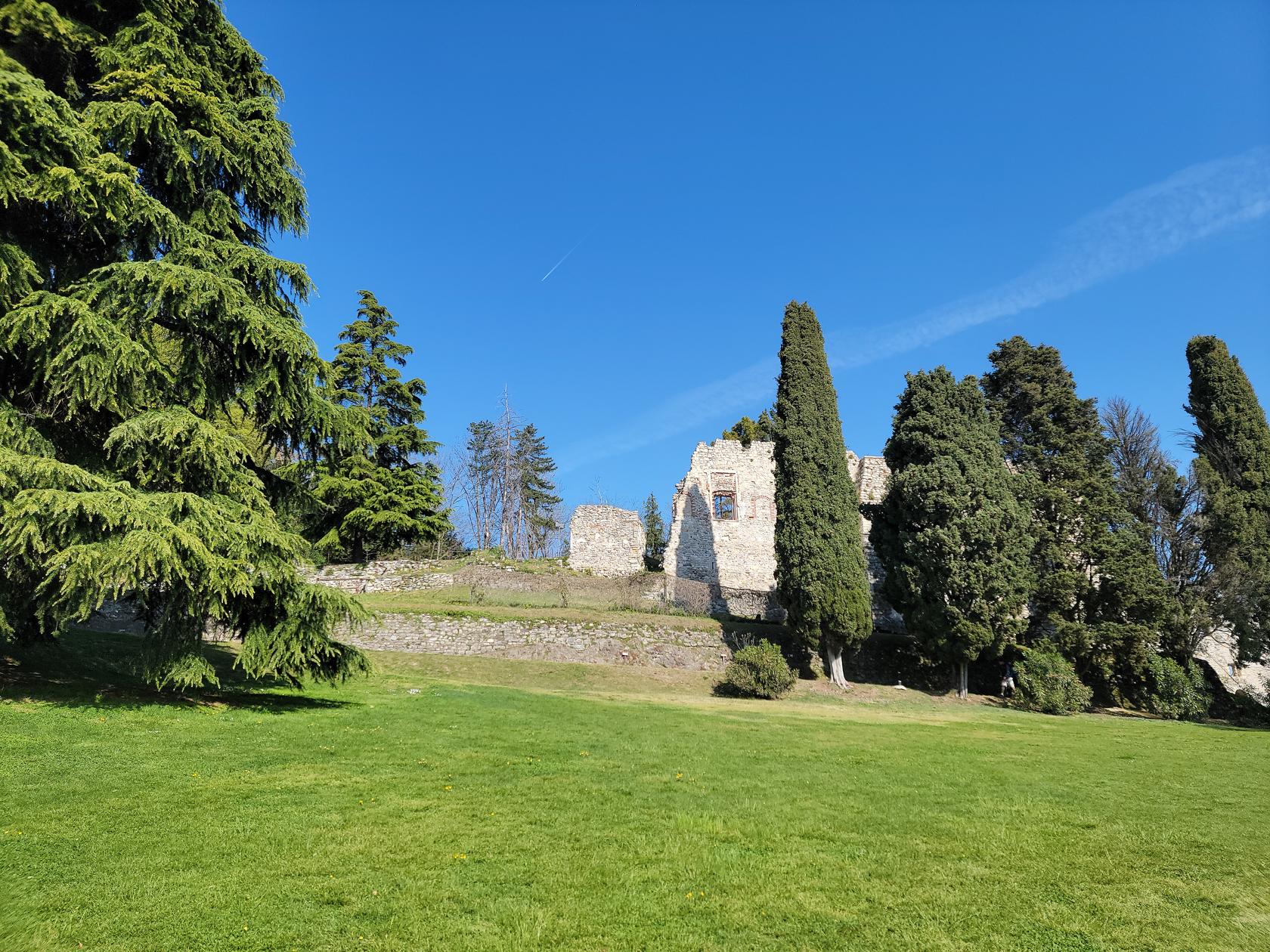
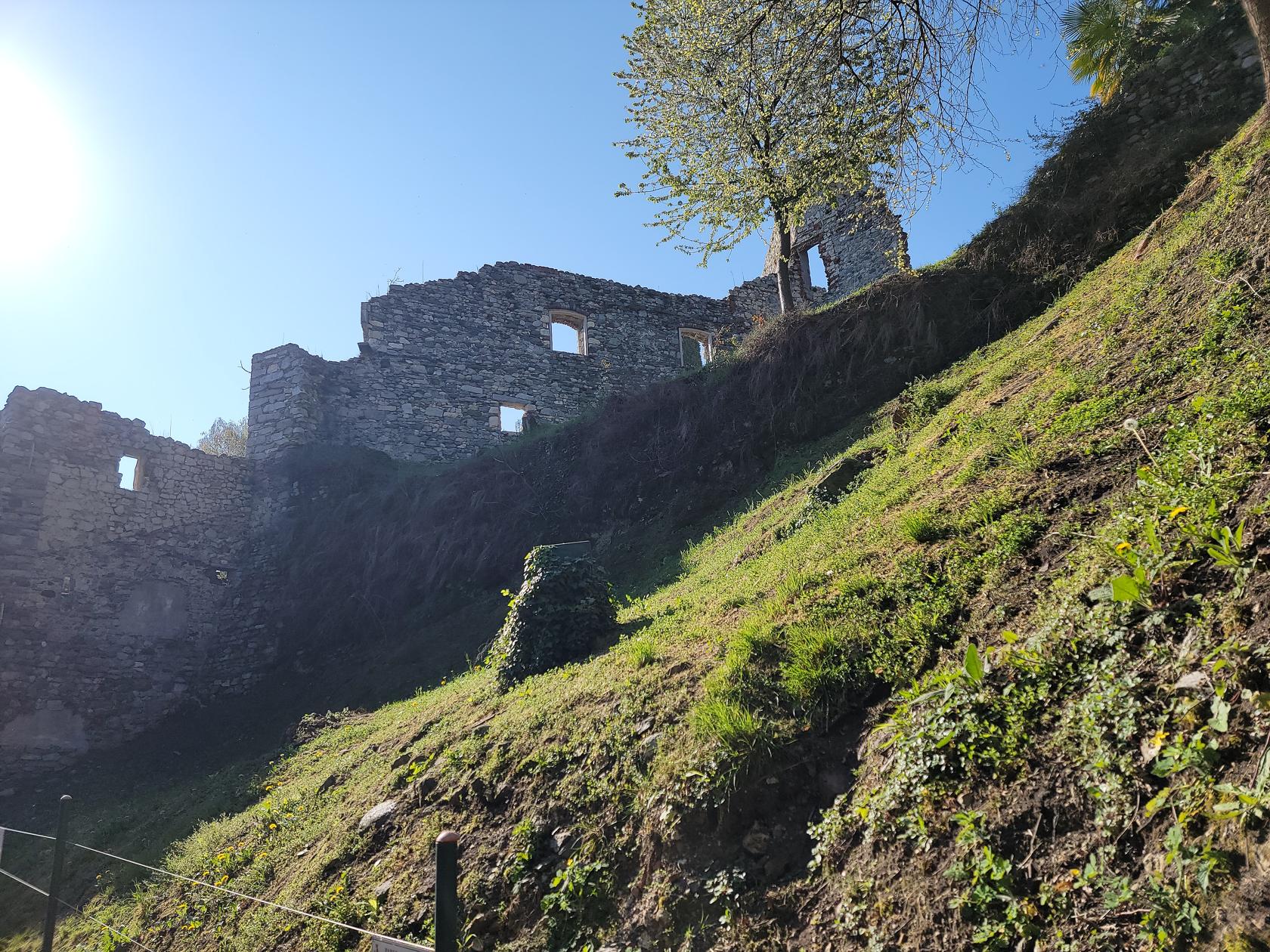
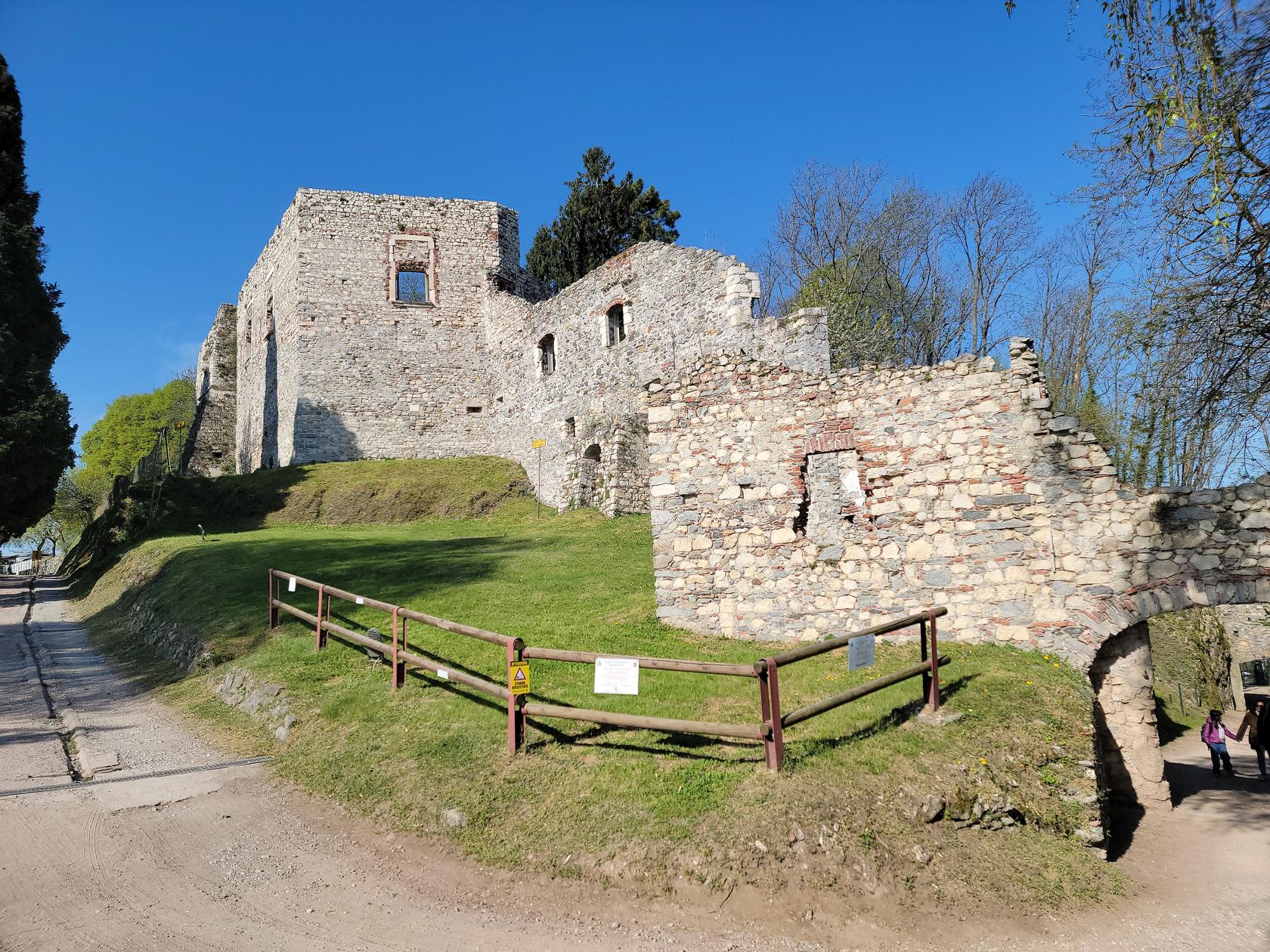
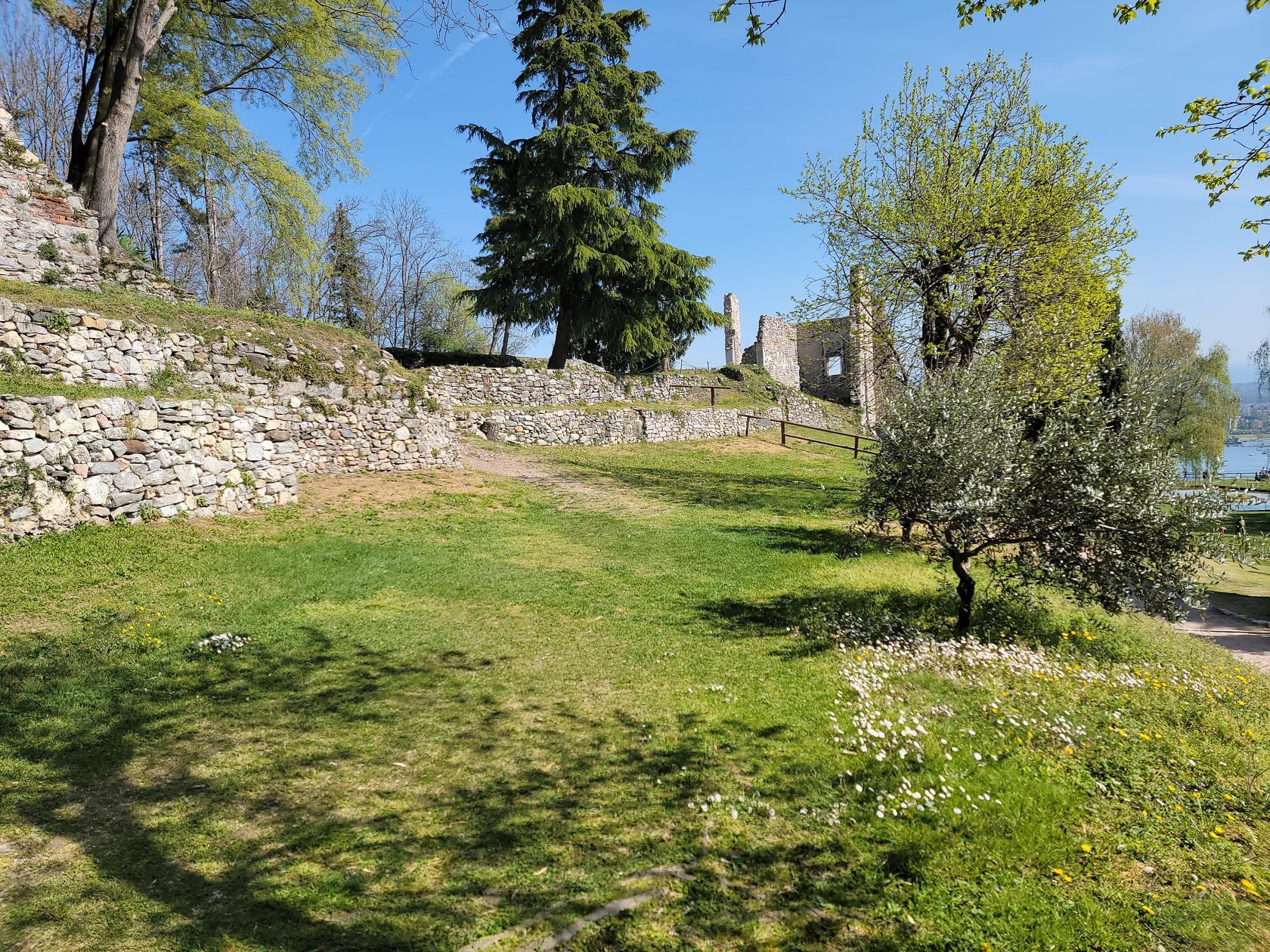
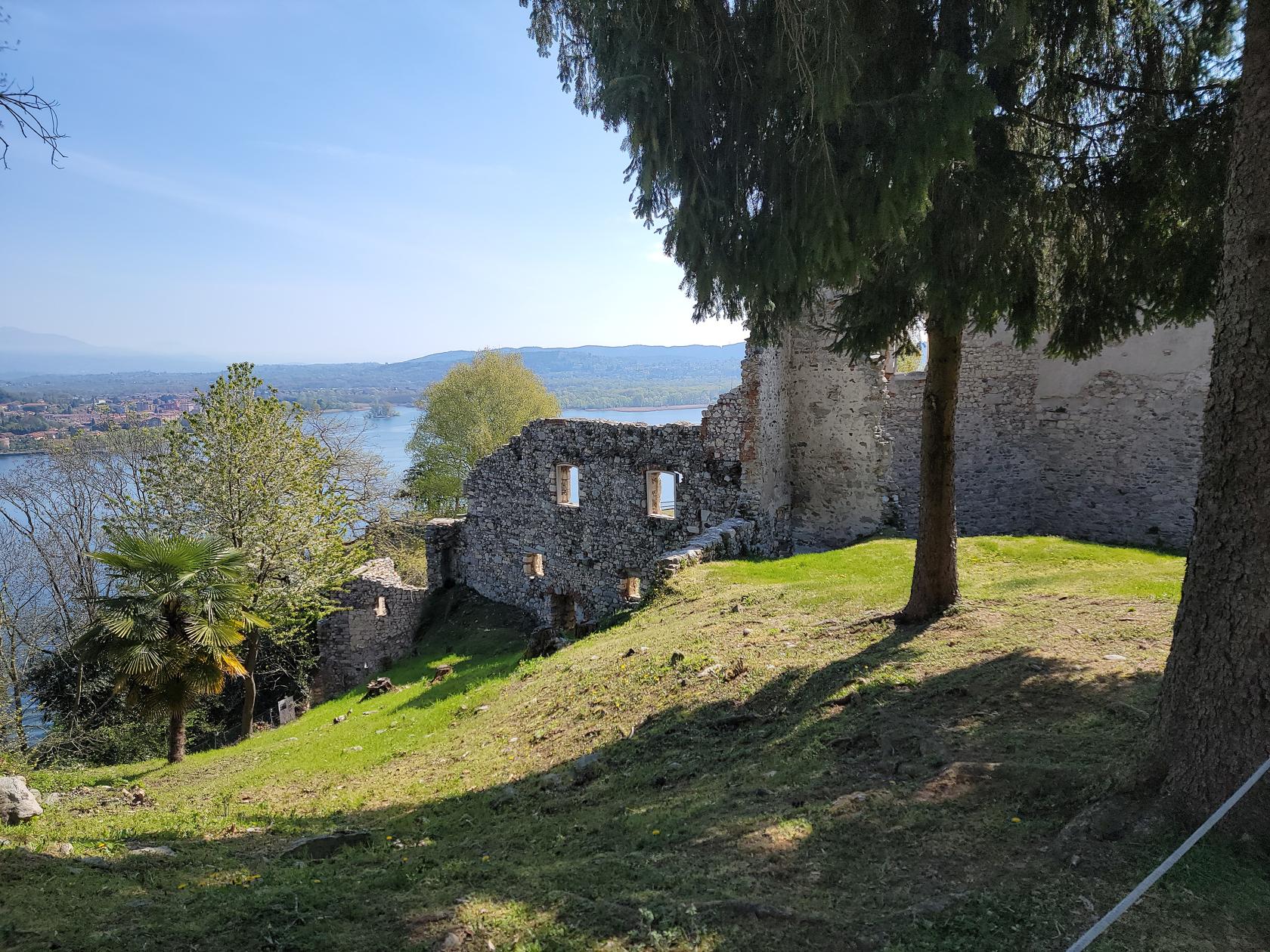
More people come here for the Rocca Park, wherein the castle resides, and not for the castle itself, since there is actually not much of it to see.
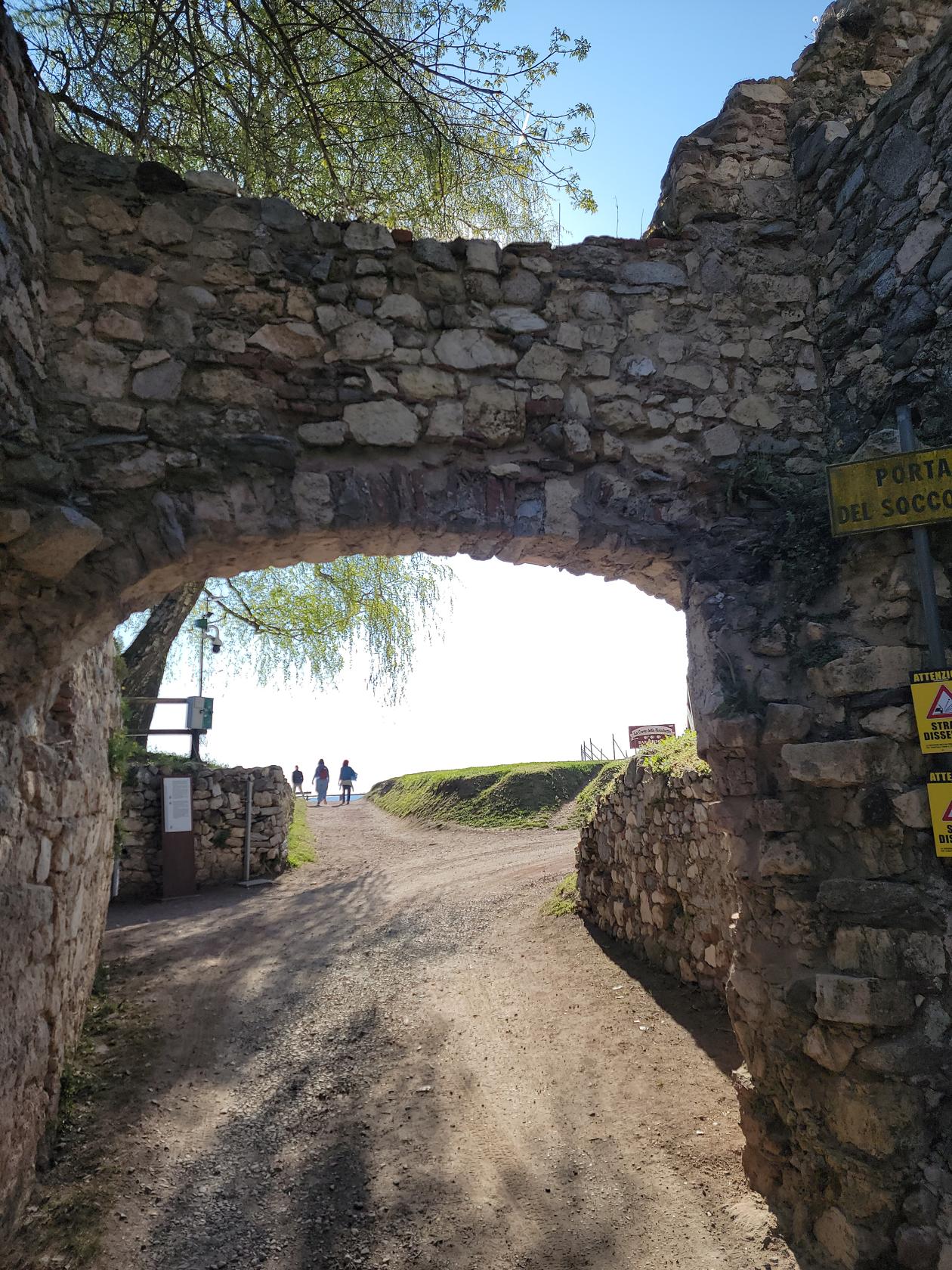
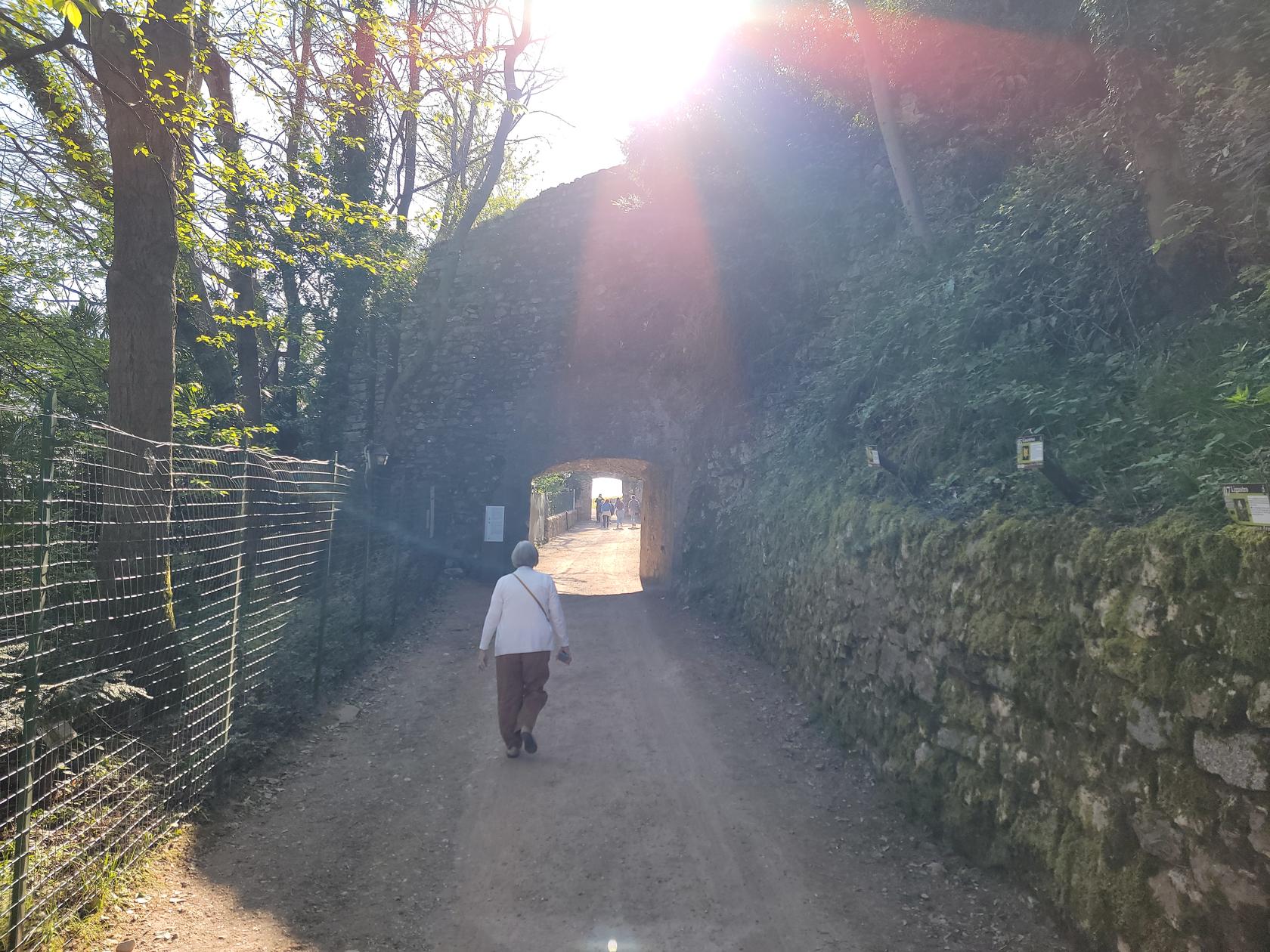
Borromeo Castle Park – Arona, Italy
Borromeo Castle – Arona, Italy
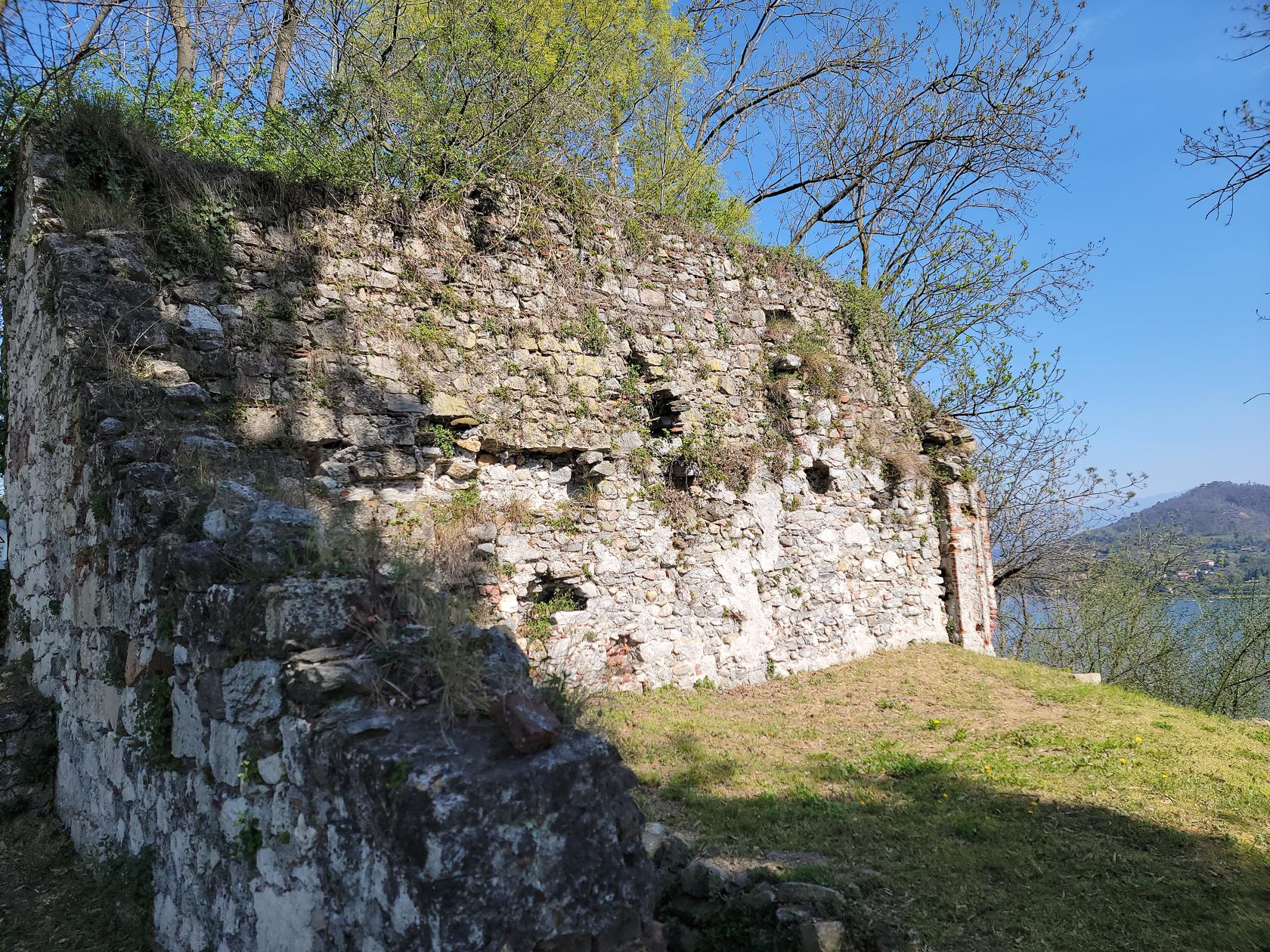
The Rocca, or castle, apparently dates back to the late tenth century and by the eleventh century it had become a military fortification to defend the Milanese territory. From then on, it was fought over by the Torriani, Viscontis and Borromeo families.
Borromeo Castle – Arona, Italy
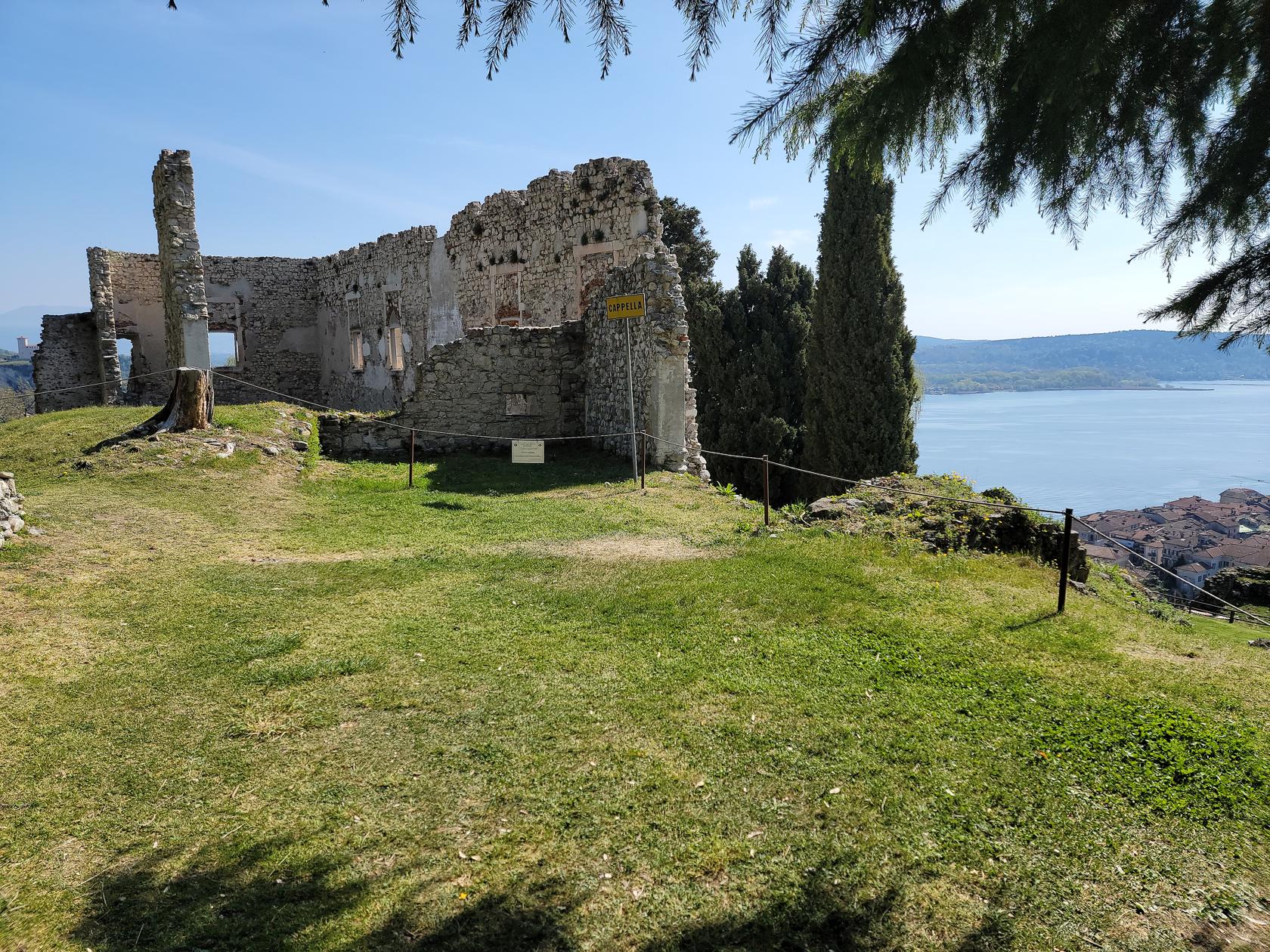
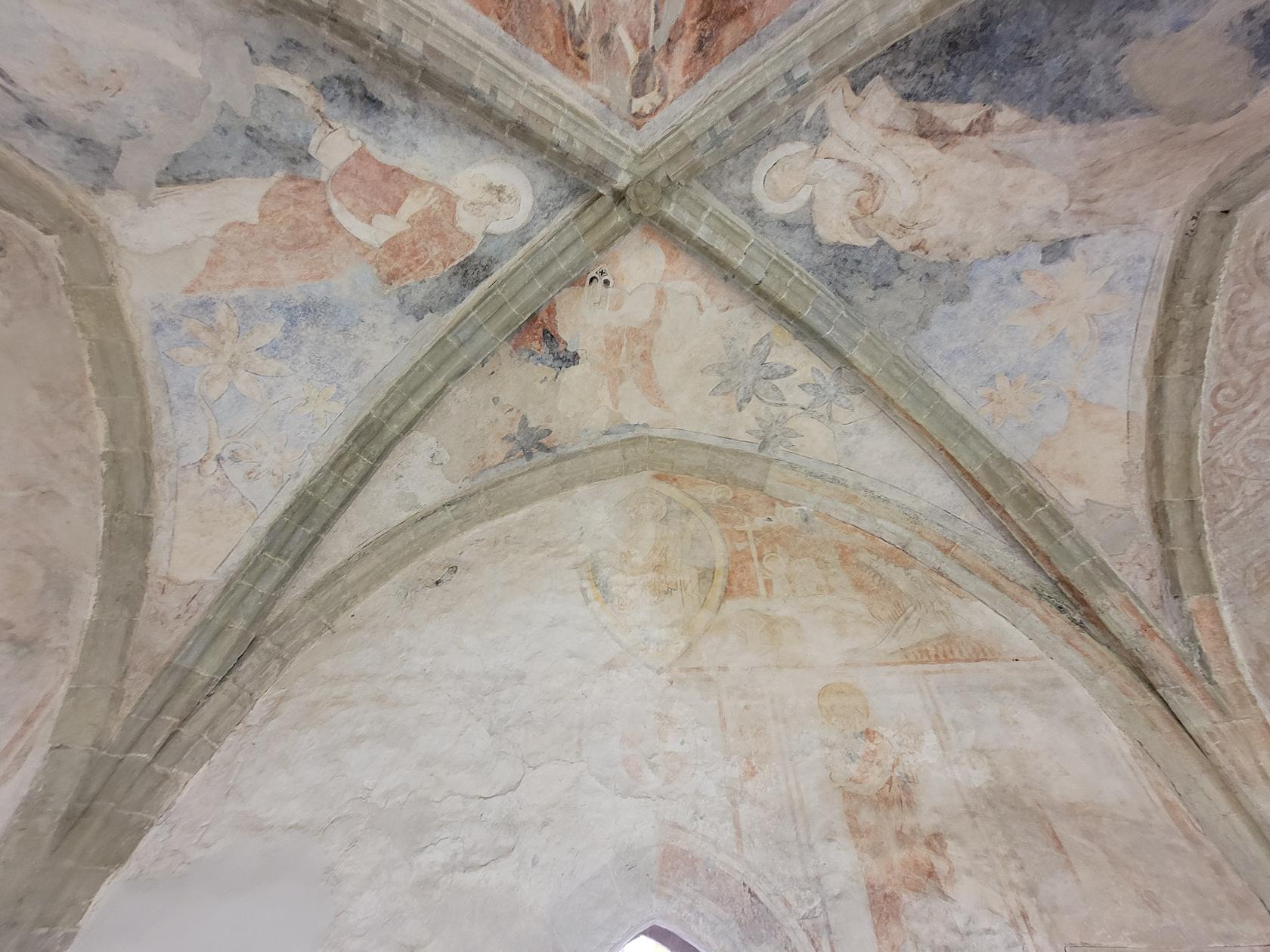
Old Chapel – Borromeo Castle – Arona, Italy
Borromeo Castle – Arona, Italy
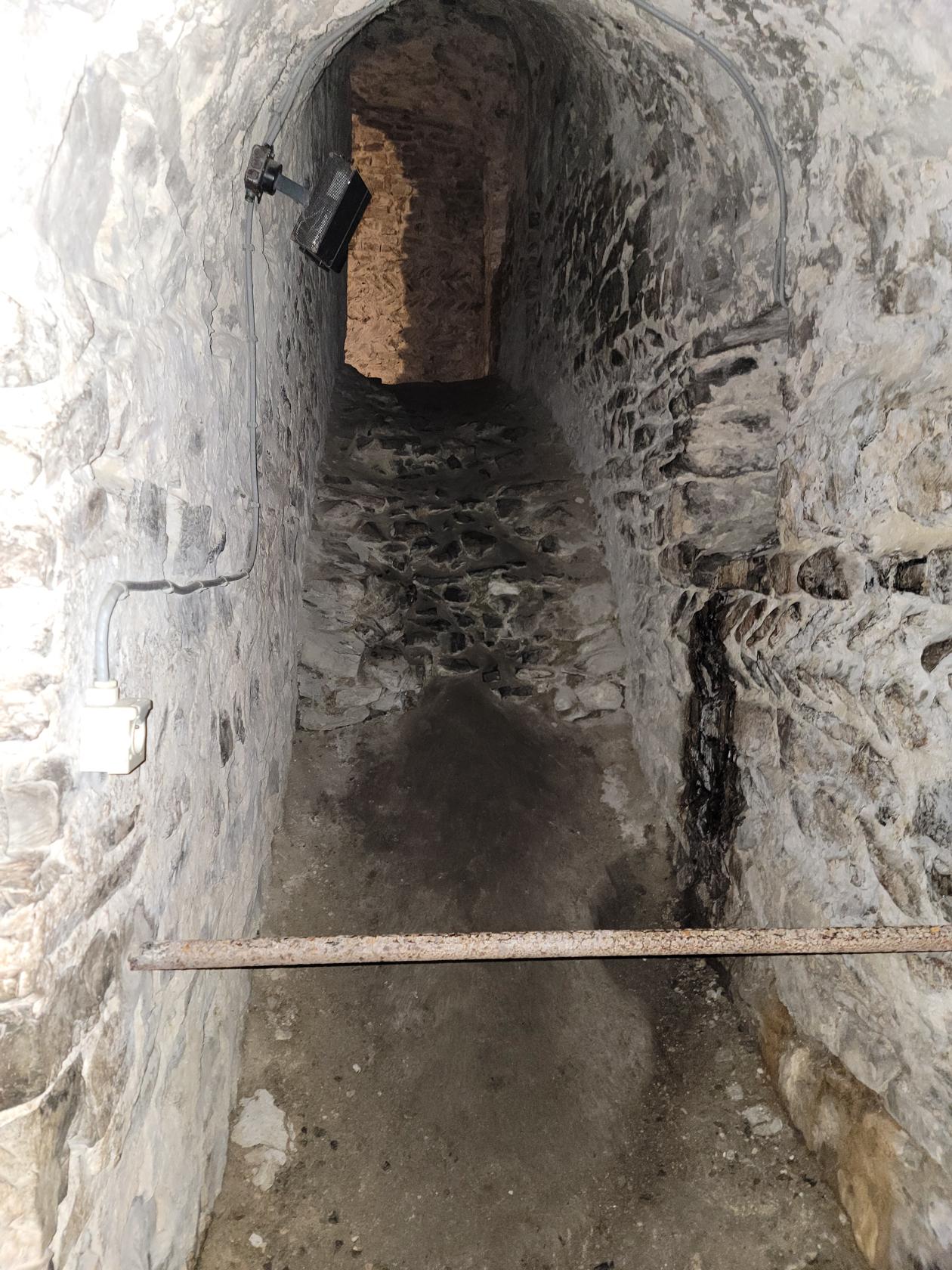
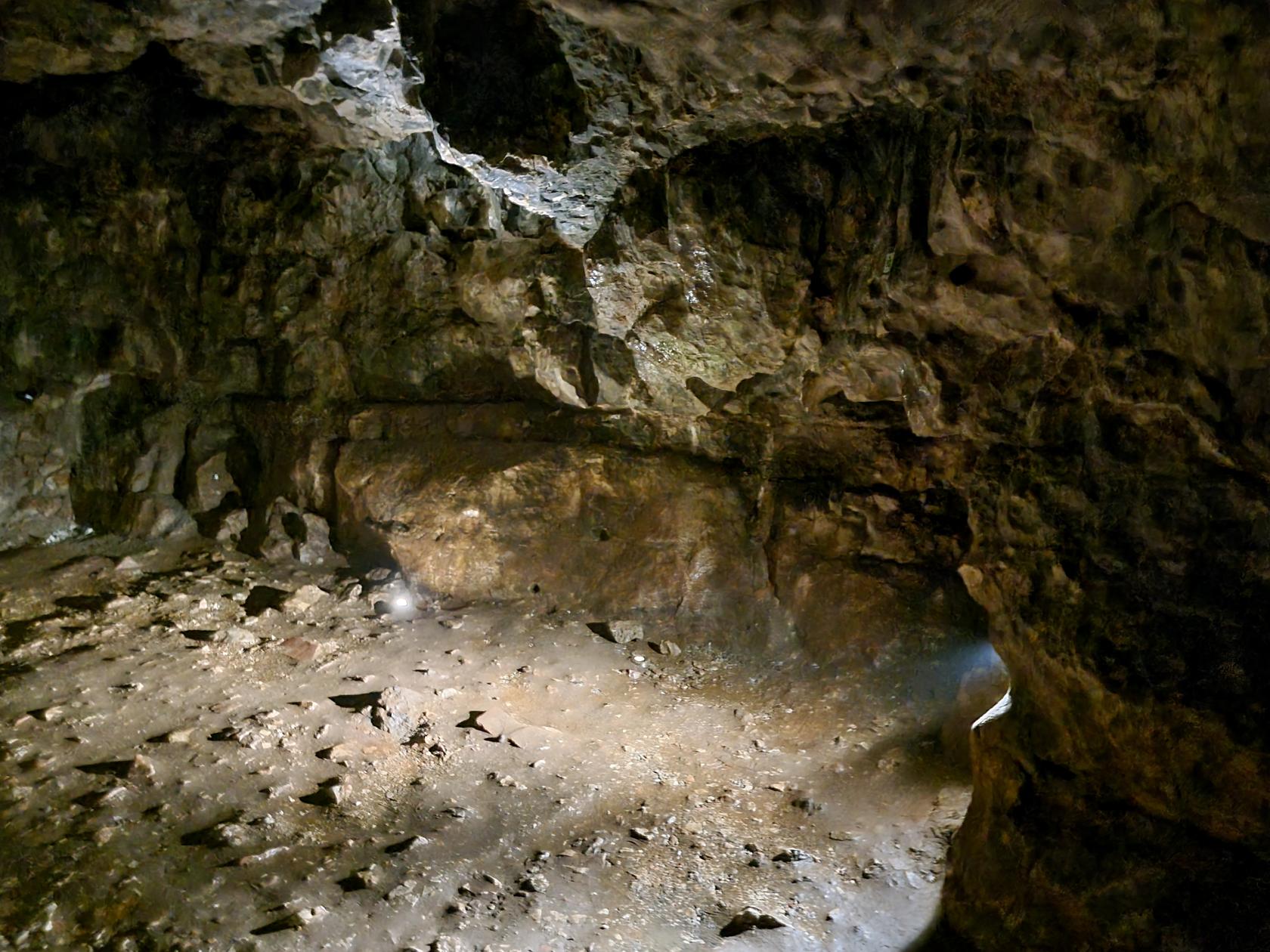
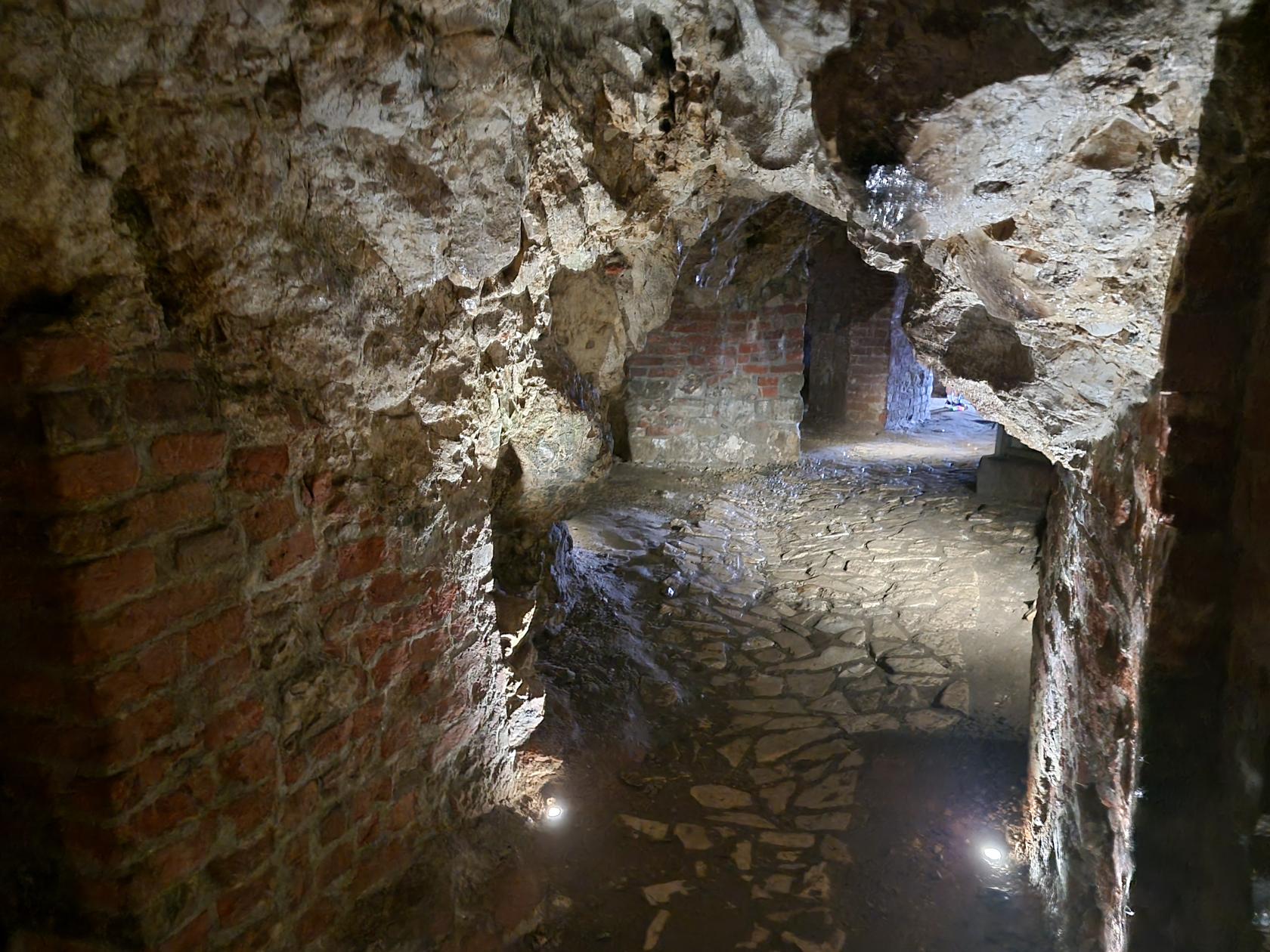
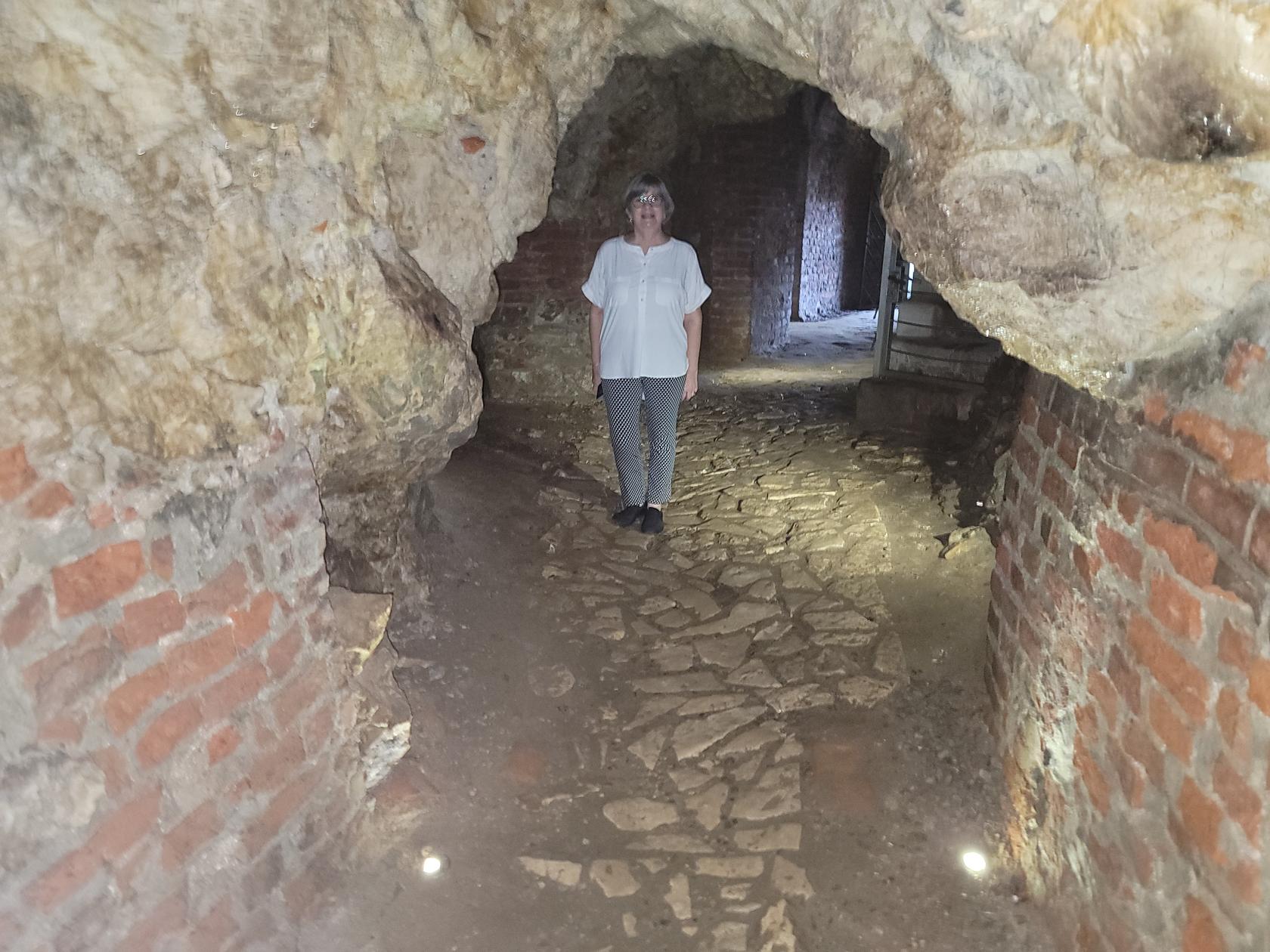
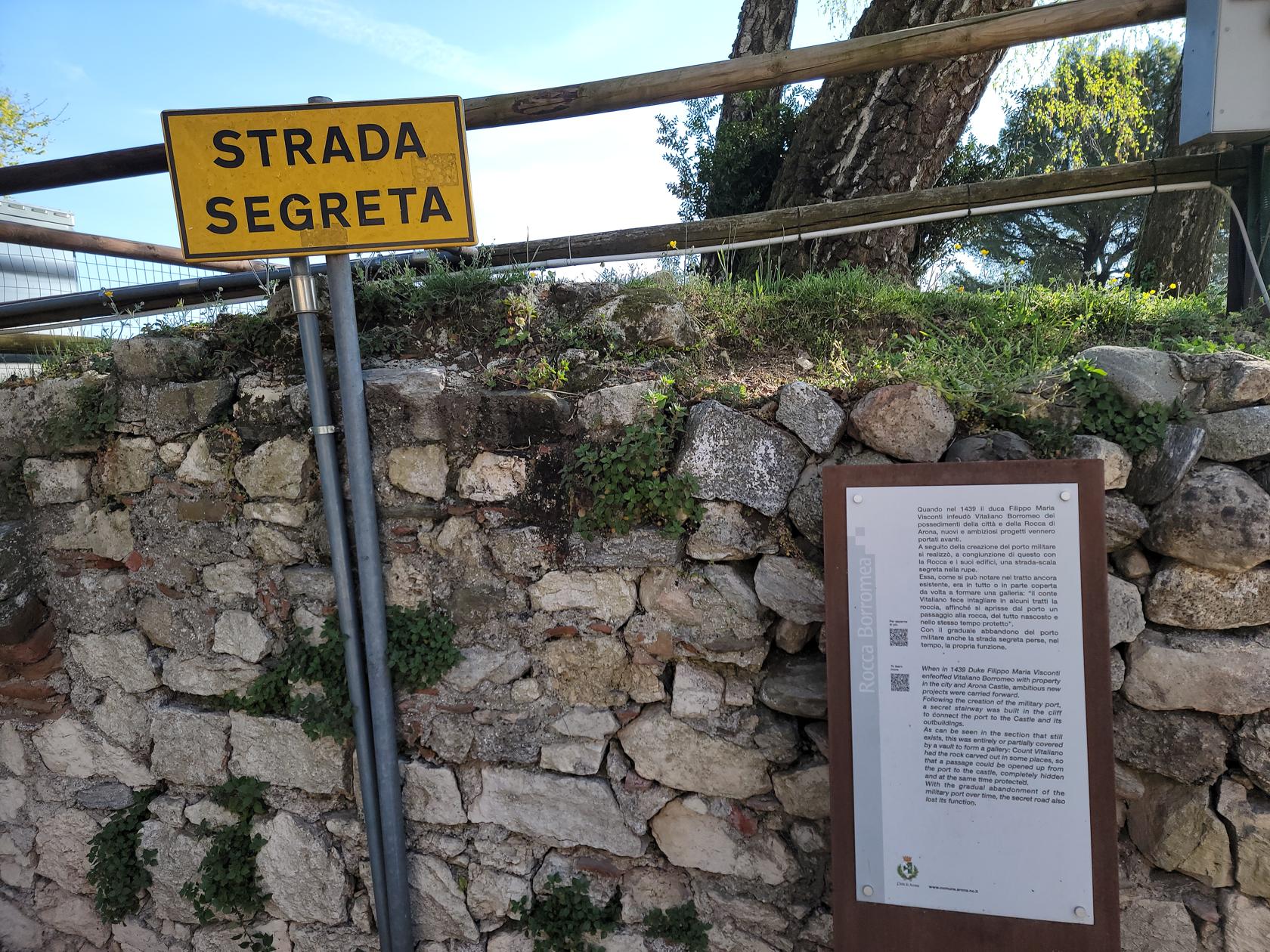
Some time in the fifteenth century, the Viscontis family built a hidden stairway from the port to the castle, so that the two could be connected during times of trouble. Parts of which were hewn from solid rock. After the castle was sacked, the stairway remained, though it is currently cordoned off to visitors.
Secret Street – Borromeo Castle – Arona, Italy
It wasn’t until Napoleon Bonaparte arrived, that the castle was completely destroyed and left in ruin.
Borromeo Castle – Arona, Italy
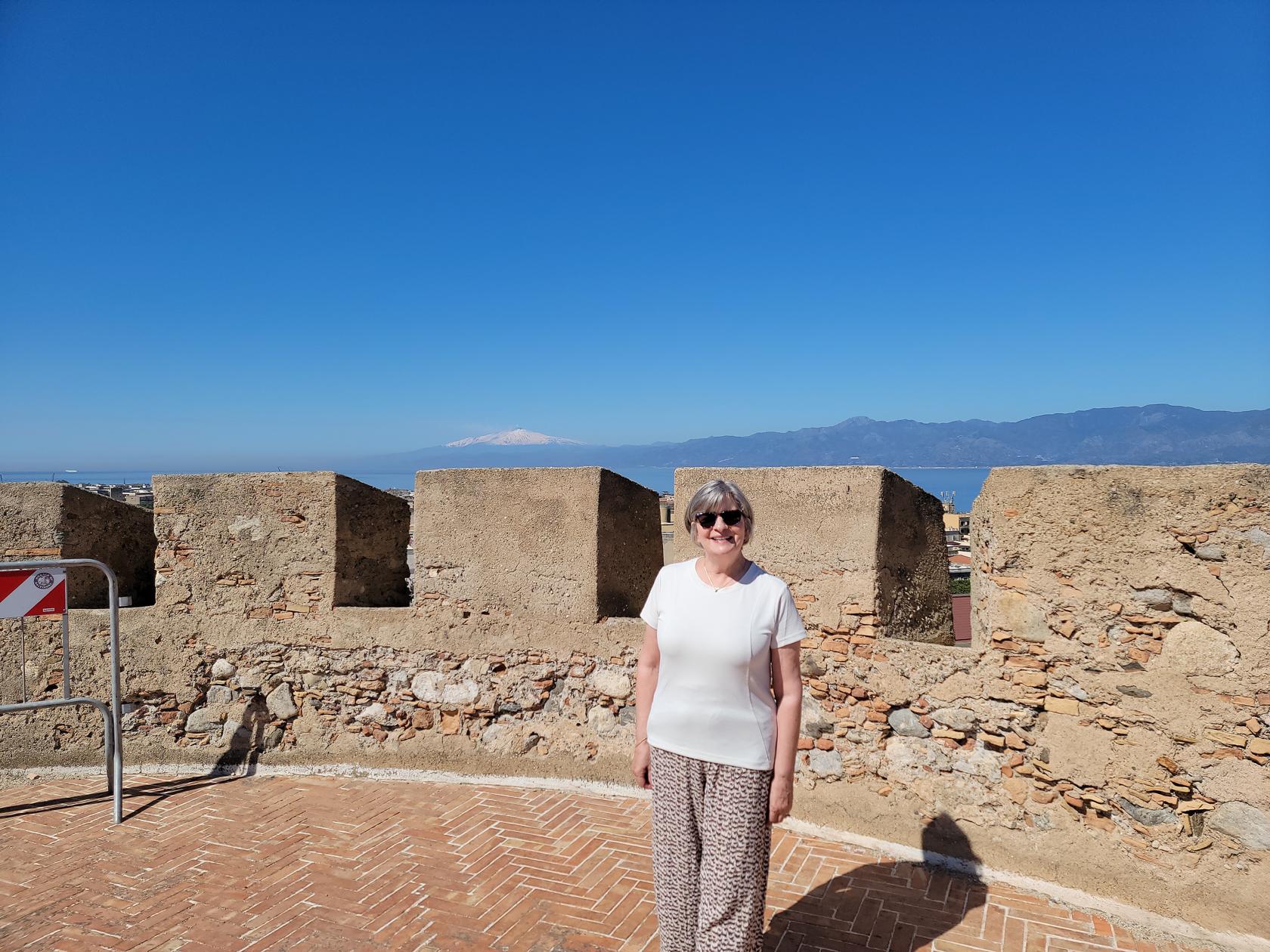
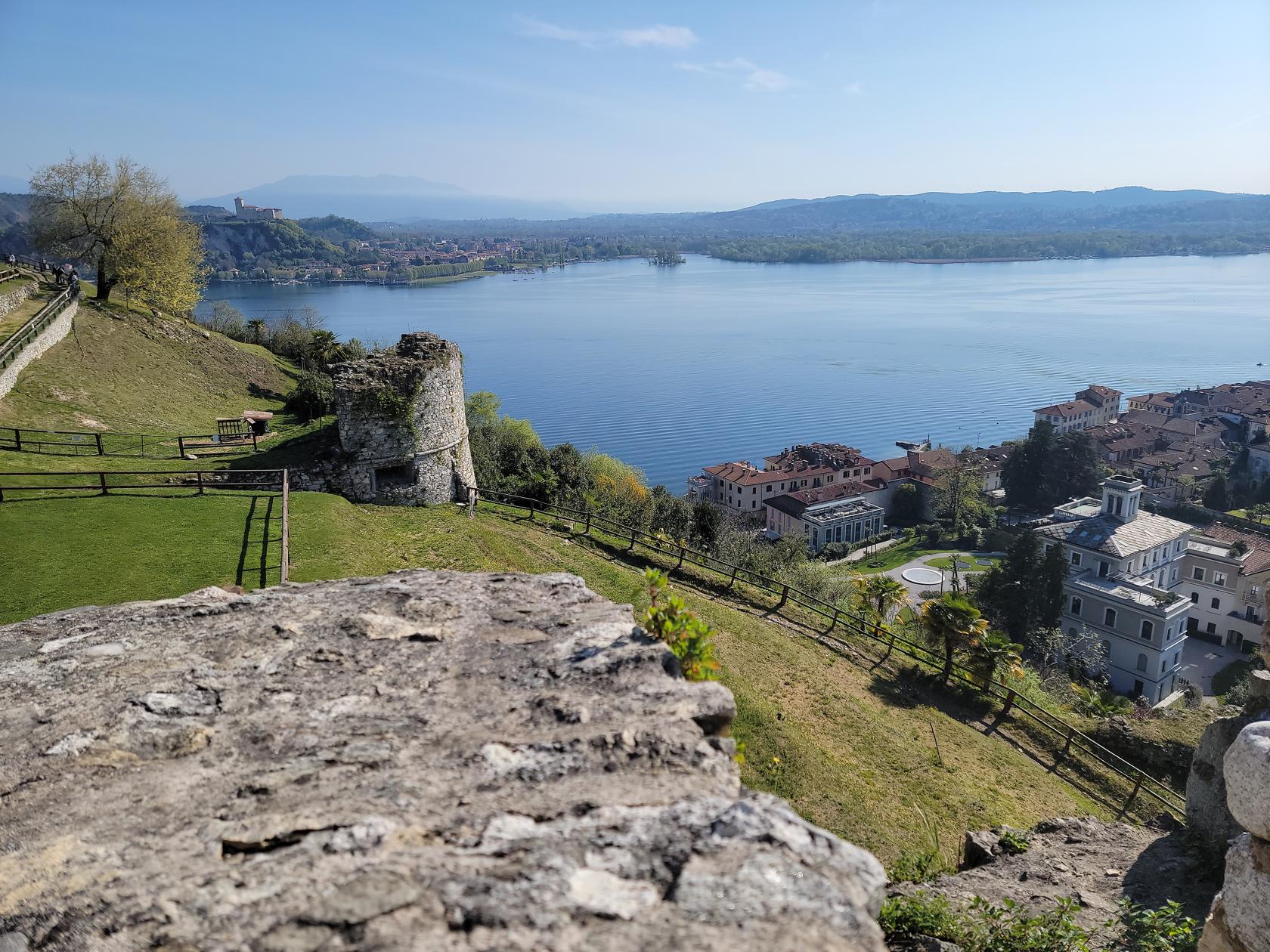
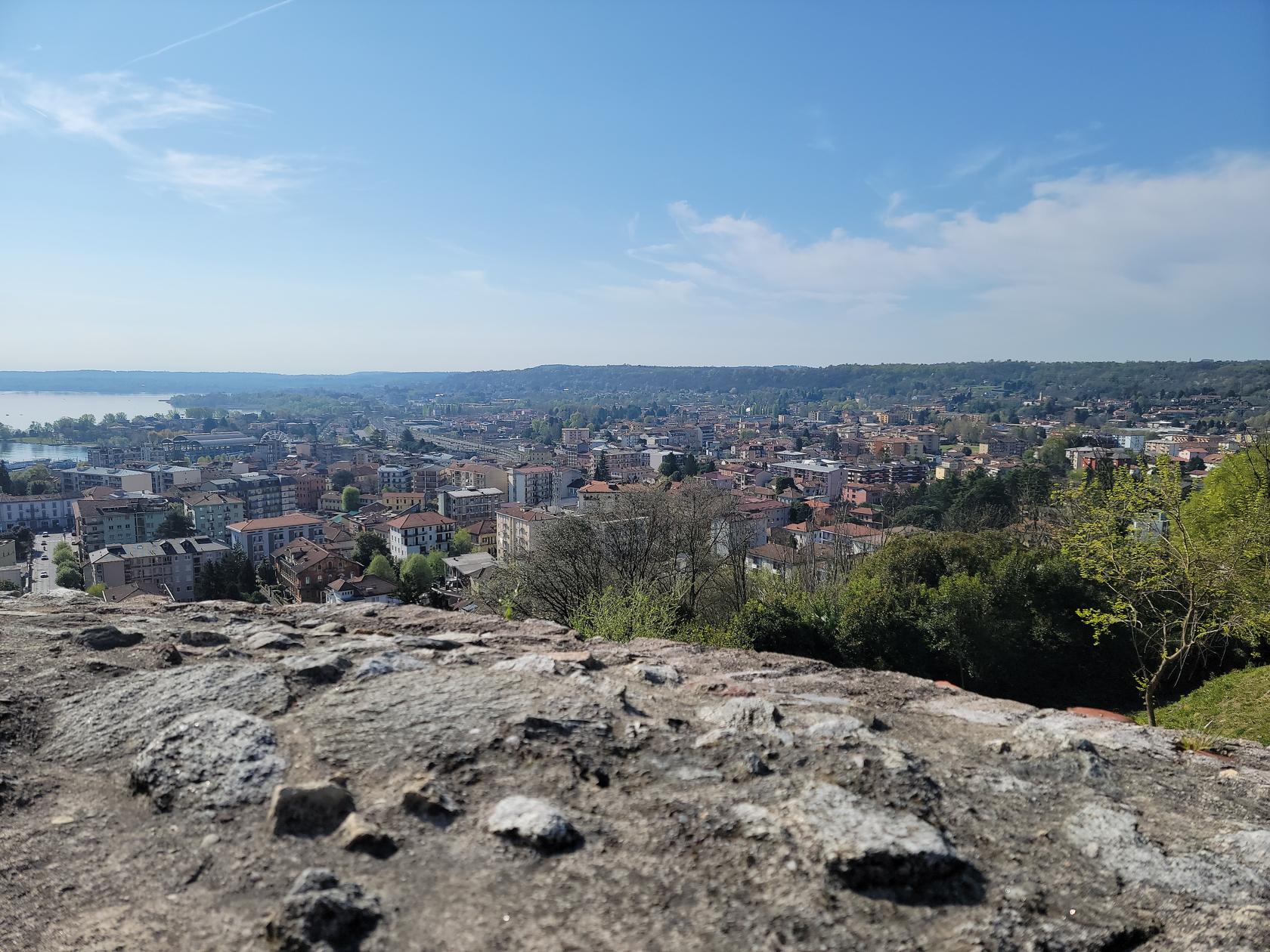
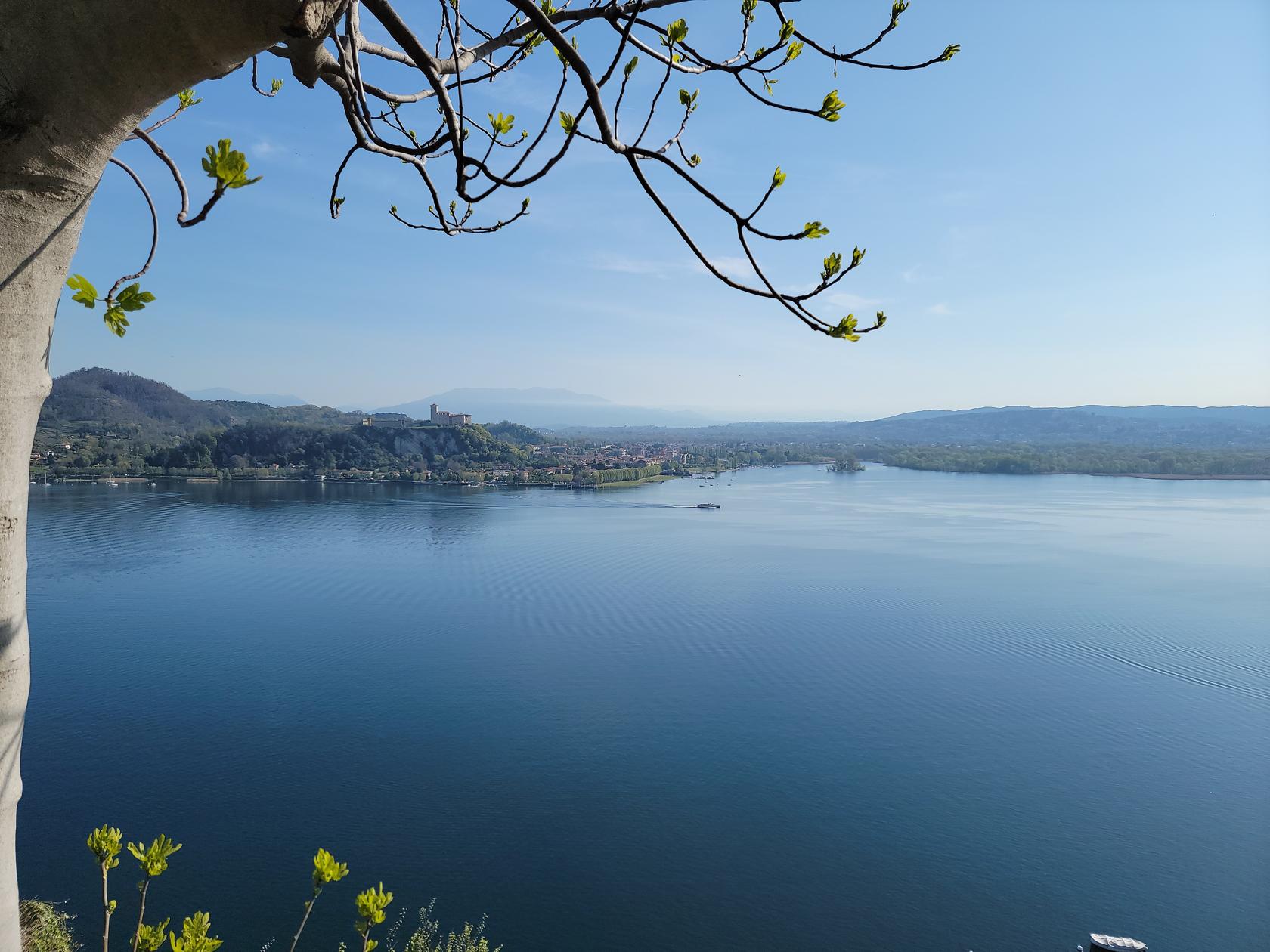
The park however does command a view of the lake and the town itself. One can also get a good view of the Angera Castle on the other side of the lake, which looks a lot more impressive than the one in Arona.
Arona – Borromeo Castle – Arona, Italy
Lake Maggiore and Arona – Borromeo Castle – Arona, Italy
Lake Maggiore – Borromeo Castle – Arona, Italy
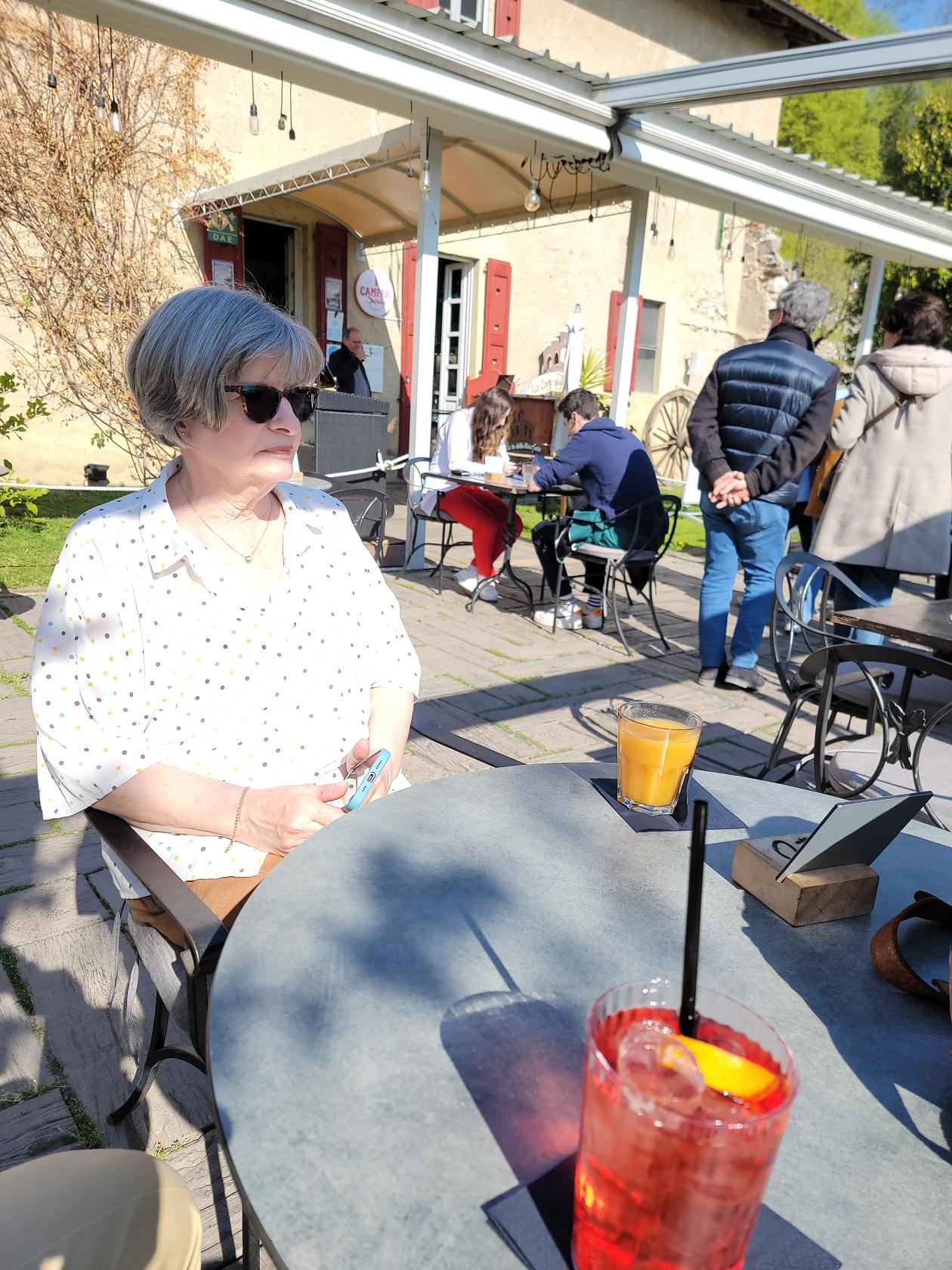
There is a small cafe where you can also stop and get some refreshment and enjoy the views.
Patti at cafe – Borromeo Castle – Arona, Italy
Restaurants
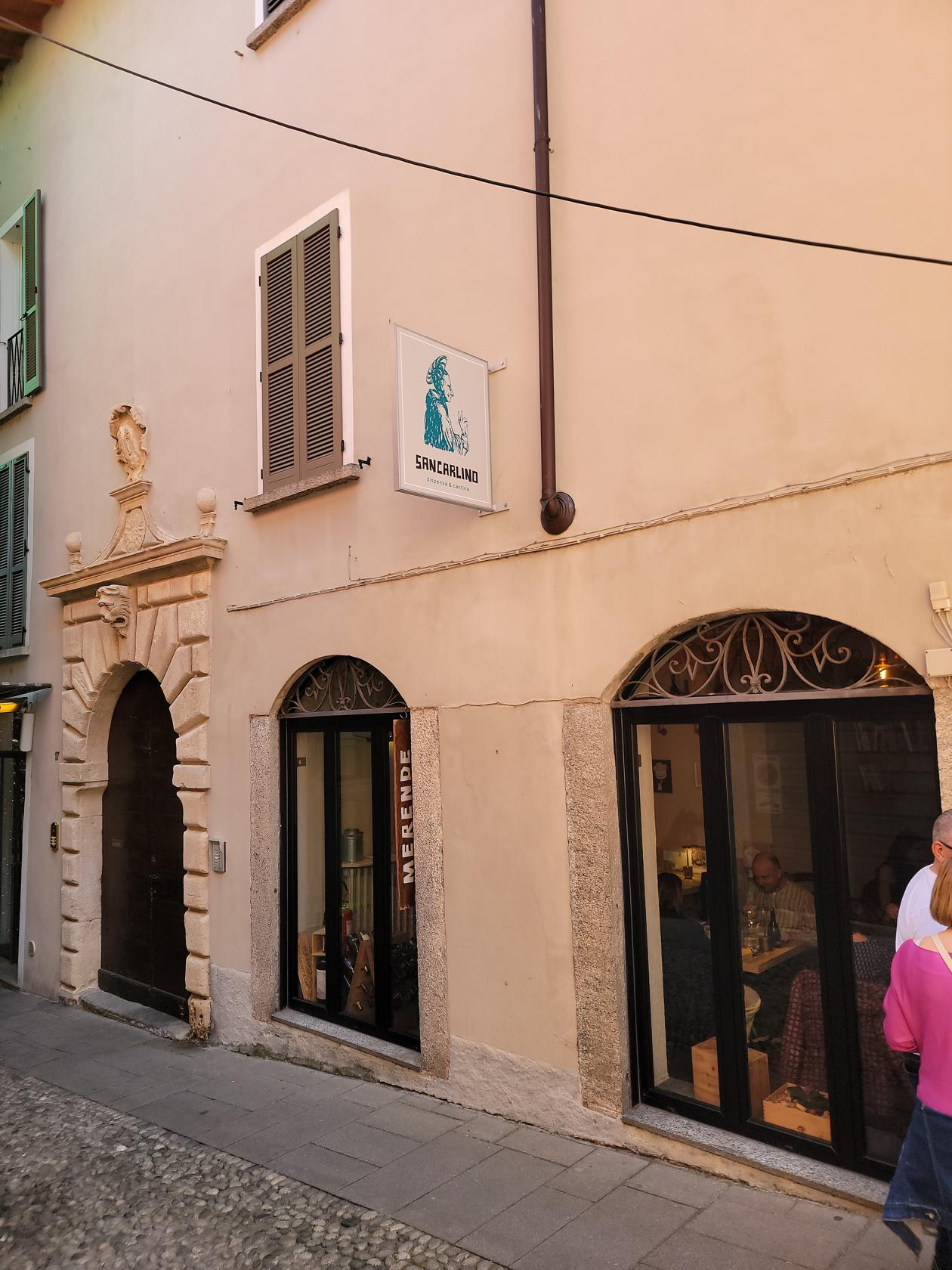
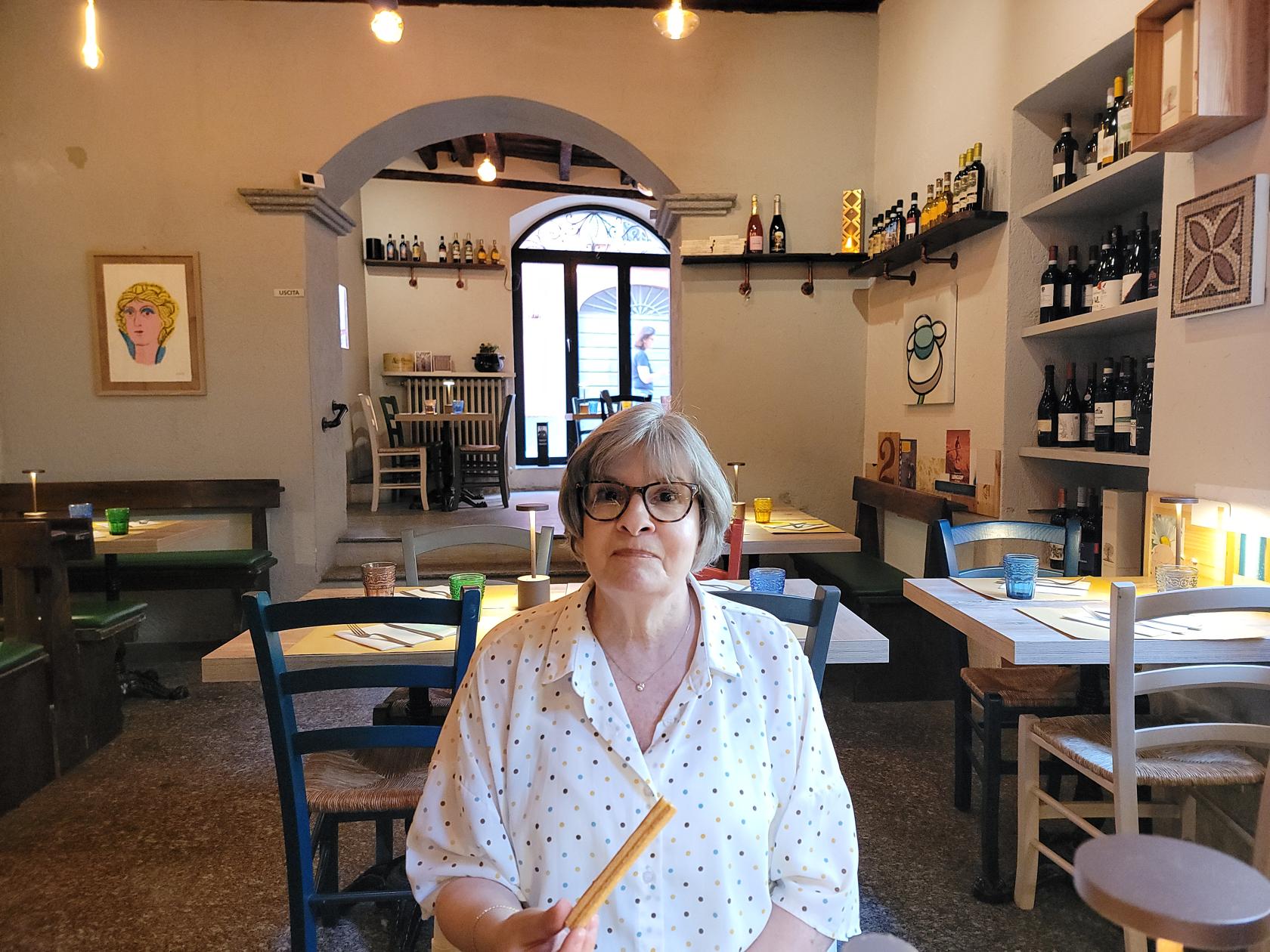
Sancarlino
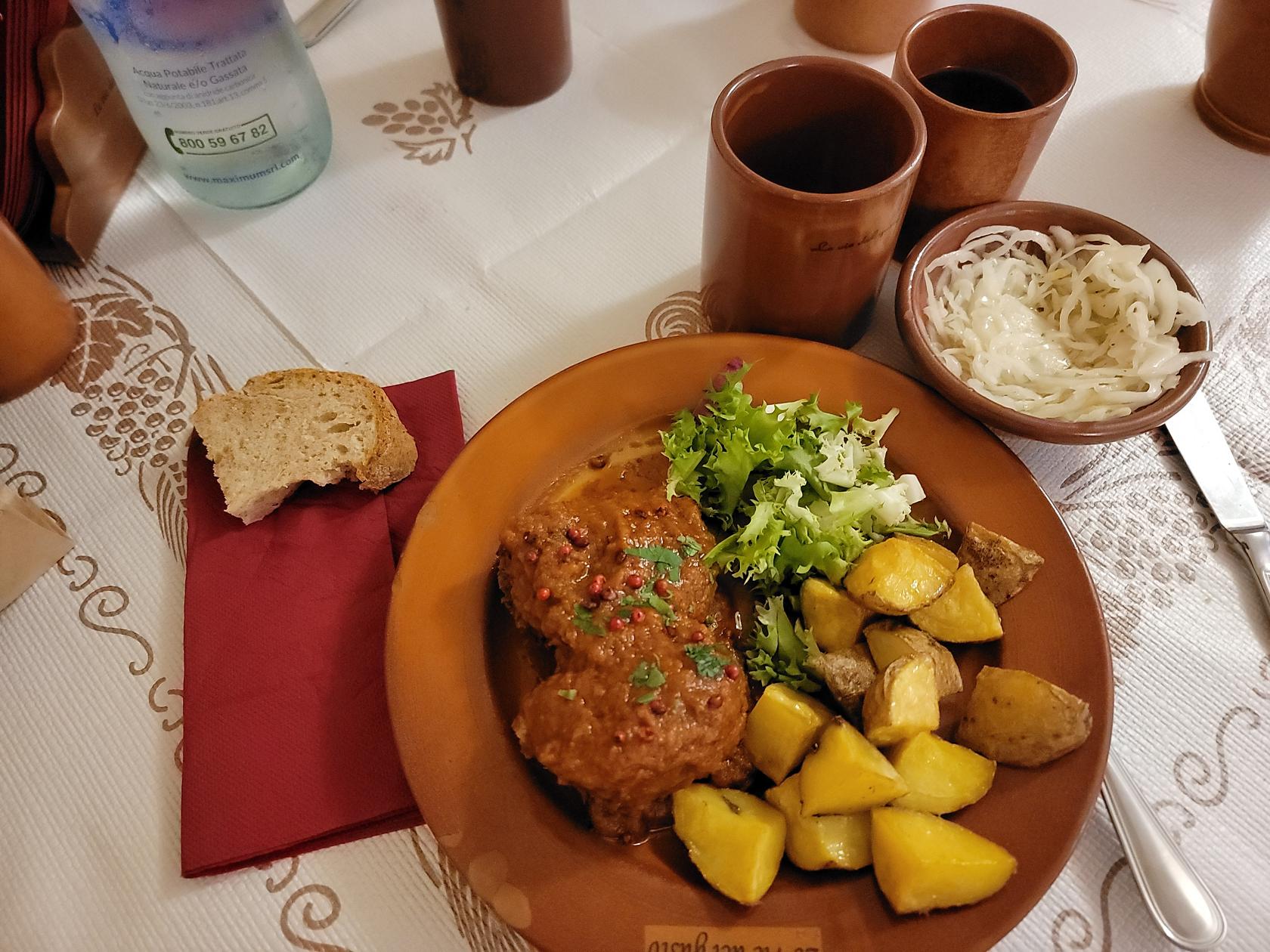
A small place with fewer than a dozen tables. It has good food and will get full after about 12:30, so get there early at opening for a seat. While we were eating, they were turning people away.
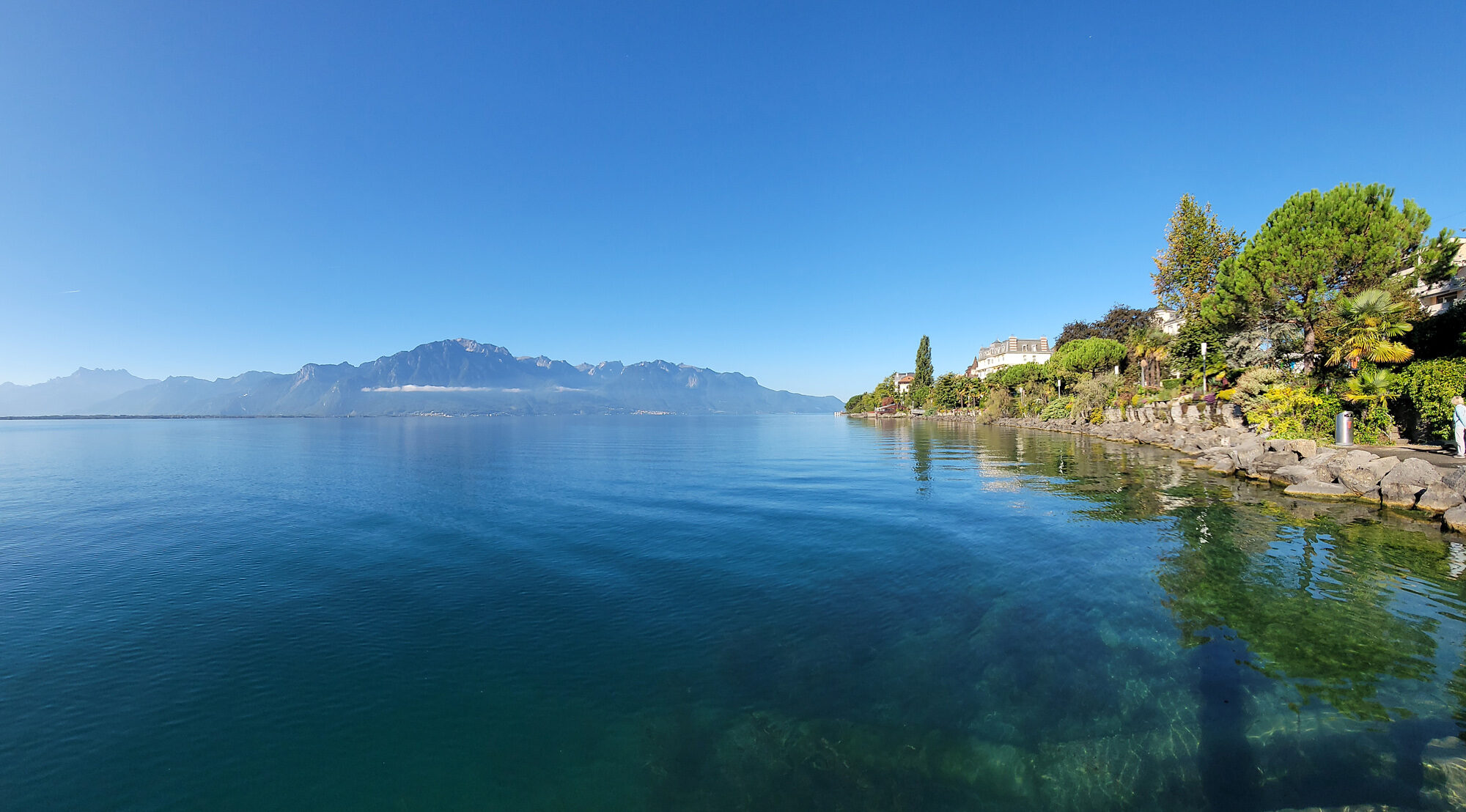
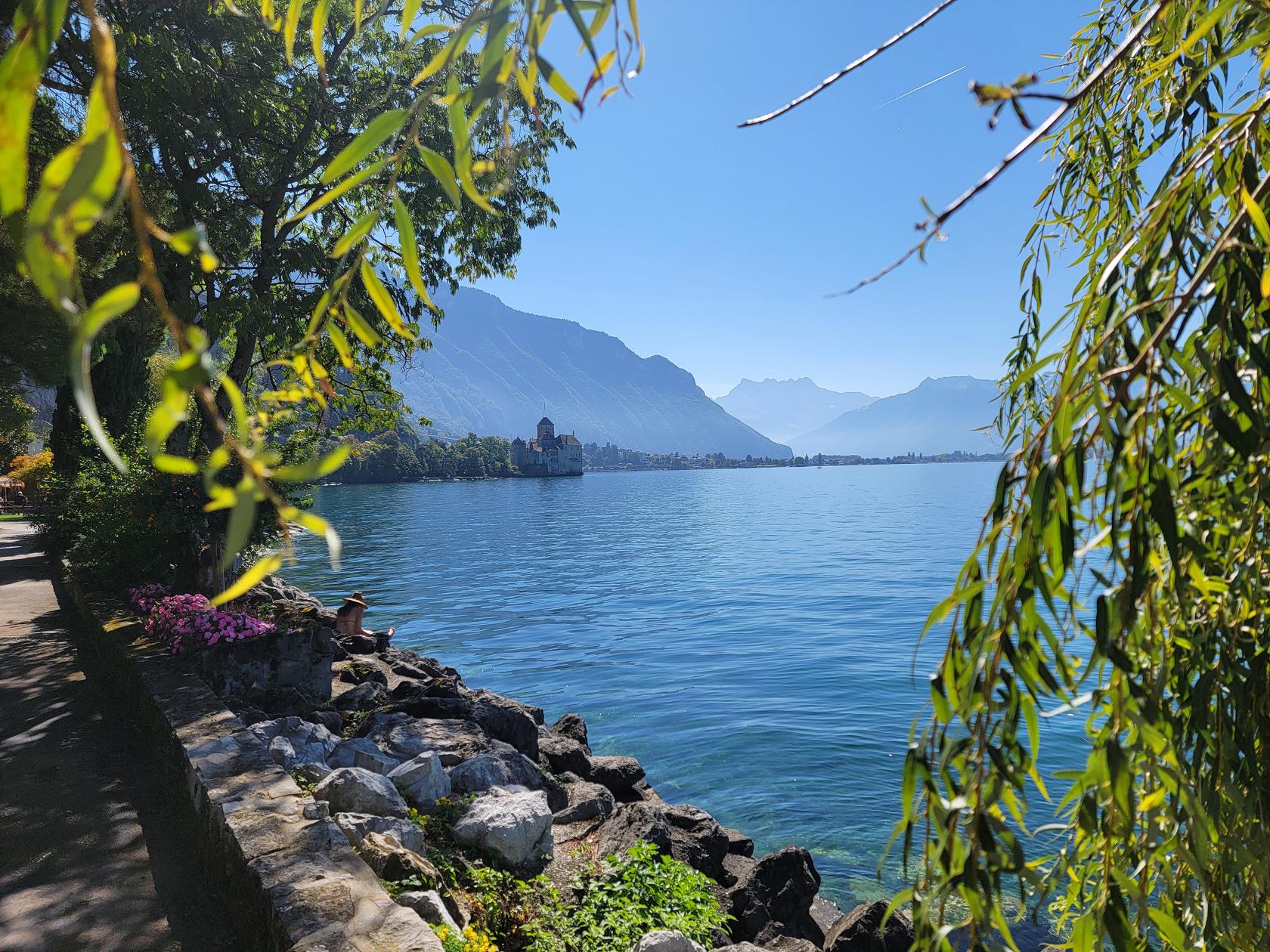
From our hotel the Quai de Clarens extends to the left and right. Taking a left while leaving, it turns into the Quai de Vernex within a short time and then it has many other monikers. For an early morning September stroll it is a very picturesque and beautiful walk along the lake, being well maintained by the authorities.
Quai Alfred Chatelanat – Walk To Castle Chillon – Montreaux, Switzerland
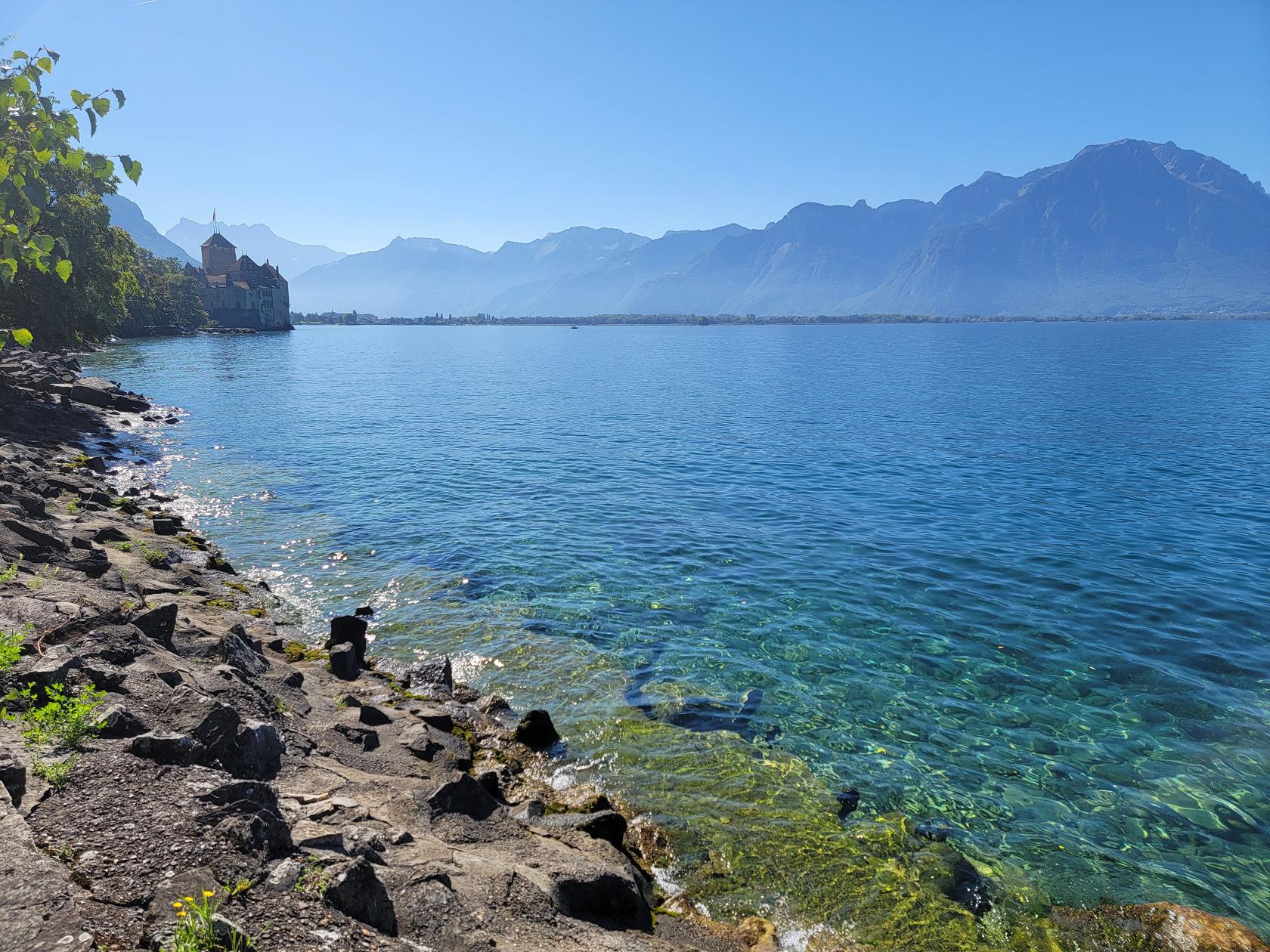
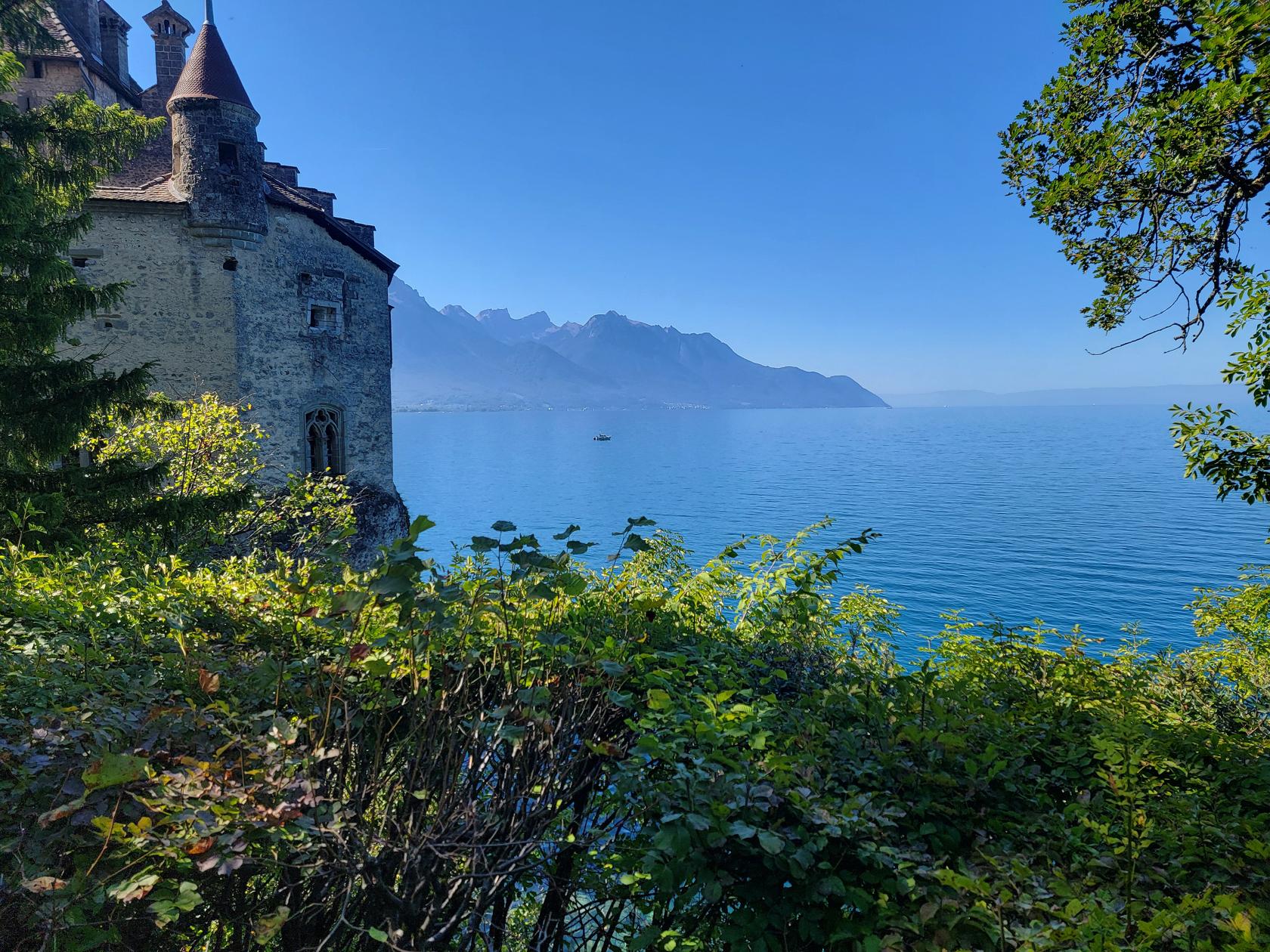
Eventually, as you pass the towns of Montreux and Veytaux, it will turn into the Quai Alfred Chatelanat. It is here you will see the Castle or Chateau de Chillon.
Quai Alfred Chatelanat – Castle Chillon – Montreaux, Switzerland
Getting There
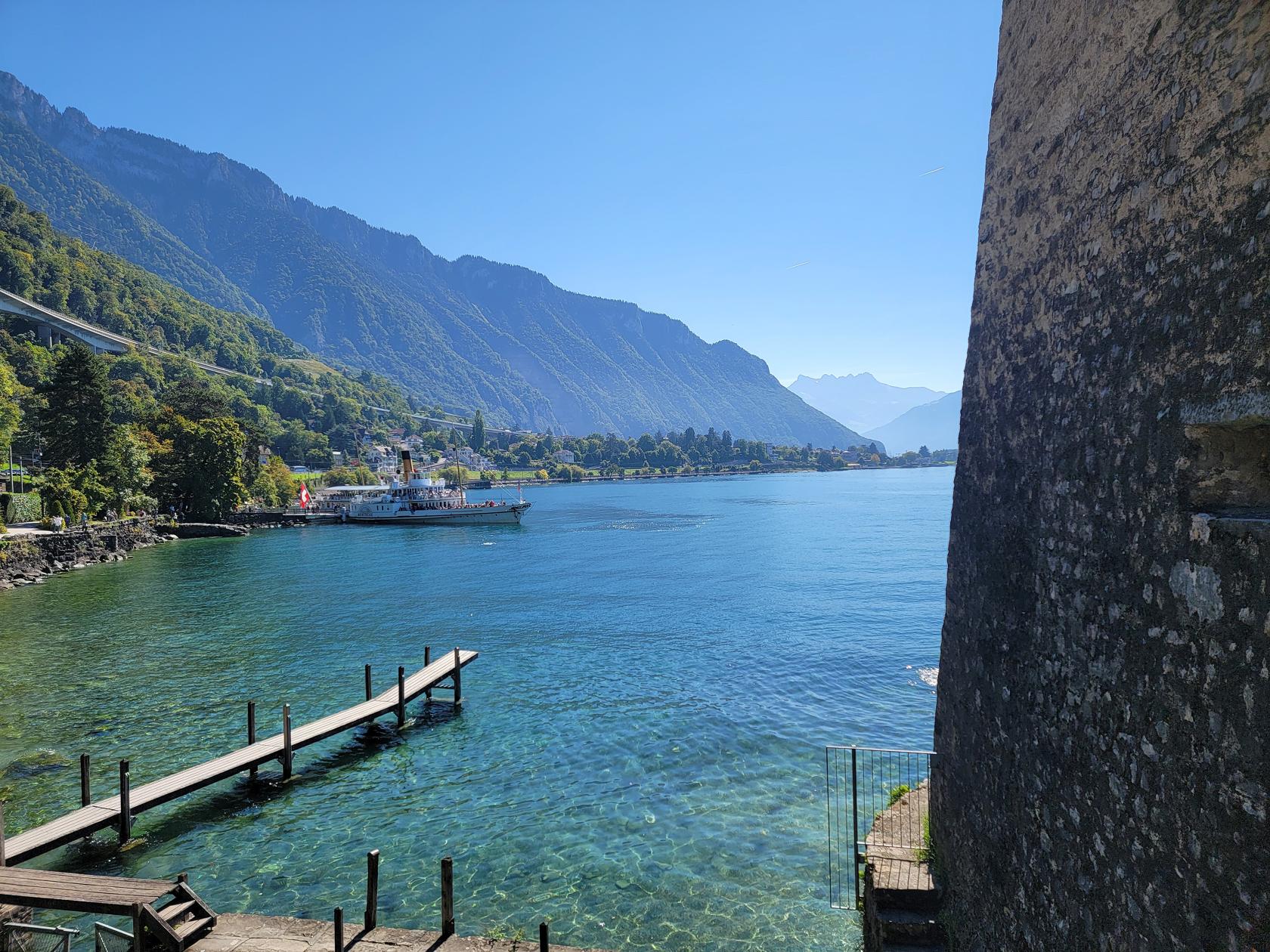
To get to Castle Chillon there are many options. One preferrable one, since the walk along the Quai is fairly long, at least a couple of miles, is taking the boat. It docks at several places and has a rather spotty schedule, so check the authorities and the schedule at your location prior to depending upon it. It does however dock just below the castle and had arrived as we were on our tour of it.
Castle Chillon – Lake Boat Embarking – Montreaux, Switzerland
You can also take the bus. This is probably the easiest option and there are numerous bus stops along the way. The 201 from Clarens to Veytaux comes every half hour. We chose this option to return to our hotel. Tickets can be purchases on the SBB mobile application.
Chateau de Chillon
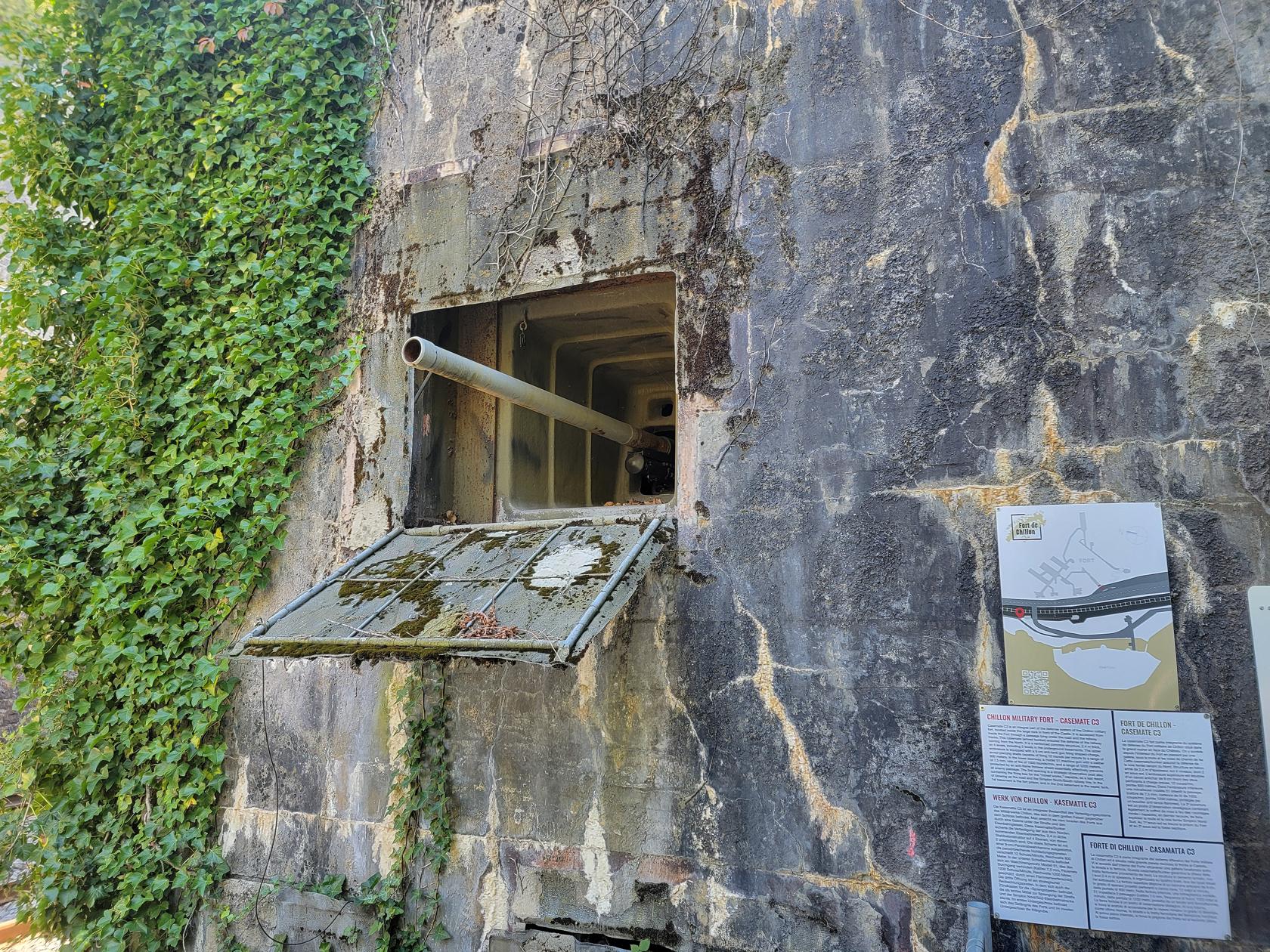
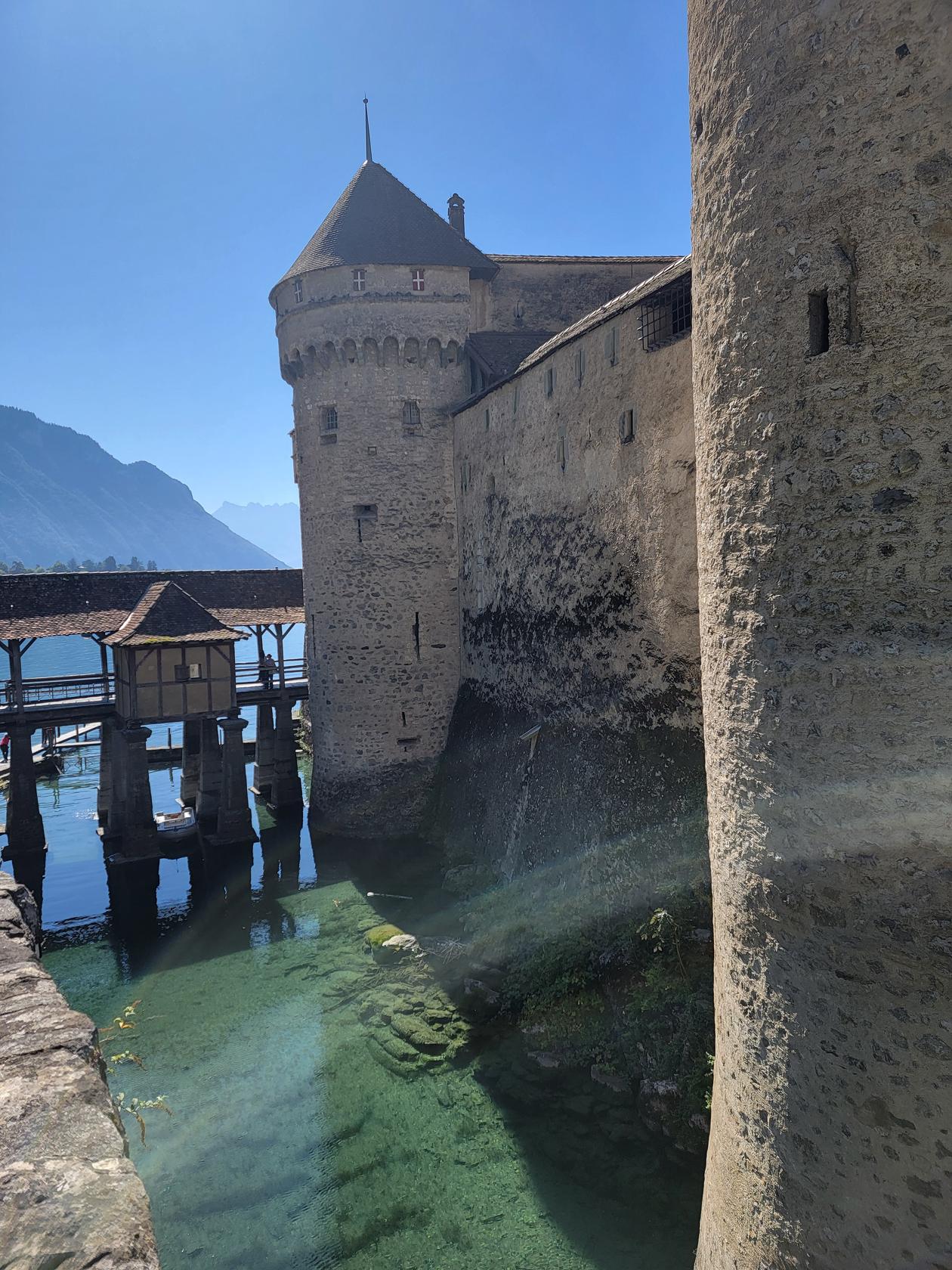
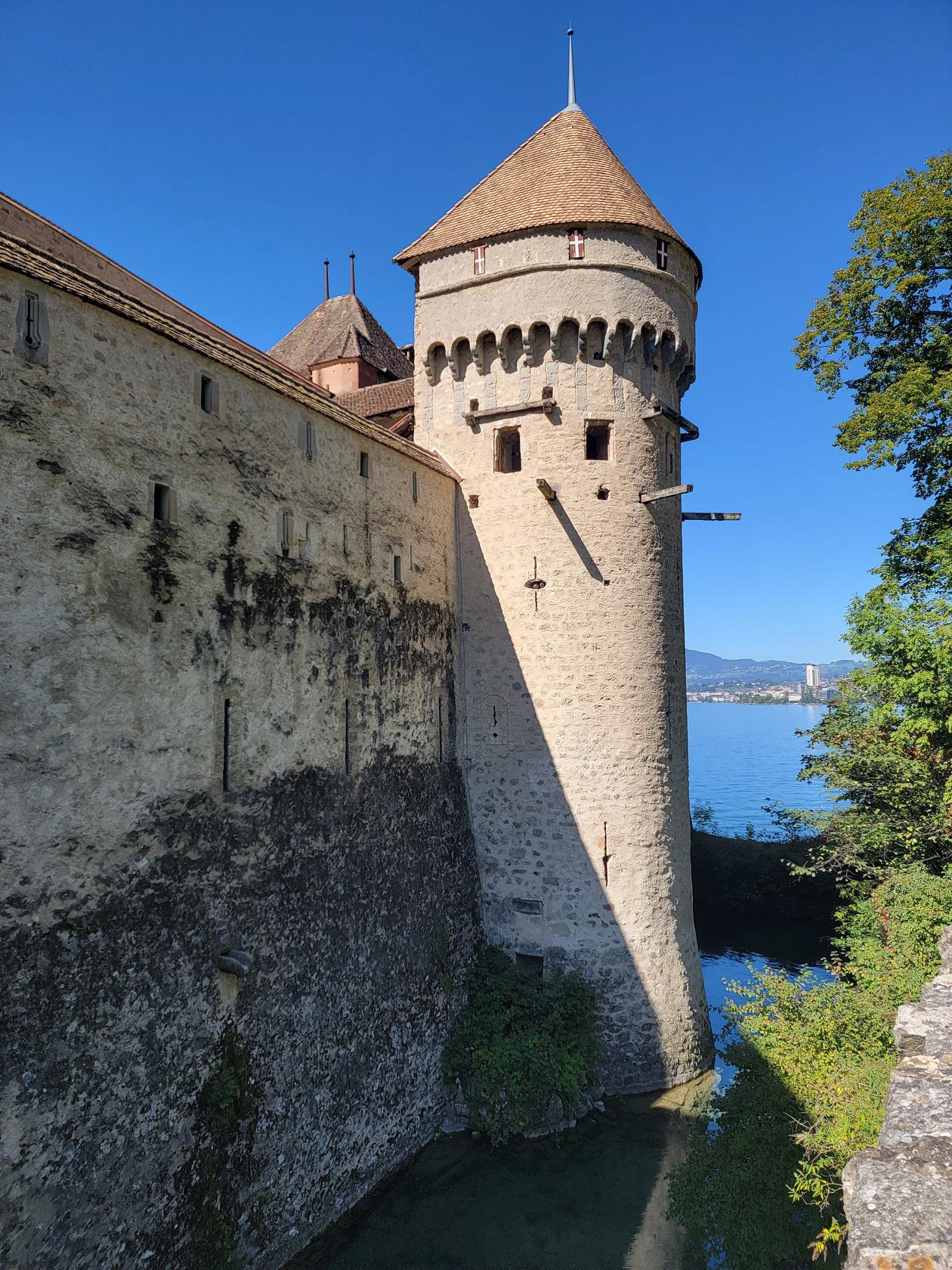
The Castle Chillon was originally built by the Savoy family and has had many different functions since it was first erected. It can be seen in the distance for some time before one notices the gun casement that guards it to the north.
Castle Chillon – Lake Leman – Montreaux, Switzerland
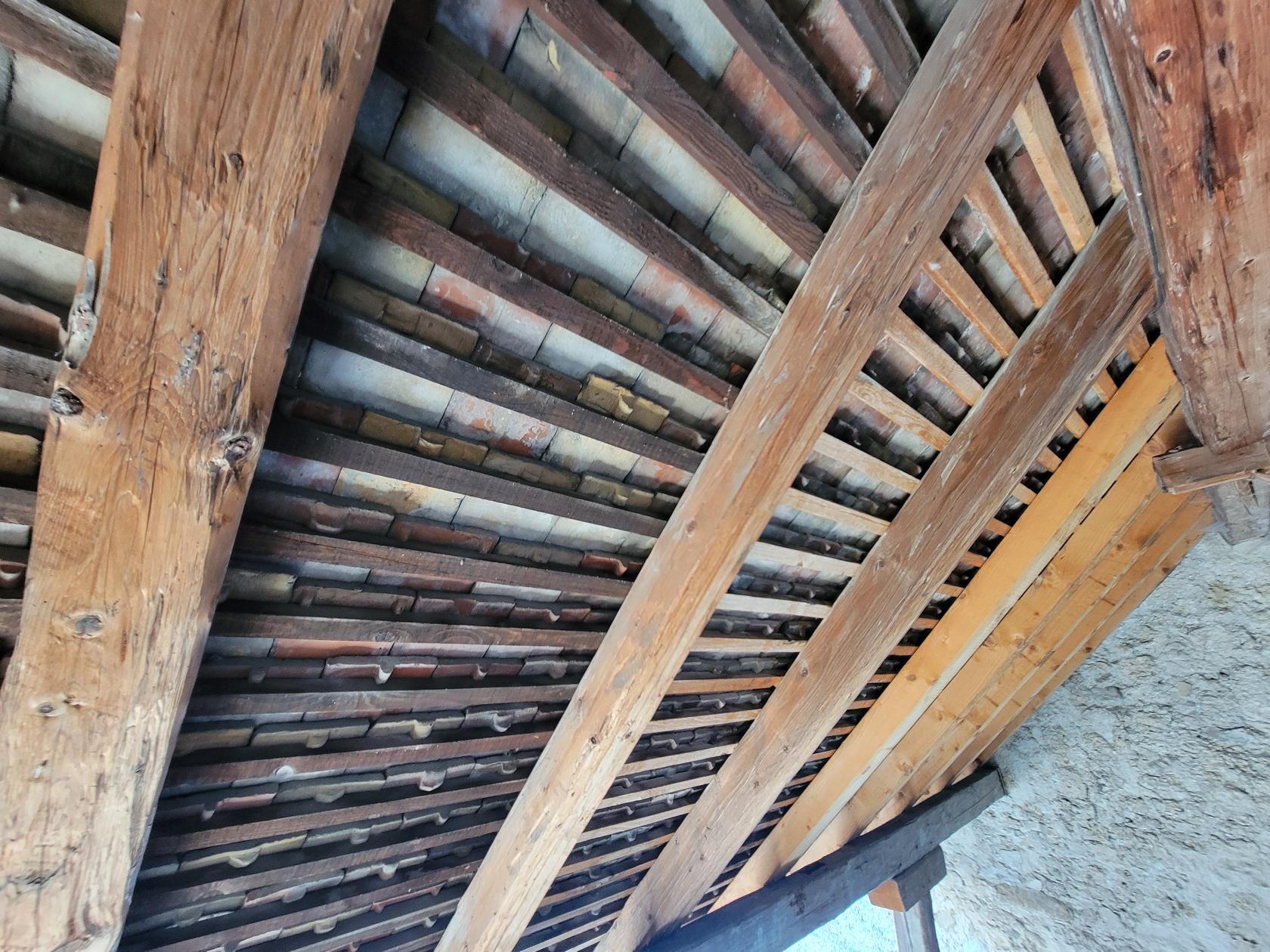
Castle Chillon – Lake Moat – Montreaux, Switzerland
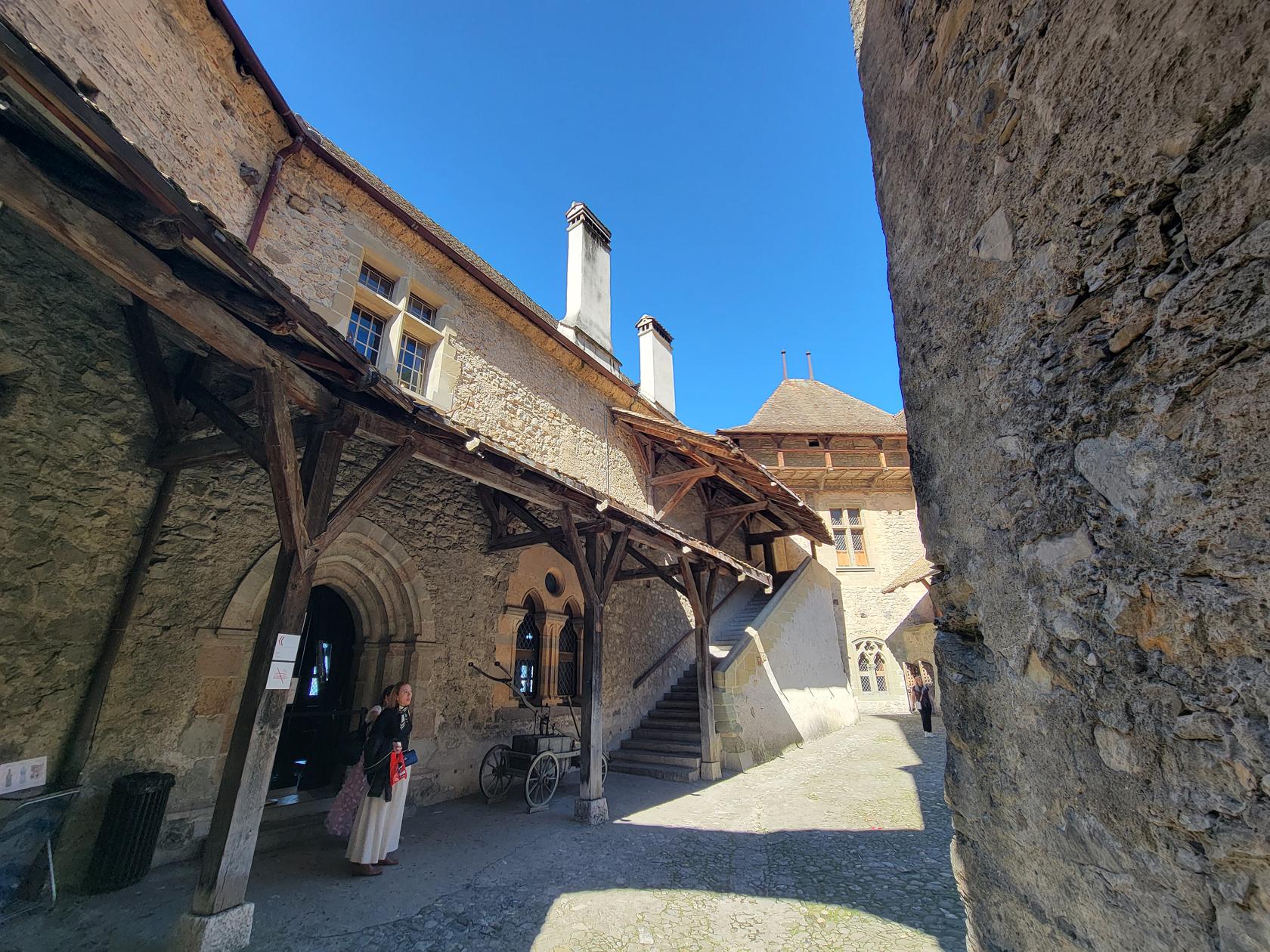
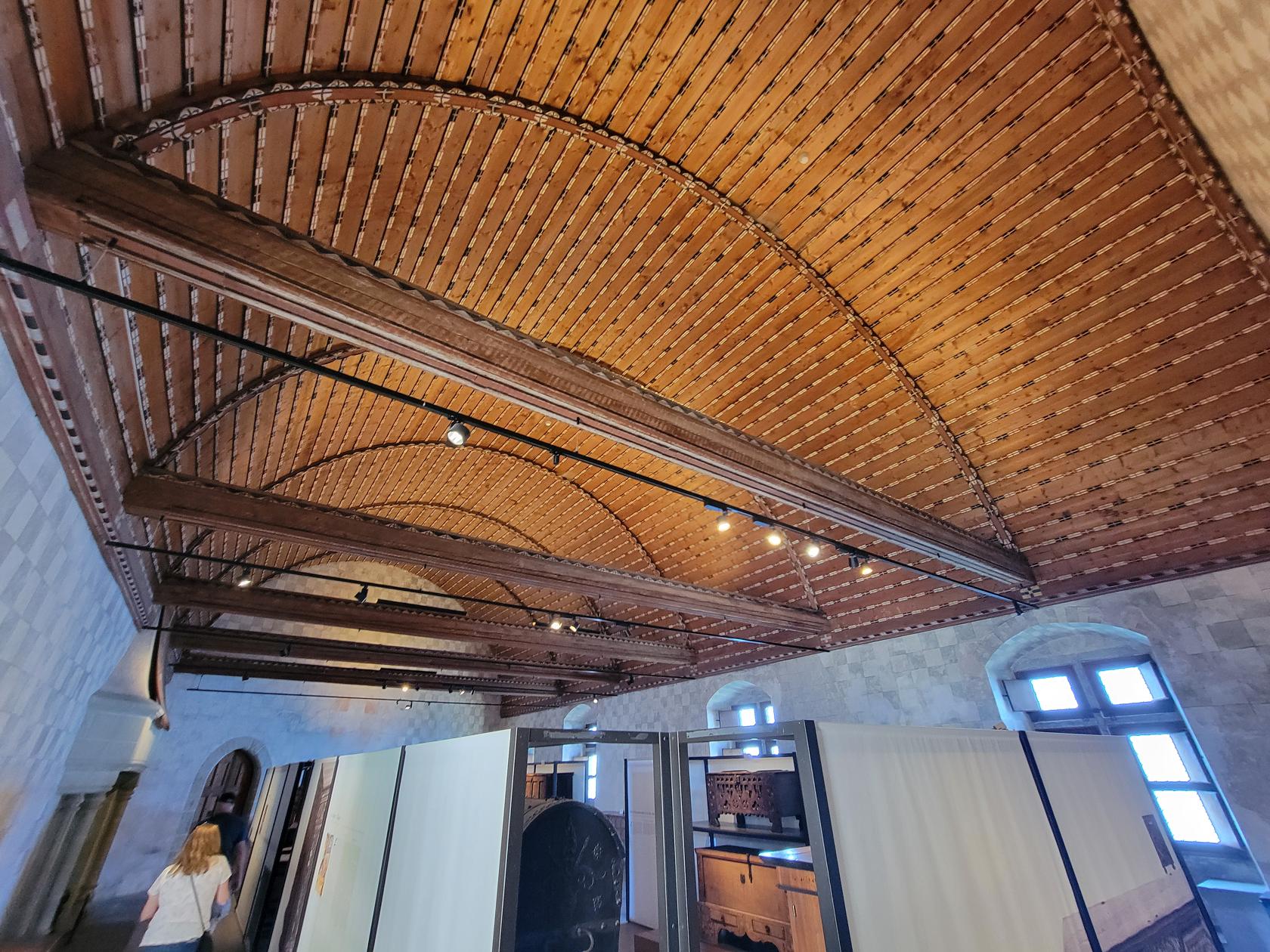
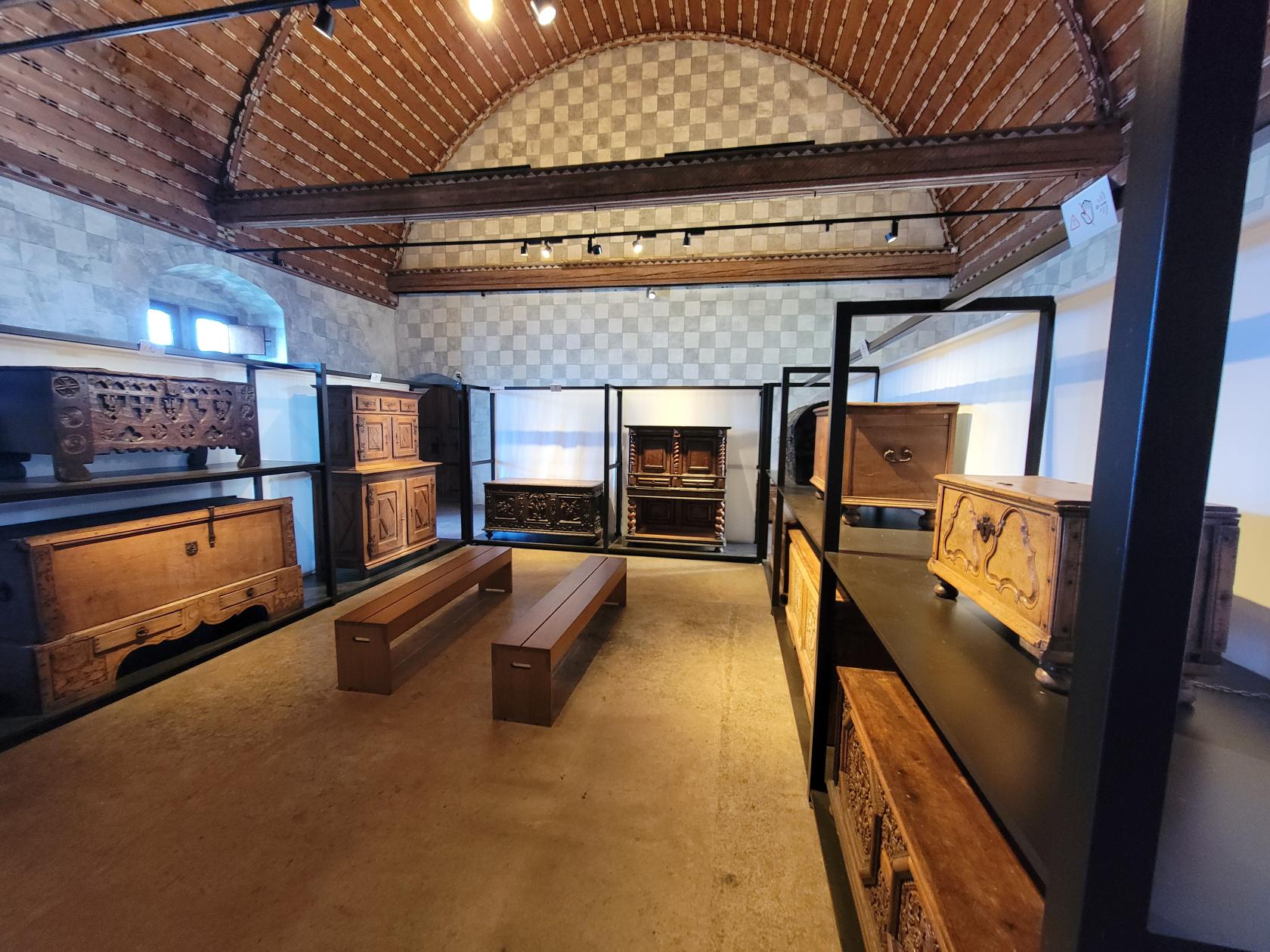
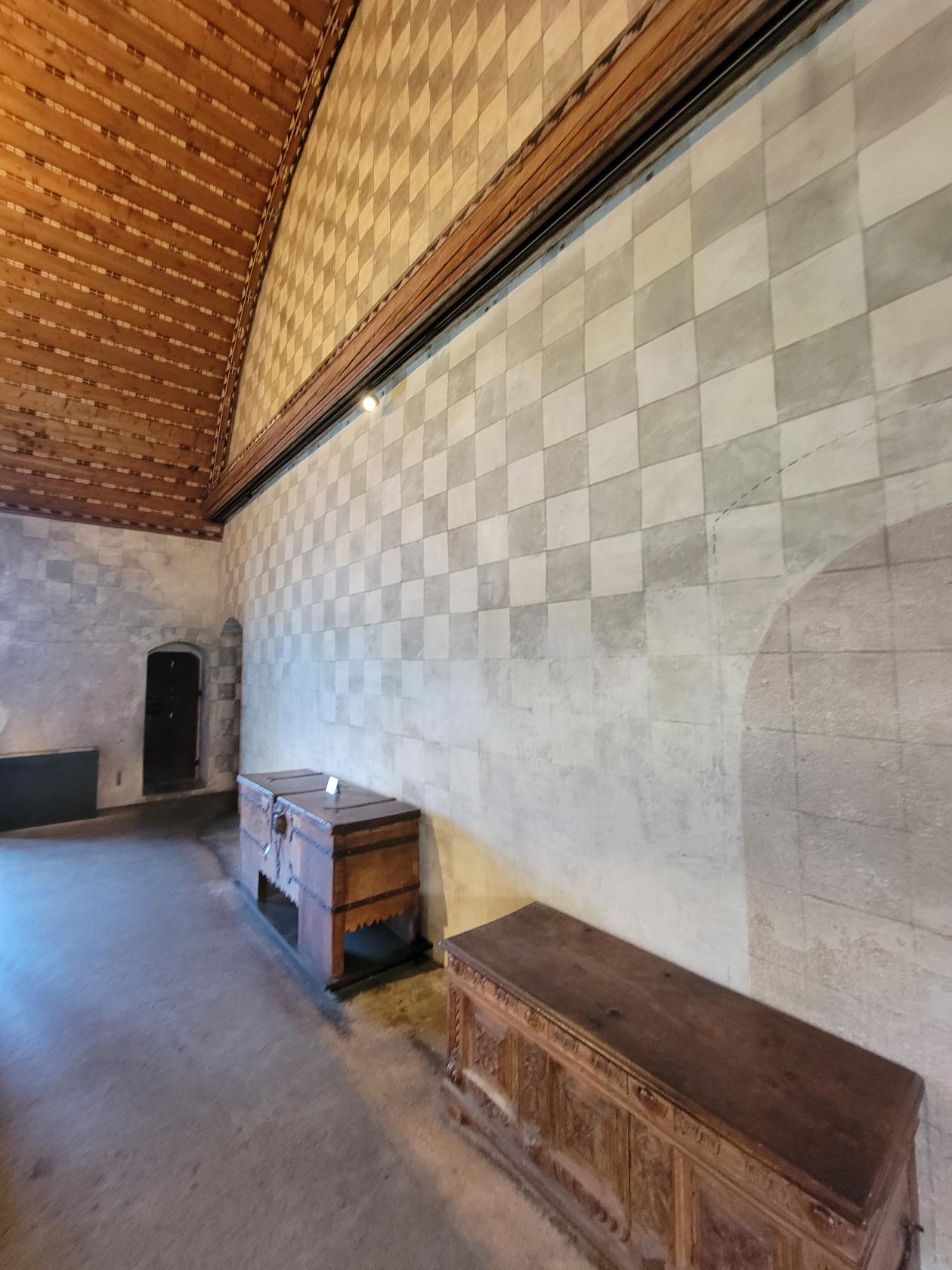
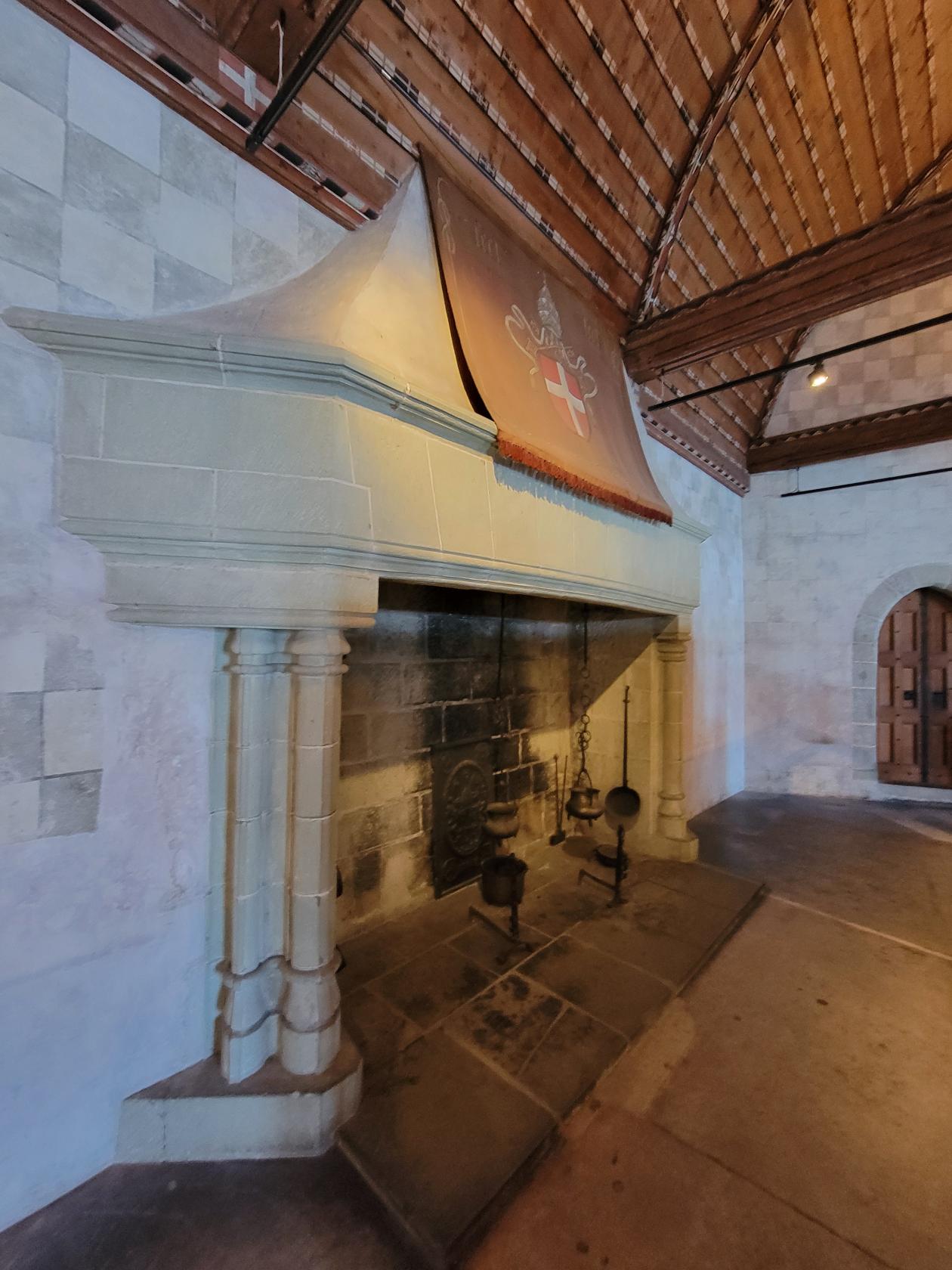
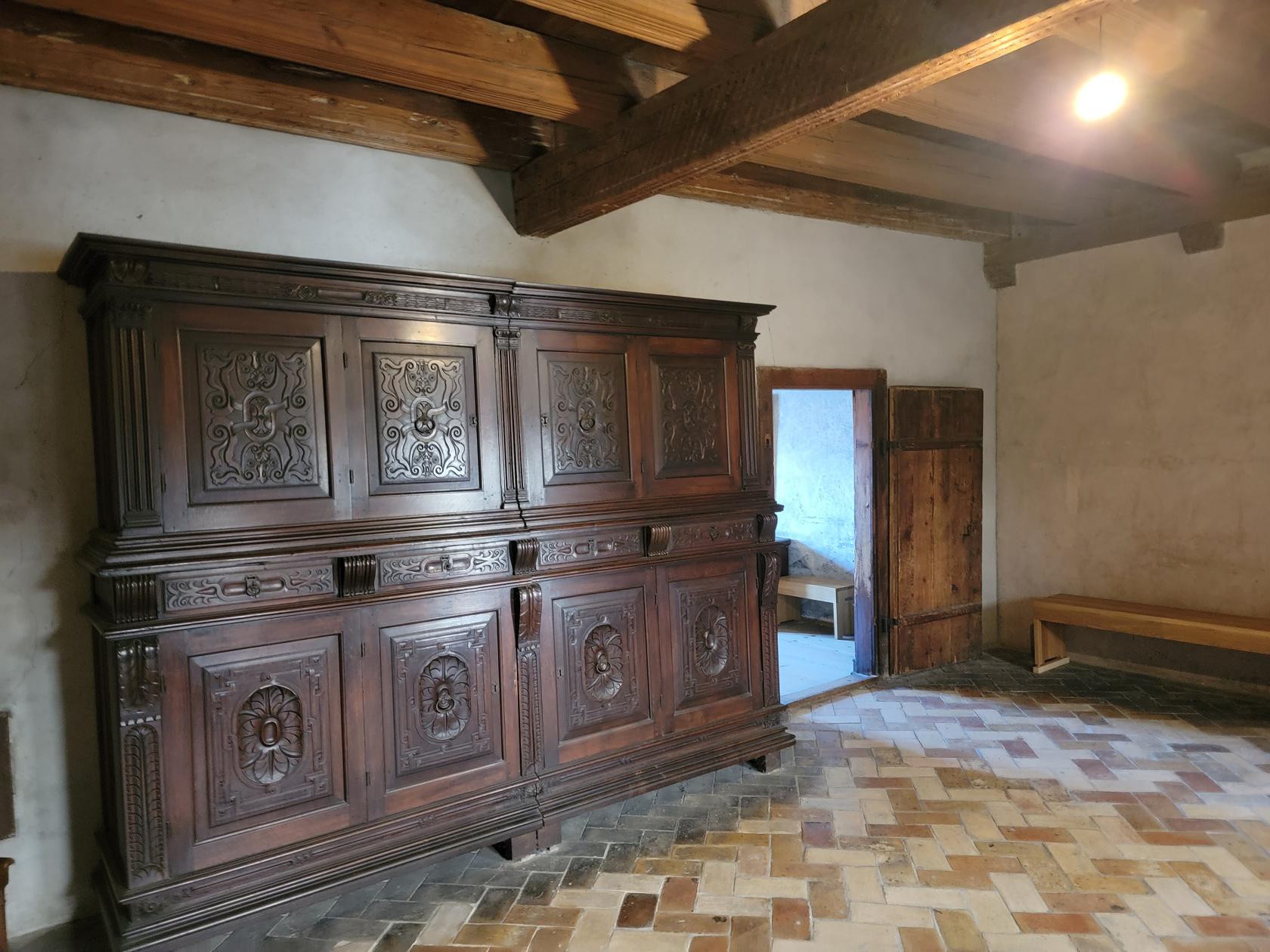
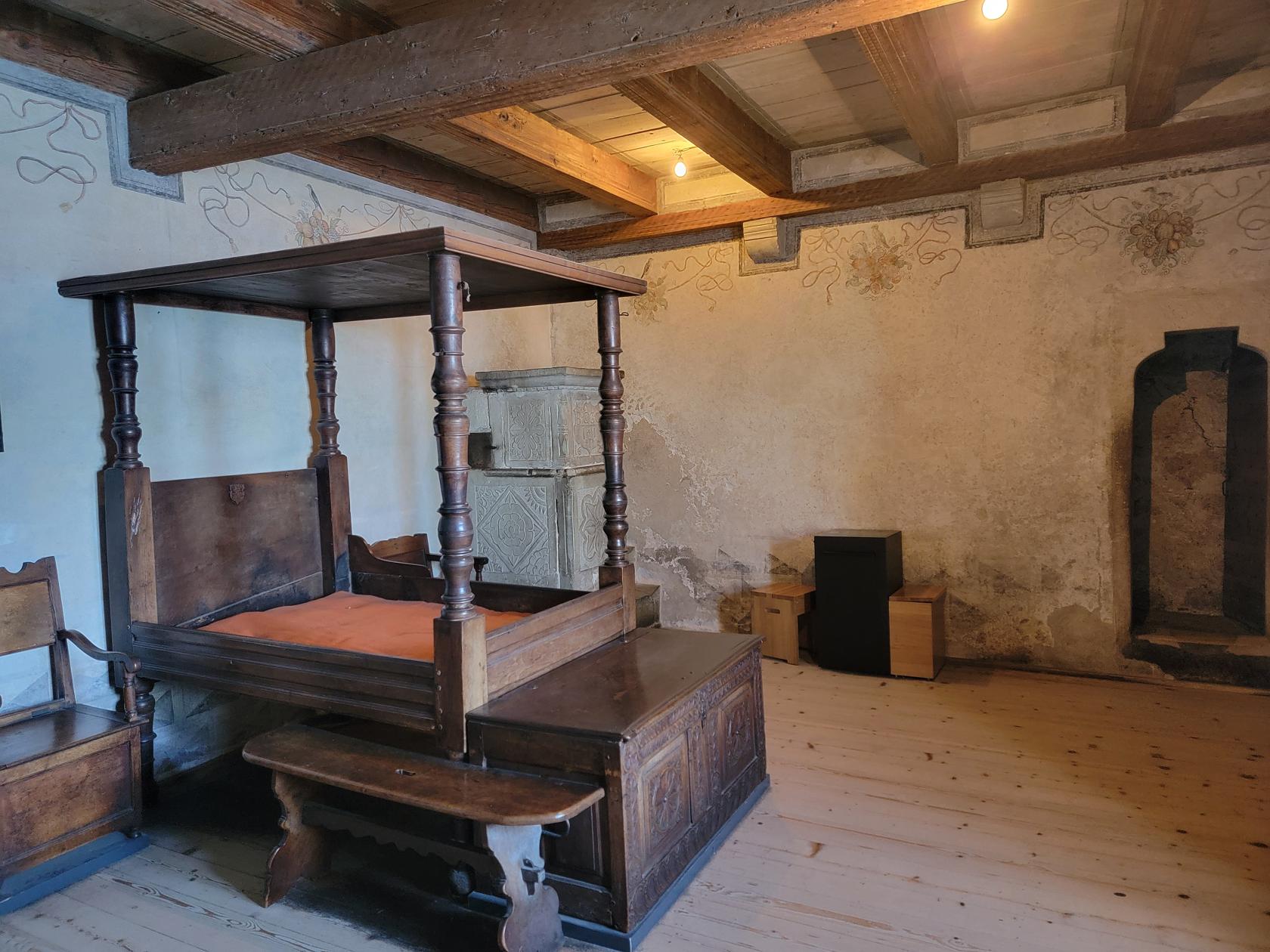
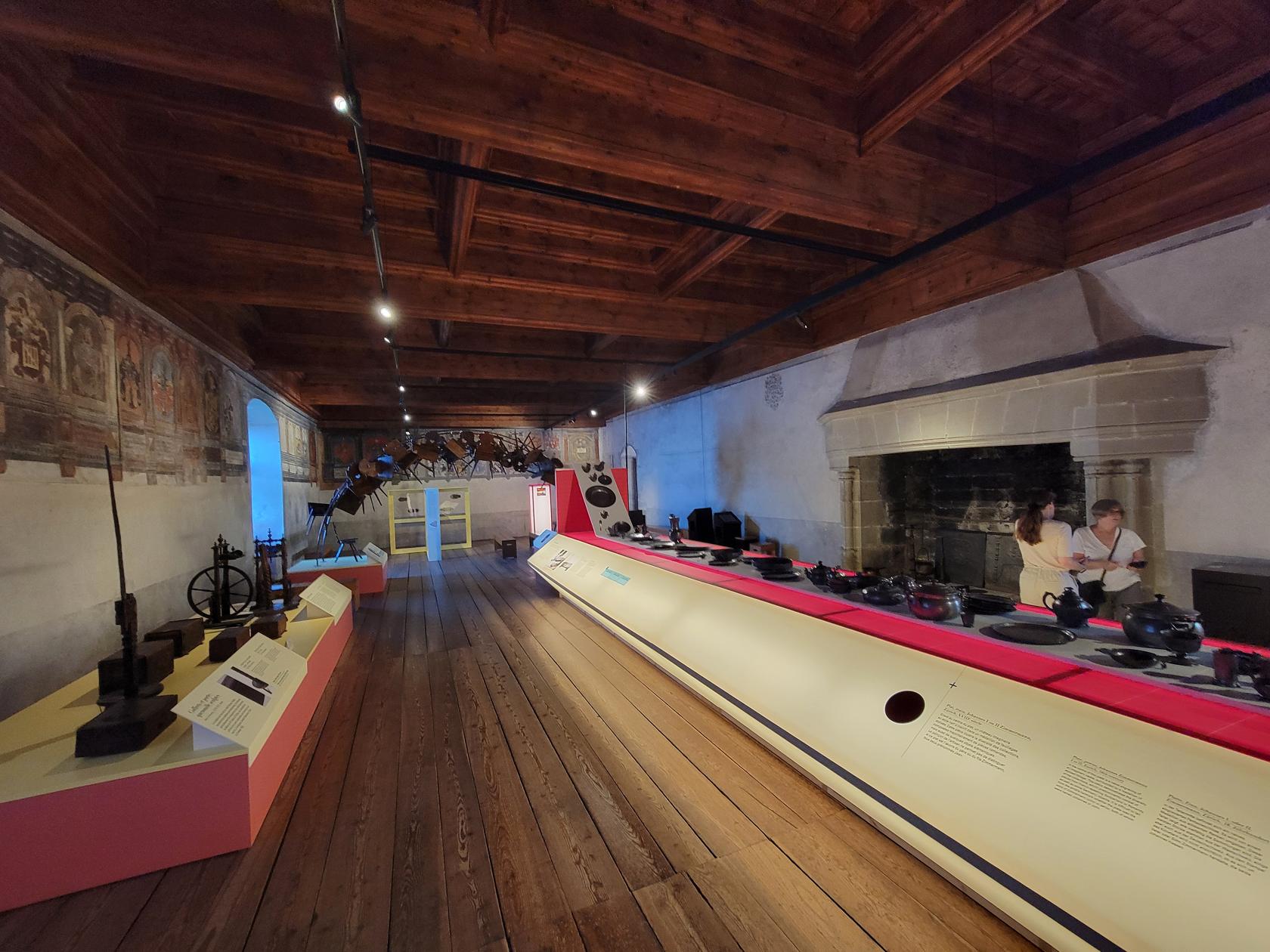
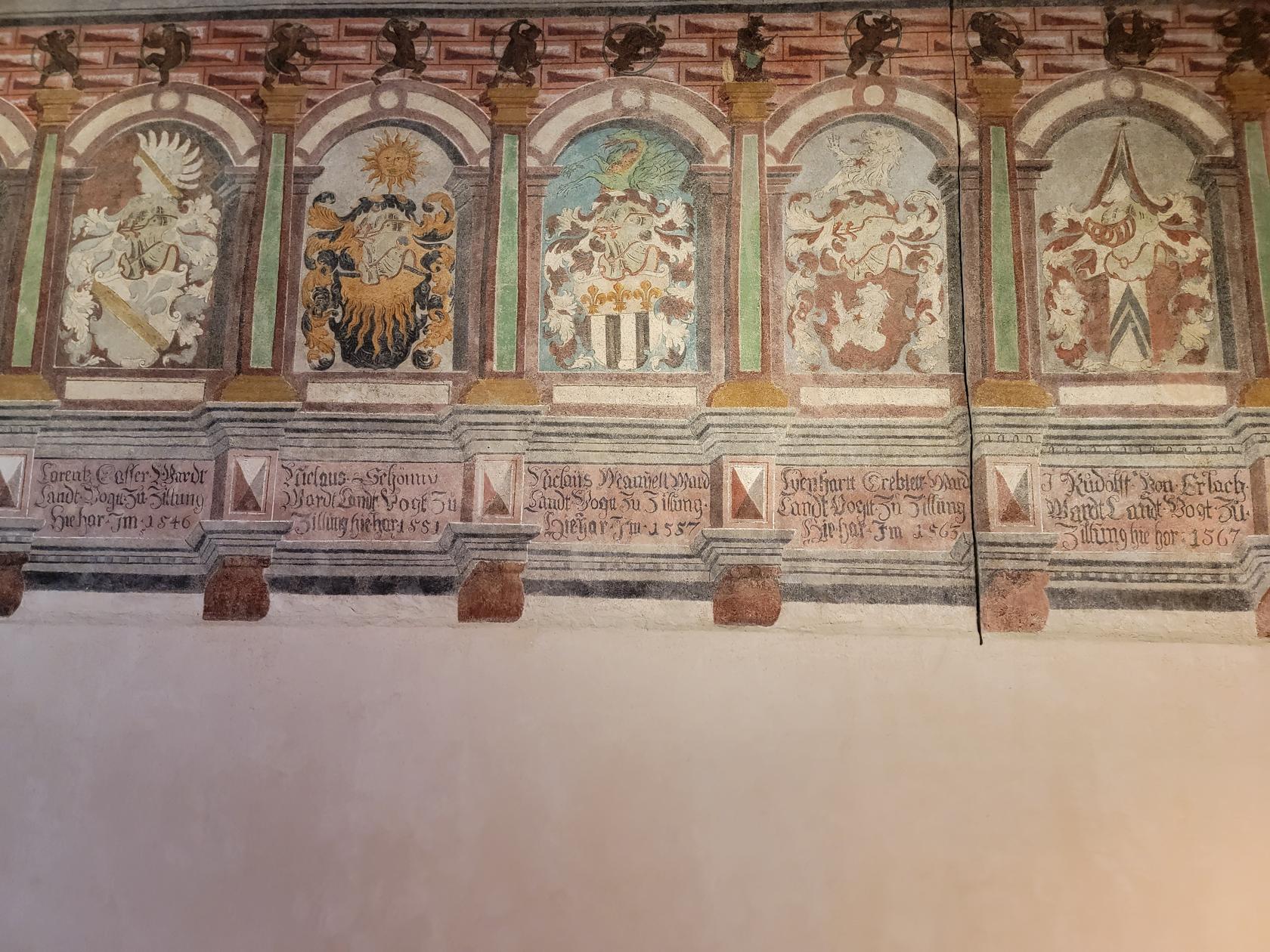
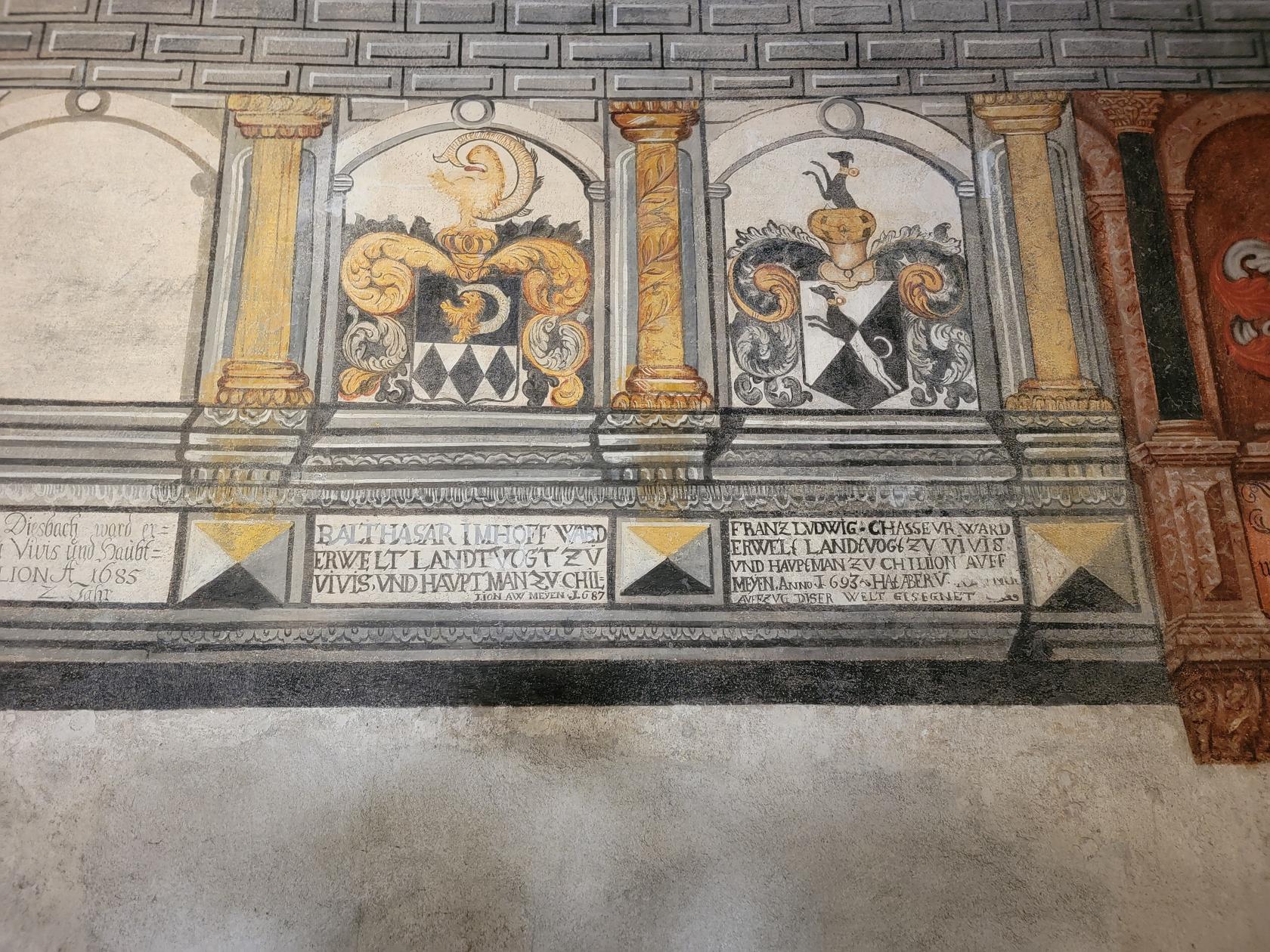
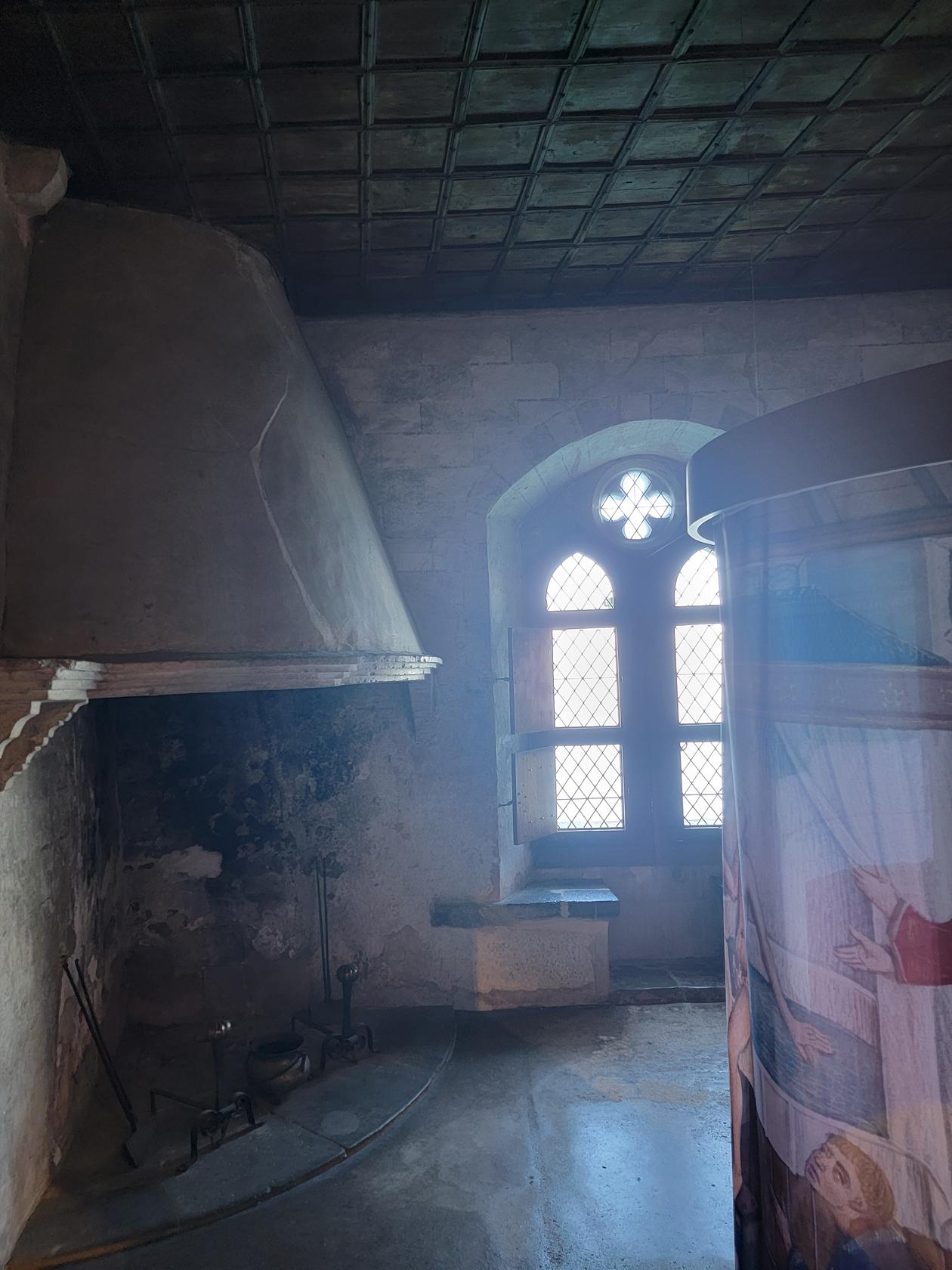
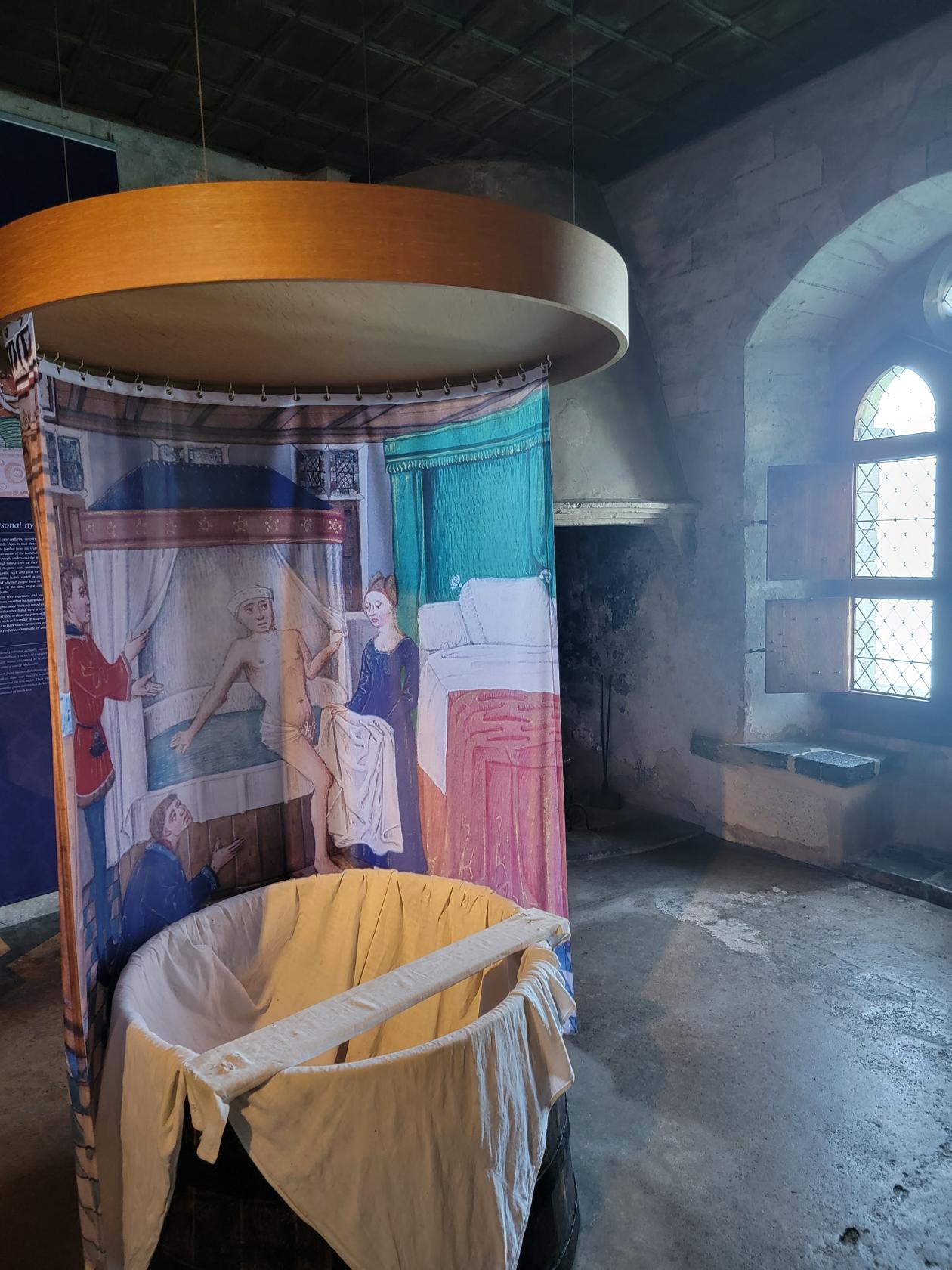
The castle has a number of rooms dedicated to particular themes. Each has a unique story to tell, as well as furnishing that were used in the past by the residents. The following were taken while touring the inside of the castle.
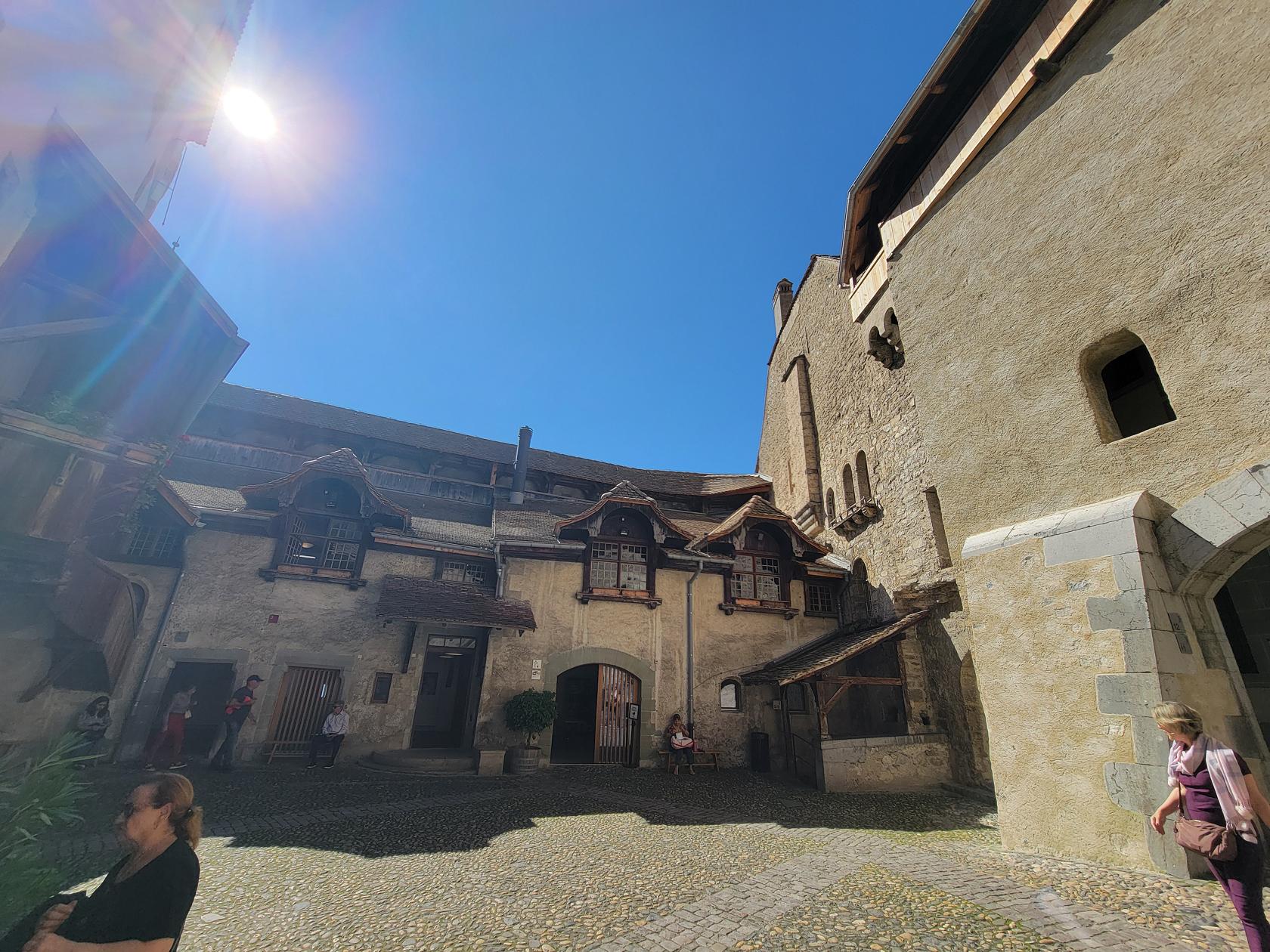
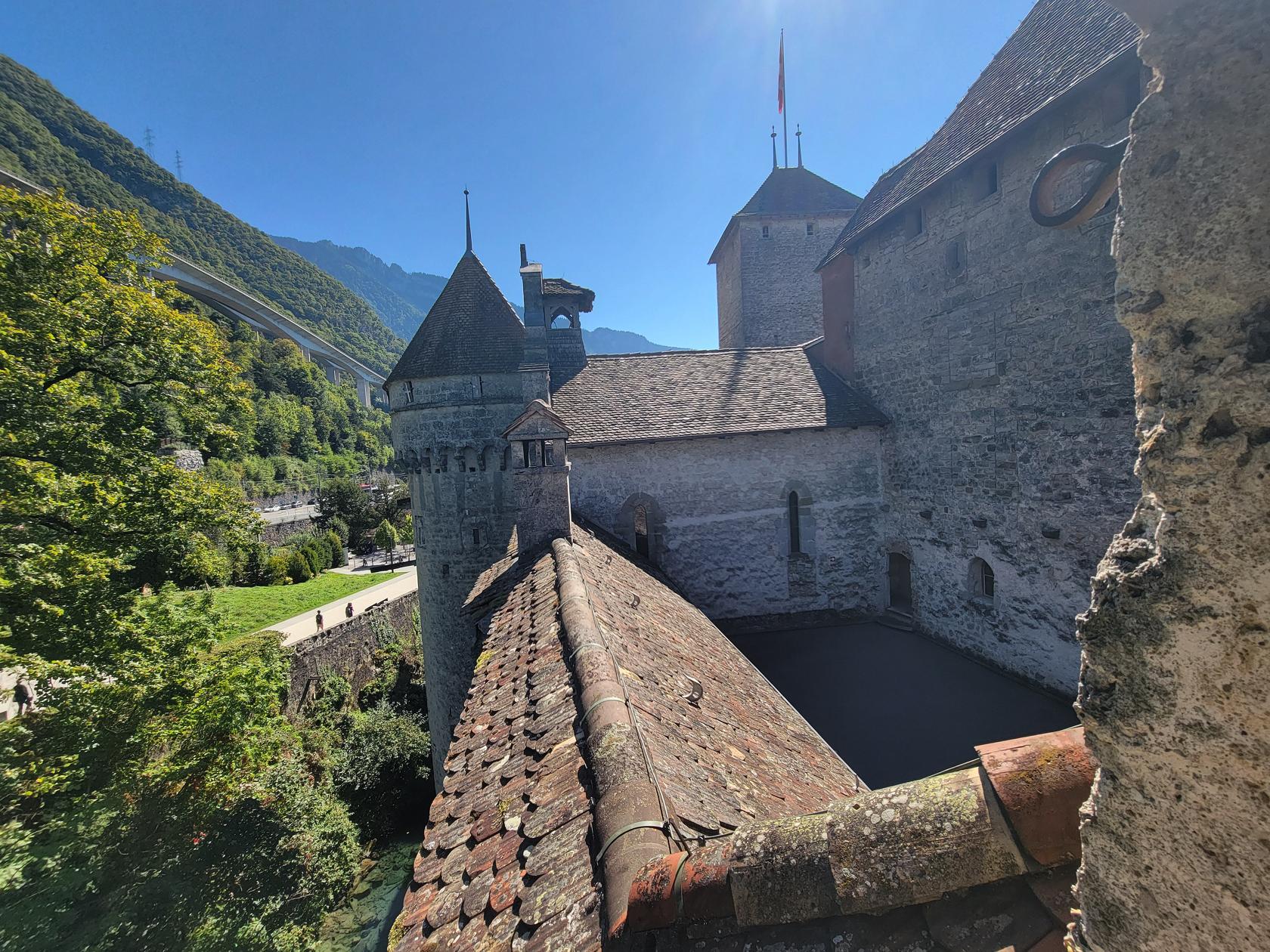
Castle Chillon – Interior Ward or Courtyard – Montreaux, Switzerland
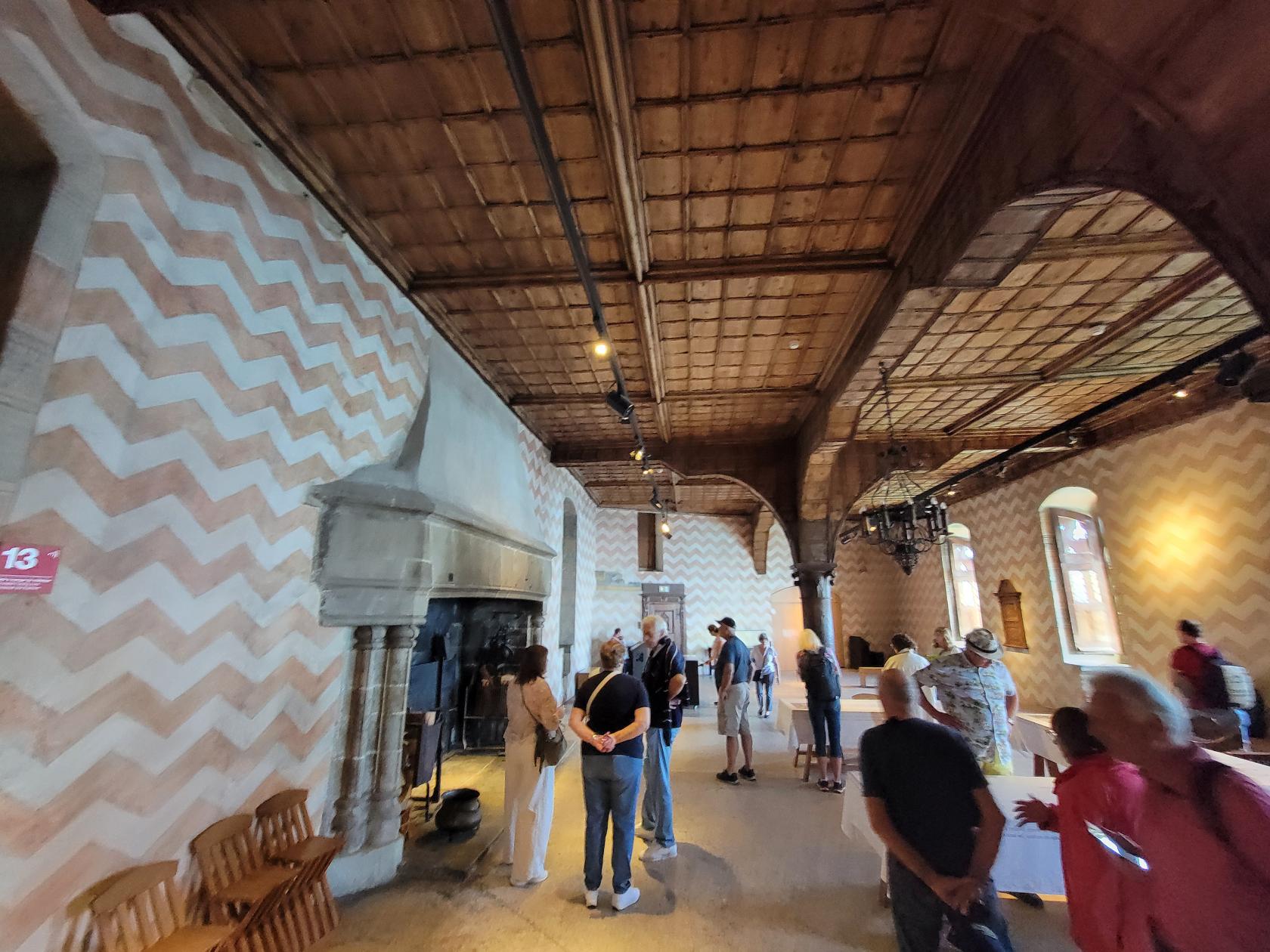
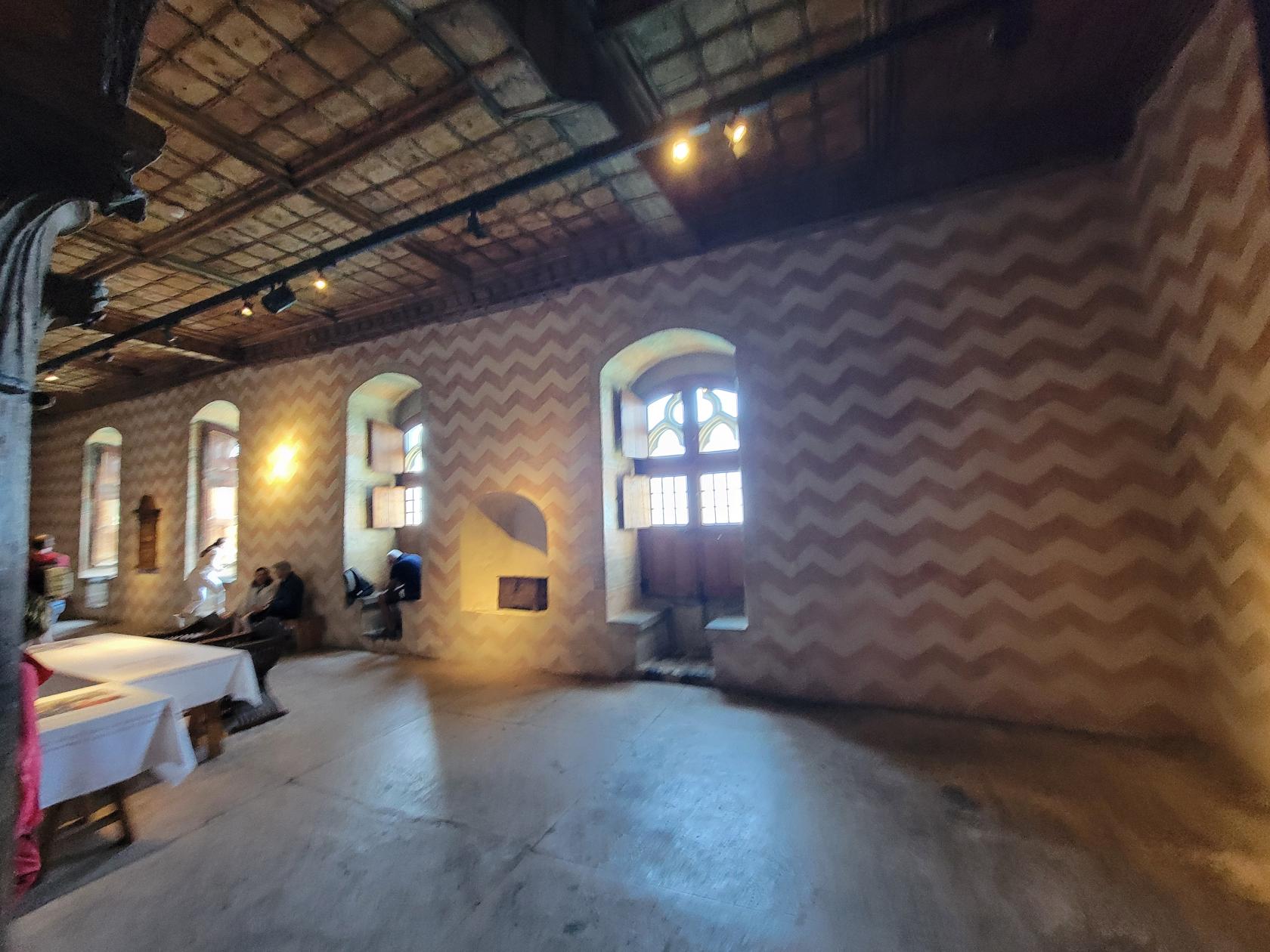
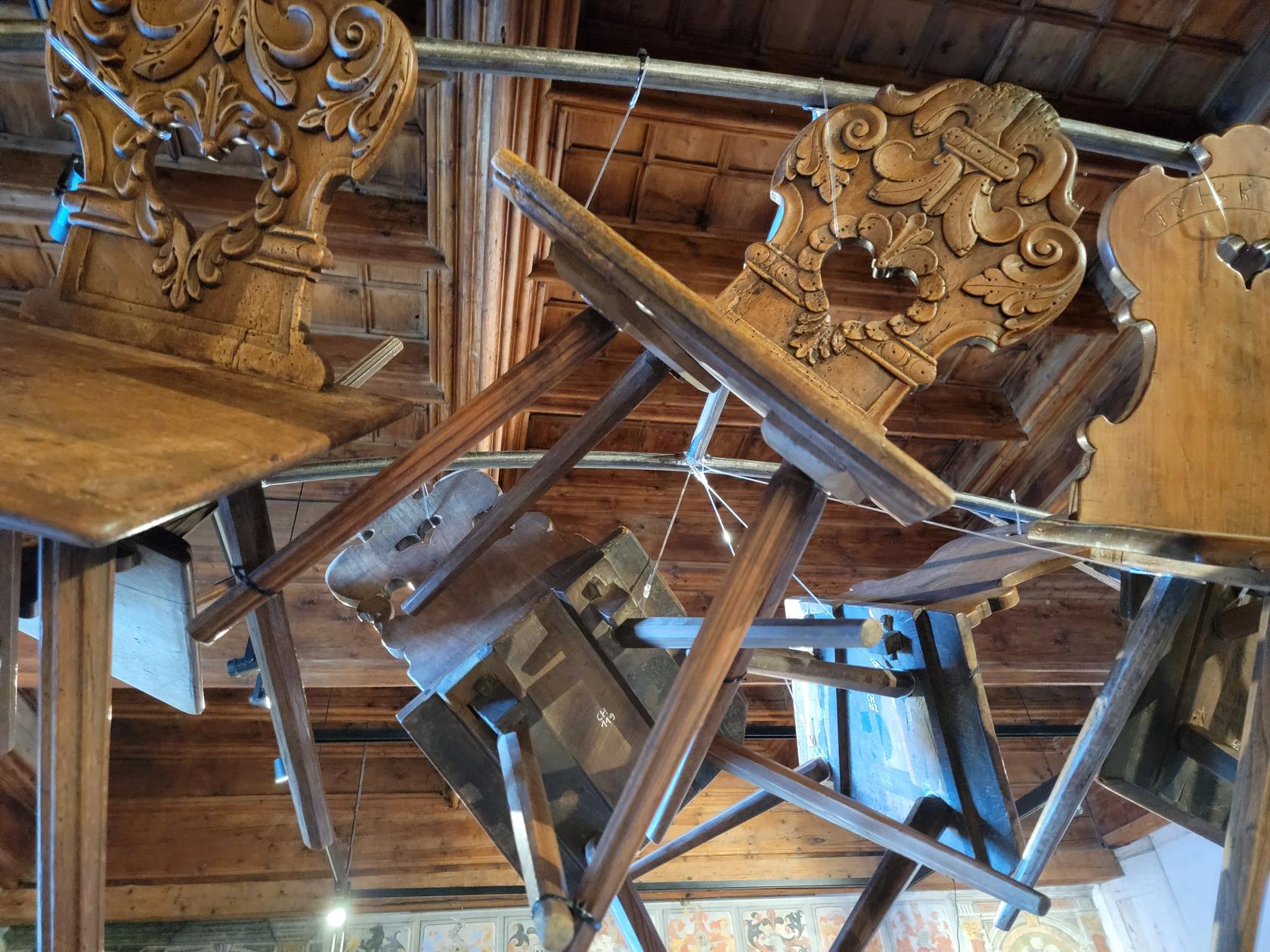
Castle Chillon – Constable’s Dining Hall – Montreaux, Switzerland
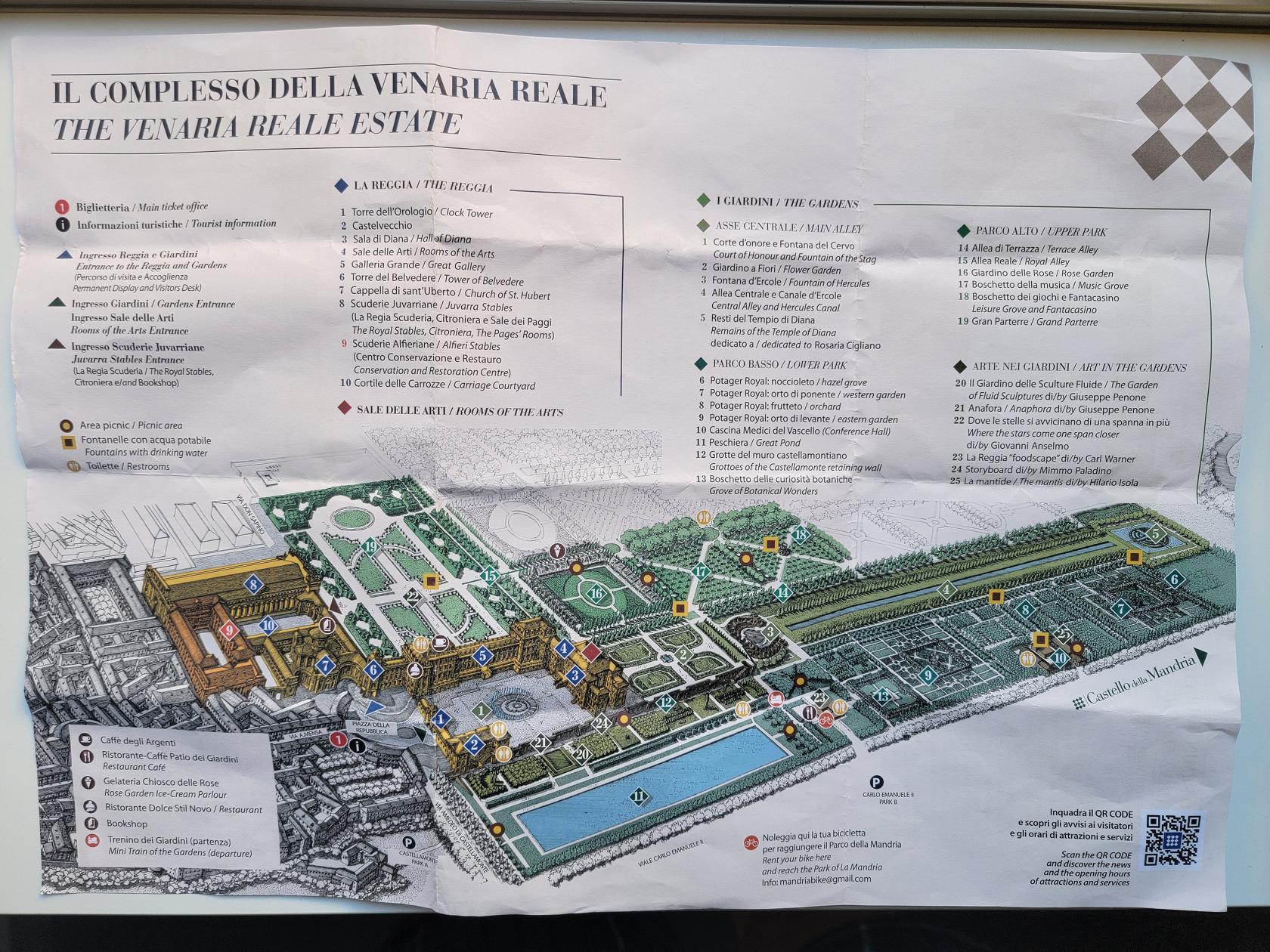
Reggia di Venaria Reale was a royal residence and palace to the northwest of Turin, Italy. It was one of more that a dozen residences of the Savoy family. It was abondoned after the Napoleonic Wars and later became a military post and barracks and subsequently slowly fell into disrepair and abandonment. After a major restoration, it finally opened to the public in 2007 as a musuem and tourist attraction.
La Venaria Reale – Map of Complex – Turin, Italy
Getting There
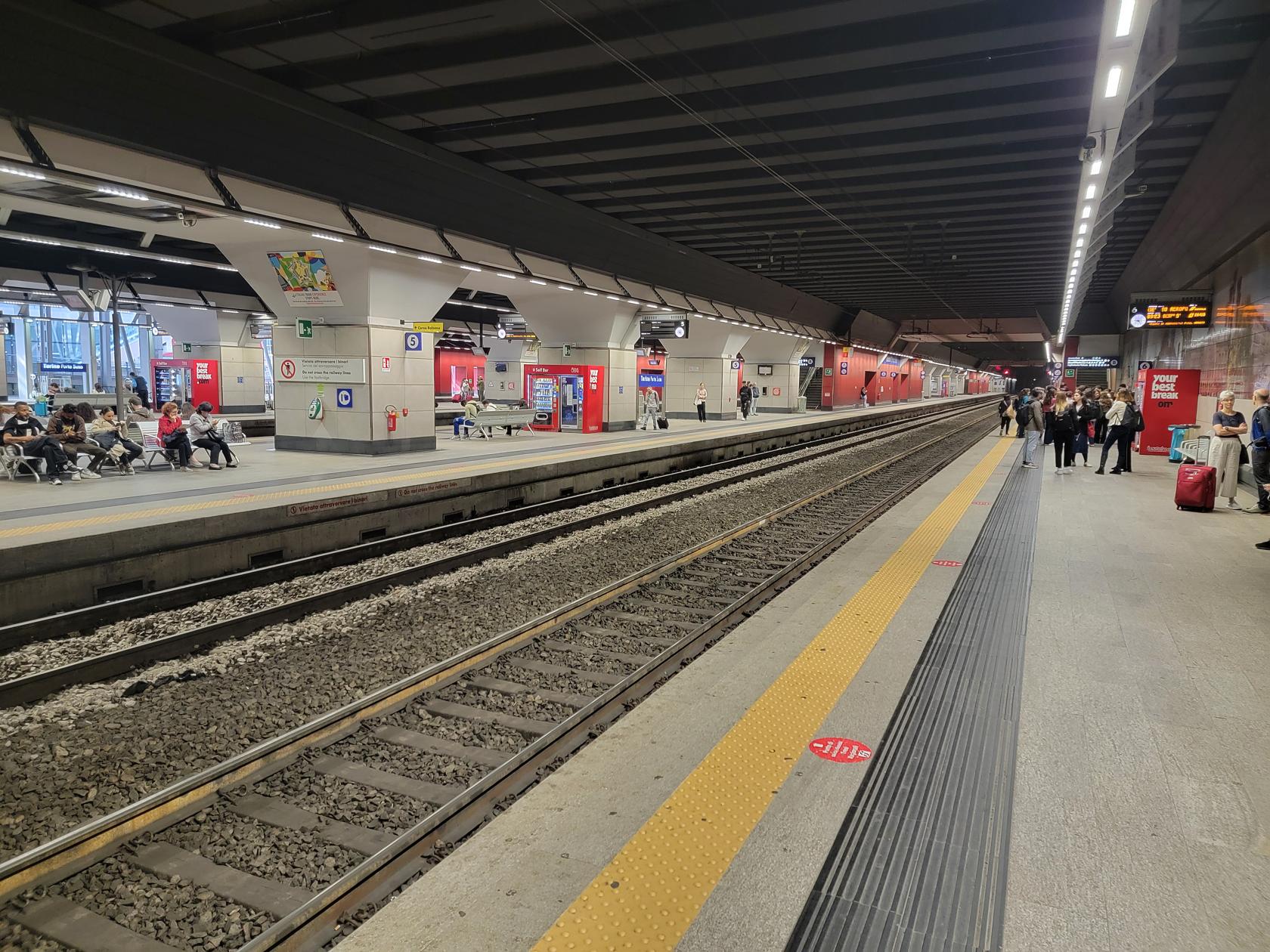
The easiest was to get there from Turin is to take one of the SFM trains from Porta Susa towards the Turin Airport. Many of these trains stop at Venaria Station and it only takes about fifteen to twenty minutes and costs about €3.50 per person. We often use the phone application and do not book a round-trip ticket, since you never know how long you might stay, especially if you are planning for lunch as well.
Porta Susa – Leaving for Venaria – Turin, Italy
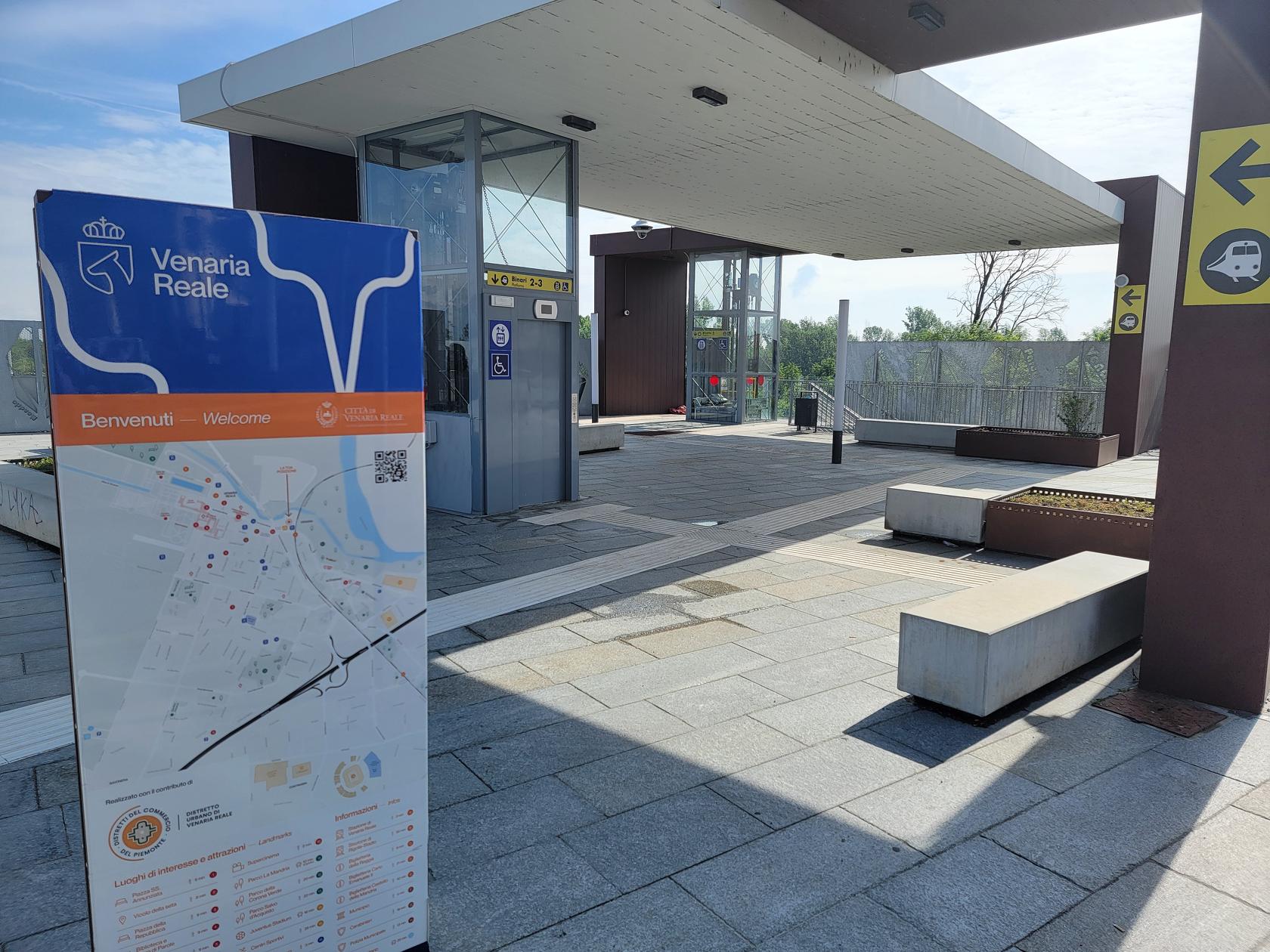
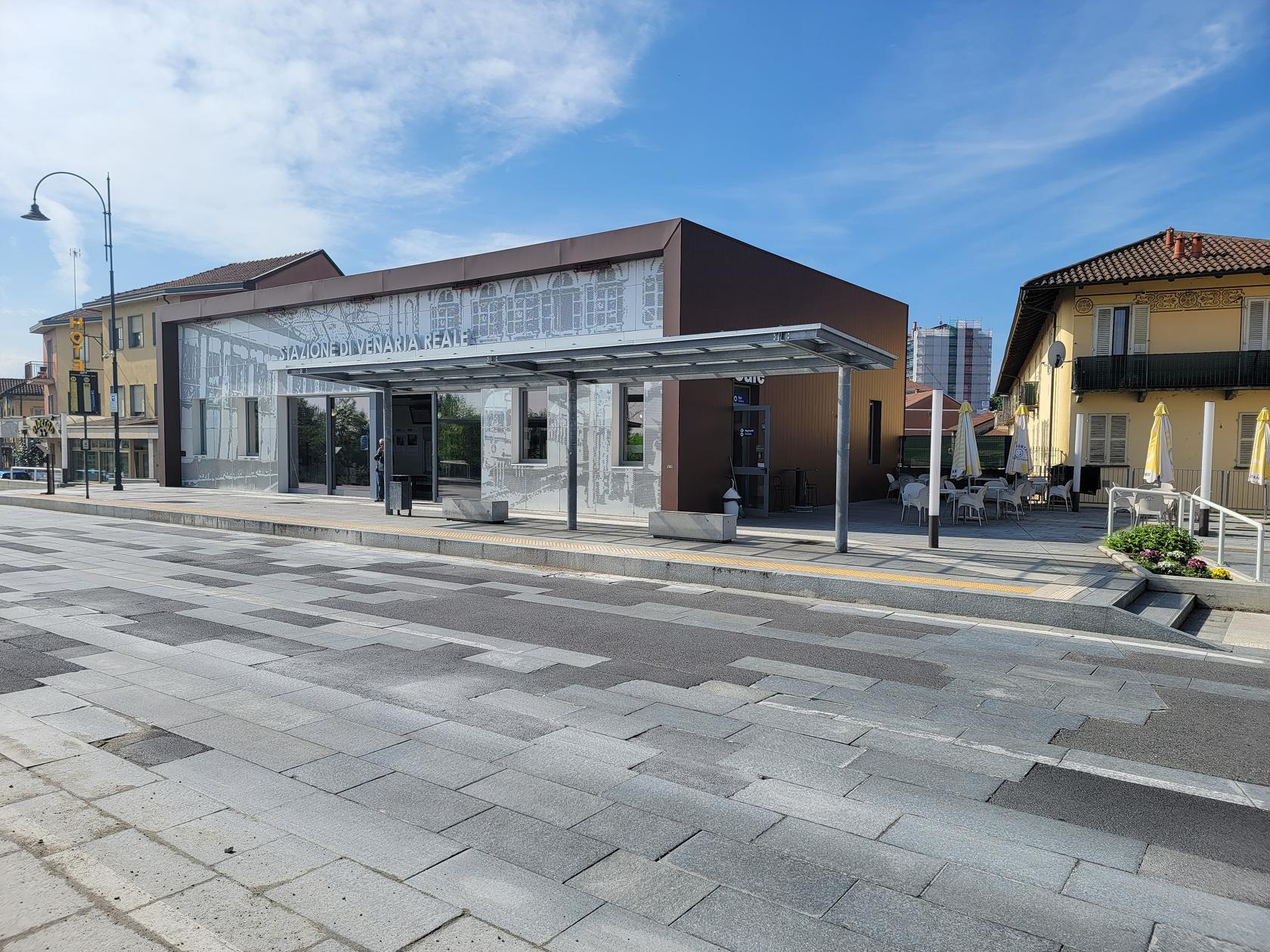
La Venaria Reale – Train Station at Venaria – Turin, Italy
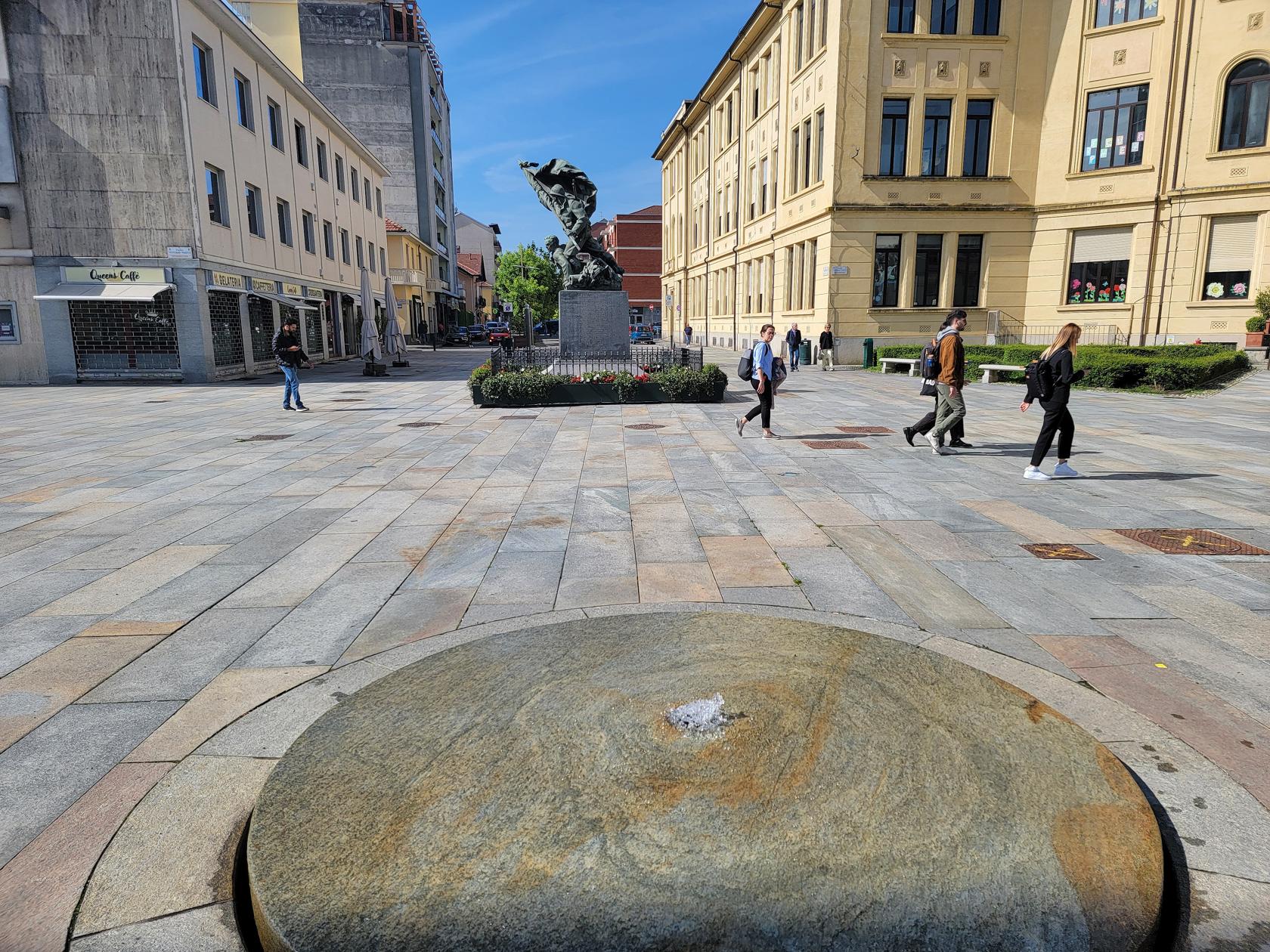
La Venaria Reale – Military Monument – Turin, Italy
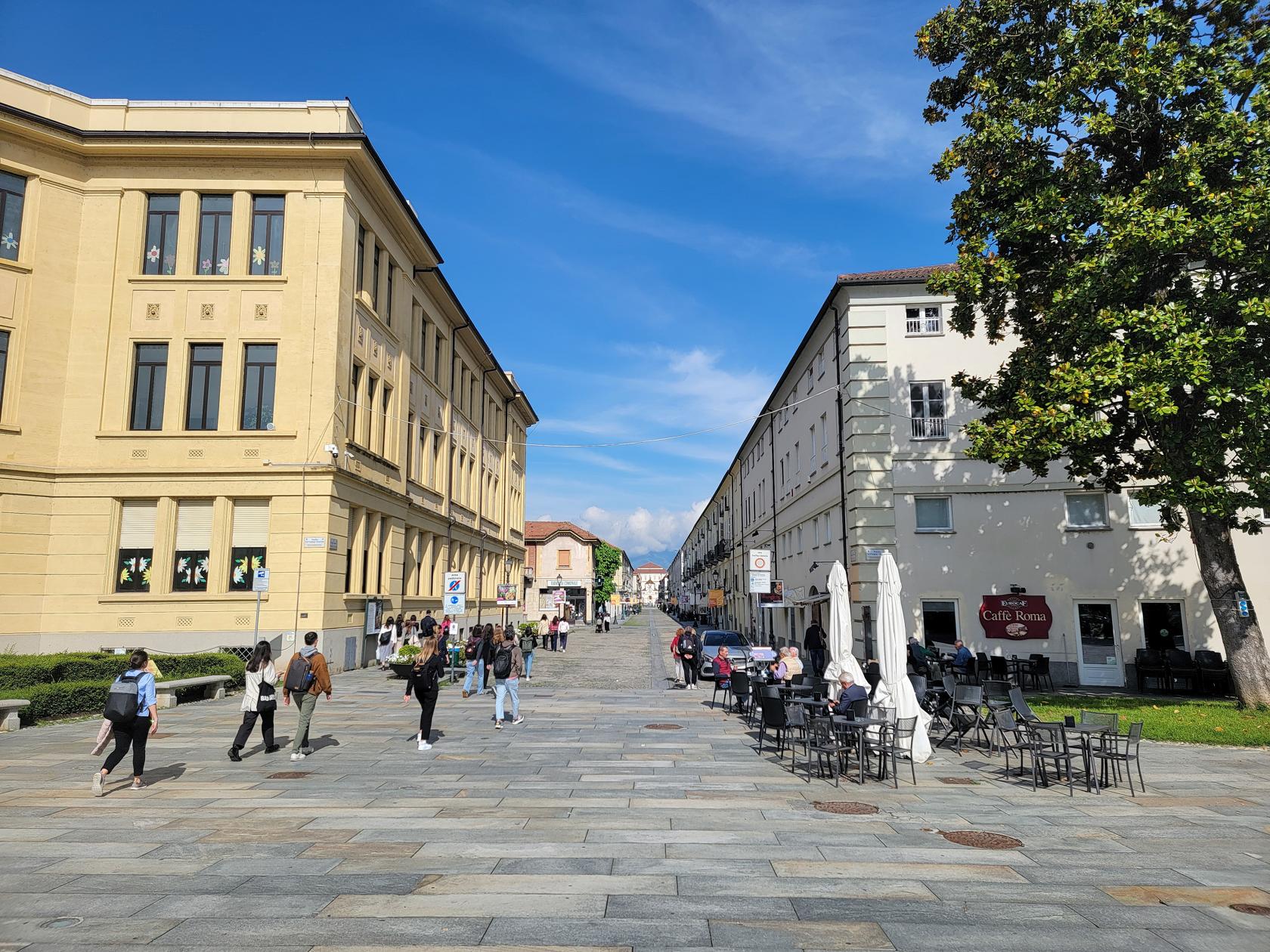
La Venaria Reale – Via Andrea Mensa – Turin, Italy
The Palace
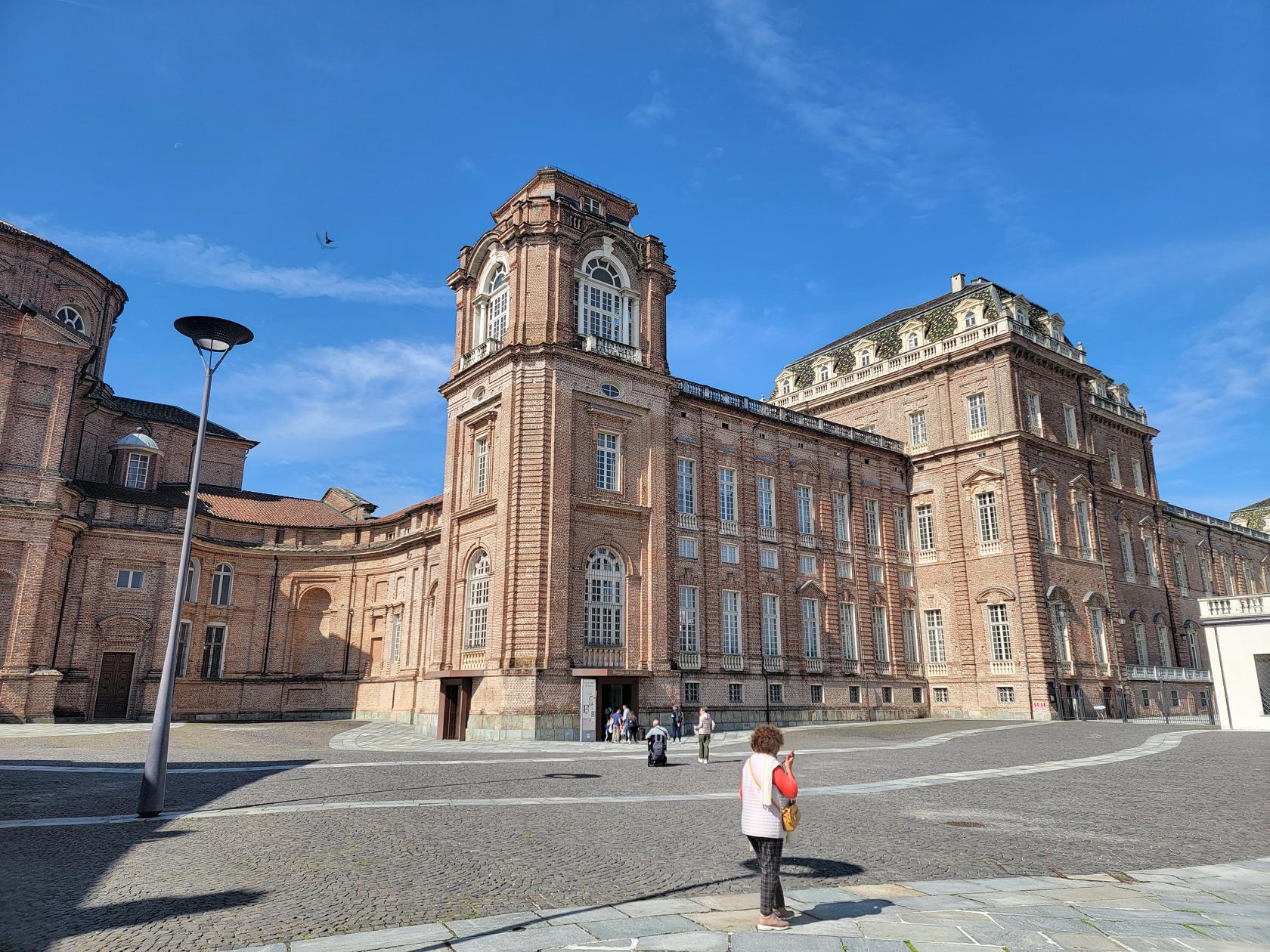
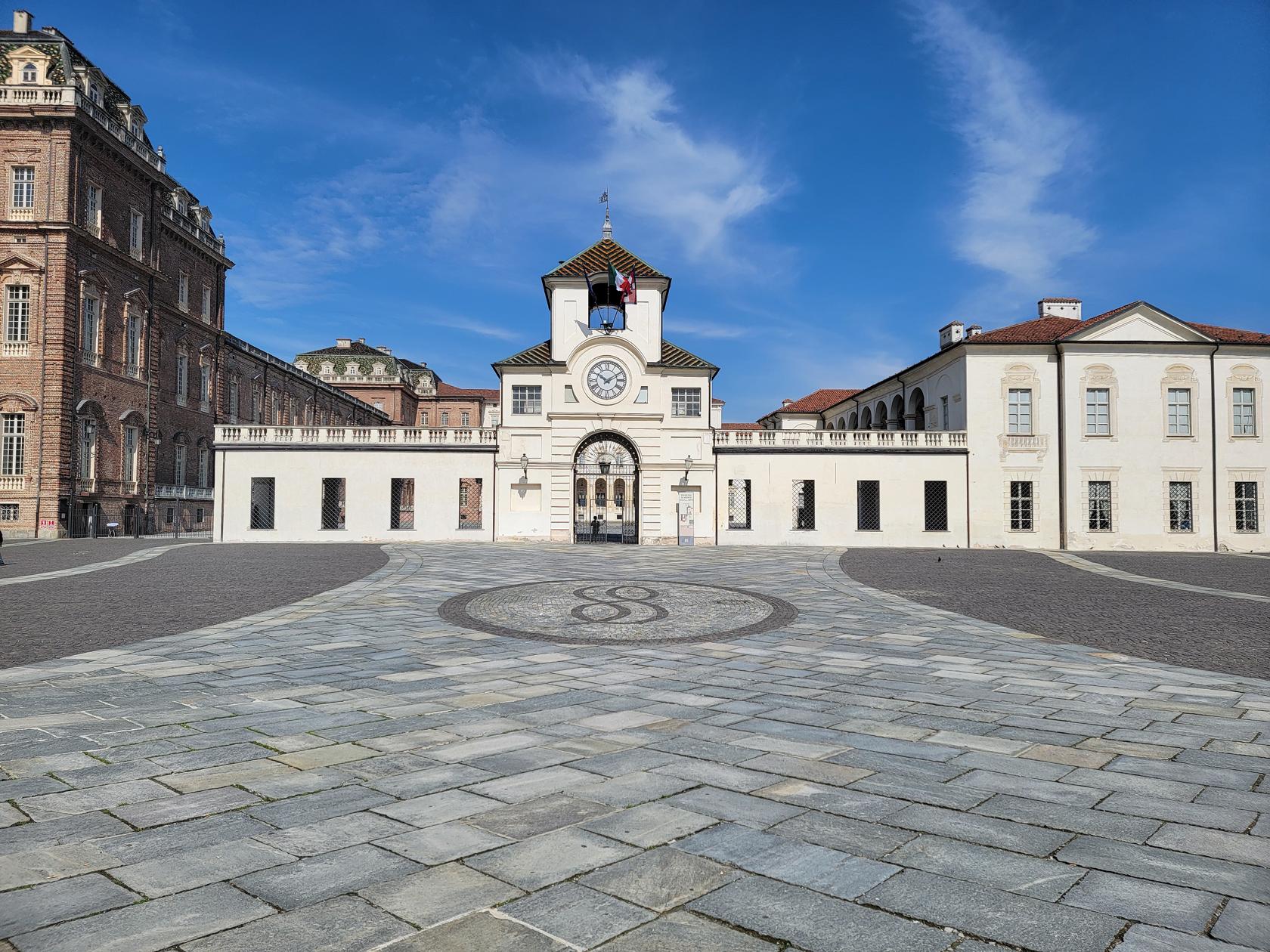
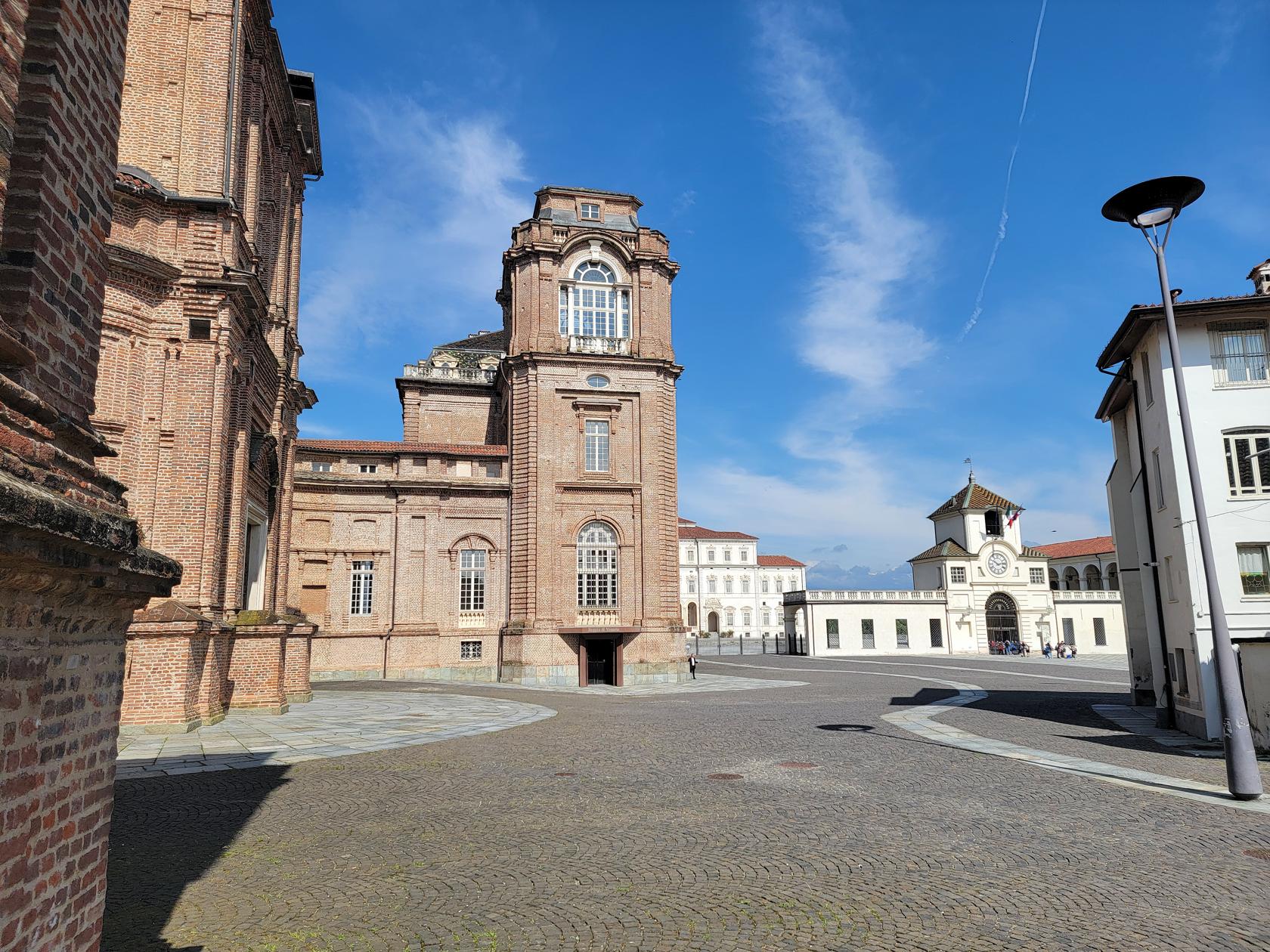
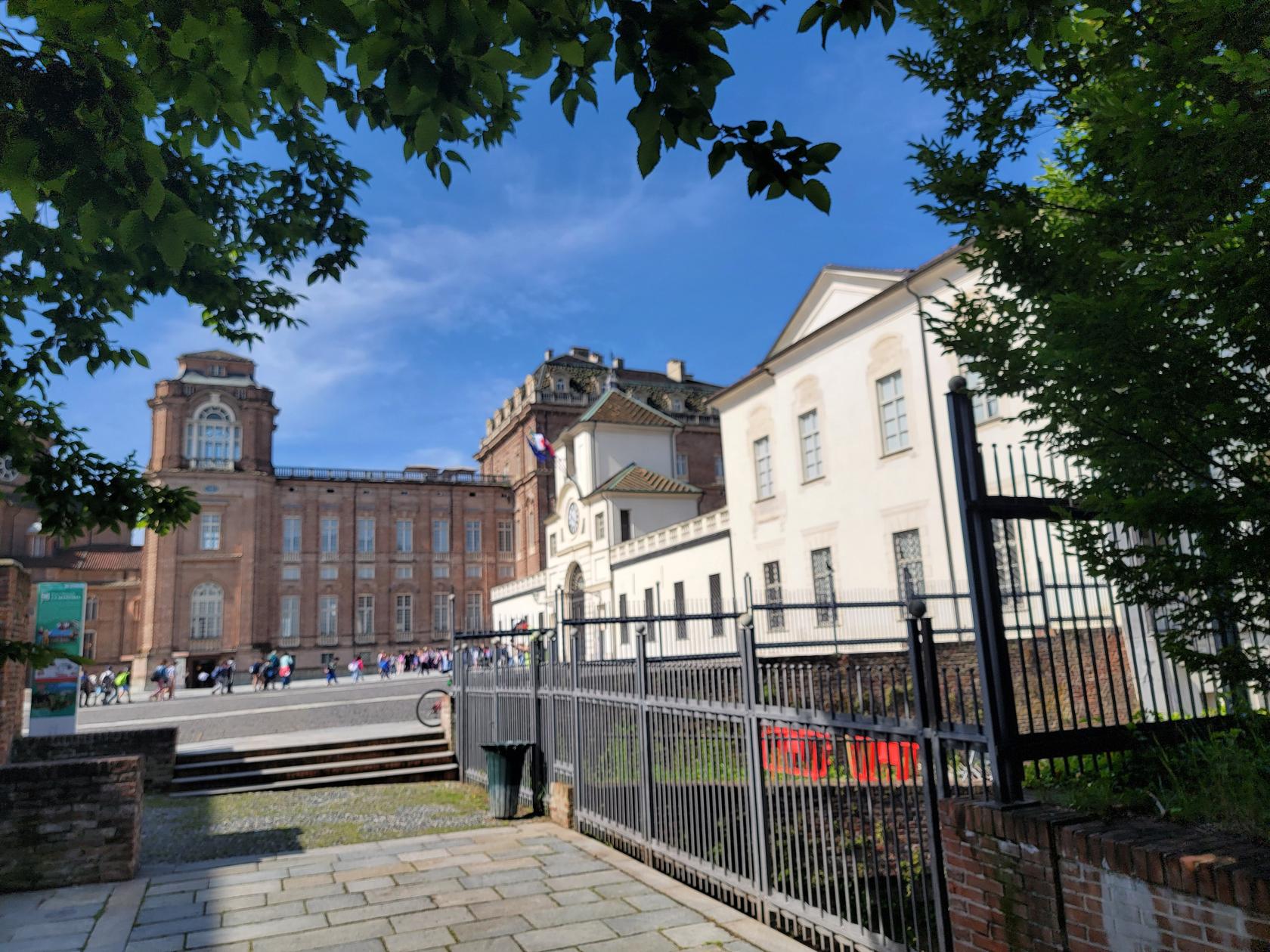
The palace is actually in two pieces, the original Palace of Diana from the seventeenth century in white stucco with a white clock tower and the latter eighteenth century addition in raw brick with the Belvedere Tower, where you enter.
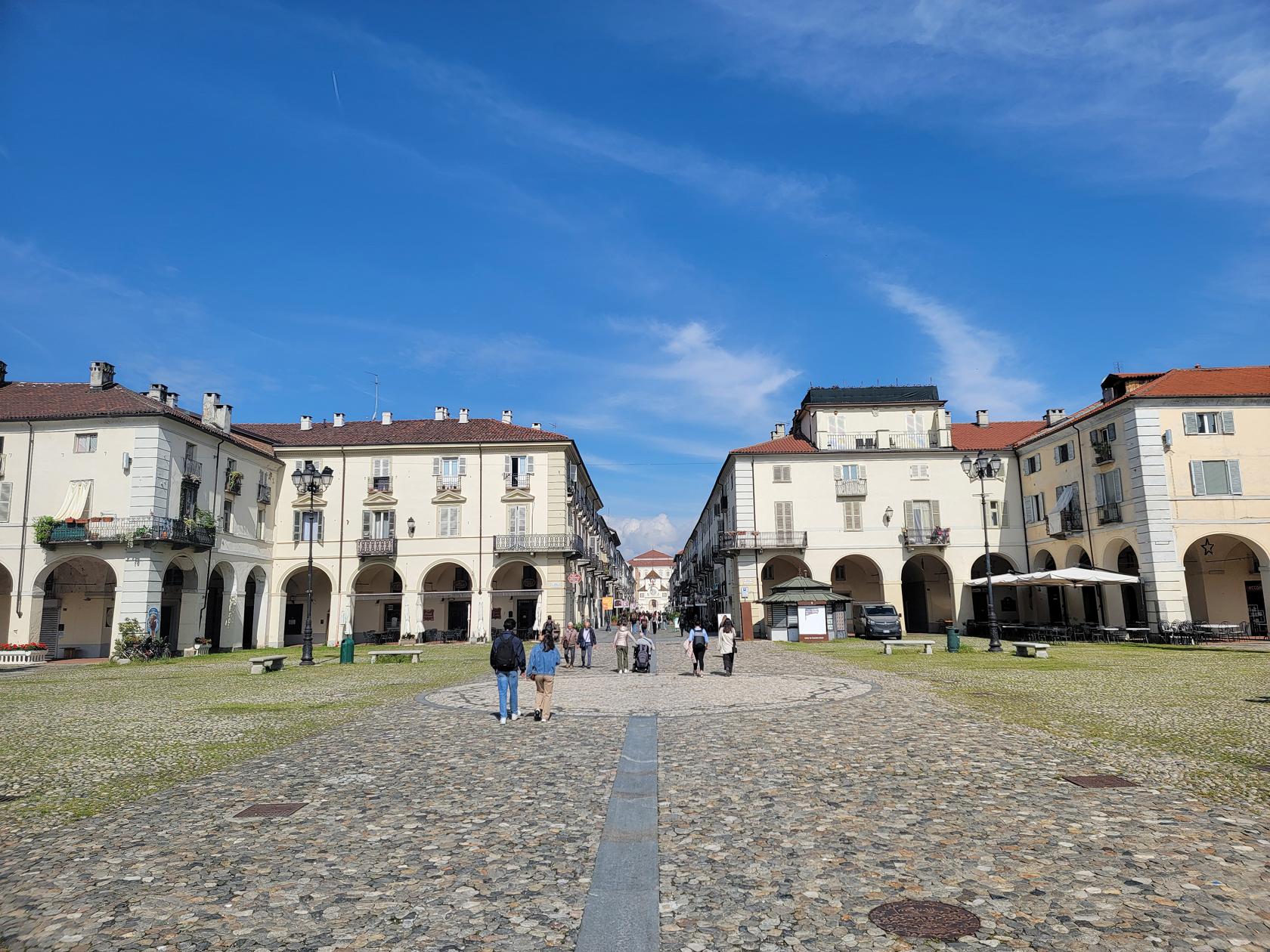
La Venaria Reale – Piazza della Repubblica – Turin, Italy
La Venaria Reale – Clock Tower, Piazza della Repubblica – Turin, Italy
La Venaria Reale – Piazza della Repubblica – Turin, Italy
La Venaria Reale – Via Castelmonte – Turin, Italy
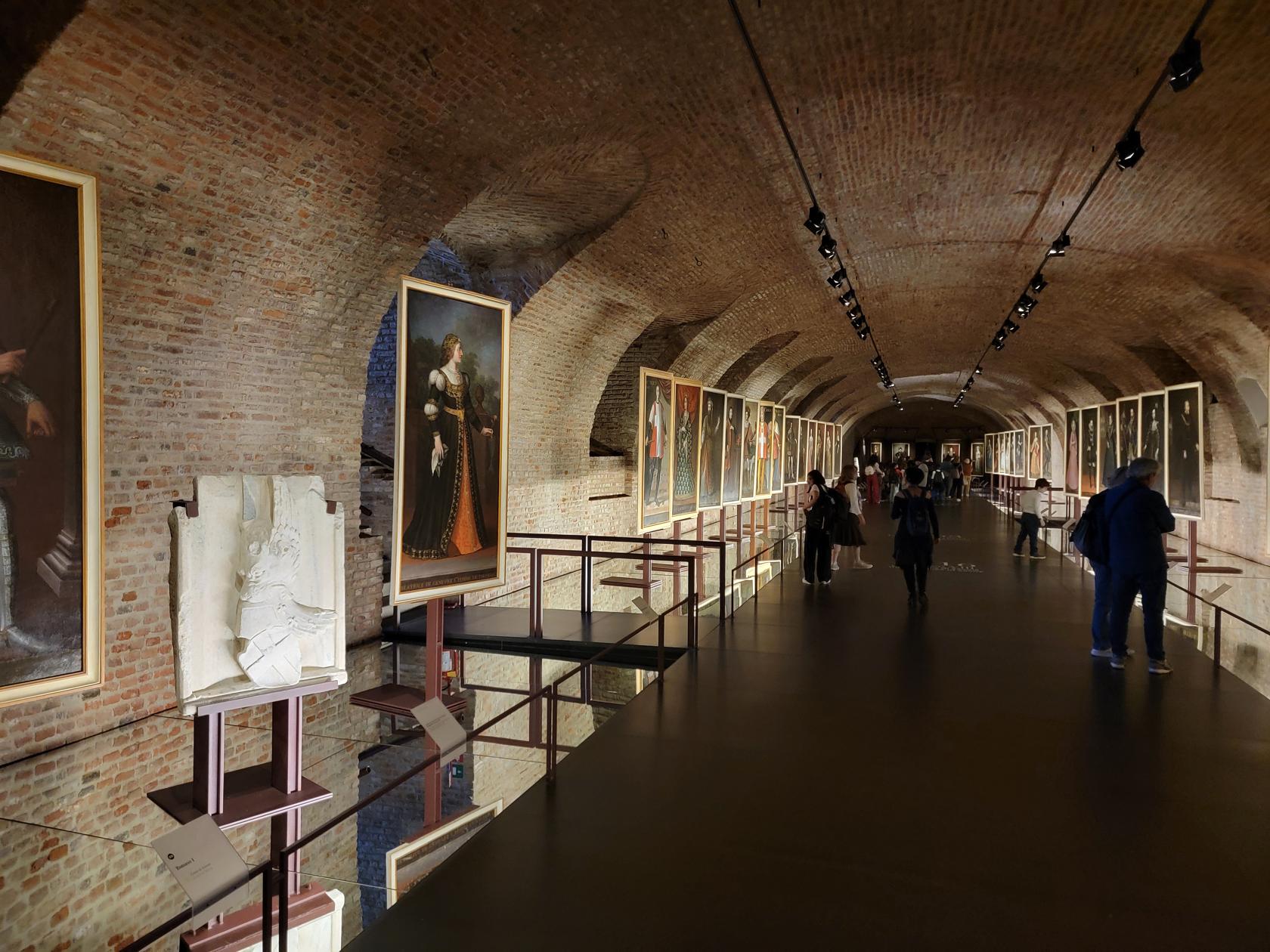
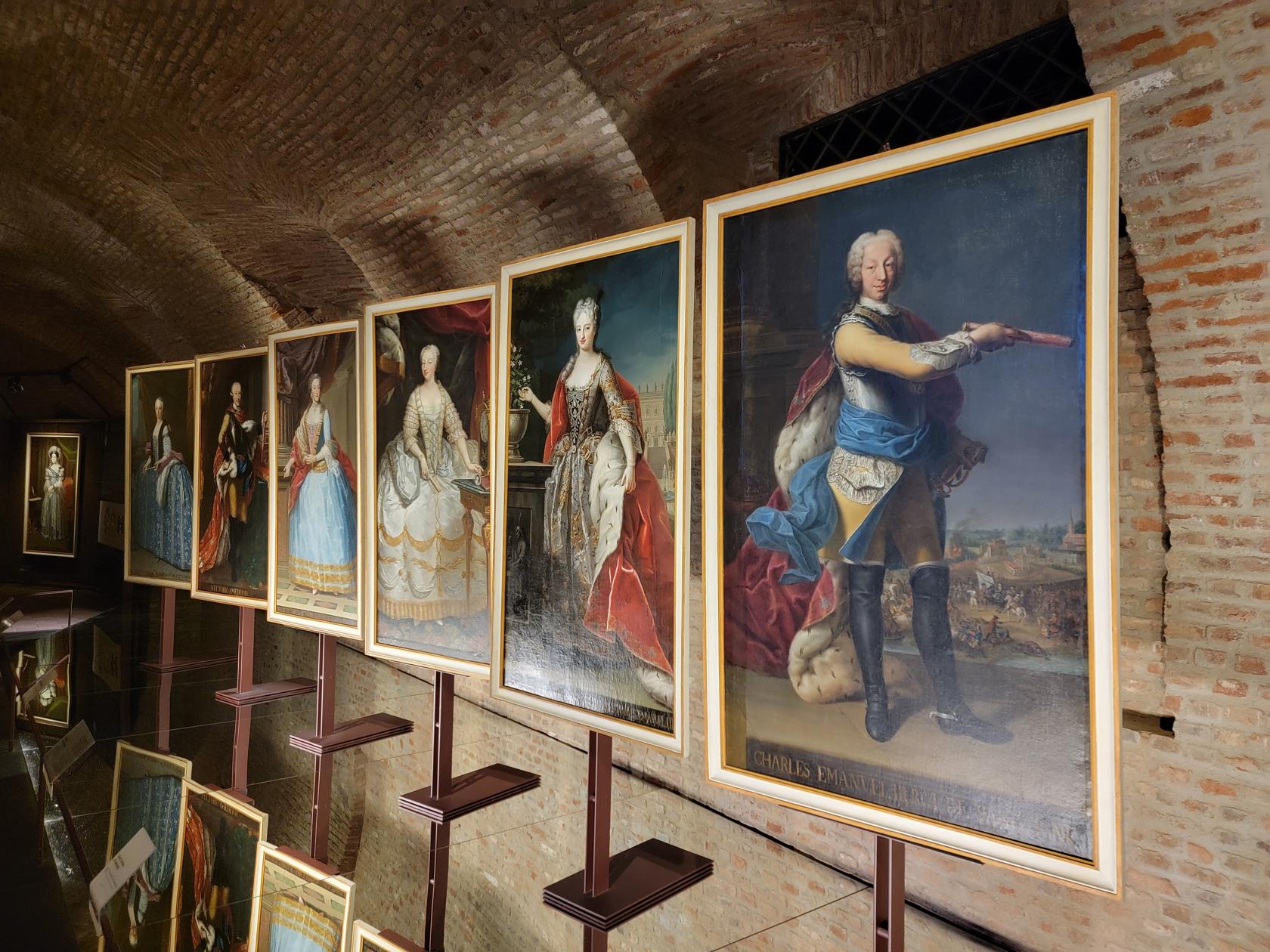
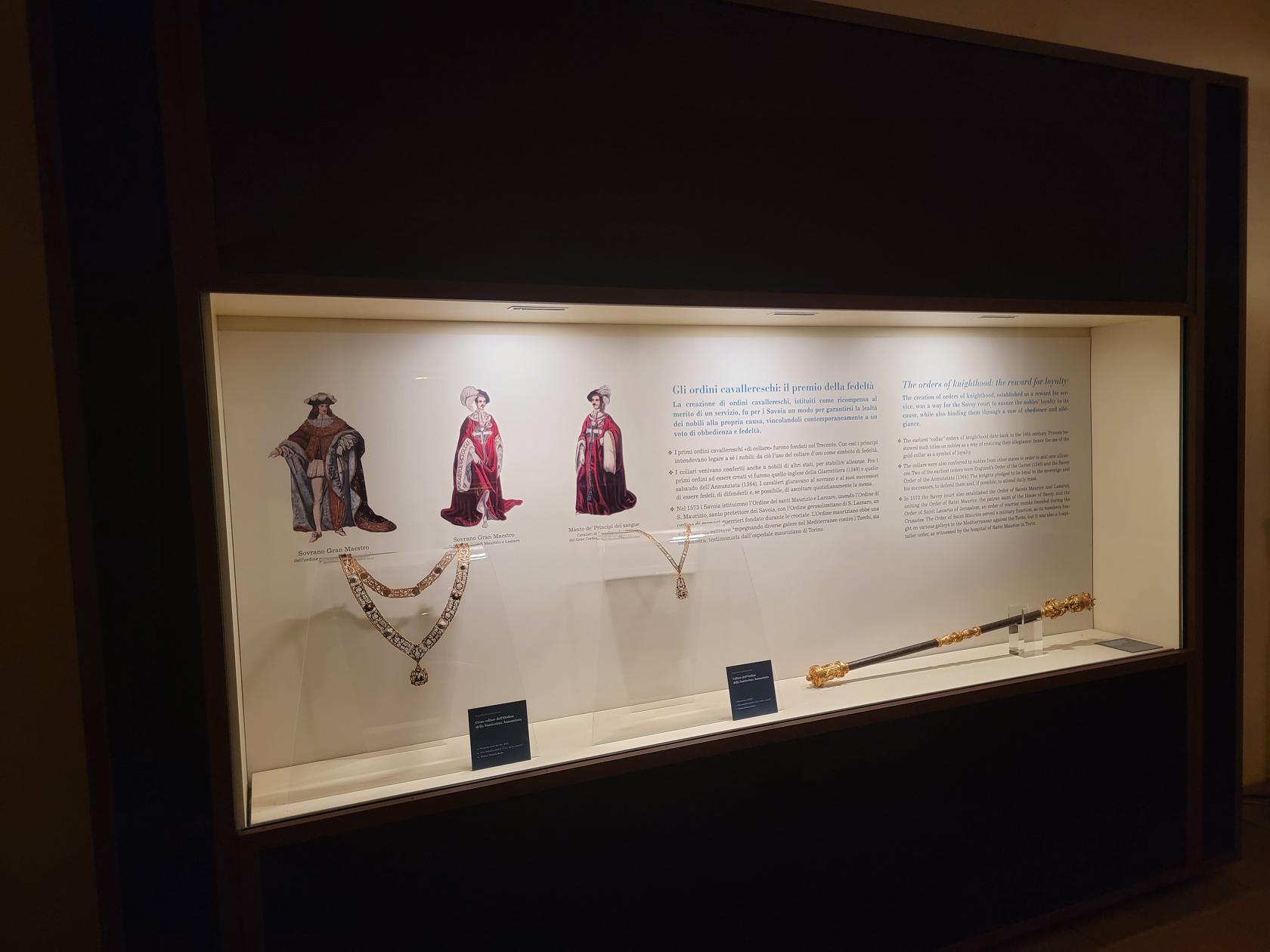
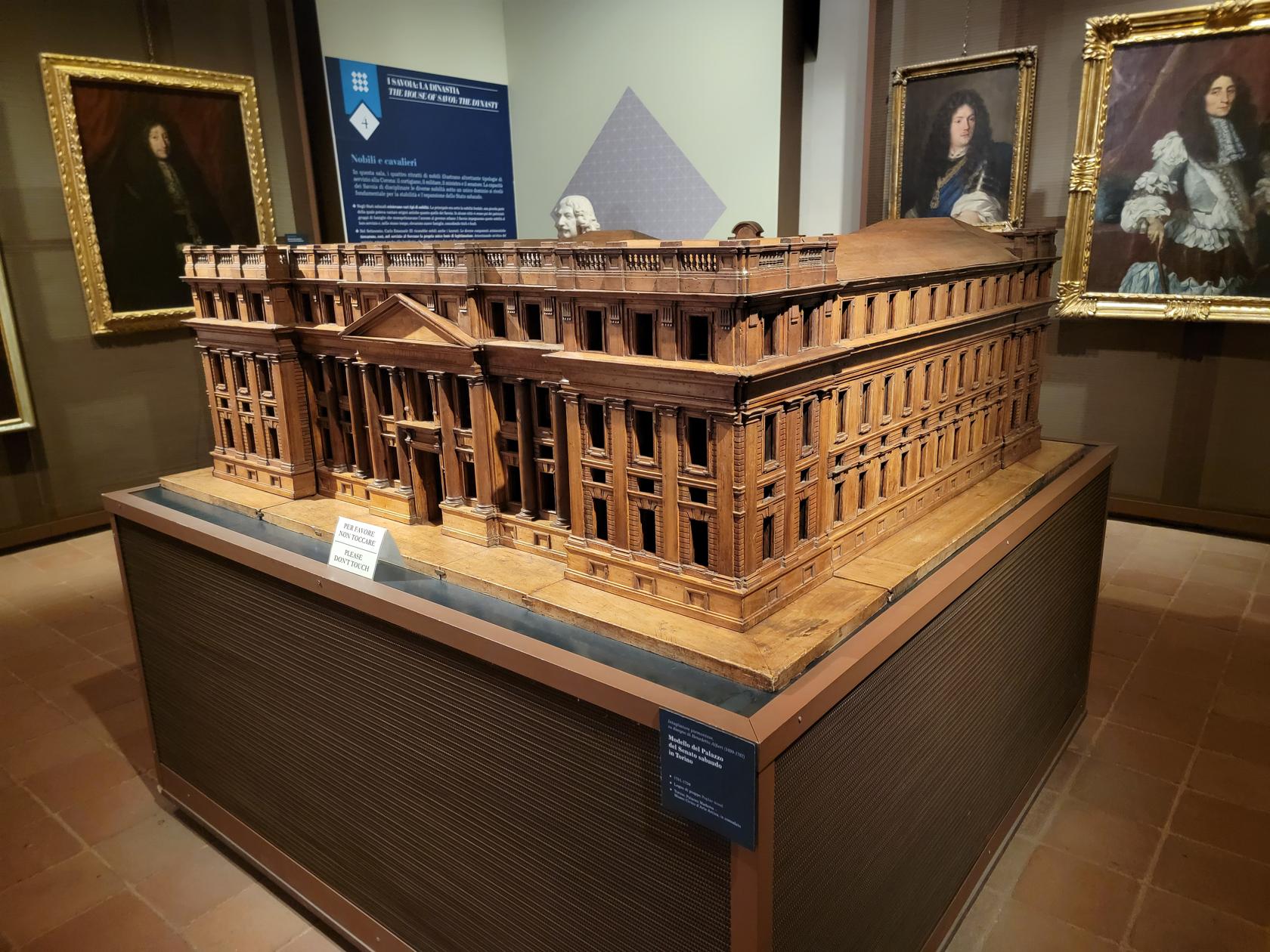
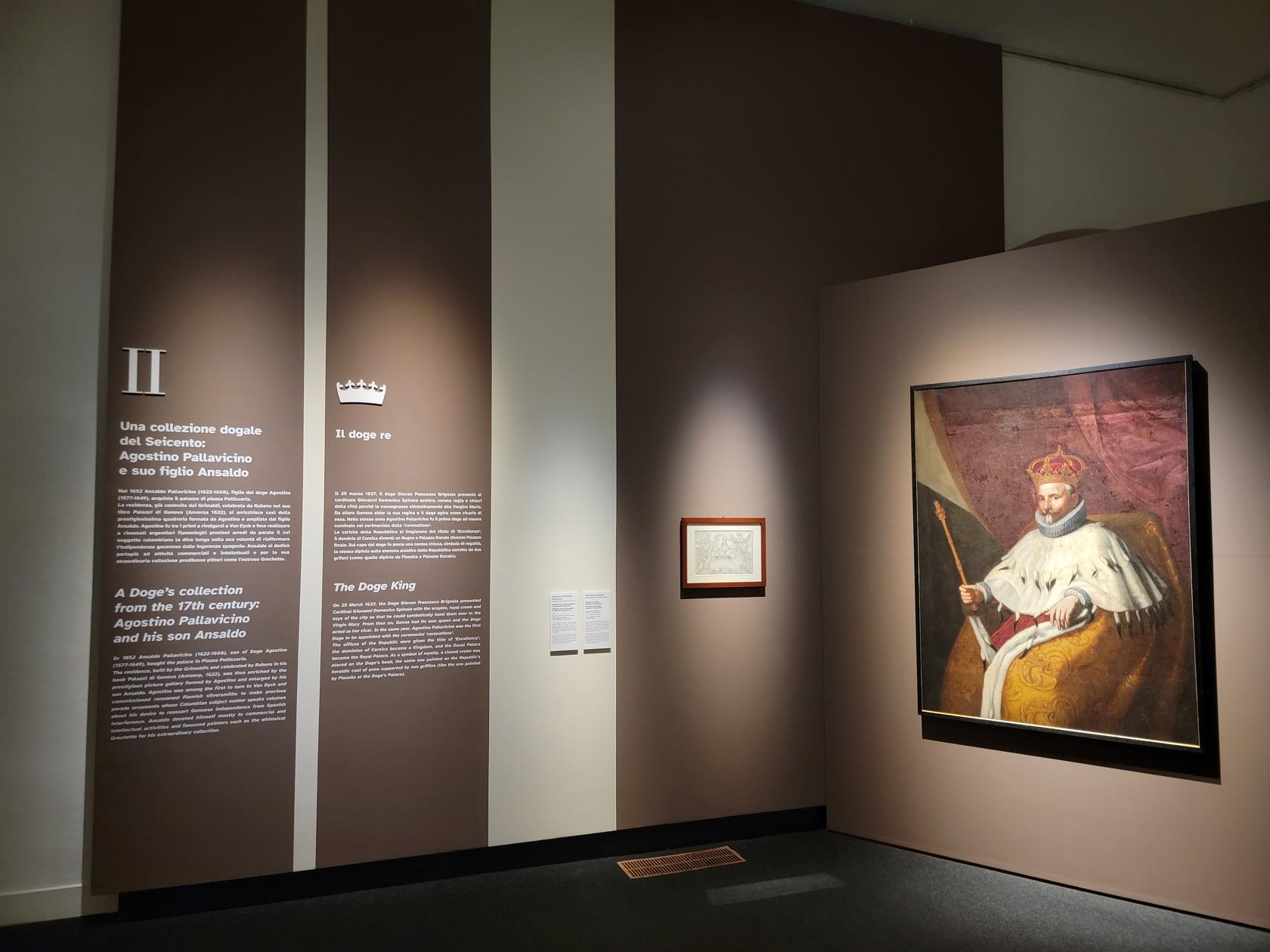
La Venaria Reale – Noble Families, La Reggia – Turin, Italy
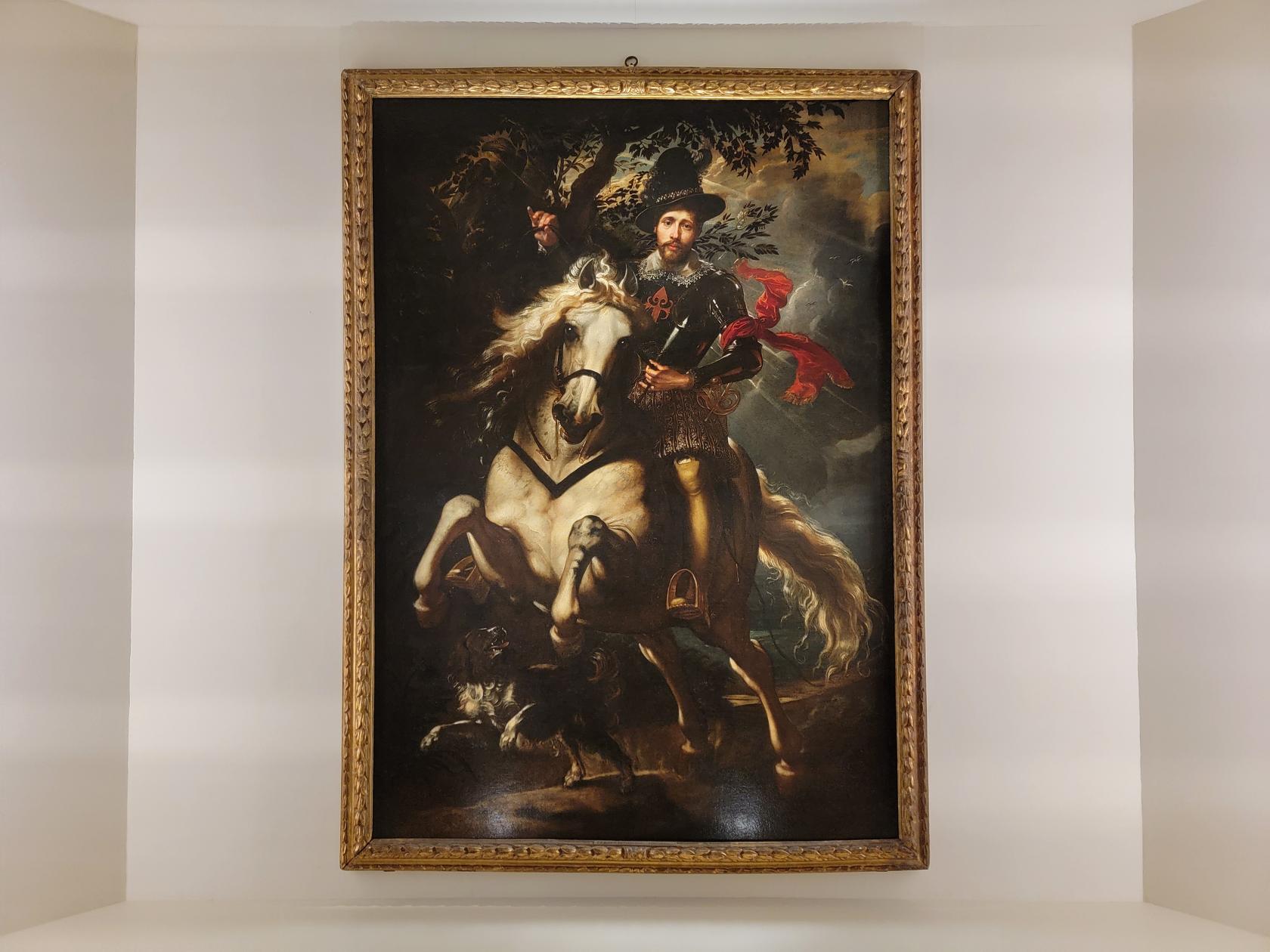
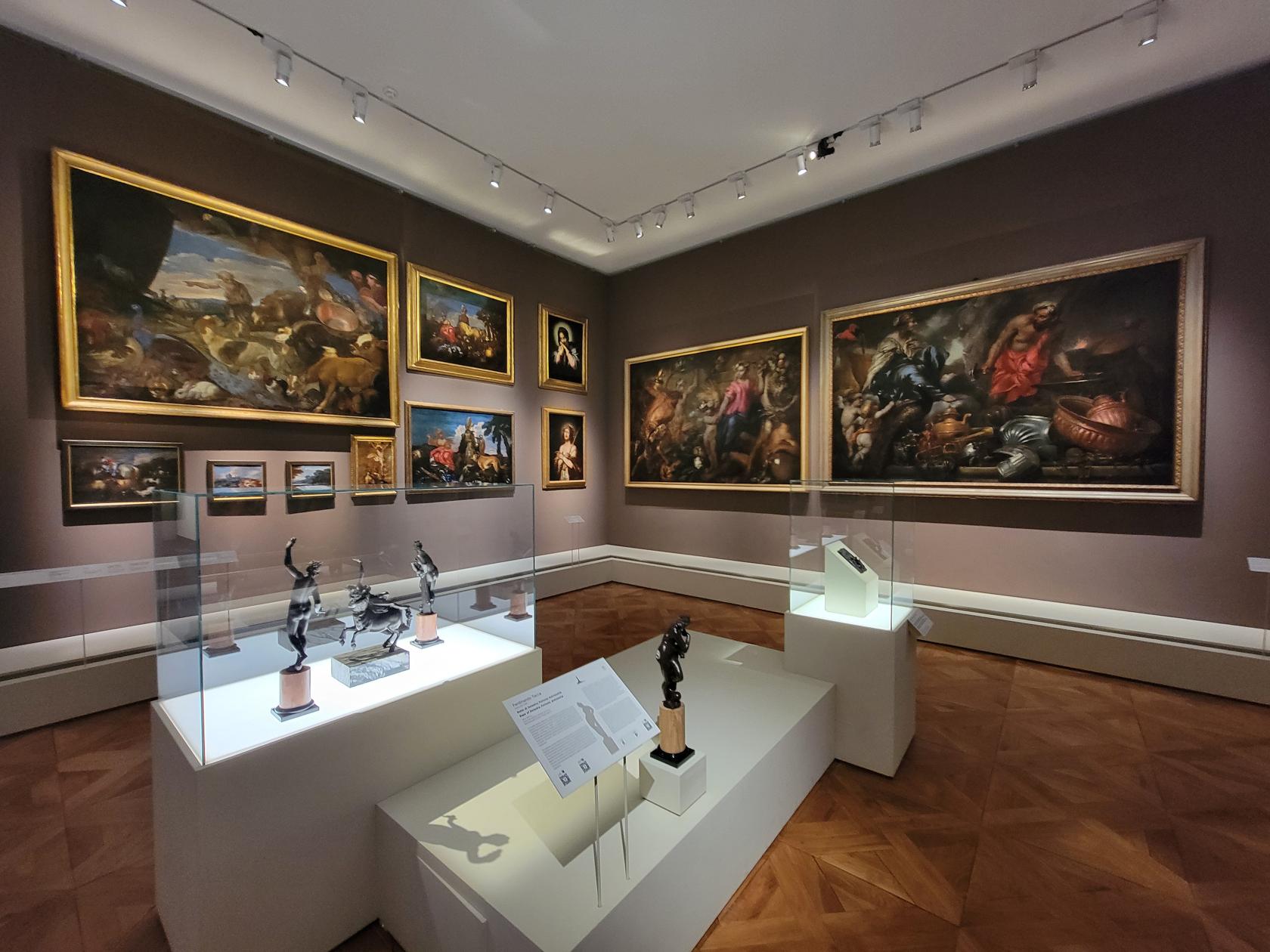
La Venaria Reale – Museum, La Reggia – Turin, Italy
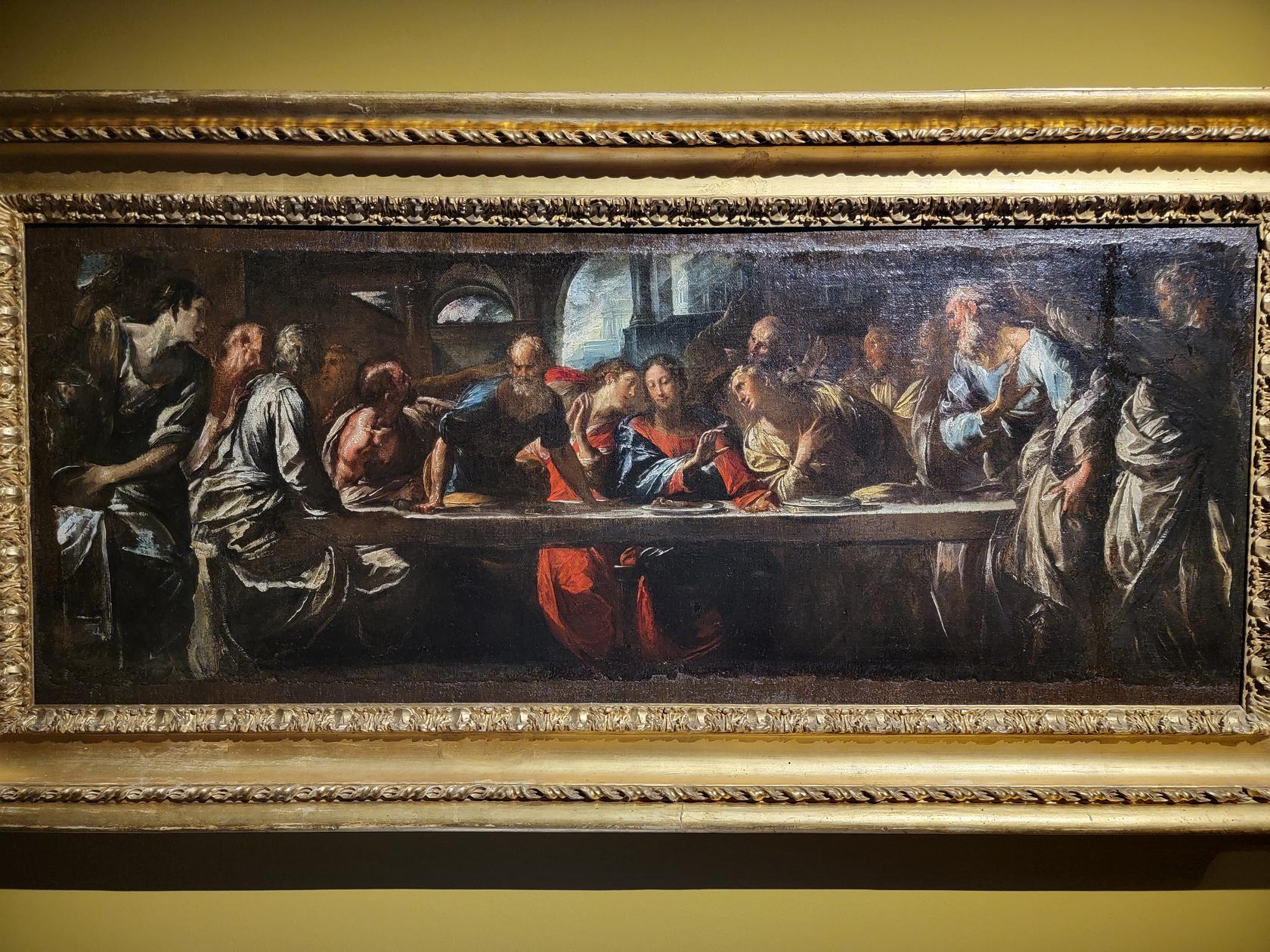
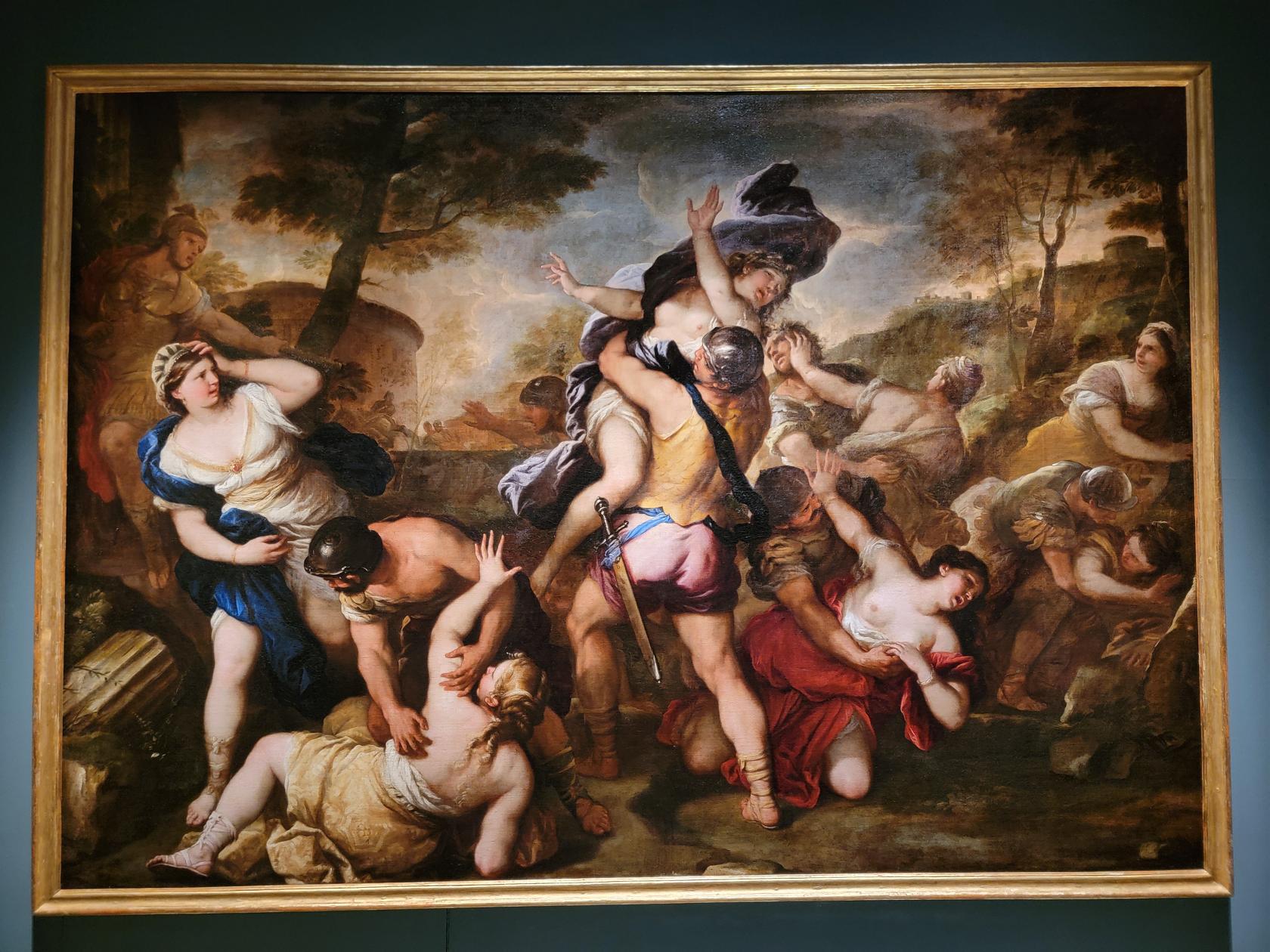
La Venaria Reale – Art Room, La Reggia – Turin, Italy
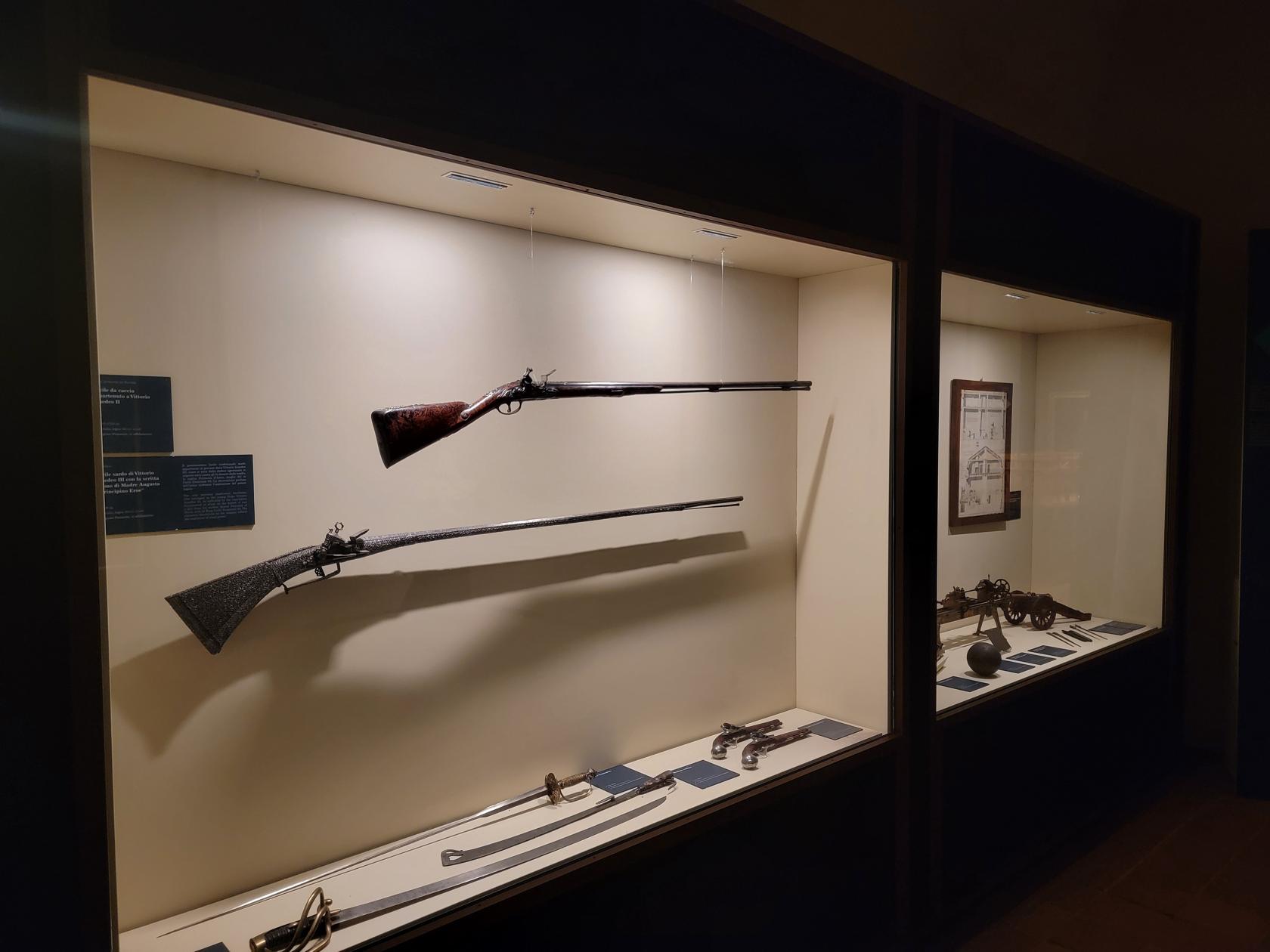
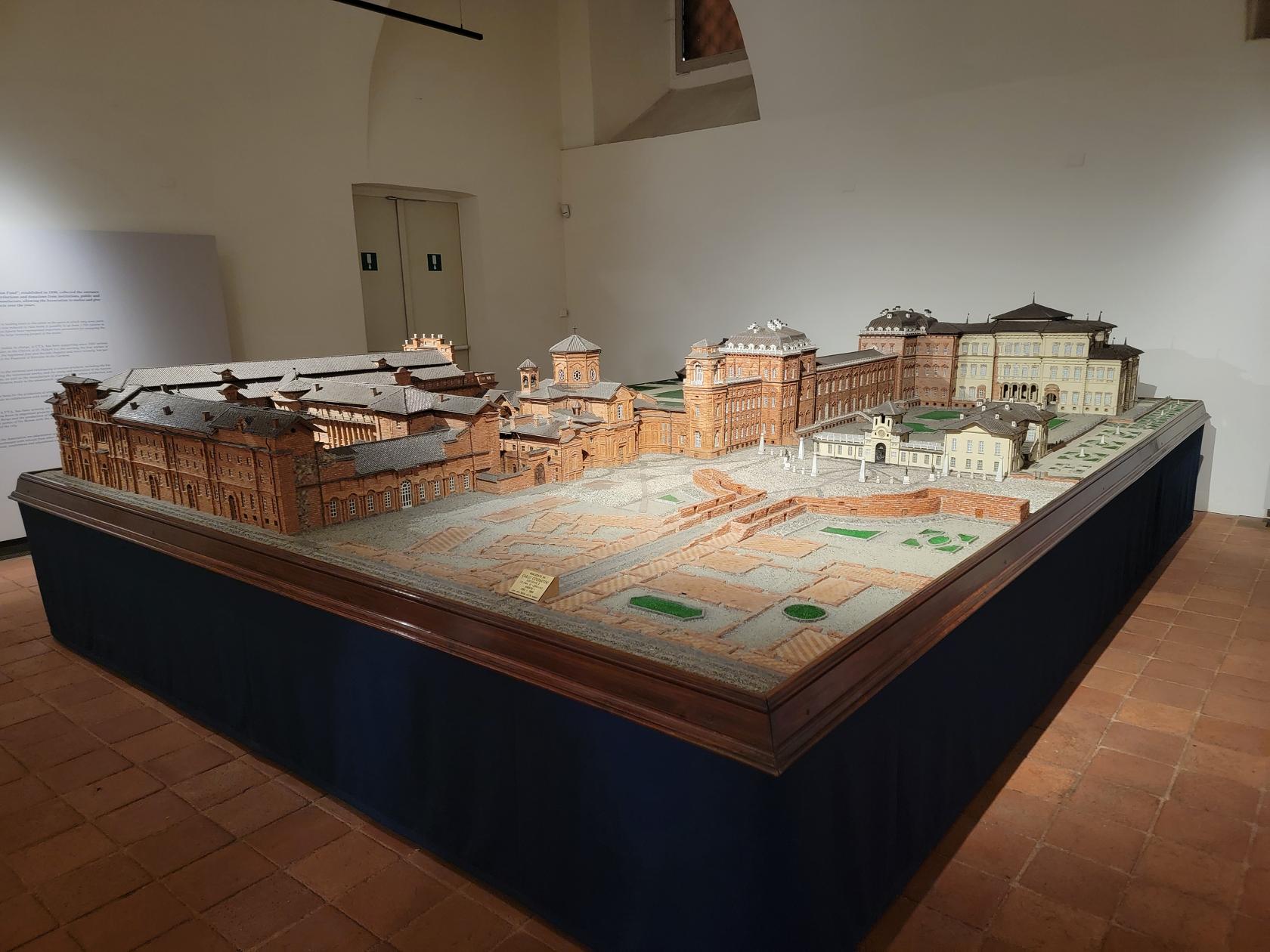
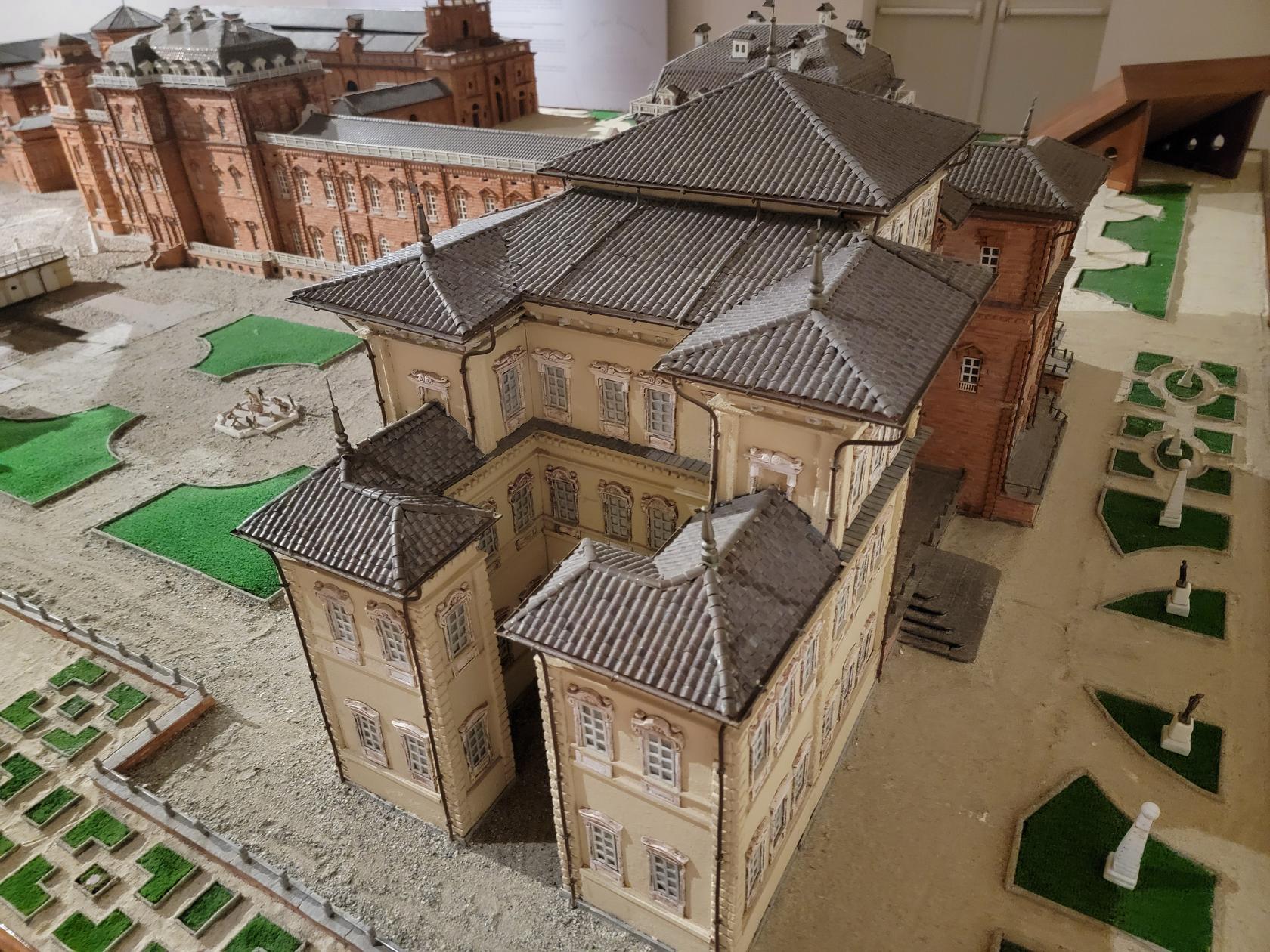
La Venaria Reale – Castle Diorama, La Reggia – Turin, Italy
The Grand Gallery
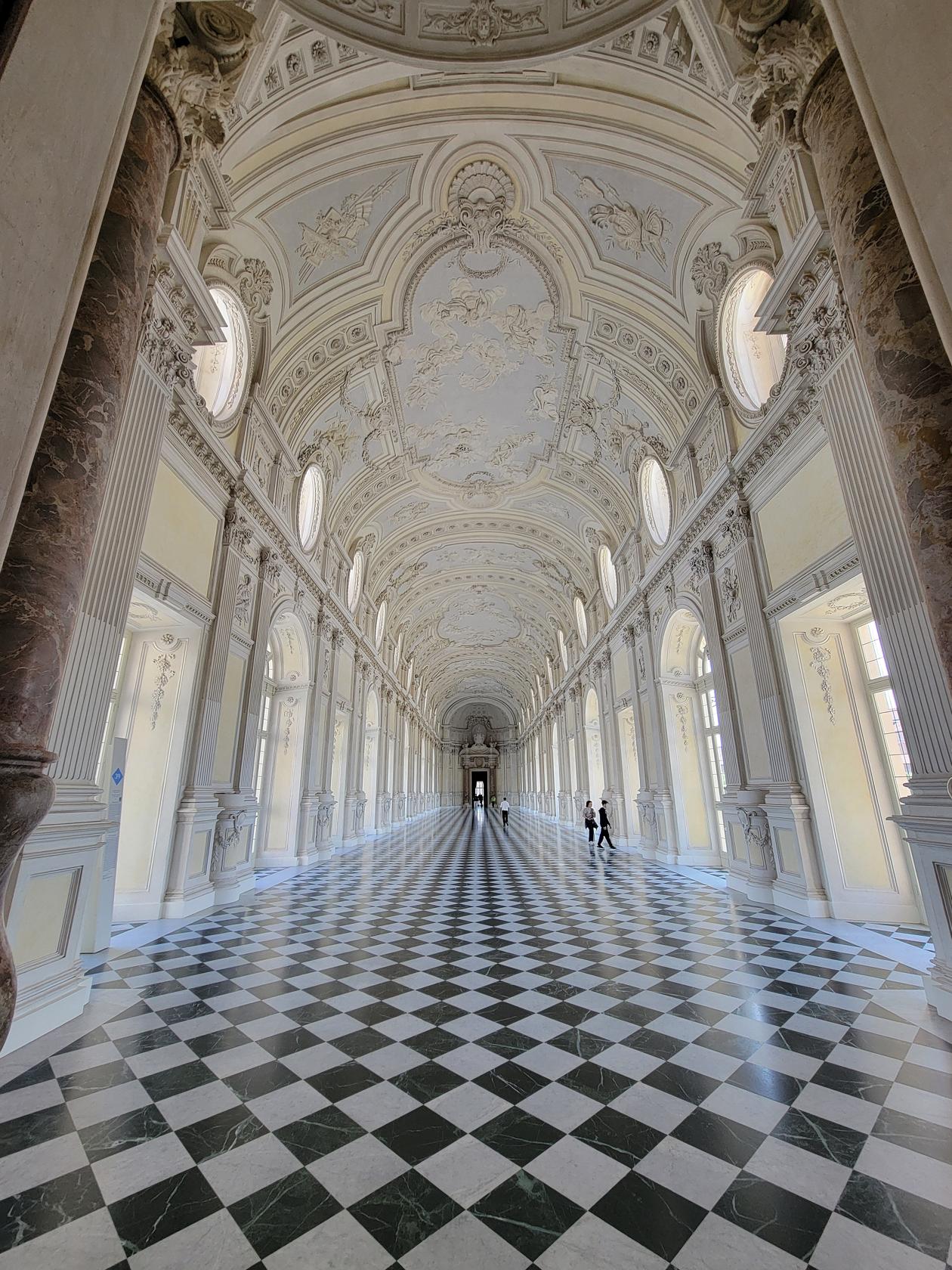
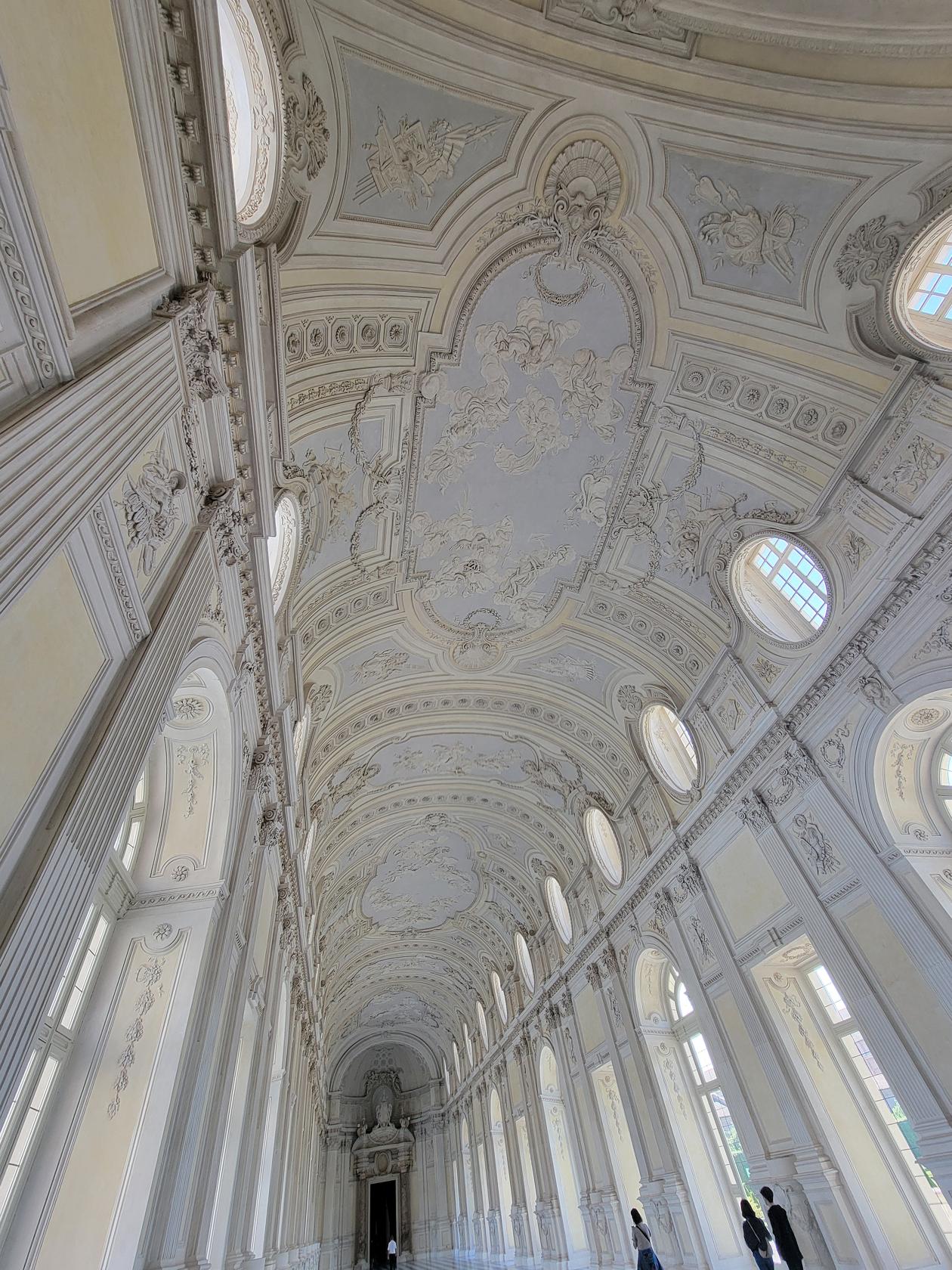
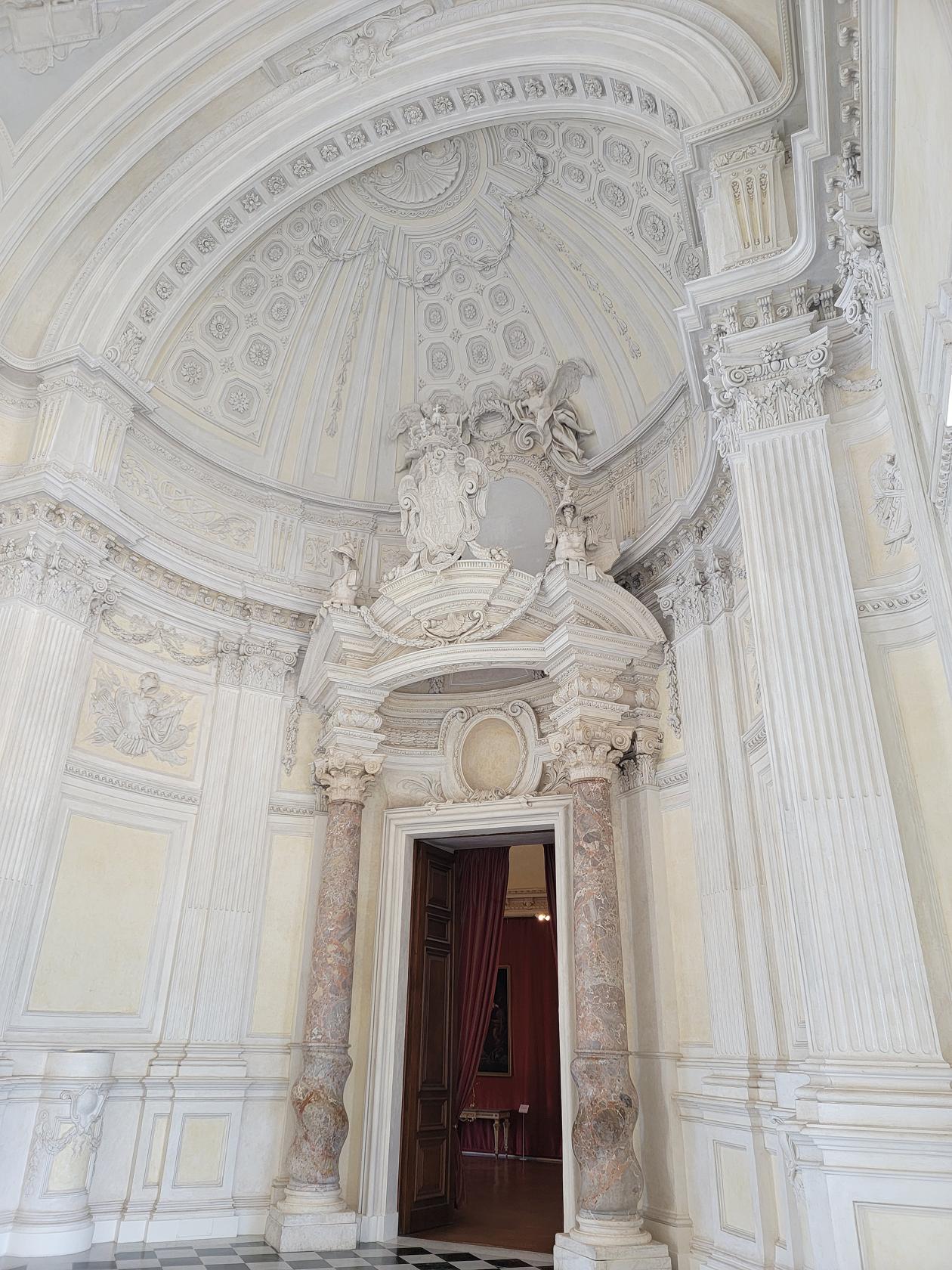
Probably the most striking room and the pinnacle of the visit, the Grand Gallery is part of the Palace of Diana and a core piece of the original palace.
La Venaria Reale – Grand Gallery, La Reggia – Turin, Italy
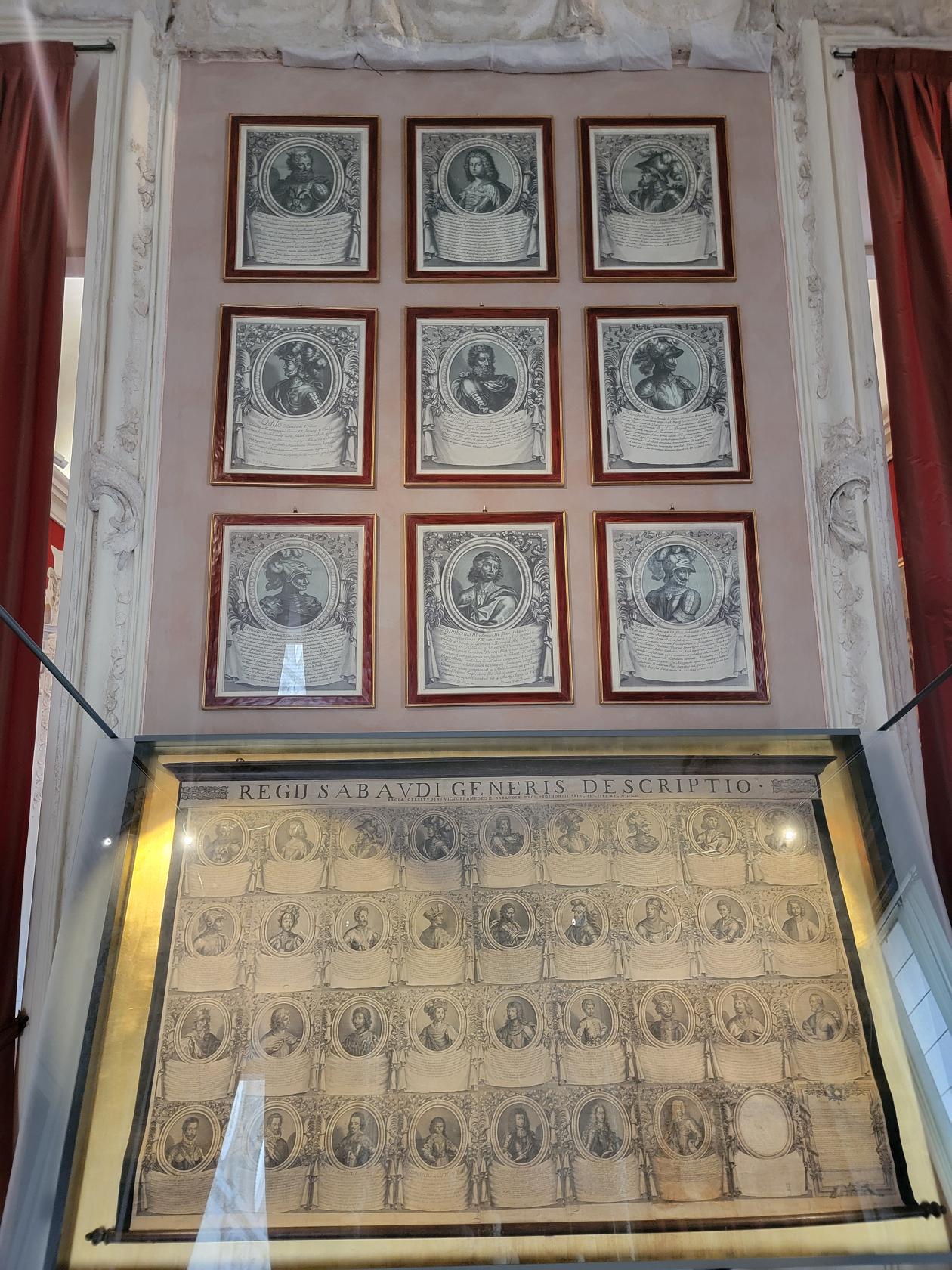
La Venaria Reale – Saubaud Generations, Bedrooms, La Reggia – Turin, Italy
Turin At The Turn Of The Century
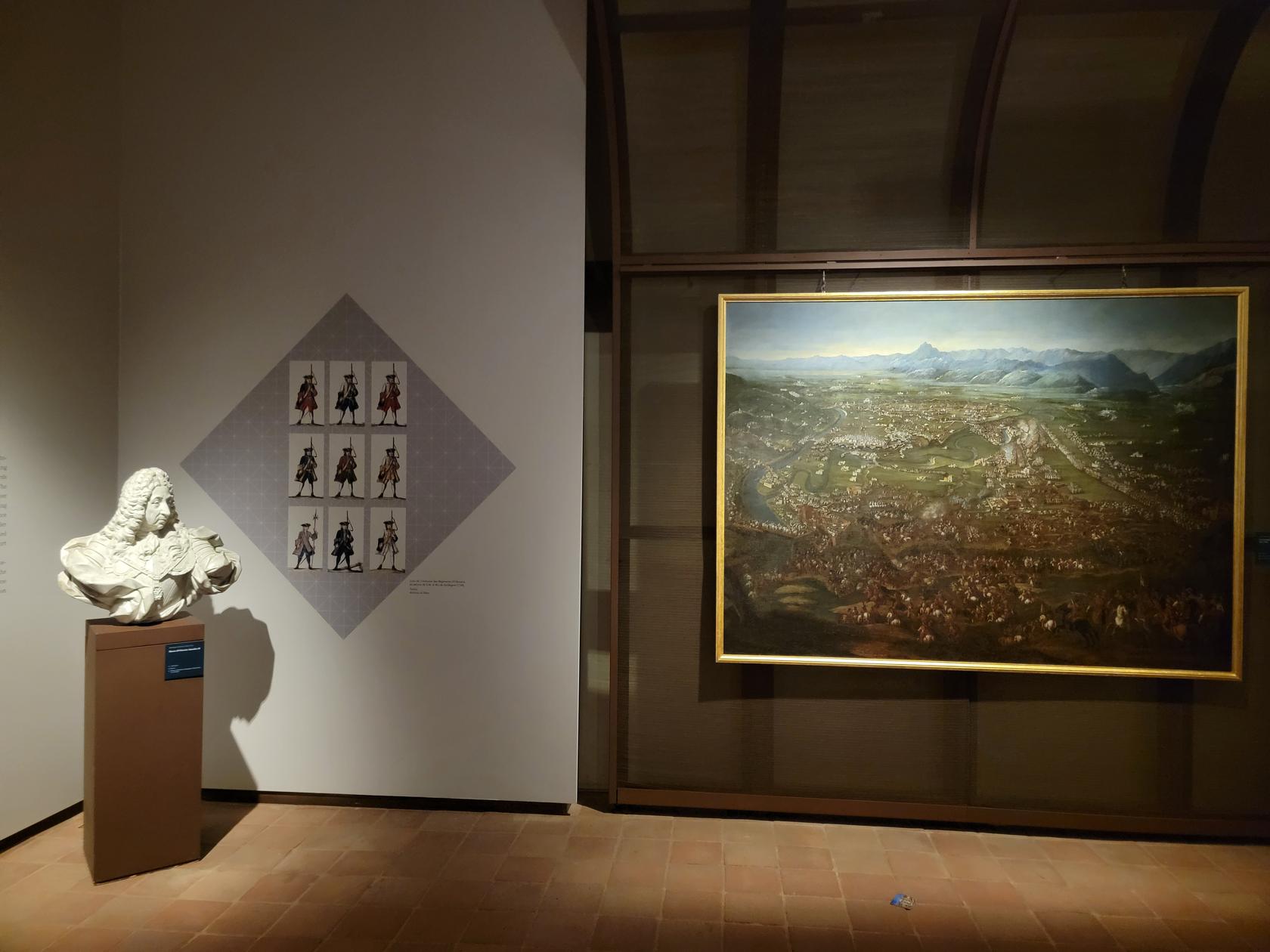
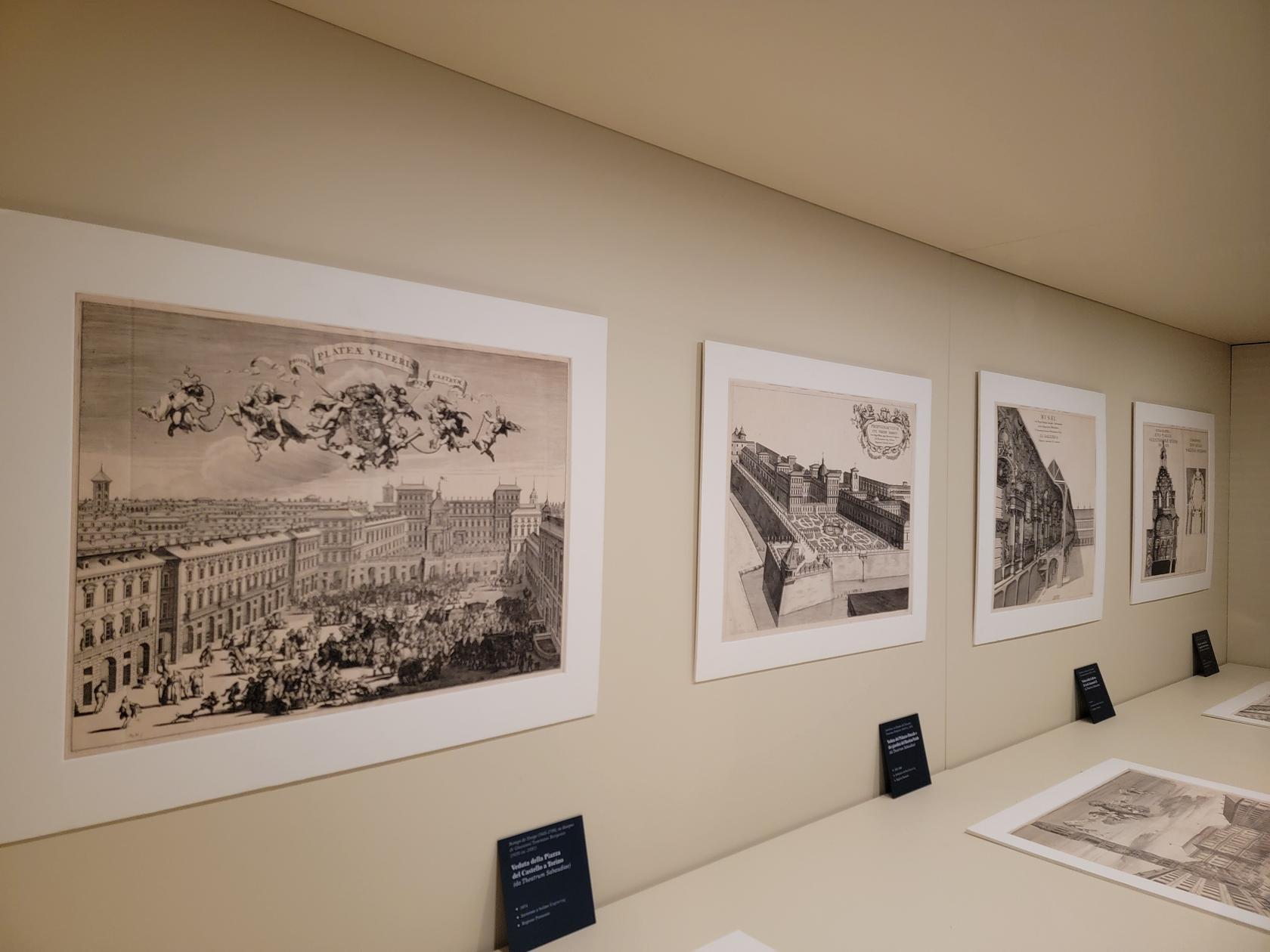
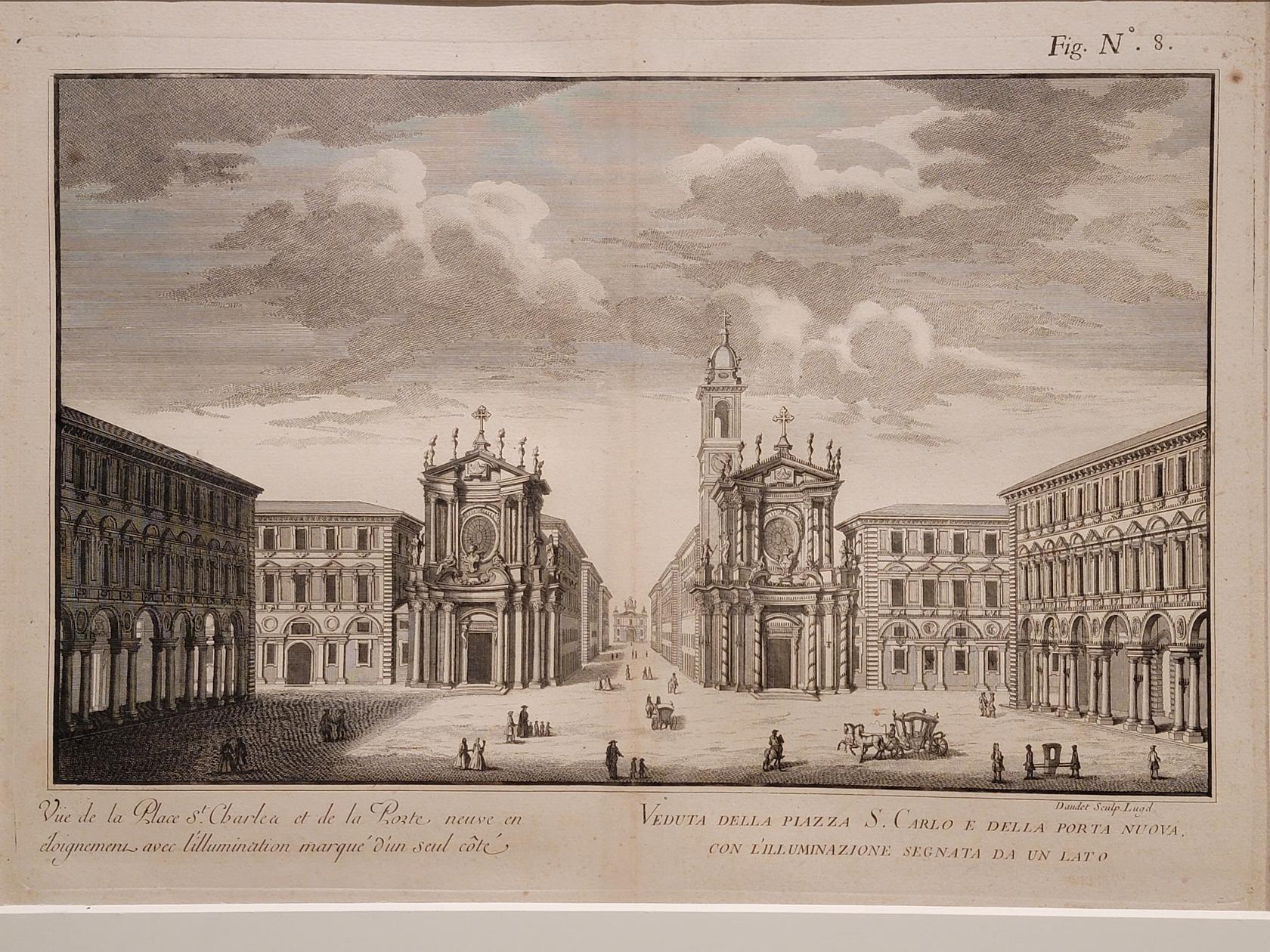
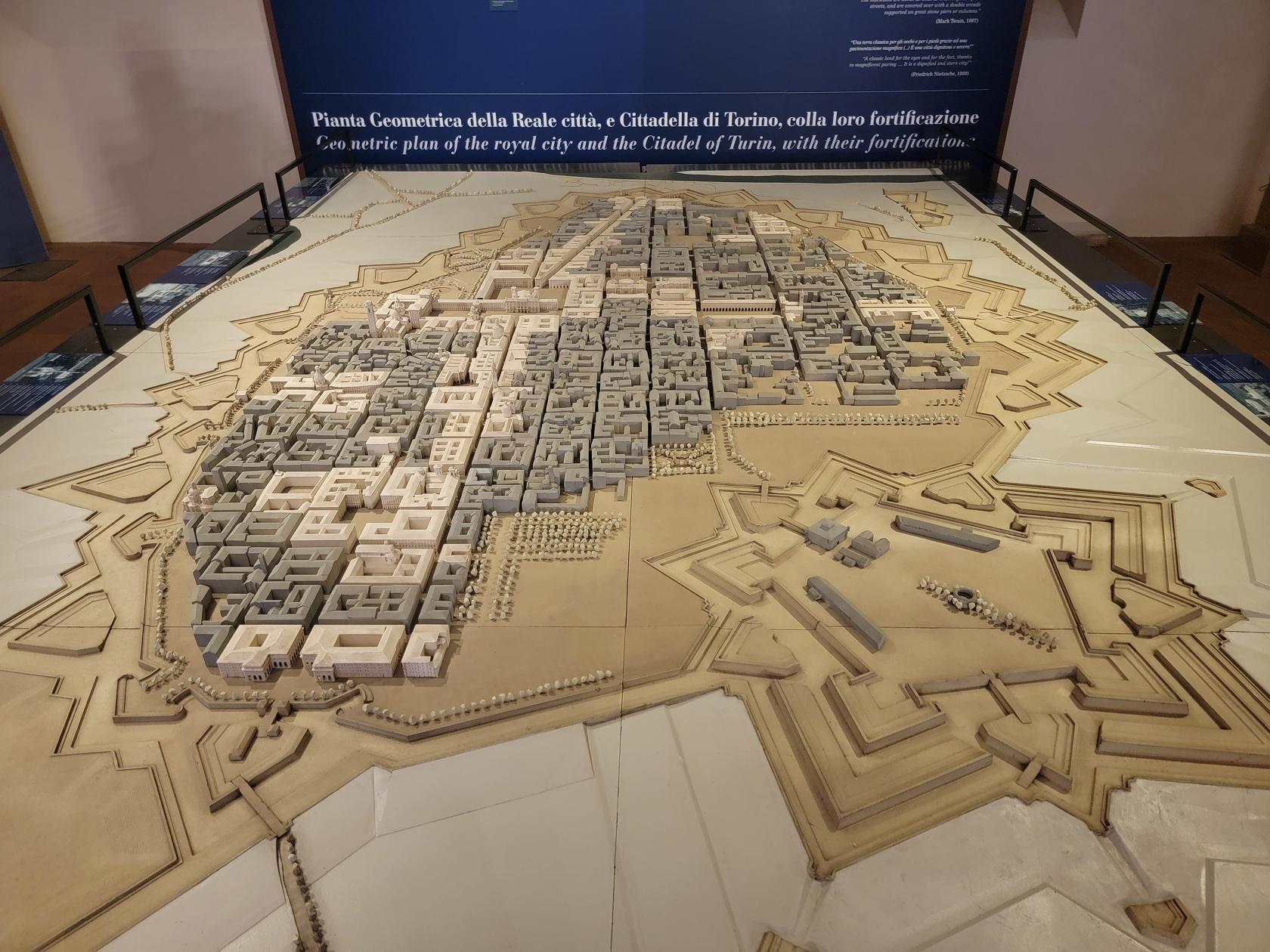
There is a nice collection of maps, dioramas and other works depicting Turin at the turn of the seventeenth century. Interesting from the perspective of present day Turin and what was lacking back in the day of the House of Savoy.
La Venaria Reale – Plan Room of Castle and Turin, La Reggia – Turin, Italy
La Venaria Reale – Piazza San Carlo, Plan Room of Castle and Turin, La Reggia – Turin, Italy
La Venaria Reale – Plan Room of Castle and Turin, La Reggia – Turin, Italy
The Rooms Of Art
There is also a fine exhibit of art at the palace. Located through the entrance to the gardens, the entrance is in the back of the Palace of Diana.
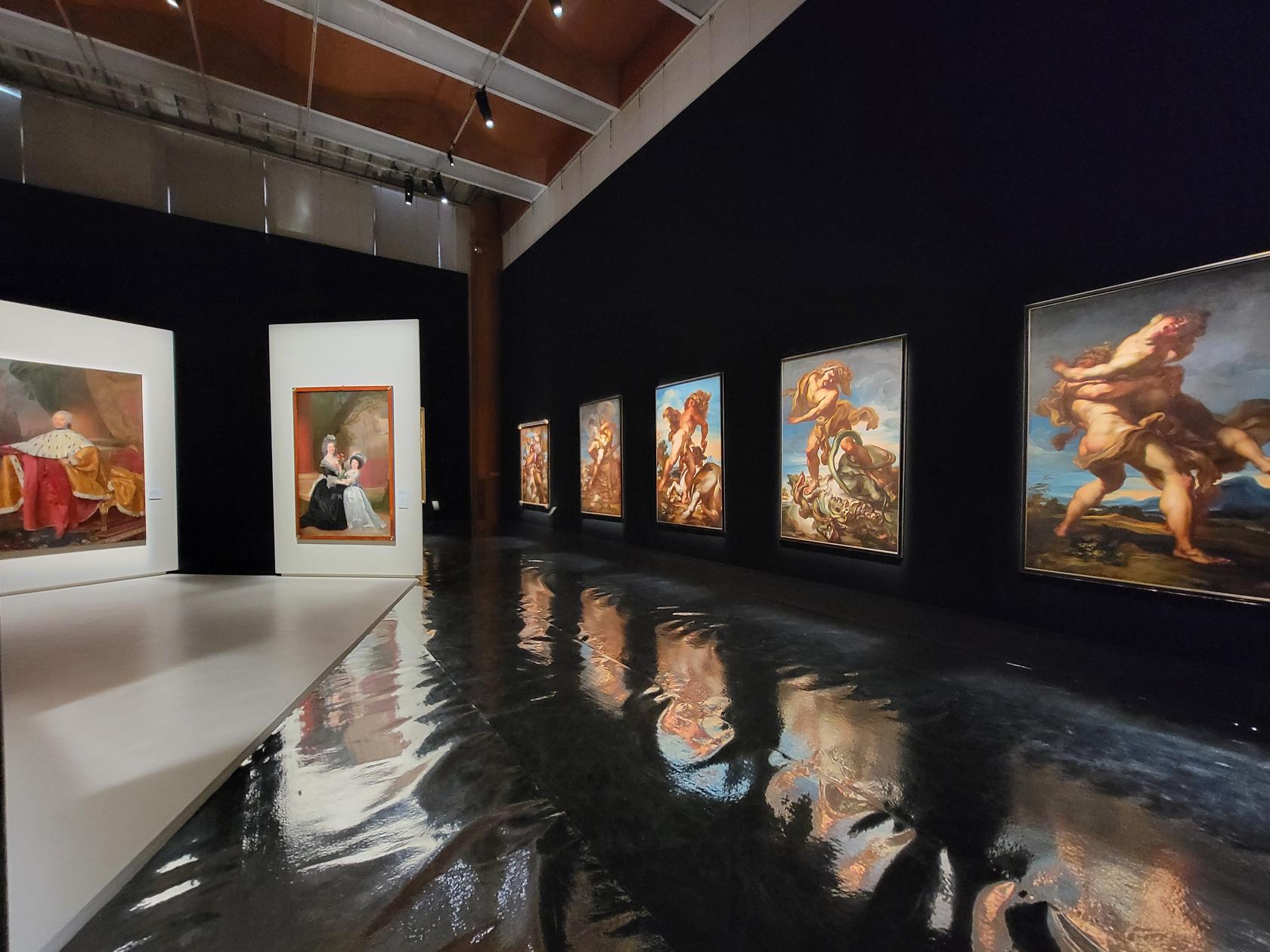
La Venaria Reale – Exhibition of Art – Turin, Italy
The Stables
Juvarra Stables
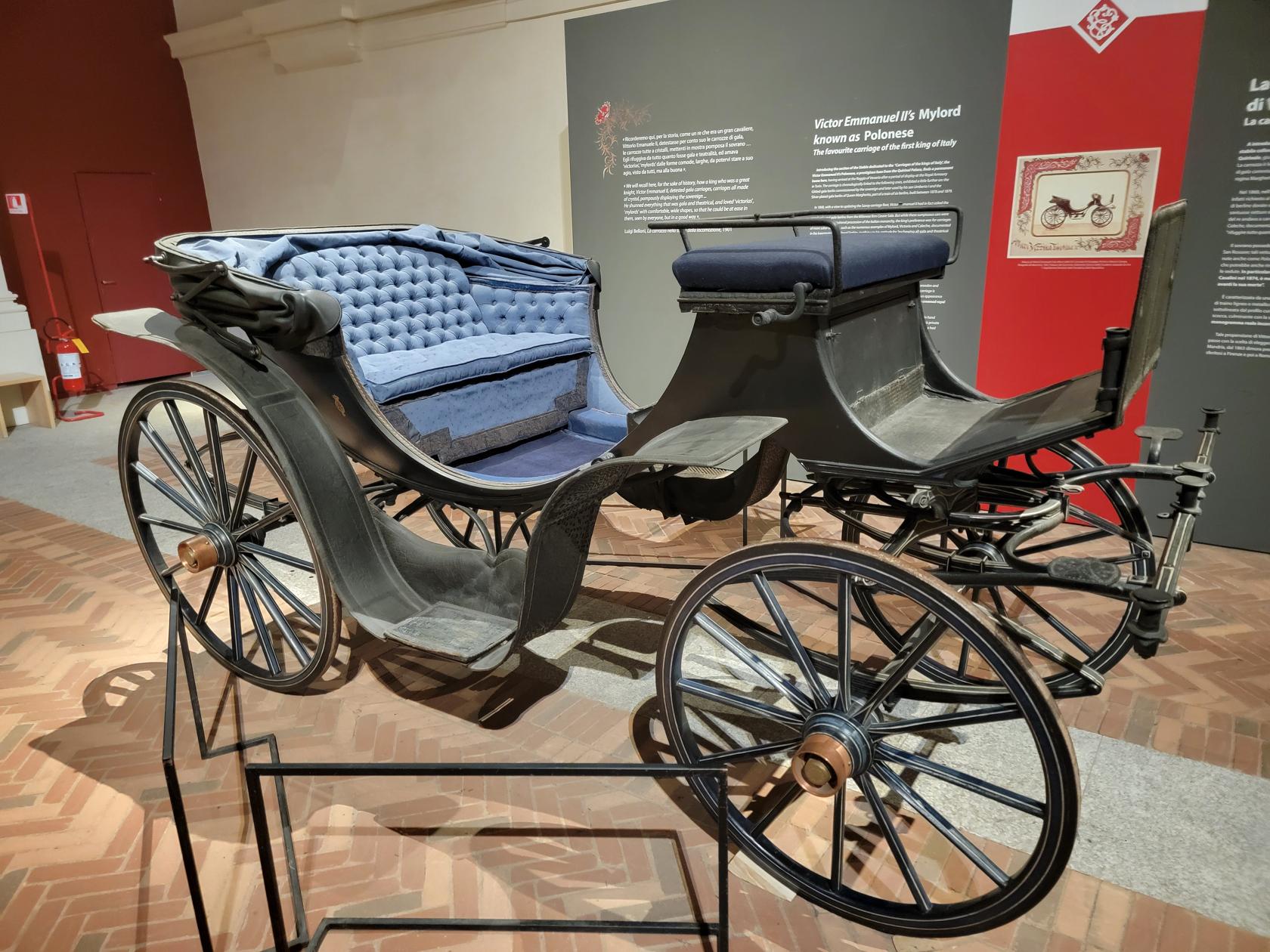
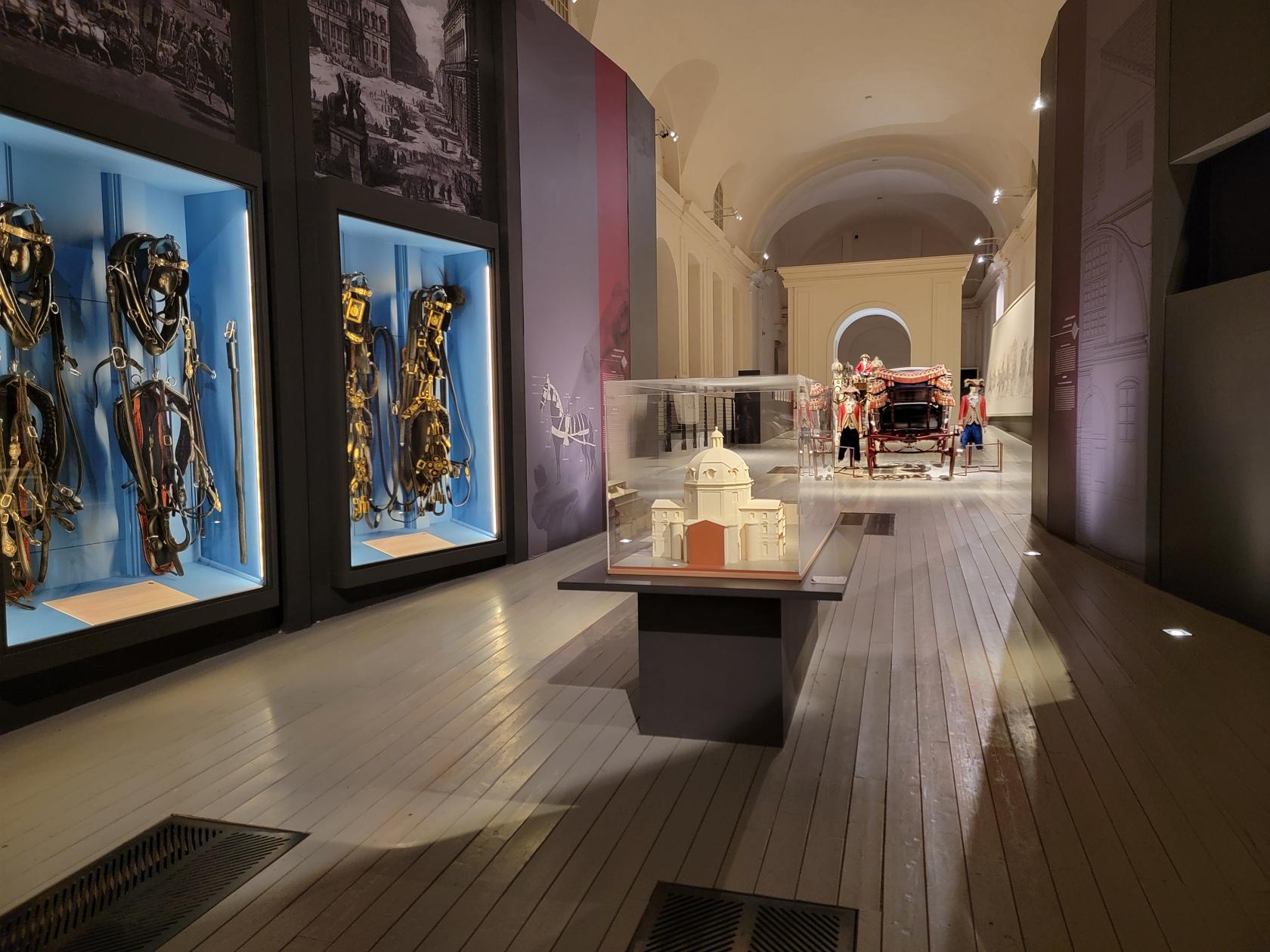
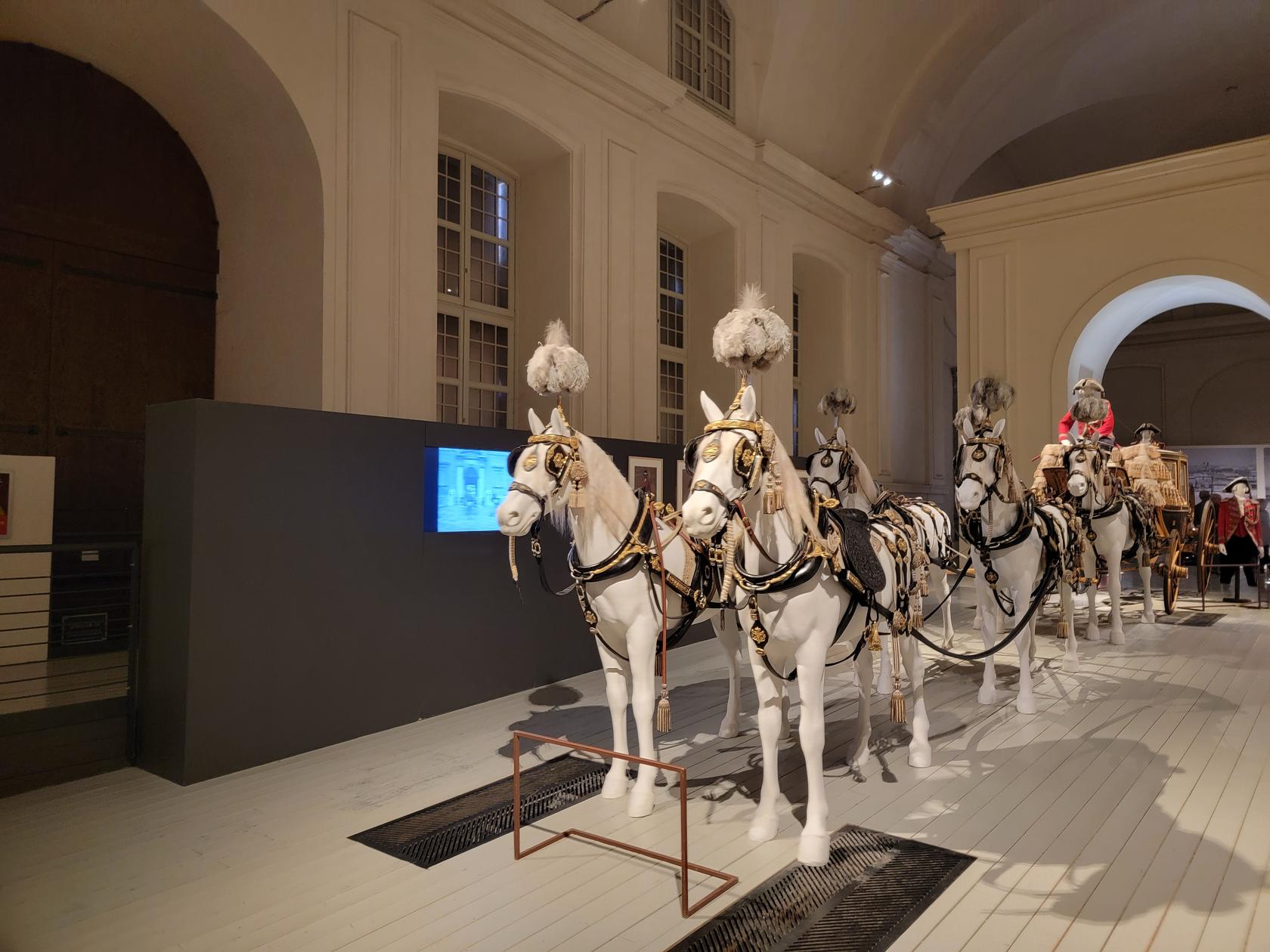
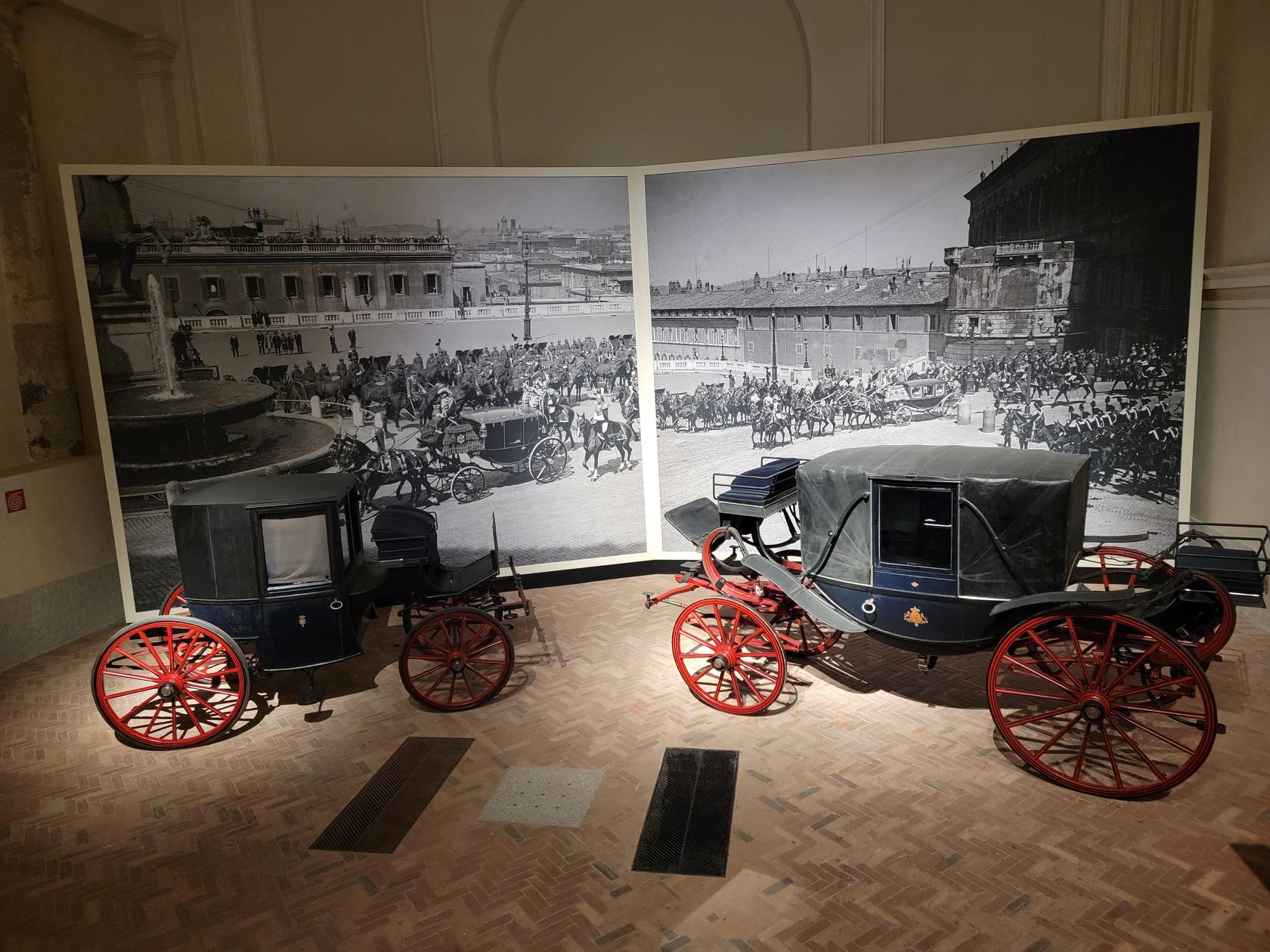
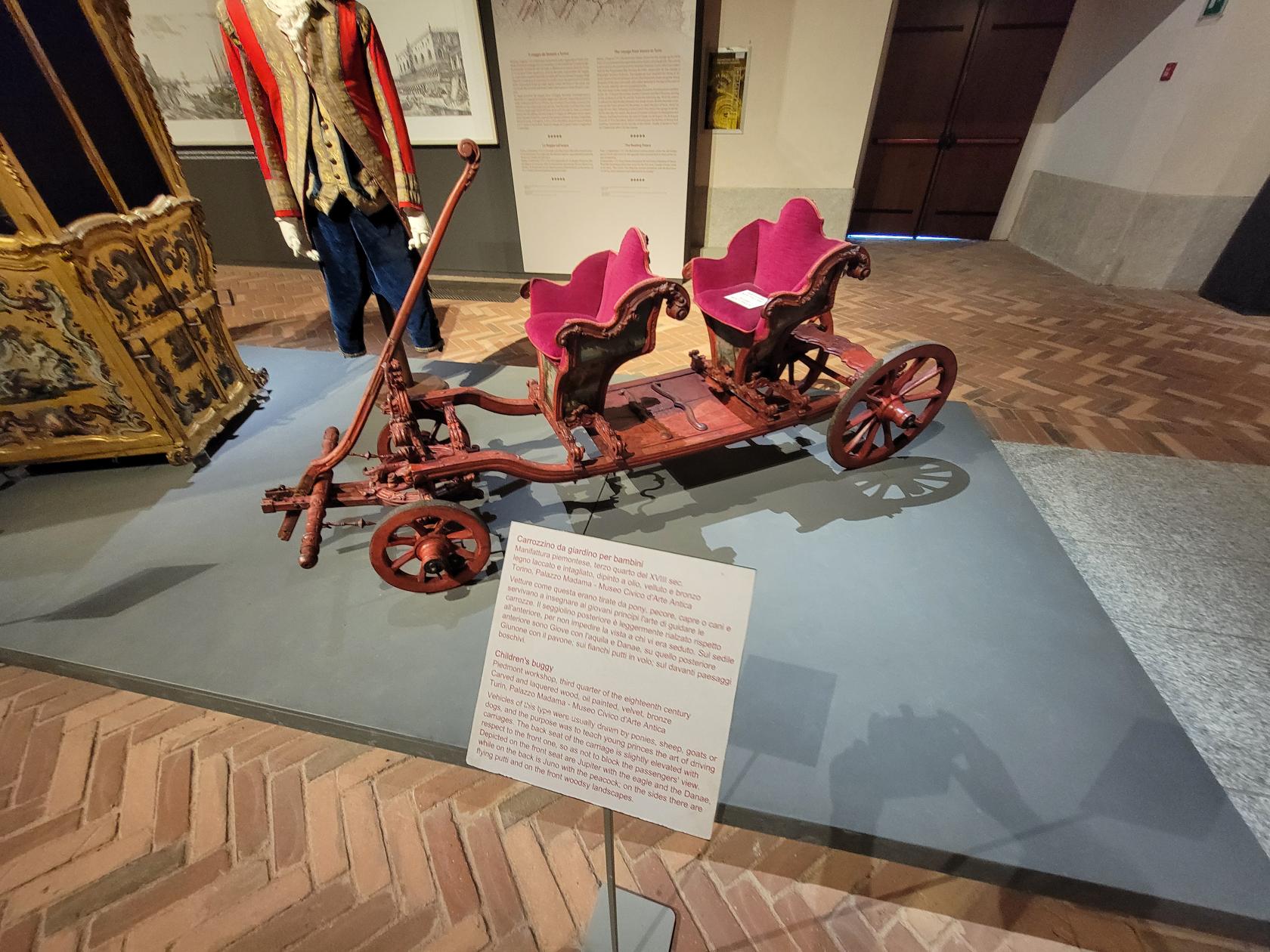
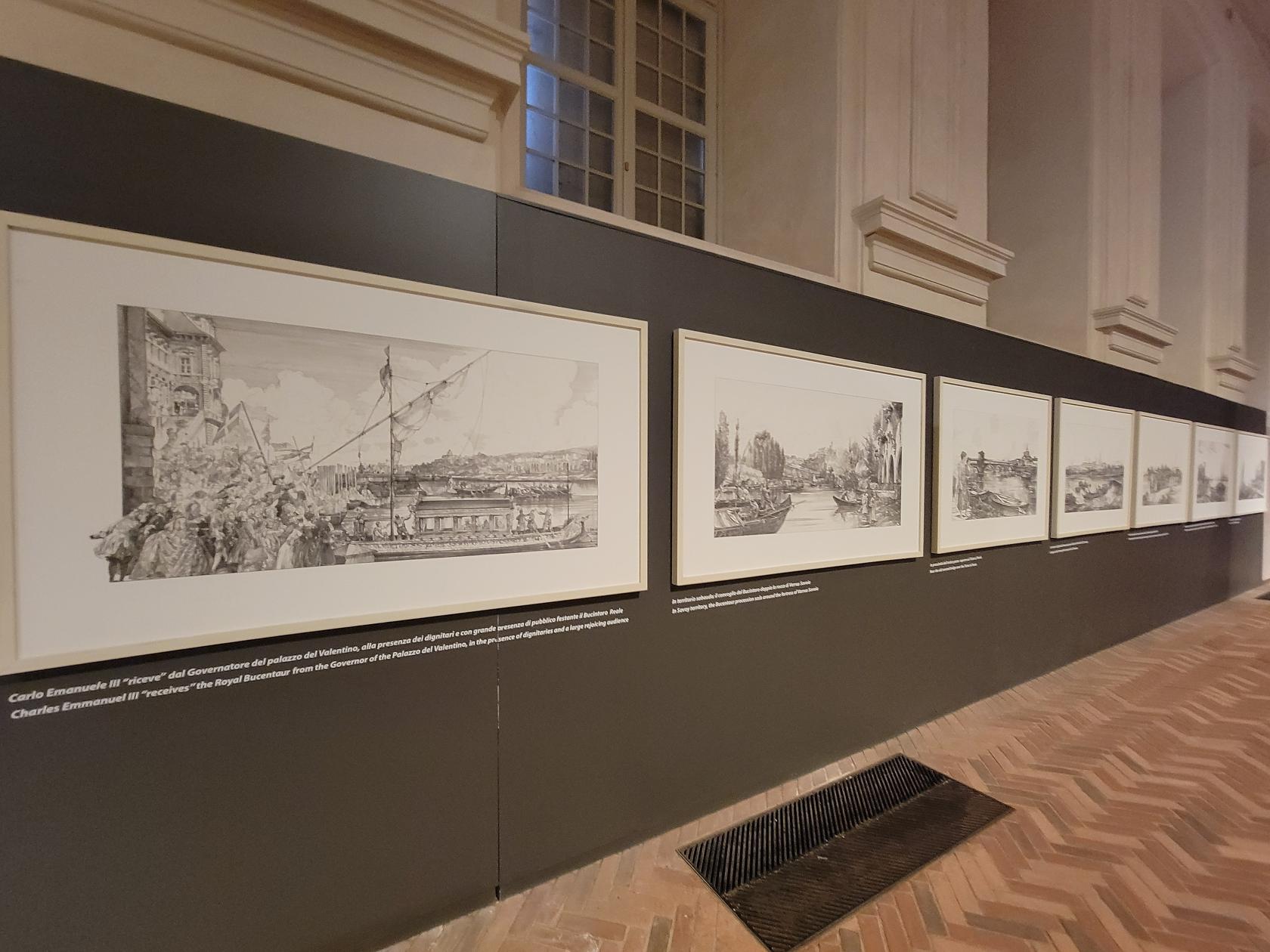
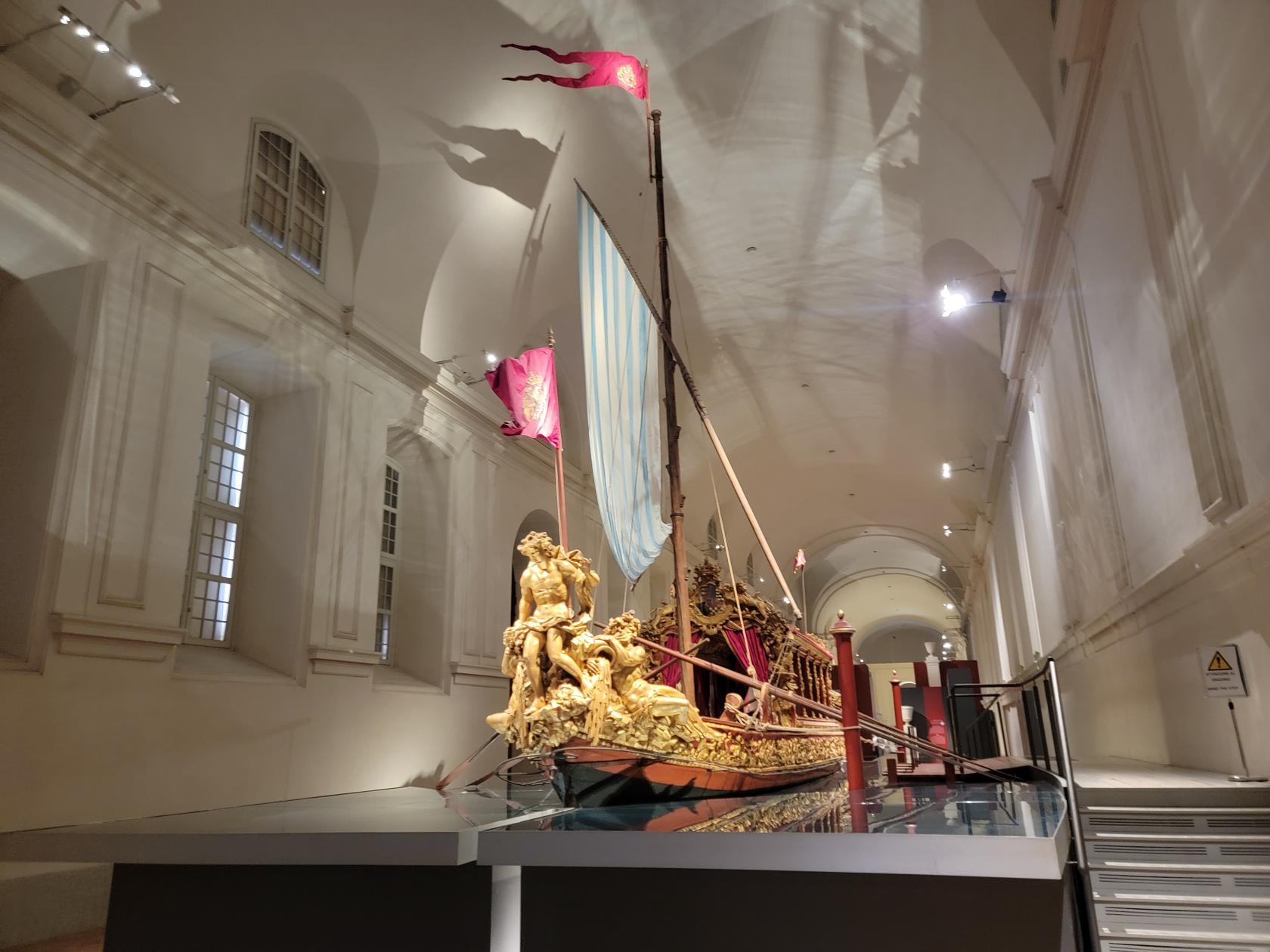
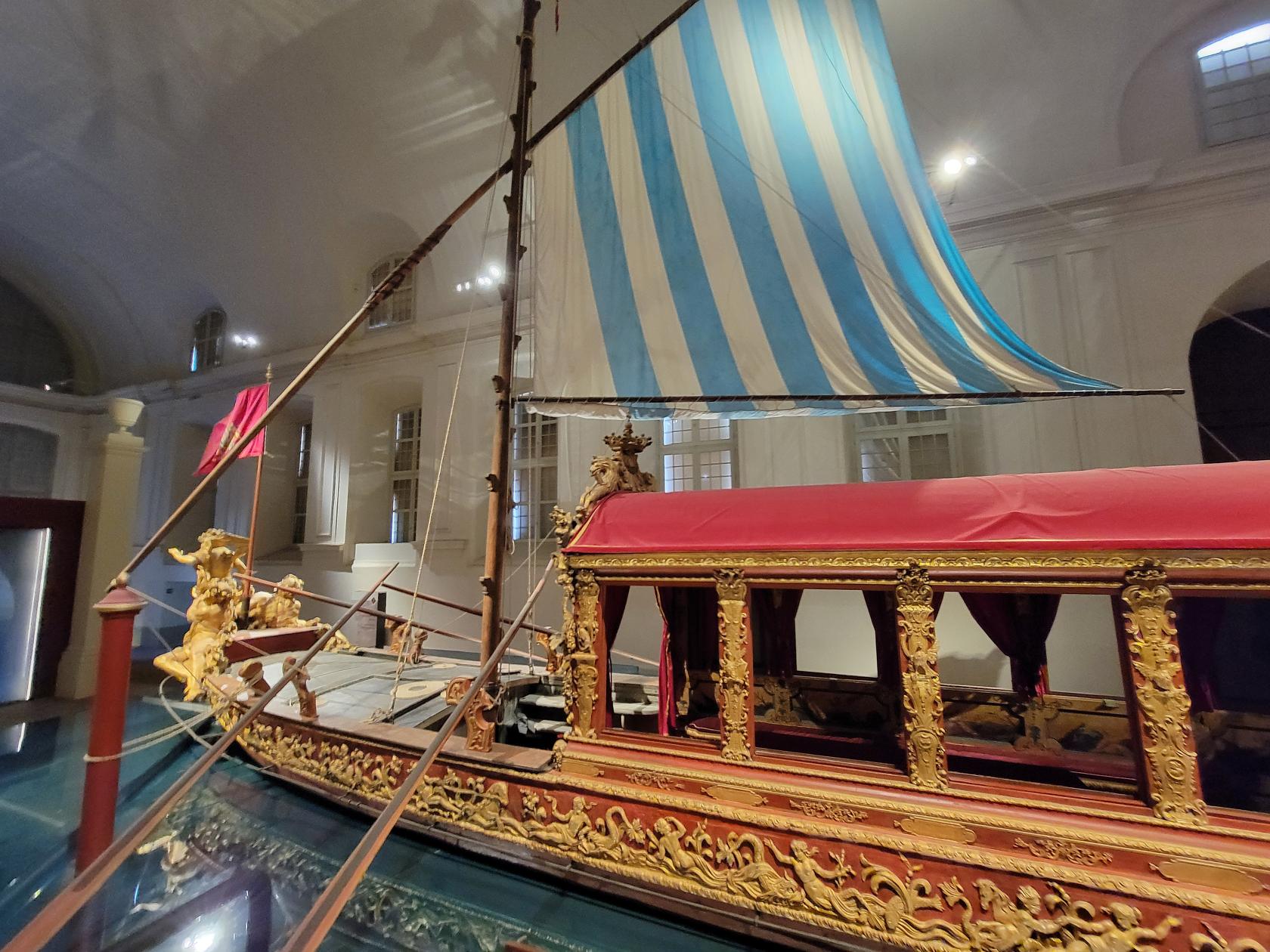
The Juvarra Stables contain a collection of the royal family’s modes of transportation, from a river gondolla, to the royal coach and other broughams, all the way to childrens toy coach.
La Venaria Reale – Juvarra Stables – Turin, Italy
The wall is surrounded by a historical account of a trip up the River Po using the gondola from Venice to Turin.
La Venaria Reale – Juvarra Stables – Turin, Italy
Alfieri Stables
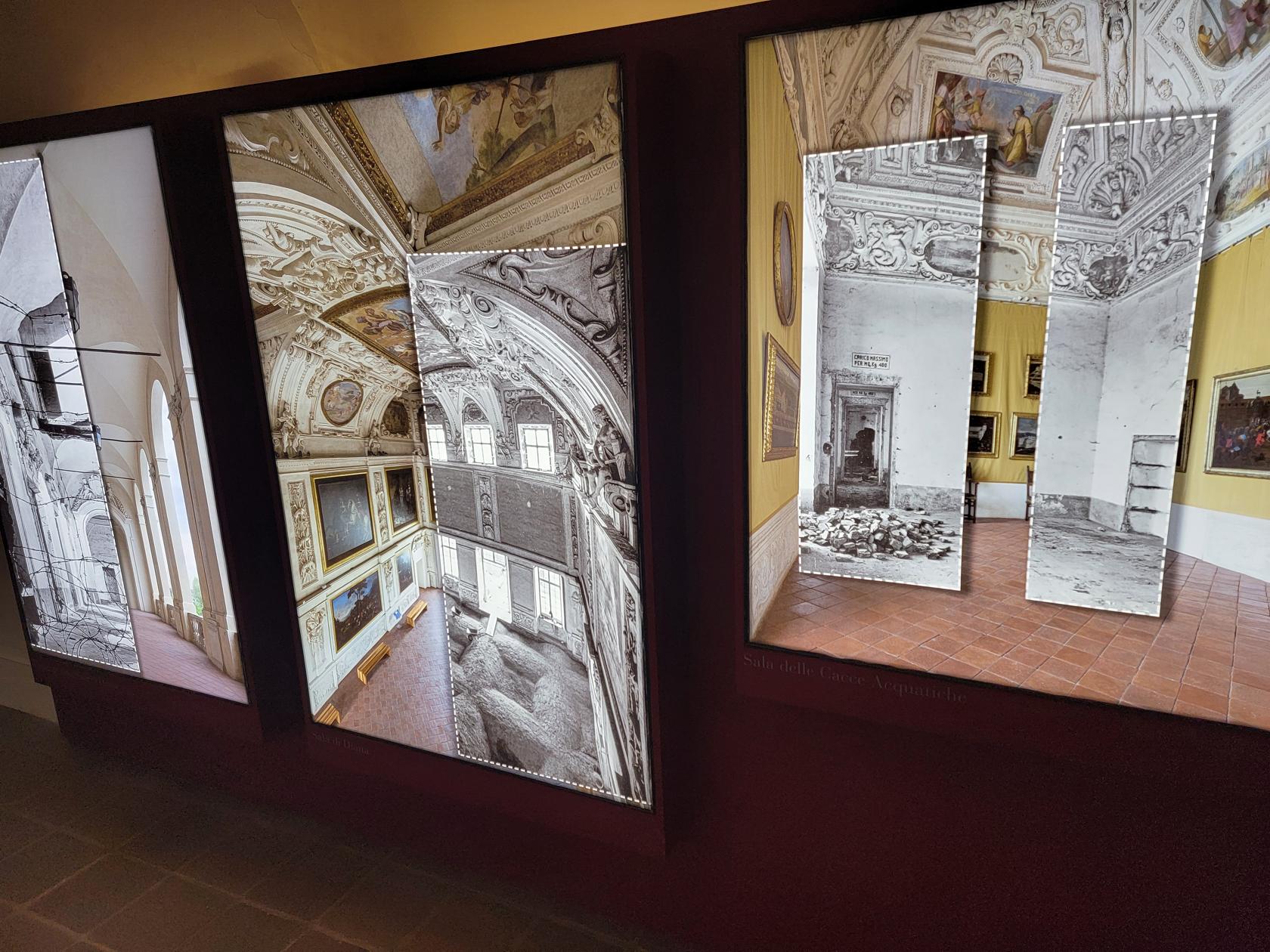
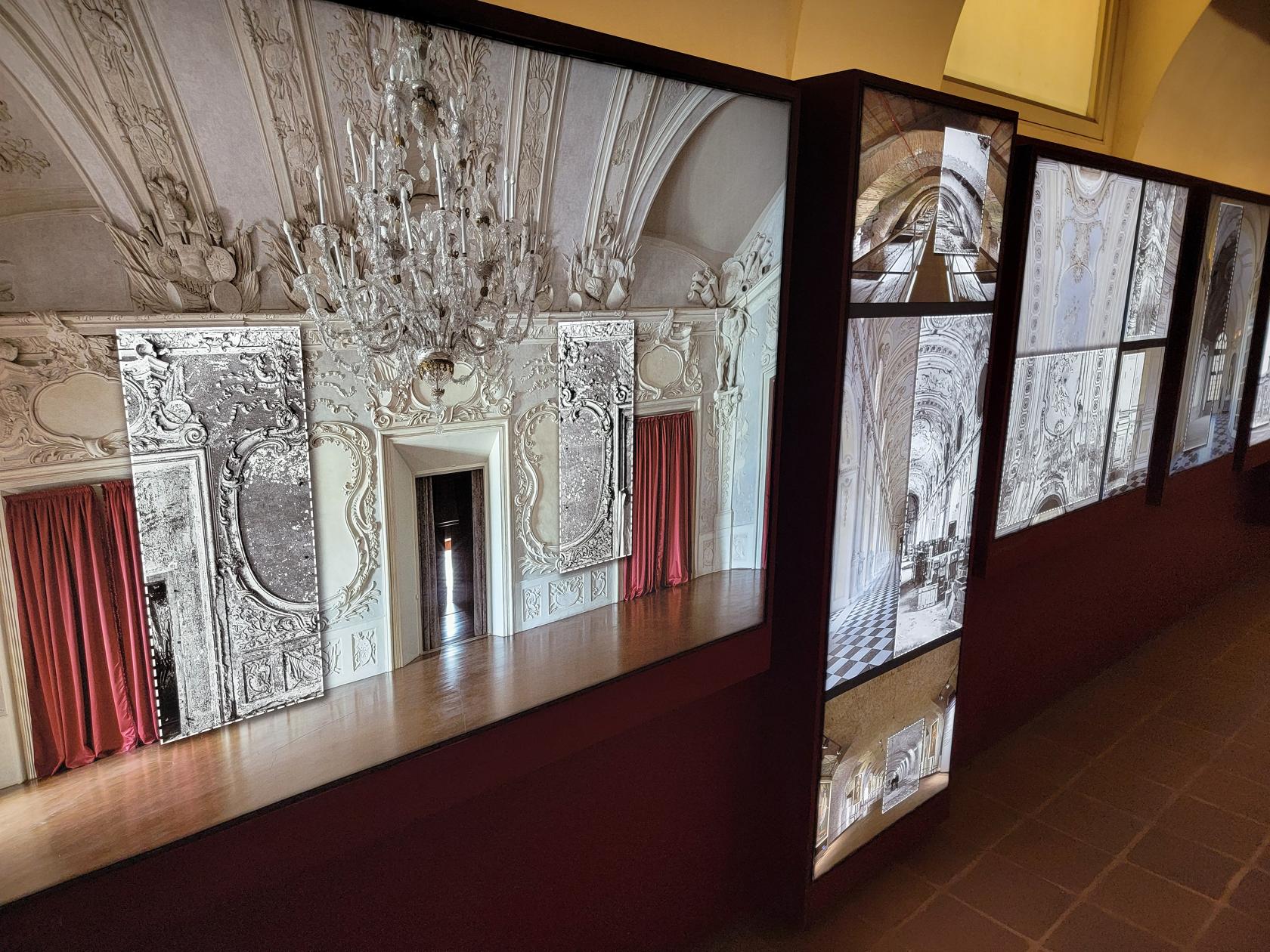
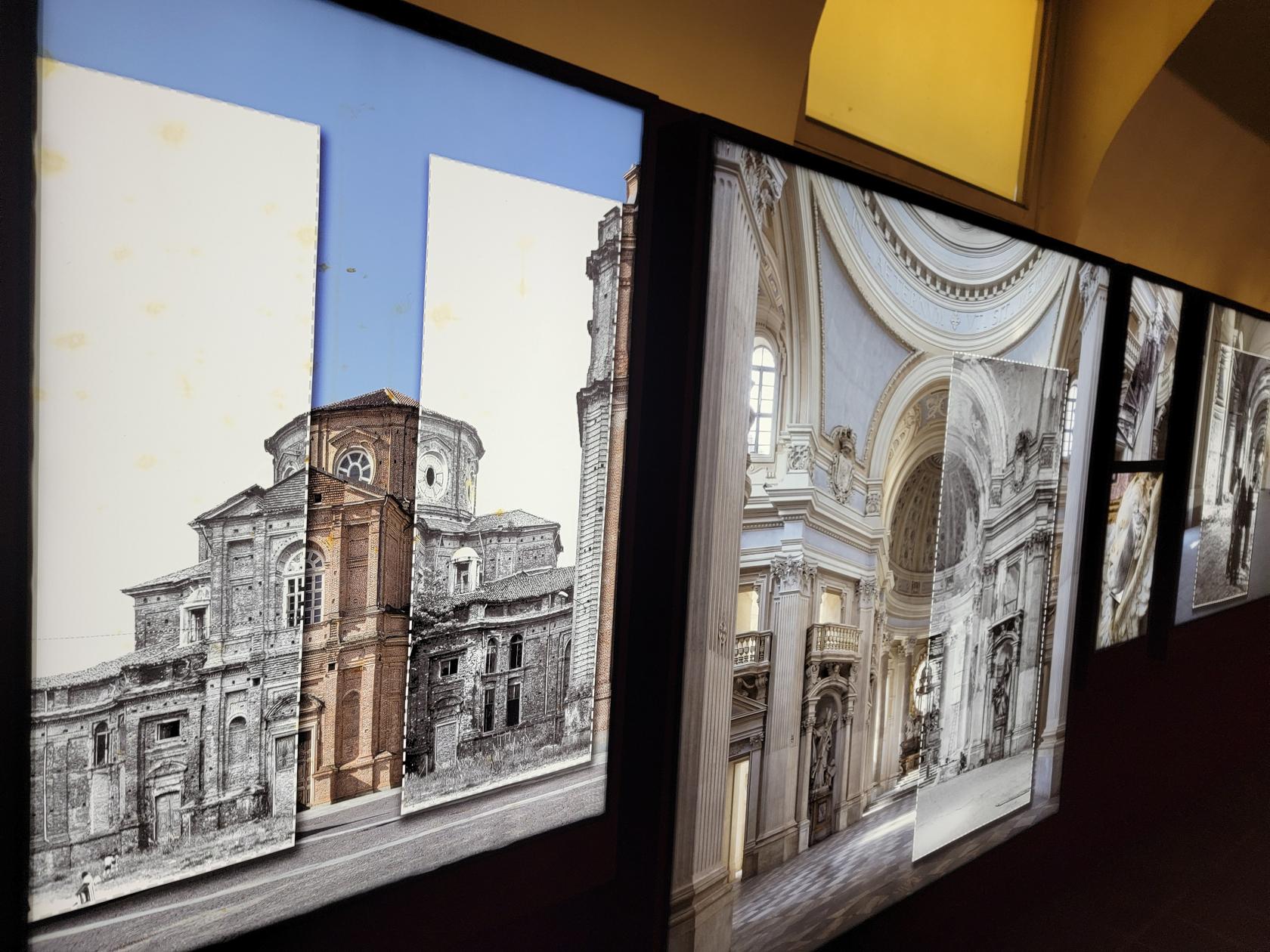
Today these just appear as a hallway depicting the transition from a palace in ruin to full restoration. Some of the photographs in the collection are strinking and it is well worth thoughful look and some consideration.
La Venaria Reale – Ruin and Restoration, Alfiere Stables – Turin, Italy
The Gardens
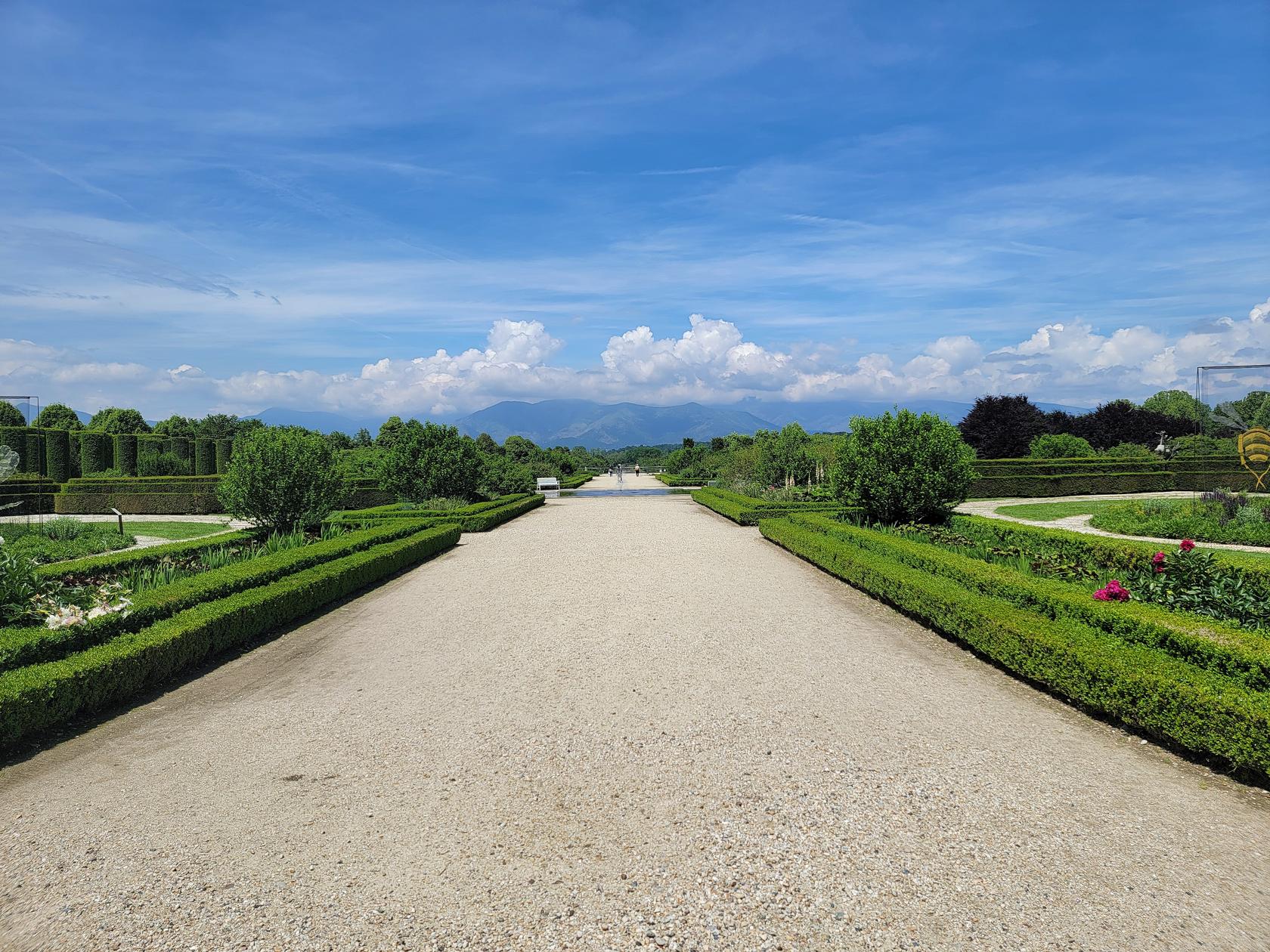
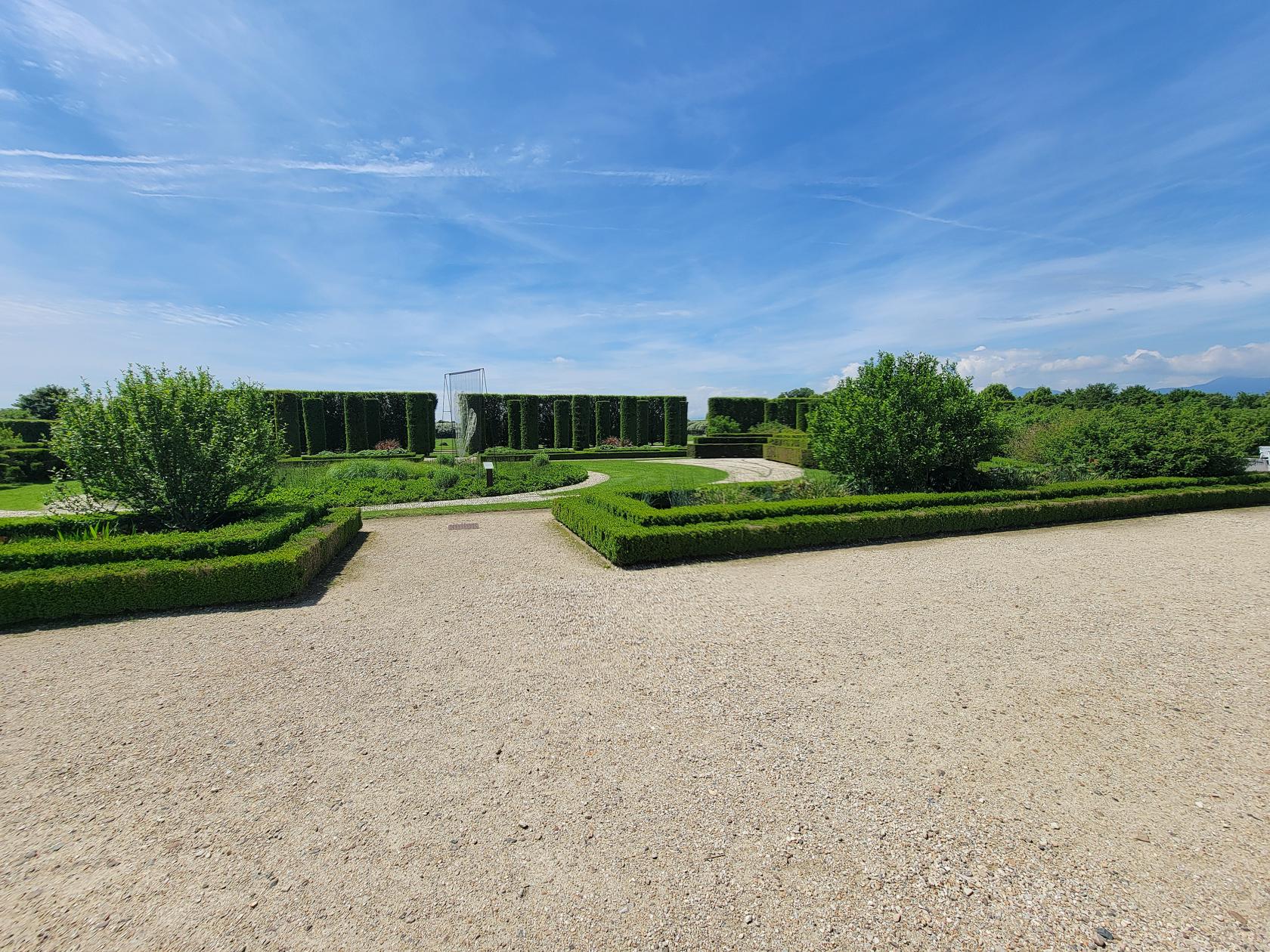
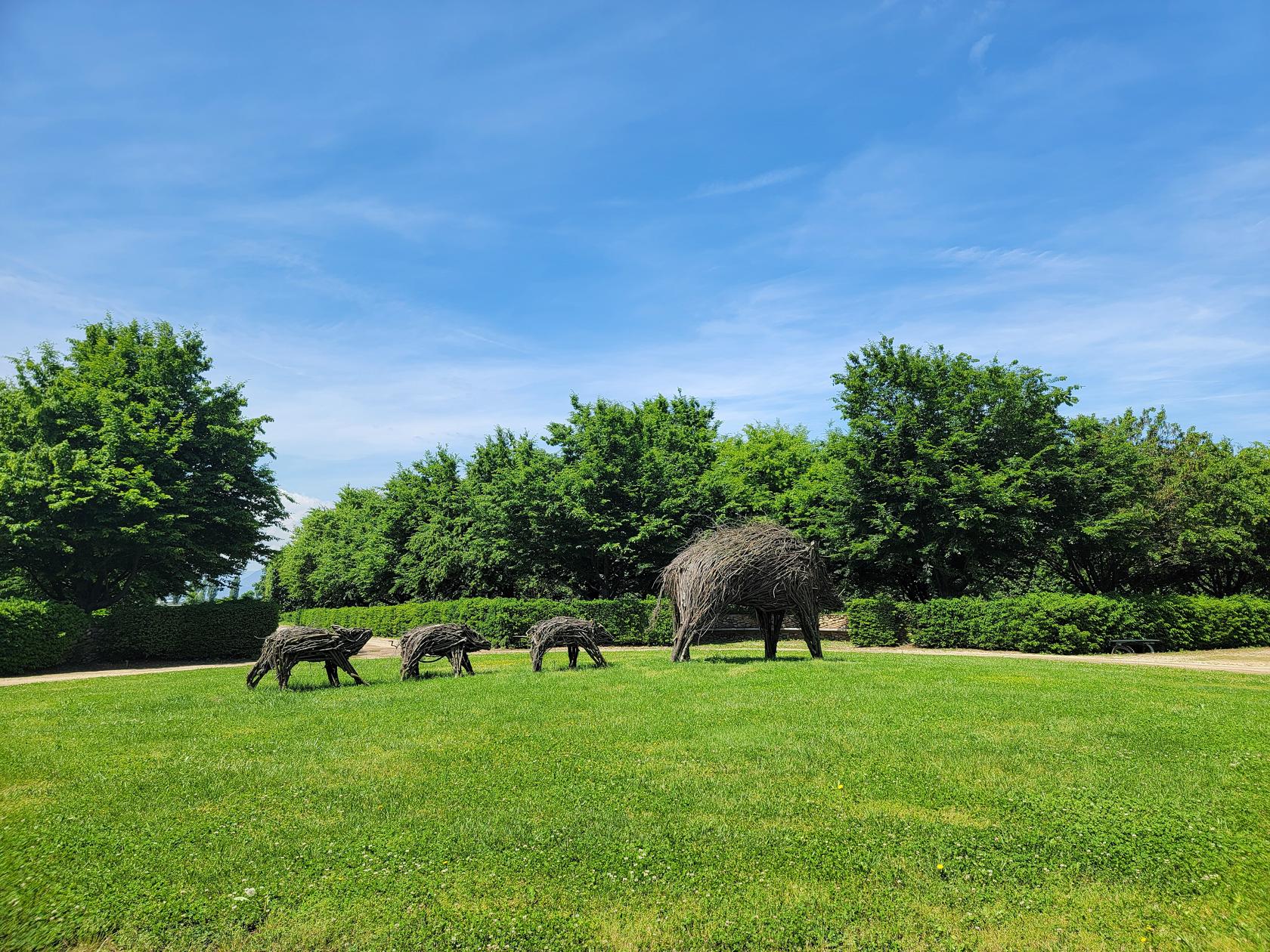
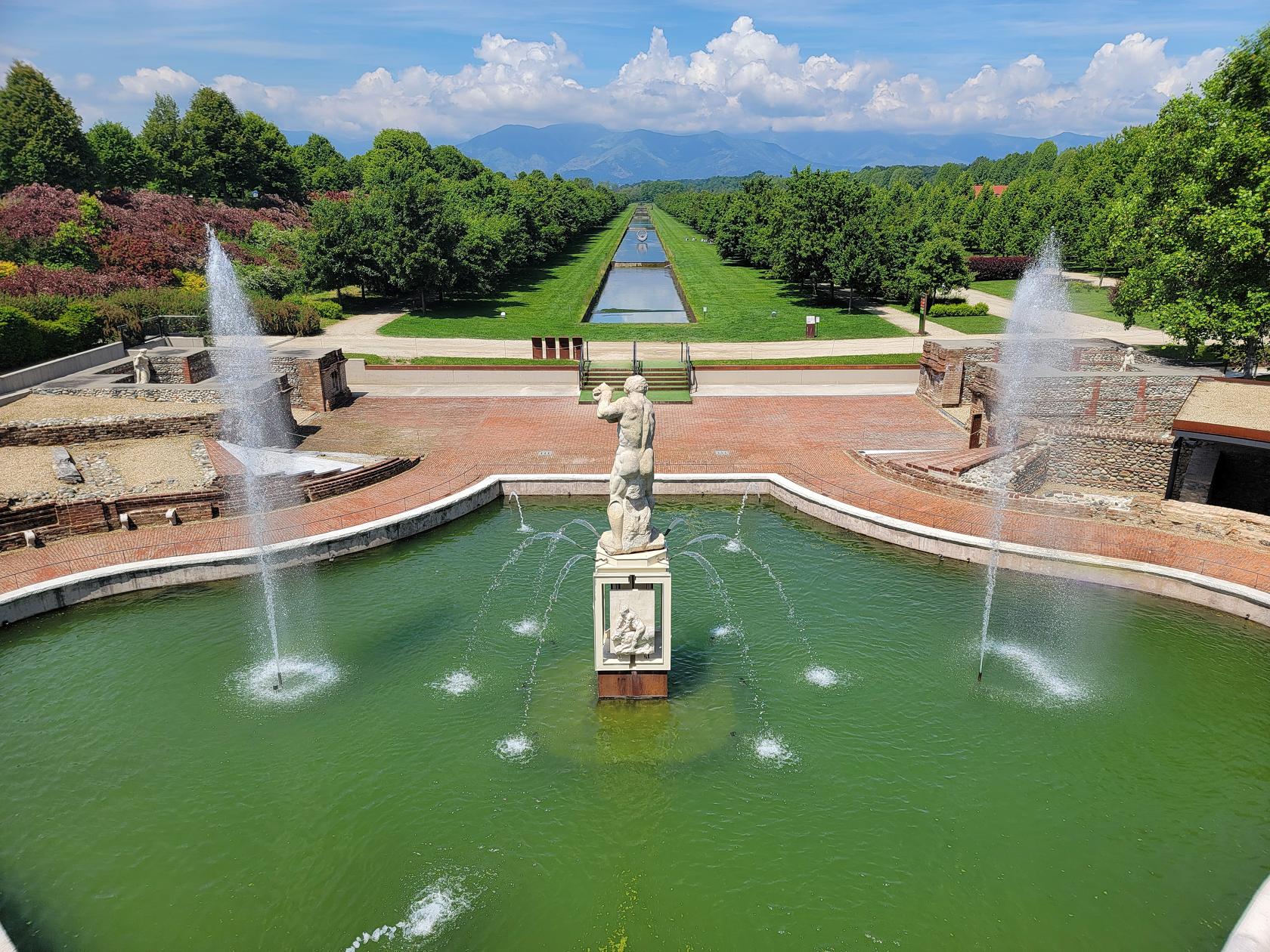
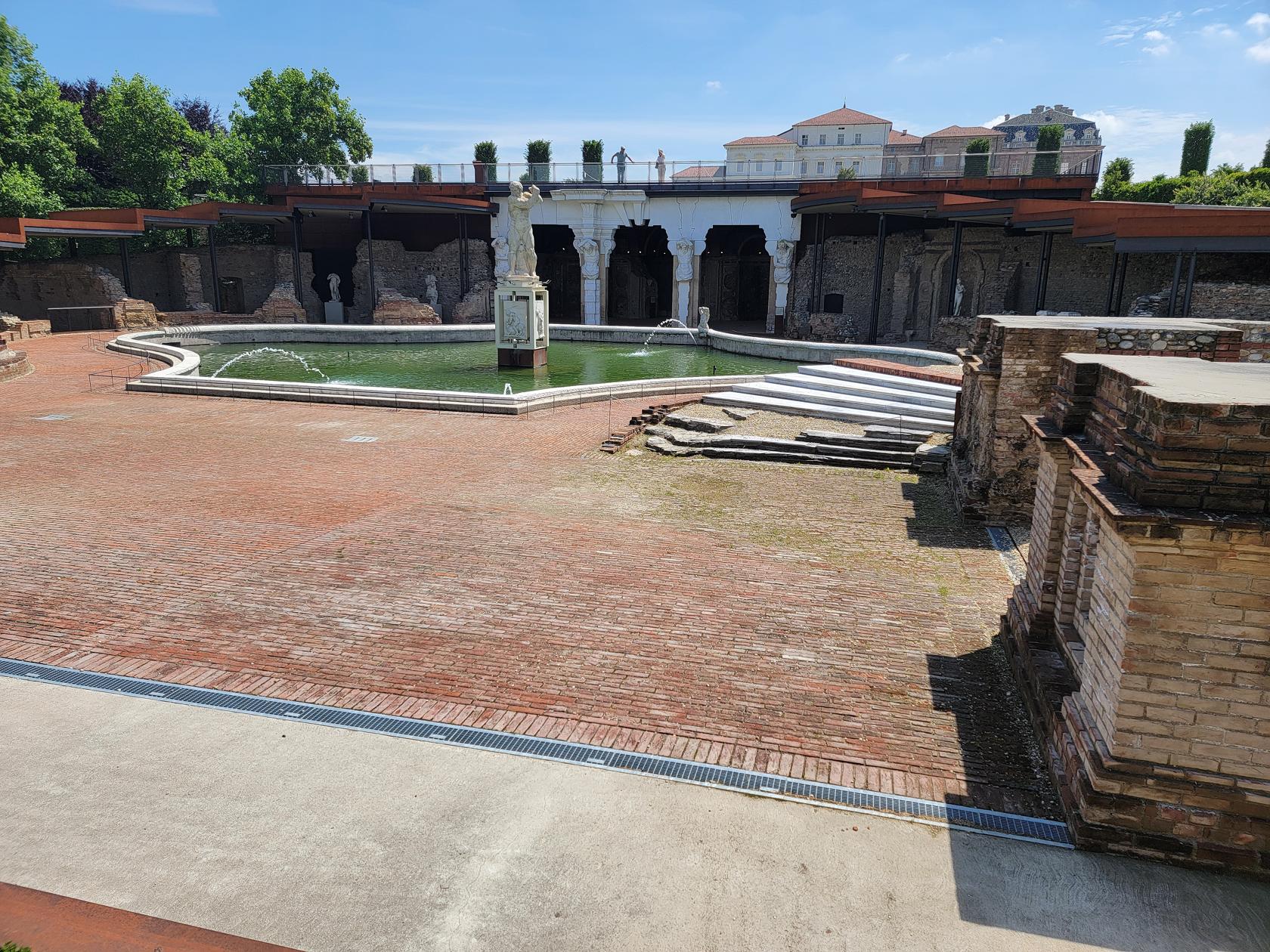
The gardens here include several, the most conspicuous one is the Flower Garden. But there is also several orchards and three distinct terraces that one can walk through and enjoy the well manicured estate.
La Venaria Reale – Flower Gardens – Turin, Italy
La Venaria Reale – Pig Sculpture in wood, Flower Gardens – Turin, Italy
La Venaria Reale – Patti, Flower Gardens – Turin, Italy
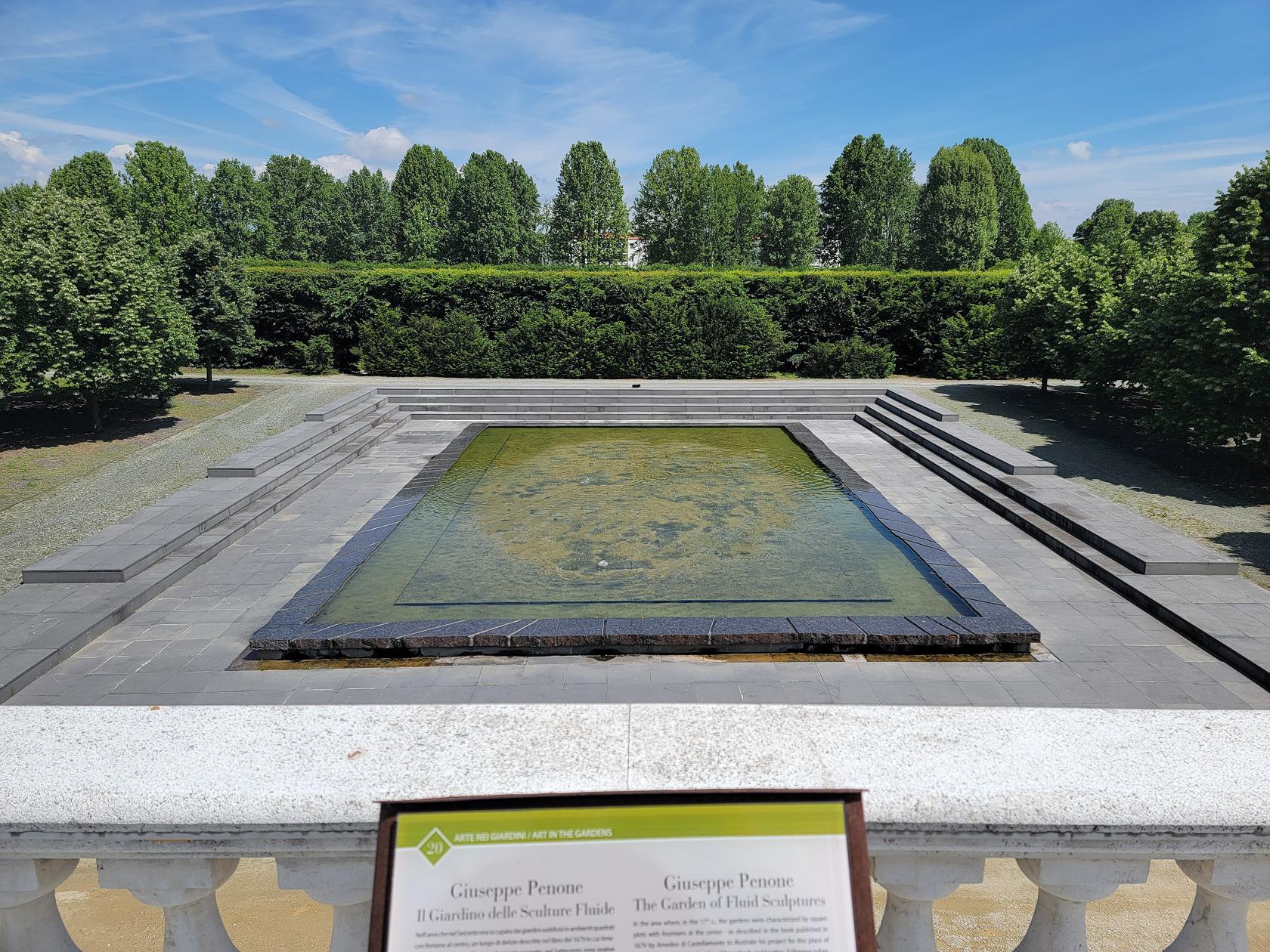
La Venaria Reale – Reflecting Pool, Flower Gardens – Turin, Italy
La Venaria Reale – Gondola Pool – Turin, Italy
Church of Saint Hubert
One has to walk to the Church of Saint Hubert from within the complex near the stables, outside entry is not possible. All of the pews have been removed, only the artwork, frescoes and a high altar remain, everything else is gone.
La Venaria Reale – Church of Saint Hubert – Turin, Italy
Restaurants
Il Convito della Venaria
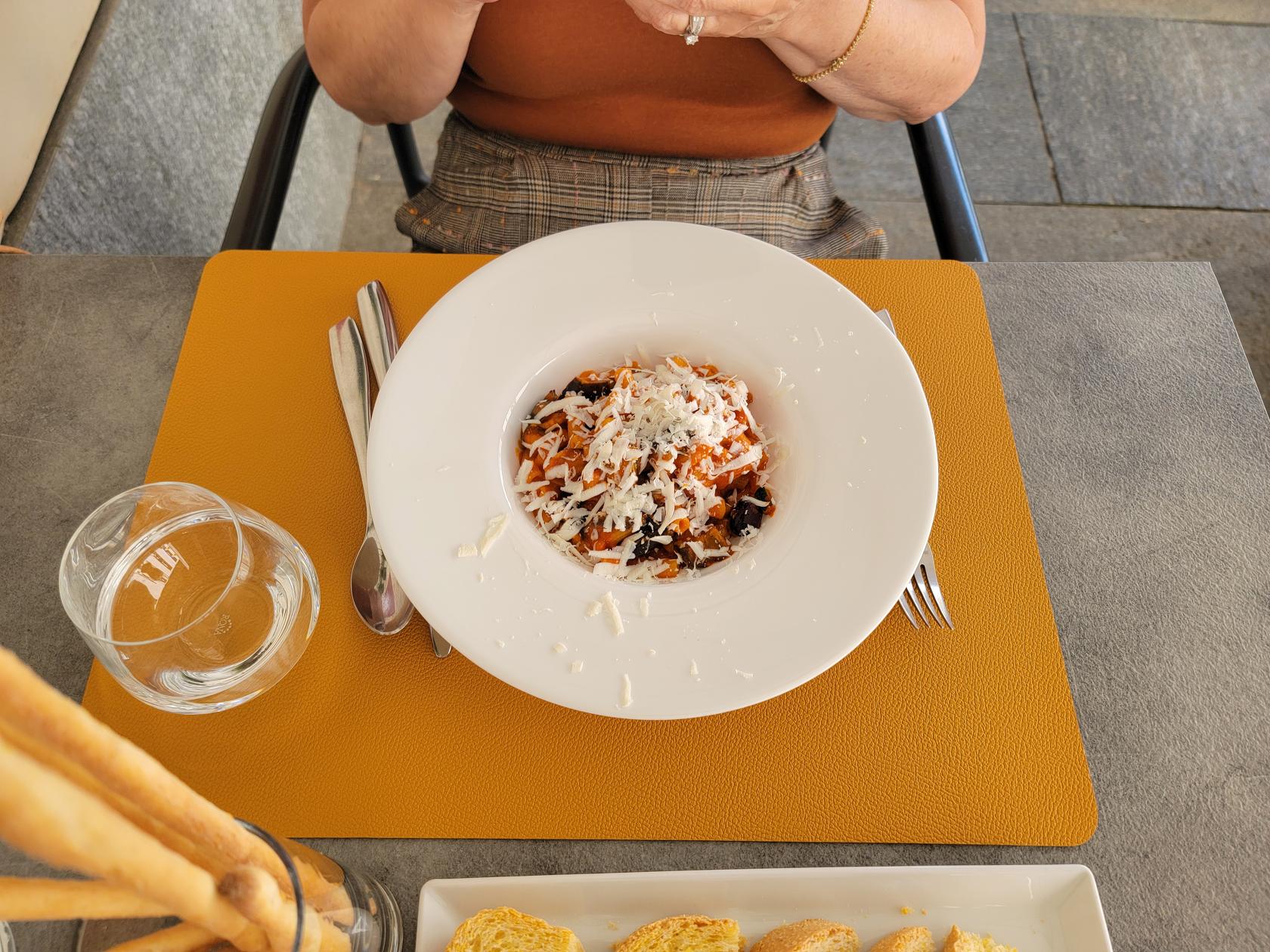
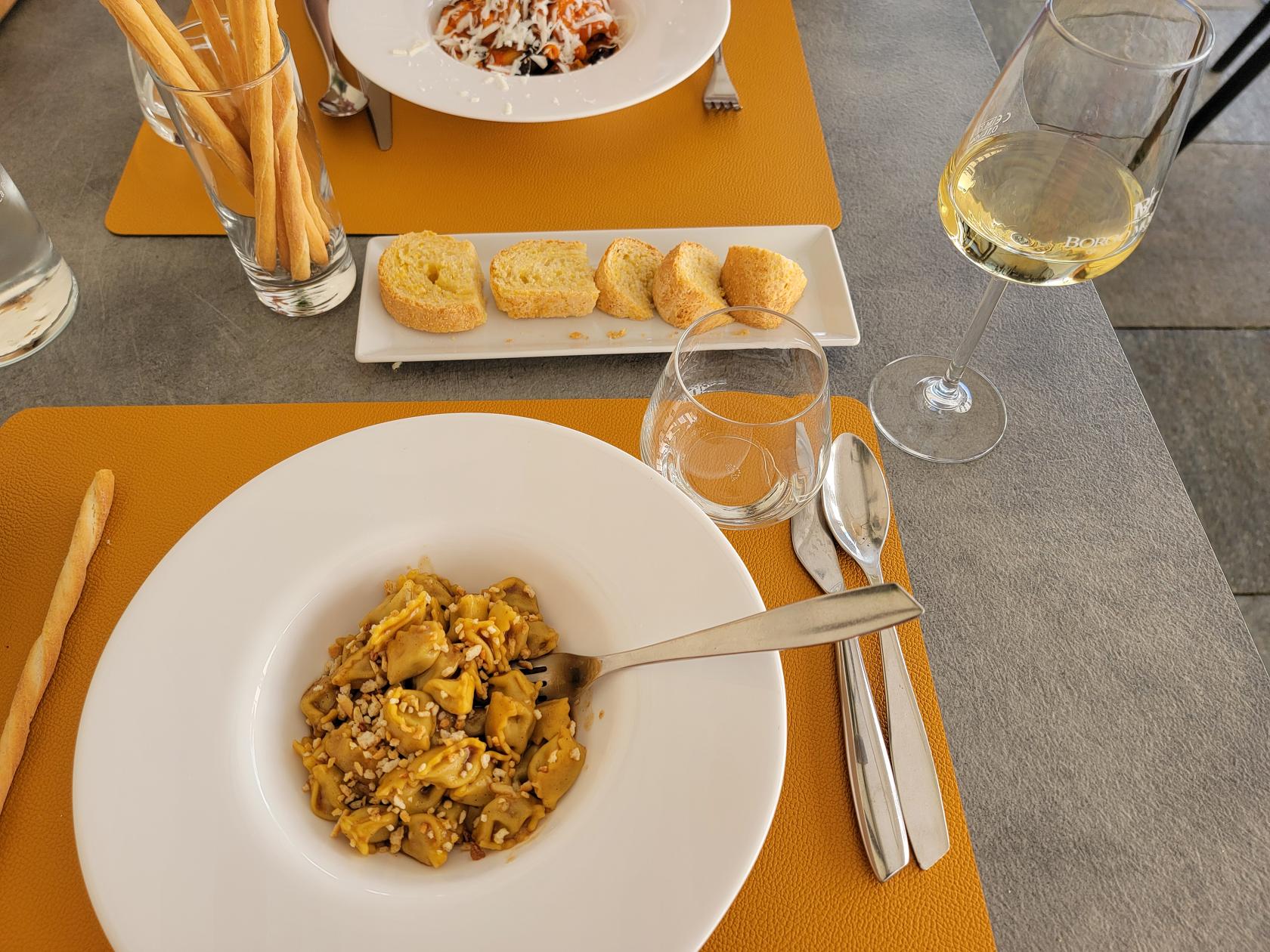
Just on the corners of the Piazza della Repubblica and Via Andrea Mensa is the ristorante Il Convito della Venaria. A fine place for lunch, though probably a bit pricier than some of the alternatives, though restaurants and cafes appear to get sparser and sparser as you walk back towards the train station, so word of warning. We had a simple lunch of Bruschetta and two different pasta dishes, Patti had Maccheroncino al Tochio with Eggplant, Zucchini and Olives in a red sauce and I had the Agnolottini del Plin Piemontese Style, both were delicious.
Il Convito della Venaria – Pasta with Olives and Squash – Turin, Italy
Il Convito della Venaria – Plin Piemontese – Turin, Italy
If you are into hiking and enjoy a really good weekend excursion, then the Metropolitan town of Turin has something great to offer, the tiny little town of Ivrea. Known for being part of the Via Francigena[1]The ancient pilgrimage route from England to Rome. and Five Lake hiking area, it is a great place to spend a few days.
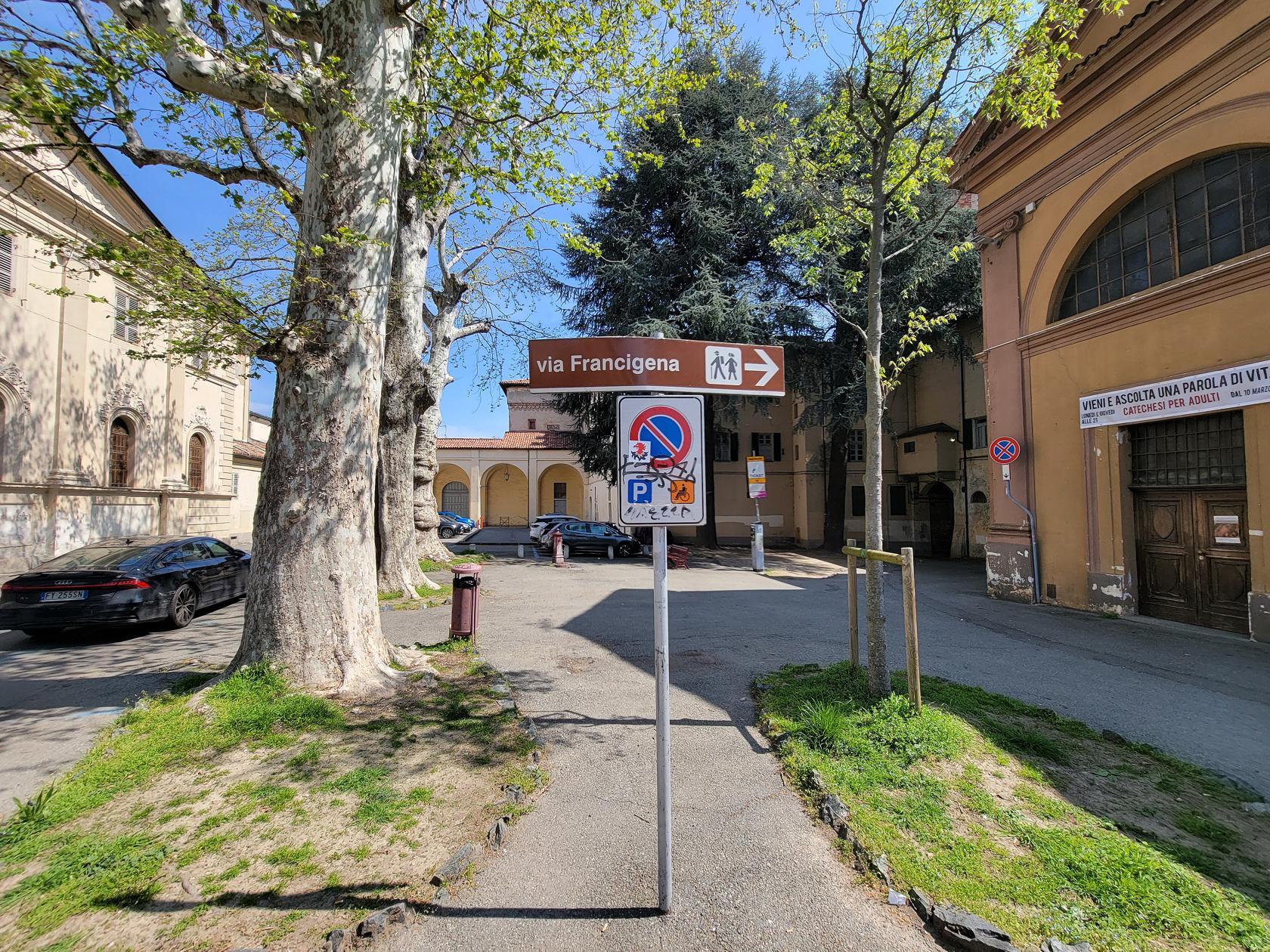
Via Francigena – Hiking and Trail Sign – Ivrea, Italy
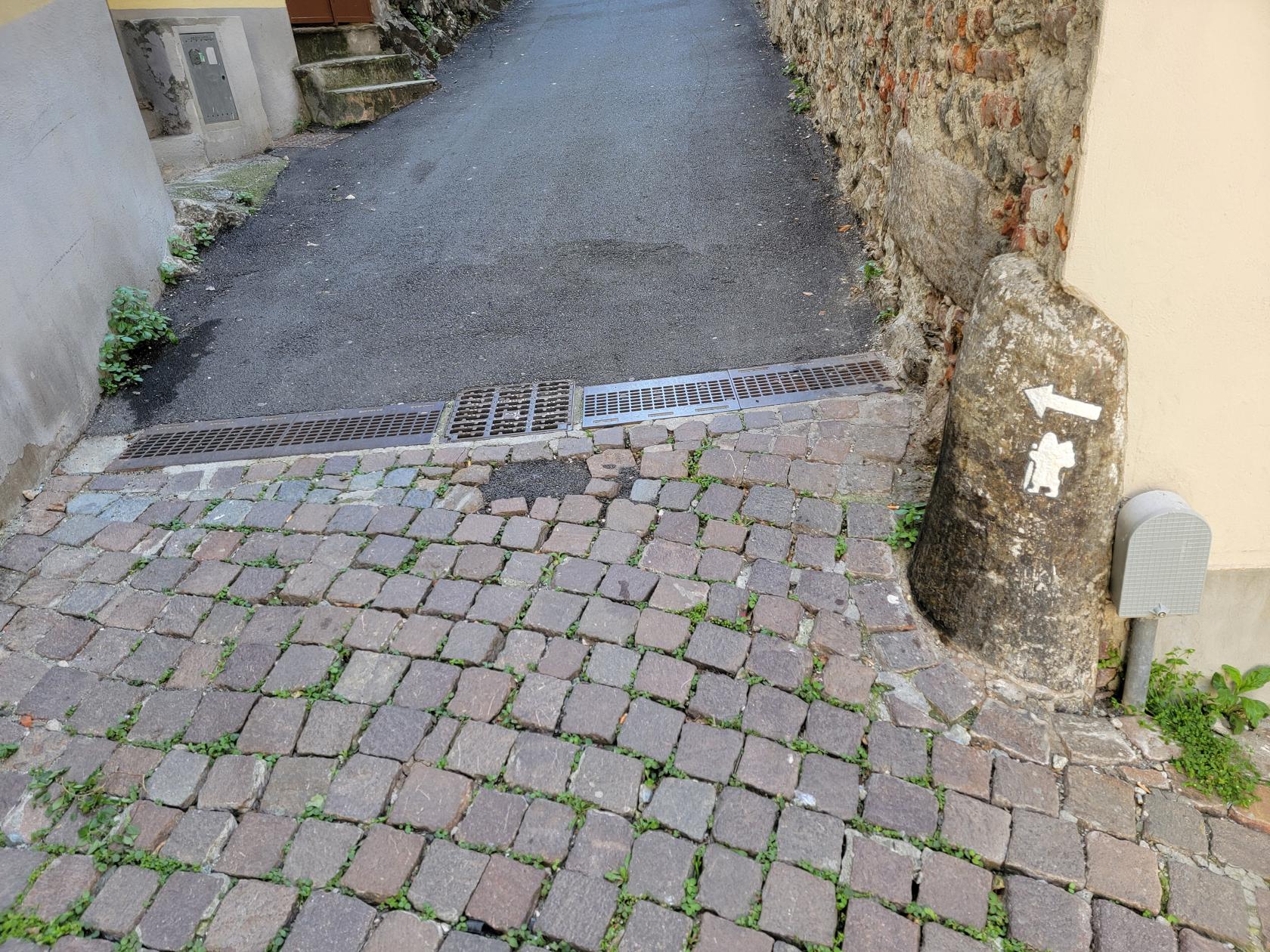
Via Francigena – Hiking and Trail Guide – Ivrea, Italy
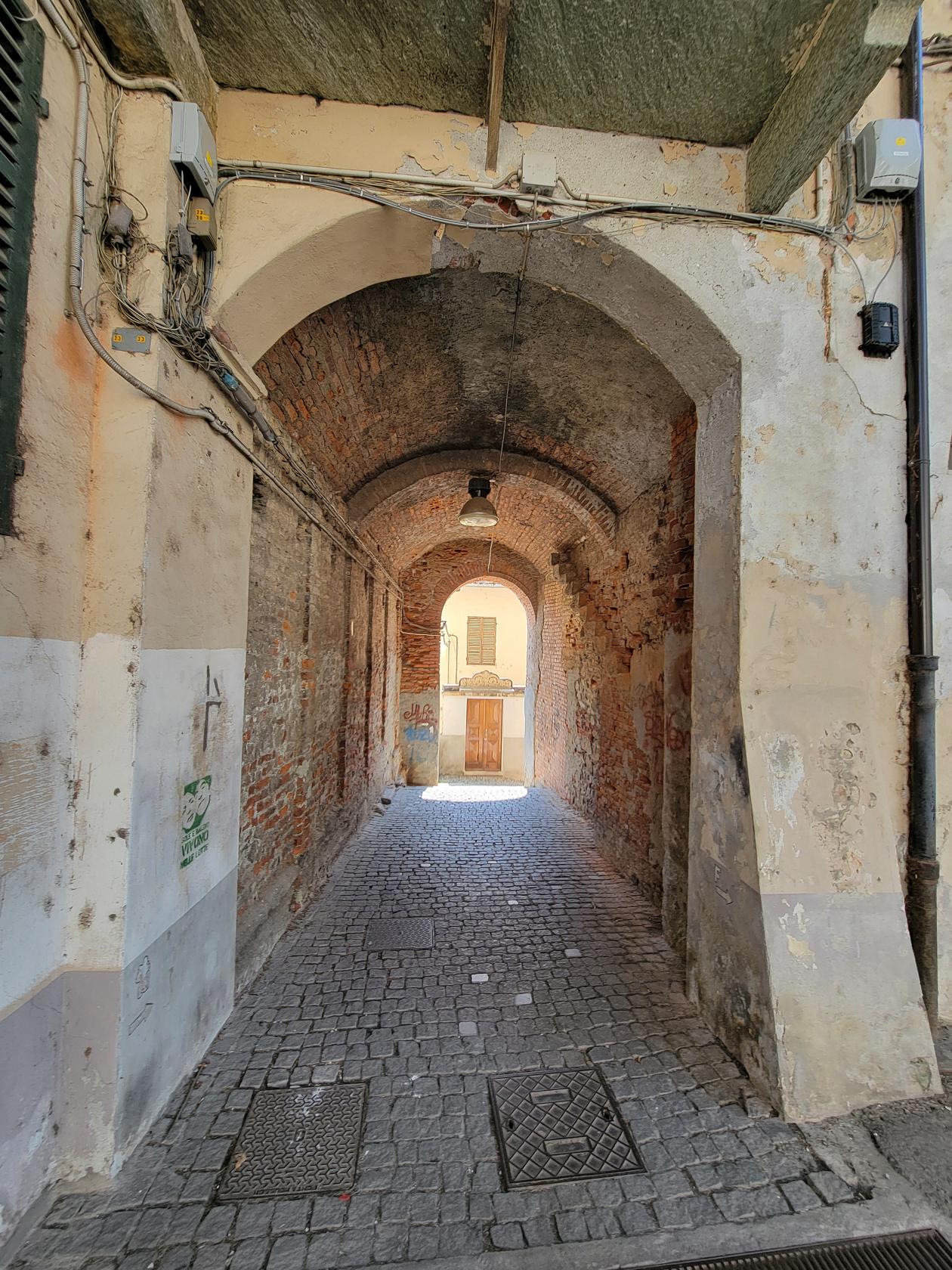
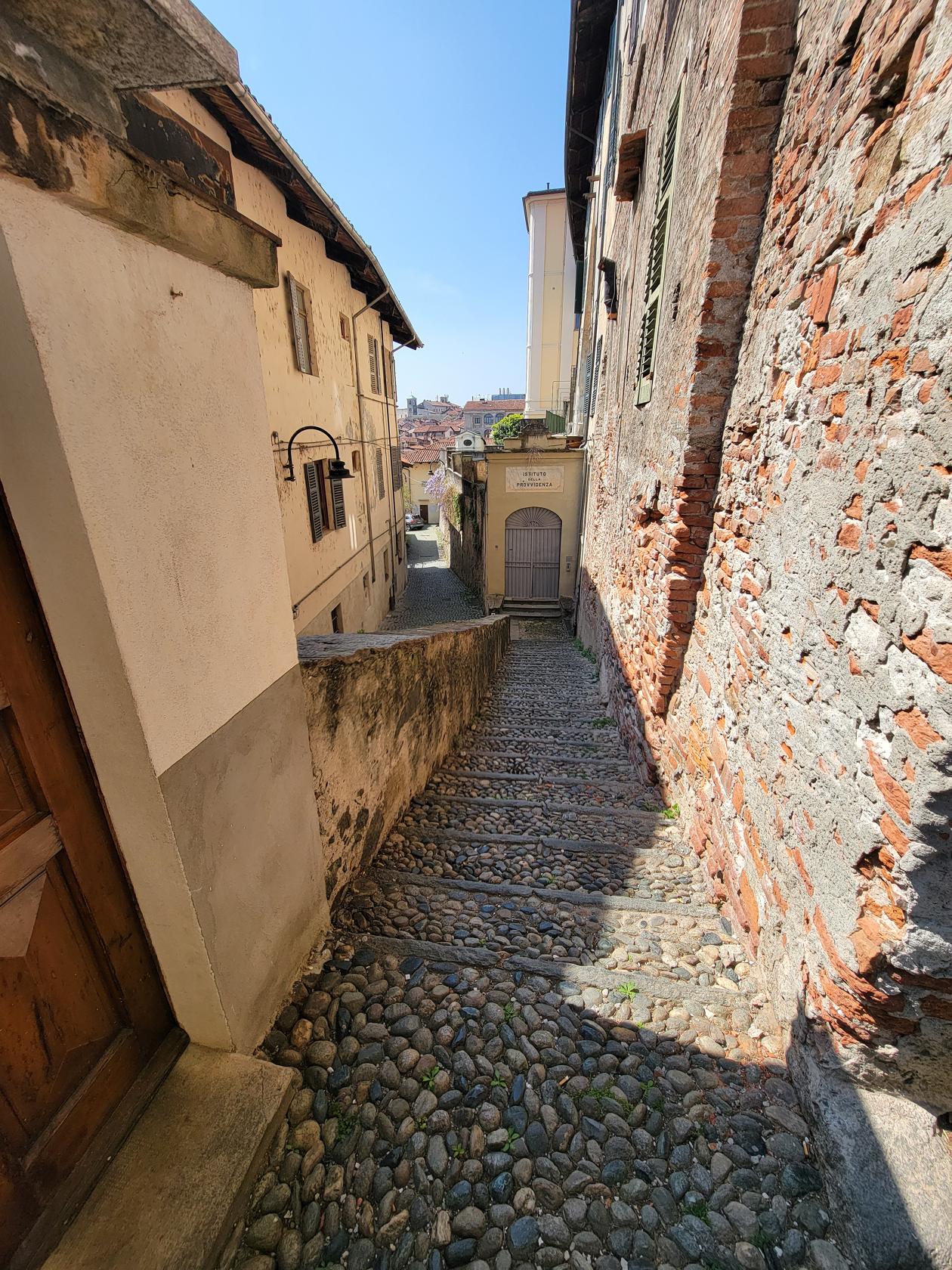
Via Francigena – Way through the city – Ivrea, Italy
Getting There
This town can be reached in just under an hour’s train ride from Porta Nuovo in Turin. The Regional Veloce (RV) runs directly from the main train station, through Porta Susa and onto Ivrea. Unfortunately, the line no longer continues to Aosta, so those who are stopping over have to use the bus service to continue their journeys.
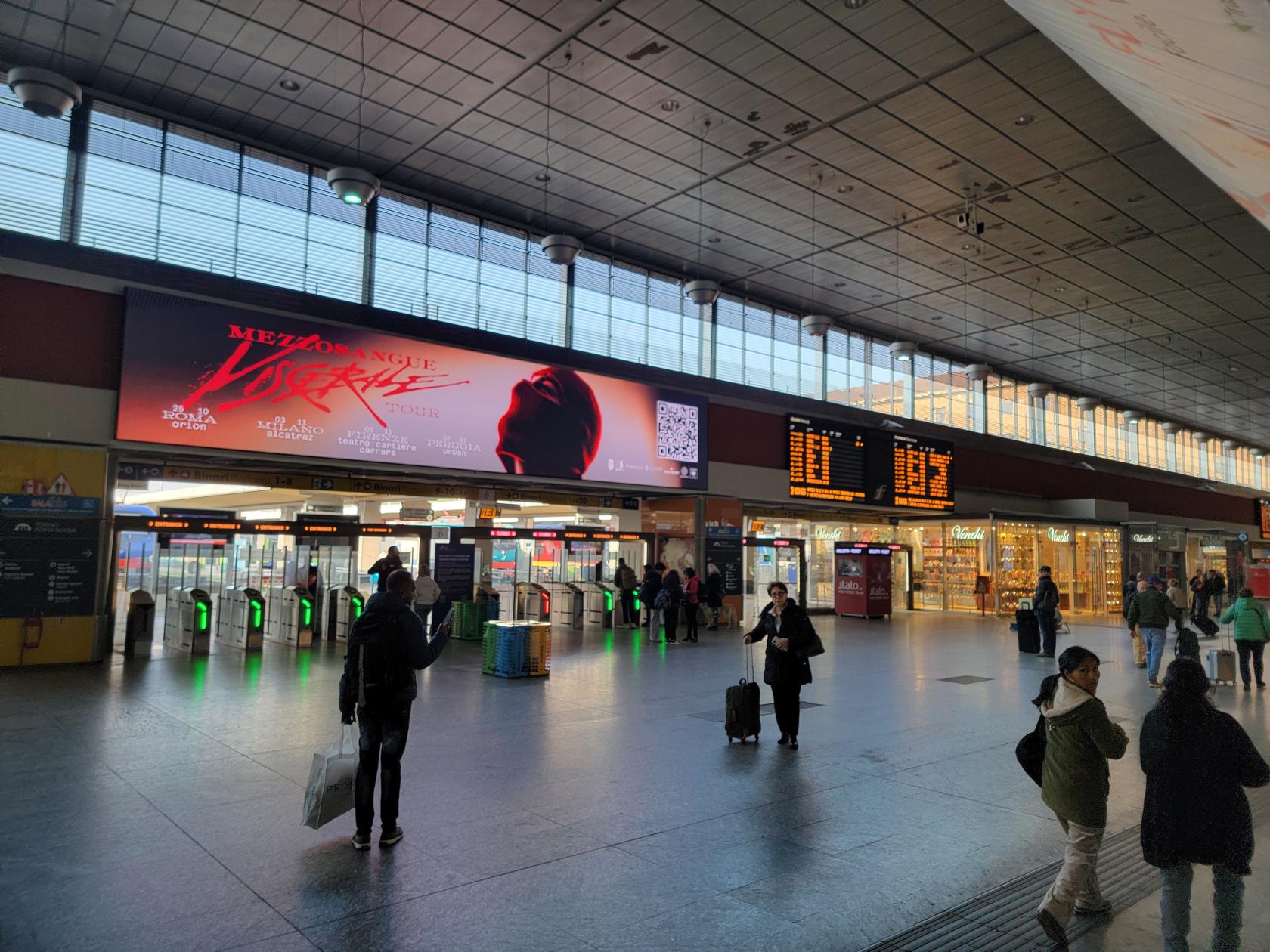
Porta Nuovo Train Station – Main Lobby – Turin, Italy
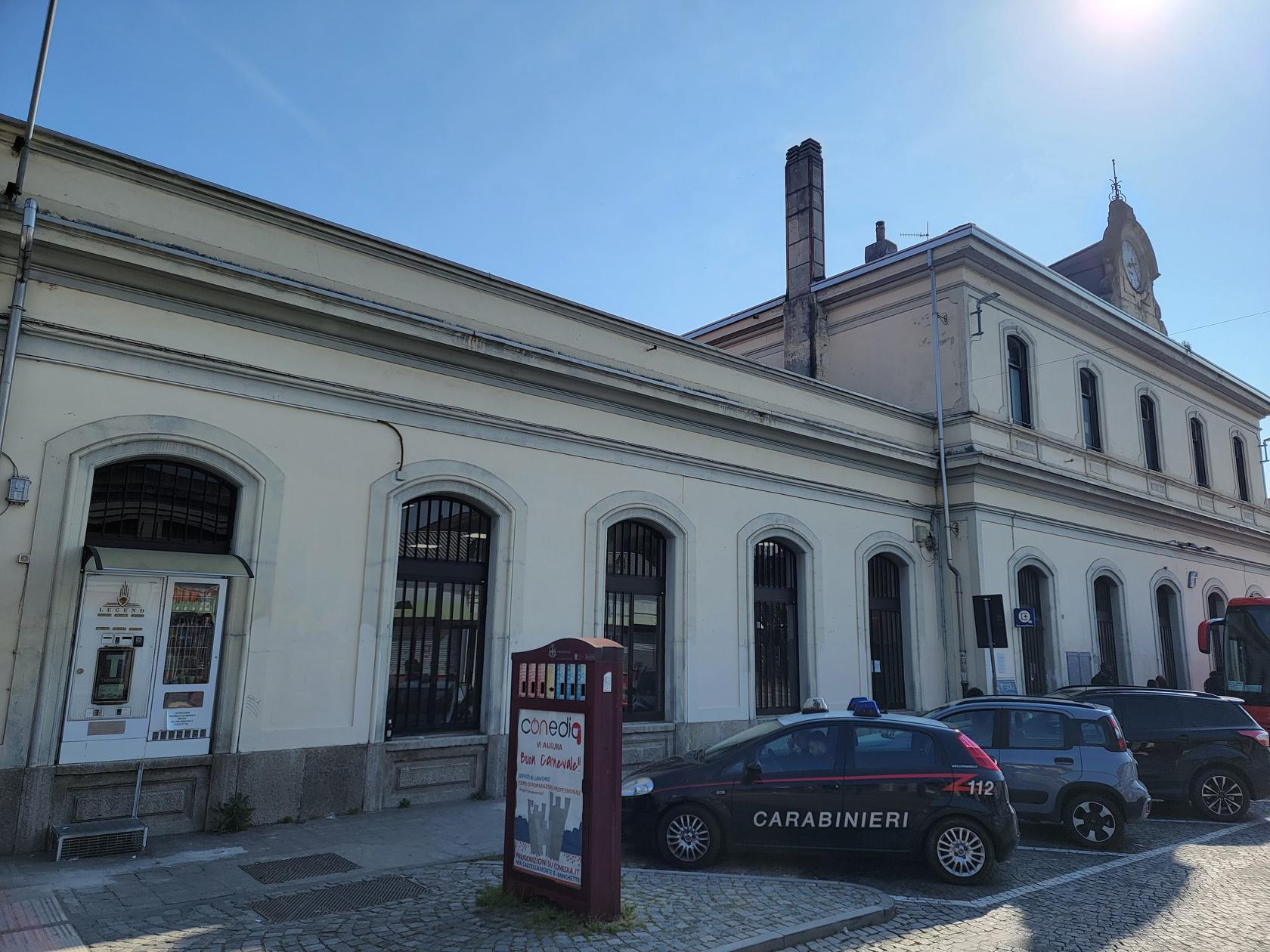
Ivrea Train Station – Outside – Ivrea, Italy
The Hotel
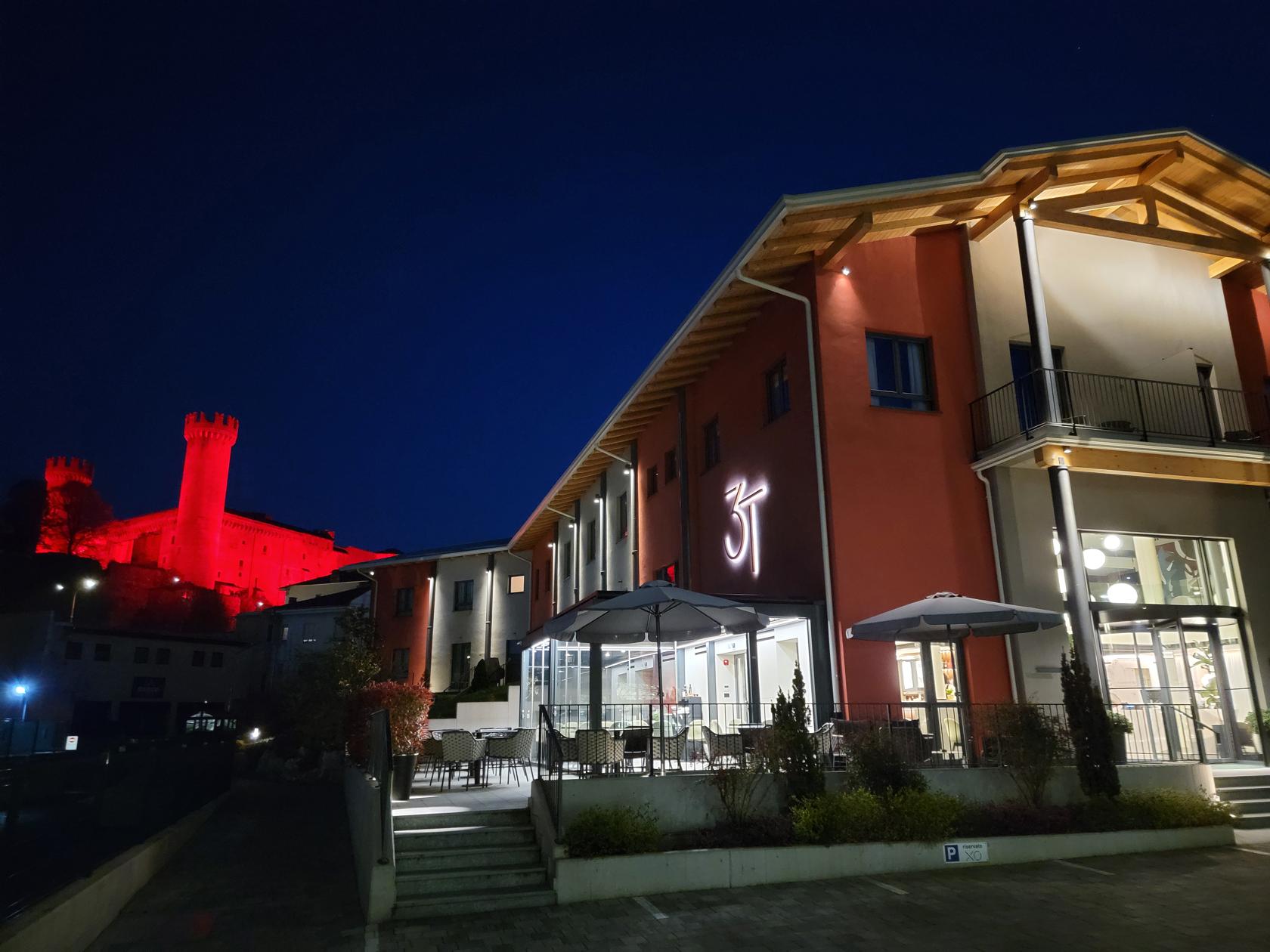
We stayed at the Hotel 3T on Via Sant’Ulderico, a modern hotel that has most of the amenities. One thing I disliked about this hotel, at least during this time of year (Spring), is that the thermostat makes you believe you have control over the temperature in your room, when in fact you don’t!
3T Hotel – Castle Sabaudo, At Night – Ivrea, Italy
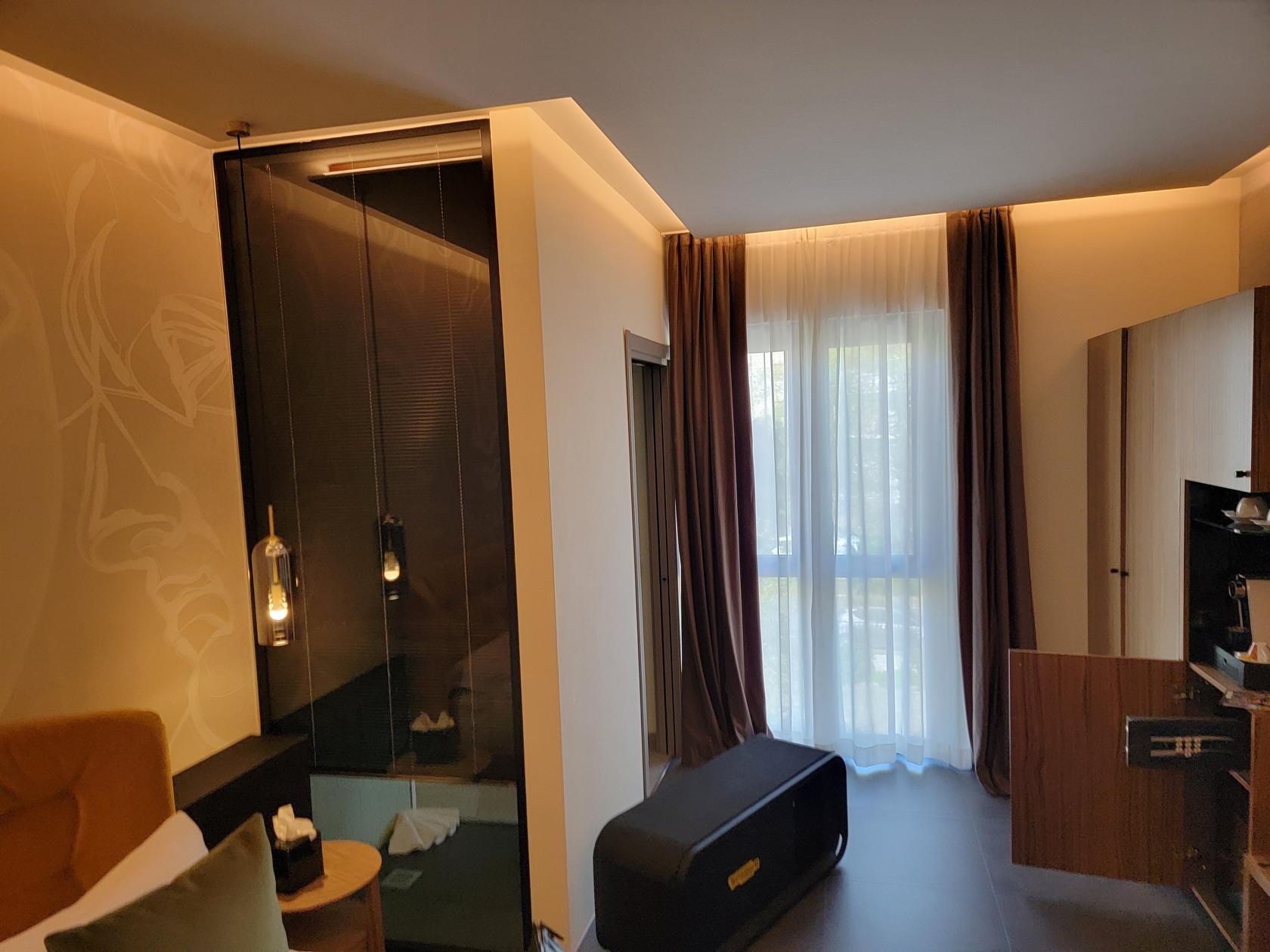
3T Hotel – Our Room, 209 – Ivrea, Italy
The Town
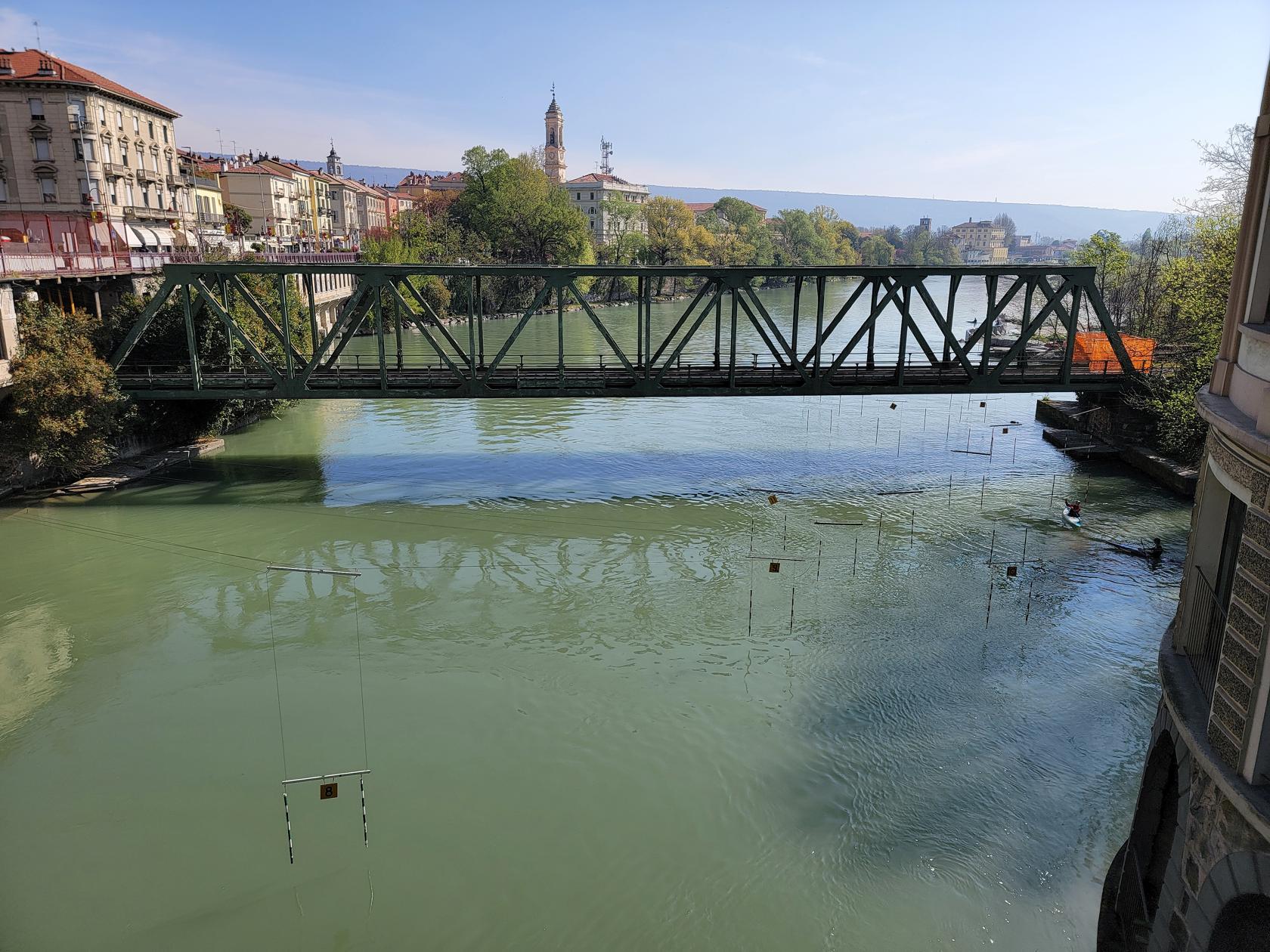
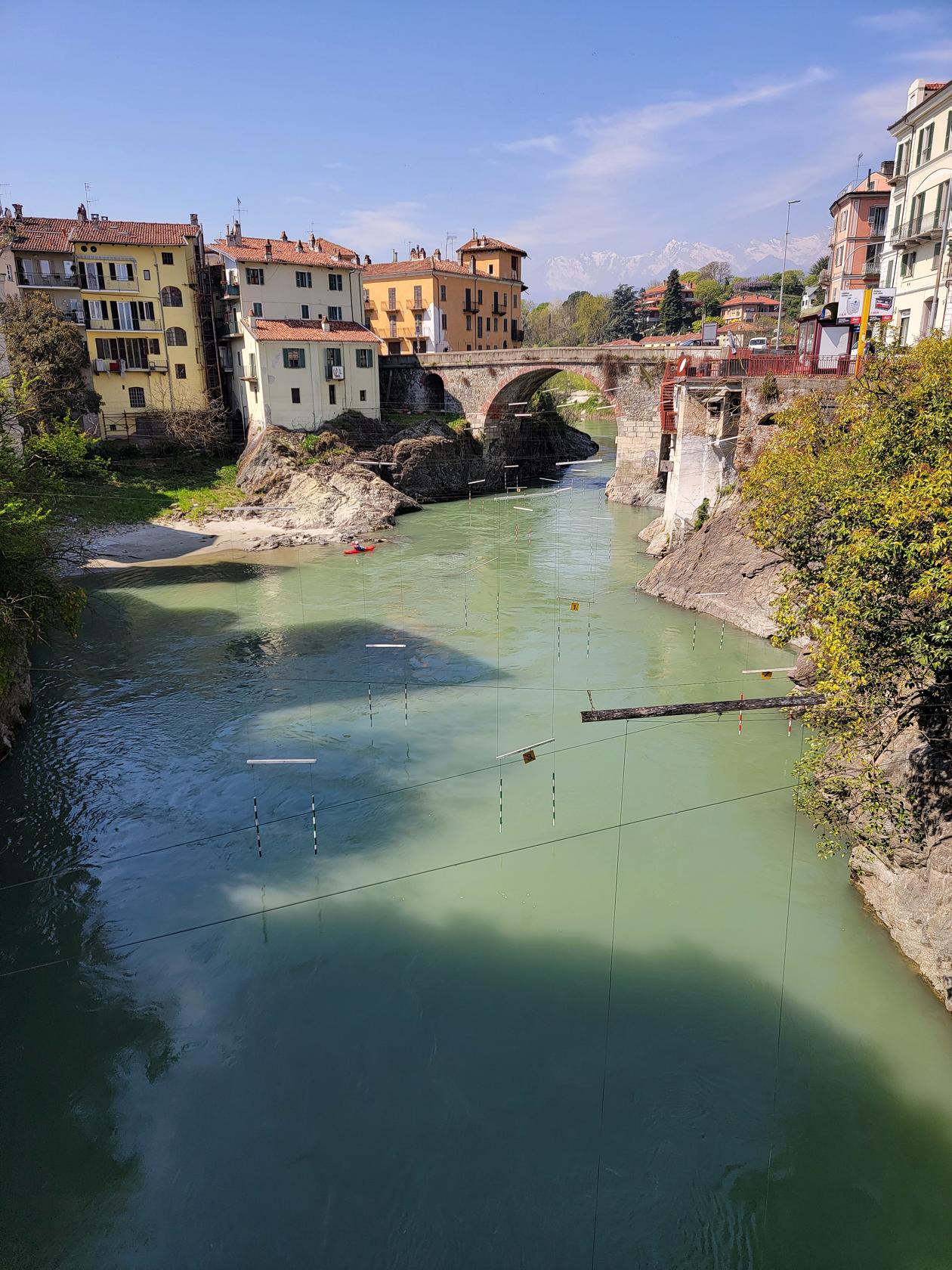
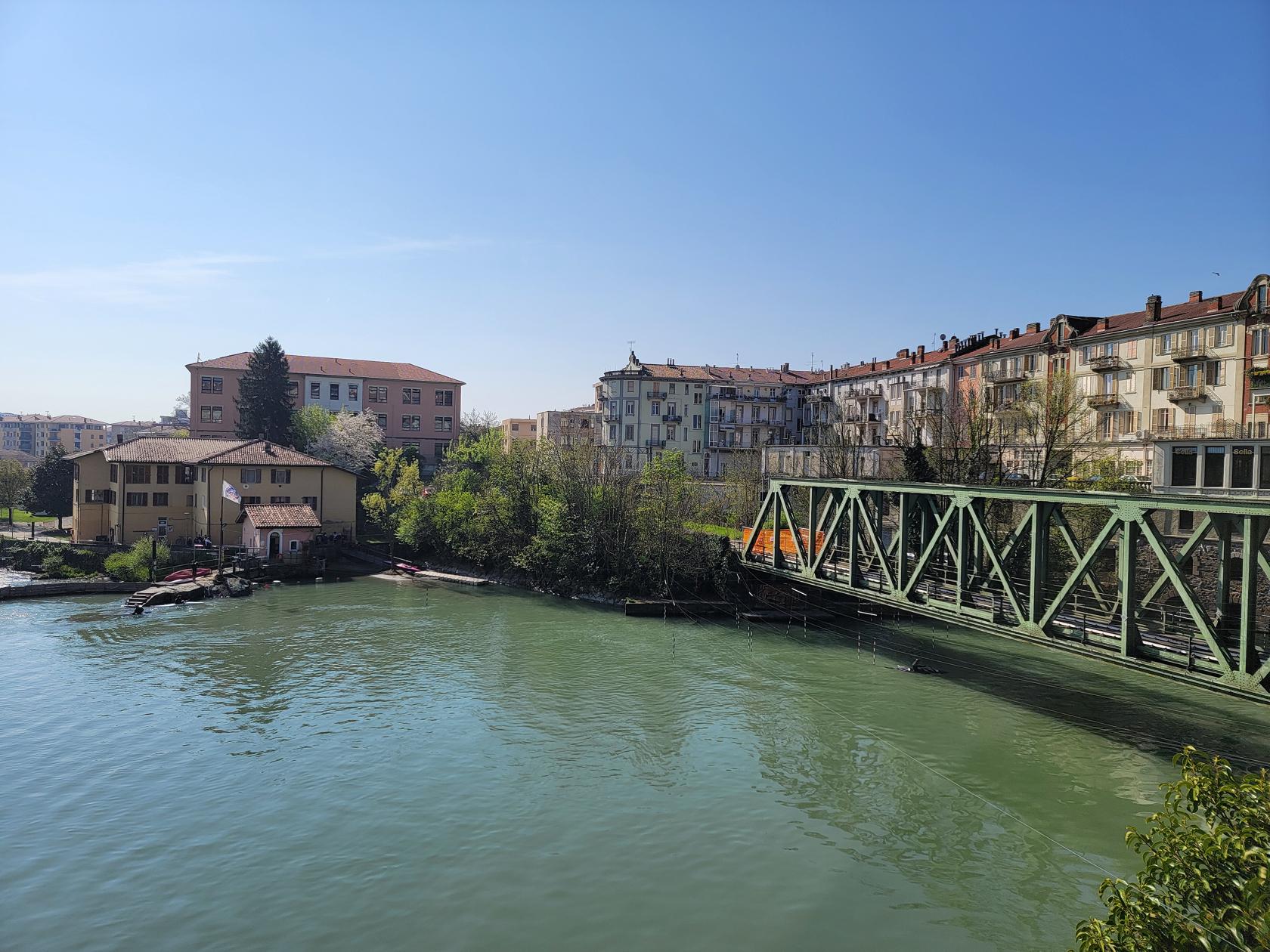
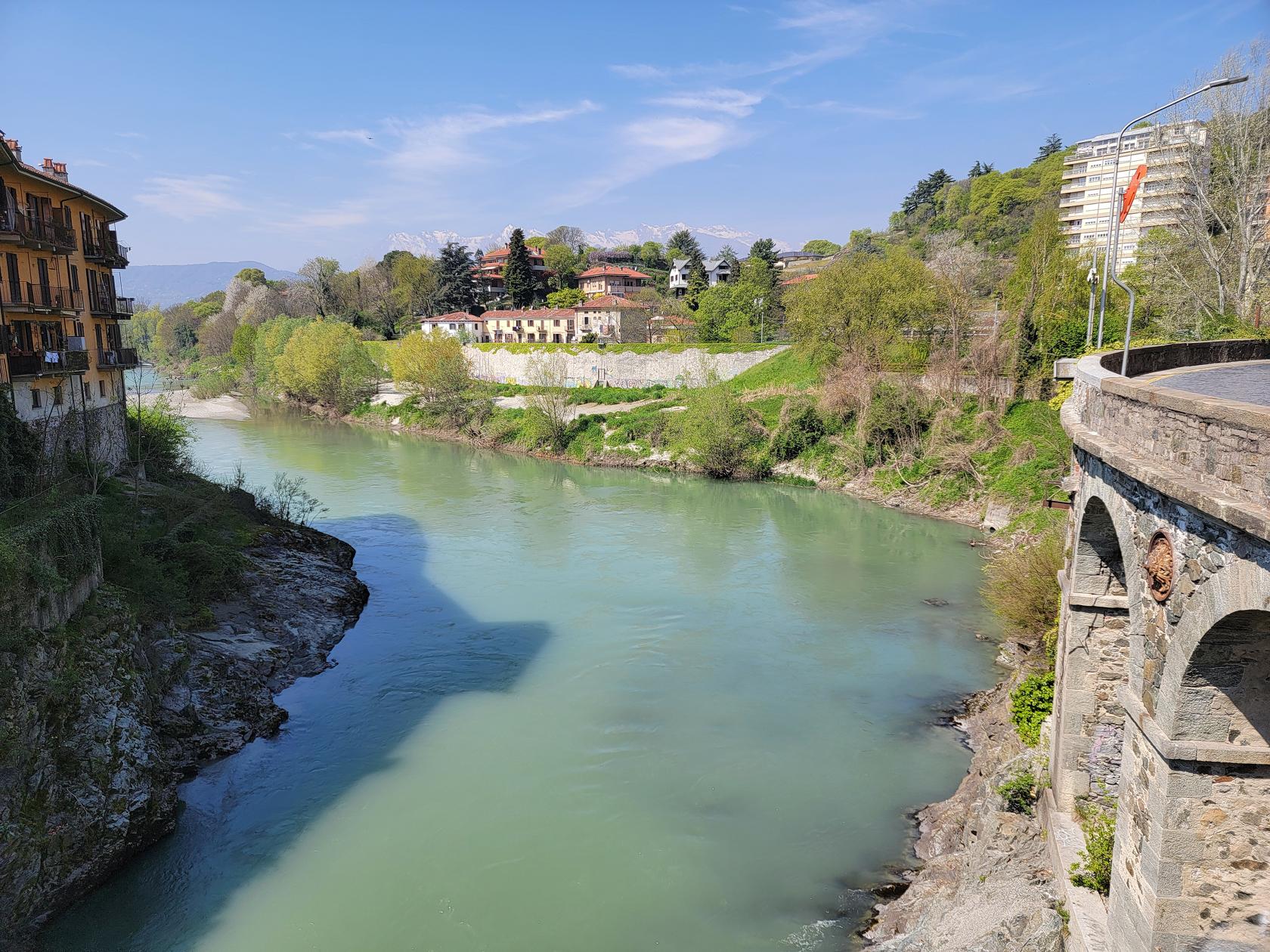
The town is cut in two by the Dora Baltea river, which offers a few courses for avid kayakers and seems to draw them from all over. The river here cuts right through the native diorite rock, which can be seen everywhere you look and presents a dark geologic hardness that makes it such a stable building foundation; practically everything, including the hospital, is built on it.
Dora Baltea River – Train Bridge to Aosta, closed – Ivrea, Italy
Dora Baltea River – Ponte Vecchio – Ivrea, Italy
Dora Baltea River – Train Bridge to Aosta, closed – Ivrea, Italy
Dora Baltea River – From Ponte Vecchio – Ivrea, Italy
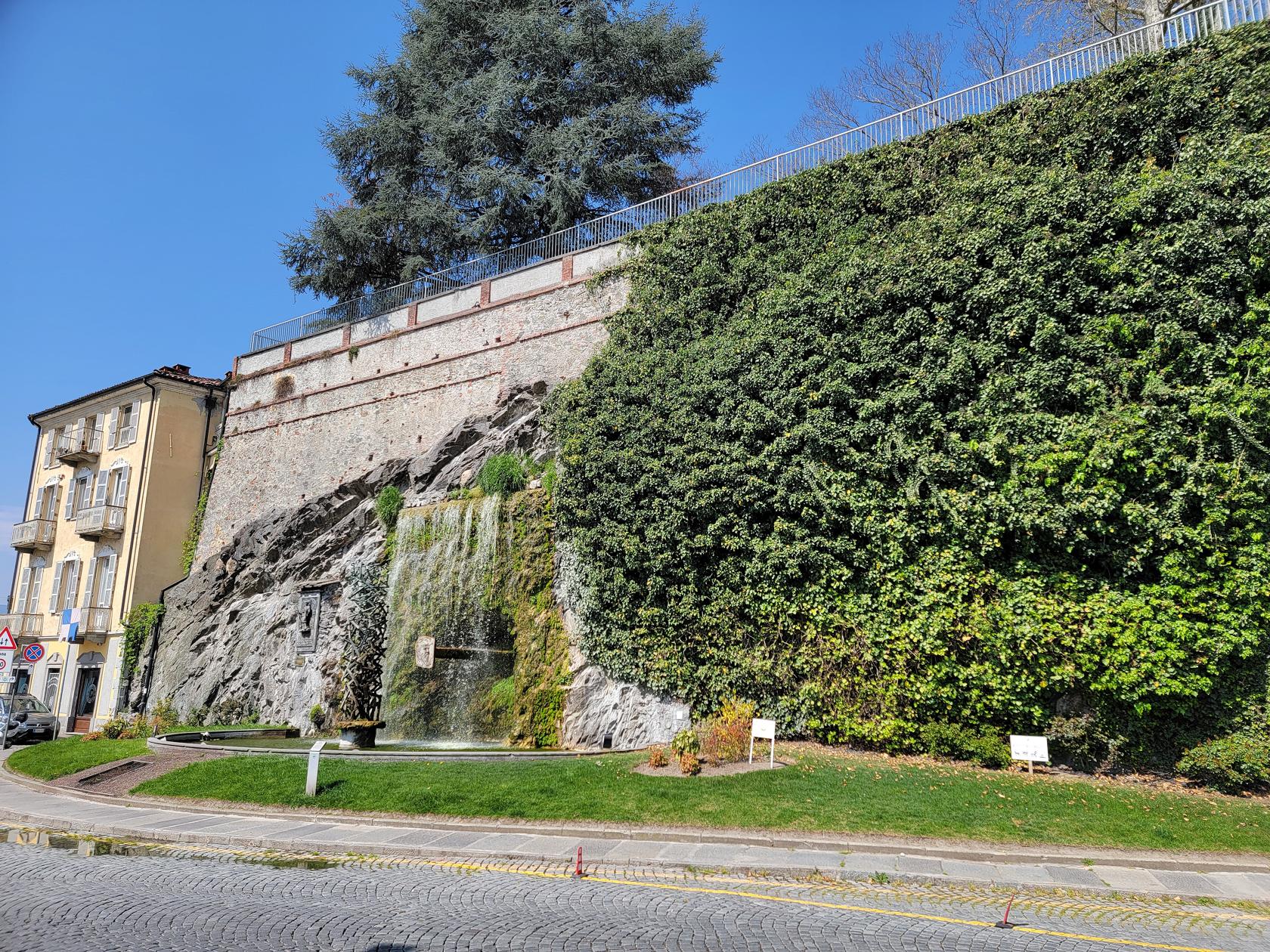
Dora Baltea River – Fontana Camillo Olivetti – Ivrea, Italy
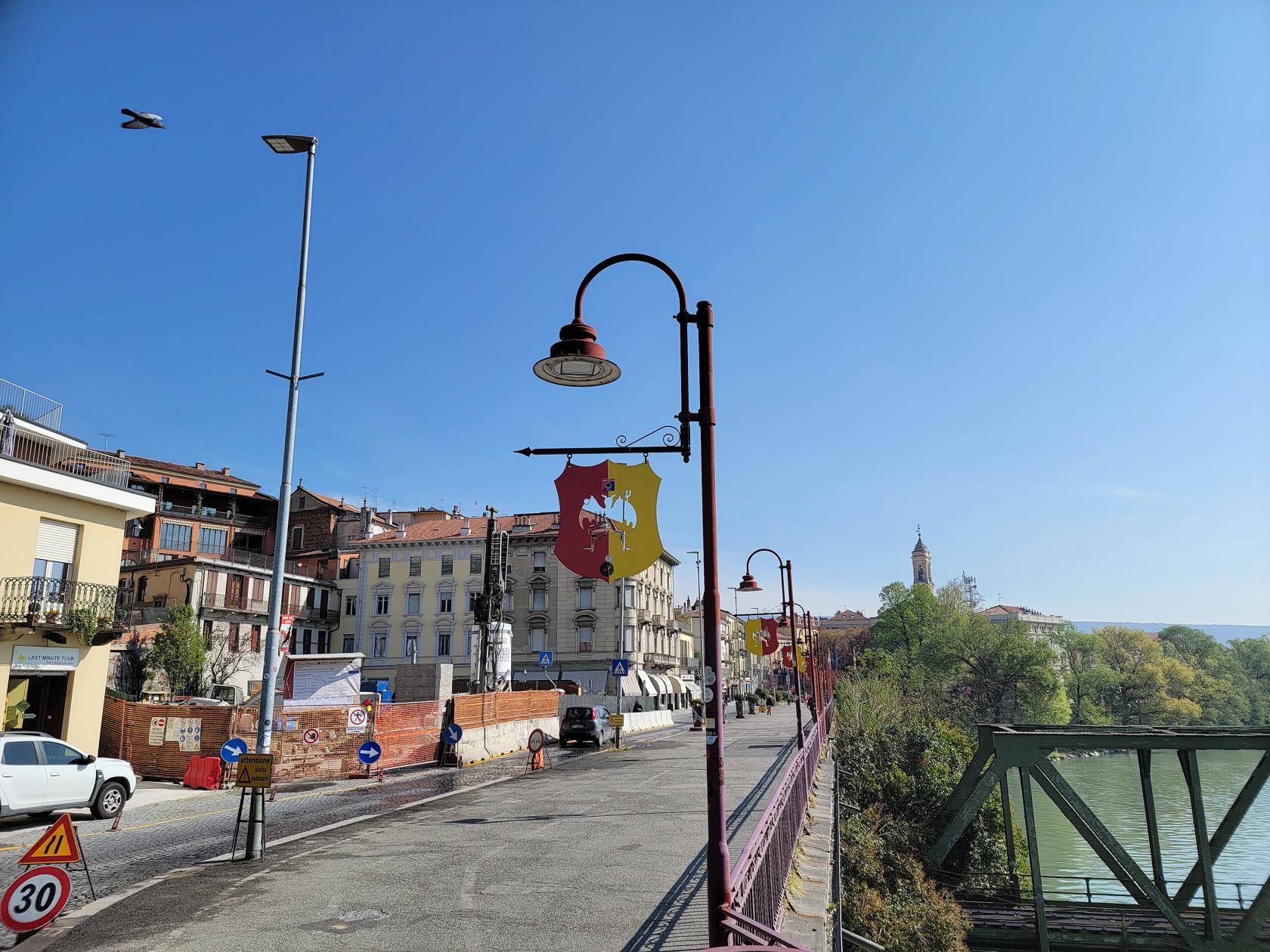
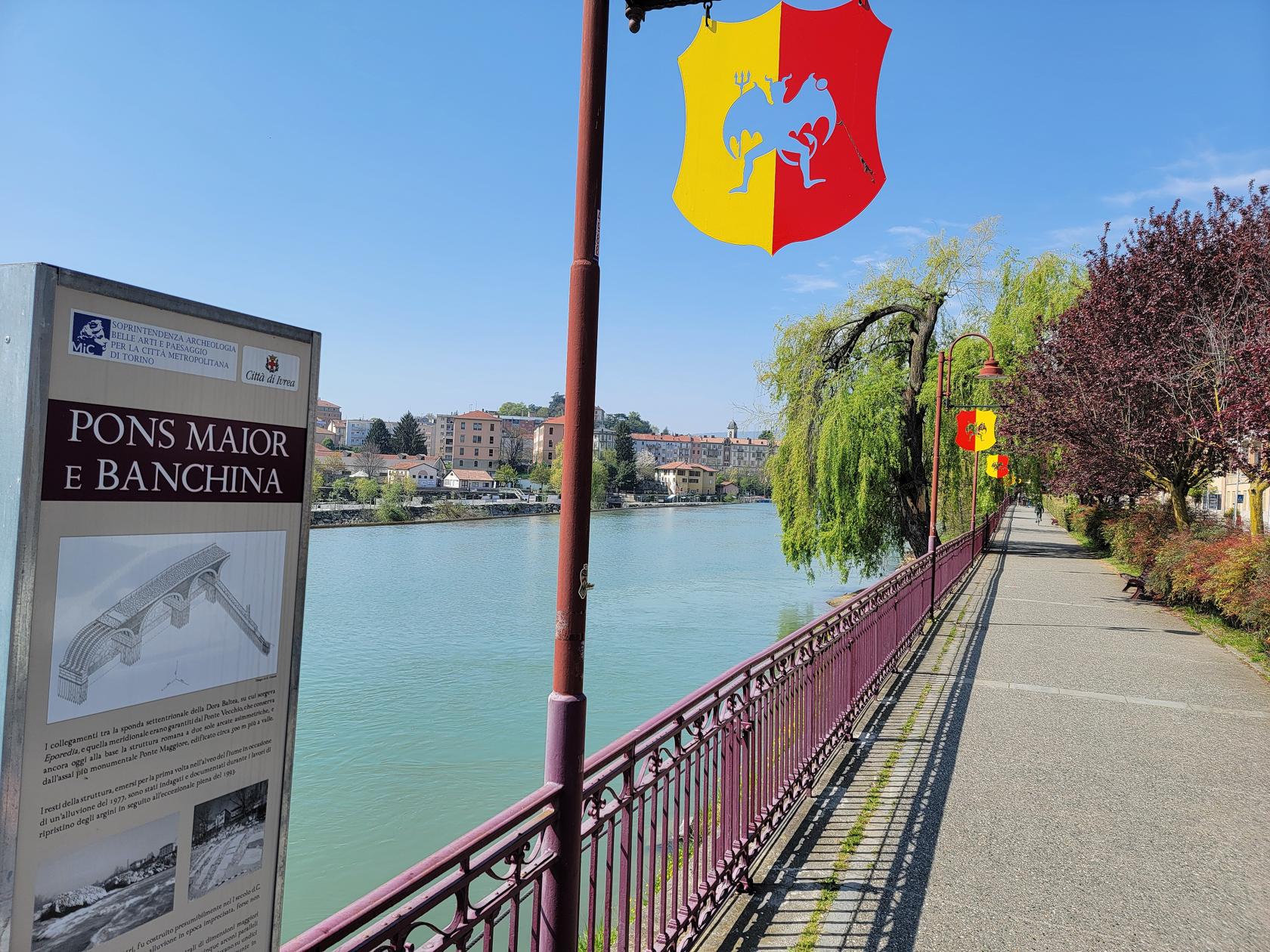
There is not much to the town itself, just the Lungodora, or walkway along the river, and one central main street where one can find most of the shops, cafes and other stores.
Dora Baltea River – Corse Re Umberto – Ivrea, Italy
Castle Saubauda
A large rectangular castle built in the fourteenth century by the Savoy family. It is only open certain times during the year and one has to reserve their guided tour ahead of time. We were only able to see the outside and sometimes at night it is lit up in different colors.
Sabaudo Castle – Ivrea, Italy
Ivrea Cathedral
Actually known as the Cathedral of the Assumption of Saint Mary, or Cattedrale di Santa Maria Assunta, is very close to the castle on the hilltop. It is in need of restoration and there are several, apparently small projects already underway inside the cathedral.
Cathedral Santa Maria Assunta – Il Duomo, Entrance – Ivrea, Italy
Inside the cathedral is actually quite impressive. The nave is well decorated with ceiling frescoes and religious art. It is quite dark and reminiscent of the Sistine Chapel before that was restored and suffers from decades, if not centuries or candle and other smoke.
Cathedral Santa Maria Assunta – Il Duomo, Nave and ceiling – Ivrea, Italy
Cathedral Santa Maria Assunta – Il Duomo, Altar – Ivrea, Italy
Cathedral Santa Maria Assunta – Il Duomo, Aisle – Ivrea, Italy
Cathedral Santa Maria Assunta – Il Duomo, Altar screen entrance – Ivrea, Italy
Cathedral Santa Maria Assunta – Il Duomo, bricked up window – Ivrea, Italy
Cathedral Santa Maria Assunta – Il Duomo, Nave and Organ – Ivrea, Italy
Cathedral Santa Maria Assunta – Il Duomo, Transept – Ivrea, Italy
Cathedral Santa Maria Assunta – Il Duomo, Altar screen ceiling frescoes – Ivrea, Italy
Cathedral Santa Maria Assunta – Il Duomo, Altar screen frescoes – Ivrea, Italy
The Crypt
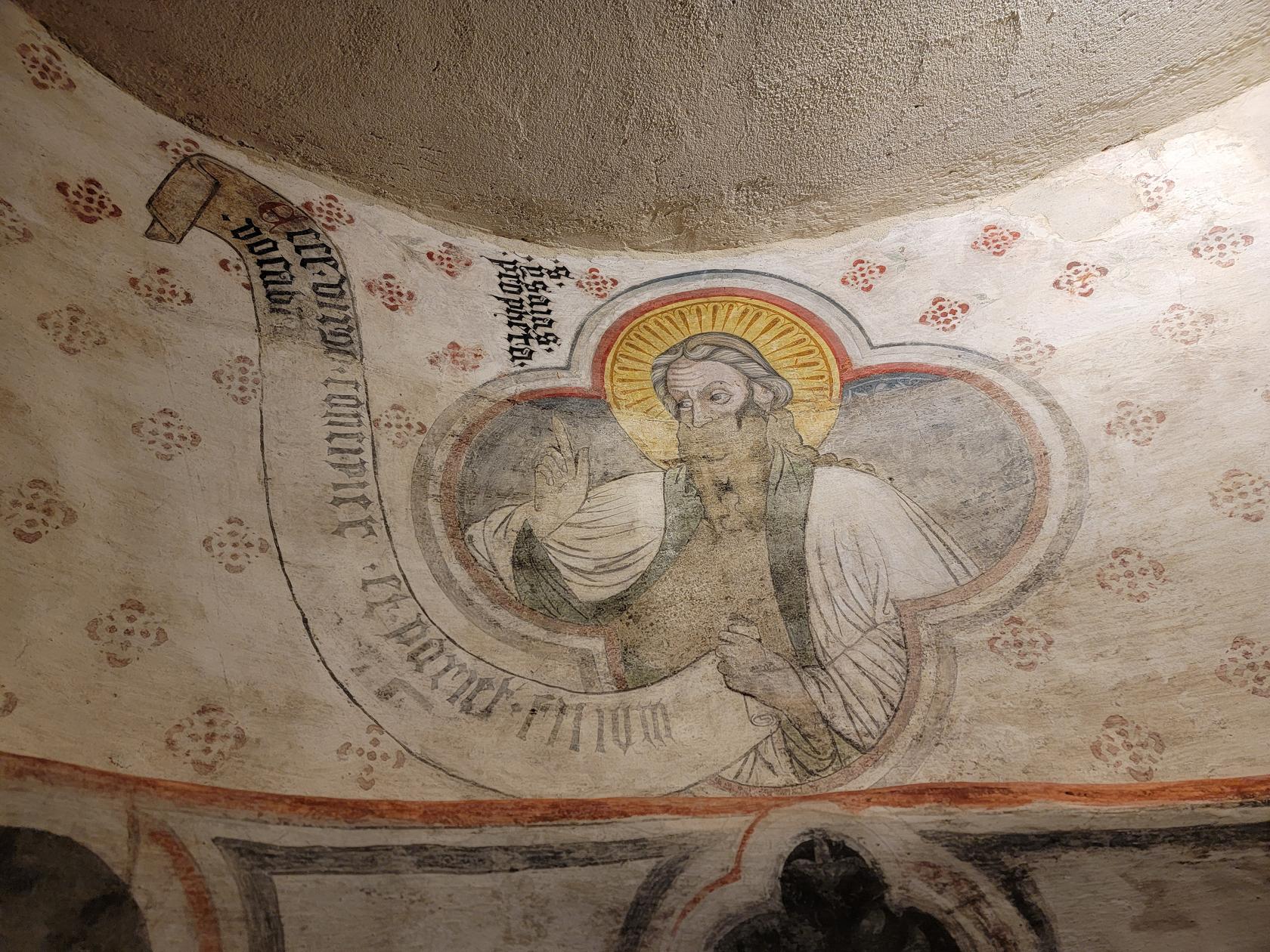
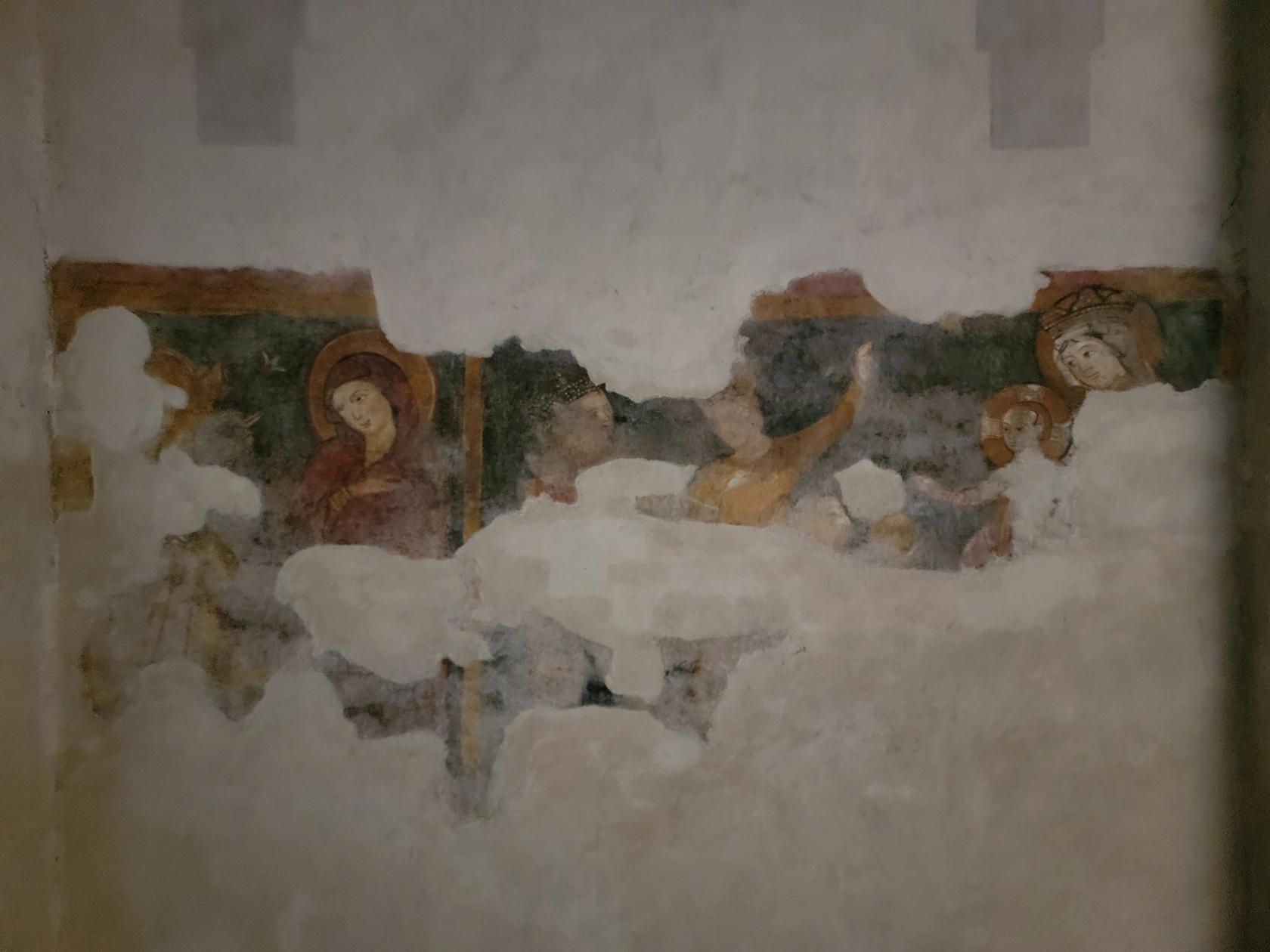
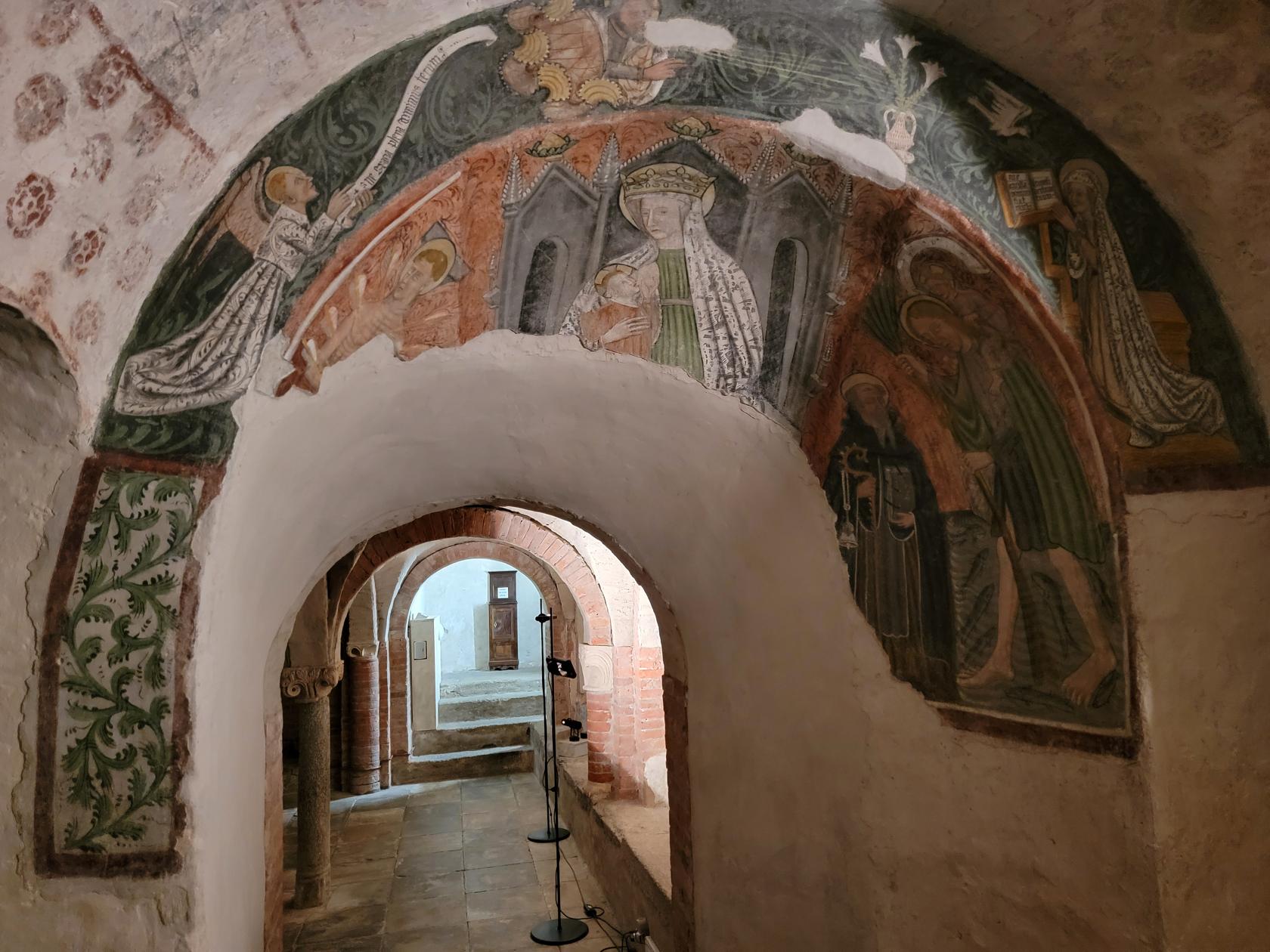
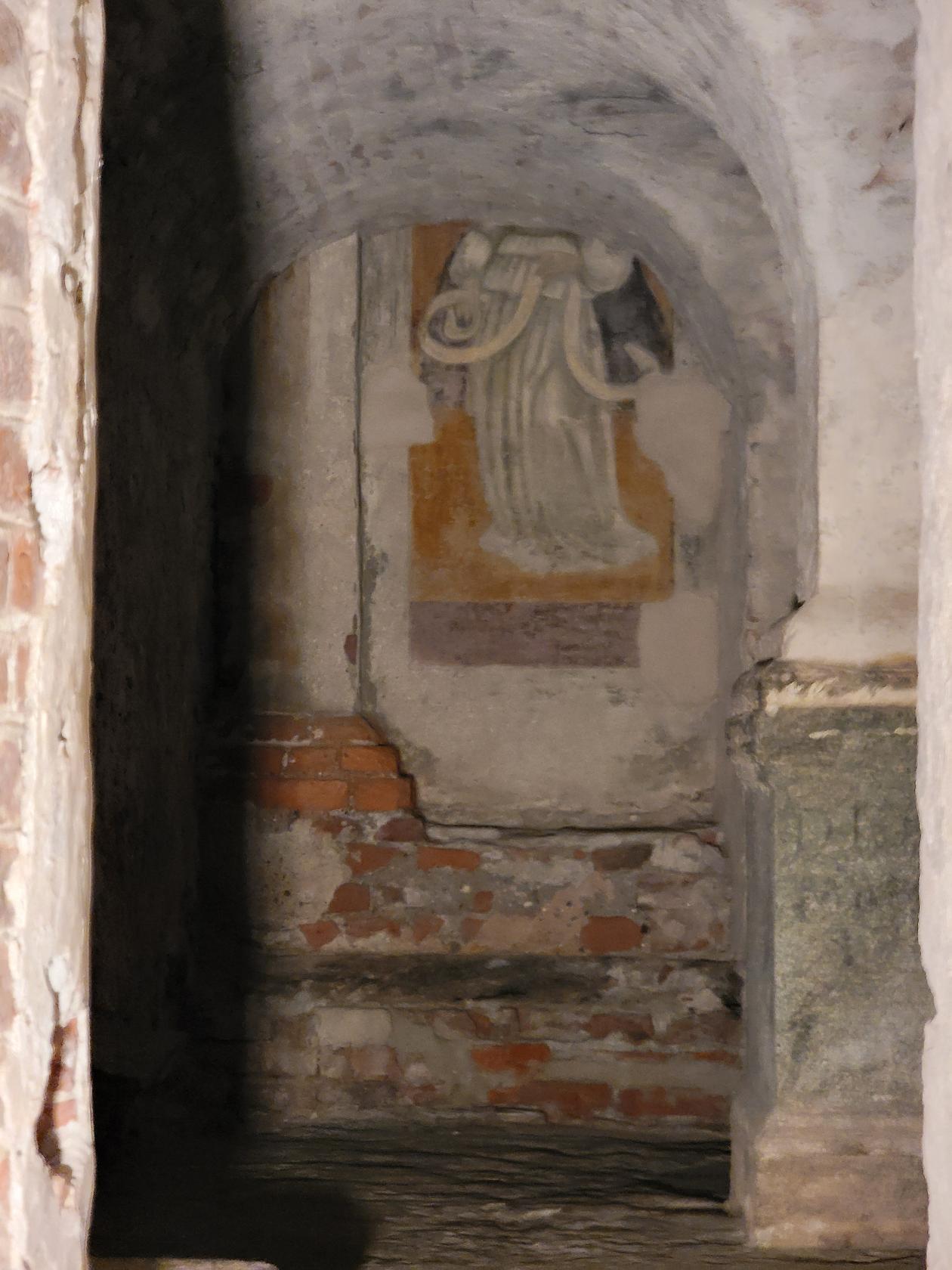
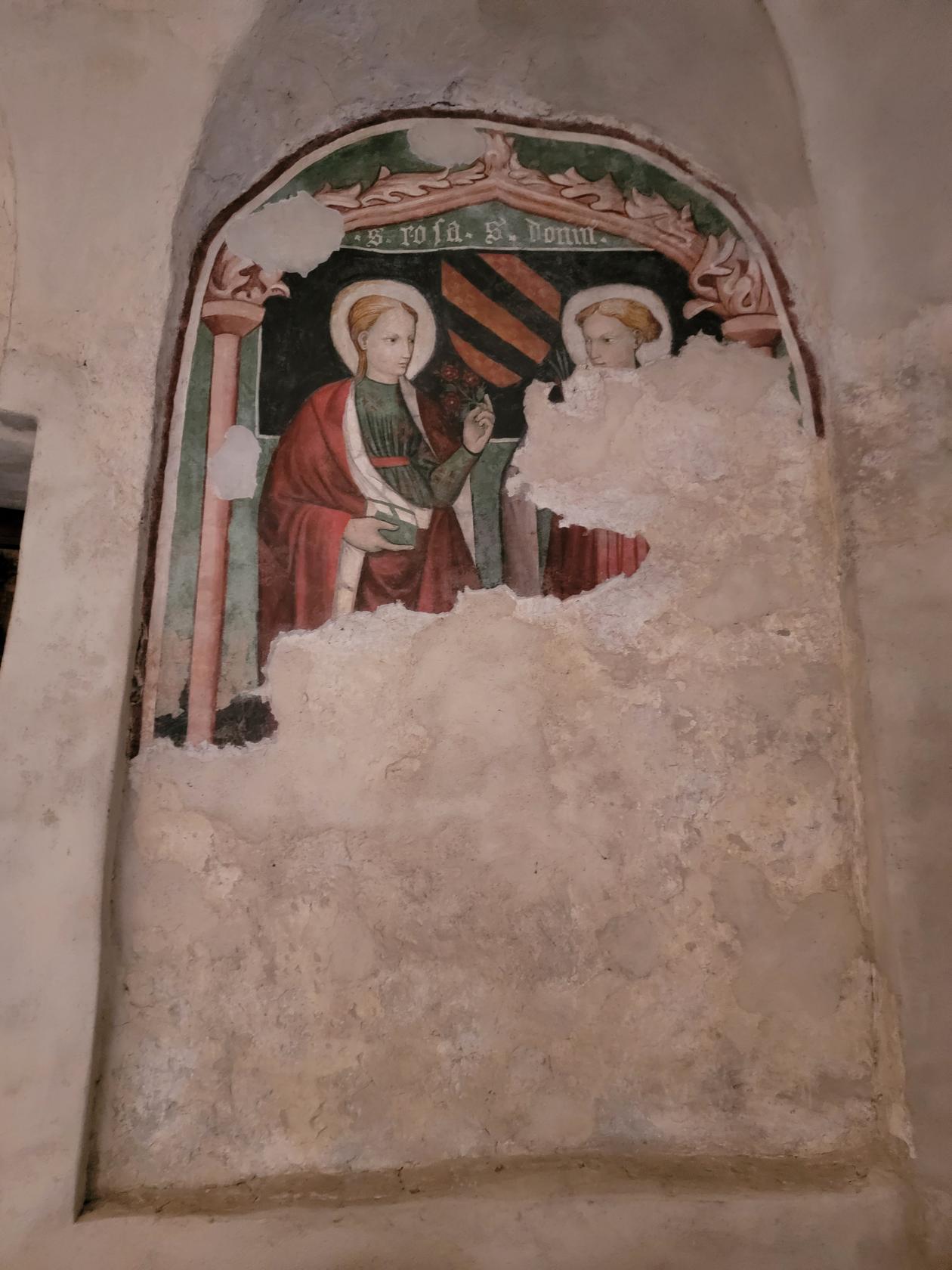
The main attraction of the crypt are the frescoes. When possible the caretakers of the cathedral have installed lighting, so that you can adore without the need for using the flash on your camera, which you should never do.
Cathedral Santa Maria Assunta – Il Duomo, Crypt – Ivrea, Italy
Cathedral Santa Maria Assunta – Il Duomo, Altar screen frescoes – Ivrea, Italy
Restaurants
Moma
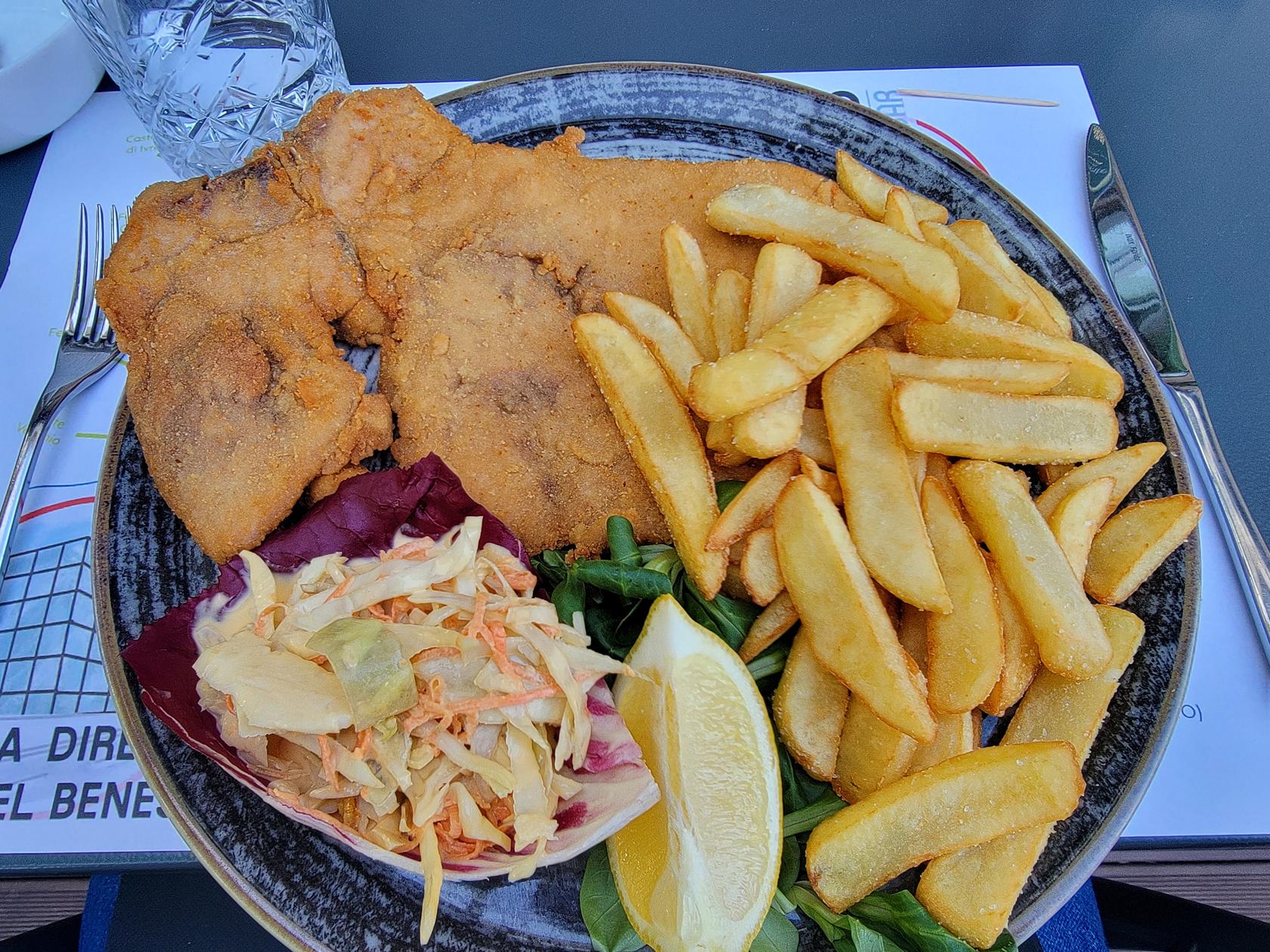
Moma is actually a bar and restaurant, so you can stop their early for a drink before dinner, or wait until 7PM and dine there as well. They have a fairly good selection of food which may be considered cosmopolitan and some Piedmont dishes. Both of our dishes were very good and came with rather large portion size which is unusual of Italy.
Moma Restaurant – Pork Filet with French Fries and Coleslaw – Ivrea, Italy
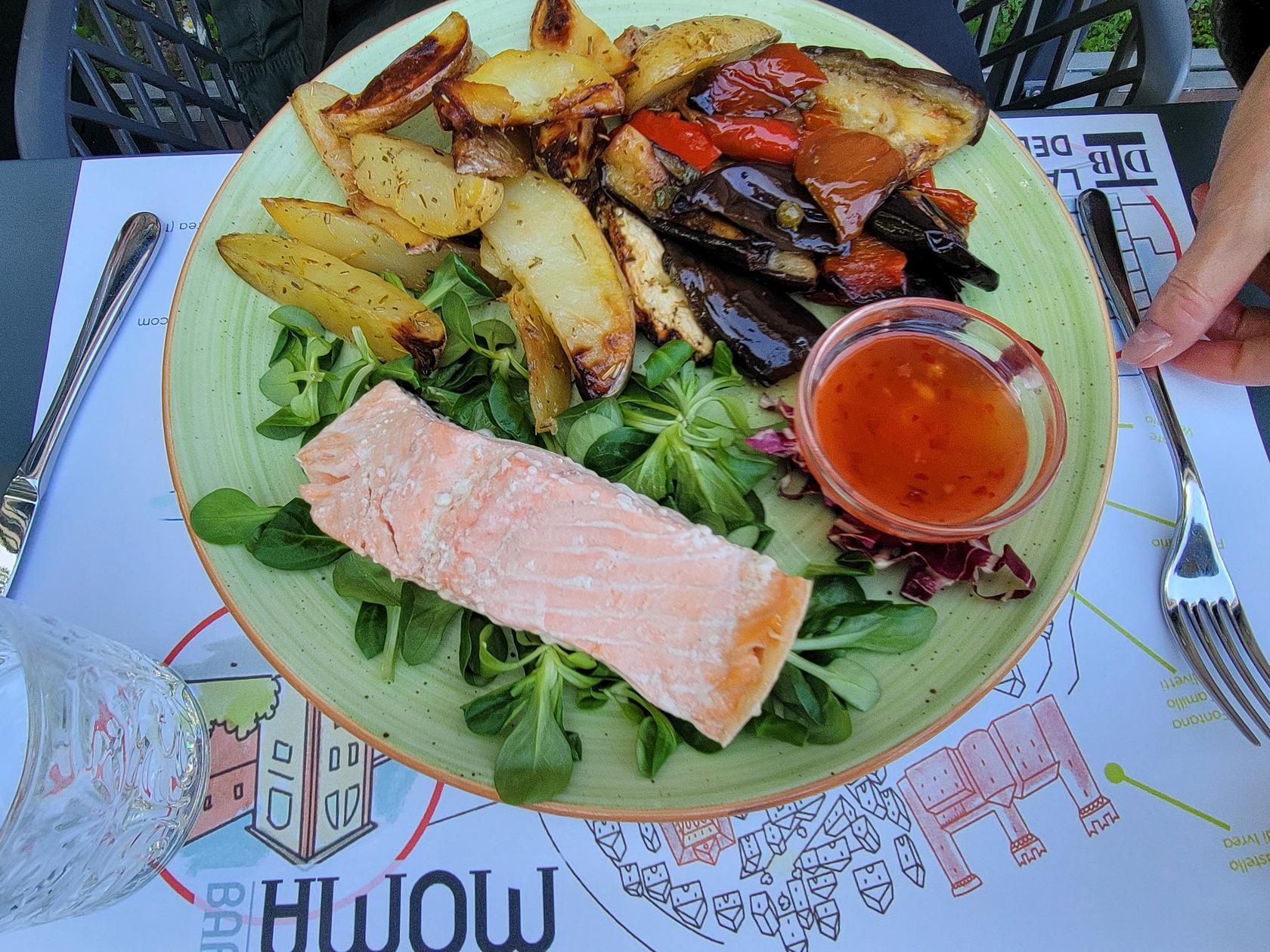
Moma Restaurant – Norwegian Salmon with Potatoes and Eggplant – Ivrea, Italy
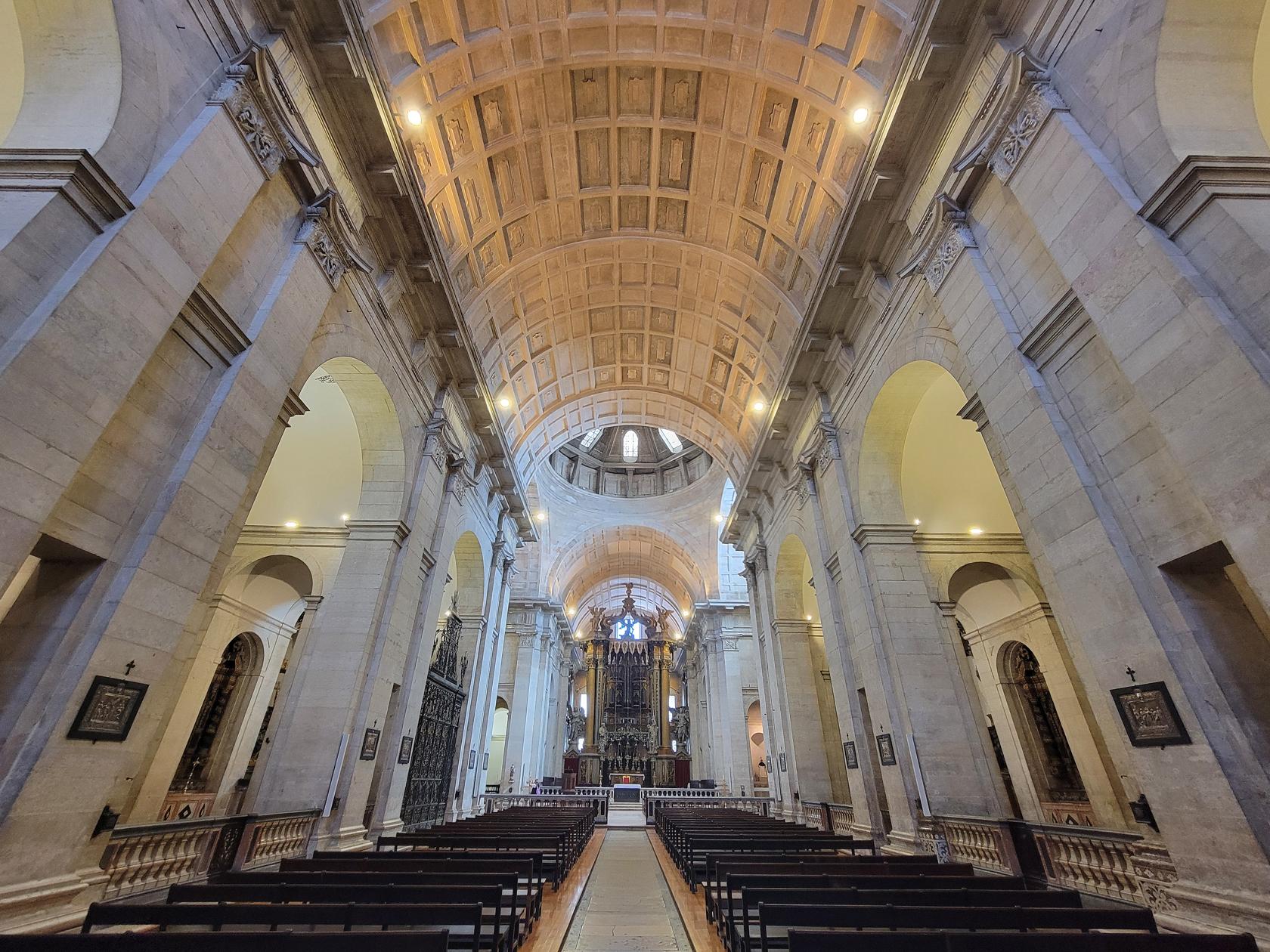
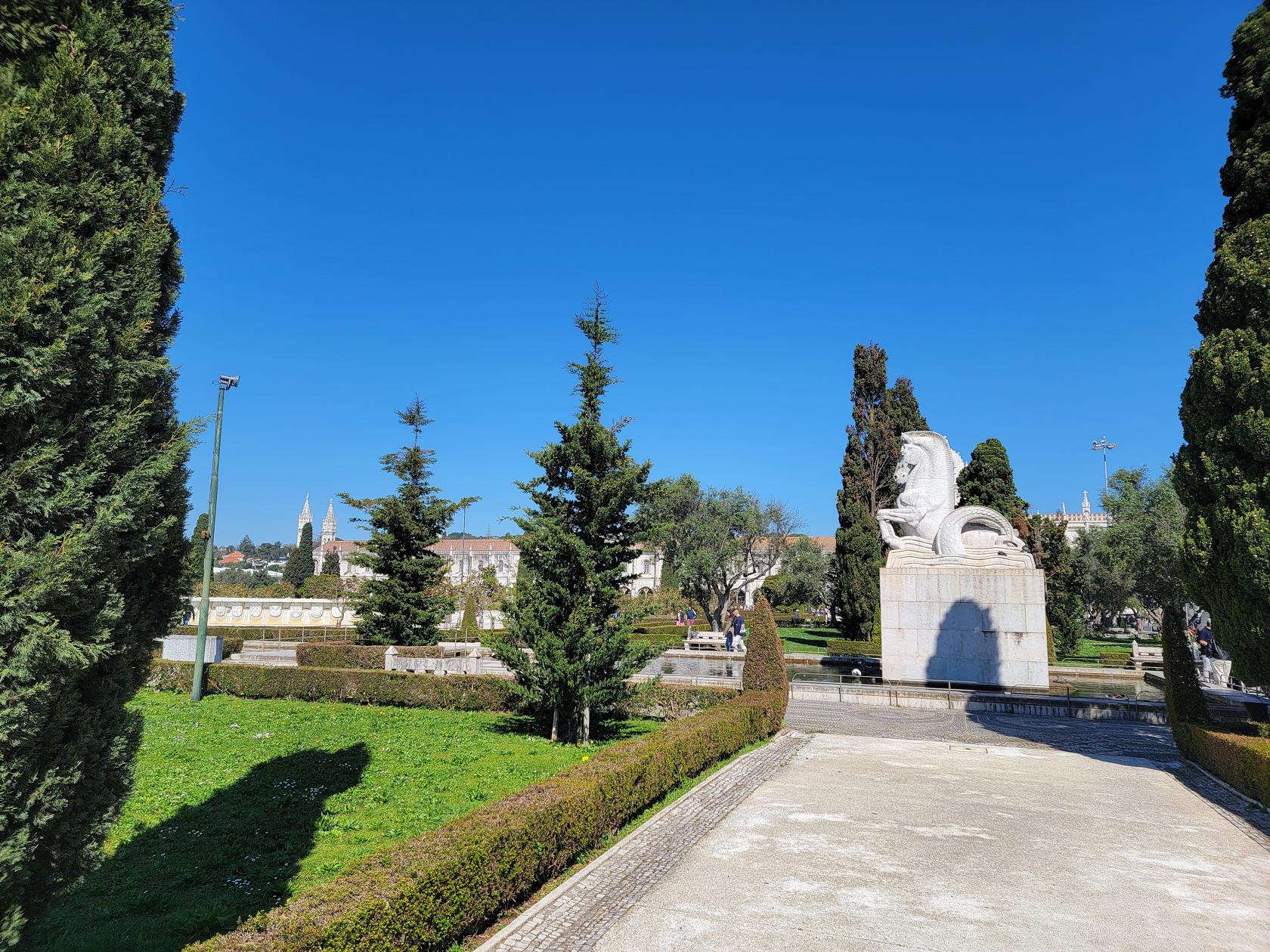
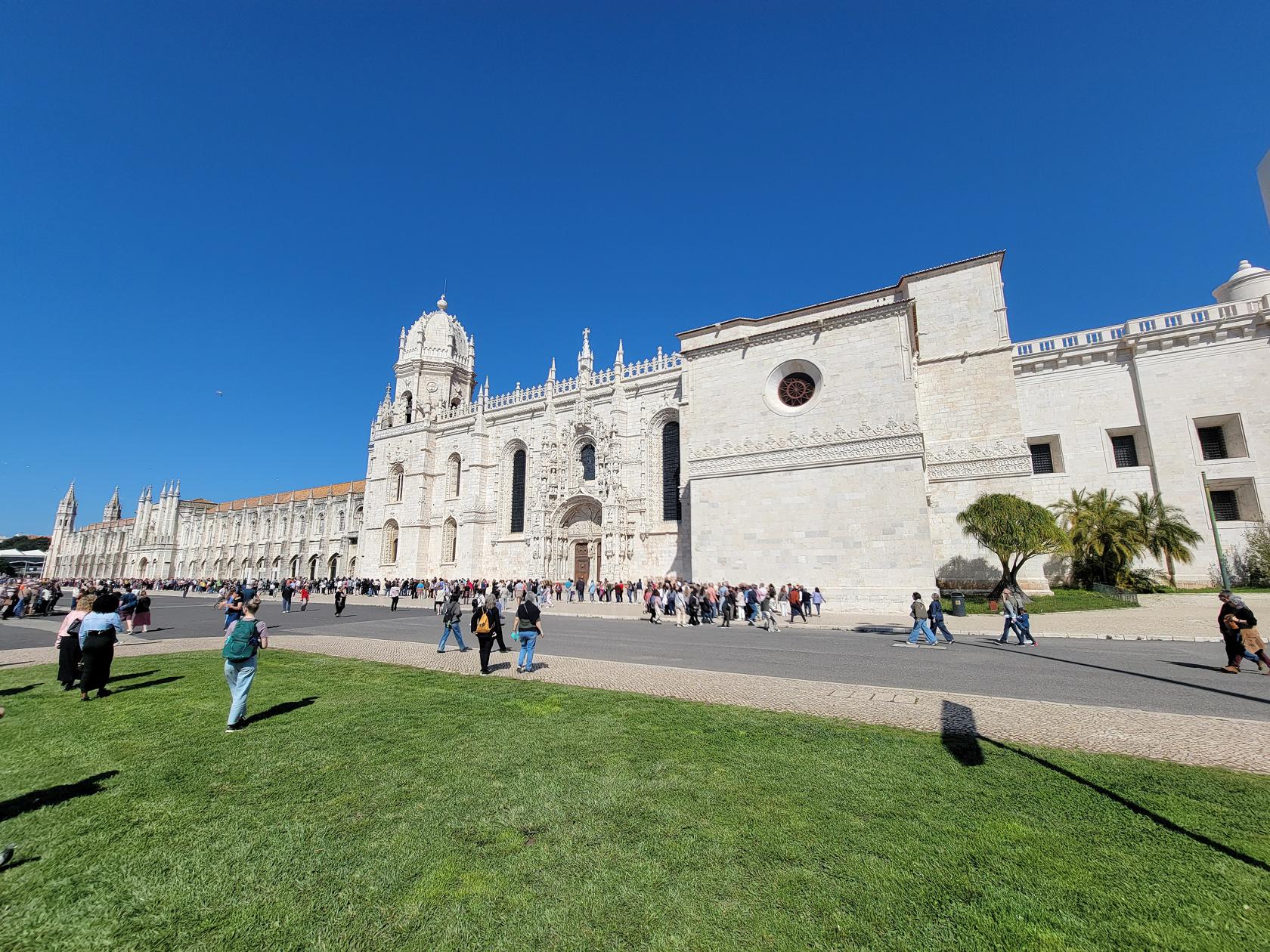
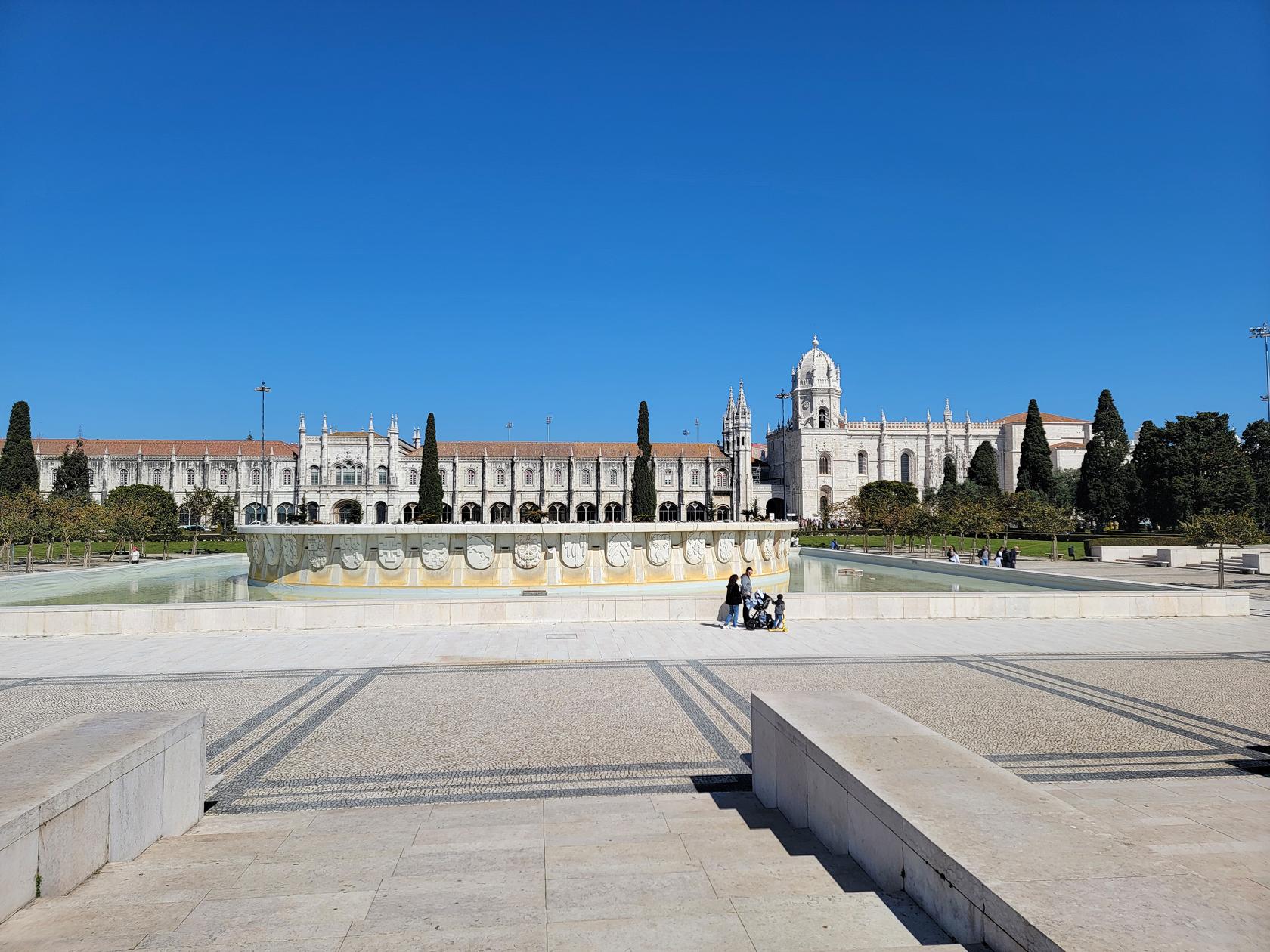
On our last couple of days in Lisbon we went across the bowl[1]I note this because it is the lower flat portion of the city the rise gently to the north. and visited the sights in and around the oldest part of the city, Alfama. Then after that we took the 15E Tram and visited Belém, the most important part of the city with respect to ports and its historical noteriety.
Alfama the Other City
This area includes the Moorish Castle of São Jorge and a number of the overlooks that the area enjoys. Of course, there is also Lisbon Cathedral, which actually looks like it might have been destroyed by the great 1755 earthquake and rebuilt afterwards, but the cathedral and area were largely spared from any damage due to that quake.
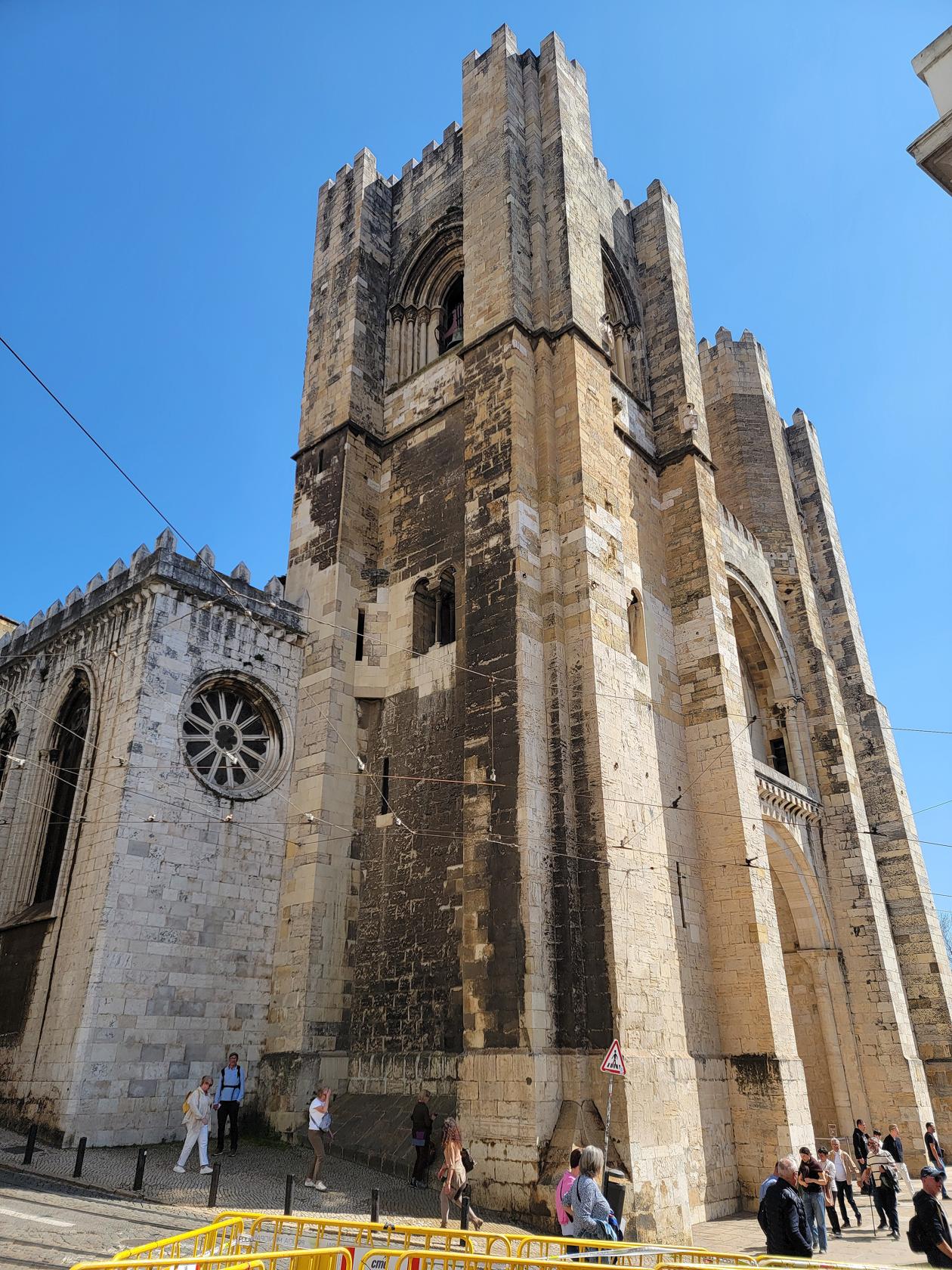
Lisbon Cathedral – Exterior – Lisbon, Portugal
Perhaps contrary to popular belief, Lisbon and Porto are very busy ALL YEAR. It appears that since RyanAir has a HUB in Porto, everyone and his cousin comes to the area for at least the weekend and many for the entire week. This not doubt puts real stress on Porto, which I can not imagine during the summer when it is really hot and full of tourists.
Lisbon on the other hand is a larger city and can handle more people, however, it has the double wamy of having cruise ships dock as well. So expect the lower parts of Lisbon to be always crowded.
Some walk from the Chiado part of town, where our hotel was located, and across the promenade of R. Augusta, is a totally different part of the city, Alfama. Here you can find the Santa Apolónia train station; in fact, check any train ticket you have that travels to Porto or beyond, and you might notice that it might not be necessary to go all the way to Oriente train station, some of those trains actually start in Santa Apolónia.
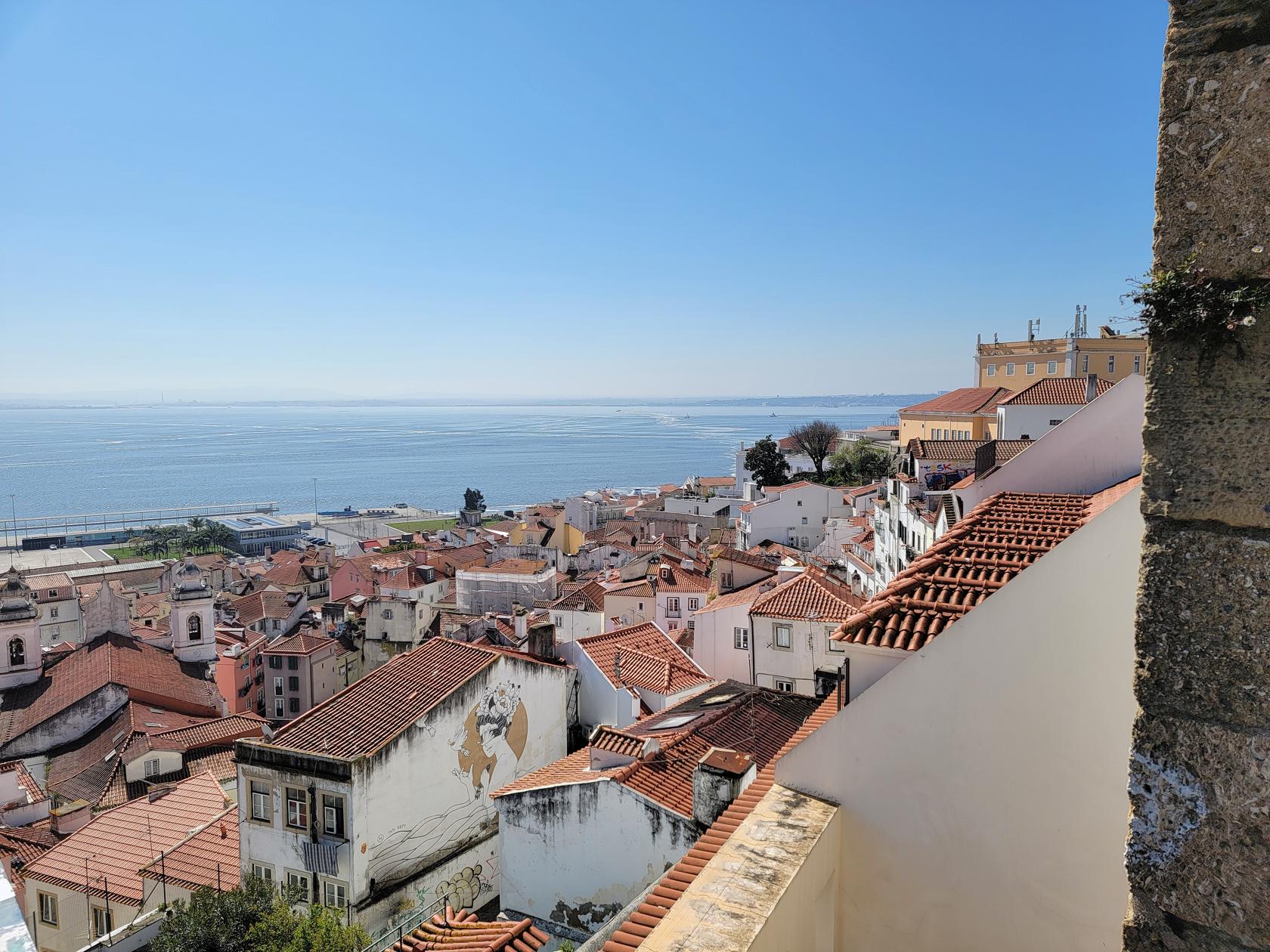
Tagus River to the Ocean – Lisbon, Portugal
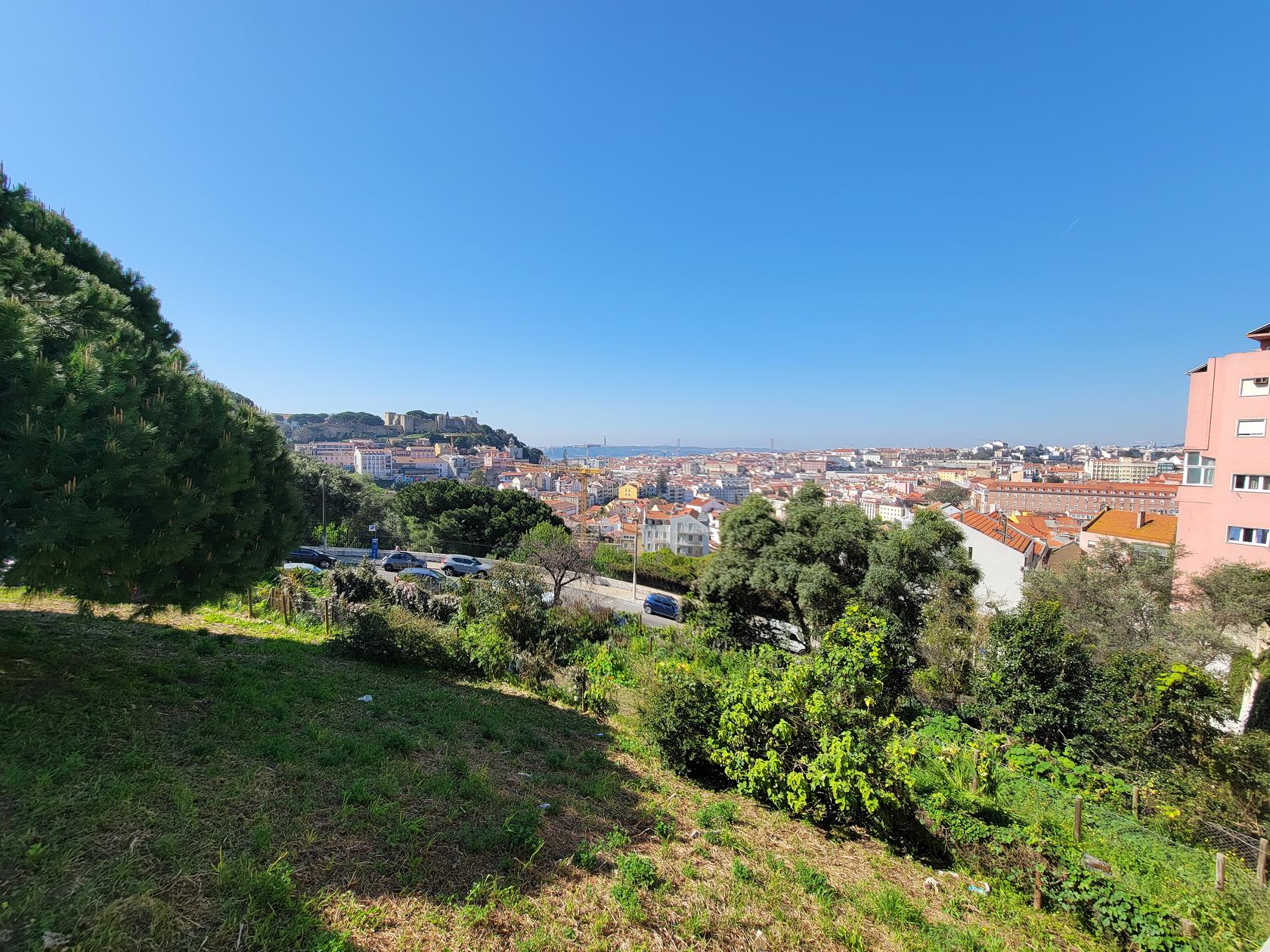
If you walk the area it is quite steep, so be prepared, or for those less inclined to walk and climb, take an alternate mode of transportation like the 12E Tram, a Tuk-Tuk or the bus.
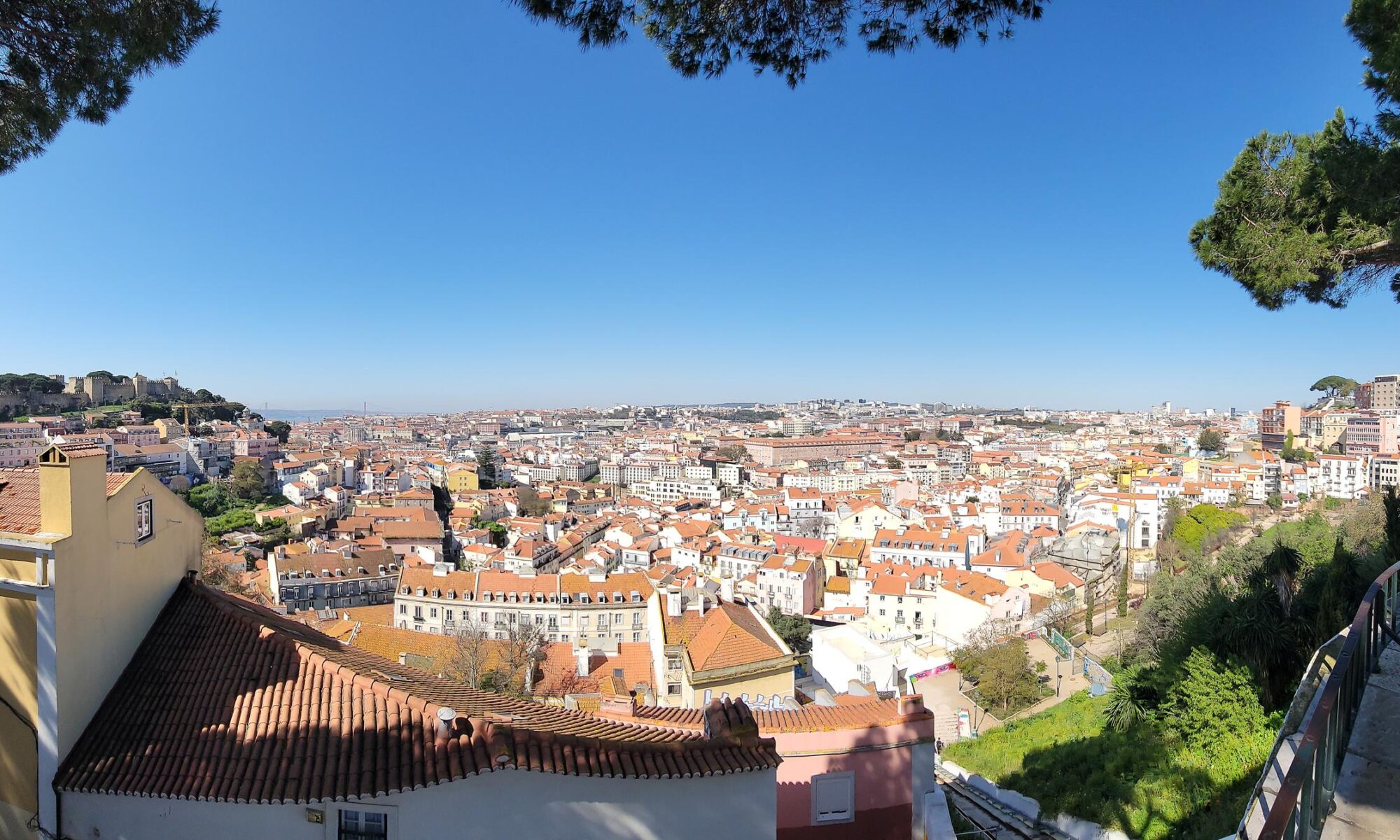
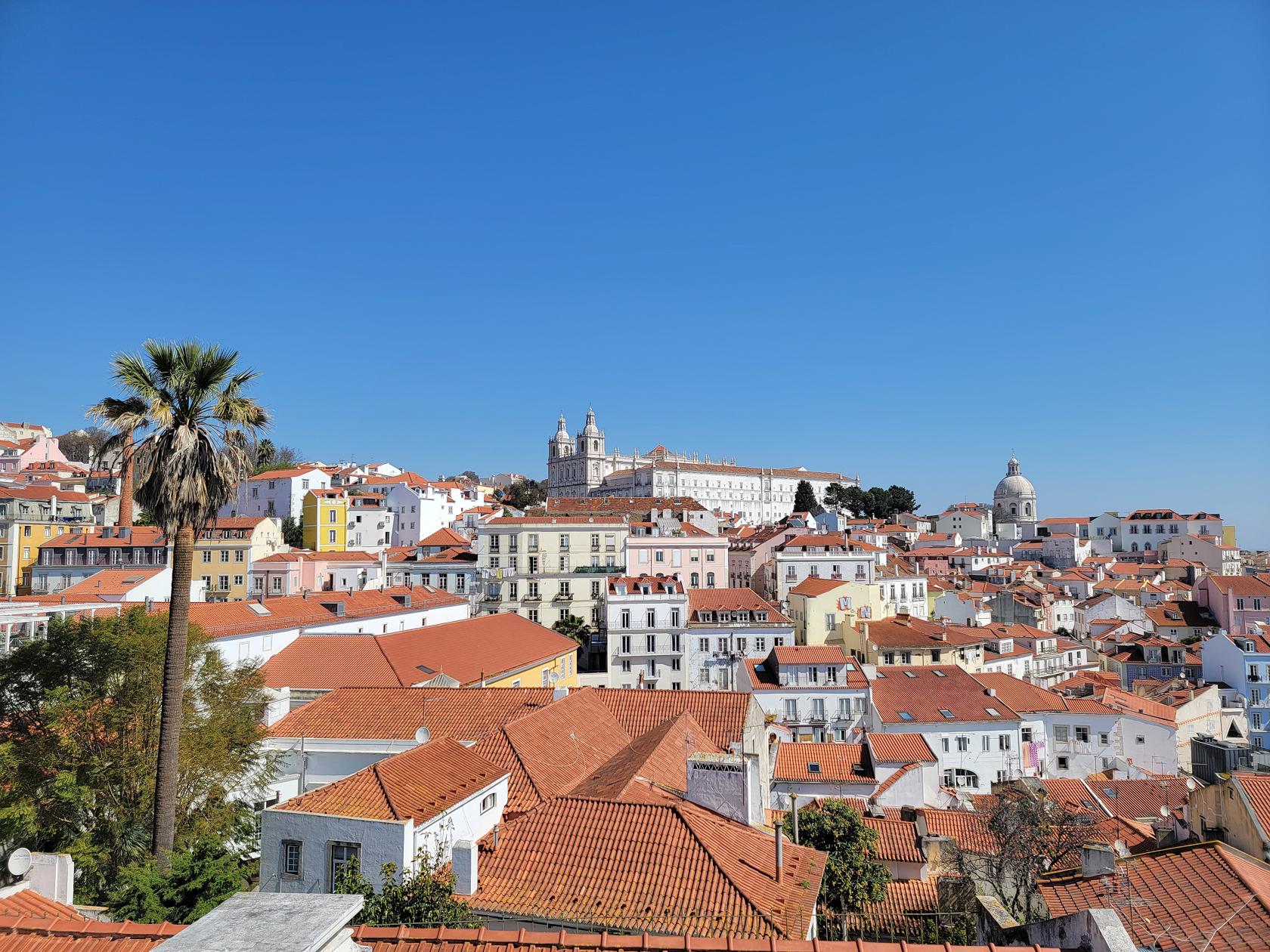
Overlook of Graça – Lisbon, Portugal
Church of Our Lady of Grace
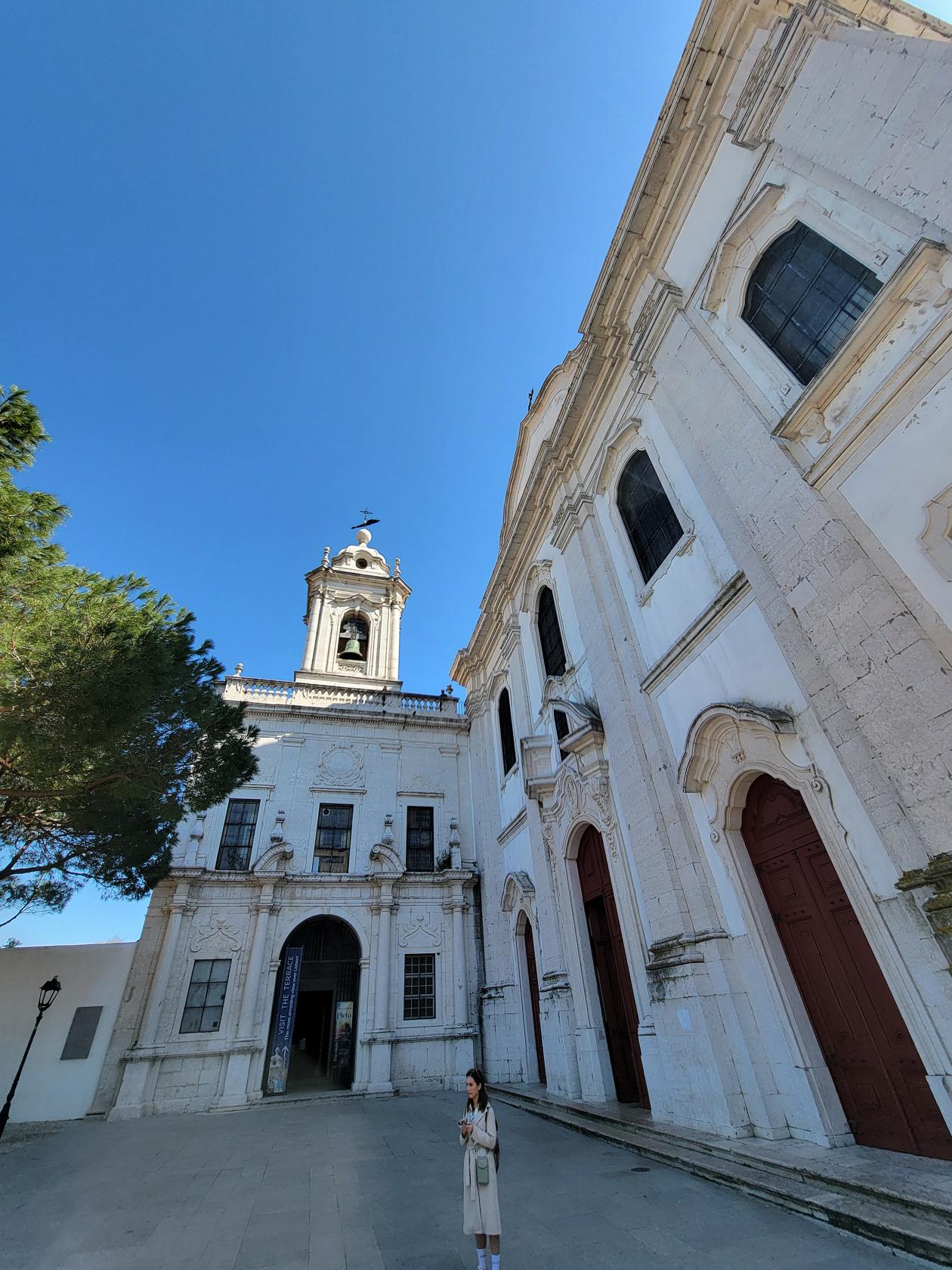
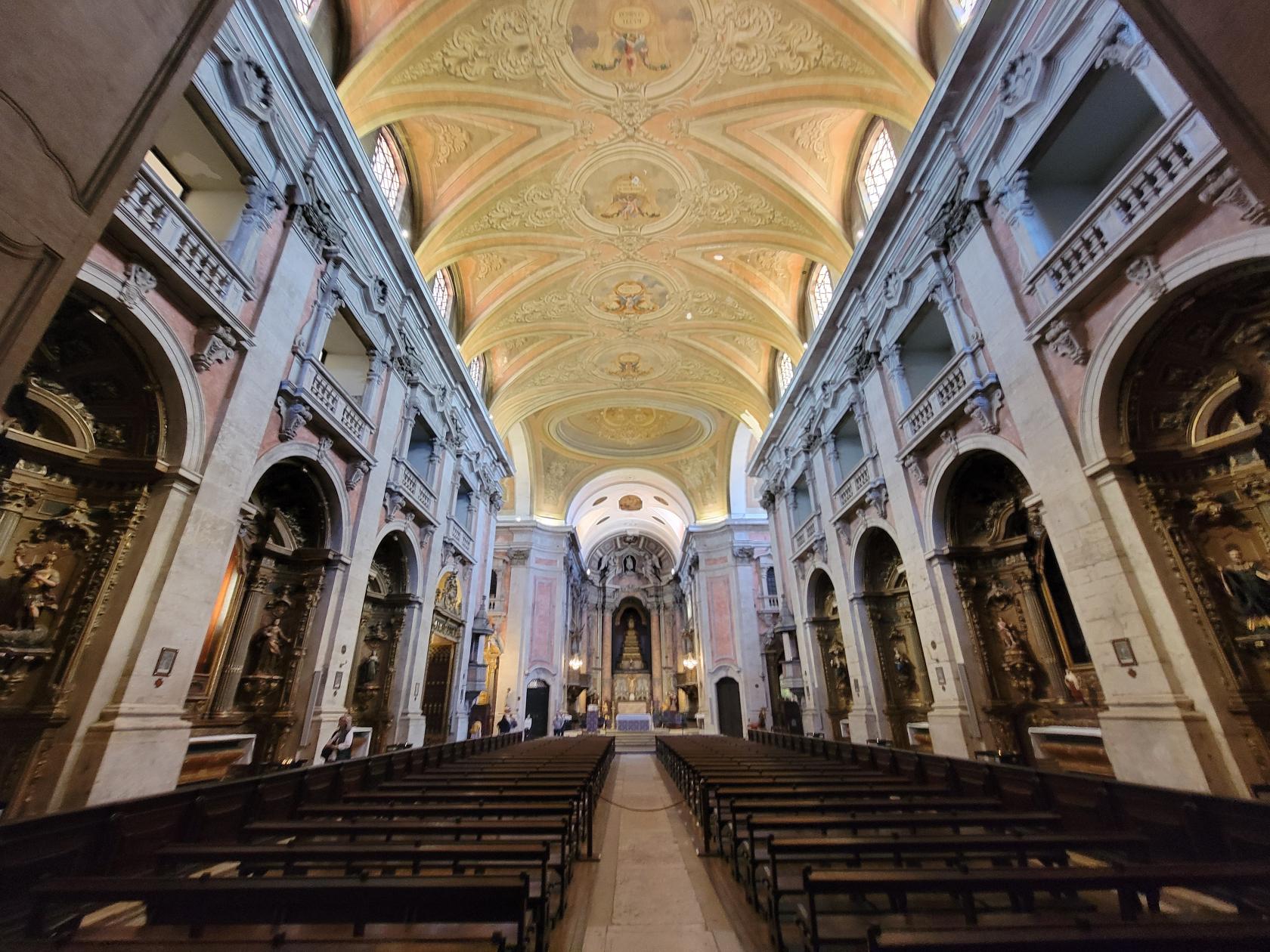
The Church of Our Lady of Grace stands on top of one of the hills on this side of the city. It has a beautiful ceiling in the nave, but the altar is rather plain and typical among other churches we have seen.
Church of our Lady of Grace – Lisbon, Portugal
Church of our Lady of Grace – Nave – Lisbon, Portugal
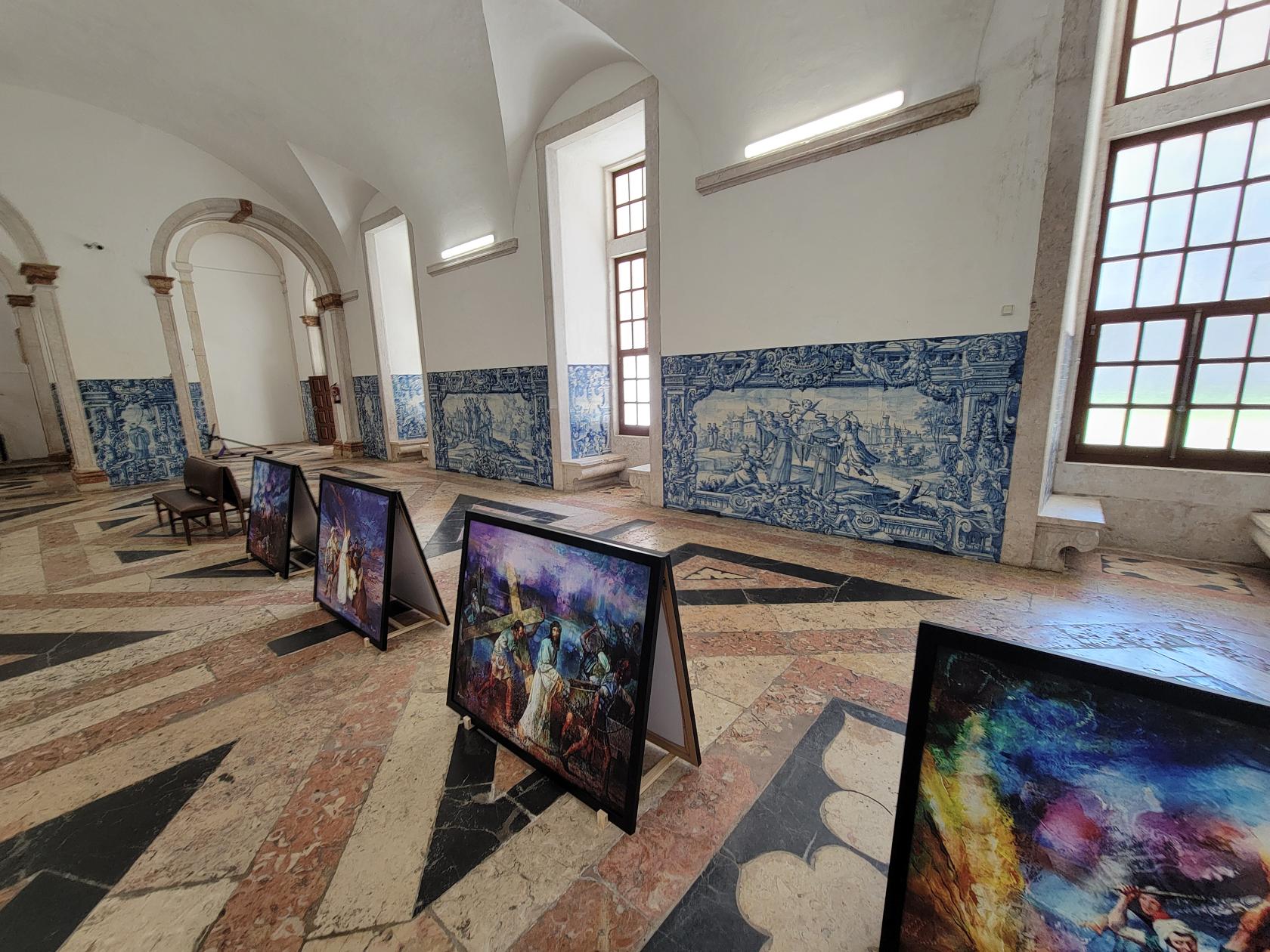
Adjacent to the church is the Convent of Grace, which is temporarily being used as a modern art museum. However, it is nice just to drop in and see the fascinating Portuguese tiling that adorns the walls.
Church of our Lady of Grace – Convent – Lisbon, Portugal
Castle of São Jorge
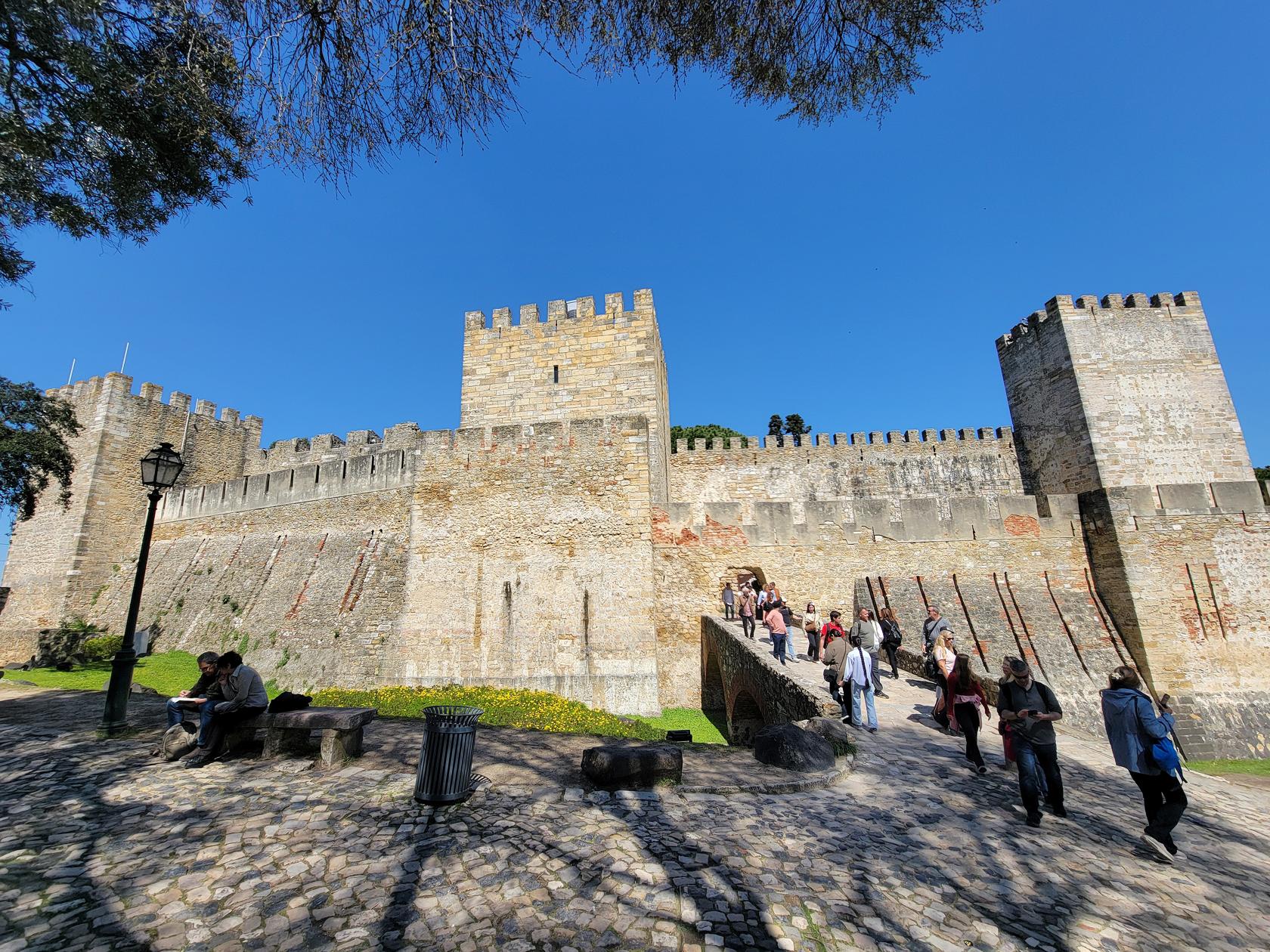
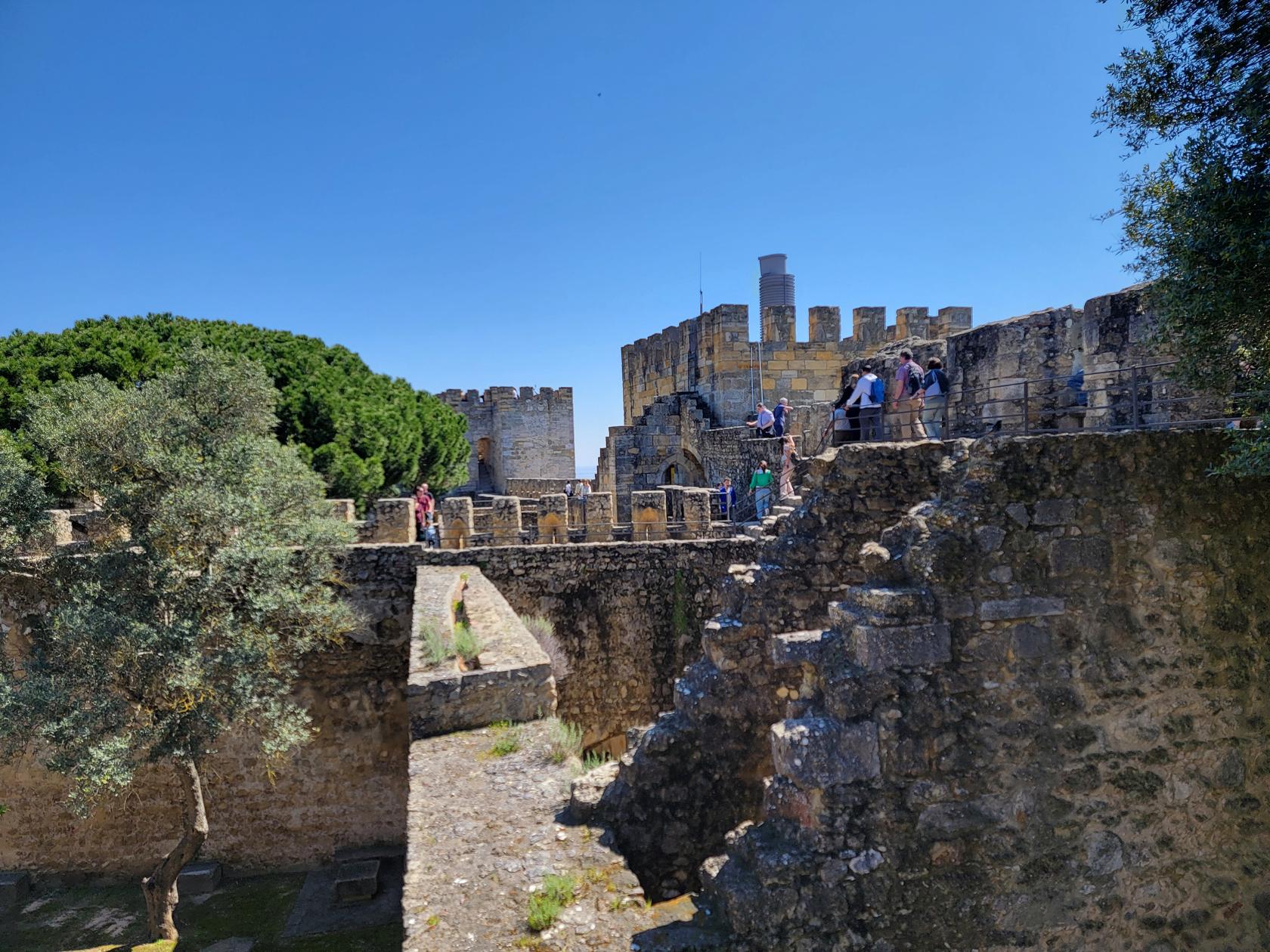
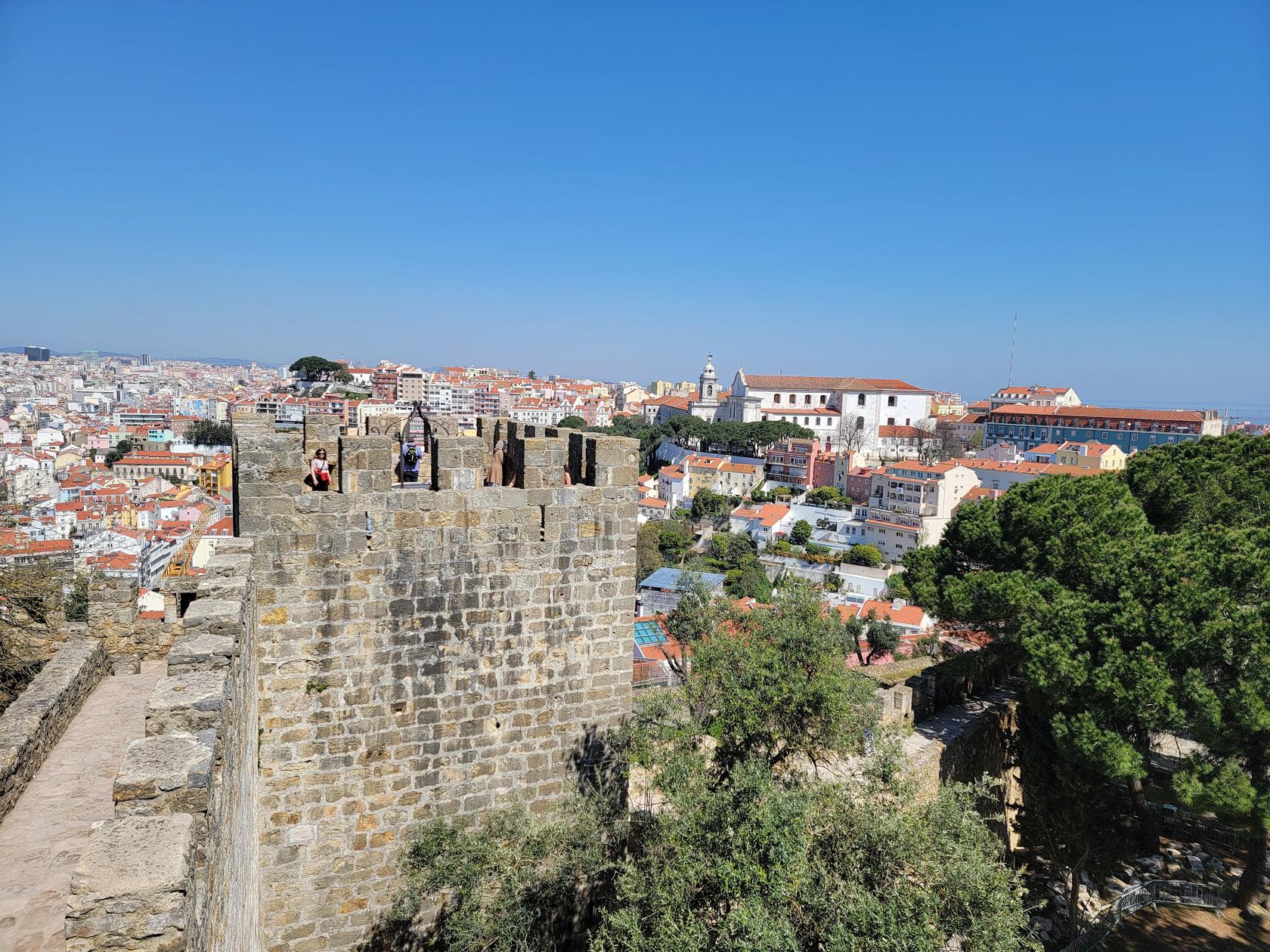
The Castle of São Jorge is a large Moorish castle with a commanding view of the overall area of Lisbon. It has a surrounding wall with a central castle and a number of amenities, including a cafe and a restaurant.
Castle Gate and Wall – Lisbon, Portugal
Castle of São Jorge – Tagus River – Lisbon, Portugal
Castle of São Jorge – Tagus River and Bridge of the 25th of April – Lisbon, Portugal
Though you can purchase tickets at the gate, we found the entire staff appeared to be very confused and we got numerous conflicting stories as to what was available, when and where we had to queue in line. We decided to purchase our tickets online, this was actually quicker and more convienent. However, we still had to stand in a line for about an hour, and it isn’t even tourist season, so bring your patience.
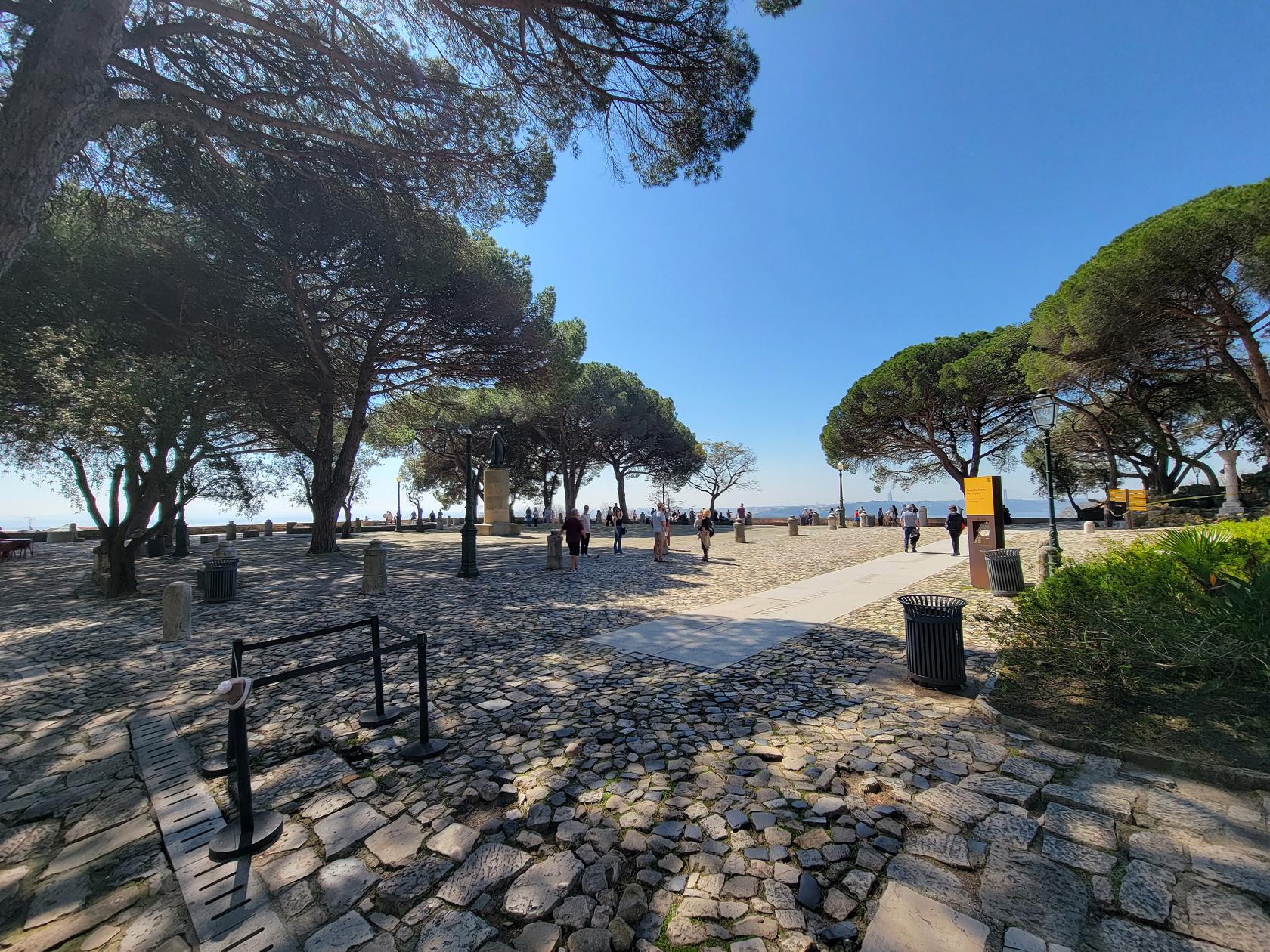
Castle of São Jorge – Lisbon Overlook Area – Lisbon, Portugal
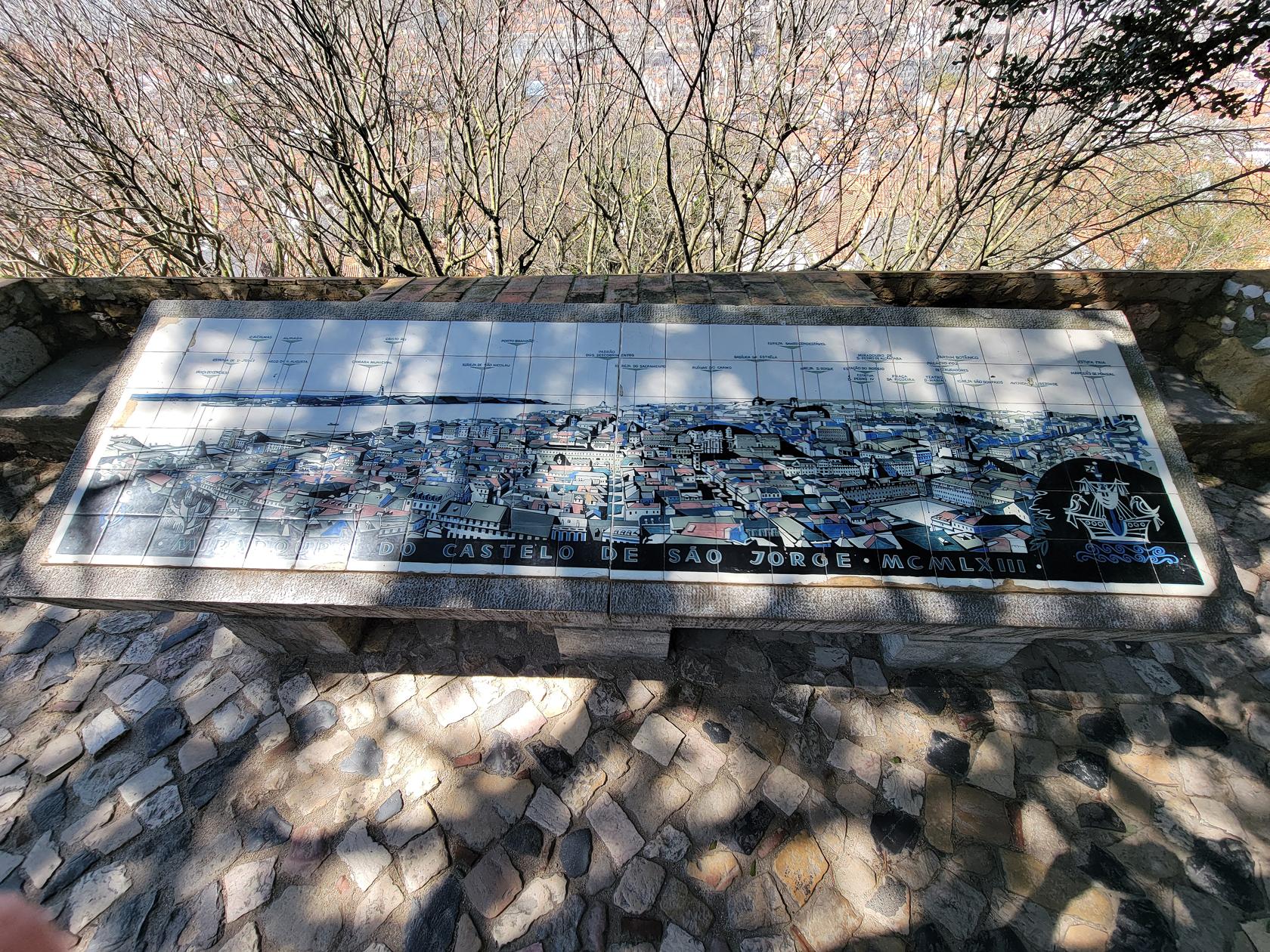
Castle of São Jorge – Points of Interest in Tile – Lisbon, Portugal
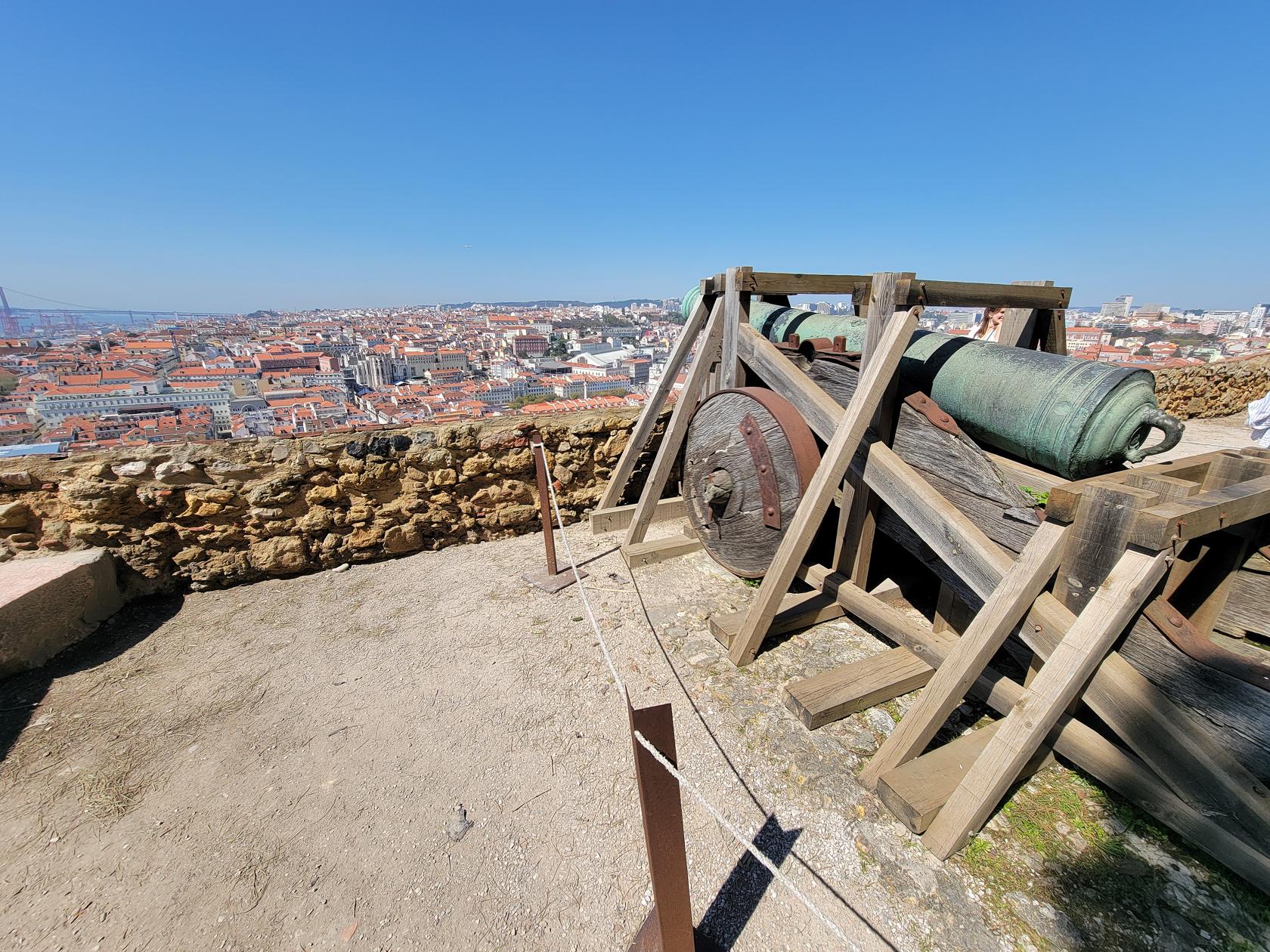
Castle of São Jorge – Old Bronze Cannon – Lisbon, Portugal
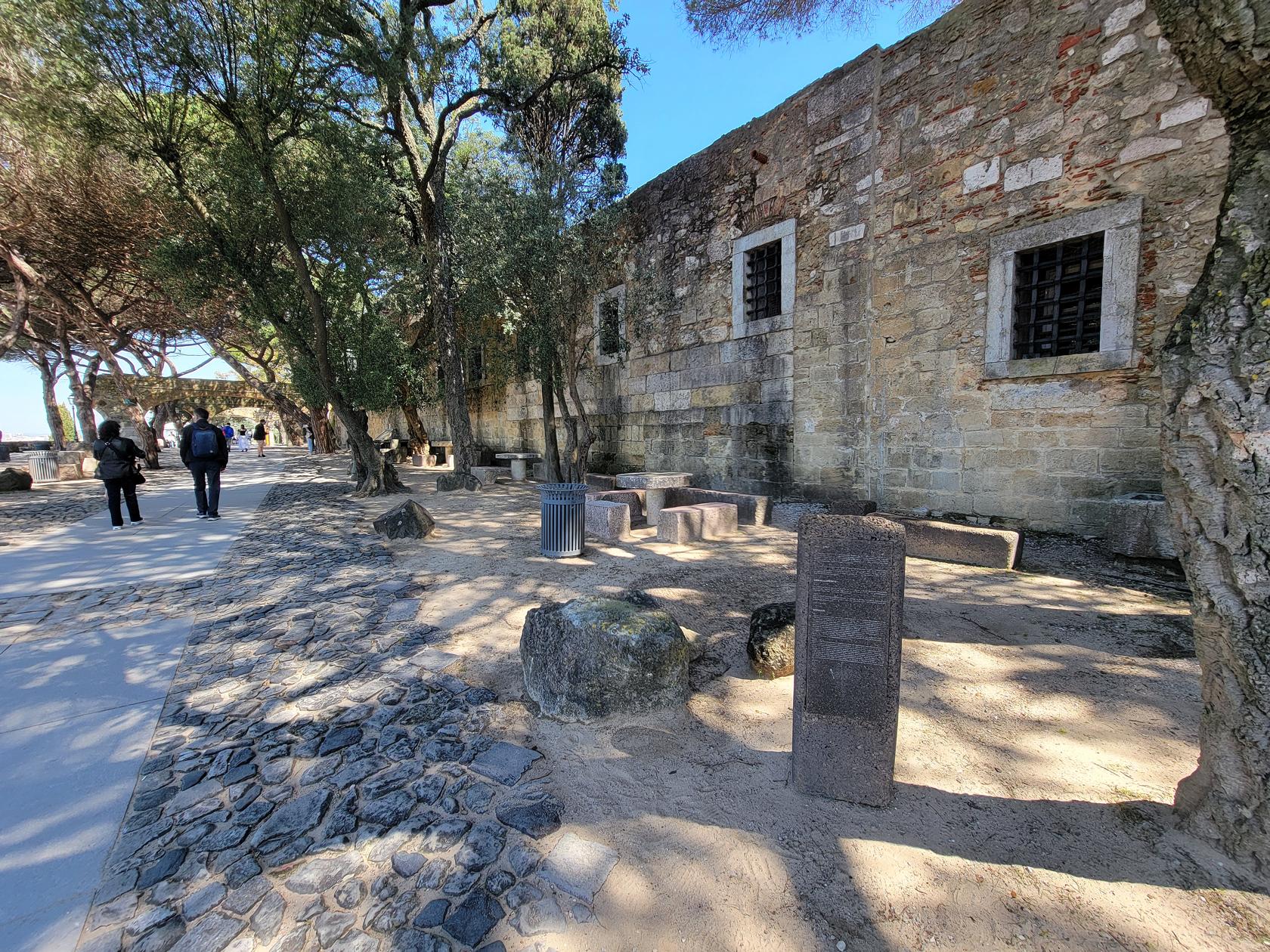
Castle of São Jorge – Interior – Lisbon, Portugal
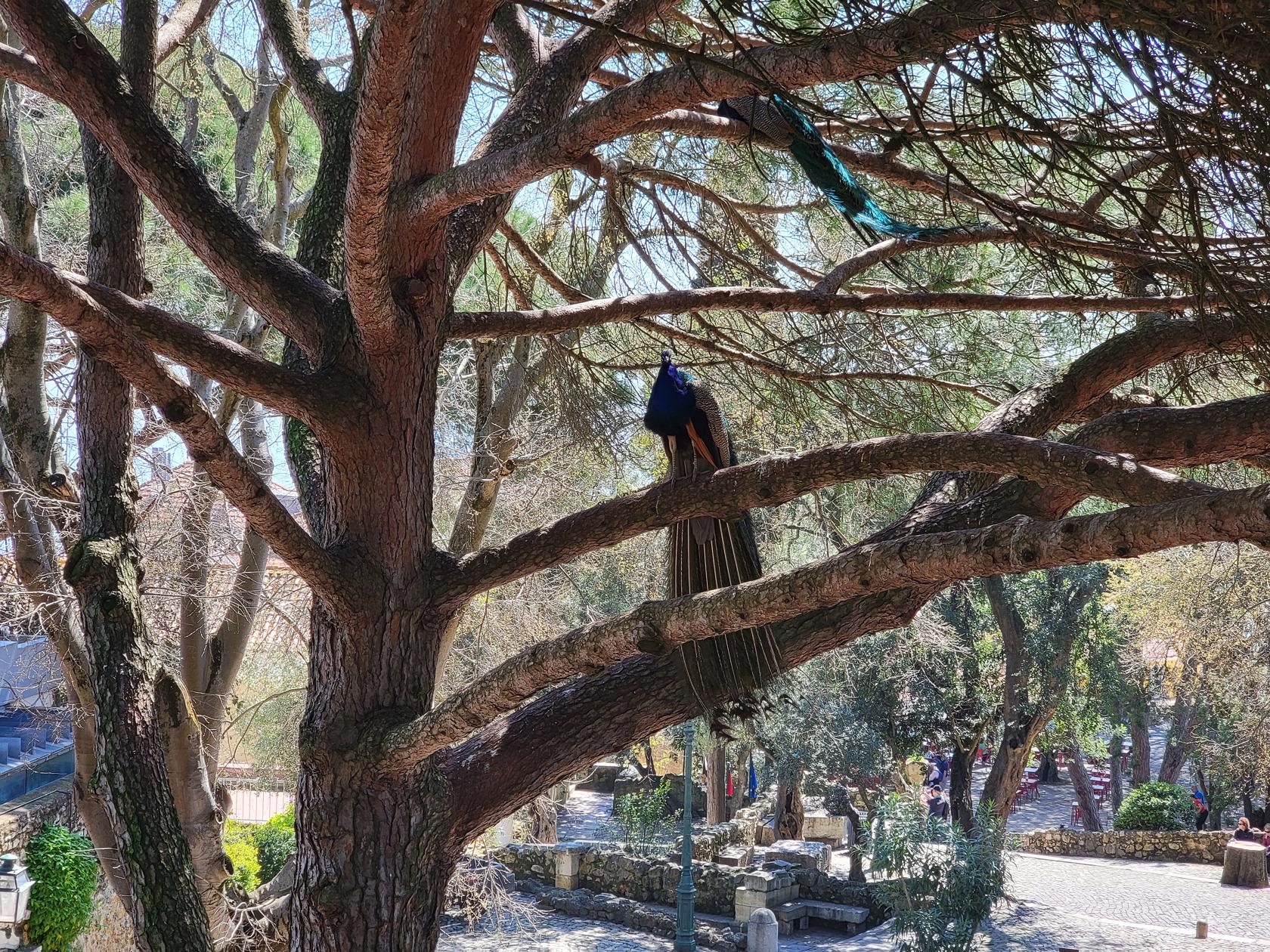
Castle of São Jorge – Peacocks – Lisbon, Portugal
Castle of São Jorge – Entrance to Castle proper – Lisbon, Portugal
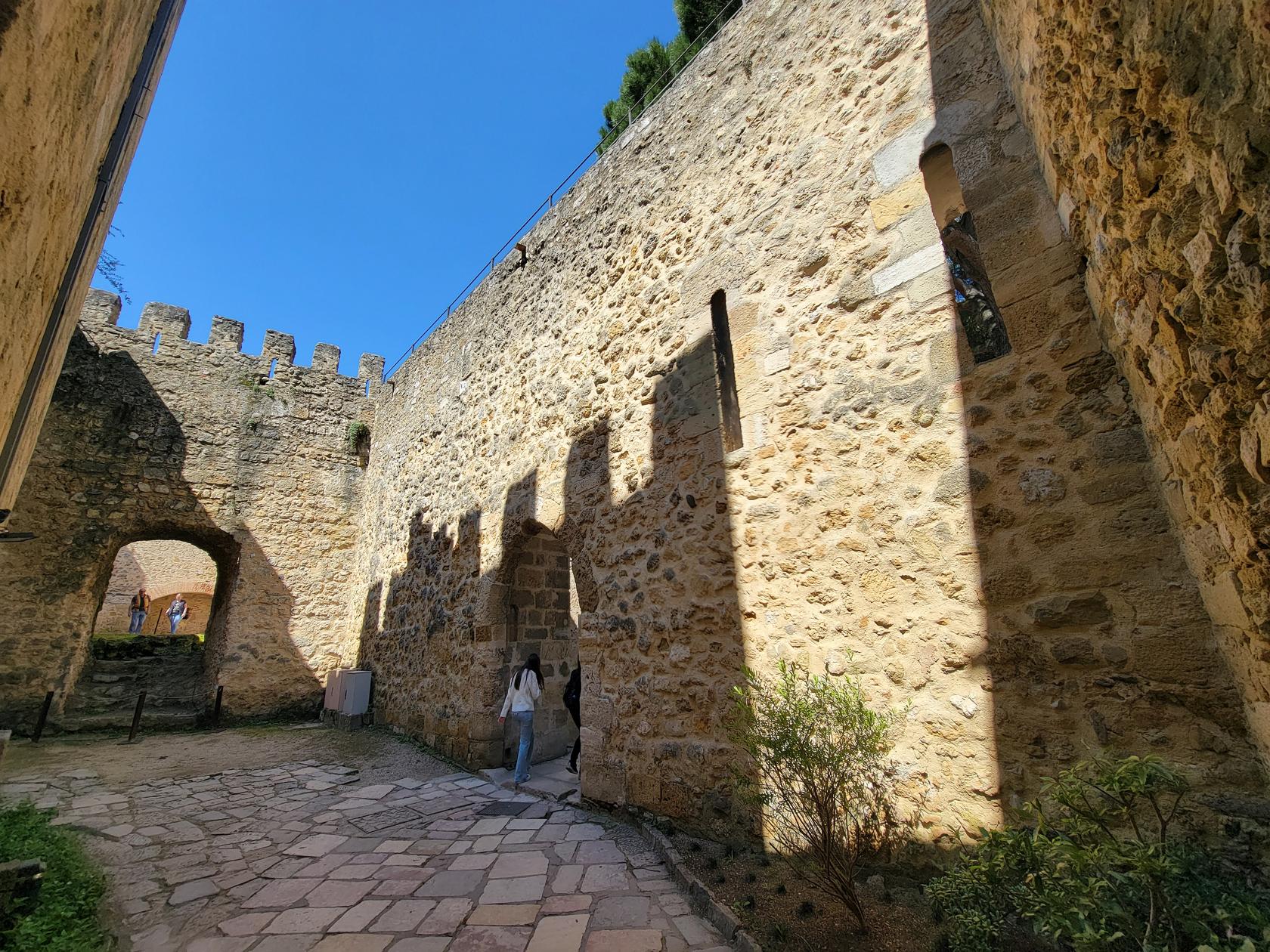
Castle of São Jorge – Interior of Castle – Lisbon, Portugal
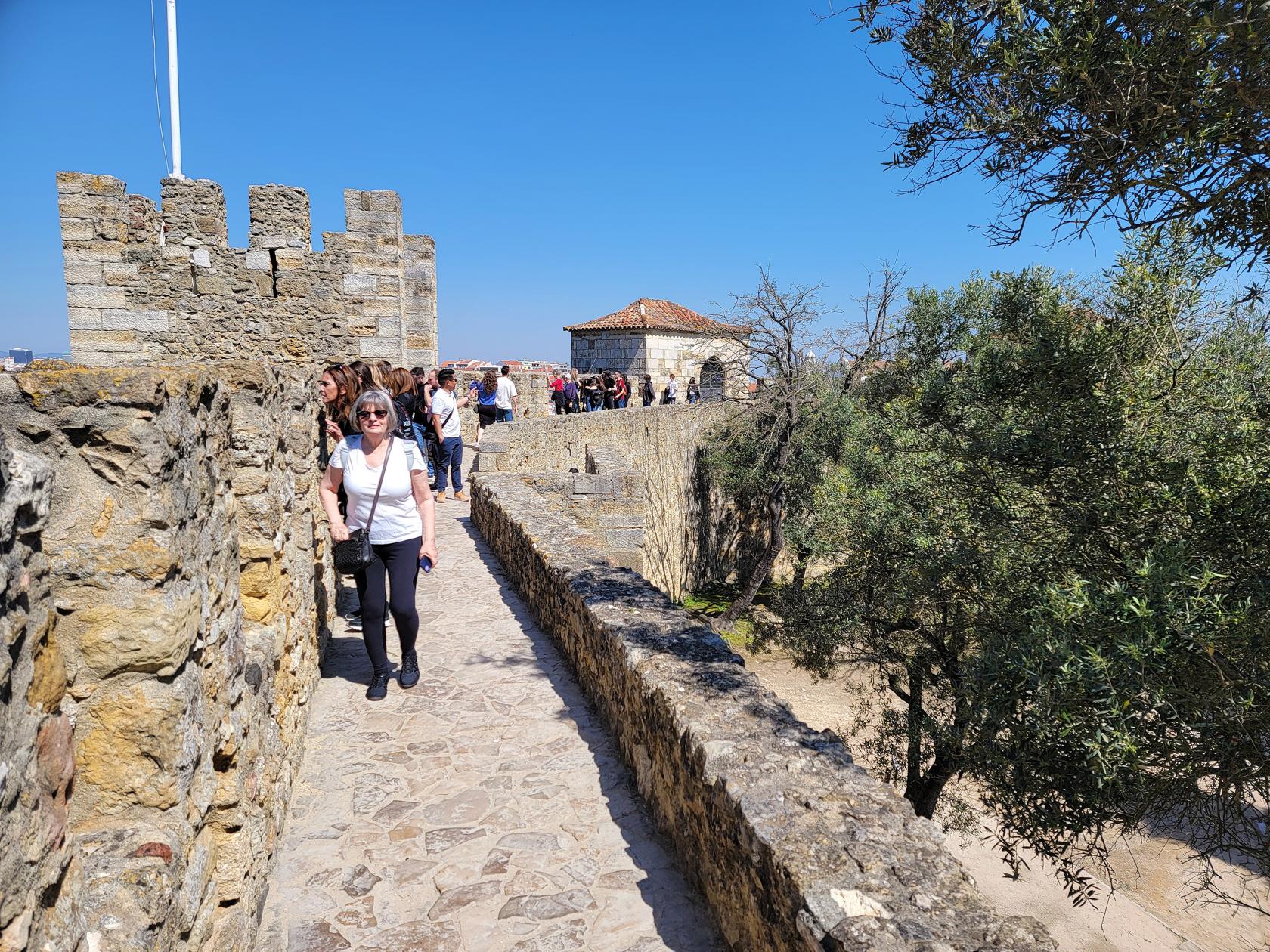
Castle of São Jorge – Interior of Castle, Ramparts – Lisbon, Portugal
Castle of São Jorge – Interior of Castle – Lisbon, Portugal
Church of Saint Vincent de Fora
The Church of Saint Vincent de Fora is actually pretty far from everything else, but still walkable. From the Church of Grace and some of the observations points, it can be easily seen in the distance, usually with the National Pantheon dome looming in the frame.
Church of St. Vincent de Fora – Dome of the National Pantheon – Lisbon, Portugal
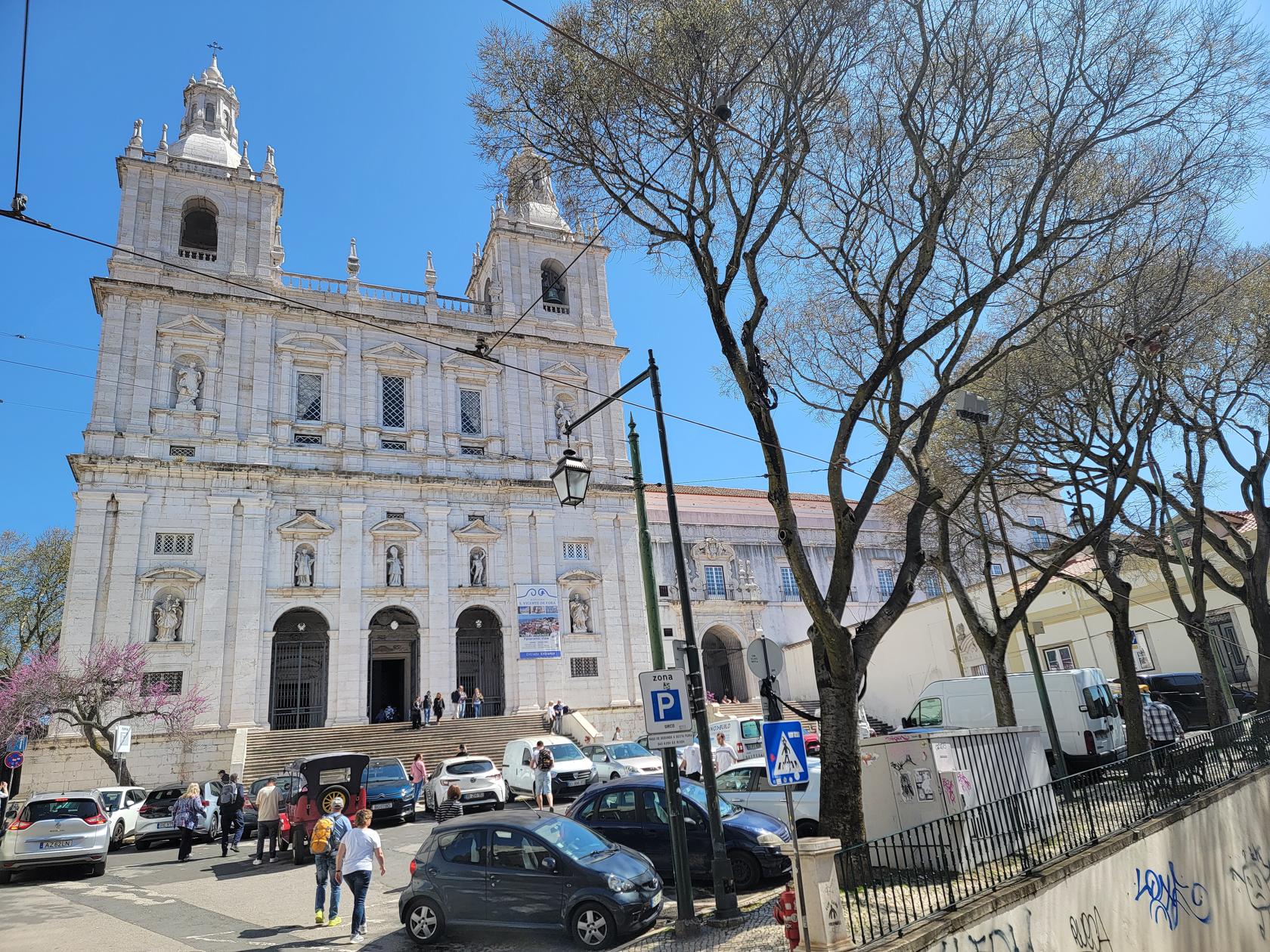
The interior is actually quite spartan and perhaps not worth the effort. However, for a fee you can enter other portions of the grounds like the sacristy, which is known to be far more opulent than the church itself. Having been in so many churches in the past few months, we decided to save our money and continue our travels.
Saint Vincent de Fora – Exterior – Lisbon, Portugal
Saint Vincent de Fora – Nave and Interior – Lisbon, Portugal
Belém the Port City
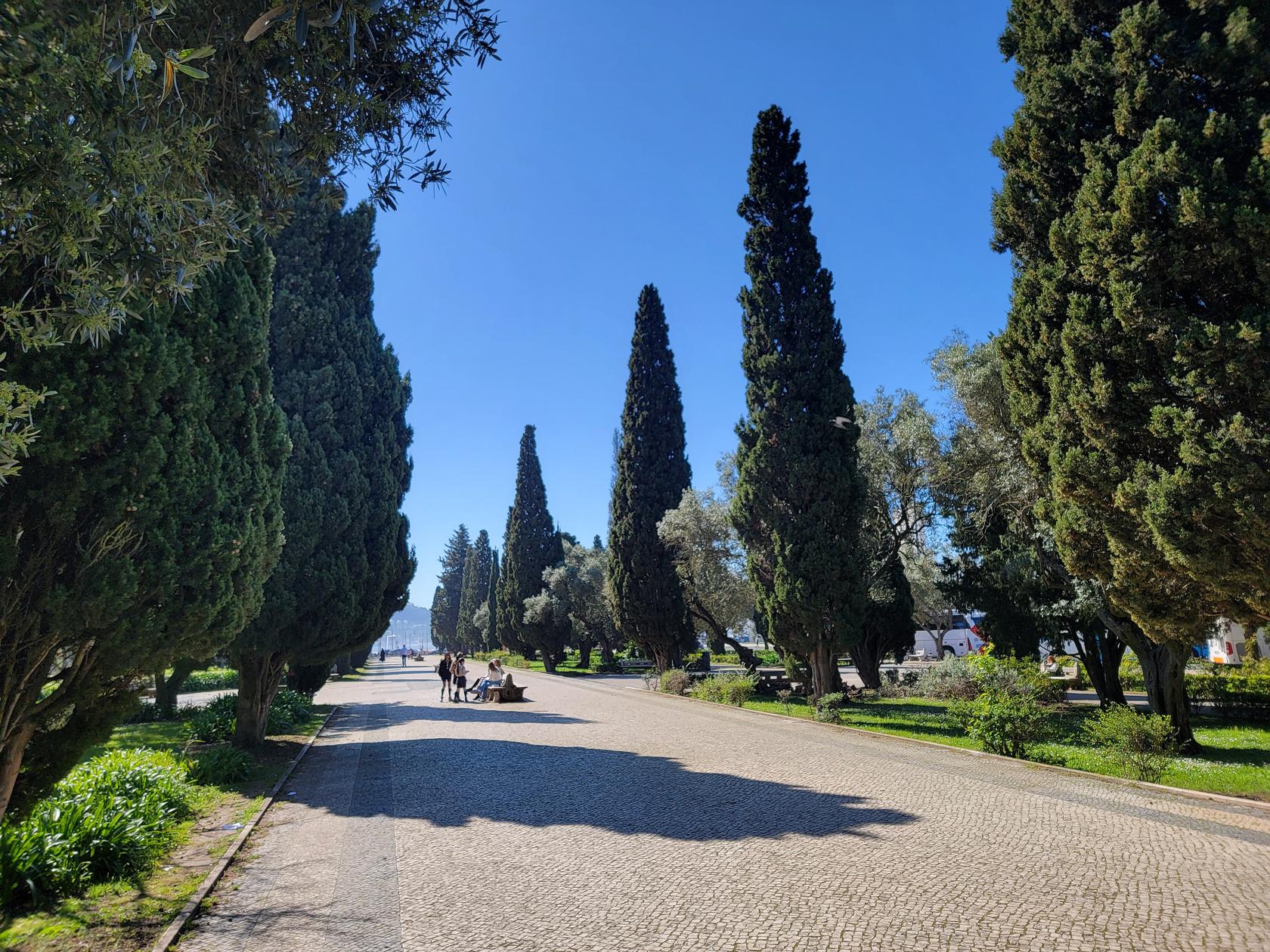
Noted in history as the port from which Vasco da Gama departed for his adventures to India, this port town’s most noticeable attribute is it tower. But there is also the monastery, its cloister and the church, all of which represent fabulous examples of the late Gothic Portuguese Manueline style of architecture.
Monastery Square – Lisbon, Portugal
Jerónimos Monastery and the Church of Saint Mary of Bethlehem
When you exit the tram the first thing you notice is the Church of Saint Mary of Bethlehem across the street. Then the Jerónimos Monastery comes into view, as an extension to these architectural marvels.
Church of Saint Mary of Bethlehem – Jerónimos Monastery – Lisbon, Portugal
Monastery Square – Lisbon, Portugal
Belém Tower
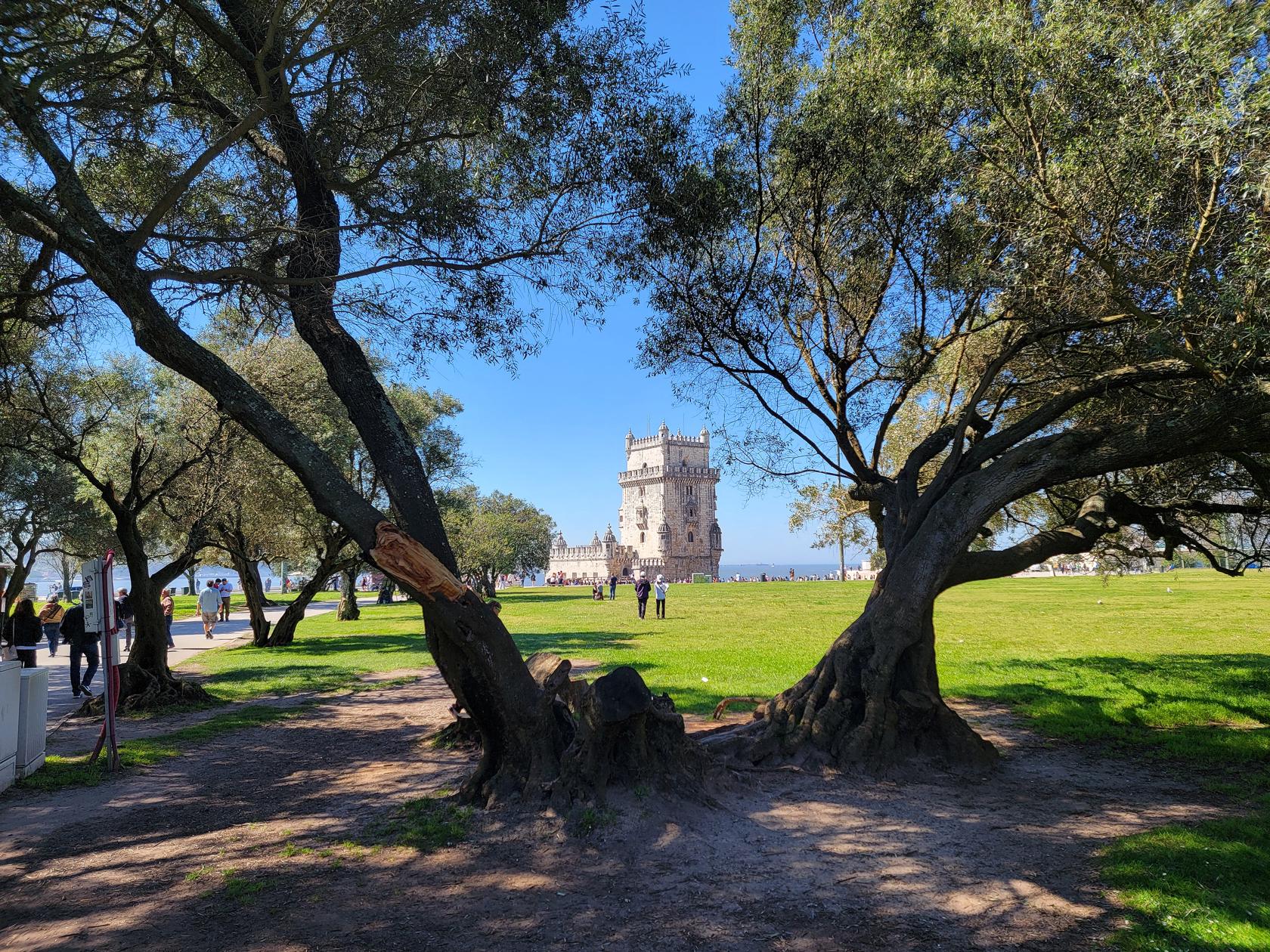
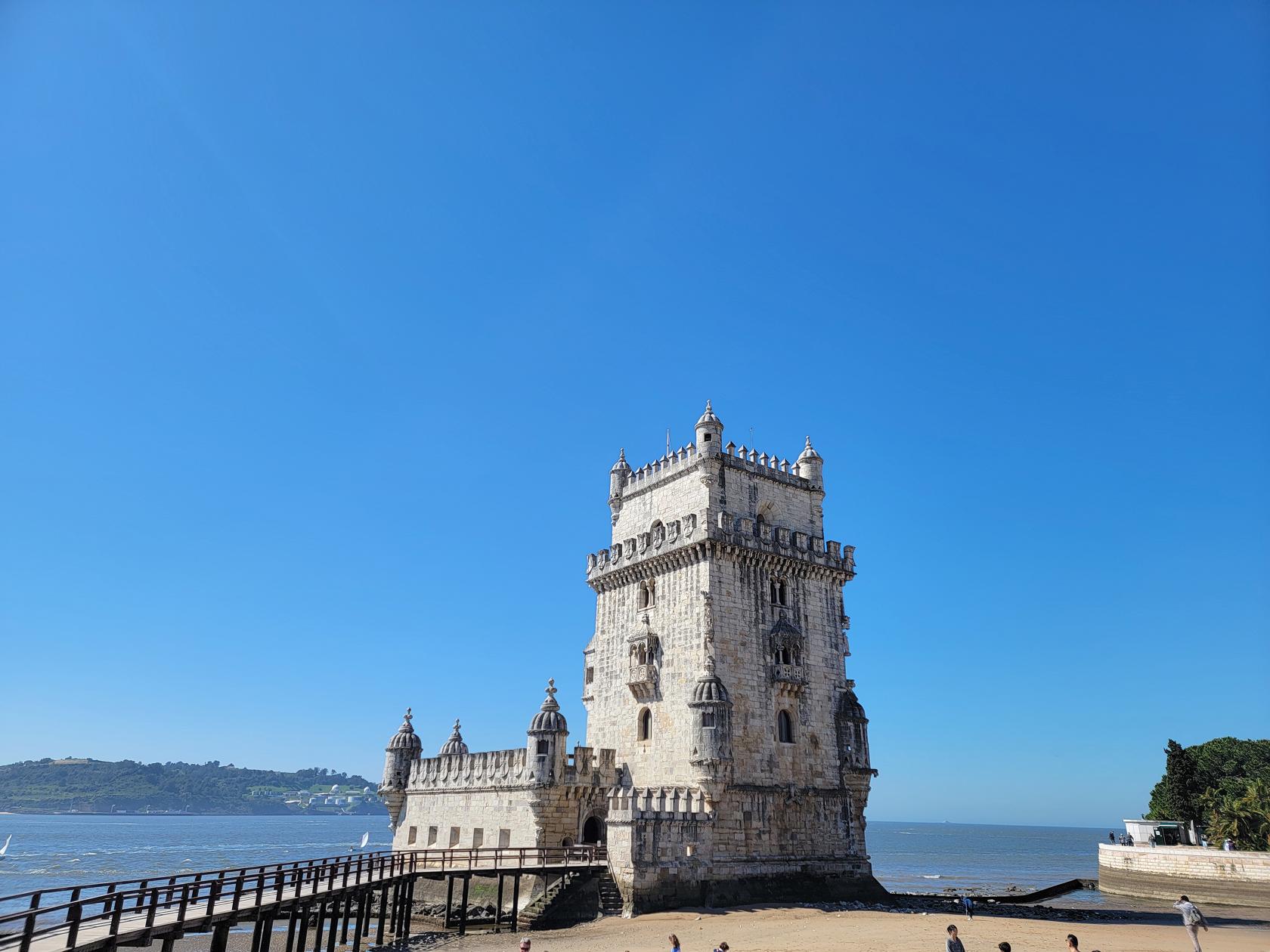
The Belém Tower, or more precisely, the Tower of Saint Vincent, stands just off shore and was actually a lighthouse in the past.
Belém Tower – Lisbon, Portugal
Restaurants
Rendez Vous
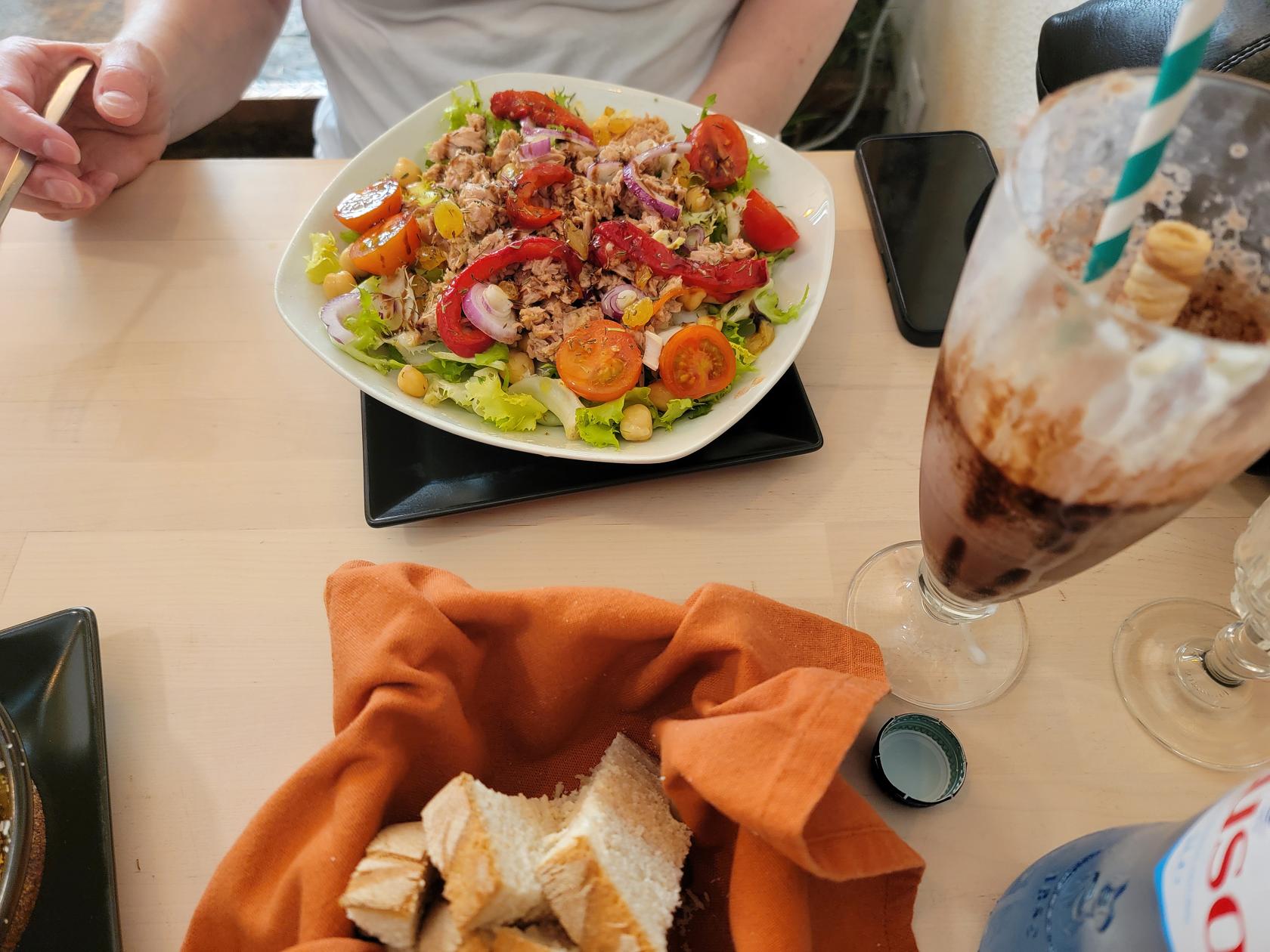
After we visited the Church of St. Vincent we stopped at a small restaurant along the way back called Rendez Vous. They have sort of an eclectic menu which probably does not appeal to everyone, but we found the food and wine very good and would commend the place to anyone looking for something a little different.
Rendez Vour Restaurant – Tuna Salad – Lisbon, Portugal
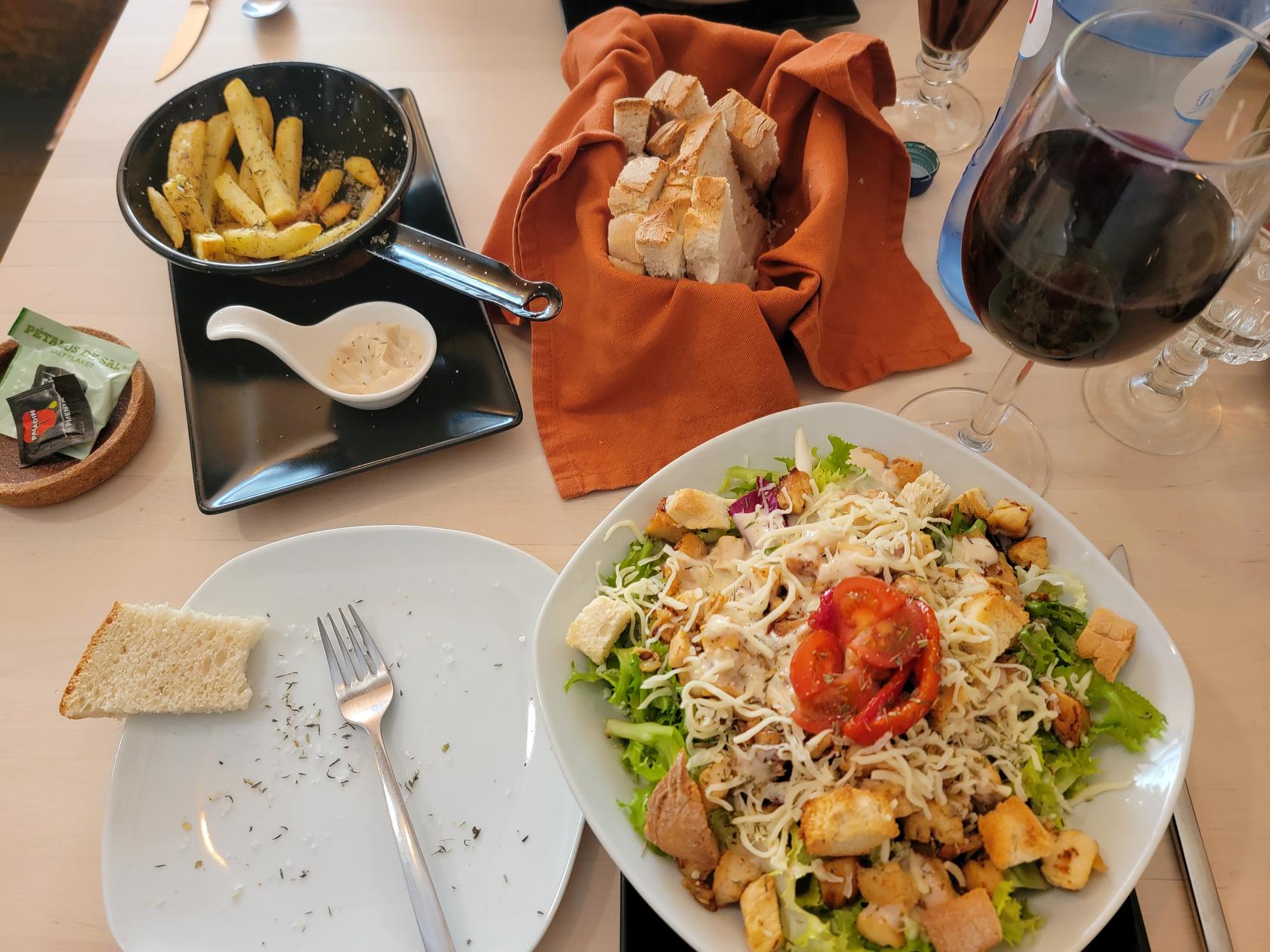
Rendez Vour Restaurant – Greek Salad, Bread and Fries with Olive Oil and Oregano – Lisbon, Portugal
With optimism in the weather and a plan for a good day, we headed to Sintra, Portugal, in the hopes of seeing the Moorish Castle or the National Palace of Pena. Unfortunately, shortly after we arrived our hopes were dashed after we learned the weather had trashed the place and everything in the park was more or less closed due to too many fallen trees, so a missed outing.
Park – Sintra, Portugal
How To Get There
By metro it takes about forty-five minutes, leaving Lisbon’s Rossio metro station, a number of blocks from our hotel uphill, to Sintra station about a dozen stops away. This metro line is very busy, so be prepared.
Tickets For Two – Sintra, Portugal
Rossio Station – Platform – Lisbon, Portugal
Train Station – Sintra, Portugal
The Town
Is chaotically laid out and has many narrow passageways and alleys. As with most of Portugal, you get the feeling you must always climb up or down, so be prepared for a lot of steps.
Old Buildings – Sintra, Portugal
Municipal Building – Sintra, Portugal
Quinta da Regaleira
The Quinta da Regaleira was another issue. Though we wanted to visit the property, it only has reservations and time slots. Aside from that, the line was so long, since everyone was looking for alternatives due to the closures, that it was quickly out of available times. So we took some photographs and turned around.
Quinta da Regaleira Palace – Sintra, Portugal
Biester Palace
Having failed to come on a day when the majority of the park was open, we settled on the Biester Palace, so that the day and trip was not a total loss.
Biester Palace – Map – Sintra, Portugal
Biester Palace – Stairs to Palace – Sintra, Portugal
Biester Palace – Front – Sintra, Portugal
Biester Palace – Back Entrance – Sintra, Portugal
Not technically a palace, the residence that is called Biester Palace stands prominently and views from the grounds are very nice. The grounds are quiet enough and there is a cafe where one can enjoy a hot or cold drink while enjoying the beautiful flora.
Biester Palace – Rooms – Sintra, Portugal
The house itself is decorated with wood, a majority of its finish and main rooms are adorned with something similar, if not, oak. One comes away with the house having an almost Spartan interior and the chapel appears to be the most adorned room in the house.
Biester Palace – Rooms – Sintra, Portugal
Biester Palace – Chapel – Sintra, Portugal
Biester Palace – Rooms – Sintra, Portugal
Biester Palace – Bathroom – Sintra, Portugal
Biester Palace – Rooms – Sintra, Portugal
Biester Palace – Scullery – Sintra, Portugal
Biester Palace – Rooms – Sintra, Portugal
There is an elevator, though it was never electrified and gives the appearance that it was only used when company was present, or for other civil tasks.
Biester Palace – Elevator Hand Mechanism – Sintra, Portugal
Biester Palace – Elevator – Sintra, Portugal
The Ninth Gate
One claim to fame this house has that might appeal to some, it was one of the locations where Roman Polanski shot the film The Ninth Gate. It was during Dean Corso’s travels to visit Victor Fargas that the house and fountain are involved in the movie.
Biester Palace – Rooms – Sintra, Portugal
Biester Palace – Ninth Gate Book Prop and Postcards – Sintra, Portugal
Restaurants
In Sintra there are plenty of restaurants and cafes, so you shouldn’t have a difficult time to find a place to eat.
Fatto da Claudio Coelho
A nice place for lunch, service Italian food and other specialties. We each shared the bruschetta and a pasta special, so something simple and somewhat light.
Fatto da Claudio Coelho – Entrance – Sintra, Portugal
Fatto da Claudio Coelho – Patti Waiting For Lunch – Sintra, Portugal
If it is raining out and there is not much else to do, then a trip to Brindisi could be the cure for your rainy day. Though not much to see, nor much to look at, Brindisi does offer a few points of interest. We mainly used it for a short respite during our eighteen day visit to Mezzogiorno.
Getting To Brindisi
From Bari we reserved seats on the FrecciaArgento[1]FrecciaArgento, or TrennItalia’s Silver Arrow service, as opposed to the FrecciaRosso, or Red Arrow service in other areas which only takes a hour. There are other regional offerings, however they usually take longer but are less expensive, so there are options.
Bari Centrale – Waiting for our FrecciaArgento – Bari, Italy
Brindisi Centrale – Brindisi, Italy
Brindisi does have a airport that is serviced by RyanAir. While here we saw several airplanes land and take off during the day and the airport was directly across the water on the other side of the city from our hotel.
Bindisi The City
Brindisi’s Citta Vecchia, or historical center, is a bit elongated but does reach to the bay where the port is located. The Corso Roma is the main avenue for shopping, though it cannot be compared to the one in Bari or other larger towns or cities we have visited along the coast.
Corso Roma – Brindisi, Italy
City Market – Brindisi, Italy
Piazza Il Duomo And The Roman Column
The Piazza Il Duomo has the Cattedrale di San Giovanni Battista and some other sites to see. The cathedral is rather plain inside, but somewhat impressive from the outside.
Cattedrale di San Giovanni Battista – Brindisi, Italy
Cattedrale di San Giovanni Battista – Modern Interior – Brindisi, Italy
The Colonne Romane, or Roman Column, was erected in the city to define one of the endpoints of the Appian Way, or the extent of Rome. Others have countered that they were merely erected as a visual aid for mariners to know where the actual port was located. There were two originally, of which only one still exists in all of its glory, the other crumbled in the mid sixteenth century. The crumbled remains of the one were donated to Lecce for their column.
Colonne Romane – Brindisi, Italy
Unesco site – Brindisi, Italy
Colonne Romane – Brindisi, Italy
Grande Albergo Internazionale
Our hotel was the Grande Albergo Internazionale located on the Viale Regina Margherita down by the water. We booked a suite which overlooked the water.
Grande Albergo Internazionale – Front – Brindisi, Italy
It is a somewhat dated hotel, but has enough amenities to be comfortable. However, the outside and inside looks like it is in need of some restoration. Our room was spacious and the bathroom modern which was a big benefit.
Grande Albergo Internazionale – Patti in our room – Brindisi, Italy
Grande Albergo Internazionale – Our room – Brindisi, Italy
Grande Albergo Internazionale – Restaurant for Breakfast – Brindisi, Italy
Grande Albergo Internazionale – Outside our window – Brindisi, Italy
Lungomare di Brindisi
As the name implies, you are able to walk along the water for some length along the Lungomare di Brindisi. It starts near the parking area when you enter the port down to, but no further than the Approdo delle Indie. After that begins an Italian Naval Base and you are redirected up a set of stairs and away from the shore.
Viale Regina Margherita – Lungomare di Brindisi – Brindisi, Italy
Monumento al Marinaio d’Italia – Italian Mariner monument from the Lungomare di Brindisi – Brindisi, Italy
Viale Regina Margherita – Lungomare di Brindisi – Brindisi, Italy
Brindisi Shuttle Service
From the Lungomare, or Viale Regina Margherita, about where it intersects with Piazza Vittorio Emanuele III is one location you can pick up the shuttle. It has a four stop route along the inlet and completes the circuit about once every twenty minutes. One use, simple route charge was 1.20€ per person, which only excepts contactless credit card or NFC contactless payments from your phone, NO CASH.
Brindisi Shuttle Service – Brindisi, Italy
Monumento al Marinaio d’Italia – Brindisi, Italy
Dock on the Airport Side – Brindisi, Italy
Brindisi Shuttle Service – Brindisi, Italy
Saint John At The Sepulchre
The St John At The Sepulchre is an ancient eleventh century Church of the Holy Sepulcher with circular construction built over a pre-existing church. It was built to resemble the ancient Anastasis Rotunda of the Holy Selpuchre in Jerusalem with the intention of providing a memory of that structure.
St John At The Sepulchre – Brindisi, Italy
The monument is intended to show the close relationship between Brindisi and the Holy Land during the time of the crusades. Built by the Knight Order of the Canons Regular sometime before 1128, it was conceived to give those who could not pilgrimage to the Holy Land a feeling for that destination, and for those who have, a reminder of it.
St John At The Sepulchre – Main Entrance – Brindisi, Italy
St John At The Sepulchre – Media Presentation – Brindisi, Italy
St John At The Sepulchre – Media Presentation Showing Route To Isreal – Brindisi, Italy
St John At The Sepulchre – Other Items – Brindisi, Italy
St John At The Sepulchre – Old Nails, Hinges – Brindisi, Italy
St John At The Sepulchre – Side Entrance Lintel – Brindisi, Italy
St John At The Sepulchre – Patio – Brindisi, Italy
St John At The Sepulchre – Garden In Back – Brindisi, Italy
The hole in the floor shows Roman mosaics belonging to a large Roman house dating back to the first and second century CE.
St John At The Sepulchre – Columns – Brindisi, Italy
St John At The Sepulchre – Roman Ruins – Brindisi, Italy
St John At The Sepulchre – Roof Timber Works – Brindisi, Italy
There are multiple frescoes on the walls depicting several different important themes of Christianity. All of which have been damaged by previous ownership, no doubt to repurpose the building for other uses.
St John At The Sepulchre – Deposition From The Cross, 13th Century – Brindisi, Italy
St John At The Sepulchre – Deesis, 13th Century – Brindisi, Italy
St John At The Sepulchre – Saint Inside Arcat, 13th Century – Brindisi, Italy
St John At The Sepulchre – Flagellation, 13th Century – Brindisi, Italy
St John At The Sepulchre – The Virgin And The Child, 13th Century – Brindisi, Italy
St John At The Sepulchre – Pentecost, 13th Century – Brindisi, Italy
St John At The Sepulchre – Saint George And The Dragon, 13th Century – Brindisi, Italy
St John At The Sepulchre – Side Entrance Lintel – Brindisi, Italy
St John At The Sepulchre – Patio – Brindisi, Italy
St John At The Sepulchre – Garden In Back – Brindisi, Italy
Porta Napoli
The Porta Napoli, also known as the Porta Mesagne, is the oldest entrance to the ancient city. It was constructed during Roman times by Marc Anthony to isolate the city from land side invasions. The Ruga Magistra or main street originated from this gate, which coincides today with via Carmine and via Filomeno Consiglio today.
Porta Napoli – Brindisi, Italy
Castello Svevo
Unlike the map that one of the major search providers tries to imply you can walk the entire way around bay to the Monumento al Marinaio d’Italia; this cannot be done. We found out the difficult way by walking to Castello Svevo or the Swabian Castle of Brindisi, only to find out that you cannot enter without a pass, it is an active Naval Base. Temporary passes can be obtained online, but there is a forty-eight hour waiting period (don’t ask – I have no idea why, however it is required before you may return and enter). Since we are not staying here that long we decided to forgo that pleasure.
So, denied entry, we changed our plans and headed for the Fontana Tancredi, thinking that it might be a sight to see, and afterwards we could just walk toward the bay and find the Lungomare; no such luck on both accounts. Most of the area in and around the castle is restricted and cannot be entered, the fountain is fenced off, overgrown and only trickles water, so total failure on both accounts.
Via Provincial San Vito – Brindisi, Italy
Aldo Moro Monument – Brindisi, Italy
Southern Italian Naval Base – Brindisi, Italy
In fact, they have very large naval ships anchored here as well temporary housing for illegal immigrants. We attempted to go as far as the tennis club, or Circolo Tennis Club, but then turned around. Had we known beforehand, we could have continued further and picked up the bay shuttle about a half kilometer further.
Castello Svevo – Map and where not to go – Brindisi, Italy
While walking back, we discovered the Santuario Santa Maria degli Angeli church. A nondescript church from the outside offers a better view from the inside. If you are in the area of Via Ferrante Fornari and see the church, it is worth to stick your head in and take a look.
Santuario Santa Maria degli Angeli – Brindisi, Italy
Santuario Santa Maria degli Angeli – Nave and Ceiling – Brindisi, Italy
Monumento al Marinaio d’Italia
The large monument across the bay is the Monumento al Marinaio d’Italia, a naval monument erected for the fallen navy personal of Italy. It has two shore guns on either side and may be climbed for a fee, there is a lookout on the top that has a commanding view of the city.
Monumento al Marinaio d’Italia – Brindisi, Italy
Restaurants
Most of the restaurants that we visited were down by the water and along the Lungomare.
Ristorante Windsurf
We chose this restaurant out of convenience, mostly because of the rain and threat of thunderstorms, and glad we did because while we were eating it poured. It was also conveniently located thirty meters from our hotel entrance.
Windsurf Ristorante Pizzeria – Lobster tank – Brindisi, Italy
The food is typical pizzeria food with a concentration on sea food for everything else. I chose a pizza and Patti stuck with a panini that they offered on the menu. The Negroamaro from Puglia was actually very nice, dry but not overly tannic.
Windsurf Ristorante Pizzeria – A Negroamaro from Puglia – Brindisi, Italy
Betty Gelateria Cafe Ristorante Pizzeria A Brindisi
A similar cafe and pizzeria as WindSurf is Betty Gelateria Cafe Ristorante Pizzeria A Brindisi, located just below the stairs to the Roman Column. We stopped here for a simple lunch consisting of salads, bread and pizza points. The wine was house wine, but was very good.
Betty Gelateria Cafe Ristorante Pizzeria A Brindisi – Patti’s Green Salad With Fruit And Nuts – Brindisi, Italy
We also stopped later in the evening for dinner, since they were one of the few restaurants around showing pasta with ragu sauce on their menus. Patti ordered the Penne all’Arrabbiata and I ordered the Tagliatelle al Ragú.
Final Thoughts
Although we both thought that Brindisi is rather clean and has some things to offer, we weren’t so sure that we visit, if we didn’t have so much time on our hands being retired. Therefore, for the casual visitor to Italy, we would not commend a visit, Bari and Trani have more to offer.
On a lark, Patti decided to go to Trani, Italy for the day. The morning was clear, blue and fantastic, so we could not expect better weather.
Trani Centrale – Trani, Italy
VIa Cavour – Trani, Italy
Trani is a seaside town on the Adriatic Sea in the region of Apulia. It has great wine, olive oil and food. It has an active fishing community which supports the local economy.
Basilica Cattedrale Maria Santissima Assunta
– Parco Giochi Villa Comunale – Trani, Italy
Lighthouses – Parco Giochi Villa Comunale – Trani, Italy
Castello Svevo di Trani – Basilica from the castle – Trani, Italy
The City
The city itself is well laid out, even for an ancient town. The historic center though windy and curvy is very clean and well labeled for tourist. After about an hour here we found it a most unexpected delight and were glad we came.
Chiesa Beata Maria Vergine del Monte Carmelo (o del Carmine) – Trani, Italy
Piazza Sacra Regia Udienza – Port of Trani – Trani, Italy
Narrow streets – Trani, Italy
One of the many portals – Trani, Italy
Door with no stairs – Trani, Italy
Orologie Tower – Trani, Italy
Long portal – Trani, Italy
Auditorium San Luigi – Trani, Italy
Church of Saint Claire – Trani, Italy
The Golden or Ancient door – Trani, Italy
Another church – Trani, Italy
The Piazze Quercia has a least one cafe or bar which has outside seating. It is a great place in the spring to stop before lunch and get a drink. We find it relaxing just to watch the locals and the boats going in and out of the harbor, and of course, enjoying the sunshine and the fifty degree weather.
There is a beautiful walkway or sidewalk that enables you to walk around the entire port. Unlike Bari, where you can do this if you can tolerate the smell, the port is clean and well maintained.
Live shrimp – Port of Trani – Trani, Italy
Fishing boats – Port of Trani – Trani, Italy
Port of Trani – Trani, Italy
The fishing community appears to be active daily and some of the ships sell their catch right on the pier. You can find anything from live shrimp and fish to octopus. So, if you can cook in, bring your grocery bag and your wallet.
Parco Giochi Villa Comunale
The Parco Giochi Villa Comunale is located to the right of the Port of Trani as you walk as far as you can in the city. It has a portal that leads up to a great observation place, so that you get a commanding view of the boats and the jetties containing the lighthouses, which are all a different color.
Porto or entrance – Parco Giochi Villa Comunale – Trani, Italy
Parco Giochi Villa Comunale – Trani, Italy
Basilica Cattedrale Maria Santissima Assunta
– Parco Giochi Villa Comunale – Trani, Italy
Bar Boschetto – Parco Giochi Villa Comunale – Trani, Italy
Fishing boat going out to sea – Parco Giochi Villa Comunale – Trani, Italy
Park Seal – Parco Giochi Villa Comunale – Trani, Italy
There are some interesting monuments and an old anchor. Walking further, you will happen upon a aviary at the end of the park where they house parakeets.
We actually found it to be an amazing little park with little things to see, along with the aviary with parakeets they also have real parrots, which you will eventually notice are in the trees all around you. When we were here, they were all doing their crazy mating calls and dances on the ground, what a cacophony!
Parrots – Parco Giochi Villa Comunale – Trani, Italy
Basilica Cattedrale Maria Santissima Assunta
In the Piazza Duomo is the Basilica Cattedrale Maria Santissima Assunta, also known as Trani Cathedral. This cathedral is dedicated to Saint Nichola the Pilgrim. It is a very large structure, but it only opens later in the day around 15:30.
Piazza Duomo Front – Basilica Cattedrale Maria Santissima Assunta – Trani, Italy
There are some restrictions when you enter, so please read the signs, though we saw no enforcement; having said that, it was winter and the slow season, so it may be impractical for them to oversee traffic during that time.
Basilica Cattedrale Maria Santissima Assunta – Frescoes – Trani, Italy
Basilica Cattedrale Maria Santissima Assunta – Frescoes in the Crypt – Trani, Italy
Basilica Cattedrale Maria Santissima Assunta – Orthodox bust in the Crypt – Trani, Italy
Basilica Cattedrale Maria Santissima Assunta – Altar in the Crypt – Trani, Italy
Basilica Cattedrale Maria Santissima Assunta – Entrance – Trani, Italy
Basilica Cattedrale Maria Santissima Assunta – Nave – Trani, Italy
Castello Svevo di Trani
The Castello Svevo di Trani in just a small walk from the Piazza Duomo and Basilica Cattedrale Maria Santissima Assunta. There is actually not much to see, but it does have a few small things of interest. At one time it was a prison and had other incarnations as you go back in time to protect the town. It is also noted to have a large clock on its edifice.
Castello Svevo di Trani – Entrance – Trani, Italy
Castello Svevo di Trani – Patti and the Basilica from the castle – Trani, Italy
Castello Svevo di Trani – Diorama of the castle – Trani, Italy
Castello Svevo di Trani – Painting as you enter – Trani, Italy
Castello Svevo di Trani – Sala Federico II room – Trani, Italy
Castello Svevo di Trani – Ruins leading to the prison area – Trani, Italy
Castello Svevo di Trani – Architecture of the castle – Trani, Italy
Castello Svevo di Trani – Old side portal in the castle – Trani, Italy
Castello Svevo di Trani – Strange window – Trani, Italy
Castello Svevo di Trani – Old prison area of the castle – Trani, Italy
Castello Svevo di Trani – Lookout to the sea – Trani, Italy
Castello Svevo di Trani – Old prison area of the castle – Trani, Italy
Castello Svevo di Trani – Large outside area – Trani, Italy
Restaurants
Since we were only doing a day trip, we were only able to visit one restaurant and that was for lunch.
Giù a Sud, Green Bistro
The Giù a Sud, Green Bistrot is located at Piazza Cesare Battisti in Trani. After viewing the menu outside we decided we would give it a try and we are glad we did.
Giù a Sud, Green Bistrot, Piazza Cesare Battisti – Inside – Trani, Italy
Giù a Sud, Green Bistrot, Piazza Cesare Battisti – Bar and Inside – Trani, Italy
Giù a Sud, Green Bistrot, Piazza Cesare Battisti – Primitivo and bread – Trani, Italy
Giù a Sud, Green Bistrot, Piazza Cesare Battisti – Bean and Lentil soup with croutons – Trani, Italy
Giù a Sud, Green Bistrot, Piazza Cesare Battisti – Orecchiette and Broccoli Rape – Trani, Italy
The food and restaurant is sourced locally from green producers and prepared using artisanal recipes. They had a bean and lentil soup with croutons which was just delicious. I am pretty sure it is probably something that comes off the menu in the summer, but you may ask, in Italy you never know, especially in Mezzogiorno. We thoroughly enjoyed it.
In part one was an initial take on how Bari is an ancient city built on a peninsula in the Adriatic Sea on the east coast of Italy. In this second part, some of the cathedrals and museums that are interesting and available to see upon visiting are discussed.
Lungomare – Bari, Italy
One of the many archways – Bari, Italy
The streets in the evening – Bari, Italy
One of the many archways – Bari, Italy
Museums
Of course ancient Bari has its museums, most of which record activities by humans that predate the Roman Empire. In some places in Italy and the Mediterranean Sea, one might come to the conclusion, that if one could dig deep enough one would uncover the big bang as well.
Questura and Municipal buildings – Bari, Italy
The Svevo Castle
If the Bari peninsula were to be looked at like it was a triangle, then the Castello Normanno-Svevo or Norman-Swabian Castle, would occupy the entire lower left hand angle. It is a huge building that occupies a considerable amount of real estate on that side of the old city.
Castello Svevo di Bari – Outside back wall – Bari, Italy
Castello Svevo di Bari – Outside wall – Bari, Italy
Castello Svevo di Bari – Outside wall showing mote – Bari, Italy
Castello Svevo di Bari – Outside wall – Bari, Italy
Castello Svevo di Bari – Castle Well – Bari, Italy
Castello Svevo di Bari – Outside wall – Bari, Italy
Castello Svevo di Bari – Cappella Palatine – Bari, Italy
Surrounded by a moat that is currently grown in, the exterior appears well kept in spots, but requiring considerable work in other places.
The Swabian Castle Museum
The museum does not contain many artifacts per se, but it does have a very good multi-media presentation and displays in some of the larger spaces.
Castello Svevo di Bari – Federiciano portal stone – Bari, Italy
Castello Svevo di Bari – Patti in courtyard – Bari, Italy
Castello Svevo di Bari – Lion guarding entrance – Bari, Italy
Castello Svevo di Bari – Diorama- Bari, Italy
Castello Svevo di Bari – Artifacts before the castle – Bari, Italy
Castello Svevo di Bari – Entrance – Bari, Italy
Castello Svevo di Bari – Artifacts before the castle – Bari, Italy
Castello Svevo di Bari – Great Hall – Bari, Italy
Castello Svevo di Bari – archaeological dig – Bari, Italy
Castello Svevo di Bari – Frescos – Bari, Italy
Castello Svevo di Bari – Multimedia shows- Bari, Italy
Castello Svevo di Bari – Barletta bust – Bari, Italy
Castello Svevo di Bari – plaster casts – Bari, Italy
Castello Svevo di Bari – plaster cast of a capitol – Bari, Italy
Castello Svevo di Bari – plaster casts – Bari, Italy
Castello Svevo di Bari – Griffins from Cathedral Saint Marie Assunta and San Sabino, 12th century – Bari, Italy
Castello Svevo di Bari – Castello Svevo di Bari – Griffins from Cathedral Saint Marie Assunta and San Sabino, 12th century – Bari, Italy – Bari, Italy
Castello Svevo di Bari – Basilica of Saint Nicola portal – Bari, Italy
Castello Svevo di Bari – altar – Bari, Italy
Castello Svevo di Bari – plaster casts – Bari, Italy
Castello Svevo di Bari – Mary with Jesus and two angels from Cathedral dell Assunta and Saínt Michele Archangel, 14th century – Bari, Italy
Castello Svevo di Bari – ornate plaster casts – Bari, Italy
Castello Svevo di Bari – Mary with Jesus and two angels from Cathedral of Saint Maria Assunta, 14-15th century – Bari, Italy
Churches and Cathedrals
Cathedral Of Bari
The Cathedral of Bari was built mostly in the last thirty years of the twelfth century. It was built on top of the destroyed Byzantine church that used to stand, as well as older Roman ruins.
Cathedrale di Bari – Outside – Bari, Italy
The interior is rather majestic for an ancient Catholic church and owes much to the simplicity of its architecture.
Cathedrale di Bari – Baptism font – Bari, Italy
Cathedrale di Bari – Aisle along Nave – Bari, Italy
Cathedrale di Bari – Nave – Bari, Italy
Cathedrale di Bari – Right Apse – Bari, Italy
Cathedrale di Bari – Left Apse – Bari, Italy
Cathedrale di Bari – Nave – Bari, Italy
Cathedrale di Bari – Frescos – Bari, Italy
Cathedrale di Bari – Papal Seal – Bari, Italy
Cathedrale di Bari – Column – Bari, Italy
Cathedrale di Bari – Altar – Bari, Italy
The Crypt
The church, architect and builders ensured that below this amazing edifice would be a crypt. The crypt preserves the remains of Saint Sabinus in the main altar, but there are other notable sarcophagi as well.
Cathedrale di Bari – Crypt entrance – Bari, Italy
Cathedrale di Bari – Crypt’s Ornate Ceiling and Columns – Bari, Italy
Cathedrale di Bari – Crypt Main Altar – Bari, Italy
Cathedrale di Bari – Crypt side altar – Bari, Italy
Cathedrale di Bari – Sarcophagus of Colomba di Sens, Crypt – Bari, Italy
Cathedrale di Bari – Crypt – Bari, Italy
Cathedrale di Bari – Crypt crèche – Bari, Italy
Cathedrale di Bari – Crypt Fresco – Bari, Italy
The Archaeological Ruins
Alongside and even below the crypt are some amazing archaeological ruins that extend all the way back to the third century. This includes some incredible mosaics, frescos and even a partial roman road, where one can even see the remains of where the wagon wheels once traveled.
Cathedrale di Bari – Sarcophagus – Succorpo underneath the Cathedral – Bari, Italy
Cathedrale di Bari – Succorpo underneath the Cathedral – Bari, Italy
Cathedrale di Bari – Archaeological Roman floor – Succorpo underneath the Cathedral – Bari, Italy
Cathedrale di Bari – Archaeological Roman Mosaic floor – Succorpo underneath the Cathedral – Bari, Italy
Cathedrale di Bari – Succorpo underneath the Cathedral – Bari, Italy
Cathedrale di Bari – Archaeological Ornate Mosaic floor – Succorpo underneath the Cathedral – Bari, Italy
Cathedrale di Bari – Succorpo underneath the Cathedral – Bari, Italy
Cathedrale di Bari – Archaeological Roman Road – Succorpo underneath the Cathedral – Bari, Italy
Cathedrale di Bari – Archaeological Roman ruins – Succorpo underneath the Cathedral – Bari, Italy
Cathedrale di Bari – Archaeological Roman Mosaic floor and Fresco – Succorpo underneath the Cathedral – Bari, Italy
Cathedrale di Bari – Archaeological Roman ruins – Succorpo underneath the Cathedral – Bari, Italy
Cathedrale di Bari – Archaeological Roman Bath – Succorpo underneath the Cathedral – Bari, Italy
Cathedrale di Bari – Another Sarcophagus – Succorpo underneath the Cathedral – Bari, Italy
Cathedrale di Bari – Archaeological Roman ruins – Succorpo underneath the Cathedral – Bari, Italy
Cathedrale di Bari – Stairs and a Sarcophagus – Succorpo underneath the Cathedral – Bari, Italy
The Church Museum
Finally there is a small museum showing old church vestments and other relics. Not particularly of much interest, so if you wish to skip this part you probably can without much guilt.
Cathedrale di Bari – Church Museum – Bari, Italy
Cathedrale di Bari – Old Hymnal Parchment, Church Museum – Bari, Italy
Cathedrale di Bari – Ornate Capitol, Church Museum – Bari, Italy
Though having said that, the most interesting thing I though they had were a set of old hymnal parchment rolls.
Cathedrale di Bari – Old Hymnal Parchments, Church Museum – Bari, Italy
Restaurants
Ciclatera
Ciclatera, under the sea is a great spot to stop for a drink or to have a small bite to eat. Located on the Lungomare right after the Fort of San Antonio, this little cafe or restaurant has a great bar and food menu. We only stopped for a drink, but what we could see of the menu, the prices seemed pretty reasonable.
Ciclatera, under the sea – Cafe and Bistro – Bari, Italy
Piccinni 28
Located one block over in Murat from the old city on via Niccola Piccinni, is Piccinni 28 Italian restaurant. It appears to be a favorite for locals, since we saw numerous work groups come in and have lunch.
Inside – Restaurant Piccinni 28 – Bari, Italy
They offer pizza and a typical Italian menu with some Apulian twists to it. For us, it was trying something new, so we of course picked the Spaghetti All’Assassina, or assassin’s spaghetti, an overcooked spicy dish with ragu that is rather tasty.
Bari is an ancient city built on a peninsula in the Adriatic Sea on the east coast of Italy. It is part of the Apulia region of that country and for many centuries considered part of Southern Italy, which until early twentieth century was considered distinct from the Northern Italy.
The historic city streets – Bari, Italy
Welcome signs in the city streets – Bari, Italy
More signs in the city streets – Bari, Italy
The pasta ladies offerings – Orecchiette pasta – Bari, Italy
One of the arches in the city – Bari, Italy
Roman scaffolding – Bari, Italy
The Italians here speak their own language, which is distinct from Italian and descended from the Neapolitan Dialect called the Barese Dialect. The differences here are also reflected in the food, pasta and other cultural areas.
The pasta ladies offerings – Orecchiette pasta – Bari, Italy
The pasta ladies offerings – other treats – Bari, Italy
Piazza Mercantile – Bari, Italy
Via Melo di Bari – Bari, Italy
The city itself has four distinct areas or sections, the old ancient part of the city is located on the peninsula. The train station is located in Murat, which may be considered the business section of the city.
Lungomare Imperatore Augusto – Bari, Italy
Lungomare Imperatore Augusto – Patti – Bari, Italy
Via Andrea da Bari – Decorated for Christmas – Bari, Italy
Via Andrea da Bari – Bari, Italy
Getting There
Since we are located in Northern Italian city of Turin, there are two options for us to get there, either the Turin or Milan airport. Since RyanAir has service to many small cities in Italy, Turin being one of them, they were the right choice for us. They provide a direct non-stop flight from Turin to Bari which only takes an hour and a half. It’s not cheap, but on the reasonable side. Even in January, with two flights a day, the plan was almost full.
Leaving Turin – Turin Airport, Turin
RyanAir – Turin Airport, Turin
Flying over the Adriatic Coast of Italy – Italy
Bari Airport – Bari, Italy
Once we landed there were several options to get from the airport to the city. Train, bus, taxi and rent-a-car. When we can, we always prefer and ride the train. We just find it more relaxing and trouble free, but that of course depends on the country and the railroad that is available.
Apulia has its own train system, separate from TrennItalia, so we purchased tickets at the desk before entering the train station (I figure, I can always install the phone application later for any return business). The trip from Bari Airport to Bari Centrale (C.le) takes about thirty minutes with about four of five stops in between.
Bari Airport Train Station – Bari, Italy
Next stop, Bari Centrale – Bari, Italy
Where We Stayed
Frankly, I no longer care for BnBs and will take a hotel over them any day. However, given the opportunity to check other Bed and Breakfast places, outside the crap these applications serve up, we will book our stays with them, provided we have thoroughly checked them out ahead of time using other people’s recommendations as our source material.
More signs in the city streets – Bari, Italy
Welcome signs in the city streets – Bari, Italy
The historic city streets – Bari, Italy
Murex B&B
Murex B&B is a very nice modern Bed & Breakfast in the heart of the ancient city of Bari. The owners are young, attentive and respectful of our needs. The amenities that are provided are sufficient and plentiful. Our room came with breakfast each morning and other treats, that would not normally be provided at some hotels and definitely not at those other places.
Main door – Murex B&B – Bari, Italy
The ascent to our B&B – Murex B&B – Bari, Italy
Our host Antonio – Murex B&B – Bari, Italy
One word of caution however, the staircase to enter is rather steep. So, if you require assistance with your luggage, you should ask. The owners are more than obliging to any requests and will carry it up and down for you.
La Citta room – Murex B&B – Bari, Italy
Our room was La Città, it was spacious, well lit and warm. The bed was firm with a cushion top and it definitely helped me nod off.
Basilica Pontificia San Nicola
The Basilica Pontificia San Nicola was built in the late eleventh and early twelfth centuries and consists of a basic architecture of a nave with neighboring aisles.
Basilica Pontificia San Nicola – Main Entrance – Bari, Italy
Basilica Pontificia San Nicola – Courtyard – Bari, Italy
The ceiling and interior has a rarity to it, that only an ancient church can provide. The roof is made of wood and is occluded by arches buttressing the sides together, few if any at right angles to each other, giving the entire interior a rather haphazard look.
Basilica Pontificia San Nicola – Interior – Bari, Italy
Basilica Pontificia San Nicola – Ornate Ceiling – Bari, Italy
Basilica Pontificia San Nicola – Altar – Bari, Italy
Basilica Pontificia San Nicola – Interior – Bari, Italy
The Crypt
Here you can find the tomb of Saint Nicholas, the patron saint of Christmas. The crypt is a beautiful room with myriad arches all of which are adorned with unique capitols.
Basilica Pontificia San Nicola – Crypt – Bari, Italy
Restaurants
Our first day here we only had time for one meal. Since we ate rather late in the afternoon, around three o’clock, we simply weren’t hungry enough for dinner later that evening.
Matiti Pasta Bistrot
This bistrot did not get very good ratings online, however we found both the food and service adequate for lunch. I ordered a glass of red Primitivo wine from the area which was just delicious, and a 5€ glass, it didn’t hurt my wallet either.
Patti’s Caprese – Matiti Pasta Bistro – Bari, Italy
Erick’s Insalata Mista – Matiti Pasta Bistro – Bari, Italy
We kept things simple with a Caprese Salad, an Insalata Mista and later some pasta. After that I had an espresso and a sambuca. The total came to 62€ for two people, with two glasses of wine and coperto.
Patti’s Orecchiette with Speck and Pistachio Cream Sauce – Matiti Pasta Bistro – Bari, Italy
Erick’s Spaghetti and Meatballs – Matiti Pasta Bistro – Bari, Italy