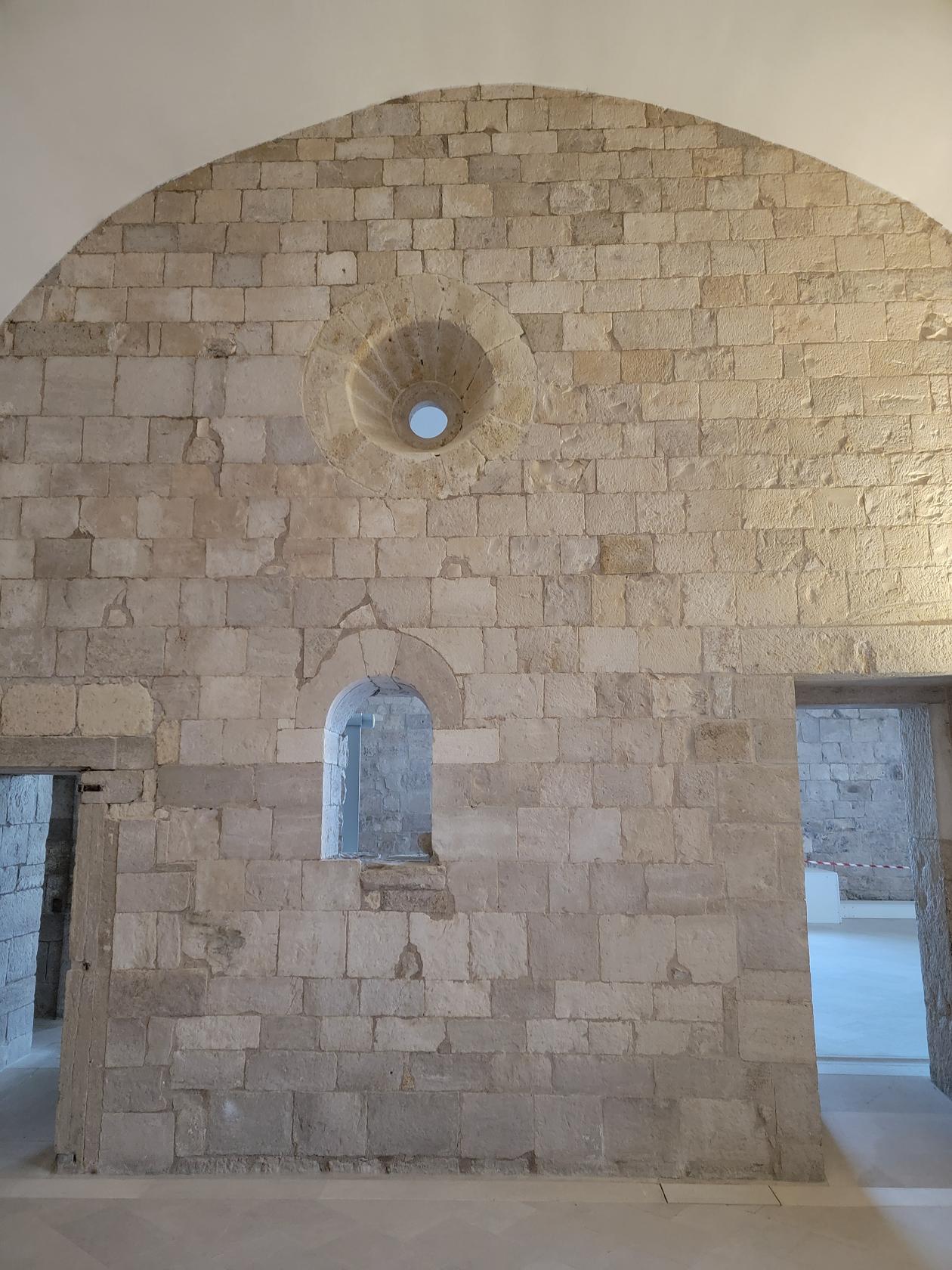
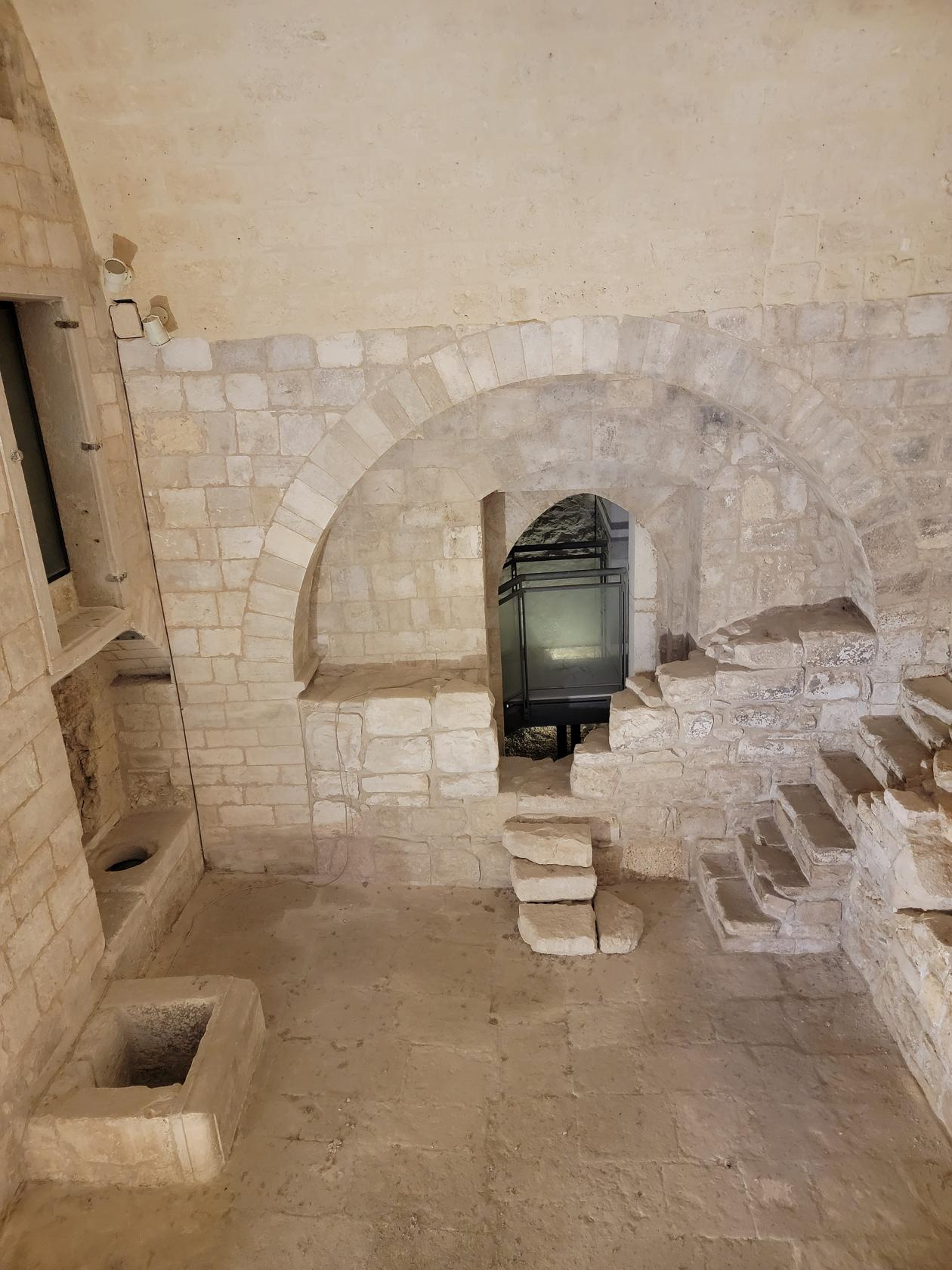
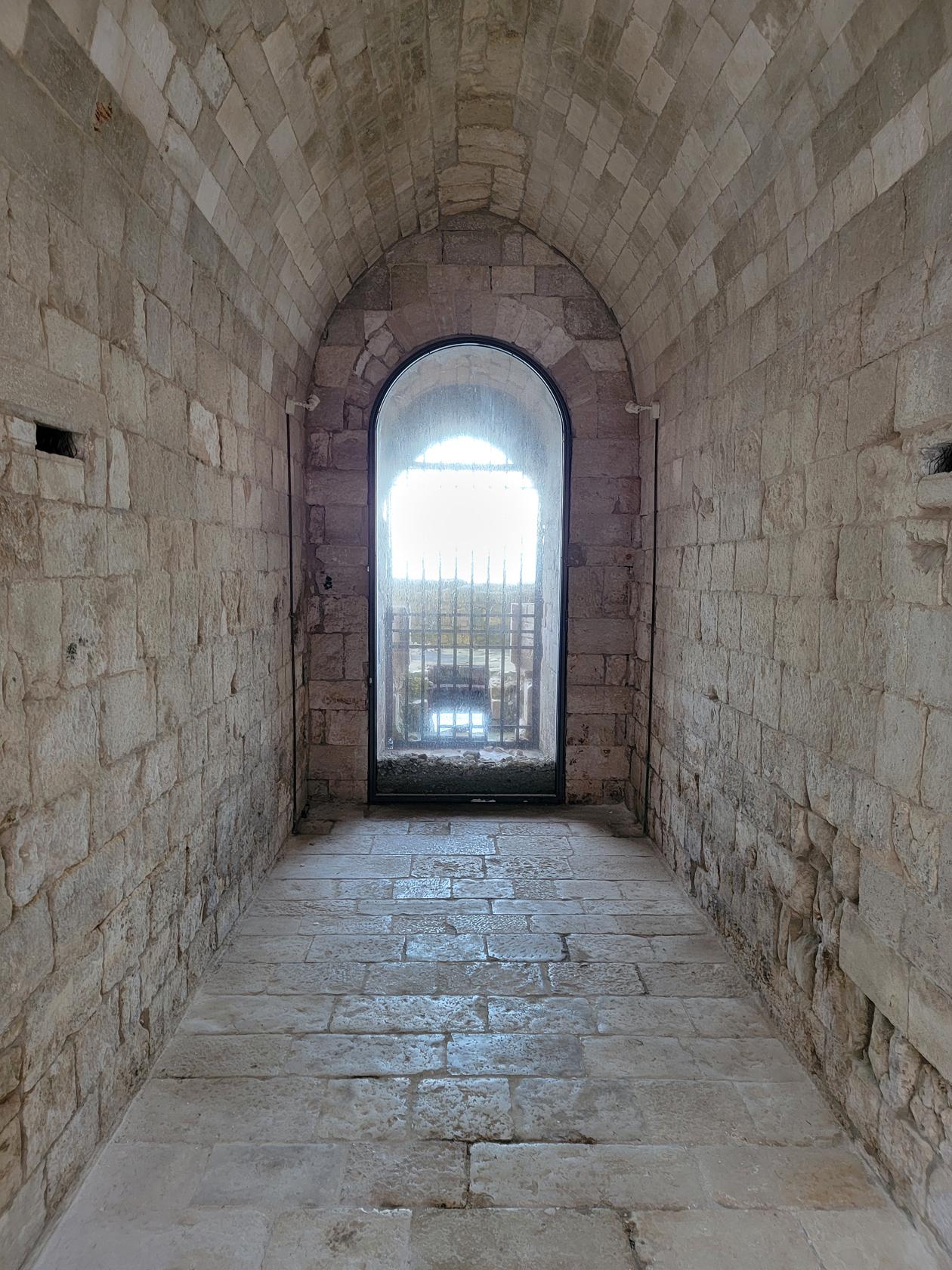
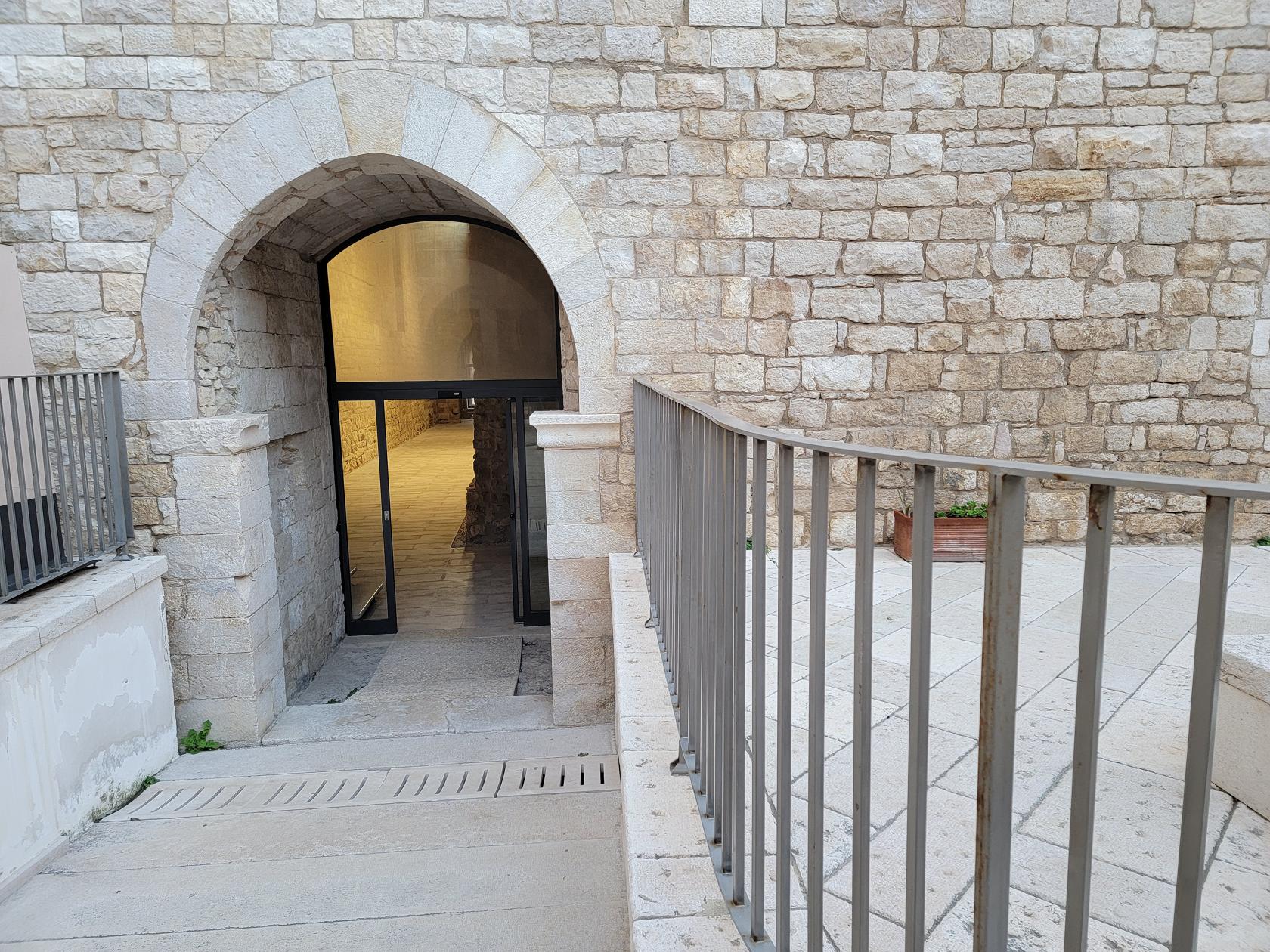
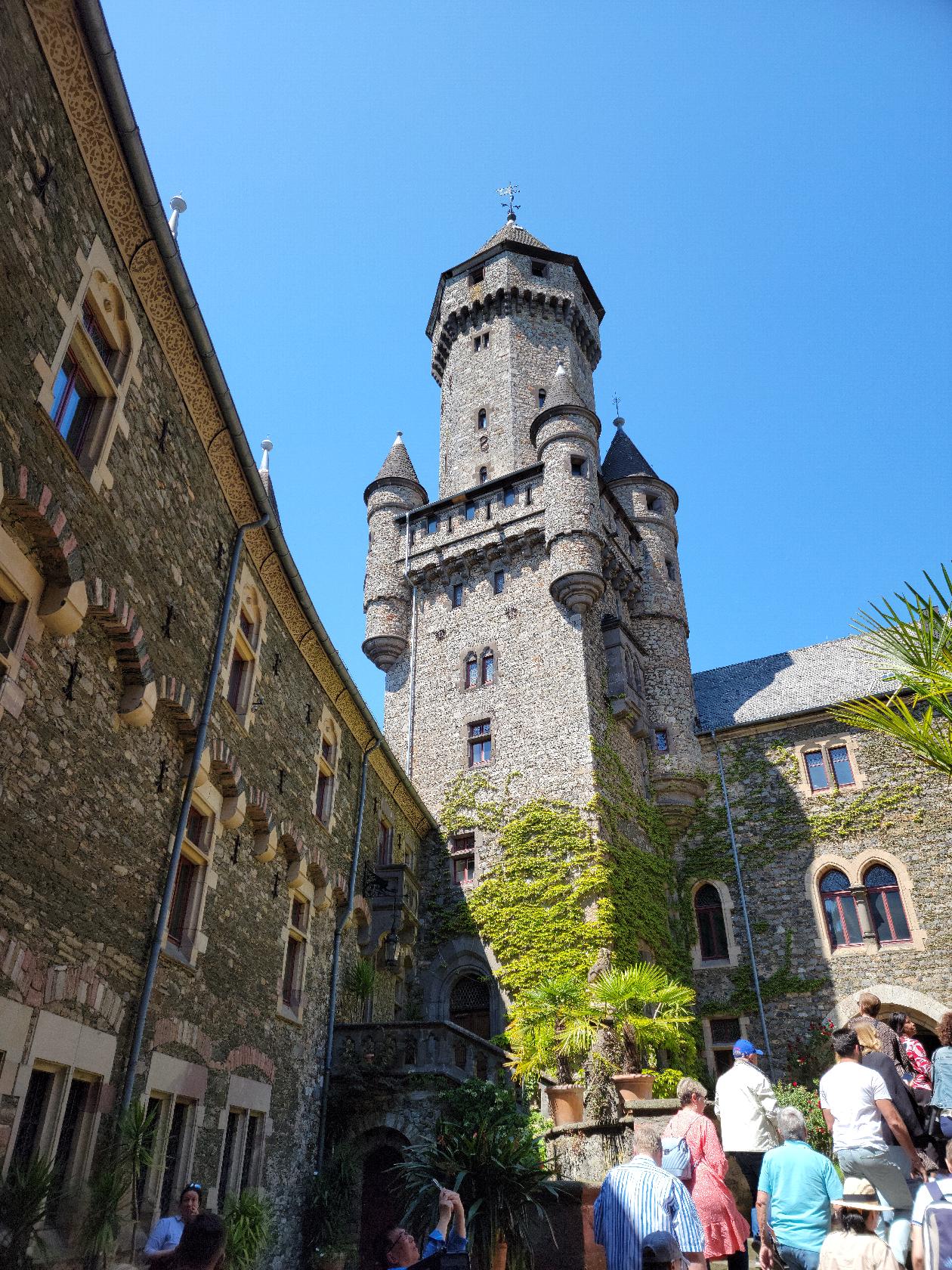
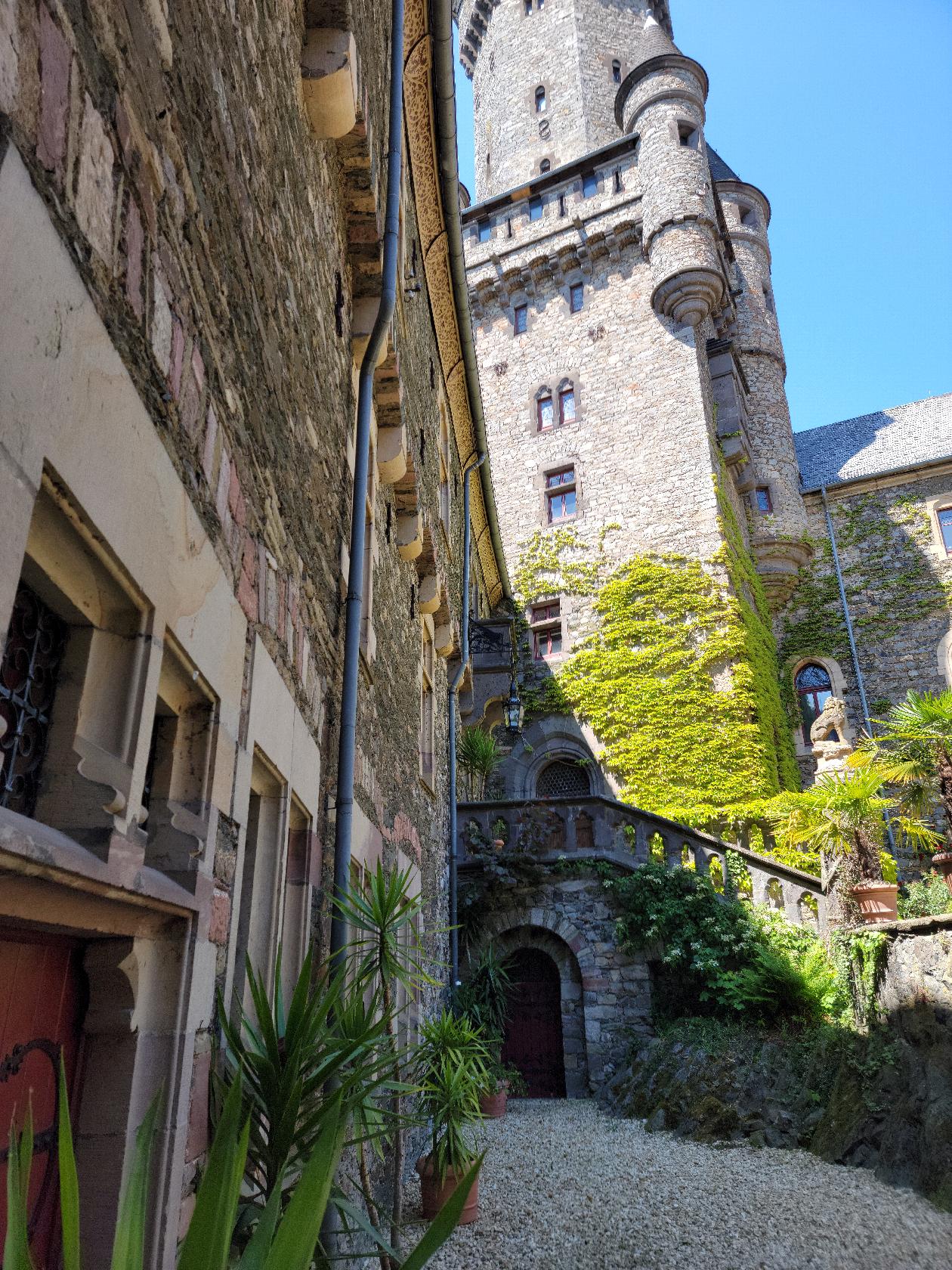
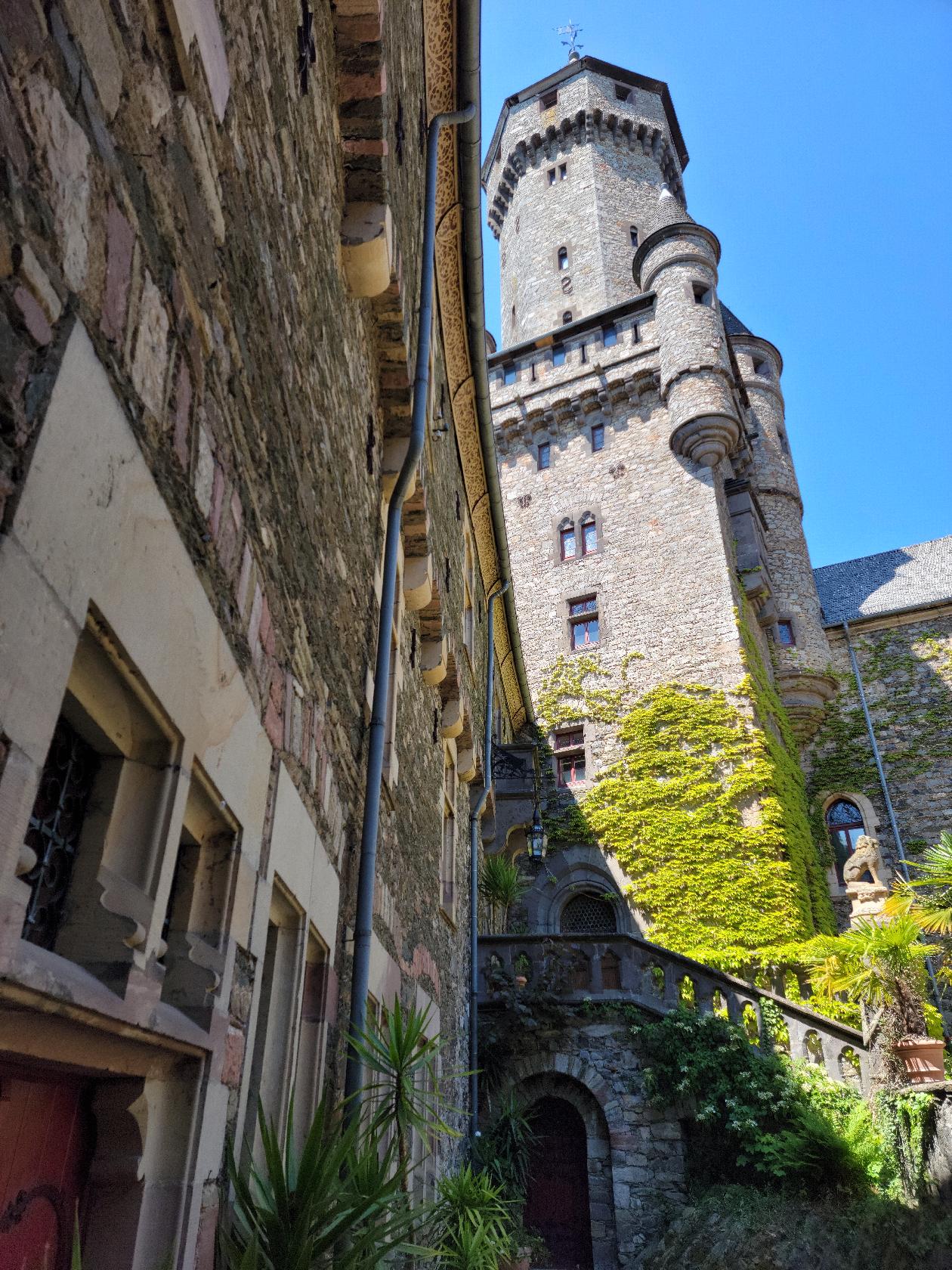
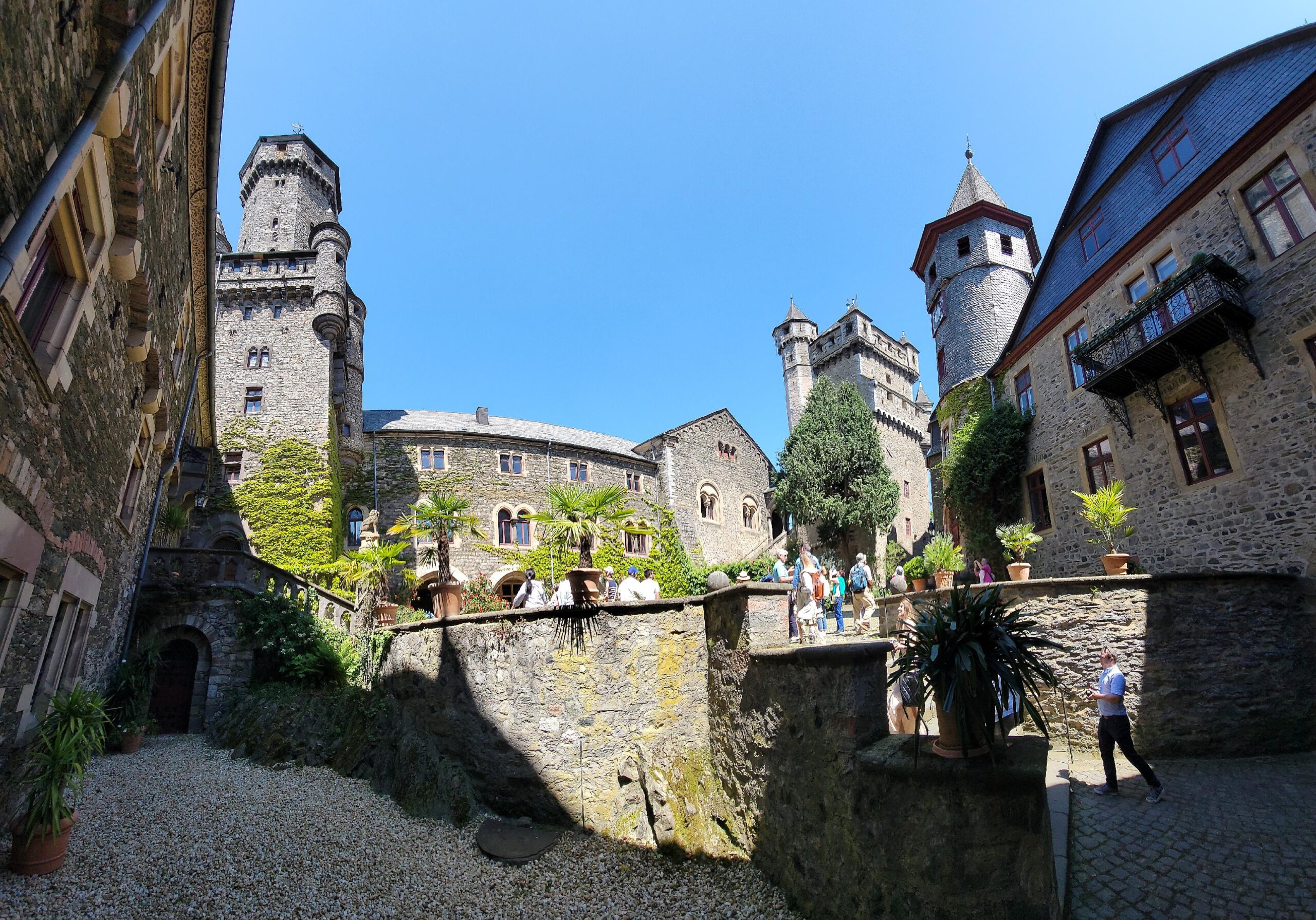
With optimism in the weather and a plan for a good day, we headed to Sintra, Portugal, in the hopes of seeing the Moorish Castle or the National Palace of Pena. Unfortunately, shortly after we arrived our hopes were dashed after we learned the weather had trashed the place and everything in the park was more or less closed due to too many fallen trees, so a missed outing.
Park – Sintra, Portugal
How To Get There
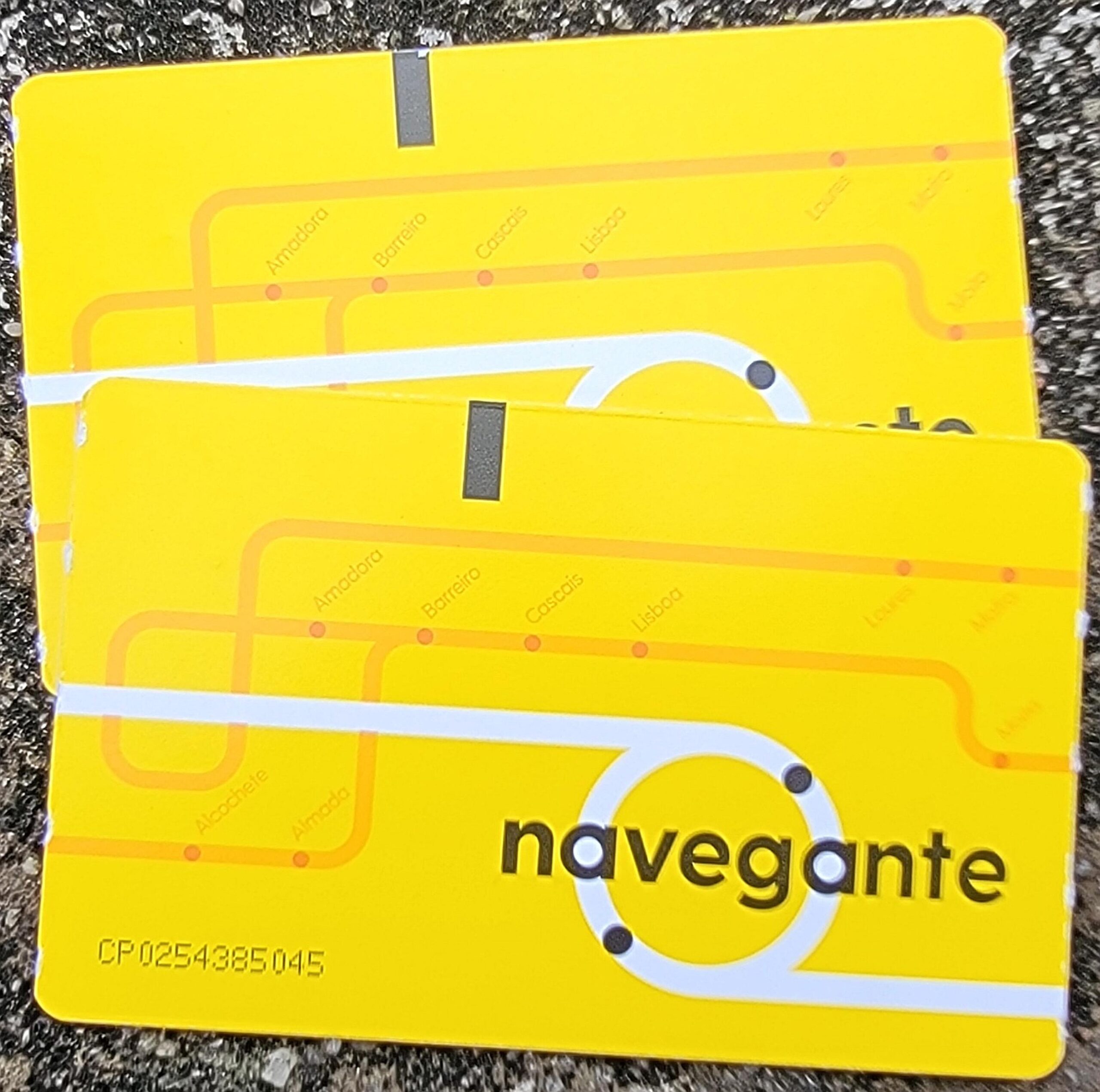
By metro it takes about forty-five minutes, leaving Lisbon’s Rossio metro station, a number of blocks from our hotel uphill, to Sintra station about a dozen stops away. This metro line is very busy, so be prepared.
Tickets For Two – Sintra, Portugal
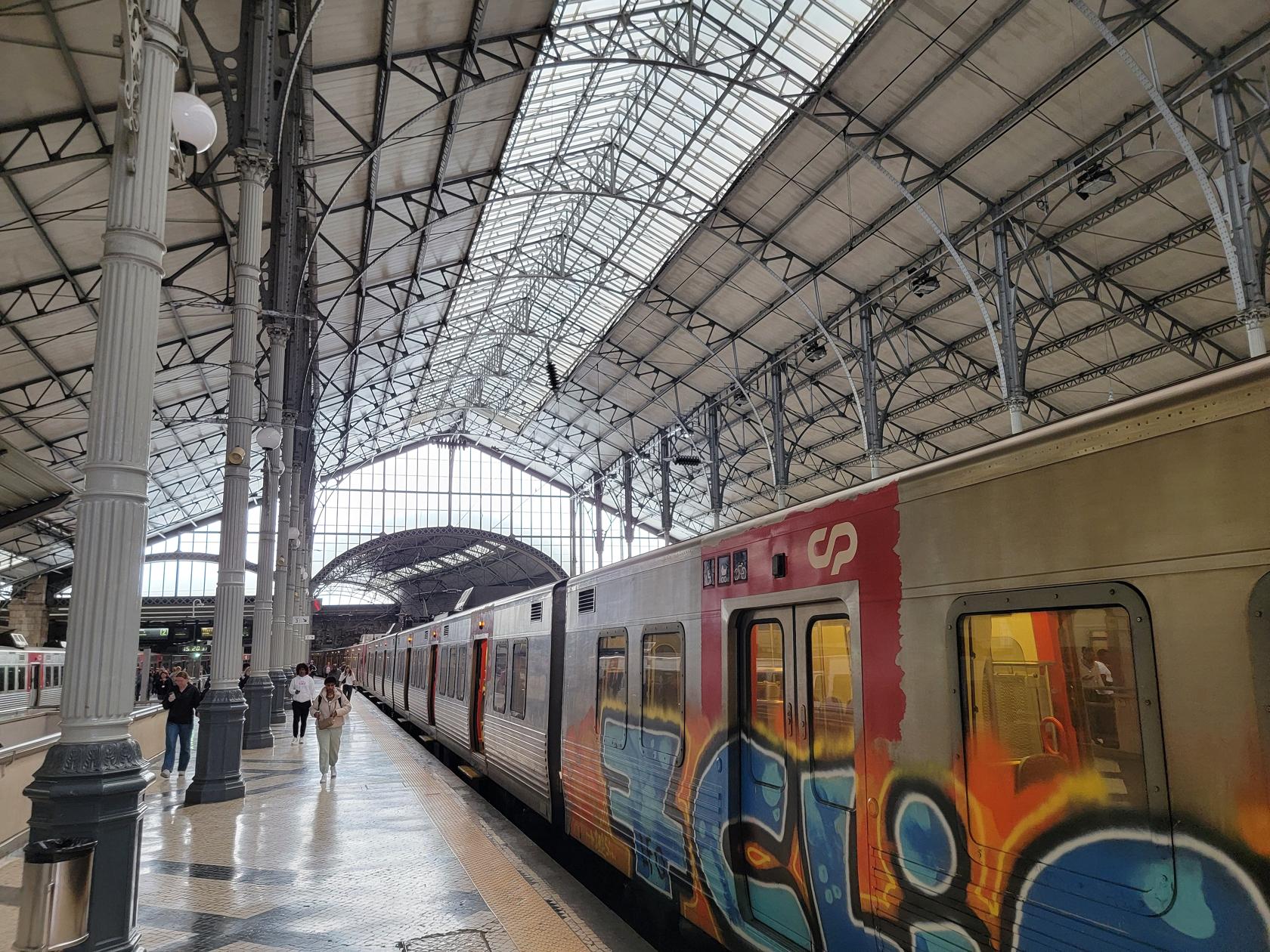
Rossio Station – Platform – Lisbon, Portugal
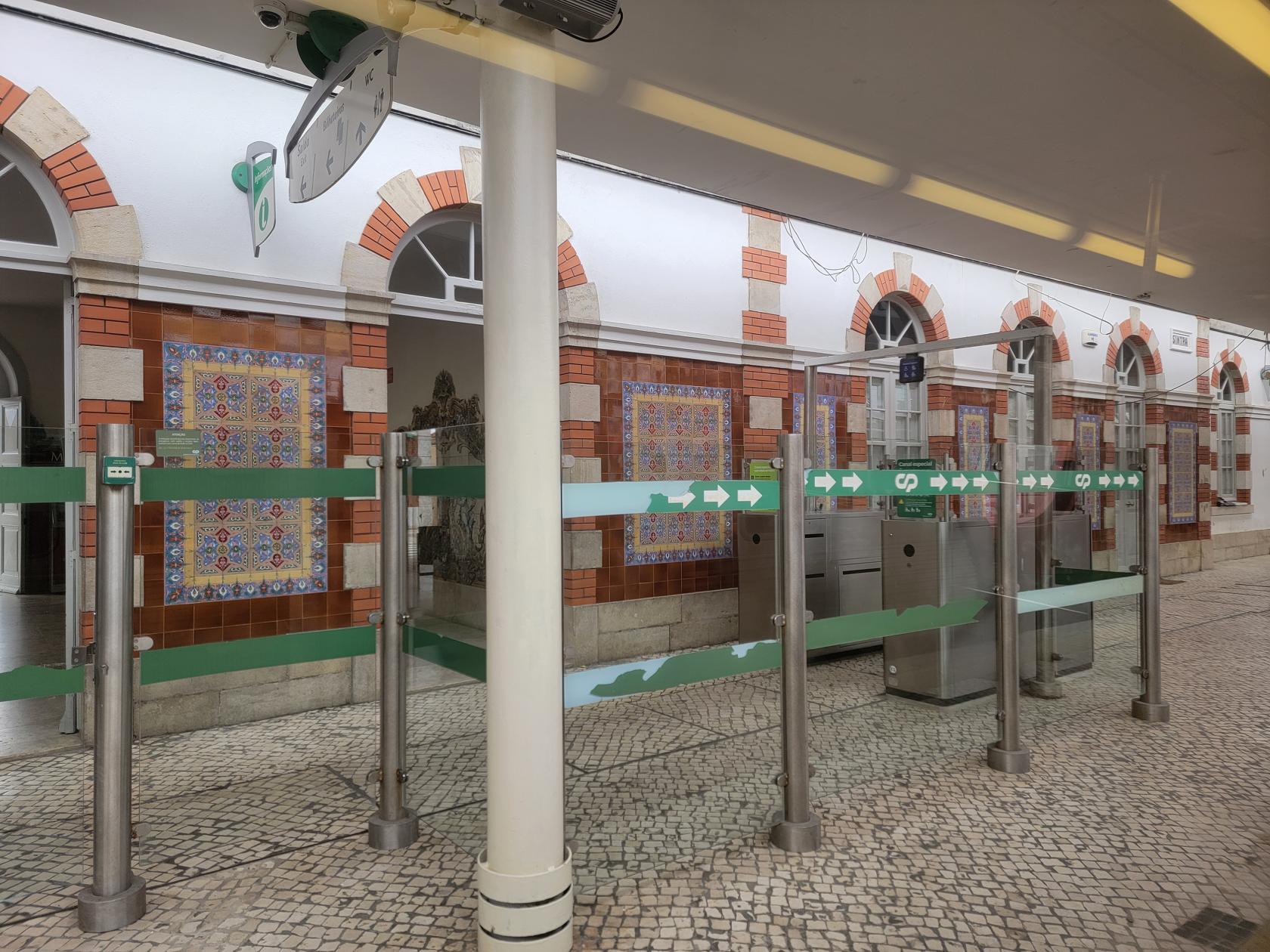
Train Station – Sintra, Portugal
The Town
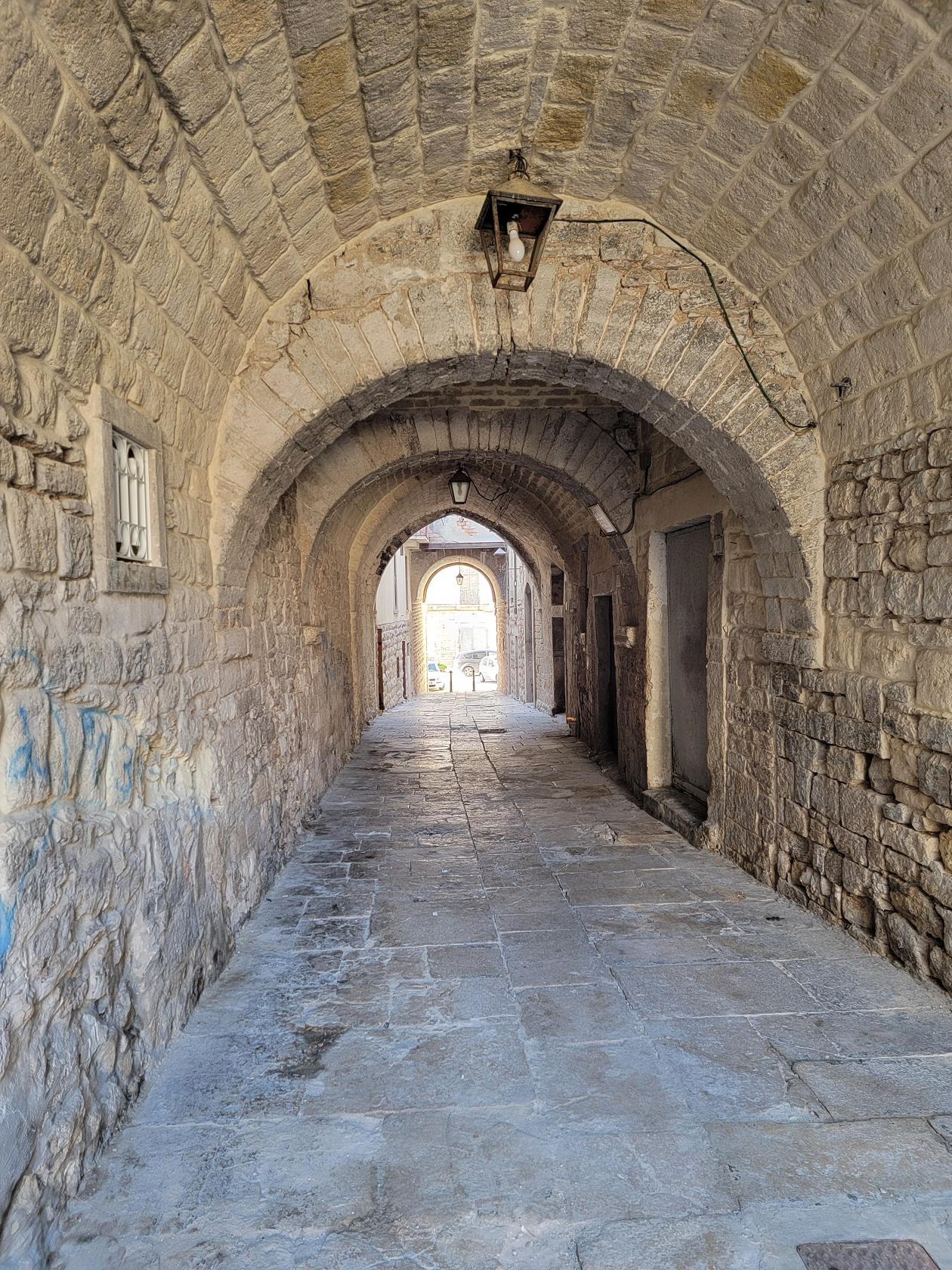
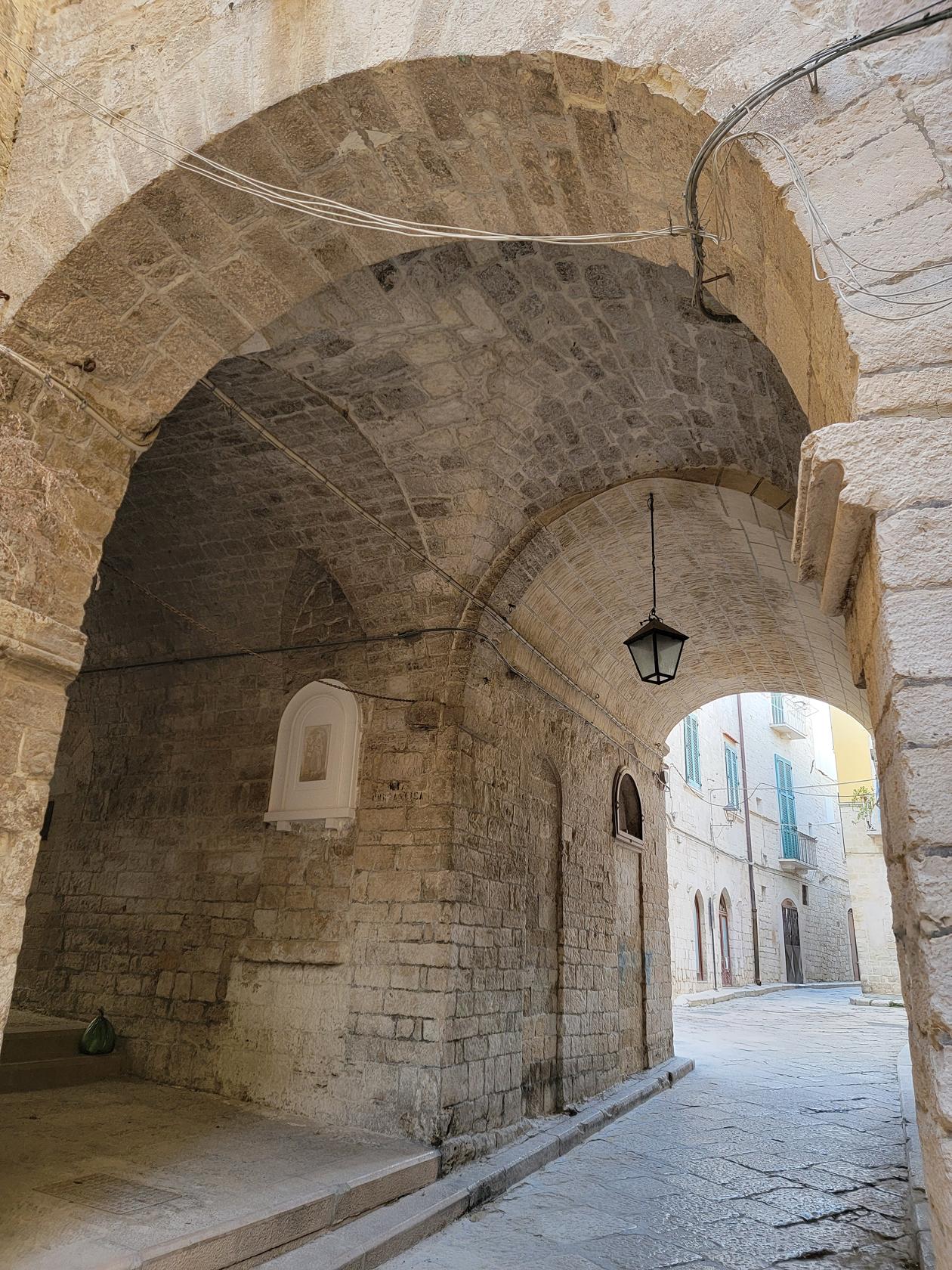
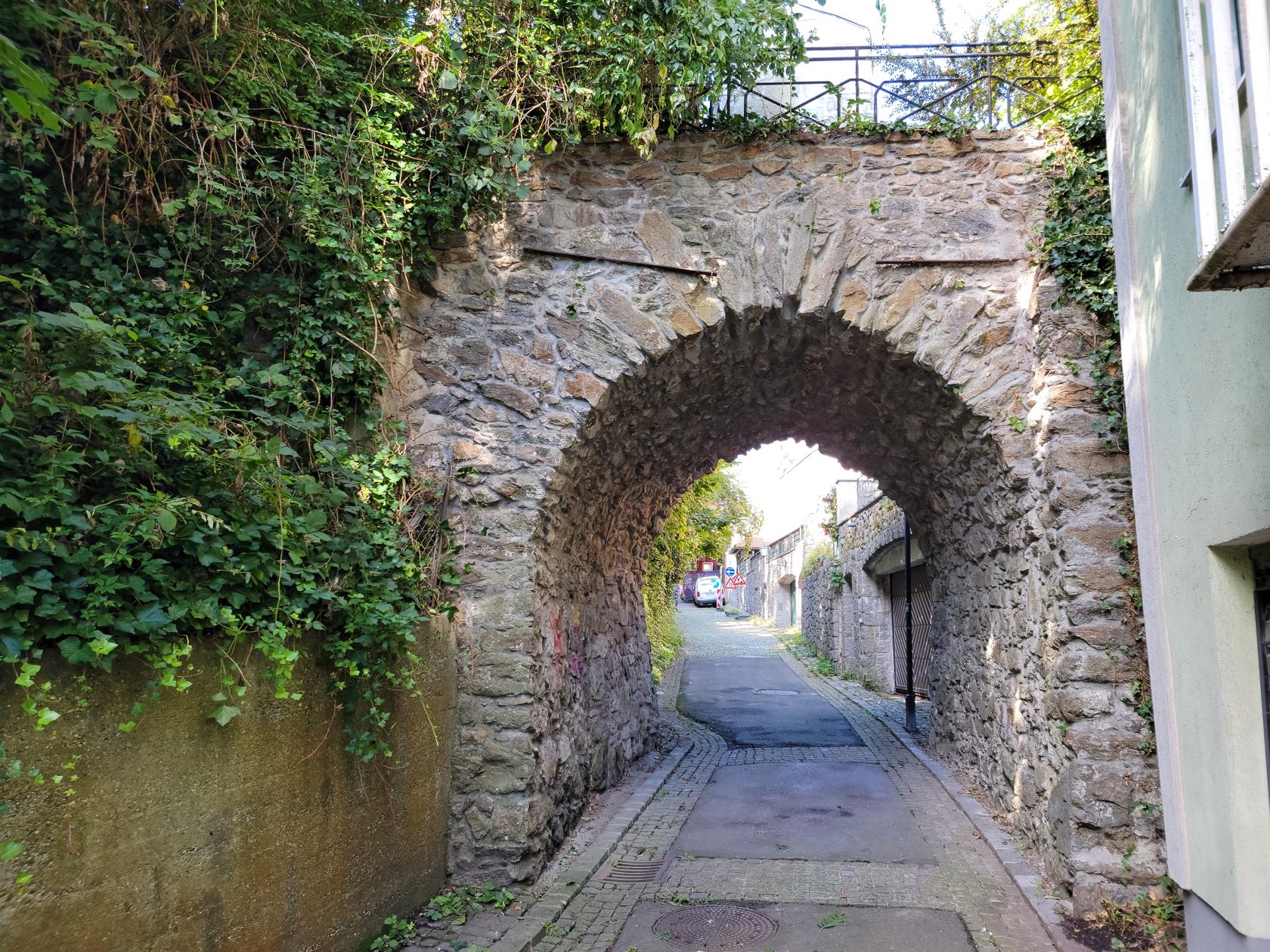
Is chaotically laid out and has many narrow passageways and alleys. As with most of Portugal, you get the feeling you must always climb up or down, so be prepared for a lot of steps.
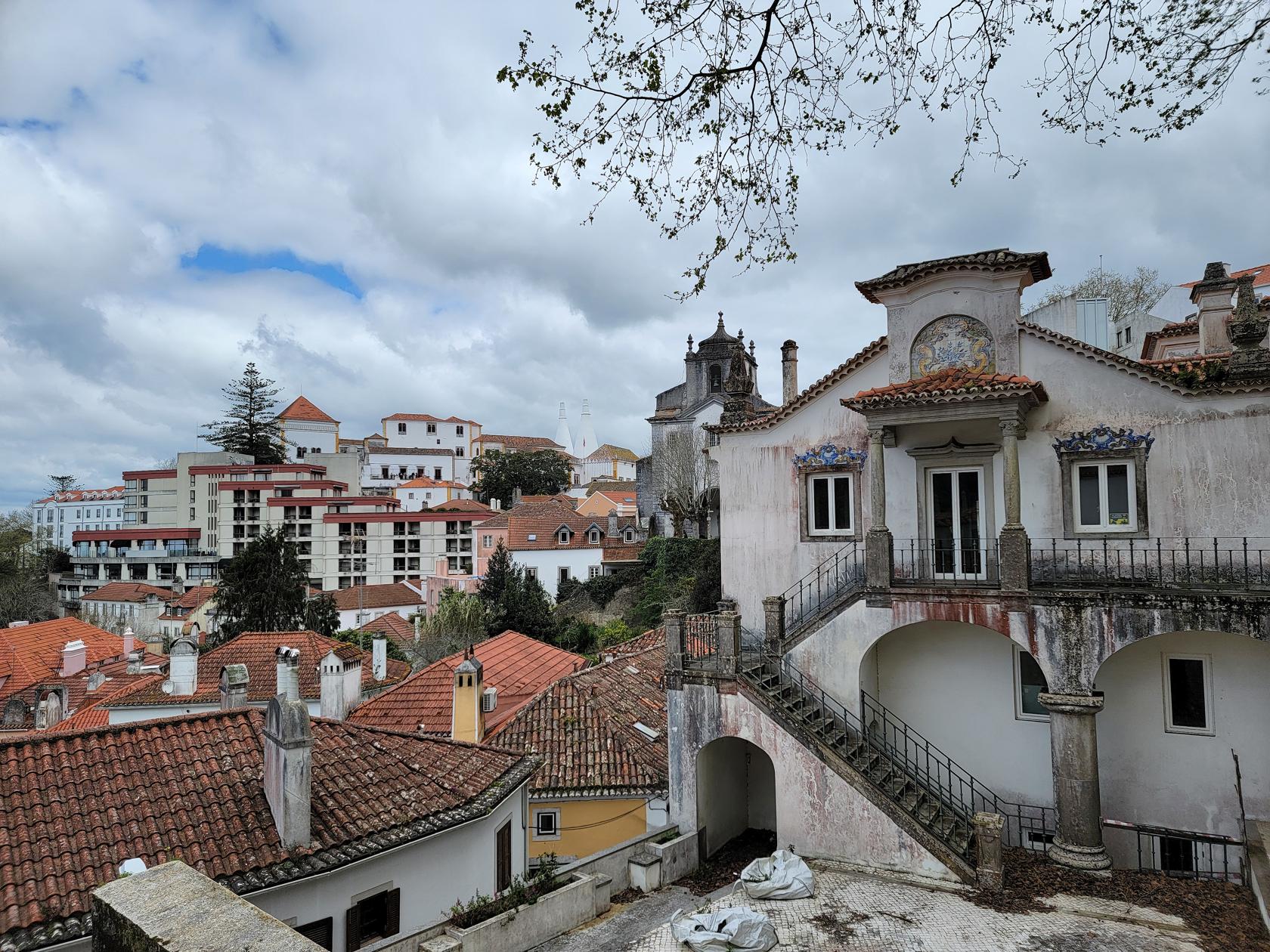
Old Buildings – Sintra, Portugal
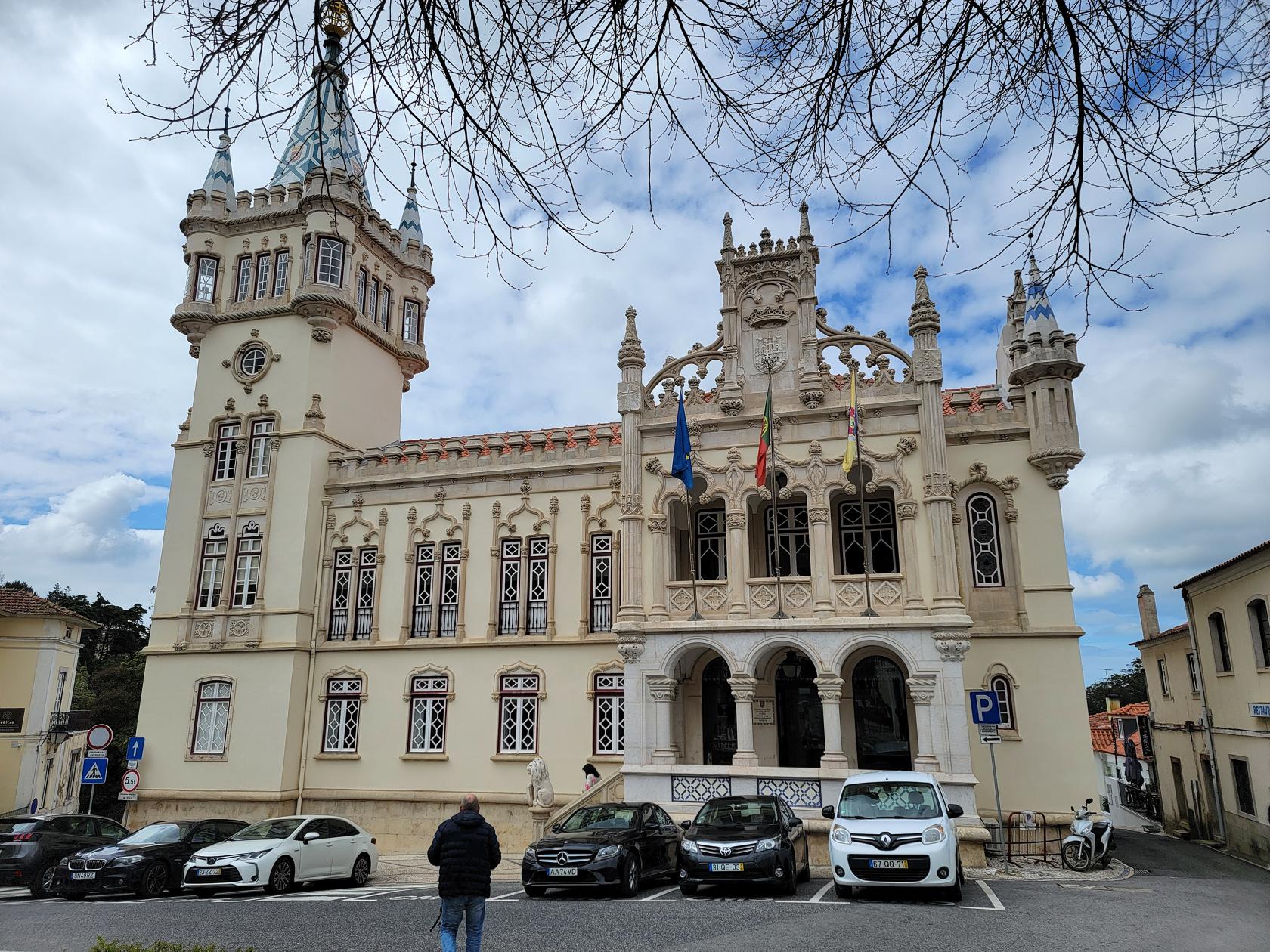
Municipal Building – Sintra, Portugal
Quinta da Regaleira
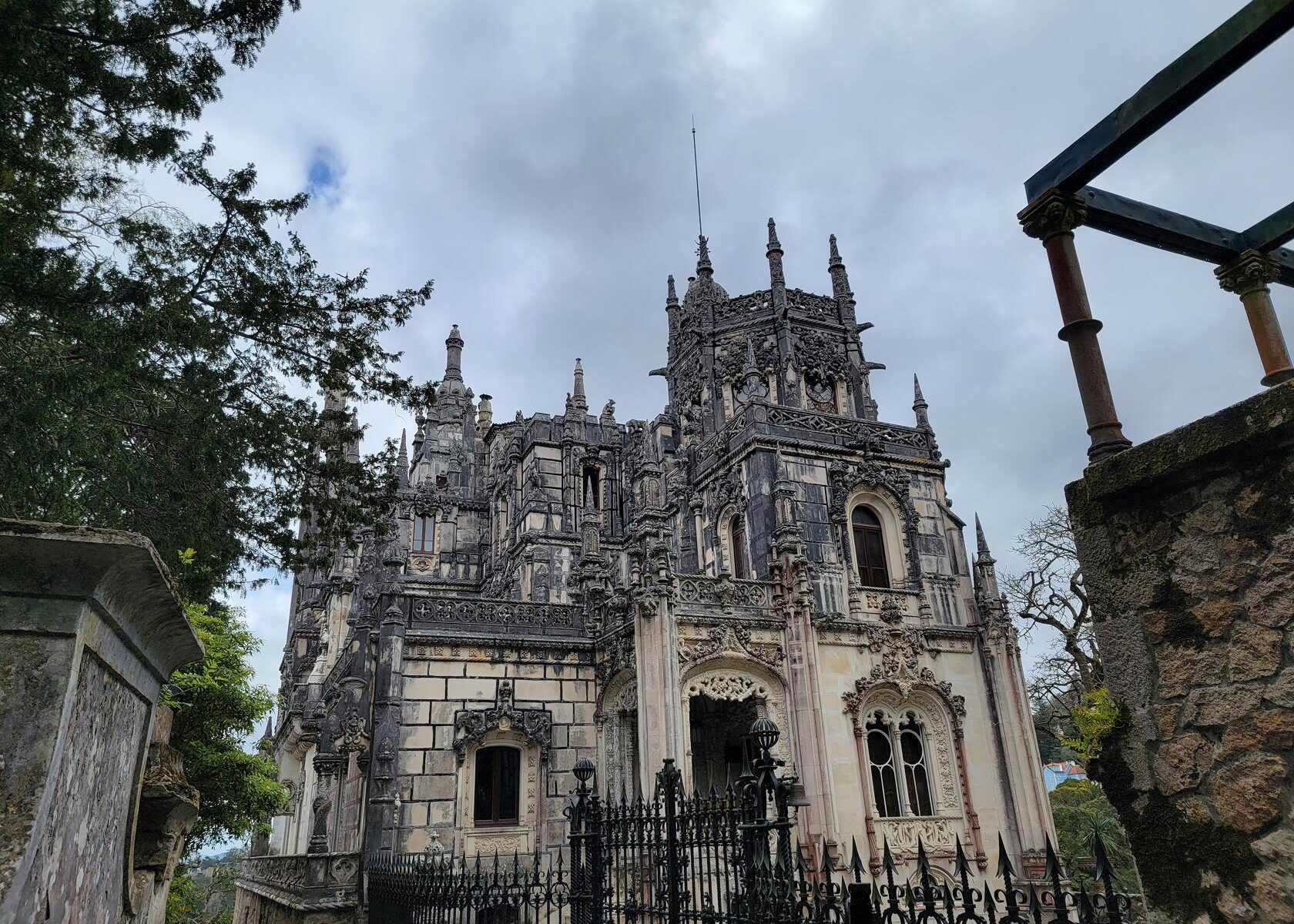
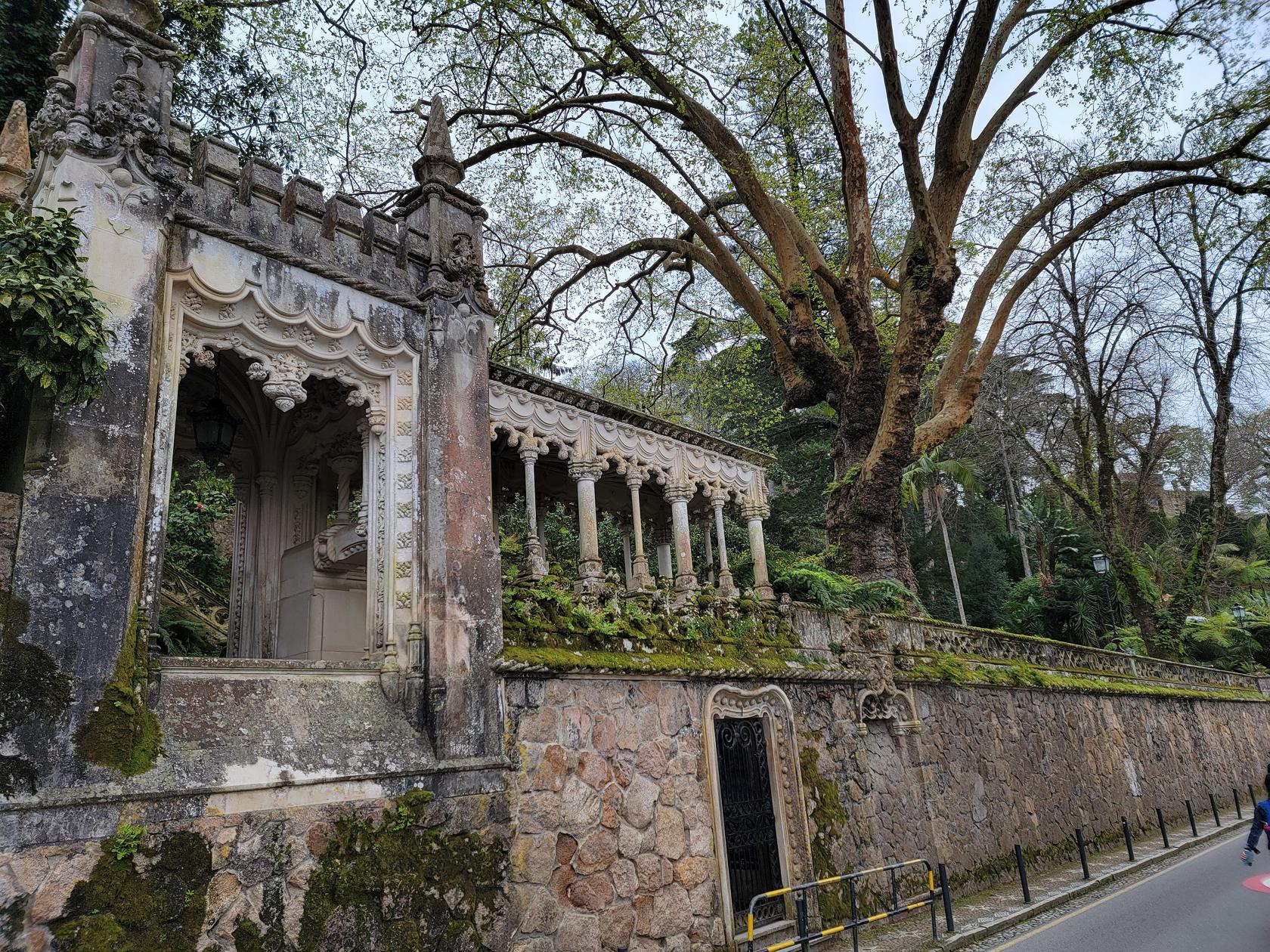
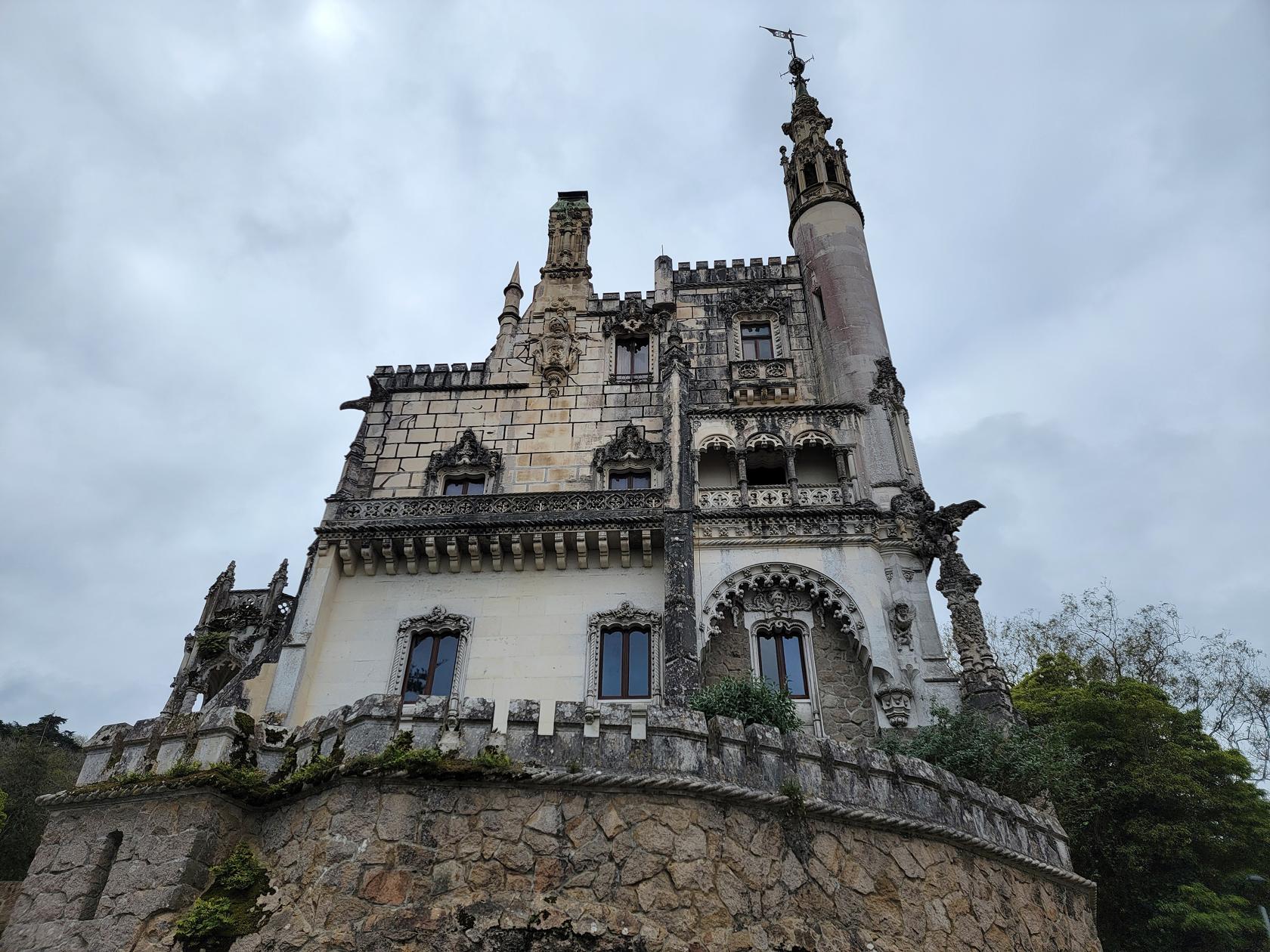
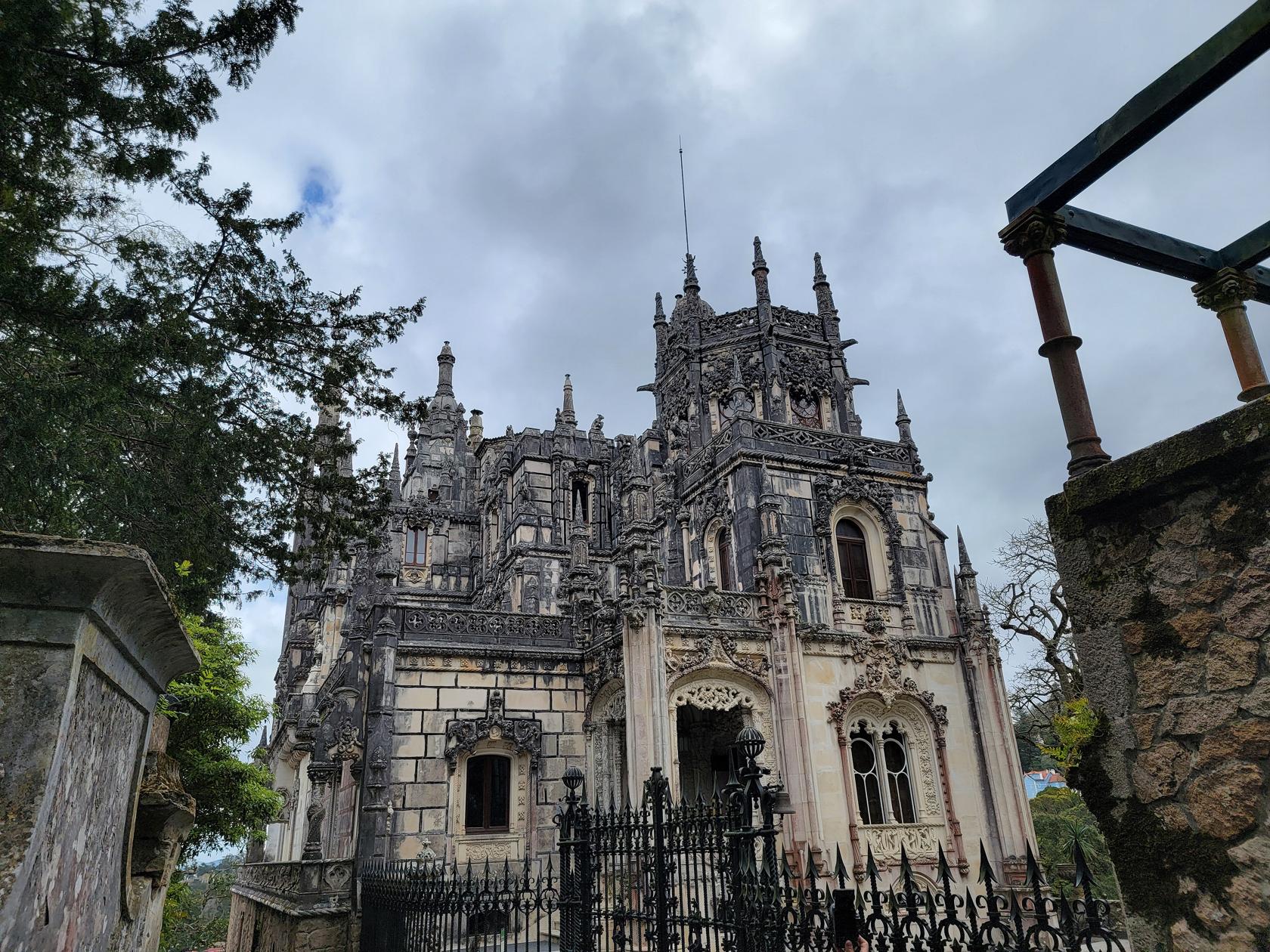
The Quinta da Regaleira was another issue. Though we wanted to visit the property, it only has reservations and time slots. Aside from that, the line was so long, since everyone was looking for alternatives due to the closures, that it was quickly out of available times. So we took some photographs and turned around.
Quinta da Regaleira Palace – Sintra, Portugal
Quinta da Regaleira Palace – Sintra, Portugal
Biester Palace
Having failed to come on a day when the majority of the park was open, we settled on the Biester Palace, so that the day and trip was not a total loss.
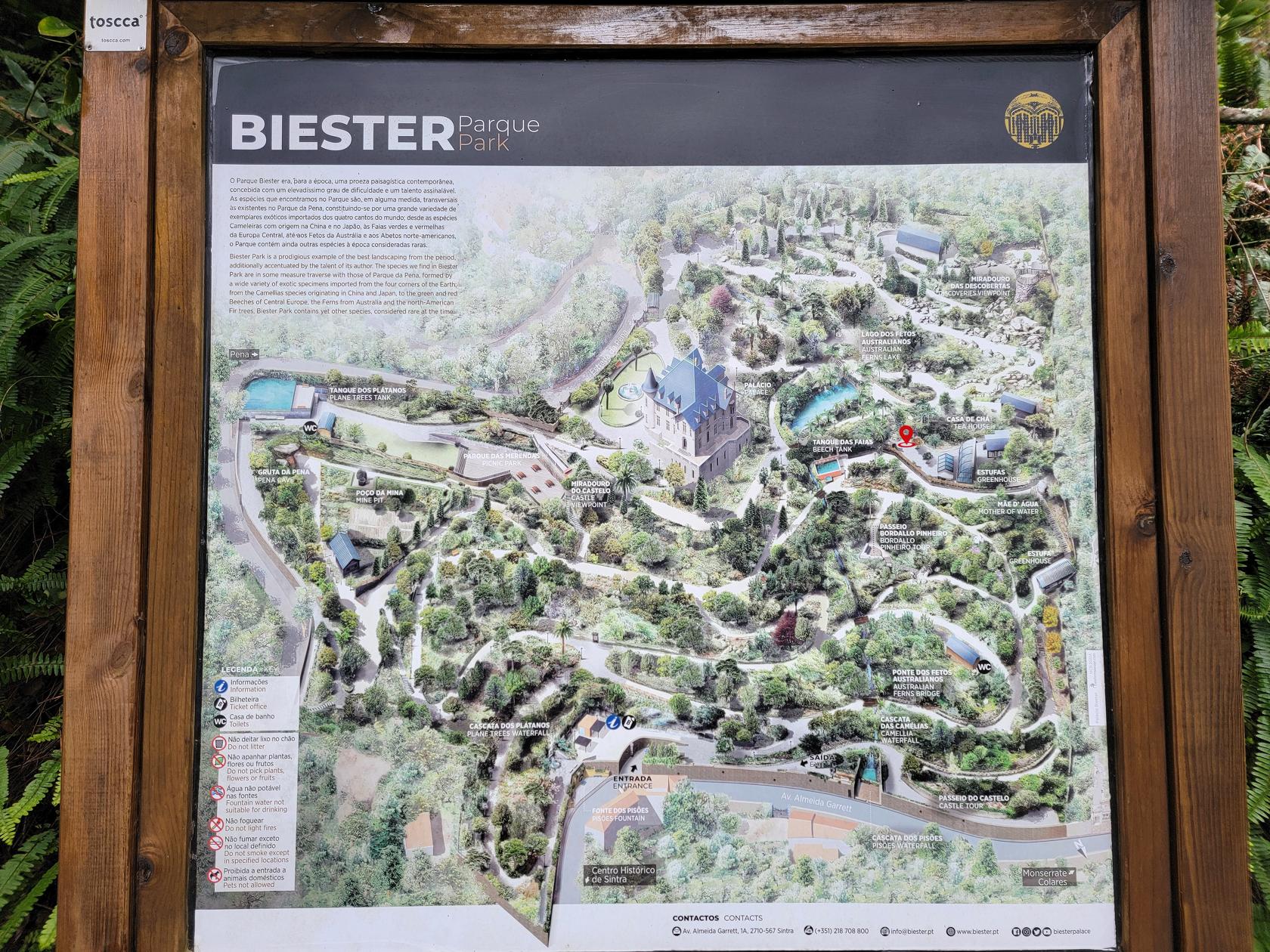
Biester Palace – Map – Sintra, Portugal
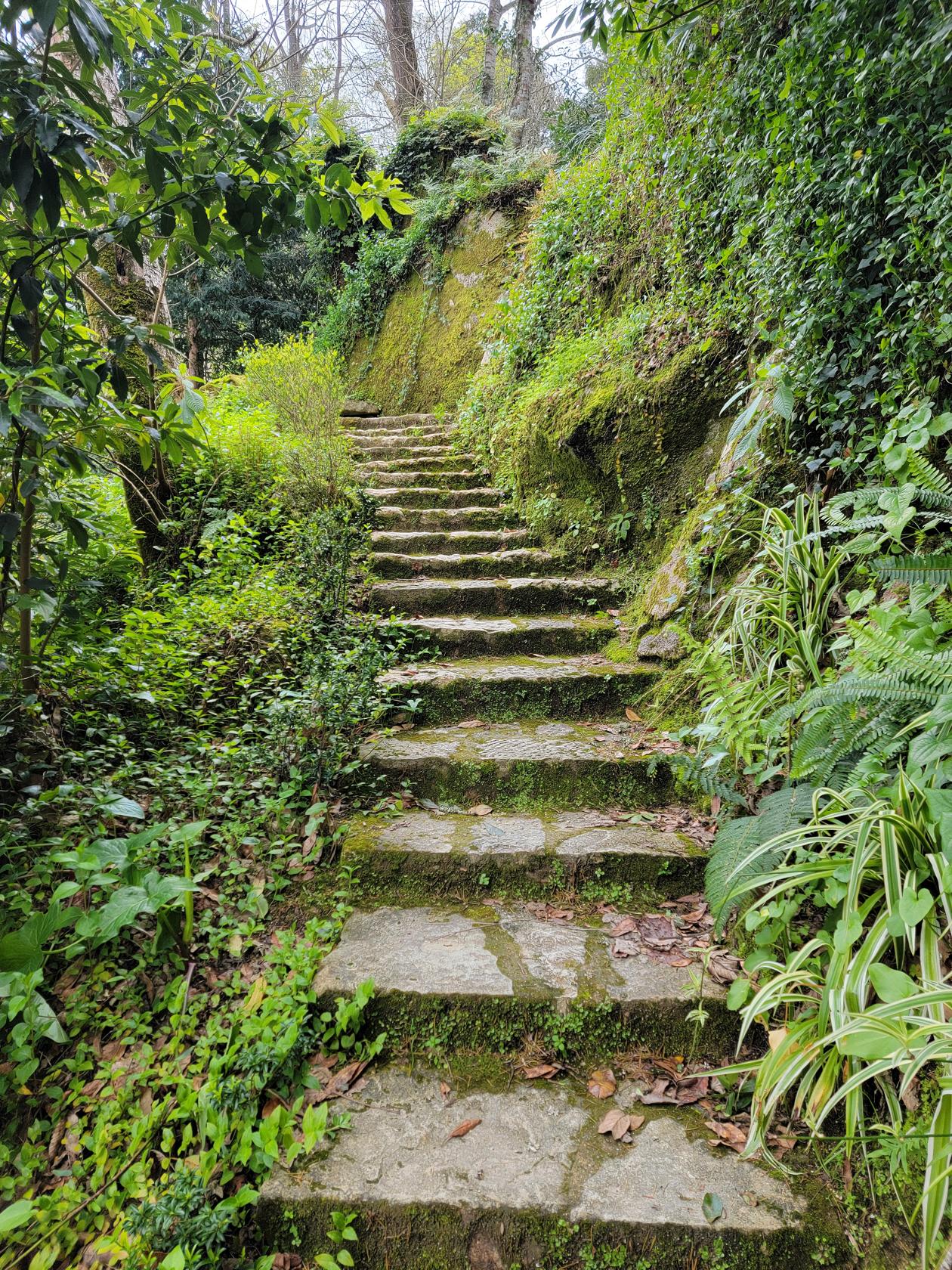
Biester Palace – Stairs to Palace – Sintra, Portugal
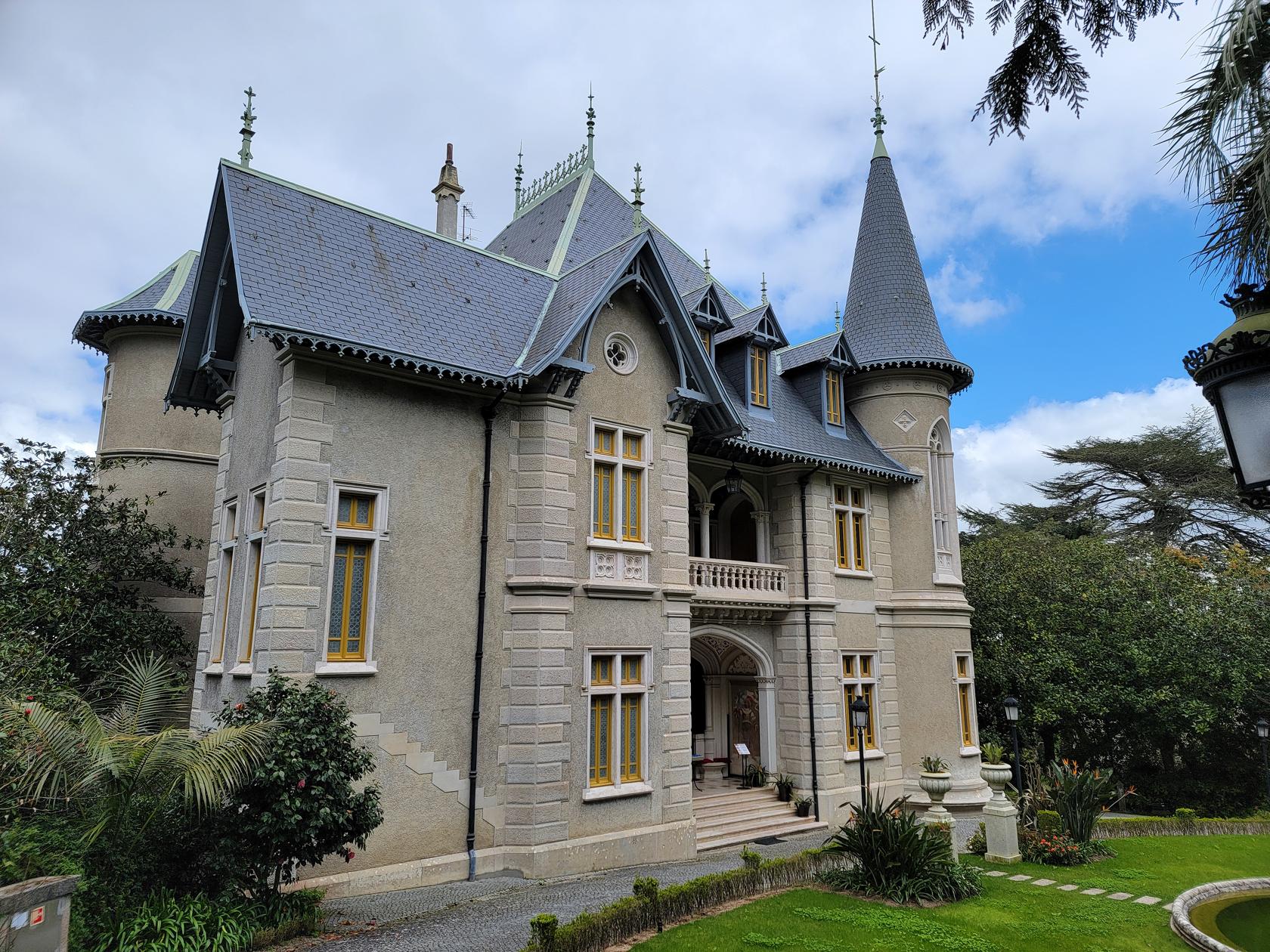
Biester Palace – Front – Sintra, Portugal
Biester Palace – Back Entrance – Sintra, Portugal
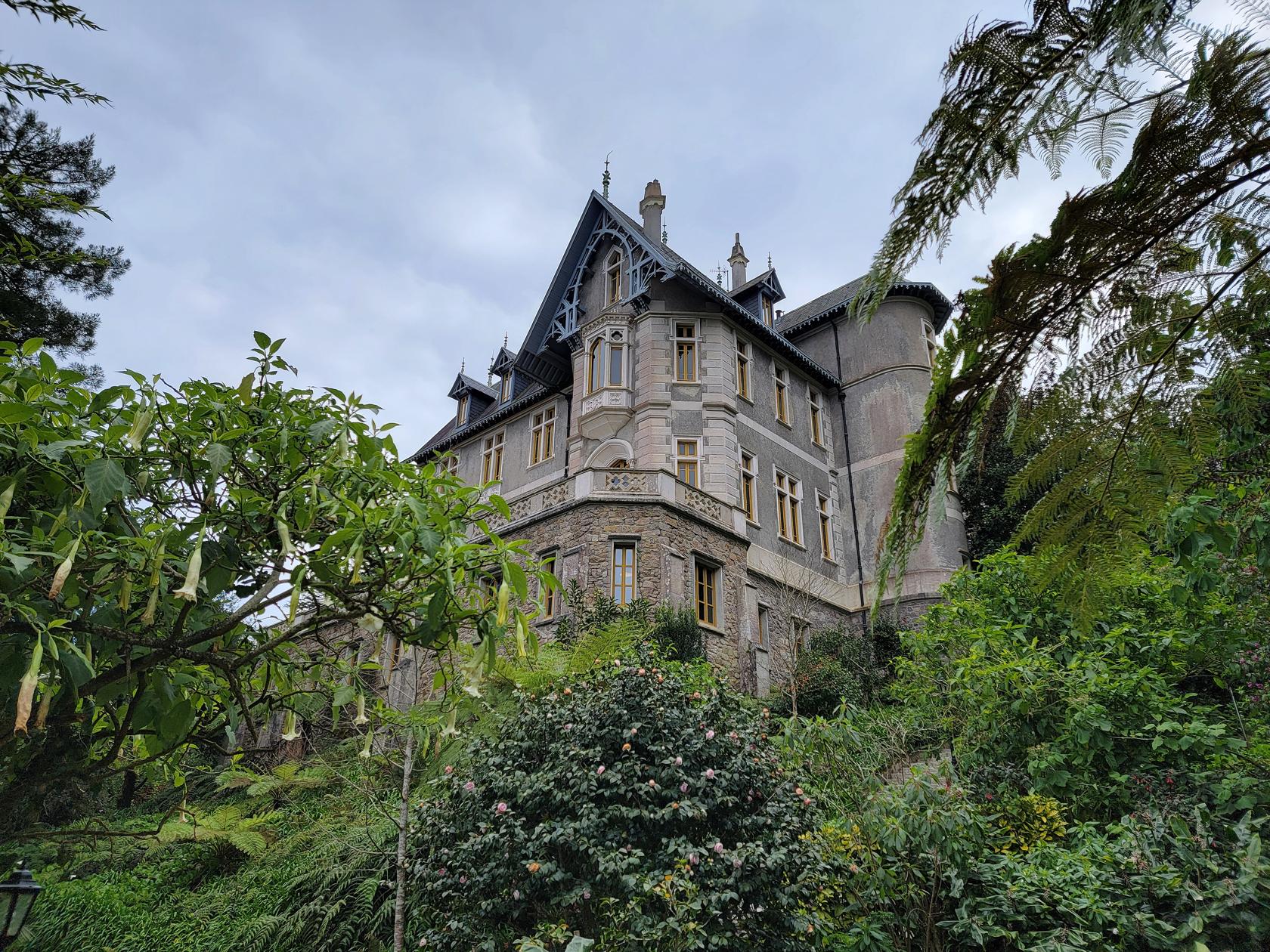
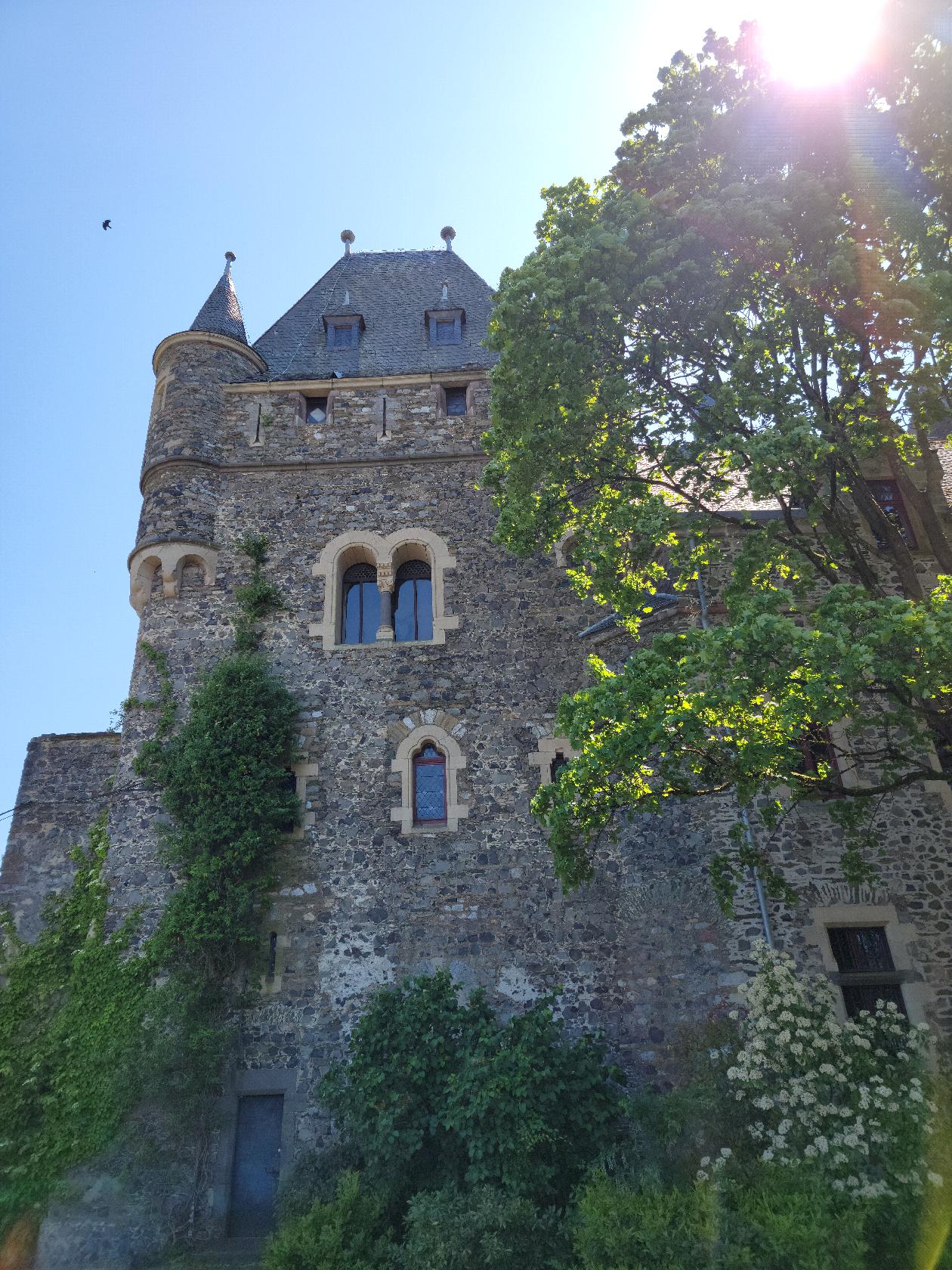
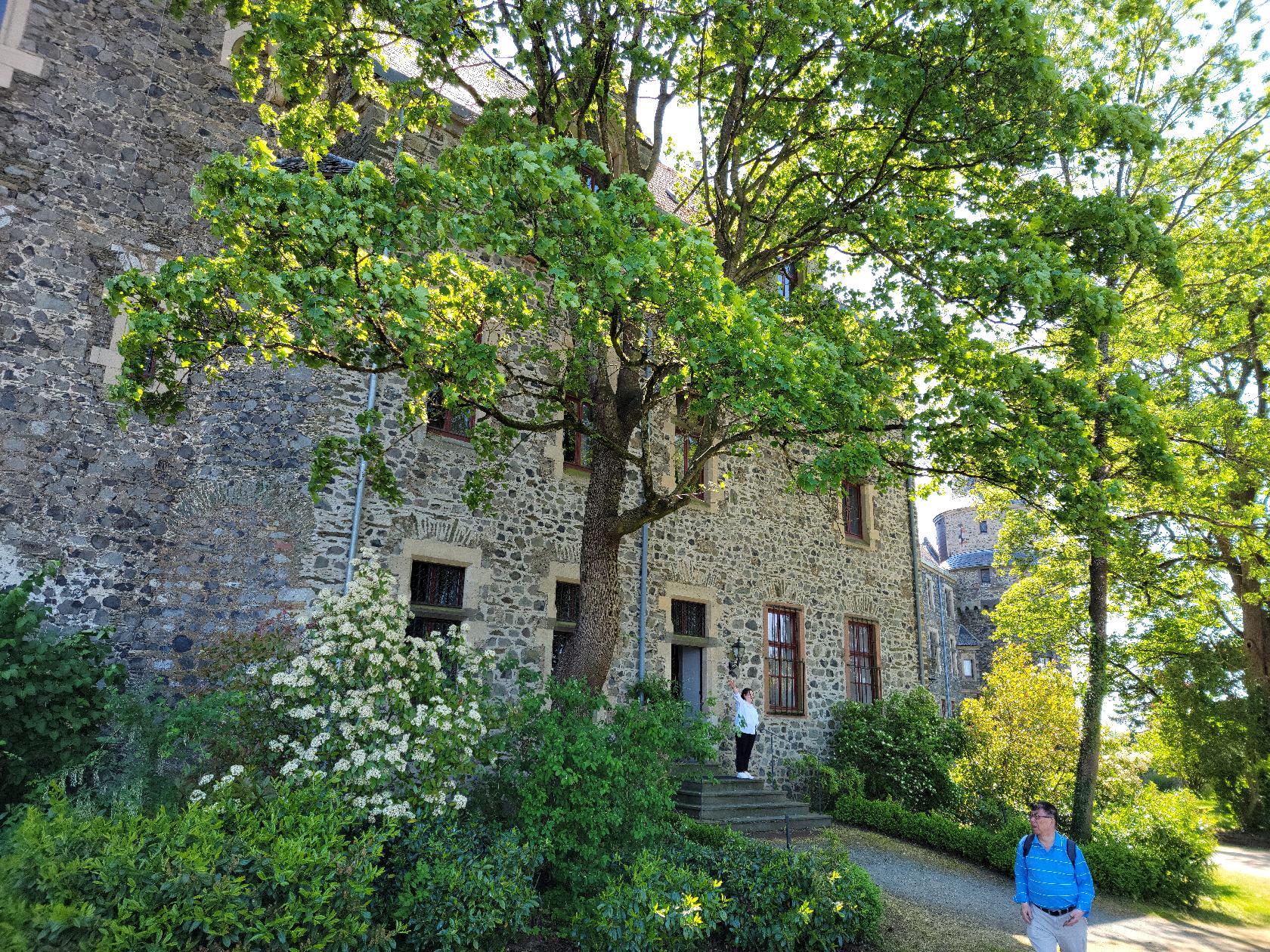
Not technically a palace, the residence that is called Biester Palace stands prominently and views from the grounds are very nice. The grounds are quiet enough and there is a cafe where one can enjoy a hot or cold drink while enjoying the beautiful flora.
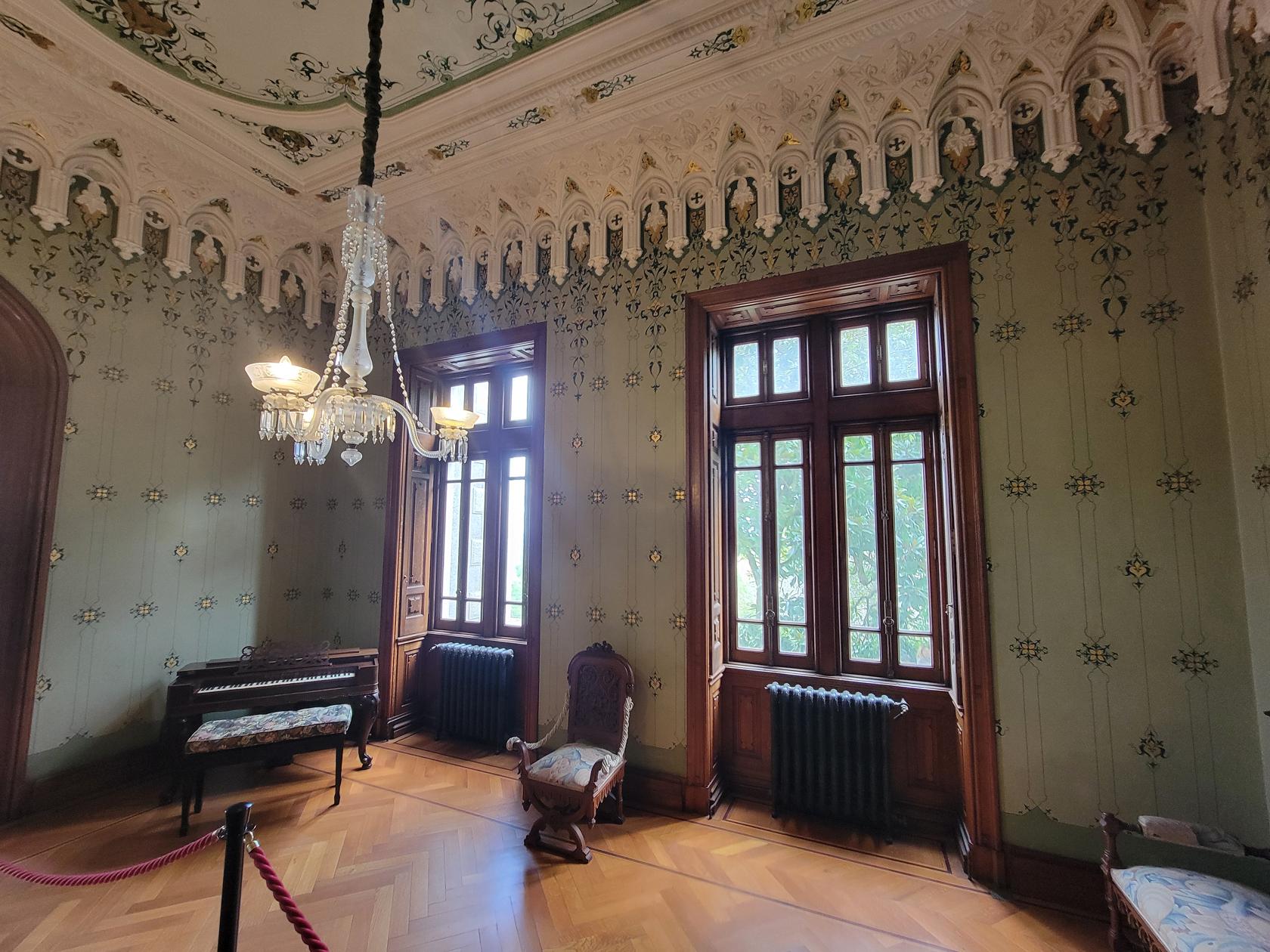
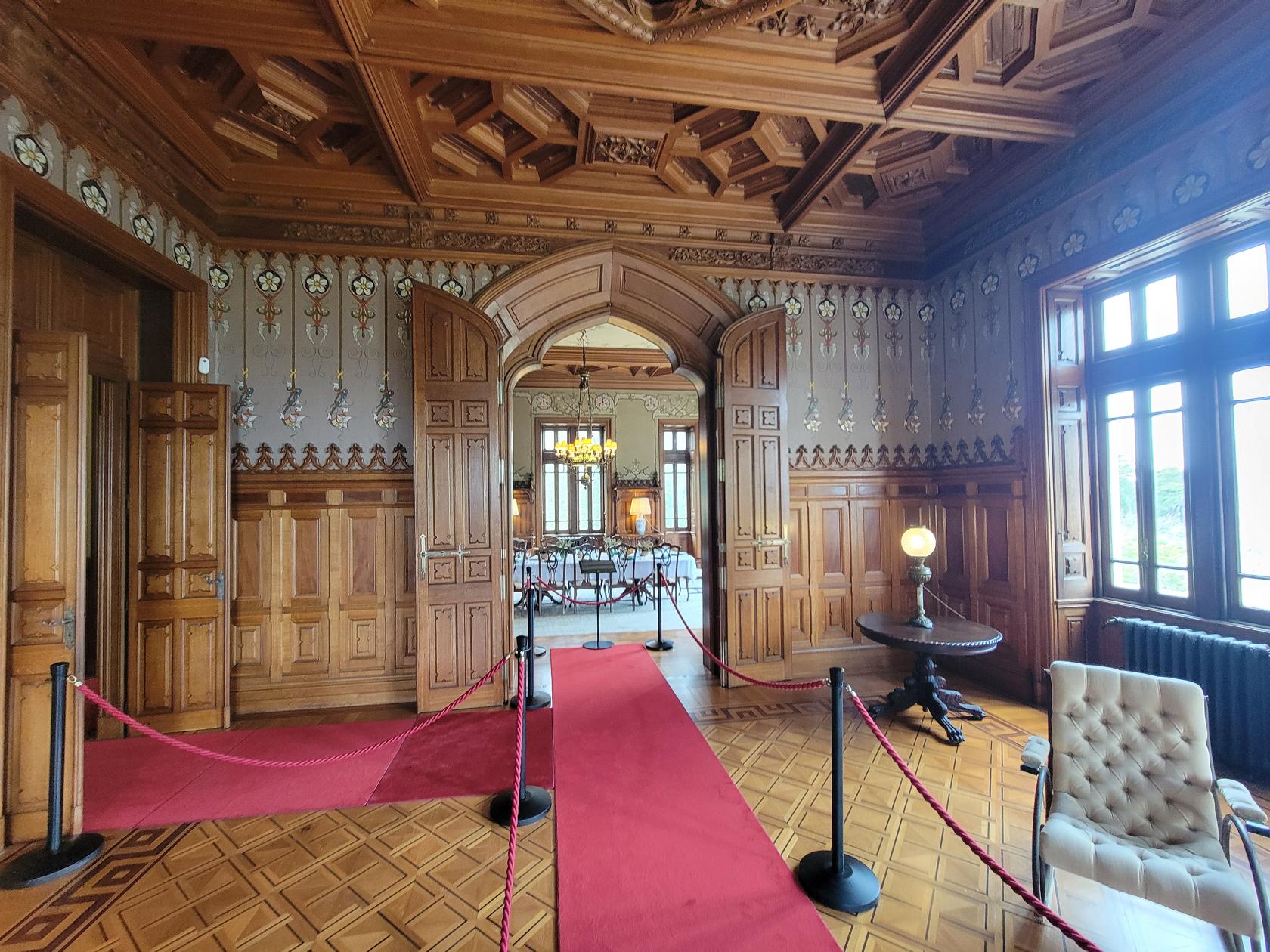
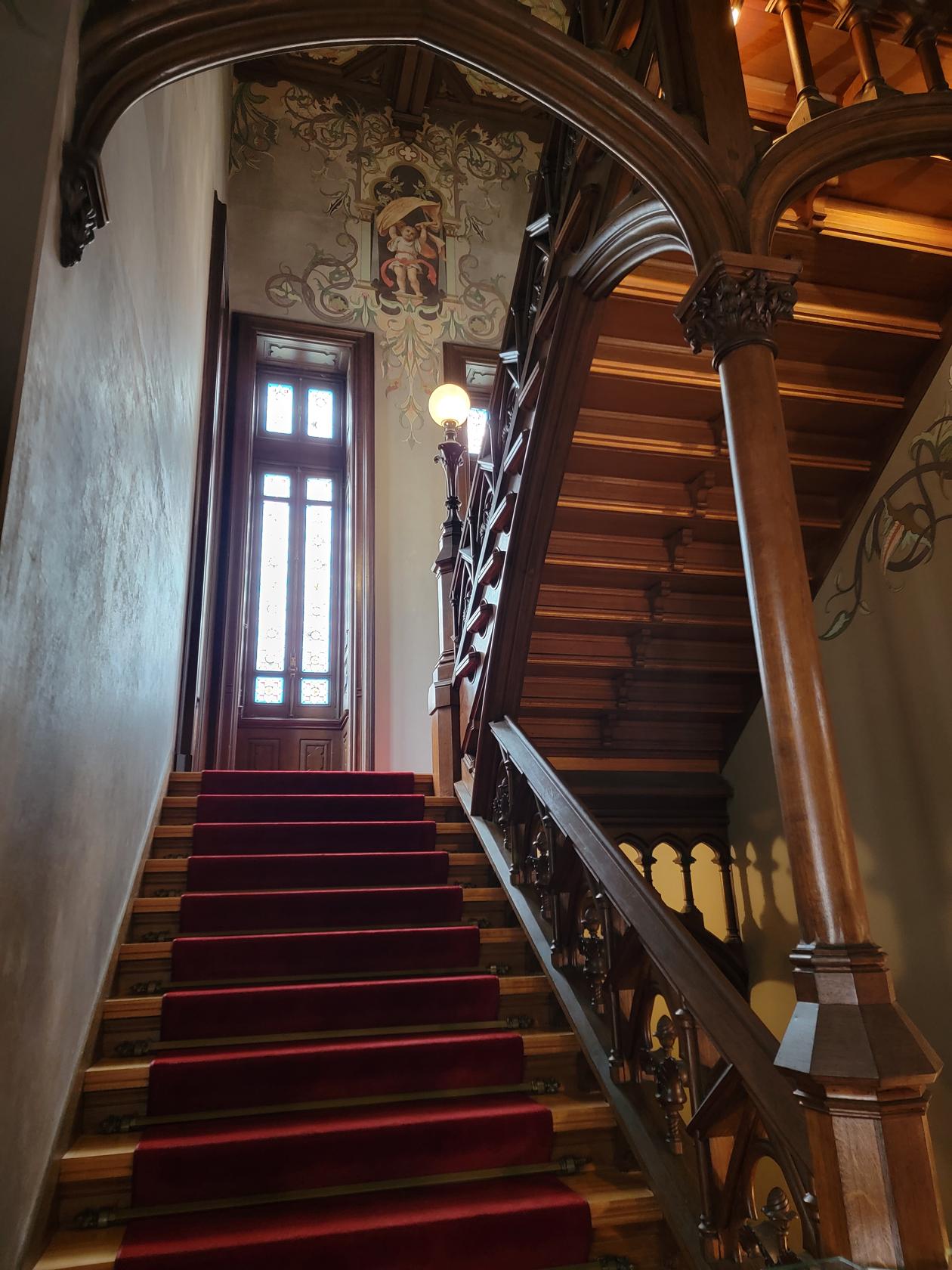
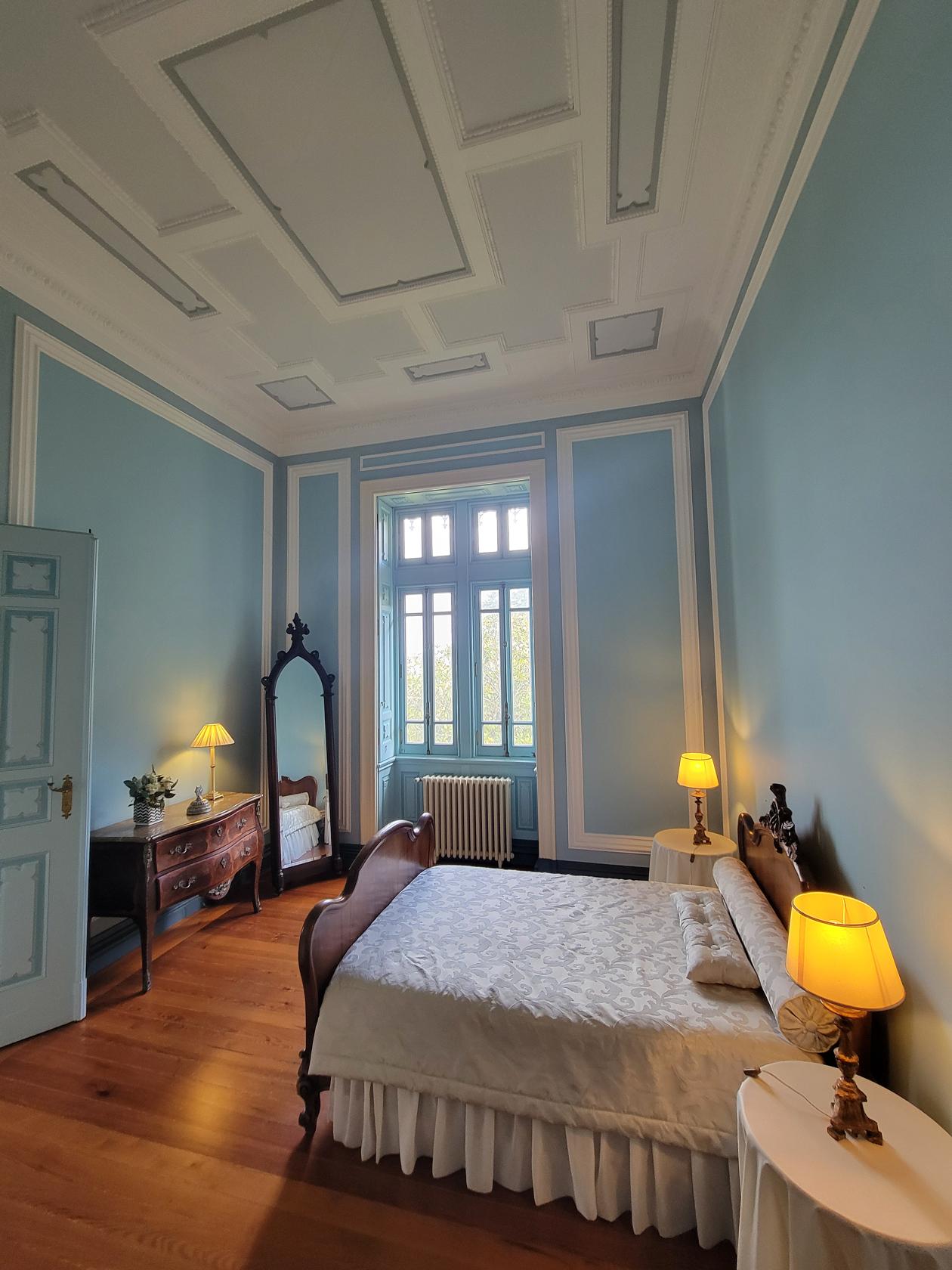
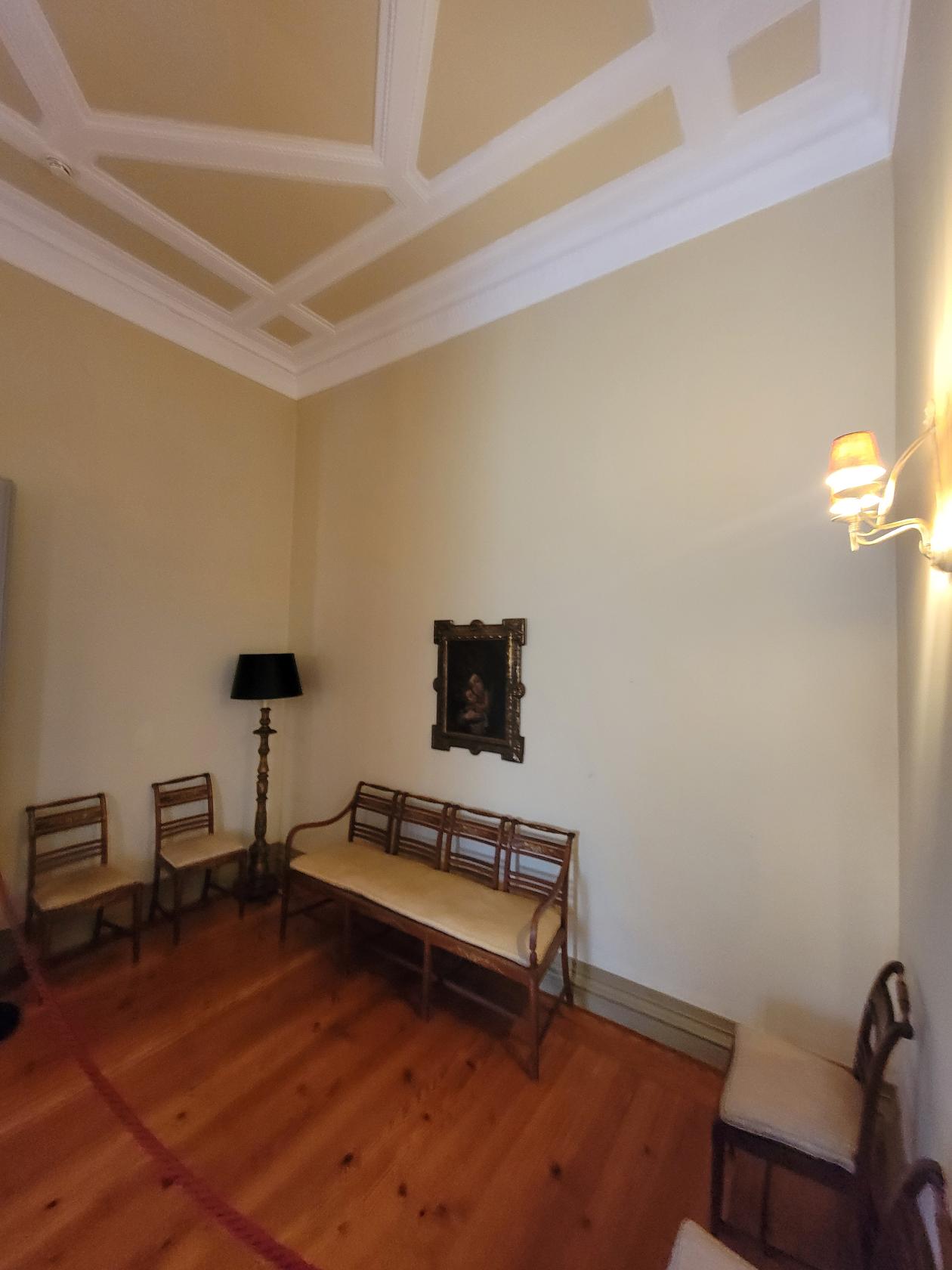
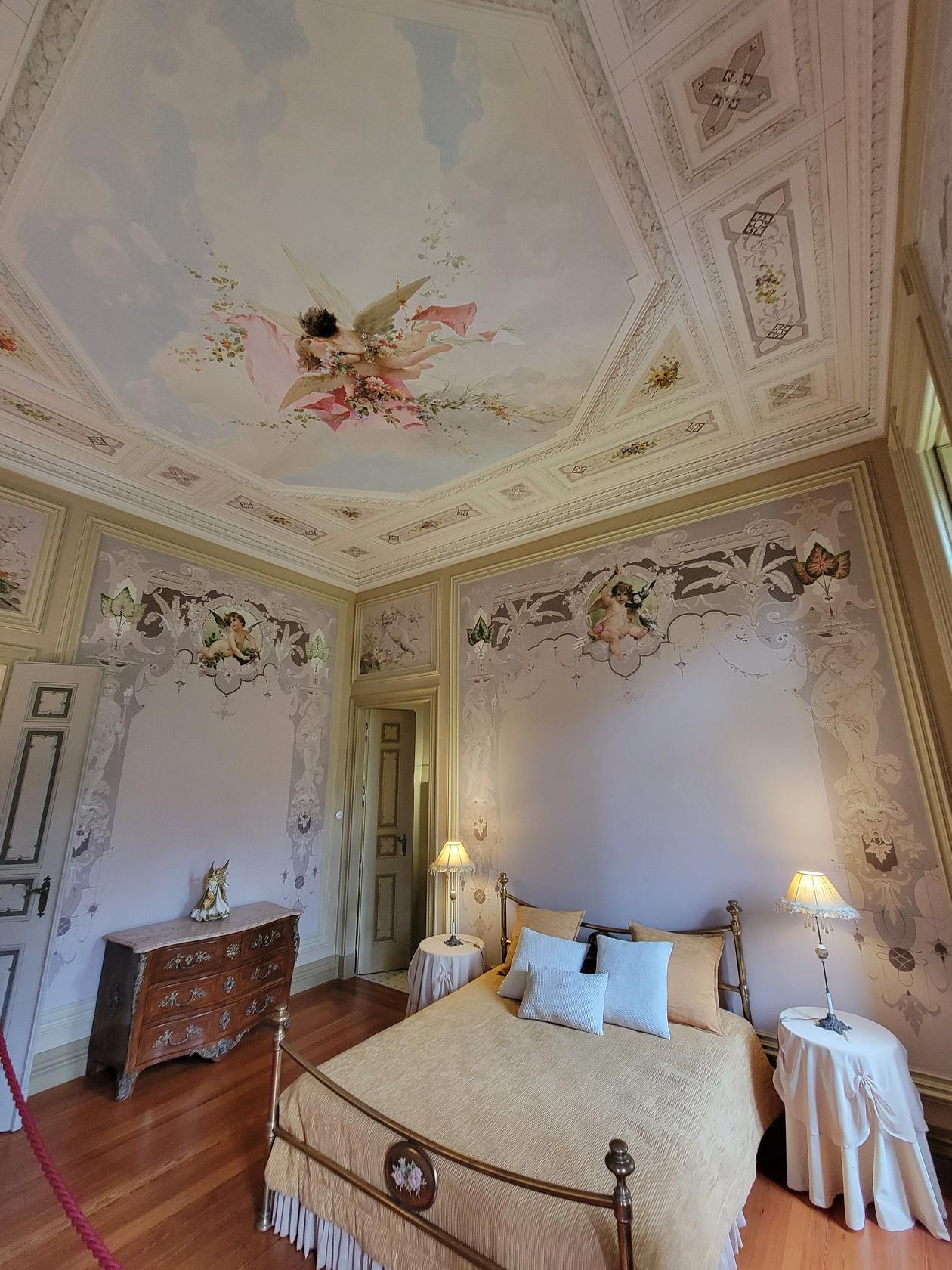
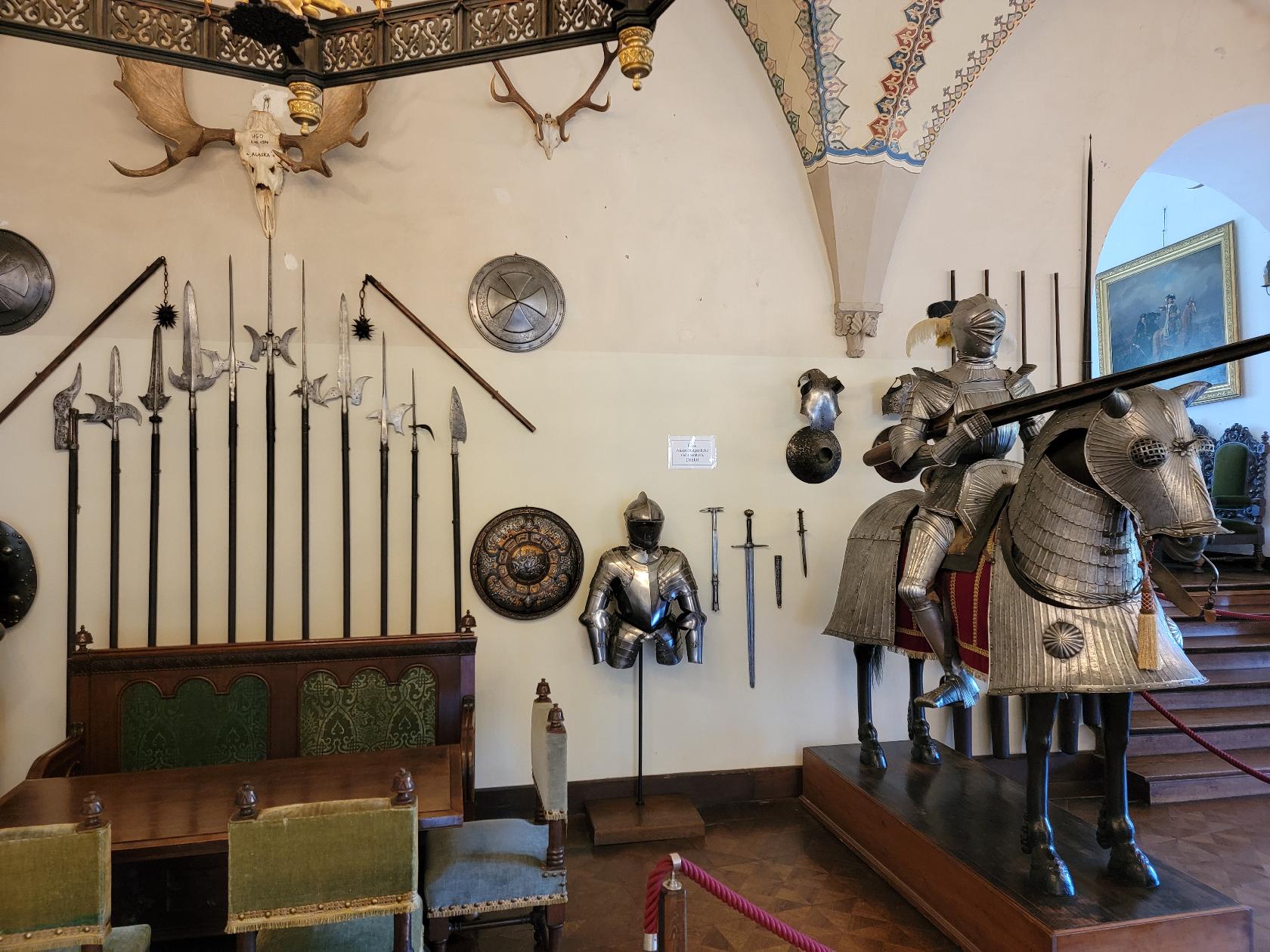
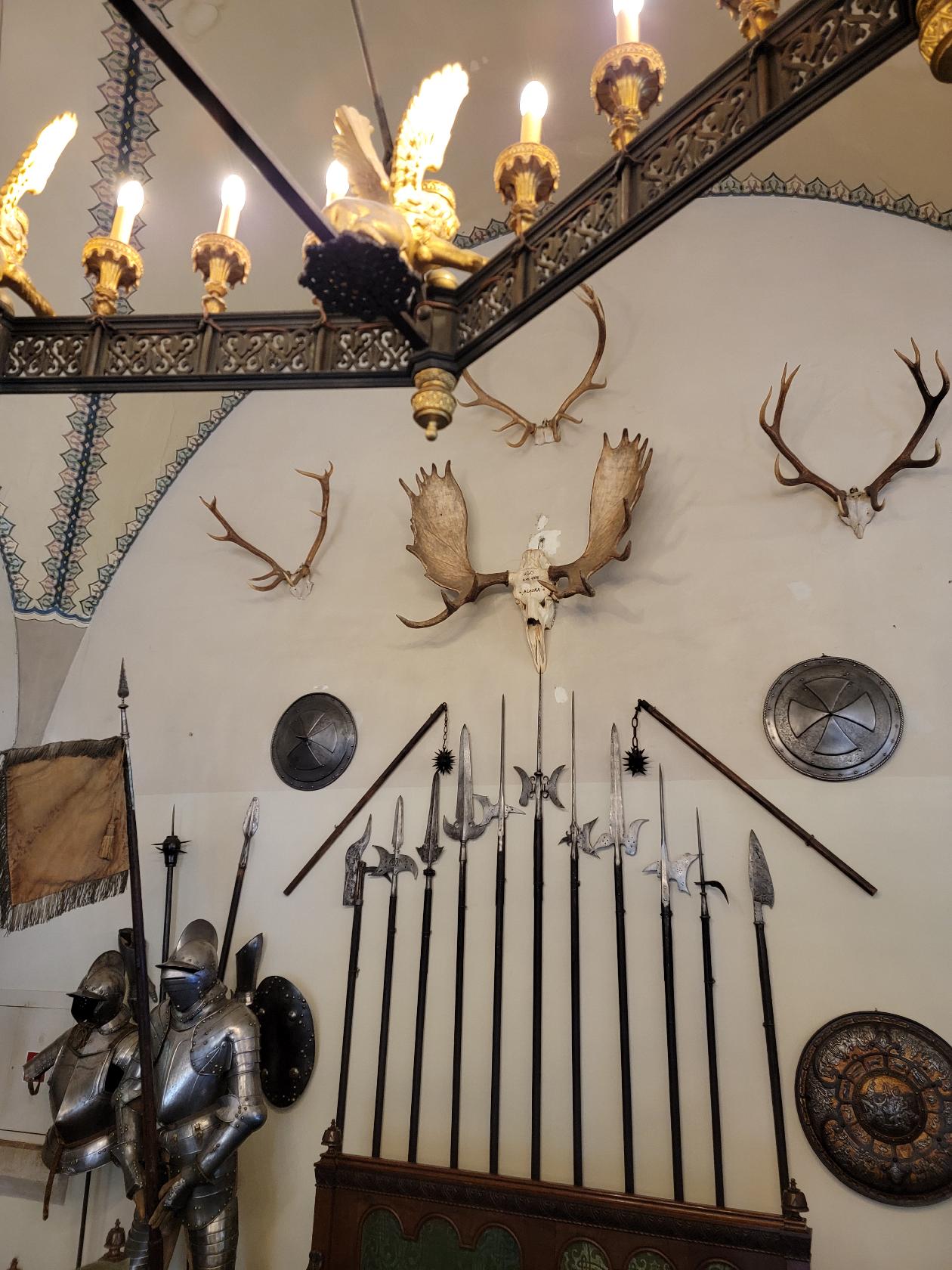
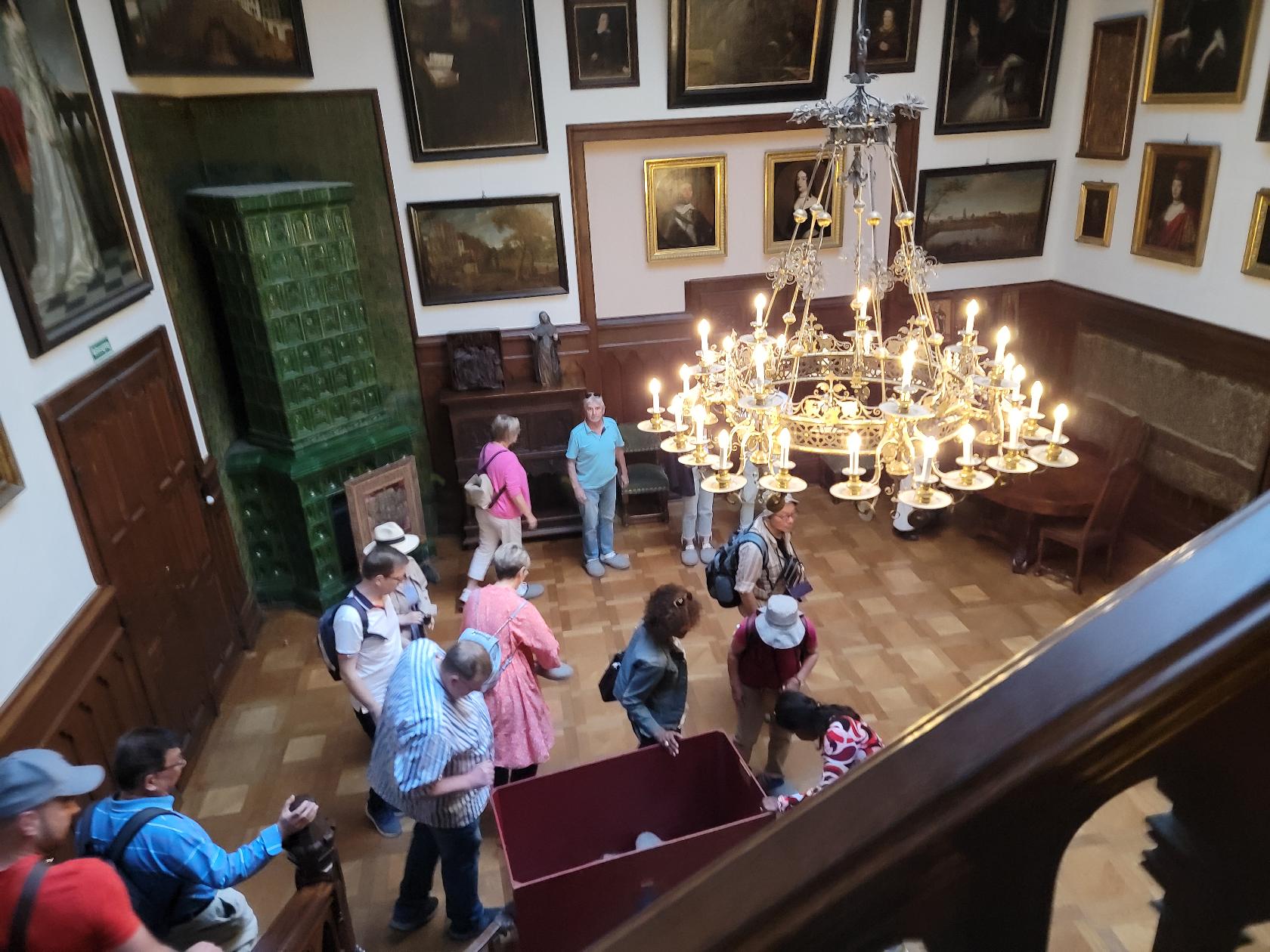
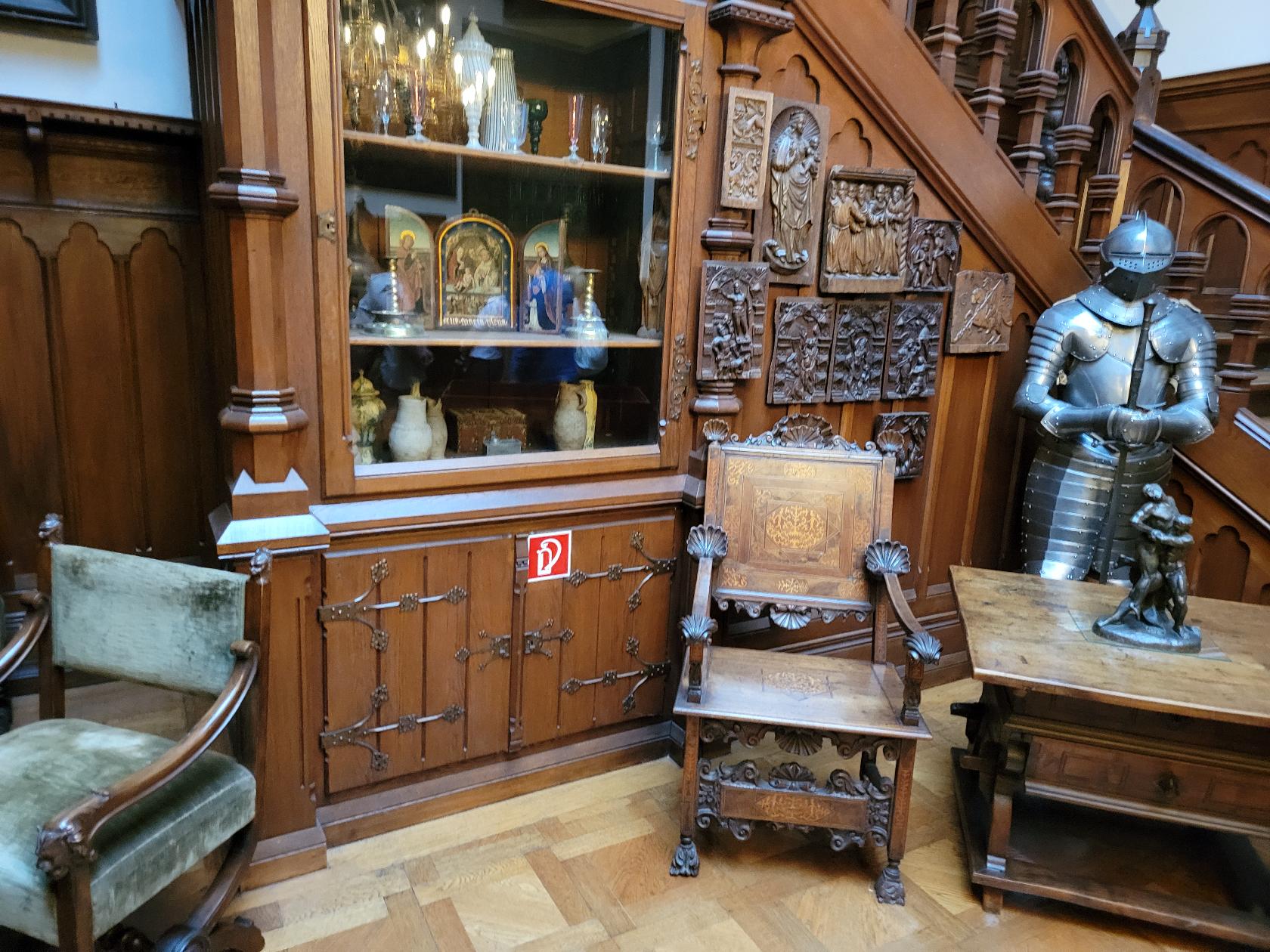
Biester Palace – Rooms – Sintra, Portugal
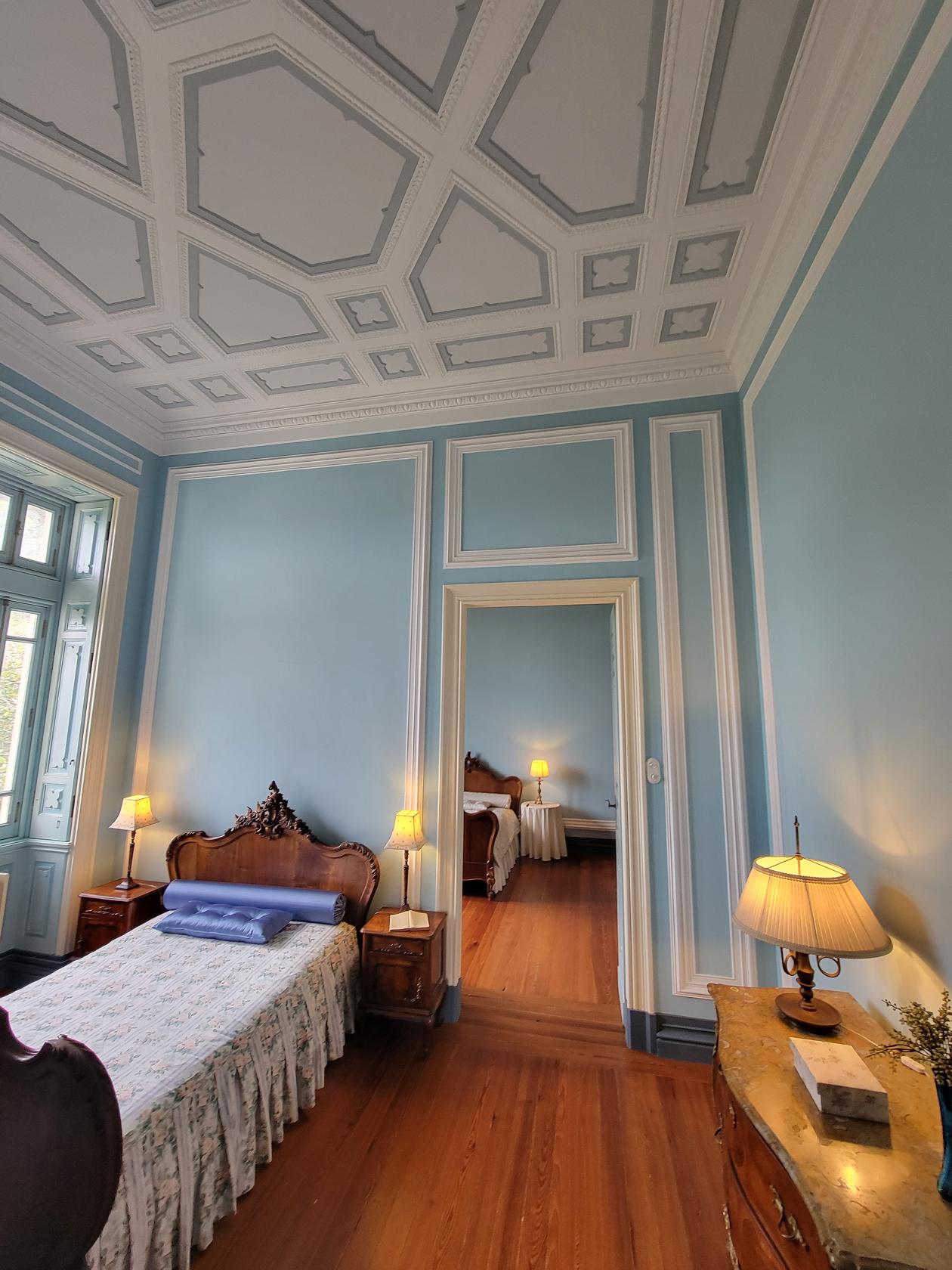
Biester Palace – Rooms – Sintra, Portugal
Biester Palace – Rooms – Sintra, Portugal
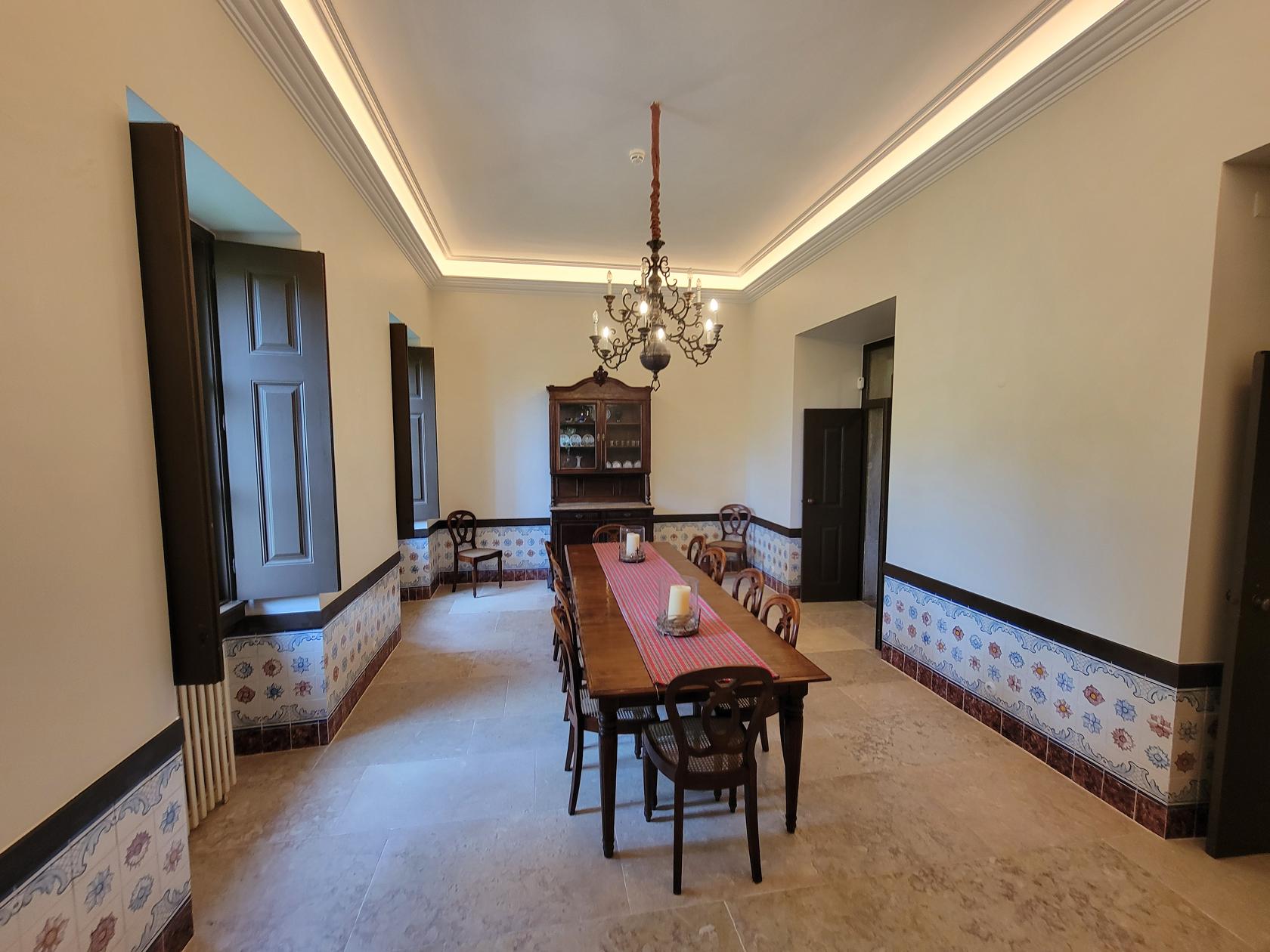
Biester Palace – Rooms – Sintra, Portugal
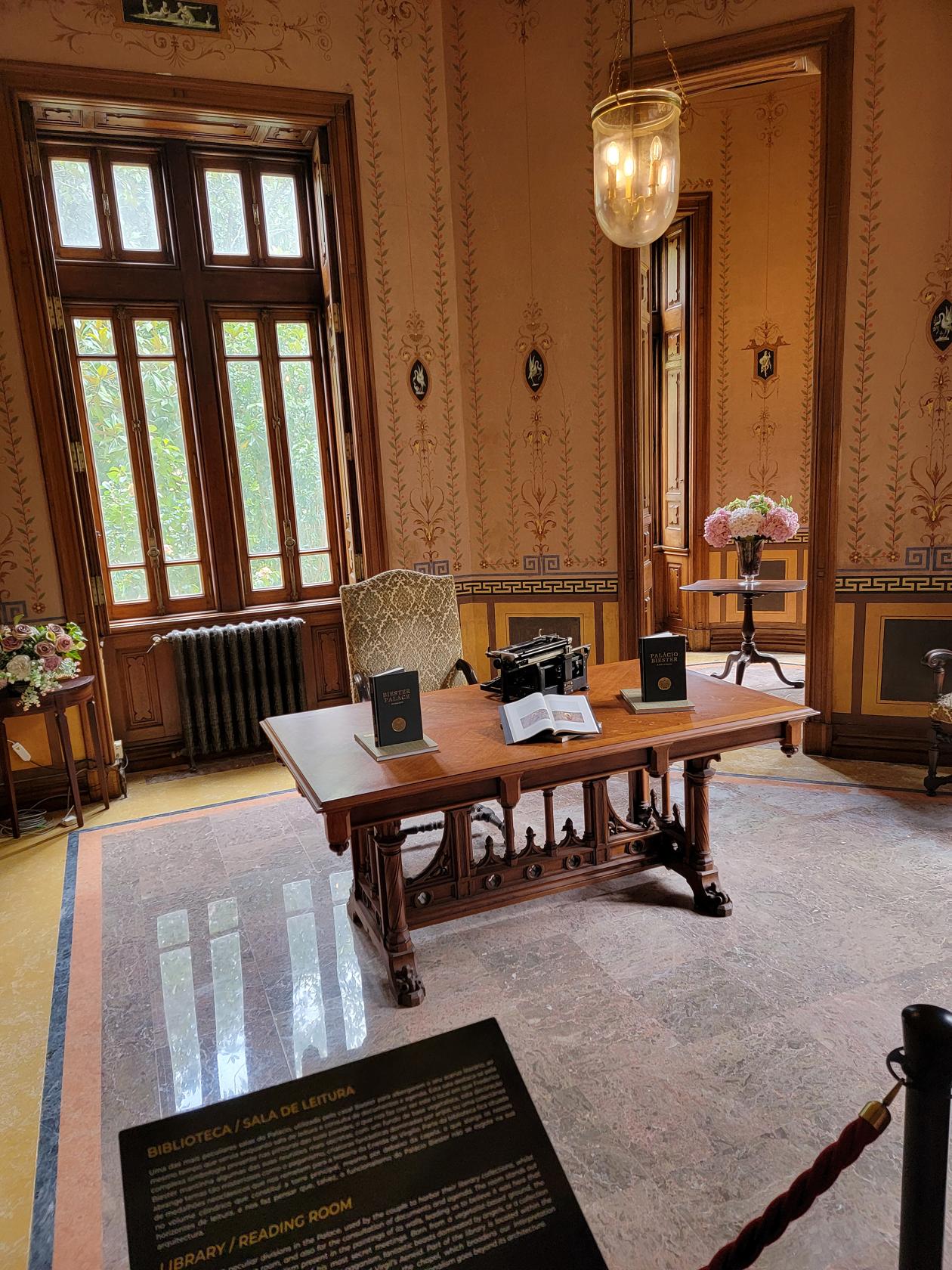
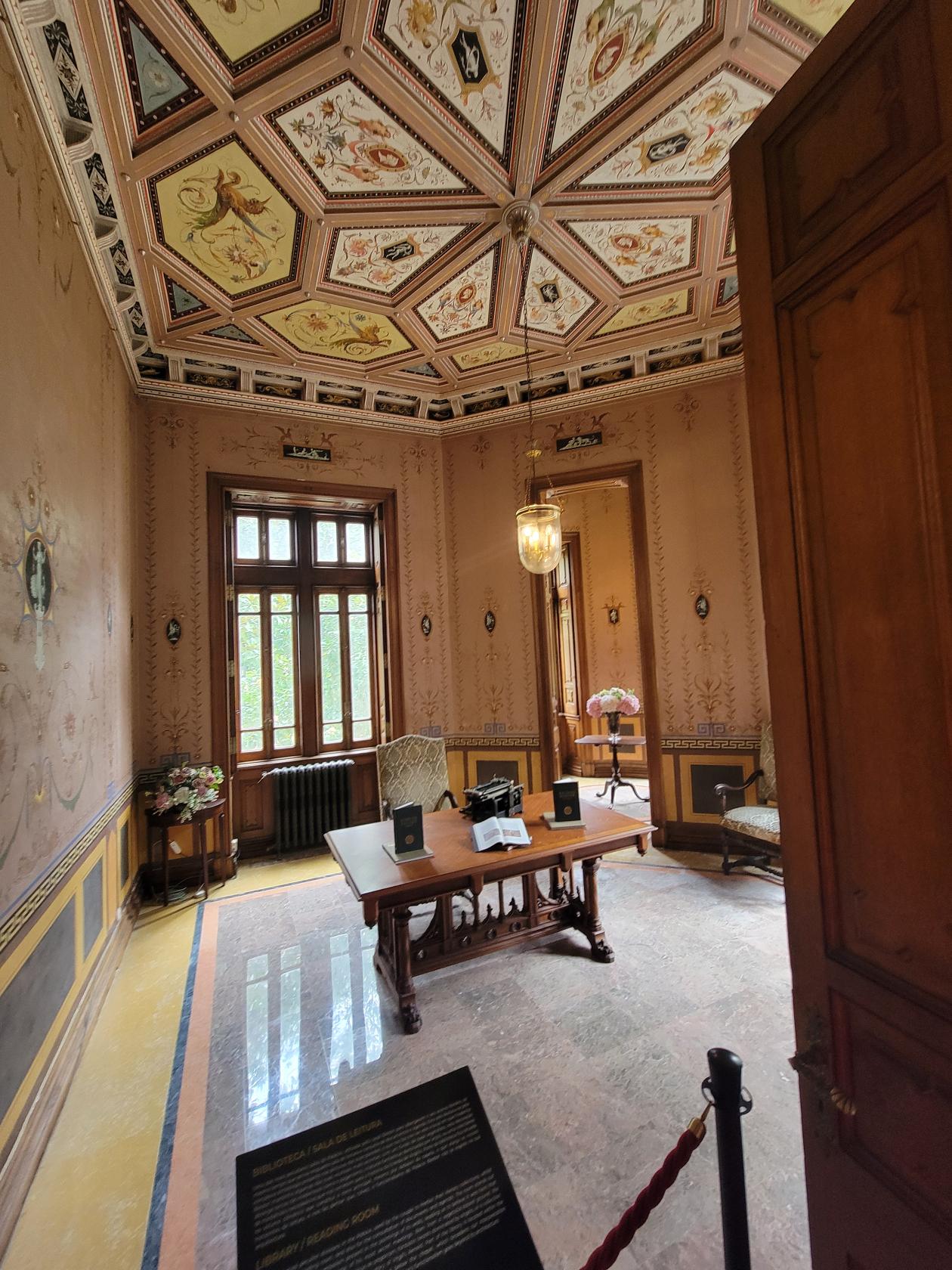
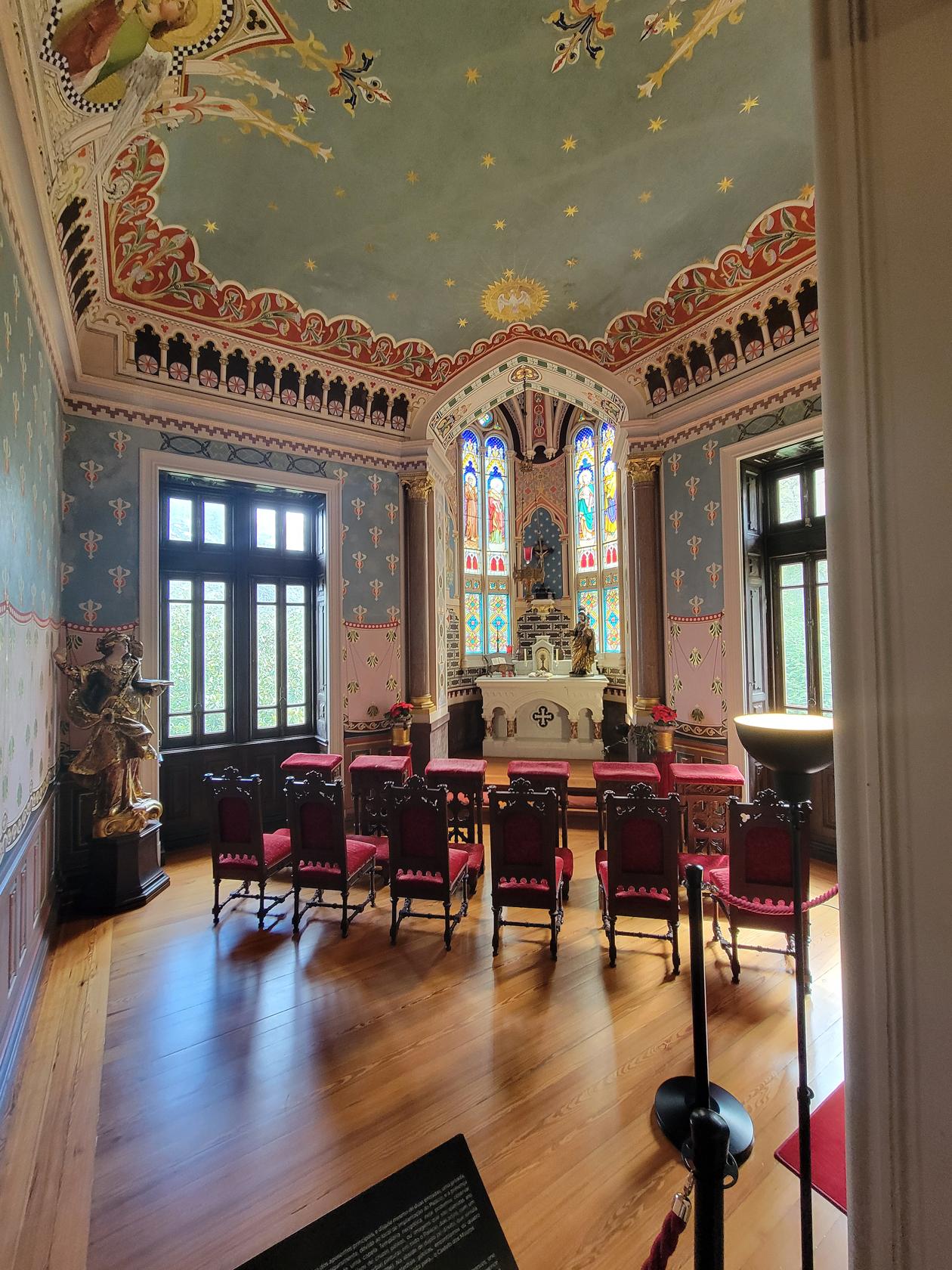
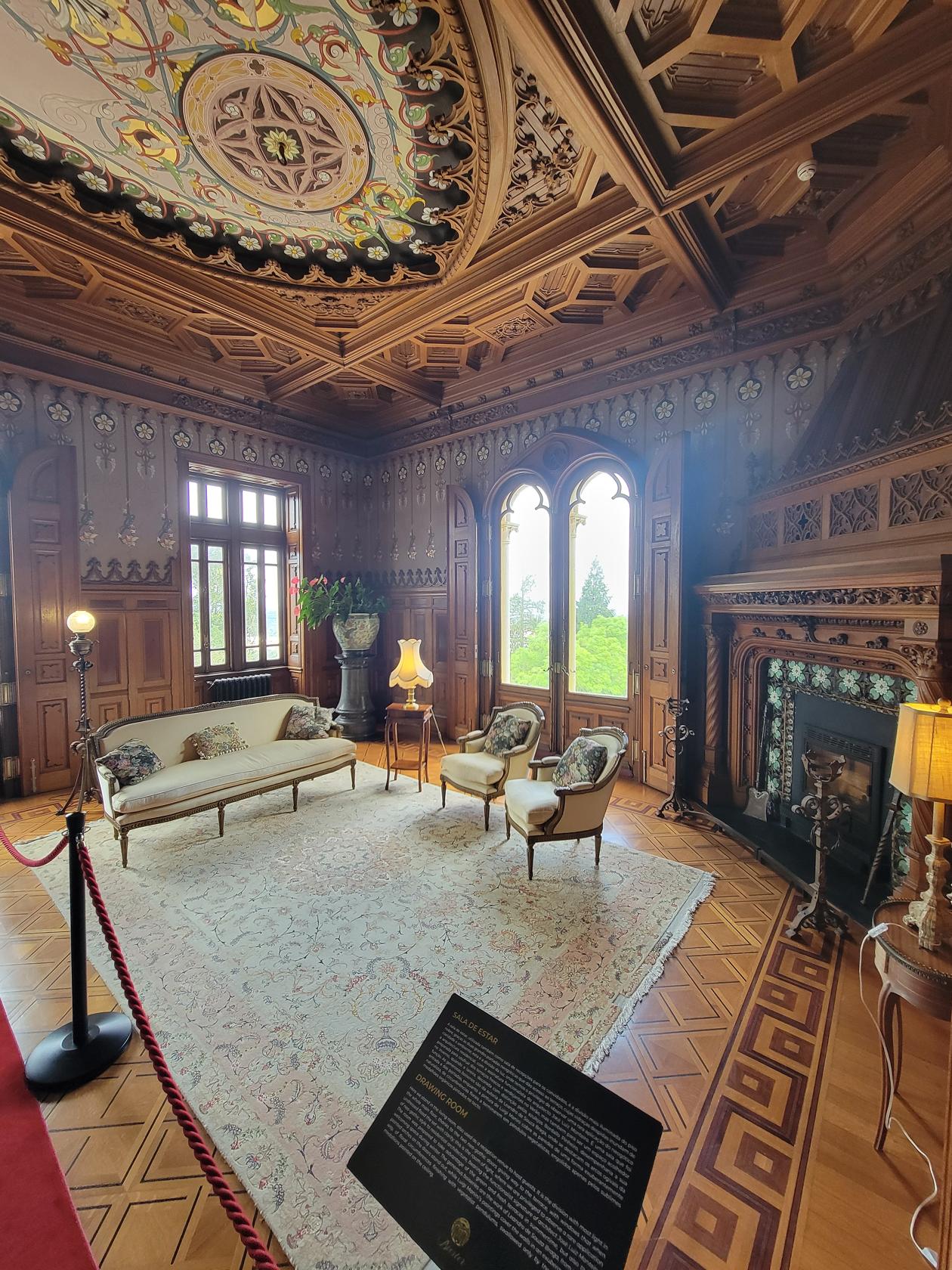
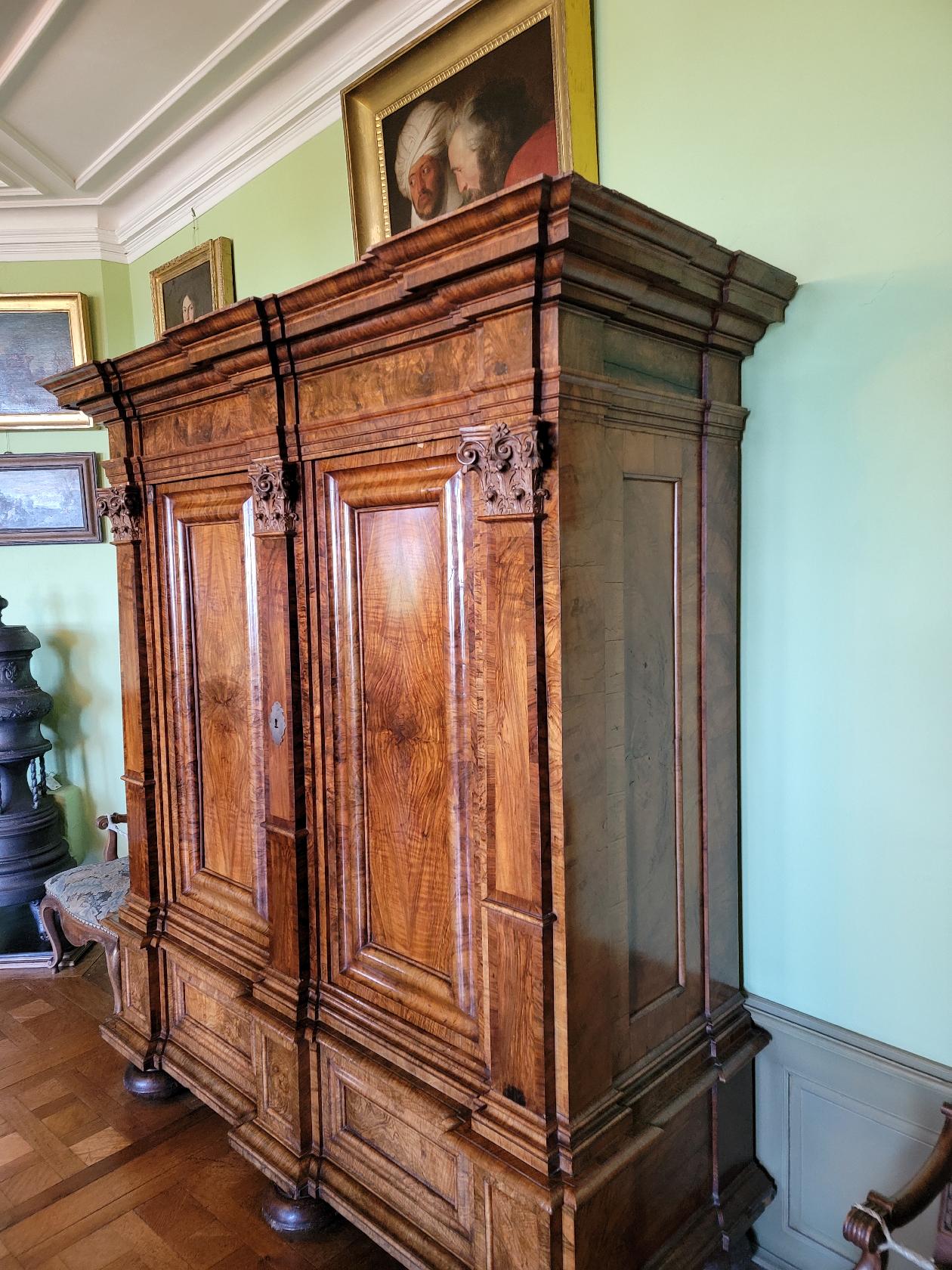
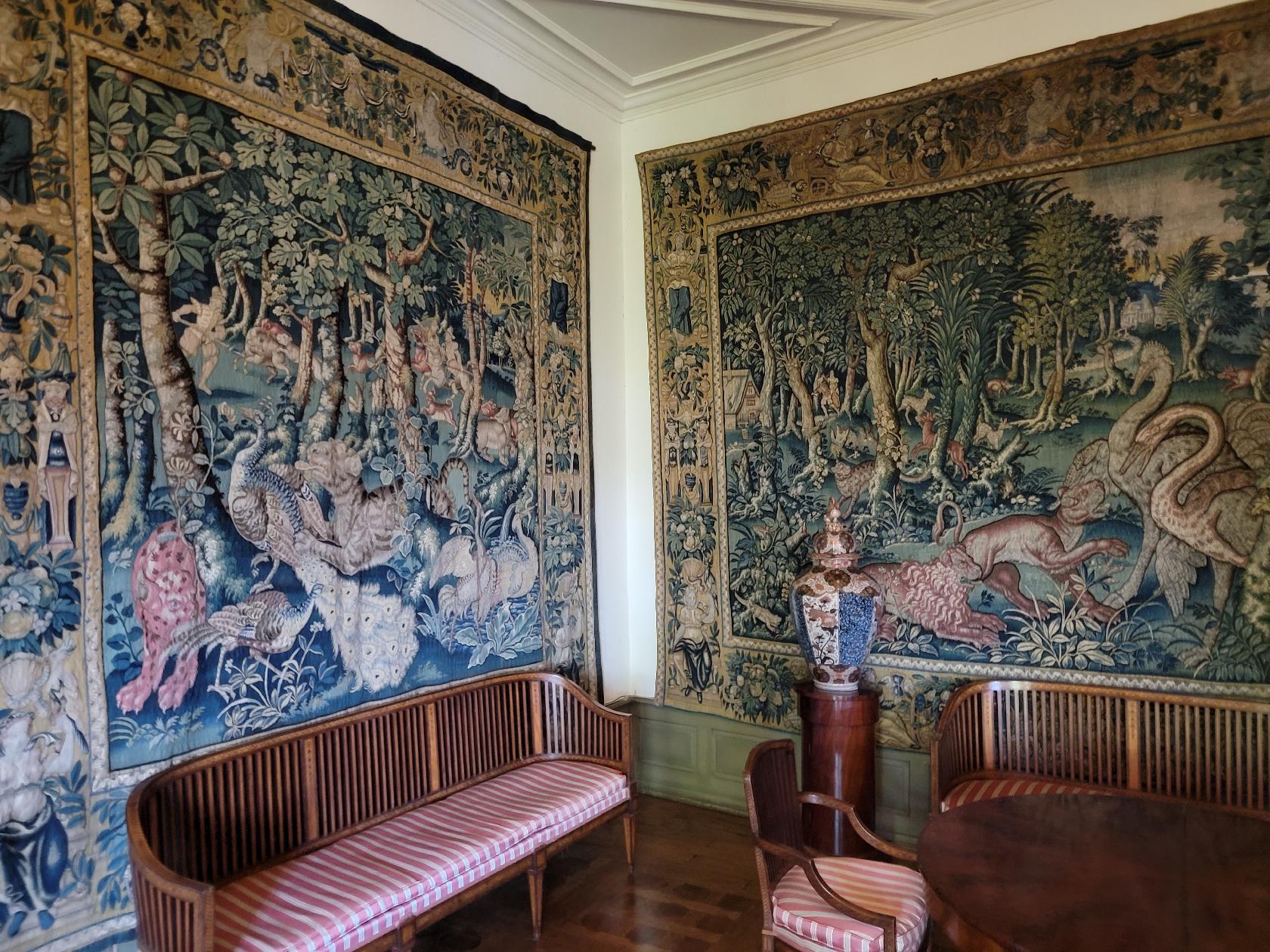
The house itself is decorated with wood, a majority of its finish and main rooms are adorned with something similar, if not, oak. One comes away with the house having an almost Spartan interior and the chapel appears to be the most adorned room in the house.
Biester Palace – Rooms – Sintra, Portugal
Biester Palace – Chapel – Sintra, Portugal
Biester Palace – Rooms – Sintra, Portugal
Biester Palace – Rooms – Sintra, Portugal
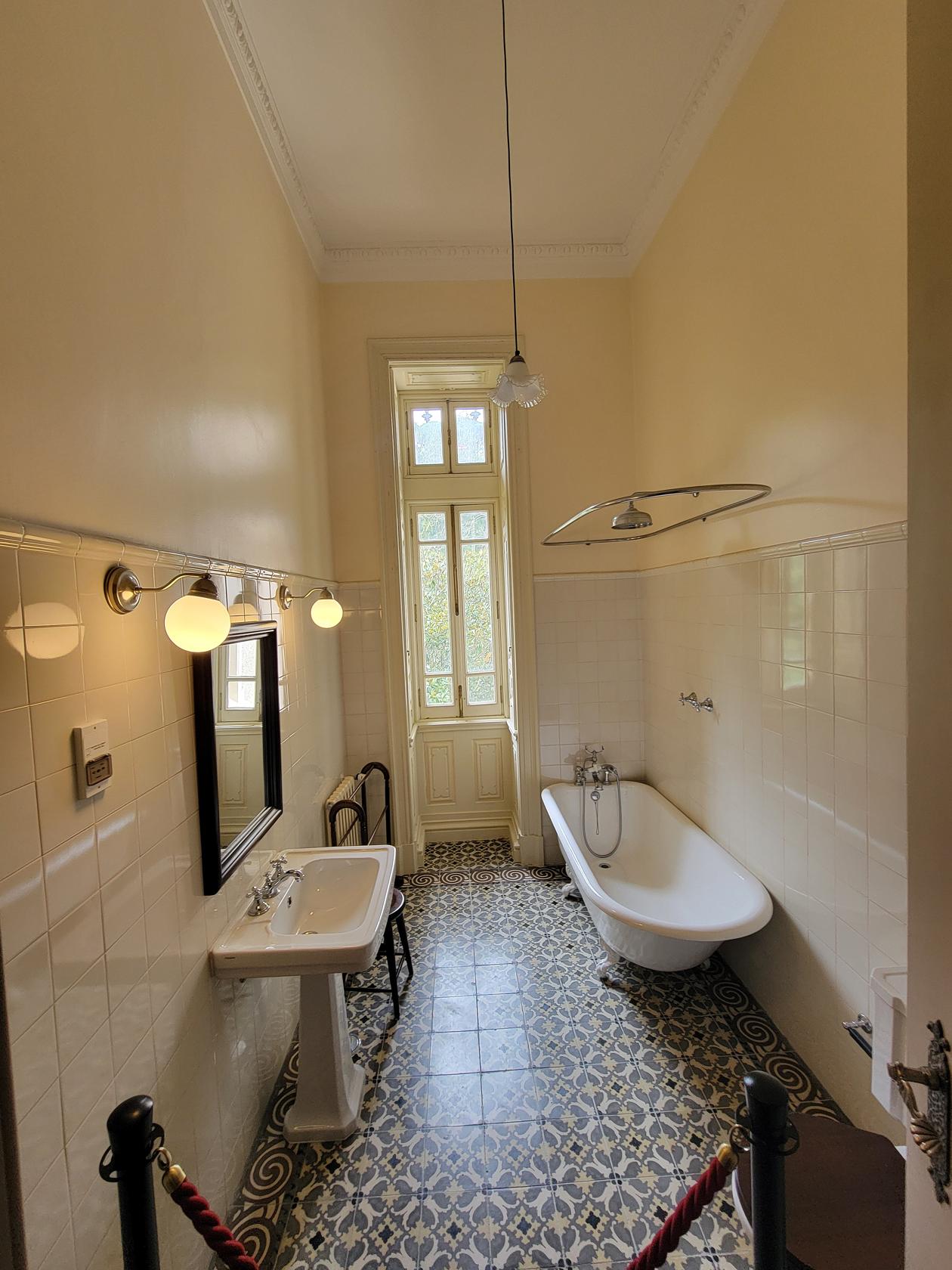
Biester Palace – Bathroom – Sintra, Portugal
Biester Palace – Rooms – Sintra, Portugal
Biester Palace – Rooms – Sintra, Portugal
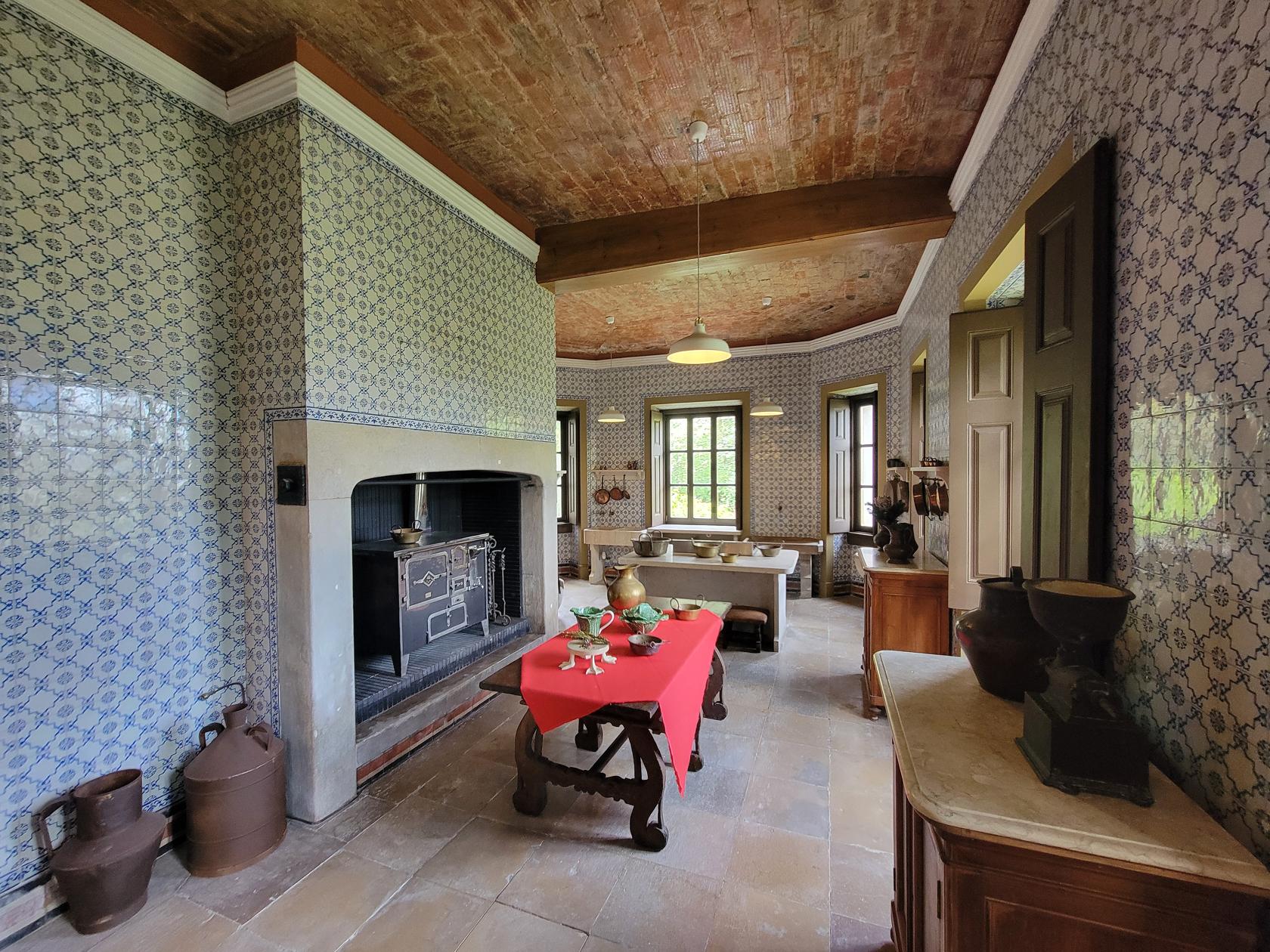
Biester Palace – Scullery – Sintra, Portugal
Biester Palace – Rooms – Sintra, Portugal
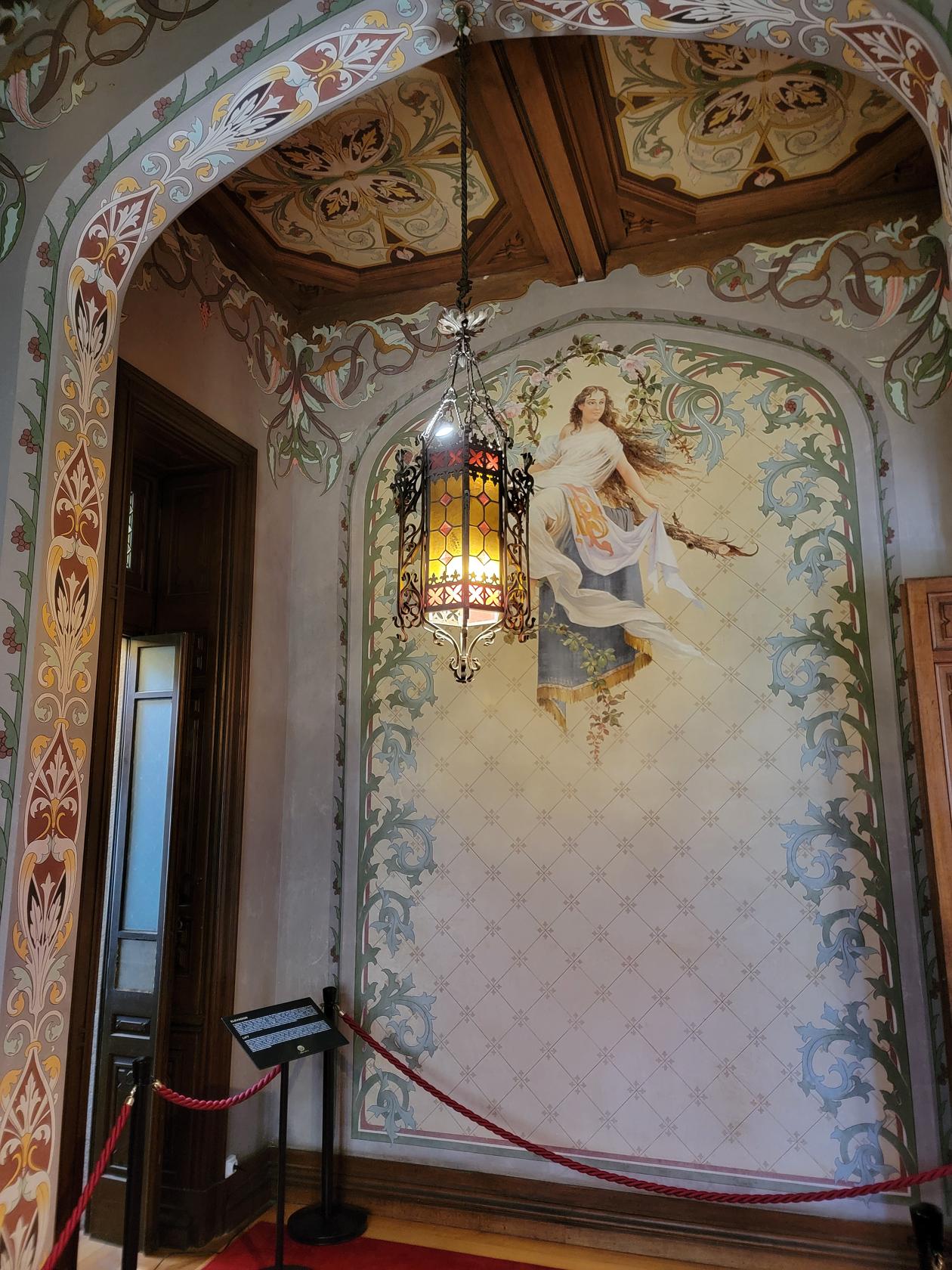
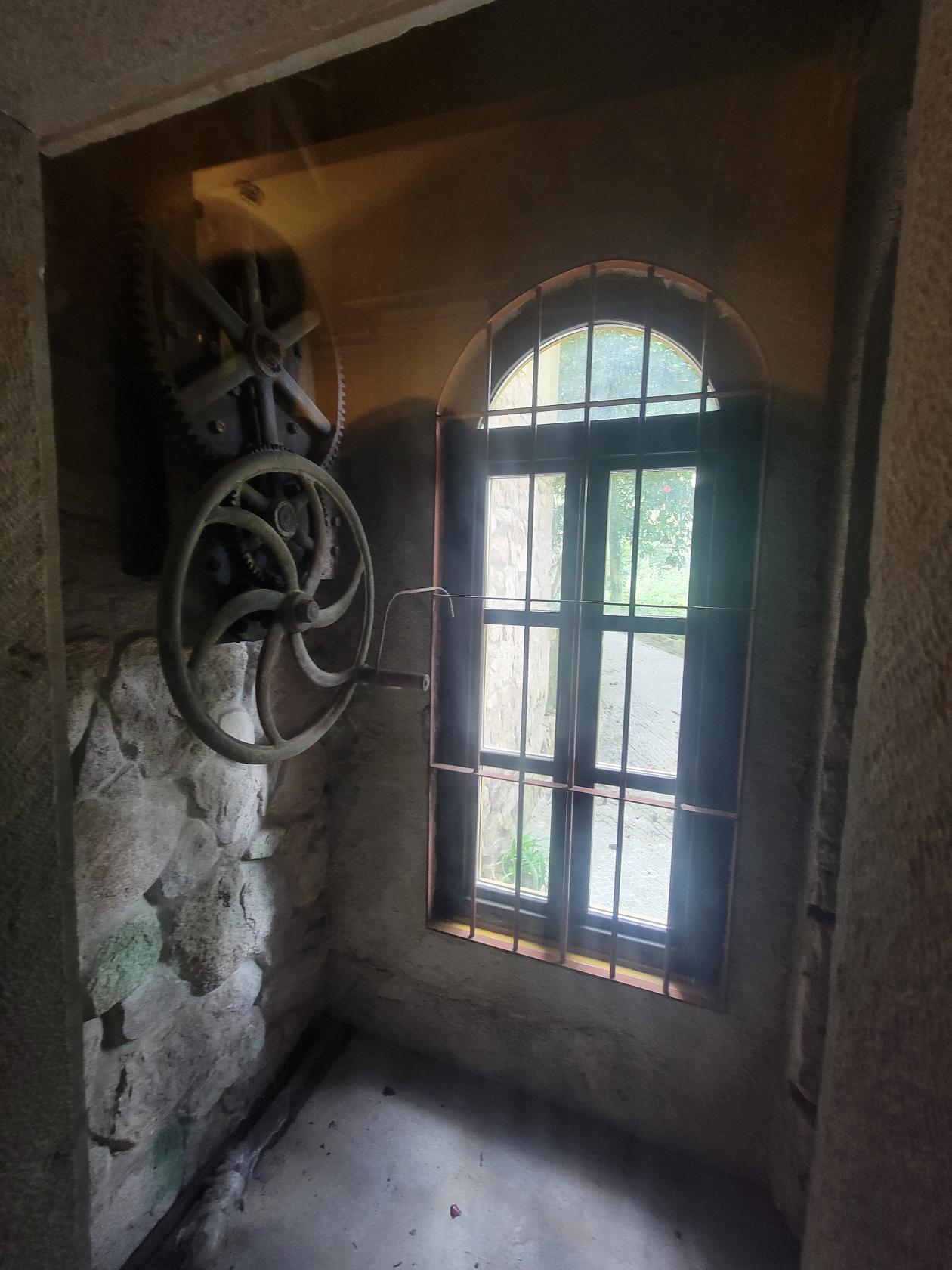
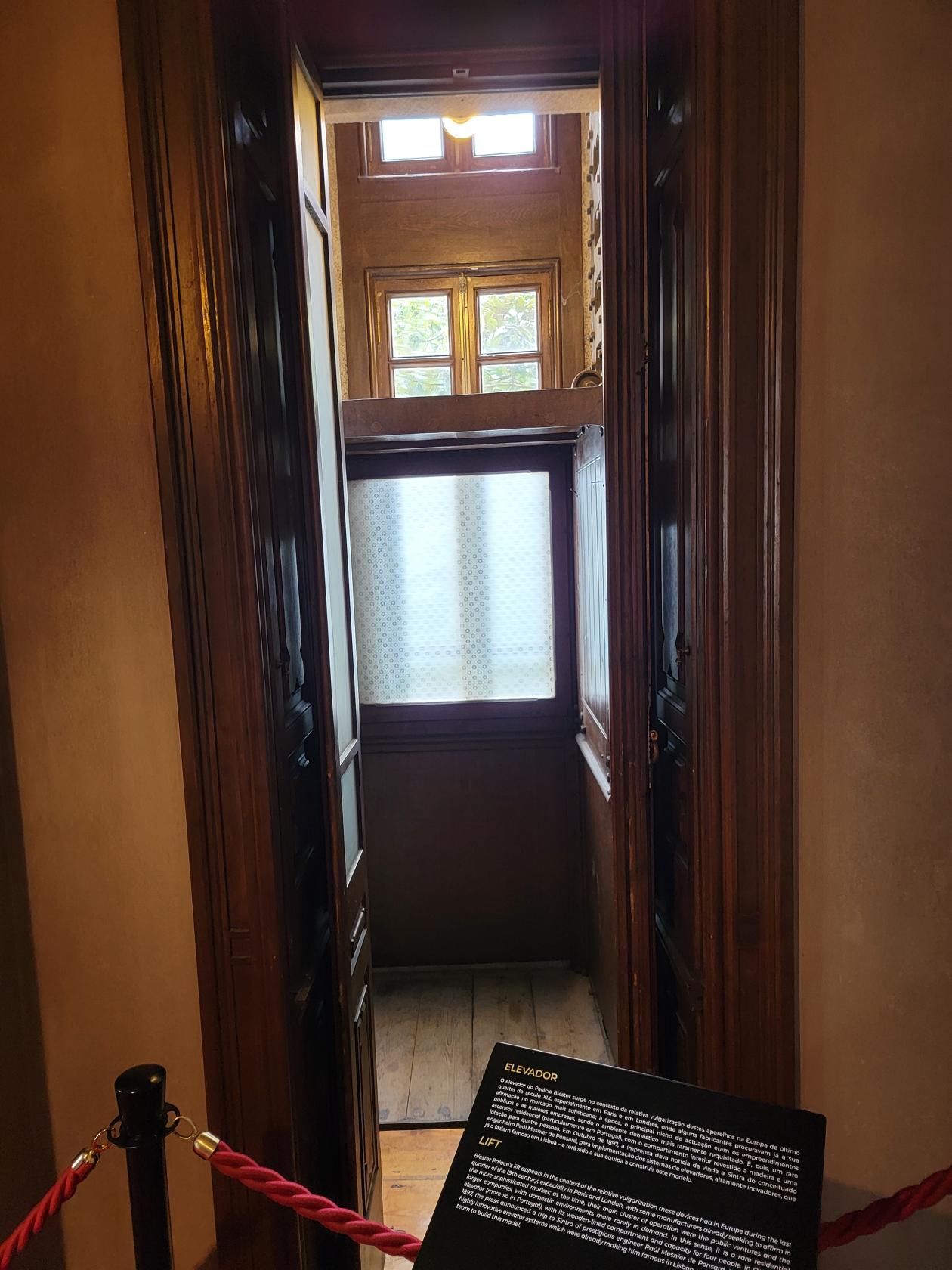
There is an elevator, though it was never electrified and gives the appearance that it was only used when company was present, or for other civil tasks.
Biester Palace – Elevator Hand Mechanism – Sintra, Portugal
Biester Palace – Elevator – Sintra, Portugal
The Ninth Gate
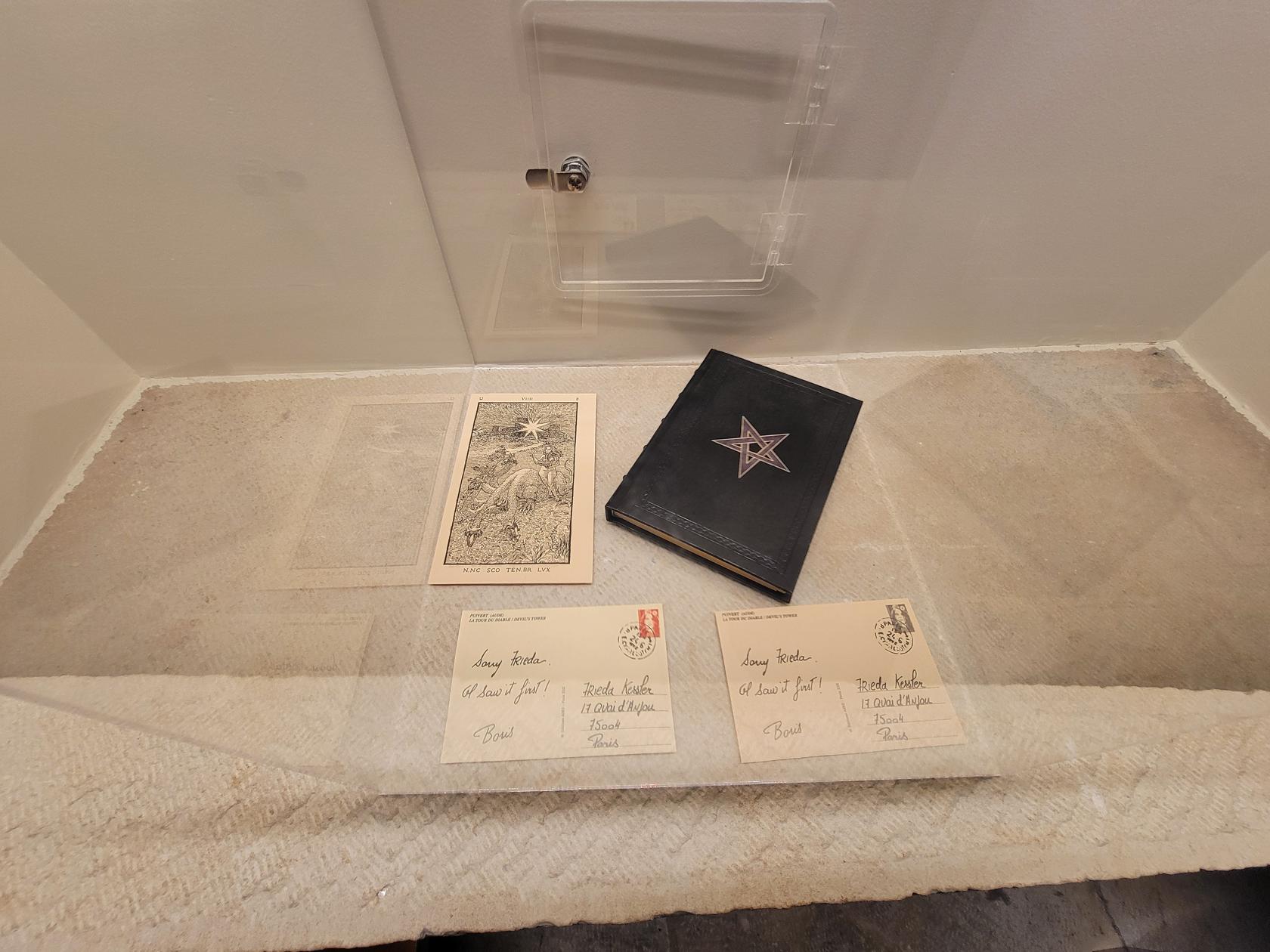
One claim to fame this house has that might appeal to some, it was one of the locations where Roman Polanski shot the film The Ninth Gate. It was during Dean Corso’s travels to visit Victor Fargas that the house and fountain are involved in the movie.
Biester Palace – Rooms – Sintra, Portugal
Biester Palace – Ninth Gate Book Prop and Postcards – Sintra, Portugal
Restaurants
In Sintra there are plenty of restaurants and cafes, so you shouldn’t have a difficult time to find a place to eat.
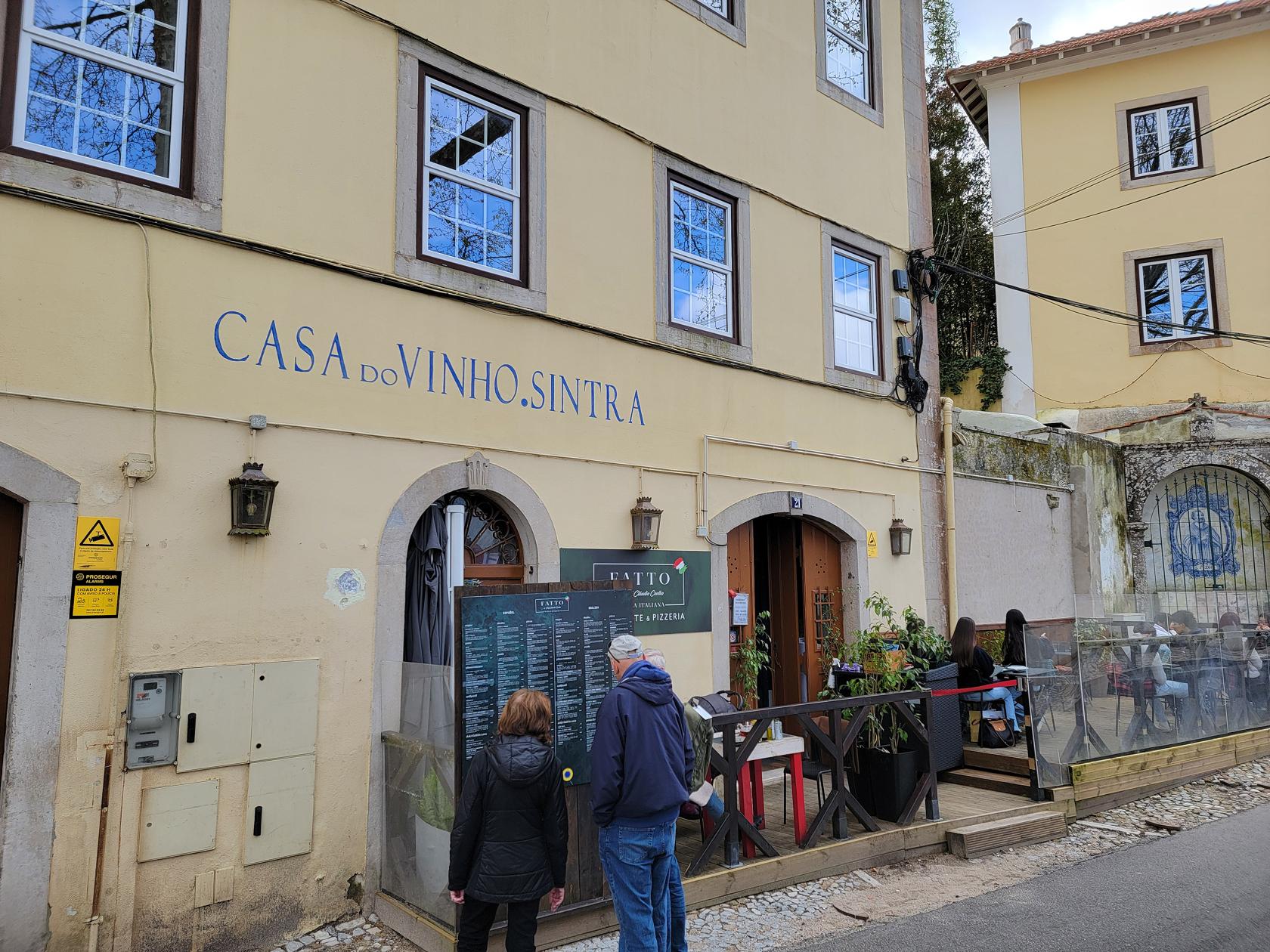
Fatto da Claudio Coelho
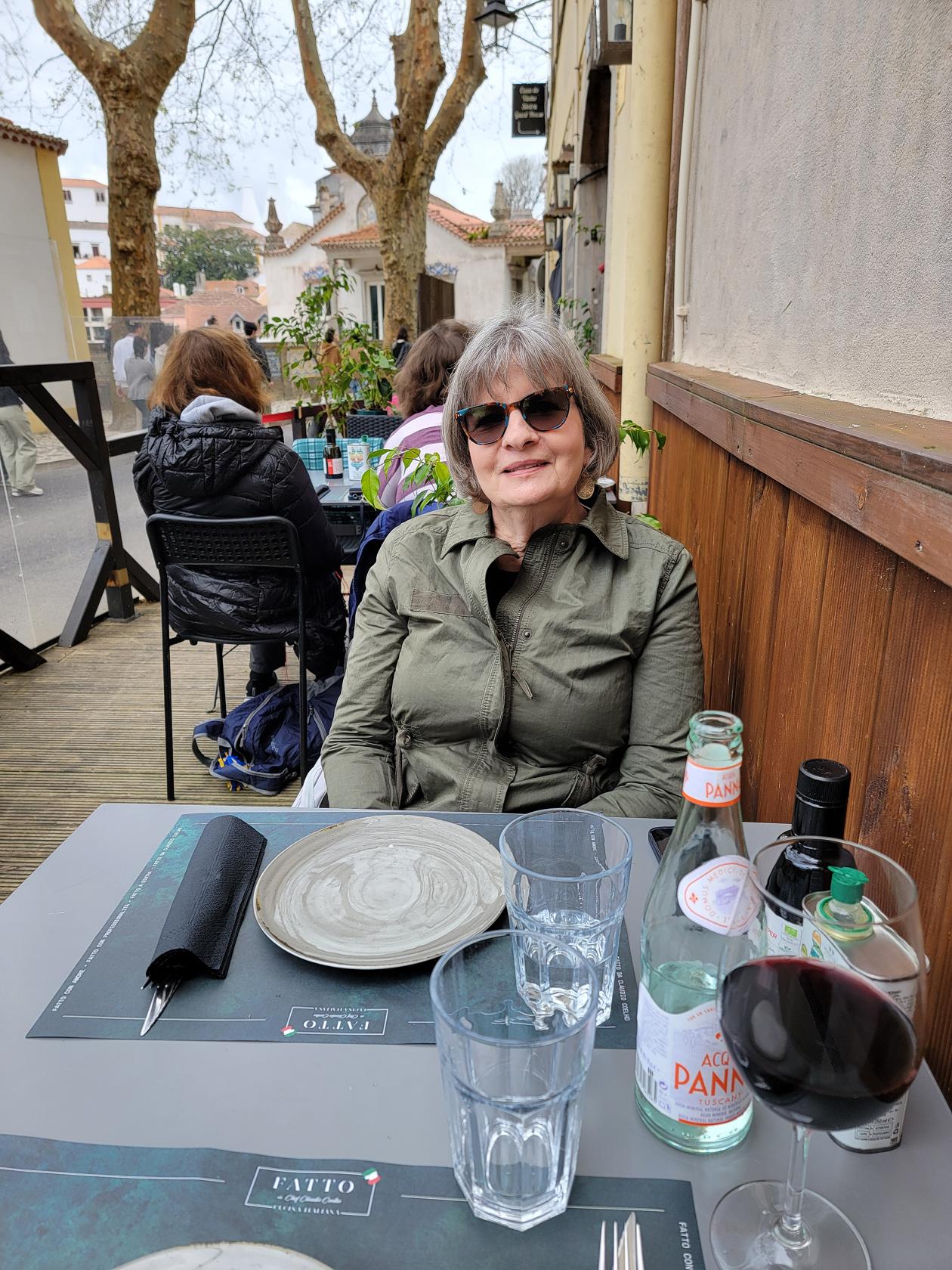
A nice place for lunch, service Italian food and other specialties. We each shared the bruschetta and a pasta special, so something simple and somewhat light.
Fatto da Claudio Coelho – Entrance – Sintra, Portugal
Fatto da Claudio Coelho – Patti Waiting For Lunch – Sintra, Portugal
If it is raining out and there is not much else to do, then a trip to Brindisi could be the cure for your rainy day. Though not much to see, nor much to look at, Brindisi does offer a few points of interest. We mainly used it for a short respite during our eighteen day visit to Mezzogiorno.
Getting To Brindisi
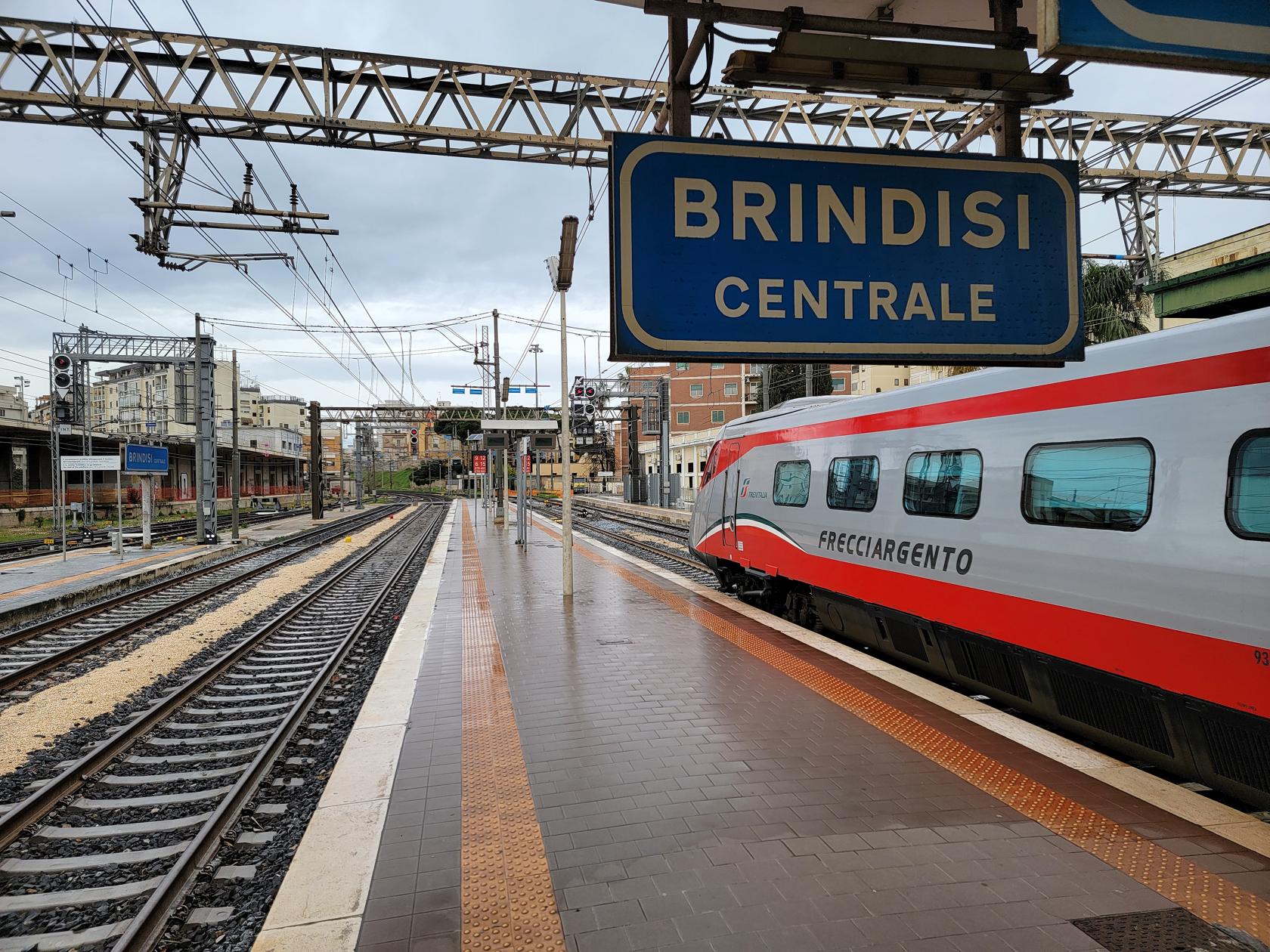
From Bari we reserved seats on the FrecciaArgento[1]FrecciaArgento, or TrennItalia’s Silver Arrow service, as opposed to the FrecciaRosso, or Red Arrow service in other areas which only takes a hour. There are other regional offerings, however they usually take longer but are less expensive, so there are options.
Bari Centrale – Waiting for our FrecciaArgento – Bari, Italy
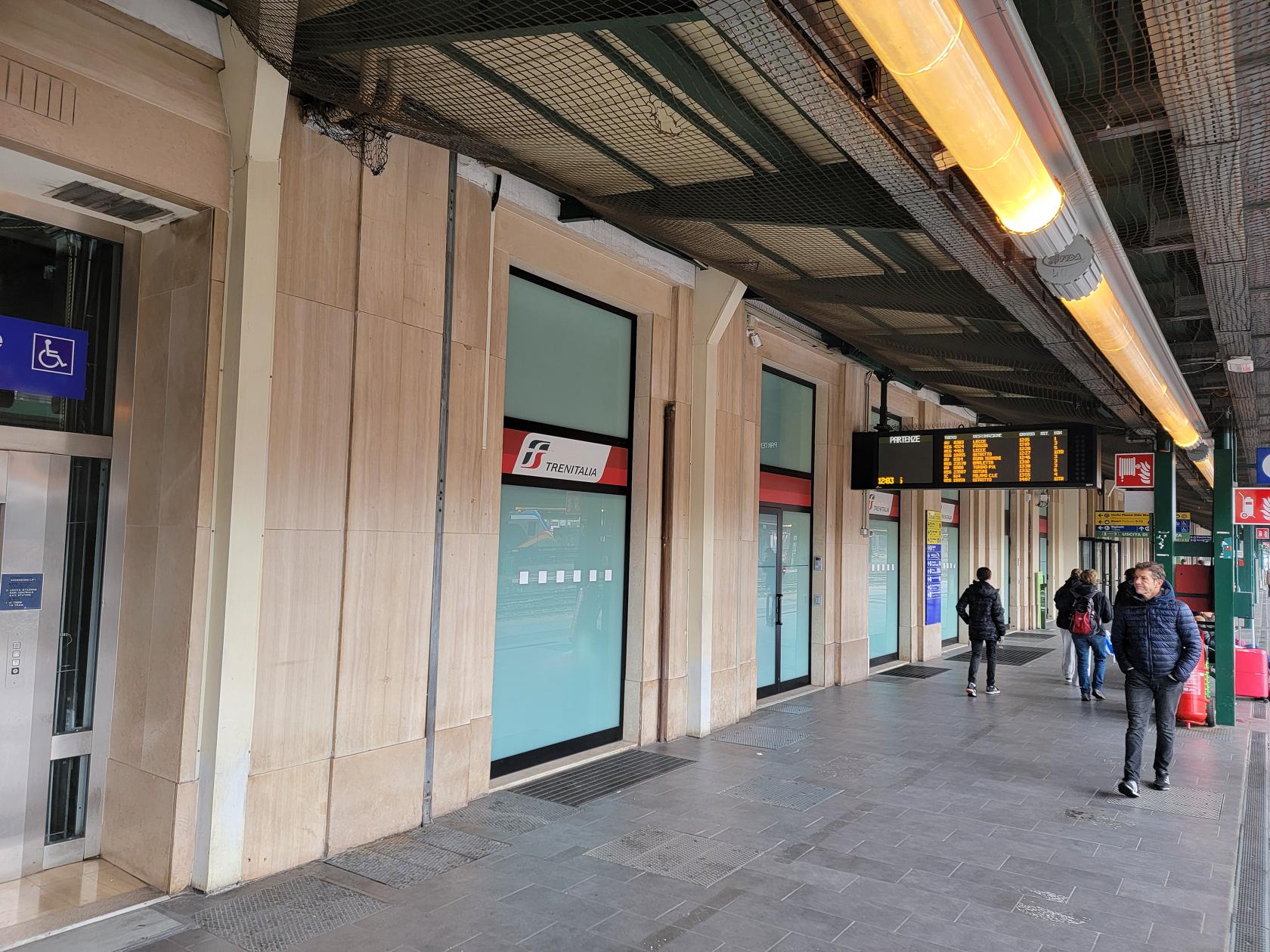
Brindisi Centrale – Brindisi, Italy
Brindisi does have a airport that is serviced by RyanAir. While here we saw several airplanes land and take off during the day and the airport was directly across the water on the other side of the city from our hotel.
Bindisi The City
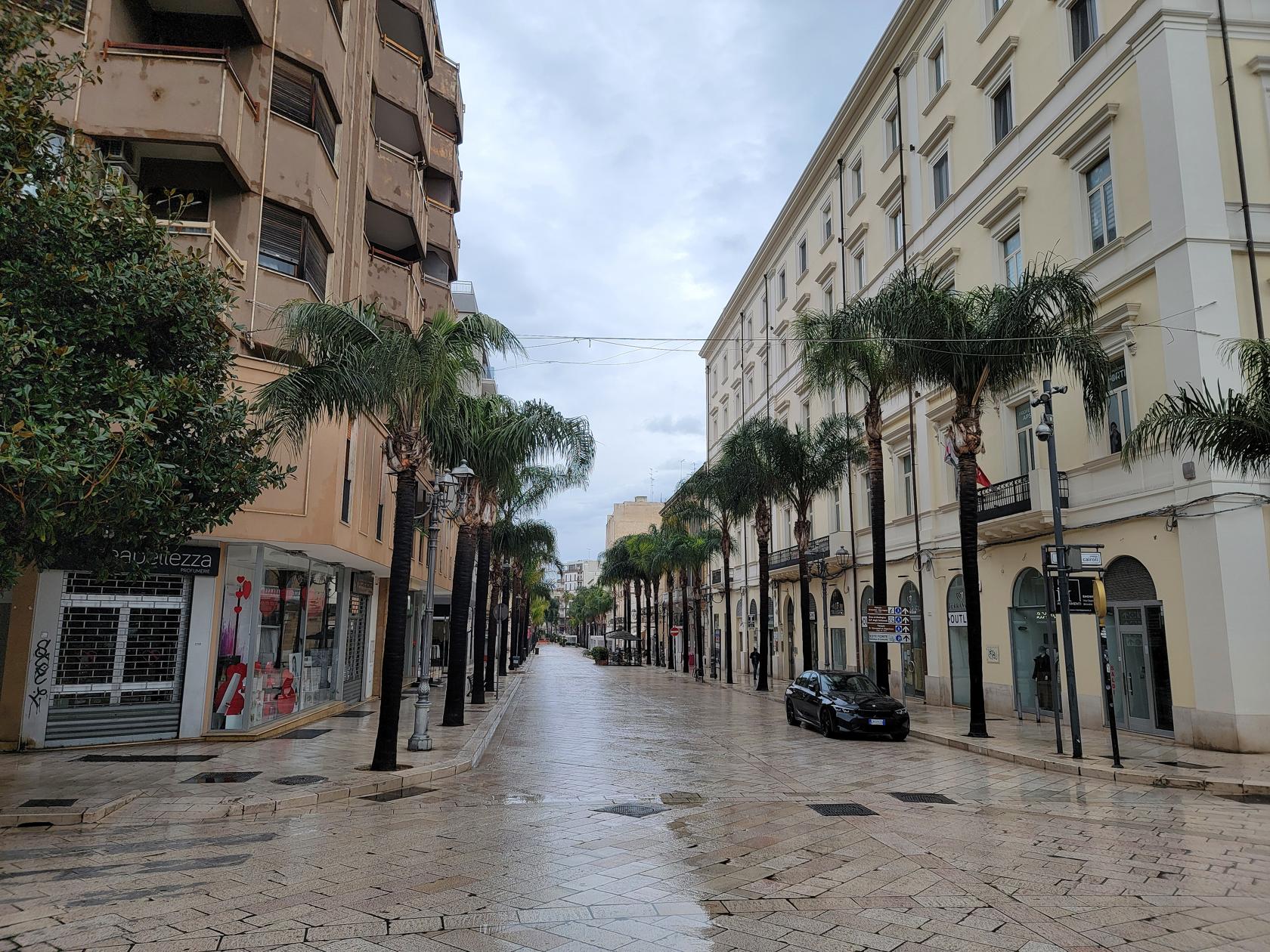
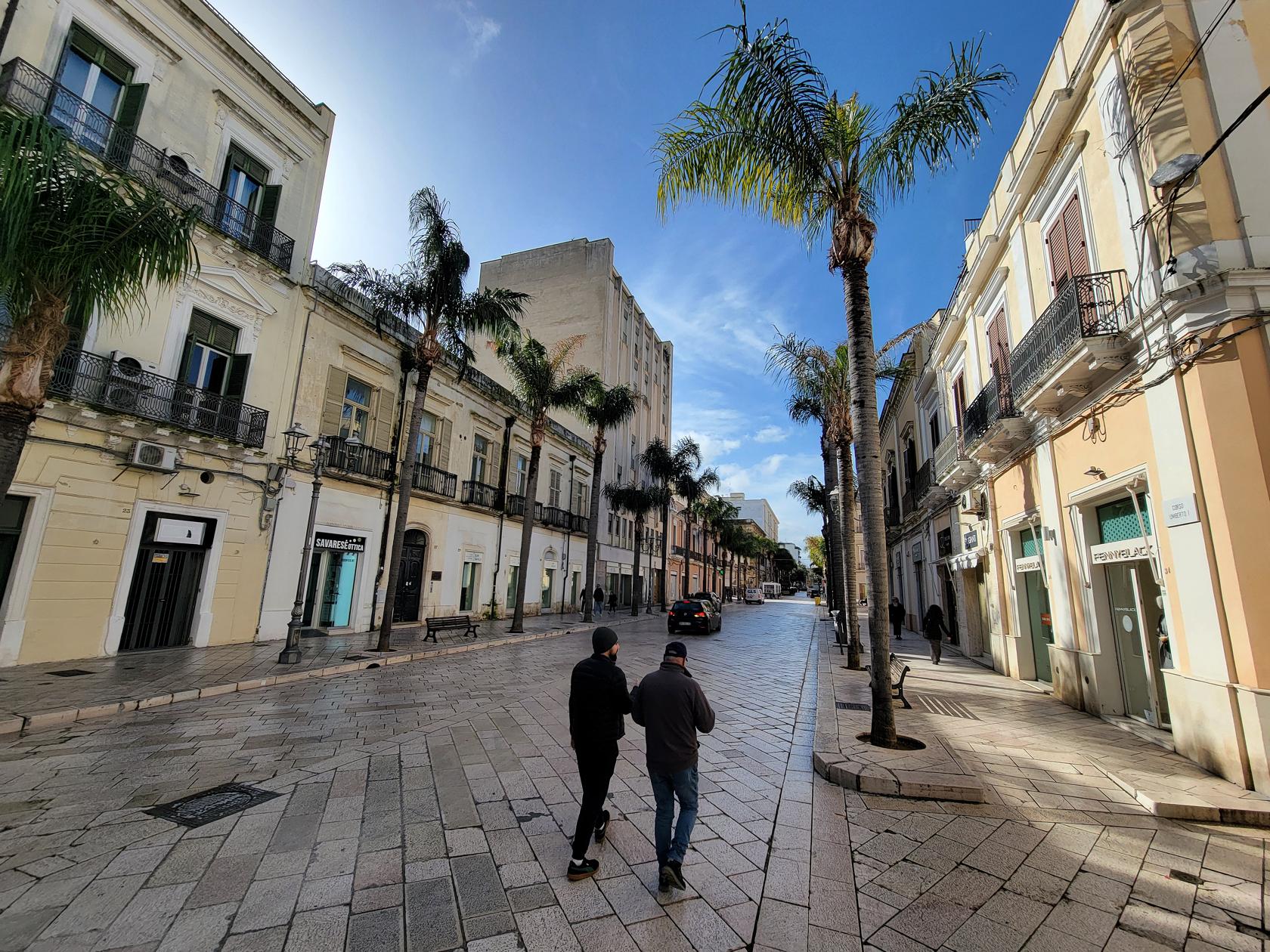
Brindisi’s Citta Vecchia, or historical center, is a bit elongated but does reach to the bay where the port is located. The Corso Roma is the main avenue for shopping, though it cannot be compared to the one in Bari or other larger towns or cities we have visited along the coast.
Corso Roma – Brindisi, Italy
Corso Roma – Brindisi, Italy
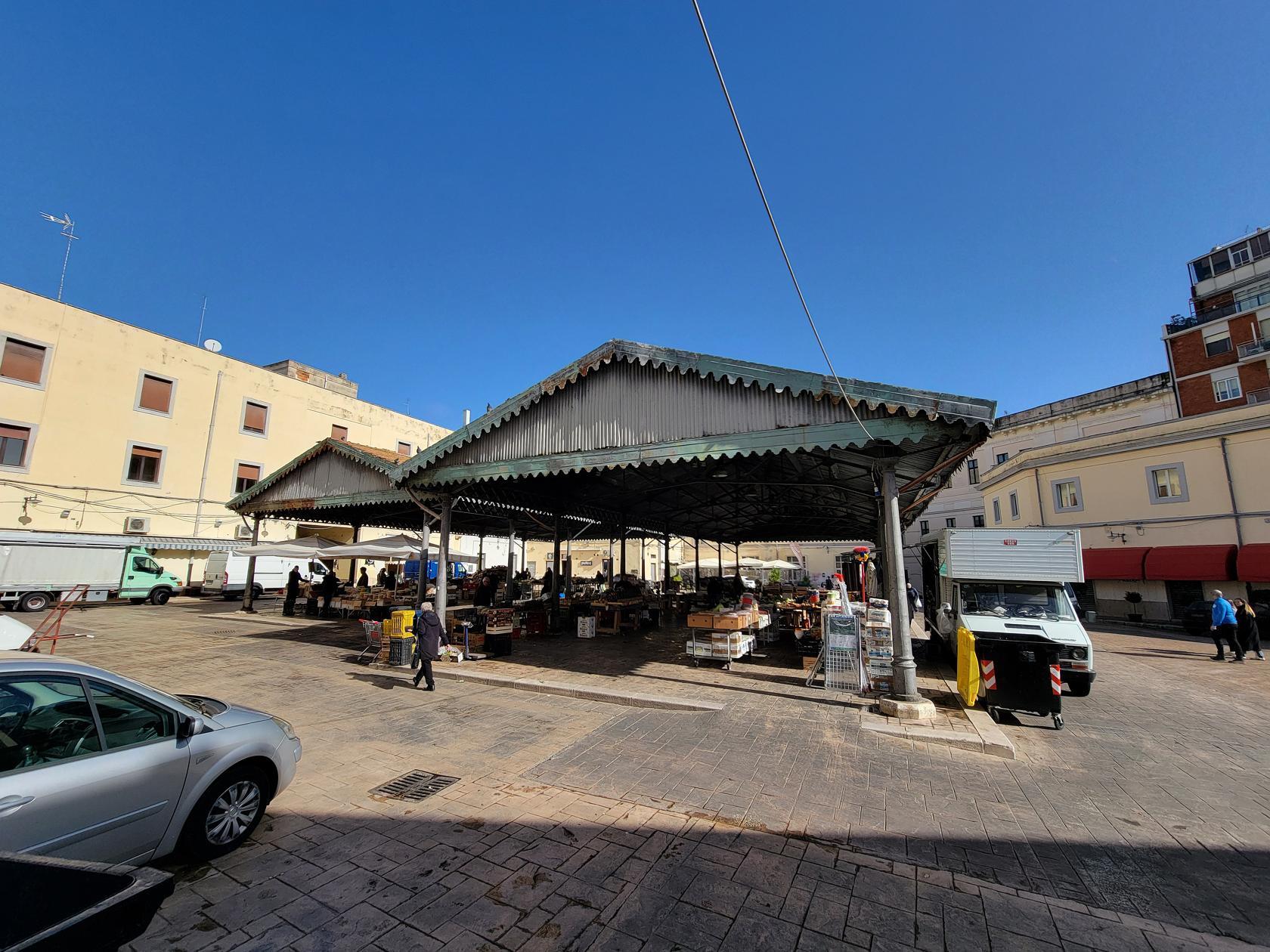
City Market – Brindisi, Italy
Piazza Il Duomo And The Roman Column
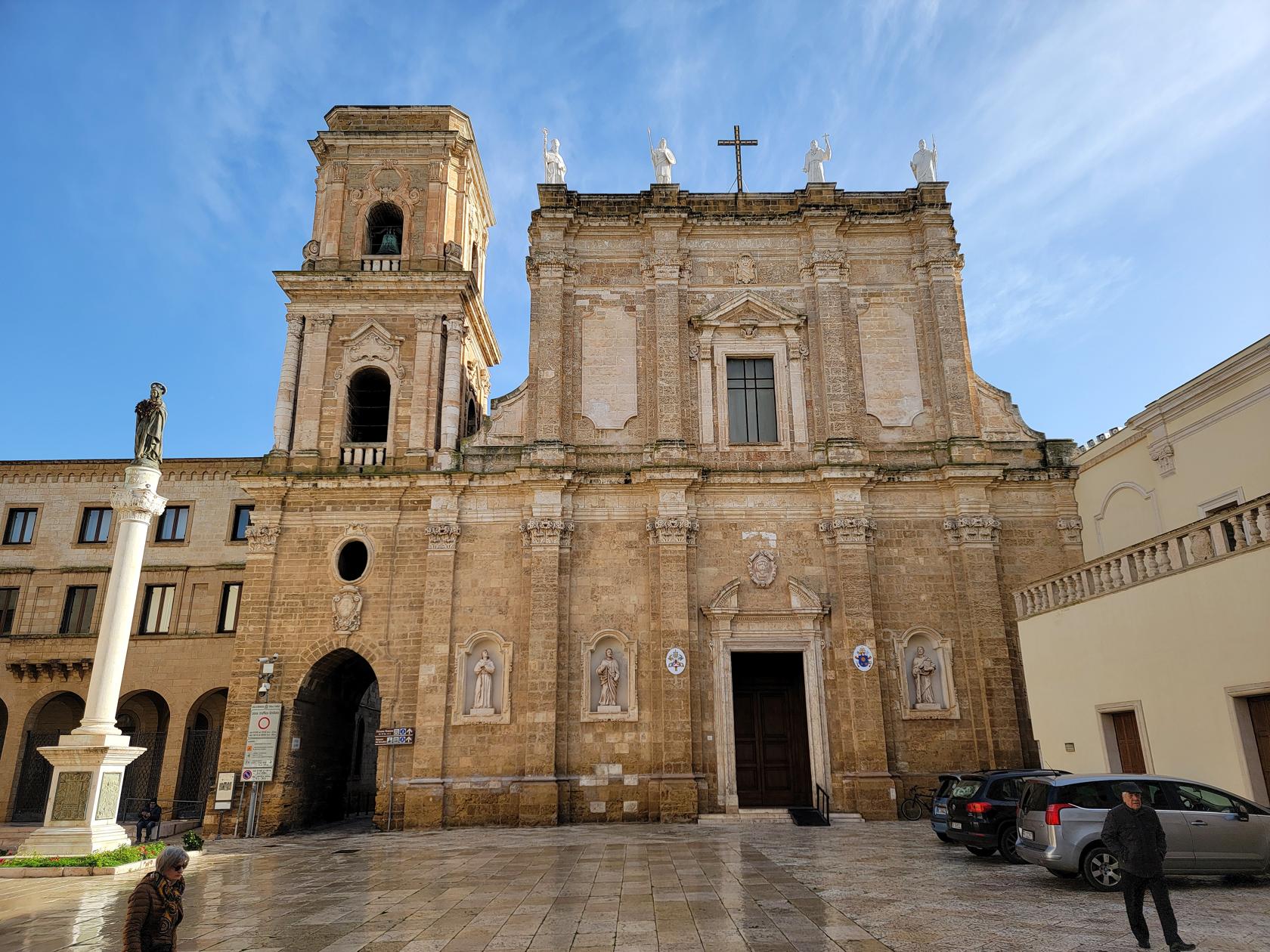
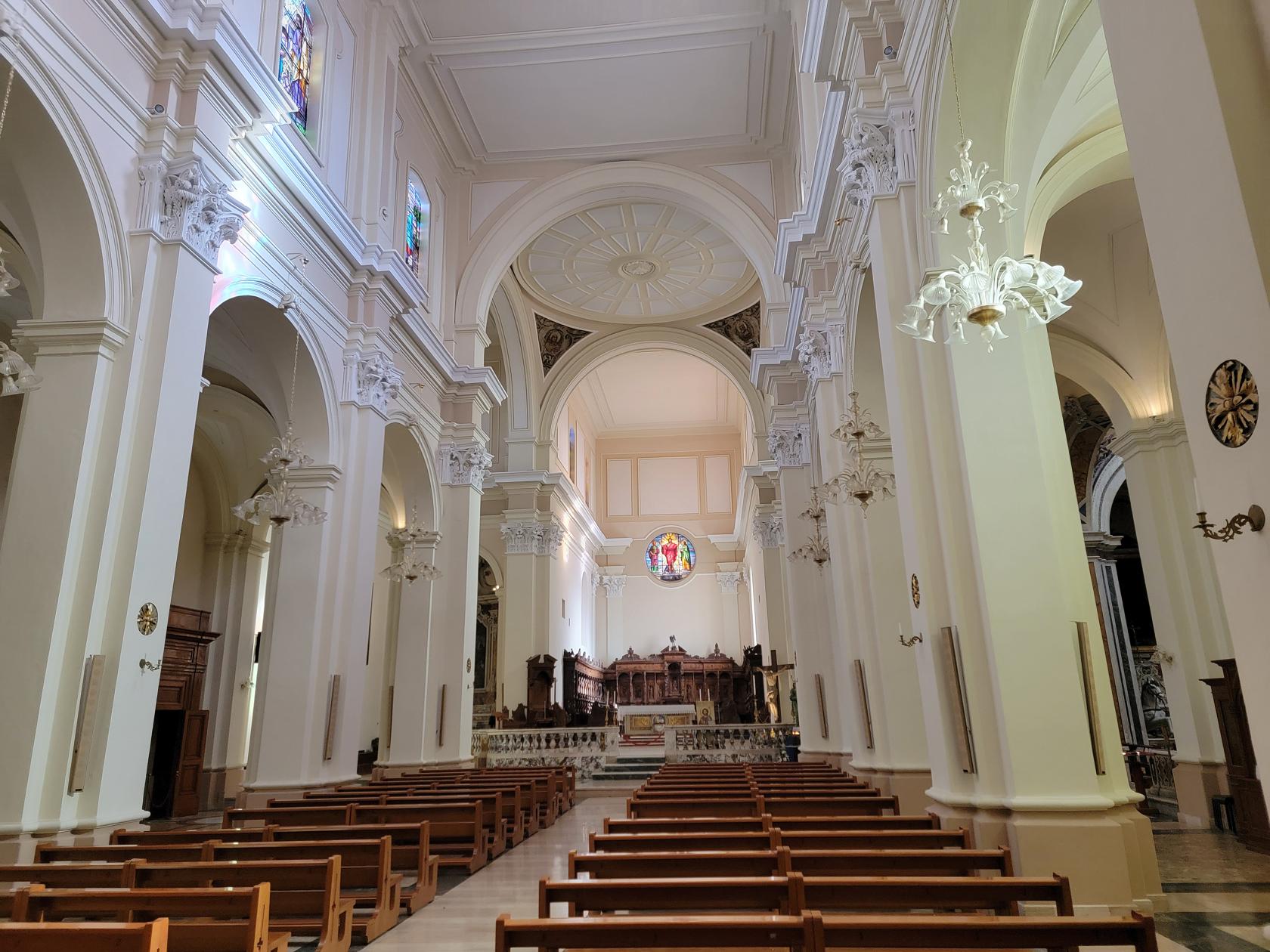
The Piazza Il Duomo has the Cattedrale di San Giovanni Battista and some other sites to see. The cathedral is rather plain inside, but somewhat impressive from the outside.
Cattedrale di San Giovanni Battista – Brindisi, Italy
Cattedrale di San Giovanni Battista – Modern Interior – Brindisi, Italy
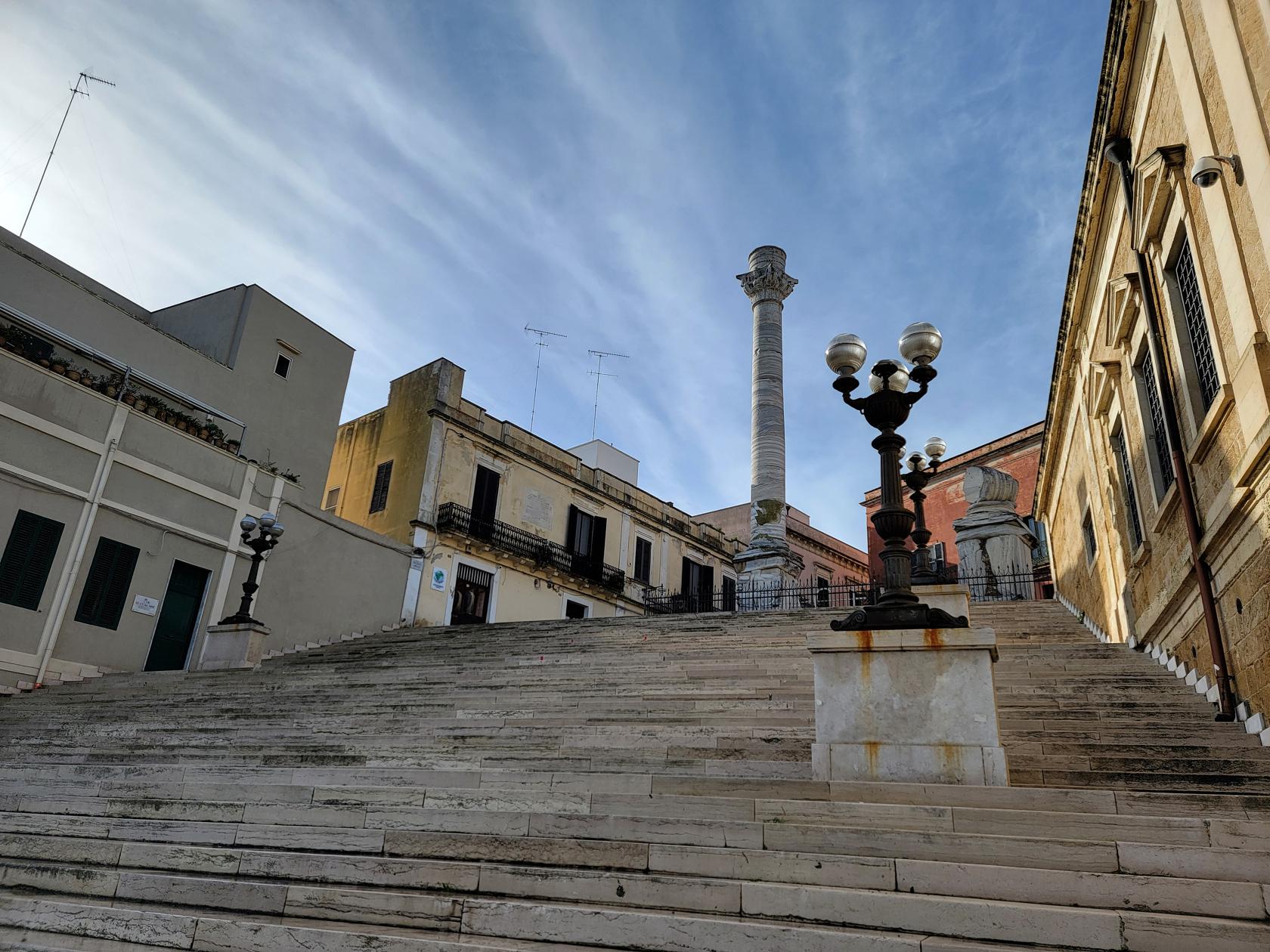
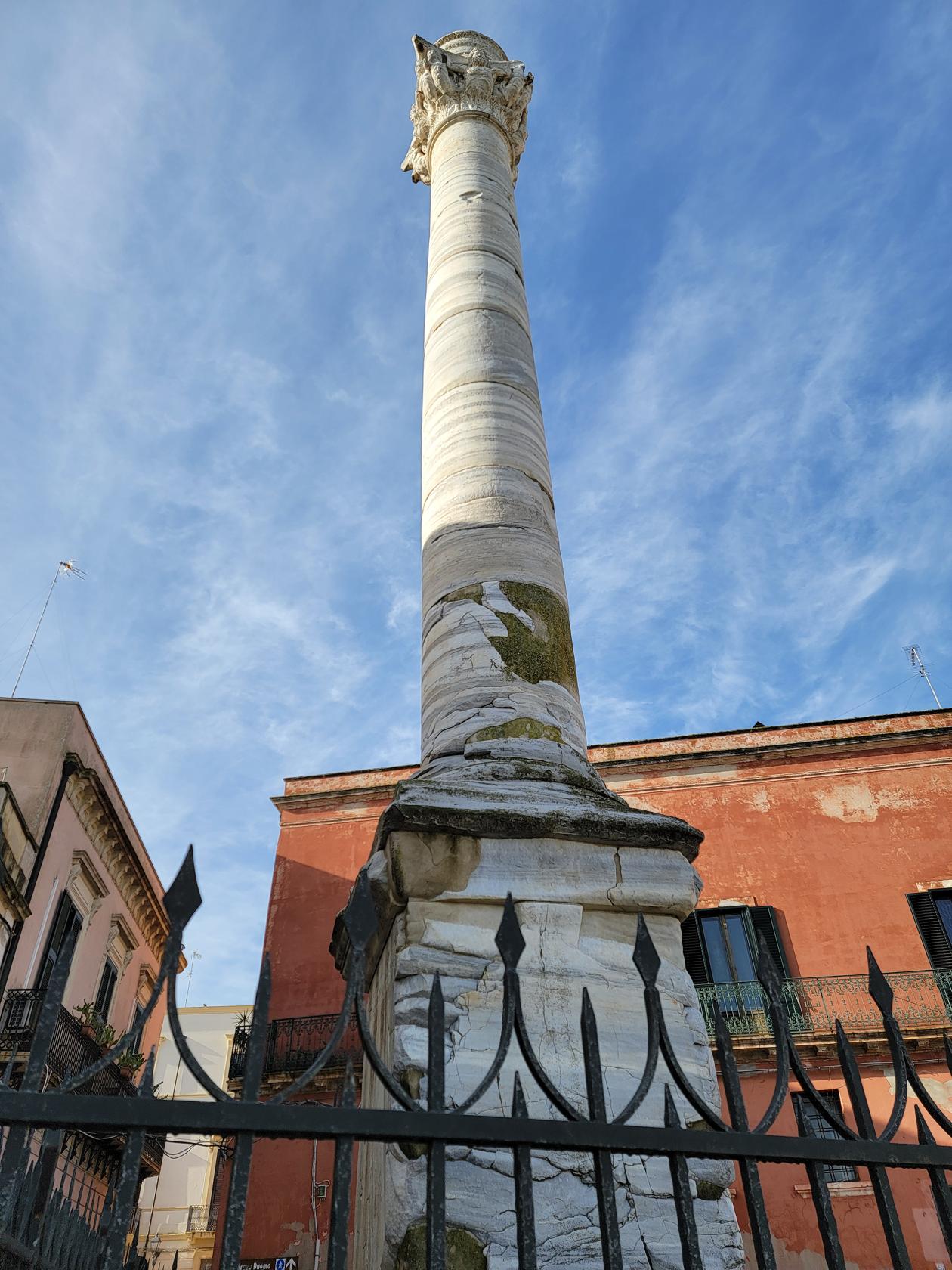
The Colonne Romane, or Roman Column, was erected in the city to define one of the endpoints of the Appian Way, or the extent of Rome. Others have countered that they were merely erected as a visual aid for mariners to know where the actual port was located. There were two originally, of which only one still exists in all of its glory, the other crumbled in the mid sixteenth century. The crumbled remains of the one were donated to Lecce for their column.
Colonne Romane – Brindisi, Italy
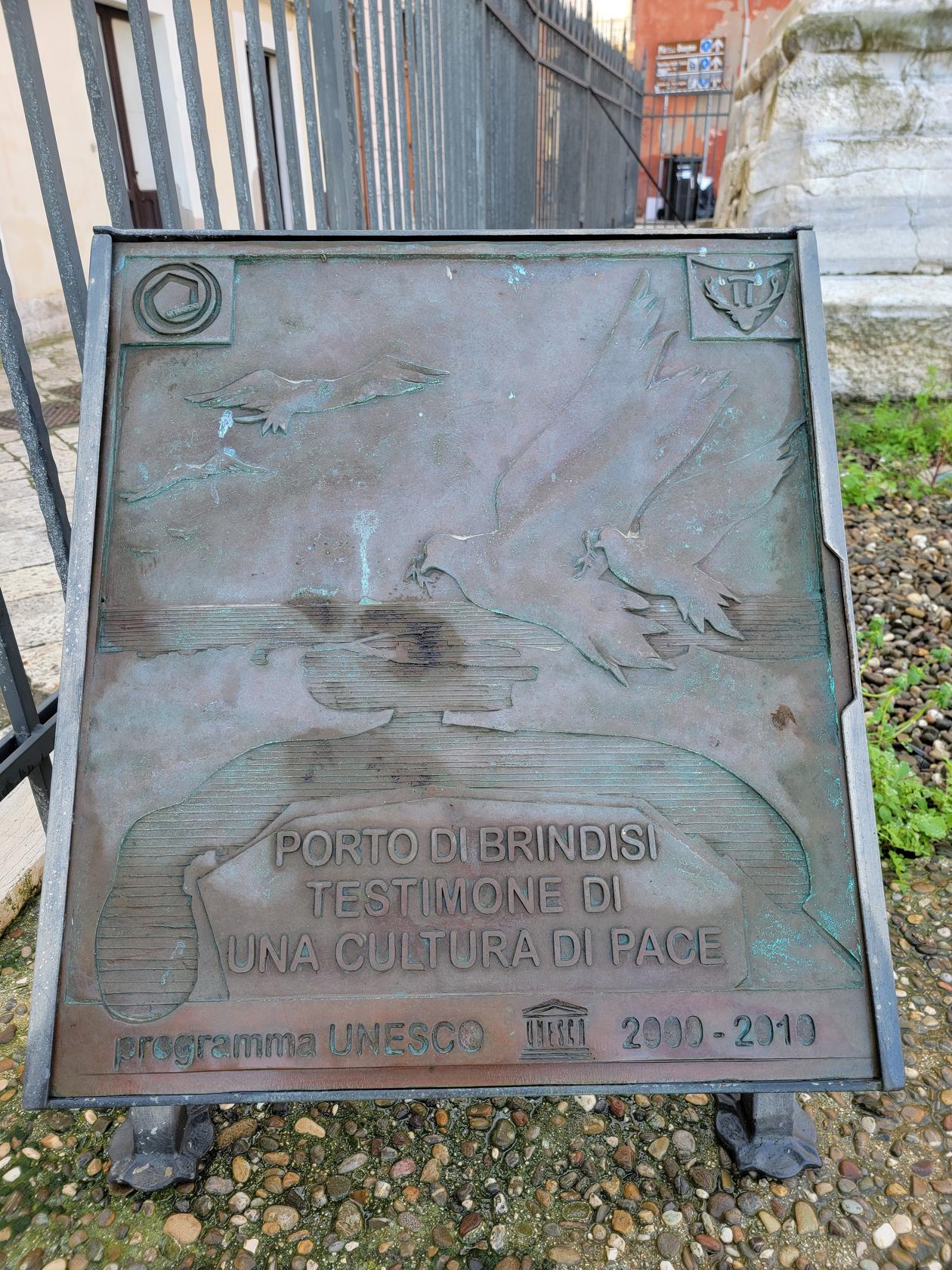
Unesco site – Brindisi, Italy
Colonne Romane – Brindisi, Italy
Grande Albergo Internazionale
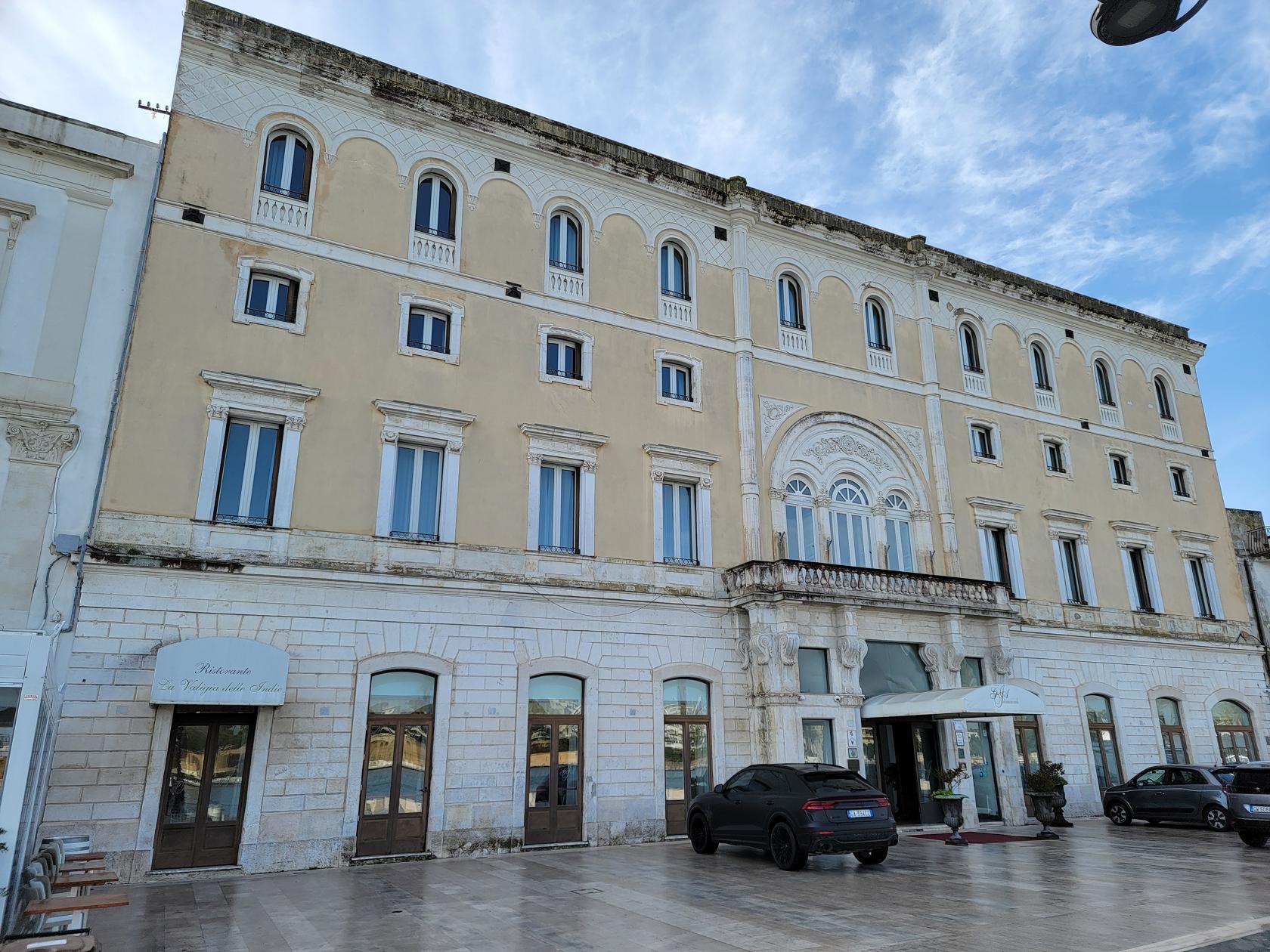
Our hotel was the Grande Albergo Internazionale located on the Viale Regina Margherita down by the water. We booked a suite which overlooked the water.
Grande Albergo Internazionale – Front – Brindisi, Italy
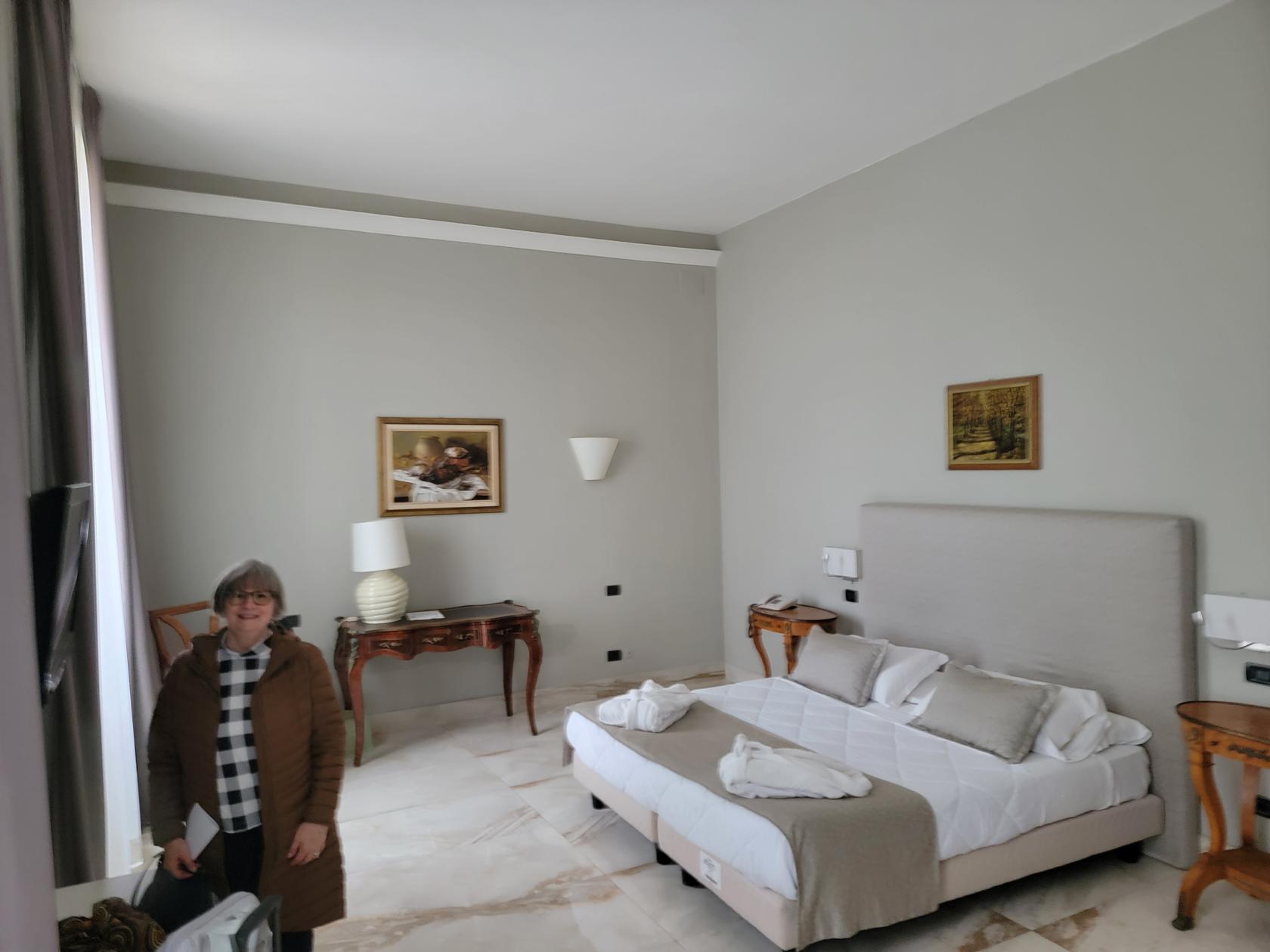
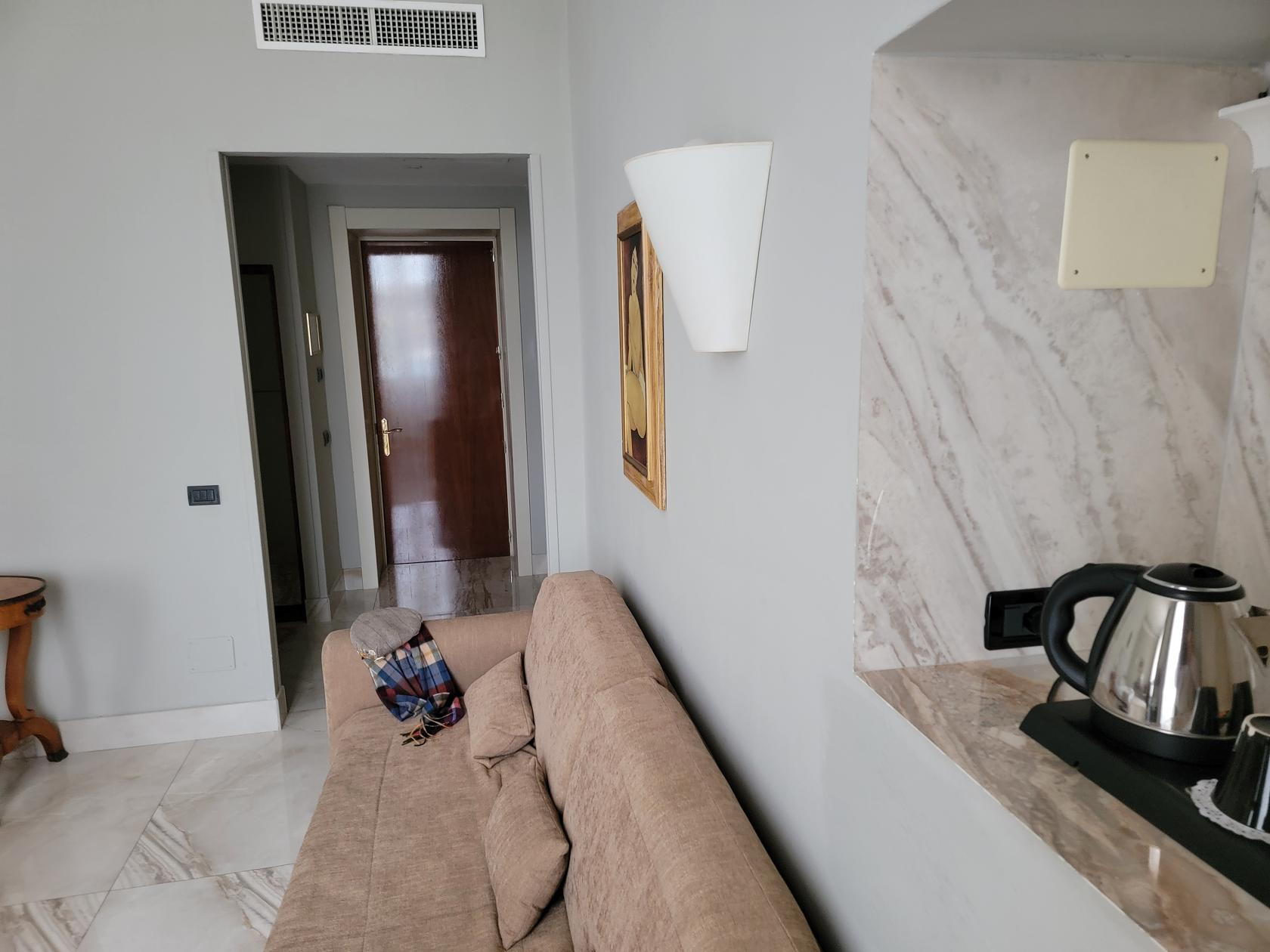
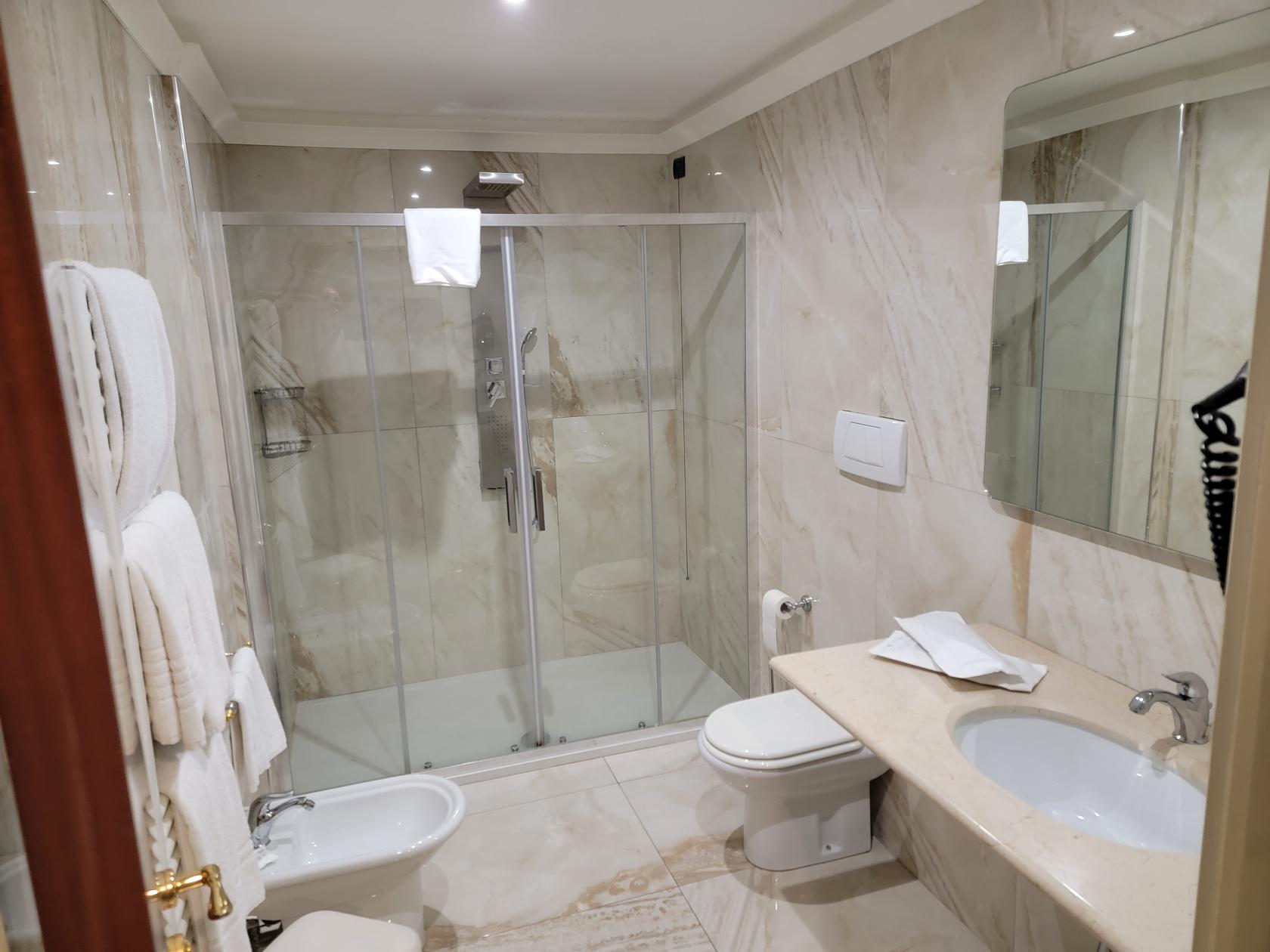
It is a somewhat dated hotel, but has enough amenities to be comfortable. However, the outside and inside looks like it is in need of some restoration. Our room was spacious and the bathroom modern which was a big benefit.
Grande Albergo Internazionale – Patti in our room – Brindisi, Italy
Grande Albergo Internazionale – Our room – Brindisi, Italy
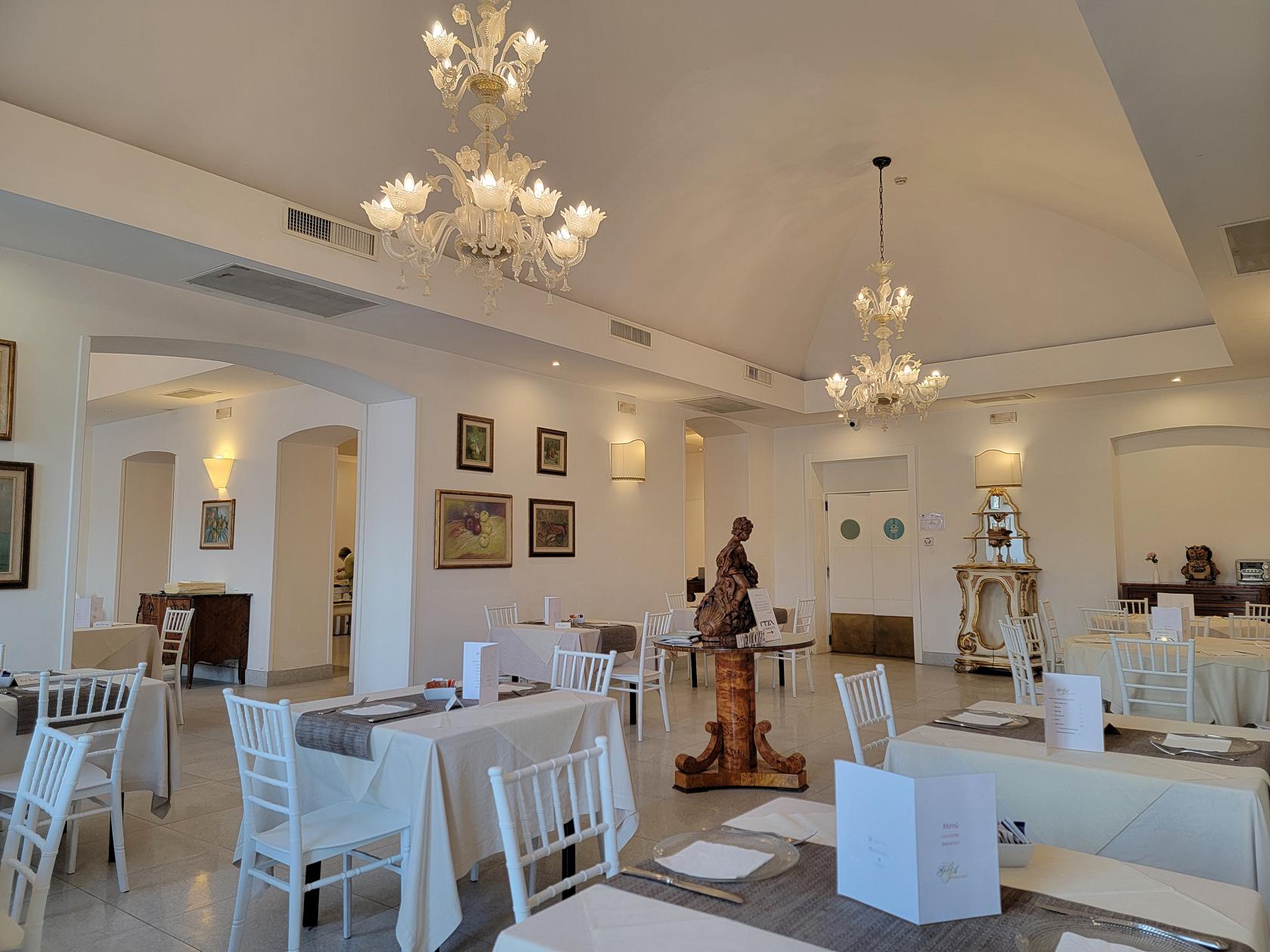
Grande Albergo Internazionale – Restaurant for Breakfast – Brindisi, Italy
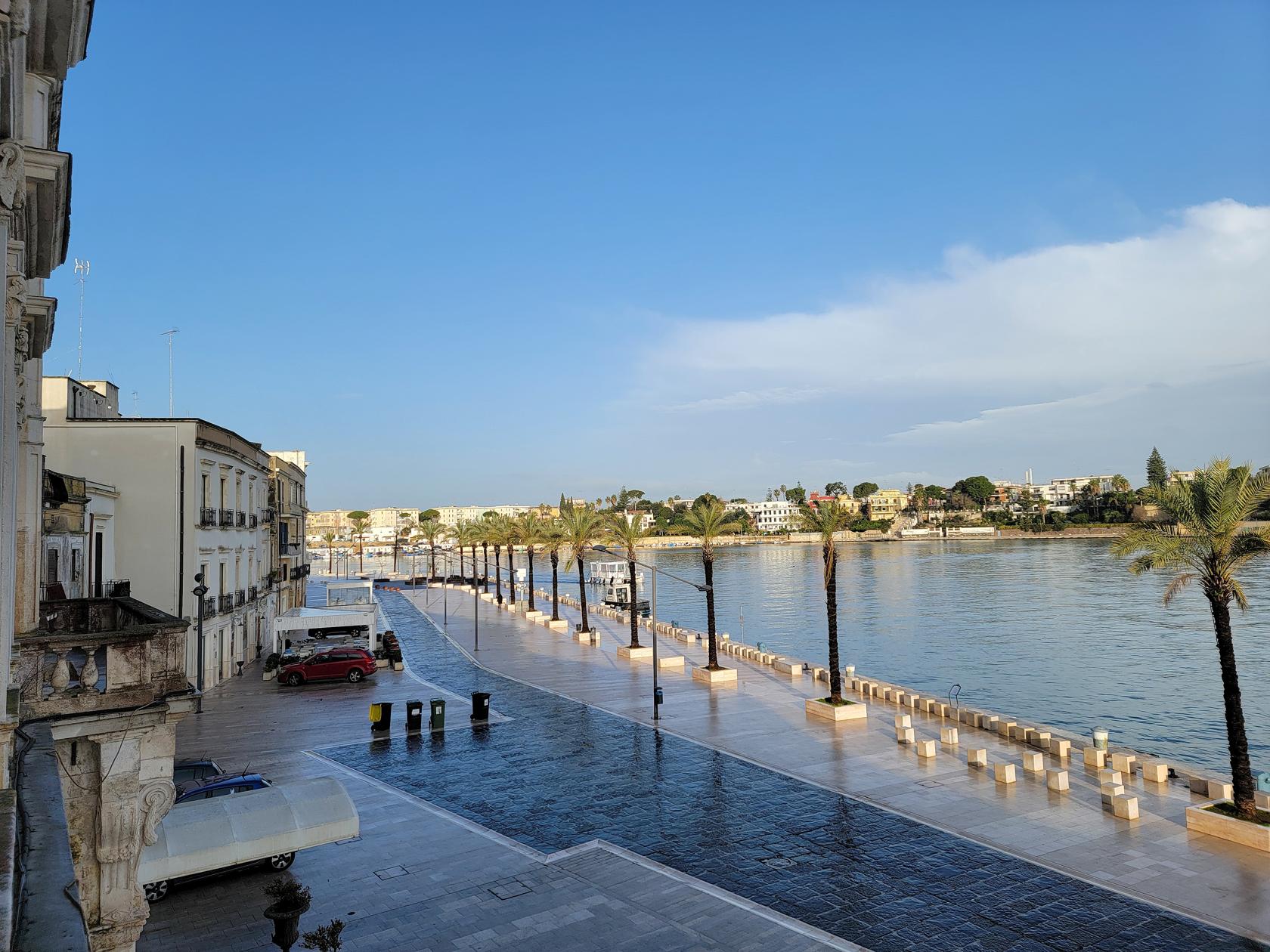
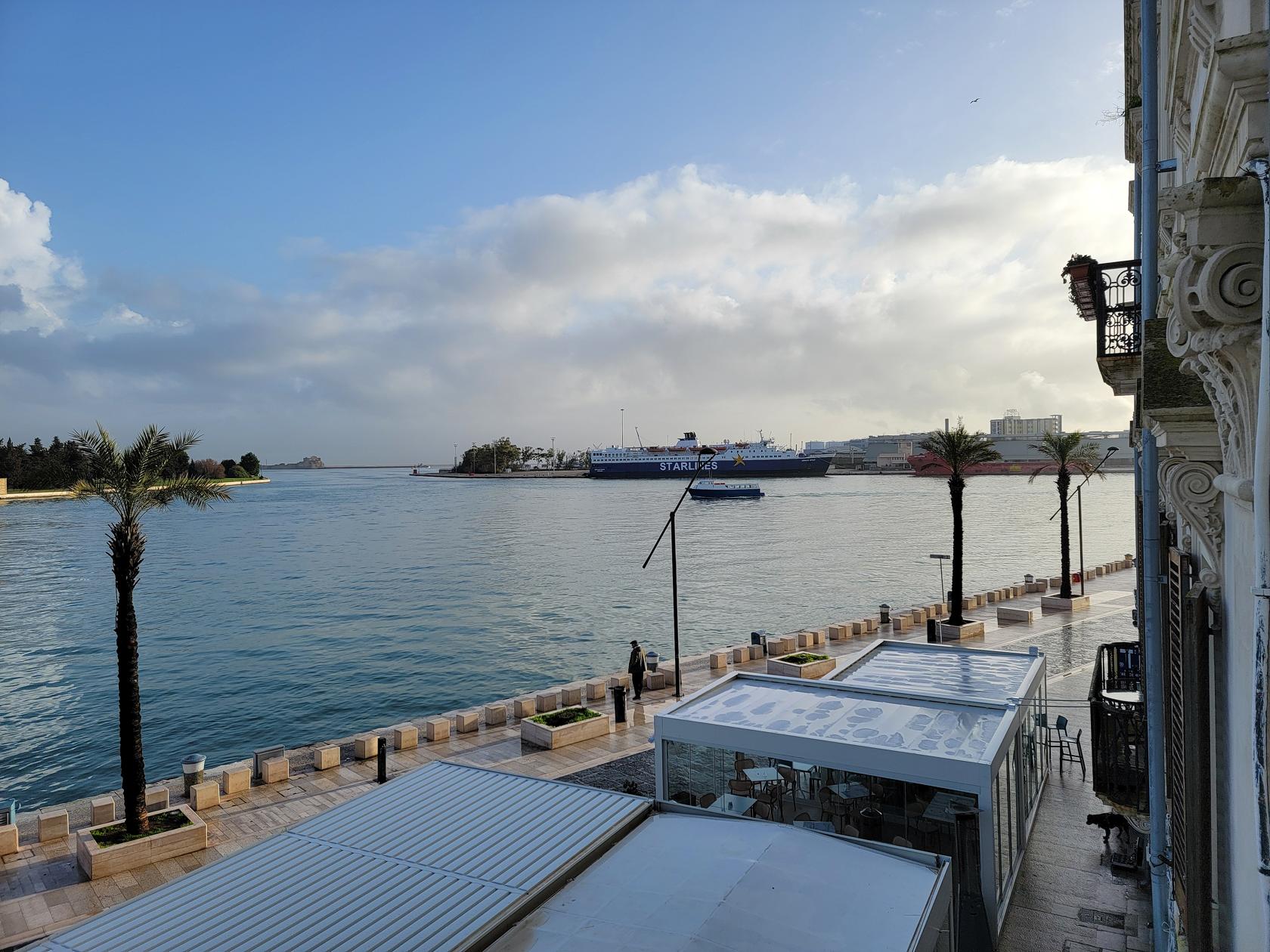
Grande Albergo Internazionale – Outside our window – Brindisi, Italy
Grande Albergo Internazionale – Outside our window – Brindisi, Italy
Lungomare di Brindisi
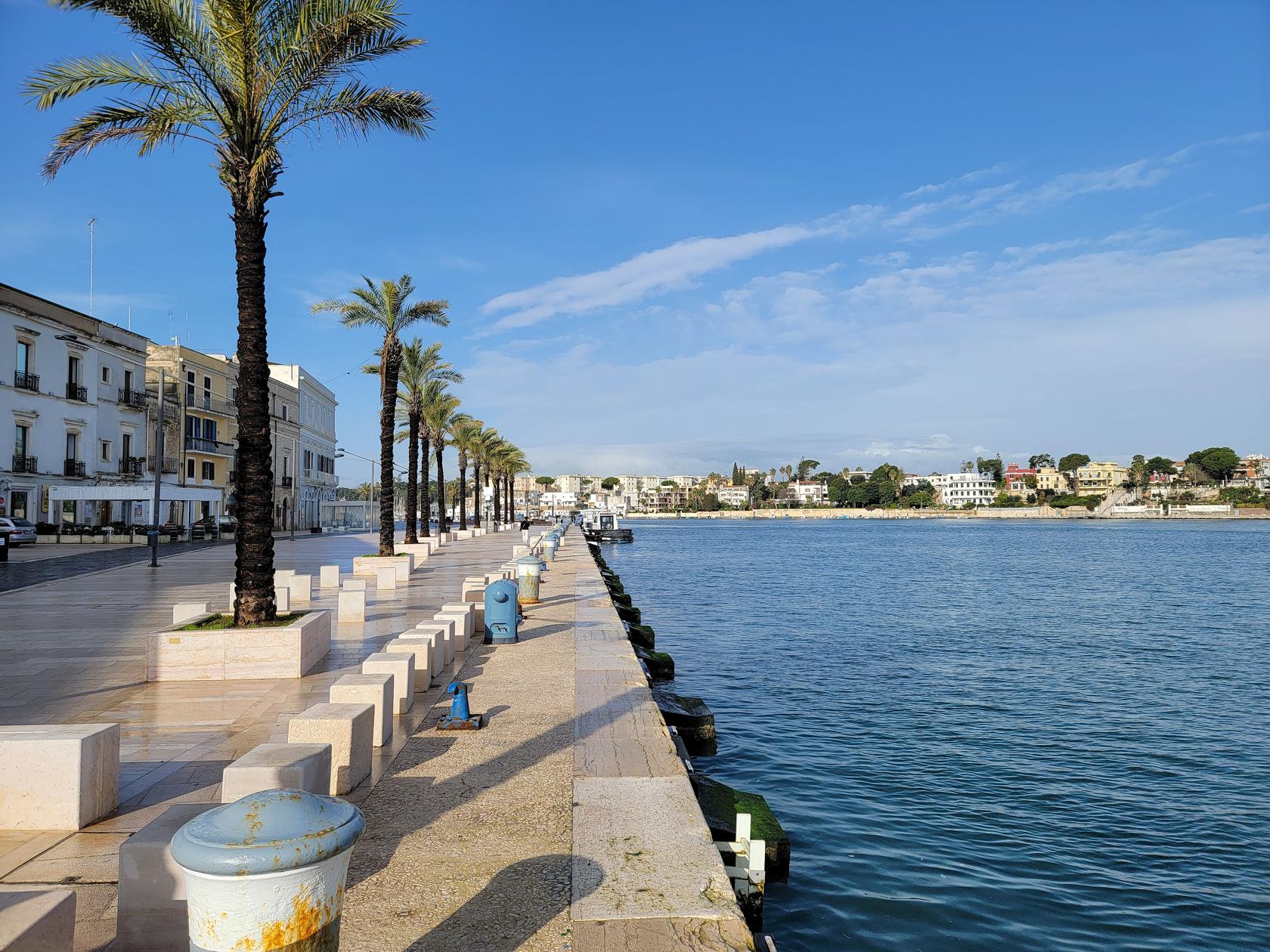
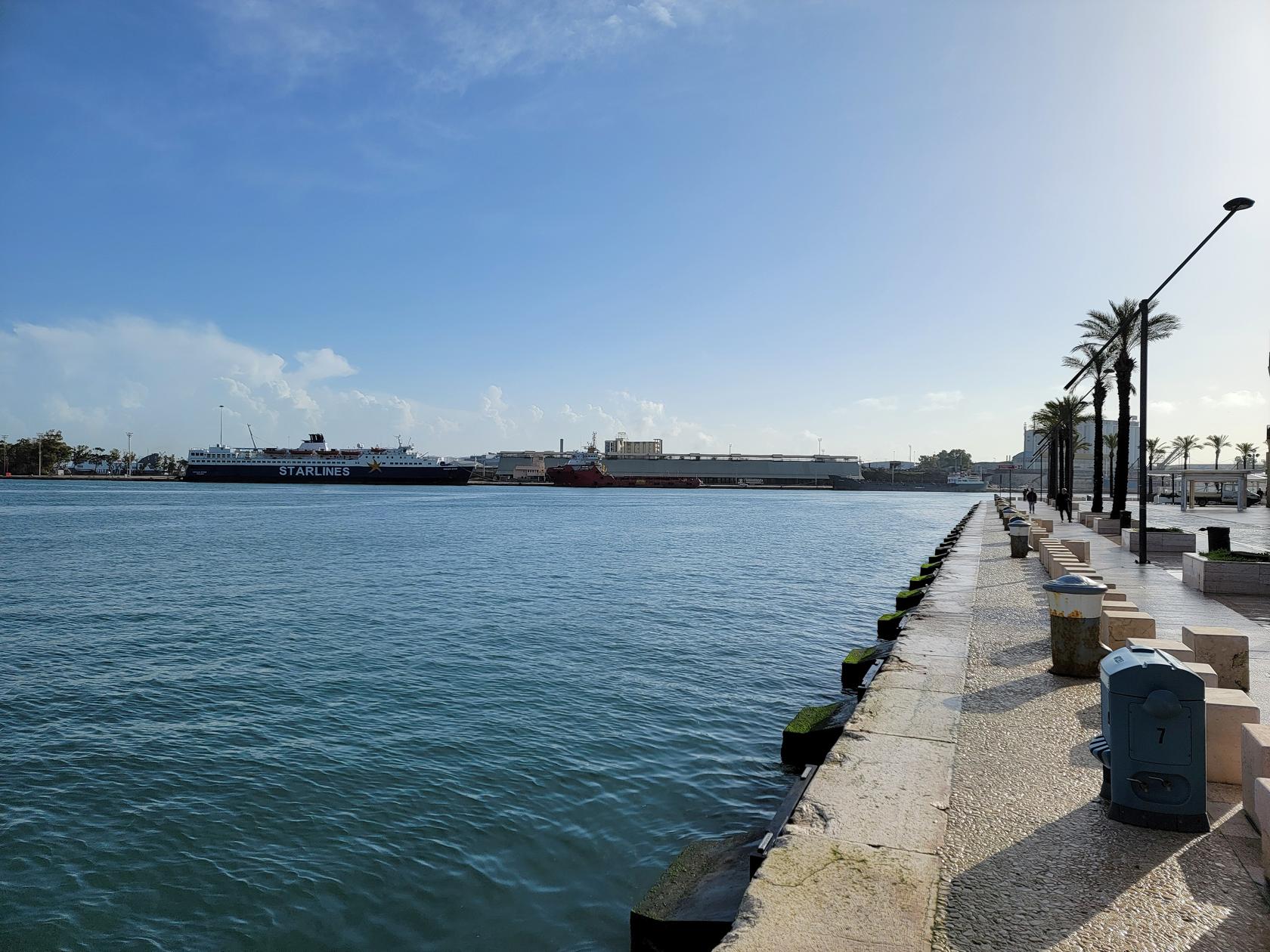
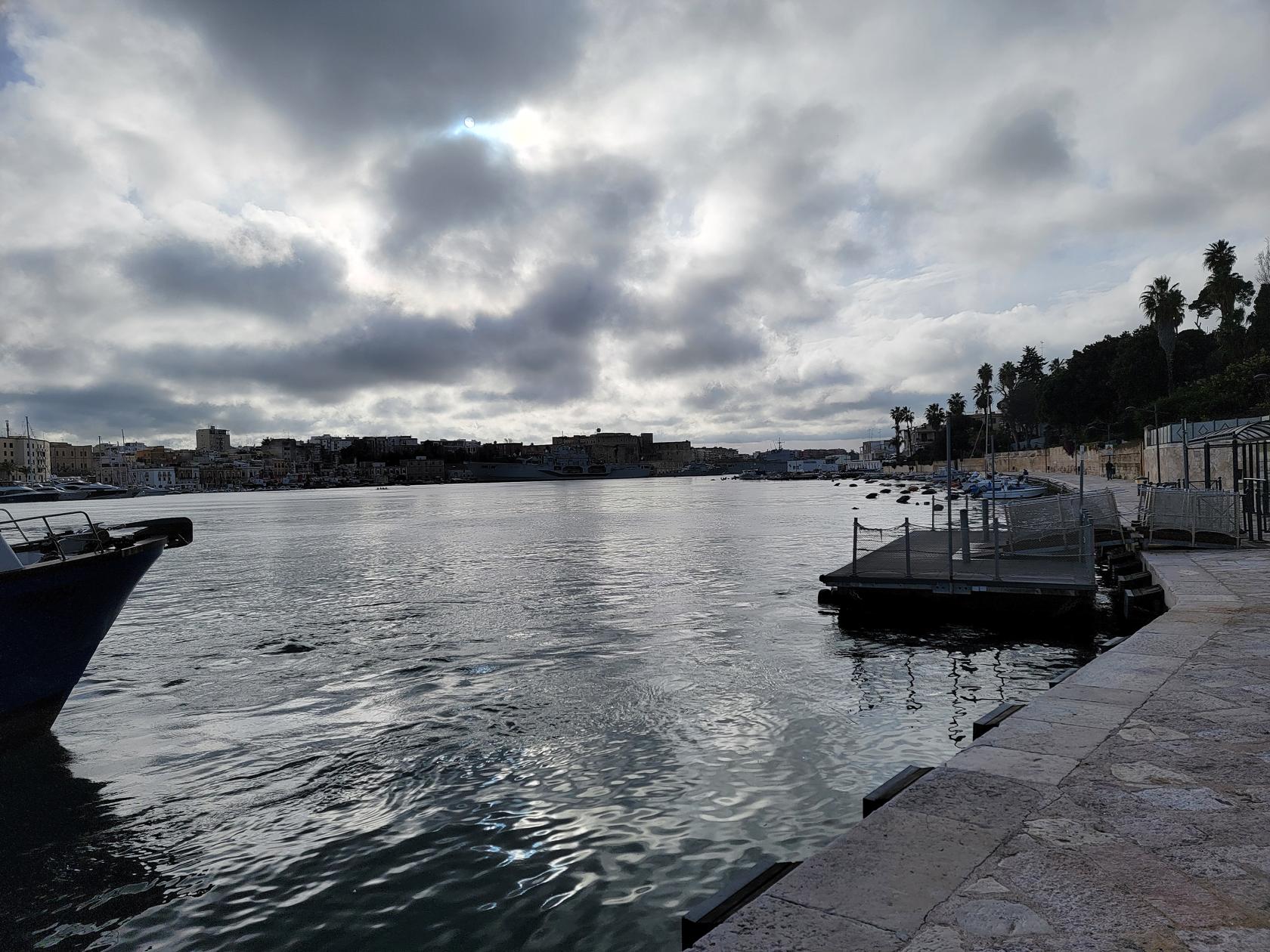
As the name implies, you are able to walk along the water for some length along the Lungomare di Brindisi. It starts near the parking area when you enter the port down to, but no further than the Approdo delle Indie. After that begins an Italian Naval Base and you are redirected up a set of stairs and away from the shore.
Viale Regina Margherita – Lungomare di Brindisi – Brindisi, Italy
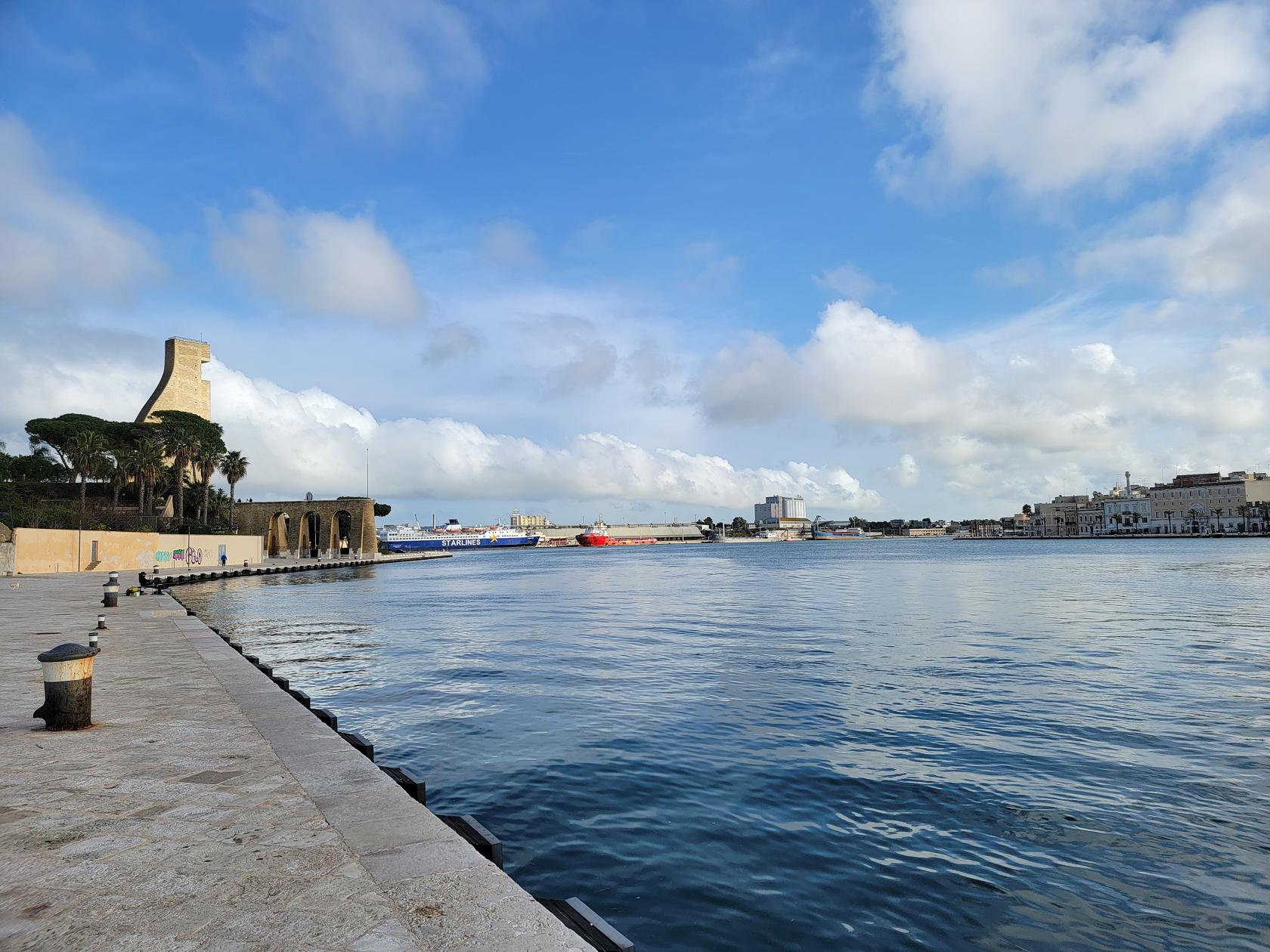
Monumento al Marinaio d’Italia – Italian Mariner monument from the Lungomare di Brindisi – Brindisi, Italy
Viale Regina Margherita – Lungomare di Brindisi – Brindisi, Italy
Brindisi Shuttle Service
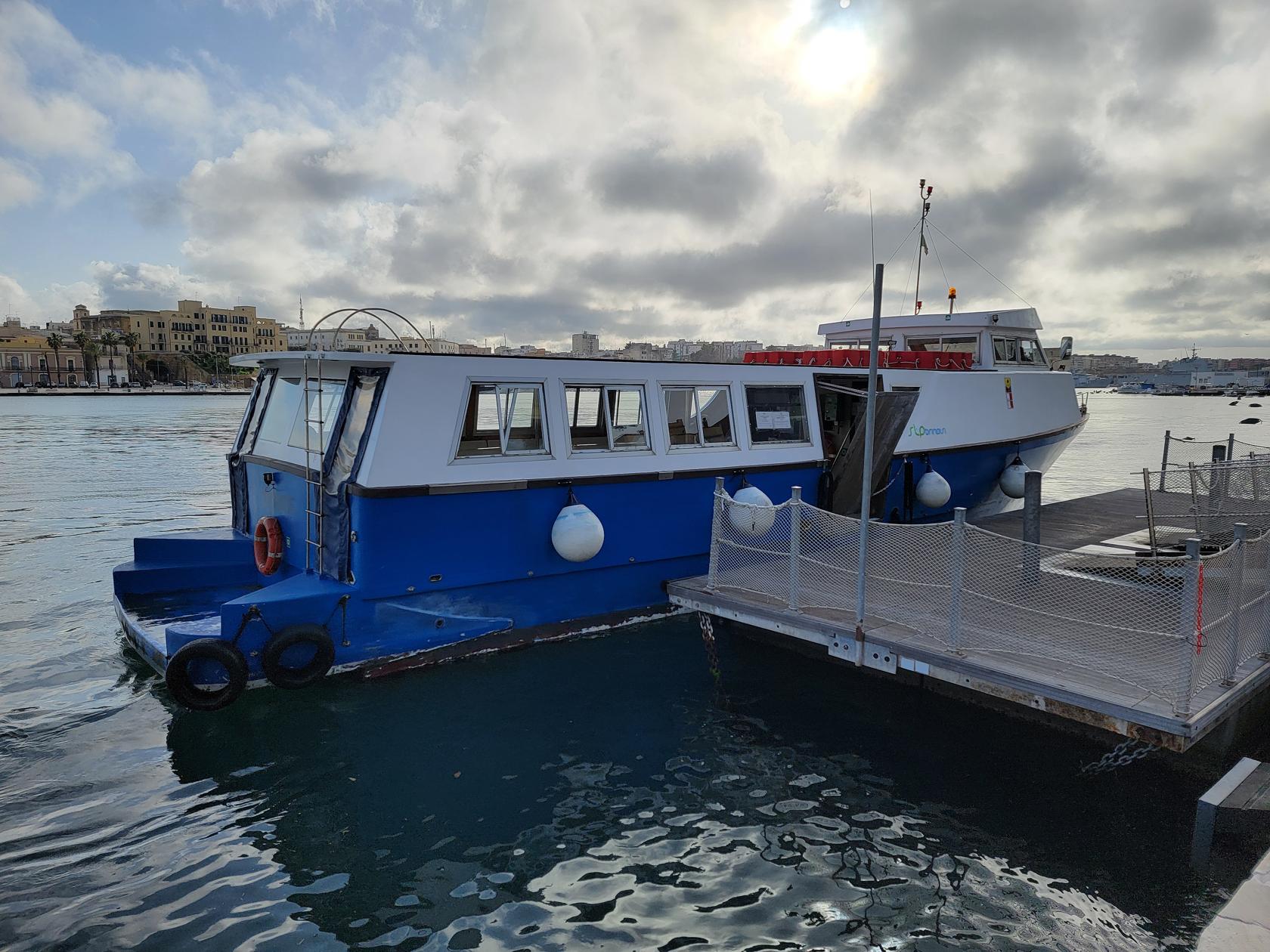
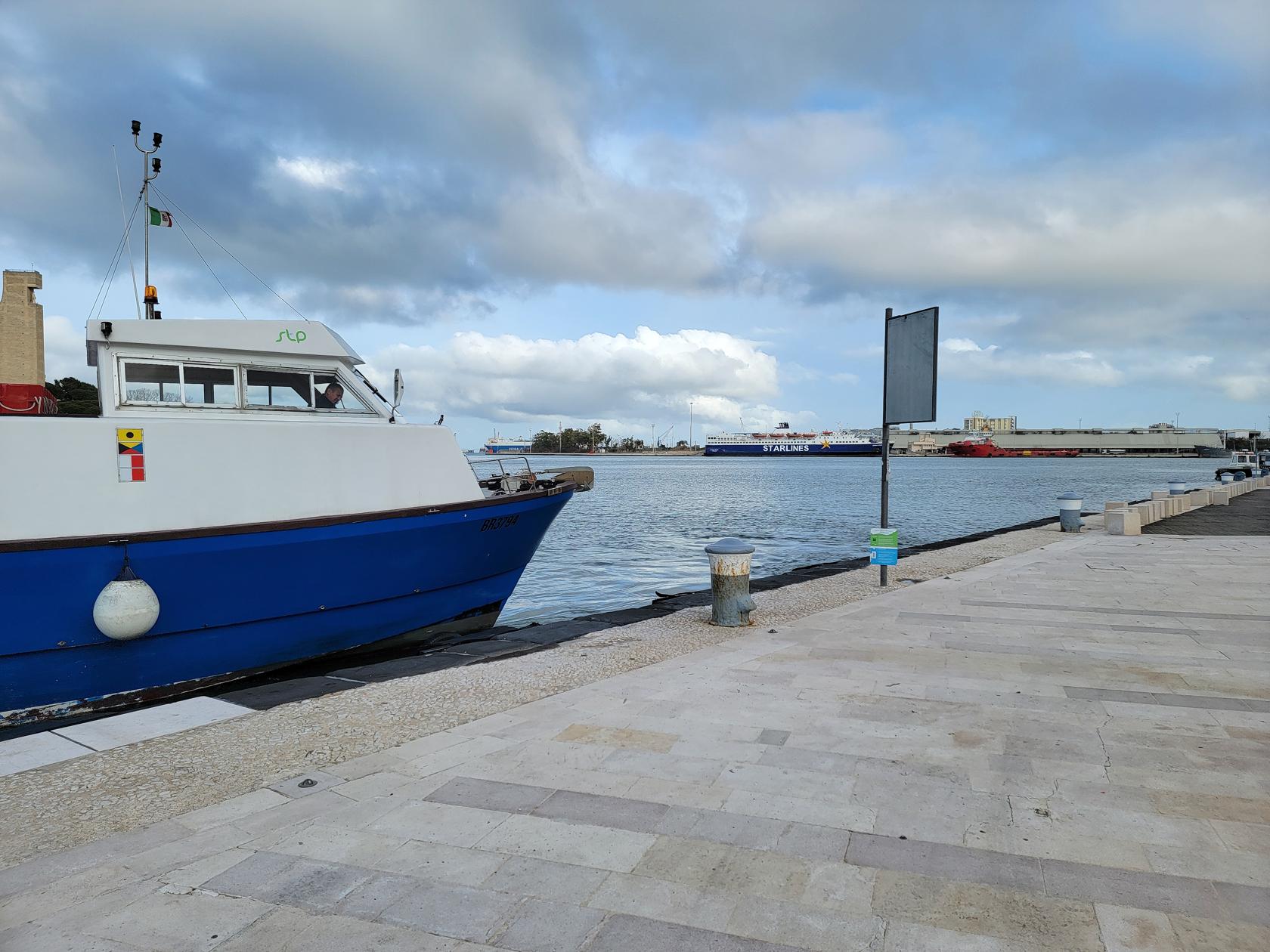
From the Lungomare, or Viale Regina Margherita, about where it intersects with Piazza Vittorio Emanuele III is one location you can pick up the shuttle. It has a four stop route along the inlet and completes the circuit about once every twenty minutes. One use, simple route charge was 1.20€ per person, which only excepts contactless credit card or NFC contactless payments from your phone, NO CASH.
Brindisi Shuttle Service – Brindisi, Italy
Monumento al Marinaio d’Italia – Brindisi, Italy
Dock on the Airport Side – Brindisi, Italy
Brindisi Shuttle Service – Brindisi, Italy
Saint John At The Sepulchre
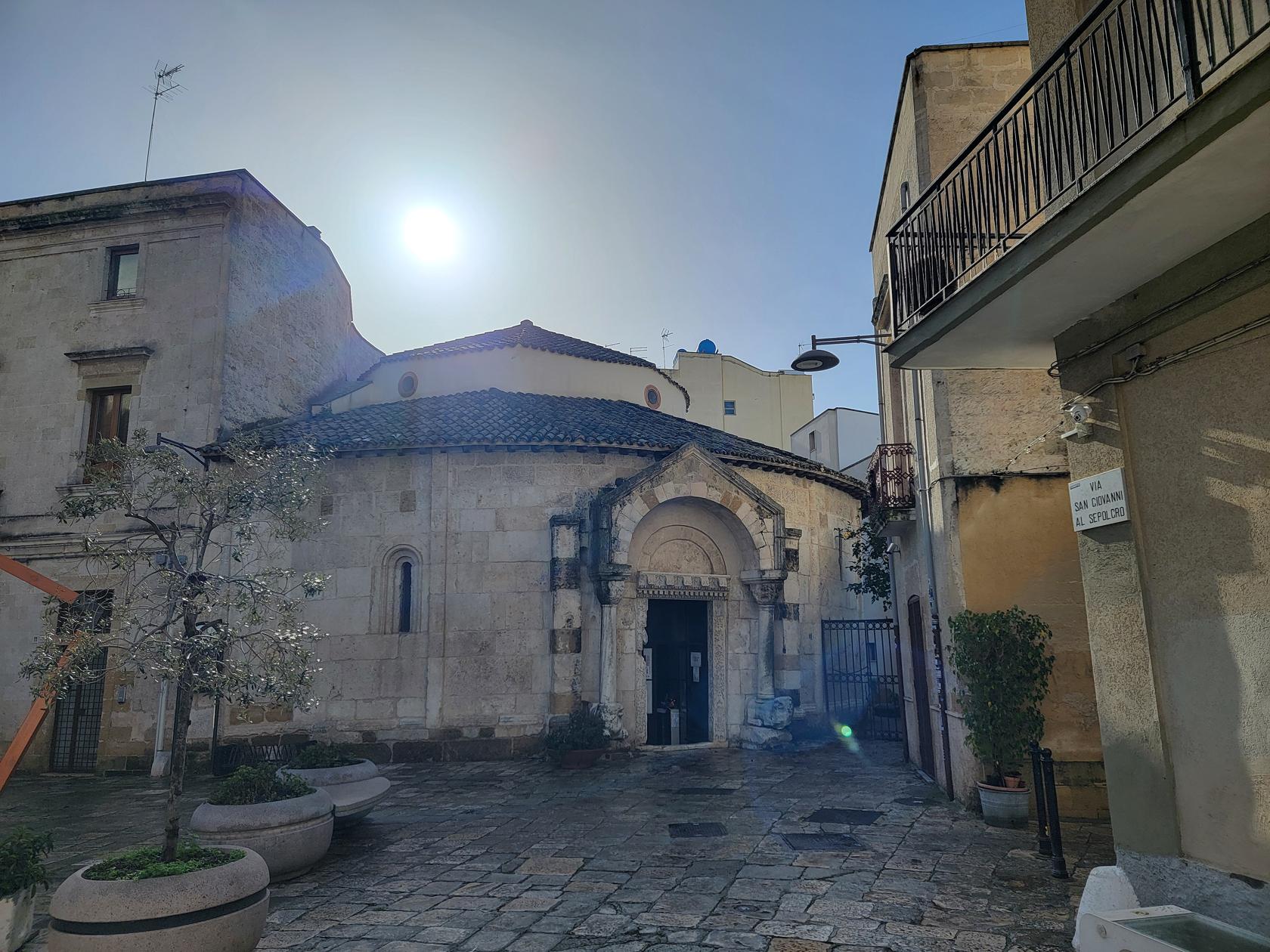
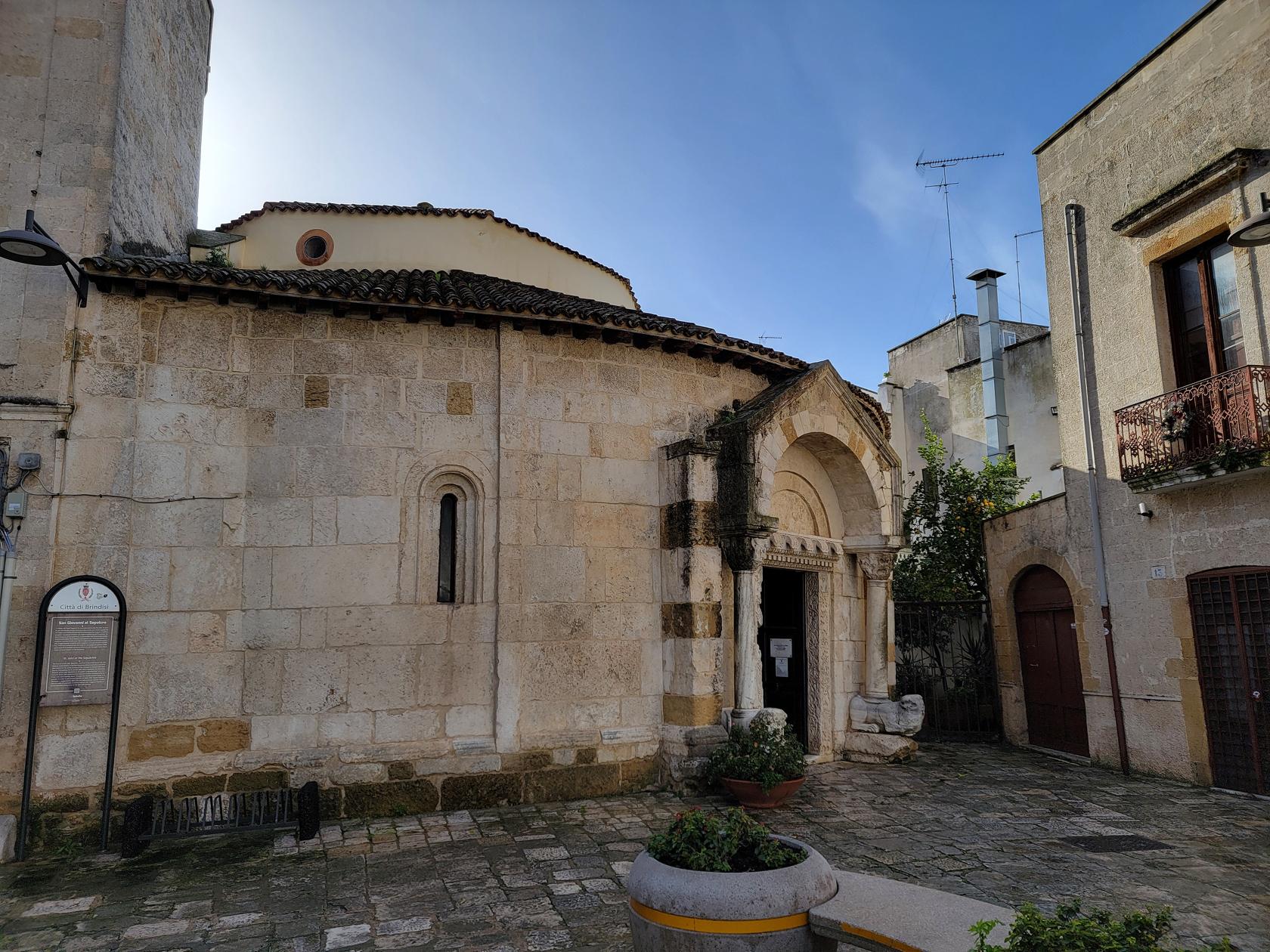
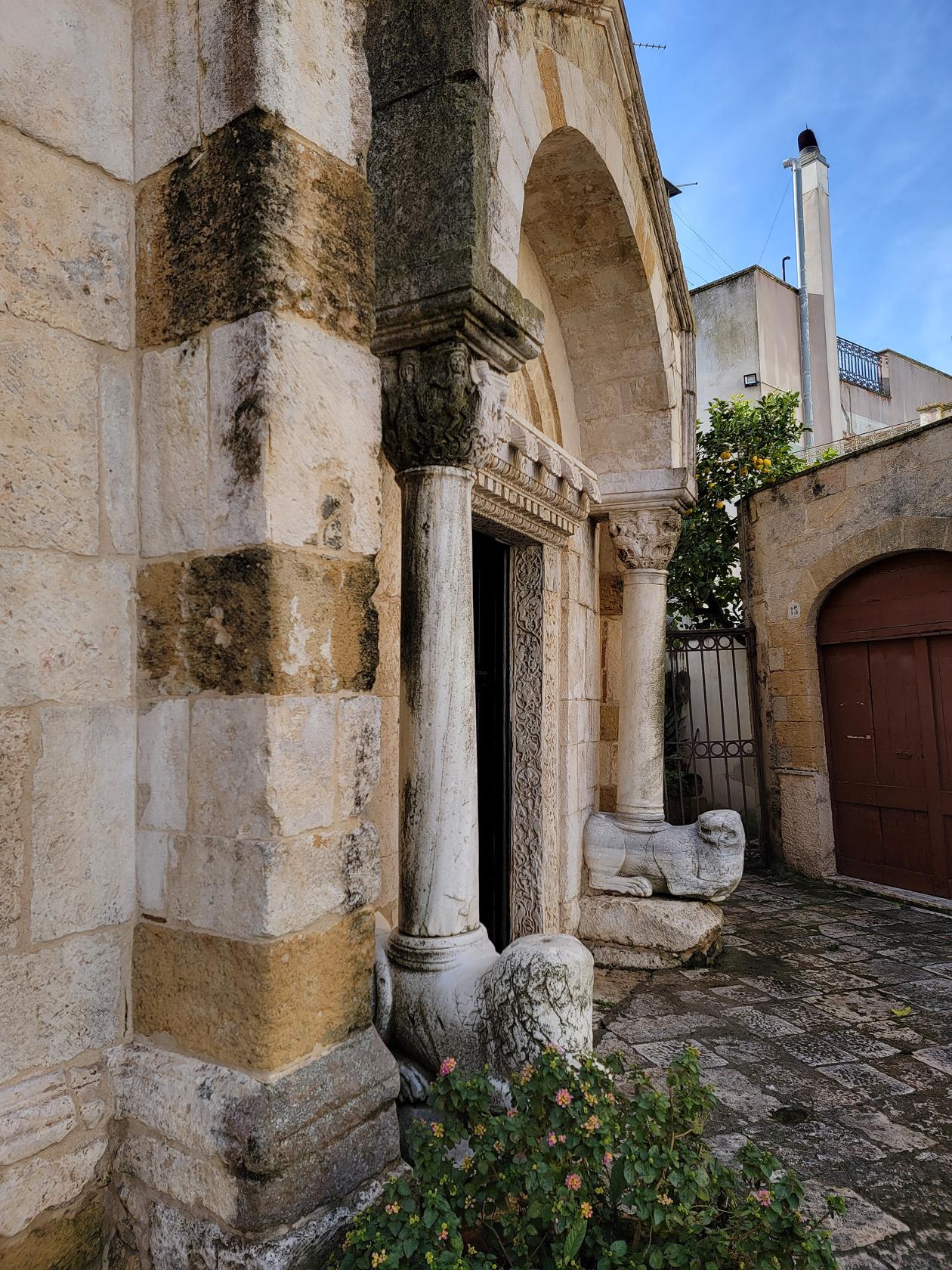
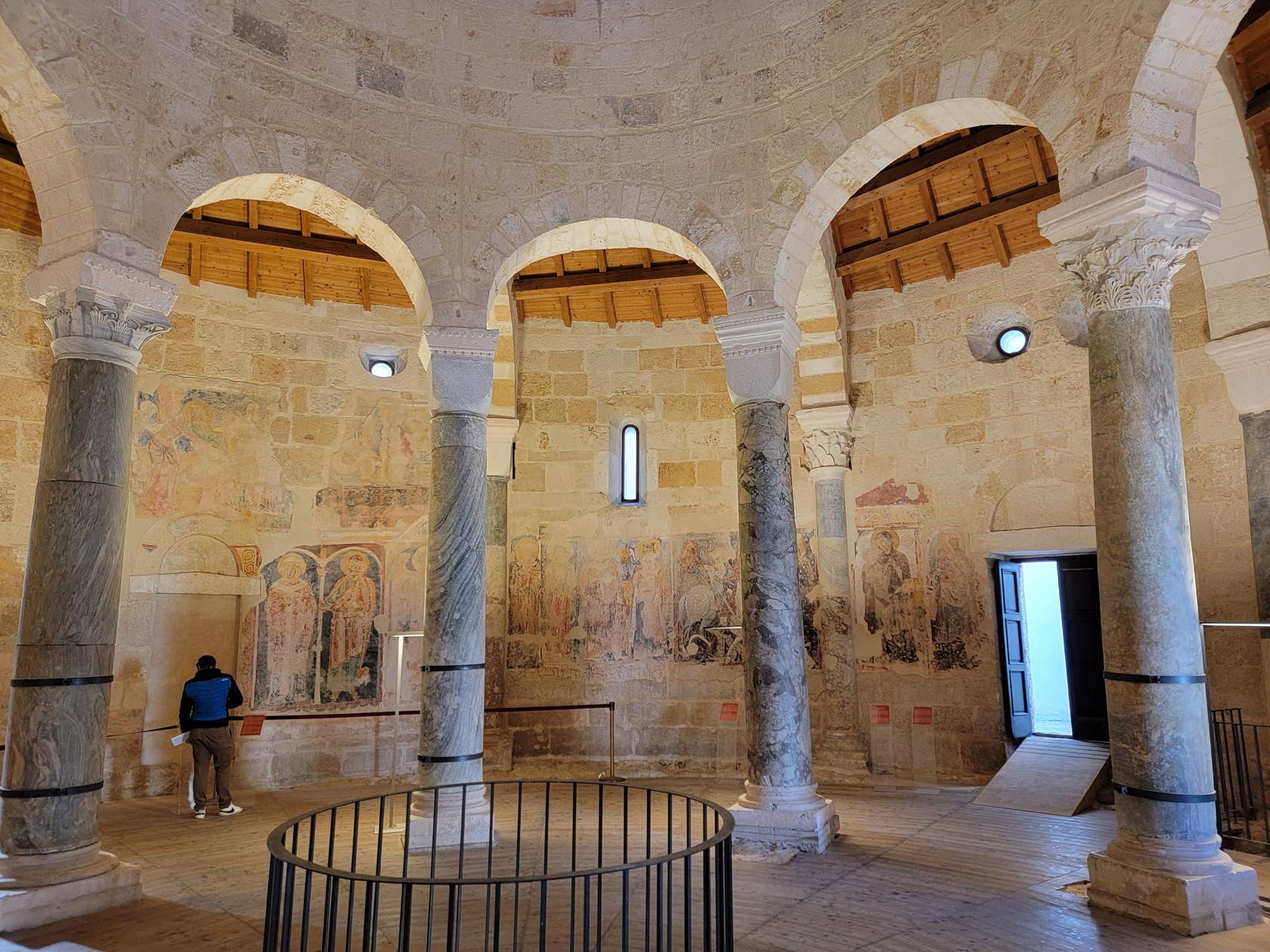
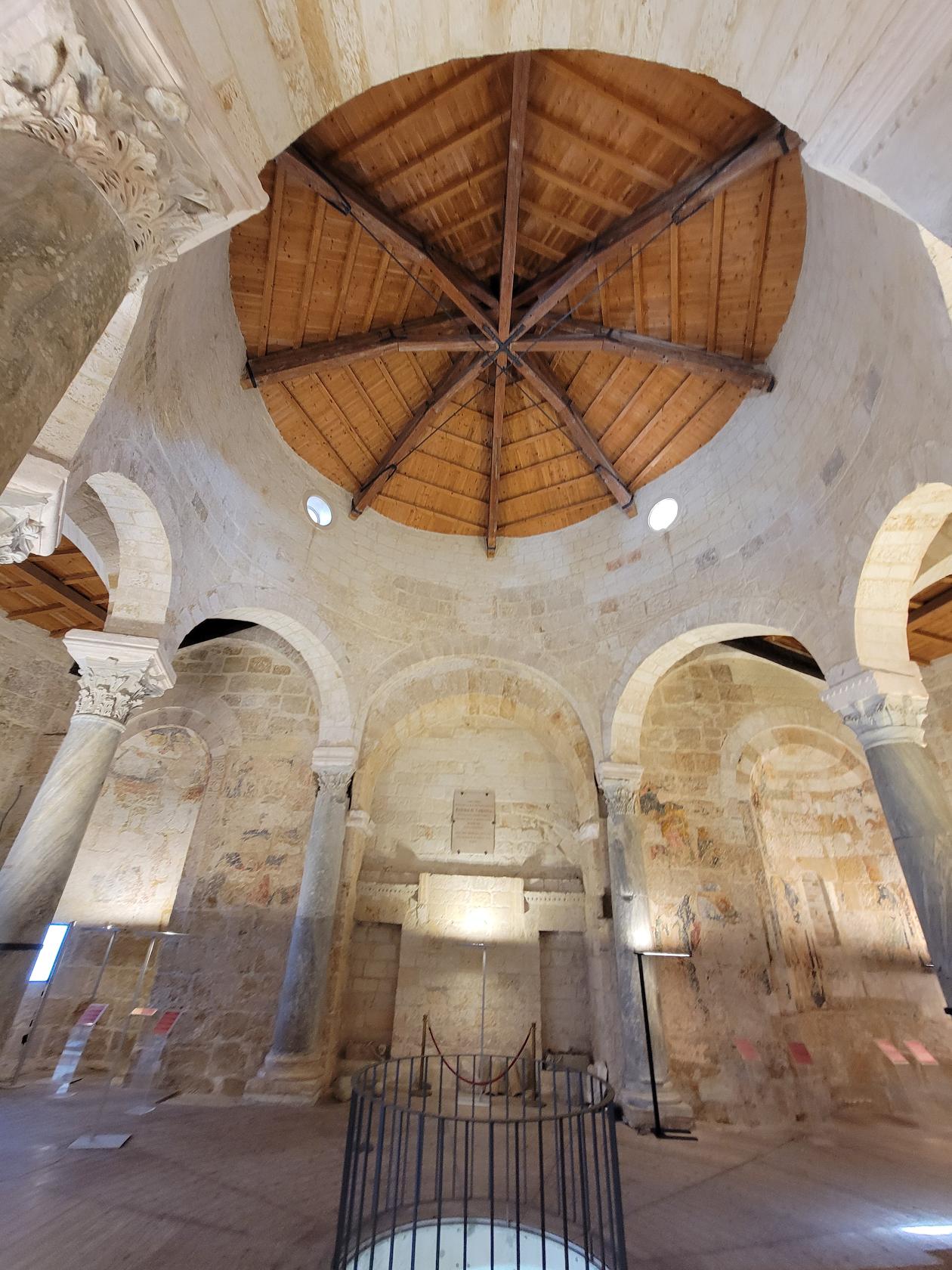
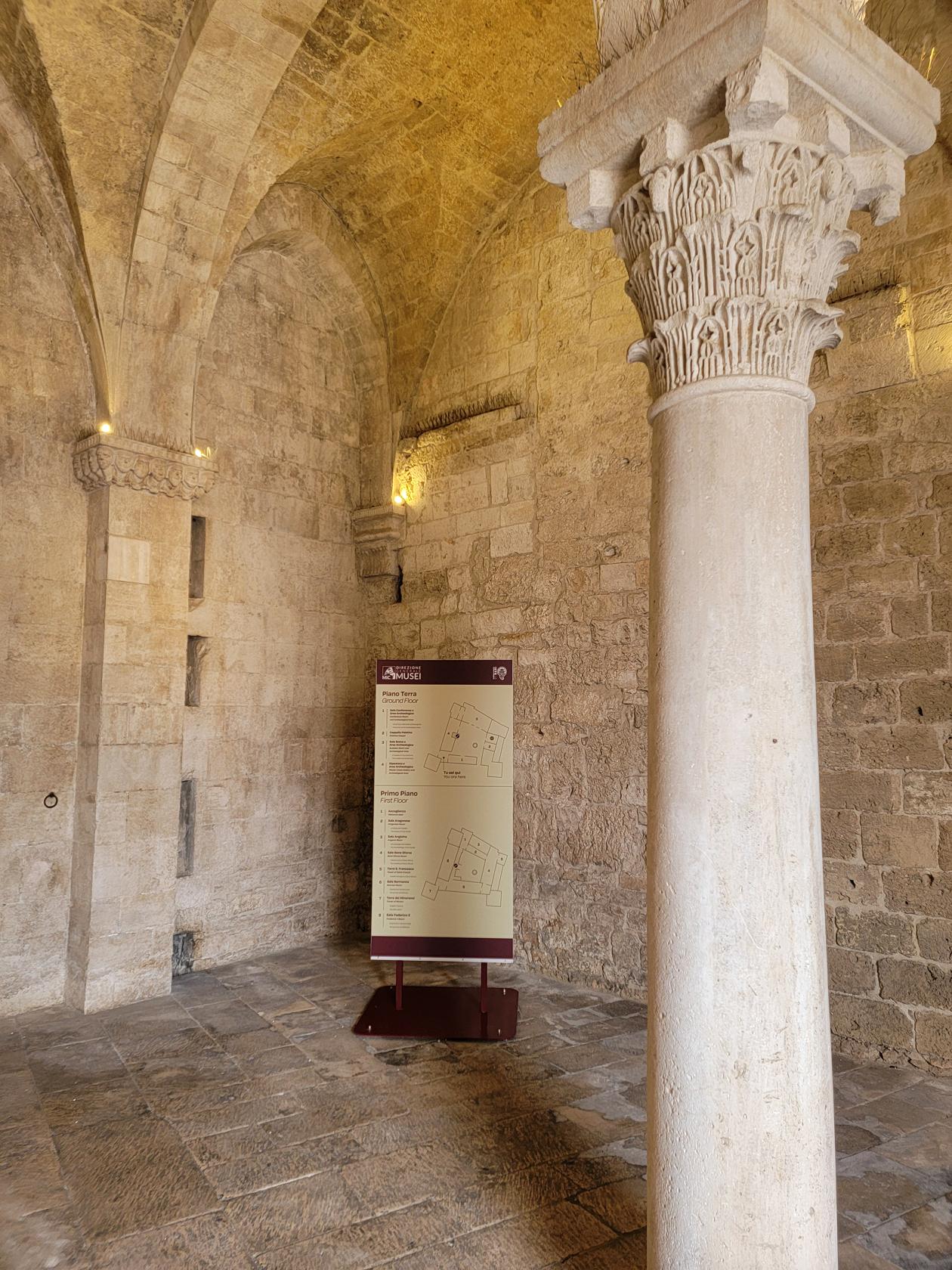
The St John At The Sepulchre is an ancient eleventh century Church of the Holy Sepulcher with circular construction built over a pre-existing church. It was built to resemble the ancient Anastasis Rotunda of the Holy Selpuchre in Jerusalem with the intention of providing a memory of that structure.
St John At The Sepulchre – Brindisi, Italy
St John At The Sepulchre – Brindisi, Italy
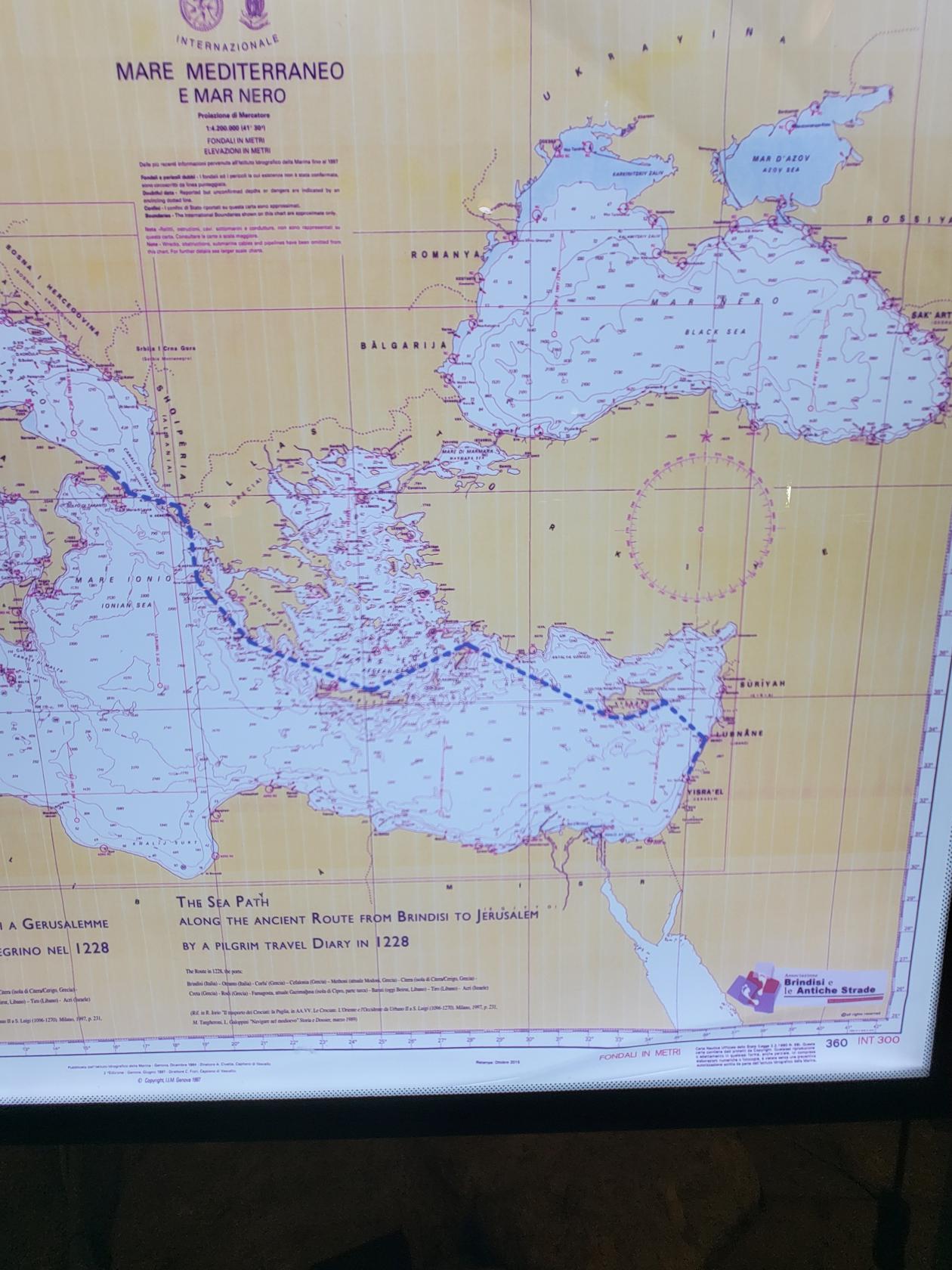
The monument is intended to show the close relationship between Brindisi and the Holy Land during the time of the crusades. Built by the Knight Order of the Canons Regular sometime before 1128, it was conceived to give those who could not pilgrimage to the Holy Land a feeling for that destination, and for those who have, a reminder of it.
St John At The Sepulchre – Main Entrance – Brindisi, Italy
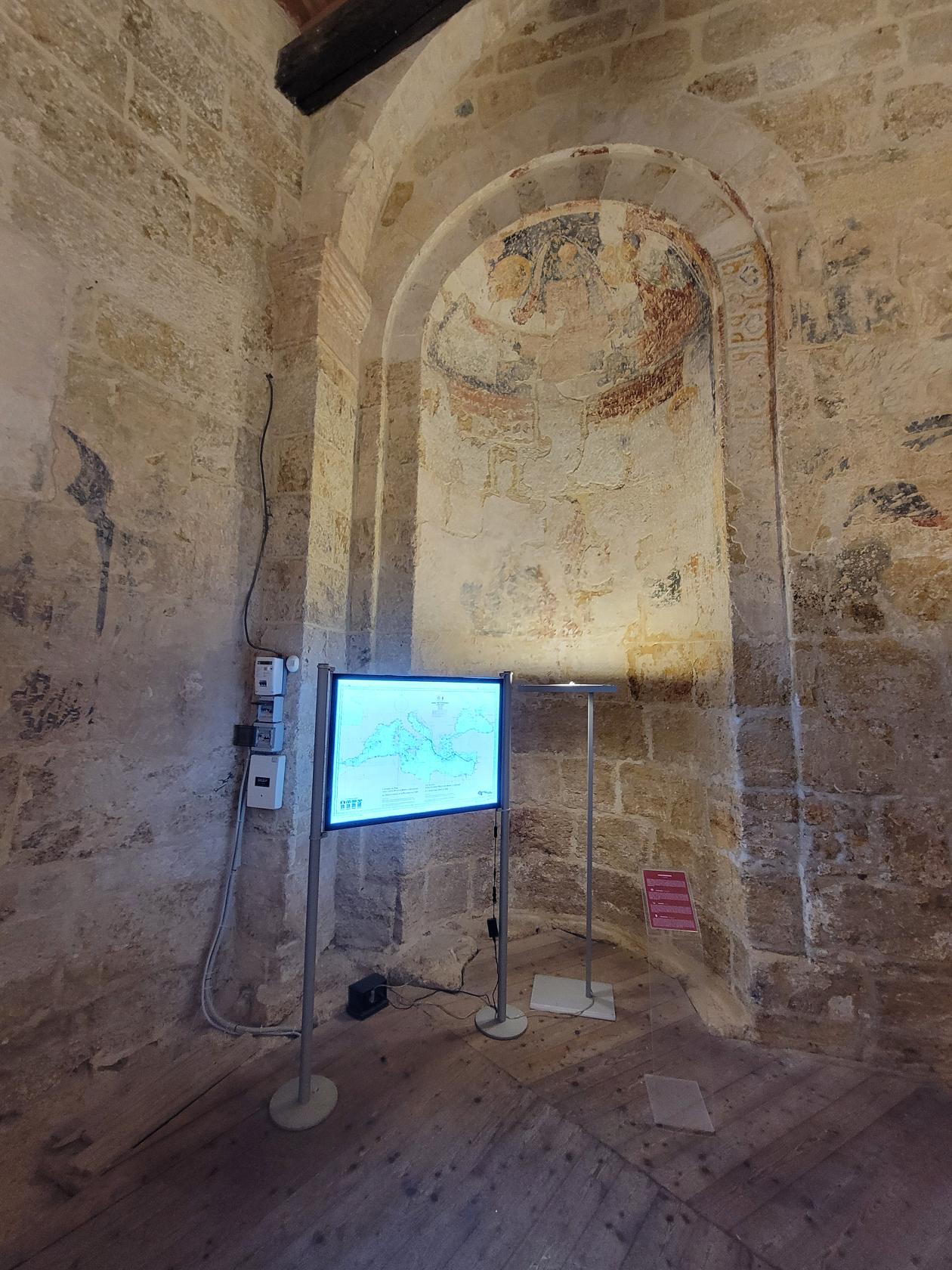
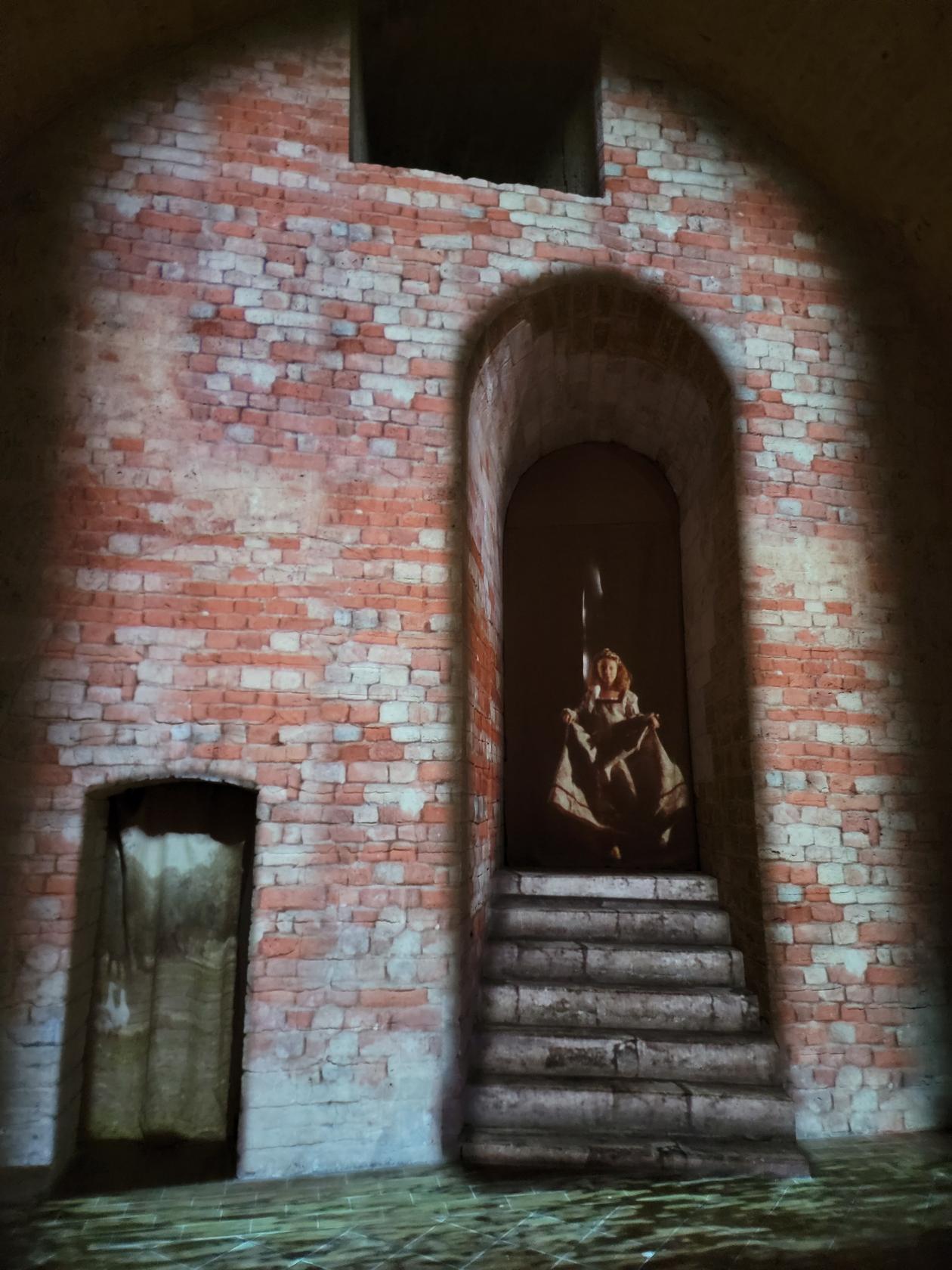
St John At The Sepulchre – Media Presentation – Brindisi, Italy
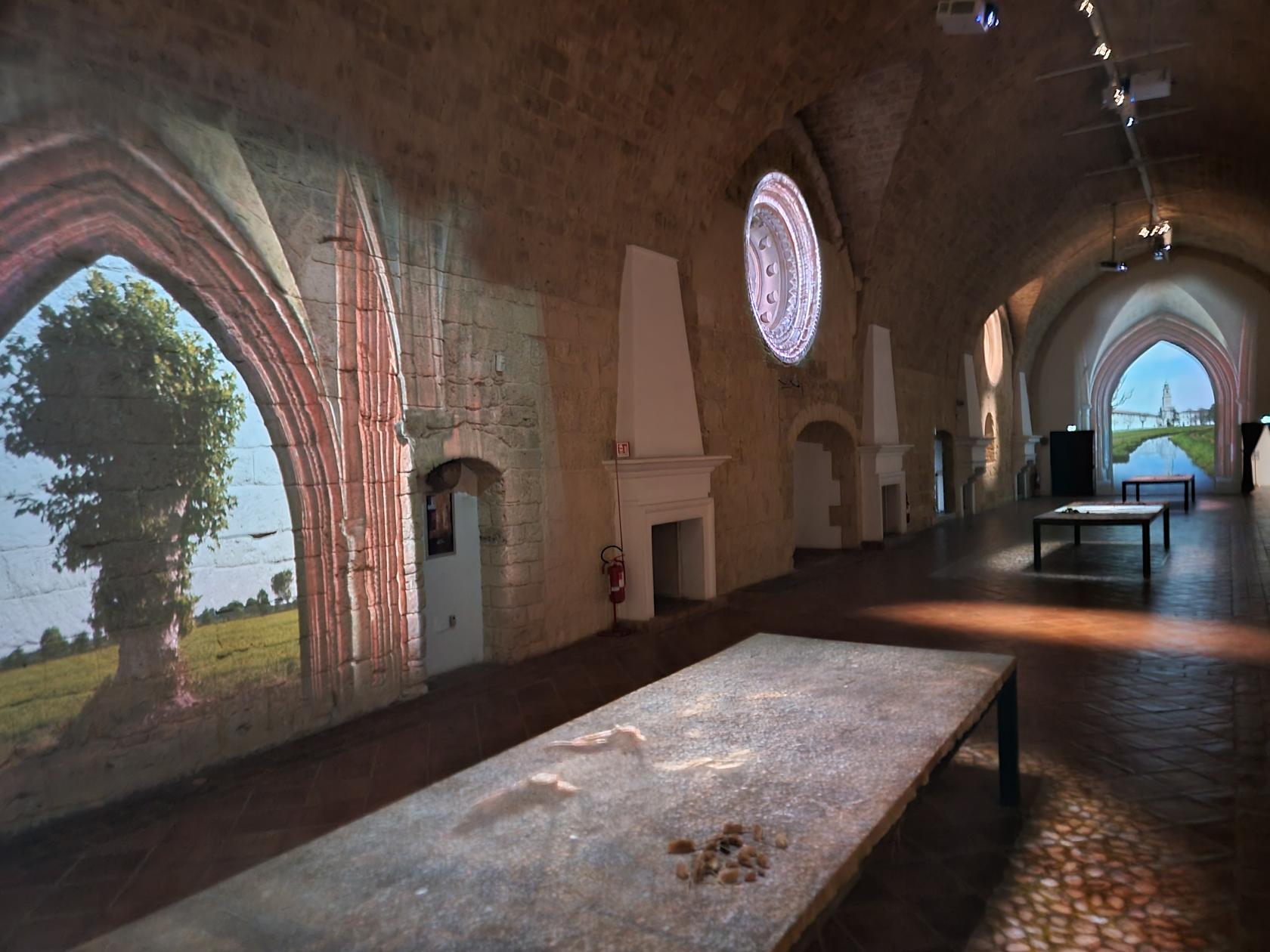
St John At The Sepulchre – Media Presentation Showing Route To Isreal – Brindisi, Italy
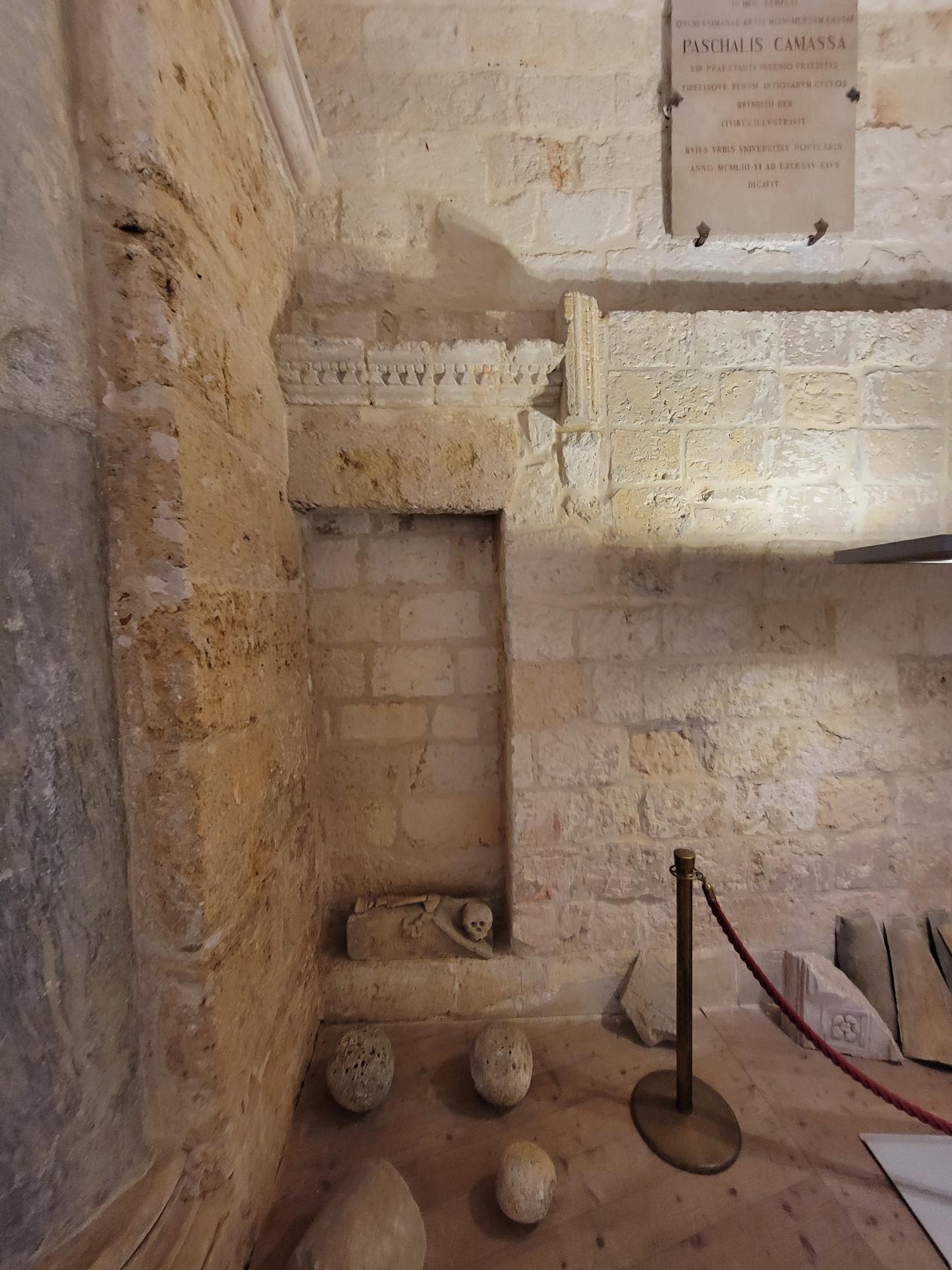
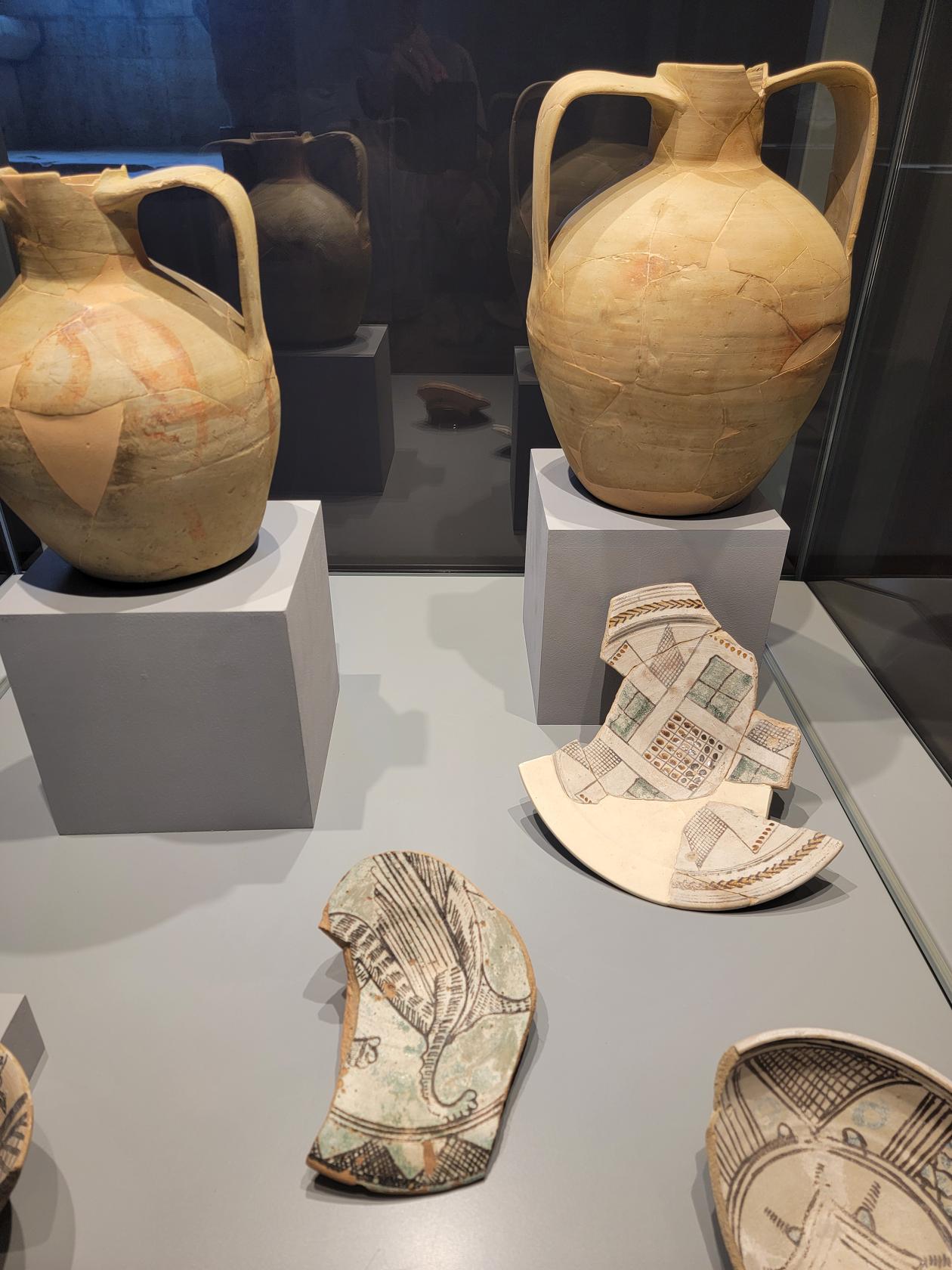
St John At The Sepulchre – Other Items – Brindisi, Italy
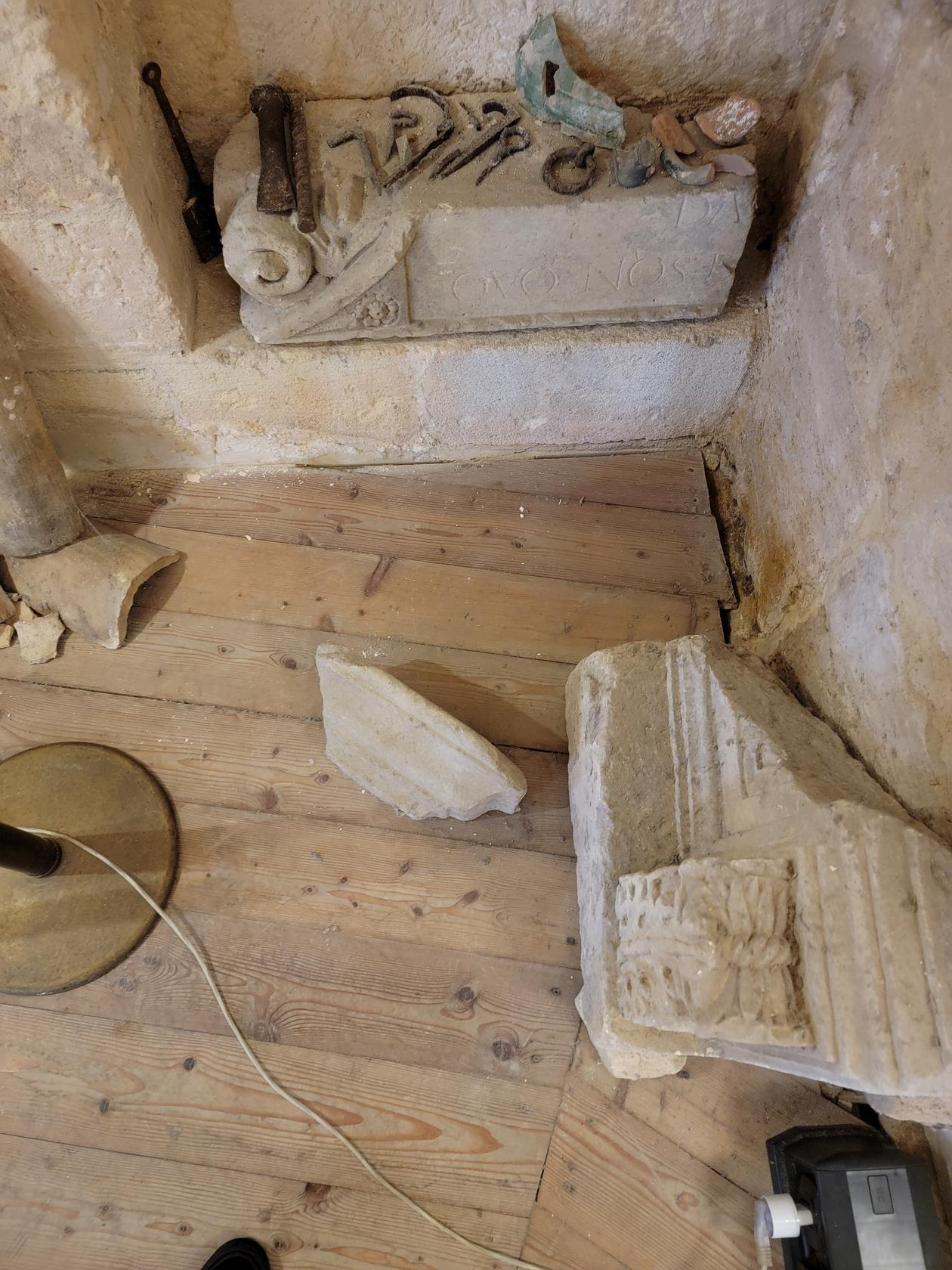
St John At The Sepulchre – Old Nails, Hinges – Brindisi, Italy
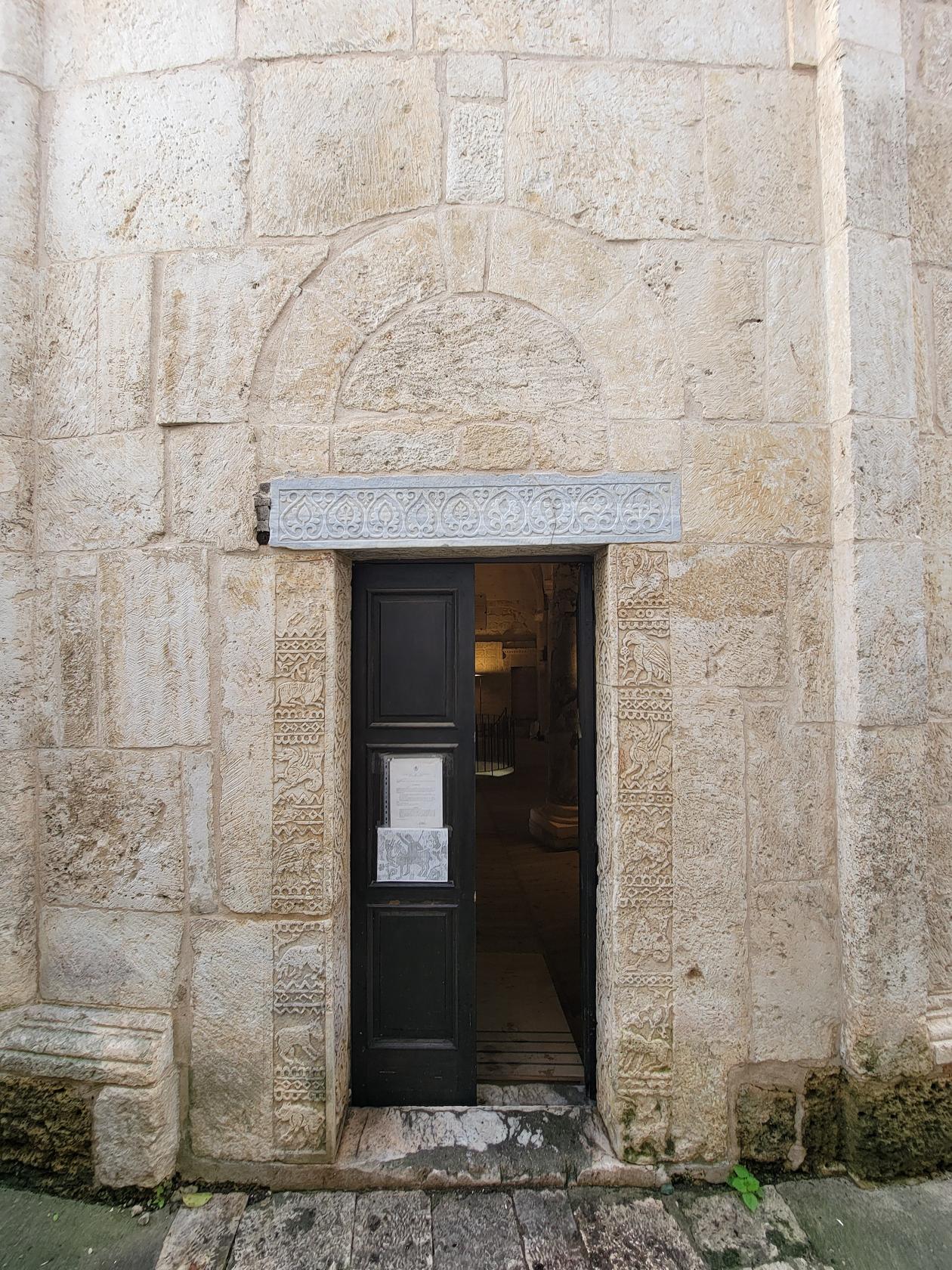
St John At The Sepulchre – Side Entrance Lintel – Brindisi, Italy
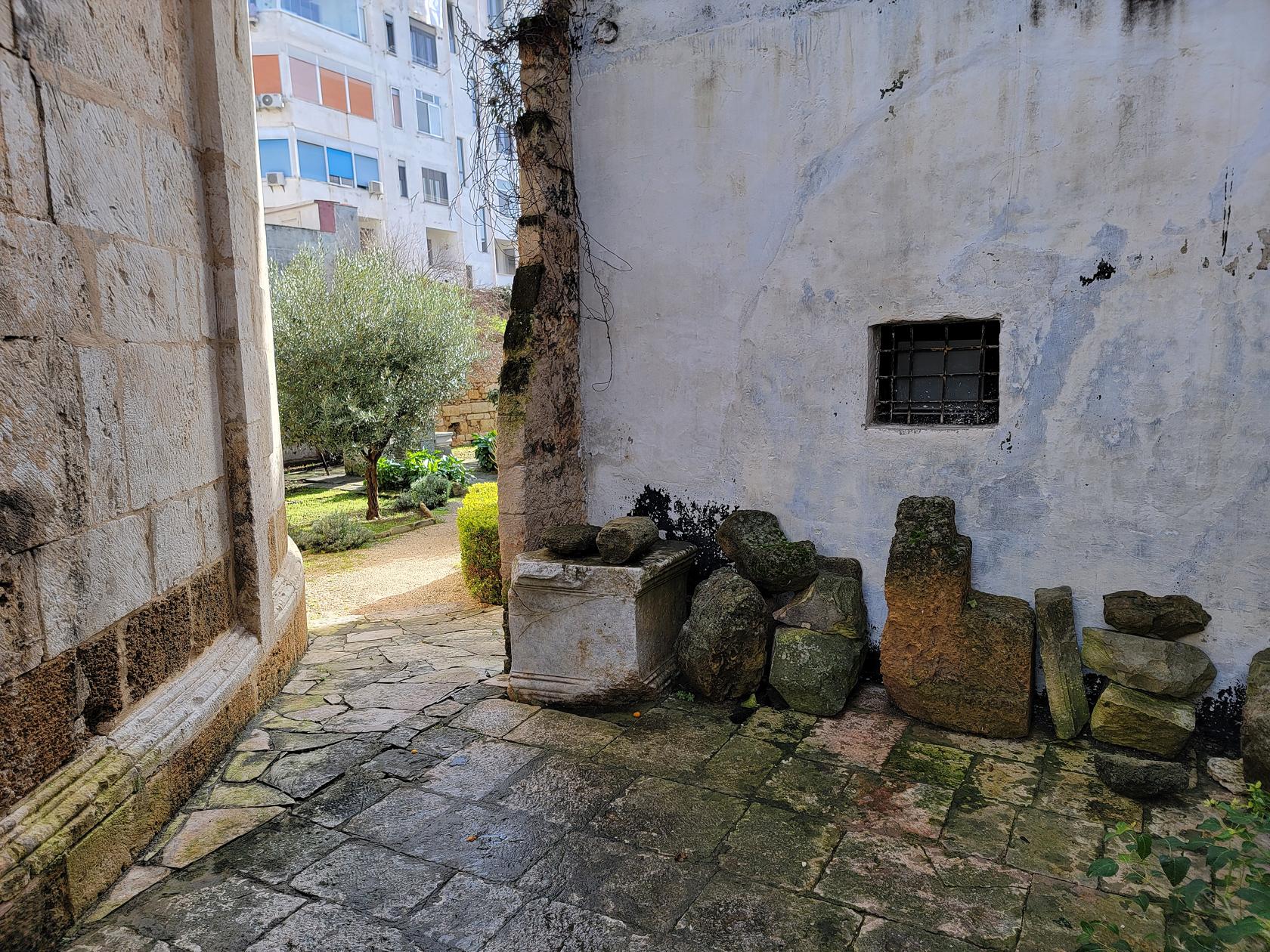
St John At The Sepulchre – Patio – Brindisi, Italy
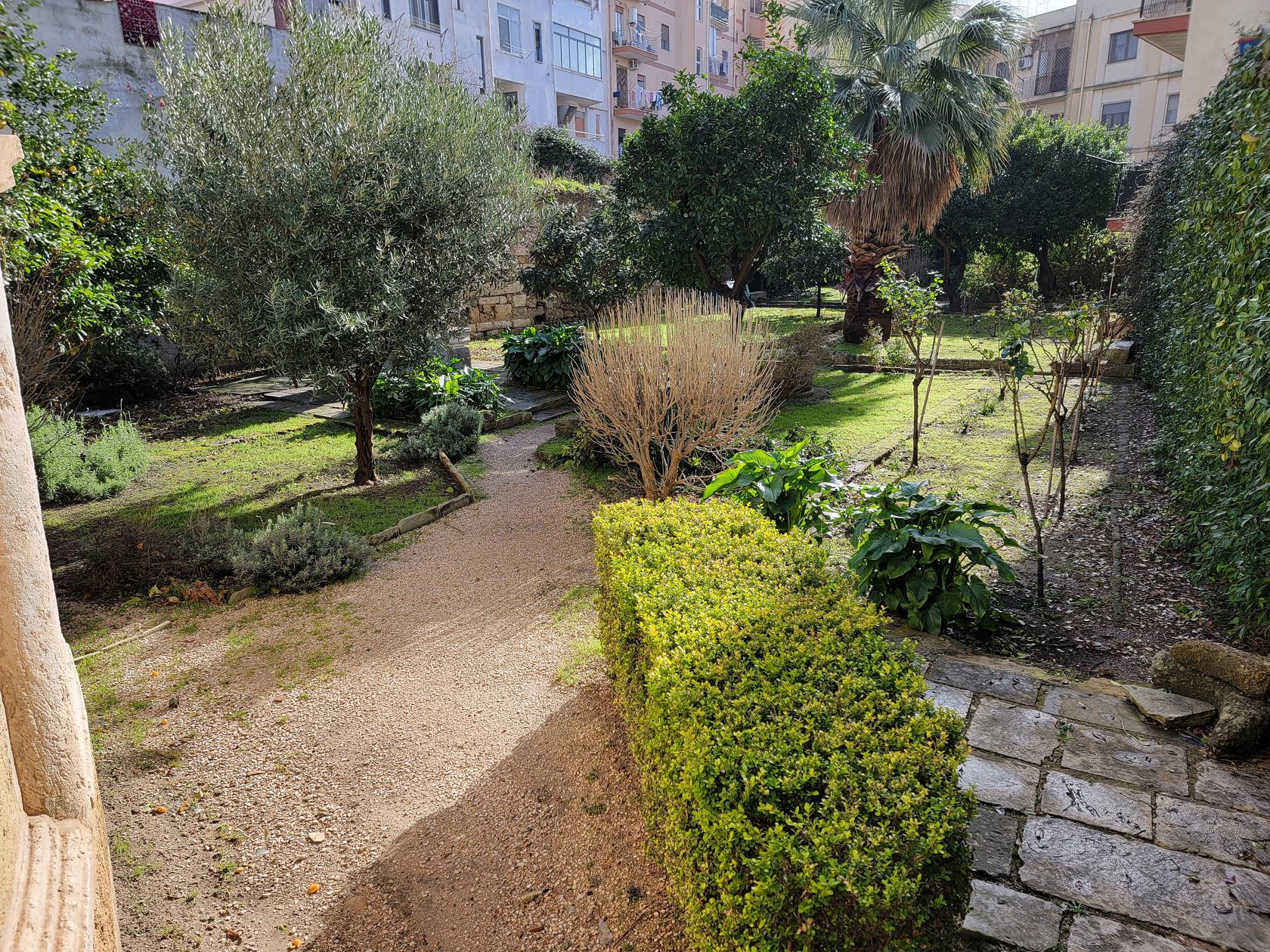
St John At The Sepulchre – Garden In Back – Brindisi, Italy
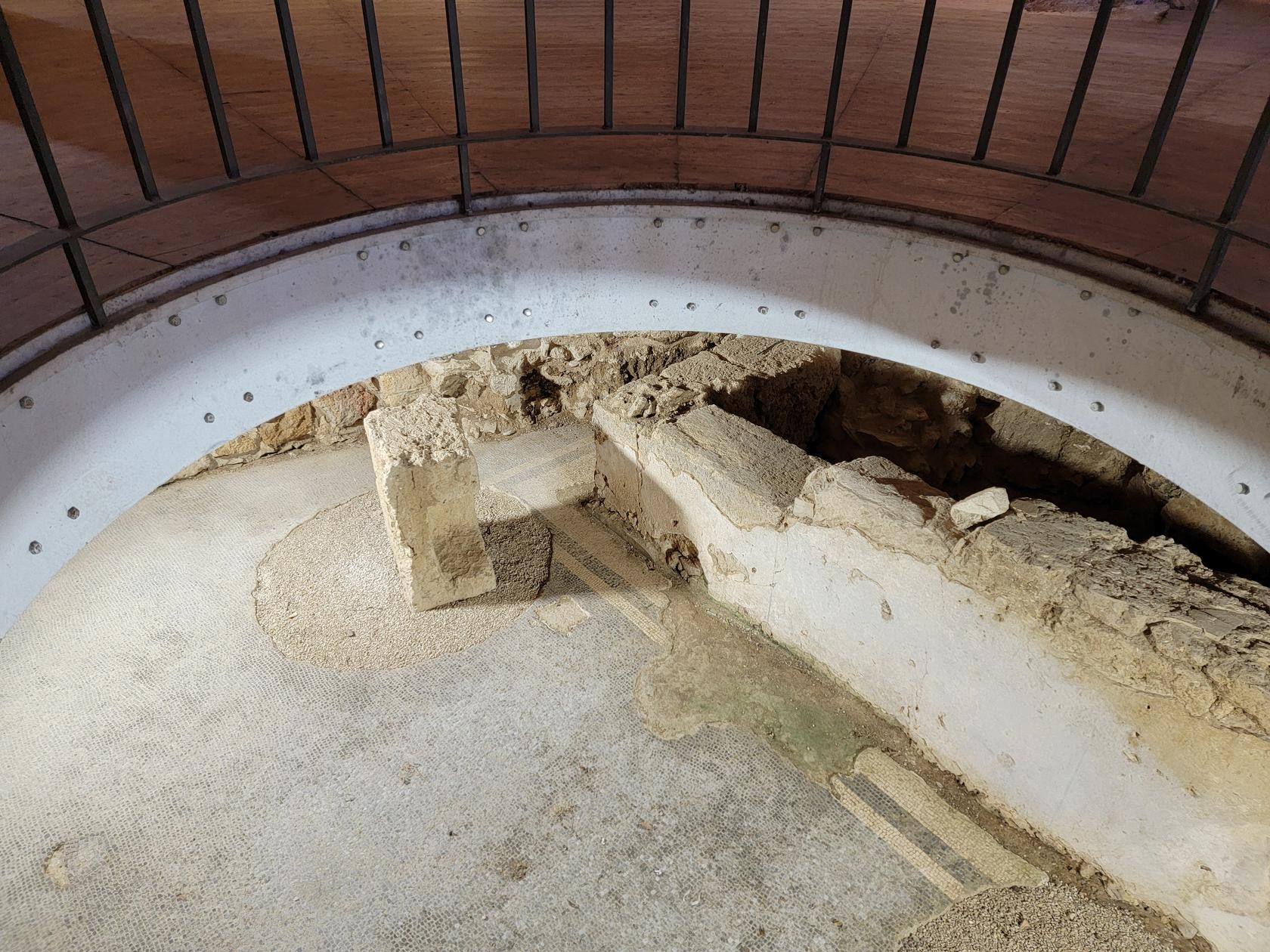
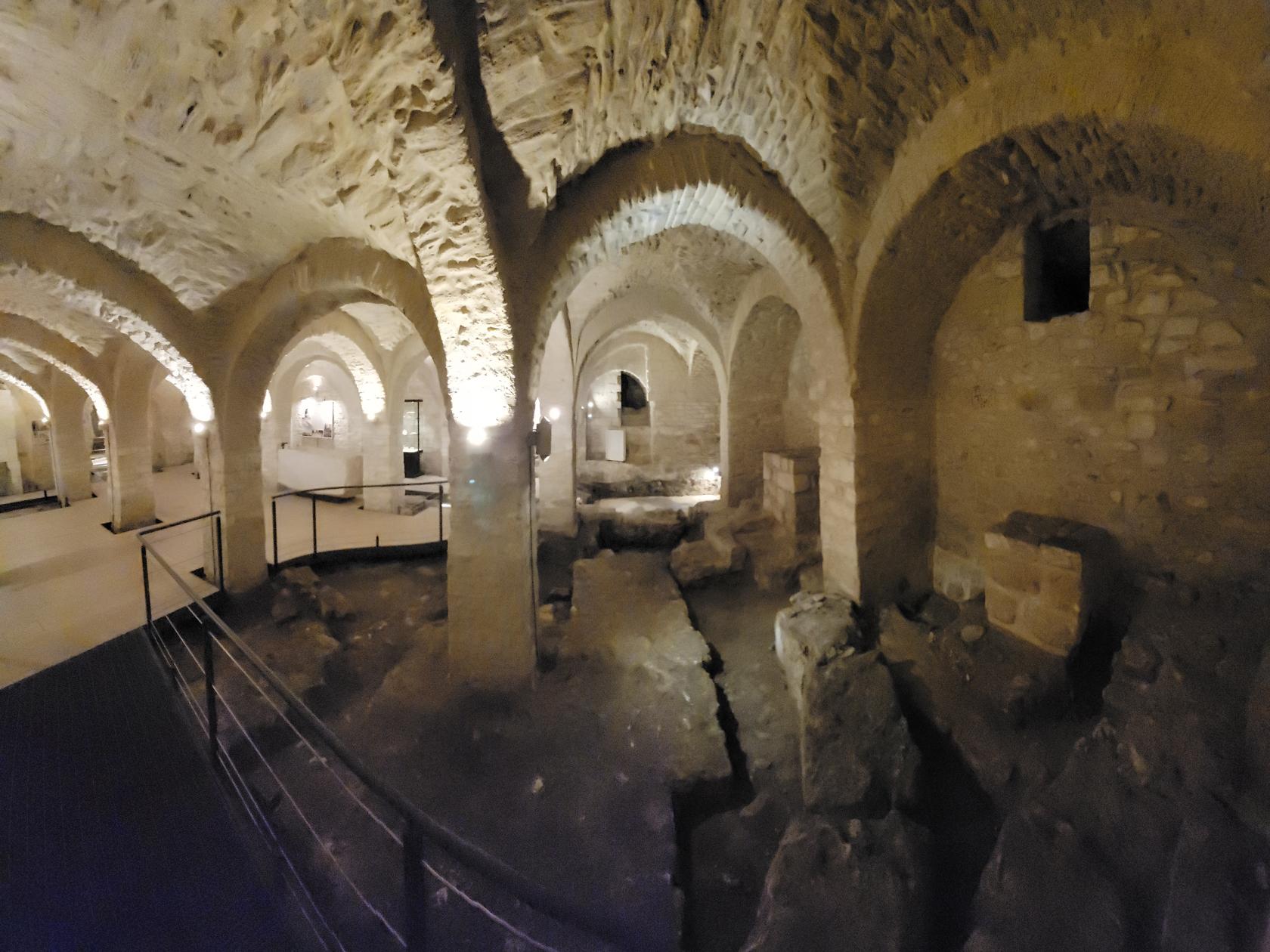
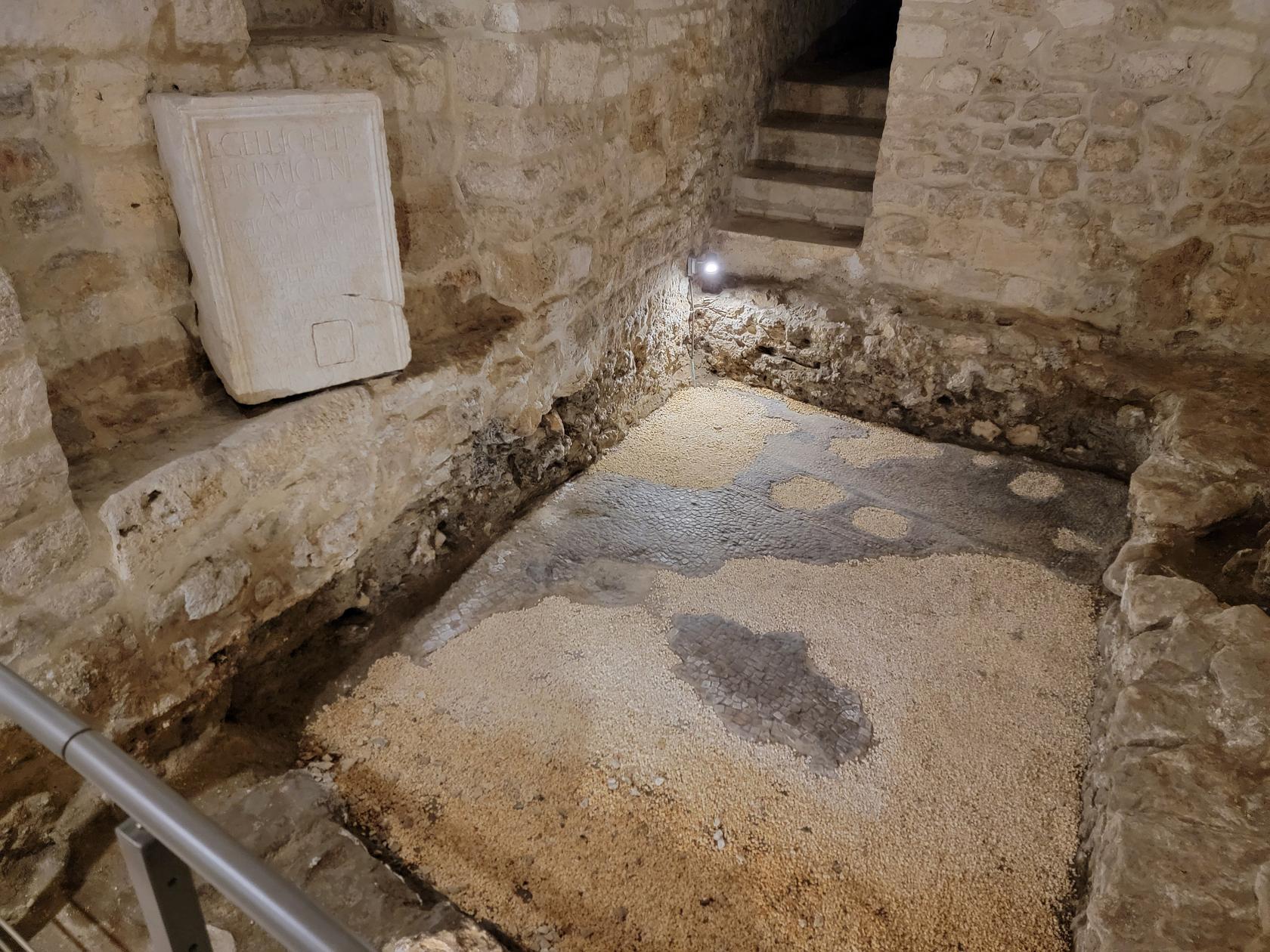
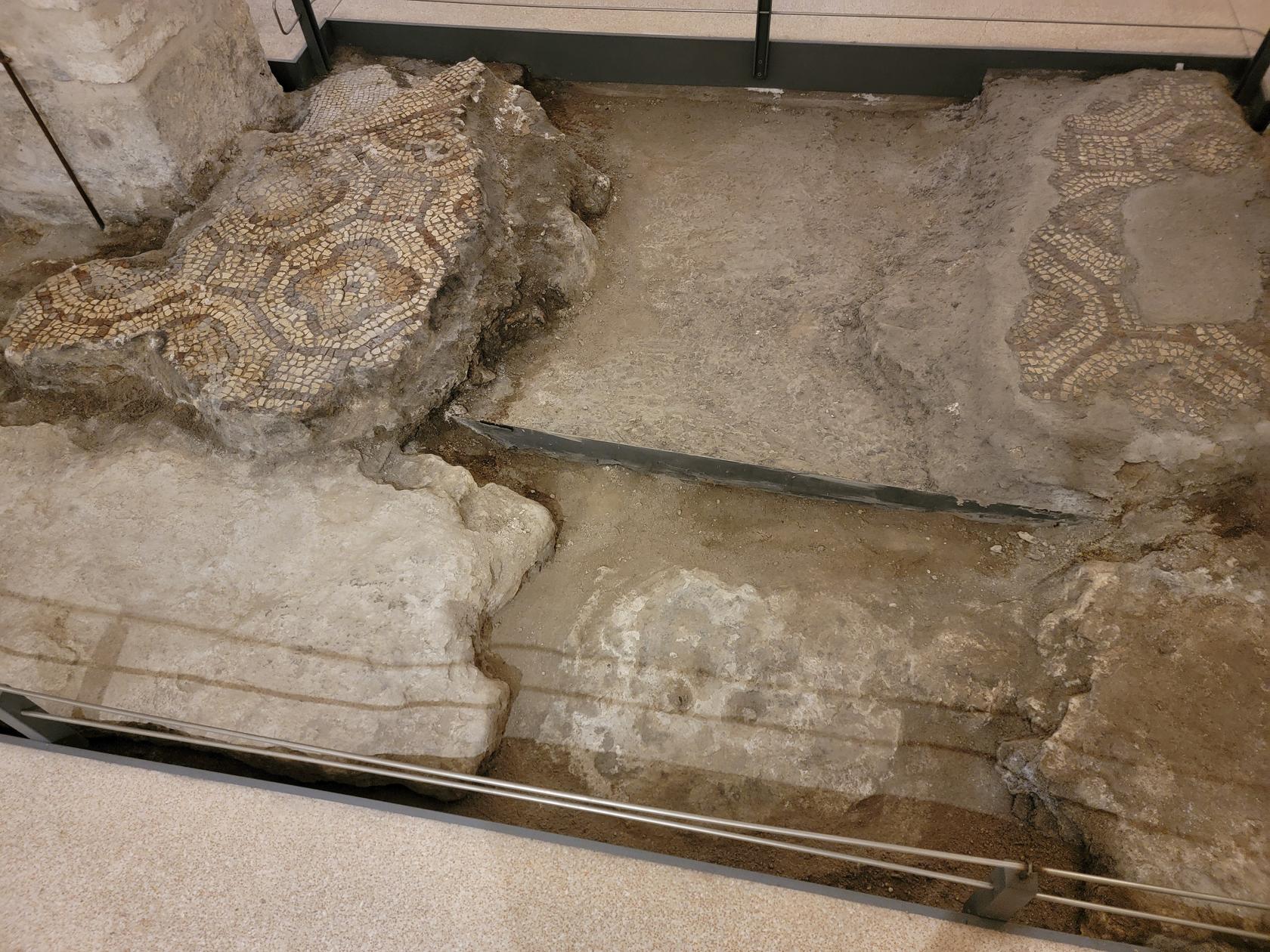
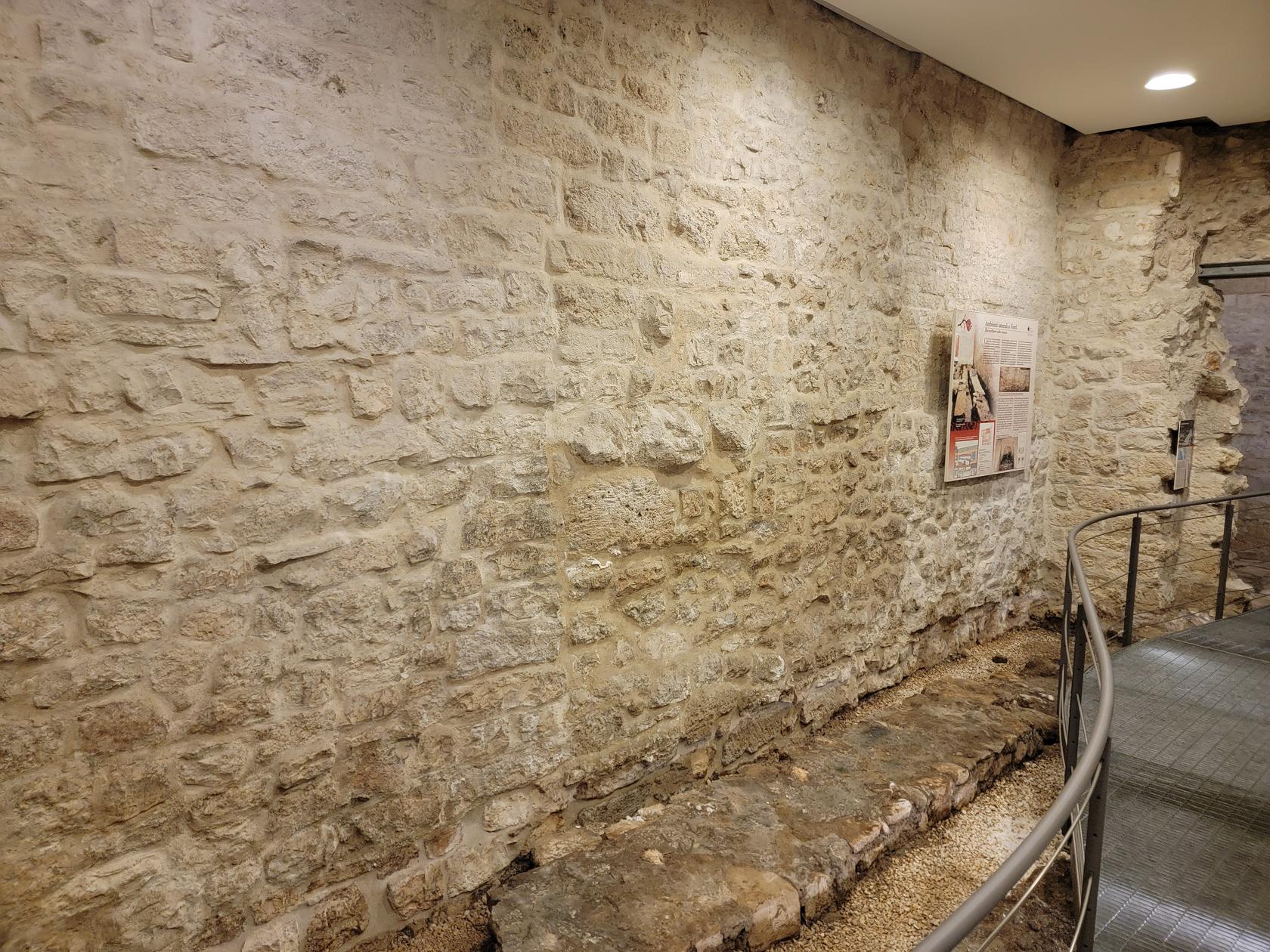
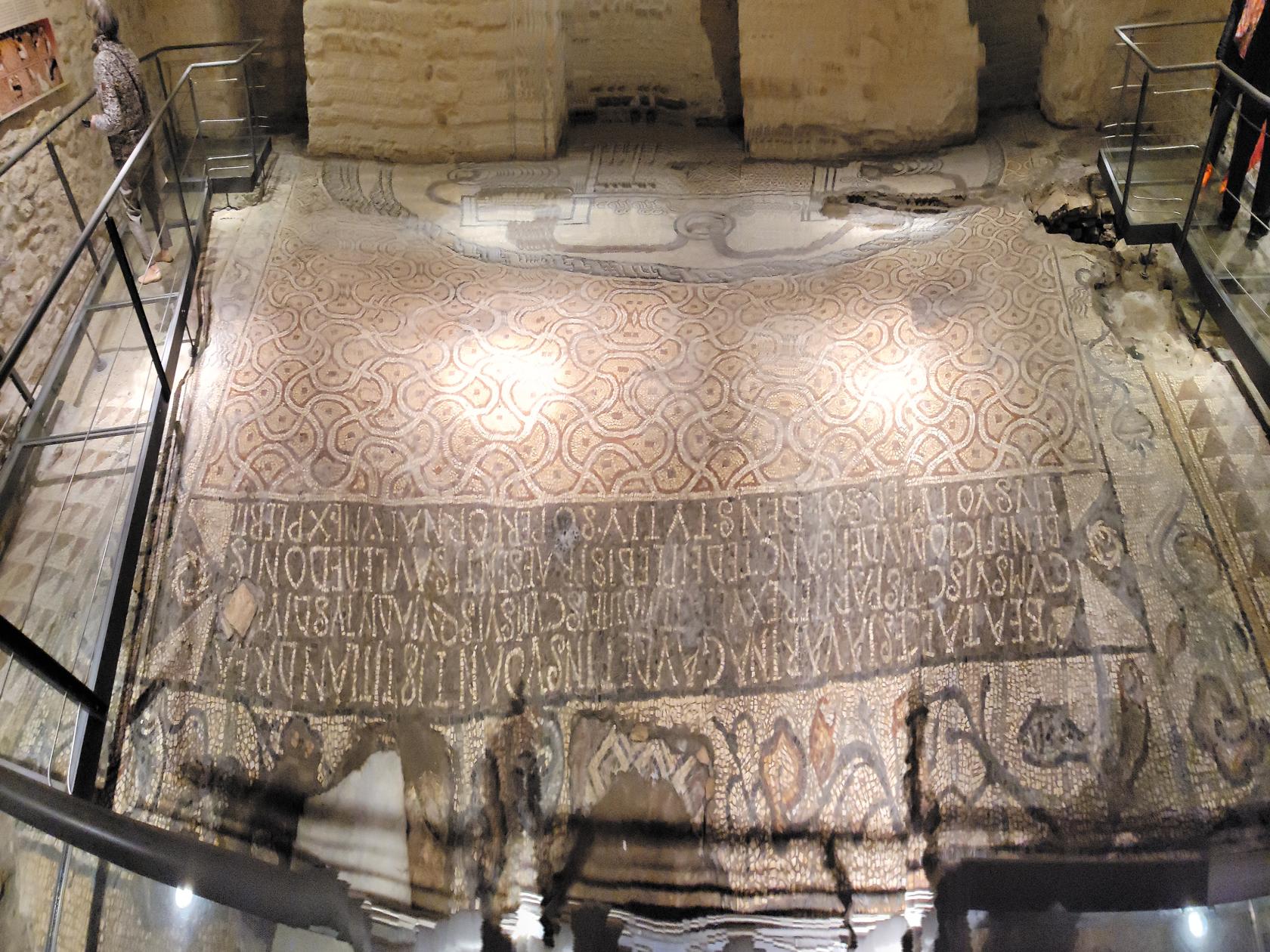
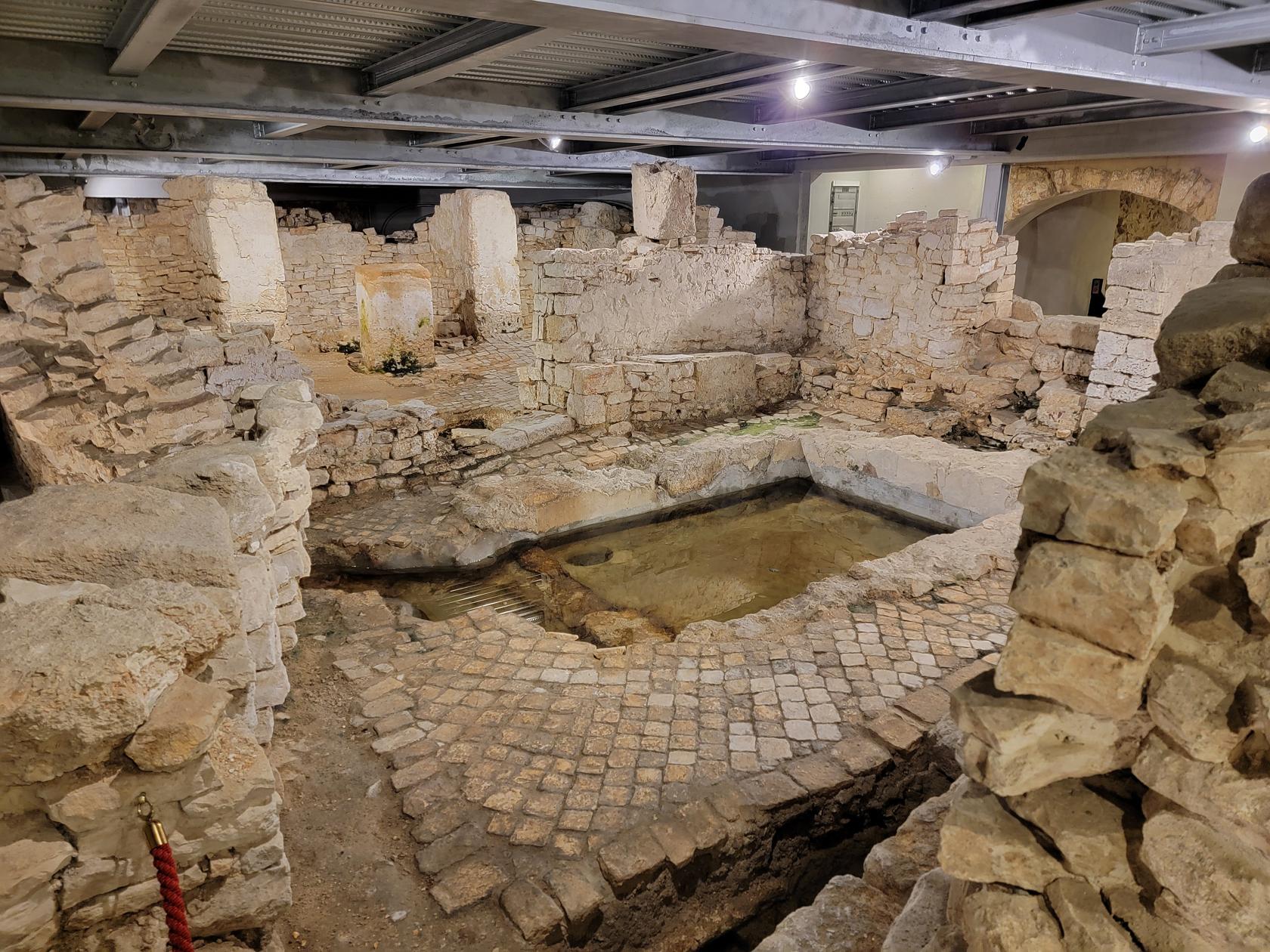
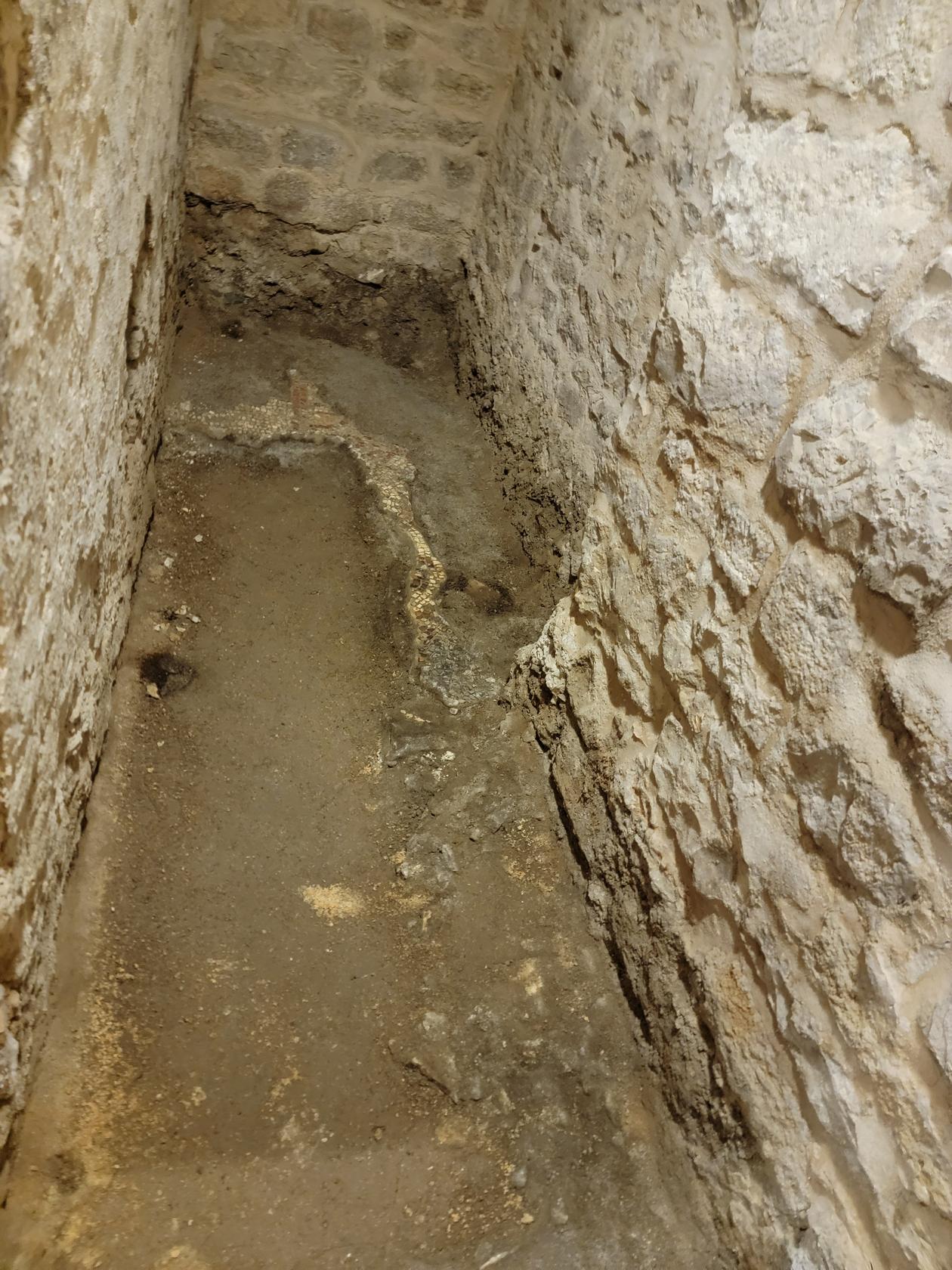
The hole in the floor shows Roman mosaics belonging to a large Roman house dating back to the first and second century CE.
St John At The Sepulchre – Columns – Brindisi, Italy
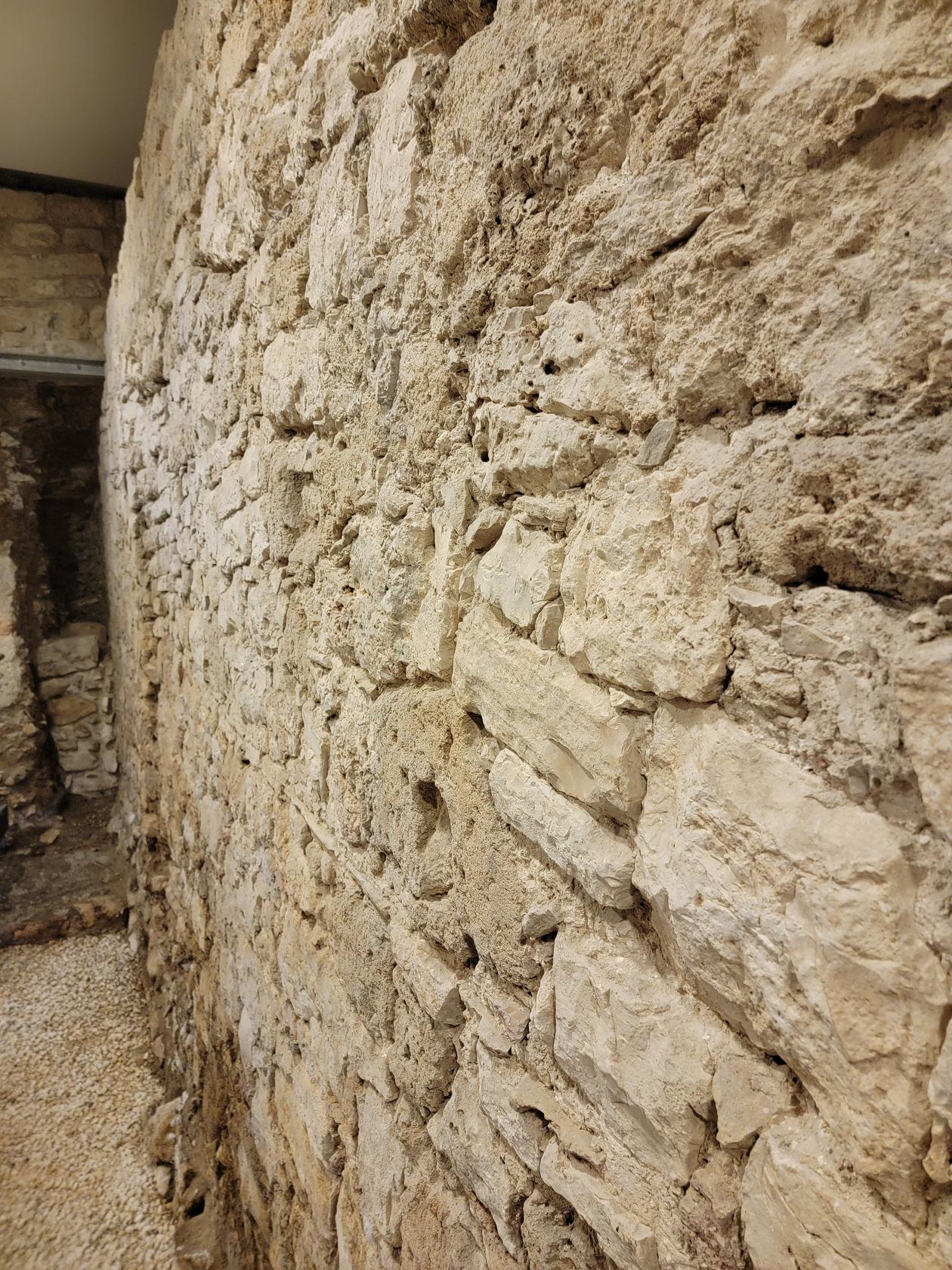
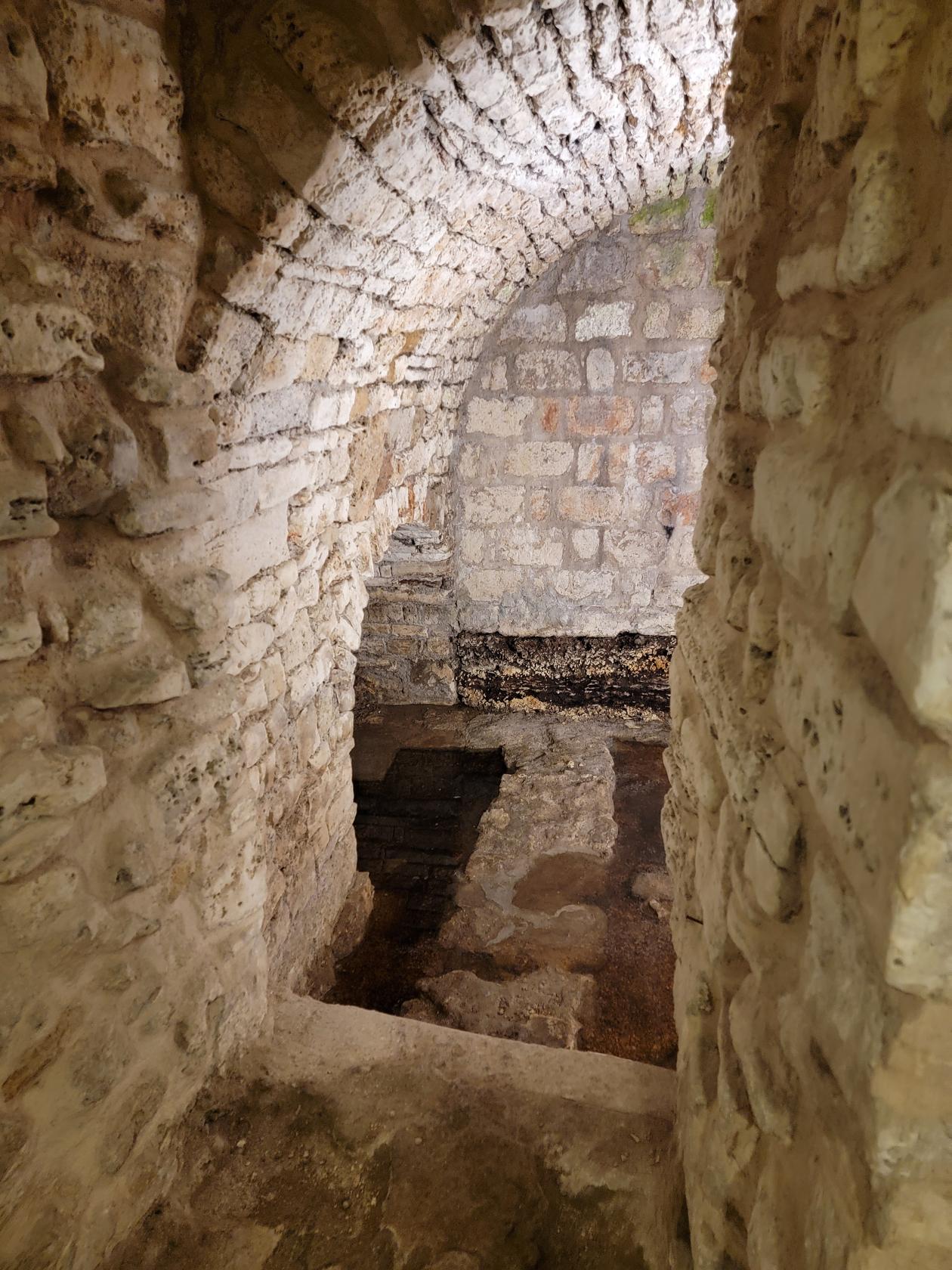
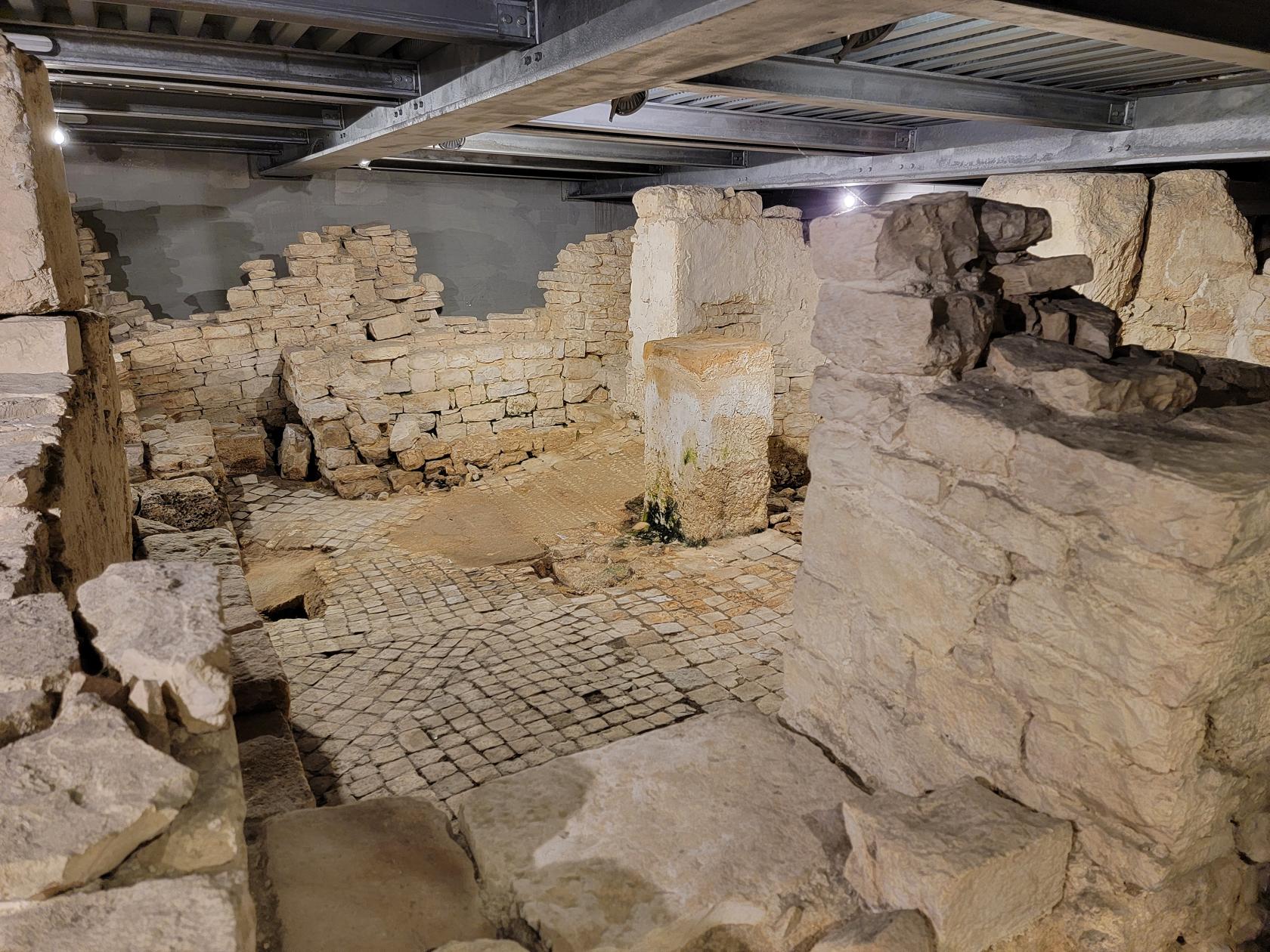
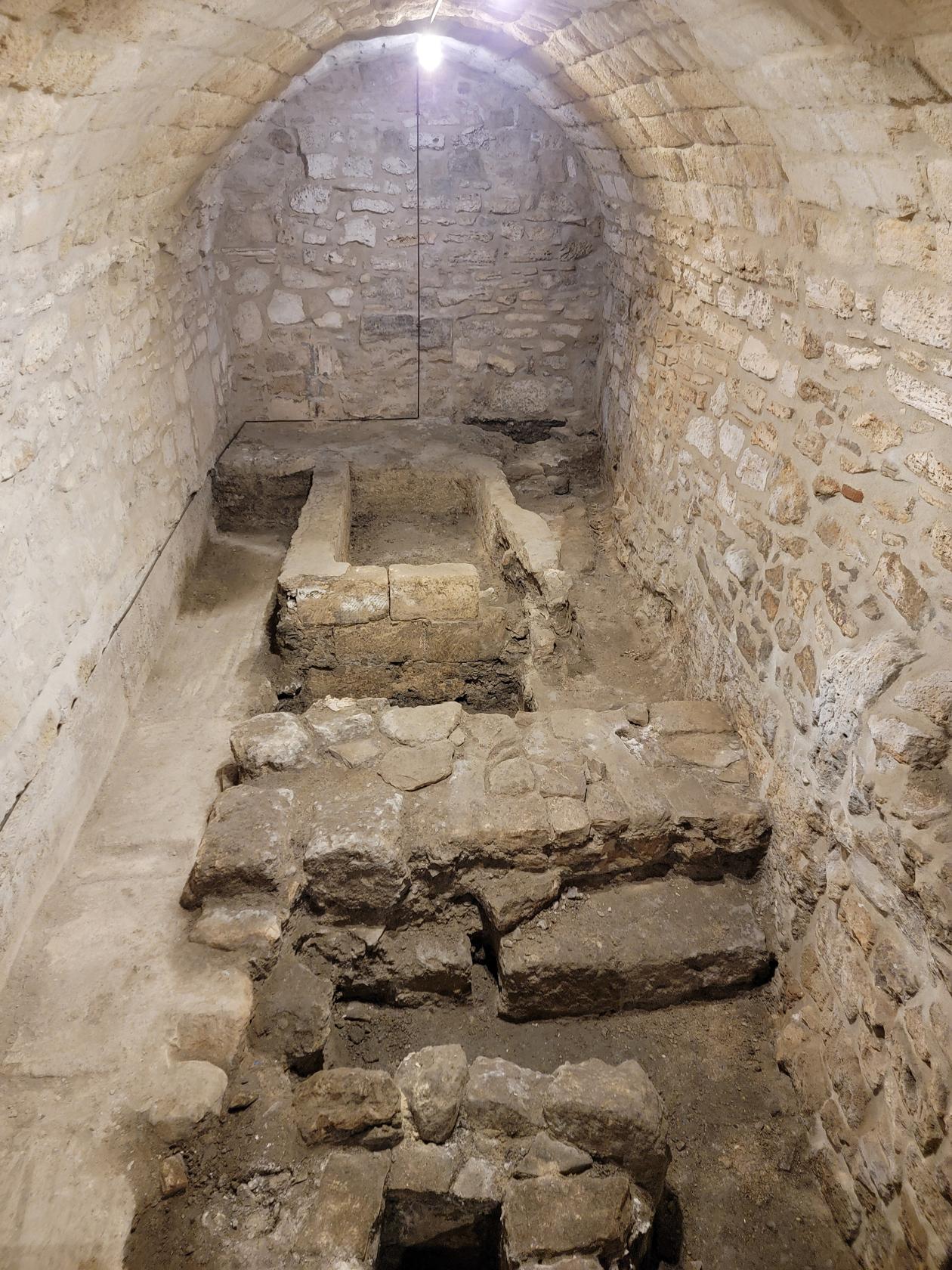
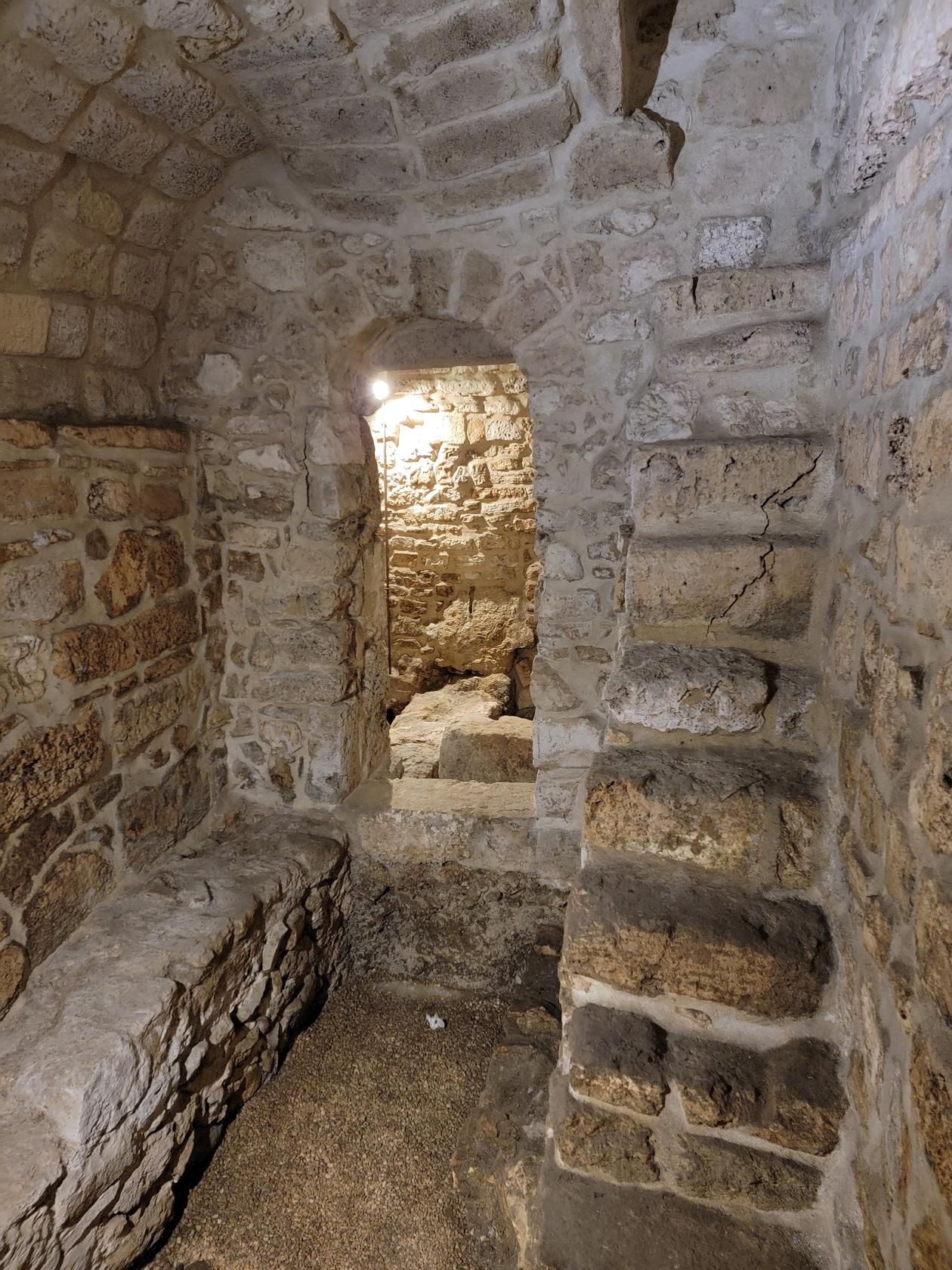
St John At The Sepulchre – Roman Ruins – Brindisi, Italy
St John At The Sepulchre – Roof Timber Works – Brindisi, Italy
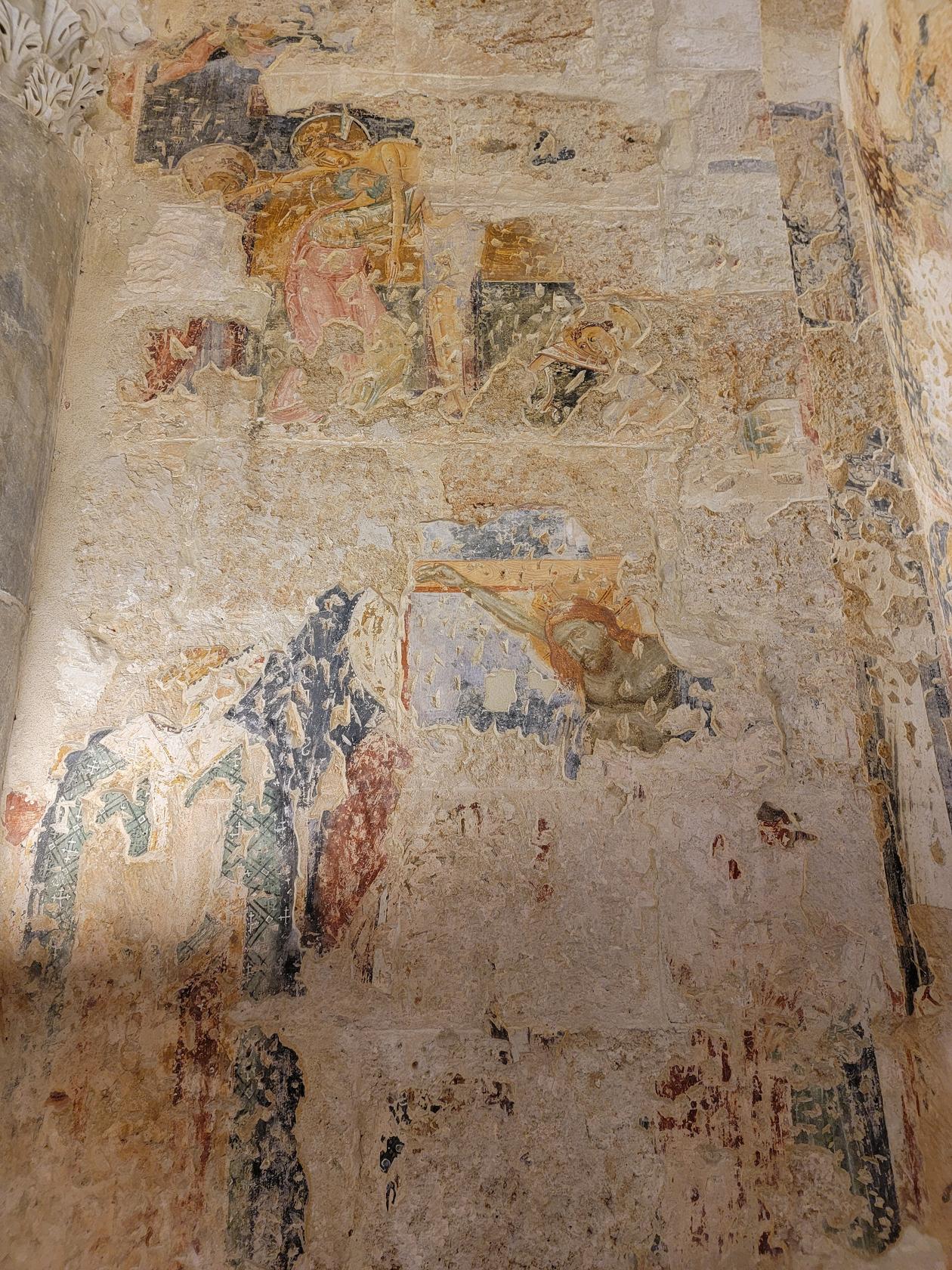
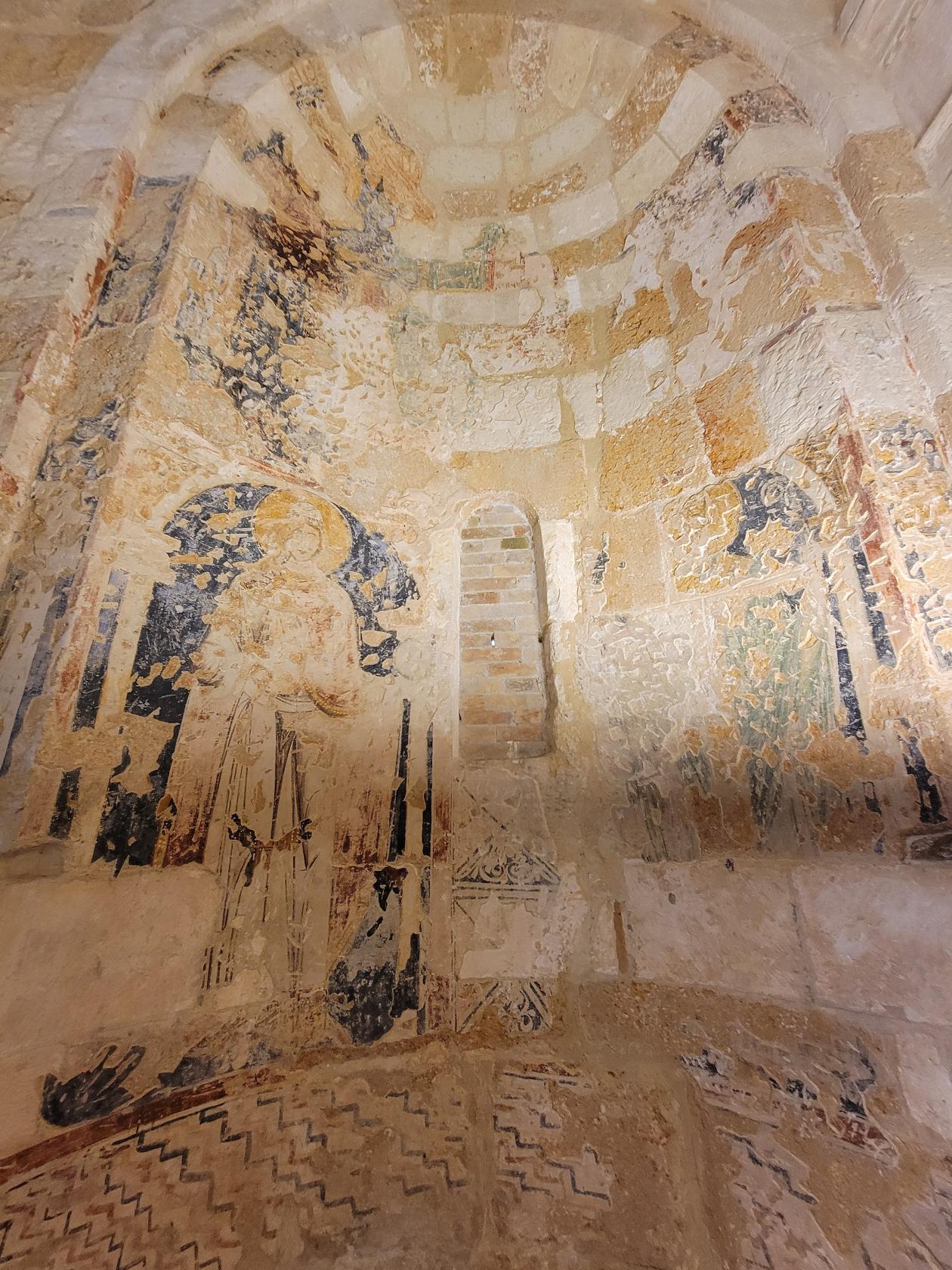
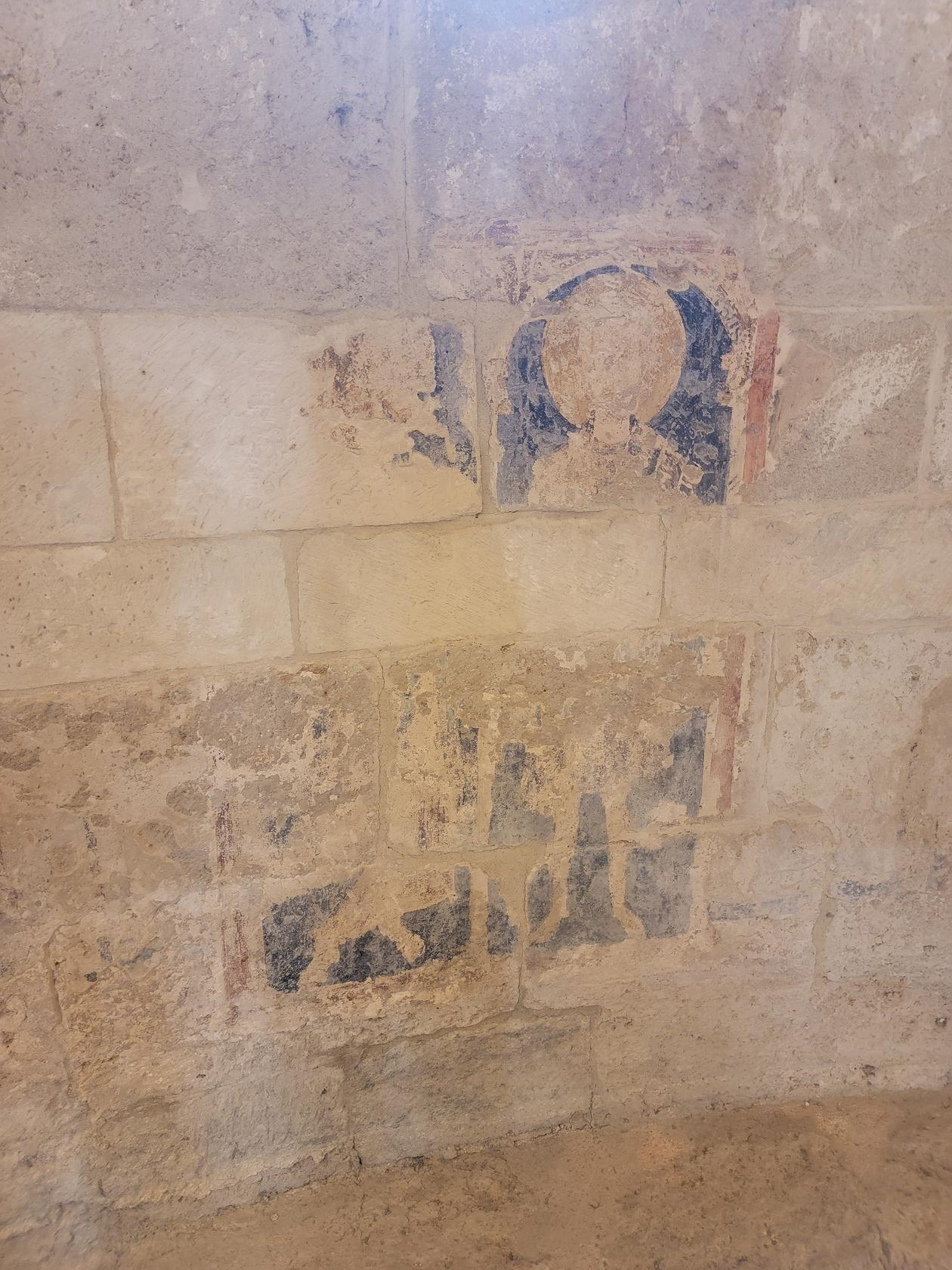
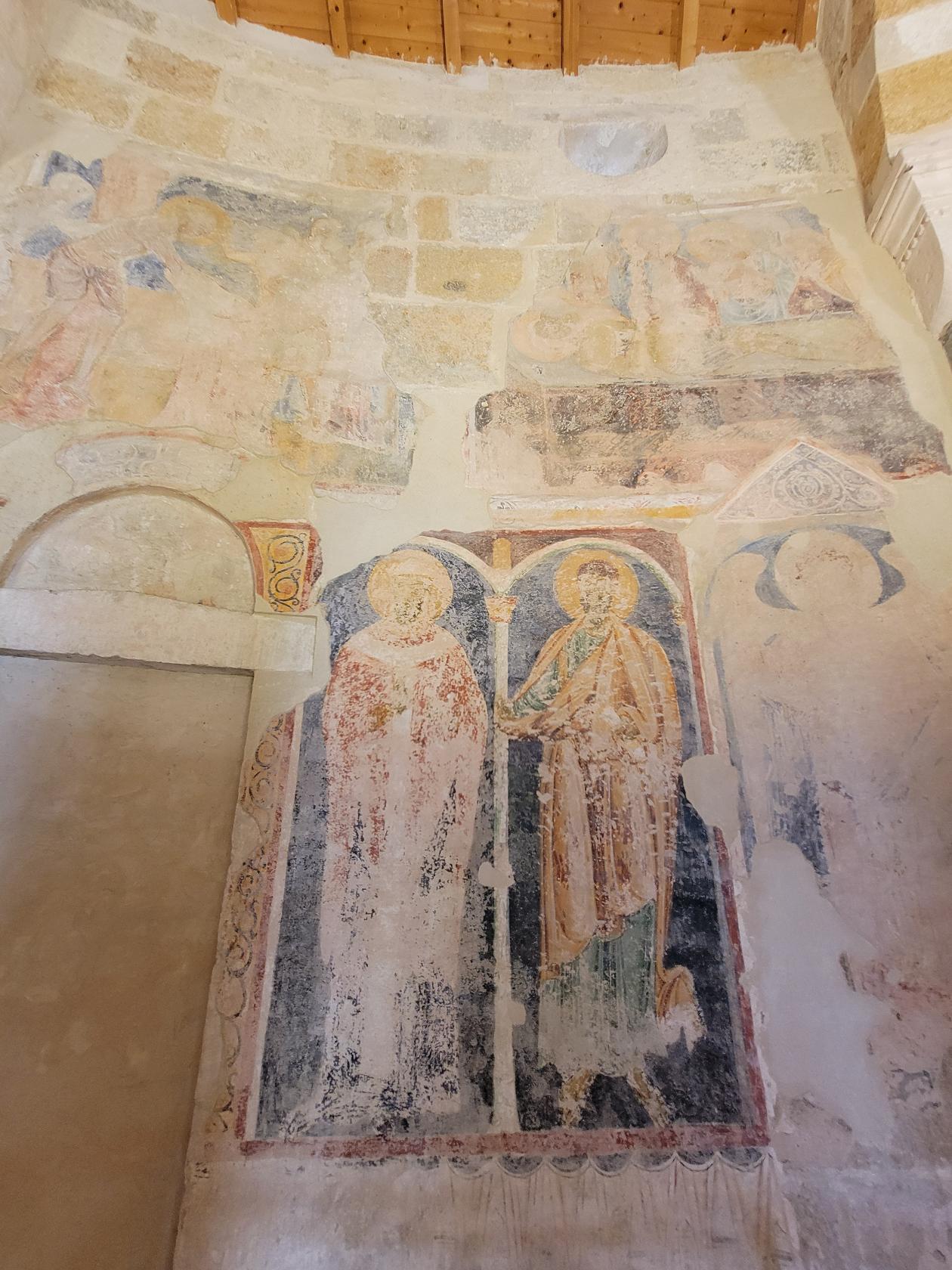
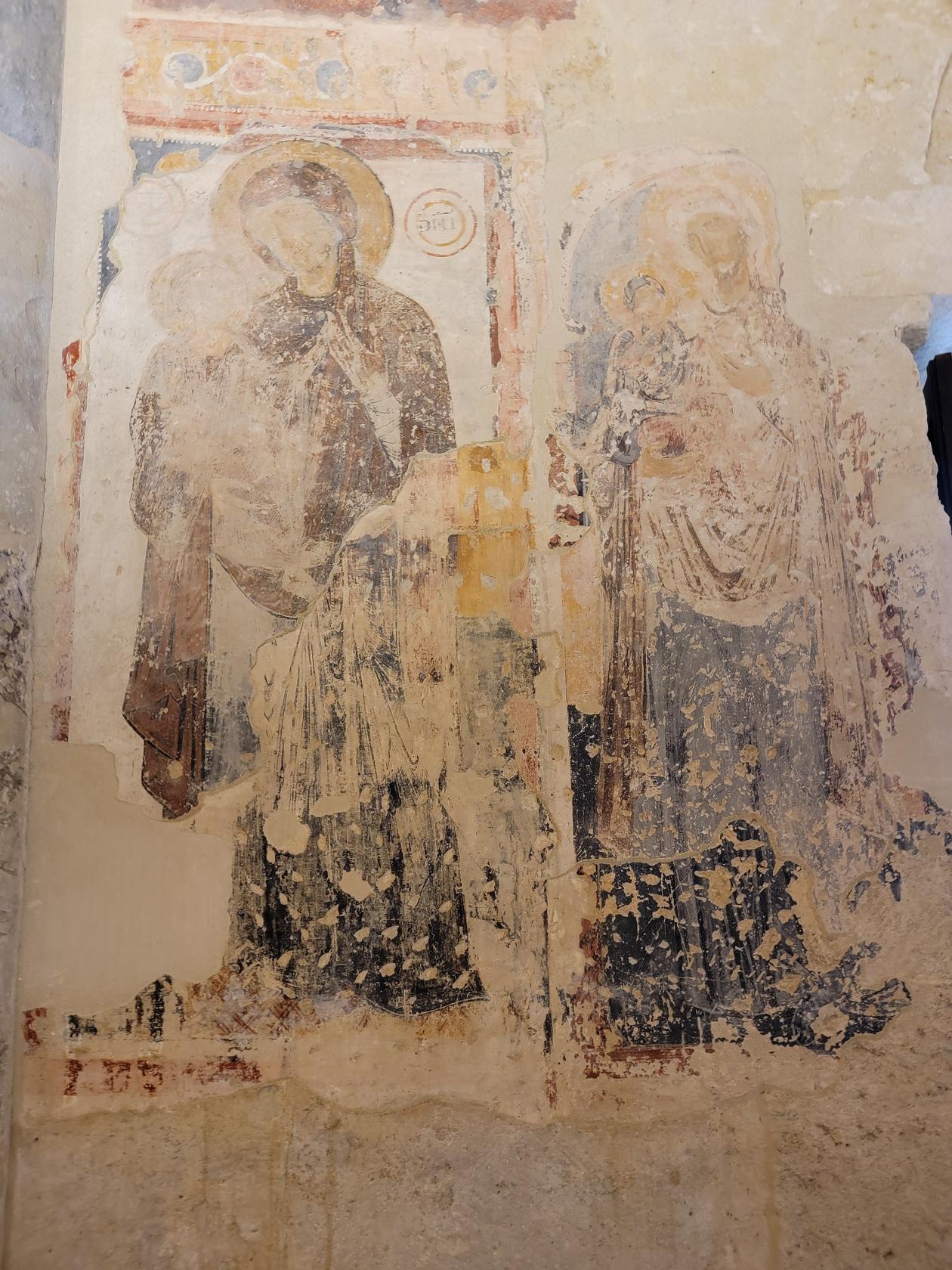
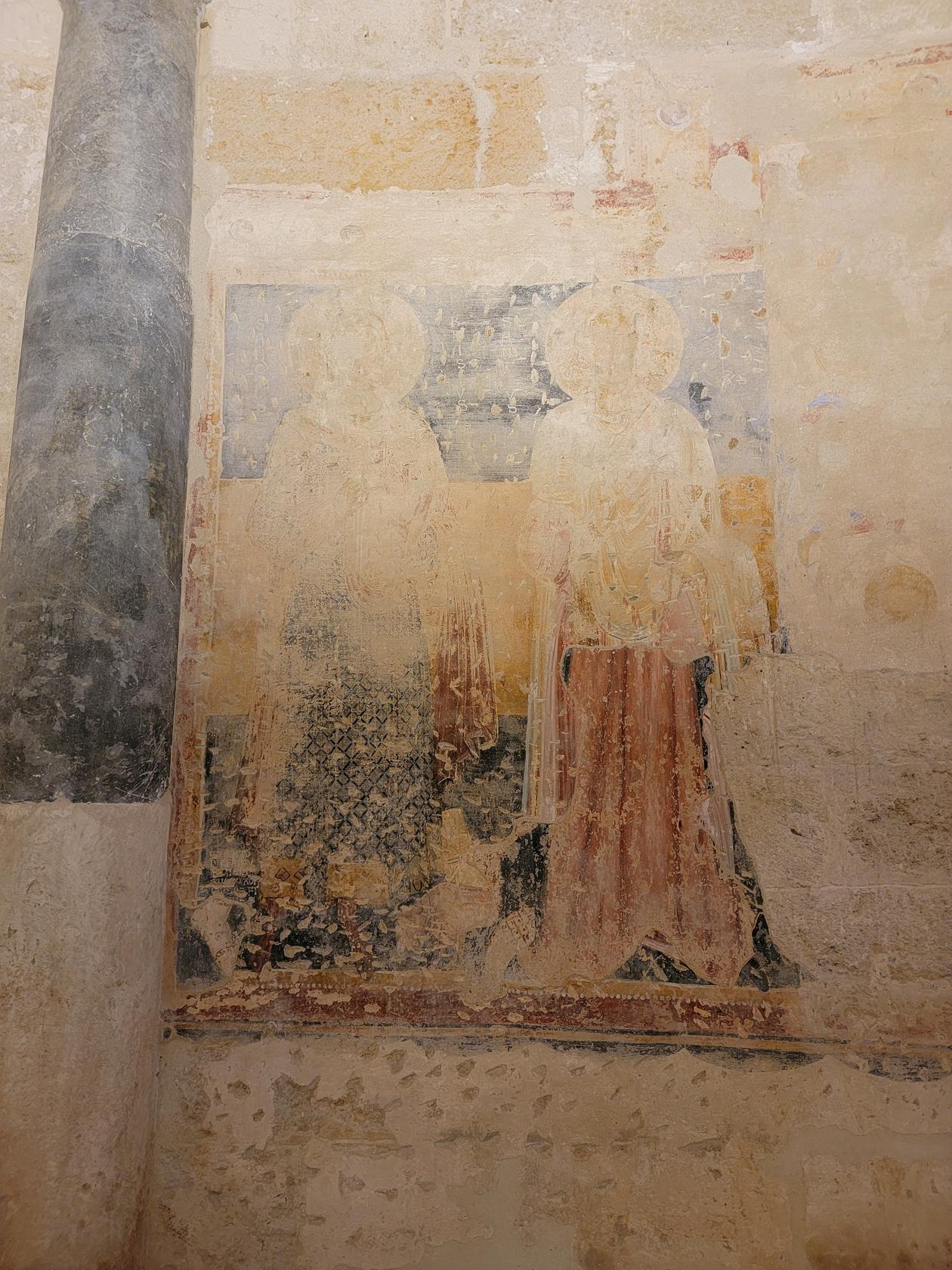
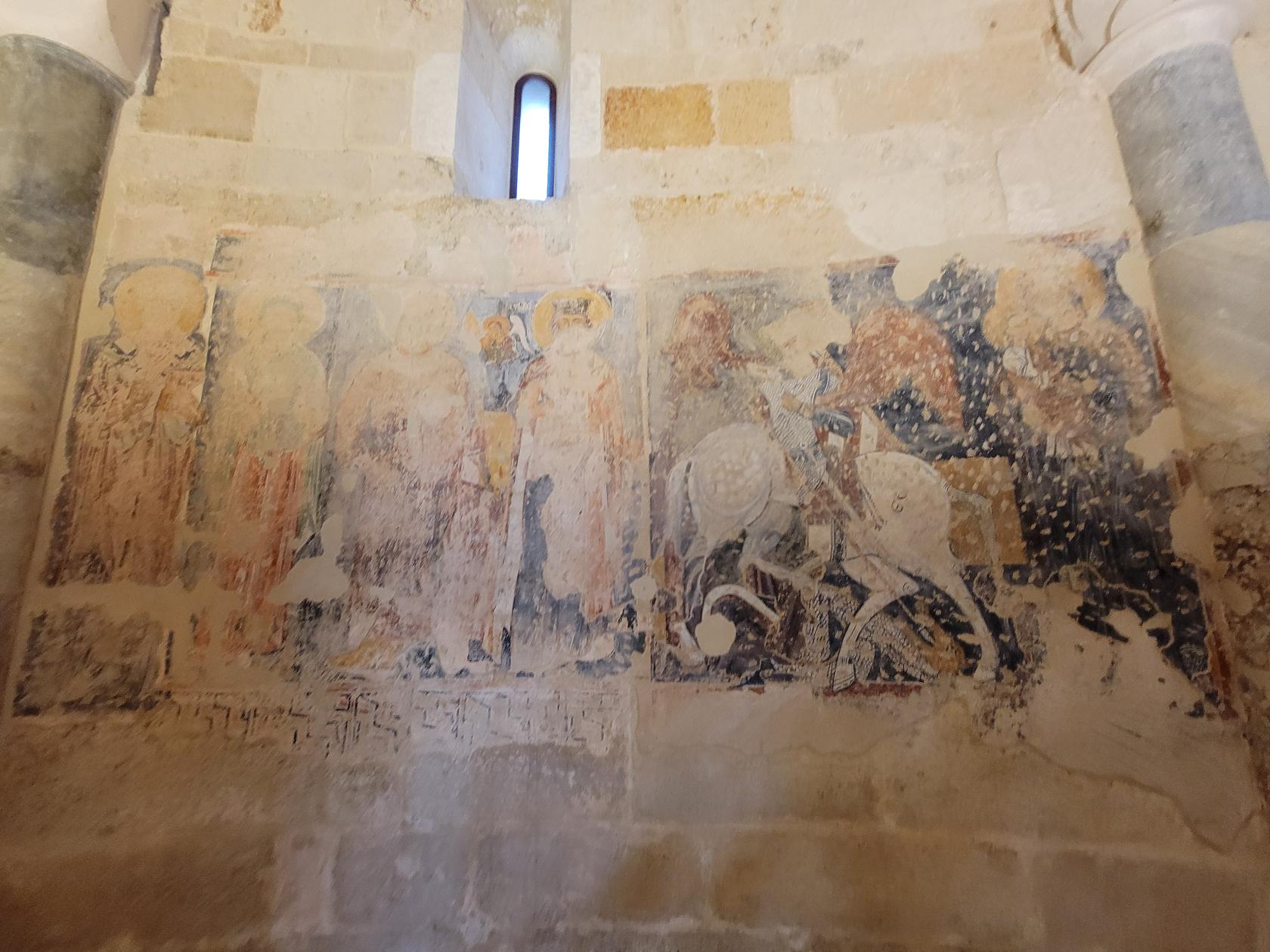
There are multiple frescoes on the walls depicting several different important themes of Christianity. All of which have been damaged by previous ownership, no doubt to repurpose the building for other uses.
St John At The Sepulchre – Deposition From The Cross, 13th Century – Brindisi, Italy
St John At The Sepulchre – Deesis, 13th Century – Brindisi, Italy
St John At The Sepulchre – Saint Inside Arcat, 13th Century – Brindisi, Italy
St John At The Sepulchre – Flagellation, 13th Century – Brindisi, Italy
St John At The Sepulchre – The Virgin And The Child, 13th Century – Brindisi, Italy
St John At The Sepulchre – Pentecost, 13th Century – Brindisi, Italy
St John At The Sepulchre – Saint George And The Dragon, 13th Century – Brindisi, Italy
St John At The Sepulchre – Side Entrance Lintel – Brindisi, Italy
St John At The Sepulchre – Patio – Brindisi, Italy
St John At The Sepulchre – Garden In Back – Brindisi, Italy
Porta Napoli
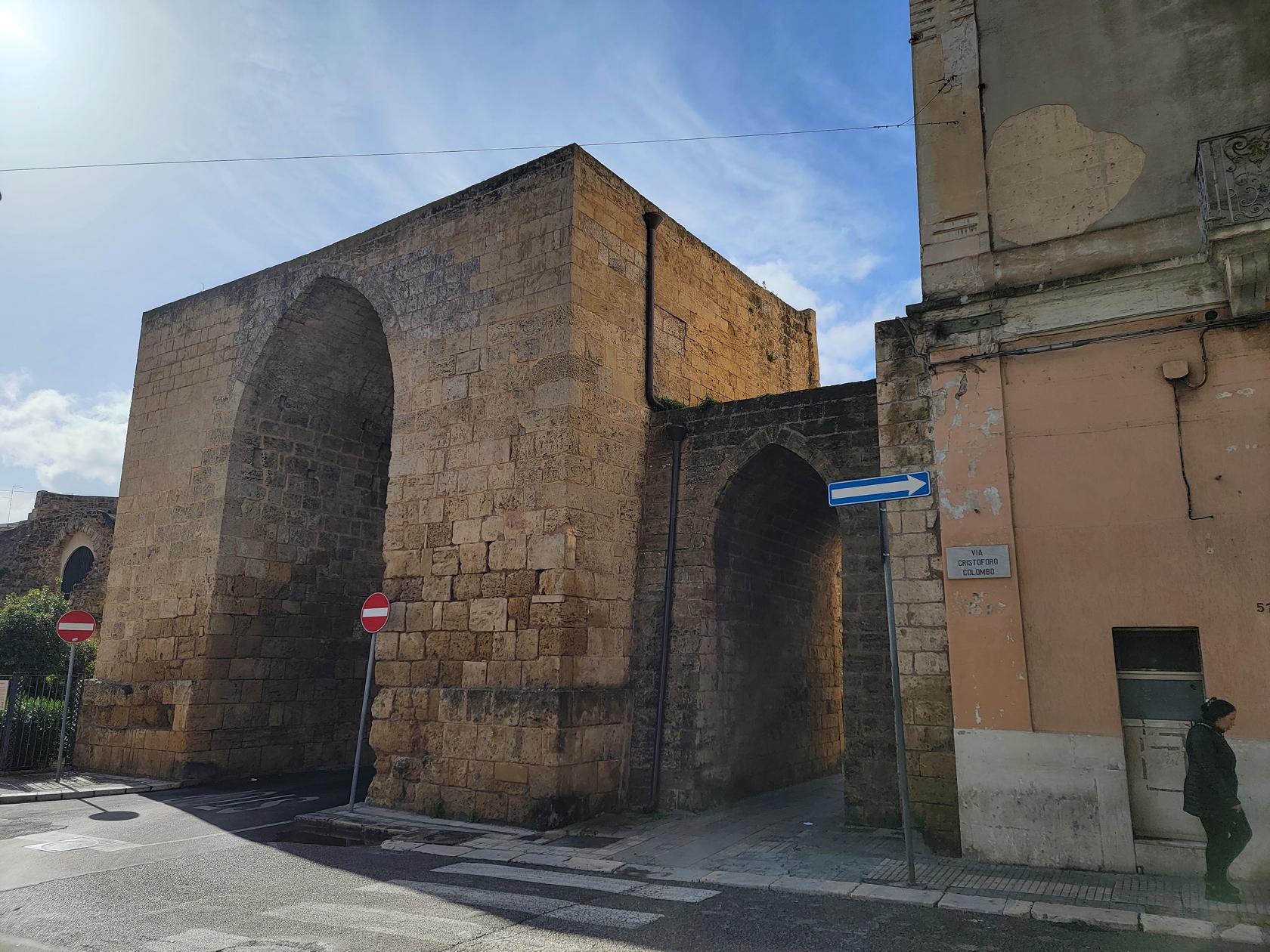
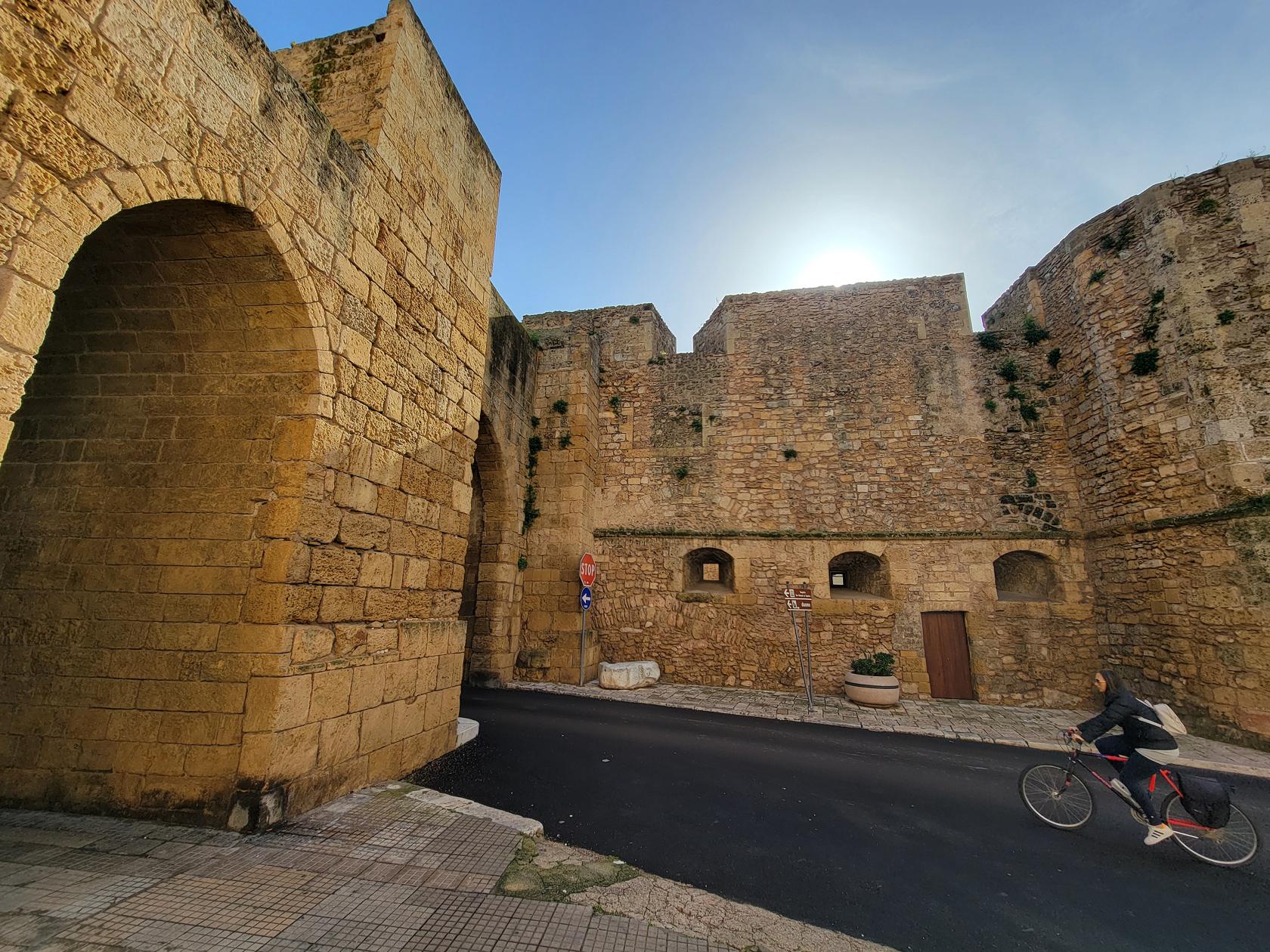
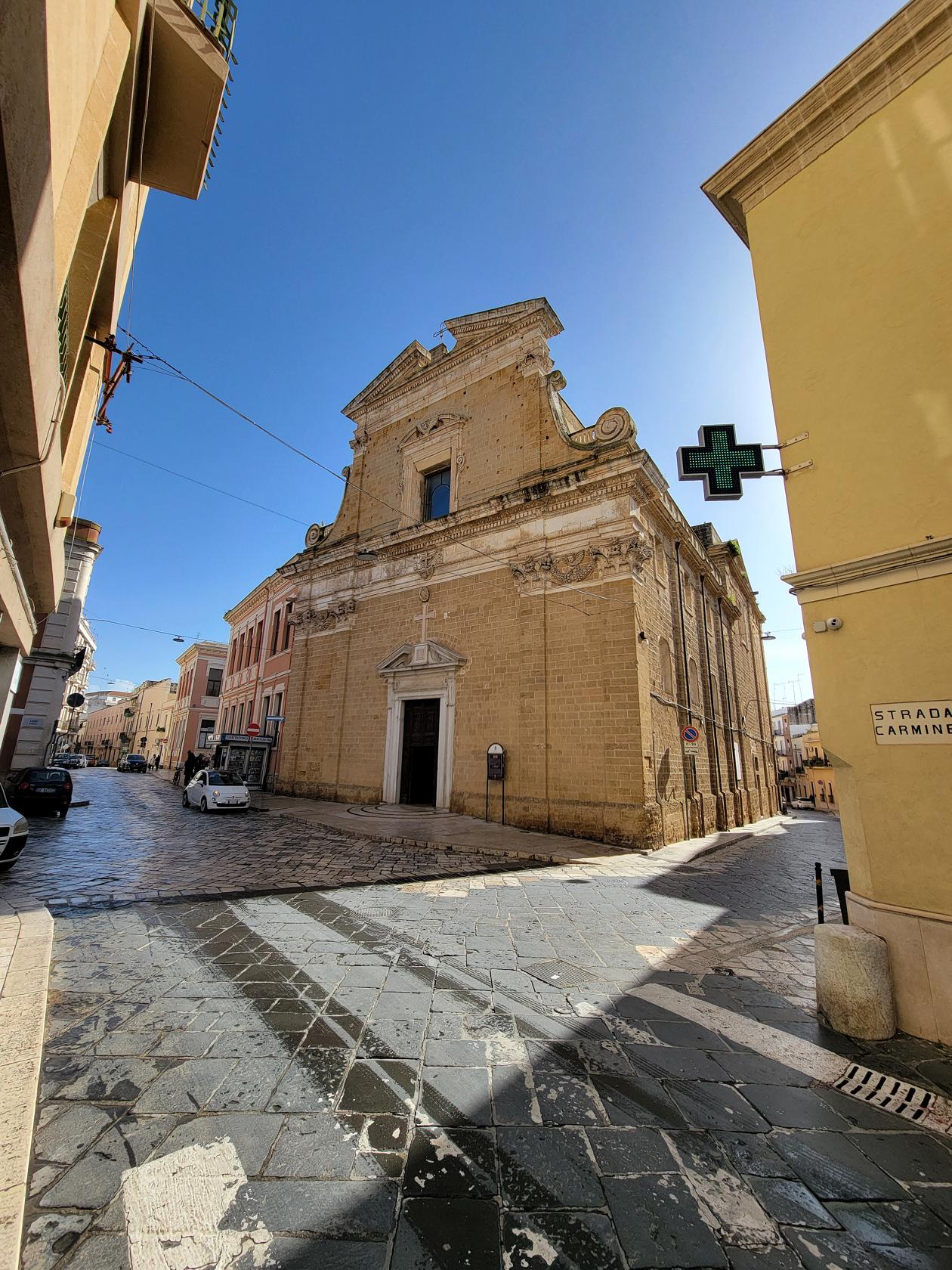
The Porta Napoli, also known as the Porta Mesagne, is the oldest entrance to the ancient city. It was constructed during Roman times by Marc Anthony to isolate the city from land side invasions. The Ruga Magistra or main street originated from this gate, which coincides today with via Carmine and via Filomeno Consiglio today.
Porta Napoli – Brindisi, Italy
Porta Napoli – Brindisi, Italy
Castello Svevo
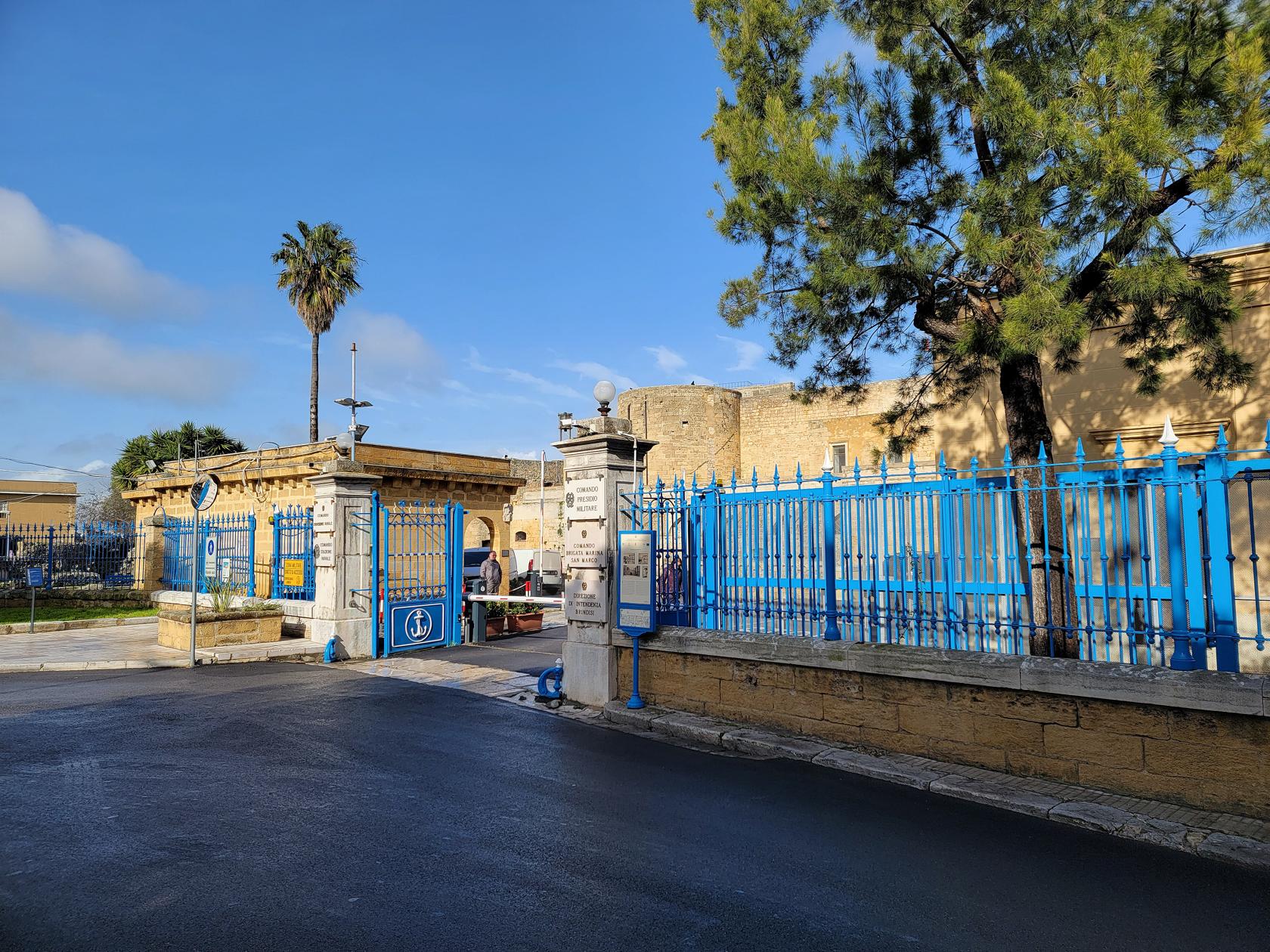
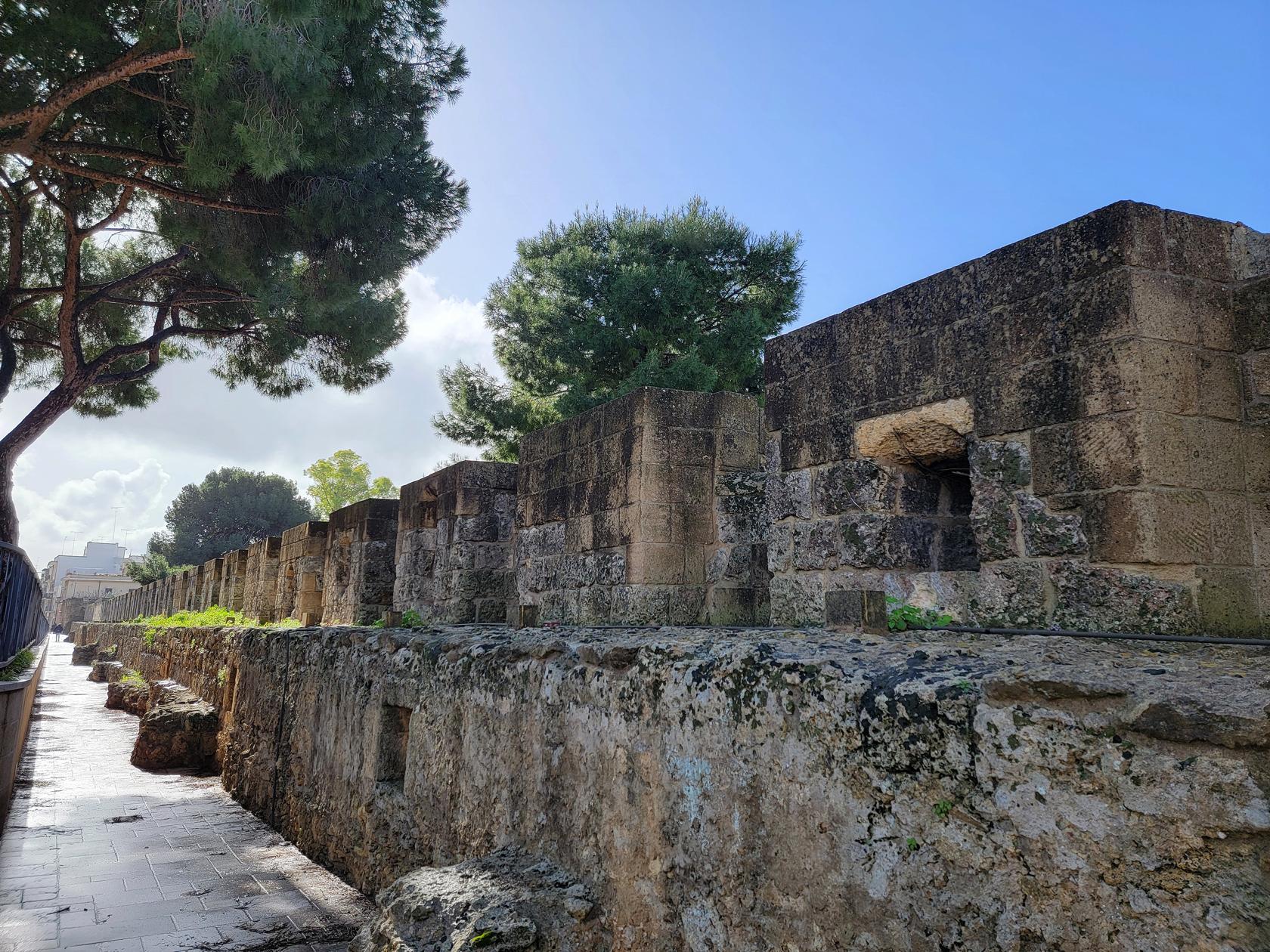
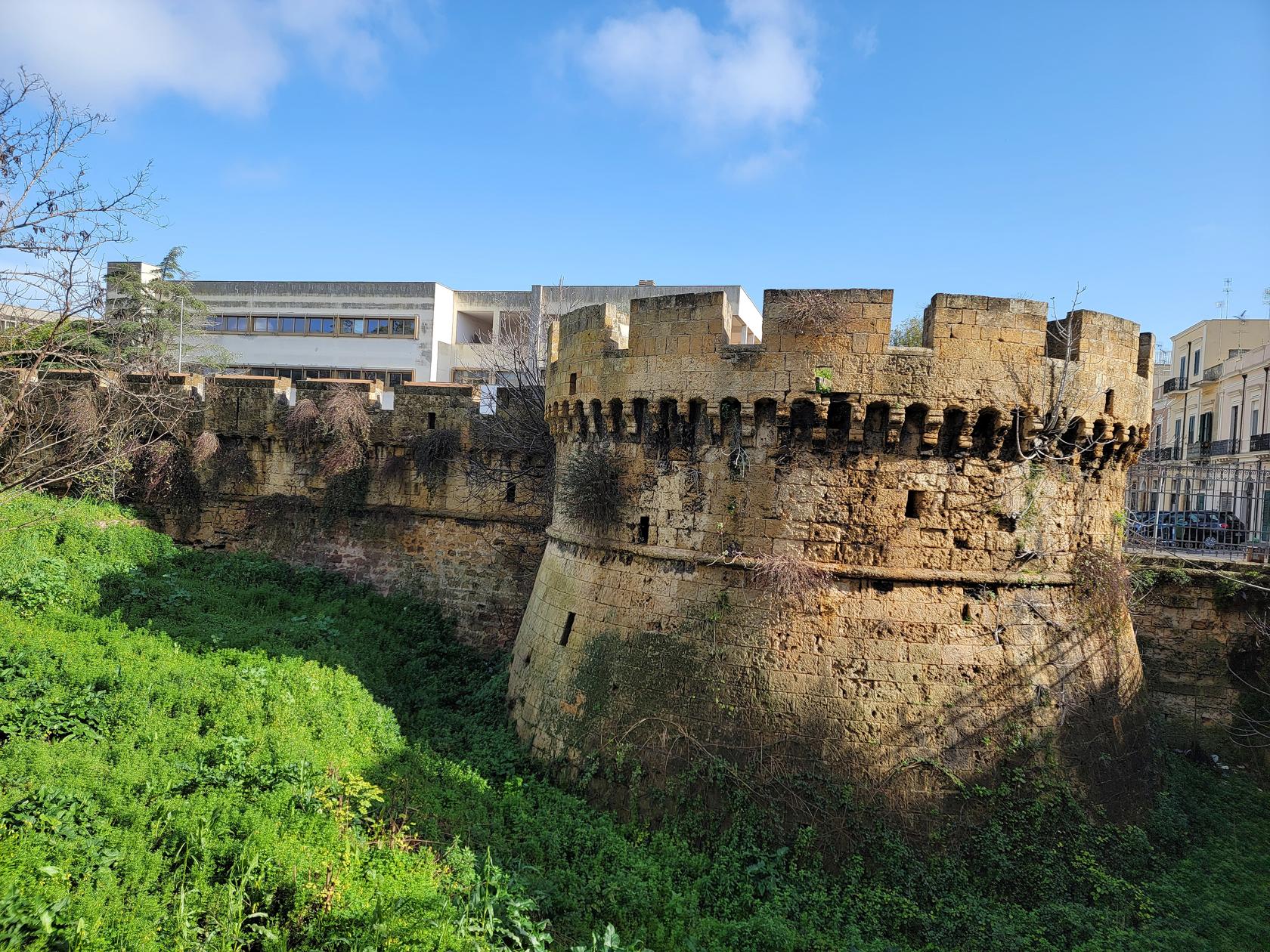
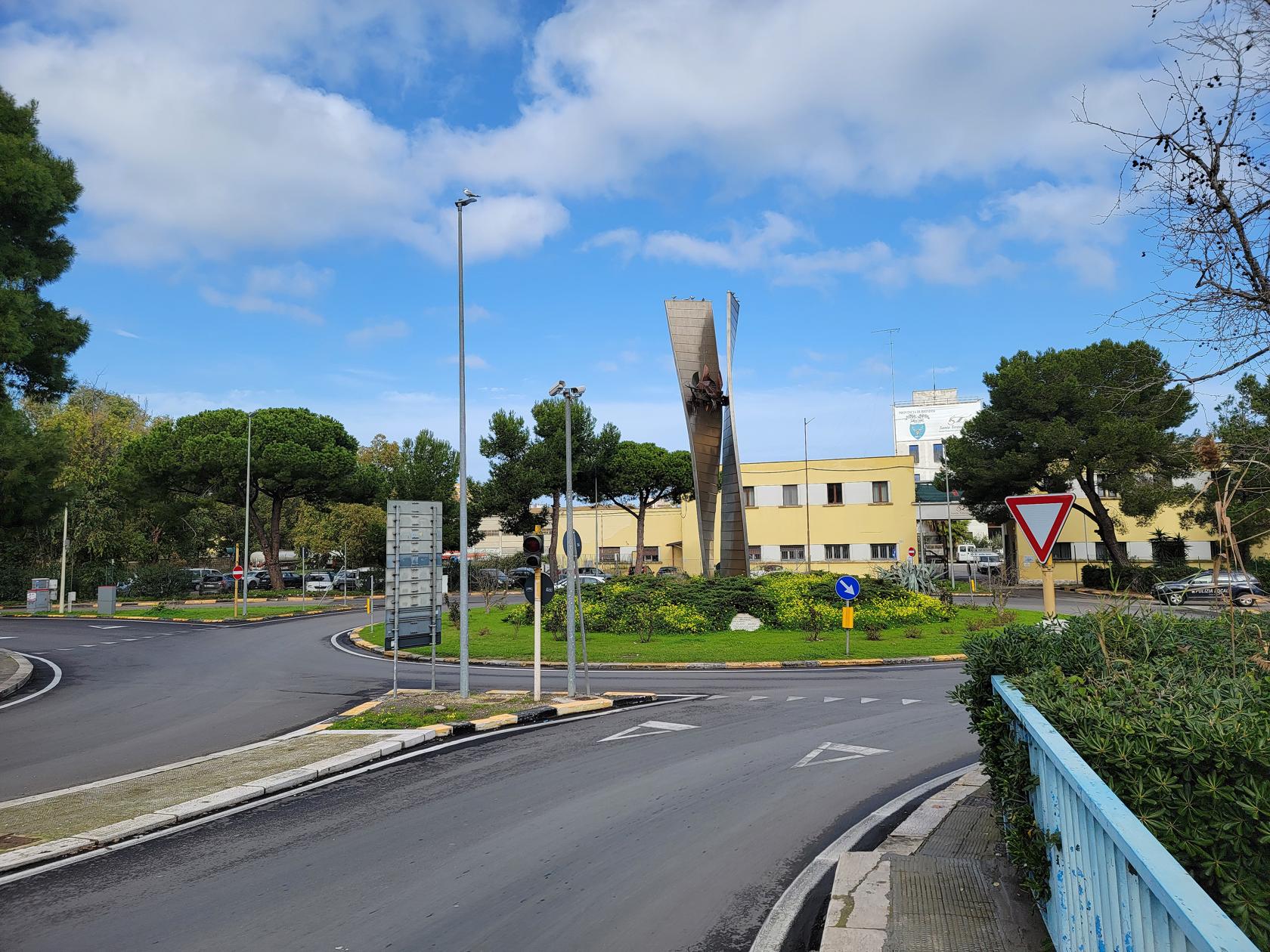
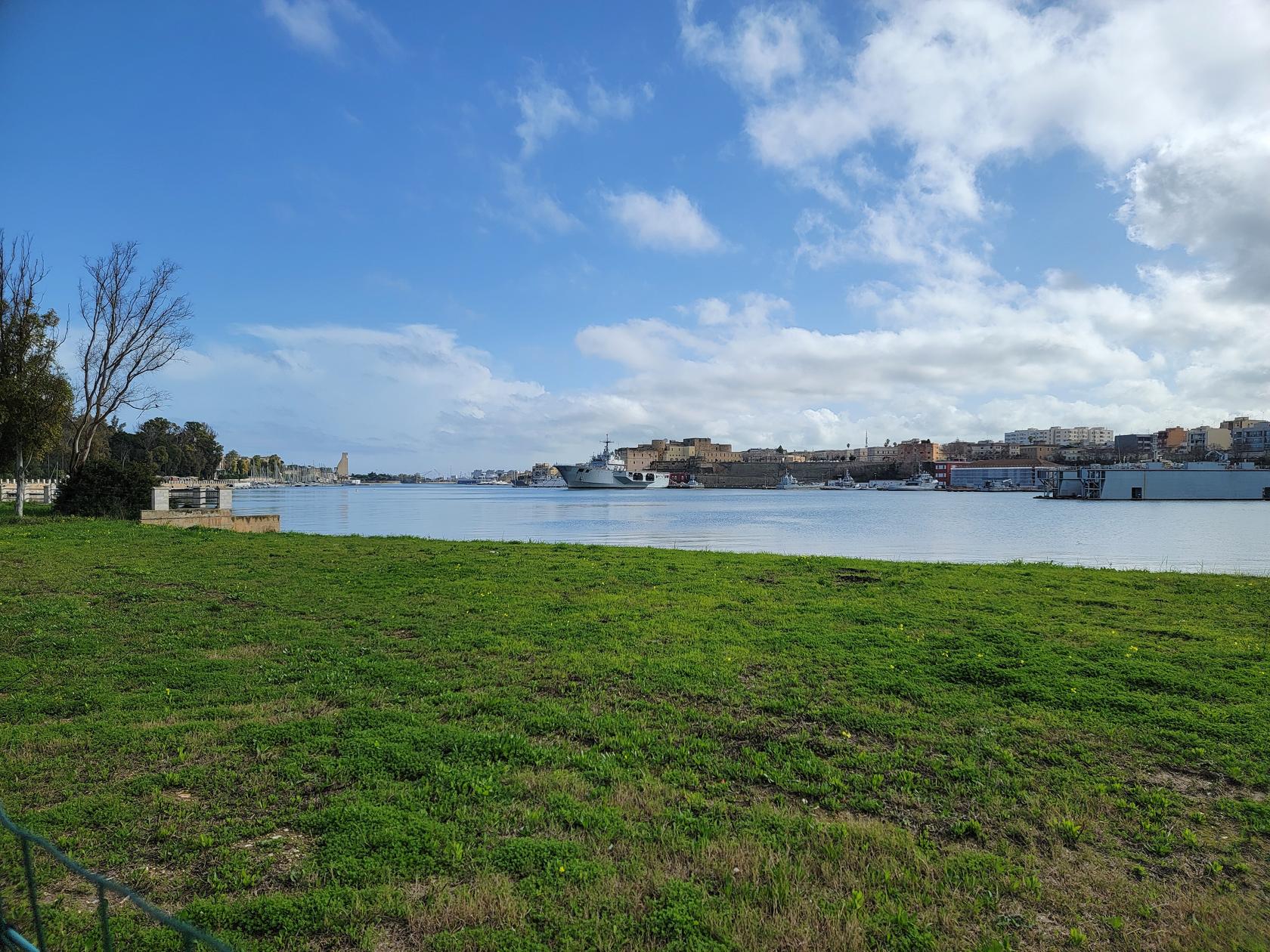
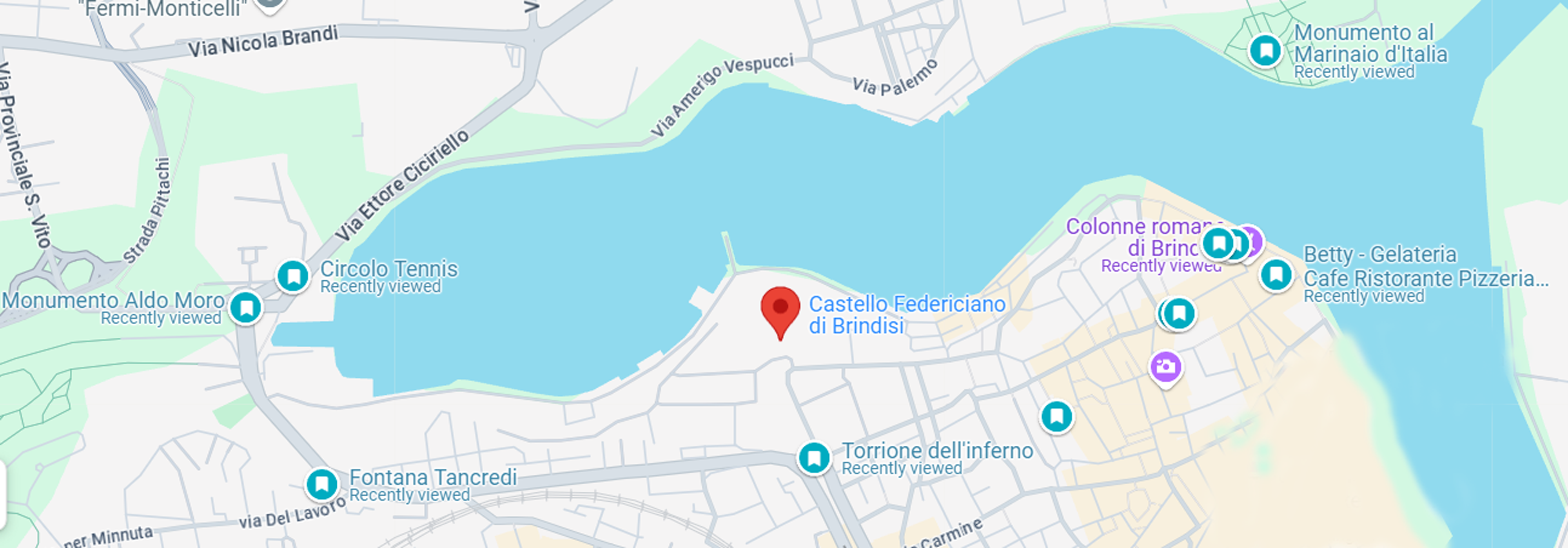
Unlike the map that one of the major search providers tries to imply you can walk the entire way around bay to the Monumento al Marinaio d’Italia; this cannot be done. We found out the difficult way by walking to Castello Svevo or the Swabian Castle of Brindisi, only to find out that you cannot enter without a pass, it is an active Naval Base. Temporary passes can be obtained online, but there is a forty-eight hour waiting period (don’t ask – I have no idea why, however it is required before you may return and enter). Since we are not staying here that long we decided to forgo that pleasure.
So, denied entry, we changed our plans and headed for the Fontana Tancredi, thinking that it might be a sight to see, and afterwards we could just walk toward the bay and find the Lungomare; no such luck on both accounts. Most of the area in and around the castle is restricted and cannot be entered, the fountain is fenced off, overgrown and only trickles water, so total failure on both accounts.
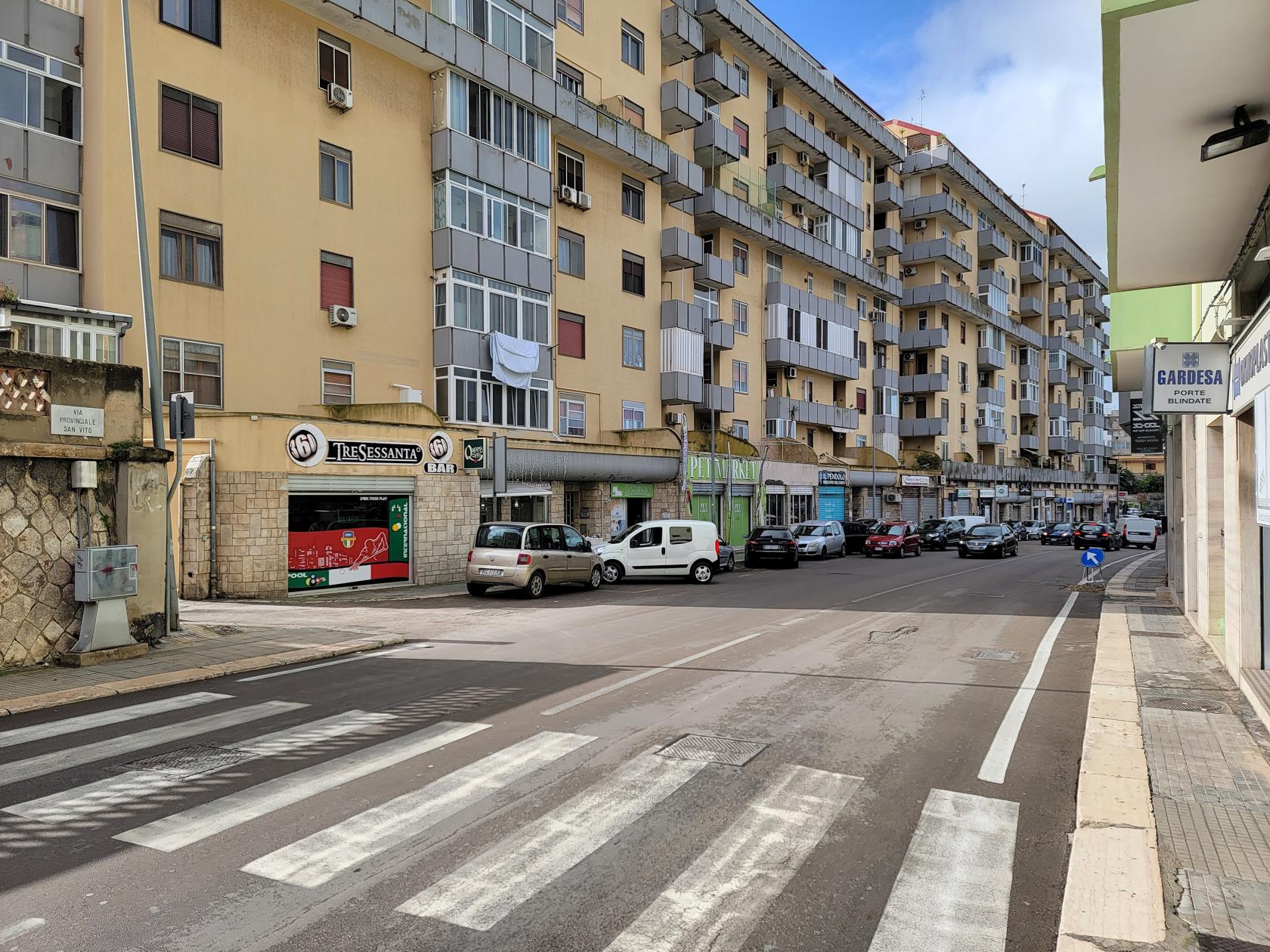
Via Provincial San Vito – Brindisi, Italy
Aldo Moro Monument – Brindisi, Italy
Southern Italian Naval Base – Brindisi, Italy
In fact, they have very large naval ships anchored here as well temporary housing for illegal immigrants. We attempted to go as far as the tennis club, or Circolo Tennis Club, but then turned around. Had we known beforehand, we could have continued further and picked up the bay shuttle about a half kilometer further.
Castello Svevo – Map and where not to go – Brindisi, Italy
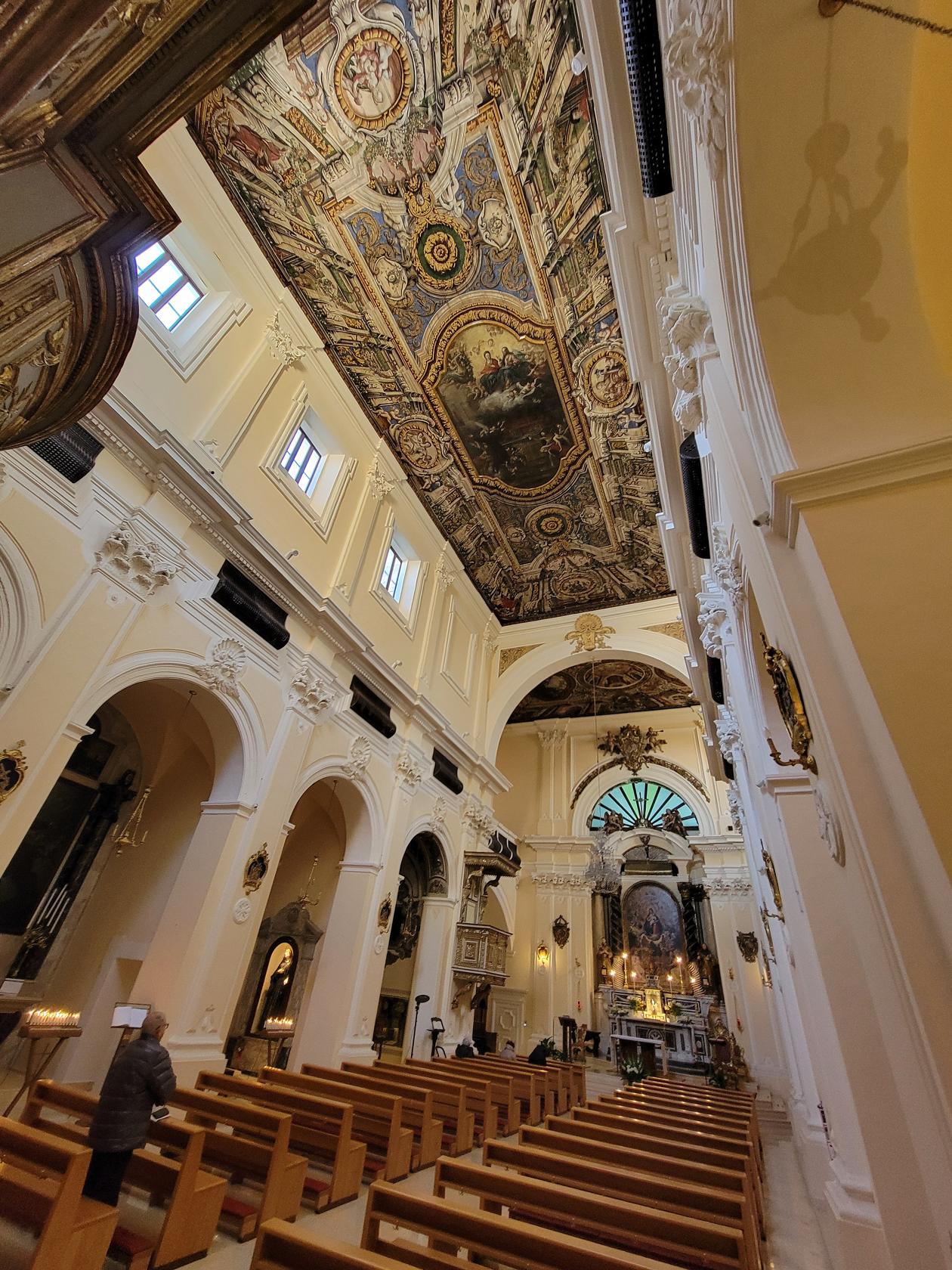
While walking back, we discovered the Santuario Santa Maria degli Angeli church. A nondescript church from the outside offers a better view from the inside. If you are in the area of Via Ferrante Fornari and see the church, it is worth to stick your head in and take a look.
Santuario Santa Maria degli Angeli – Brindisi, Italy
Santuario Santa Maria degli Angeli – Nave and Ceiling – Brindisi, Italy
Monumento al Marinaio d’Italia
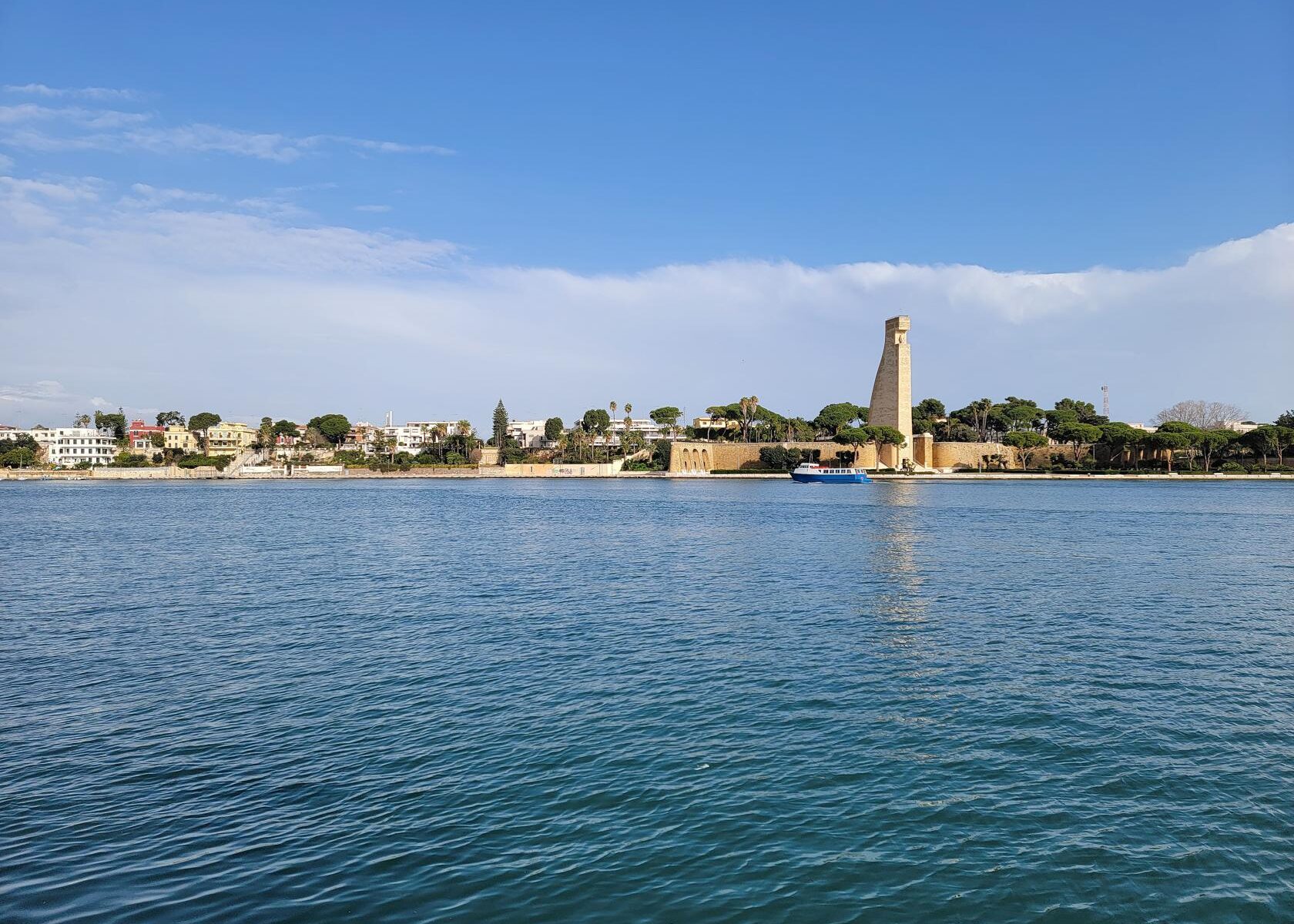
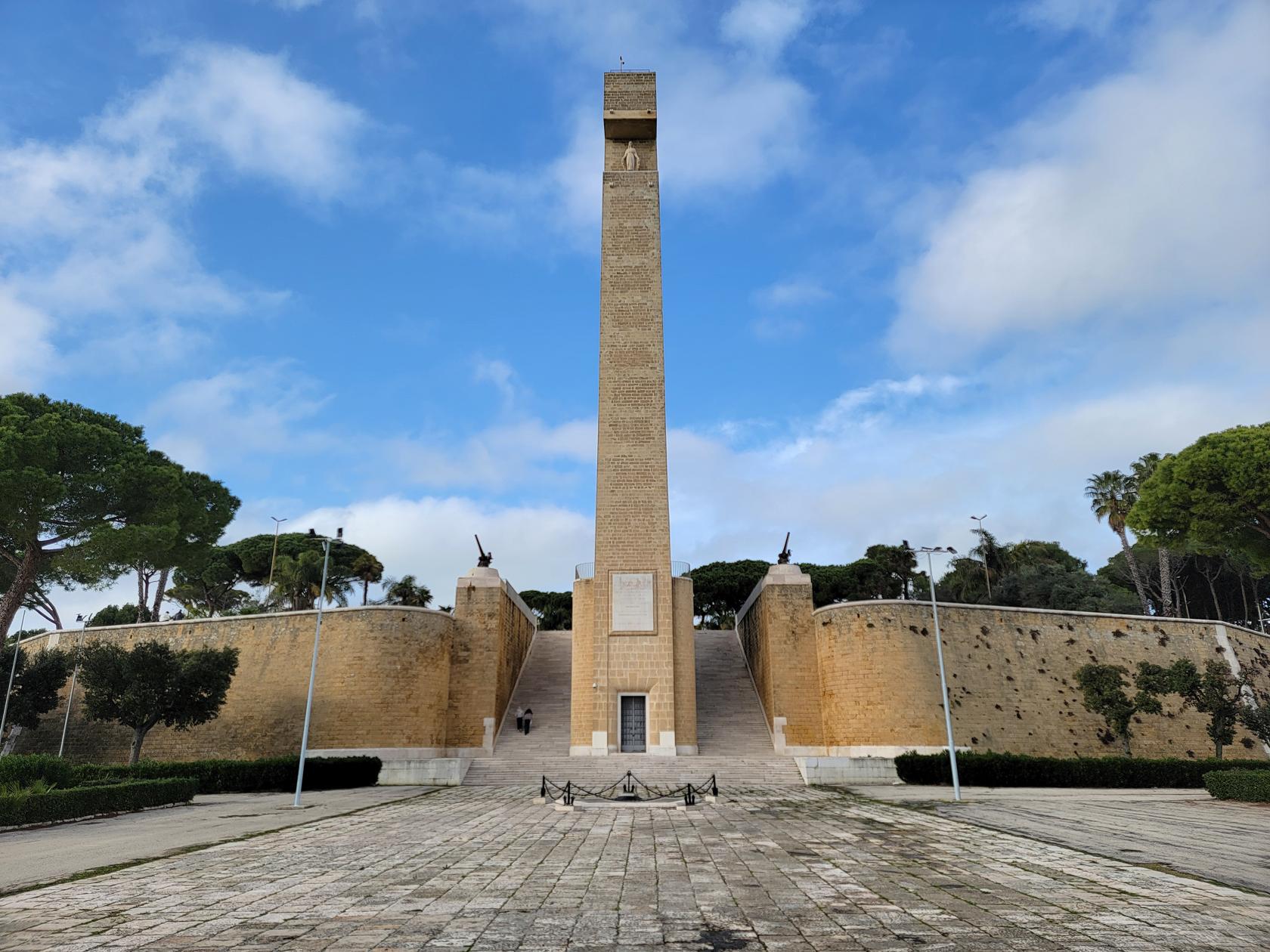
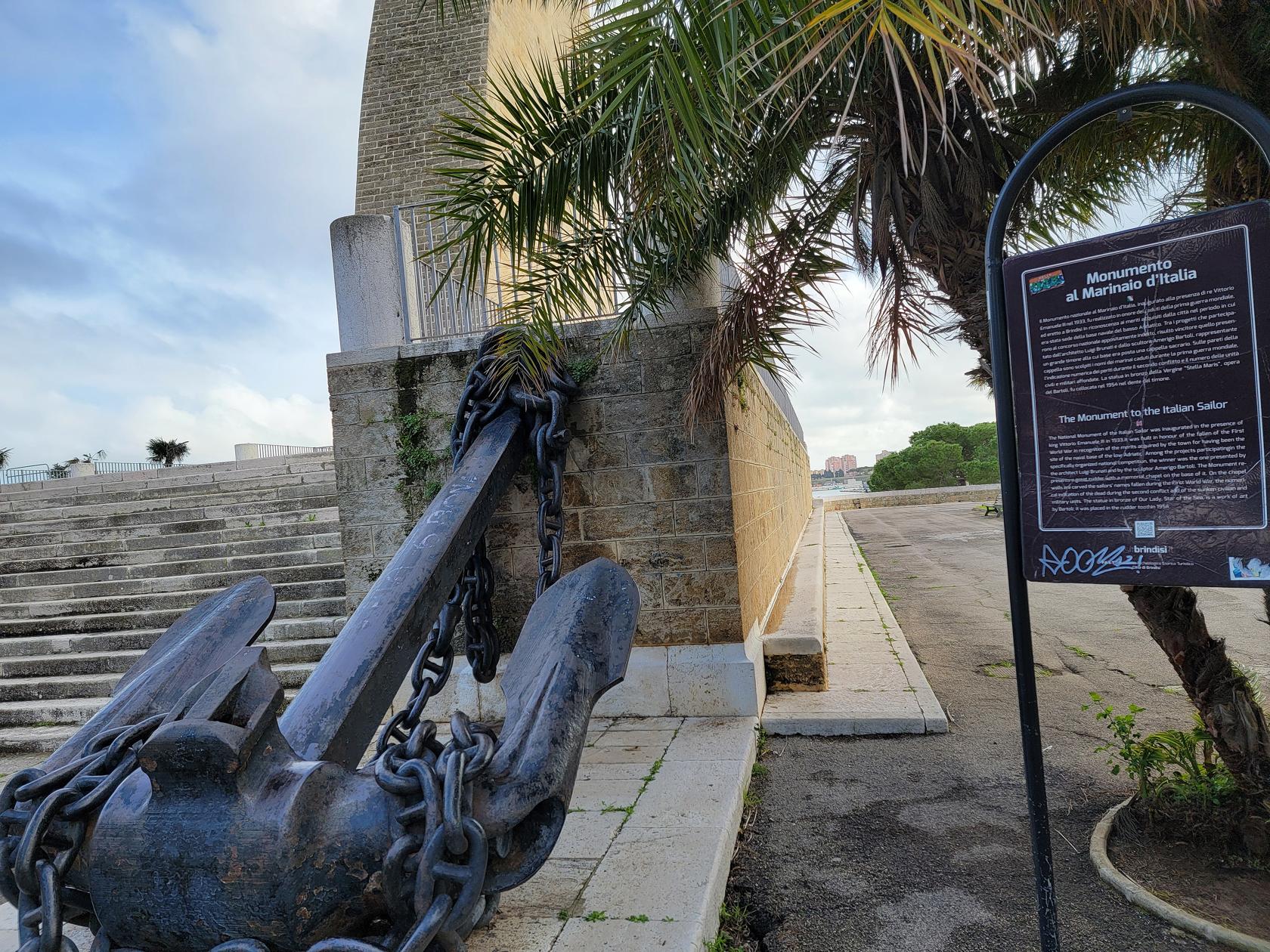
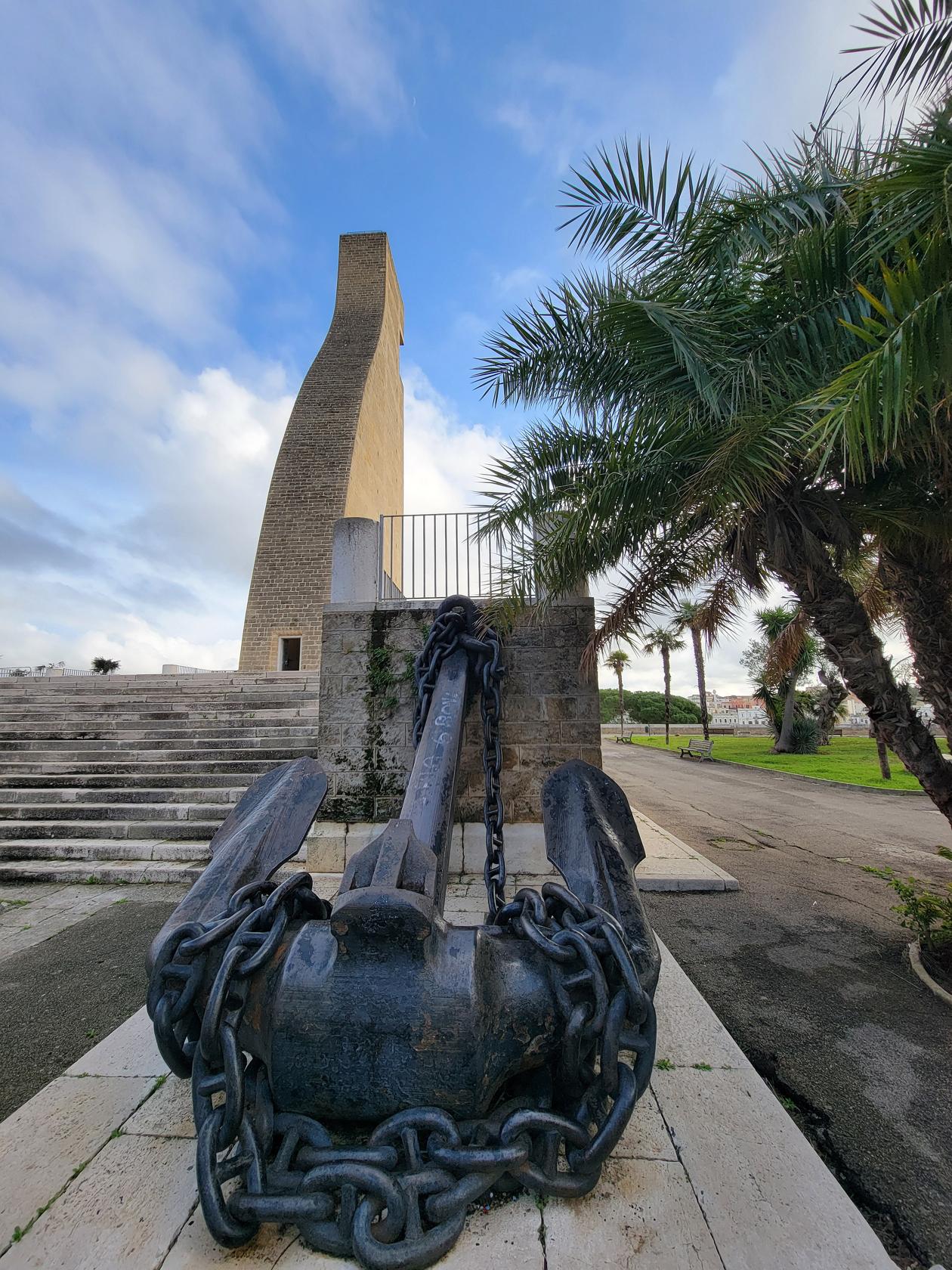
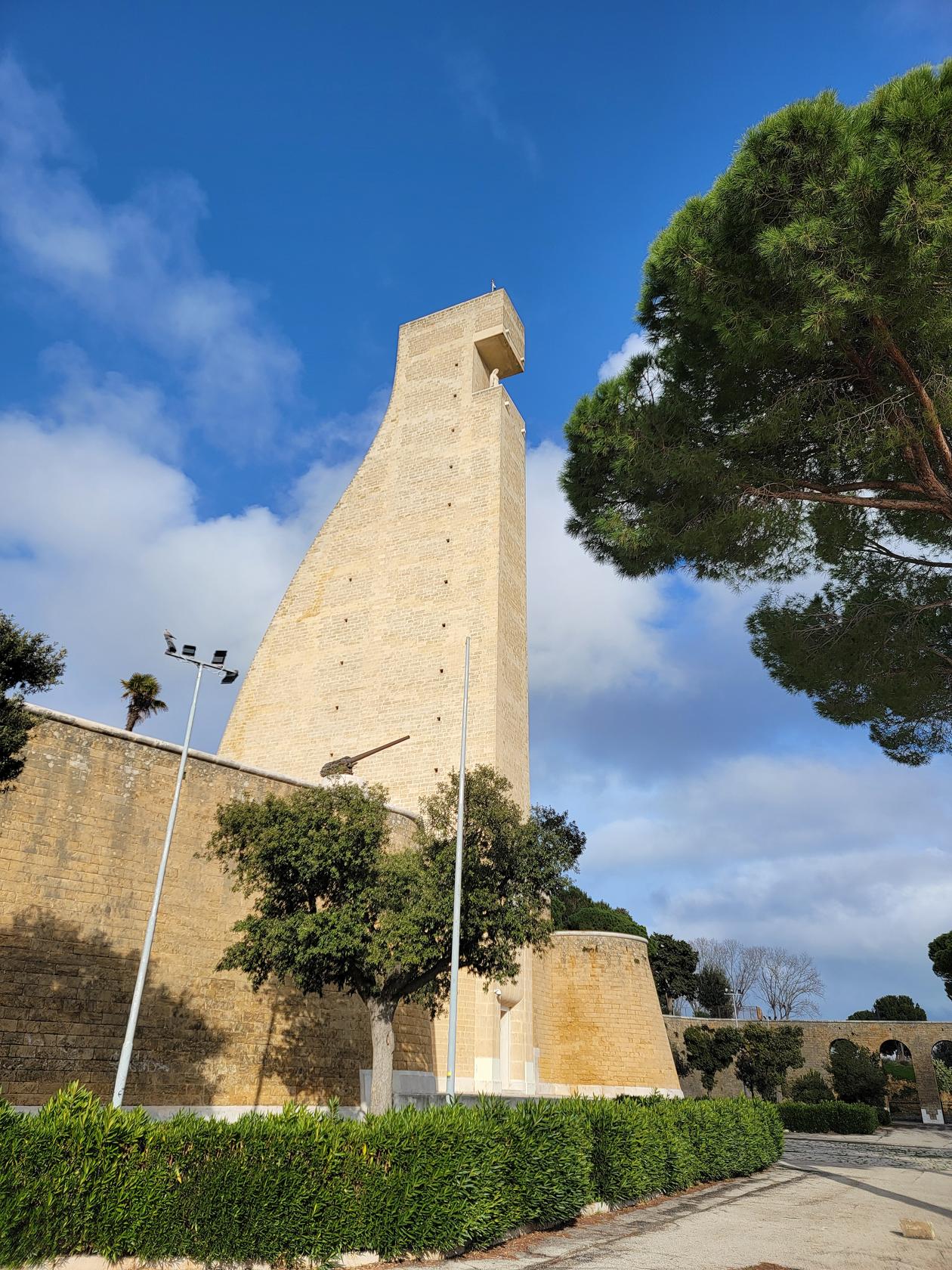
The large monument across the bay is the Monumento al Marinaio d’Italia, a naval monument erected for the fallen navy personal of Italy. It has two shore guns on either side and may be climbed for a fee, there is a lookout on the top that has a commanding view of the city.
Monumento al Marinaio d’Italia – Brindisi, Italy
Monumento al Marinaio d’Italia – Brindisi, Italy
Monumento al Marinaio d’Italia – Brindisi, Italy
Monumento al Marinaio d’Italia – Brindisi, Italy
Restaurants
Most of the restaurants that we visited were down by the water and along the Lungomare.
Ristorante Windsurf
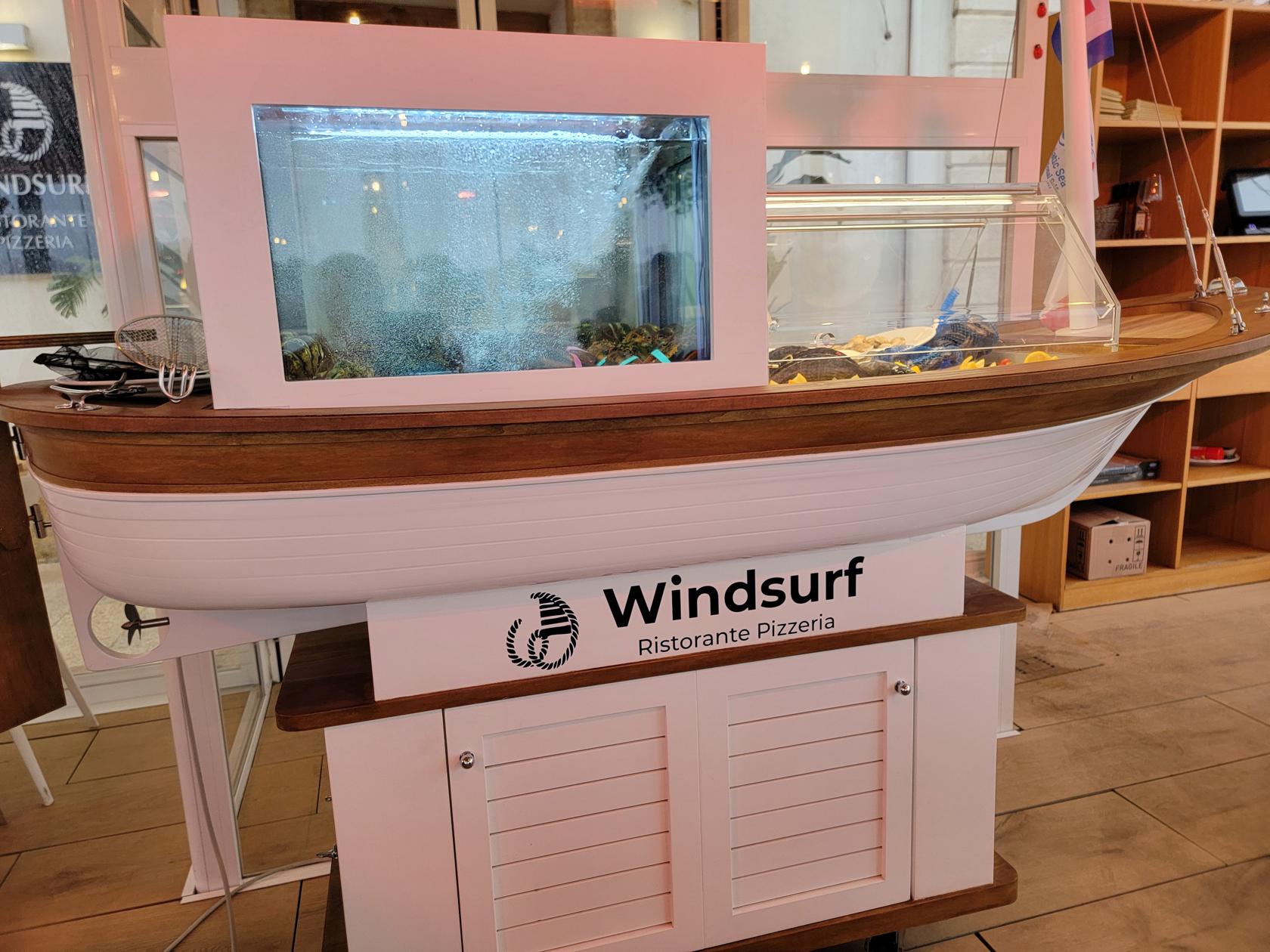
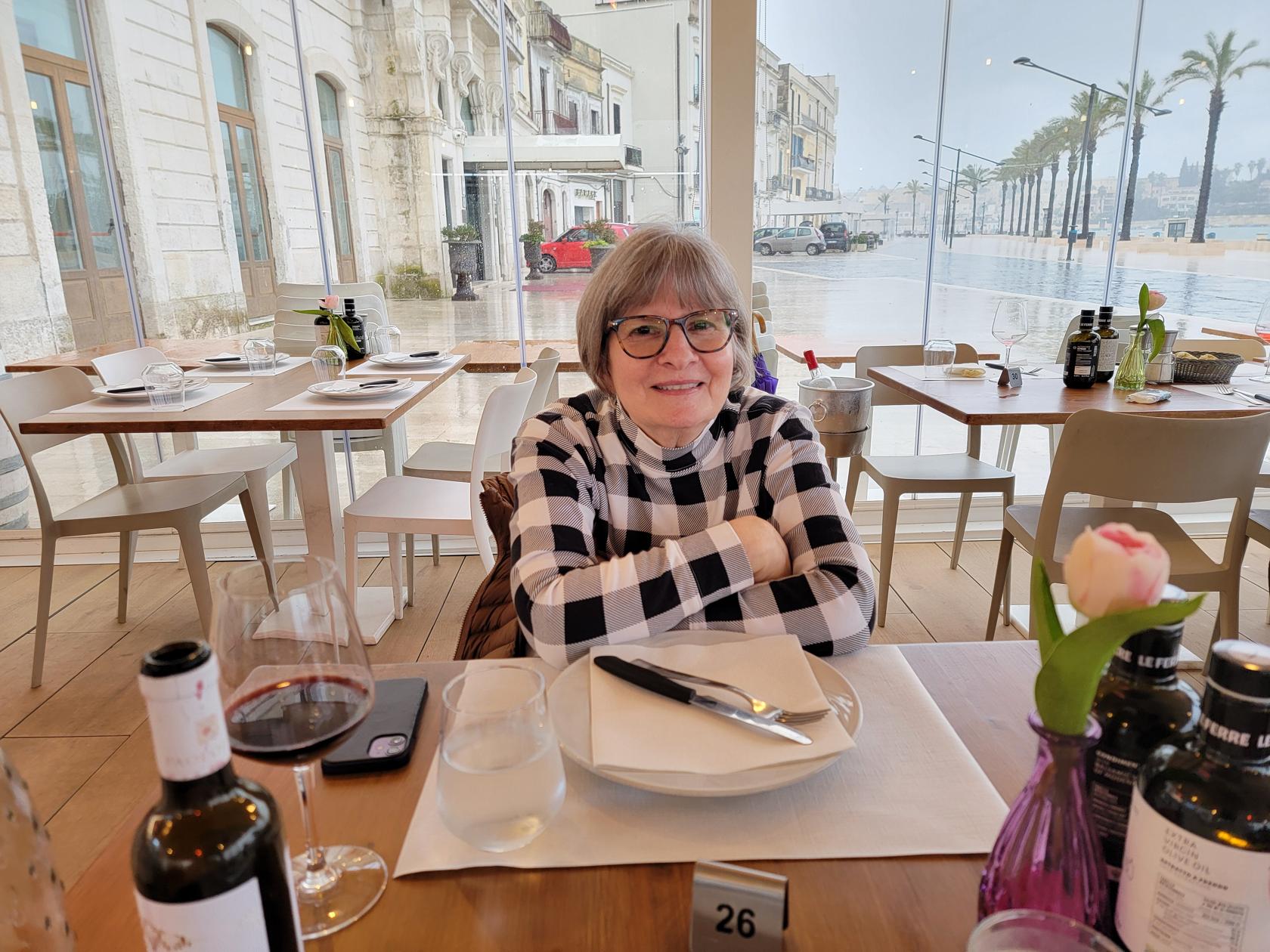
We chose this restaurant out of convenience, mostly because of the rain and threat of thunderstorms, and glad we did because while we were eating it poured. It was also conveniently located thirty meters from our hotel entrance.
Windsurf Ristorante Pizzeria – Lobster tank – Brindisi, Italy
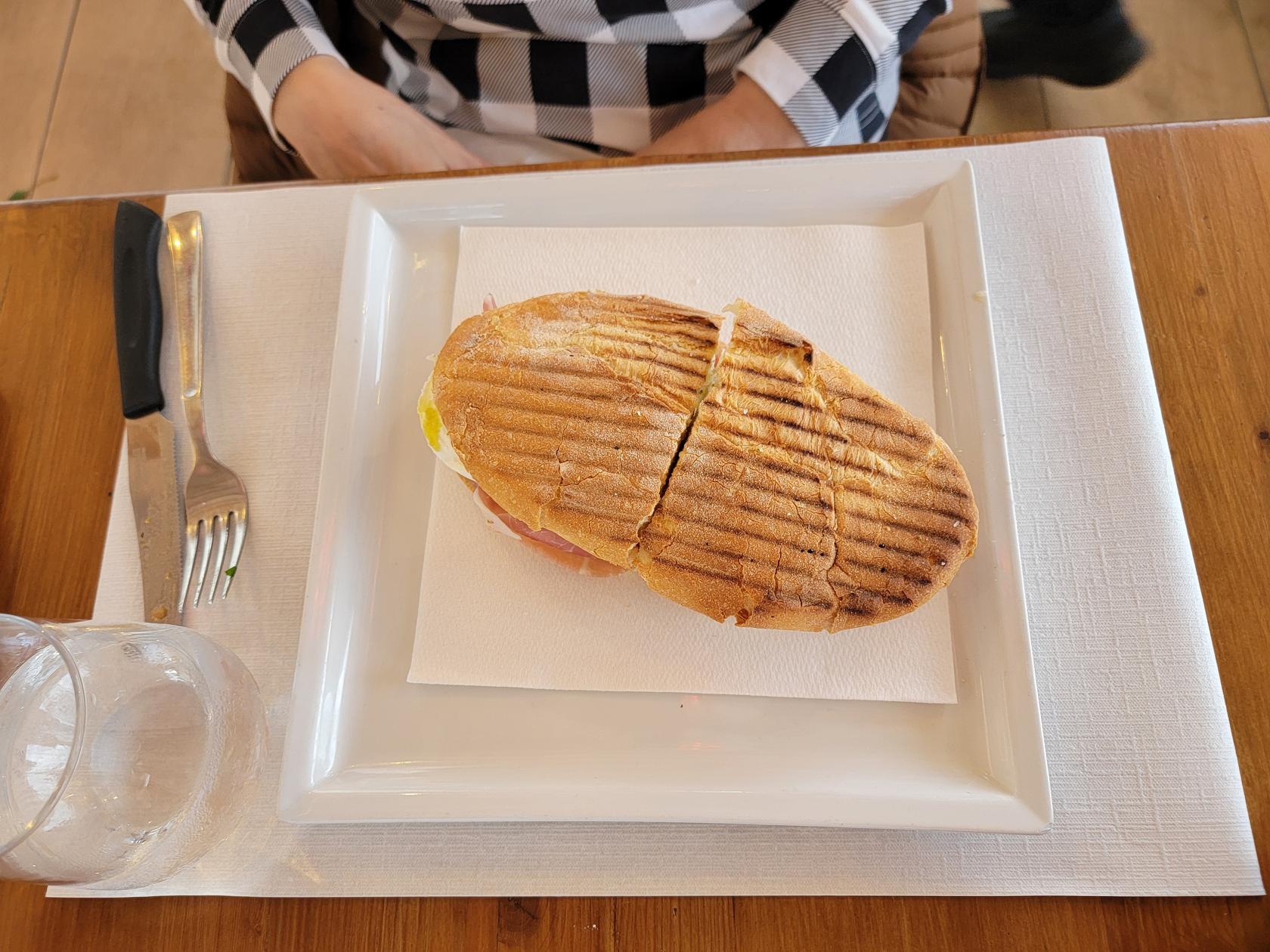
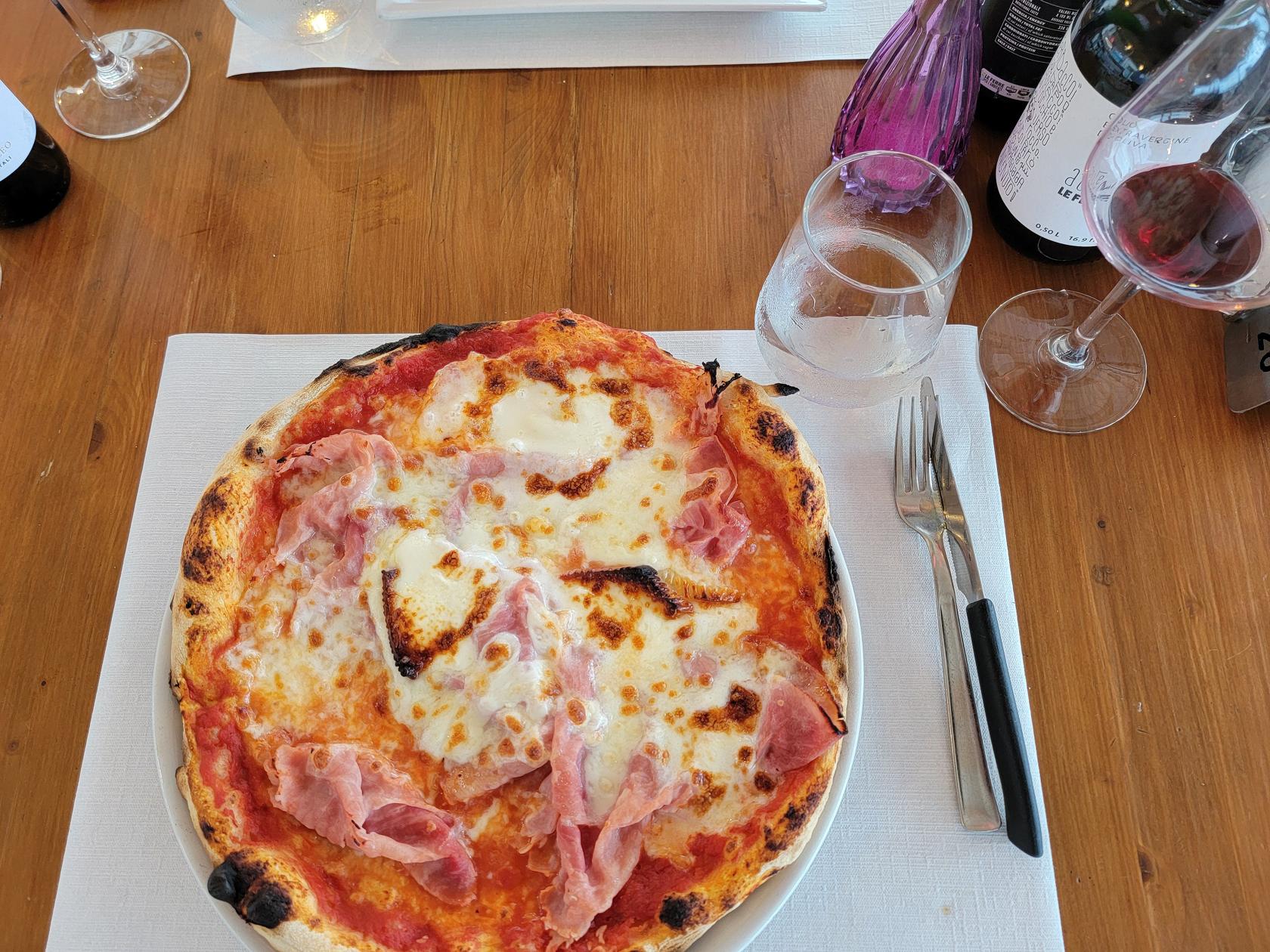
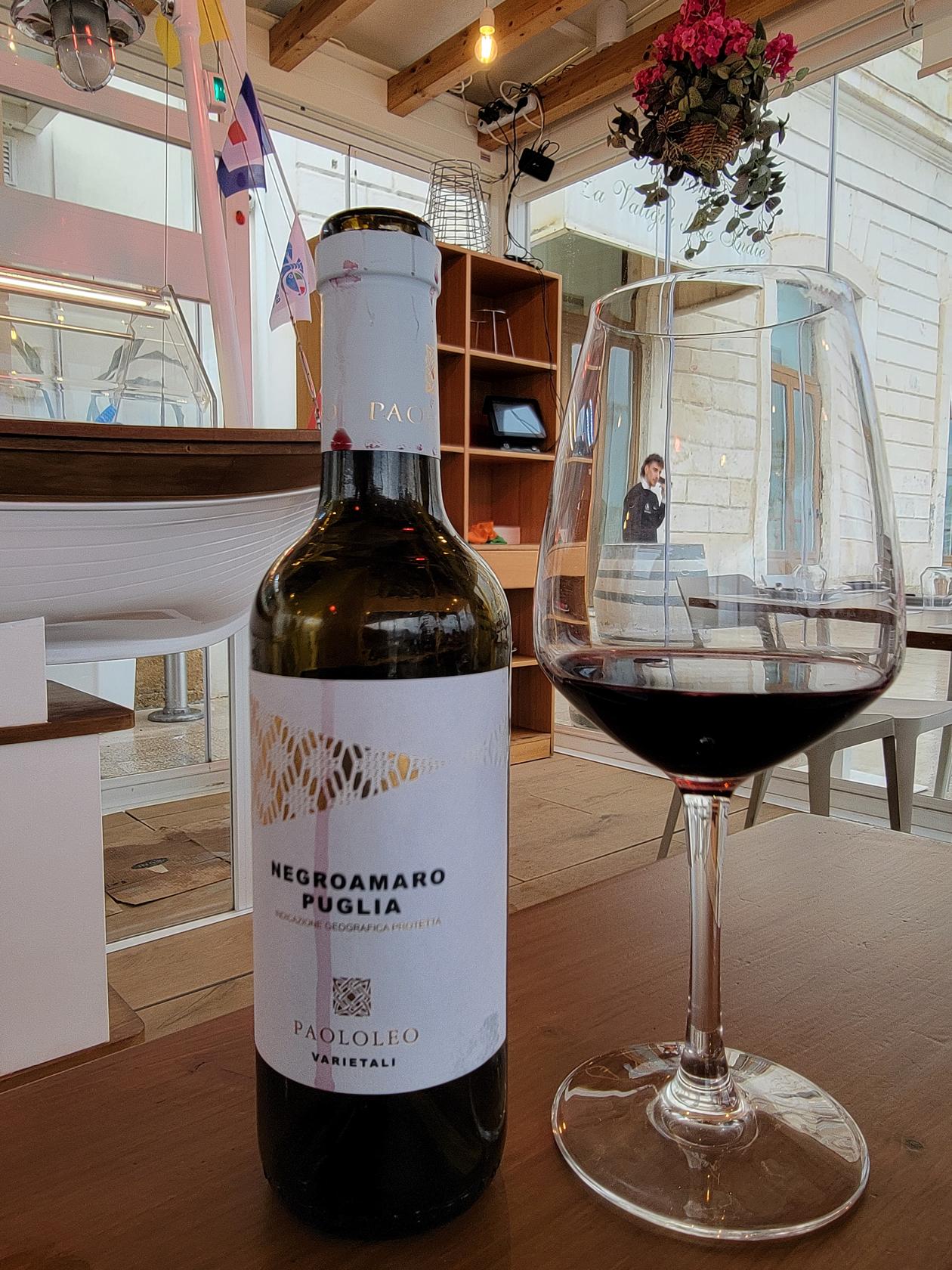
The food is typical pizzeria food with a concentration on sea food for everything else. I chose a pizza and Patti stuck with a panini that they offered on the menu. The Negroamaro from Puglia was actually very nice, dry but not overly tannic.
Windsurf Ristorante Pizzeria – A Negroamaro from Puglia – Brindisi, Italy
Betty Gelateria Cafe Ristorante Pizzeria A Brindisi
A similar cafe and pizzeria as WindSurf is Betty Gelateria Cafe Ristorante Pizzeria A Brindisi, located just below the stairs to the Roman Column. We stopped here for a simple lunch consisting of salads, bread and pizza points. The wine was house wine, but was very good.
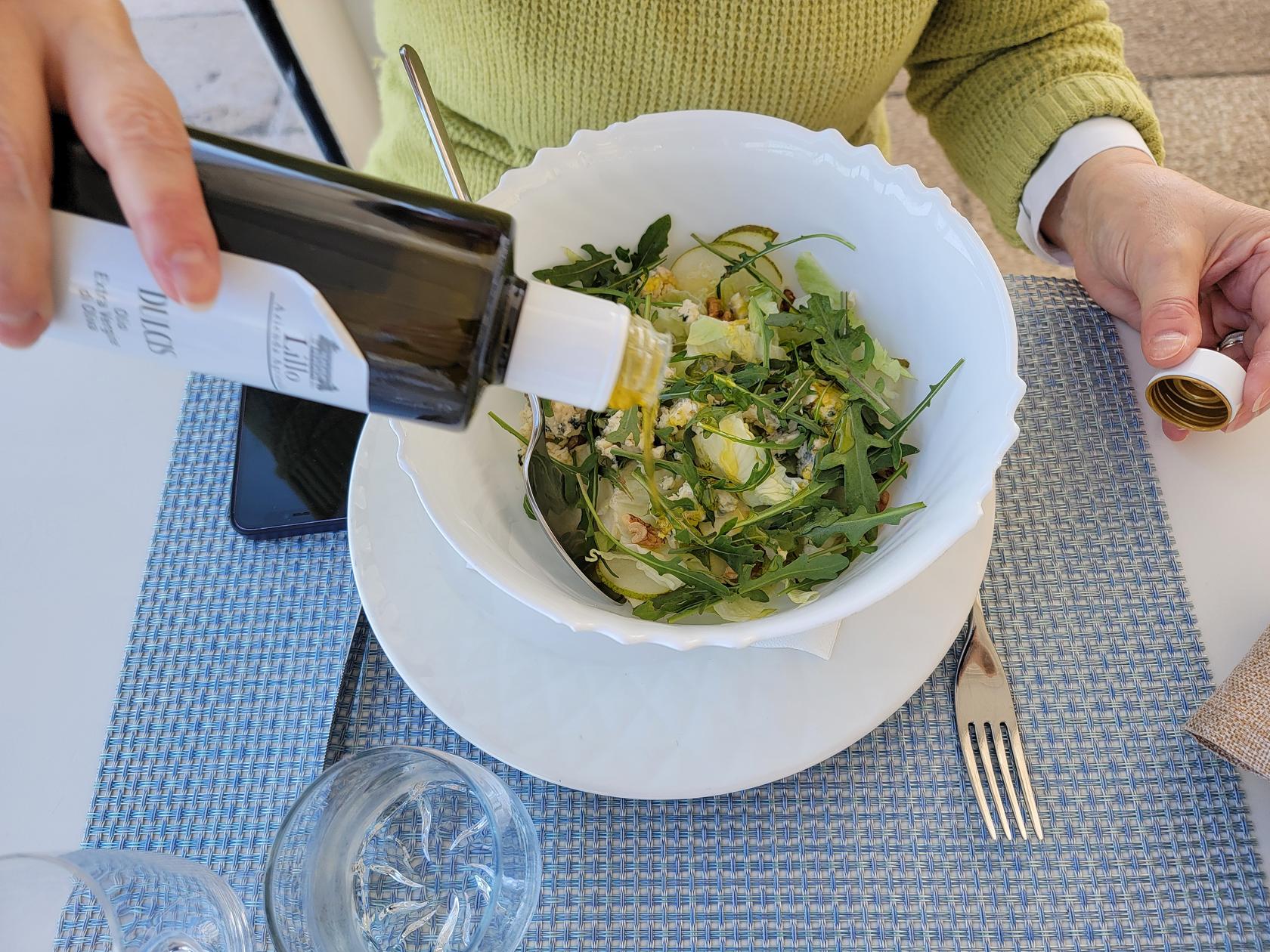
Betty Gelateria Cafe Ristorante Pizzeria A Brindisi – Patti’s Green Salad With Fruit And Nuts – Brindisi, Italy
We also stopped later in the evening for dinner, since they were one of the few restaurants around showing pasta with ragu sauce on their menus. Patti ordered the Penne all’Arrabbiata and I ordered the Tagliatelle al Ragú.
Final Thoughts
Although we both thought that Brindisi is rather clean and has some things to offer, we weren’t so sure that we visit, if we didn’t have so much time on our hands being retired. Therefore, for the casual visitor to Italy, we would not commend a visit, Bari and Trani have more to offer.
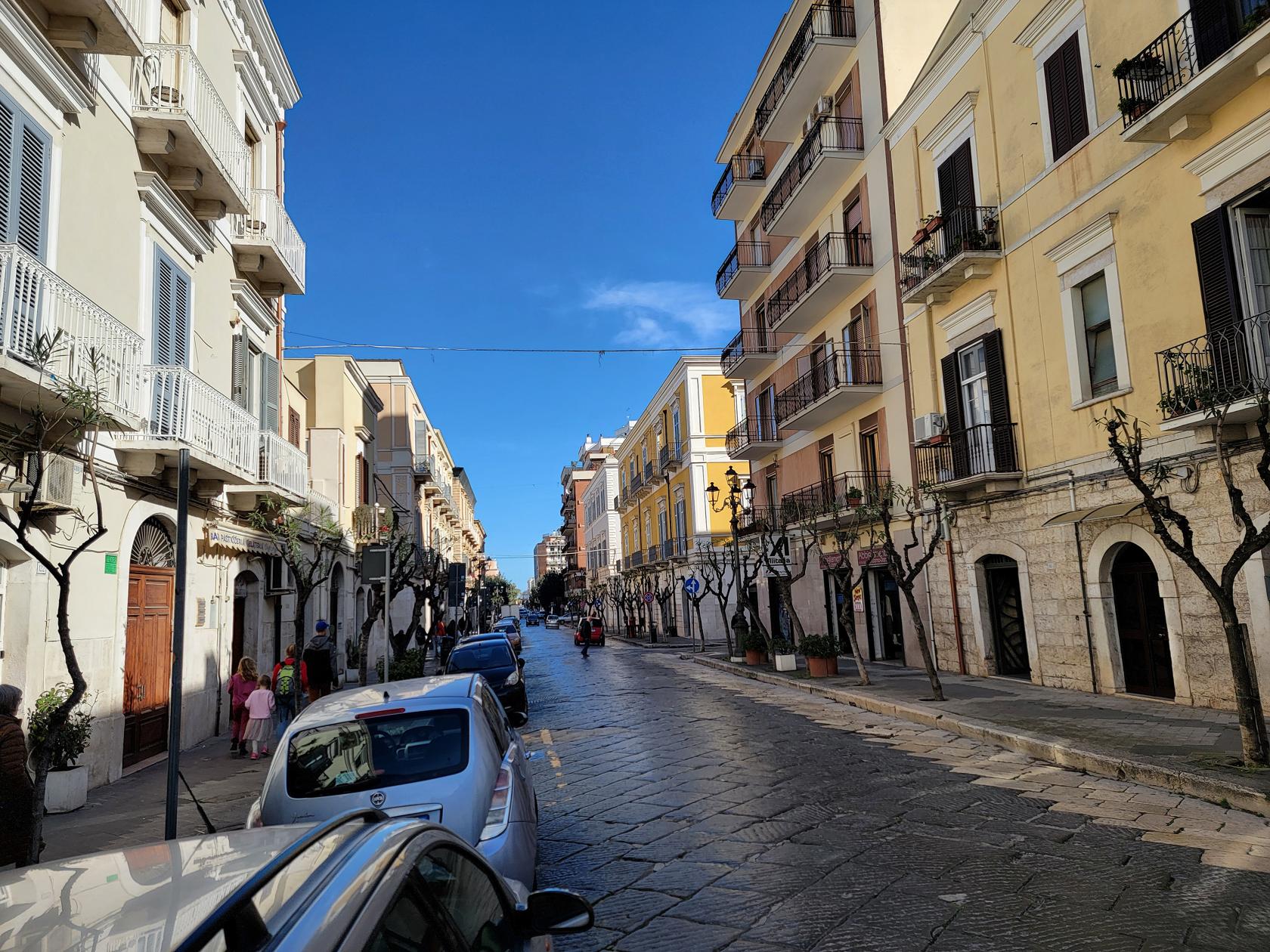
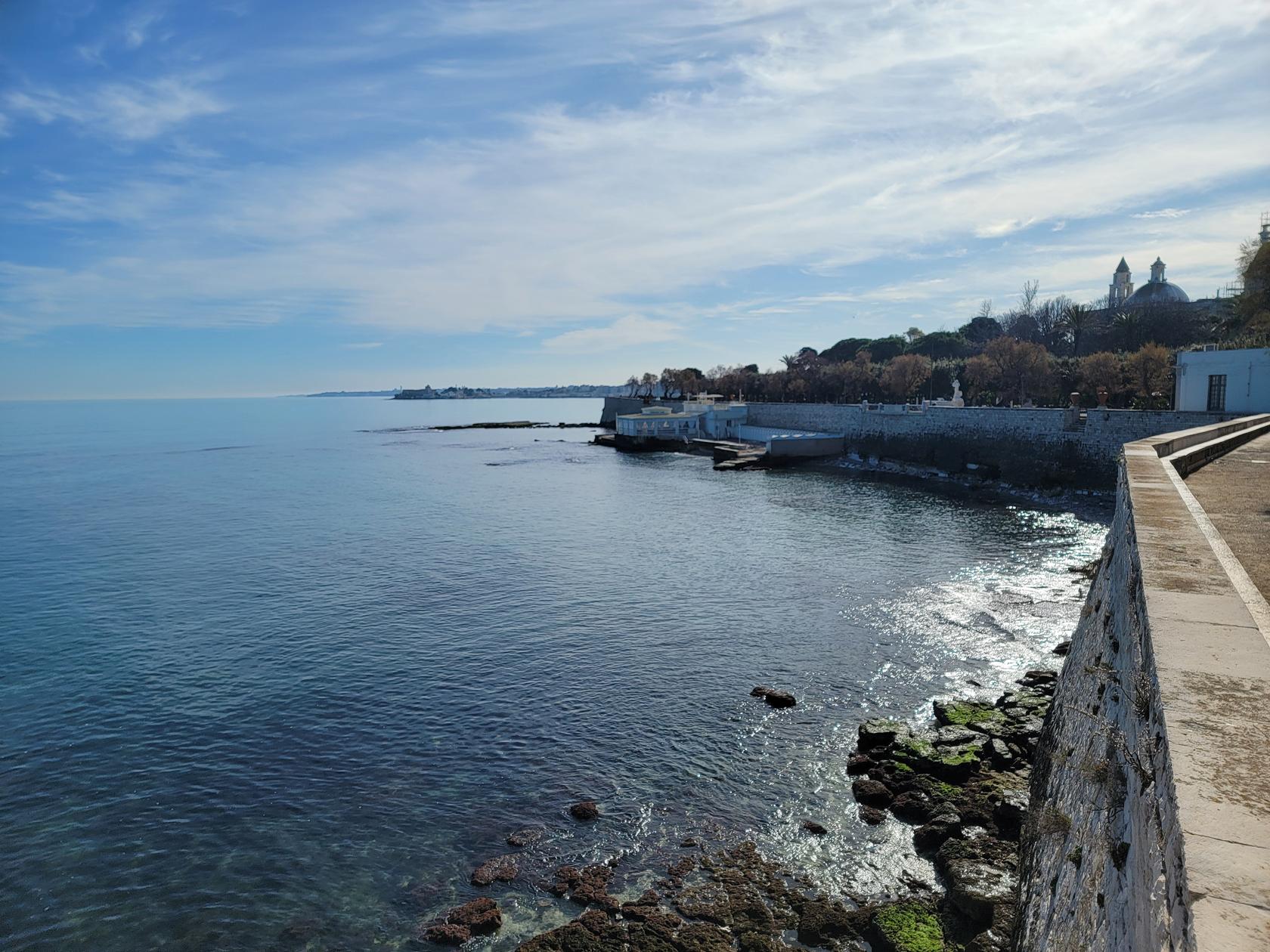
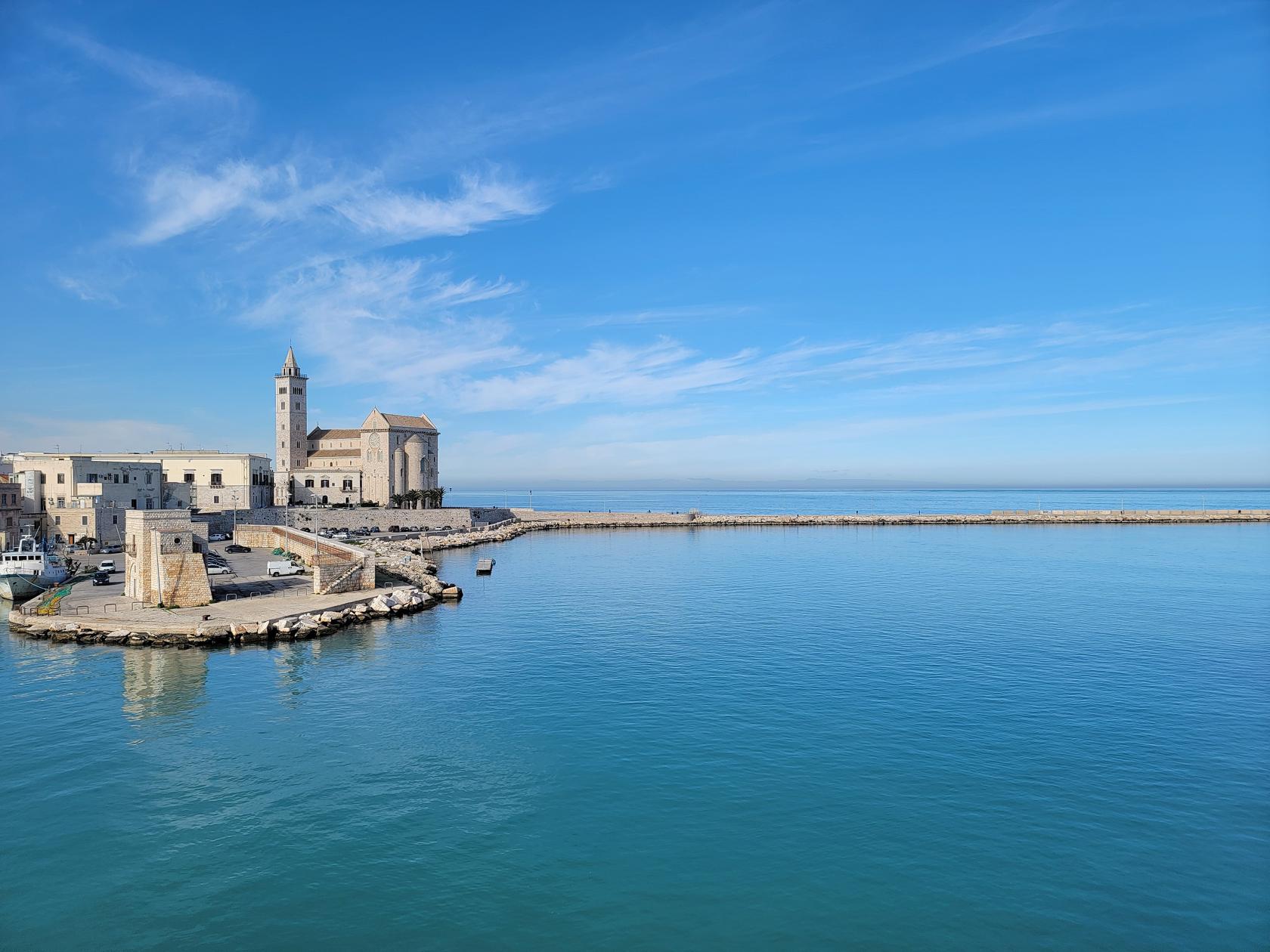
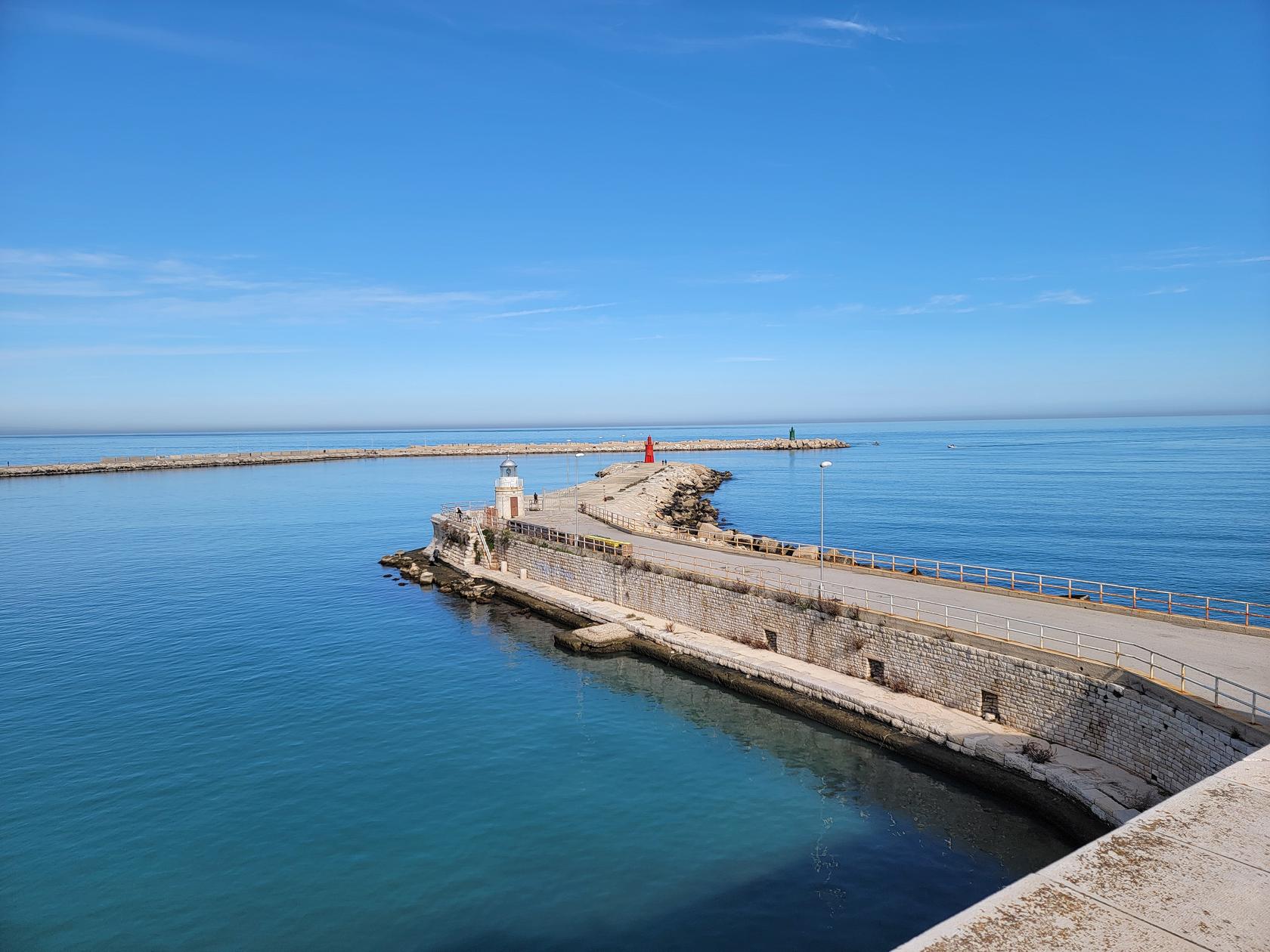
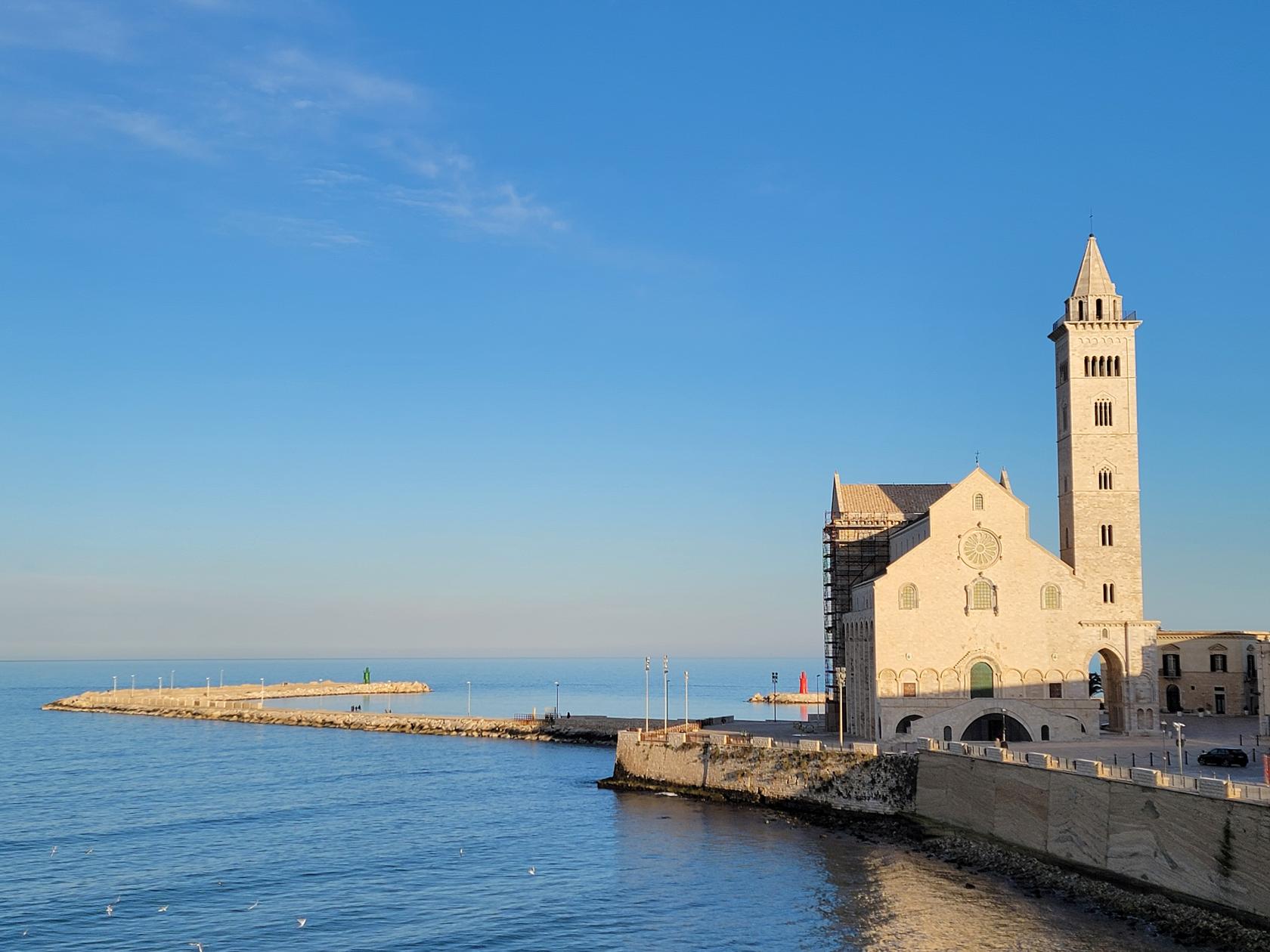
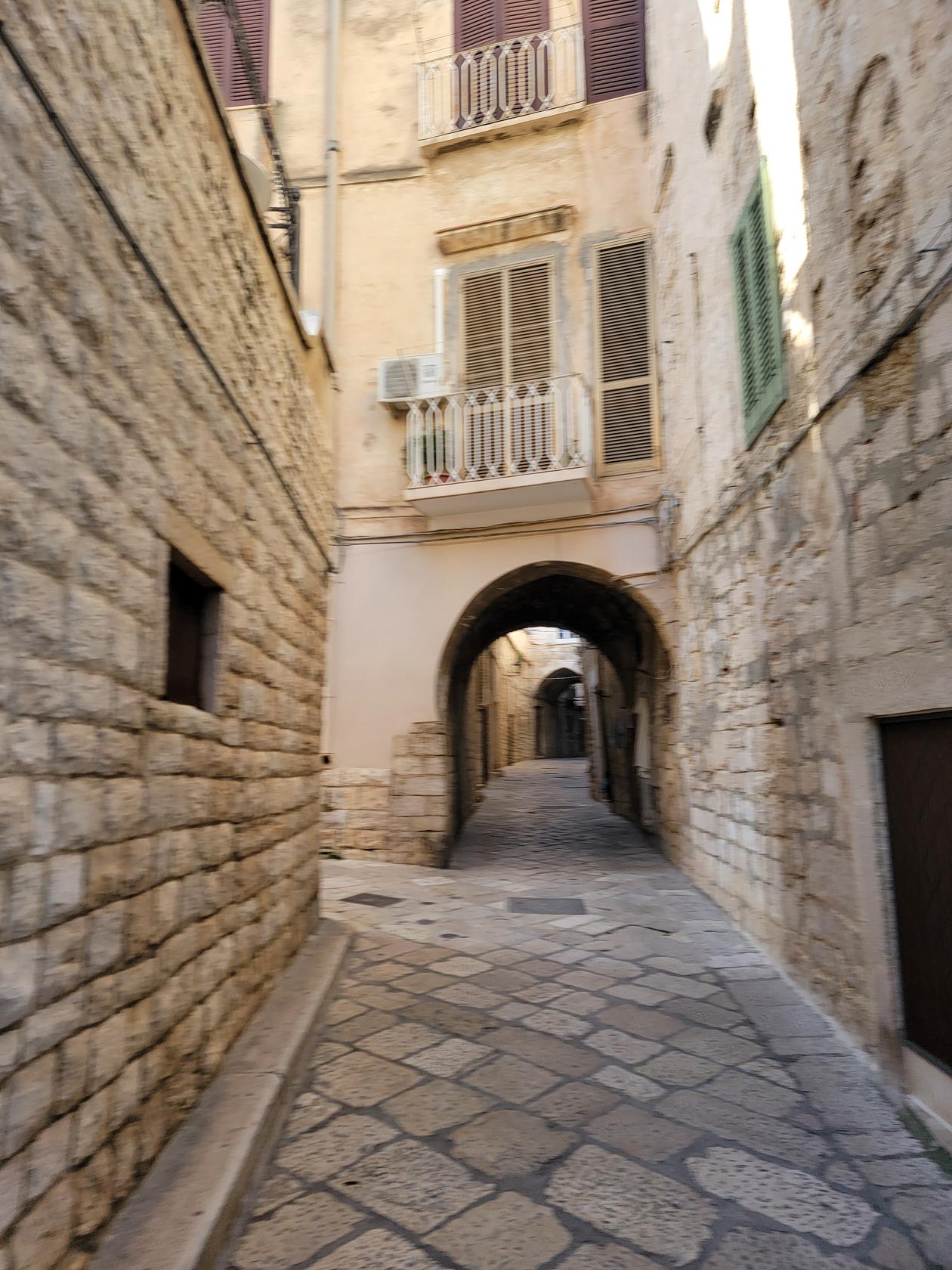
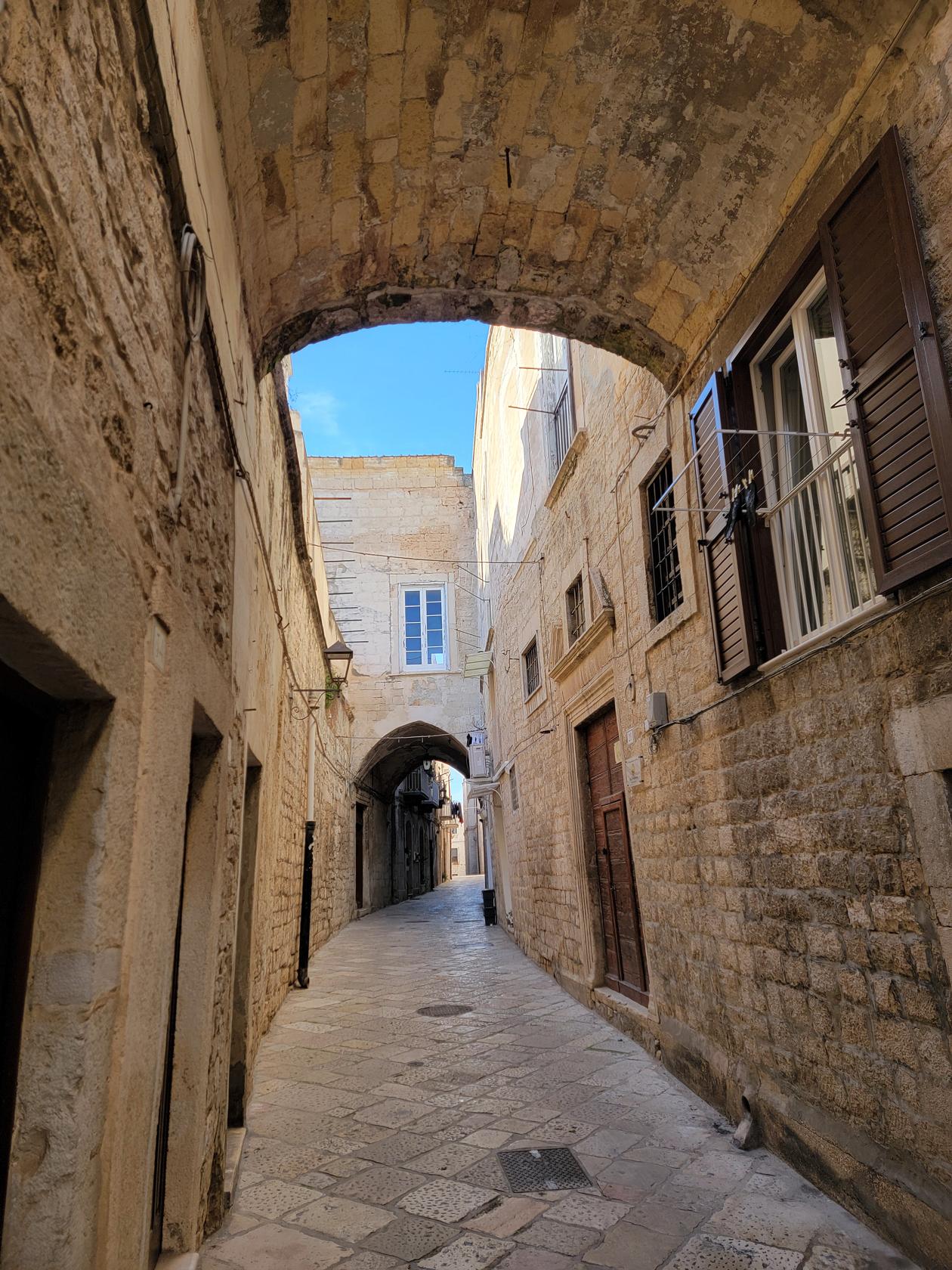
On a lark, Patti decided to go to Trani, Italy for the day. The morning was clear, blue and fantastic, so we could not expect better weather.
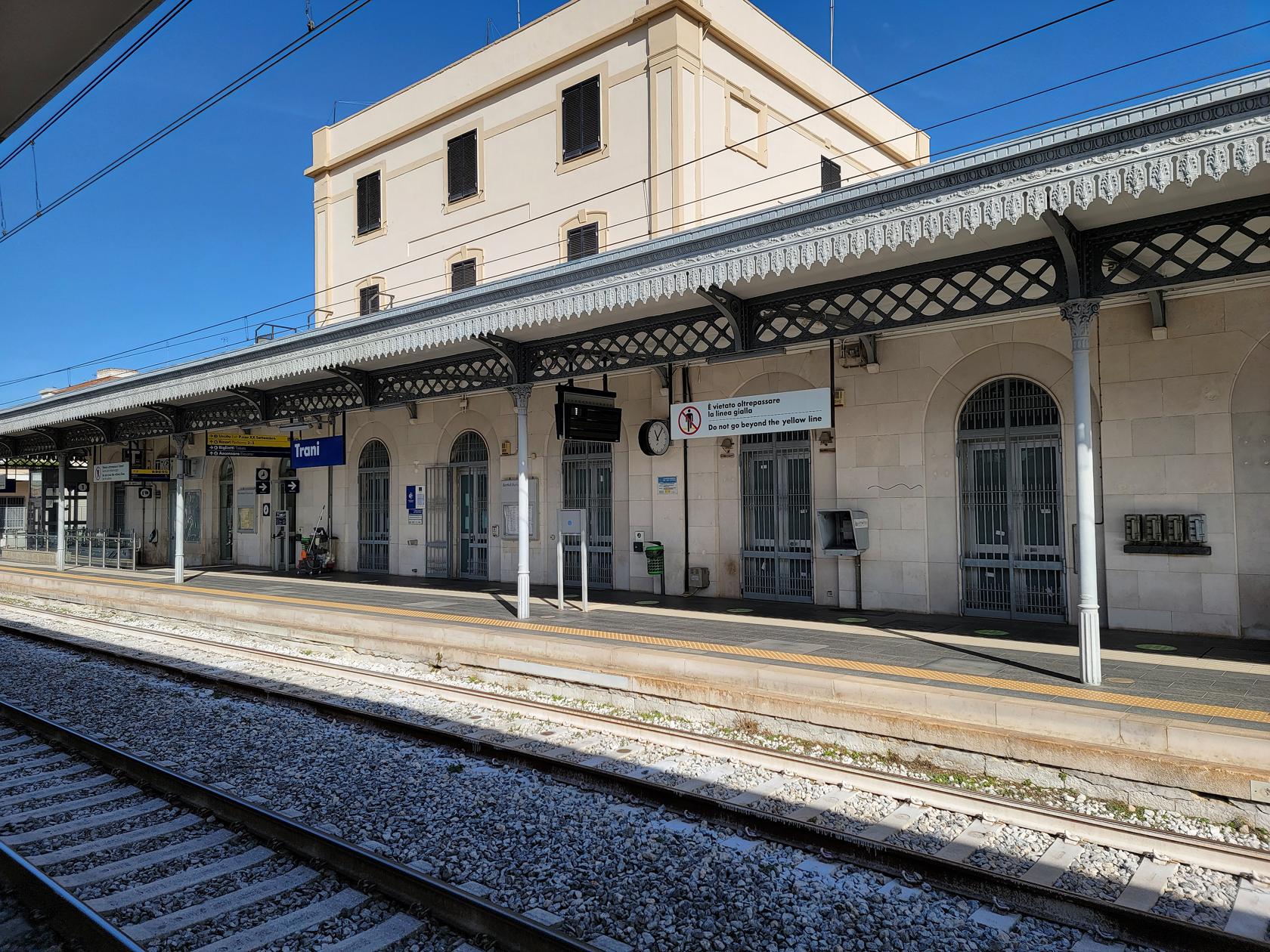
Trani Centrale – Trani, Italy
VIa Cavour – Trani, Italy
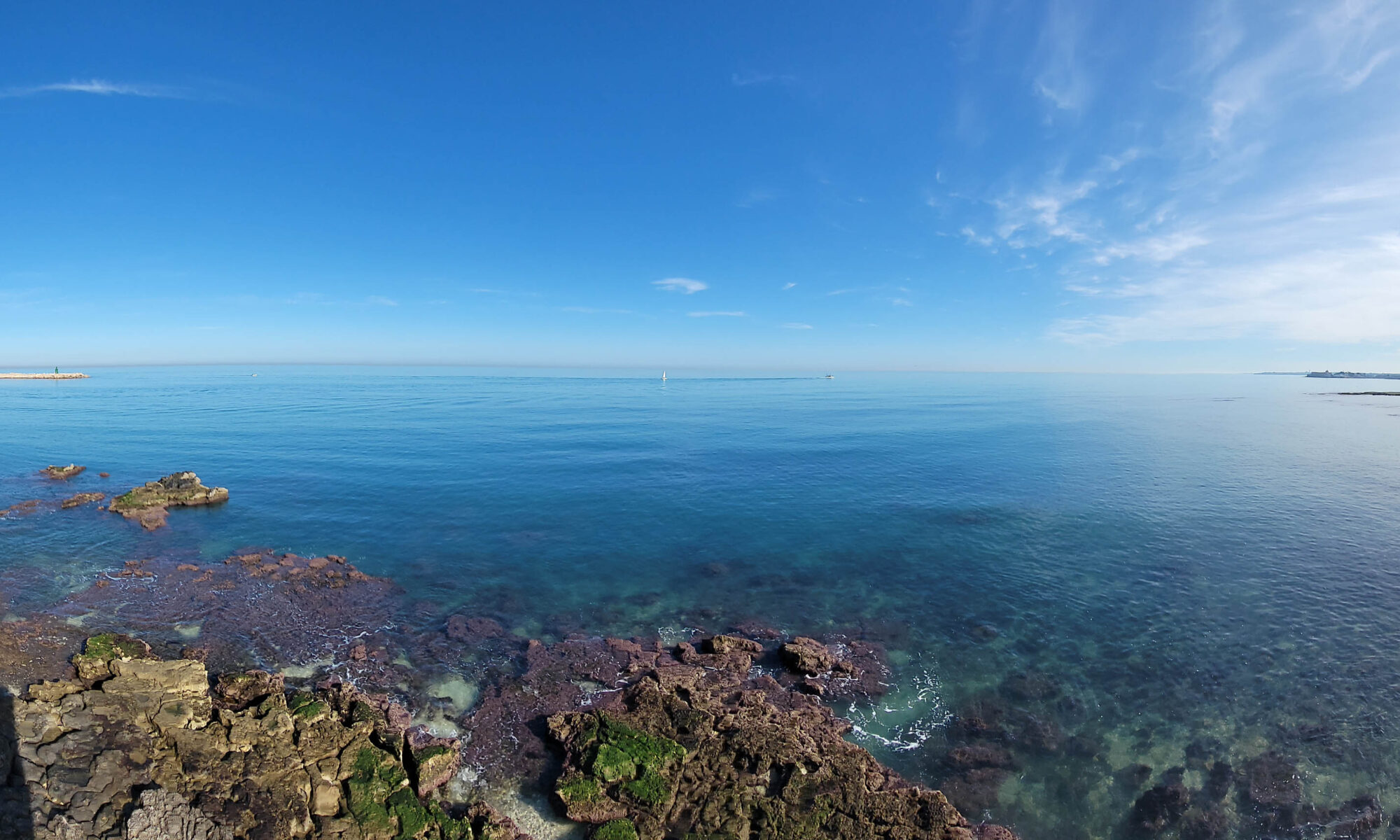
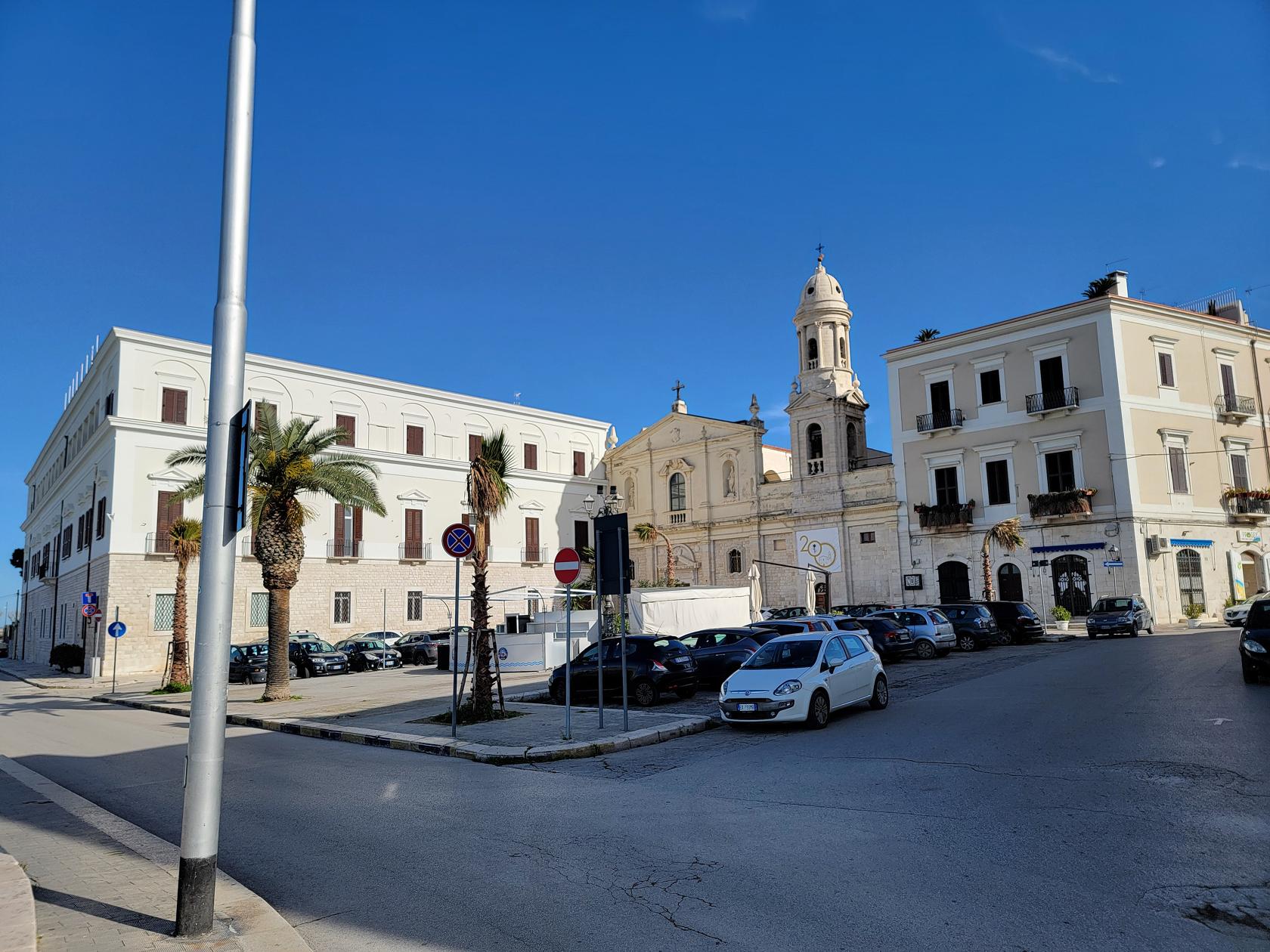
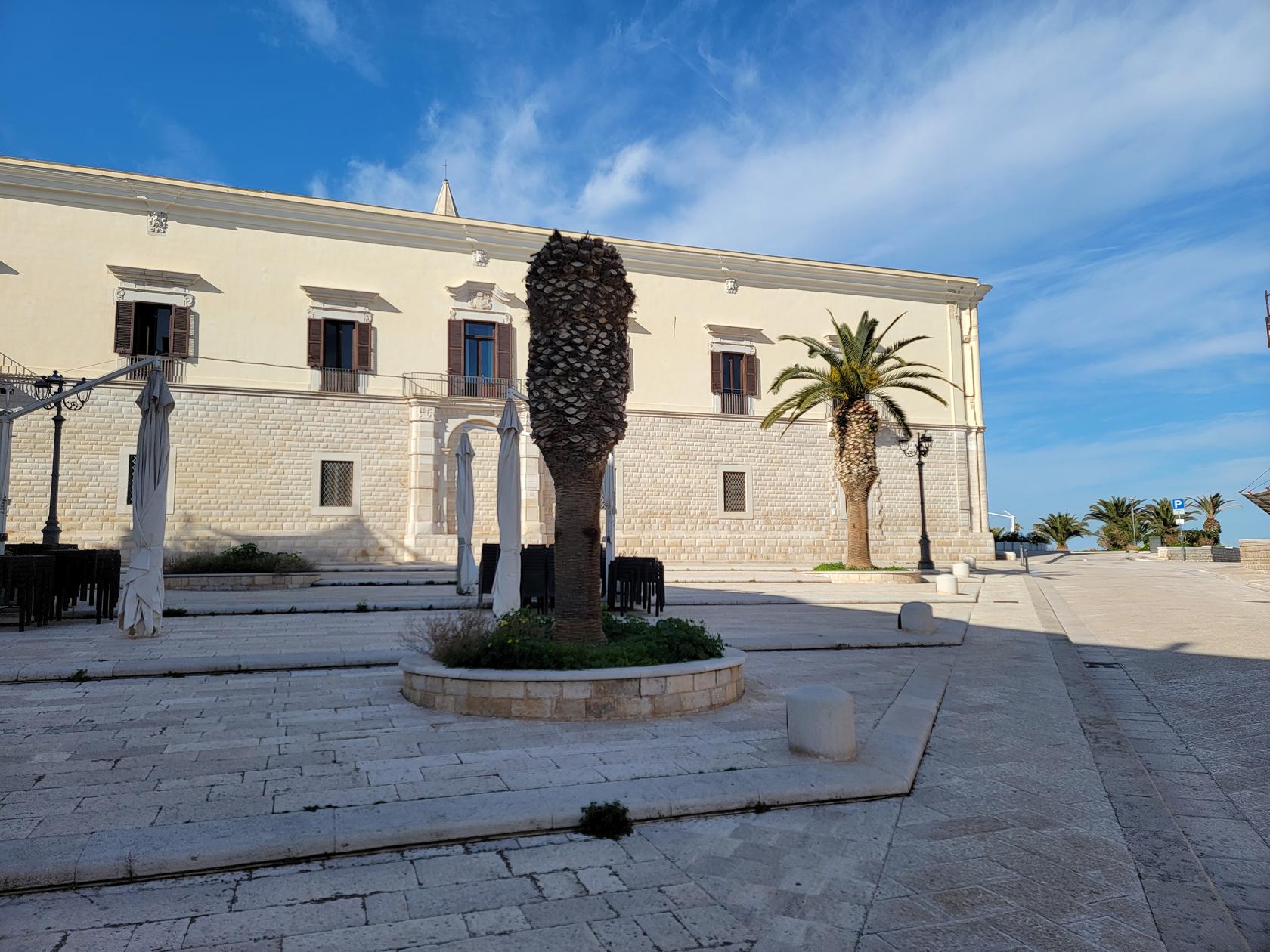
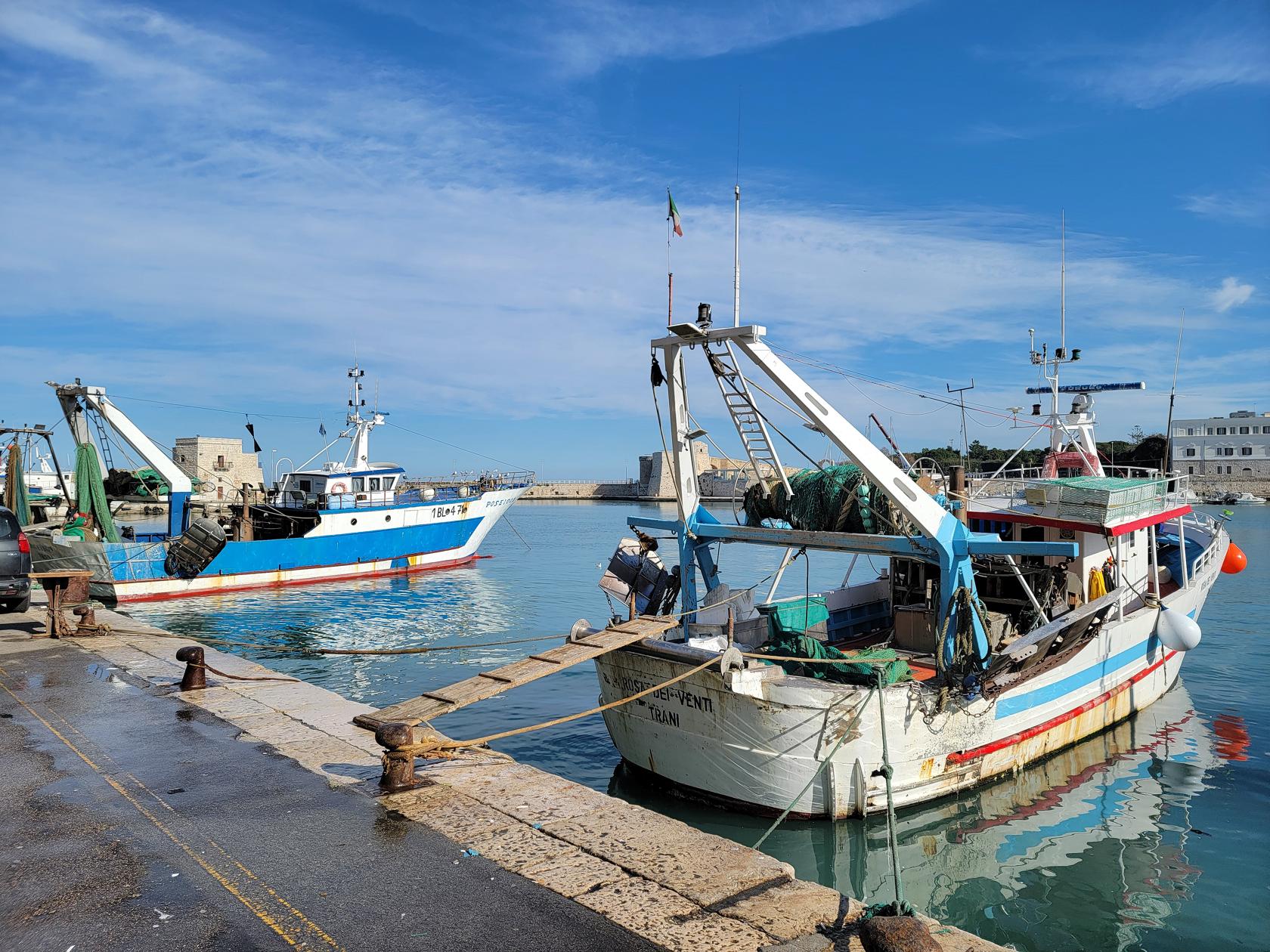
Trani is a seaside town on the Adriatic Sea in the region of Apulia. It has great wine, olive oil and food. It has an active fishing community which supports the local economy.
Basilica Cattedrale Maria Santissima Assunta
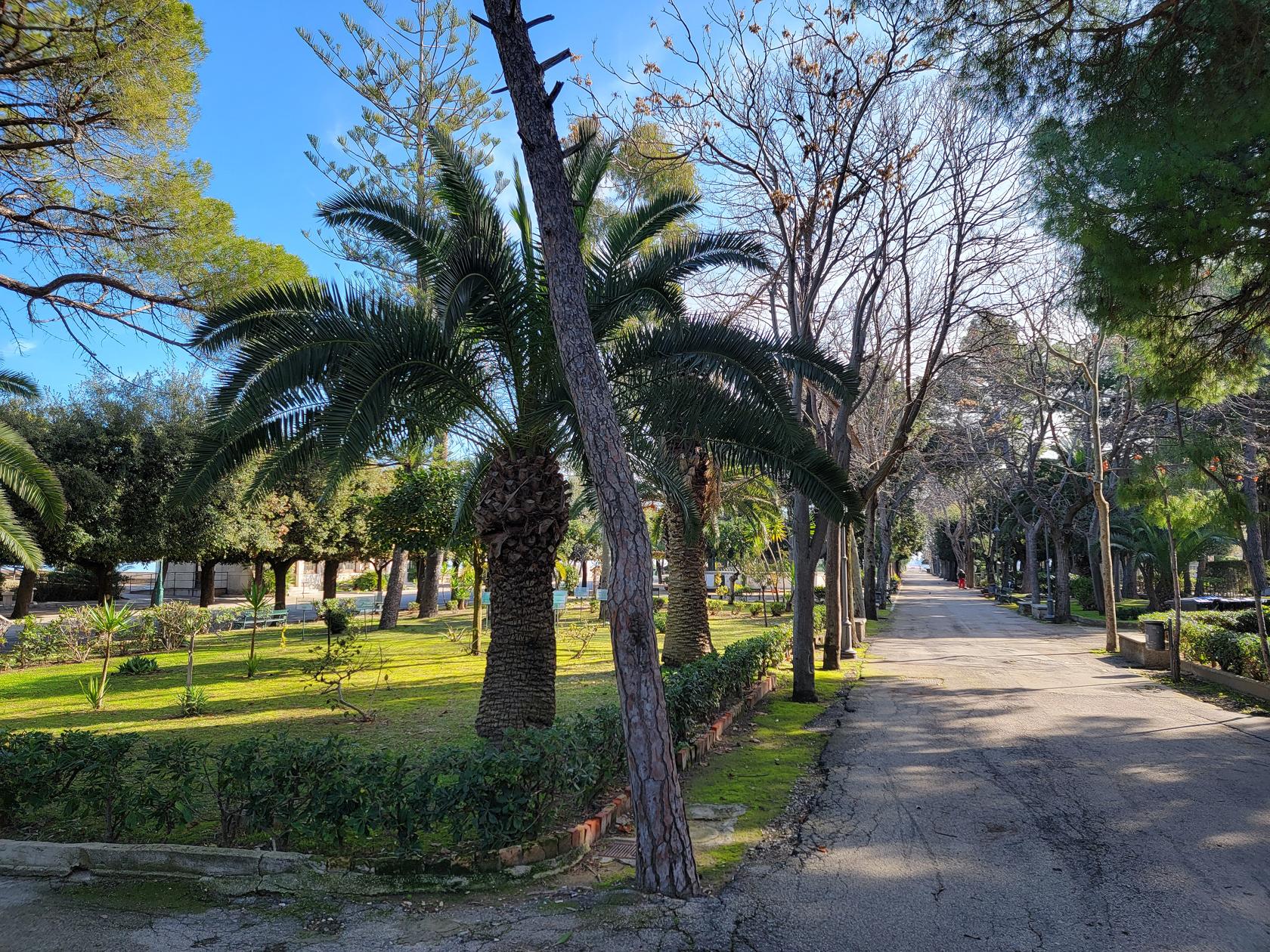
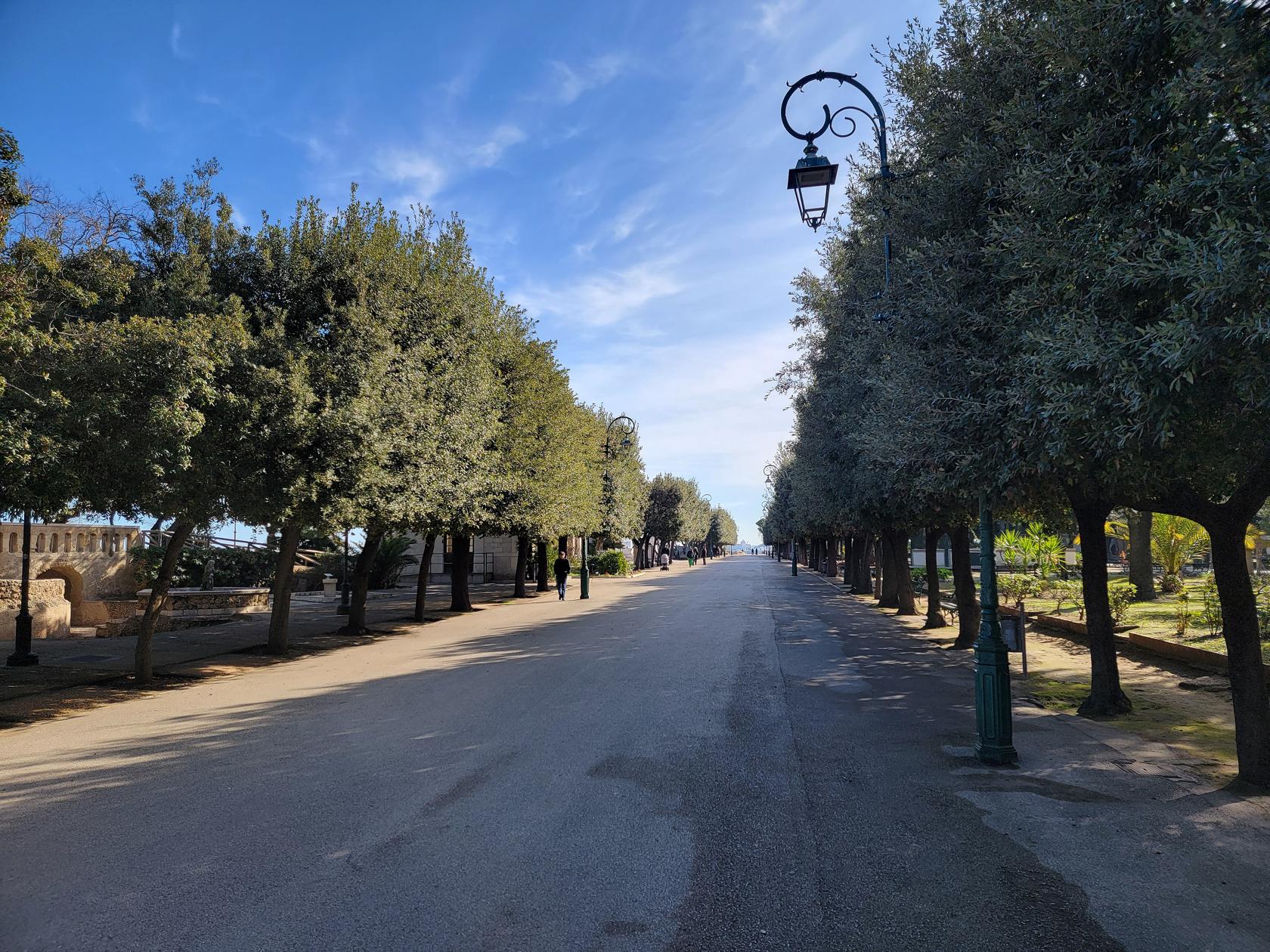
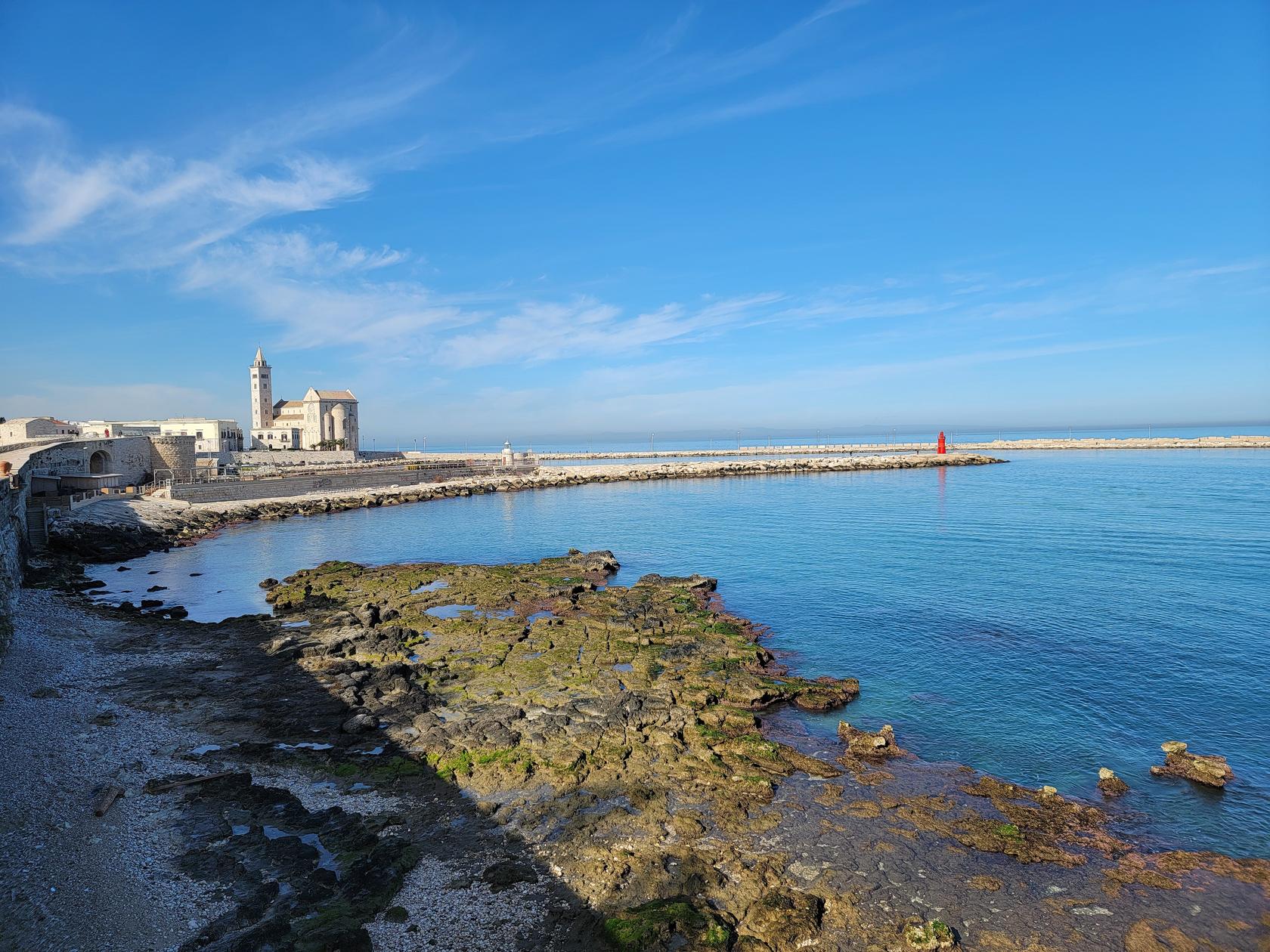
– Parco Giochi Villa Comunale – Trani, Italy
Lighthouses – Parco Giochi Villa Comunale – Trani, Italy
Castello Svevo di Trani – Basilica from the castle – Trani, Italy
The City
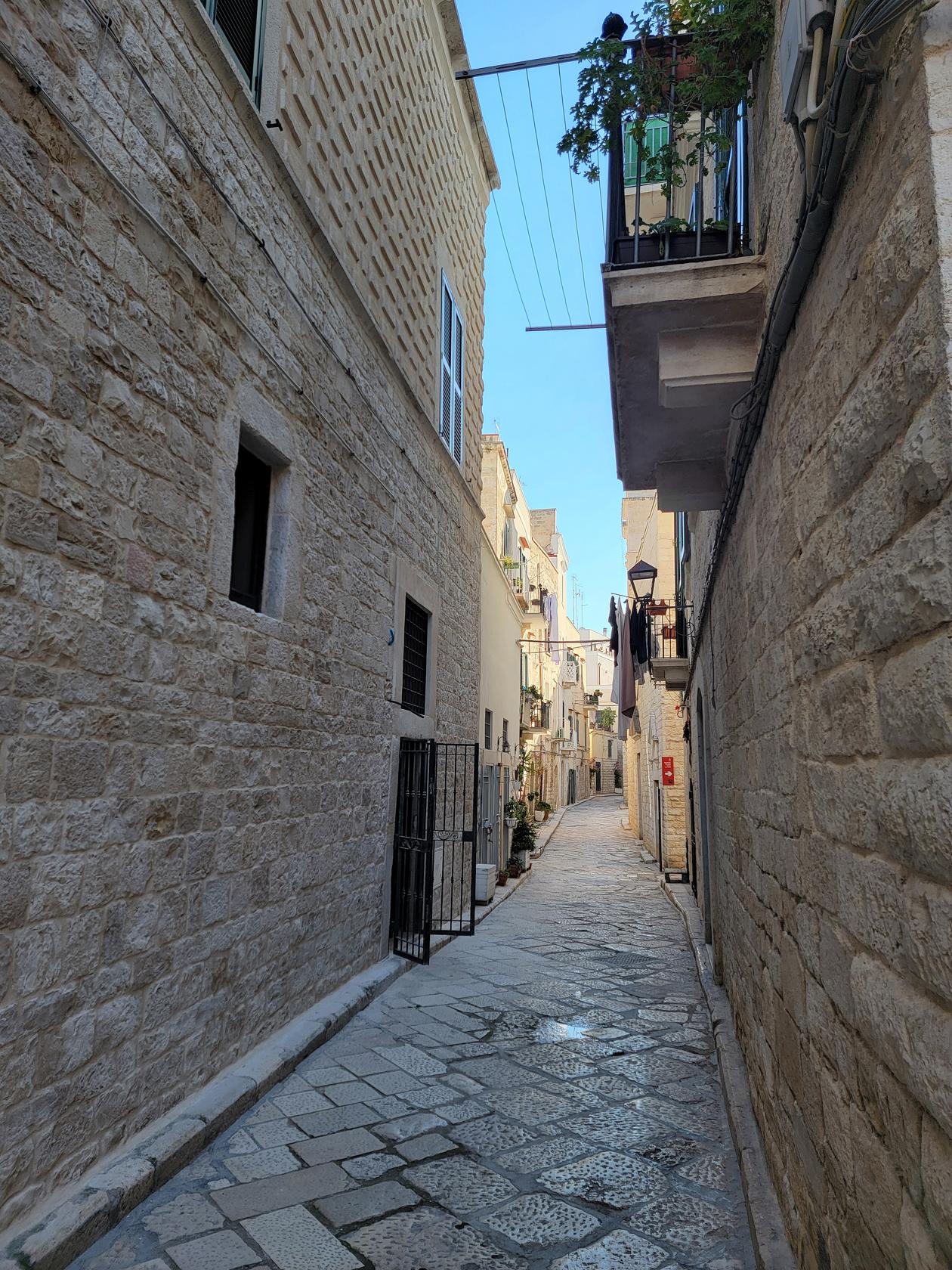
The city itself is well laid out, even for an ancient town. The historic center though windy and curvy is very clean and well labeled for tourist. After about an hour here we found it a most unexpected delight and were glad we came.
Chiesa Beata Maria Vergine del Monte Carmelo (o del Carmine) – Trani, Italy
Piazza Sacra Regia Udienza – Port of Trani – Trani, Italy
Narrow streets – Trani, Italy
One of the many portals – Trani, Italy
One of the many portals – Trani, Italy
Door with no stairs – Trani, Italy
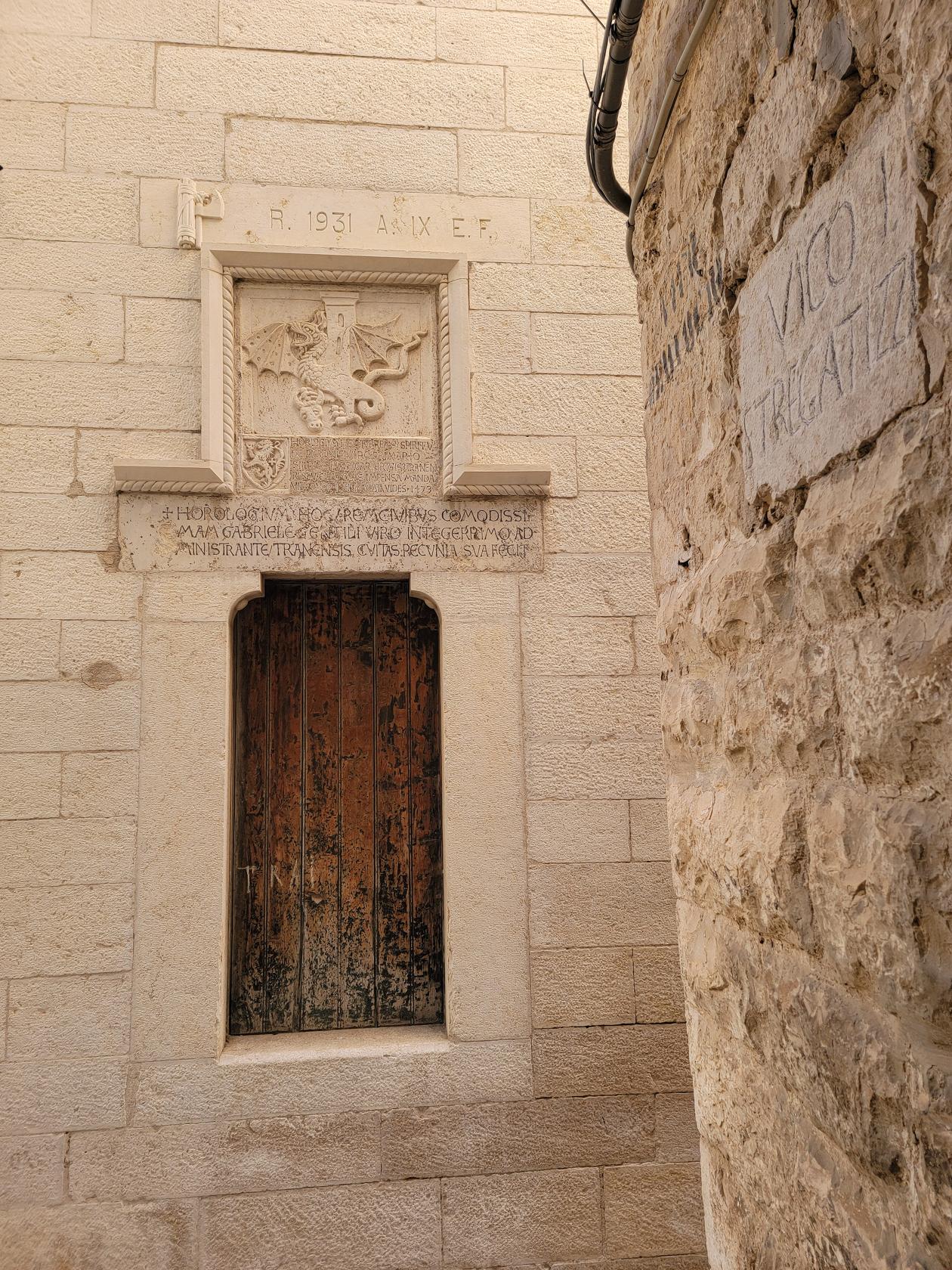
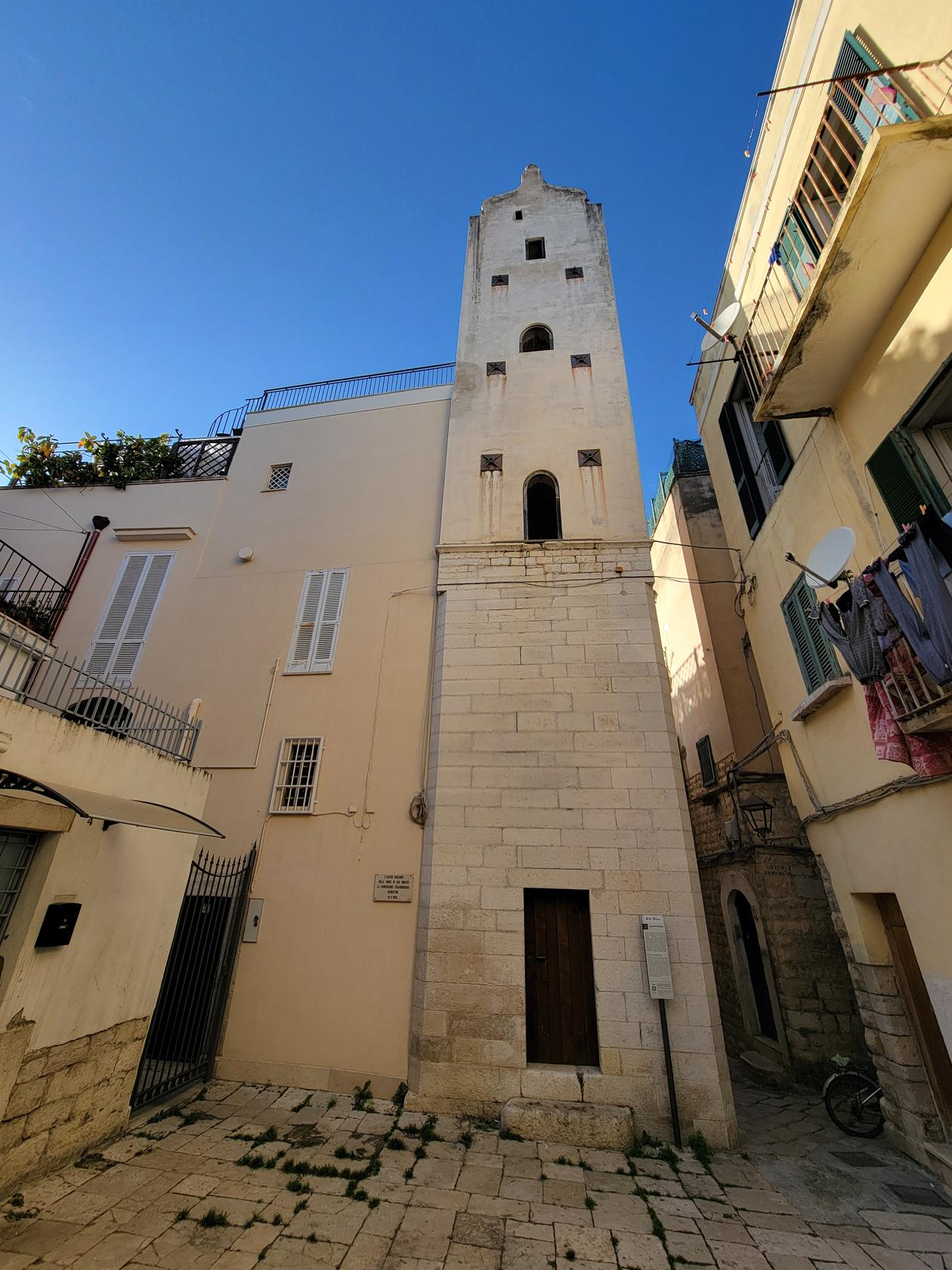
Orologie Tower – Trani, Italy
Long portal – Trani, Italy
Auditorium San Luigi – Trani, Italy
Church of Saint Claire – Trani, Italy
The Golden or Ancient door – Trani, Italy
Another church – Trani, Italy
The Piazze Quercia has a least one cafe or bar which has outside seating. It is a great place in the spring to stop before lunch and get a drink. We find it relaxing just to watch the locals and the boats going in and out of the harbor, and of course, enjoying the sunshine and the fifty degree weather.
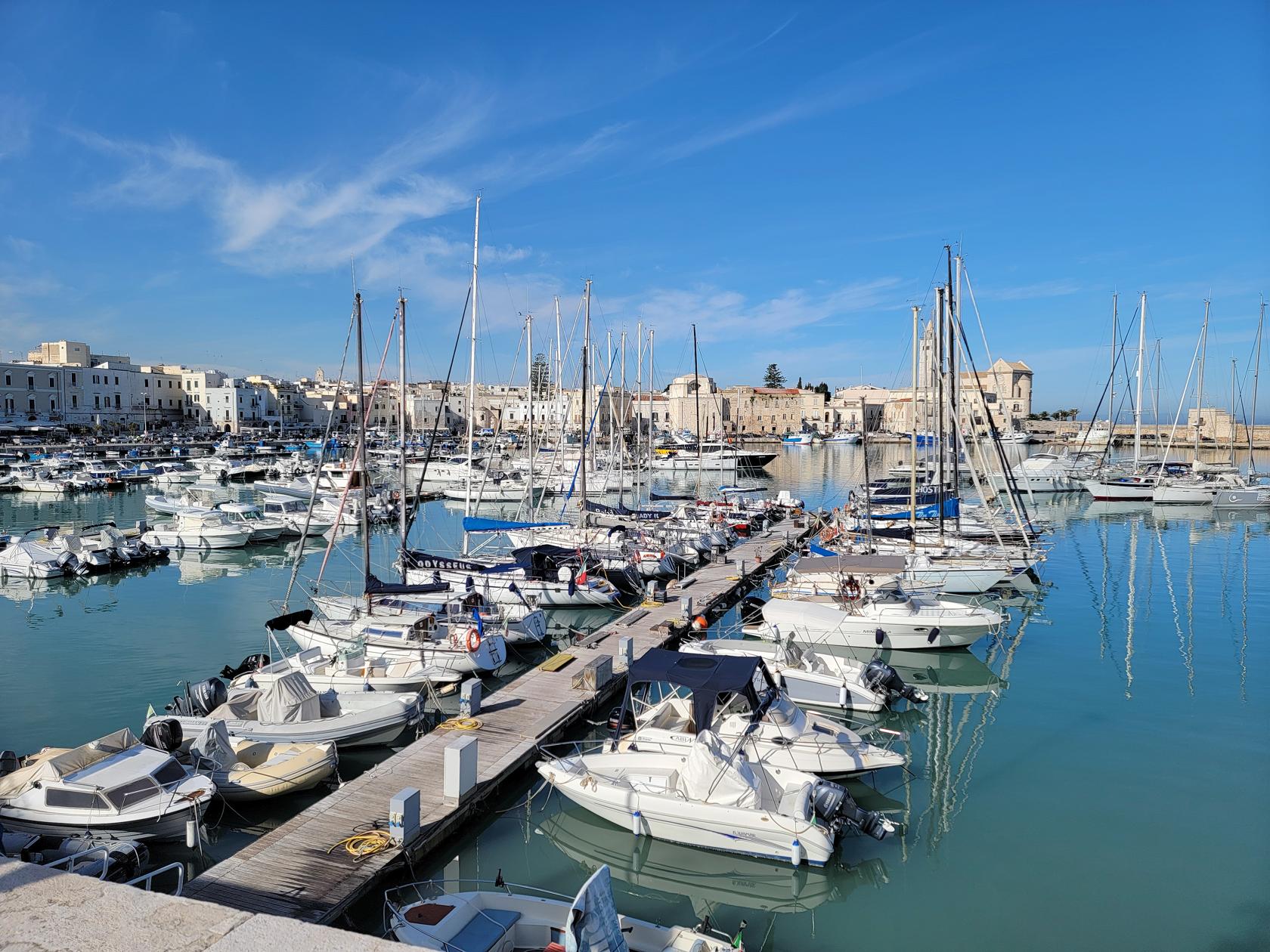
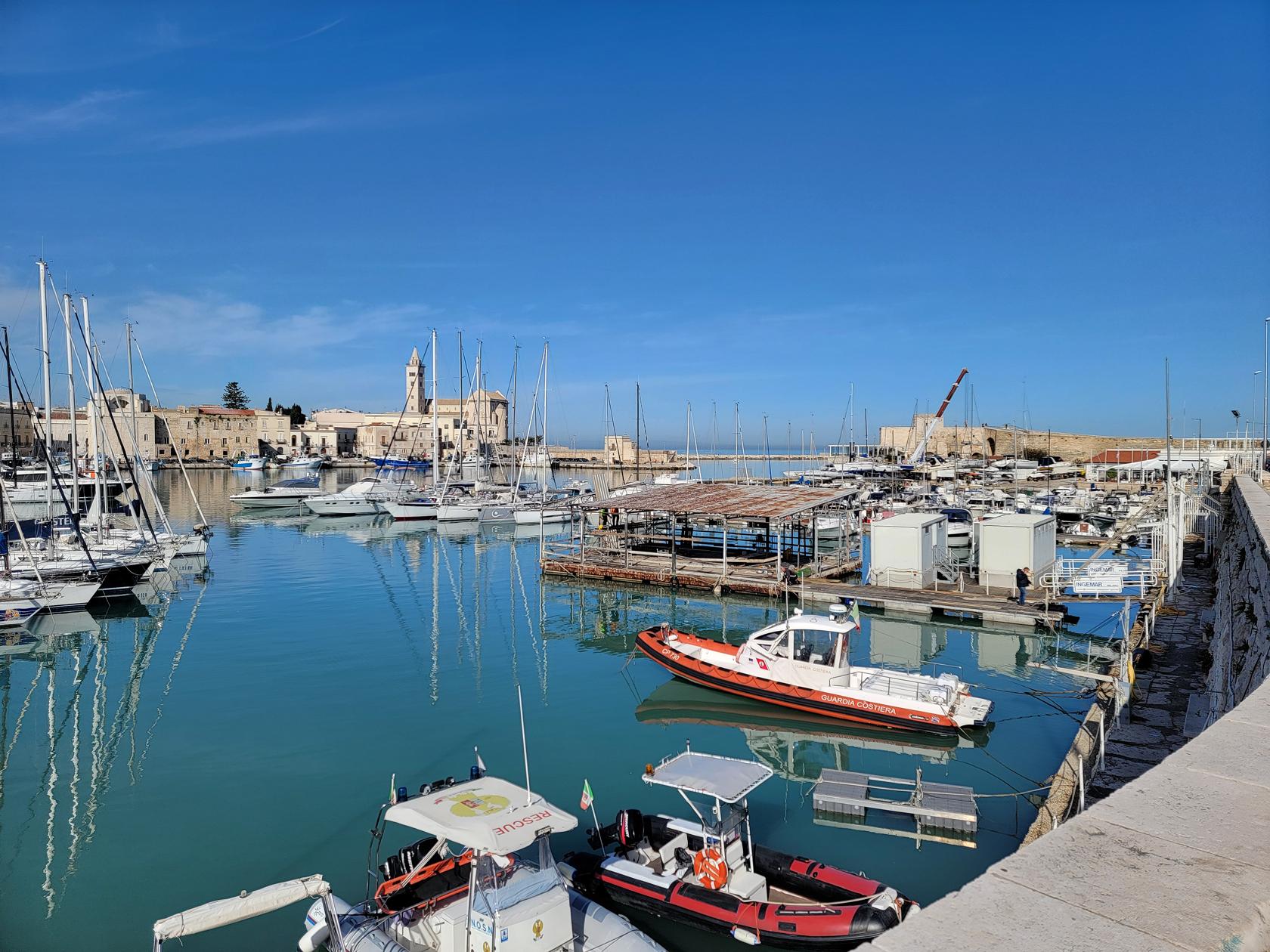
There is a beautiful walkway or sidewalk that enables you to walk around the entire port. Unlike Bari, where you can do this if you can tolerate the smell, the port is clean and well maintained.
Live shrimp – Port of Trani – Trani, Italy
Fishing boats – Port of Trani – Trani, Italy
Port of Trani – Trani, Italy
Port of Trani – Trani, Italy
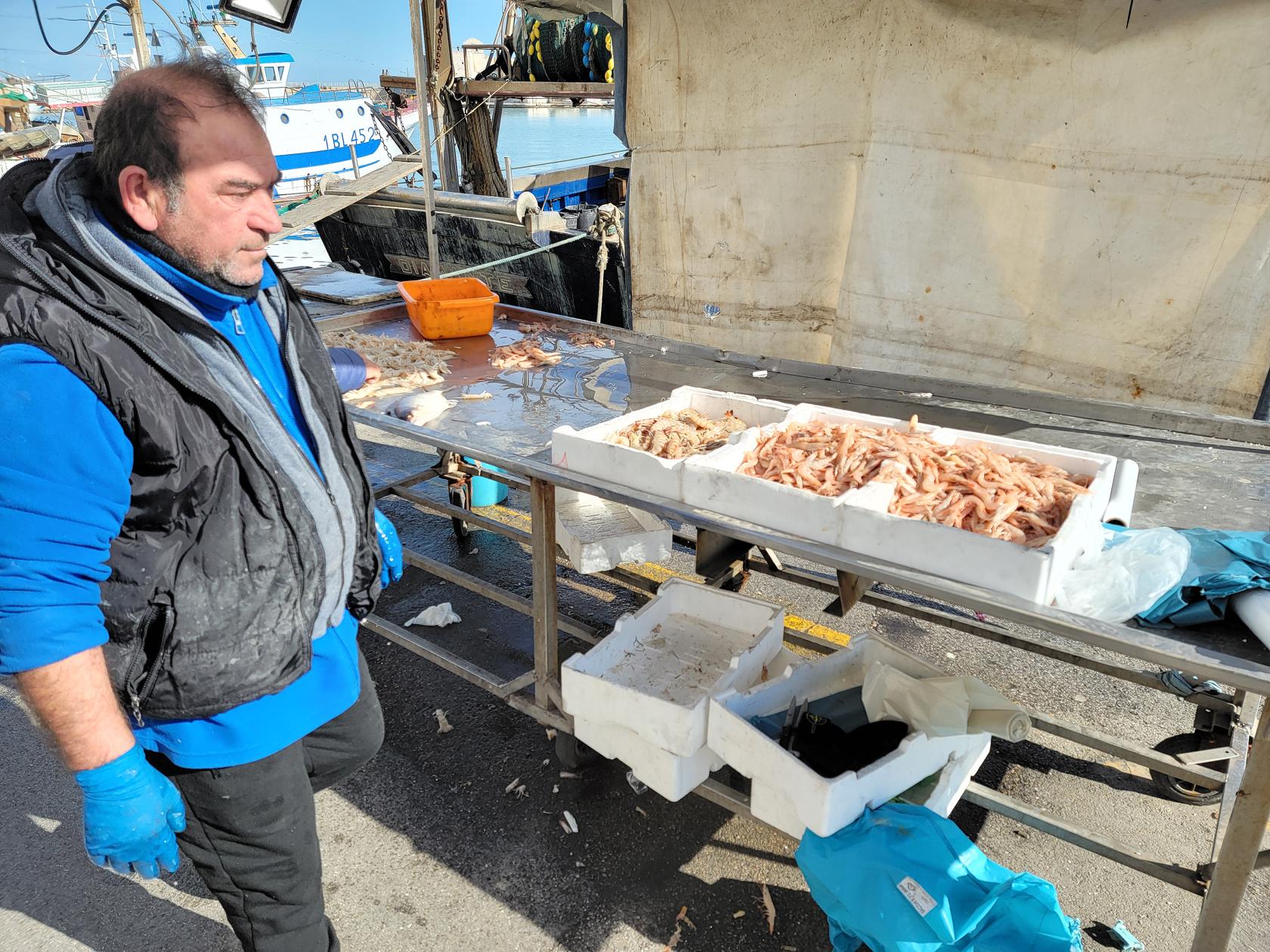
The fishing community appears to be active daily and some of the ships sell their catch right on the pier. You can find anything from live shrimp and fish to octopus. So, if you can cook in, bring your grocery bag and your wallet.
Parco Giochi Villa Comunale
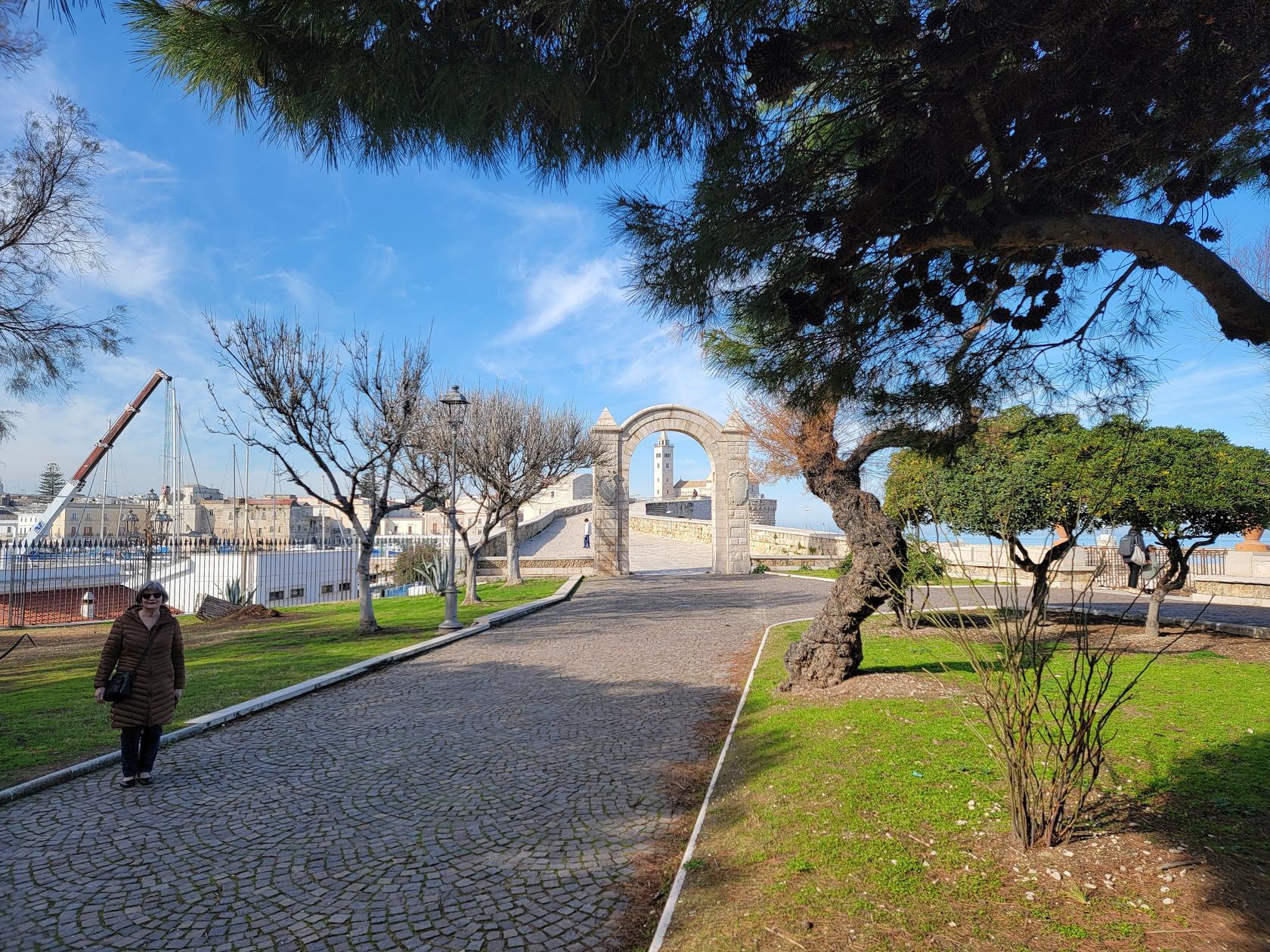
The Parco Giochi Villa Comunale is located to the right of the Port of Trani as you walk as far as you can in the city. It has a portal that leads up to a great observation place, so that you get a commanding view of the boats and the jetties containing the lighthouses, which are all a different color.
Porto or entrance – Parco Giochi Villa Comunale – Trani, Italy
Parco Giochi Villa Comunale – Trani, Italy
Parco Giochi Villa Comunale – Trani, Italy
Basilica Cattedrale Maria Santissima Assunta
– Parco Giochi Villa Comunale – Trani, Italy
Bar Boschetto – Parco Giochi Villa Comunale – Trani, Italy
Fishing boat going out to sea – Parco Giochi Villa Comunale – Trani, Italy
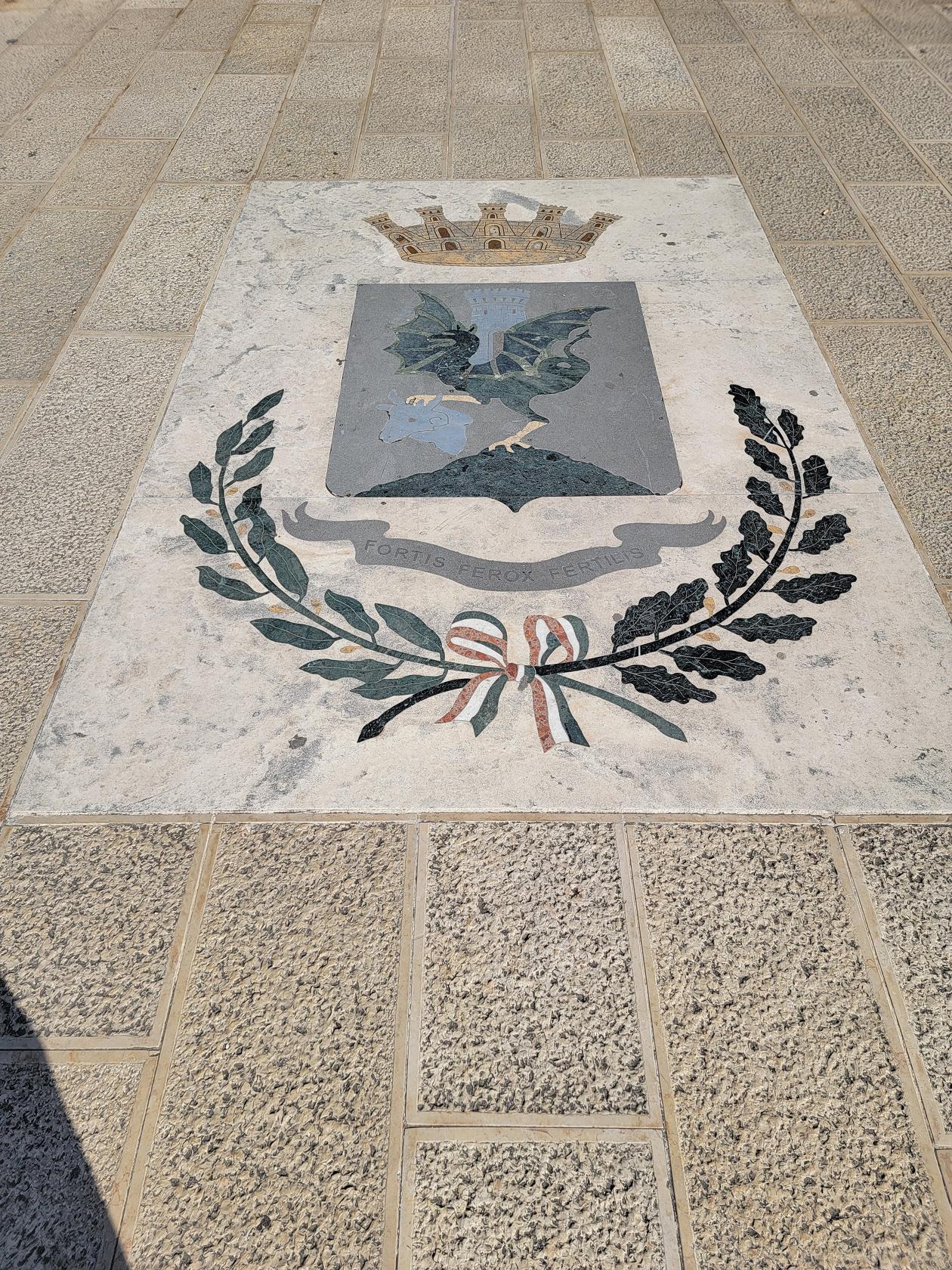
Park Seal – Parco Giochi Villa Comunale – Trani, Italy
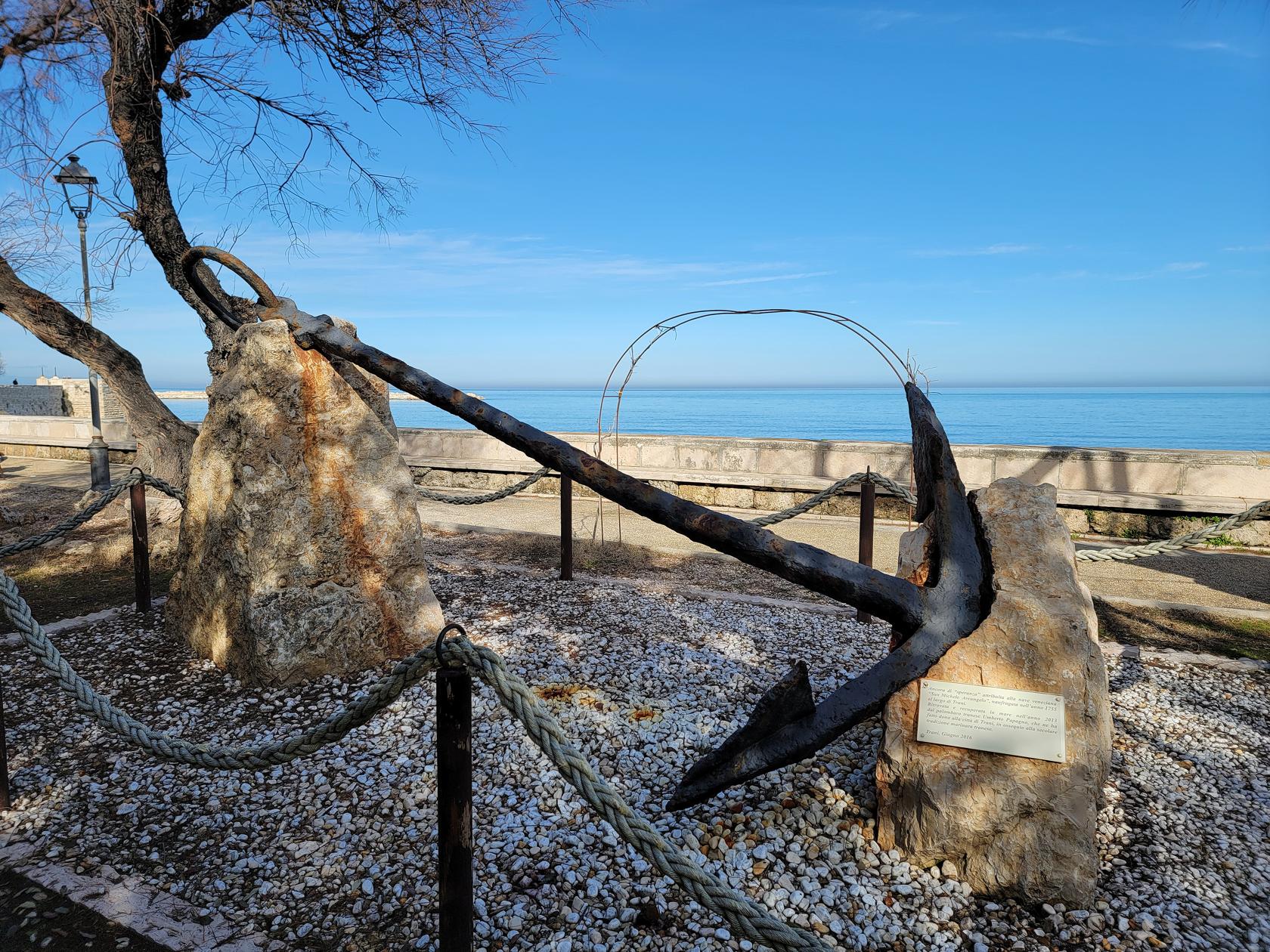
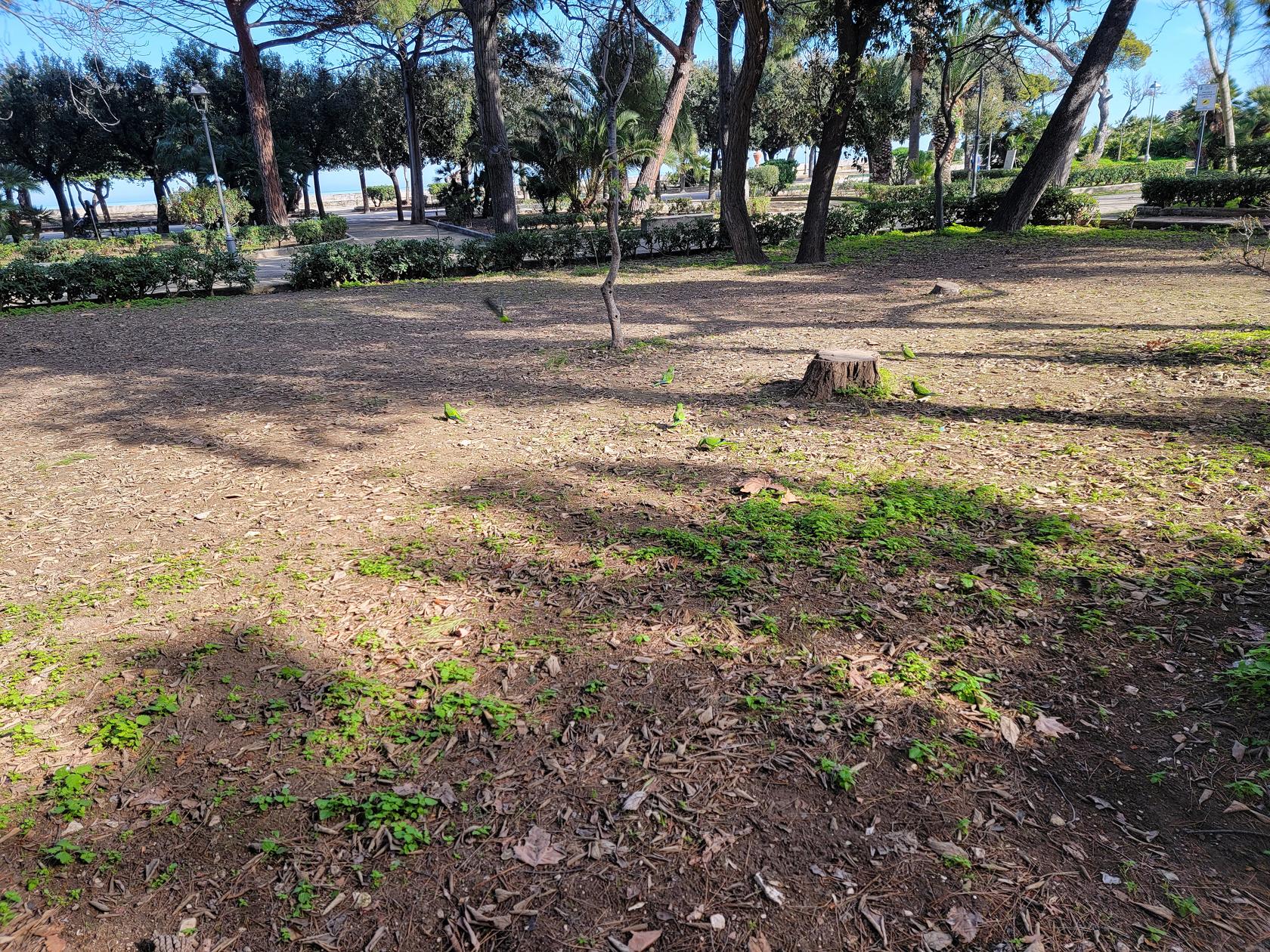
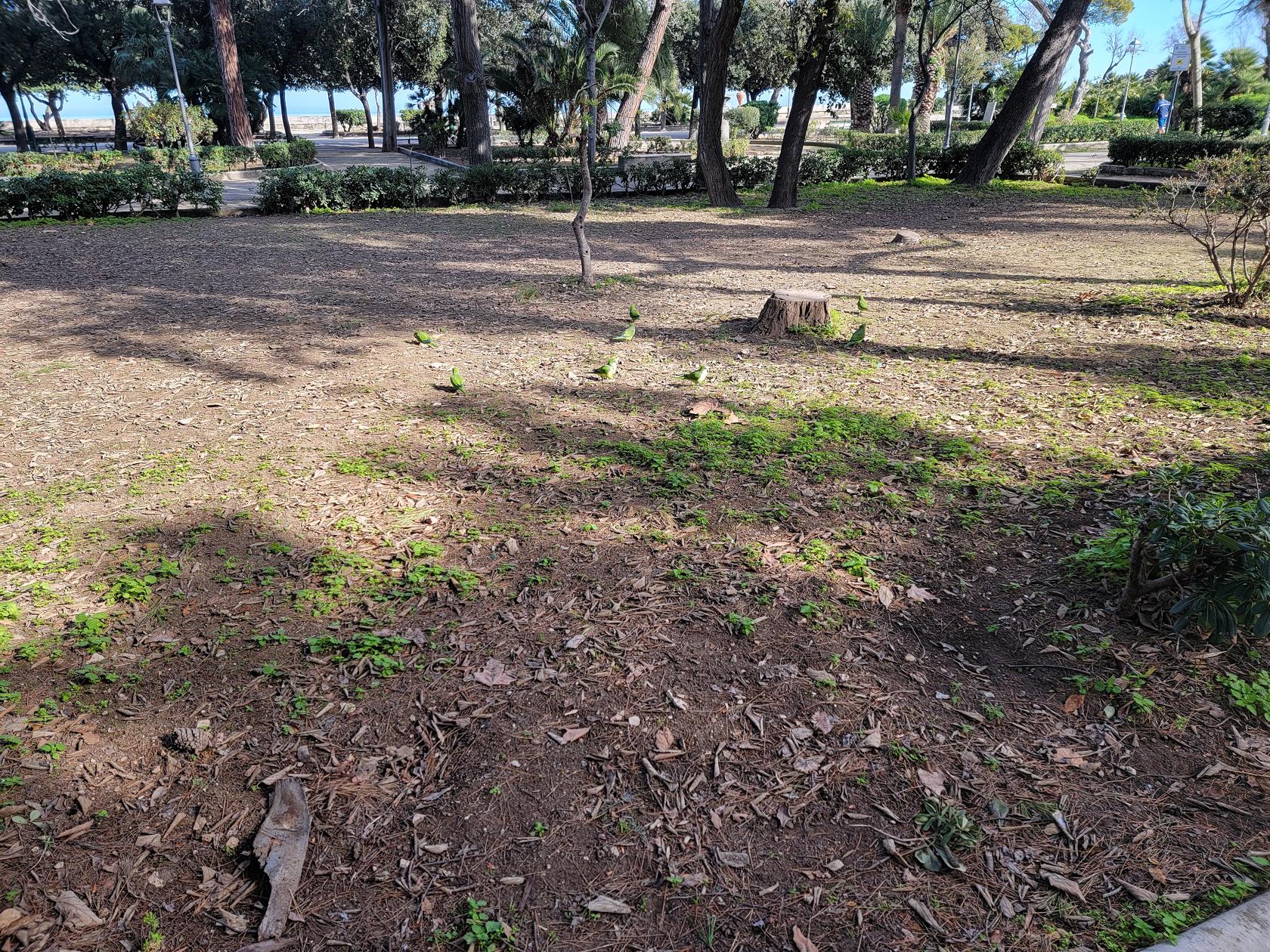
There are some interesting monuments and an old anchor. Walking further, you will happen upon a aviary at the end of the park where they house parakeets.
We actually found it to be an amazing little park with little things to see, along with the aviary with parakeets they also have real parrots, which you will eventually notice are in the trees all around you. When we were here, they were all doing their crazy mating calls and dances on the ground, what a cacophony!
Parrots – Parco Giochi Villa Comunale – Trani, Italy
Parrots – Parco Giochi Villa Comunale – Trani, Italy
Basilica Cattedrale Maria Santissima Assunta
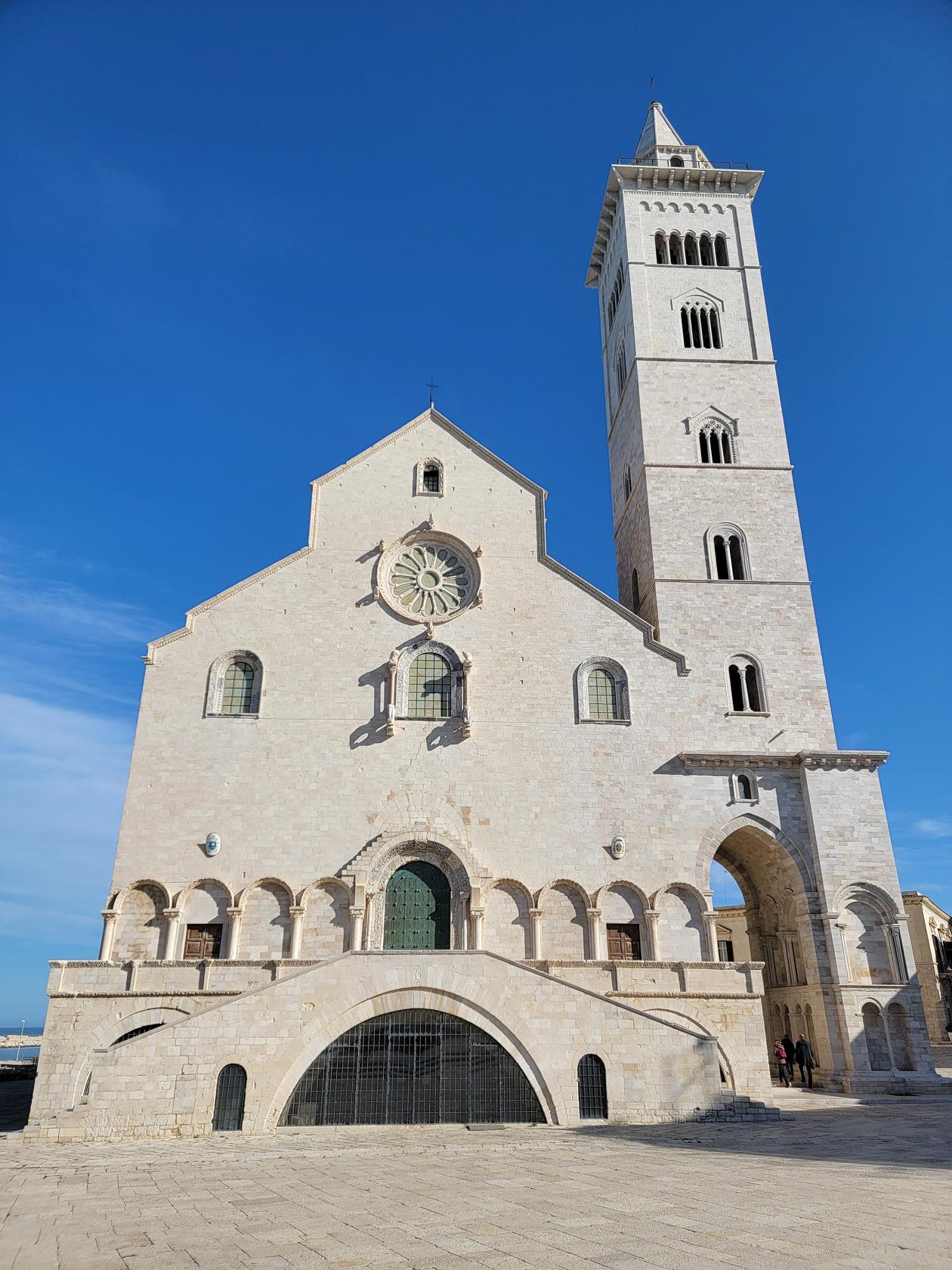
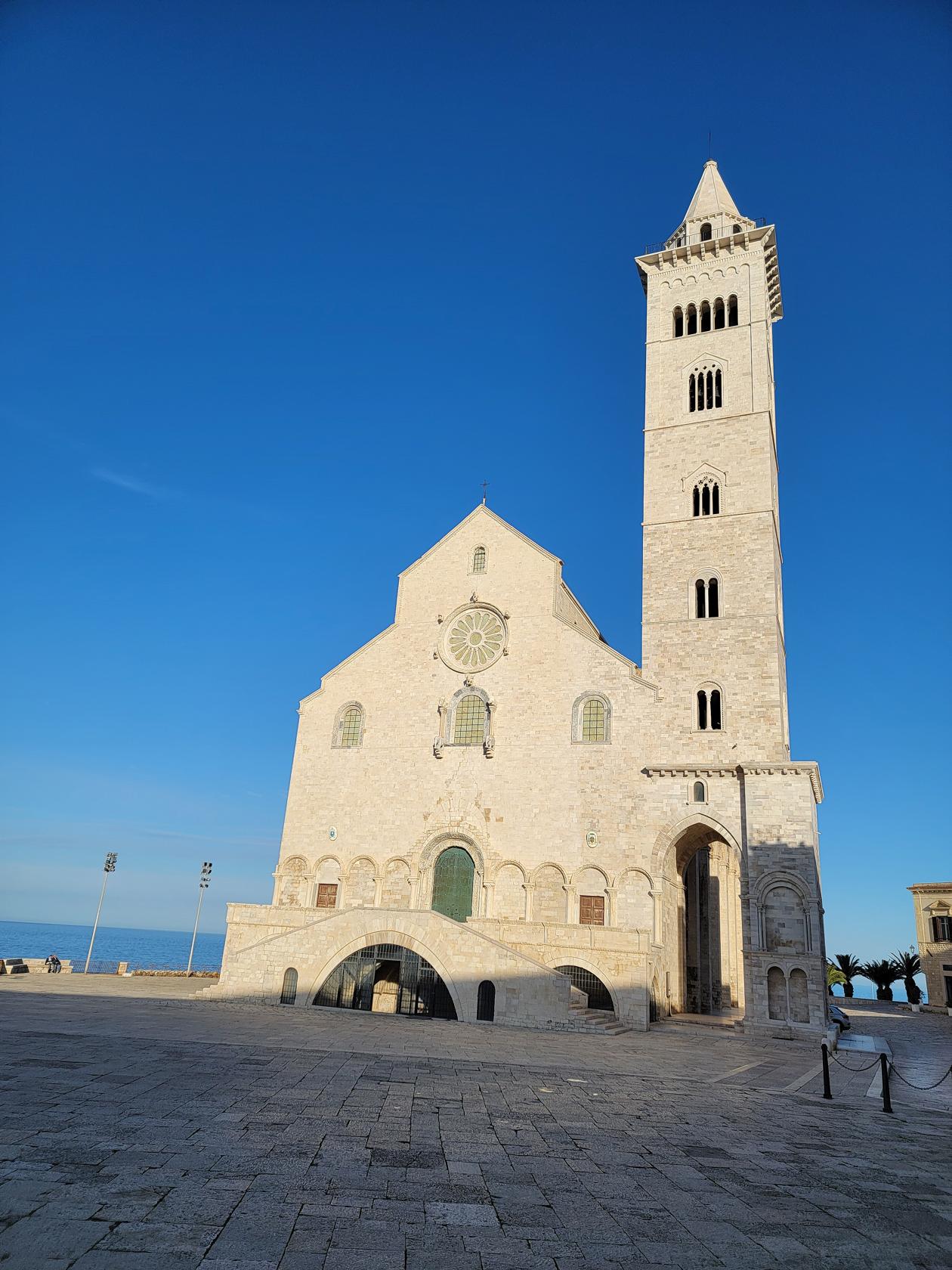
In the Piazza Duomo is the Basilica Cattedrale Maria Santissima Assunta, also known as Trani Cathedral. This cathedral is dedicated to Saint Nichola the Pilgrim. It is a very large structure, but it only opens later in the day around 15:30.
Piazza Duomo Front – Basilica Cattedrale Maria Santissima Assunta – Trani, Italy
Piazza Duomo Front – Basilica Cattedrale Maria Santissima Assunta – Trani, Italy
There are some restrictions when you enter, so please read the signs, though we saw no enforcement; having said that, it was winter and the slow season, so it may be impractical for them to oversee traffic during that time.
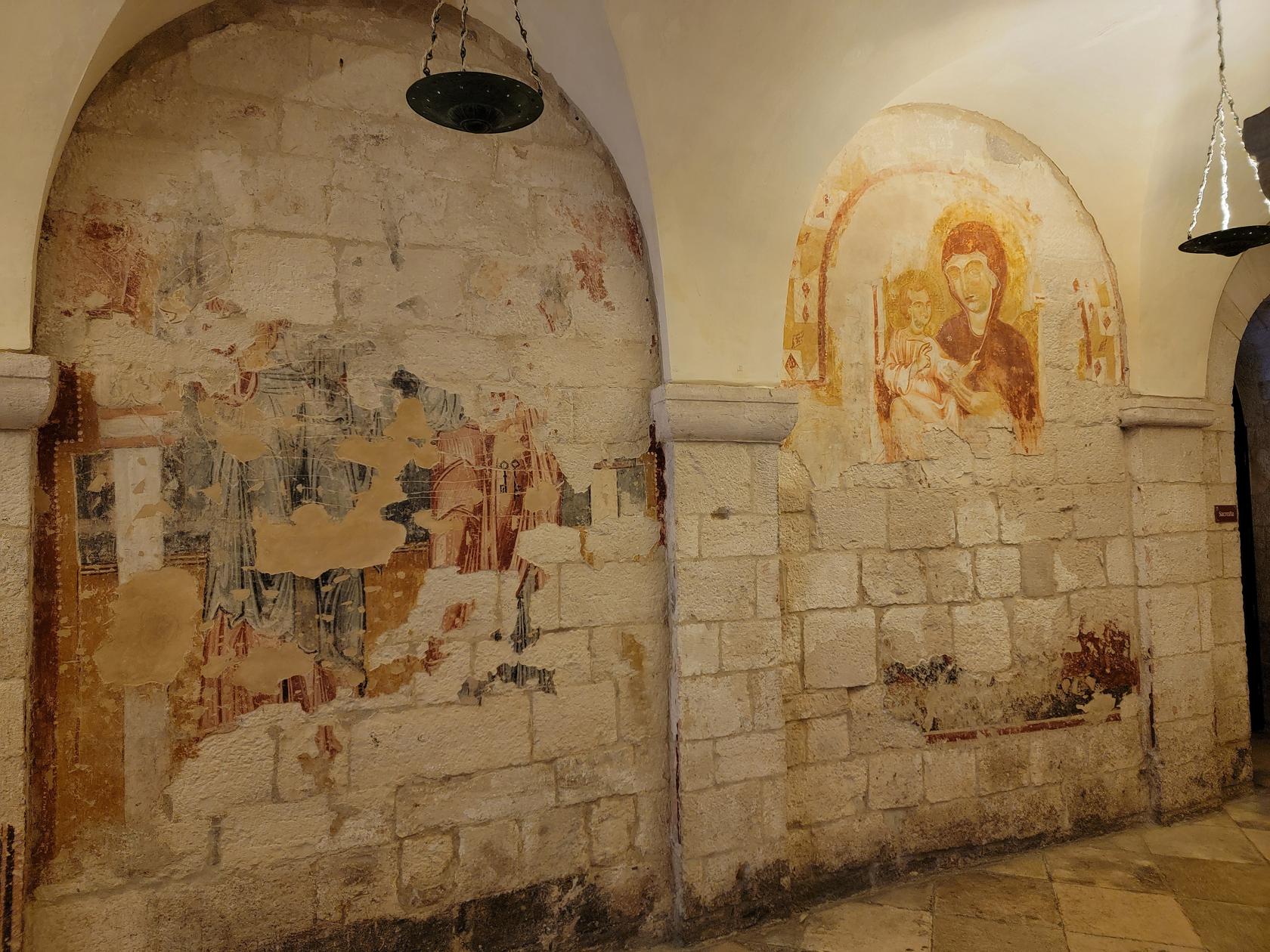
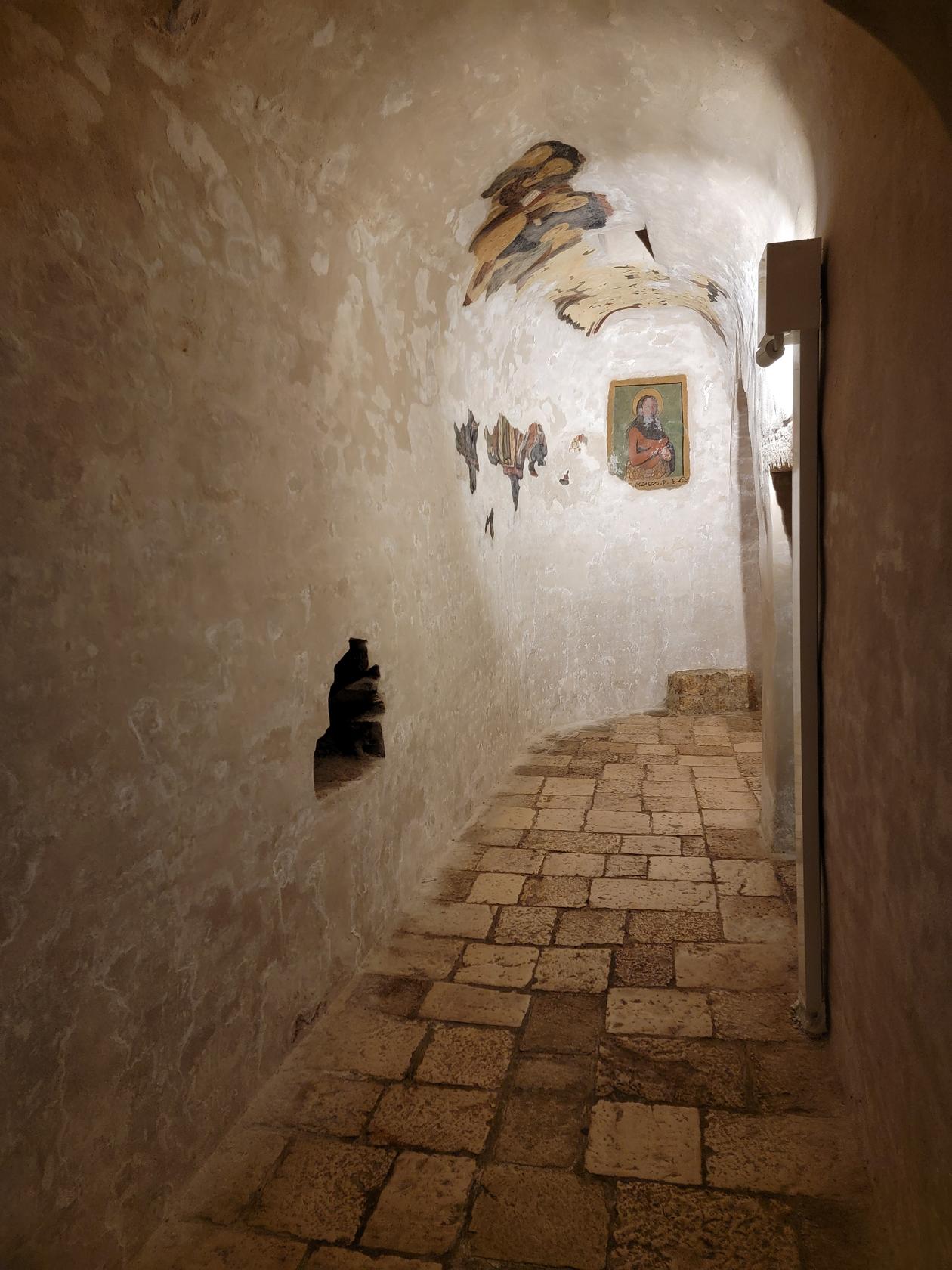
Basilica Cattedrale Maria Santissima Assunta – Frescoes – Trani, Italy
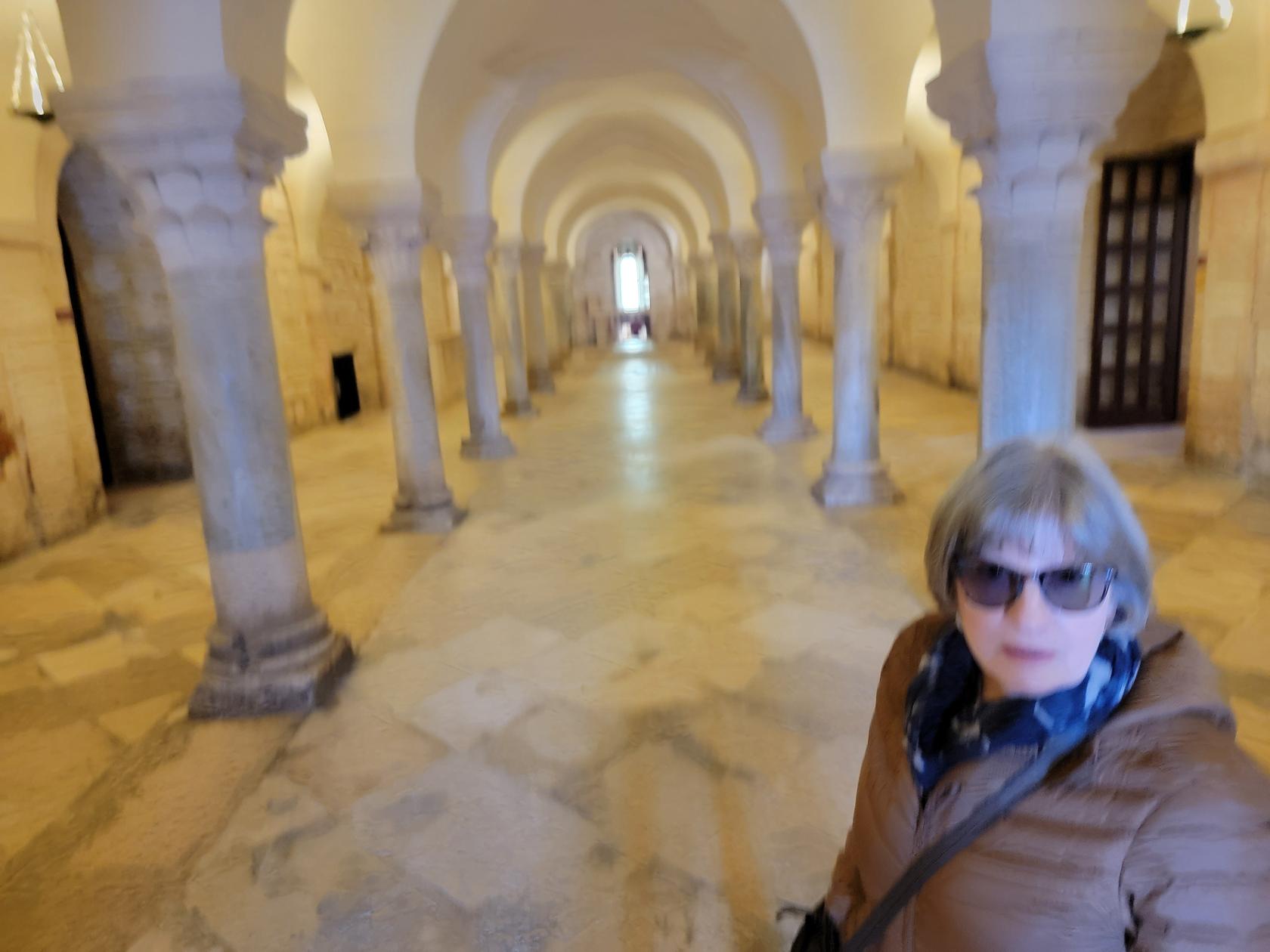
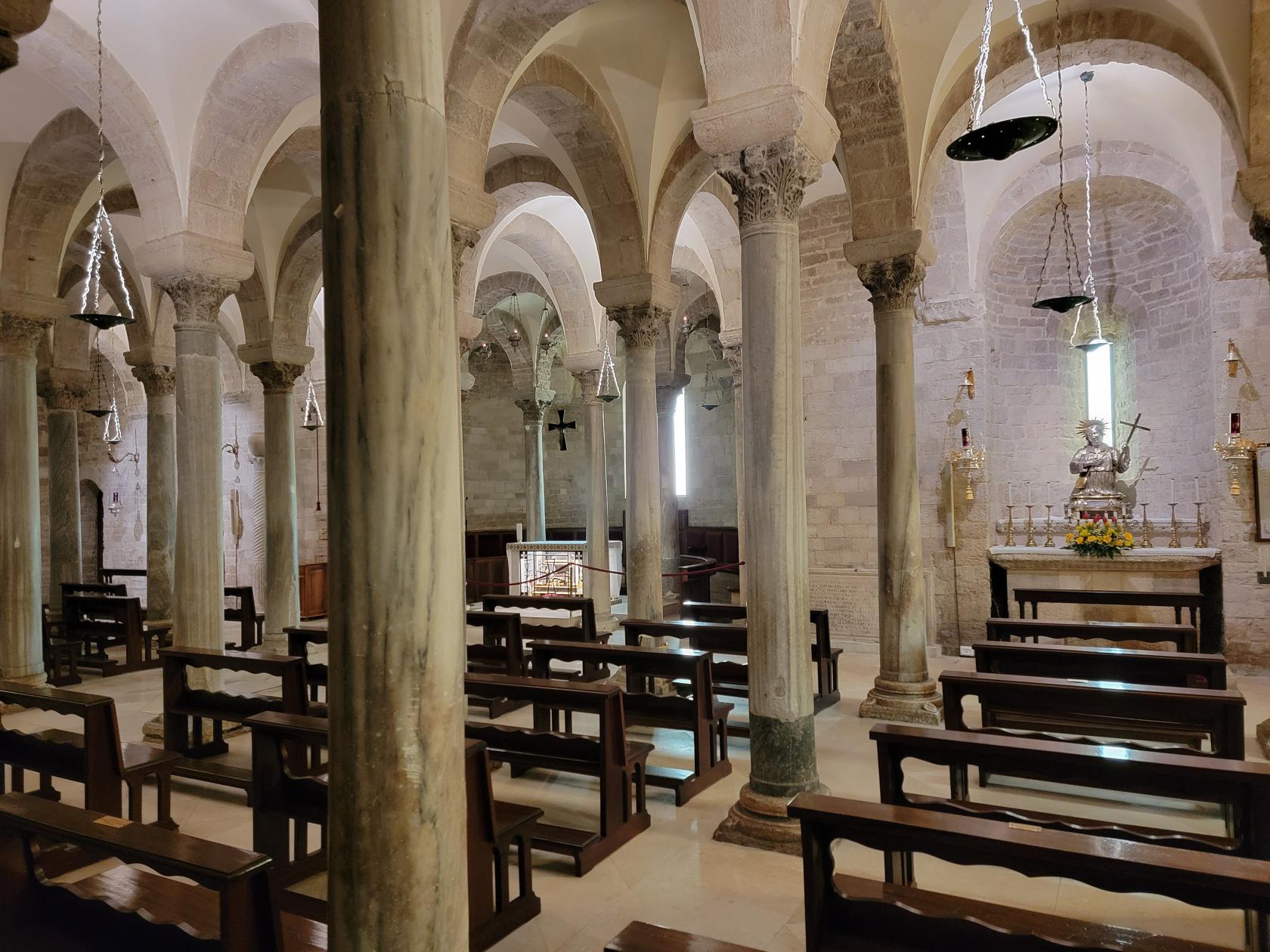
Basilica Cattedrale Maria Santissima Assunta – Frescoes in the Crypt – Trani, Italy
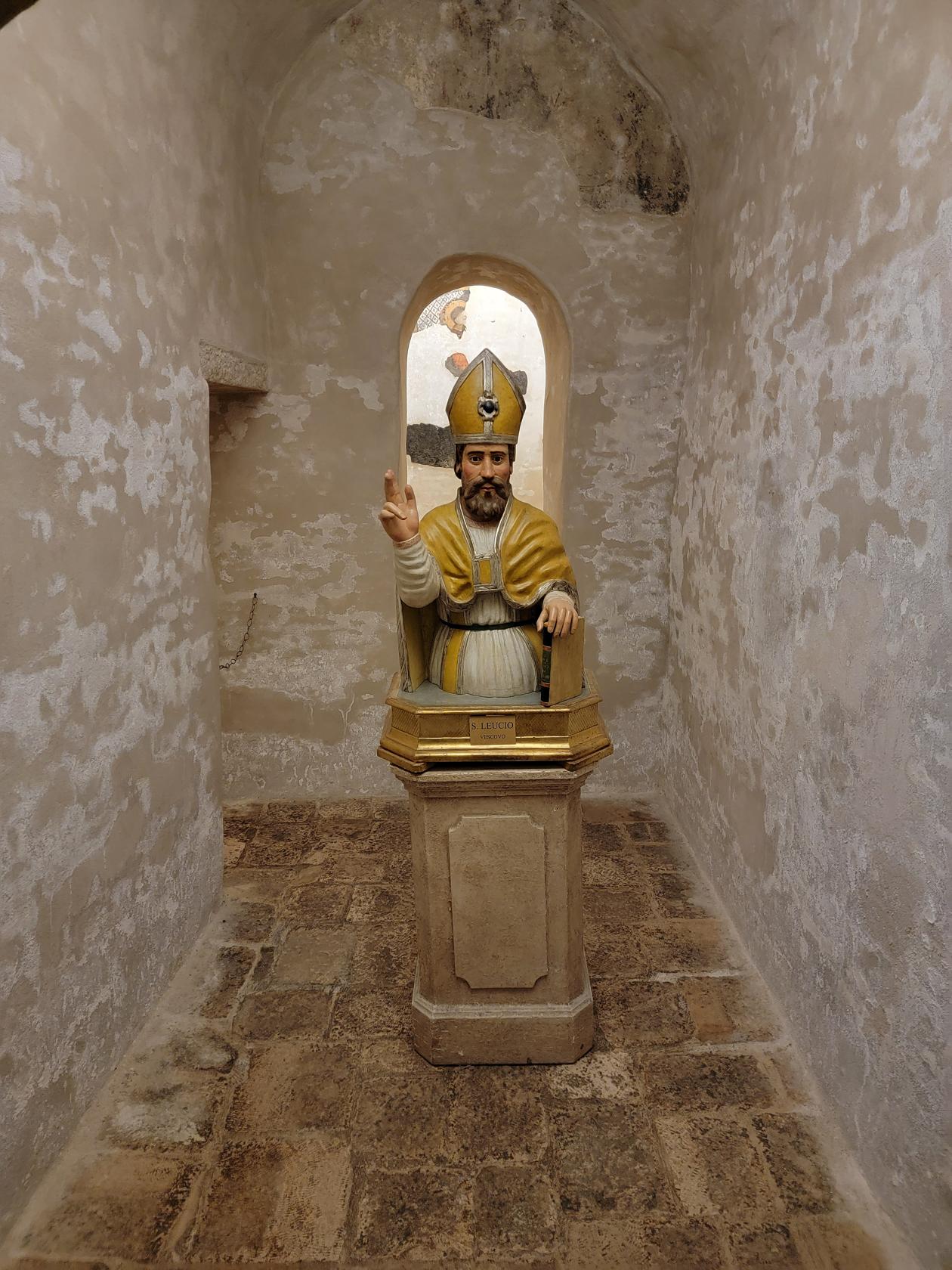
Basilica Cattedrale Maria Santissima Assunta – Orthodox bust in the Crypt – Trani, Italy
Basilica Cattedrale Maria Santissima Assunta – Altar in the Crypt – Trani, Italy
Basilica Cattedrale Maria Santissima Assunta – Entrance – Trani, Italy
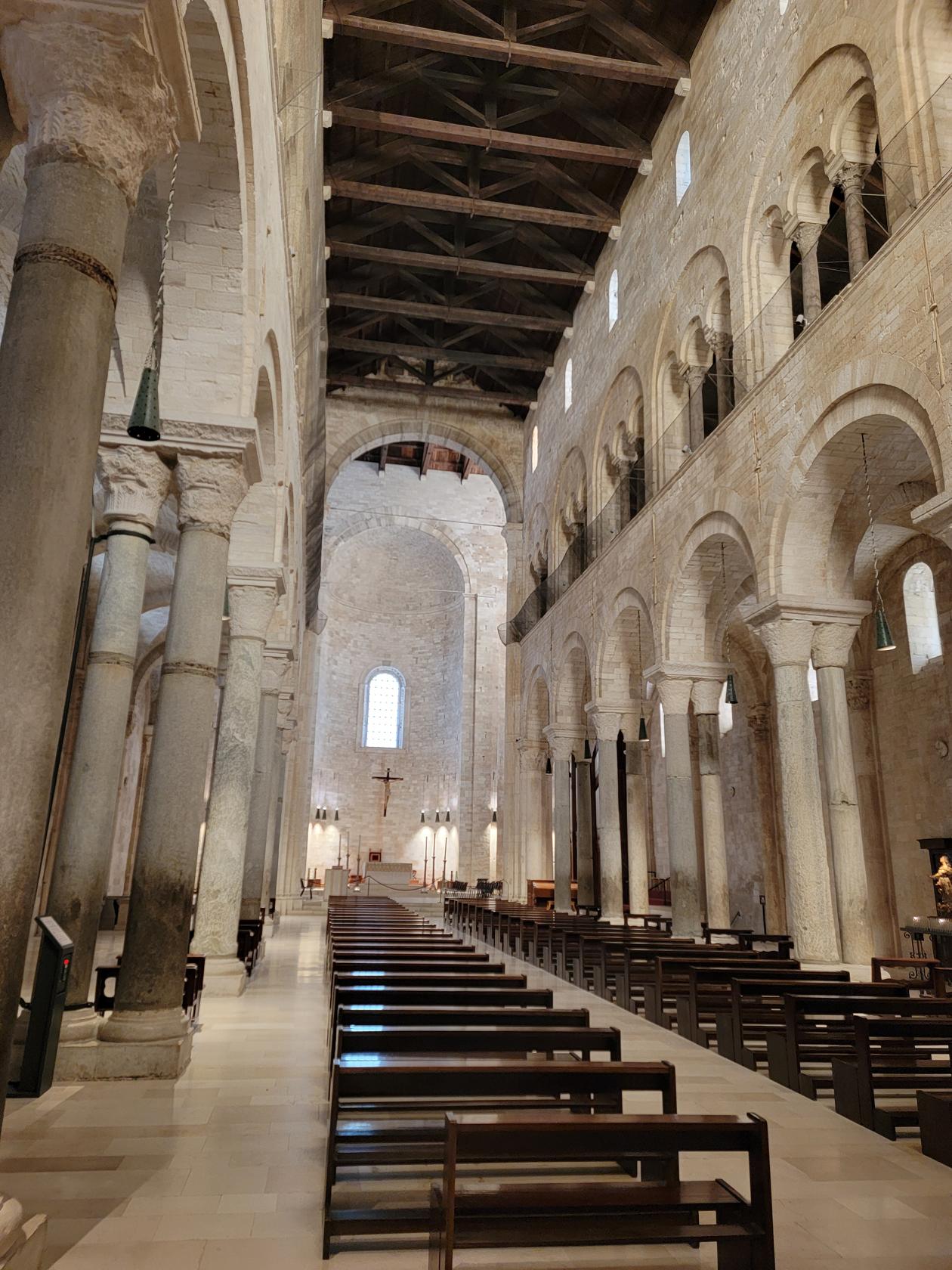
Basilica Cattedrale Maria Santissima Assunta – Nave – Trani, Italy
Castello Svevo di Trani
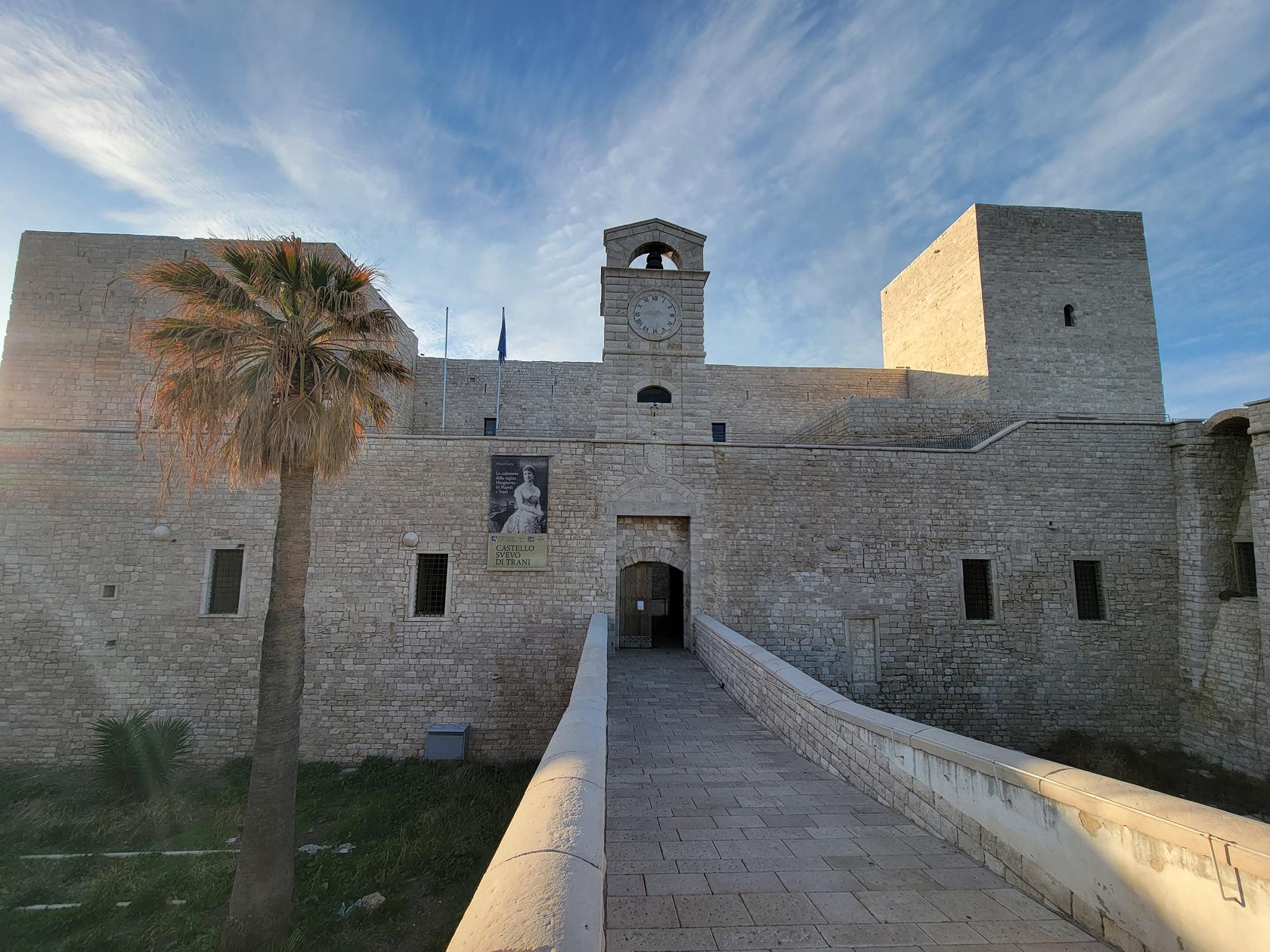
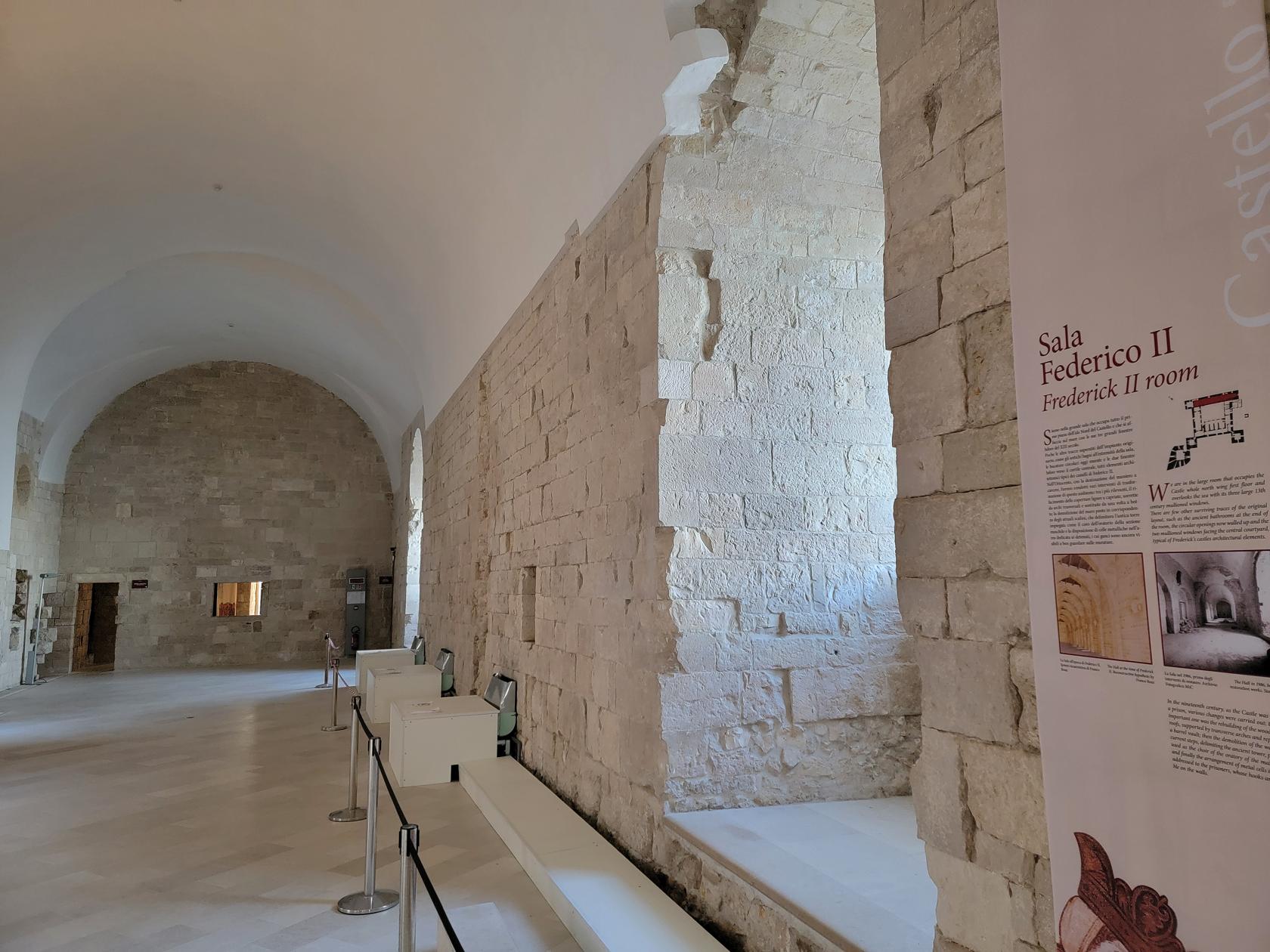
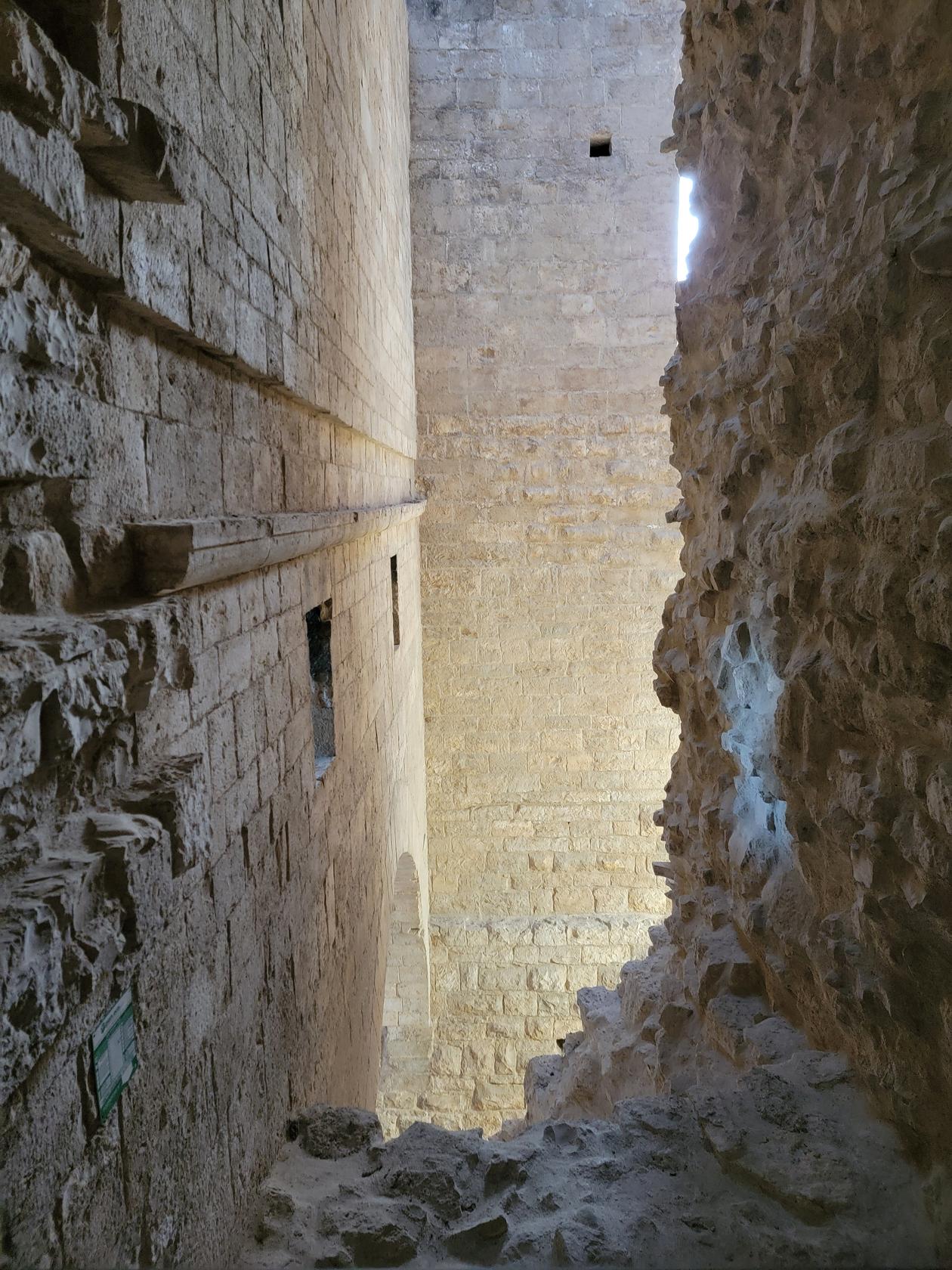
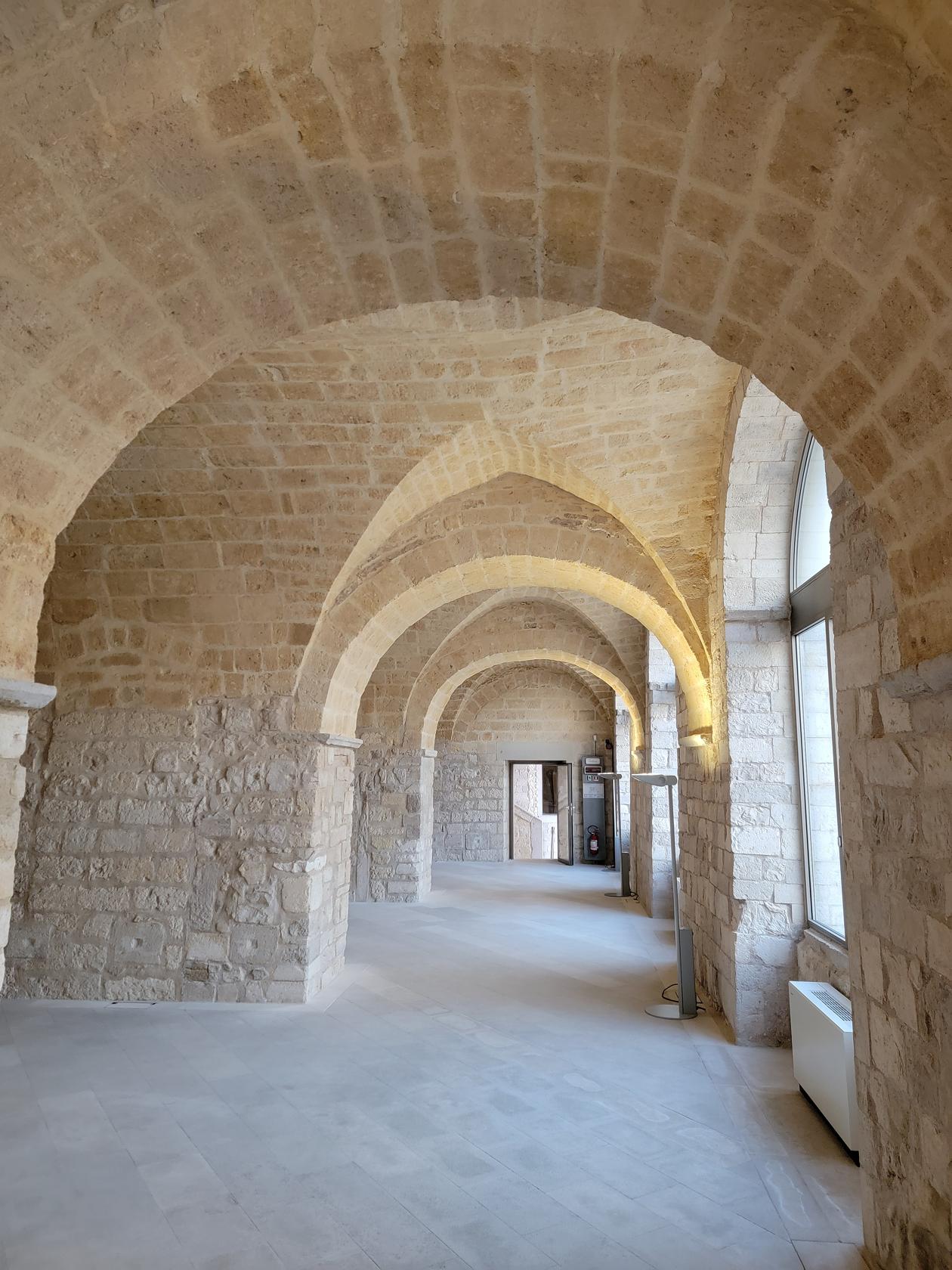
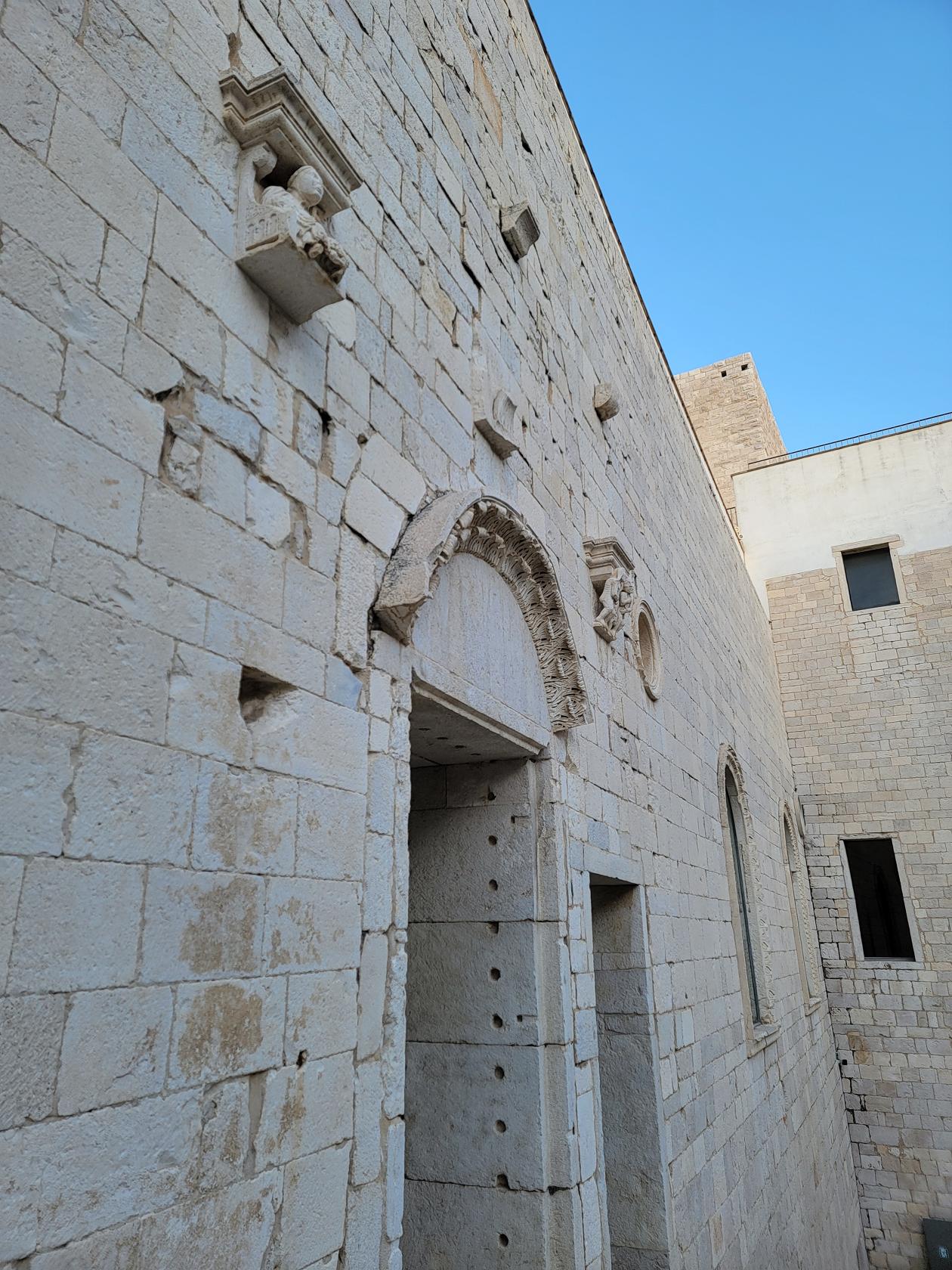
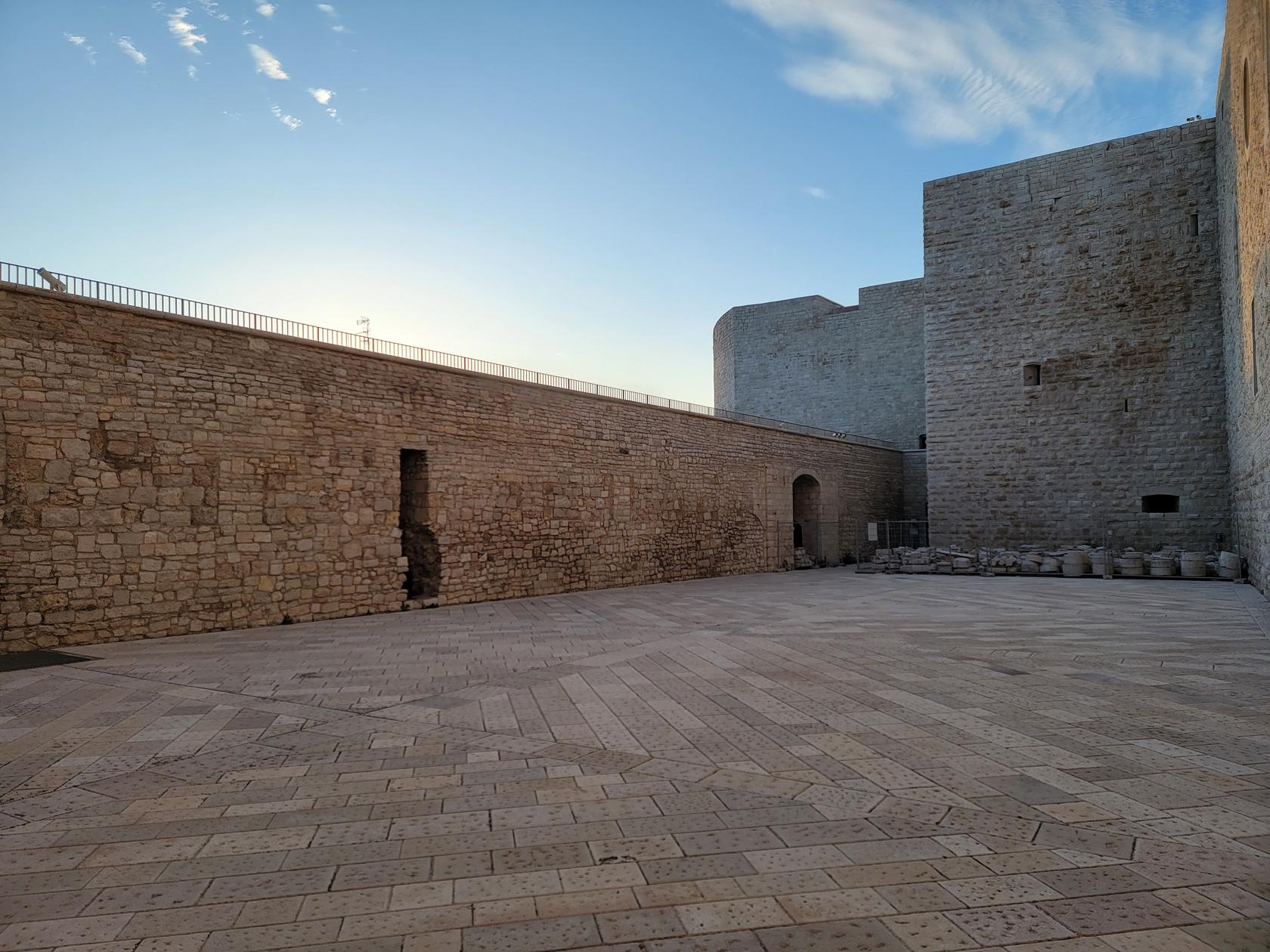
The Castello Svevo di Trani in just a small walk from the Piazza Duomo and Basilica Cattedrale Maria Santissima Assunta. There is actually not much to see, but it does have a few small things of interest. At one time it was a prison and had other incarnations as you go back in time to protect the town. It is also noted to have a large clock on its edifice.
Castello Svevo di Trani – Entrance – Trani, Italy
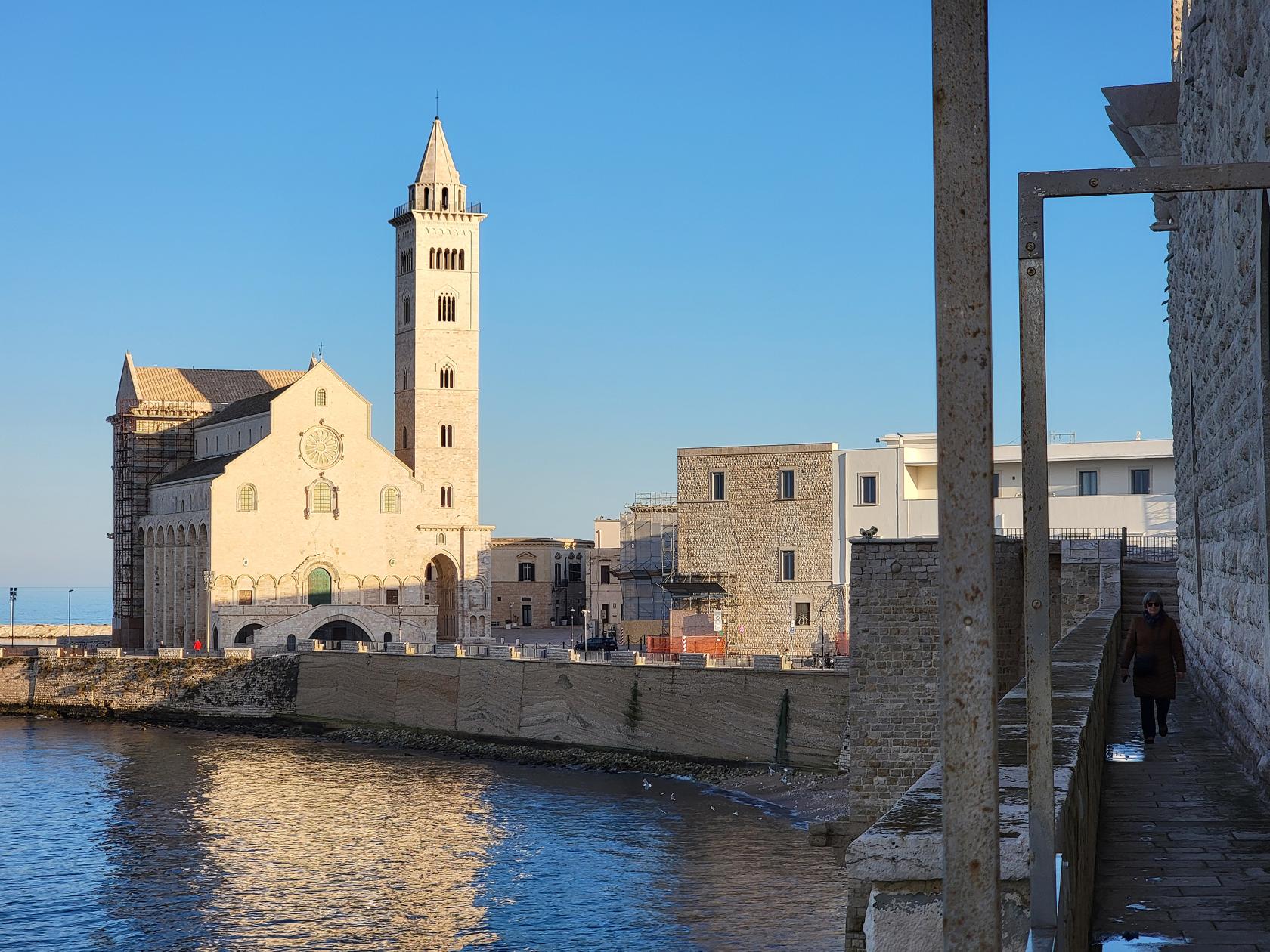
Castello Svevo di Trani – Patti and the Basilica from the castle – Trani, Italy
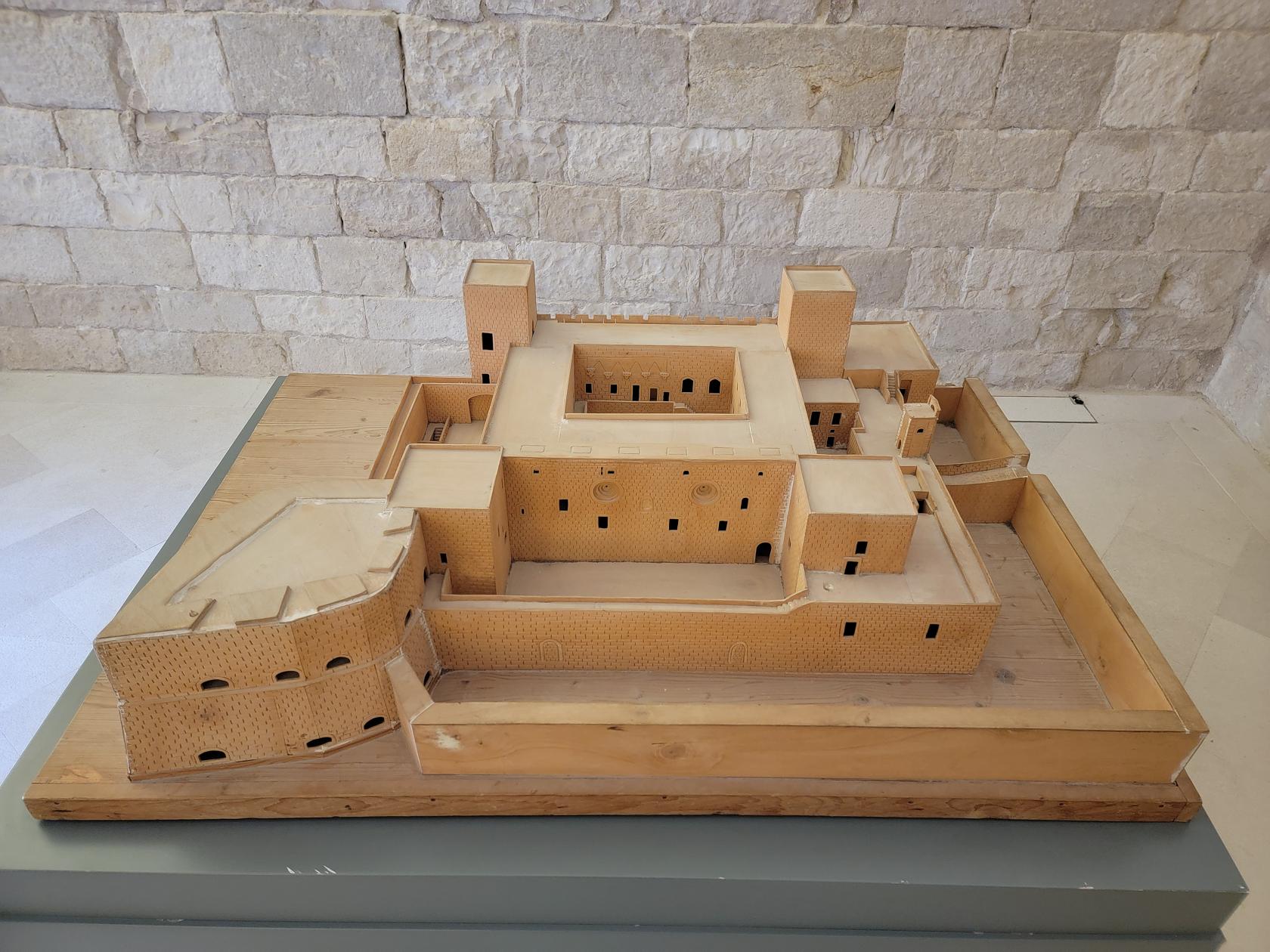
Castello Svevo di Trani – Diorama of the castle – Trani, Italy
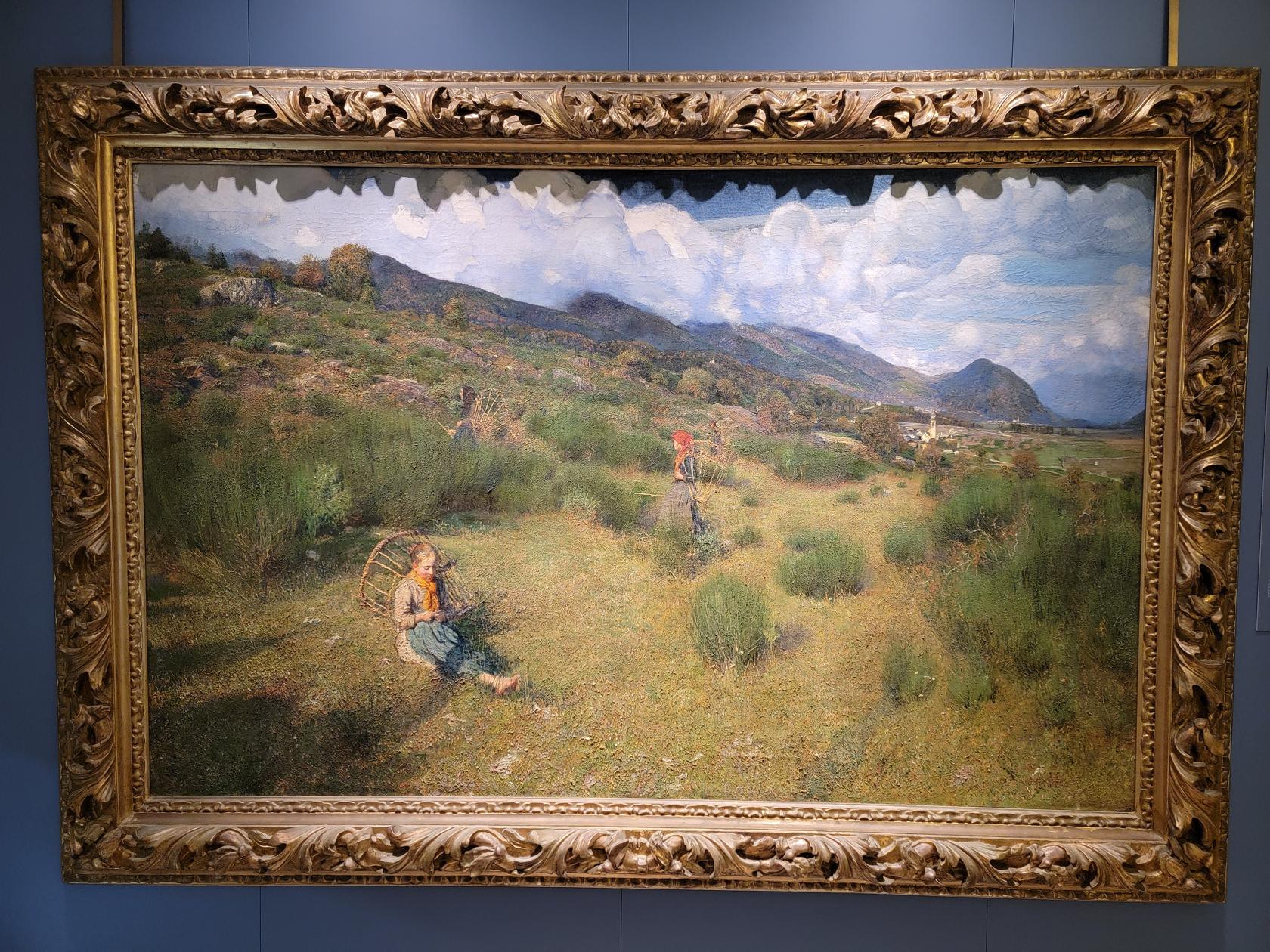
Castello Svevo di Trani – Painting as you enter – Trani, Italy
Castello Svevo di Trani – Sala Federico II room – Trani, Italy
Castello Svevo di Trani – Ruins leading to the prison area – Trani, Italy
Castello Svevo di Trani – Architecture of the castle – Trani, Italy
Castello Svevo di Trani – Old side portal in the castle – Trani, Italy
Castello Svevo di Trani – Strange window – Trani, Italy
Castello Svevo di Trani – Old prison area of the castle – Trani, Italy
Castello Svevo di Trani – Lookout to the sea – Trani, Italy
Castello Svevo di Trani – Old prison area of the castle – Trani, Italy
Castello Svevo di Trani – Large outside area – Trani, Italy
Restaurants
Since we were only doing a day trip, we were only able to visit one restaurant and that was for lunch.
Giù a Sud, Green Bistro
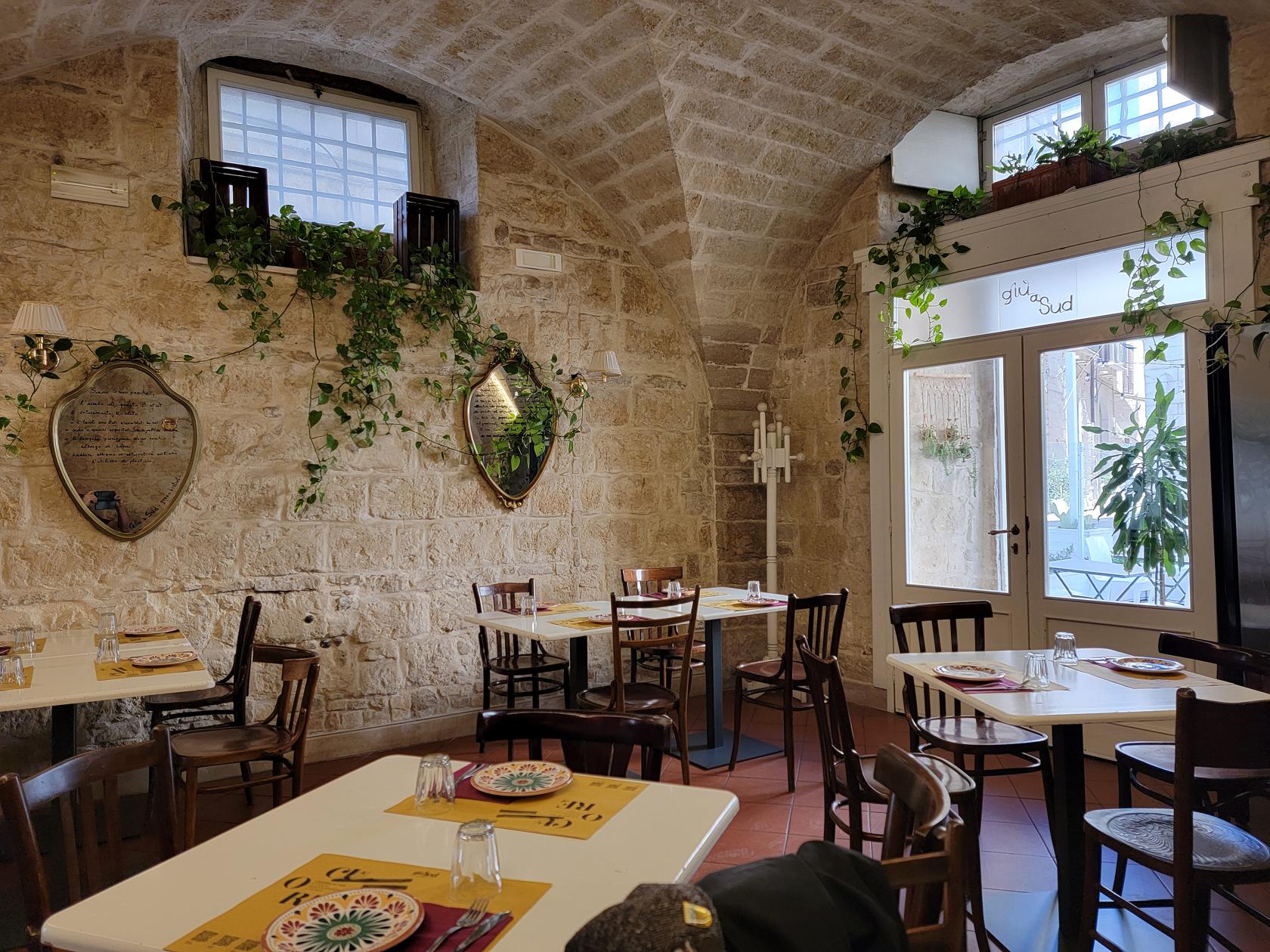
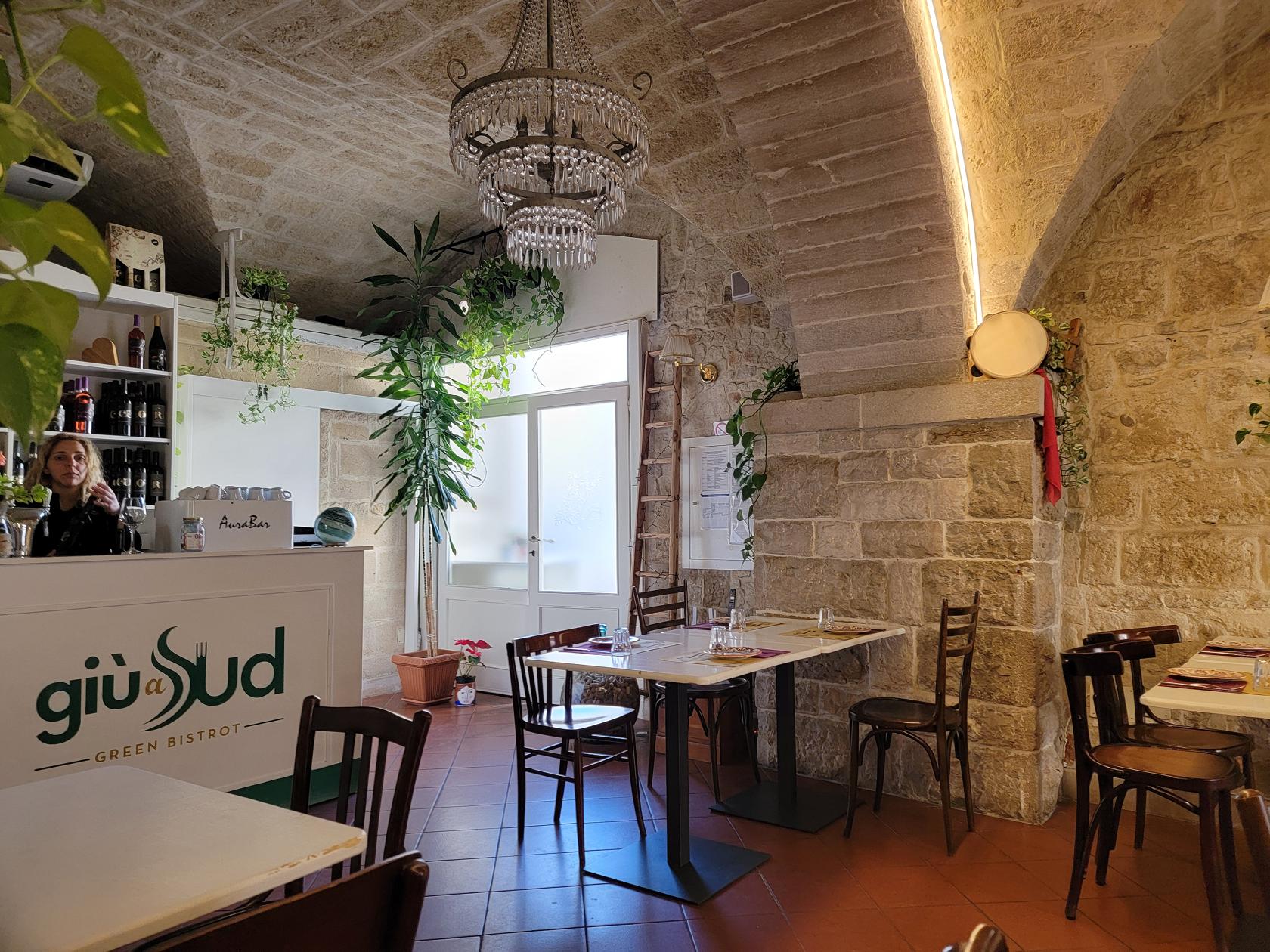
The Giù a Sud, Green Bistrot is located at Piazza Cesare Battisti in Trani. After viewing the menu outside we decided we would give it a try and we are glad we did.
Giù a Sud, Green Bistrot, Piazza Cesare Battisti – Inside – Trani, Italy
Giù a Sud, Green Bistrot, Piazza Cesare Battisti – Bar and Inside – Trani, Italy
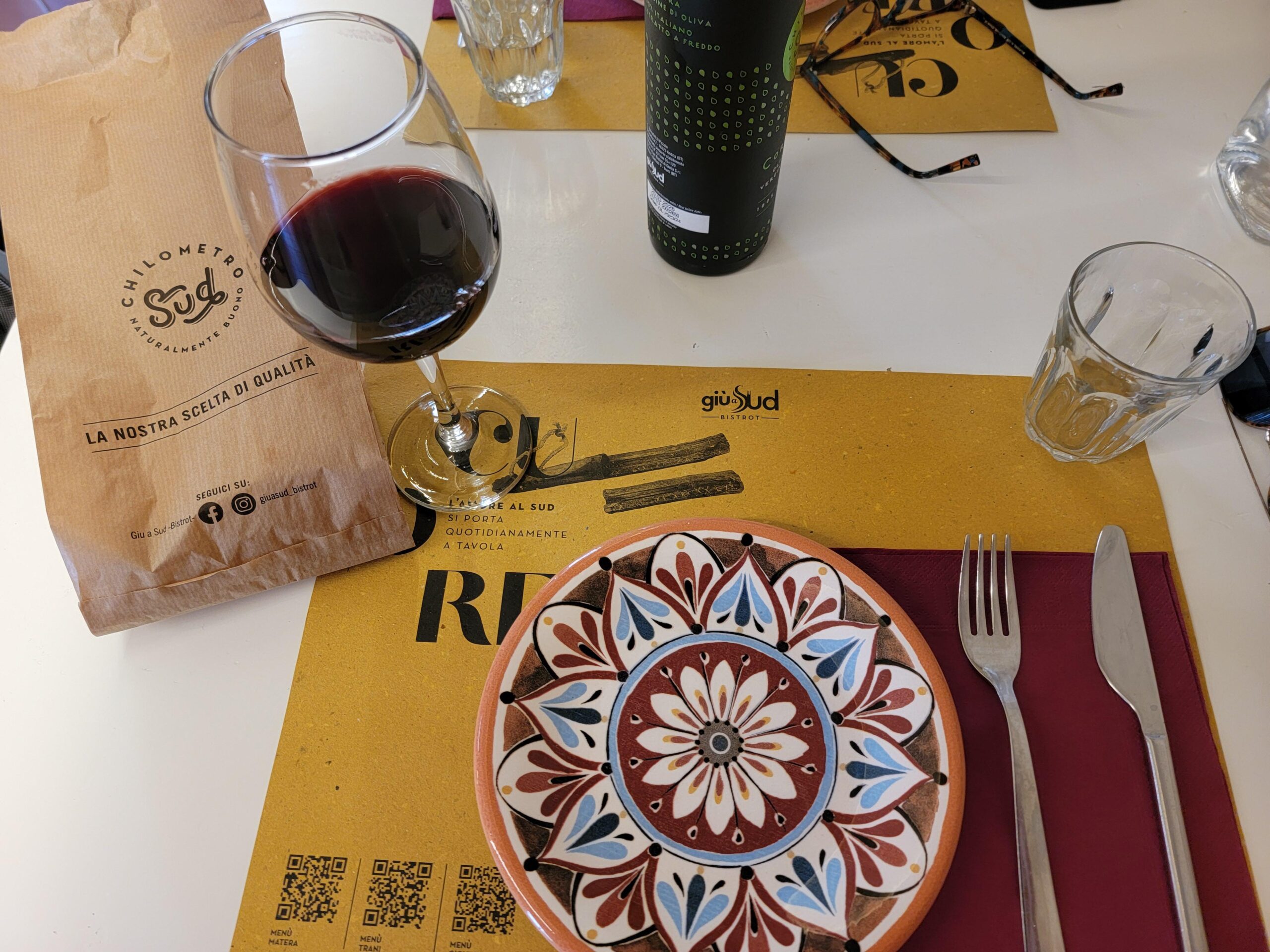
Giù a Sud, Green Bistrot, Piazza Cesare Battisti – Primitivo and bread – Trani, Italy
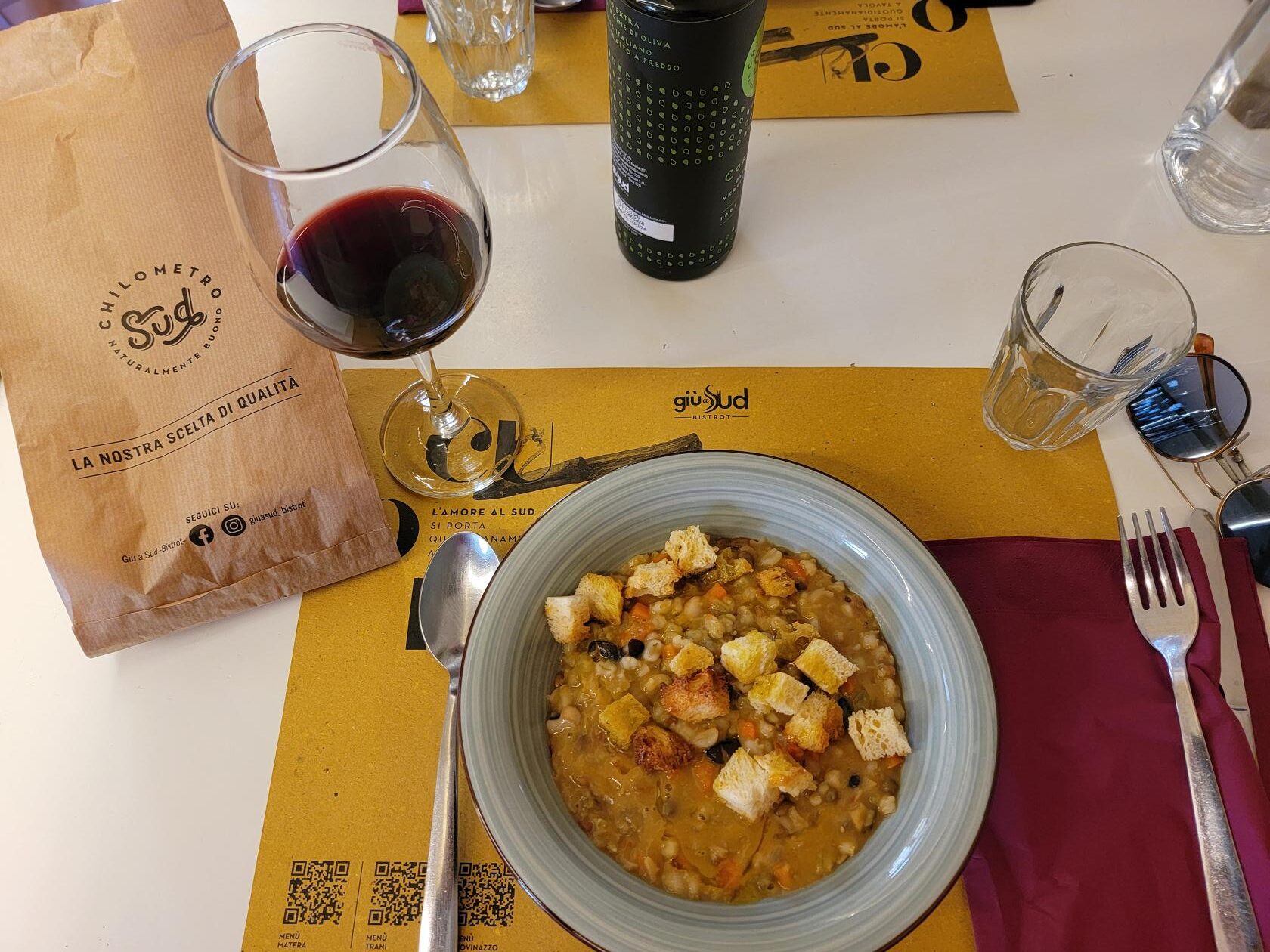
Giù a Sud, Green Bistrot, Piazza Cesare Battisti – Bean and Lentil soup with croutons – Trani, Italy
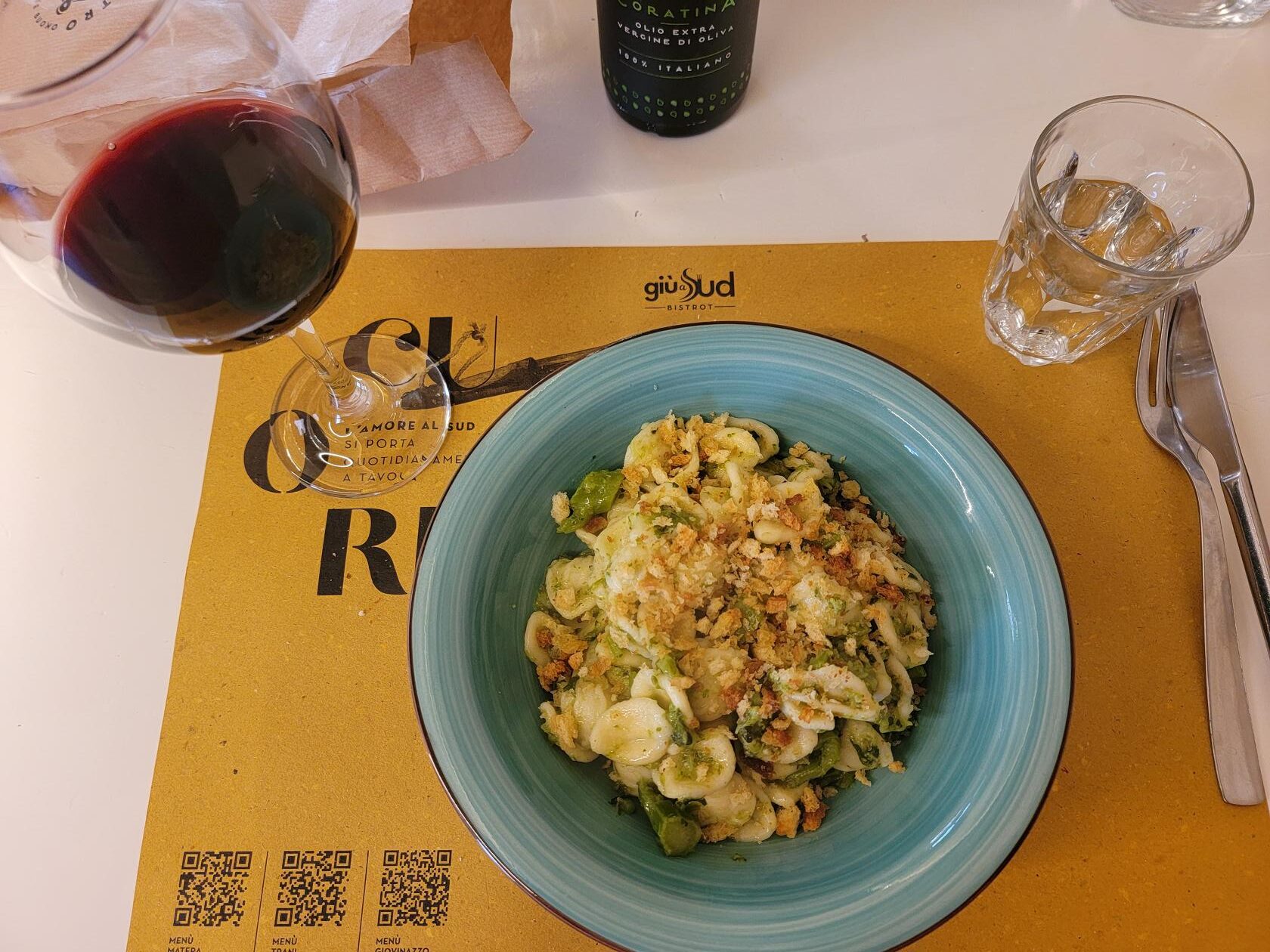
Giù a Sud, Green Bistrot, Piazza Cesare Battisti – Orecchiette and Broccoli Rape – Trani, Italy
The food and restaurant is sourced locally from green producers and prepared using artisanal recipes. They had a bean and lentil soup with croutons which was just delicious. I am pretty sure it is probably something that comes off the menu in the summer, but you may ask, in Italy you never know, especially in Mezzogiorno. We thoroughly enjoyed it.
In part one was an initial take on how Bari is an ancient city built on a peninsula in the Adriatic Sea on the east coast of Italy. In this second part, some of the cathedrals and museums that are interesting and available to see upon visiting are discussed.
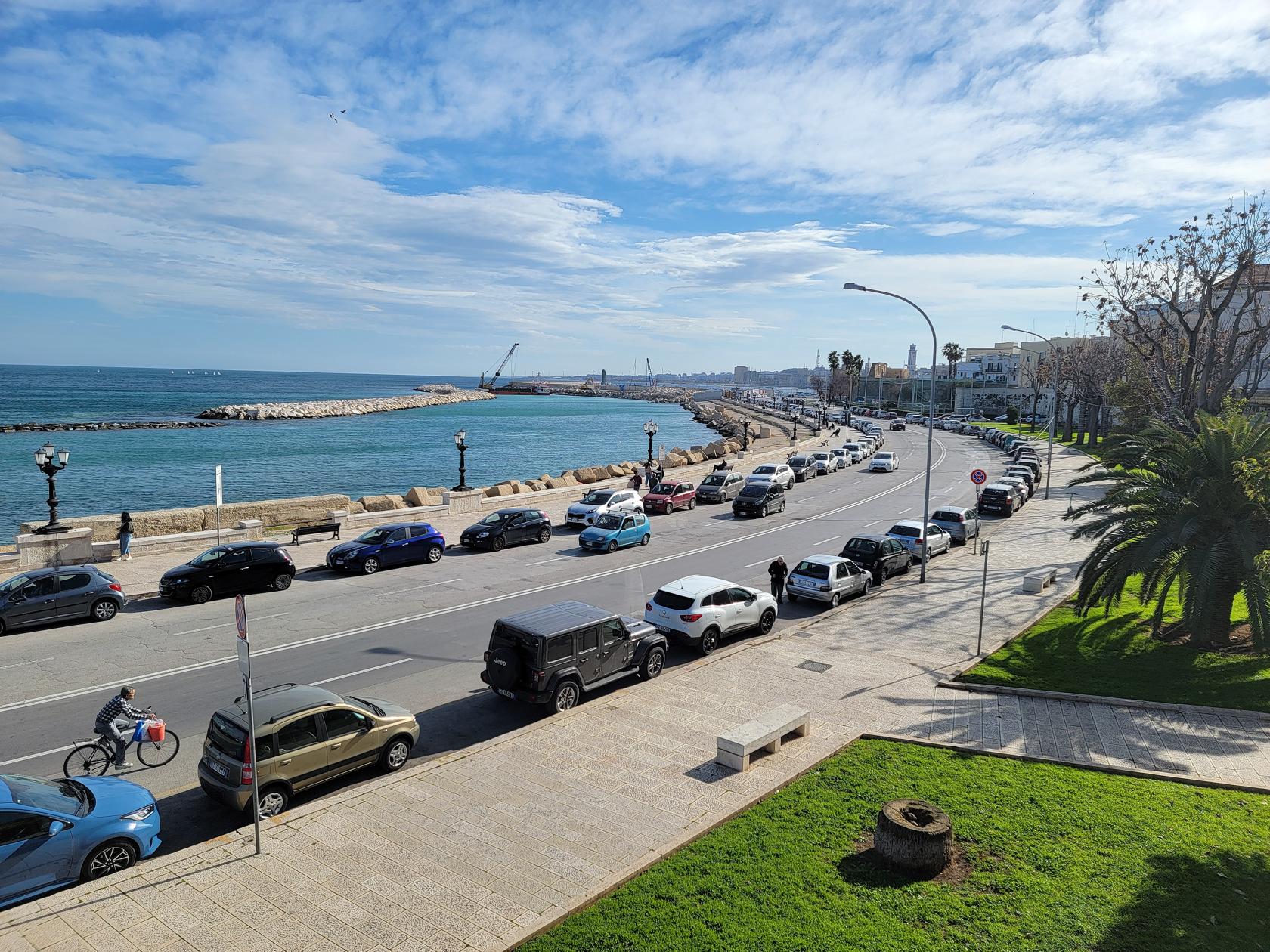
Lungomare – Bari, Italy
Lungomare – Bari, Italy
One of the many archways – Bari, Italy
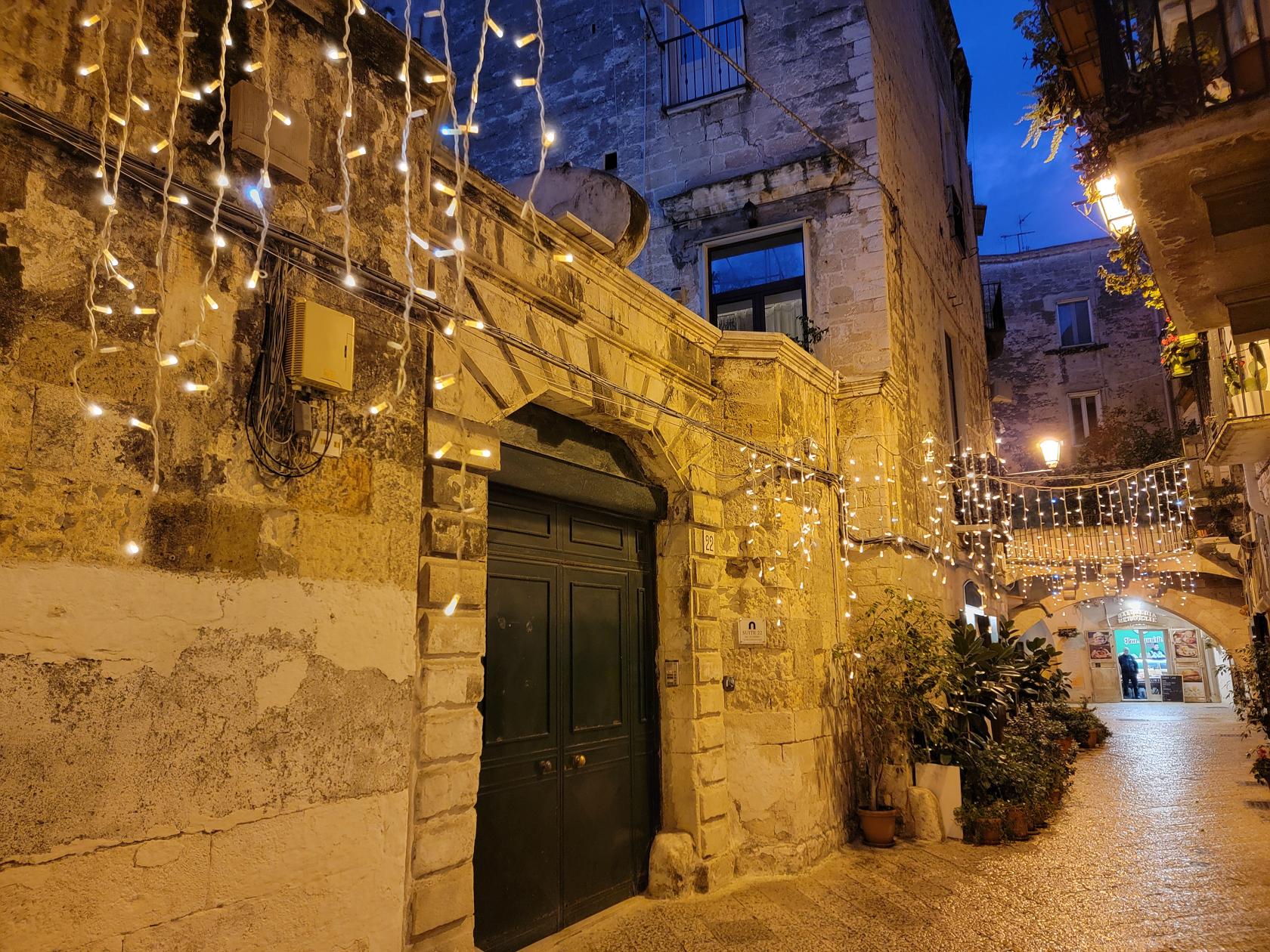
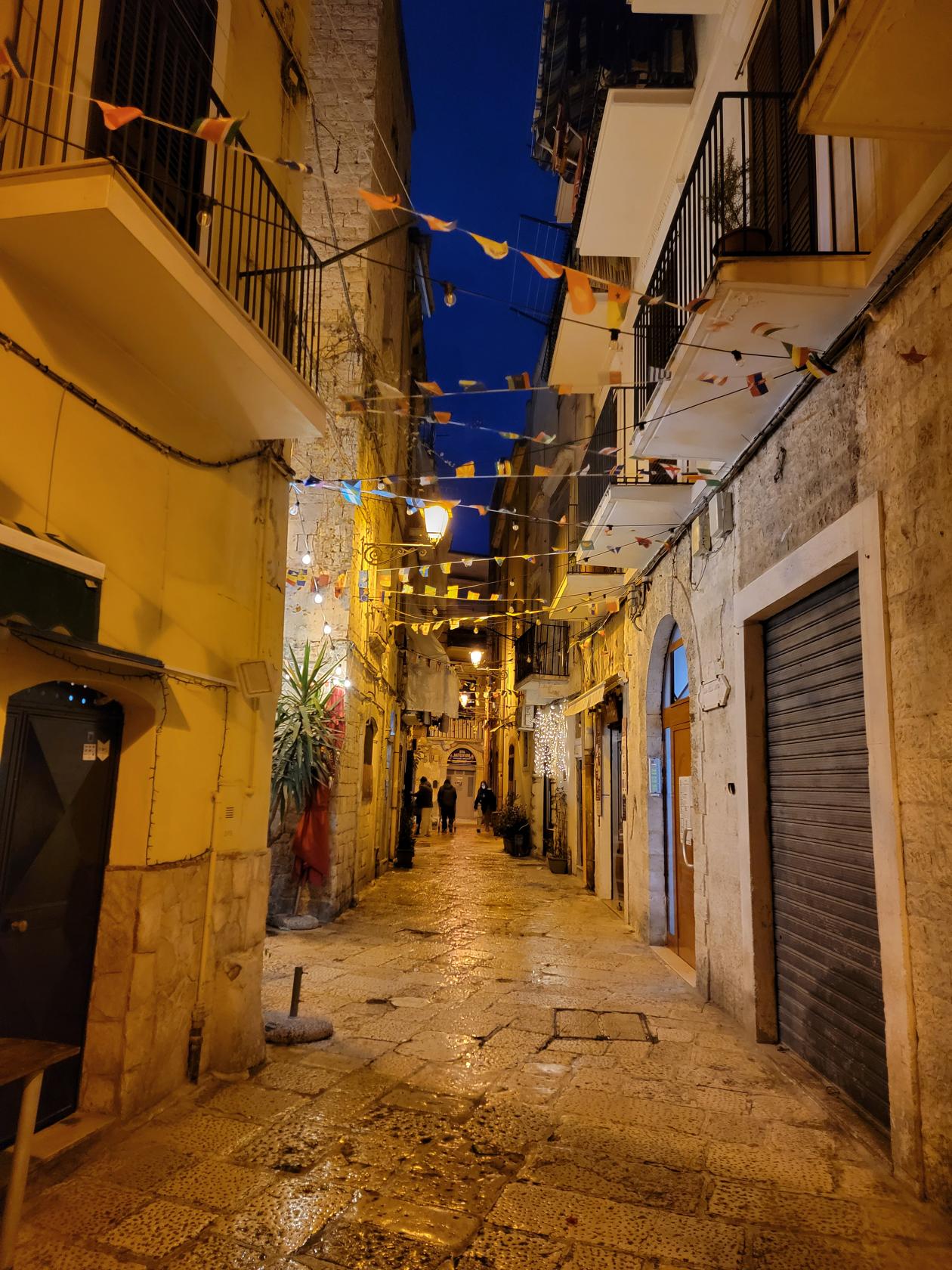
The streets in the evening – Bari, Italy
One of the many archways – Bari, Italy
Museums
Of course ancient Bari has its museums, most of which record activities by humans that predate the Roman Empire. In some places in Italy and the Mediterranean Sea, one might come to the conclusion, that if one could dig deep enough one would uncover the big bang as well.
Questura and Municipal buildings – Bari, Italy
The Svevo Castle
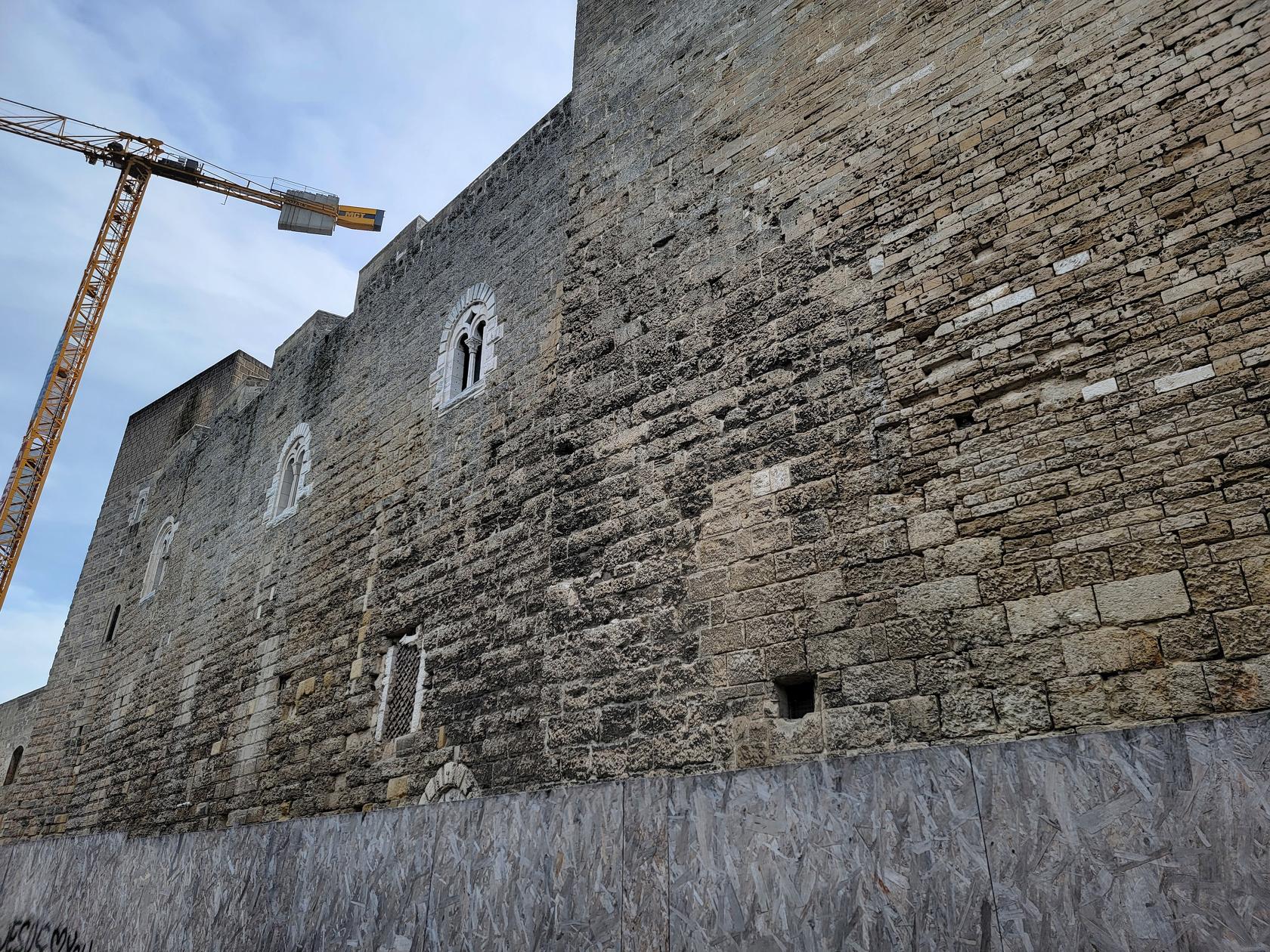
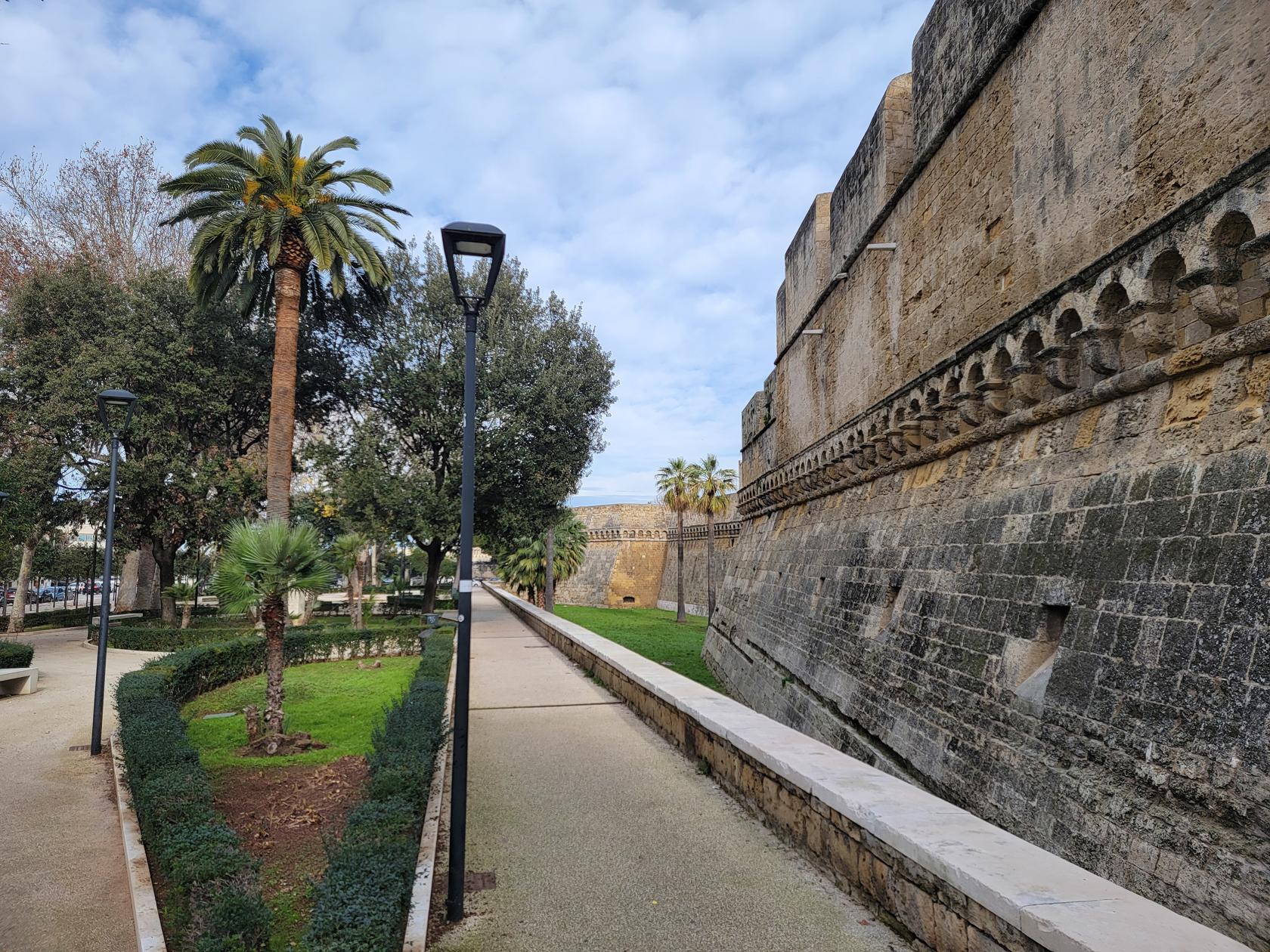
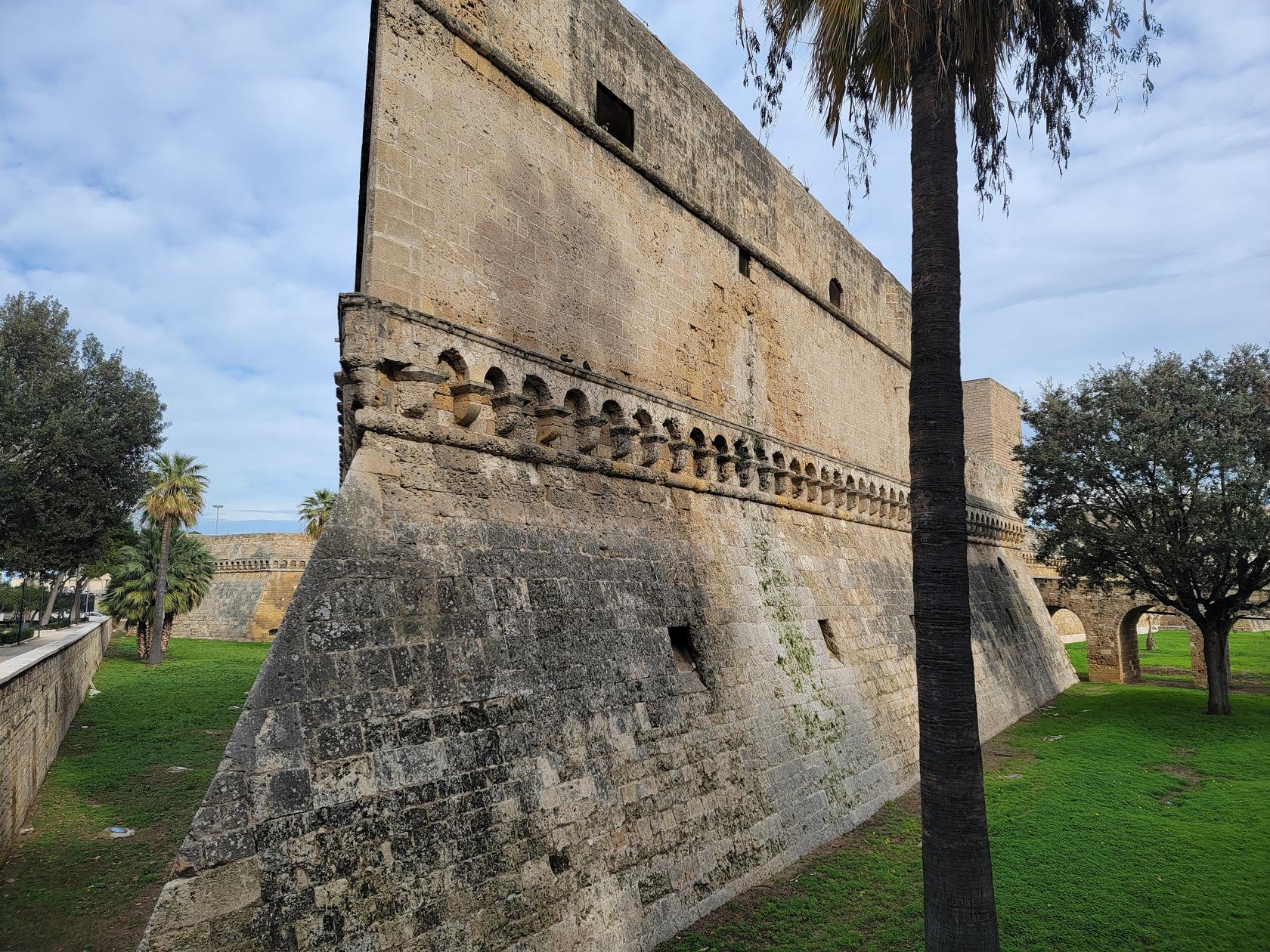
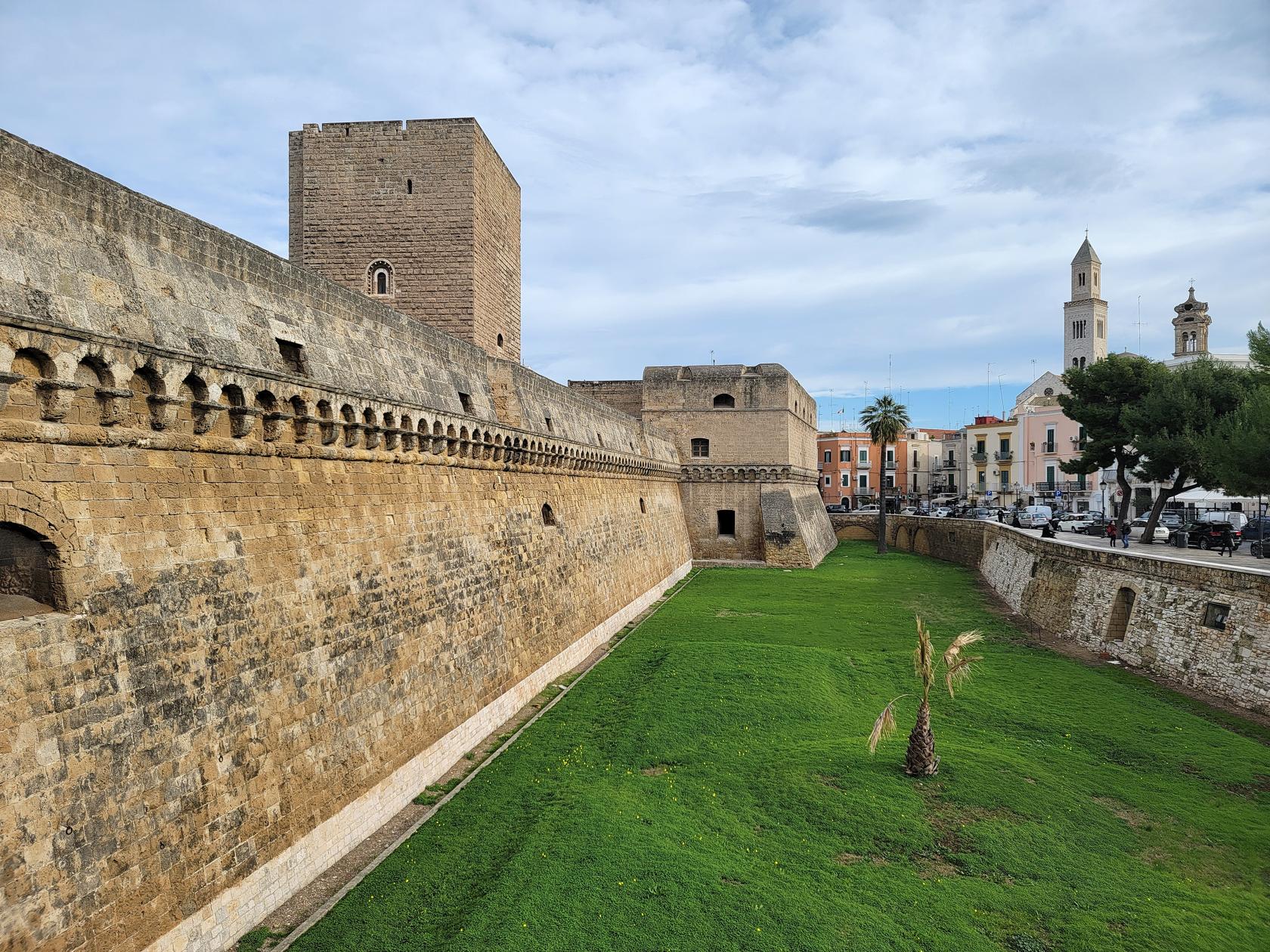
If the Bari peninsula were to be looked at like it was a triangle, then the Castello Normanno-Svevo or Norman-Swabian Castle, would occupy the entire lower left hand angle. It is a huge building that occupies a considerable amount of real estate on that side of the old city.
Castello Svevo di Bari – Outside back wall – Bari, Italy
Castello Svevo di Bari – Outside wall – Bari, Italy
Castello Svevo di Bari – Outside wall – Bari, Italy
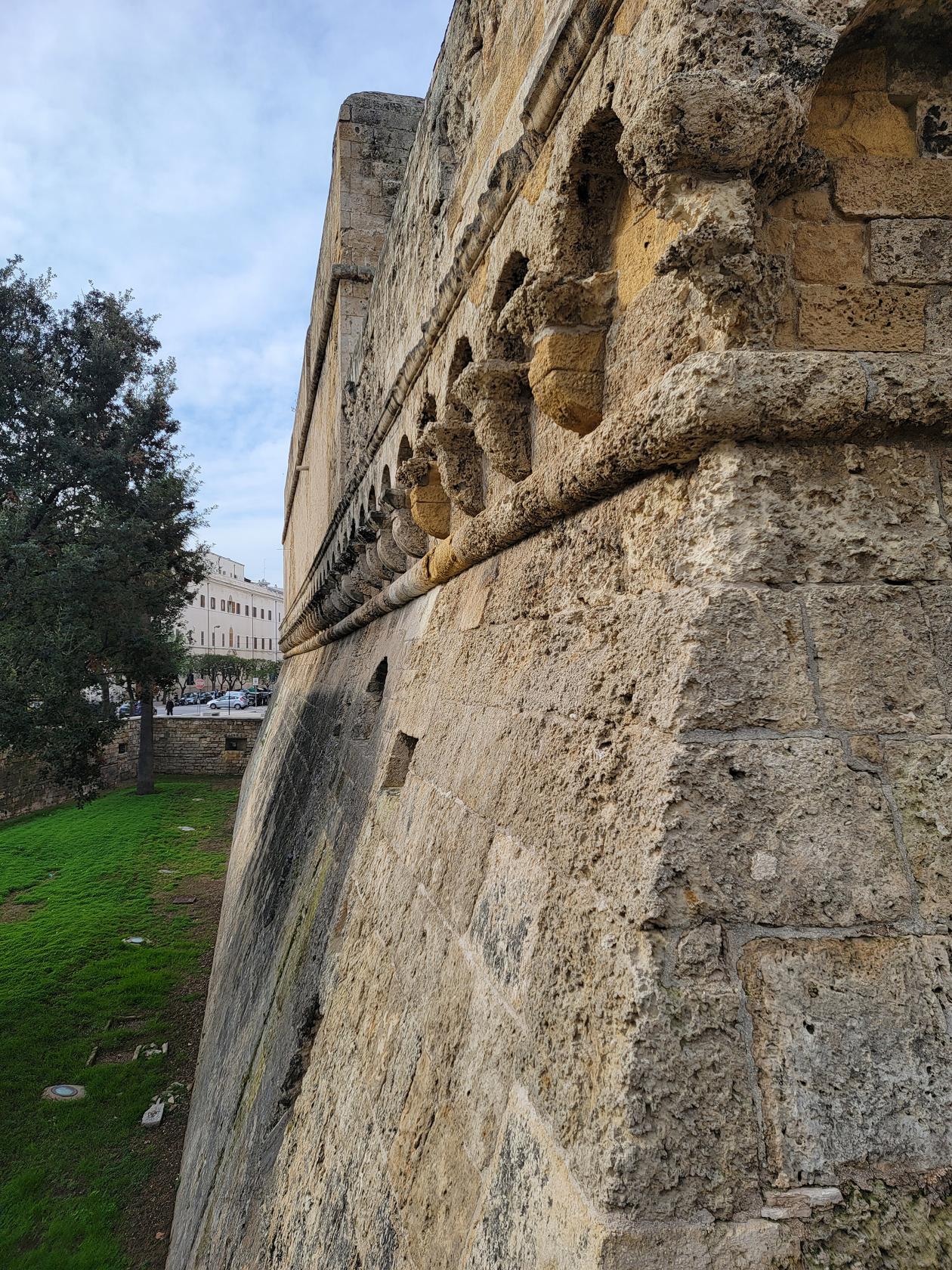
Castello Svevo di Bari – Outside wall showing mote – Bari, Italy
Castello Svevo di Bari – Outside wall – Bari, Italy
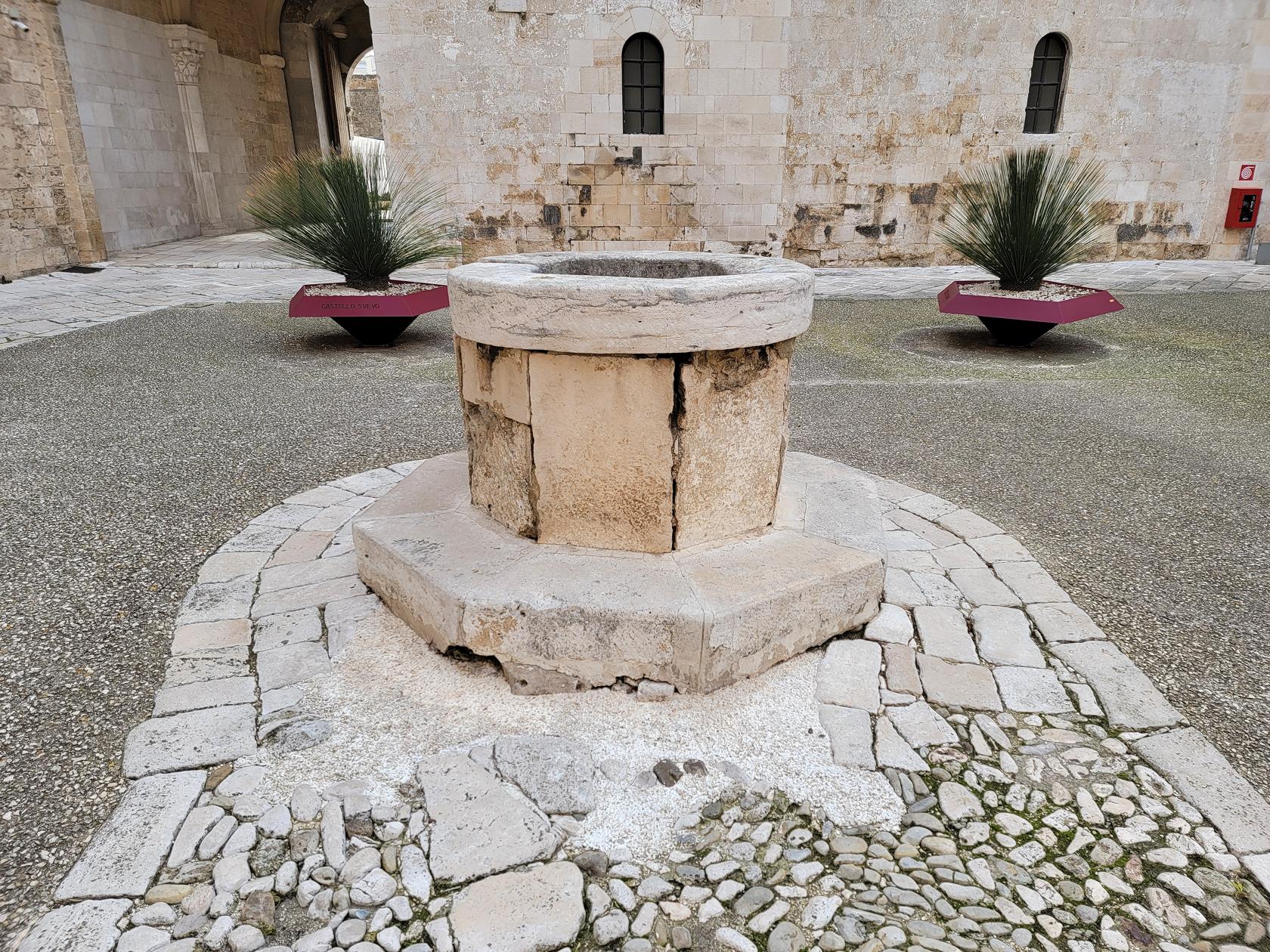
Castello Svevo di Bari – Castle Well – Bari, Italy
Castello Svevo di Bari – Outside wall – Bari, Italy
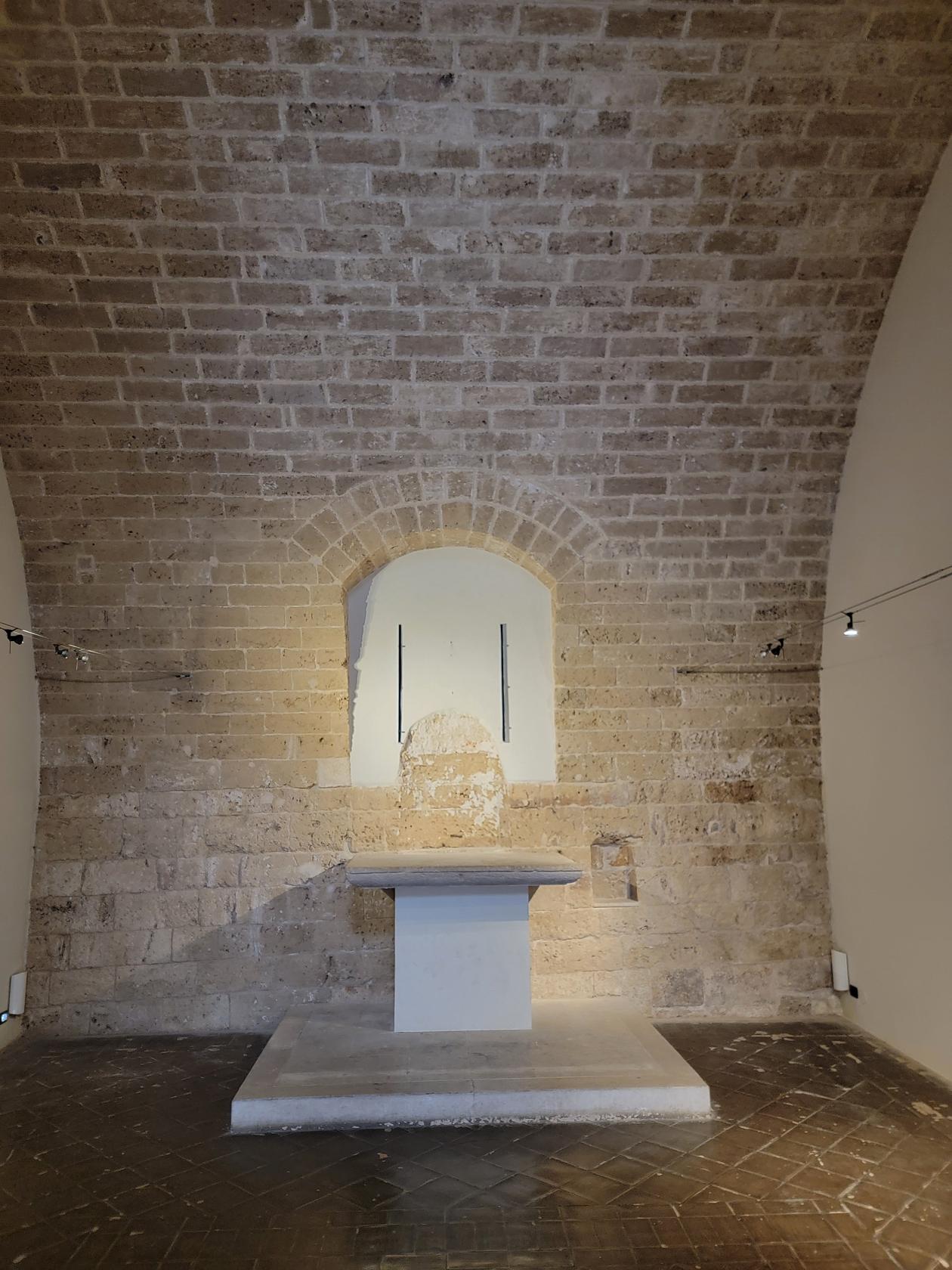
Castello Svevo di Bari – Cappella Palatine – Bari, Italy
Surrounded by a moat that is currently grown in, the exterior appears well kept in spots, but requiring considerable work in other places.
The Swabian Castle Museum
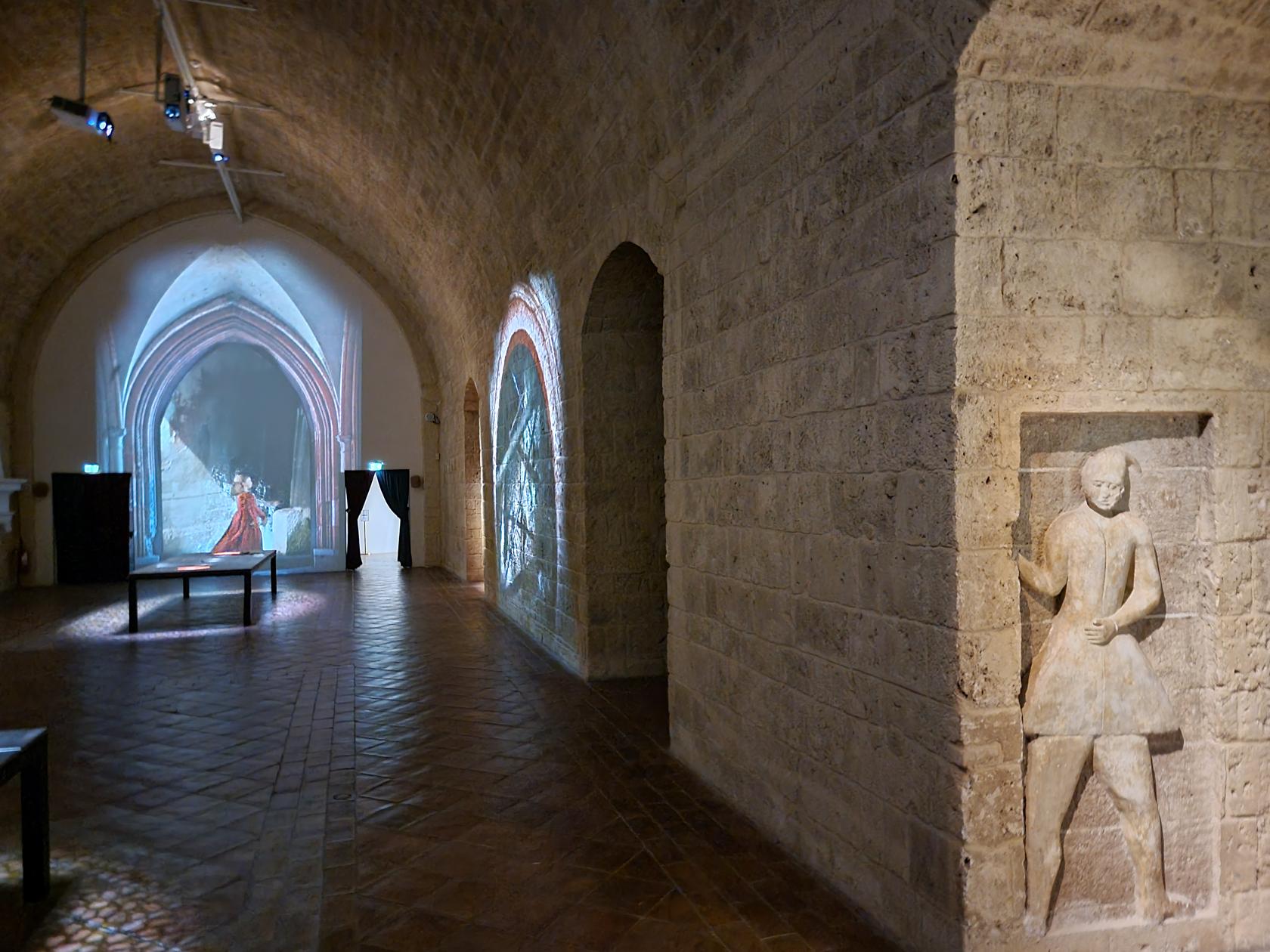
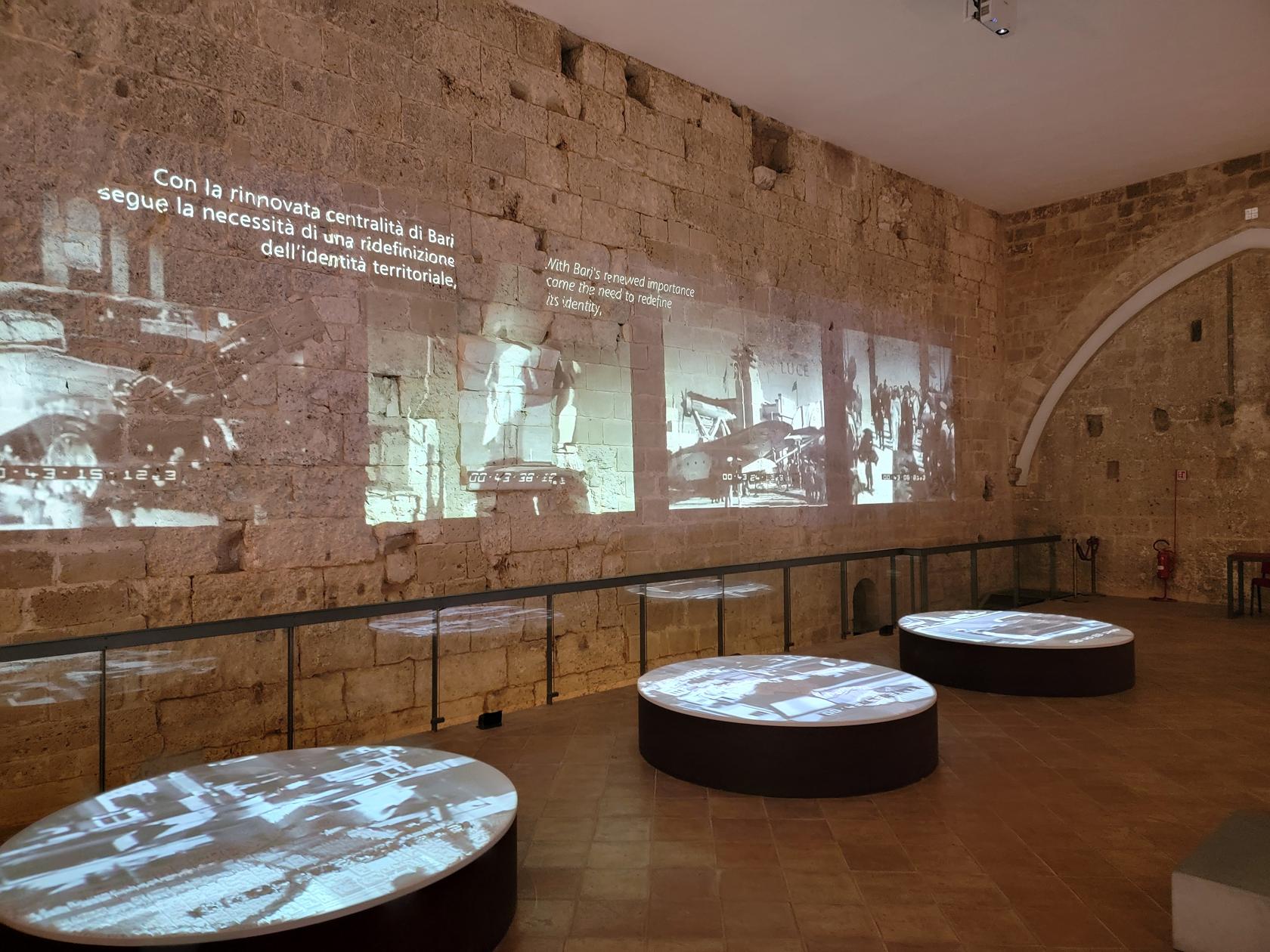
The museum does not contain many artifacts per se, but it does have a very good multi-media presentation and displays in some of the larger spaces.
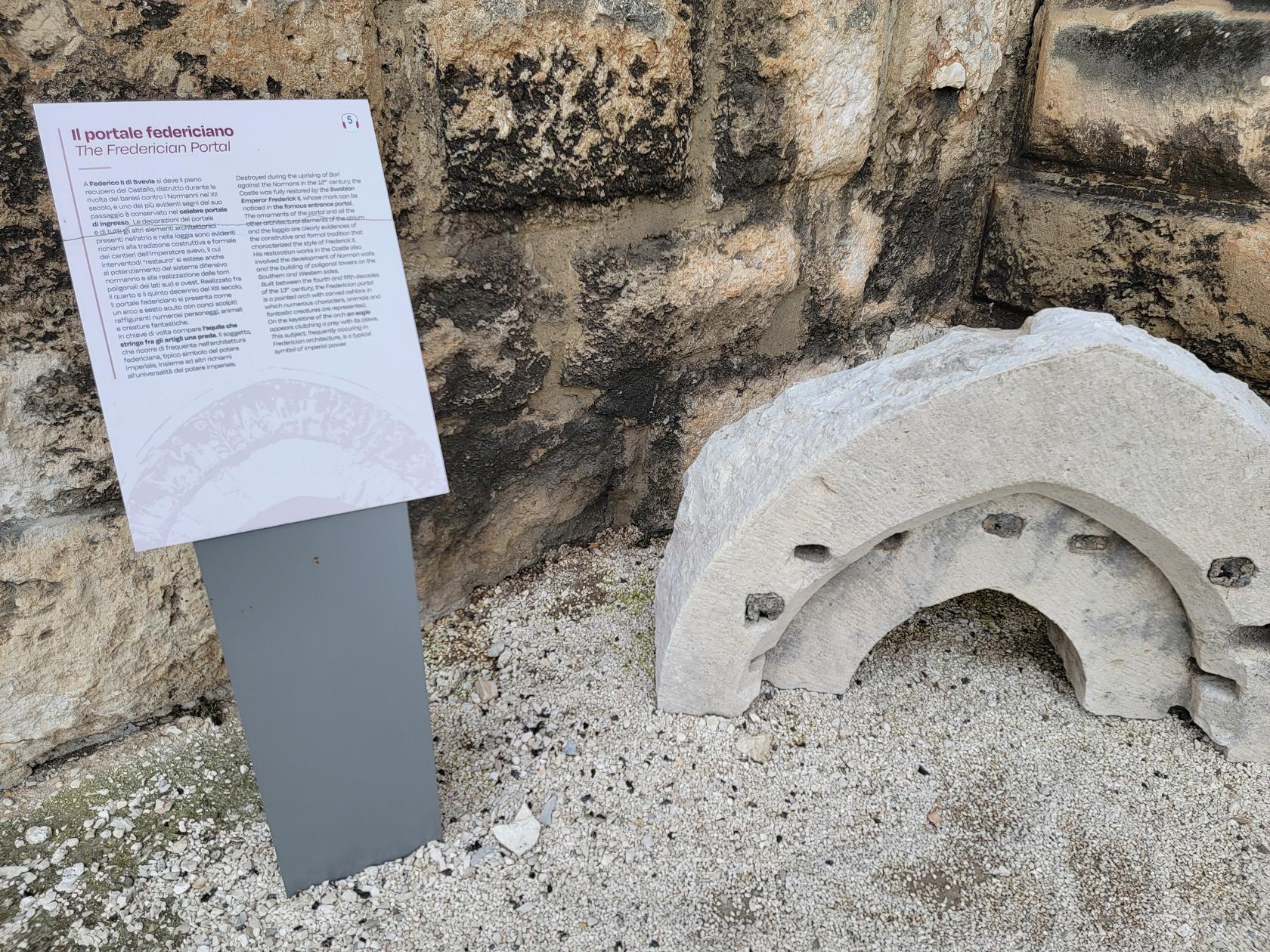
Castello Svevo di Bari – Federiciano portal stone – Bari, Italy
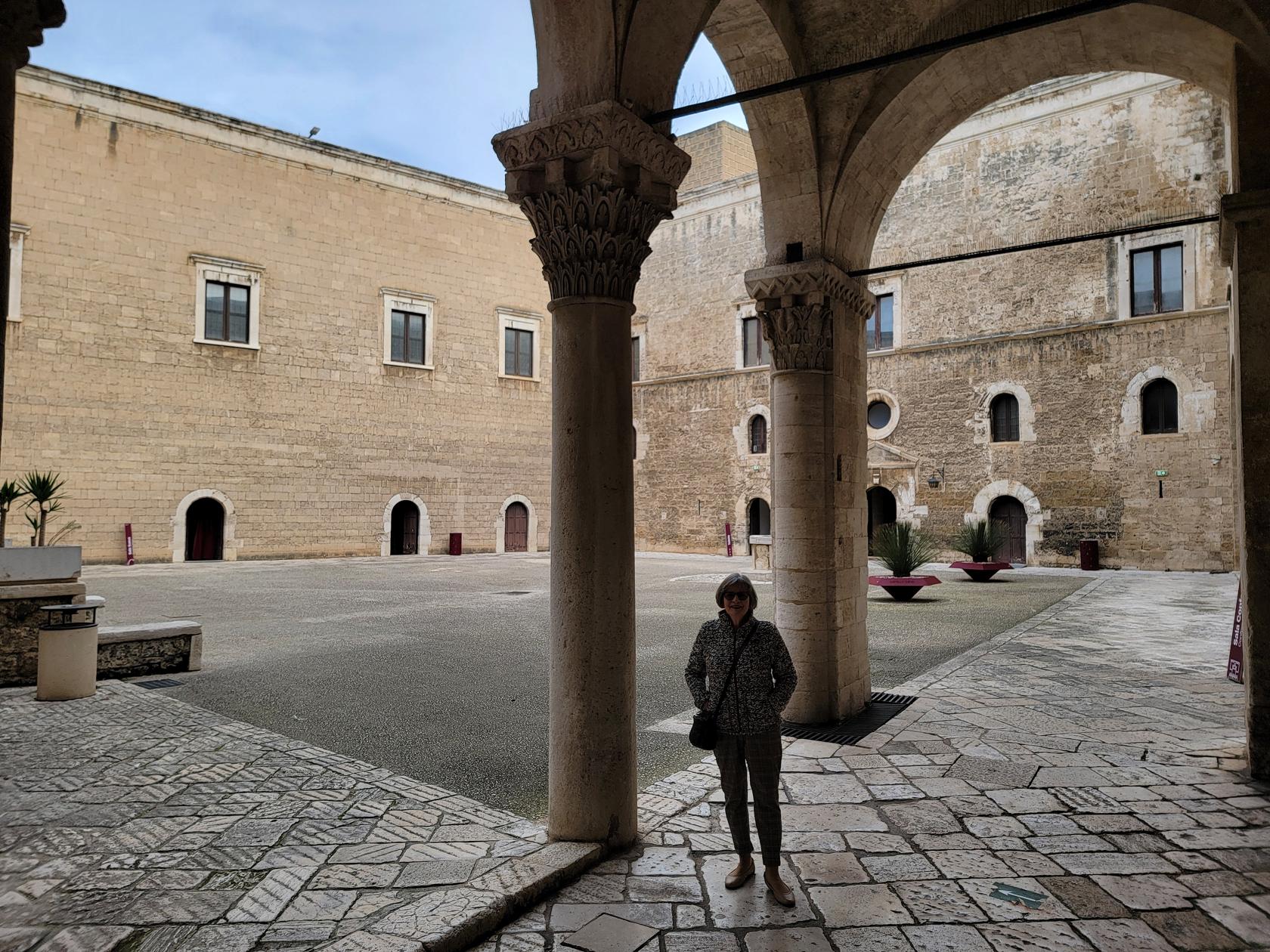
Castello Svevo di Bari – Patti in courtyard – Bari, Italy
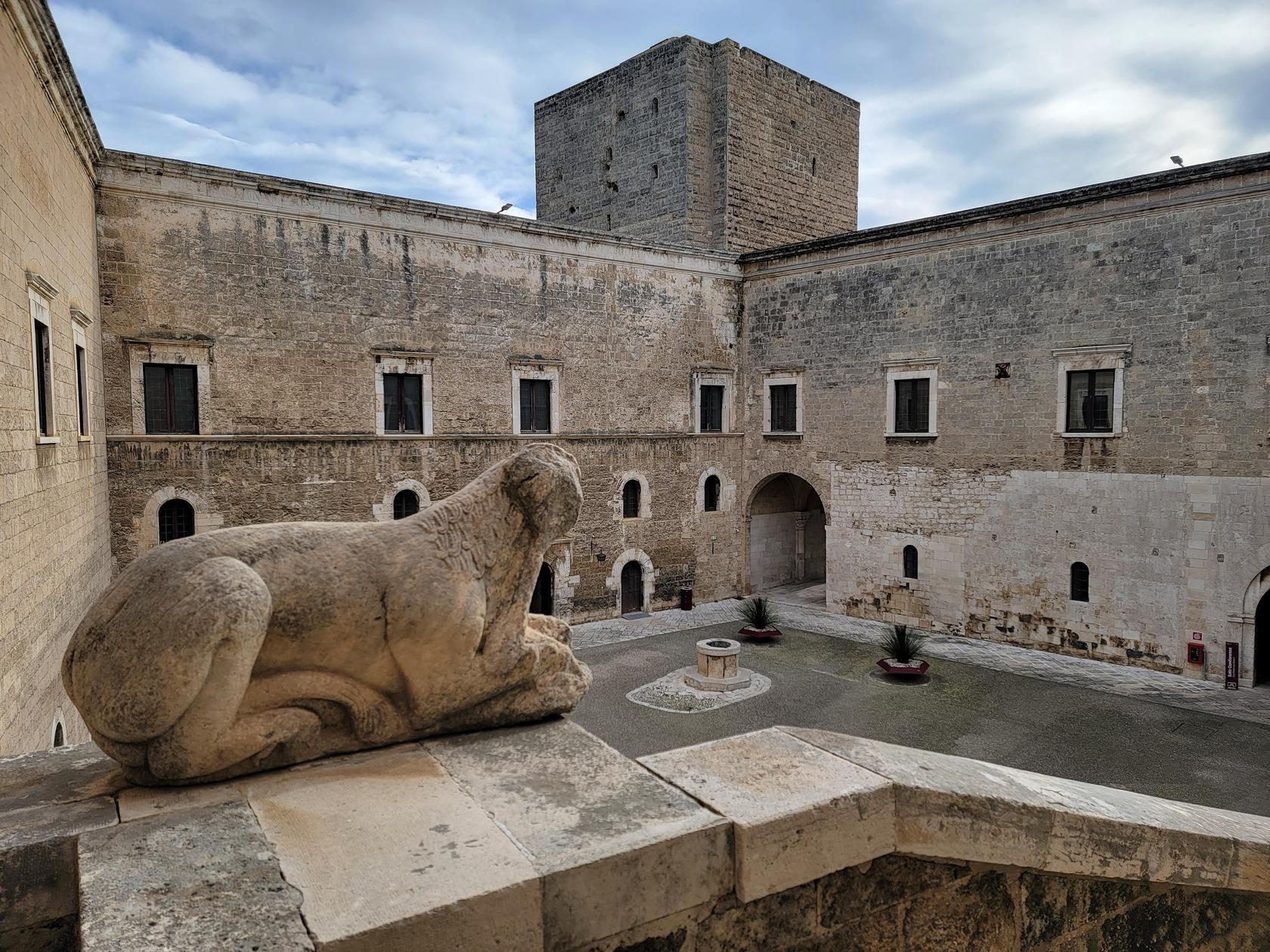
Castello Svevo di Bari – Lion guarding entrance – Bari, Italy
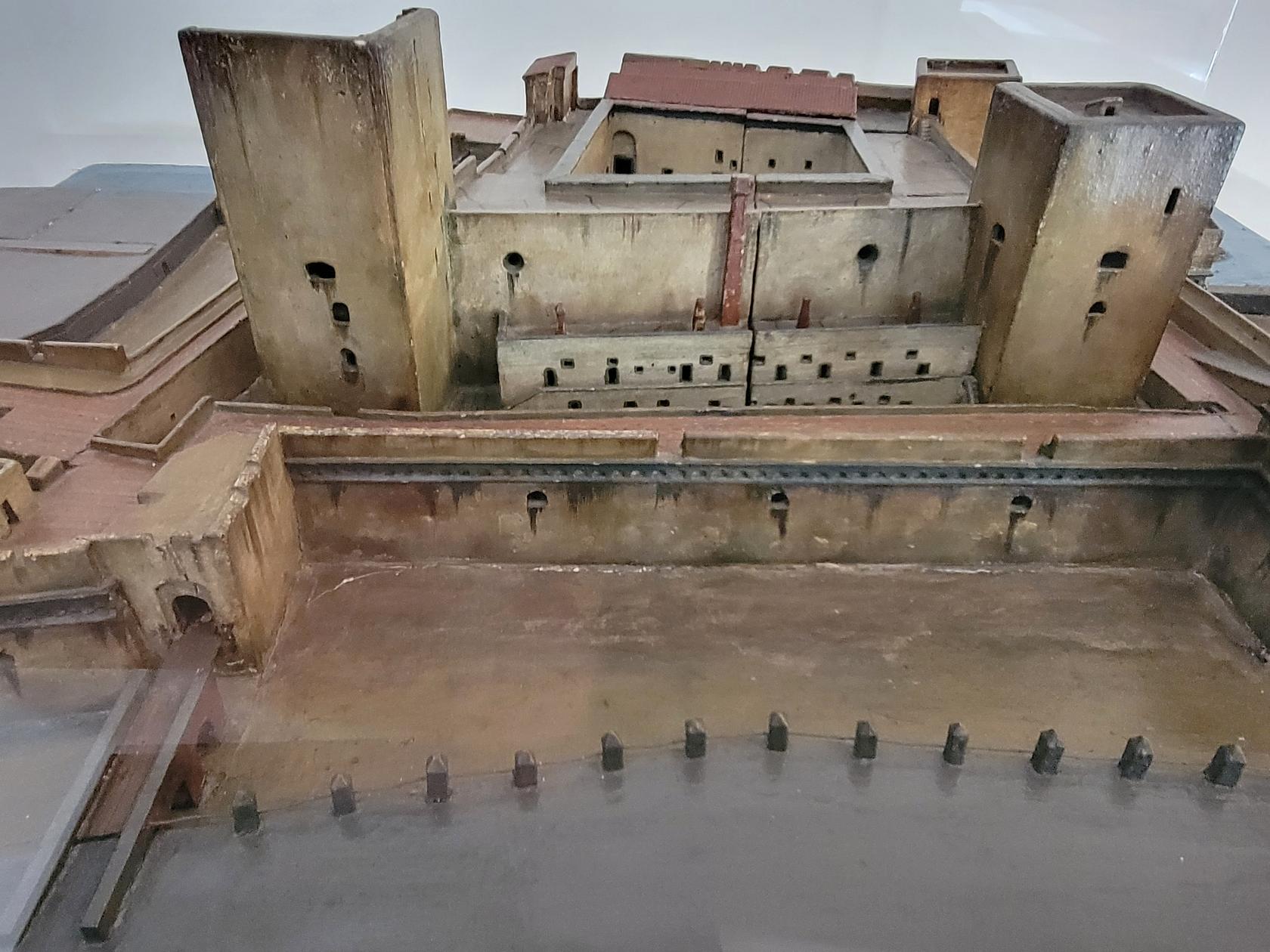
Castello Svevo di Bari – Diorama- Bari, Italy
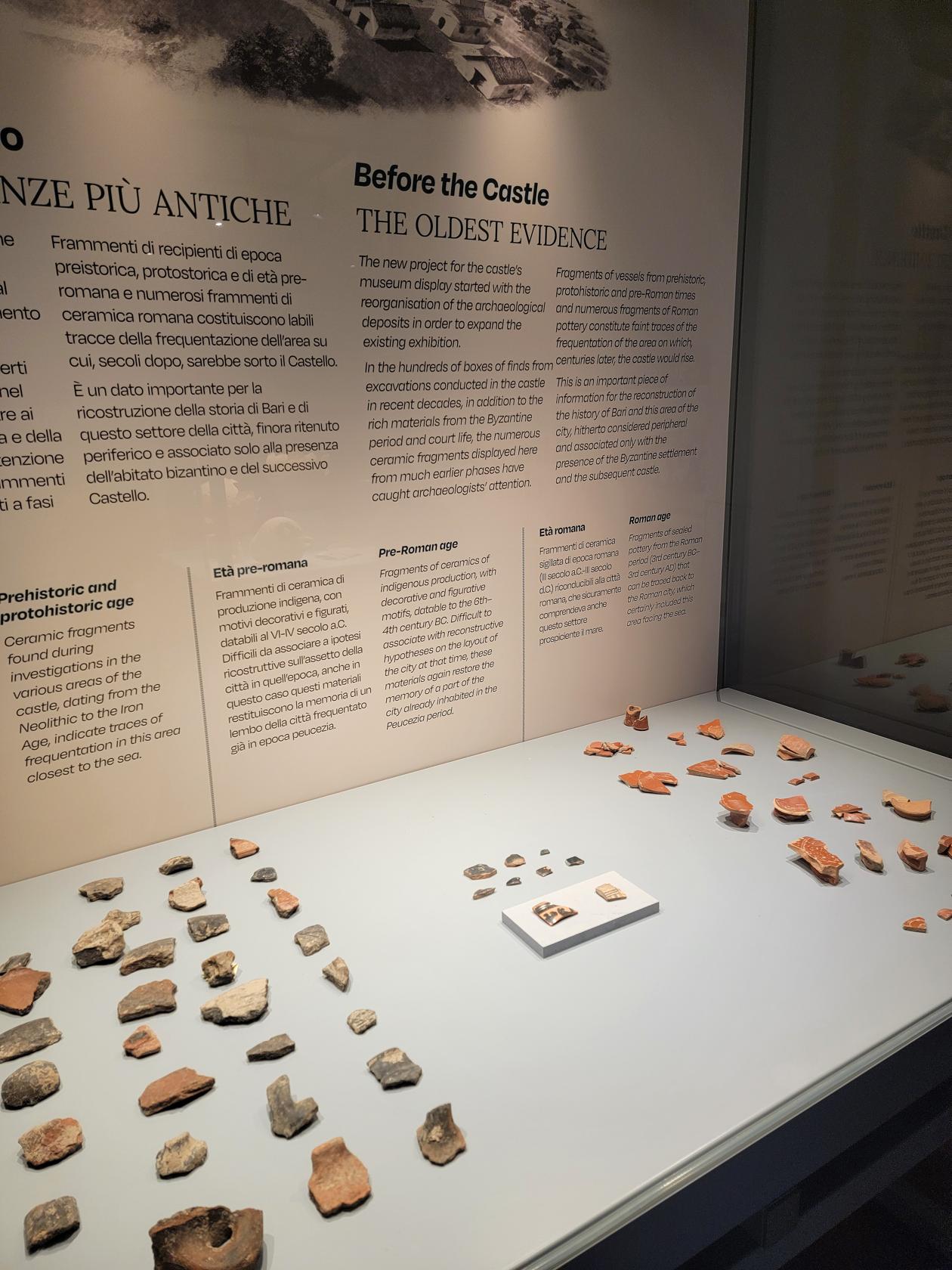
Castello Svevo di Bari – Artifacts before the castle – Bari, Italy
Castello Svevo di Bari – Entrance – Bari, Italy
Castello Svevo di Bari – Artifacts before the castle – Bari, Italy
Castello Svevo di Bari – Great Hall – Bari, Italy
Castello Svevo di Bari – Great Hall – Bari, Italy
Castello Svevo di Bari – Great Hall – Bari, Italy
Castello Svevo di Bari – archaeological dig – Bari, Italy
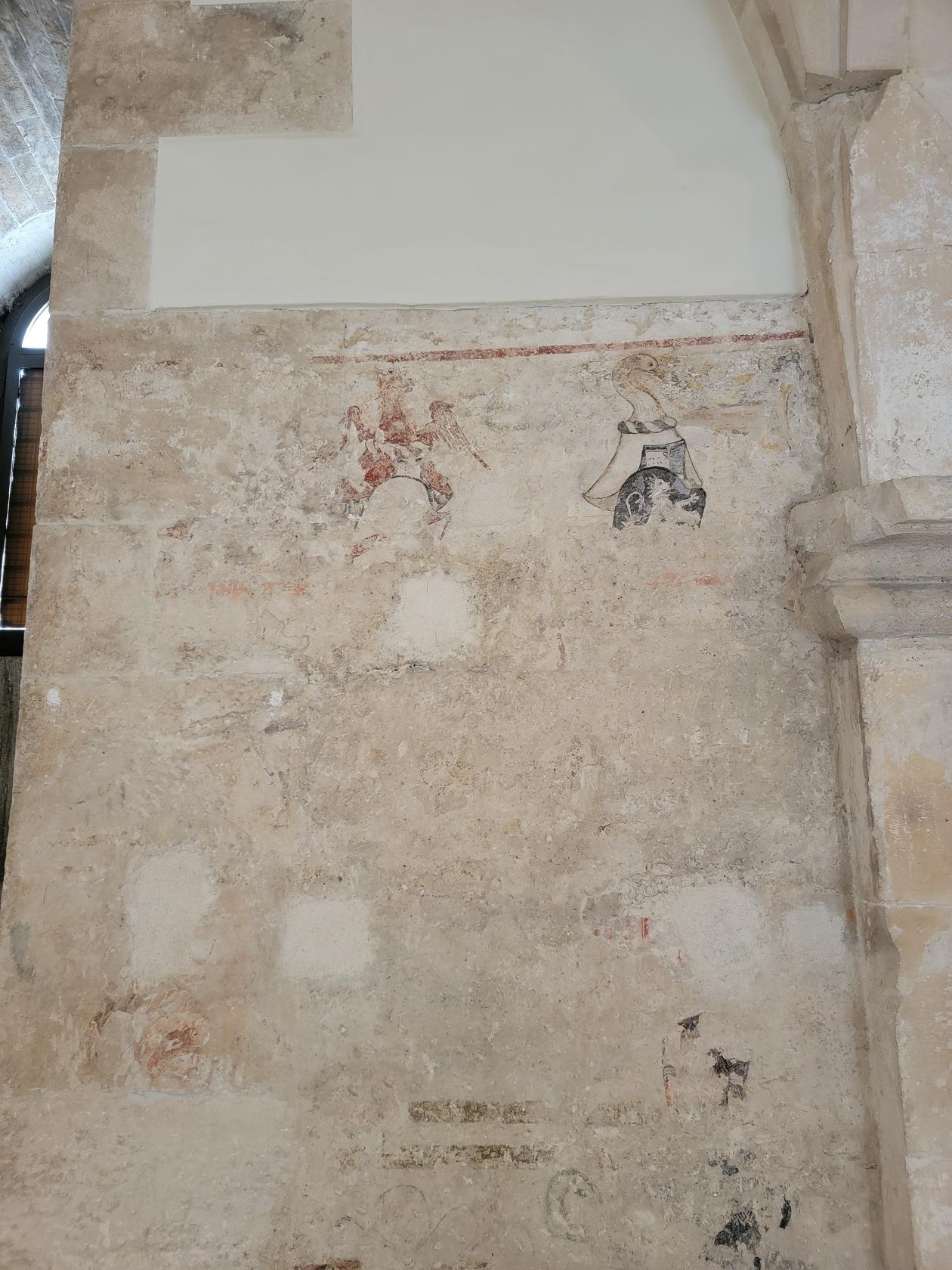
Castello Svevo di Bari – Frescos – Bari, Italy
Castello Svevo di Bari – Multimedia shows- Bari, Italy
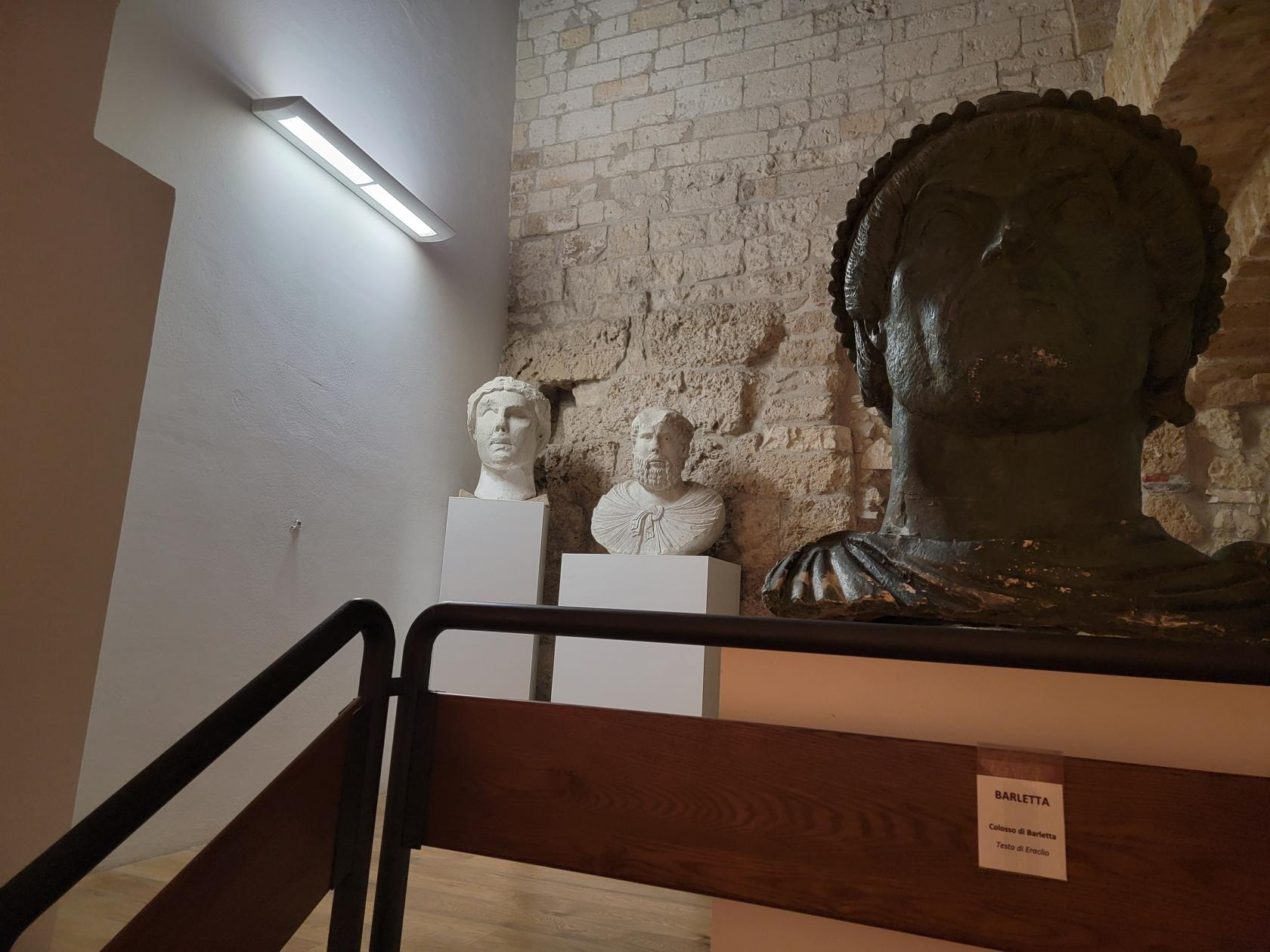
Castello Svevo di Bari – Barletta bust – Bari, Italy
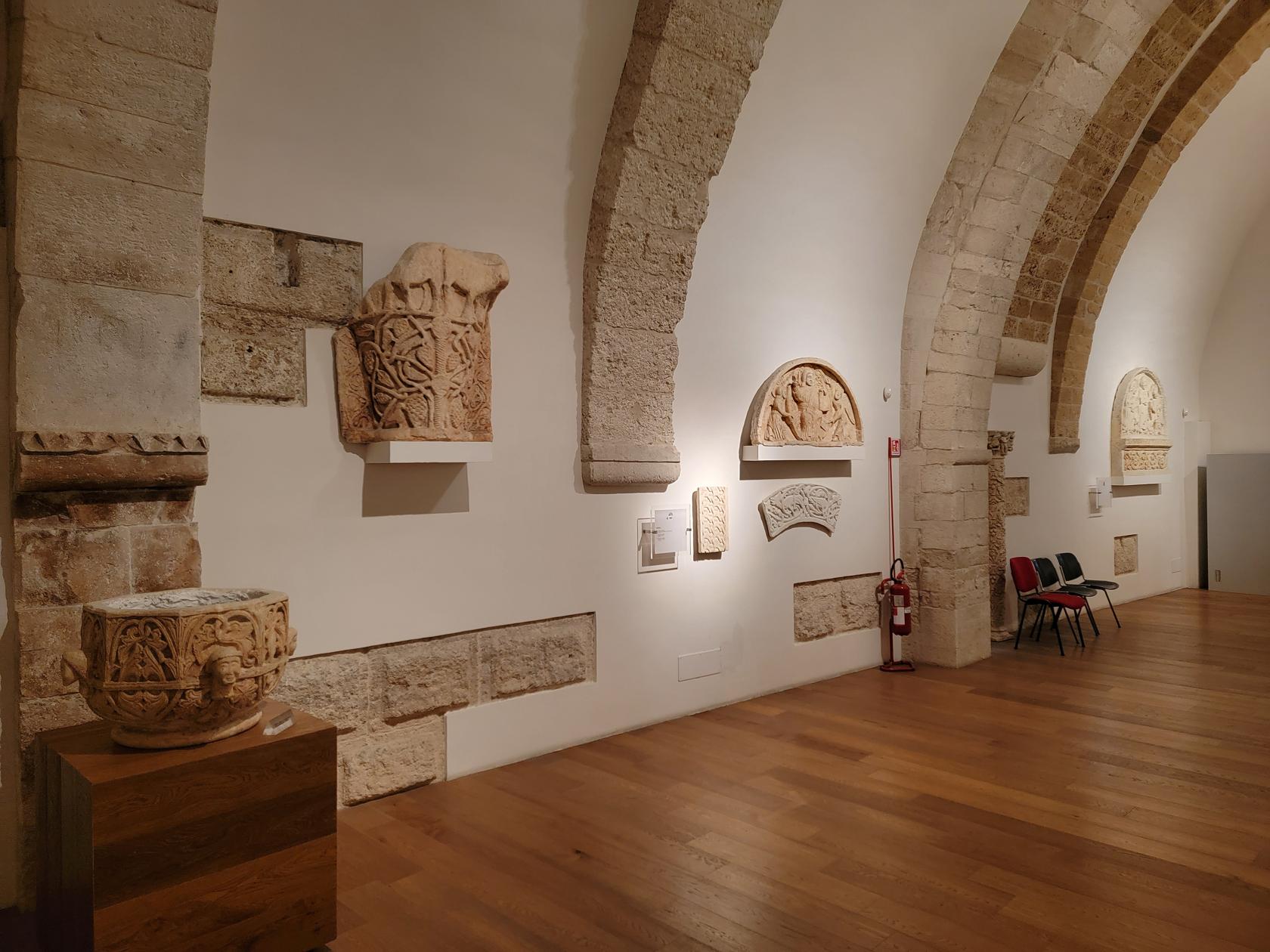
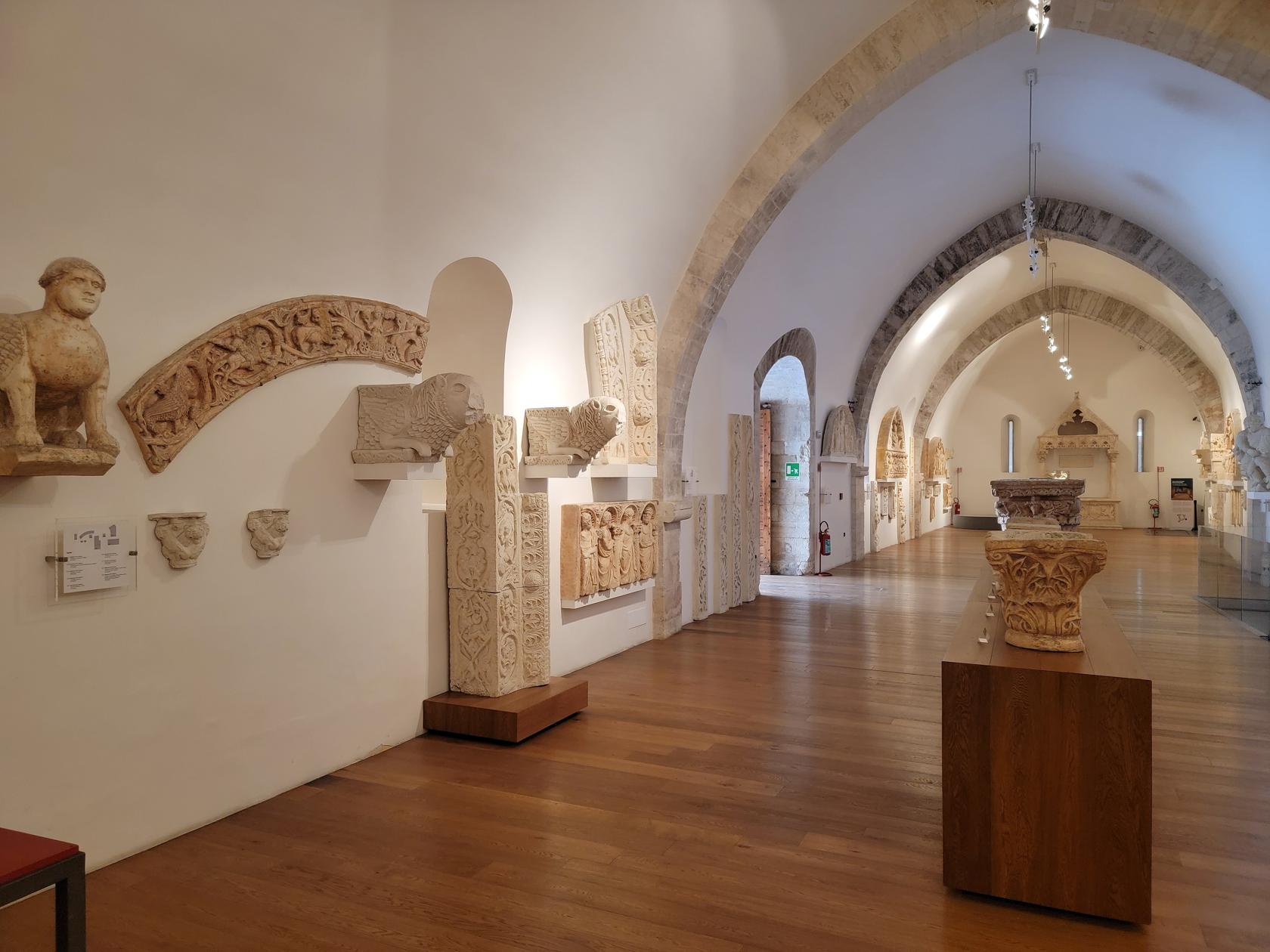
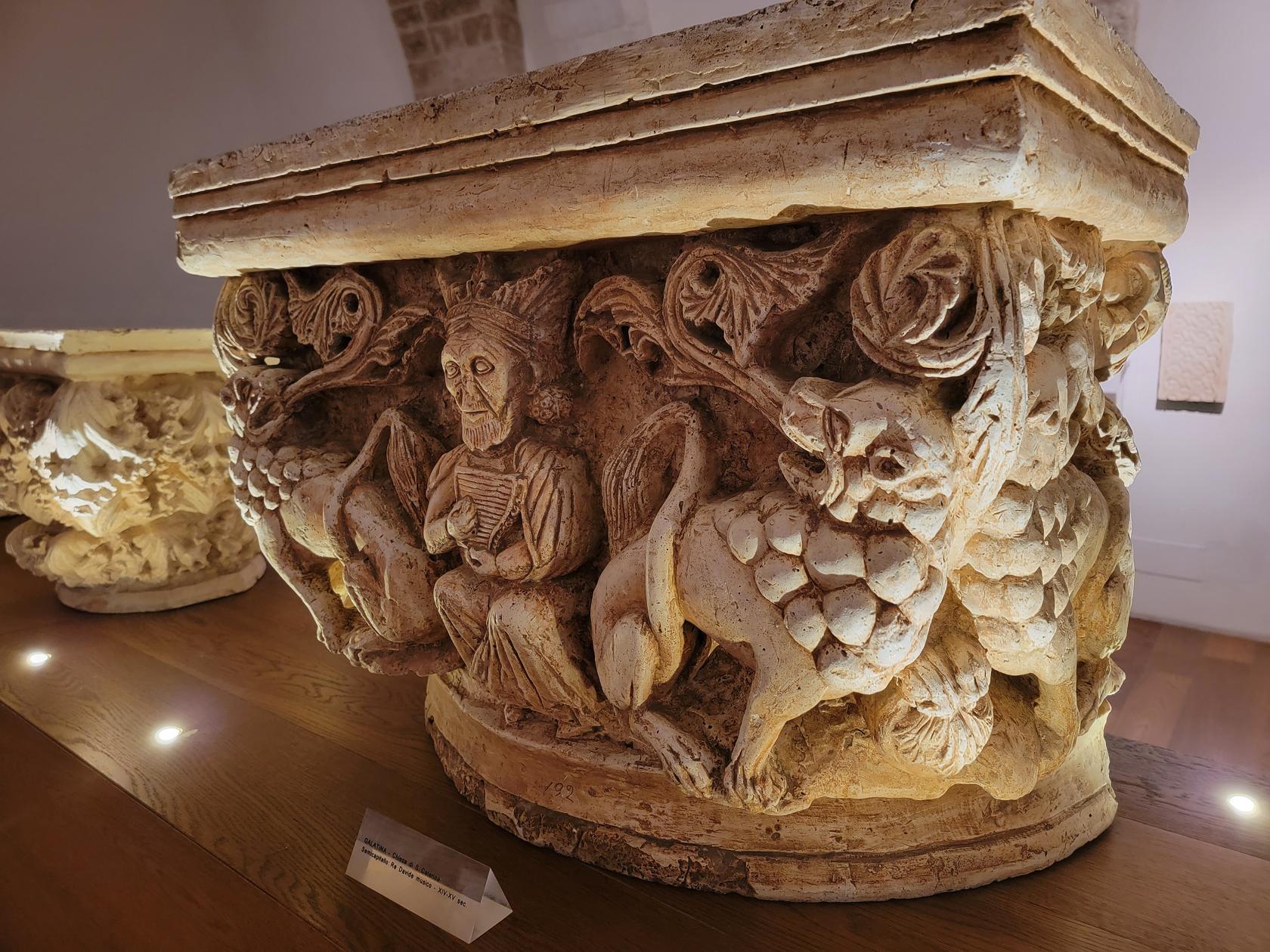
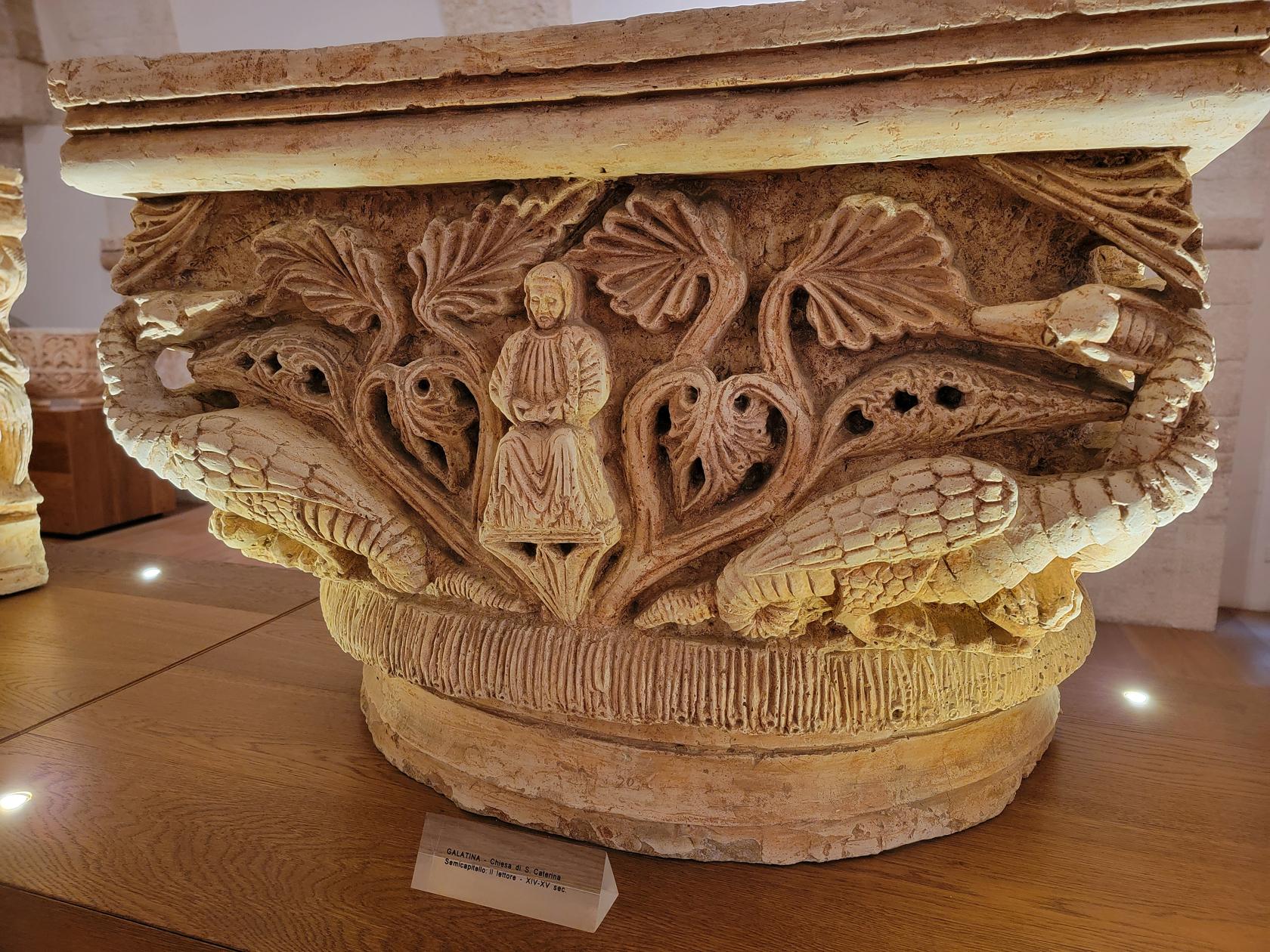
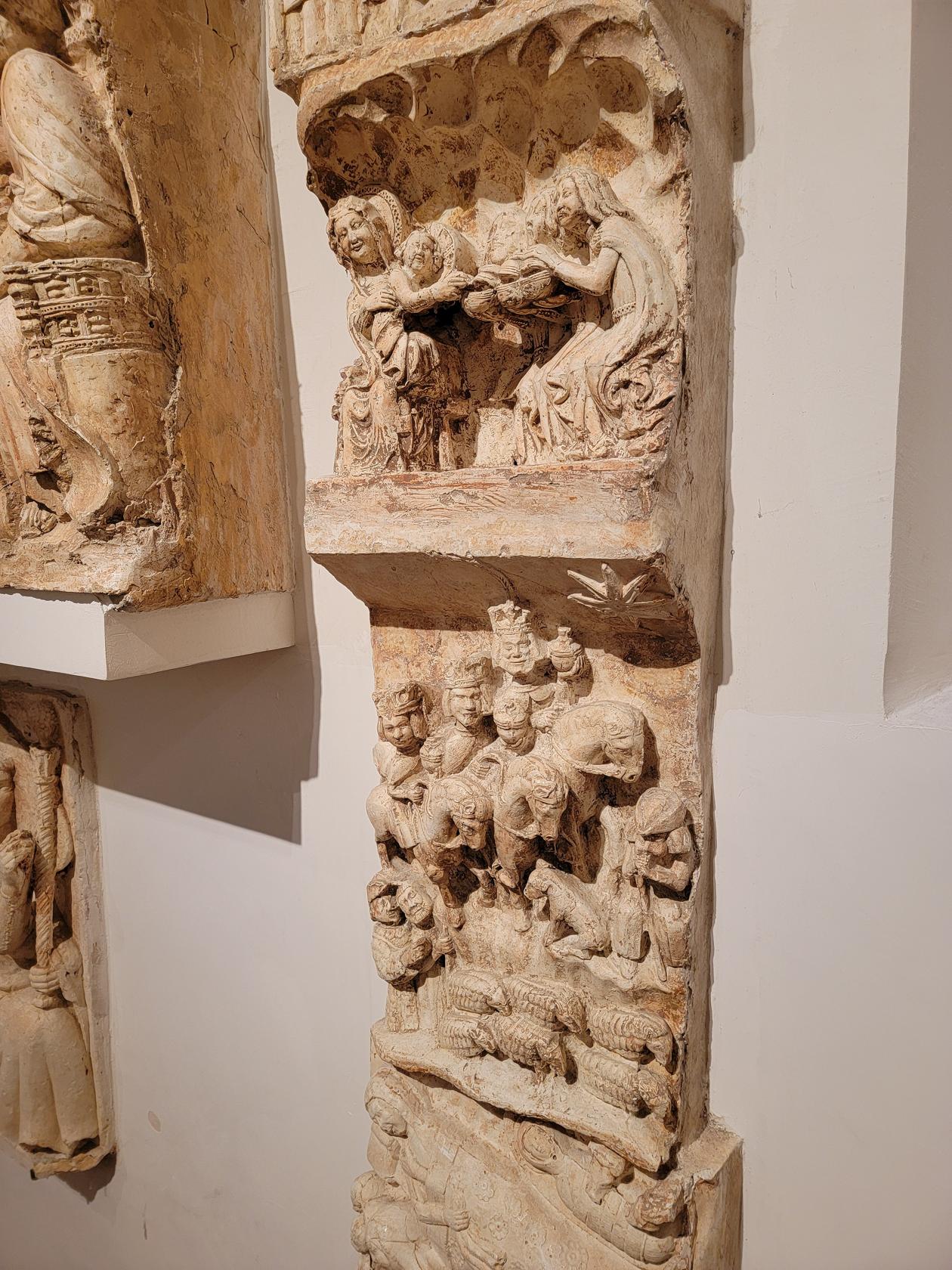
Castello Svevo di Bari – plaster casts – Bari, Italy
Castello Svevo di Bari – plaster casts – Bari, Italy
Castello Svevo di Bari – plaster casts – Bari, Italy
Castello Svevo di Bari – plaster casts – Bari, Italy
Castello Svevo di Bari – plaster cast of a capitol – Bari, Italy
Castello Svevo di Bari – plaster casts – Bari, Italy
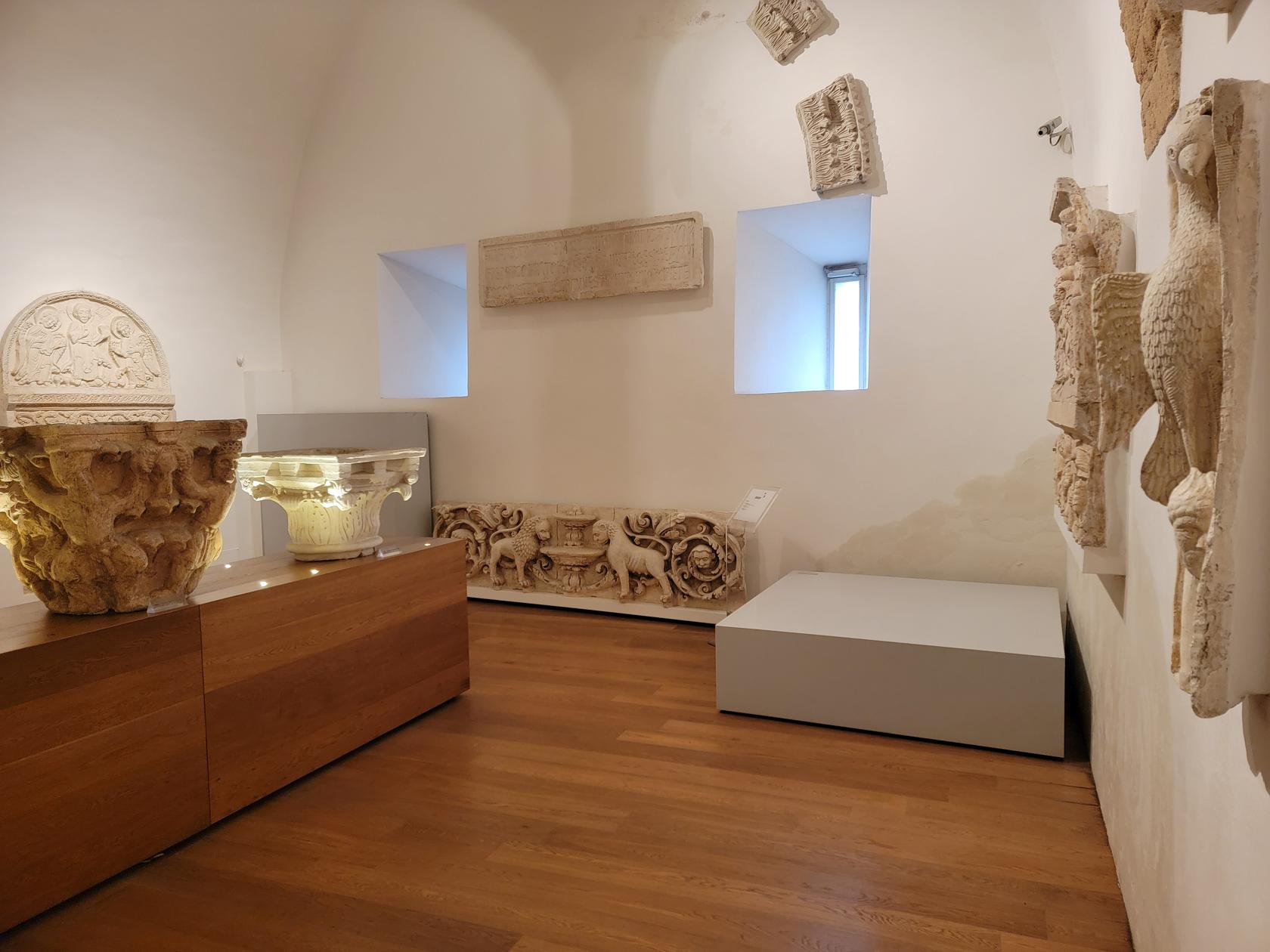
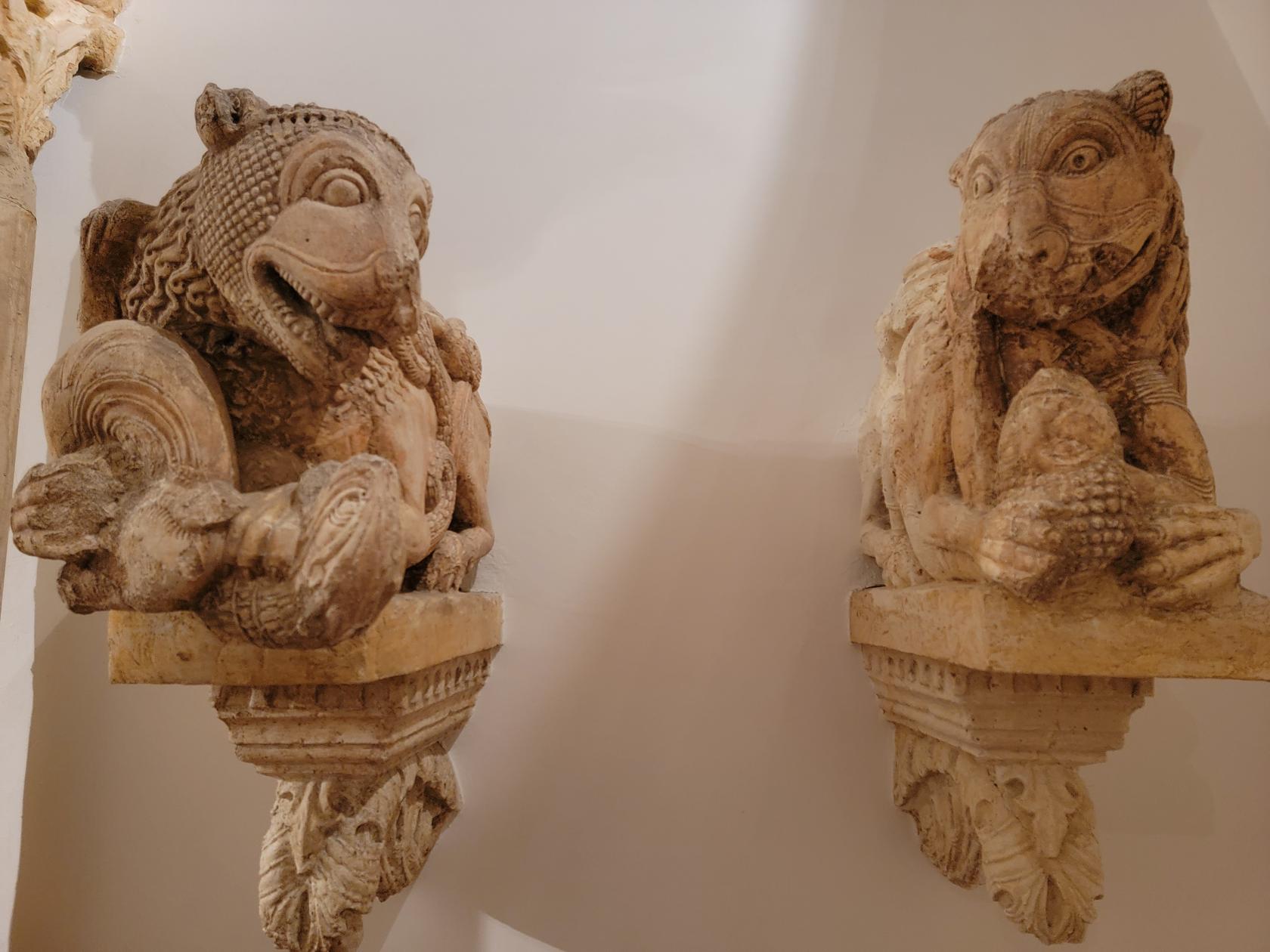
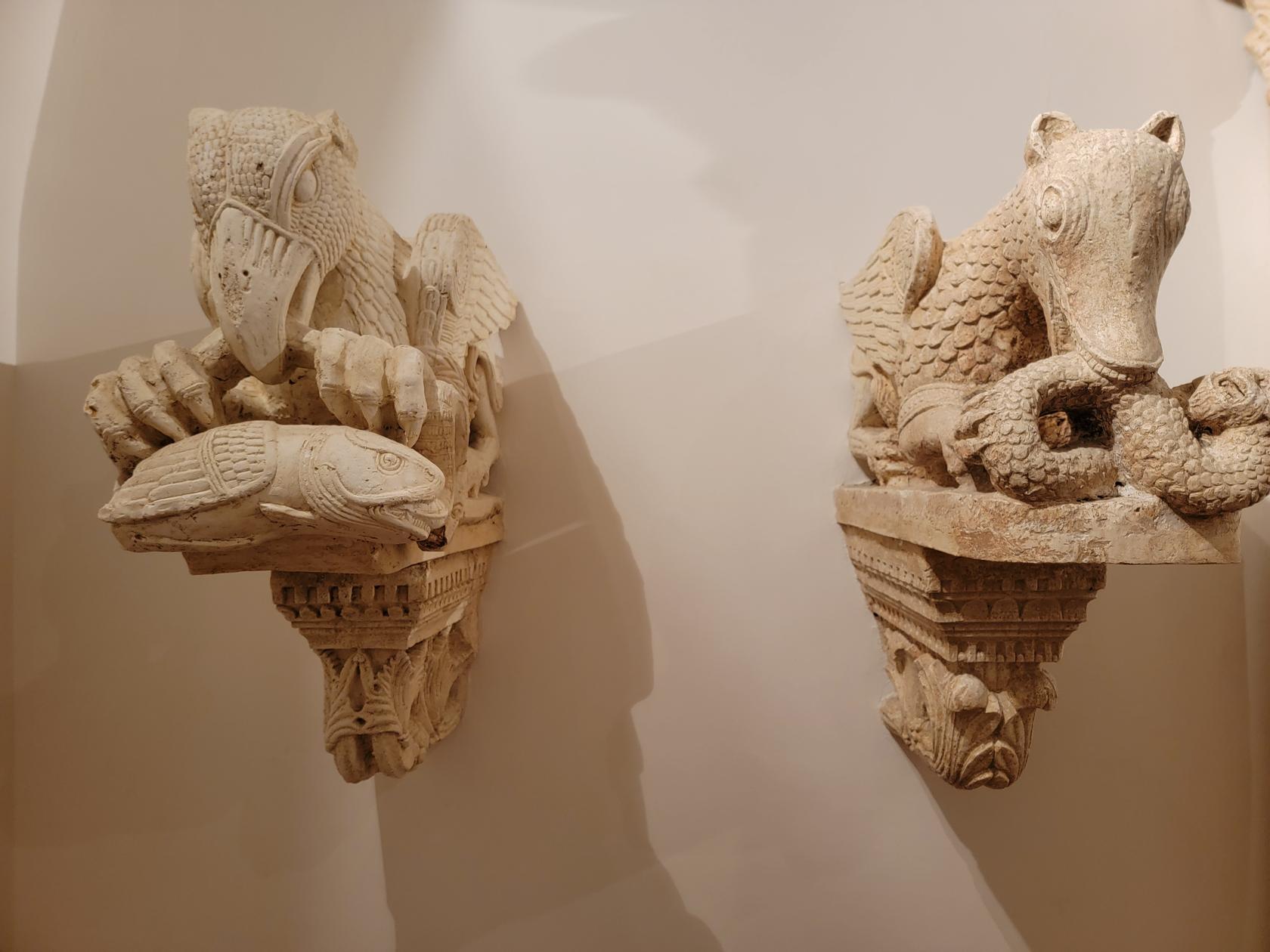
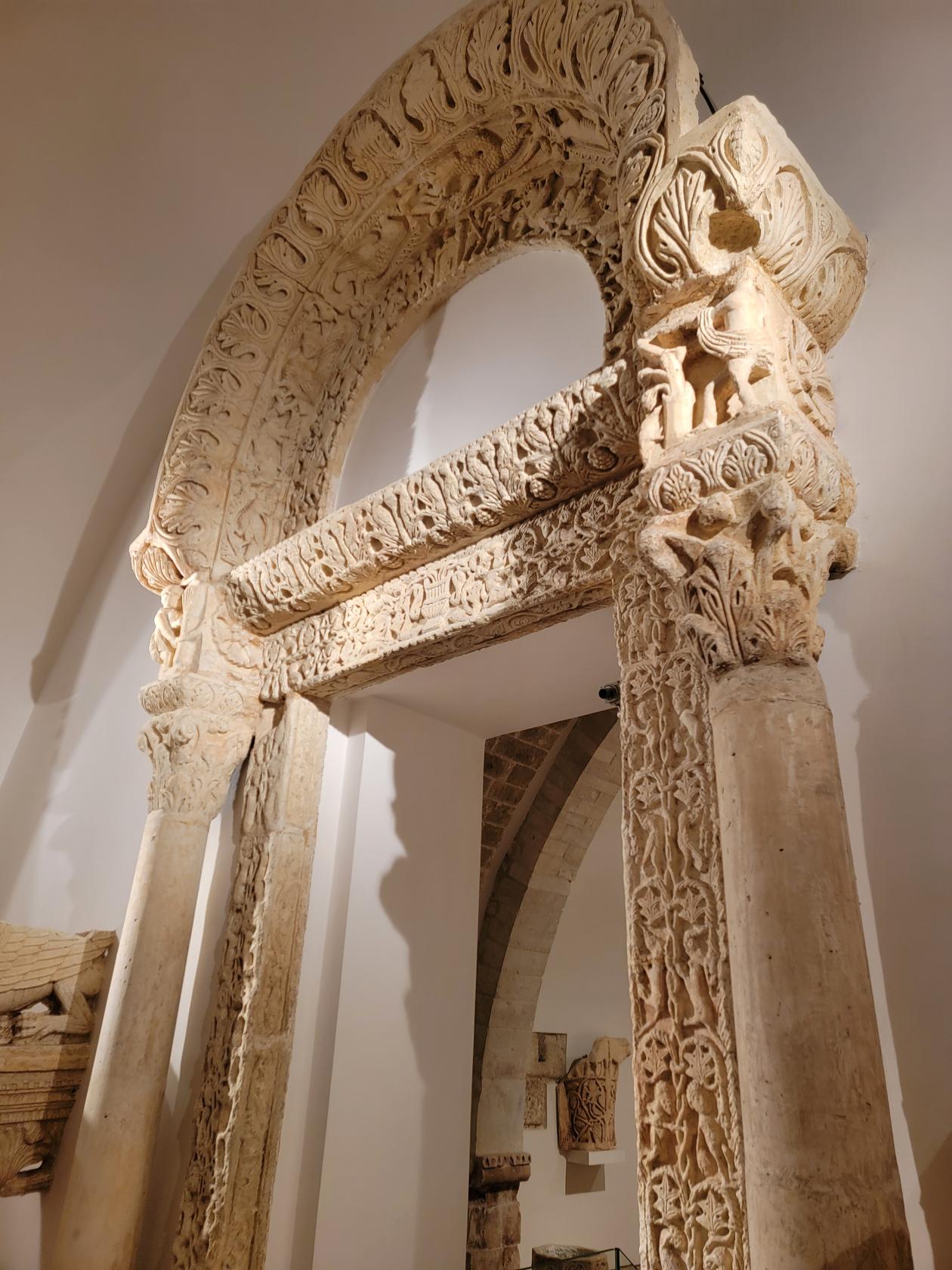
Castello Svevo di Bari – Griffins from Cathedral Saint Marie Assunta and San Sabino, 12th century – Bari, Italy
Castello Svevo di Bari – Castello Svevo di Bari – Griffins from Cathedral Saint Marie Assunta and San Sabino, 12th century – Bari, Italy – Bari, Italy
Castello Svevo di Bari – Basilica of Saint Nicola portal – Bari, Italy
Castello Svevo di Bari – altar – Bari, Italy
Castello Svevo di Bari – plaster casts – Bari, Italy
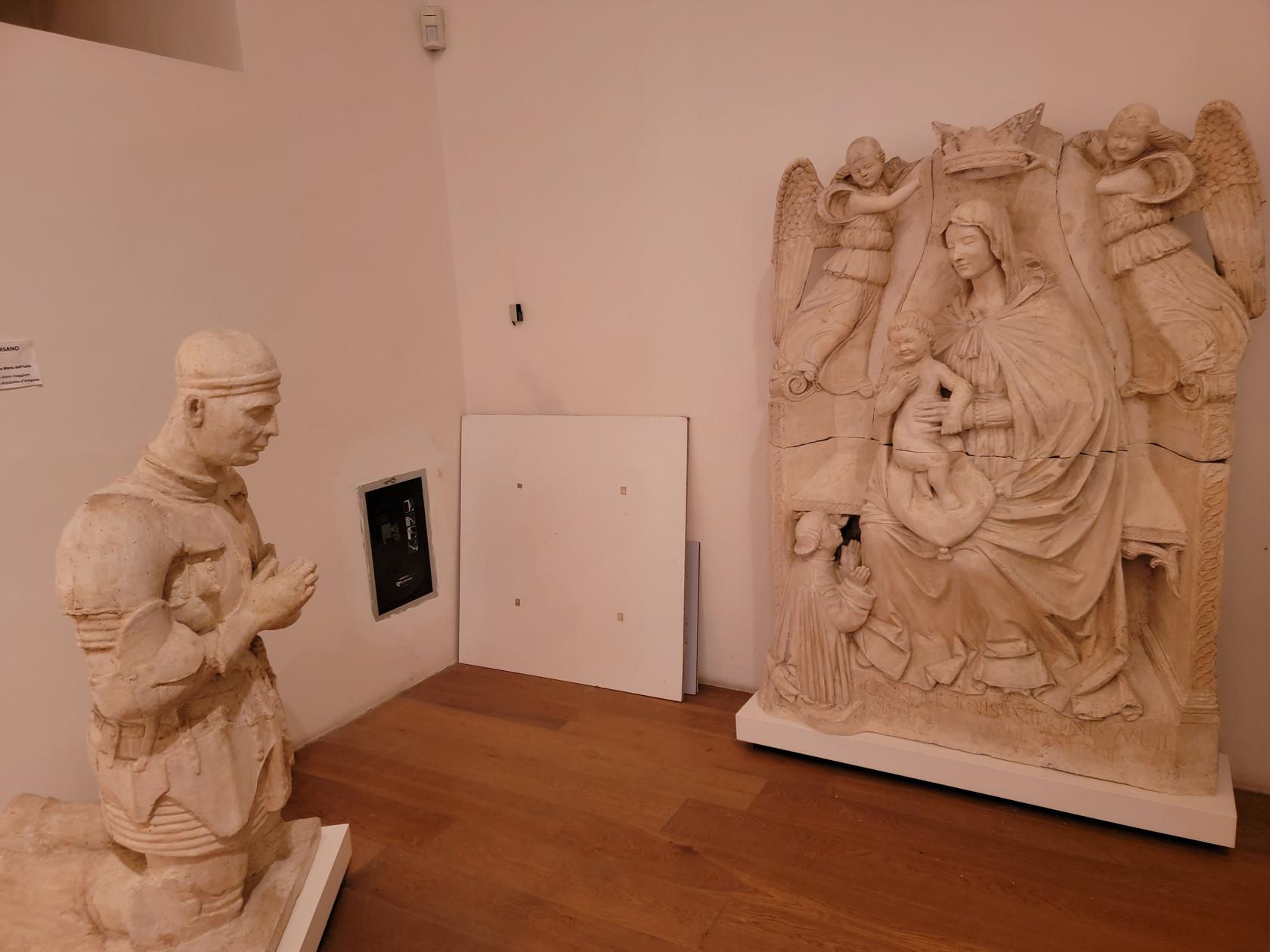
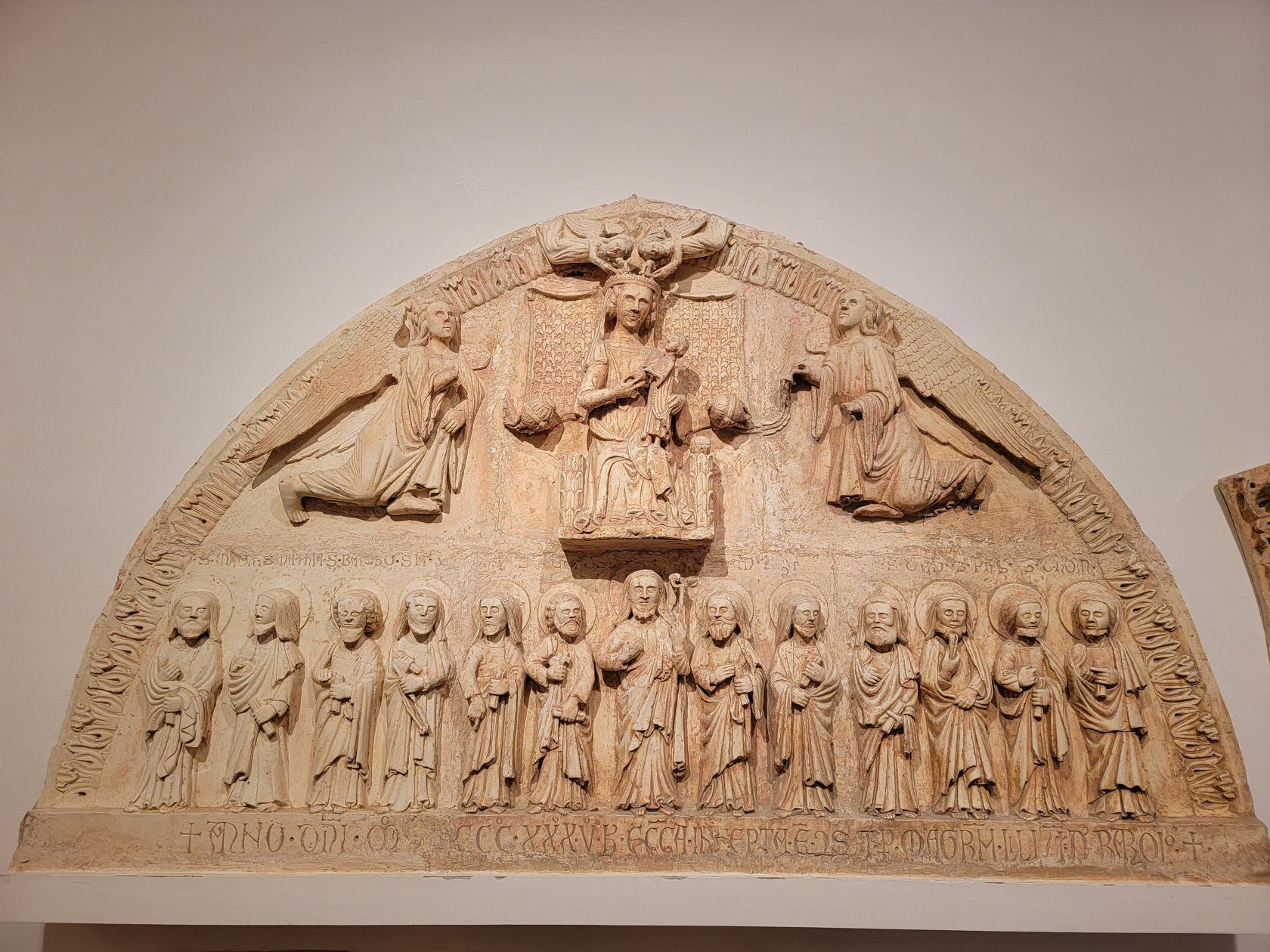
Castello Svevo di Bari – Mary with Jesus and two angels from Cathedral dell Assunta and Saínt Michele Archangel, 14th century – Bari, Italy
Castello Svevo di Bari – ornate plaster casts – Bari, Italy
Castello Svevo di Bari – Mary with Jesus and two angels from Cathedral of Saint Maria Assunta, 14-15th century – Bari, Italy
Churches and Cathedrals
Cathedral Of Bari
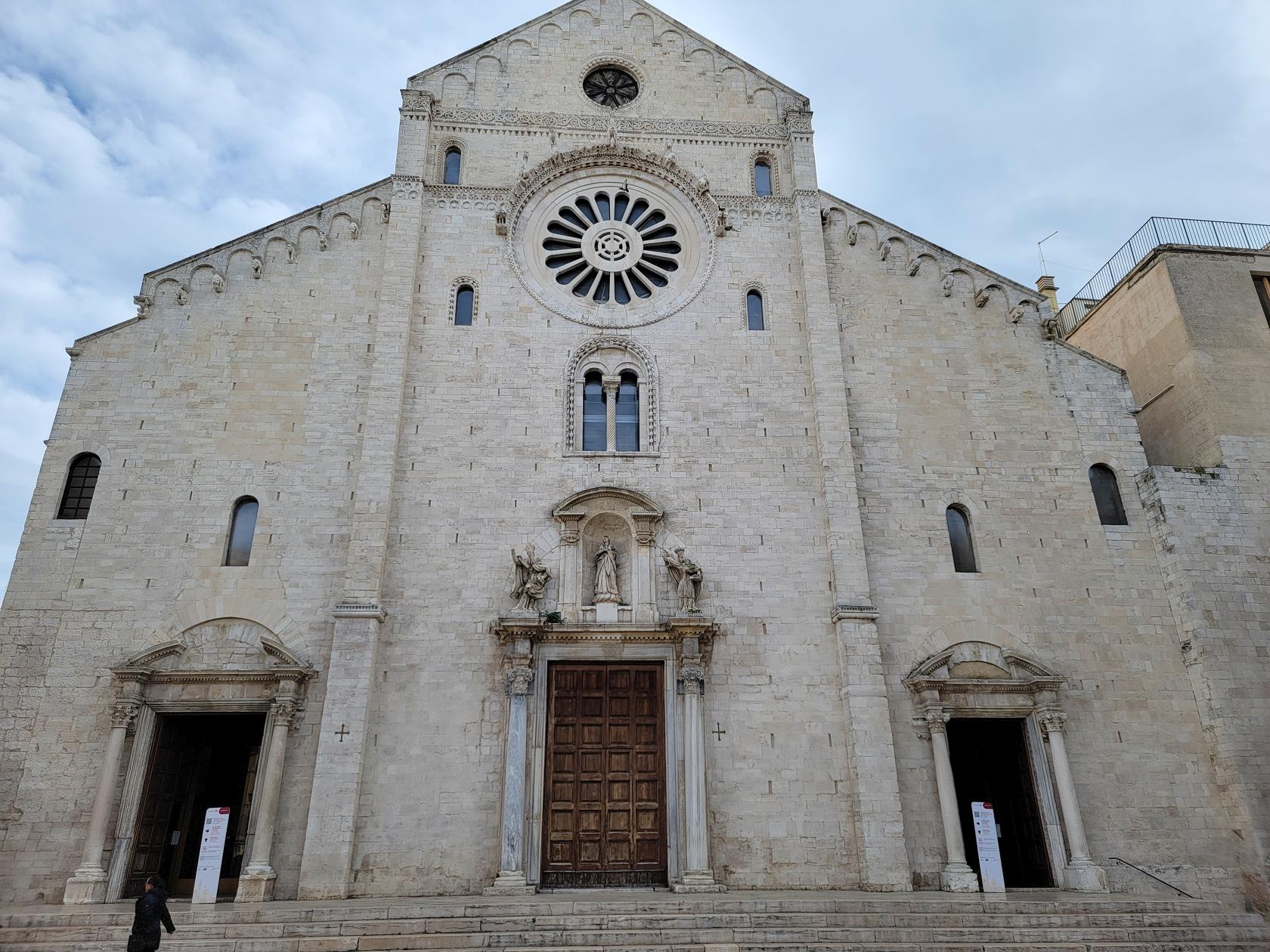
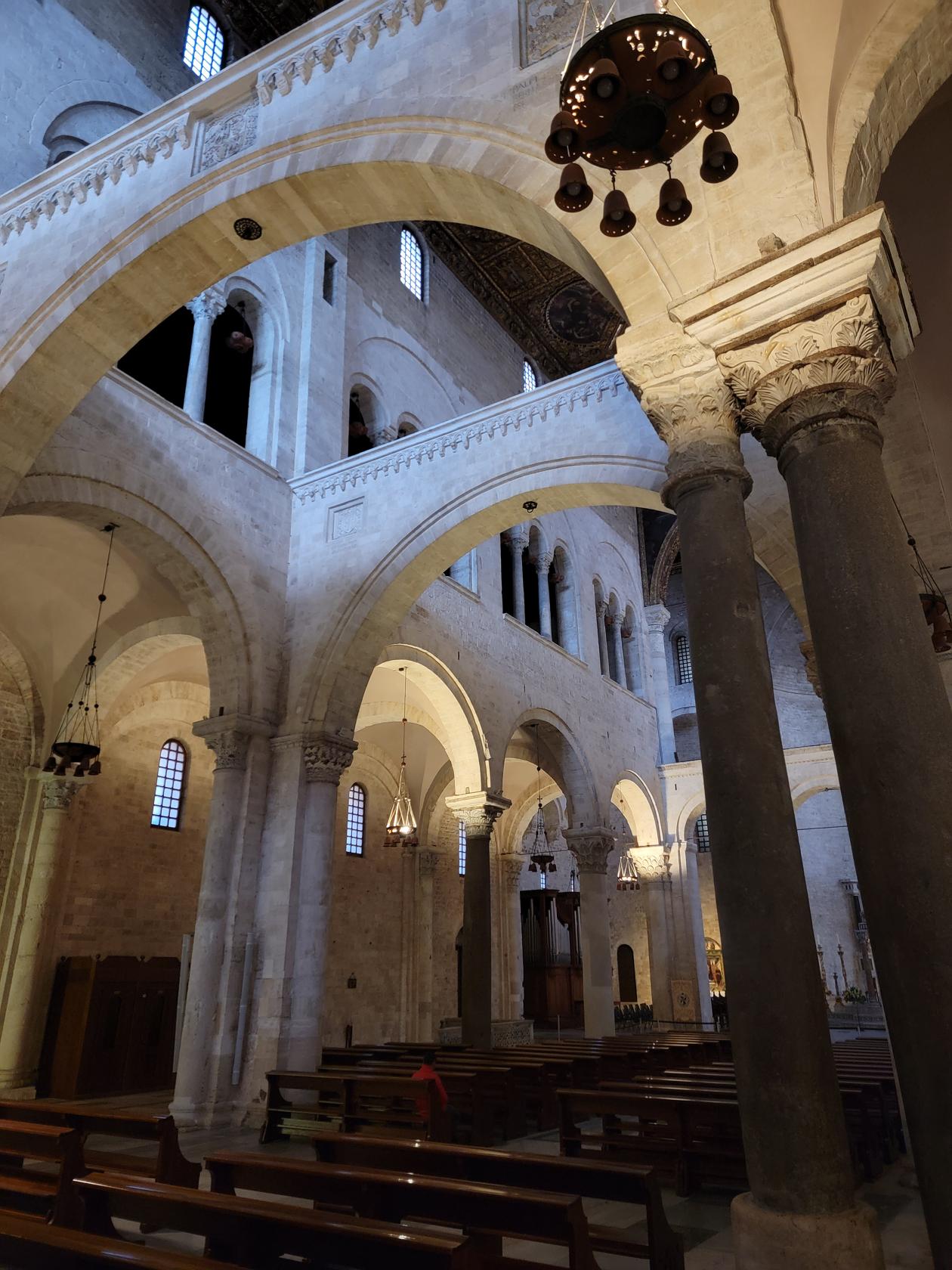
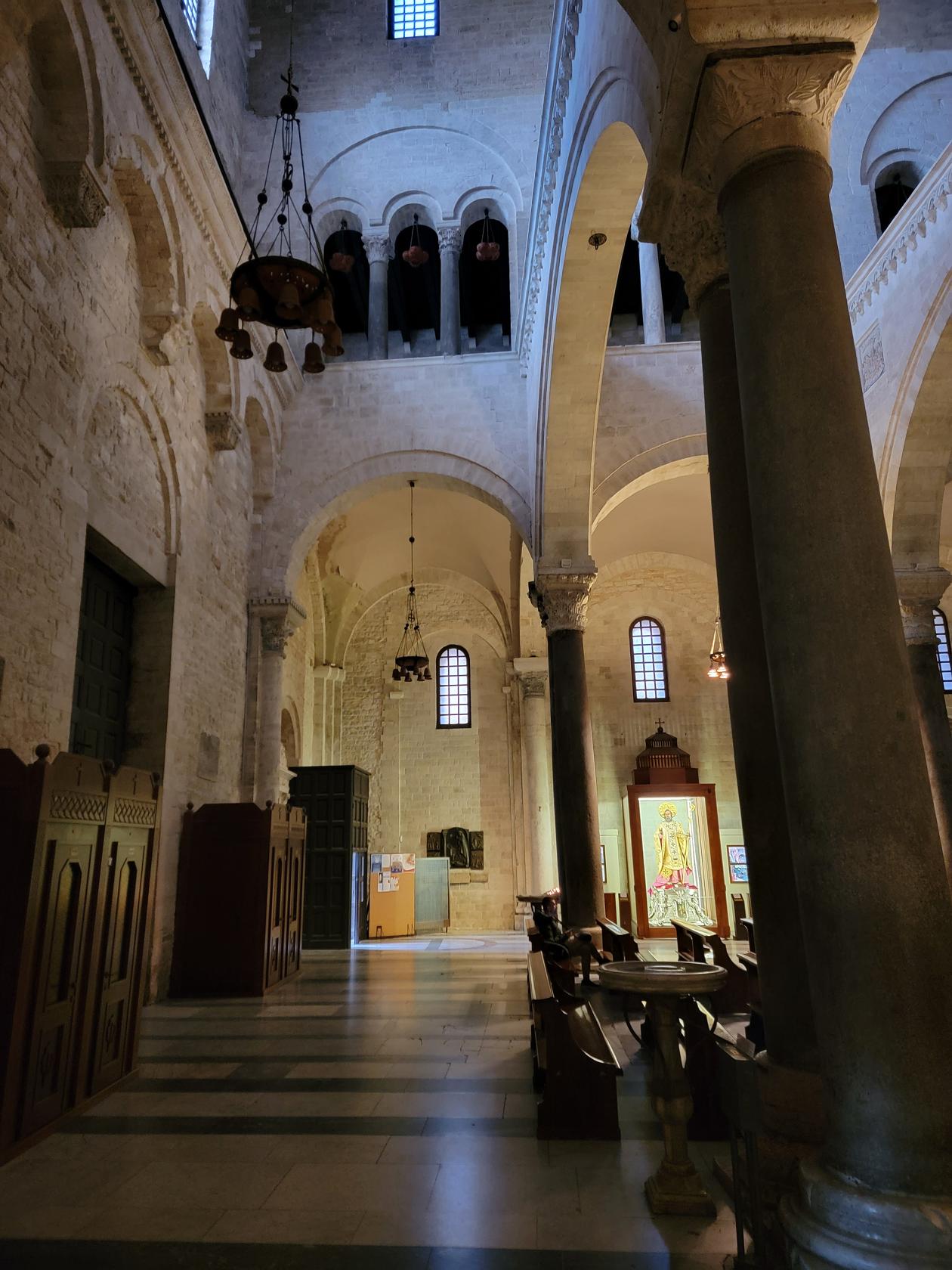
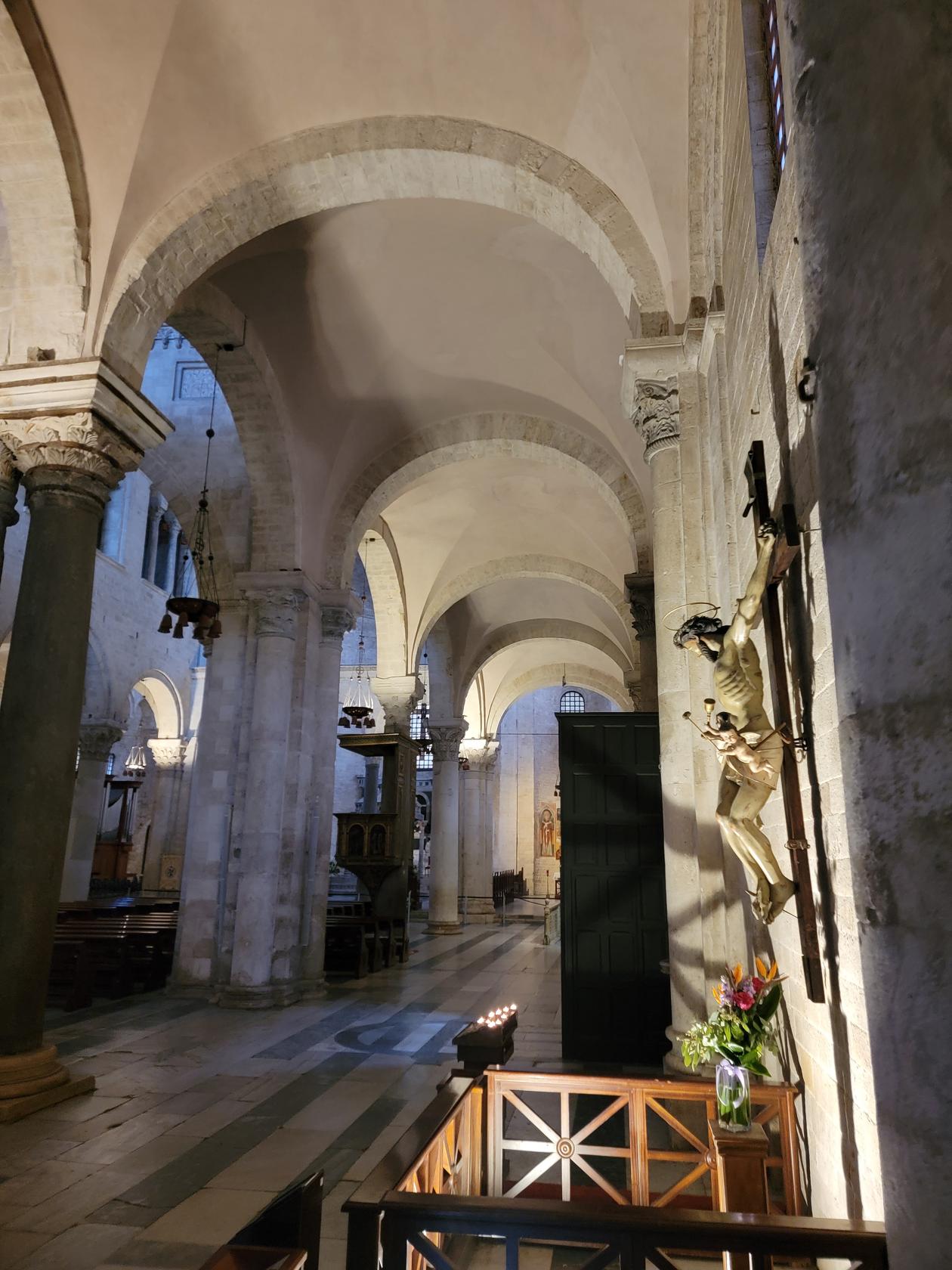
The Cathedral of Bari was built mostly in the last thirty years of the twelfth century. It was built on top of the destroyed Byzantine church that used to stand, as well as older Roman ruins.
Cathedrale di Bari – Outside – Bari, Italy
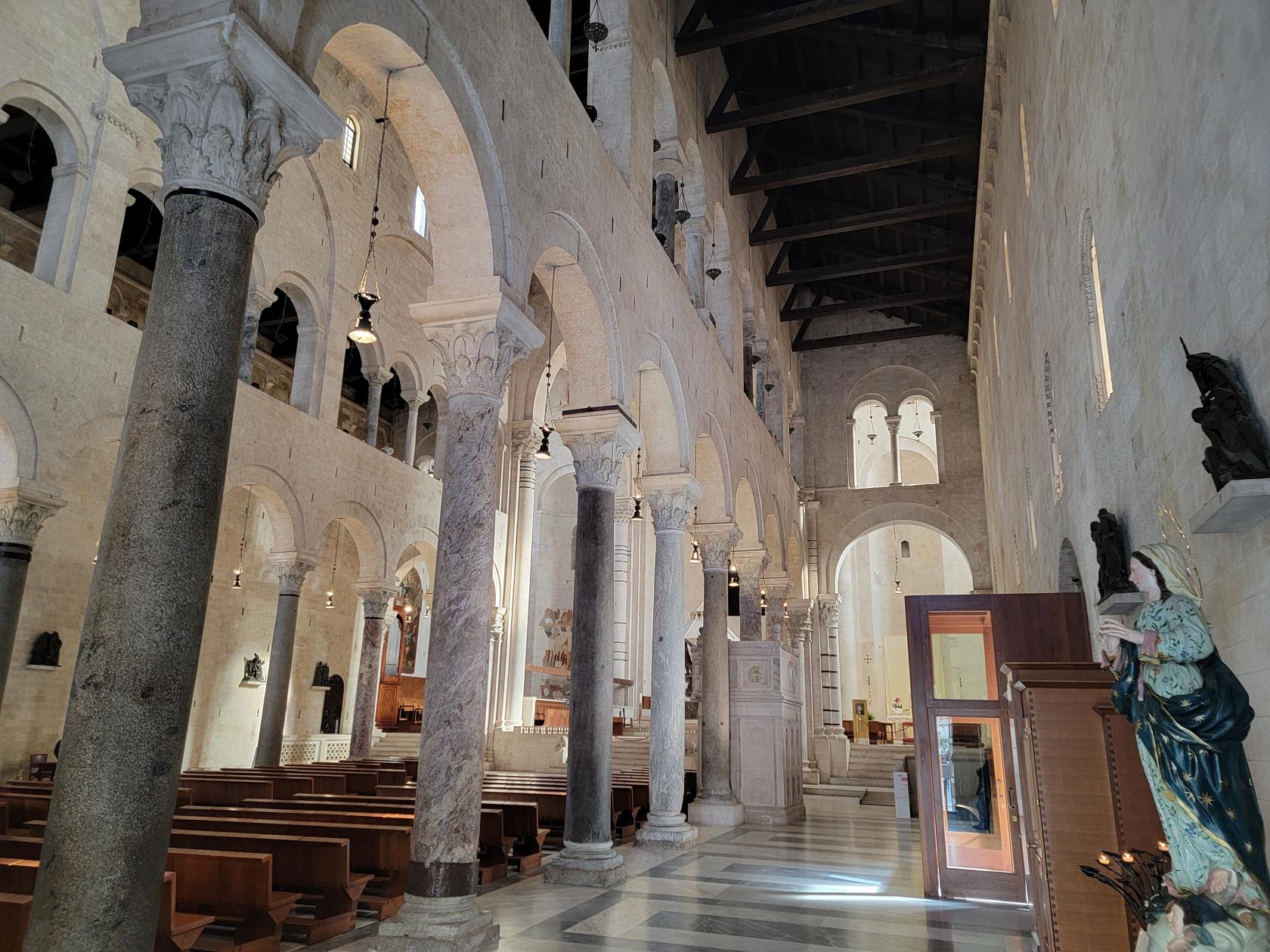
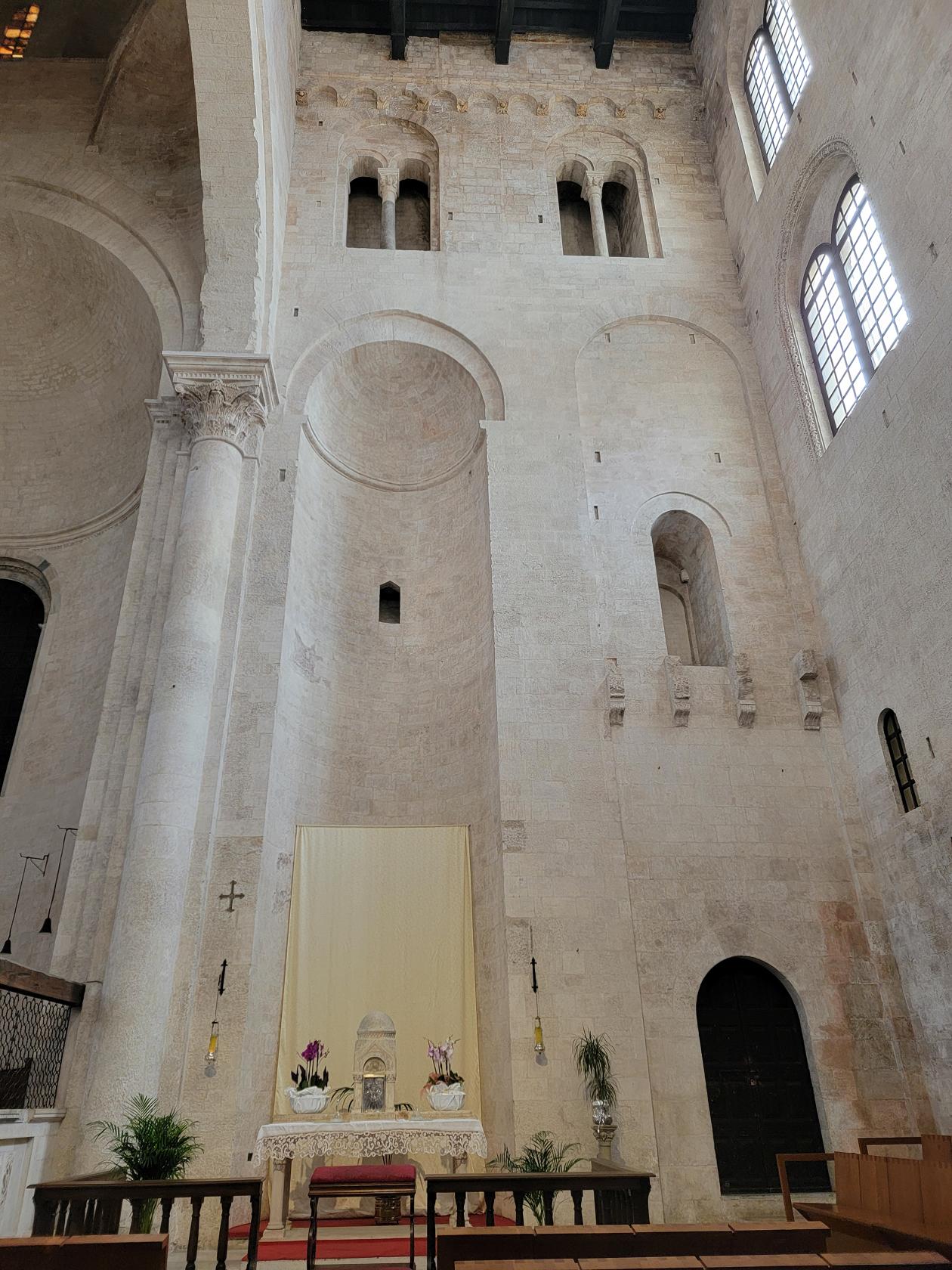
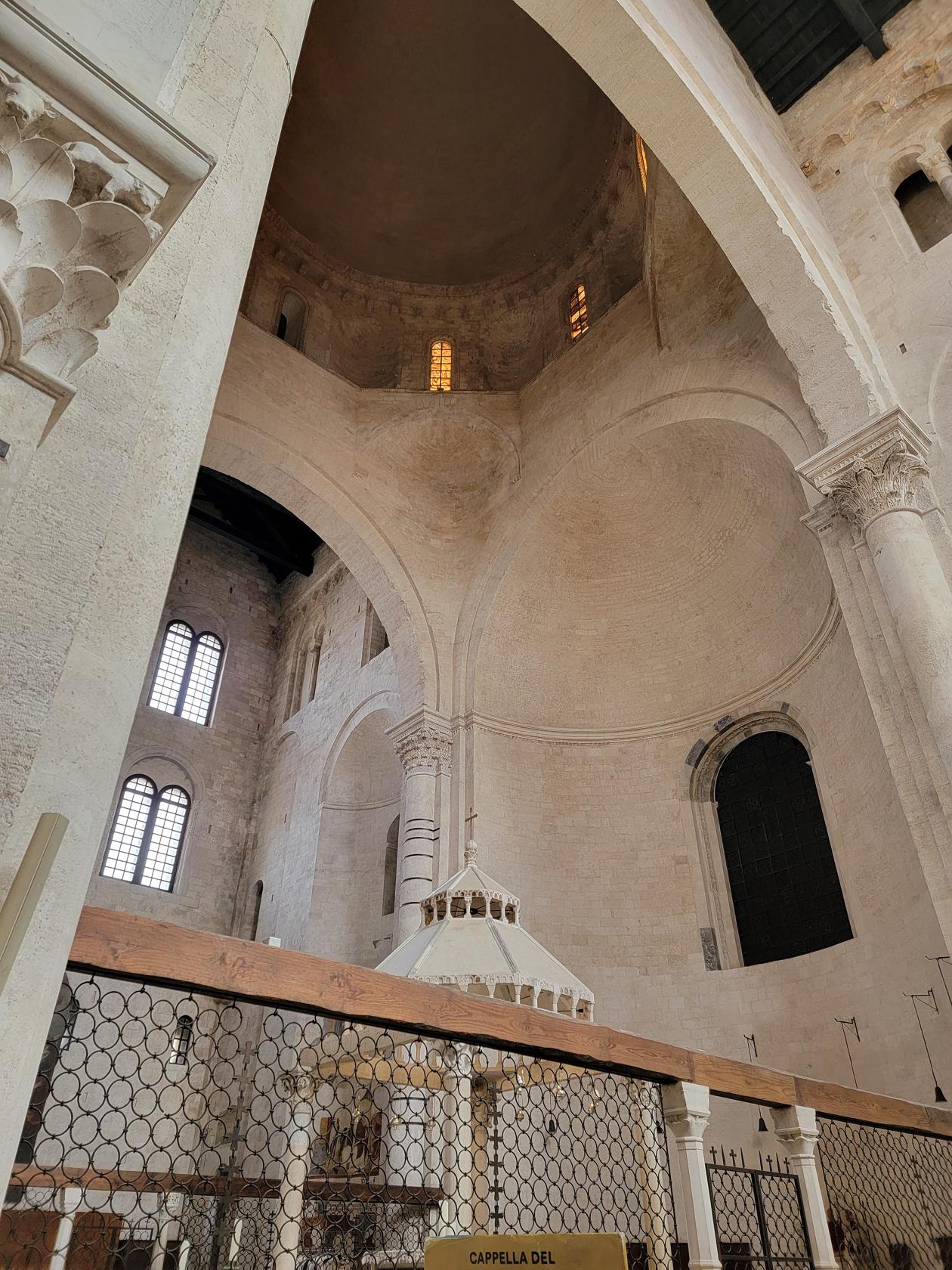
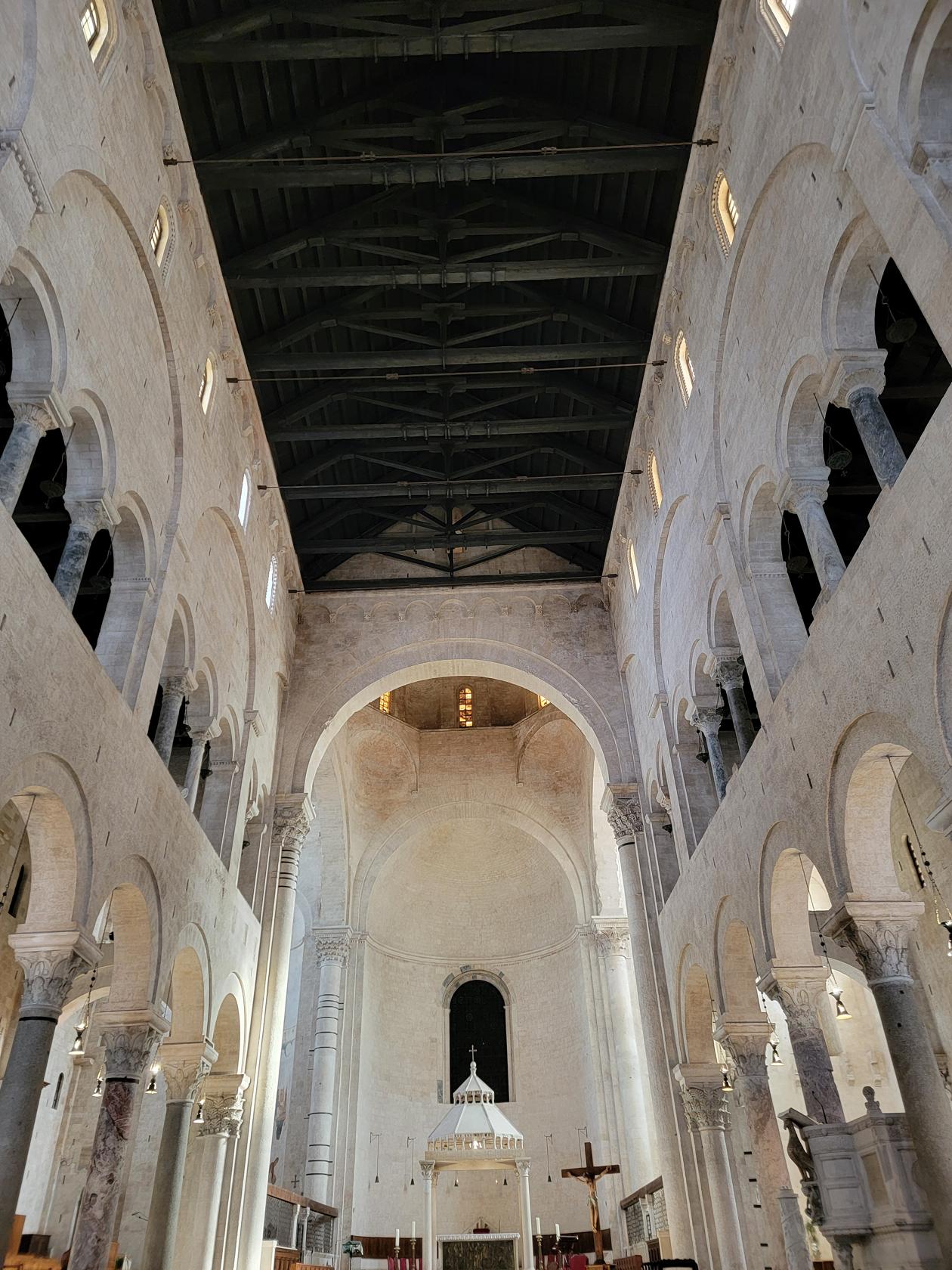
The interior is rather majestic for an ancient Catholic church and owes much to the simplicity of its architecture.
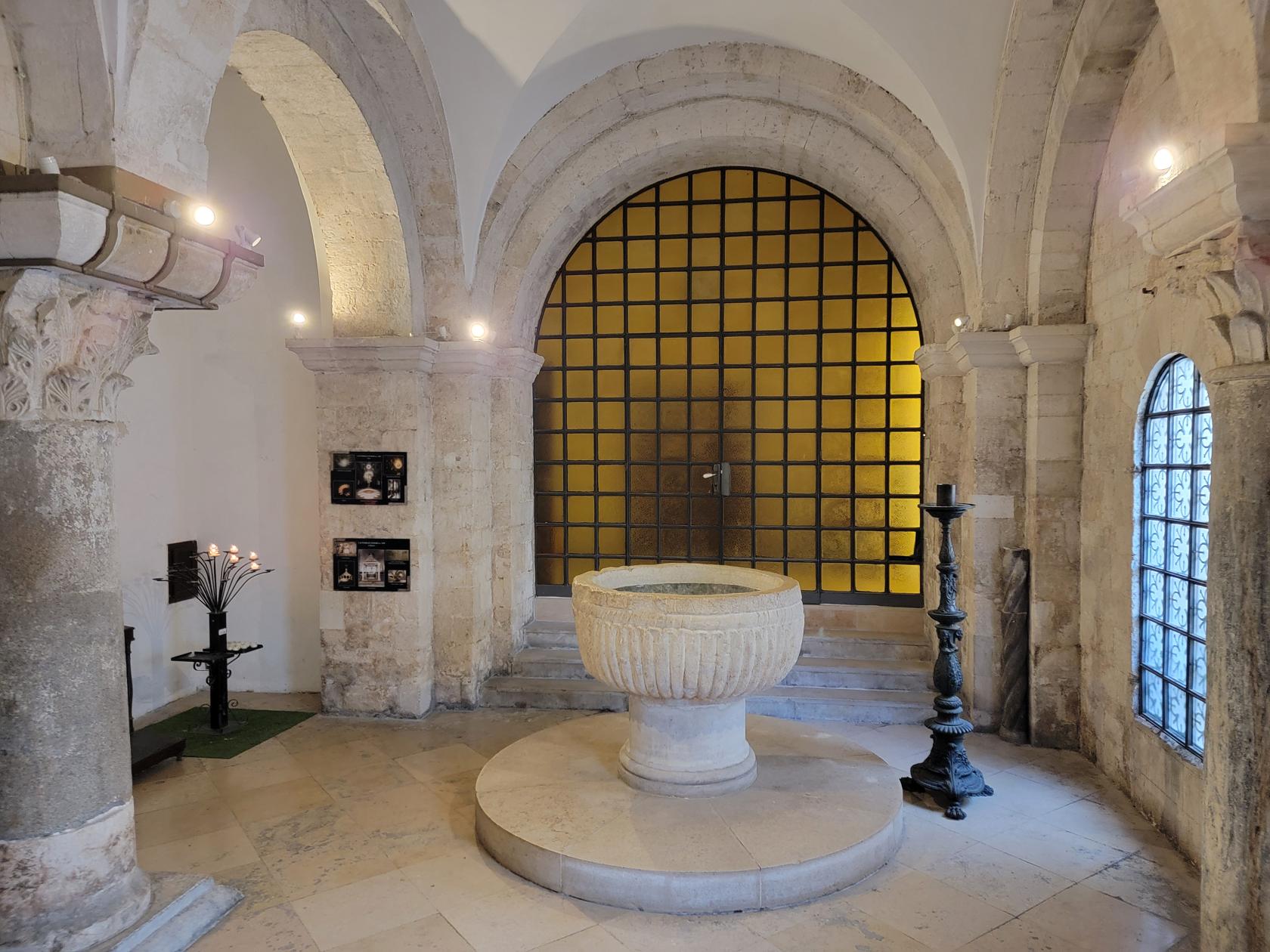
Cathedrale di Bari – Baptism font – Bari, Italy
Cathedrale di Bari – Aisle along Nave – Bari, Italy
Cathedrale di Bari – Nave – Bari, Italy
Cathedrale di Bari – Right Apse – Bari, Italy
Cathedrale di Bari – Left Apse – Bari, Italy
Cathedrale di Bari – Nave – Bari, Italy
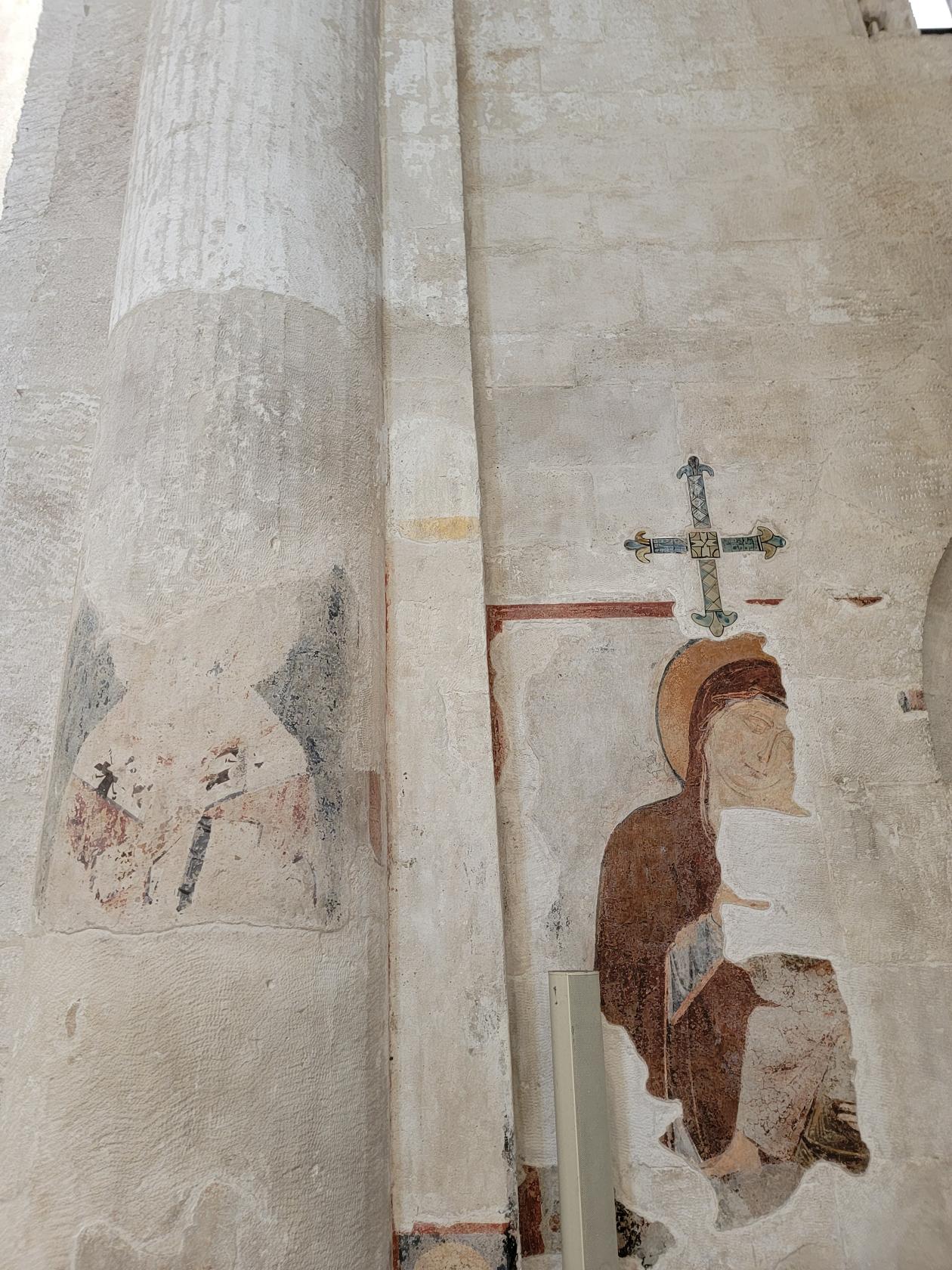
Cathedrale di Bari – Frescos – Bari, Italy
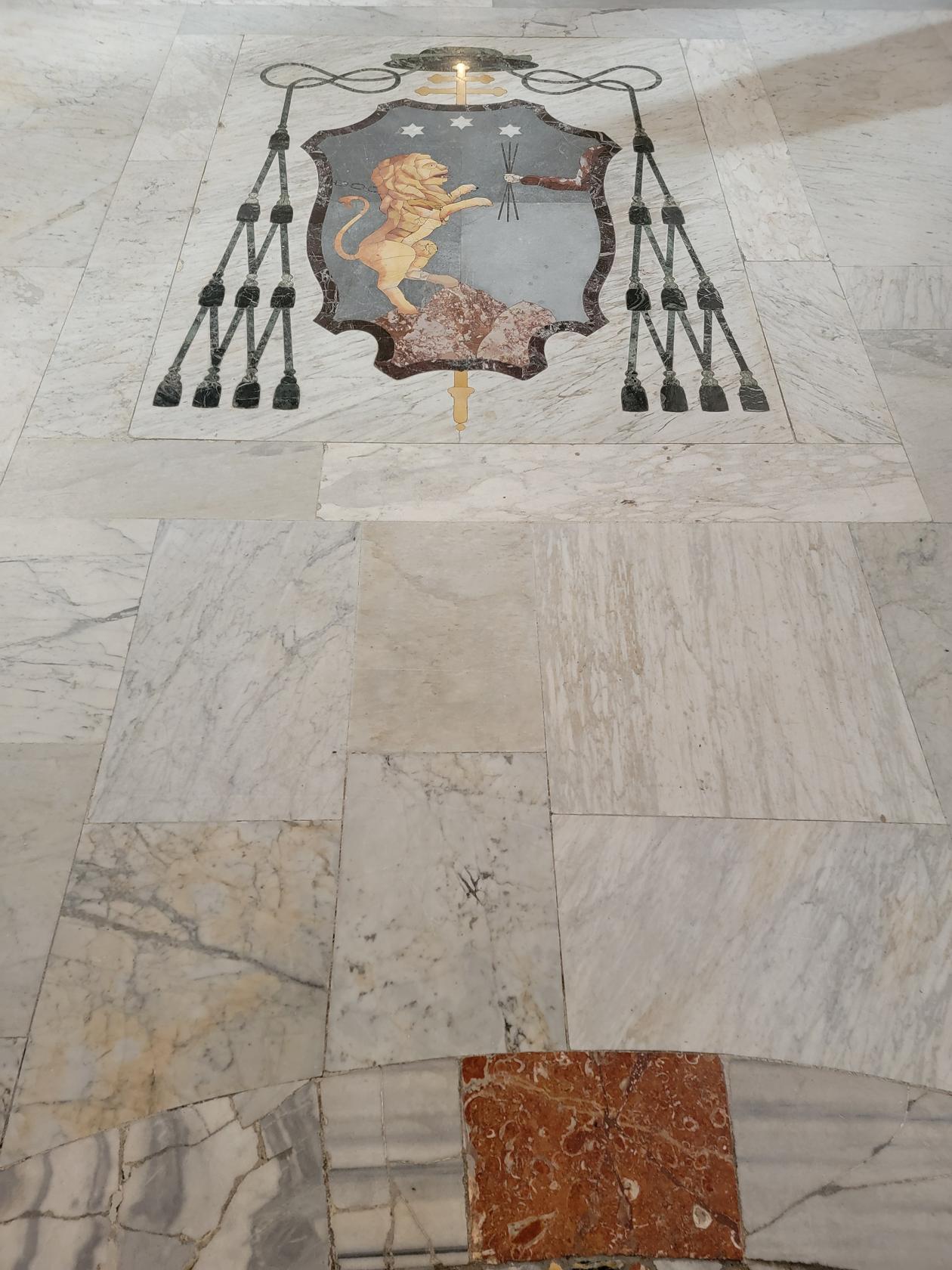
Cathedrale di Bari – Papal Seal – Bari, Italy
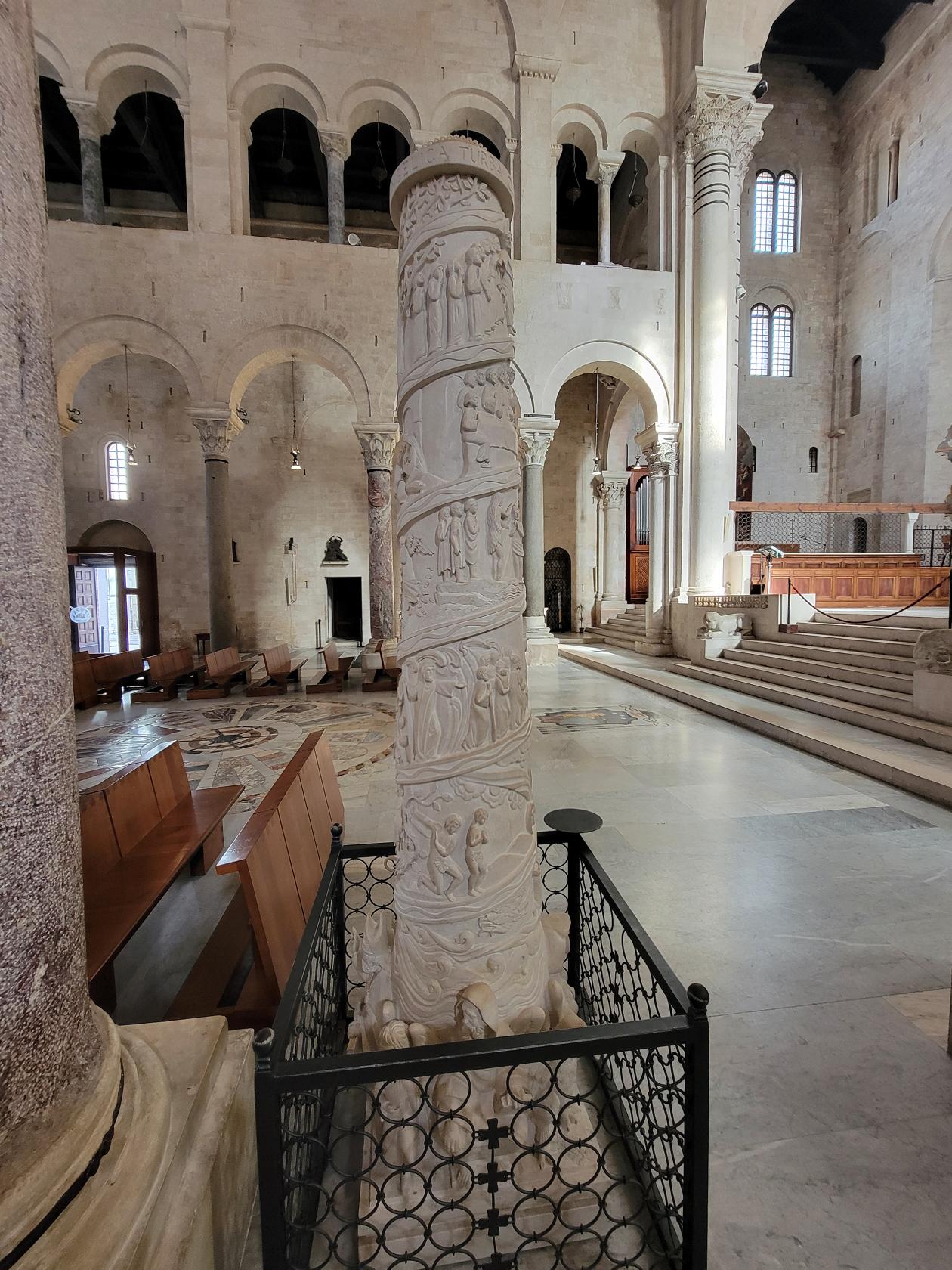
Cathedrale di Bari – Column – Bari, Italy
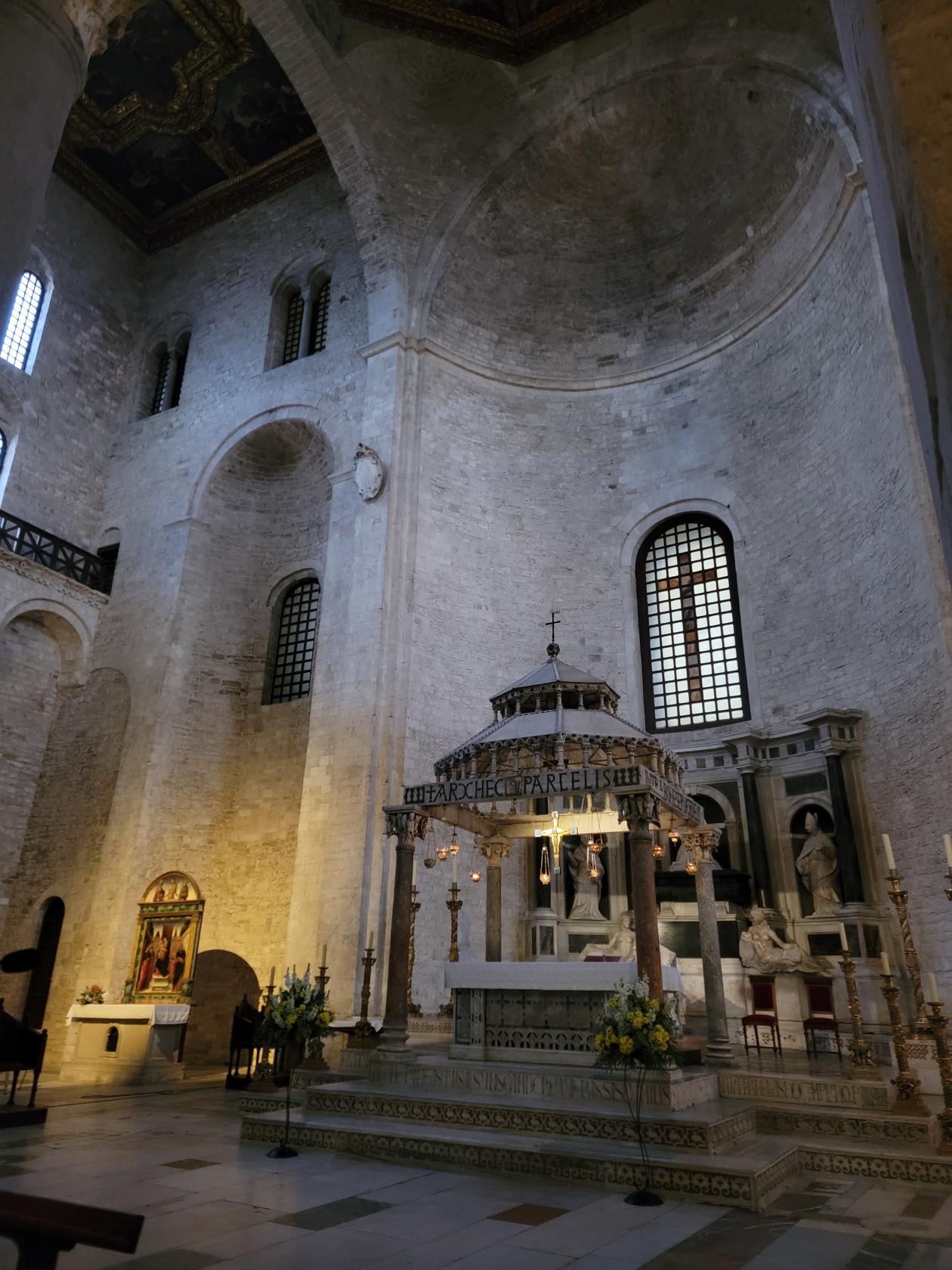
Cathedrale di Bari – Altar – Bari, Italy
The Crypt
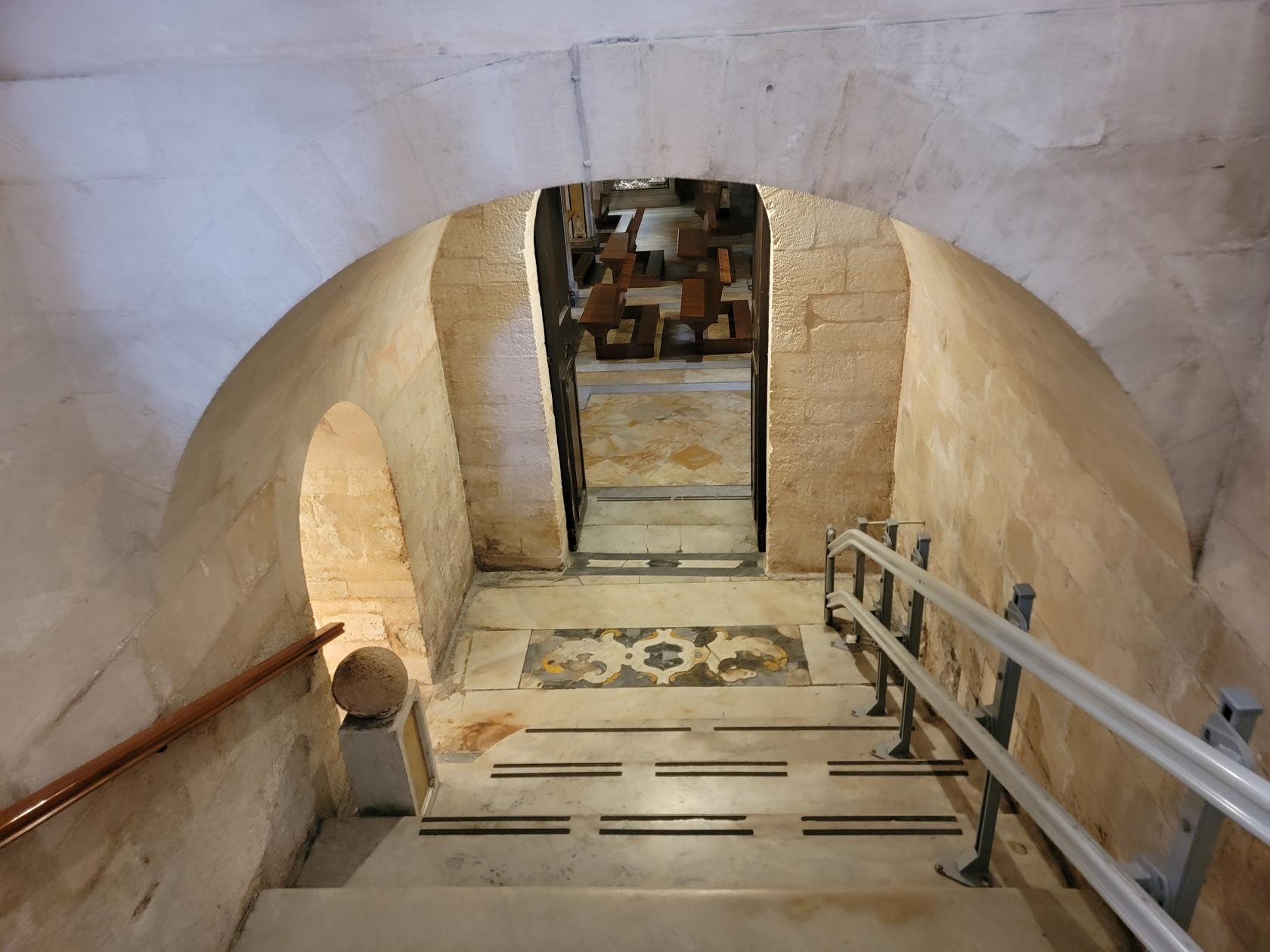
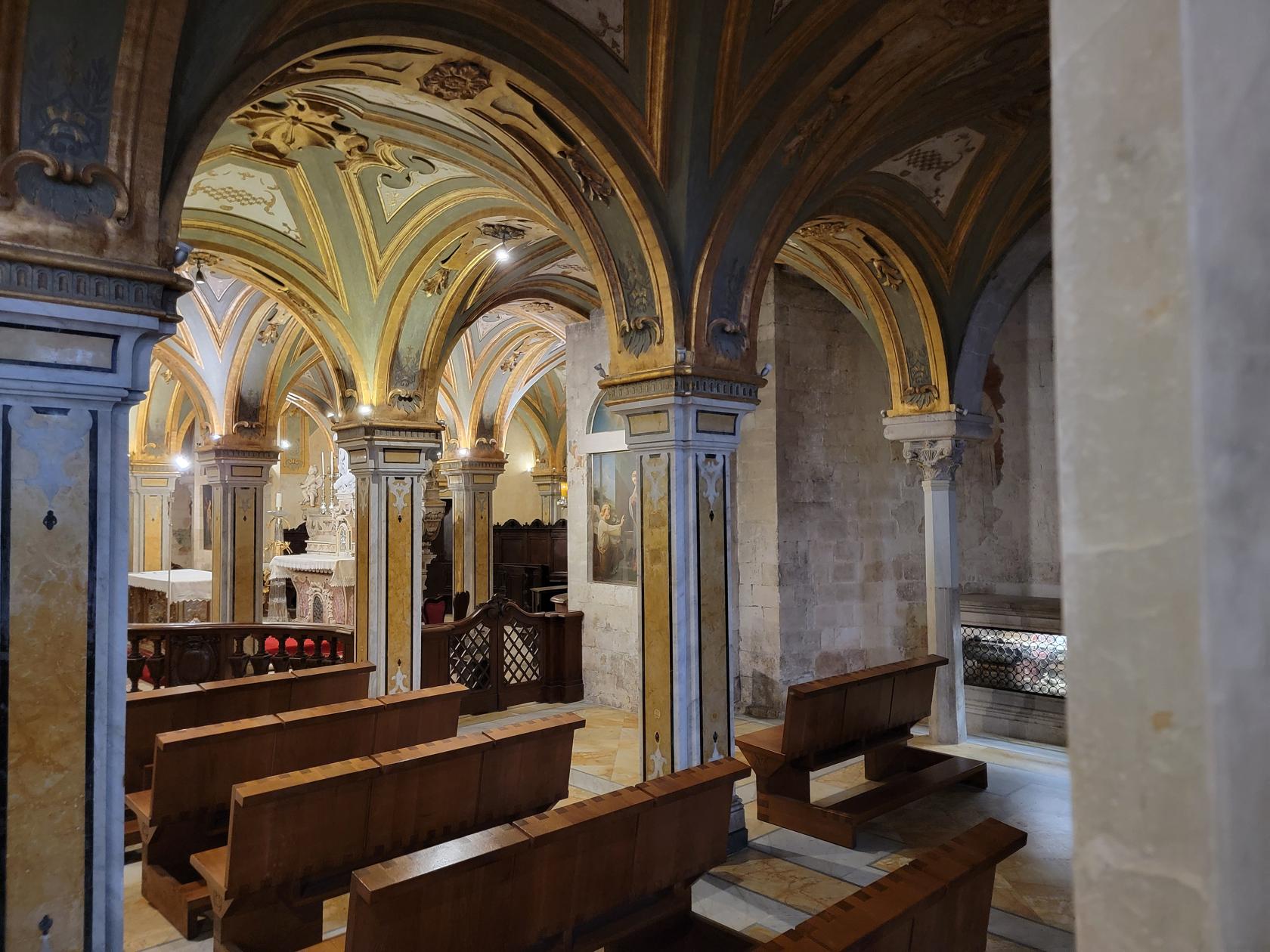
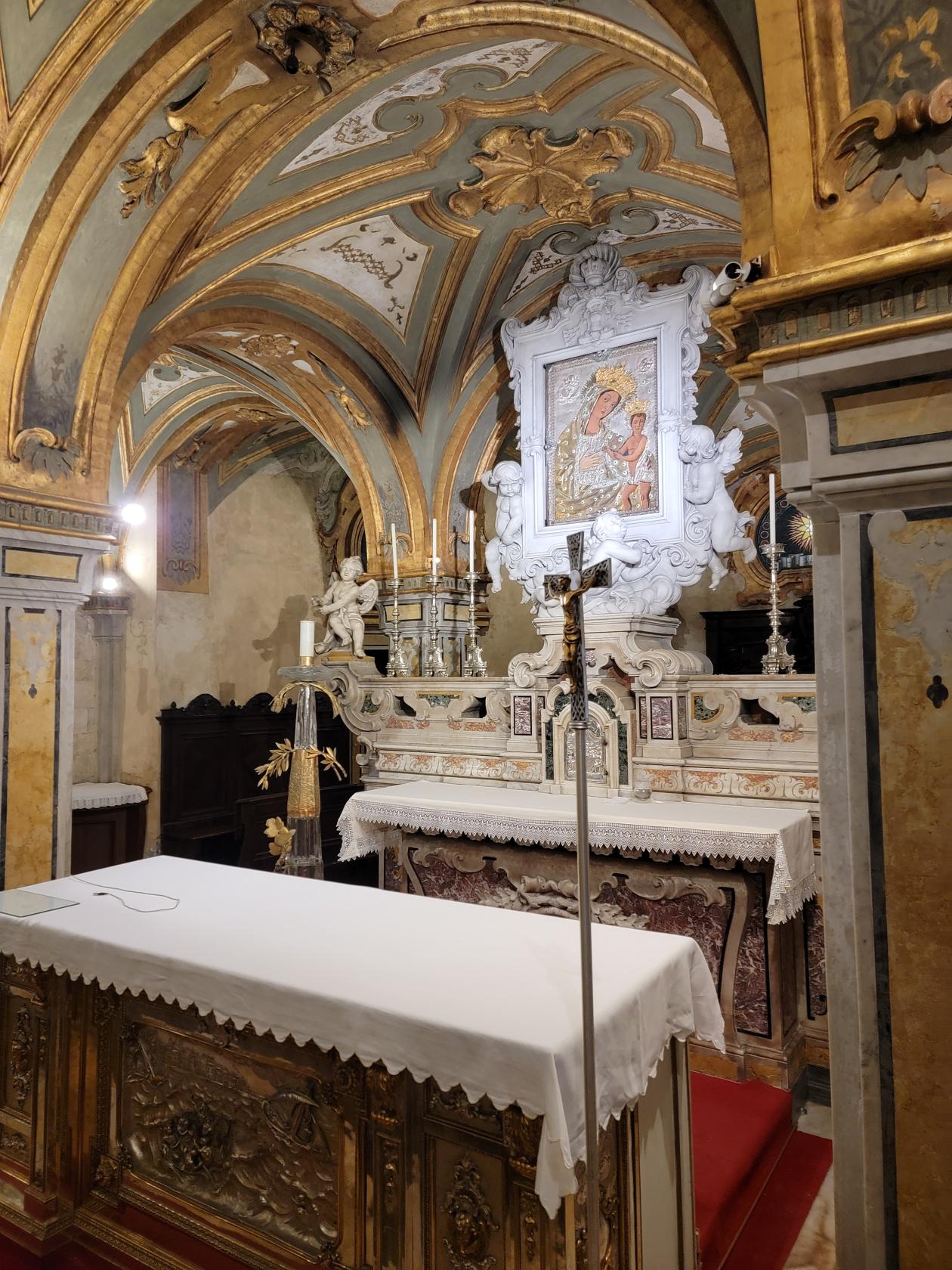
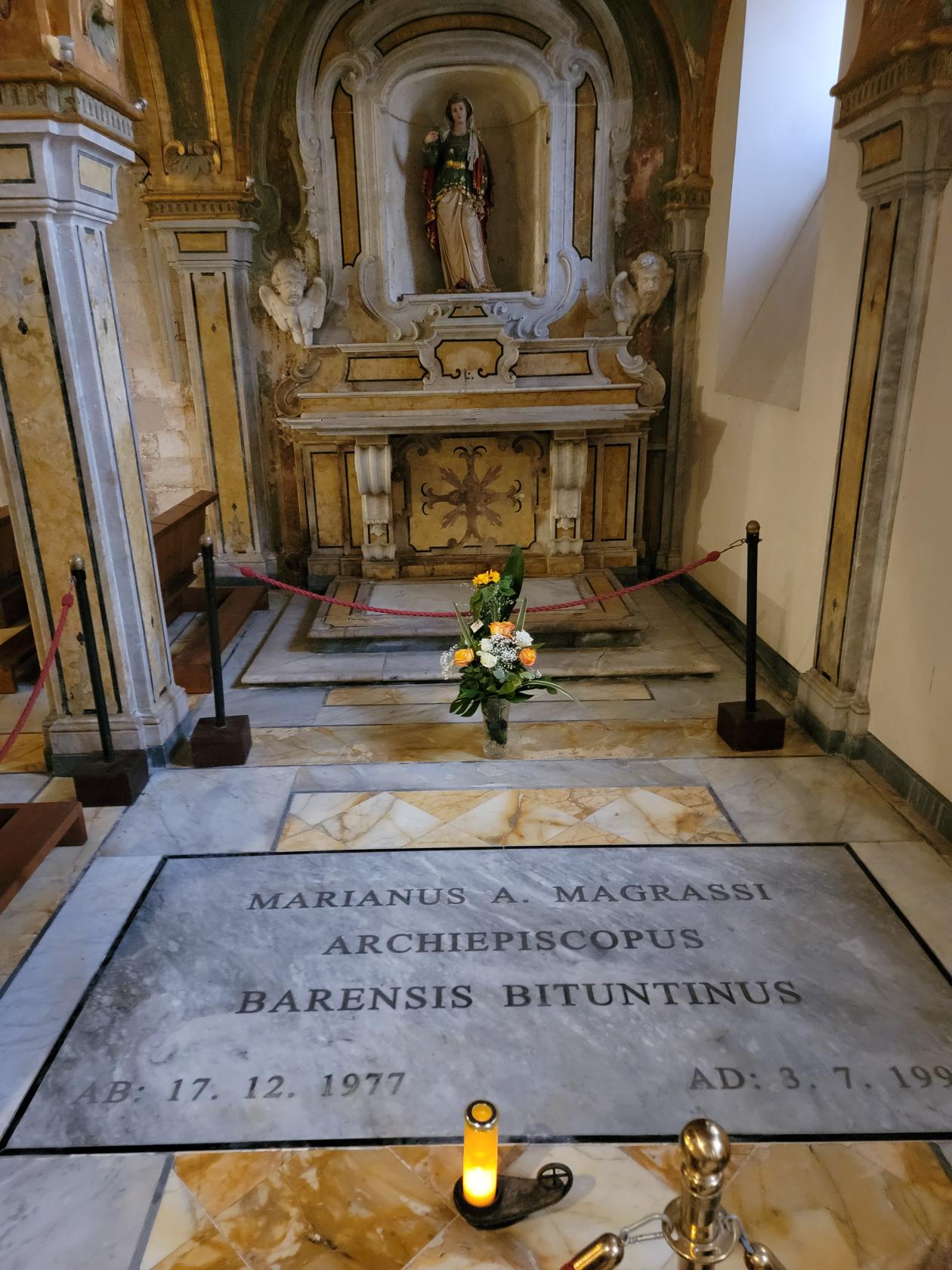
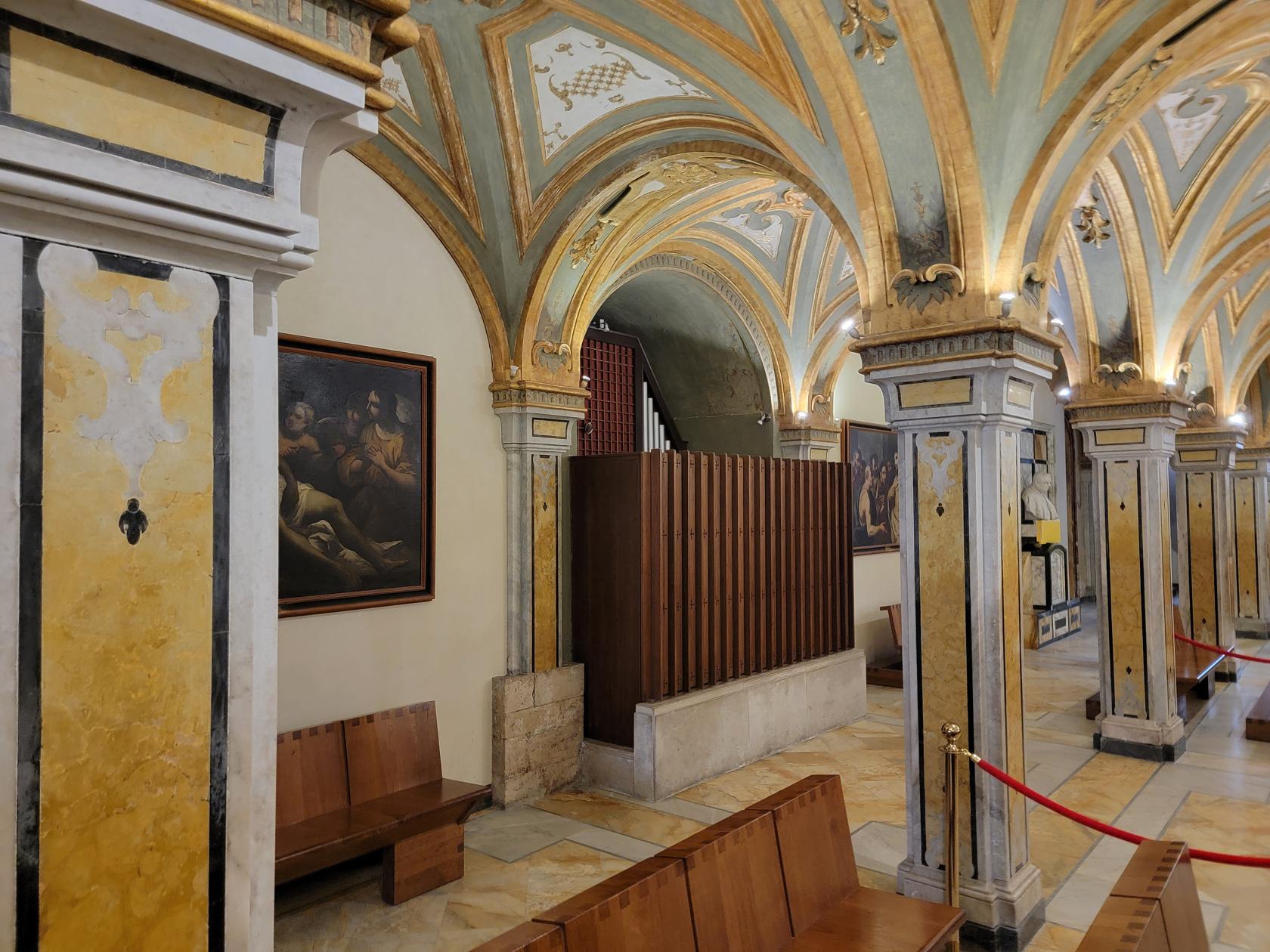
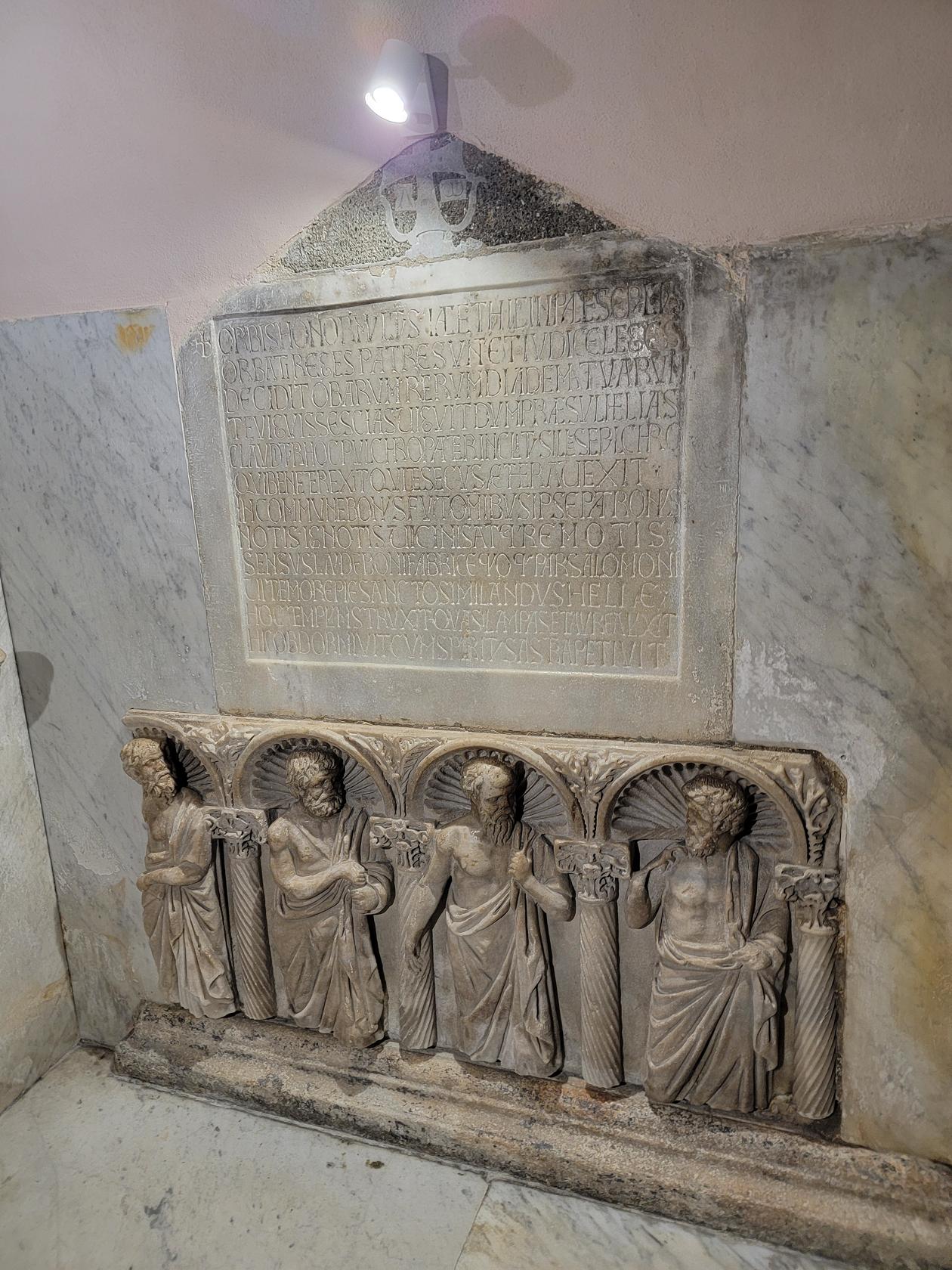
The church, architect and builders ensured that below this amazing edifice would be a crypt. The crypt preserves the remains of Saint Sabinus in the main altar, but there are other notable sarcophagi as well.
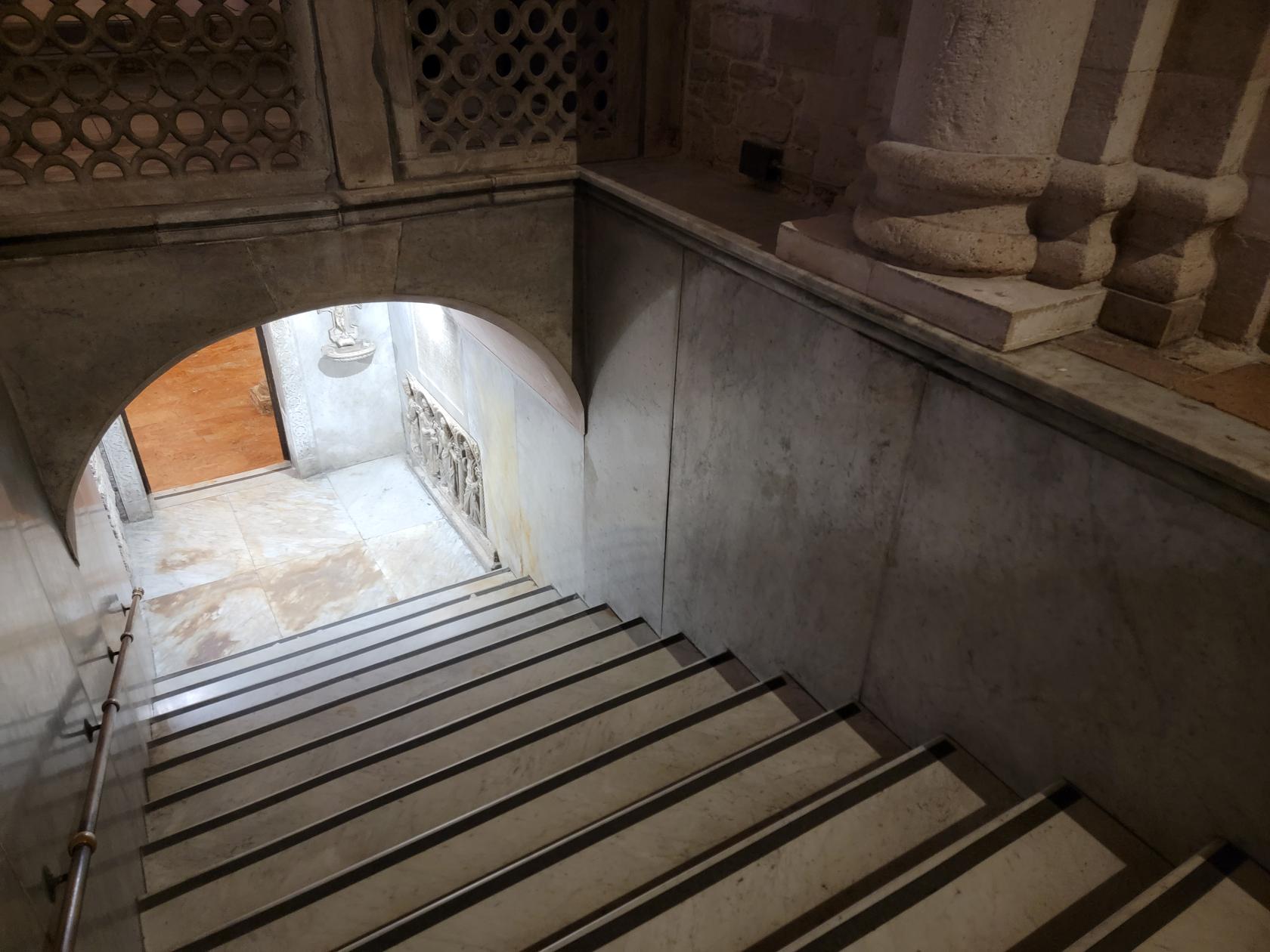
Cathedrale di Bari – Crypt entrance – Bari, Italy
Cathedrale di Bari – Crypt’s Ornate Ceiling and Columns – Bari, Italy
Cathedrale di Bari – Crypt Main Altar – Bari, Italy
Cathedrale di Bari – Crypt side altar – Bari, Italy
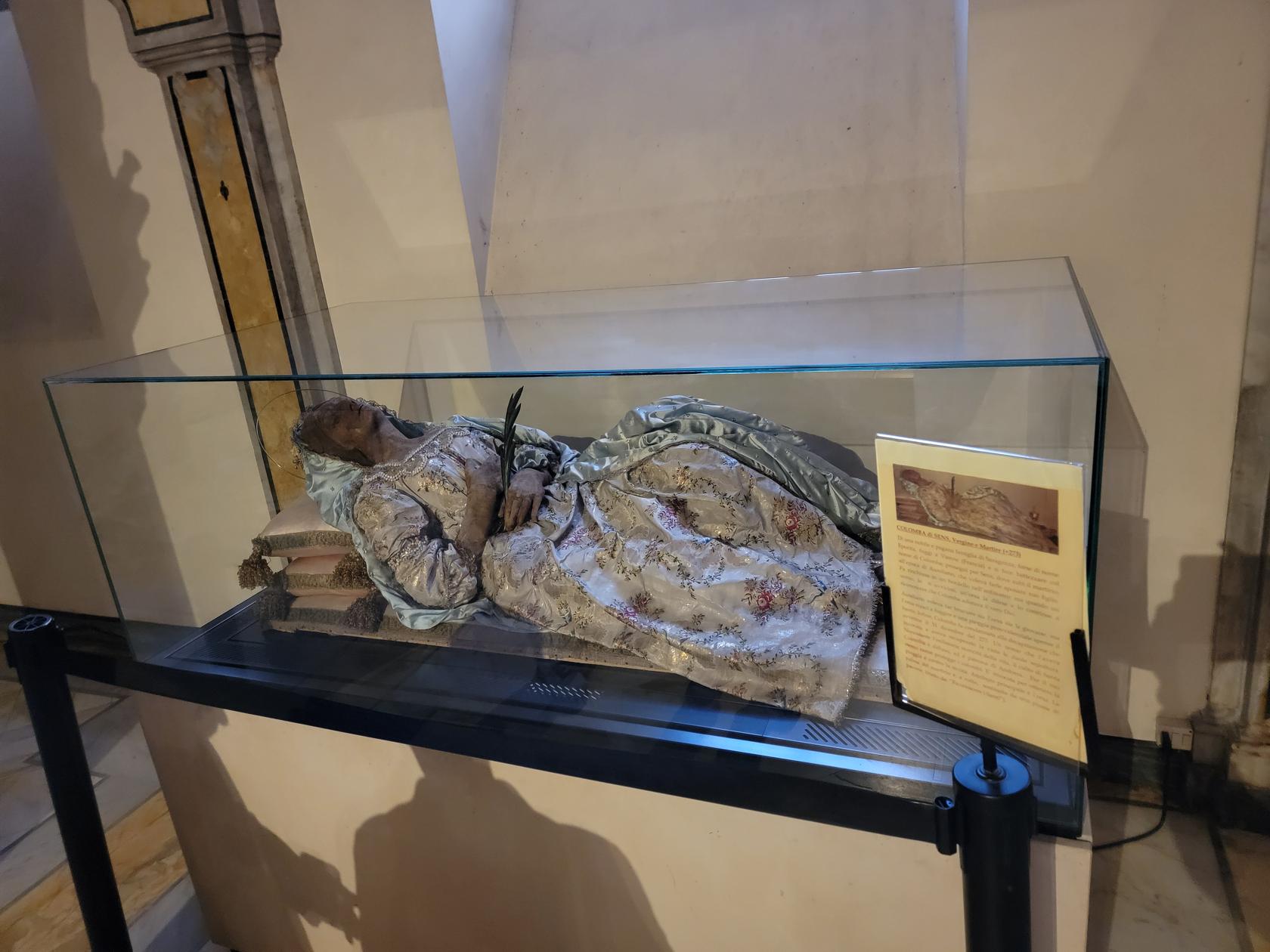
Cathedrale di Bari – Sarcophagus of Colomba di Sens, Crypt – Bari, Italy
Cathedrale di Bari – Crypt – Bari, Italy
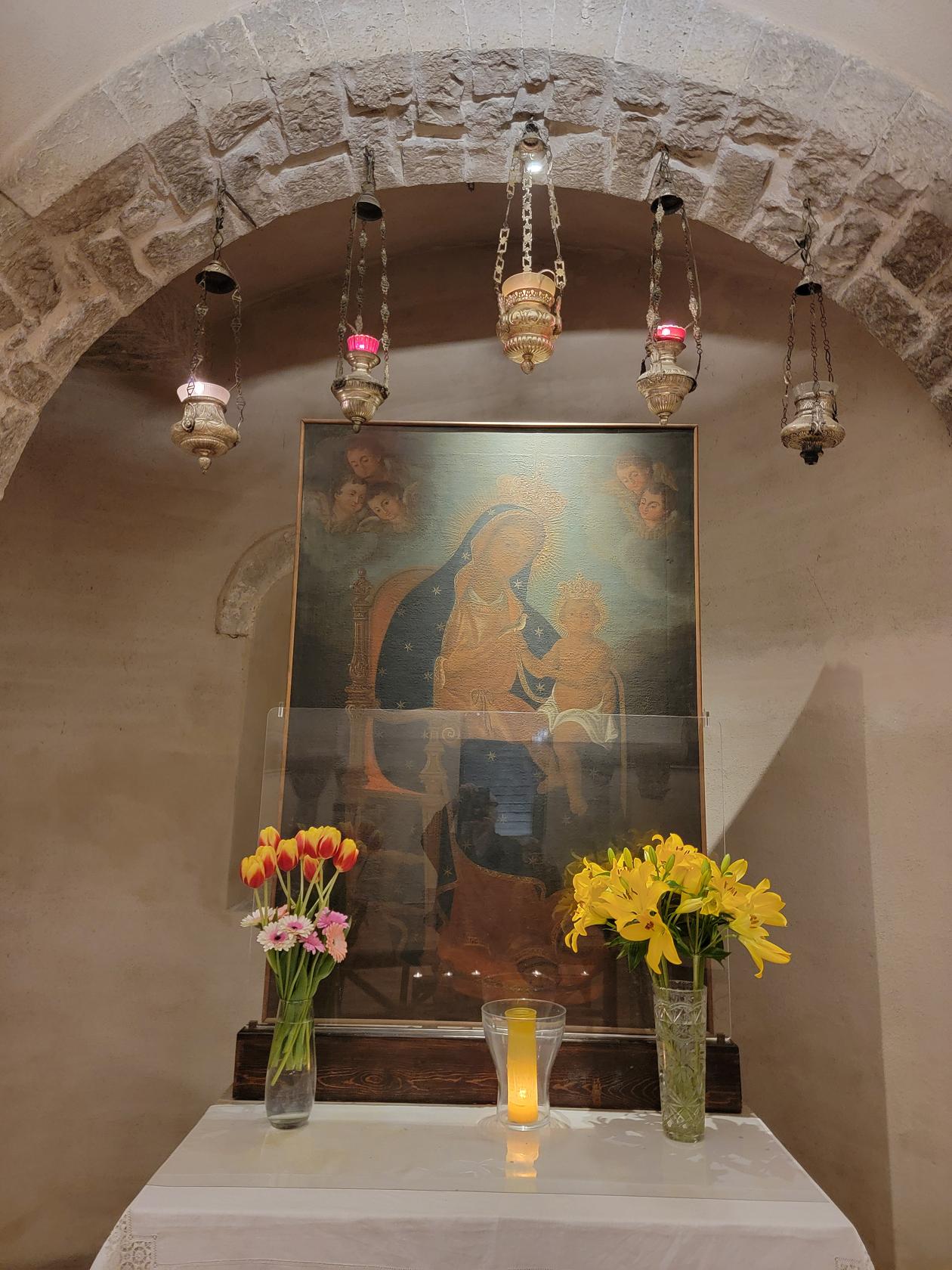
Cathedrale di Bari – Crypt crèche – Bari, Italy
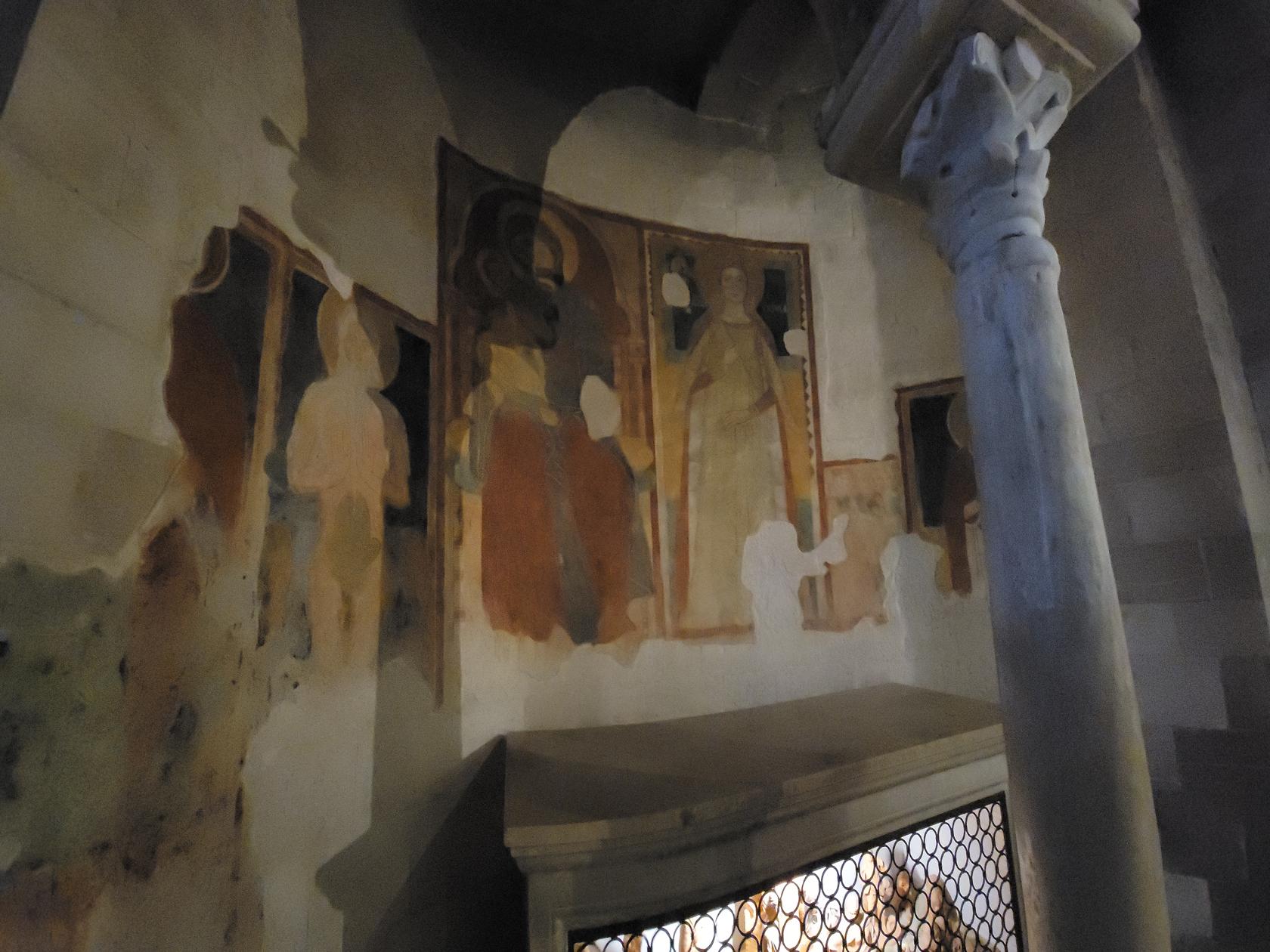
Cathedrale di Bari – Crypt Fresco – Bari, Italy
The Archaeological Ruins
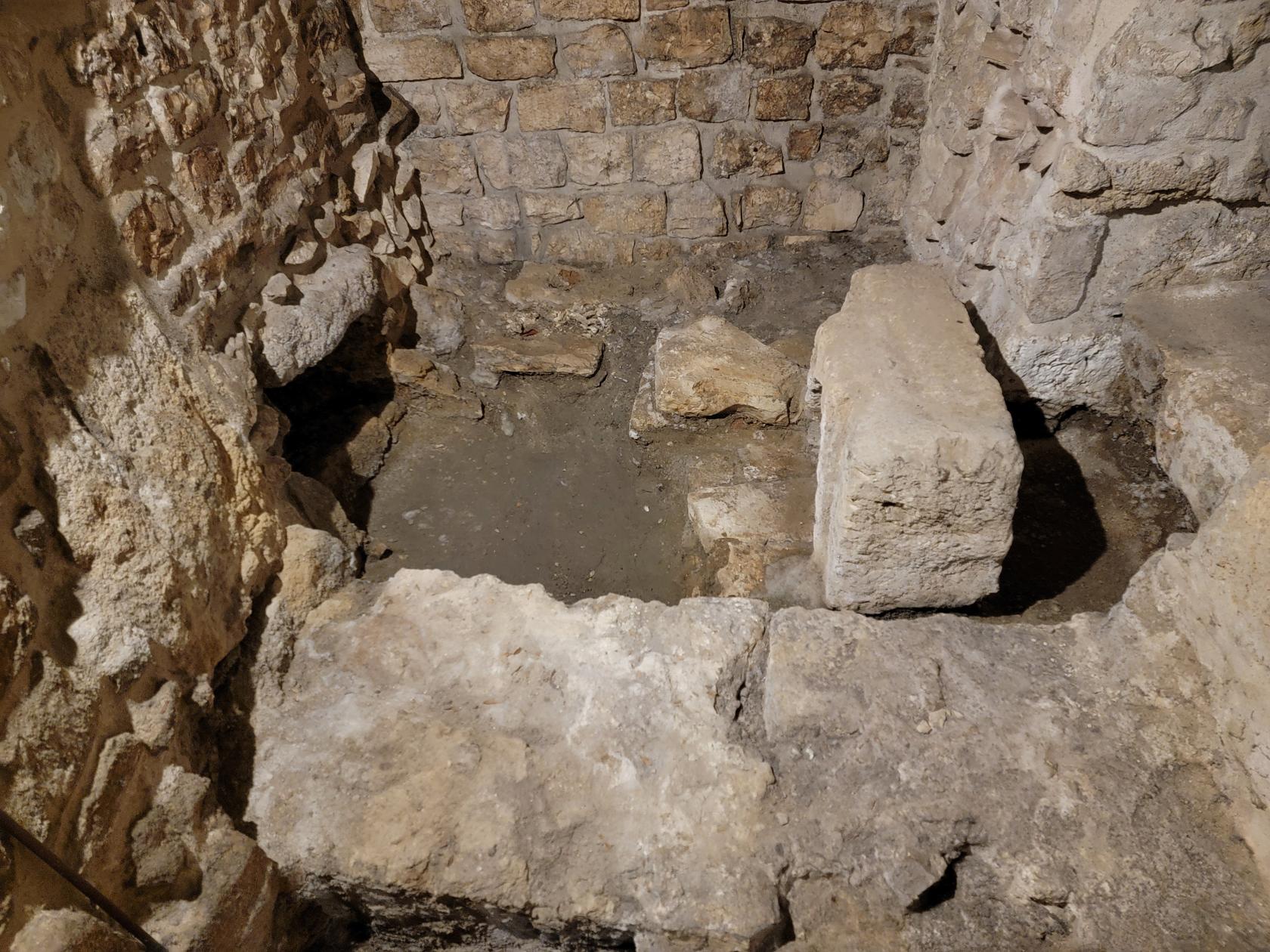
Alongside and even below the crypt are some amazing archaeological ruins that extend all the way back to the third century. This includes some incredible mosaics, frescos and even a partial roman road, where one can even see the remains of where the wagon wheels once traveled.
Cathedrale di Bari – Sarcophagus – Succorpo underneath the Cathedral – Bari, Italy
Cathedrale di Bari – Succorpo underneath the Cathedral – Bari, Italy
Cathedrale di Bari – Archaeological Roman floor – Succorpo underneath the Cathedral – Bari, Italy
Cathedrale di Bari – Archaeological Roman Mosaic floor – Succorpo underneath the Cathedral – Bari, Italy
Cathedrale di Bari – Succorpo underneath the Cathedral – Bari, Italy
Cathedrale di Bari – Archaeological Ornate Mosaic floor – Succorpo underneath the Cathedral – Bari, Italy
Cathedrale di Bari – Succorpo underneath the Cathedral – Bari, Italy
Cathedrale di Bari – Archaeological Roman Road – Succorpo underneath the Cathedral – Bari, Italy
Cathedrale di Bari – Archaeological Roman ruins – Succorpo underneath the Cathedral – Bari, Italy
Cathedrale di Bari – Archaeological Roman Mosaic floor and Fresco – Succorpo underneath the Cathedral – Bari, Italy
Cathedrale di Bari – Archaeological Roman ruins – Succorpo underneath the Cathedral – Bari, Italy
Cathedrale di Bari – Archaeological Roman Bath – Succorpo underneath the Cathedral – Bari, Italy
Cathedrale di Bari – Another Sarcophagus – Succorpo underneath the Cathedral – Bari, Italy
Cathedrale di Bari – Archaeological Roman ruins – Succorpo underneath the Cathedral – Bari, Italy
Cathedrale di Bari – Stairs and a Sarcophagus – Succorpo underneath the Cathedral – Bari, Italy
The Church Museum
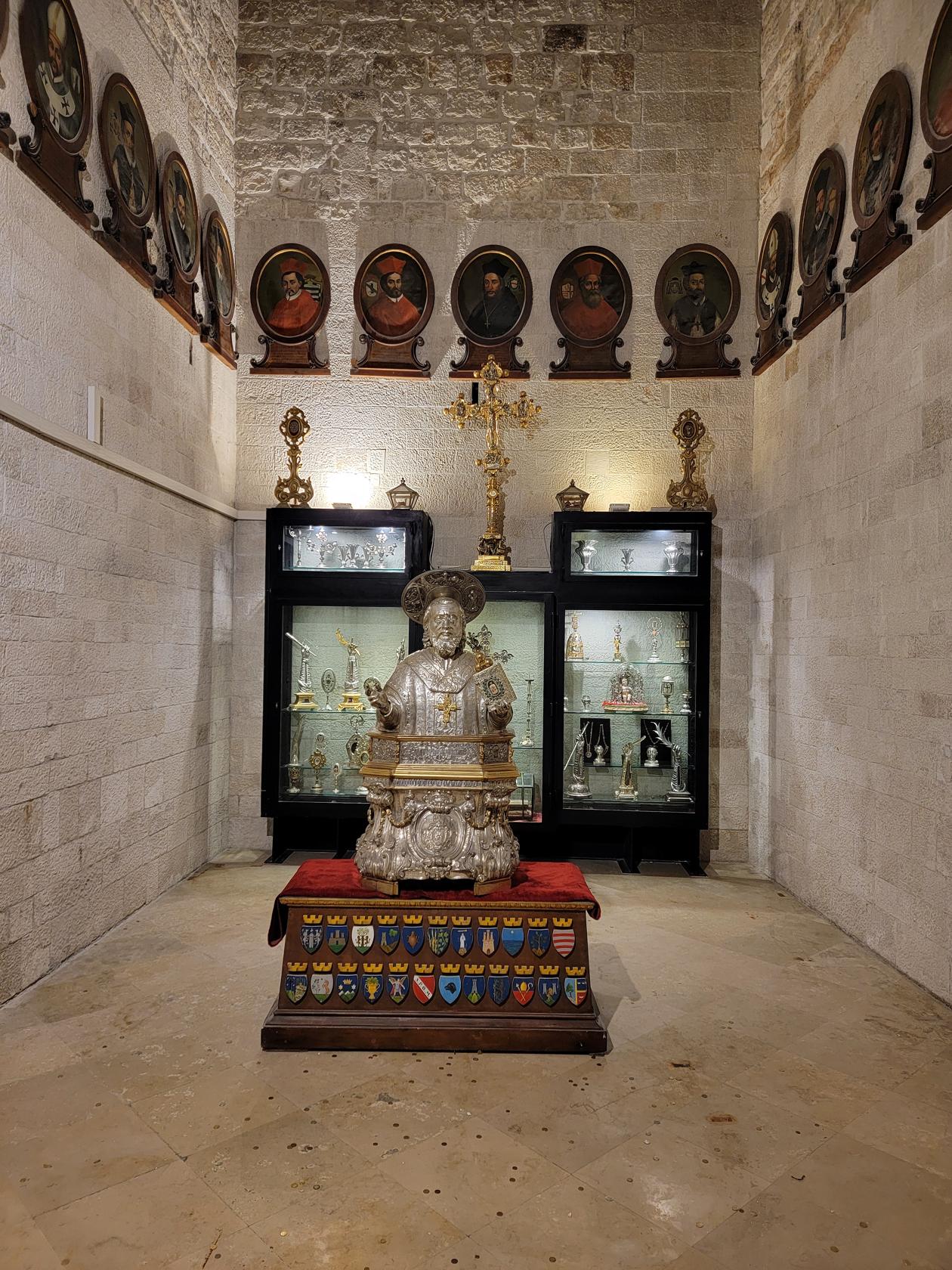
Finally there is a small museum showing old church vestments and other relics. Not particularly of much interest, so if you wish to skip this part you probably can without much guilt.
Cathedrale di Bari – Church Museum – Bari, Italy
Cathedrale di Bari – Church Museum – Bari, Italy
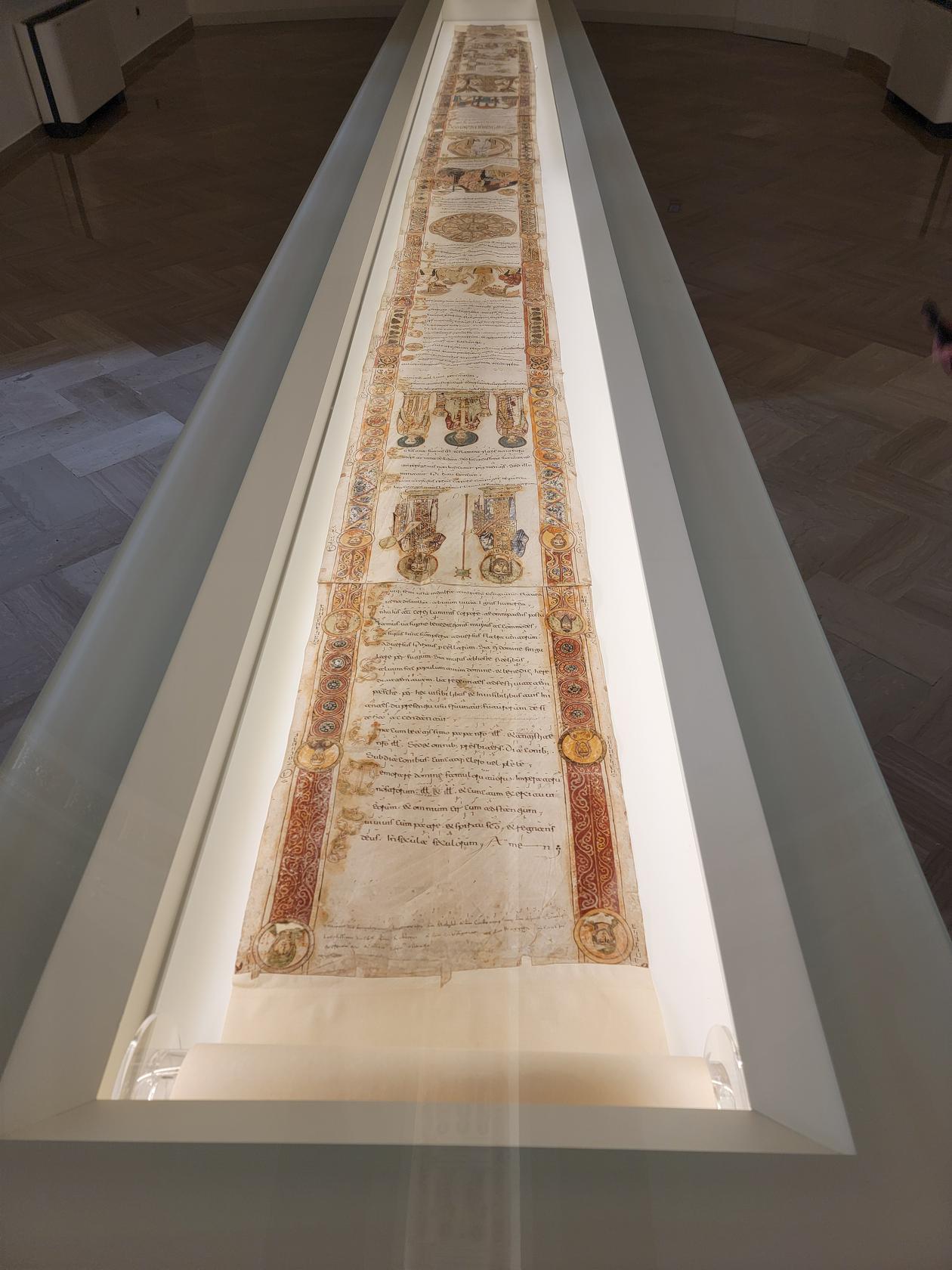
Cathedrale di Bari – Old Hymnal Parchment, Church Museum – Bari, Italy
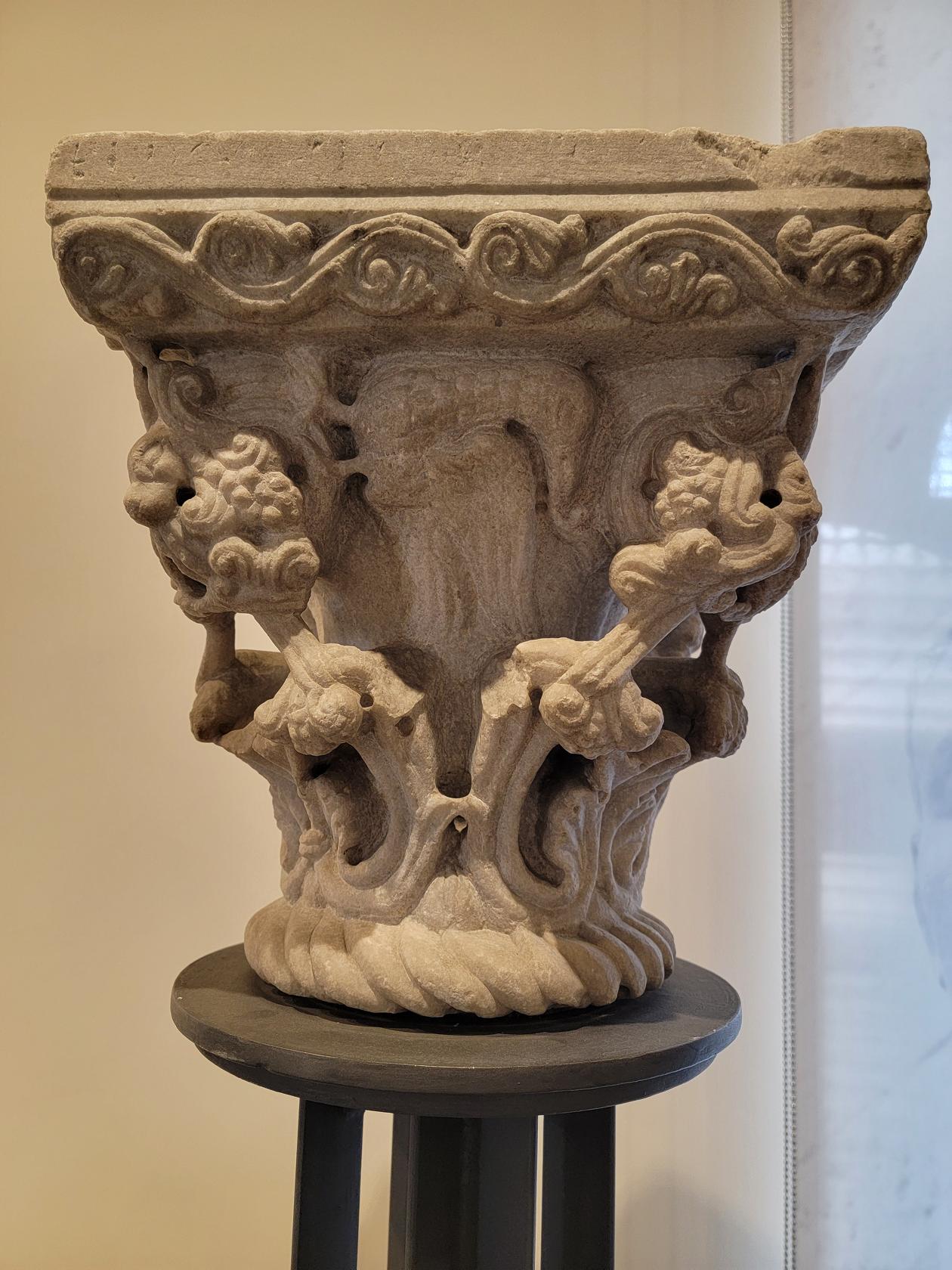
Cathedrale di Bari – Ornate Capitol, Church Museum – Bari, Italy
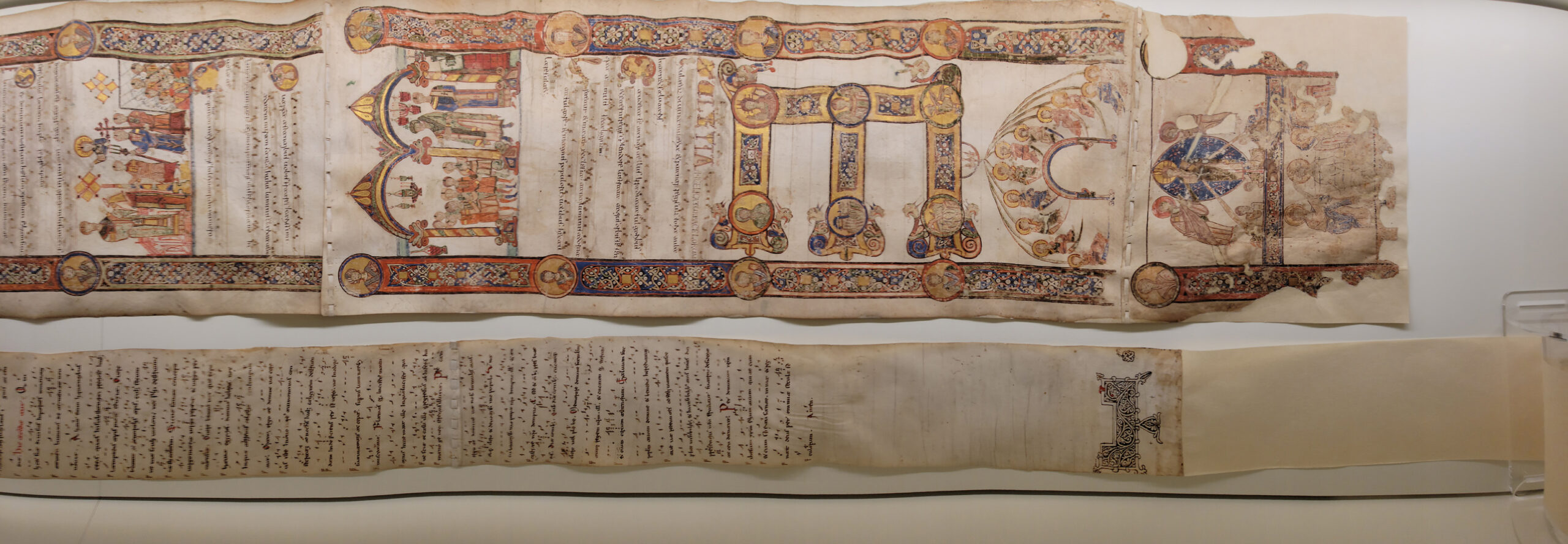
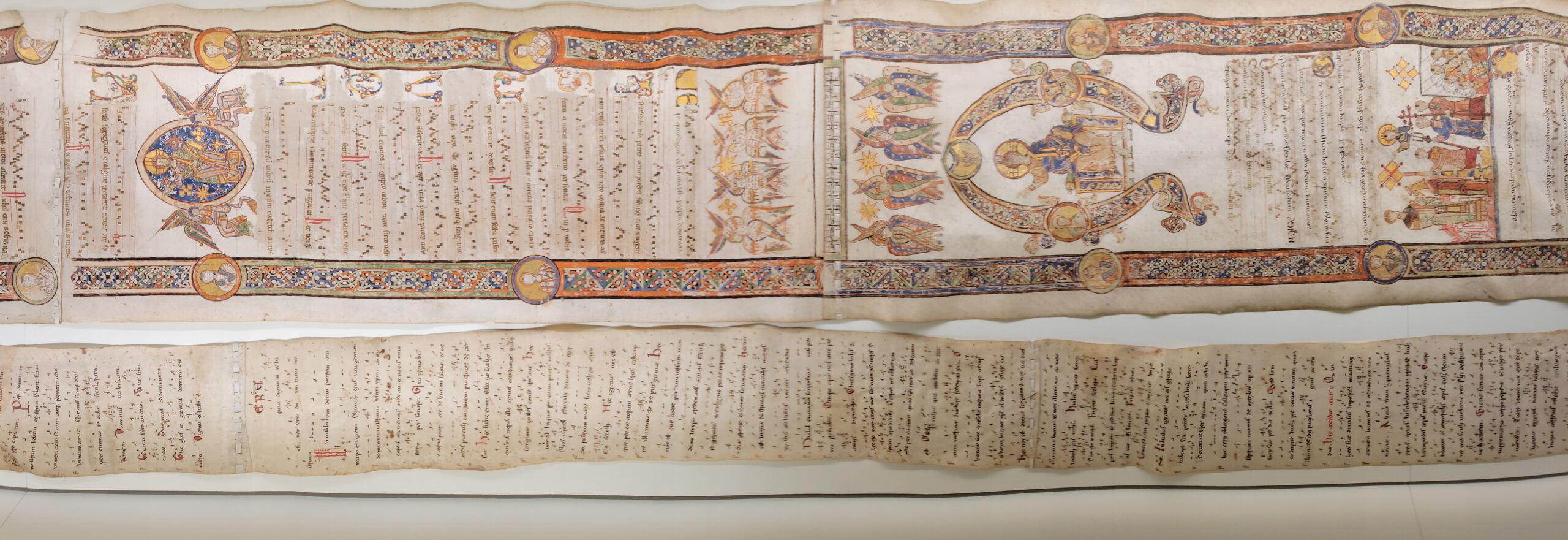
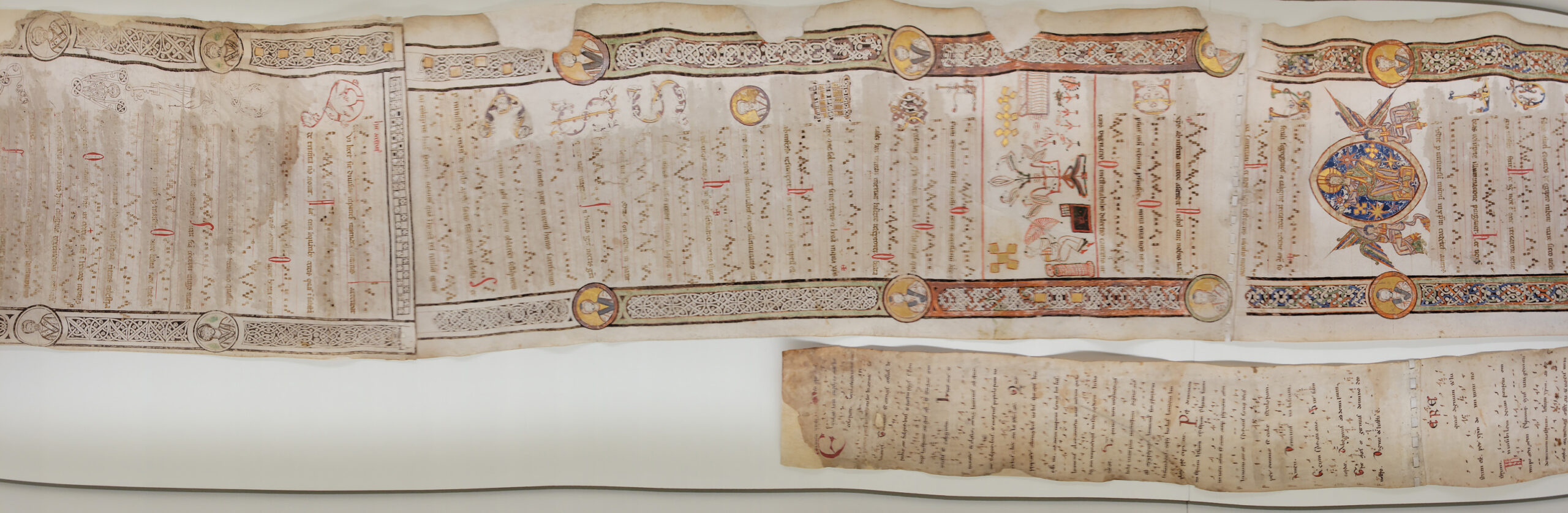
Though having said that, the most interesting thing I though they had were a set of old hymnal parchment rolls.
Cathedrale di Bari – Old Hymnal Parchments, Church Museum – Bari, Italy
Cathedrale di Bari – Old Hymnal Parchments, Church Museum – Bari, Italy
Cathedrale di Bari – Old Hymnal Parchments, Church Museum – Bari, Italy
Restaurants
Ciclatera
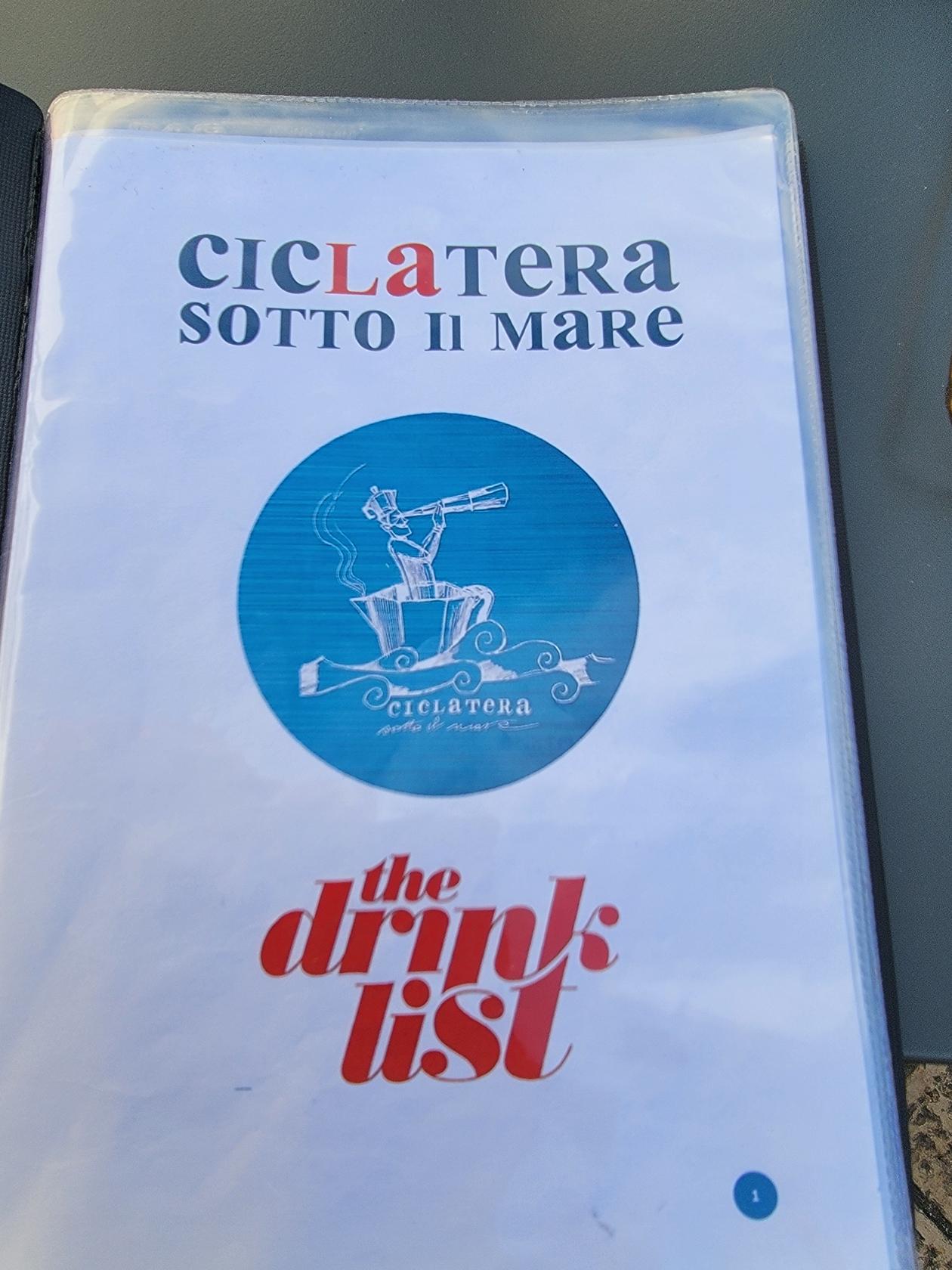
Ciclatera, under the sea is a great spot to stop for a drink or to have a small bite to eat. Located on the Lungomare right after the Fort of San Antonio, this little cafe or restaurant has a great bar and food menu. We only stopped for a drink, but what we could see of the menu, the prices seemed pretty reasonable.
Ciclatera, under the sea – Cafe and Bistro – Bari, Italy
Piccinni 28
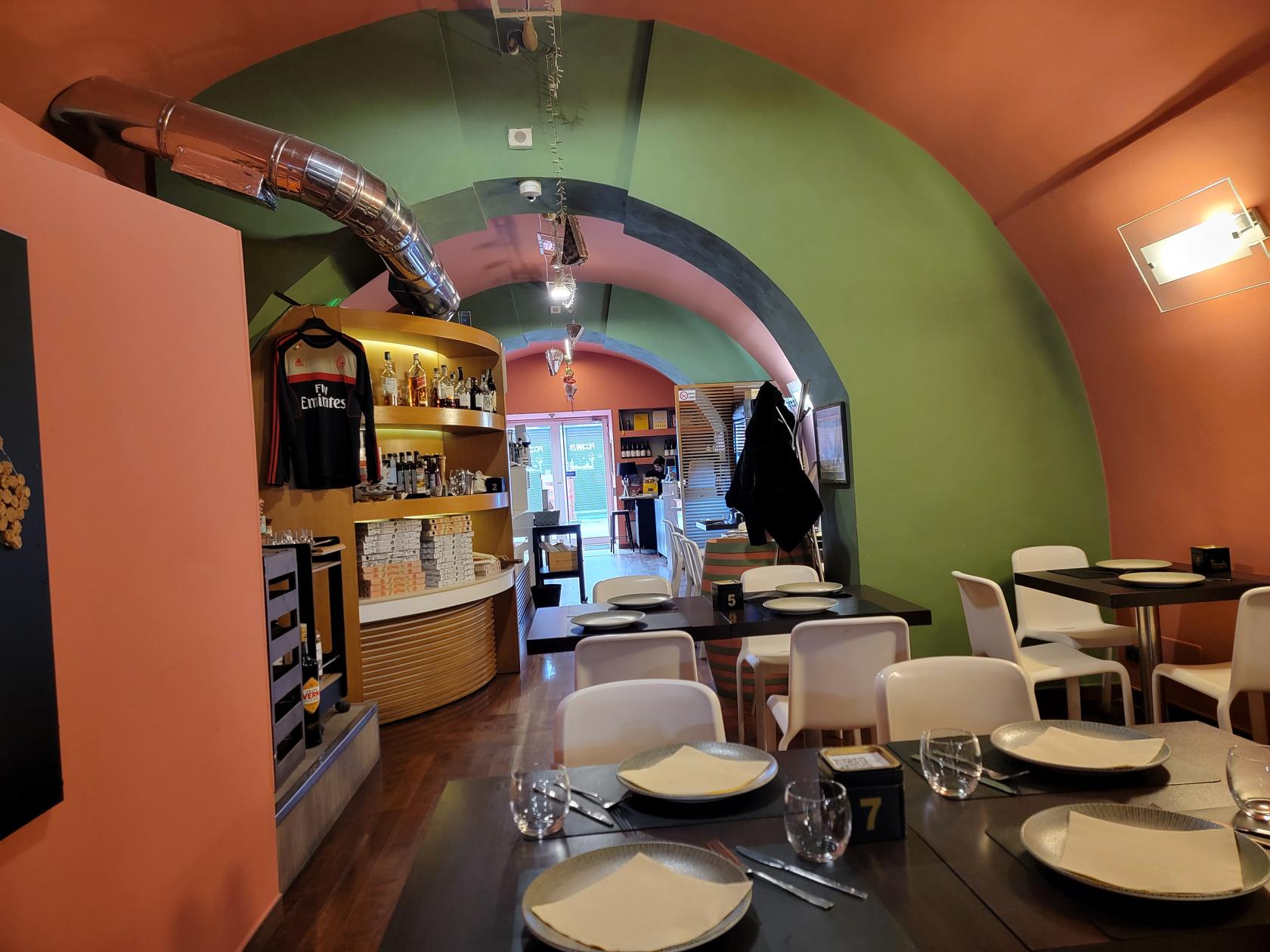
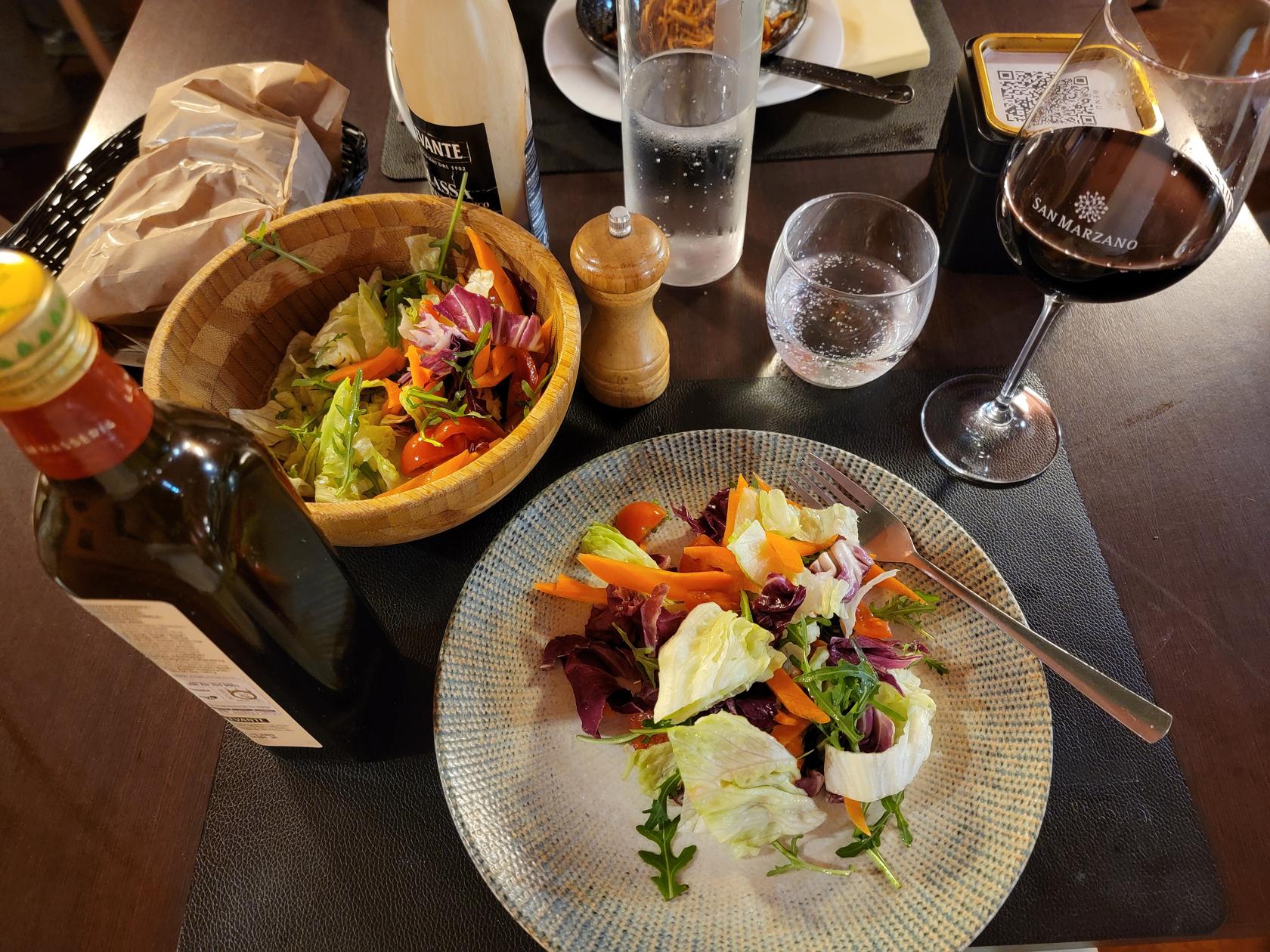
Located one block over in Murat from the old city on via Niccola Piccinni, is Piccinni 28 Italian restaurant. It appears to be a favorite for locals, since we saw numerous work groups come in and have lunch.
Inside – Restaurant Piccinni 28 – Bari, Italy
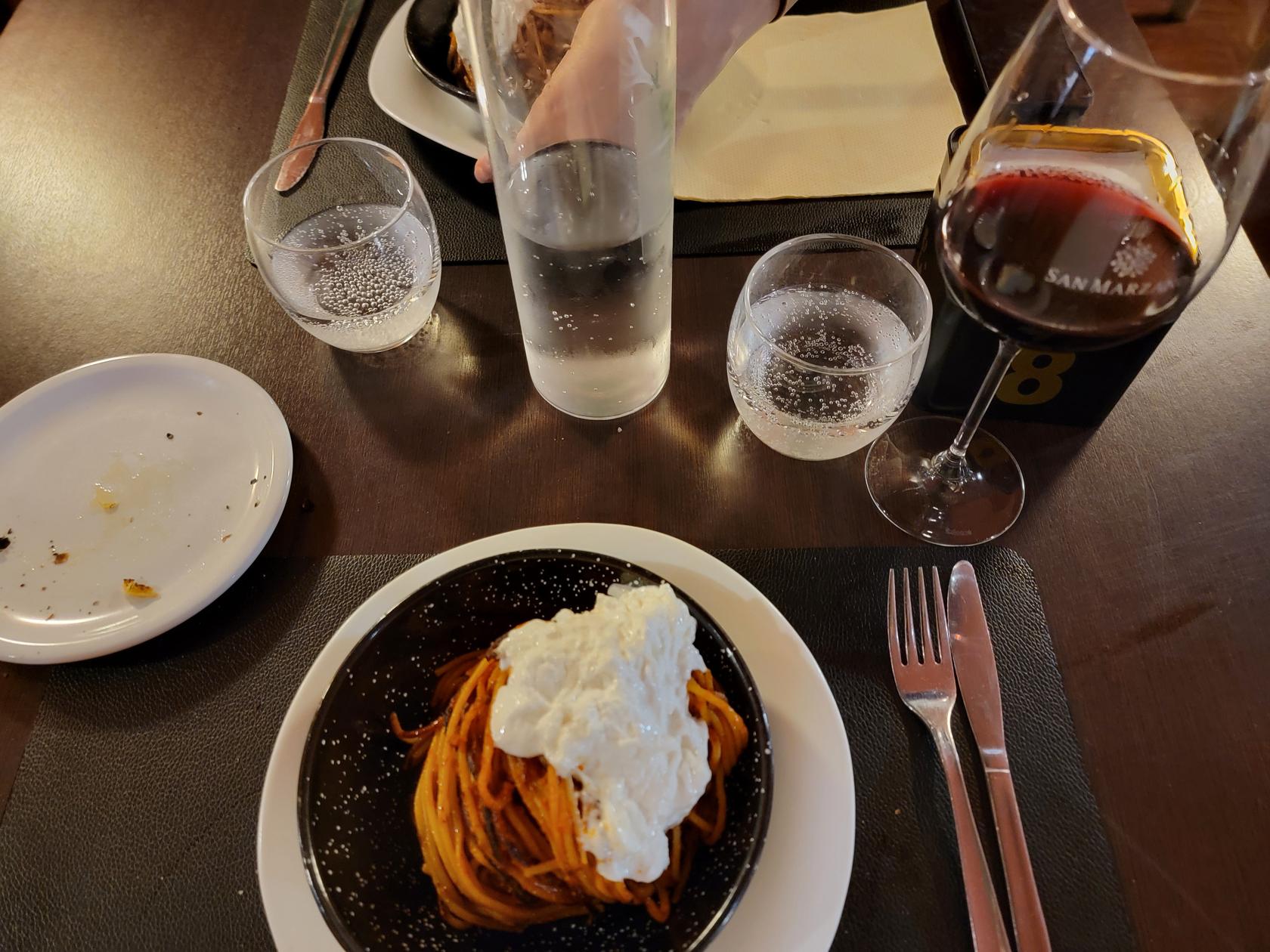
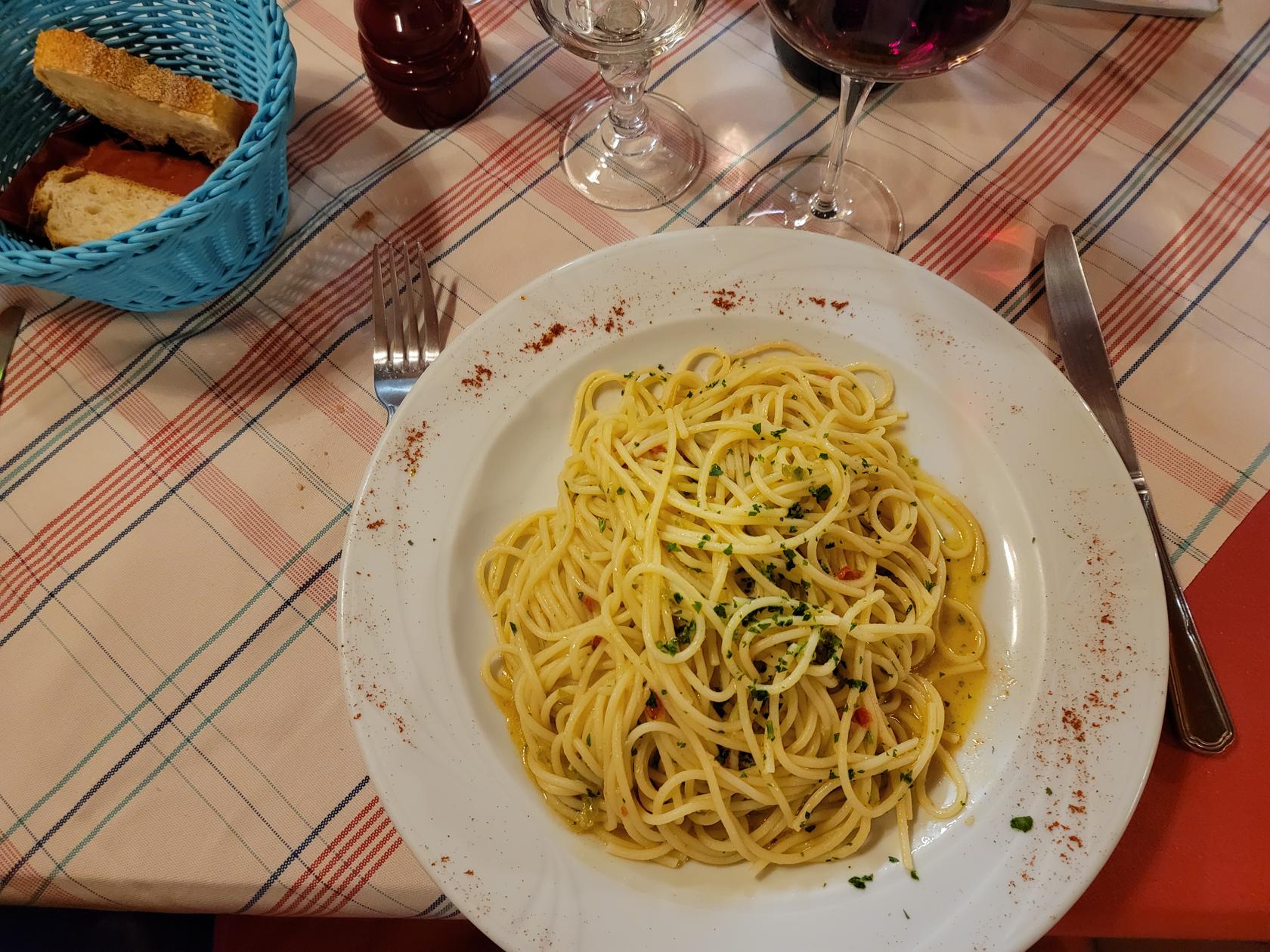
They offer pizza and a typical Italian menu with some Apulian twists to it. For us, it was trying something new, so we of course picked the Spaghetti All’Assassina, or assassin’s spaghetti, an overcooked spicy dish with ragu that is rather tasty.
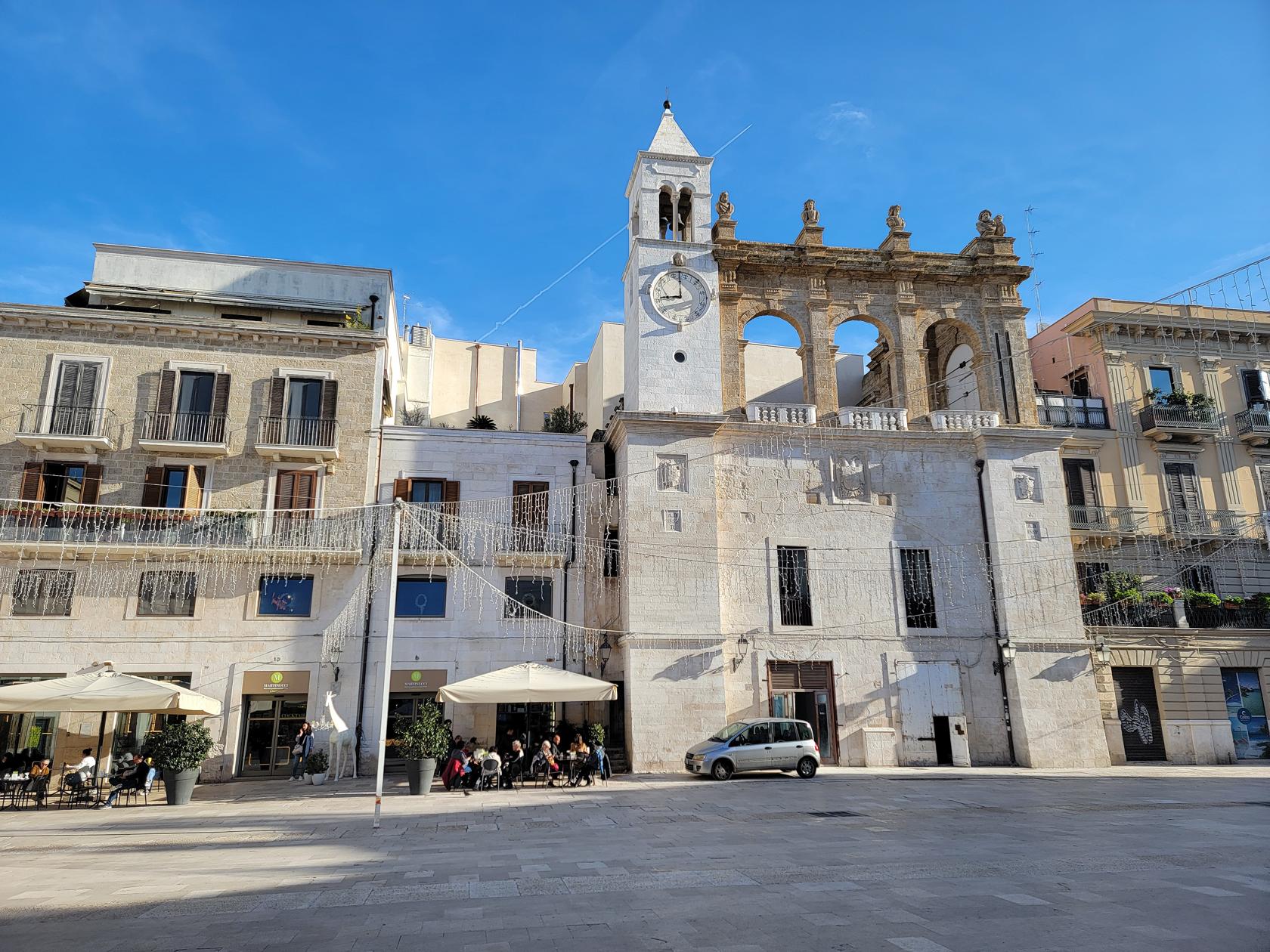
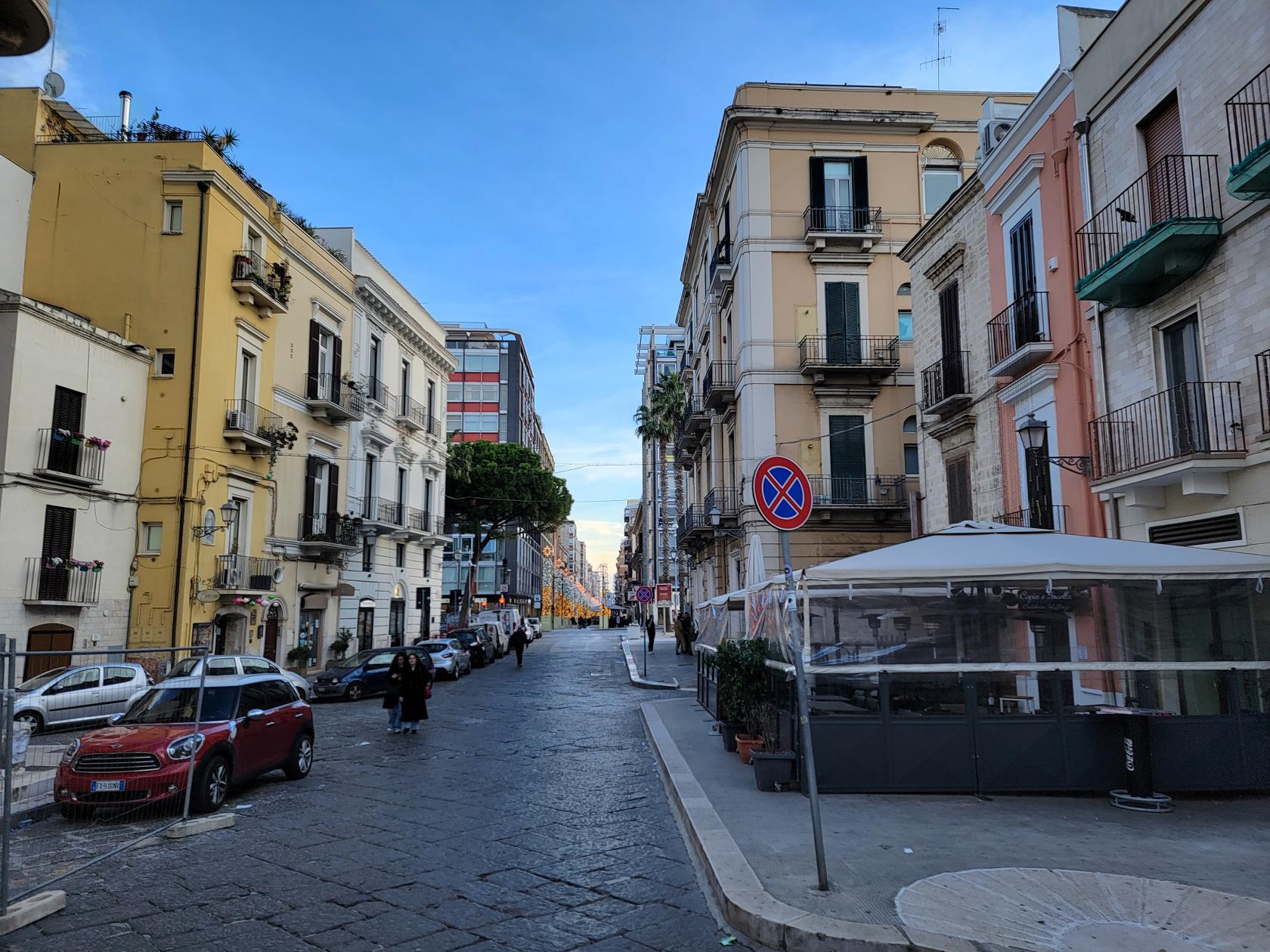
Bari is an ancient city built on a peninsula in the Adriatic Sea on the east coast of Italy. It is part of the Apulia region of that country and for many centuries considered part of Southern Italy, which until early twentieth century was considered distinct from the Northern Italy.
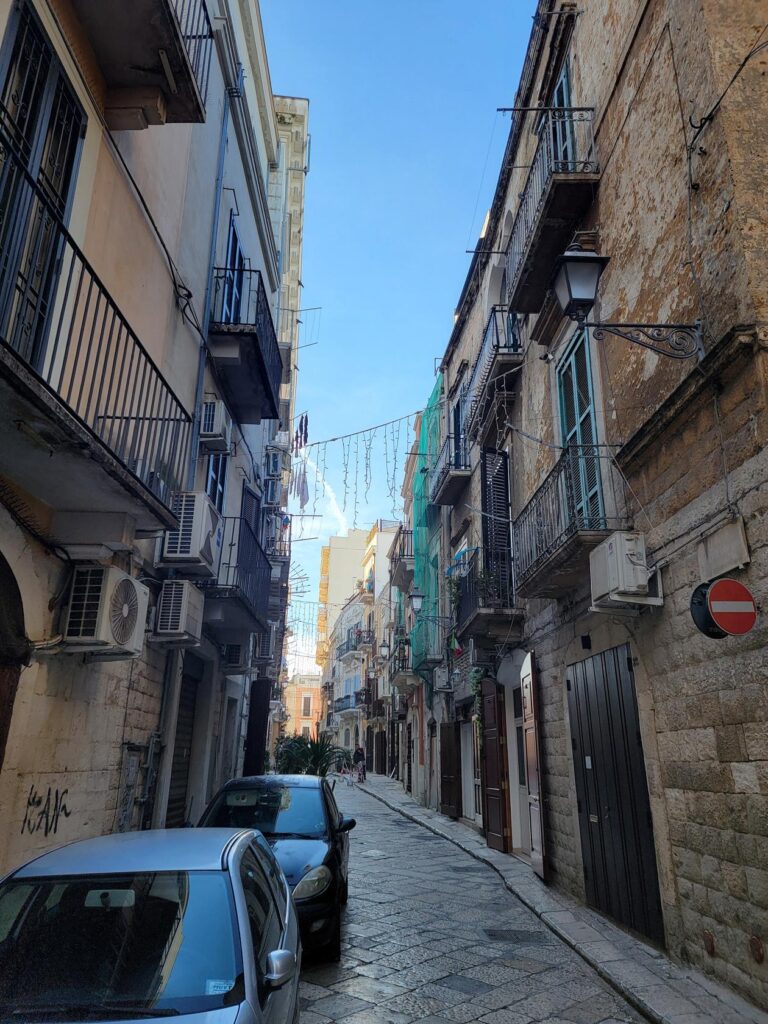
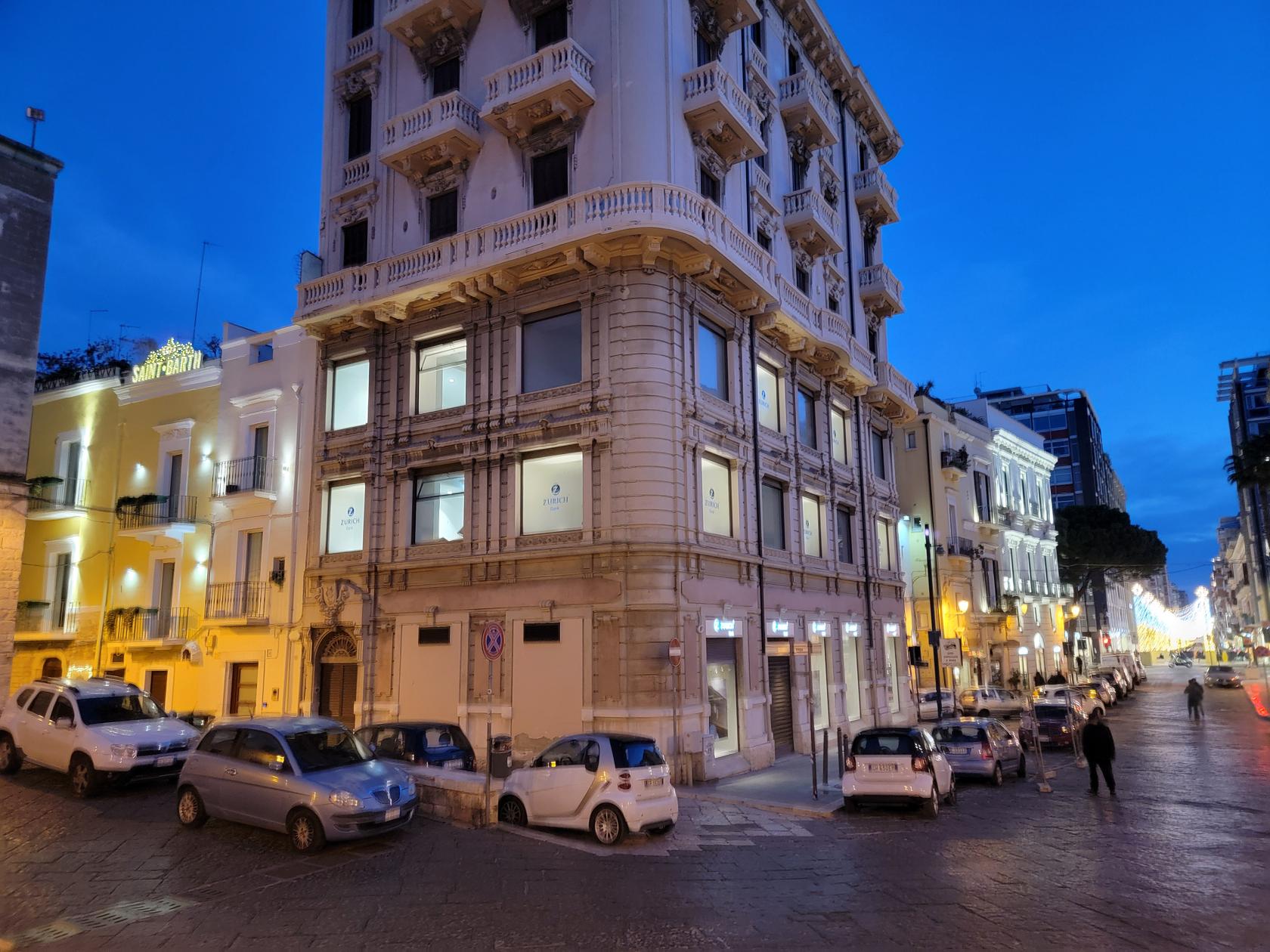
The historic city streets – Bari, Italy
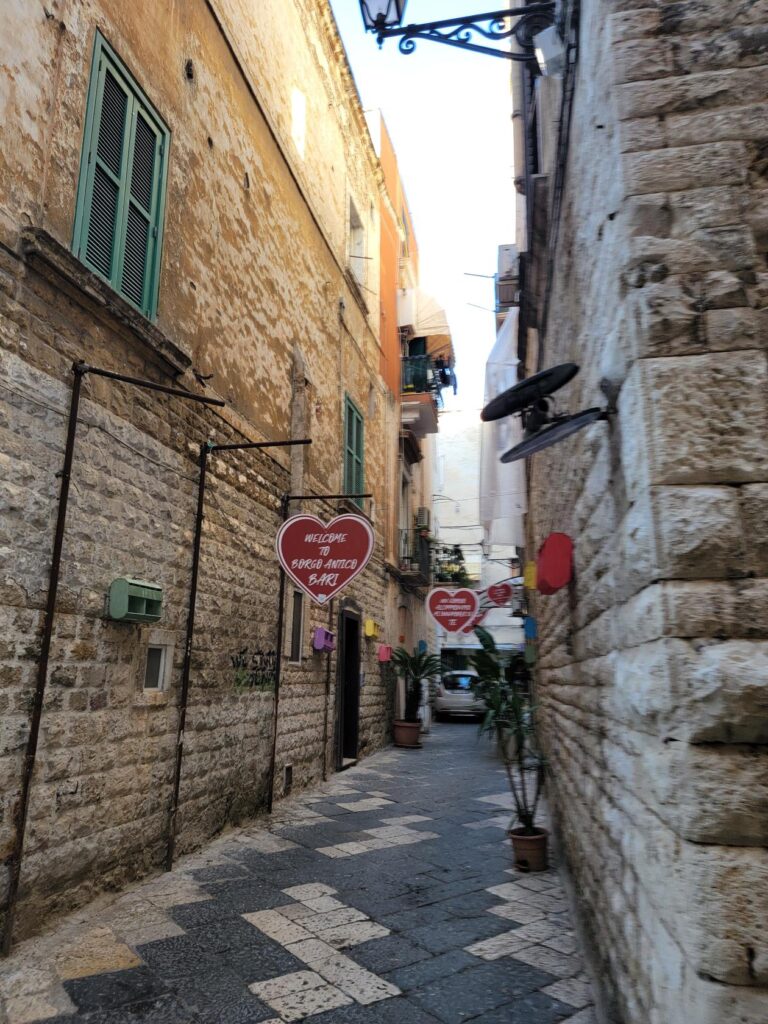
Welcome signs in the city streets – Bari, Italy
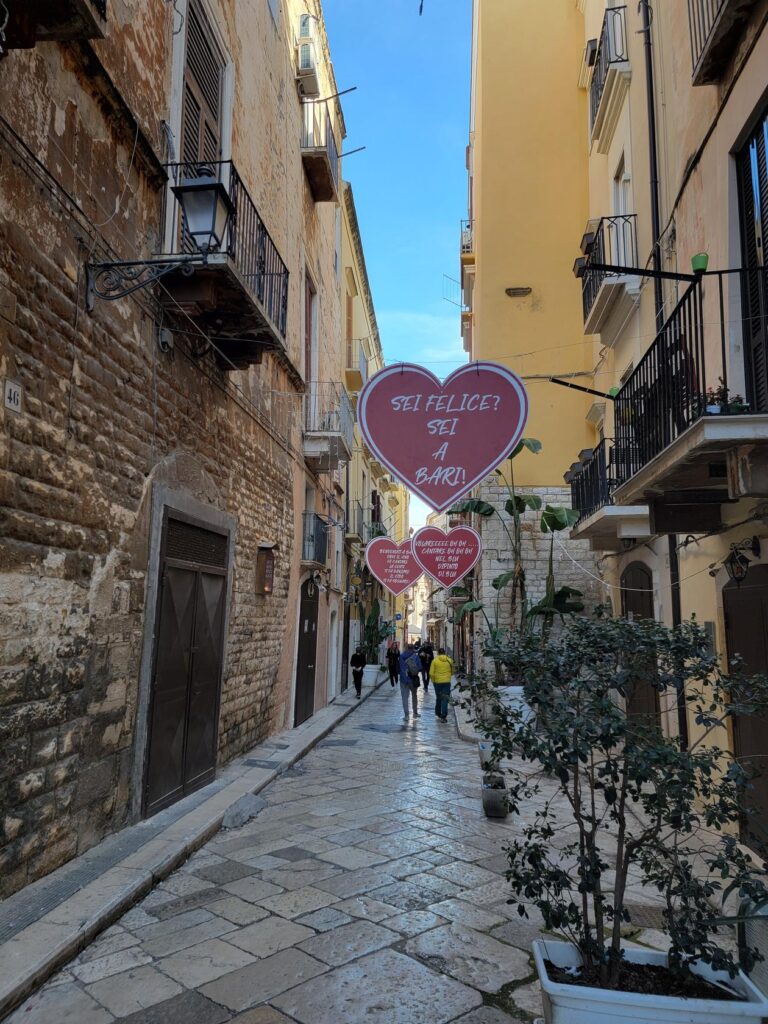
More signs in the city streets – Bari, Italy
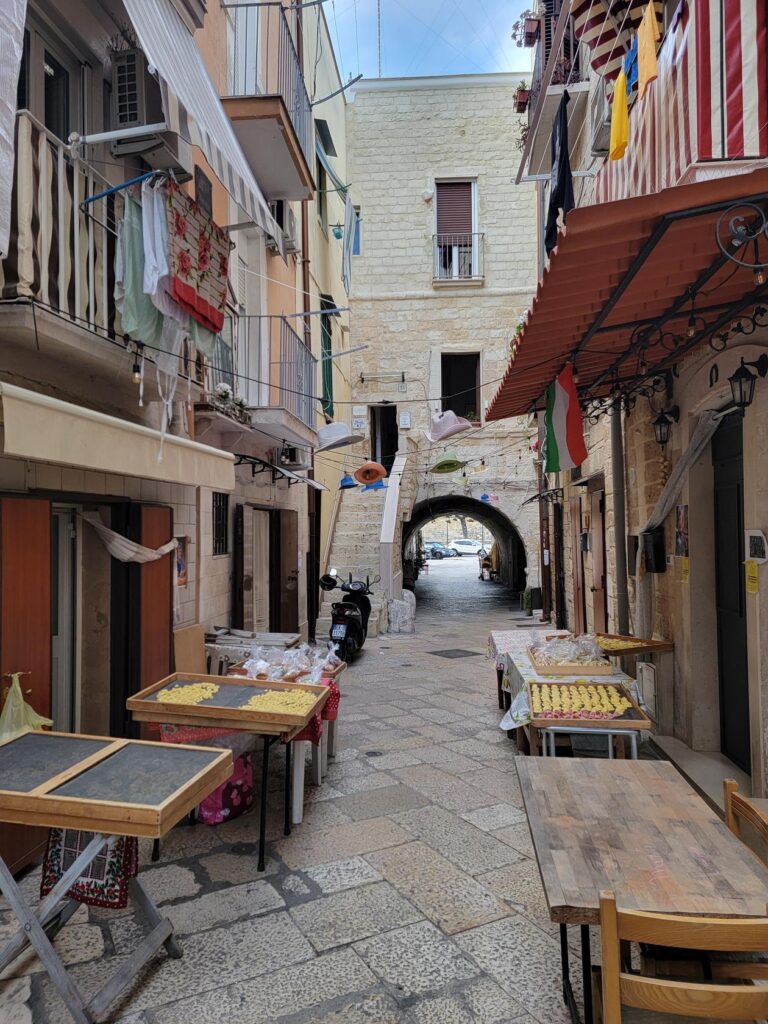
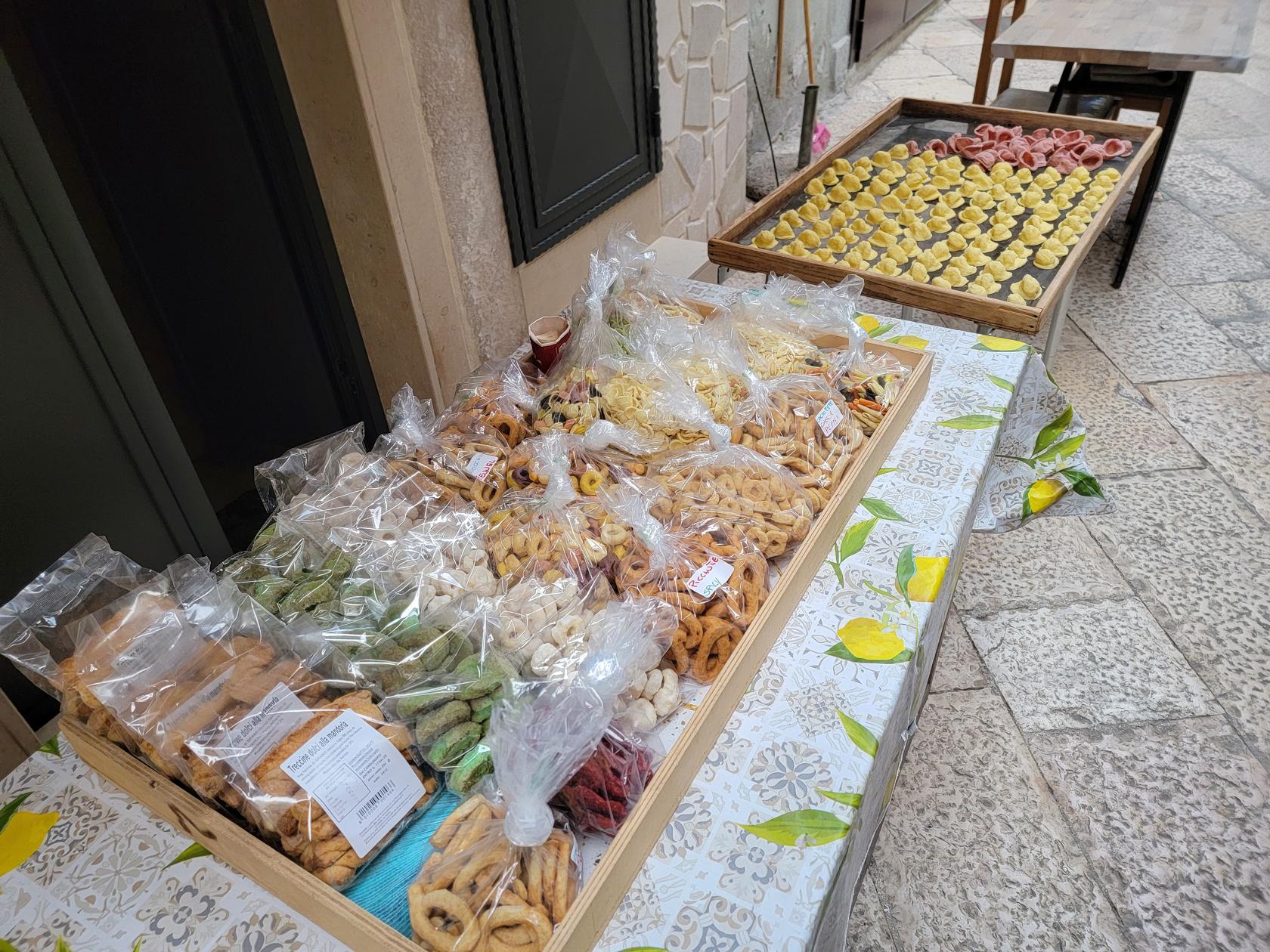
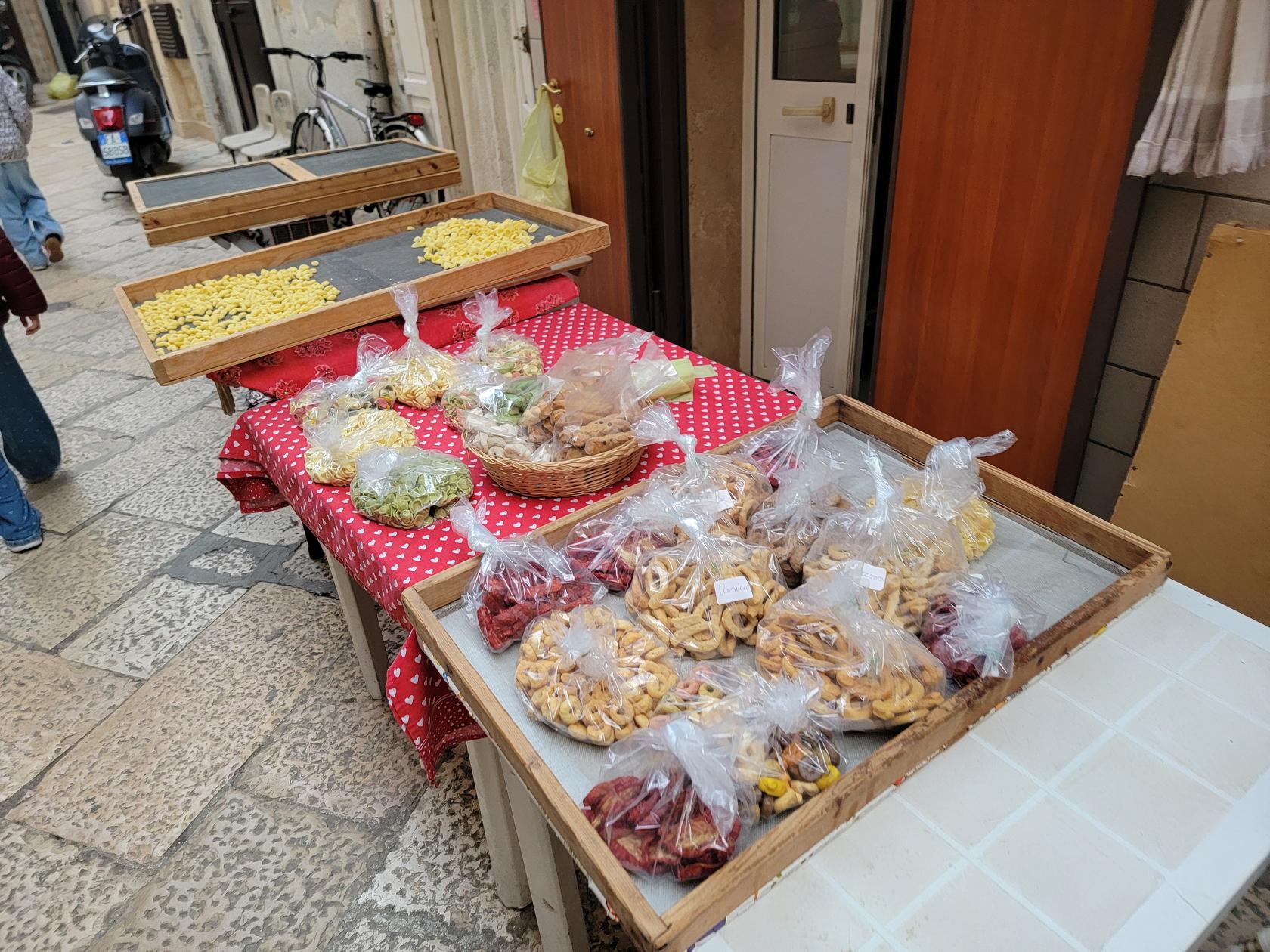
The pasta ladies offerings – Orecchiette pasta – Bari, Italy
One of the arches in the city – Bari, Italy
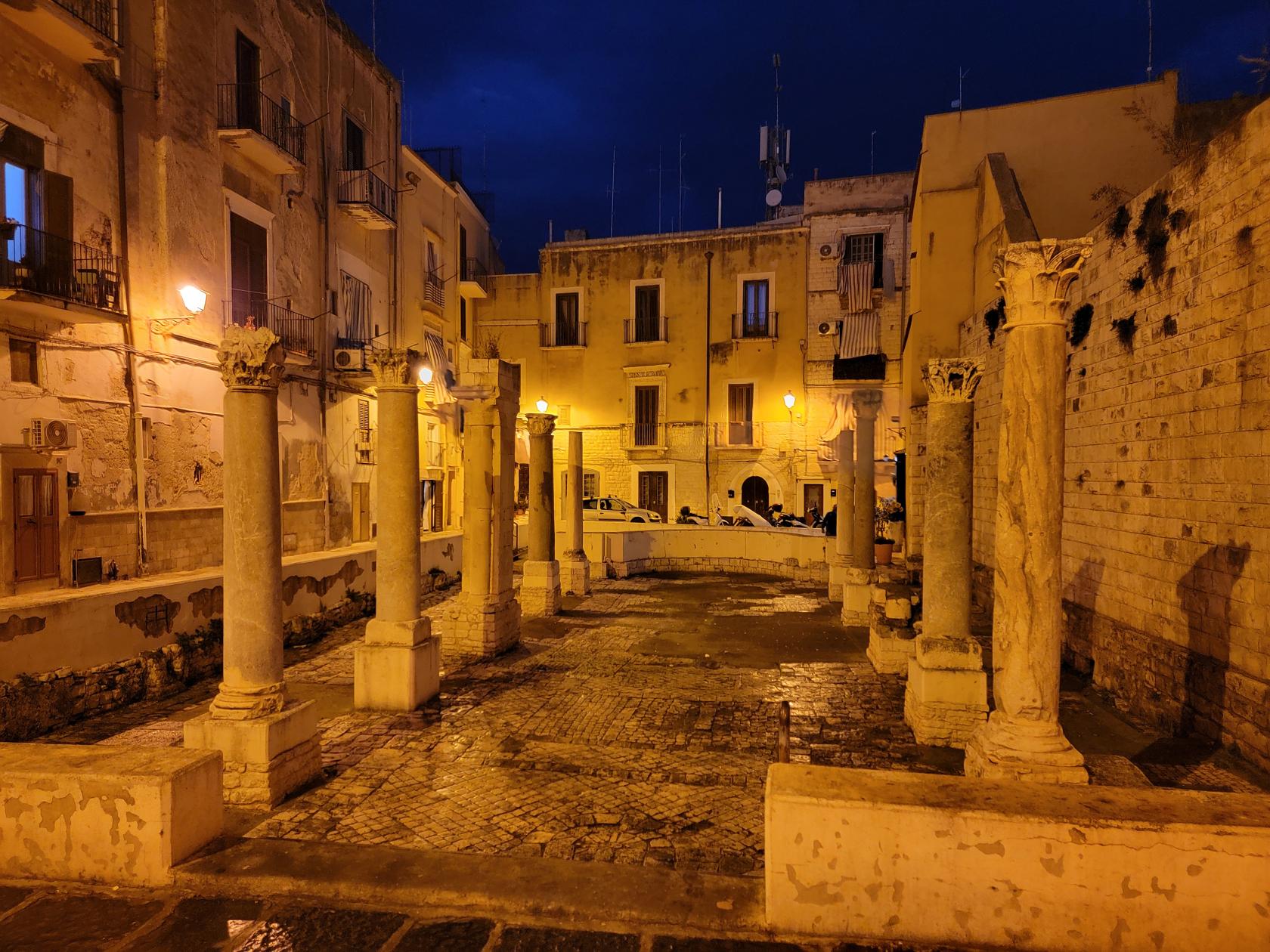
Roman scaffolding – Bari, Italy
The Italians here speak their own language, which is distinct from Italian and descended from the Neapolitan Dialect called the Barese Dialect. The differences here are also reflected in the food, pasta and other cultural areas.
The pasta ladies offerings – Orecchiette pasta – Bari, Italy
The pasta ladies offerings – other treats – Bari, Italy
Piazza Mercantile – Bari, Italy
Via Melo di Bari – Bari, Italy
The city itself has four distinct areas or sections, the old ancient part of the city is located on the peninsula. The train station is located in Murat, which may be considered the business section of the city.
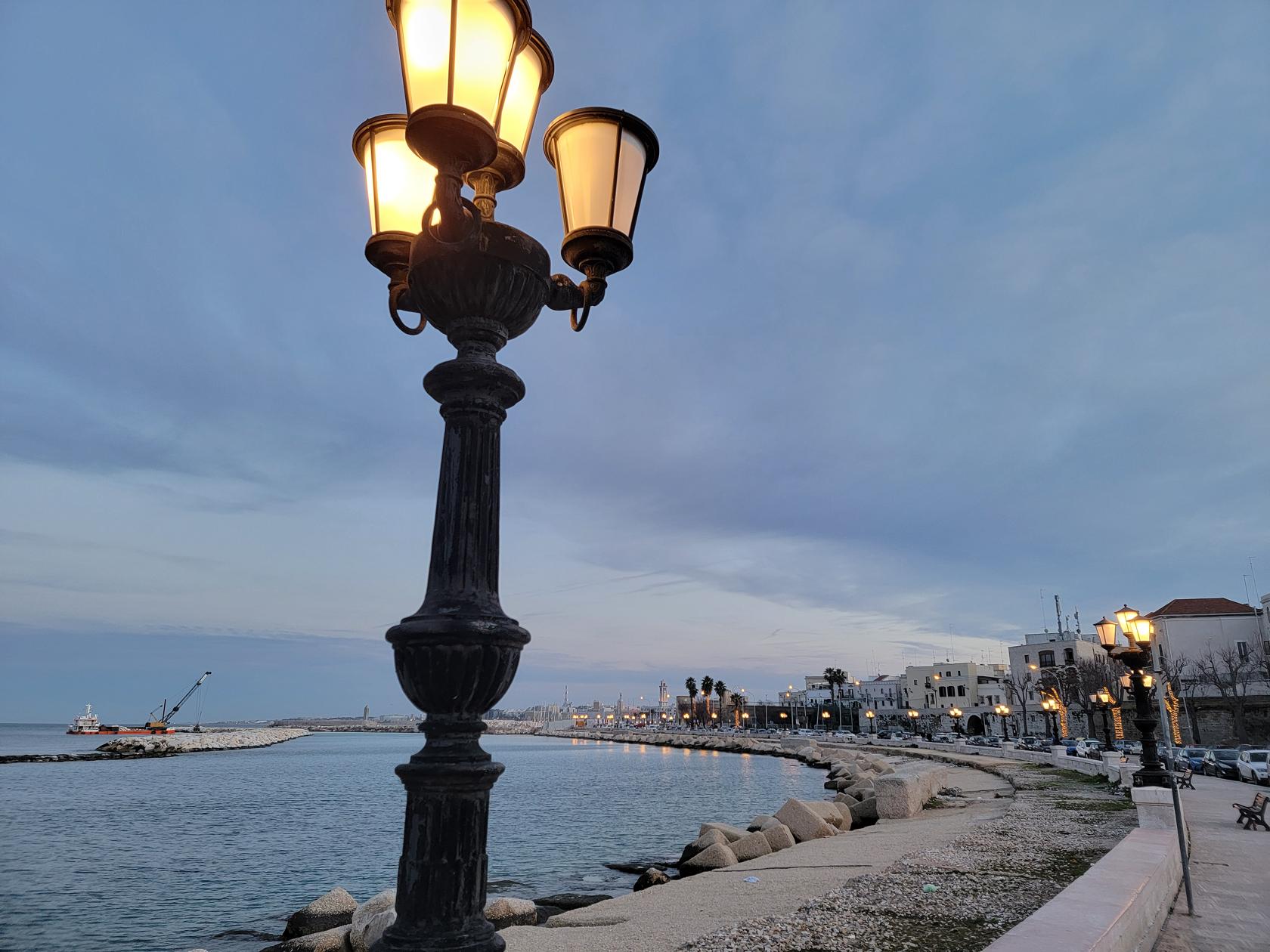
Lungomare Imperatore Augusto – Bari, Italy
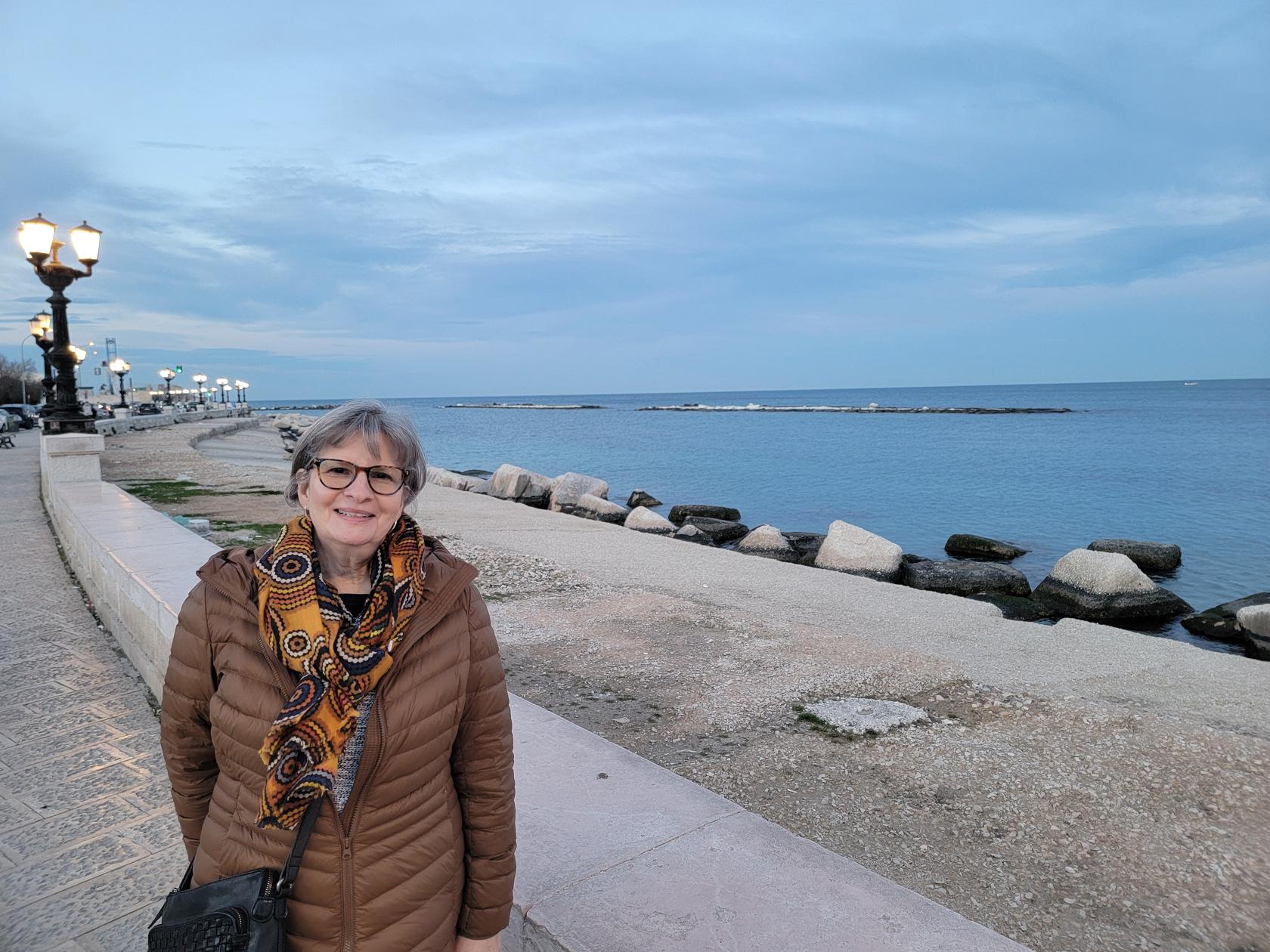
Lungomare Imperatore Augusto – Patti – Bari, Italy
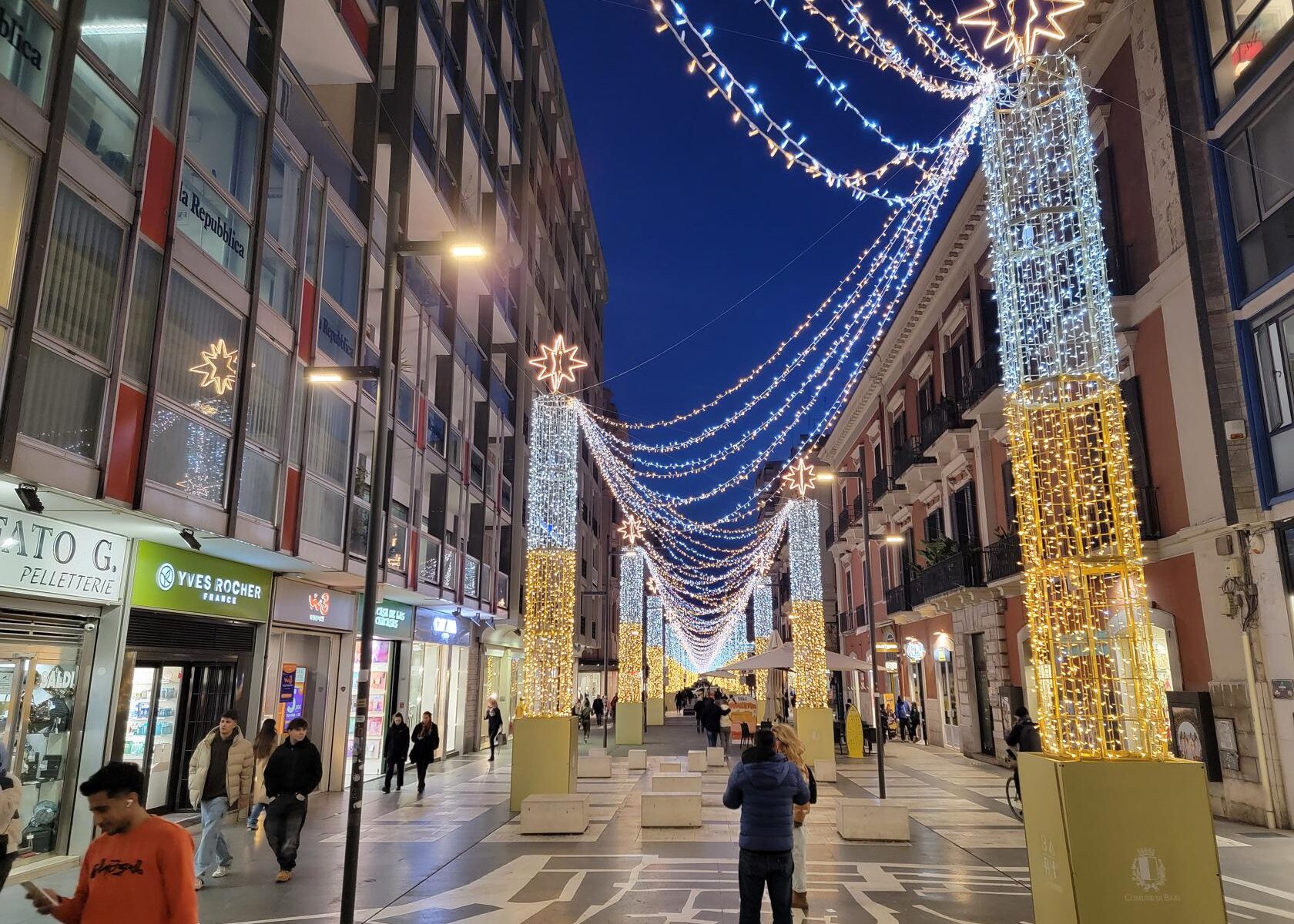
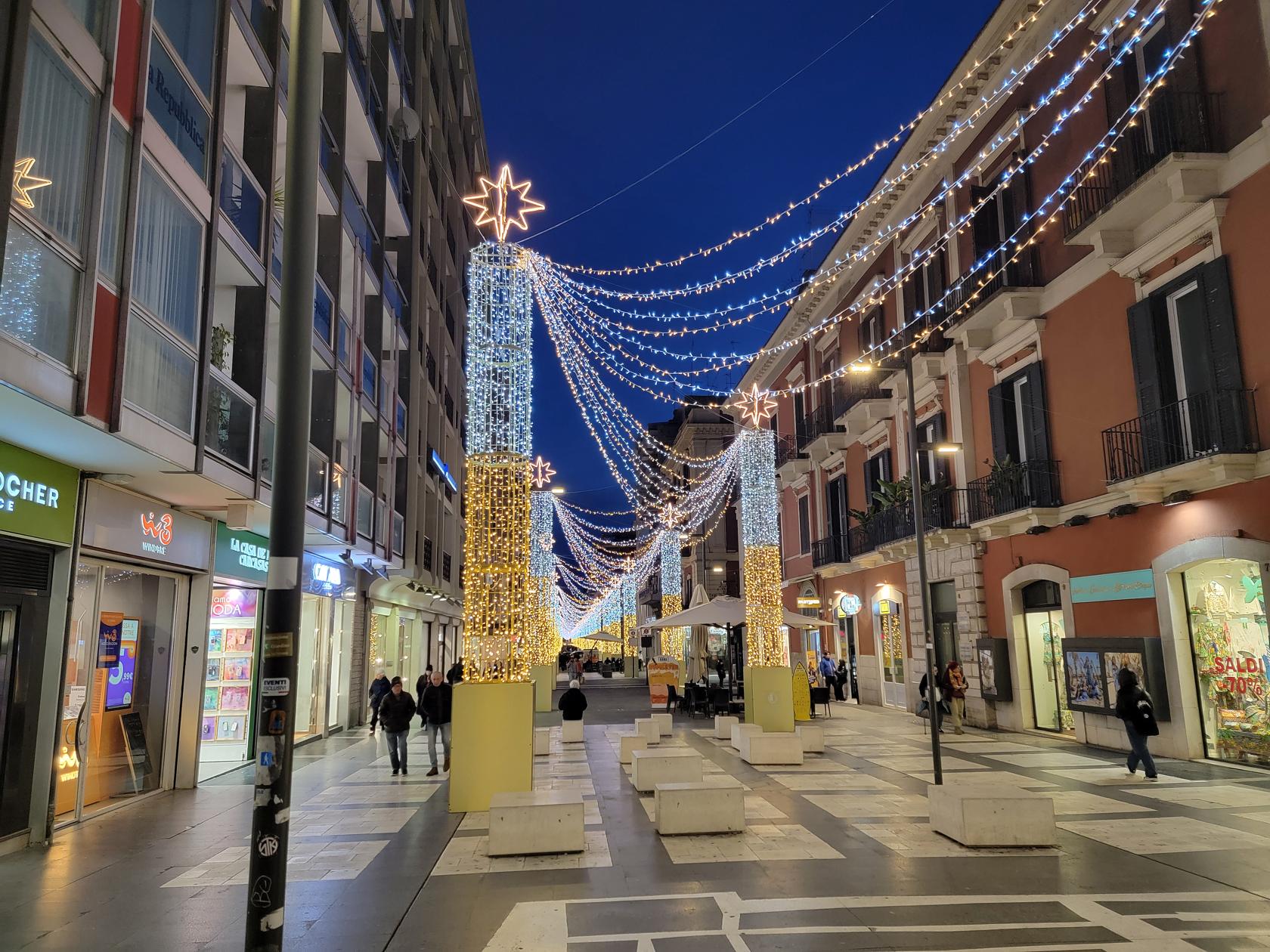
Via Andrea da Bari – Decorated for Christmas – Bari, Italy
Via Andrea da Bari – Bari, Italy
Getting There
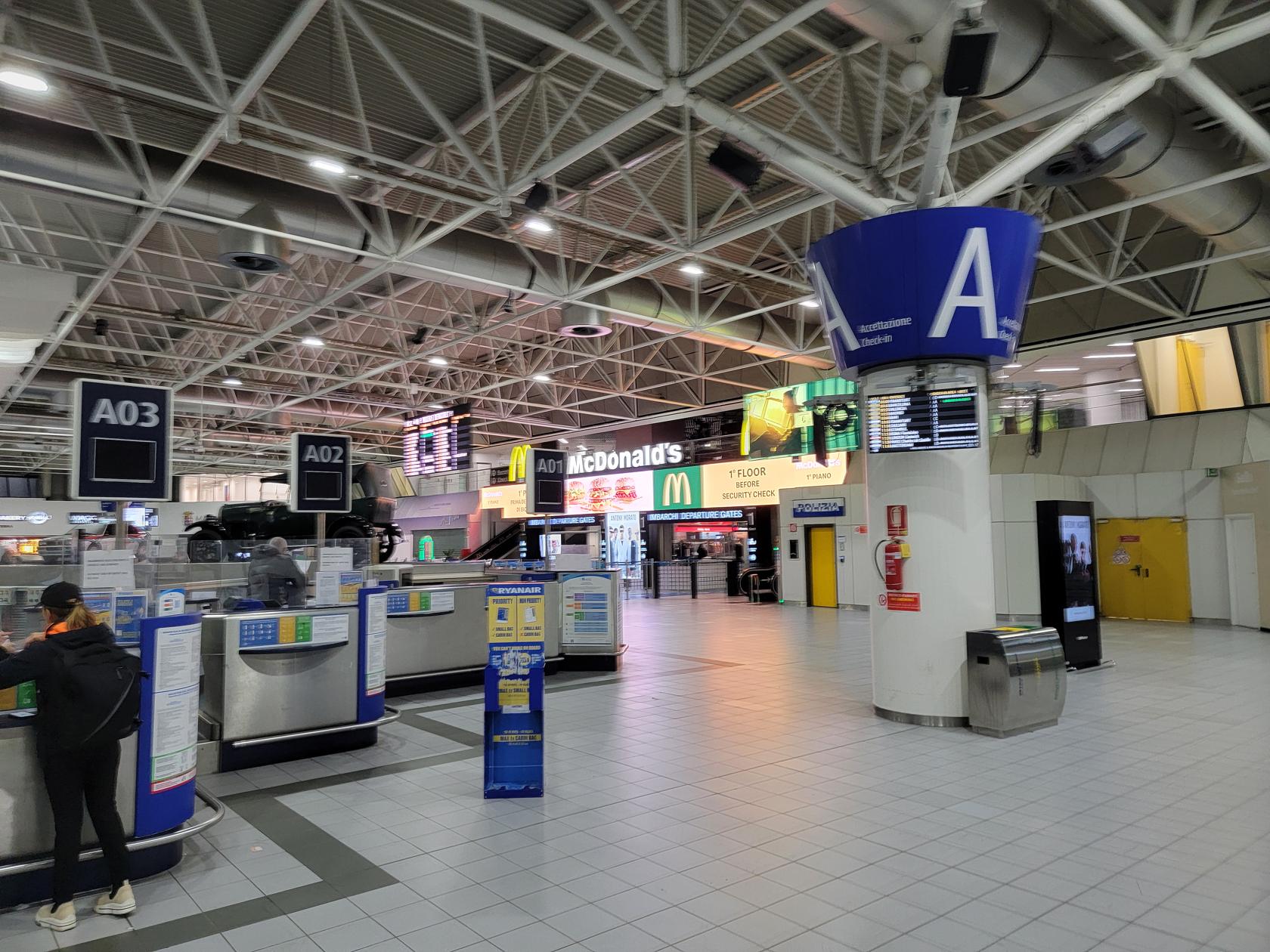
Since we are located in Northern Italian city of Turin, there are two options for us to get there, either the Turin or Milan airport. Since RyanAir has service to many small cities in Italy, Turin being one of them, they were the right choice for us. They provide a direct non-stop flight from Turin to Bari which only takes an hour and a half. It’s not cheap, but on the reasonable side. Even in January, with two flights a day, the plan was almost full.
Leaving Turin – Turin Airport, Turin
RyanAir – Turin Airport, Turin
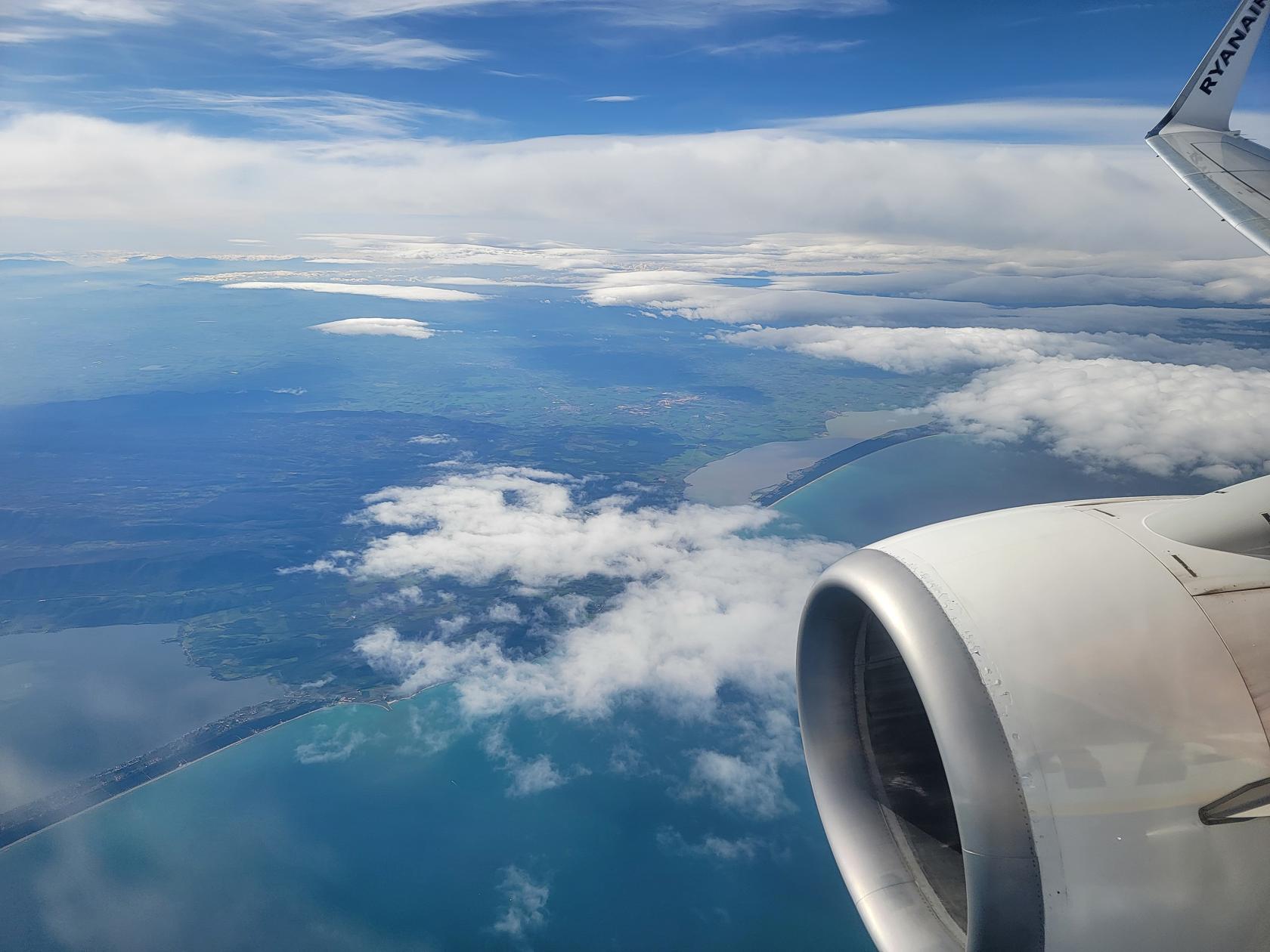
Flying over the Adriatic Coast of Italy – Italy
Bari Airport – Bari, Italy
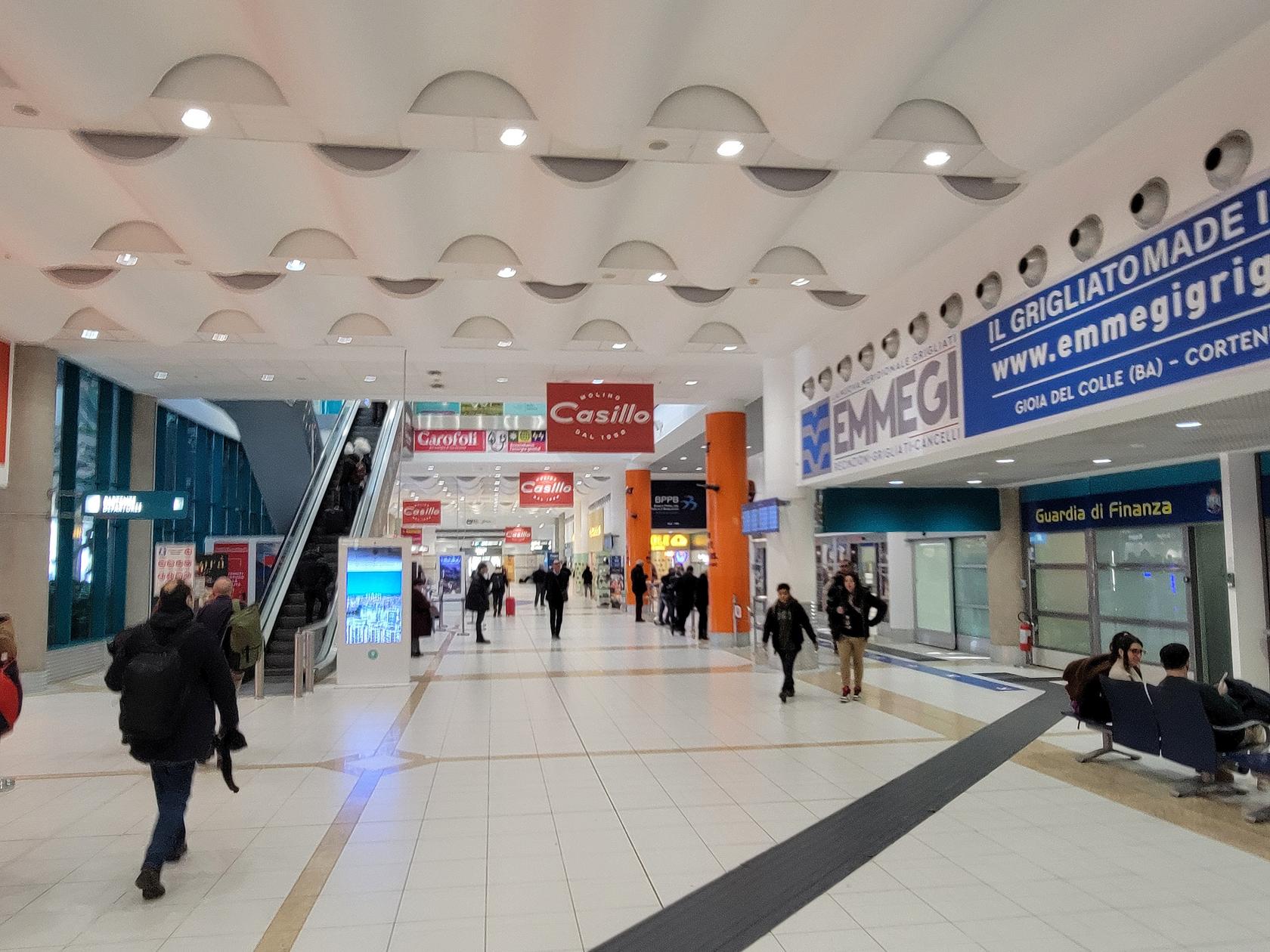
Once we landed there were several options to get from the airport to the city. Train, bus, taxi and rent-a-car. When we can, we always prefer and ride the train. We just find it more relaxing and trouble free, but that of course depends on the country and the railroad that is available.
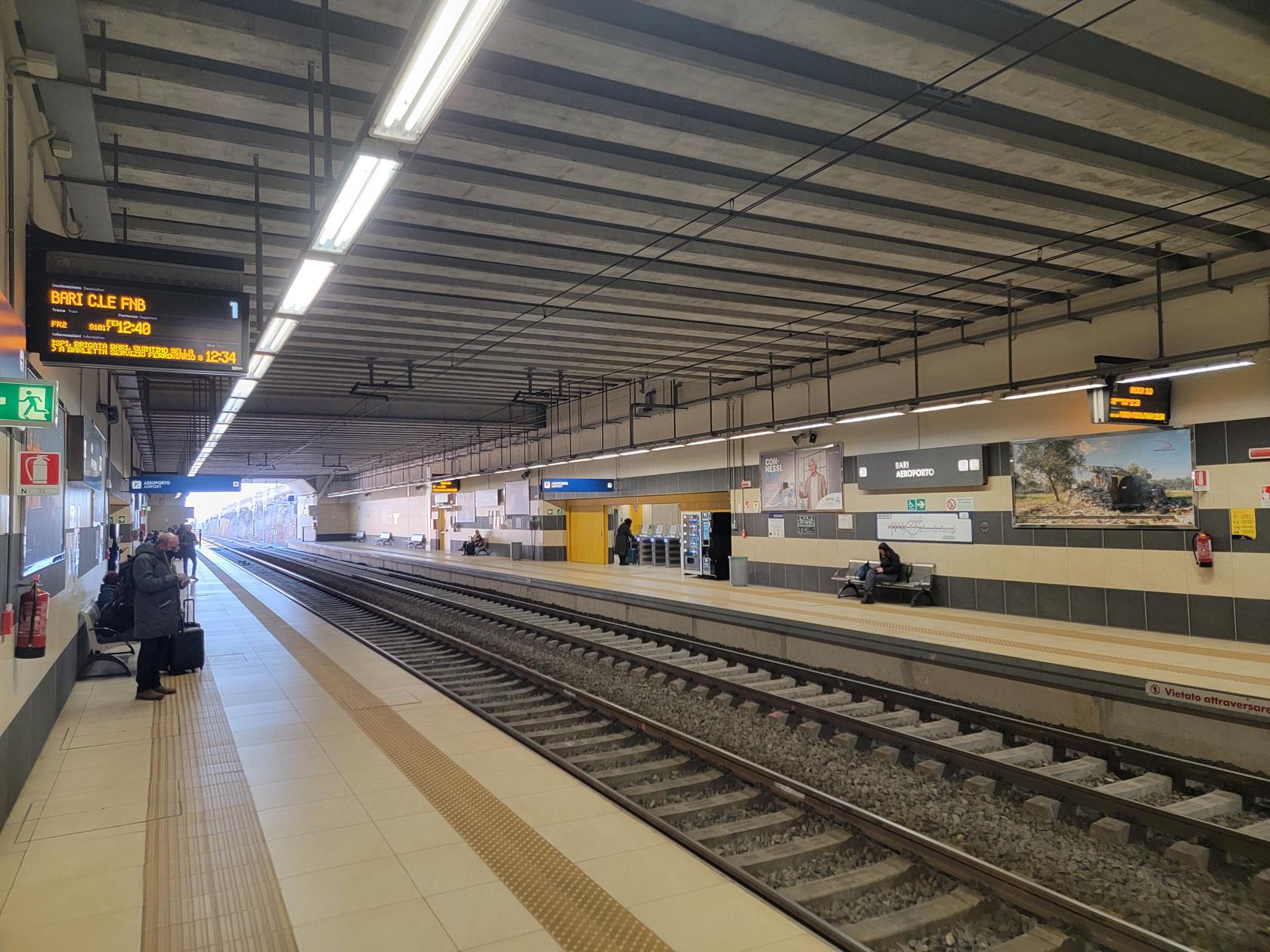
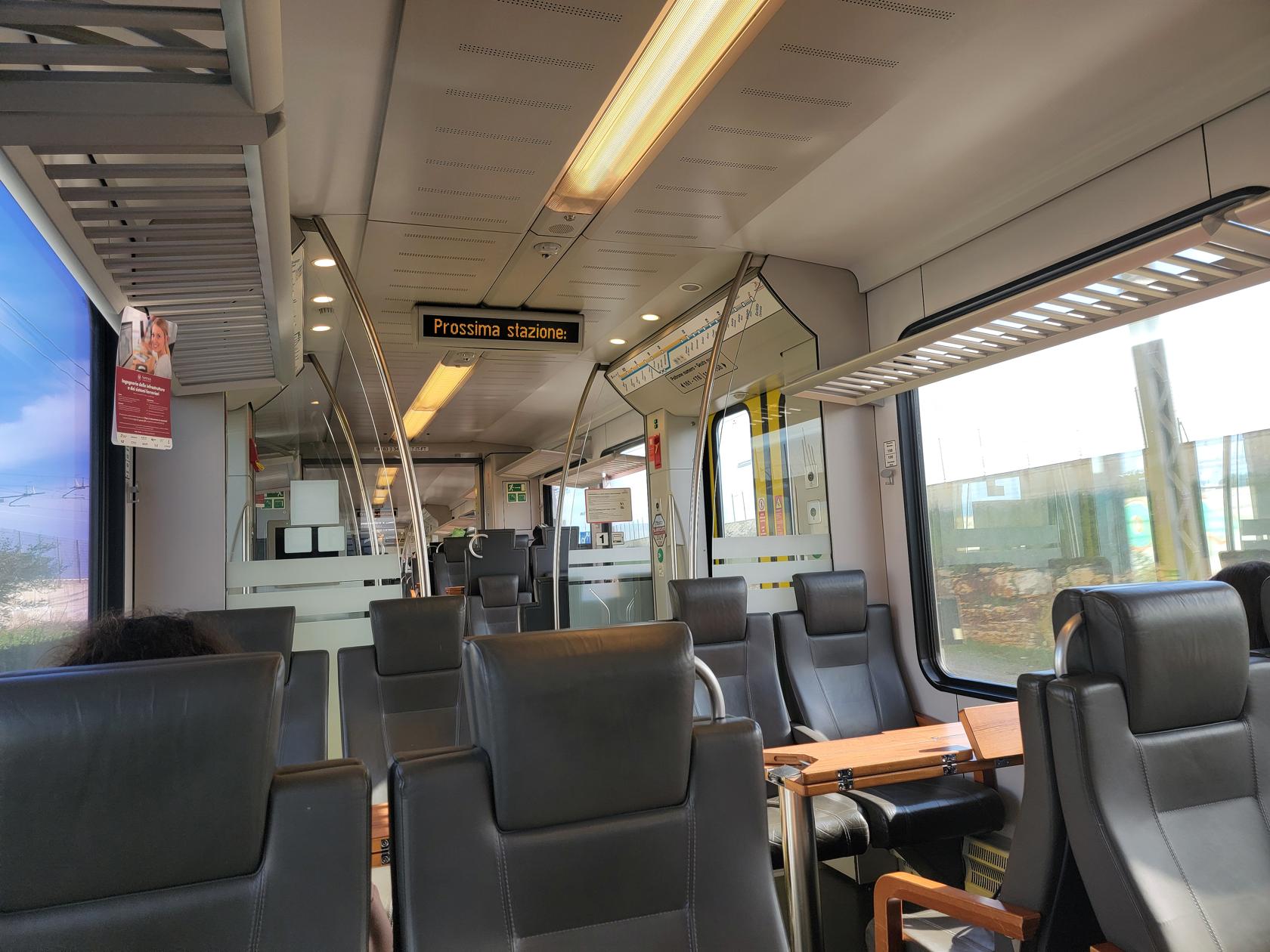
Apulia has its own train system, separate from TrennItalia, so we purchased tickets at the desk before entering the train station (I figure, I can always install the phone application later for any return business). The trip from Bari Airport to Bari Centrale (C.le) takes about thirty minutes with about four of five stops in between.
Bari Airport Train Station – Bari, Italy
Next stop, Bari Centrale – Bari, Italy
Where We Stayed
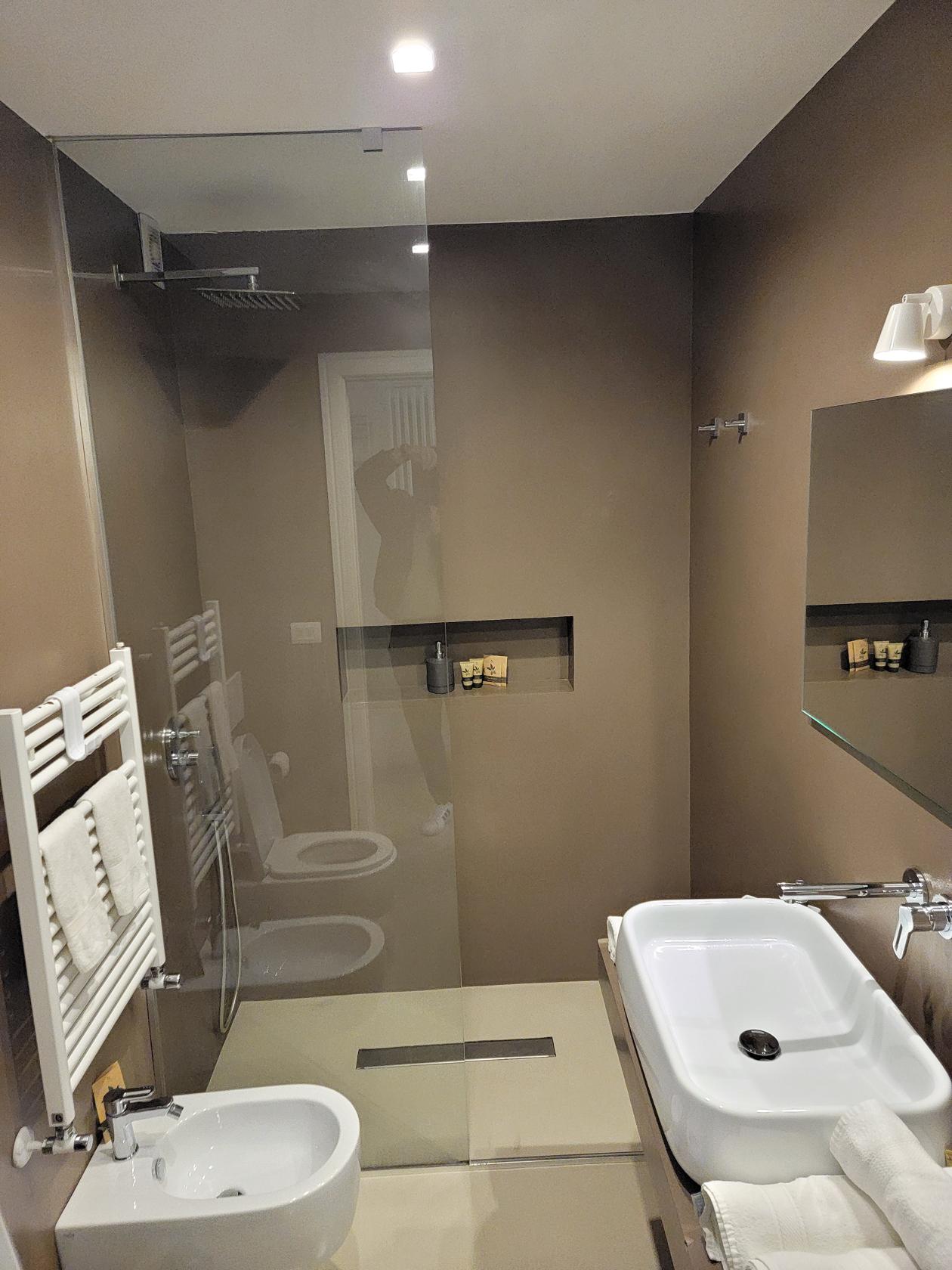
Frankly, I no longer care for BnBs and will take a hotel over them any day. However, given the opportunity to check other Bed and Breakfast places, outside the crap these applications serve up, we will book our stays with them, provided we have thoroughly checked them out ahead of time using other people’s recommendations as our source material.
More signs in the city streets – Bari, Italy
Welcome signs in the city streets – Bari, Italy
The historic city streets – Bari, Italy
Murex B&B
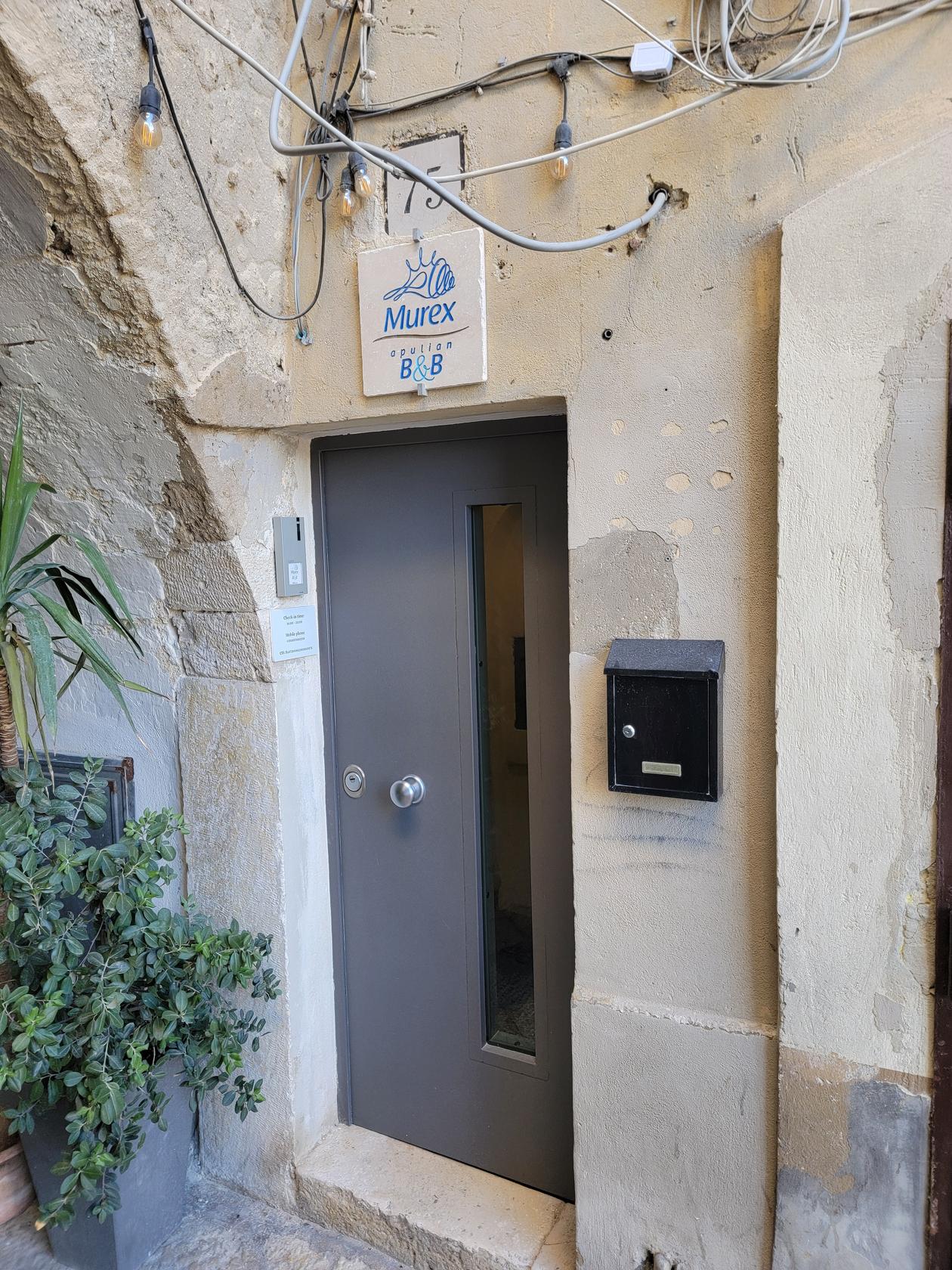
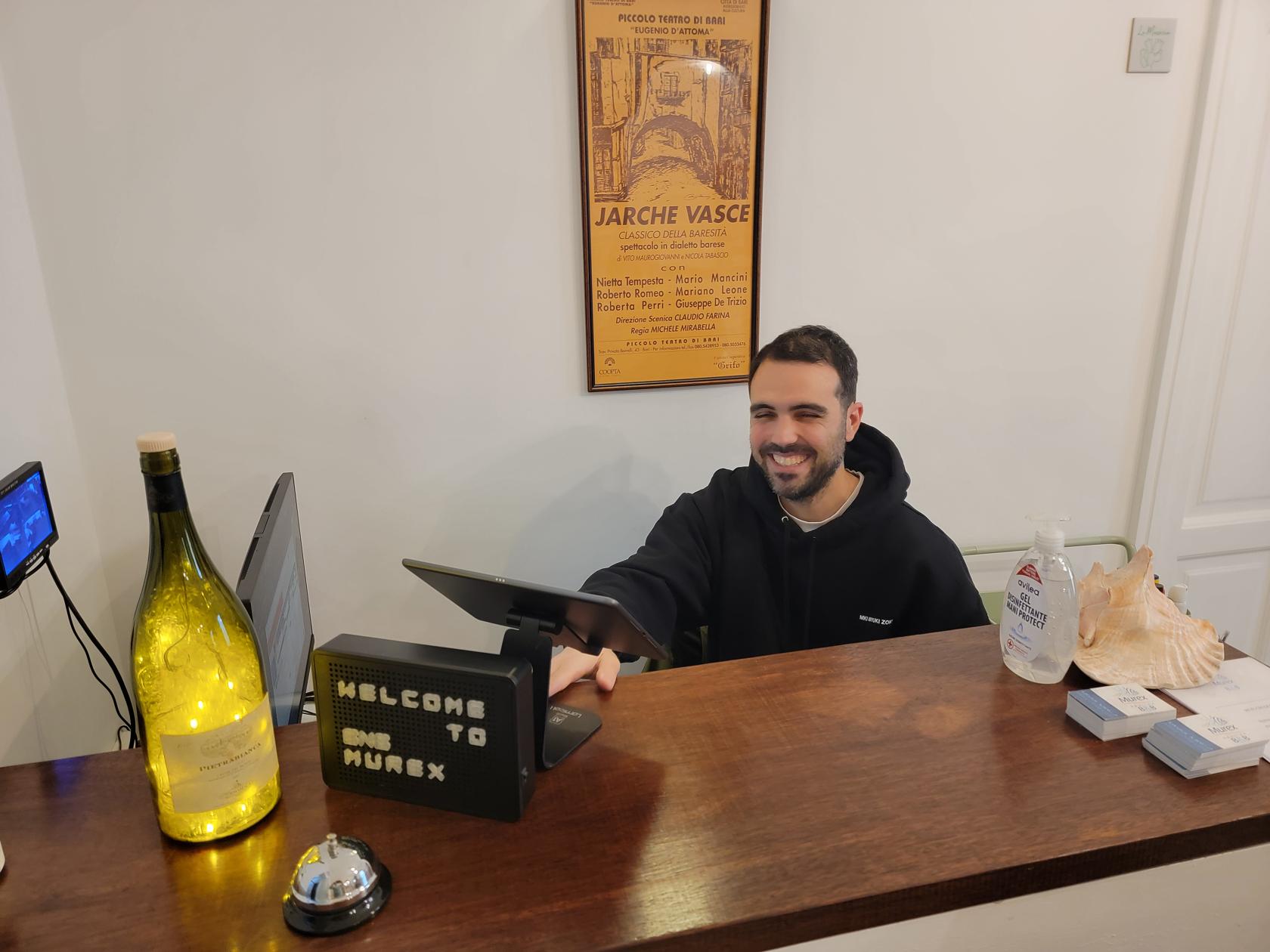
Murex B&B is a very nice modern Bed & Breakfast in the heart of the ancient city of Bari. The owners are young, attentive and respectful of our needs. The amenities that are provided are sufficient and plentiful. Our room came with breakfast each morning and other treats, that would not normally be provided at some hotels and definitely not at those other places.
Main door – Murex B&B – Bari, Italy
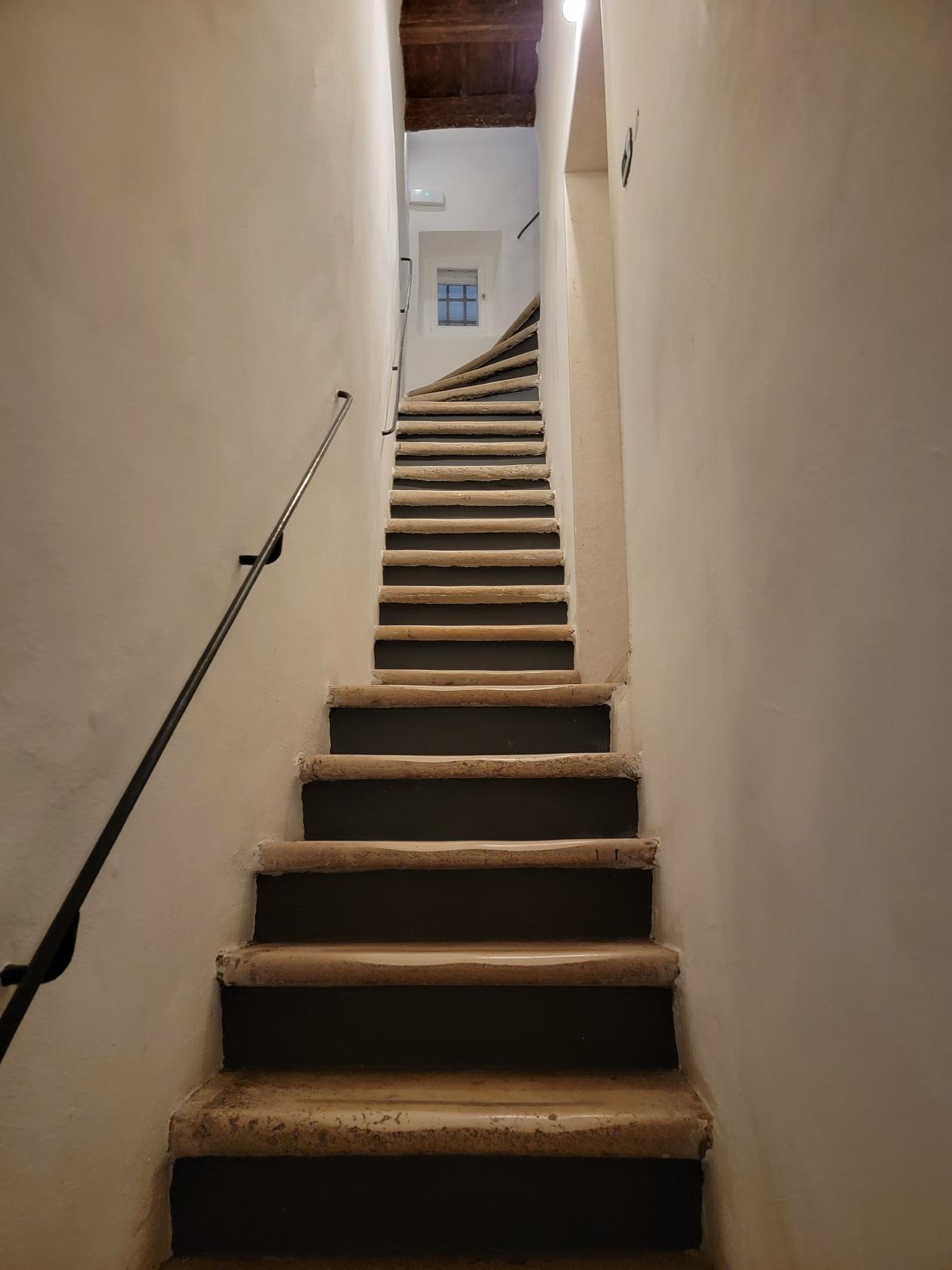
The ascent to our B&B – Murex B&B – Bari, Italy
Our host Antonio – Murex B&B – Bari, Italy
One word of caution however, the staircase to enter is rather steep. So, if you require assistance with your luggage, you should ask. The owners are more than obliging to any requests and will carry it up and down for you.
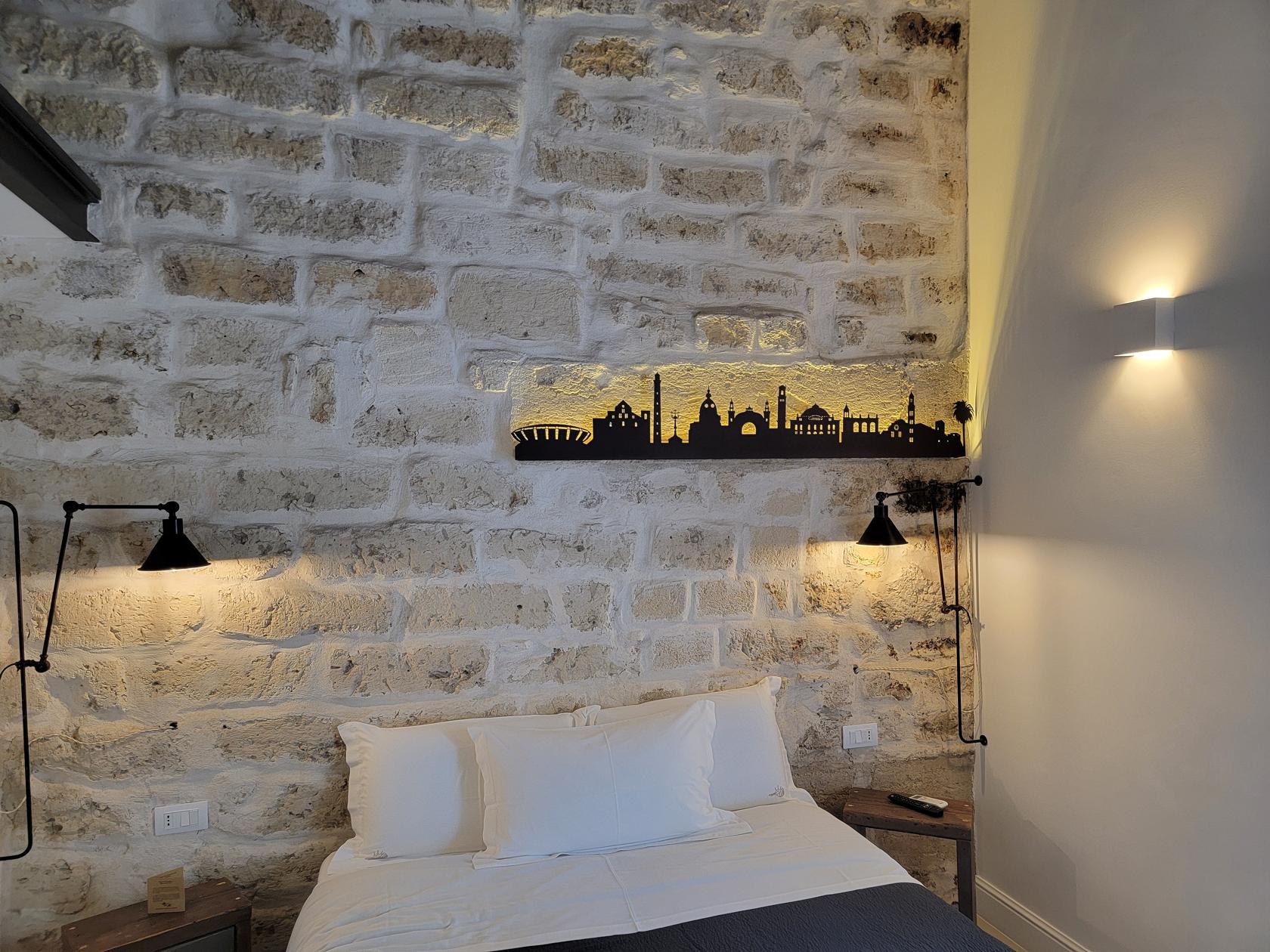
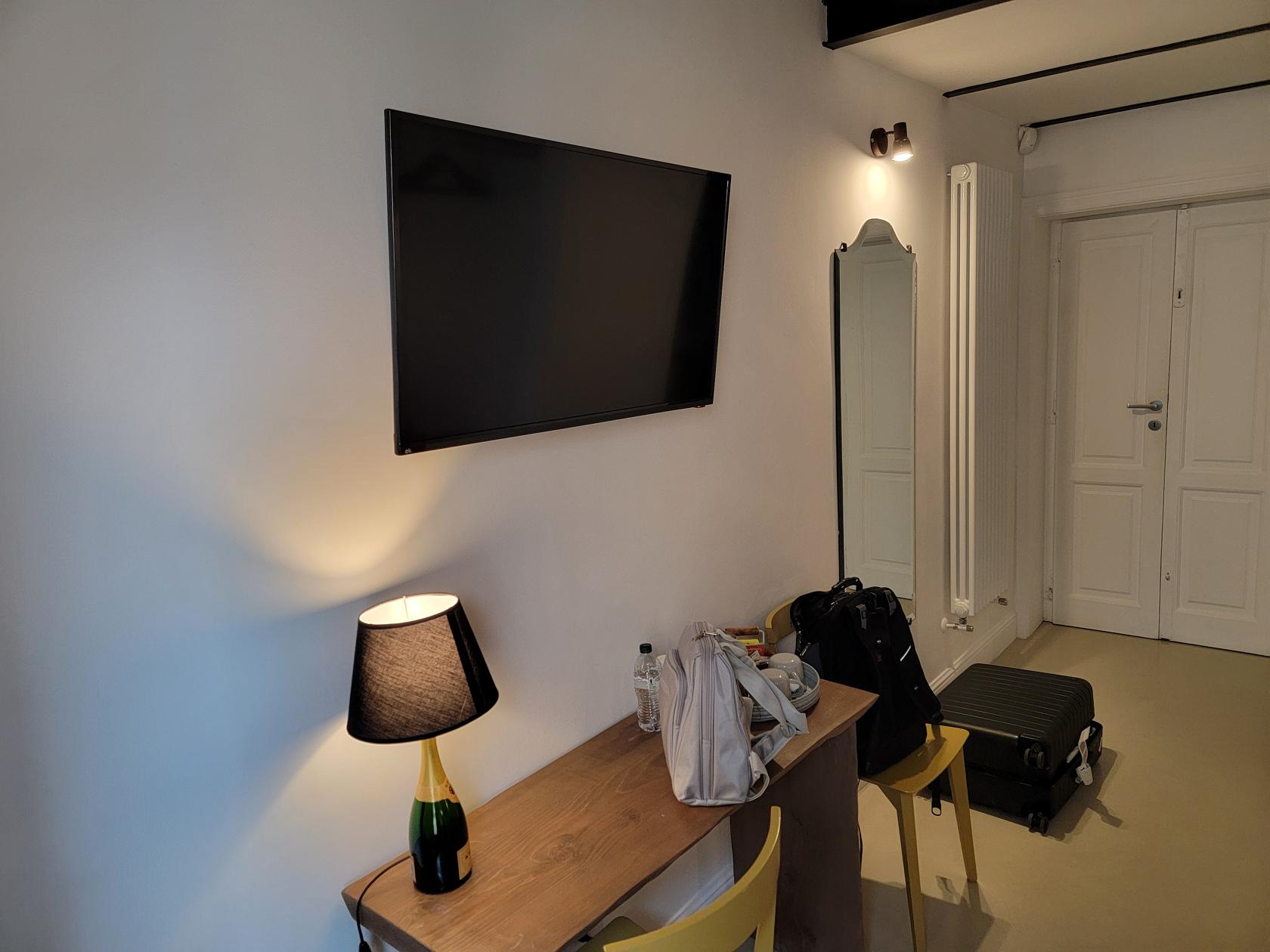
La Citta room – Murex B&B – Bari, Italy
La Citta room – Murex B&B – Bari, Italy
La Citta room – Murex B&B – Bari, Italy
Our room was La Città, it was spacious, well lit and warm. The bed was firm with a cushion top and it definitely helped me nod off.
Basilica Pontificia San Nicola
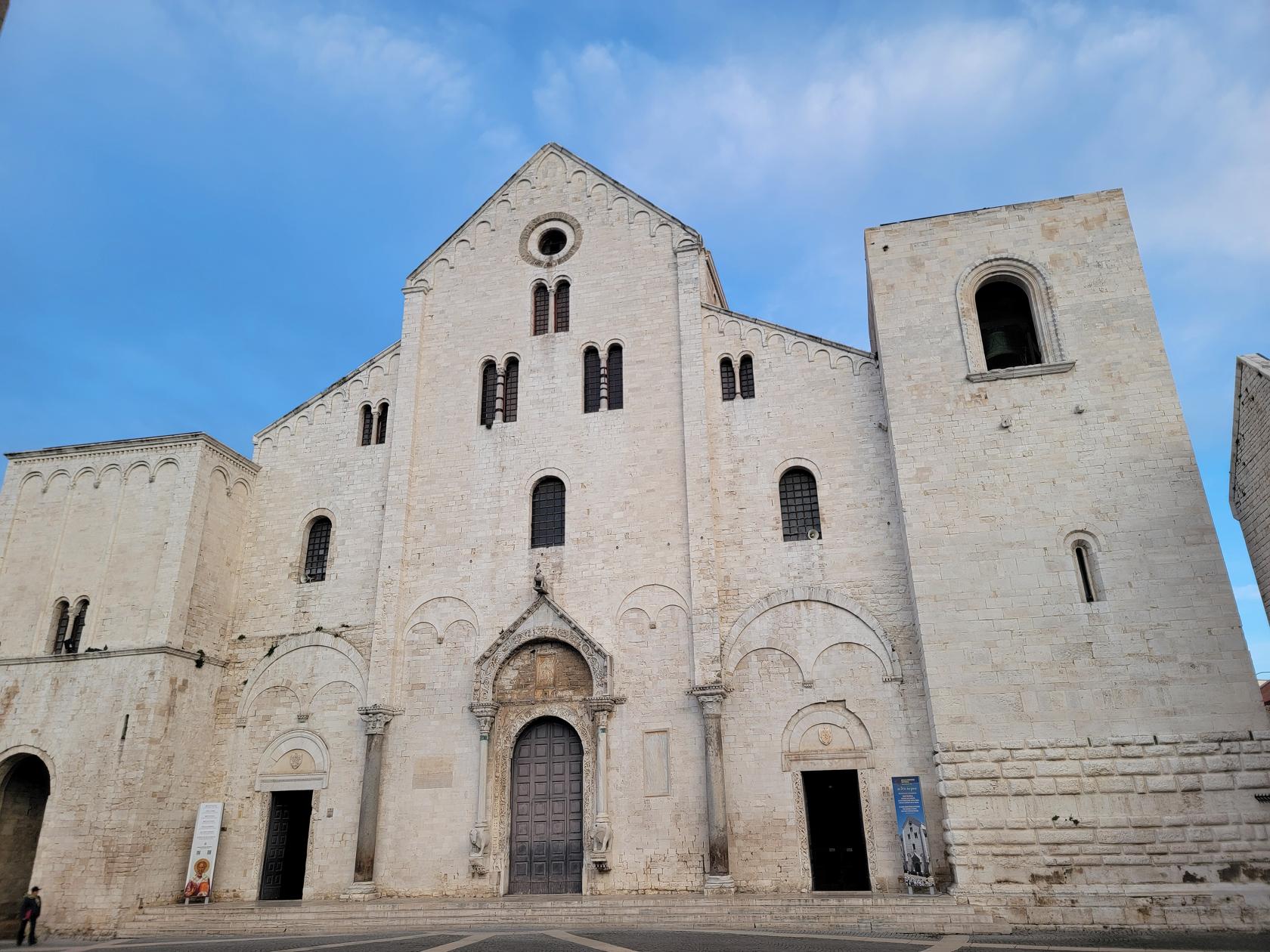
The Basilica Pontificia San Nicola was built in the late eleventh and early twelfth centuries and consists of a basic architecture of a nave with neighboring aisles.
Basilica Pontificia San Nicola – Main Entrance – Bari, Italy
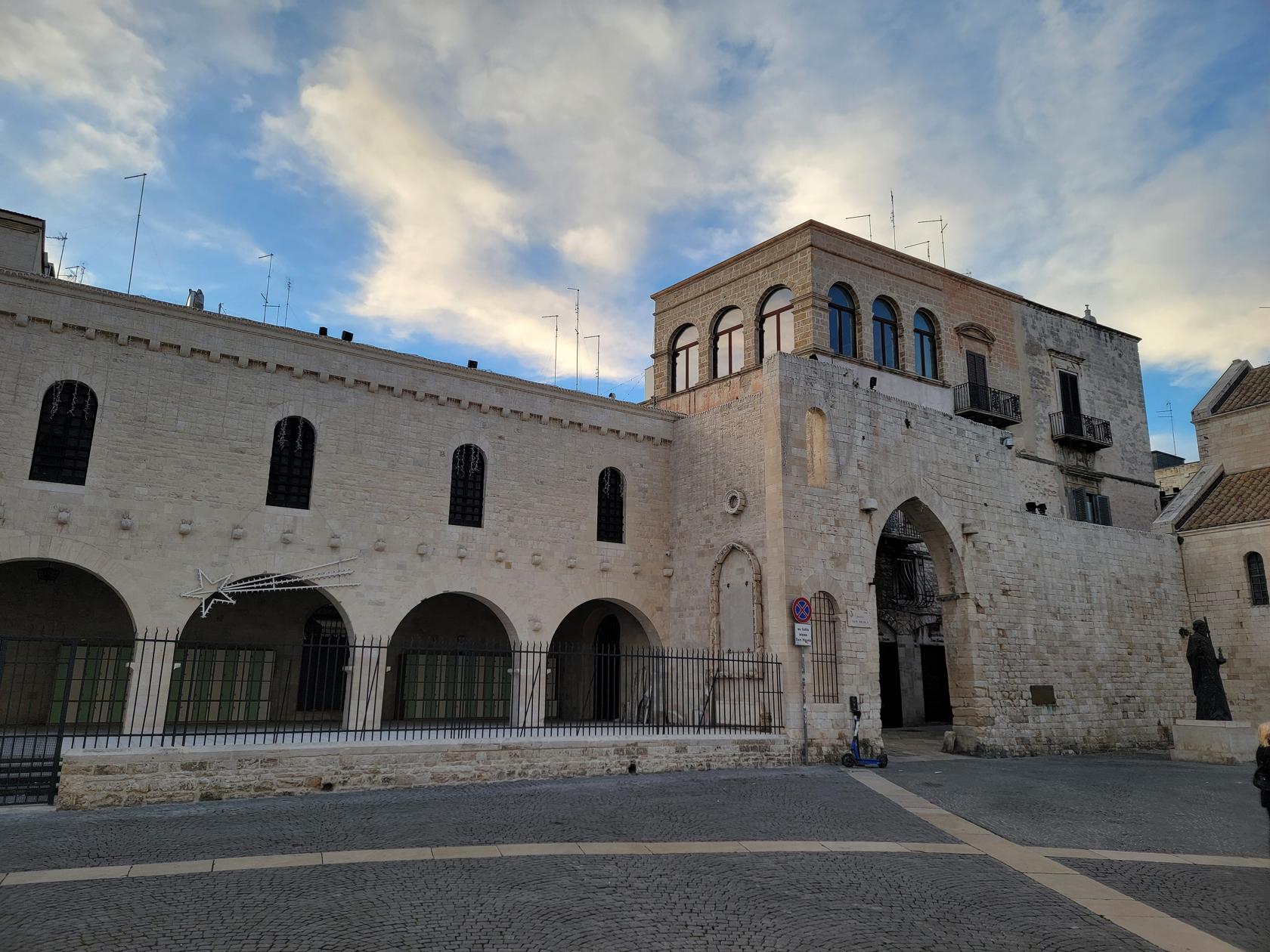
Basilica Pontificia San Nicola – Courtyard – Bari, Italy
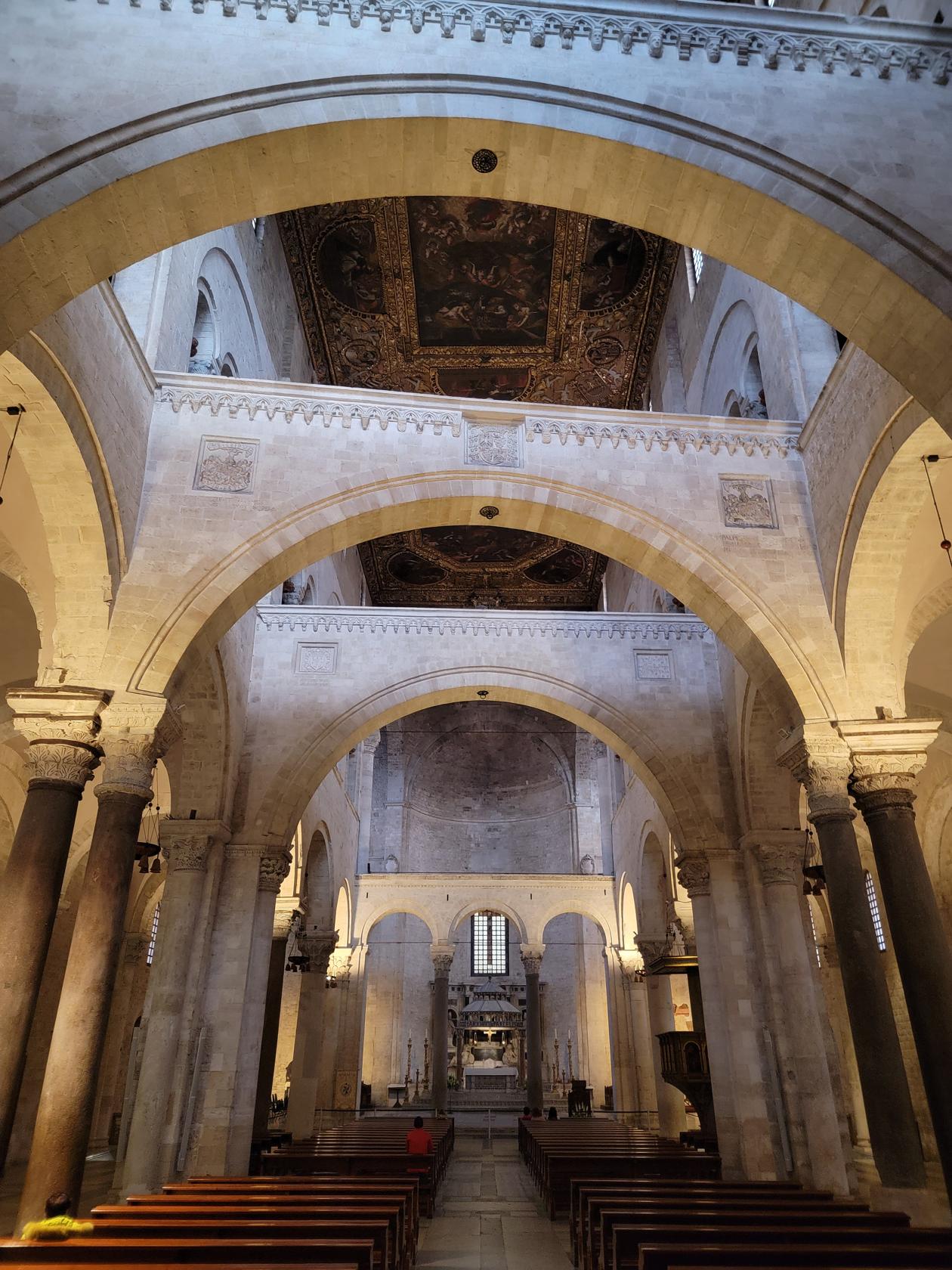
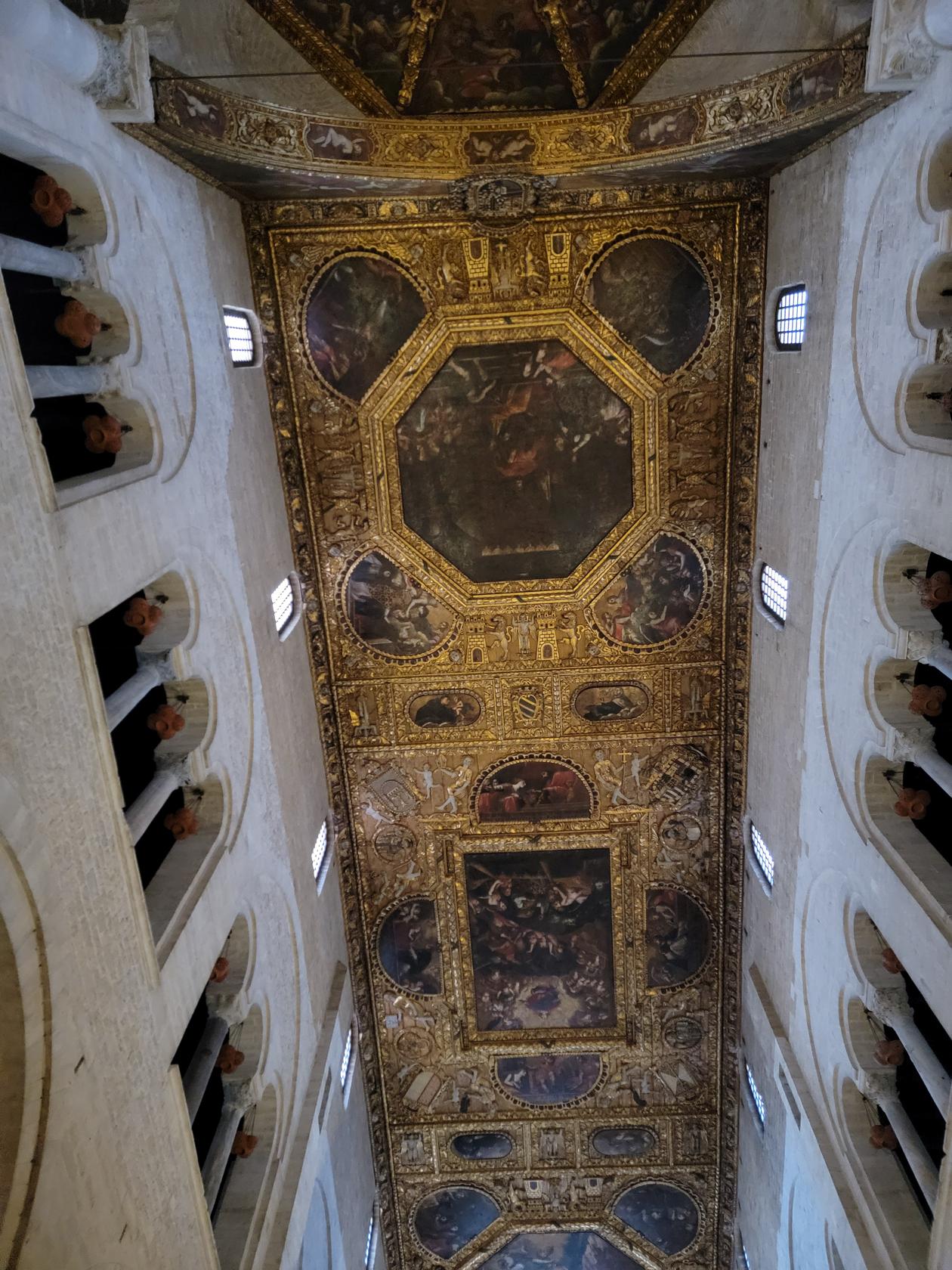
The ceiling and interior has a rarity to it, that only an ancient church can provide. The roof is made of wood and is occluded by arches buttressing the sides together, few if any at right angles to each other, giving the entire interior a rather haphazard look.
Basilica Pontificia San Nicola – Interior – Bari, Italy
Basilica Pontificia San Nicola – Interior – Bari, Italy
Basilica Pontificia San Nicola – Interior – Bari, Italy
Basilica Pontificia San Nicola – Interior – Bari, Italy
Basilica Pontificia San Nicola – Interior – Bari, Italy
Basilica Pontificia San Nicola – Ornate Ceiling – Bari, Italy
Basilica Pontificia San Nicola – Altar – Bari, Italy
Basilica Pontificia San Nicola – Interior – Bari, Italy
The Crypt
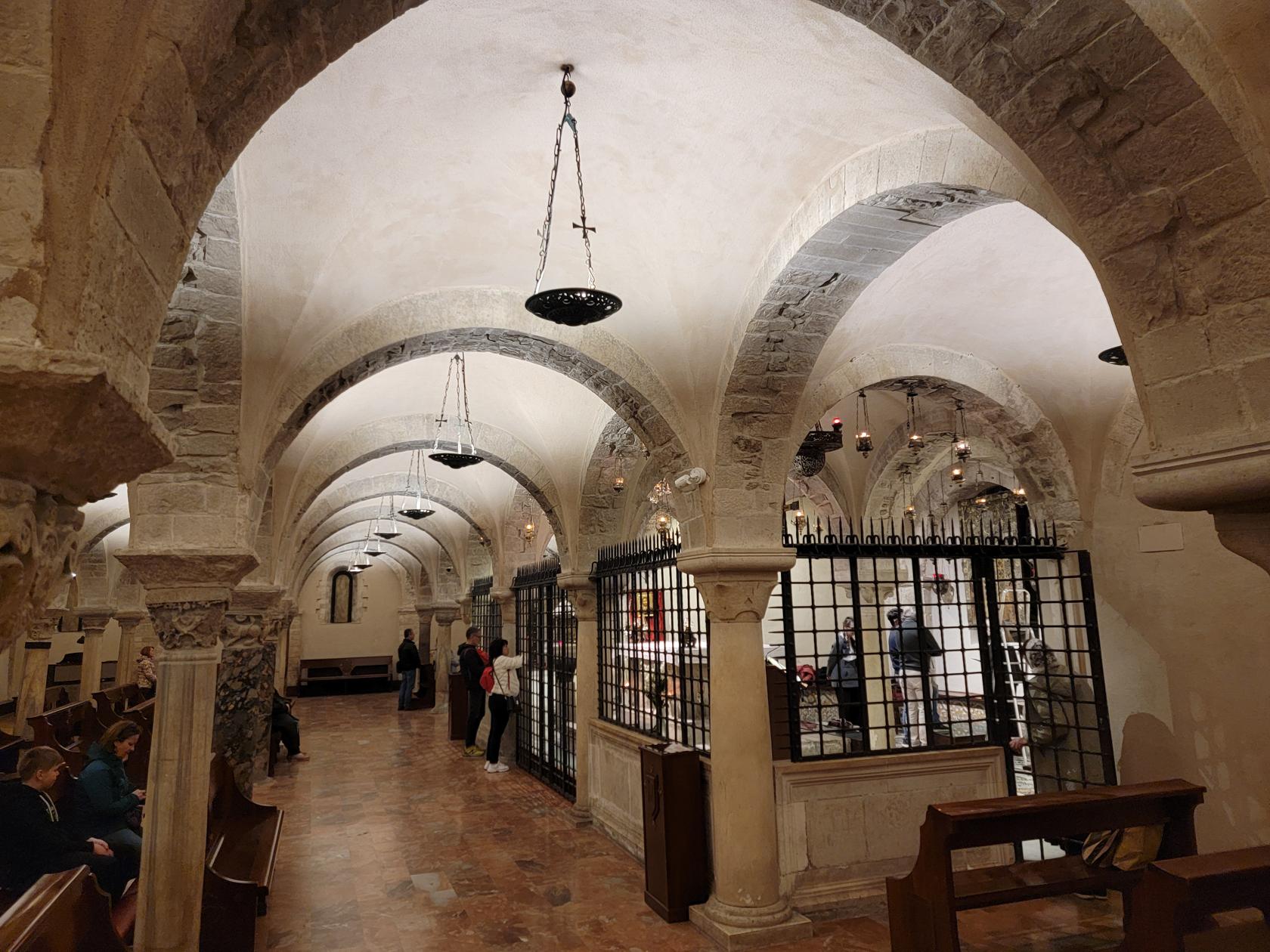
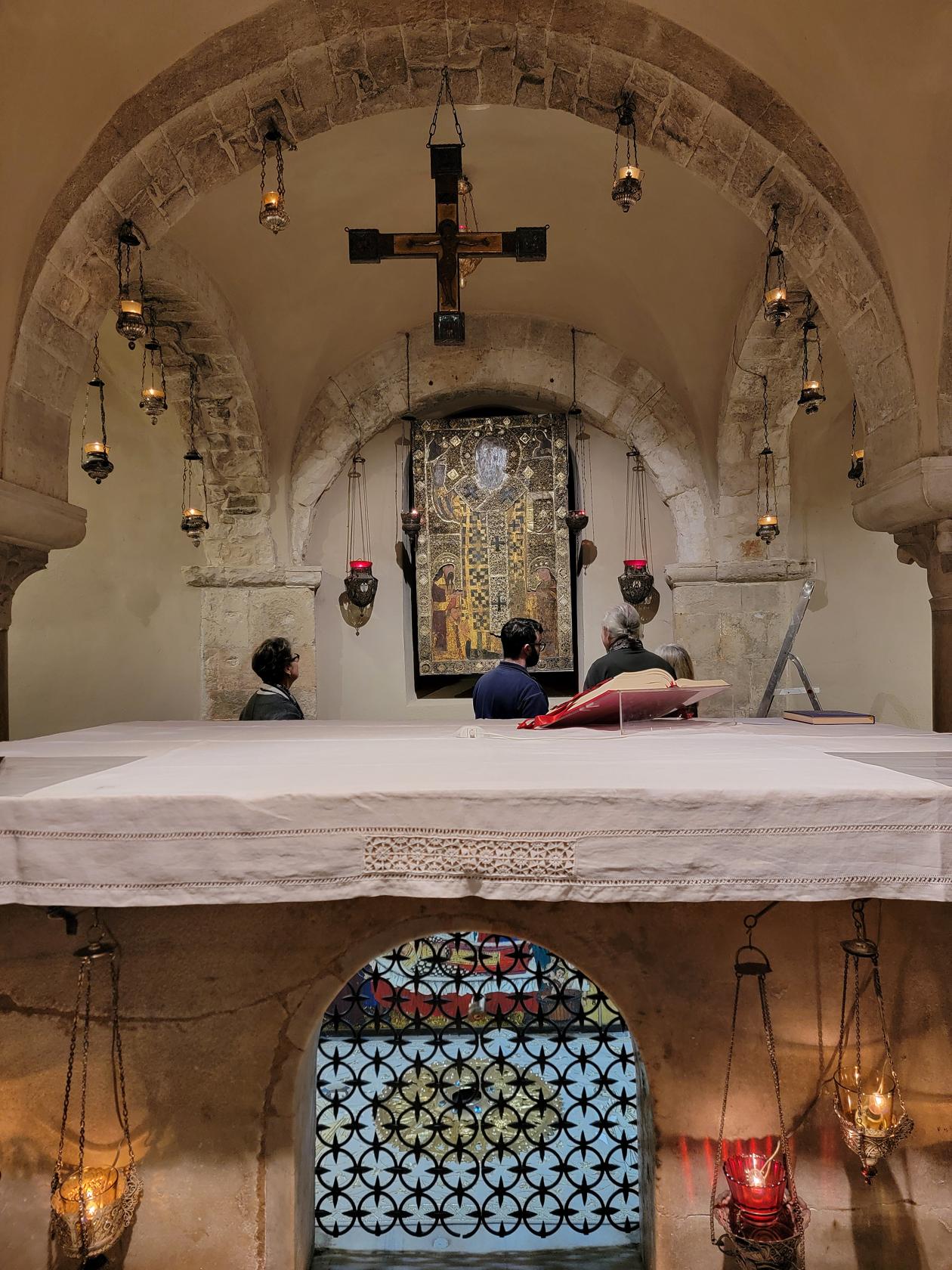
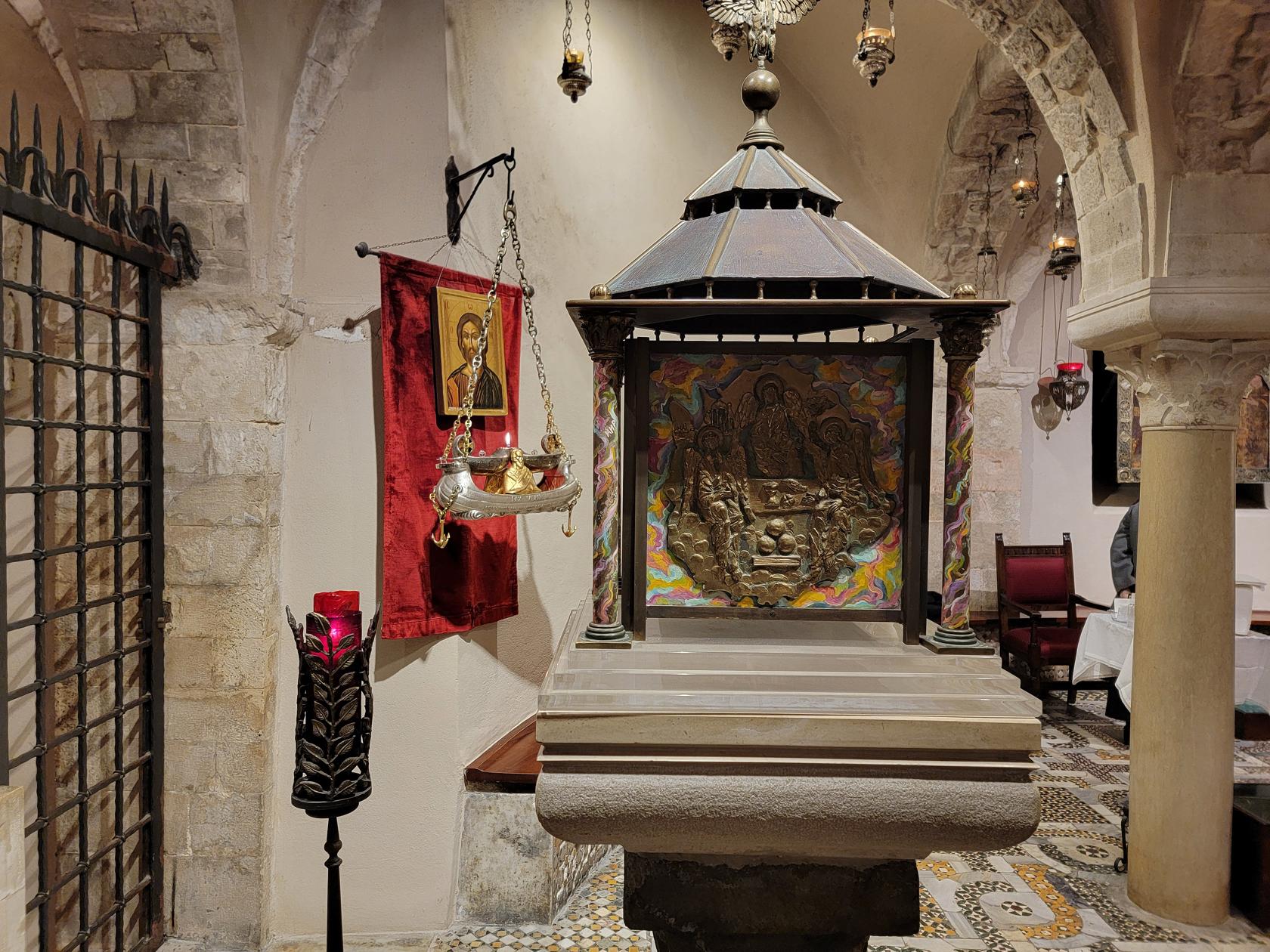
Here you can find the tomb of Saint Nicholas, the patron saint of Christmas. The crypt is a beautiful room with myriad arches all of which are adorned with unique capitols.
Basilica Pontificia San Nicola – Crypt – Bari, Italy
Basilica Pontificia San Nicola – Crypt – Bari, Italy
Basilica Pontificia San Nicola – Crypt – Bari, Italy
Basilica Pontificia San Nicola – Crypt – Bari, Italy
Basilica Pontificia San Nicola – Crypt – Bari, Italy
Basilica Pontificia San Nicola – Crypt – Bari, Italy
Basilica Pontificia San Nicola – Crypt – Bari, Italy
Basilica Pontificia San Nicola – Crypt – Bari, Italy
Restaurants
Our first day here we only had time for one meal. Since we ate rather late in the afternoon, around three o’clock, we simply weren’t hungry enough for dinner later that evening.
Matiti Pasta Bistrot
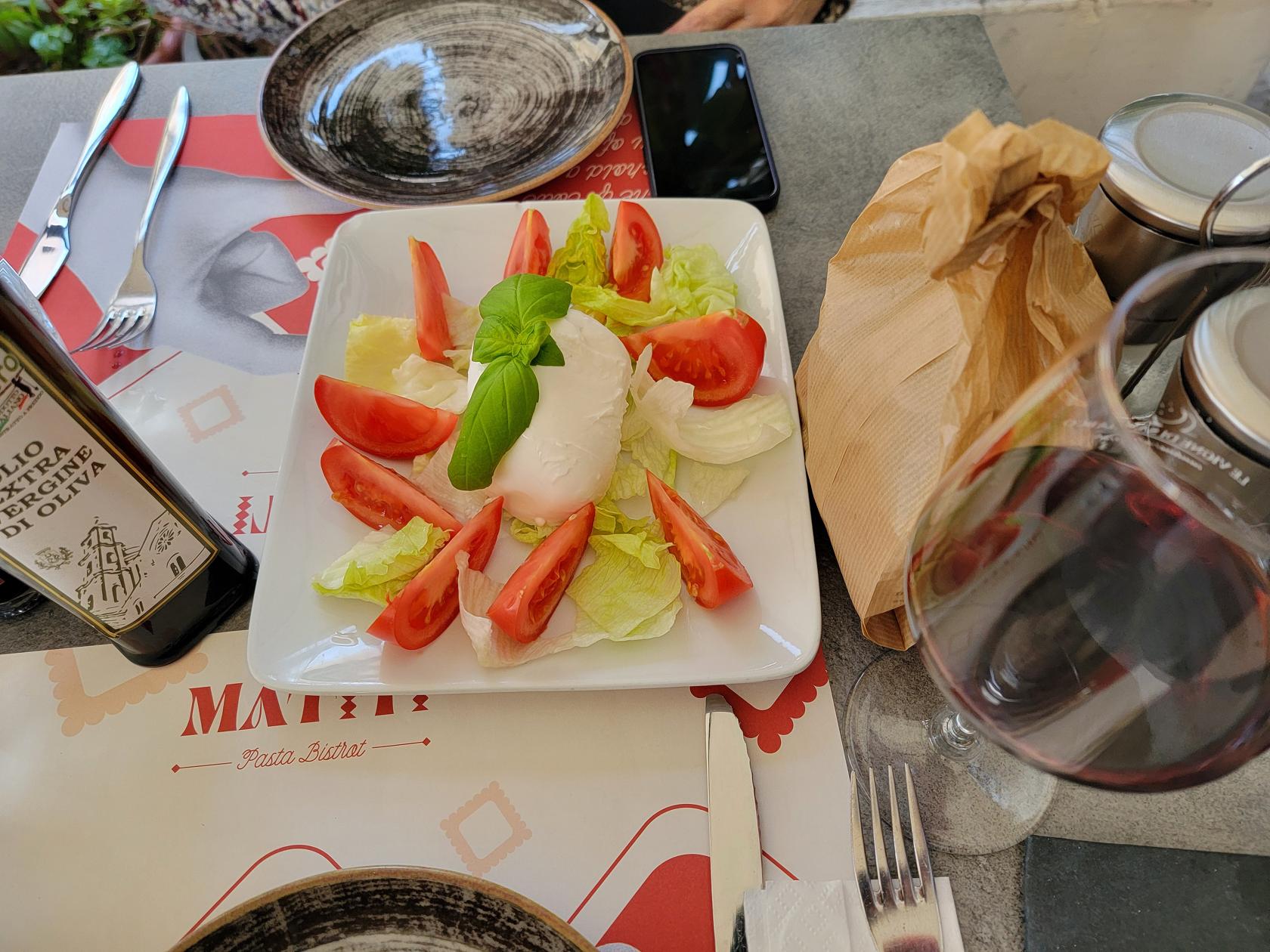
This bistrot did not get very good ratings online, however we found both the food and service adequate for lunch. I ordered a glass of red Primitivo wine from the area which was just delicious, and a 5€ glass, it didn’t hurt my wallet either.
Patti’s Caprese – Matiti Pasta Bistro – Bari, Italy
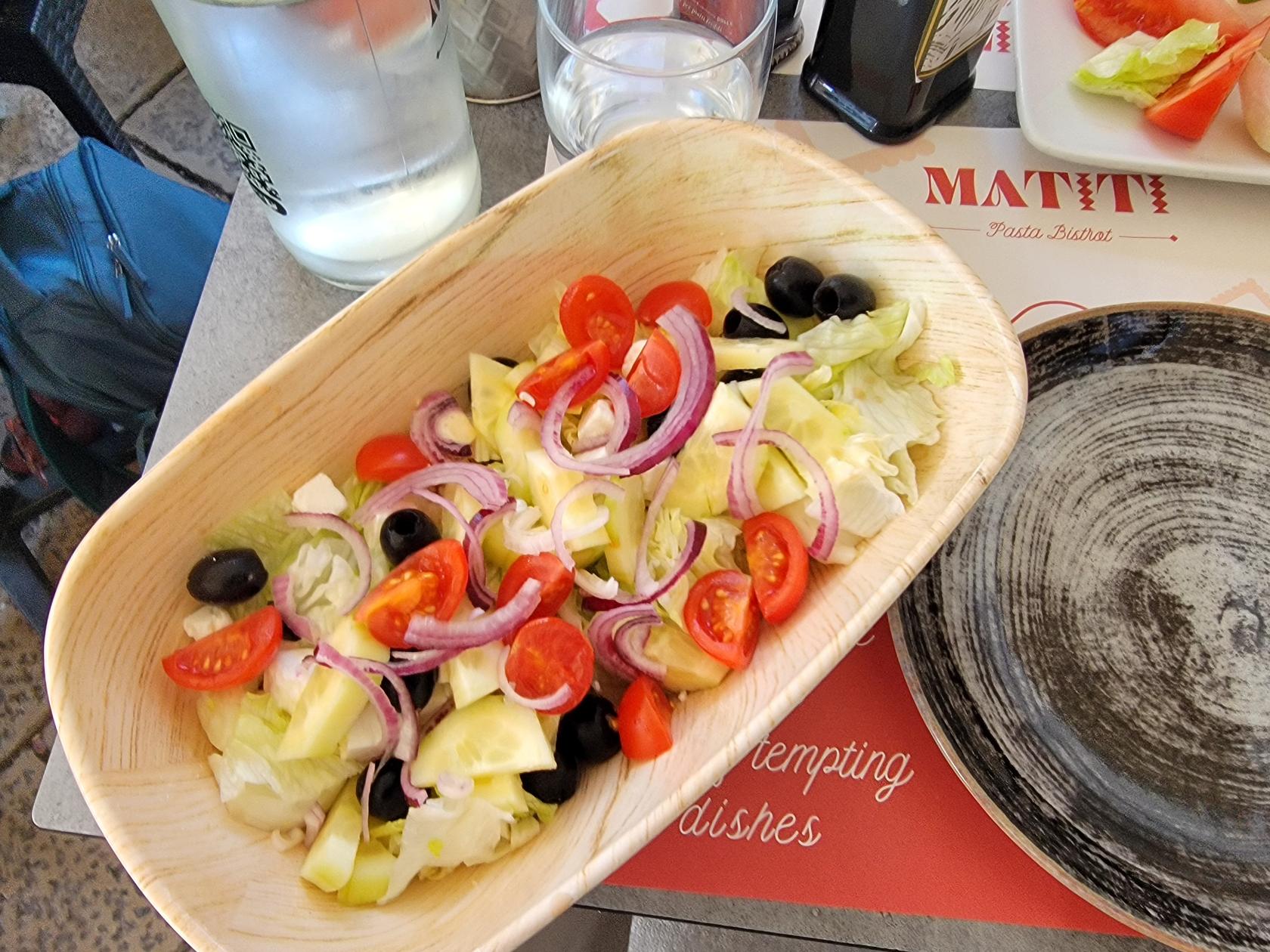
Erick’s Insalata Mista – Matiti Pasta Bistro – Bari, Italy
We kept things simple with a Caprese Salad, an Insalata Mista and later some pasta. After that I had an espresso and a sambuca. The total came to 62€ for two people, with two glasses of wine and coperto.
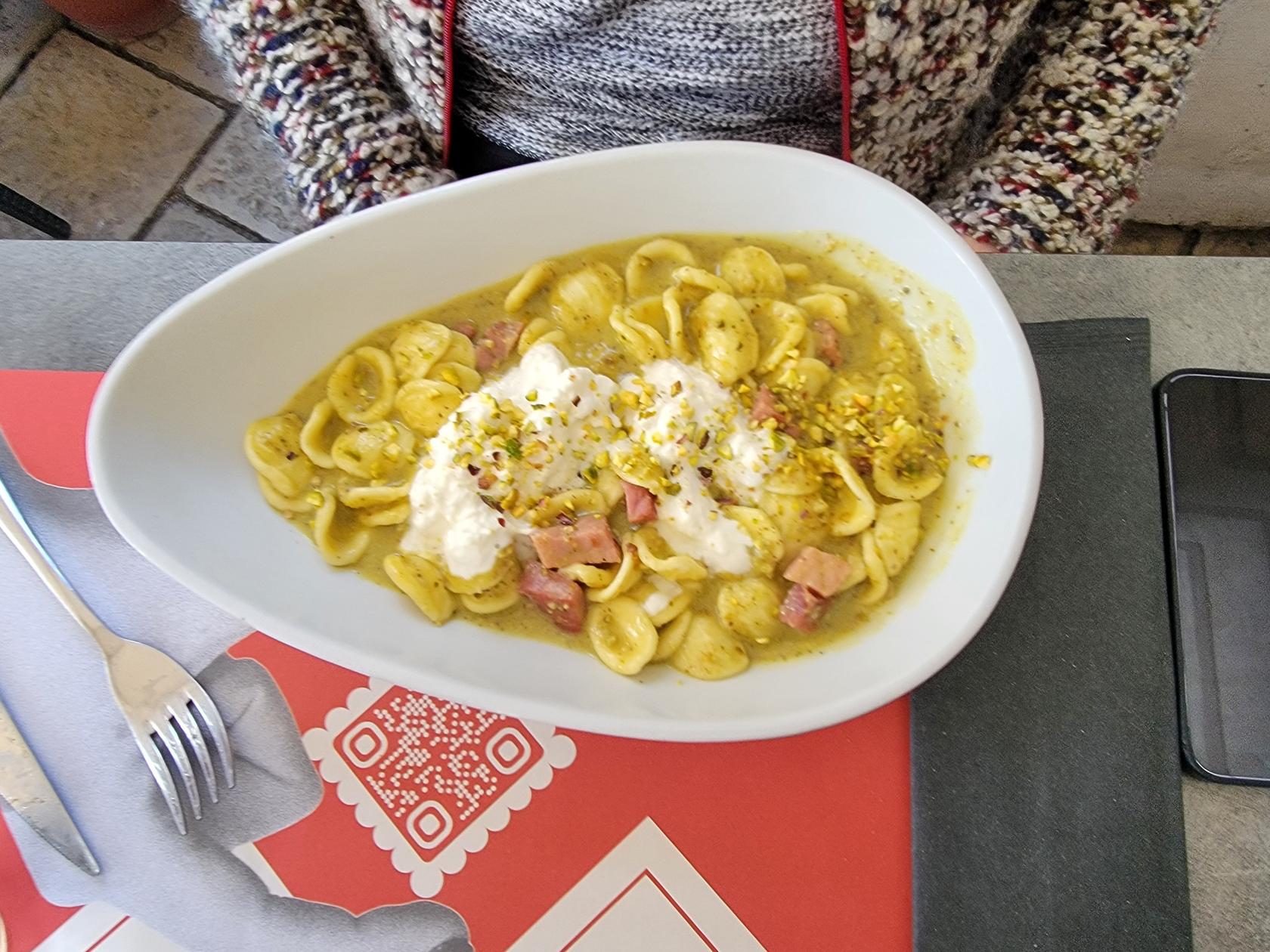
Patti’s Orecchiette with Speck and Pistachio Cream Sauce – Matiti Pasta Bistro – Bari, Italy
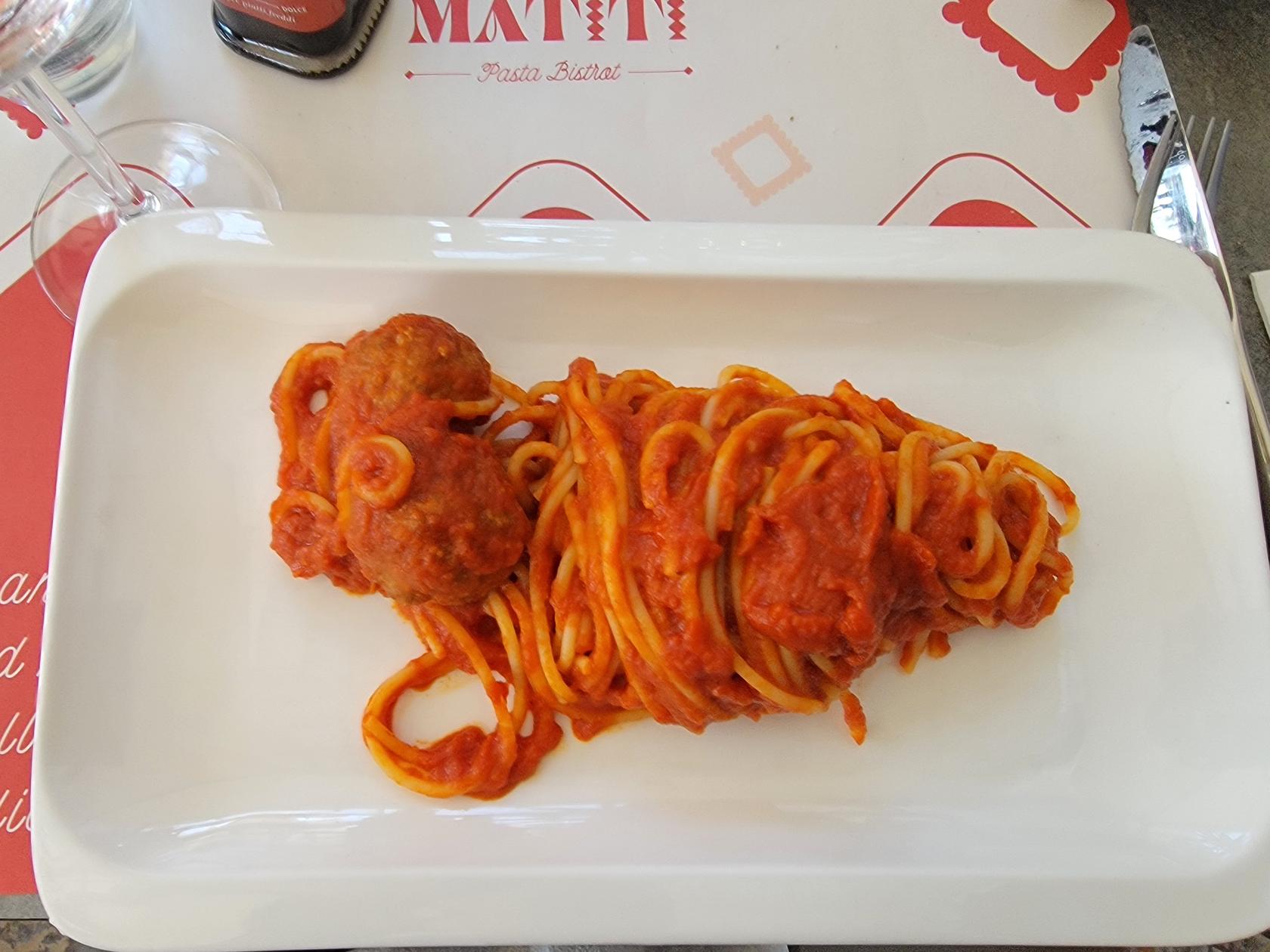
Erick’s Spaghetti and Meatballs – Matiti Pasta Bistro – Bari, Italy
After spending a week in Frankfurt, we decided to spend some time in München, or Munich, Germany. The most affective way to do this from Frankfurt is by train, particularly the ICE DB service. In three hours and some odd number of minutes, you can travel between the two main train stations in comfort.
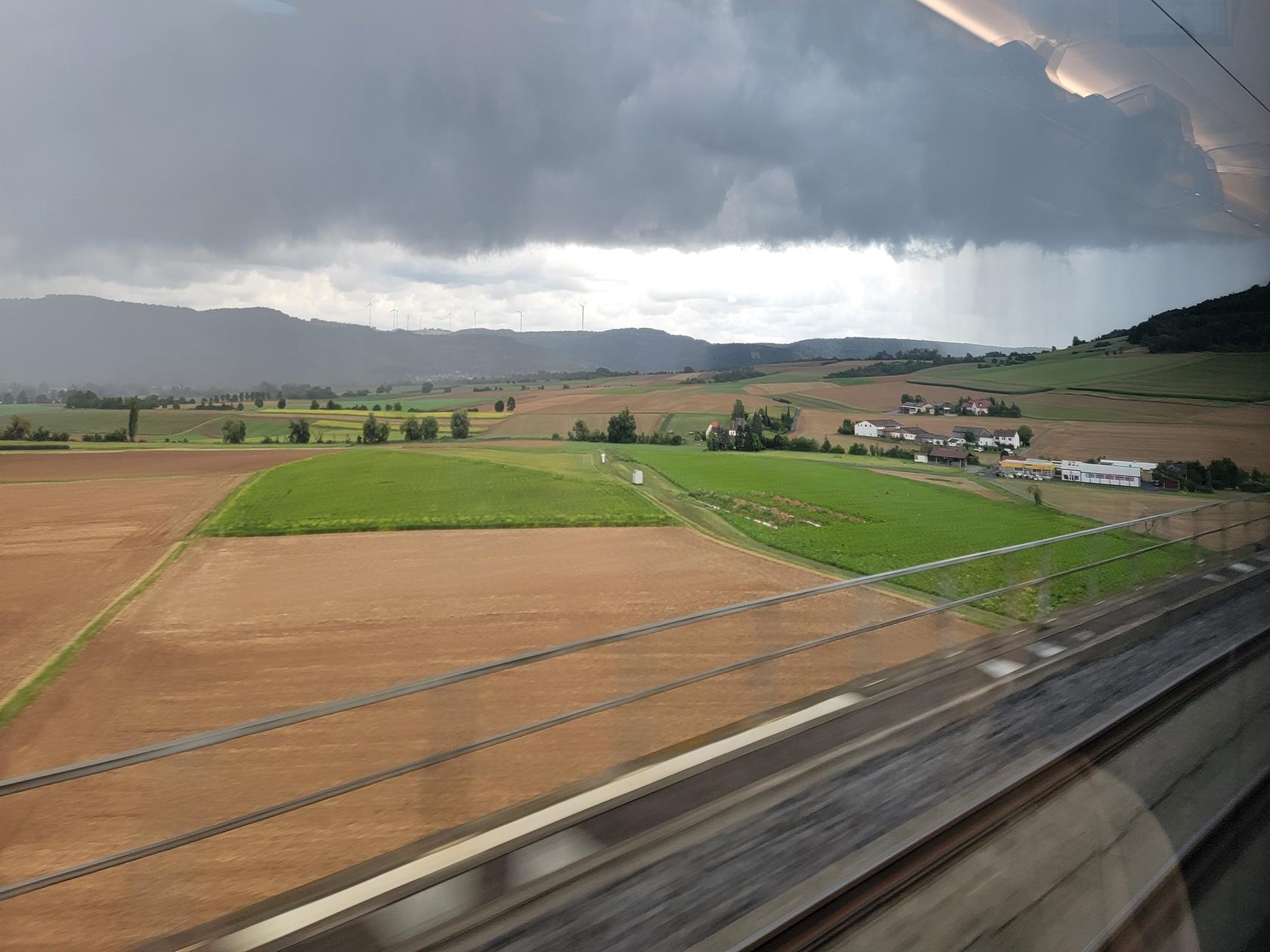
ICE Train to Munich – Storm Front – München, Germany
With most of the family here, we were seven and traveling by train such a short distance just made the most sense, since our daughter and son-in-law had our grandson along. This gave him some added room to walk around an annoy other people instead of just us, breaking up the monotony of the journey. Not really, but it did provide him enough space to get the wiggles out, as opposed to other modes of transport, like an airplane or automobile.
München
The largest city in Bayern, or Bavaria, Munich is a large, bustling city completely accustomed to tourists and tourism. If you are a mono-lingual English speaker, you will find no problem getting around in Munich, most of the residence and restaurant staff speak fluent English.
Marianplatz
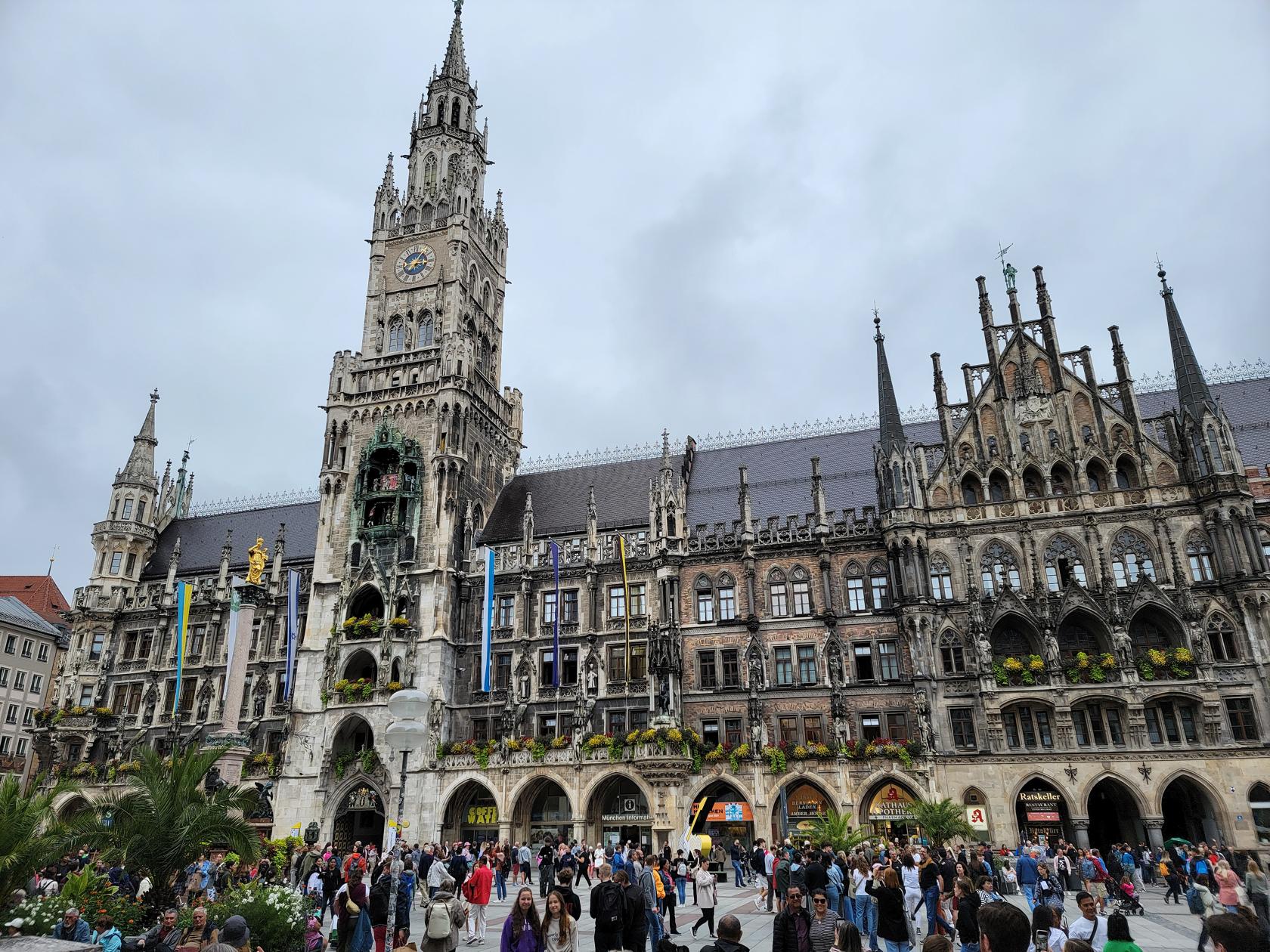
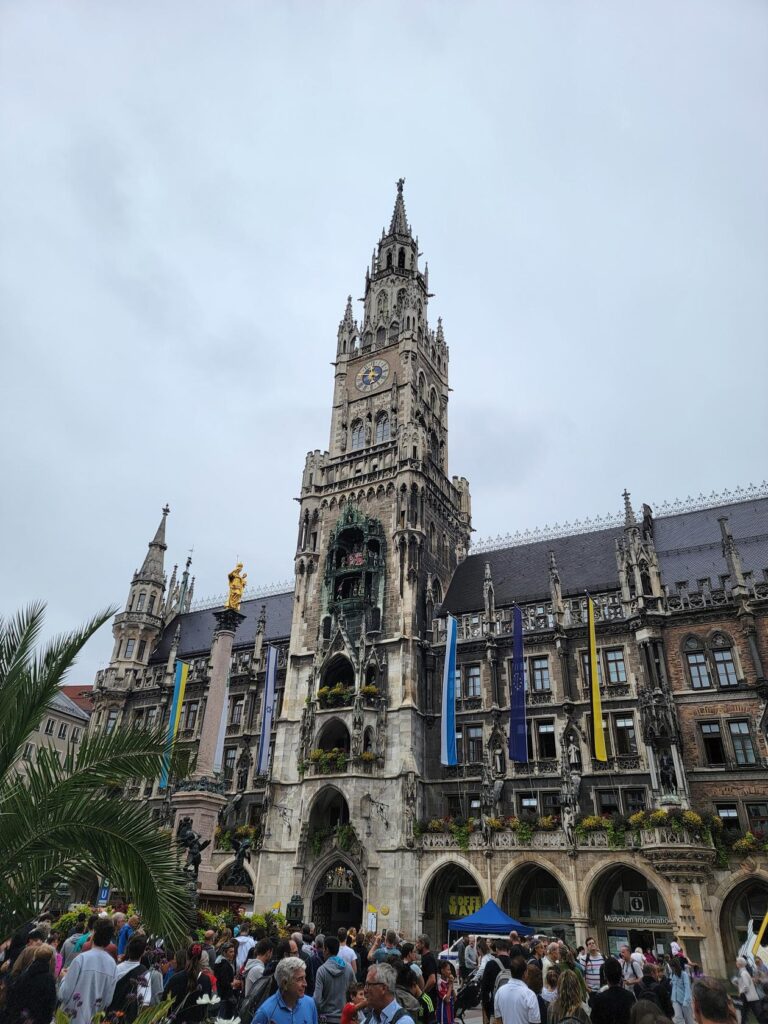
The largest and most central of the squares or piazzas in Munich is the Marianplatz. It is most likely your U- or S-Bahn destination from the Hauptbahnhof and the energetic core of the tourism industry.
Marianplatz and the new Rathaus – München, Germany
The Marianplatz is girdled with high-end shopping, caffes and tourism shops. It also has many historical monuments and fountains, as well as churches and other places of interest.
Neues Rathaus and Glockenspiel
Most people will likely concentrate on the Old City, Marianplatz where the Glockenspiel plays it’s tune everyday at eleven and twelve o’clock (sometimes at seventeen o’clock in the winter).
Neues Rathaus – München, Germany
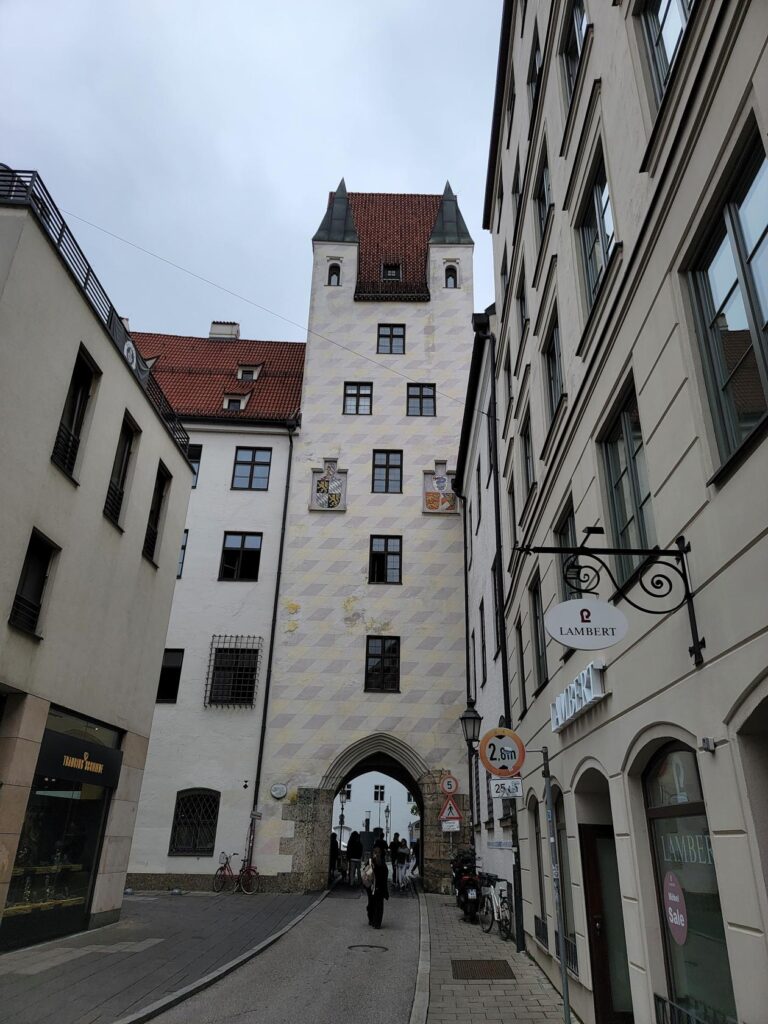
Der Affenturm – München, Germany
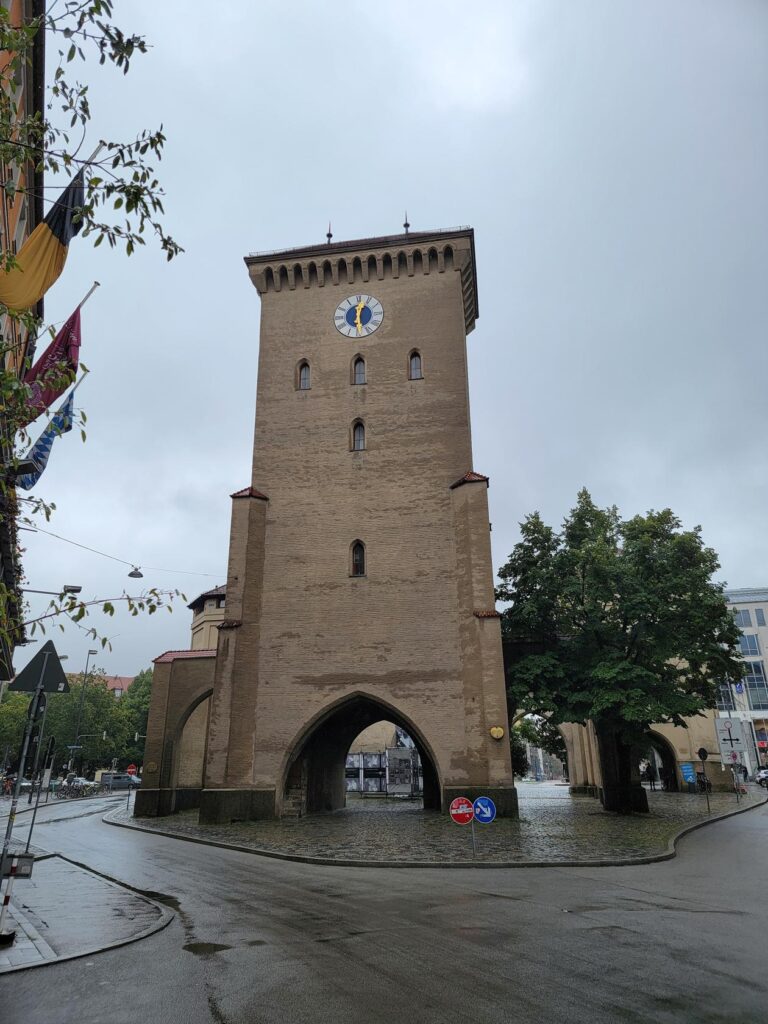
Isar Tor – München, Germany
It plays a rather long ditty that includes the operation of the top and then the bottom carousel of automatons.
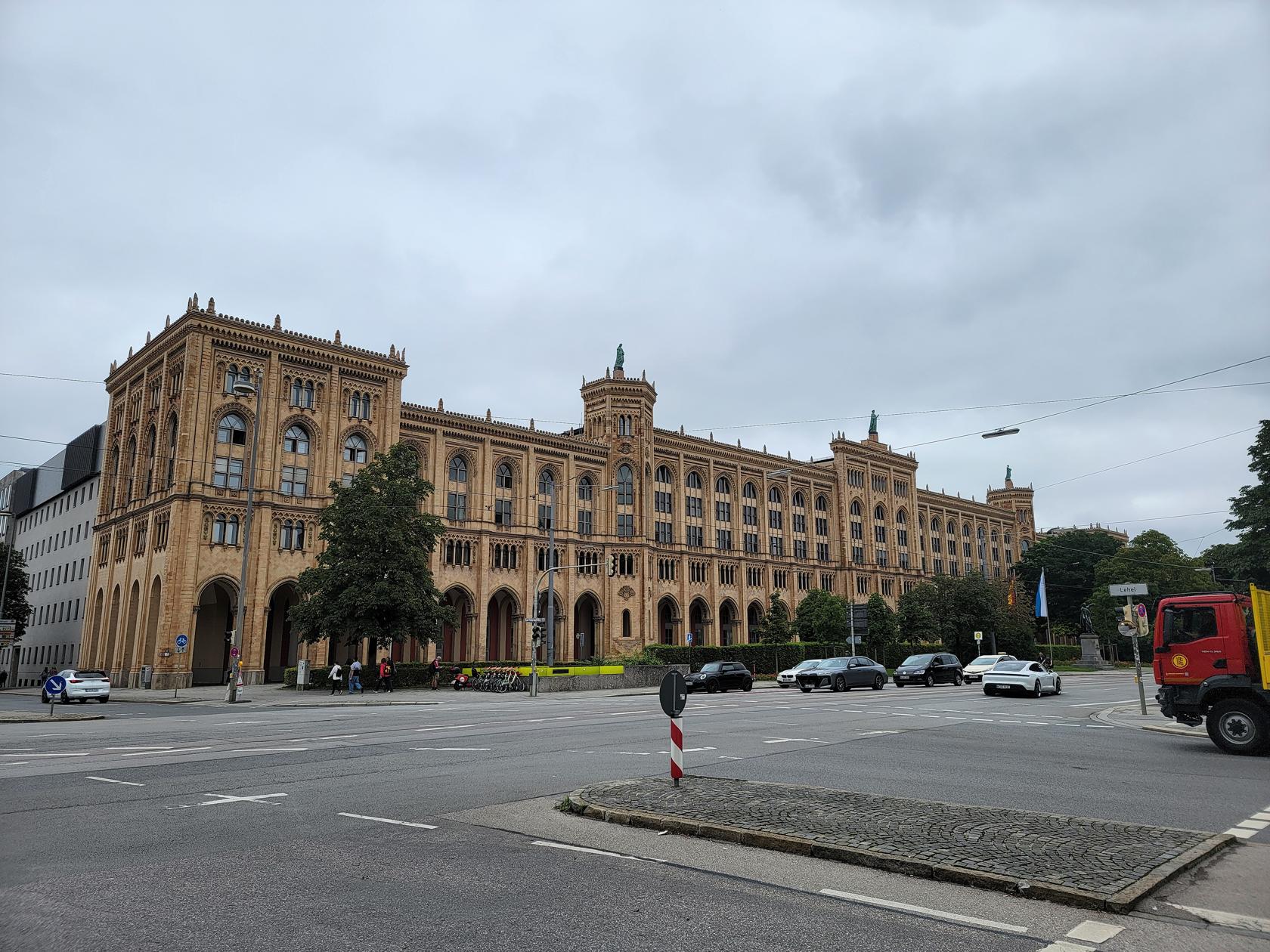
Altstadt-Lehel
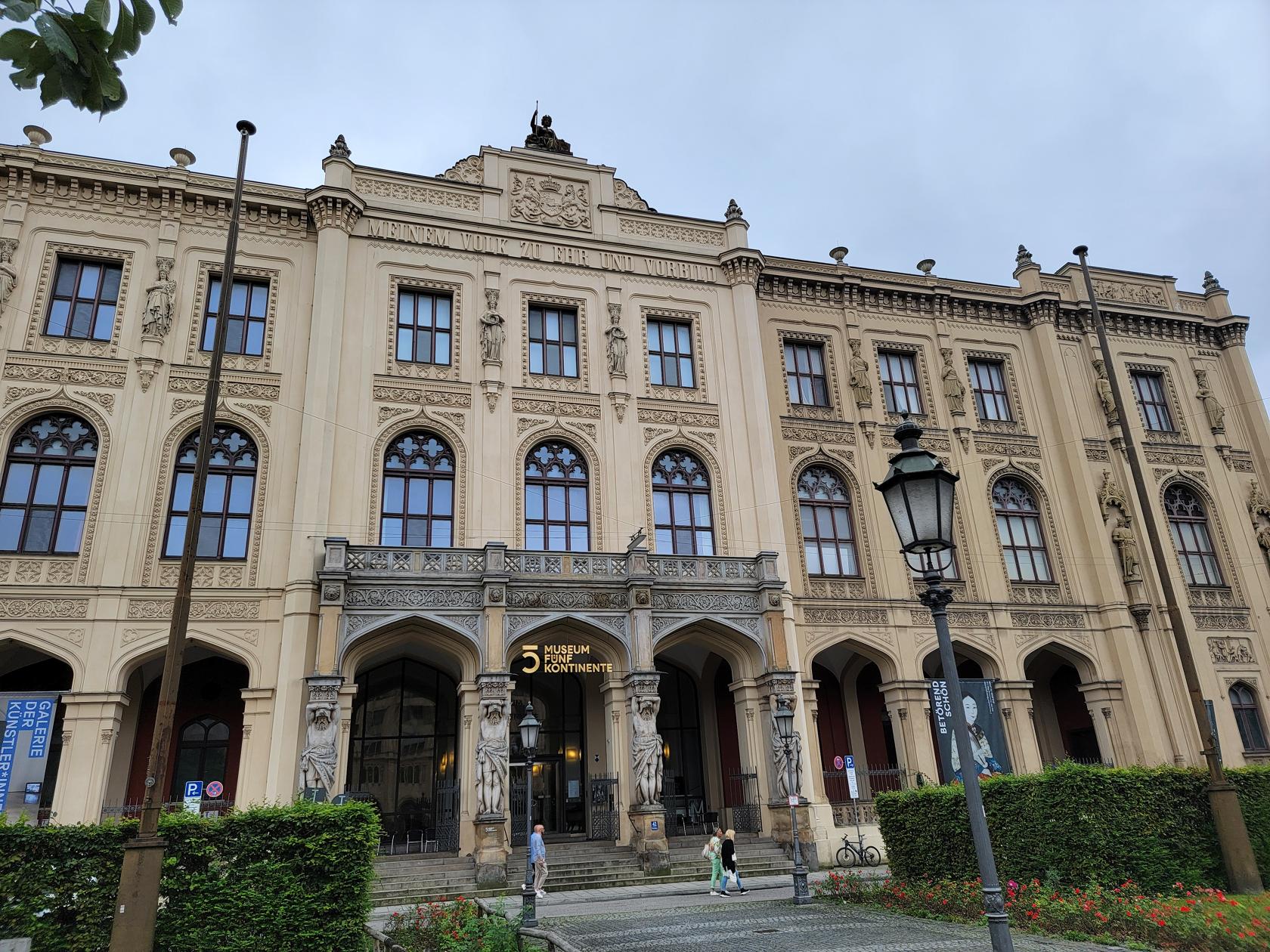
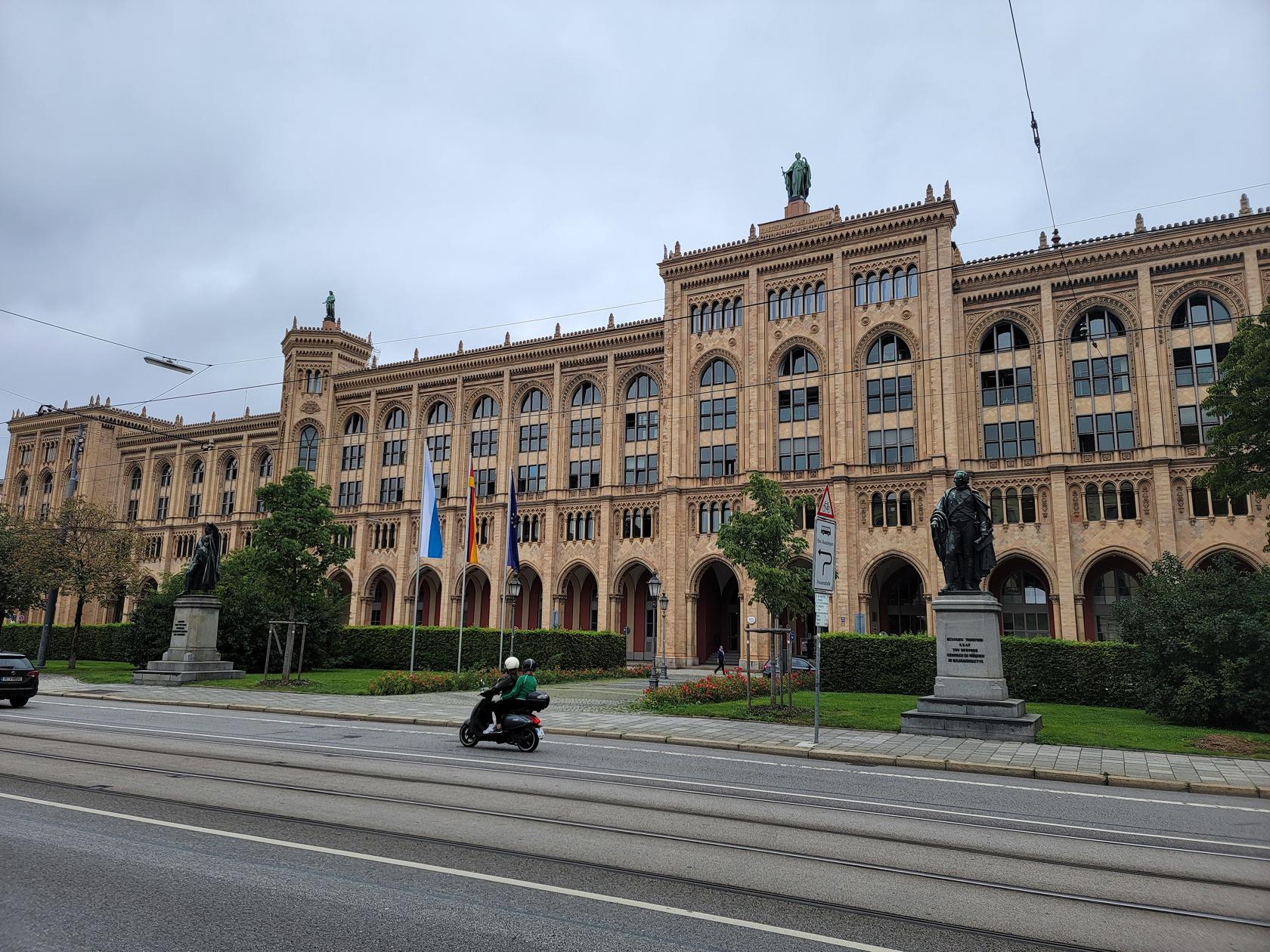
This region of München lies just to the north of the old city, or Altstadt. Here is where you will find the palaces, gardens and other grand accoutrements of the city.
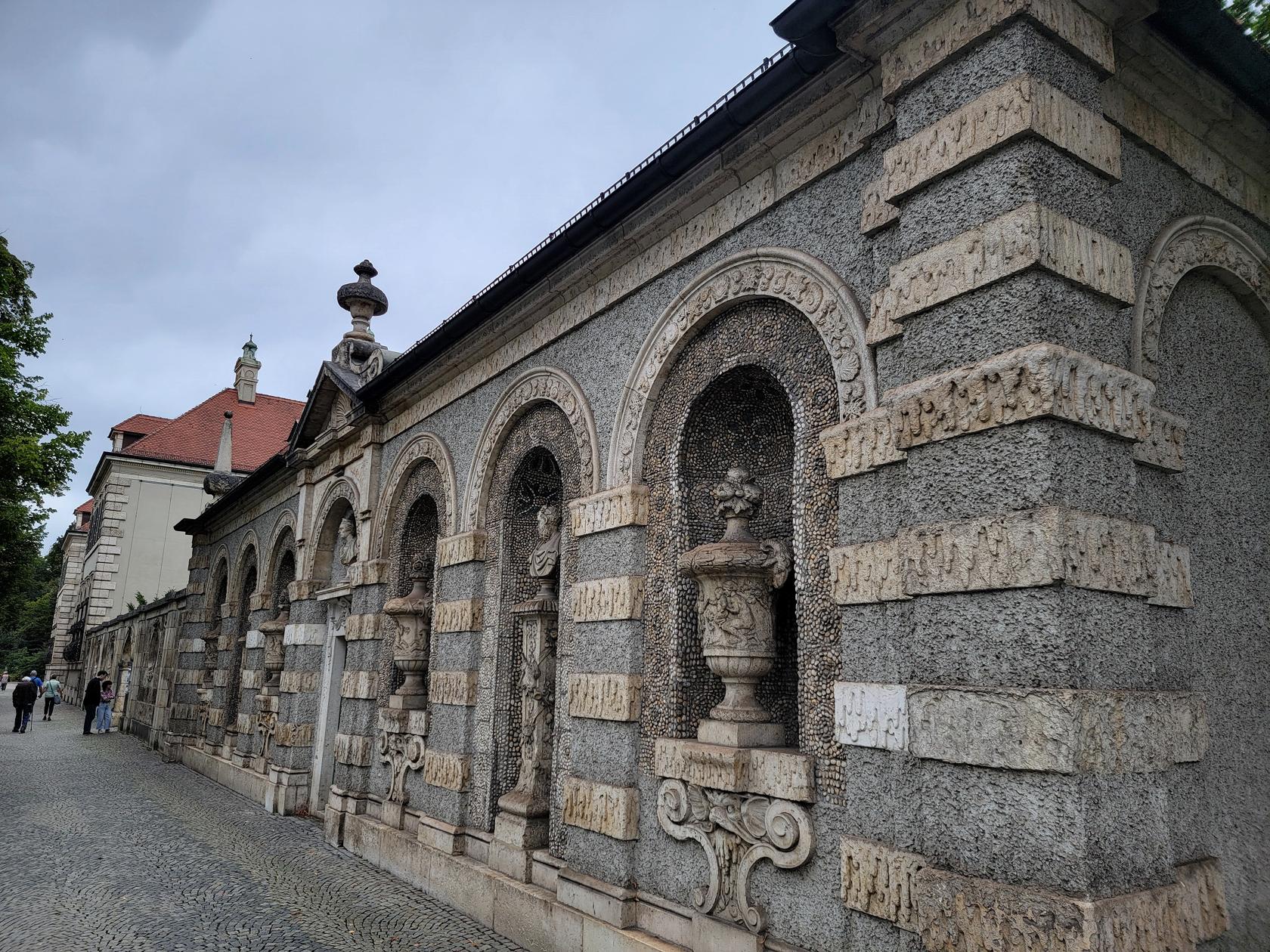
Museum building – München, Germany
Museum of the 5 continents – München, Germany
Museum – München, Germany
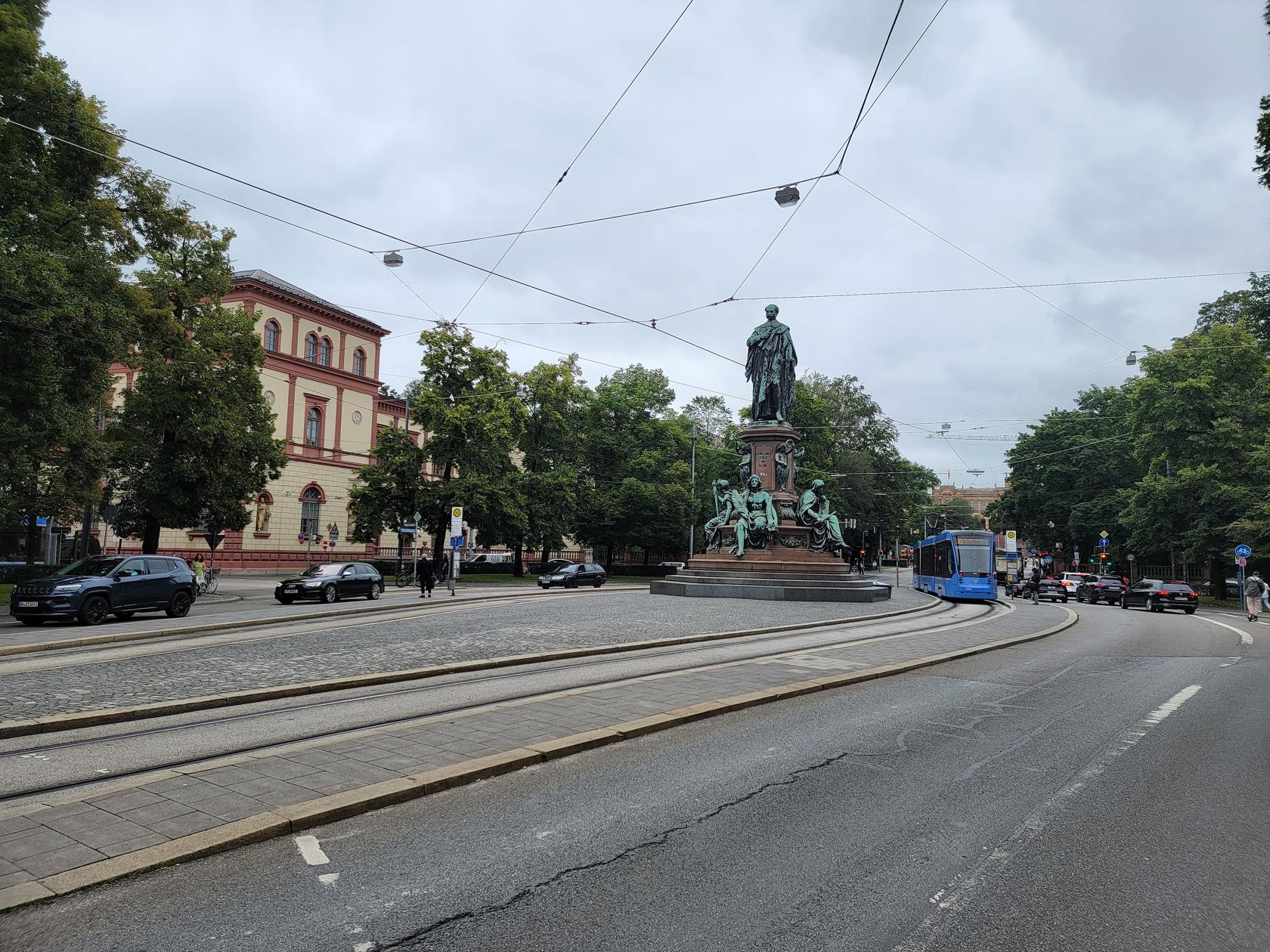
Maximilian von Bayern monument – Maximilianstraße – München, Germany
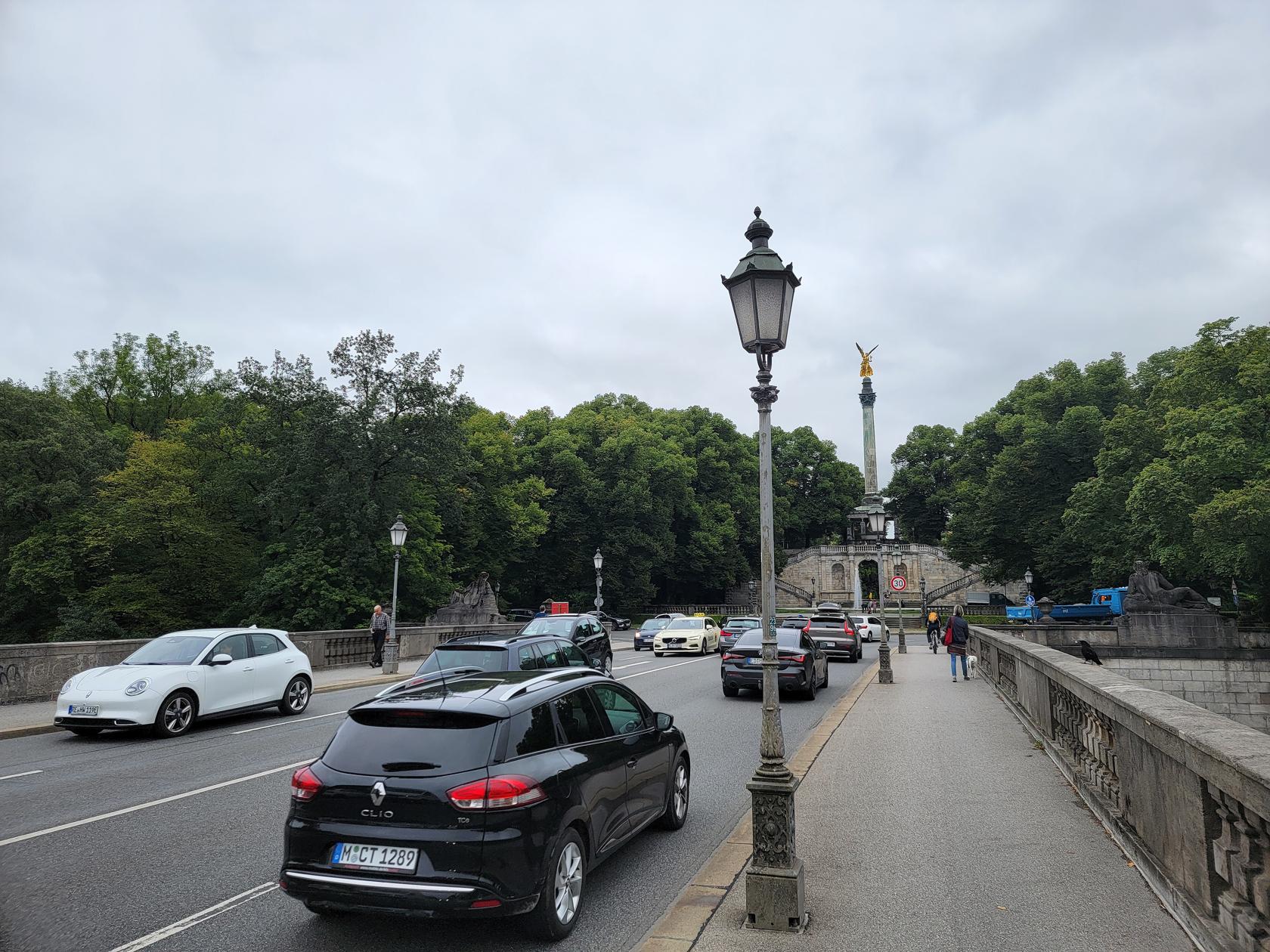
Luitpoldbrücke – München, Germany
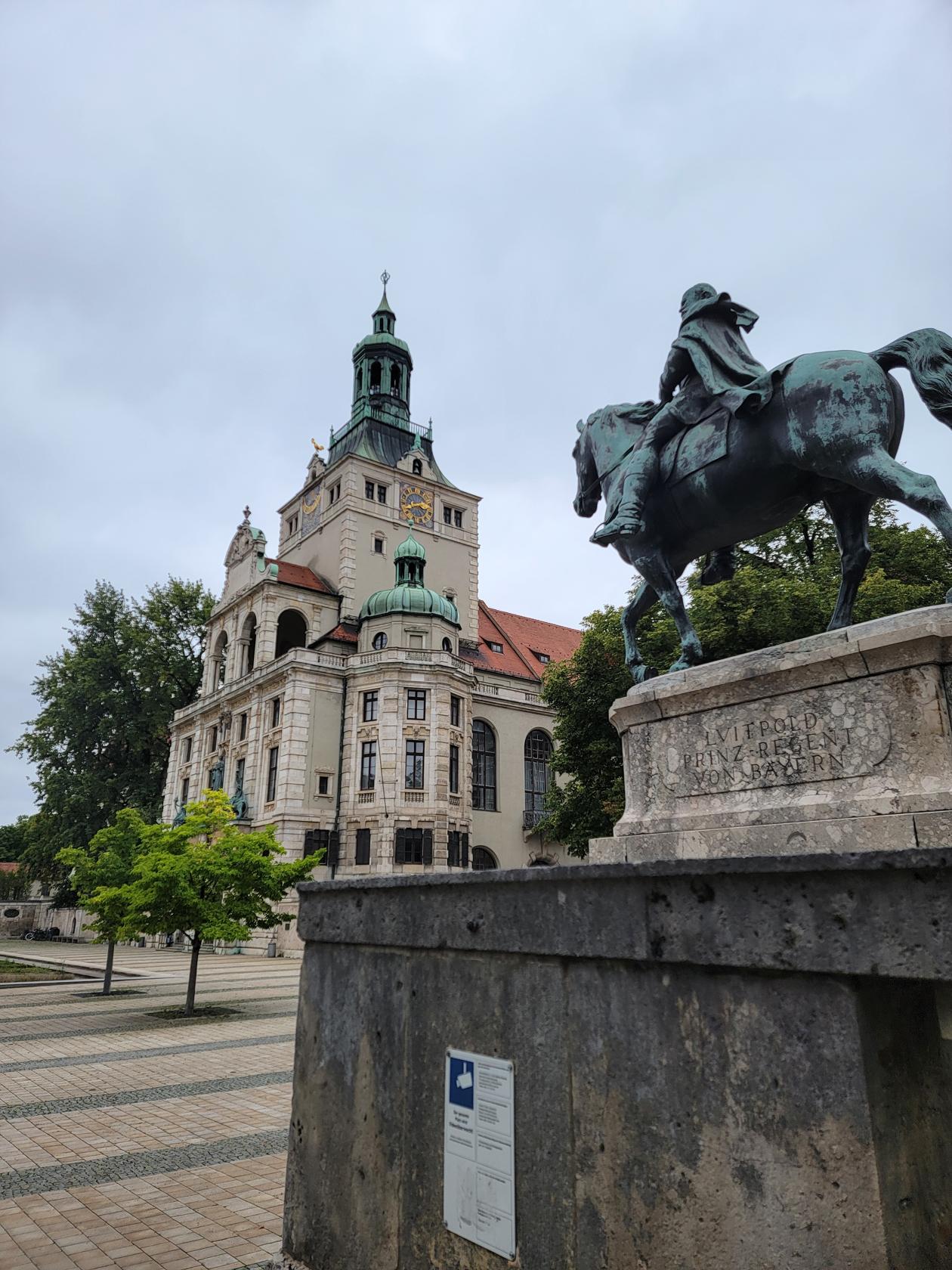
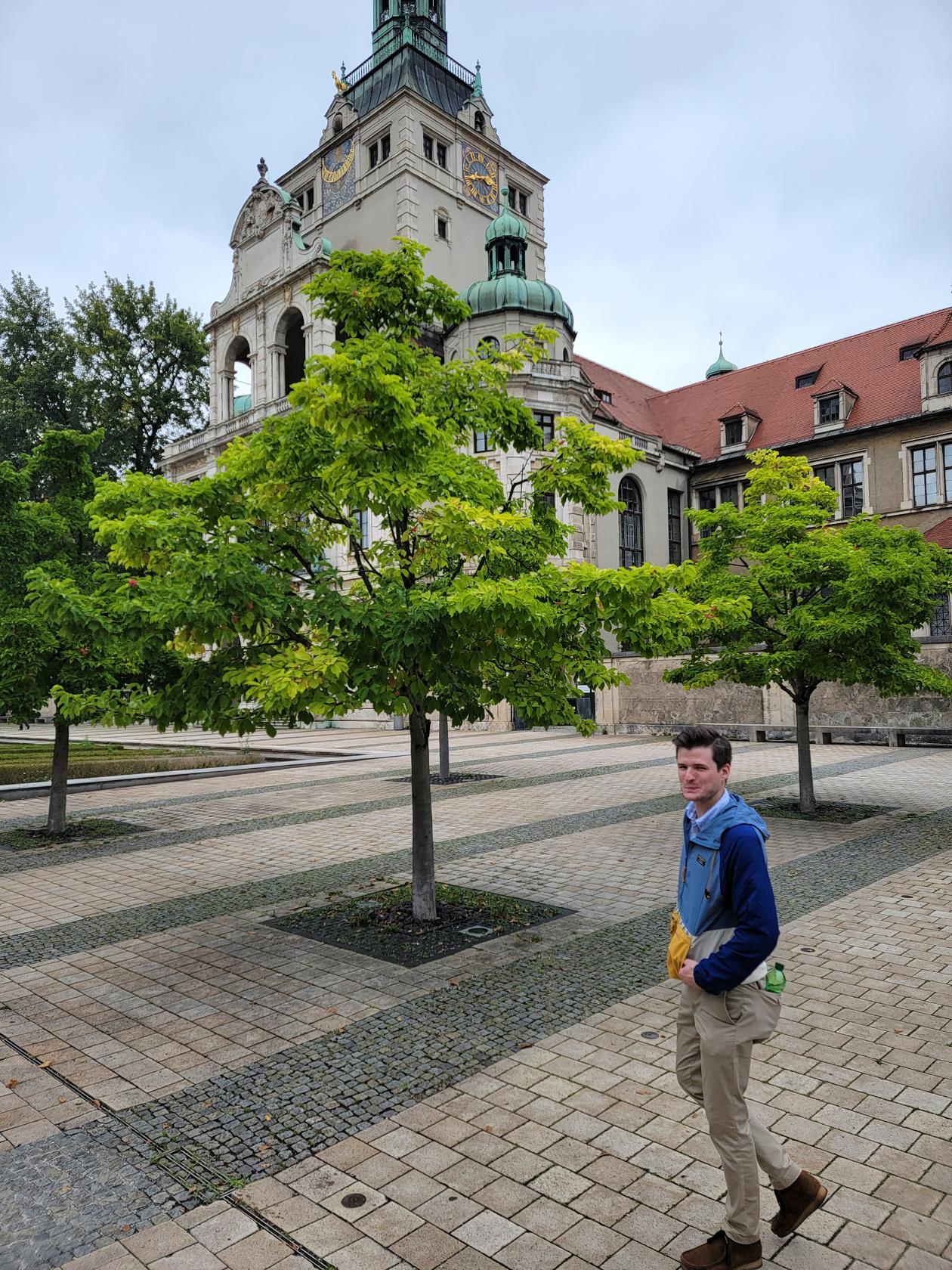
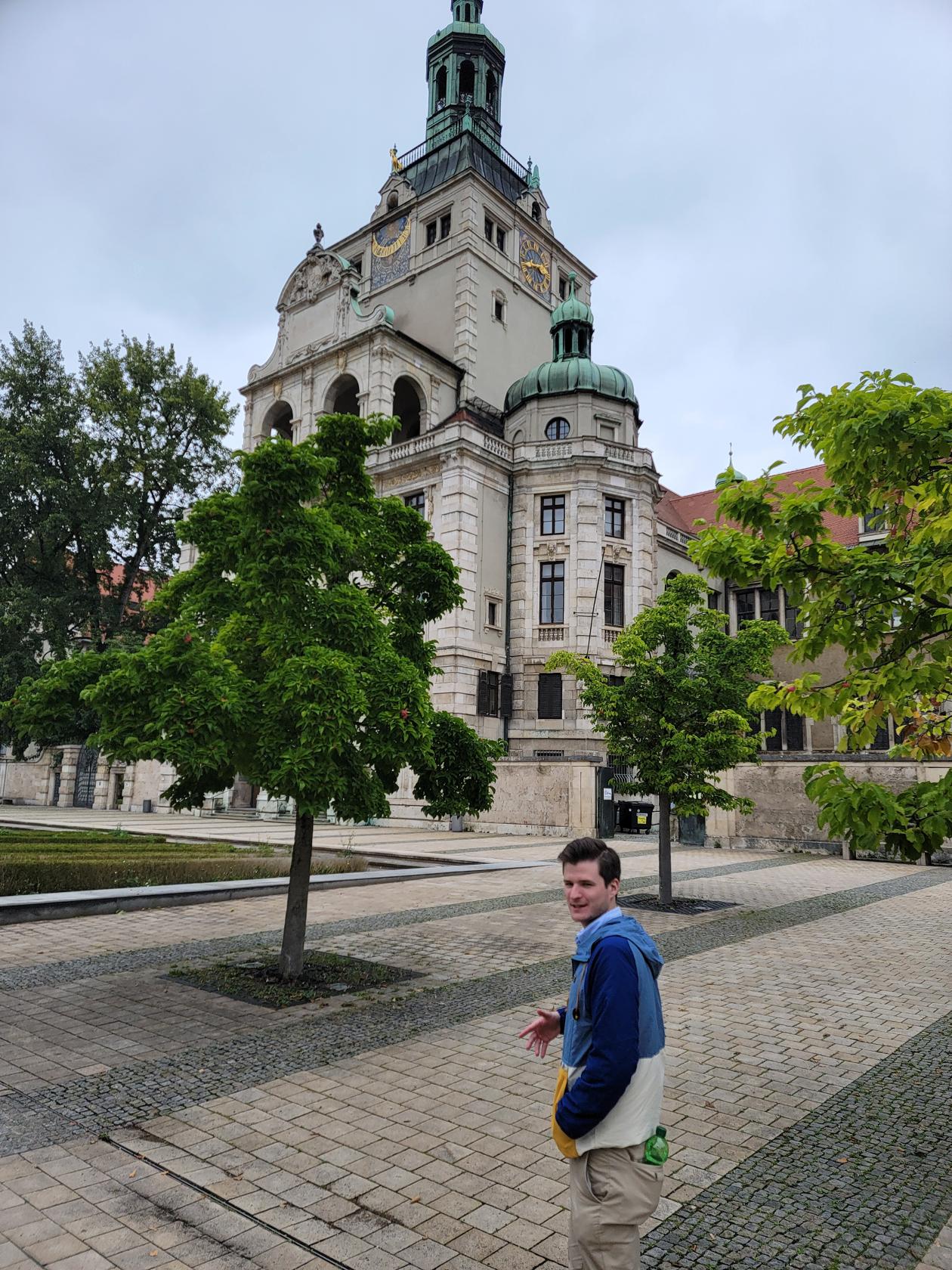
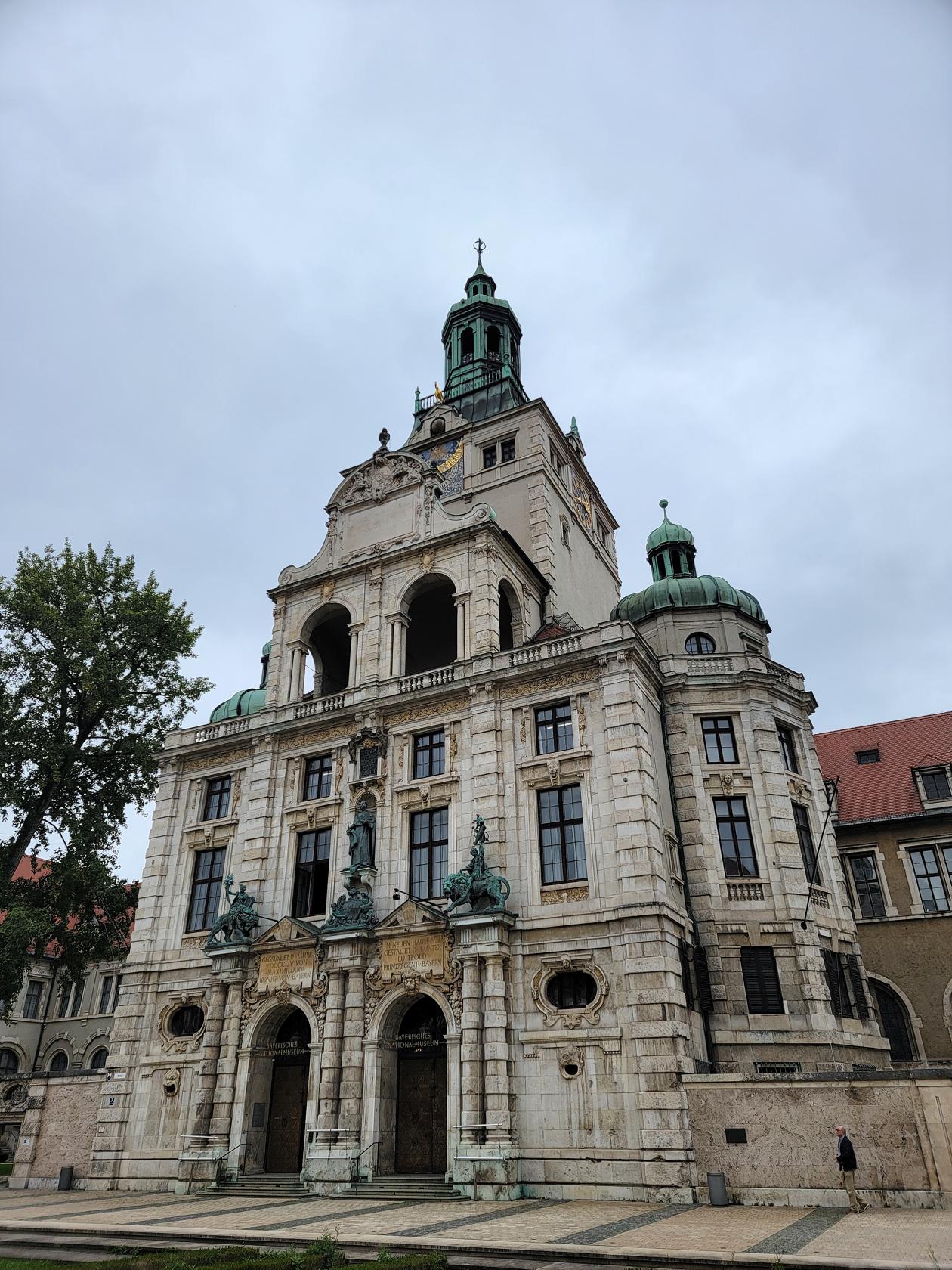
Bavarian National Museum – München, Germany
Dana – In front of the Bavarian National Museum – München, Germany
Dana – In front of the Bavarian National Museum – München, Germany
The Bavarian National Museum – München, Germany
Café – Bavarian National Museum – München, Germany
English Gardens
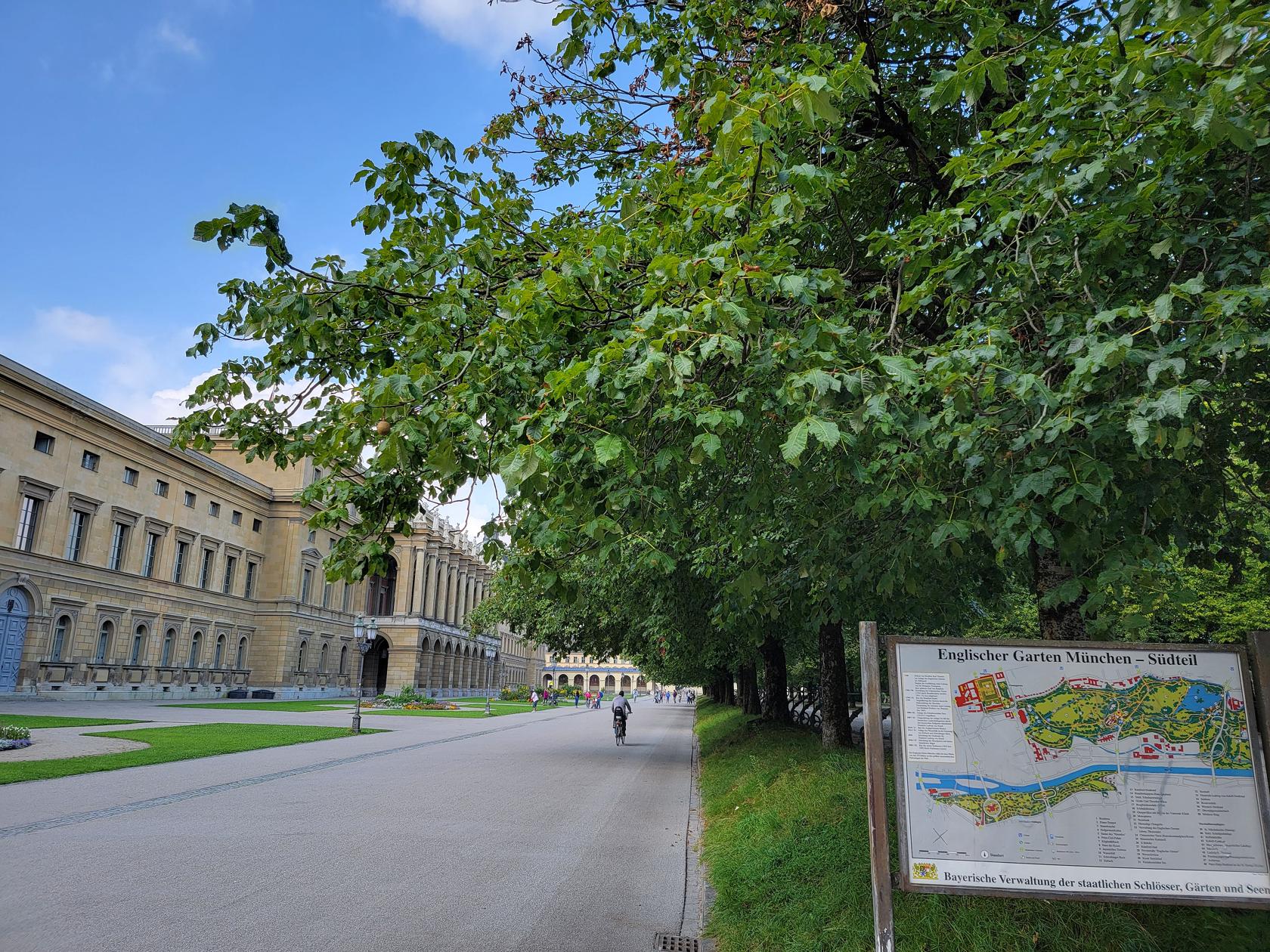
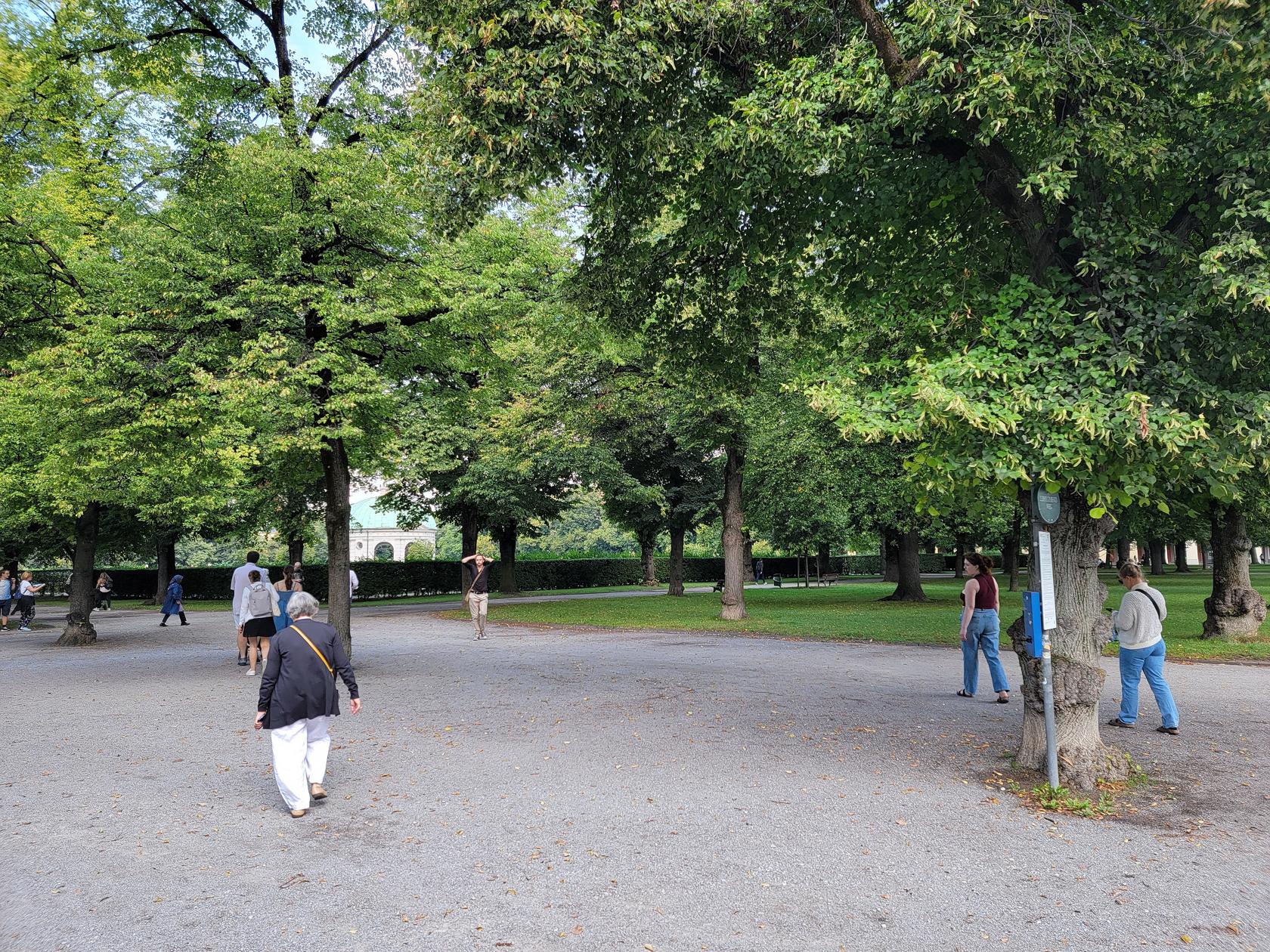
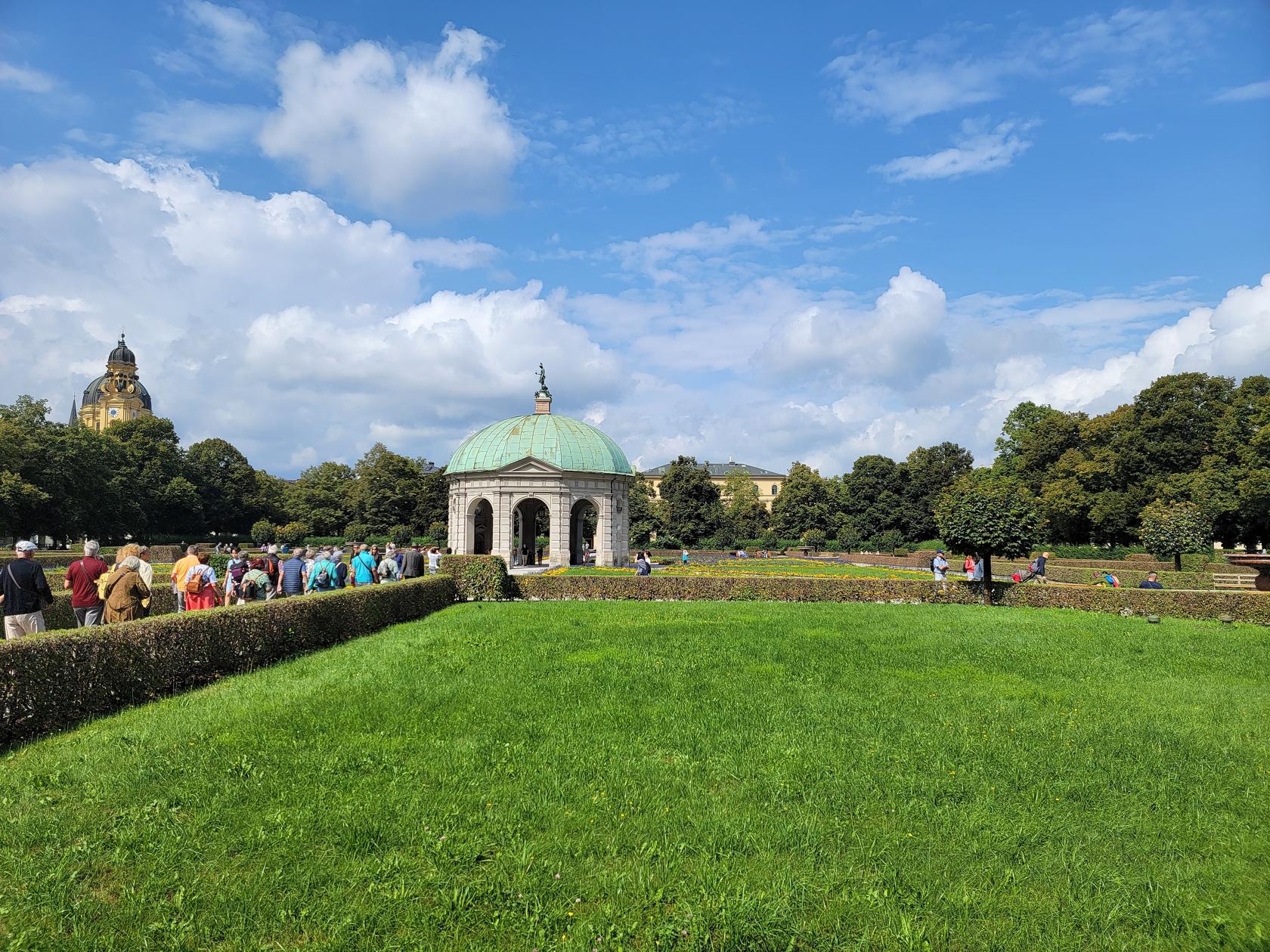
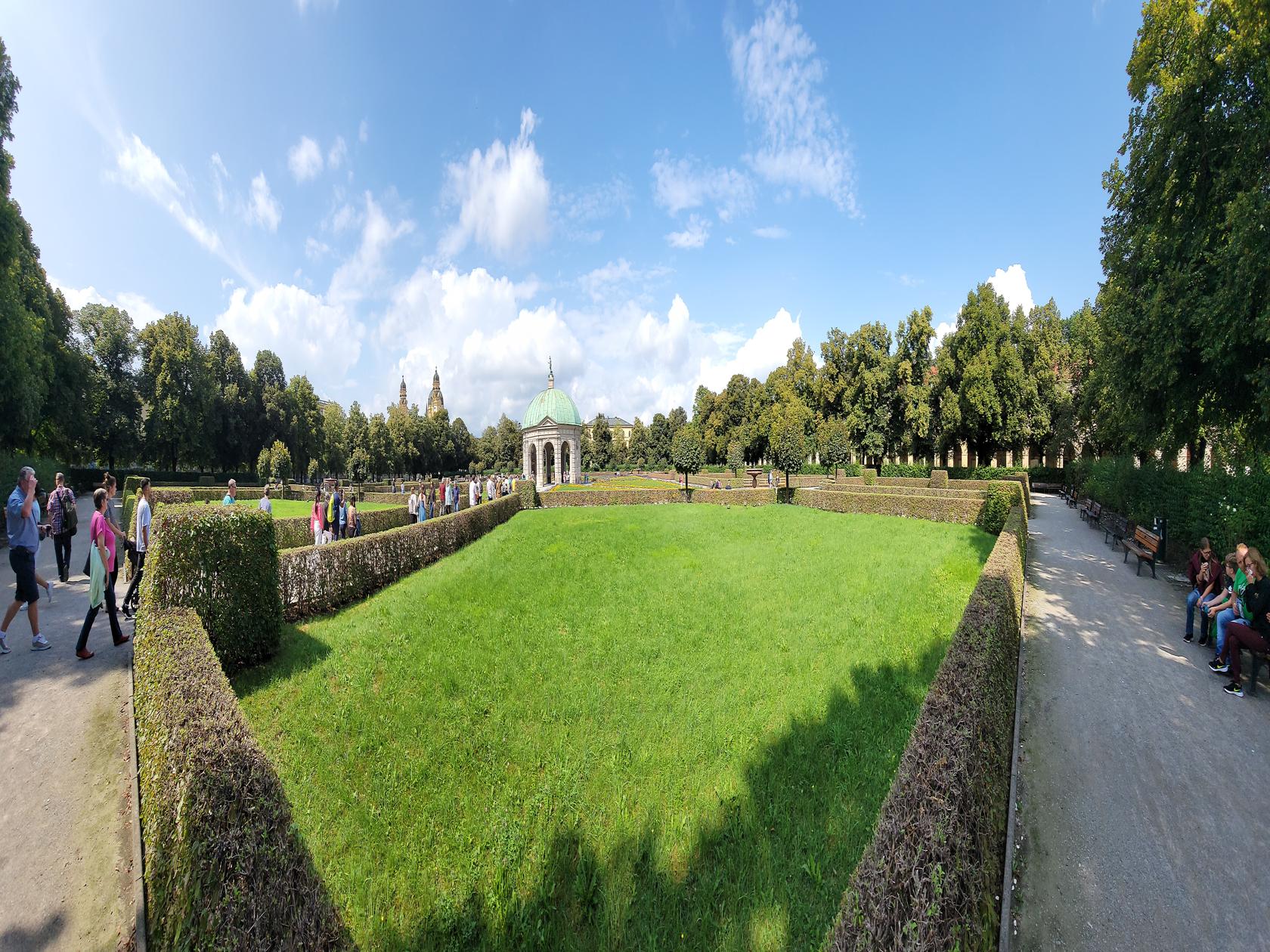
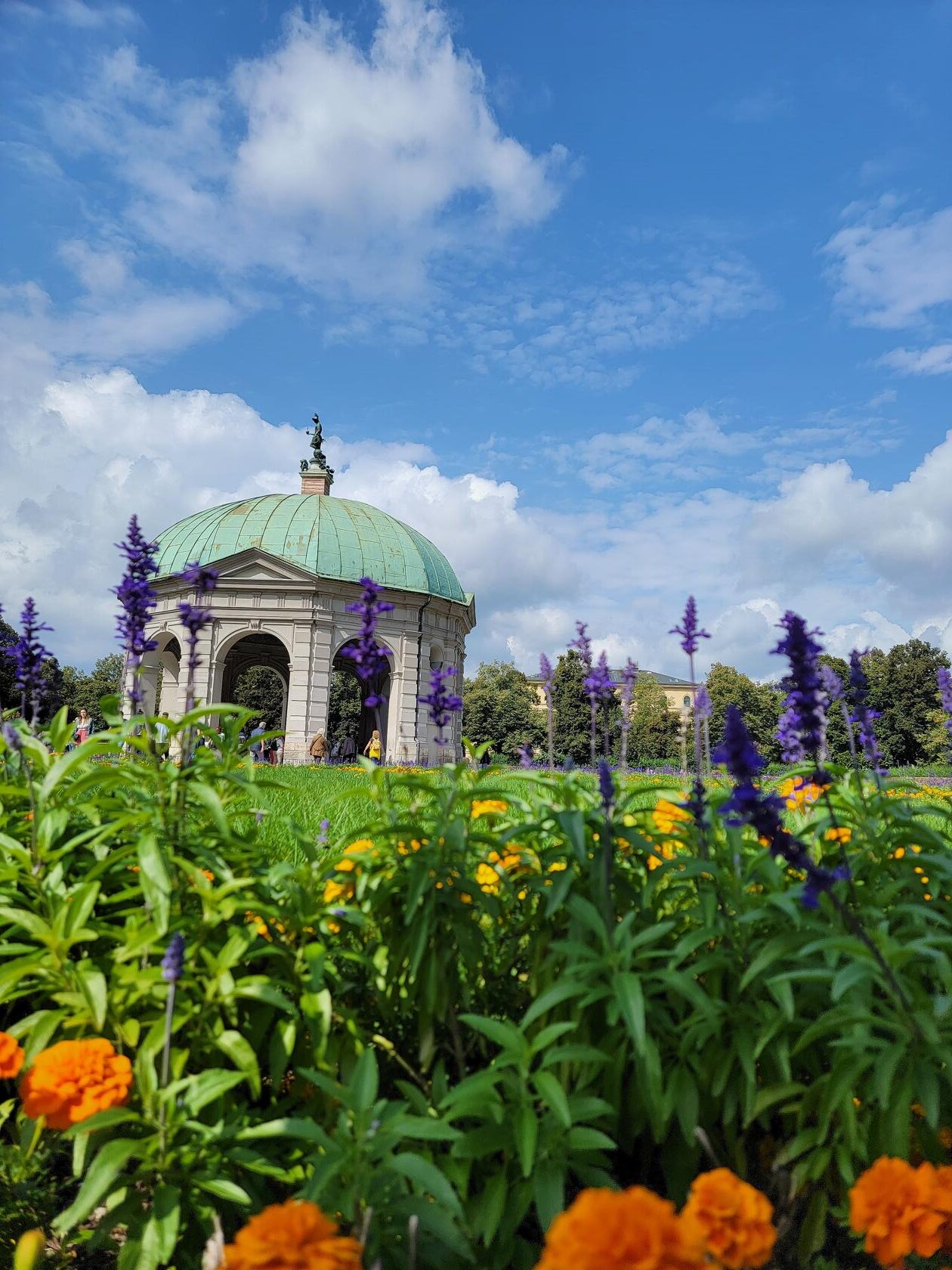
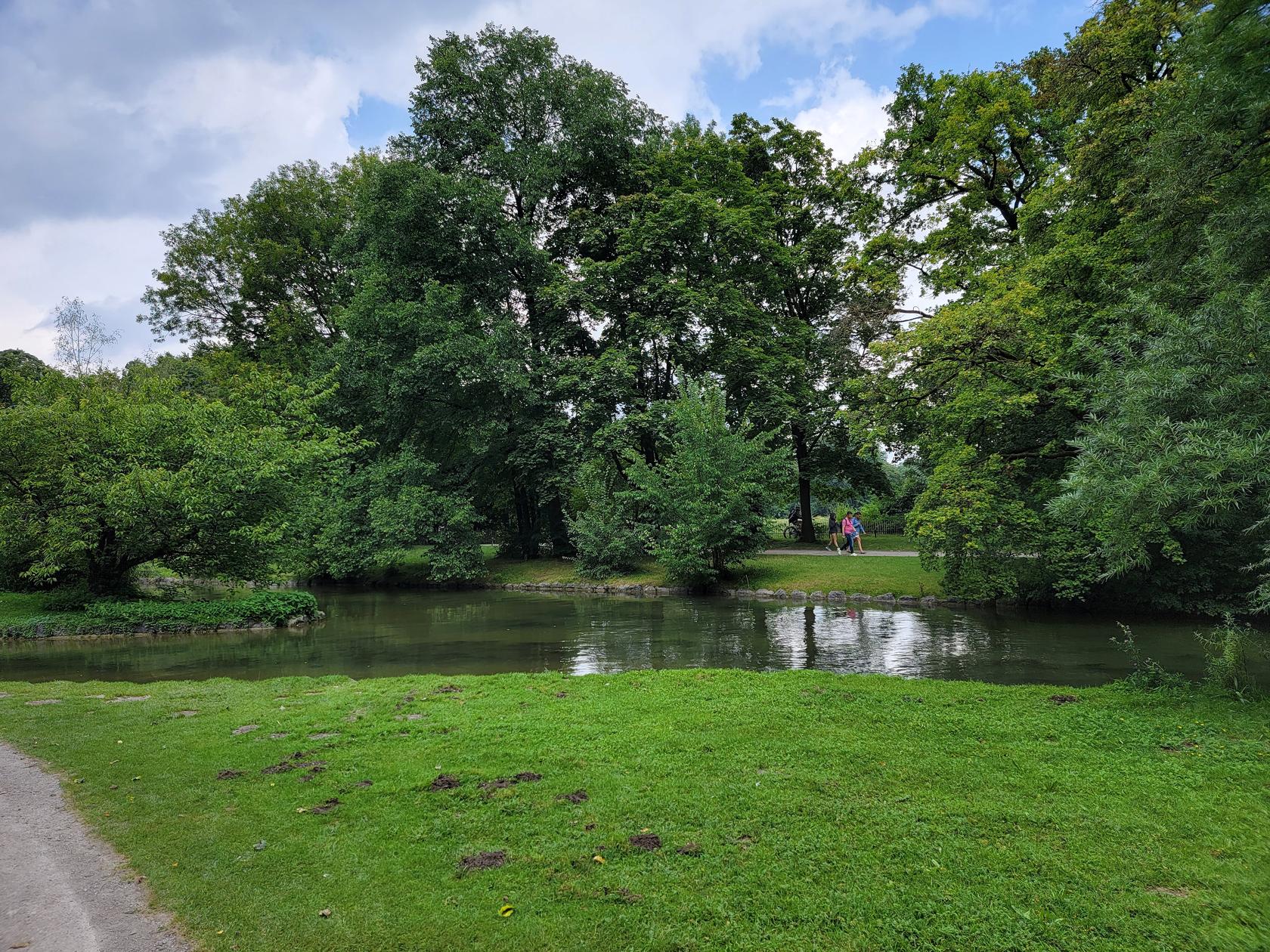
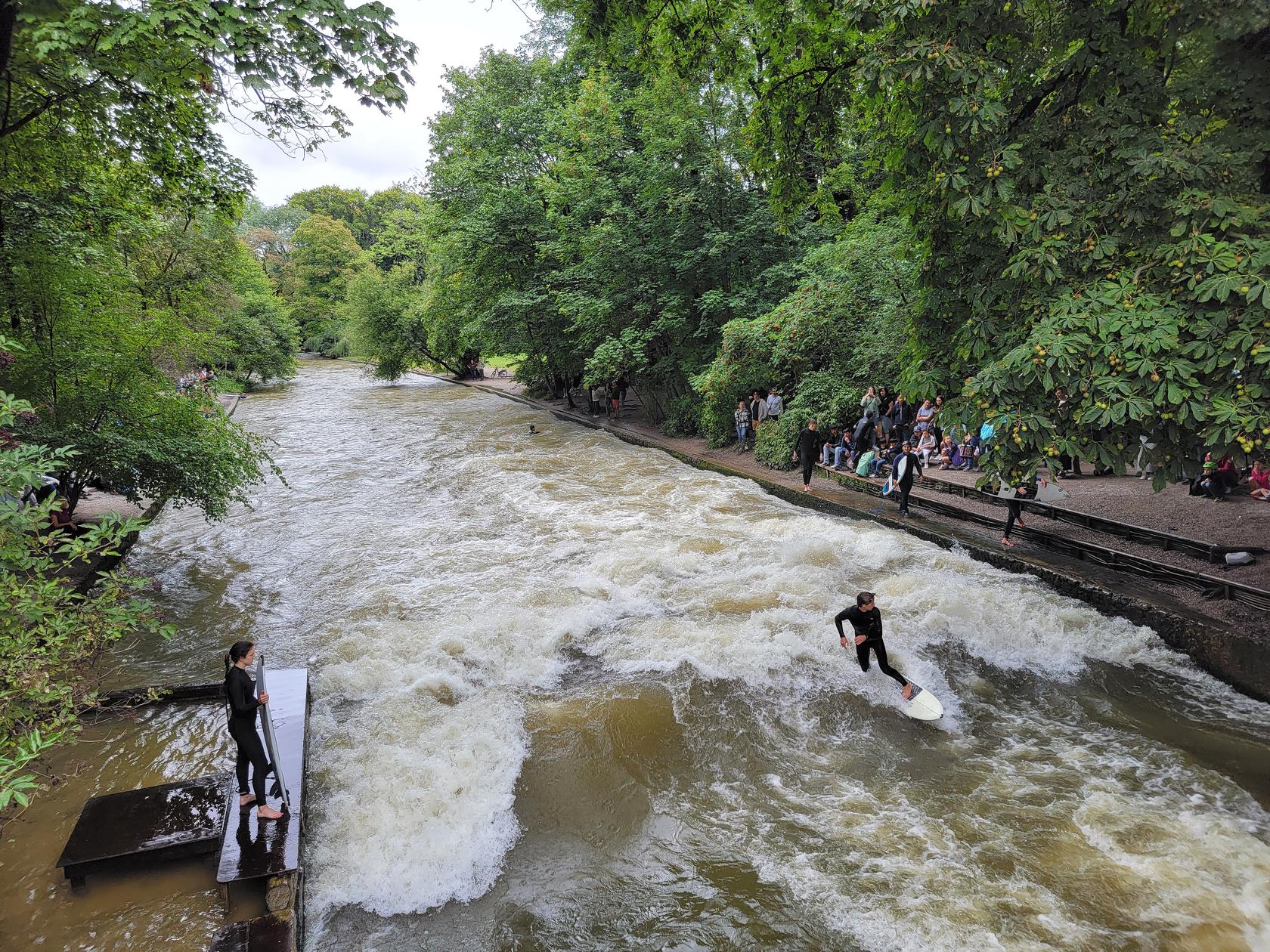
A large garden located to the north of the main part of the city, it is a very nice place to visit on a sunny day. A large city park with many different things to see and experience, it even has a place that people go to surf, if one can believe such a thing can exist away from the coast in a city.
English Gardens – München, Germany
English Gardens – München, Germany
English Gardens – München, Germany
English Gardens – München, Germany
English Gardens – München, Germany
English Gardens – München, Germany
Eisbachwelle
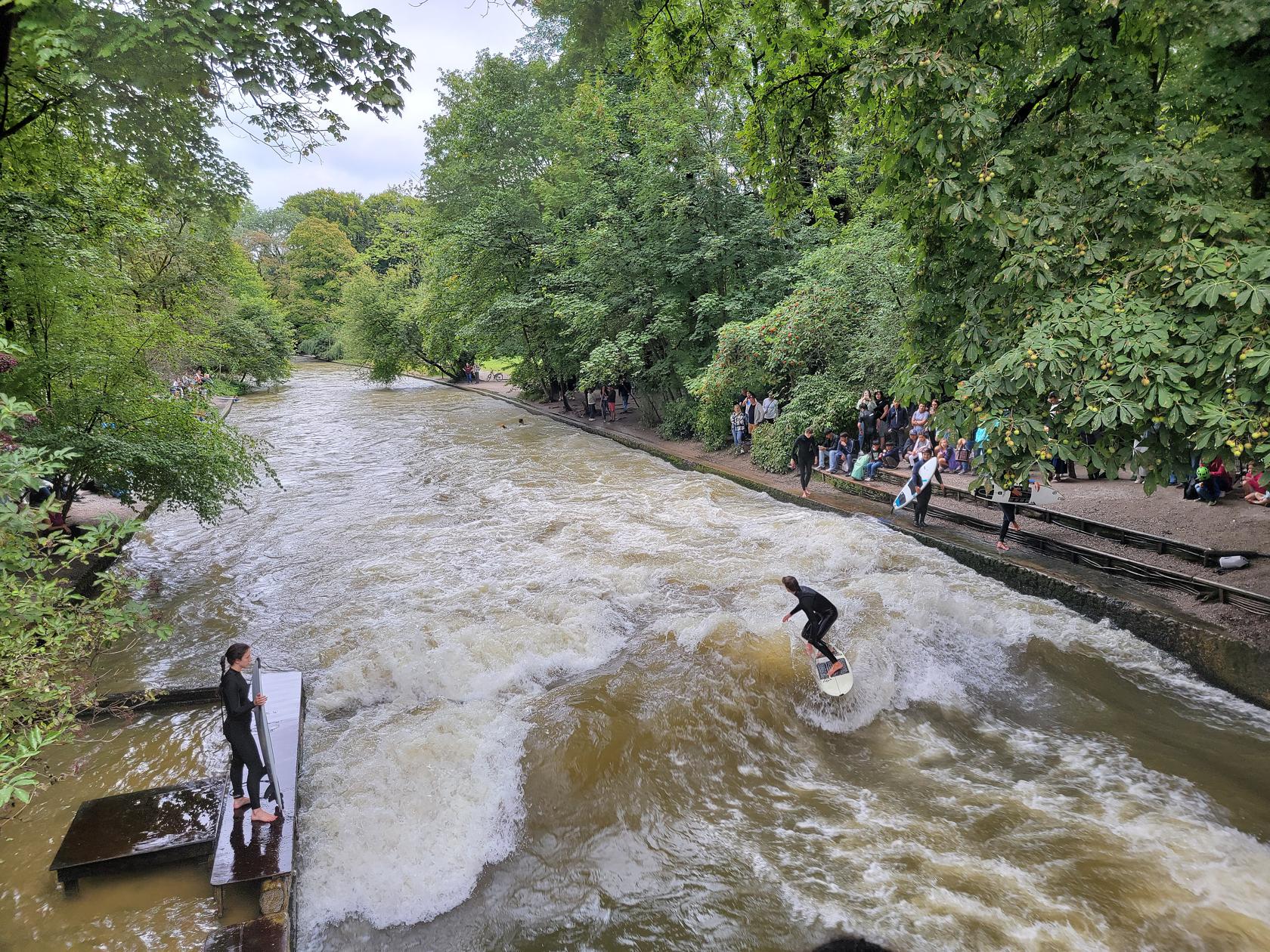
Just on the south east end of the gardens you will discover the river Eisbach and the Eisbachwelle. This is a fast moving stream that has been conveniently modified through the use of carefully placed stones into a haven for surf-boarders. It’s amazing to stop for a bit just to see their skill and how they are able to throw their boards in and hop on in all but an instant, truly remarkable.
Eisbachwelle – München, Germany
Eisbachwelle – München, Germany
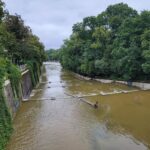
Maximiliansanlagen and the Isar
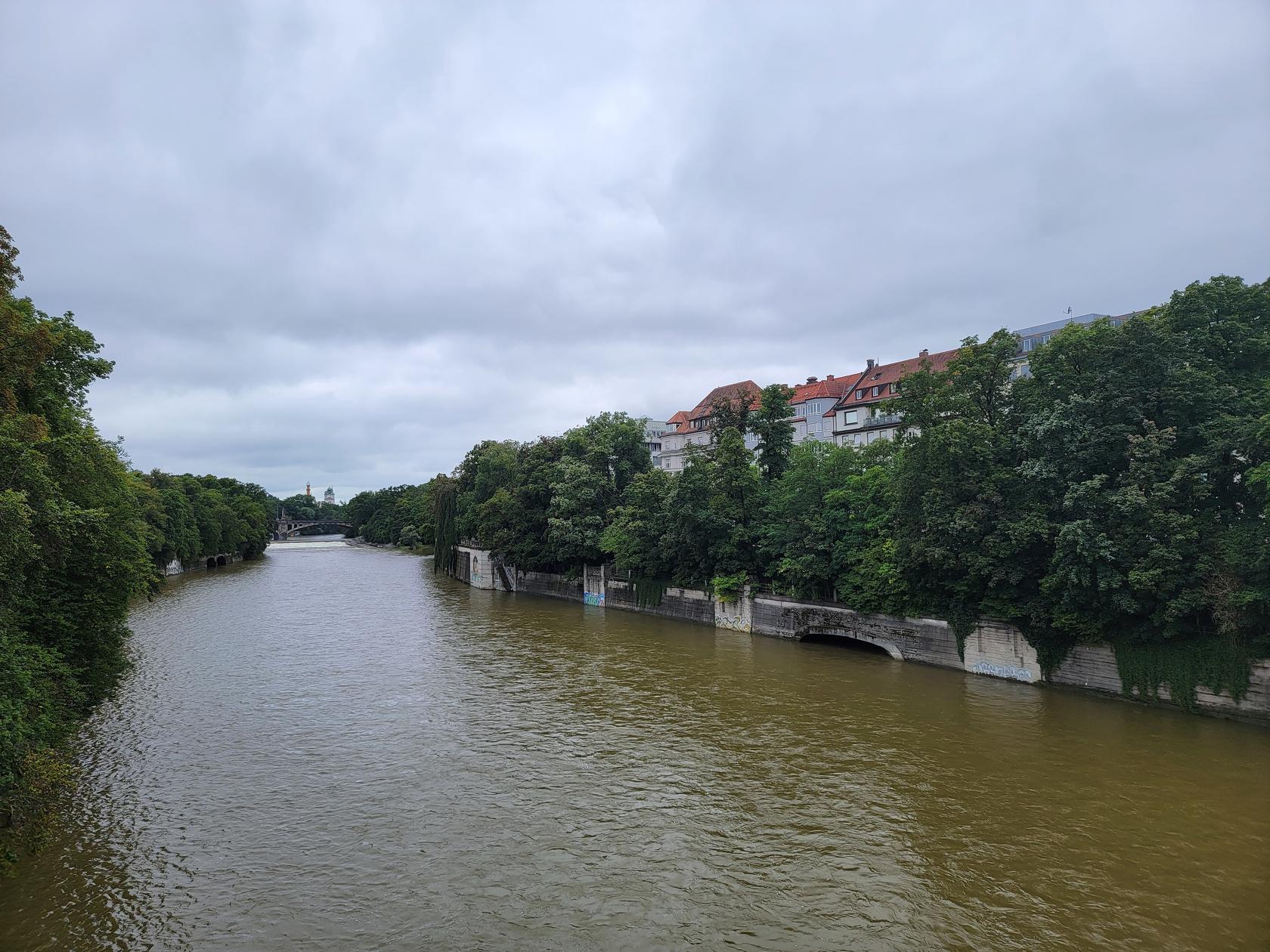
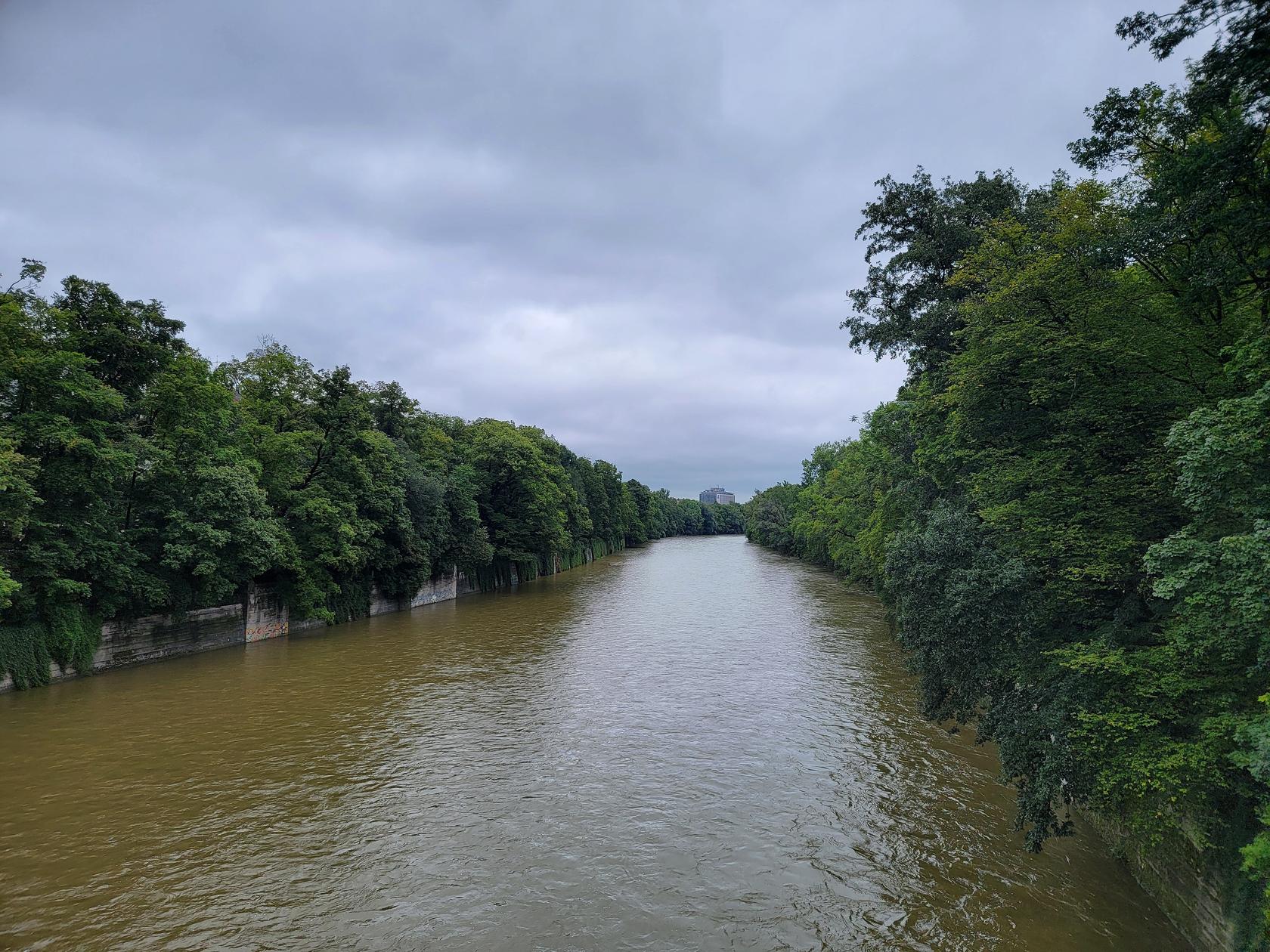
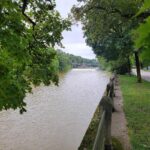
Another great place for a stroll is Maximilian’s garden. A very well kept park which stretches along the Isar and the Isarinsel or island that provides a cool contemplative place for de-stressing and an escape from the warm summer midday.
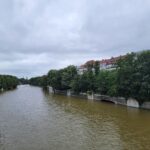
The Isar – Luitpoldbrücke – München, Germany
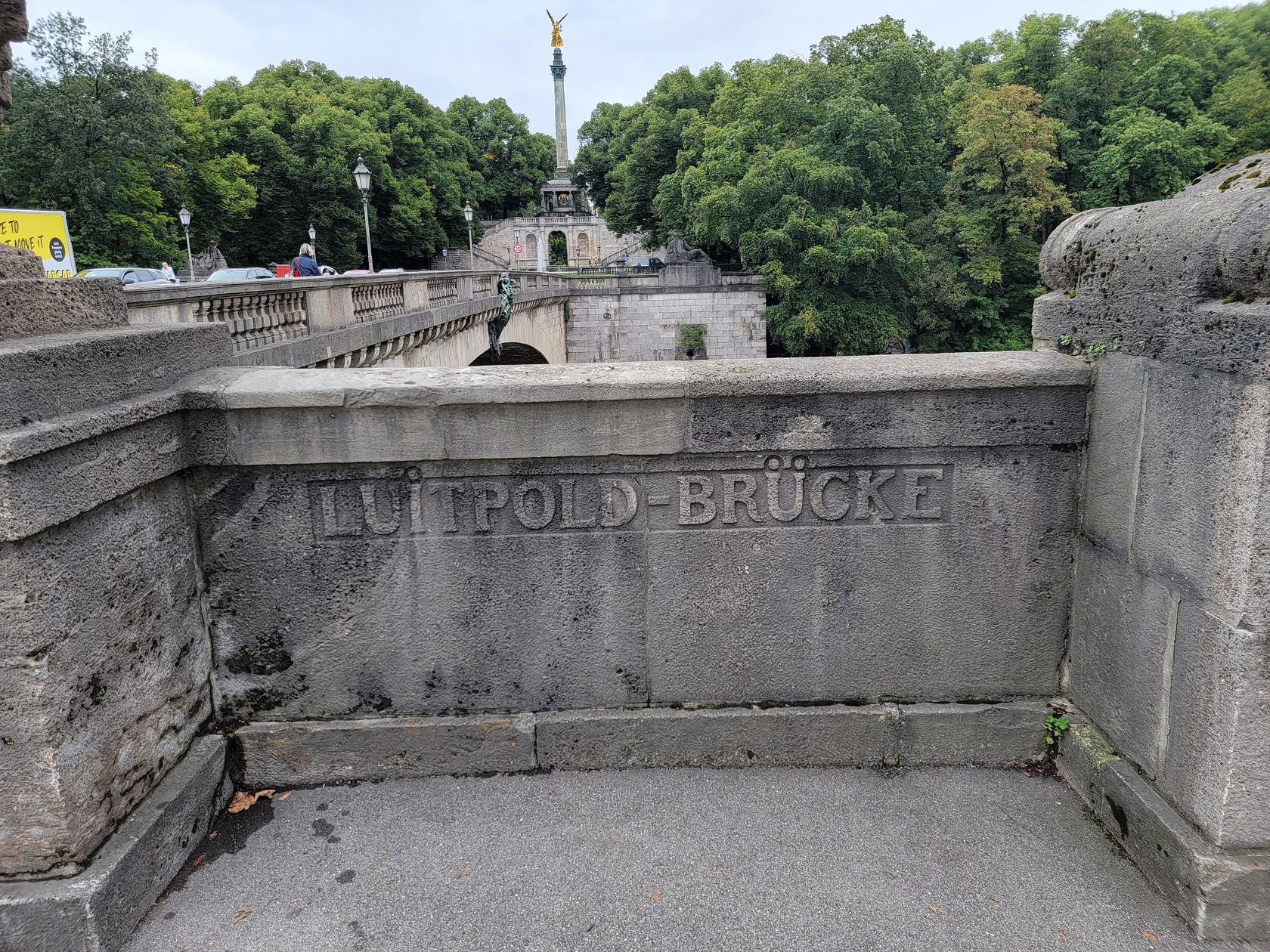
Luitpoldbrücke – München, Germany
Luitpoldbrücke – München, Germany
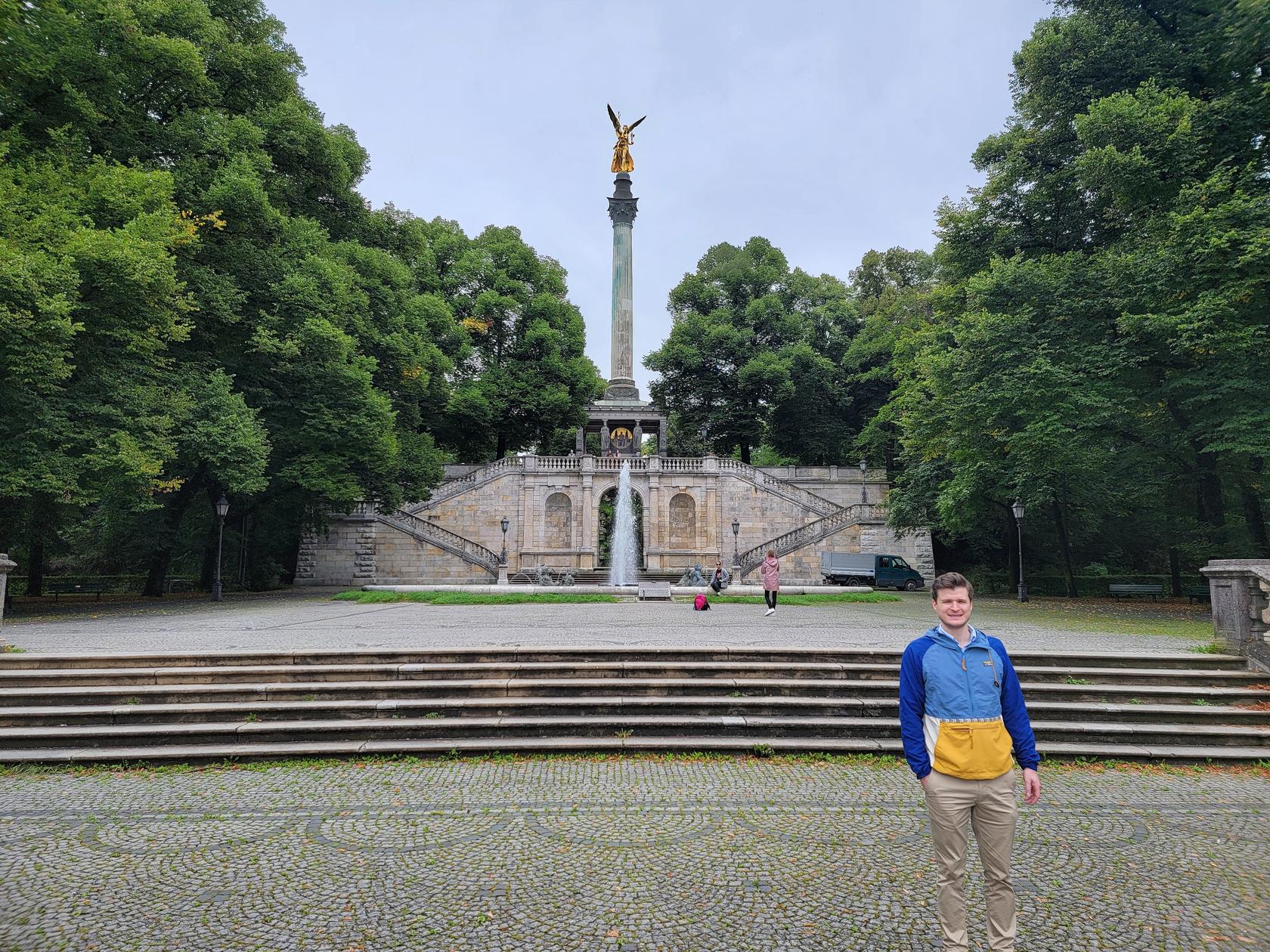
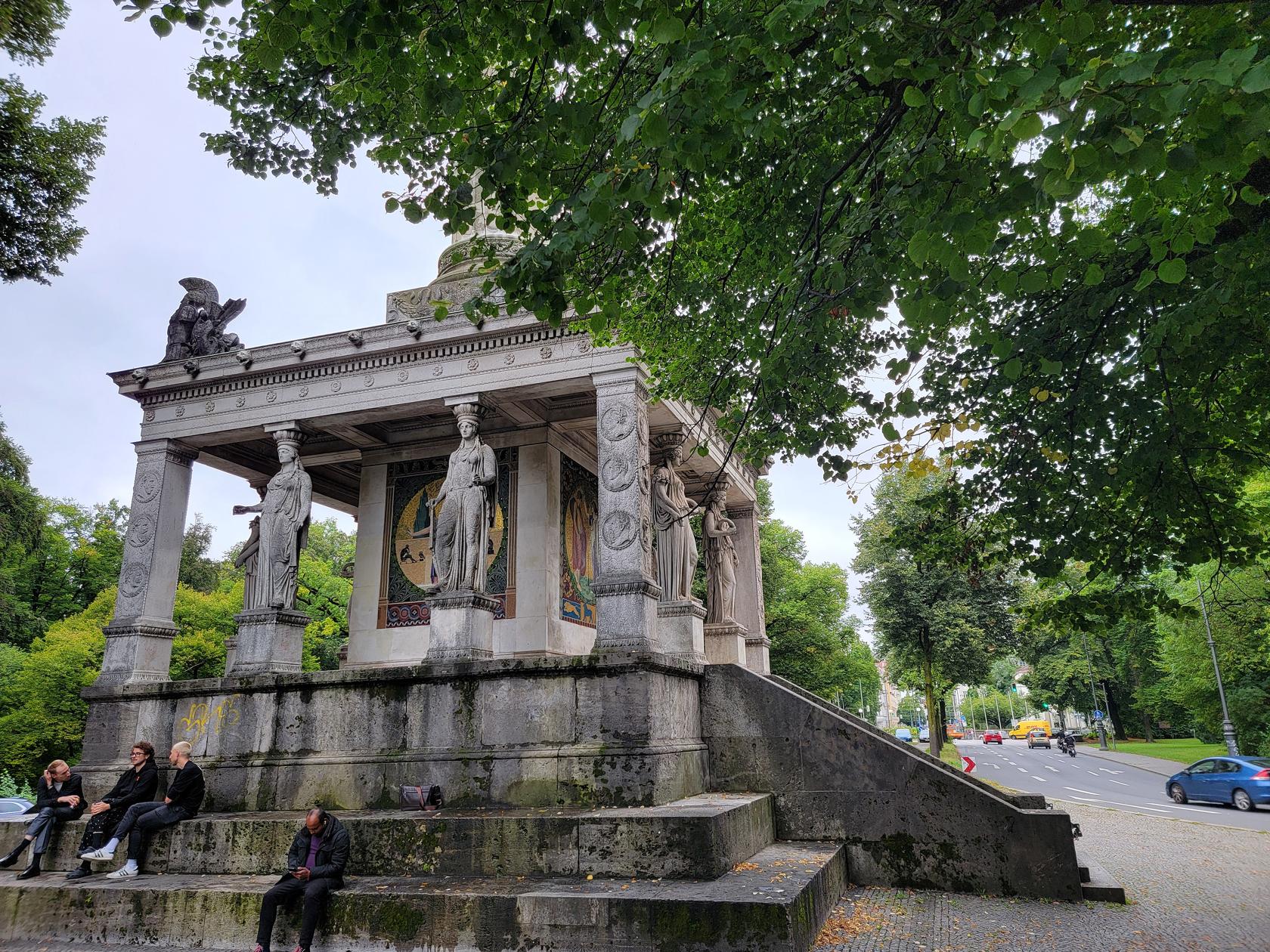
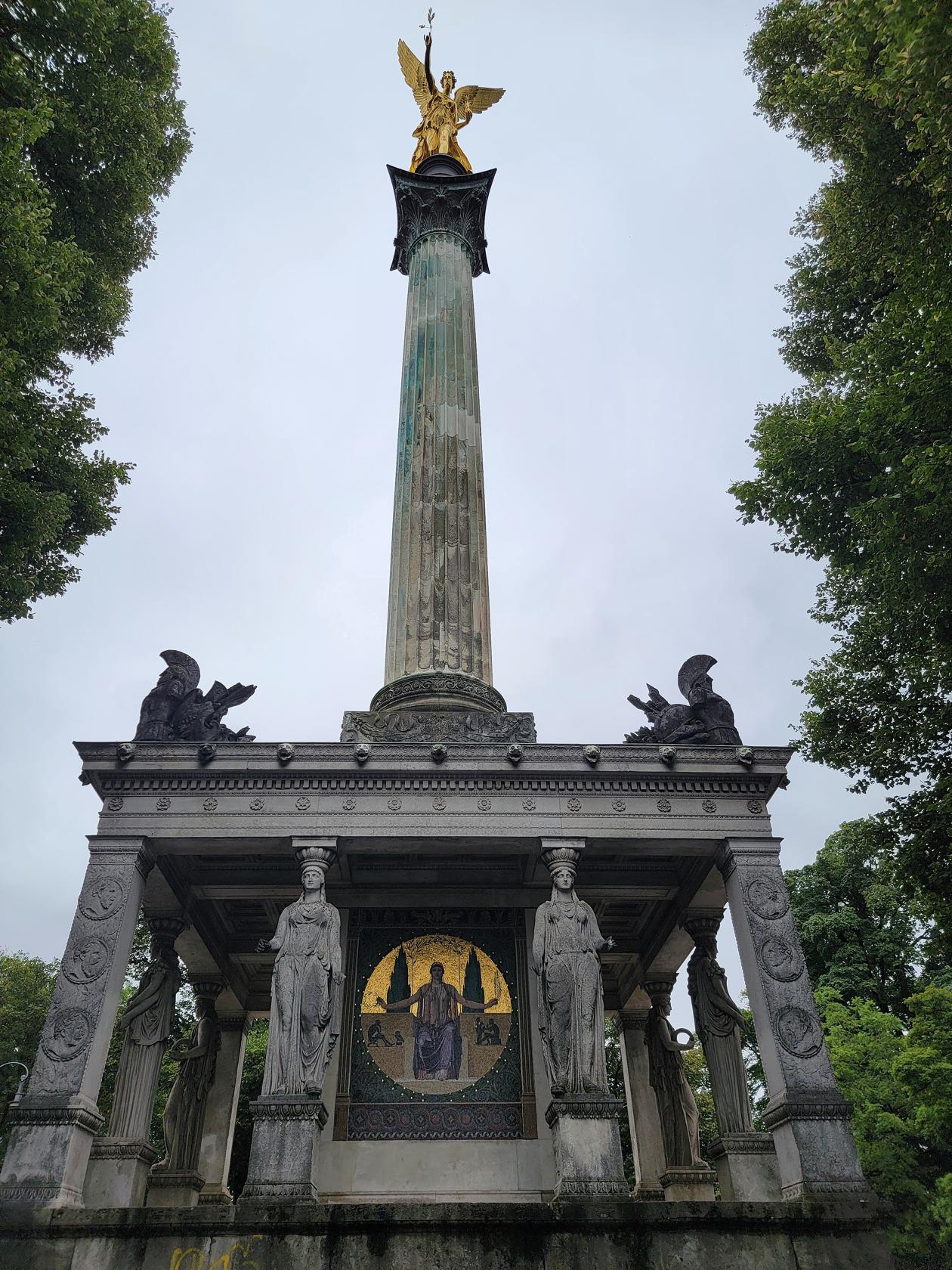
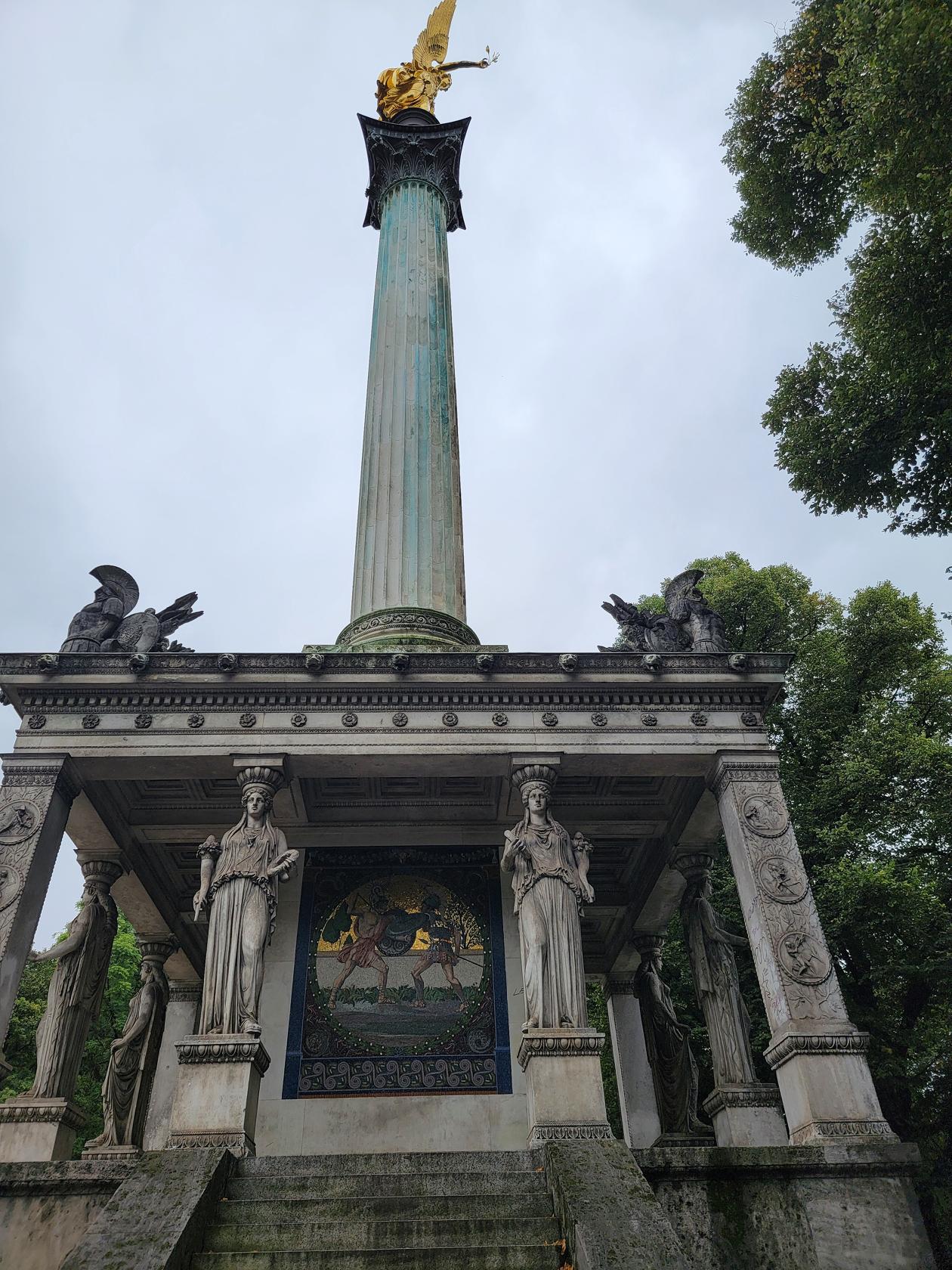
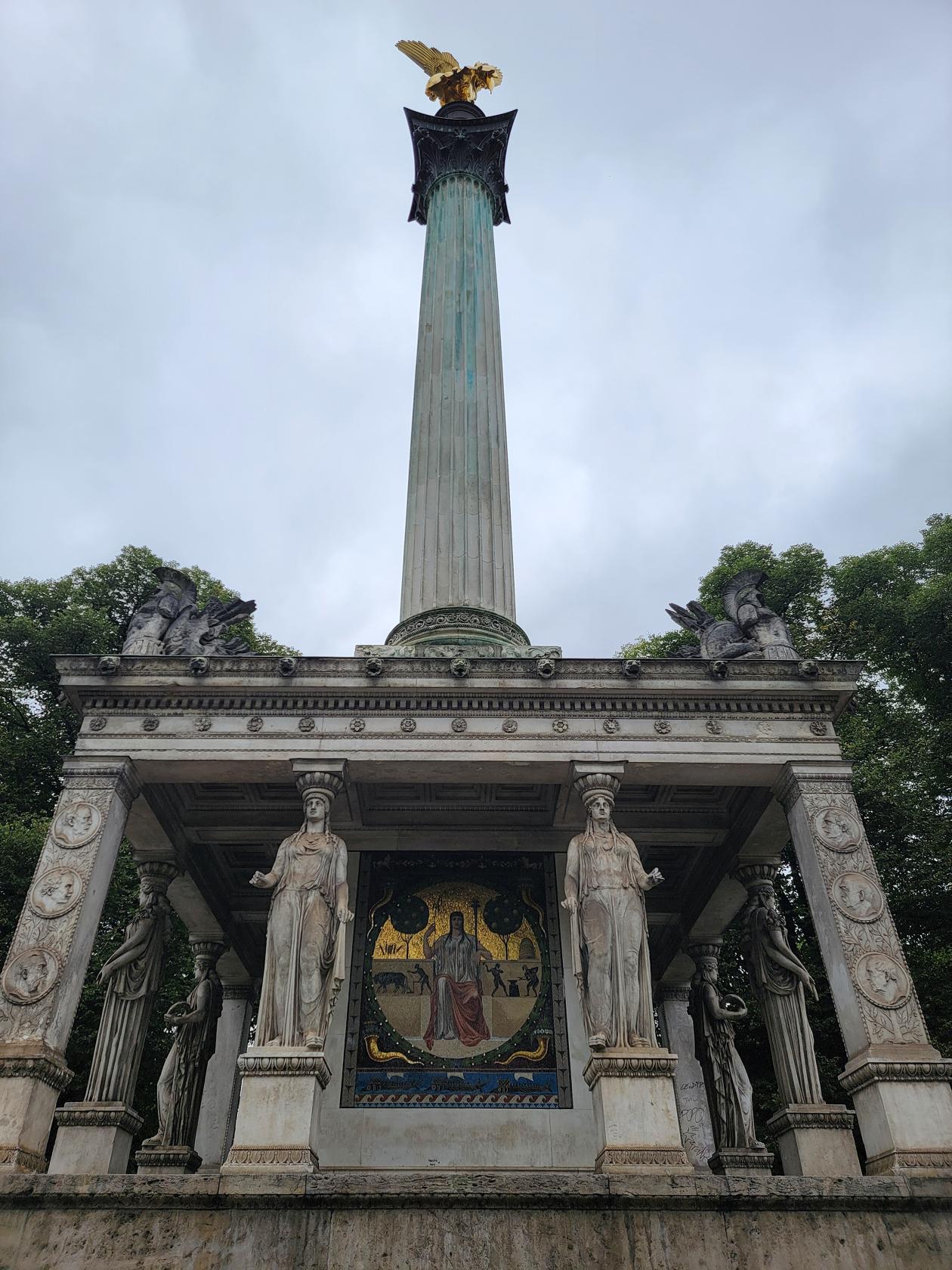
Dana – In front of the Friedensengel – München, Germany
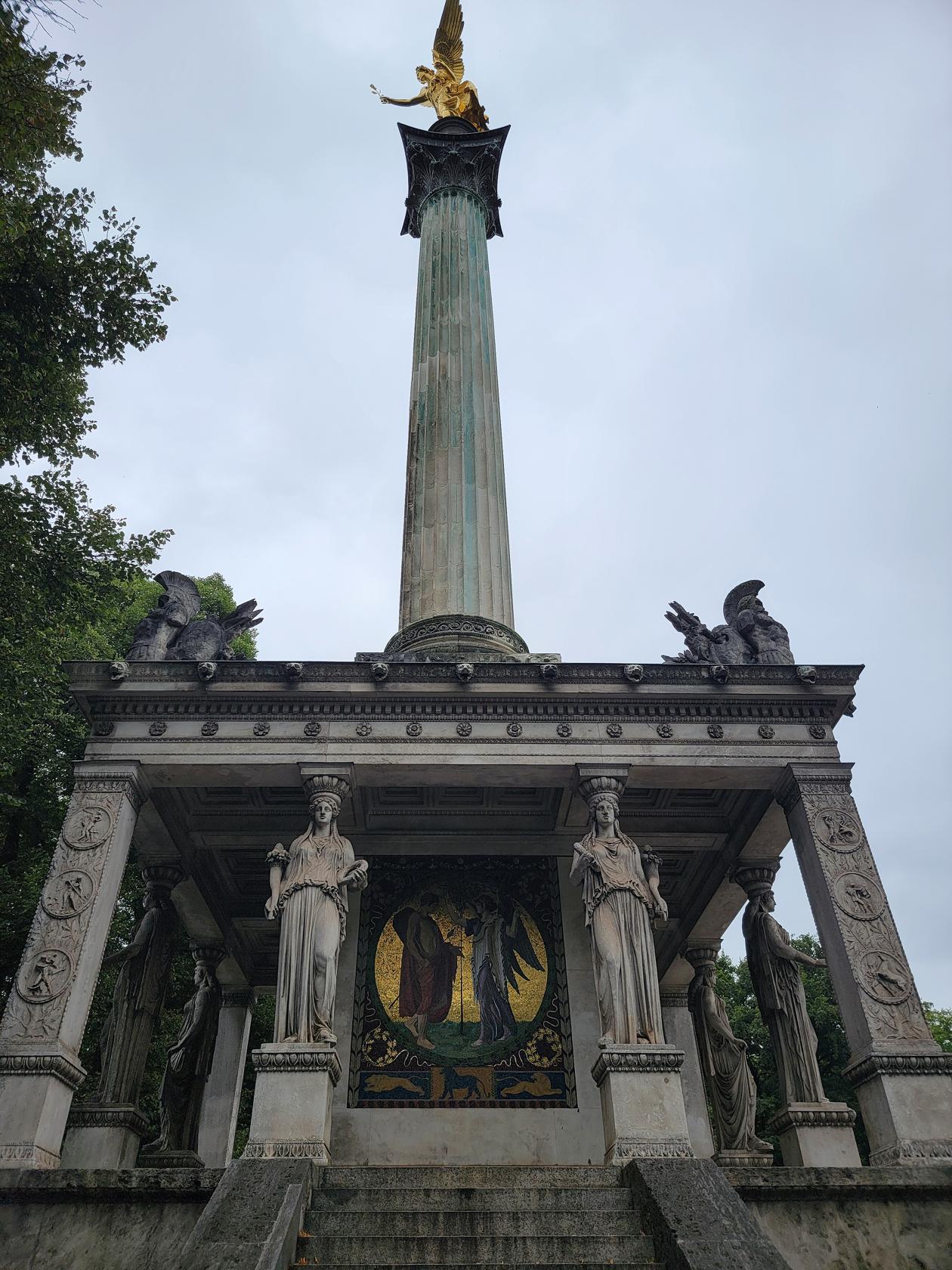
Friedensengel – München, Germany
Friedensengel – München, Germany
Friedensengel – München, Germany
Friedensengel – München, Germany
Friedensengel – München, Germany
The Isar – München, Germany
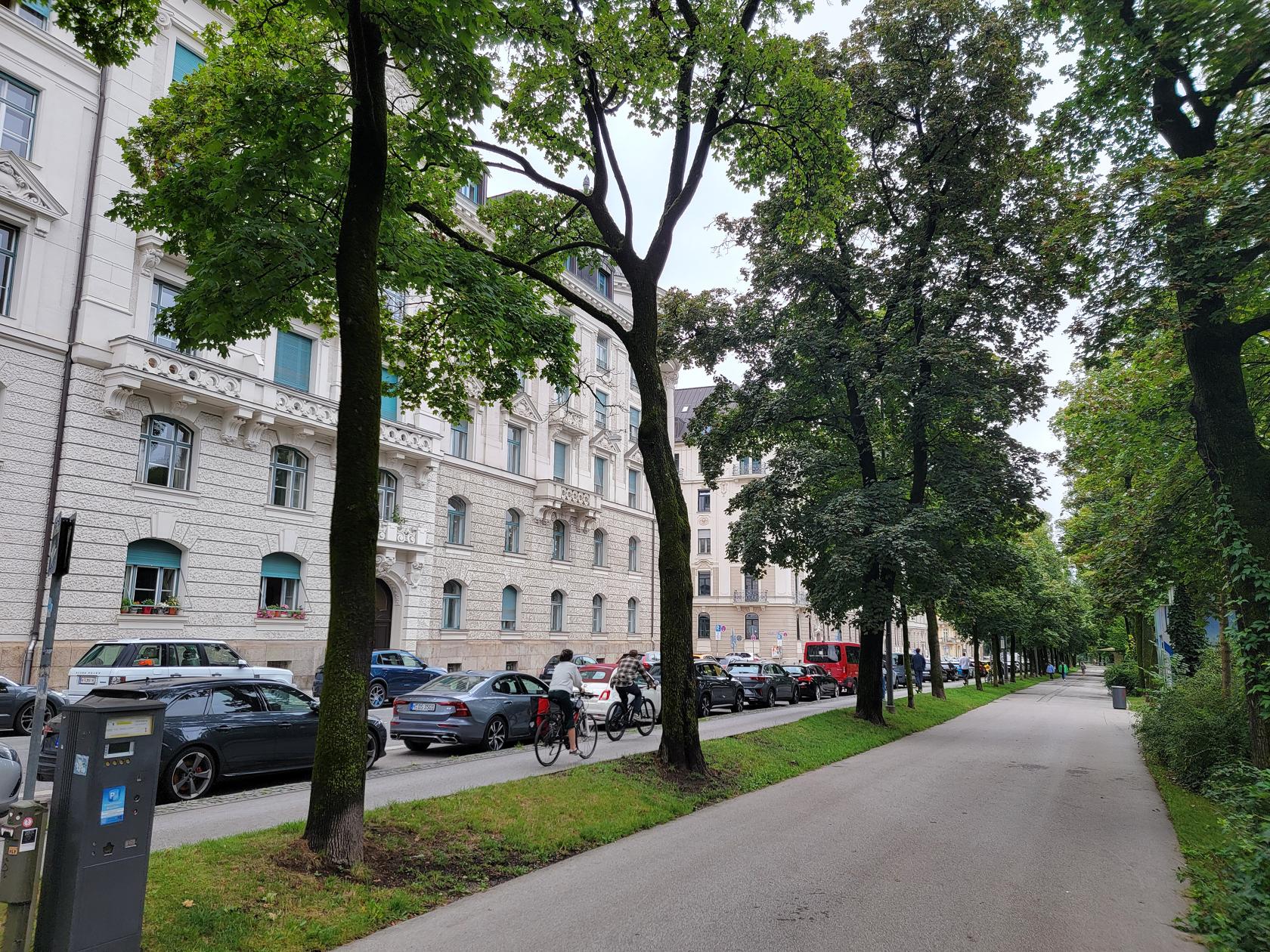
Widenmayerstraße promenade – München, Germany
Here you will find the Friedensengel monument and several other interesting points of interest. The two bridges that bound it, the Luitpoldbrücke and the Maximiliansbrücke provide pedestrian friendly points of entry.
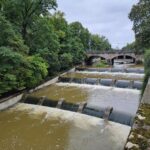
The Great Cascades – München, Germany
The Great Cascades – München, Germany
The Great Cascades – München, Germany
The Isar below the Great Cascades – München, Germany
The Isar – Luitpoldbrücke – München, Germany
The Isar – München, Germany
Of note are the Große Kascaden, or Great Cascades, a series of weirs and fish ladders that provide a series of small waterfalls. The Wehr WKW-Praterkraftwerk, or power station, is built into the structure to provide electric power to the city. Through thoughtful design of constructing flood control they have provided electricity as well.
Restaurants
We spent time at the following restaurants. Some are must see, even though the food will not be up to expectations. We found the smaller establishments to be better, especially the service and cleanliness.
Hofbräuhaus
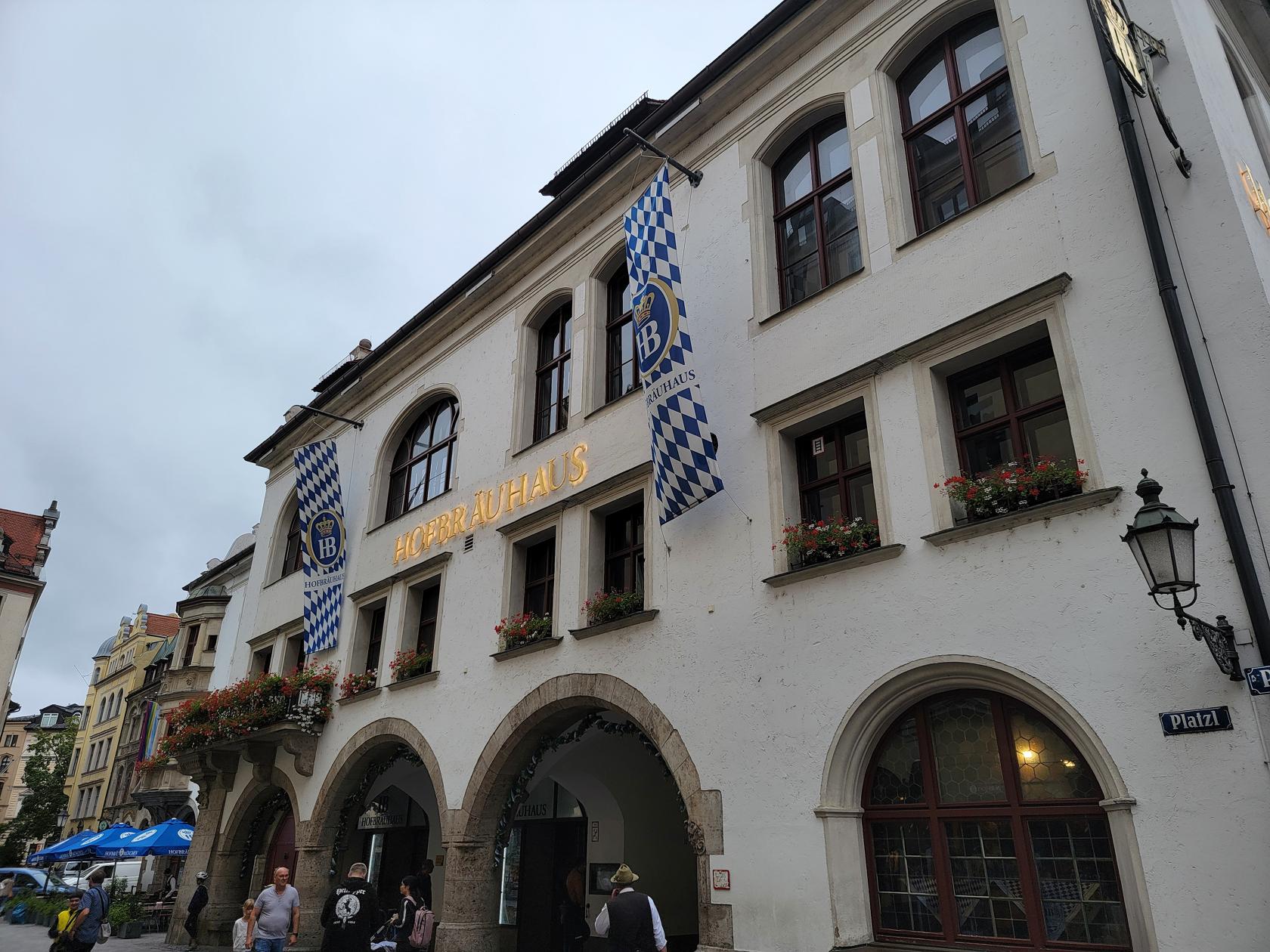
Well, perhaps the largest and most well-known beerhall in München, the Munich Hofbräuhaus is as large and as busy as it will get in a place to eat. They have a gift shop to match your expectations for a large one liter glass.
Entrance – Hofbräuhaus – München, Germany
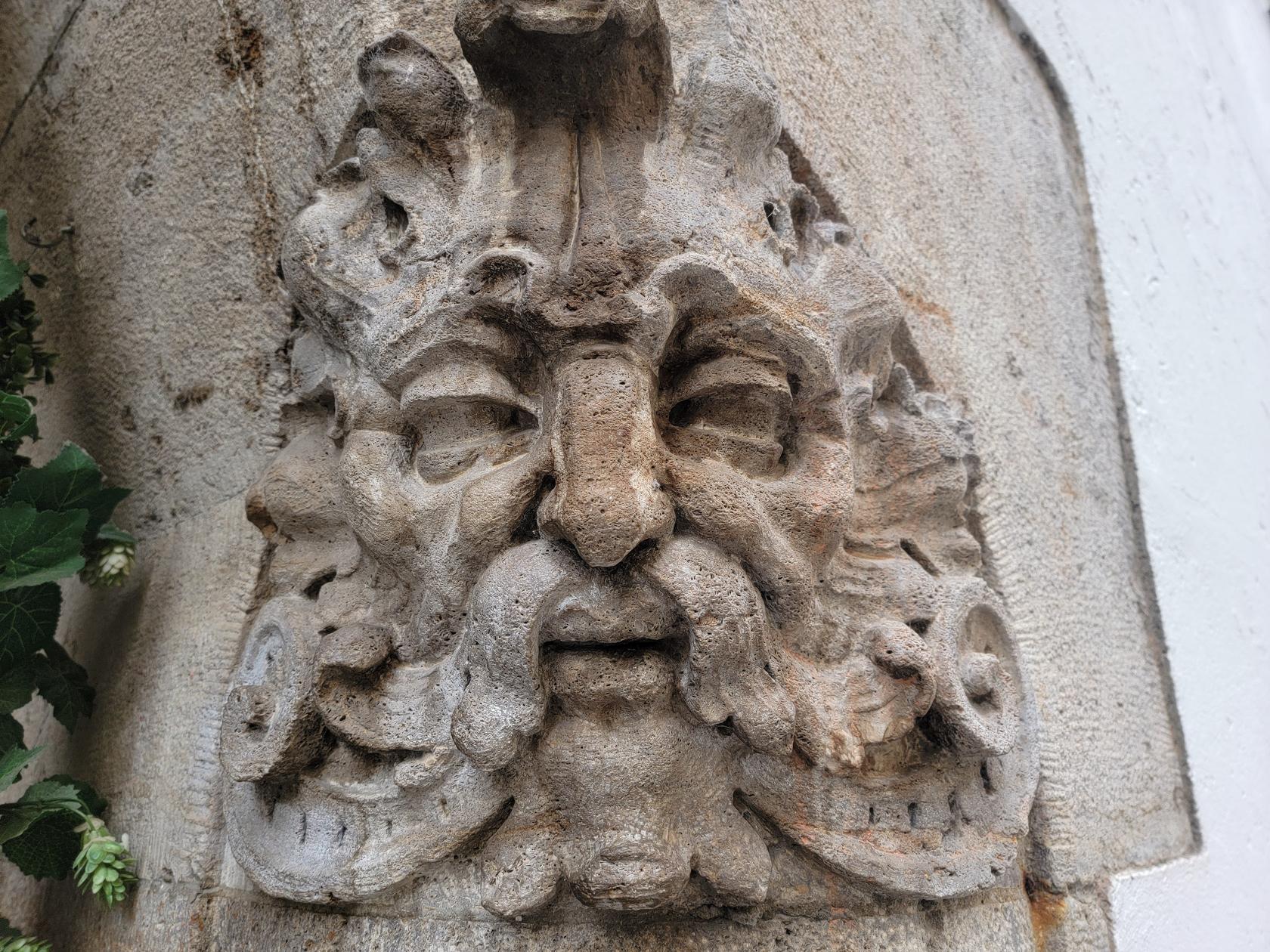
Carved face – Hofbräuhaus – München, Germany
The band was great and our food was okay. Service is always going to be a problem at such a large establishment, that’s why I prefer the smaller places.
However, if you can overlook the local fauna, an interesting place to eat and drink. I have found a lack of service usually indicates a lack of cleanliness; if they cannot serve you, they cannot clean properly either – just a thought. In any case, one of the go-to places and a must see. Have a drink and if the fauna bother you, avoid the rest of the menu.
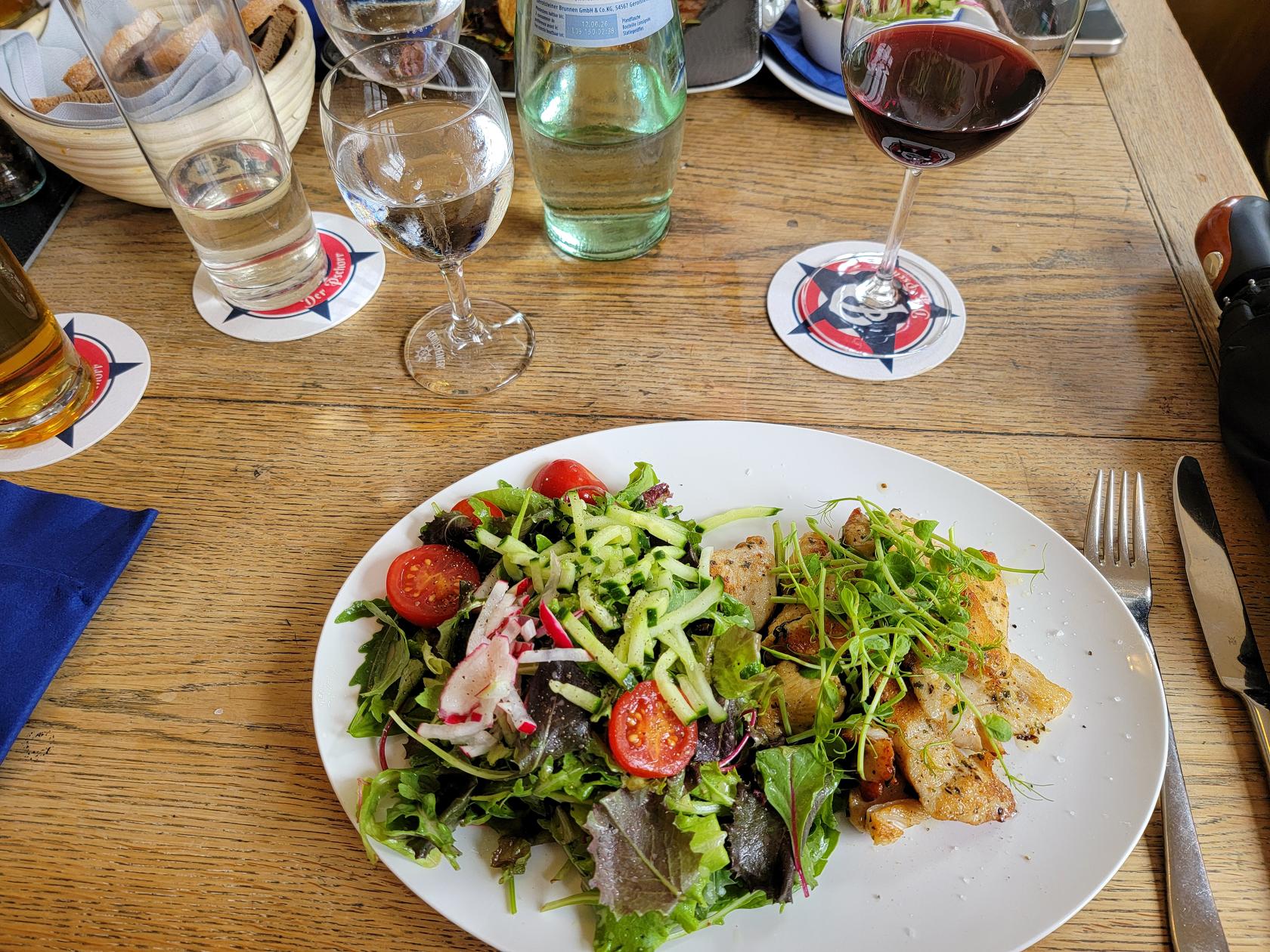
Salad – Der Pschorr restaurant – München, Germany
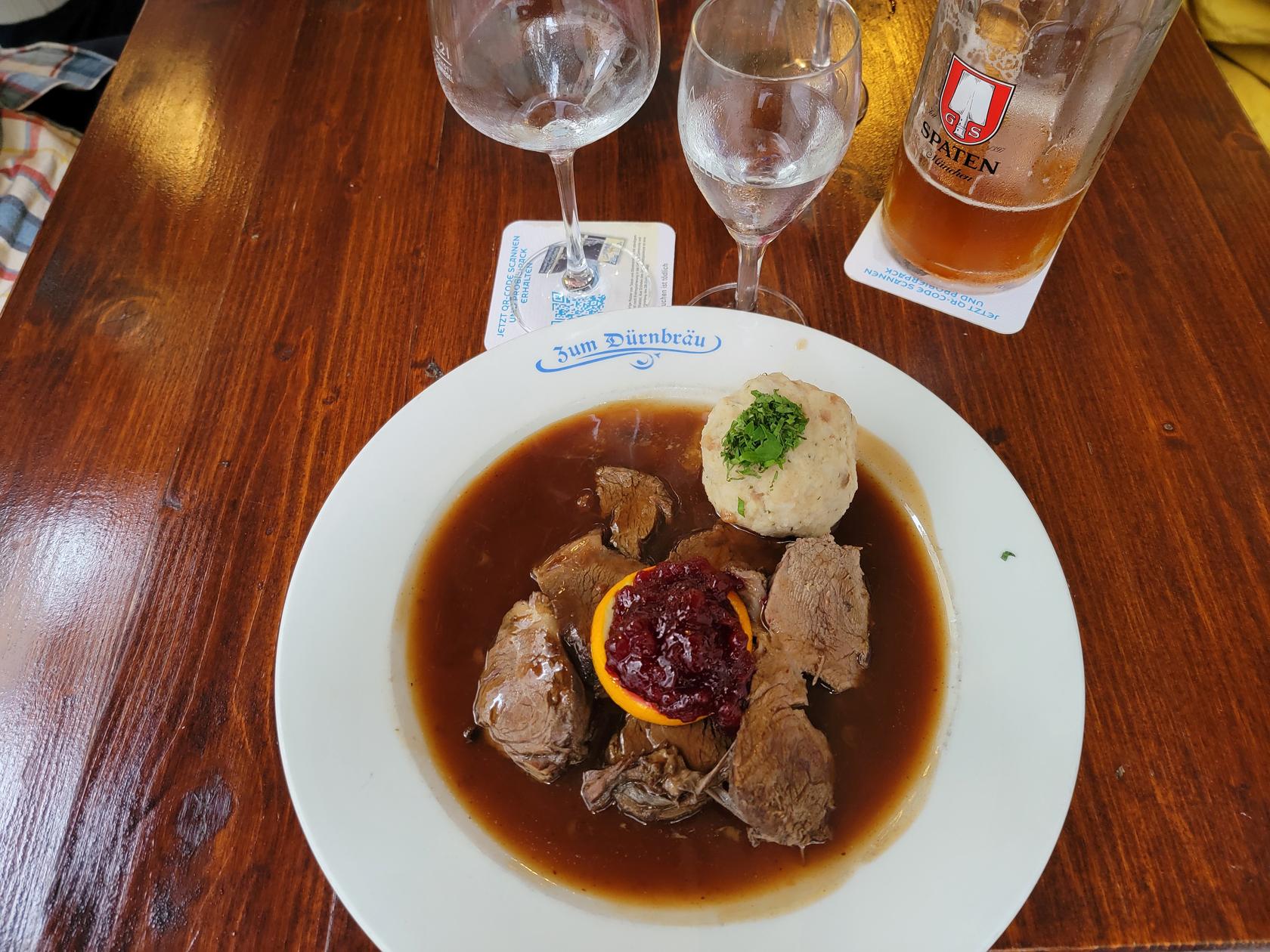
Sauerbraten with Knudel – Zum Dürnbräu – München, Germany
Der Pschorr
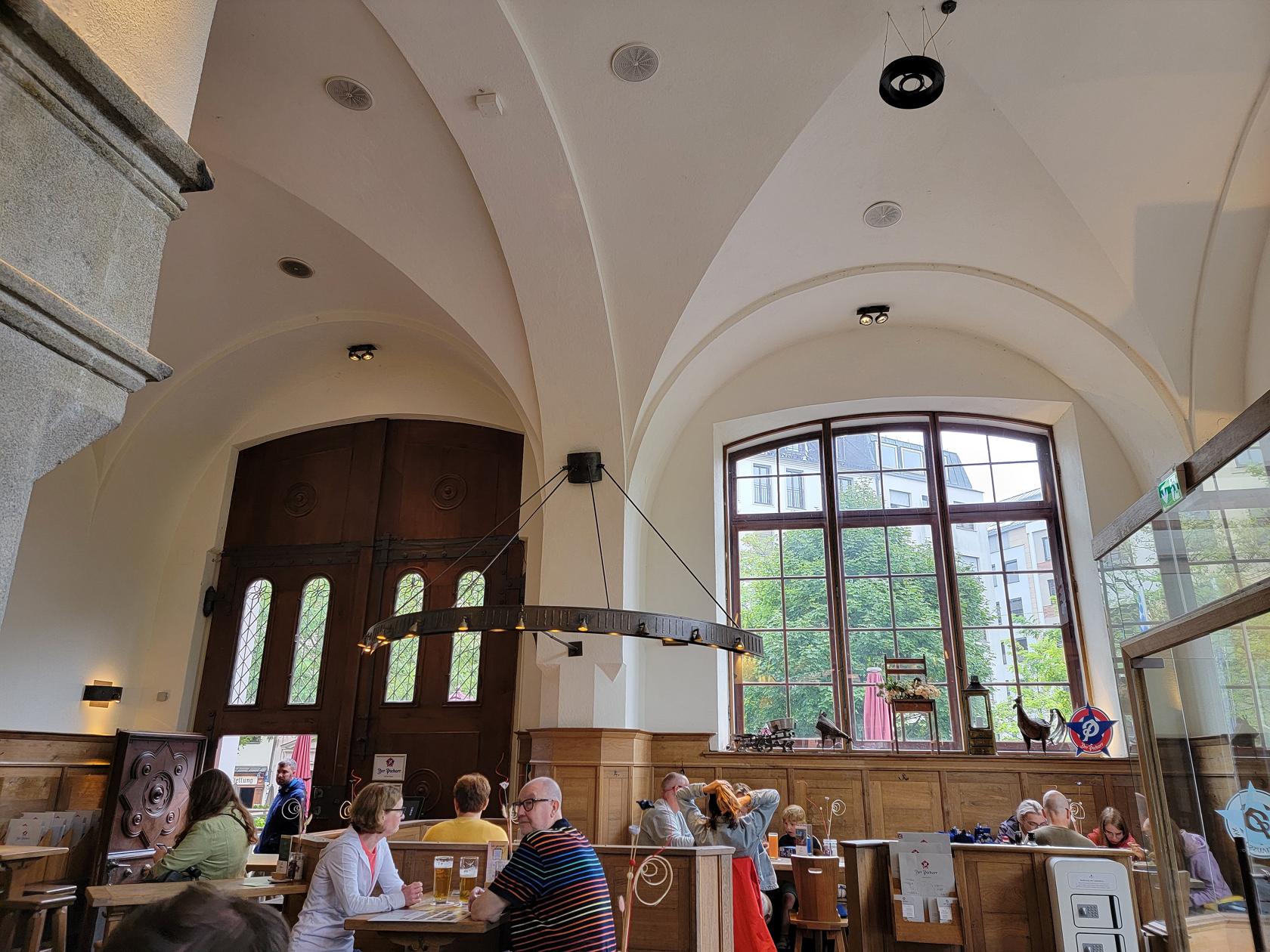
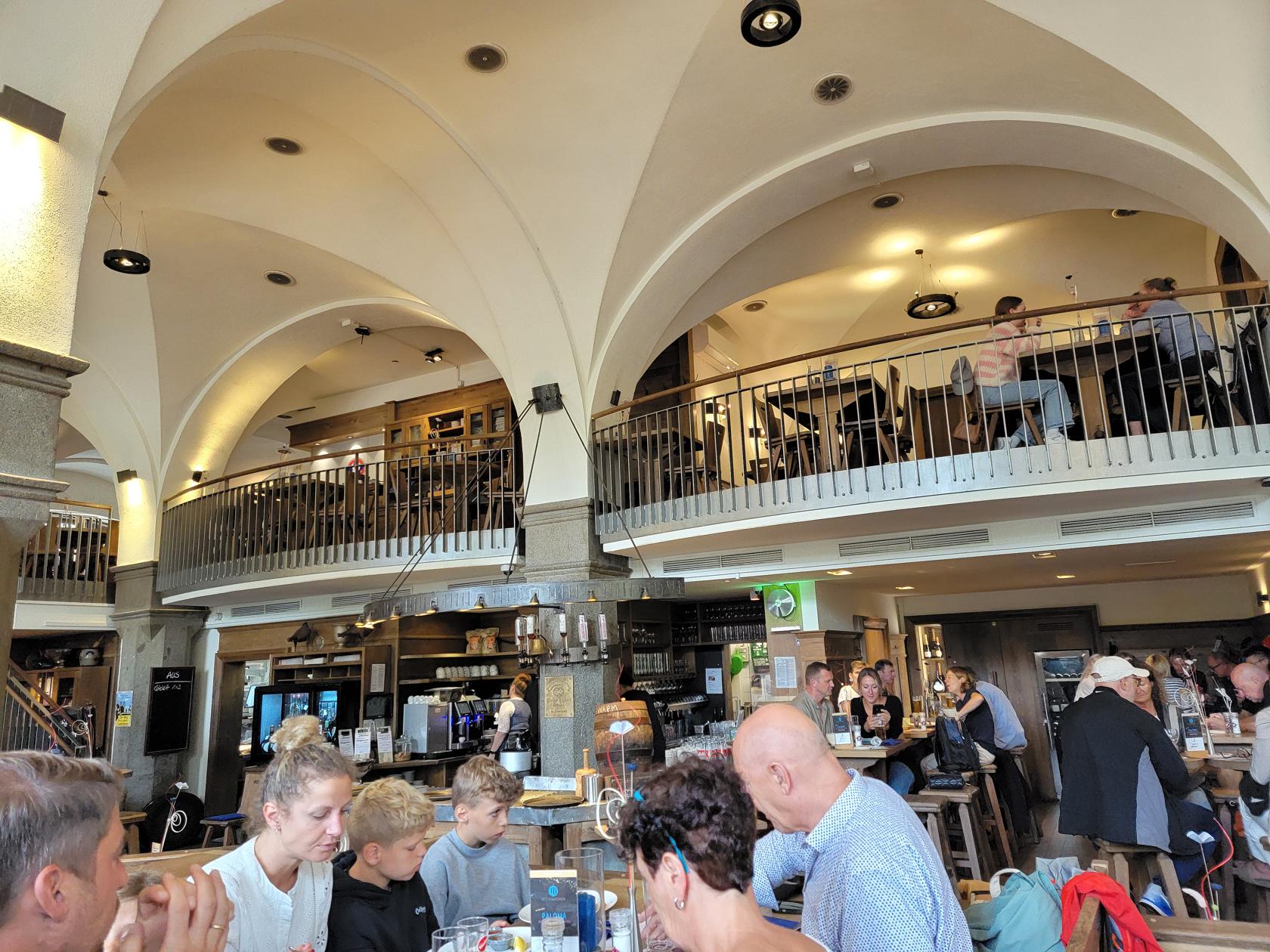
Another very good place for German food, perhaps the best that we had while in Munich. The service was very good as well, they kind of went out of their way to welcome families with children. You will find the place open and inviting with a good menu and food. Jett, Meagan and Jason’s baby ate for free, something not seen too often today.
Der Pschorr restaurant – München, Germany
Der Pschorr restaurant – München, Germany
Salad – Der Pschorr restaurant – München, Germany
Burg Pappenheim
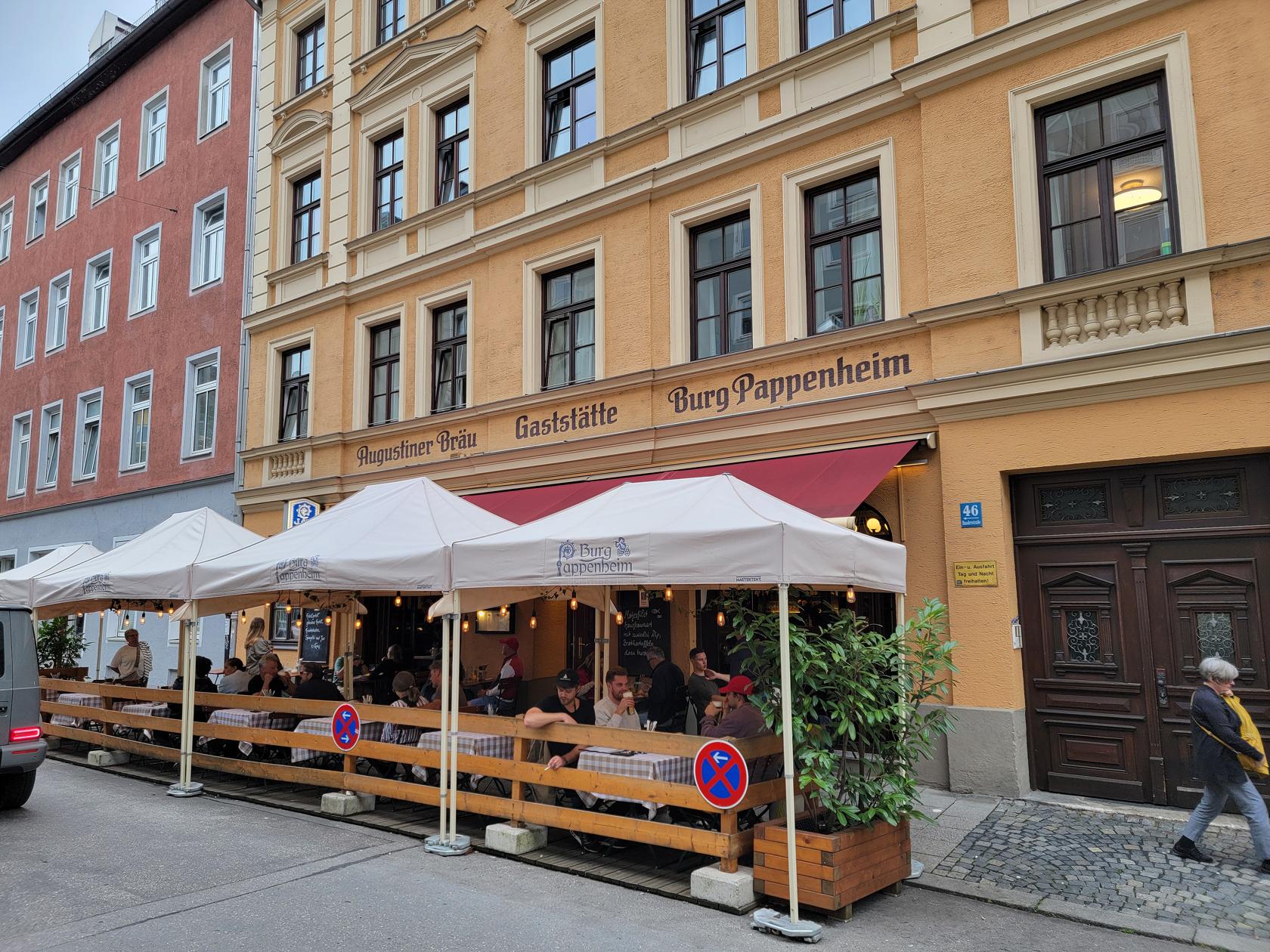
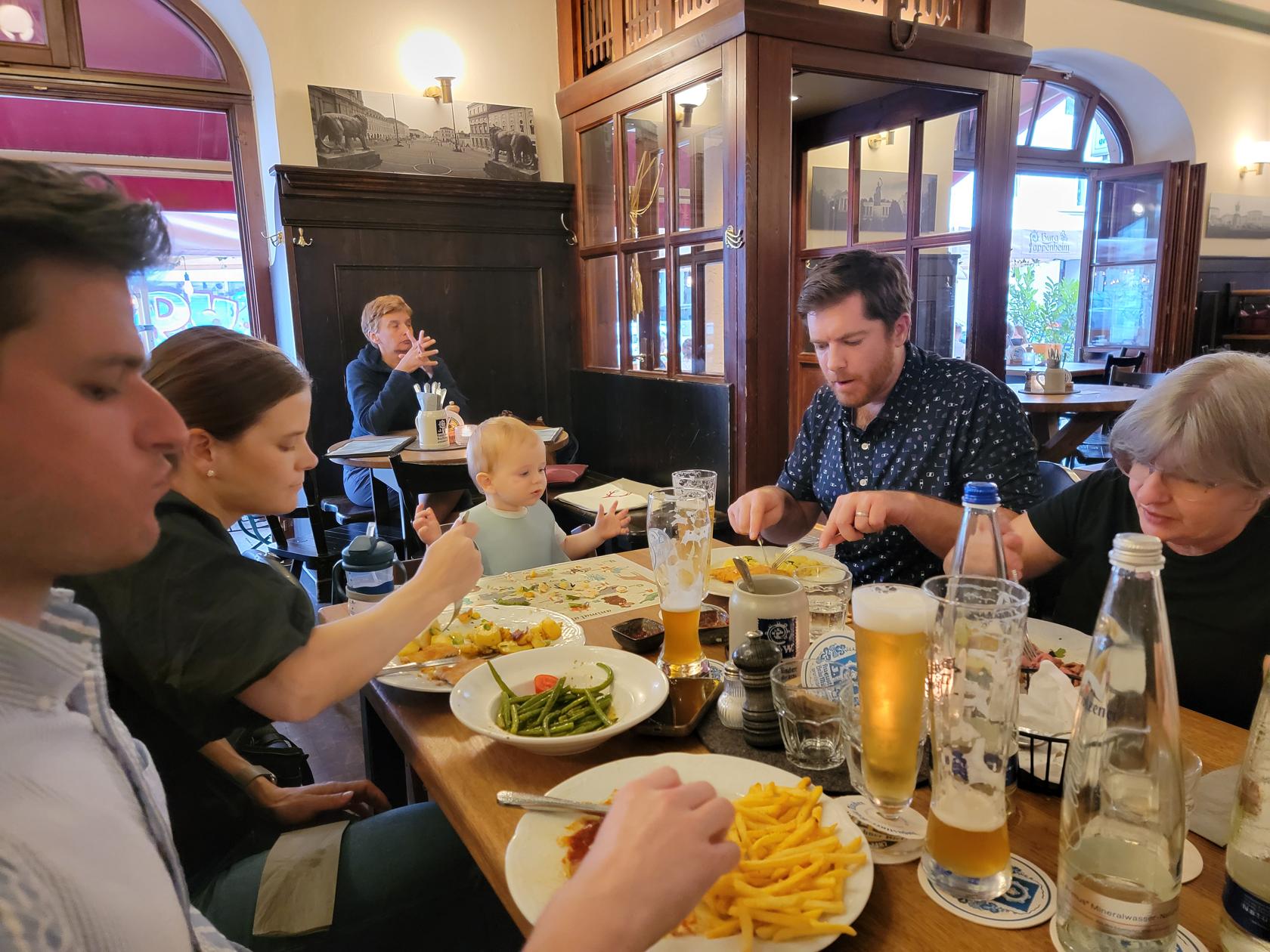
One of Dana’s picks and an attempt to find that authentic German restaurant look and feel. It was really close, we found only one waiter that spoke English here, the others spoke German for the most part, though I was confident they could completely understand English.
Entrance – Burg Pappenheim restaurant – München, Germany
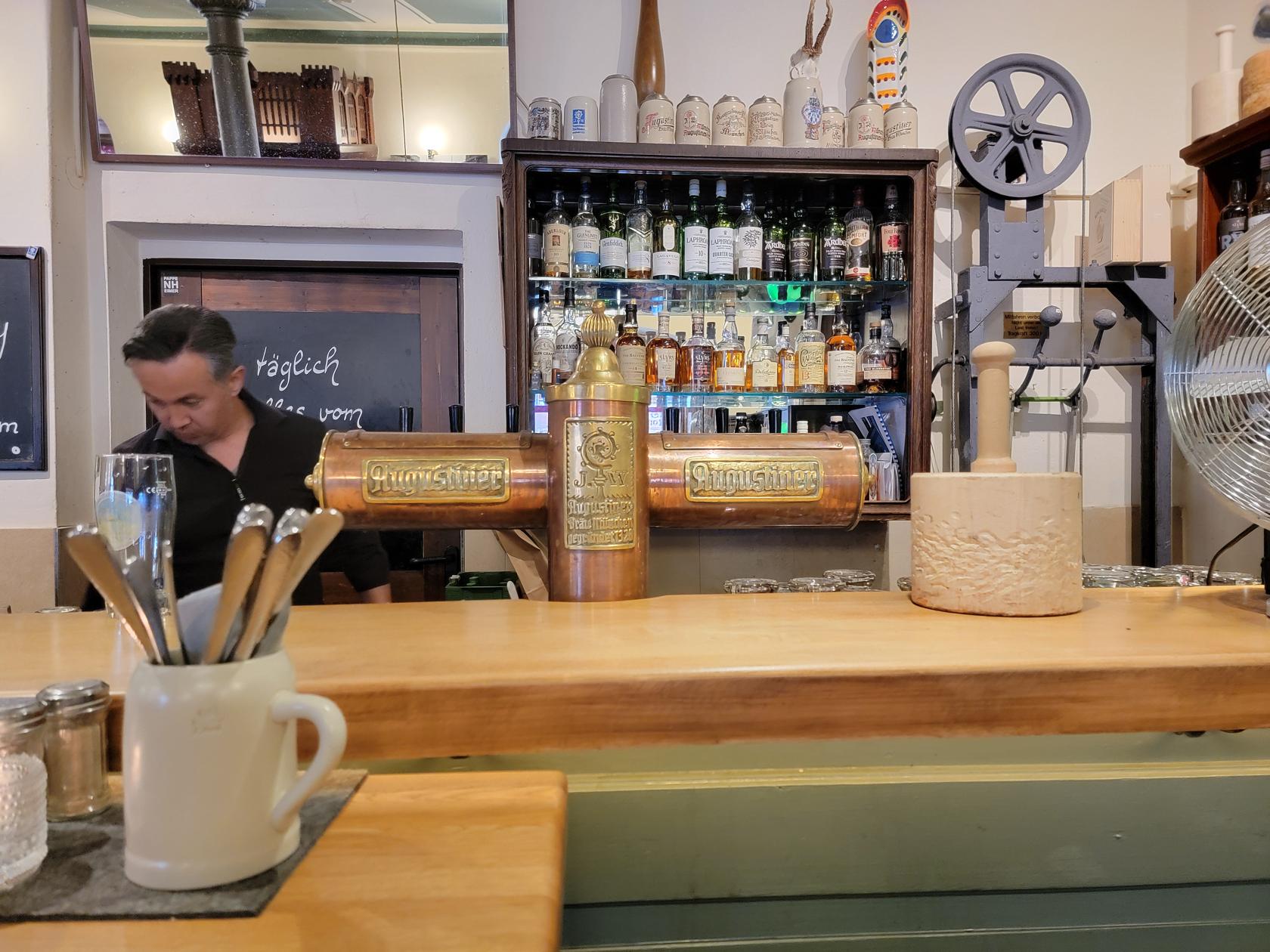
Old Augustiner faß – Burg Pappenheim restaurant – München, Germany
Burg Pappenheim restaurant – München, Germany
Burg Pappenheim restaurant – München, Germany
Dana, Meagan, Jett, Jason and Patti – Burg Pappenheim restaurant – München, Germany
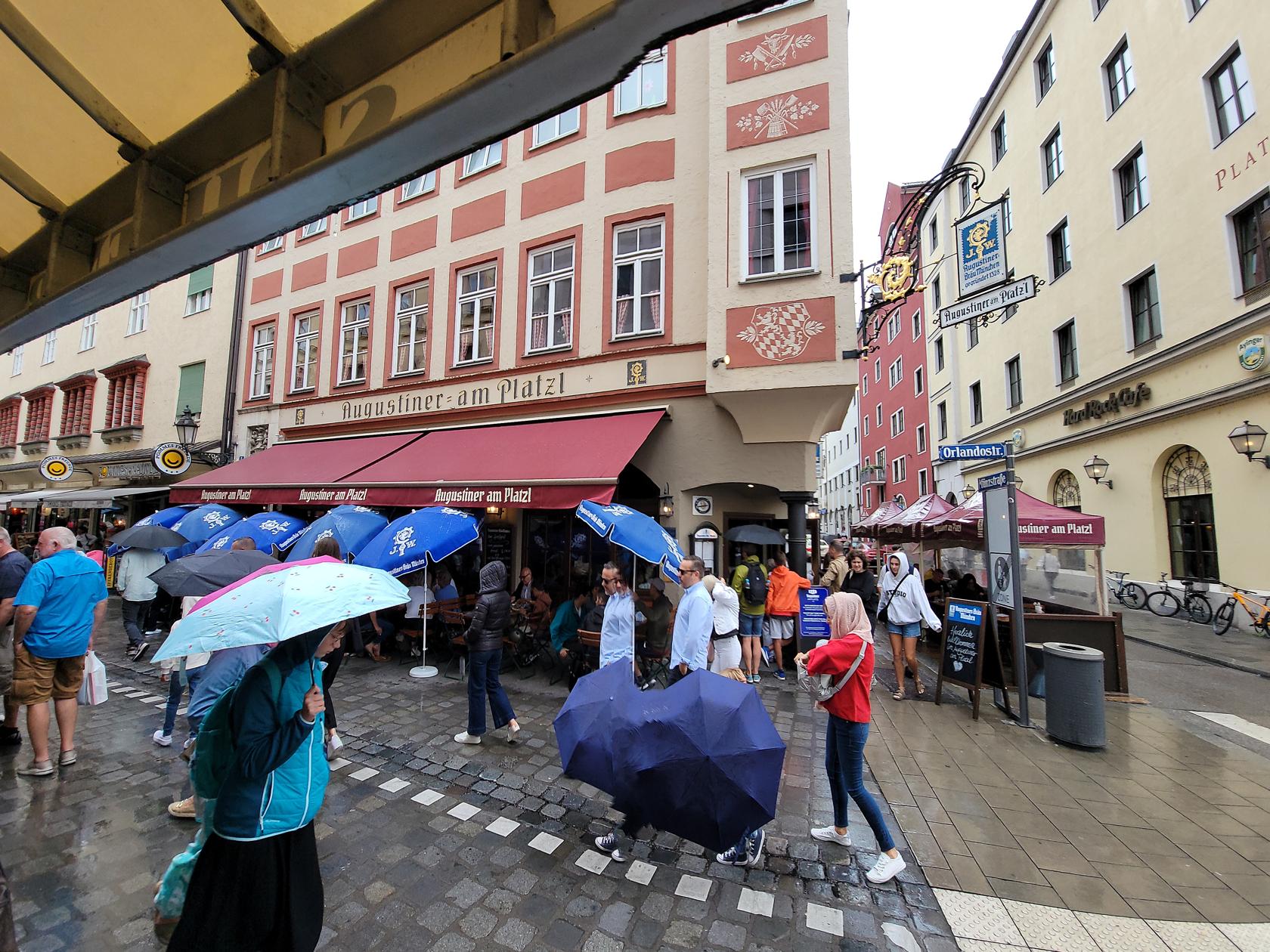
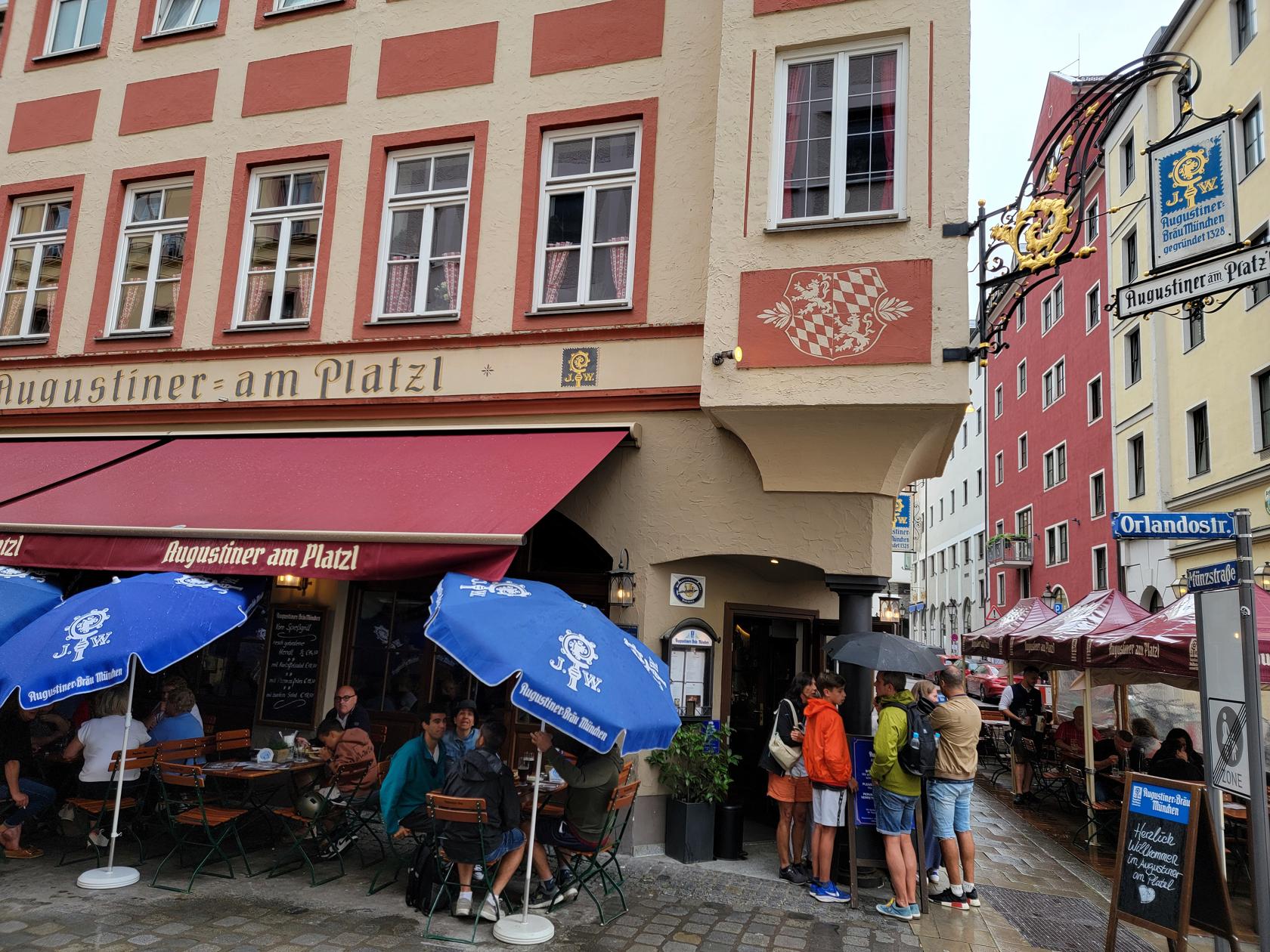
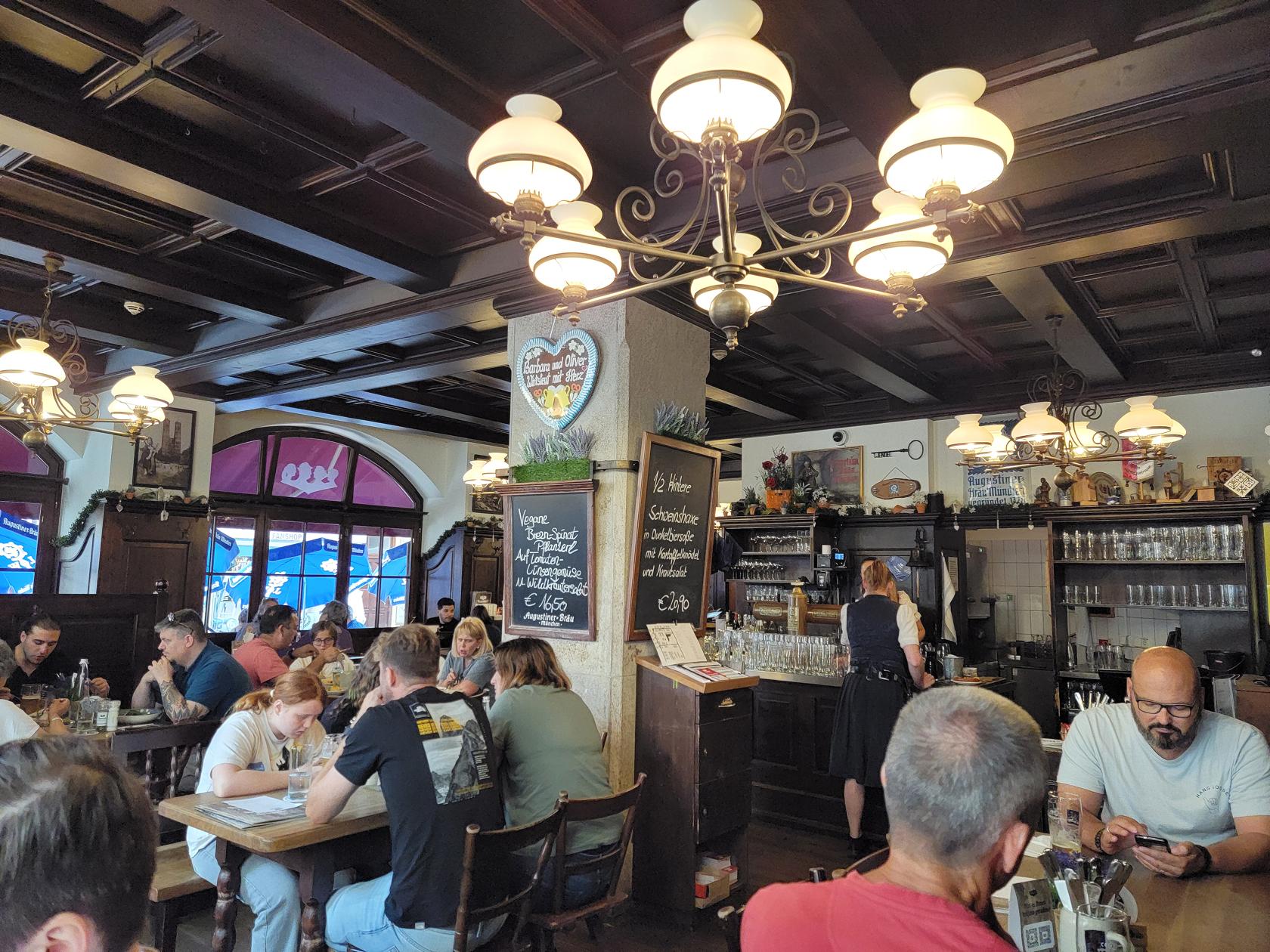
Augustiner am Platzl
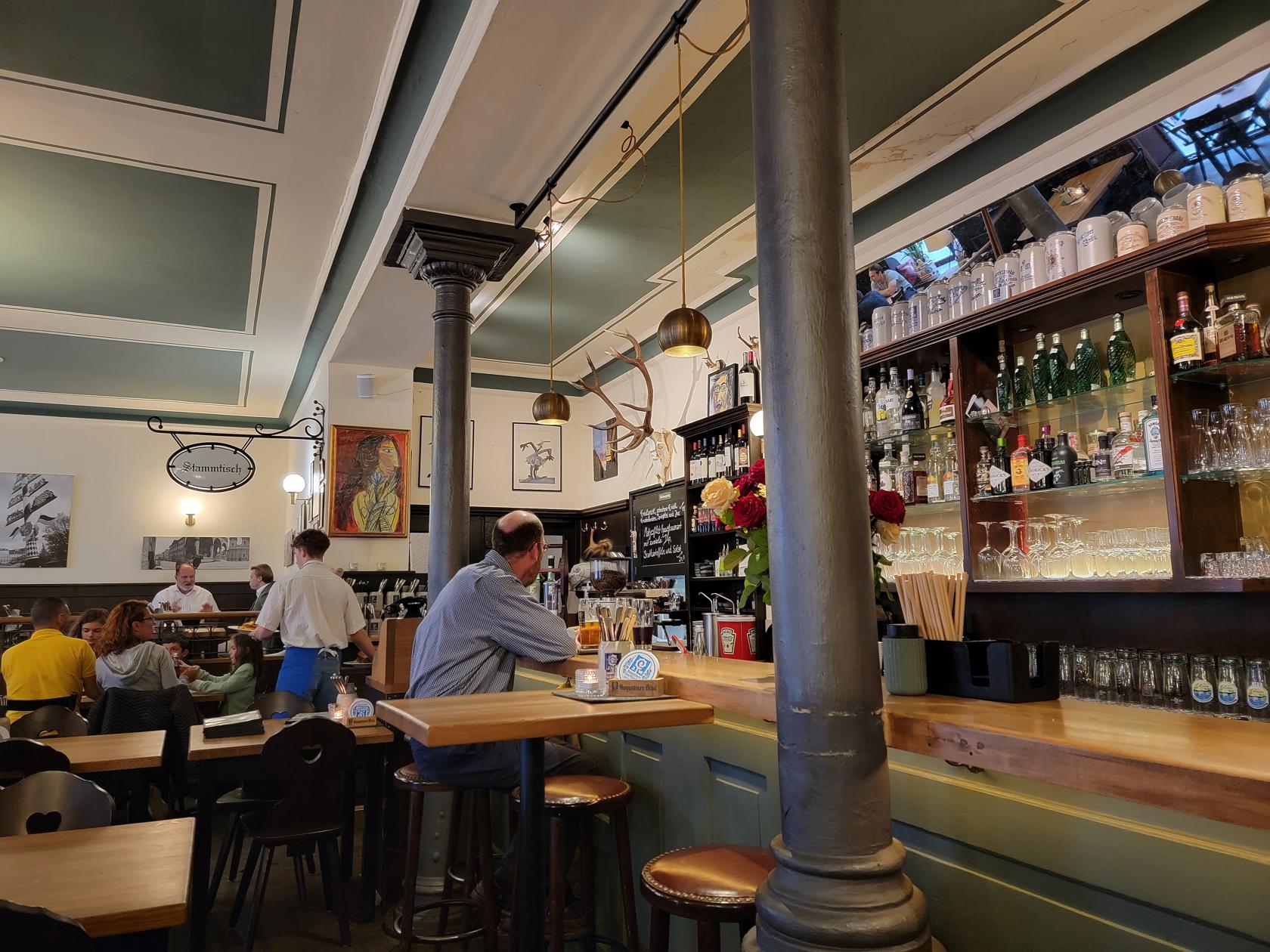
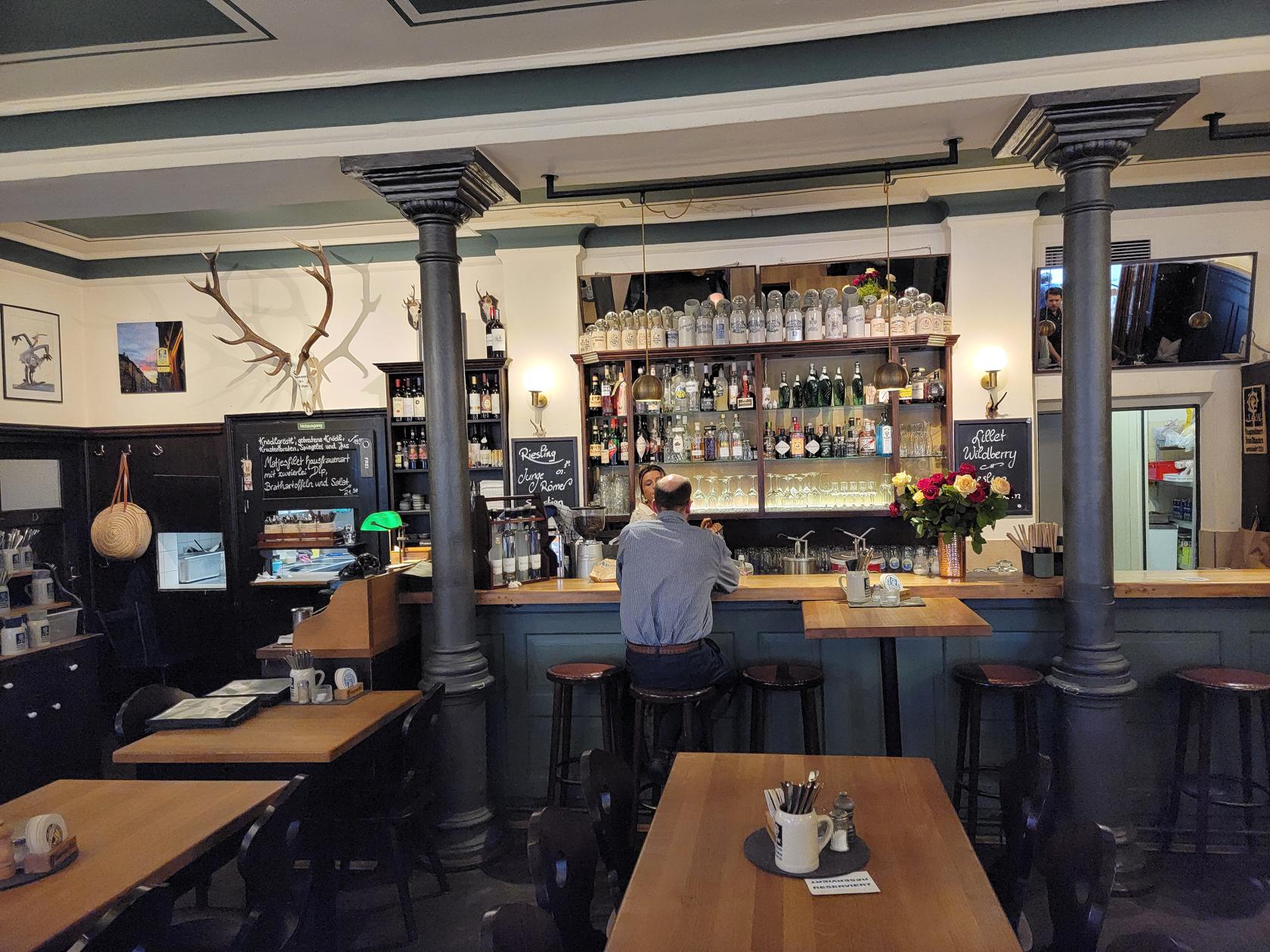
Overall a good place for German food. The service is better and the staff seems more attentive to customer needs. The food is also better, both tastier and presentation-wise. They can also accommodate larger families without the squeeze. There is however no band, so if you are looking for the Umpa-band look and feel, you will not find it here.
Augustiner am Platzl – München, Germany
Augustiner am Platzl – München, Germany
Augustiner am Platzl – München, Germany
The food and service were very good and the atmosphere a mix of old and new Bavaria. This restaurant is a bit out of the way and a bit of a walk from the city center, but worth the visit.
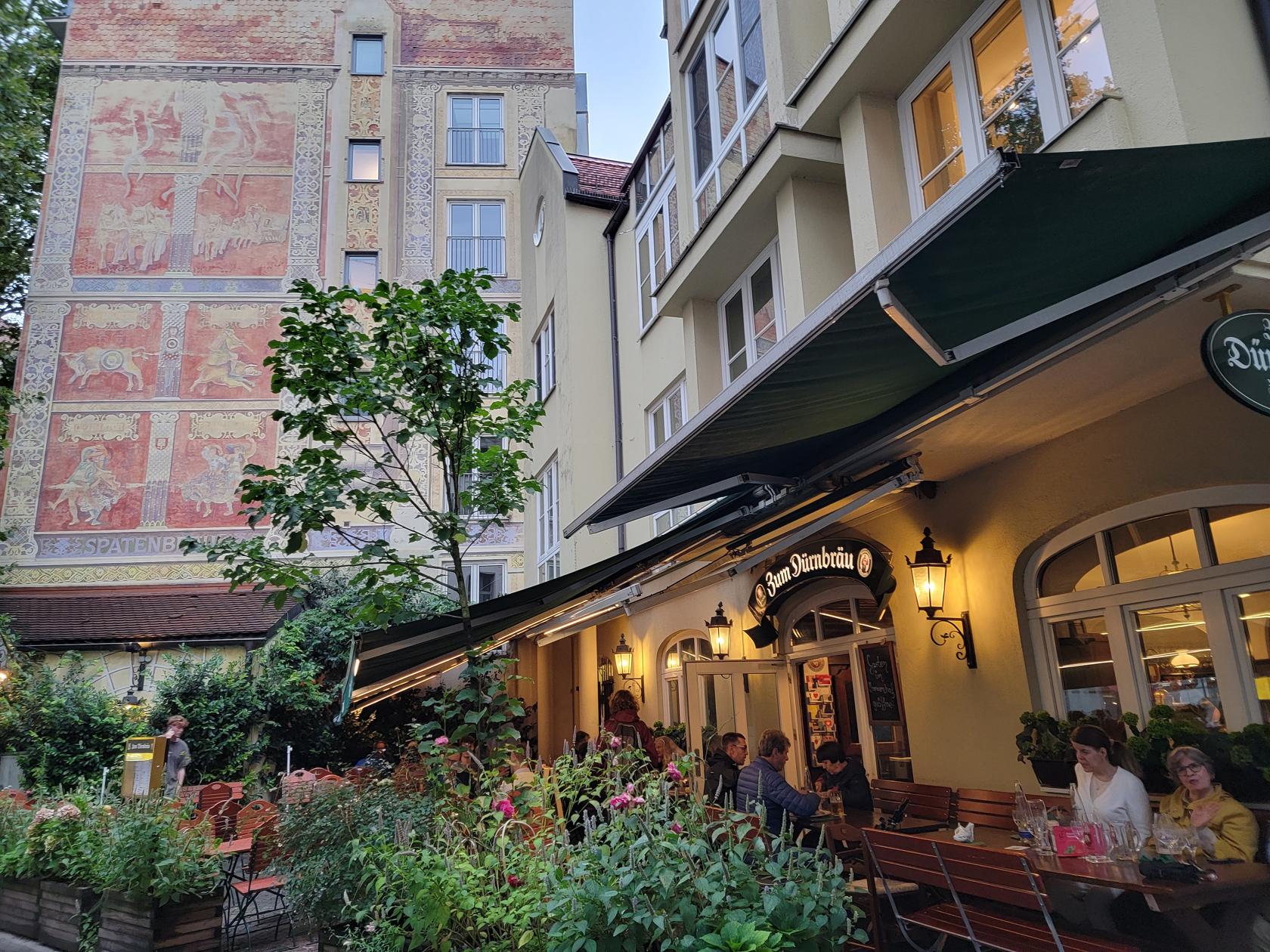
Zum Dürnbräu
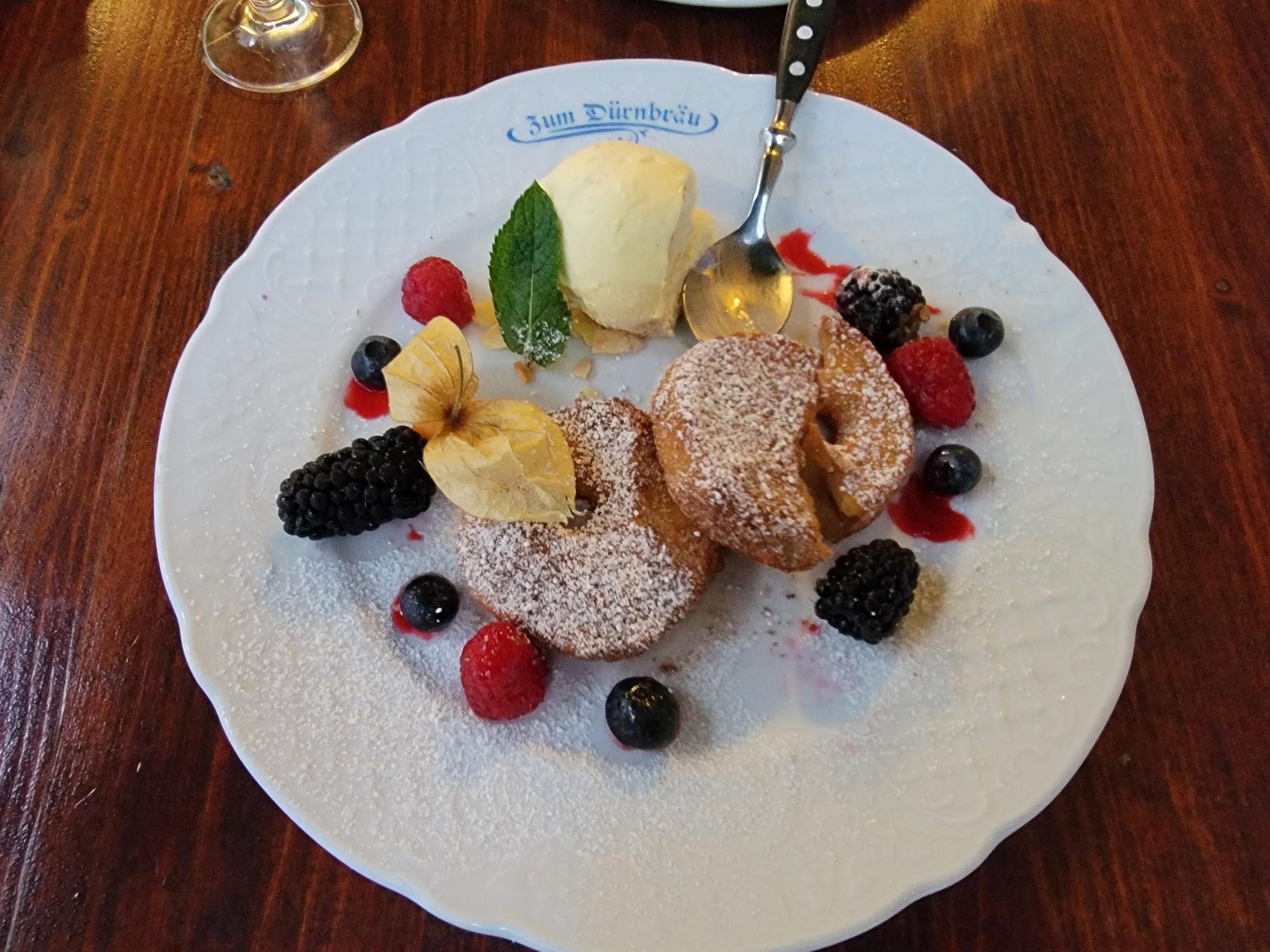
Here we had a pleasant meal outside not far from our hotel, even though the weather was a bit questionable with rain possible. The service was a bit slow, but the food was good and we had a very good time. The sauerbraten was first rate and I got to try the Apfelküchle, or fried apple rings with cinnamon and light sugar, which I found delightful.
Entrance and terrace – Zum Dürnbräu – München, Germany
Sauerbraten with Knudel – Zum Dürnbräu – München, Germany
Apfelküchle – Zum Dürnbräu – München, Germany
Tavernetta Cucina con Pizza
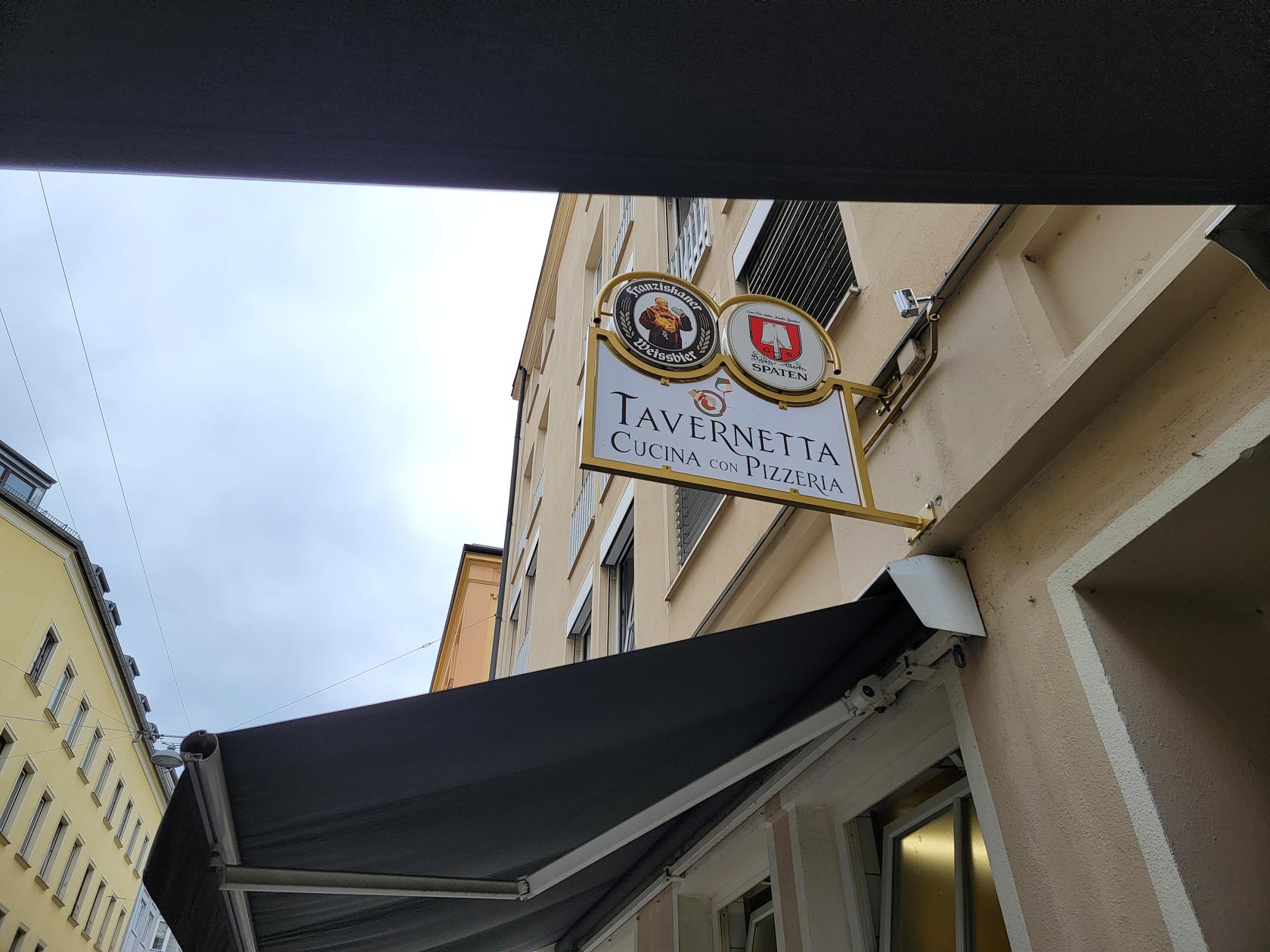
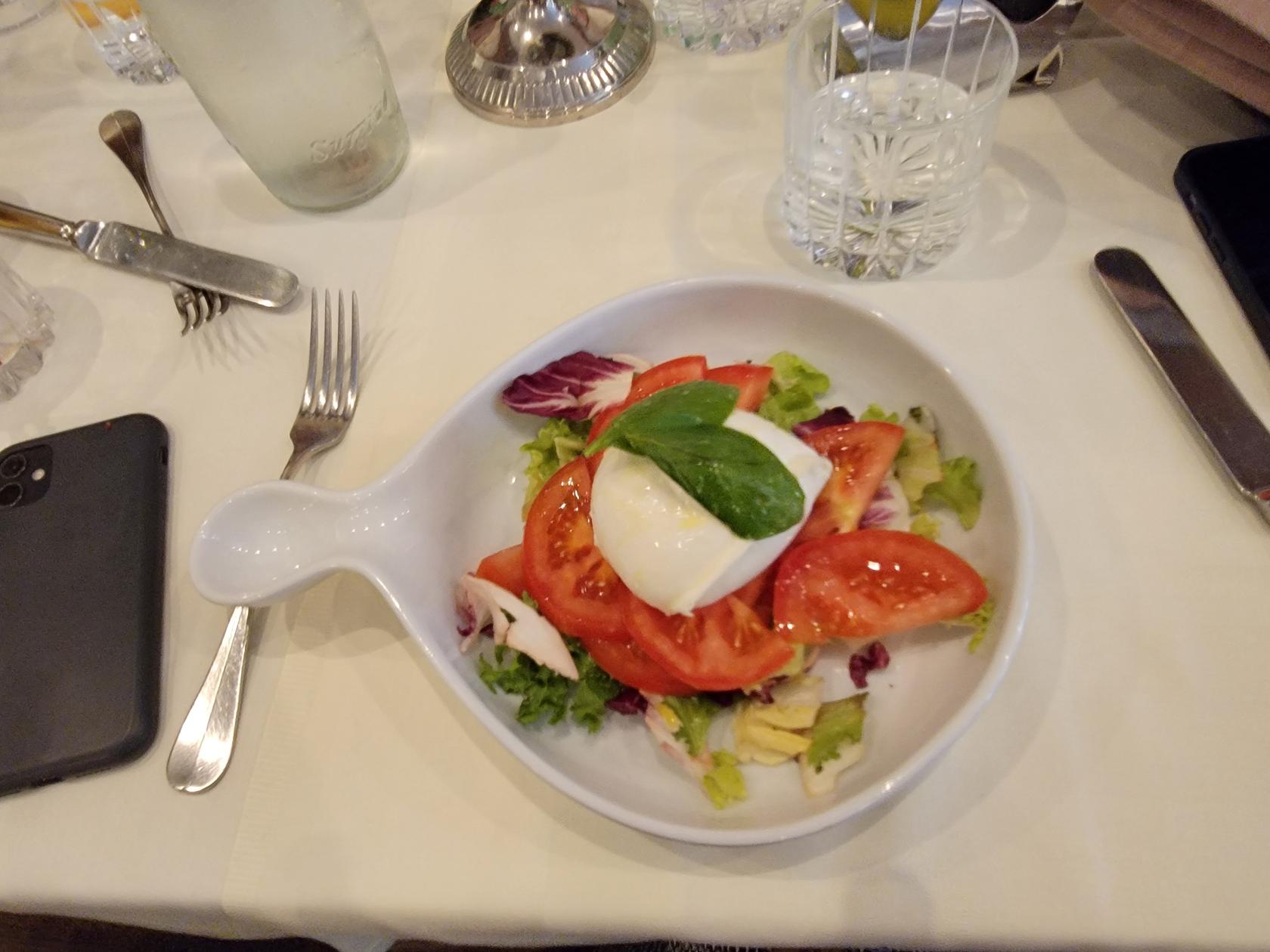
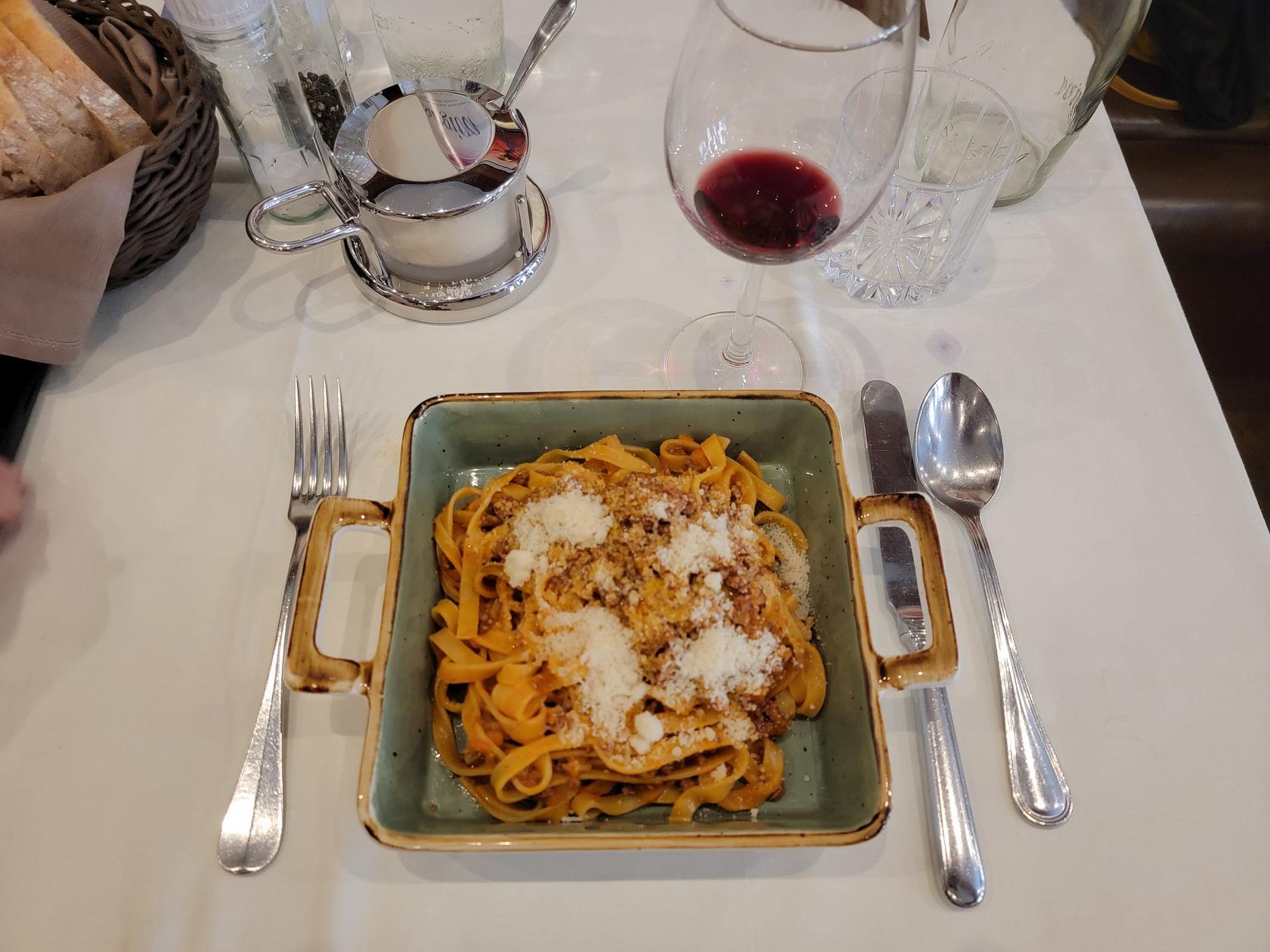
After some time German food creates issues that only Italian food can cure. When you come to this Rubicon, you can cross by considering a place like Tavernetta, where you can enjoy some Italian food. They have a good menu, good service and the prices are not astronomical.
Entrance – Tavernetta Cucina with Pizza – München, Germany
Sign – Tavernetta Cucina with Pizza – München, Germany
Small Caprese – Tavernetta Cucina with Pizza – München, Germany
Tagliatelle Bolognese – Tavernetta Cucina with Pizza – München, Germany
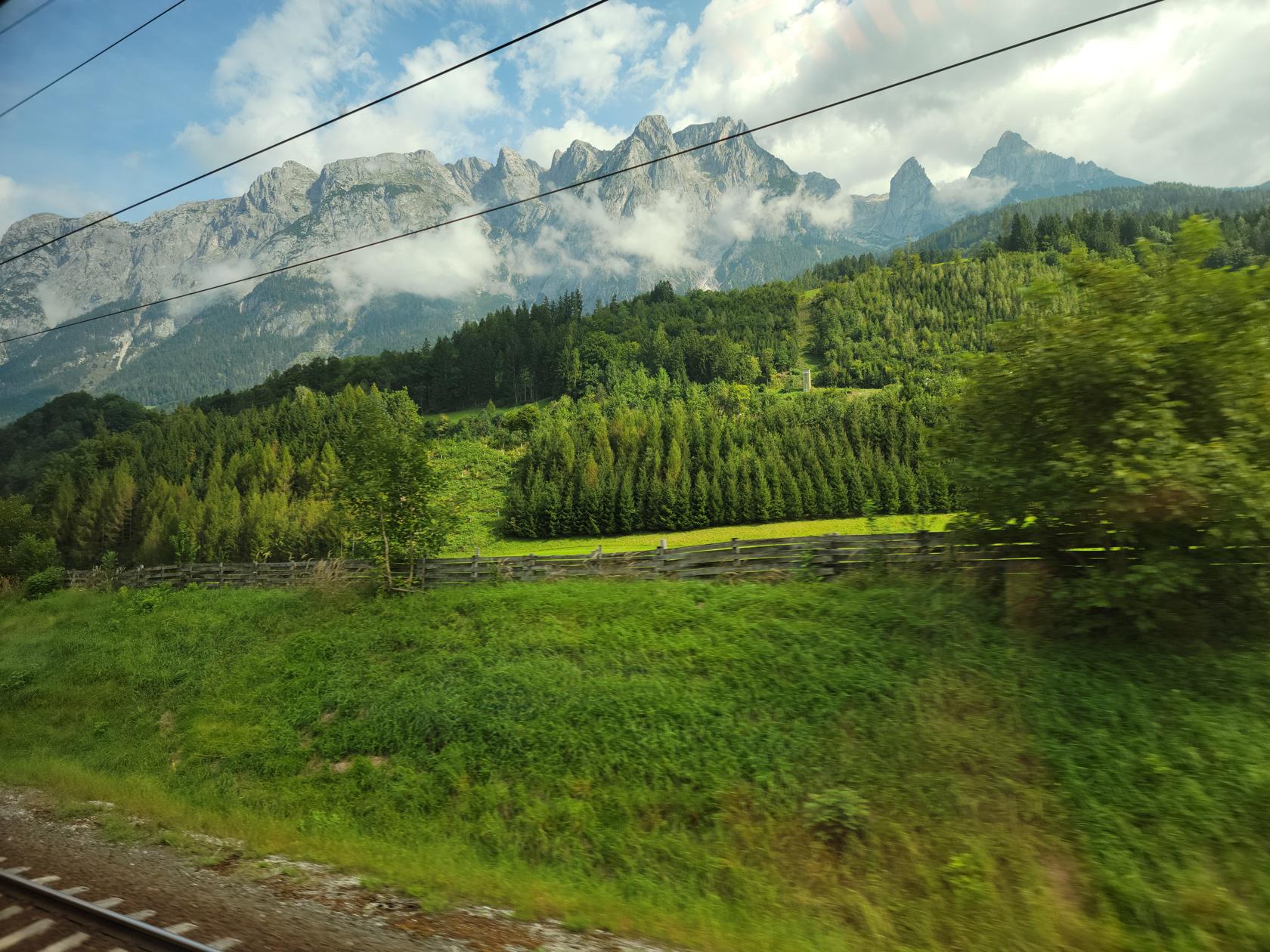
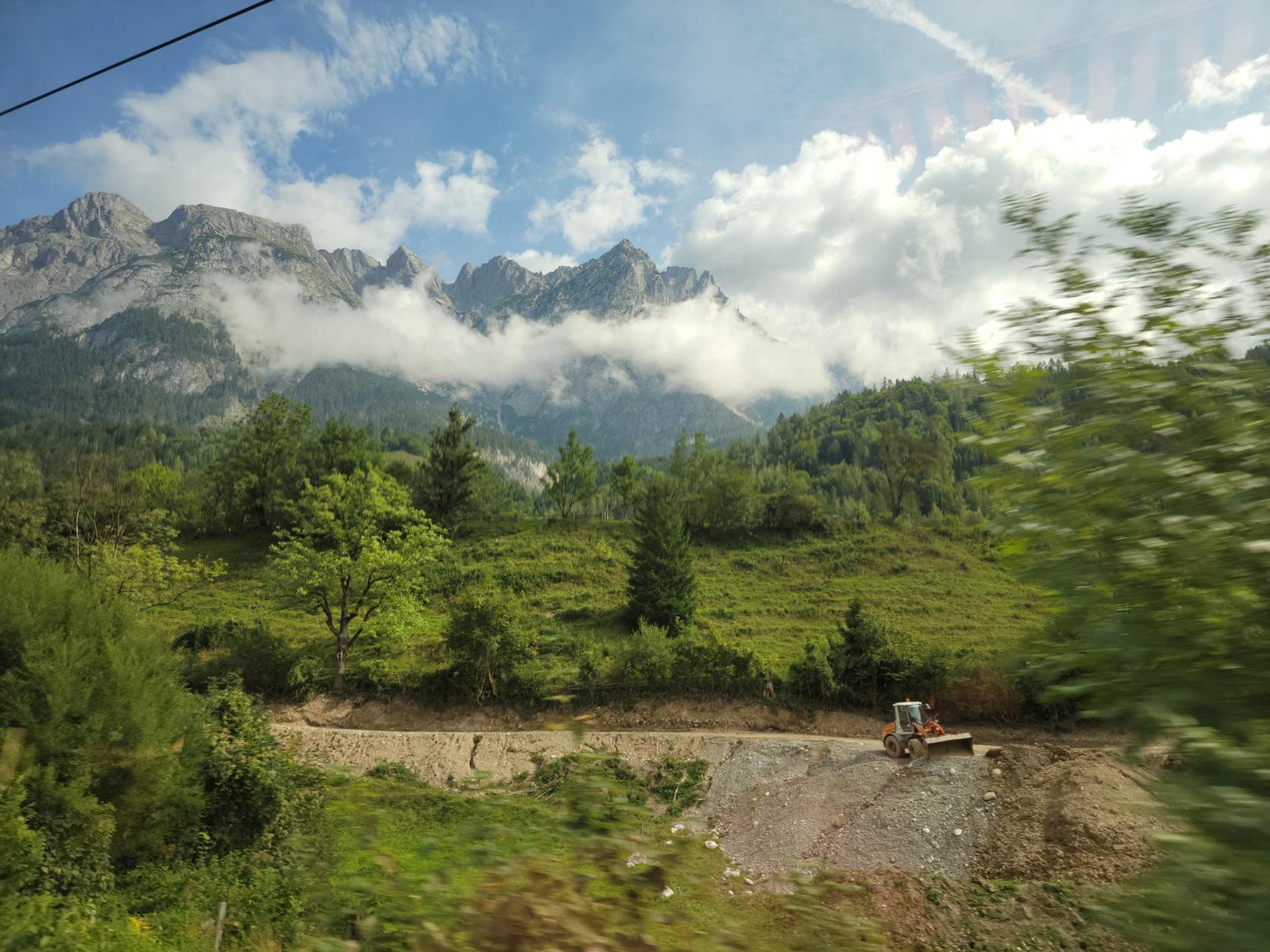
Our trip from Bad Gastein to Linz took us through the Berchtesgaden Alps of Salzburg. As the train starts to navigate through the narrow pass of Salzachtal, the mountains rear up quickly to the point where you aren’t even able to take a photograph of them anymore from the train window.
Coming into Salzburg – Salzburg, Austria
Coming into Salzburg – Salzburg, Austria
Linz The City
Linz is a typical Austrian city and the capital of Upper Austria or OberÖsterreich. It is for the most part clean and has the typical European city layout, with an old medieval part surrounded by a newer main street and some other ancillary shopping avenues in a more planned pattern.
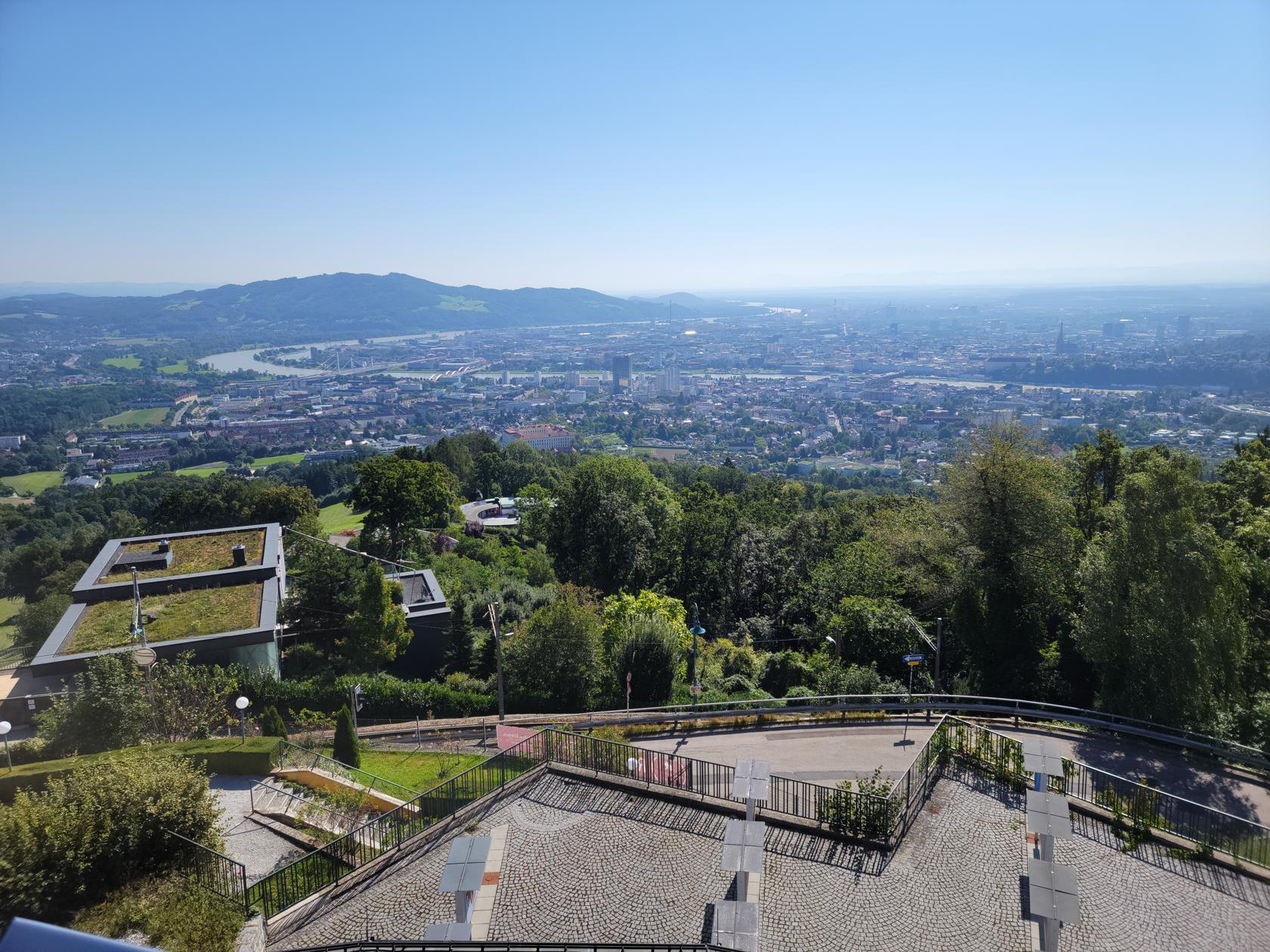
Overlook of Linz – Wallfahrt Basilica of the Seven Pains of Mary – Linz, Austria
Linz has somewhat of a checkered past and has had a difficult time getting out from under that reputation; there are reminders in the city everywhere, with it’s Hitlerbauten. Aside from that, the places of interest are all in an area comparable to places like Munich or even Copenhagen. So, you should be able to reach everything within a good twenty to thirty minute walk.
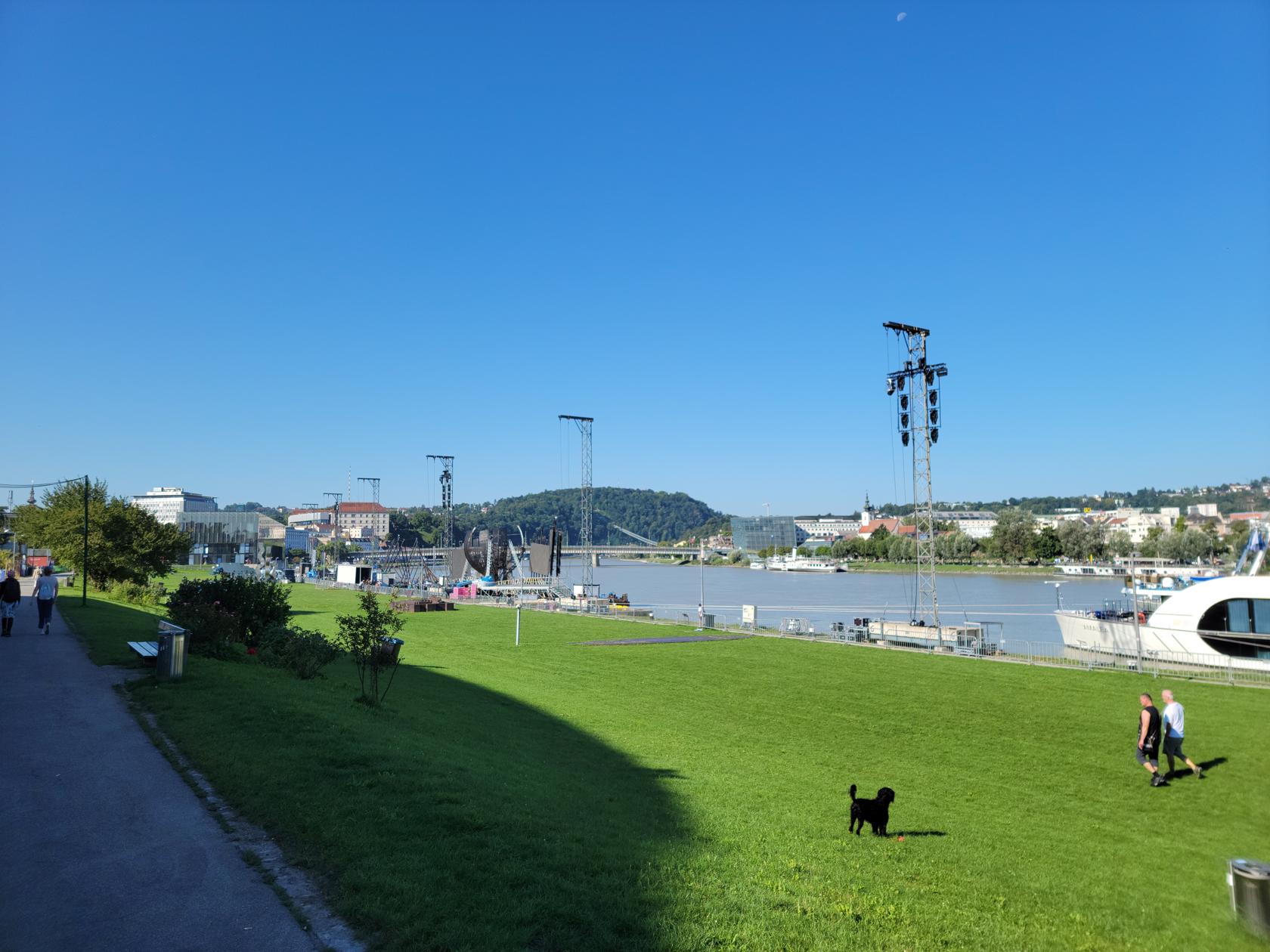
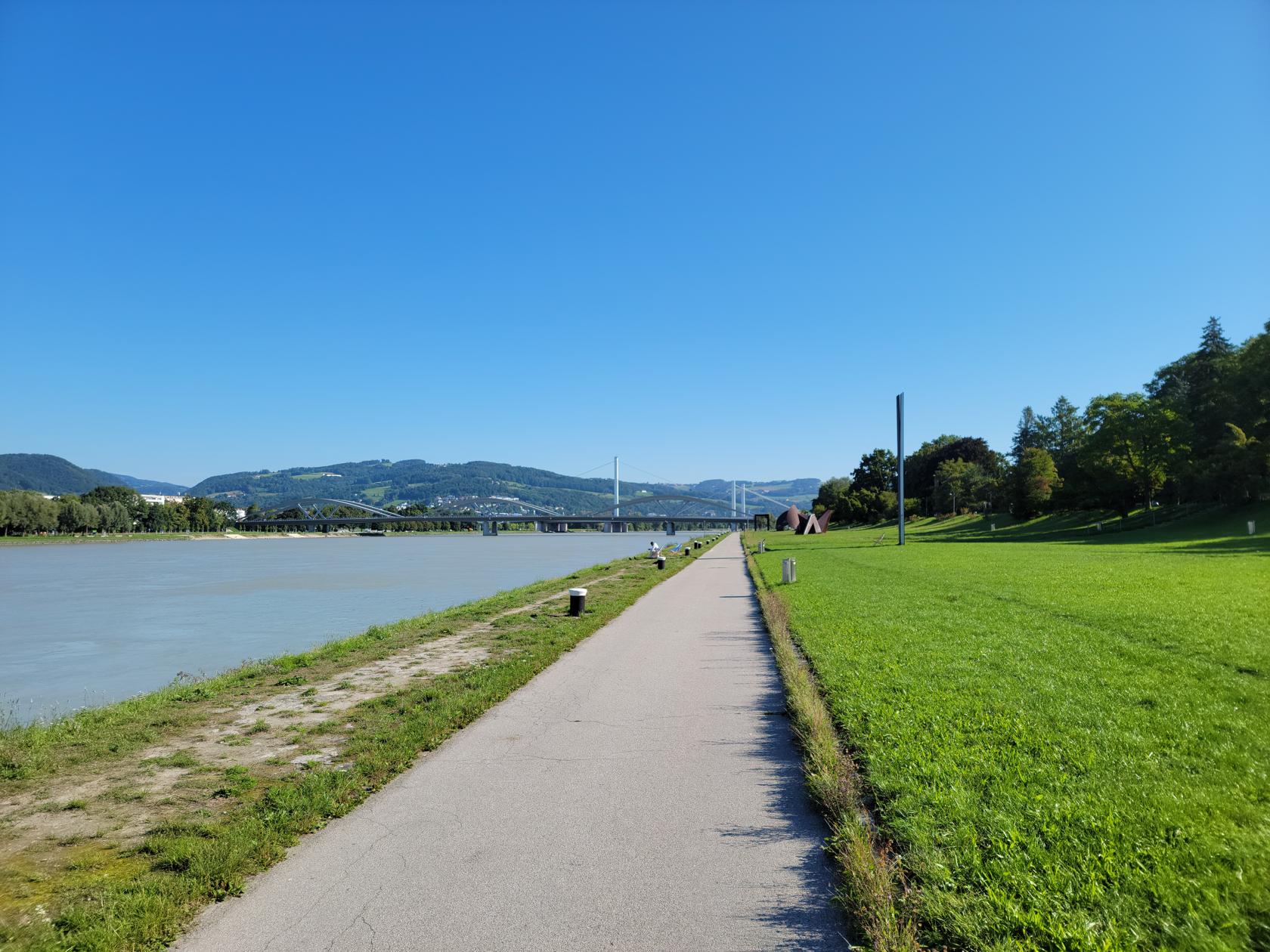
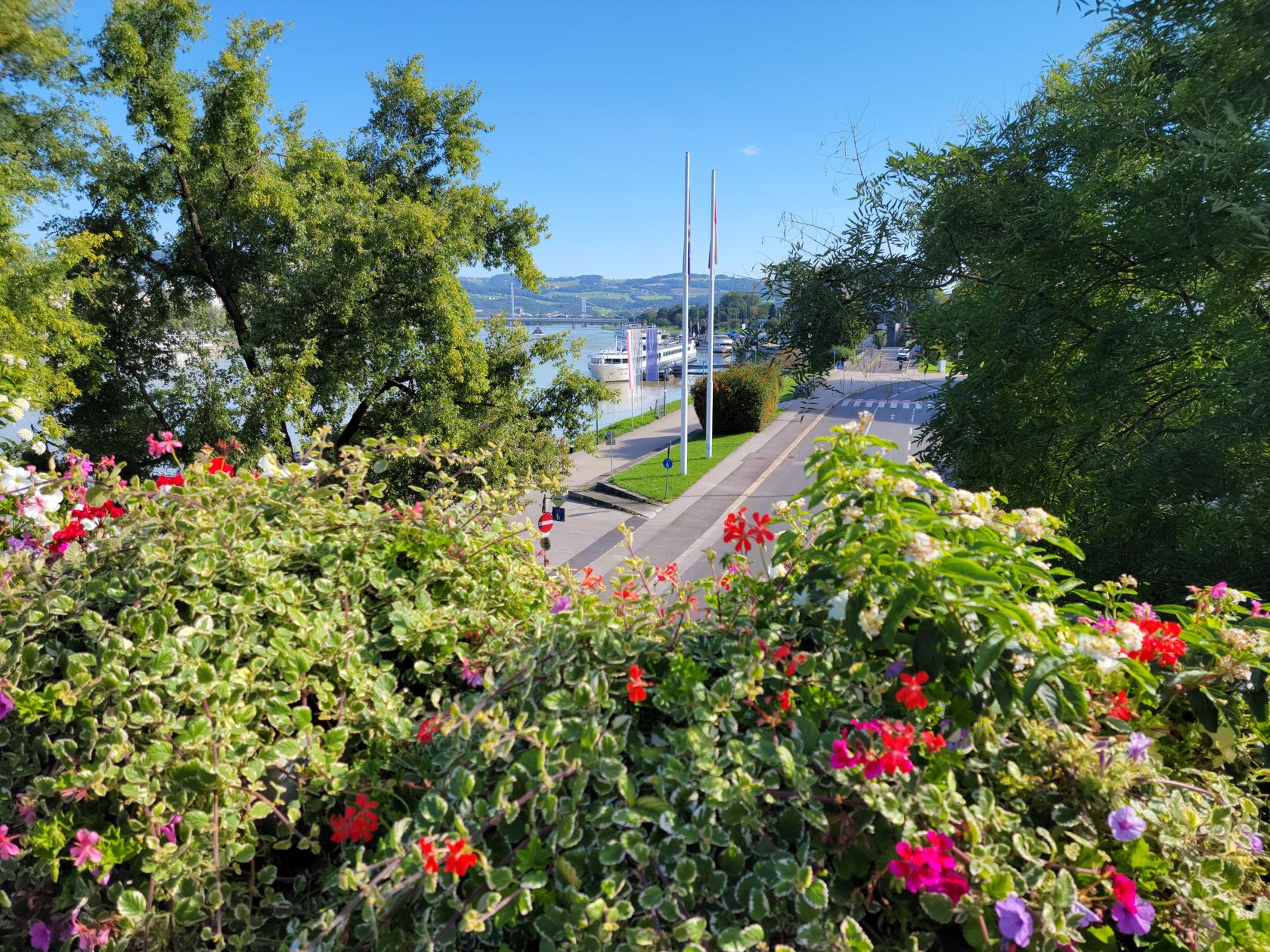
Danube Park – Linz, Austria
Danube Park – Linz, Austria
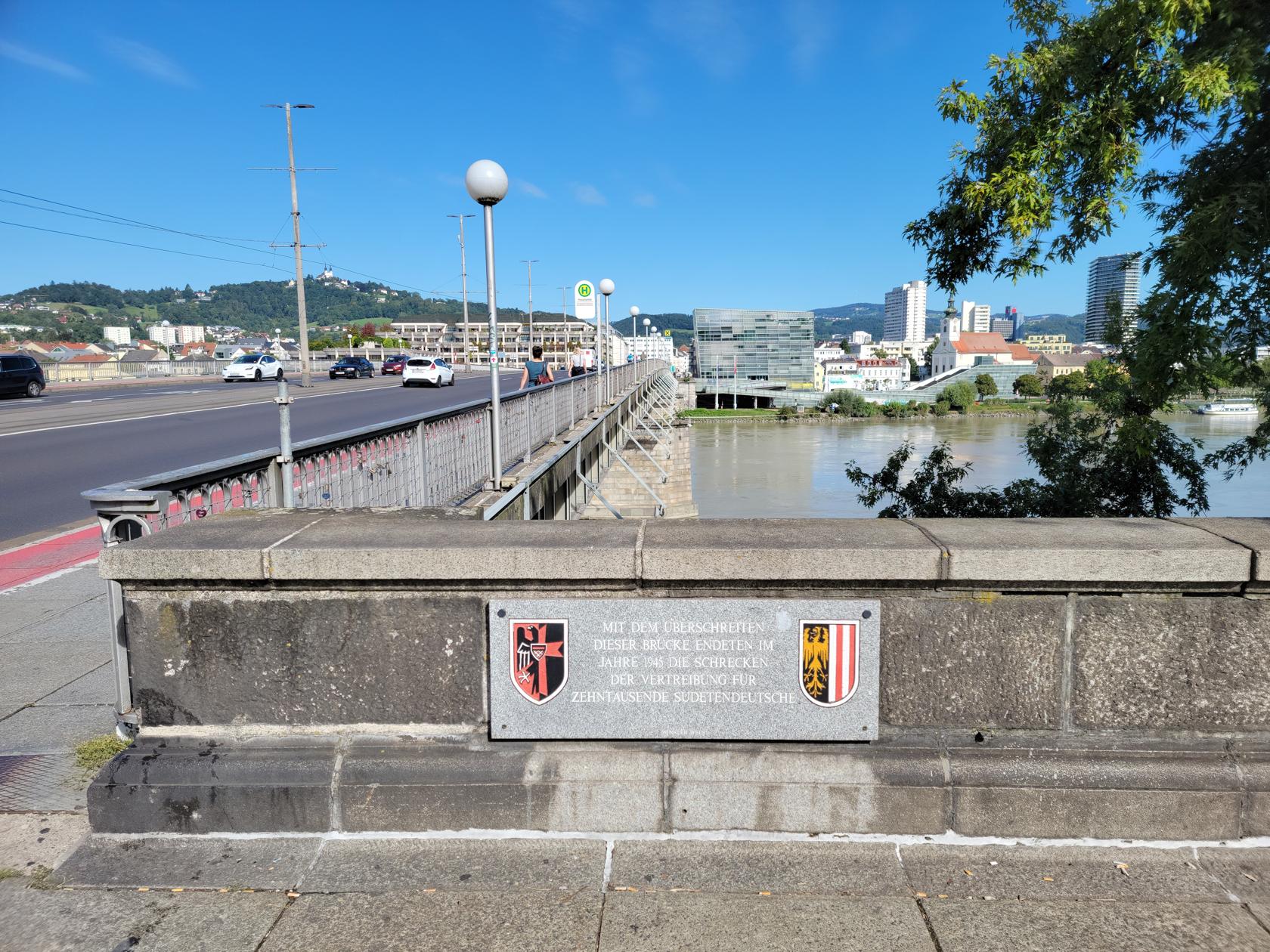
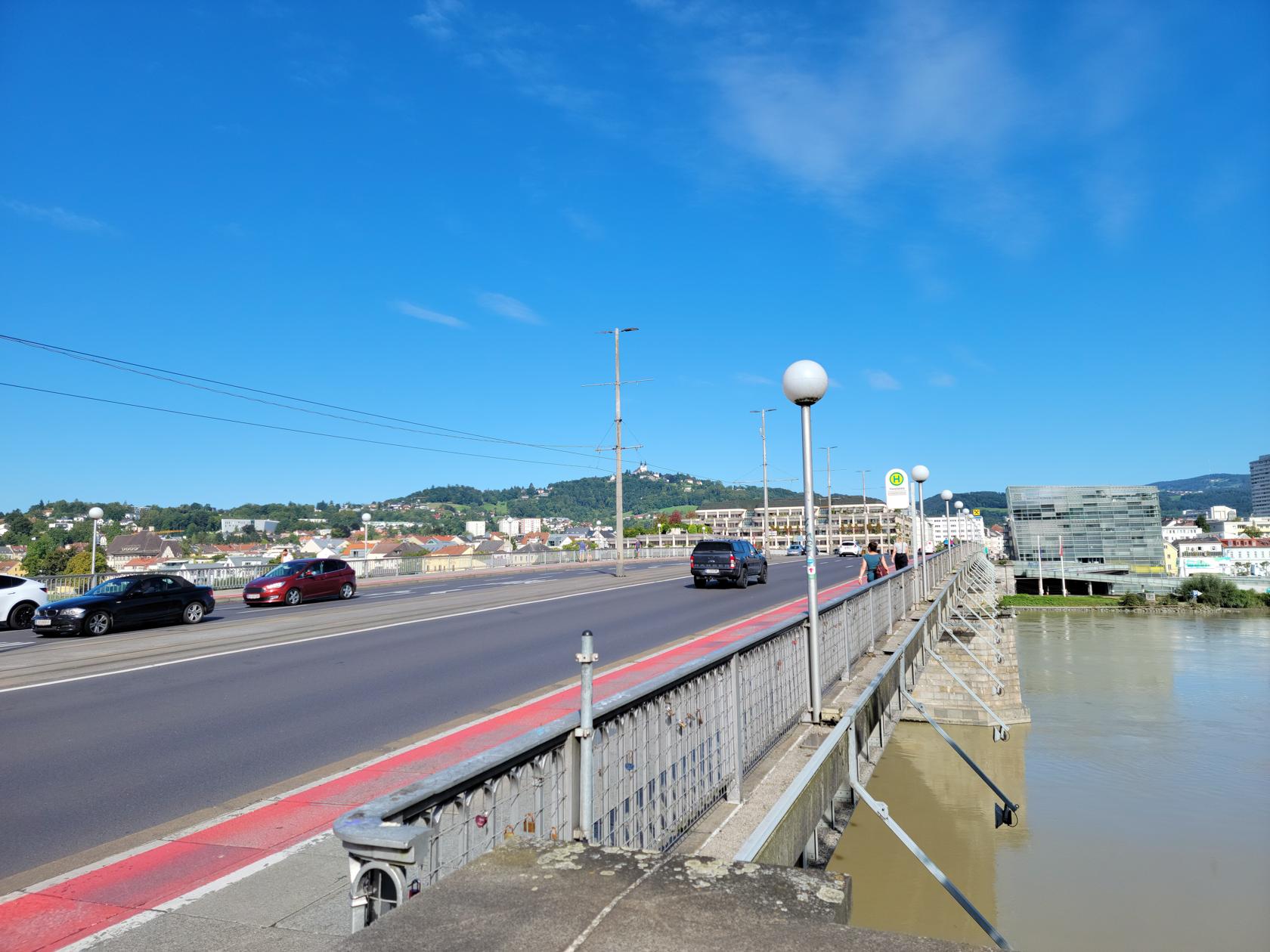
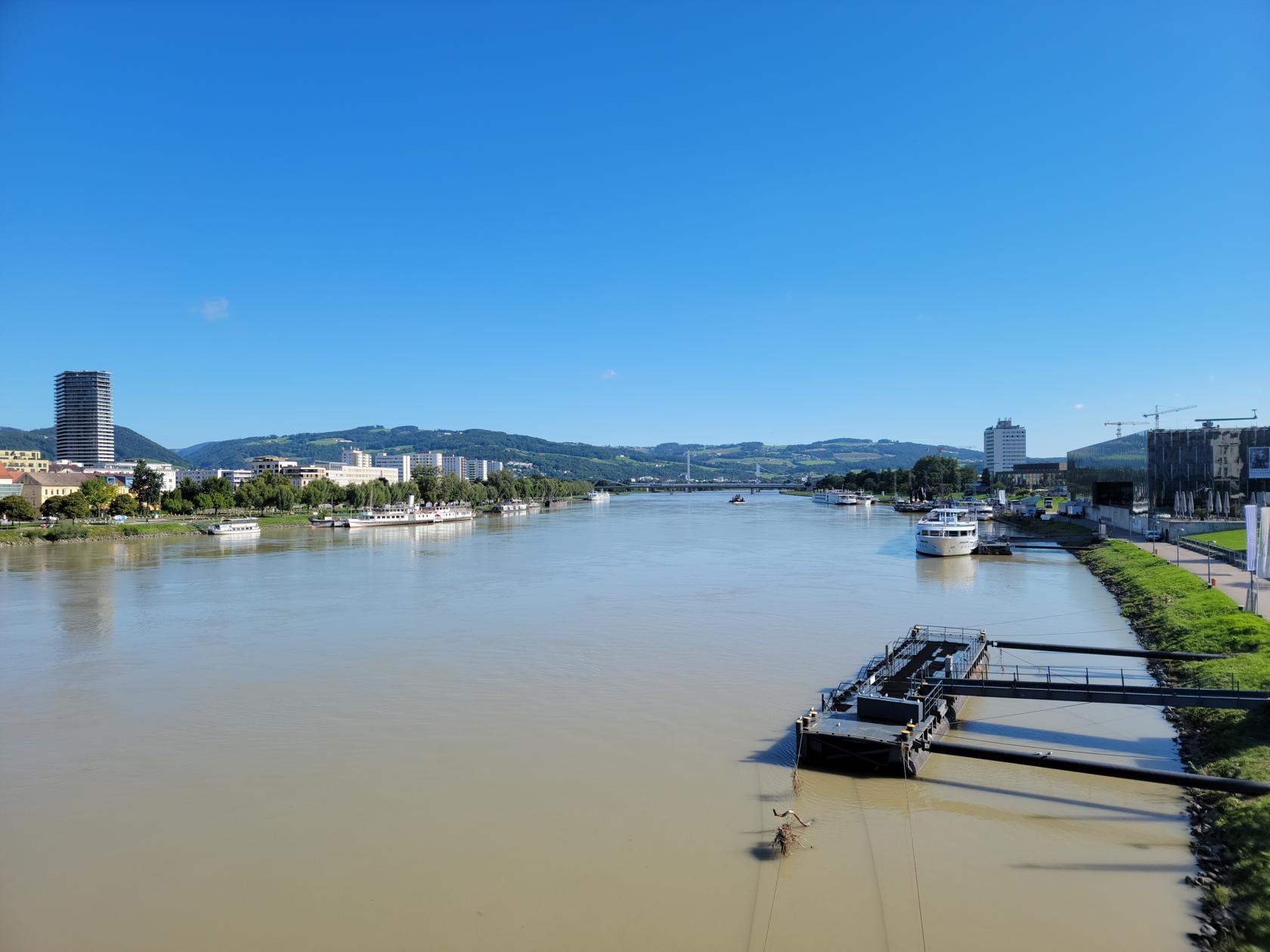
Nibelungen Bridge – Linz, Austria
Nibelungen Bridge – Linz, Austria
Nibelungen Bridge – Linz, Austria
Danube river – Nibelungen Bridge – Linz, Austria
One comes away with the immediate impression that few, if any of the structures are original. This is probably partially due to the war and the Linzers going contemporary, when they can. The bridges that jump the Danube are for the most part modern, as is much of the architecture in the city. At times you could mistake the city for a similar place in the United States, since many of the shops use English and have cosmopolitan origins.
The Innenstadt
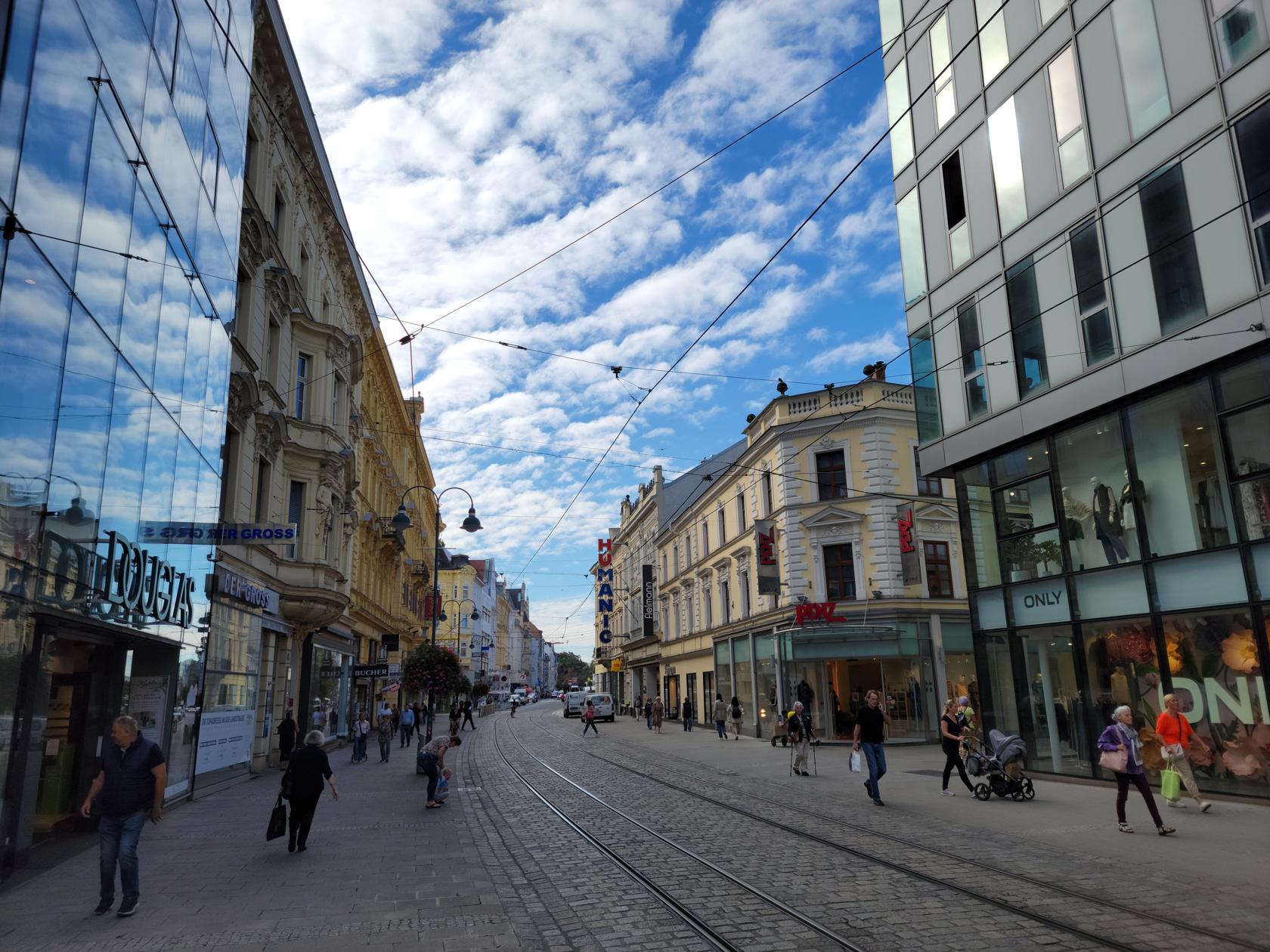
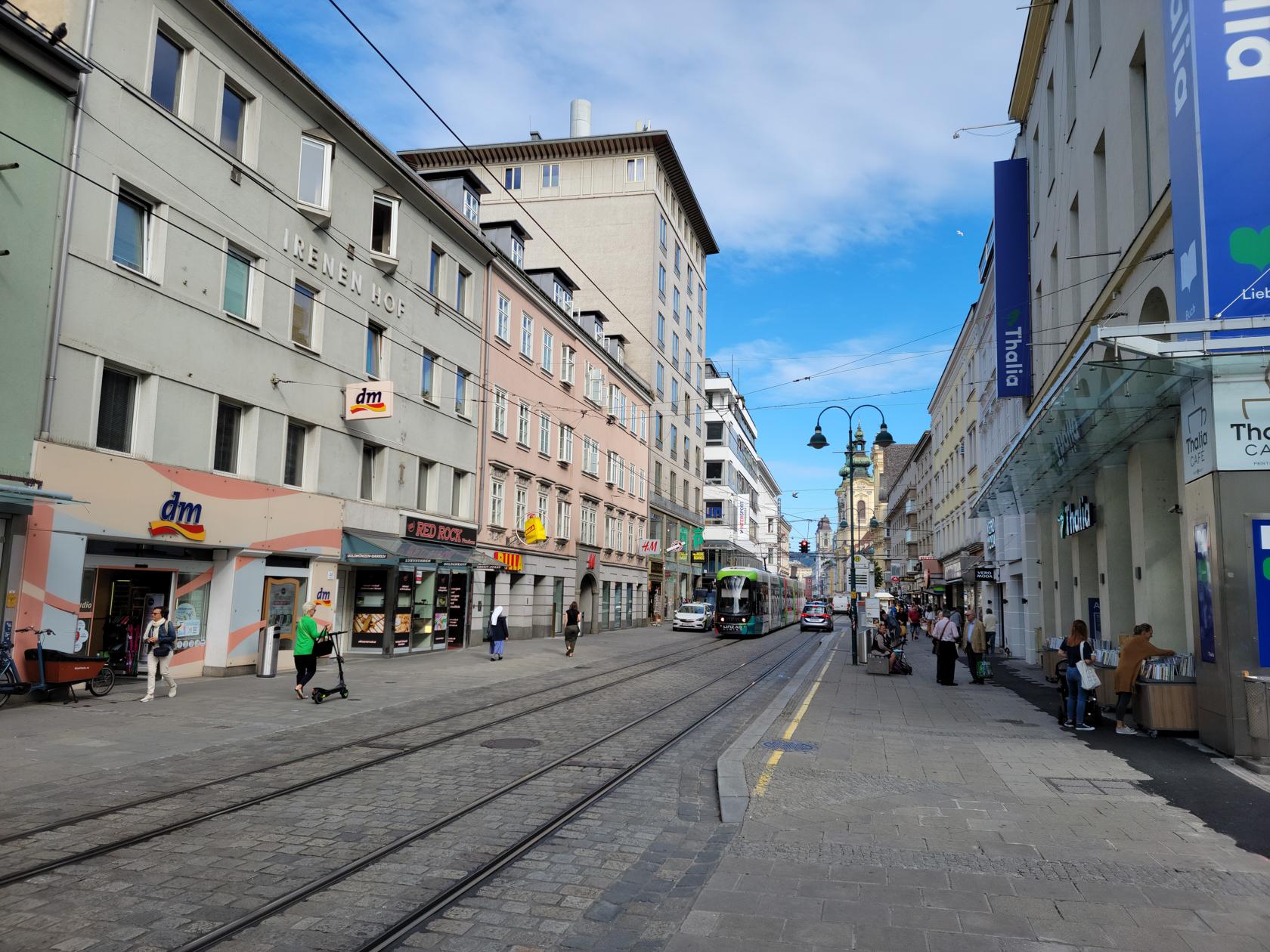
Most restaurants, cafes and shops seem to be along the Hauptstraße in the Innenstadt. Here is where you will find the main tram line, which goes the entire length of this street all the way across the bridge to Urfahr on the other side.
Landstraße – Linz, Austria
Landstraße – Linz, Austria
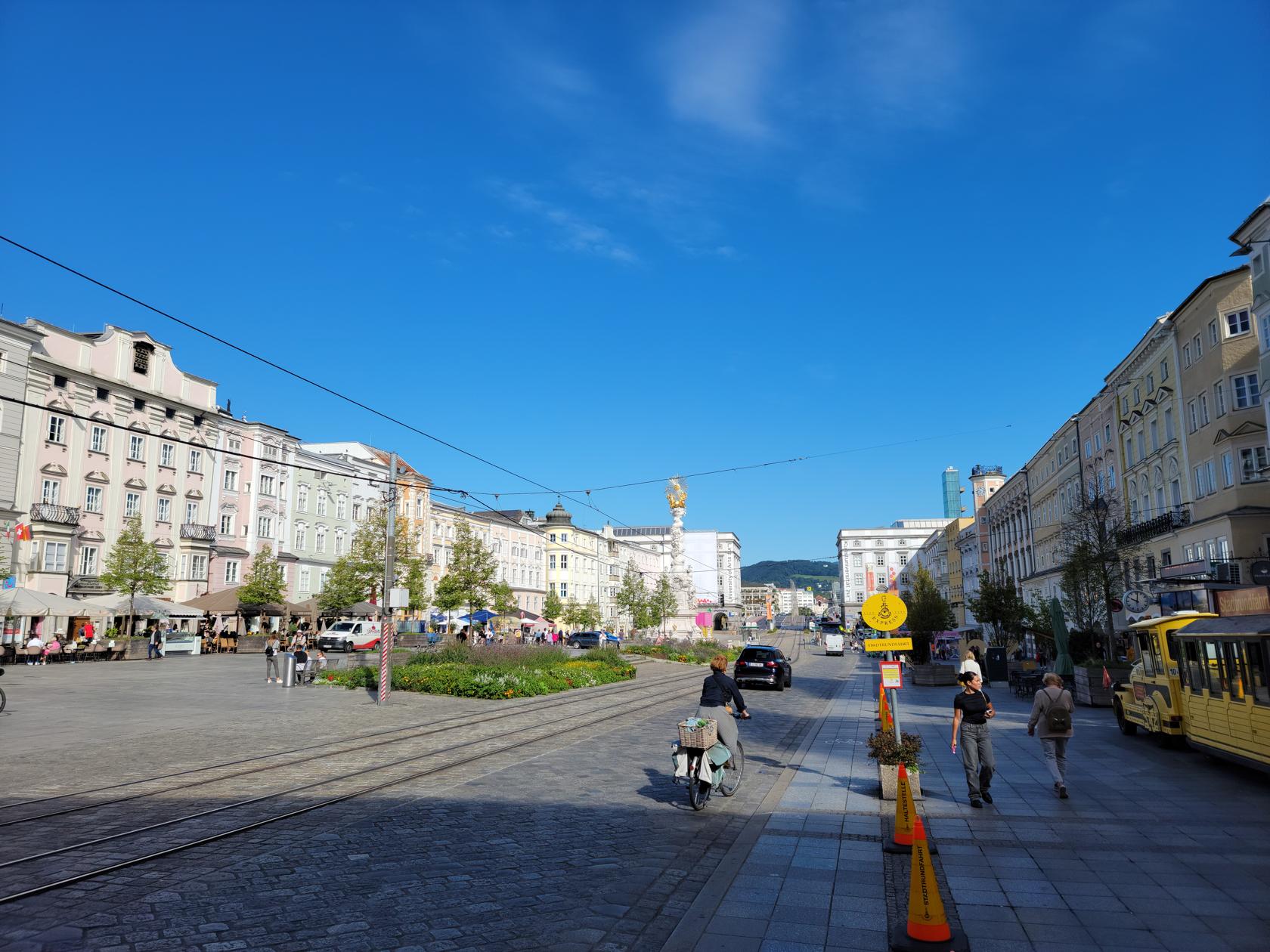
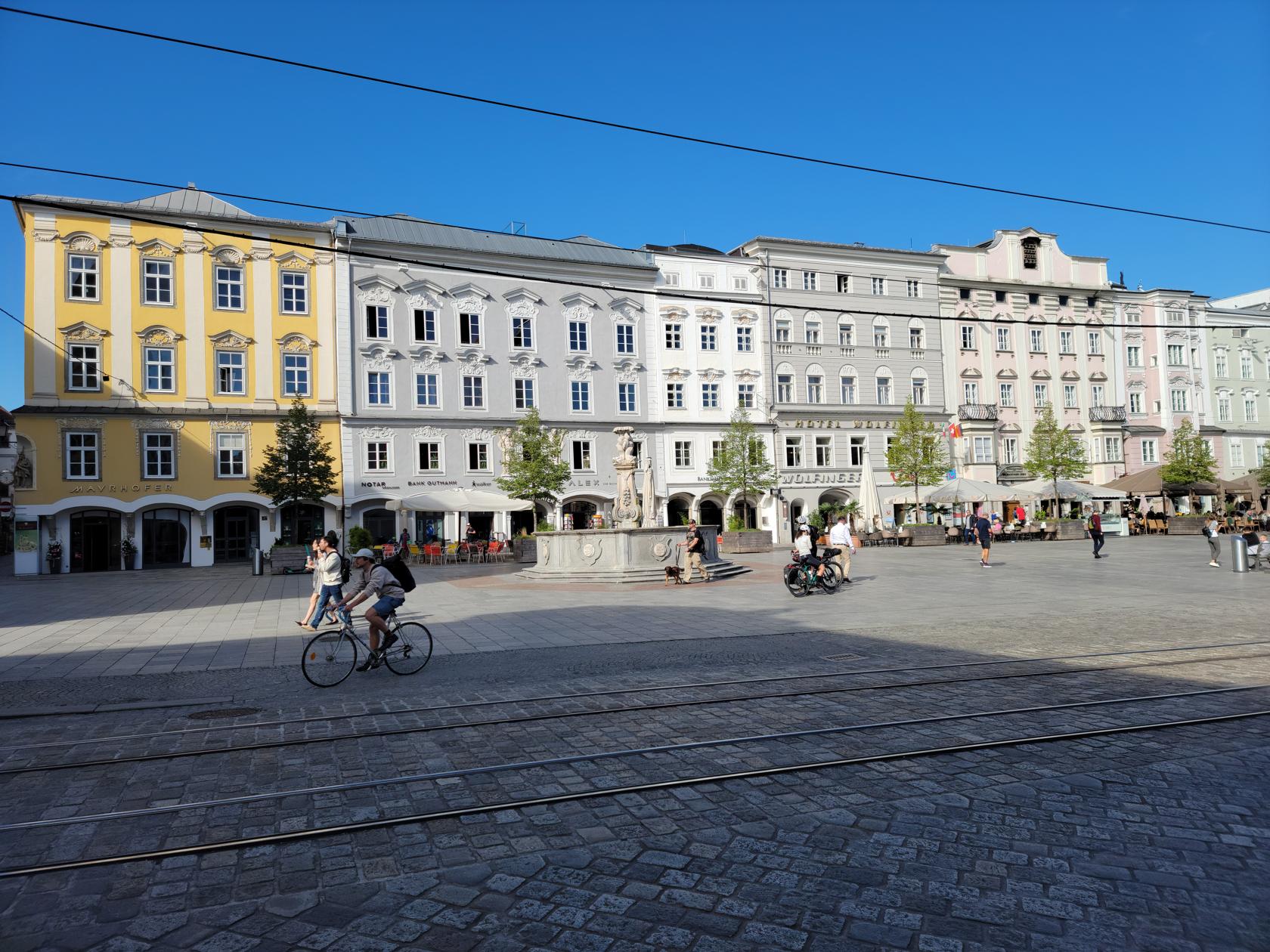
Hauptplatz – Linz, Austria
Hauptplatz – Linz, Austria
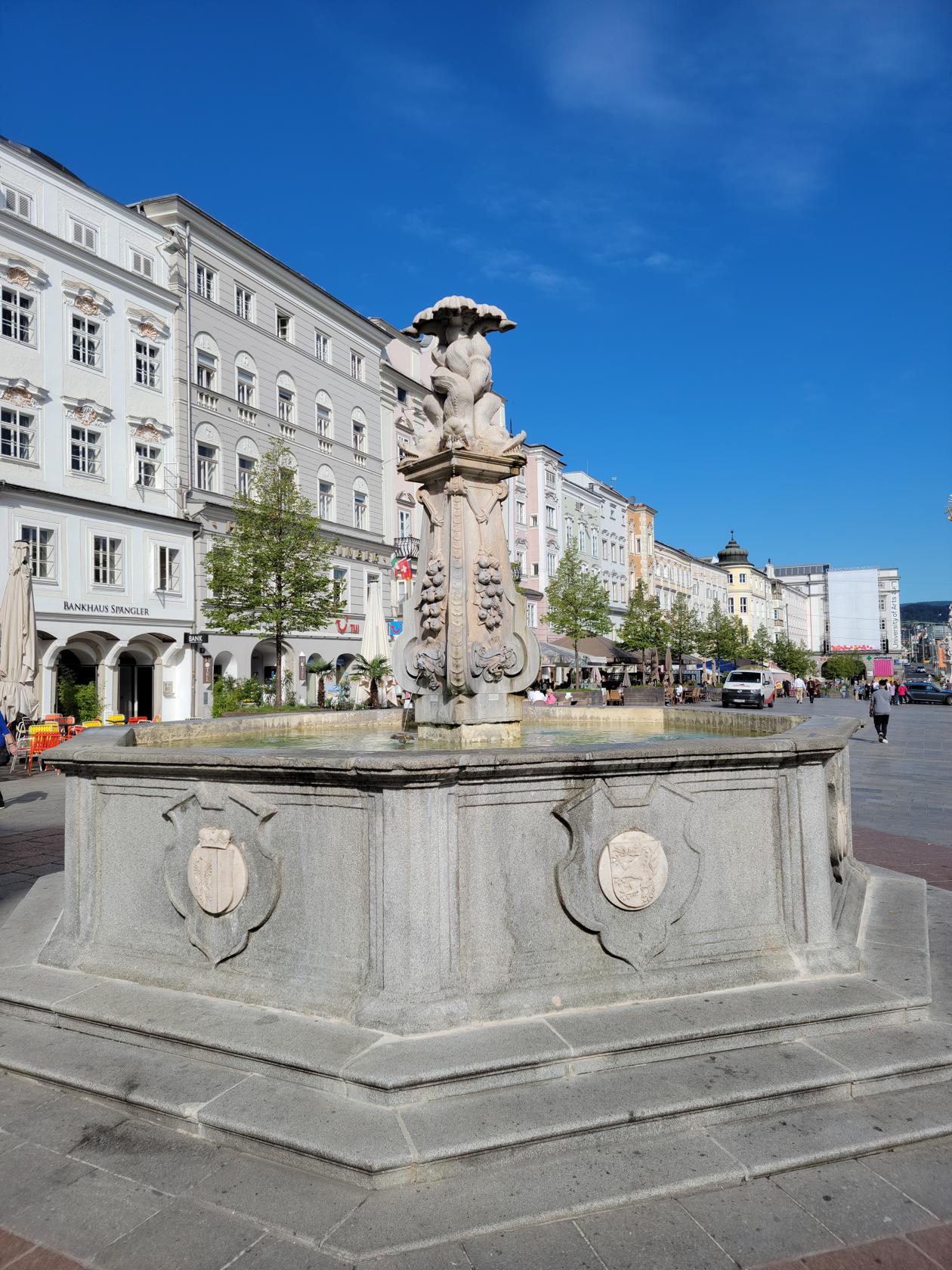
Neptune’s Fountain – Hauptplatz – Linz, Austria
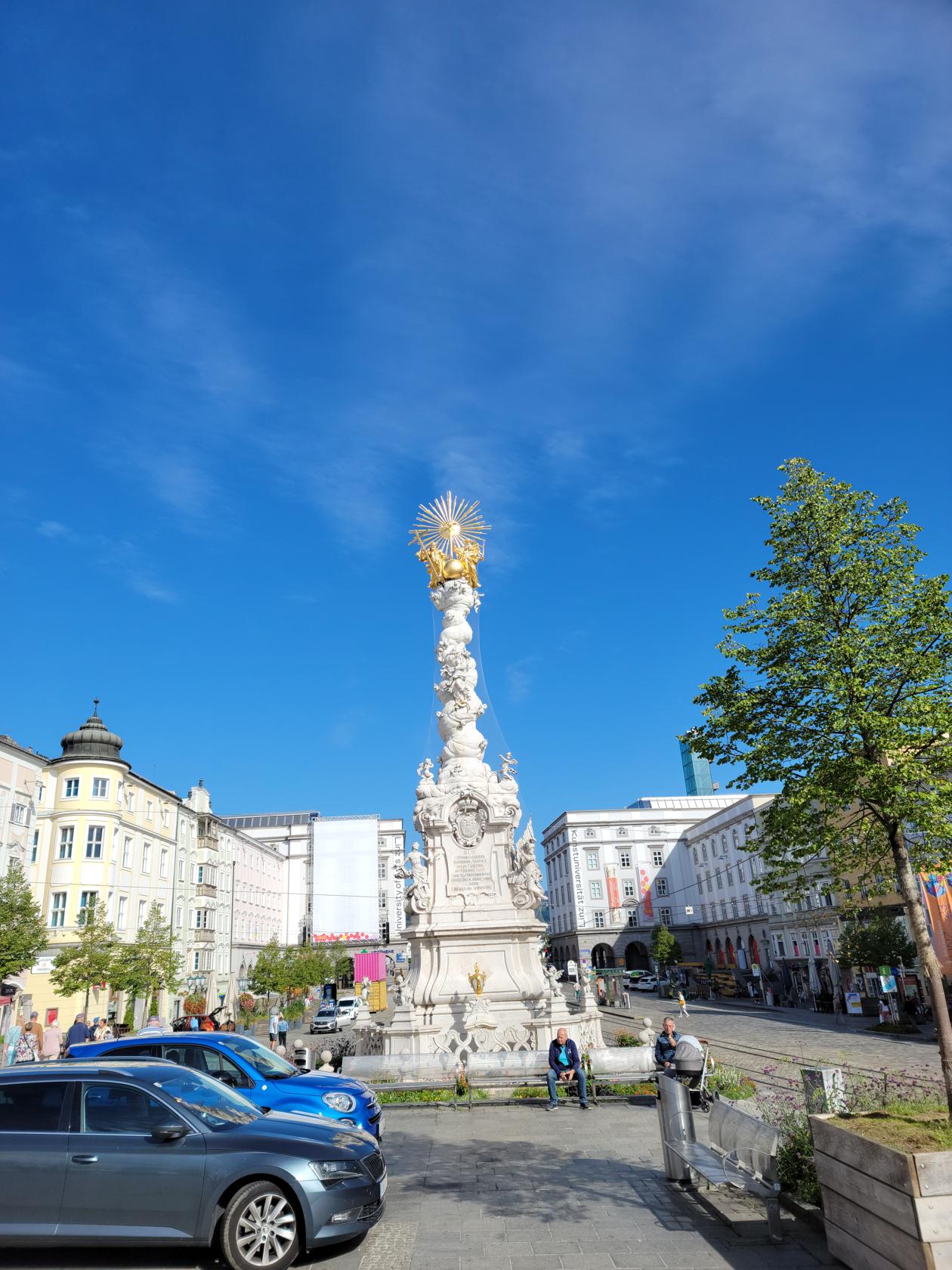
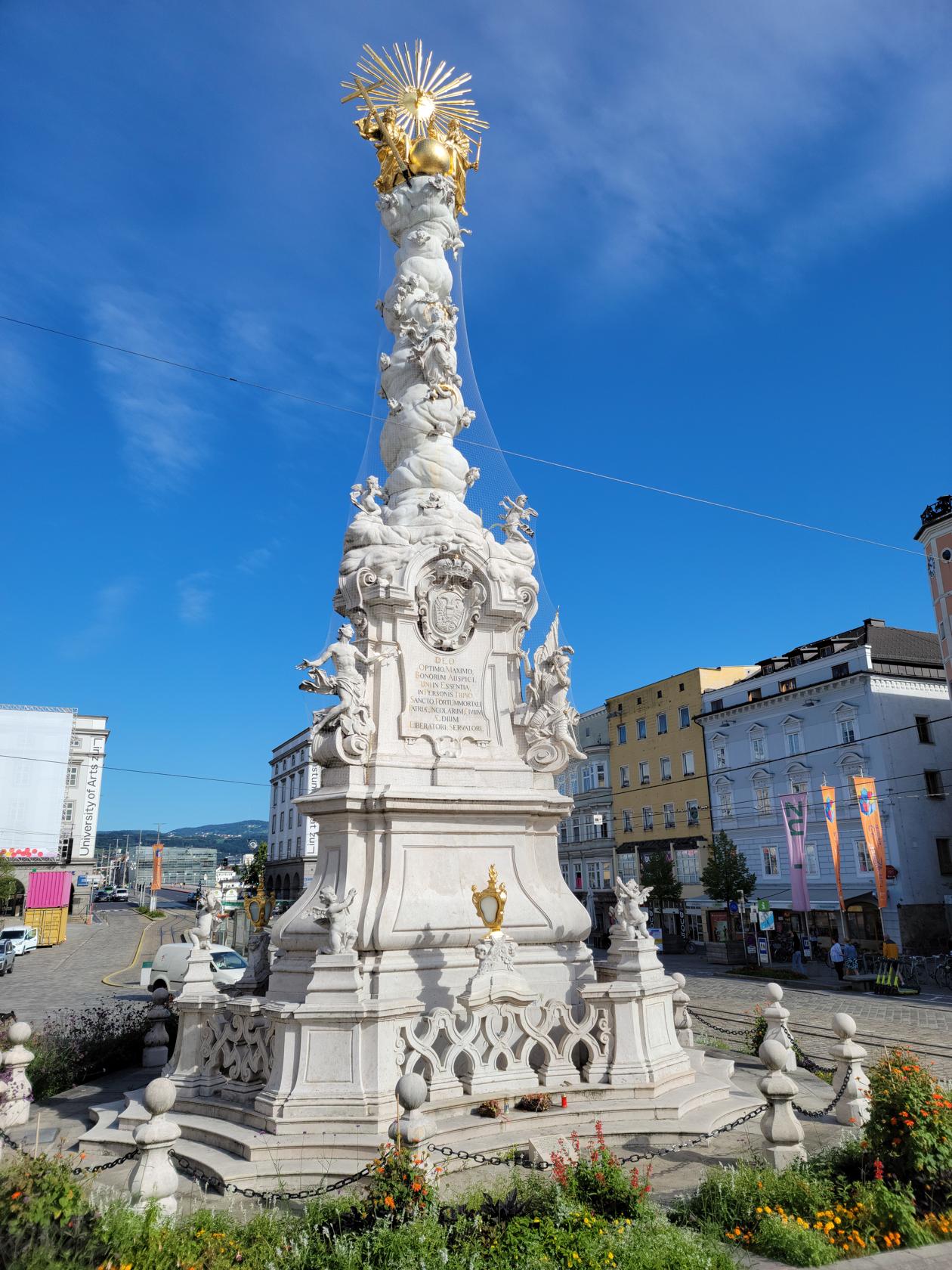
Dreifälitigsaule – Hauptplatz – Linz, Austria
Dreifälitigsaule – Hauptplatz – Linz, Austria
Churches
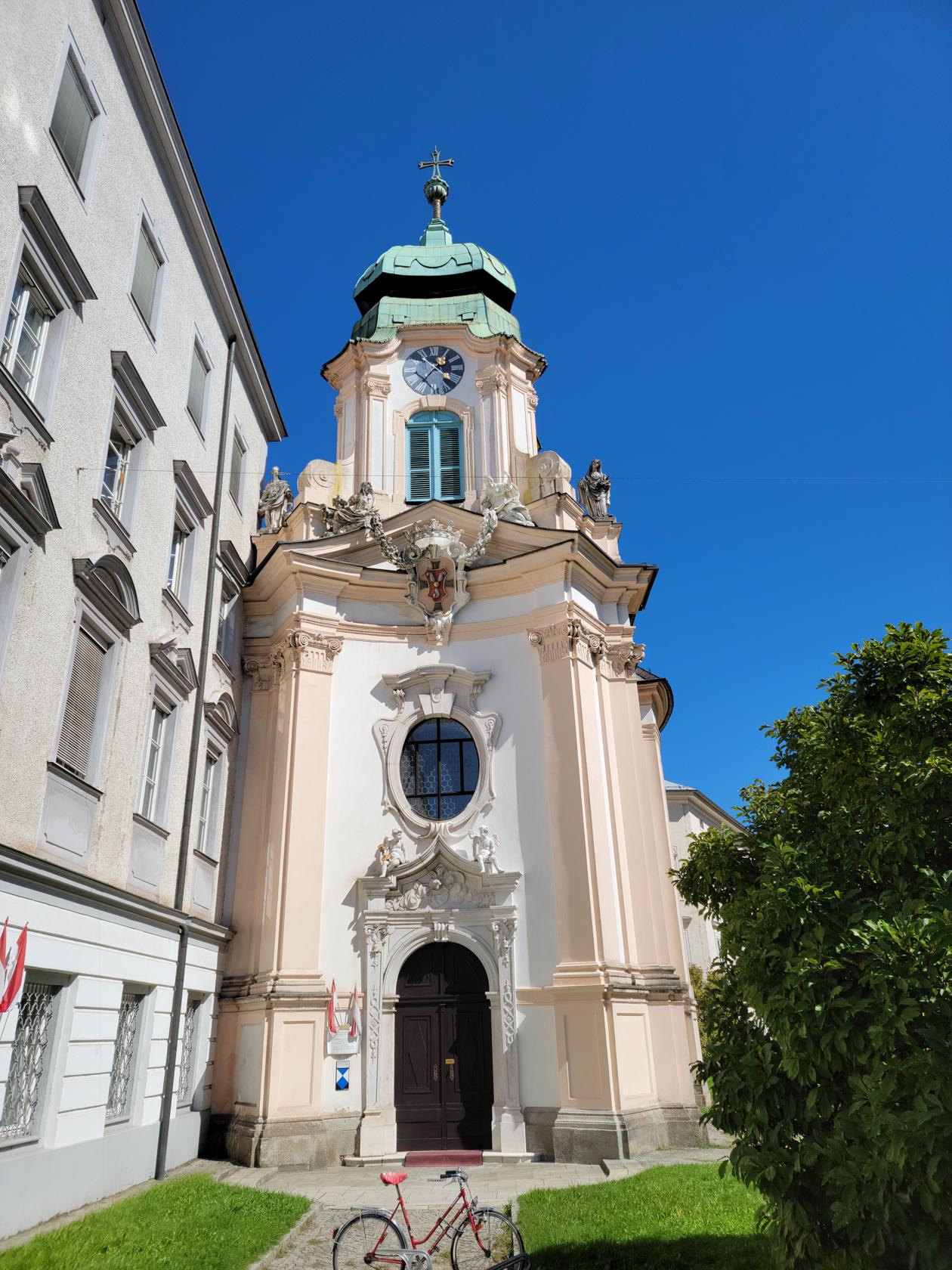
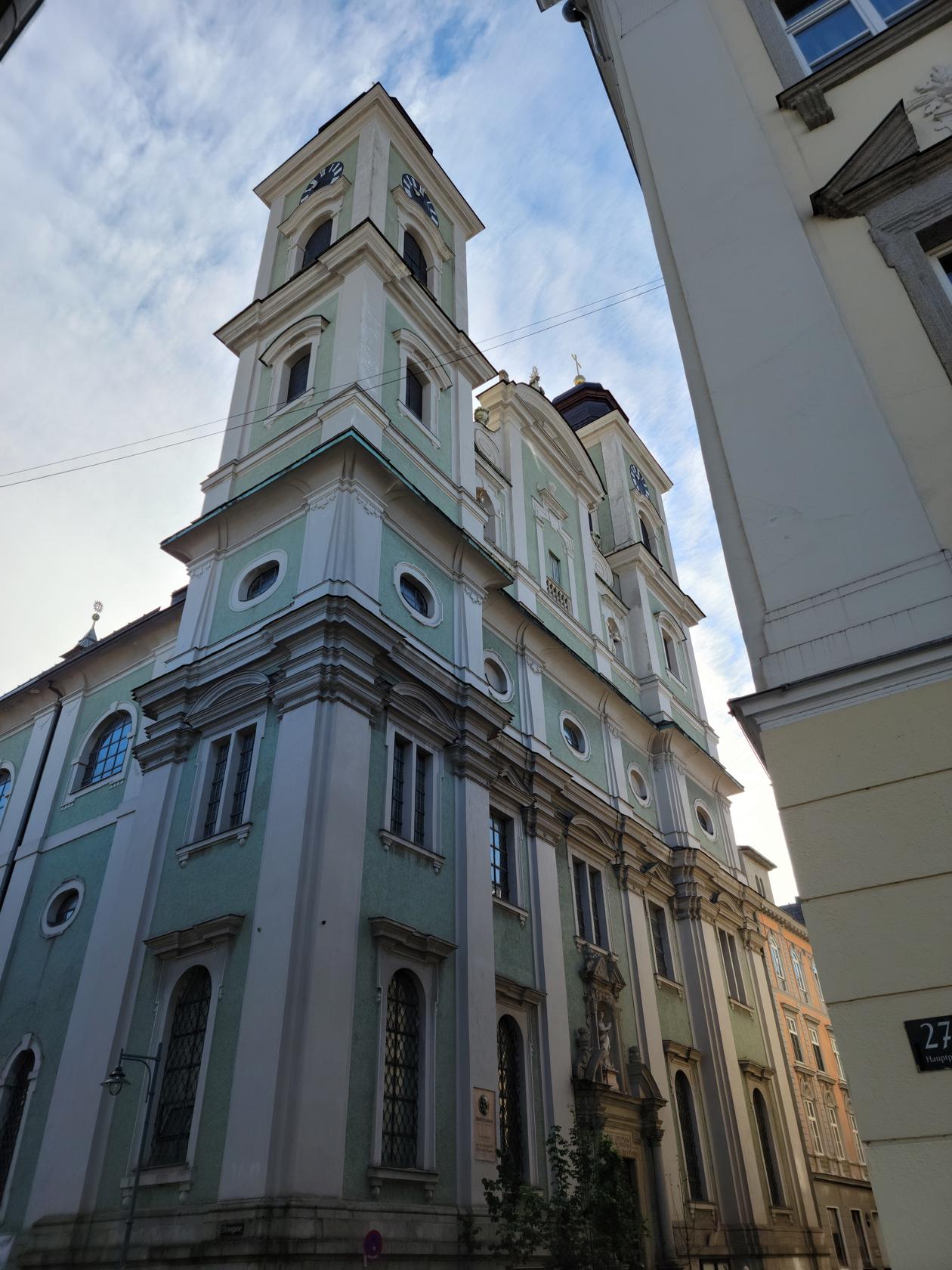
There are several churches worth visiting while in Linz, with special attention to Ursuline and Marien Dom if you are pressed for time. The following two were photographed, but not open at the time. Ignatius Church is also known as the Alter Dom and was the primary church prior to the Linzer Dom being built.
Priester Seminary and church – Linz, Austria
Ignatius Church – Landstraße – Linz, Austria
Ursuline Church
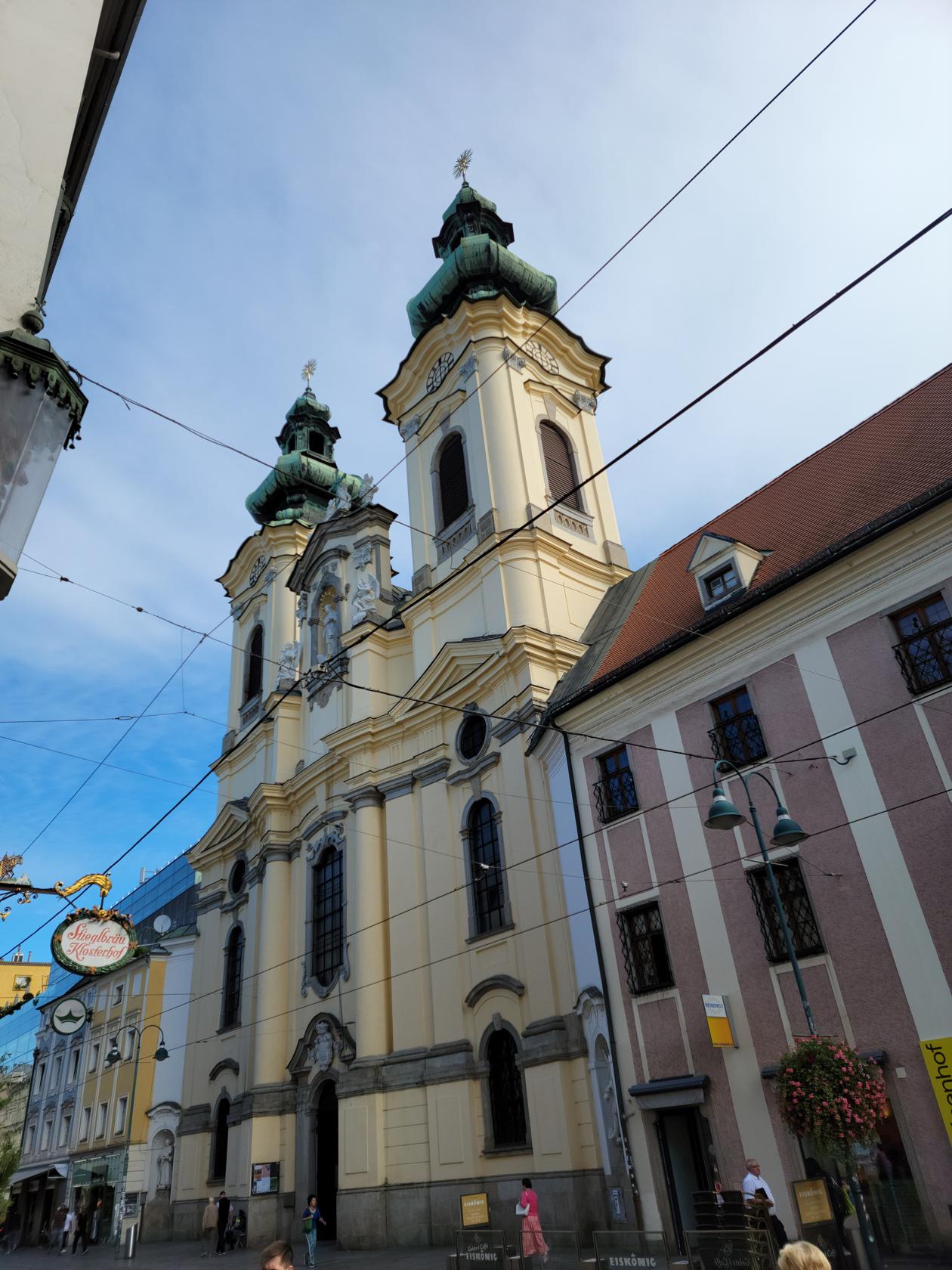
The Ursuline Church is on Landstraße and is somewhat difficult to photograph from the street.
Ursuline Church – Landstraße – Linz, Austria
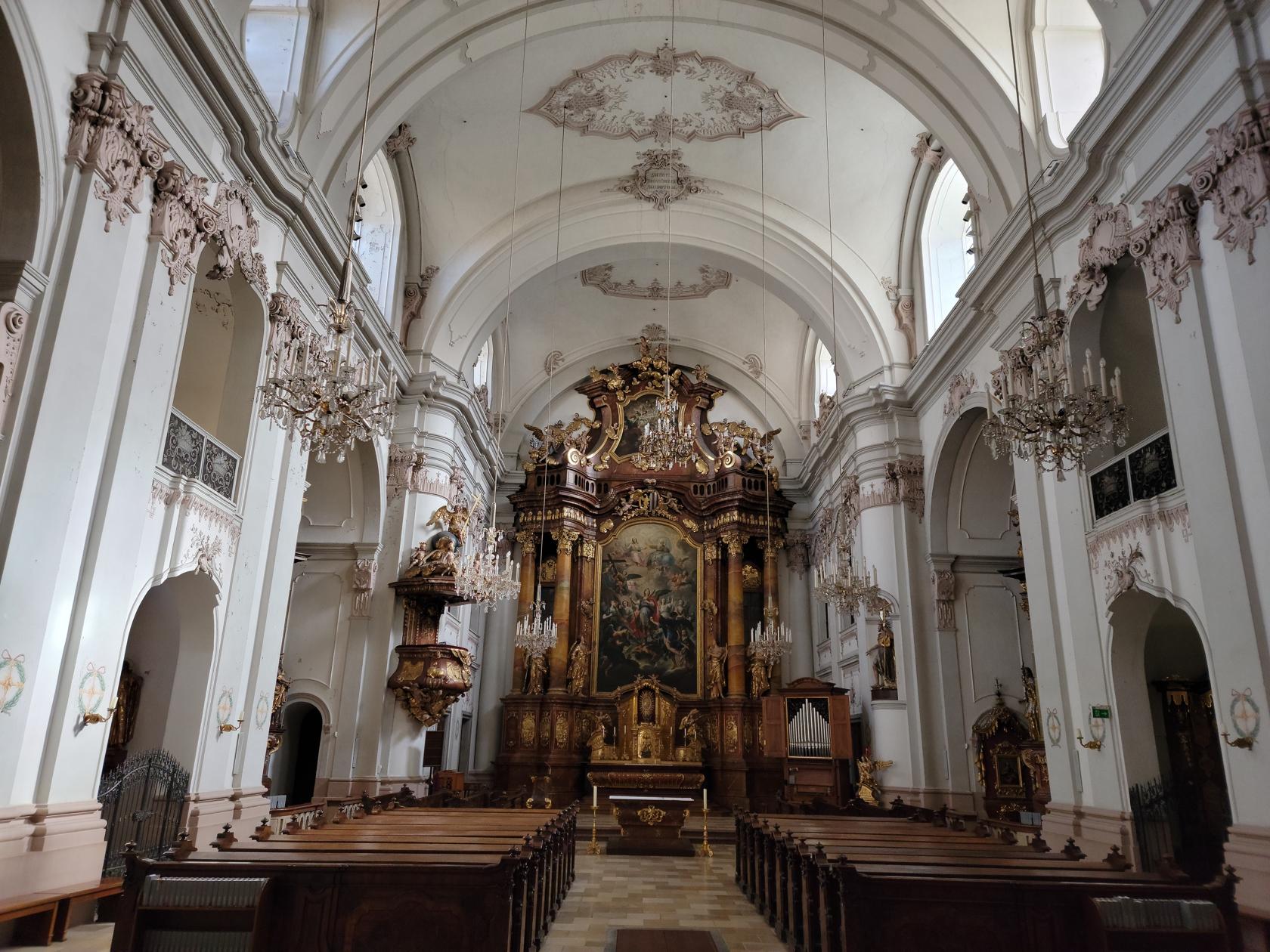
However, it has a magnificent inside which many will find interesting.
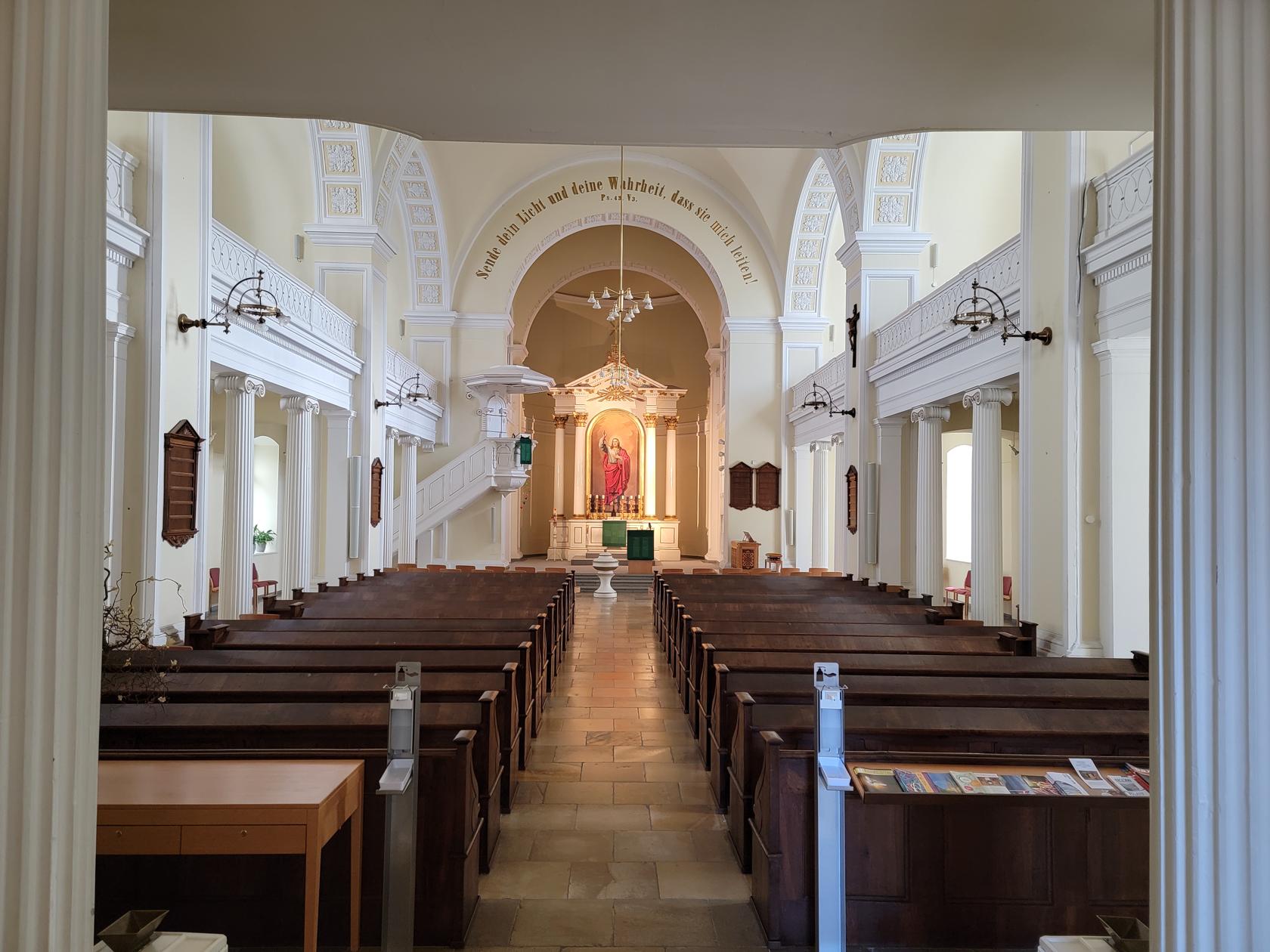
Inside – Ursuline Church – Landstraße – Linz, Austria
Inside – Ursuline Church – Landstraße – Linz, Austria
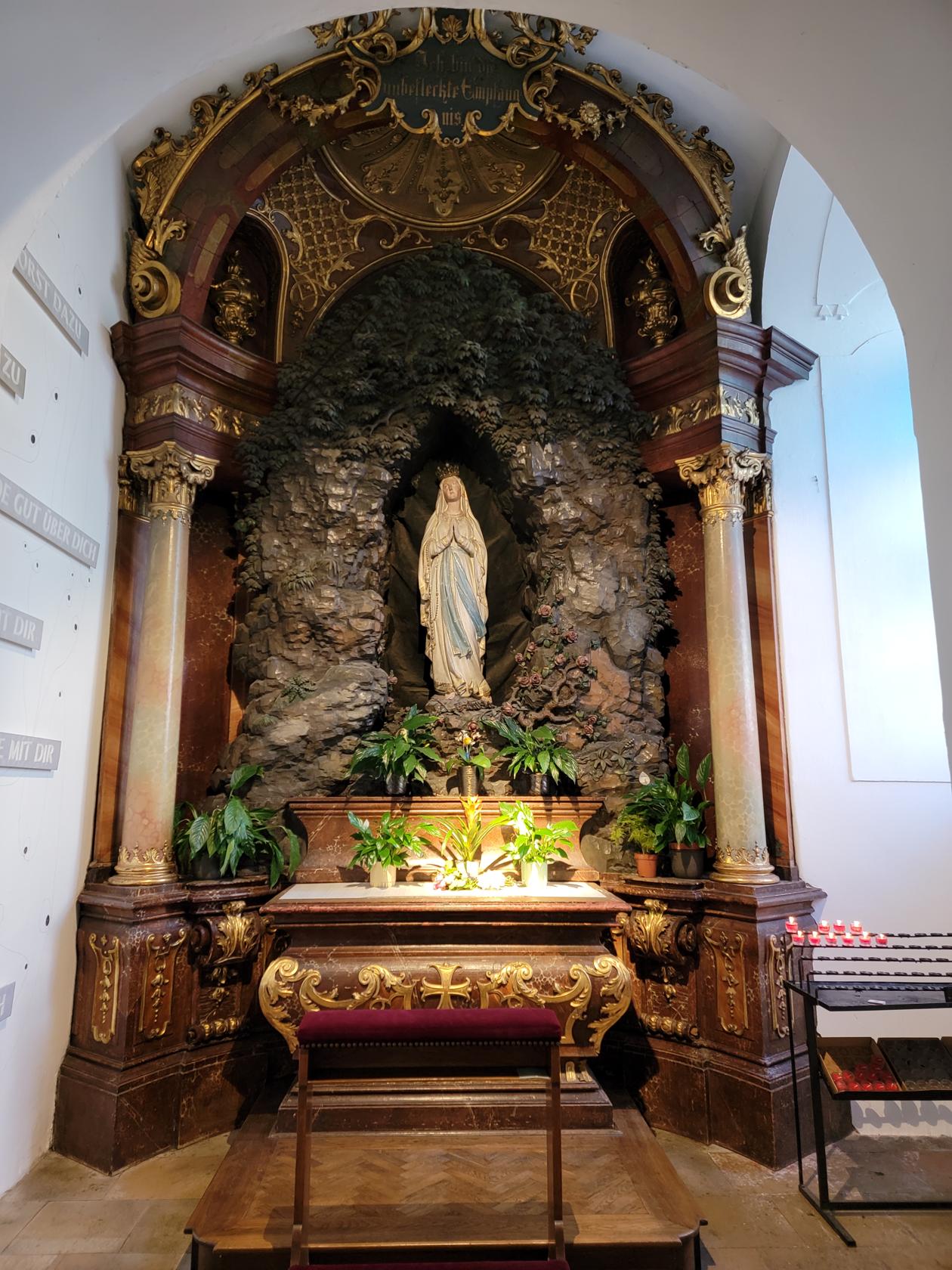
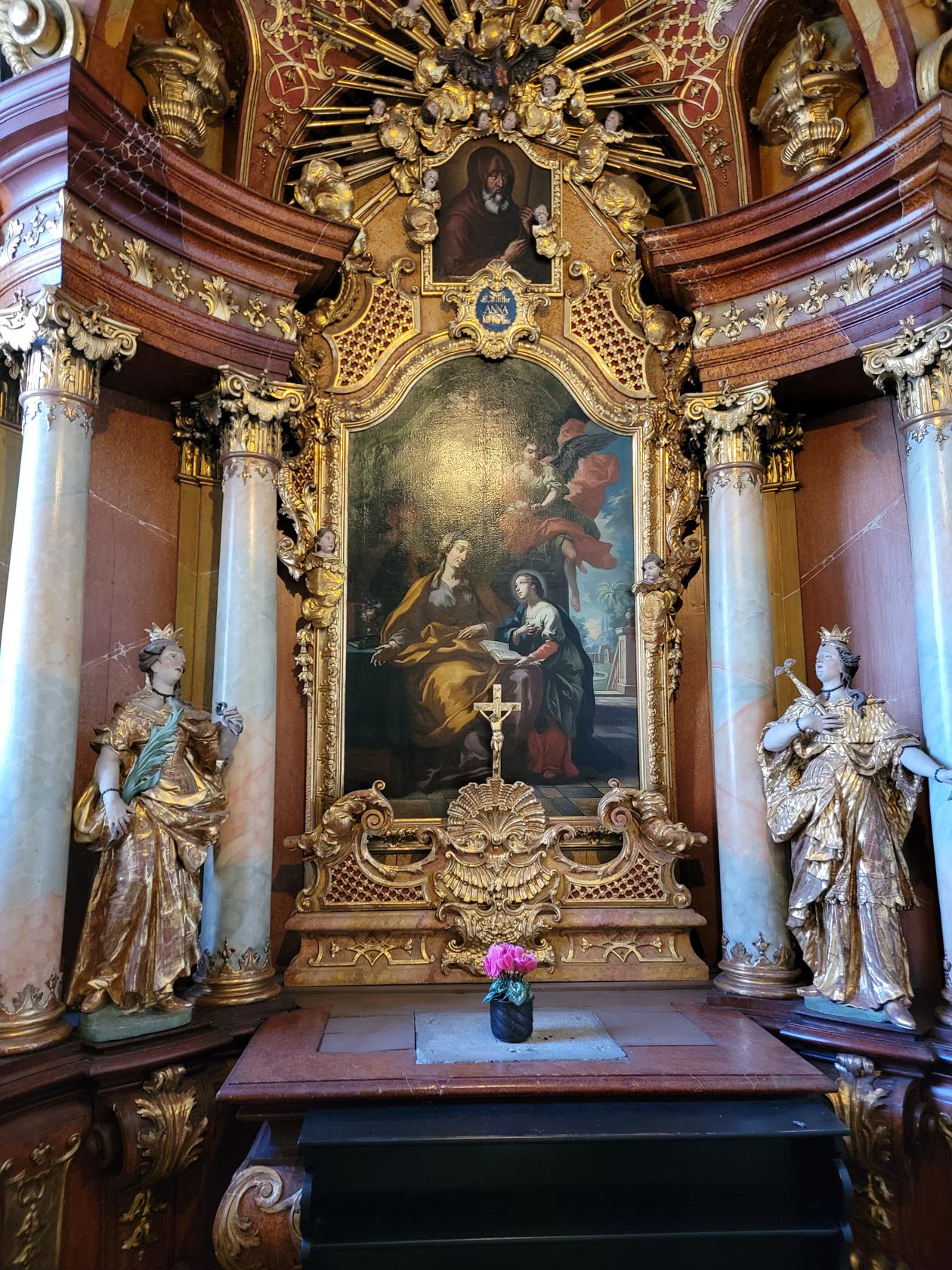
Side altar – Ursuline Church – Landstraße – Linz, Austria
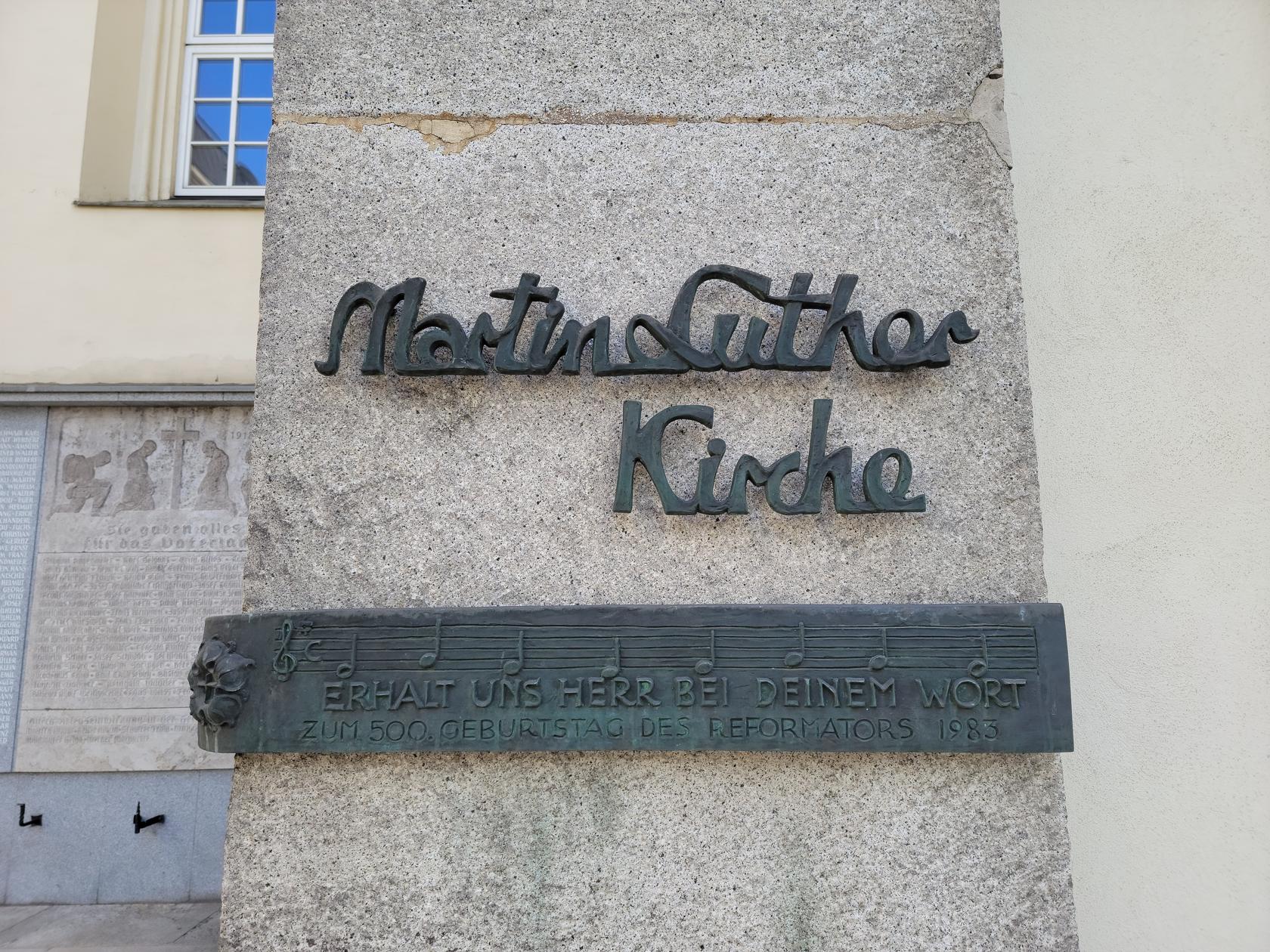
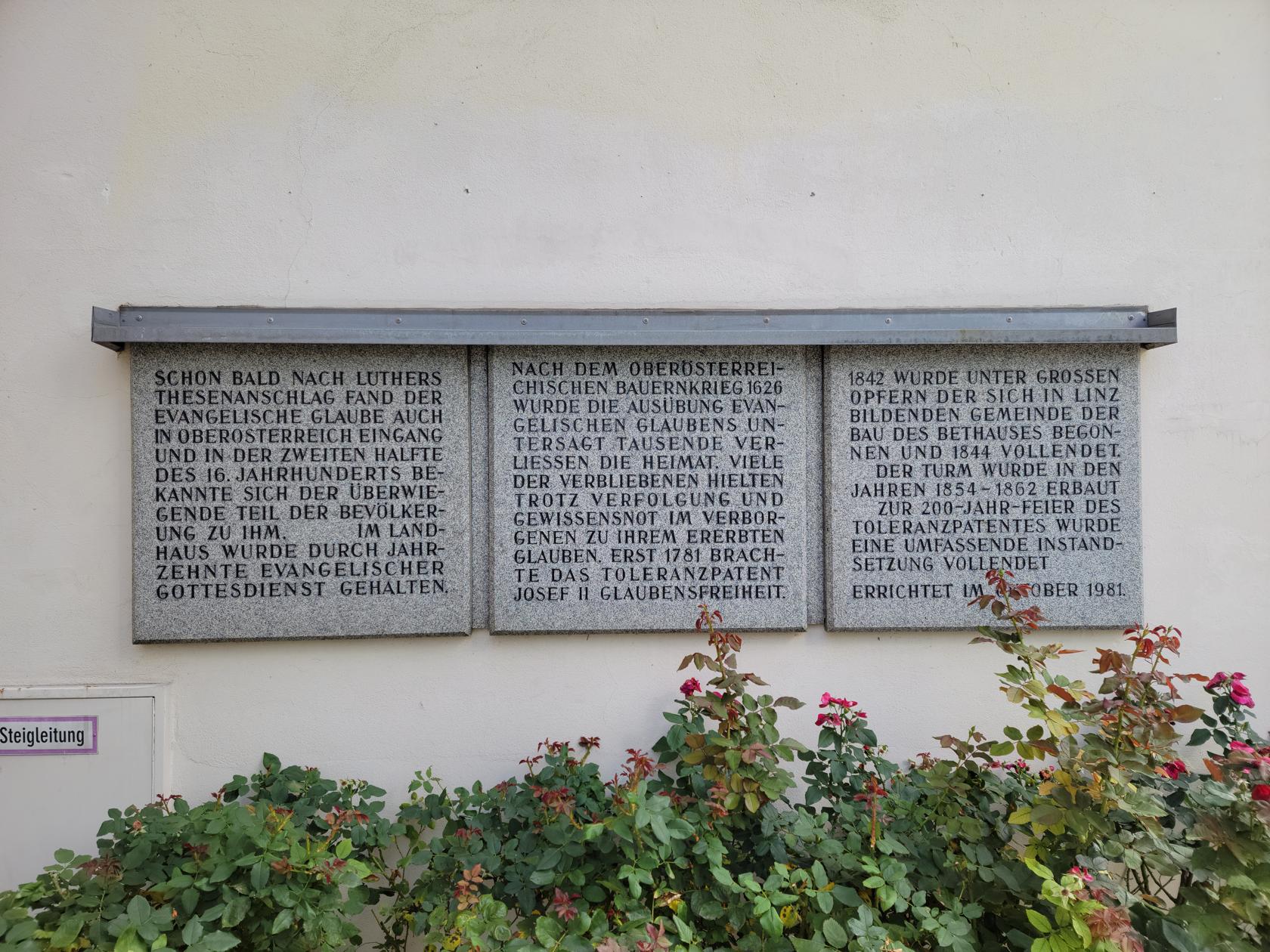
Martin Luther Church
In true protestant style, both the outside and inside of the church are rather basic. But from a historical perspective, still interesting to visit.
Martin Luther Church – Linz, Austria
Martin Luther Church – Linz, Austria
Inside – Martin Luther Church – Linz, Austria
Marien Dom
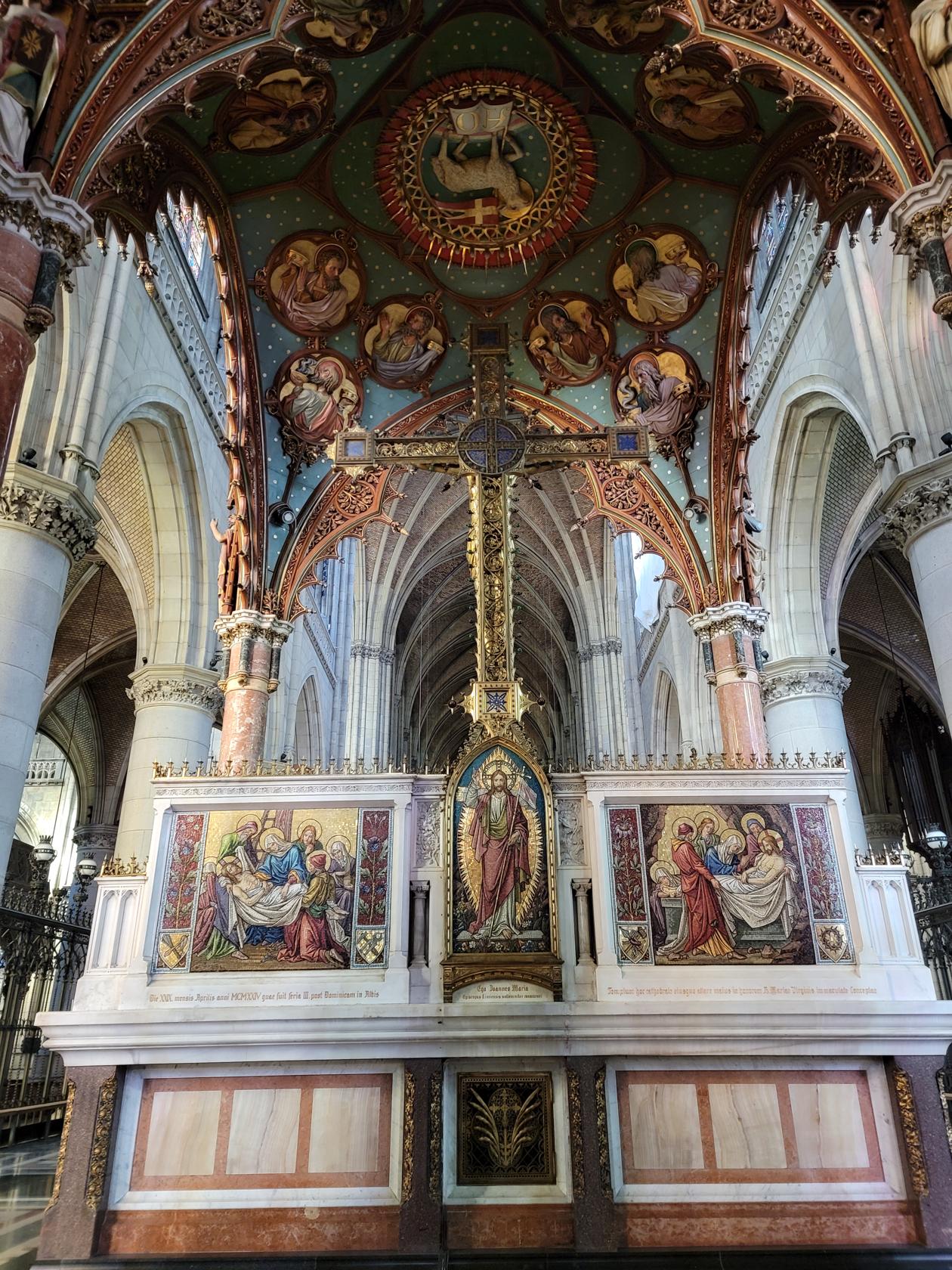
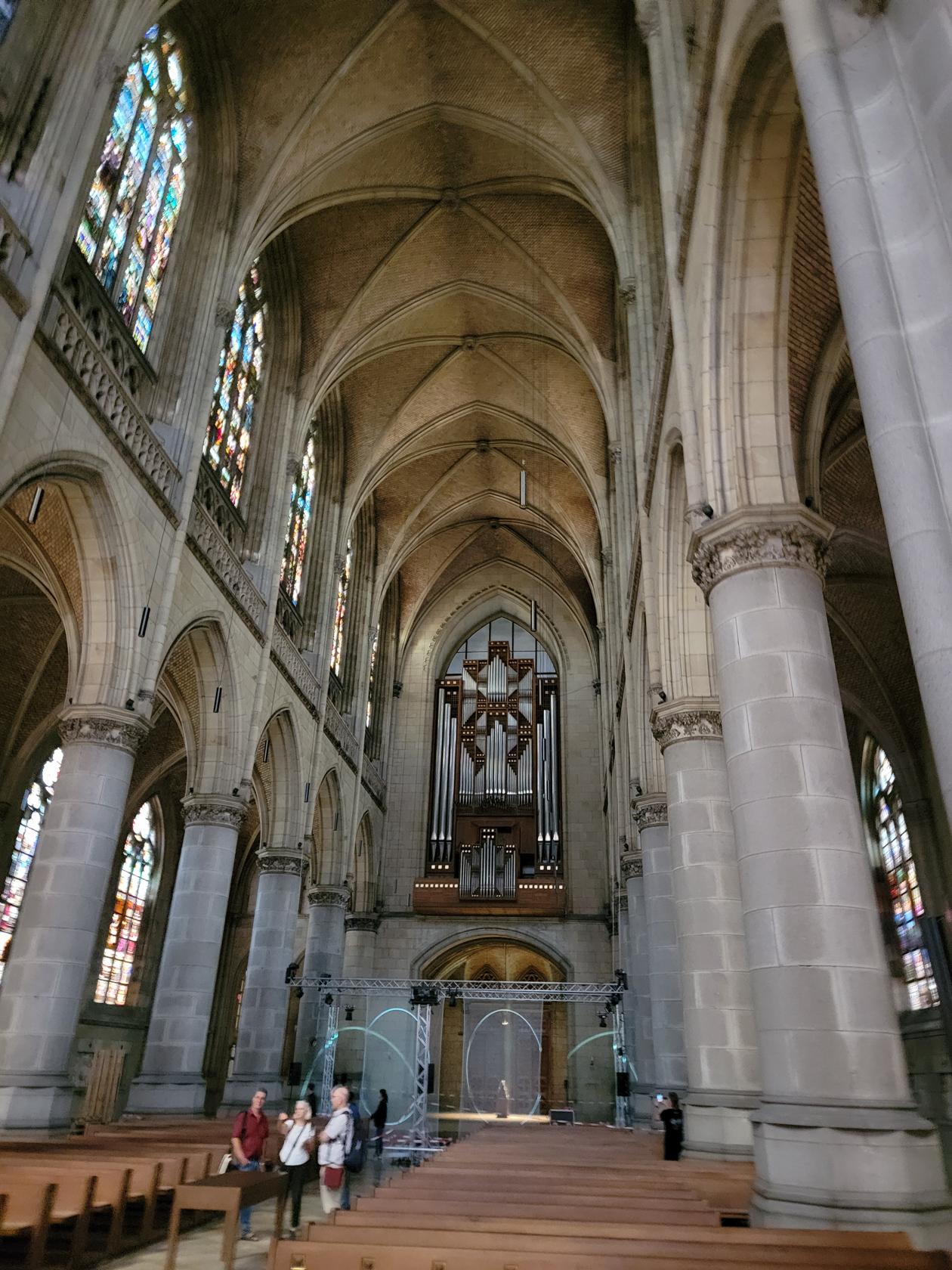
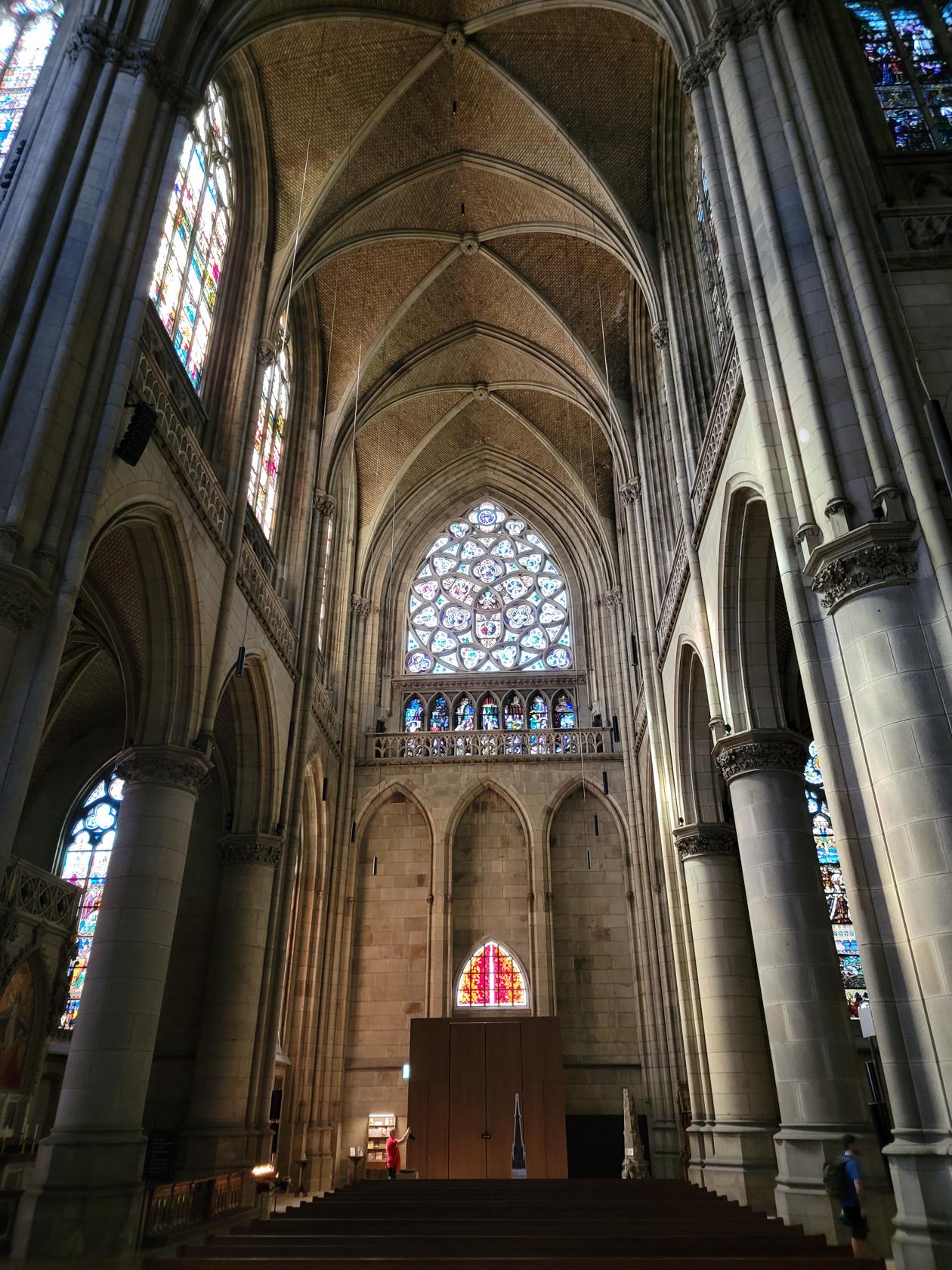
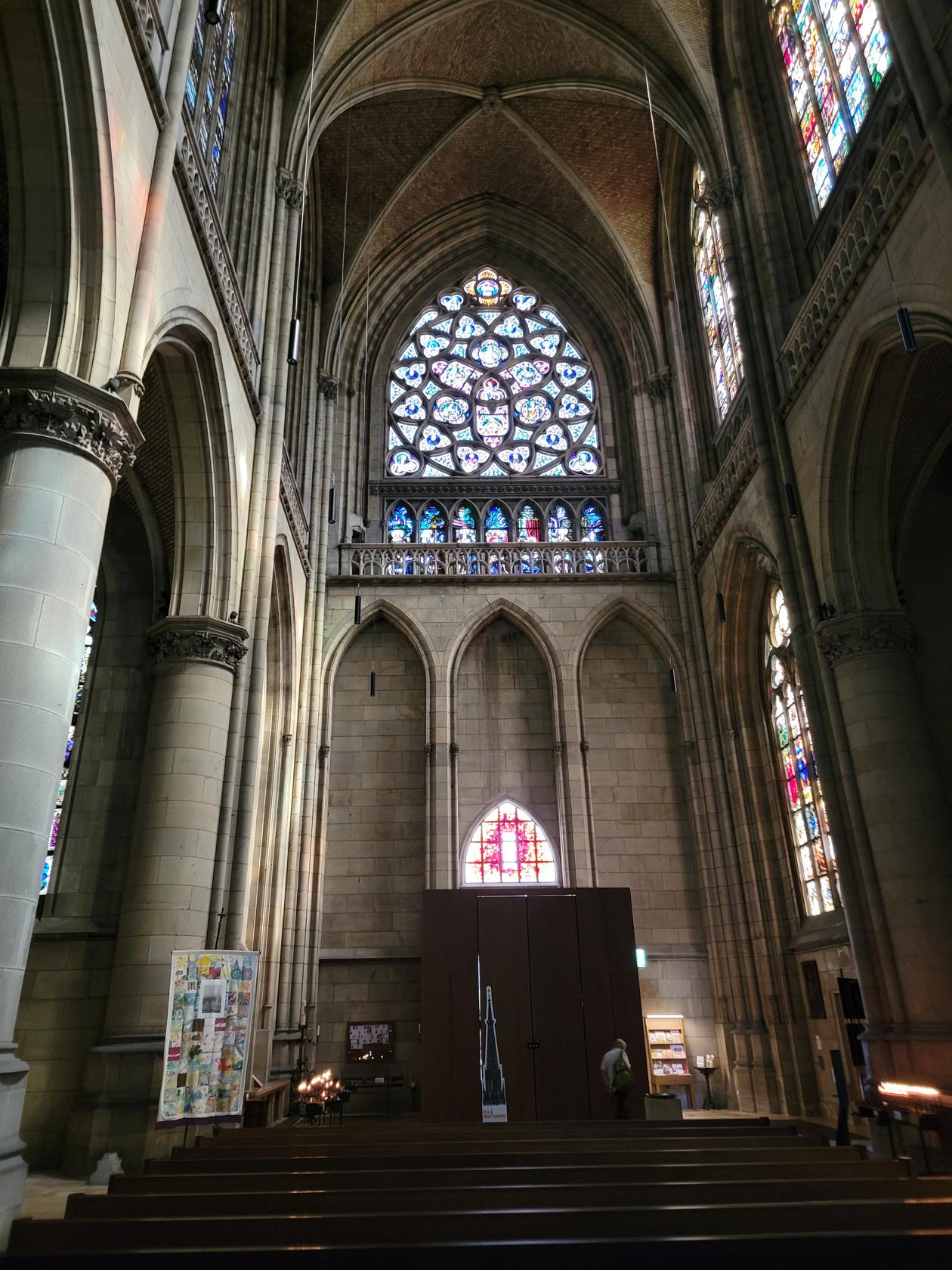
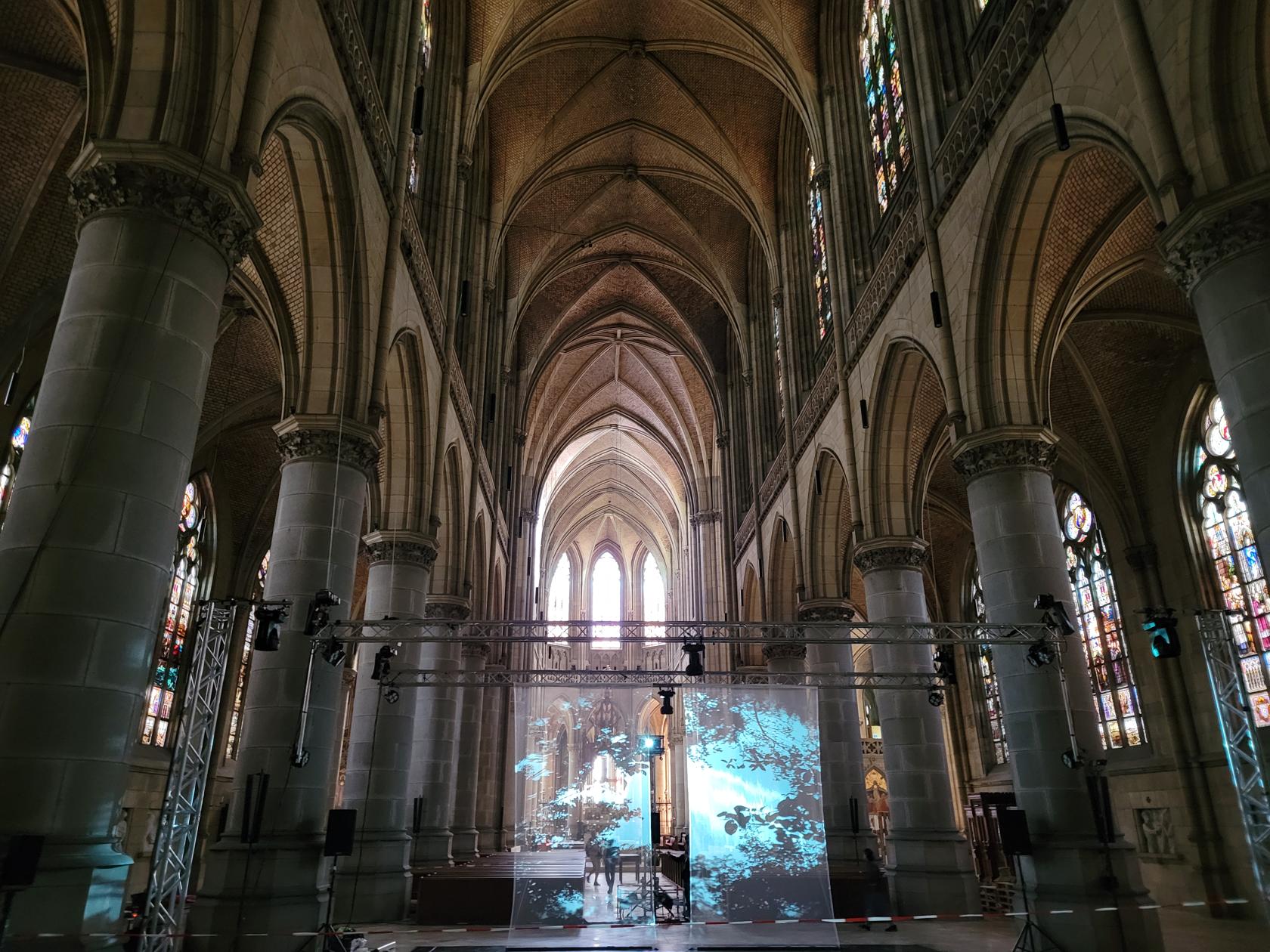
This is Linz’s Cathedral and the largest church in Linz and in Austria. The Marien-Dom is also known as Mariä-Empfängnis-Dom, the New Cathedral or the Linzer Dom. It borders the Altstadt and can be found along the Herrenstraße and Baumbachstraße
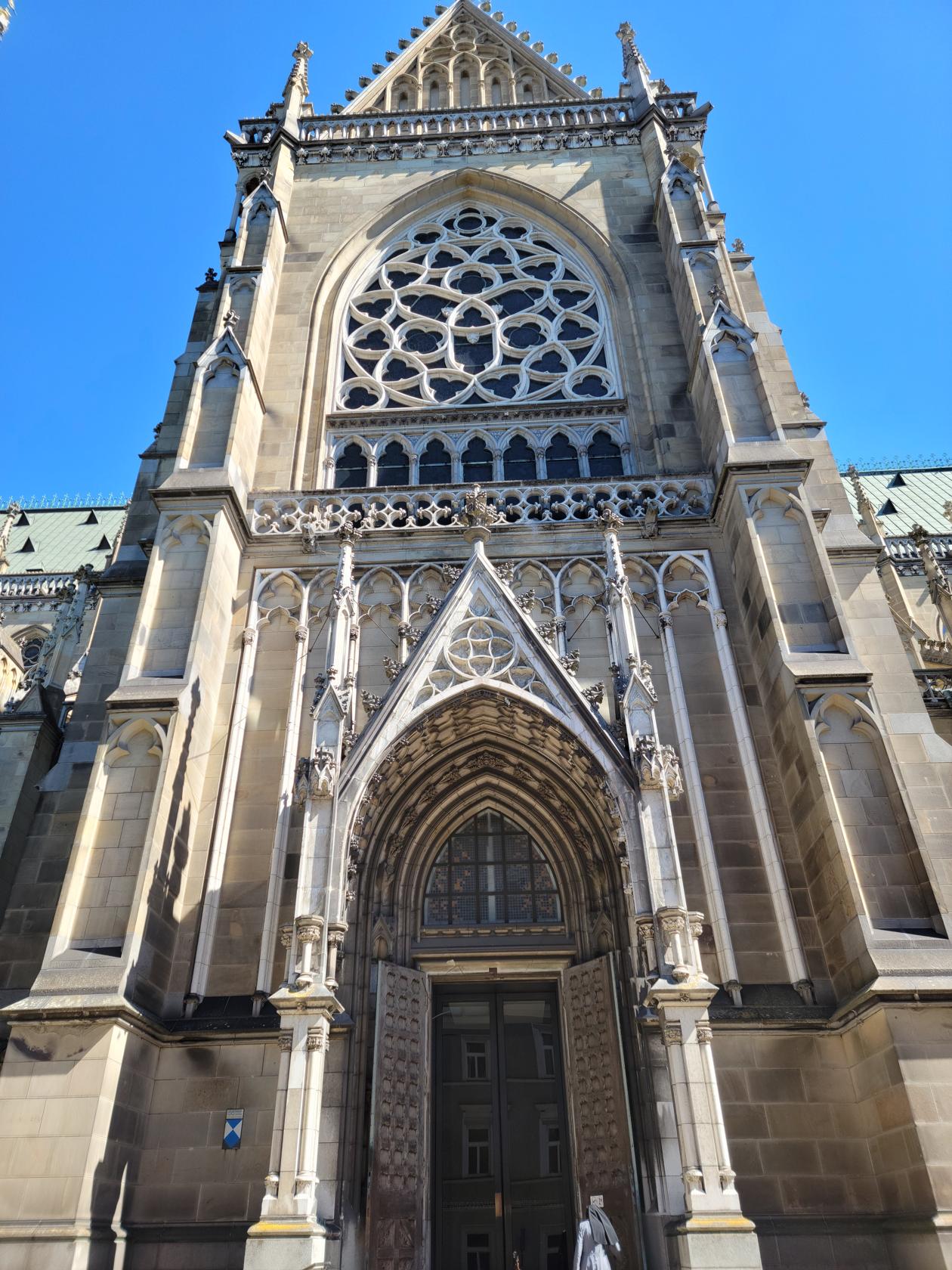
Front – Marien Basilica, Linzer Dom – Linz, Austria
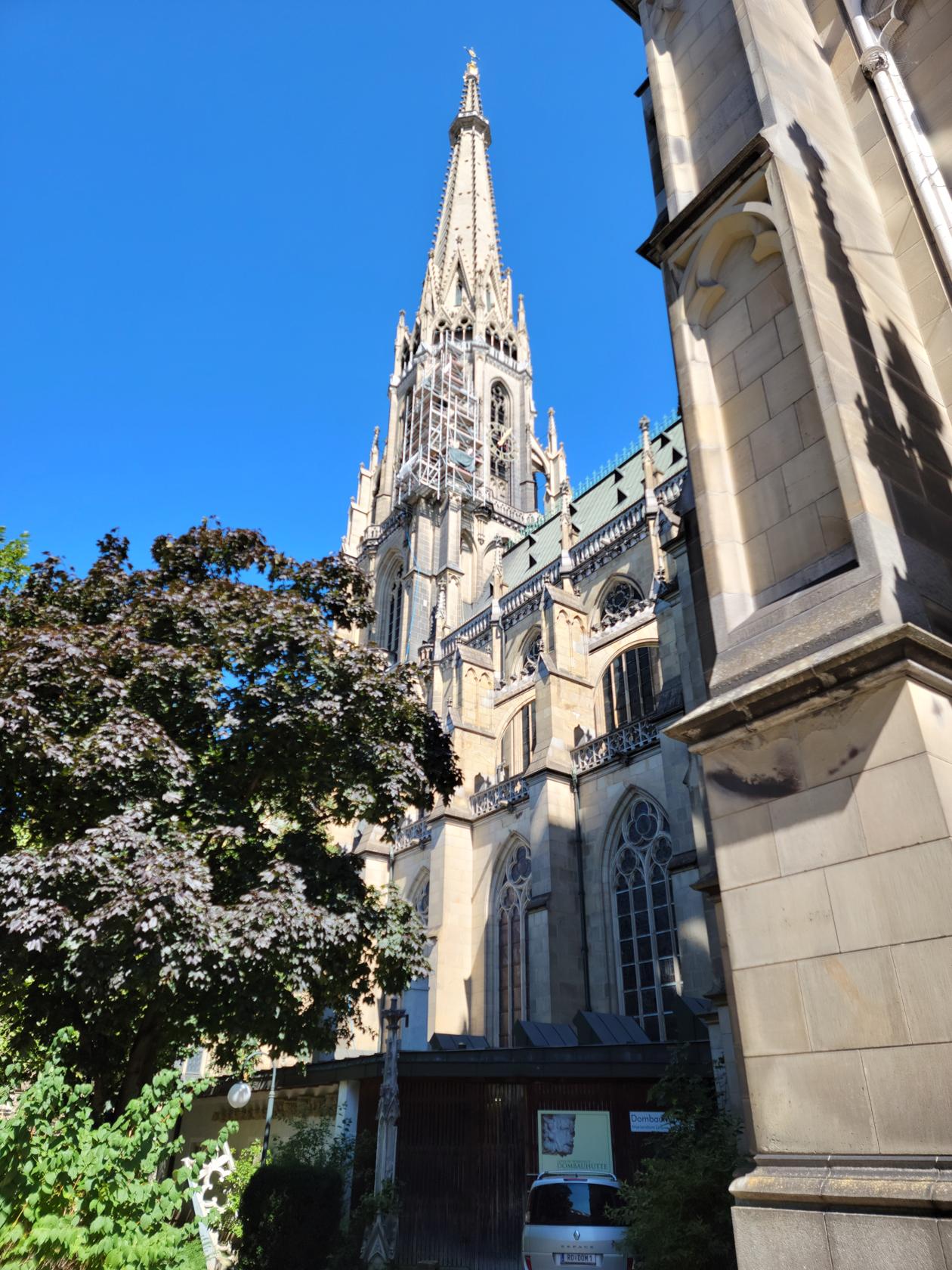
Spire – Marien Basilica, Linzer Dom – Linz, Austria
It is a true cathedral and adheres true to the dimensions of the cross in its architecture (seen from the air).
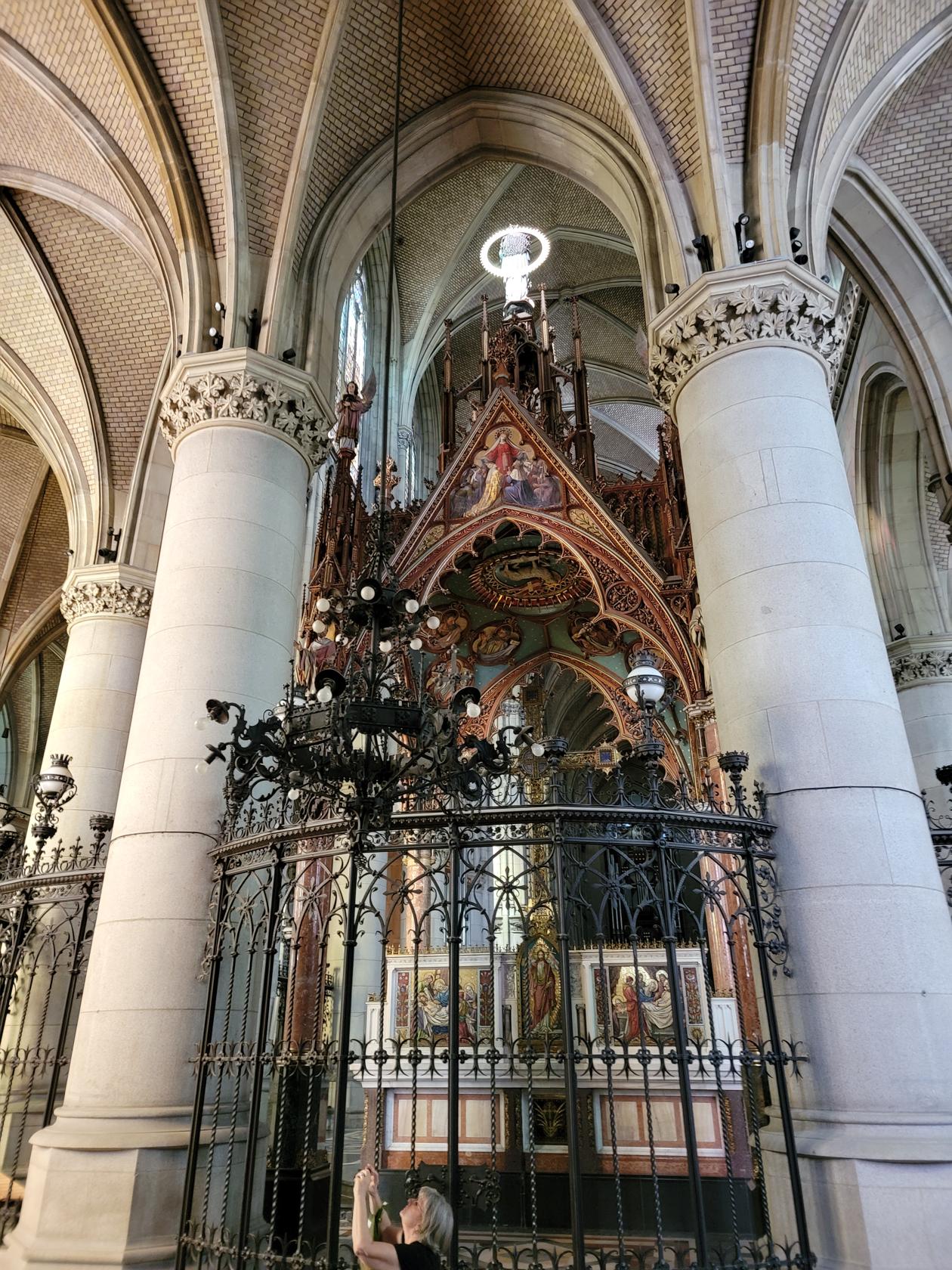
High altar wth crown – Marien Basilica, Linzer Dom – Linz, Austria
High altar – Marien Basilica, Linzer Dom – Linz, Austria
Organ – Marien Basilica, Linzer Dom – Linz, Austria
Nave – Marien Basilica, Linzer Dom – Linz, Austria
Inside – Marien Basilica, Linzer Dom – Linz, Austria
Marien Basilica, Linzer Dom – Linz, Austria
The Altstadt
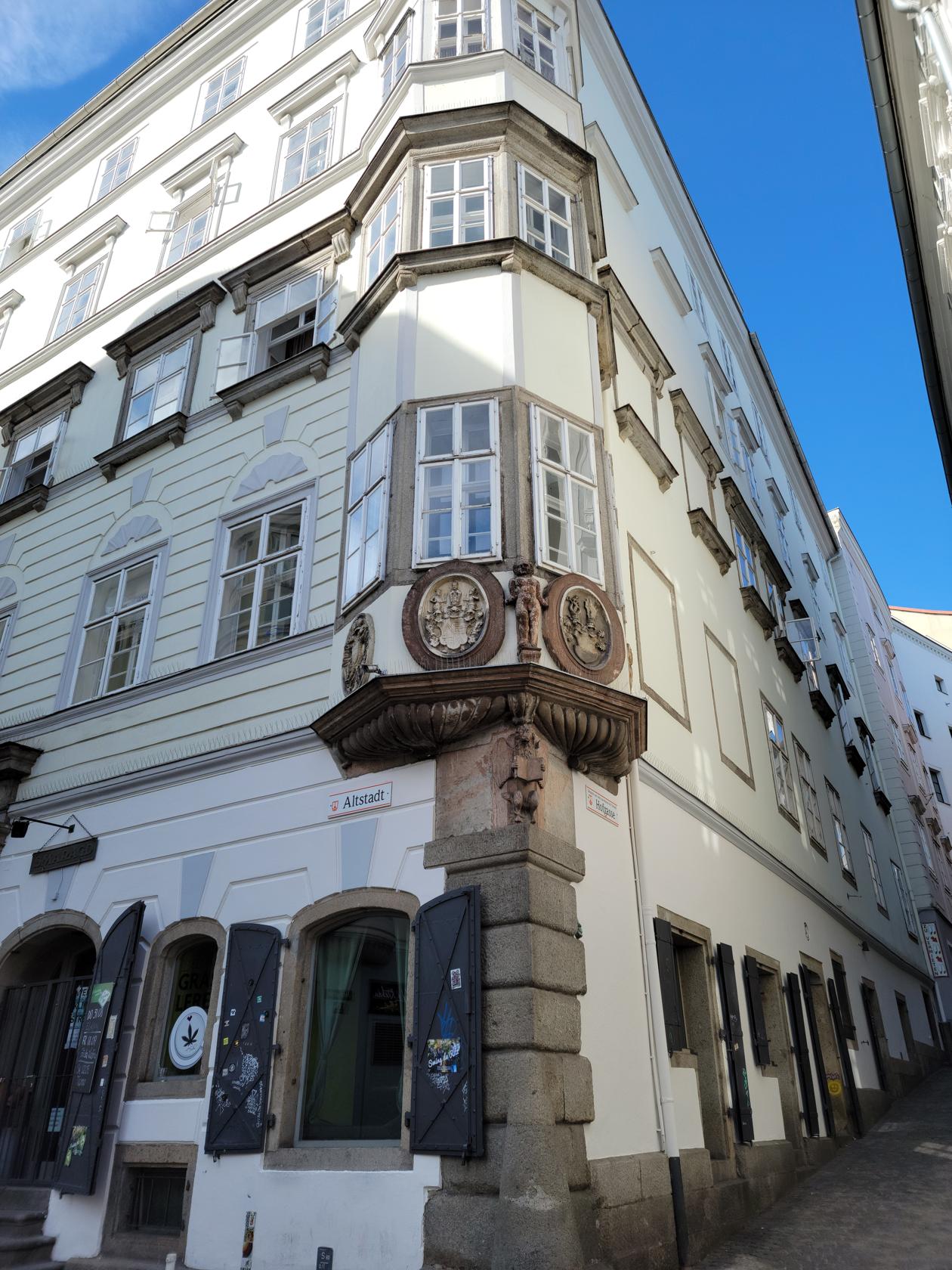
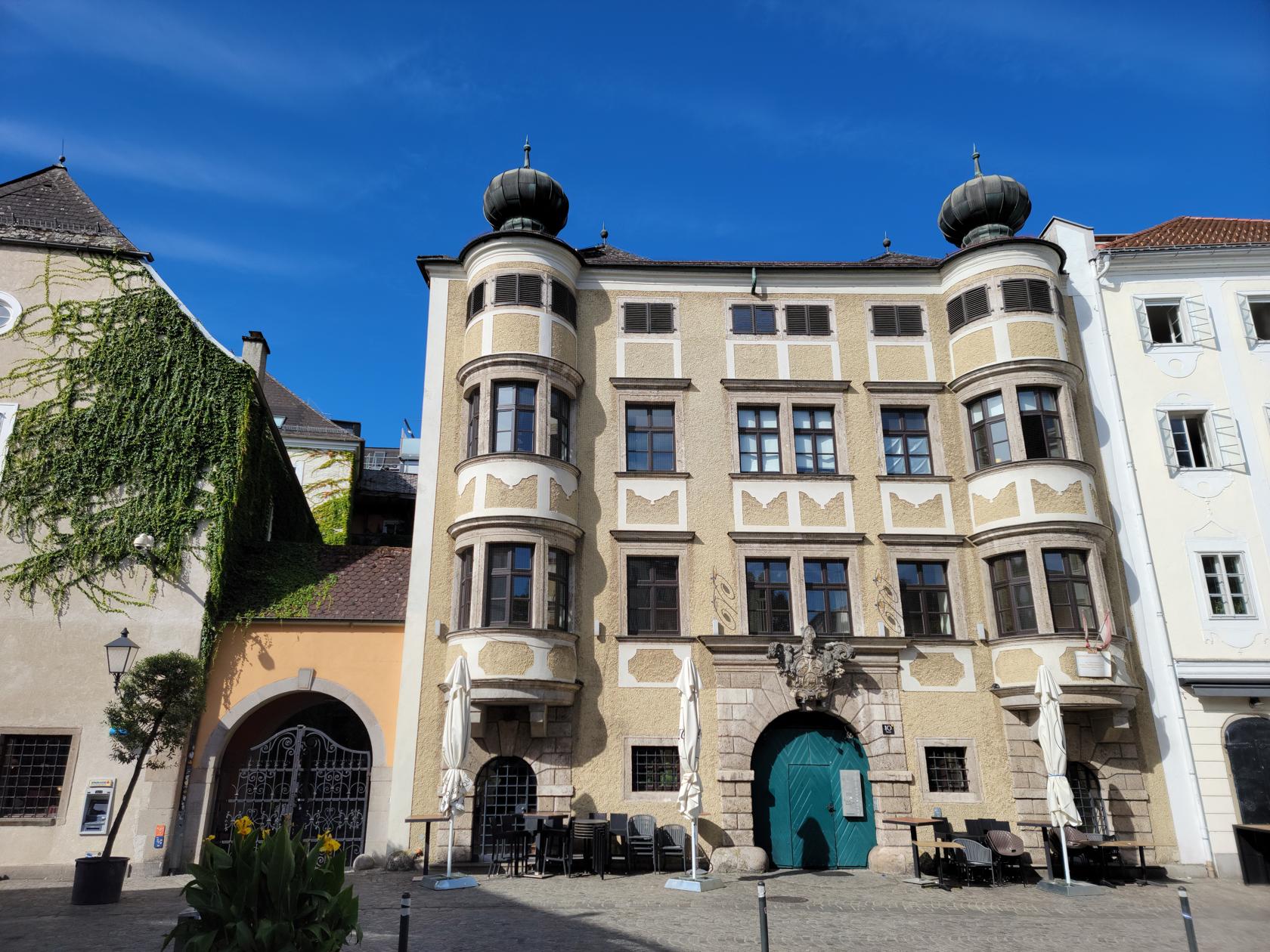
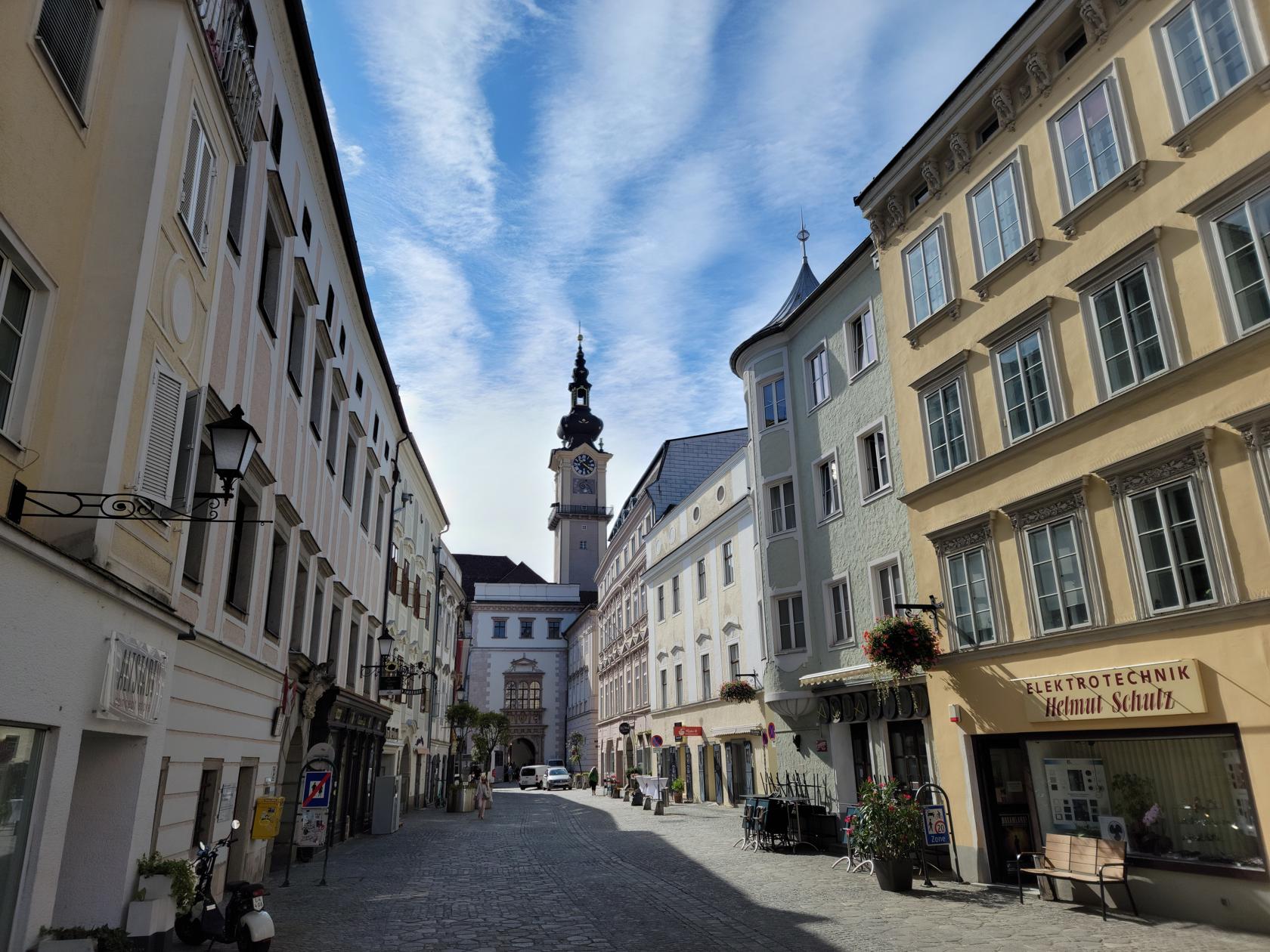
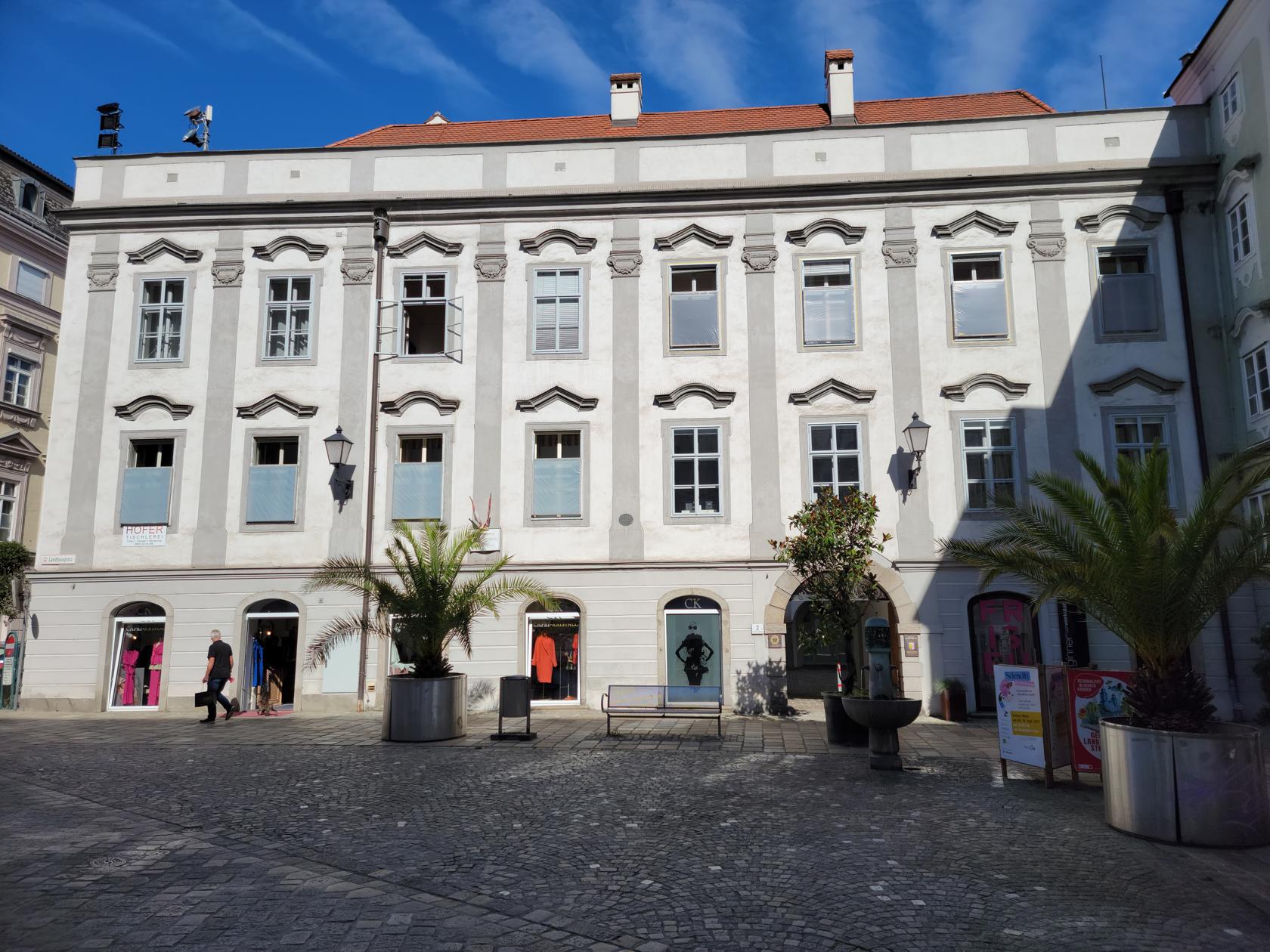
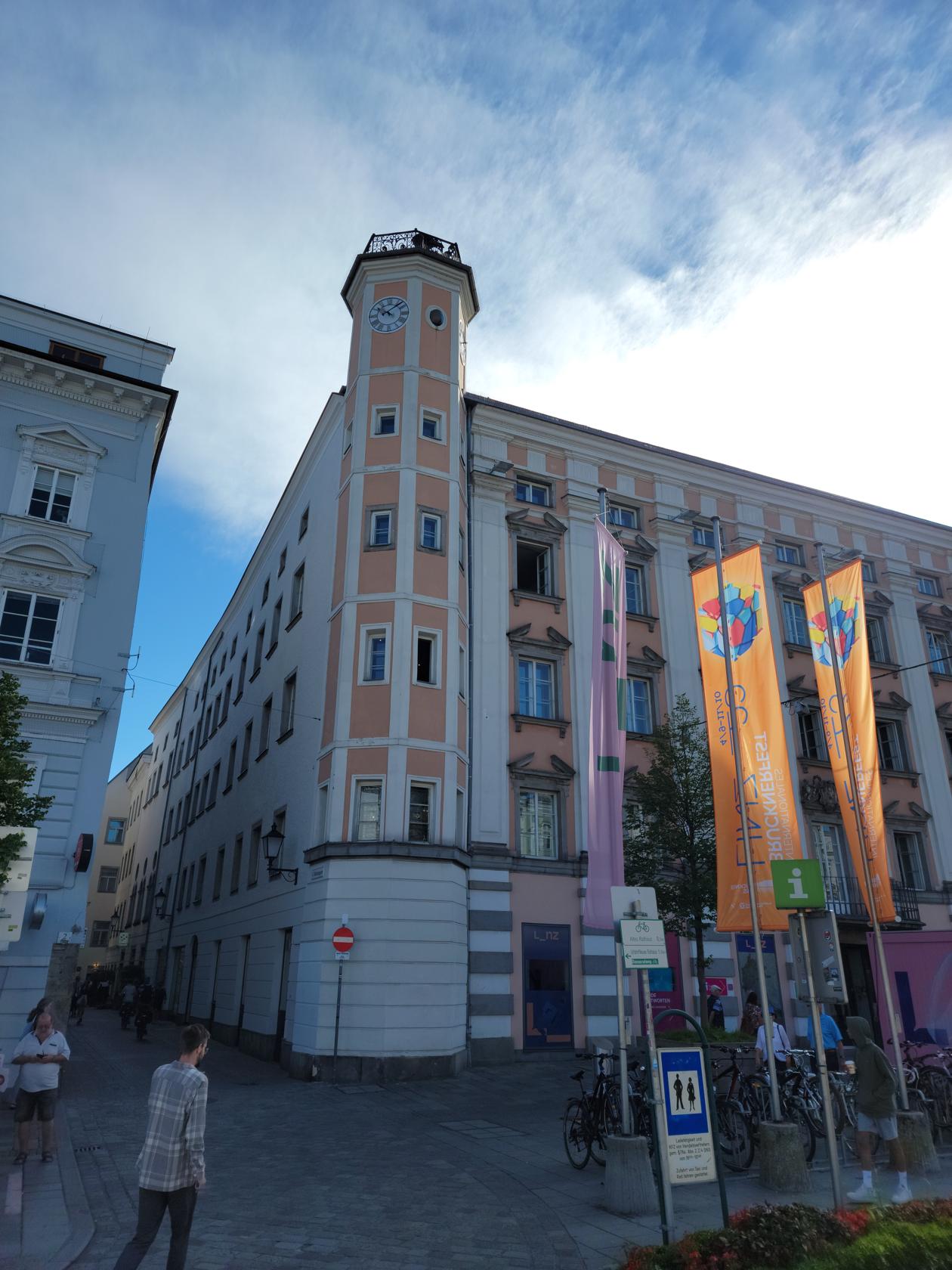
The old part of the city is rather small and unremarkable. It is near the Castle and park and runs up to the Upper Austrian government buildings. A short walk down the Hofgasse will bring you to the Schloßberg where the old castle and its grounds are maintained.
Altstadt – Linz, Austria
Former Kremsmünster Abbey. – Altstadt – Linz, Austria
Government building and tower – Altstadt – Linz, Austria
Mozart Forum house – Linz, Austria
The Old Town Hall – Hauptplatz – Linz, Austria
Schloßberg Castle
The Schloßberg Castle is not open on Mondays, so before going there you may want to check the entries times and dates. The other direction you can take to reach the castle is via Tiefergraben and walking through the back part of the park first. Walking this way first you will come across Martins Church and a statue of Kepler.
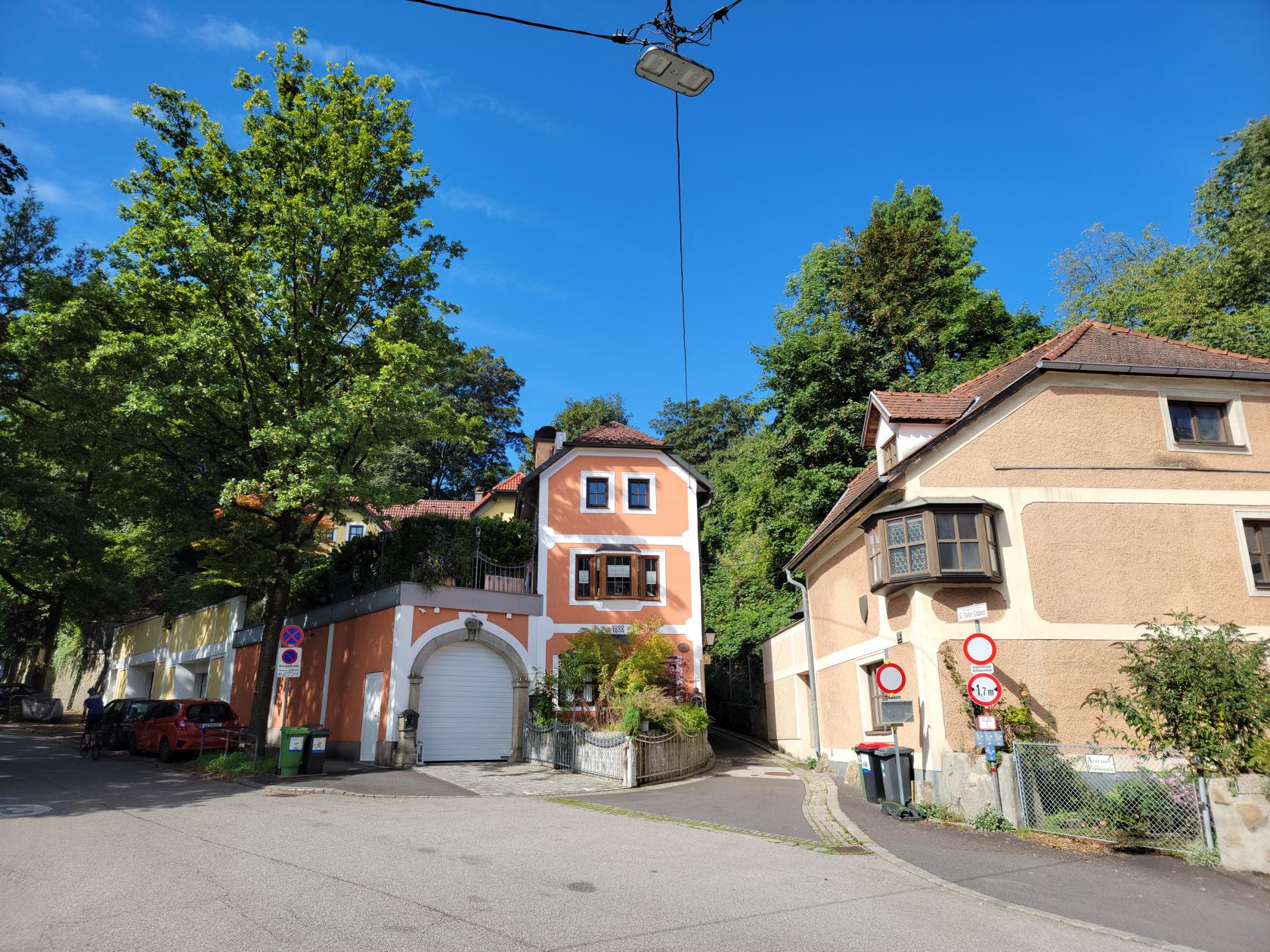
Old buildings – Tiefer Graben – Linz, Austria
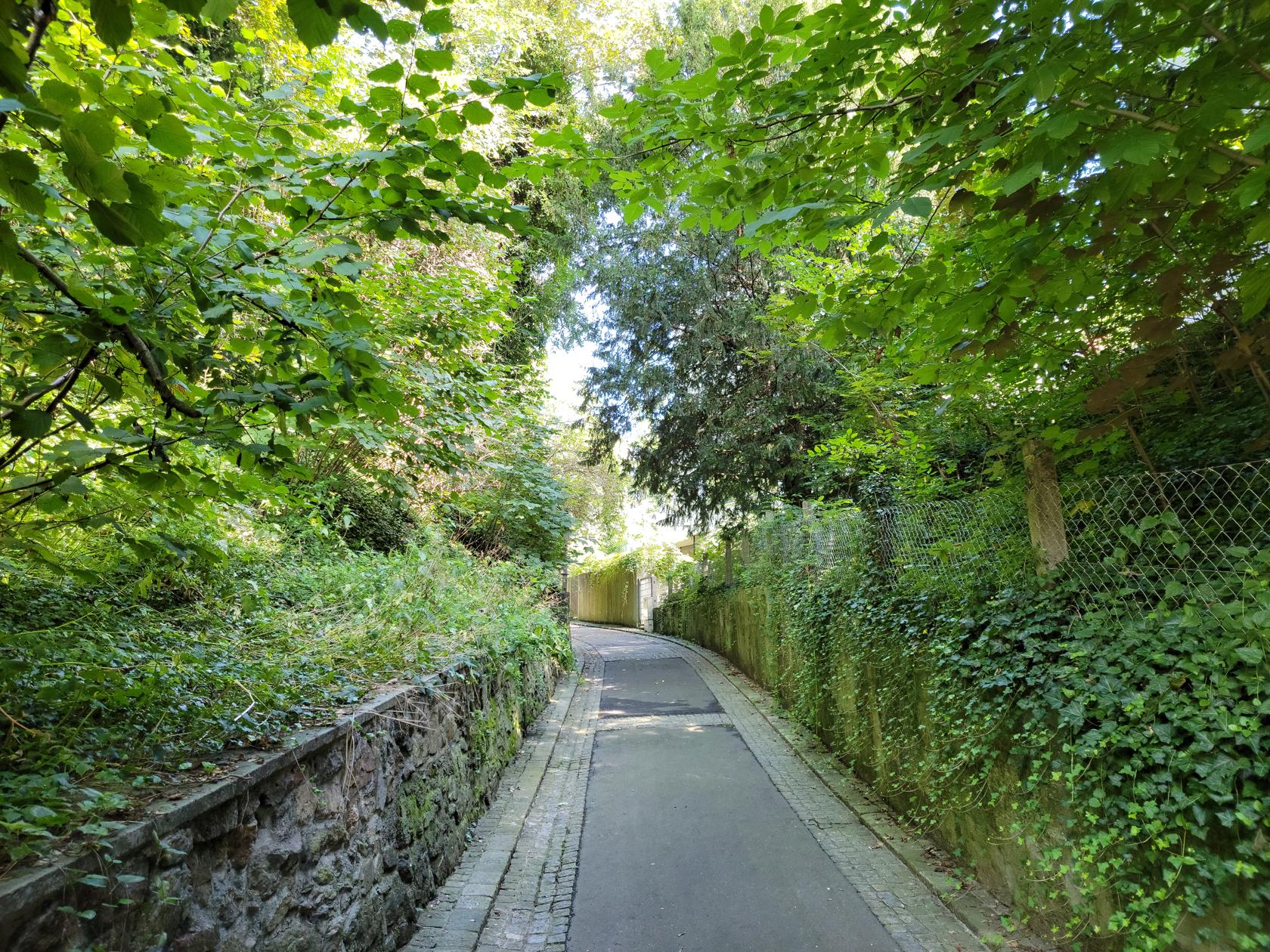
Tiefer Graben – Linz, Austria
Castle city gate – Tiefer Graben – Linz, Austria
Martins church – Linz, Austria
Inside – Martins church – Linz, Austria
Martins Gate – Castle park – Linz, Austria
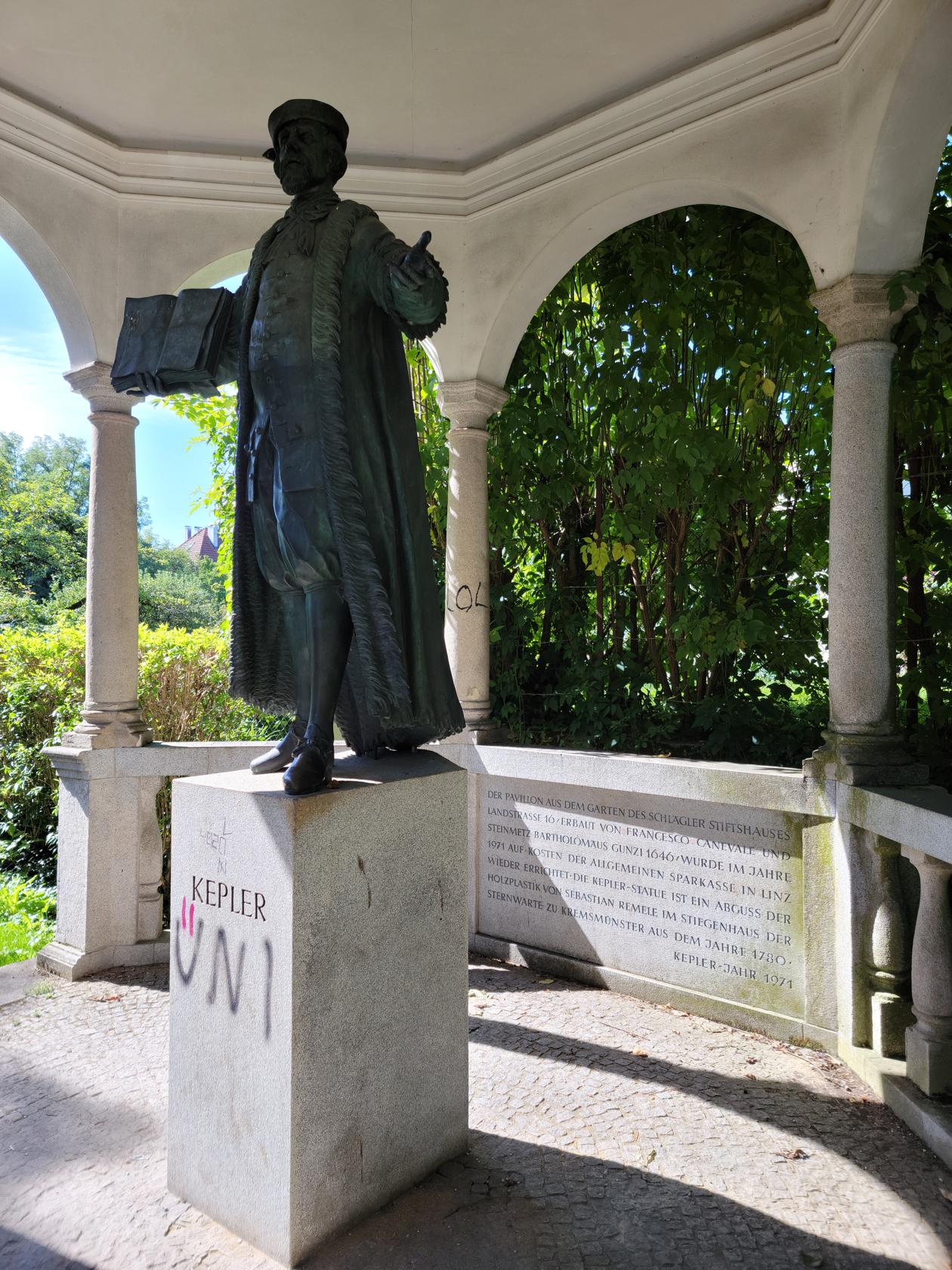
Kepler’s Monument – Castle park – Linz, Austria
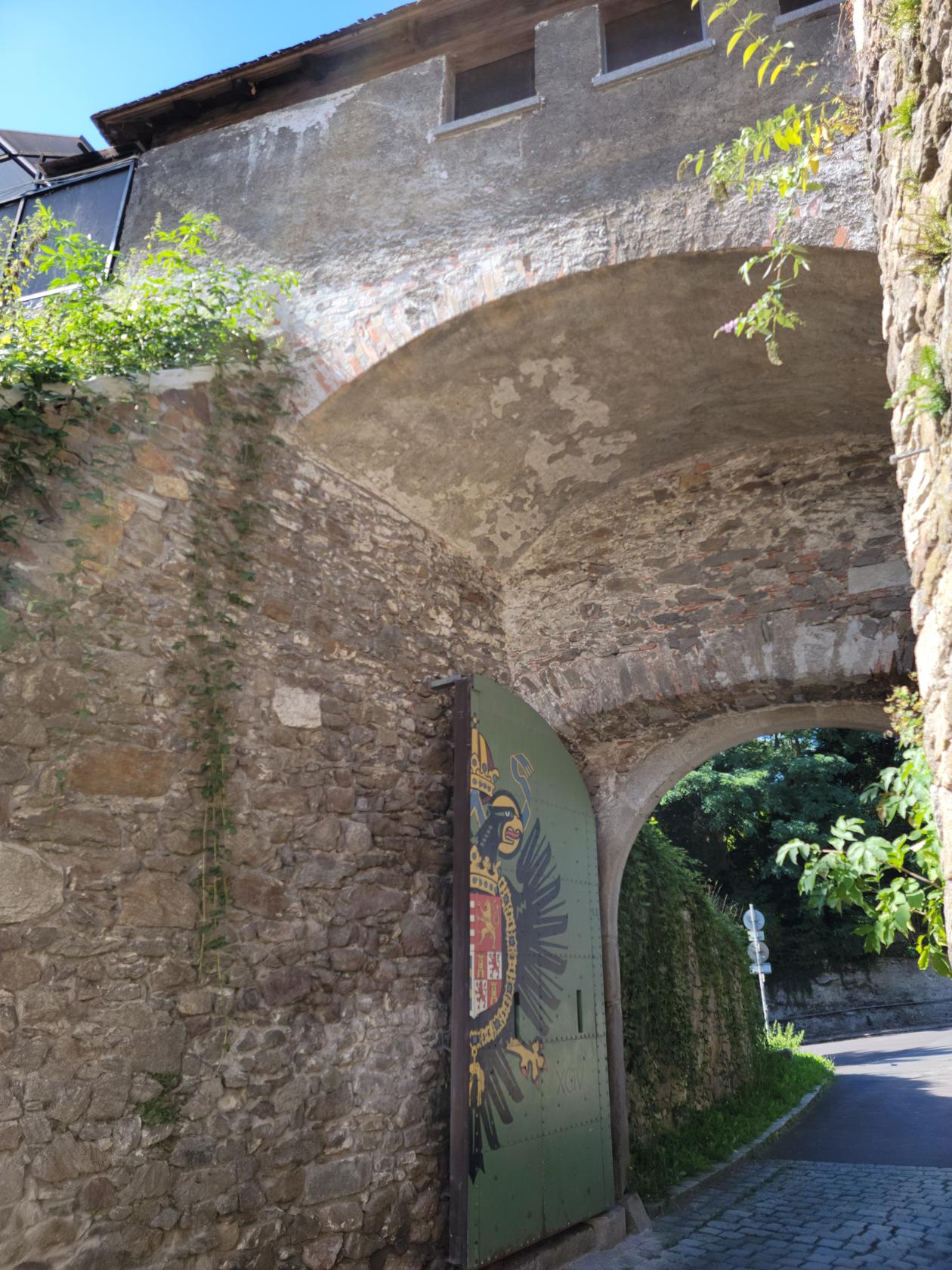
Castle Gate – Castle park – Linz, Austria
The castle is another example of the Linzers throwing old and new architecture together. We are not at all to happy with this trend (including the Louvre in Paris), however, we do not live in the city either and its people obviously feel a need to move forward and live in a more contemporary setting.
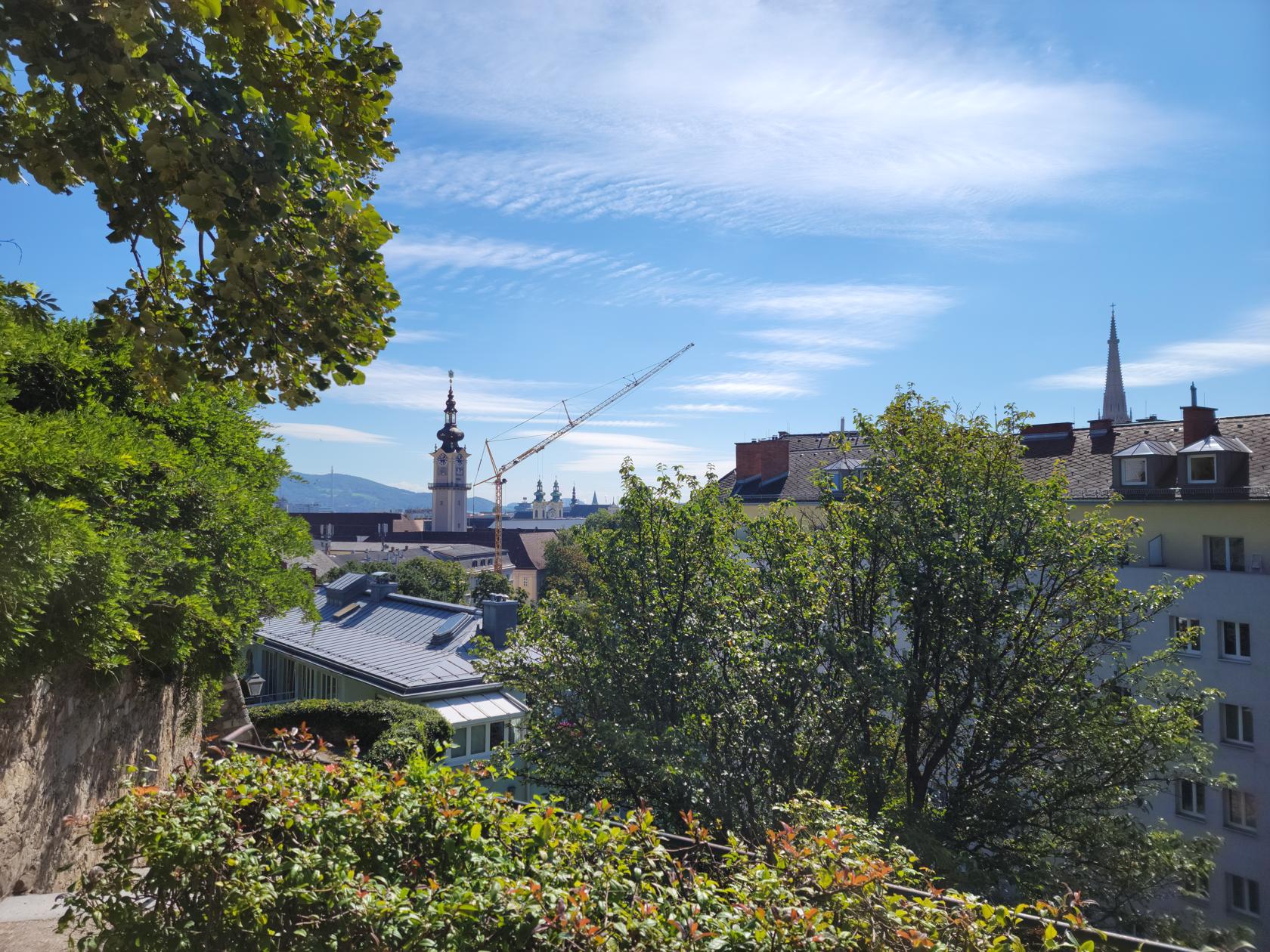
Linz from the park – Castle park – Linz, Austria
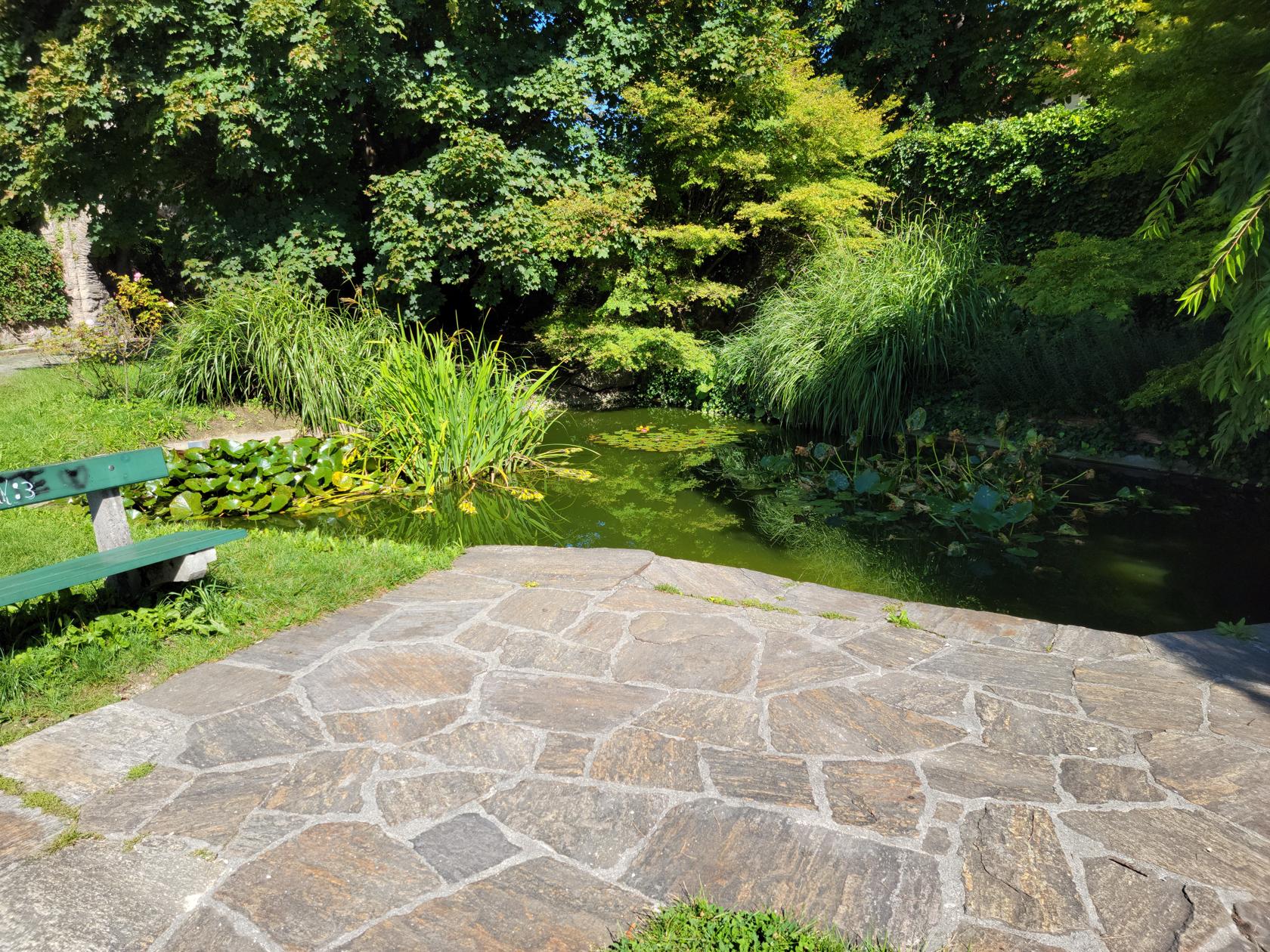
Small pond – Castle park – Linz, Austria
Friedrich’s Gate – Castle park – Linz, Austria
Friedrich’s Gate with Wappen – Castle park – Linz, Austria
Old castle wall – Castle park – Linz, Austria
Part of the castle – Castle park – Linz, Austria
Nibelungschiff monument – Castle park – Linz, Austria
Linz – Linz, Austria
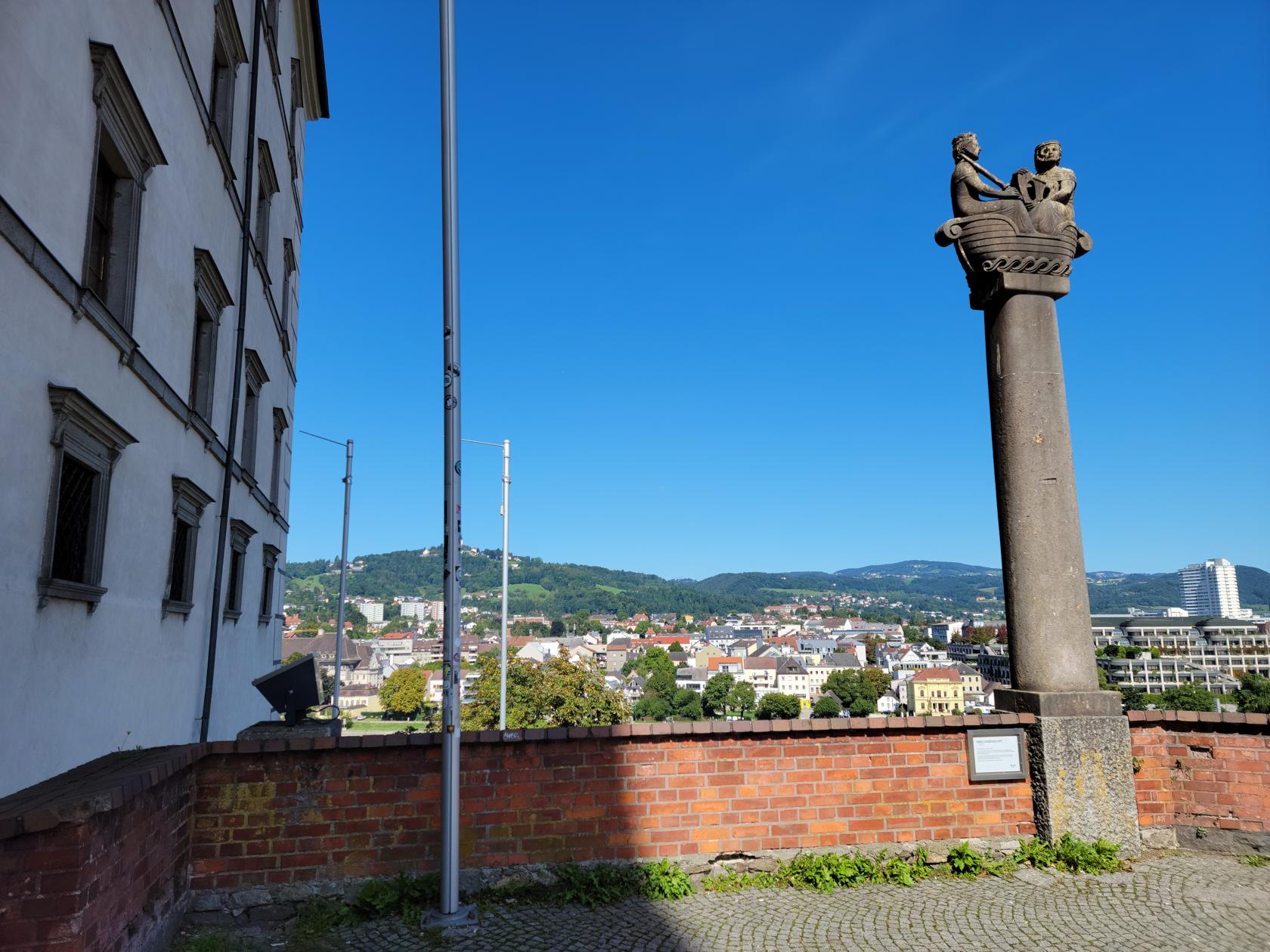
The grounds have a small park which has a few monuments in it and a very good overlook of the Danube river and Pöstlingberg.
Observation point – Castle park – Linz, Austria
Pöstlingbergbahn And Pöstlingberg
A good half day trip is taking the tram up to Pöstlingberg using the Pöstlingbergbahn or tram. It starts in the Hauptplatz and stops several times along the way to service local residents and students, since there are a few university stops along the way.
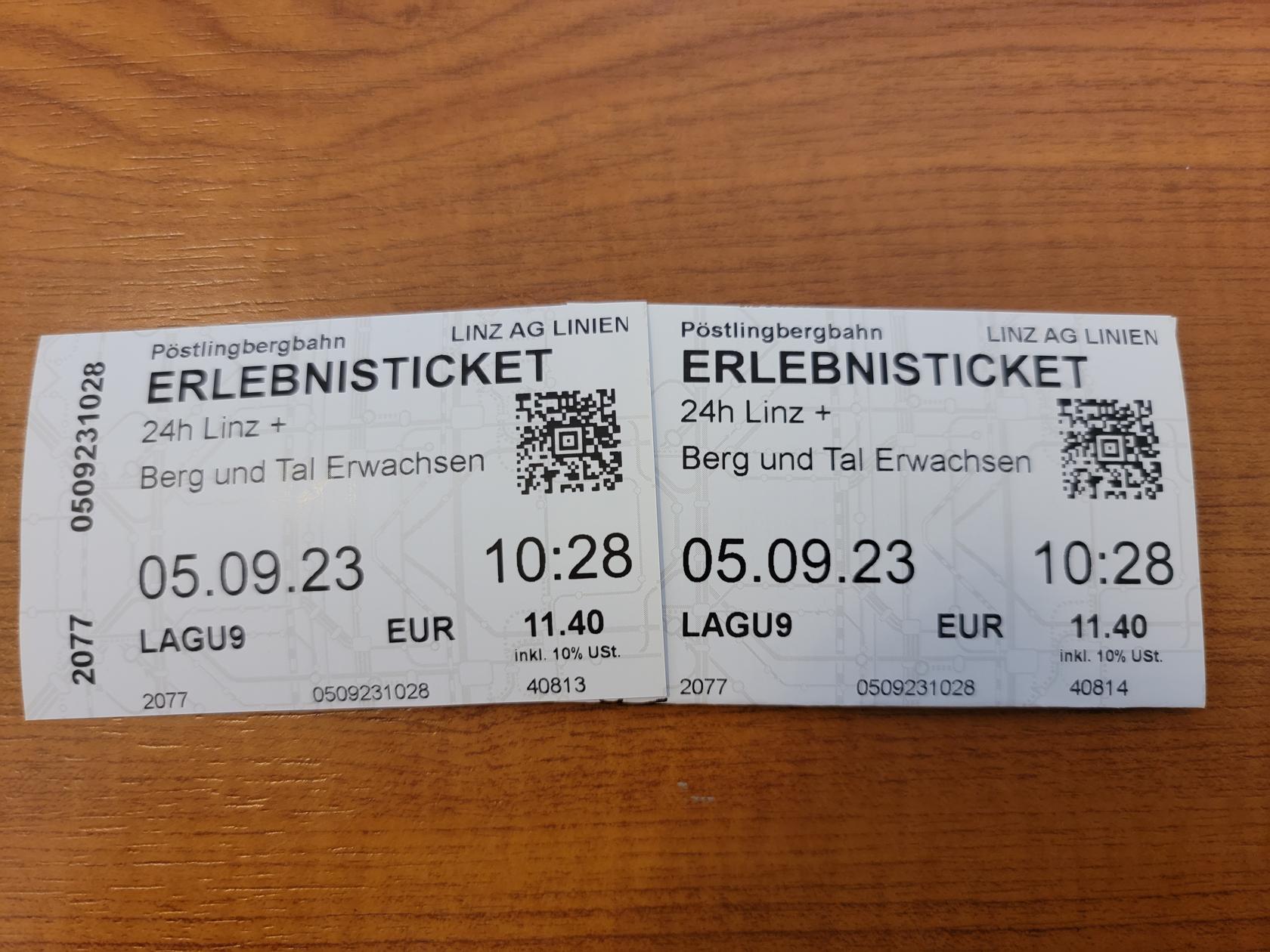
Tickets For Two – Pöstlingbergbahn – Linz, Austria
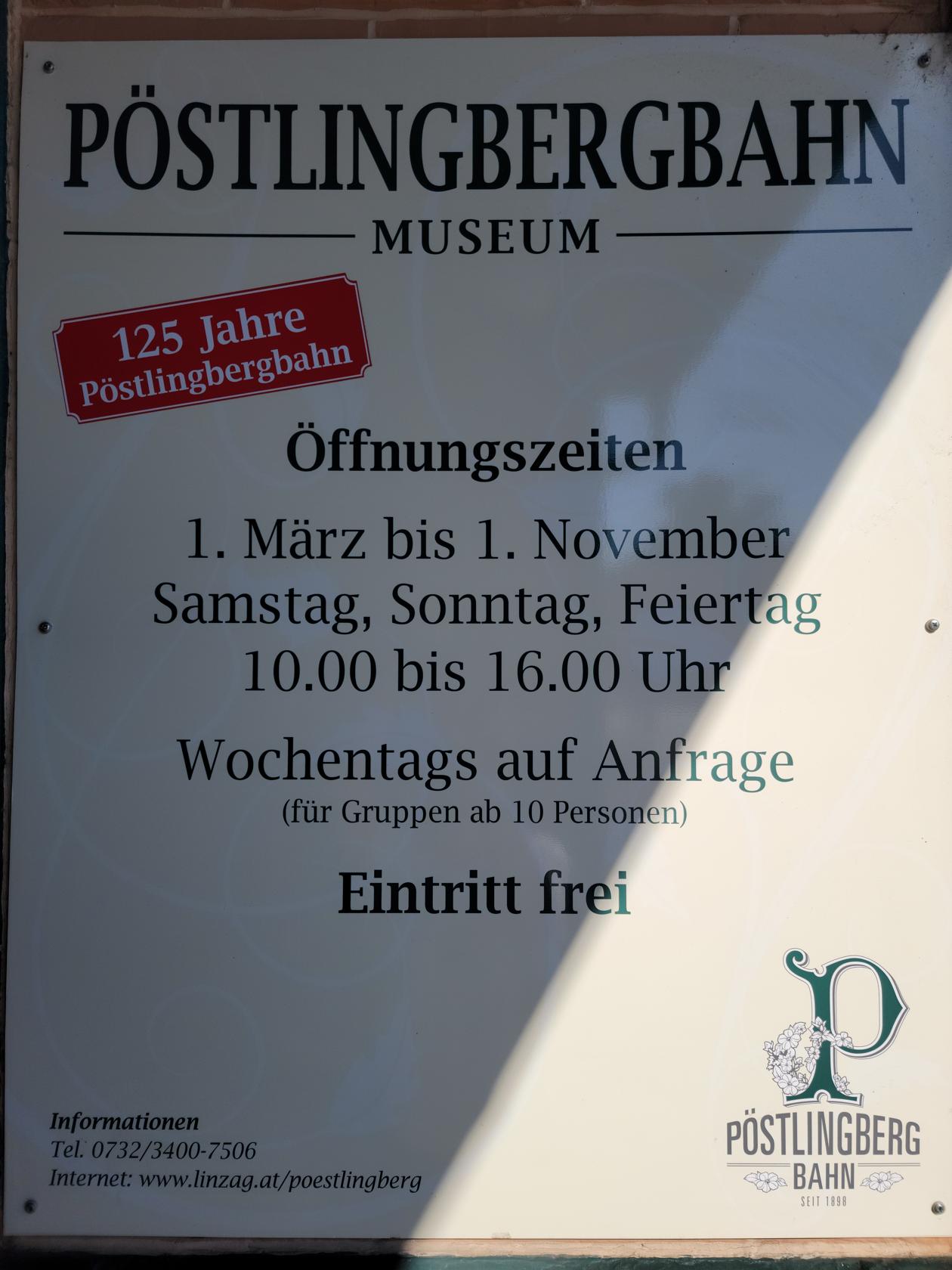
Entrance Pöstlingbergbahn Museum – Linz, Austria
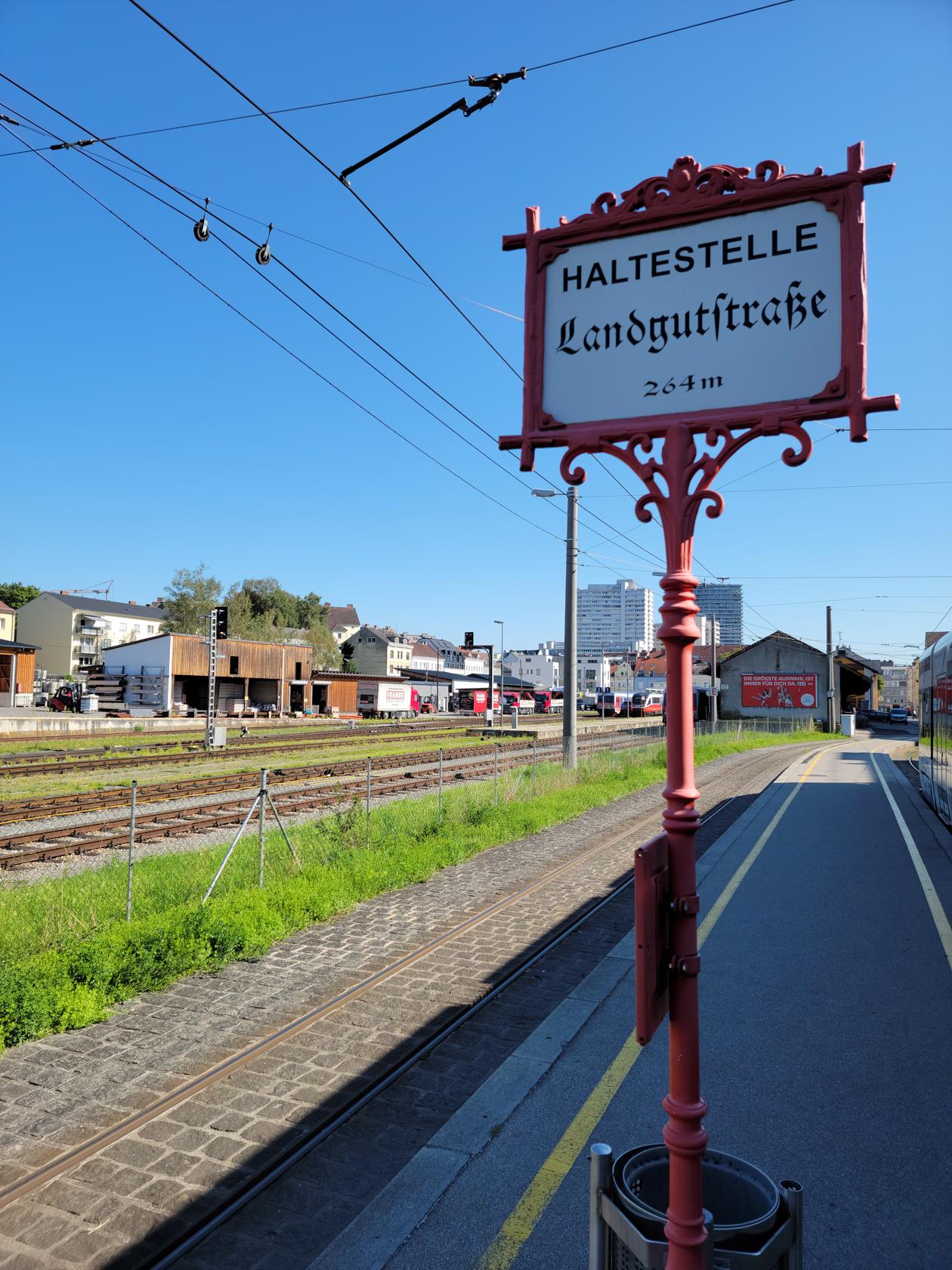
Tram stop Landgutstraße – Pöstlingbergbahn – Linz, Austria
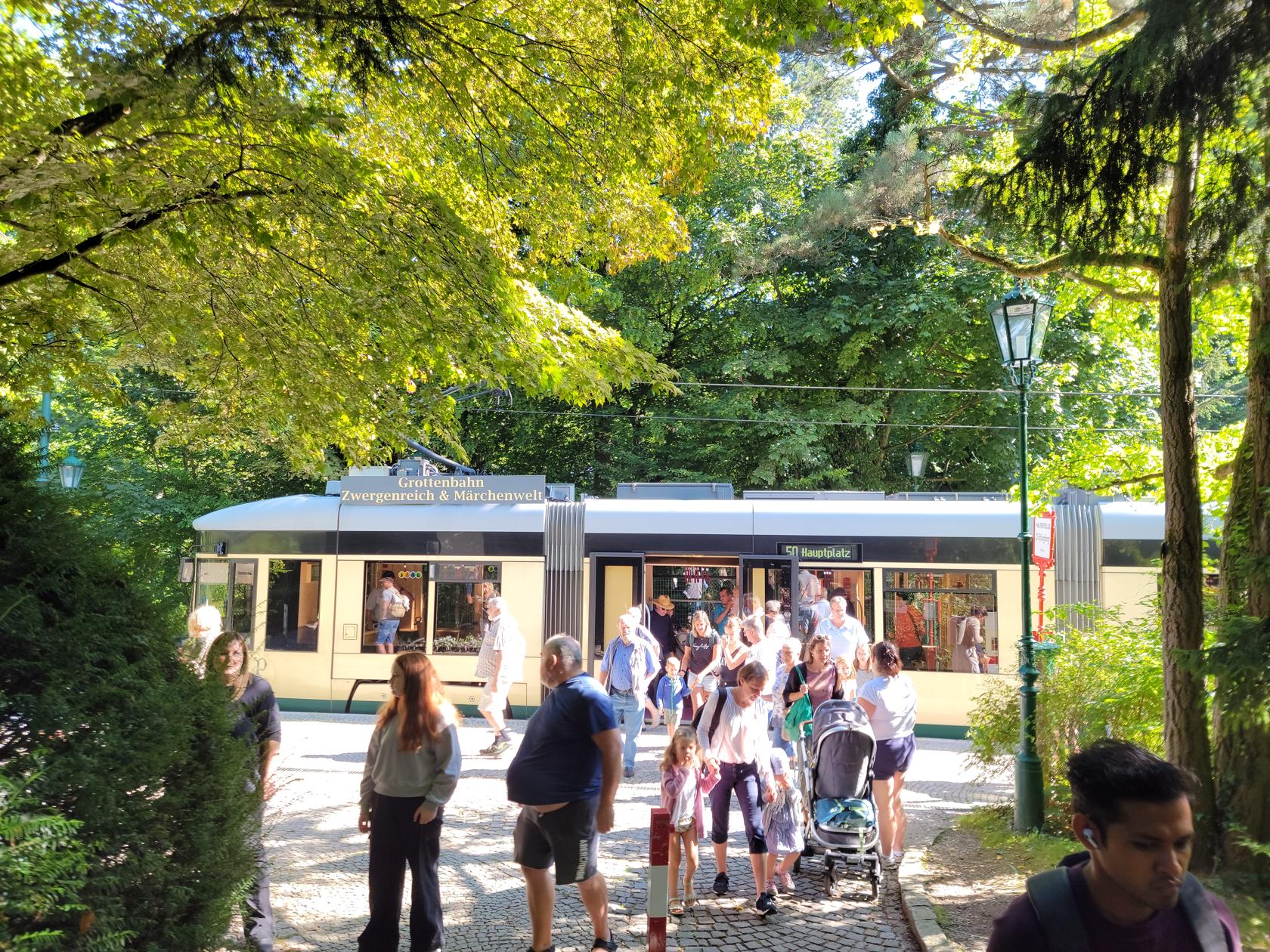
Pöstlingberg stop – Pöstlingbergbahn – Linz, Austria
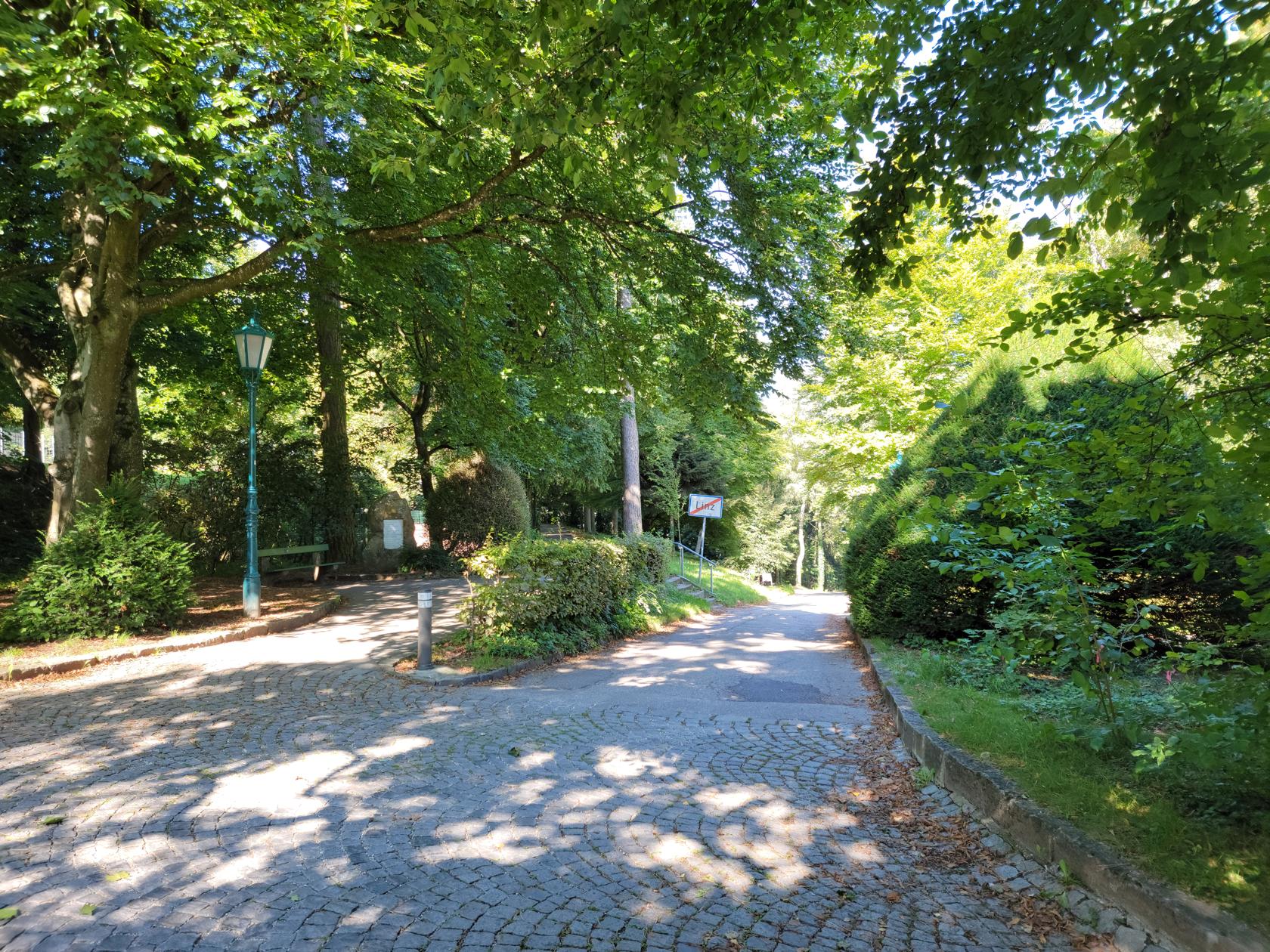
Castle park entrance – Pöstlingbergbahn – Linz, Austria
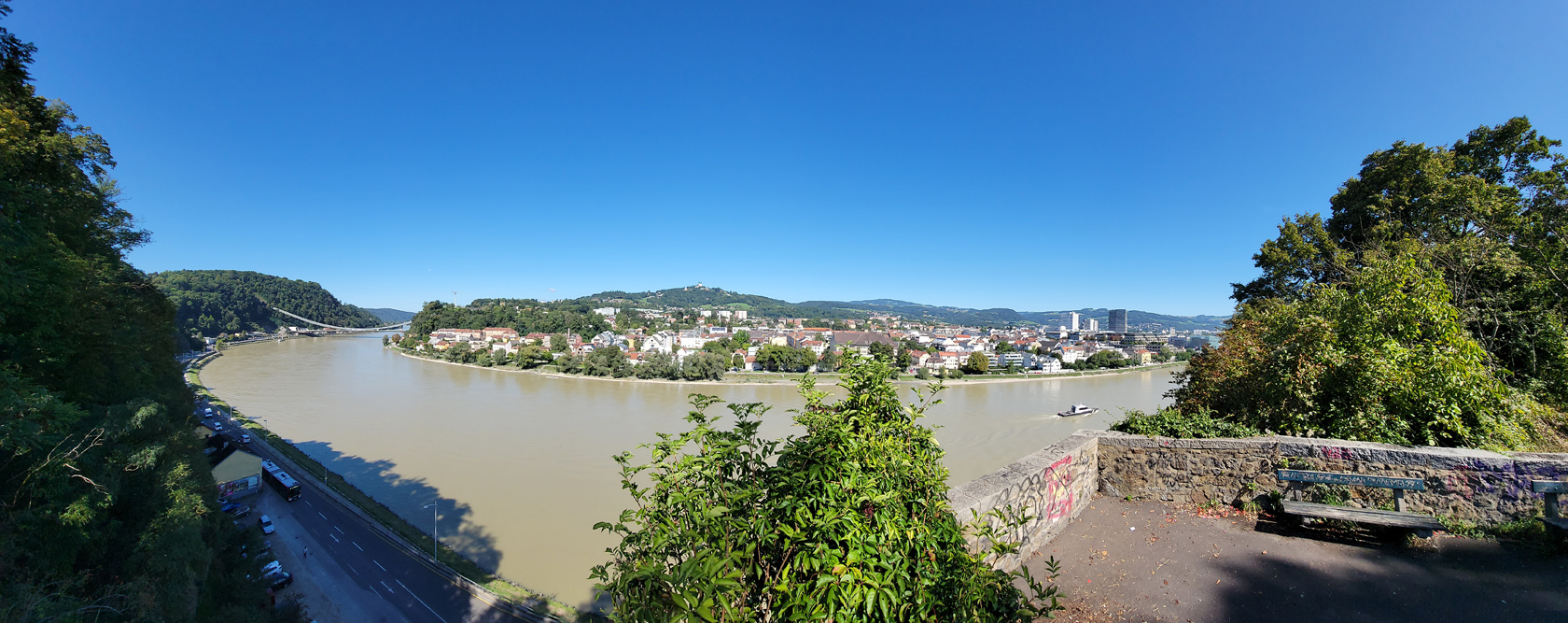
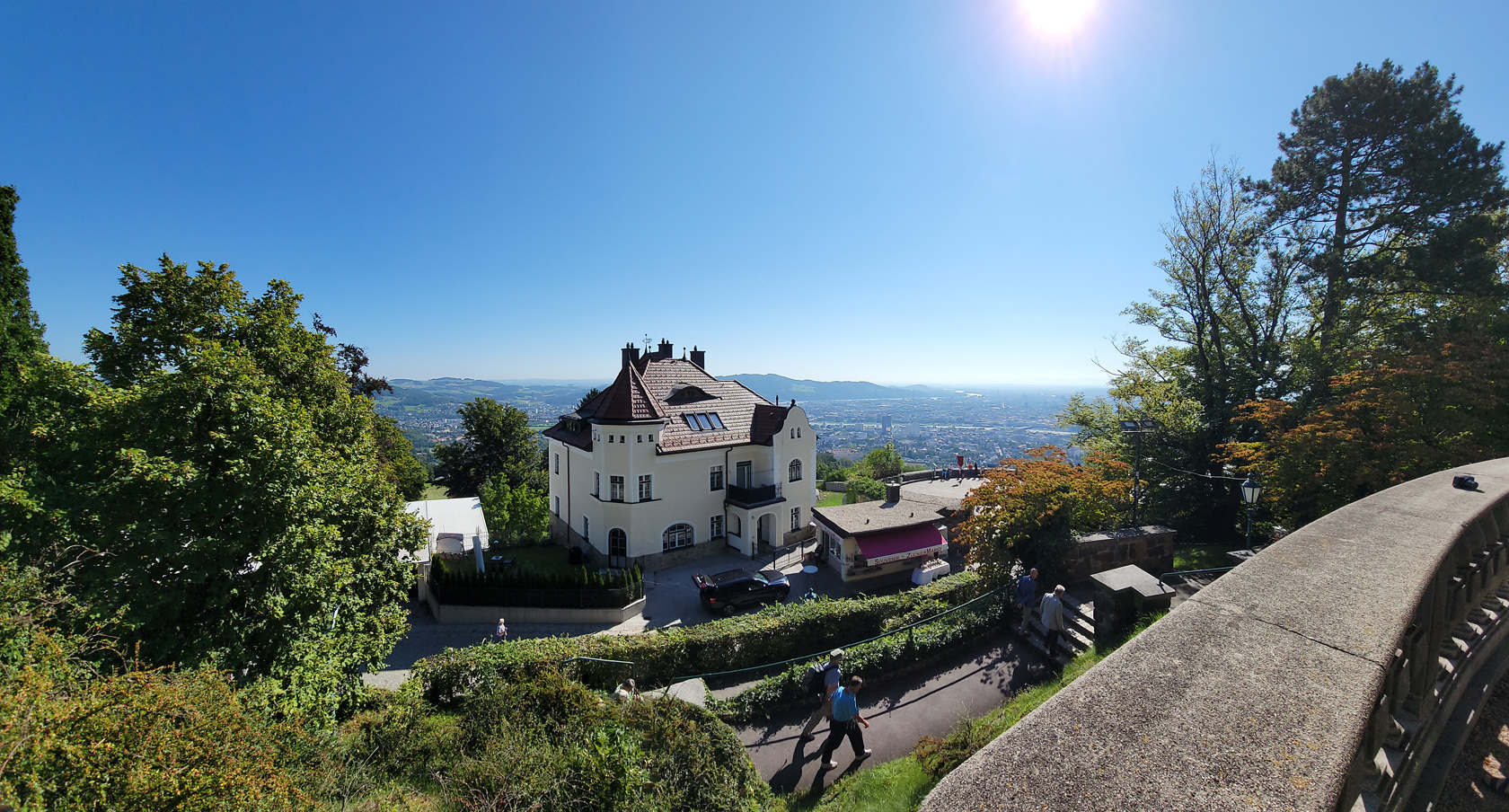
The view of Linz once you reach the top is truly worth the time and effort.
Overlook – Wallfahrt Basilica of the Seven Pains of Mary – Linz, Austria
Wallfahrts Basilica
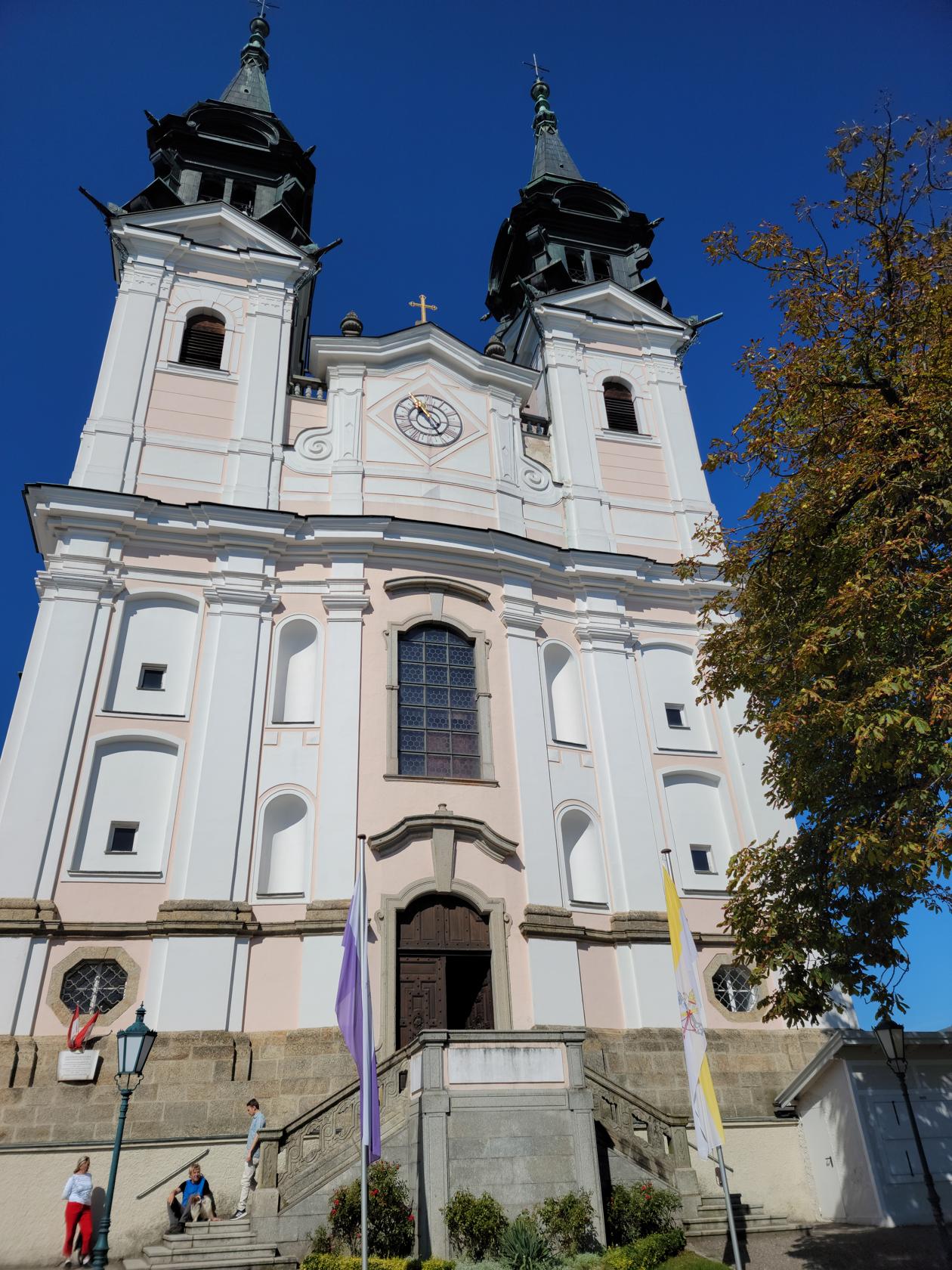
On the top of Pöstlingberg sits the Wallfahrts Basilica of the Sieben Schmerzen Mariae, or the Seven Pains of Mary. It has a commanding view of Linz and the surrounding areas.
Outside view – Wallfahrt Basilica of the Seven Pains of Mary – Linz, Austria
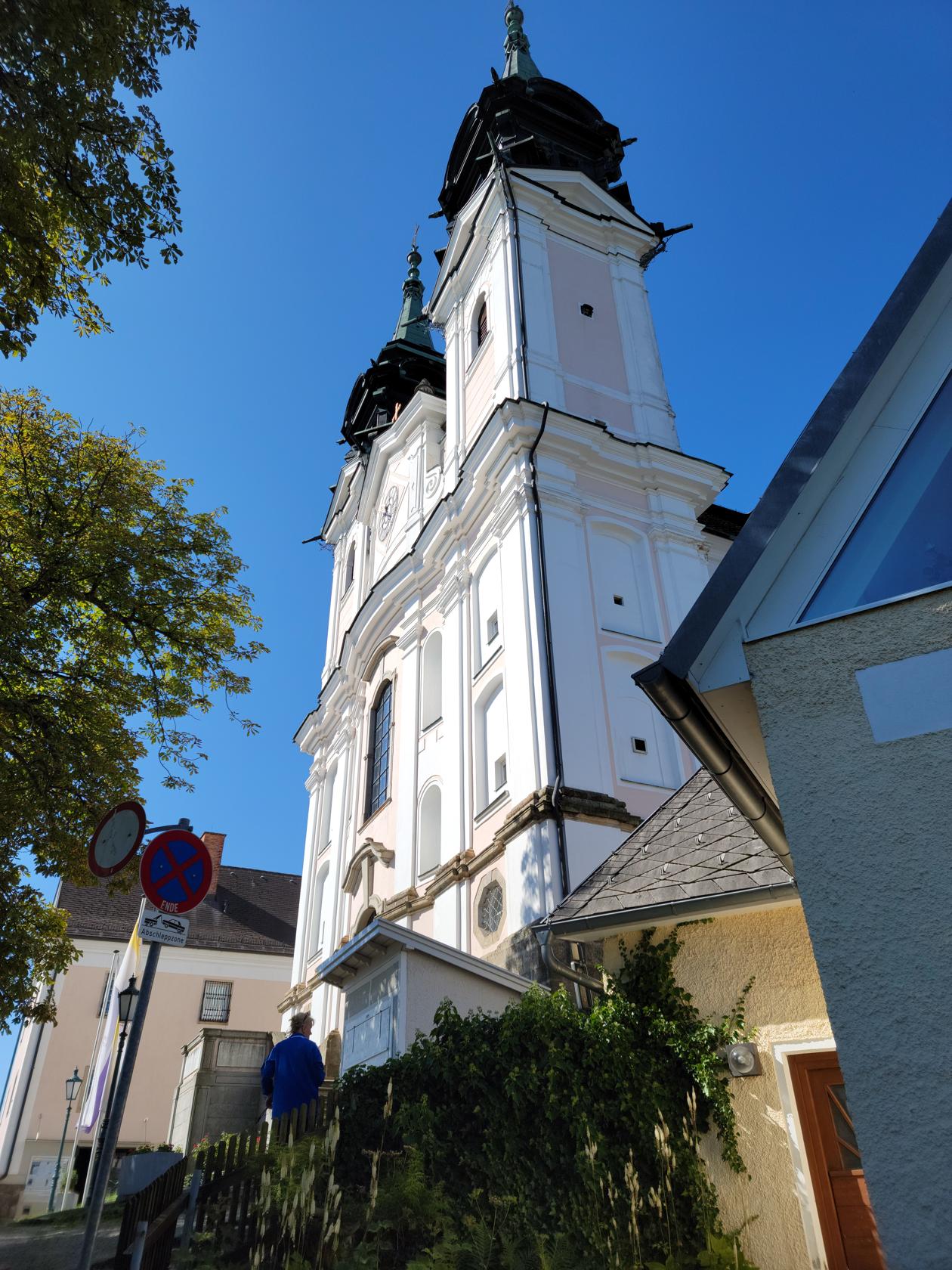
Towers – Wallfahrt Basilica of the Seven Pains of Mary – Linz, Austria
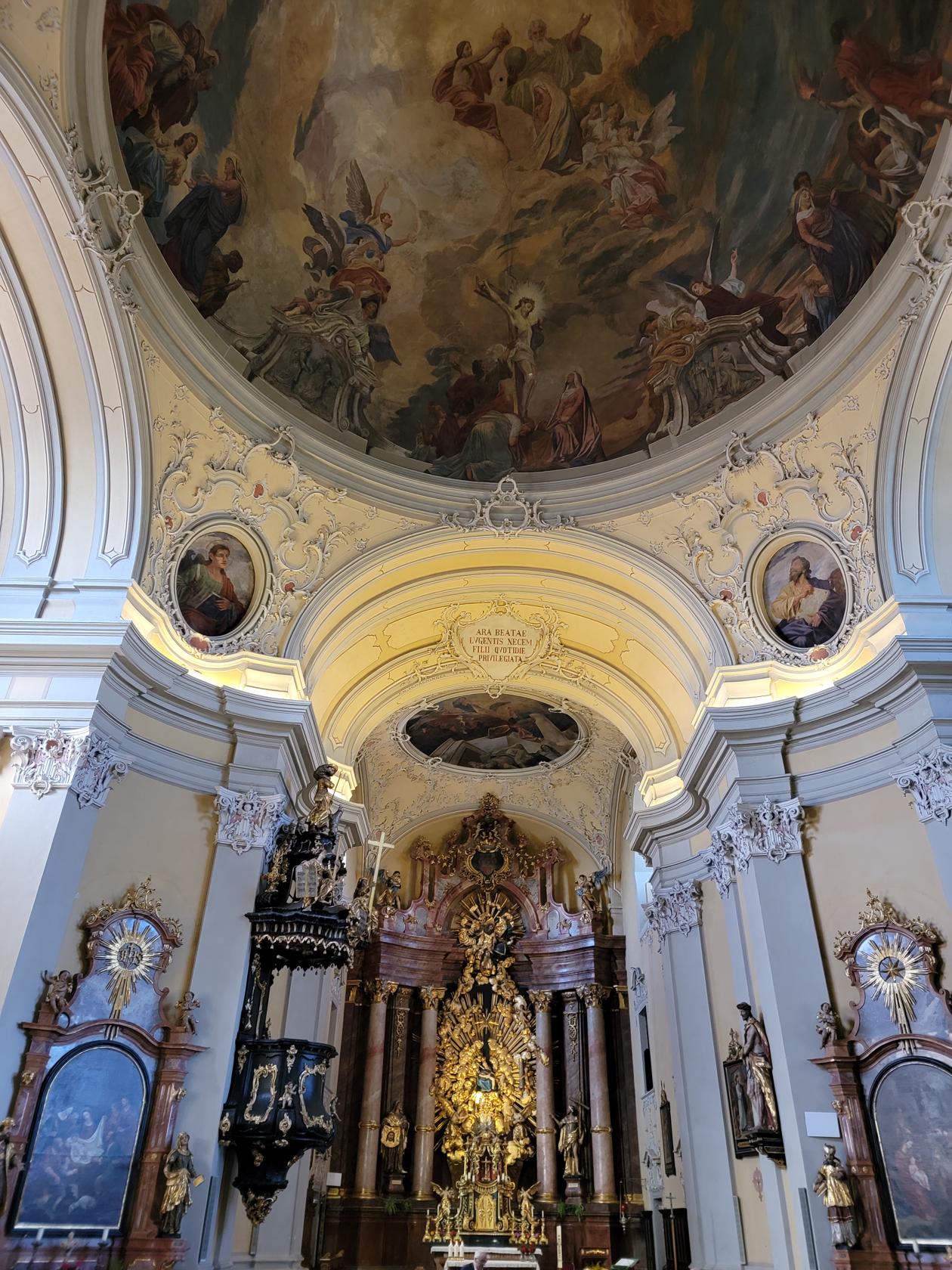
The basilica inside is quite impressive and is also known as the Pöstlingberg Pilgrimage Church.
Inside – Wallfahrt Basilica of the Seven Pains of Mary – Linz, Austria
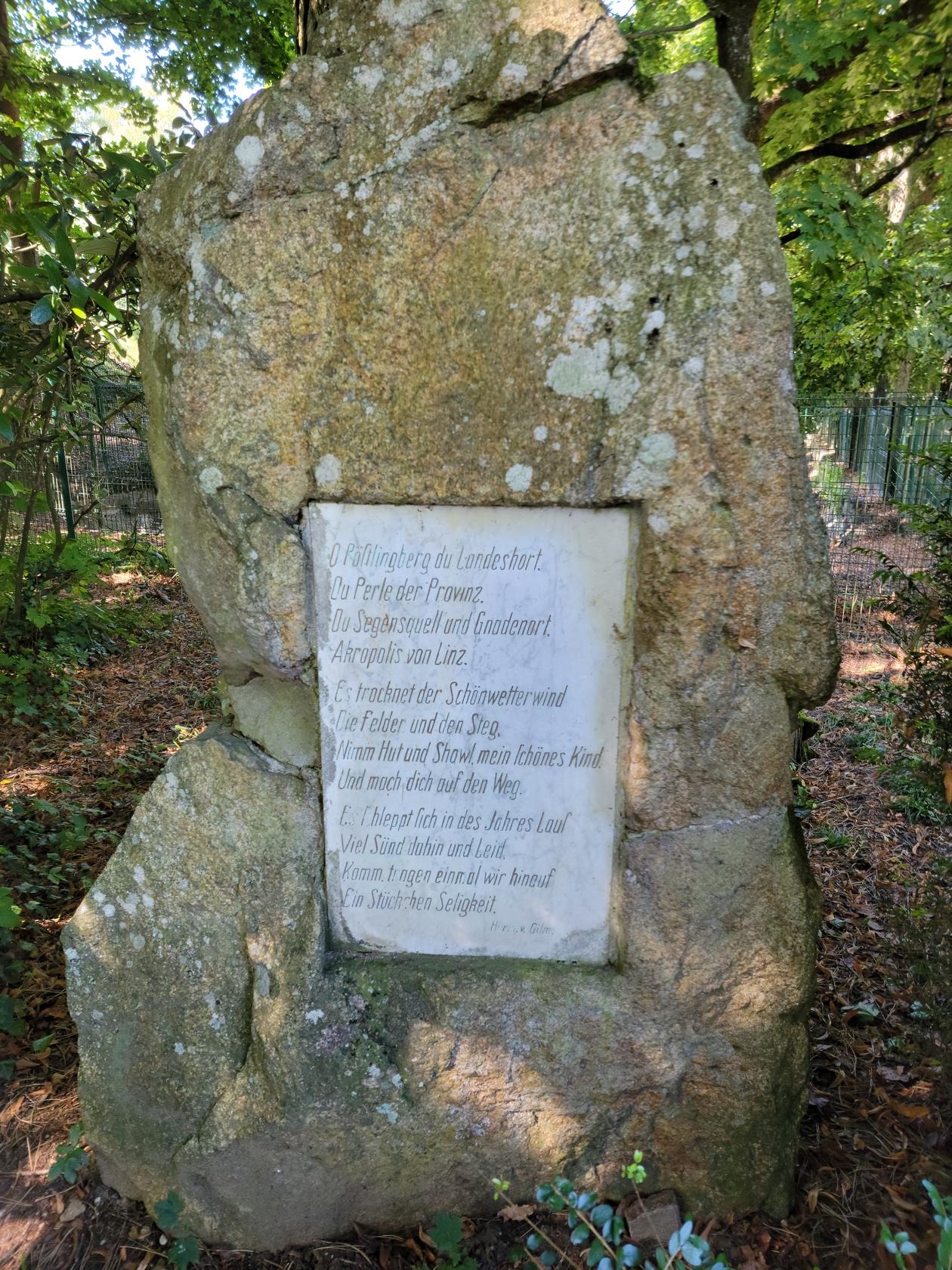
It also has a very nice park adjacent to it where you can leisurely stroll while the cool air up there offers a breeze on warm days.
Poetry in the park – Wallfahrt Basilica of the Seven Pains of Mary – Linz, Austria
Castle mote – Wallfahrt Basilica of the Seven Pains of Mary – Linz, Austria
Castle mote – Wallfahrt Basilica of the Seven Pains of Mary – Linz, Austria
Promenade – Wallfahrt Basilica of the Seven Pains of Mary – Linz, Austria
Promenade – Castle mote – Wallfahrt Basilica of the Seven Pains of Mary – Linz, Austria
Patti in the park – Wallfahrt Basilica of the Seven Pains of Mary – Linz, Austria
Grottenbahn
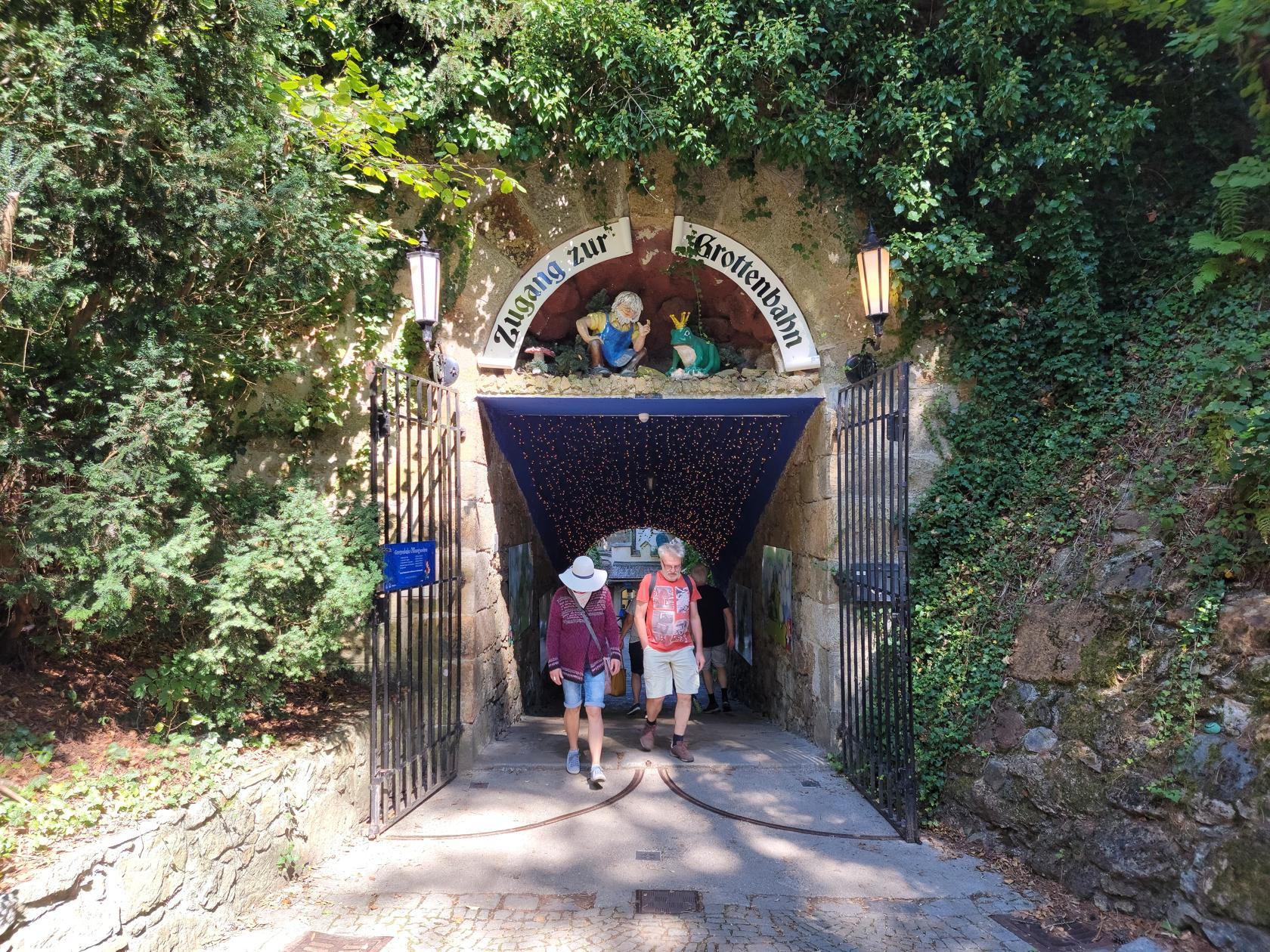
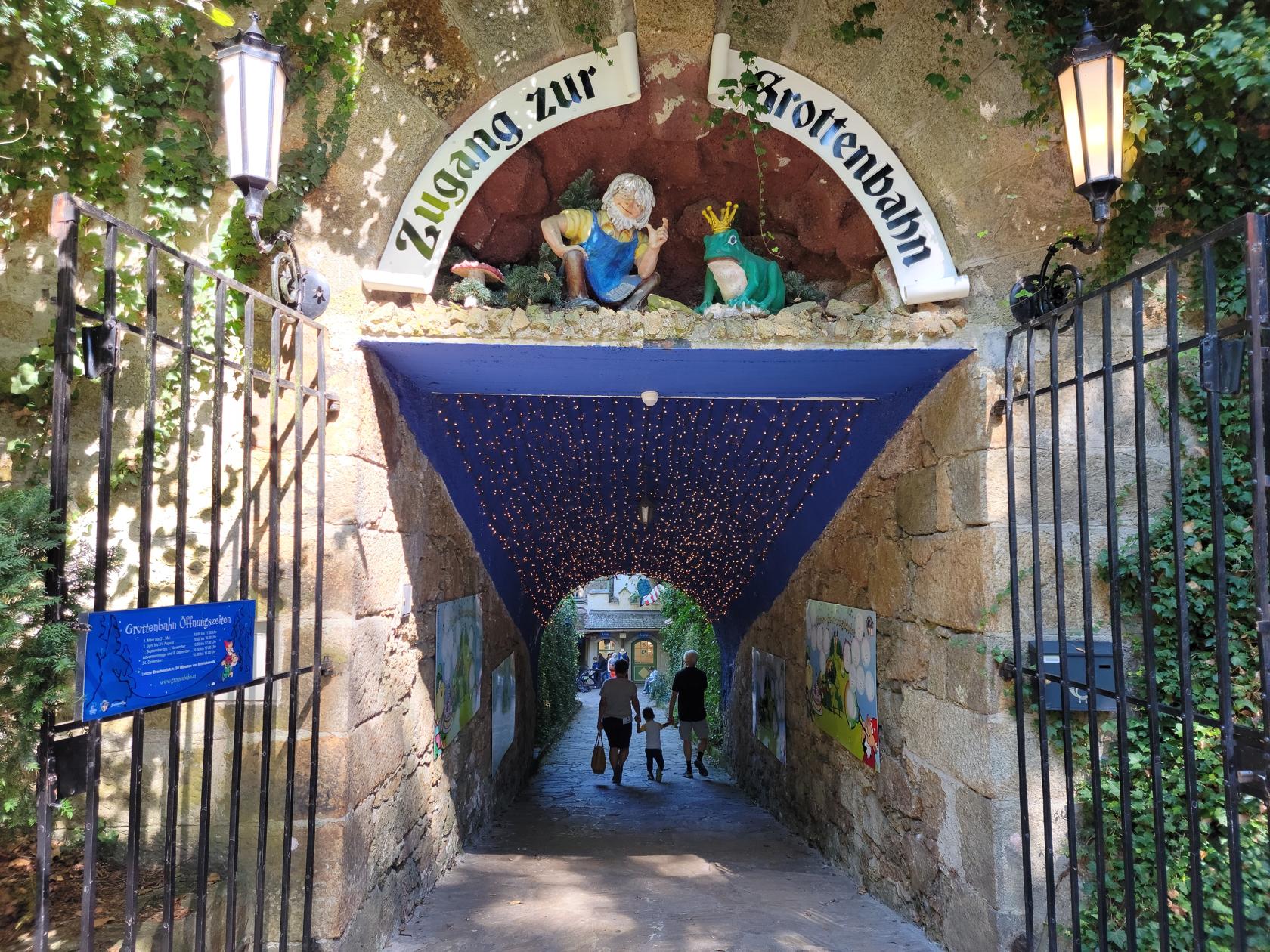
There is also the Grottenbahn for those that have children or are young at heart. Apparently, it is a miniature railway inside that takes young people fantasy ride where there are gnomes and other fairytale characters, most likely with an emphasis on European tales.
Grottenbahn or train – Linz, Austria
Grottenbahn entrance – Linz, Austria
Though we did not take the adventure, we found the cost for one adult to be around 6€/person.
Restaurants
Since we were both feeling a bit under the weather, due to an unusual virus we had both caught; we decided to eat in at the hotel most evenings. Below are the exceptions to that rule and are special places to eat while in Linz.
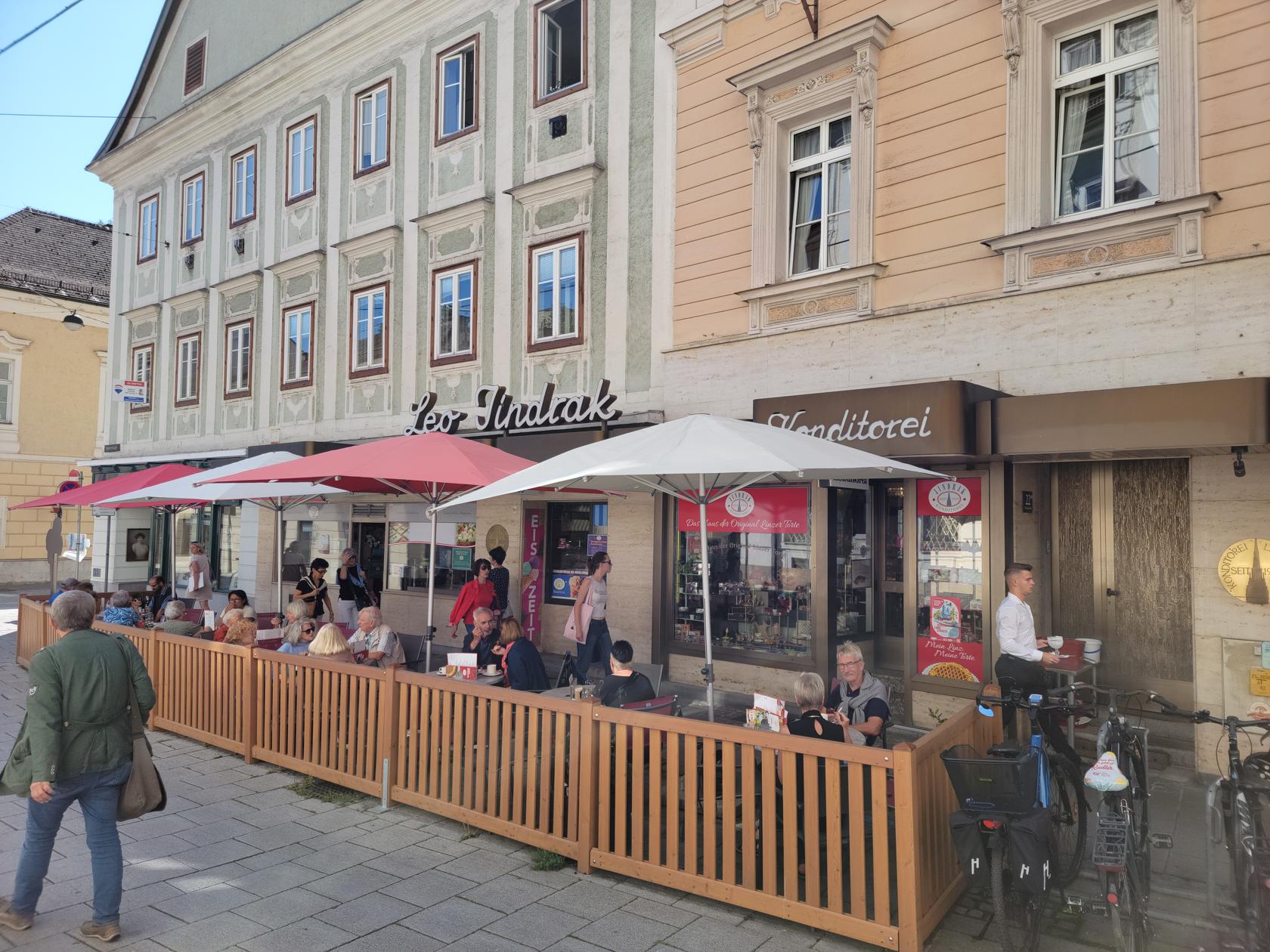
Jindrak Konditorei
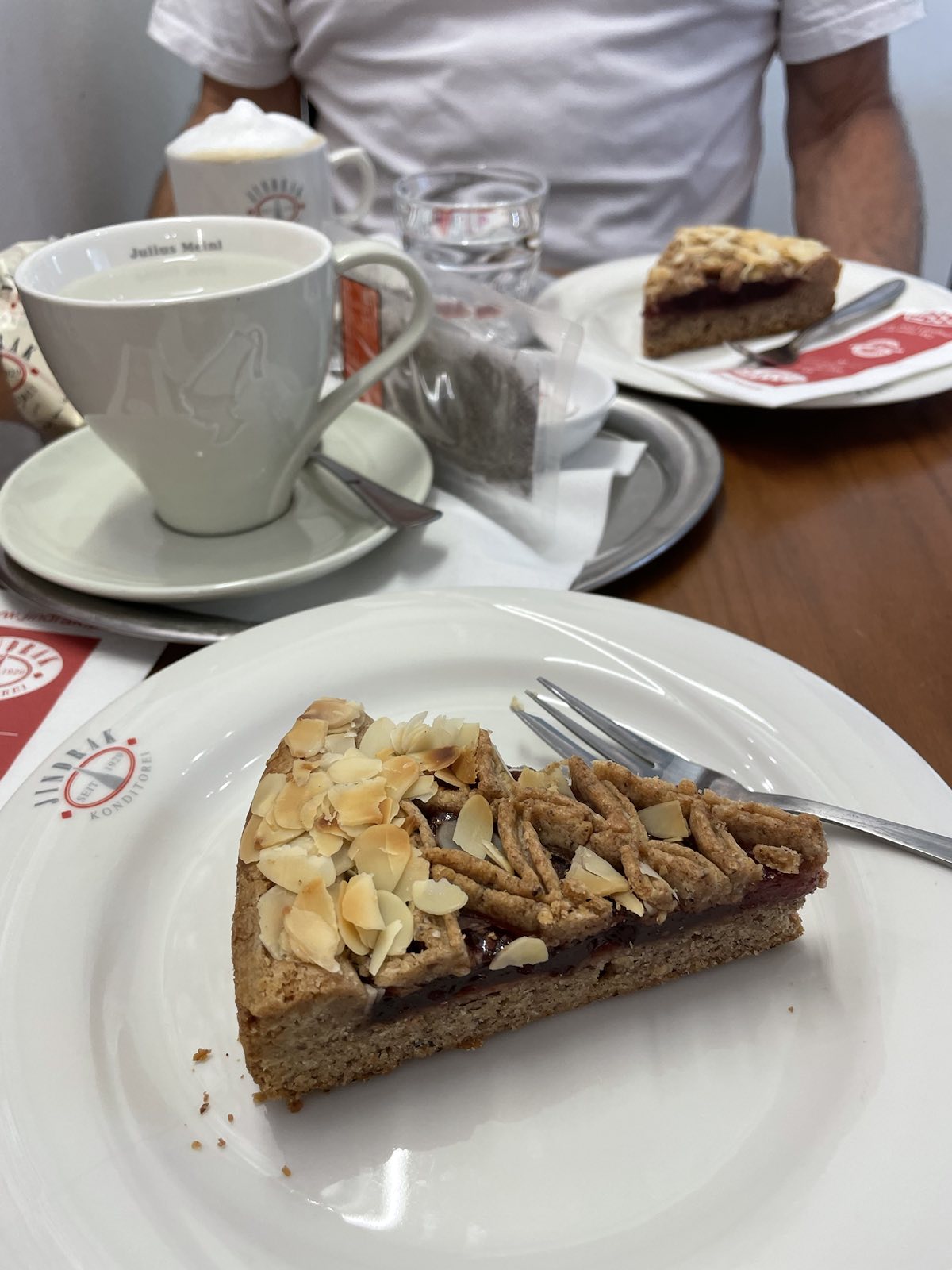
Located throughout Linz are copies of this original konditorei located on Herrenstraße in the altstadt. They are known for the amazing Linzer Torte and other baked delicacies. For any serious dessert lover and a must Kaffee und Kucken stop in mid afternoon when in Linz.
Herrenstraße – Linz, Austria
Jindrak Konditorei – Herrenstraße – Linz, Austria
Linzer Tort – Jindrak Konditorei – Herrenstraße – Linz, Austria
Like the British, the Danes are steeped in the tradition of a royal family. With Copenhagen as the capitol of the country, there are numerous castles and palaces that demonstrate the royal family’s hold on the country and its citizens and I guess their imaginations.
The Royal Family
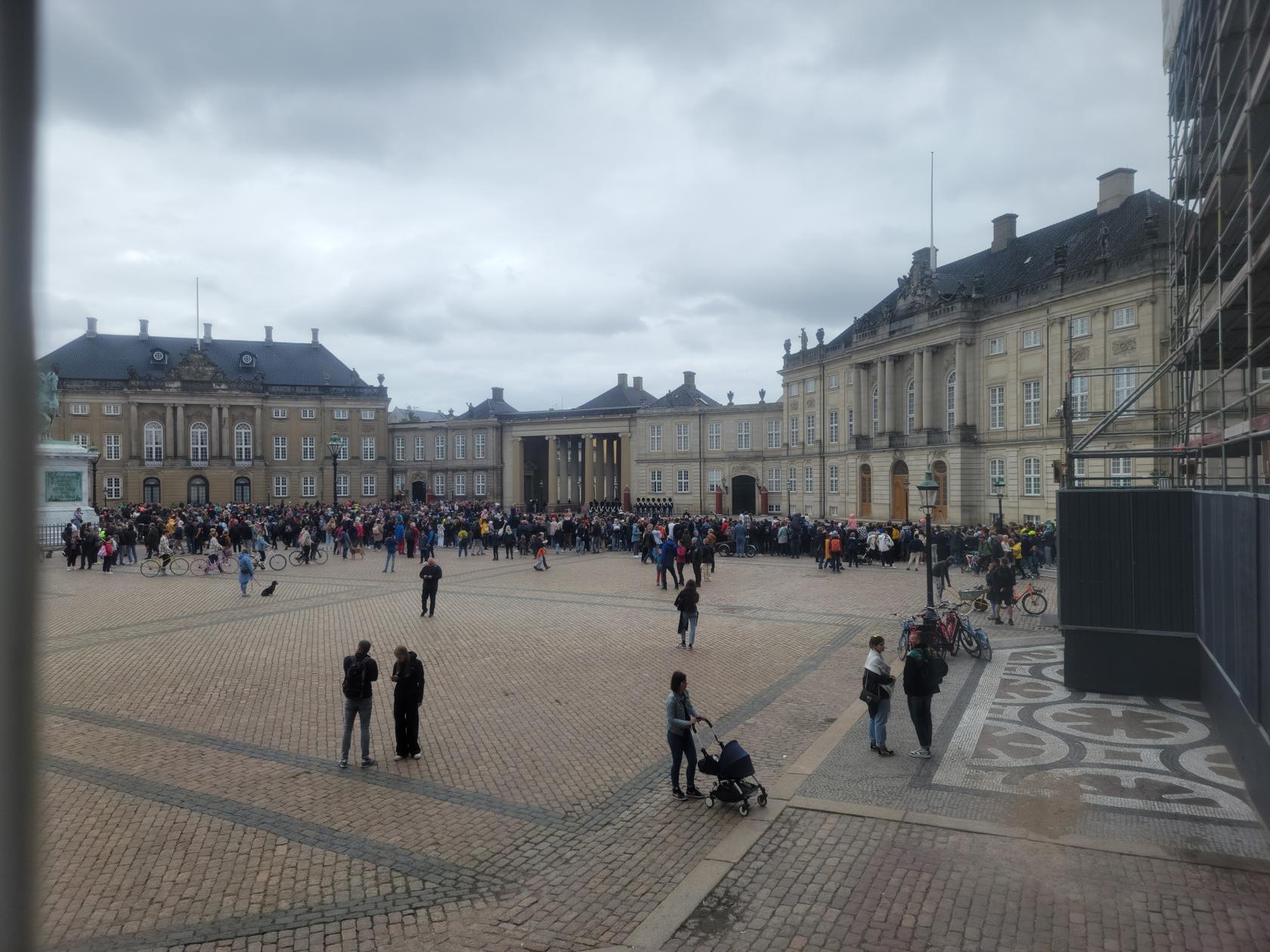
The family owns, either directly or indirectly, three important landmarks within the city of Copenhagen that are castles or palaces. Much has been turned into museum or tourist attraction, no doubt to keep the family coffers full. Some, like Amalienborg, the royal residence, are guarded and entertain a changing of the guard show.
The Palaces
The are many palaces in Copenhagen, perhaps a bit too many to see in one trip. There are the Amalienborg – which contains four palaces, Christriansborg Palace which are right in town, but there is also Frederiksberg Palace and more further out from the city. If you are into grand buildings and royal history, these will probably be must-see spots.
Amalienborg
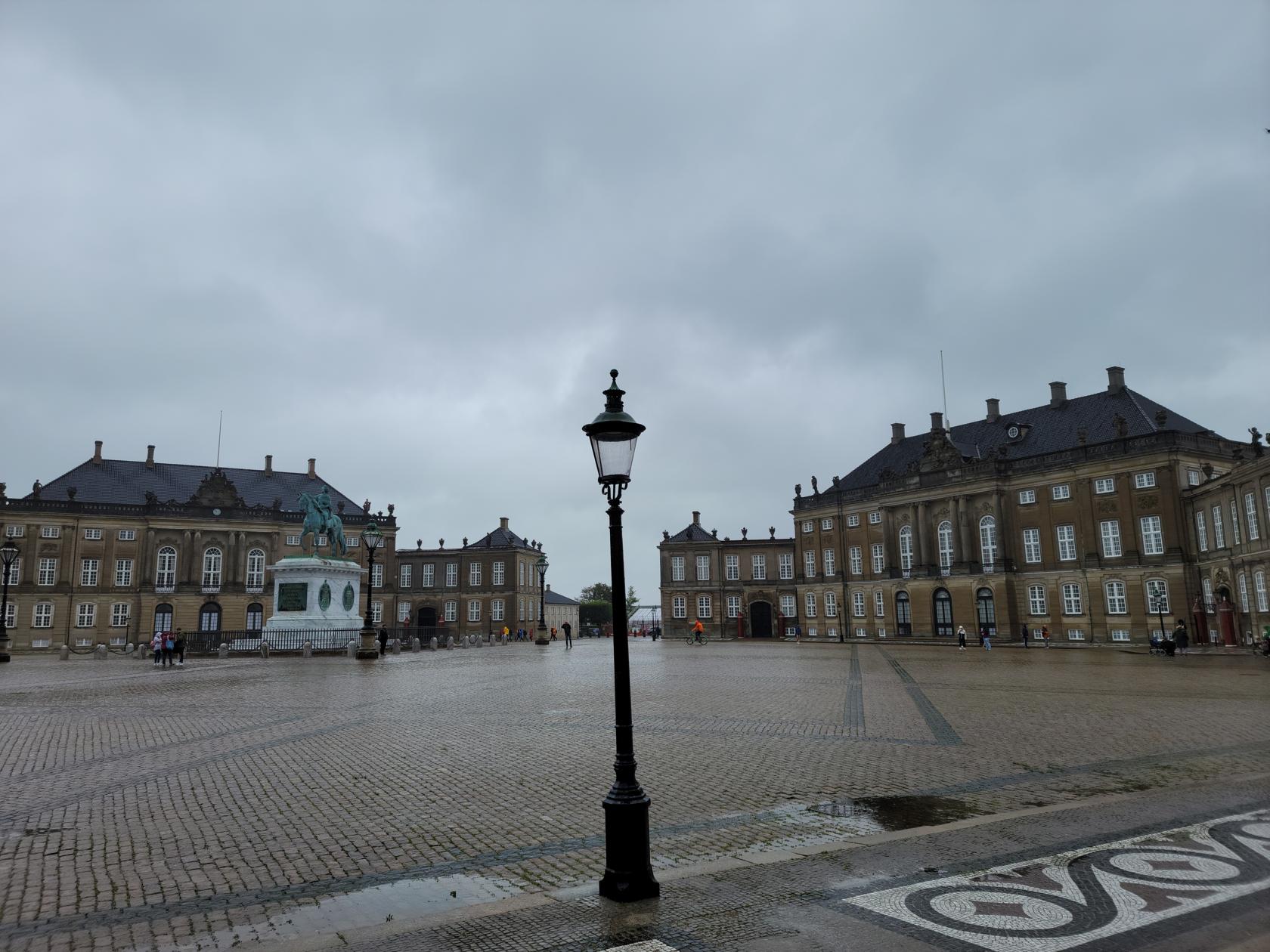
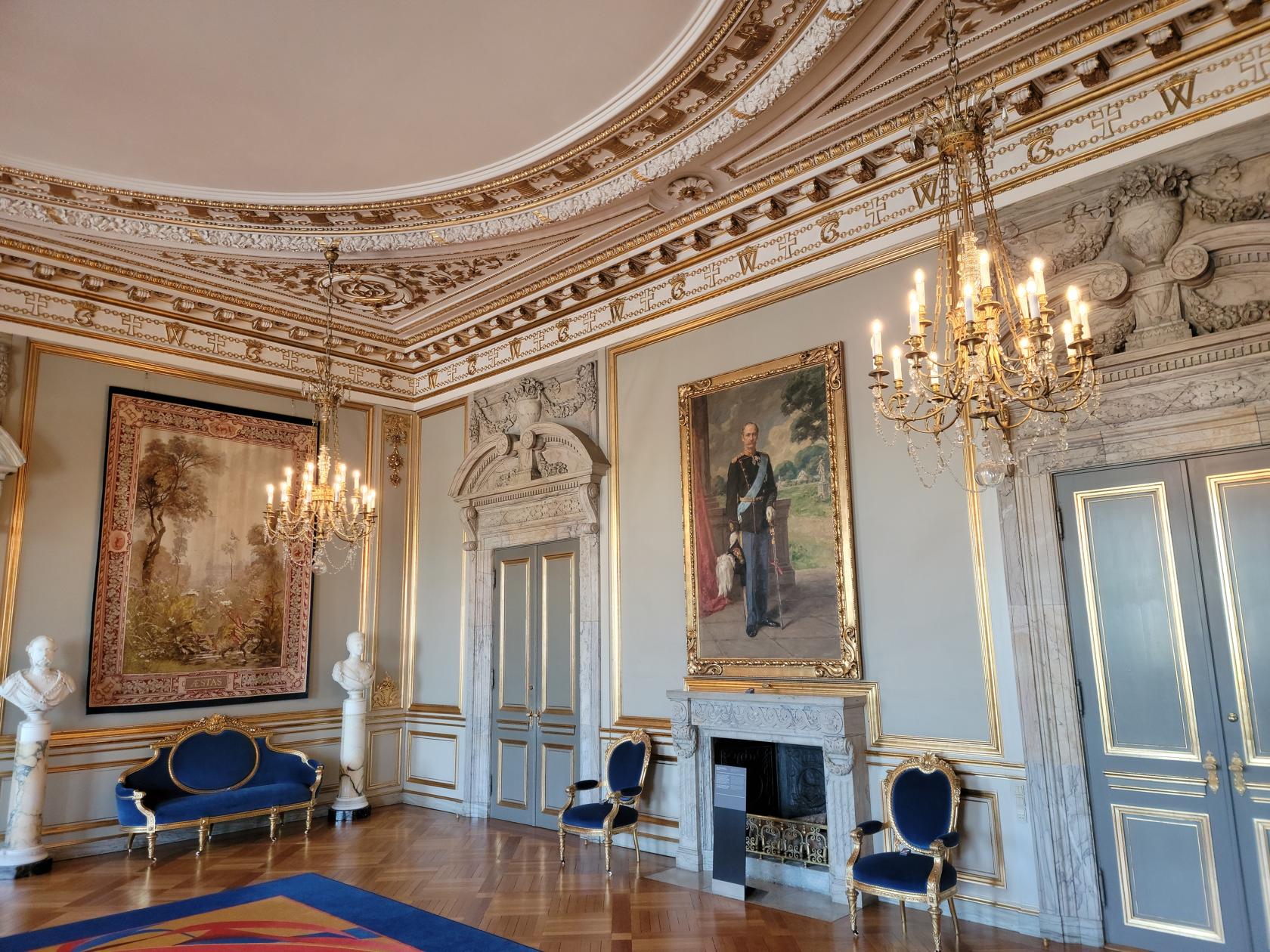
The current residence of the royal family is in Amalienborg. This palace occupies are large square in almost four city square blocks. It is divided into four distinct buildings with gardens, one of which is the Amalienborg Palace Museum, which may be visited. Each building is a palace in its own right, they are Christian VII’s Palace, Christian VIII’s Palace, Frederick VIII’s Palace and Christian IX’s Palace.
Amalienborg Slotsplads – Copenhagen, Denmark
Changing of the Guard – Amalienborg Palace Museum – Copenhagen, Denmark
Amalienborg was once the location of two other palaces which either suffered greatly from fire, or burnt to the ground completely. Subsequent construction led to the building of the palaces we see today.
Tickets For Two – Amalienborg Palace Museum – Copenhagen, Denmark
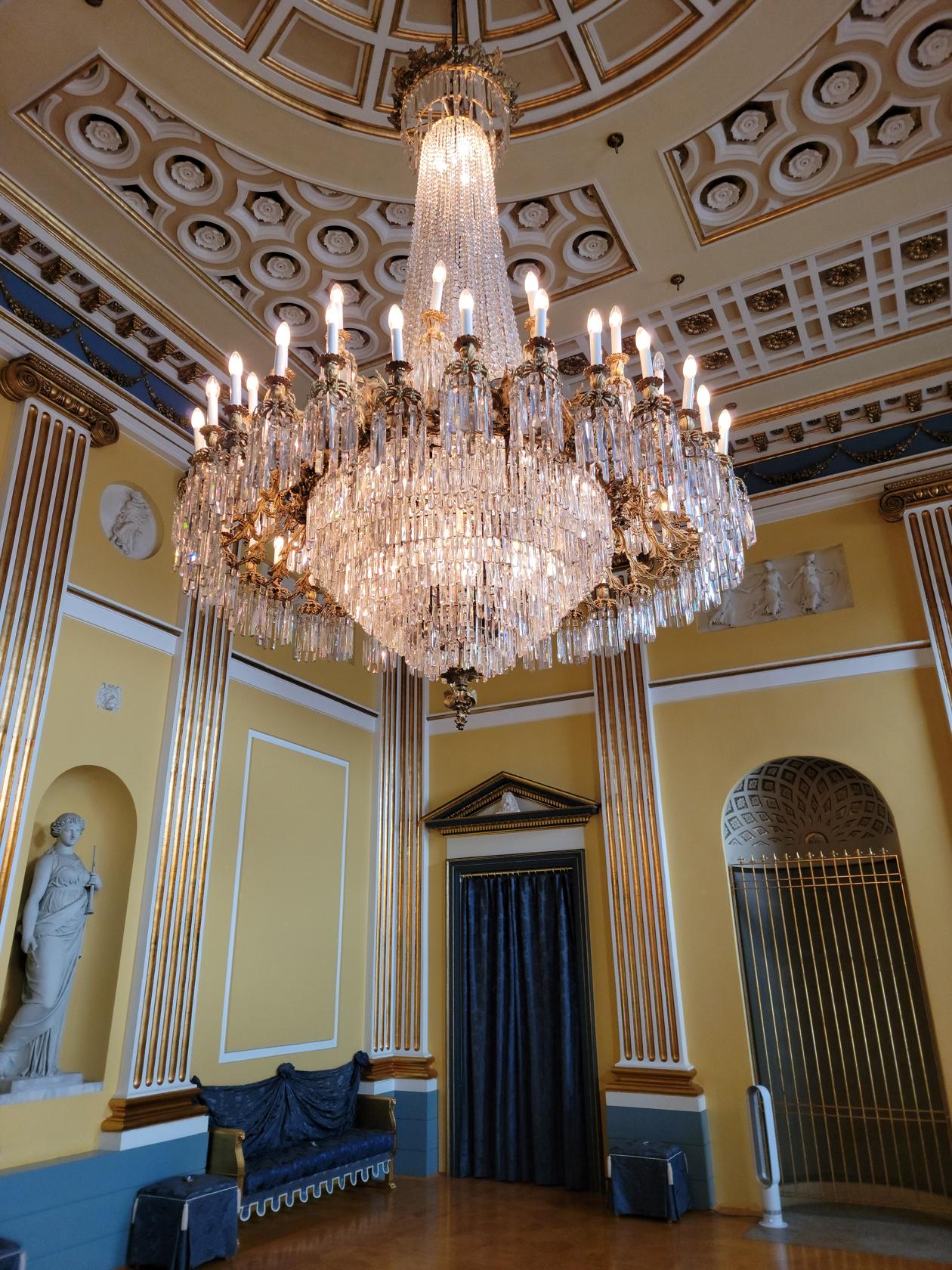
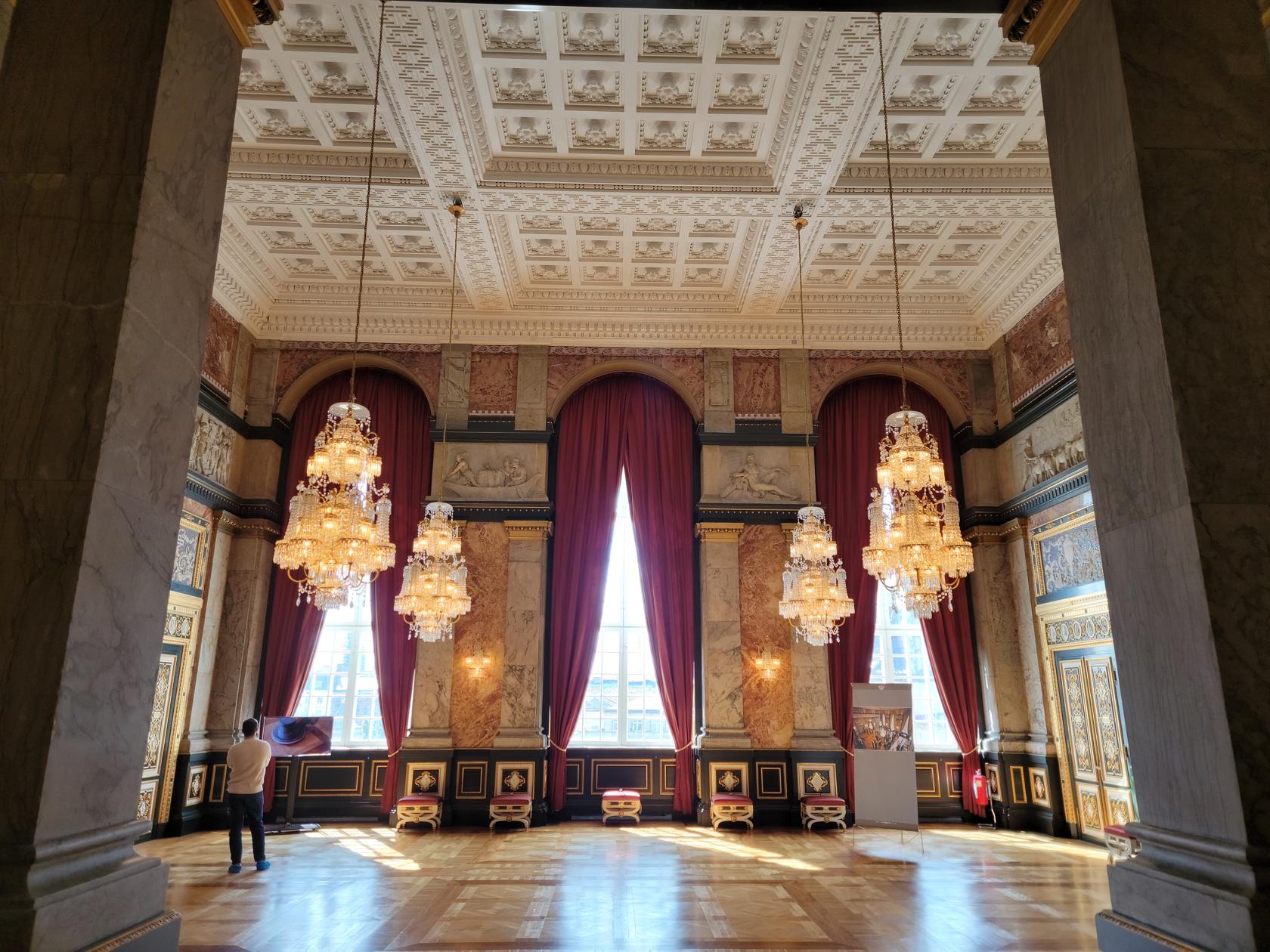
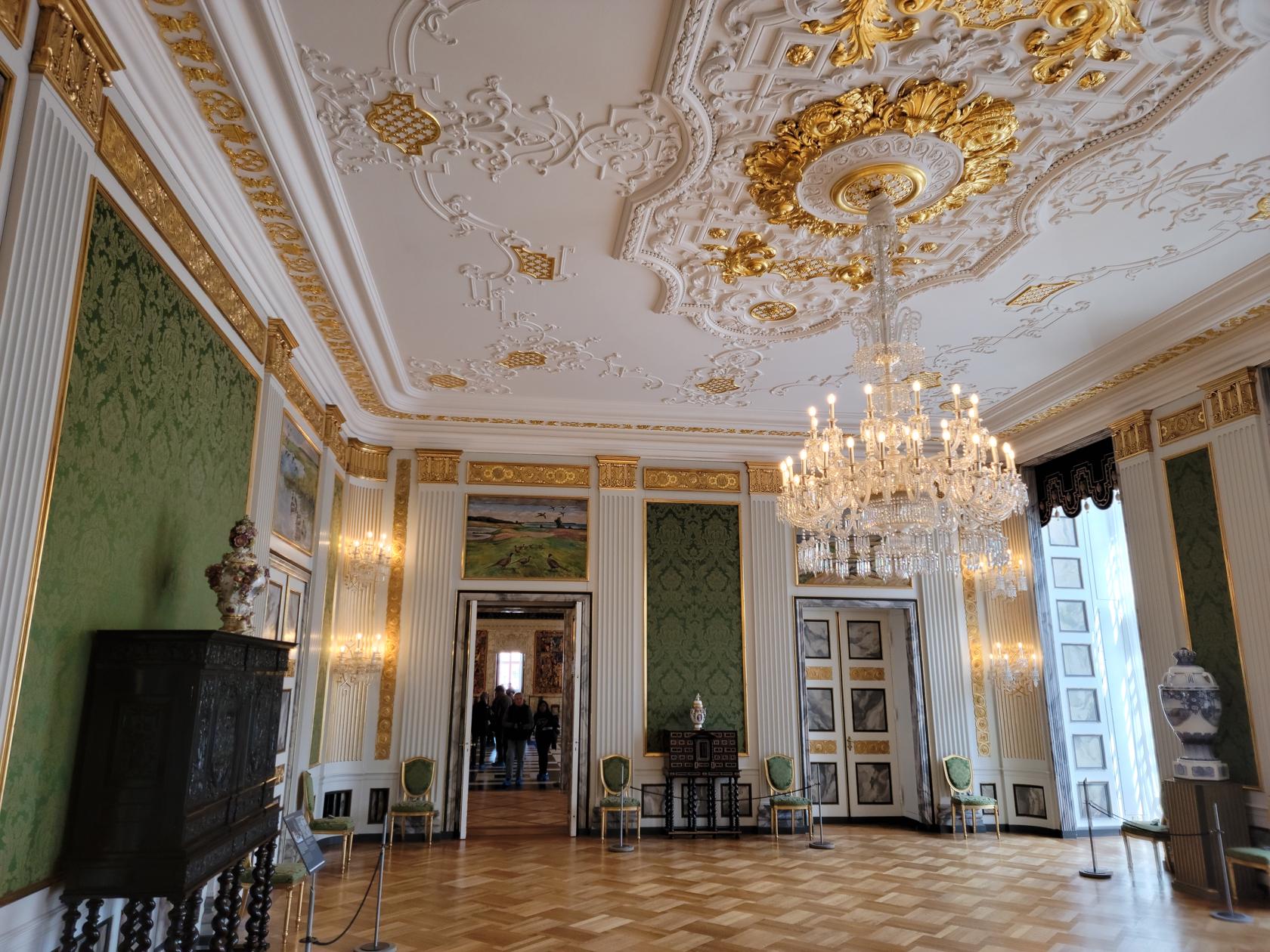
Another chandelier – Amalienborg Palace Museum – Copenhagen, Denmark
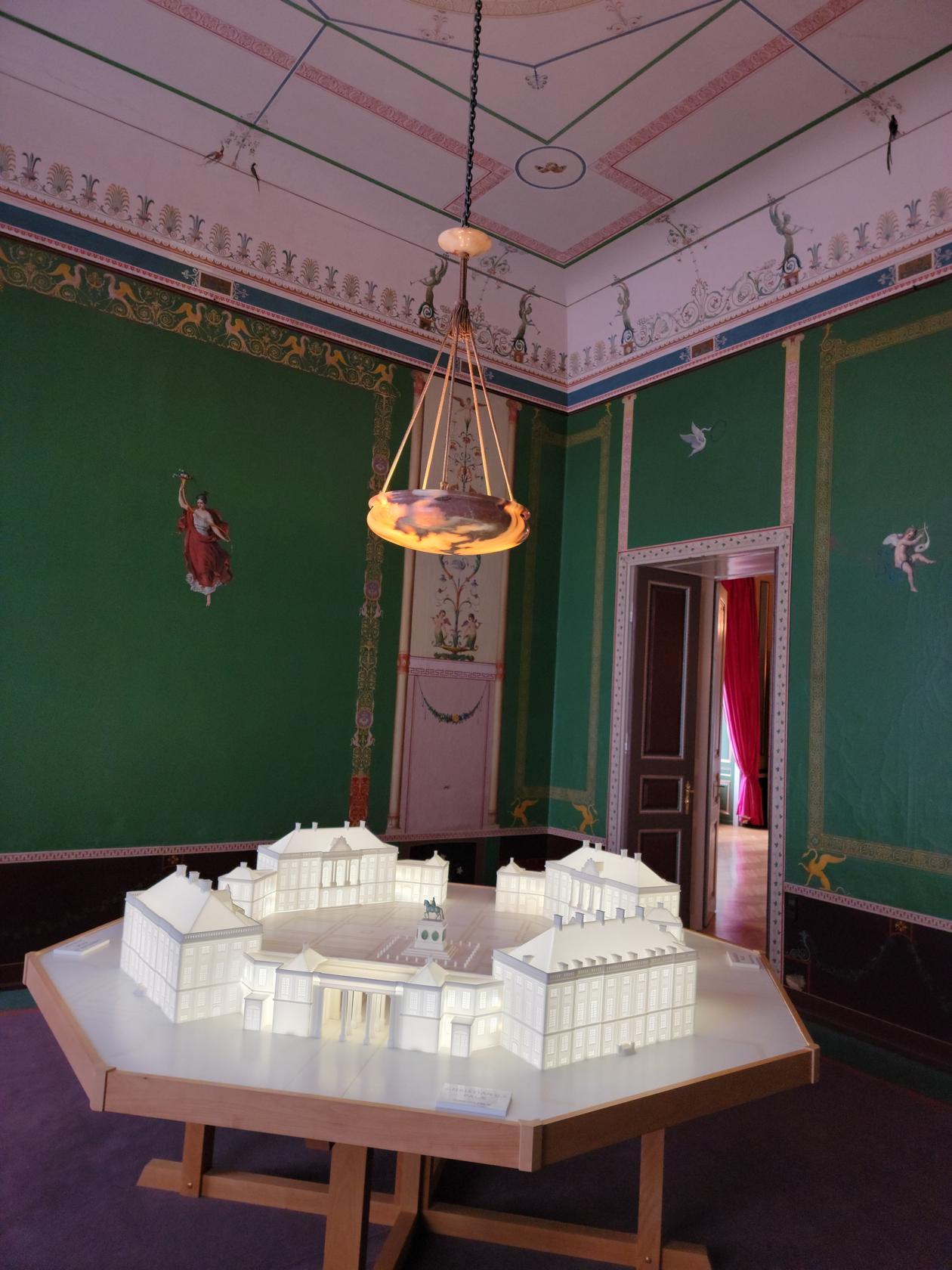
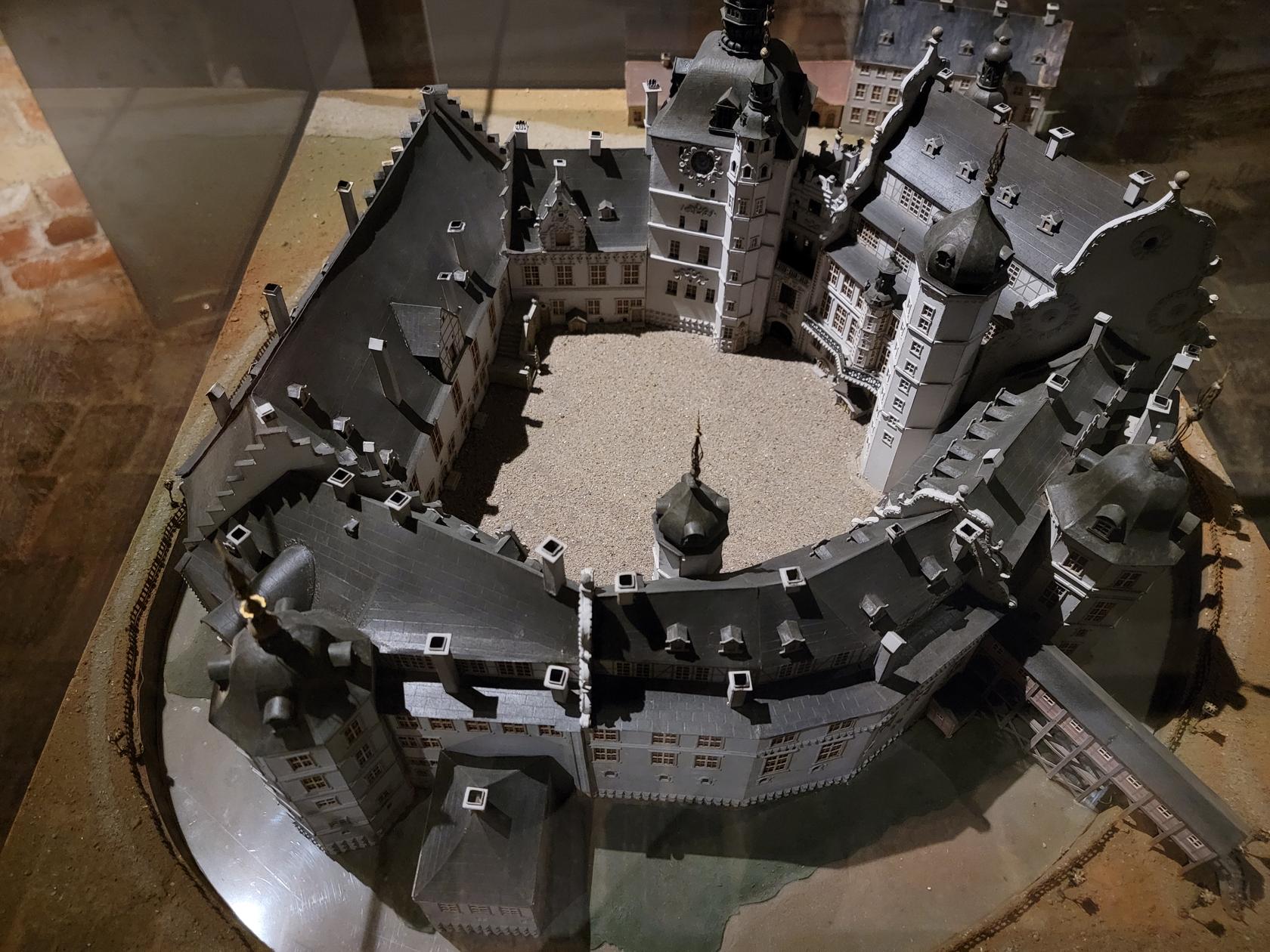
Diorama of Christian IX Palace – Amalienborg Palace Museum – Copenhagen, Denmark
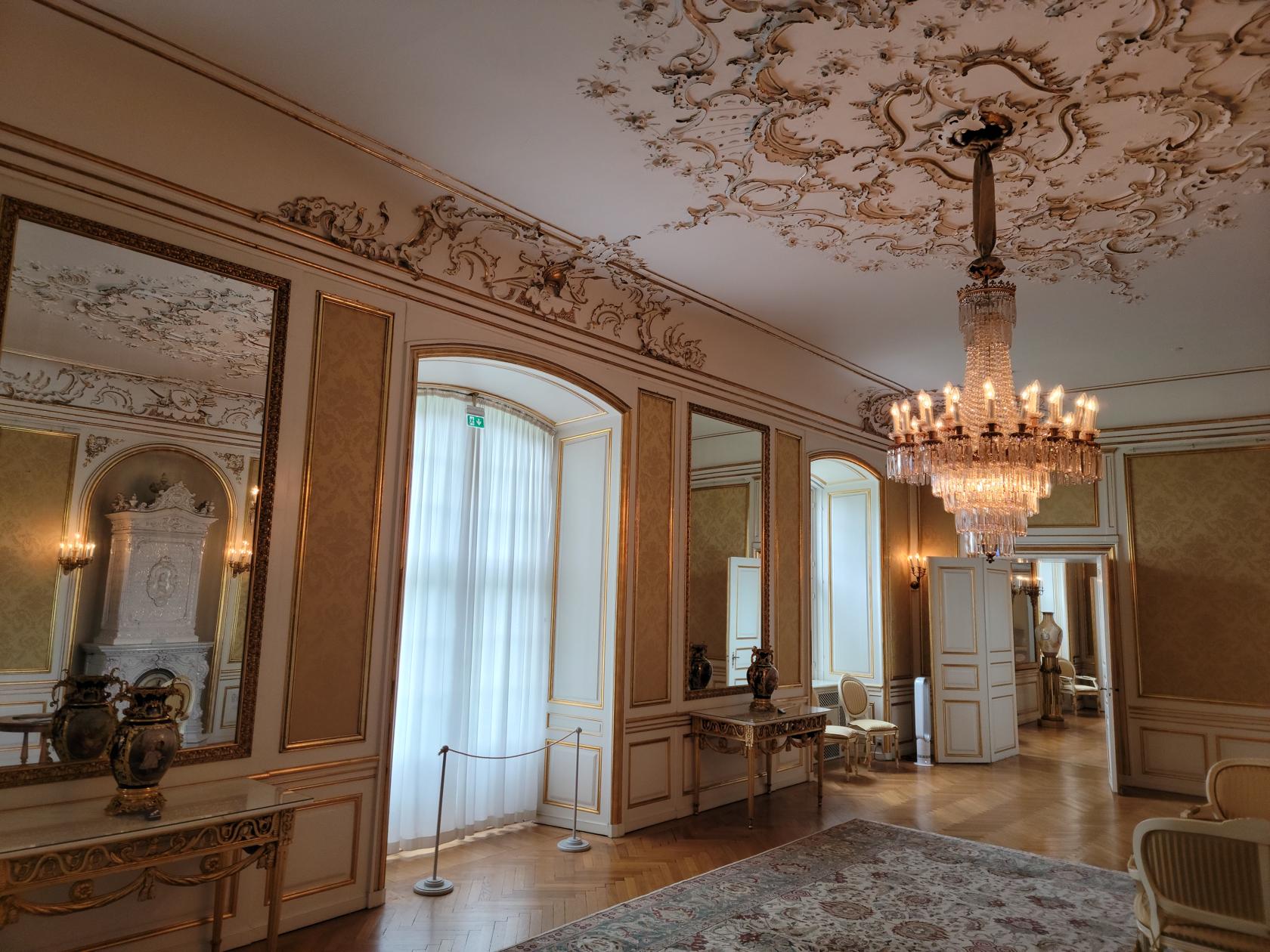
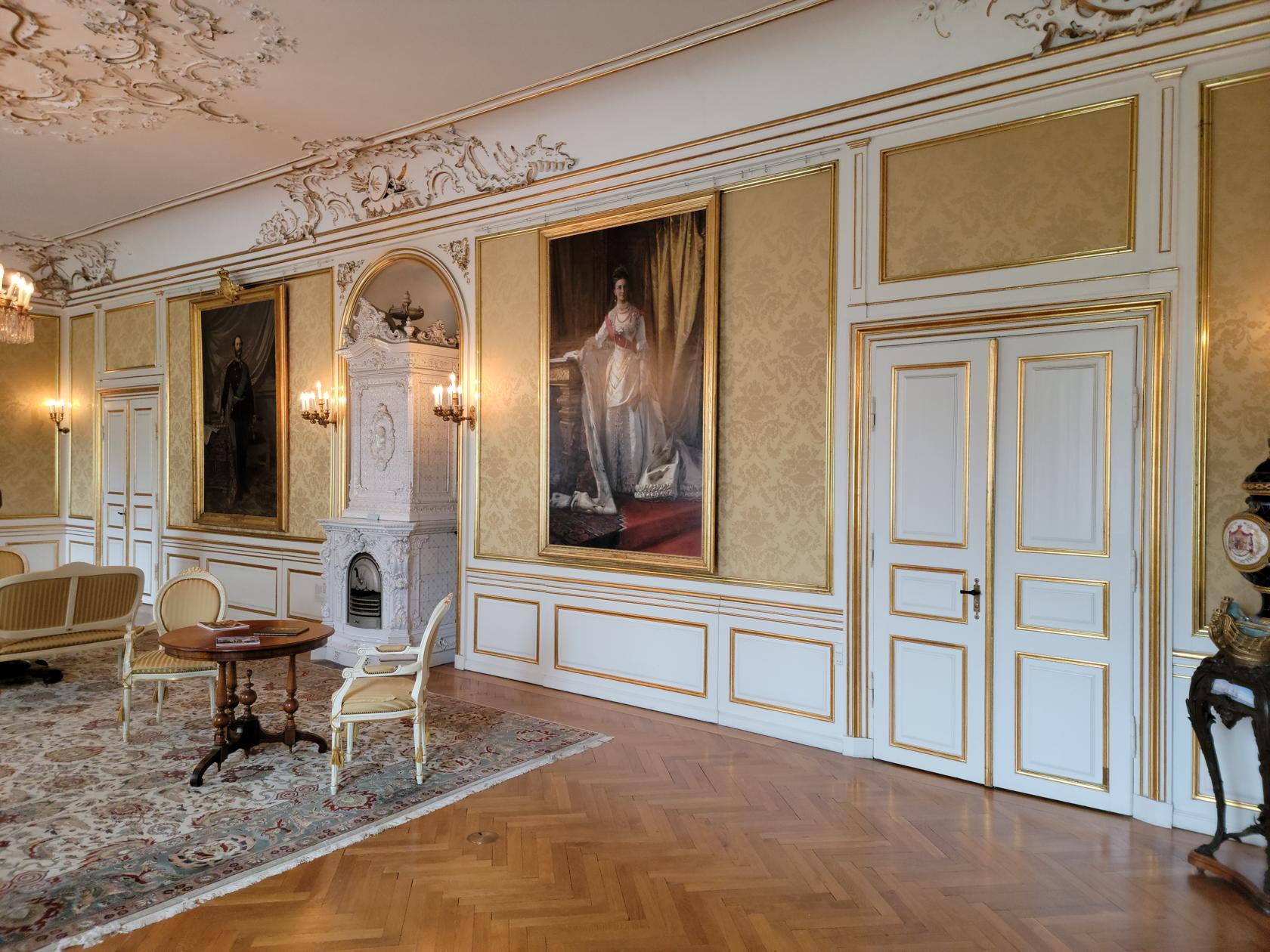
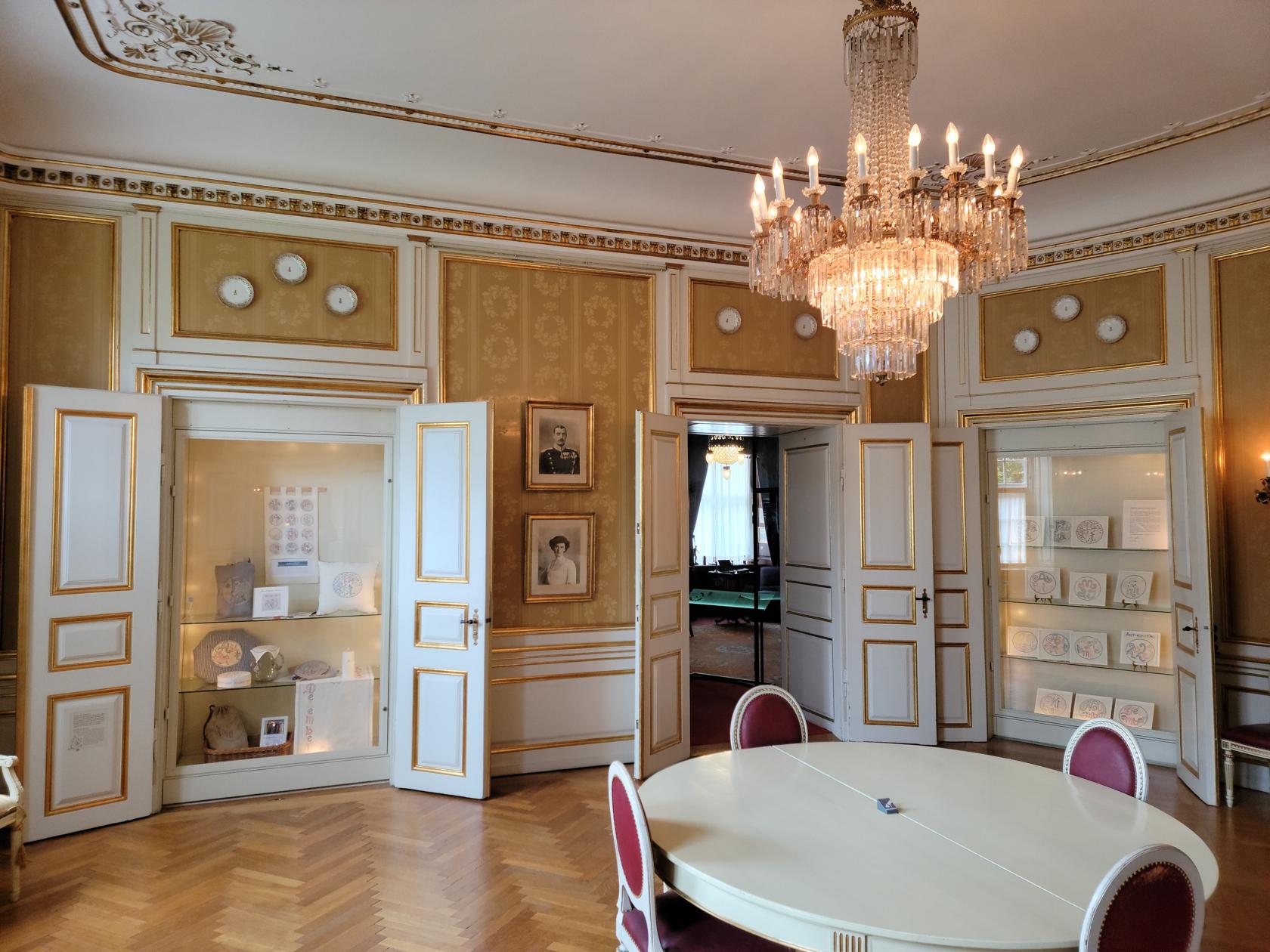
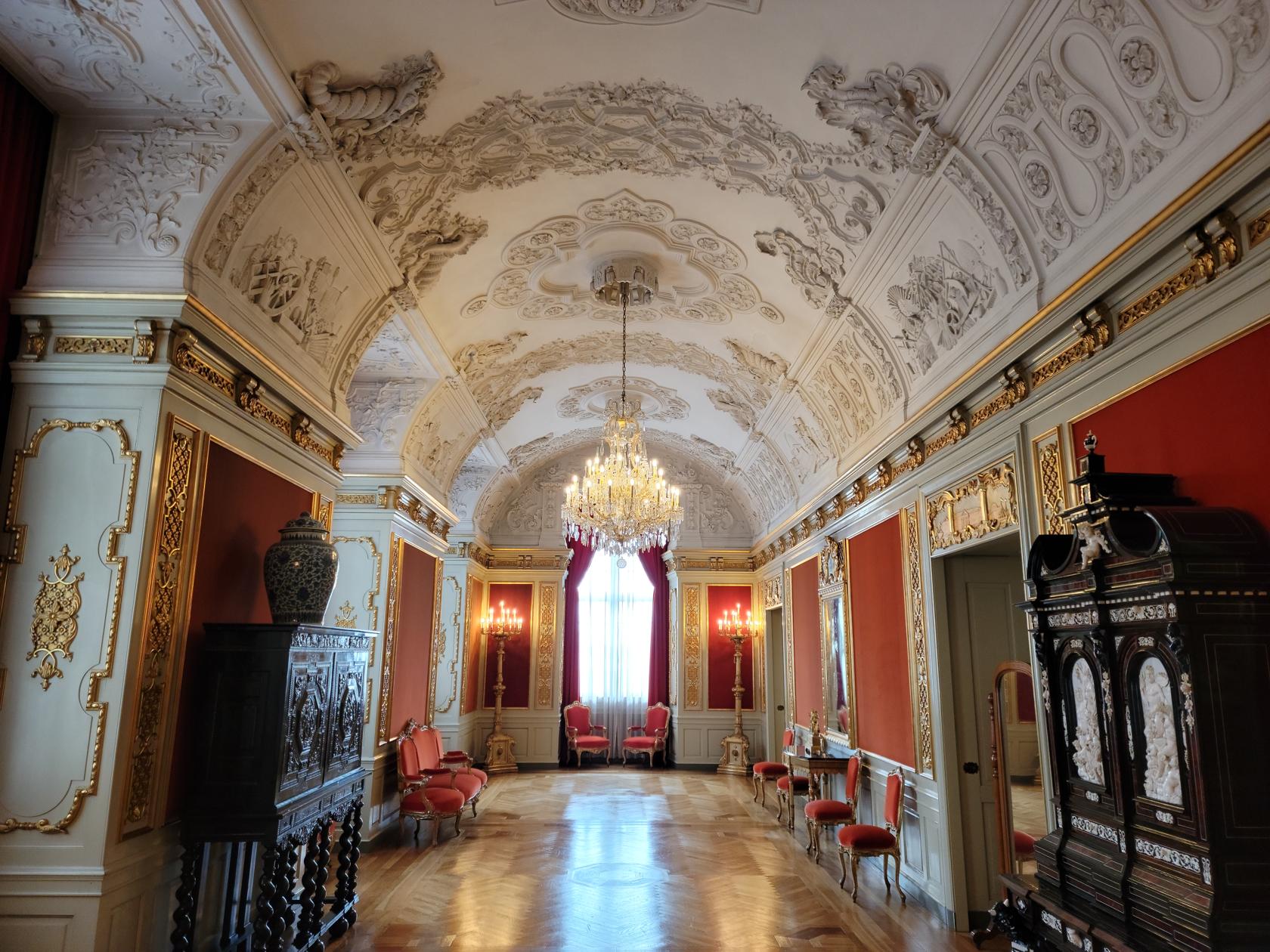
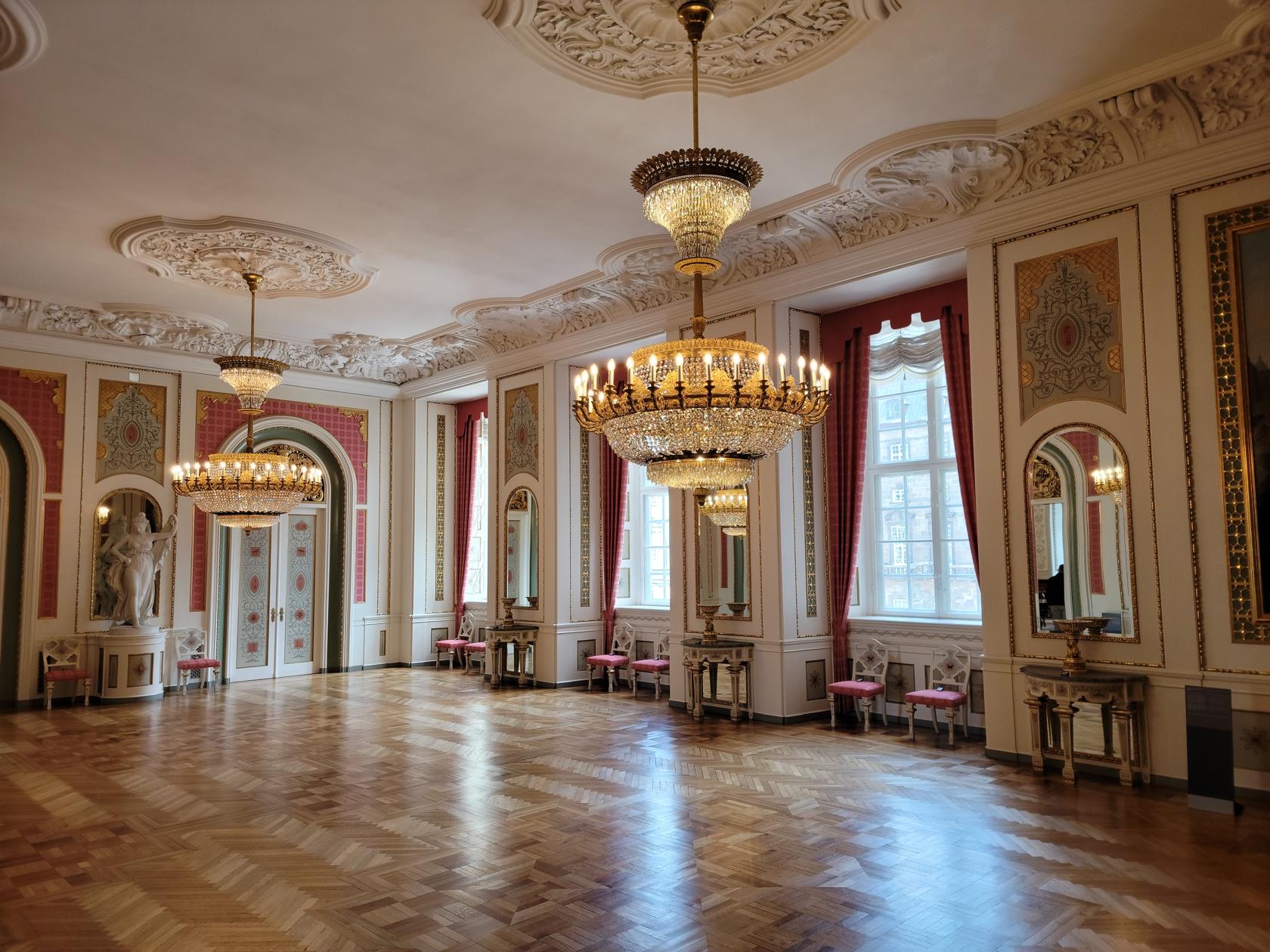
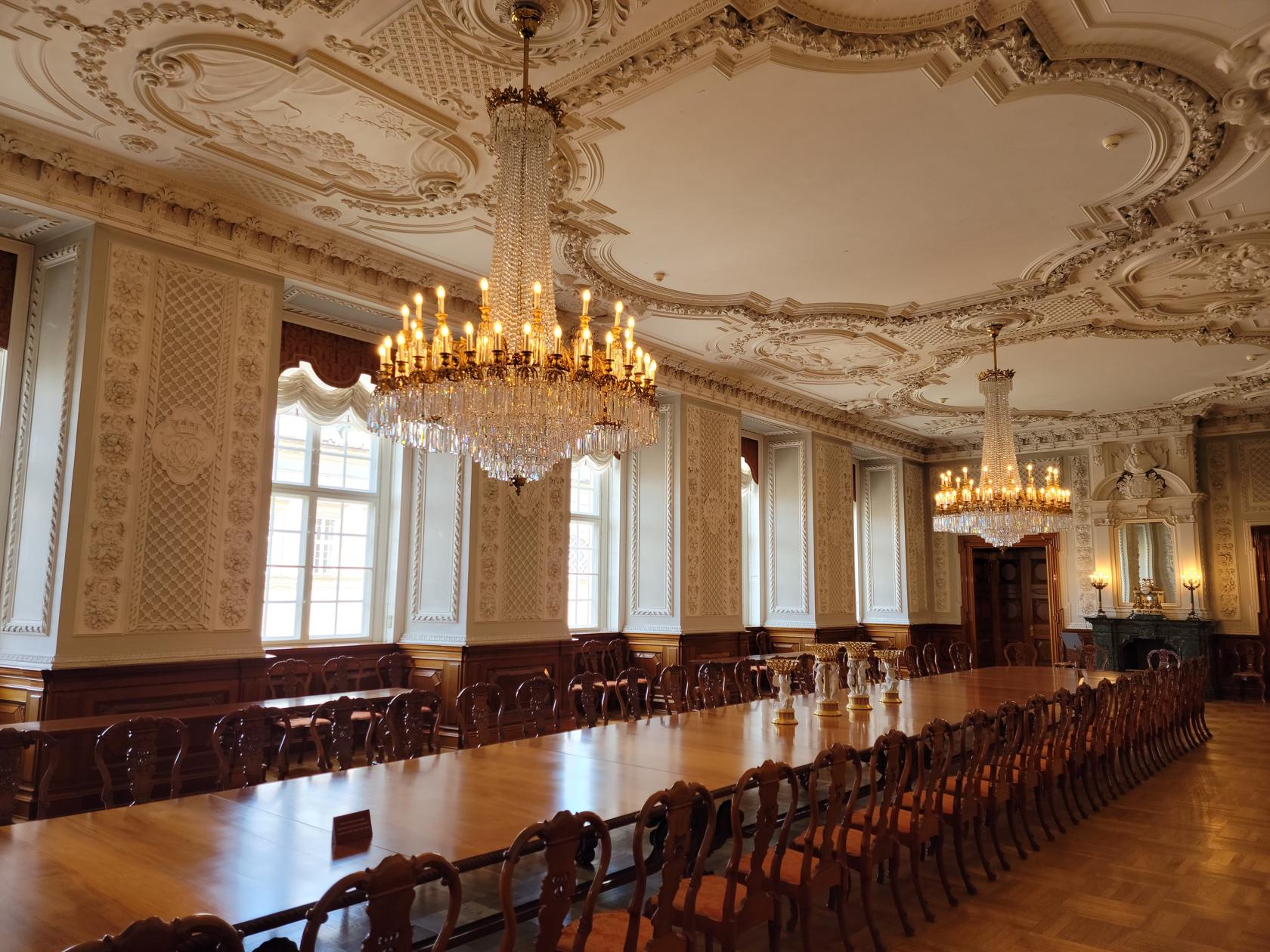
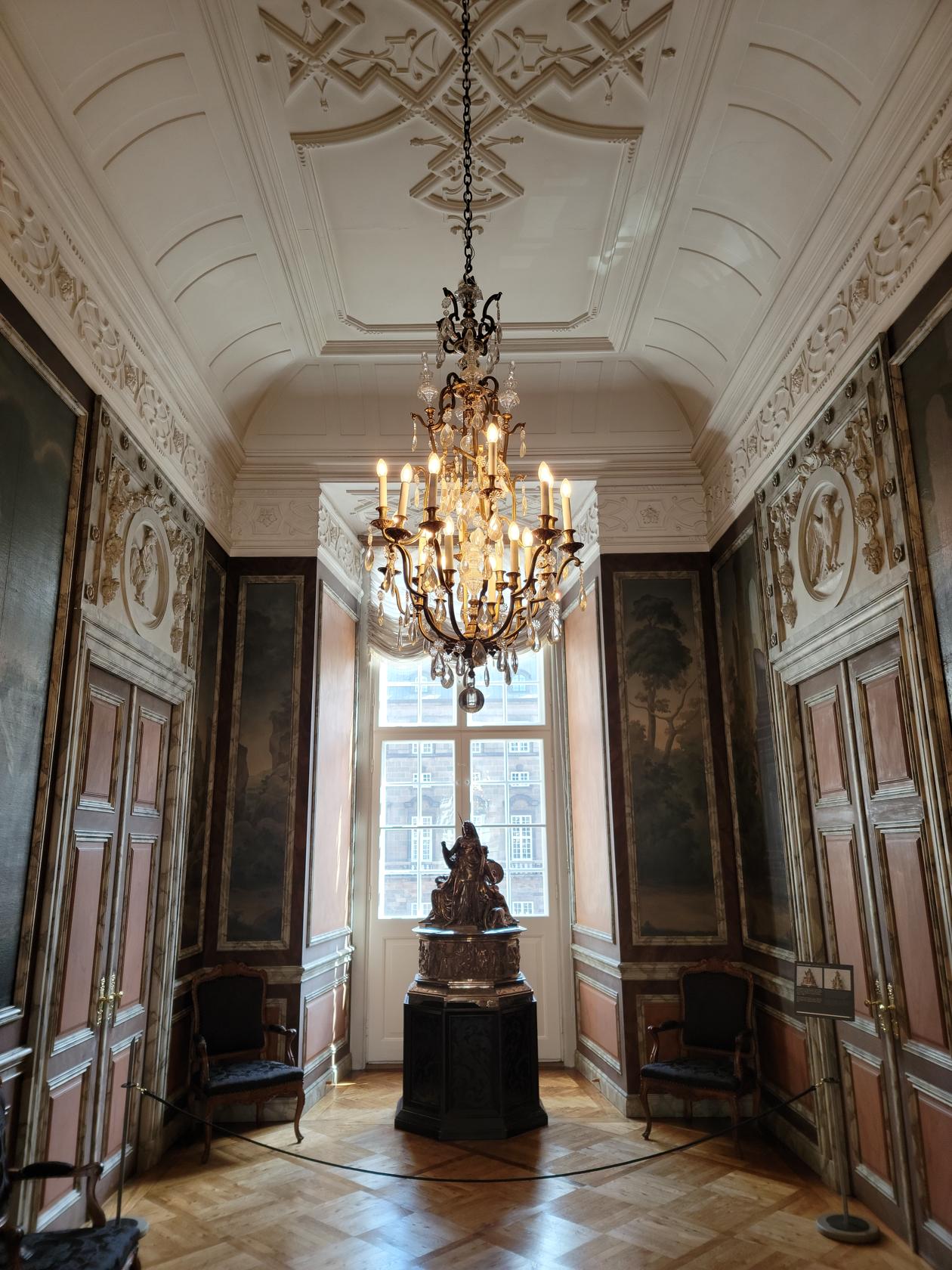
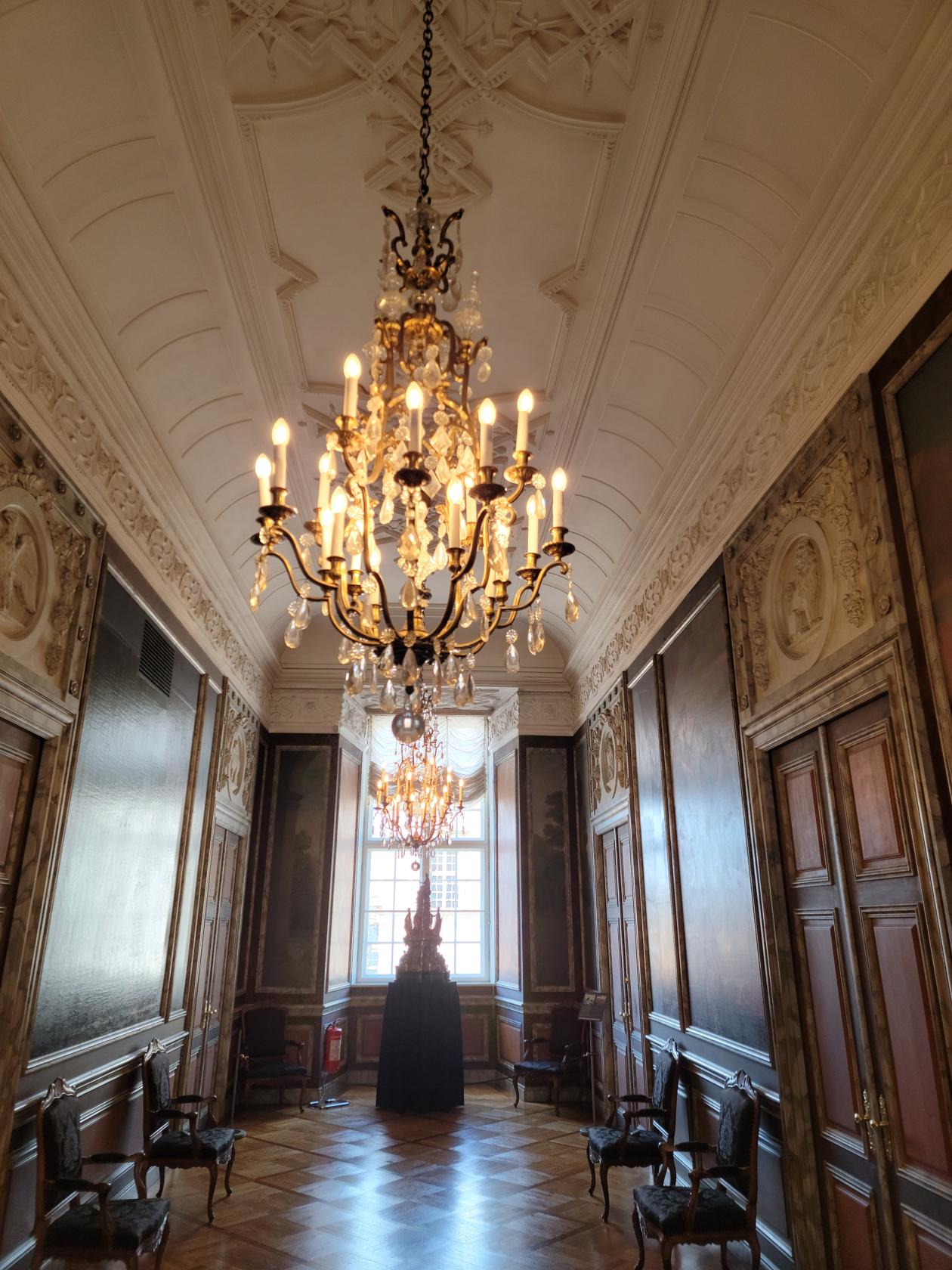
The rooms – Amalienborg Palace Museum – Copenhagen, Denmark
The rooms – Amalienborg Palace Museum – Copenhagen, Denmark
The rooms – Amalienborg Palace Museum – Copenhagen, Denmark
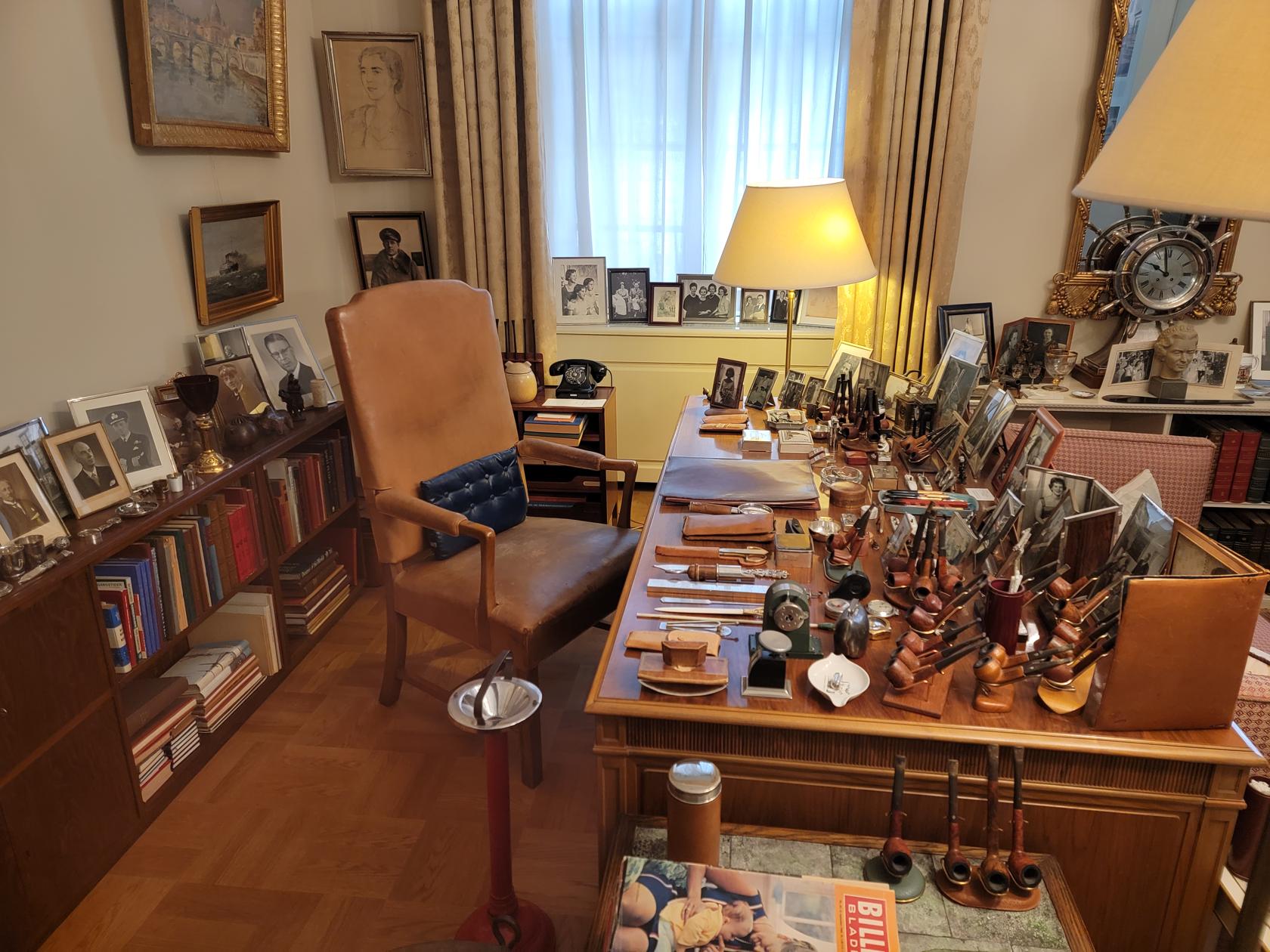
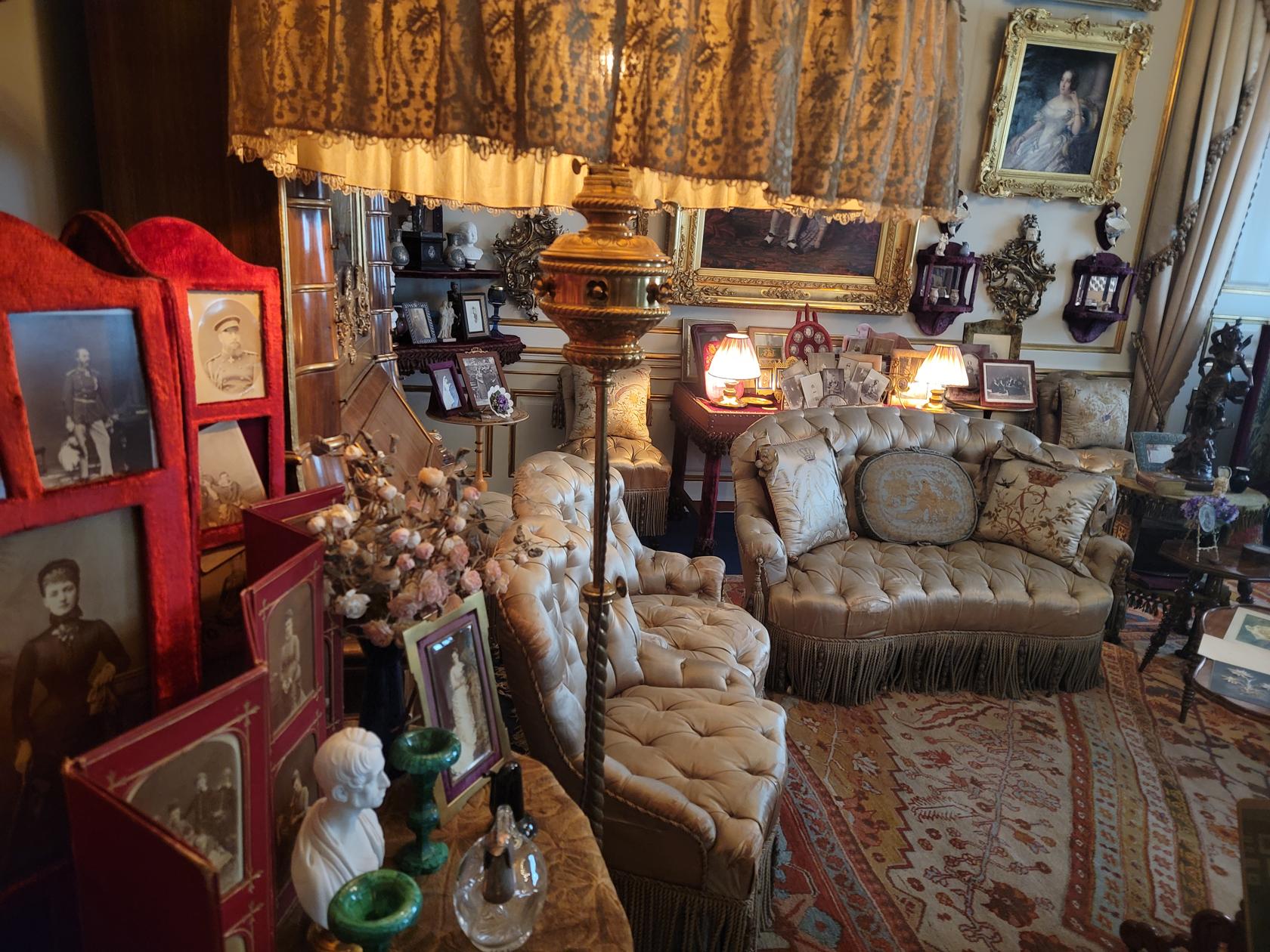
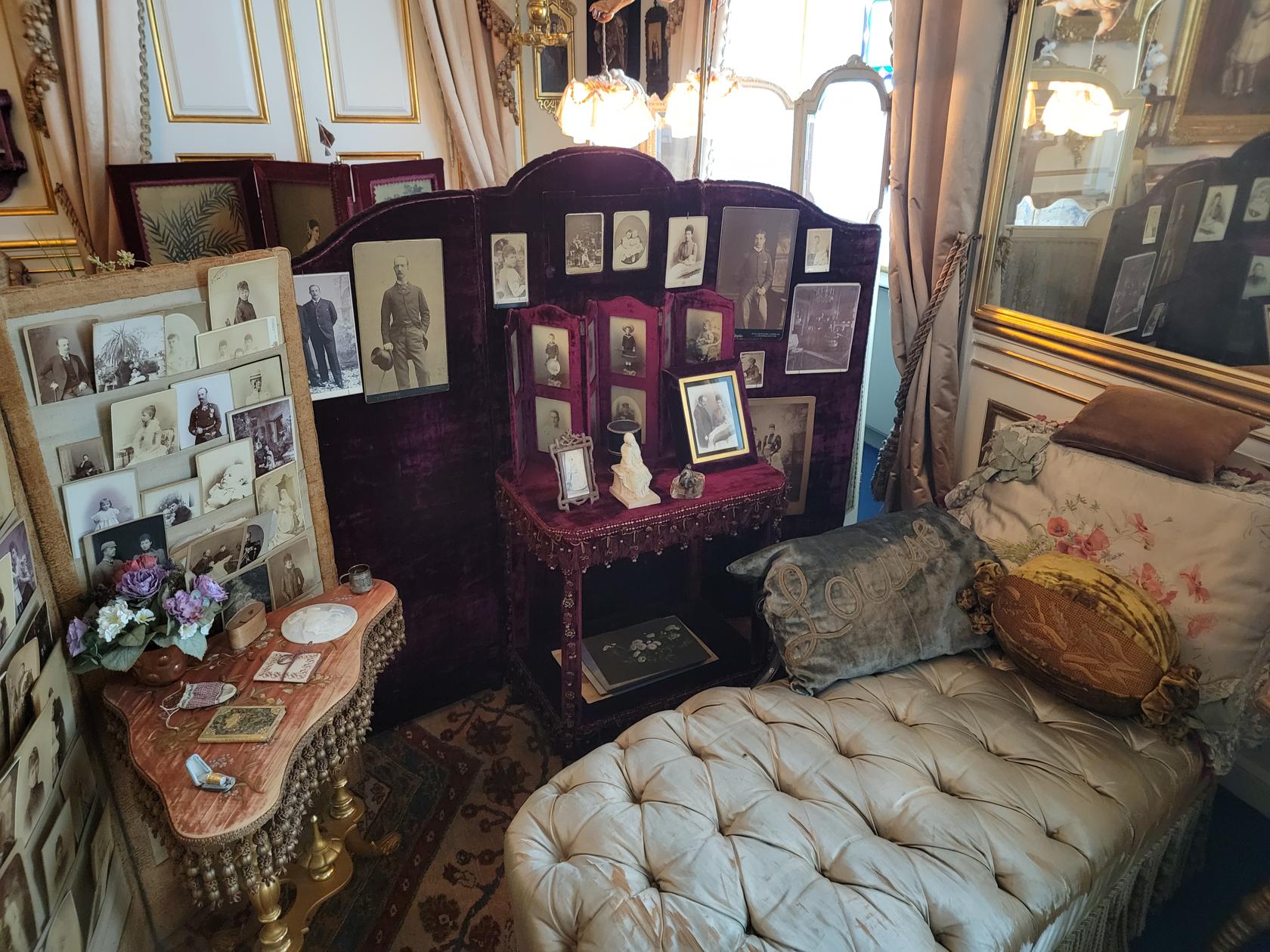
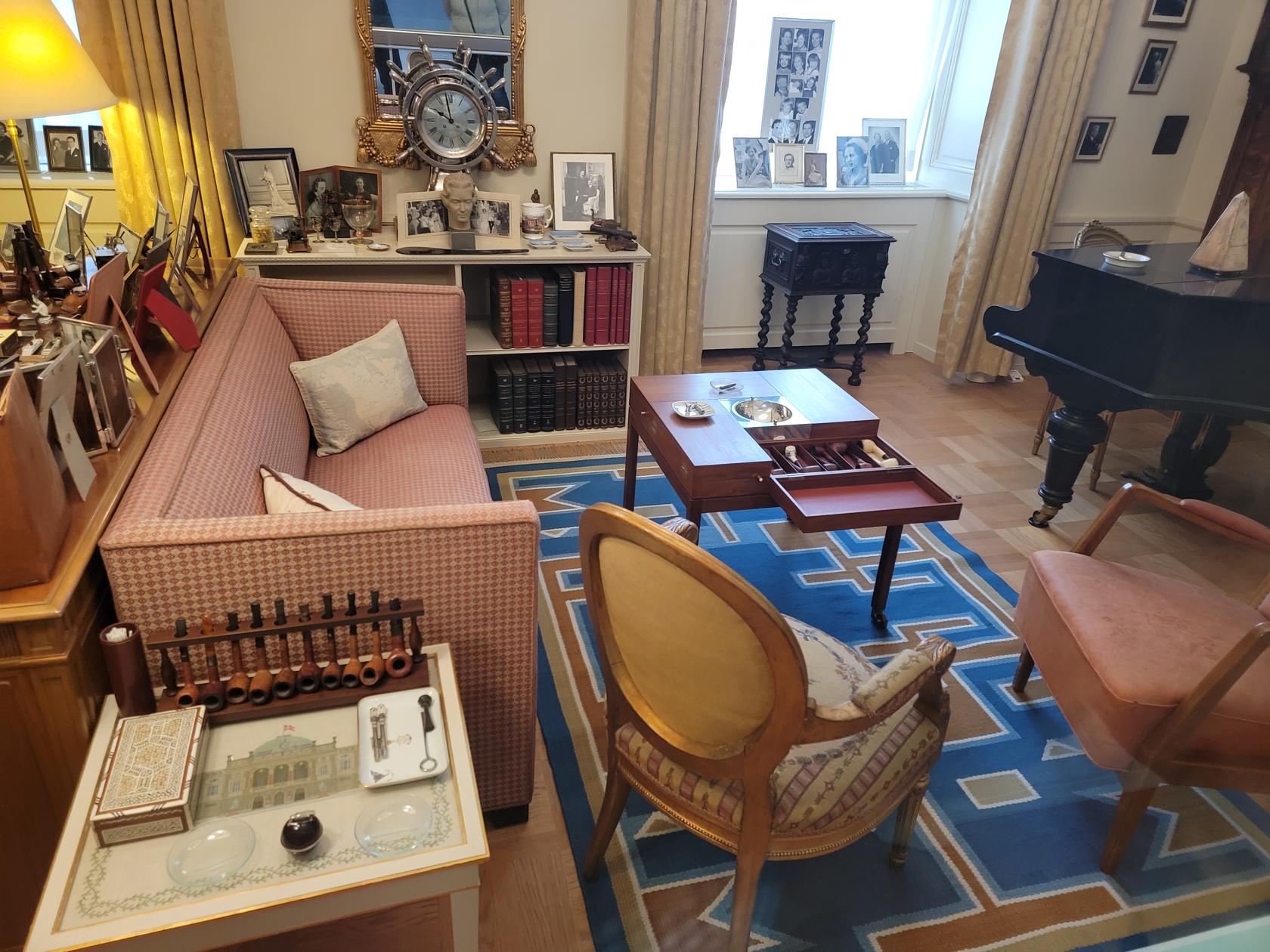
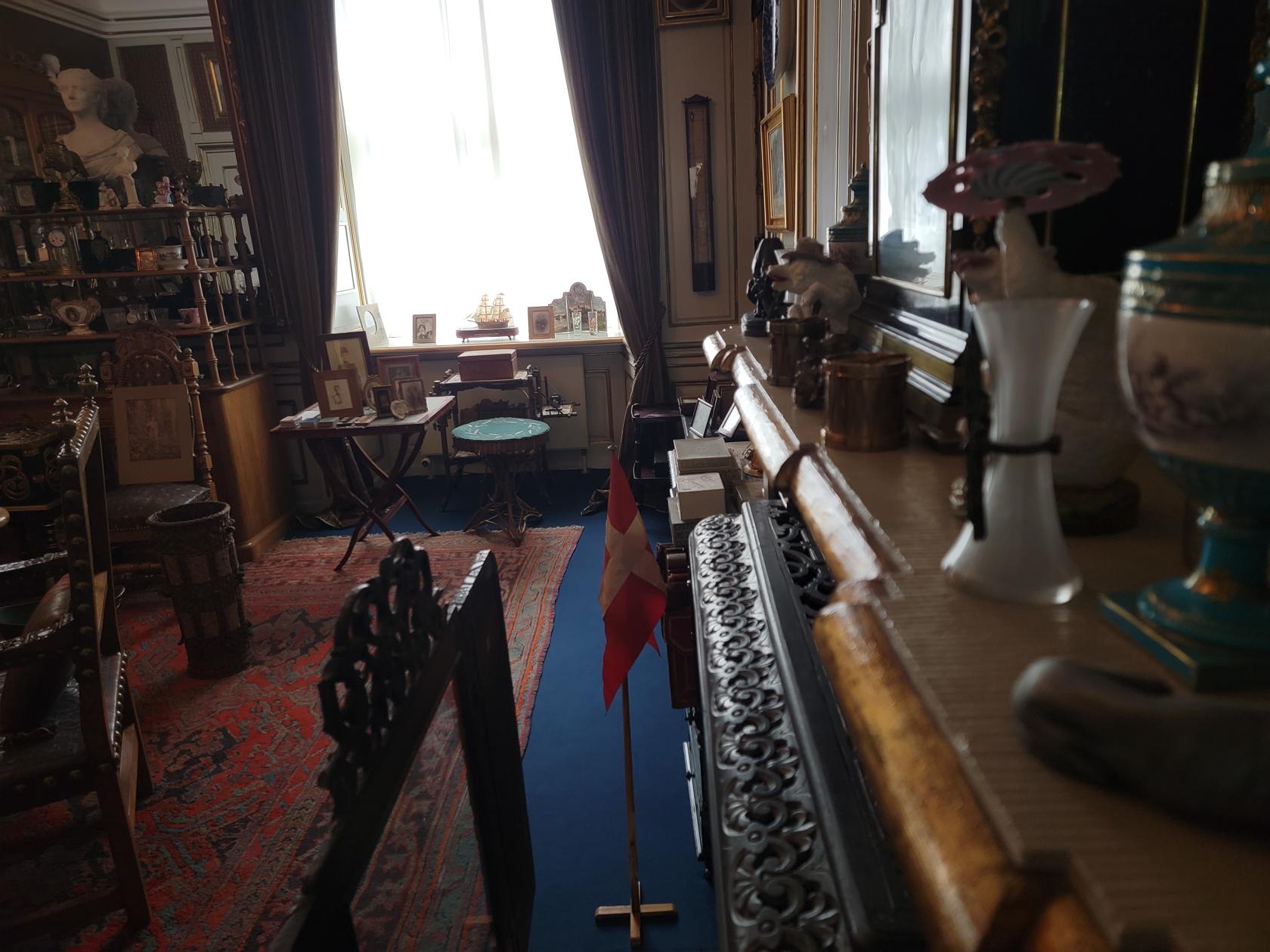
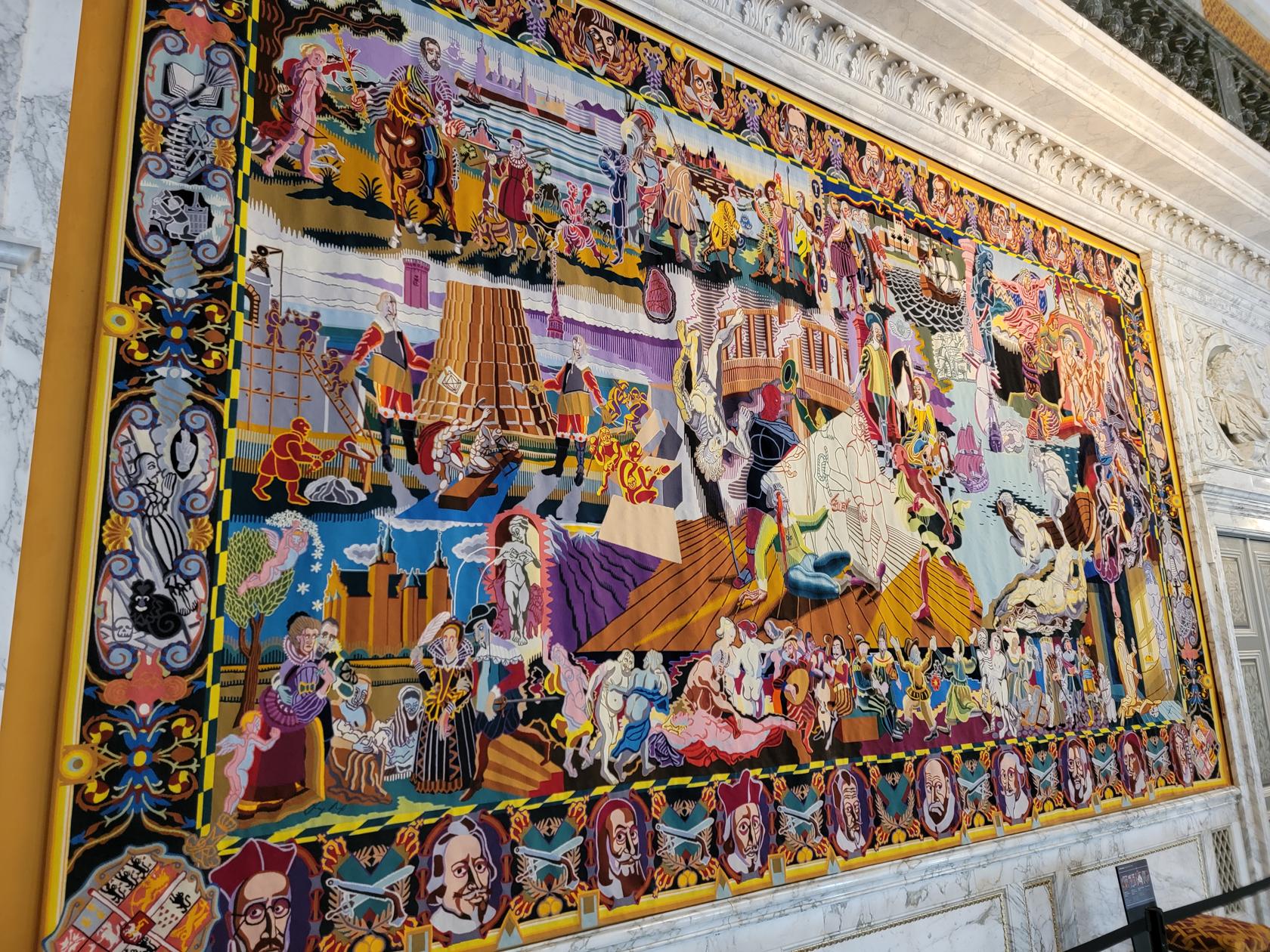
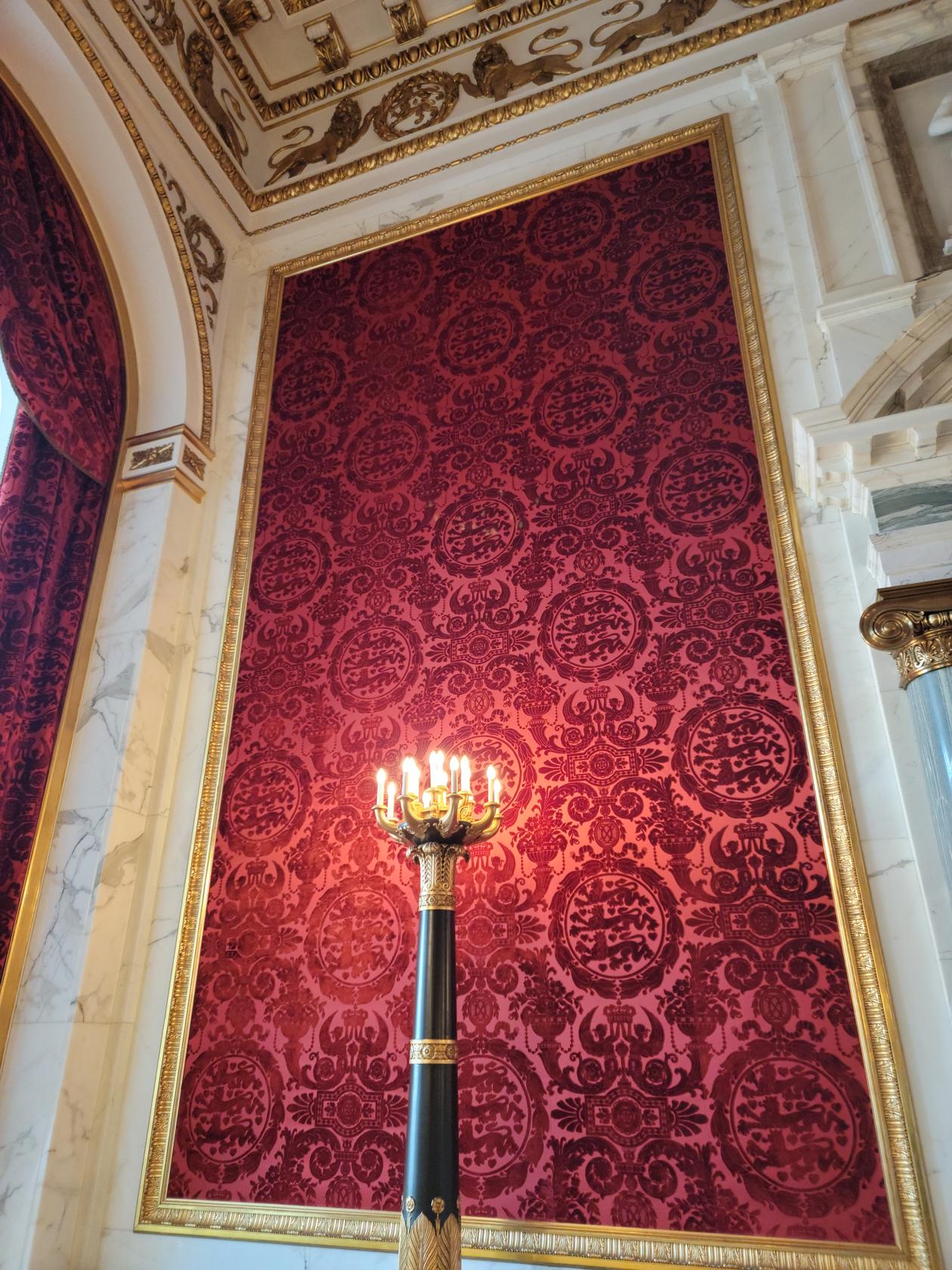
The museum is free to those who enter with a City Card, otherwise the entrance fee is kr.120 (appr. €16)/person. The museum is in a building adjacent to Christian VII’s Palace and has two floors that contain items from the living quarters of past and present royal family members. If you have any transcendent ideas about ownership or property, you may want to skip this museum. I too, had a difficult time understanding why anyone would want to collect that much stuff for personal use. But, I am probably in the minority.
Desk, pipes and photographs – Amalienborg Palace Museum – Copenhagen, Denmark
Royal family photographs – Amalienborg Palace Museum – Copenhagen, Denmark
Furniture and other family items – Amalienborg Palace Museum – Copenhagen, Denmark
More photographs – Amalienborg Palace Museum – Copenhagen, Denmark
Other furniture – Amalienborg Palace Museum – Copenhagen, Denmark
A different perspective – Amalienborg Palace Museum – Copenhagen, Denmark
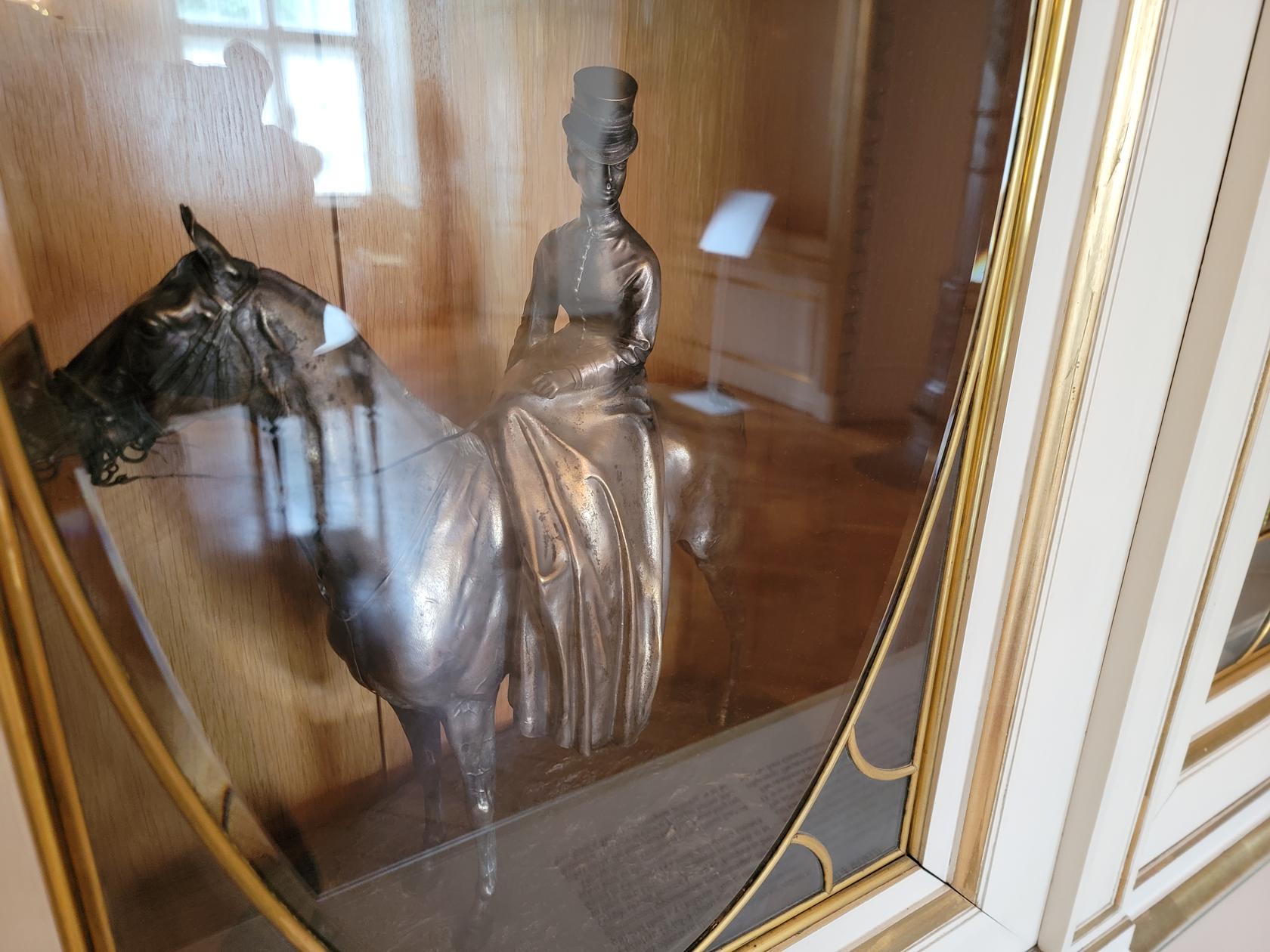
More royal items – Amalienborg Palace Museum – Copenhagen, Denmark
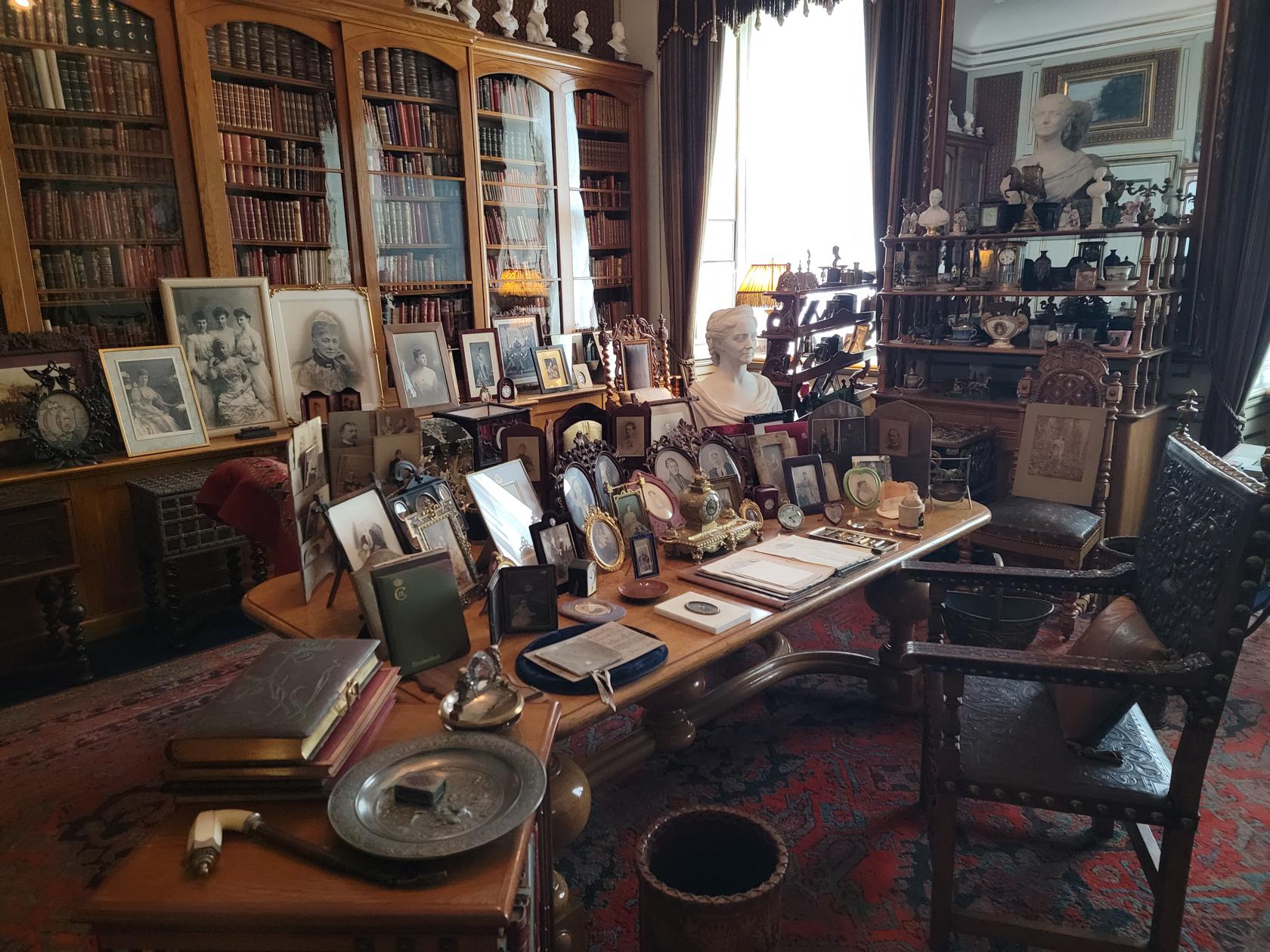
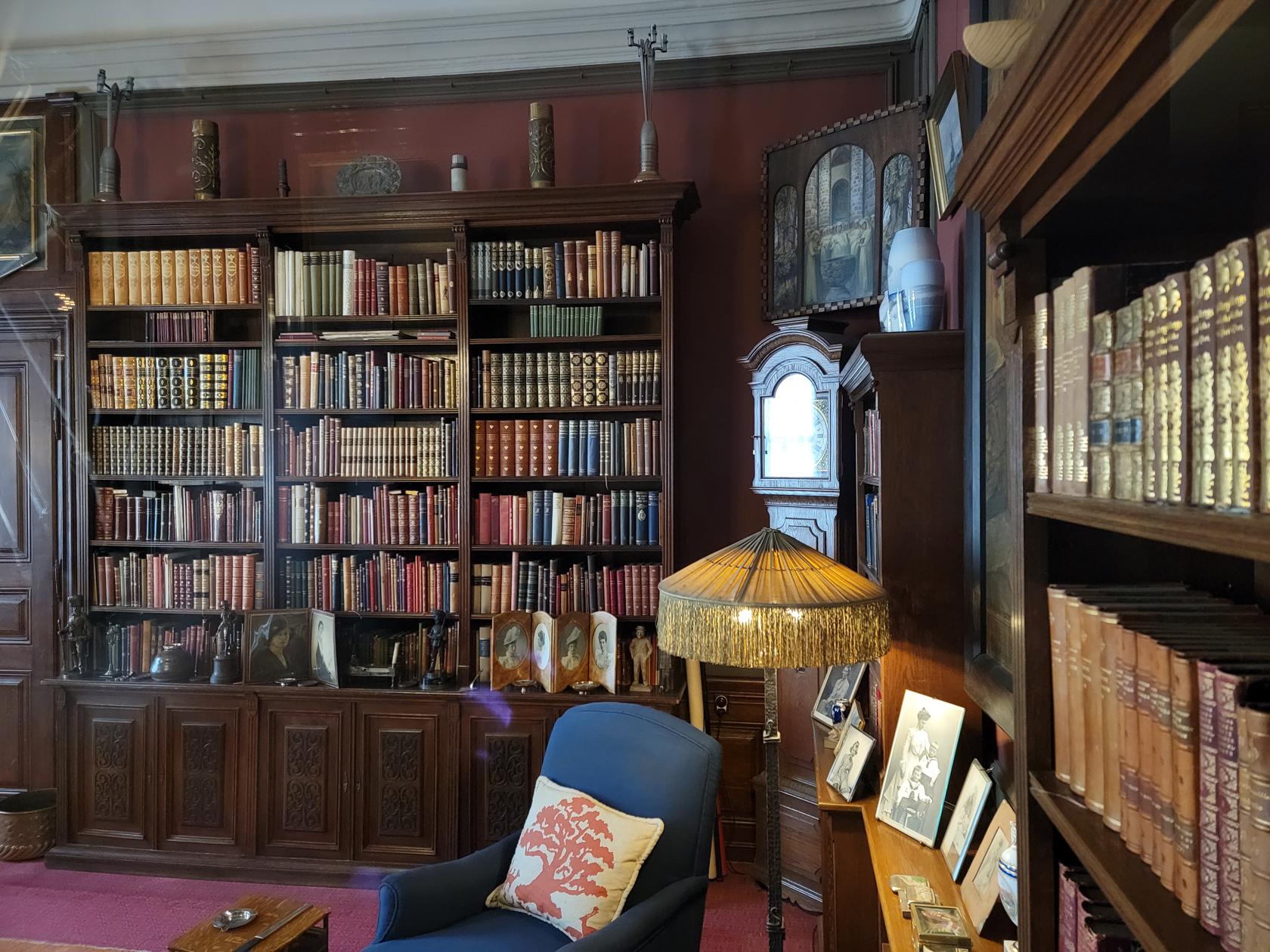
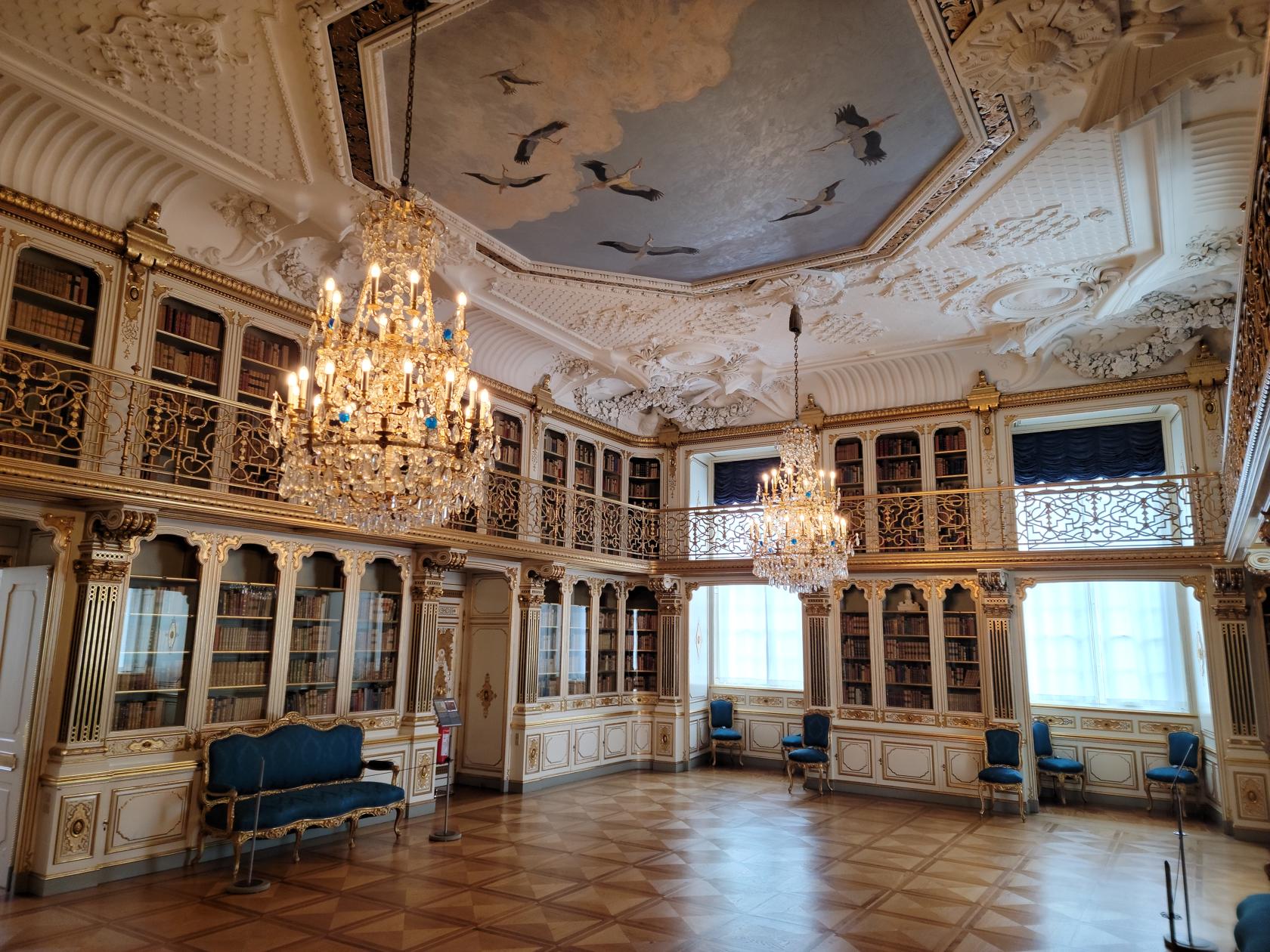
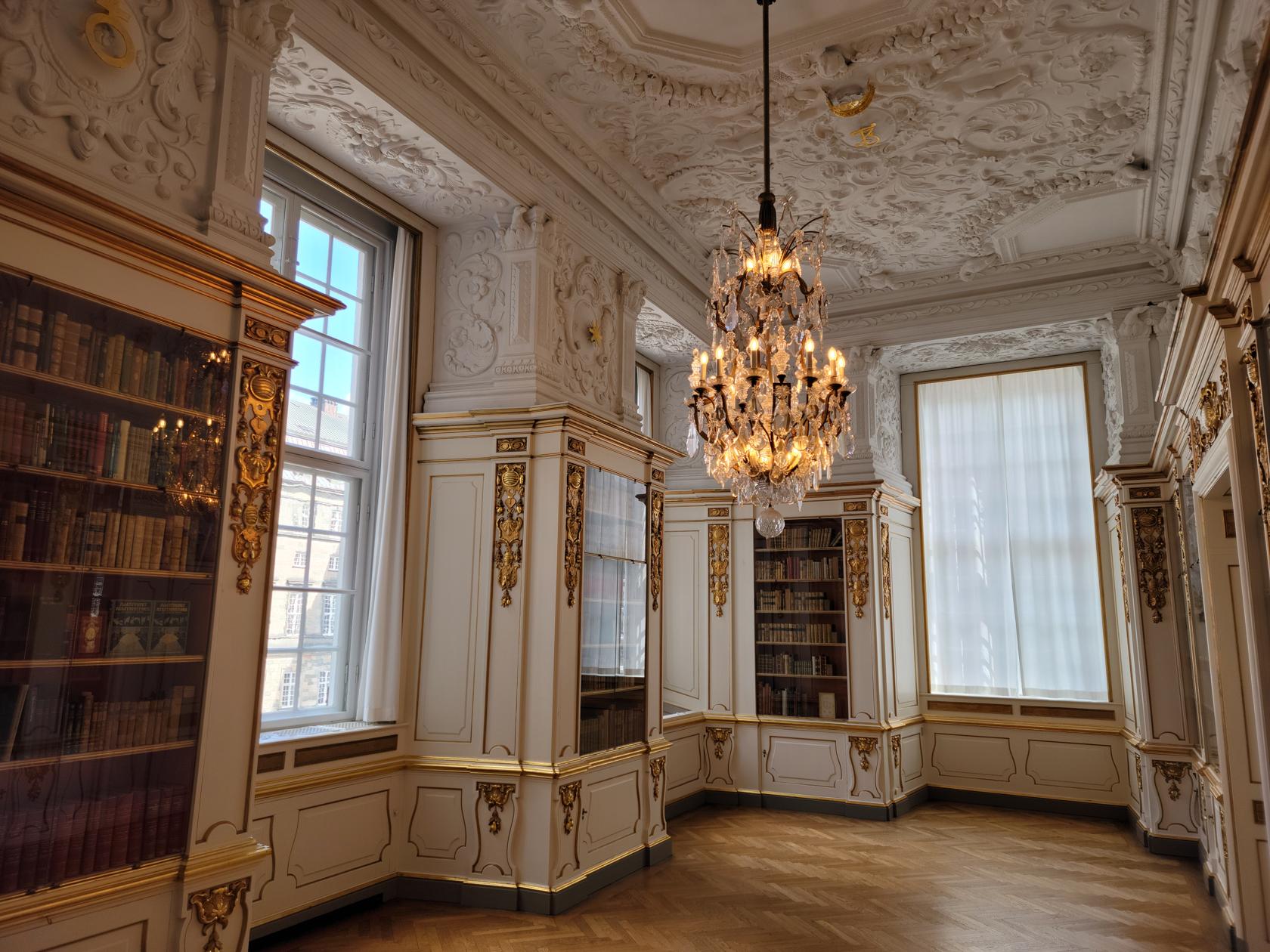
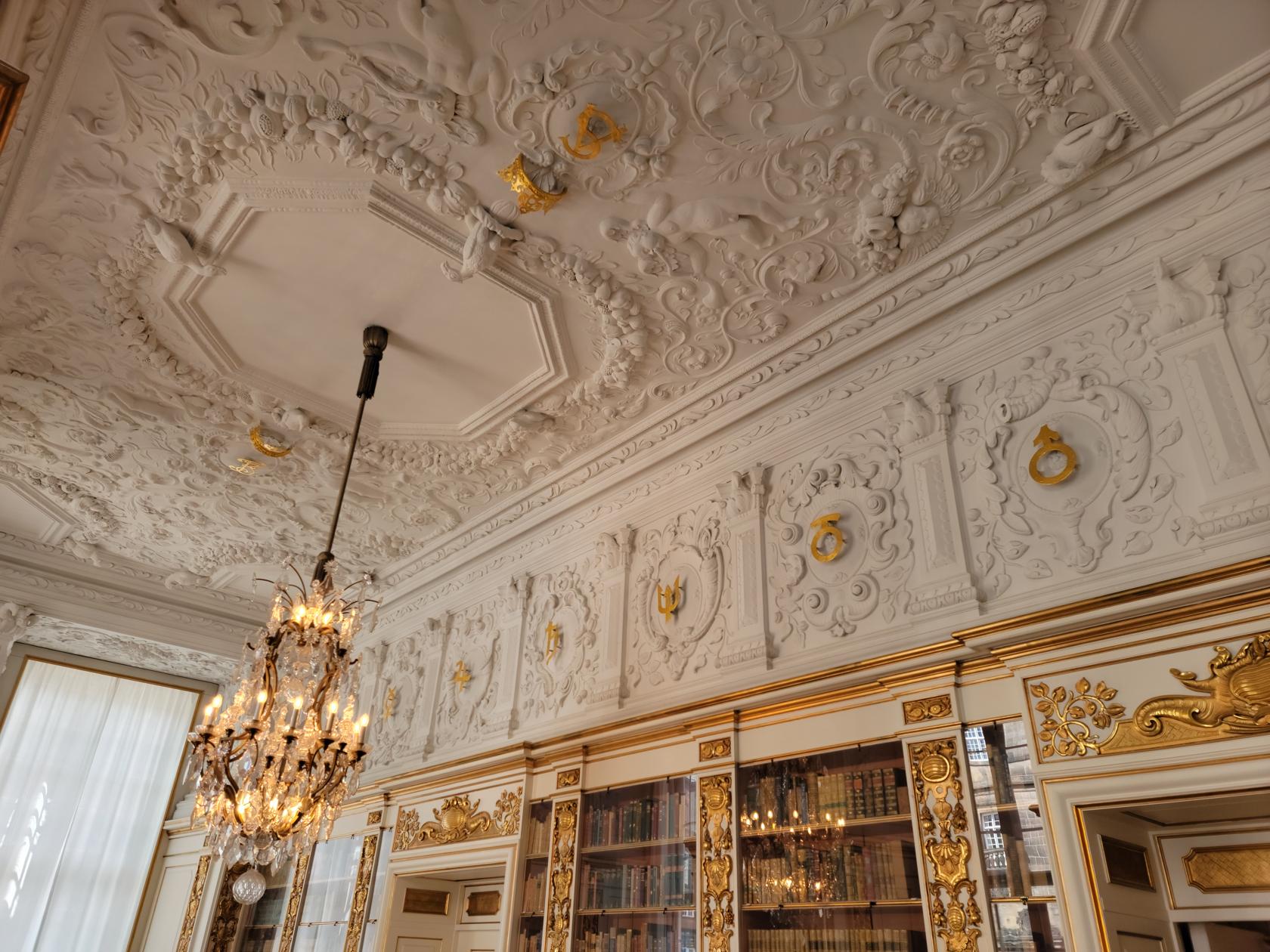
Library – Amalienborg Palace Museum – Copenhagen, Denmark
Royal children – Amalienborg Palace Museum – Copenhagen, Denmark
Royal children – Amalienborg Palace Museum – Copenhagen, Denmark
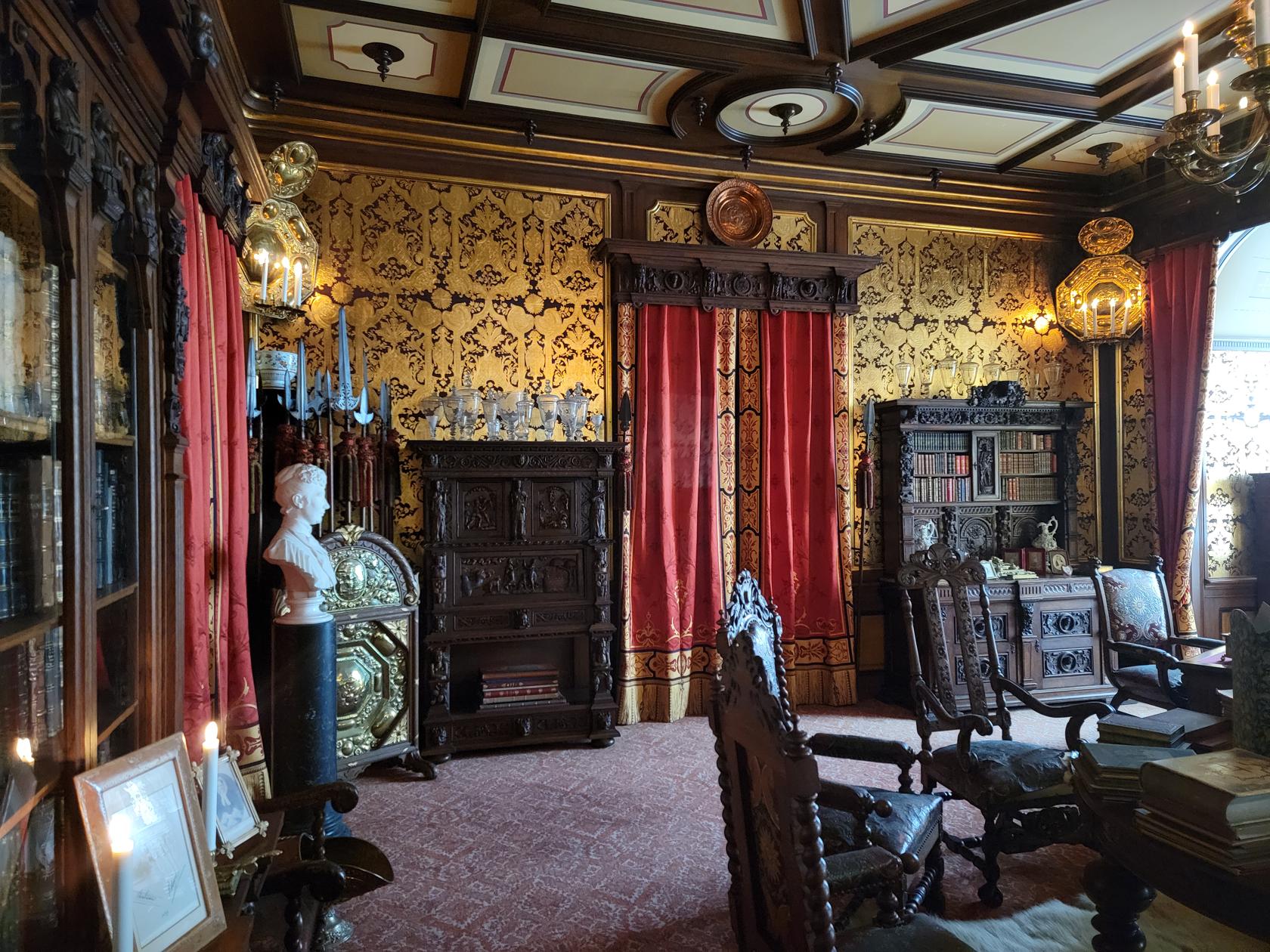
1869 Study – Amalienborg Palace Museum – Copenhagen, Denmark
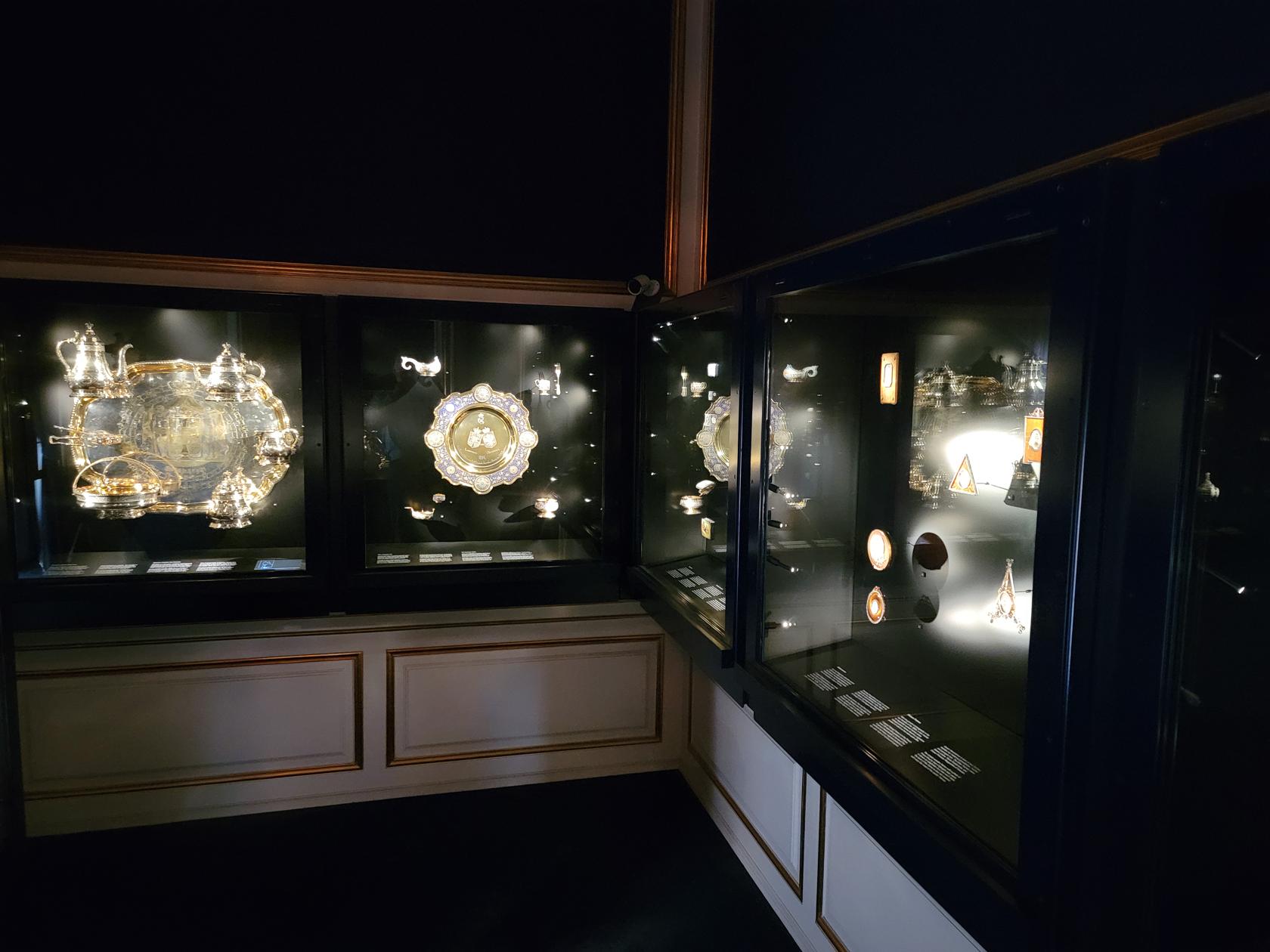
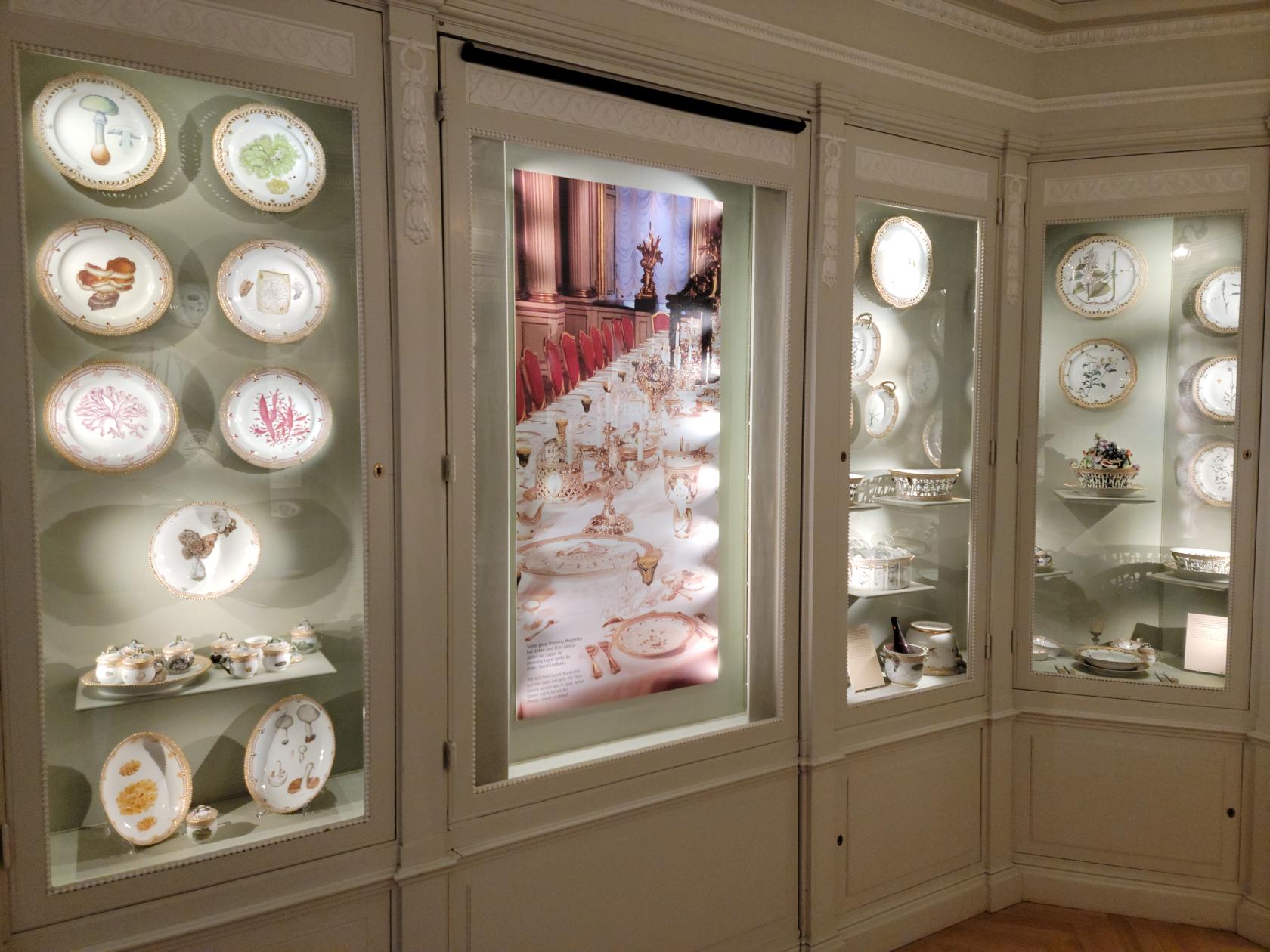
Royal silver – Amalienborg Palace Museum – Copenhagen, Denmark
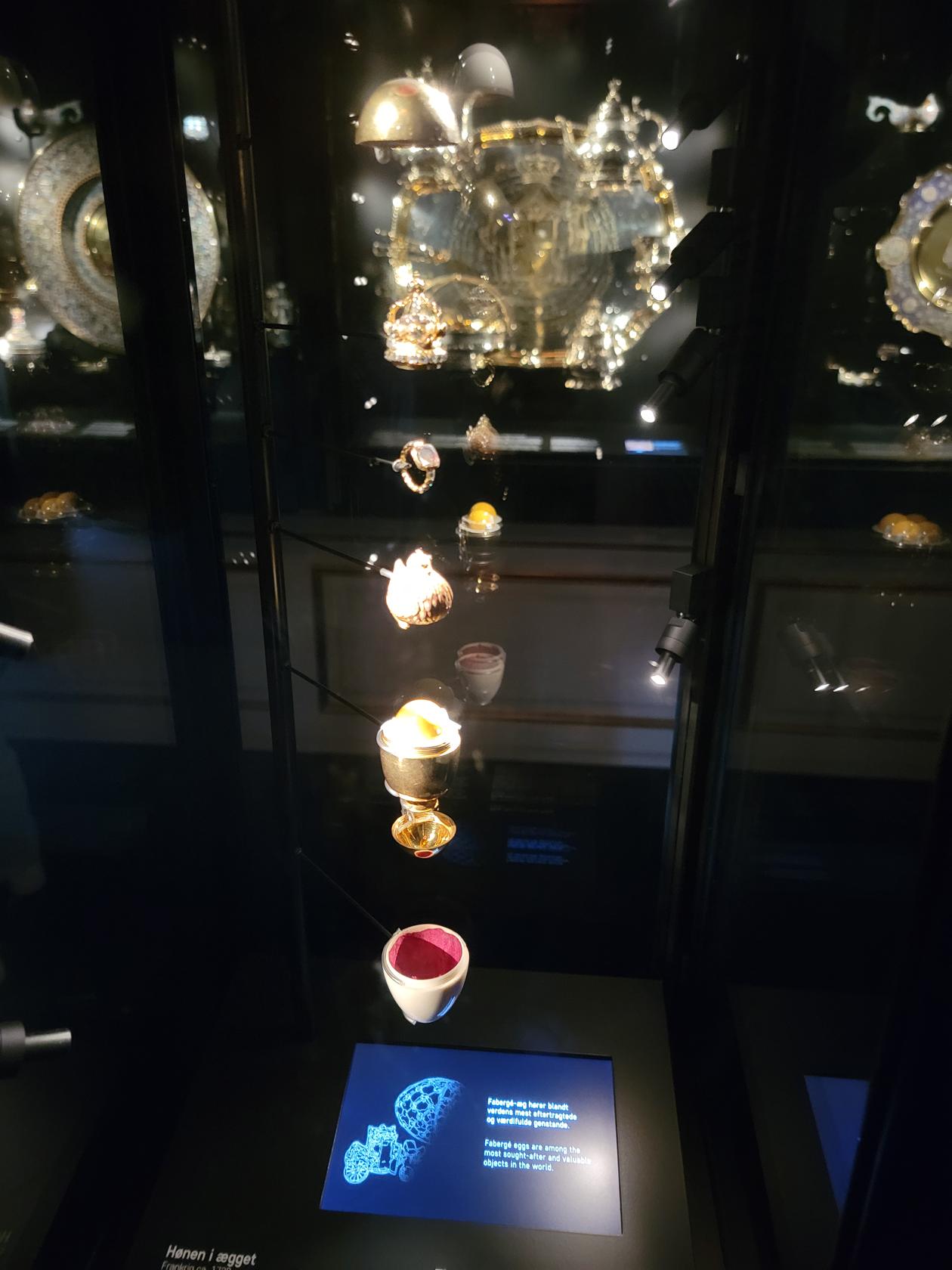
Hen in the Egg – Amalienborg Palace Museum – Copenhagen, Denmark
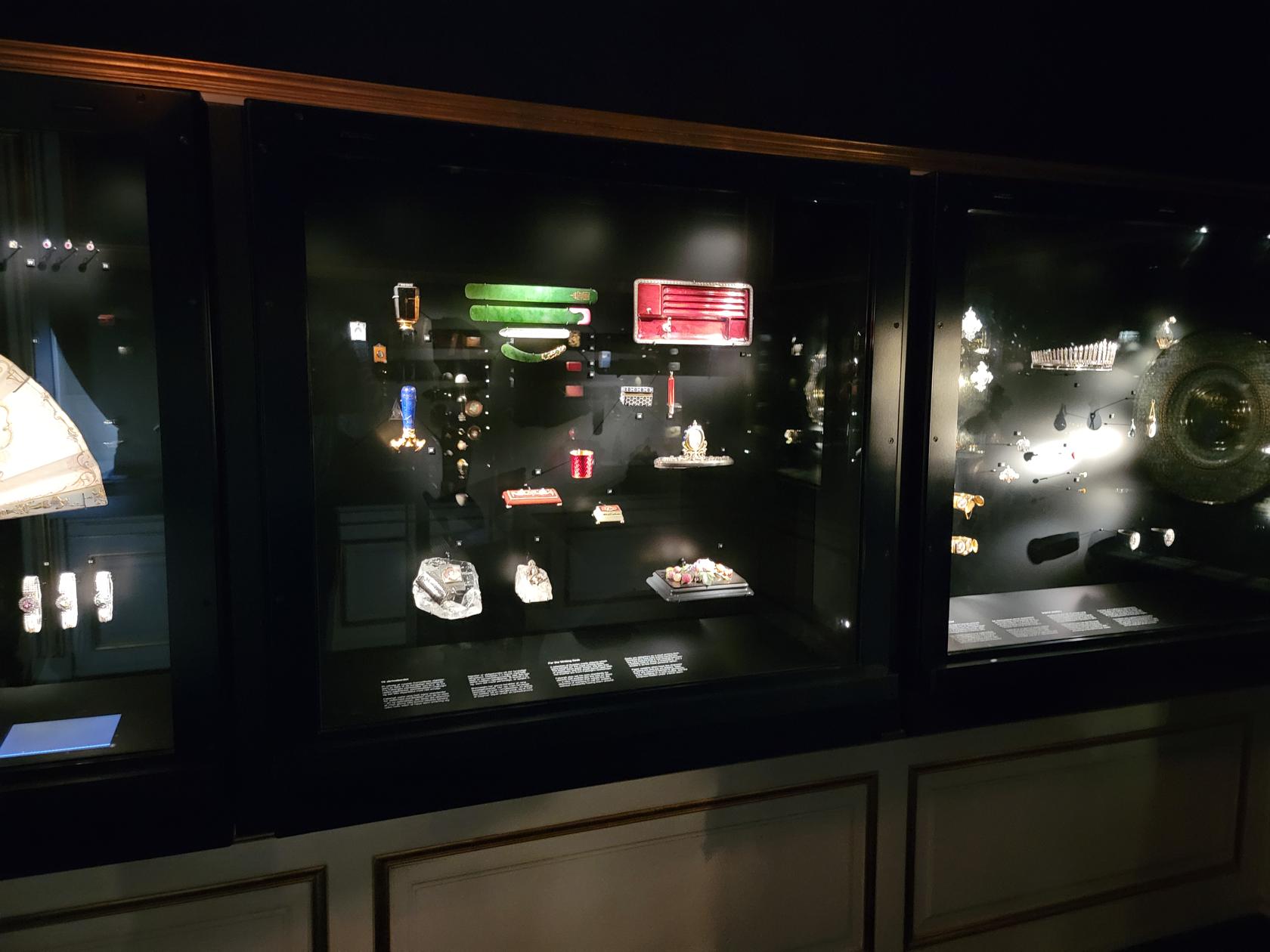
More royal items – Amalienborg Palace Museum – Copenhagen, Denmark
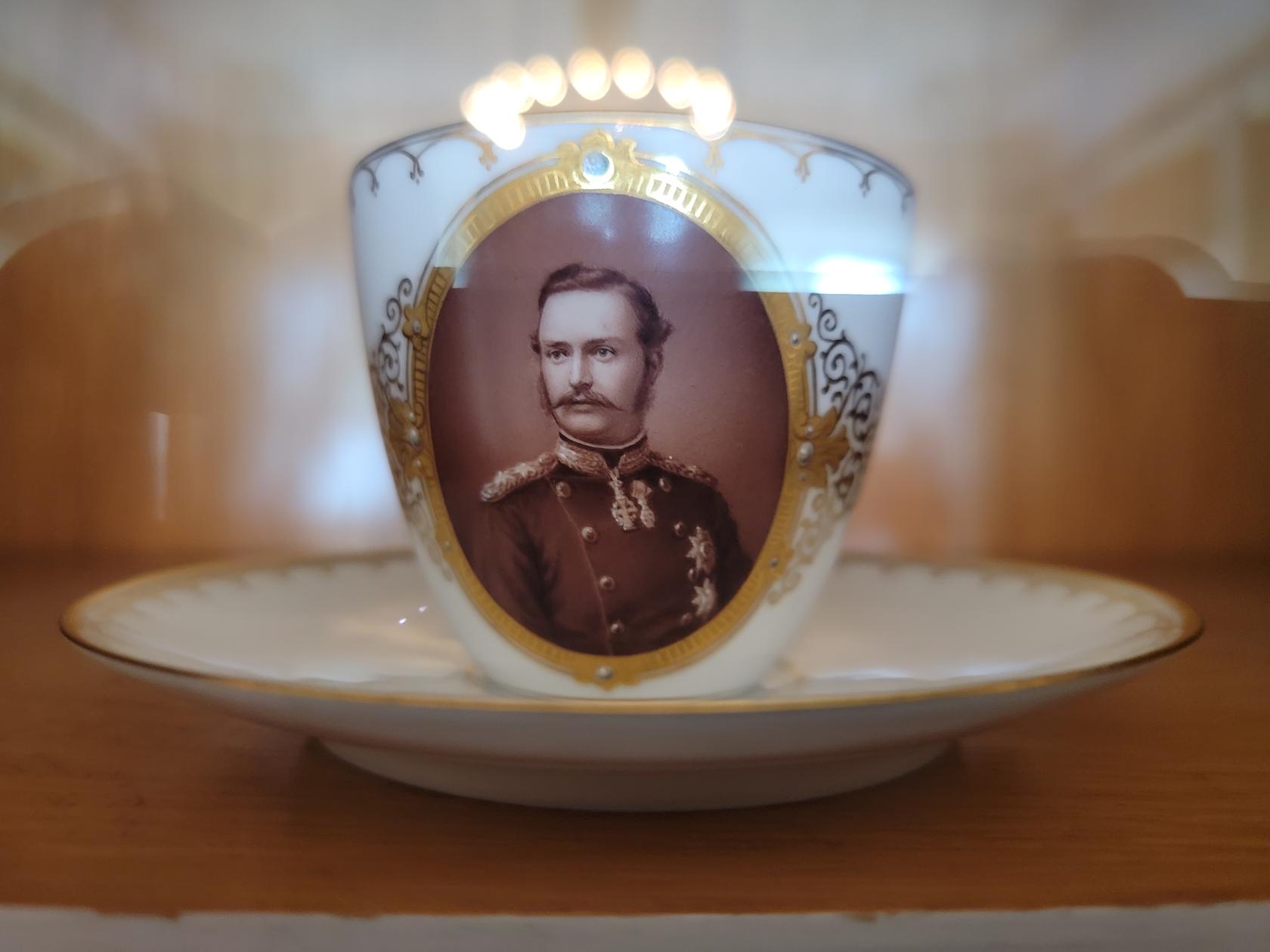
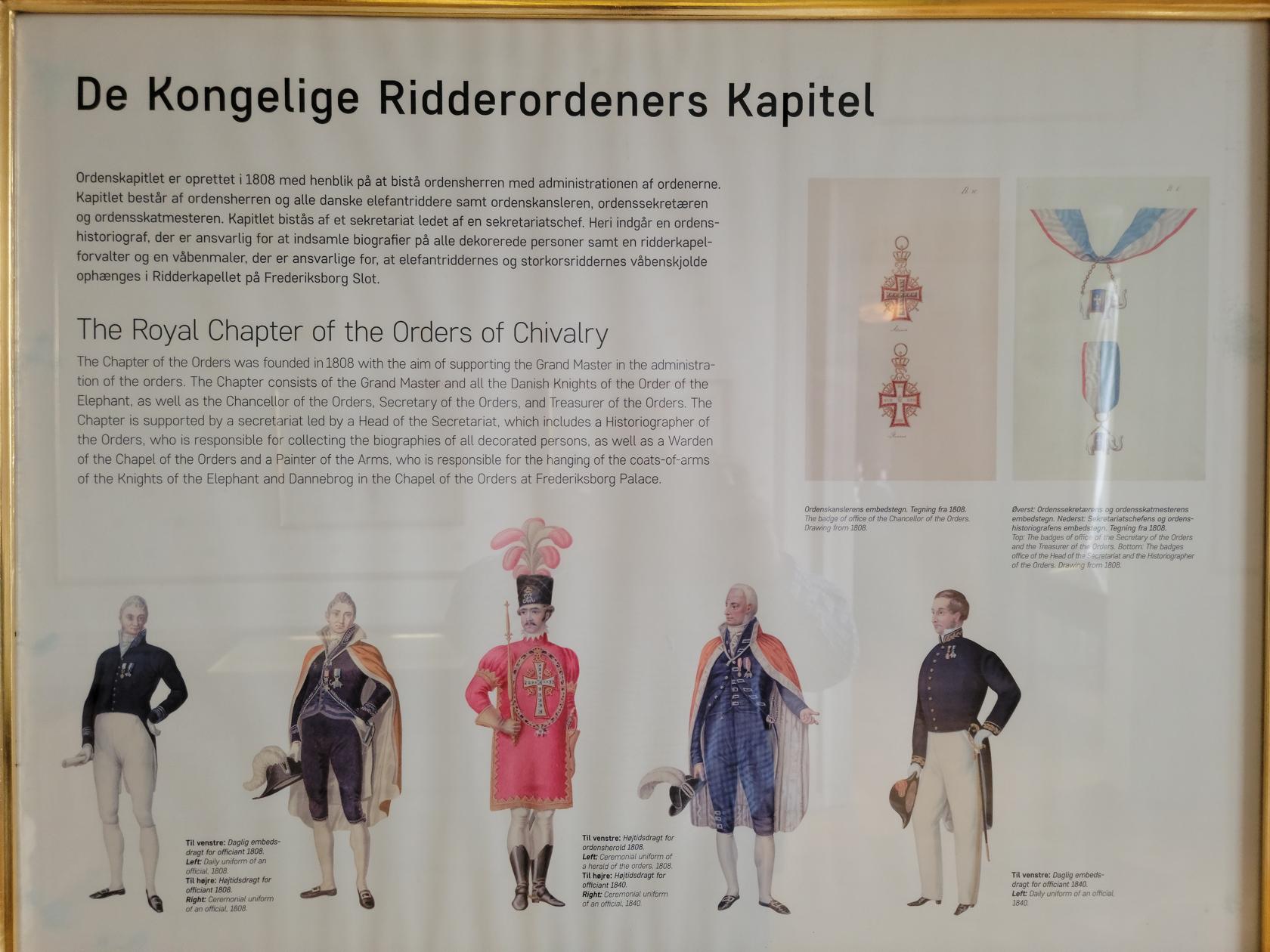
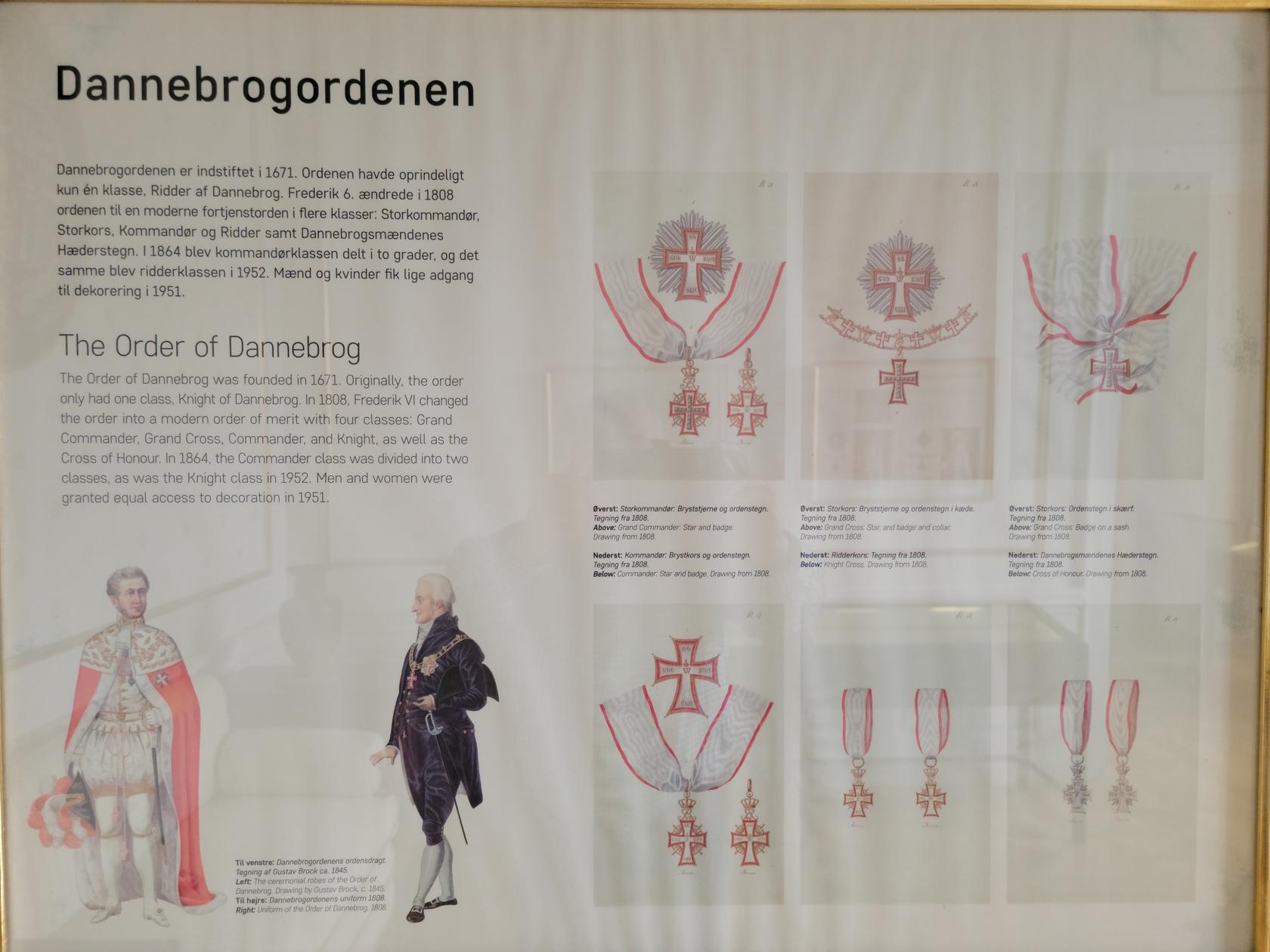
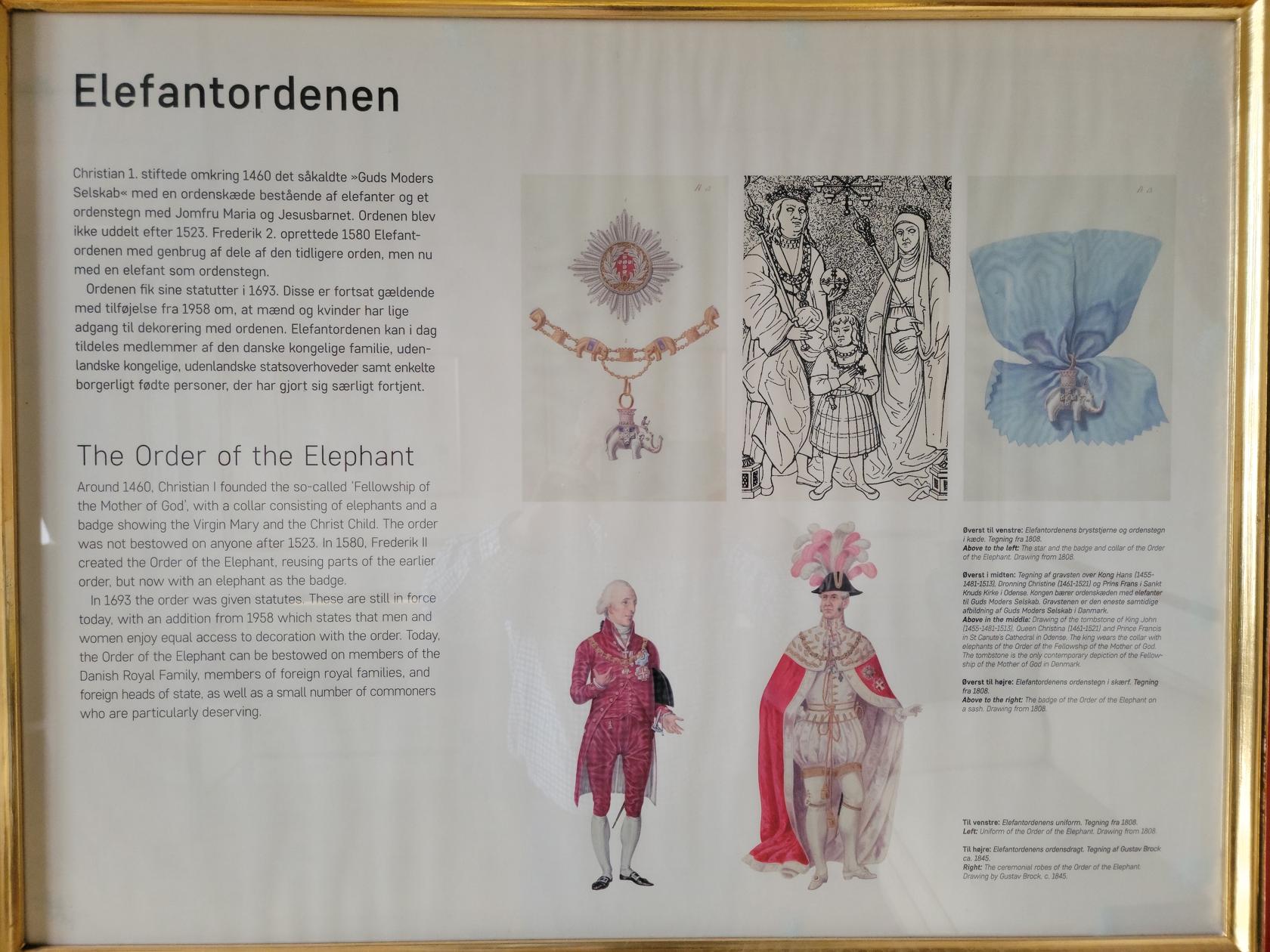
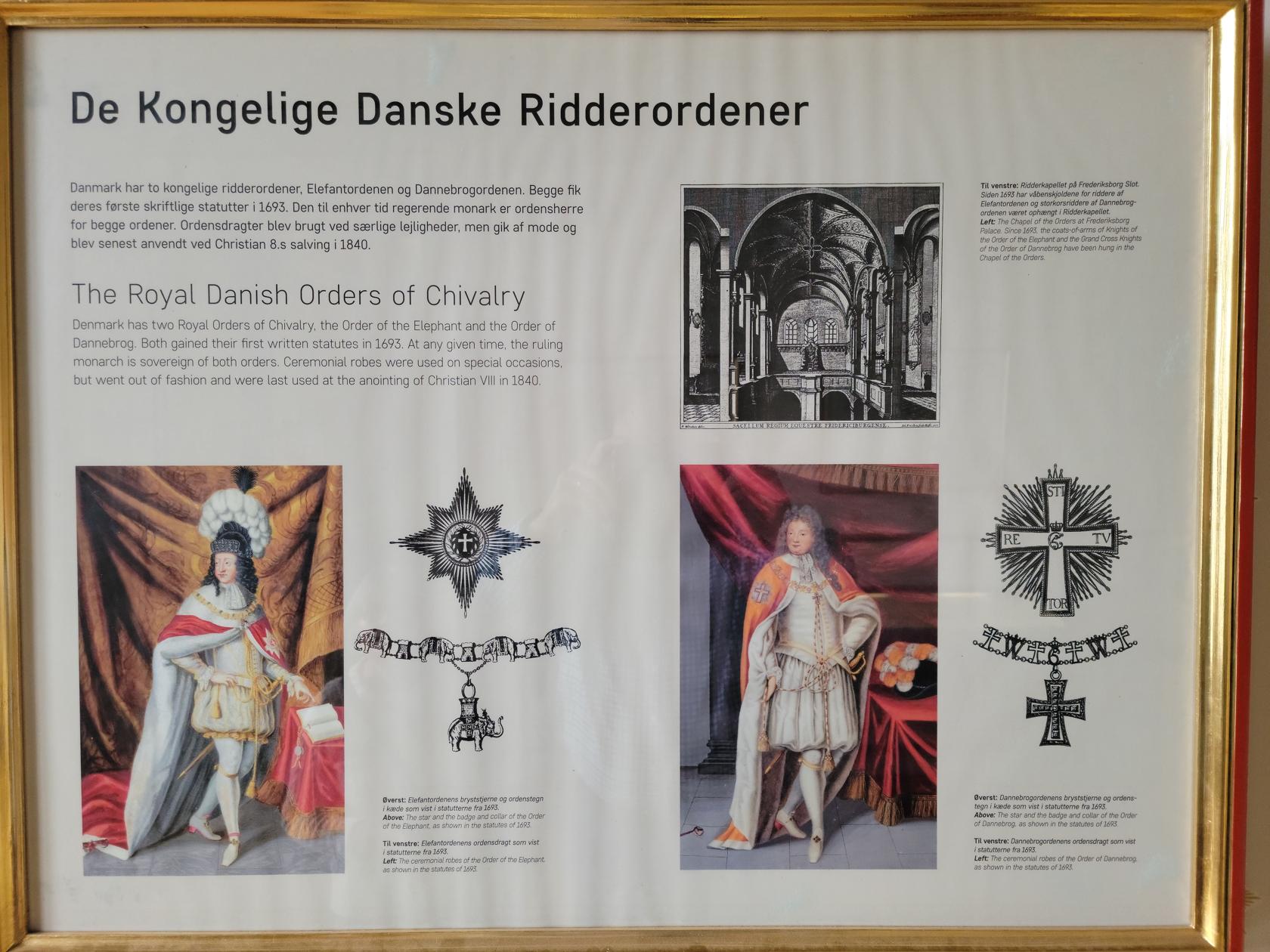
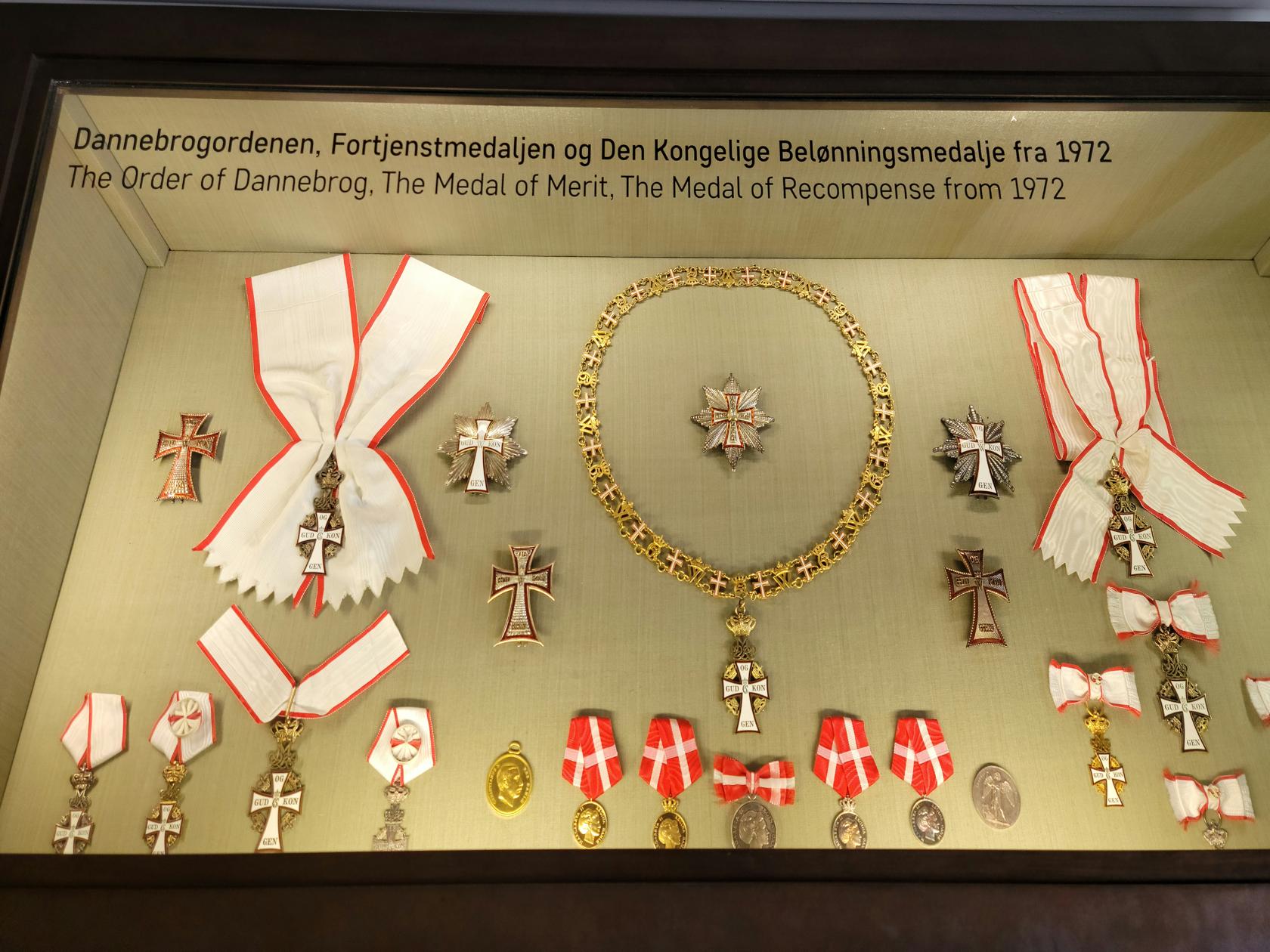
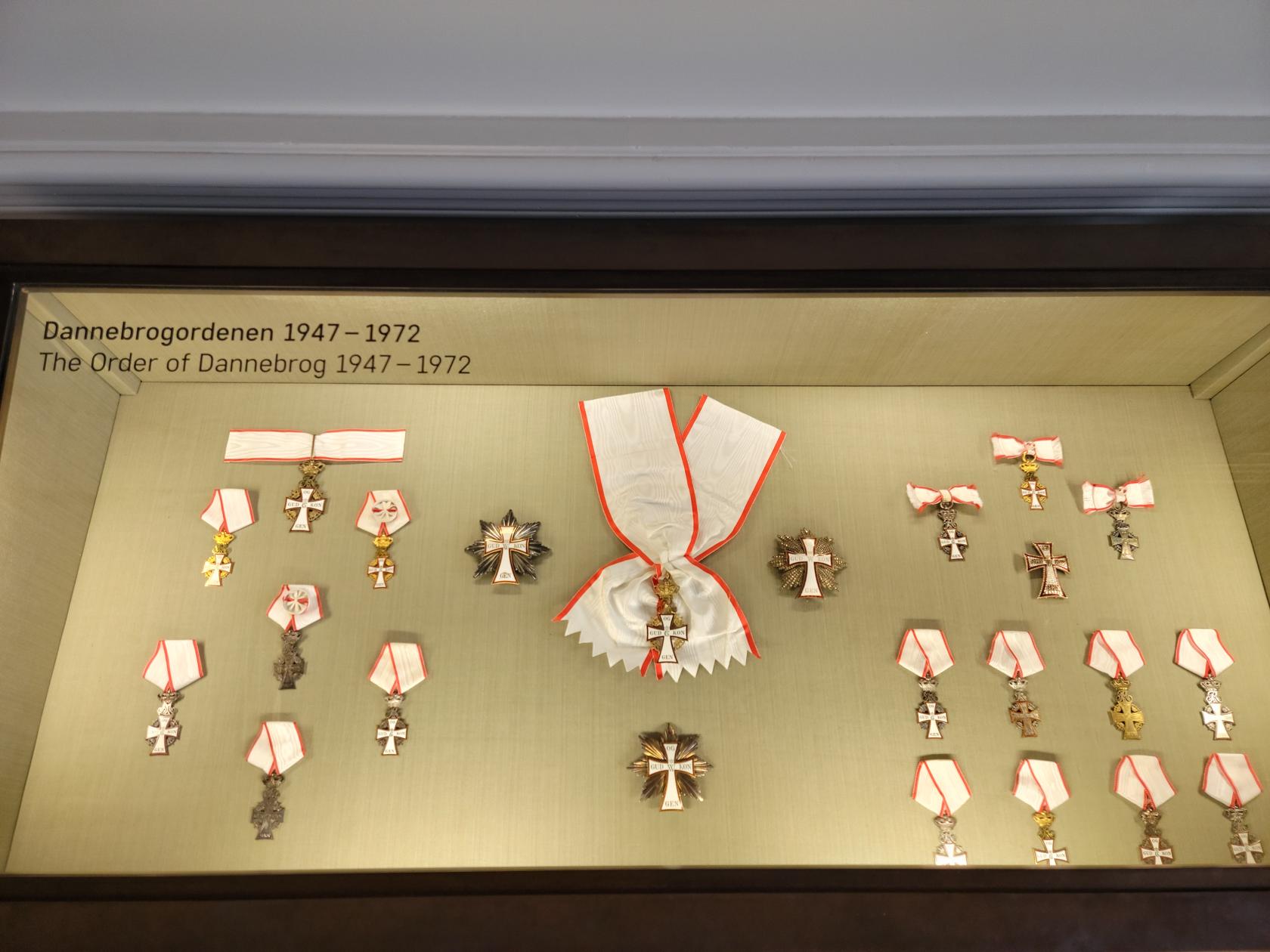
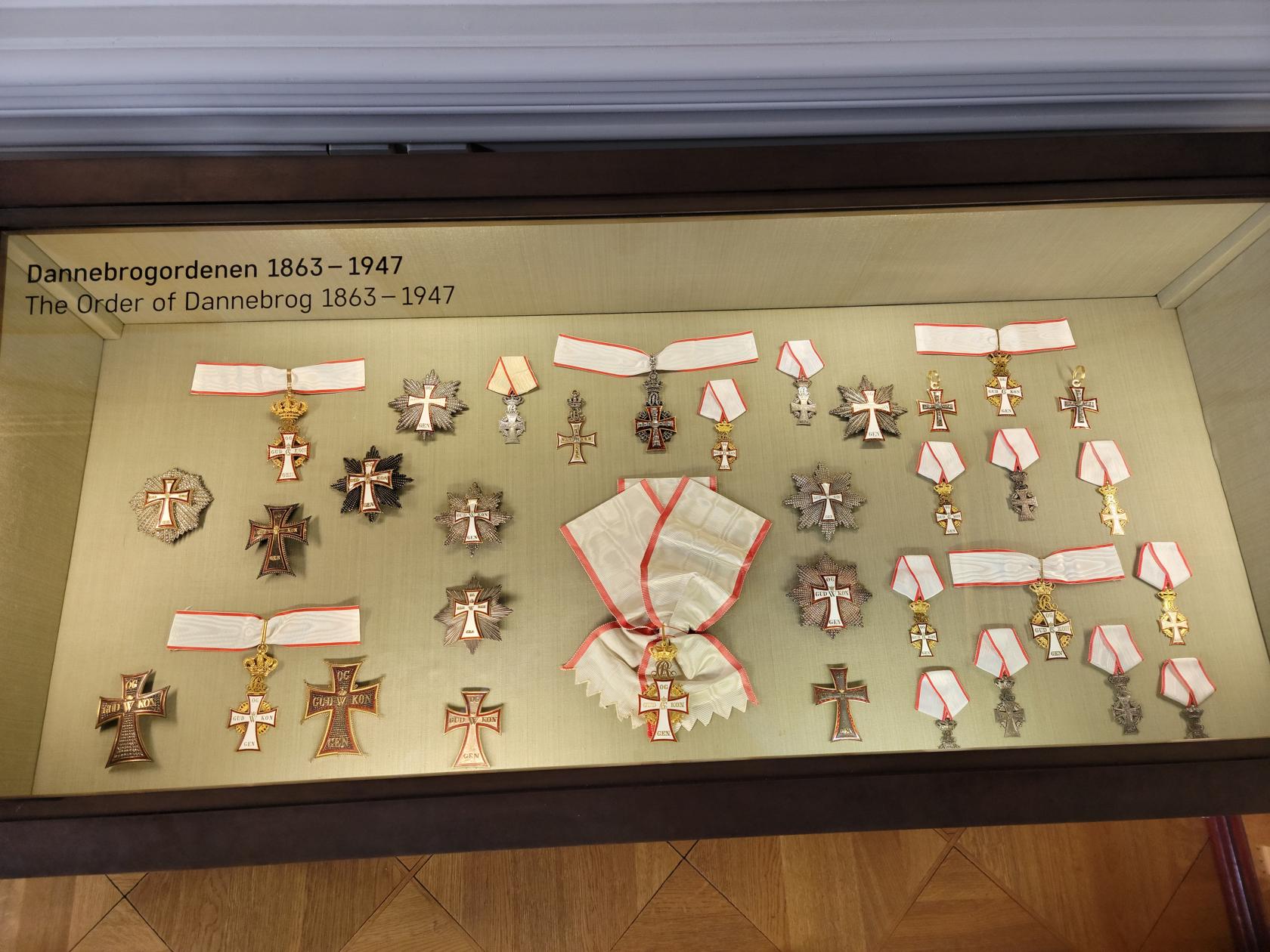
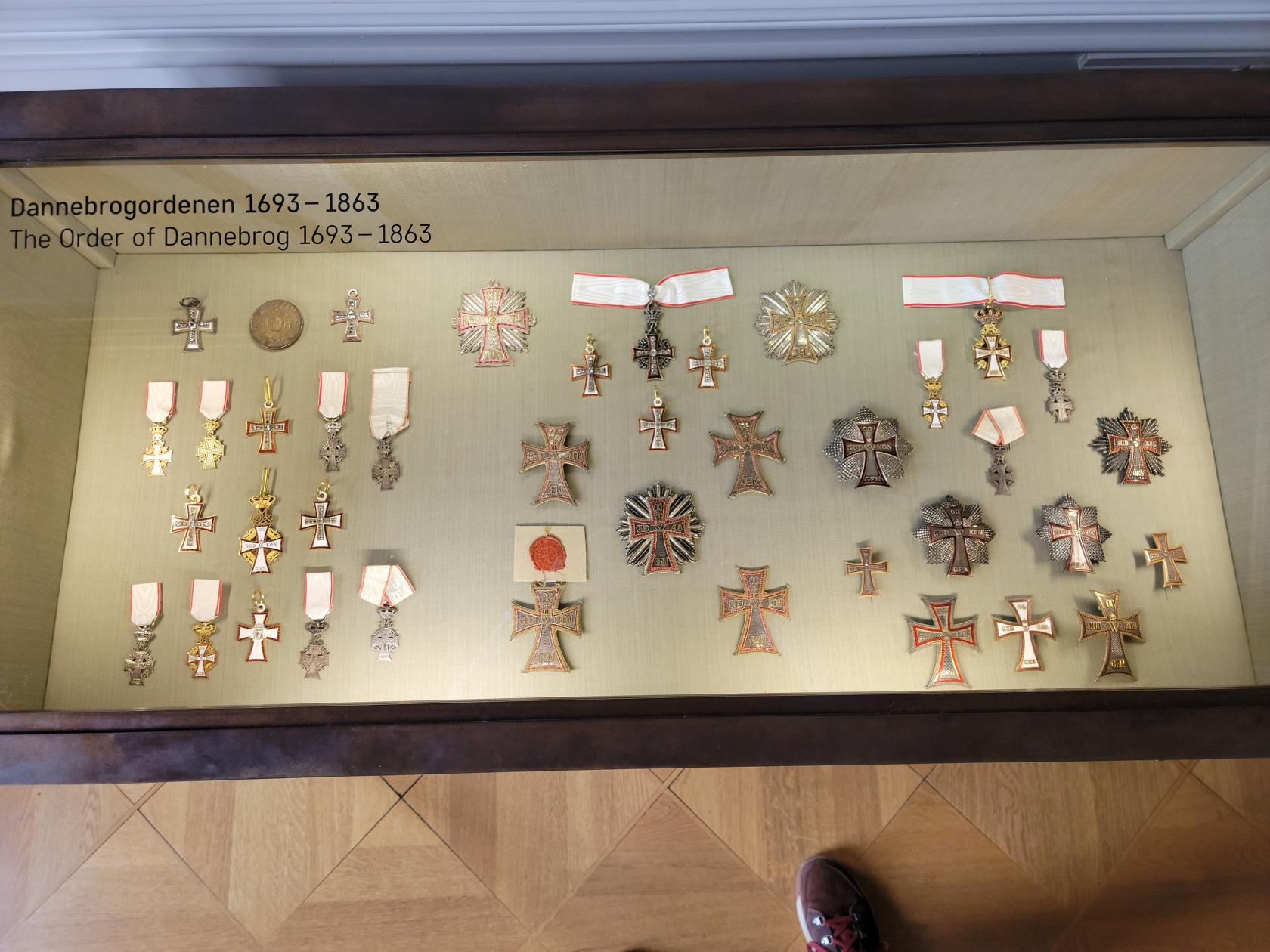
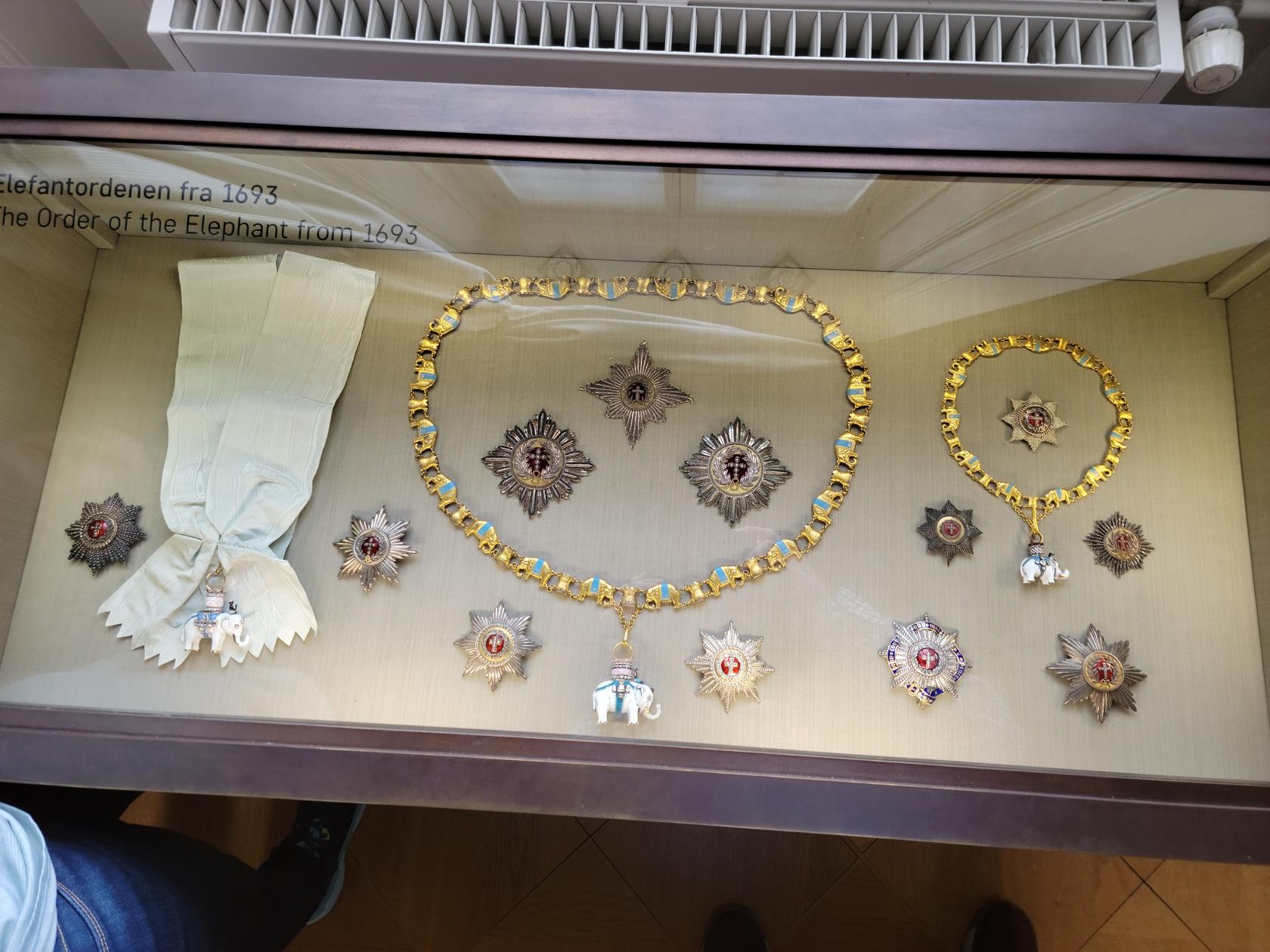
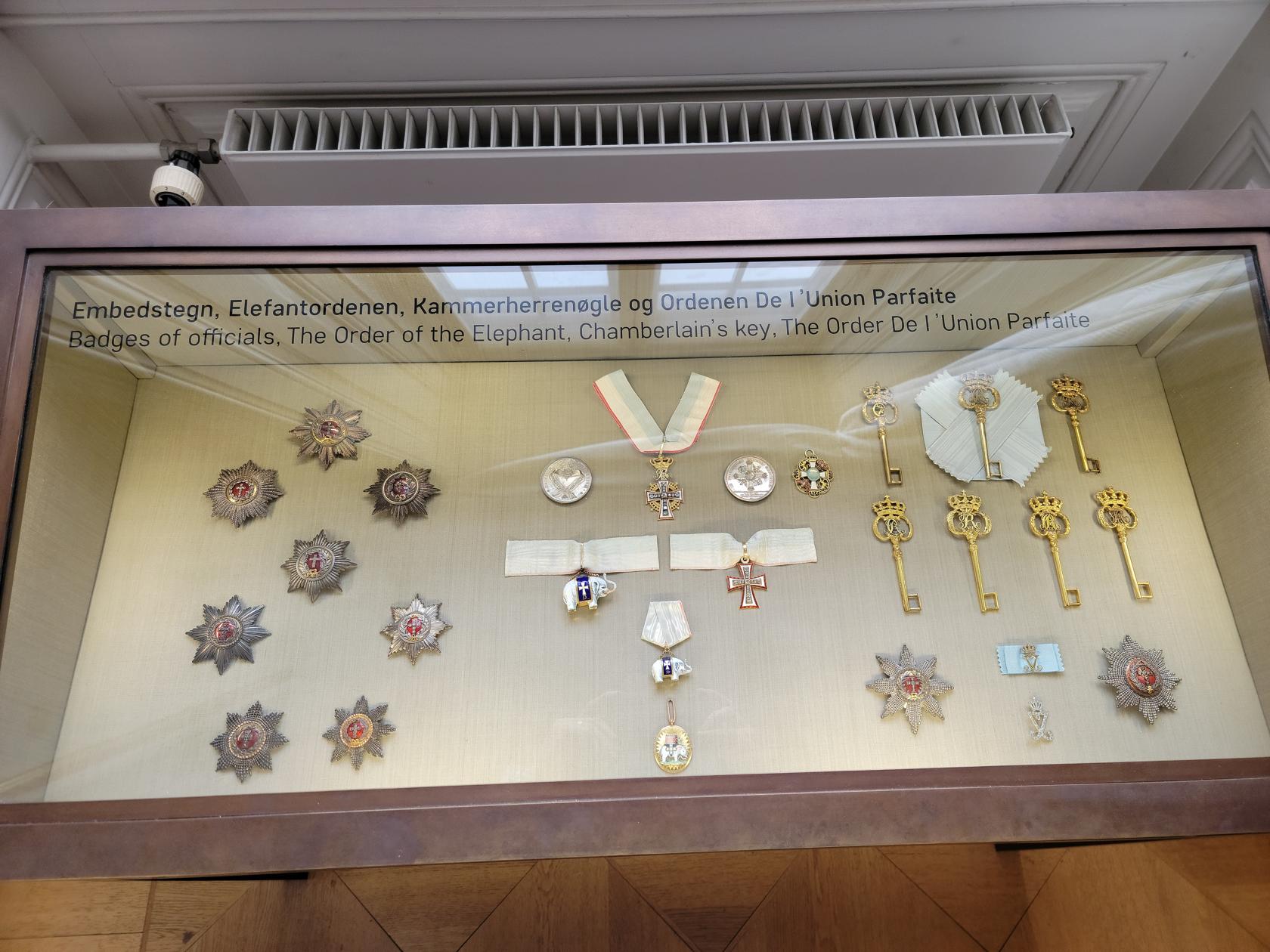
Lastly, there is a collection of the royal medals and other accoutrements, here is a short slideshow on them.
Order of Chivalry – Amalienborg Palace Museum – Copenhagen, Denmark
Dannebrog Order – Amalienborg Palace Museum – Copenhagen, Denmark
Elephant Order – Amalienborg Palace Museum – Copenhagen, Denmark
Royal Orders of Chivalry – Amalienborg Palace Museum – Copenhagen, Denmark
Medal of Recompense – Amalienborg Palace Museum – Copenhagen, Denmark
Dannebrog Order – Amalienborg Palace Museum – Copenhagen, Denmark
Dannebrog Order – Amalienborg Palace Museum – Copenhagen, Denmark
Dannebrog Order – Amalienborg Palace Museum – Copenhagen, Denmark
Elephant Order – Amalienborg Palace Museum – Copenhagen, Denmark
Elephant’s Order and Chamberlain’s Key – Amalienborg Palace Museum – Copenhagen, Denmark
Christiansborg Palace
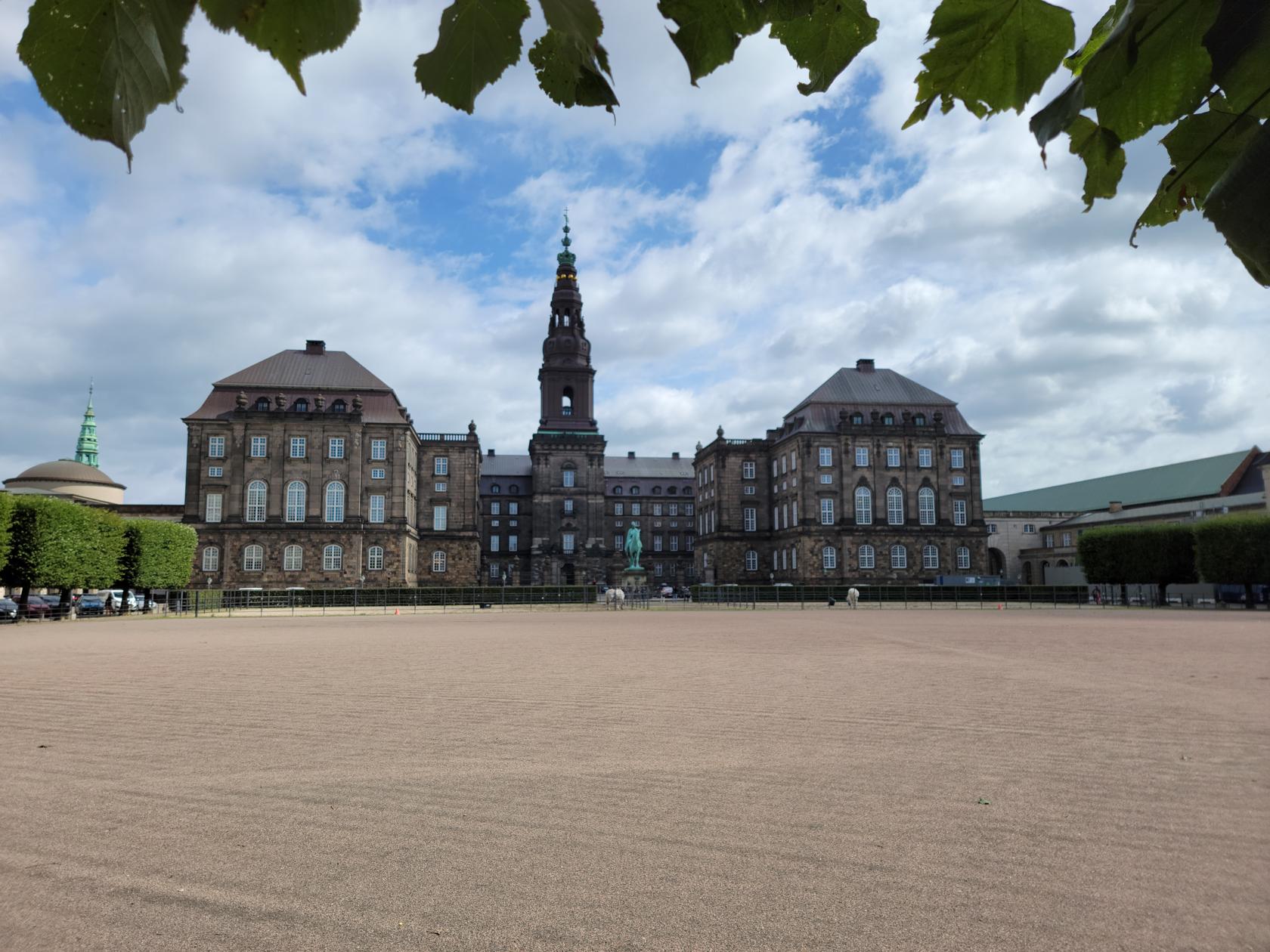
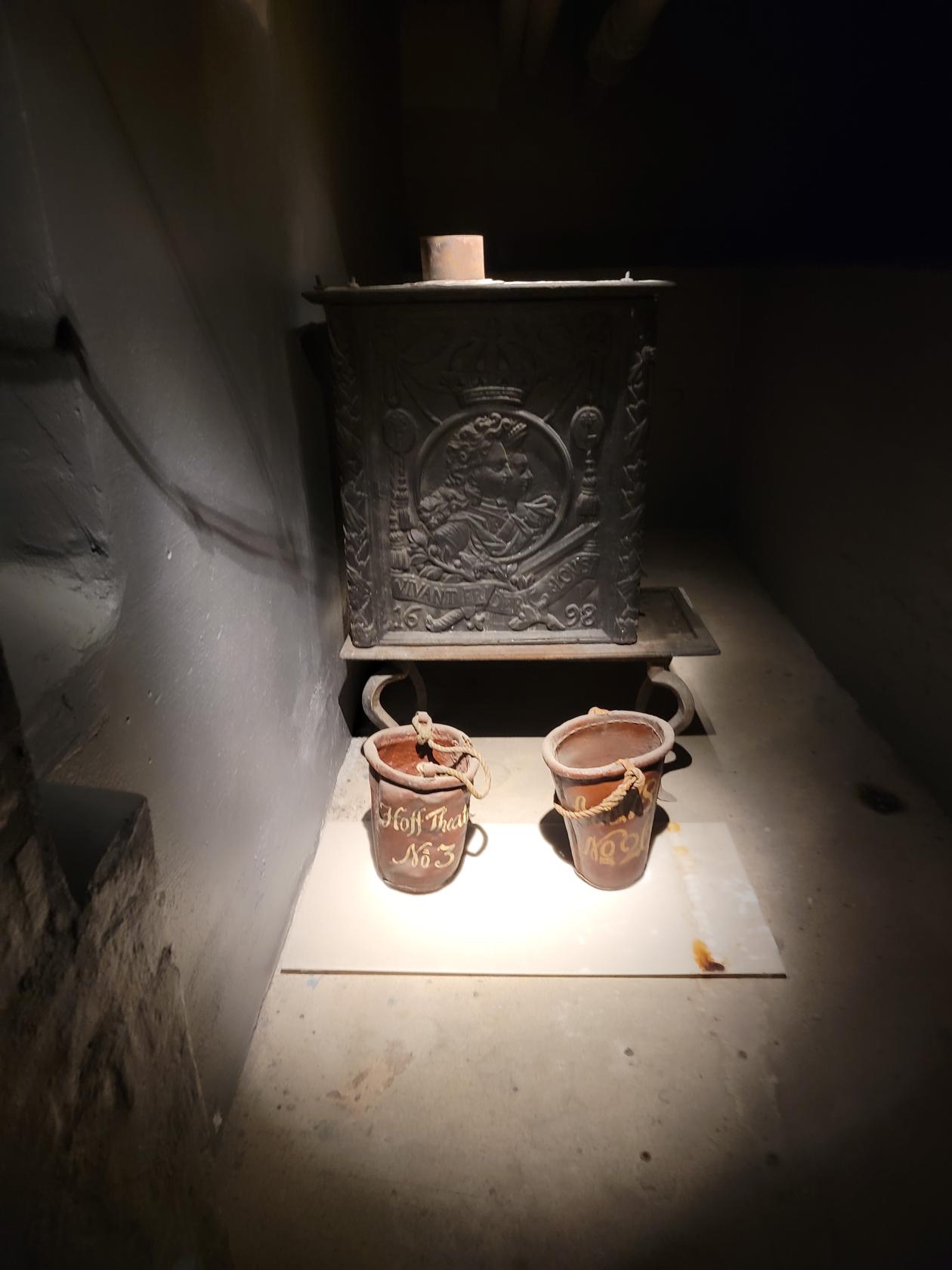
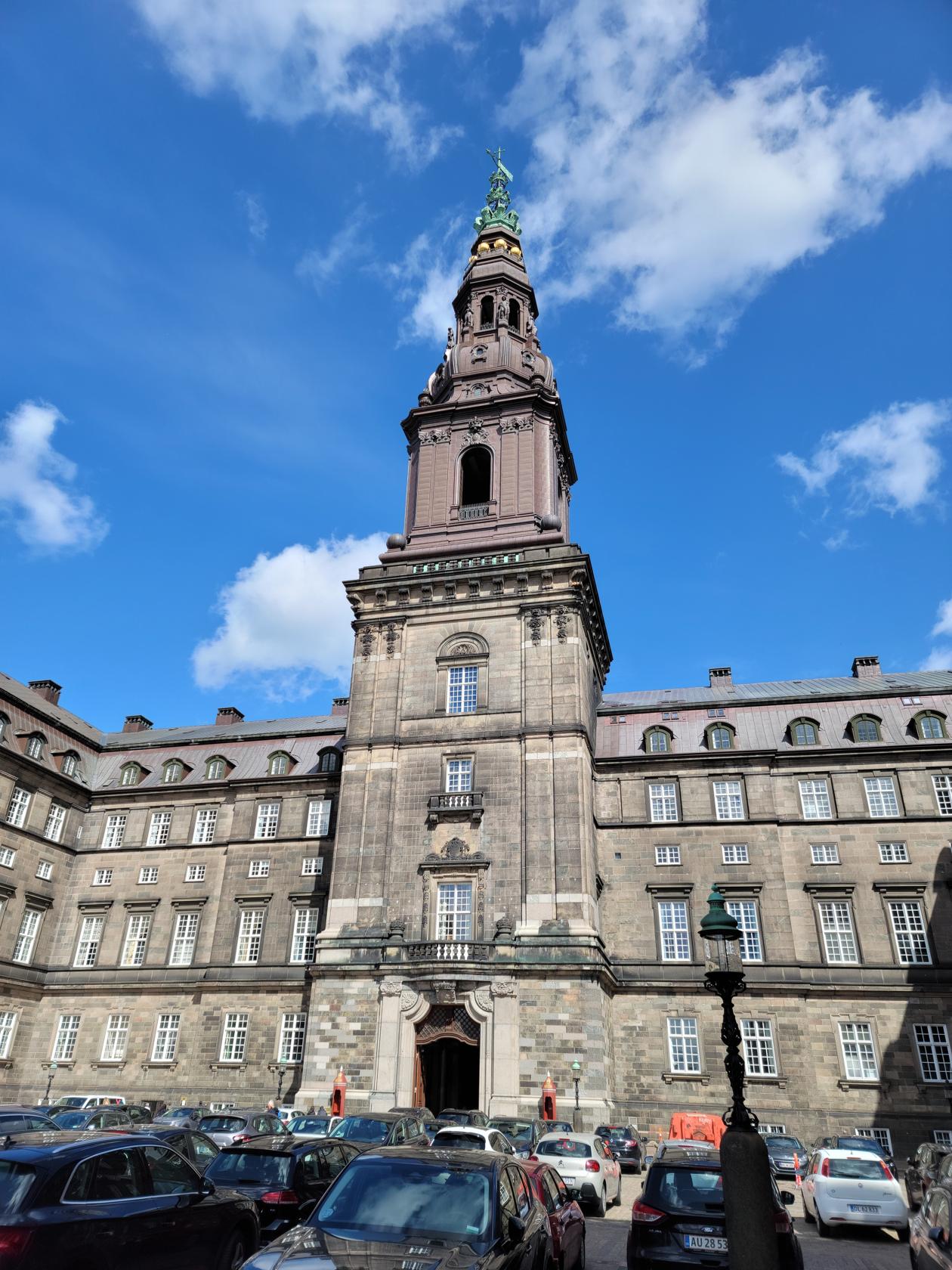
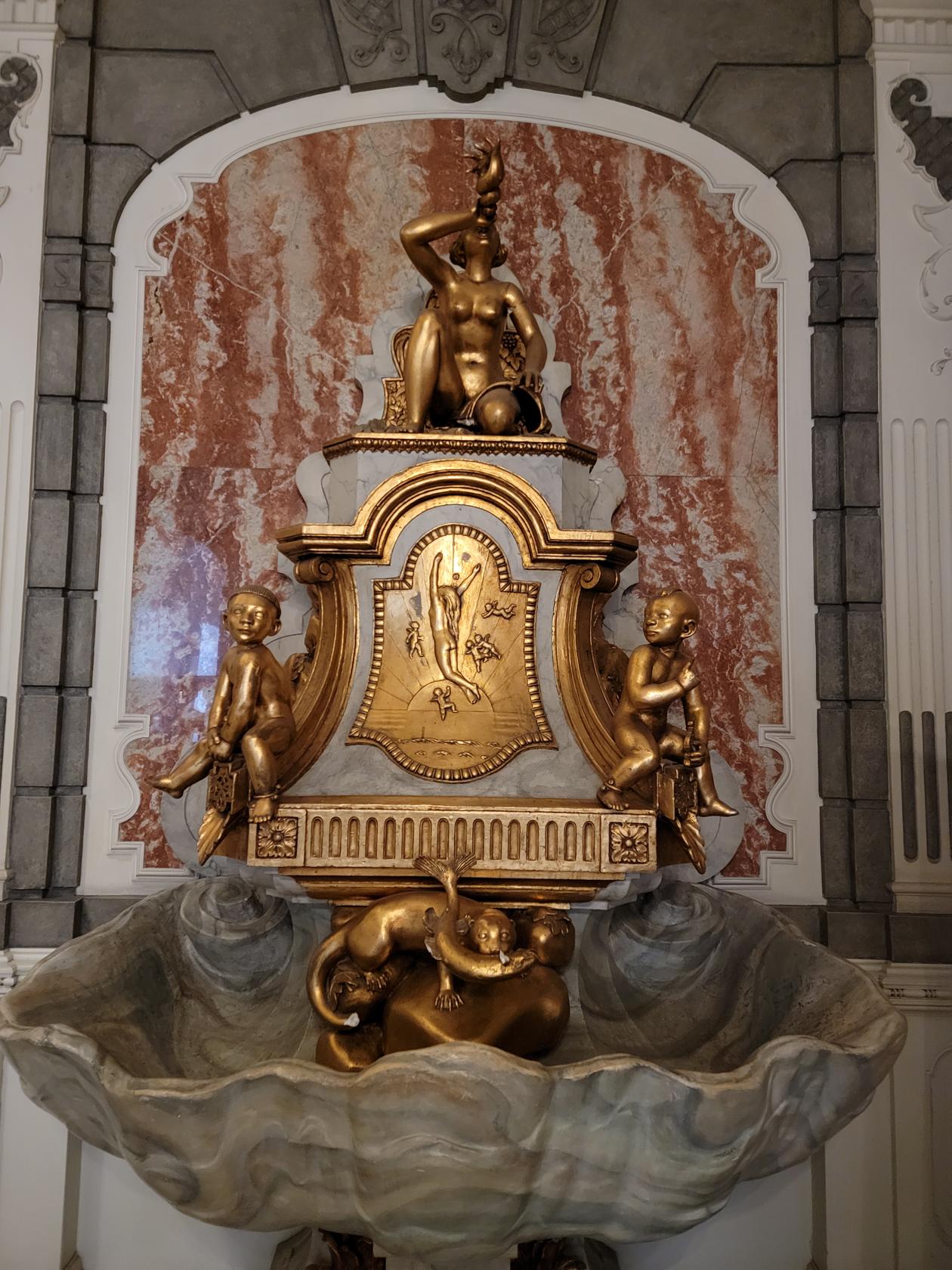
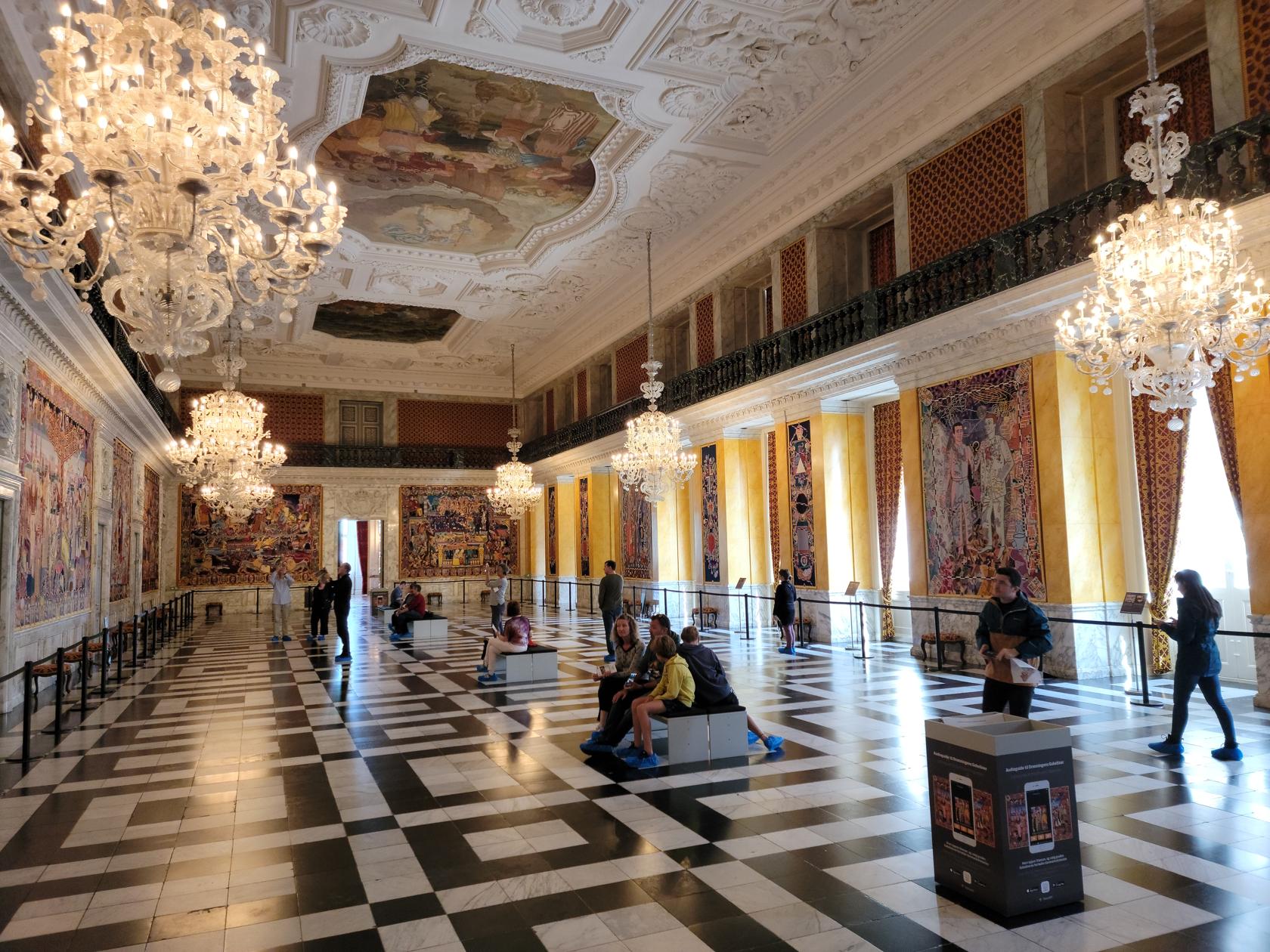
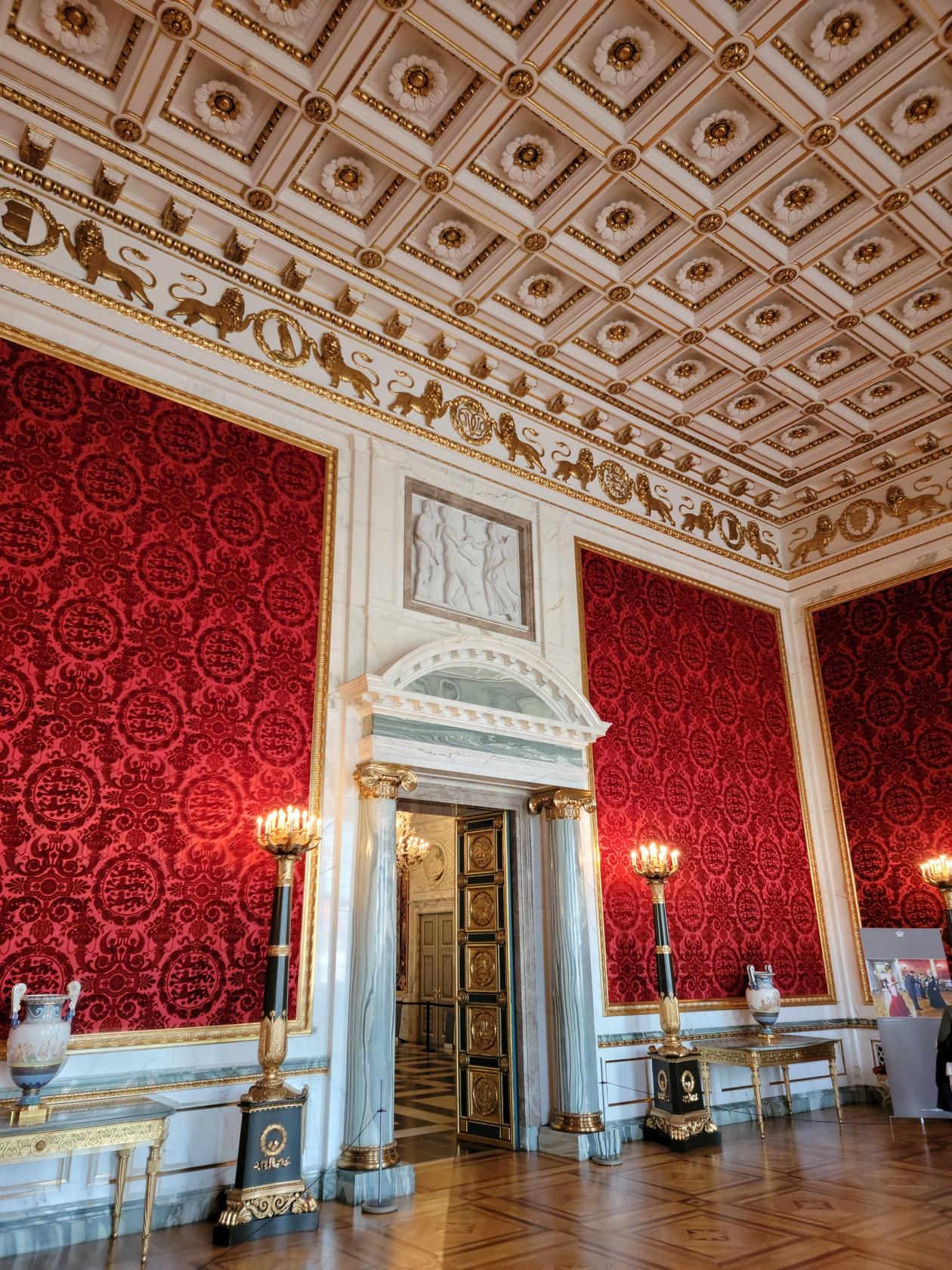
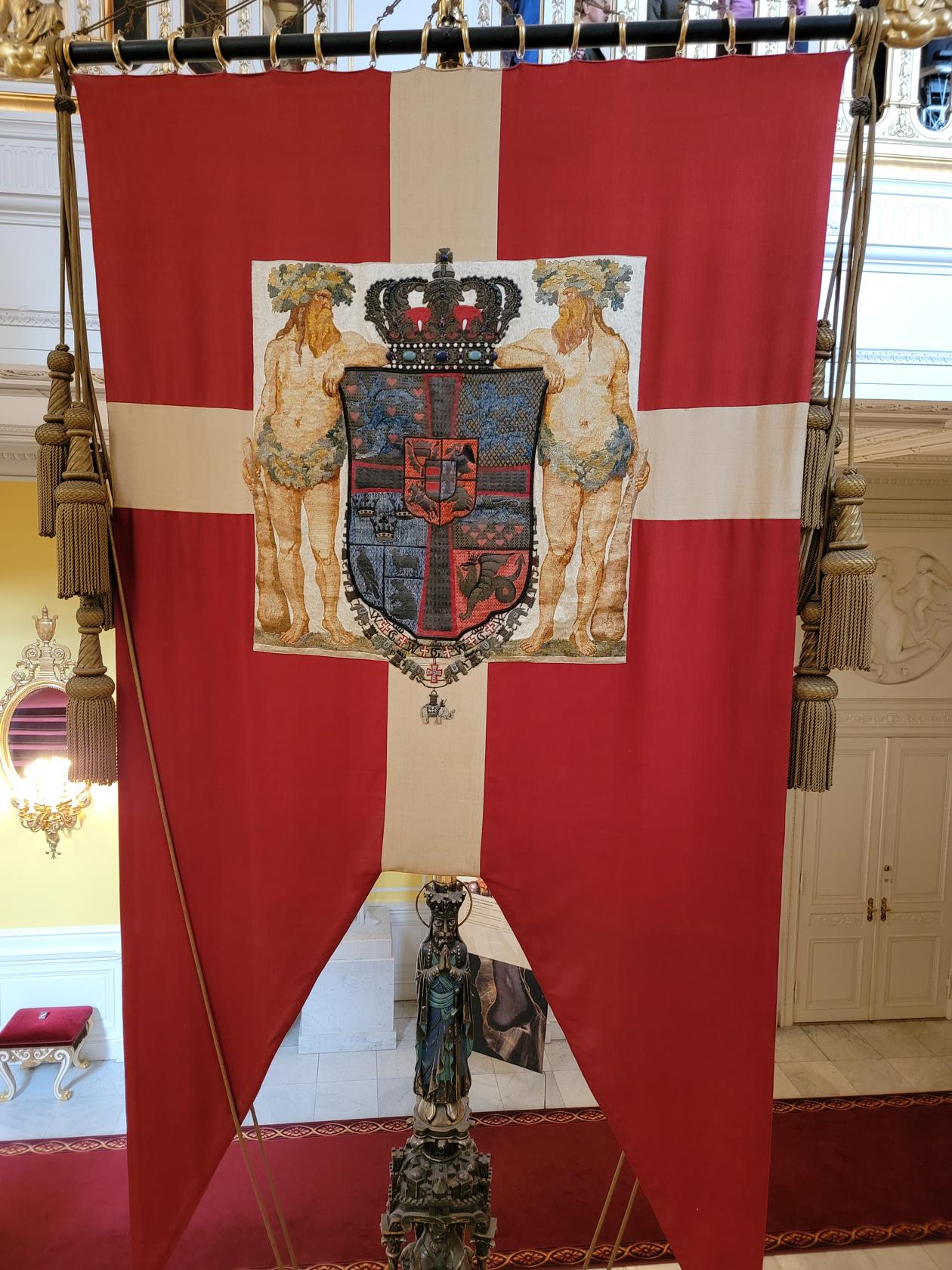
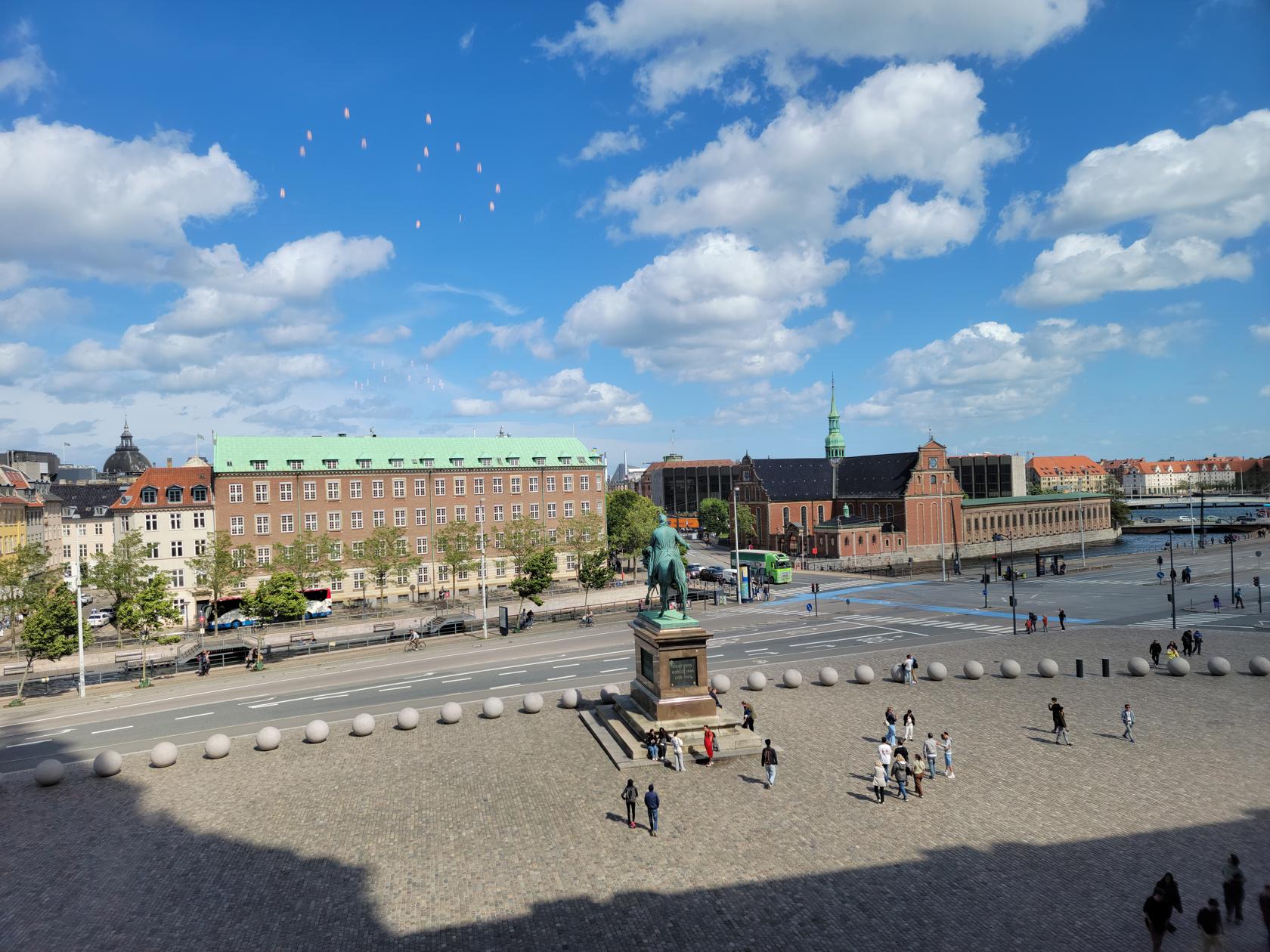
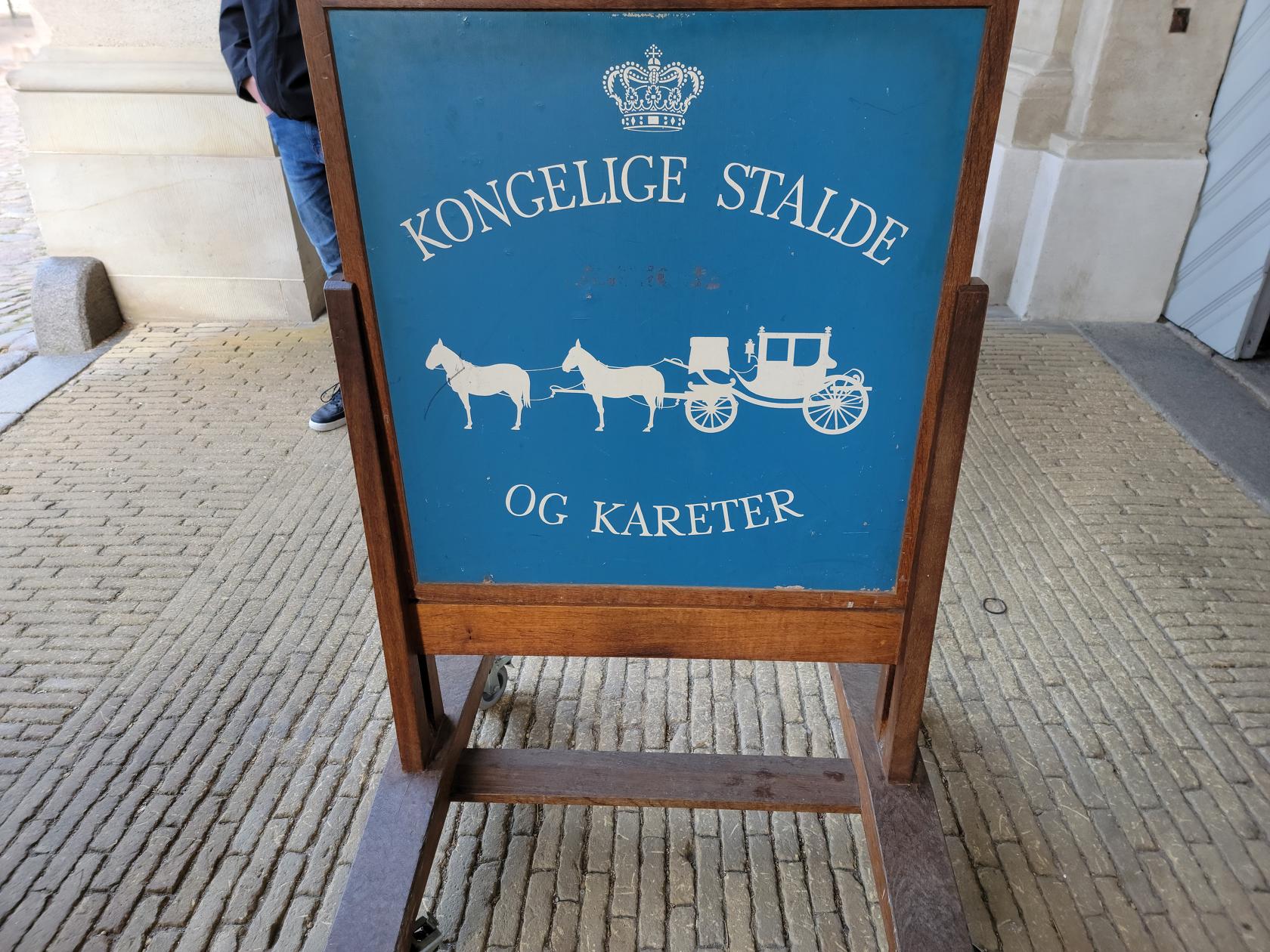
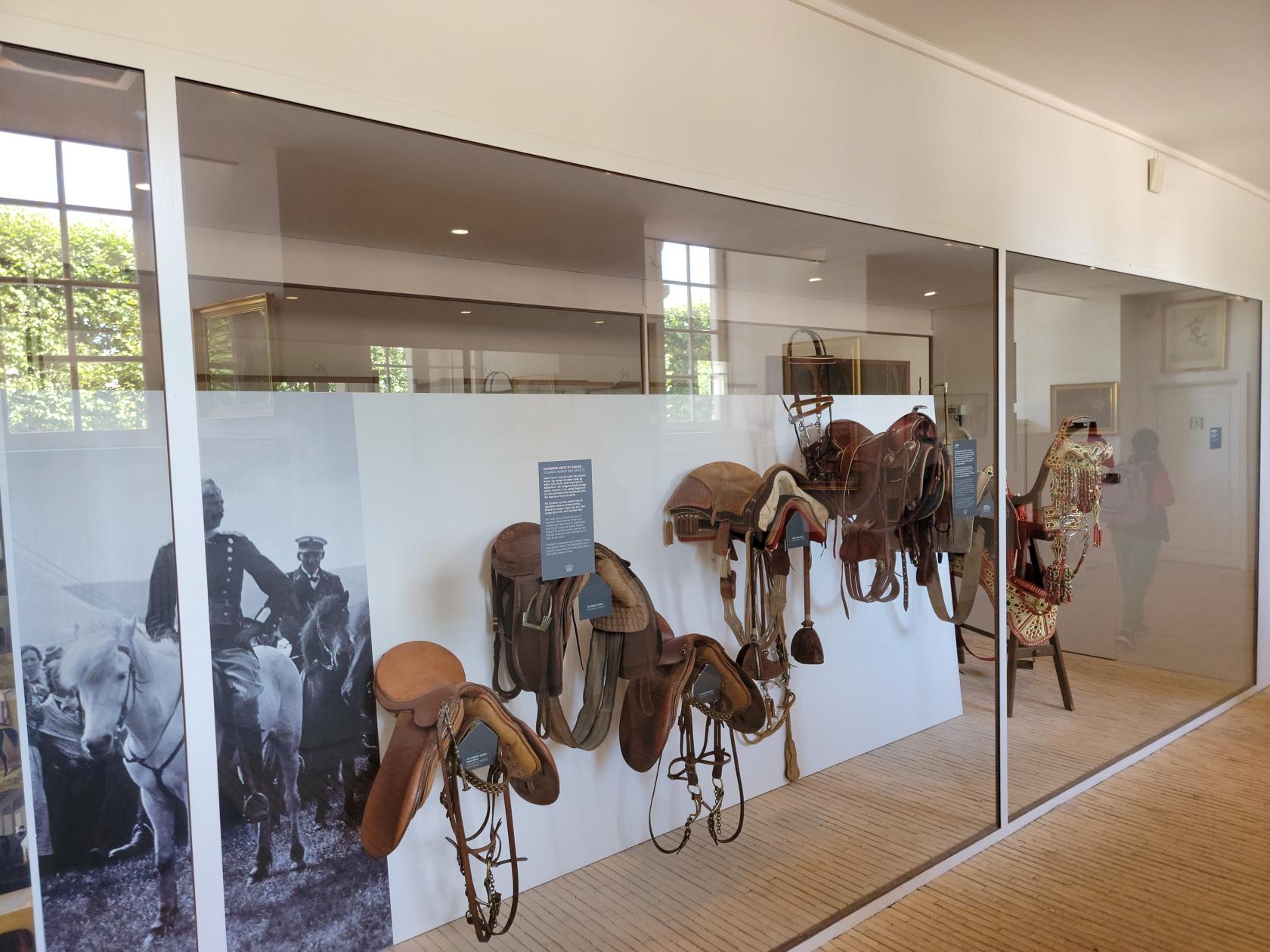
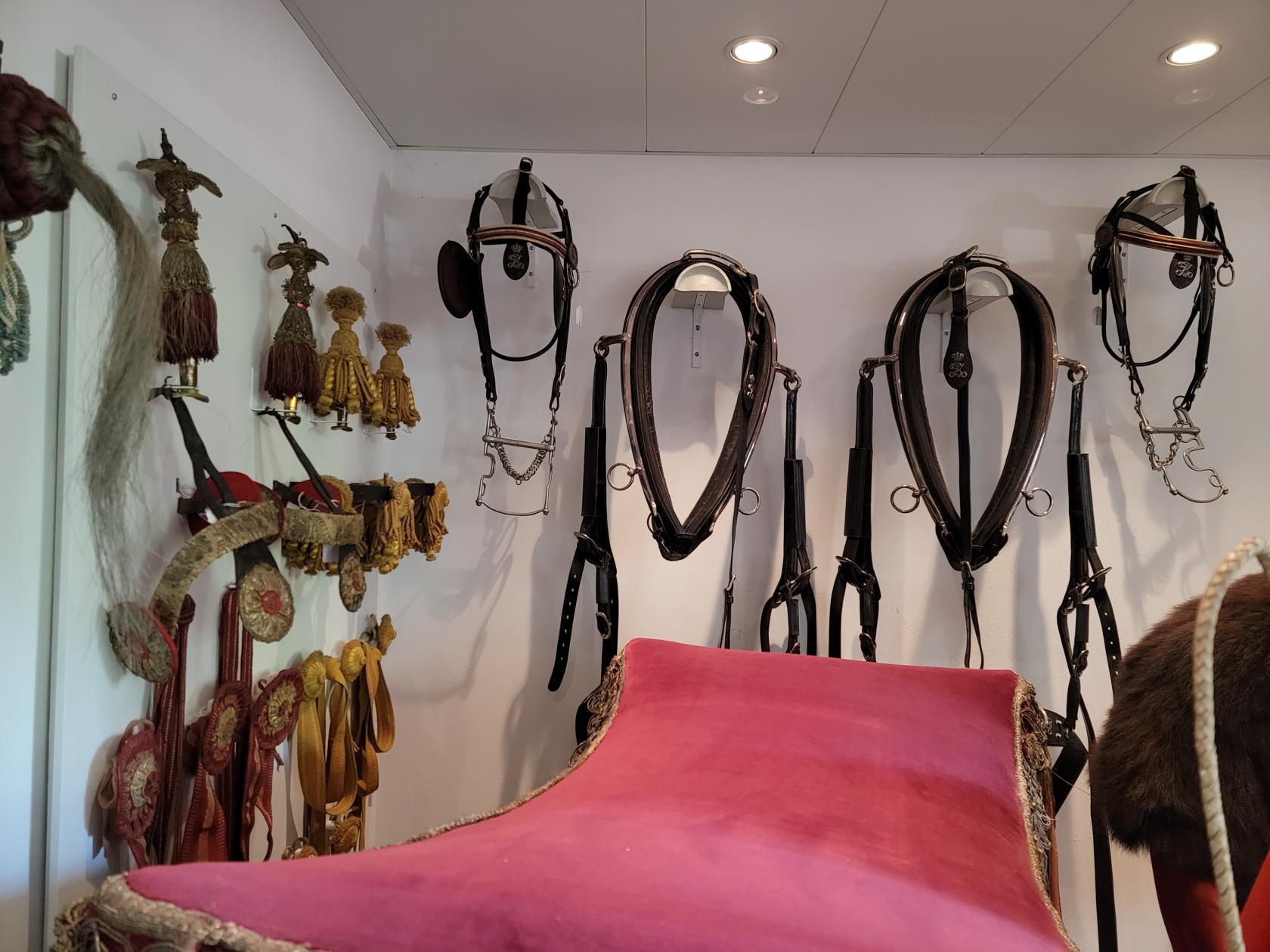
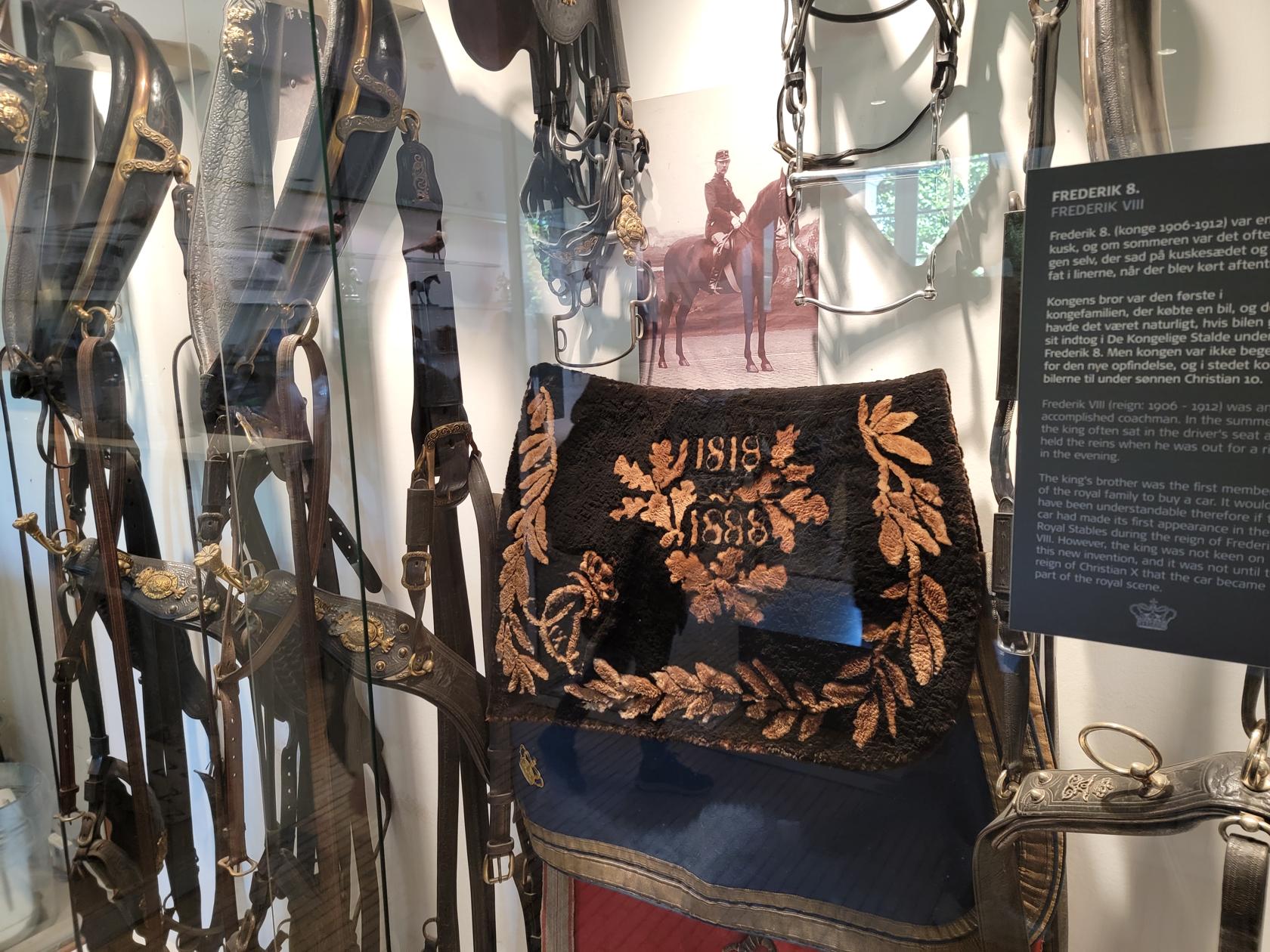
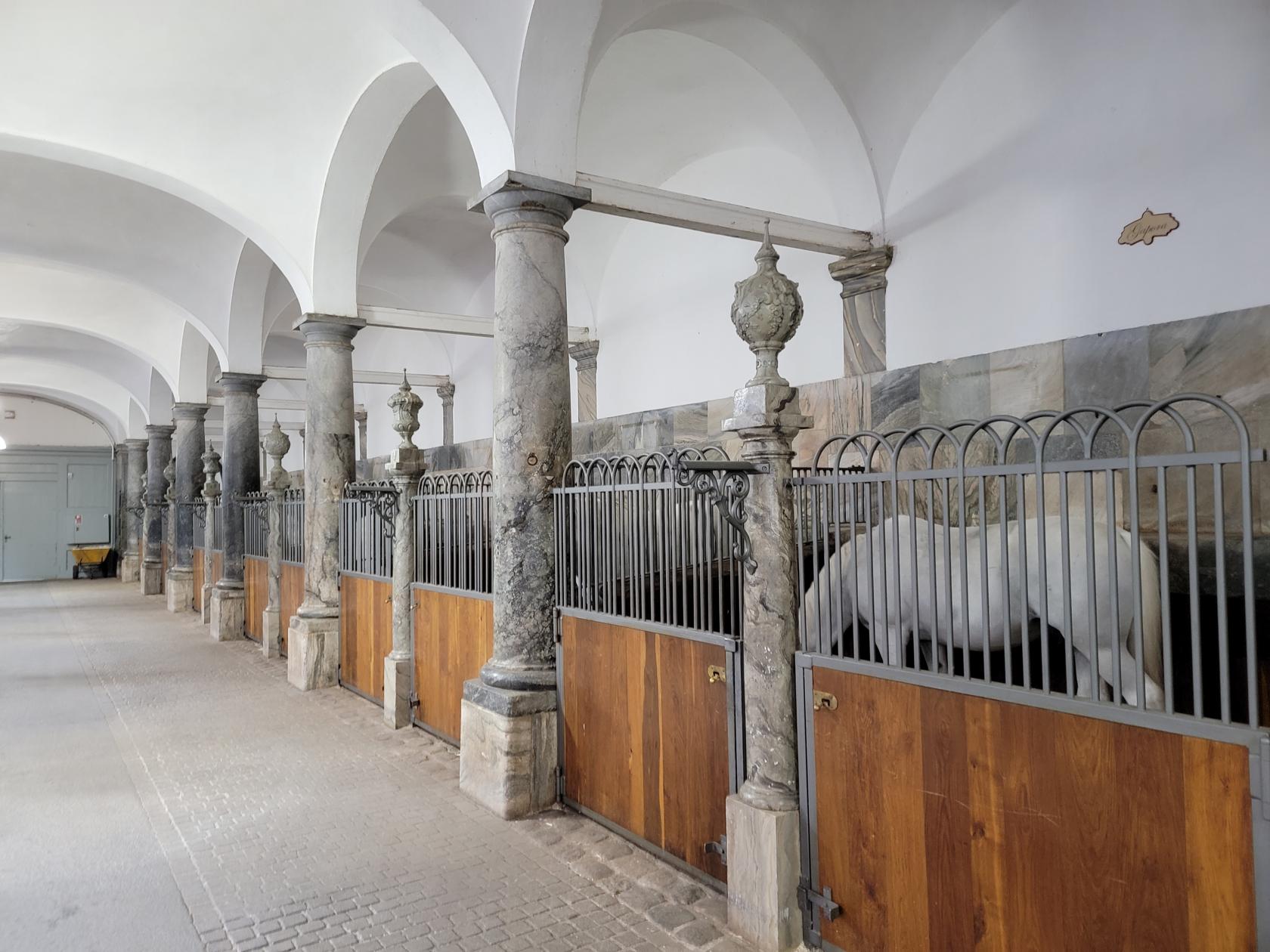
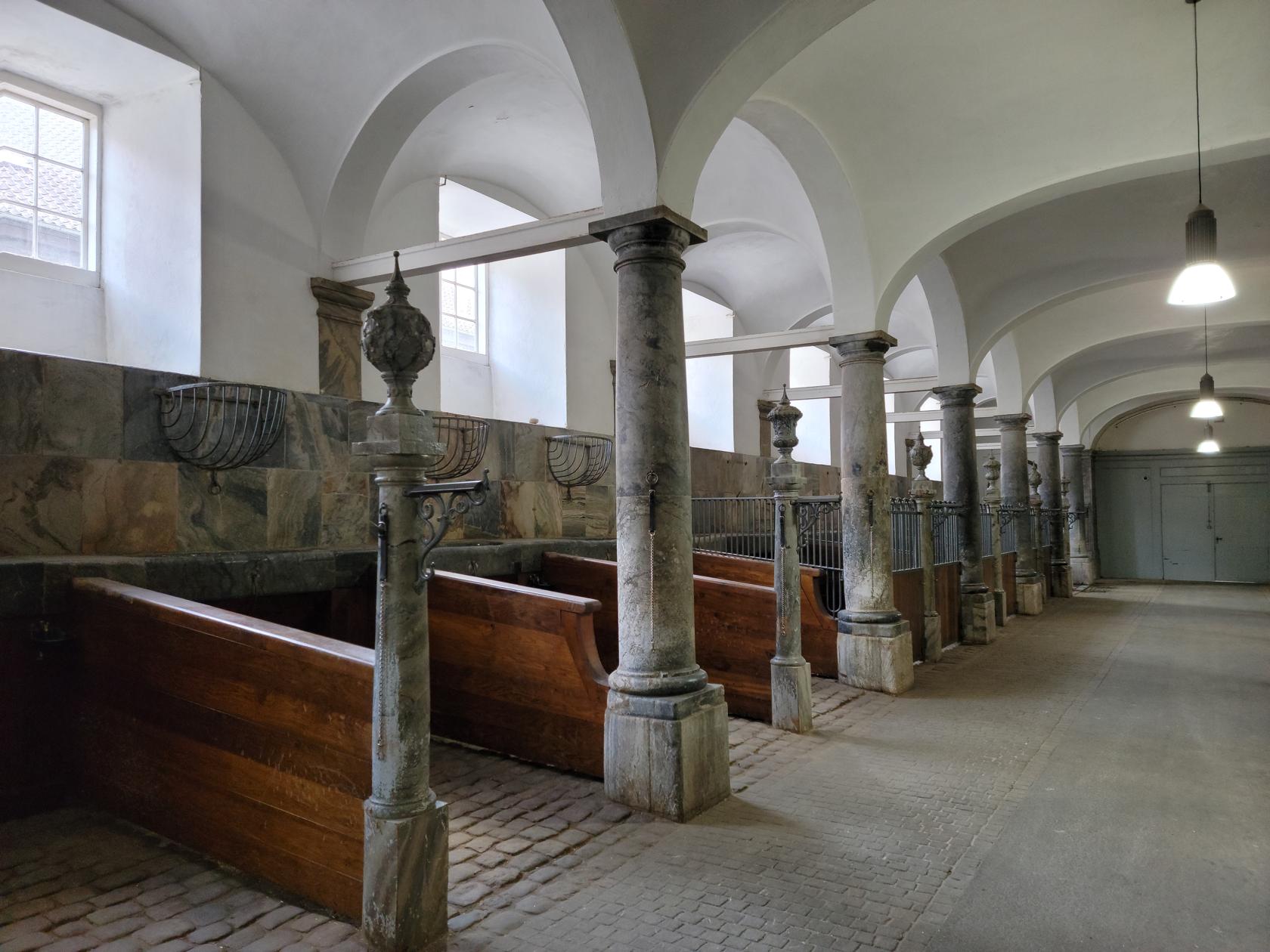
Today, Christiansborg Palace not only houses museums and other tourist attractions, but it is also the seat of Danish Government. All three branches of government are represented in the Palace. The palace contains horse stables, an old kitchen and the royal reception rooms, all of which can be visited free with the City Card, or kr.155 (about €9)/person.
Front – Christiansborg Palace – Copenhagen, Denmark
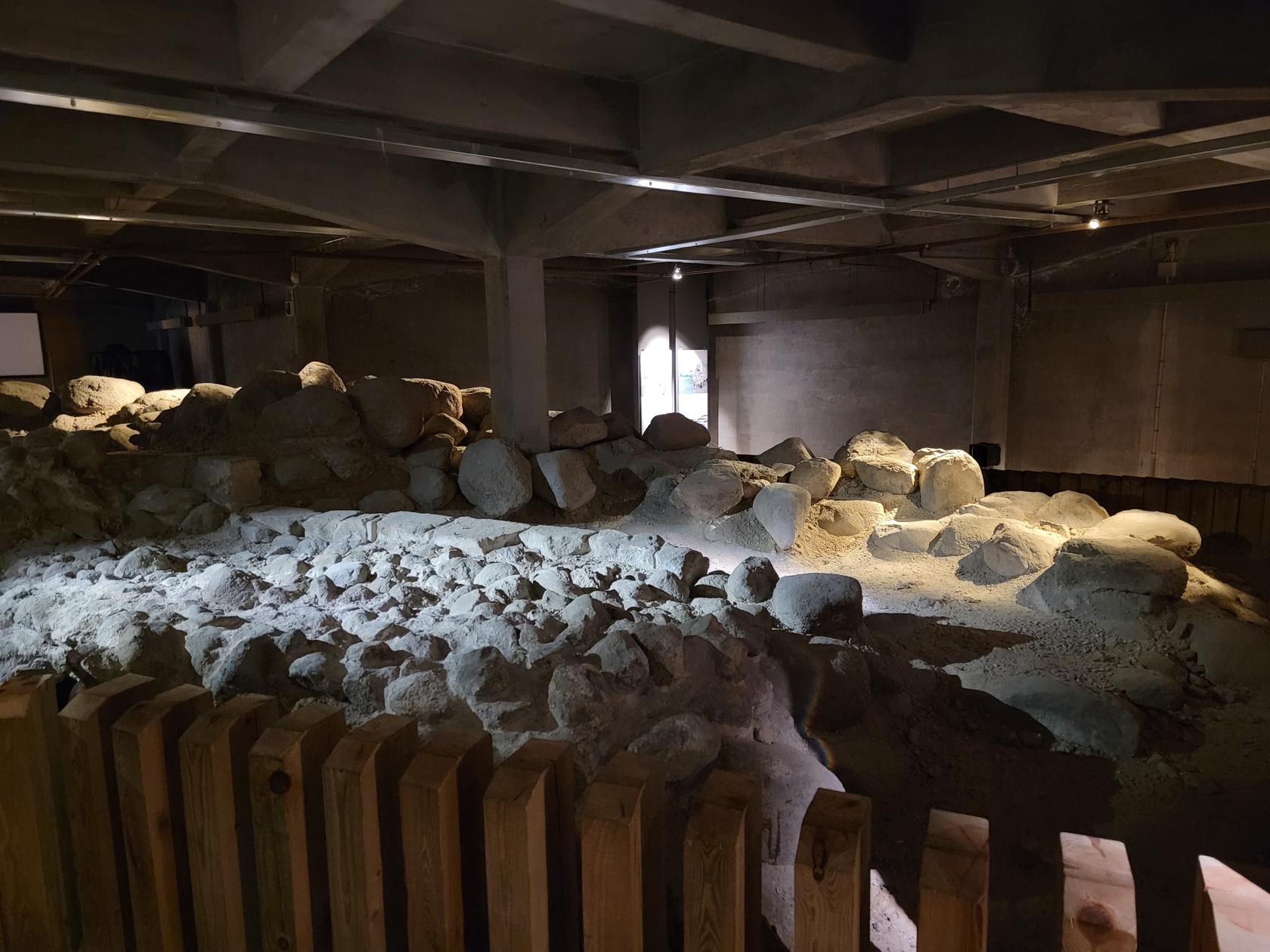
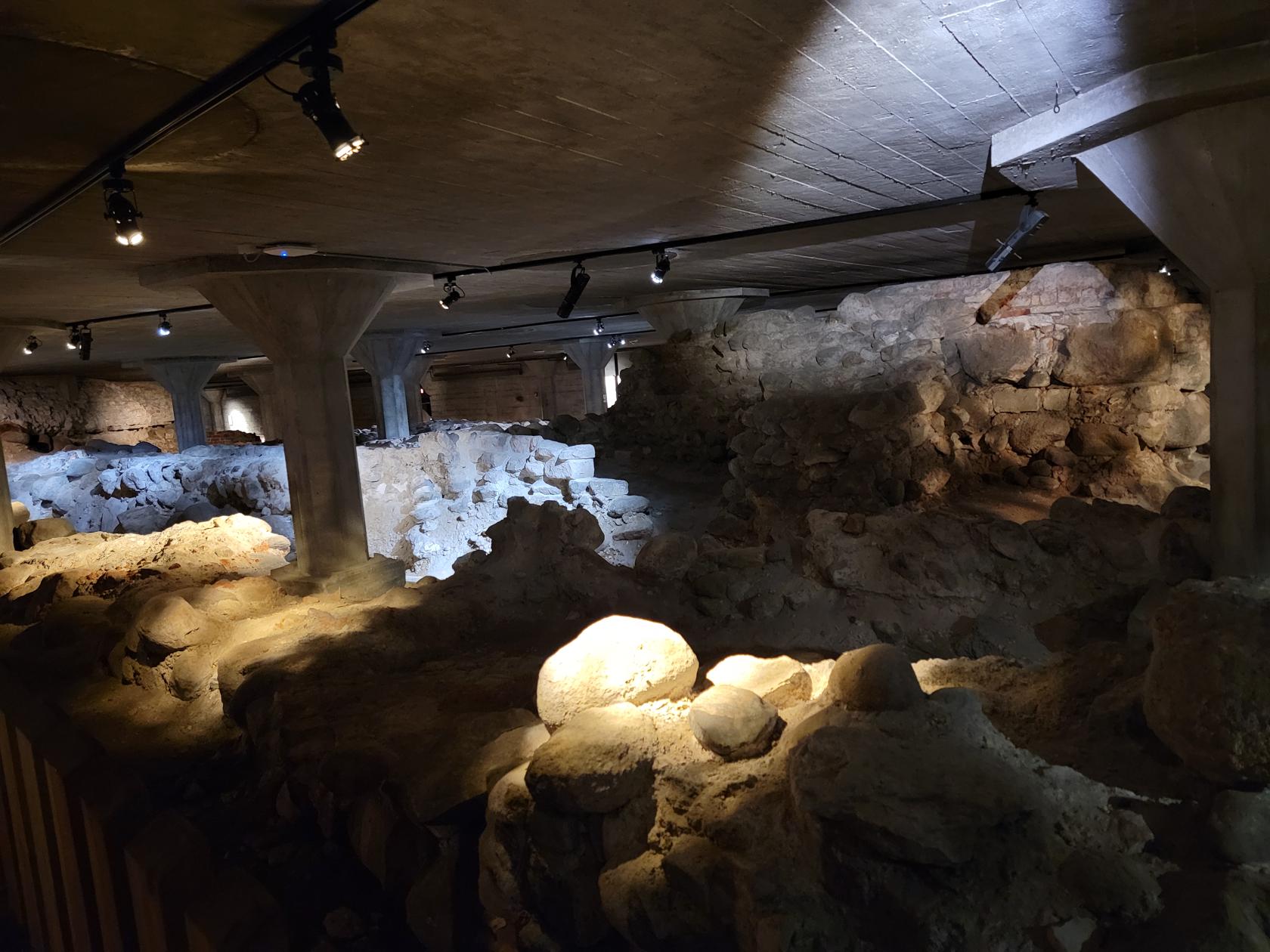
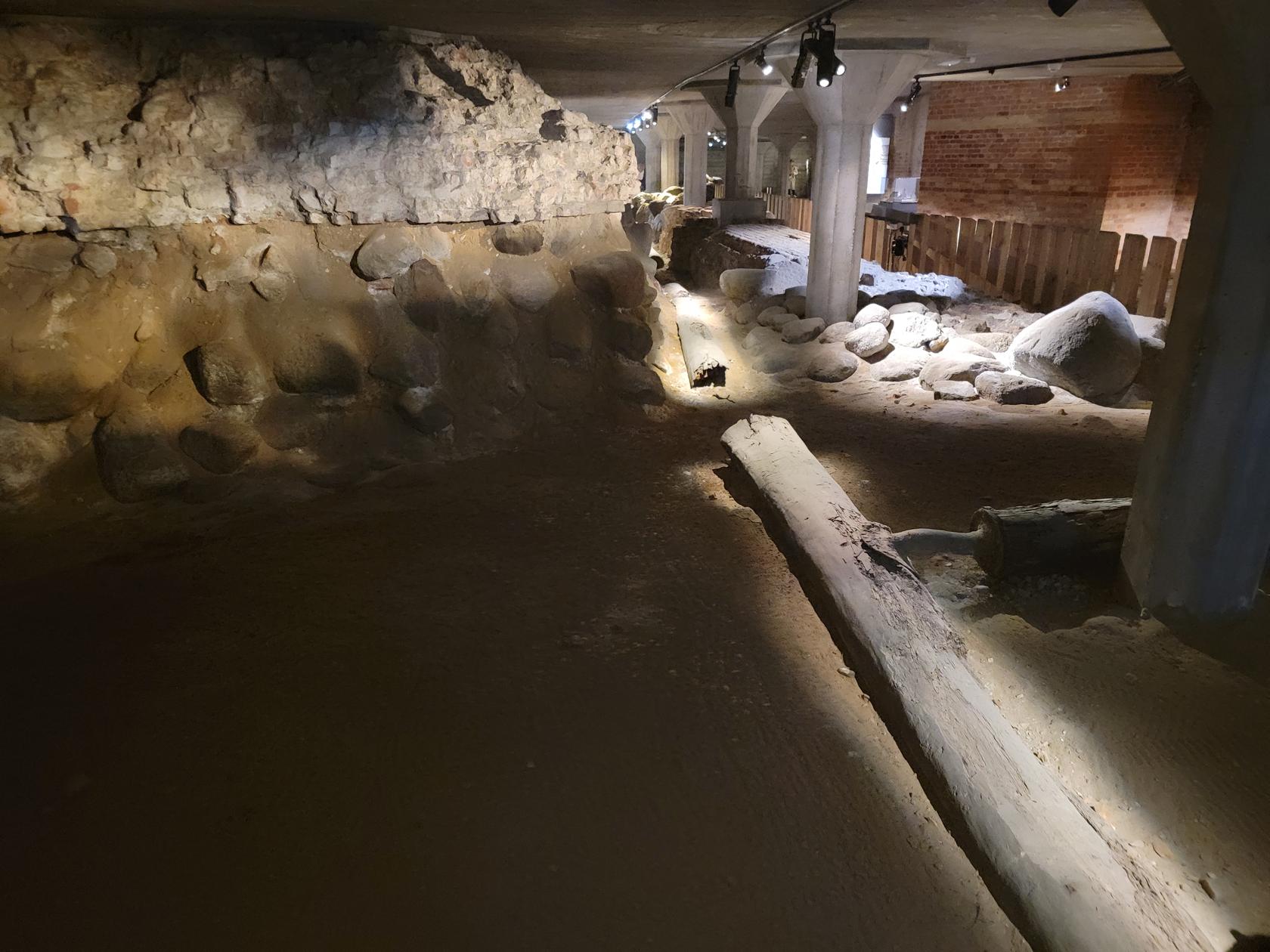
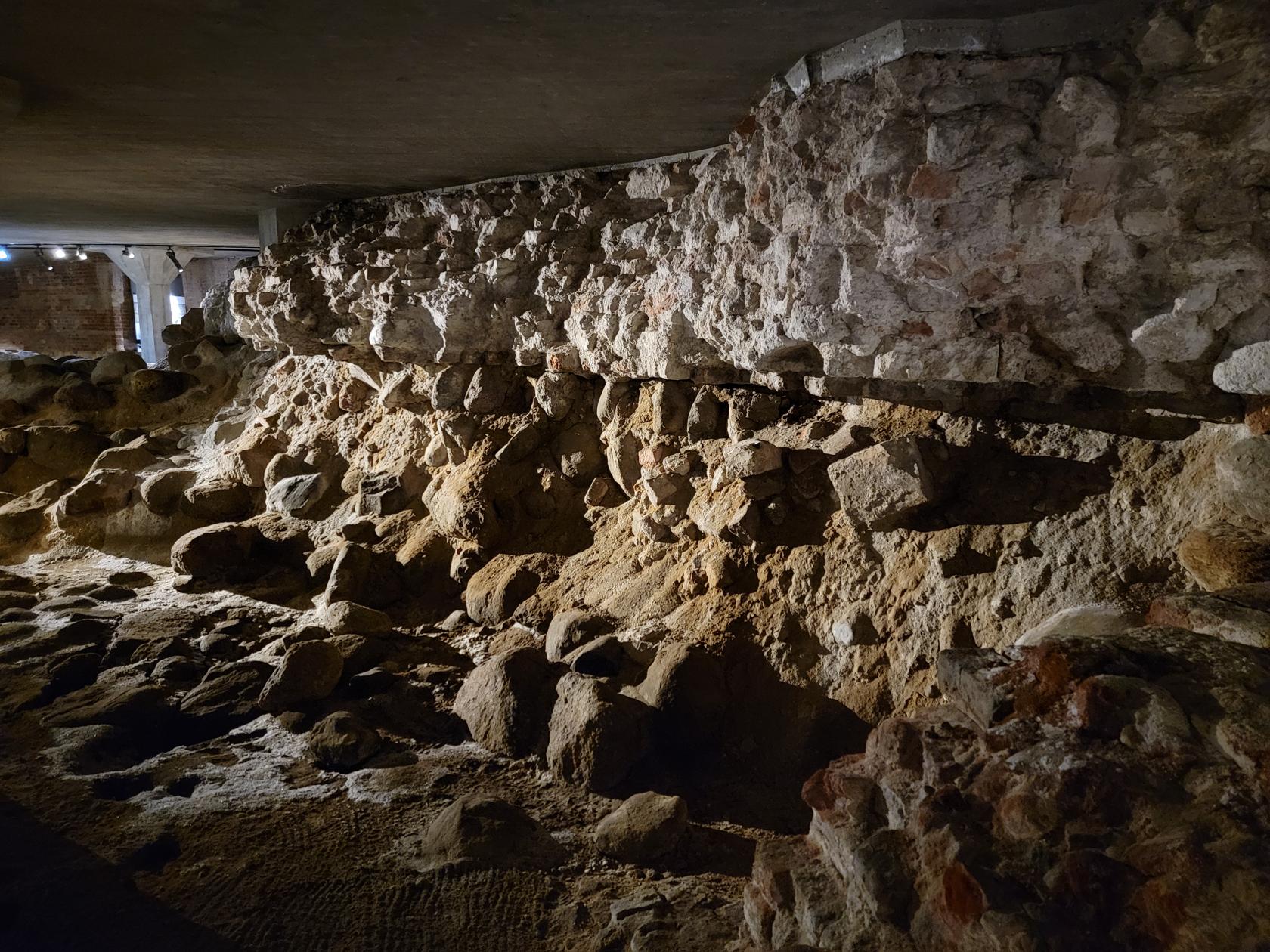
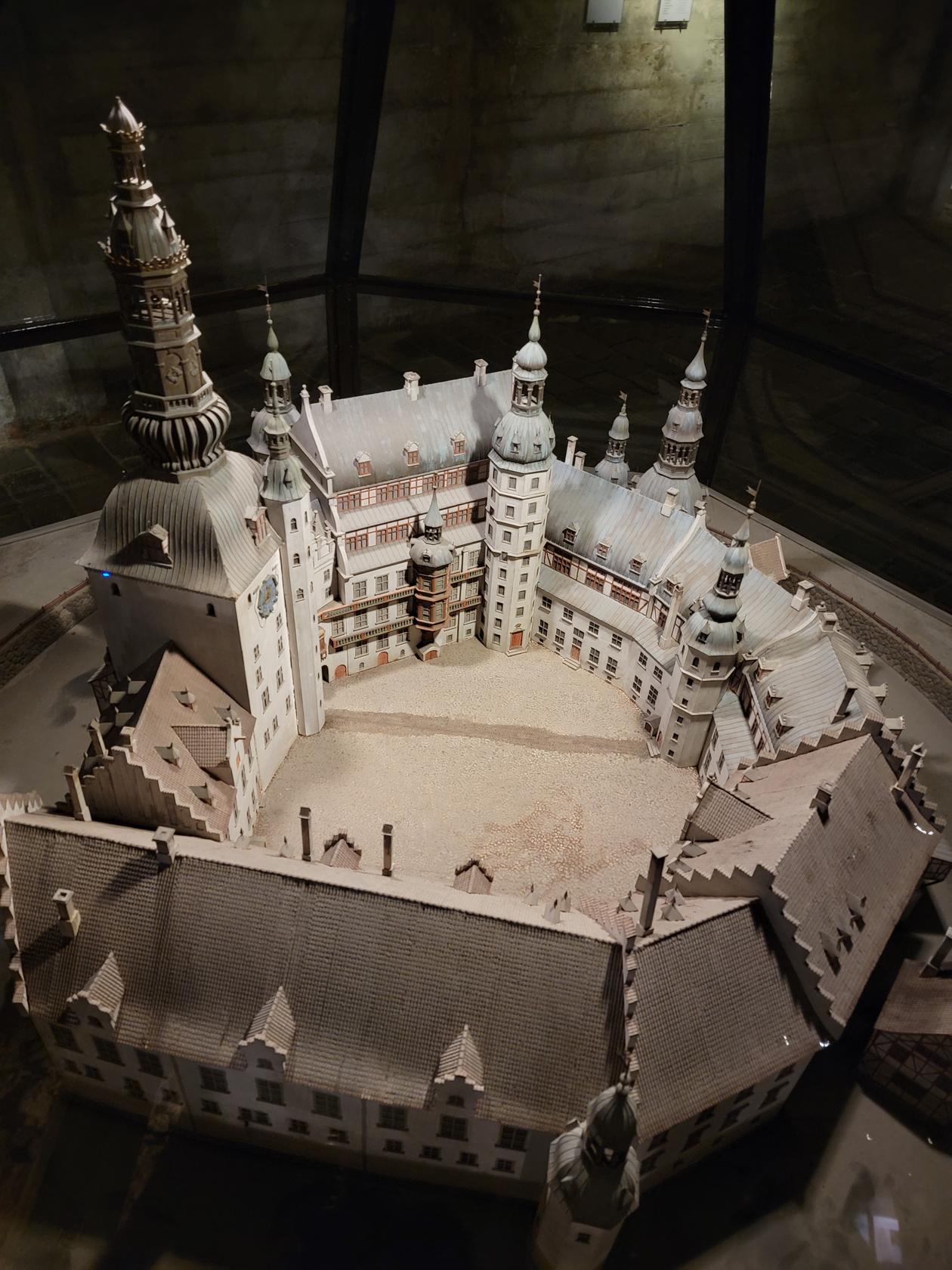
Originally constructed as Absalon’s Castle, it has been sacked, demolished and burnt to the ground numerous times. In fact, on one occasion it was dismantled brick by brick. Nevertheless, the Danes have always rebuilt some palace structure here, no doubt a testament to their fortitude. To date, there have been at least five reincarnations of the structure. The basement contains an archeological site showing the ancient remains for the first palace and perhaps foundations of even older structures.
Be aware, some venues require that you book a time slot, even if you have a City Card. This can be done online, or by showing up at the ticket office and scheduling your visit. The City Card does explain this on the venue’s information site if you click on it.
Rosenborg Castle
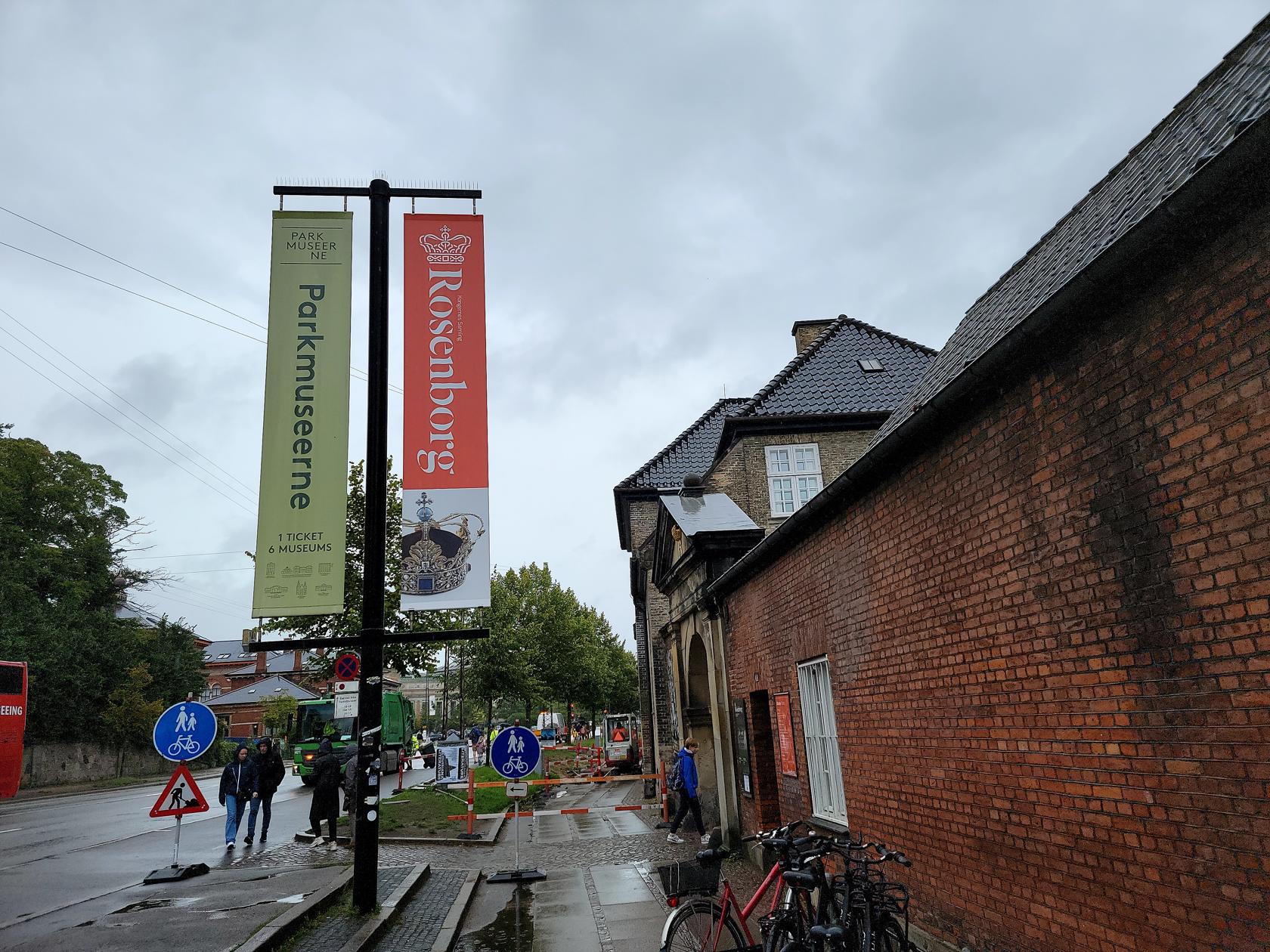
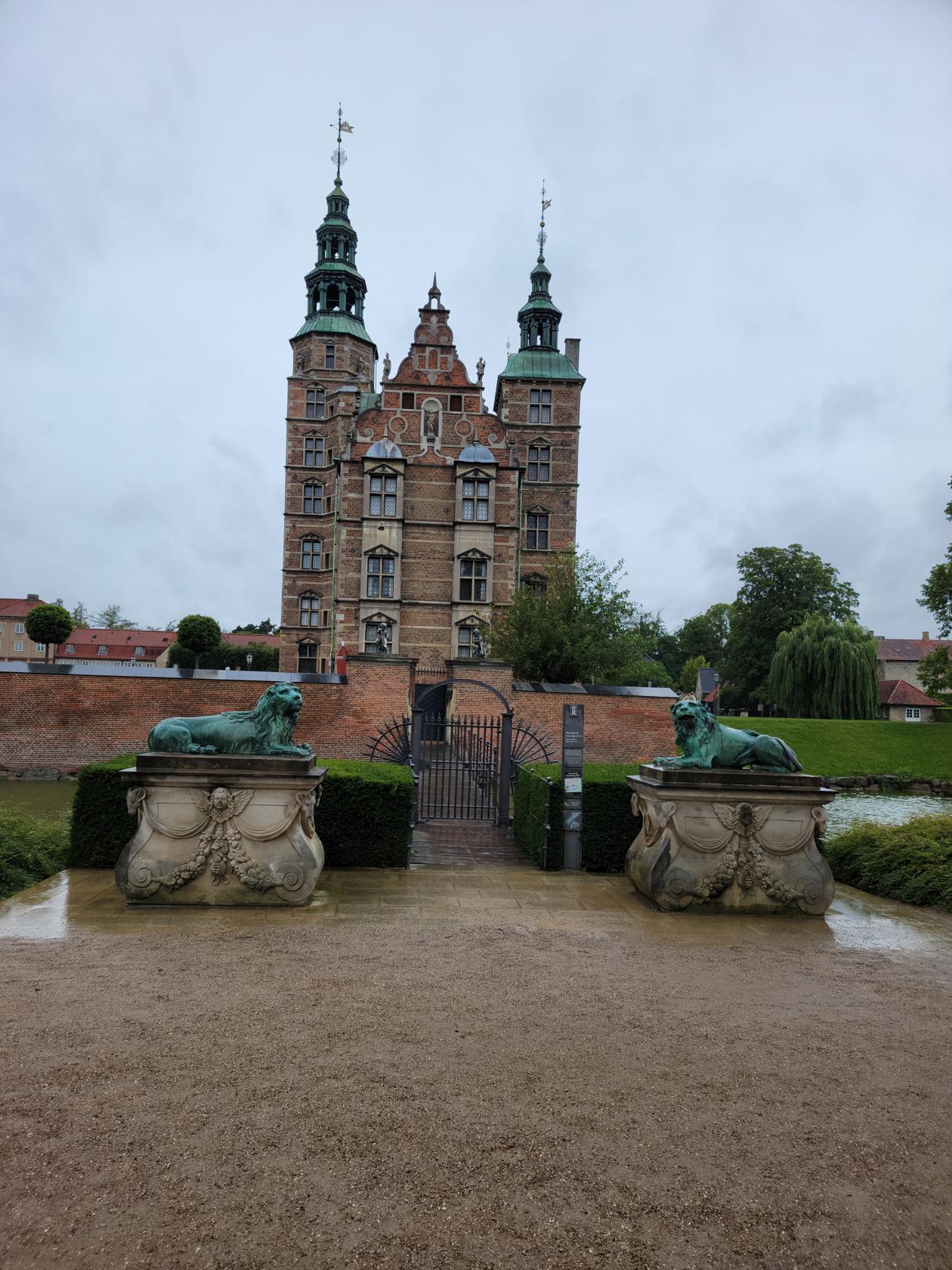
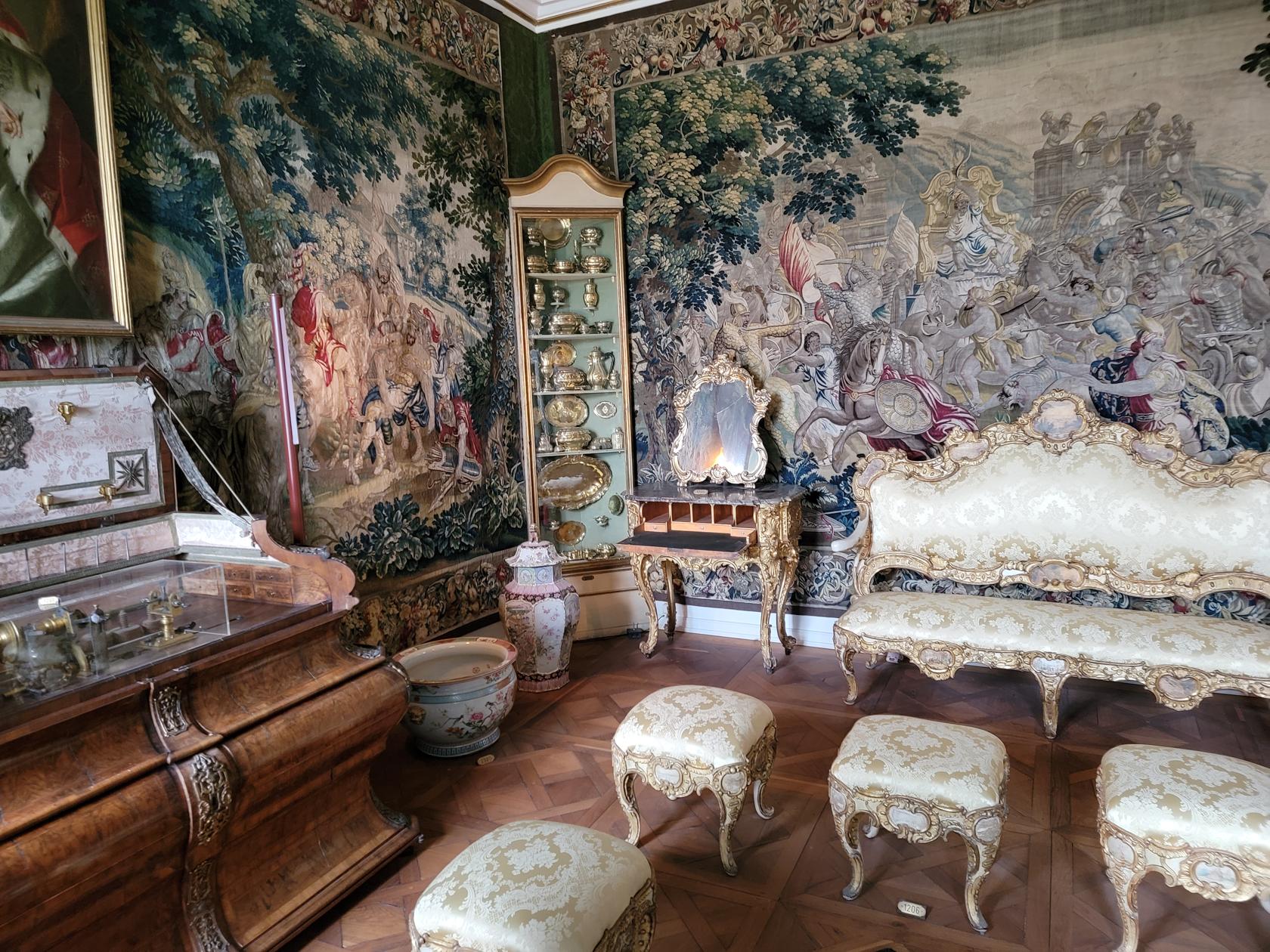
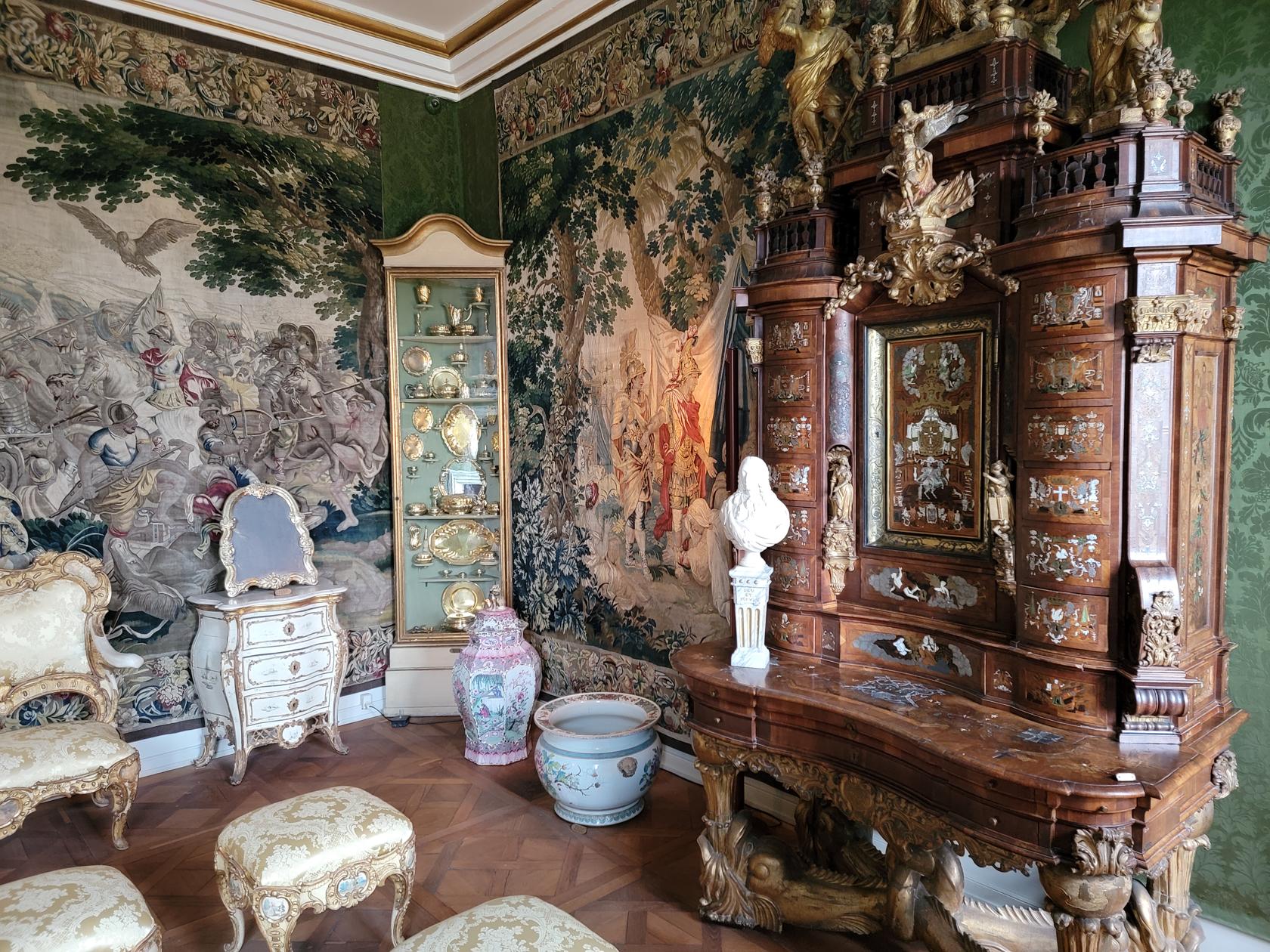
As far as castles go, Rosenborg Castle is a fairly small one on the northwest edge of King’s Garden. It was built in Danish Renaissance style in the 1600s as a summer place for King Frederik IV.
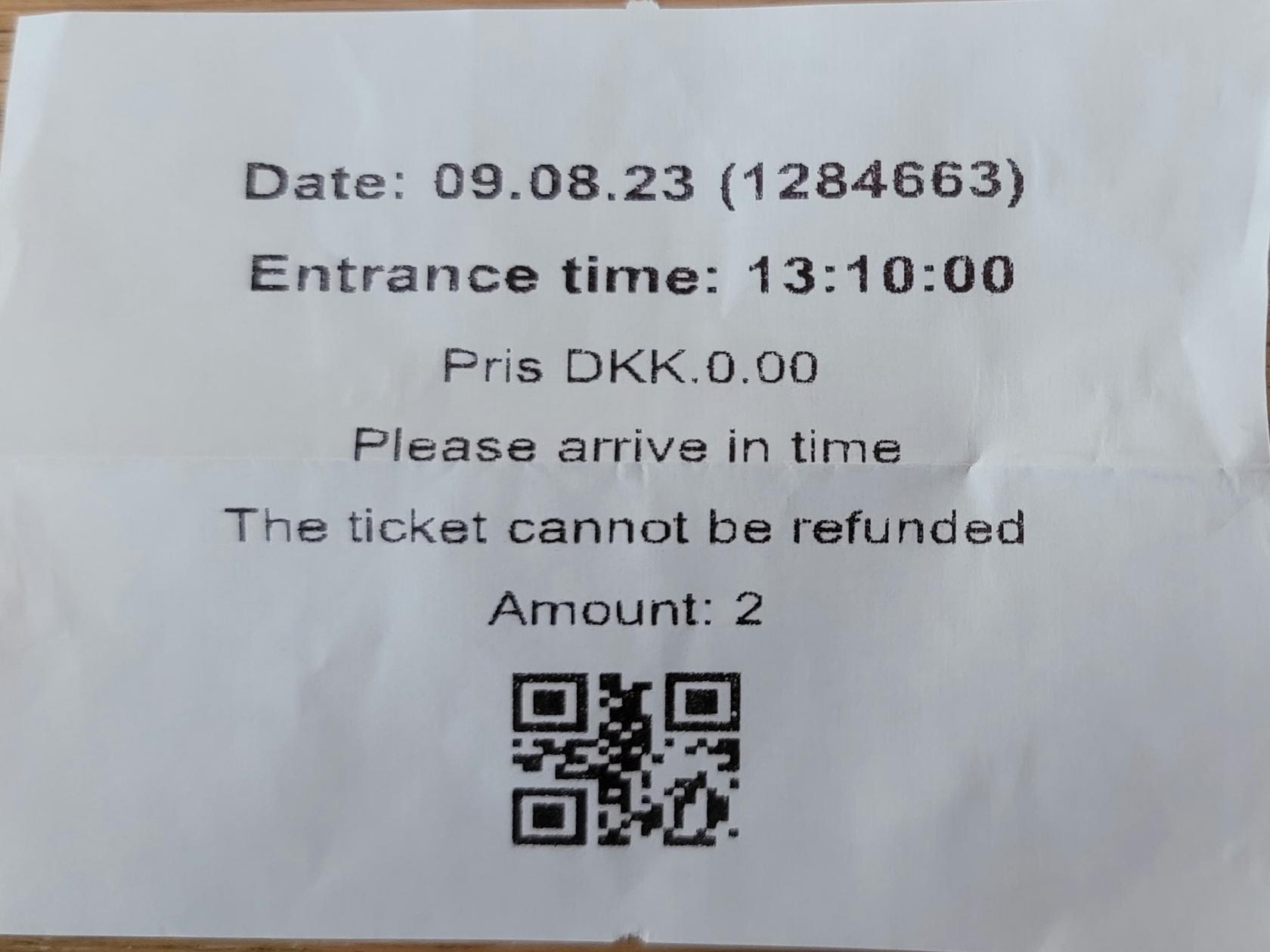
Tickets For Two – The Rosenborg Castle – Copenhagen, Denmark
Entrance – The Rosenborg Castle – Copenhagen, Denmark
Rear Entrance – The Rosenborg Castle – Copenhagen, Denmark
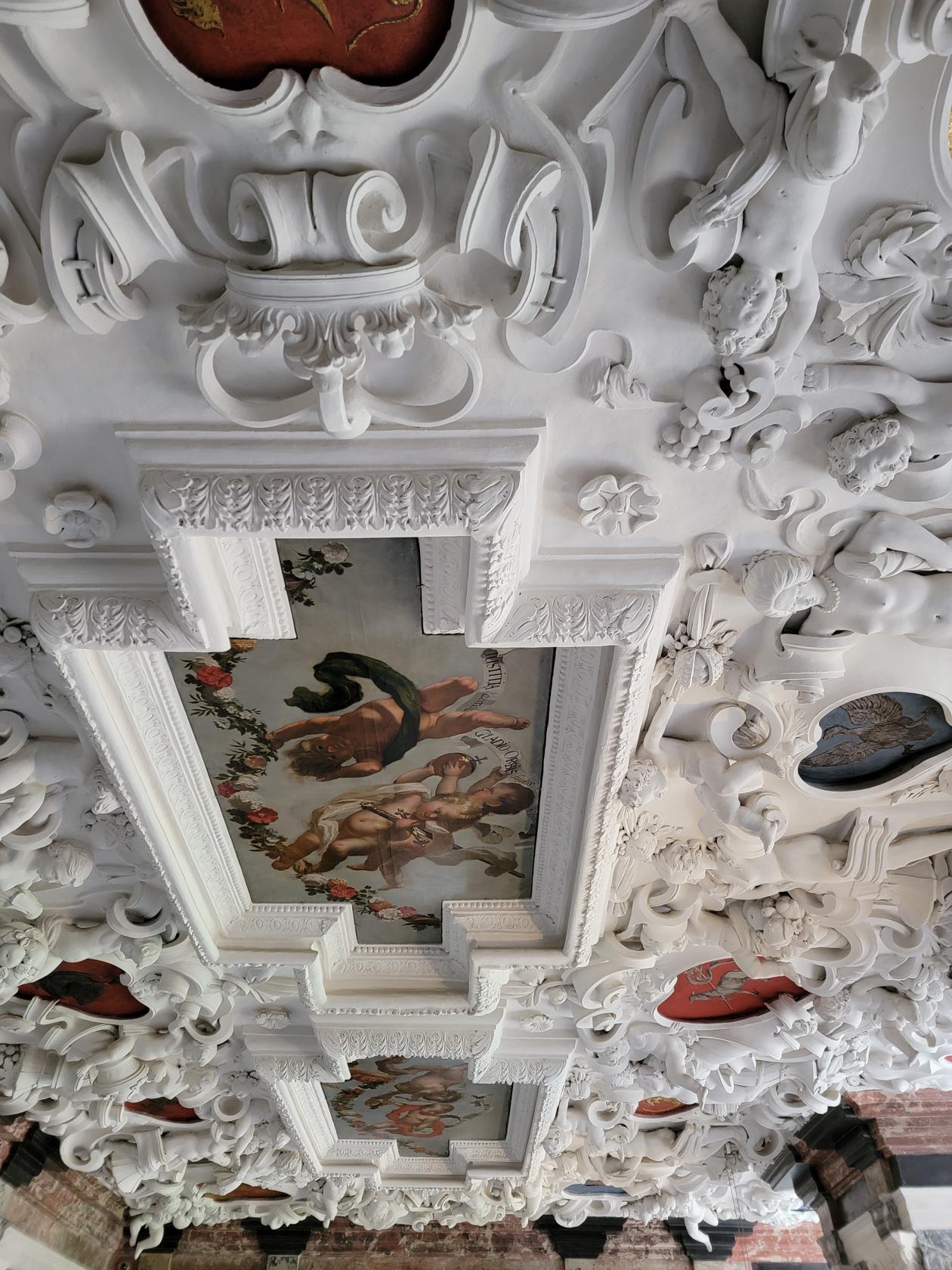
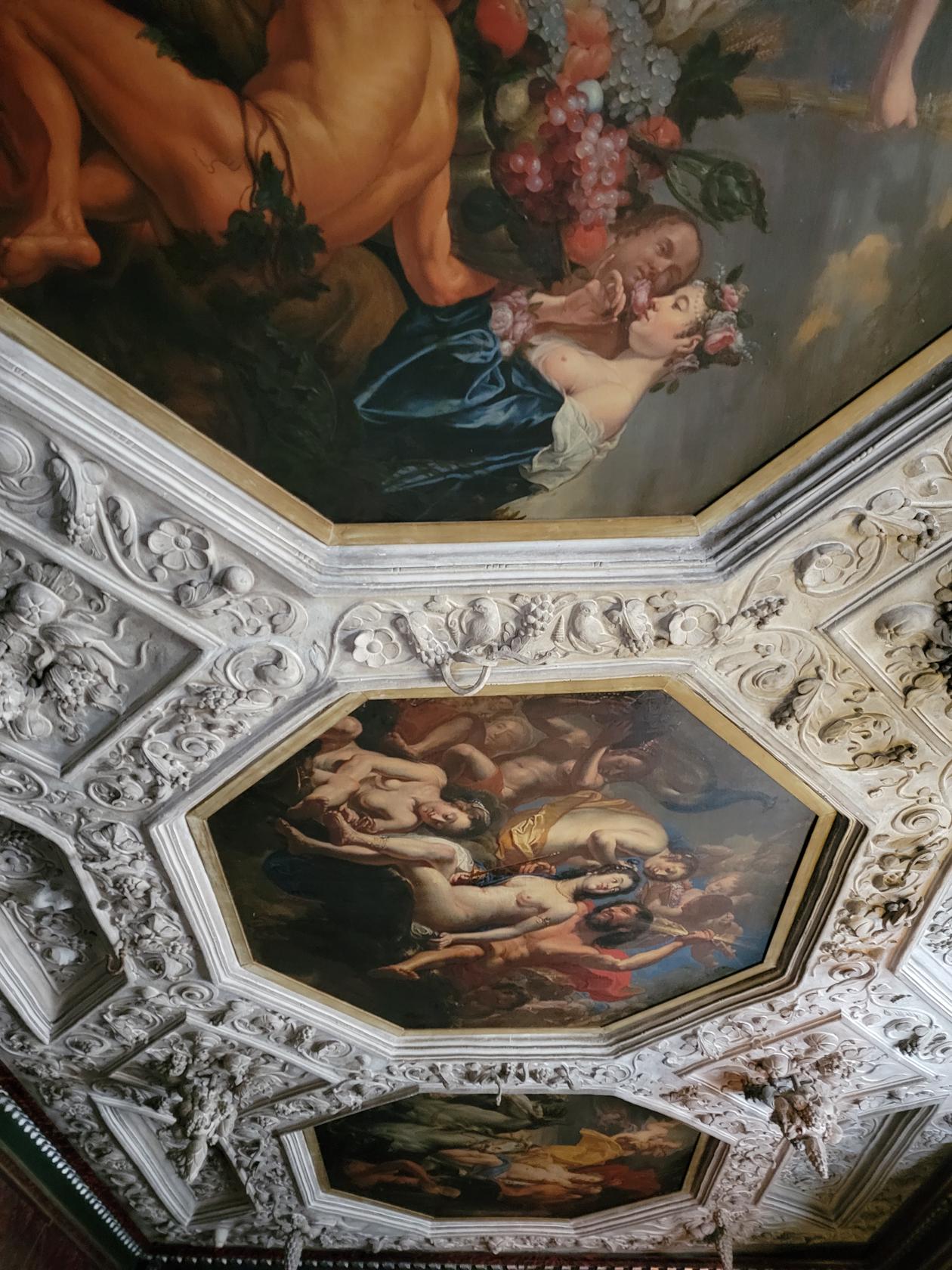
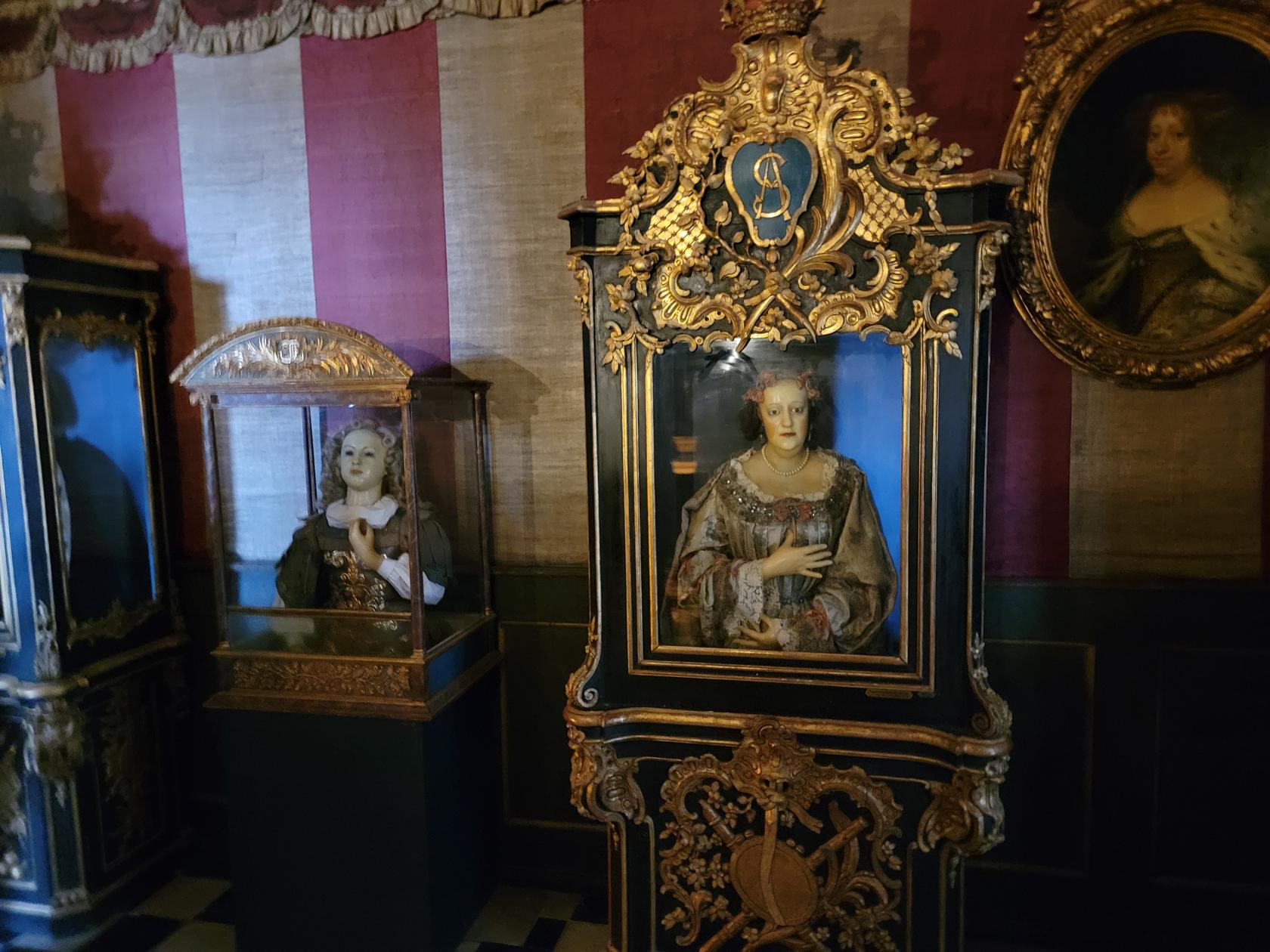
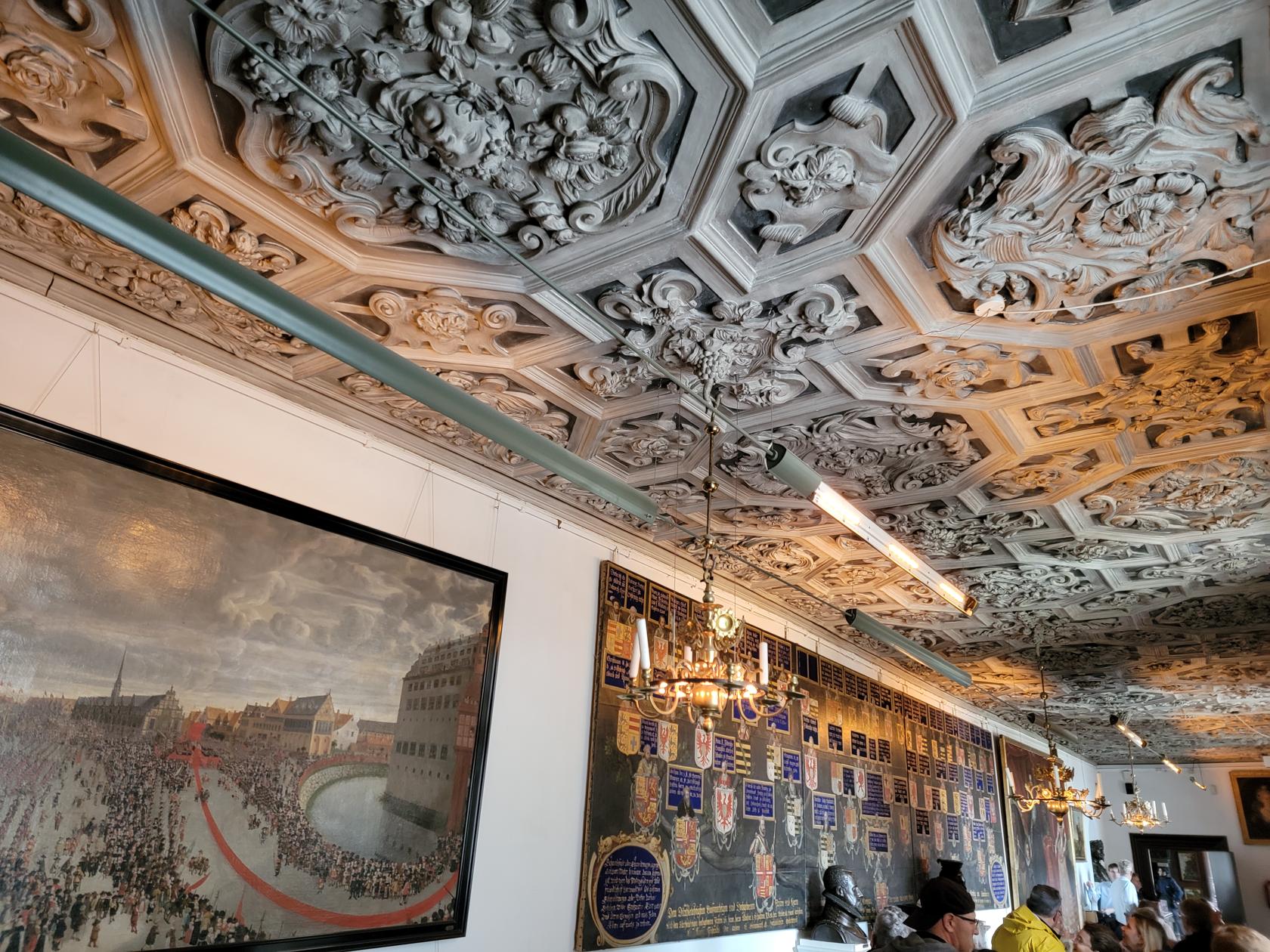
The building has very elaborate ceilings, some of which appear to be in the Rococo style.
Rococo ceiling – The Rosenborg Castle – Copenhagen, Denmark
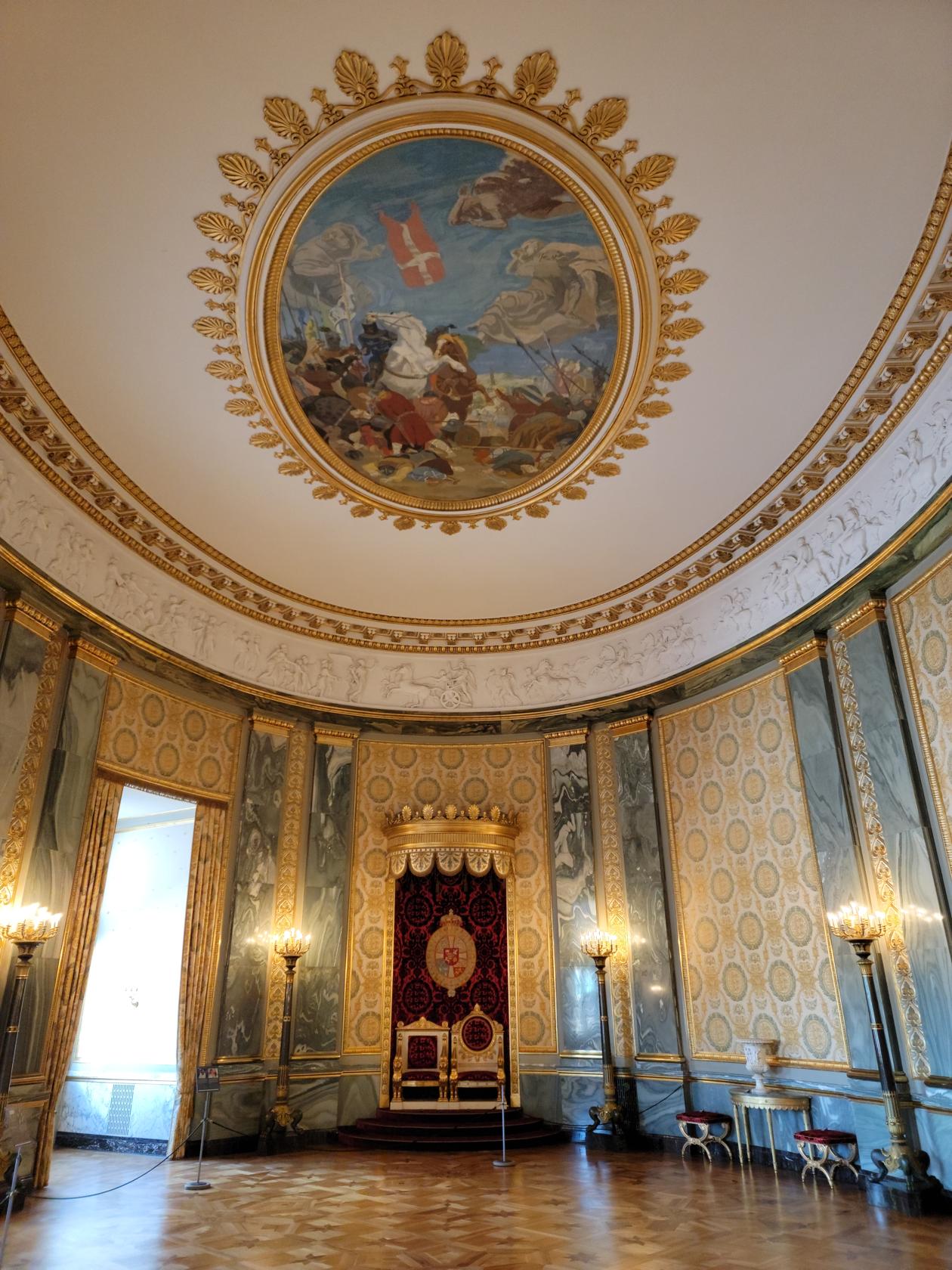
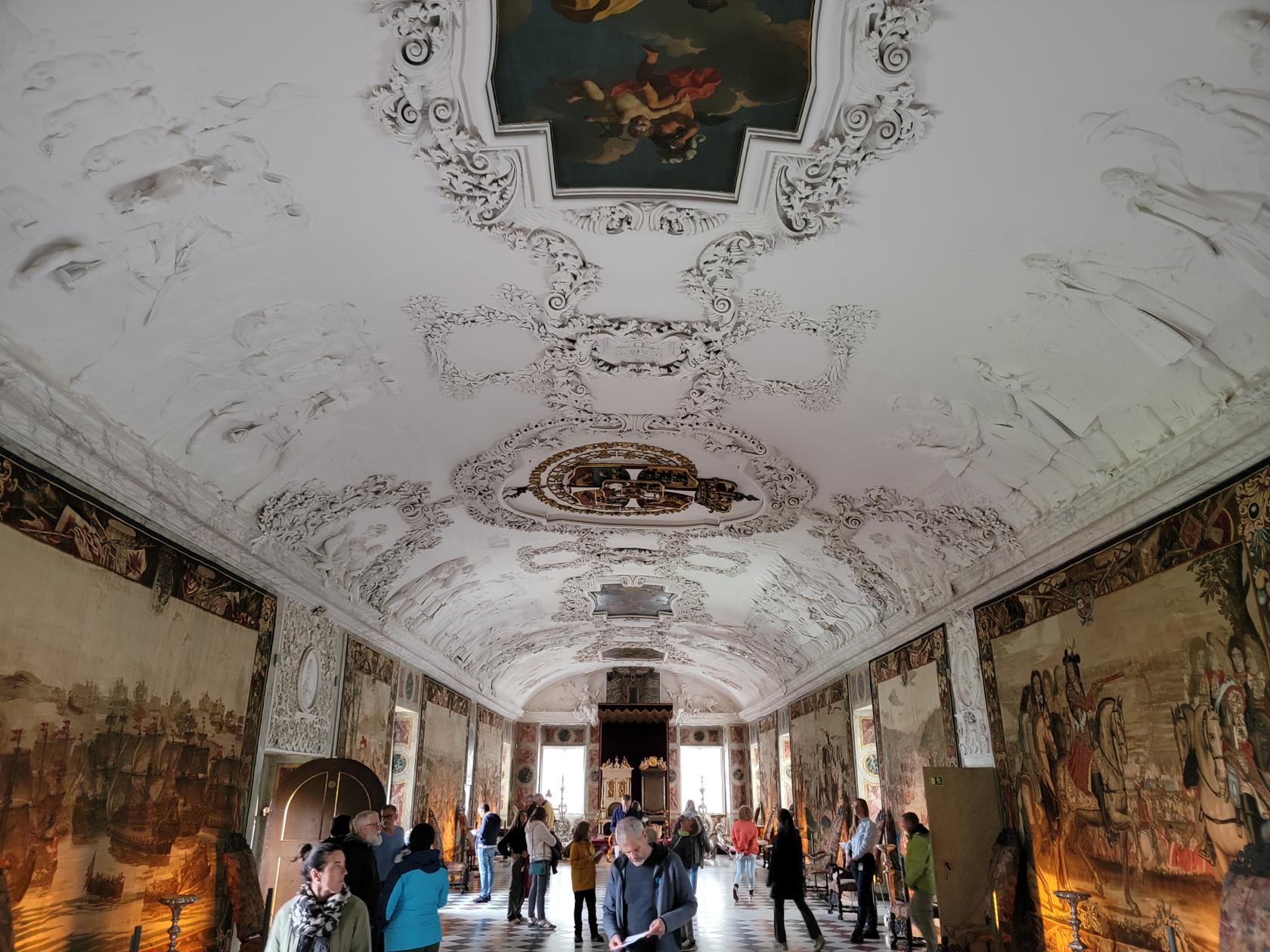
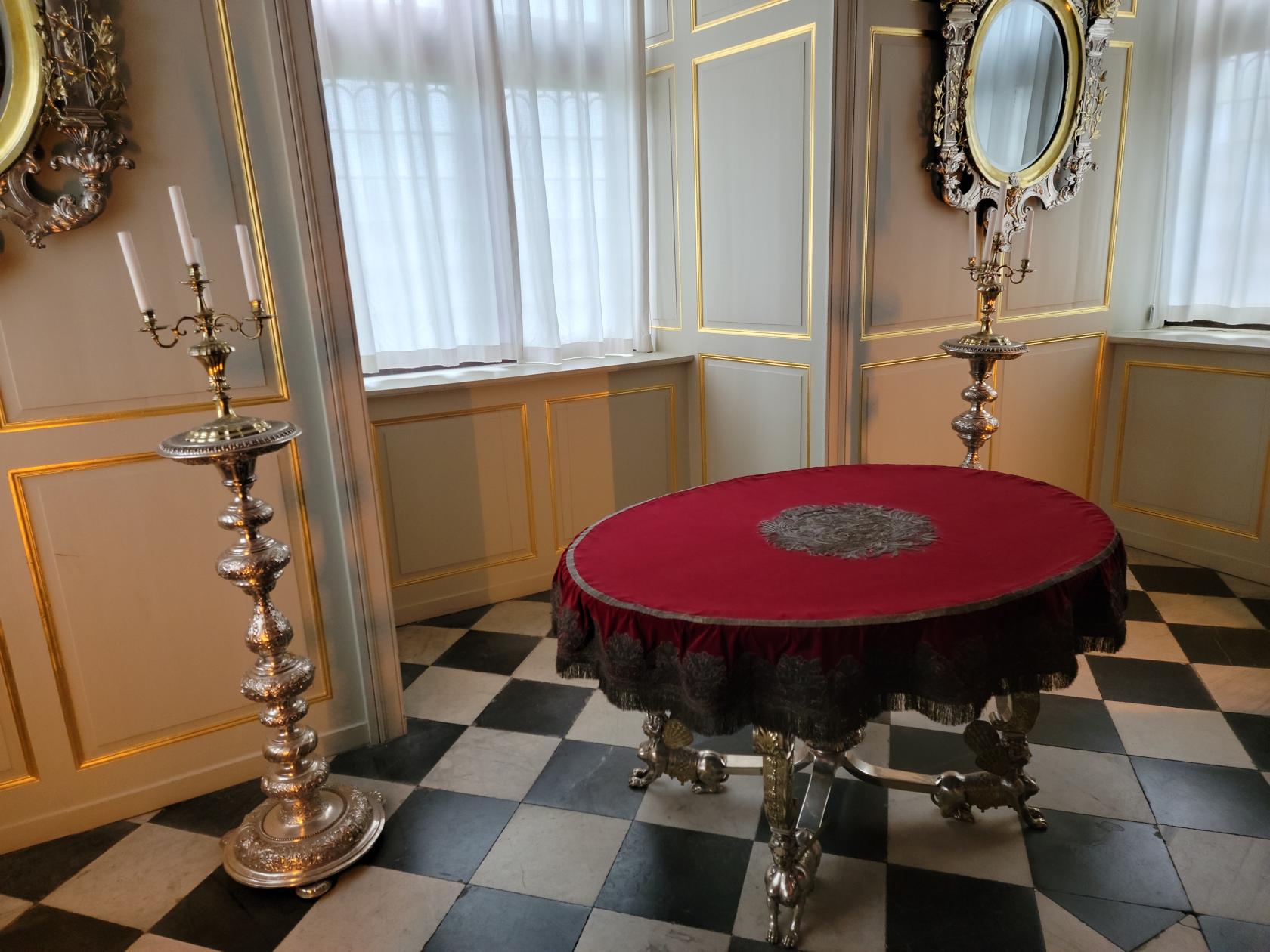
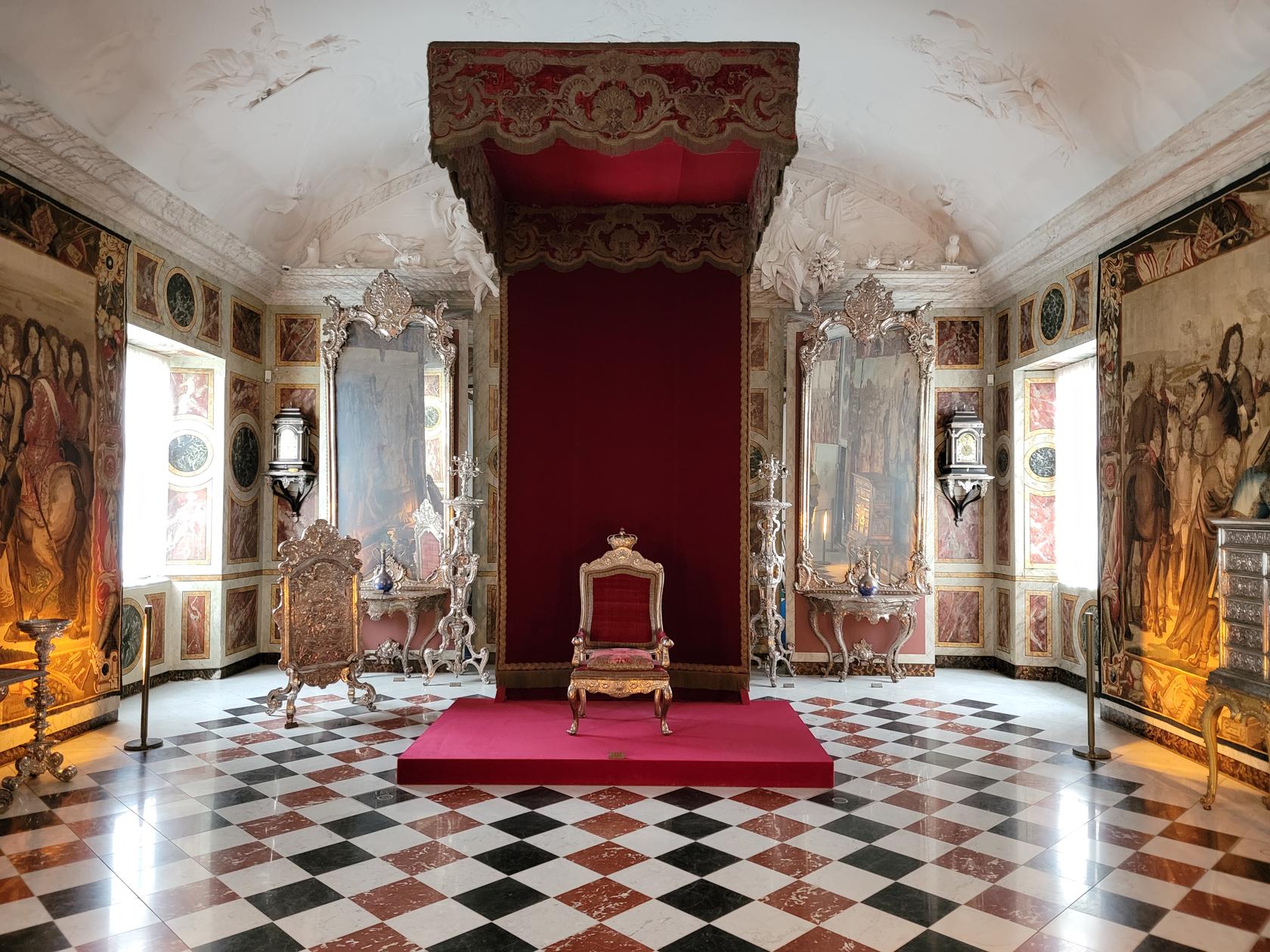
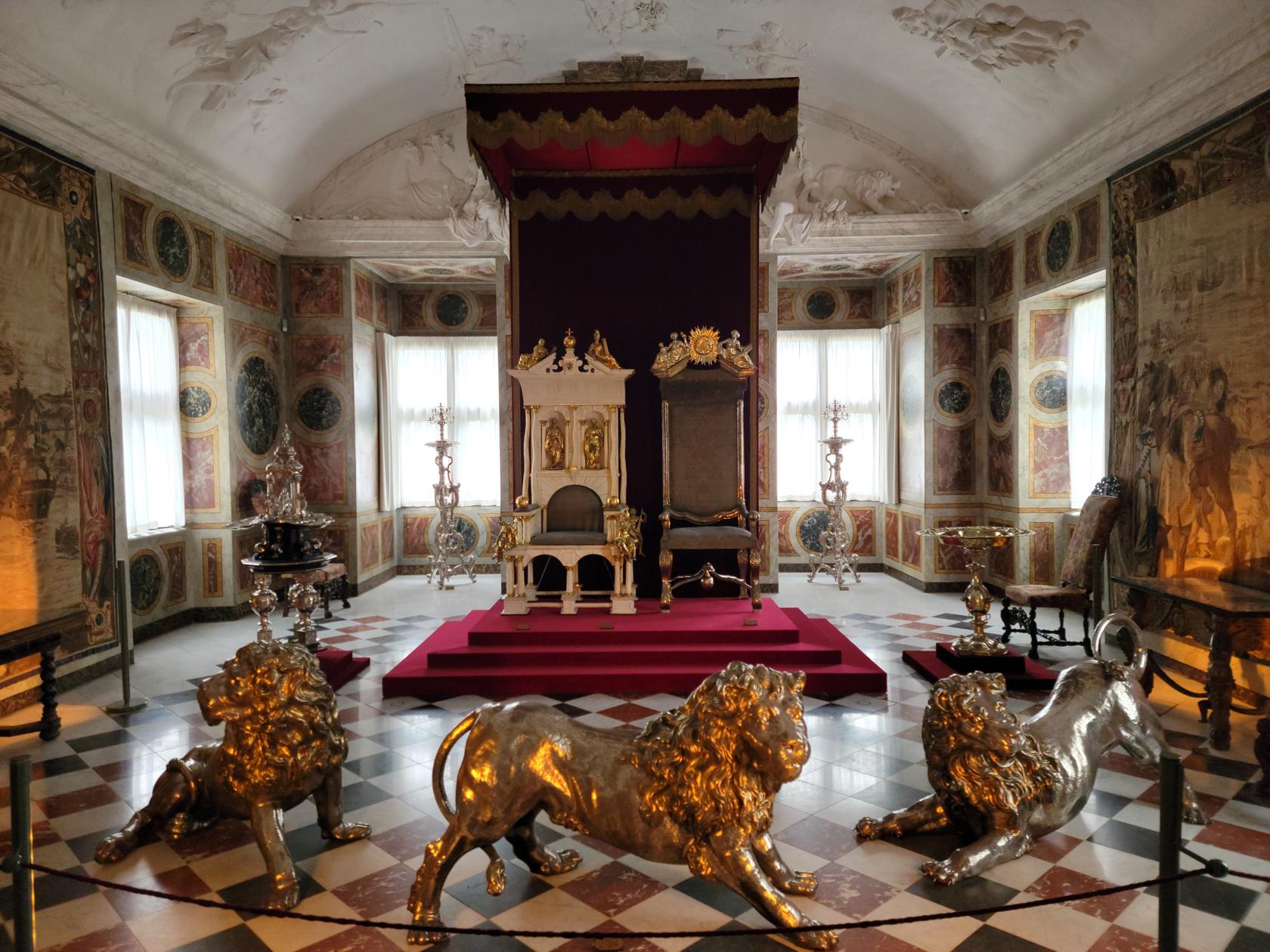
Of particular interest is the Danish Throne Chair with the three stately lions in front. The chairs are on the third floor on what used to be called the “Long Hall”, it is now called the “King’s Hall”.
The Long Room – The Rosenborg Castle – Copenhagen, Denmark
The Royal Table – The Rosenborg Castle – Copenhagen, Denmark
The Coronation Chair – The Rosenborg Castle – Copenhagen, Denmark
The Royal Throne – The Rosenborg Castle – Copenhagen, Denmark
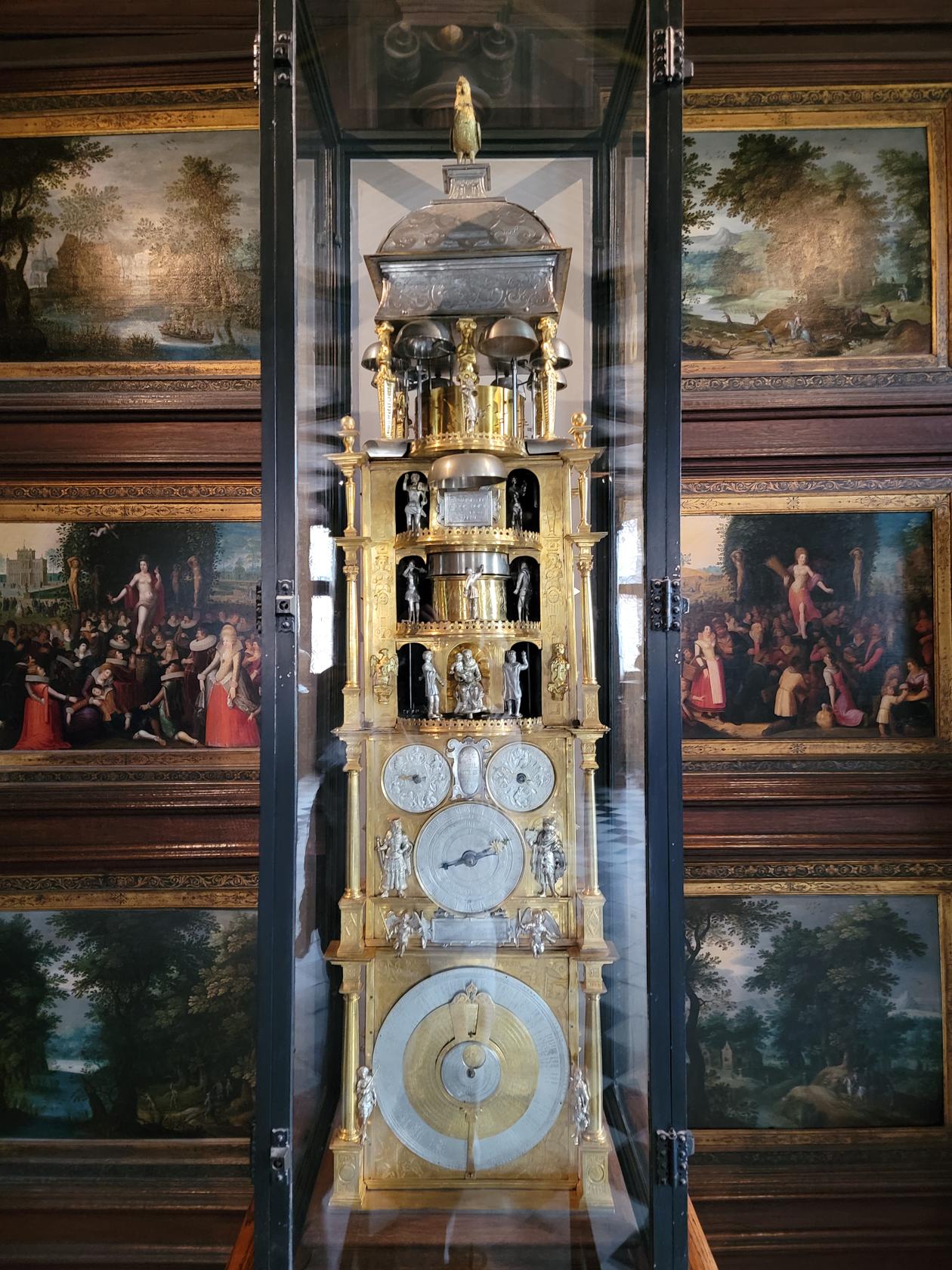
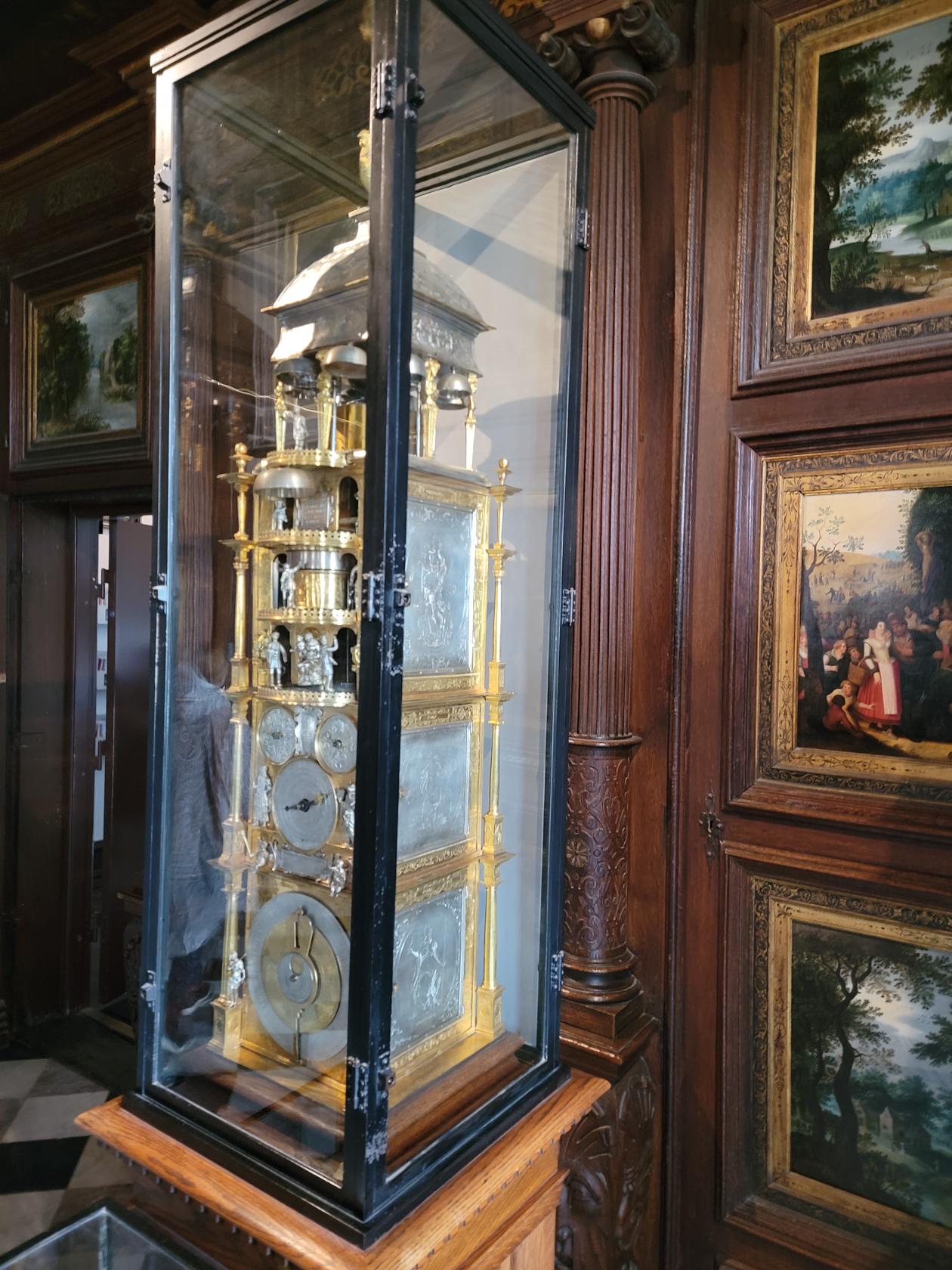
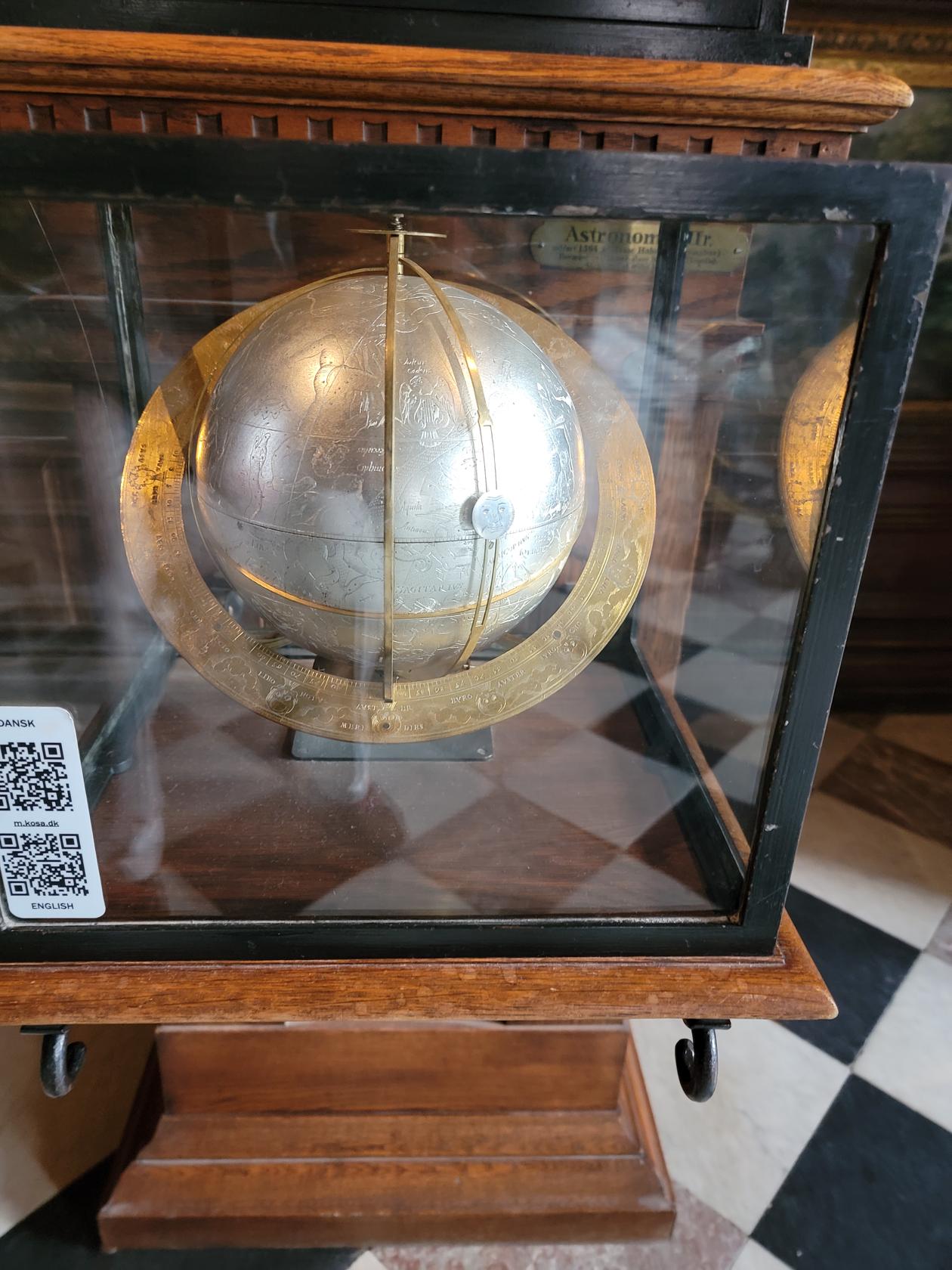
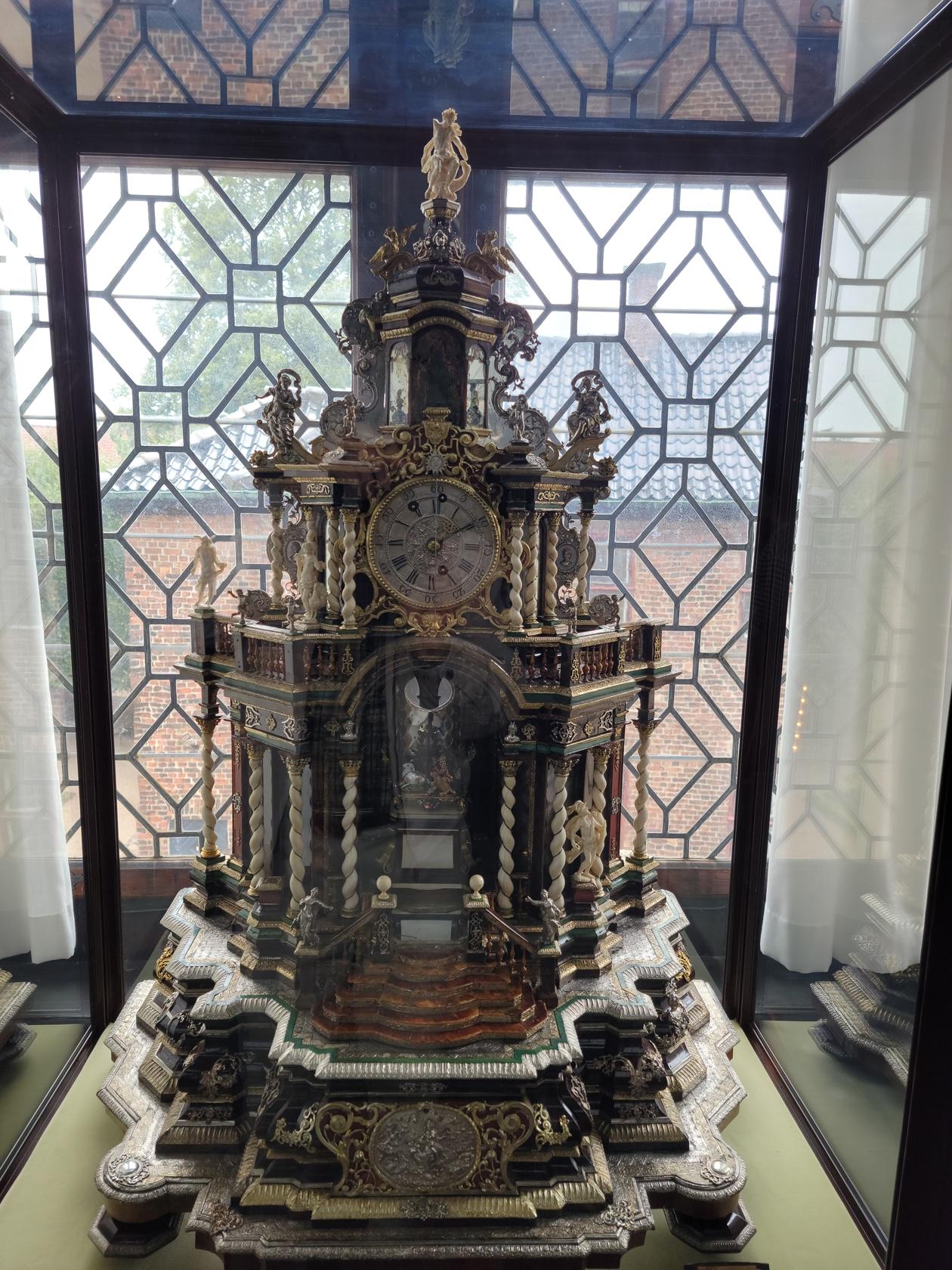
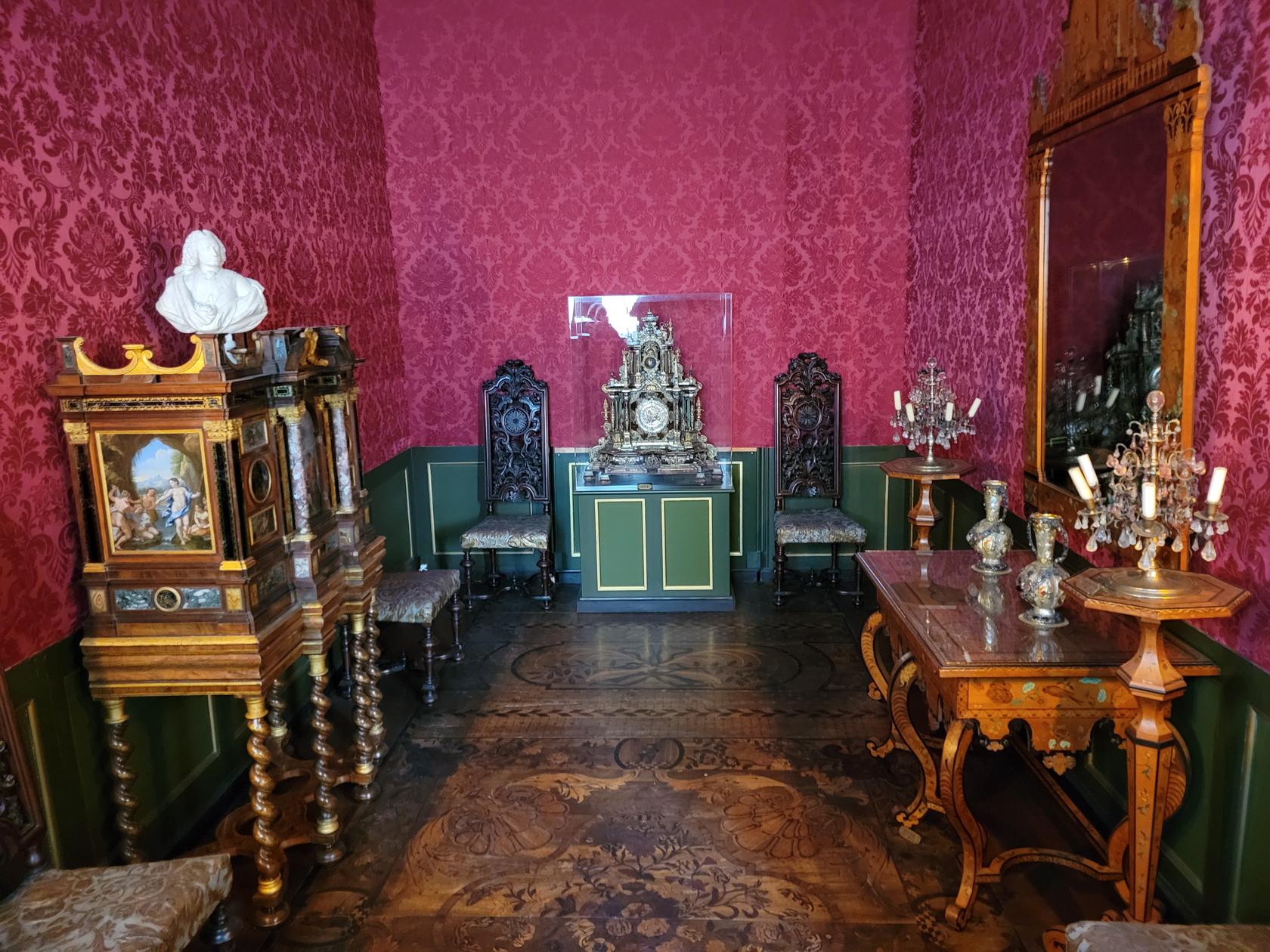
There are also several timepieces and at least one Astrolabe of special note.
Large Brass Timepiece – The Rosenborg Castle – Copenhagen, Denmark
Large Brass Timepiece – The Rosenborg Castle – Copenhagen, Denmark
Astrolabe – The Rosenborg Castle – Copenhagen, Denmark
Another Interesting Timepiece – The Rosenborg Castle – Copenhagen, Denmark
The rest may be enjoyed in the following slideshow.
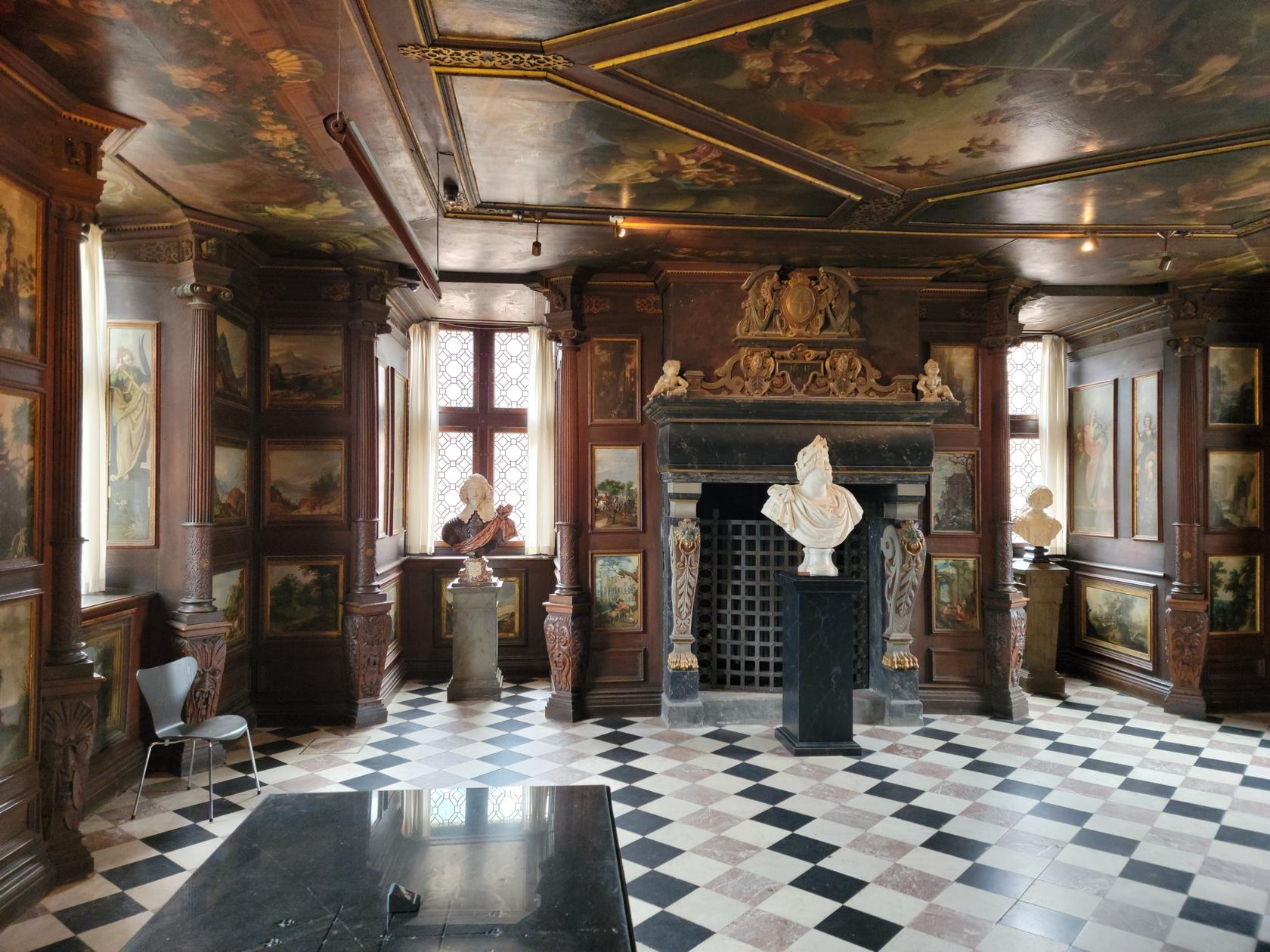
The Winter Room – The Rosenborg Castle – Copenhagen, Denmark
The Winter Room – The Rosenborg Castle – Copenhagen, Denmark
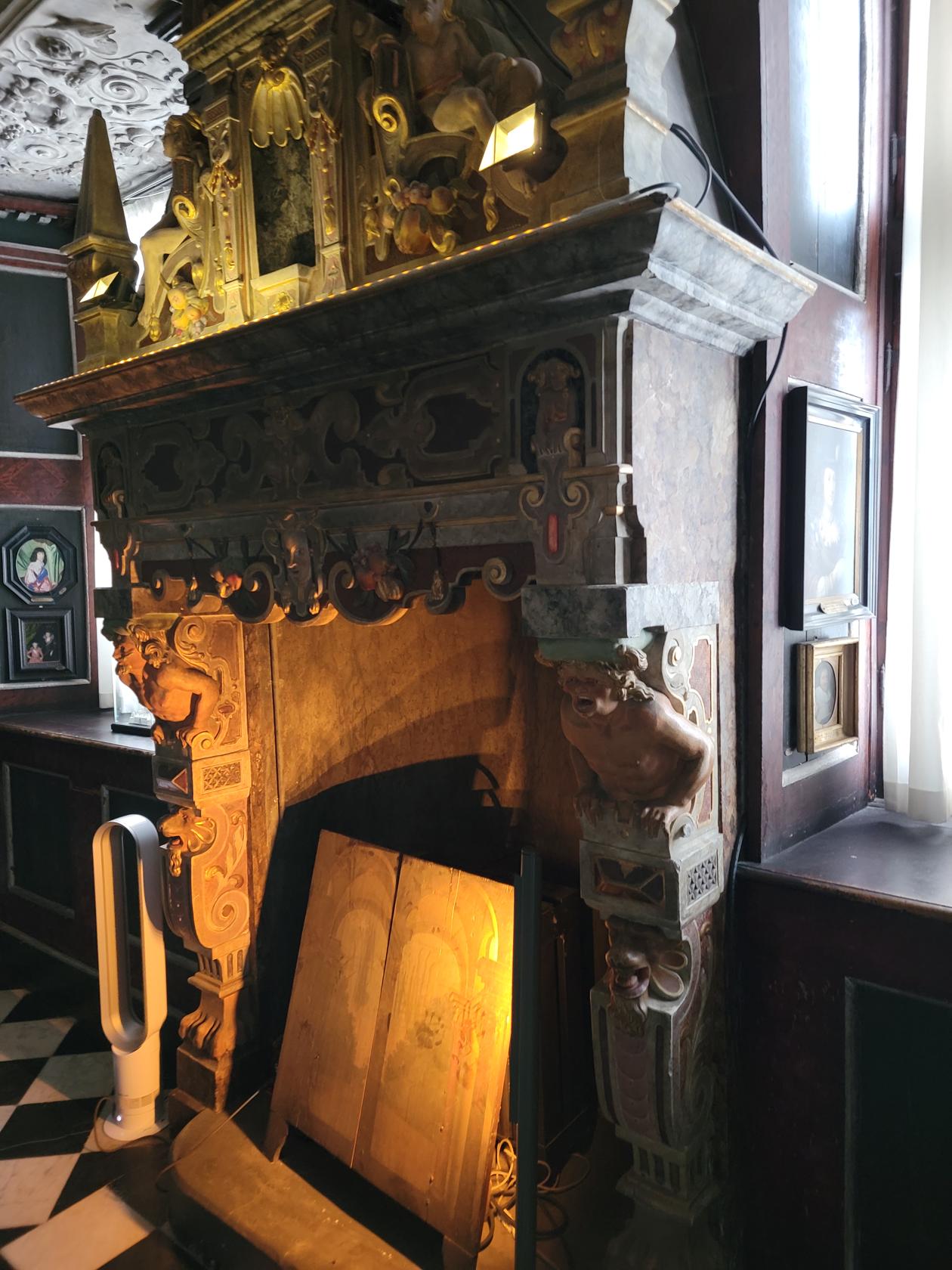
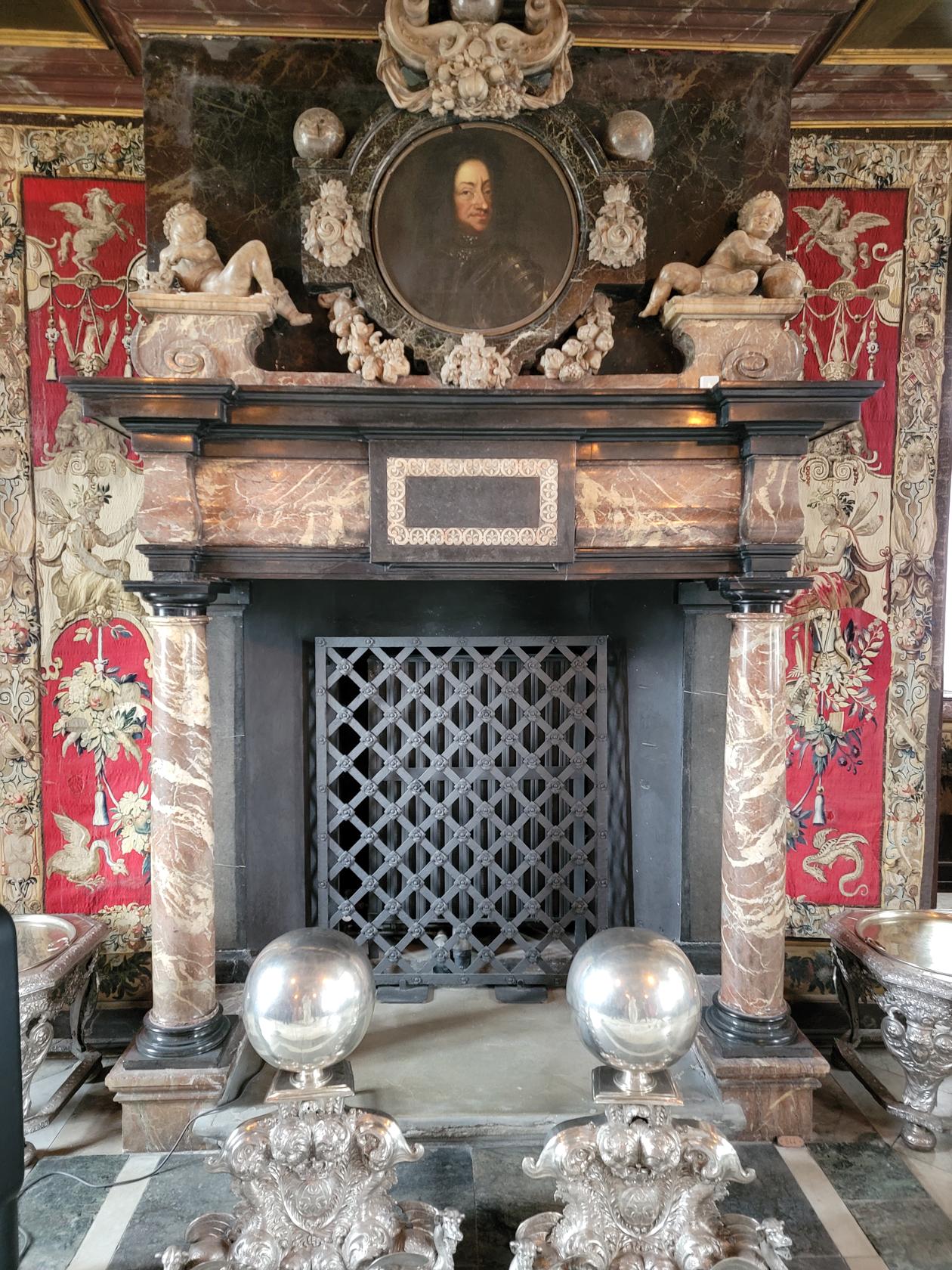
Fireplace – The Rosenborg Castle – Copenhagen, Denmark
Ceiling, Winter Room – The Rosenborg Castle – Copenhagen, Denmark
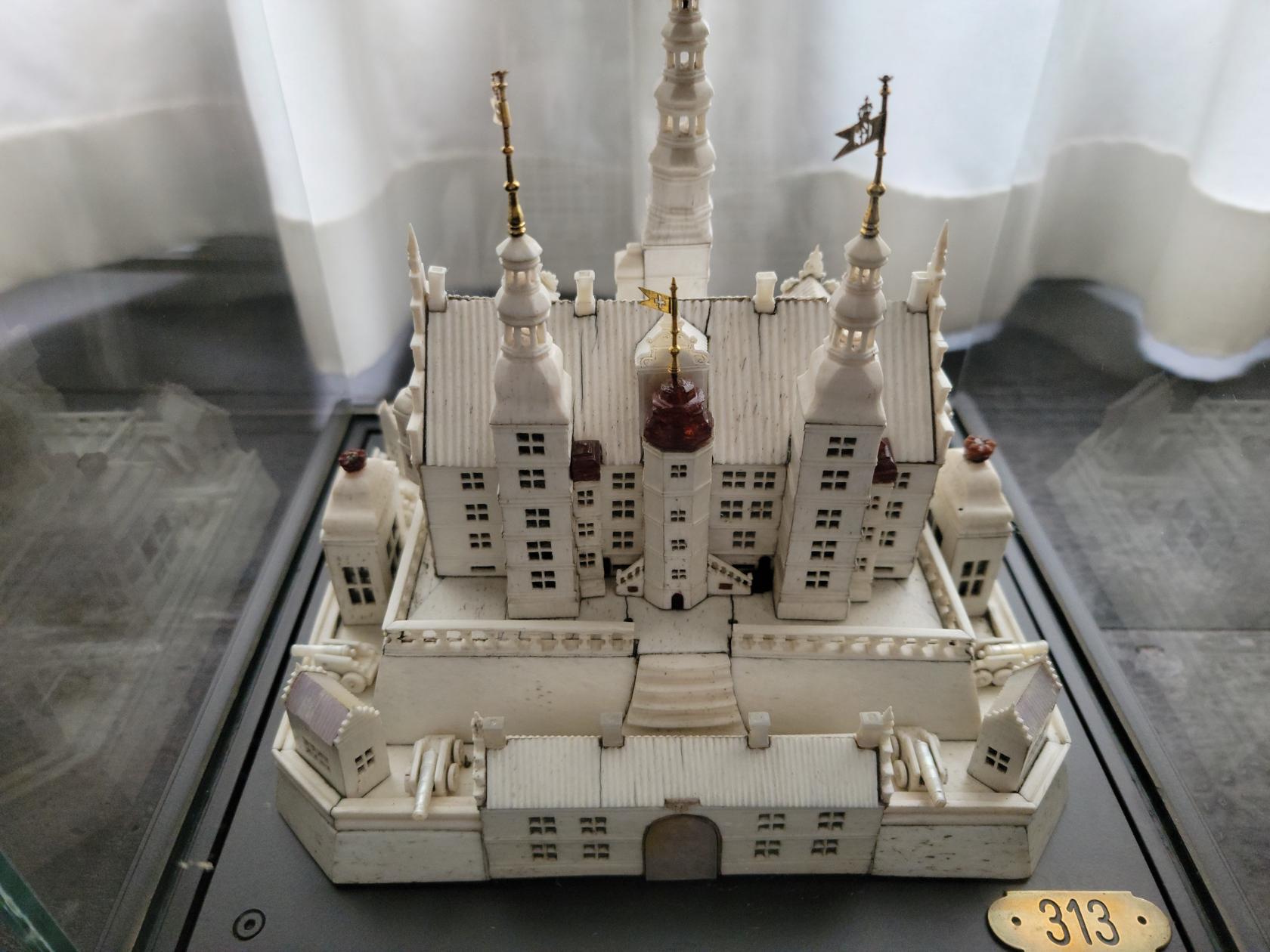
Diorama – The Rosenborg Castle – Copenhagen, Denmark
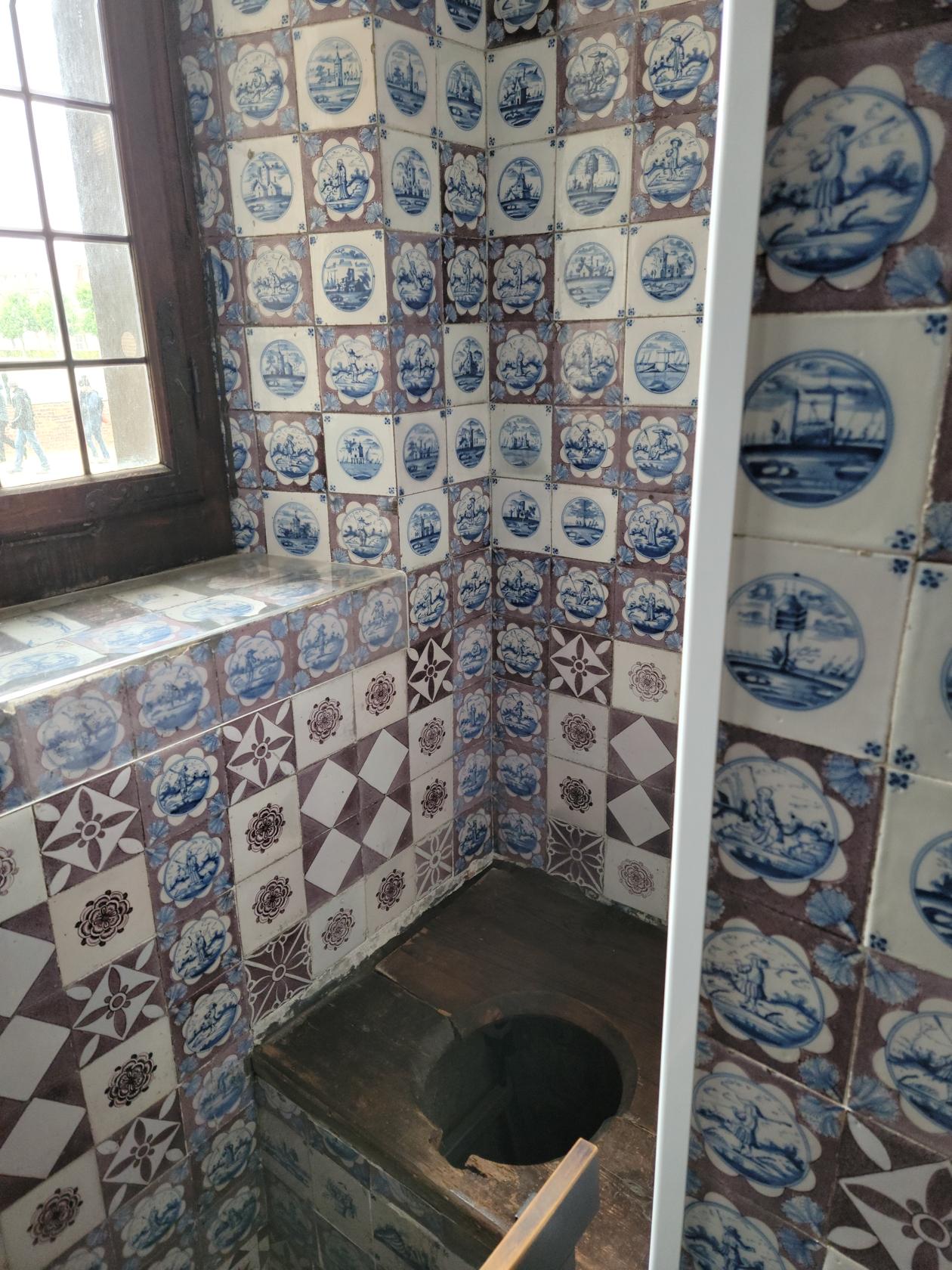
Royal toilet – The Rosenborg Castle – Copenhagen, Denmark
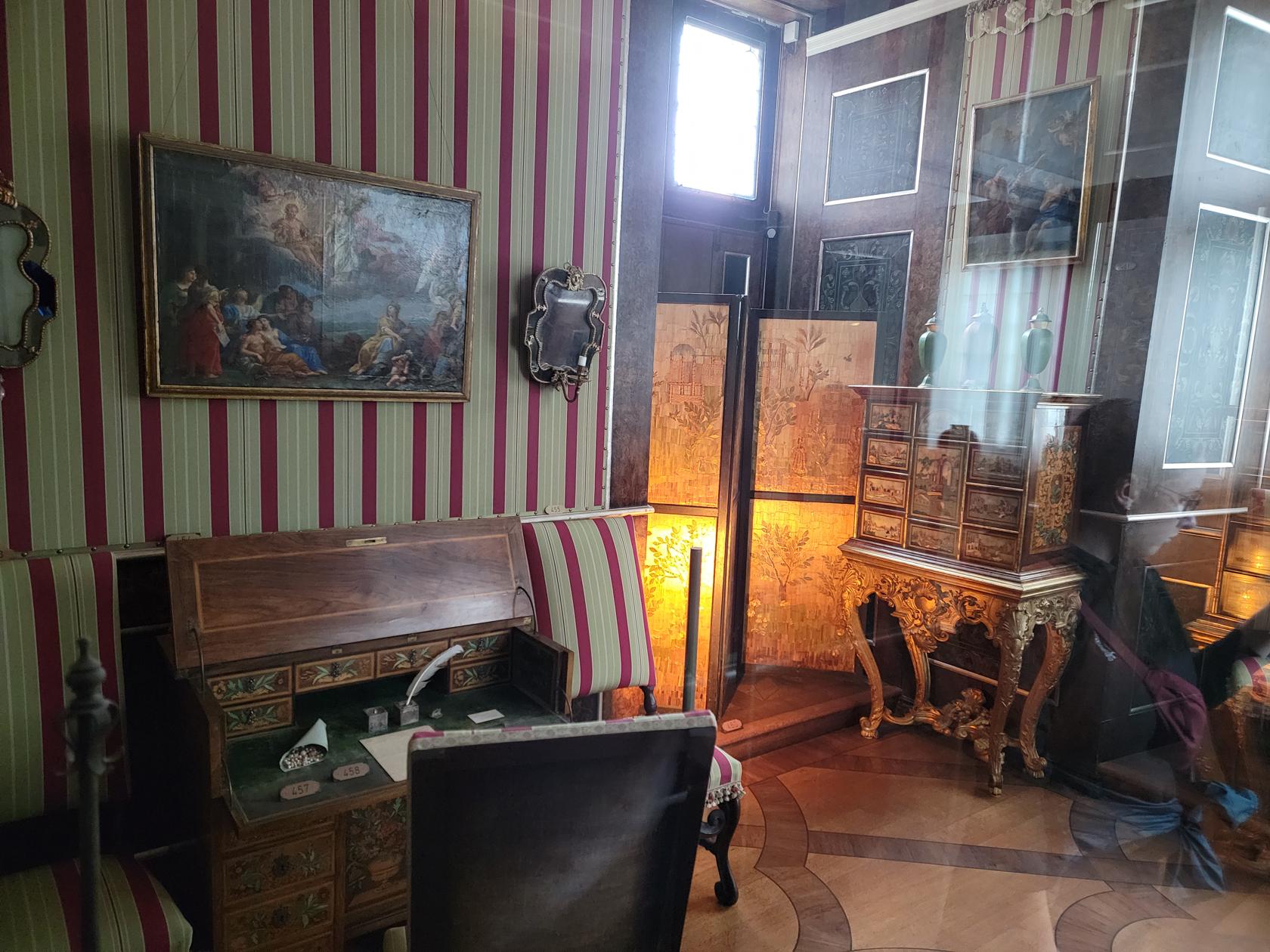
The Writing room – The Rosenborg Castle – Copenhagen, Denmark
The Dark room – The Rosenborg Castle – Copenhagen, Denmark
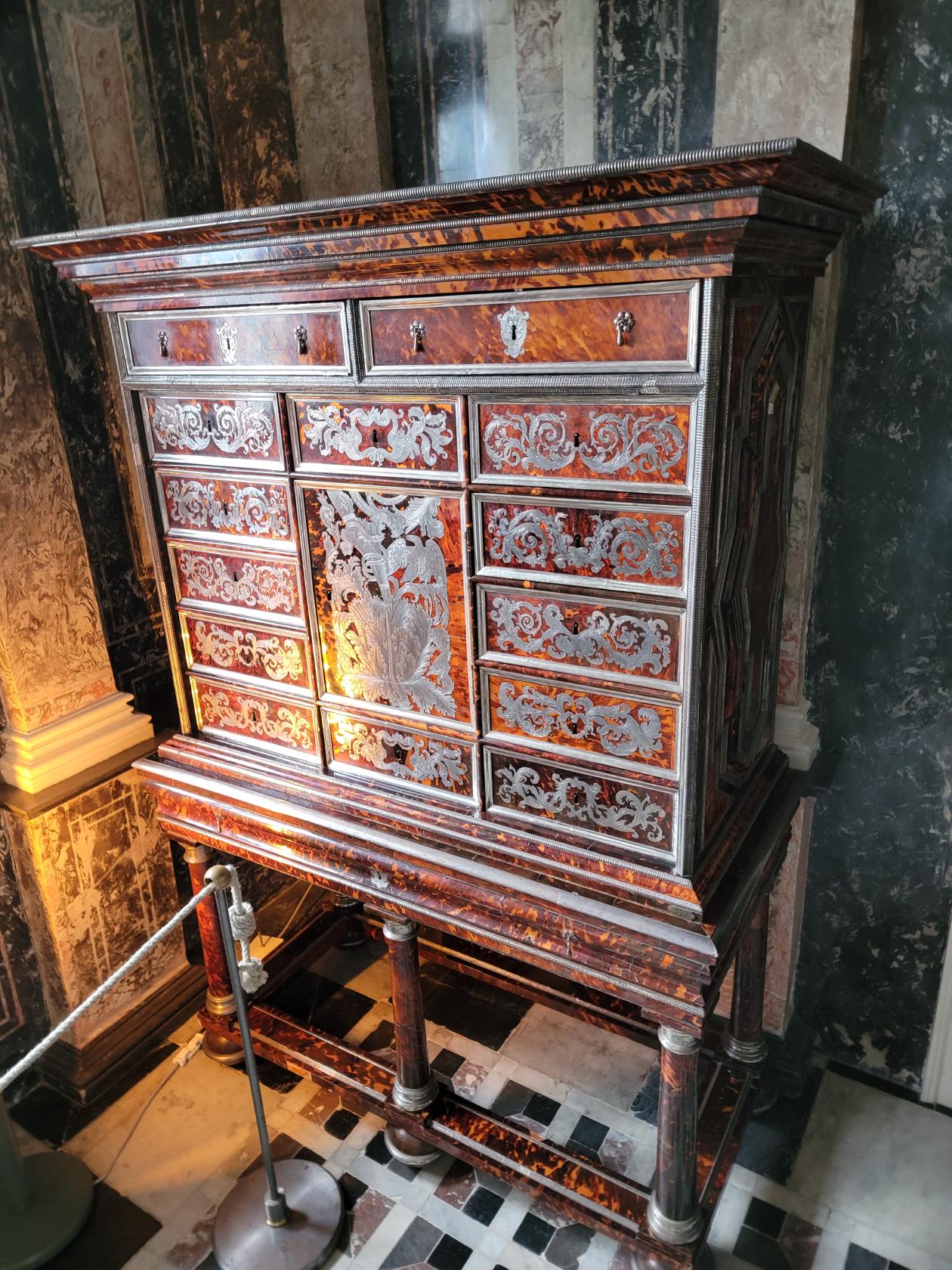
Interesting chest – The Rosenborg Castle – Copenhagen, Denmark
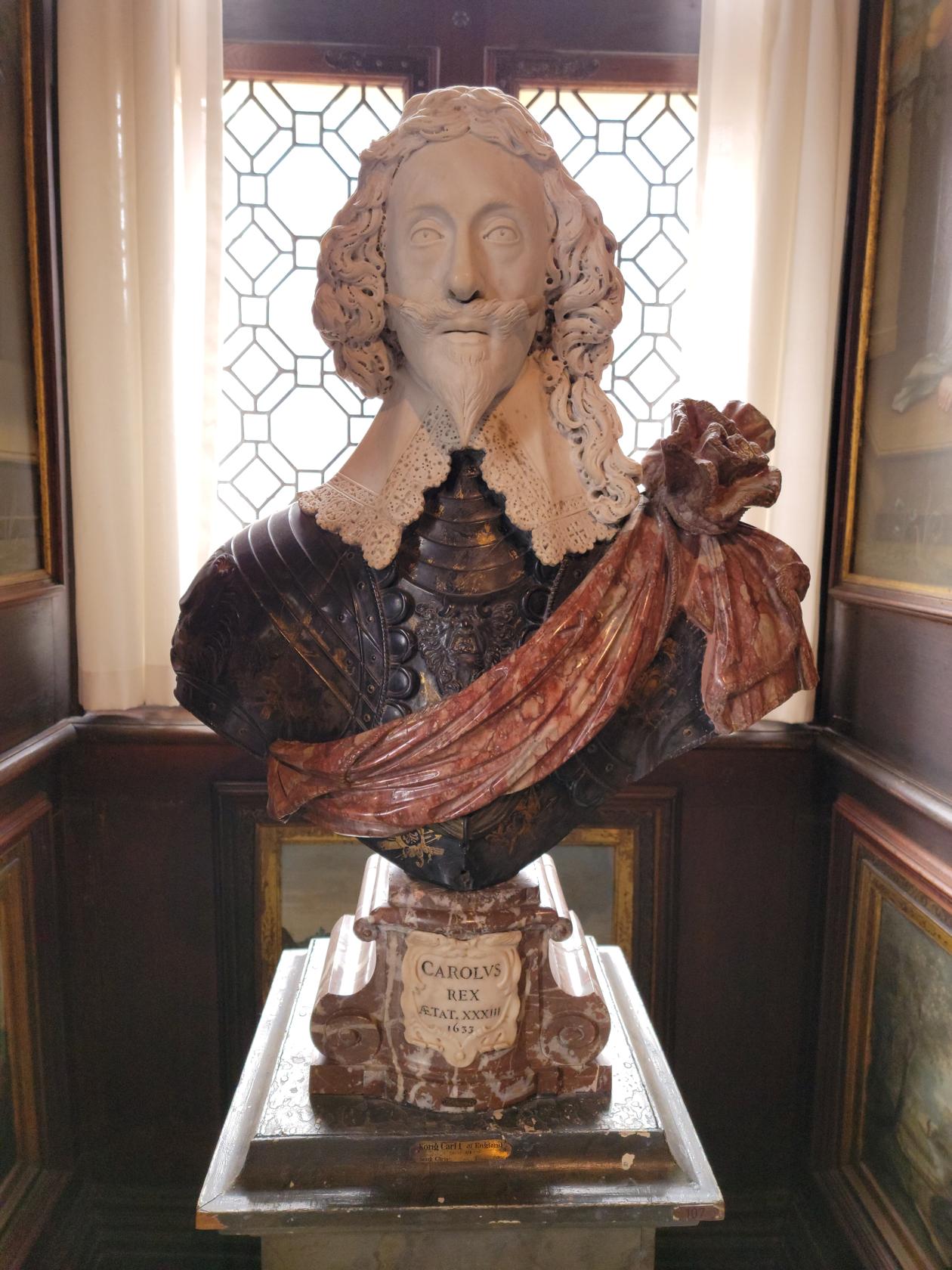
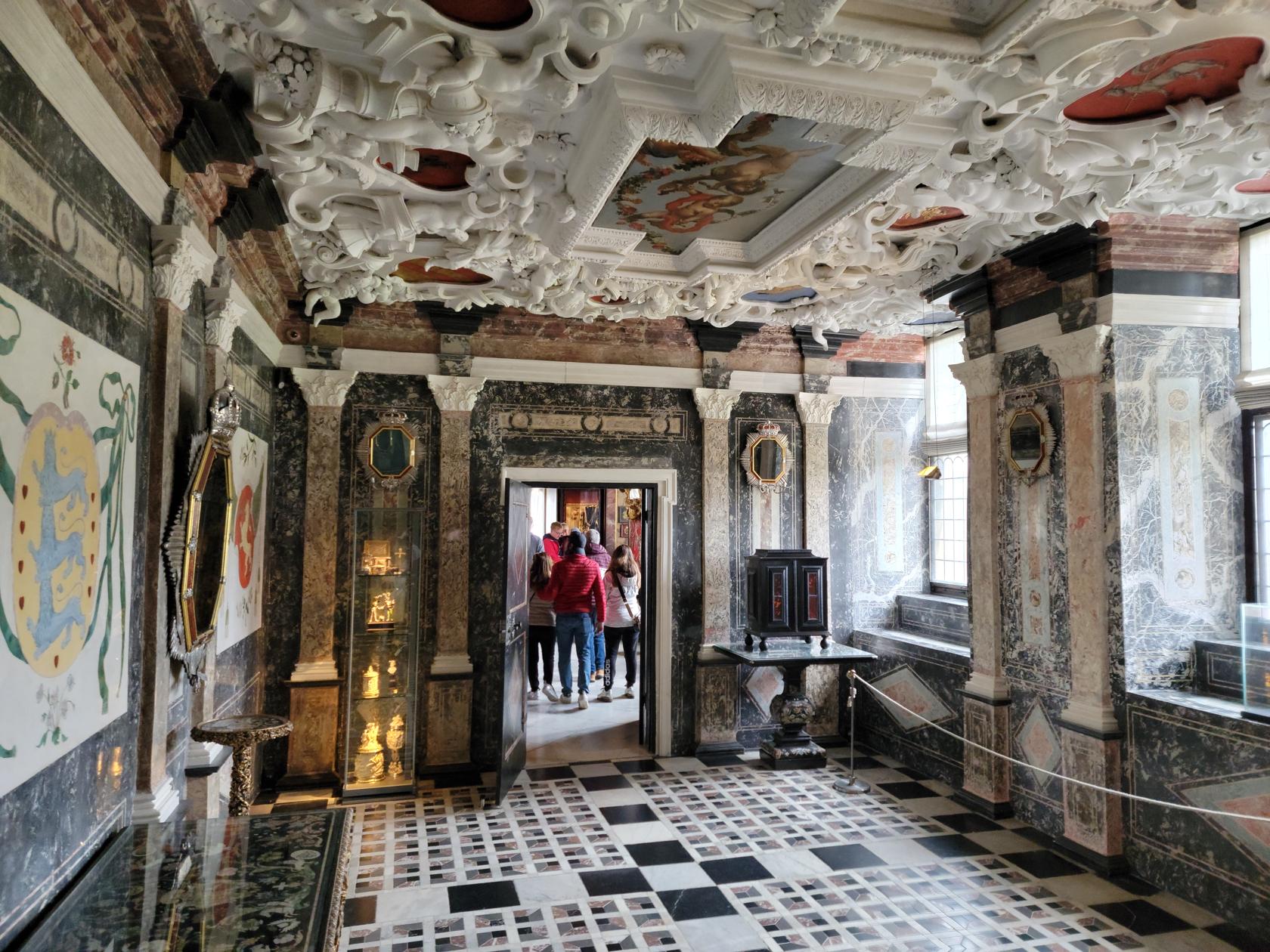
The Marble Chamber – The Rosenborg Castle – Copenhagen, Denmark
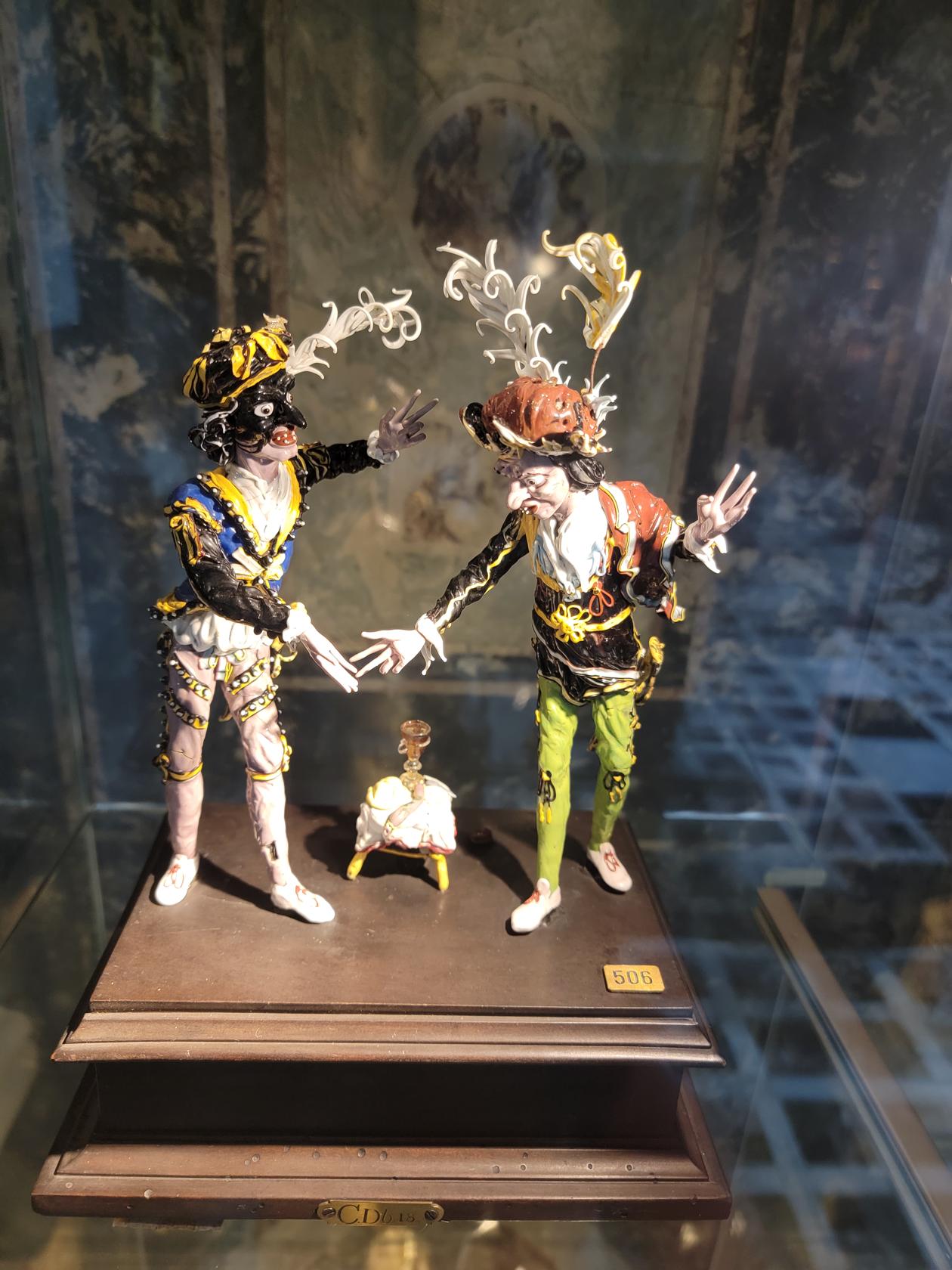
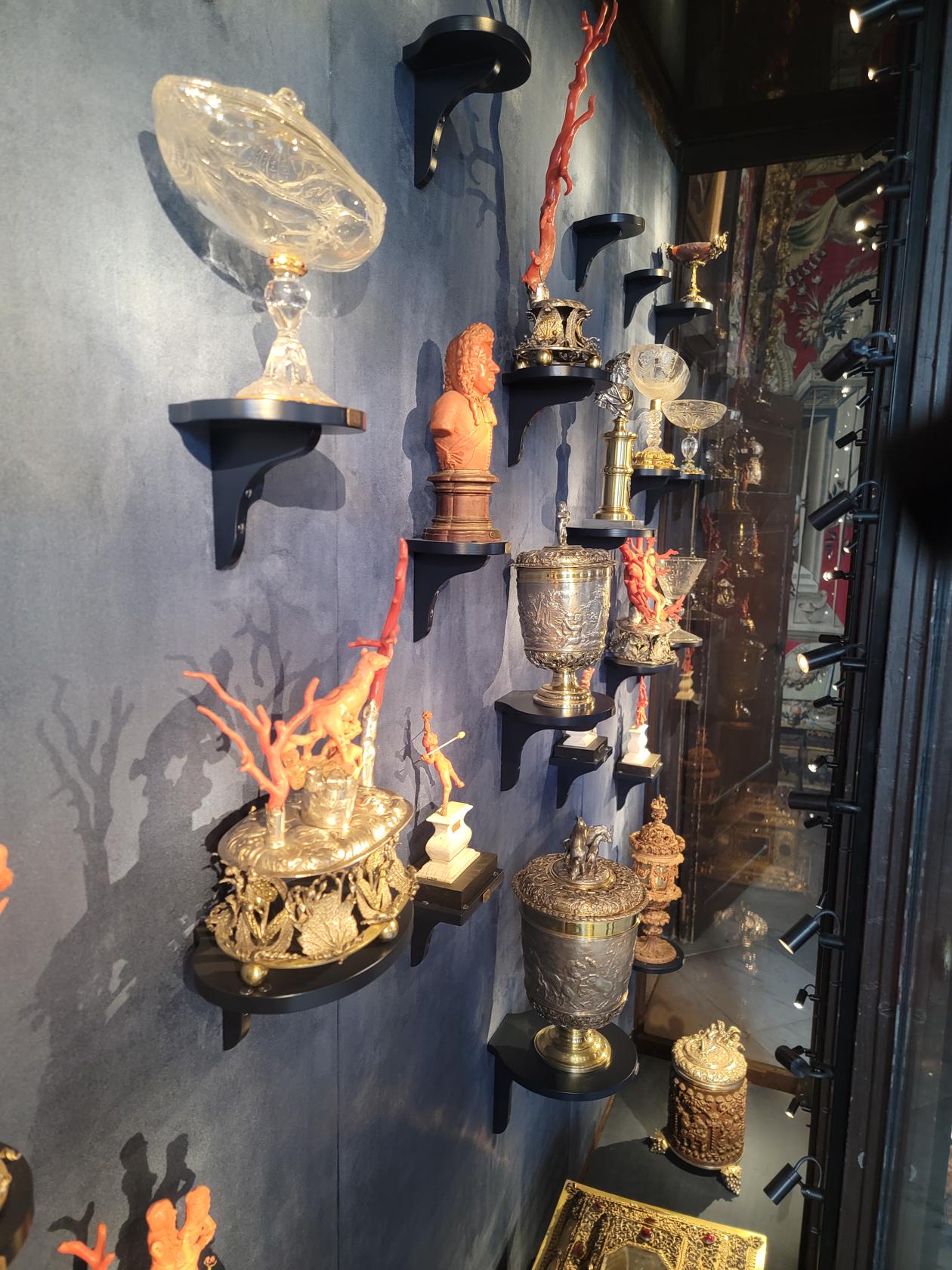
Collections – The Rosenborg Castle – Copenhagen, Denmark
Collections – The Rosenborg Castle – Copenhagen, Denmark
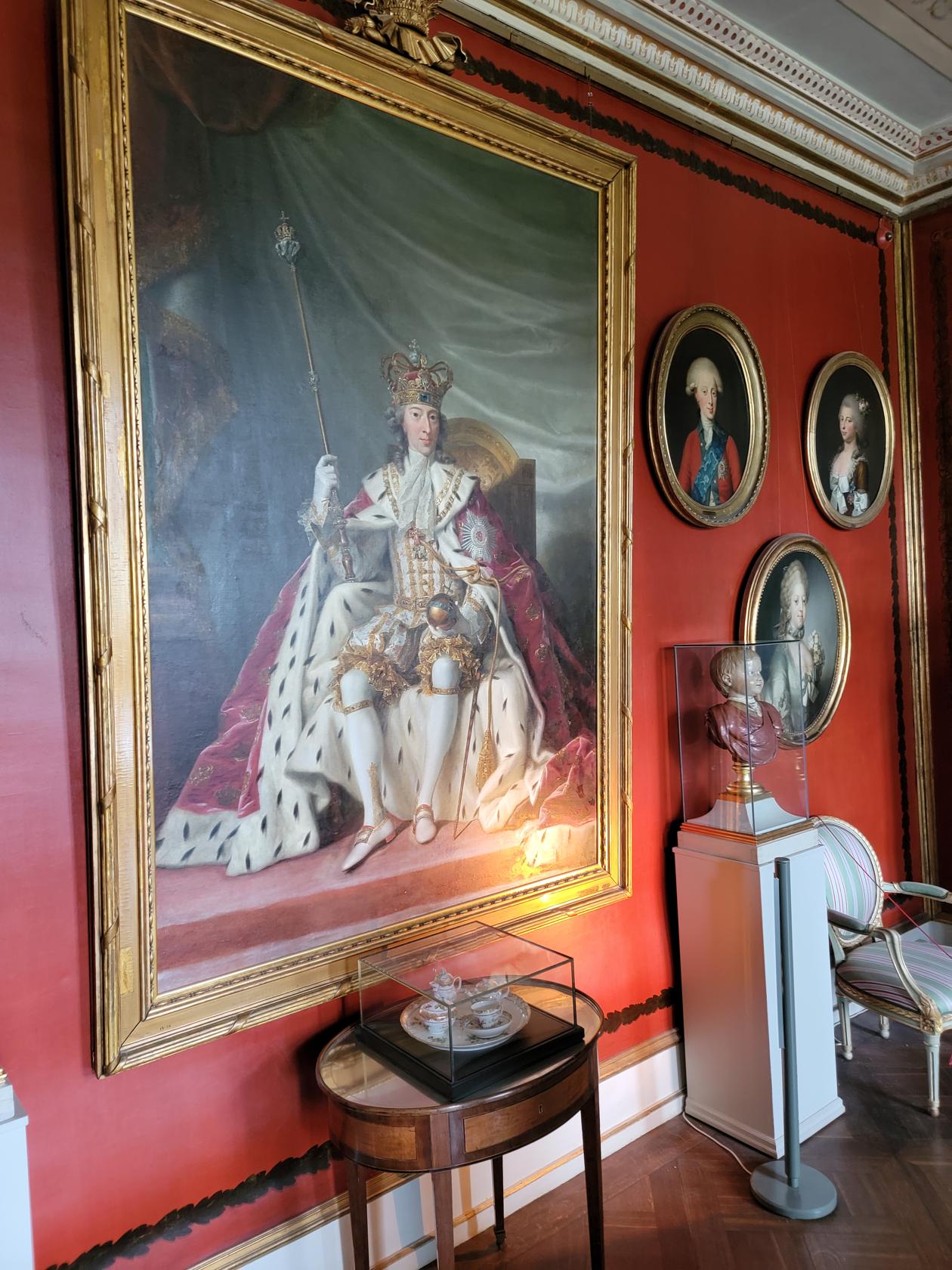
Christian’s V Chamber – The Rosenborg Castle – Copenhagen, Denmark
The Stone Corridor – The Rosenborg Castle – Copenhagen, Denmark
The Mirror Cabinet – The Rosenborg Castle – Copenhagen, Denmark
The Bronze room – The Rosenborg Castle – Copenhagen, Denmark
Another Clock – The Rosenborg Castle – Copenhagen, Denmark
Sitting room – The Rosenborg Castle – Copenhagen, Denmark
Sitting room – The Rosenborg Castle – Copenhagen, Denmark
King’s Gardens
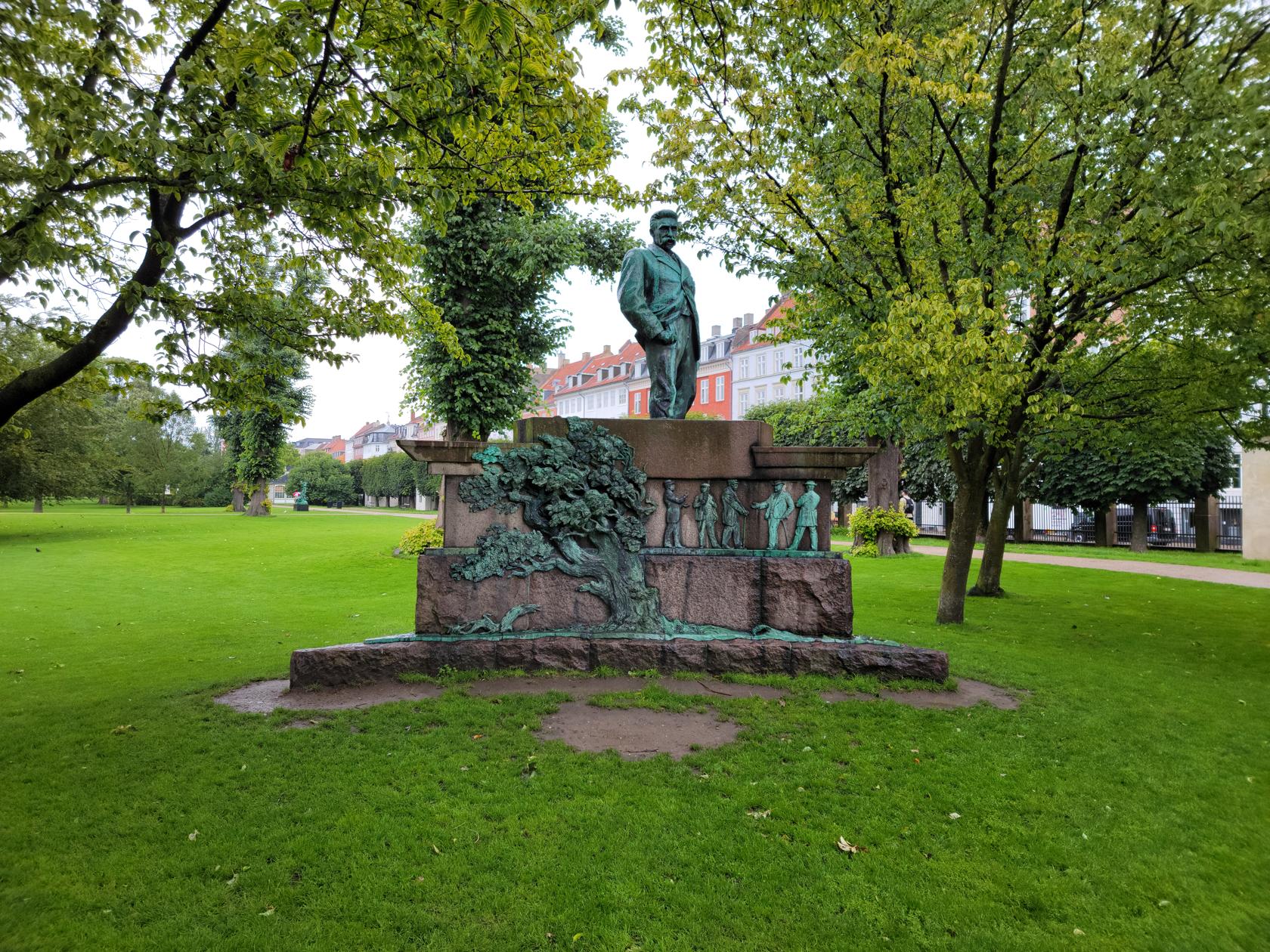
The castle also has the “King’s Garden”, a complex of garden paths and interesting things to see that the former residence could enjoy.
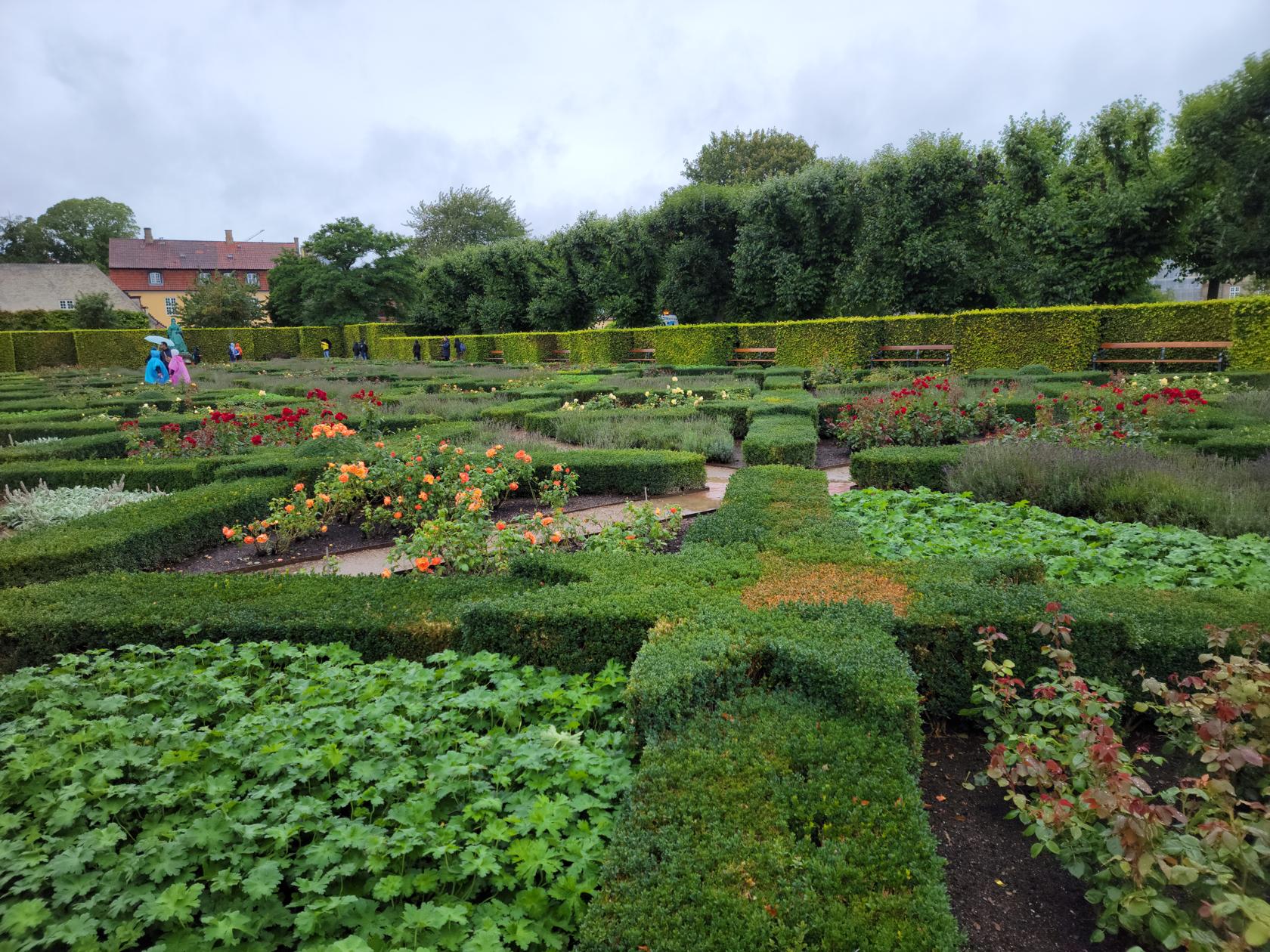
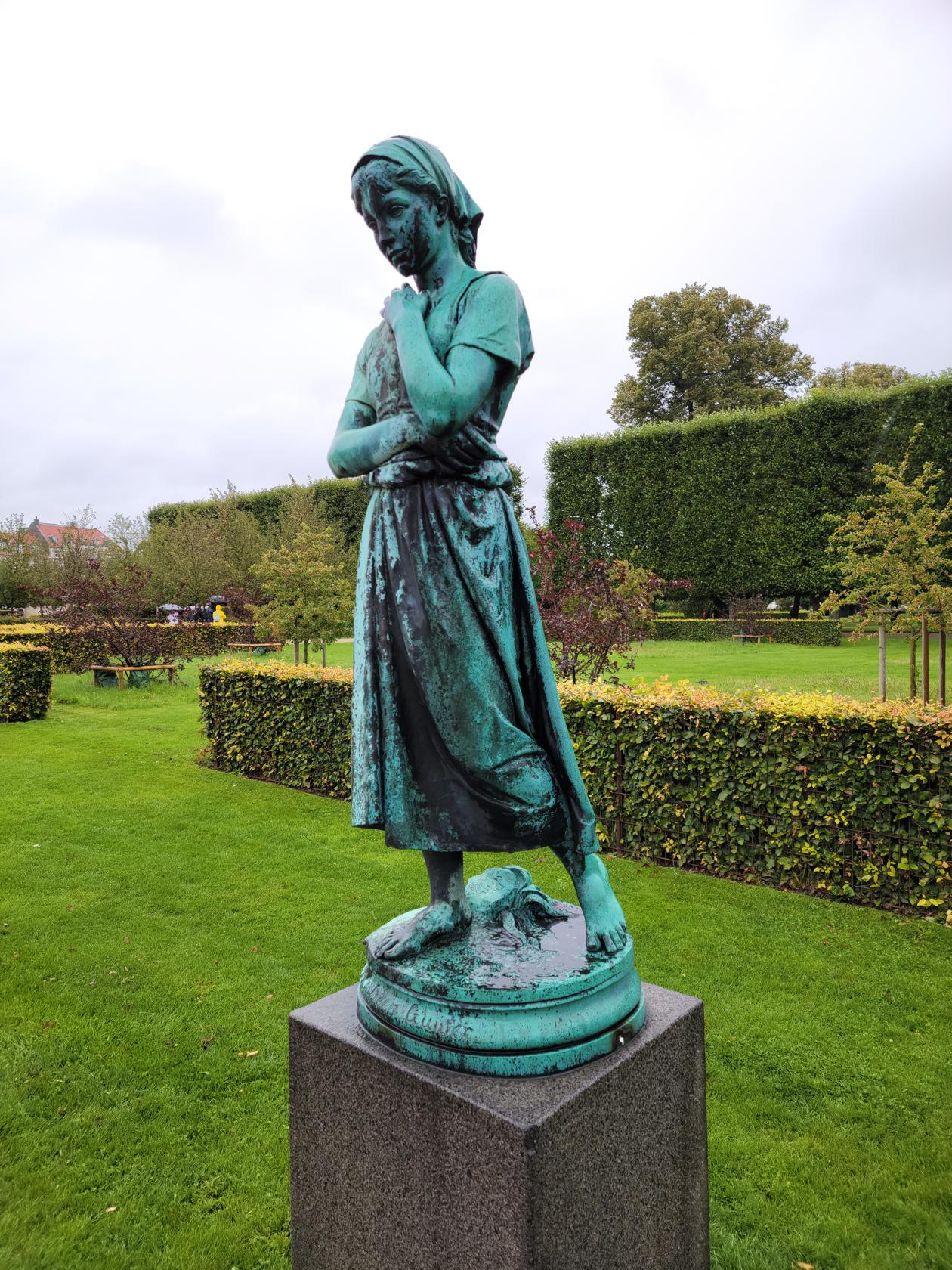
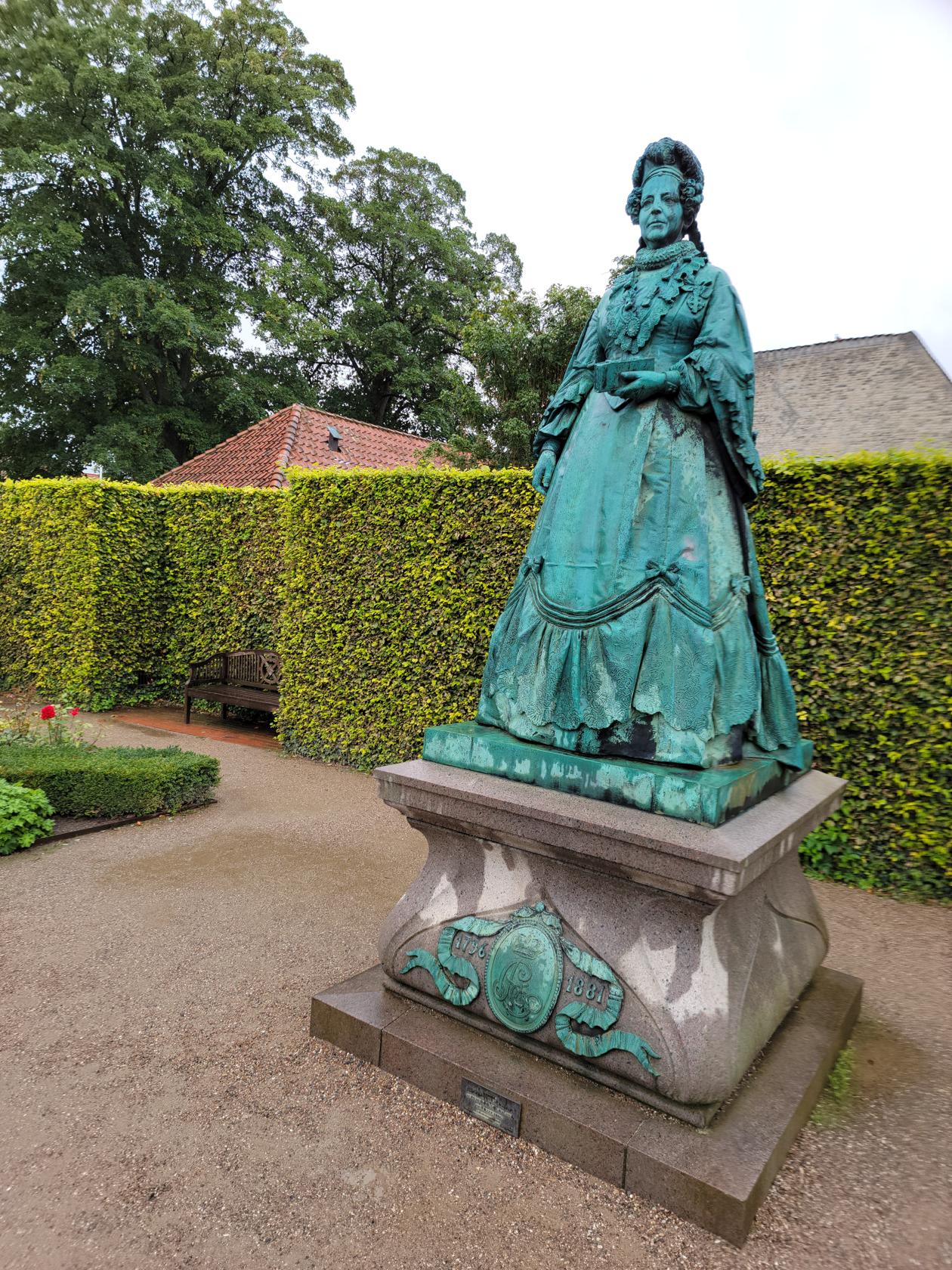
The King’s Garden – The Rosenborg Castle – Copenhagen, Denmark
The King’s Garden – The Rosenborg Castle – Copenhagen, Denmark
The King’s Garden – The Rosenborg Castle – Copenhagen, Denmark
The King’s Garden – The Rosenborg Castle – Copenhagen, Denmark
Restaurants
On The Sunny Side Italian Restaurant
A very good Italian restaurant on the Nyhavn canal which offers good food and has a decent wine list. A bit pricey, but you are on the canal, and what isn’t pricey in Copenhagen?
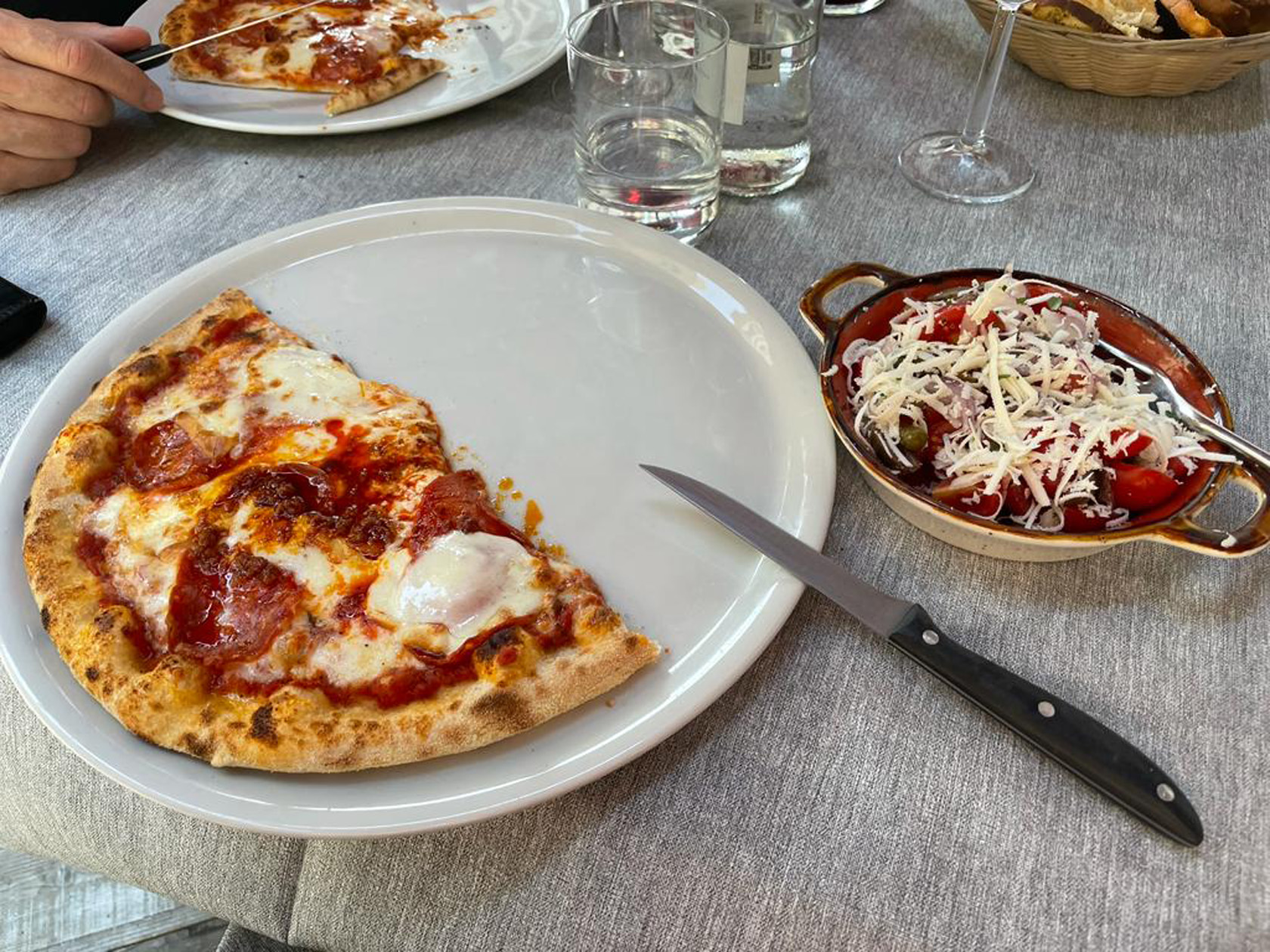
Pizza – On The Sunny Side – Copenhagen, Denmark
Wine – On The Sunny Side – Copenhagen, Denmark
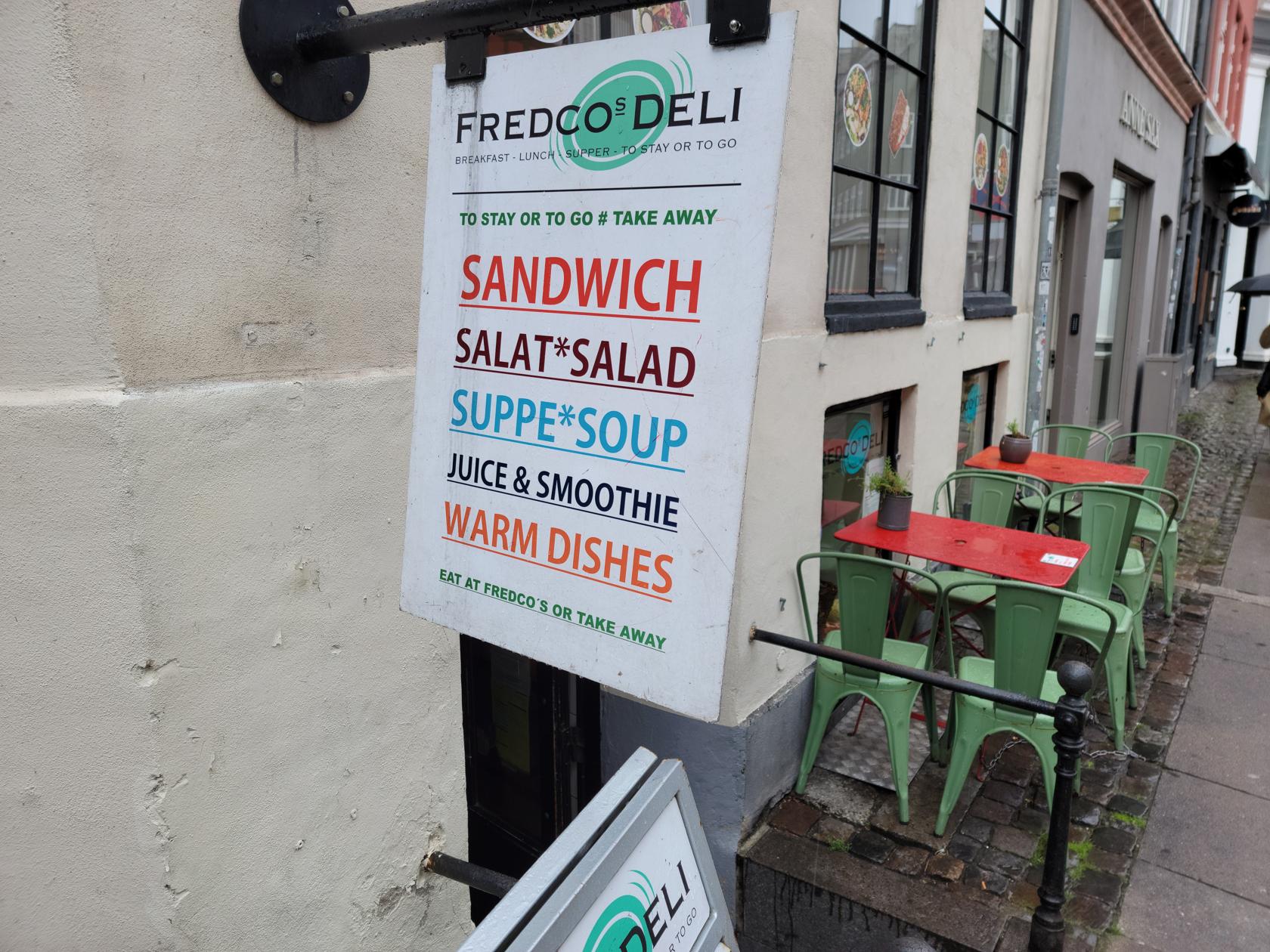
Fredco’s Deli
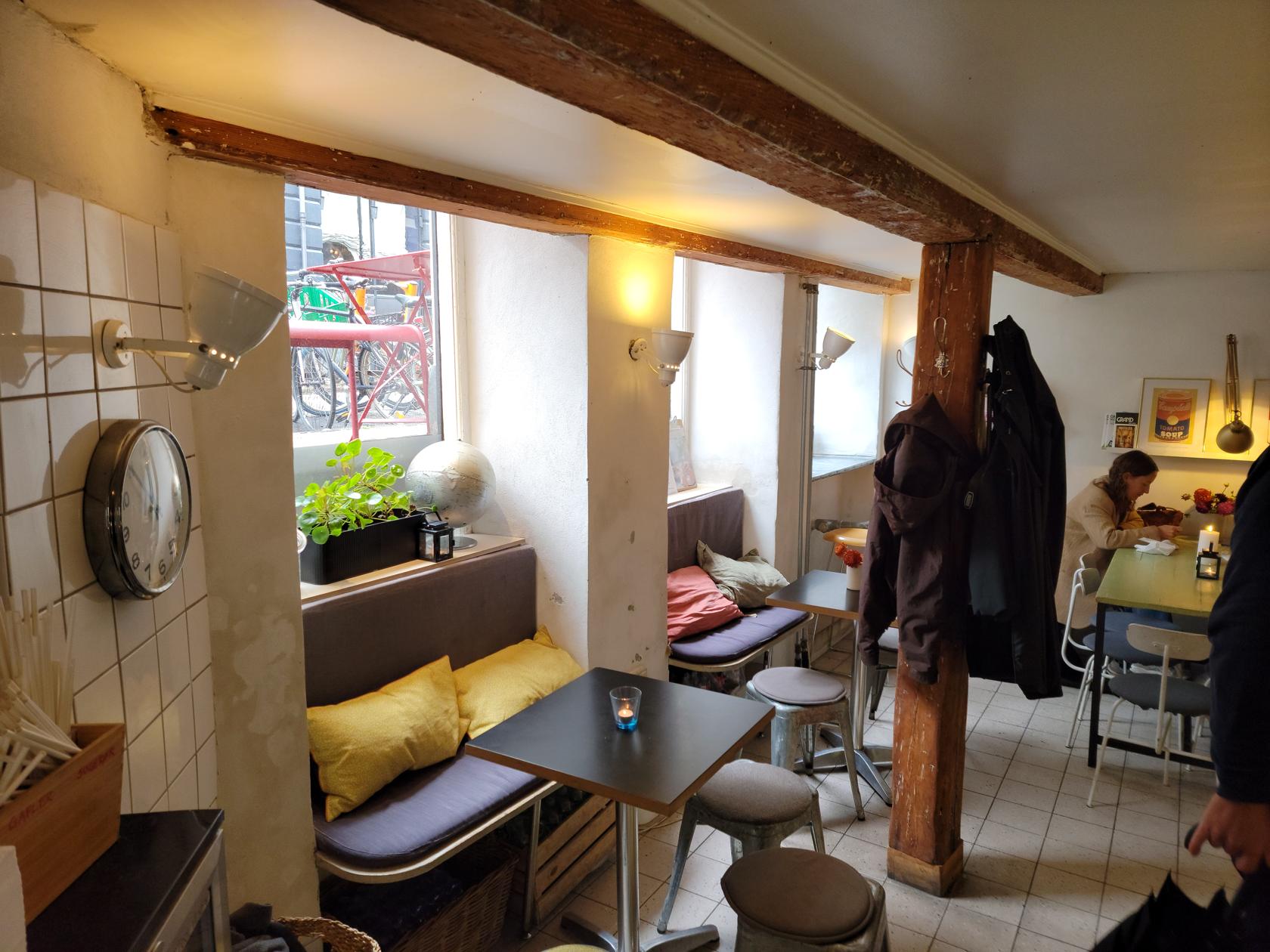
A very small establishment on Grønnegade street which provides a very reasonably priced lunch menu that does include salads. Here you can select from a variety of things for your salad, including dressings. Though a bit on the basic side, if you are tired of eating meat based meals every time you sit down, this might be the stop for you. The interior is in the basement and is very utilitarian in look and feel, but you should be able to find a place to sit and enjoy your lunch.
An hour’s drive by car north of Frankfurt above the Taunus mountains you will find a small, quaint and often overlooked little town called Braunfels.
Panorama of Braunfels below – Braunfels Castle – Braunfels, Germany
Braunfels
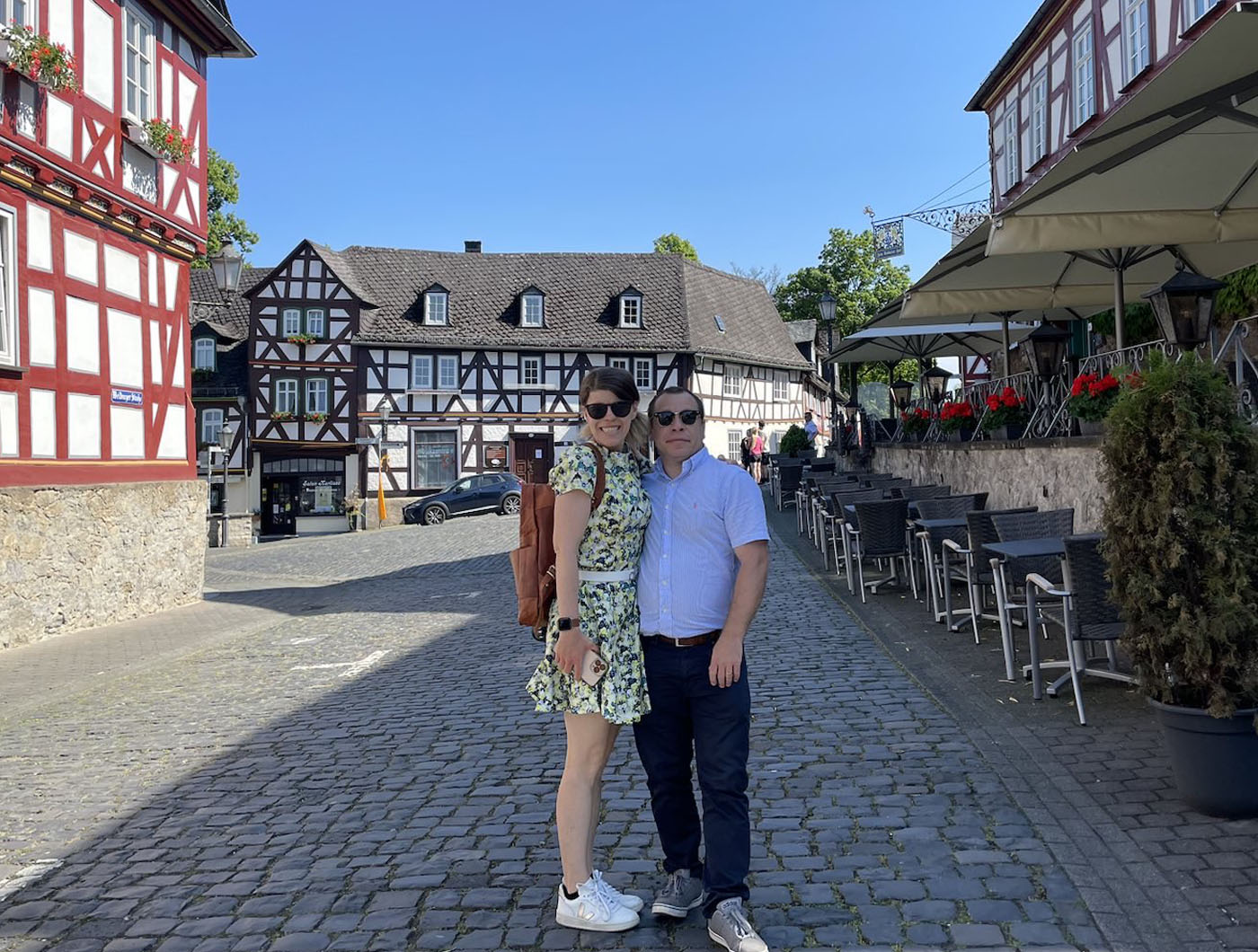
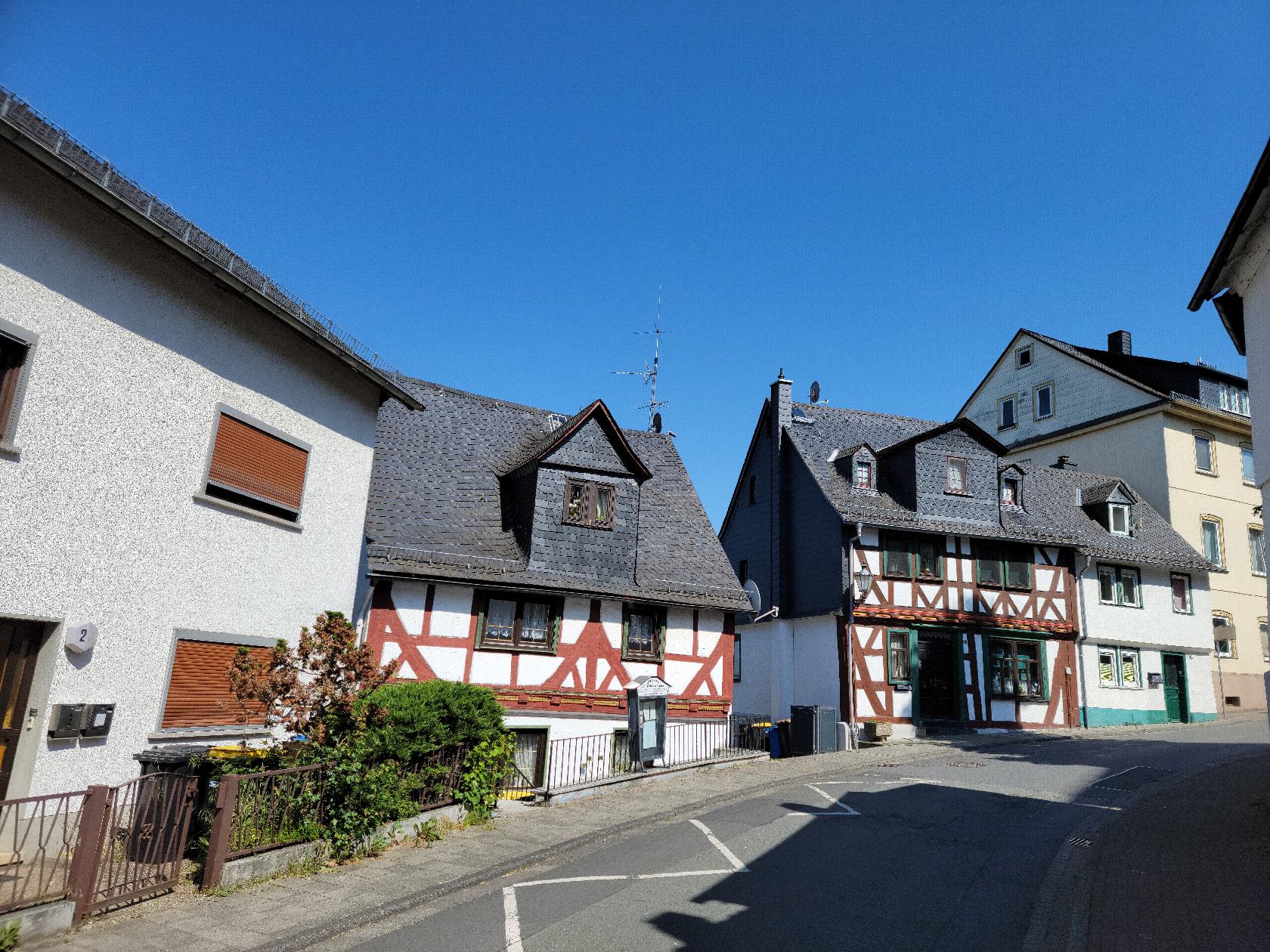
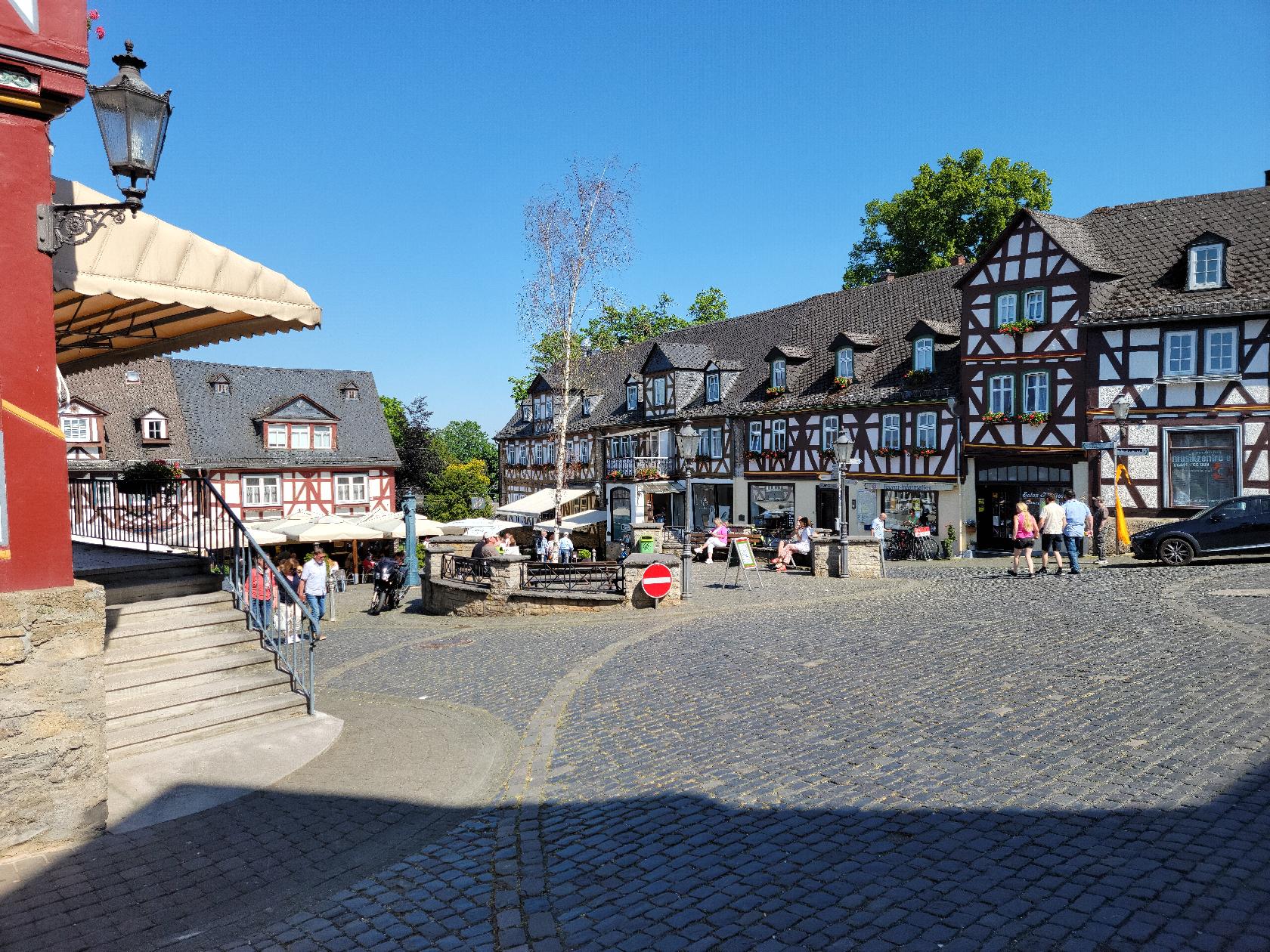
The town of Braunfels in the Lahm valley in Hessen and on the famous German Timber-Frame Tourist Road. All of the houses in the Altstadt are of this type construction and most are fairly old, sixteenth and seventeenth century.
Ericka and Gabi – Altstadt – Braunfels, Germany
Houses – Altstadt – Braunfels, Germany
Main center square – Altstadt – Braunfels, Germany
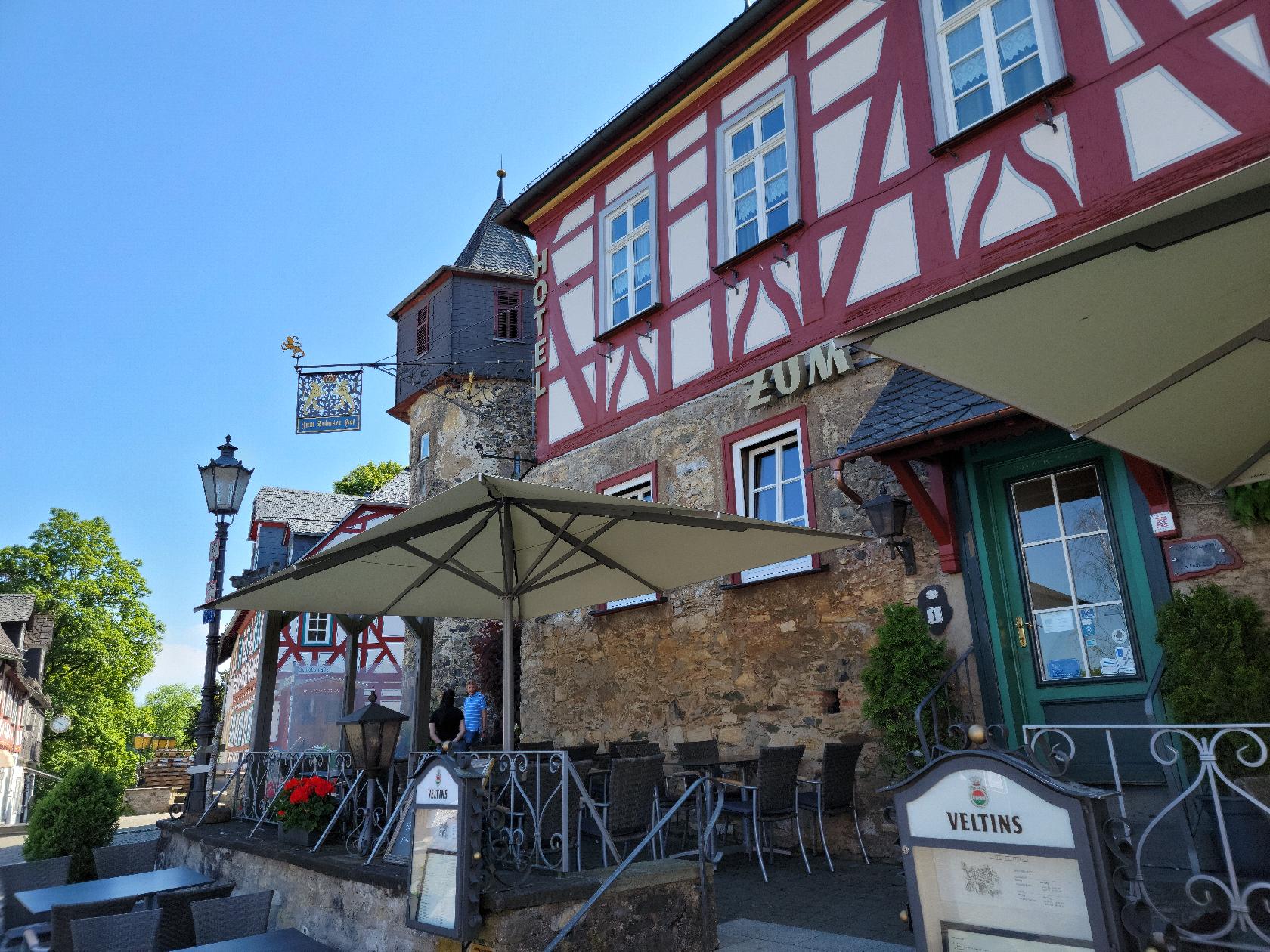
Old tower and hotel with shield – Altstadt – Braunfels, Germany
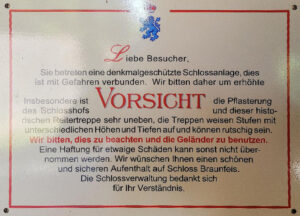
The Altstadt lays to the east of the castle by the same name. Since it was built on the side of the same hill as the castle, some of the roads are pretty steep. Most are paved with cobbles and there are several signs, mostly if not exclusively in German, reminding visitors that the stones are uneven, slippery when wet, and the town and castle are not liable for any injuries, so watch you step when you visit.
Be Careful – Altstadt and Castel – Braunfels, Germany
The castle may be reached through the town via the Schloßstrasse, or on the other side of the hill via the Burgweg (this is where we parked).
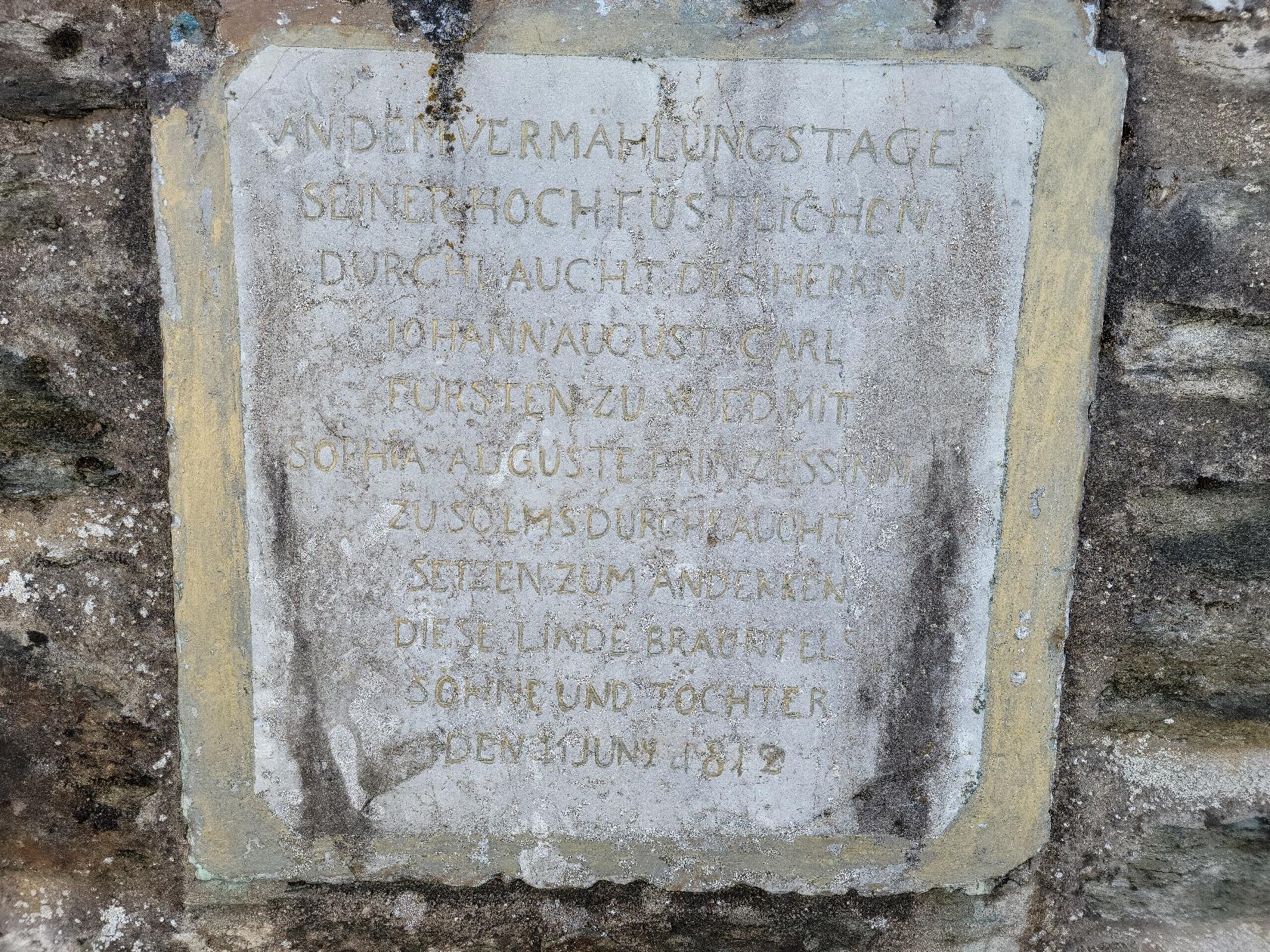
Old 1812 Mill Grinding Day memorial – Altstadt – Braunfels, Germany
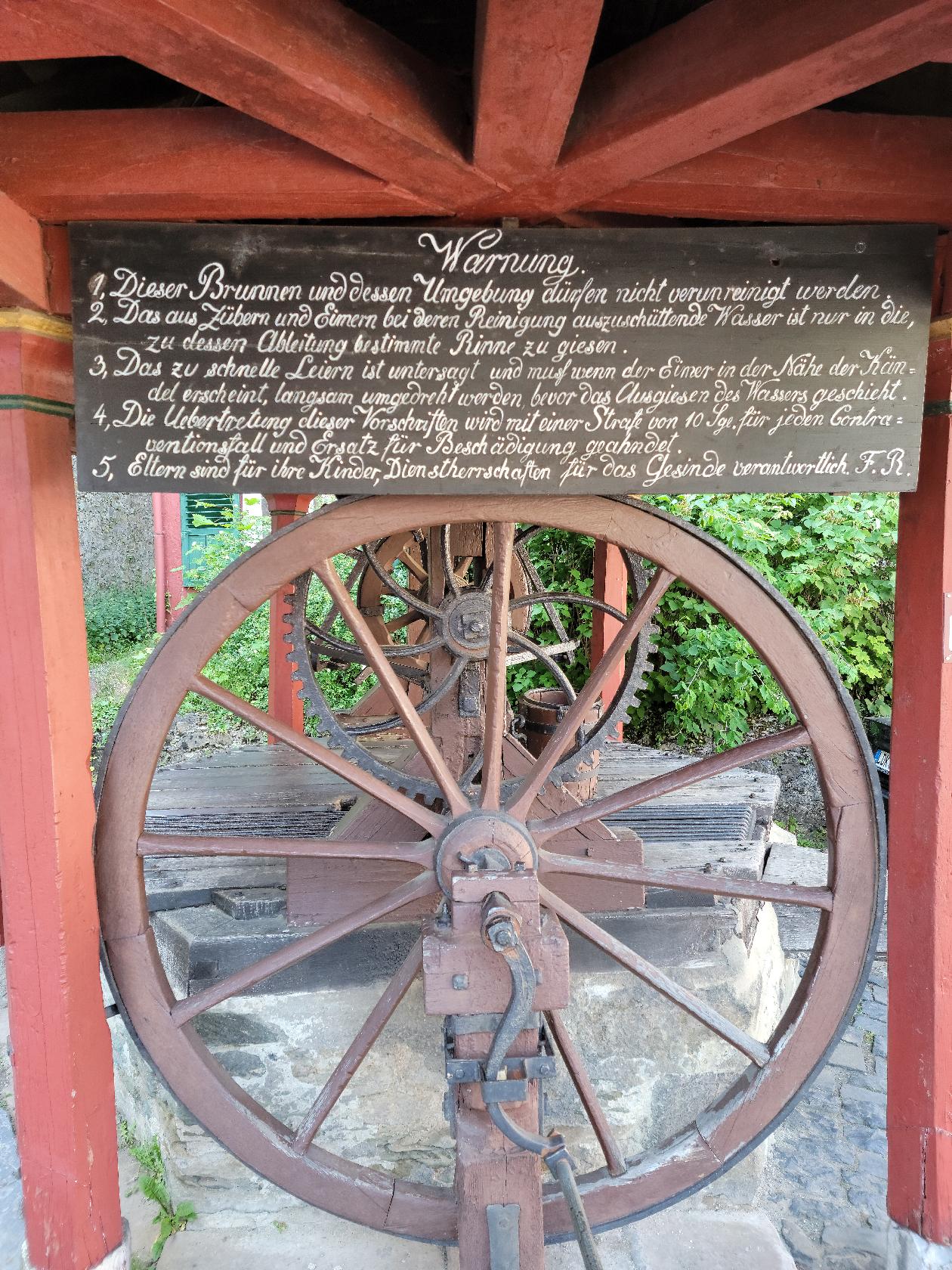
Warning over mill – Altstadt – Braunfels, Germany
Old wooden beam houses – Altstadt – Braunfels, Germany
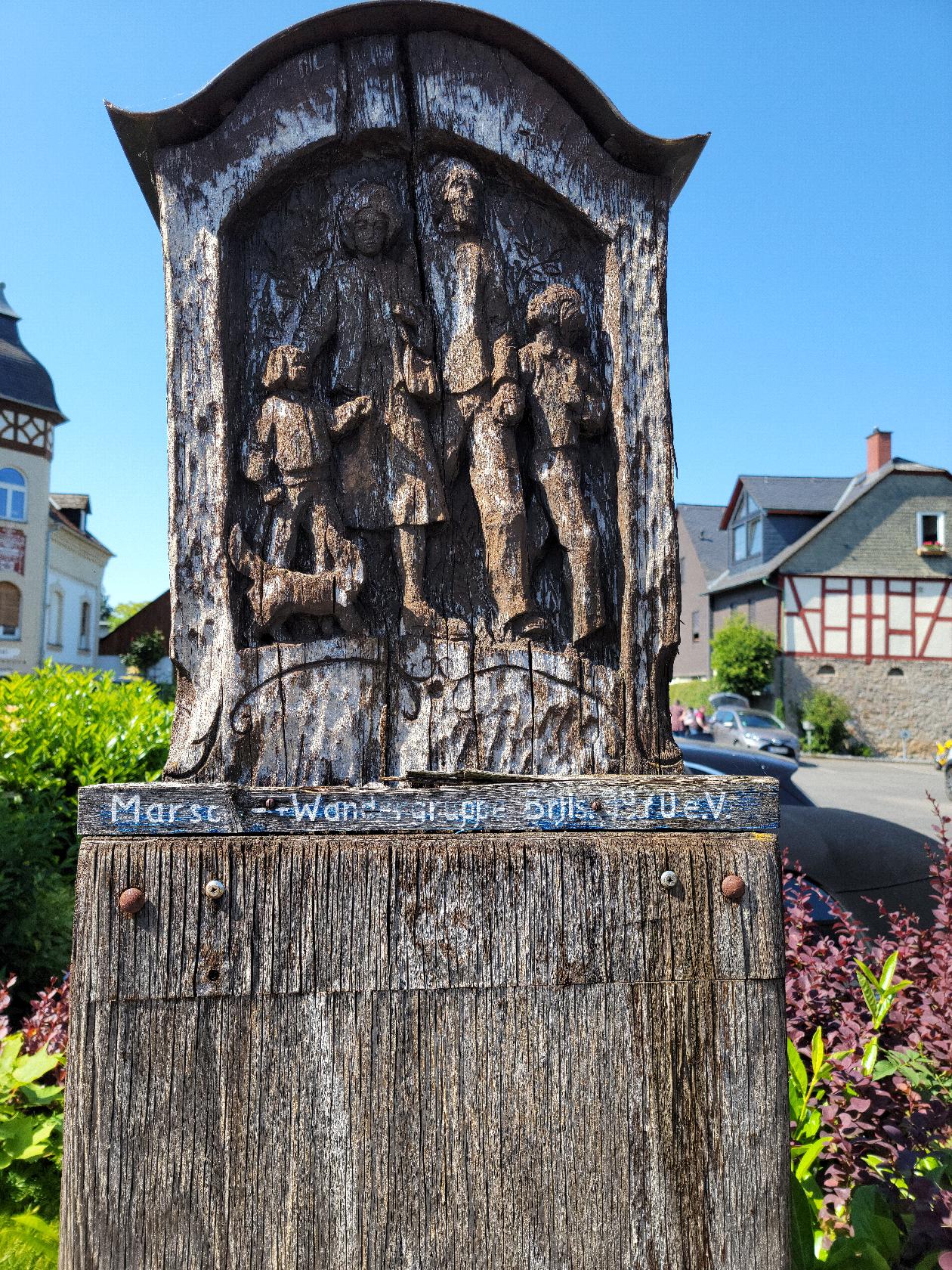
Old wooden memorial – Altstadt – Braunfels, Germany
Wood beam house rebuilt in 1901 from old barn that burnt down – Altstadt – Braunfels, Germany
Another old building 1679 – Altstadt – Braunfels, Germany
Very old houses – Altstadt – Braunfels, Germany
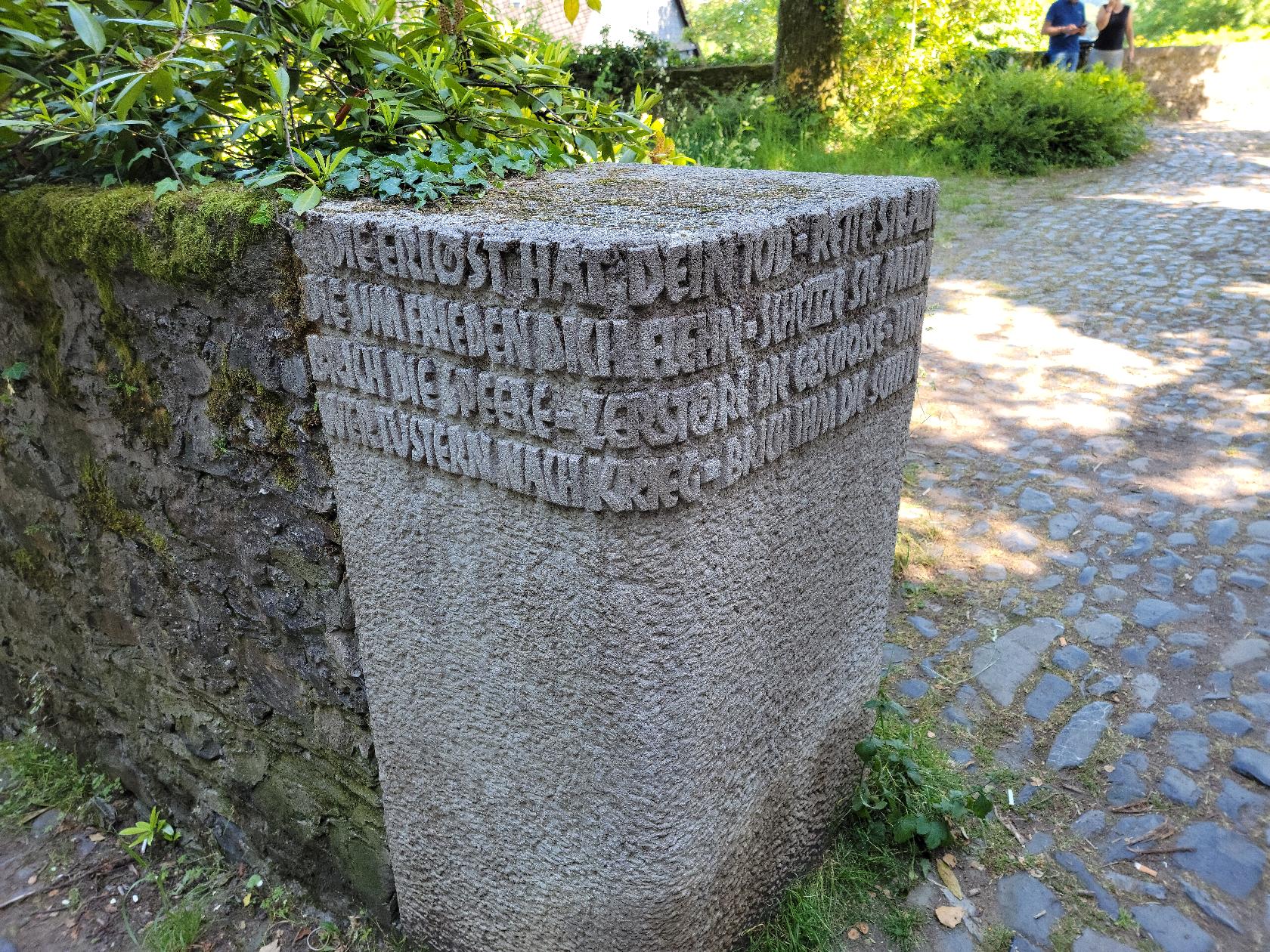
Memorial stone – Altstadt – Braunfels, Germany
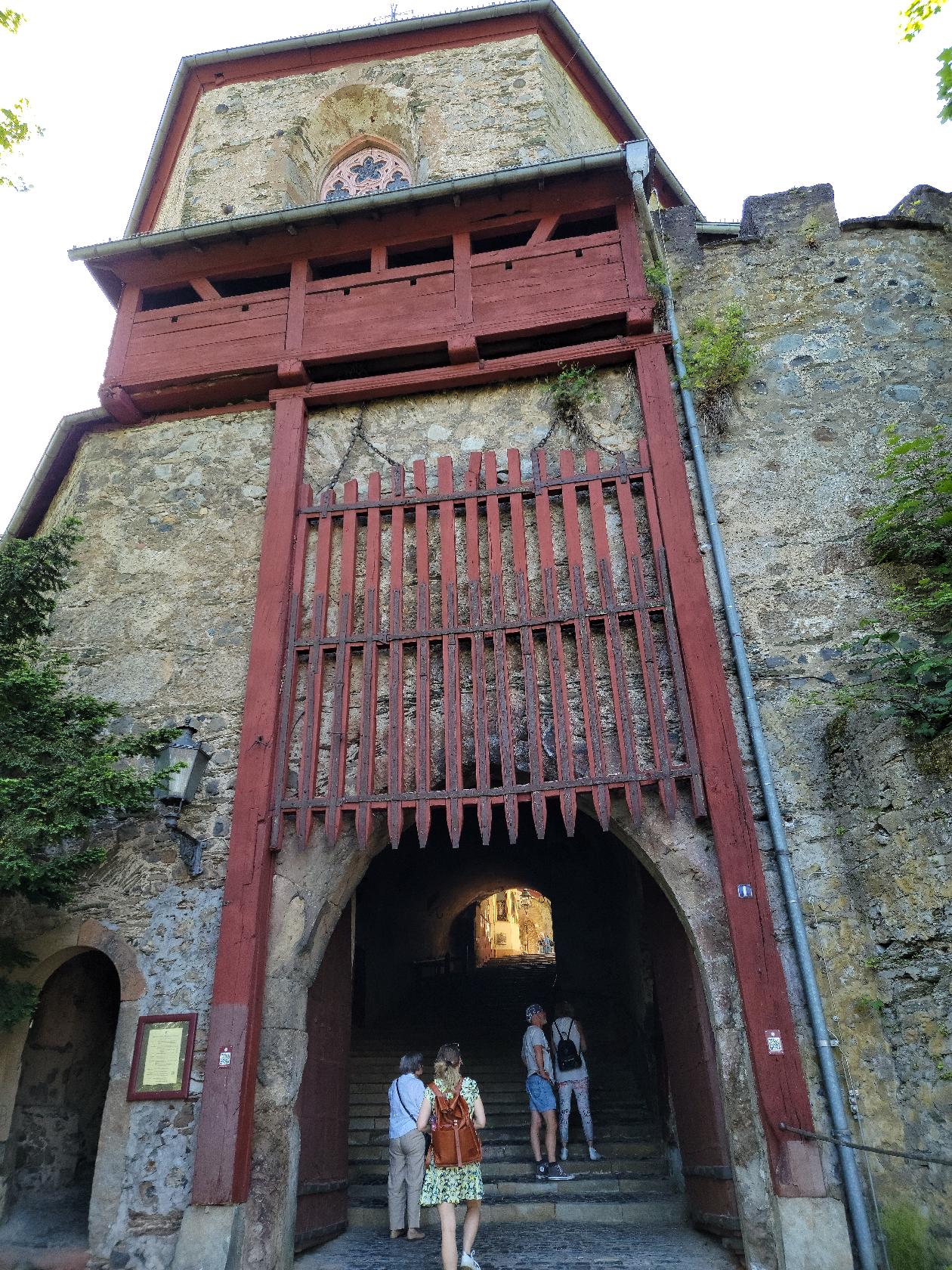
Old gate and entrance – Altstadt – Braunfels, Germany
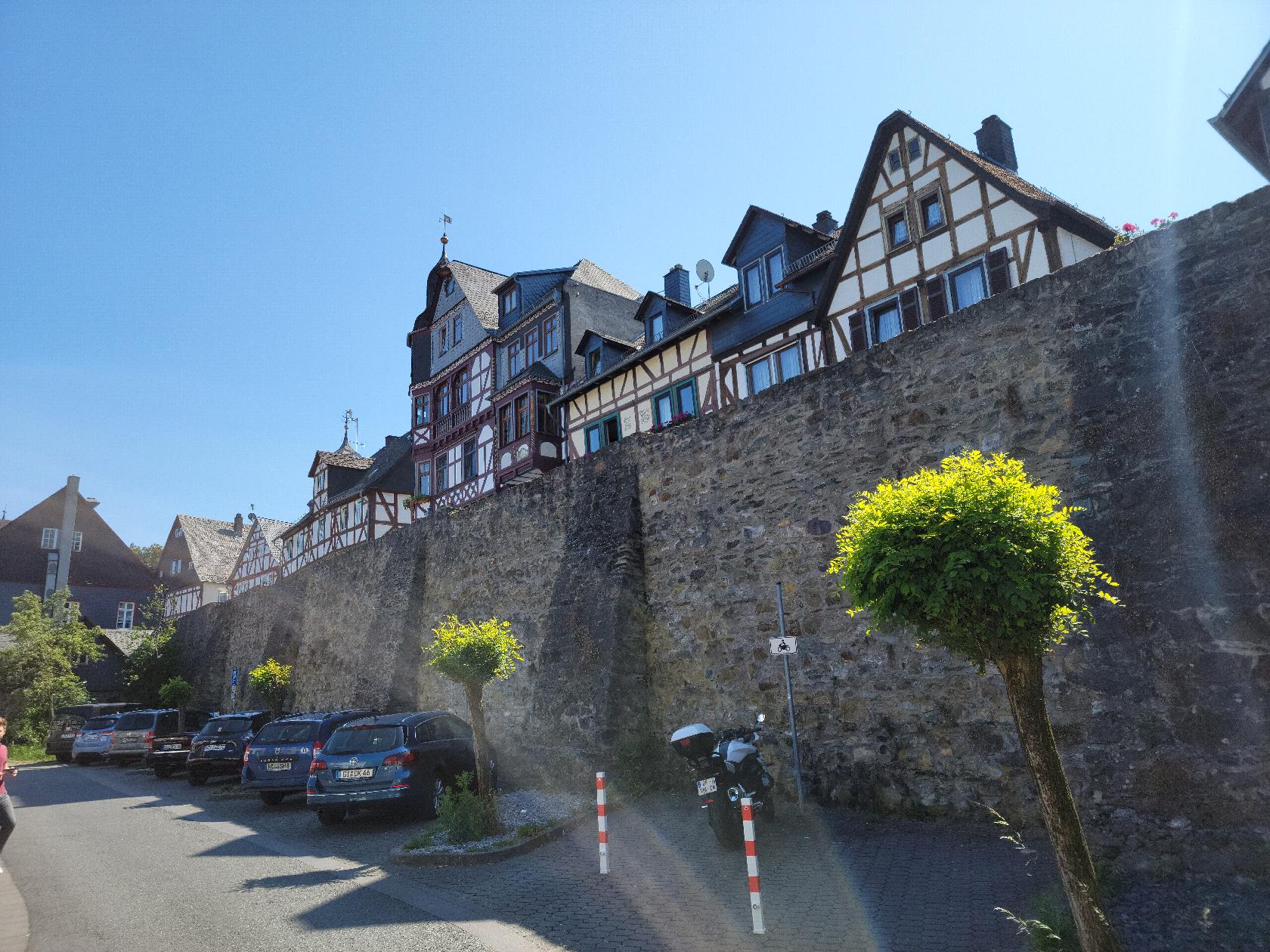
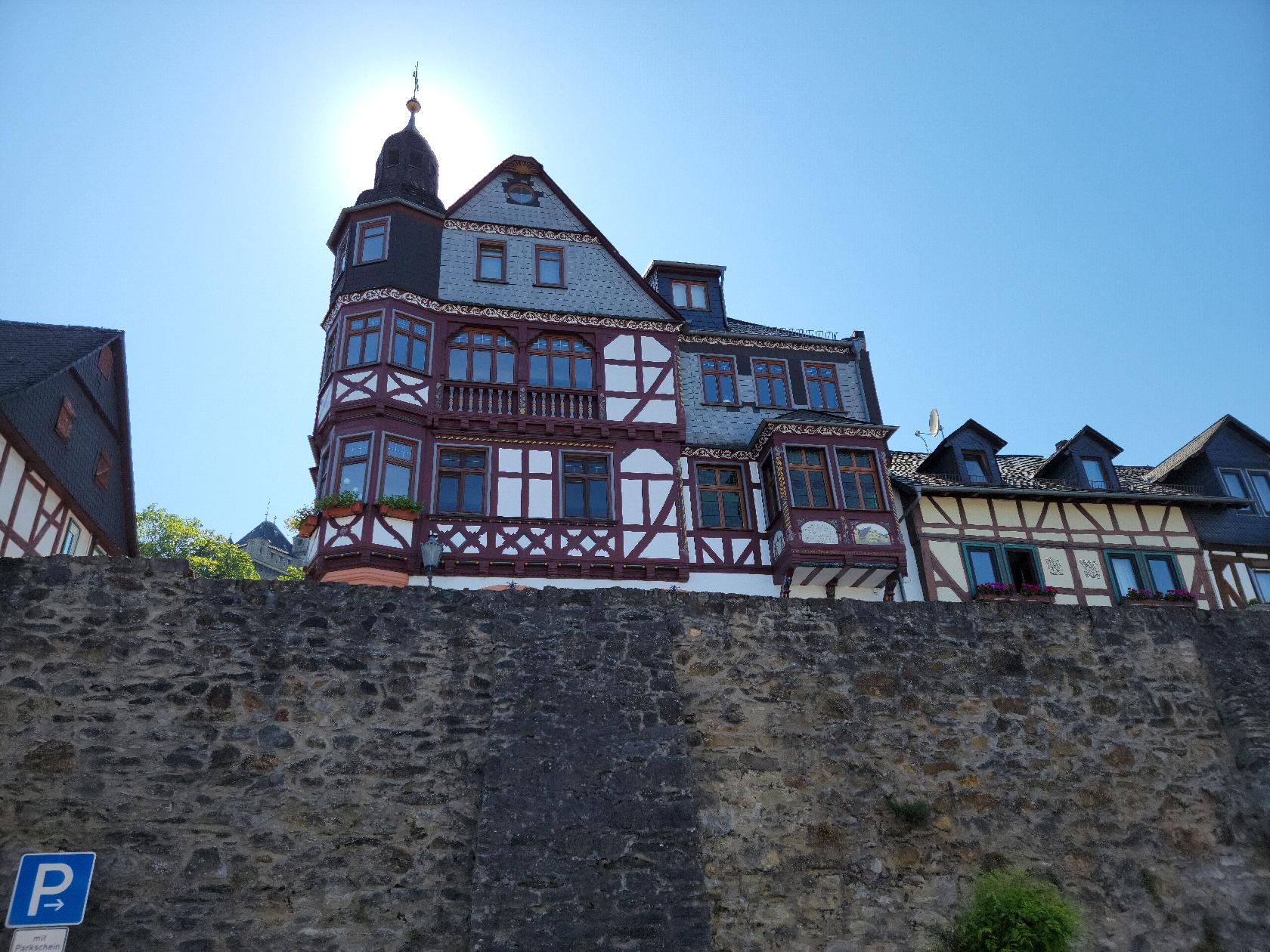
Beautiful old house above parking area – Altstadt – Braunfels, Germany
Kratzsteine
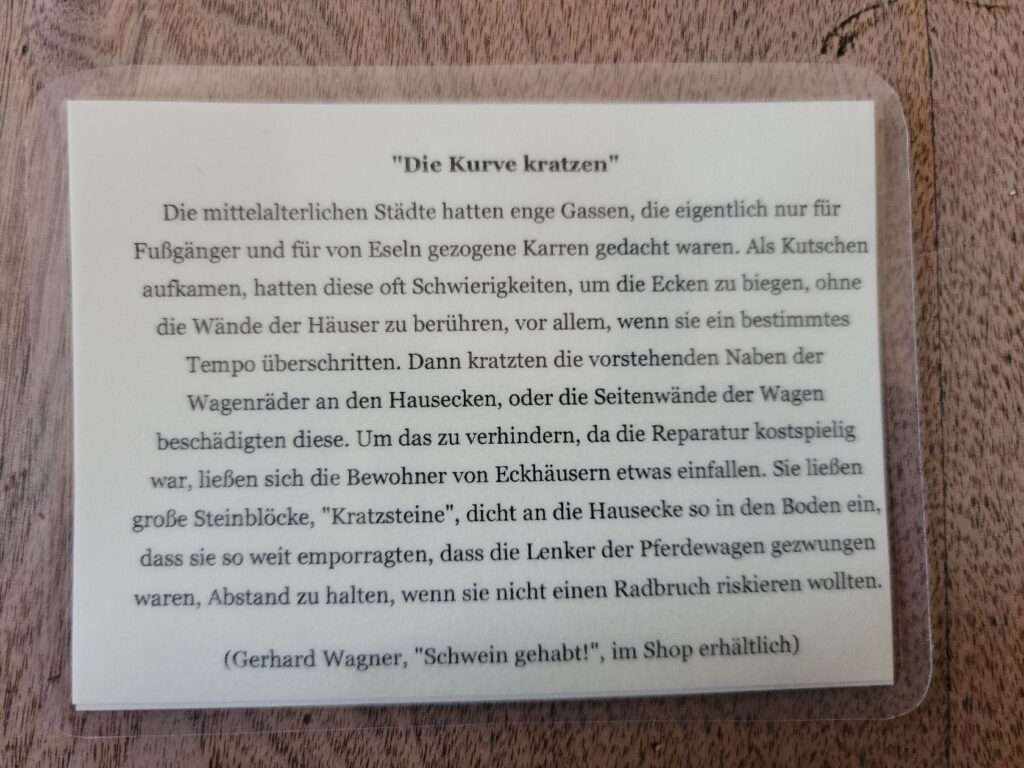
If you ever wondered why old towns such as Braunfels had these many corner stones, or Kratzsteine; the following sign explains it. The interesting thing here is, that although these are very common throughout older German cities and towns, you will not find many examples in Braunfels; making one wonder why someone posted a sign above an example of one, when there are so few throughout the town.
Why old town streets have Kratzsteine or cornering stones – Altstadt – Braunfels, Germany
The above can be translated loosely in English as the following.
The medieval cities had very narrow alleys, which were only meant for pedestrians and mule drawn carts. When horse drawn carriages came, they had difficulties trying to make the turns without slowing down. The hubs of the wheels or the side of the wagons would damage the buildings. In order to prevent this damage and the high cost of repairs, the home owners had to come up with something. They decided on giant house stones, or Kratzsteine, which were partially buried on the corners of the house. This forced the driver to avoid and swing their carriages wide, so they didn’t risk their wheels getting damaged from these strategically placed corner stones.
Castle Braunfels
Christian Christmas Tradition
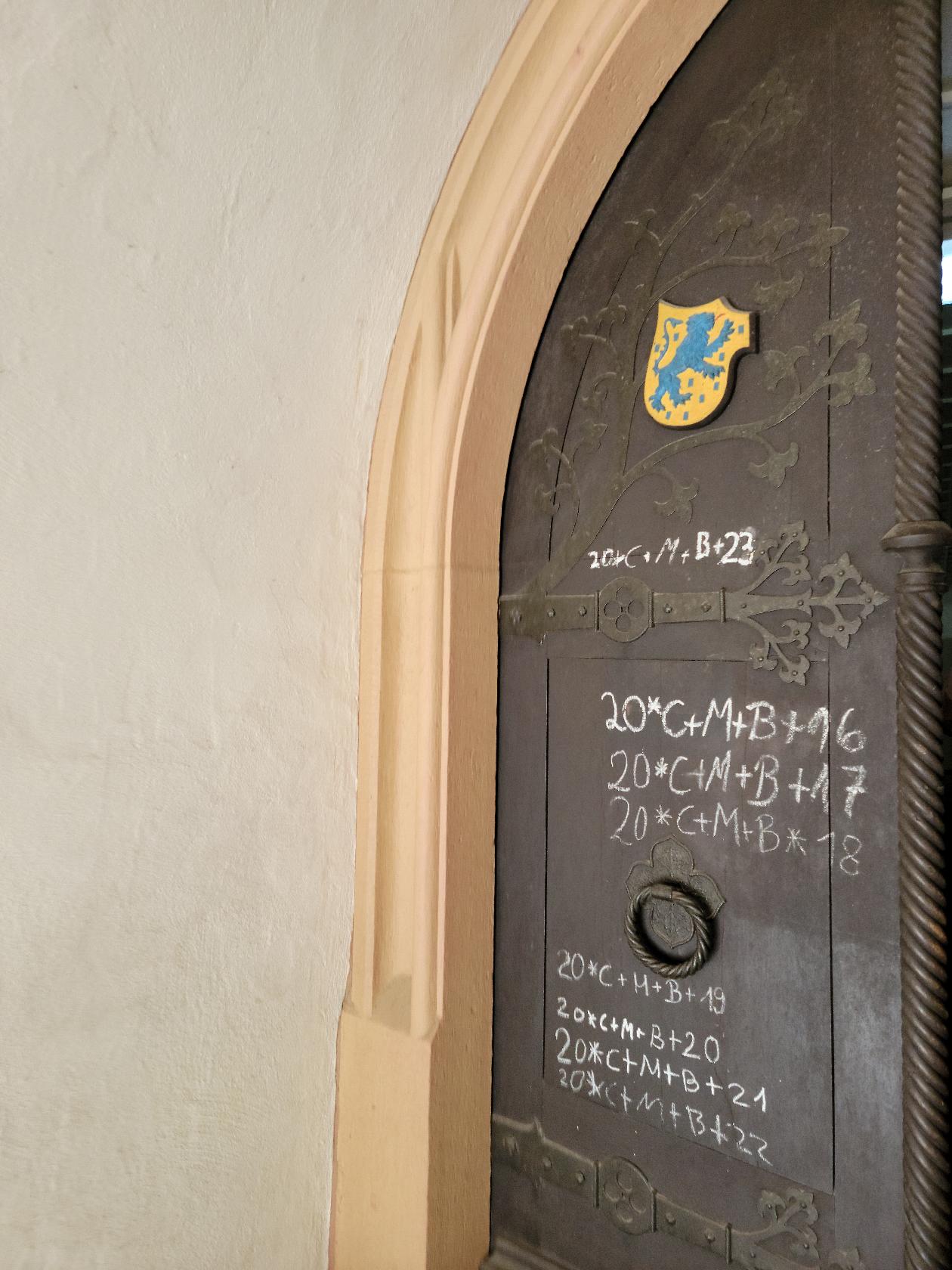
In Germany there is an old religious custom on the twelfth day of Christmas, or what is more properly known as the Epiphany. On the evening of or the day of Epiphany the front door of the building is chalked with the pattern “yy * C + M + B * YY”. The CMB is short for the Latin phrase Christus mansionem benedicat, or in English, May Christ bless this house. The YY are the year divided up appropriately.
Epiphany blessing on door to Chapel – Braunfels Castle – Braunfels, Germany
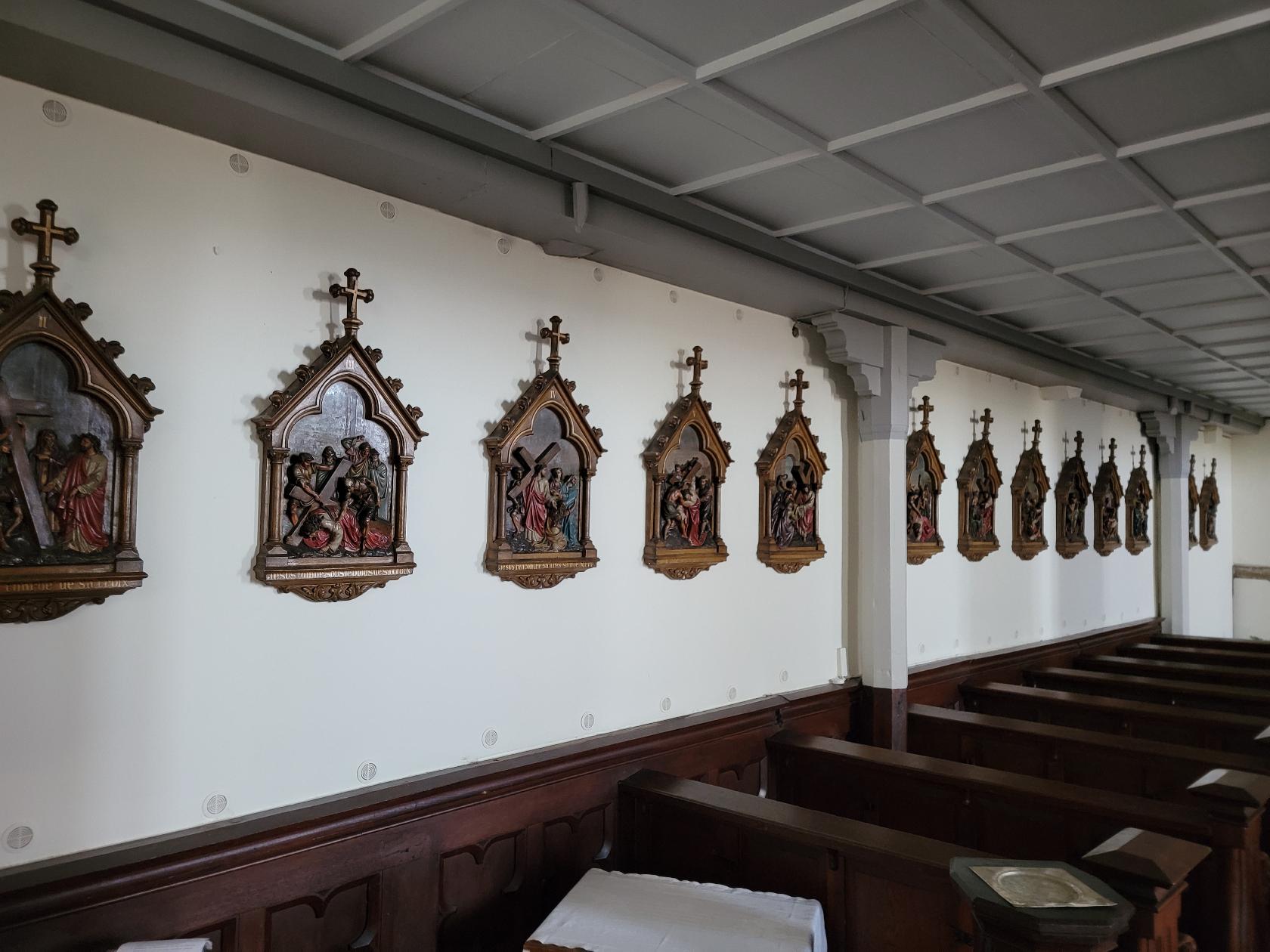
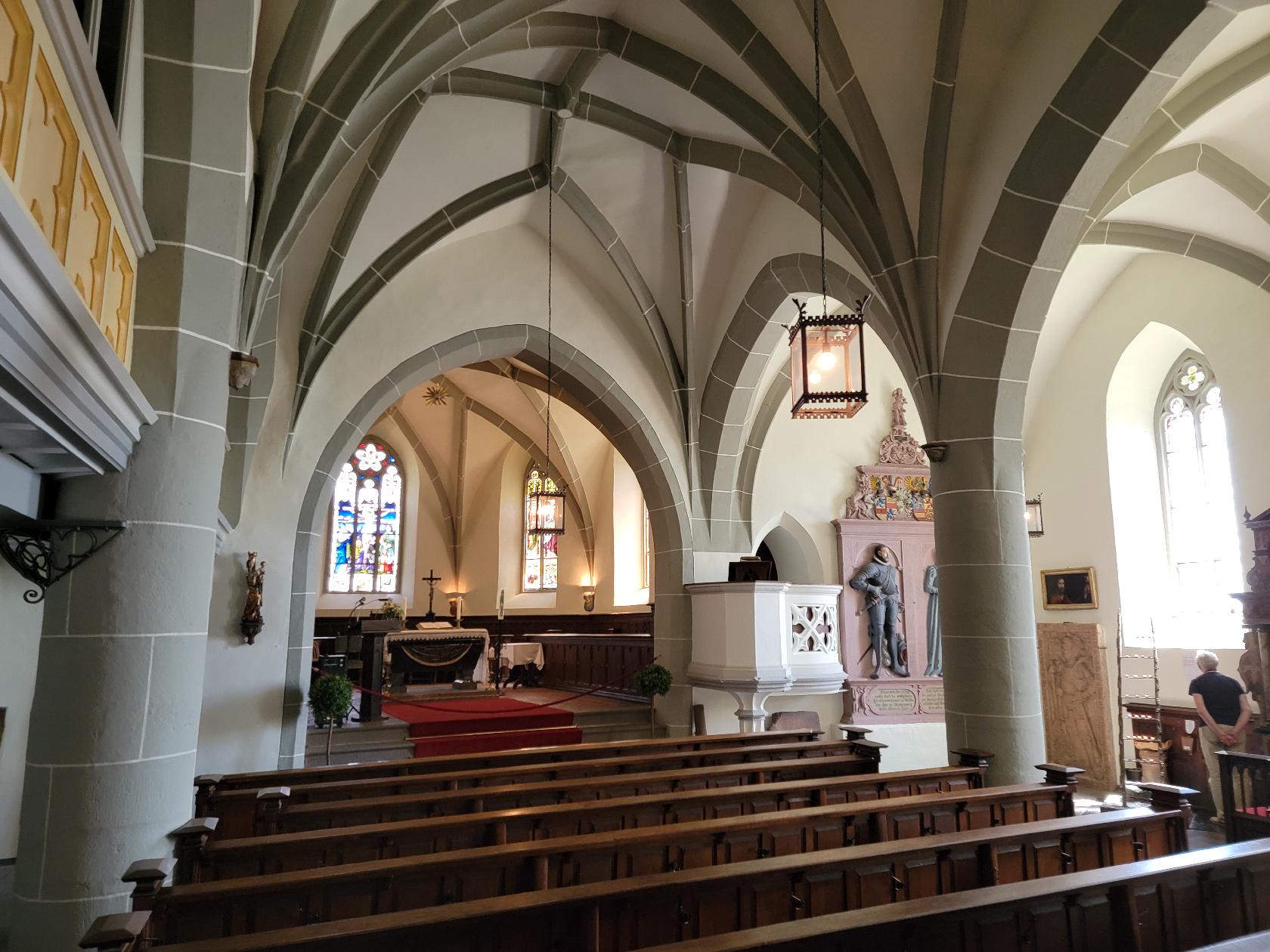
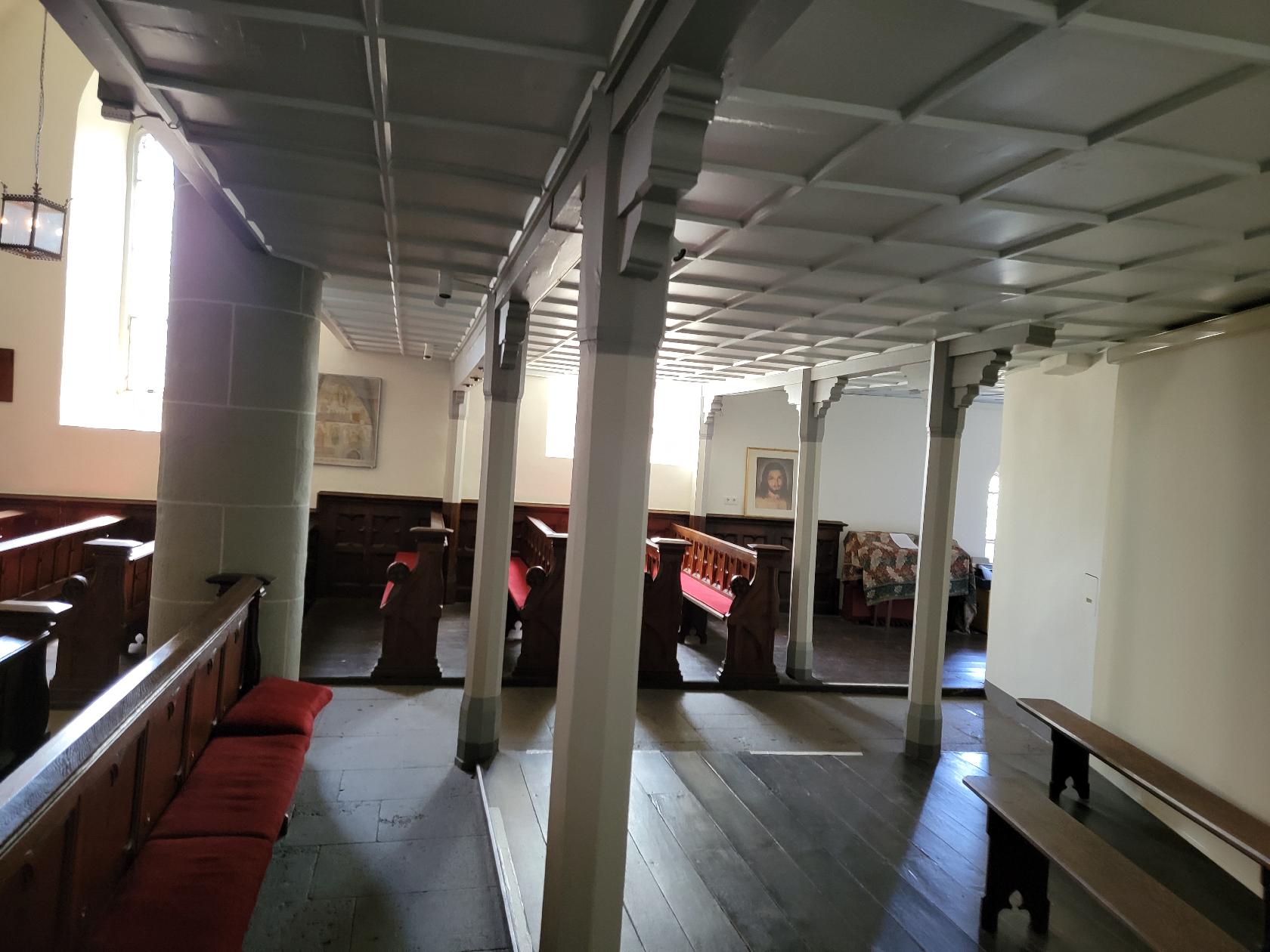
Chapel inside the castle – Braunfels Castle – Braunfels, Germany
Chapel inside the castle – Braunfels Castle – Braunfels, Germany
Chapel organ – Braunfels Castle – Braunfels, Germany
Castle Innards
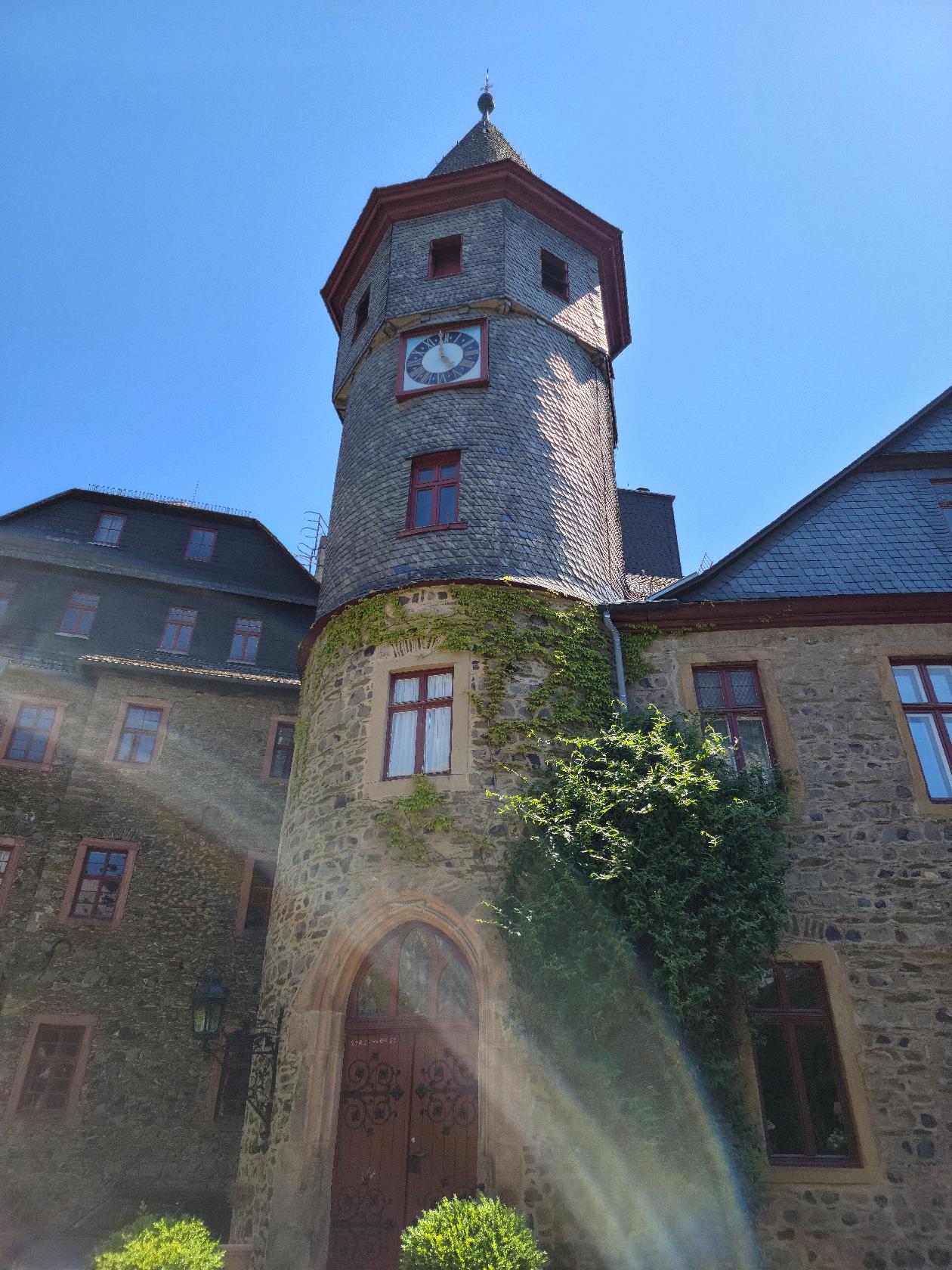
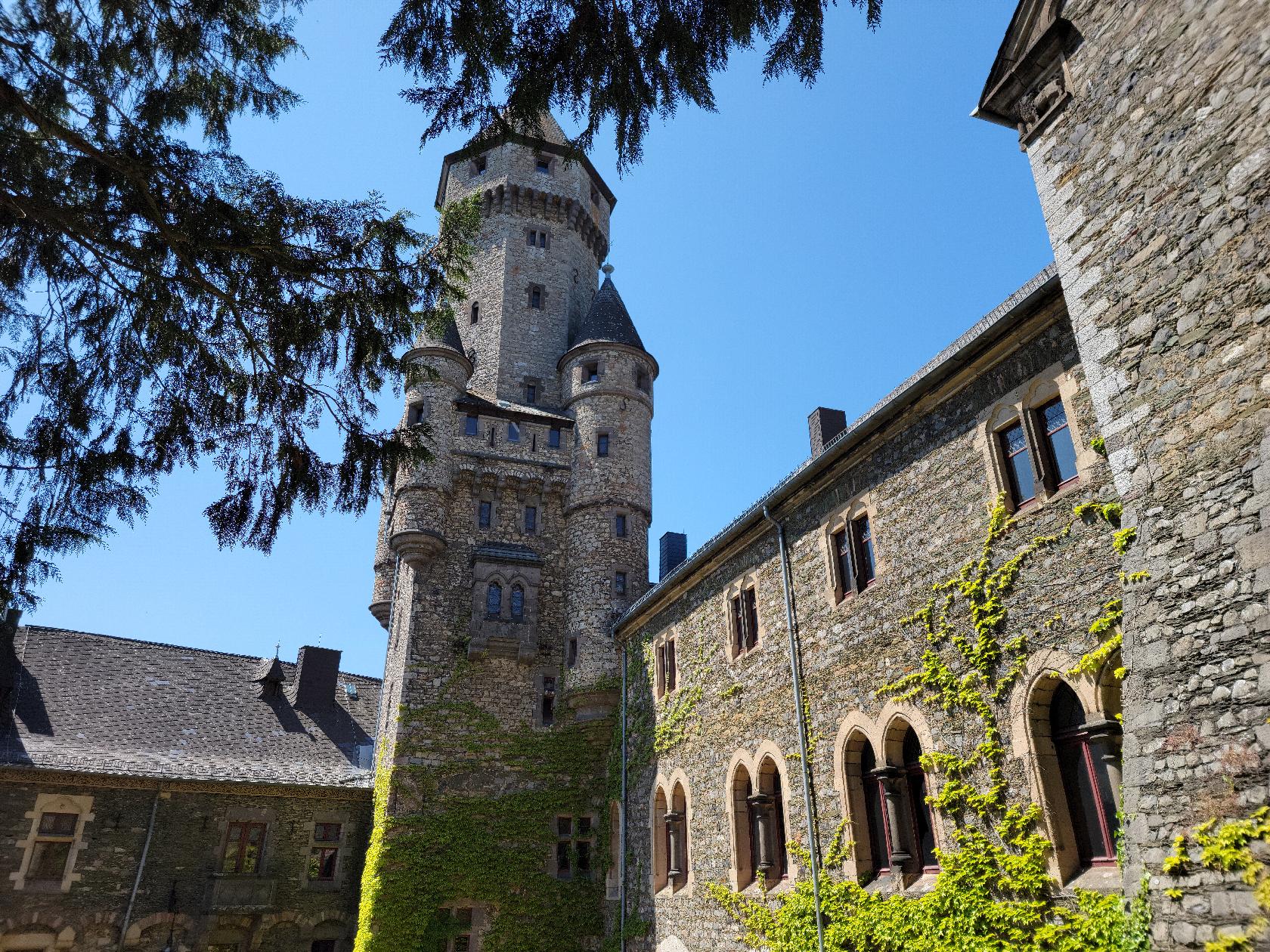
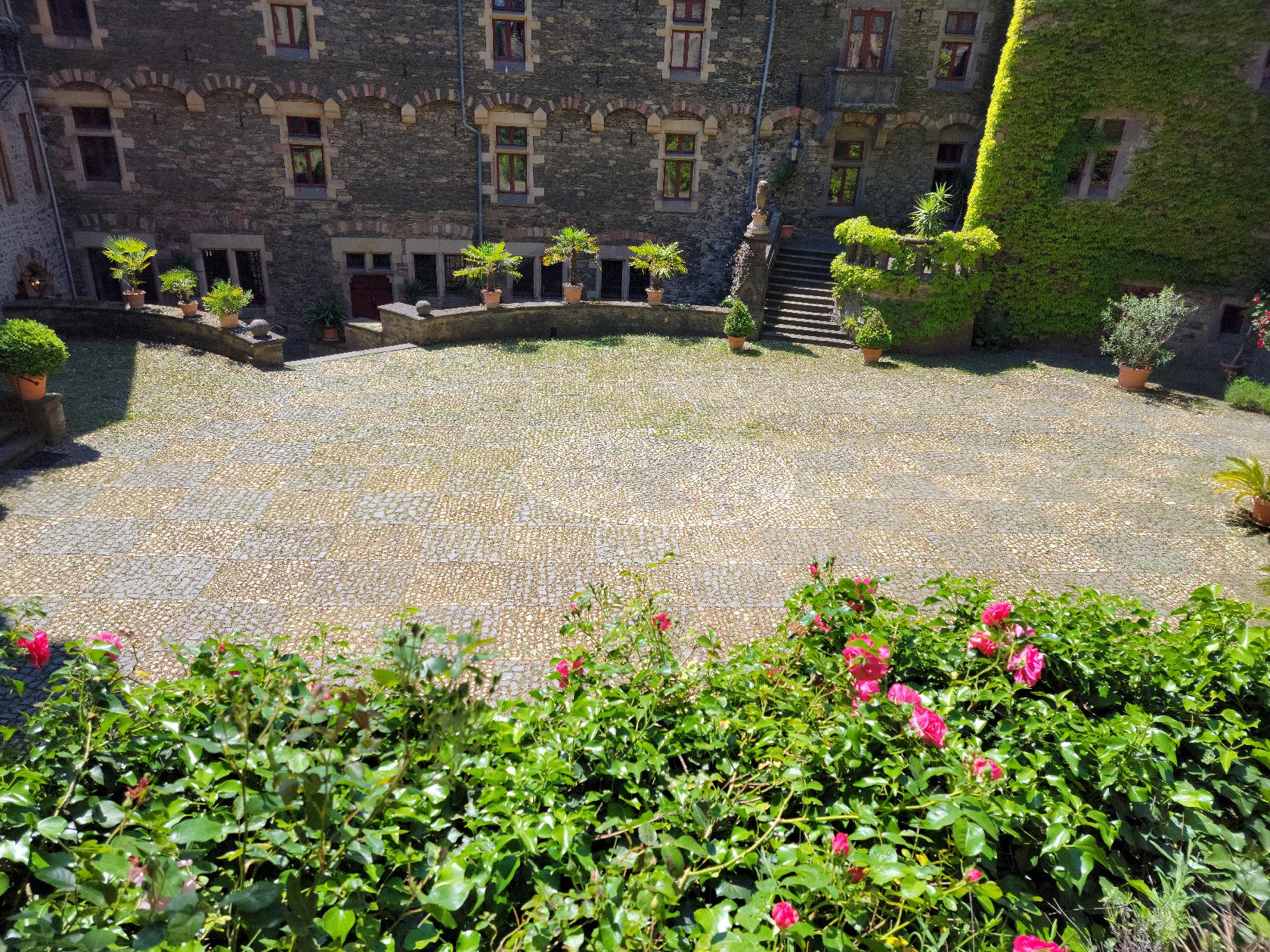
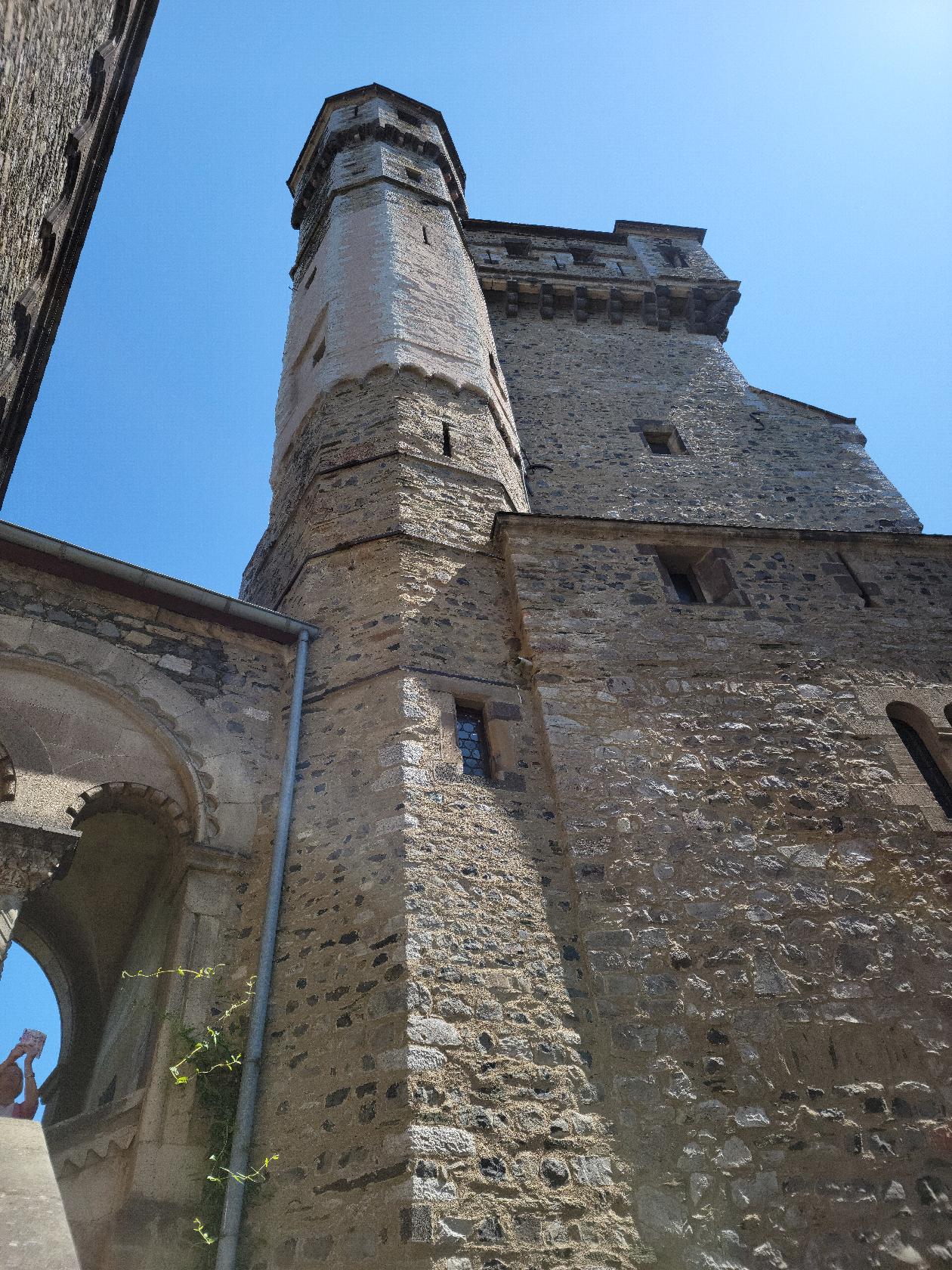
The courtyard of the castle is fairly large and surrounded by three walls and towers. The inside of the castle is typical for one of this period. The slideshow below finishes our tour of the castle and our visit to this very nice little town in Hessen.
The new tower – Braunfels Castle – Braunfels, Germany
Area by new tower – Braunfels Castle – Braunfels, Germany
The new tower – Braunfels Castle – Braunfels, Germany
Panorama of inside courtyard showing all towers – Braunfels Castle – Braunfels, Germany
The clock tower – Braunfels Castle – Braunfels, Germany
The new tower from different angle – Braunfels Castle – Braunfels, Germany
The family wapper – Braunfels Castle – Braunfels, Germany
The old tower – Braunfels Castle – Braunfels, Germany
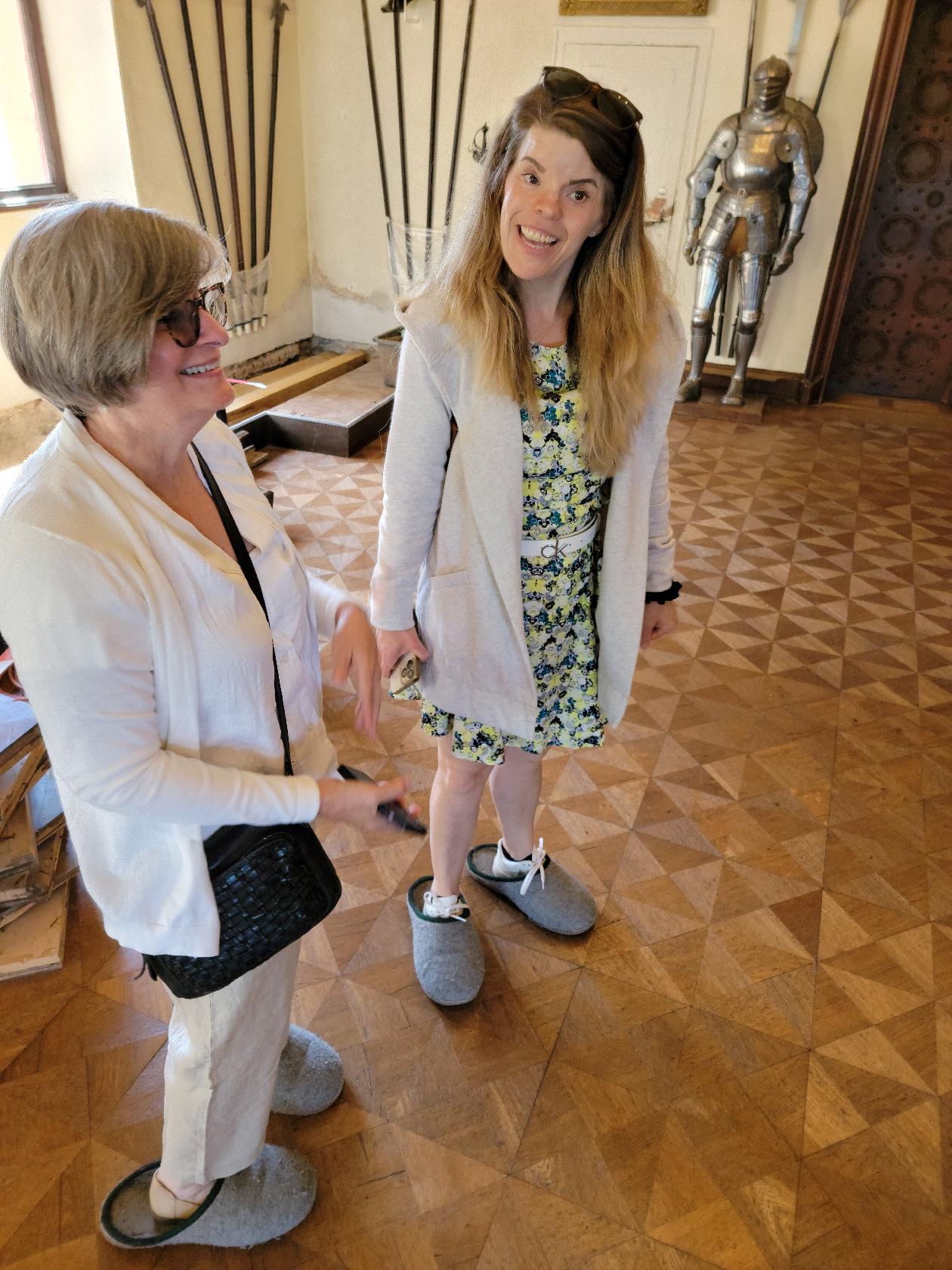
Hausshuhe you have to wear – Braunfels Castle – Braunfels, Germany
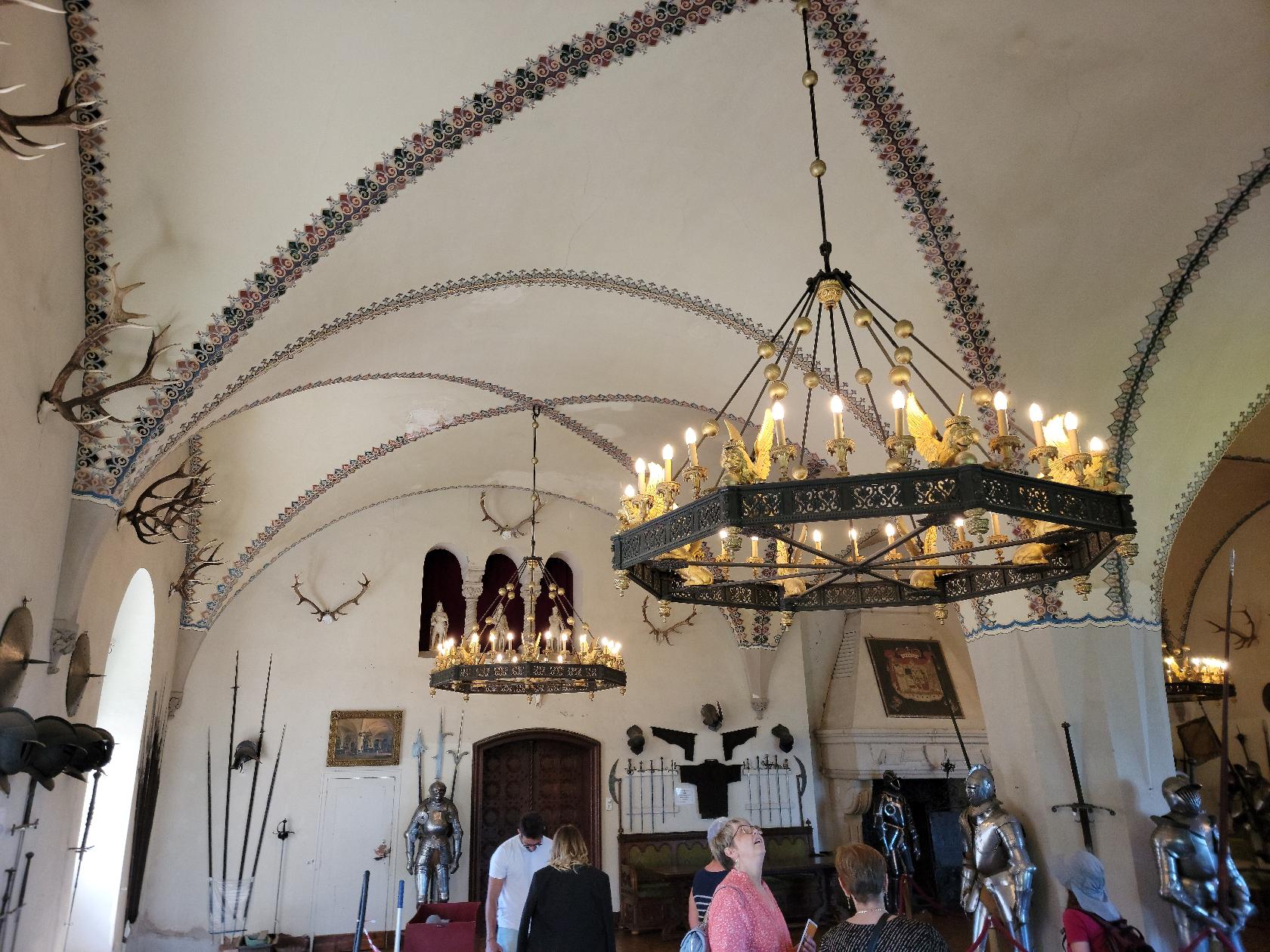
Old chandeliers main room – Braunfels Castle – Braunfels, Germany
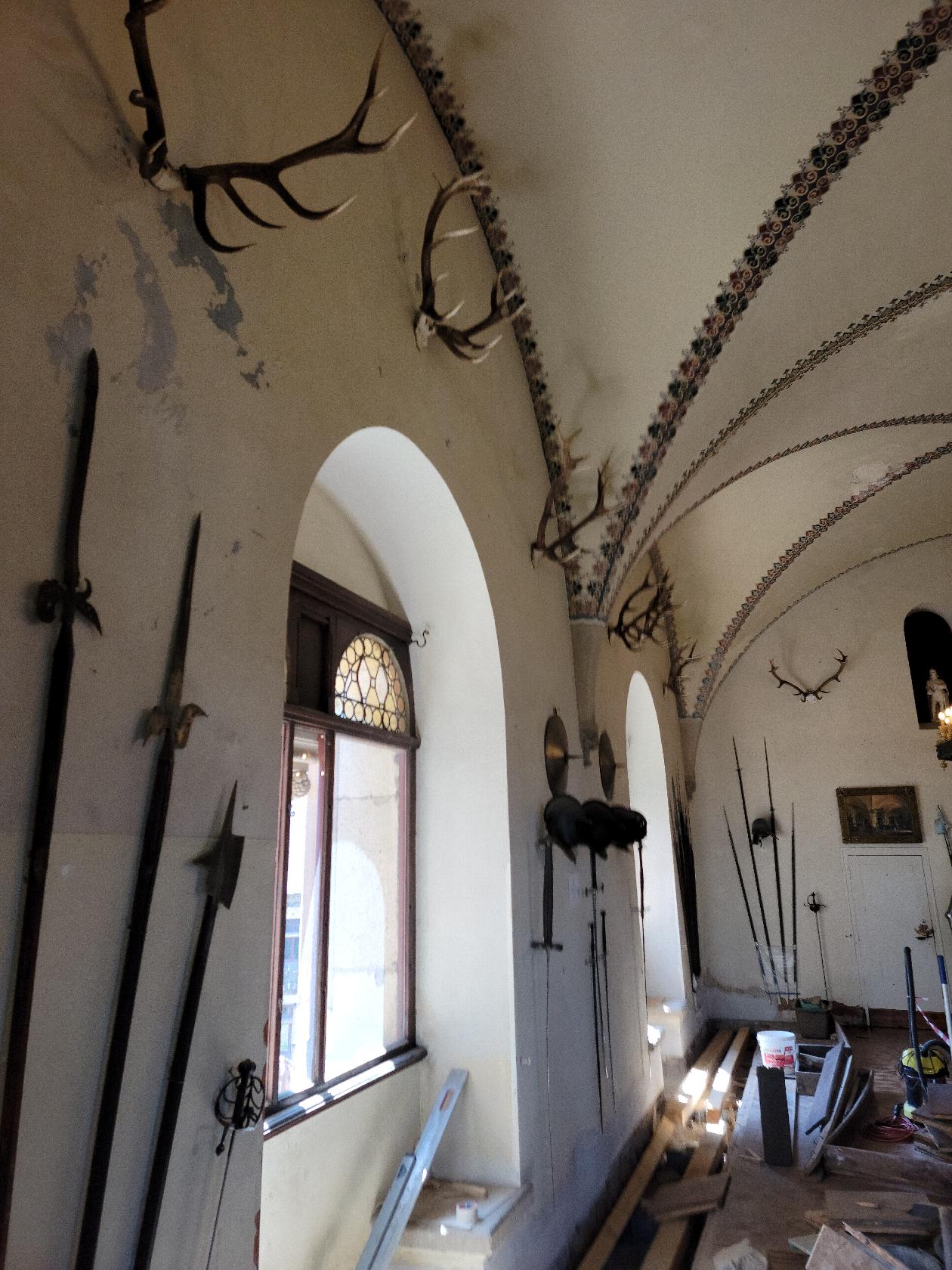
Main room – Braunfels Castle – Braunfels, Germany
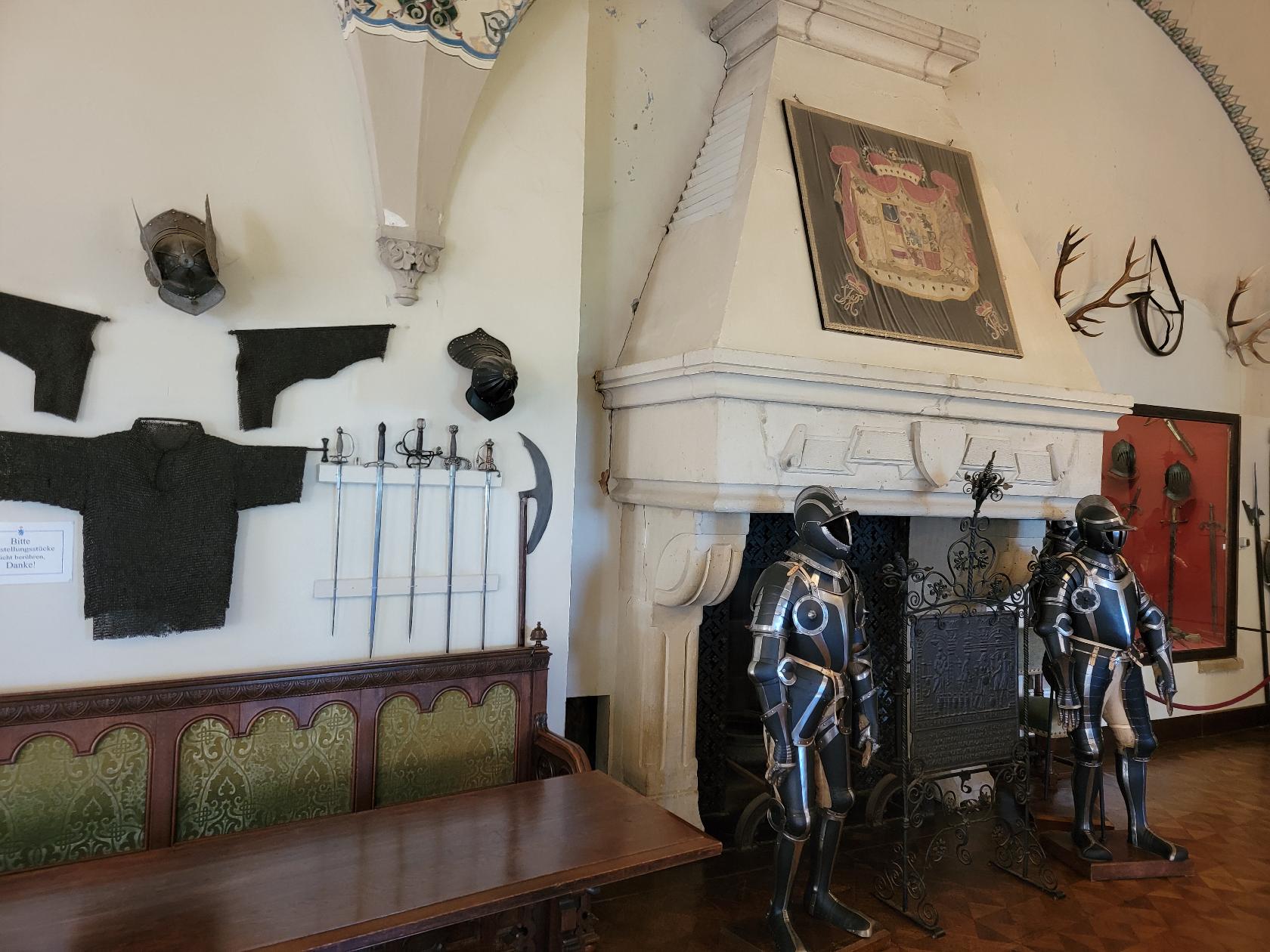
Old fireplace and family crest – Braunfels Castle – Braunfels, Germany
Probably one of the most clean European cities you will come across is the city of Luxemburg in the country of Luxemburg, or as they prefer to spell both, Luxembourg. The people here speak many different languages, including their own. They have to, they are wedged between Belgium, France and Germany and are frequented by tourist from English speaking countries as well.
Looking north – Luxemburg, Luxemburg
Luxembourg
The city was created on its rocky perch during the Roman times, most likely due to its excellent defensive qualities. Then later in the tenth century a count acquired the rights to the land and started to build the family’s kingdom. From modest beginnings, the Kingdom of Luxembourg grew from here and became very important because of its strategic position.
Ericka and Gabi leaving hotel – Luxemburg, Luxemburg
Avenue de la Porta Neuve – Luxemburg, Luxemburg
Avenue de la Porta Neuve – Luxemburg, Luxemburg
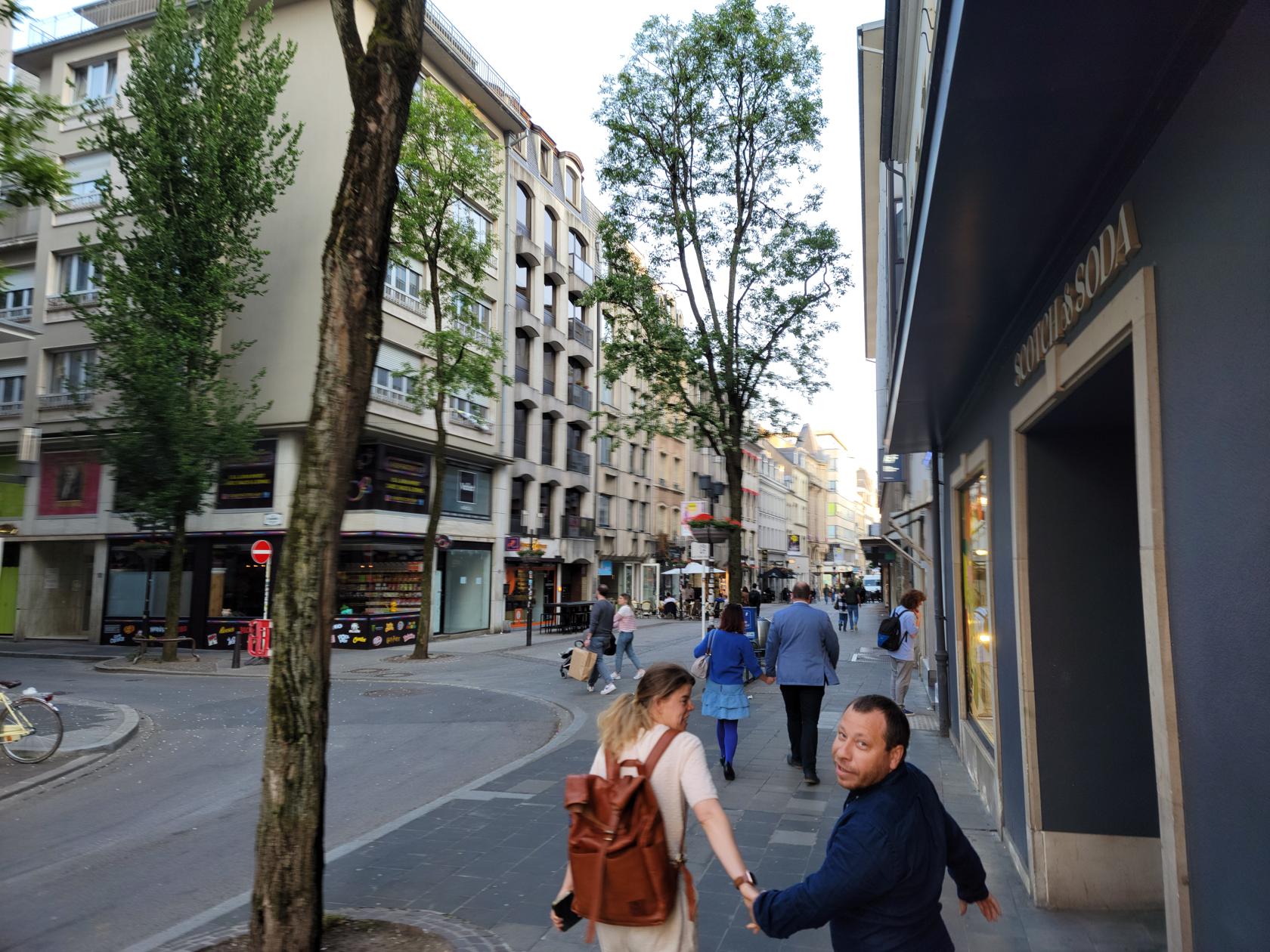
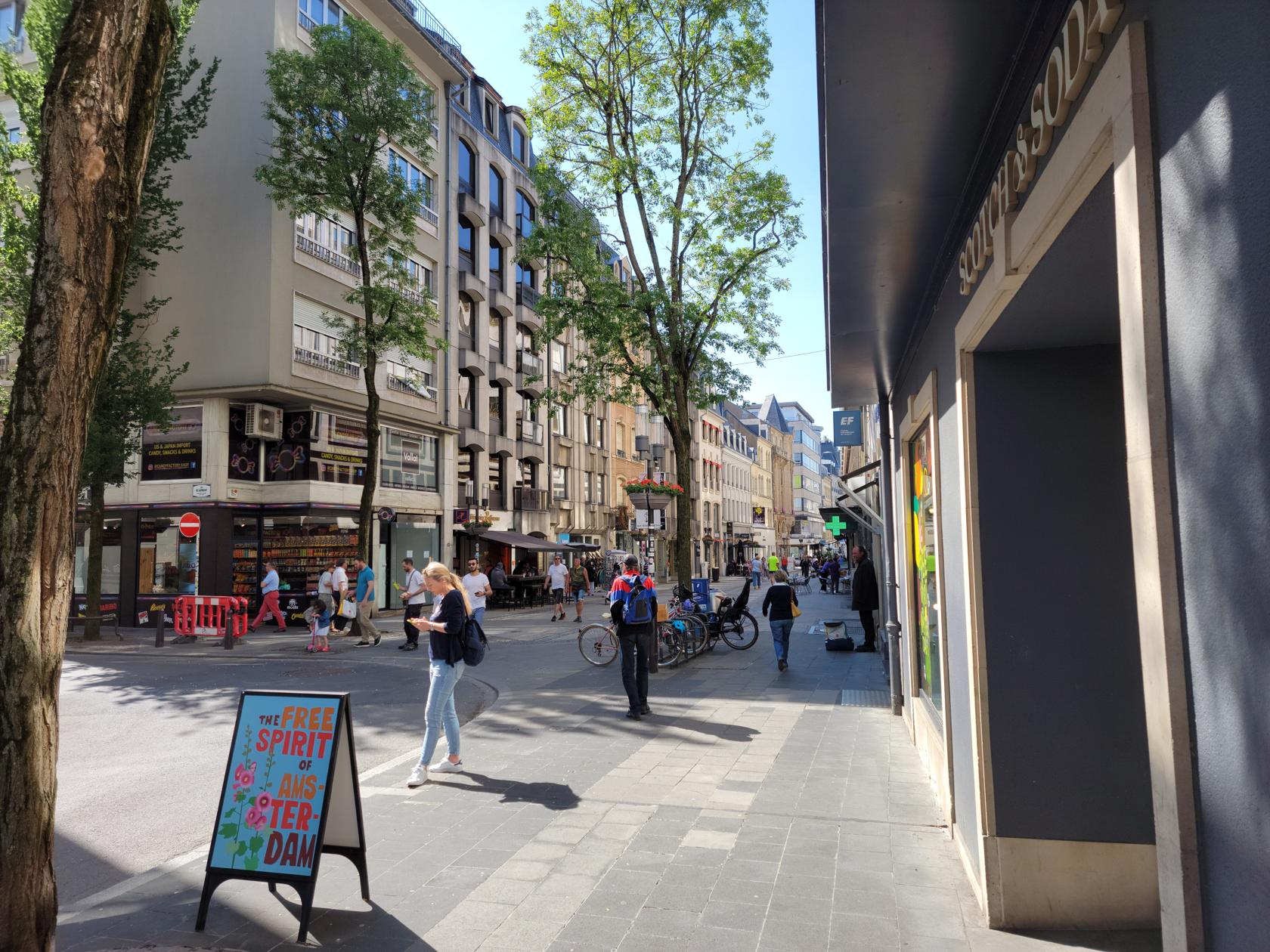
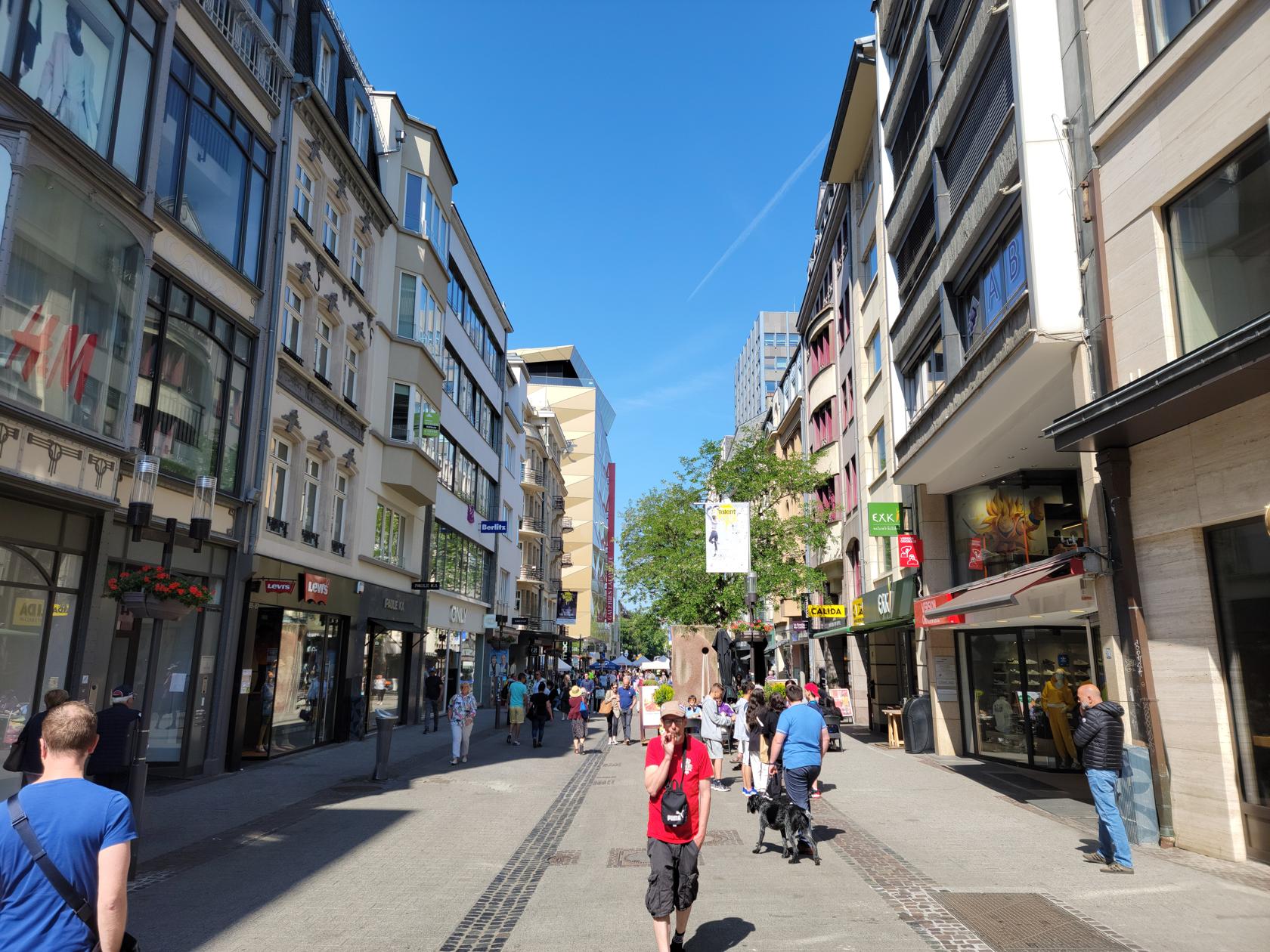
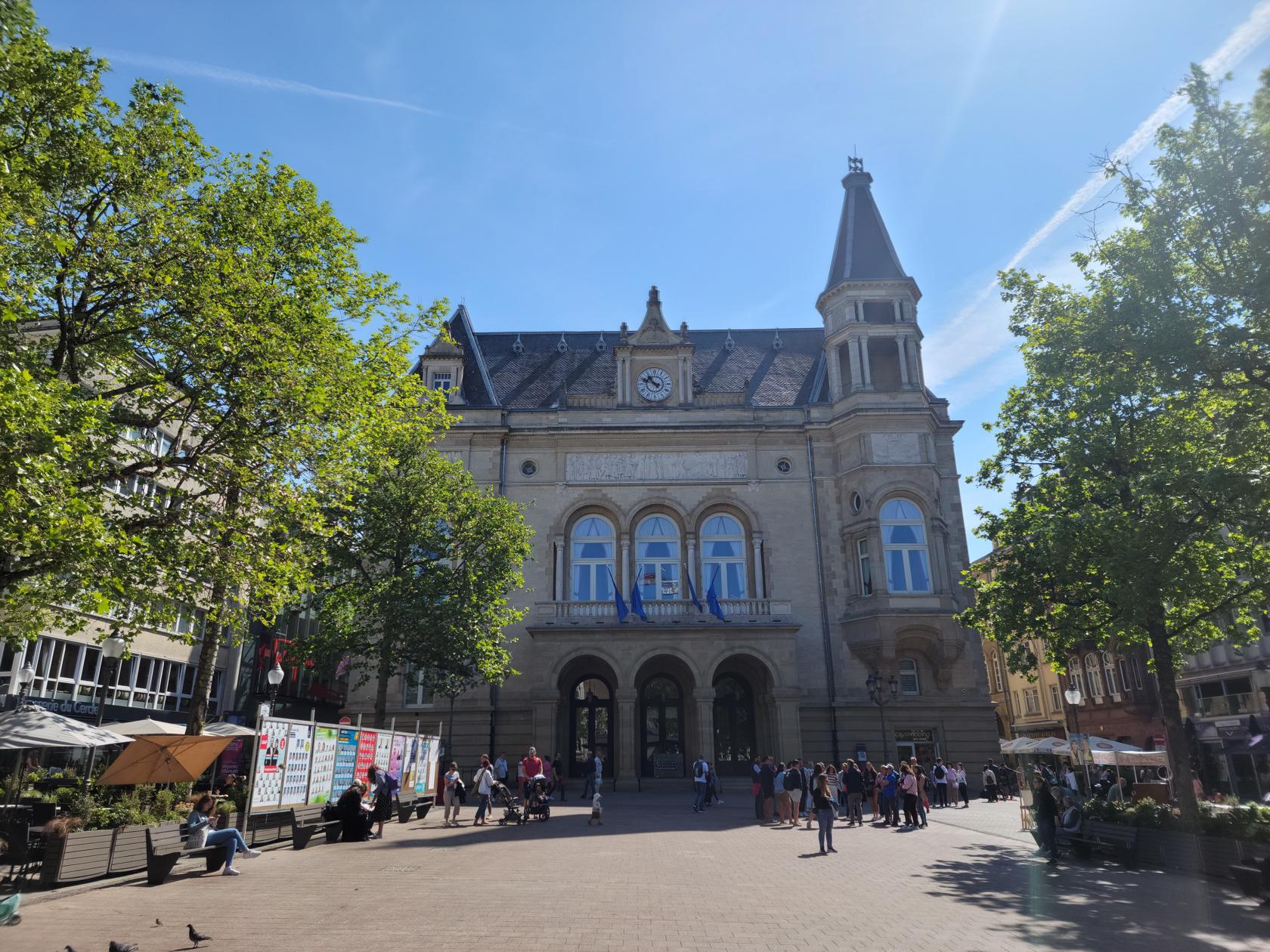
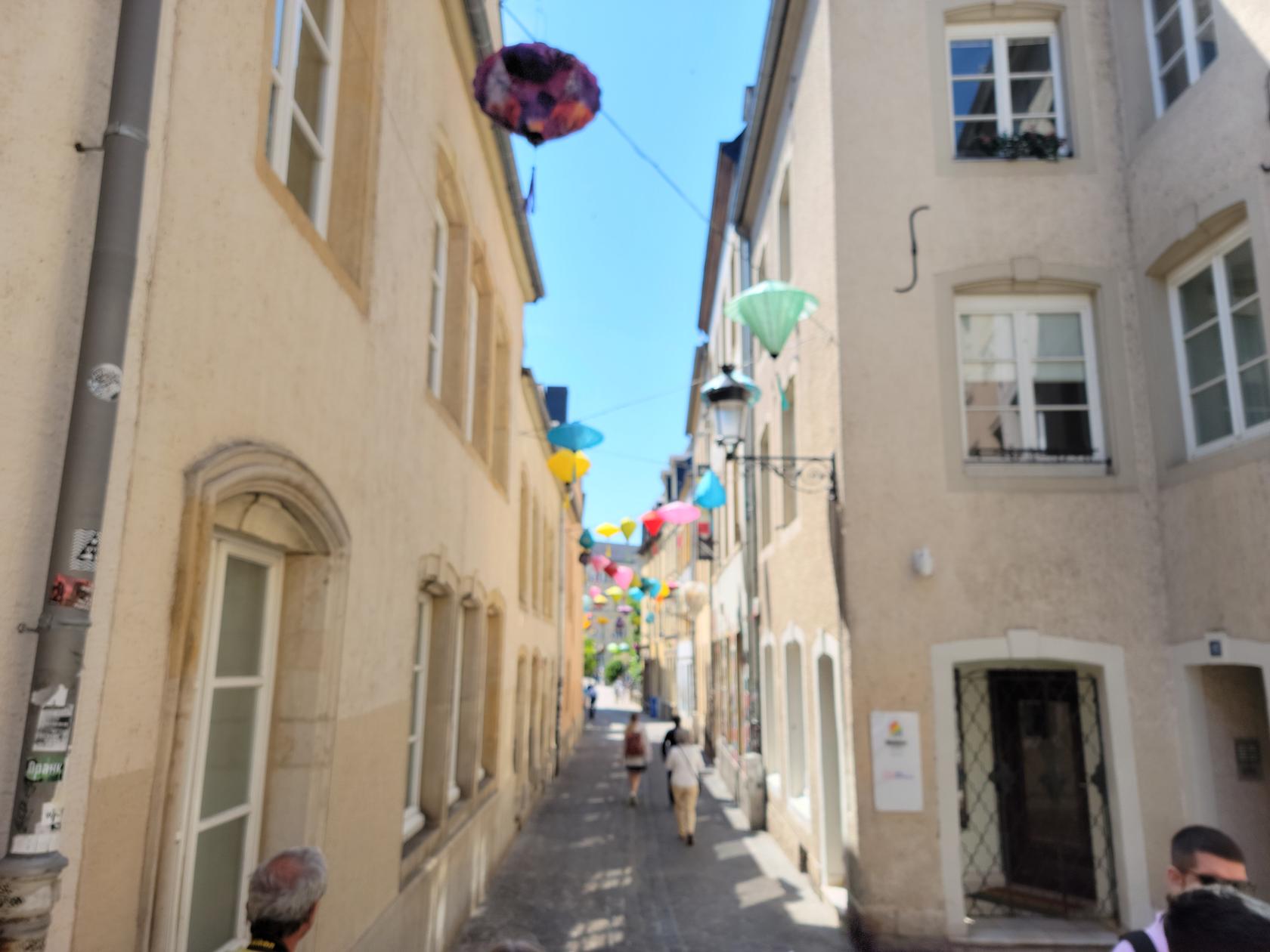
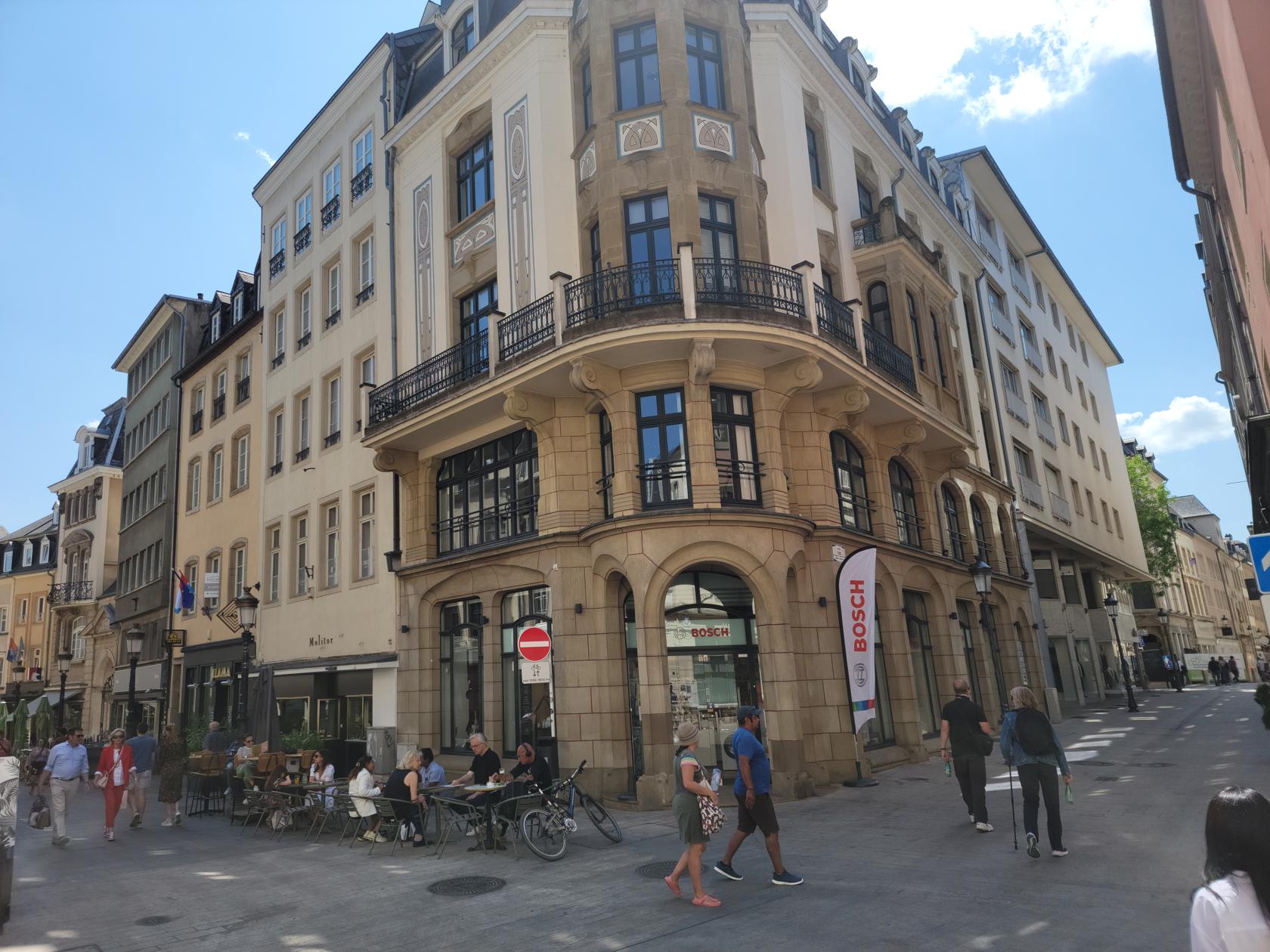
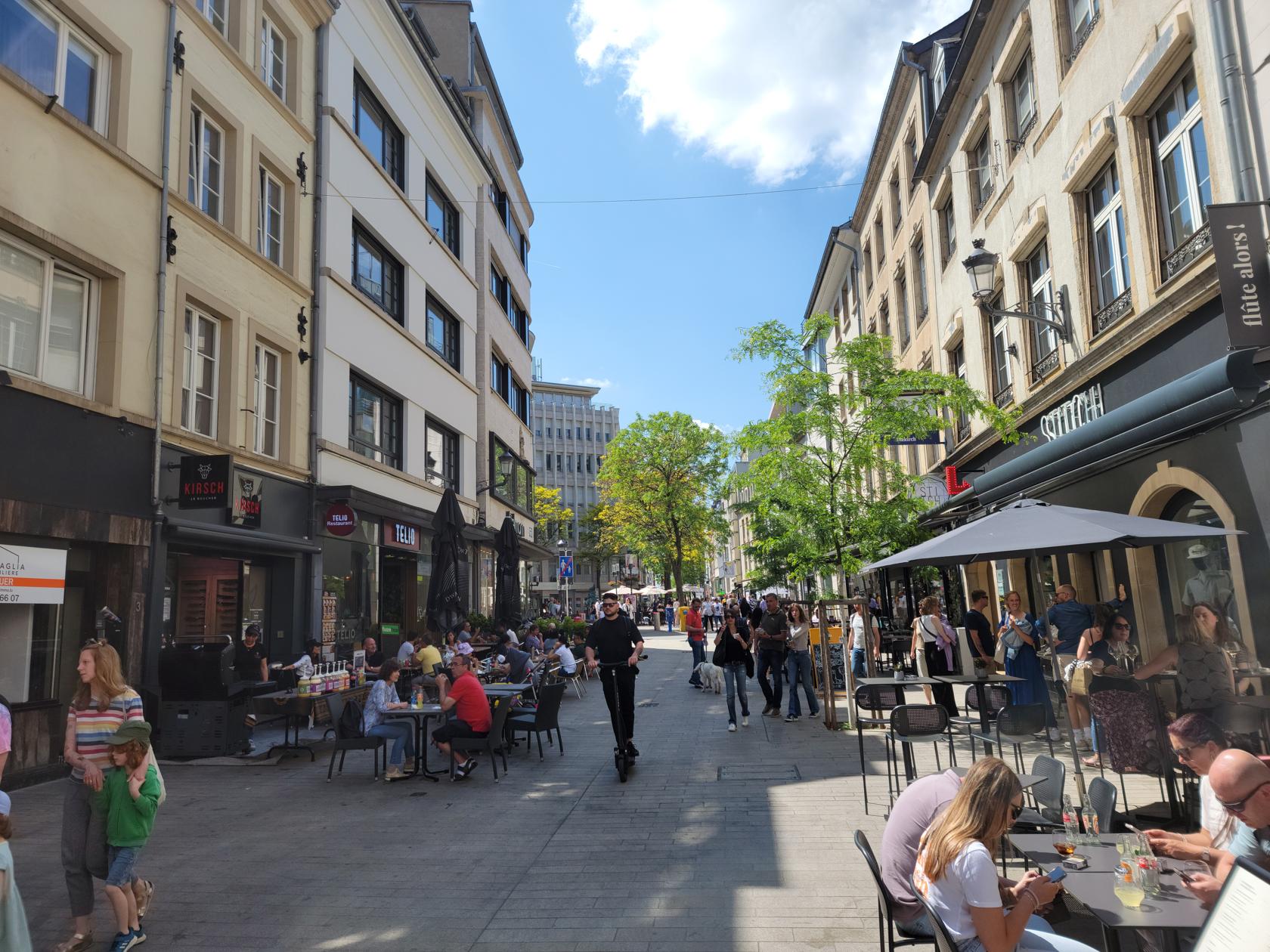
City streets – Luxemburg, Luxemburg
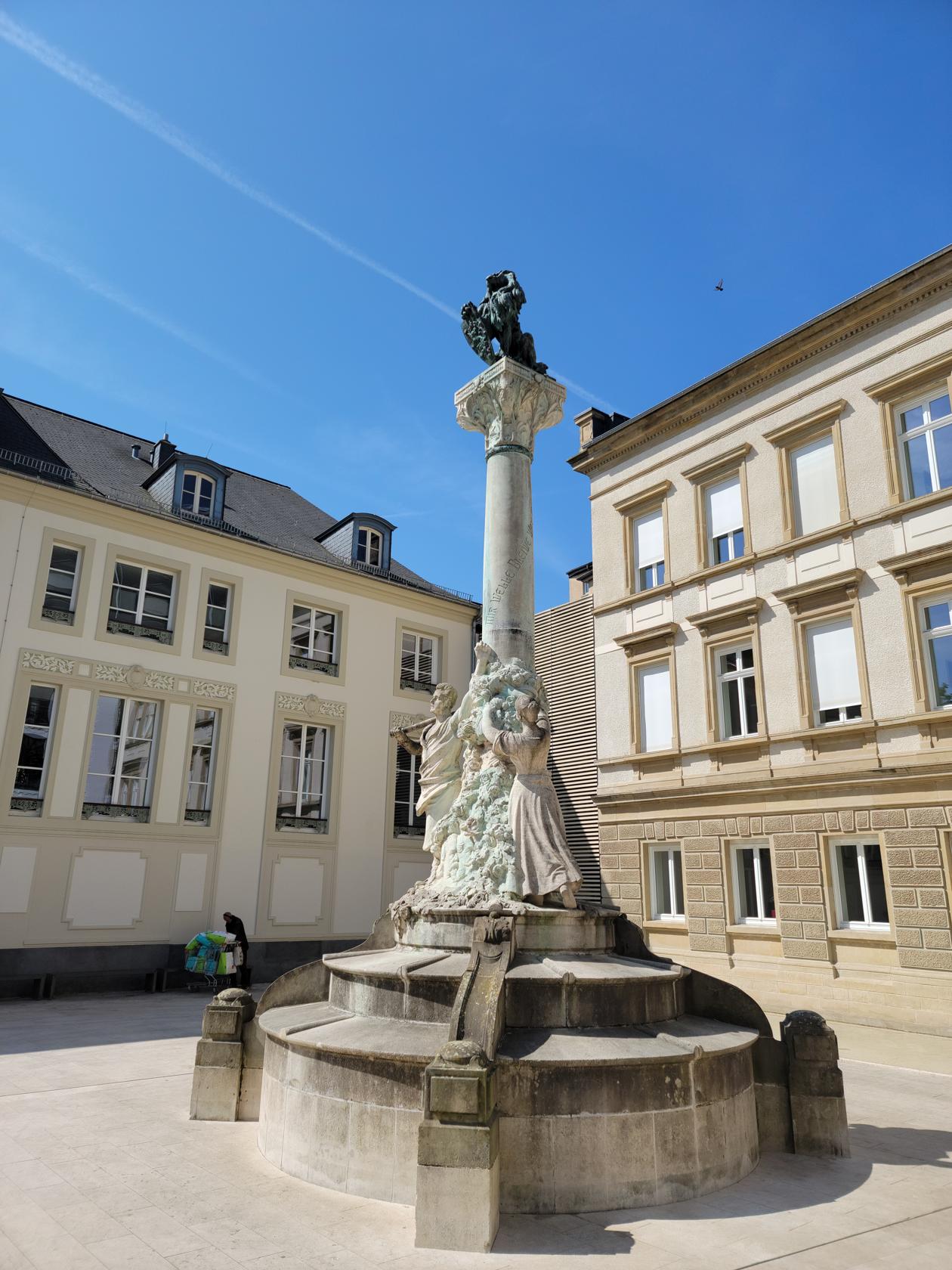
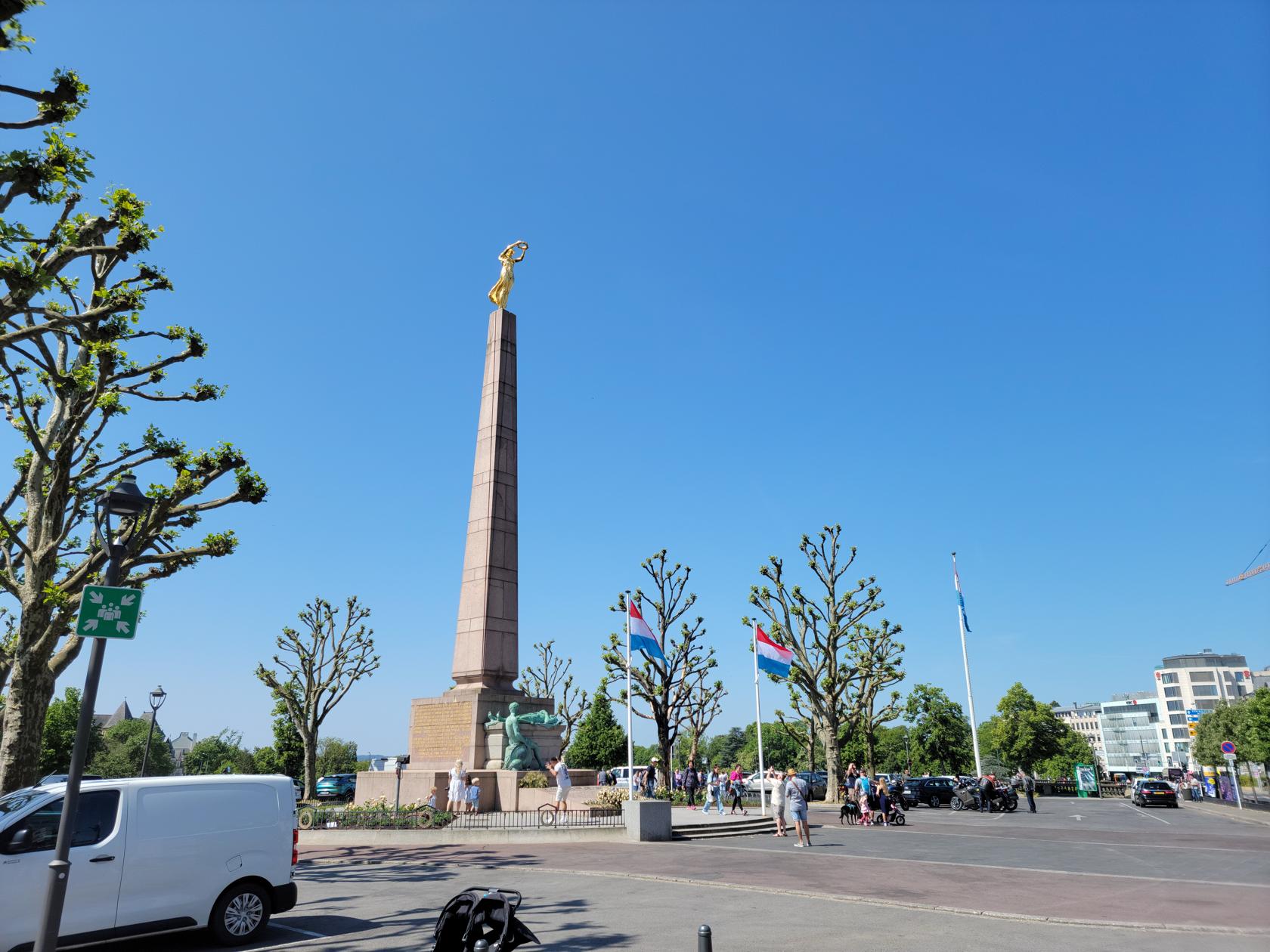
Memorial – Luxemburg, Luxemburg
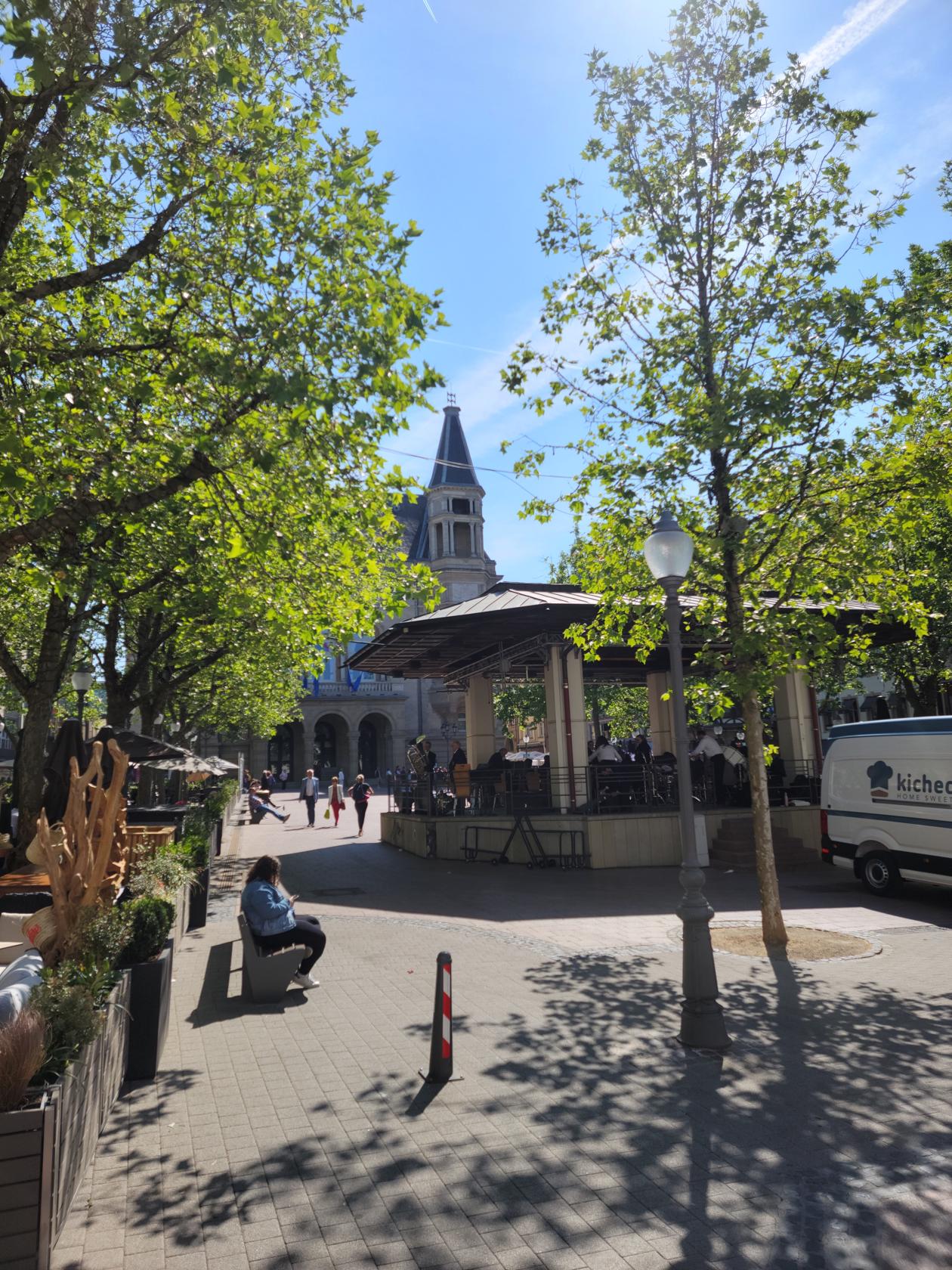
Main square and bandstand – Luxemburg, Luxemburg
City streets – Luxemburg, Luxemburg
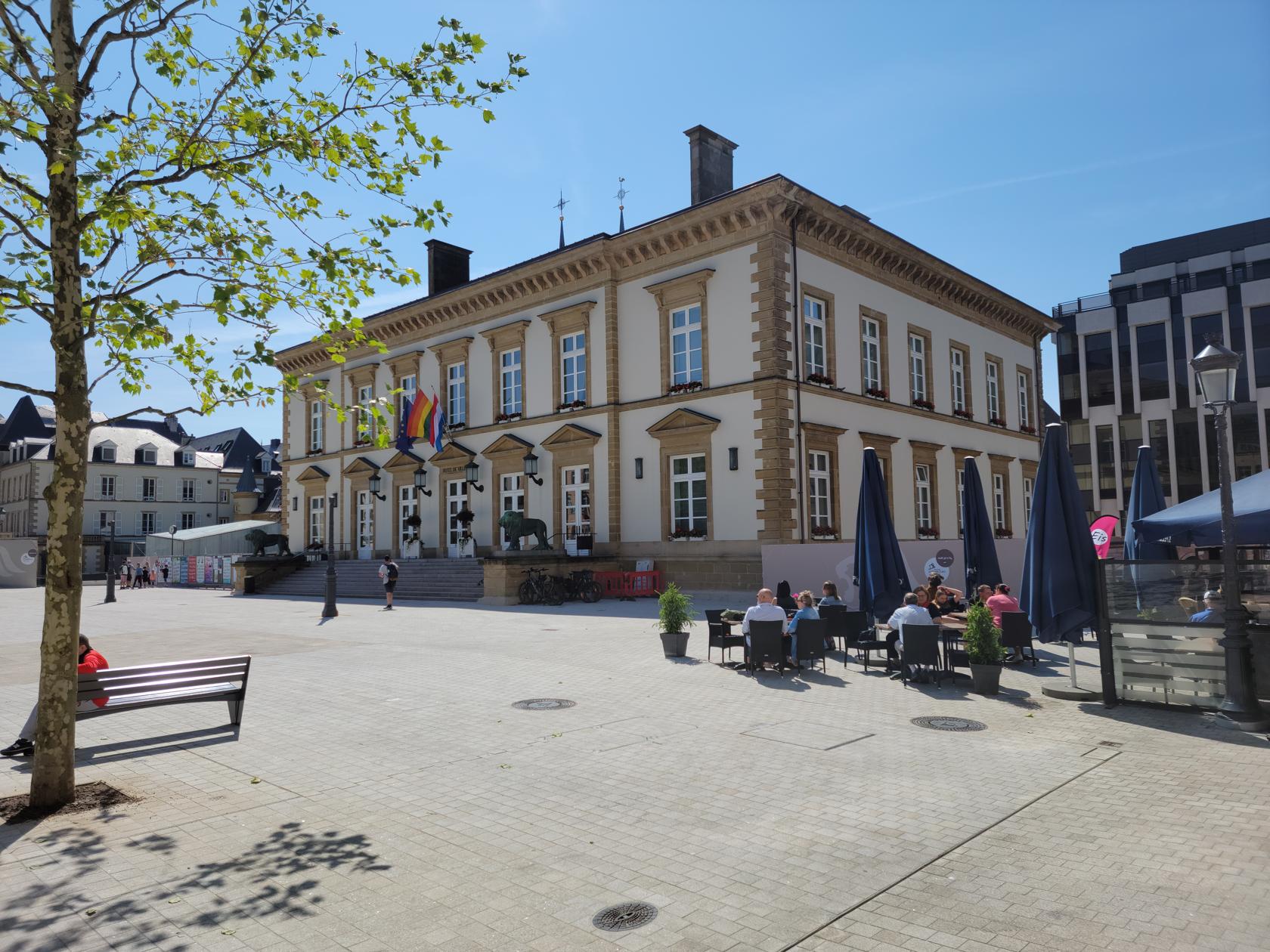
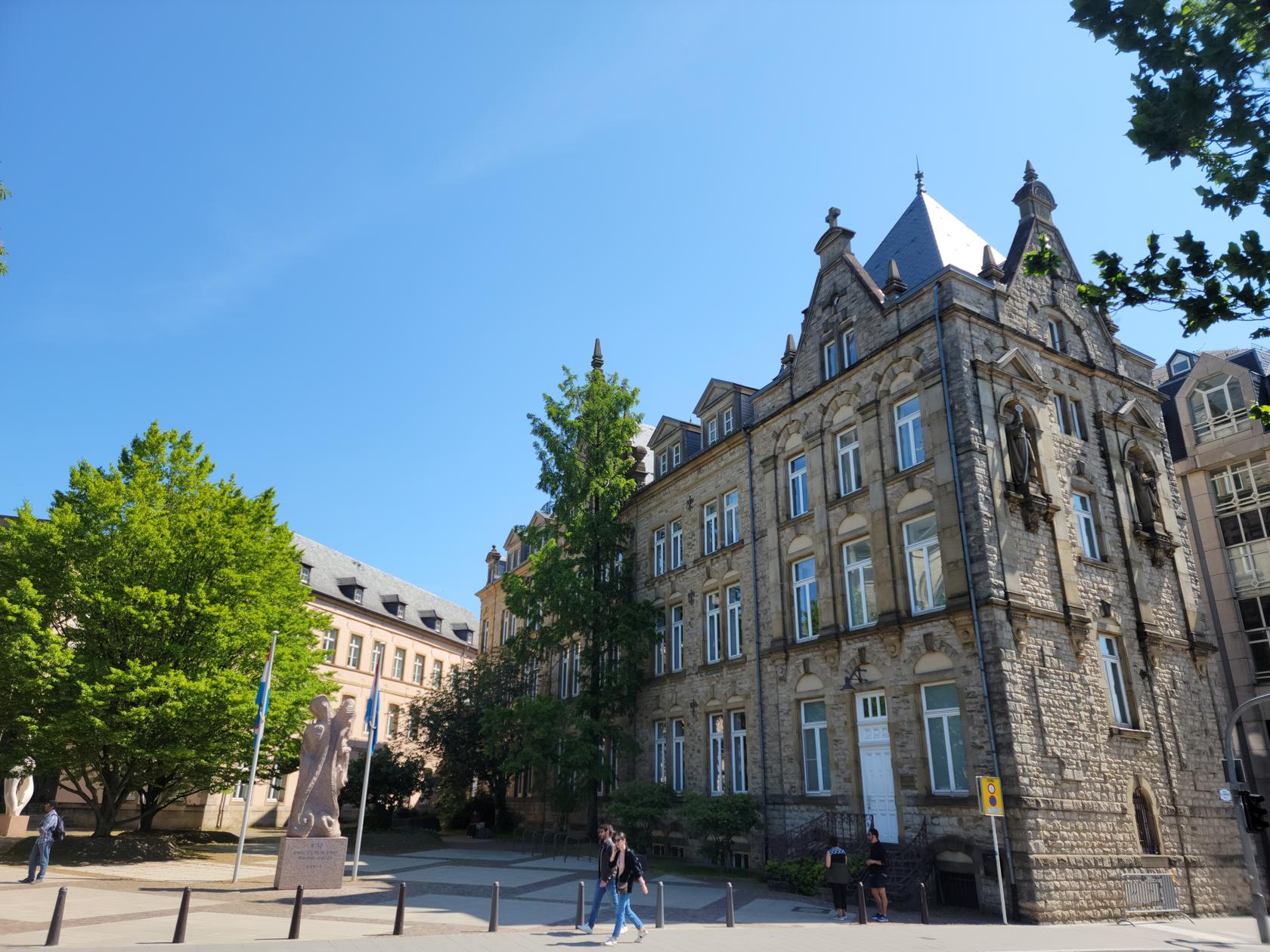
Municipal center – Luxemburg, Luxemburg
City streets – Luxemburg, Luxemburg
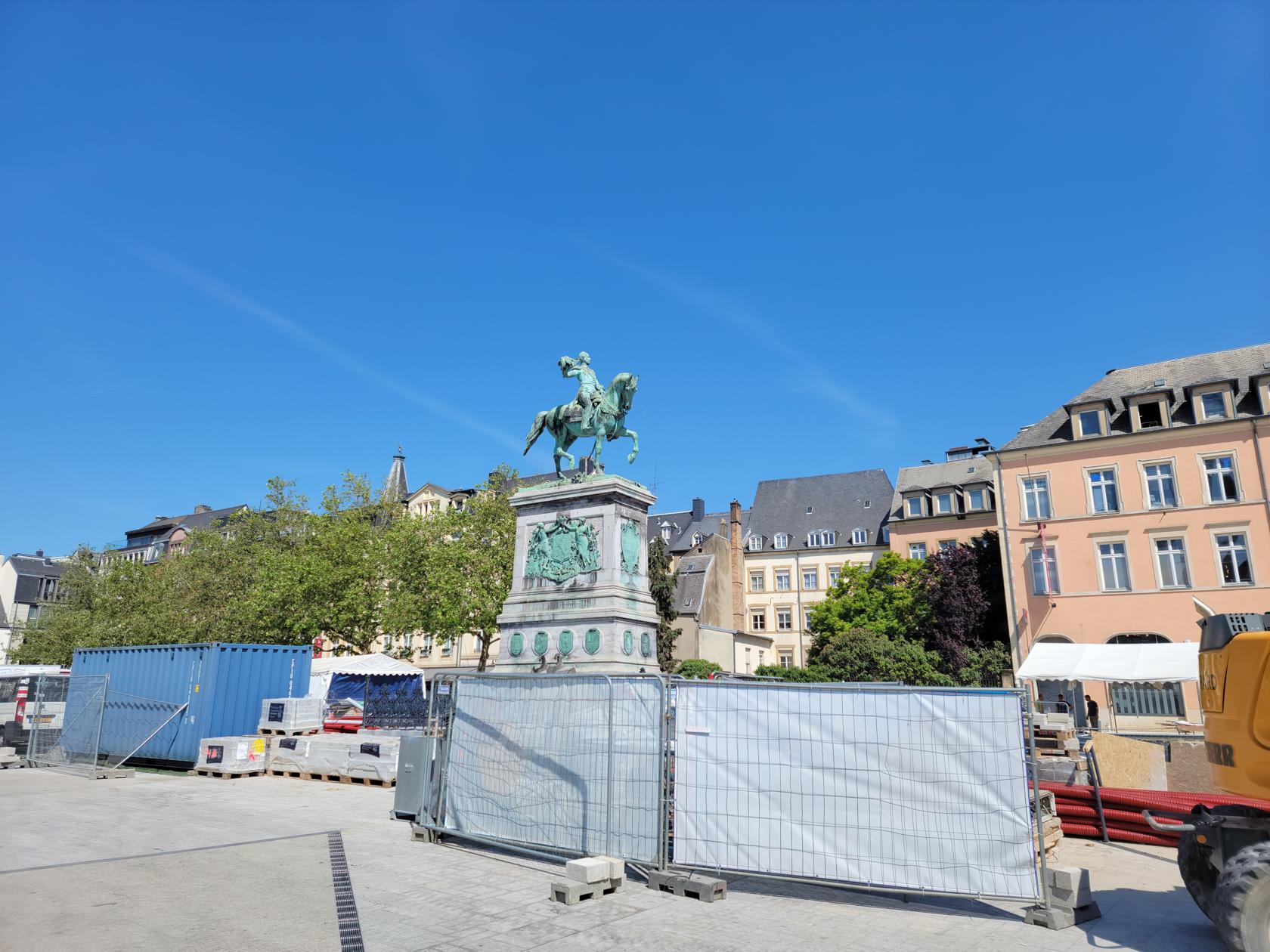
Place Guillaume II – Luxemburg, Luxemburg
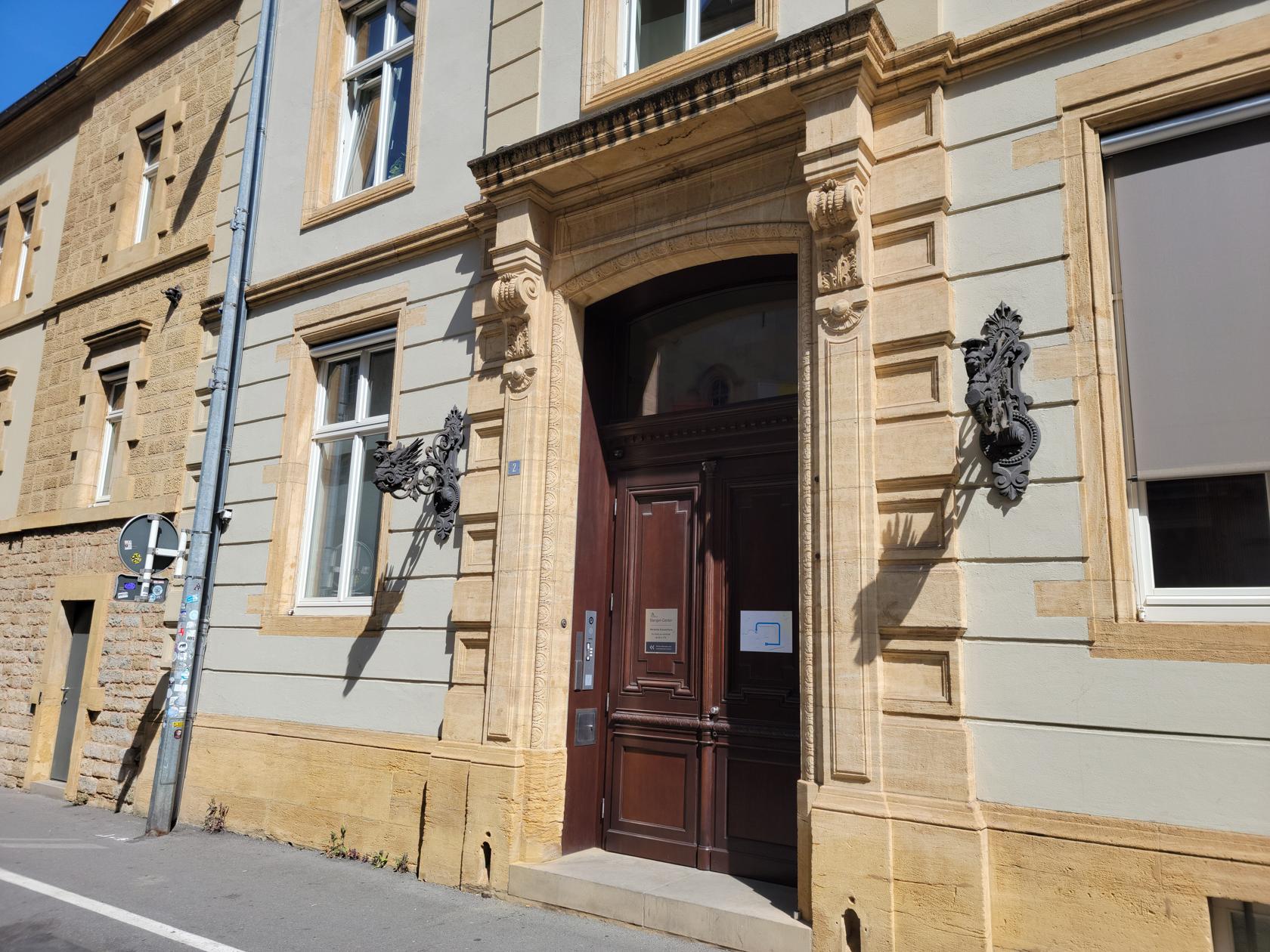
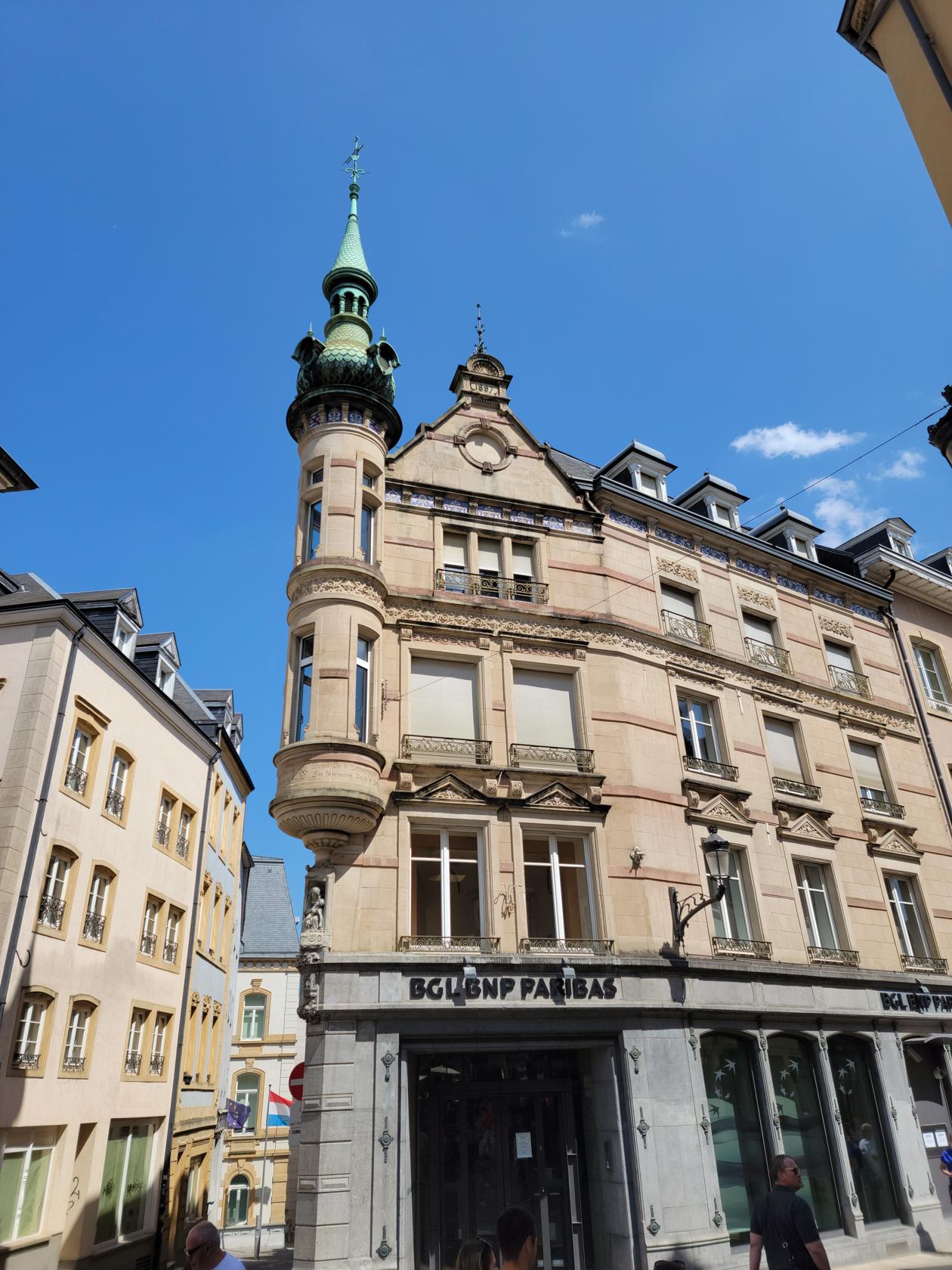
Interesting building – Luxemburg, Luxemburg
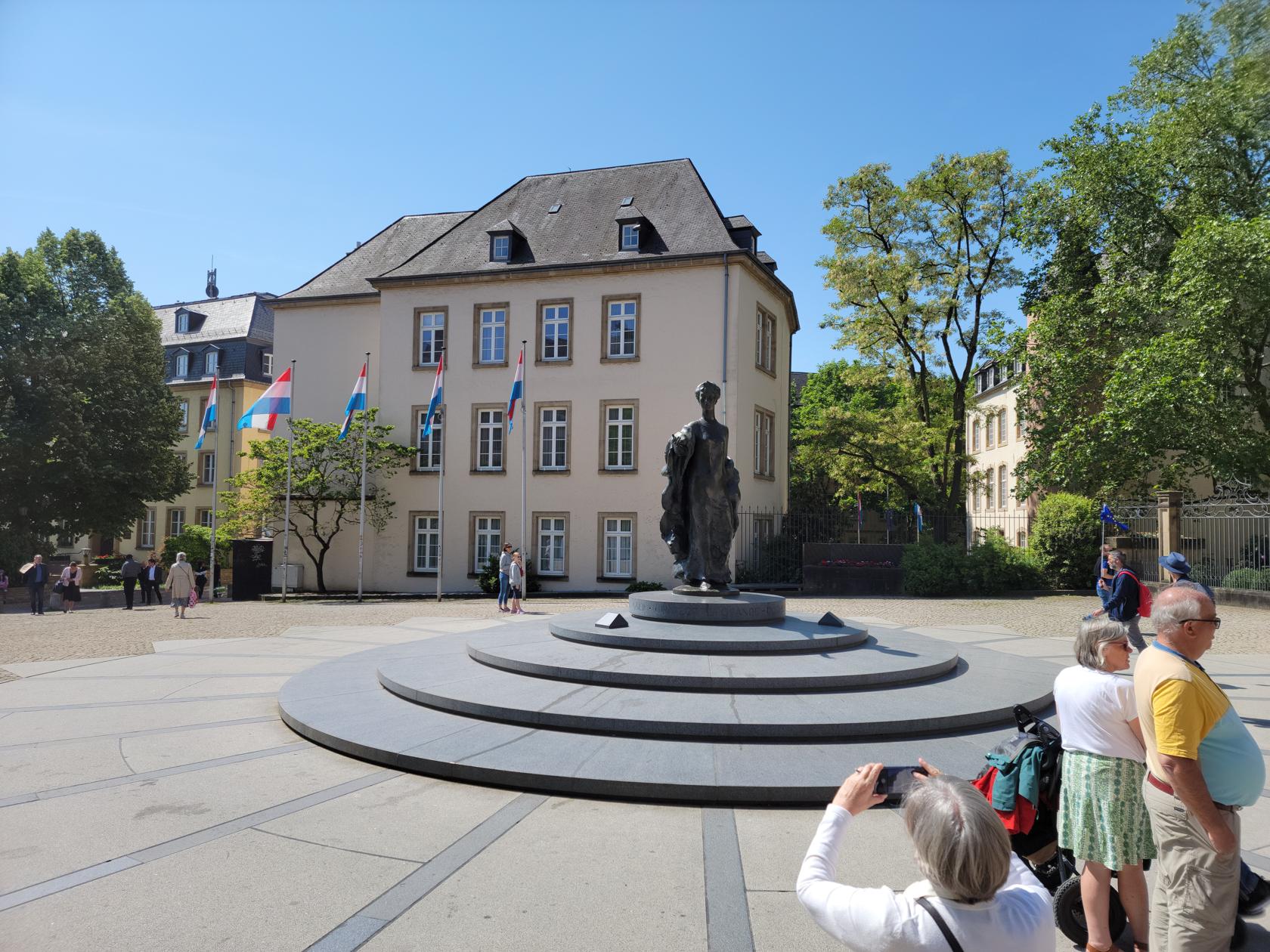
Statue of Charlotte Monument – Luxemburg, Luxemburg
Remembrance memorial – Luxemburg, Luxemburg
Jewish Kadish monument – Luxemburg, Luxemburg
Fancy street – Luxemburg, Luxemburg
Street view – Luxemburg, Luxemburg
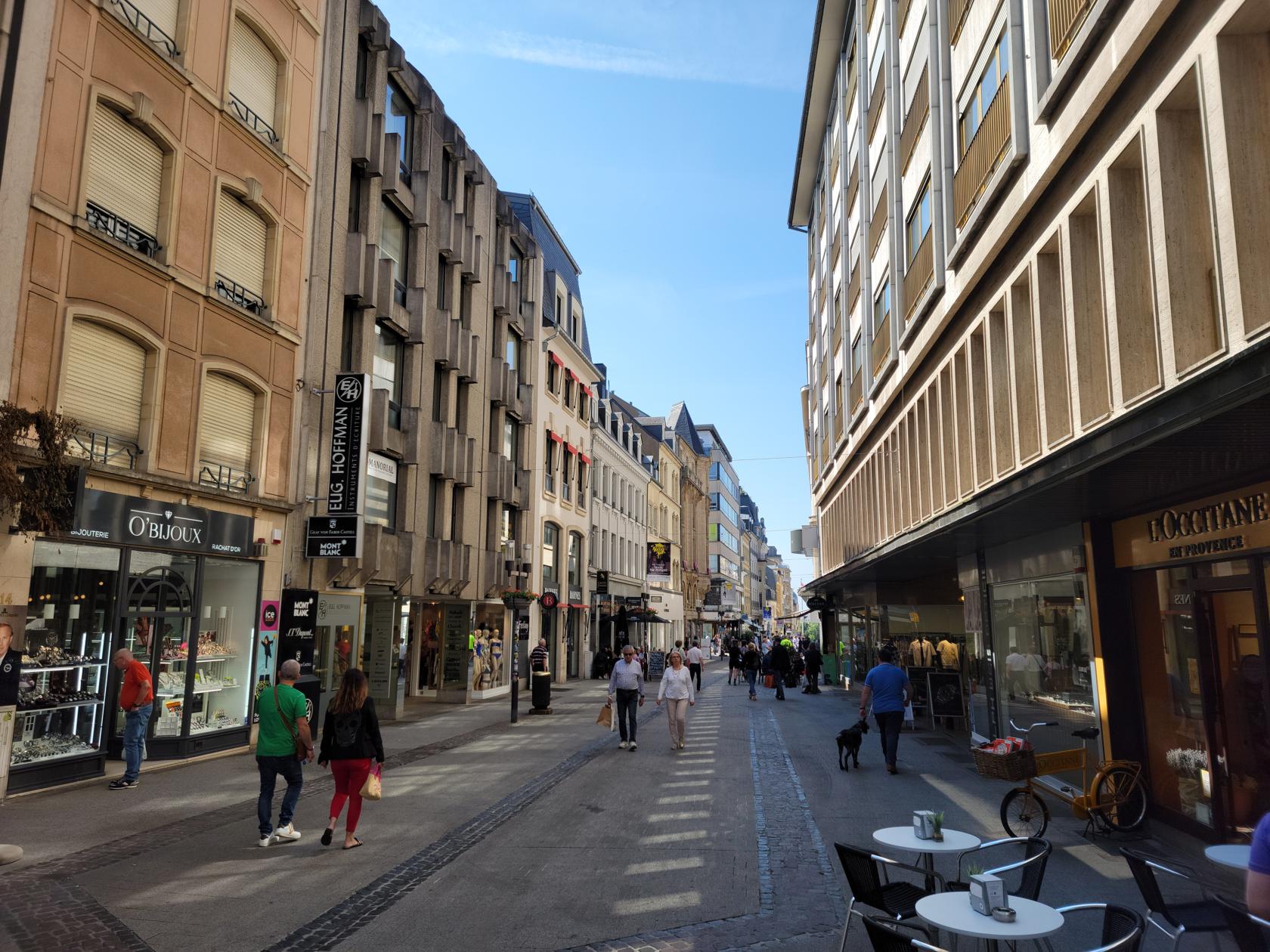
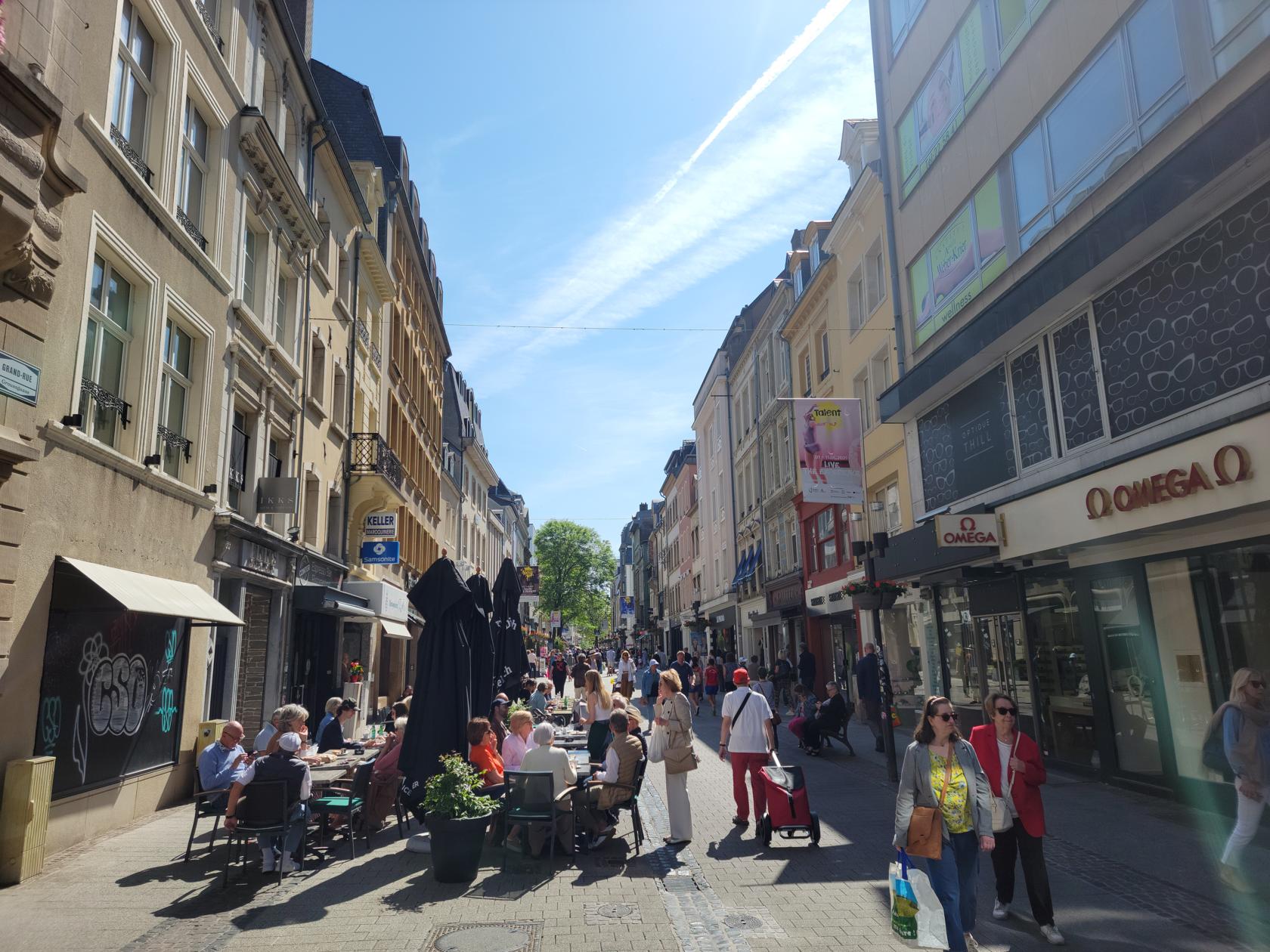
The main shopping street – Grand Rue – Luxemburg, Luxemburg
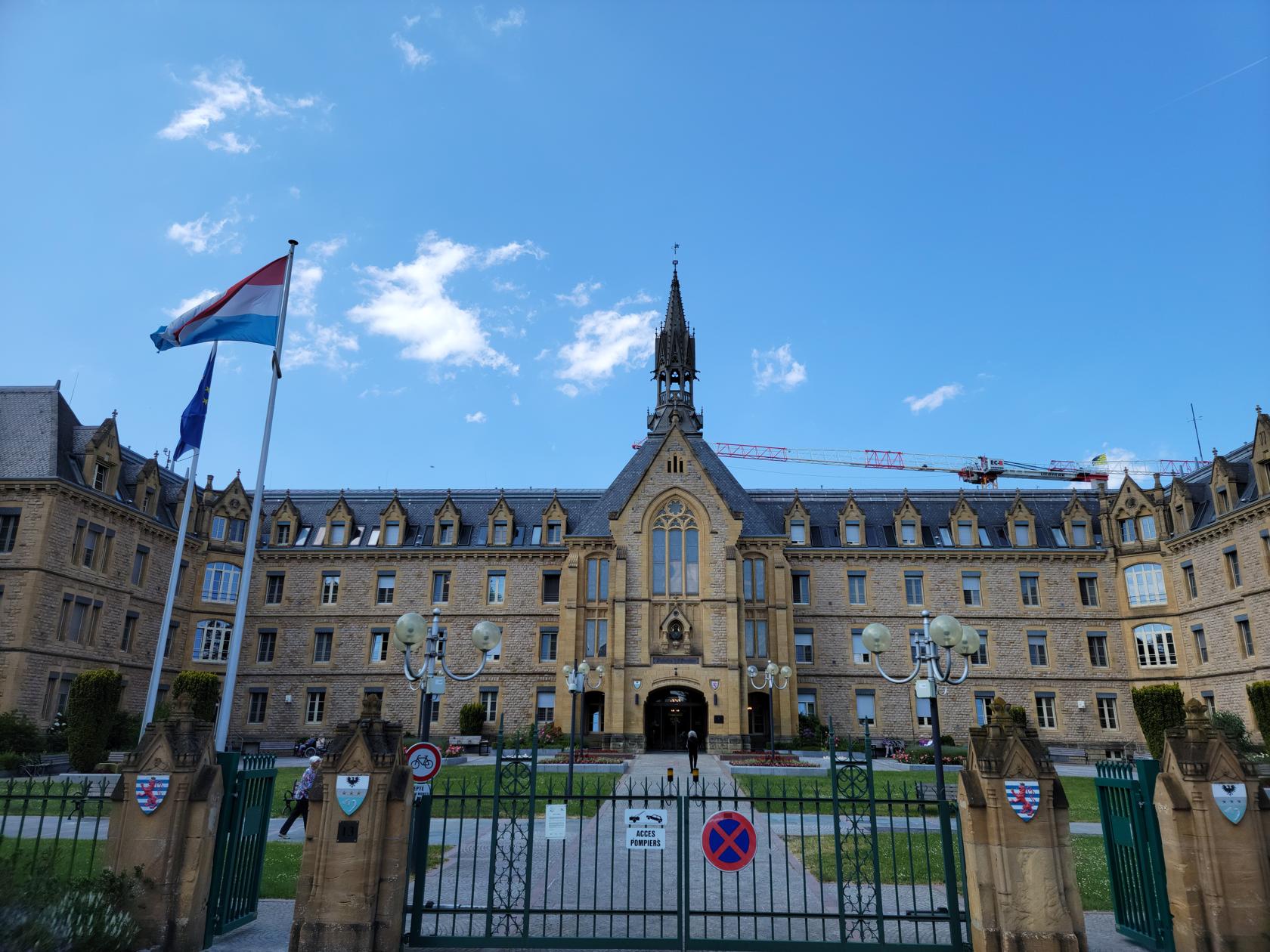
Pescatore – Retirement home – Luxemburg, Luxemburg
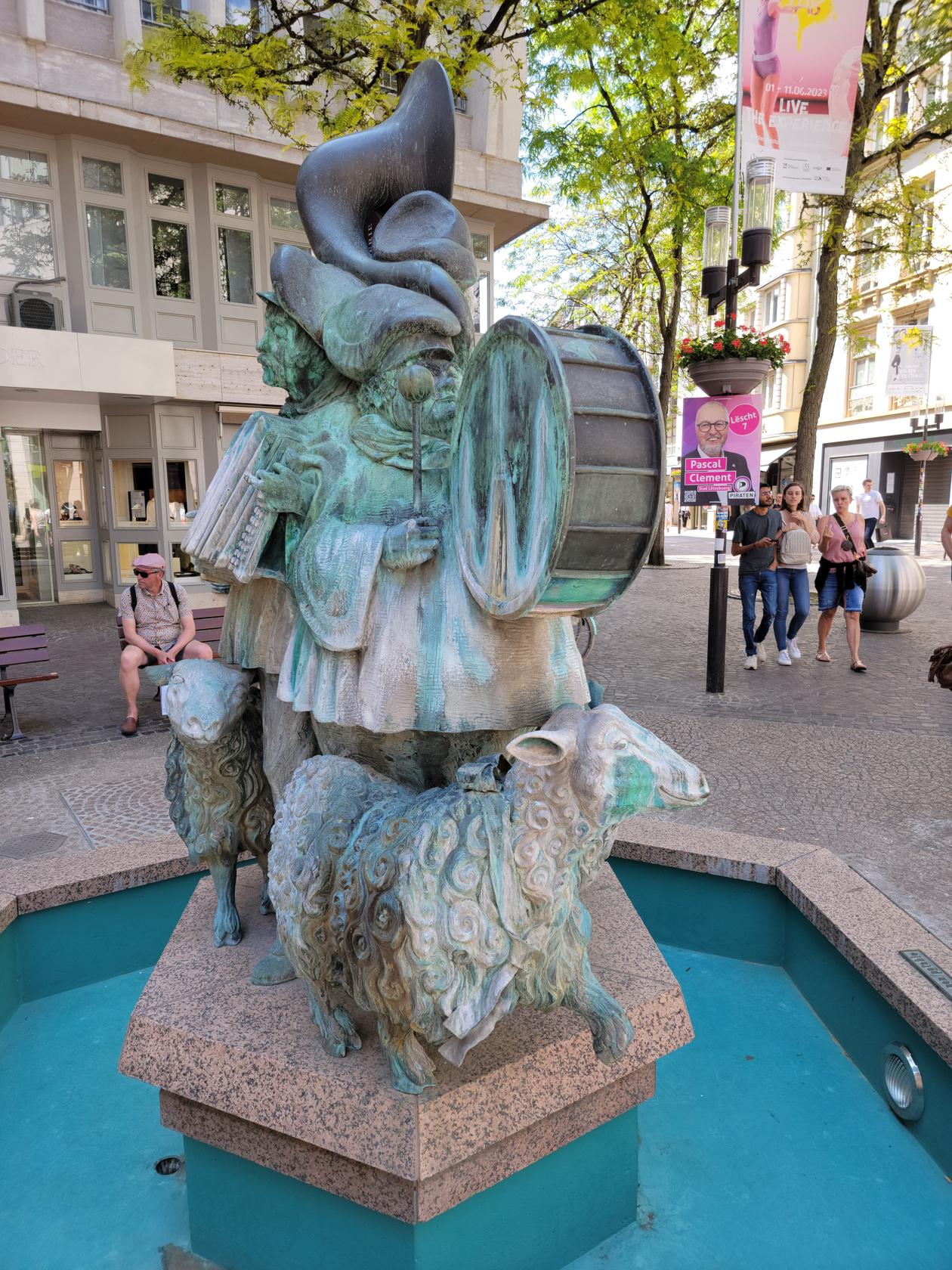
Roude Pëtz Square – Luxemburg, Luxemburg
Interesting building – Grand Rue – Luxemburg, Luxemburg
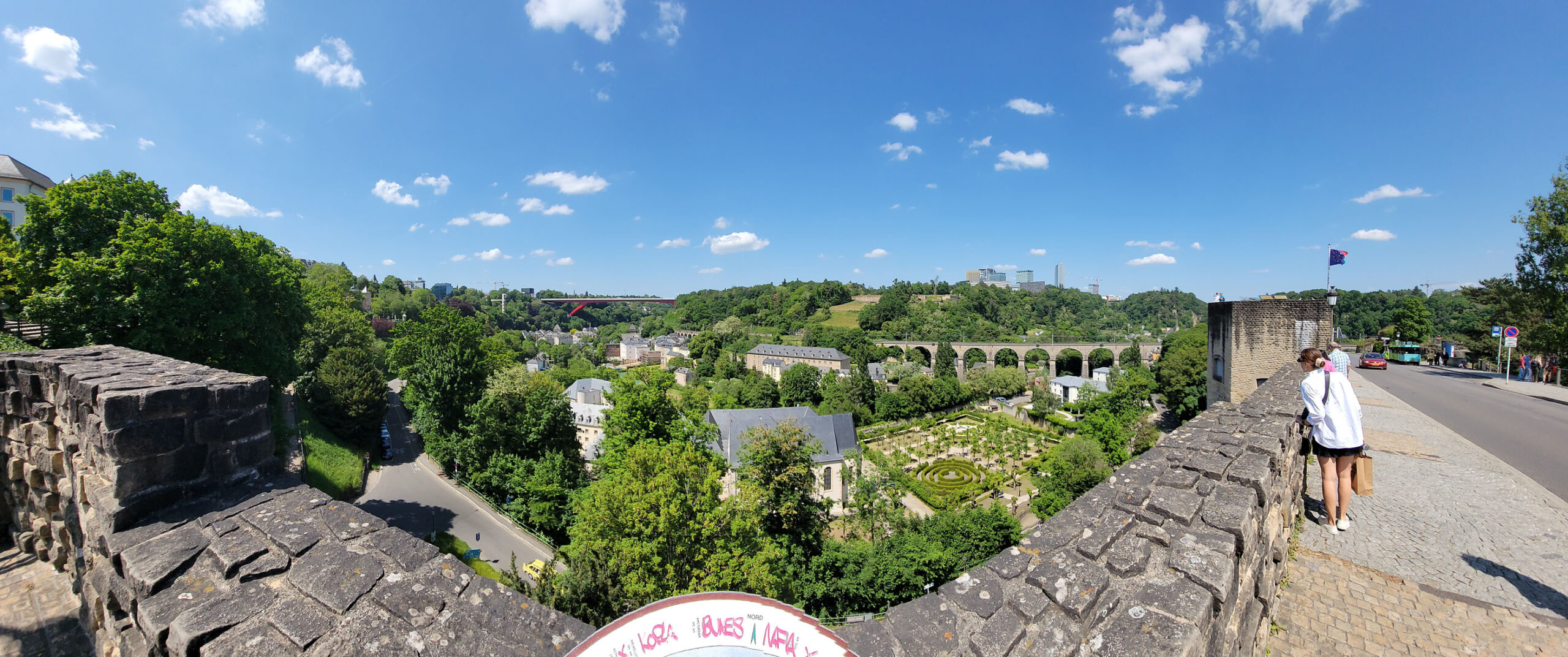
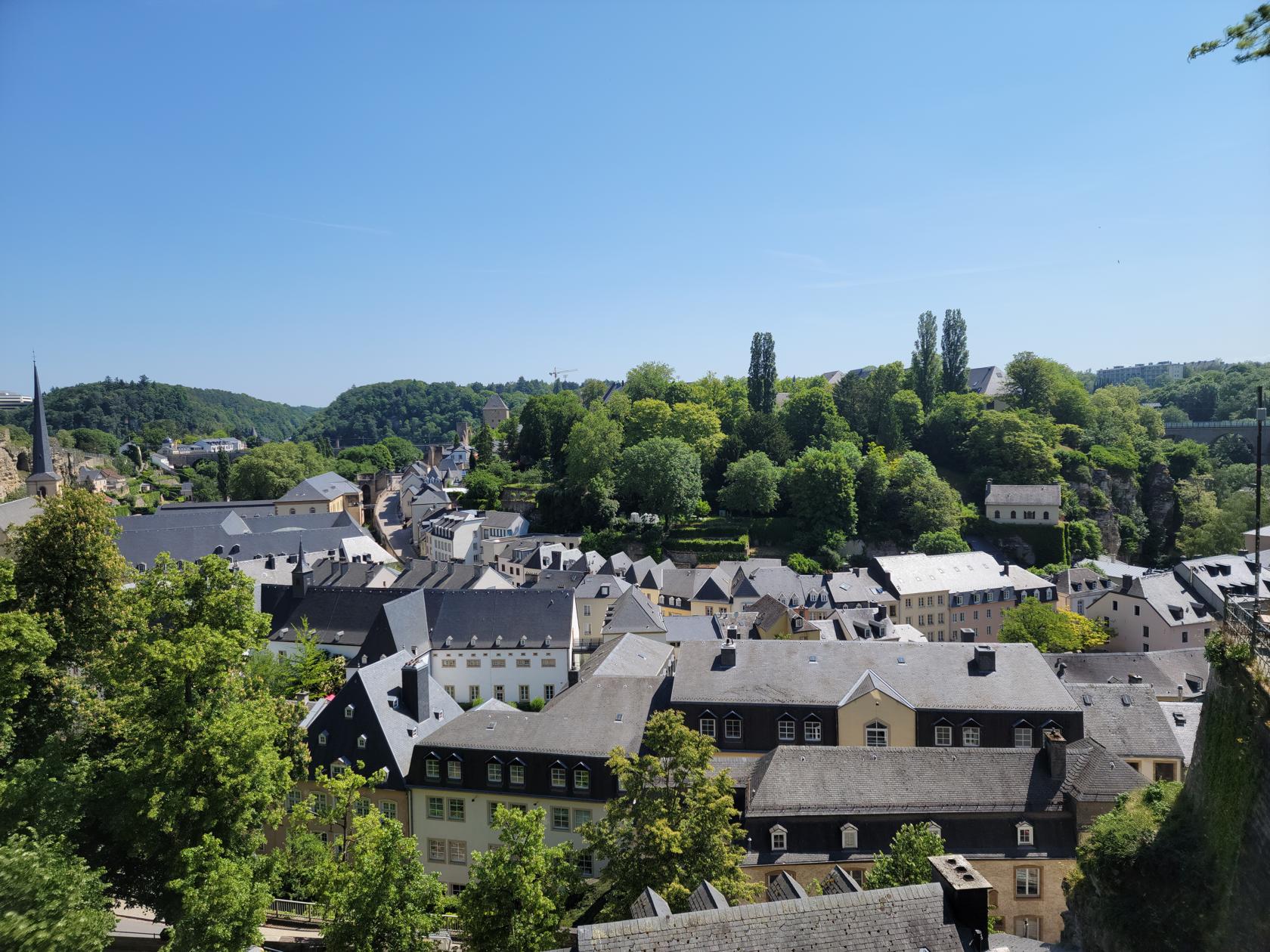
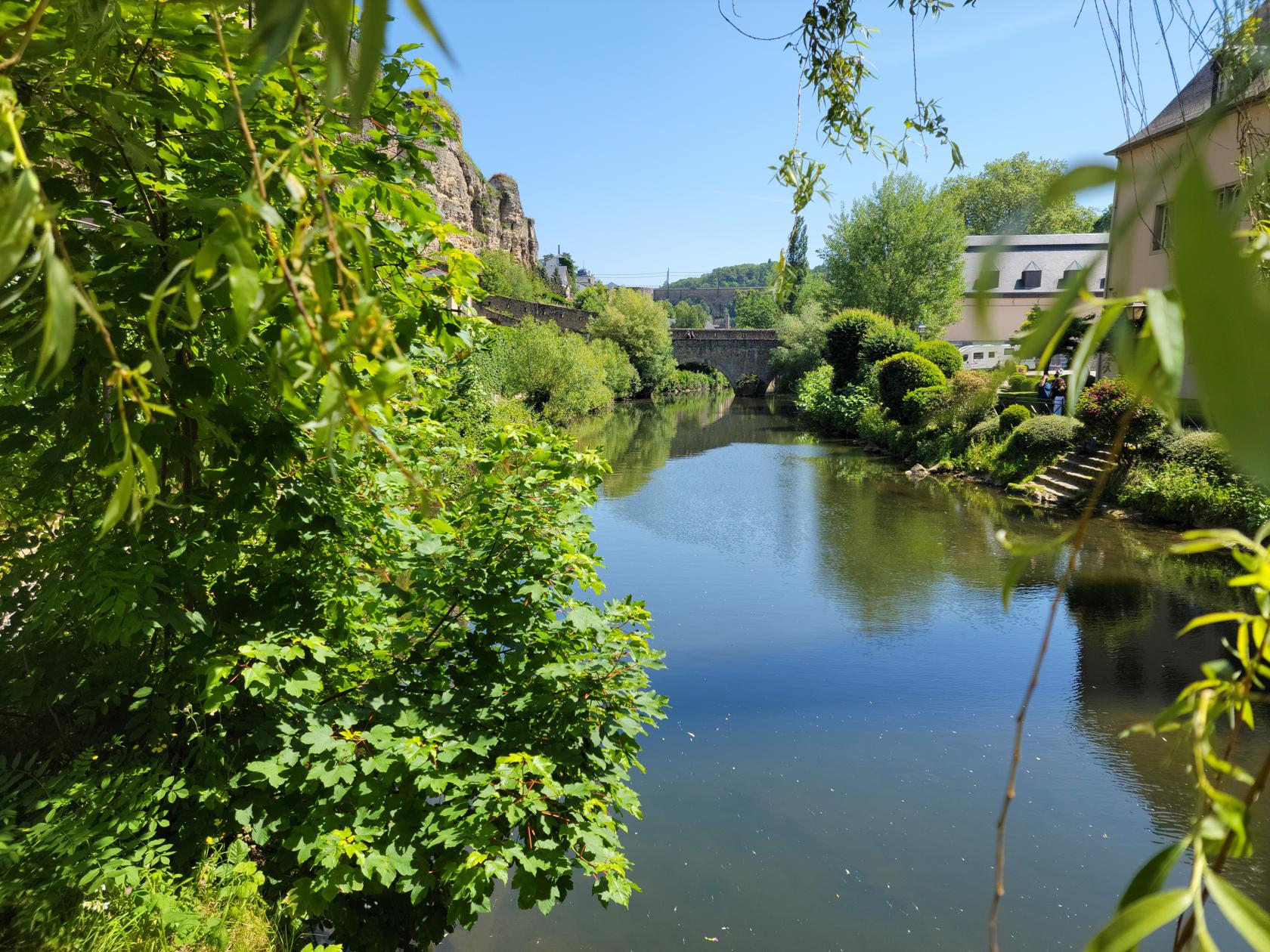
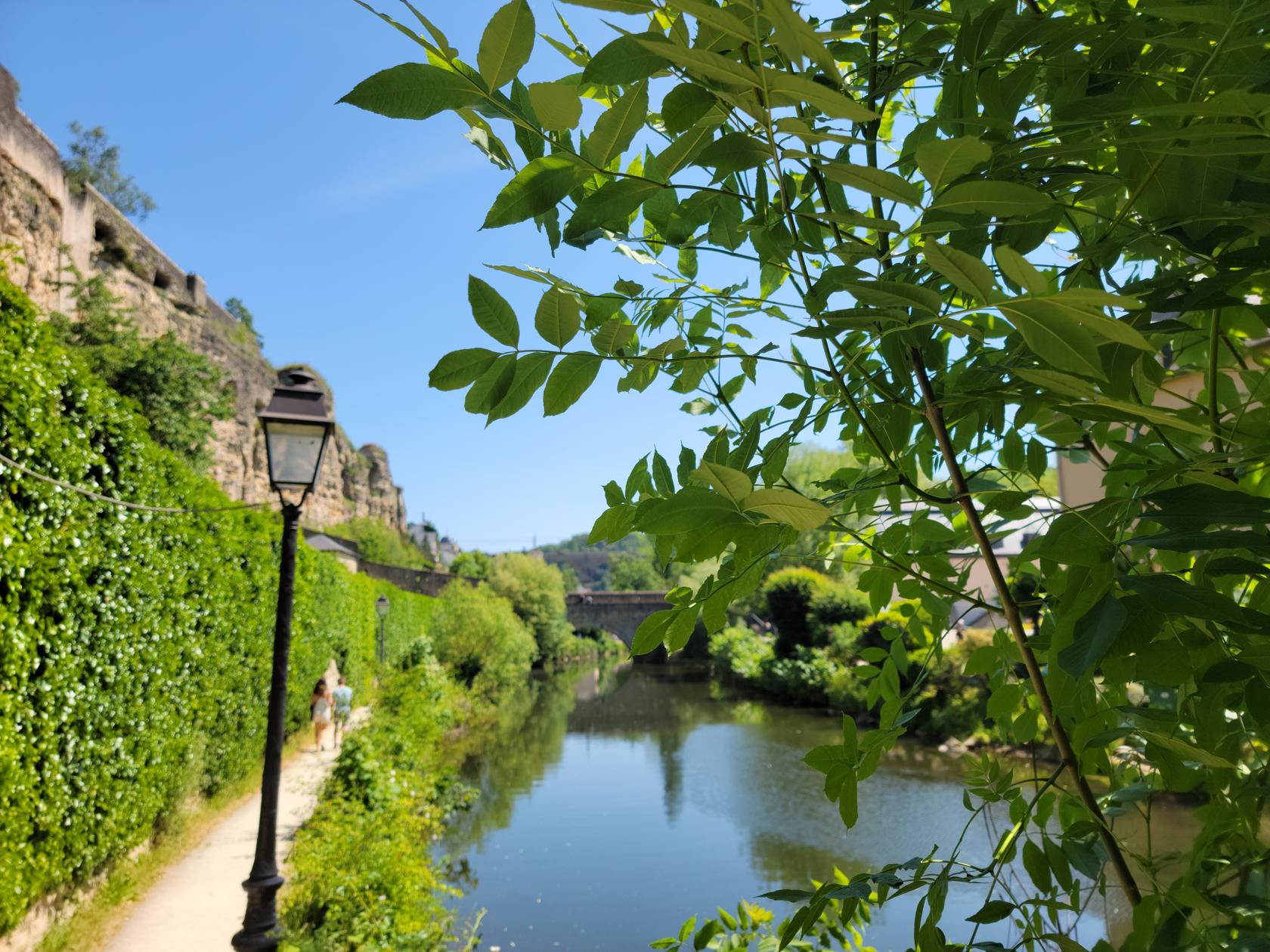
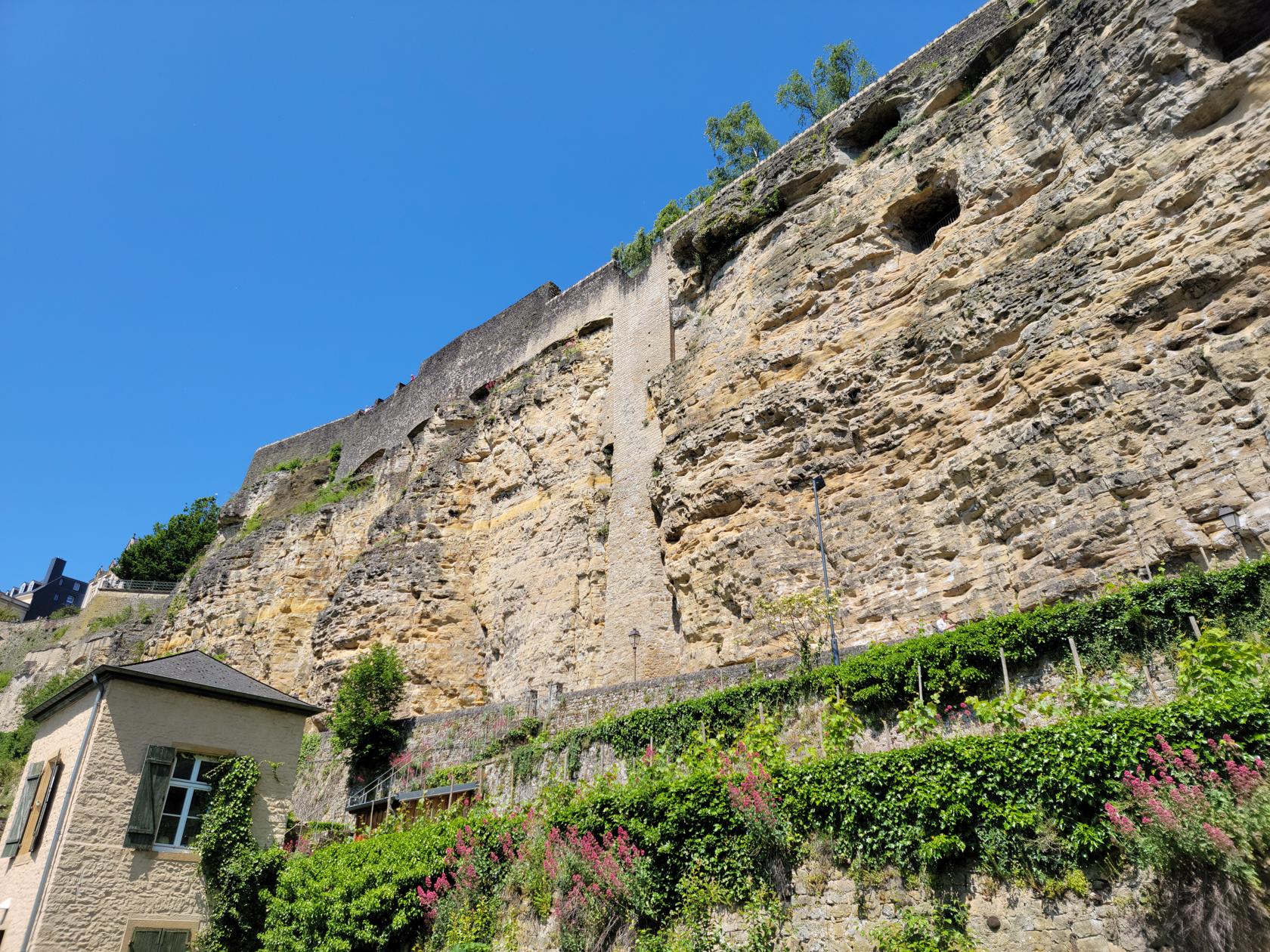
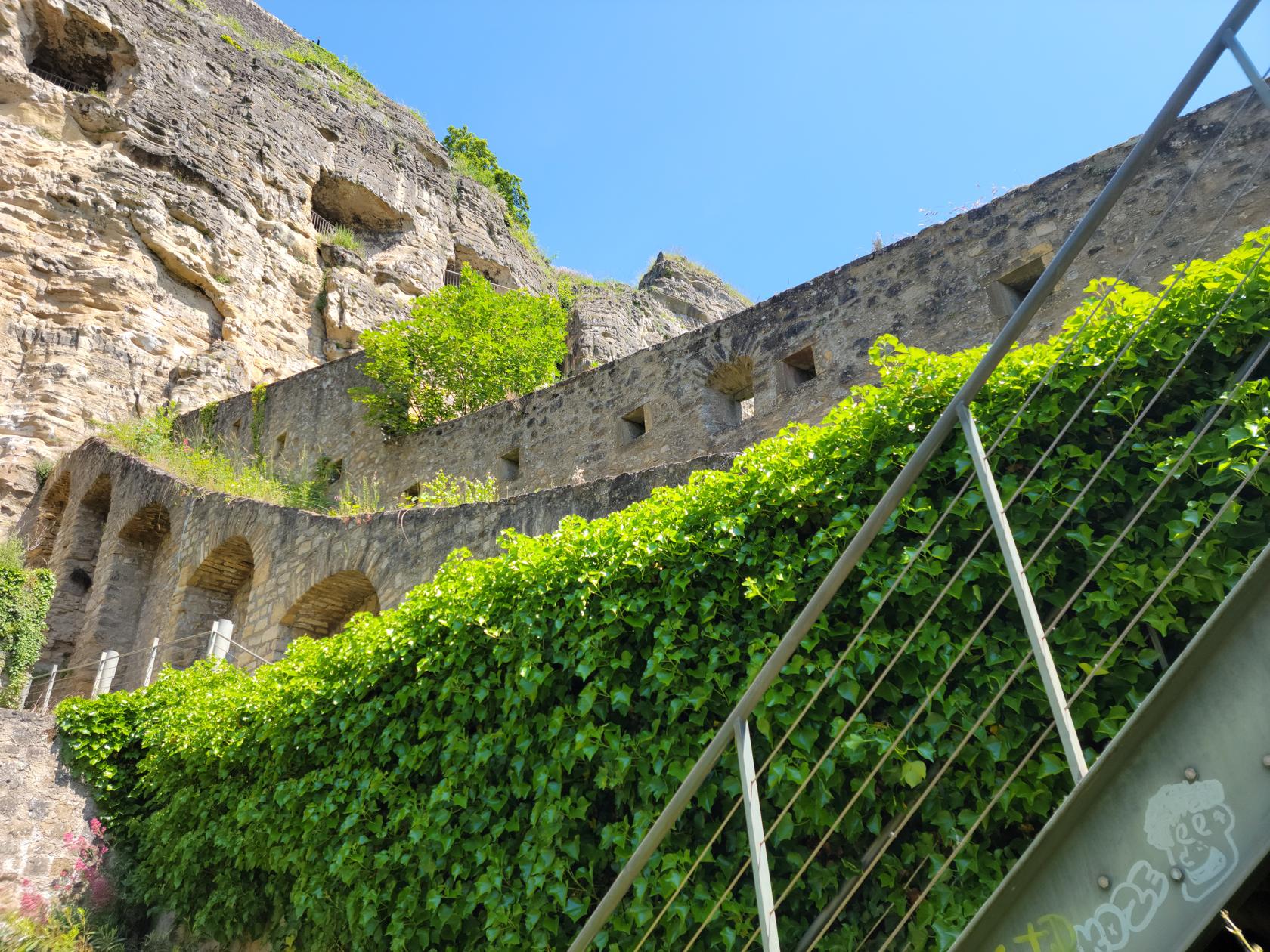
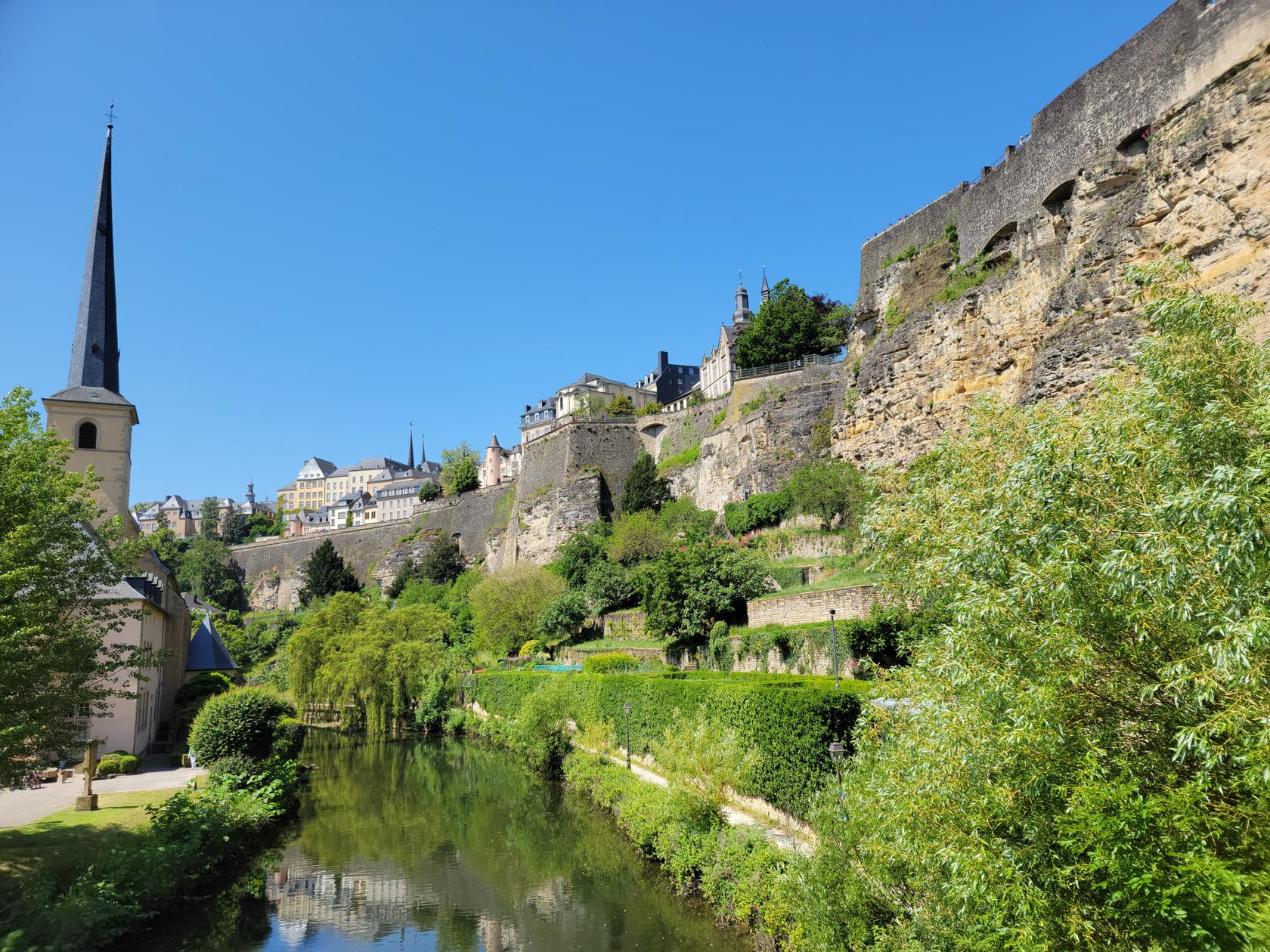
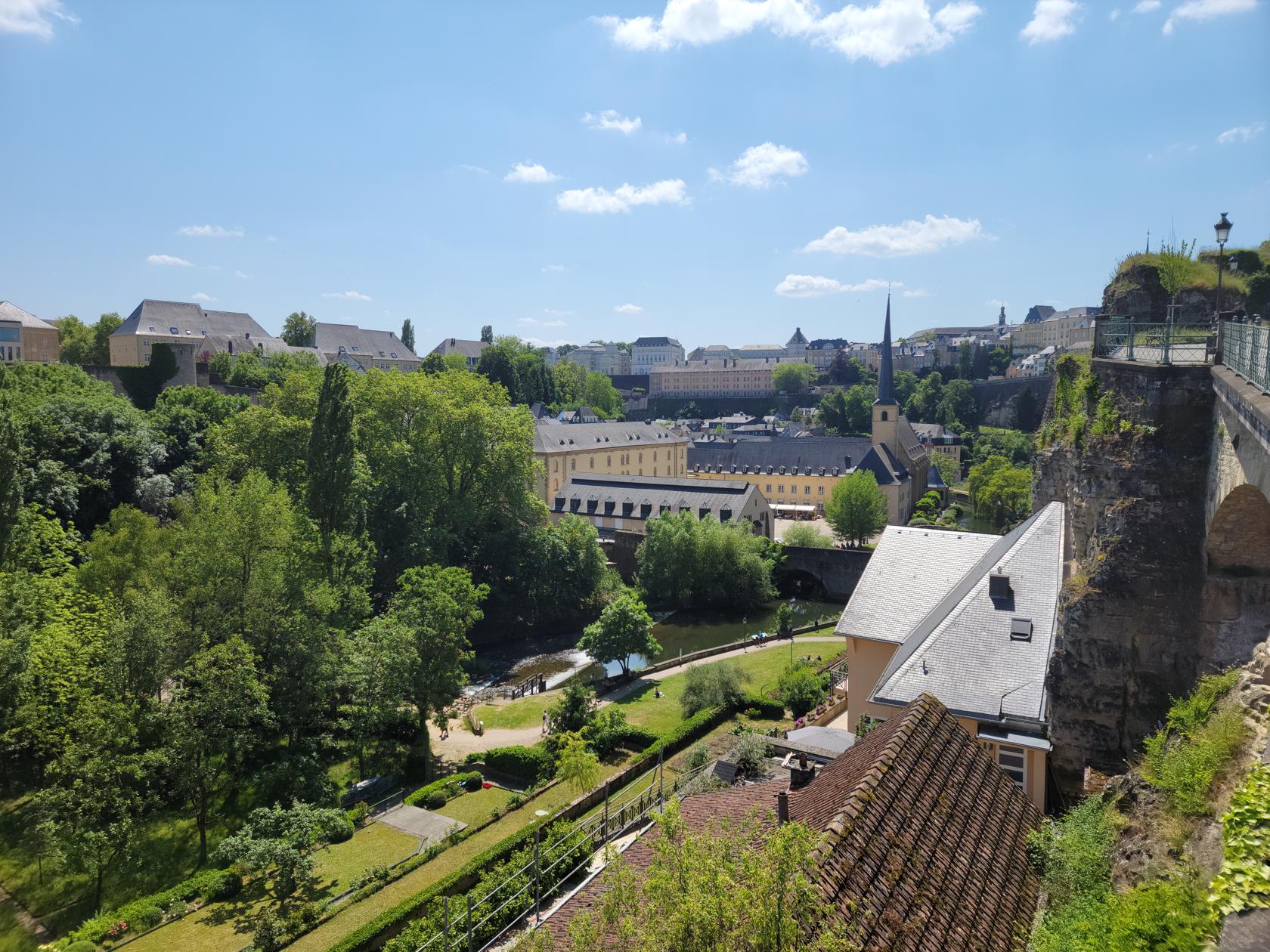
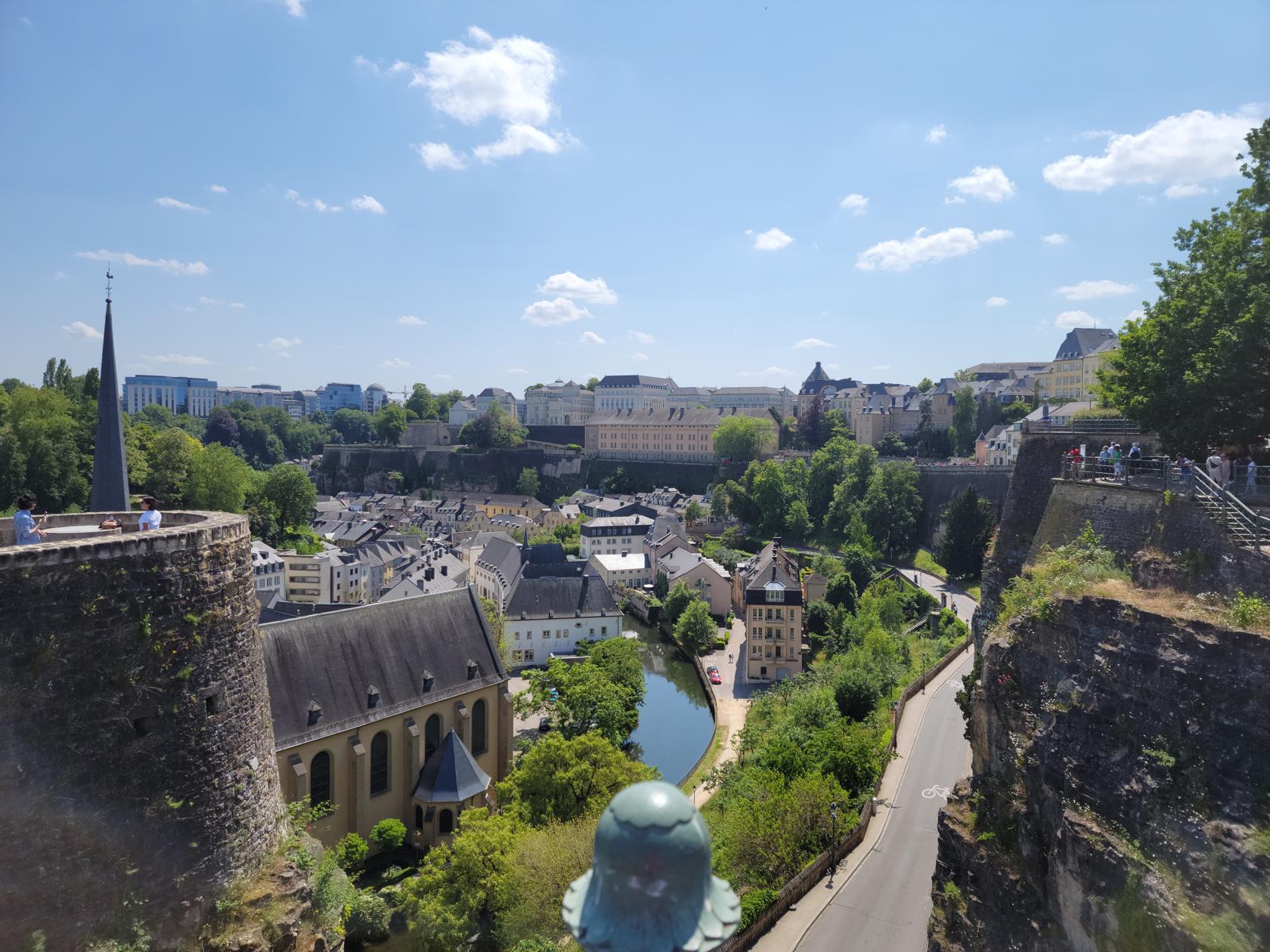
The city has fortifications and remnants of them on three sides. Some are in better condition than others, but you can at least enjoy the ones that follow the river Alzette.
Plateau de Rham – Luxemburg, Luxemburg
Plateau de Rham – Luxemburg, Luxemburg
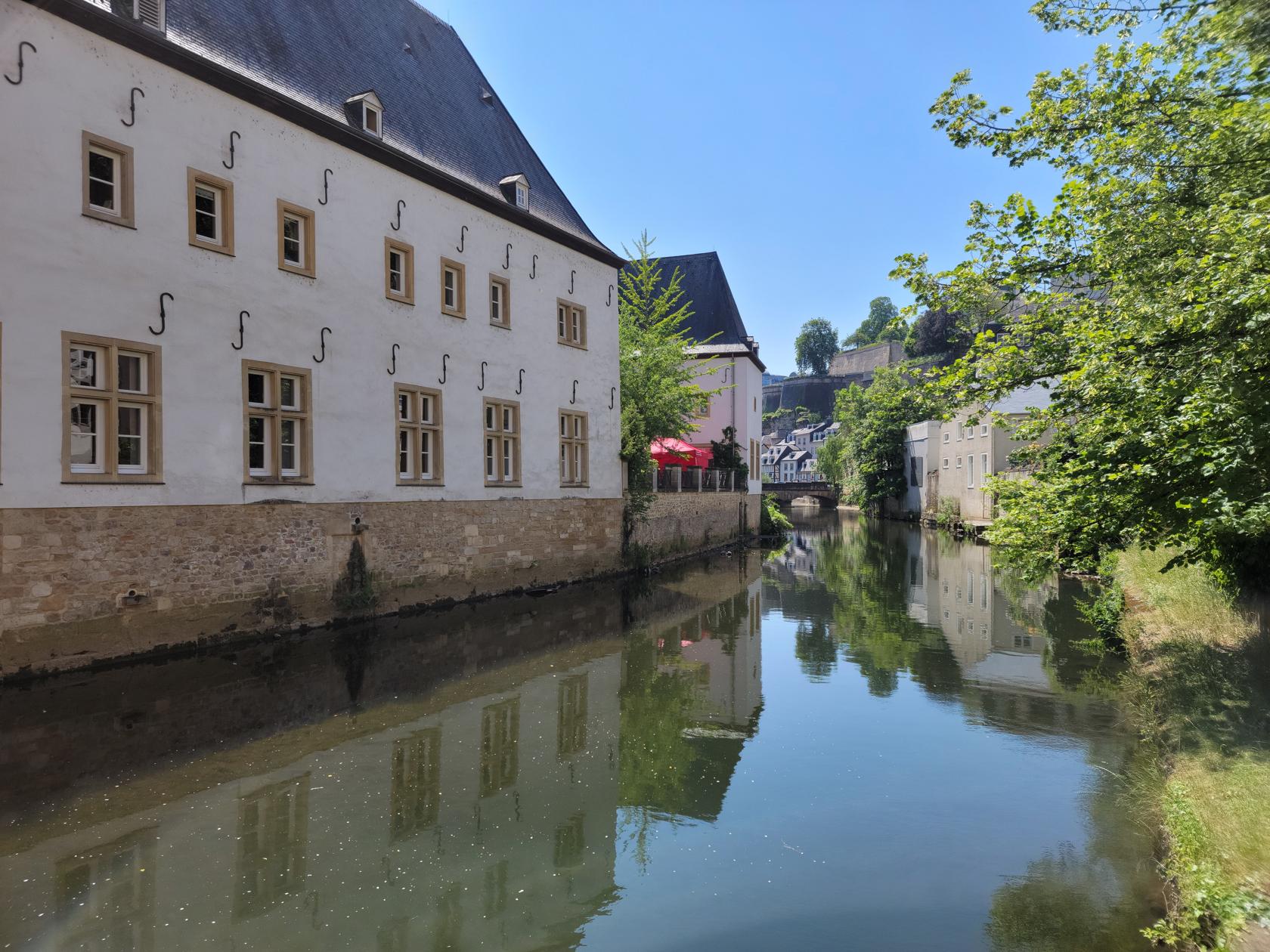
Alzette river – Luxemburg, Luxemburg
Alzette river – Luxemburg, Luxemburg
Alzette river – Luxemburg, Luxemburg
Cliffs of Luxemburg – Luxemburg, Luxemburg
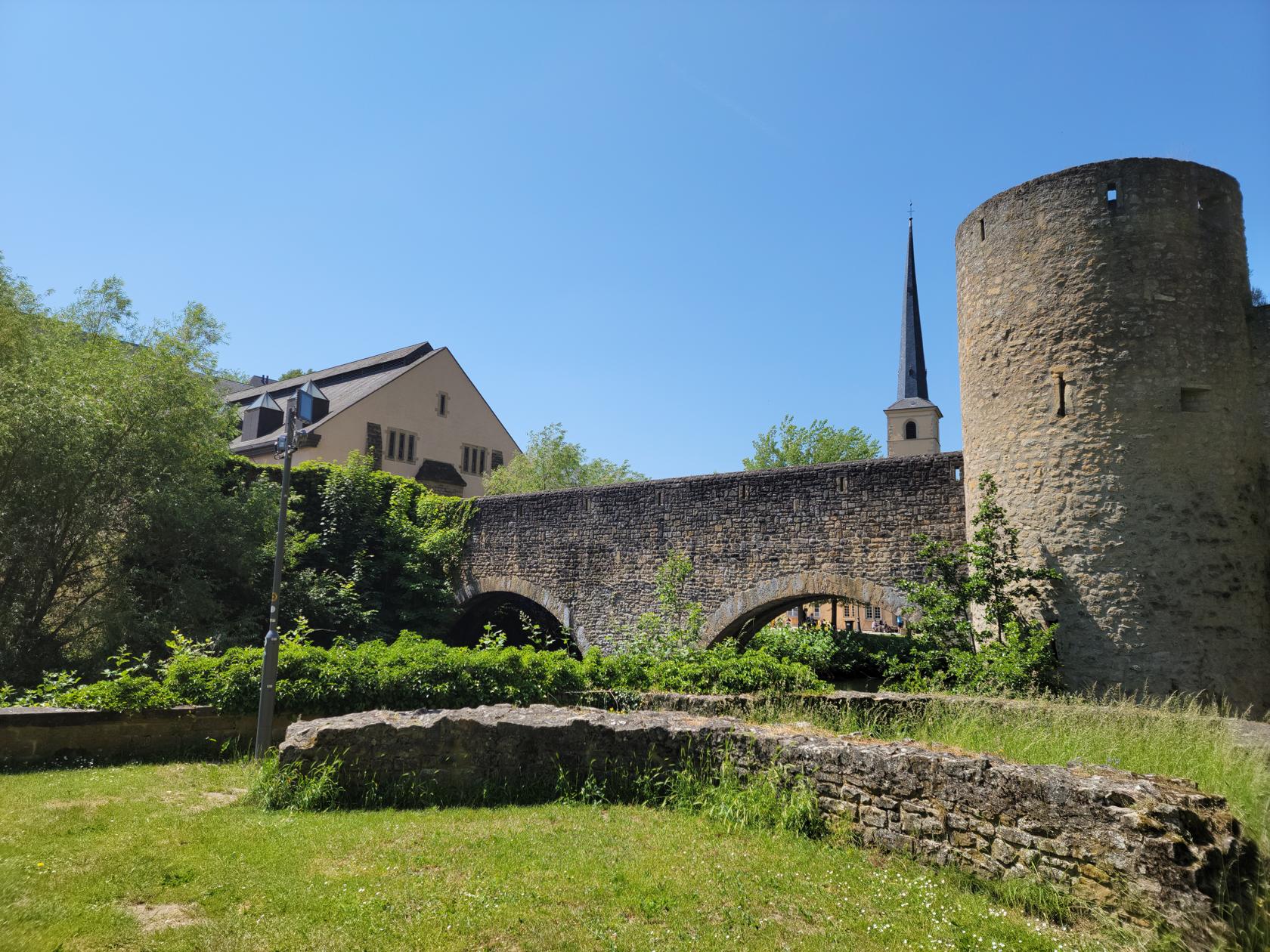
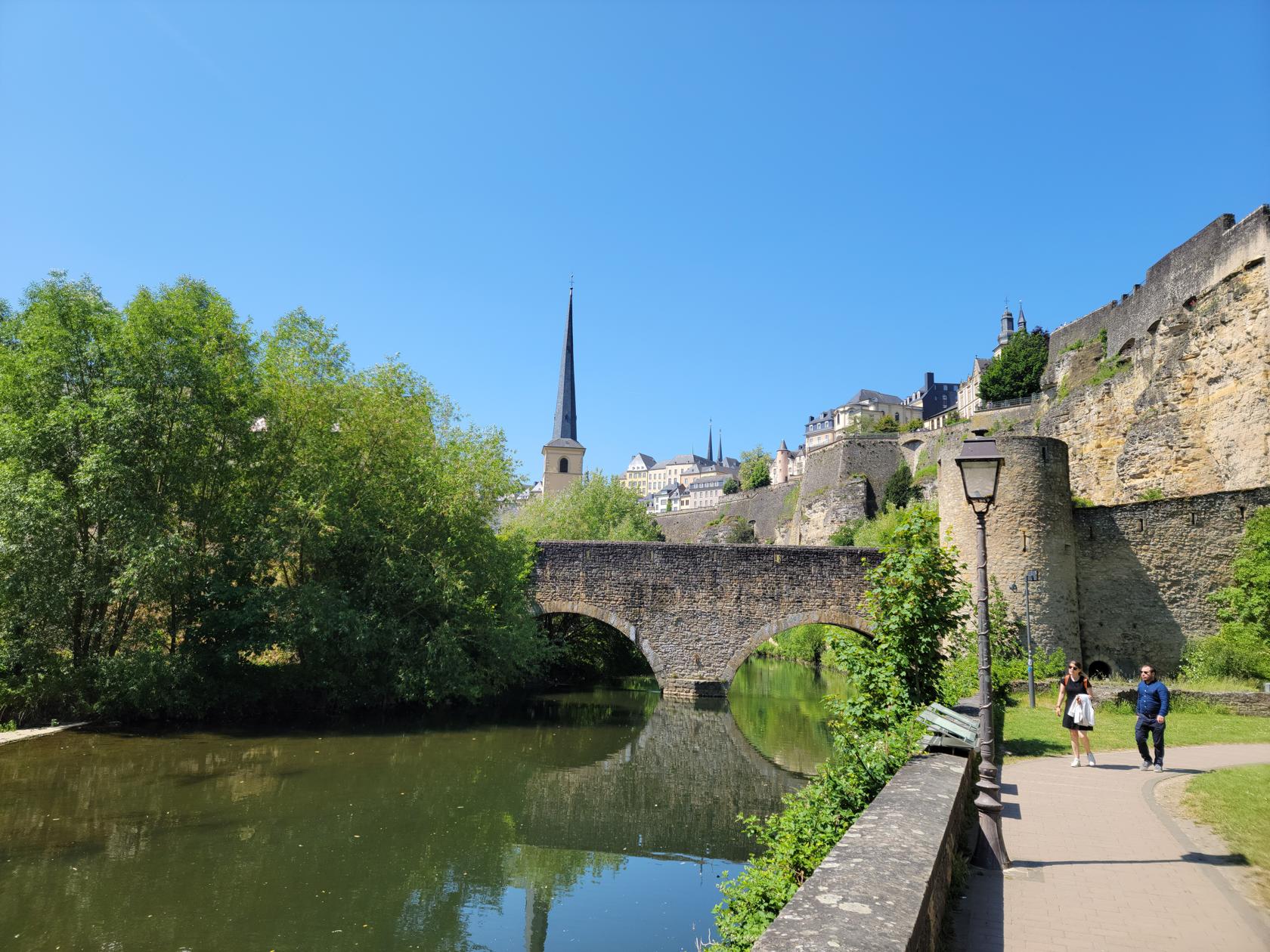
Pont du Stierchen over Alzette river – Luxemburg, Luxemburg
Cliffs of Luxemburg – Luxemburg, Luxemburg
Pont du Stierchen over Alzette river – Luxemburg, Luxemburg
Pont du Stierchen over Alzette river – Luxemburg, Luxemburg
Wier and Sleuce Gate with Pont du Stierchen over Alzette river – Luxemburg, Luxemburg
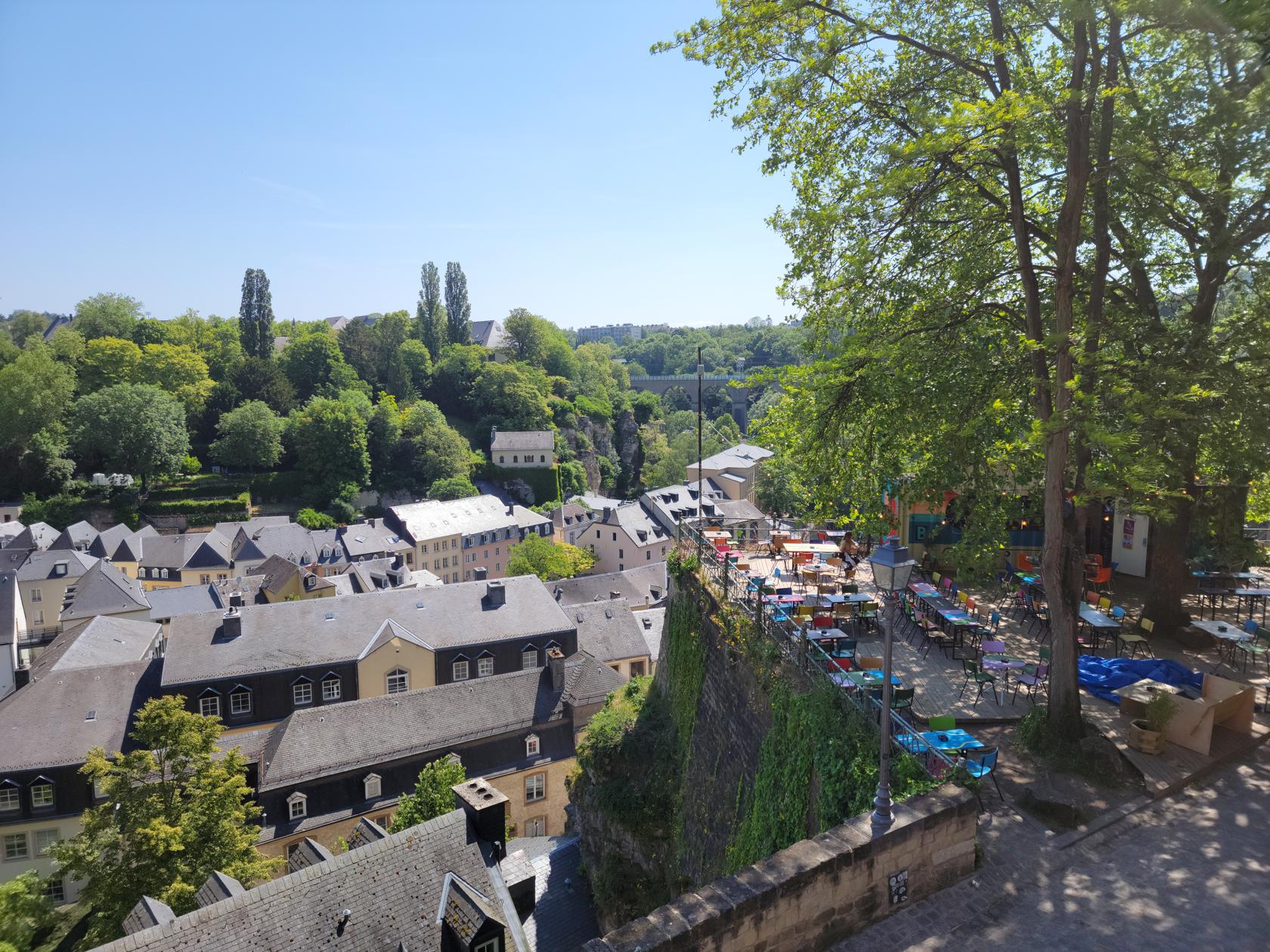
Overlook of Alzette river – Luxemburg, Luxemburg
Overlook of the river Alzette – South side – Luxemburg, Luxemburg
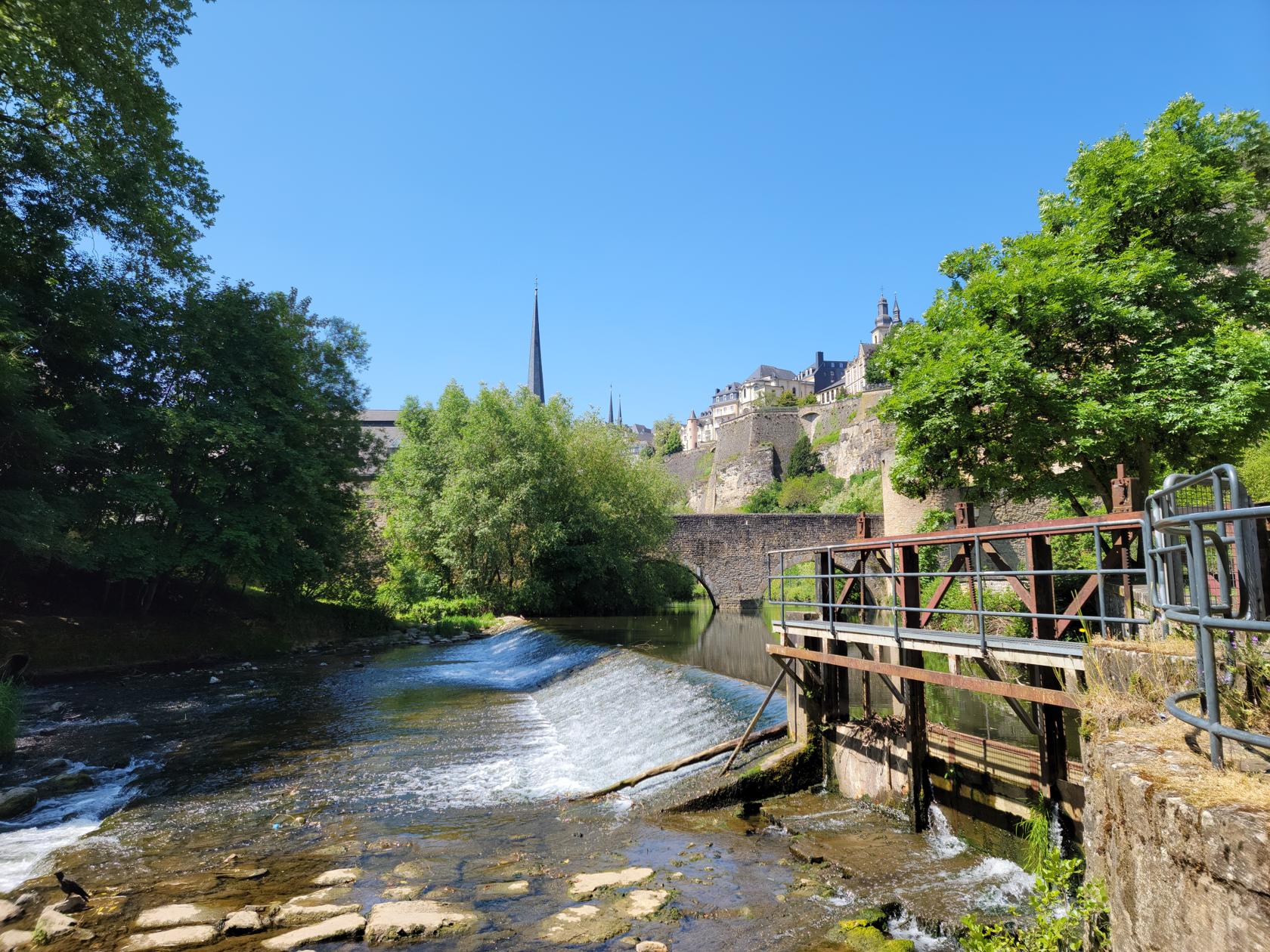
There is also a wonderful weir on the river between the Plateau du Rham and the City Center. From here the water flows over a set of rapids making for a very relaxing and shaded place to walk. There is even a bridge that crosses the river here where you may also enjoy it.
Casements of Luxemburg
The casements of Luxemburg city are underground facilities were originally built as passages and storage areas for the former castle of Luxemburg. During World War II, they were used for various purposes by both sides, including shelter during bombings. The one that was open while we were there was called Casemates de la Pétrusse, named after the river Pétrusse. Unfortunately, they were all booked the day we came for the entire weekend, so purchase your tickets early, if you want to go below and enjoy the guided tour of this unusual exhibit. It is located under the Monument of Remembrance.
Remembrance memorial – Luxemburg, Luxemburg
The other casement is Casements du Bock which currently is temporarily closed. When it opens, tickets can be purchased for a guided tour and this one is located on Mount de Clausen near the Casement Memorial.
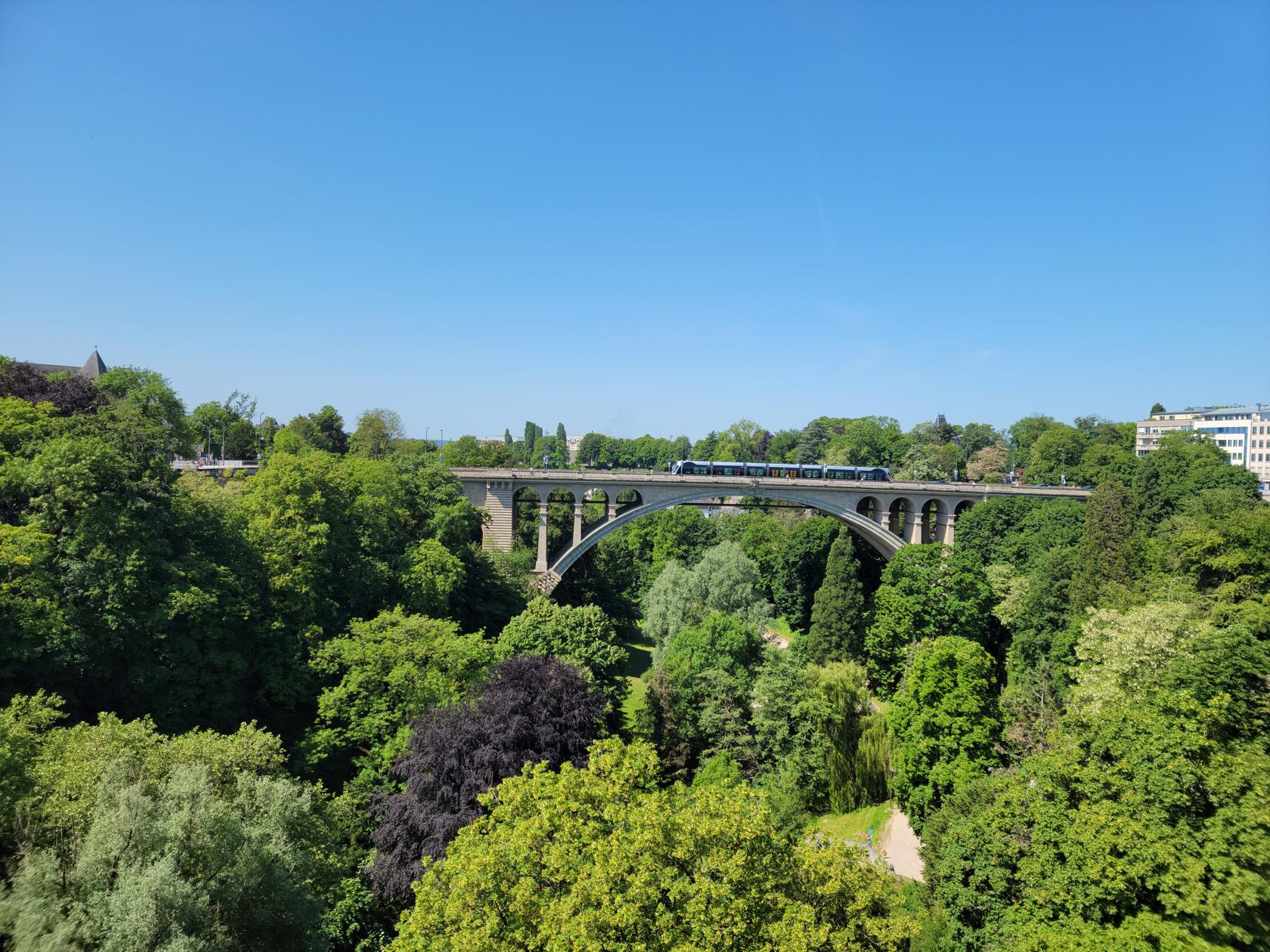
Adolphe bridge – Luxemburg, Luxemburg
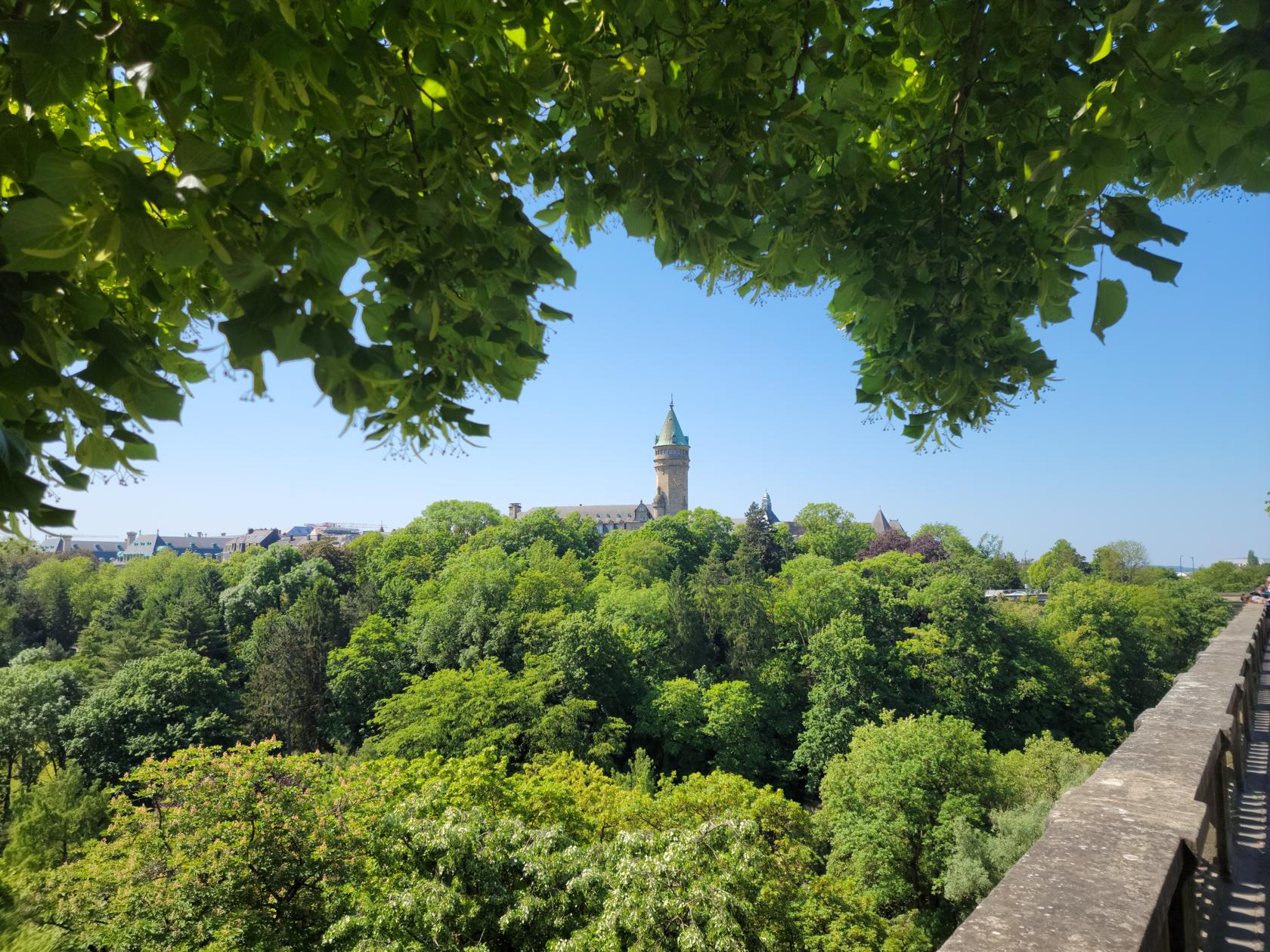
Muesee de la Banque Tower – Luxemburg, Luxemburg
Church of Saint Michael’s
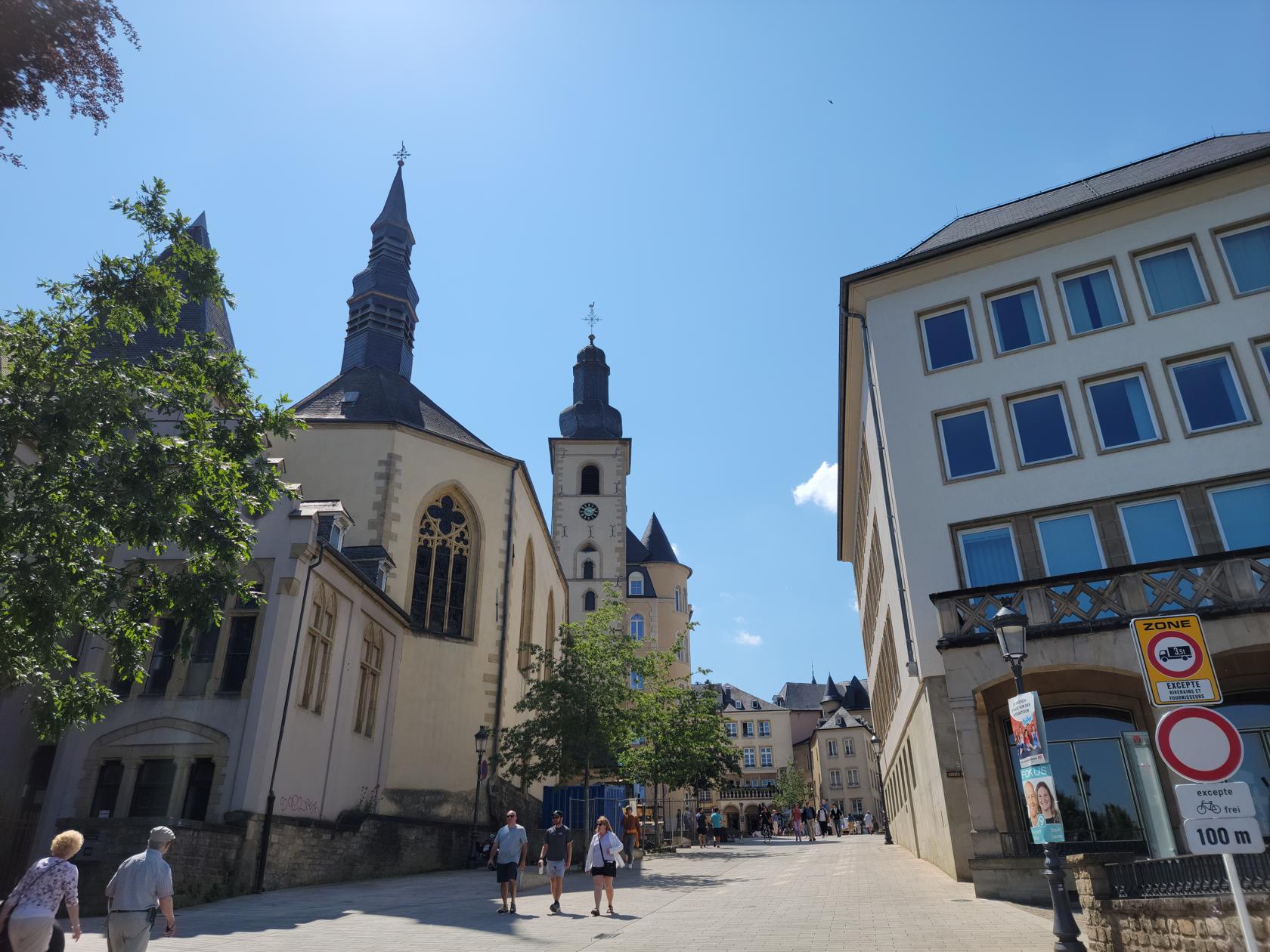
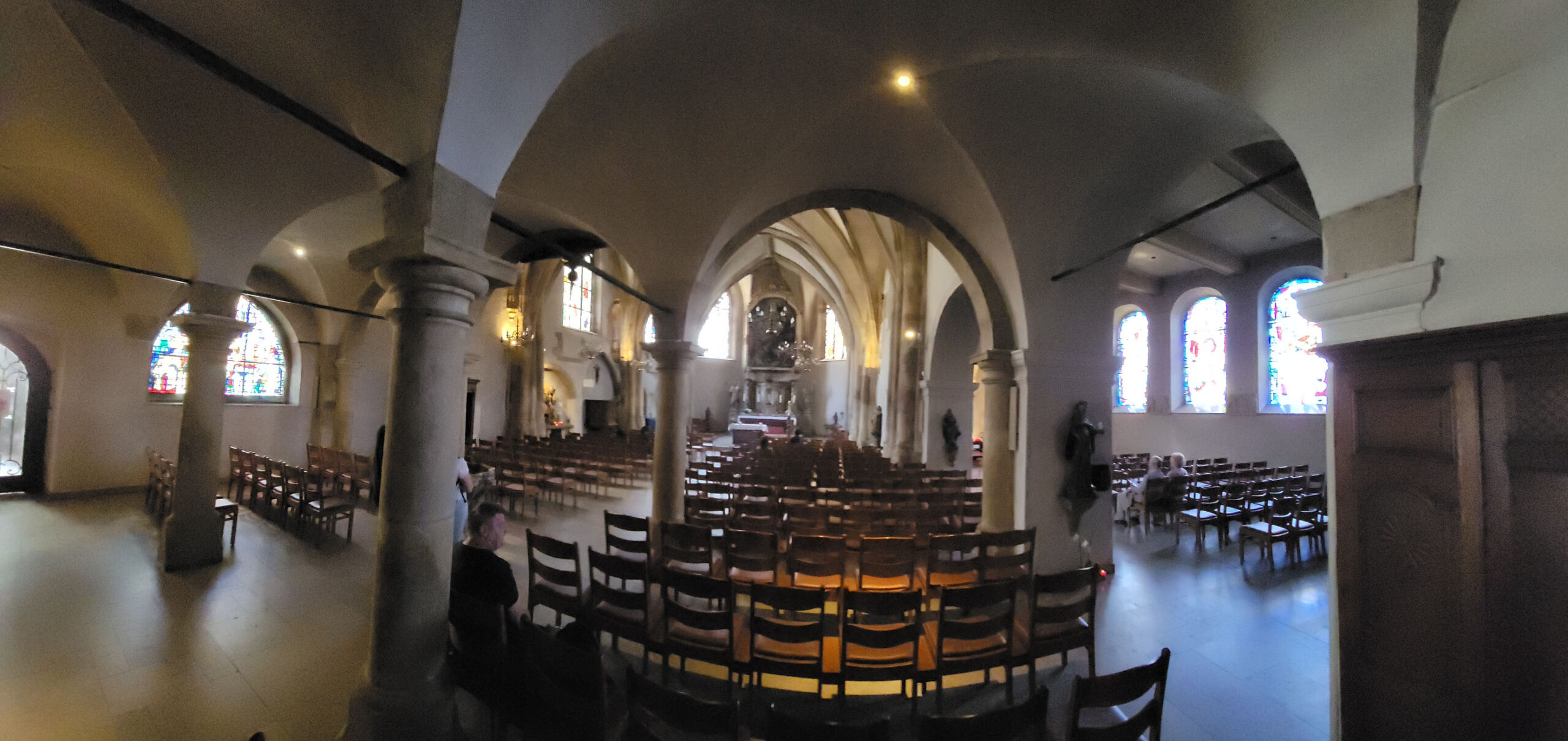
The church of Saint Michael’s has a beautiful set of windows to enjoy. Built in the tenth century and originally named Church of the Redemption, the new and colorful windows were installed after much of the city was destroyed during the war and the new church was reconsecrated as the church of Saint Michael.
Saint Michael’s church – Luxemburg, Luxemburg
Inside panorama of Saint Michael’s church – Luxemburg, Luxemburg
Stained glass – Saint Michael’s church – Luxemburg, Luxemburg
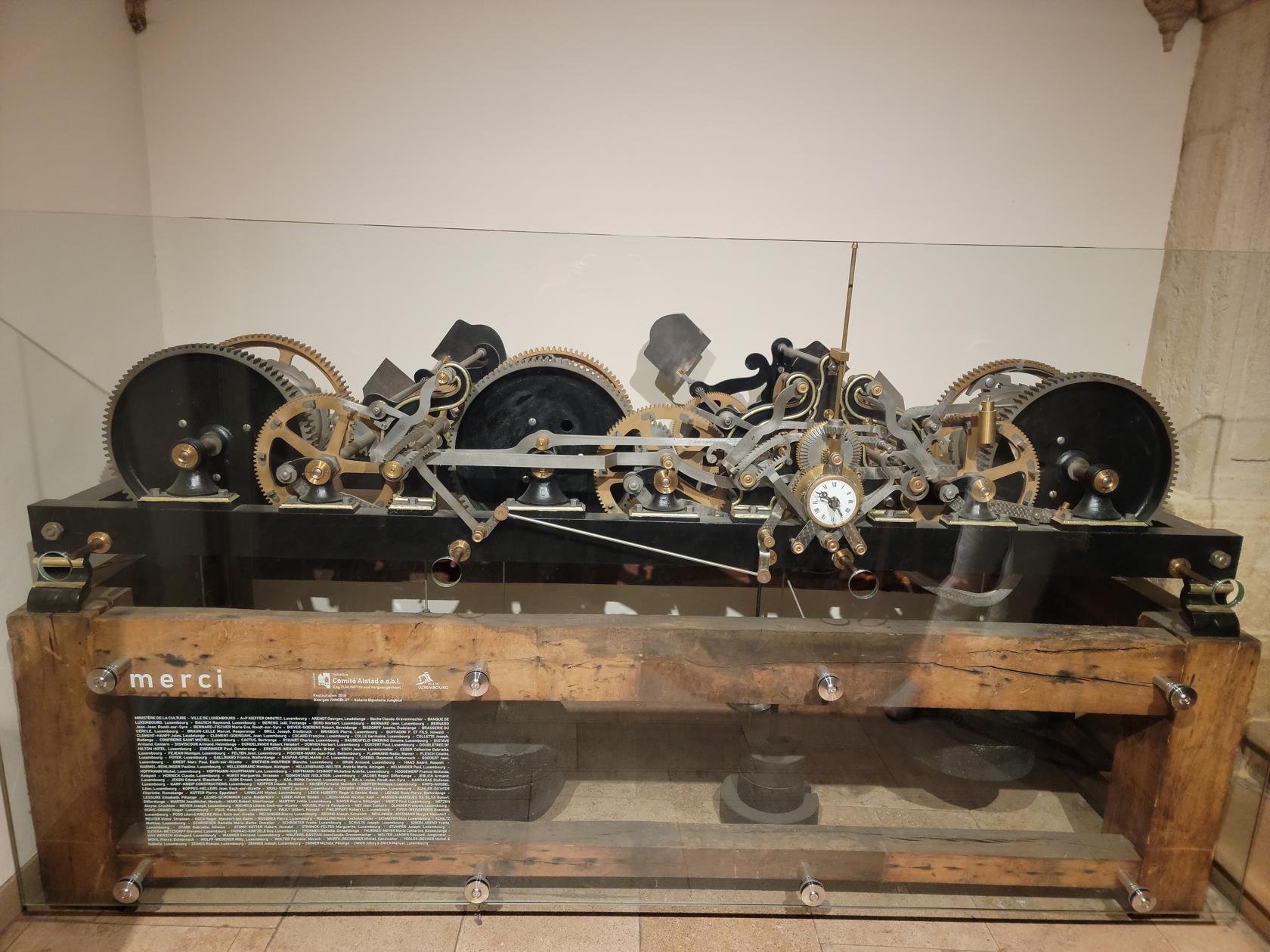
The other point of interest in this church is the old church turret clock.
Turret clock from 1902 – Saint Michael’s church – Luxemburg, Luxemburg
The city does offer other things to see and do, for those who are so inclined. However, for a short weekend stay, I thought we enjoyed a fair amount of what the city had to offer and enjoyed ourselves immensely. The people are very friendly and fluent in many languages. The city is clean, well cared for and vibrant and there is plenty of history to be found walking among its streets. Being only a few hours drive from Frankfurt and other cities, it is well situated for a weekend trip. Going by train is a bit longer, since there is no direct route and flying is an option, though an unjustifiable cost given the destination and the amount of time one has to spend in airports these days to get anywhere.
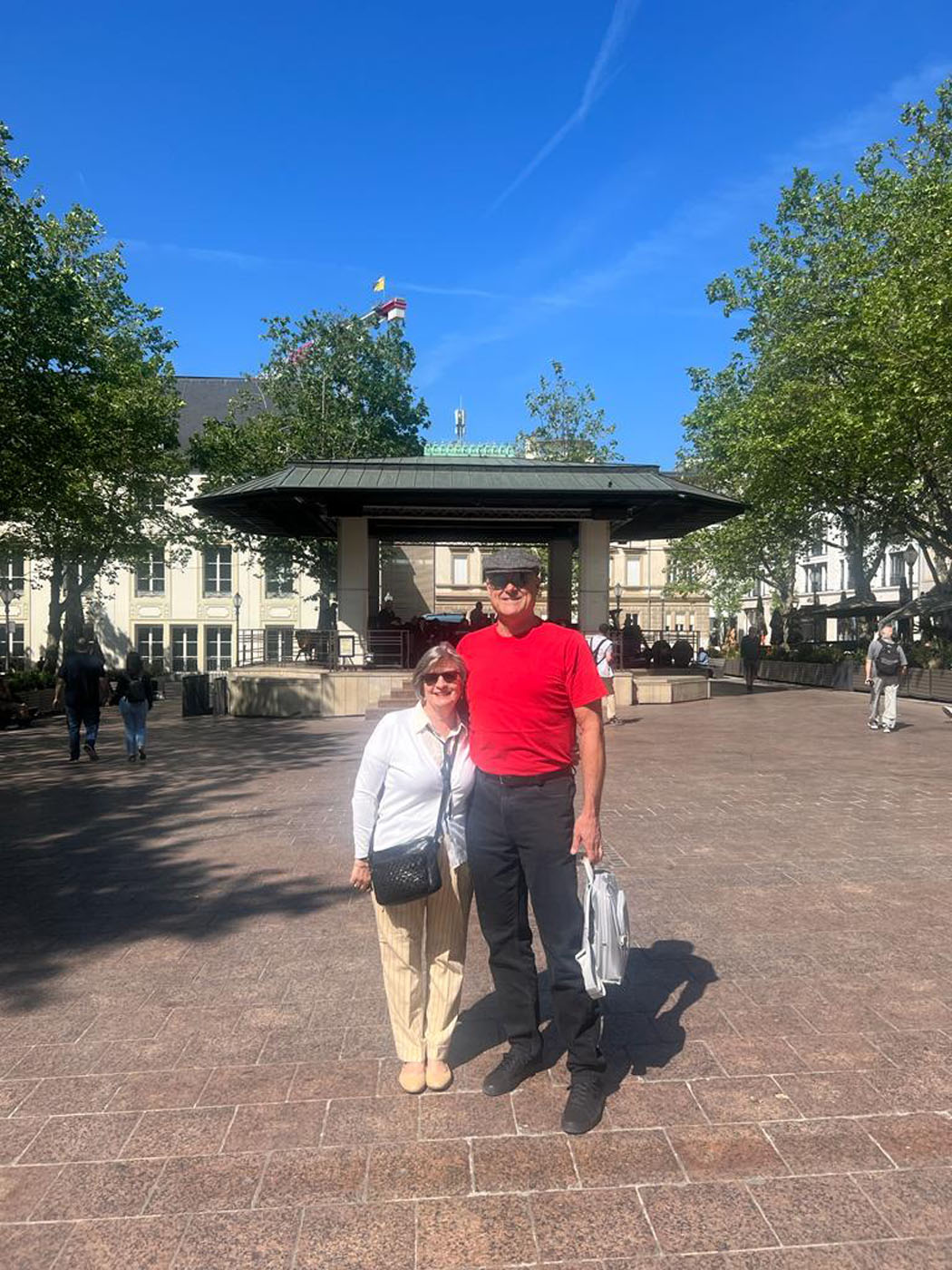
Patti and Erick – Luxemburg, Luxemburg
Restaurants
One thing that can be said about restaurants in Luxemburg is, eating out is rather expensive. Our opinion is, it’s more in line with eating out in Switzerland or at an expensive restaurant in the United States.
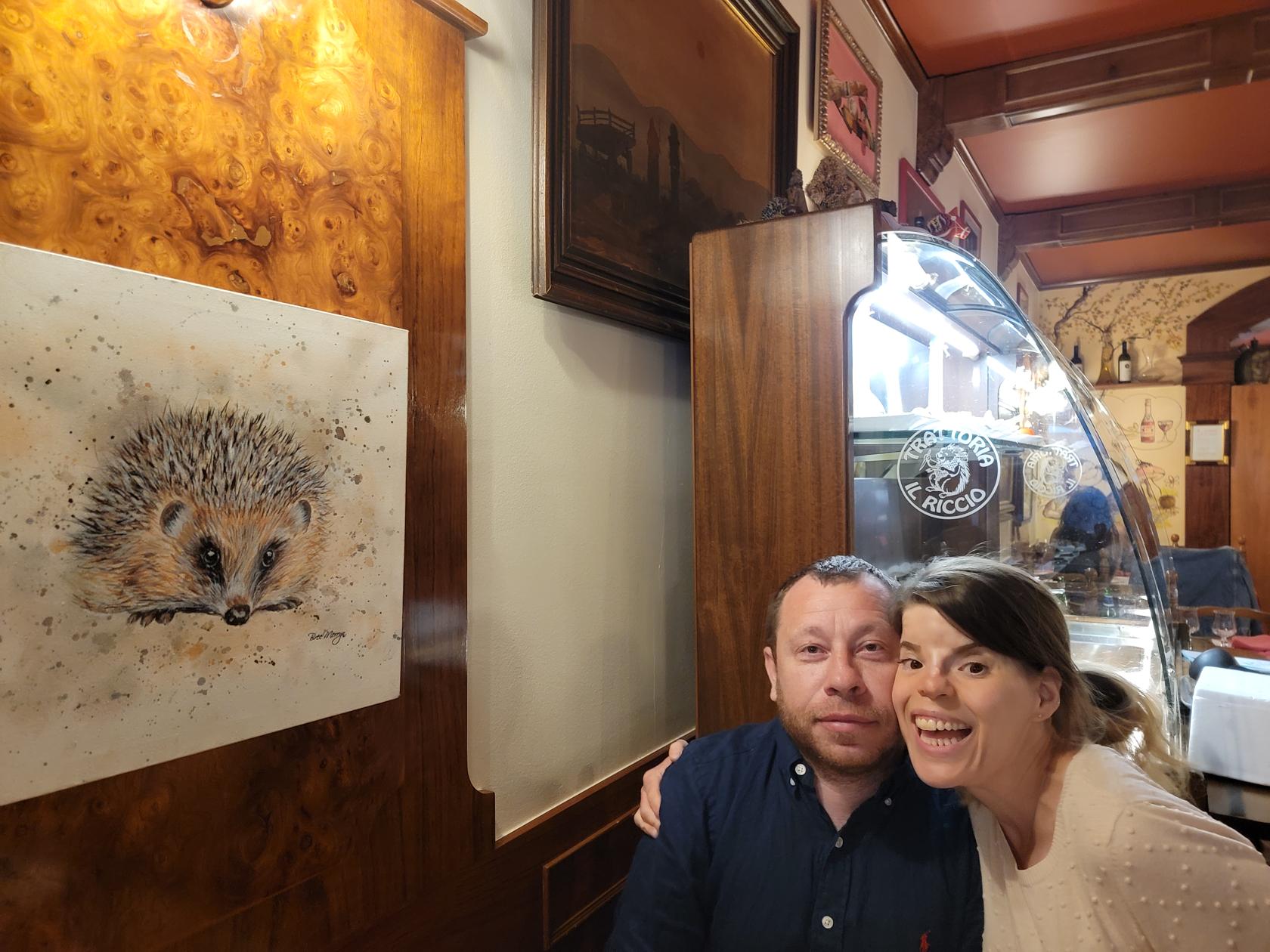
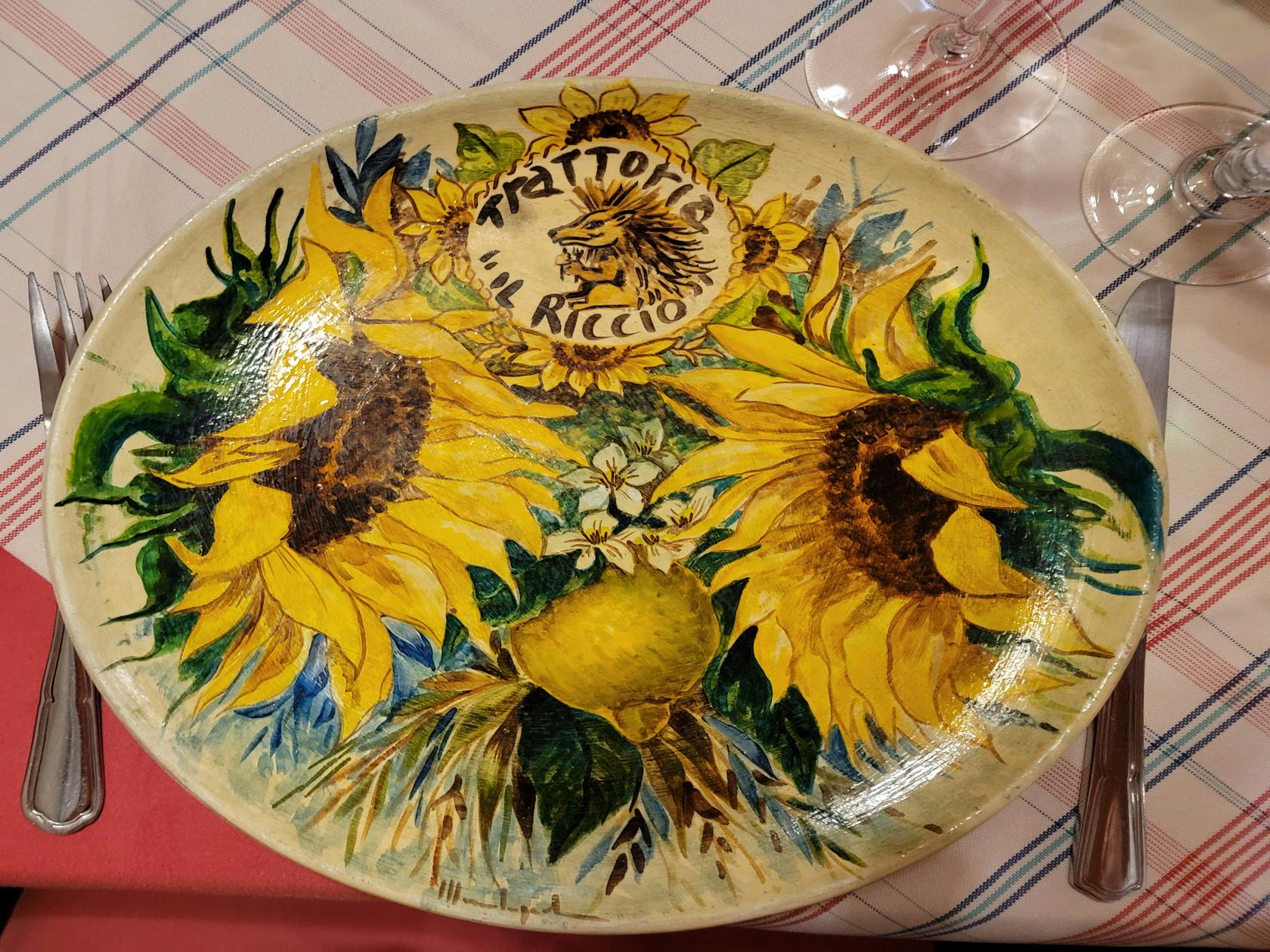
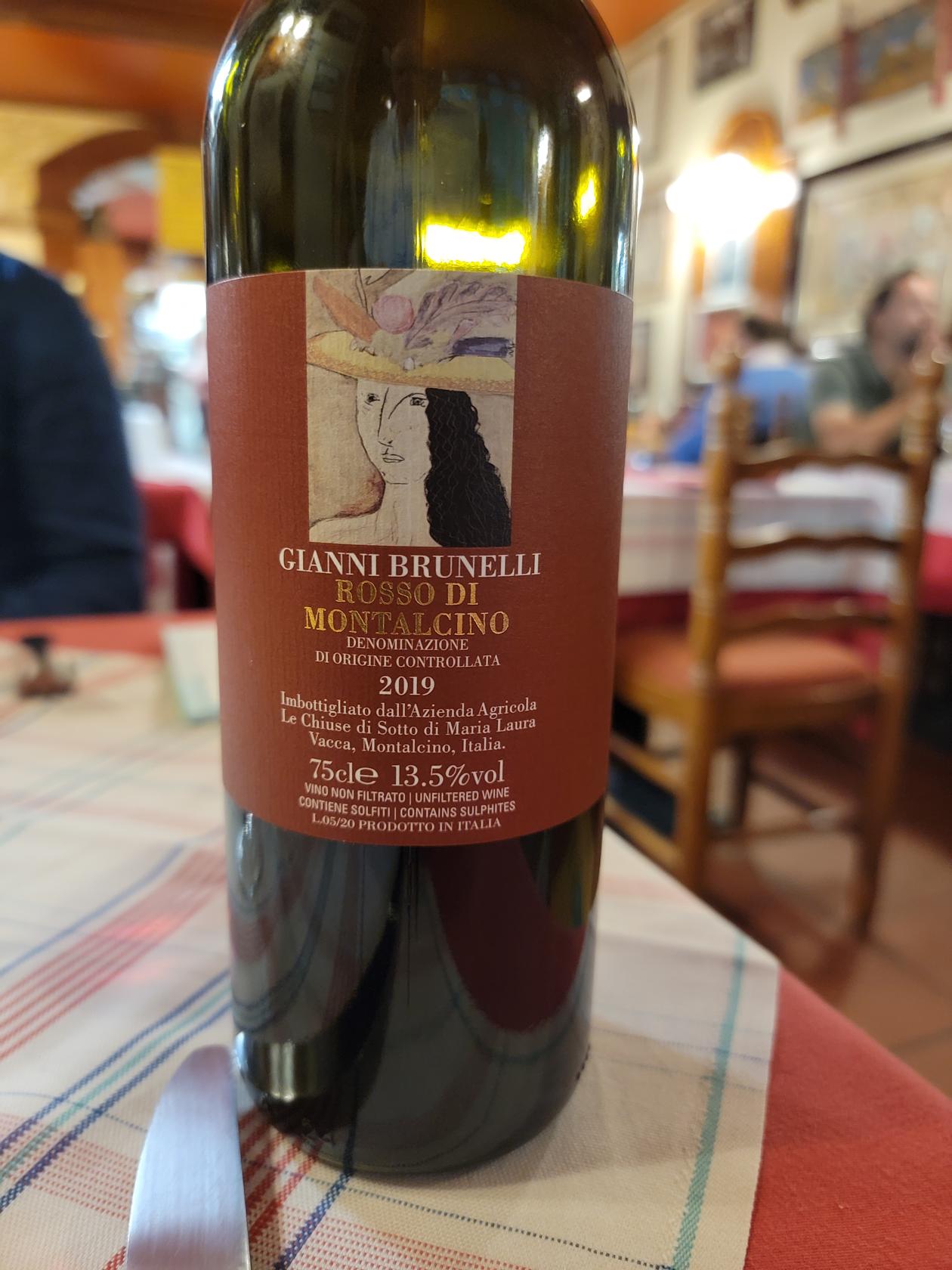
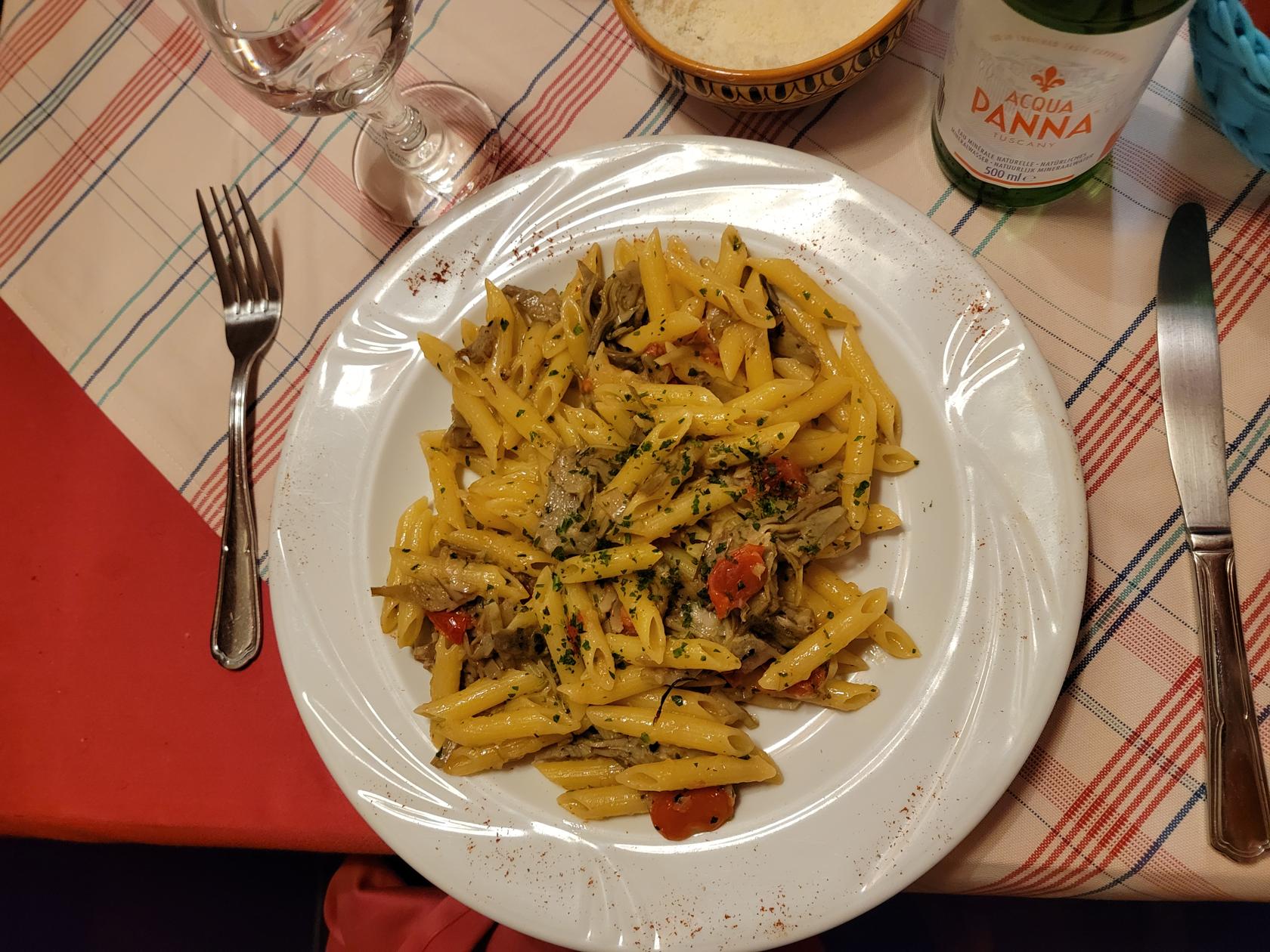
Trattoria Il Riccio
This is a cozy, but expensive little Italian gem on the Rue Beaumont.
Ristorante Il Riccio – Luxemburg, Luxemburg
Ristorante Il Riccio – Luxemburg, Luxemburg
We had an excellent and delicious meal here, complete with two bottles of fairly expensive wine (56€/ea) and the total for four came to 450€. Of course, we all had an appetizer, primi and secondi.
Rue Beaumont – Luxemburg, Luxemburg
Ristorante Il Riccio – Luxemburg, Luxemburg
Ristorante Il Riccio – Luxemburg, Luxemburg
Gabi and Ericka – Ristorante Il Riccio – Luxemburg, Luxemburg
Ristorante Il Riccio – Luxemburg, Luxemburg
Gianni Brunelli Montalcino – Ristorante Il Riccio – Luxemburg, Luxemburg
Penne with artichokes and tomatoes – Ristorante Il Riccio – Luxemburg, Luxemburg
Spaghetti with garlic and oil- Ristorante Il Riccio – Luxemburg, Luxemburg