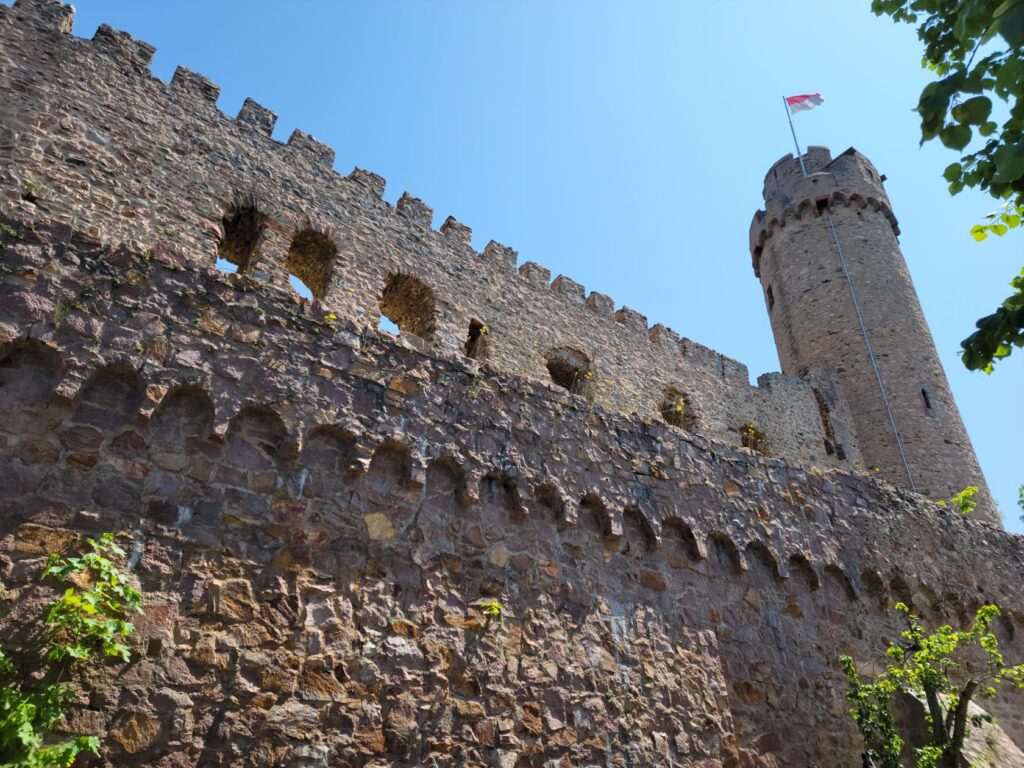
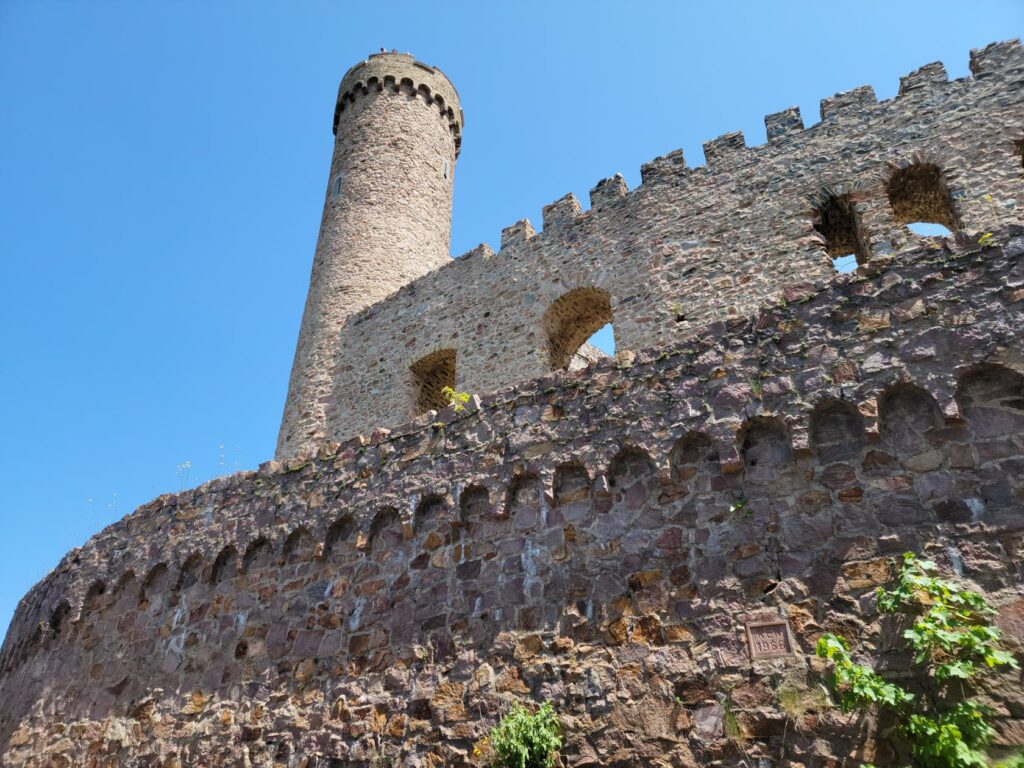
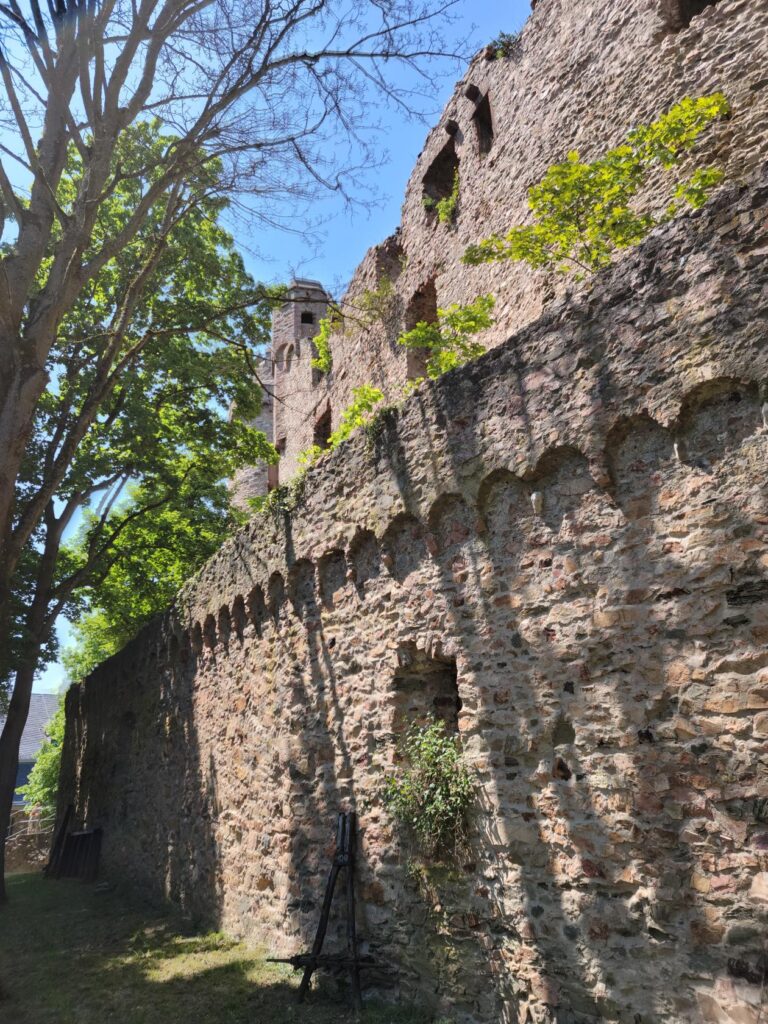
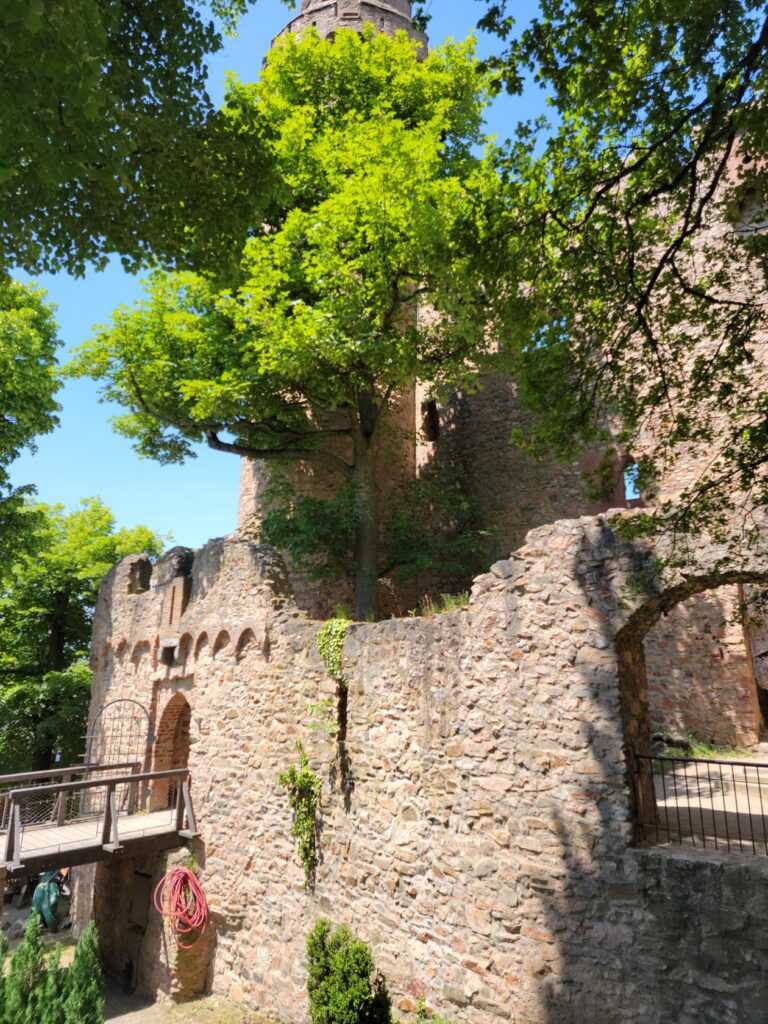
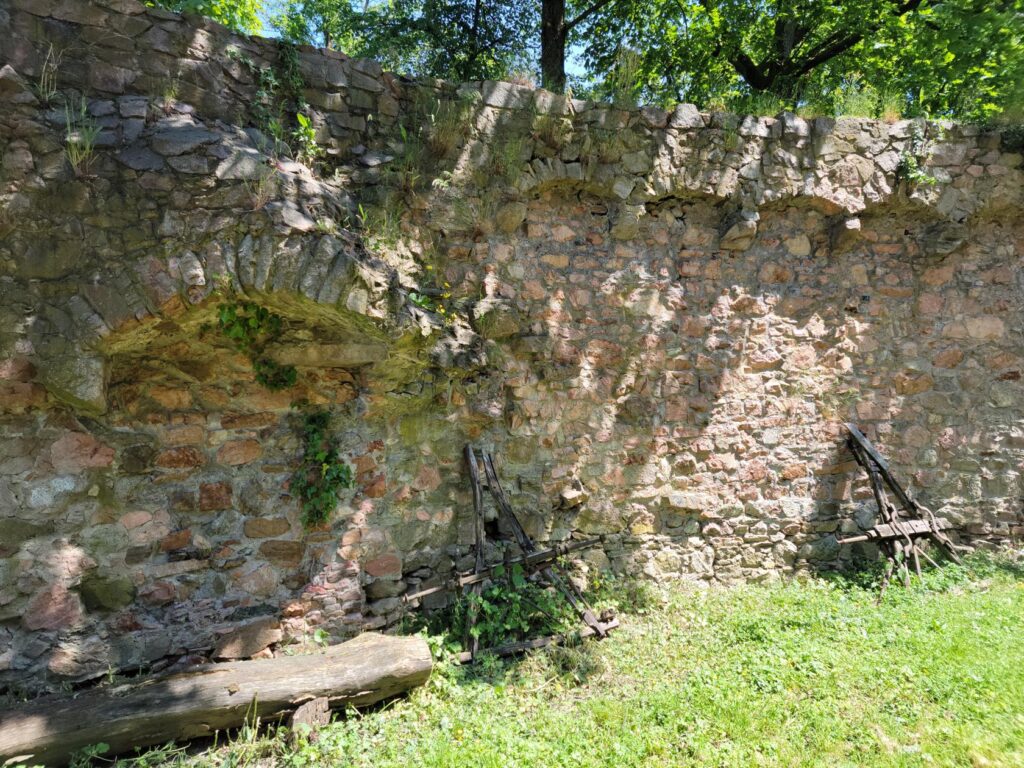
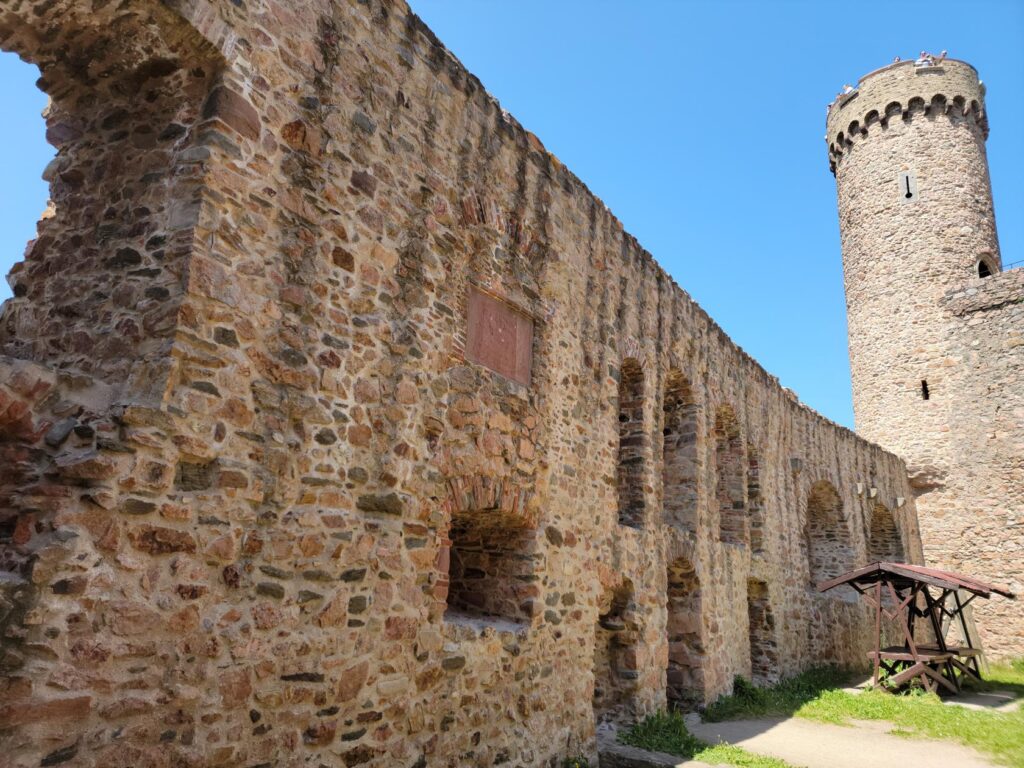
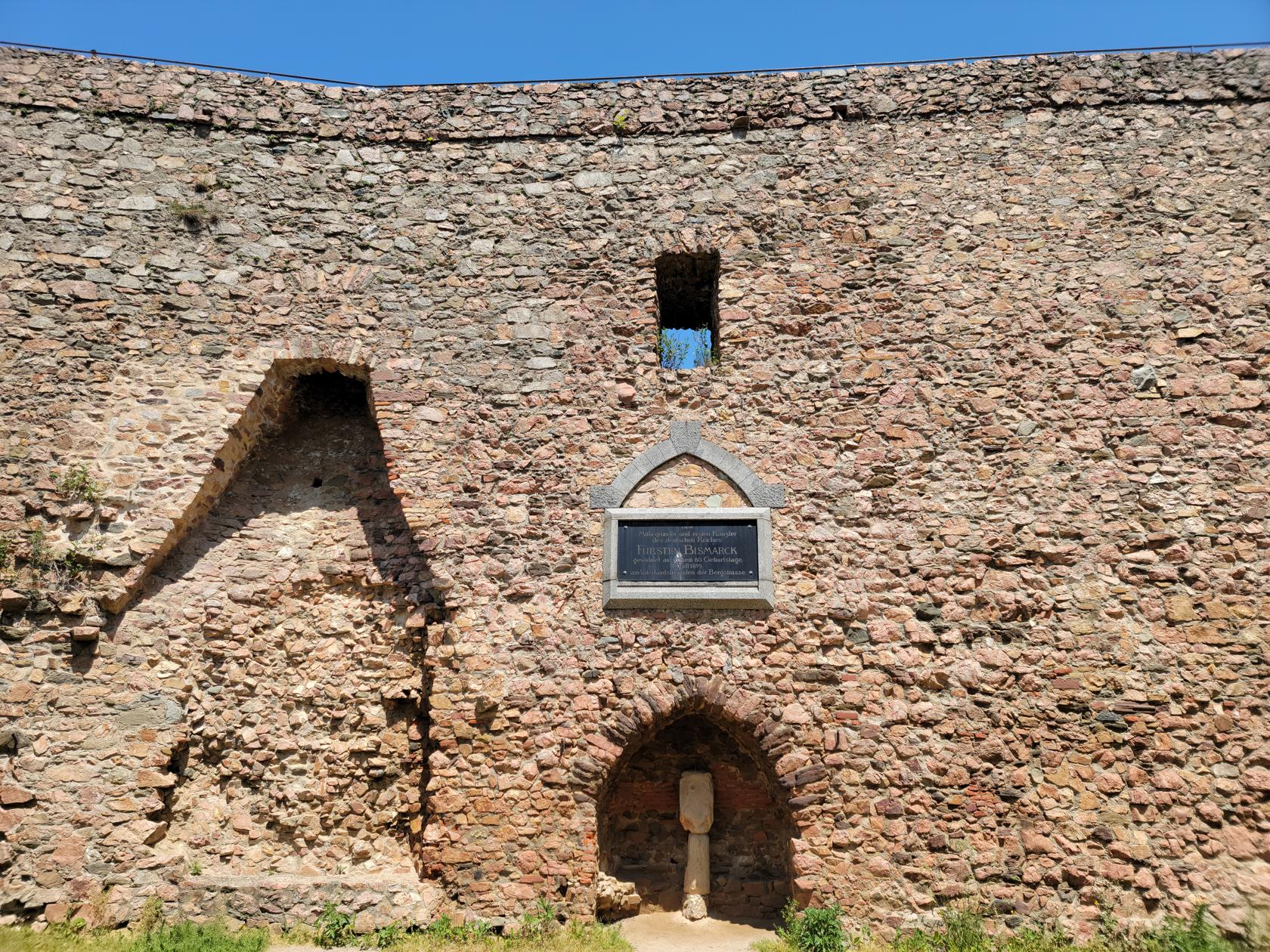
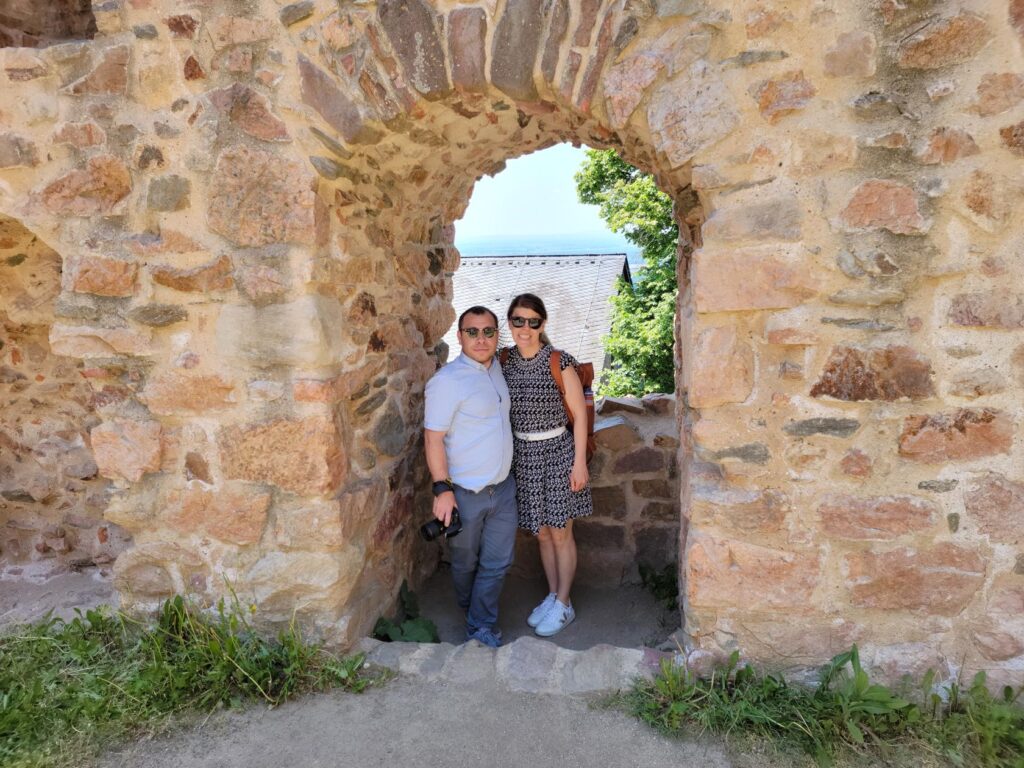
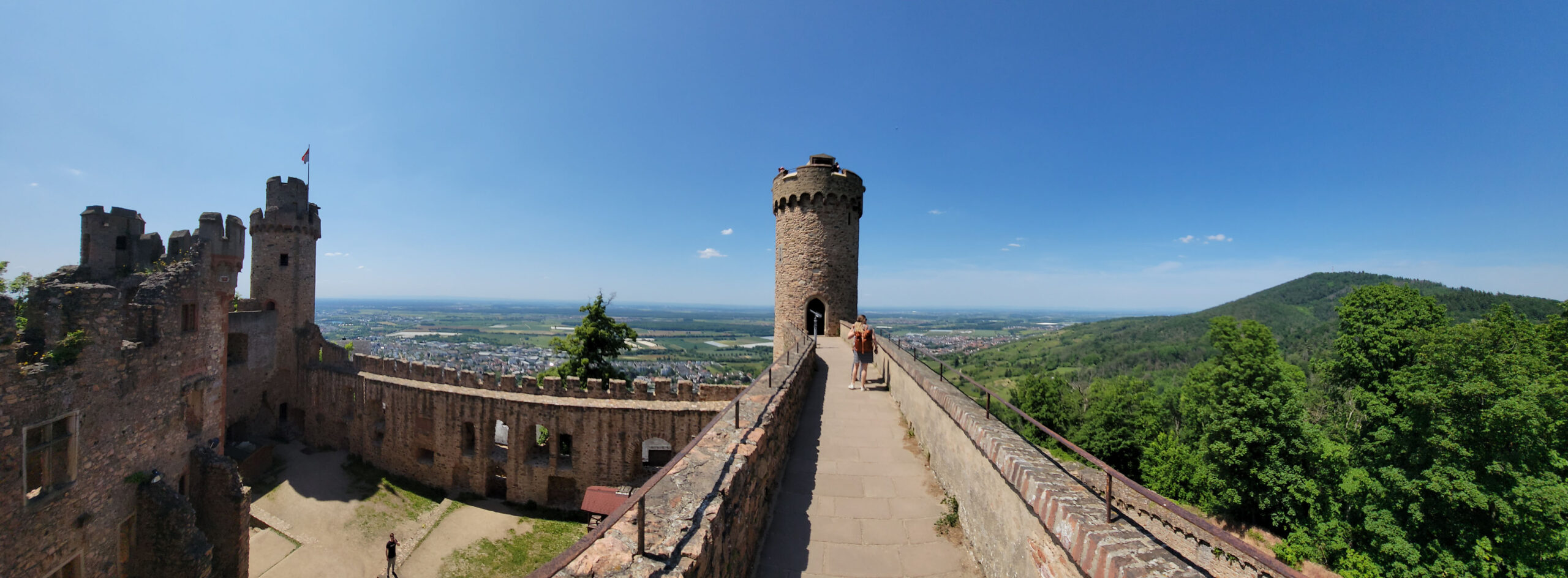
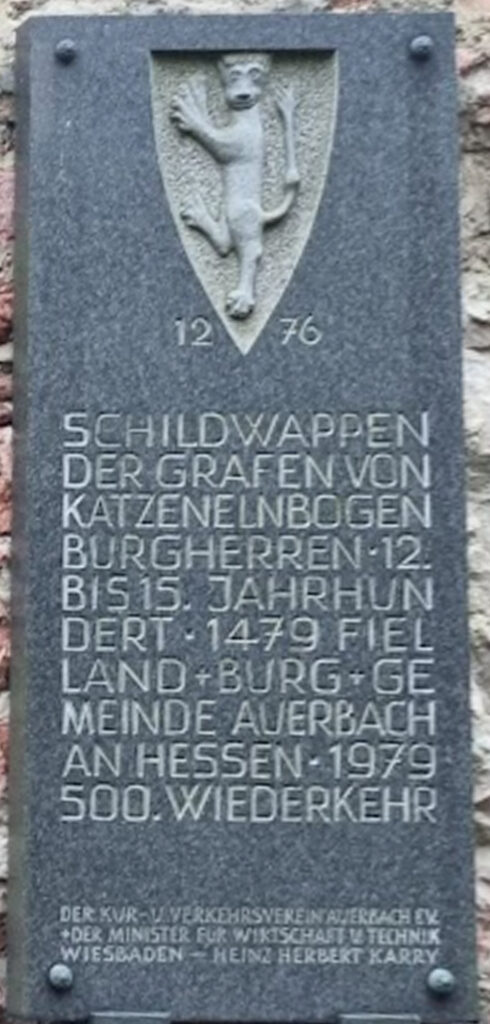
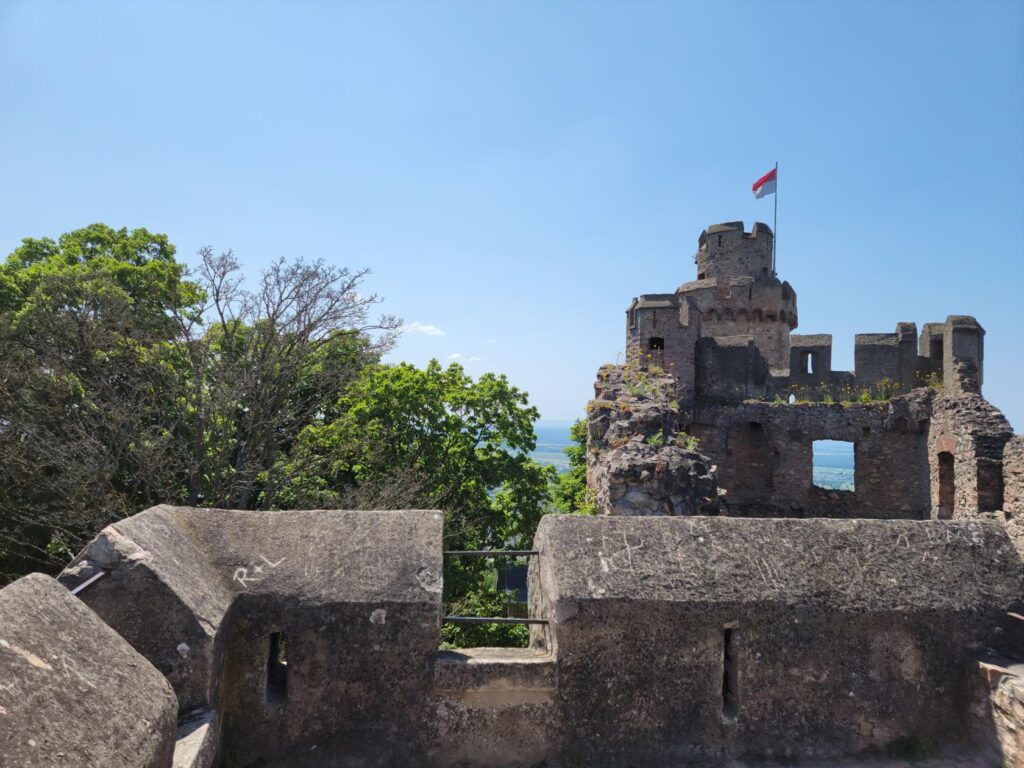
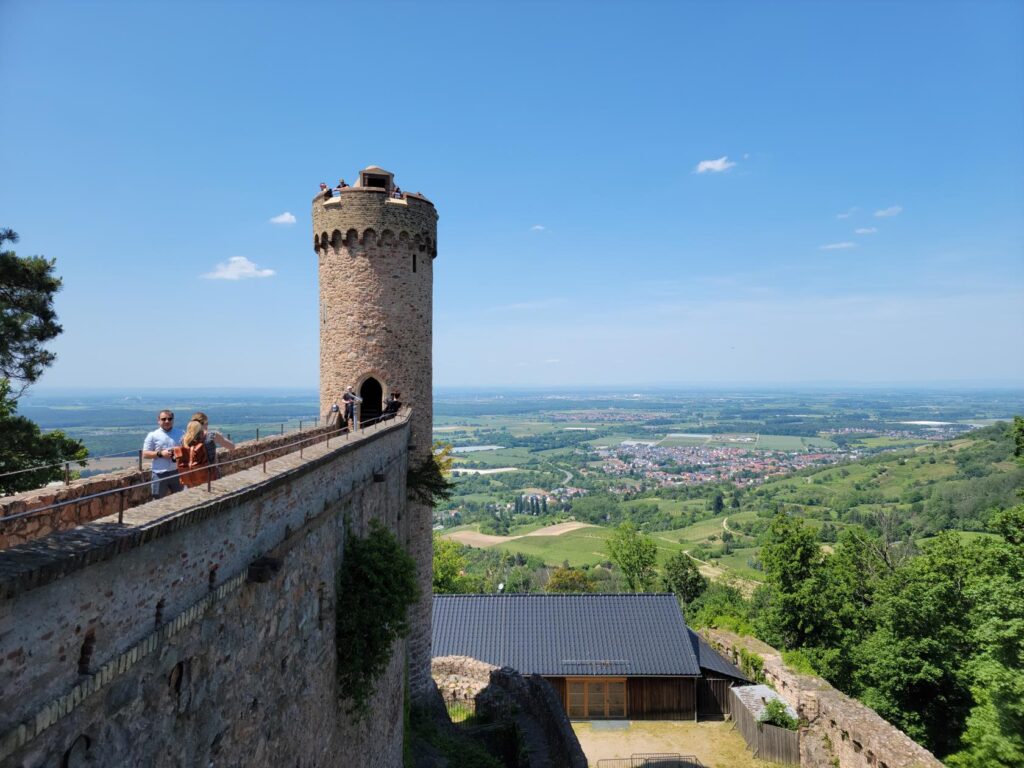
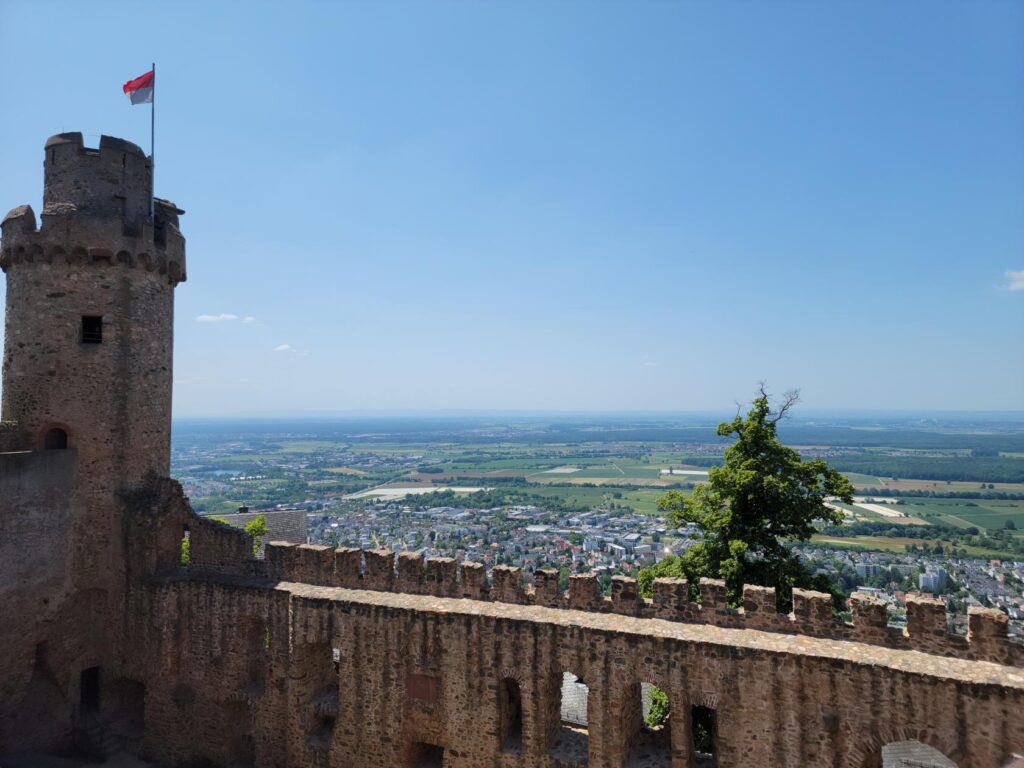
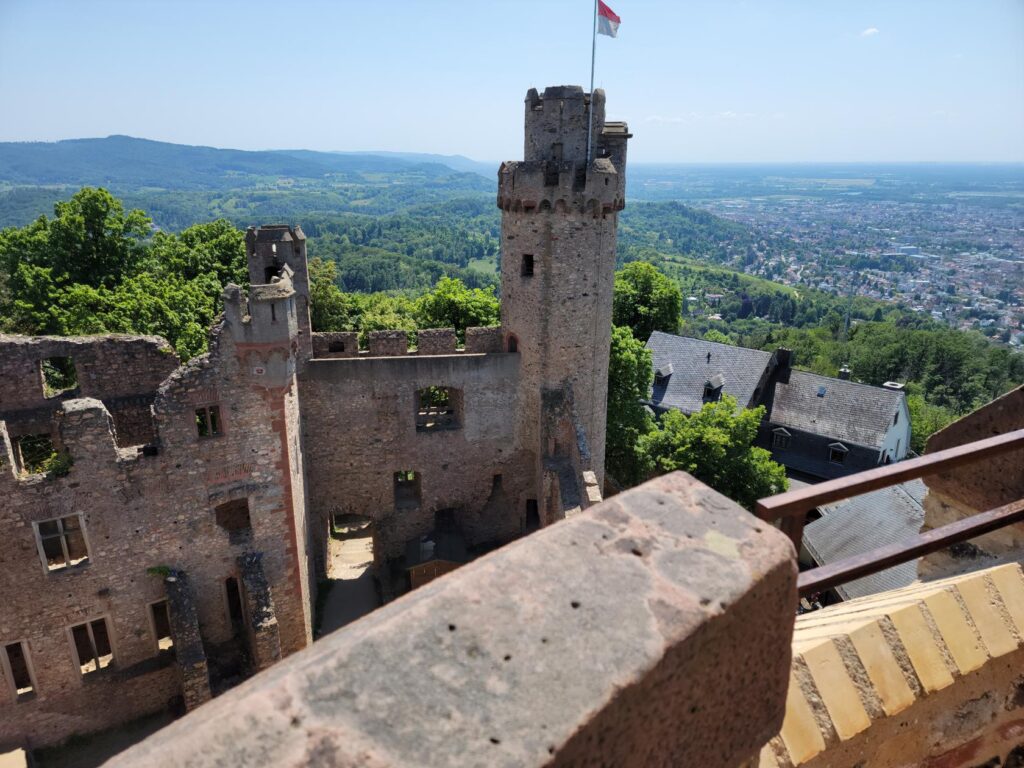
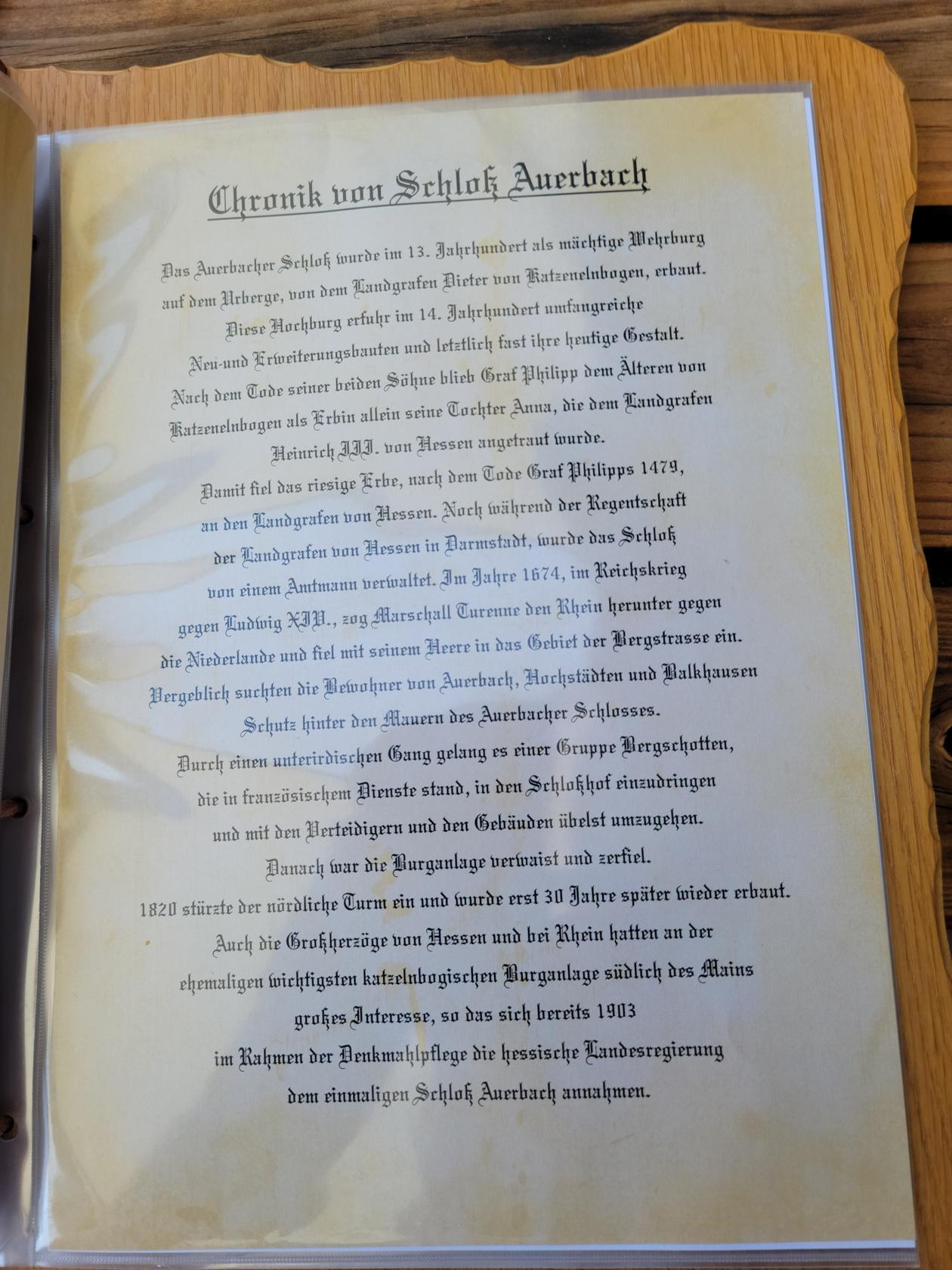
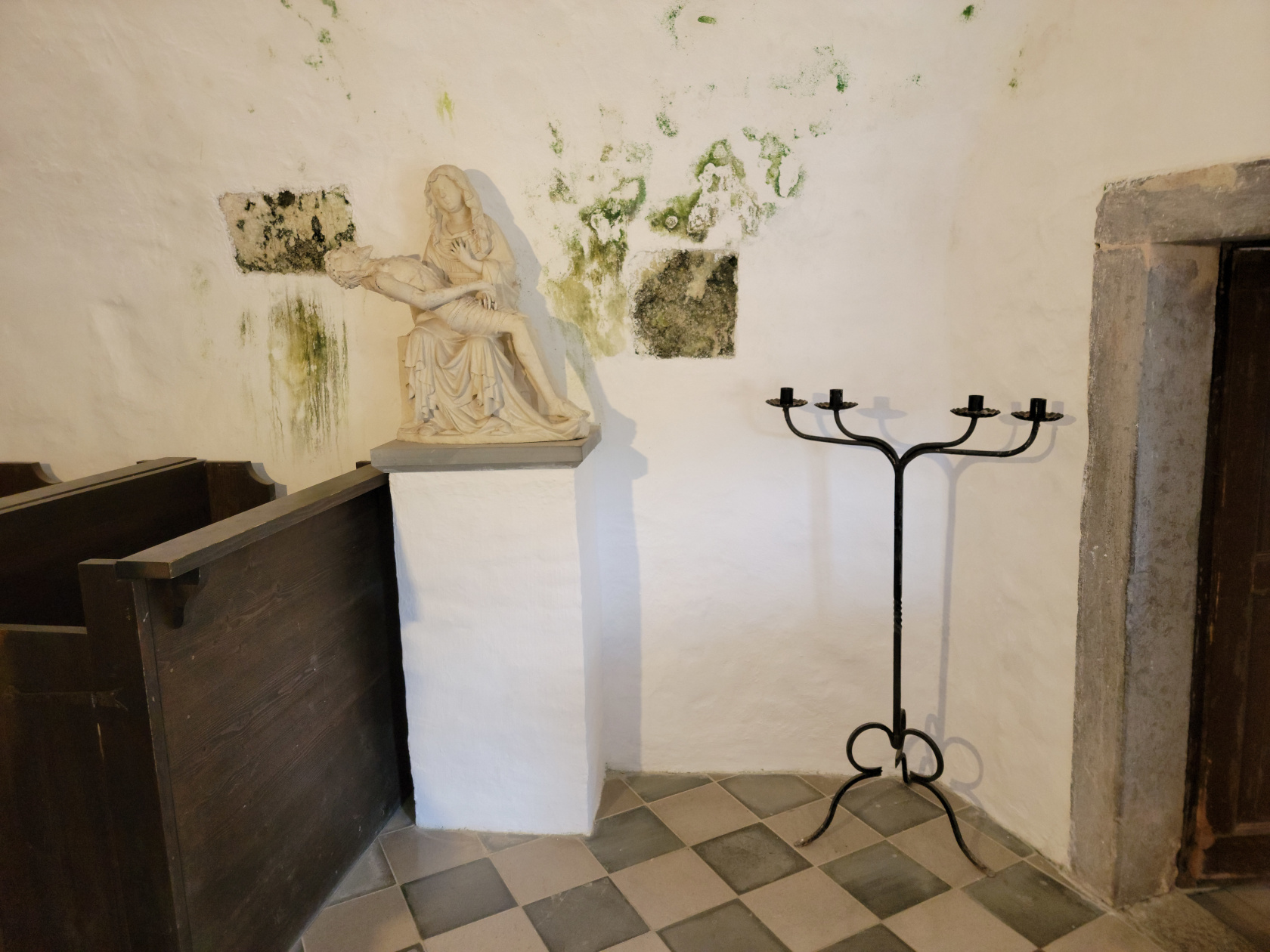
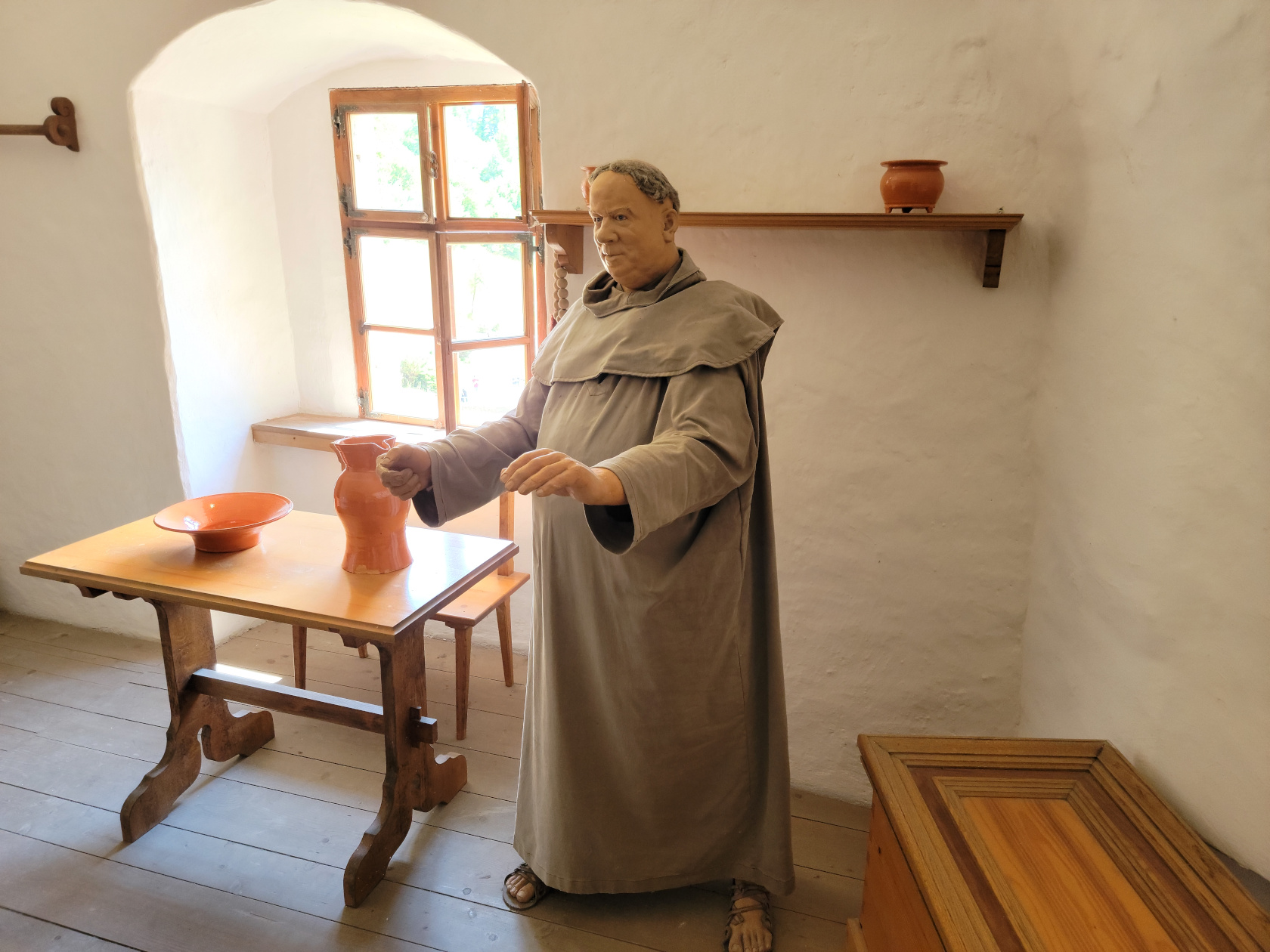
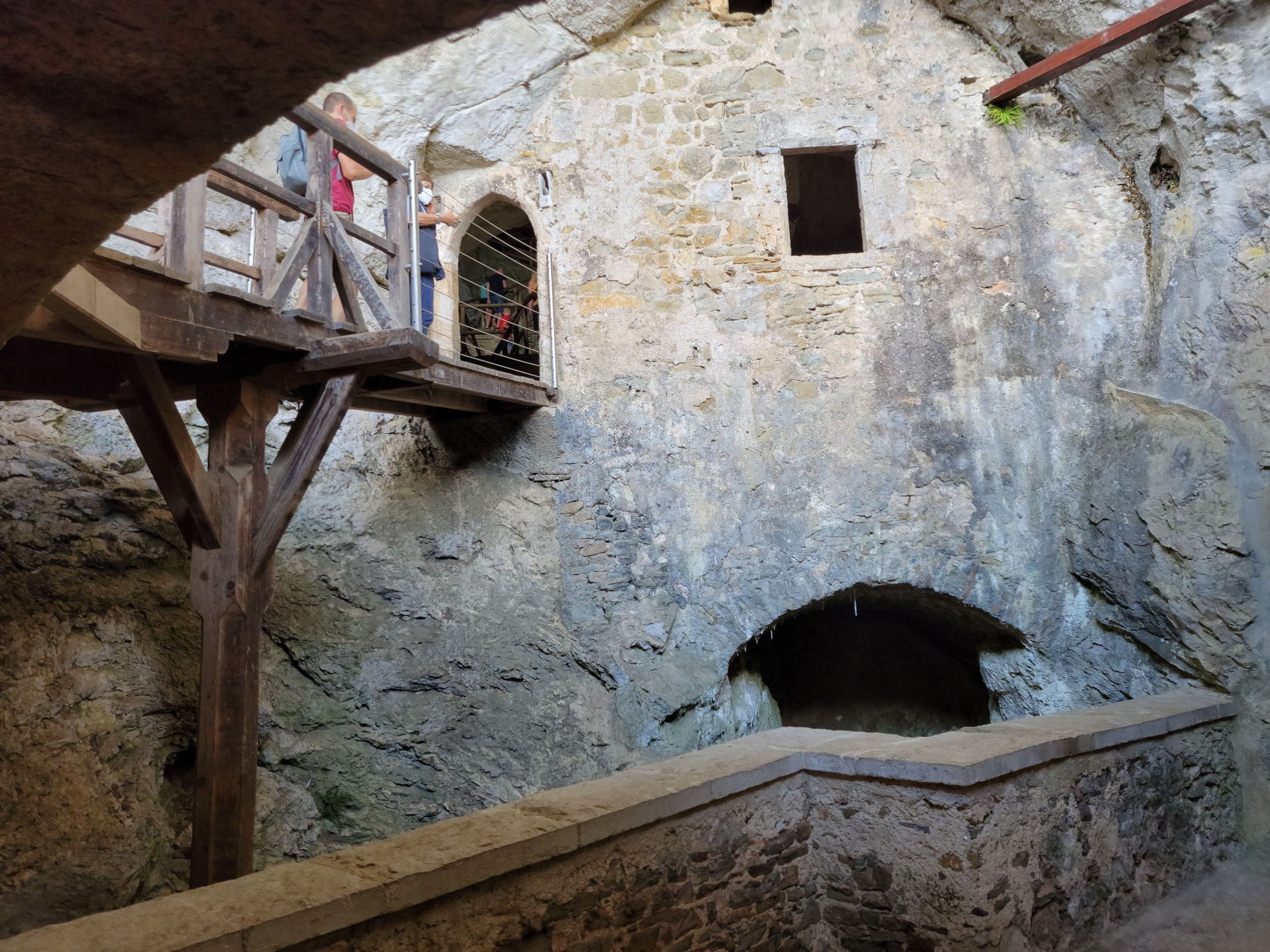
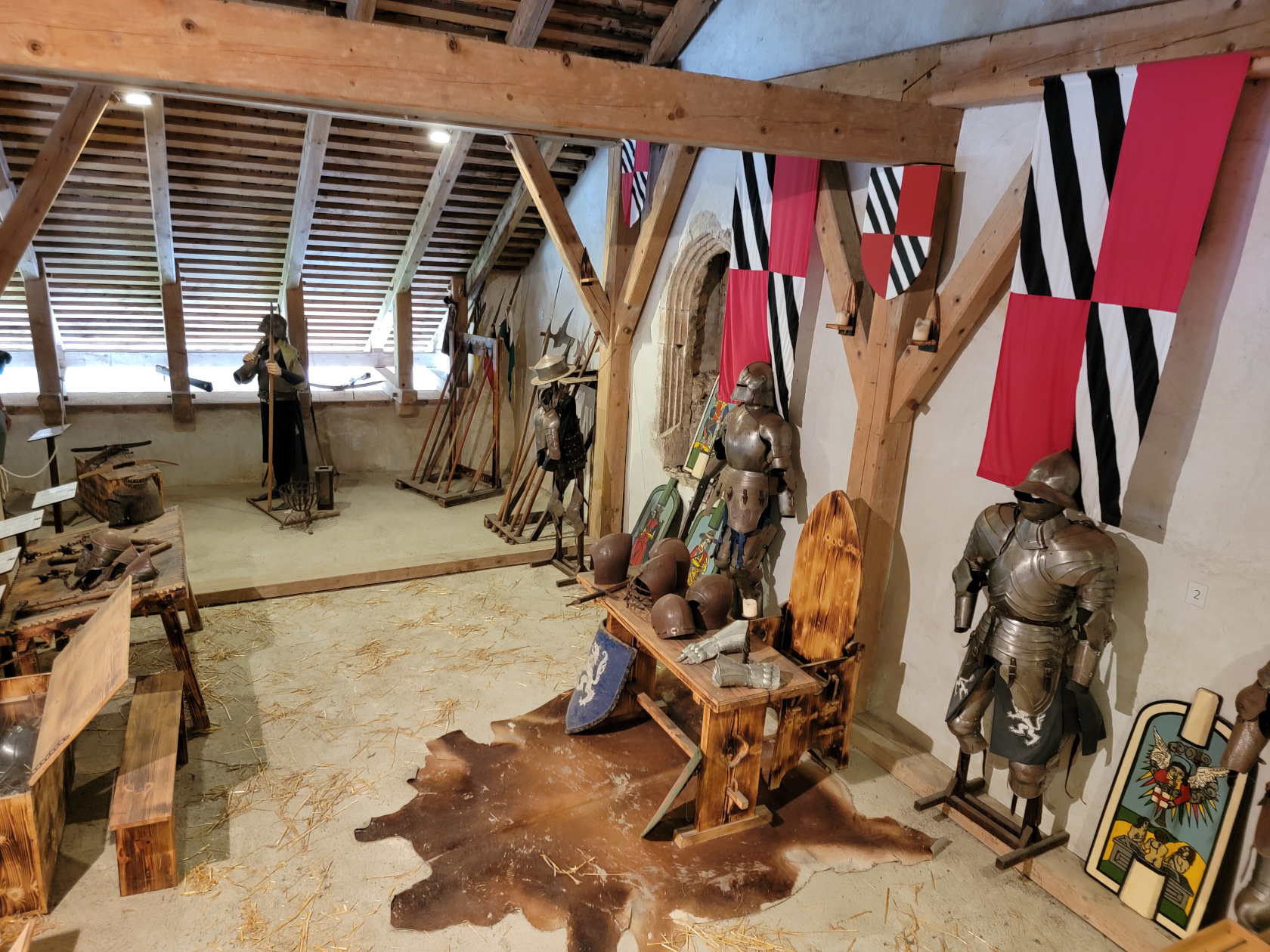
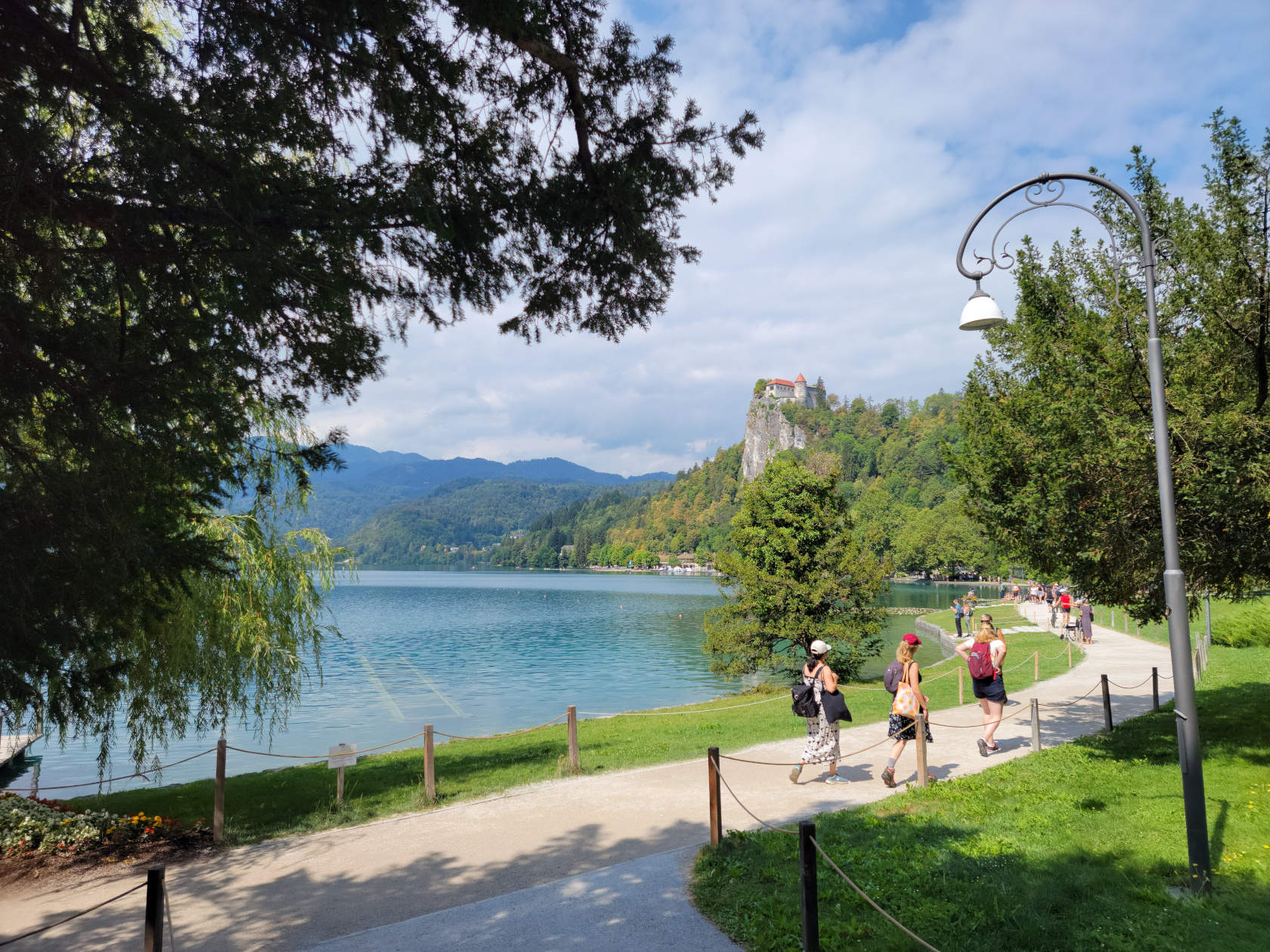
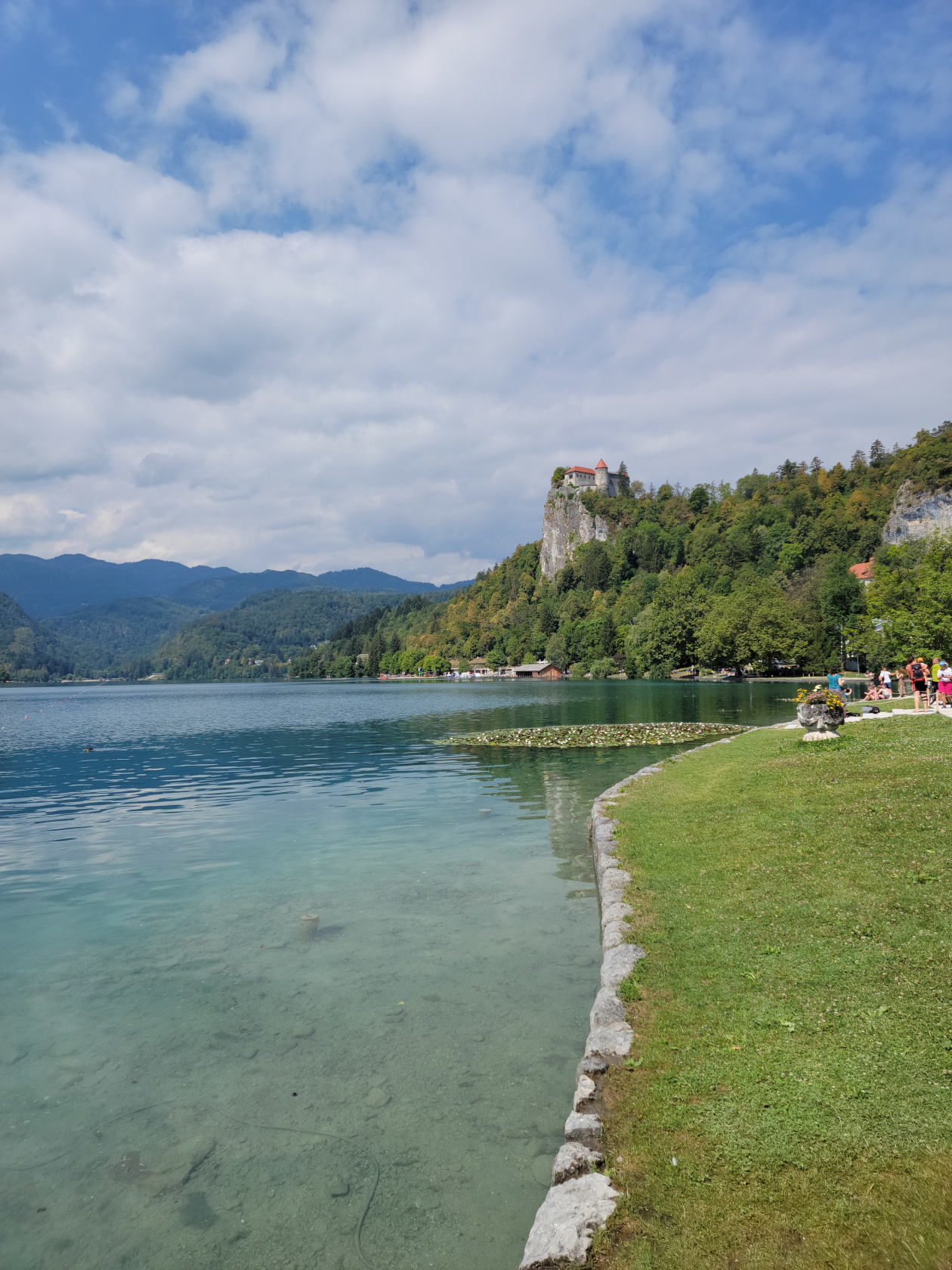
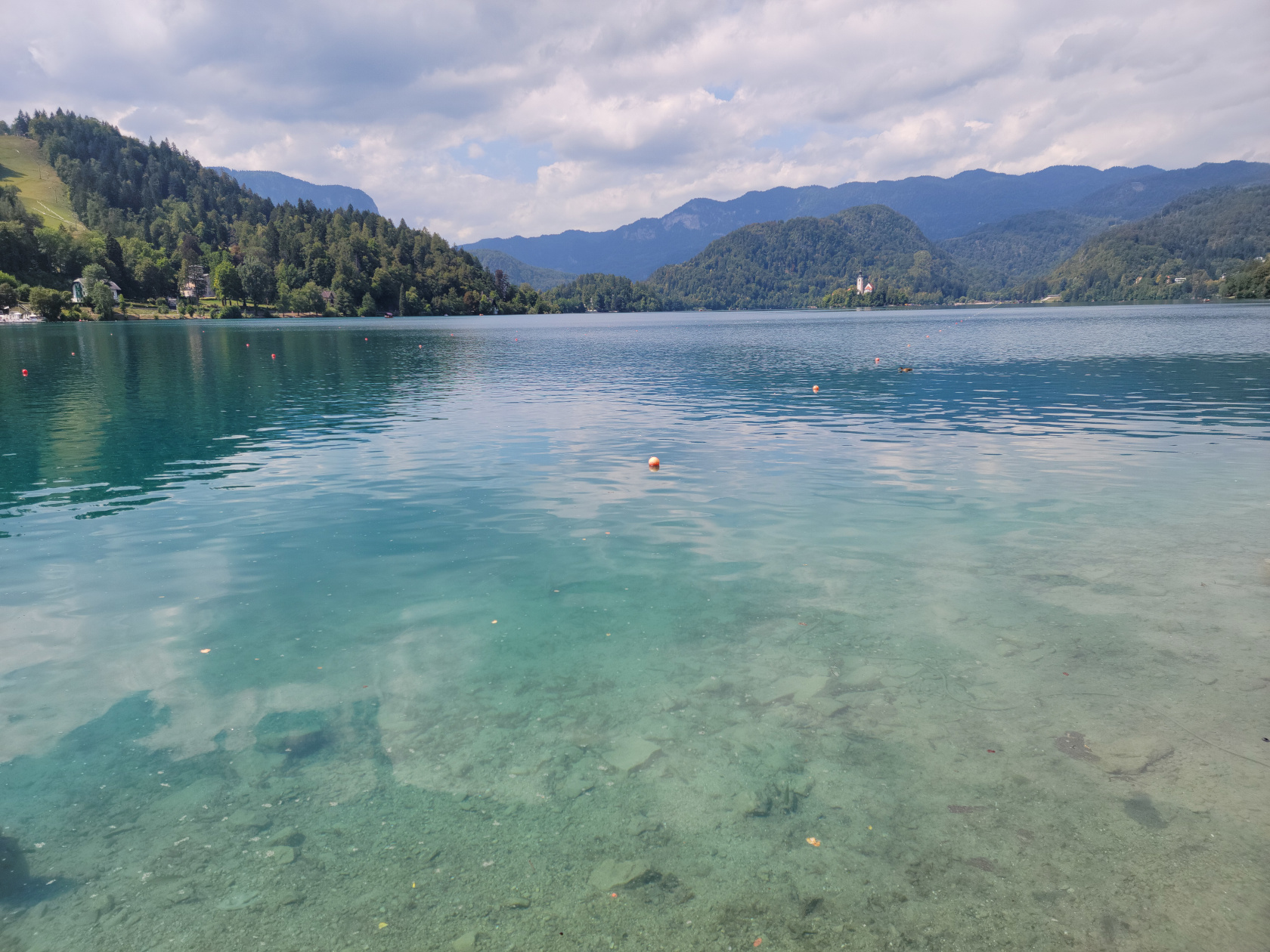
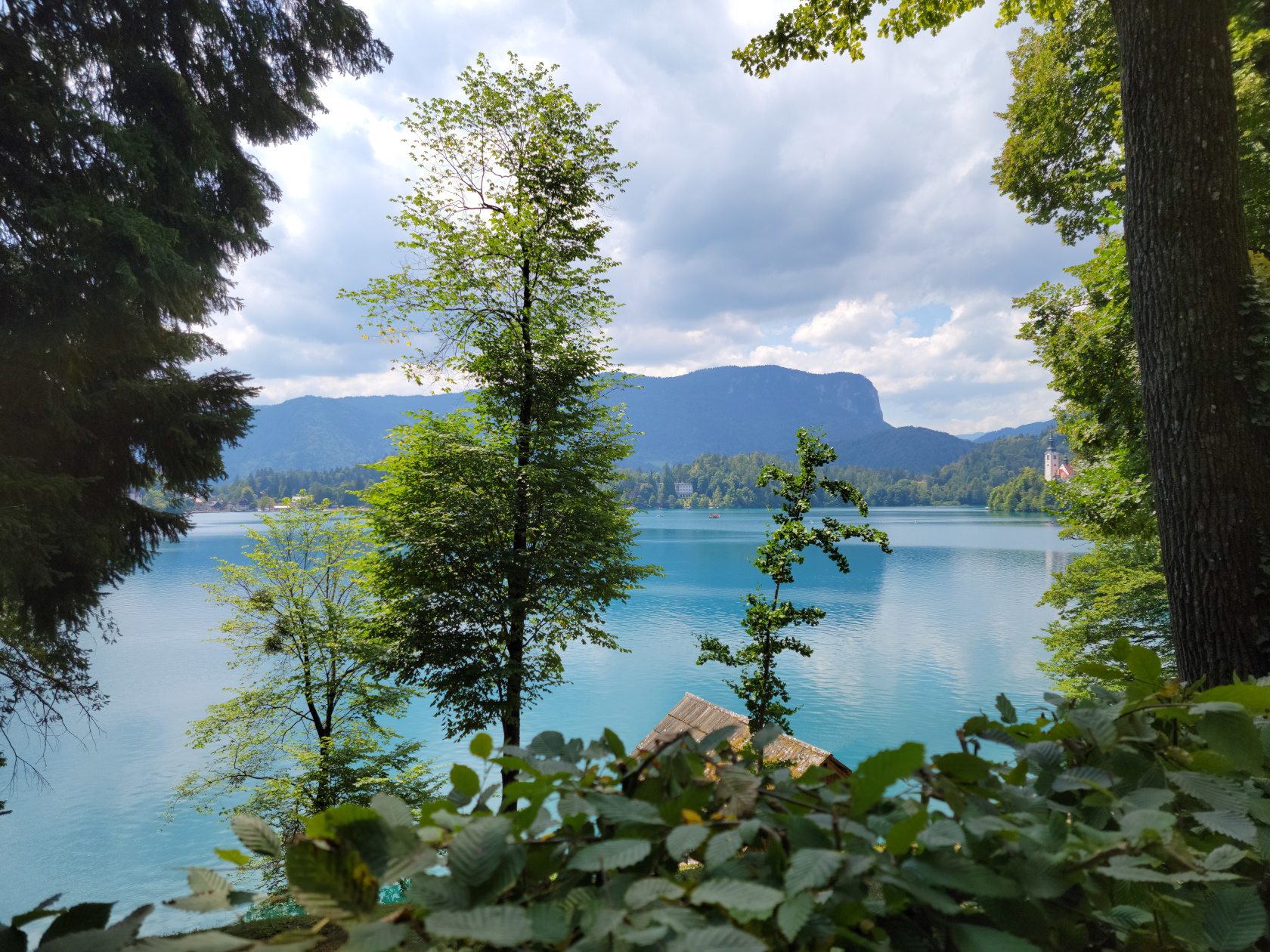
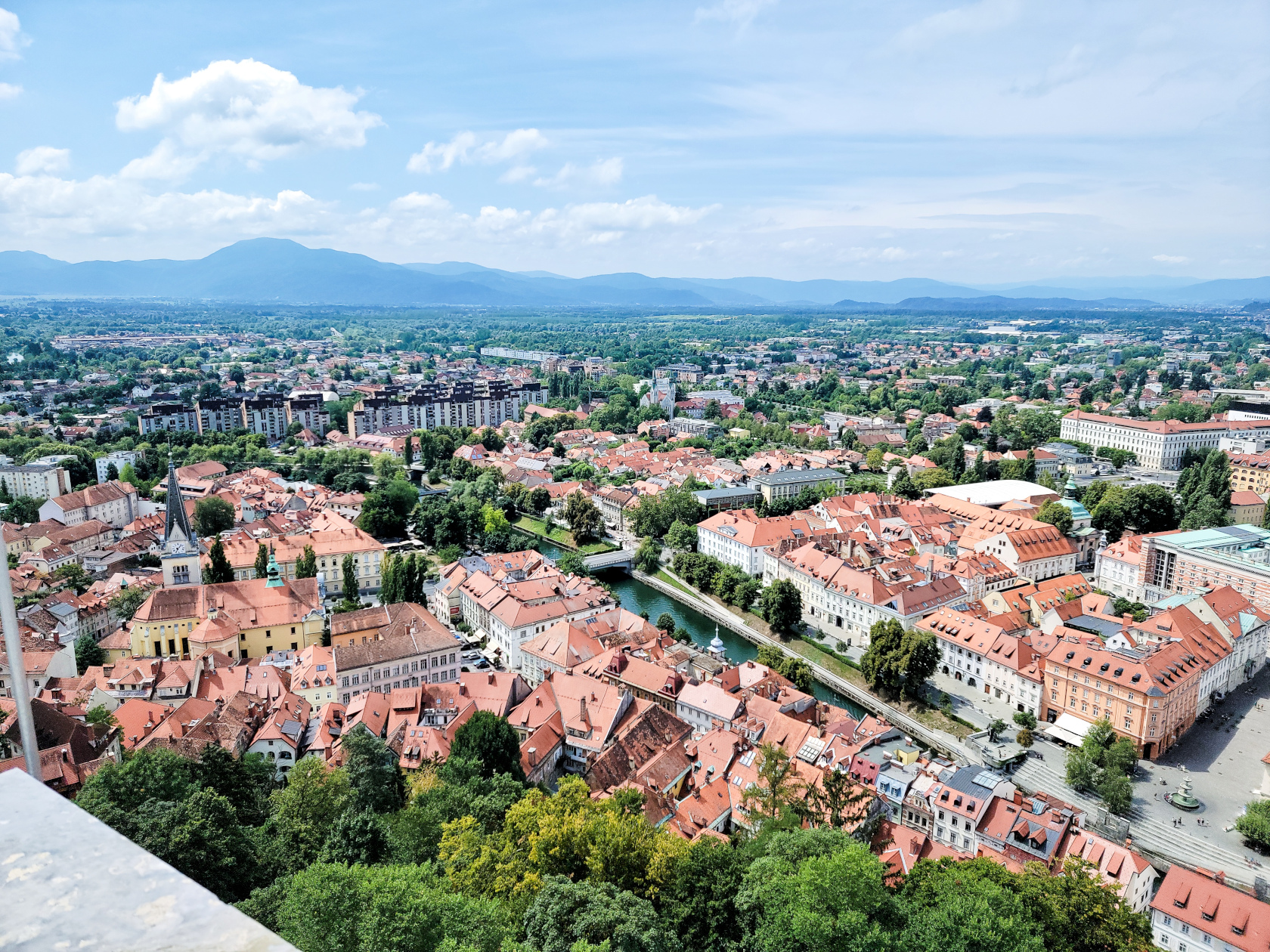
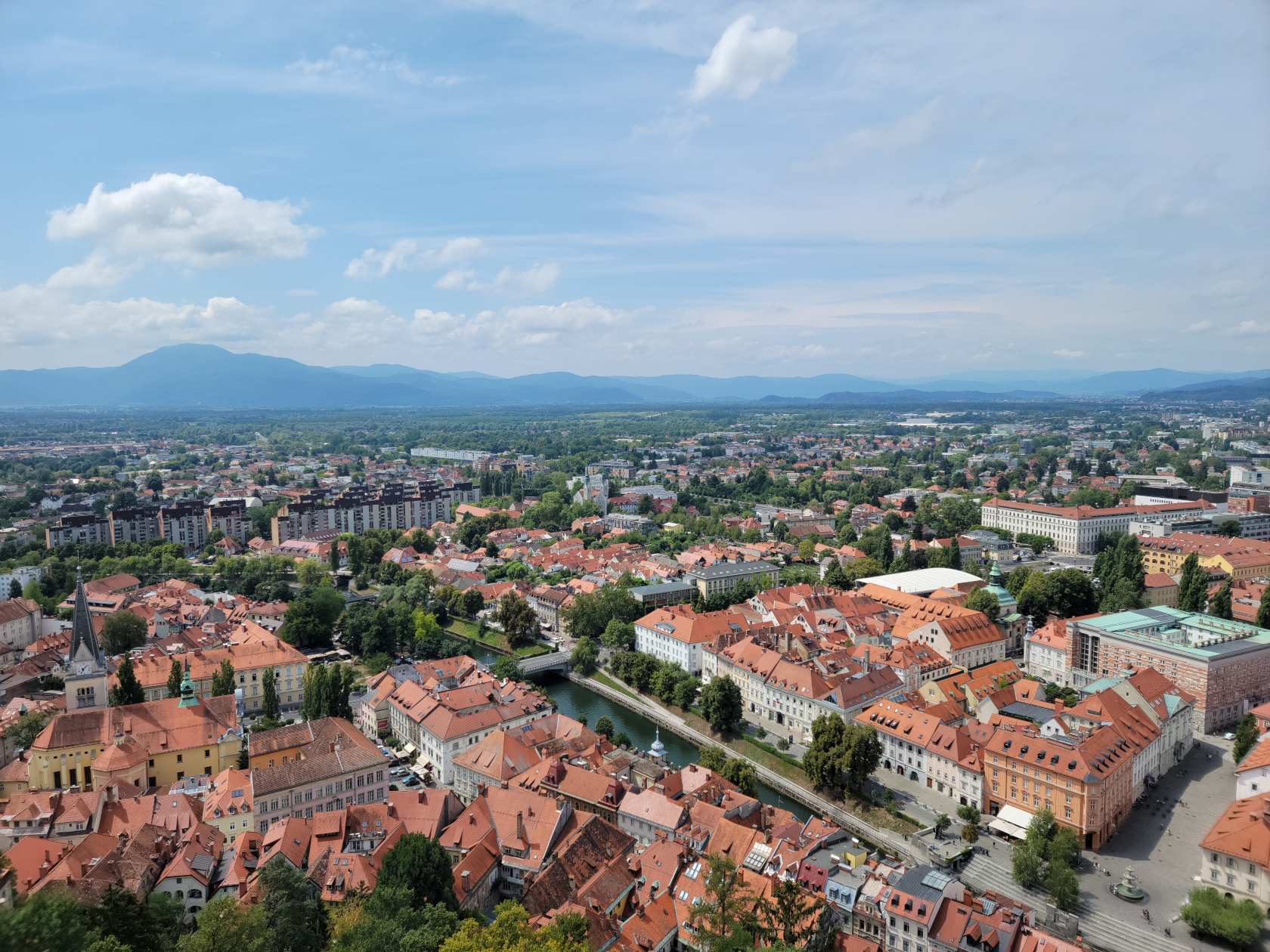
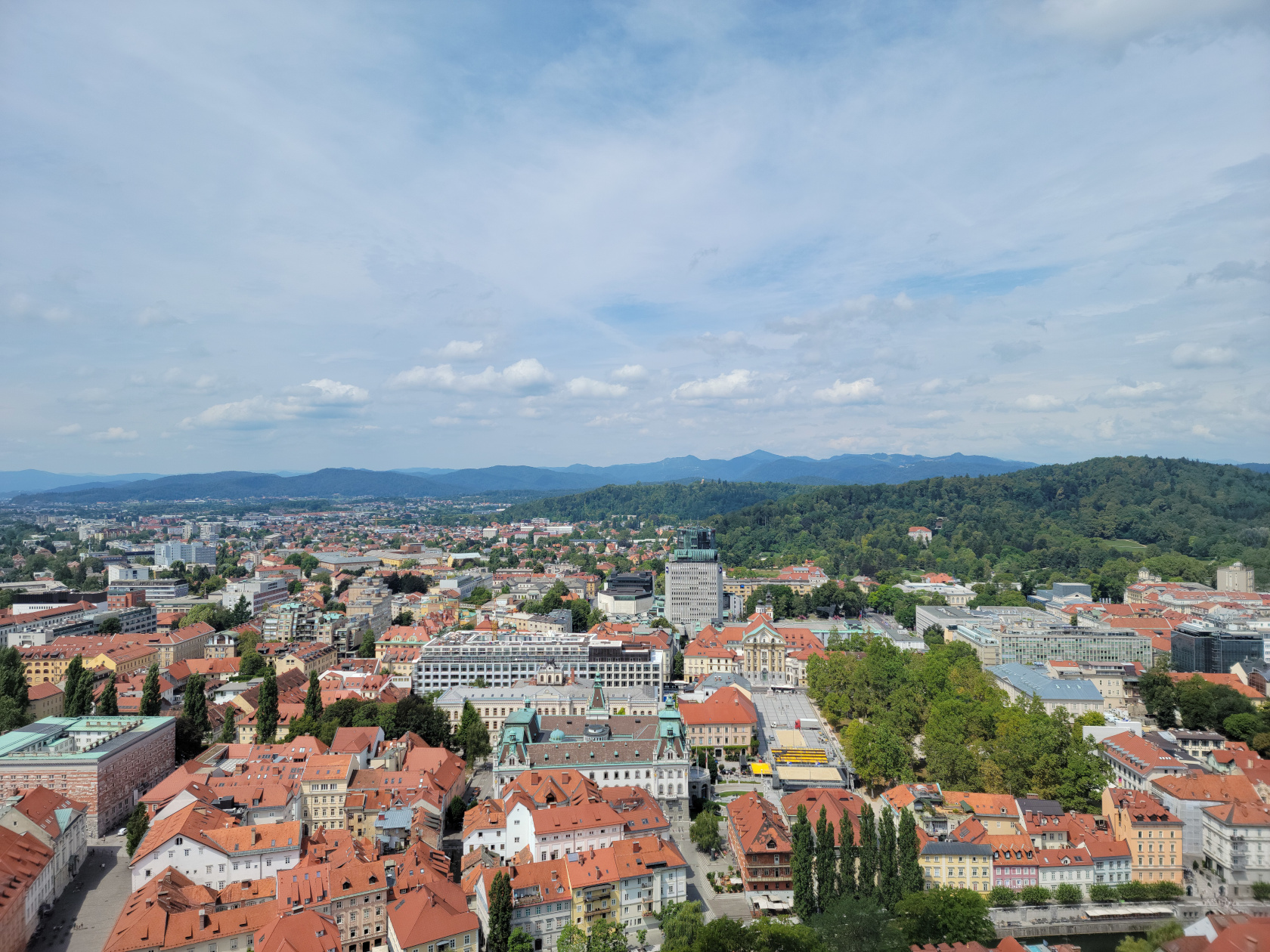
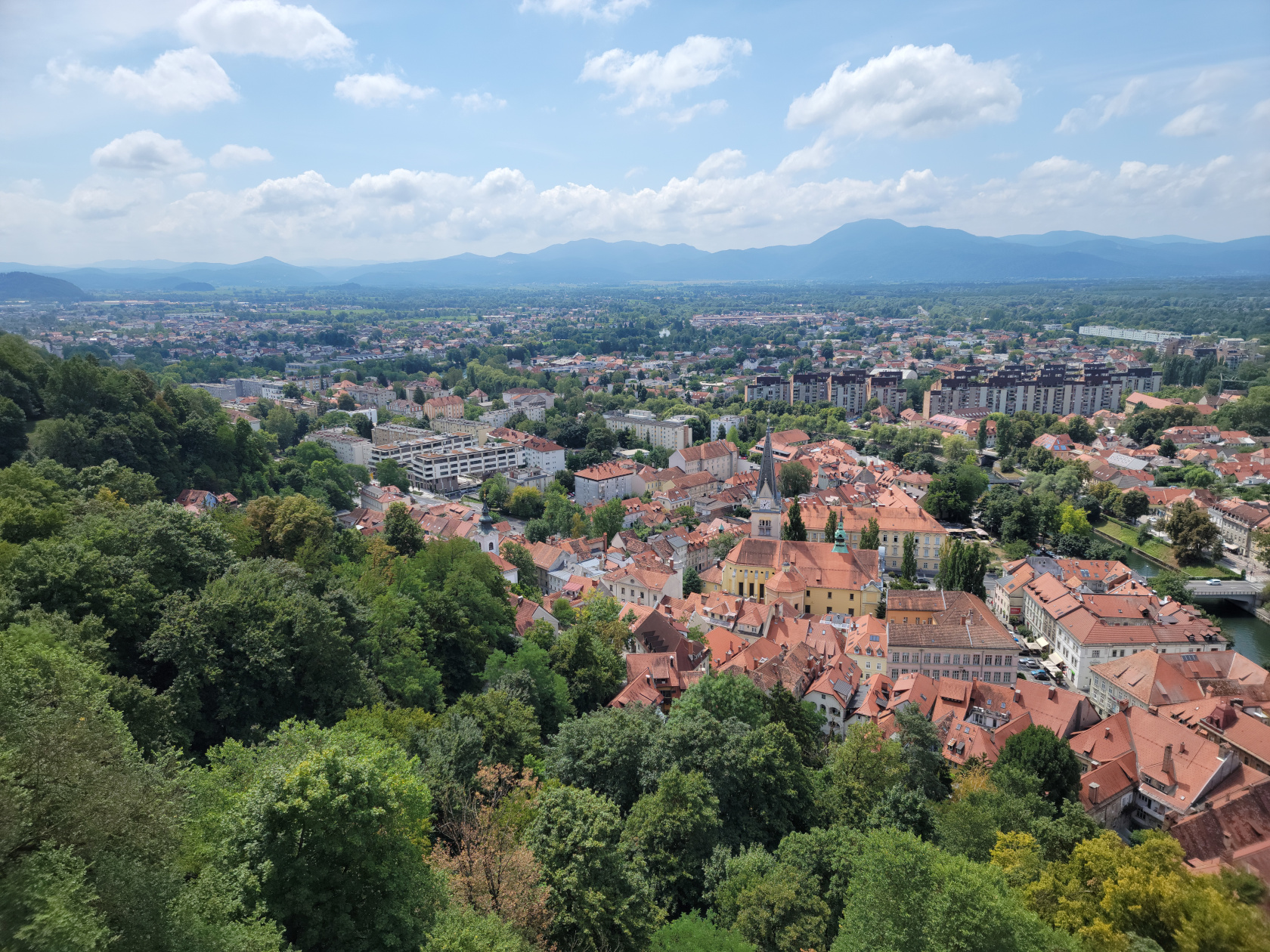
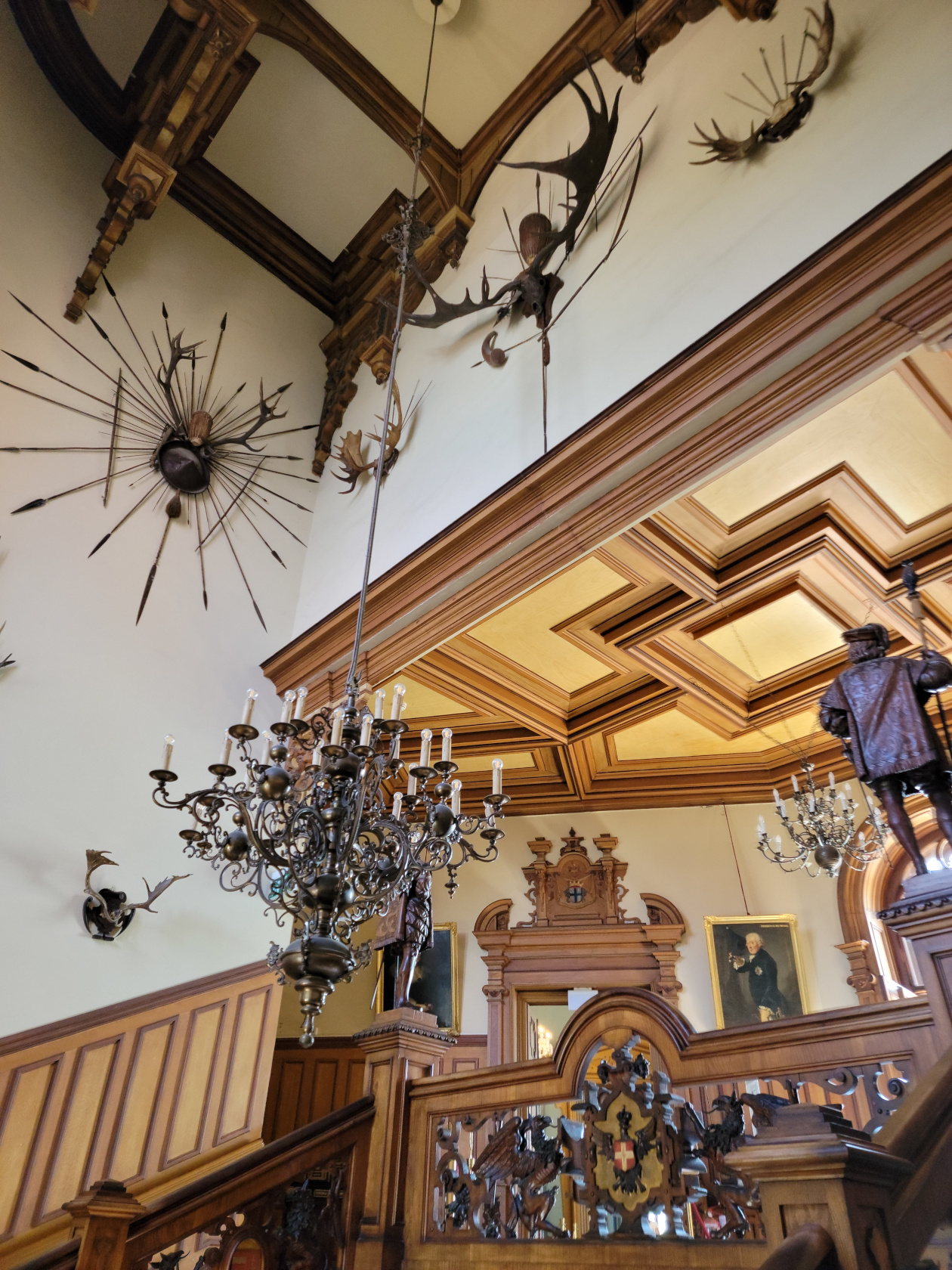
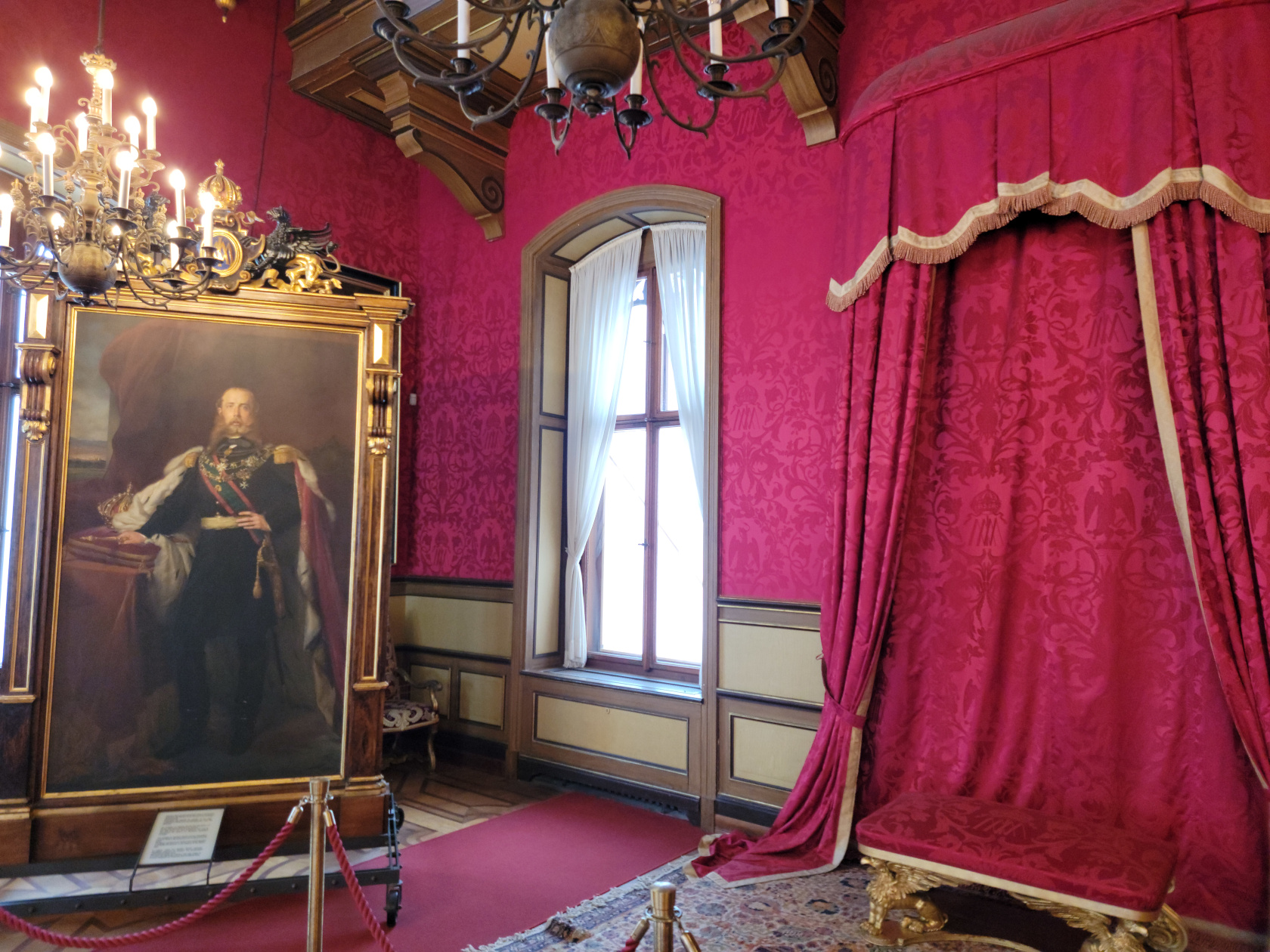
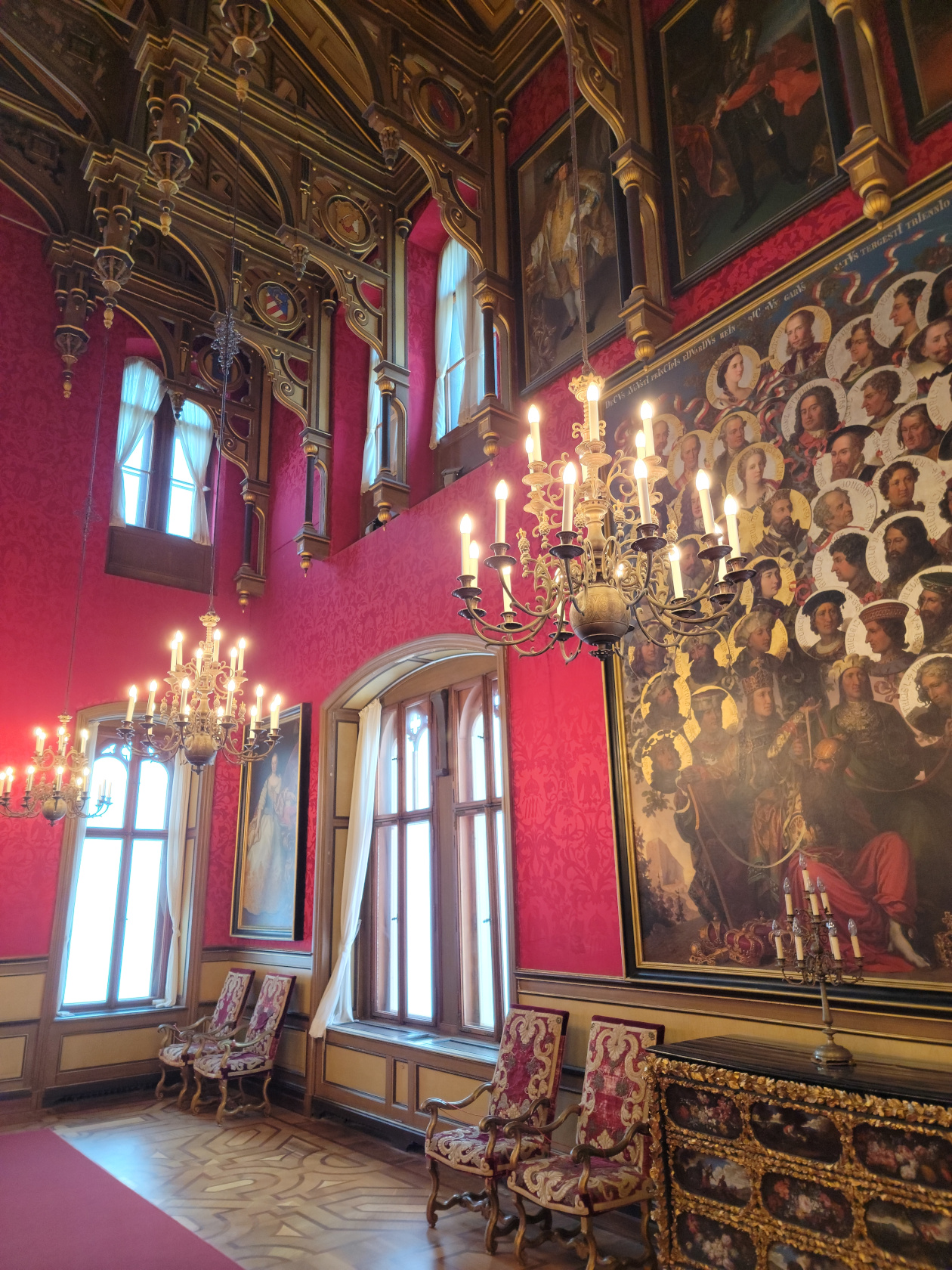
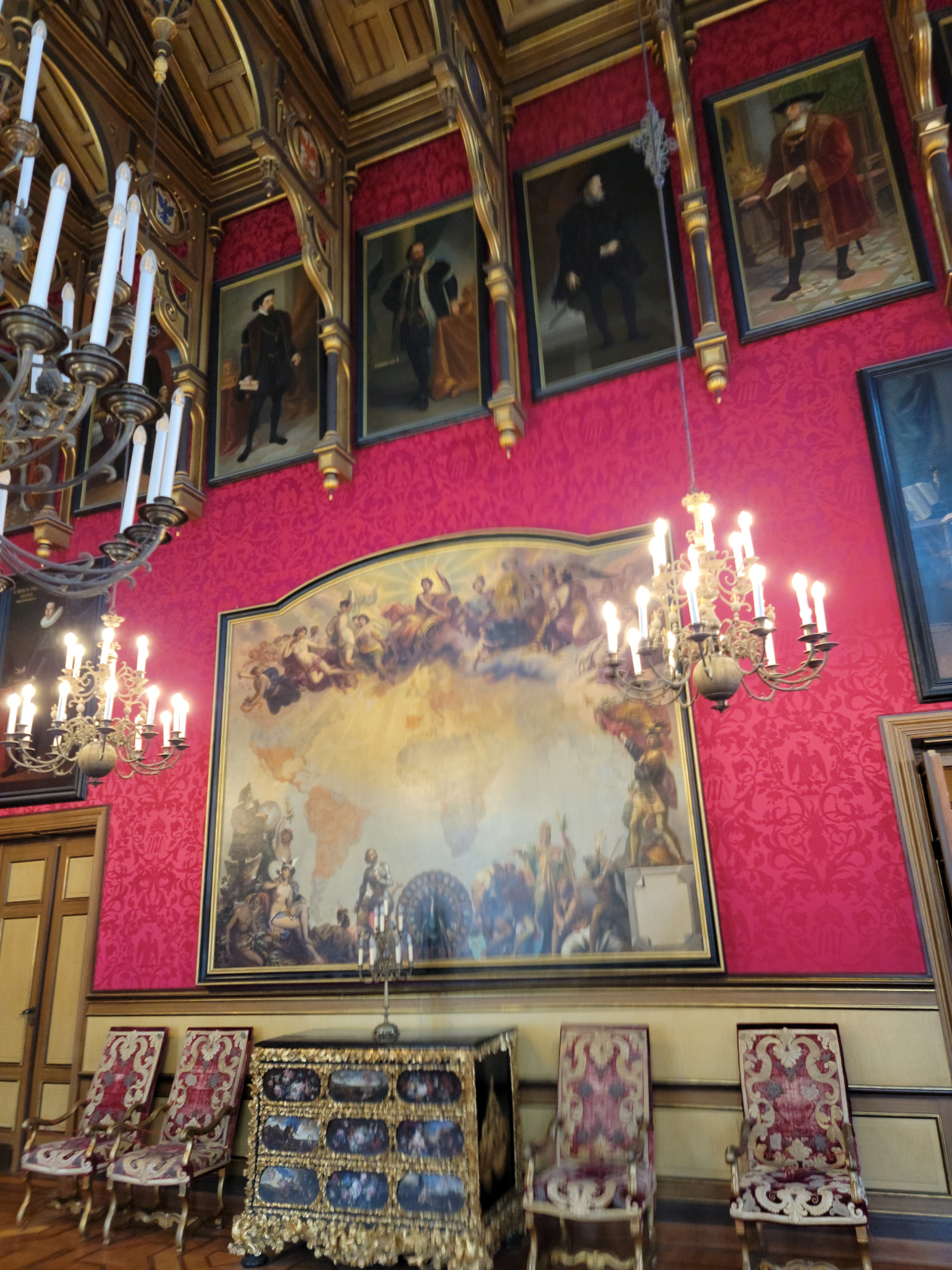
Perched above the small hamlet of Auerbach, located immediately north of Bensheim, Germany is the castle of Auerbach. The Auerbach Castle is privately owned, maintained and is free to visit. Hiking and walking around its grounds and castle is allowed and encourage by the many structures that have been put in place to reach the upper parts of the castle.
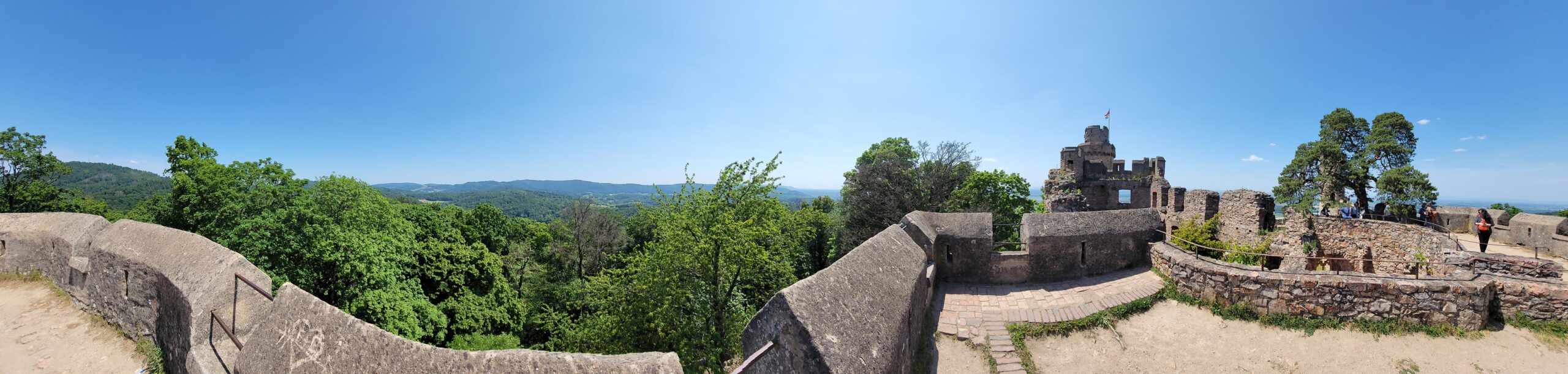
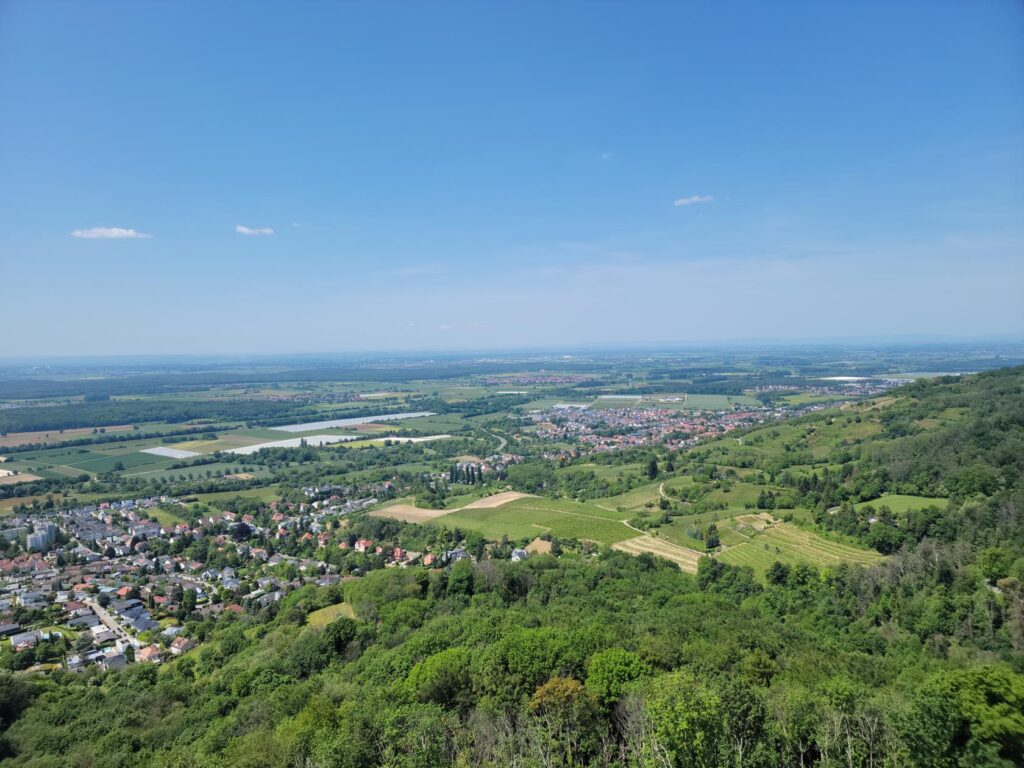
South panorama – Auerbach Castle – Auerbach, Germany
Auerbach Castle
This is a perfect destination for a day trip, where one can go and enjoy the weather and the beautifully forested grounds of the castle. The castle itself is rather small and may be used to get an excellent view of the surrounding area and countryside beyond.
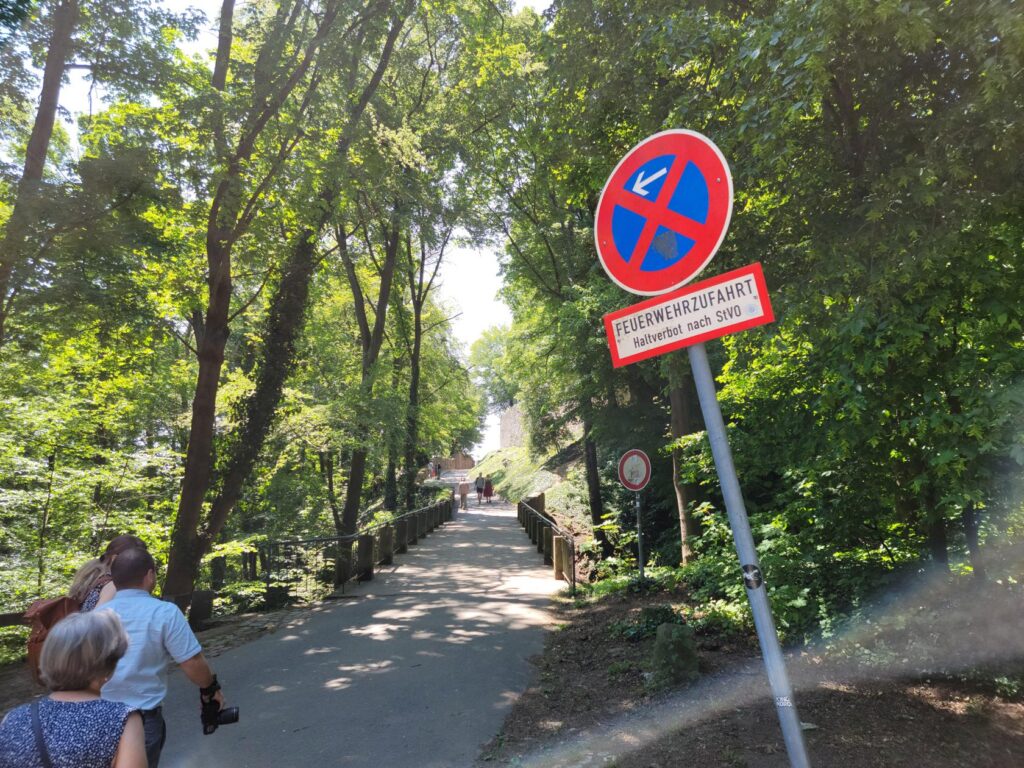
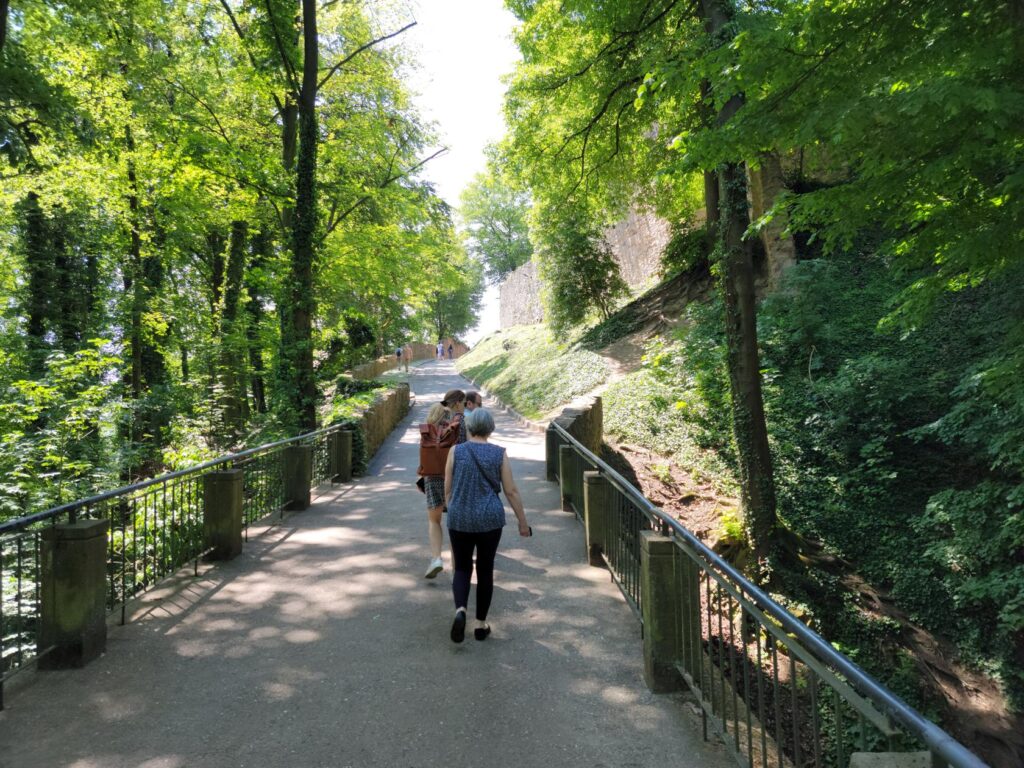
The way up from nearest parking lot – Auerbach Castle – Auerbach, Germany
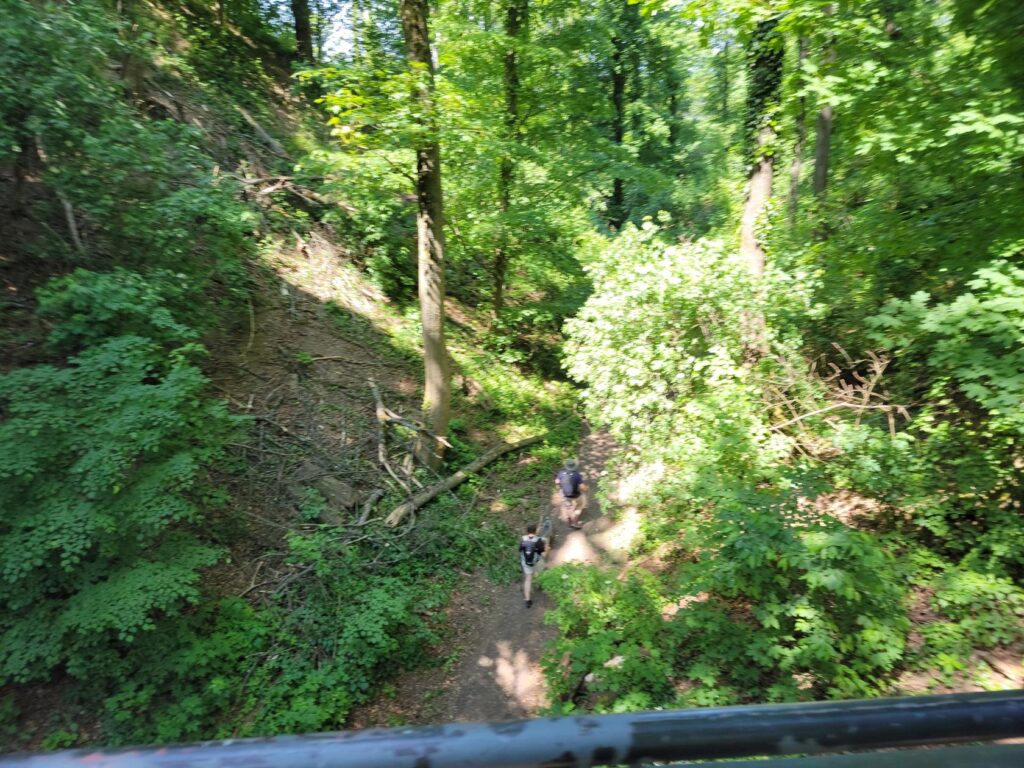
There are plenty of trails – Auerbach Castle – Auerbach, Germany
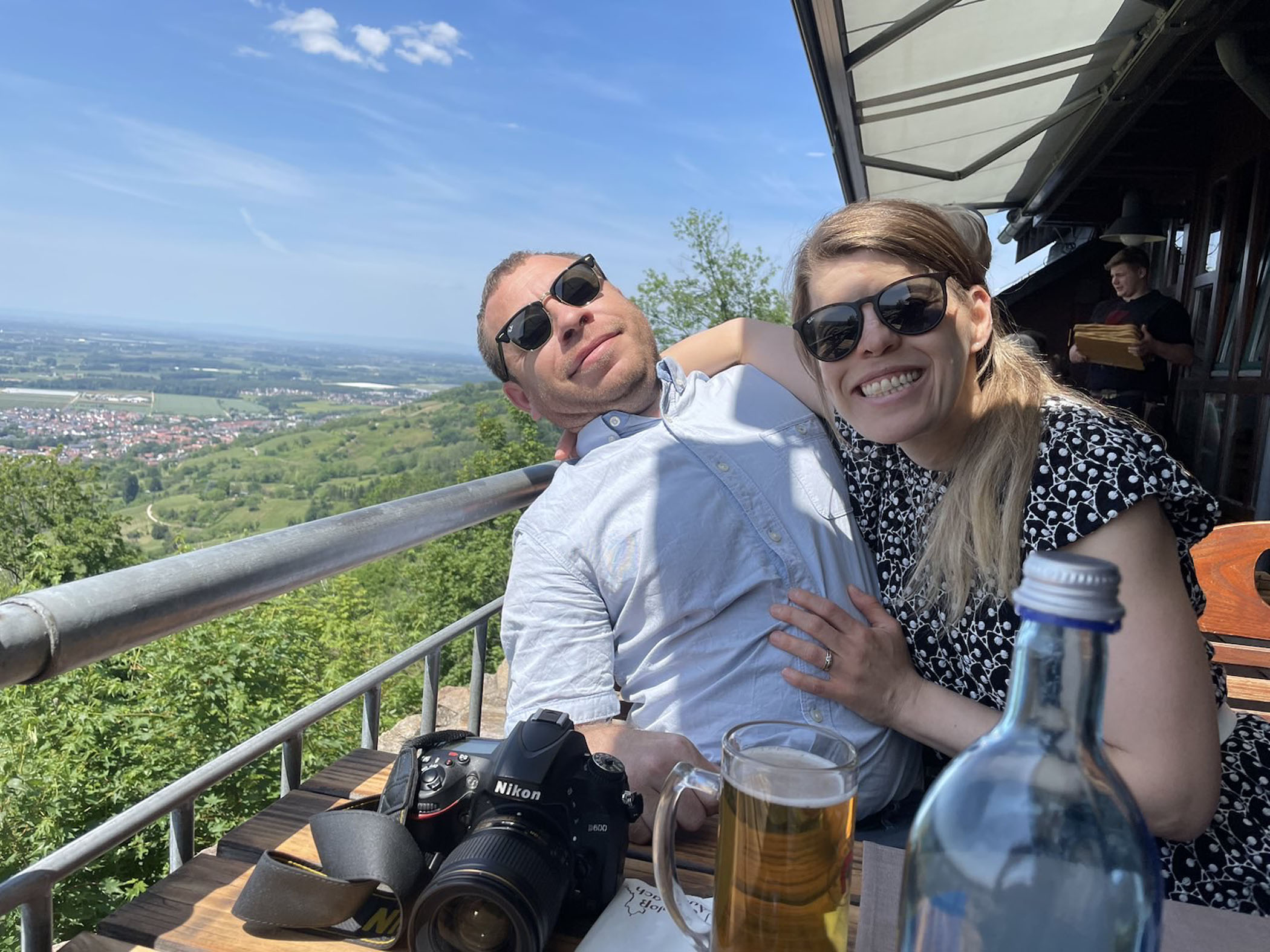
Gabi and Ericka – Auerbach Castle – Auerbach, Germany
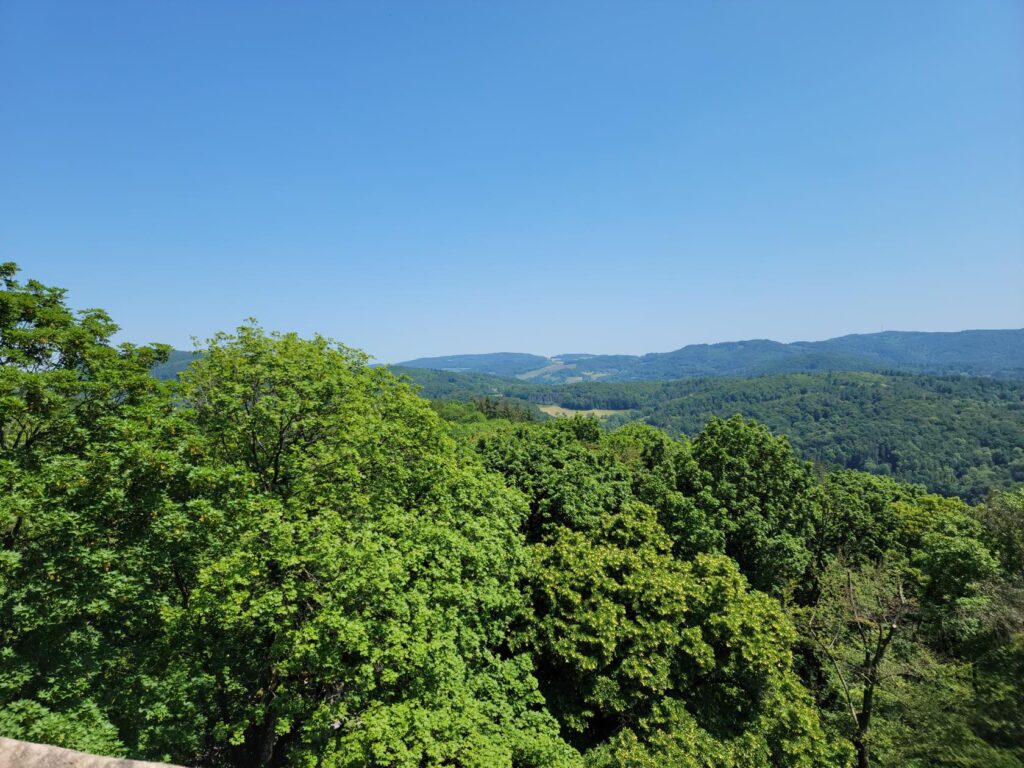
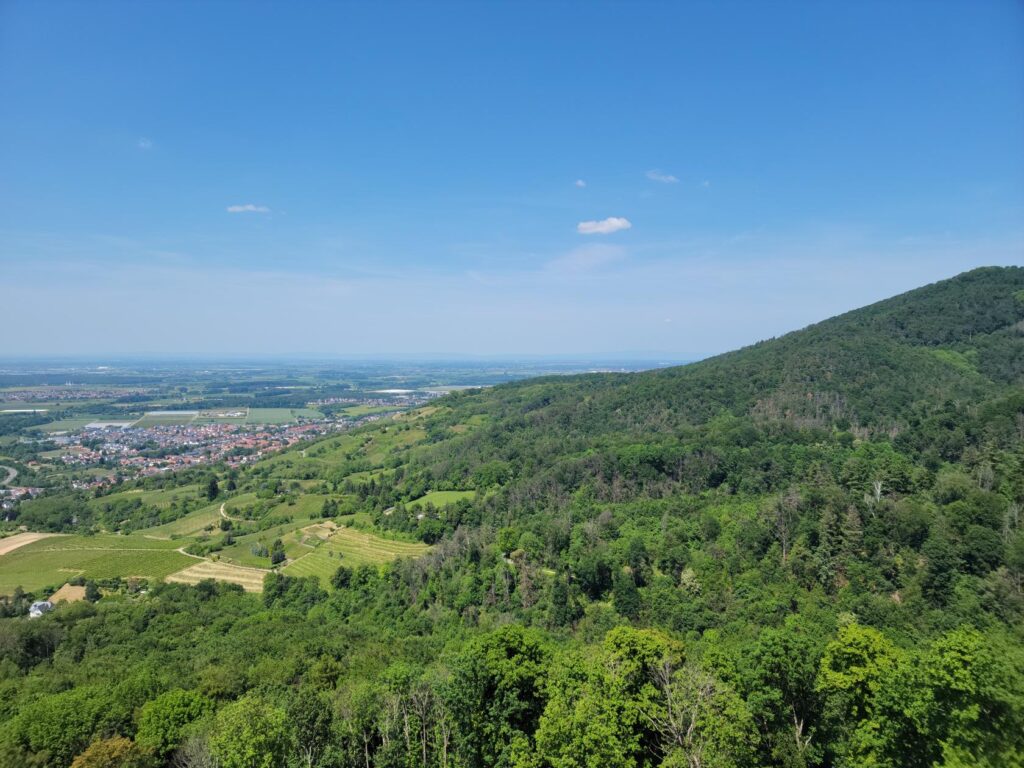
We were lucky enough to stop on our way to Frankfurt, and on a day of exceptional weather, where we were able to easily make out the nuclear power plant ten miles away and the hills beyond that, at what must be close to fifty miles away.
North panorama – Auerbach Castle – Auerbach, Germany
The castle was built sometime in the thirteenth century on what they called the old hill, or Urberg. It was probably partially maintained as a strategic fortification well into the seventeenth century, when it was no longer needed.
Over the next hundred years or so, it fell into disrepair and eventually the north tower collapsed. In the nineteenth century, it was repaired and partially rebuilt, the former bailey[1]A bailey is a protective walled courtyard, usually surrounded by a palisade or ditch outside. being converted into an Inn and eventually taking on its final form we see today. You can actually stay at the Inn even today.
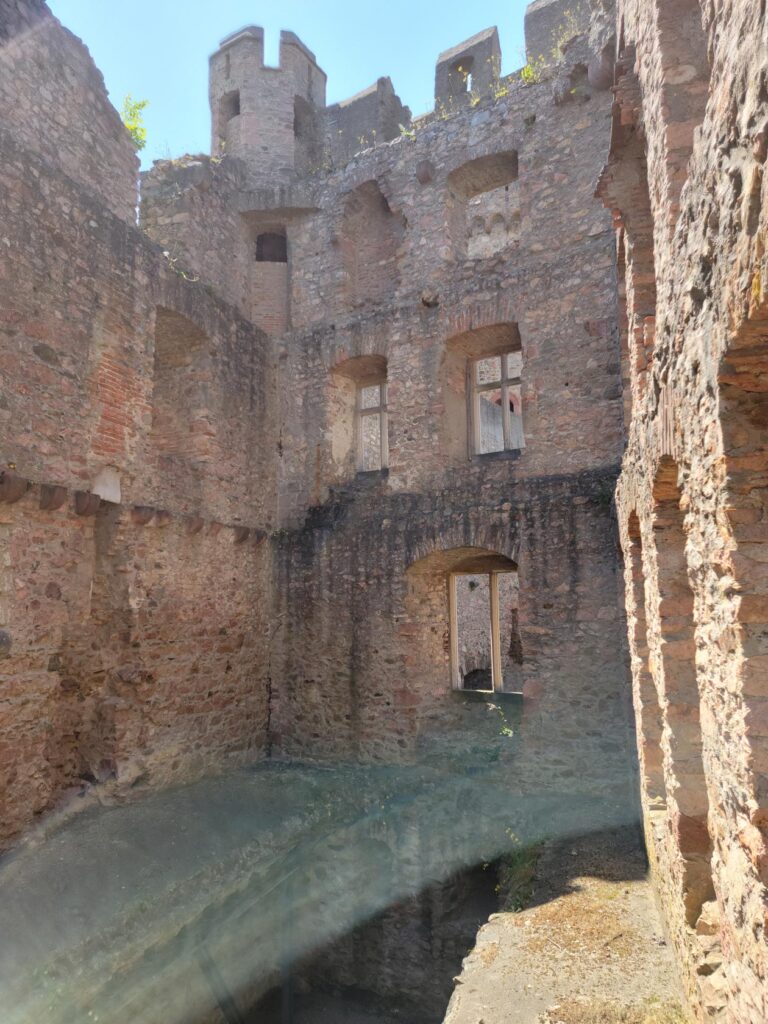
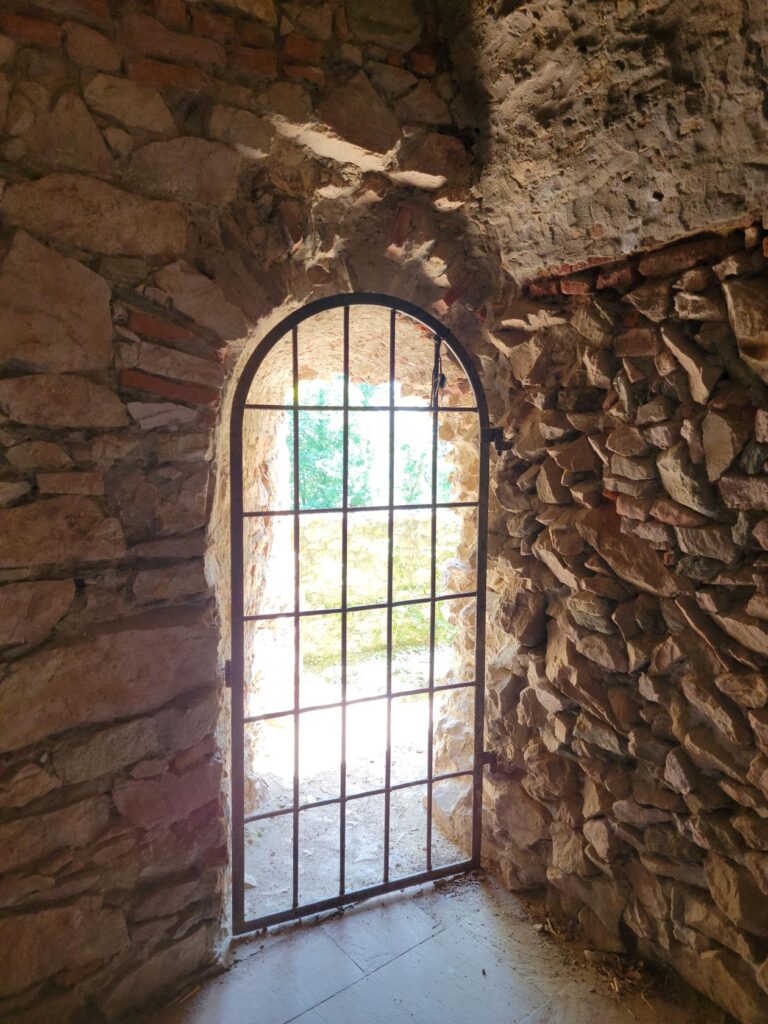
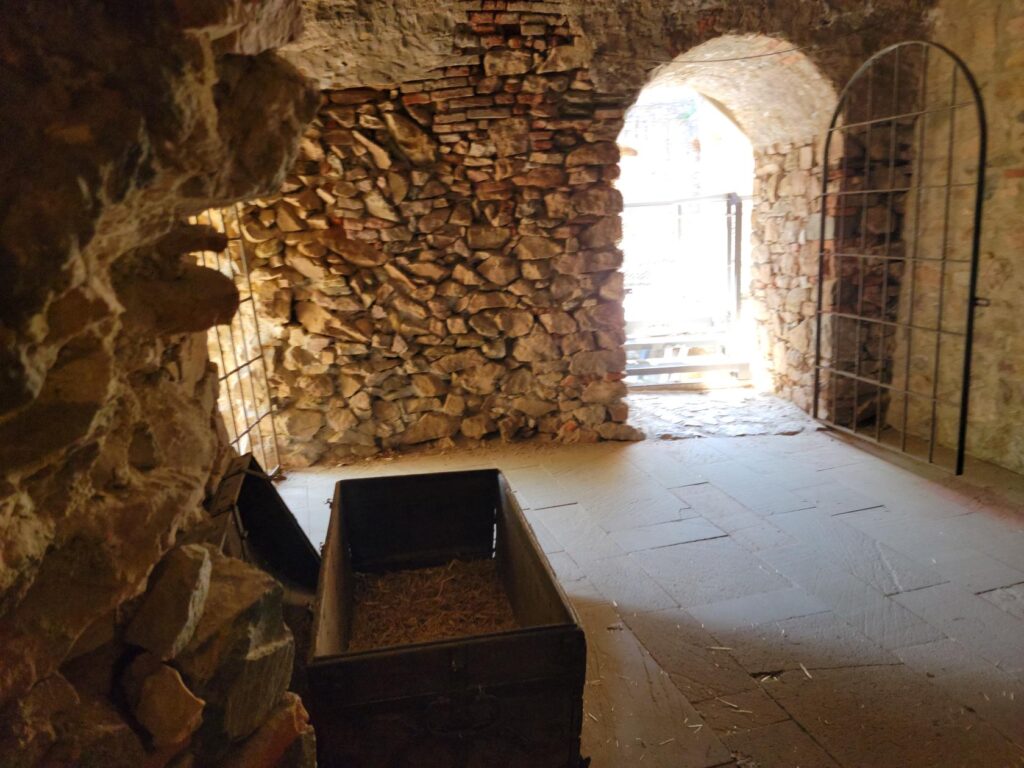
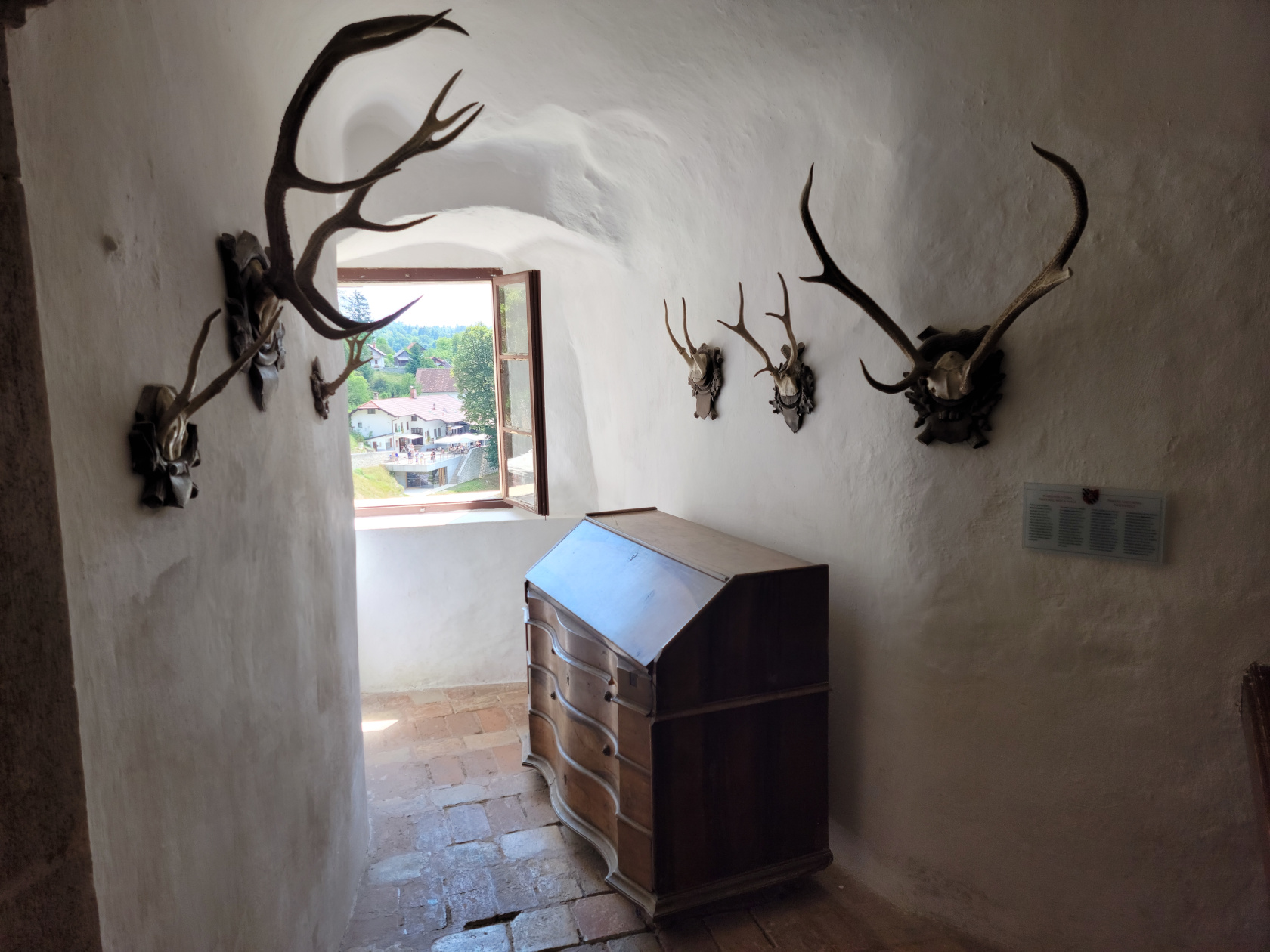
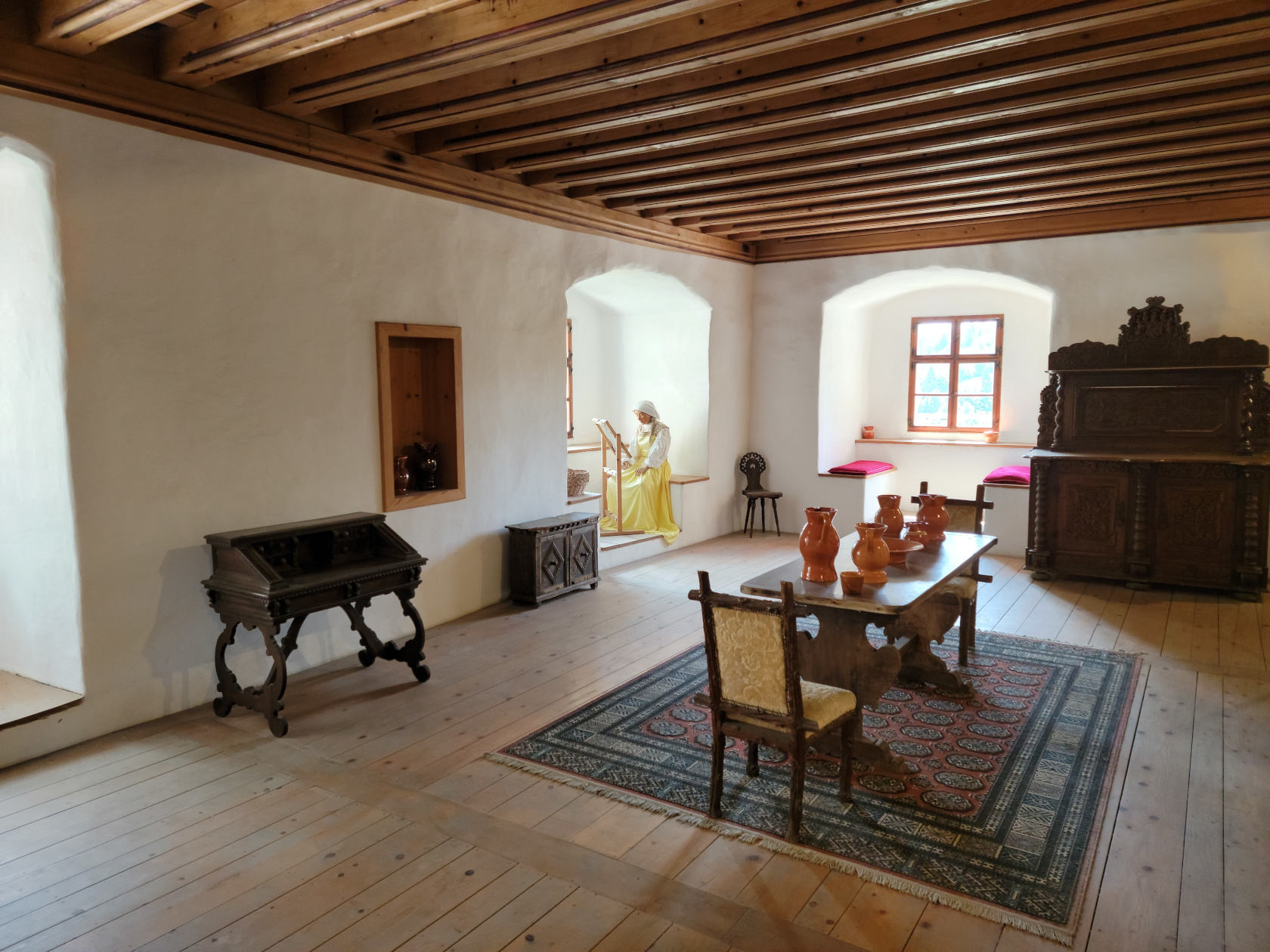
Interior – Auerbach Castle – Auerbach, Germany
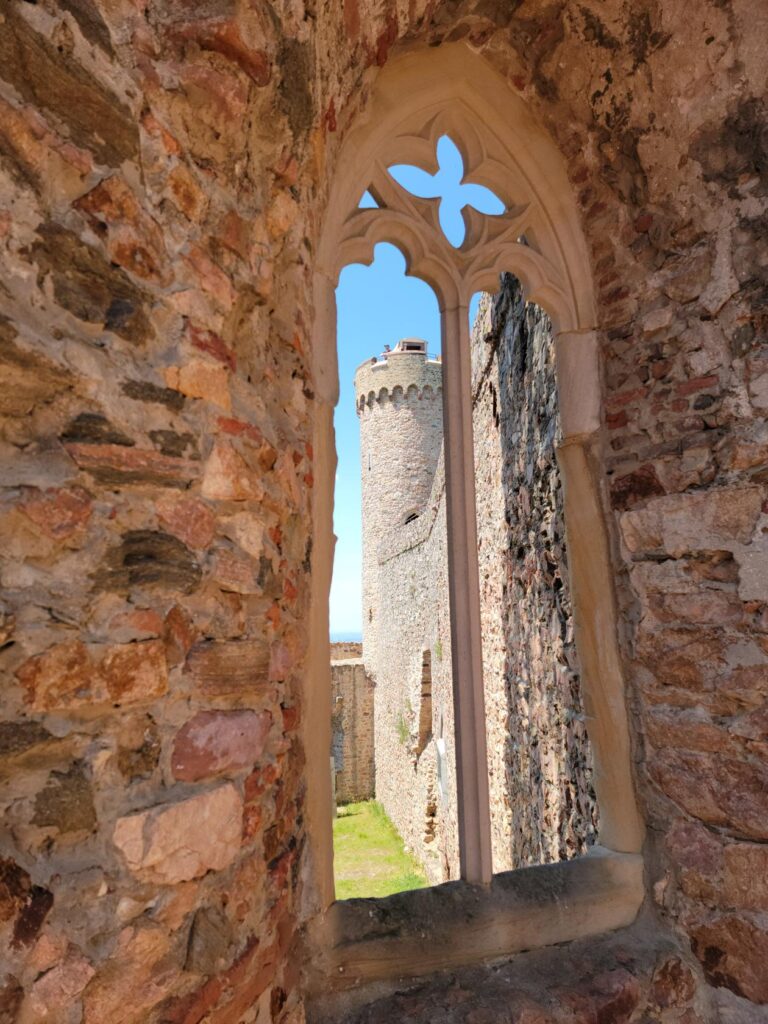
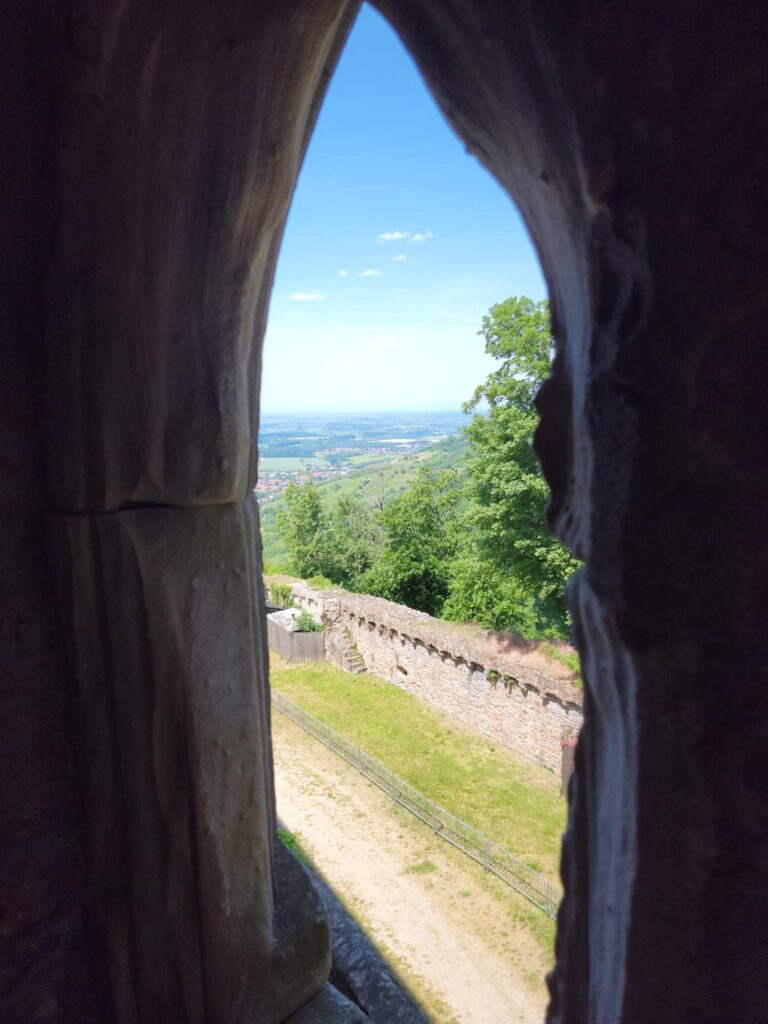
An old window – Auerbach Castle – Auerbach, Germany
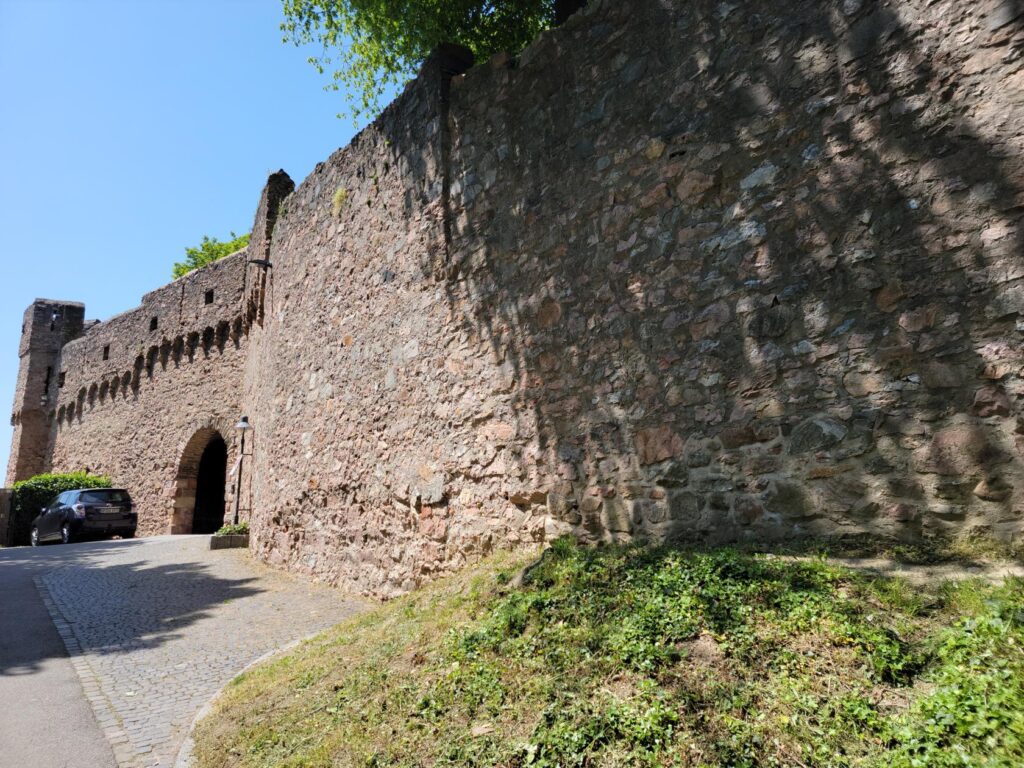
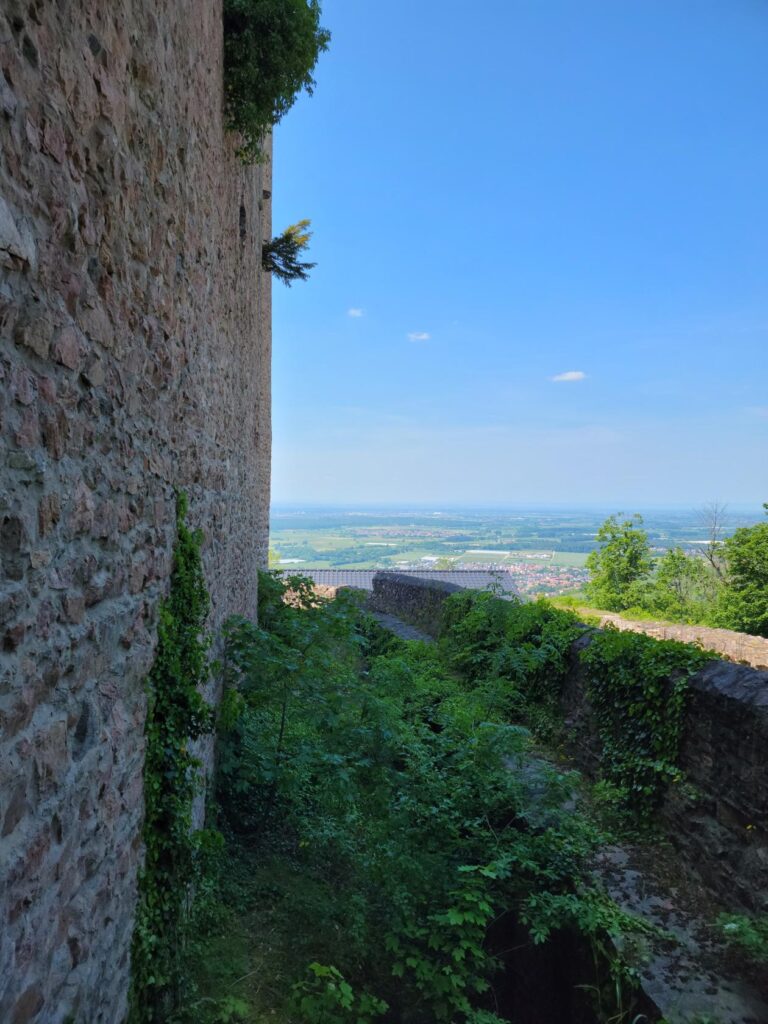
A view of the outside wall – Auerbach Castle – Auerbach, Germany
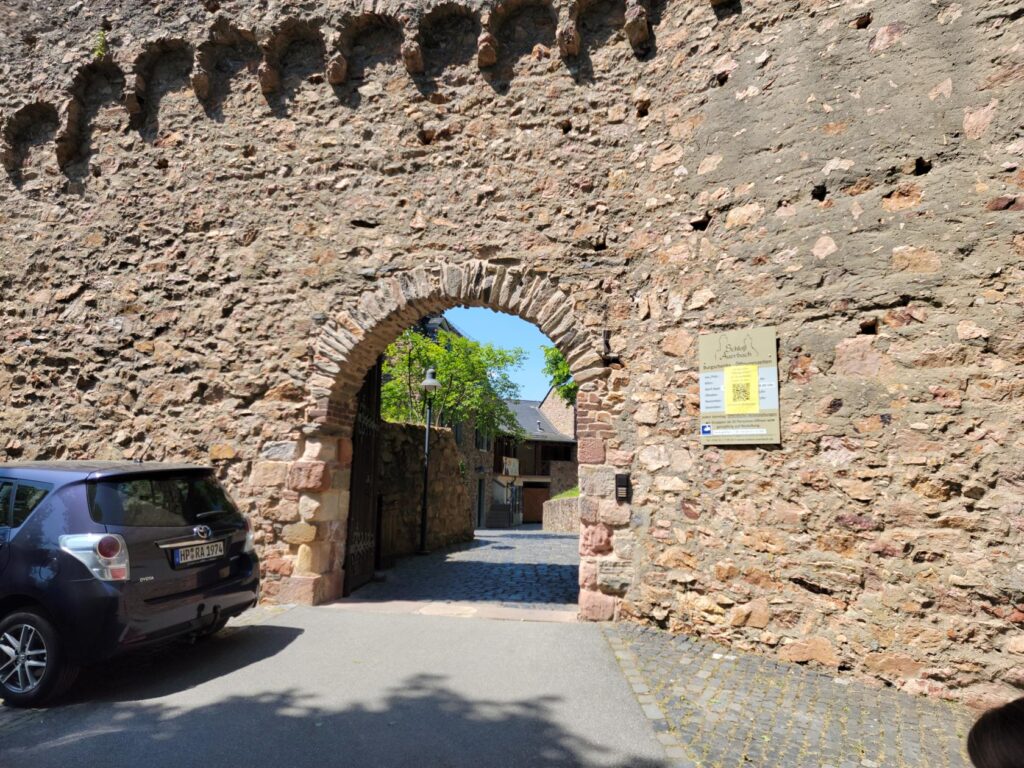
North tower gate – Auerbach Castle – Auerbach, Germany
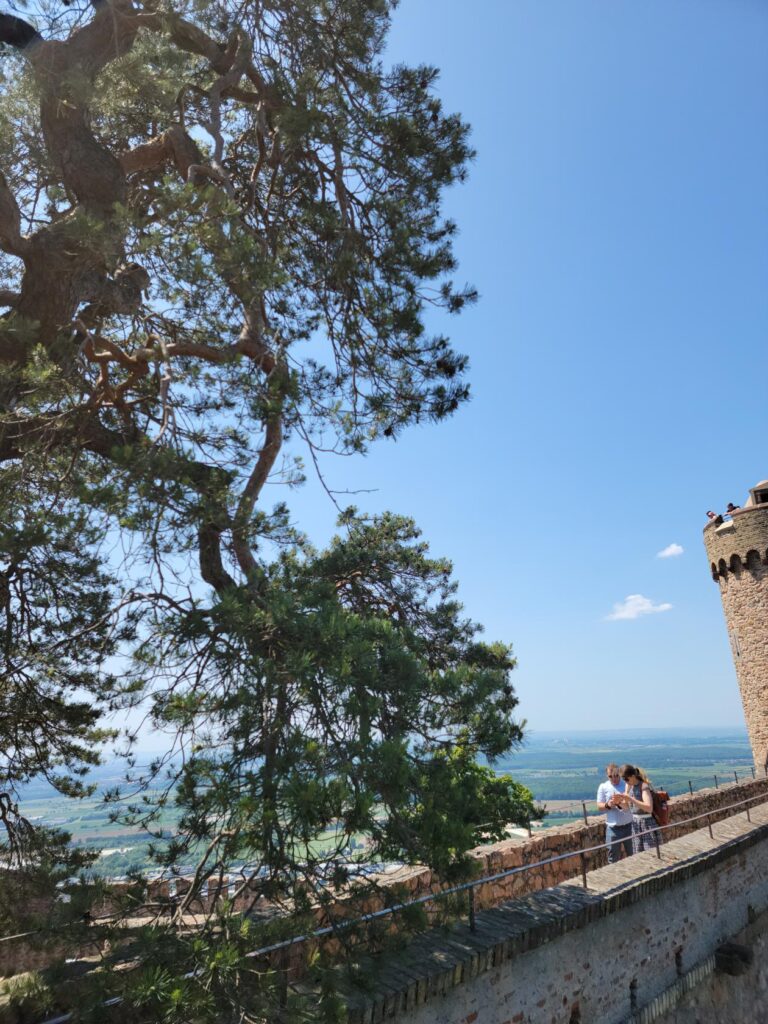
Old tree – Auerbach Castle – Auerbach, Germany
The moat – Auerbach Castle – Auerbach, Germany
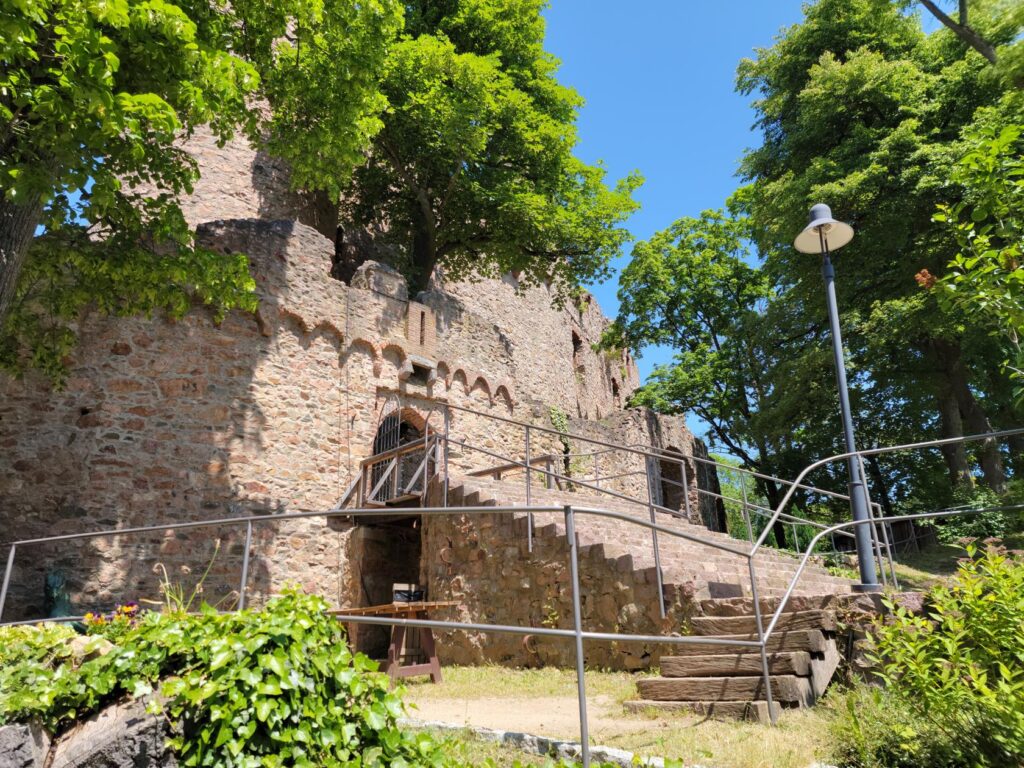
The south tower – Auerbach Castle – Auerbach, Germany
A view of the hills behind – Auerbach Castle – Auerbach, Germany
The north tower with Zwingenberg – Auerbach Castle – Auerbach, Germany
South tower and Bensheim below – Auerbach Castle – Auerbach, Germany
South tower looking south – Auerbach Castle – Auerbach, Germany
Looking north – Auerbach Castle – Auerbach, Germany
Inside one the north tower – Auerbach Castle – Auerbach, Germany
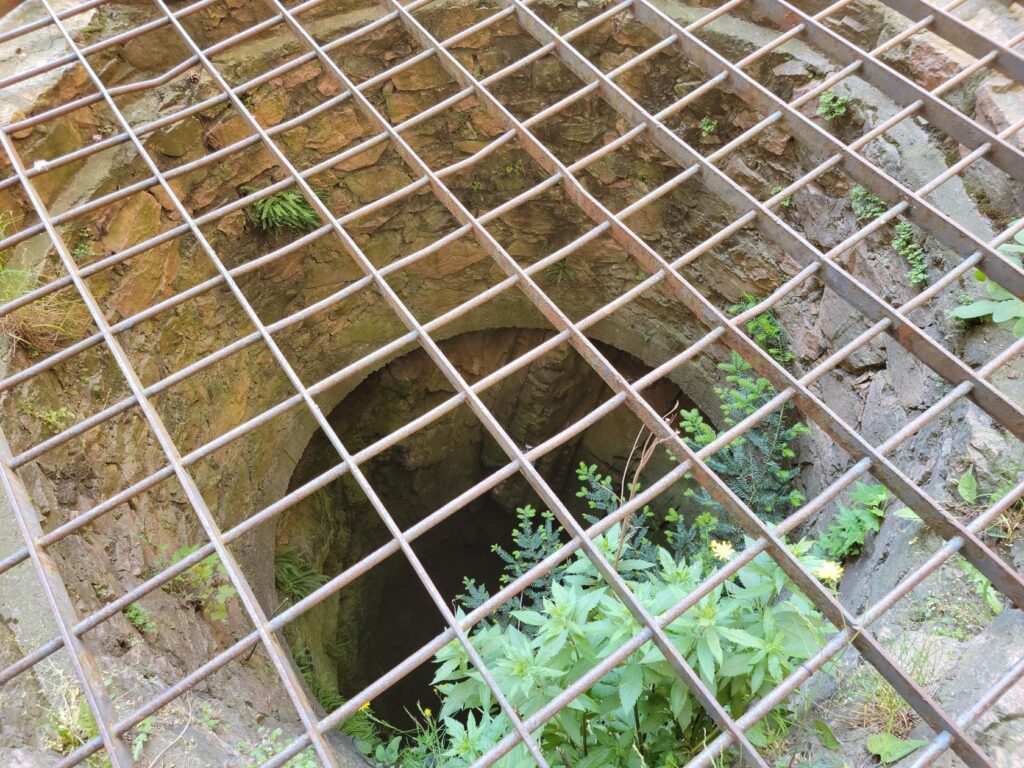
Castle well – Auerbach Castle – Auerbach, Germany
Restaurants
There is only one restaurant on the grounds and a cafe. The cafe is situated outside and you may even bring your own food and enjoy a nice picnic on the tables that have been provided, assuming I would guess, if you buy a drink. The restaurant is inside, has a marvelous outside terrace with overlook and is fully staffed. The restaurant and grounds are capable of actually holding weddings, with the appropriate arrangements, of course. They also occasionally hold dinner theaters and a Rittermahl[2]In the U.S., this would be similar to our Medieval Times, where you get a knight fight and a dinner, while cheering your team on., complete with medieval games.
Auerbach Castle Restaurant
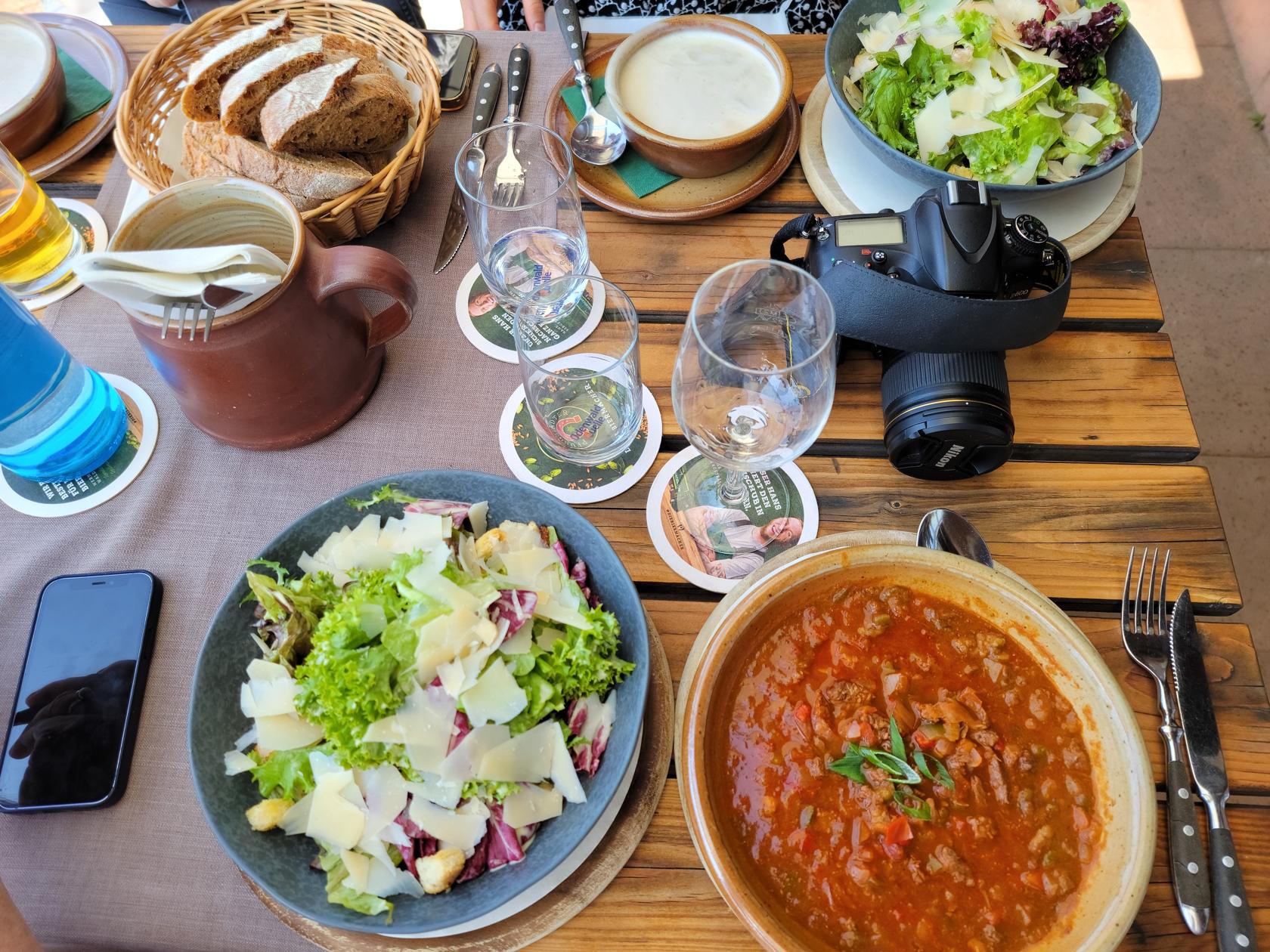
We ate lunch at the restaurant on the terrace, which of course has a commanding view of the countryside below.
Gabi and Ericka – Auerbach Castle Restaurant – Auerbach, Germany
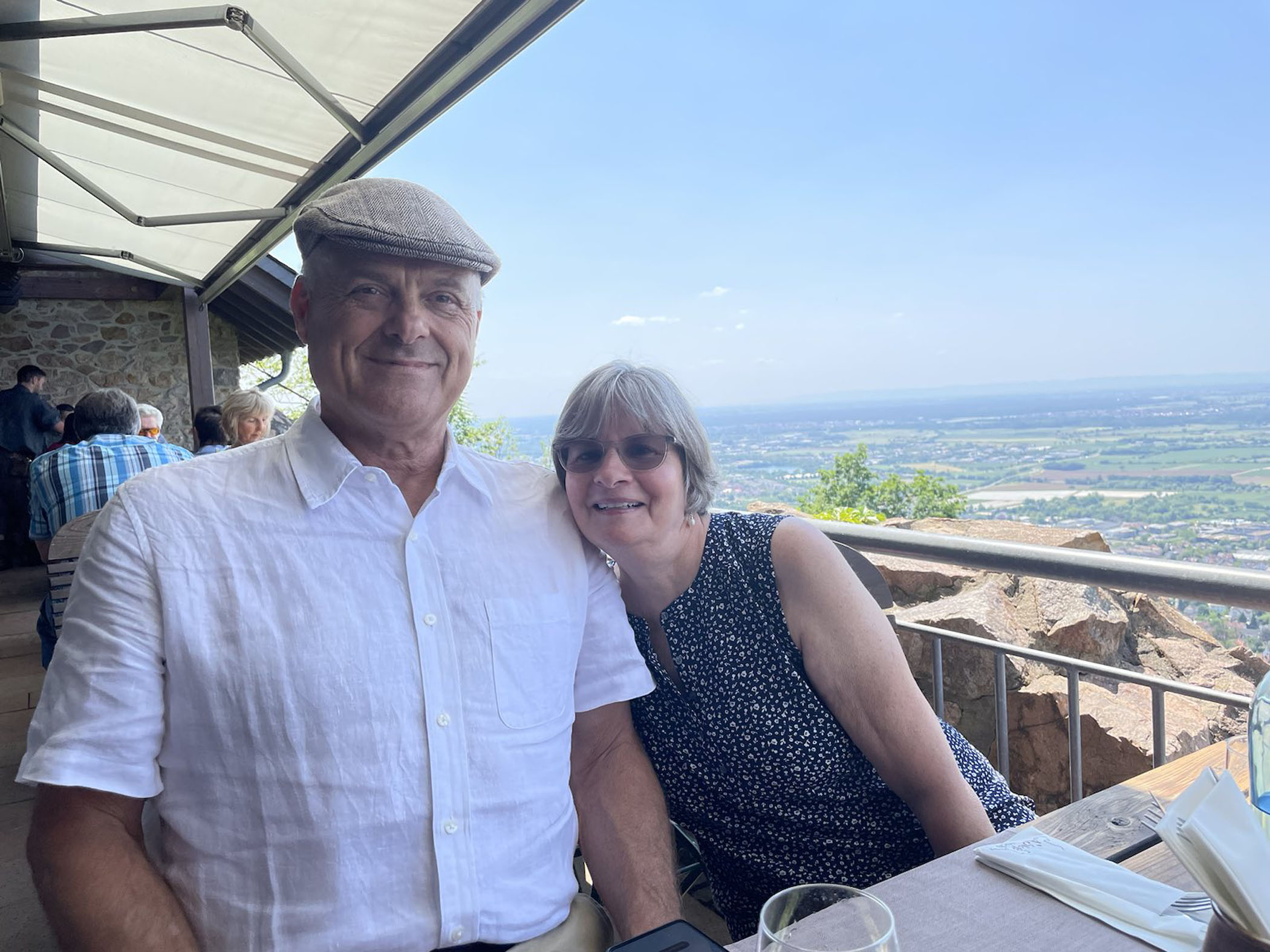
Erick and Patti – Auerbach Castle Restaurant – Auerbach, Germany
They have a very good selection of typical German dishes and the service is also very good and timely. However, I am not sure how much English they speak, since we only spoke German to them and they never attempted to speak English. So if you are an English only speaker and plan to visit, be prepared, you may have to use the point and grunt method of ordering.
Continuing our journeys on the eastern coast of Sicily, we arrived at Catania. A port city and working town that believe it or not, is even grittier than Naples.
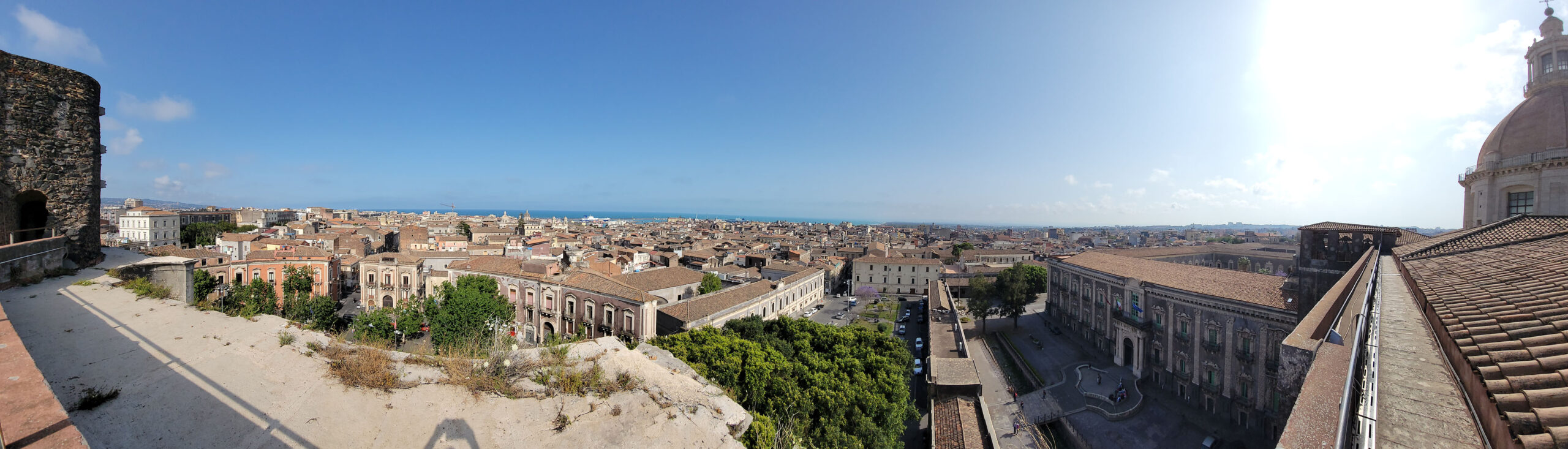
Catania, a panorama – San Nicolo L’Arena Church – Catania, Sicily
Catania
Existing in the shadow of a large, ever erupting volcano, would seem like a fool’s errand. But the people of Catania do it everyday and only give it a second thought. Luckily, the volcano has not had a major eruption in some time, and since it’s monitored continuously, most people try to ignore it.
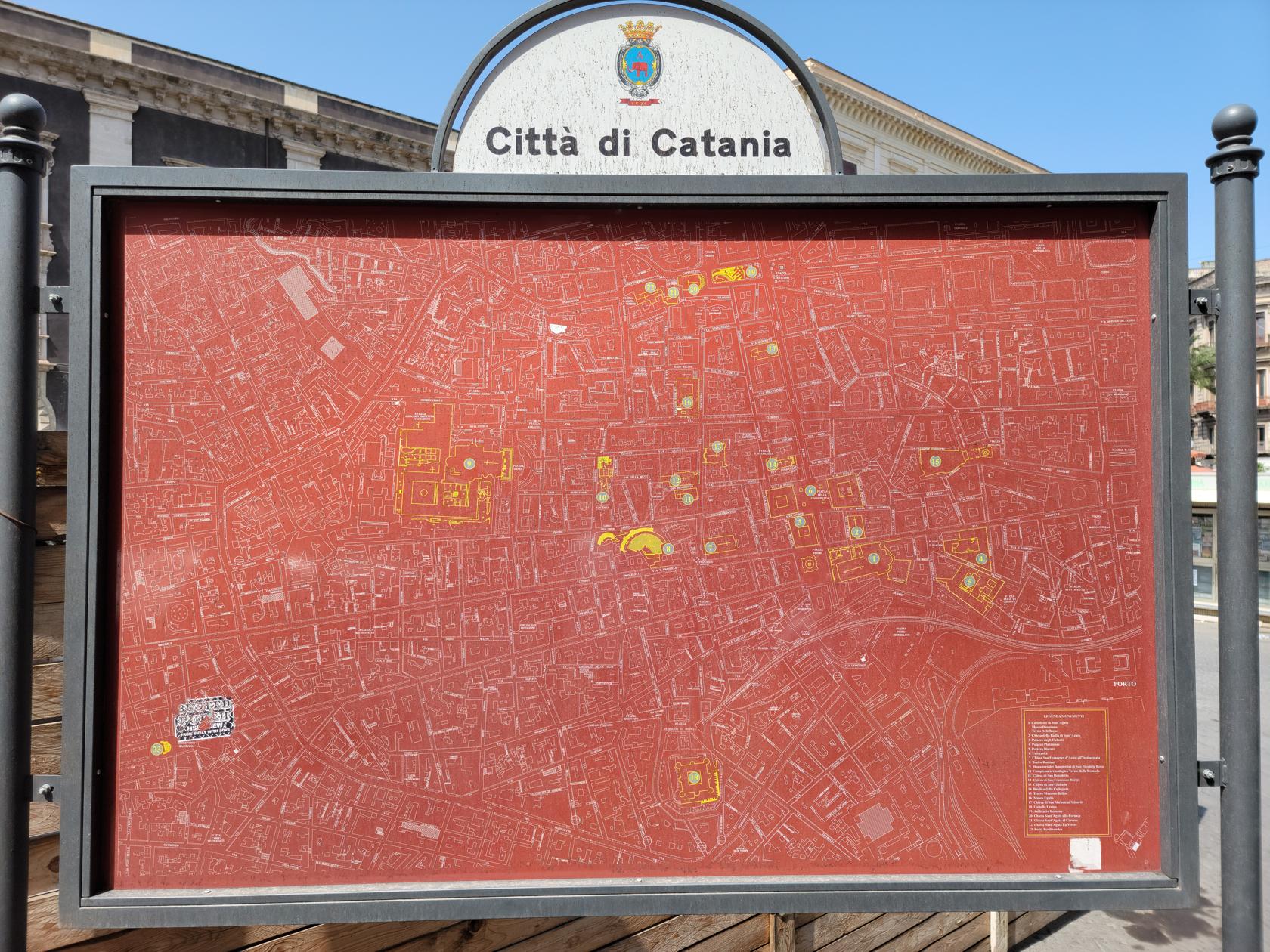
Map of Catania – Catania, Sicily
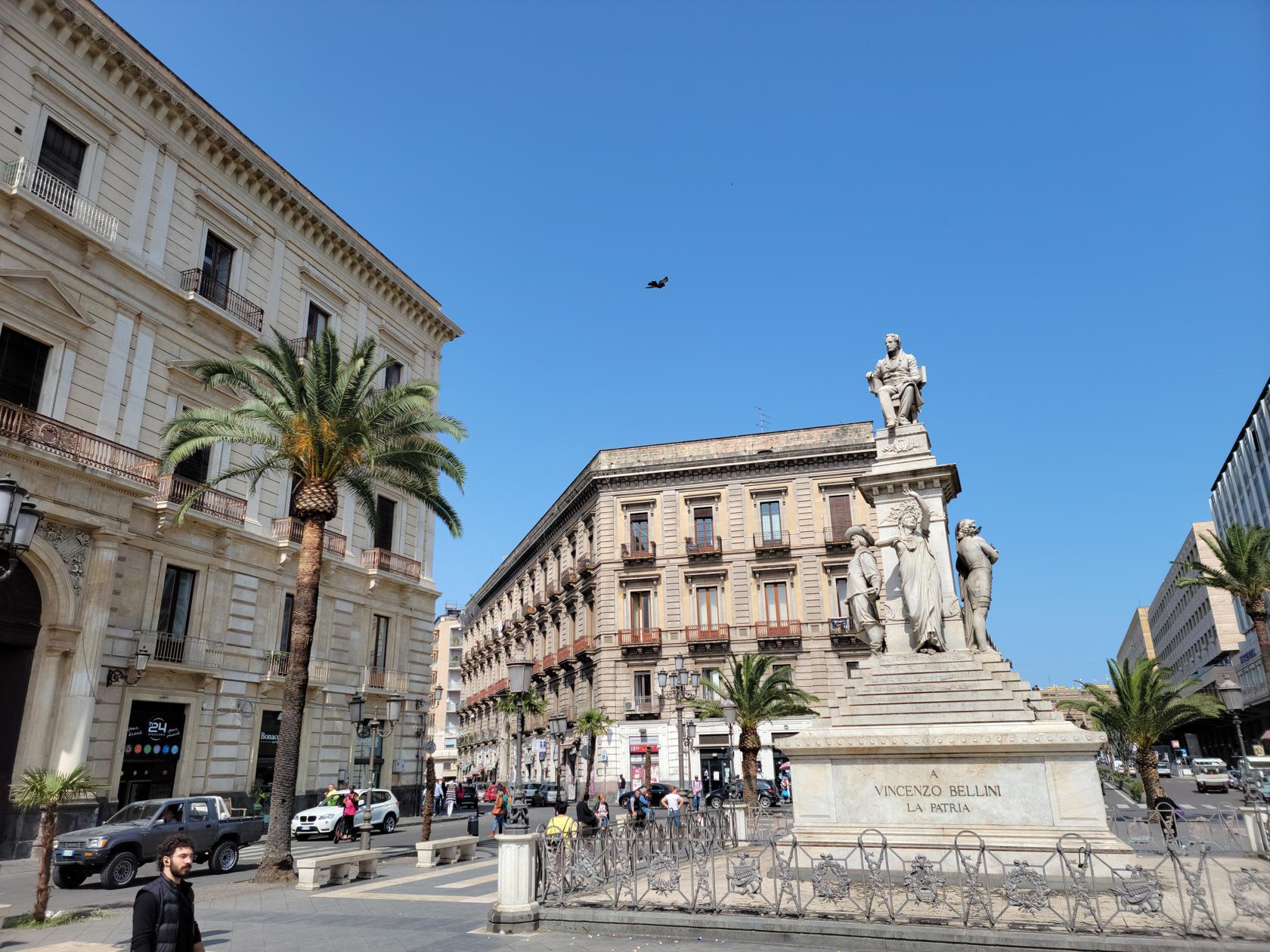
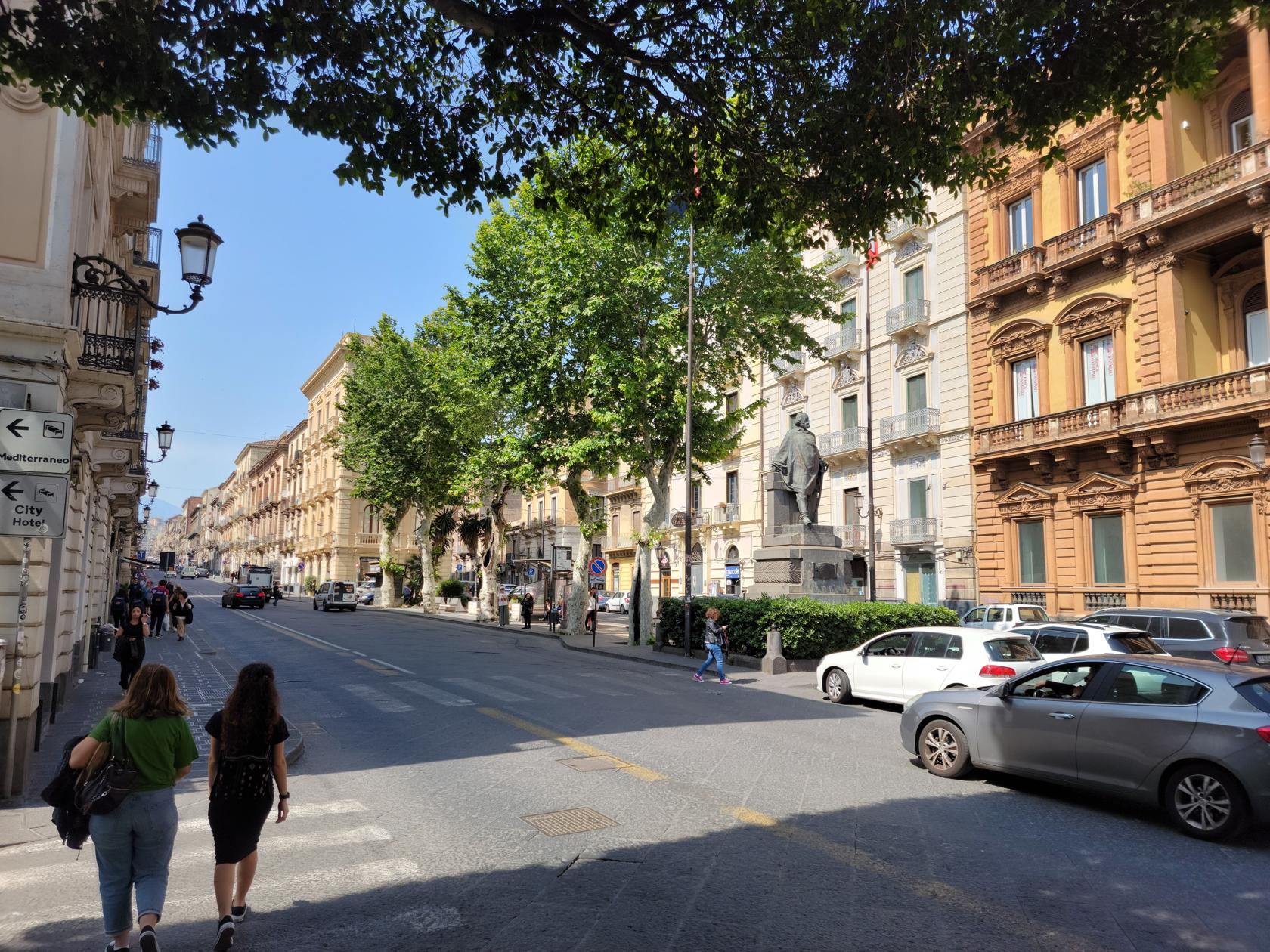
Via Etnae – Catania, Sicily
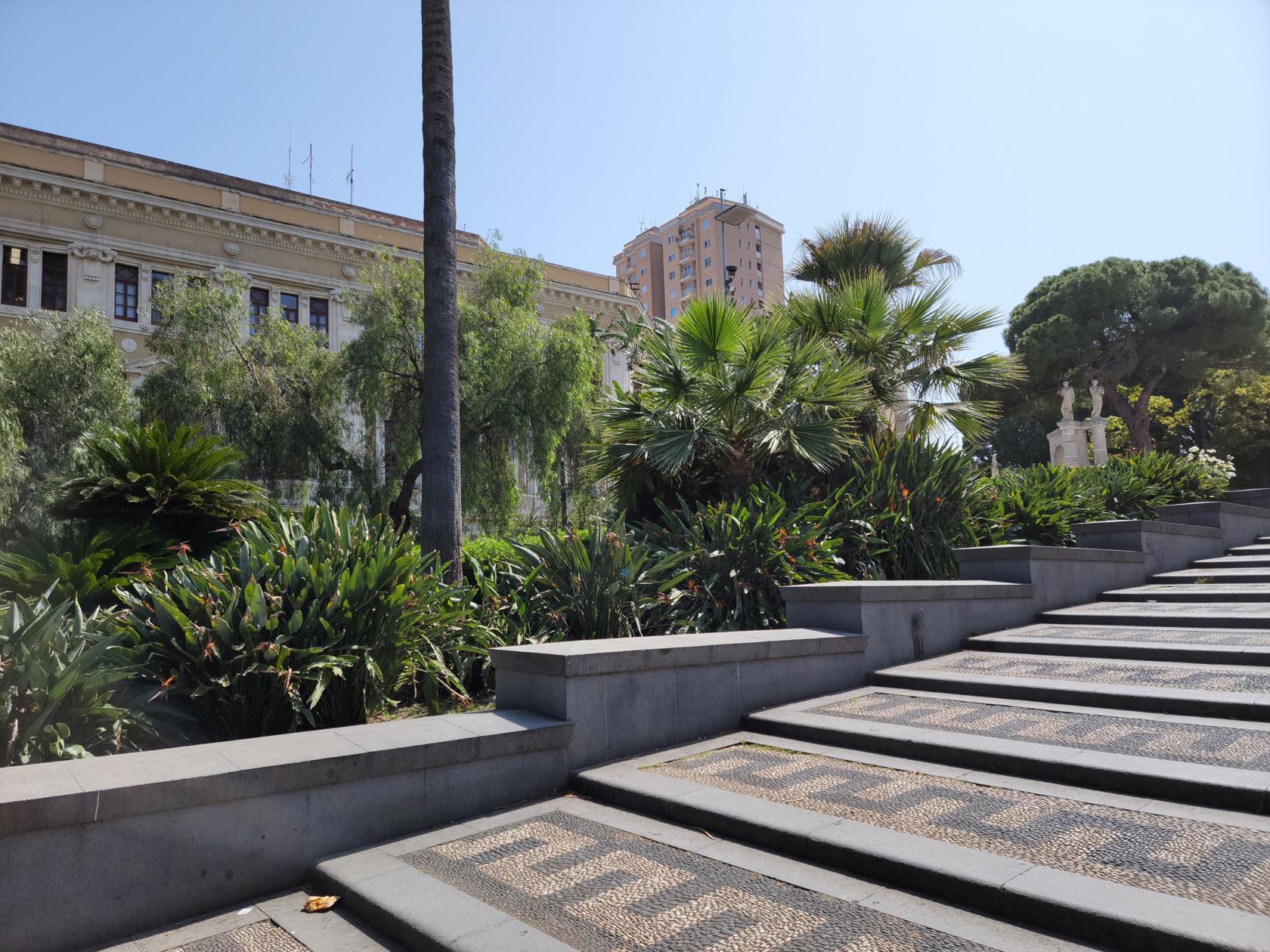
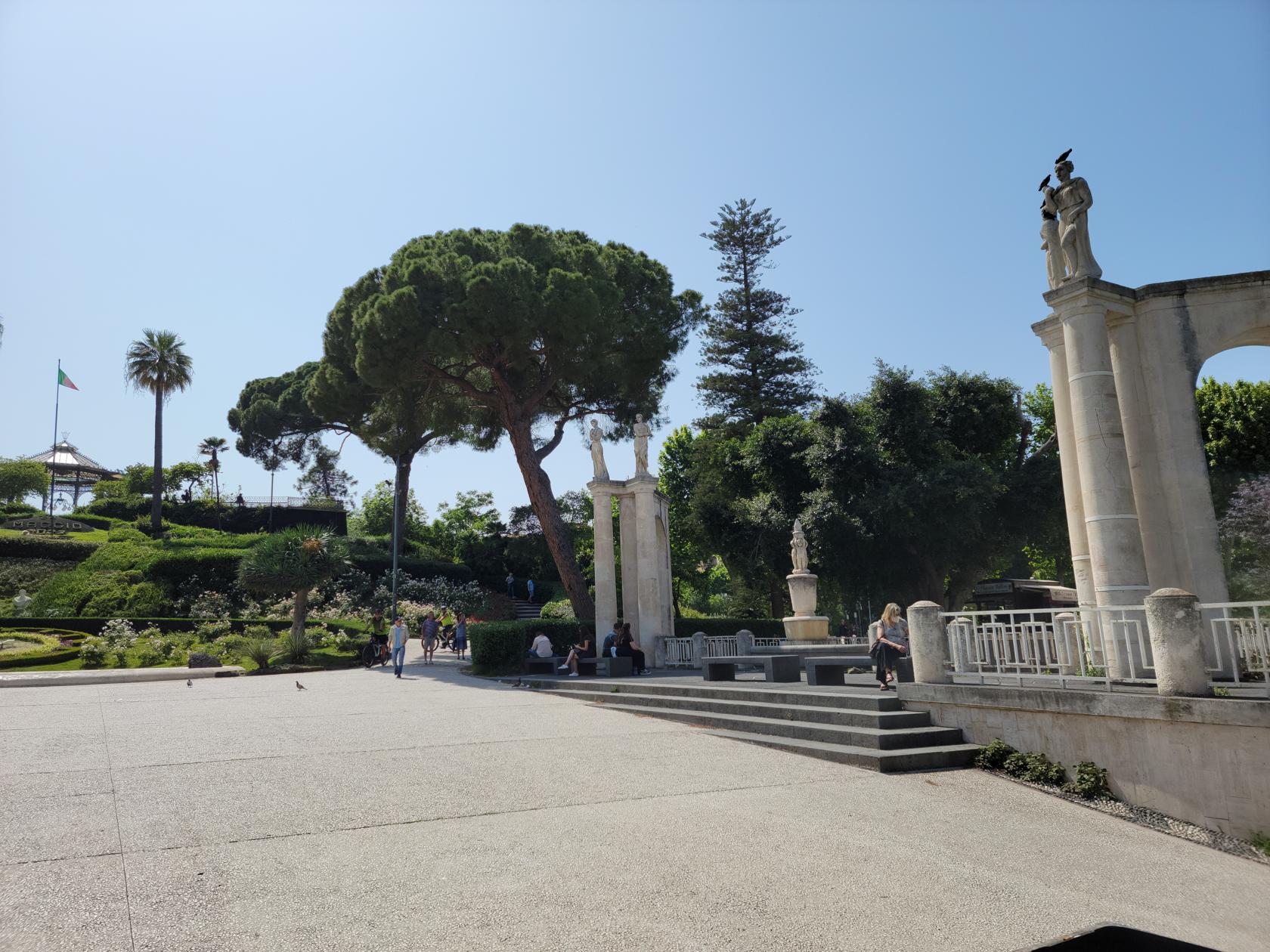
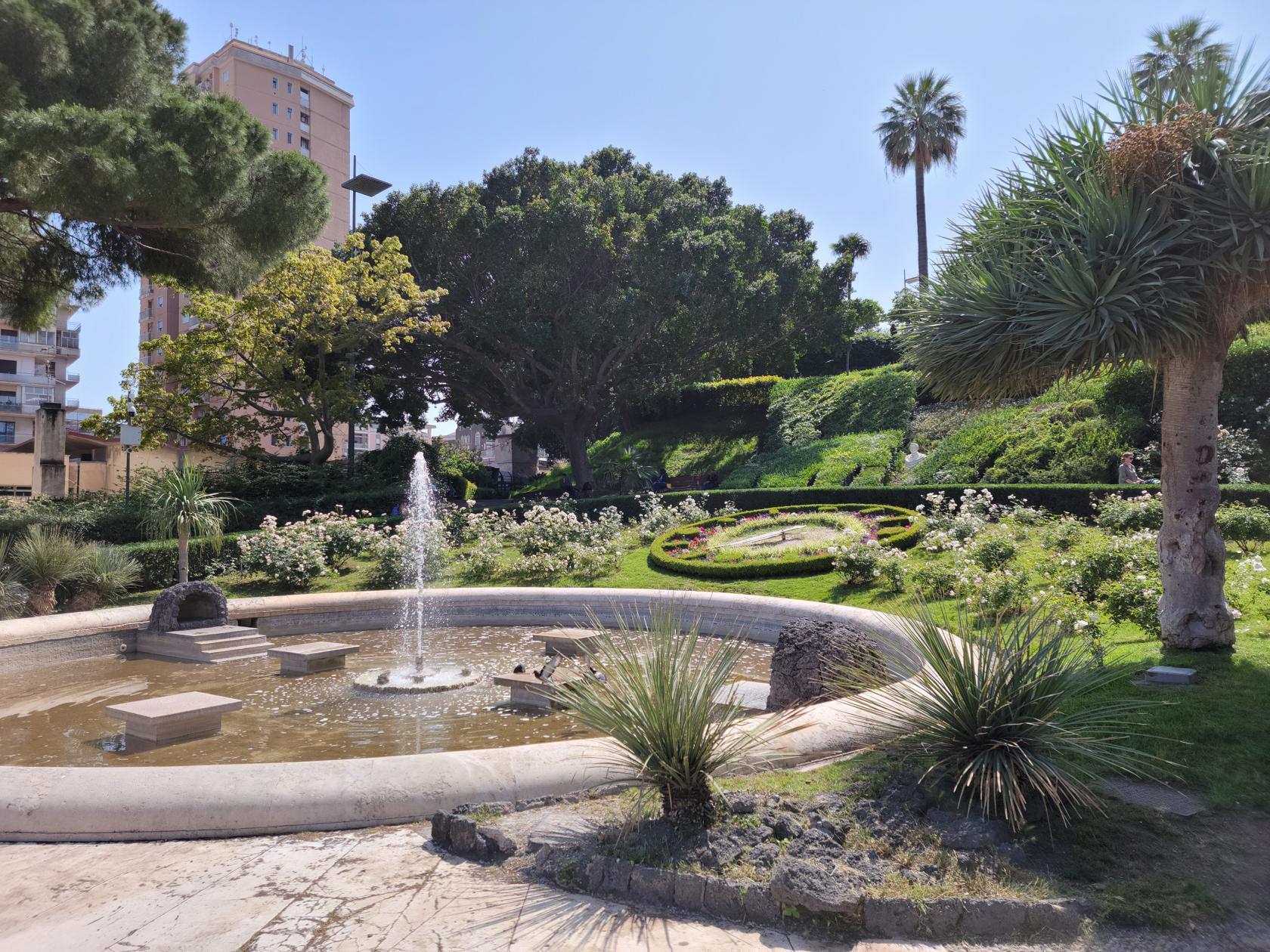
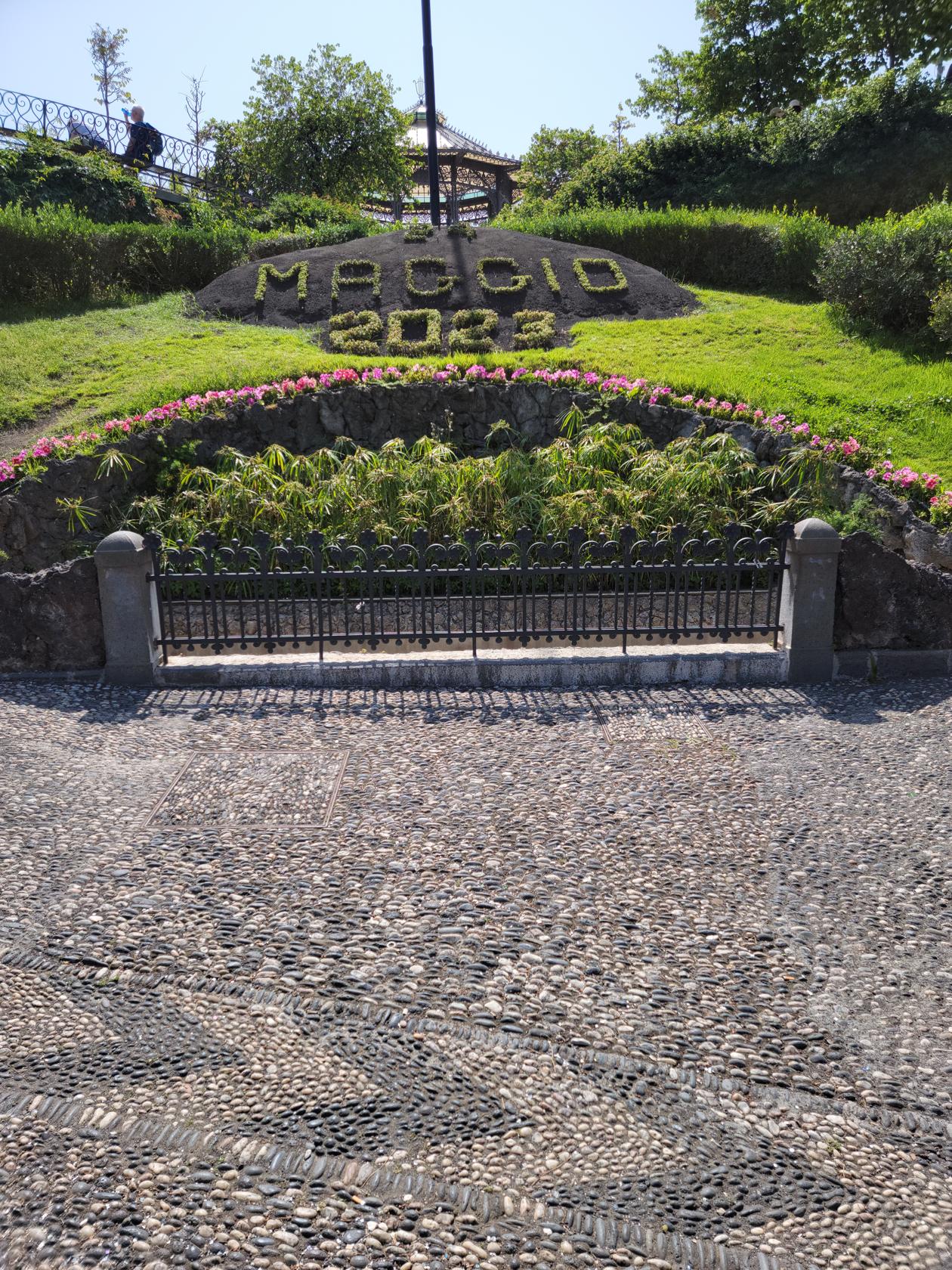
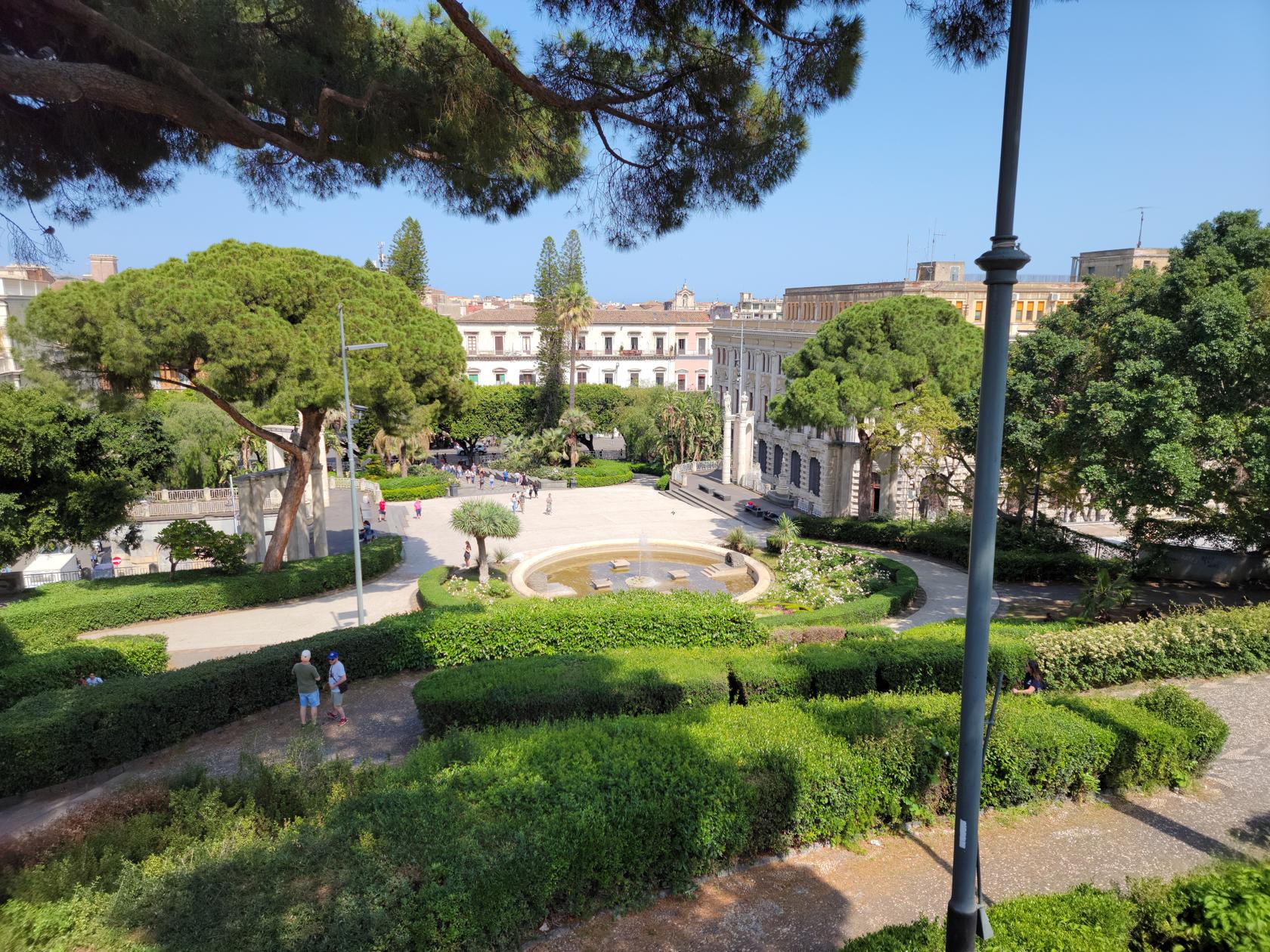
The city has at least one good park near the city center that is easy to visit. The Villa Bellini and Park Maestranze is right off of Via Etnea and has some great views of the volcano and a very quiet place to visit.
Villa Bellini – Park Maestranza – Catania, Sicily
Villa Bellini – Park Maestranza – Catania, Sicily
Villa Bellini – Park Maestranza – Catania, Sicily
Villa Bellini – Park Maestranza – Catania, Sicily
Villa Bellini – Park Maestranza – Catania, Sicily
Villa Bellini – Park Maestranza – Catania, Sicily
Villa Bellini – Park Maestranza – Catania, Sicily
Villa Bellini – Park Maestranza – Catania, Sicily
Villa Bellini – Park Maestranza – Catania, Sicily
Via Etnae – Catania, Sicily
Mount Etna
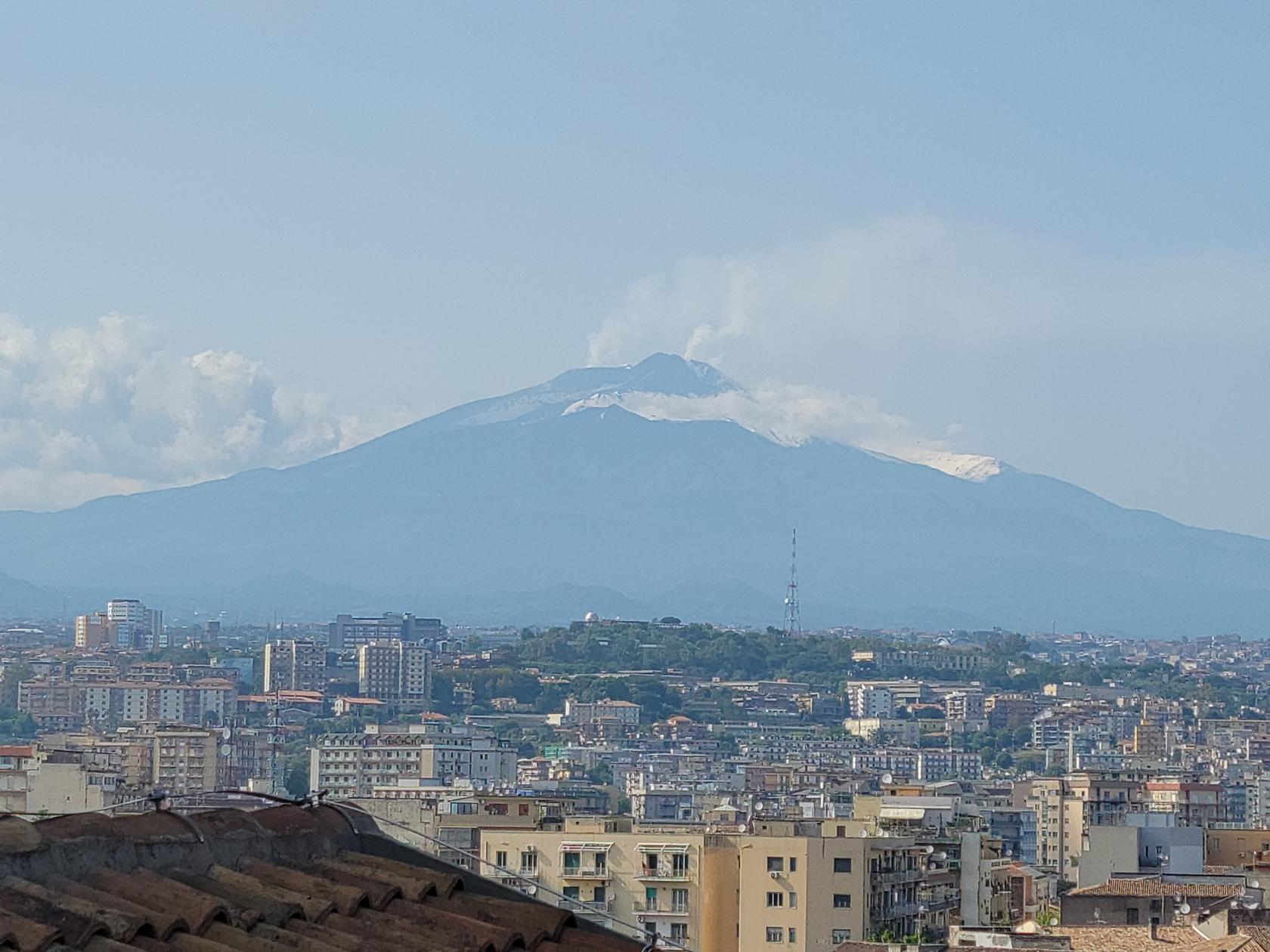
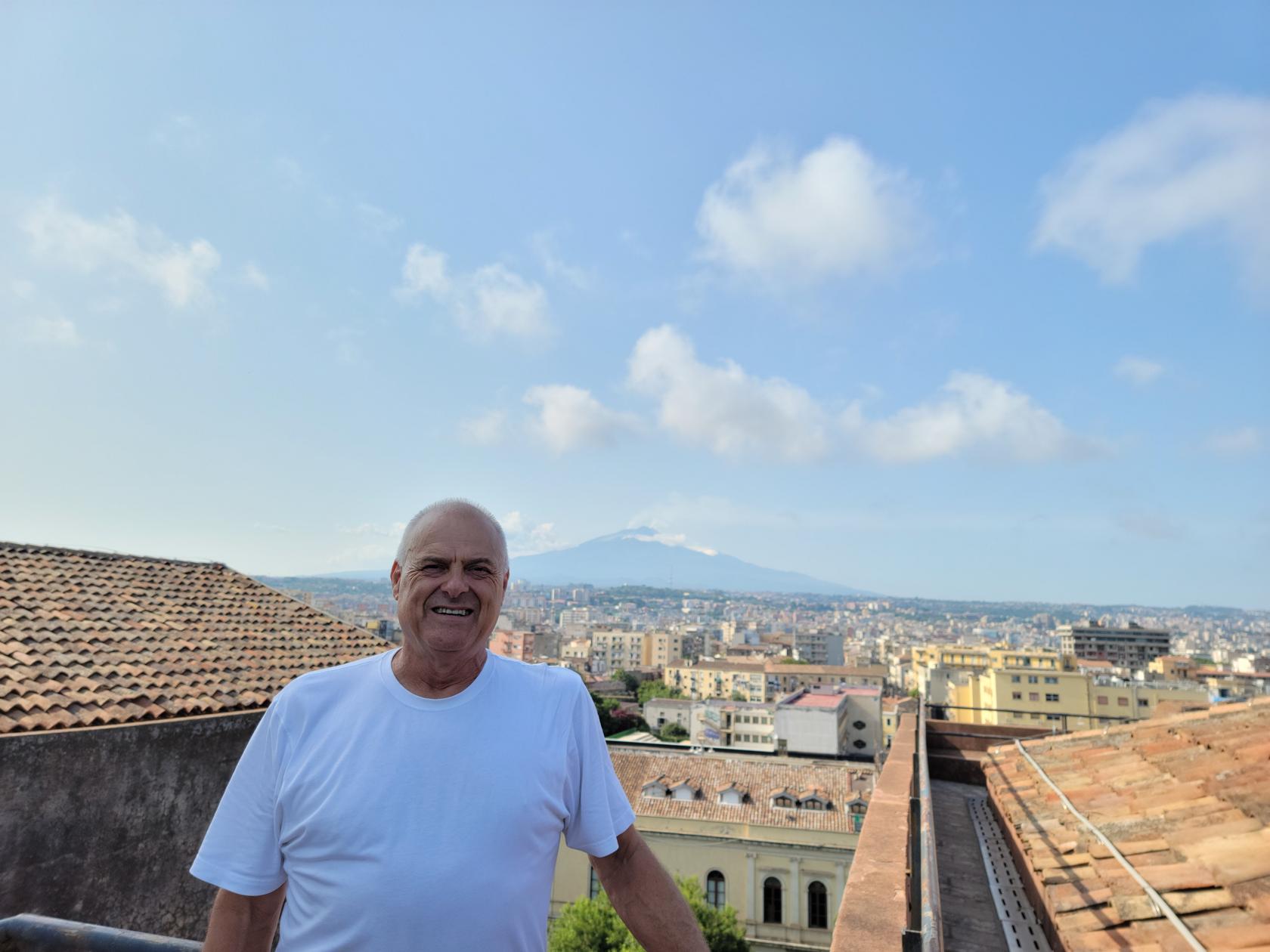
The presence of Etna is felt everywhere, from the architecture, to the items some of the shops sell, to the very grit you grind under your feet as you walk. Even though as you walk the streets and cannot see it, it will rear its ugly snow-capped head as you round a corner, or ascend some lookout in the city.
A view of Mount Etna from the roof – San Nicolo L’Arena Church – Catania, Sicily
Theaters and Baths
Many of the ruins in and around Catania contain theaters and baths from the Greek and Roman periods.
The Roman Amphitheater
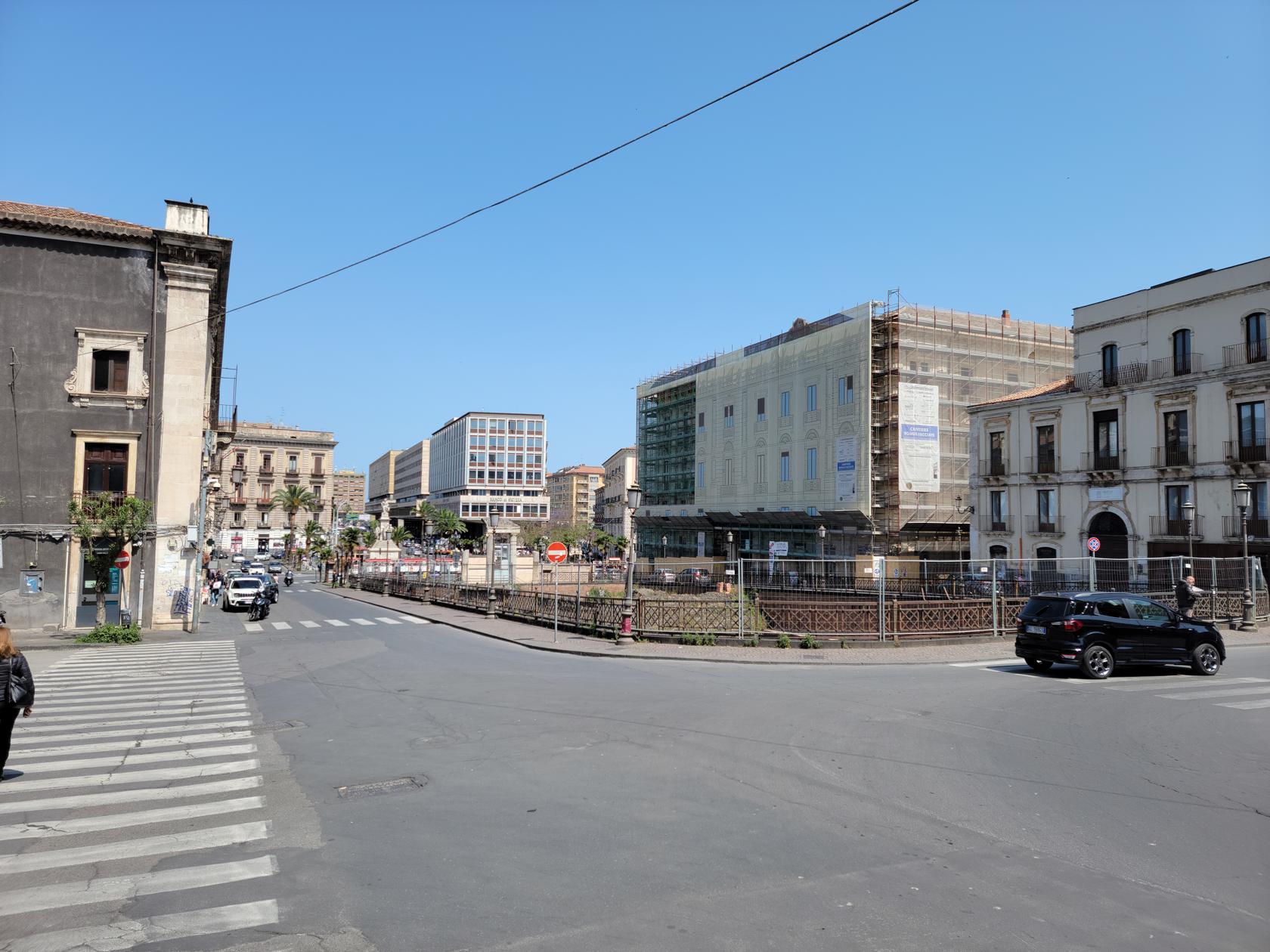
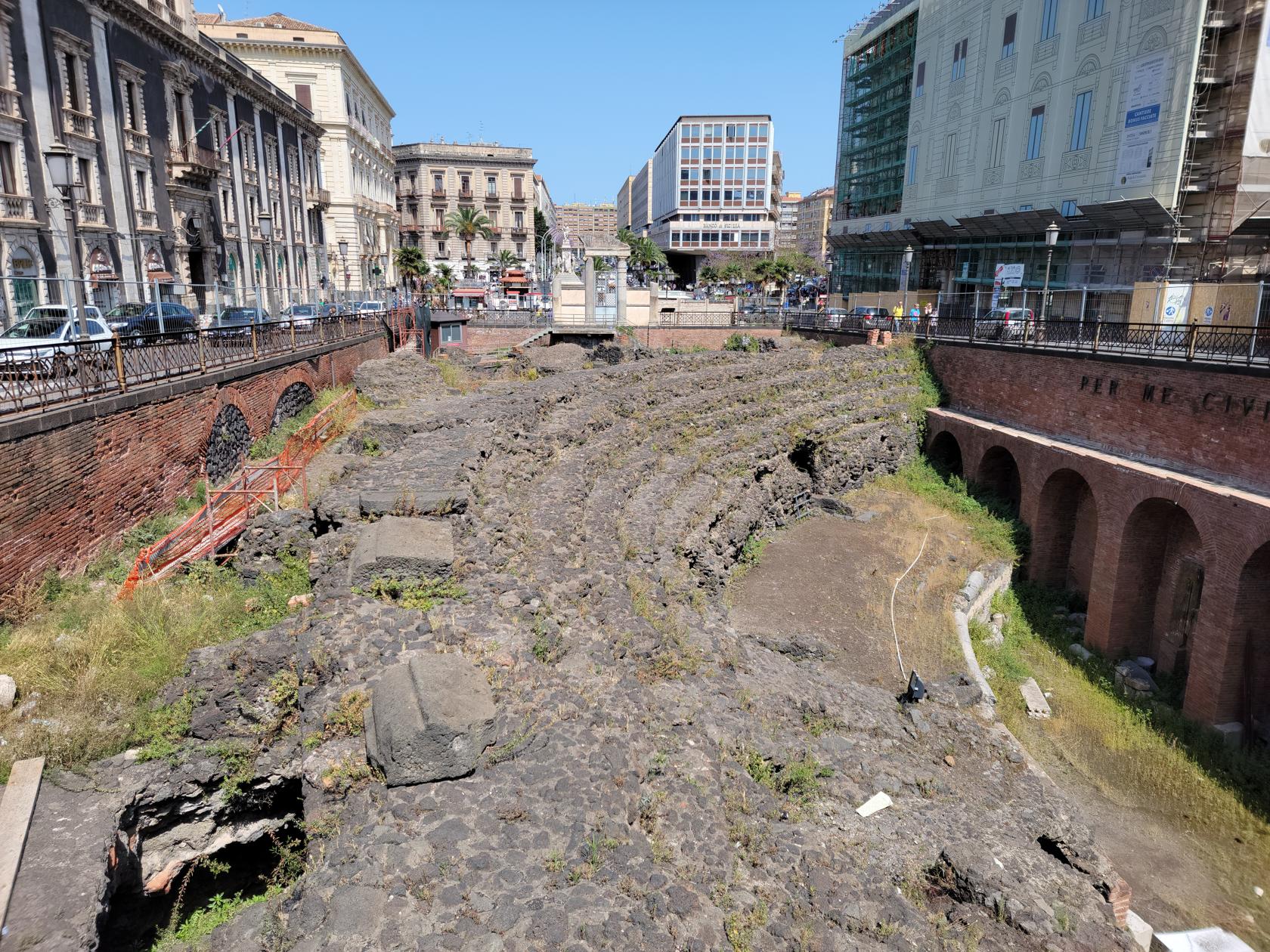
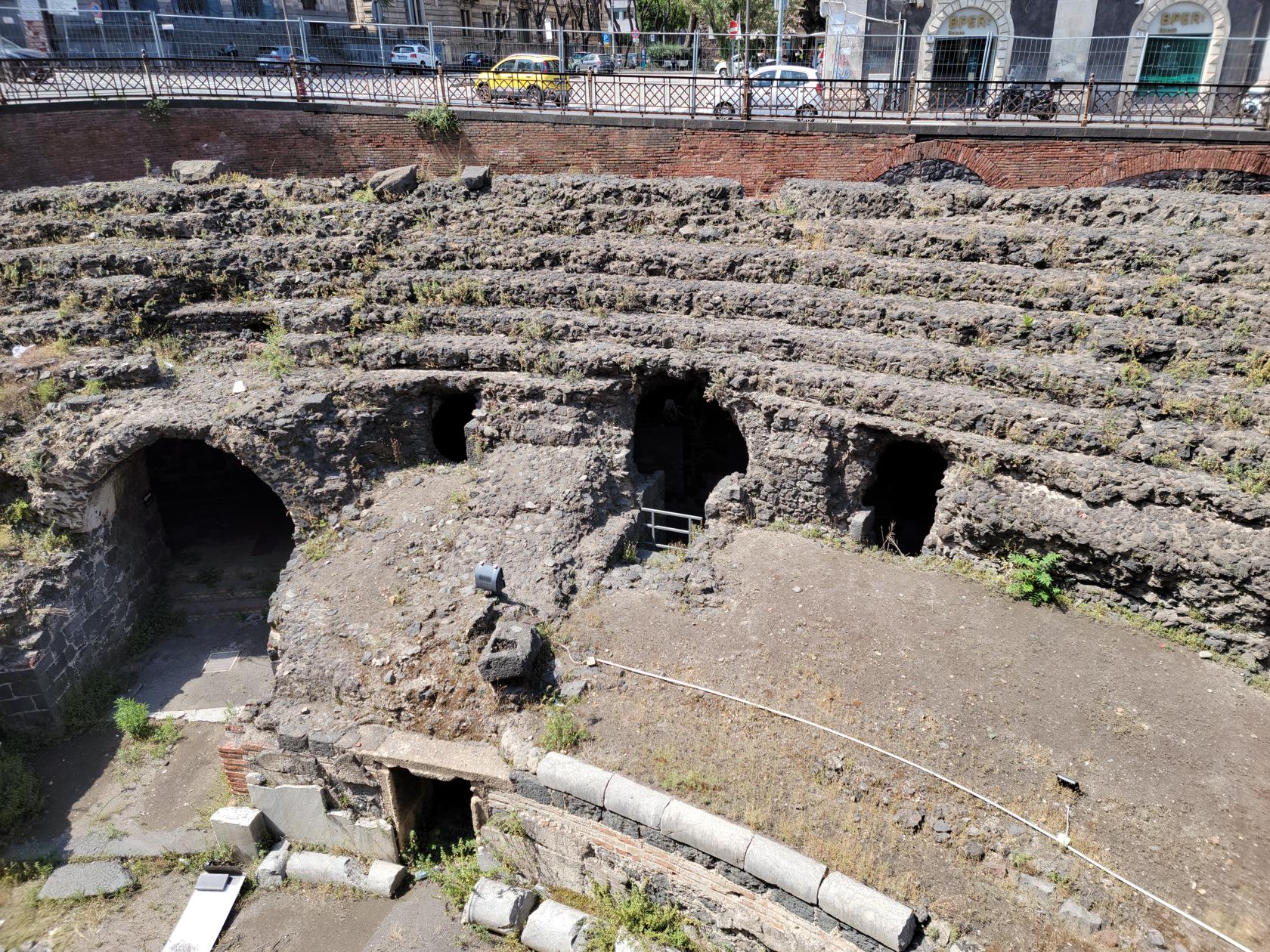
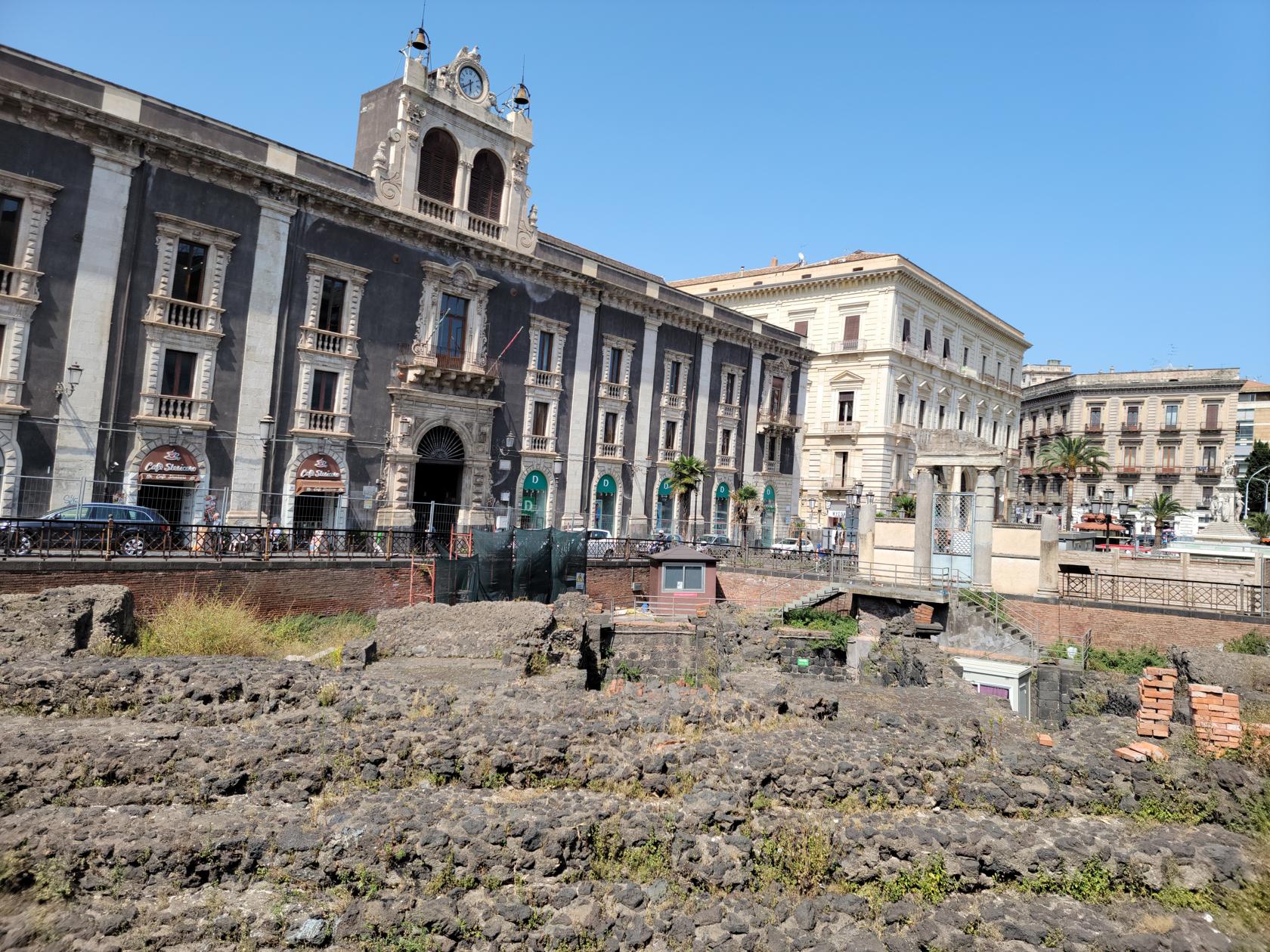
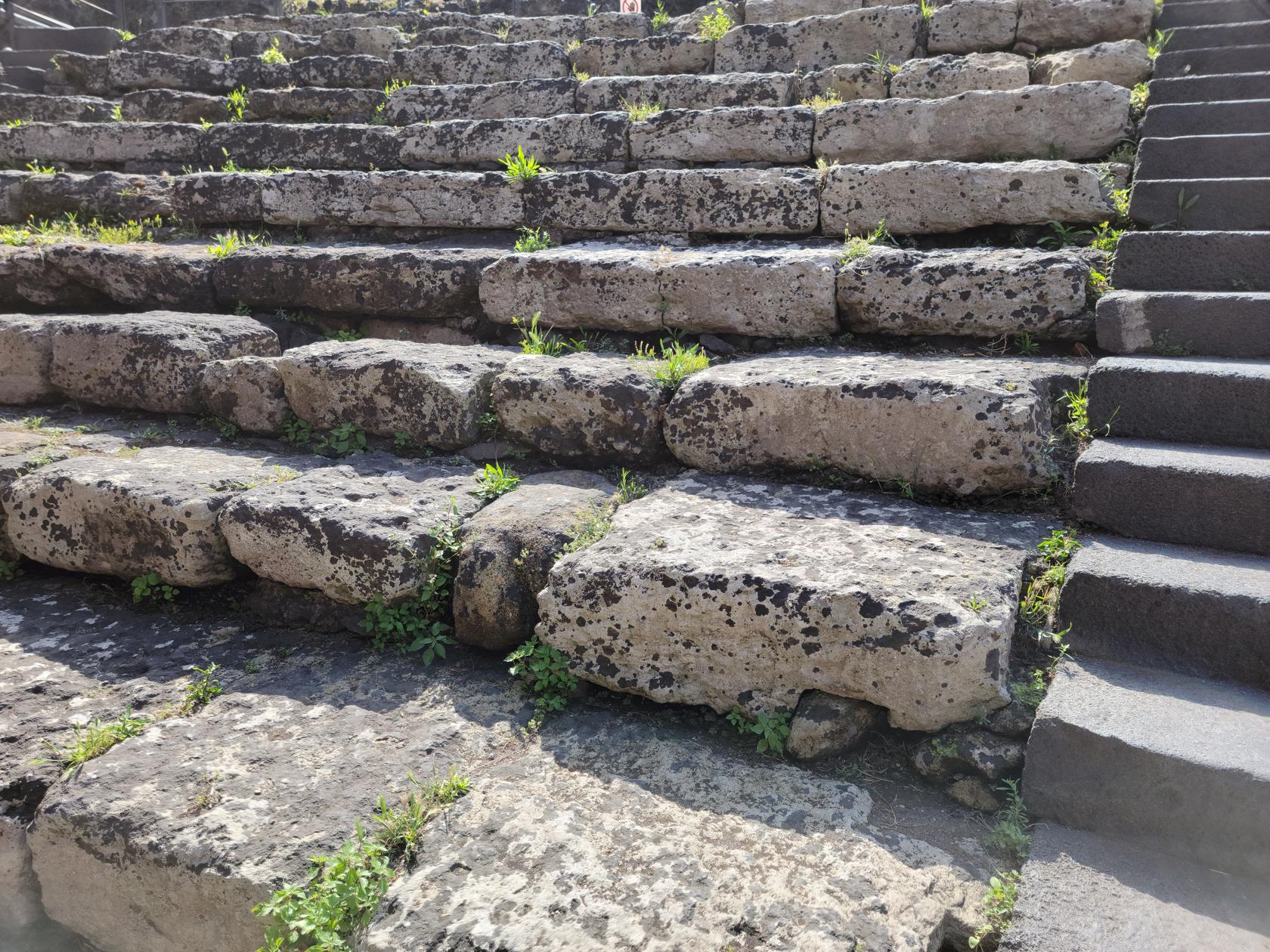
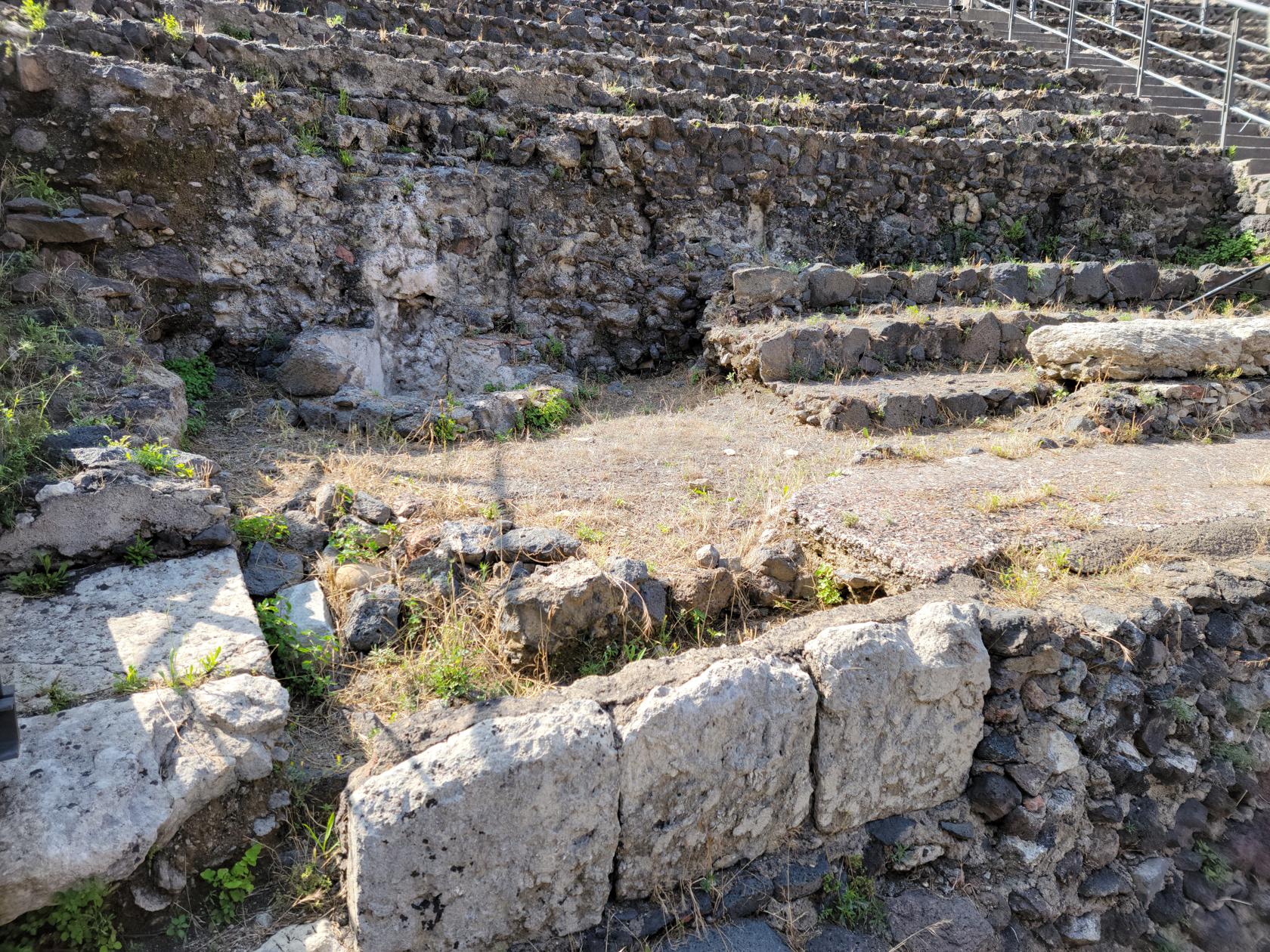
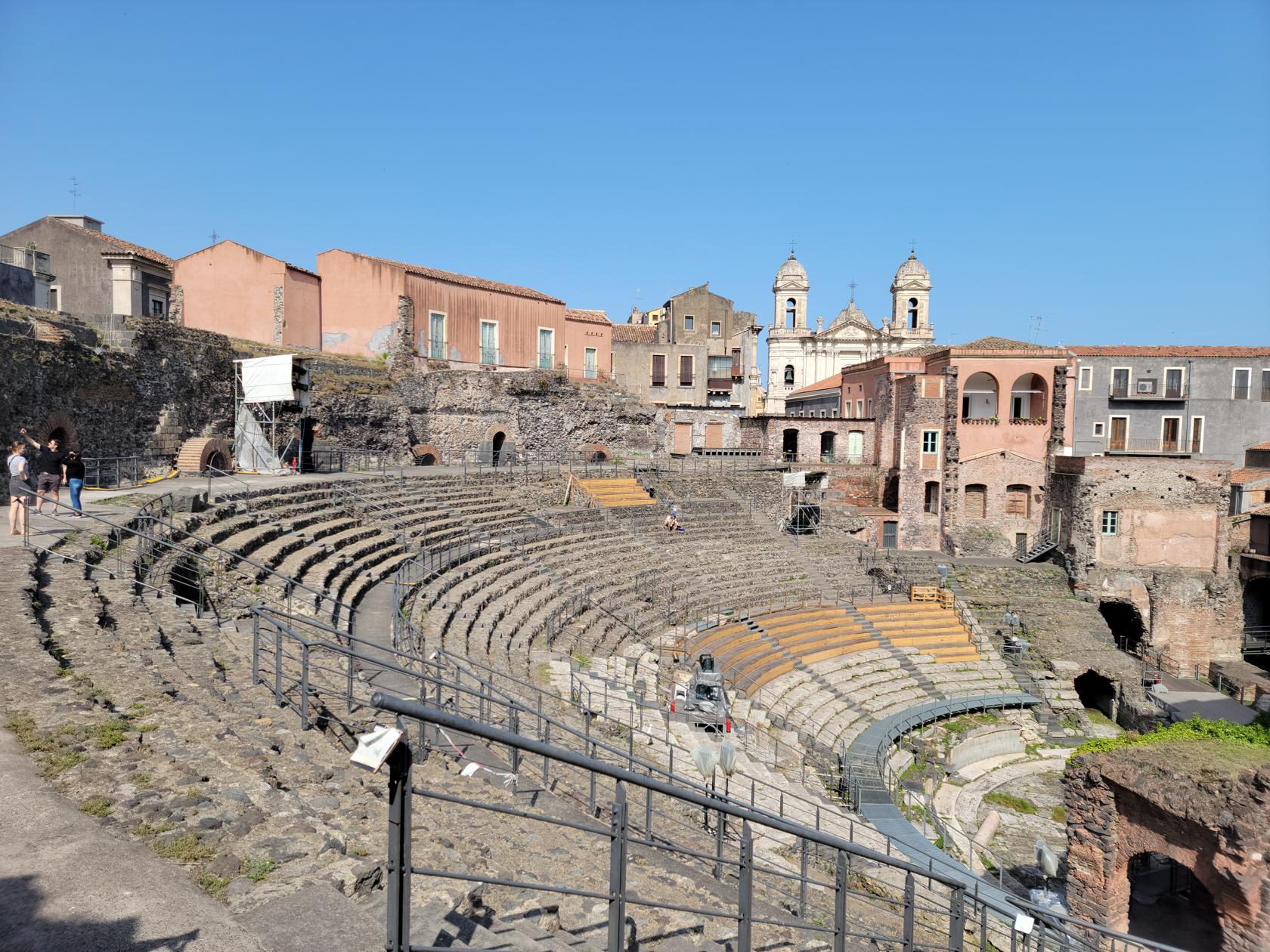
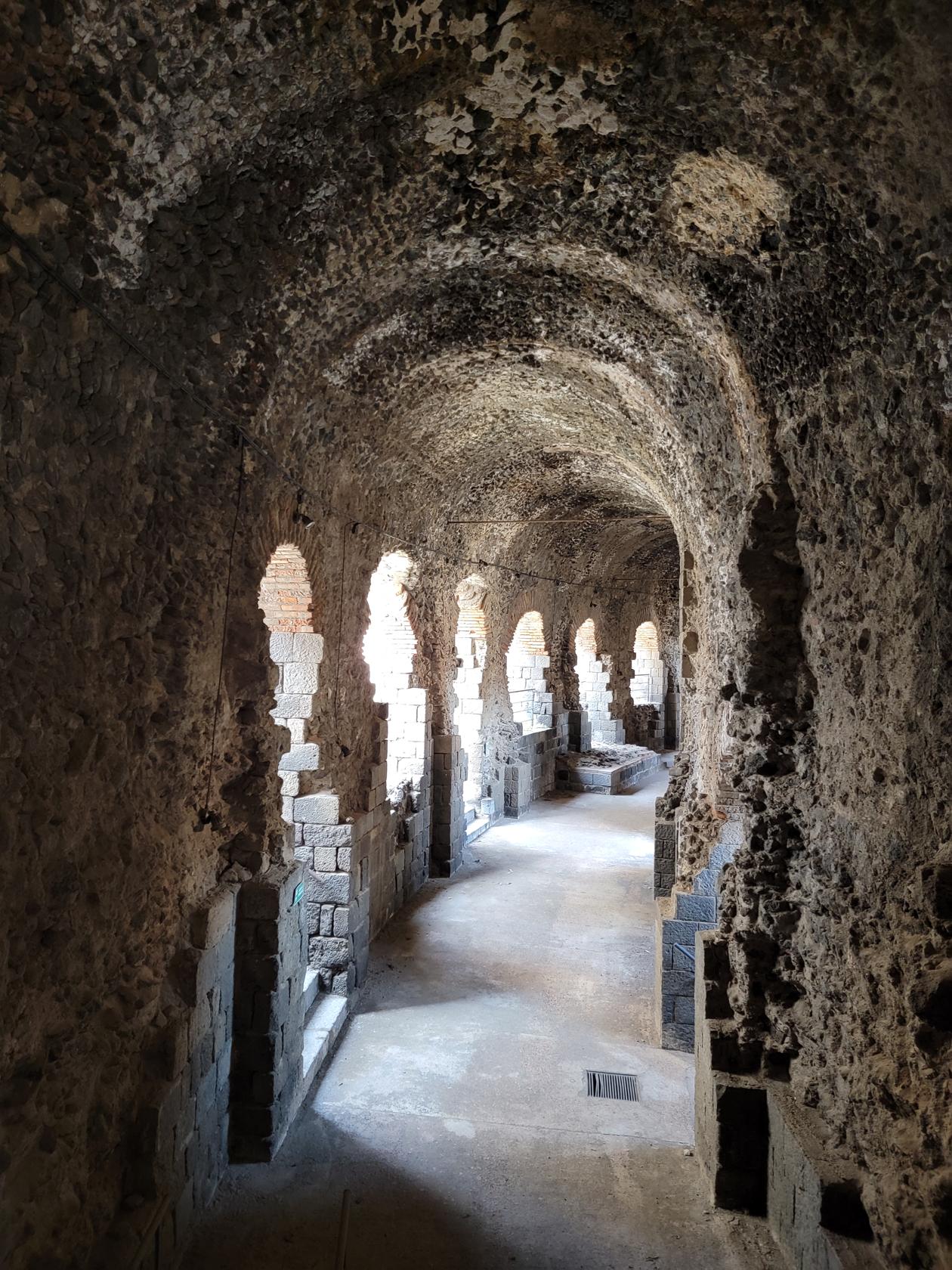
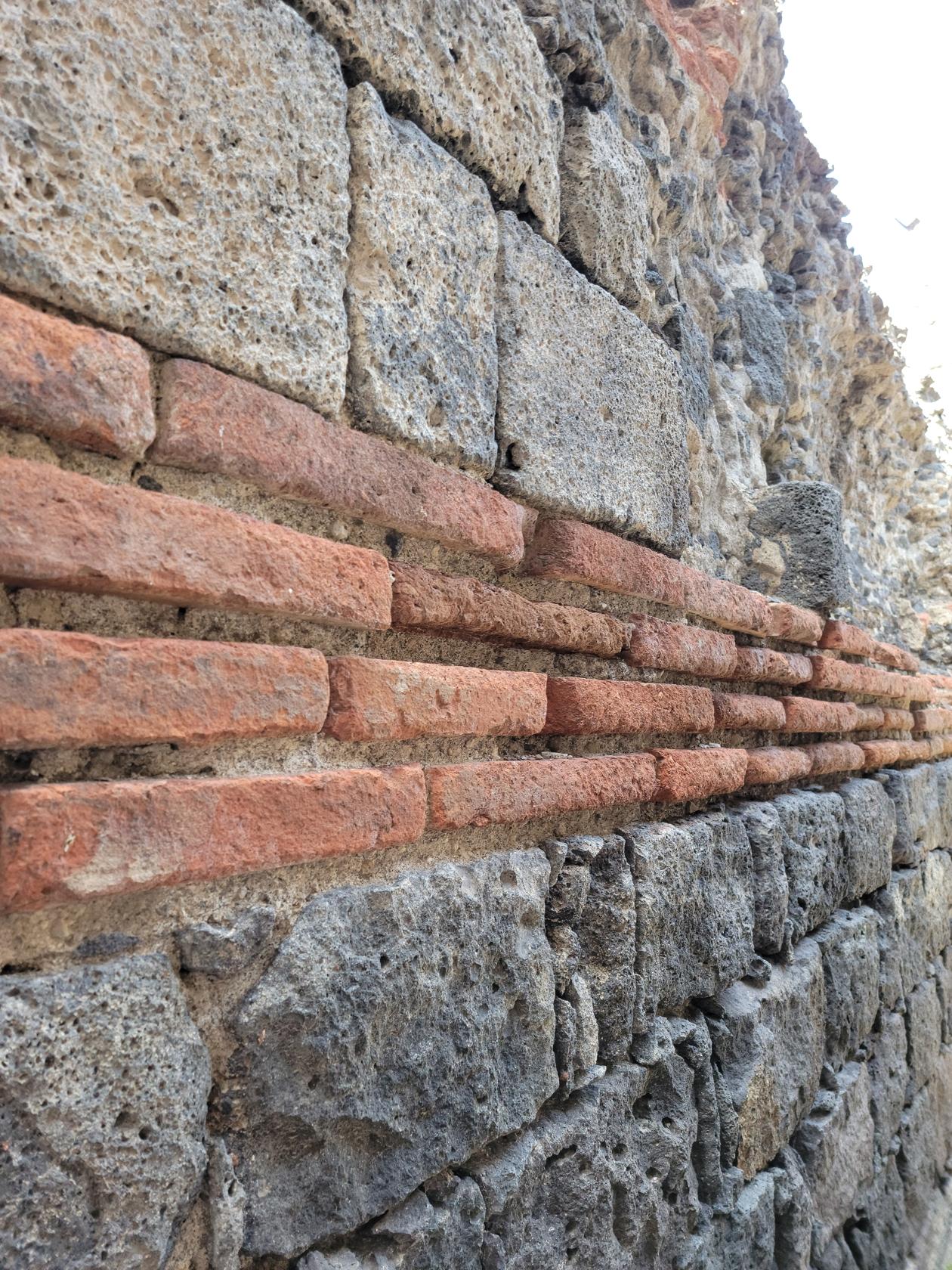
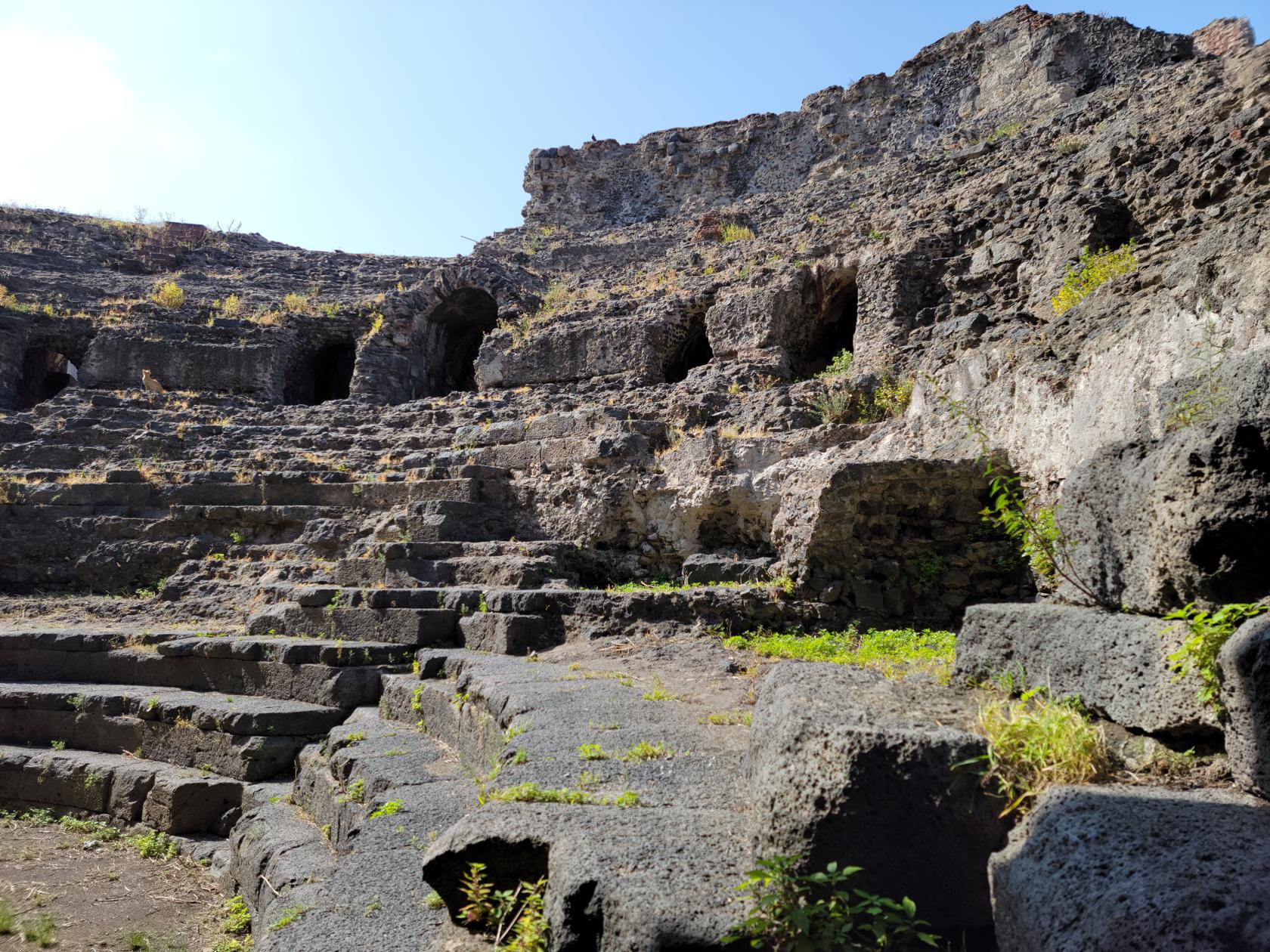
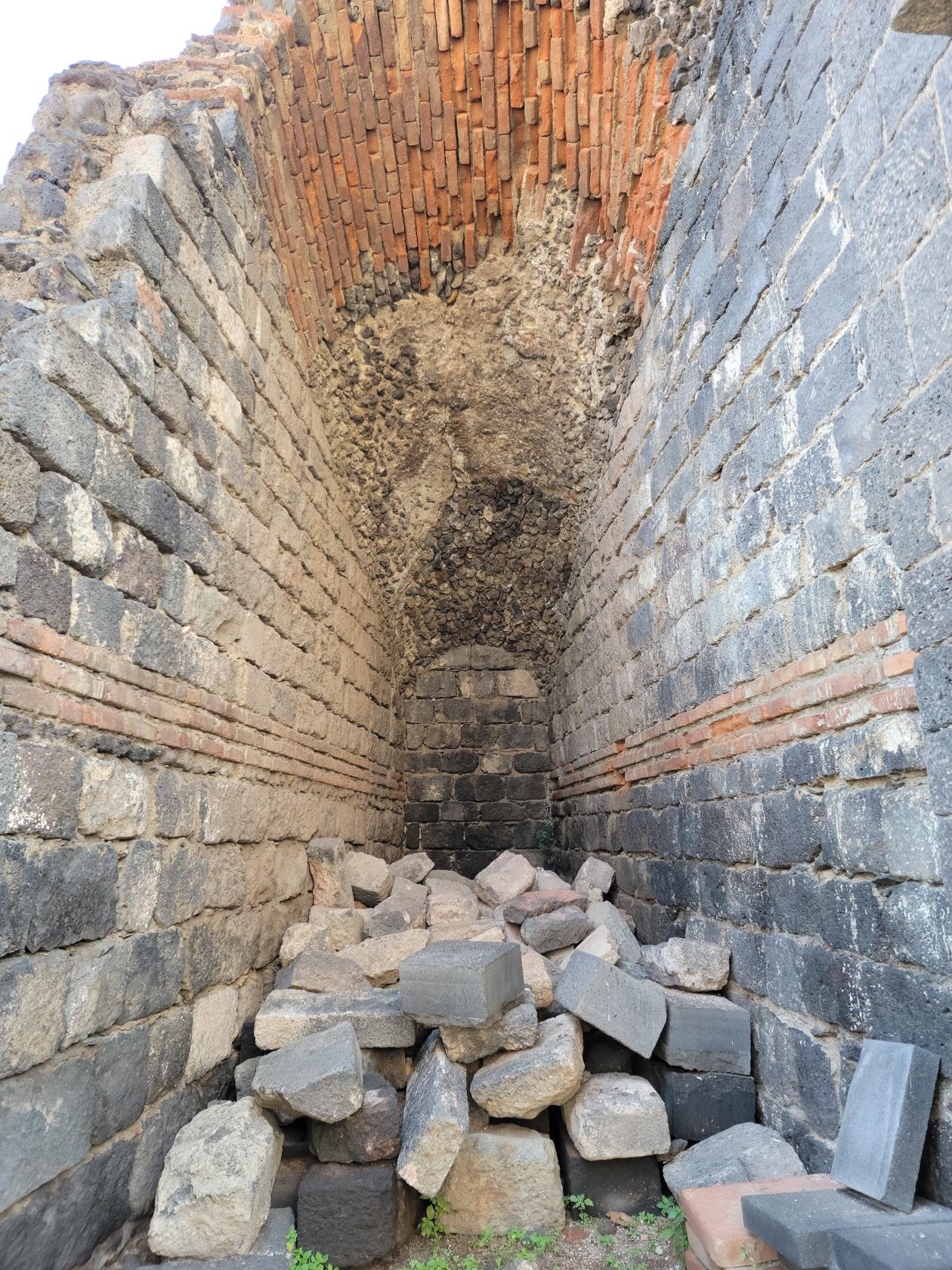
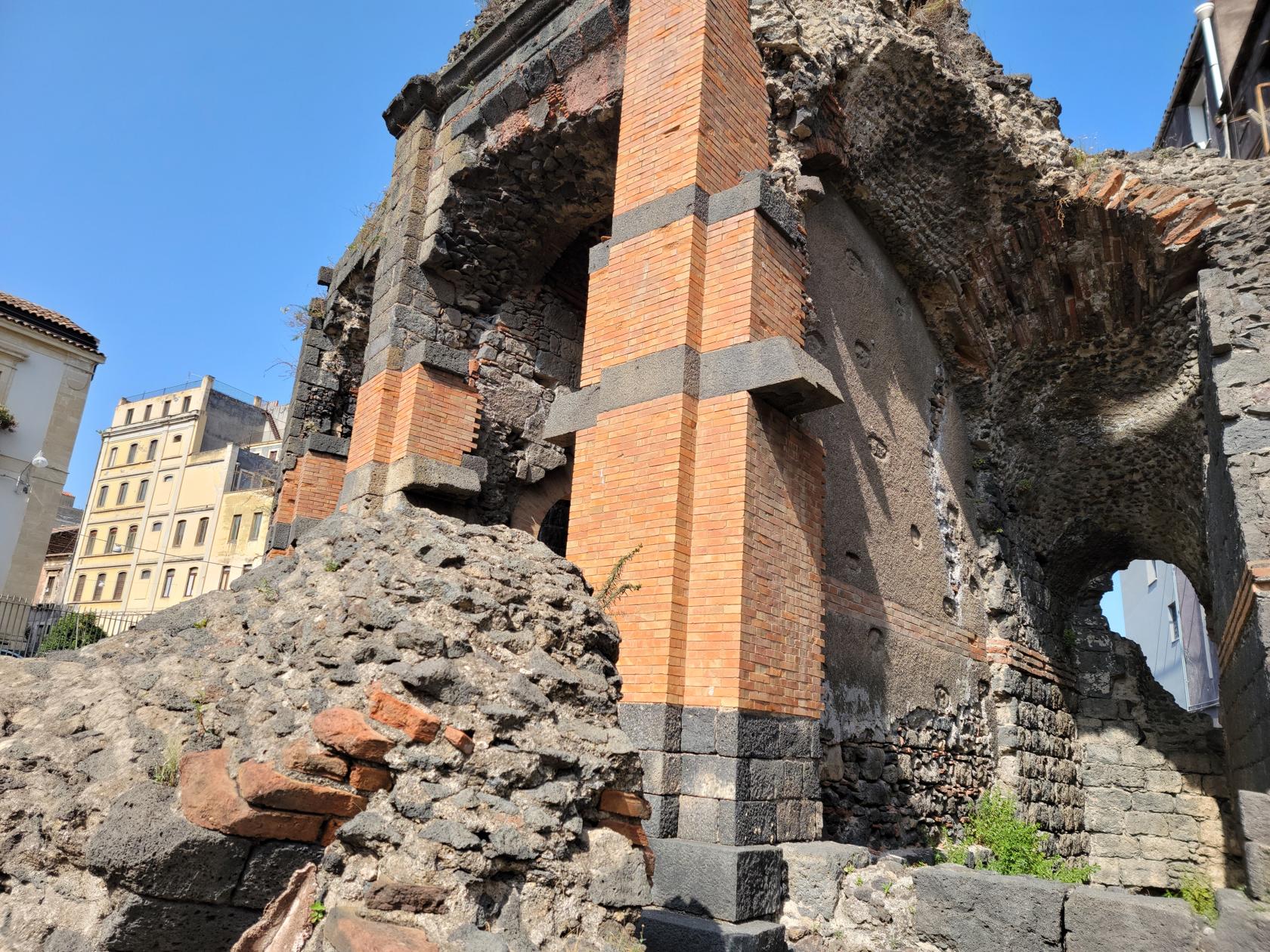
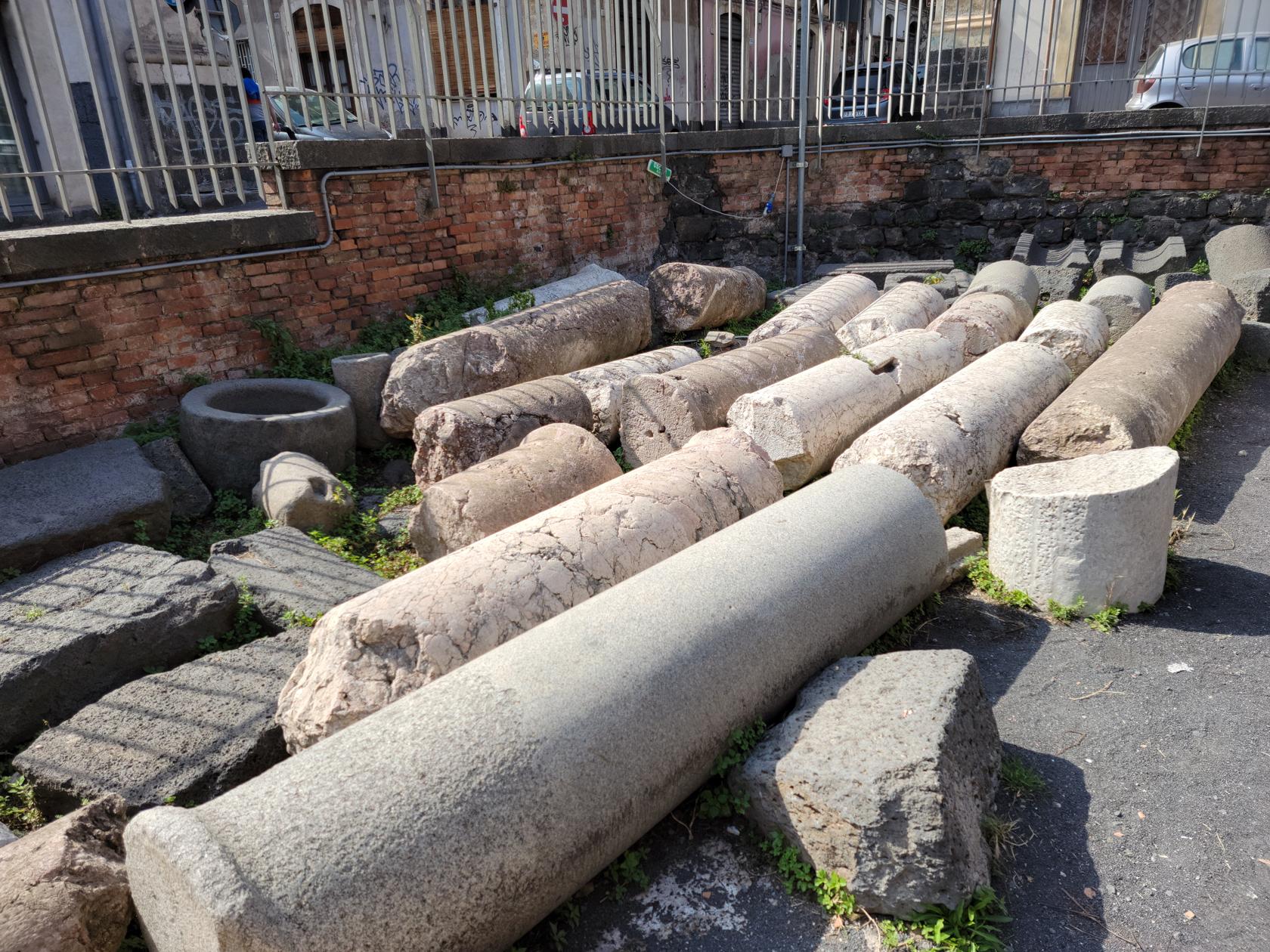
A stone’s throw away from our hotel the amphitheater forces all the traffic to go around it. There is not much story behind the amphitheater other than in the fourth century the town’s people had started robbing it stones for building material. Later it was almost completely covered up by a building project in the eighteenth century. It was later rediscovered and preserved as part of an urban archeological site.
Roman Amphitheater – Catania, Sicily
Roman Amphitheater – Catania, Sicily
Roman Amphitheater – Catania, Sicily
Roman Amphitheater – Catania, Sicily
The Roman Baths
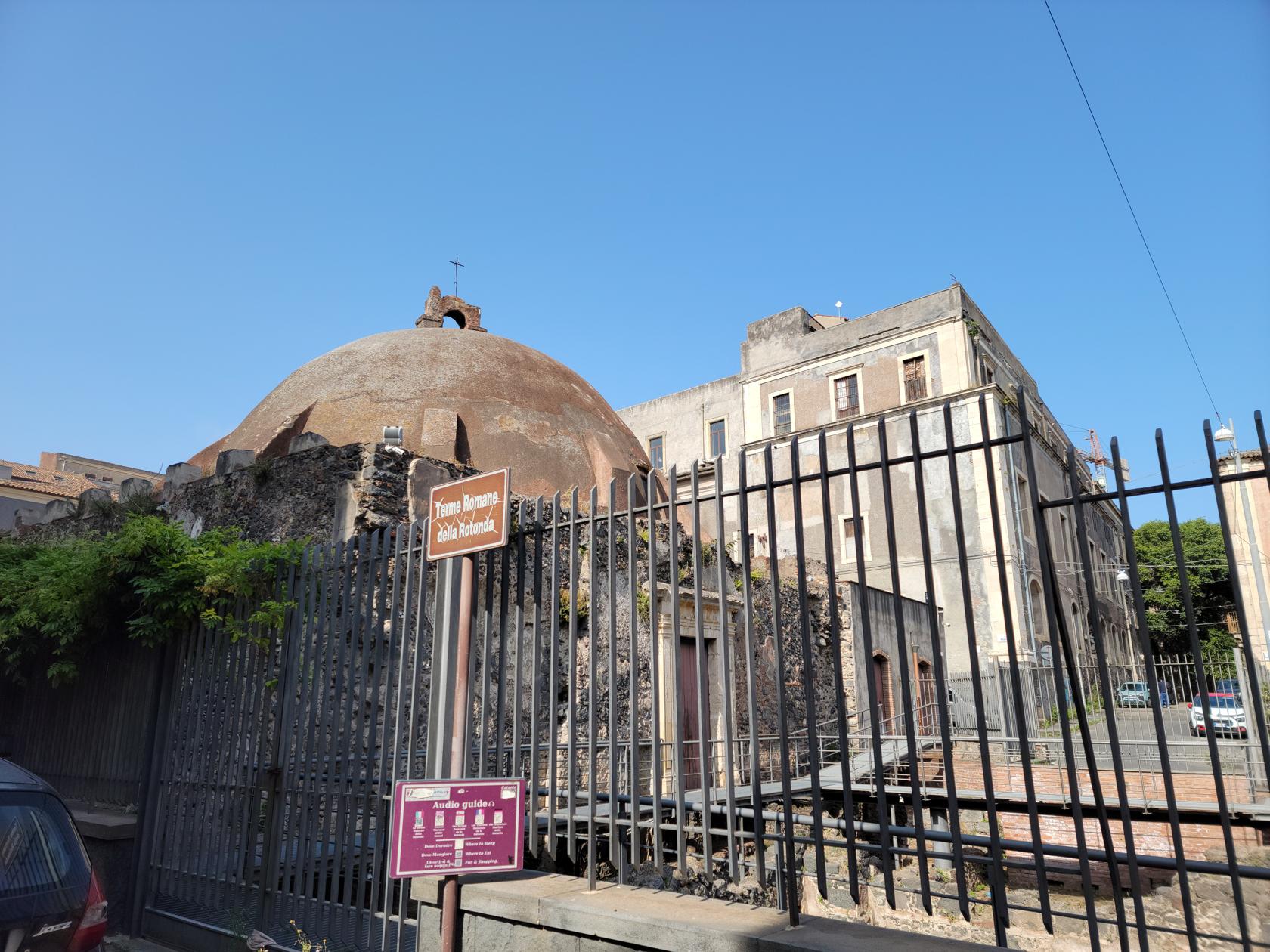
Very close to the Greek and Roman Theater are the Roman Baths. They appear to be part of a city walking audio tour, but since we did not visit the information center, we have no other details on the site.
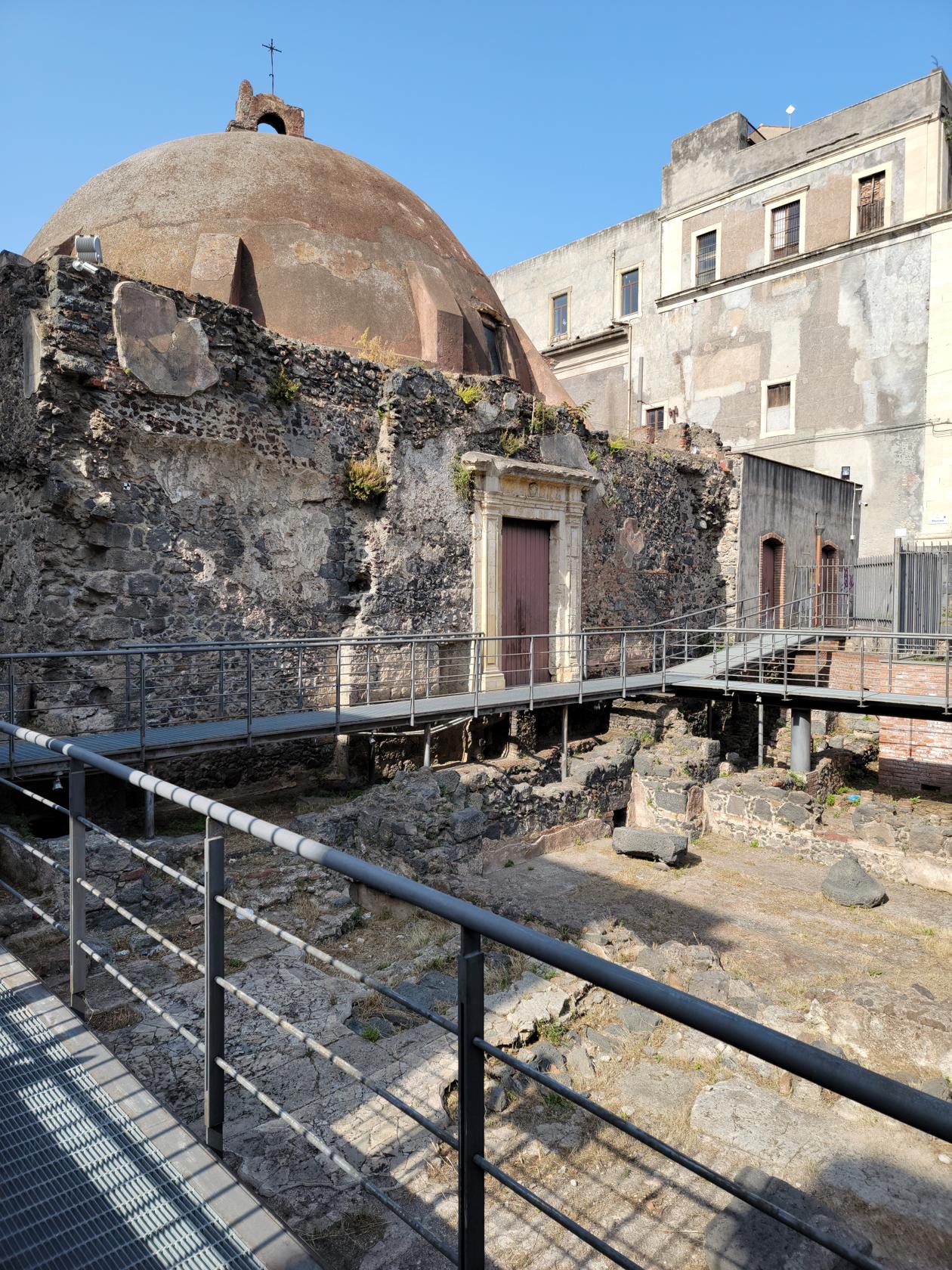
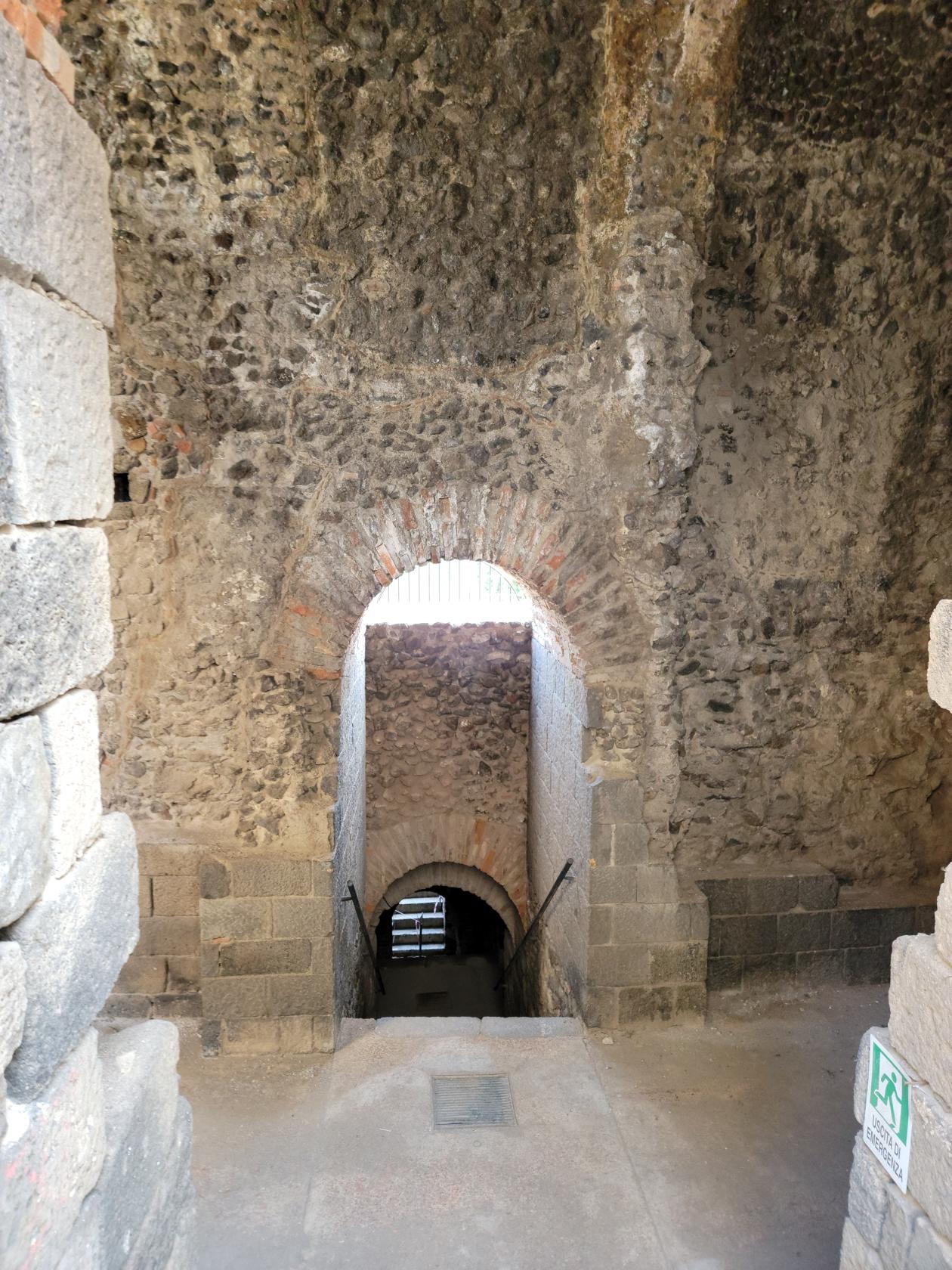
Roman Baths of the Rotunda – Catania, Sicily
Roman Baths of the Rotunda – Catania, Sicily
The Greek and Roman Theater
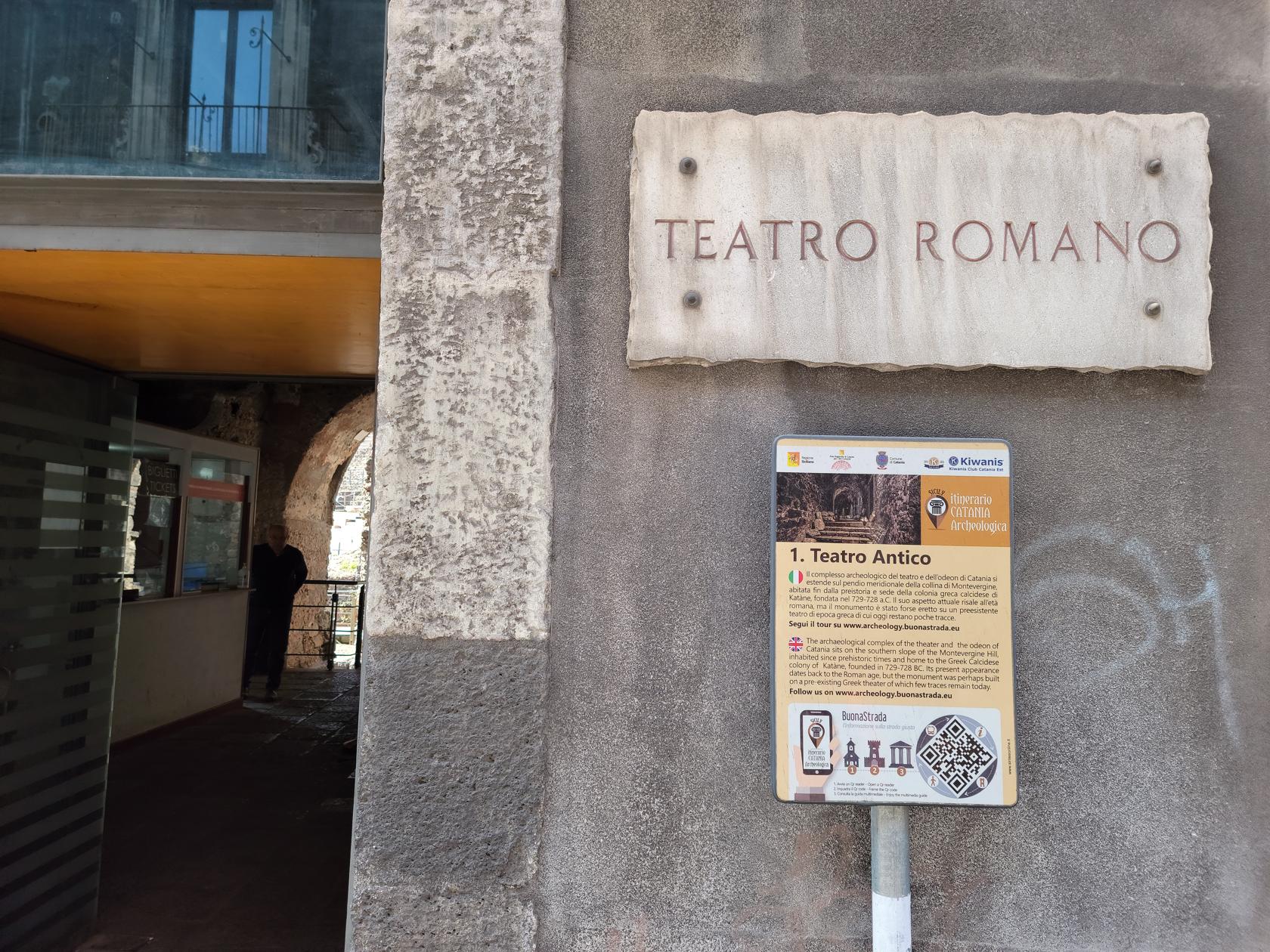
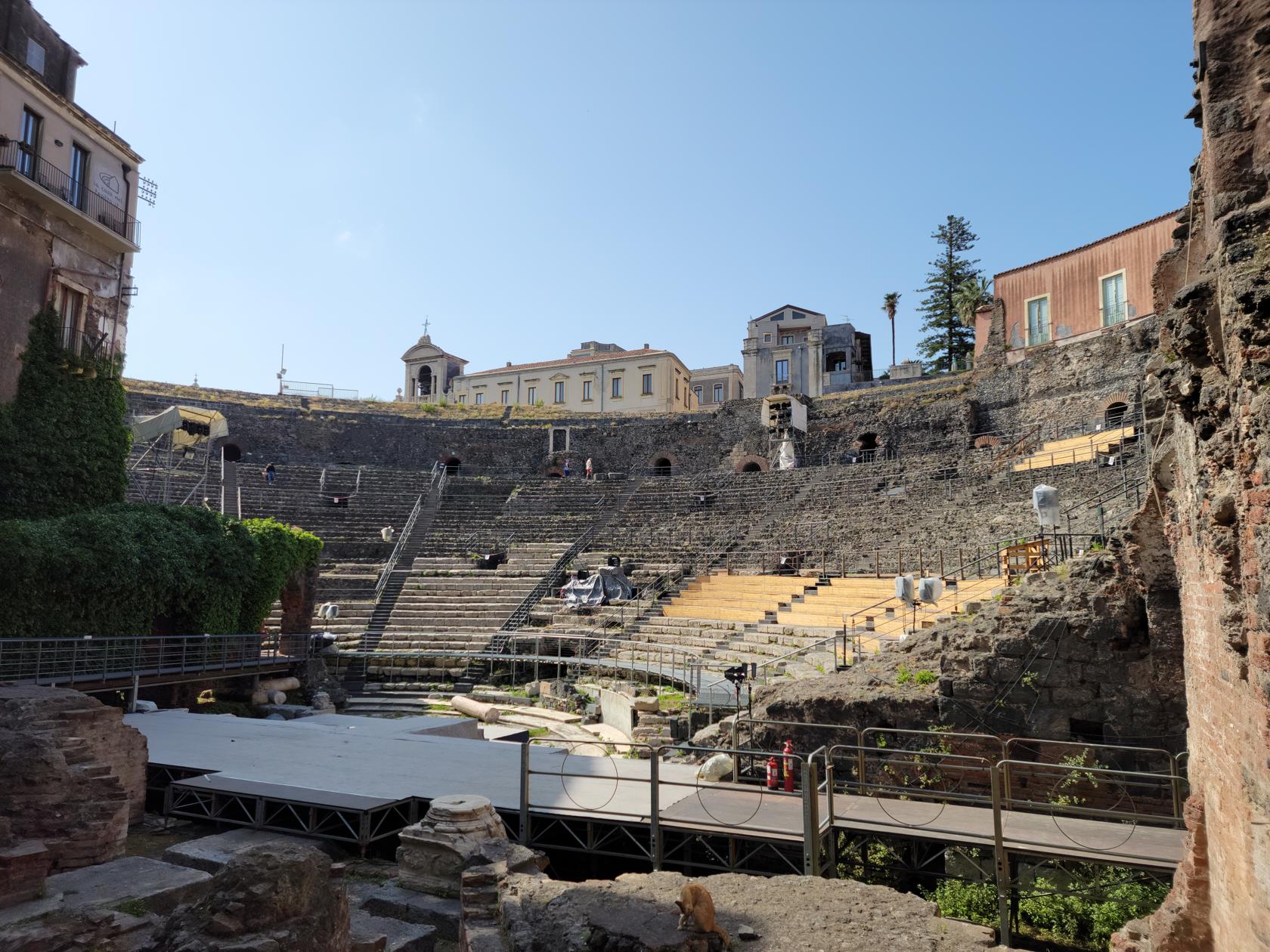
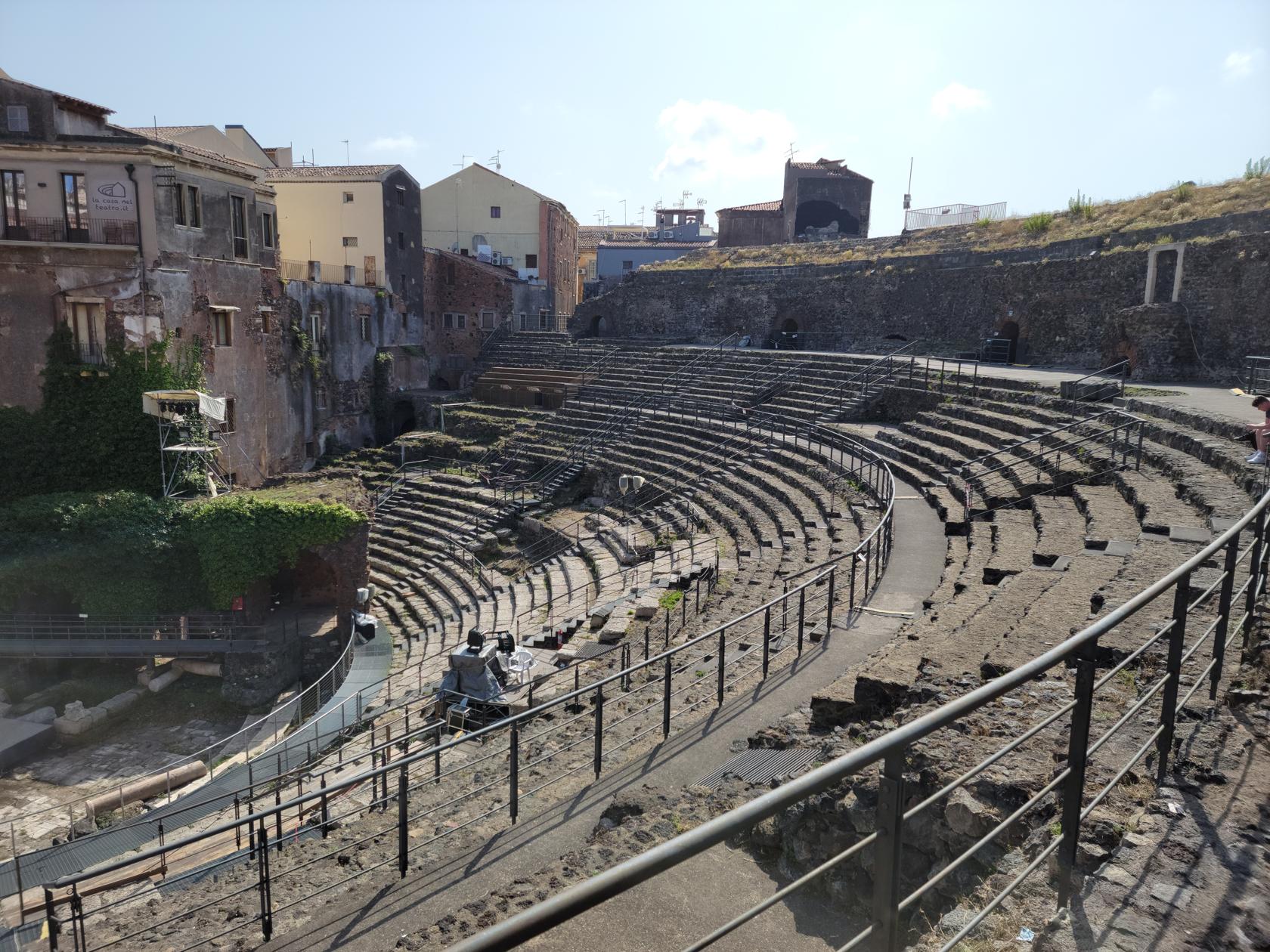
Labeled the Roman Theater, it was actually established by the Greeks and later rebuilt as a Roman Theater. There is an entrance fee for this exhibit, which again seems to be repurposed for shows. Though there is ample space to take photographs to get a good idea of how it used to look.
The Greek-Roman Theater – Catania, Sicily
The Greek-Roman Theater – Catania, Sicily
The Greek-Roman Theater – Catania, Sicily
The Greek-Roman Theater – Catania, Sicily
The Greek-Roman Theater – Catania, Sicily
The Greek-Roman Theater – Catania, Sicily
The Greek-Roman Theater – Catania, Sicily
The Greek-Roman Theater – Catania, Sicily
The Greek-Roman Theater – Catania, Sicily
The Greek-Roman Theater – Catania, Sicily
The Greek-Roman Theater – Catania, Sicily
The Greek-Roman Theater – Catania, Sicily
The Greek-Roman Theater – Catania, Sicily
The Greek-Roman Theater – Catania, Sicily
The Greek-Roman Theater – Catania, Sicily
The Greek-Roman Theater – Catania, Sicily
Churches, Cathedral and Basilicas
There are numerous churches and other religious structures of note all throughout Catania. The most noteworthy one is the Cathedral of Catania.
Church of San Nicolò l’Arena
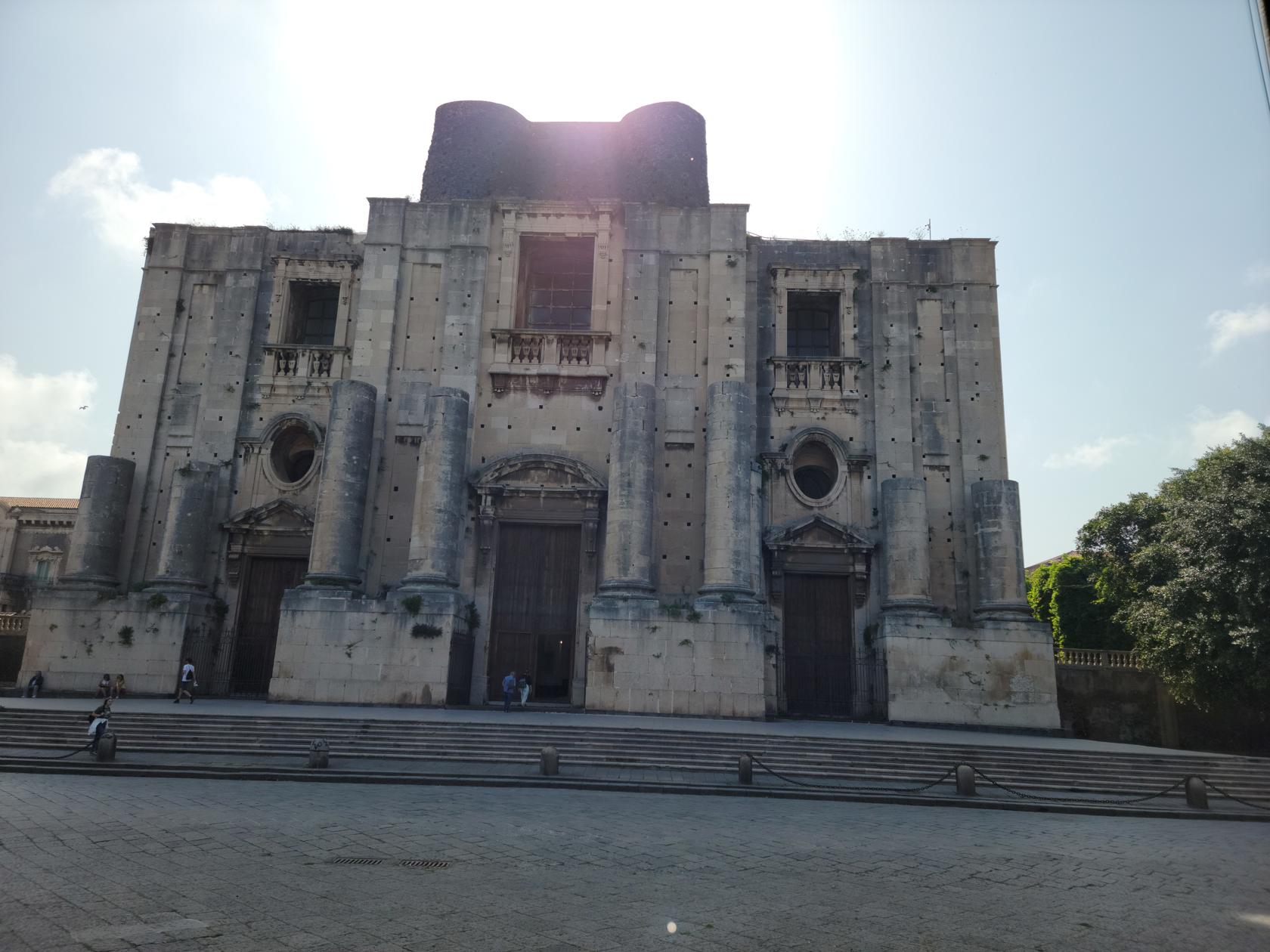
A large unfinished artifice is the Church of San Nicolò l’Arena. It was started in the late 17th century and interrupted by the large earthquake of 1693. The dome and inside were later completed, but the facade remains unfinished sadly even to this day.
San Nicolo L’Arena Church – Catania, Sicily
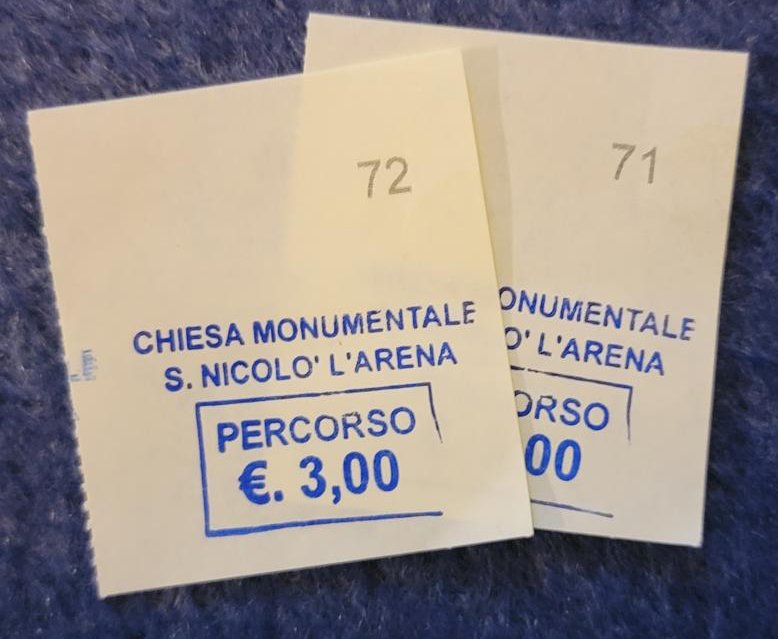
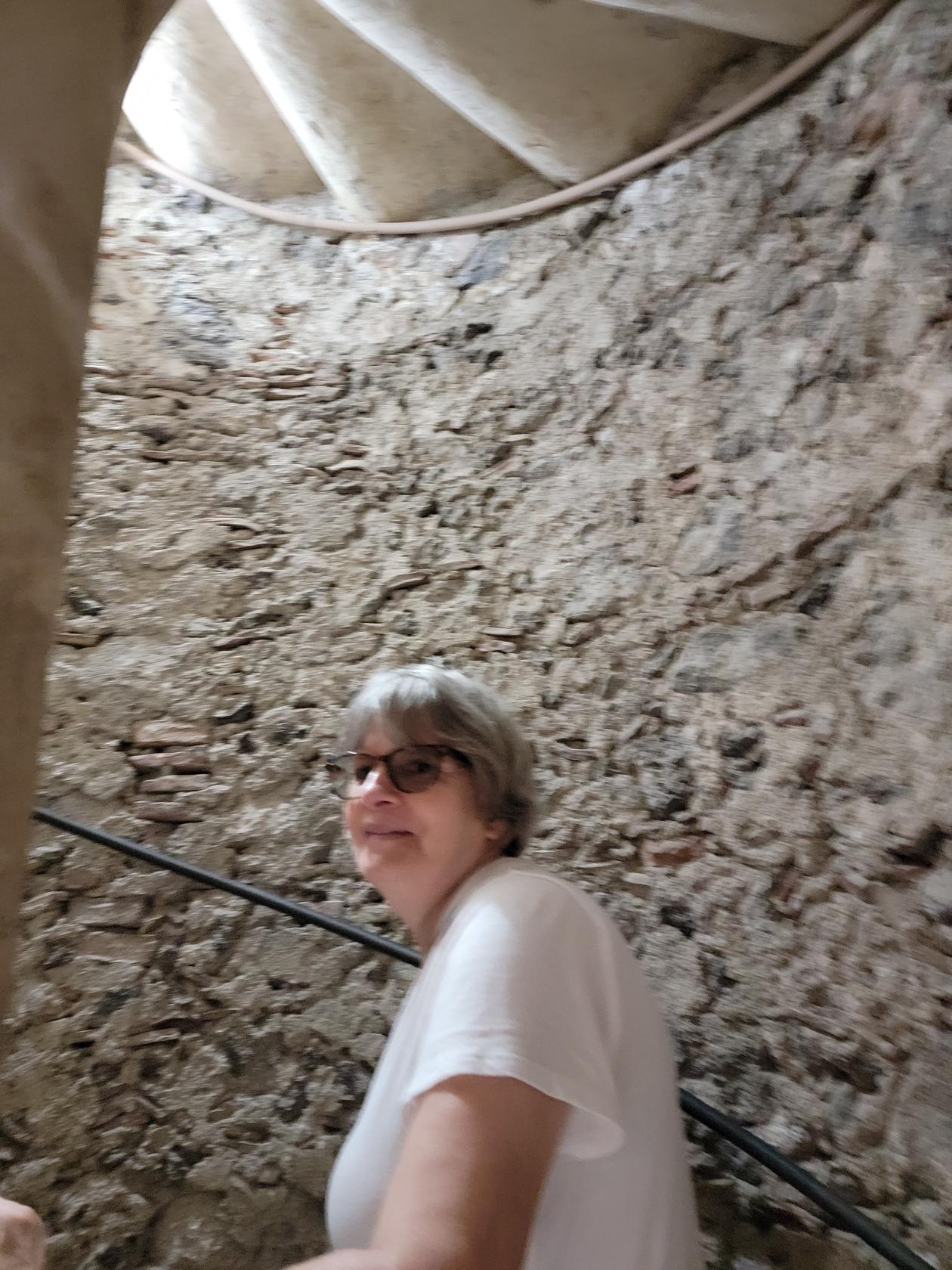
This church has a secret though, for small fee you may ascend its narrow spiral staircase to the roof for its impressive view of the city.
Tickets For Two – San Nicolo L’Arena Church – Catania, Sicily
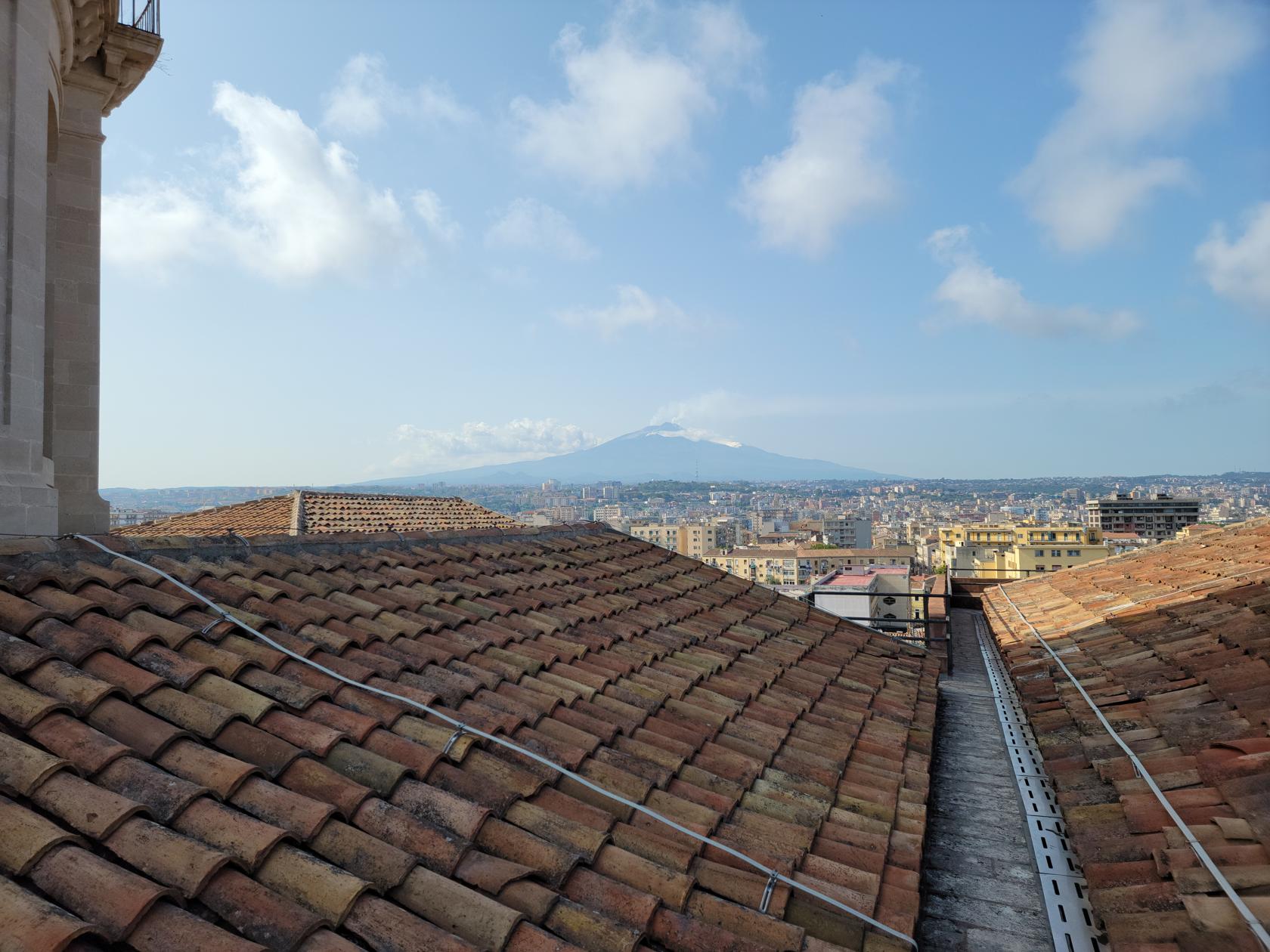
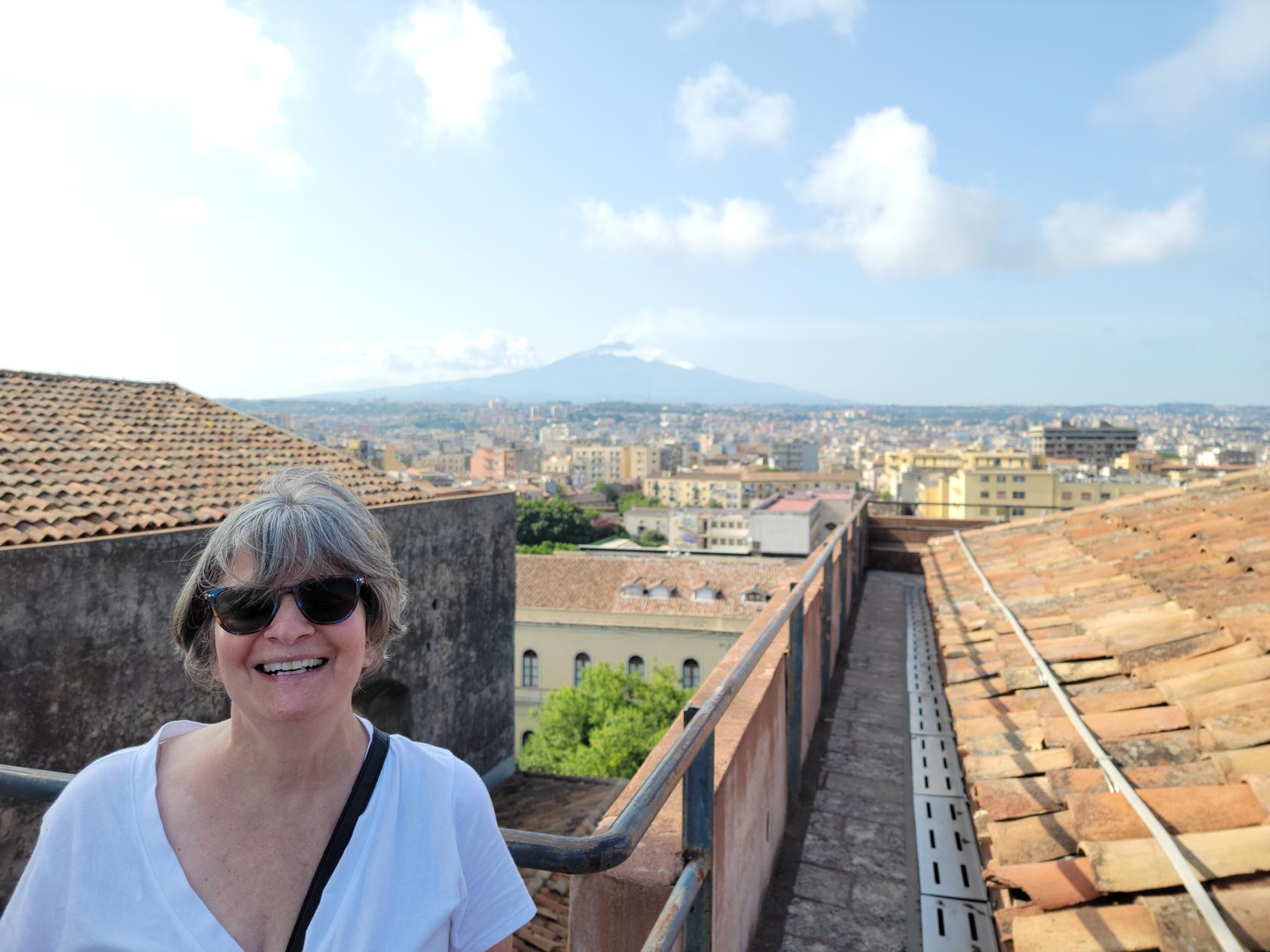
From this perch you can also get an amazing shot at Mount Etna.
Climbing the stairs to the roof – San Nicolo L’Arena Church – Catania, Sicily
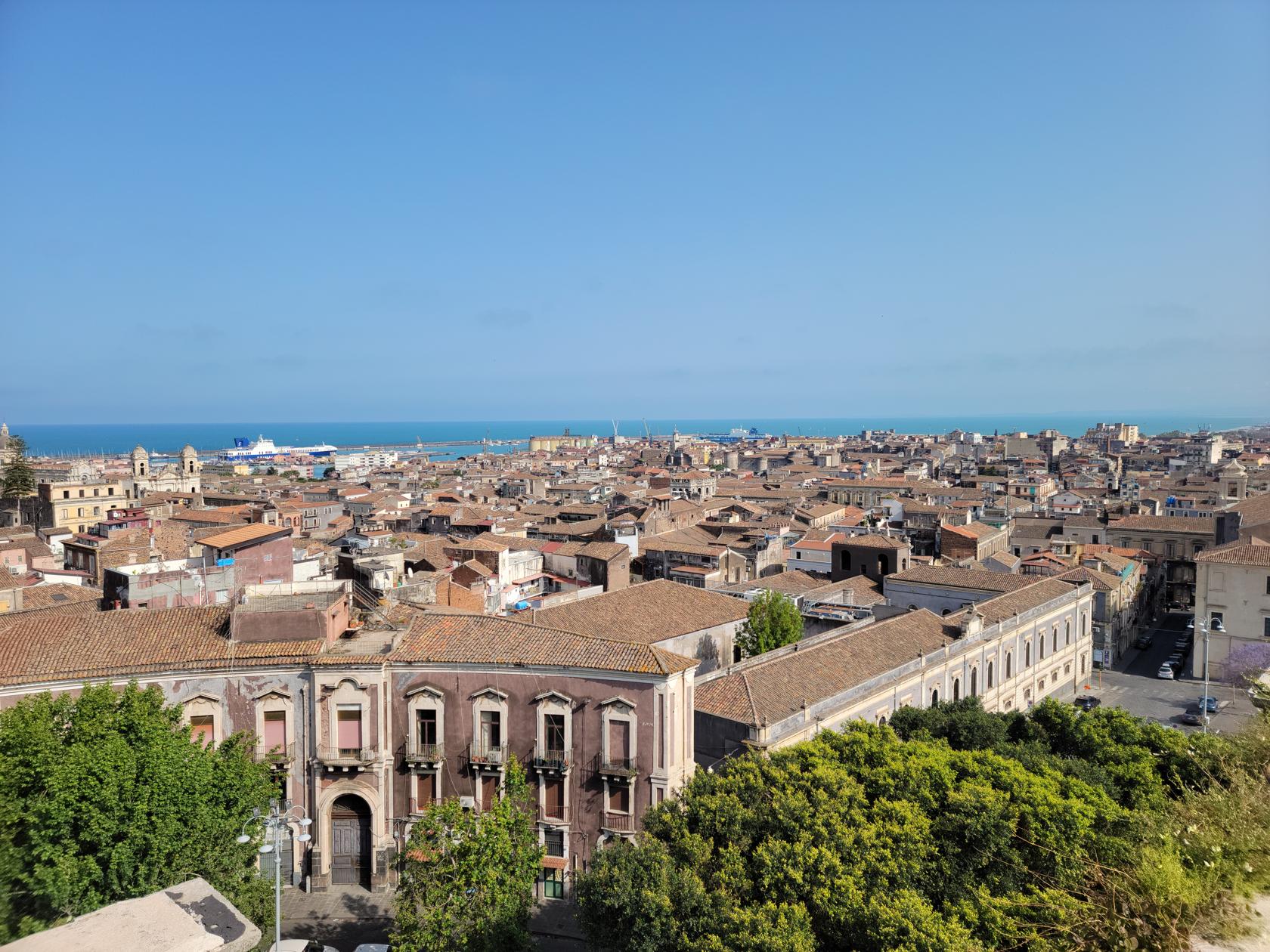
View of Catania Bay from the roof – San Nicolo L’Arena Church – Catania, Sicily
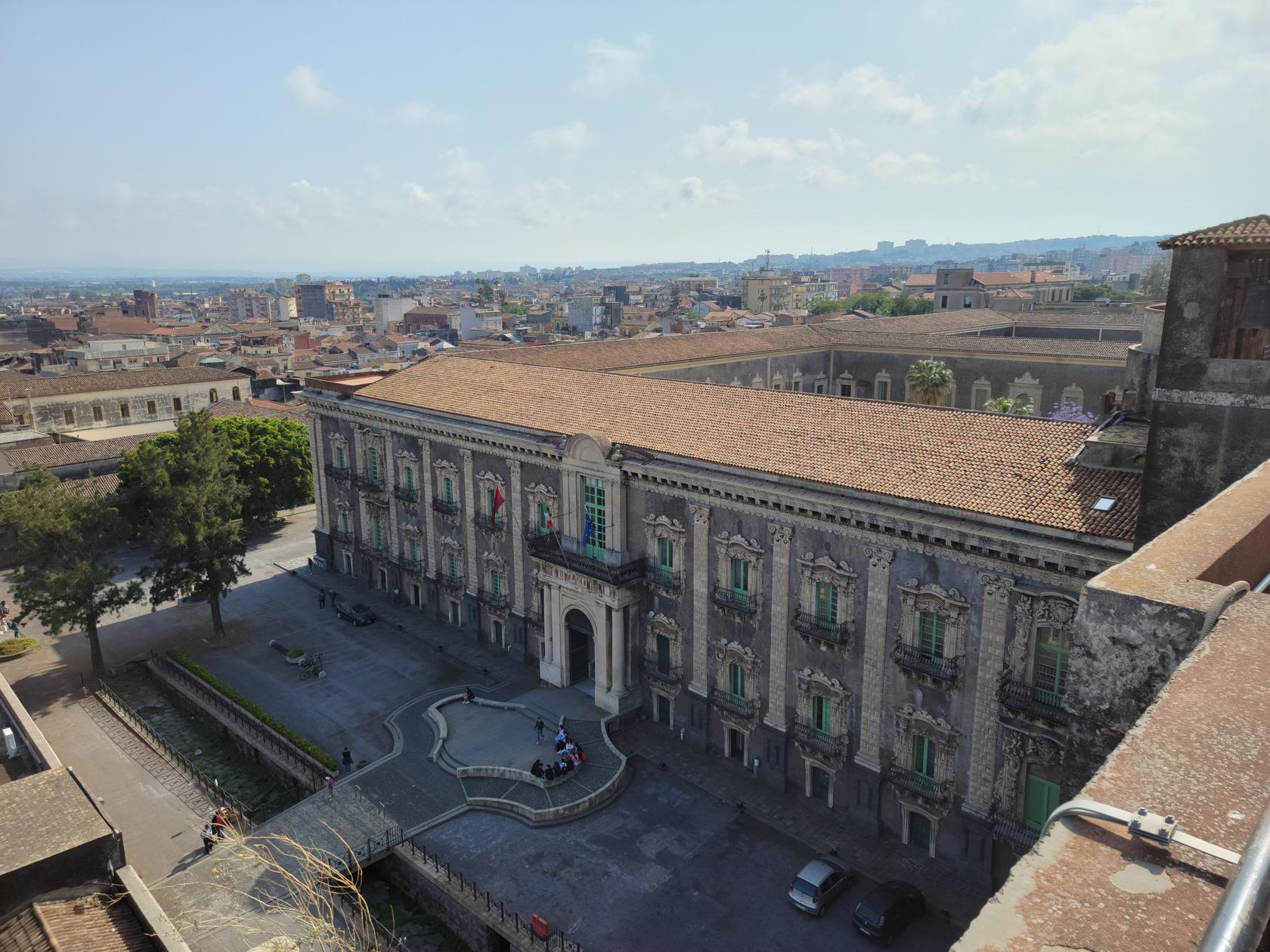
View from roof – San Nicolo L’Arena Church – Catania, Sicily
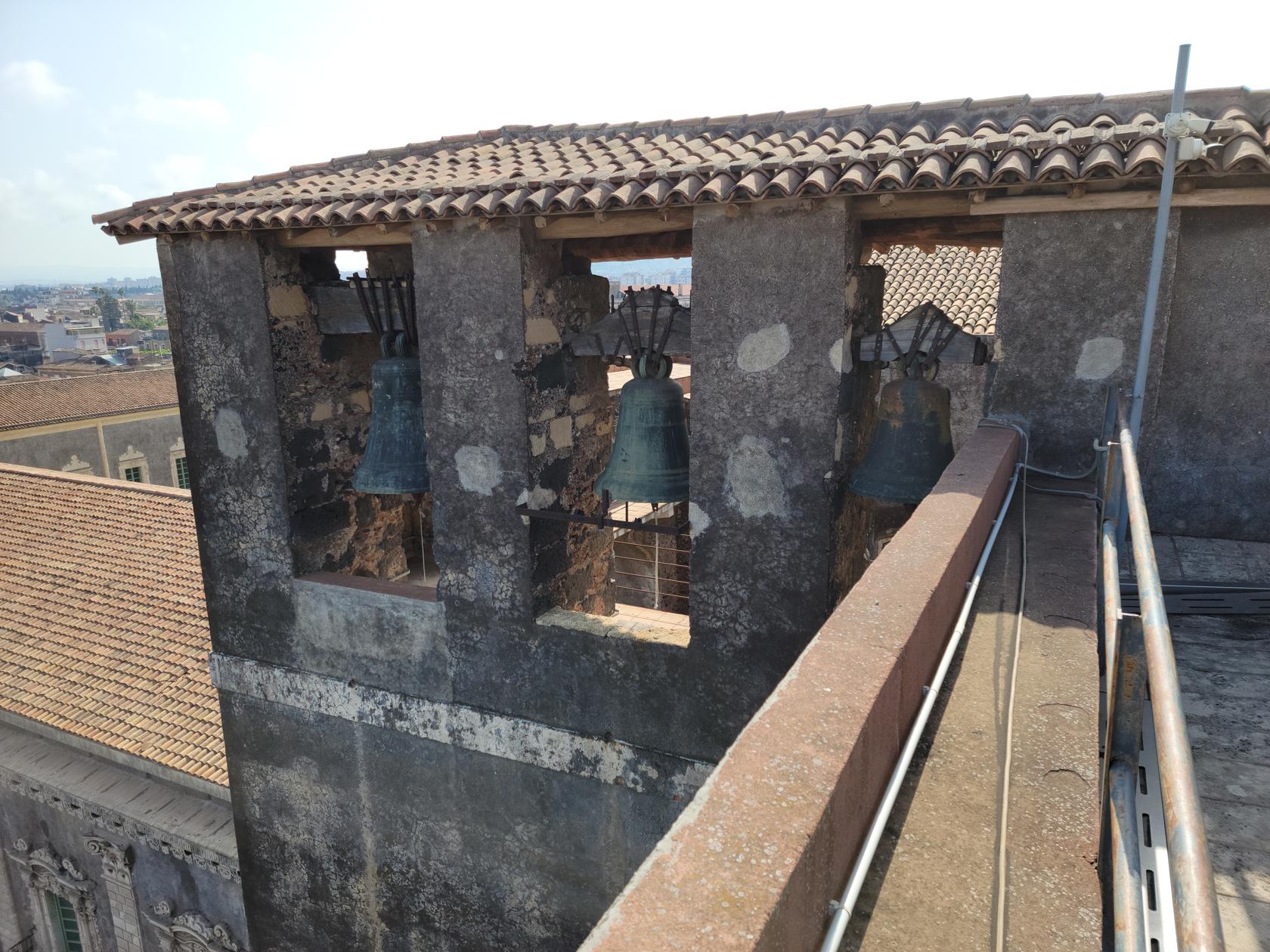
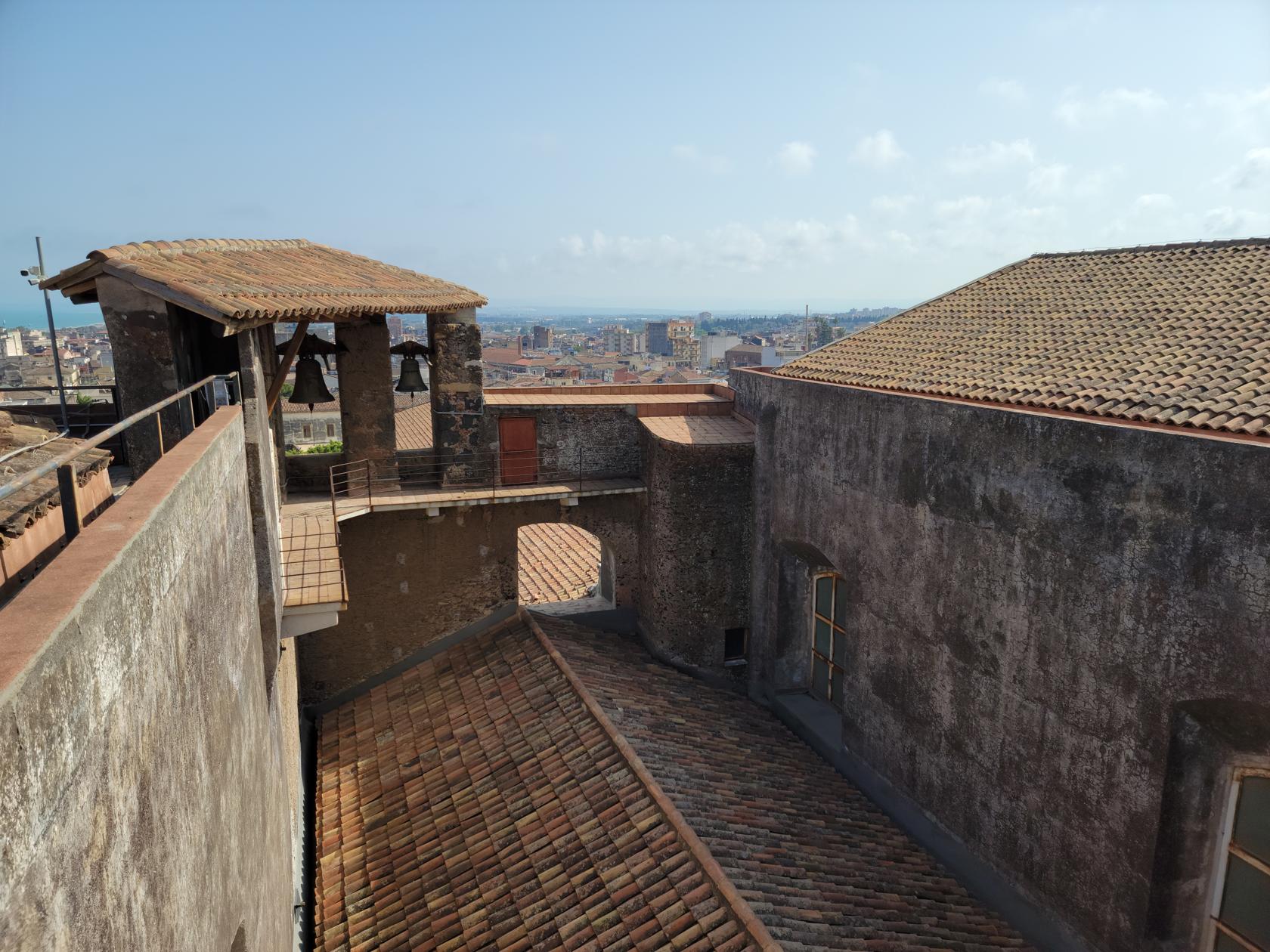
The belfry tower – San Nicolo L’Arena Church – Catania, Sicily
The roof – San Nicolo L’Arena Church – Catania, Sicily
A view of Mount Etna from the roof – San Nicolo L’Arena Church – Catania, Sicily
A view of Mount Etna and Patti from the roof – San Nicolo L’Arena Church – Catania, Sicily
A view of Mount Etna and Erick from the roof – San Nicolo L’Arena Church – Catania, Sicily
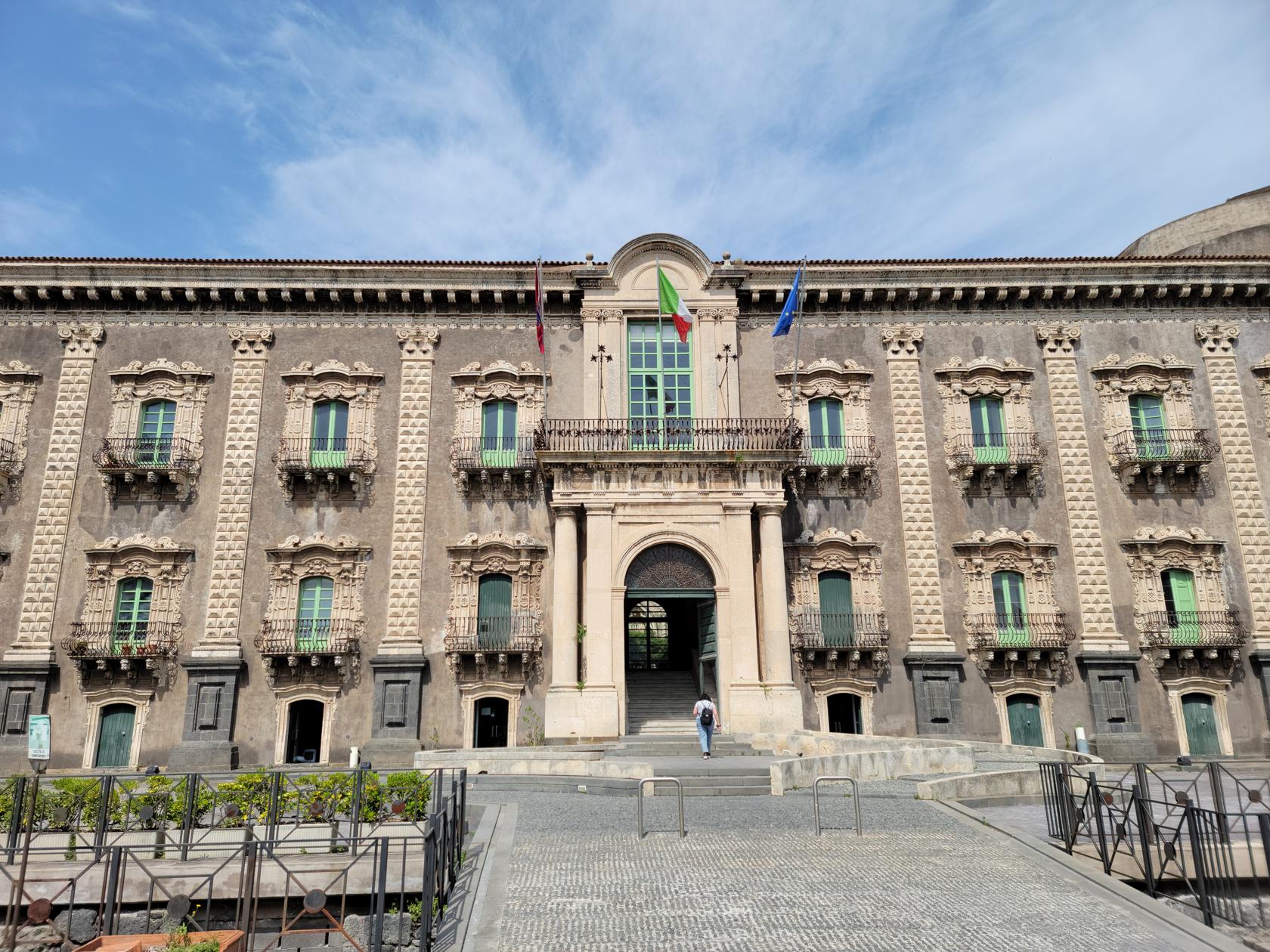
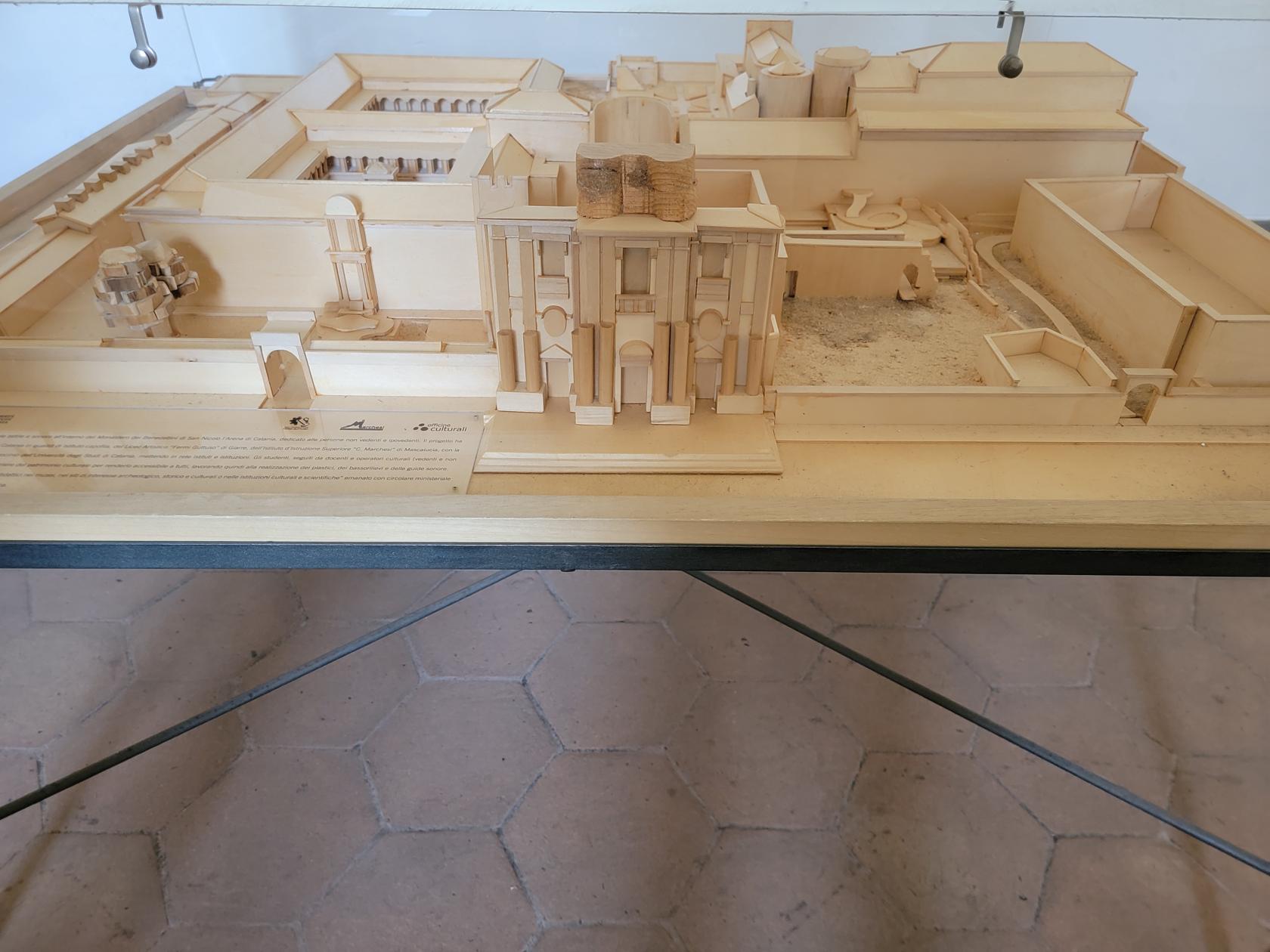
A diorama of the Benedictine Monastery – Catania, Sicily
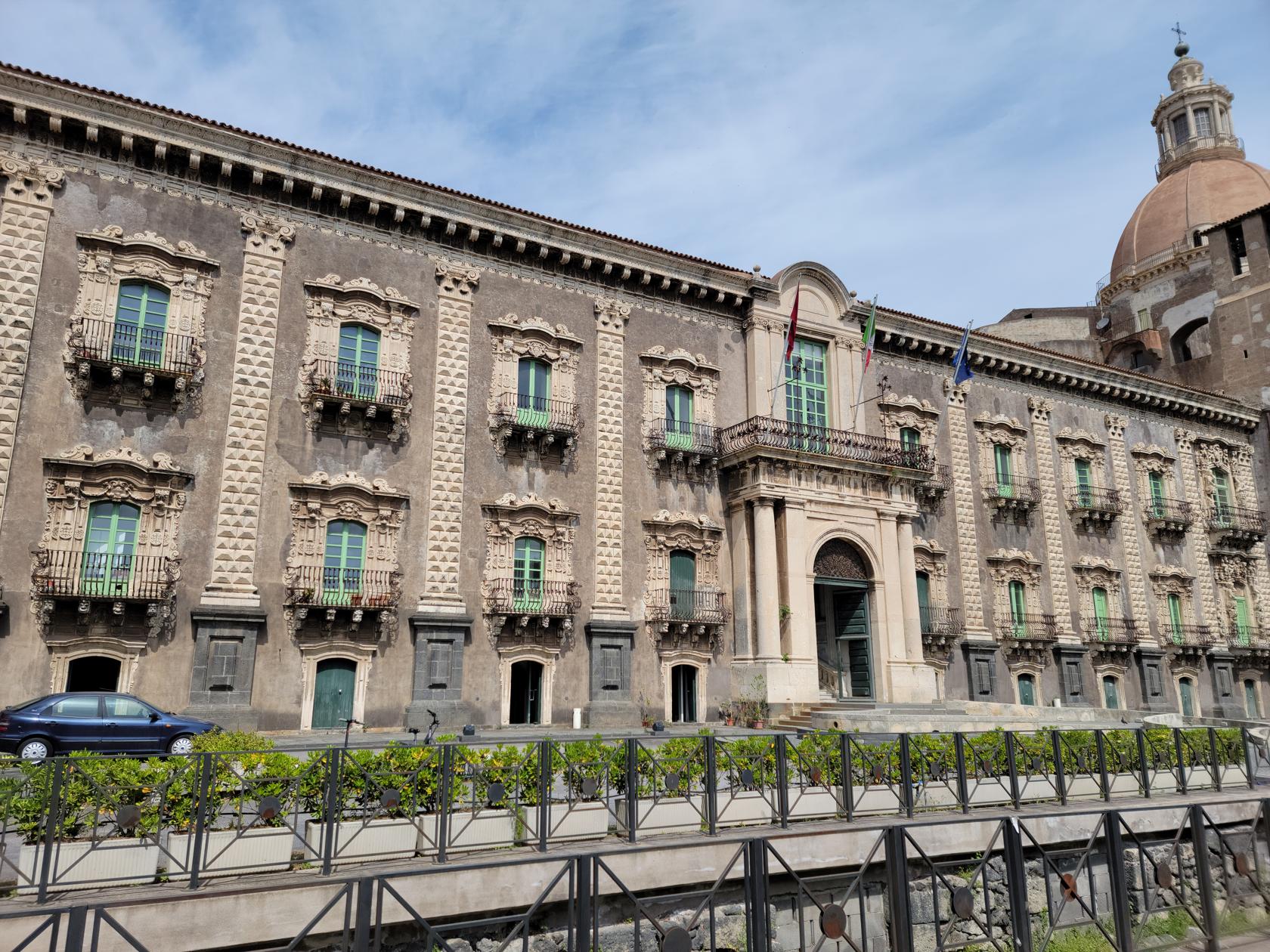
Benedictine Monastery – Catania, Sicily
Benedictine Monastery – Catania, Sicily
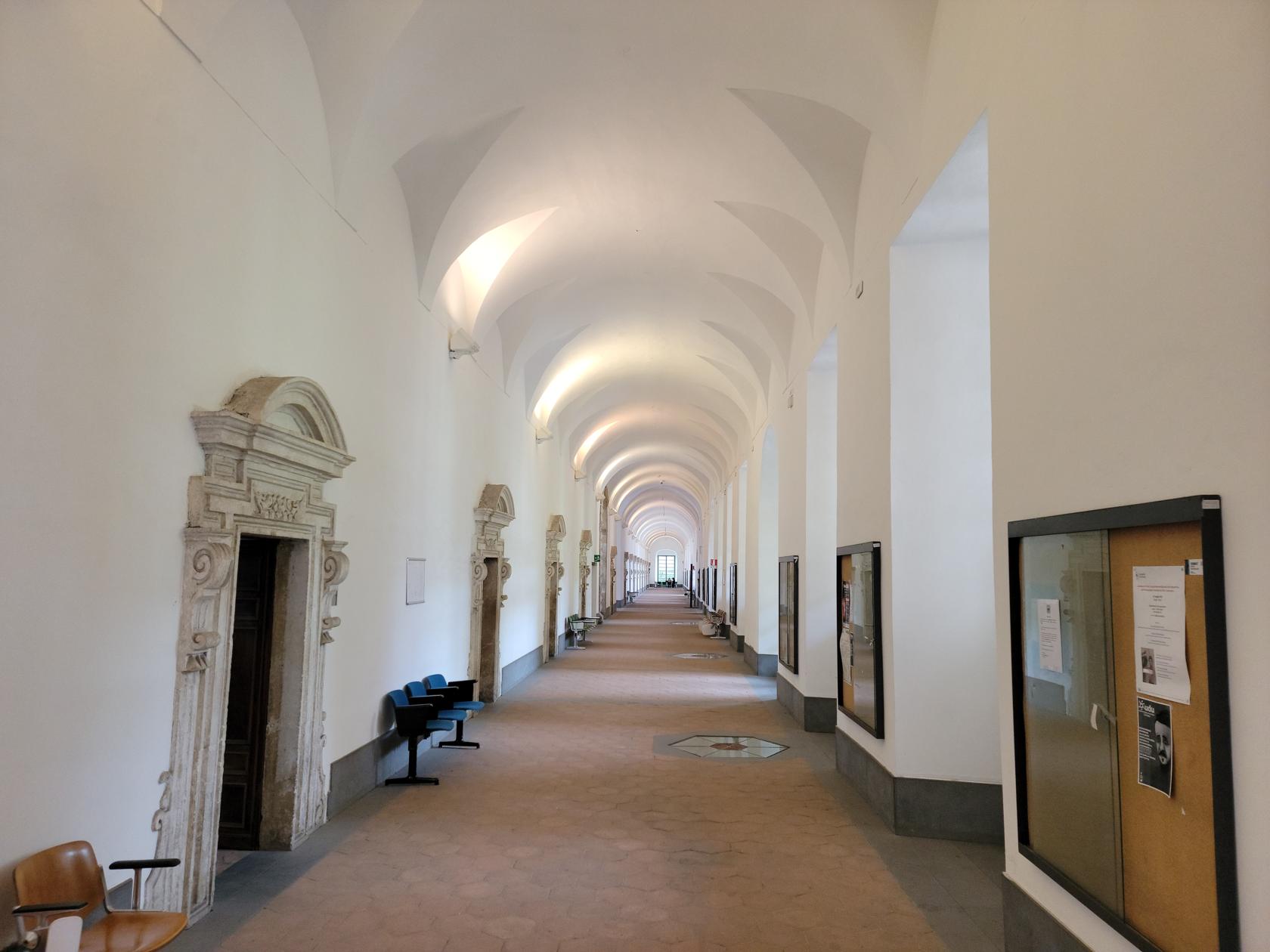
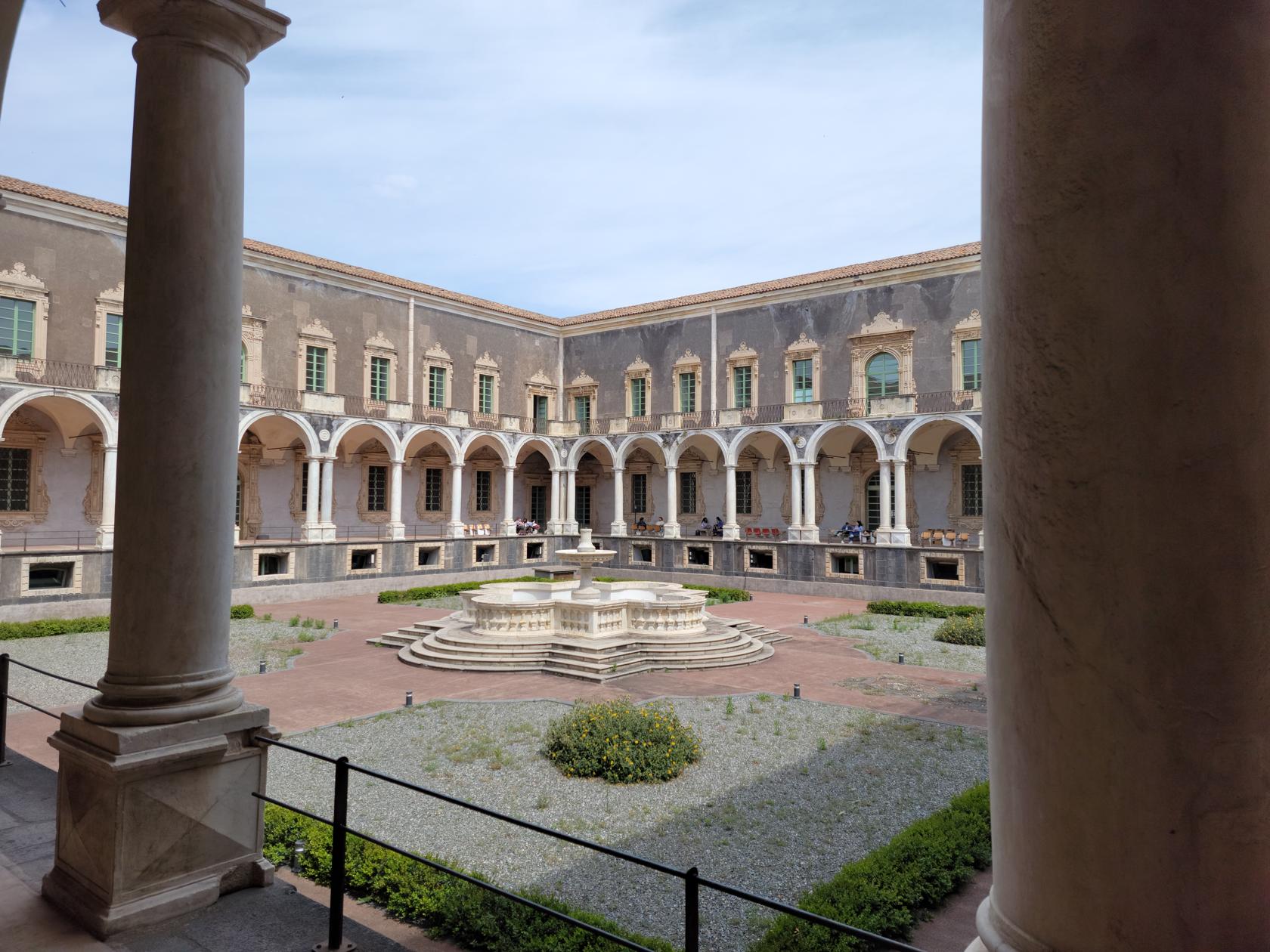
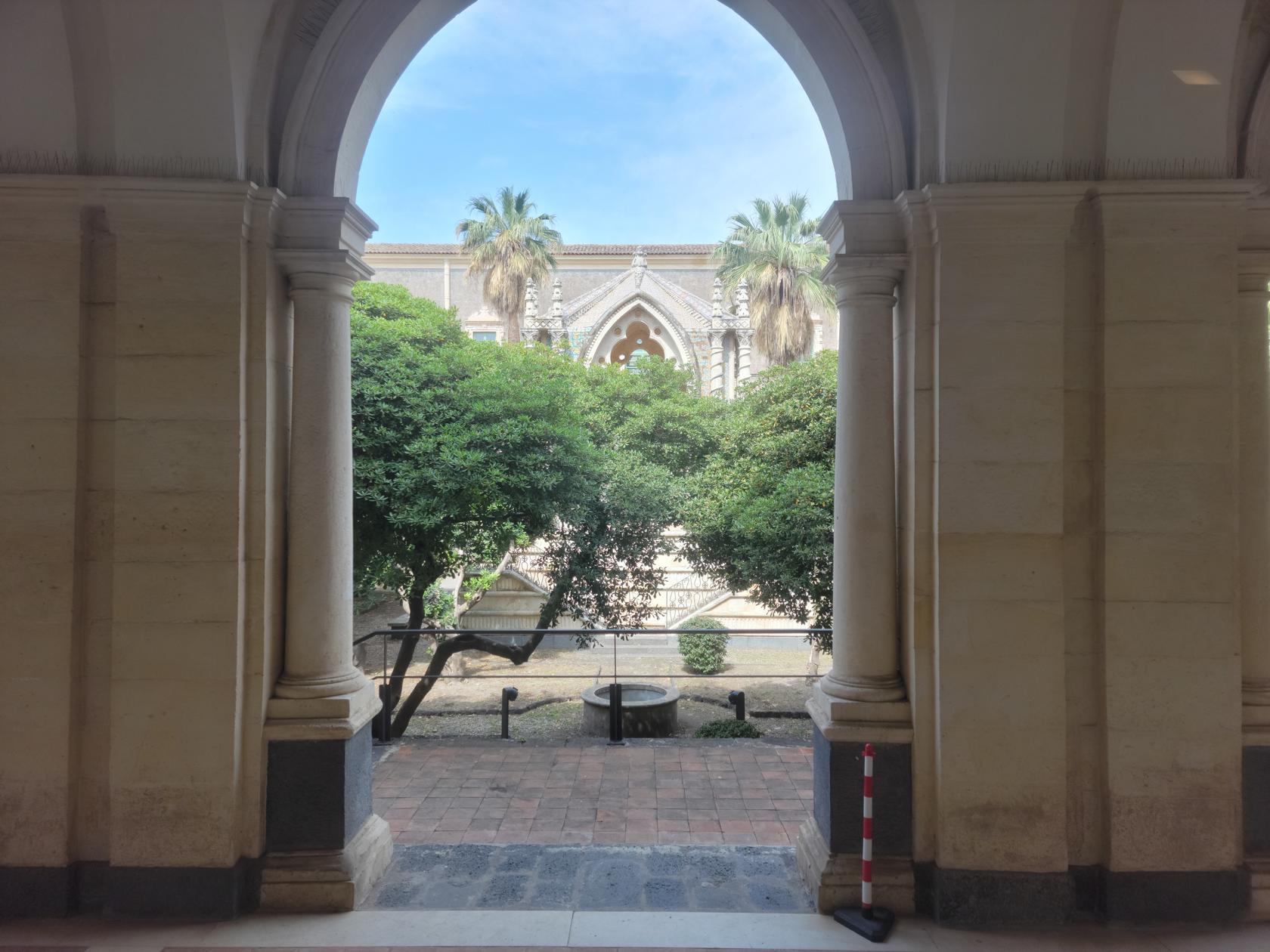
it is only open for guided tours and they were completely booked up when we inquired with school groups and other tour groups. We were lucky however to get a glimpse of some of the grounds which is also used as part of the university, which holds lectures on philosophy and other classical topics.
Basilica of Saint Agatha
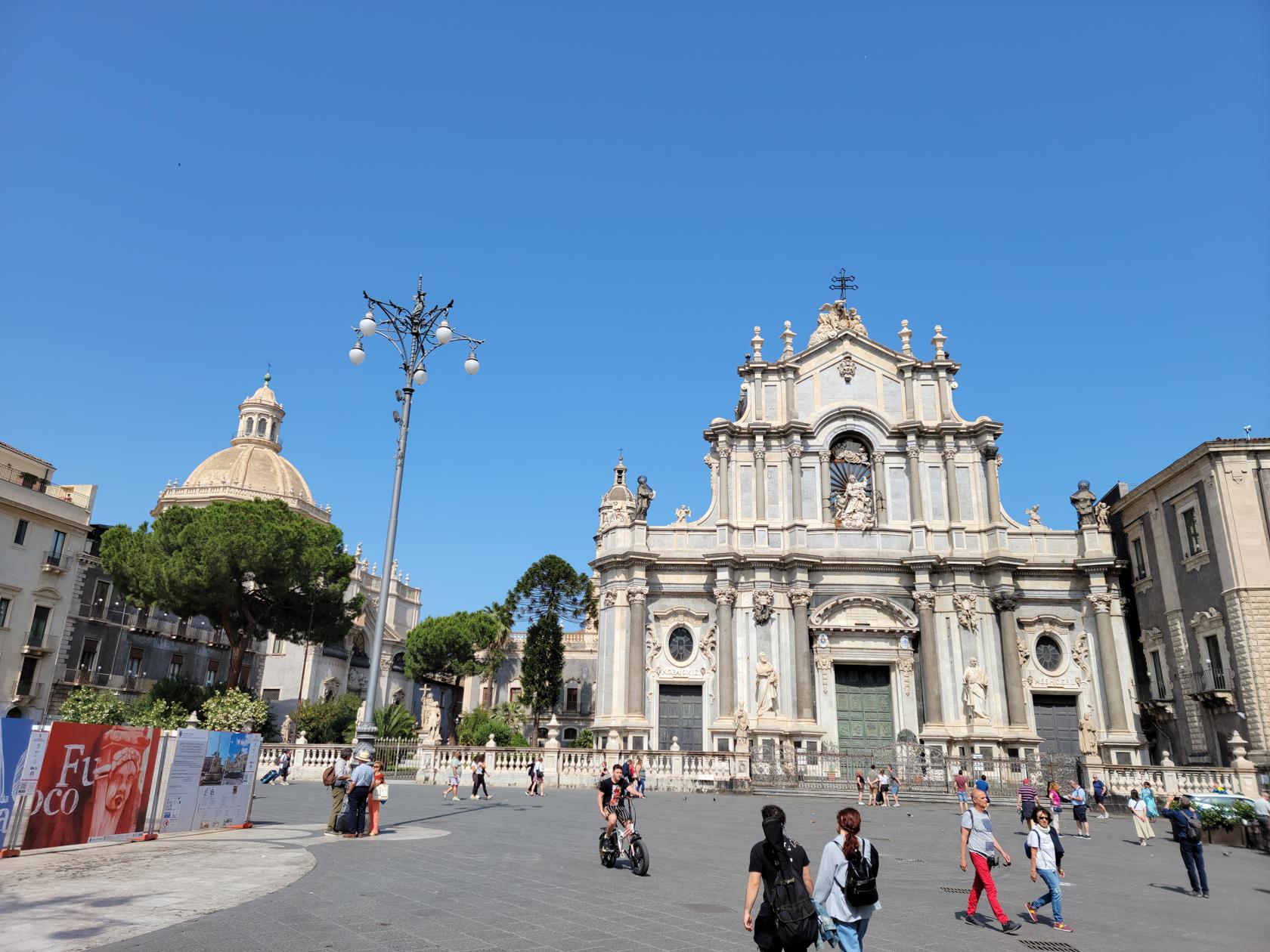
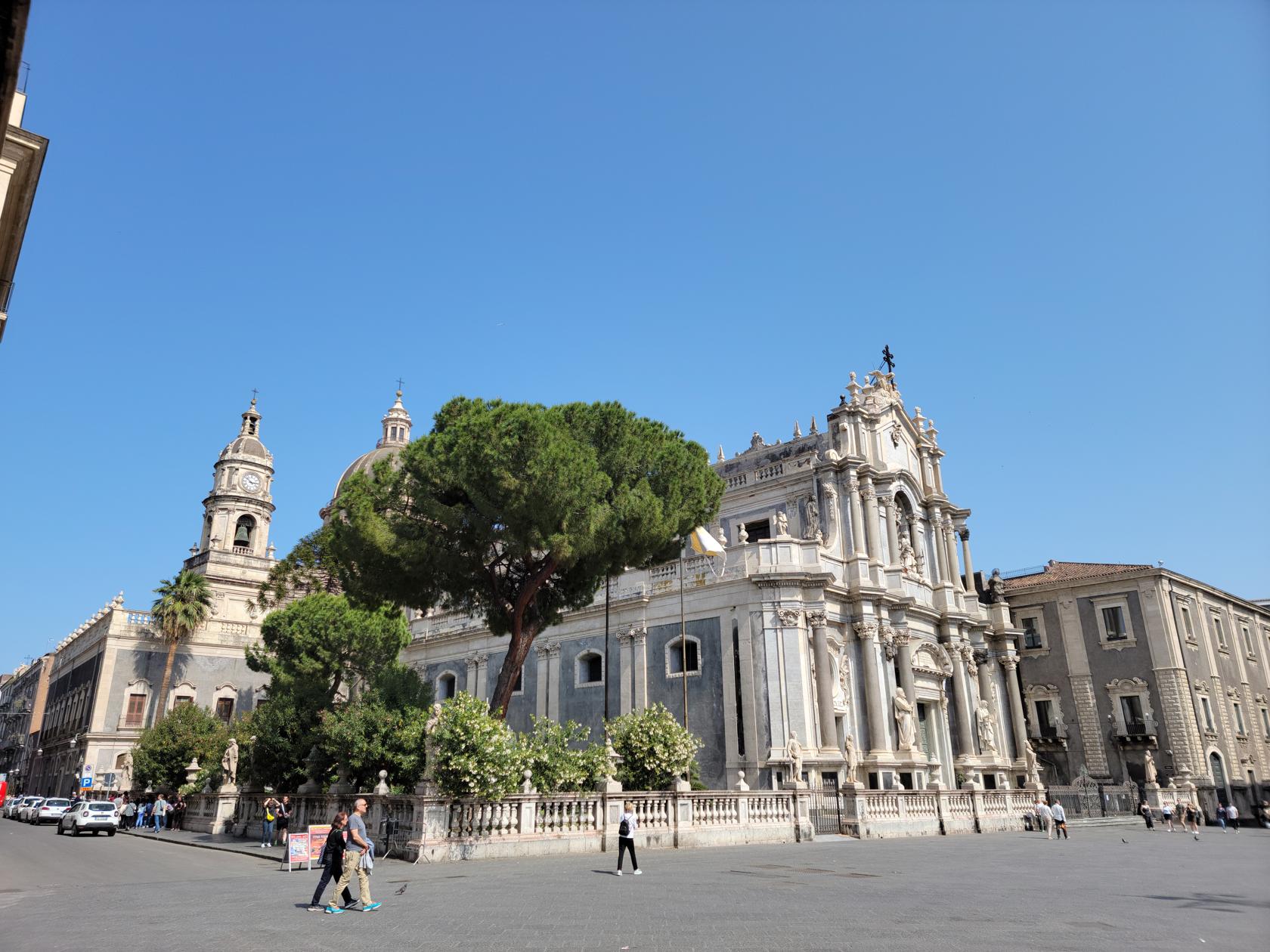
This basilica has a Sicilian Baroque facade that was designed by Vaccarini in the early 18th century. It has a clock tower and a large piazza outside it to support its impressive entrance.
Basilica Cathedral of Saint Agatha – Catania, Sicily
Basilica Cathedral of Saint Agatha – Catania, Sicily
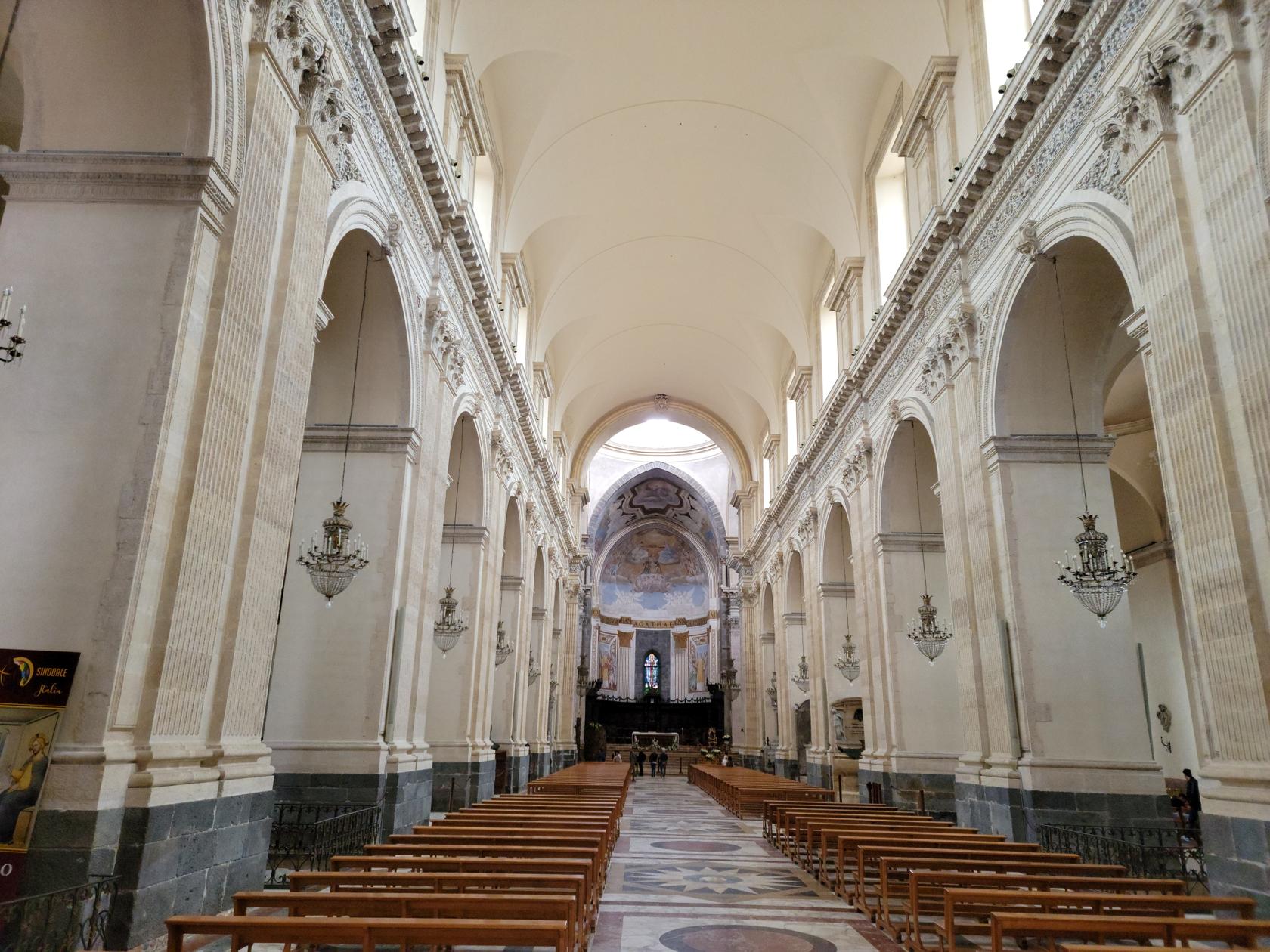
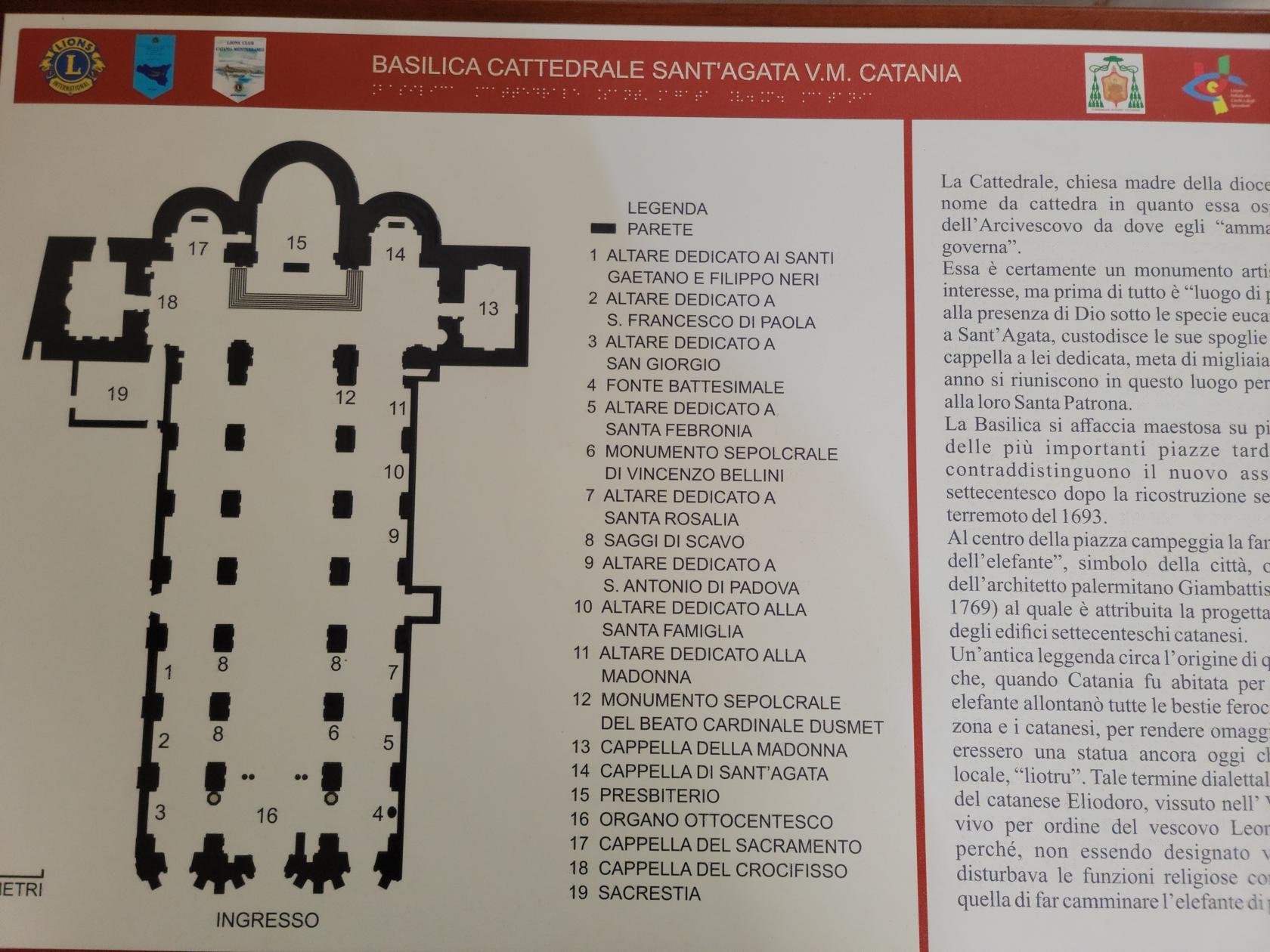
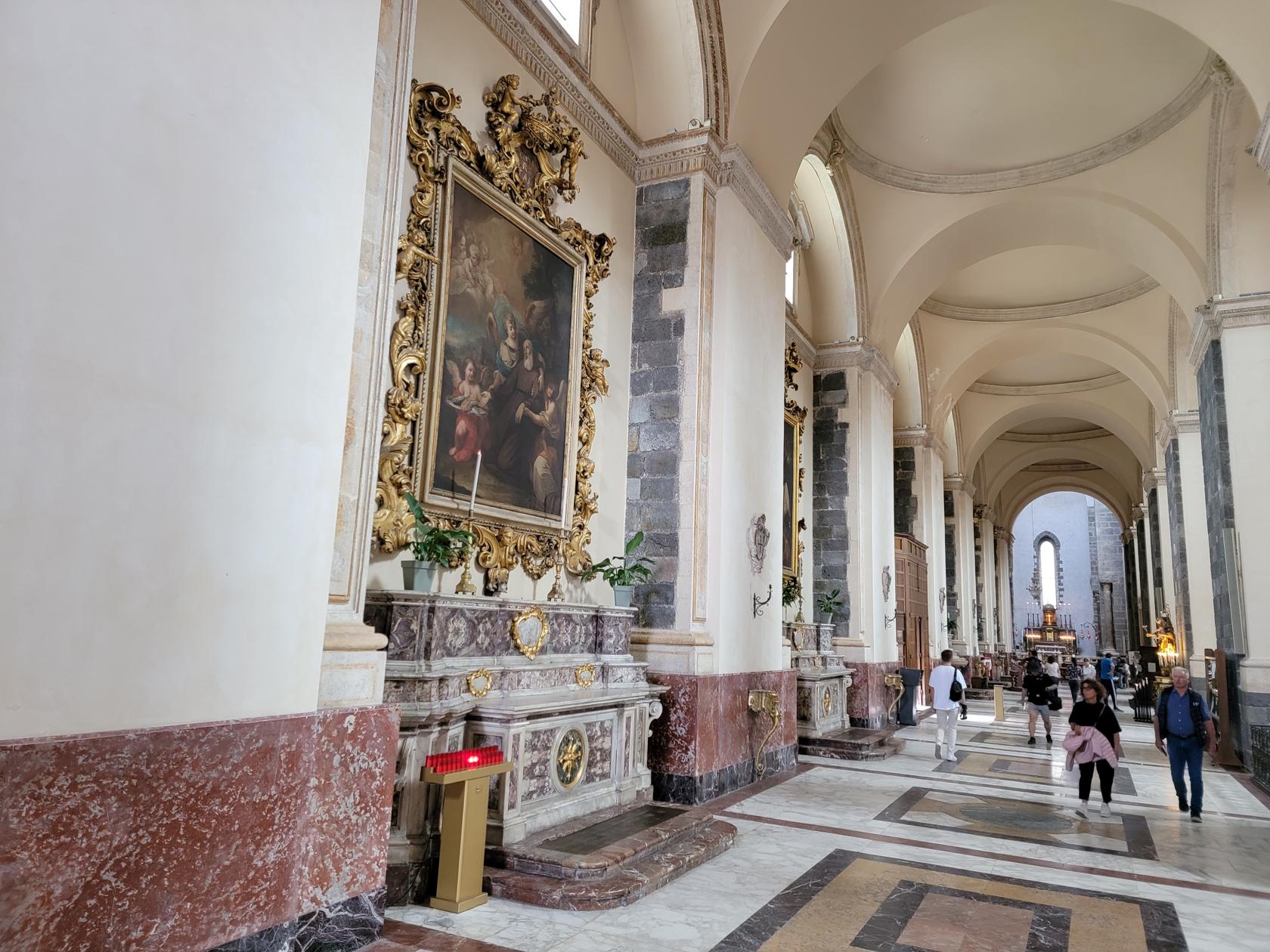
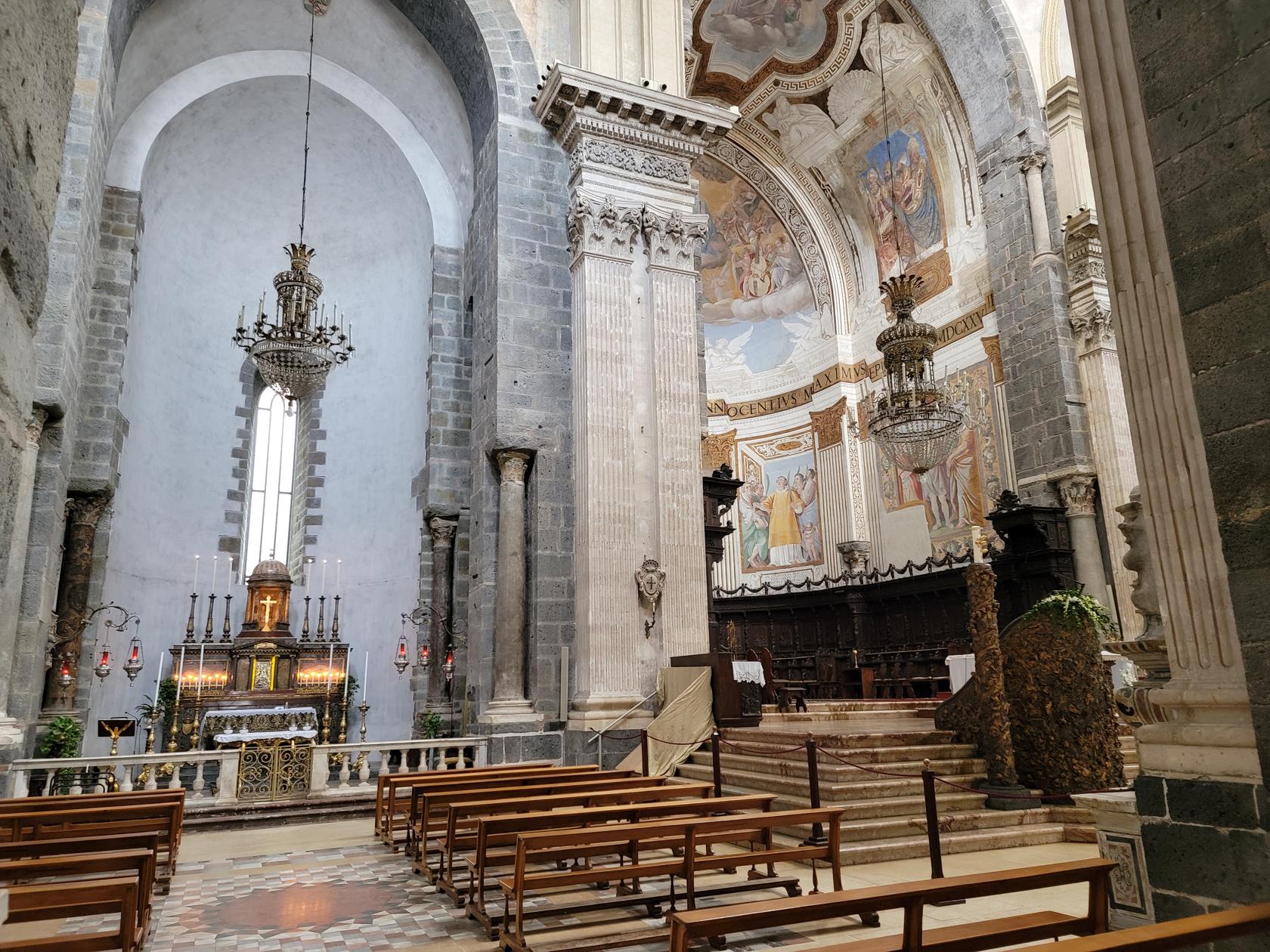
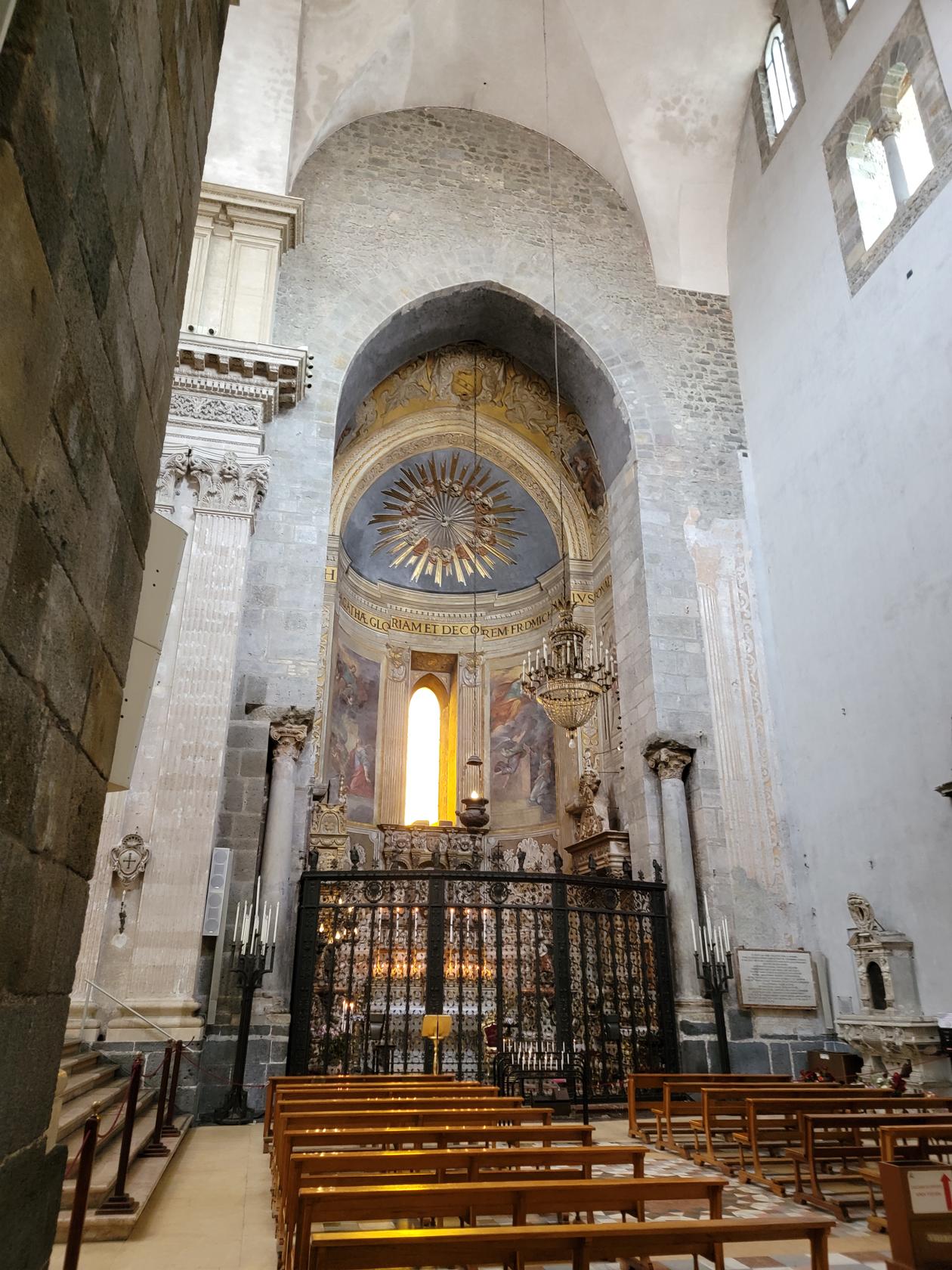
The interior is very large and has ten or twelve sub-chapels along its walls. There are three main altars, the two are the sides appear to be lit at all times, while the main alter, along with its wooden pulpit is probably only used to special occasions.
Cathedral of Saint Agatha – Catania, Sicily
Cathedral of Saint Agatha – Catania, Sicily
Cathedral of Saint Agatha – Catania, Sicily
Cathedral of Saint Agatha – Catania, Sicily
Our Hotel – Hotel Liberty
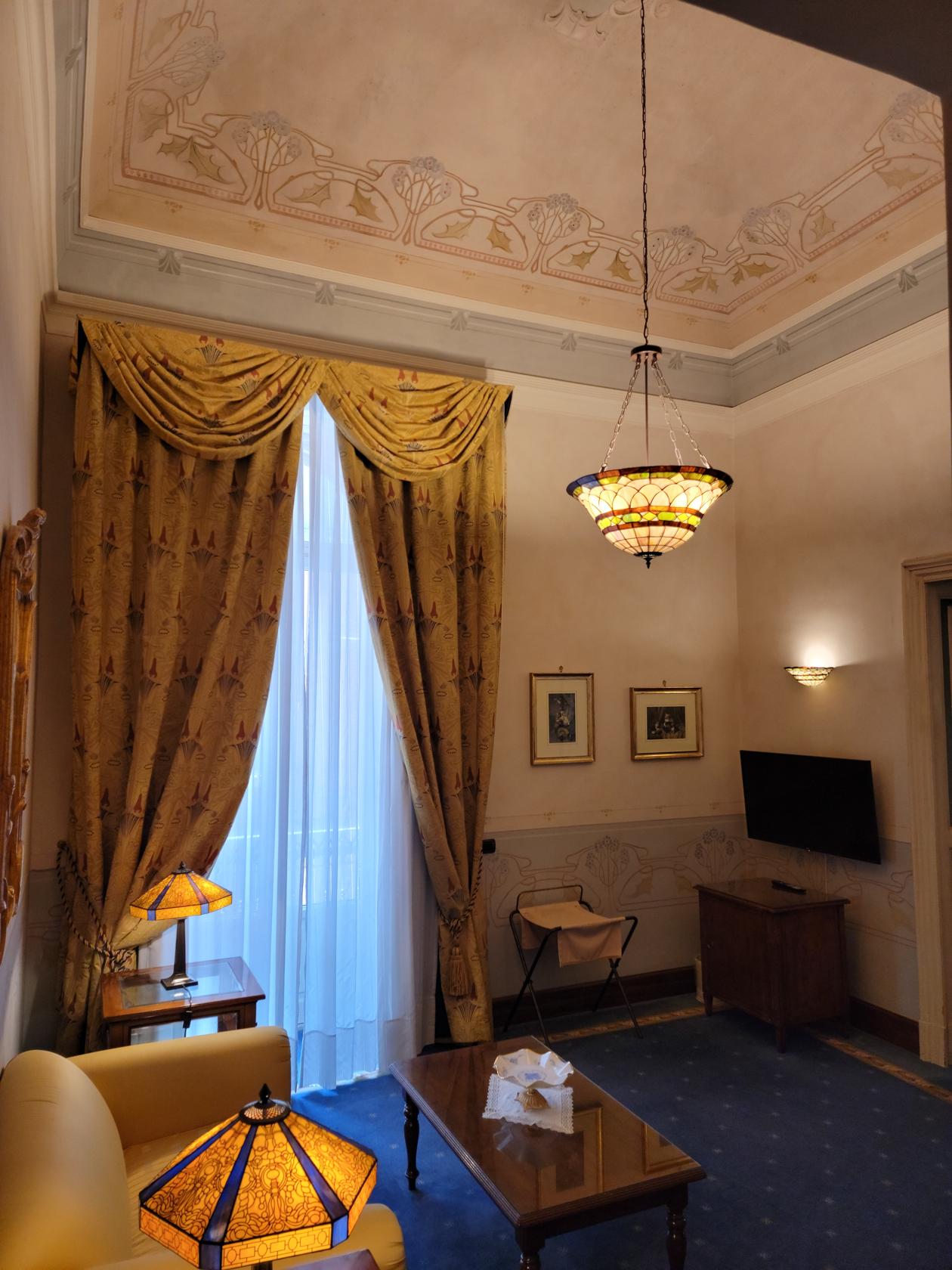
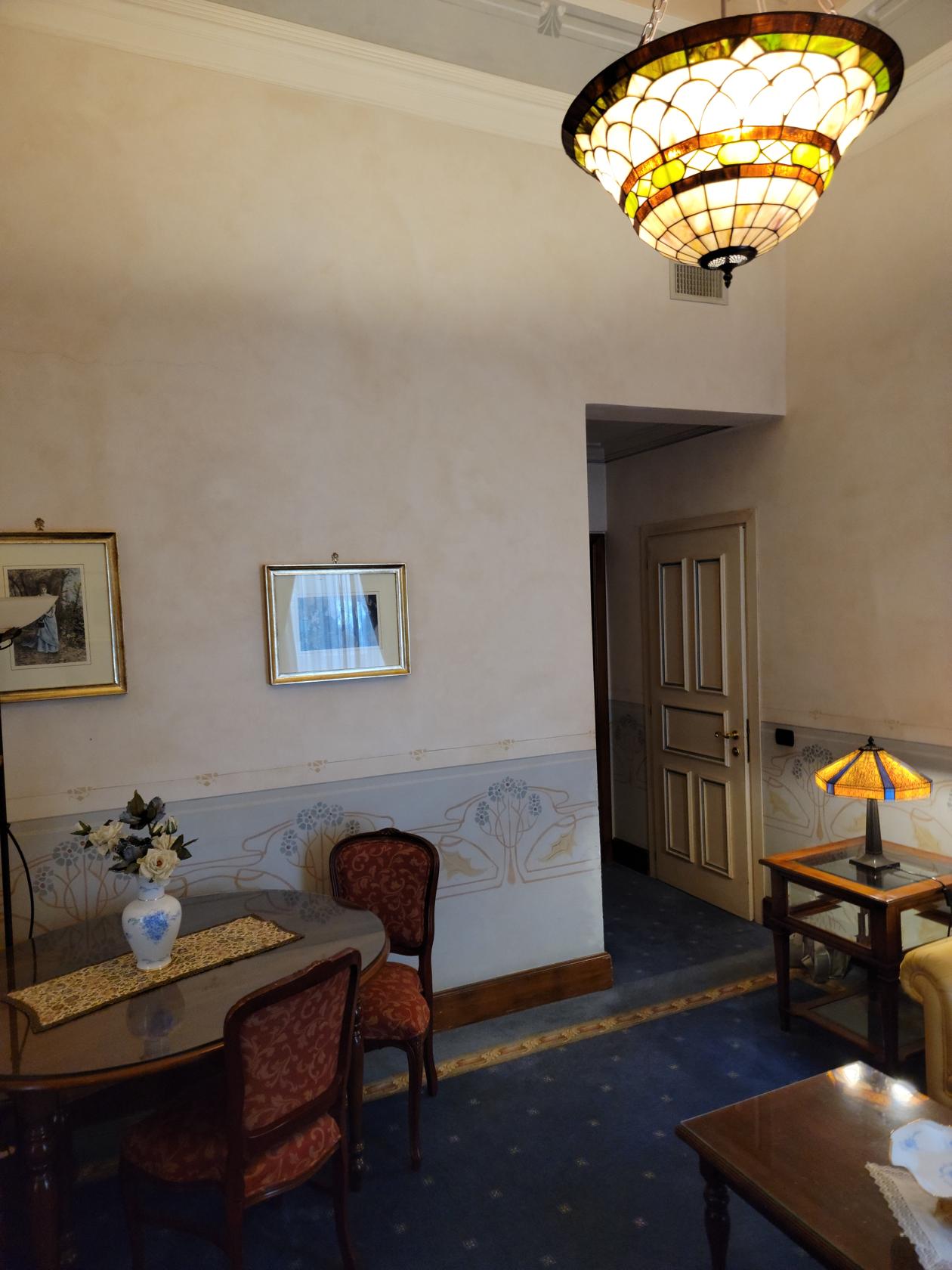
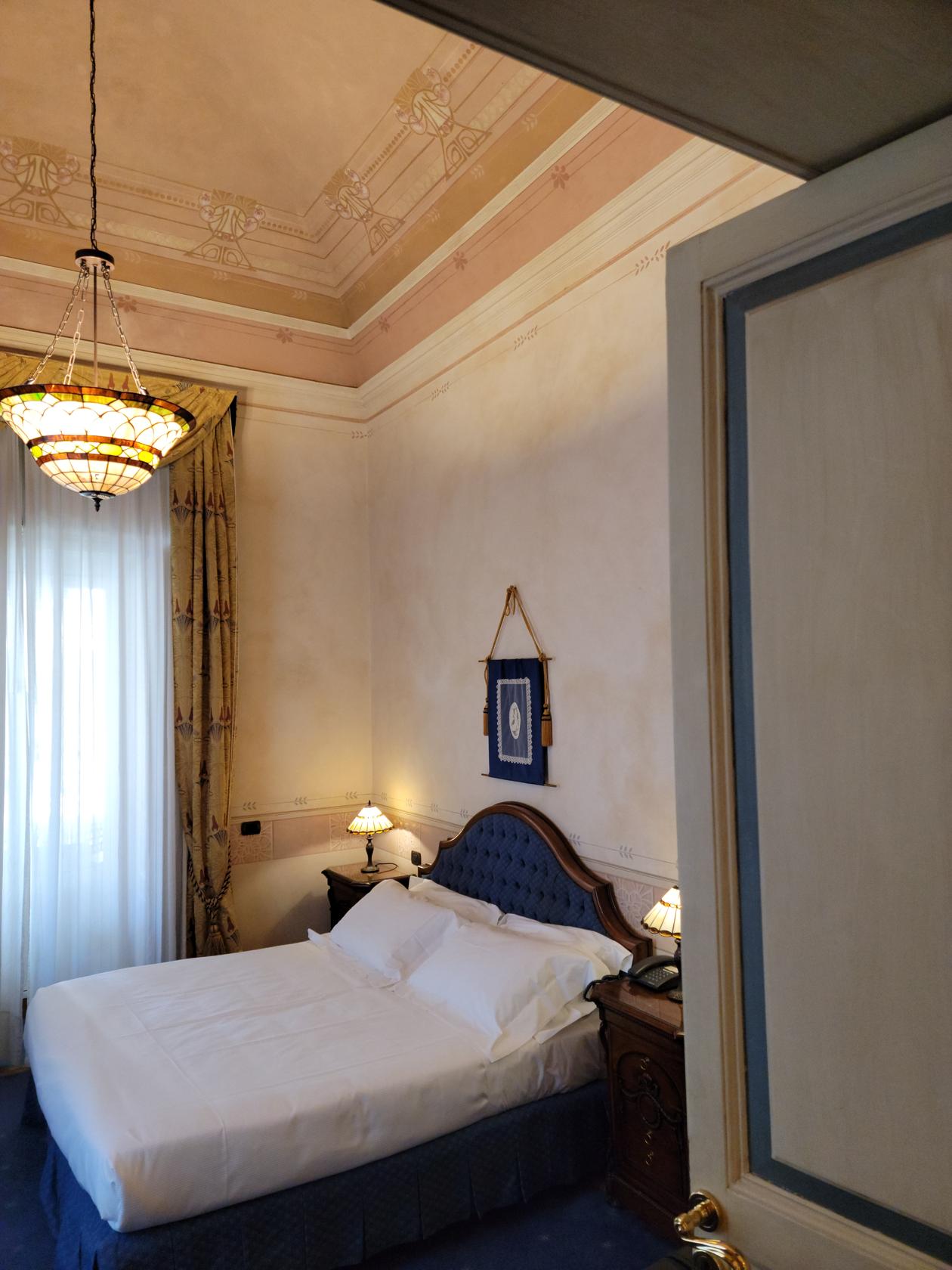
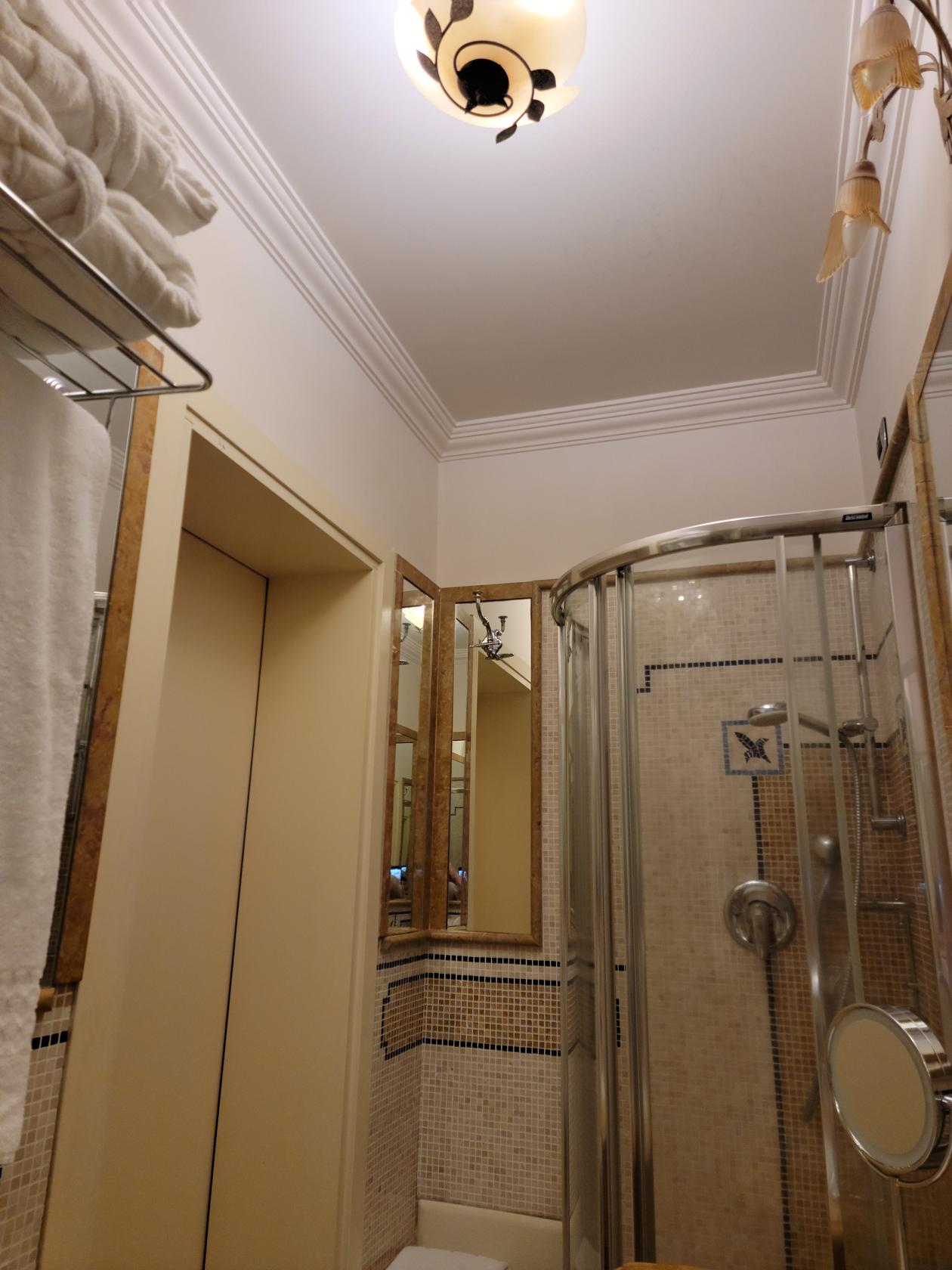
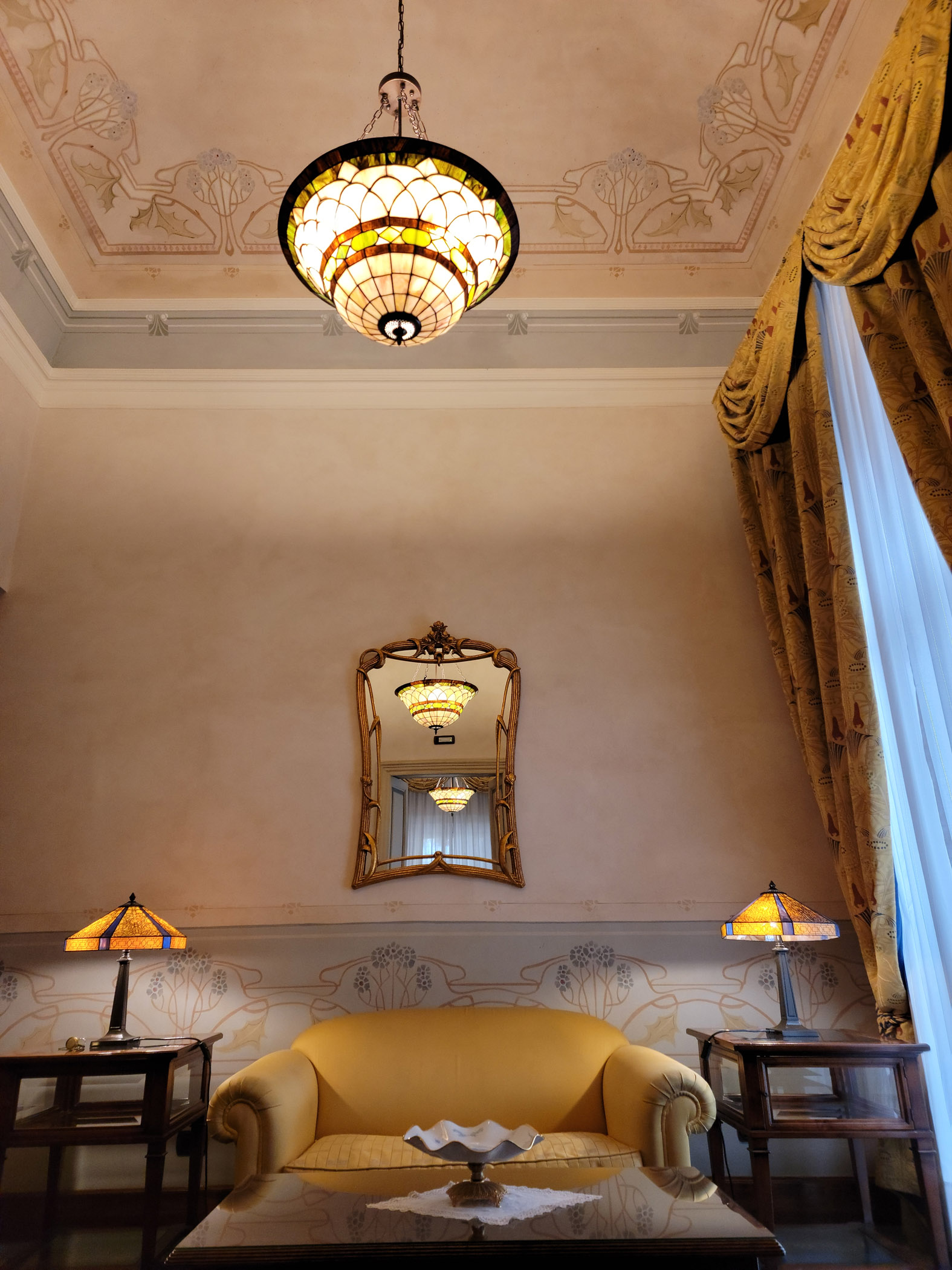
This hotel is situated above the main thoroughfare of Via Etnea (Etna) and just outside what would be perceived as the nice part of the city. It is most likely, the nice part of town has moved over time and now it finds itself a bit on the margins; but it is a great four-star hotel and the rooms are really great. The staff is very courteous and knowledgeable. Irons are not in the rooms but are available for those seeking to touch up their clothes after a hard travel.
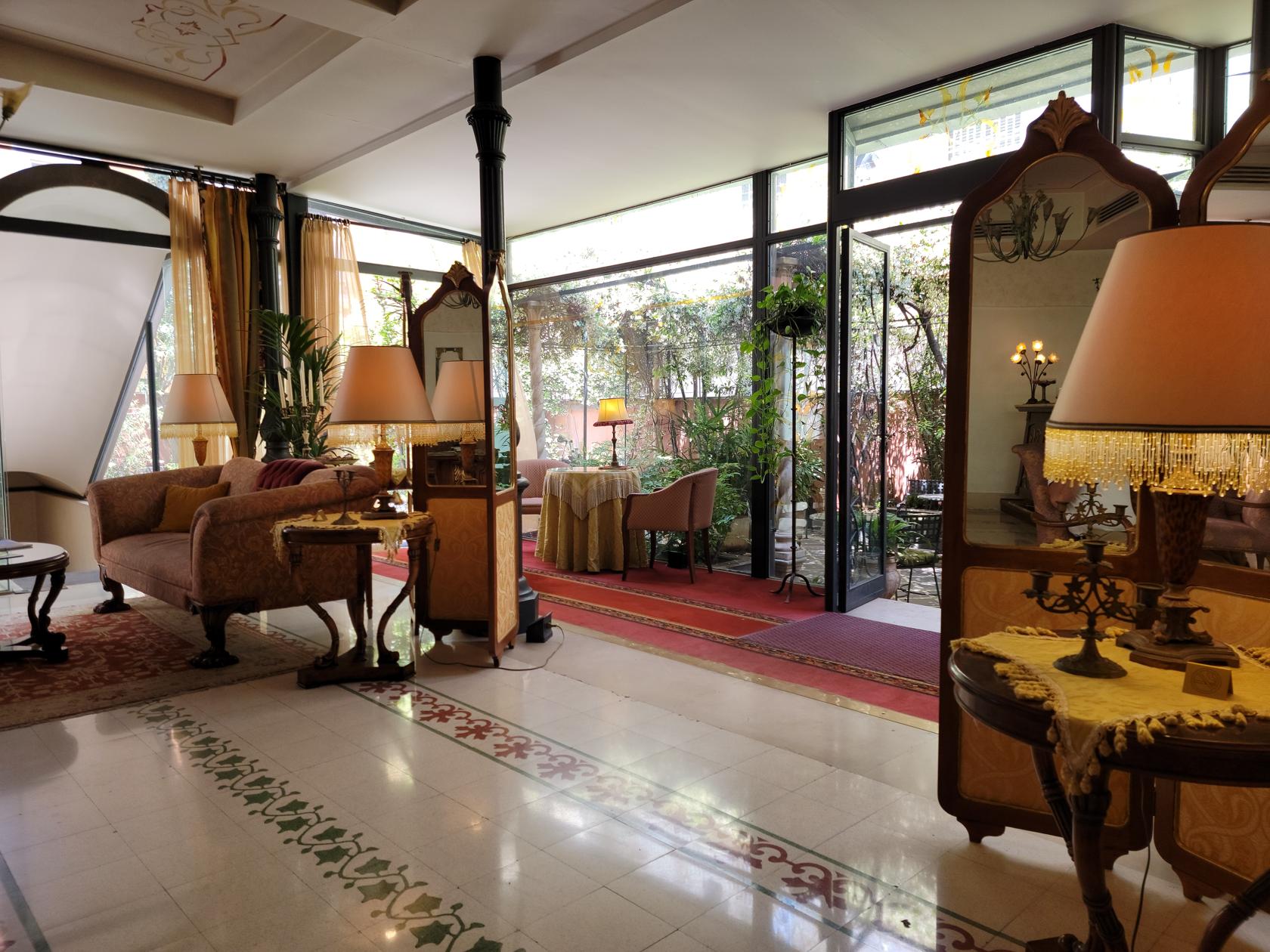
Hotel Liberty Lobby – Catania, Sicily
Hotel Liberty Bar – Catania, Sicily
Main stairwell – Hotel Liberty – Catania, Sicily
We were booked into a luxury room and upgraded to the Estasi suite, it was almost as big as our entire apartment in Turin!
Our rooms – Hotel Liberty – Catania, Sicily
Our rooms – Hotel Liberty – Catania, Sicily
Our rooms – Hotel Liberty – Catania, Sicily
Our rooms – Hotel Liberty – Catania, Sicily
Our rooms – Hotel Liberty – Catania, Sicily
Our rooms – Hotel Liberty – Catania, Sicily
Restaurants
Like any large city, Catania has a variety of restaurants to choose from, including Asian and other cuisines. Since our stay was so short we stuck with the local favorites and something new as well.
La Taverna Del Grande Albergo
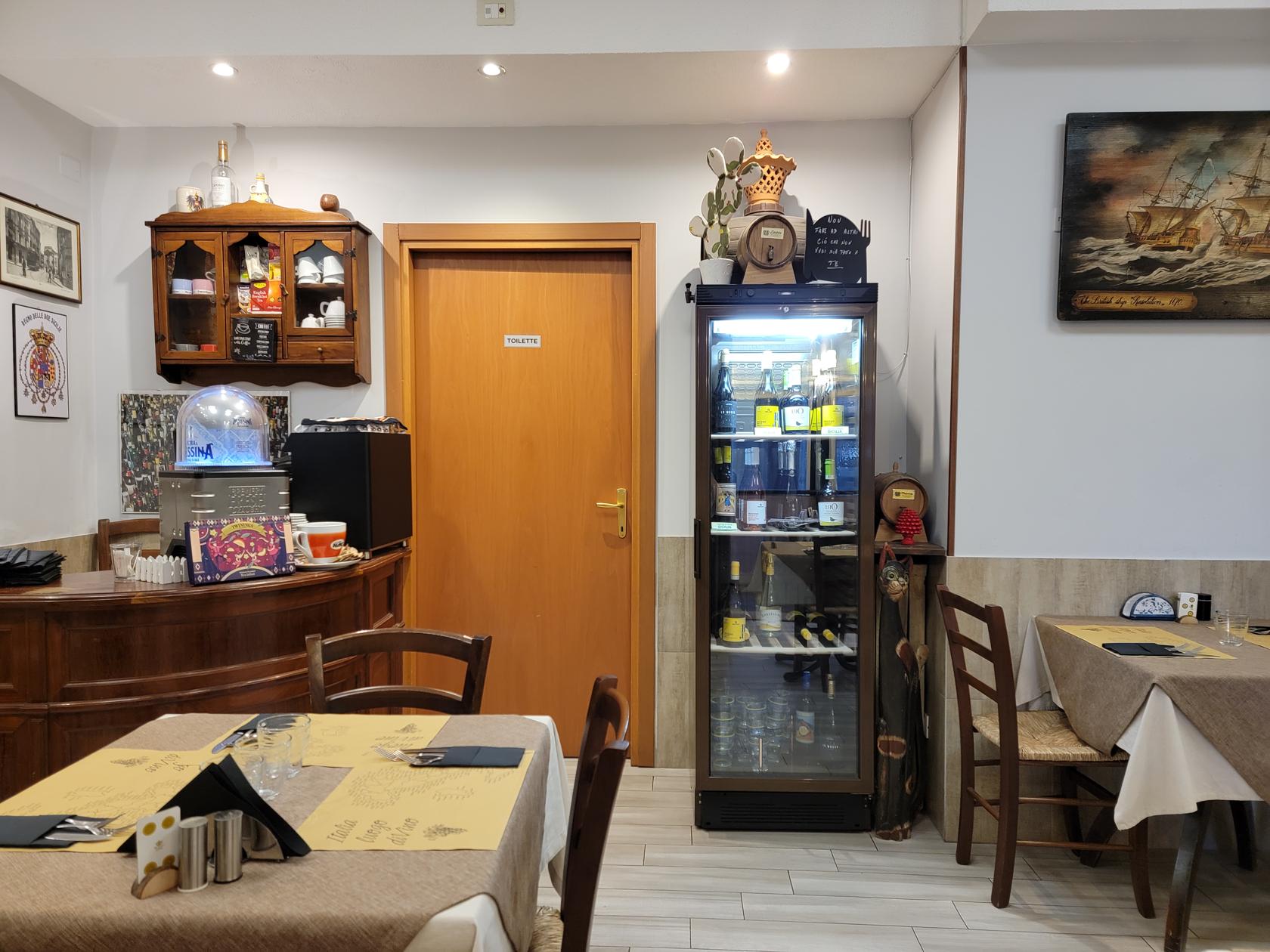
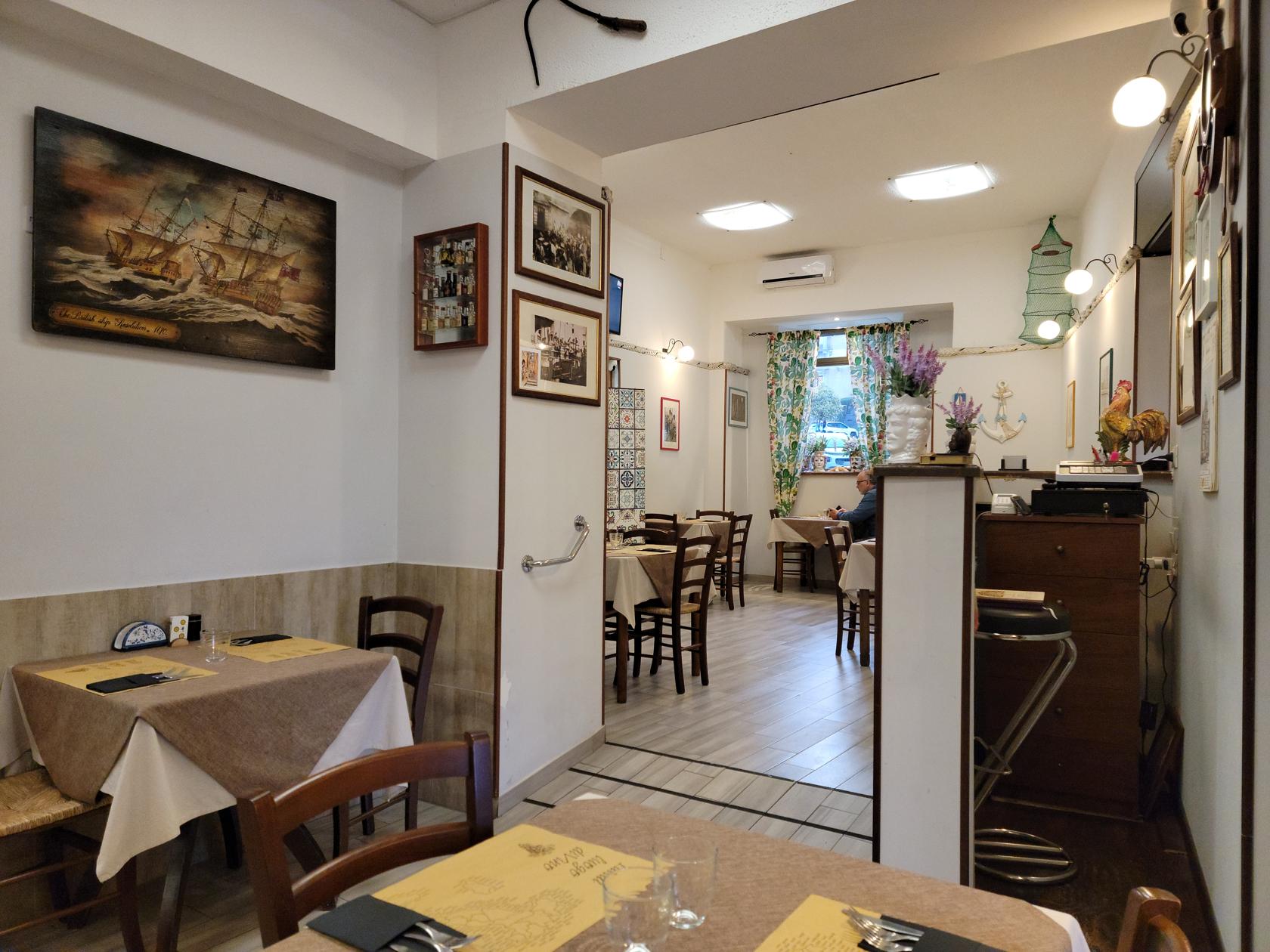
This is a very good restaurant with excellent typical Sicilian food. It has a limited menu, but that’s what makes it so great. What ever is on the menu is delicious. It was so good in fact, we ate here both evenings.
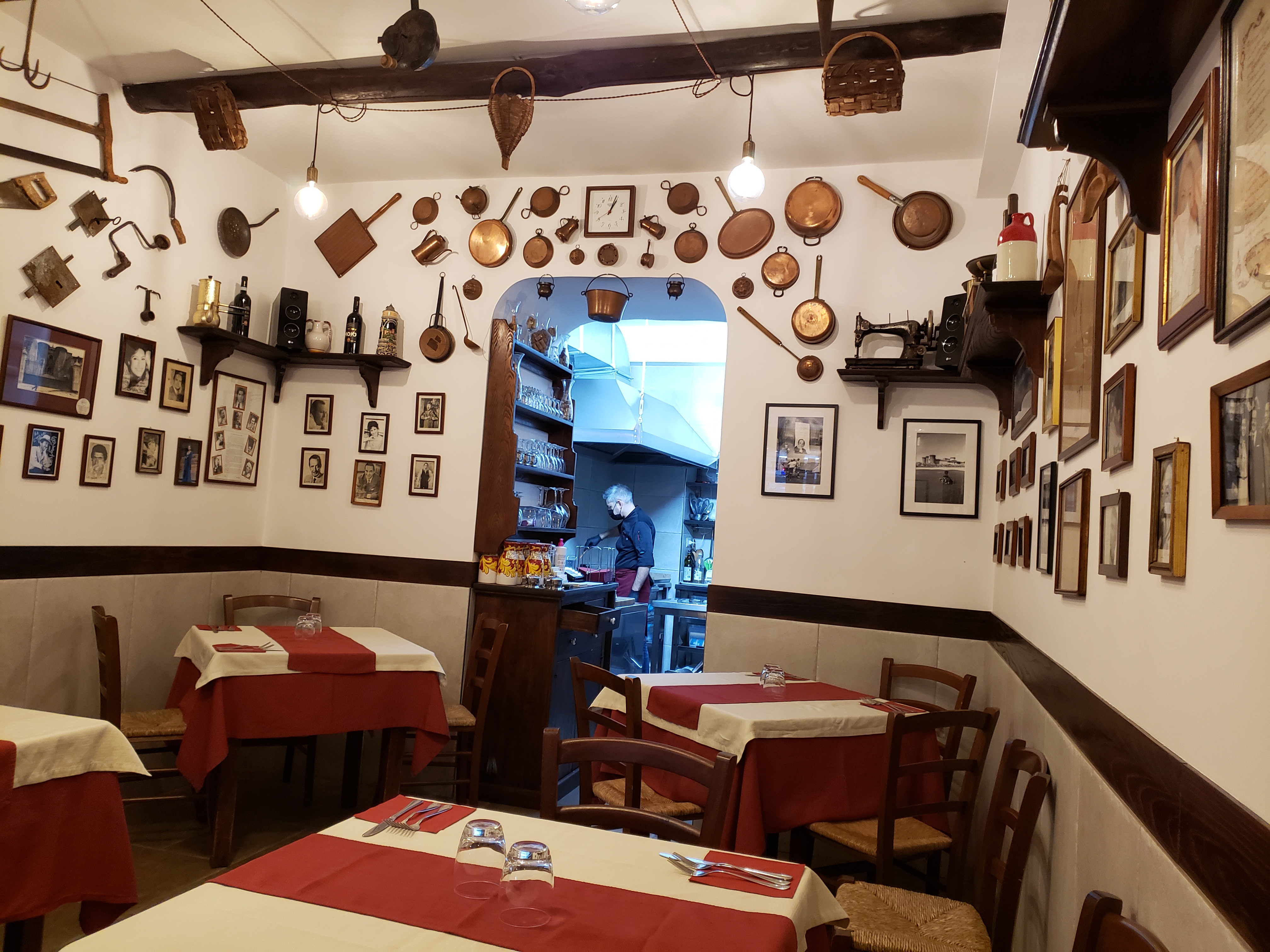
Inside – La Taverna Del Grande Albergo Ristorante – Catania, Sicily
Inside – La Taverna Del Grande Albergo Ristorante – Catania, Sicily
La Taverna Del Grande Albergo Ristorante – Catania, Sicily
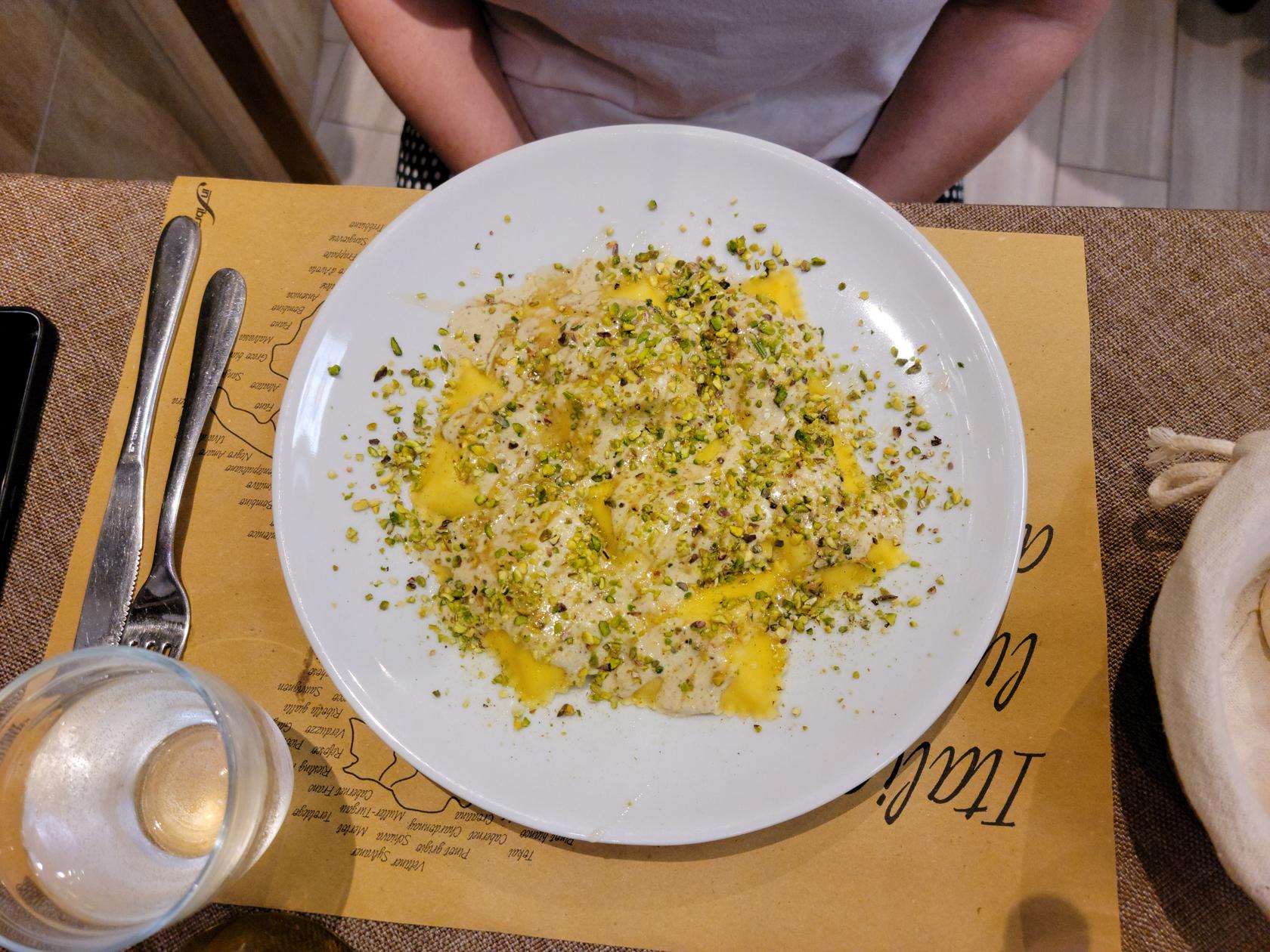
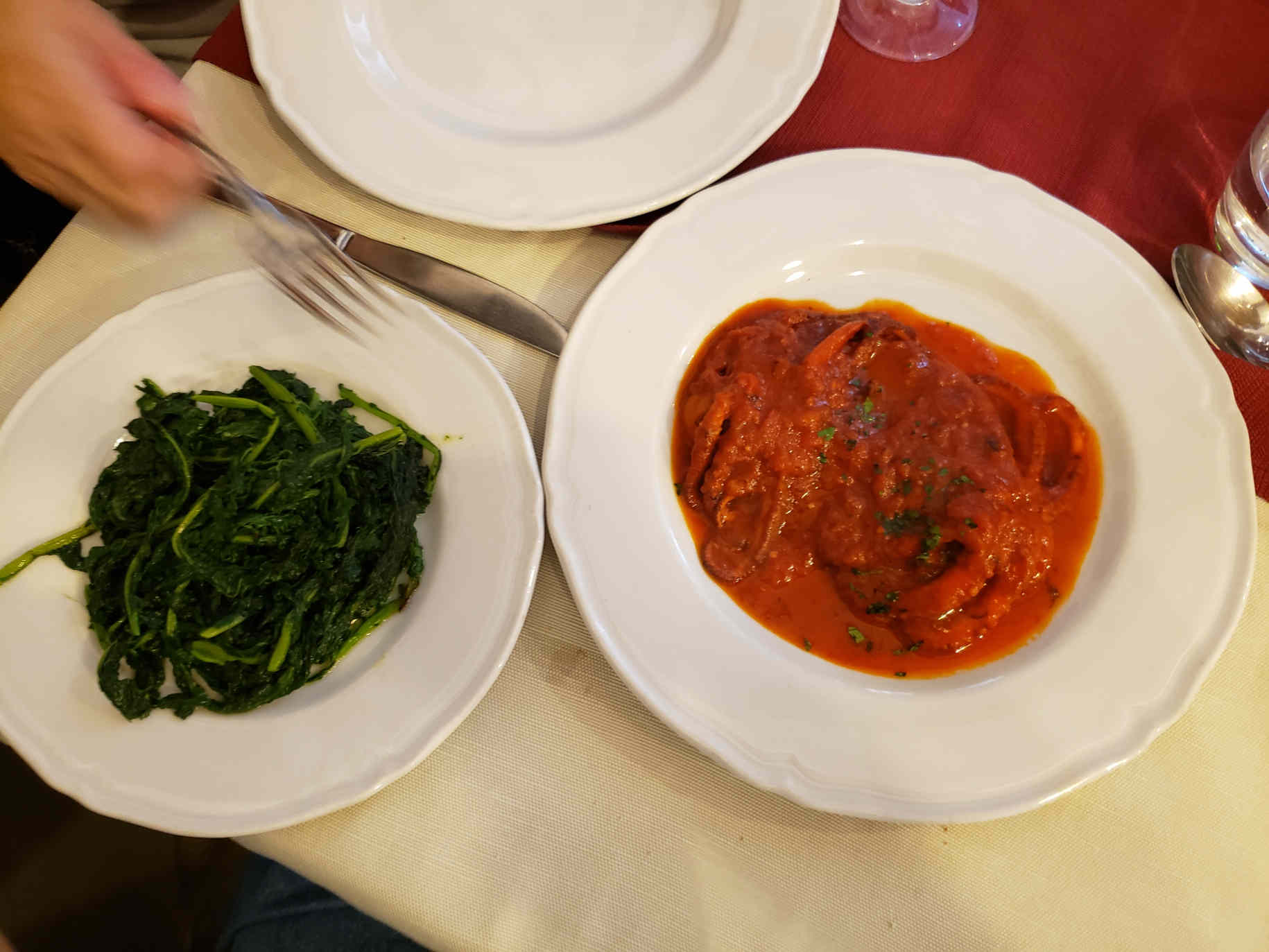
Ravioli stuffed with ricotta cheese, honey and pistachios – La Taverna Del Grande Albergo Ristorante – Catania, Sicily
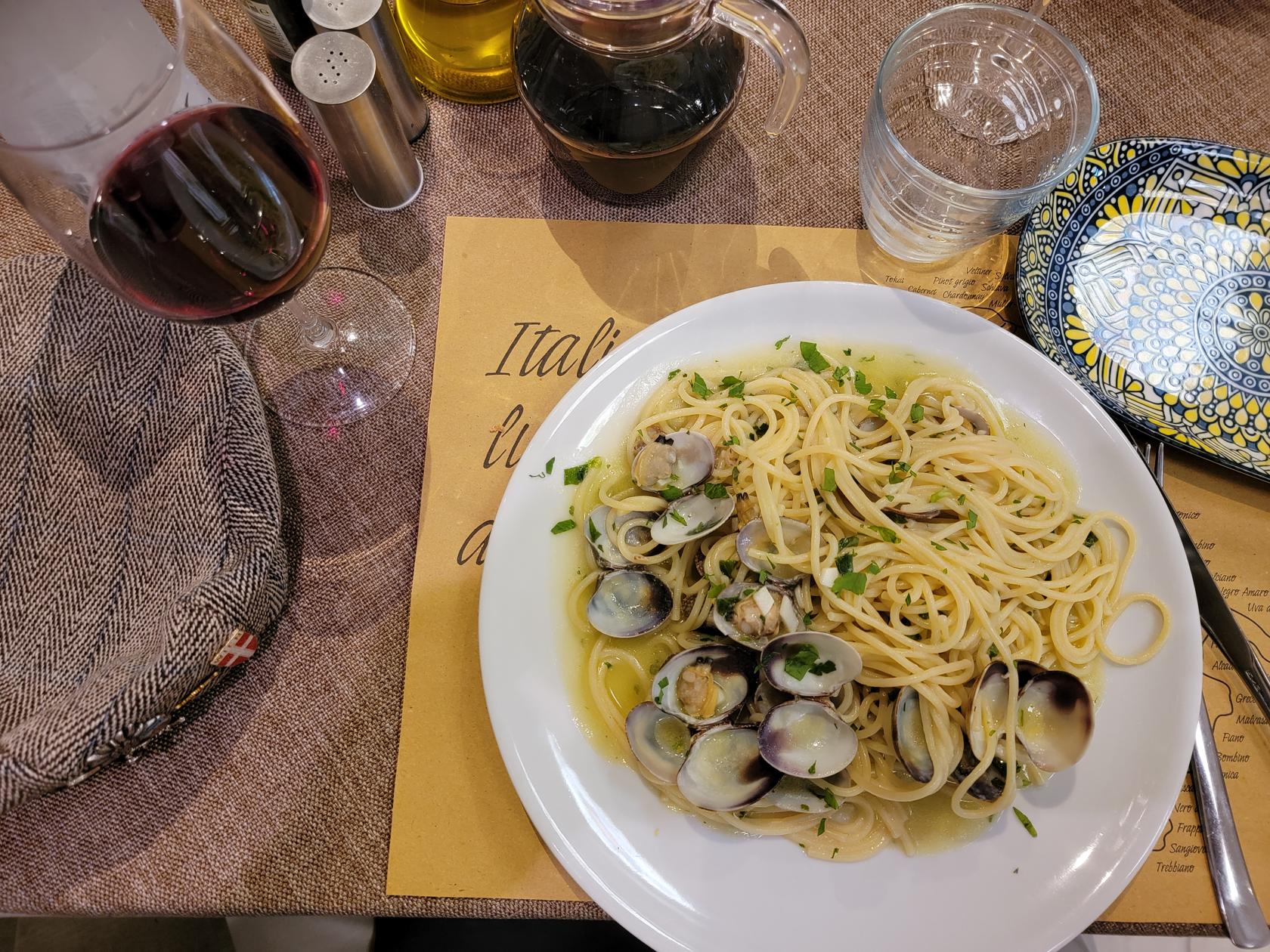
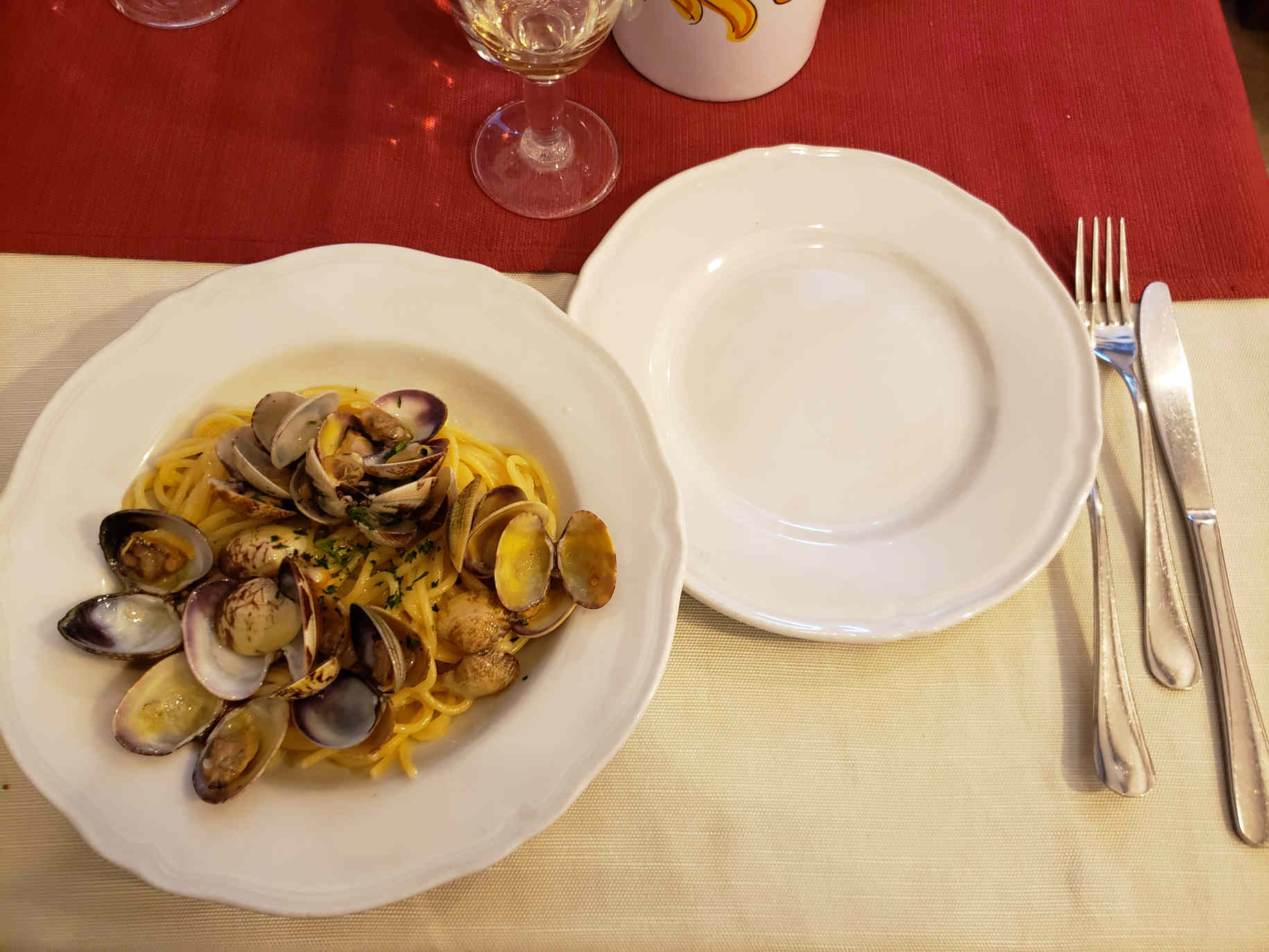
Spaghetti with clams – La Taverna Del Grande Albergo Ristorante – Catania, Sicily
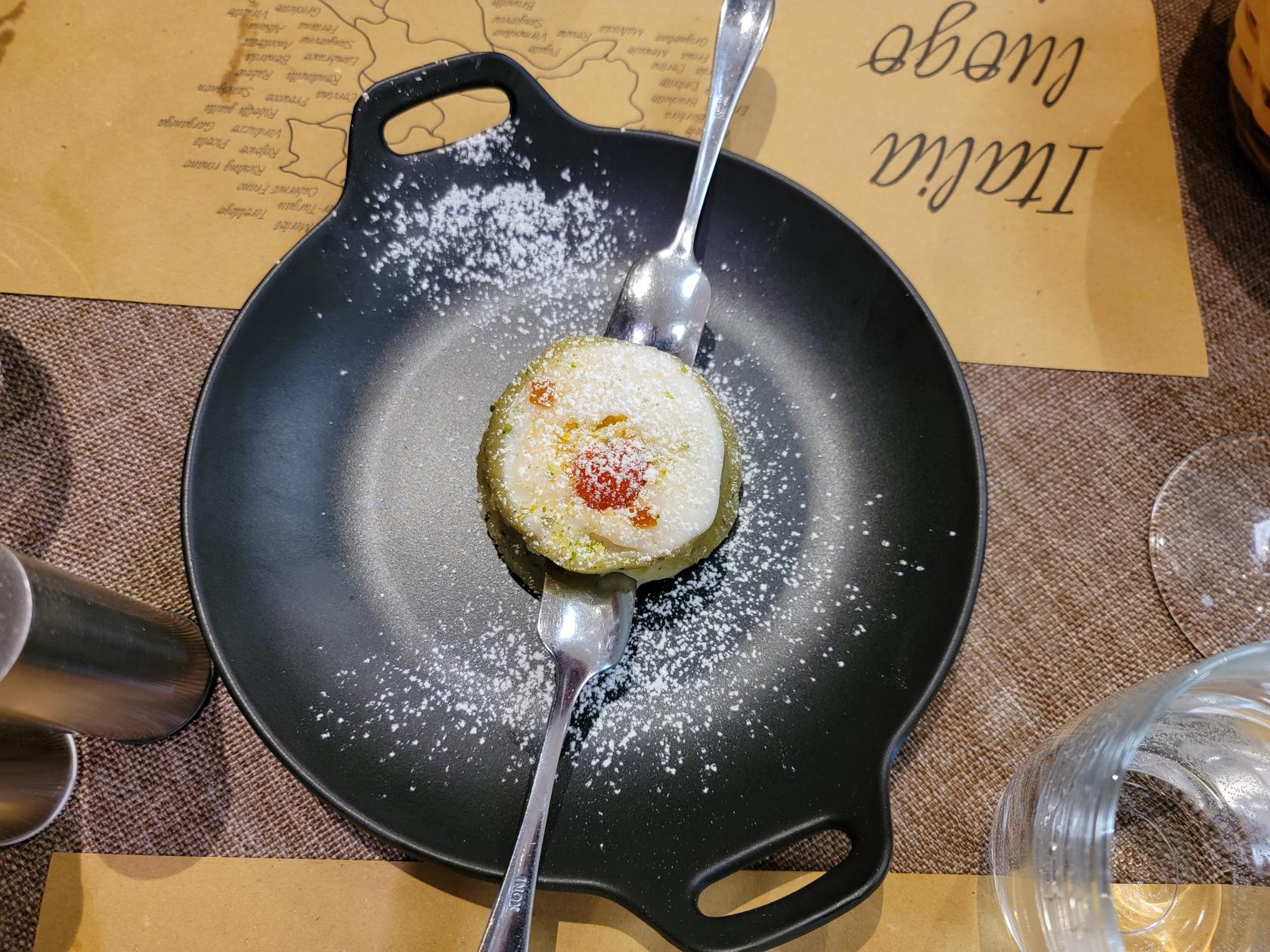
Casatta – La Taverna Del Grande Albergo Ristorante – Catania, Sicily
Forma Ristorante
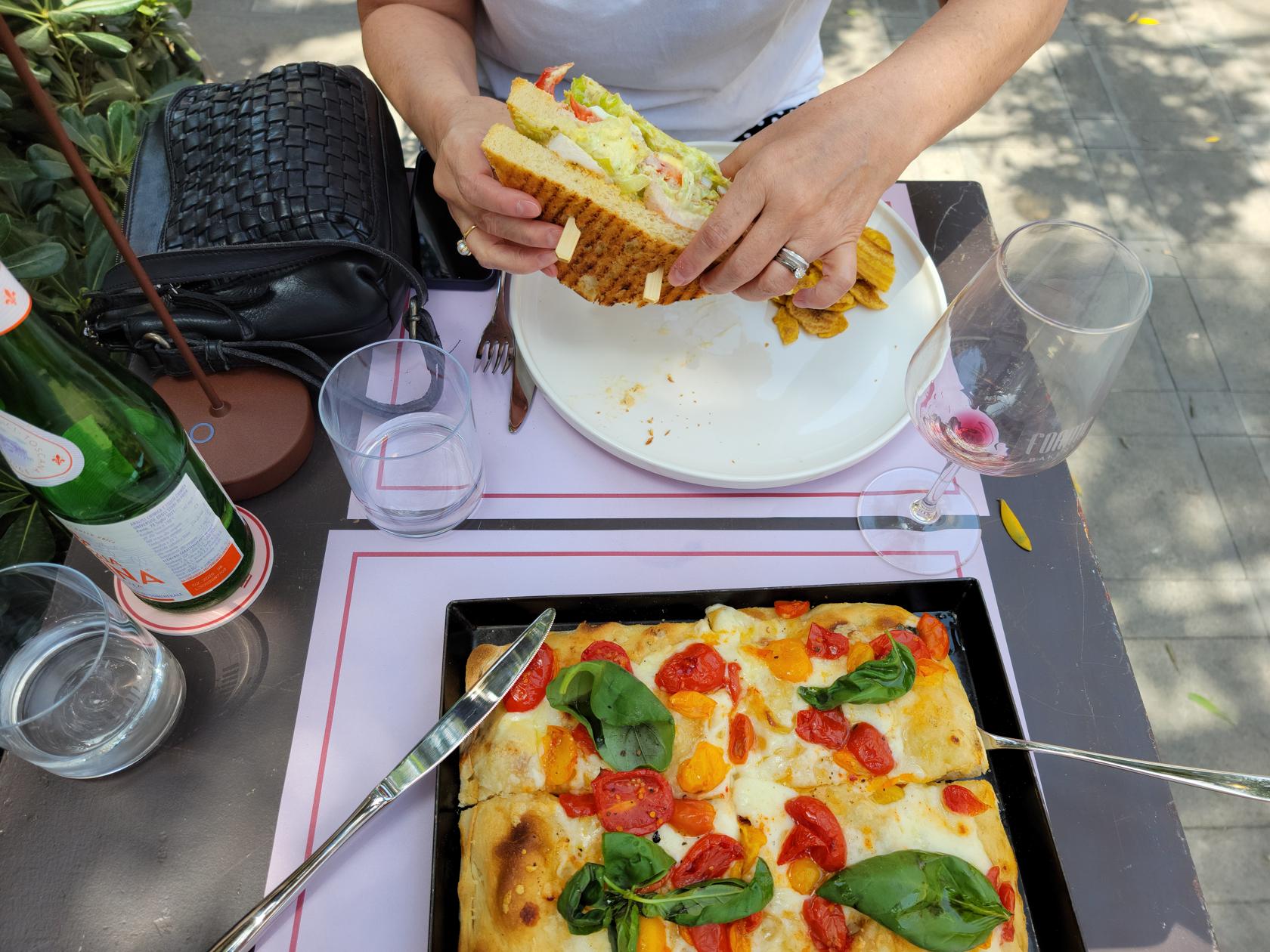
A new kind of boutique restaurant, it has a select menu of typical dishes created with some style. The outside seating is under a very large tree where you can enjoy your food and the great weather. The staff is fairly energetic and responds quickly if you require any assistance or your bill. As with most establishments in Italy, you pay inside at the cashier.
Pizza Margherita and Chicken Club – Forma Ristorante – Catania, Sicily
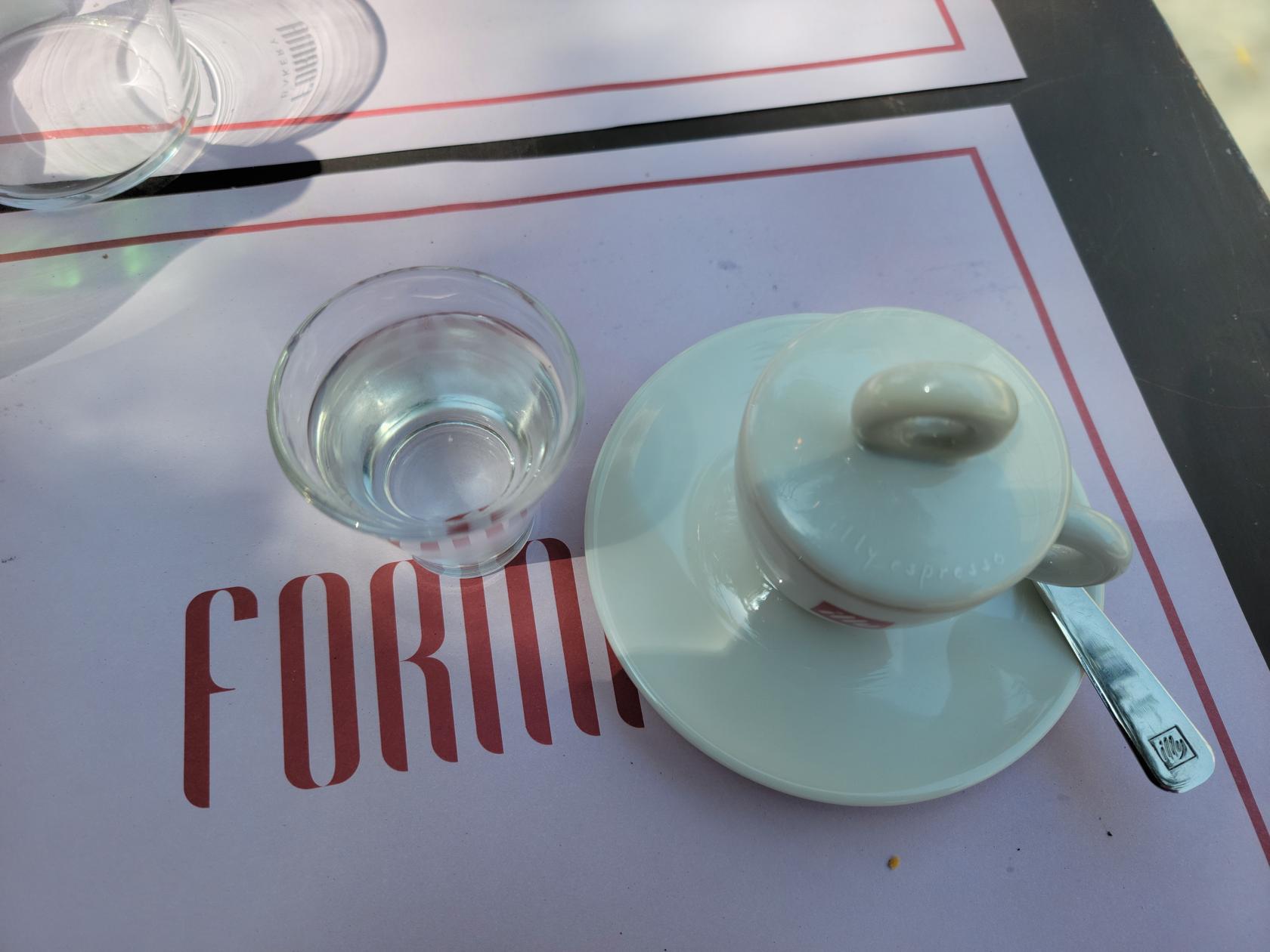
Espresso and Sambuca – Forma Ristorante – Catania, Sicily
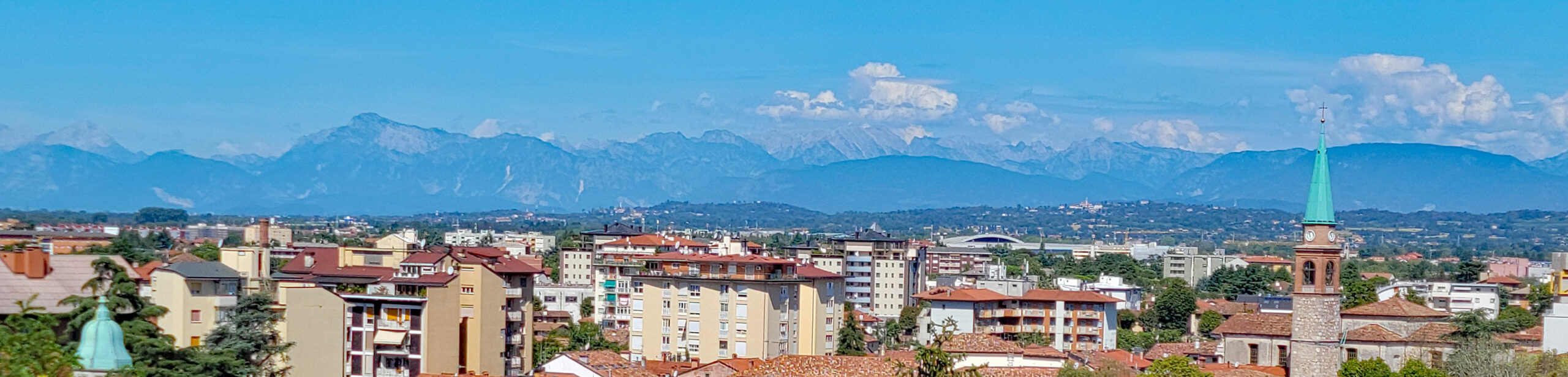
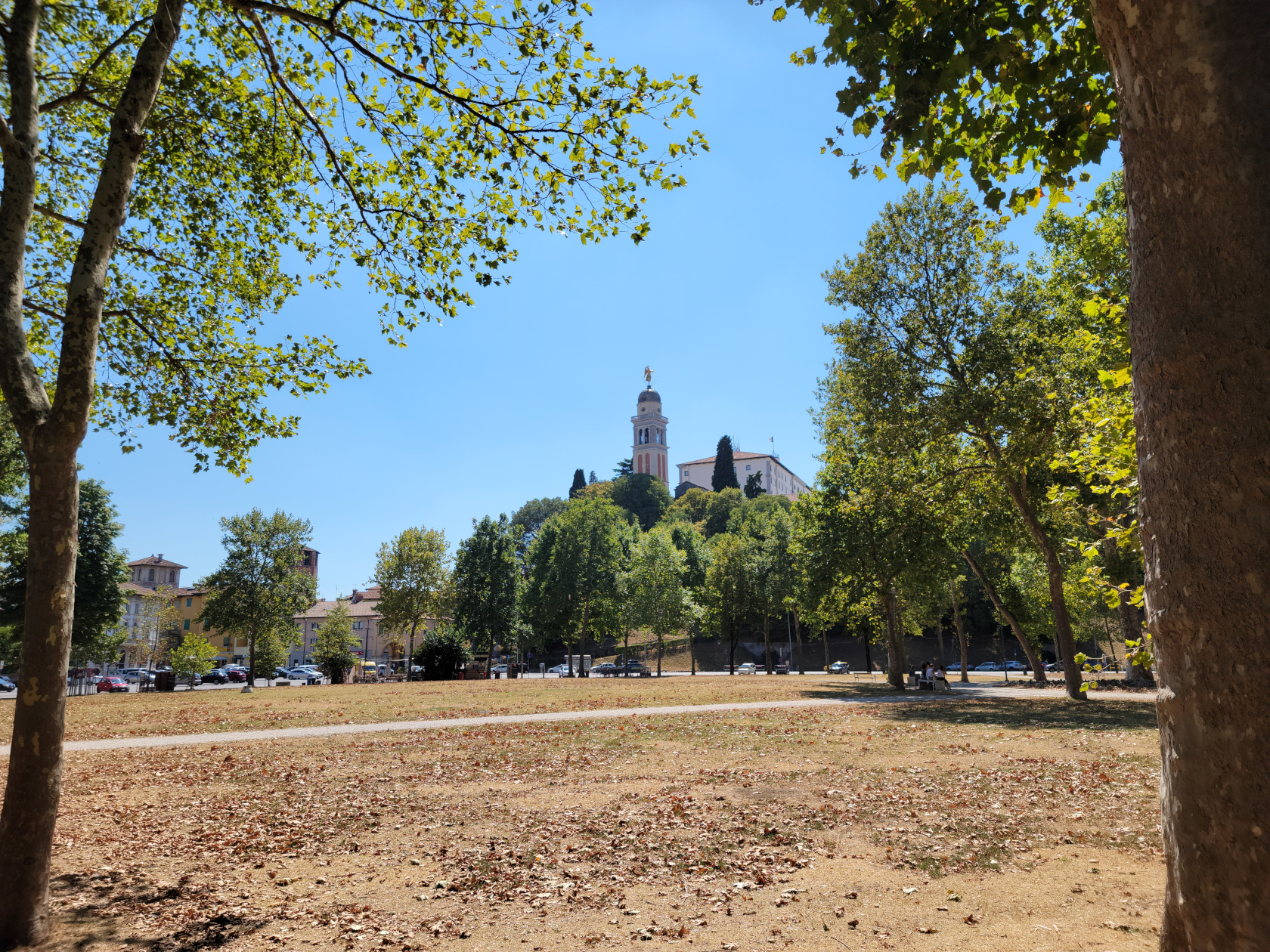
Somewhere in the northeast of Italy, north and east of even Venice, is the small city of Udine. The largest city before you enter Slovenia to the east and Austria to the north. From here you can see the Austrian and Julian Alps.
Udine – Alps panorama
From Ljubljana we took an Austrian train to Villach and then over to Udine. Along the way were able to enjoy sights of the Julian Alps out our window and just relax.
Probably one of the most underrated and unlikely places we have been this year is Udine. Unlikely, because it is usually not on anyone’s radar, though we met numerous French and German tourists enjoying it. Underrated, because we think it has some things to offer, that others might not find in the exact same way elsewhere.
Udine – The City
Udine – Near Porto Manin
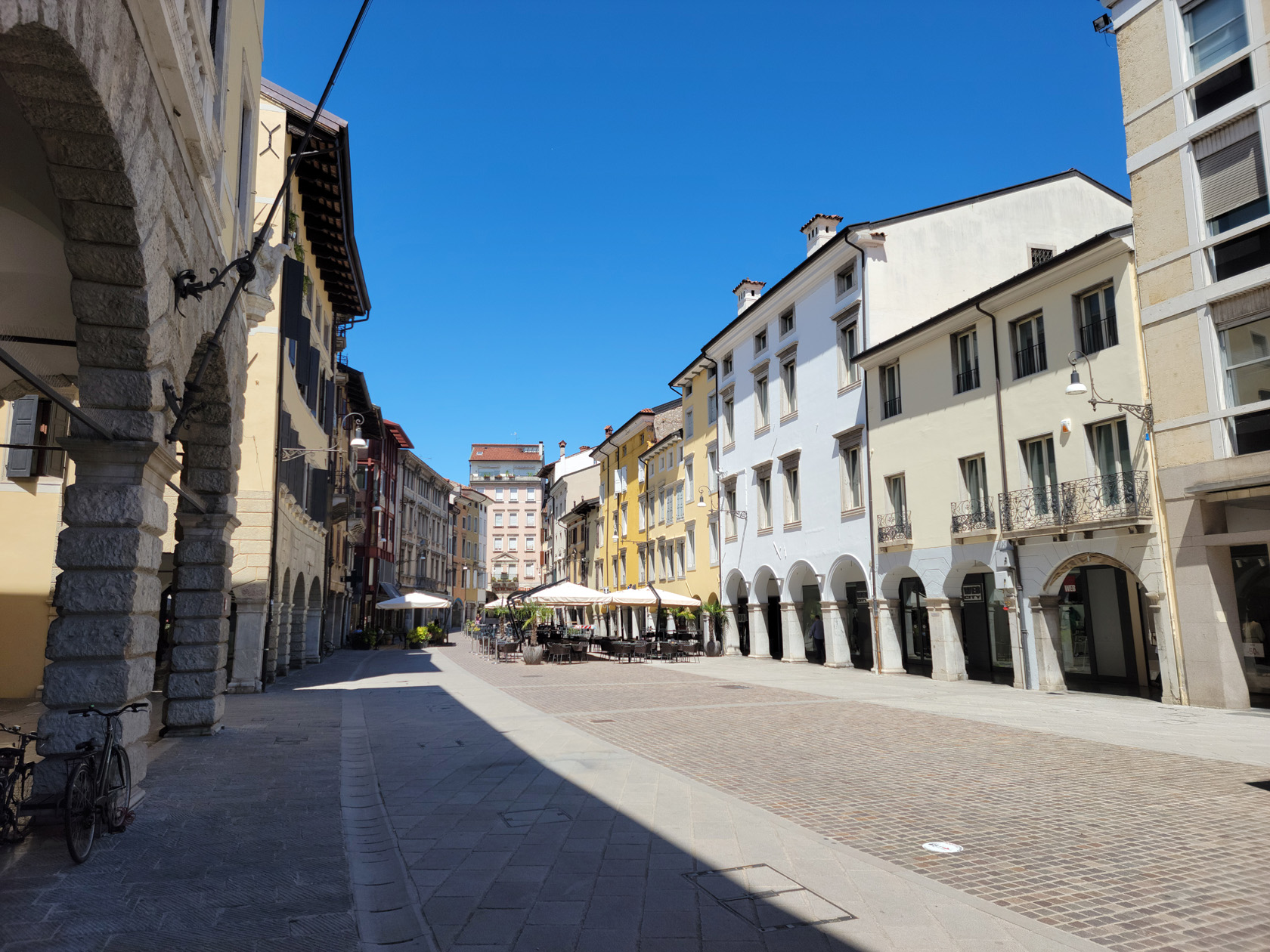
The people in Udine are very urbane and really enjoy tourist in their small city. They make an extra effort to speak and understand English, where you may not find such proclivities in other Italian cities and towns.
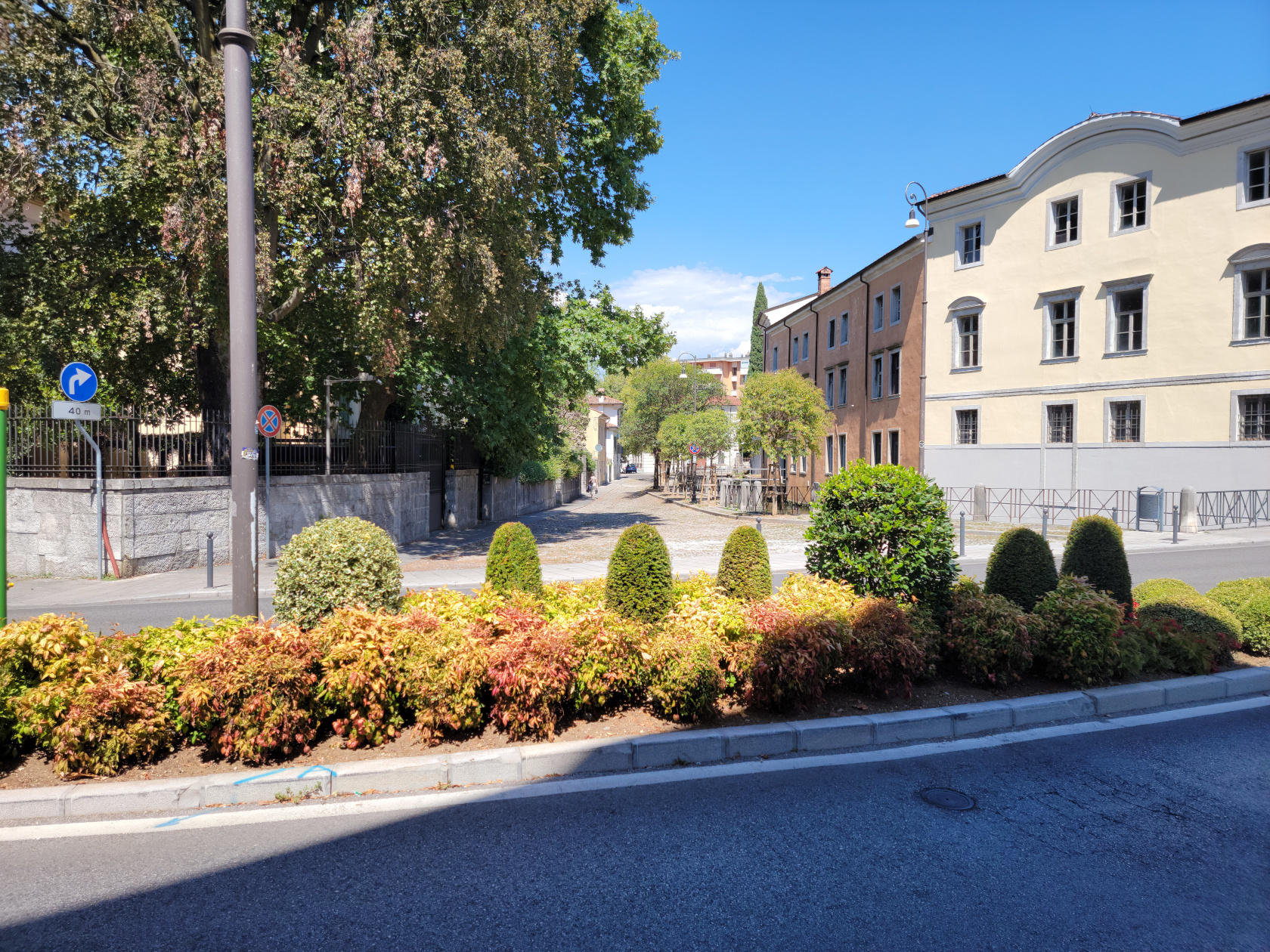
Udine – The City
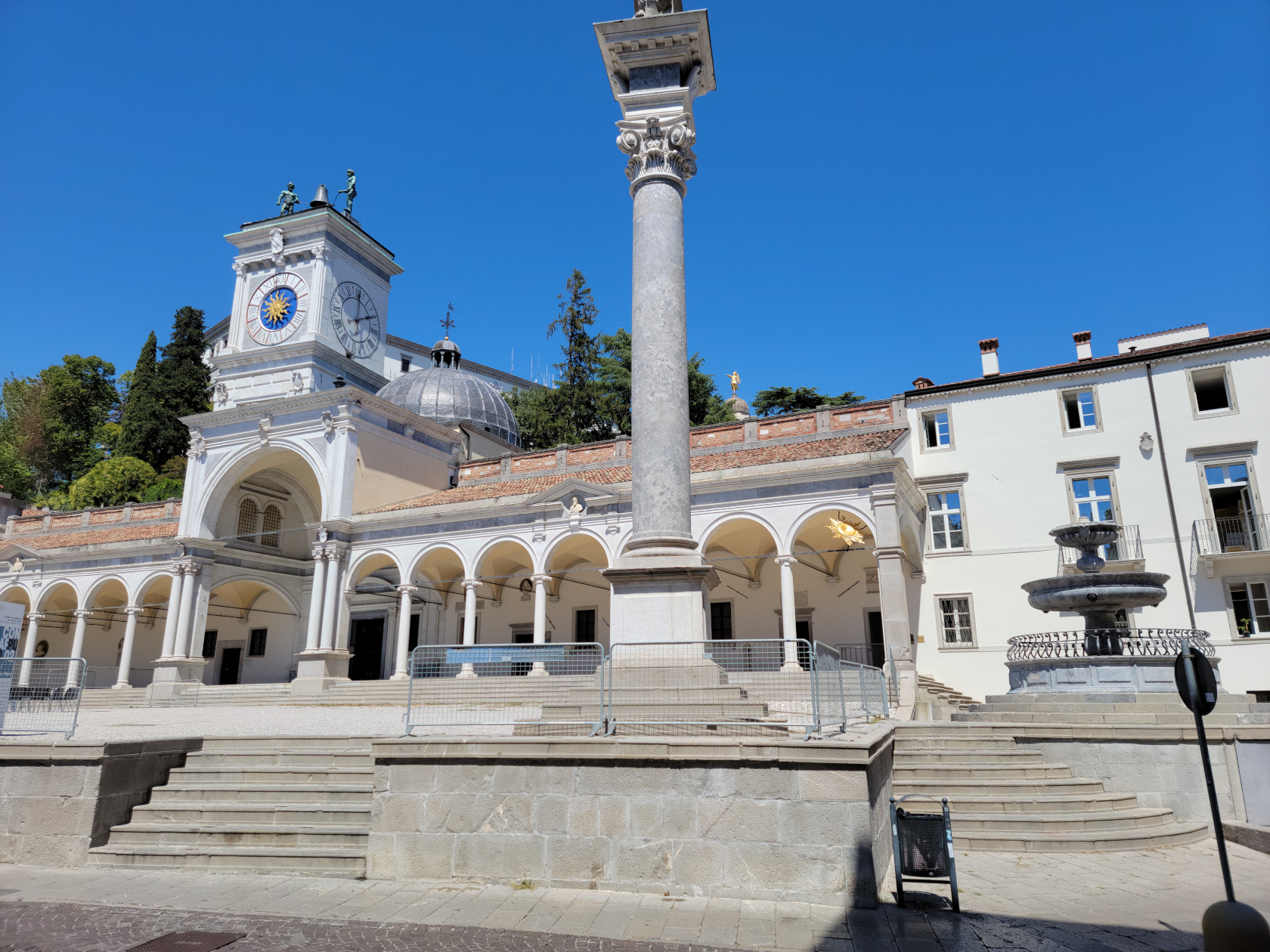
Udine – Piazza XX Septembre
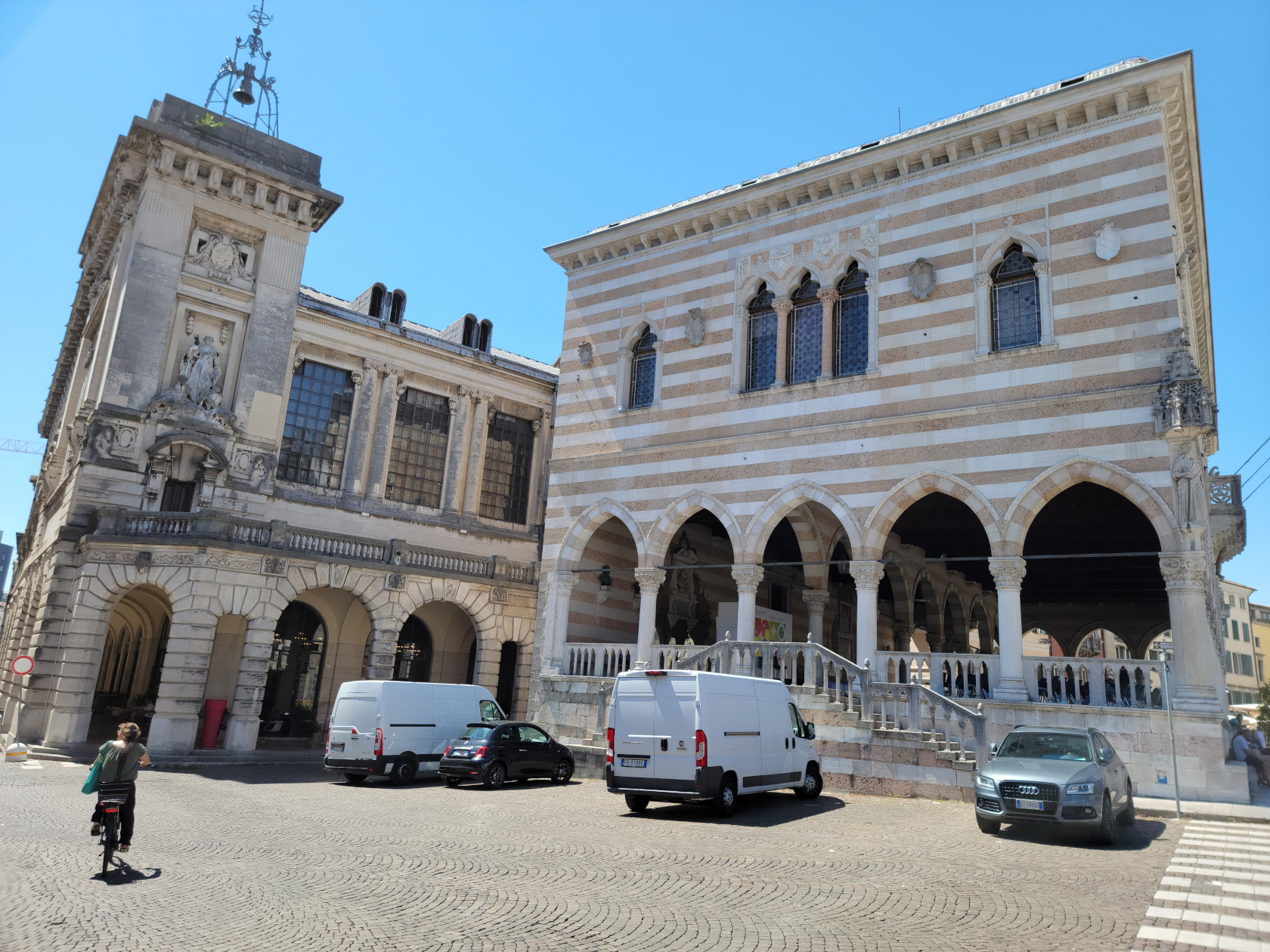
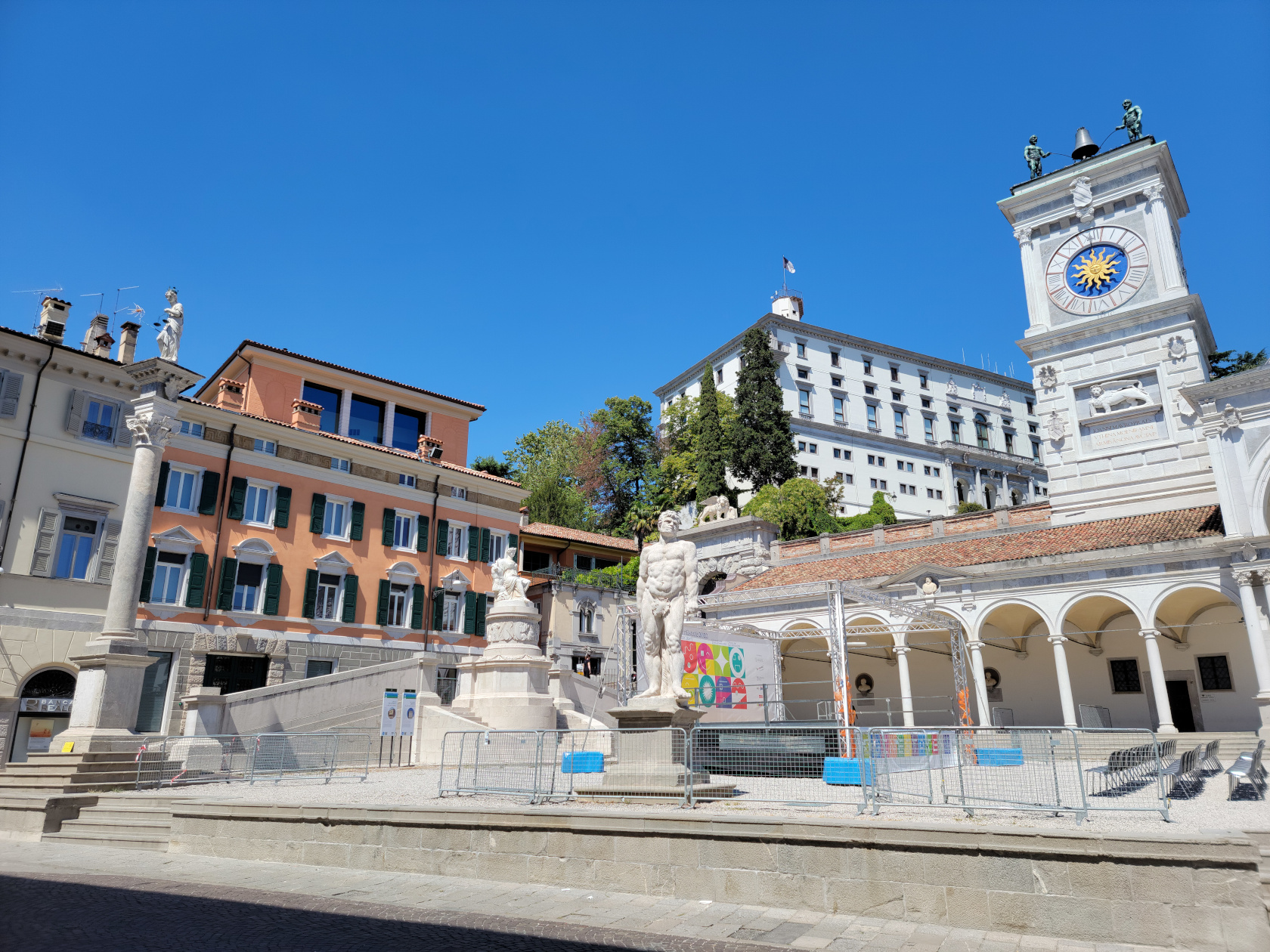
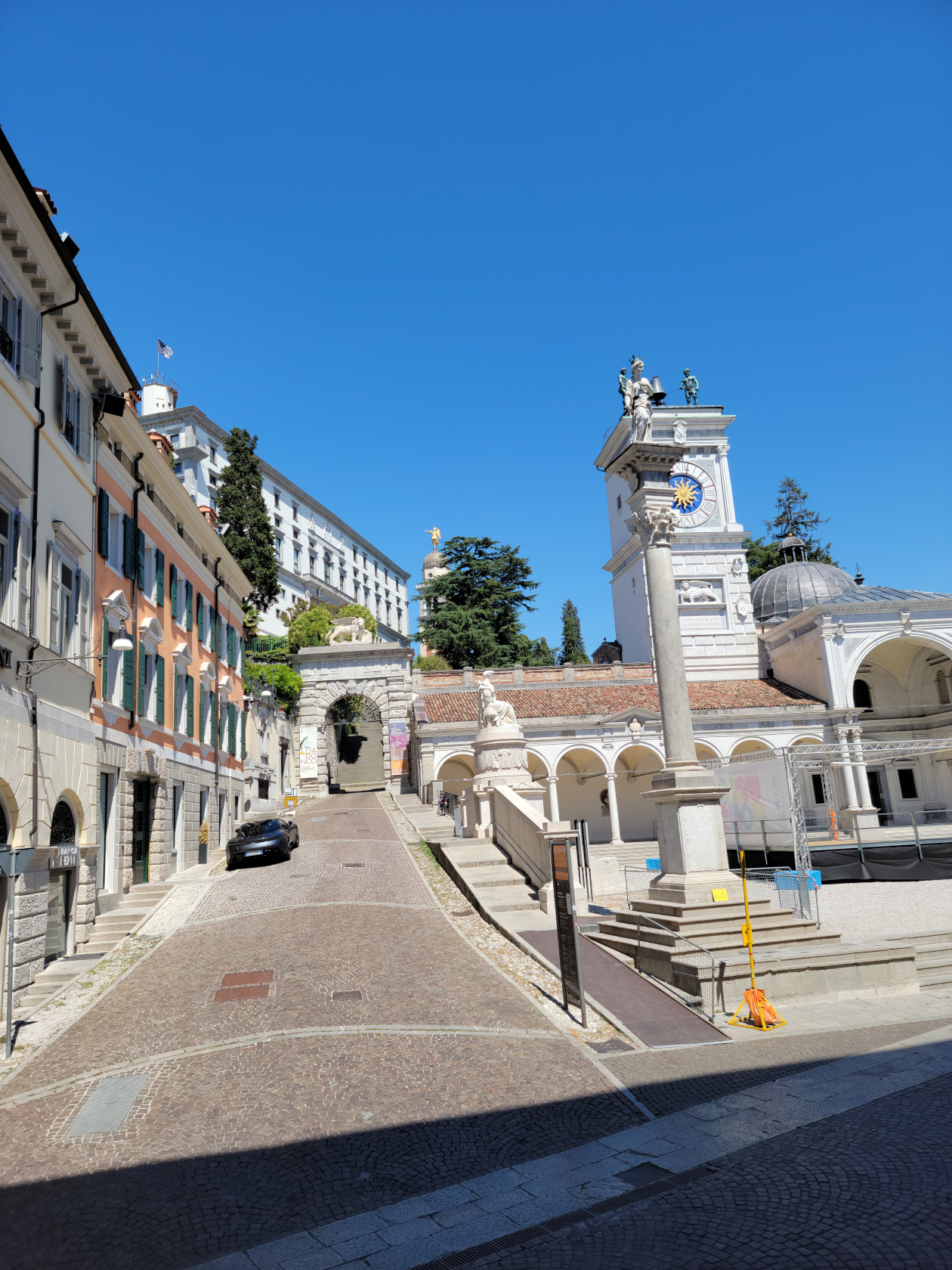
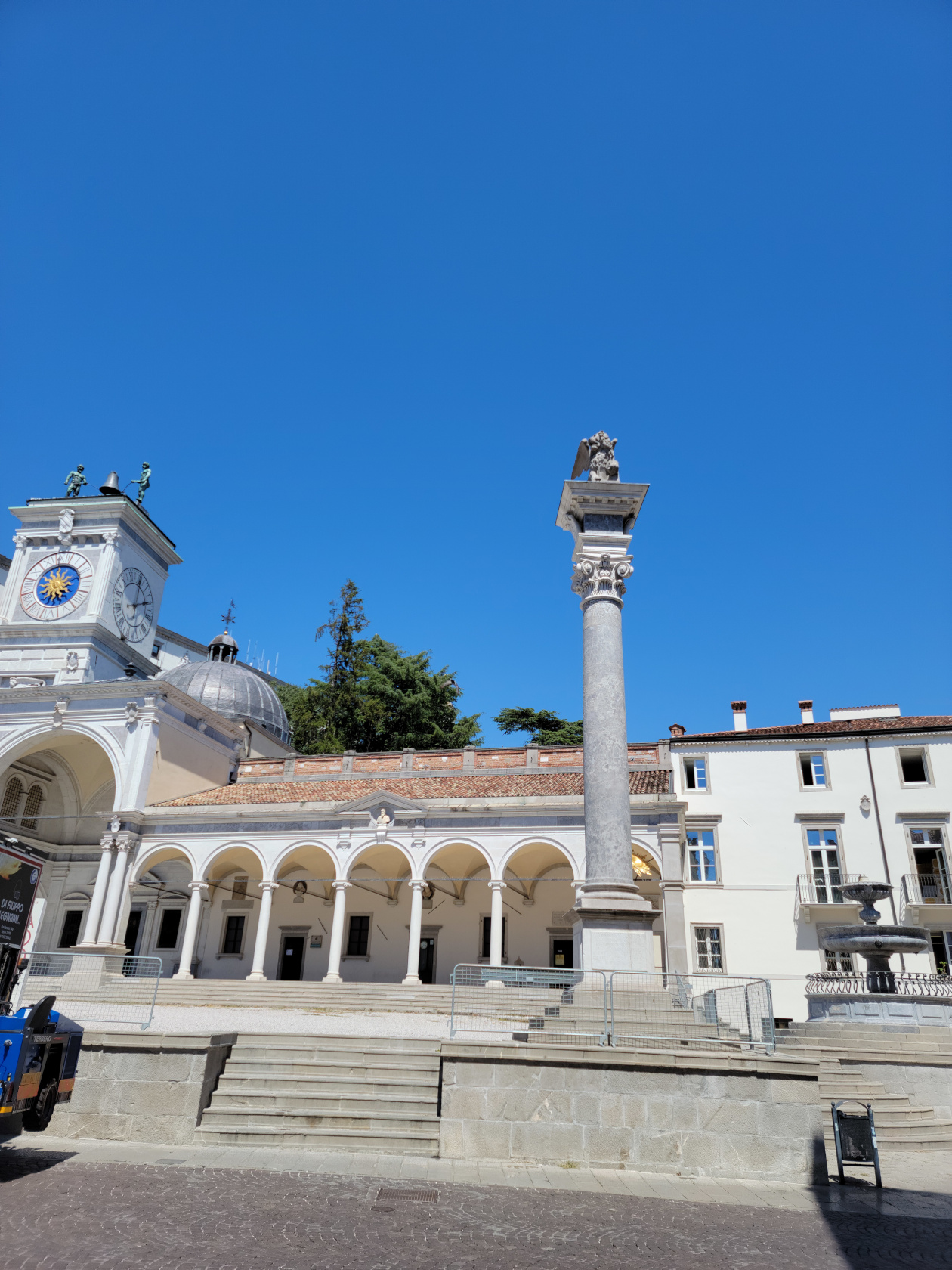
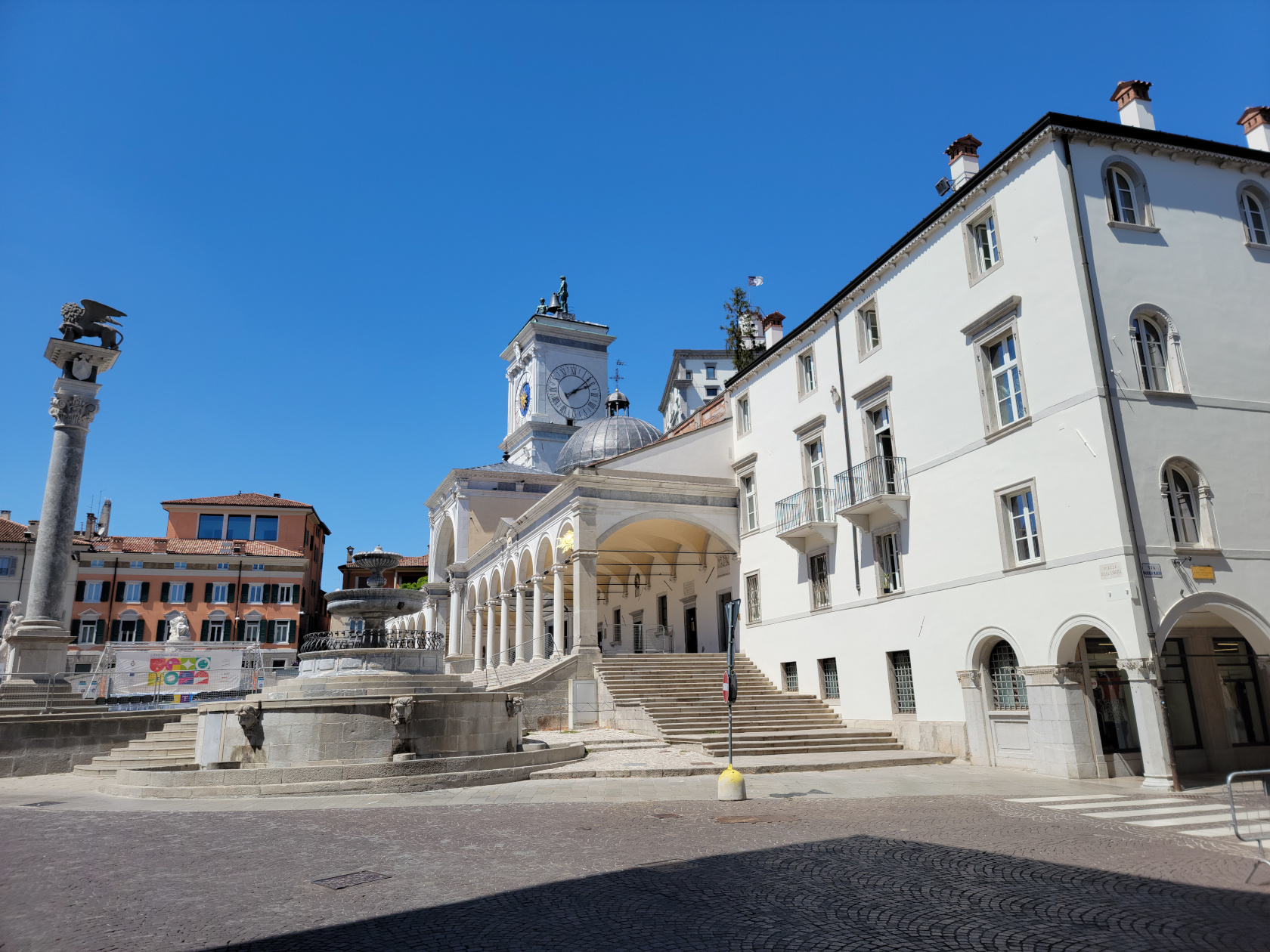
Udine – Piazza della Liberte
Udine – Piazza della Liberte
Udine – Piazza della Liberte
Udine – Piazza della Liberte
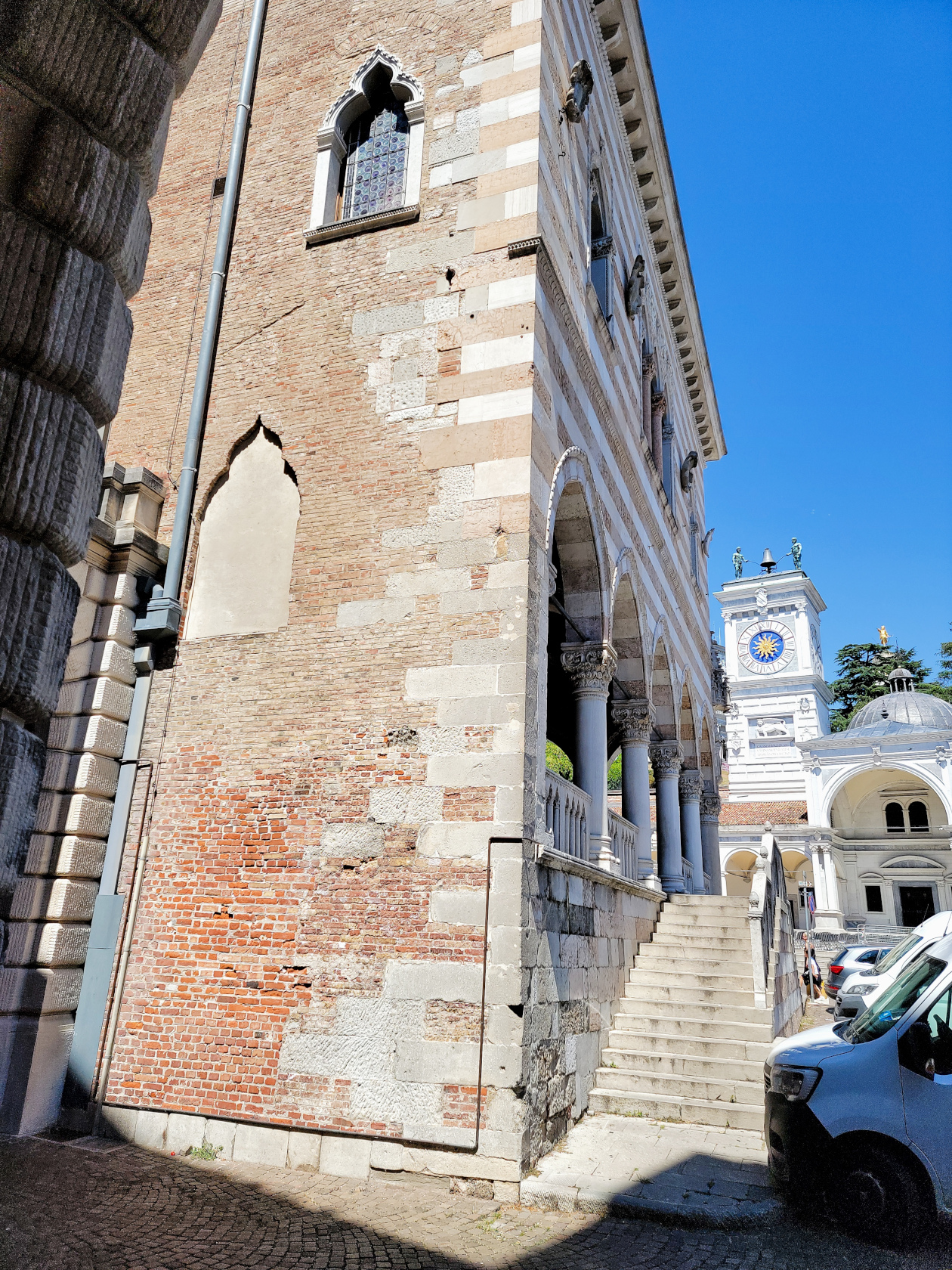
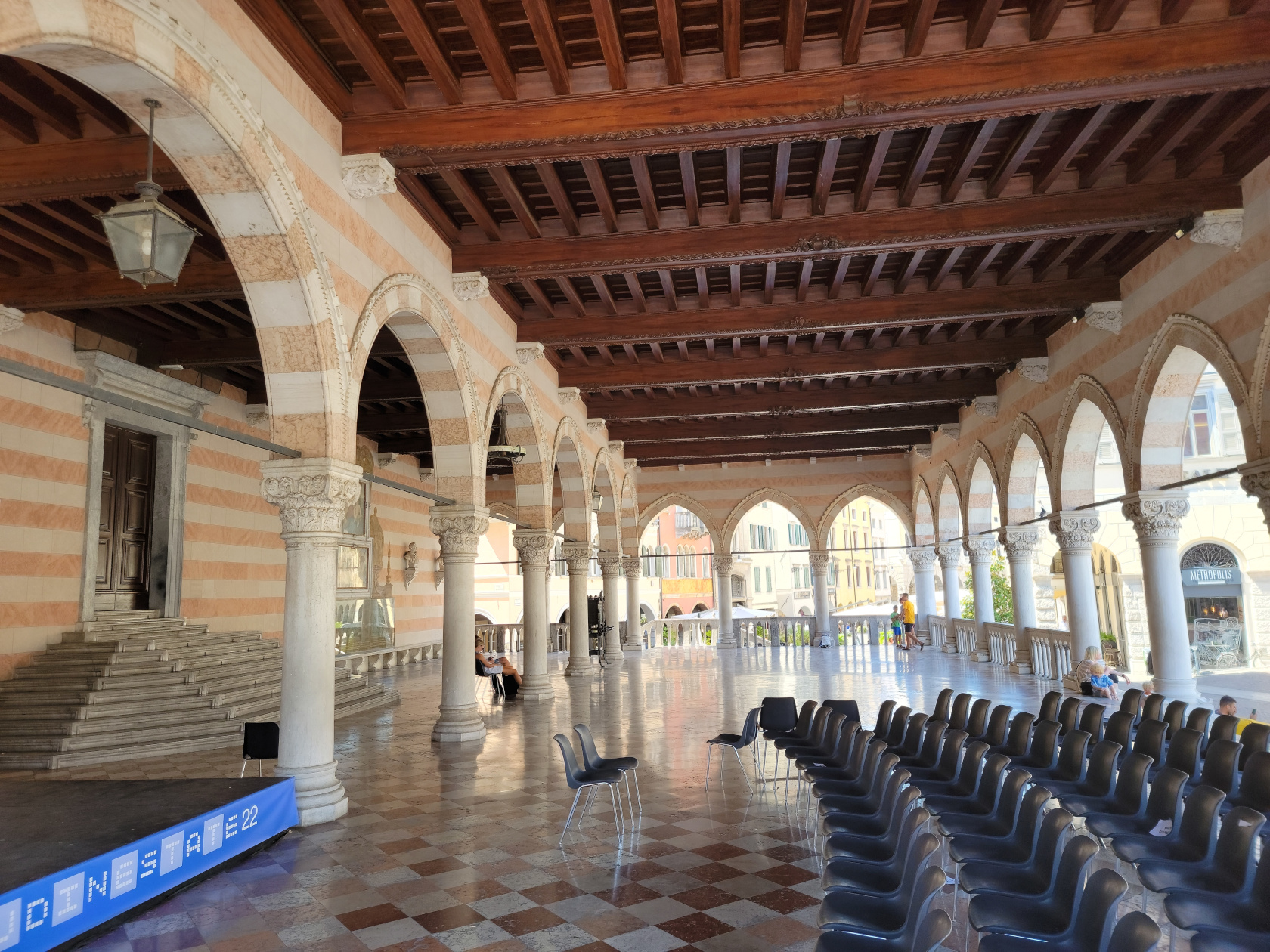
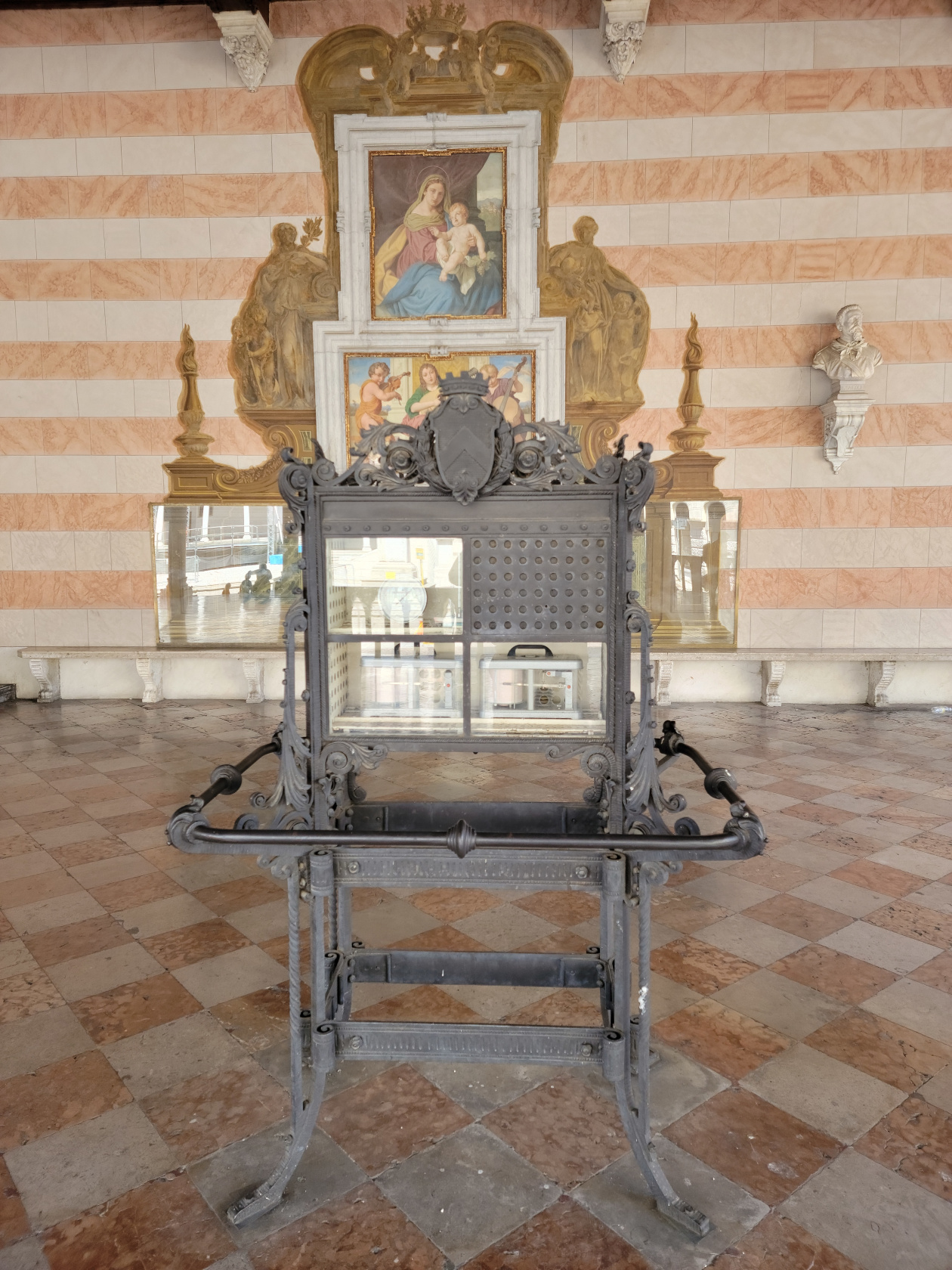
Udine – Piazza della Liberte – Loggia del Lionel
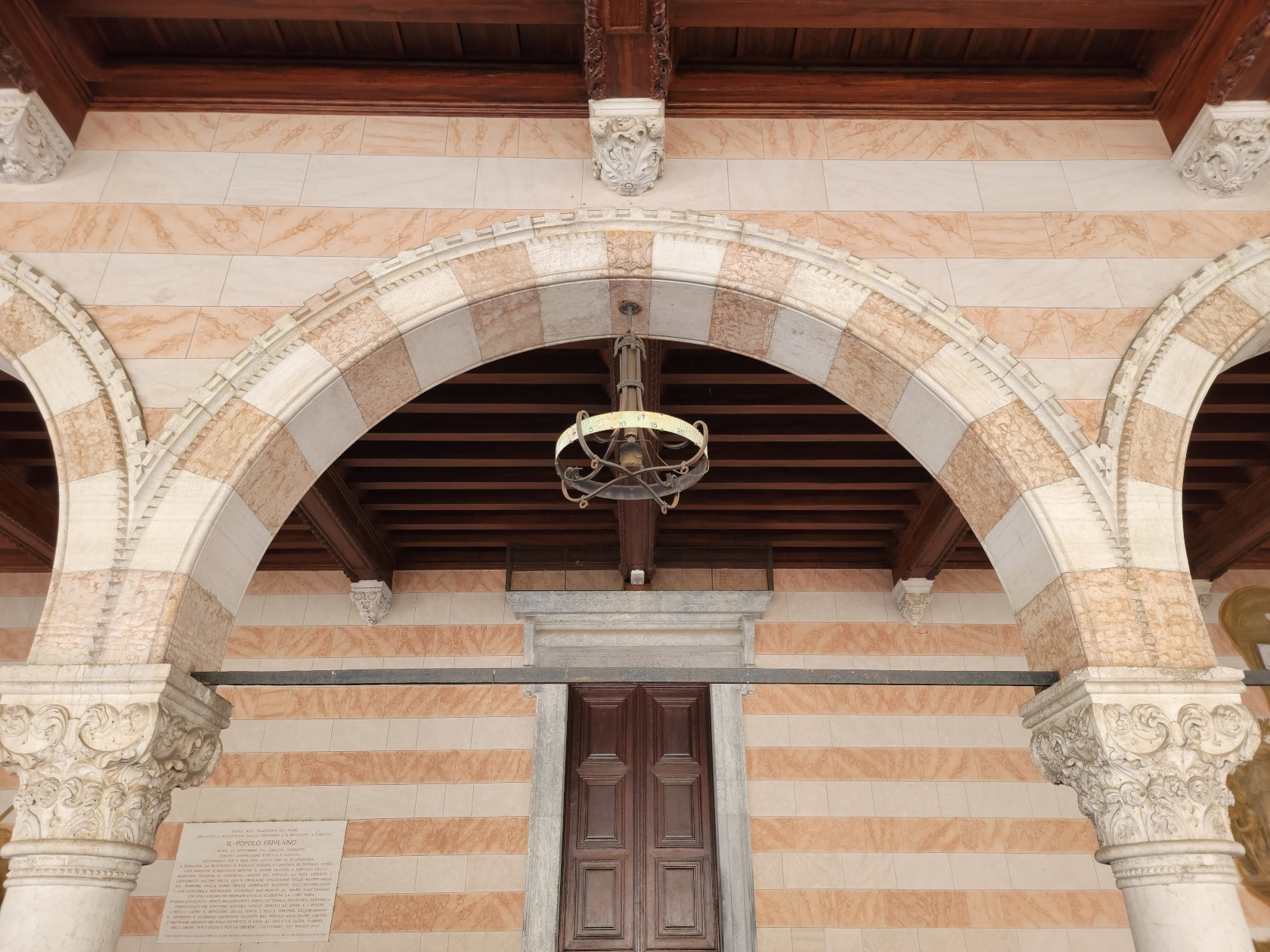
Udine – Piazza della Liberte – Loggia di San Giovanni
Udine – Piazza della Liberte – Loggia del Lionel
Udine – Piazza della Liberte – Loggia del Lionel
Udine – Piazza della Liberte – Loggia di San Giovanni
Udine – Piazza della Liberte – Loggia di San Giovanni
Udine – Piazza della Liberte – Loggia di San Giovanni
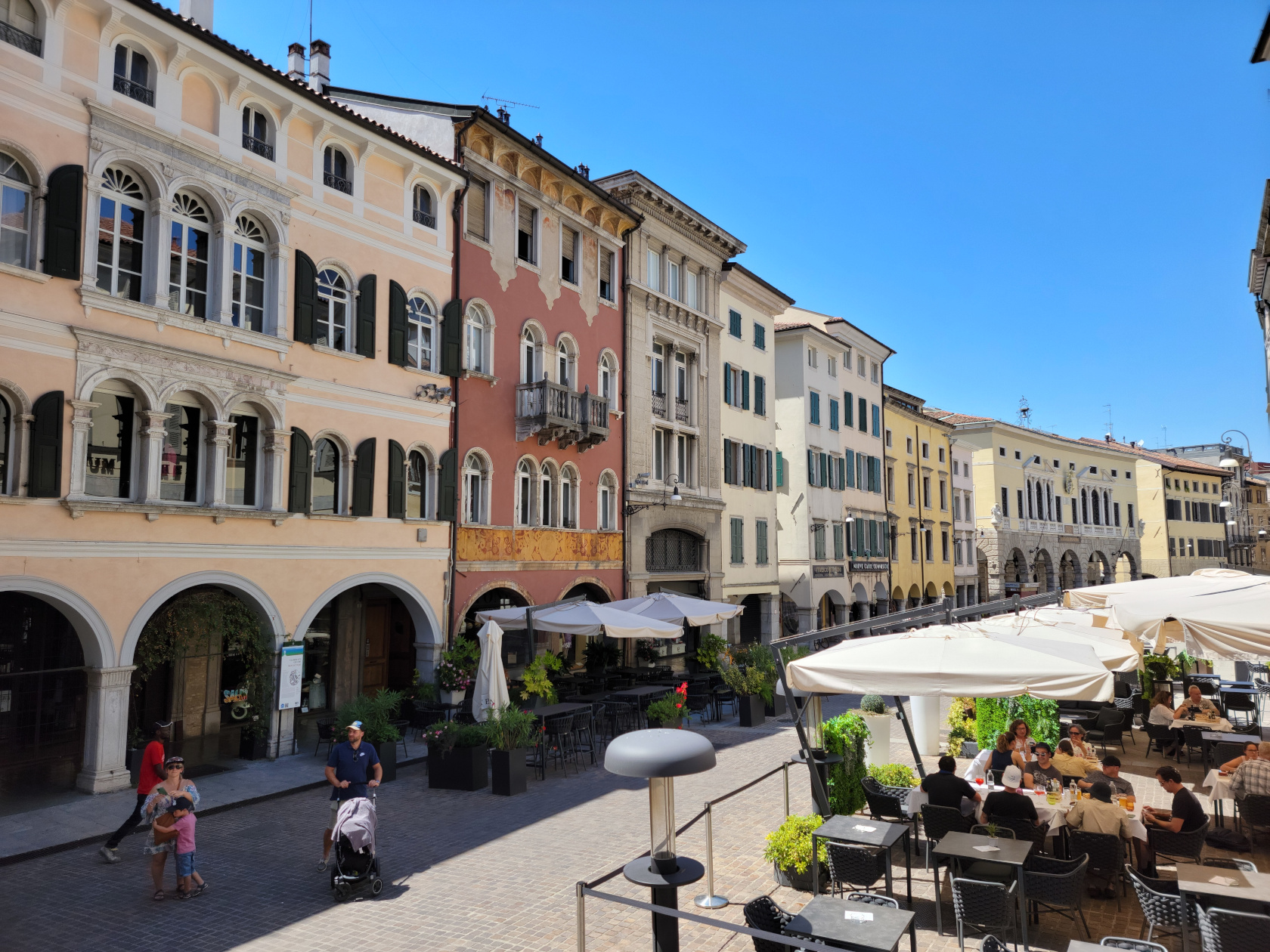
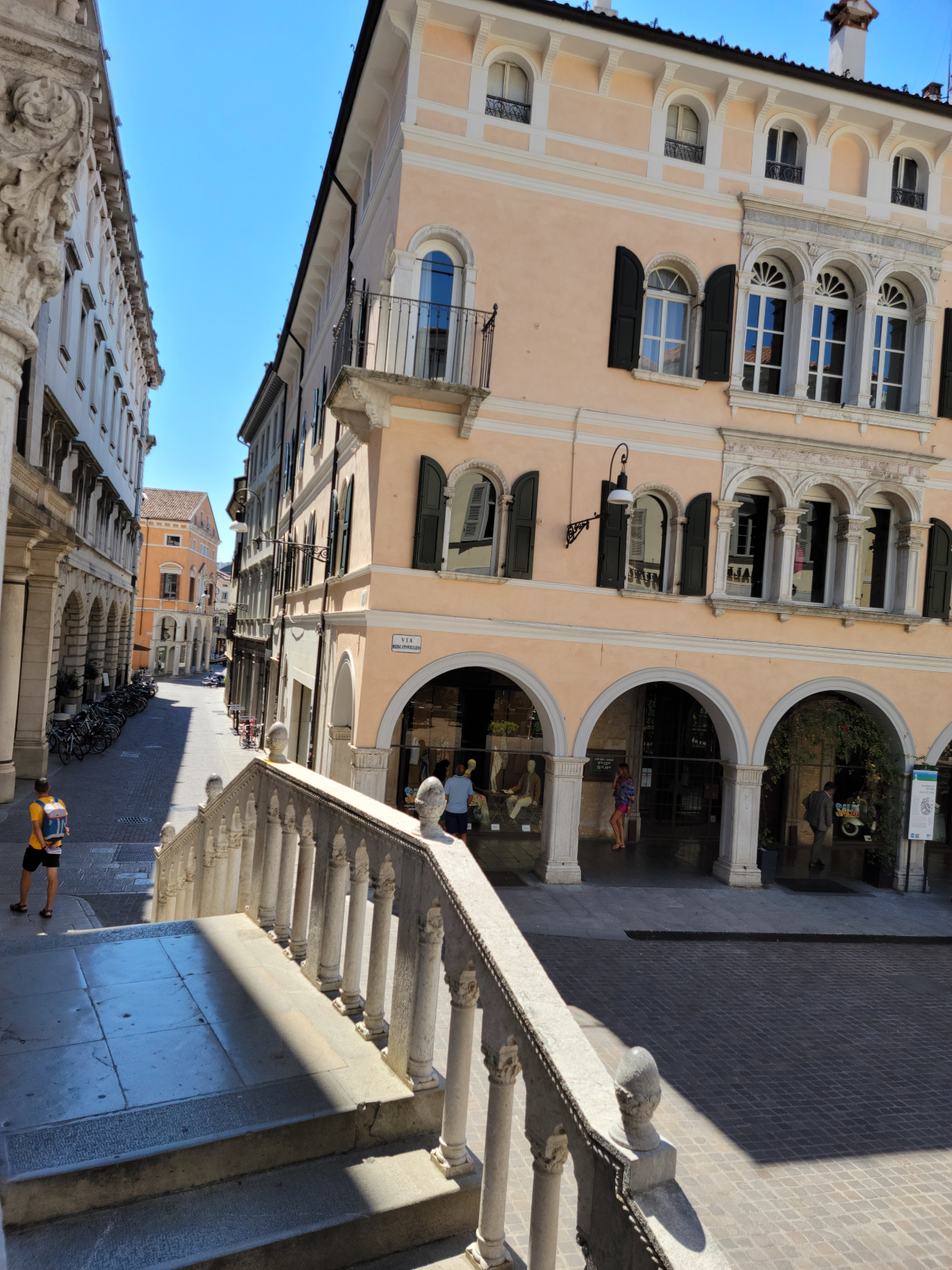
Udine – via Mercatovecchio
Udine – Porticos
Udine – The City
Udine – Grand Garden Park
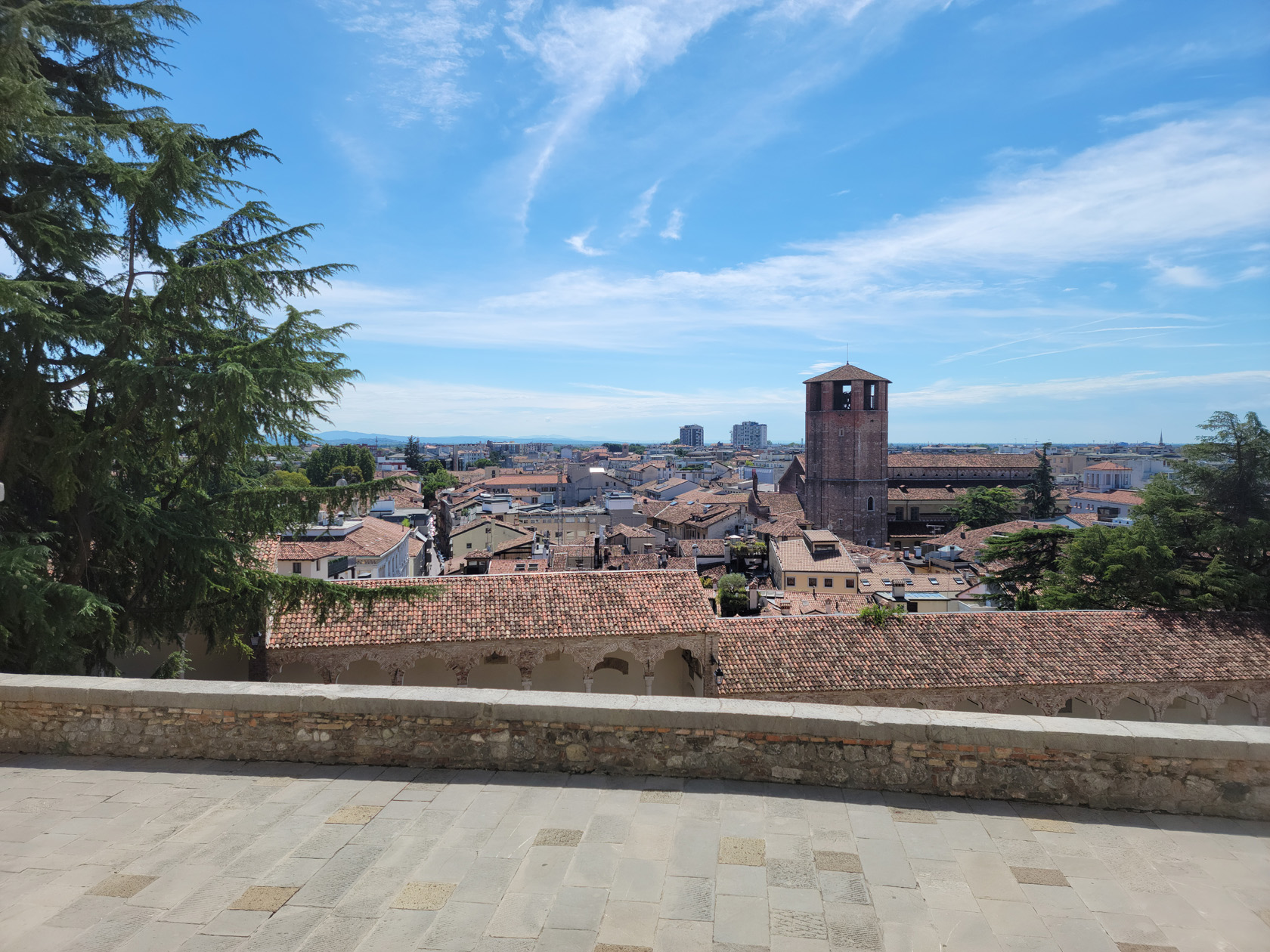
Udine – Udine Castle Museum – View of Udine
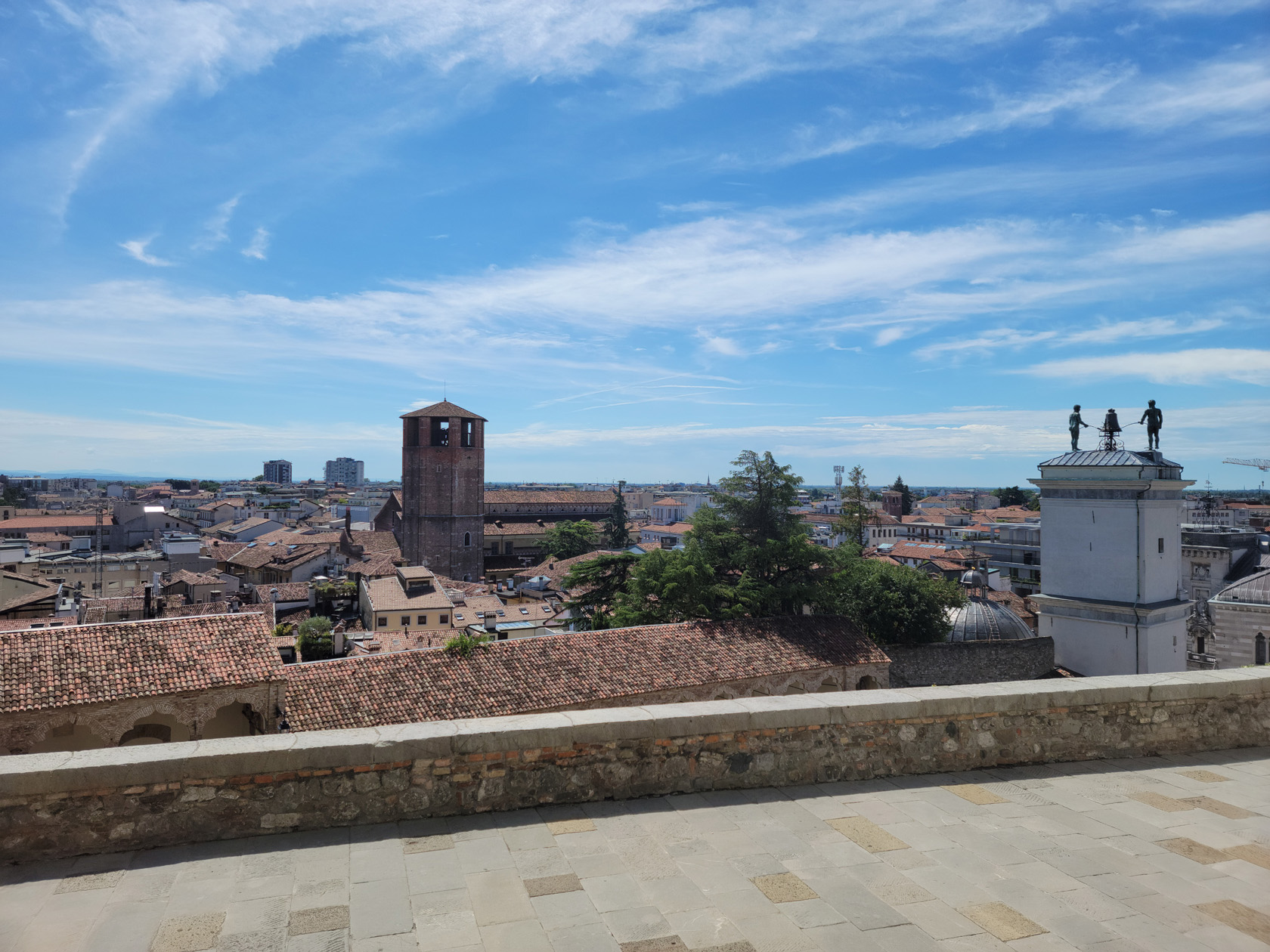
Udine – Udine Castle Museum – View of Udine – Loggia di San Giovanni Top of Clock Tower
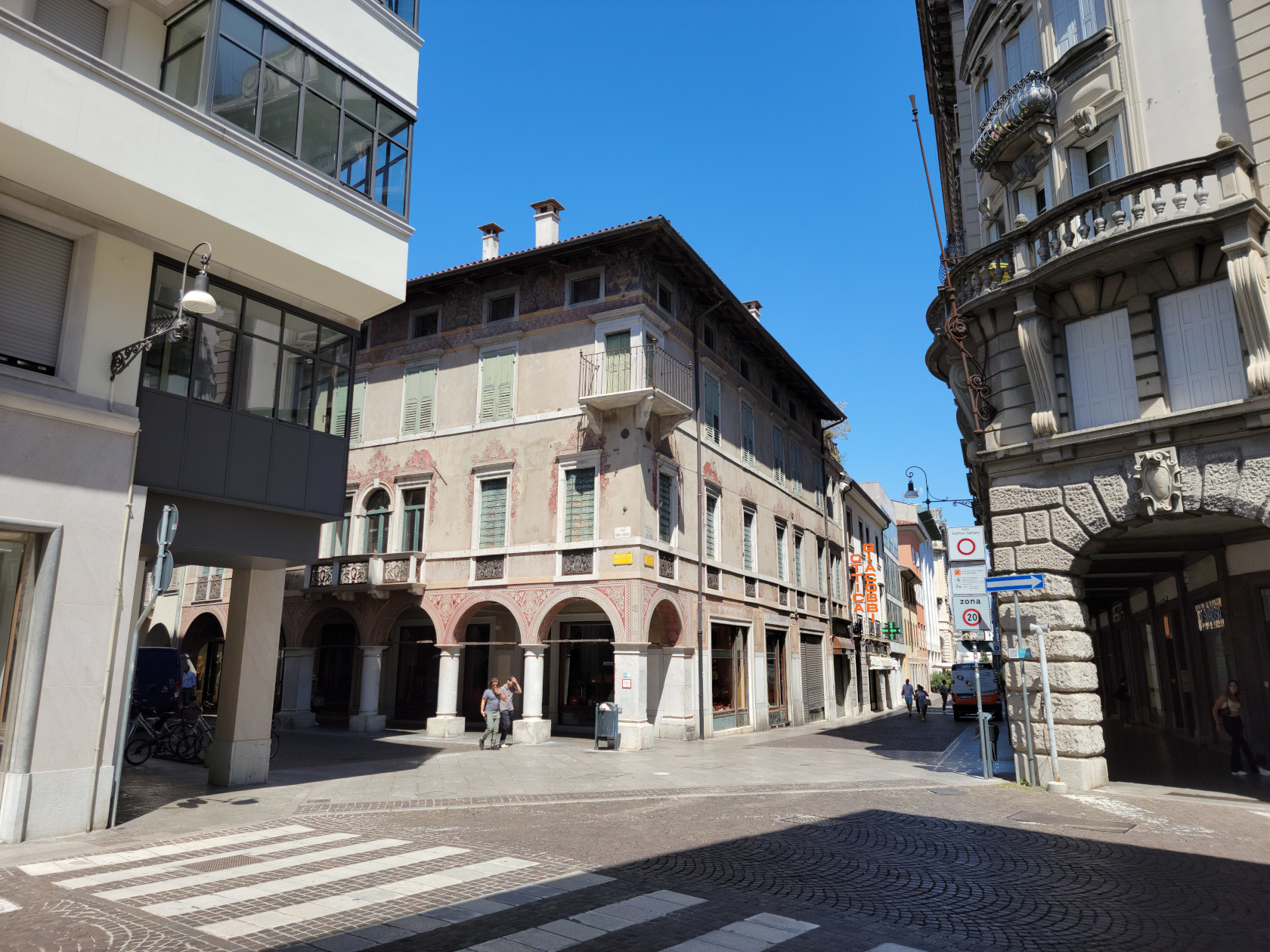
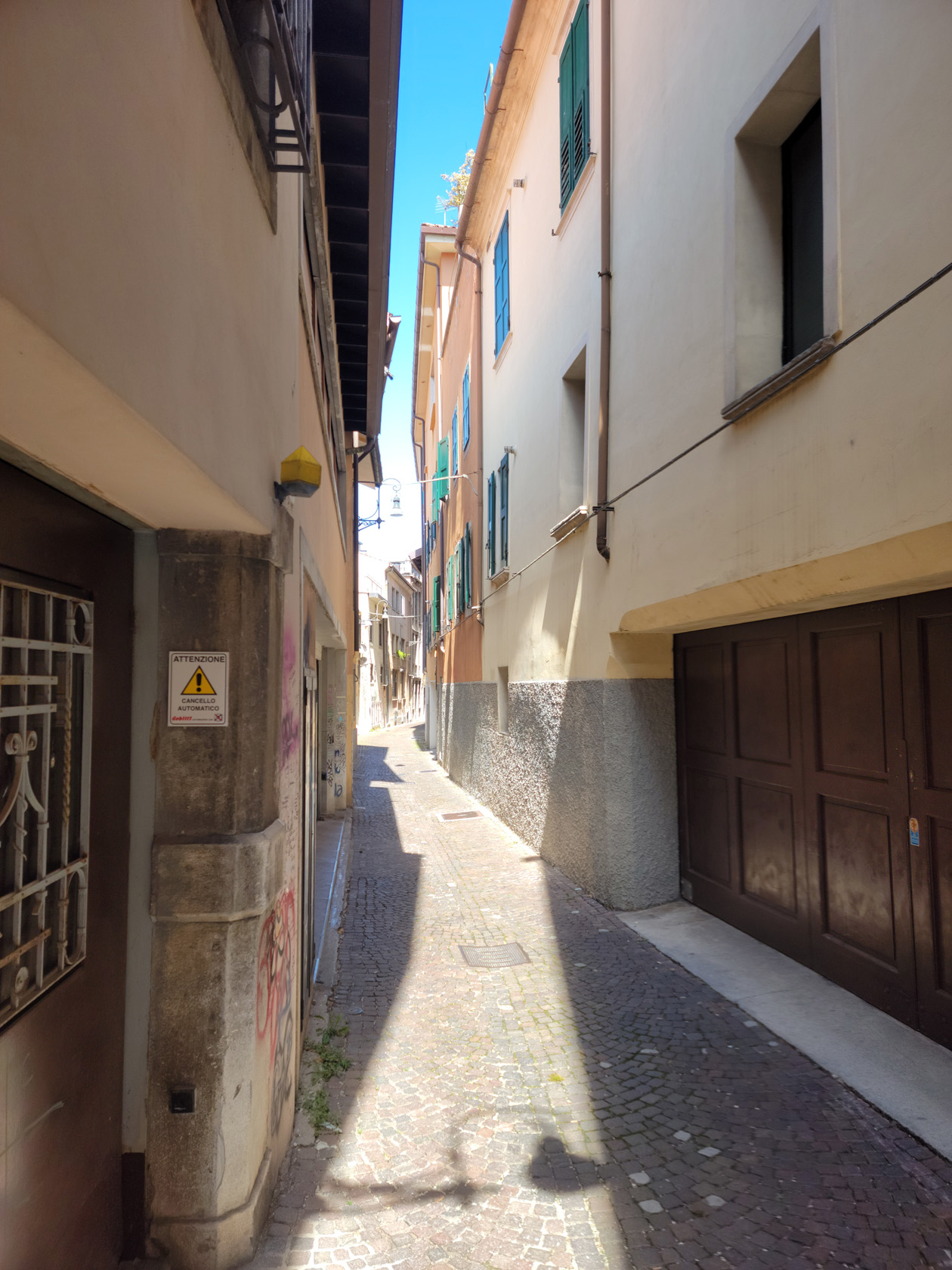
Udine – Narrow City Streets
Udine – via Mercatovecchio
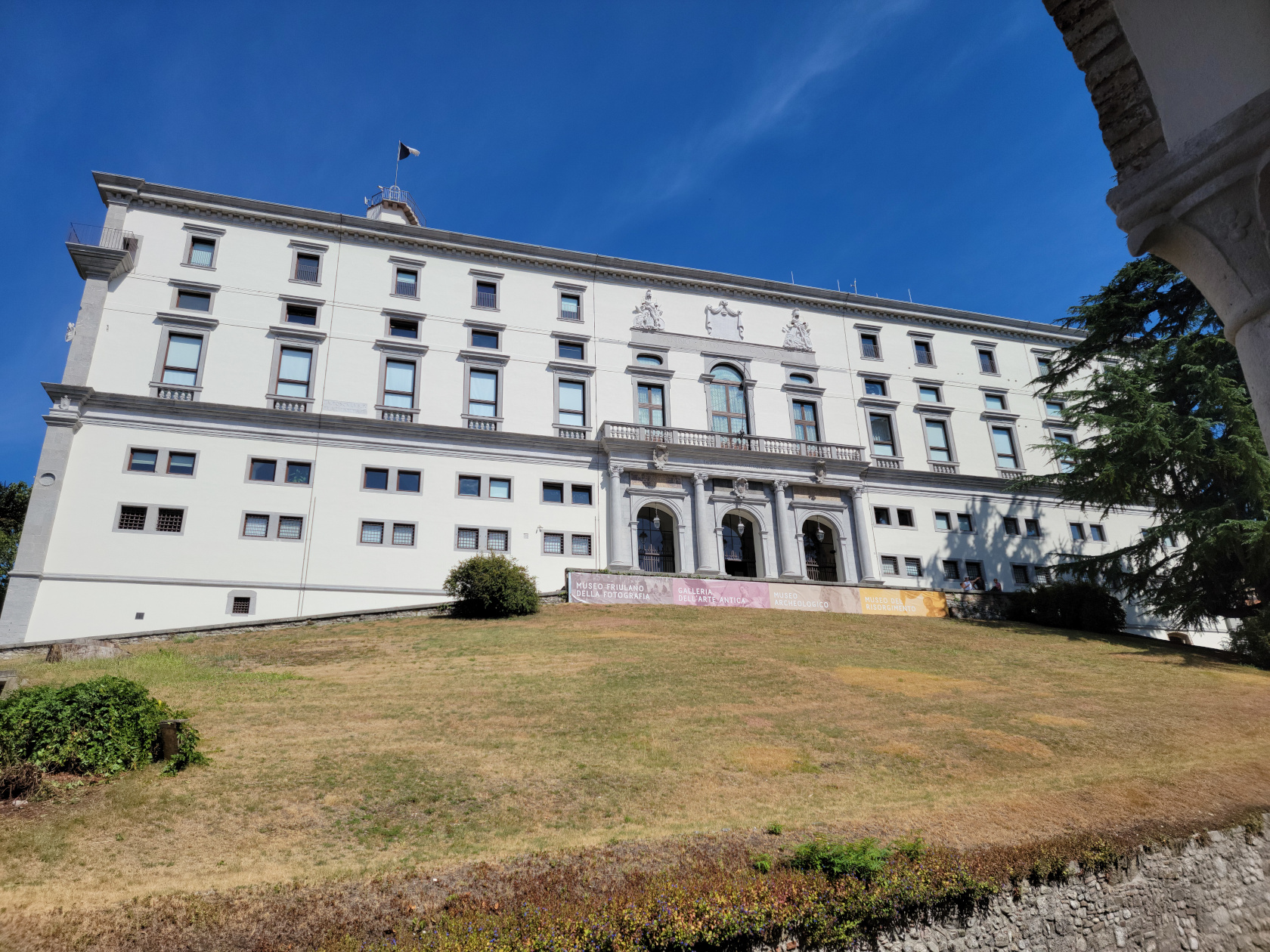
Udine Castle
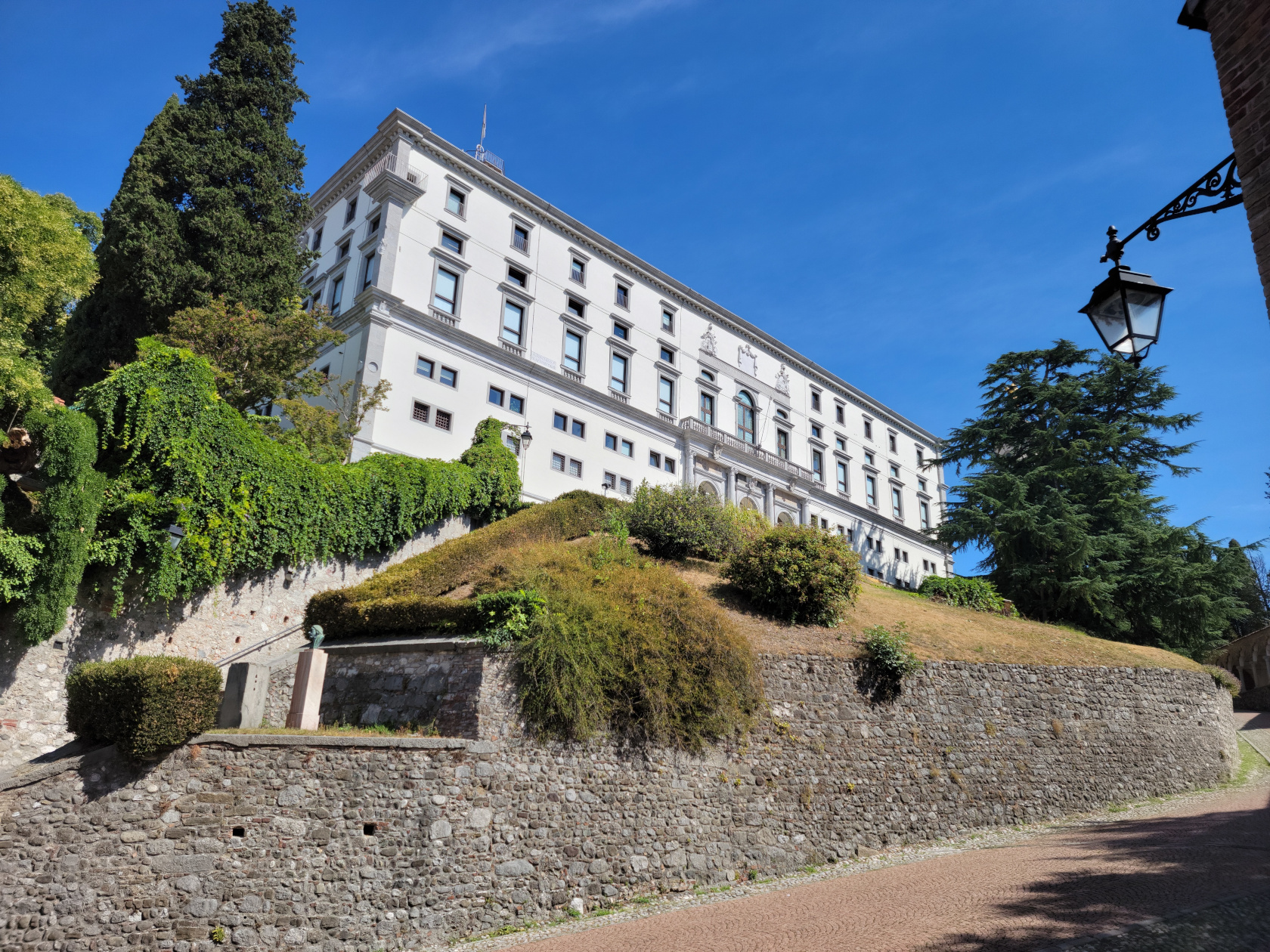
Destroyed in the sixteenth century by a violent earthquake, the Udine Castle was rebuilt soon afterwards and stands today housing several museums. It actually sits atop an artificial hill, by all accounts ancient and predating Rome in nature, and is the highest and largest artificial hill in Europe.
Udine – Udine Castle
Udine – Udine Castle
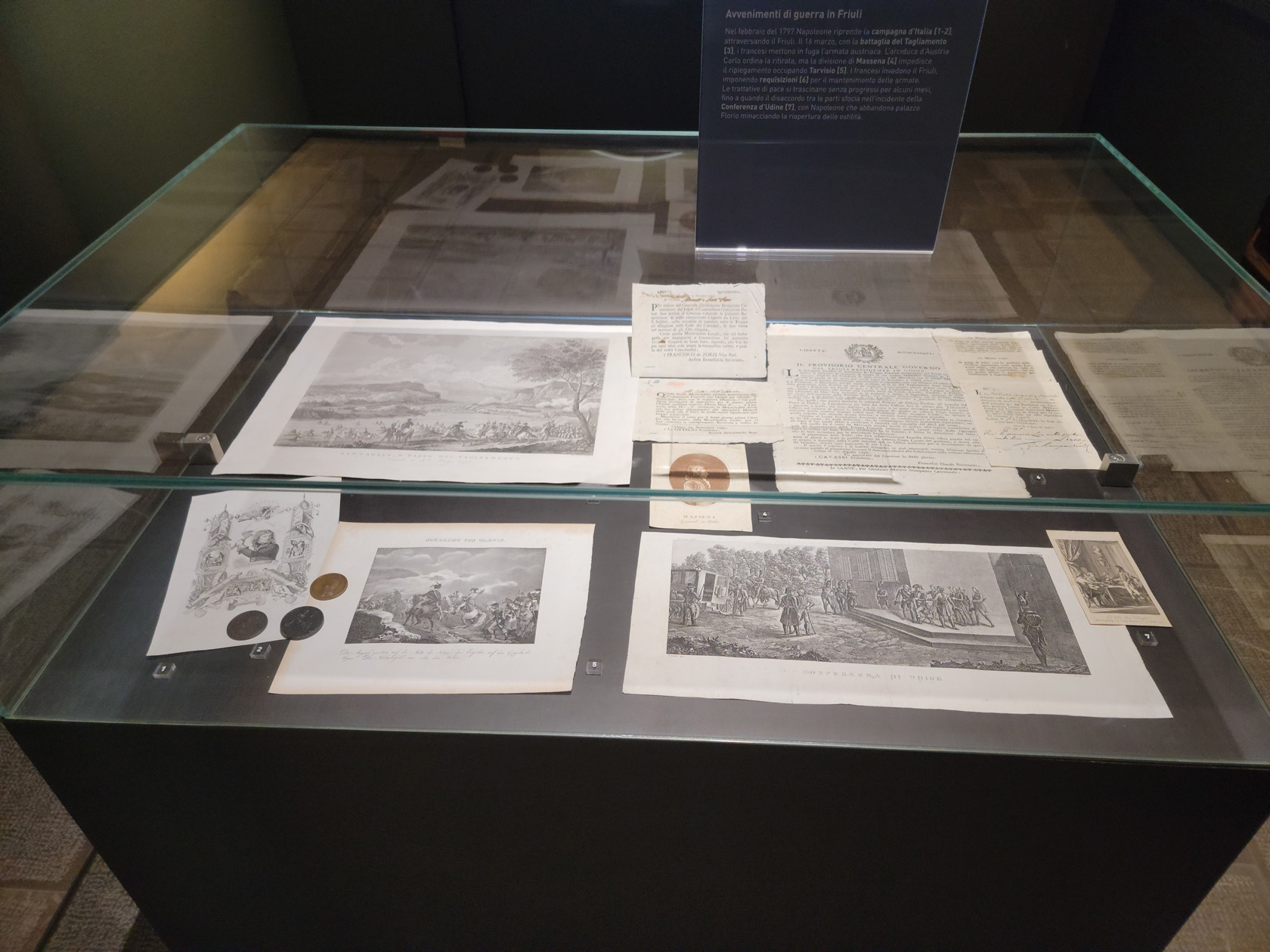
The Civic Museum of the Risorgimento
This museum has artifacts from local historic events following the fall of Venice, up to the time of the mid 1800s. Including documents and written accounts of the annexation of Friuli to the Kingdom of Italy in 1866.
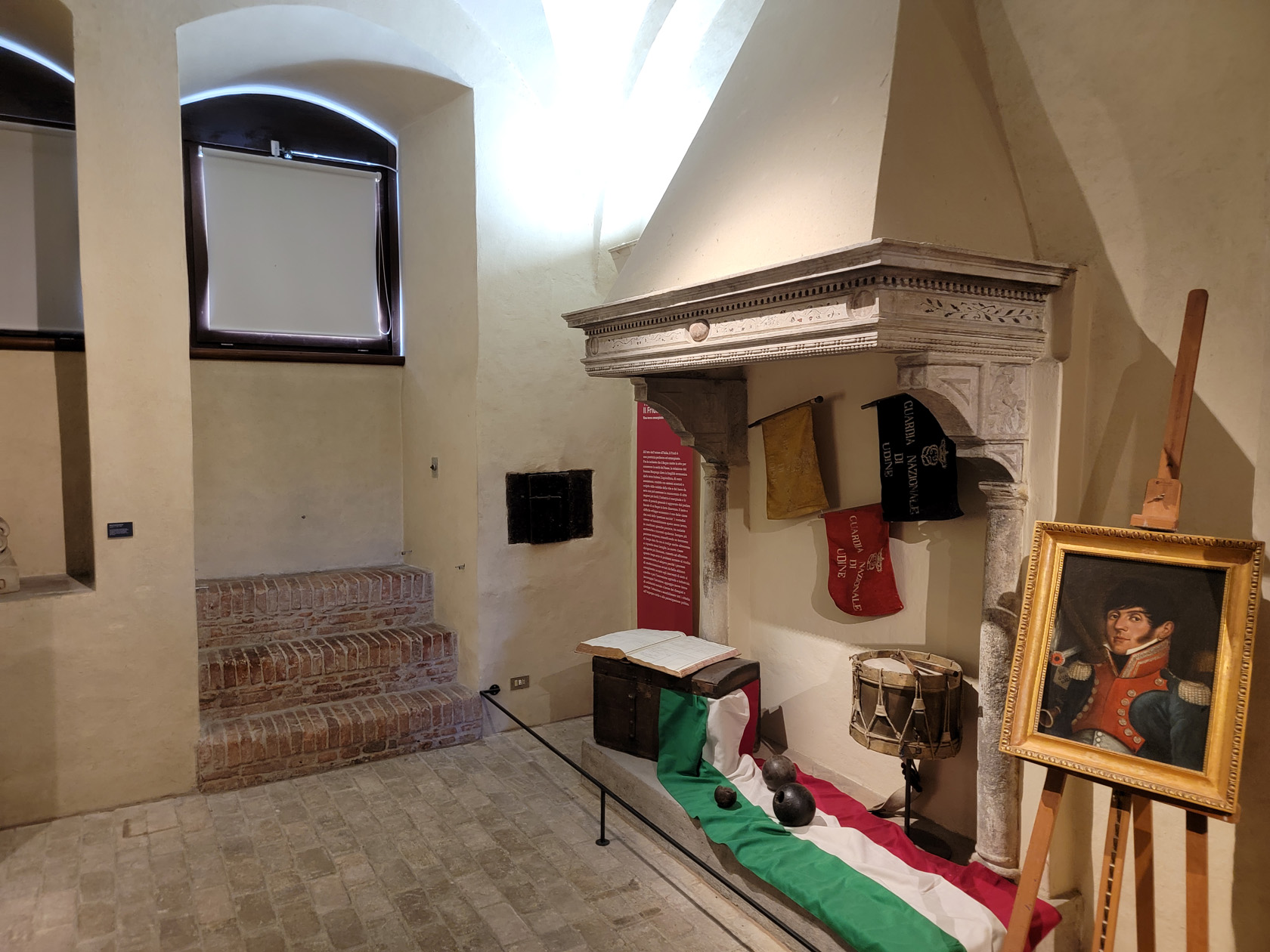
Udine – Udine Castle Museum – Friulian Artifacts
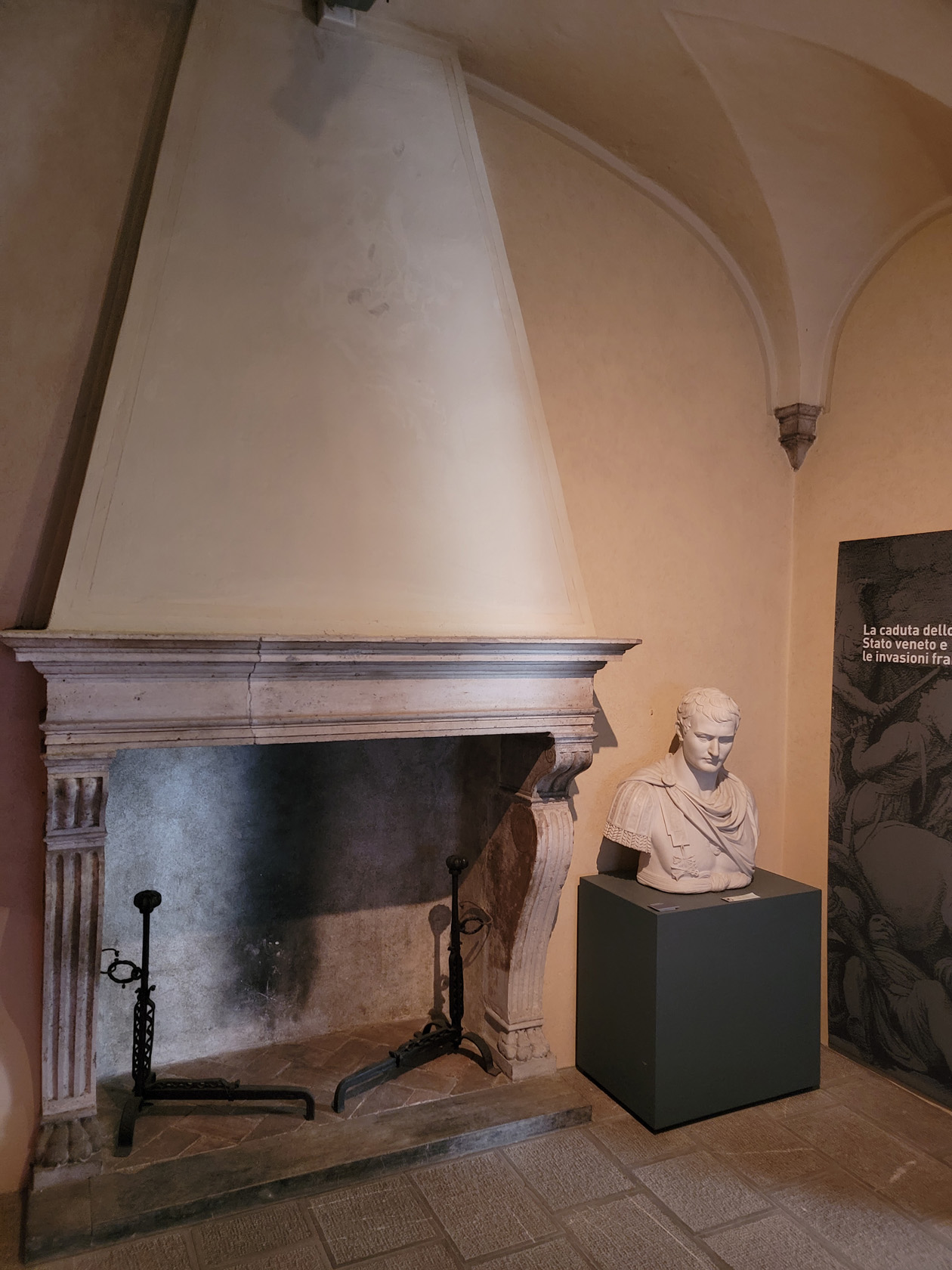
Udine – Udine Castle Museum – Old Fireplace
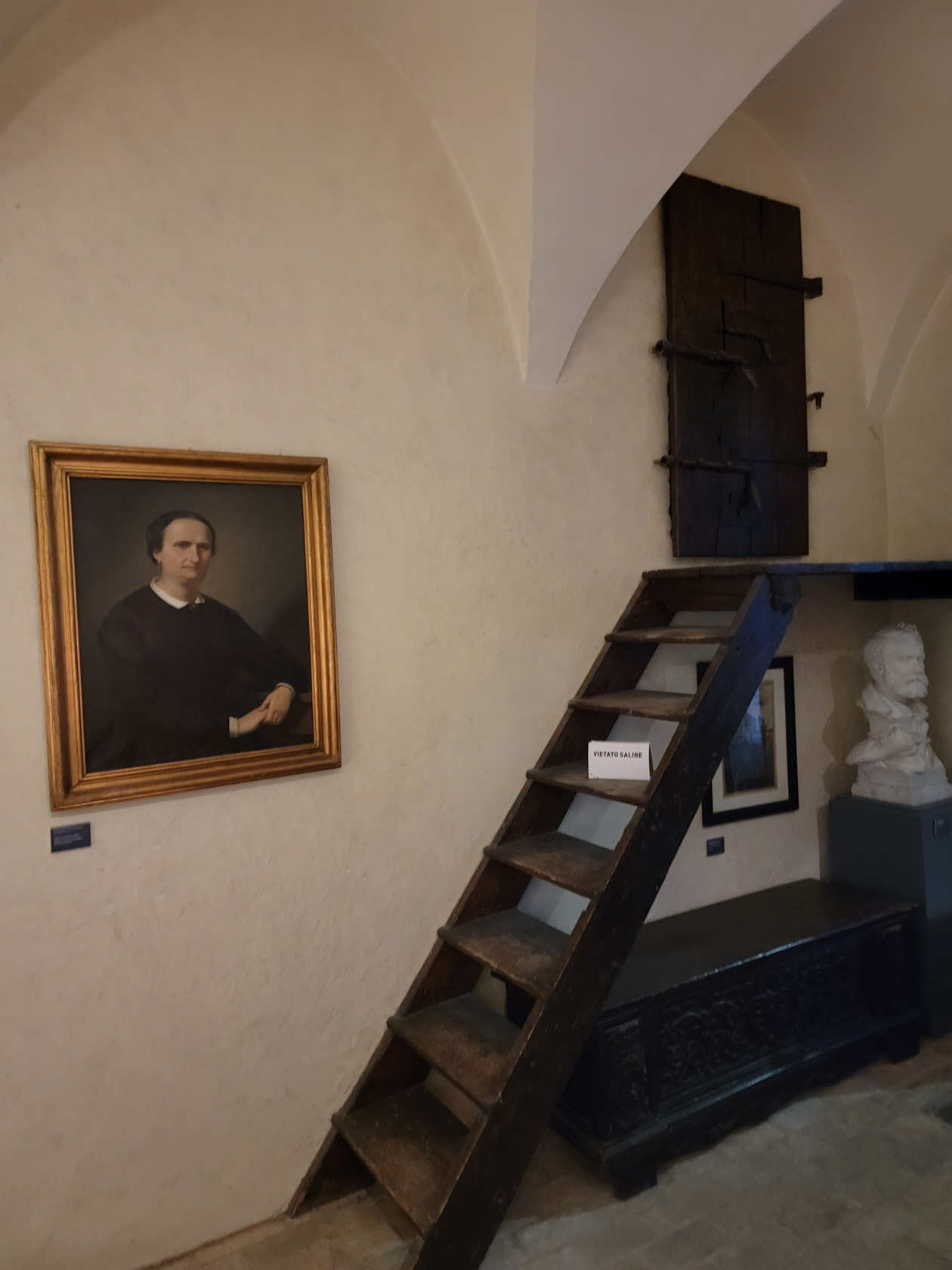
Udine – Udine Castle Museum – Storage Closet
Udine – Udine Castle Museum – Display
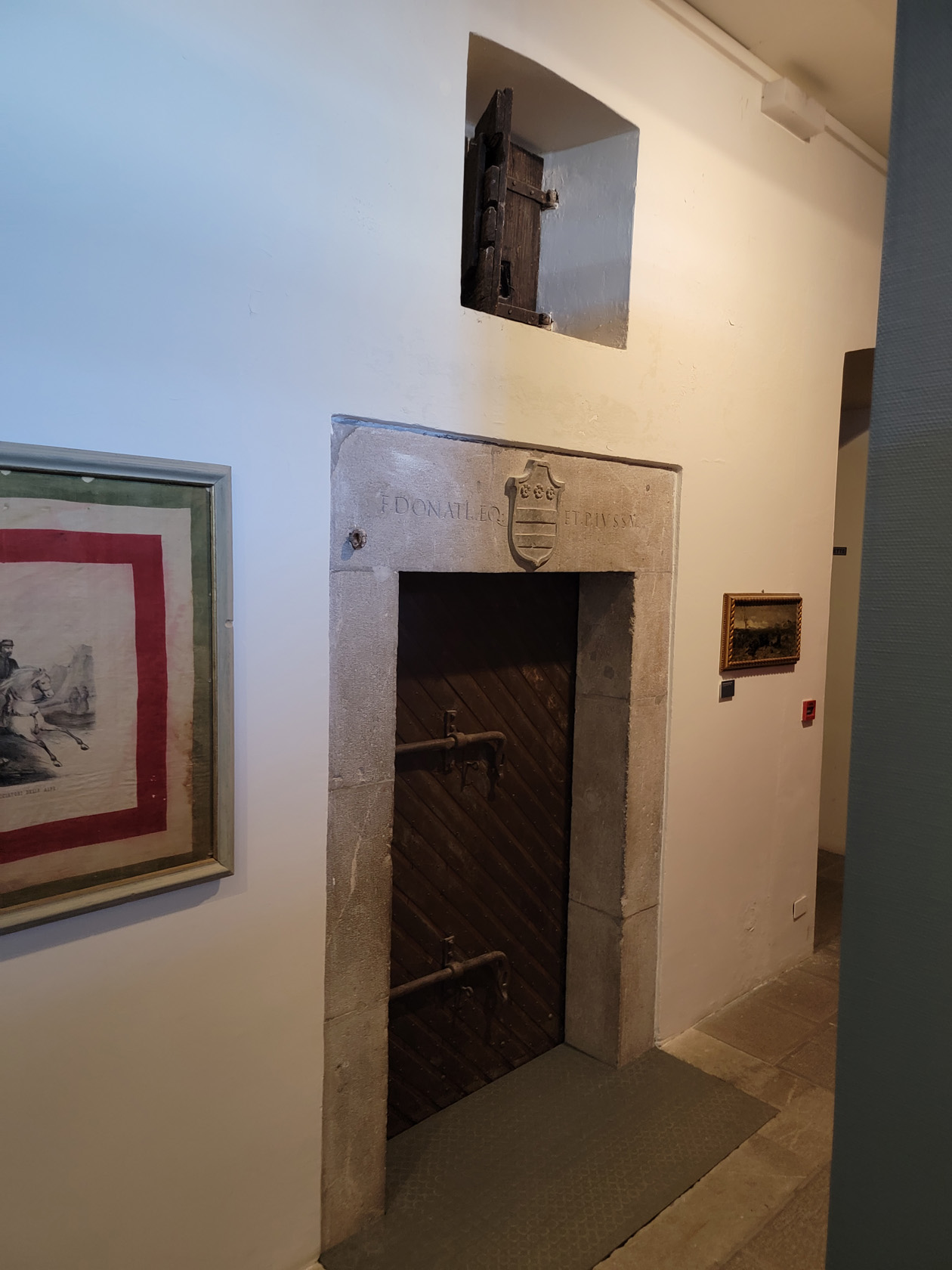
Udine – Udine Castle Museum – Unusual Doors
The Archaeological Museum
This museum contains an impressive ancient coin collection and other artifacts from ancient and Roman times. Including amphorae, old oil lamps and other funerary objects. Though a small collection, it was rather interesting to learn where each was found locally and their relative histories.
Udine – Udine Castle Museum – Roman Stones
Udine – Udine Castle Museum – Roman Artifacts
Udine – Udine Castle Museum – Another Exhibit
Gallery of Ancient Art
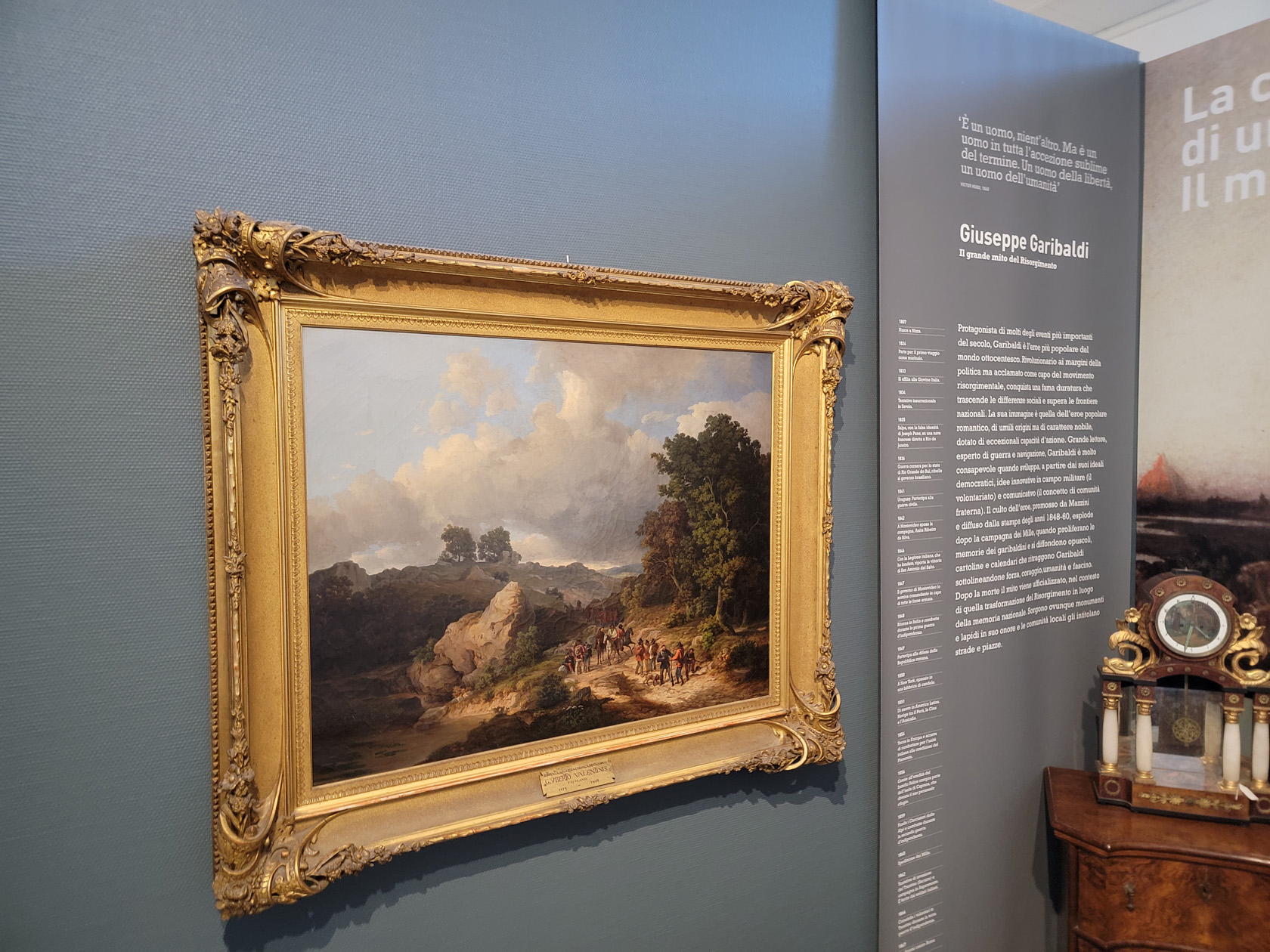
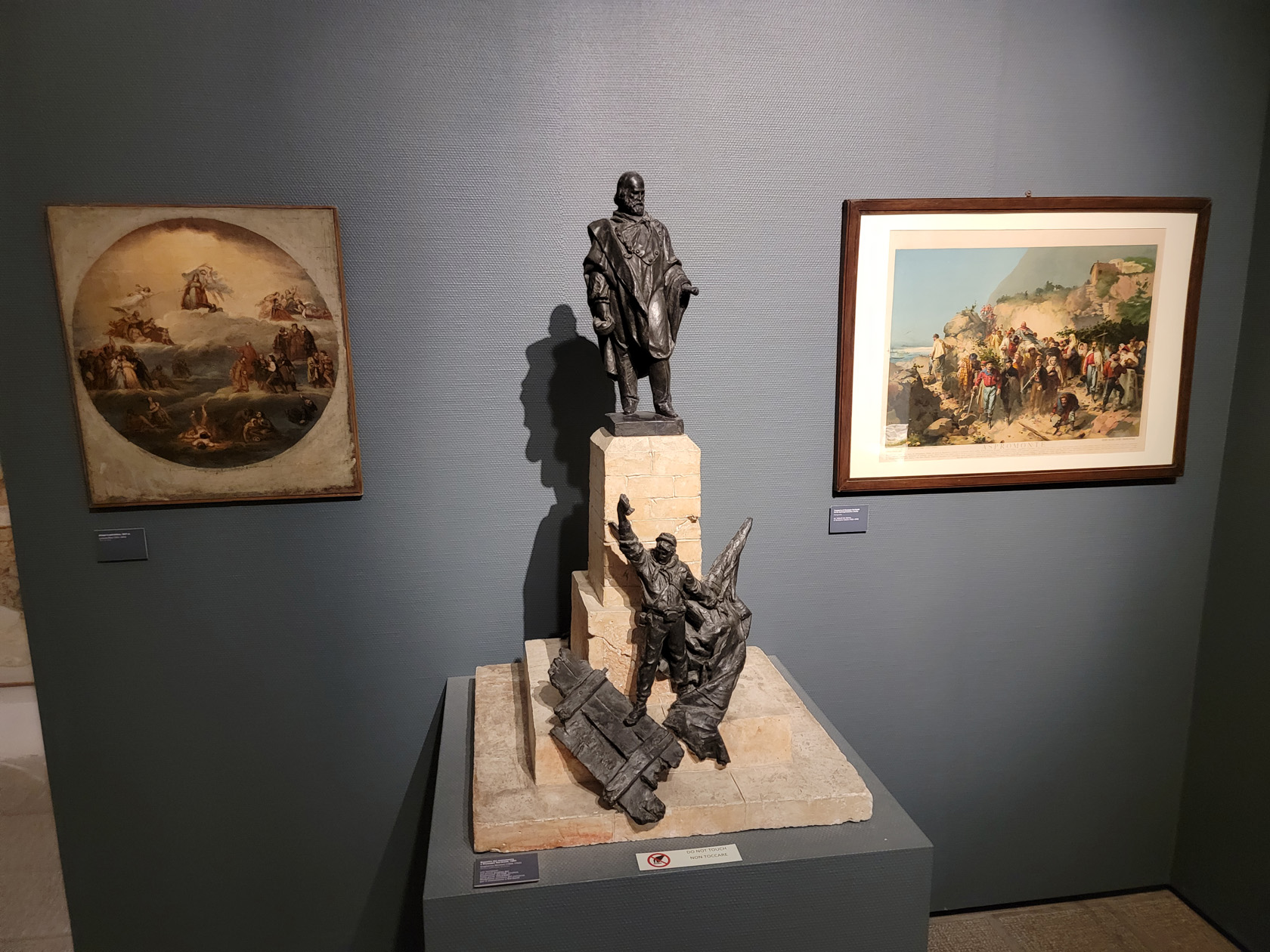
A gallery of art comprising works of local artists from the fourteenth to the nineteenth centuries. Most of the work appear religious in nature. Some of those that caught my eye in particular are the following.
Udine – Udine Castle Museum – Painting – Giuseppe Garibaldi
Udine – Udine Castle Museum – Bronze of Soldiers
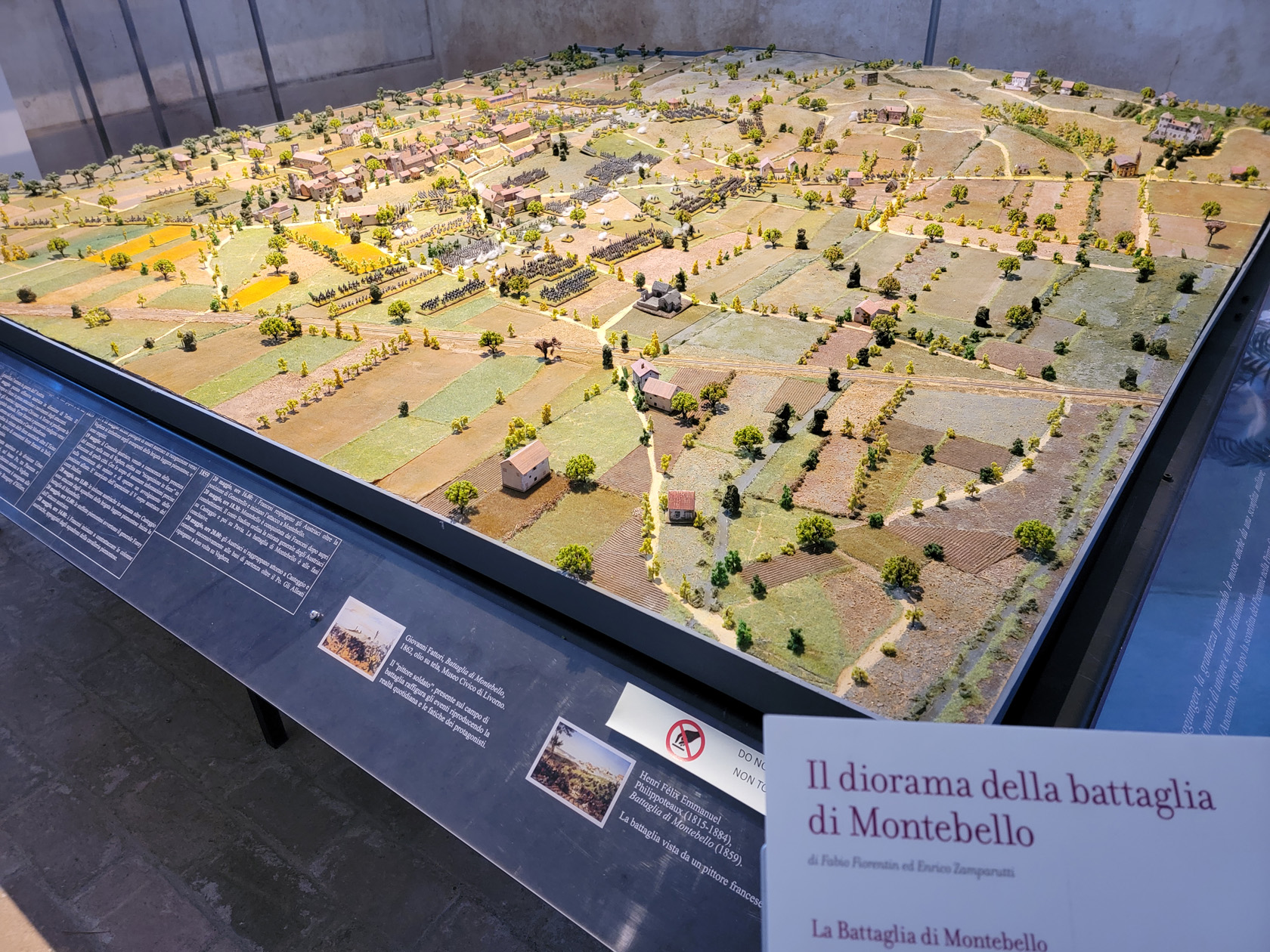
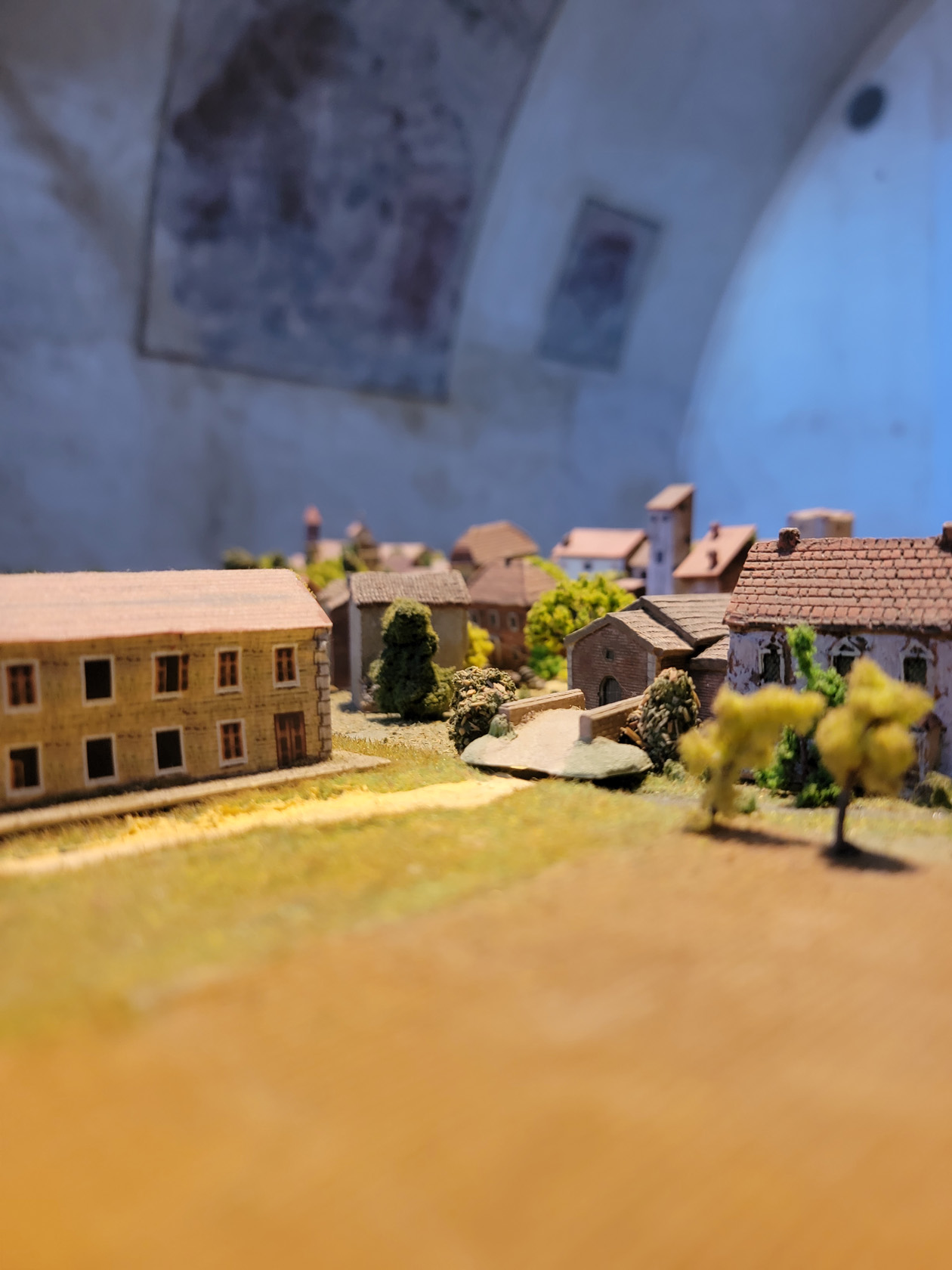
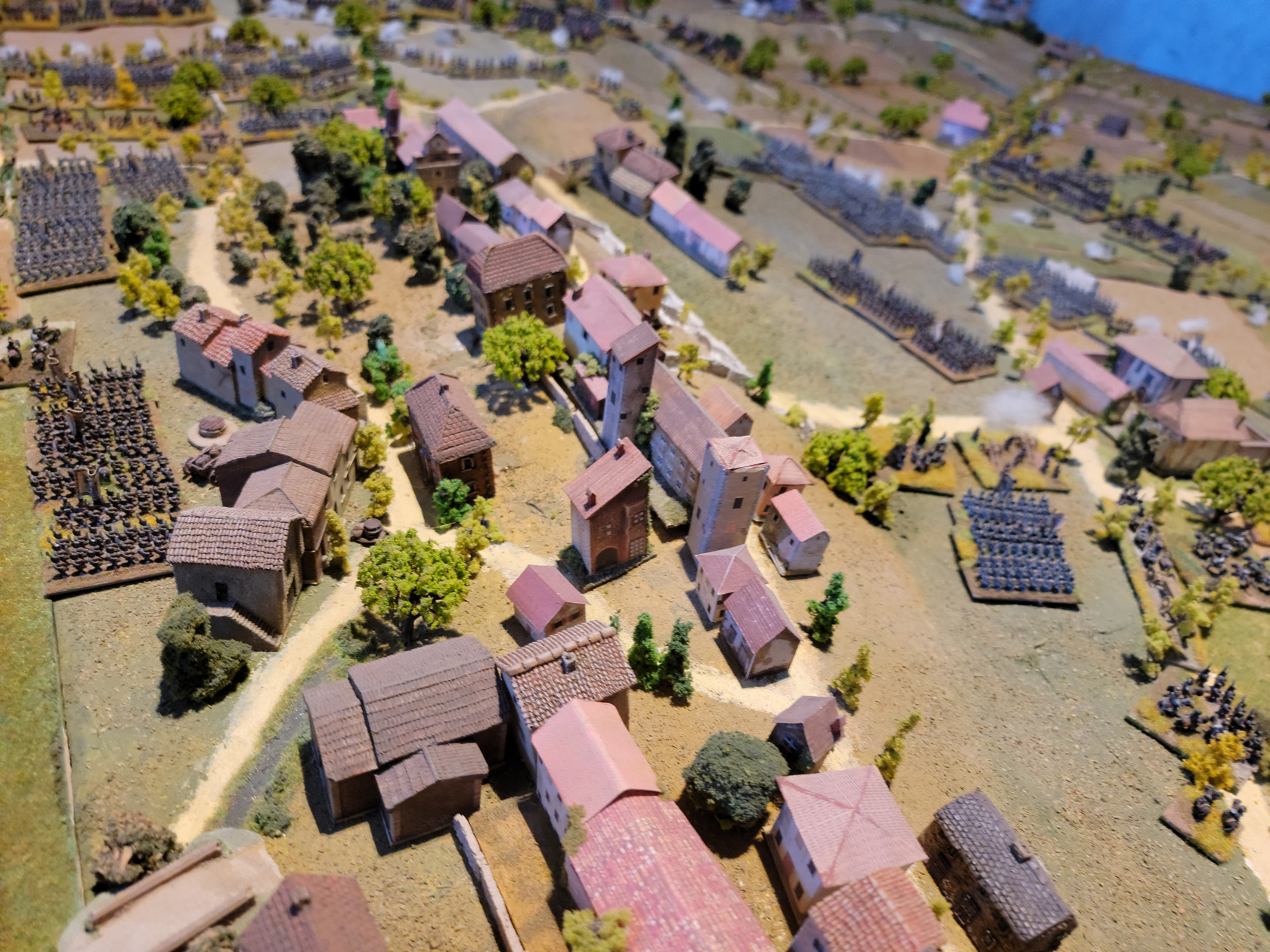
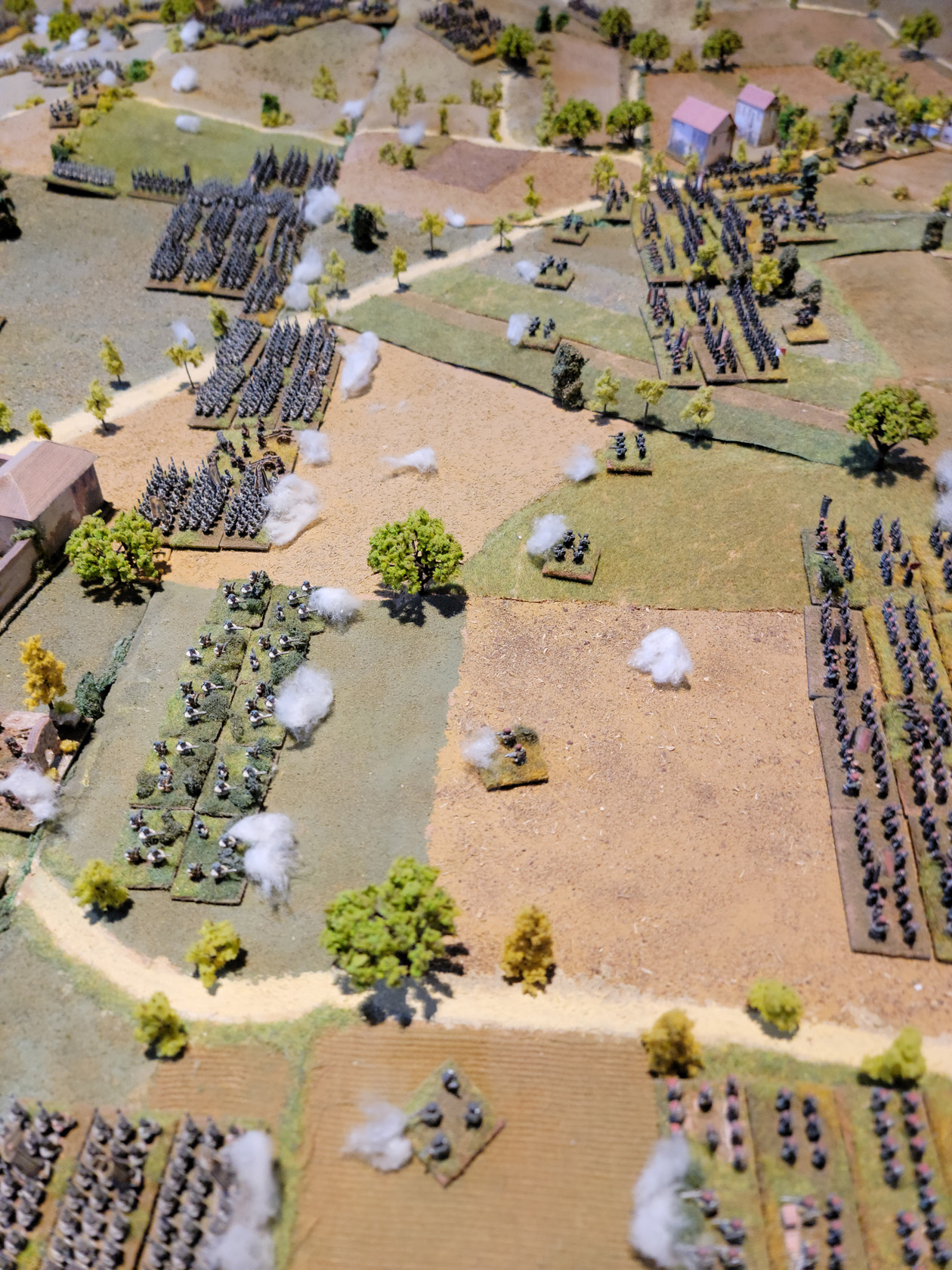
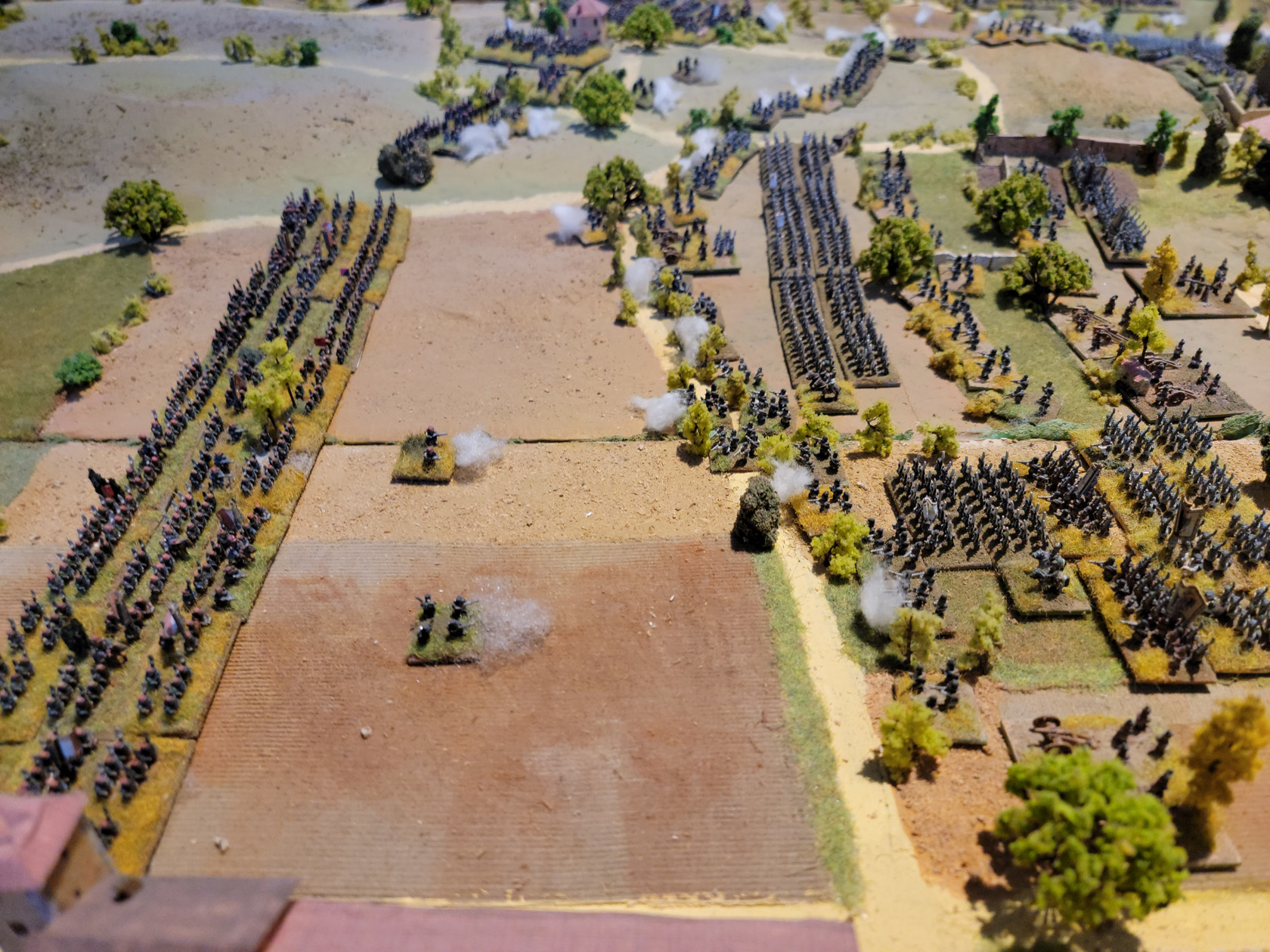
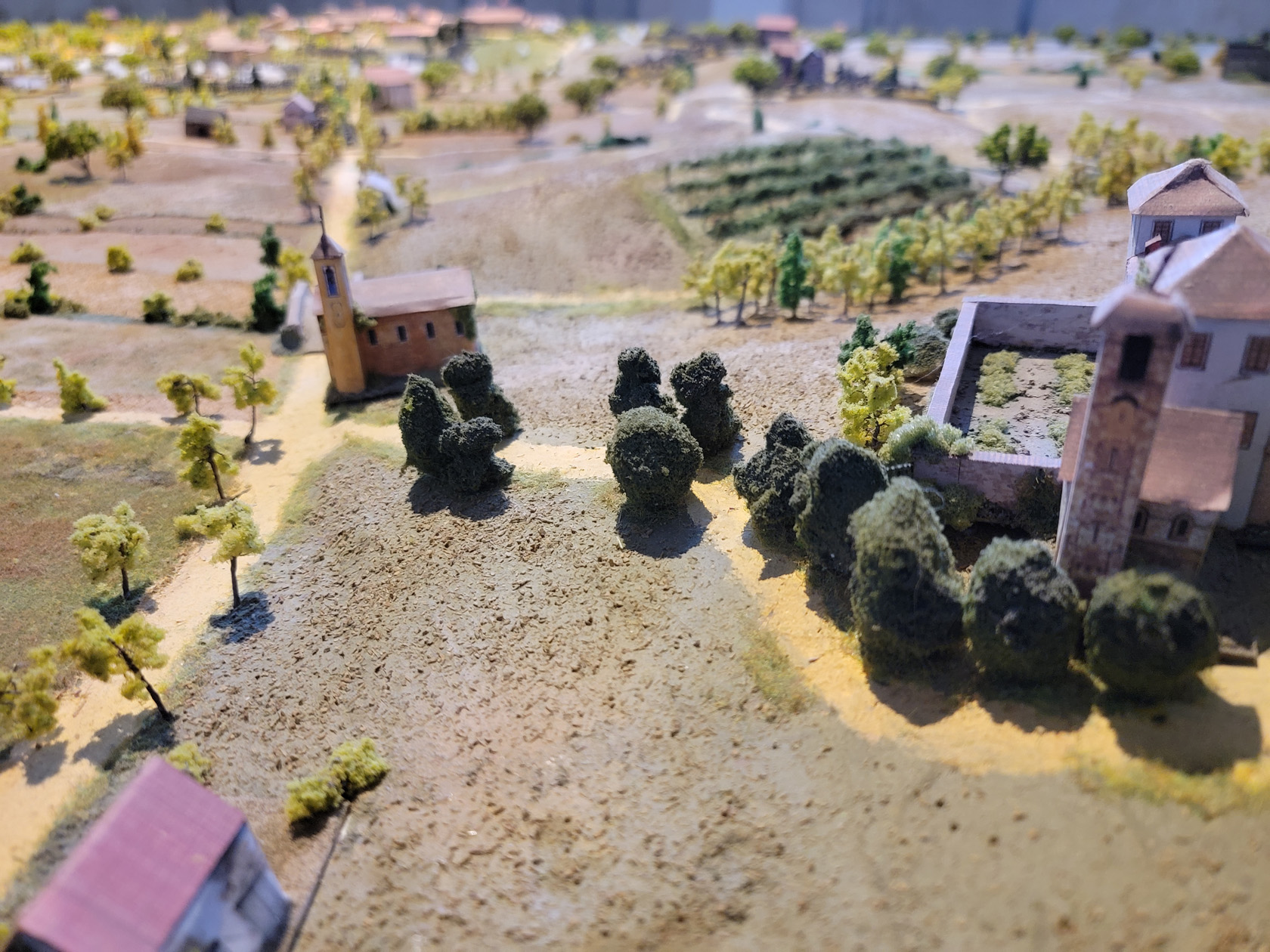
Diorama of the Battle of Montebello
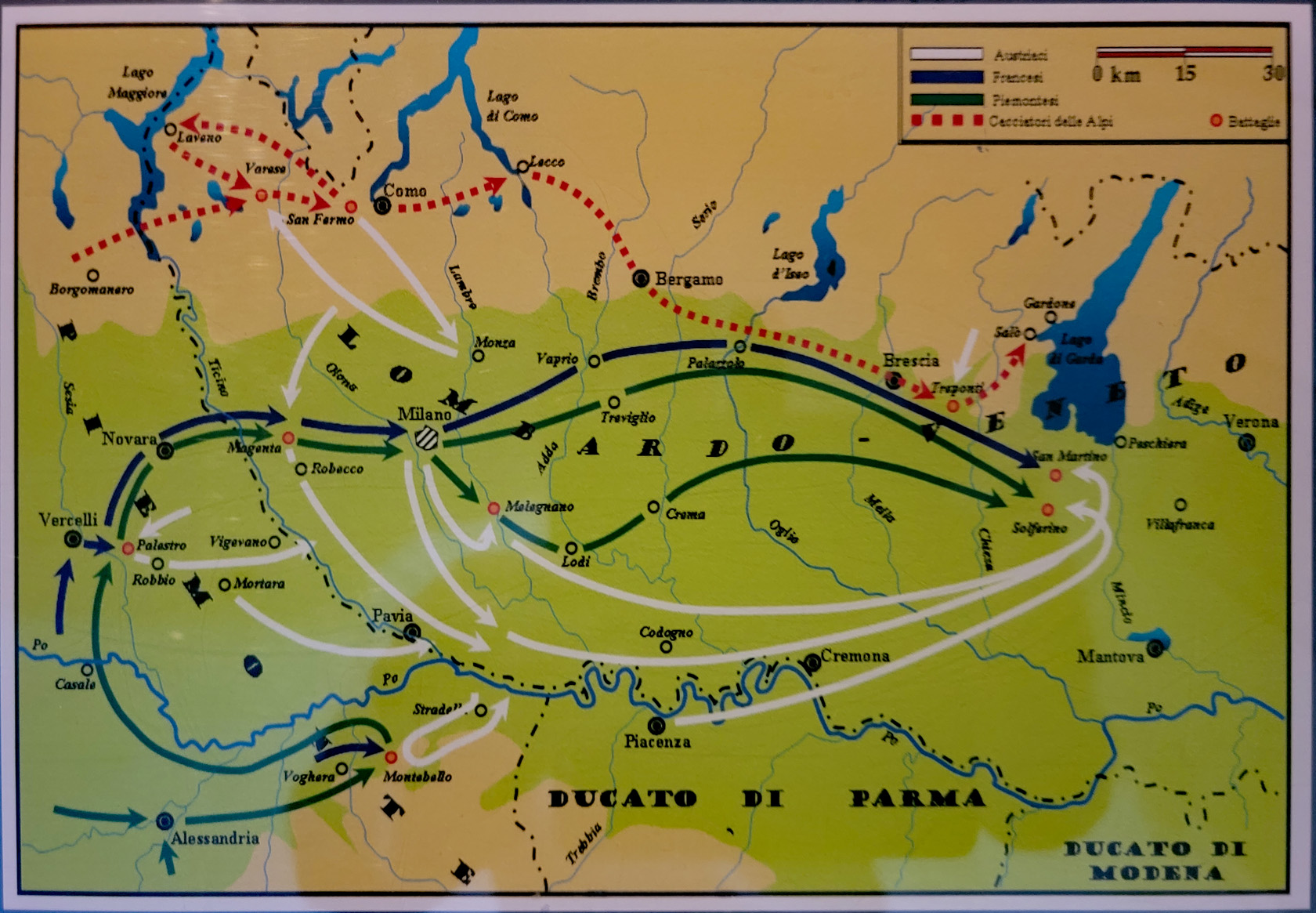
Complete with a map showing the order of battle, this diorama clicks all the right boxes for the model builder at heart.
Udine – Udine Castle Museum – Diorama – Order of the Battle of Montebello
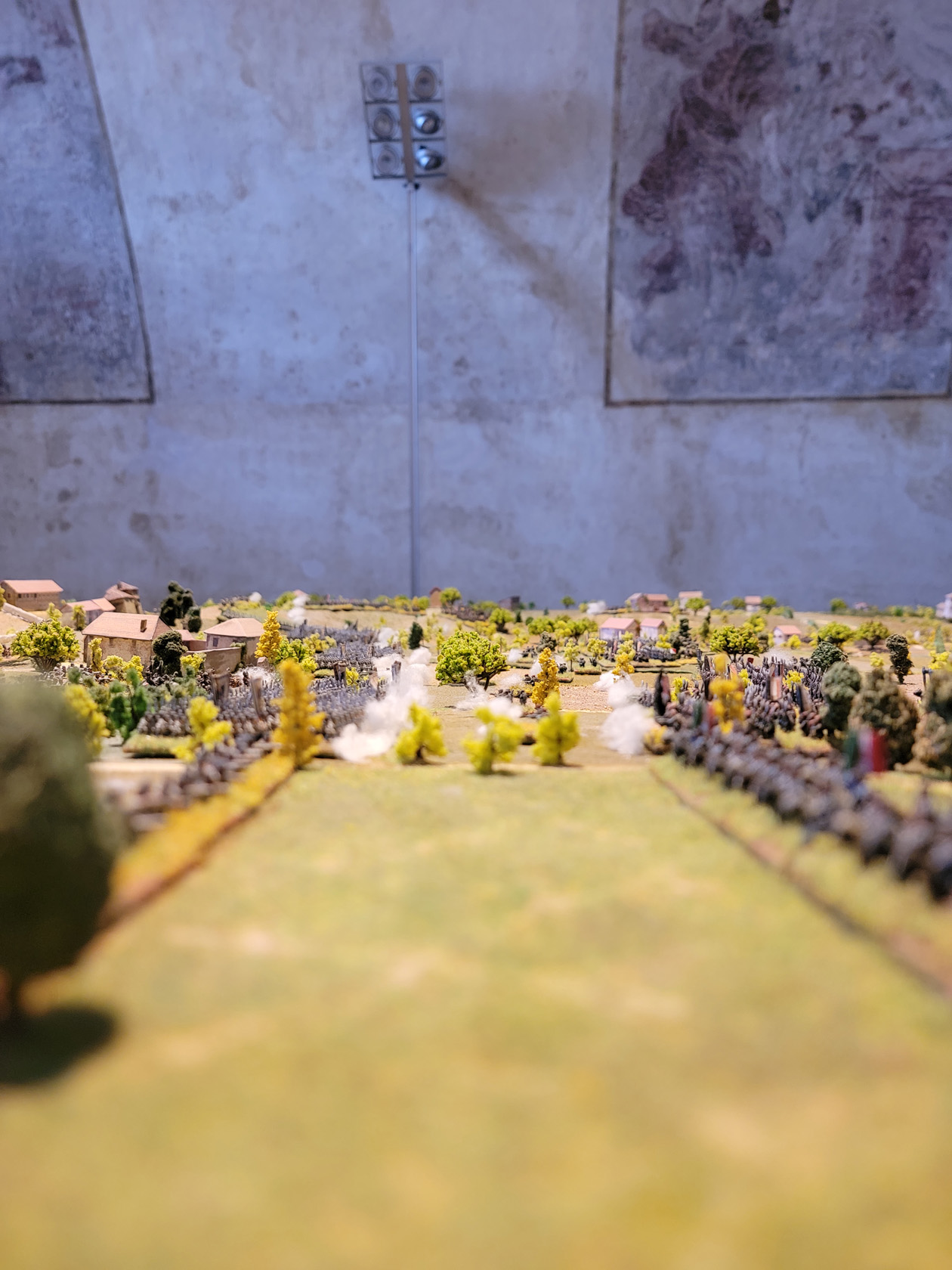
The museum has an extraordinary diorama of the Battle of Montebello. For anyone that is or was a model builder, or a warfare historian, one can stand and just marvel at it for some time.
Udine – Udine Castle Museum – Diorama – Battle of Montebello
Udine – Udine Castle Museum – Diorama – Battle of Montebello
Udine – Udine Castle Museum – Diorama – Battle of Montebello
Udine – Udine Castle Museum – Diorama – Battle of Montebello
Udine – Udine Castle Museum – Diorama – Battle of Montebello
Udine – Udine Castle Museum – Diorama – Battle of Montebello
Udine – Udine Castle Museum – Diorama – Battle of Montebello
Churches
There are several noteworthy churches in the area, though we were not actually able to visit all of them inside.
Chapel of Palazzo del Monte di Pietà
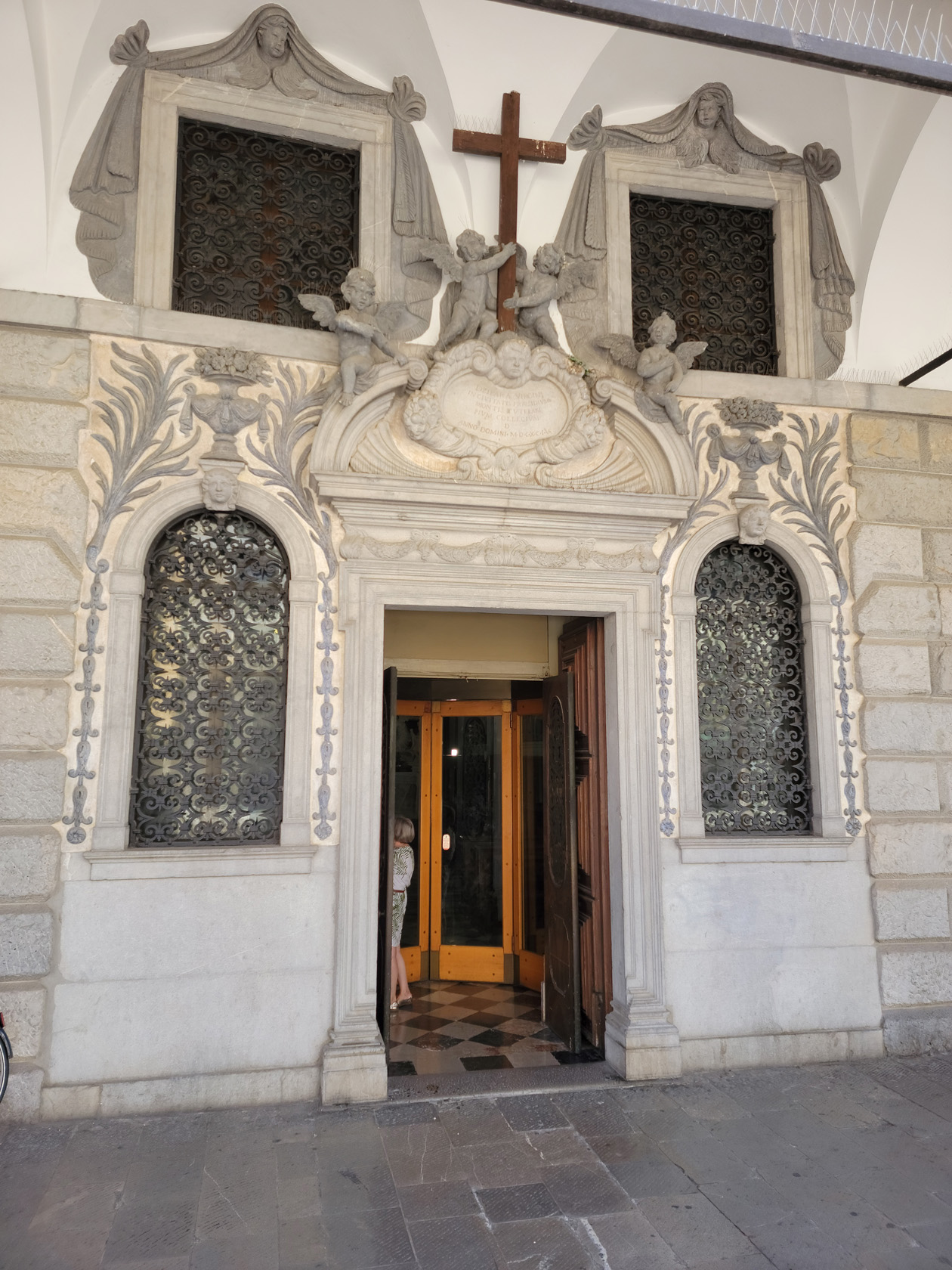
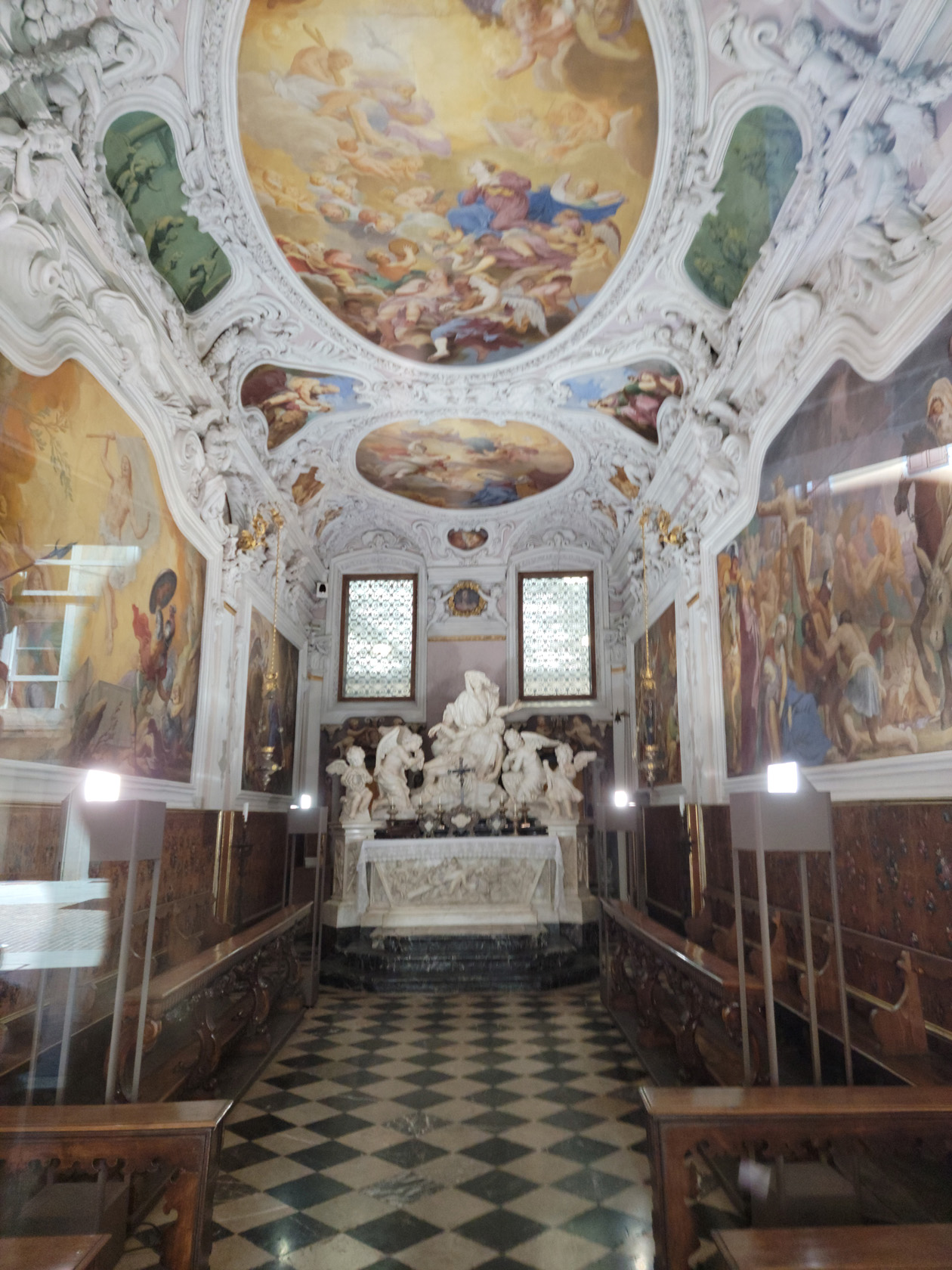
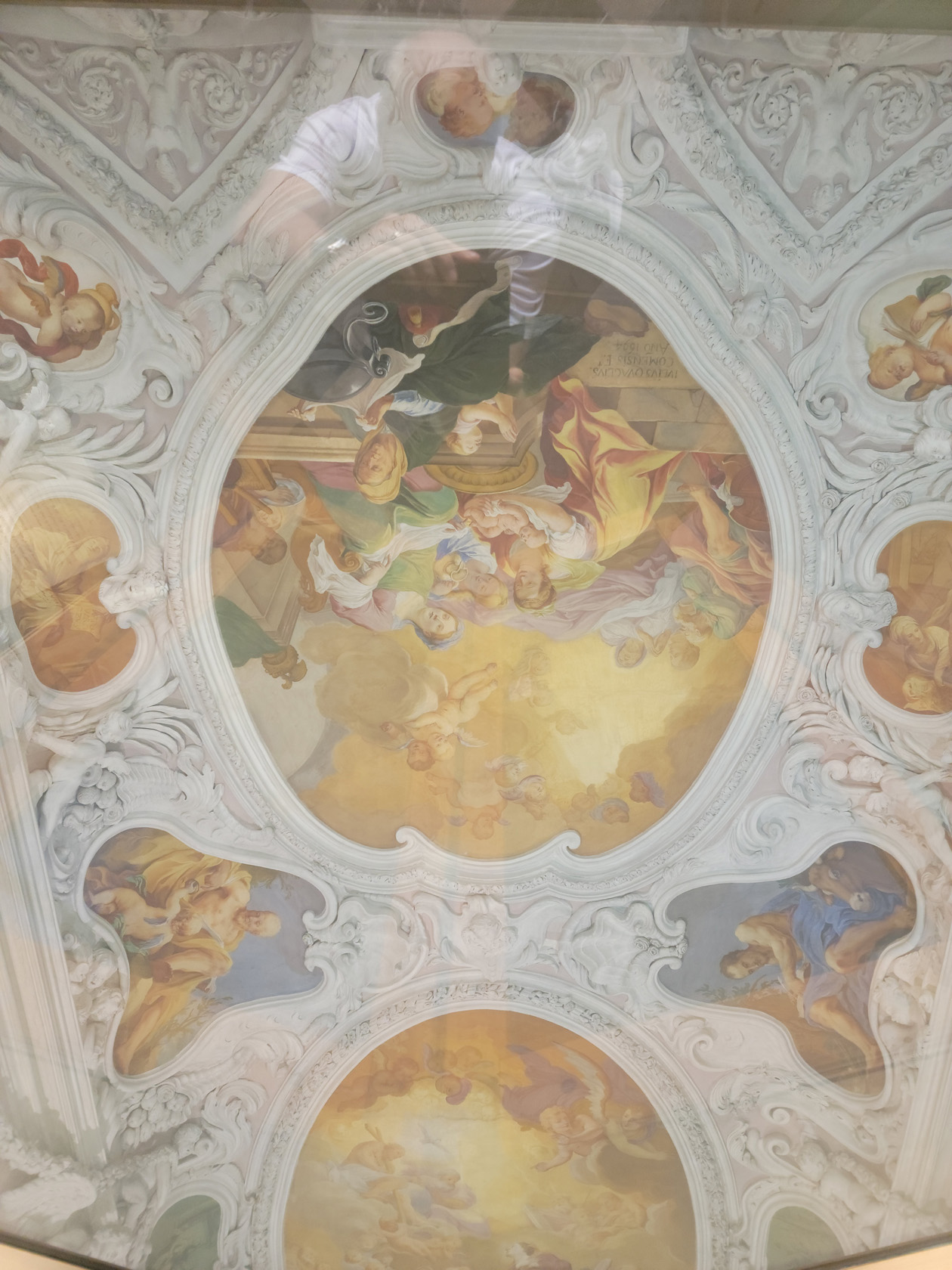
A chapel, which has beautiful frescoes and is now actually part of the bank Intesa Sanpaolo, is in the Palazzo del Monte di Pietà. Often walked right by tourists, if they are not paying attention, this chapel is a gem, see for yourself.
Udine – Palazzo del Monte di Pieta – Doorway
Udine – Palazzo del Monte di Pieta – Altar of the Pieta
Udine – Palazzo del Monte di Pieta – Ceiling
Church of Saint Maria di Castello
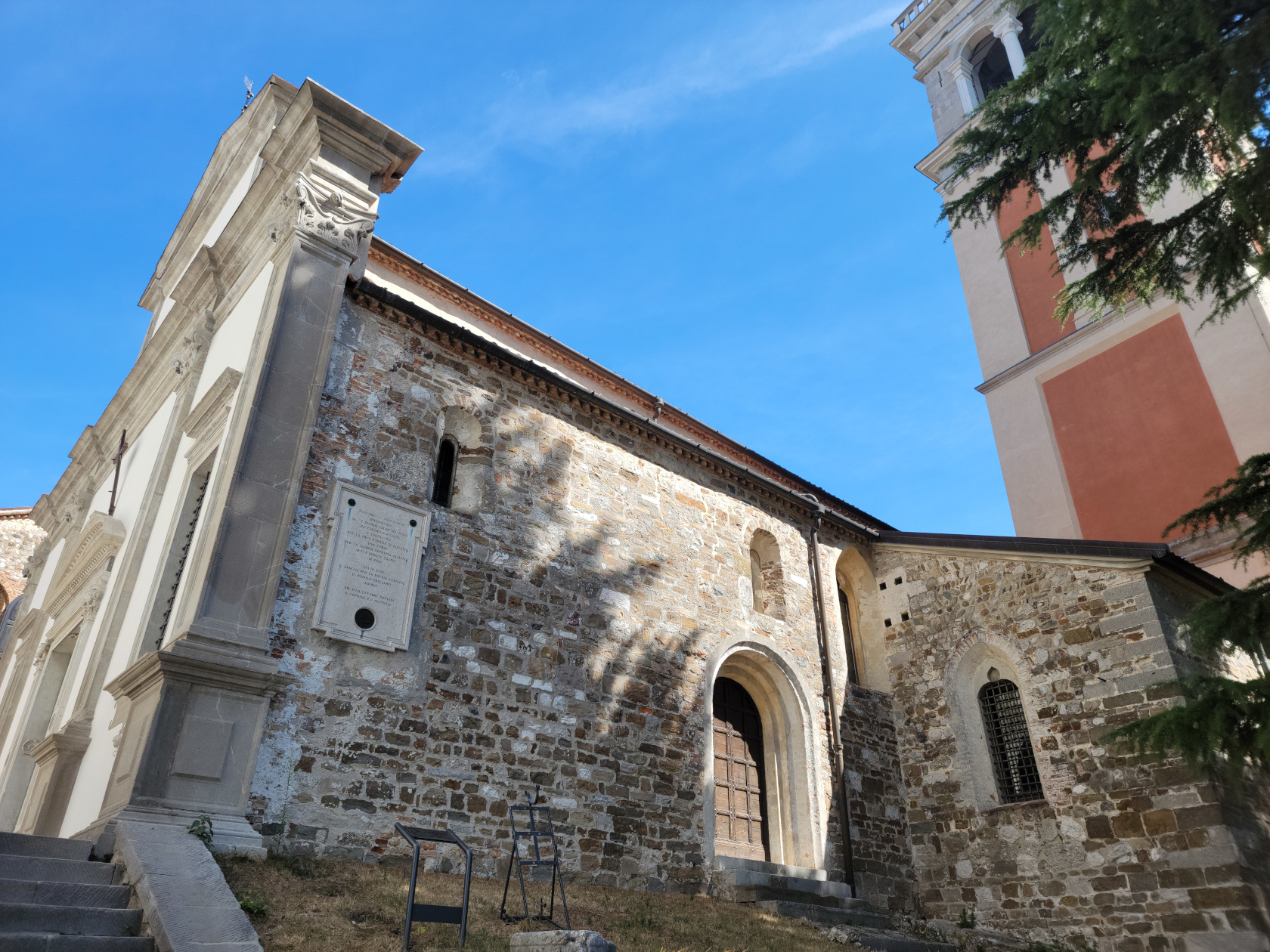
A church that is at the top of the hill and adjacent to the Castel is the Saint Maria di Castello. Complete with bell tower, a remarkable example
Udine – Church of Saint Maria
Cathedral Santa Maria Annuziata
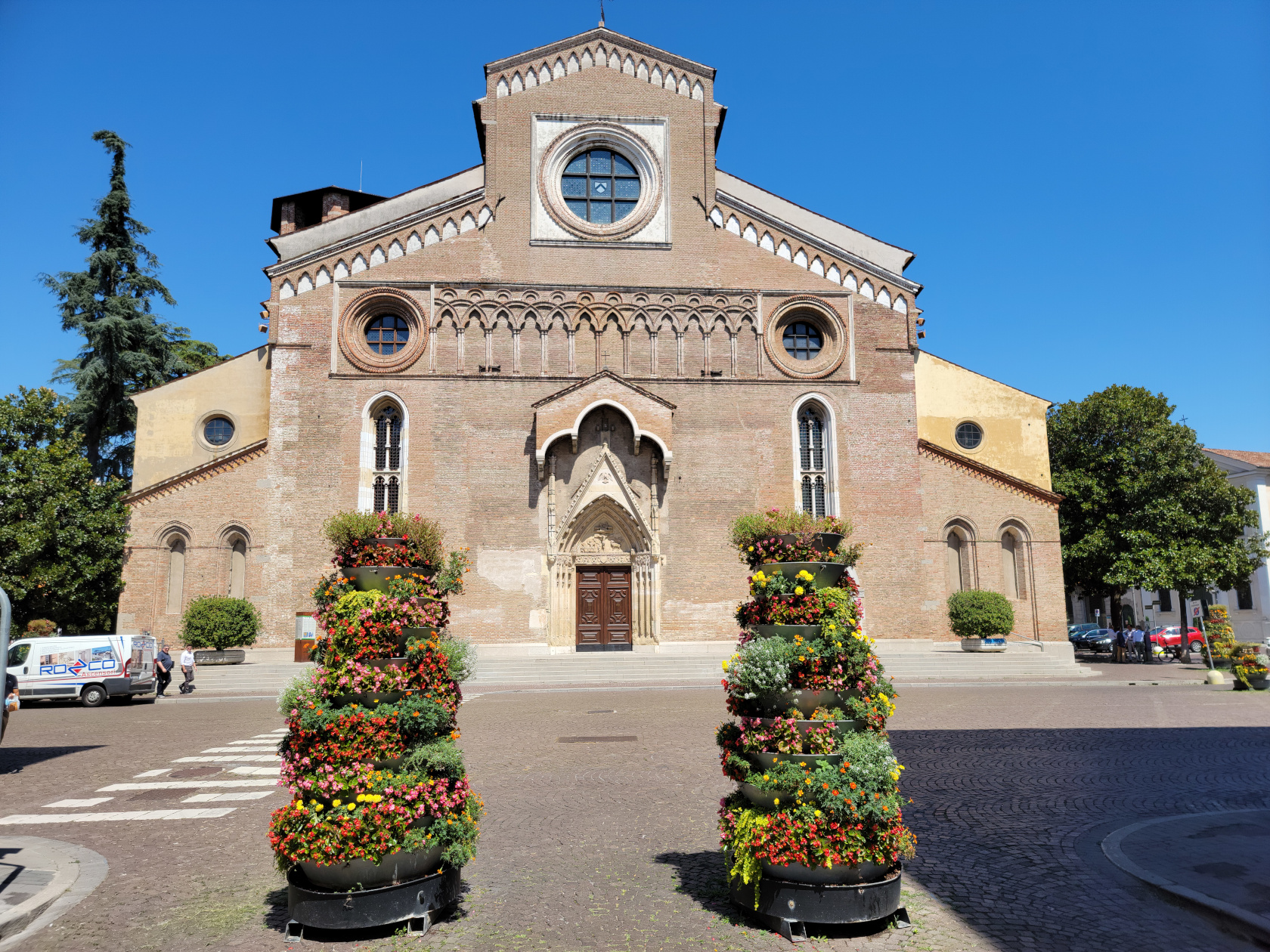
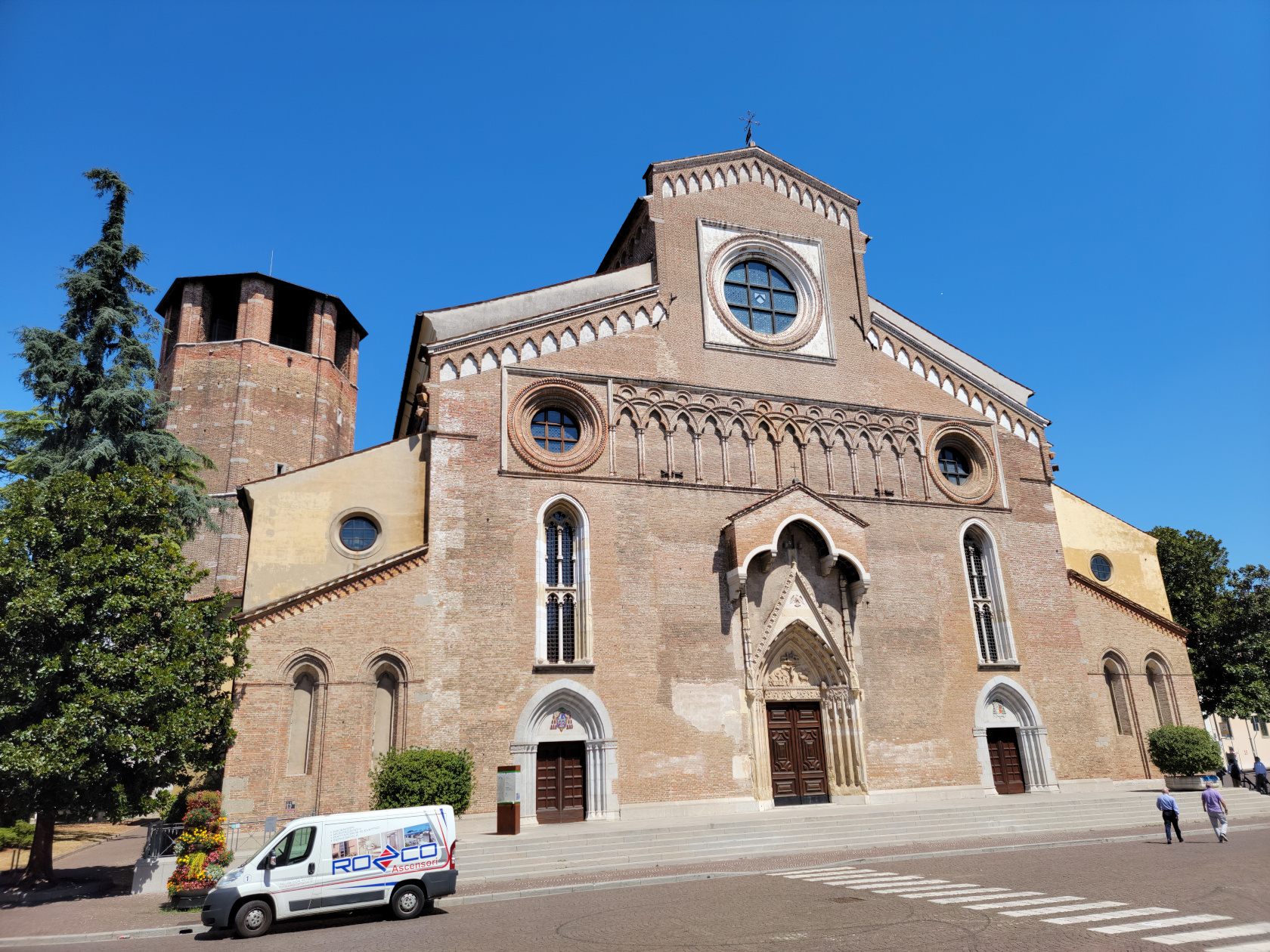
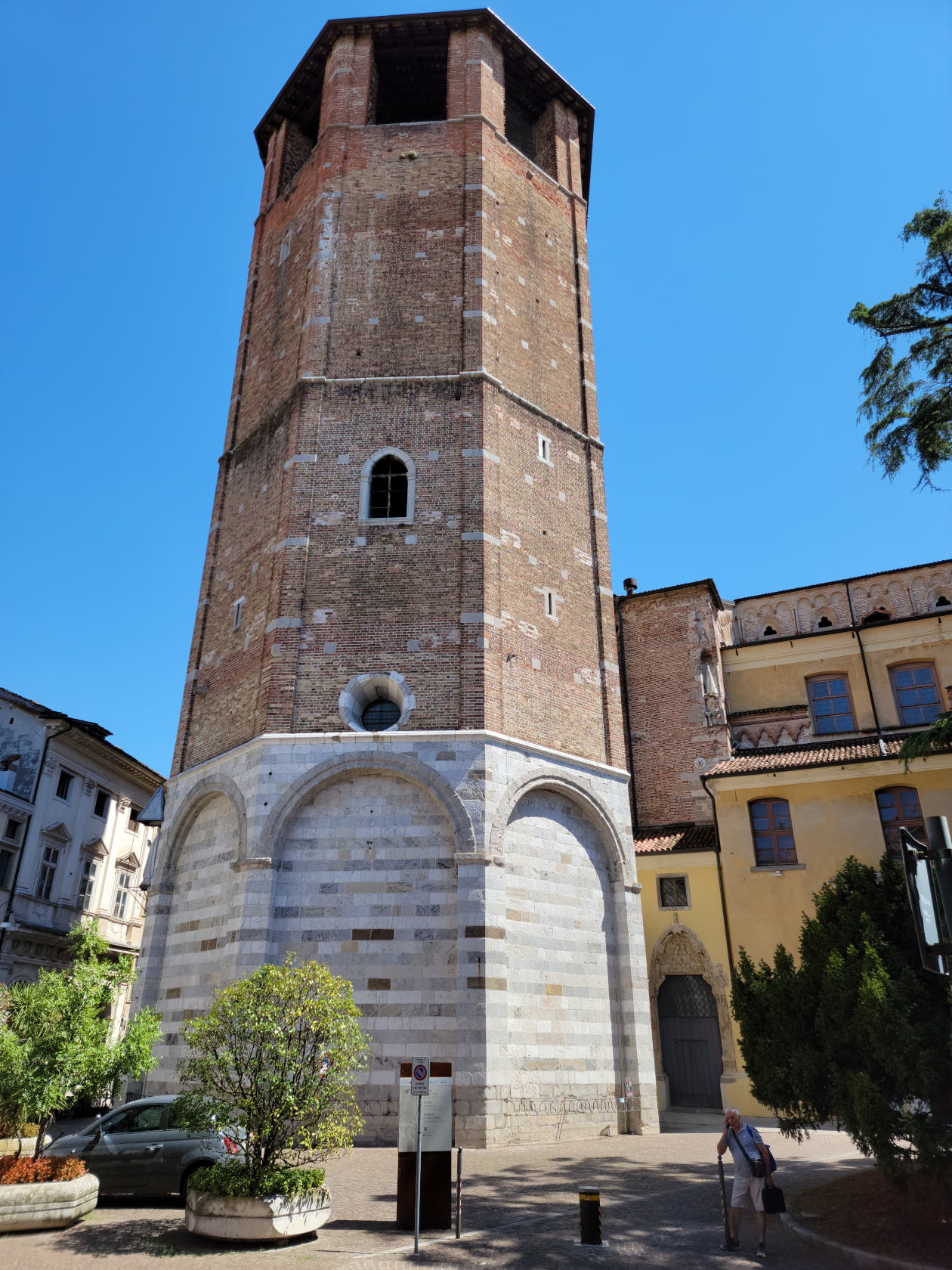
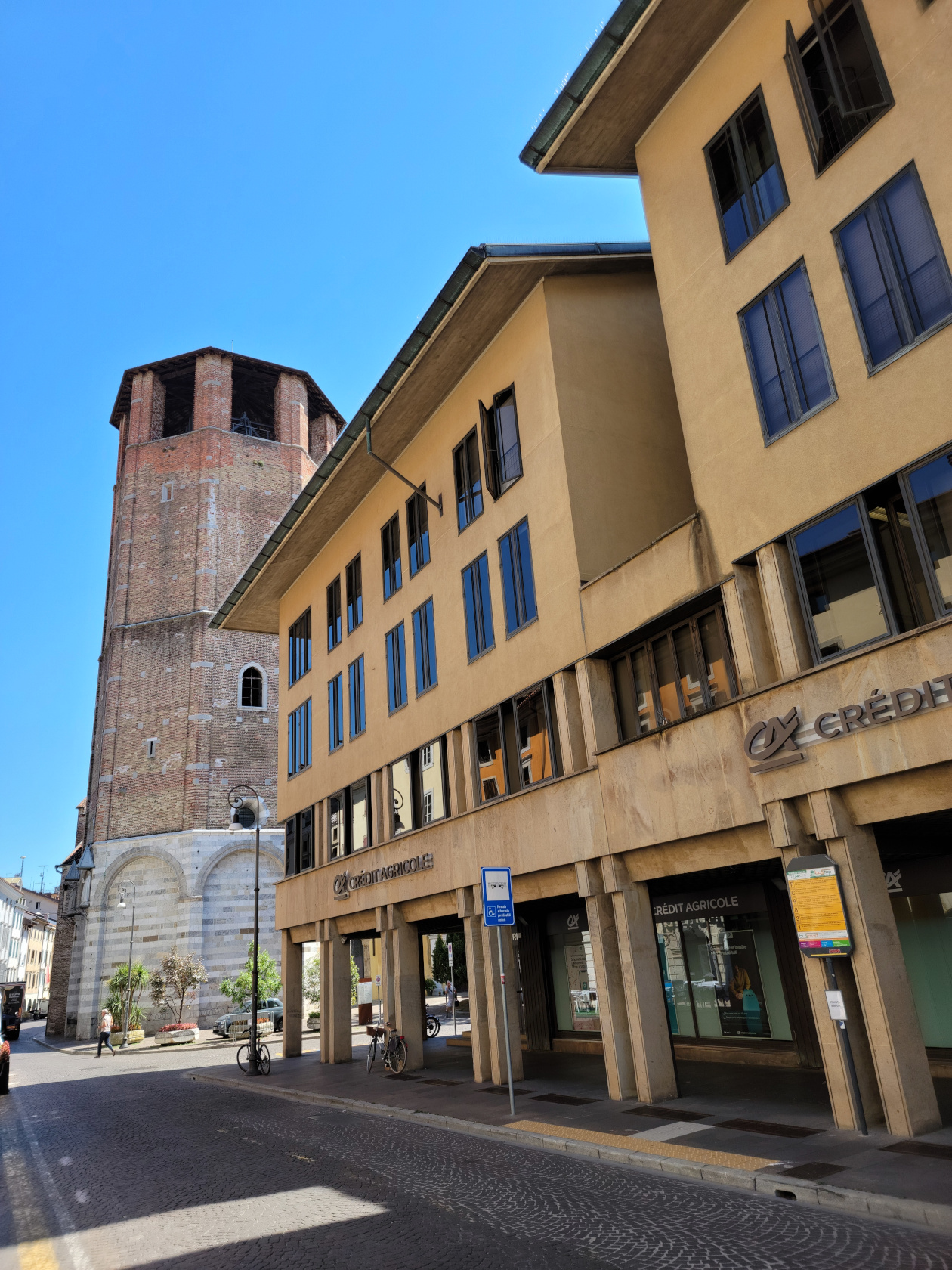
The Cathedral of Santa Maria Annuziata is known for its octagonal bell tower. It can be seen from the castle hill, along with the church which is a major landmark in the city. Formerly consecrated as the Cathedral of Santa Maria Maggiore in 1335, it has three naves and chapels along the sides. Since it was not open at the time, we were only able to get some photographs of the outside.
Udine – Cathedral Santa Maria Annunziata
Udine – Cathedral Santa Maria Annunziata
Udine – Cathedral Santa Maria Annunziata
Udine – Cathedral Santa Maria Annunziata
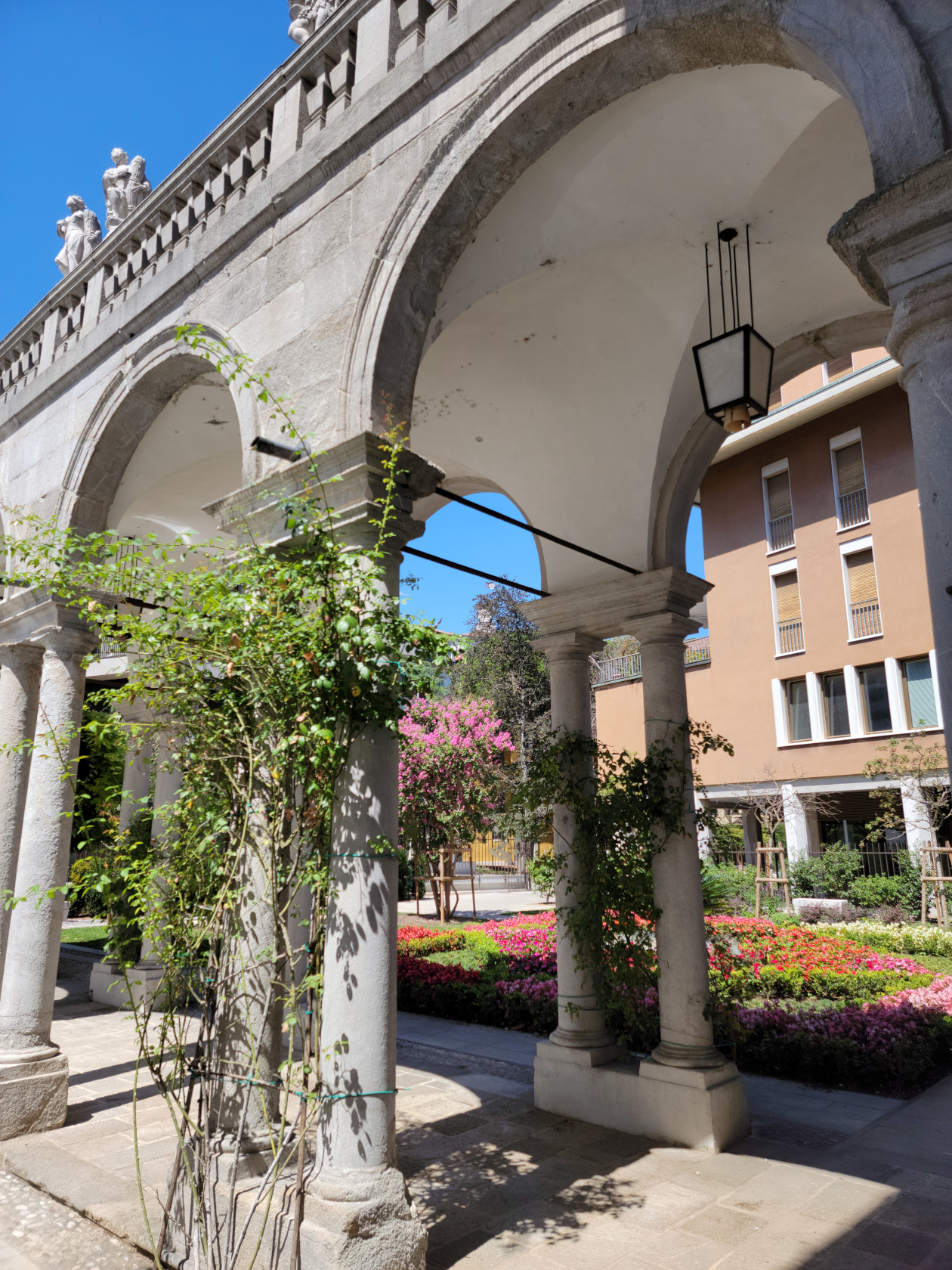
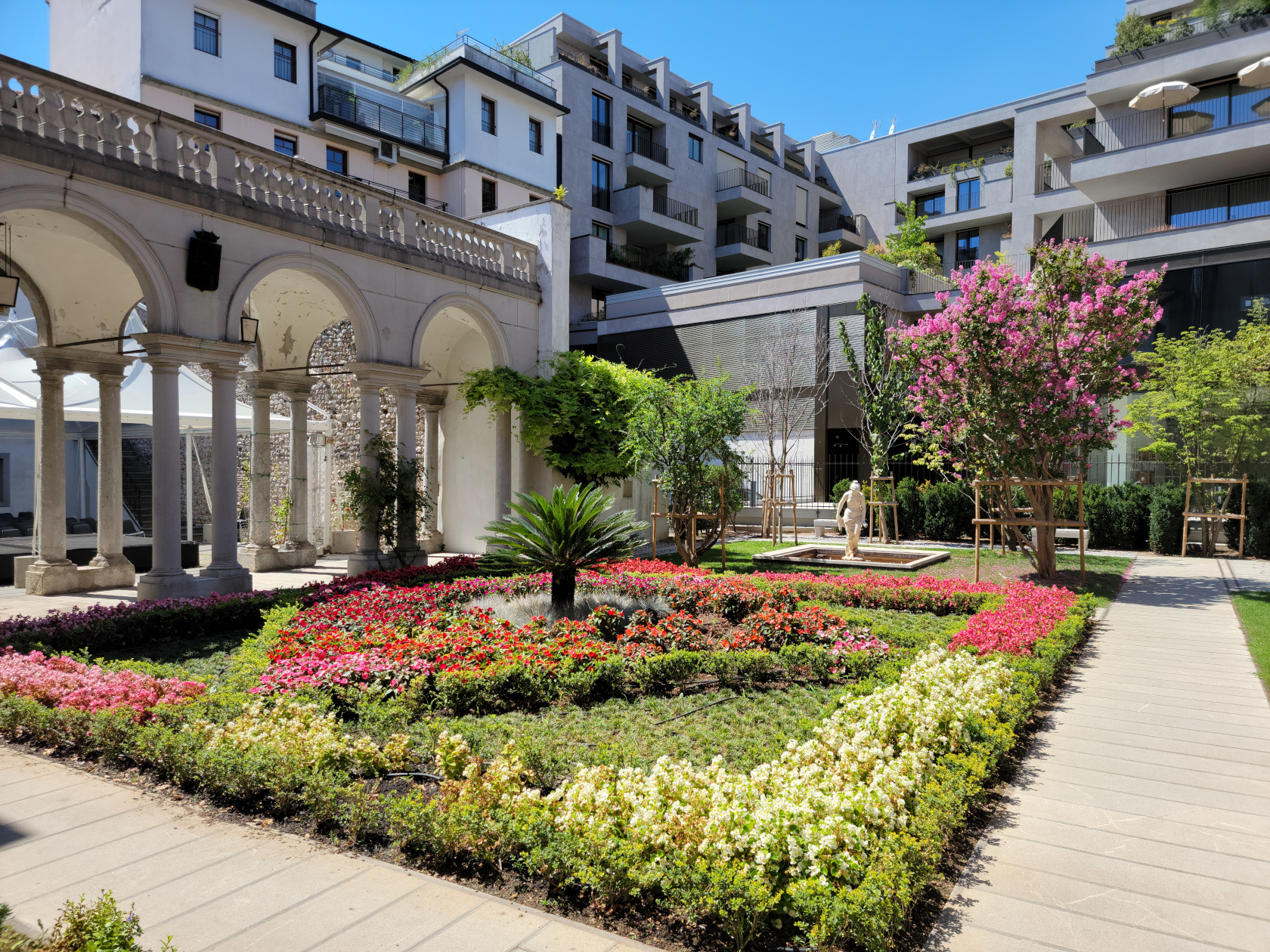
The Corte di Palazzo Morpurgo is also close by the front of the cathedral, so just wandering across the street from the front of the church should bring you there.
Udine – Corte di Palazzo Morpurgo
Udine – Corte di Palazzo Morpurgo
Hotels
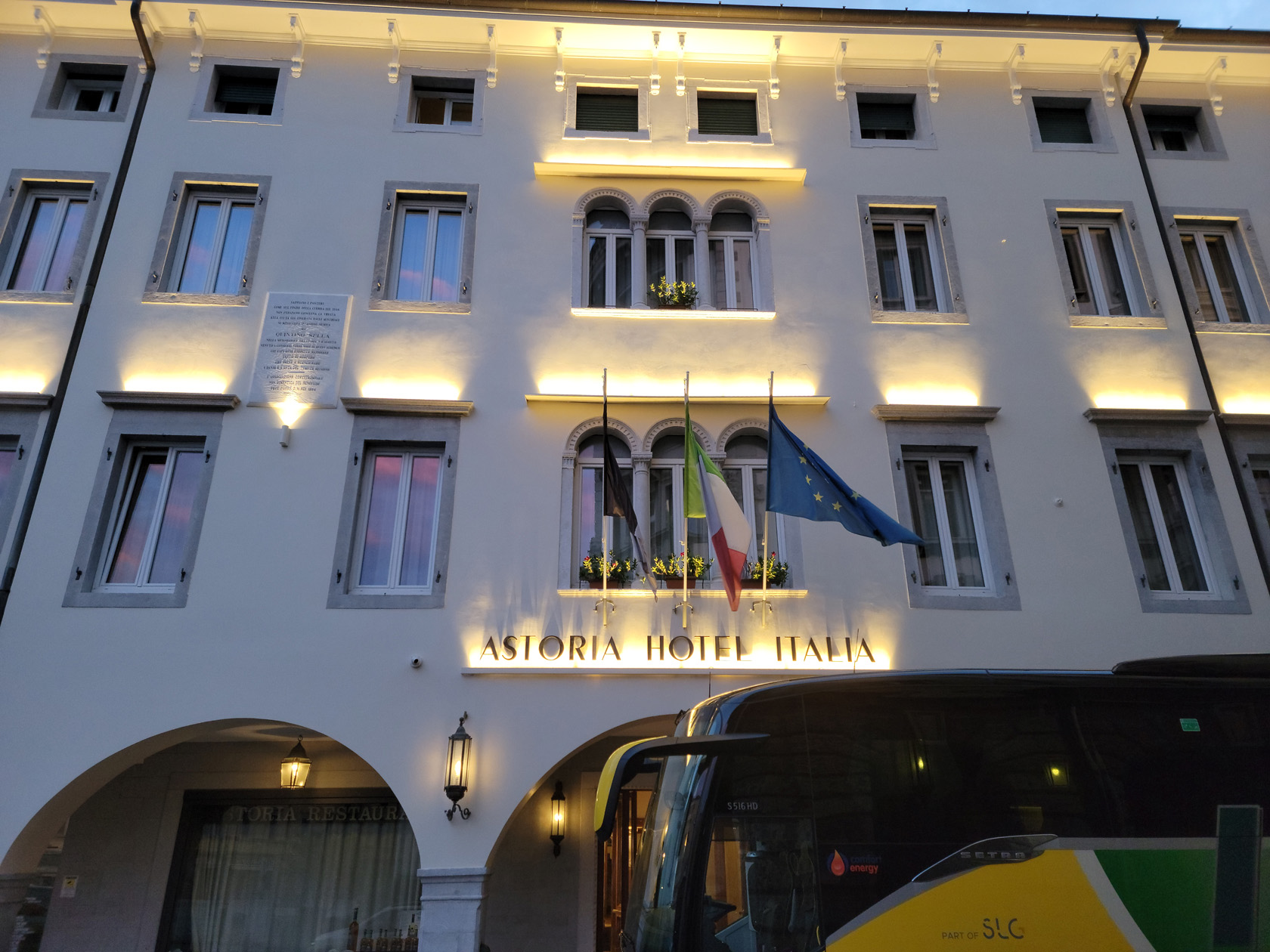
We chose the Astoria Hotel Italia for its old world charm, eschewing some of the more contemporary offers that were available. When we travel, it’s one of those things that can set off one place from another.
The Astoria Hotel Italia
The hotel Astoria Italia has maintained itself as though it fits into the landscape. It sports new amenities, like contemporary and renovated bathrooms (a must), while keeping some of that old world charm. I disagree with putting contemporary style beds in such old rooms, which they clearly want to preserve, but I am probably in the minority (I rather prefer, if its old keep old, like it came out of the nineteenth century, then you get that step-back-in-time feel).
Udine – Astoria Hotel
In any case, our hotel was great and provided a very central place from which to explore the rest of the old city.
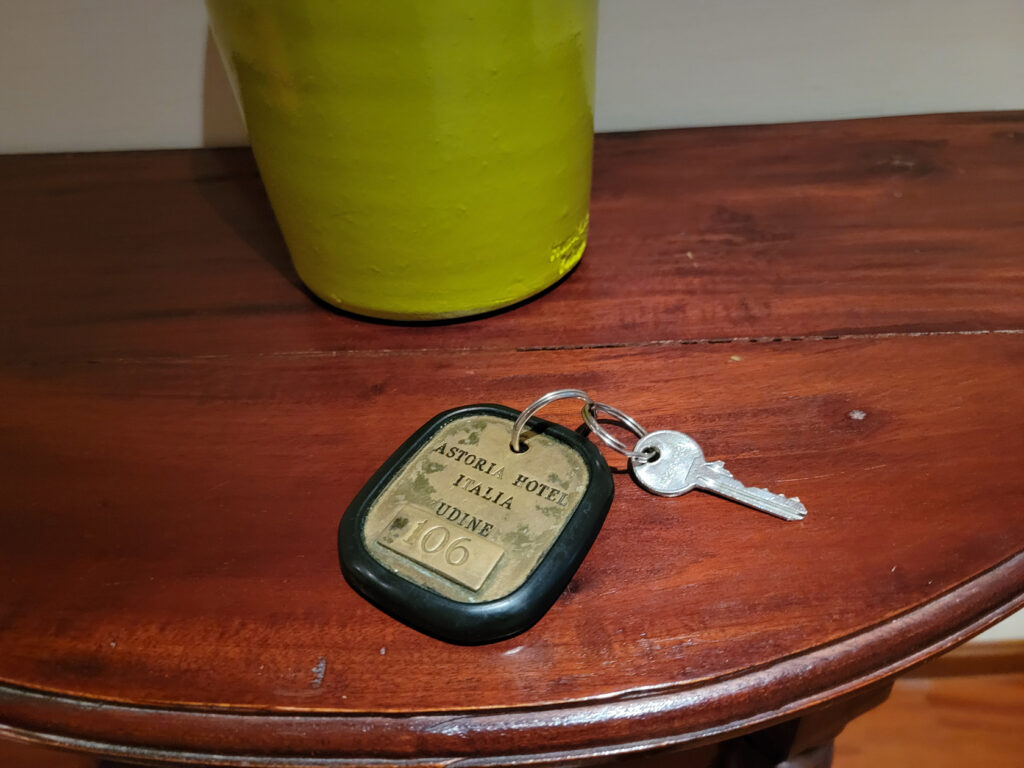
Udine – Astoria Hotel – Old Room Keys – The Old Fashioned Way
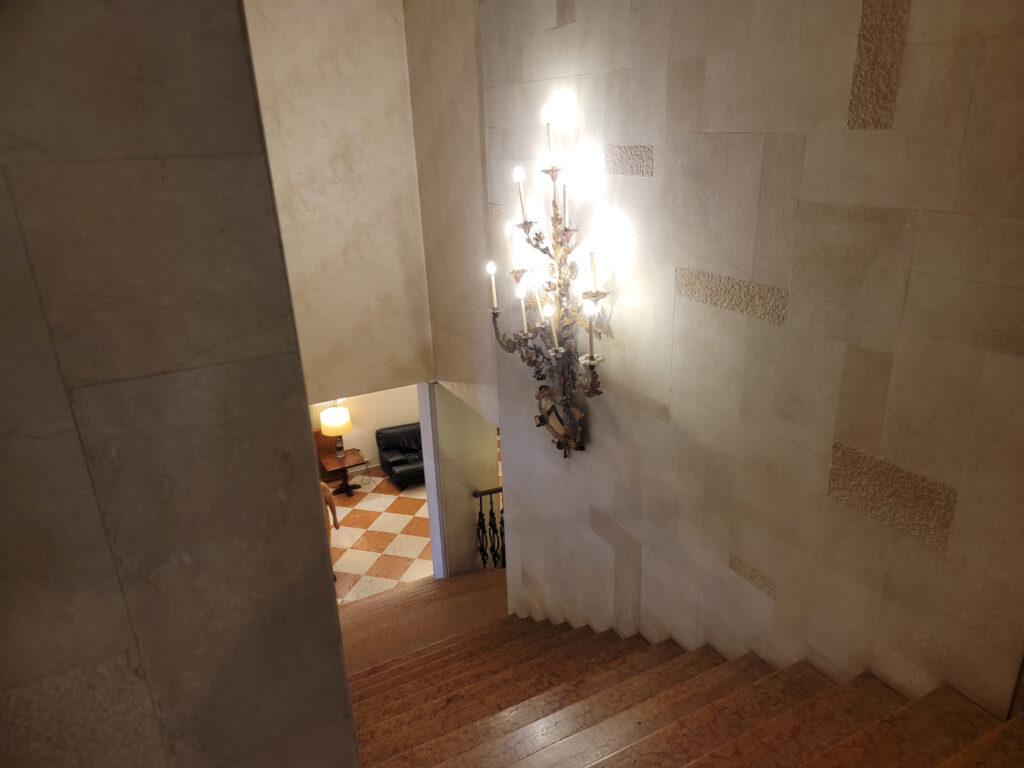
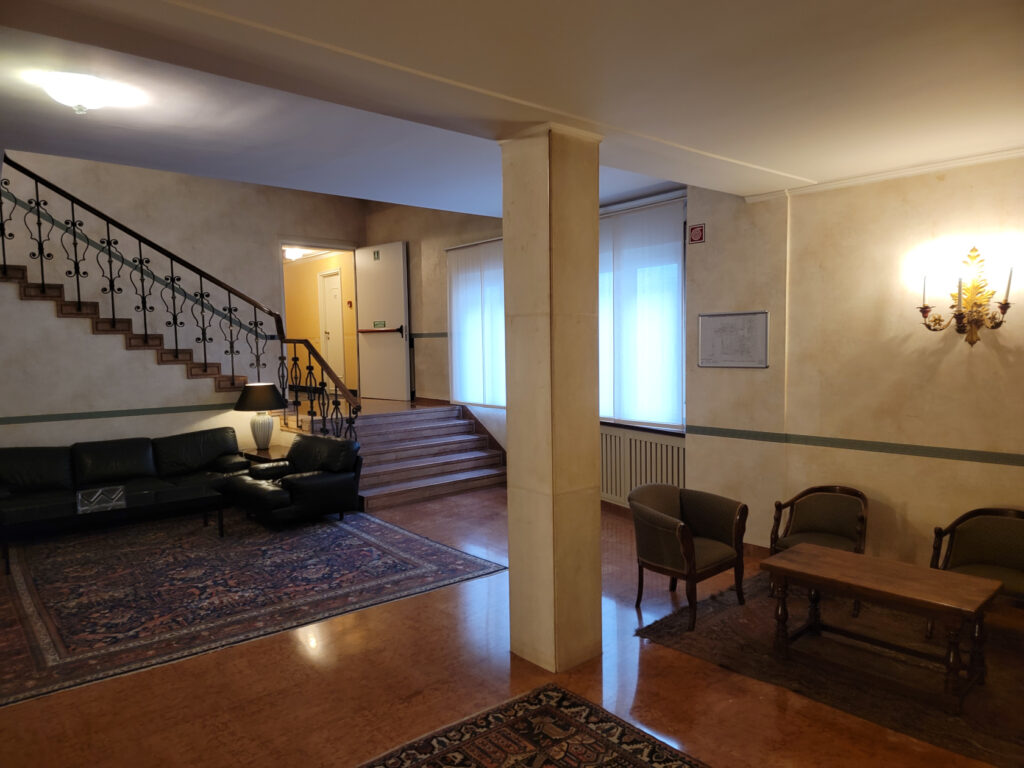
Udine – Astoria Hotel Italia
Udine – Astoria Hotel Italia
Udine – Astoria Hotel Italia
Restaurants
The restaurants in Udine serve typical northern Italian fare, with some twists for Tyrolean and other close neighbors. It is a fairly cosmopolitan city and one can find Sushi and other worldly franchise food here, so selecting a place to eat should not be an issue.
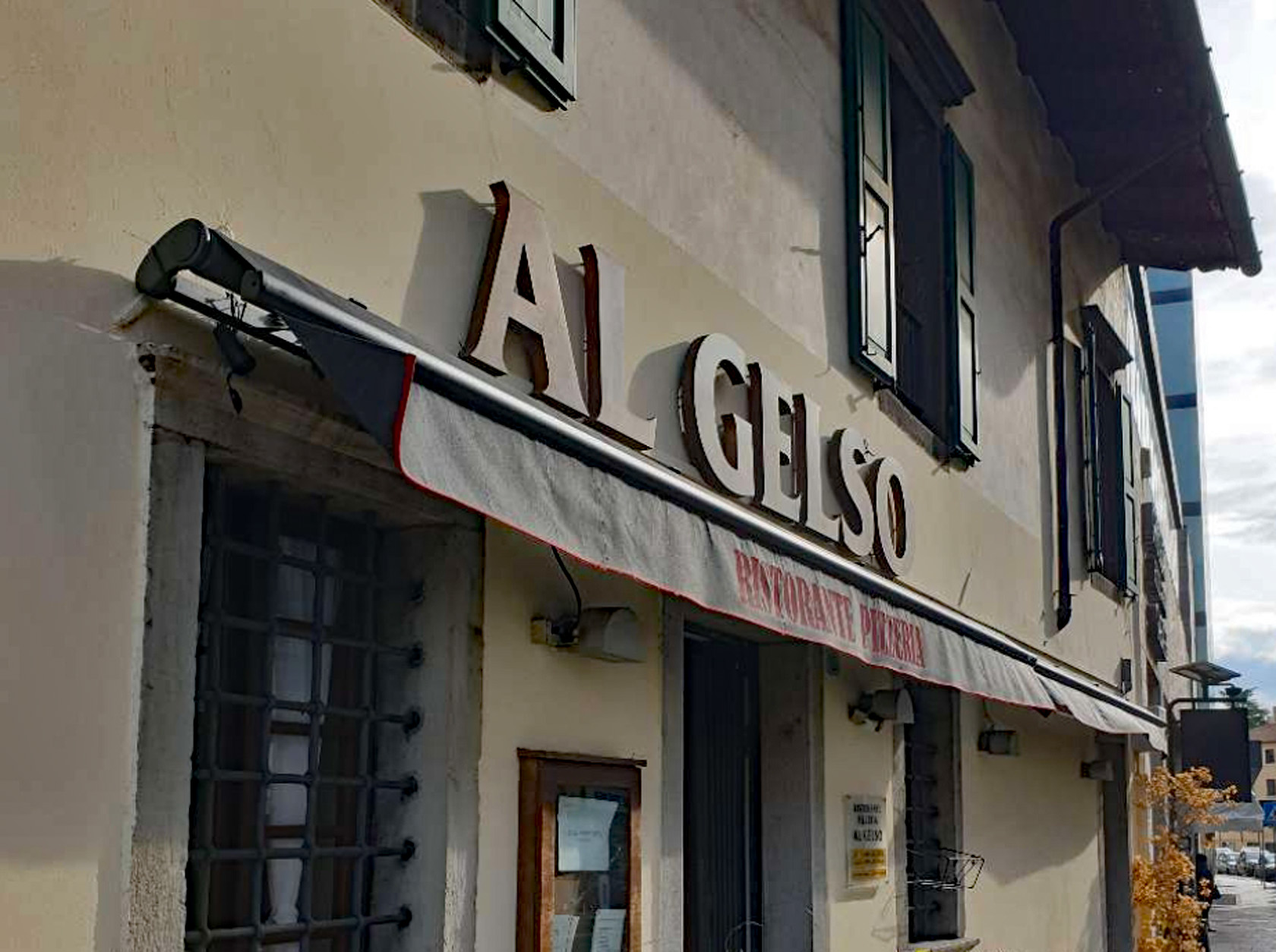
Ristorante Pizzeria Al Gelso
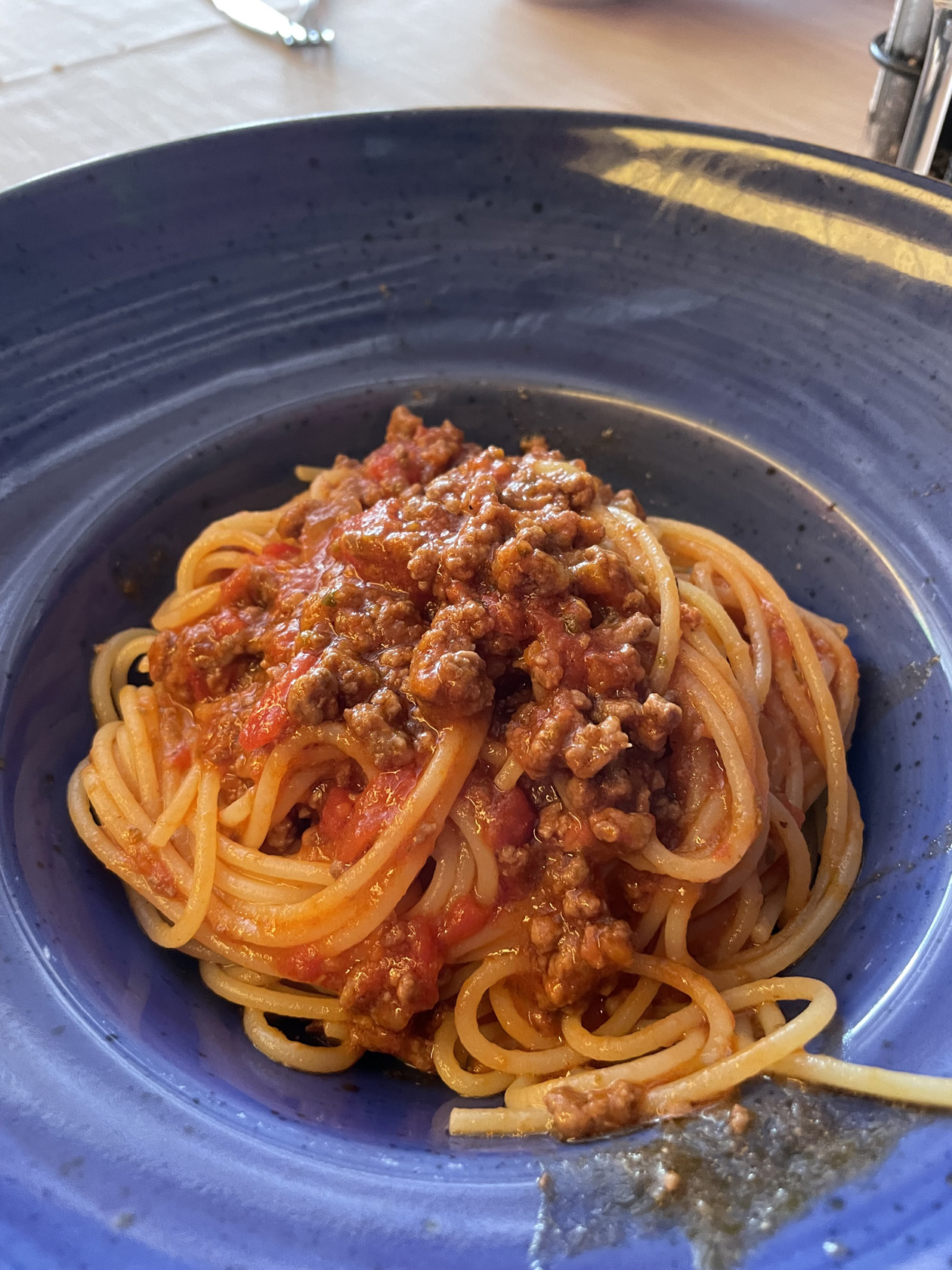
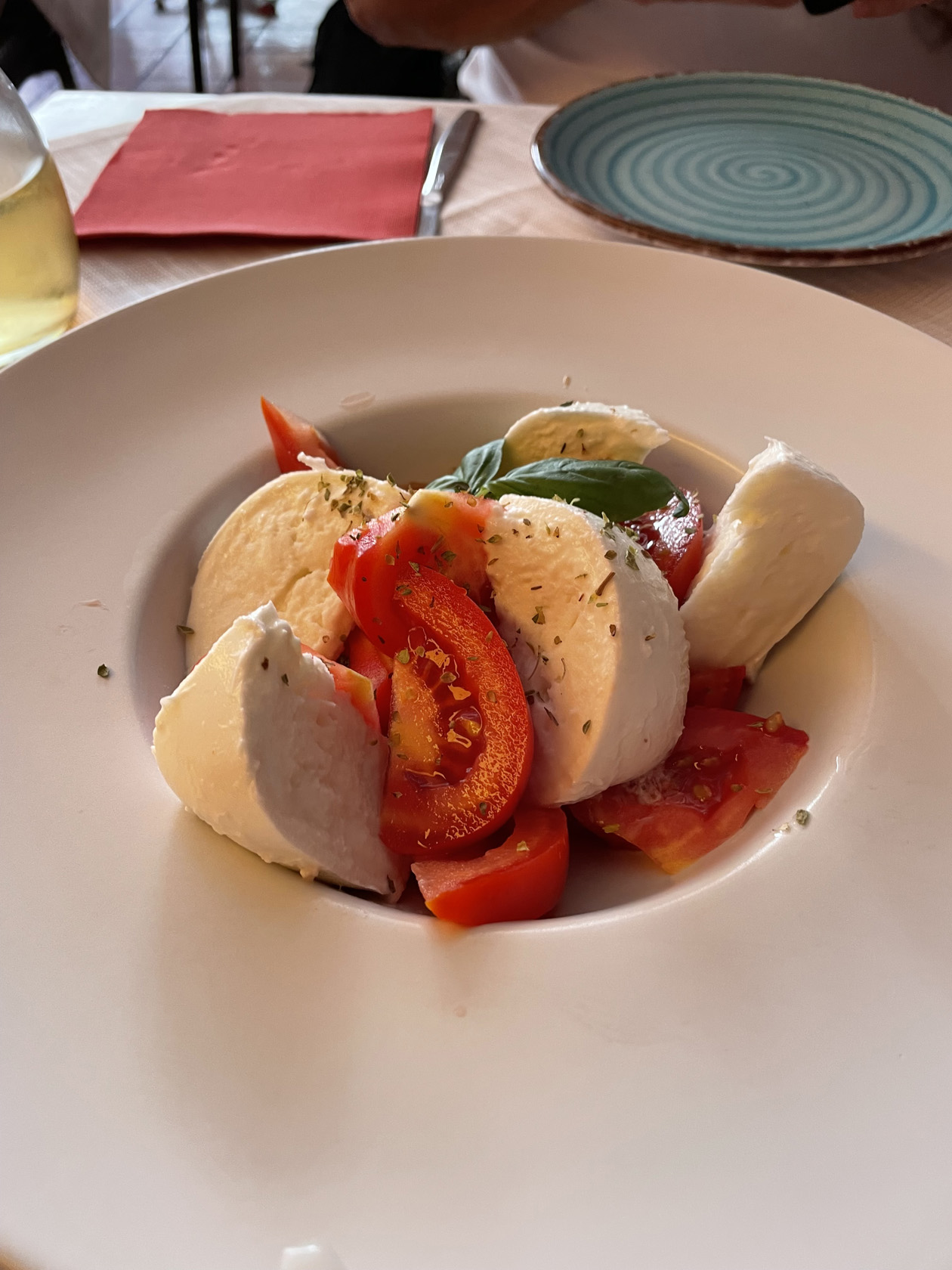
This restaurant was right around the corner from our hotel, in fact, it is actually adjacent to it (without us knowing). We walked around the corner anyways and entered it from the garden seating direction each time, even though there was a main entrance on the main street. The food is excellent, all with that home-cooked taste, and there’s pizza for those who are unsure what they want, everyone likes pizza!
Ristorante Pizzeria Al Gelso – Front
Ristorante Pizzeria Al Gelso – Spaghetti al Ragu
Ristorante Pizzeria Al Gelso – Caprese Salad
Osteria Alla Ghiacciaia
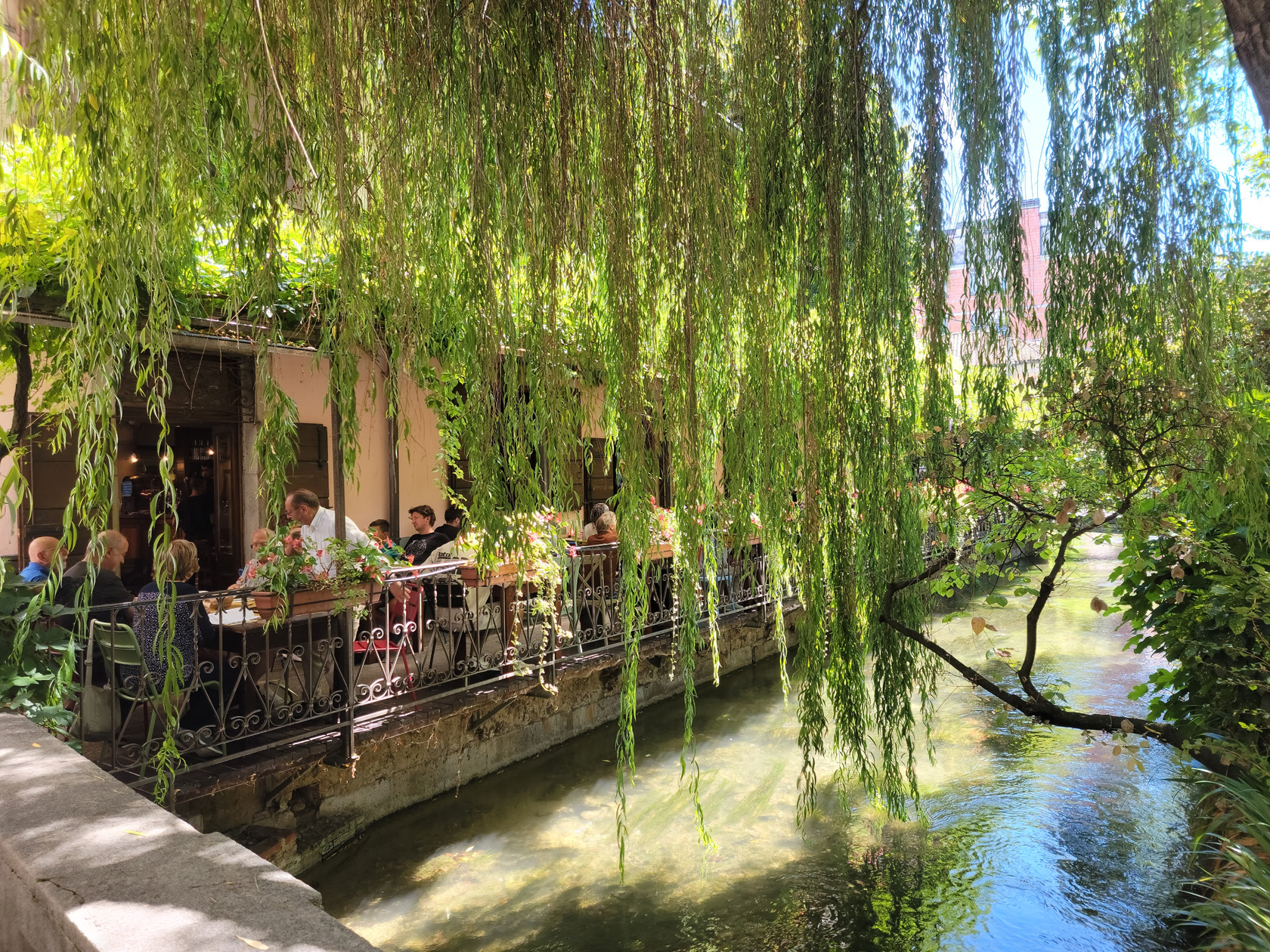
A lazy and very relaxing restaurant right next to the canal, a perfect place for lunch or dinner.
Udine – Osteria Alla Ghiacciaia – Seating by the canal
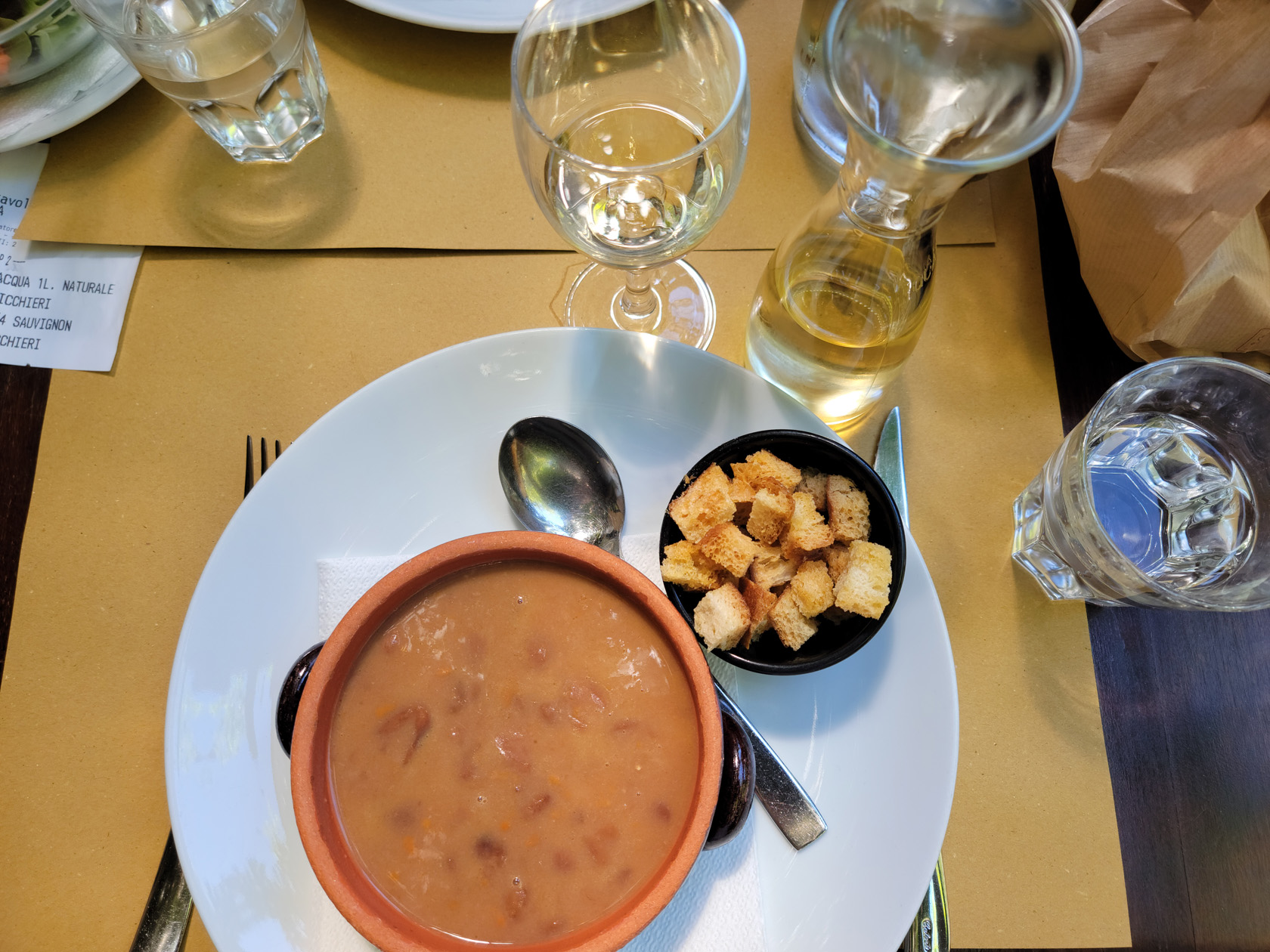
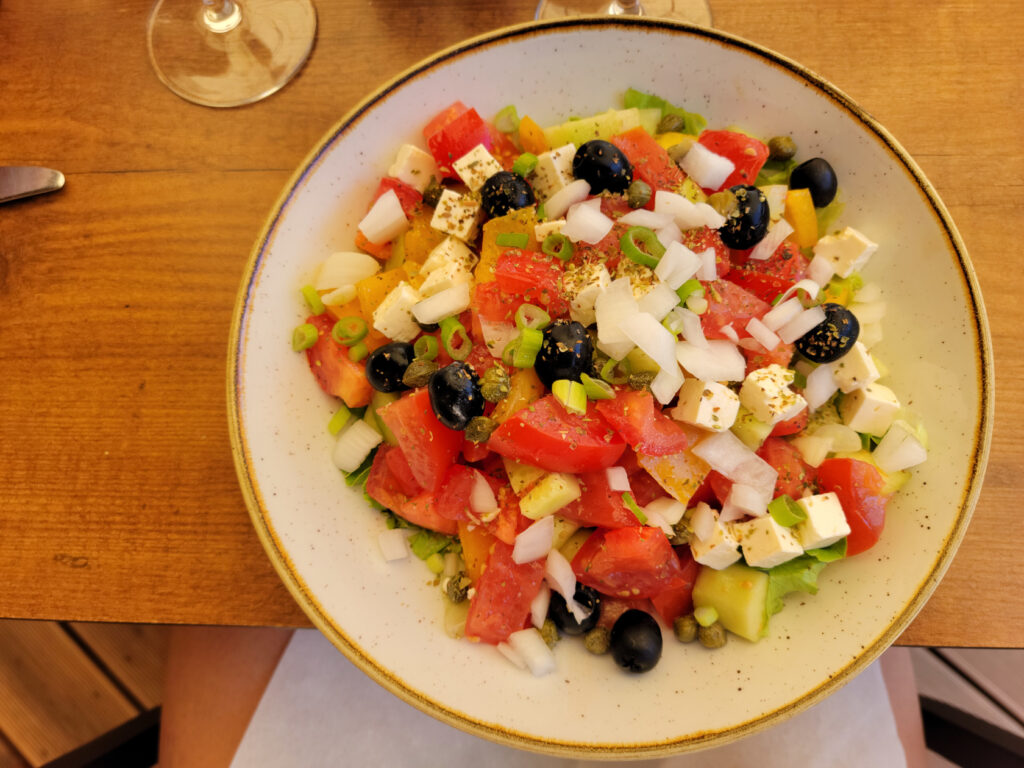
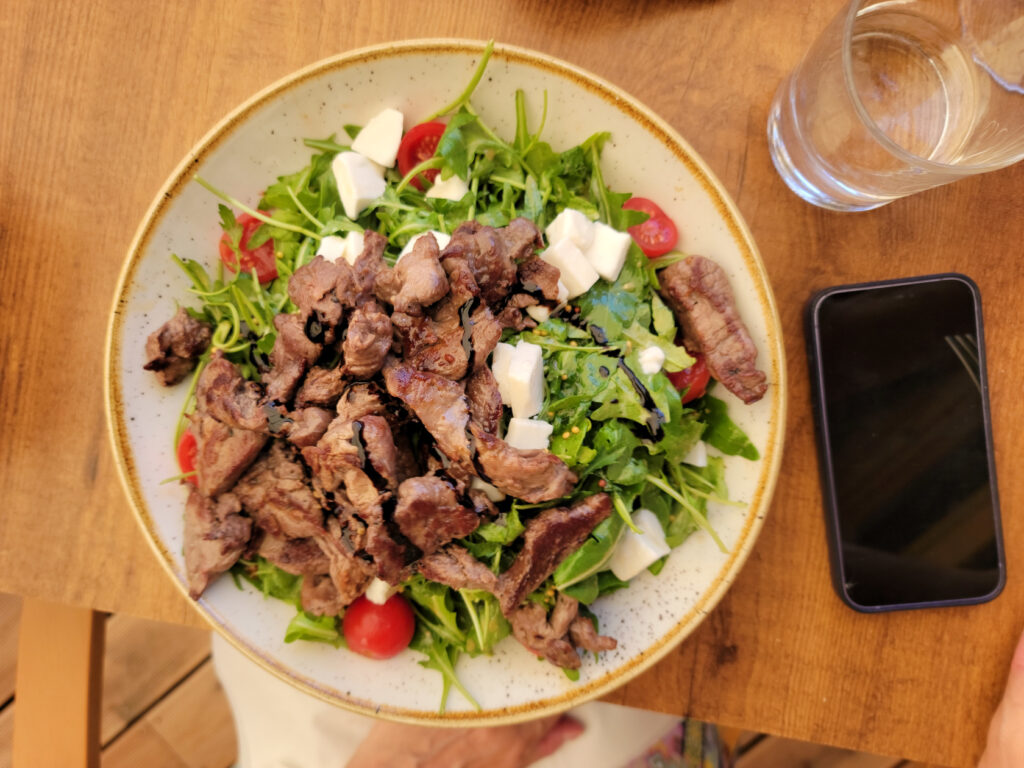
We really enjoyed our lunch here, watching the darning-needles, or dragon-flies, flit back and forth over the stream. Although this restaurant becomes very busy for lunch, the service was especially good and punctual, so anyone having problems waiting (which is most common in Italy), it might be a place to visit. The food is very good, fresh and delicately spiced. We kept it simple, bean soup for a started, followed by salads, just to keep things a bit light.
Udine – Osteria Alla Ghiacciaia – Bean Soup
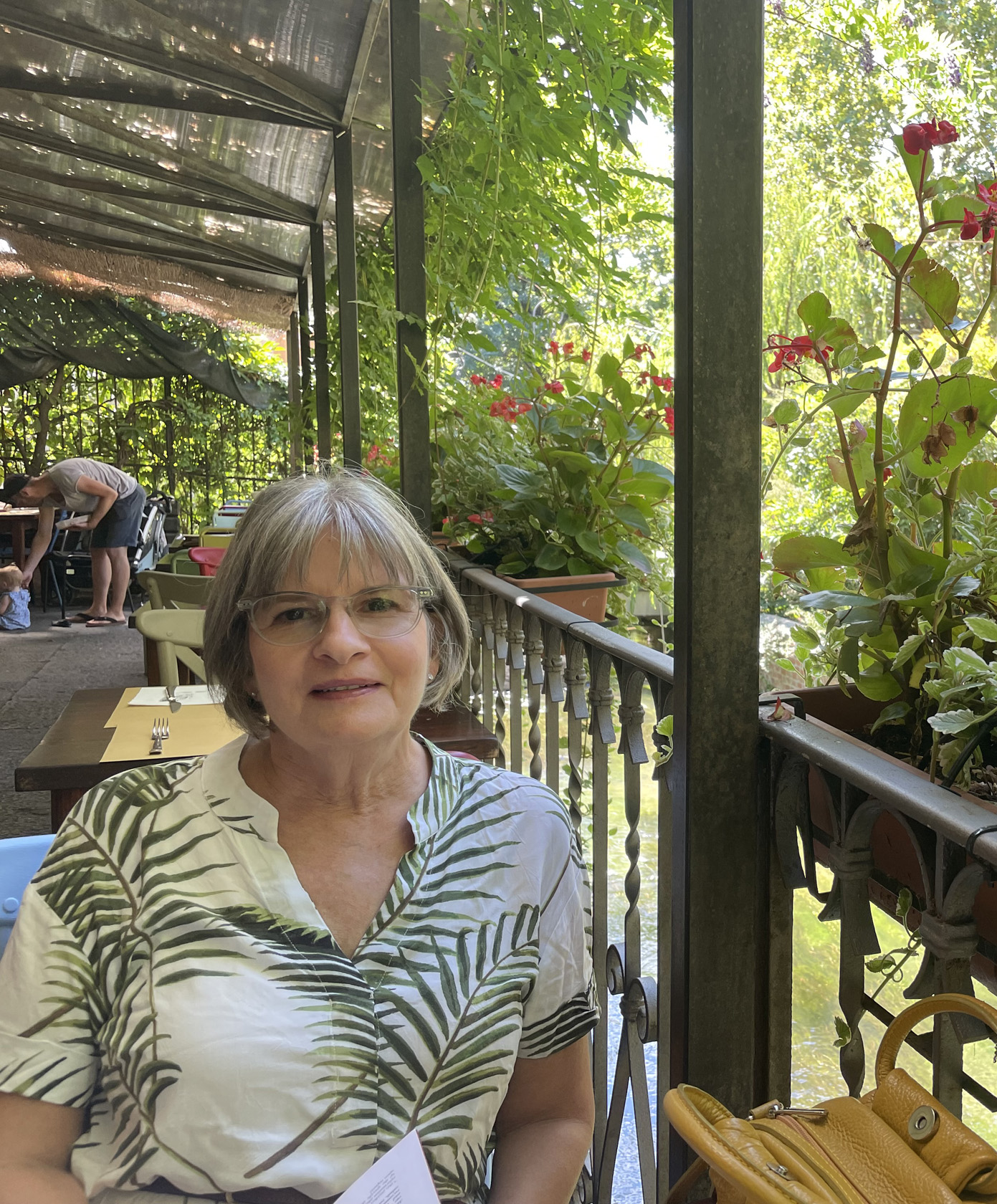
Udine – Osteria Alla Ghiacciaia – Patti
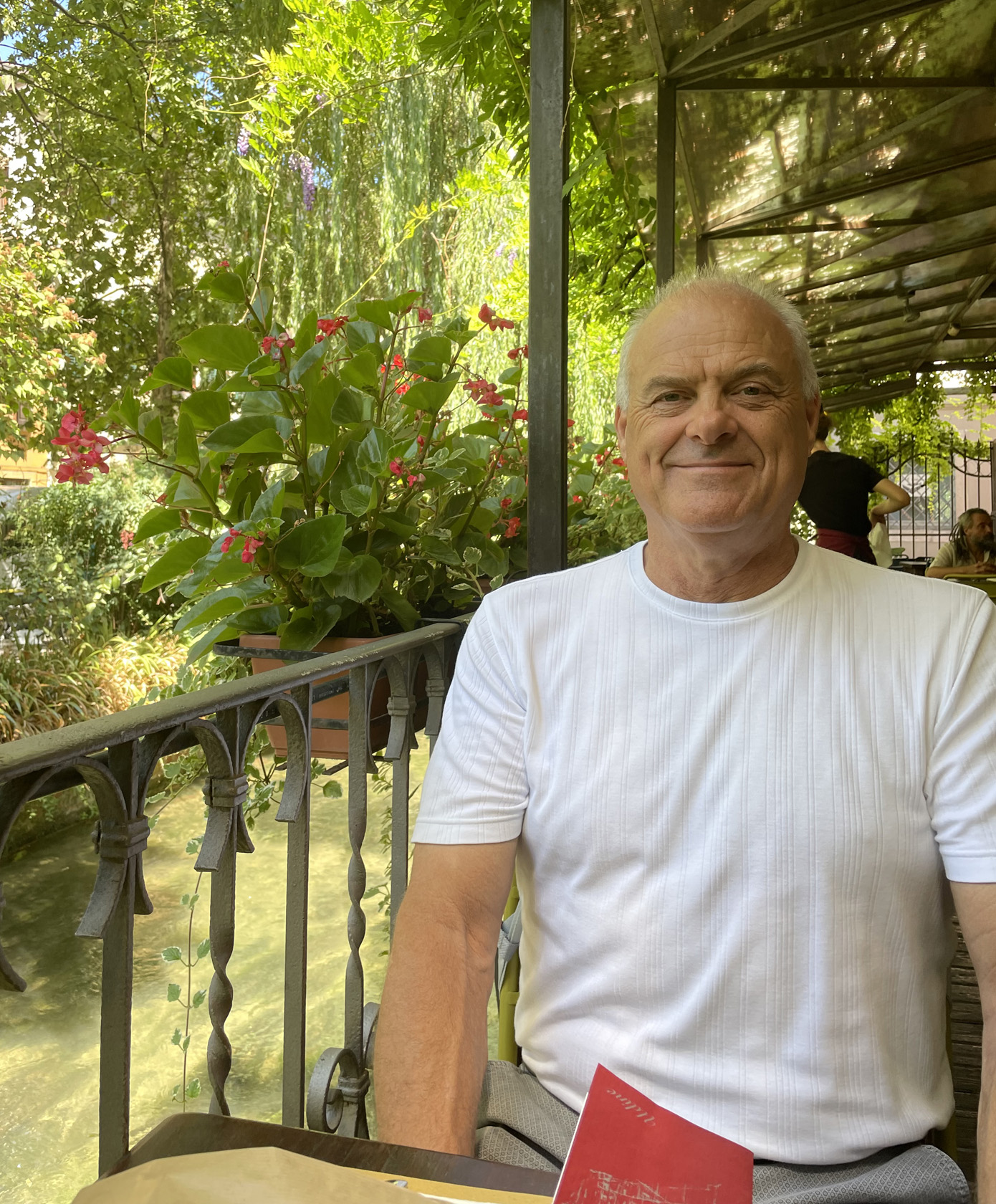
Udine – Osteria Alla Ghiacciaia – Erick
Trattoria Antica Maddalena
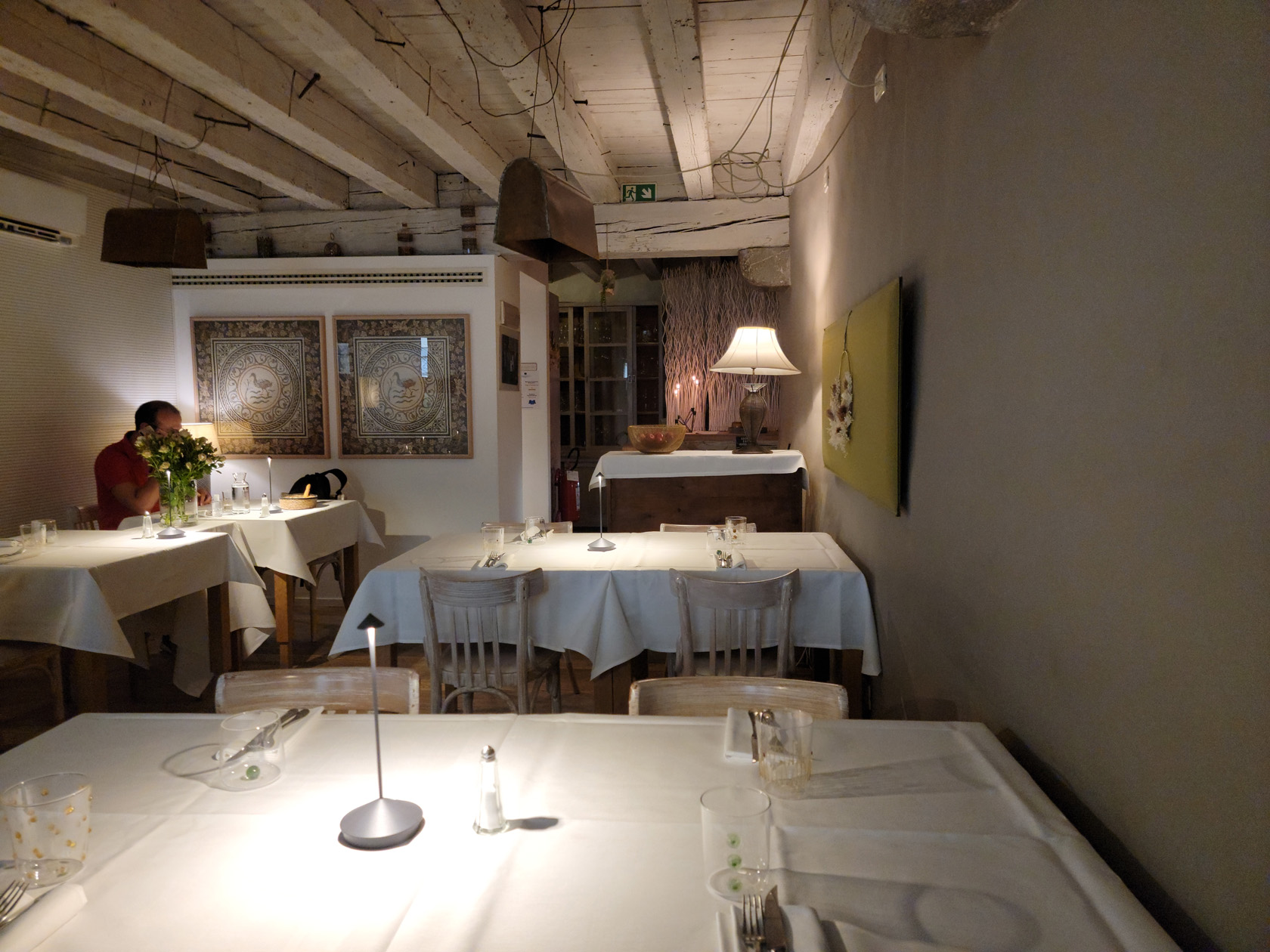
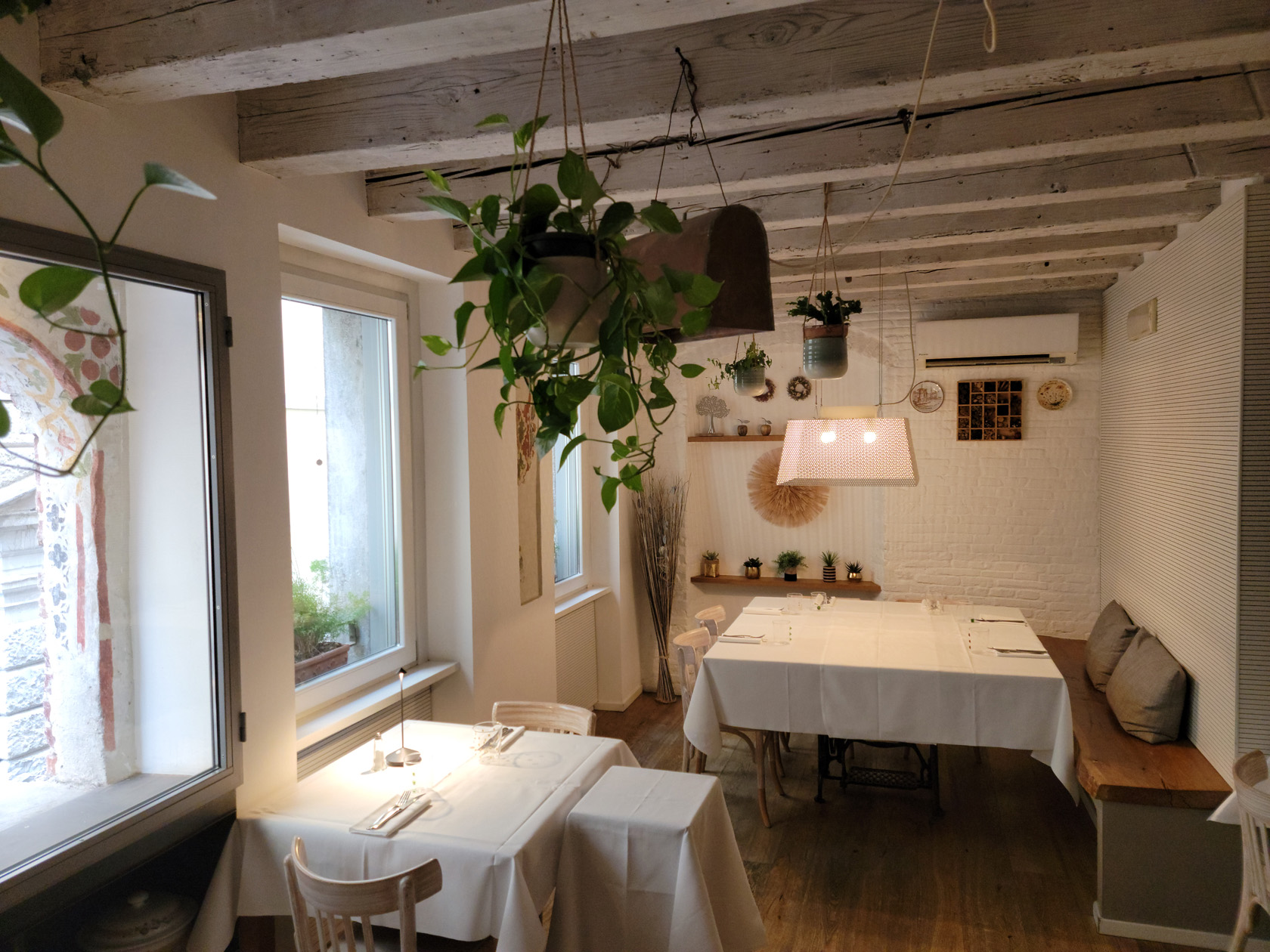
This trattoria has a bit of an upscale palette, with a menu and prices to match. As our last evening in Udine, we chose it for its high ratings and interesting looking menu. Unfortunately I forgot to take a photograph of the outside of the establishment, but have a few of the upstairs. You may want to book reservations if you want to sit outside, when we arrived the outside and downstairs seating were completely booked. So act early, if you want to enjoy this restaurant and its food with a street view!
Udine – Trattoria Antica Maddalena – Inside
Udine – Trattoria Antica Maddalena – Inside
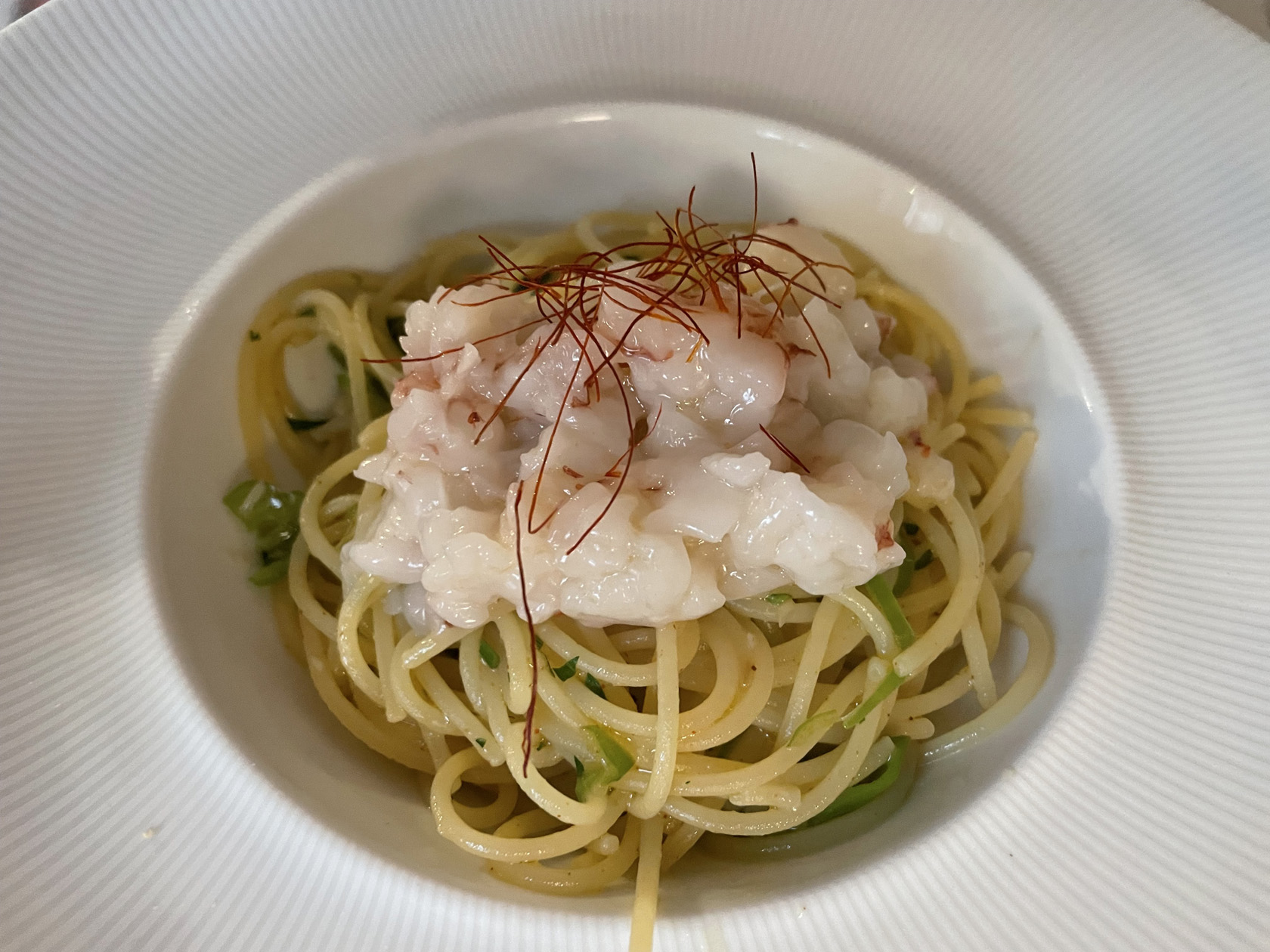
Udine – Trattoria Antica Maddalena – Spaghetti with Garlic Cream Sauce, Peppers and Shrimp Tartare
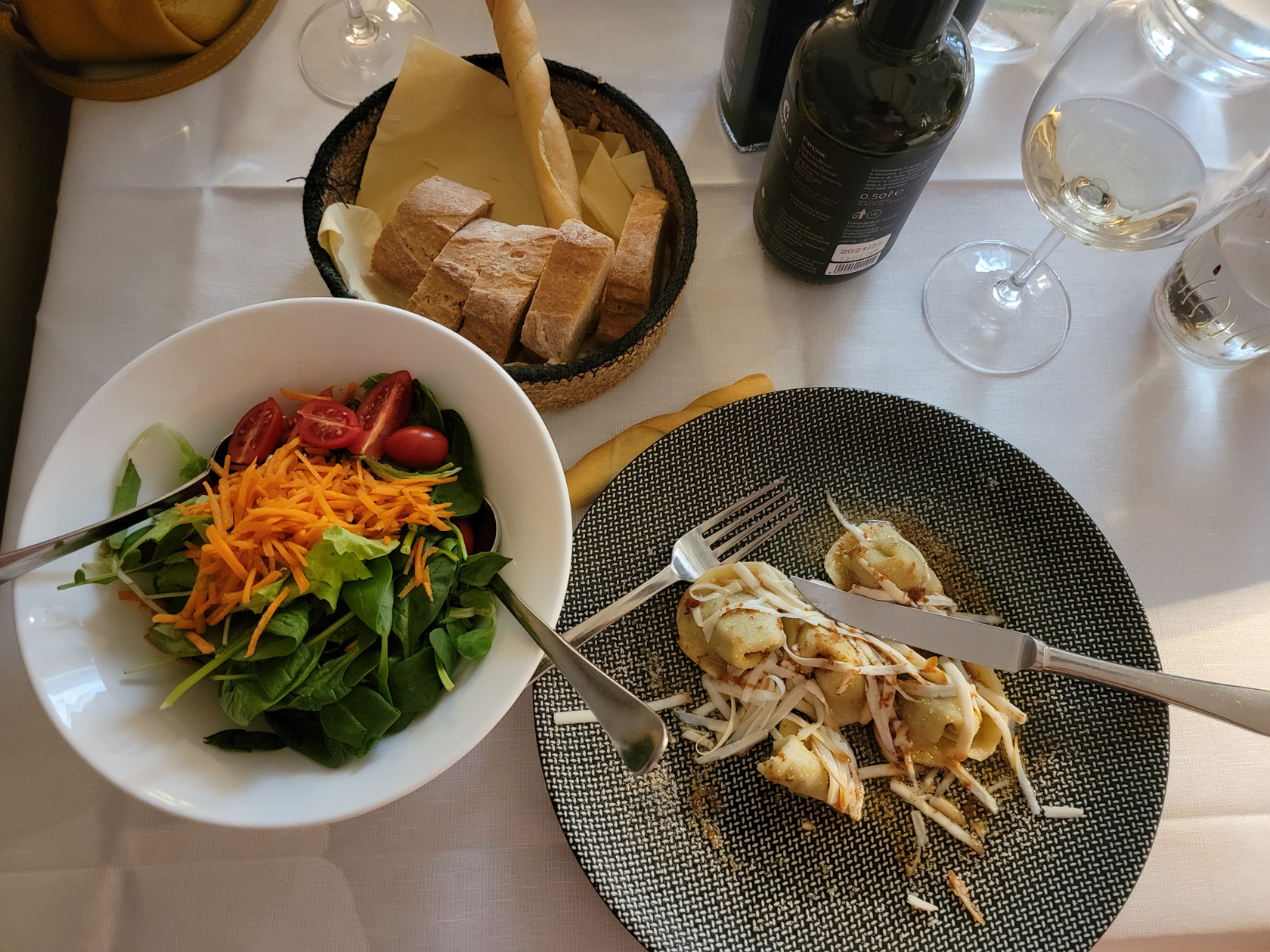
Udine – Trattoria Antica Maddalena – Cheese, Eggplant and Spices Ravioli with Insalata Mista
We leave Udine as the endpoint in our latest trip, which has taken us from one part of Italy – Trieste, through Slovenia and a little bit of Austria, back to Italy and underrated Udine. Though we both ate too much, we really enjoyed this trip and had several surprises along the way, which made it all that more memorable.
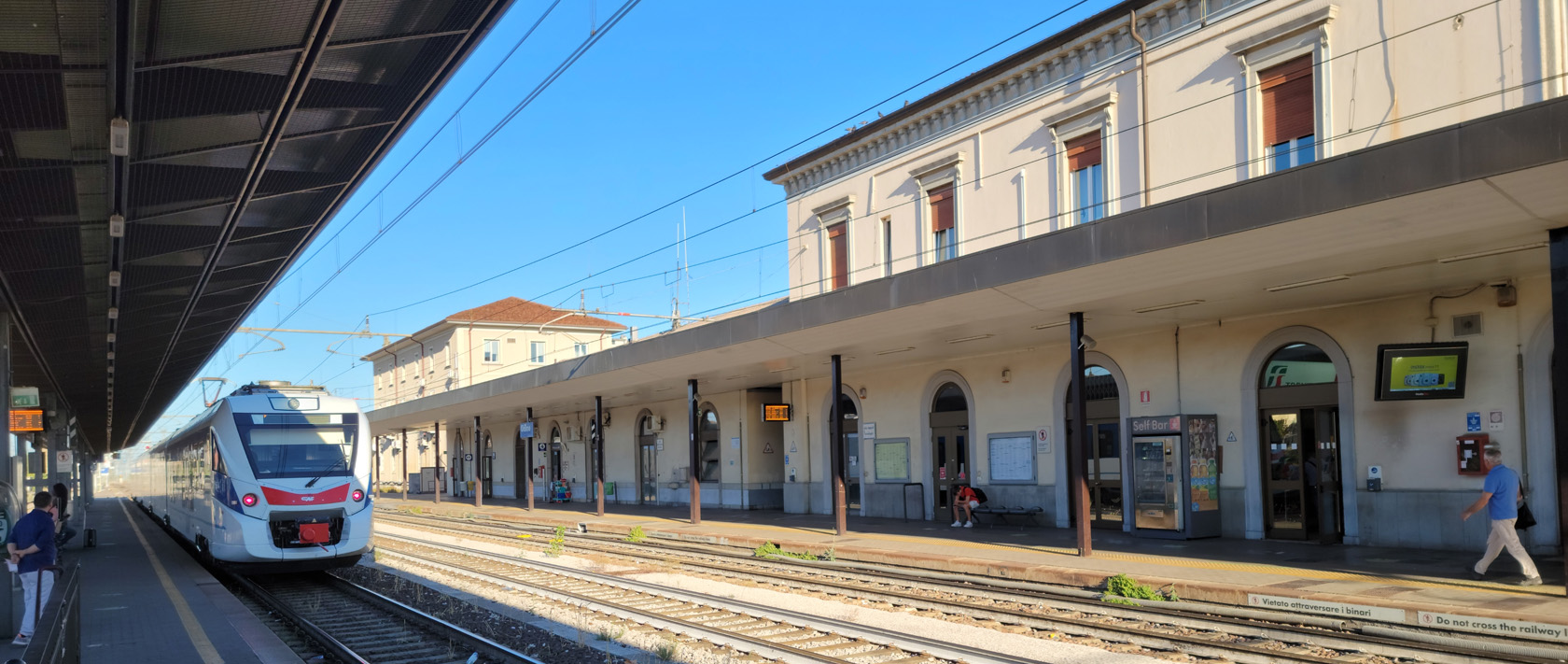
Udine – Main Train Station
So, if you are ever on a train traveling east from Milan, perhaps to Venice, Austria or Slovenia, you may want to stop at Udine to see what it has to offer. We stopped on our way back and were not disappointed, we think you wont be either. Happy travels!
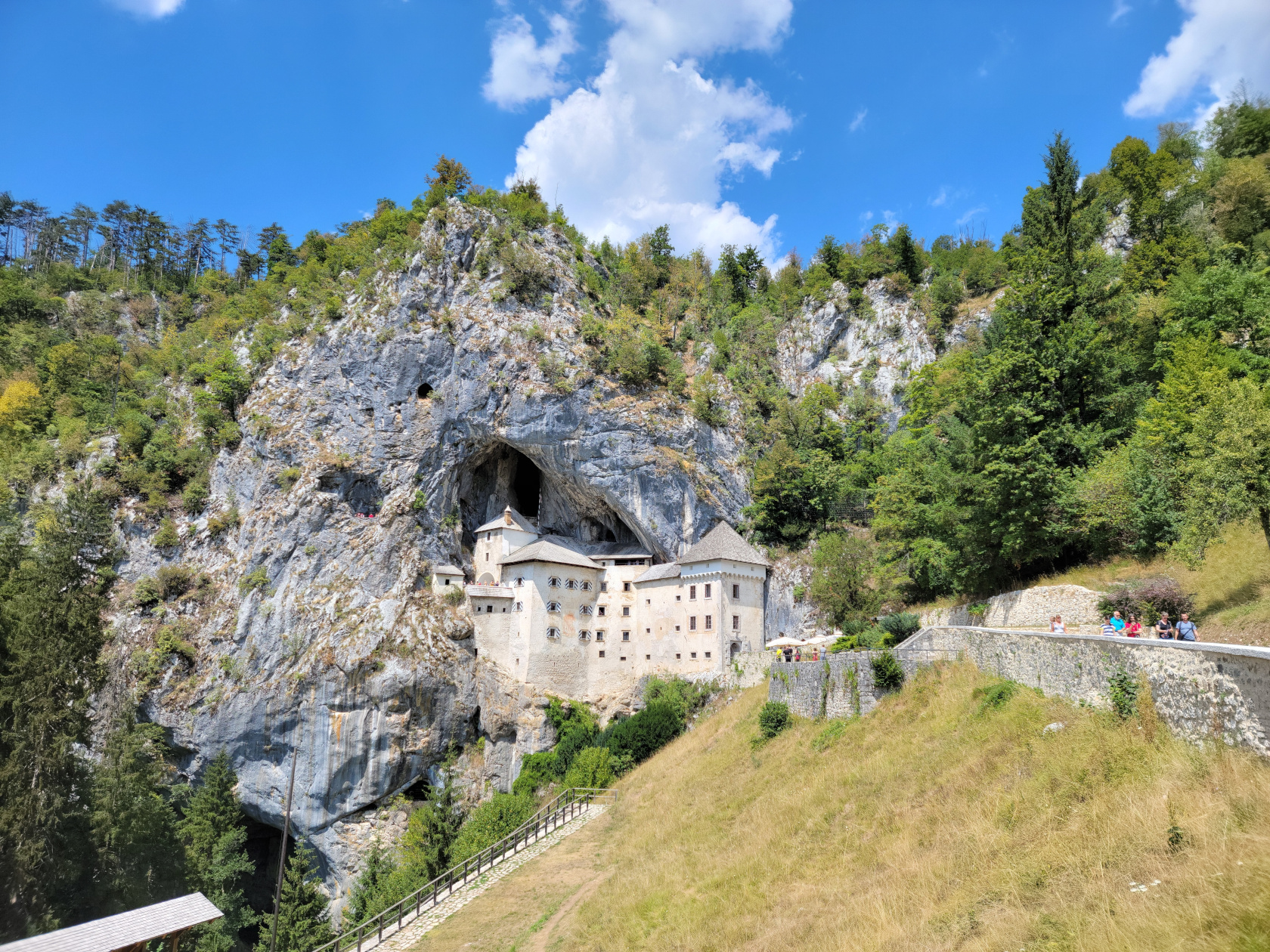
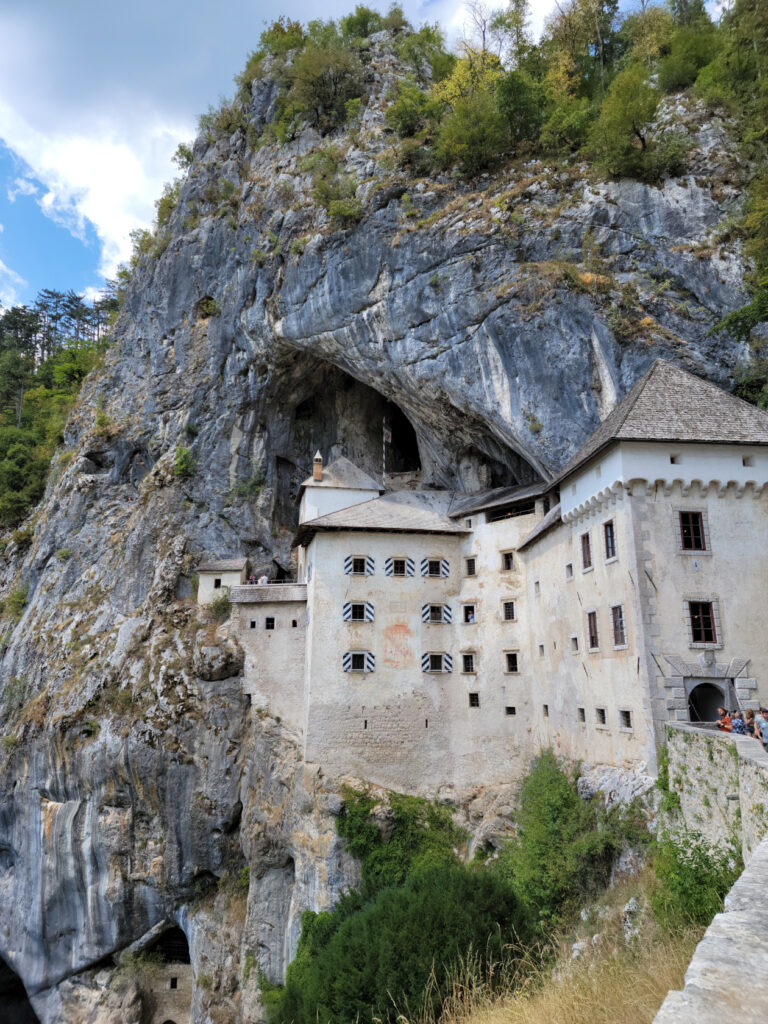
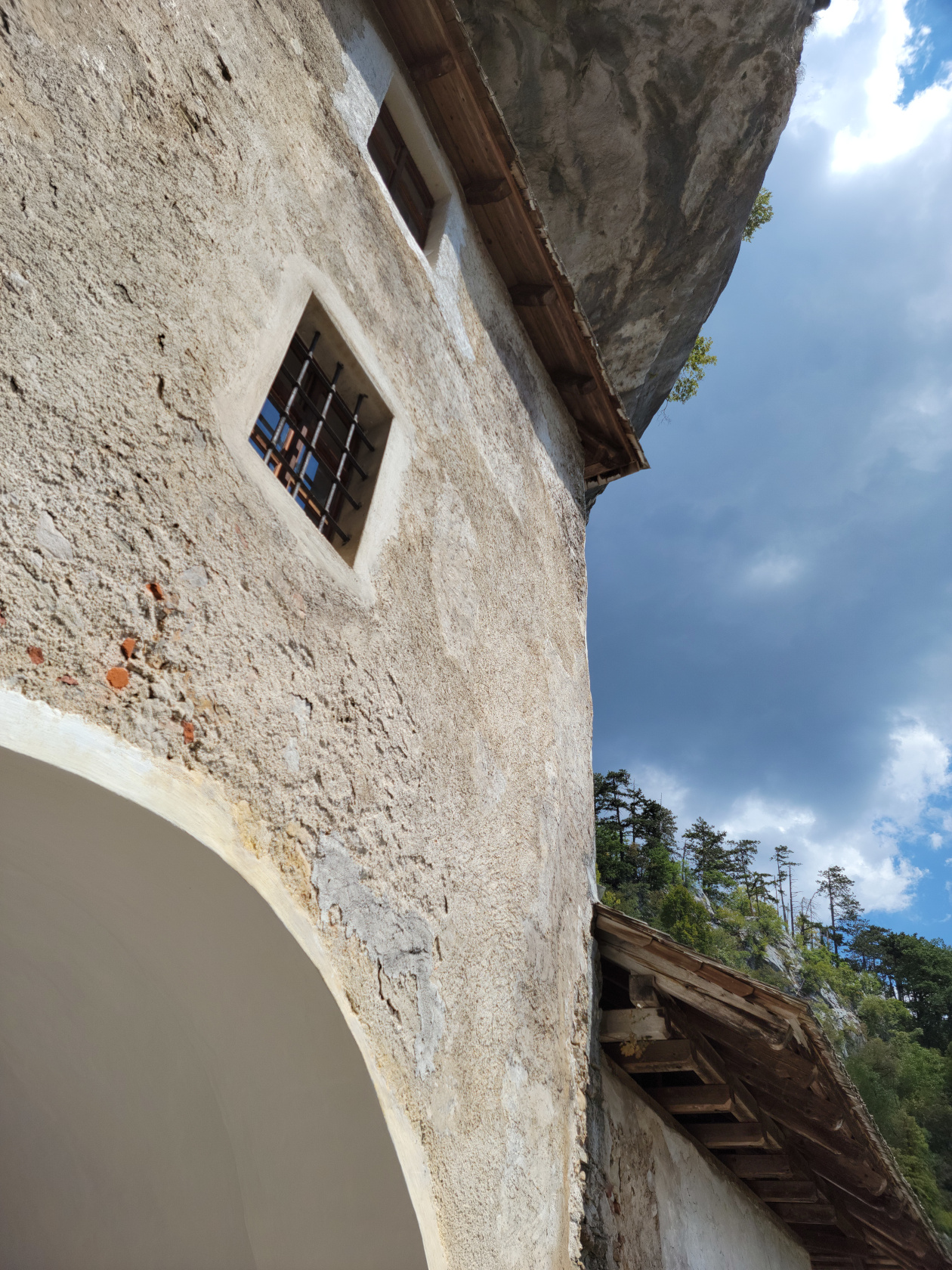
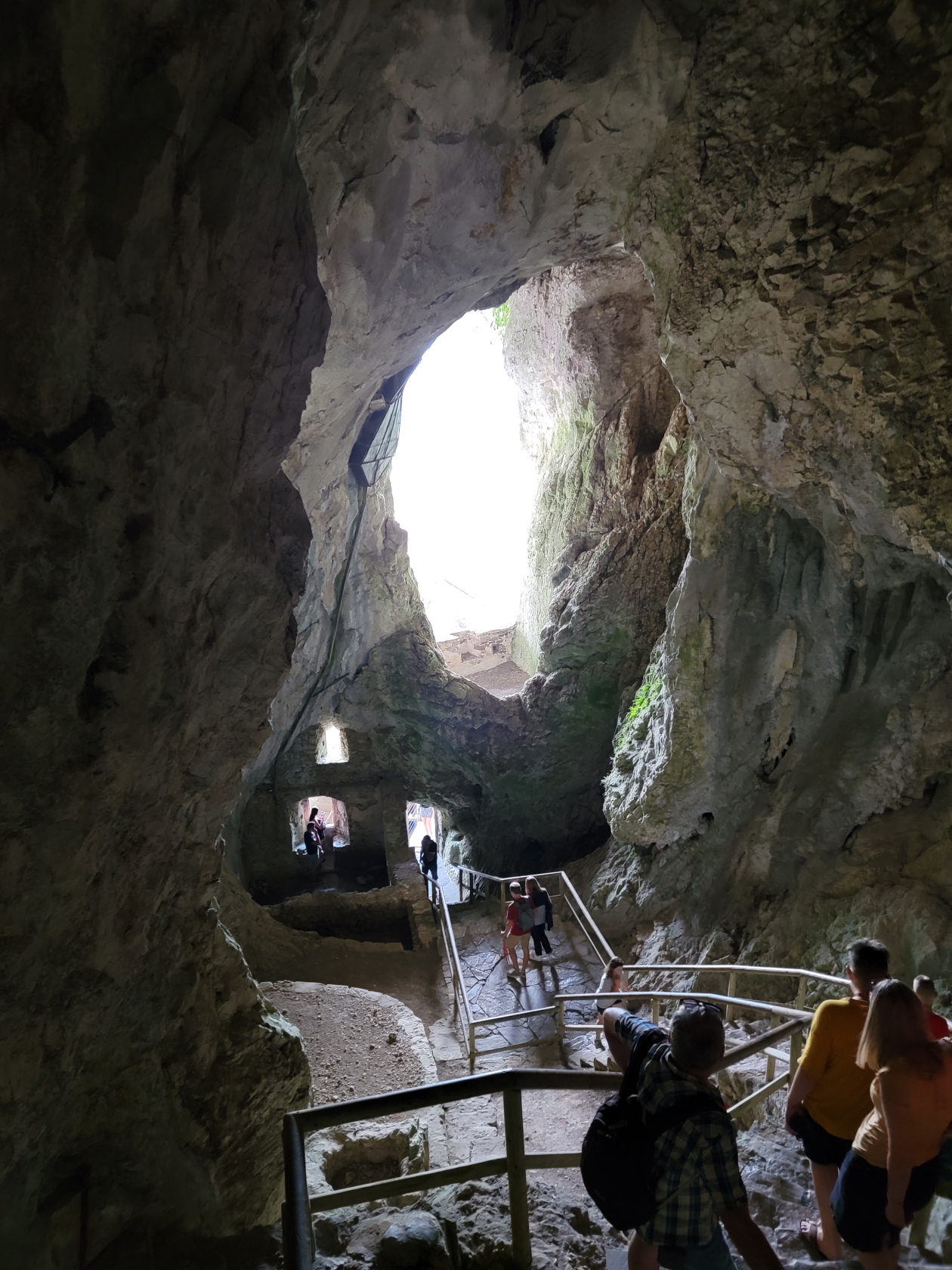
Nestled in the side of a cliff, at the face of a cave is the Predjama Castle in Predjama, Slovenia. The original castle is actually built in the cave, remains of which can still be seen. It was originally built by the knight Erasmus of Luegg, and was later destroyed in a siege by the Hapsburg when they attacked it as retribution. The castle that is there now was built later in 1570, and though it has been obviously renovated numerous time, it is as it would have appeared. It is therefore a castle within a castle.
Predjama Castle – Entrance to Castle
Predjama Castle – Outside of Castle
Legend has it, Erasmus was ostensibly killed when a large catapult rock smashed the bathroom he was sitting in at the time. Apparently betrayed by someone in the castle who knew when and where the knight was at all times.
The Outside Castle
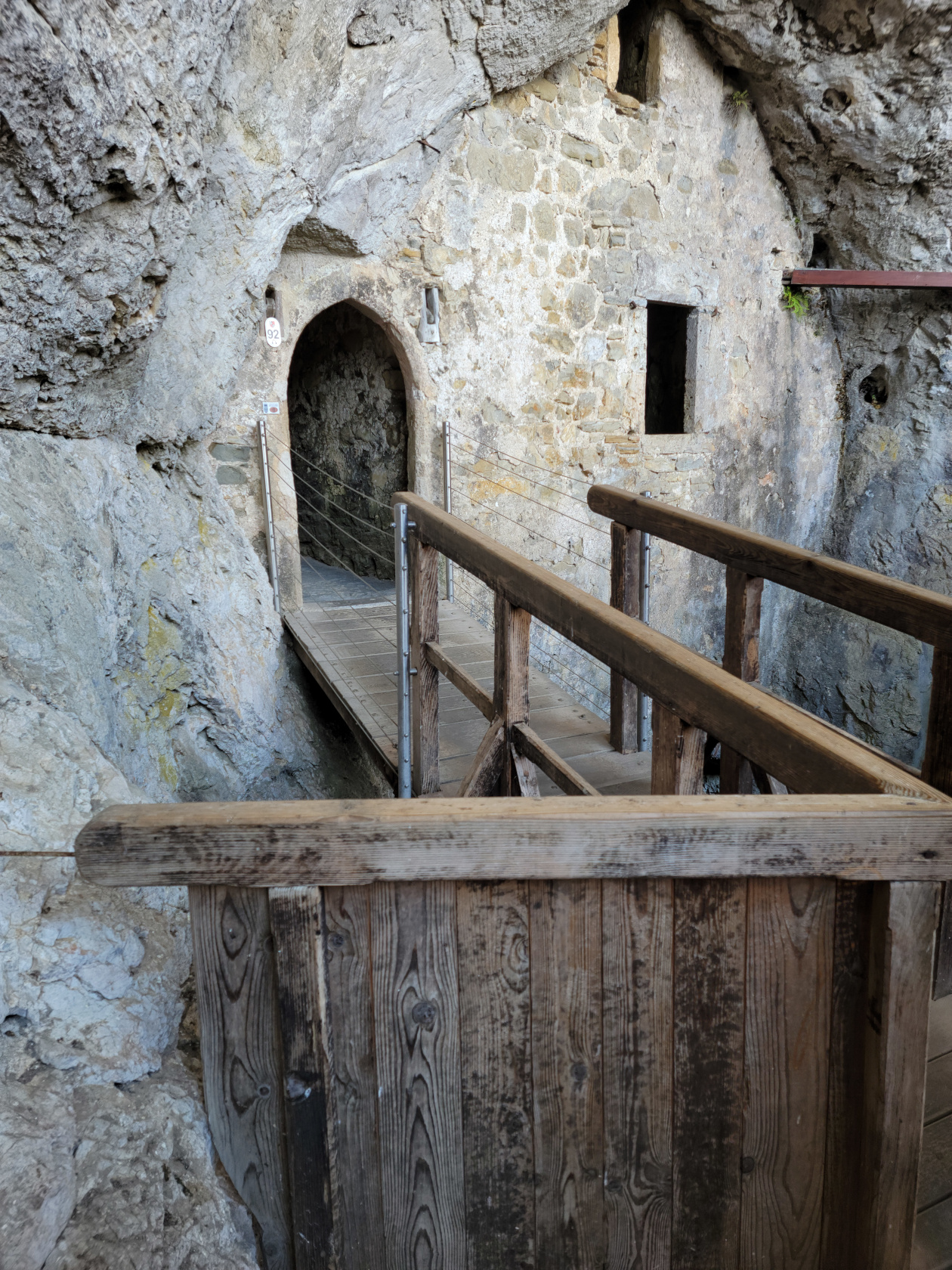
Our tour guide also stated, that during its use after its 1570 reconstruction, there were two draw-bridges, one by the existing outside door you enter, and one connecting the outside castle to the one inside the cave.
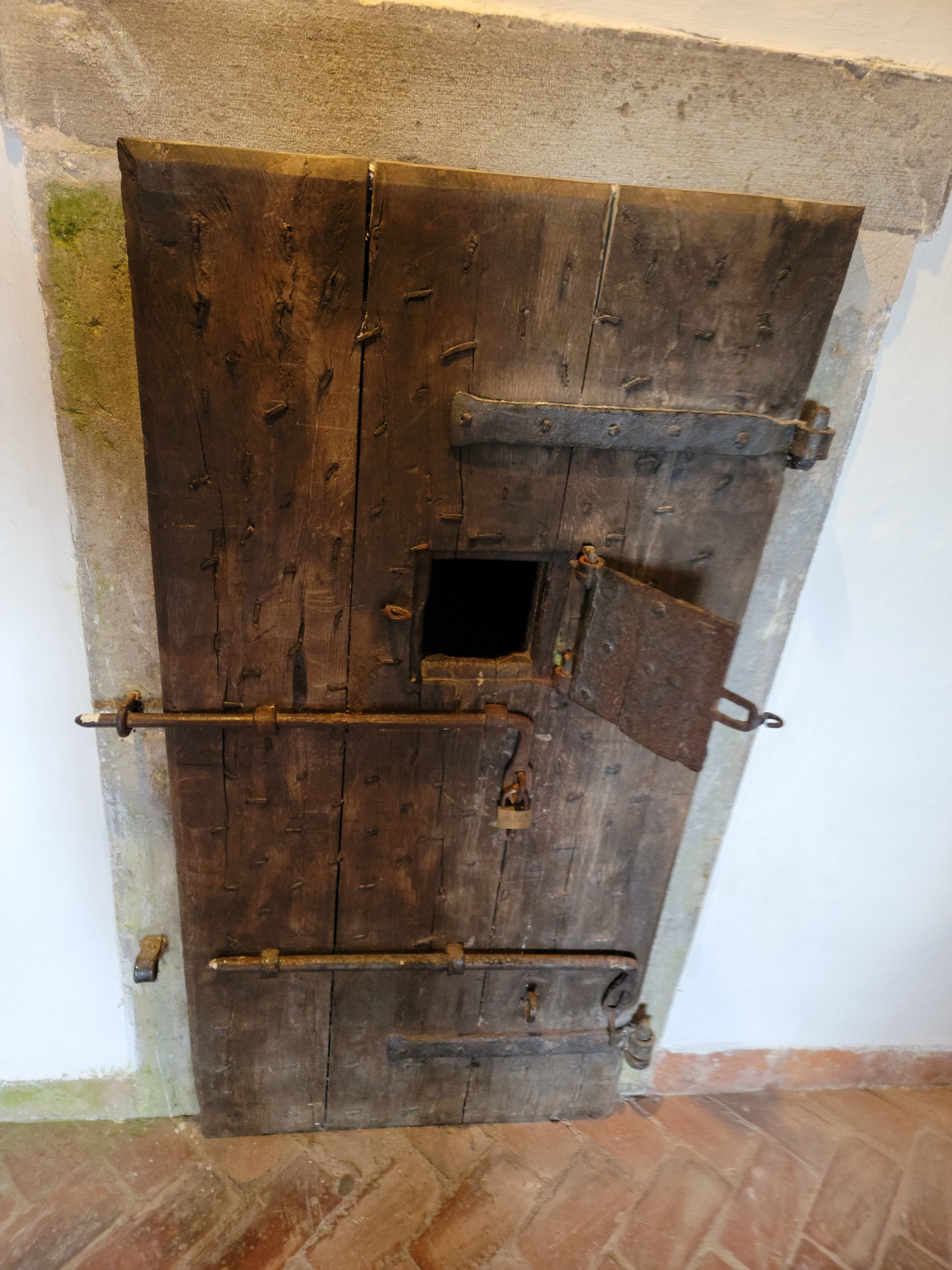
Predjama Castle – Prison Cell
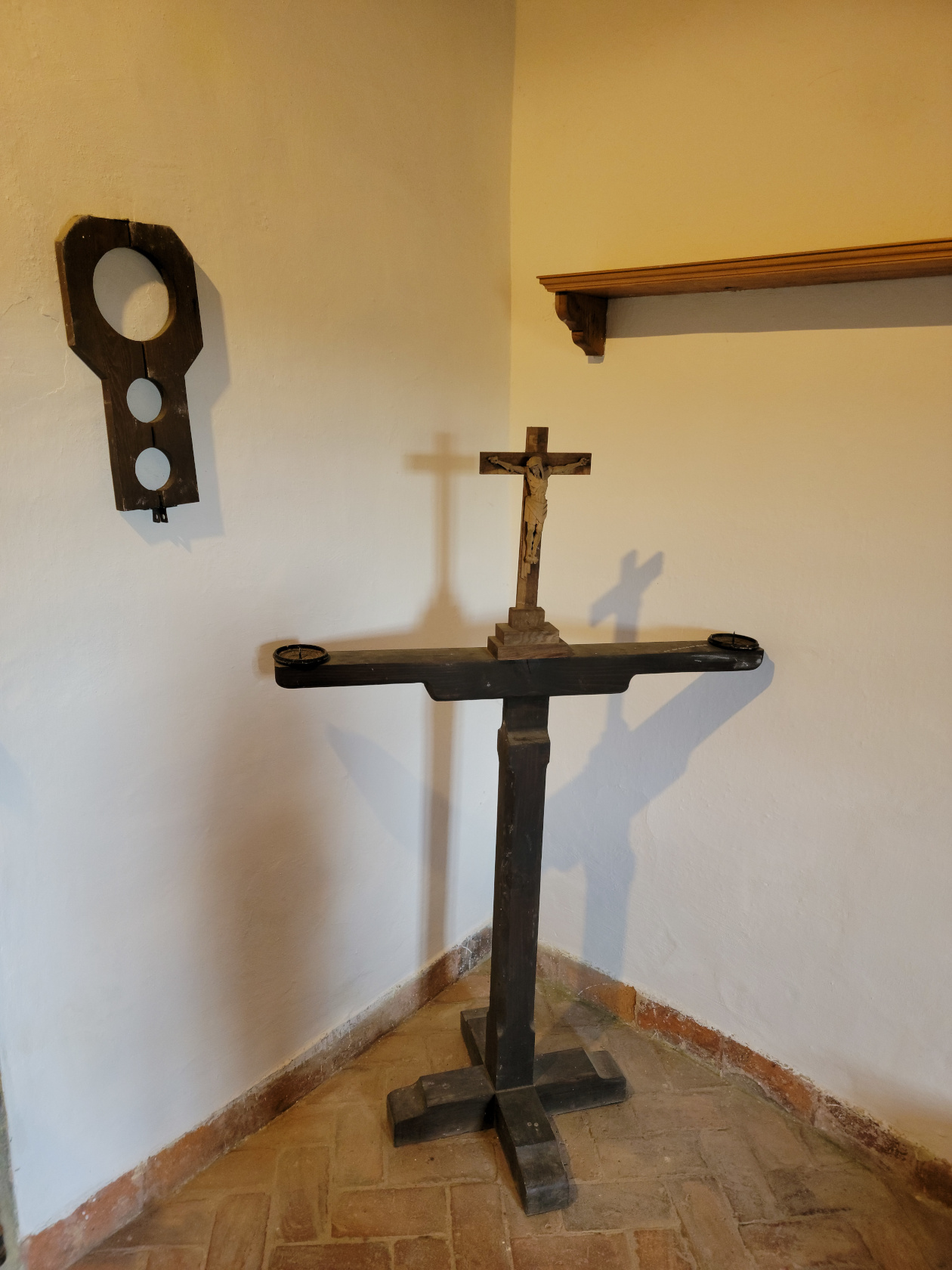
Predjama Castle – Torture Devices
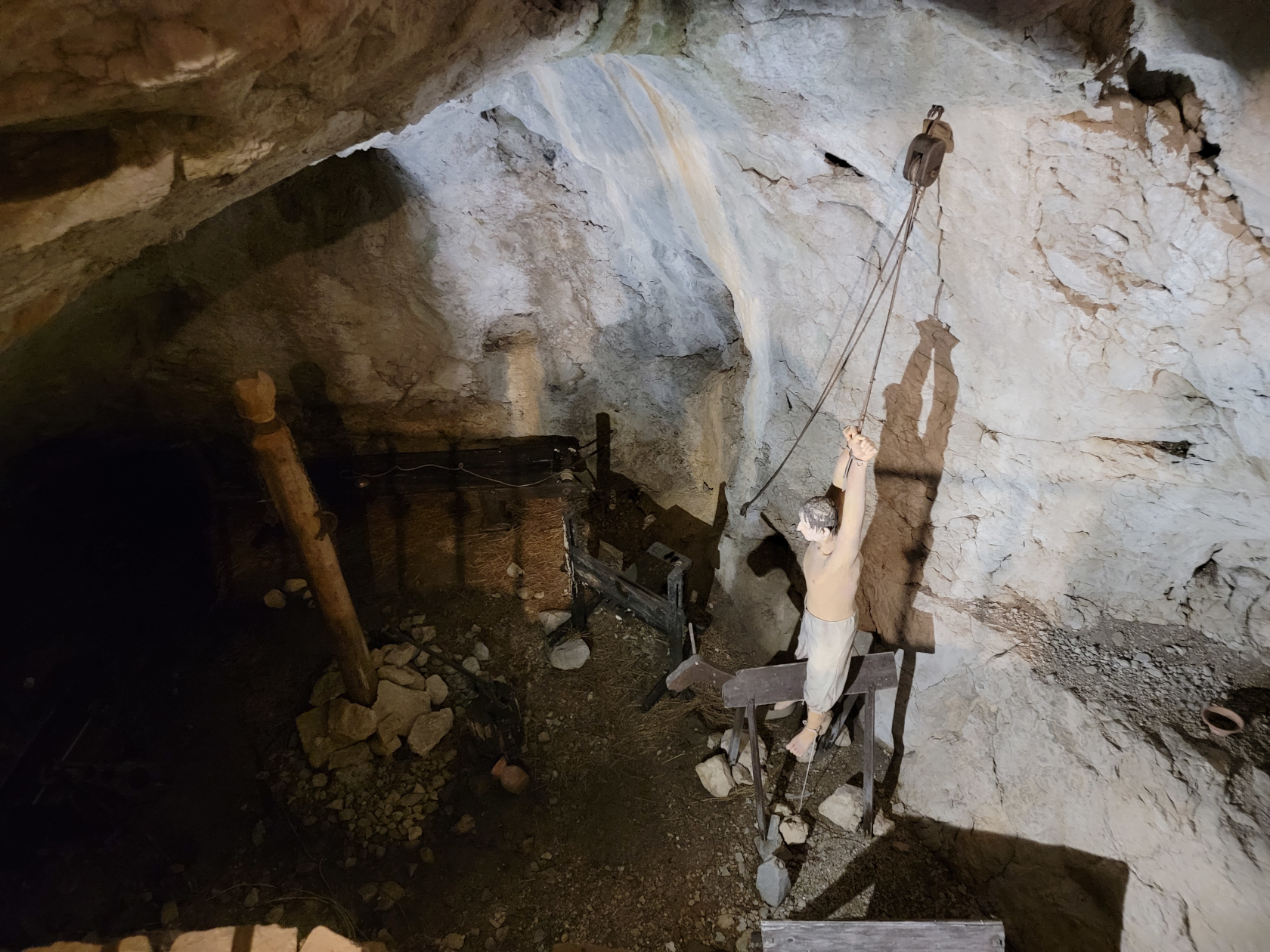
Predjama Castle – Torture Chamber
Predjama Castle – Game Room
Predjama Castle – Dining Room
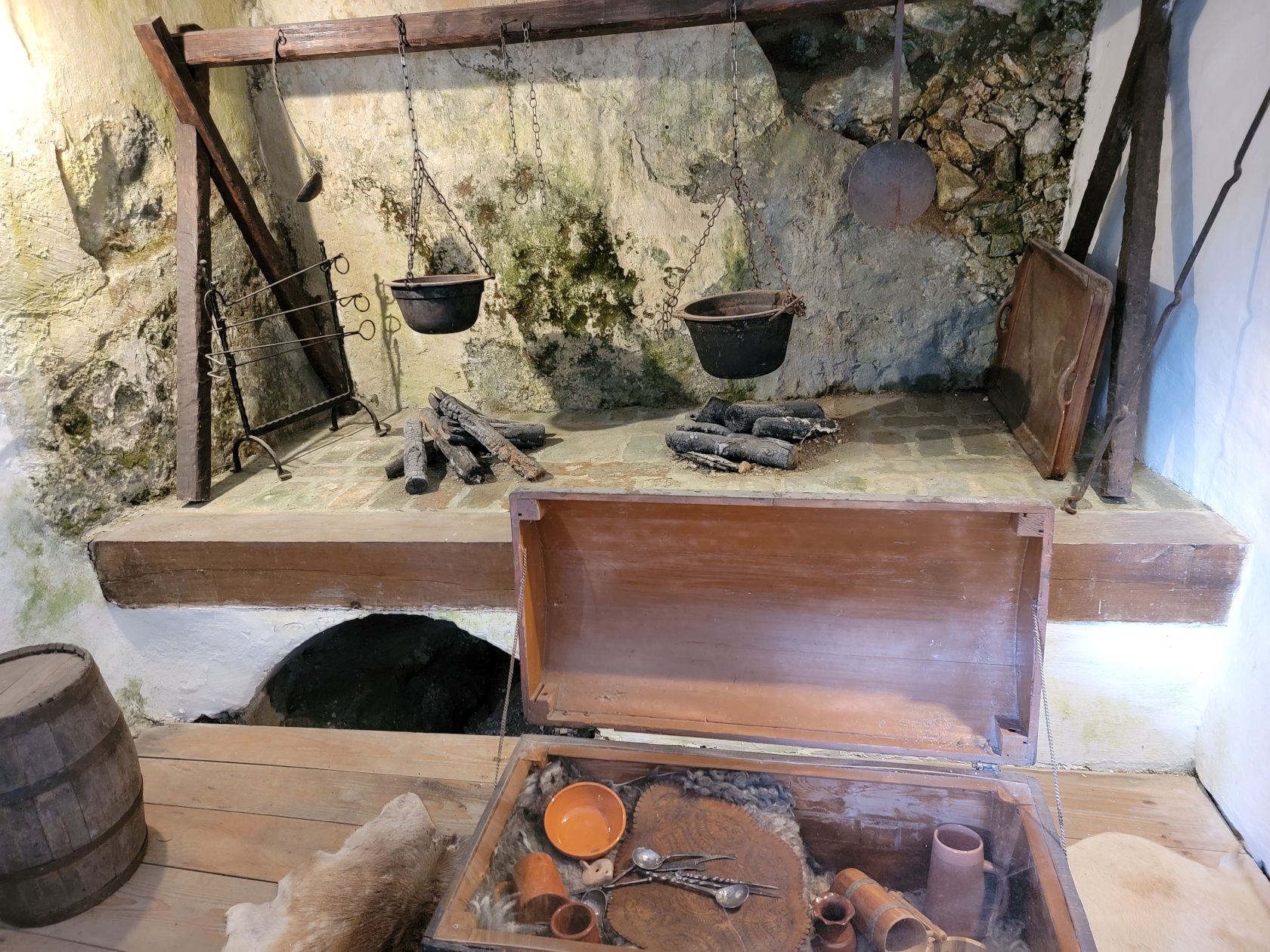
Predjama Castle – Kitchen
Predjama Castle – Castle Cliff Overhang
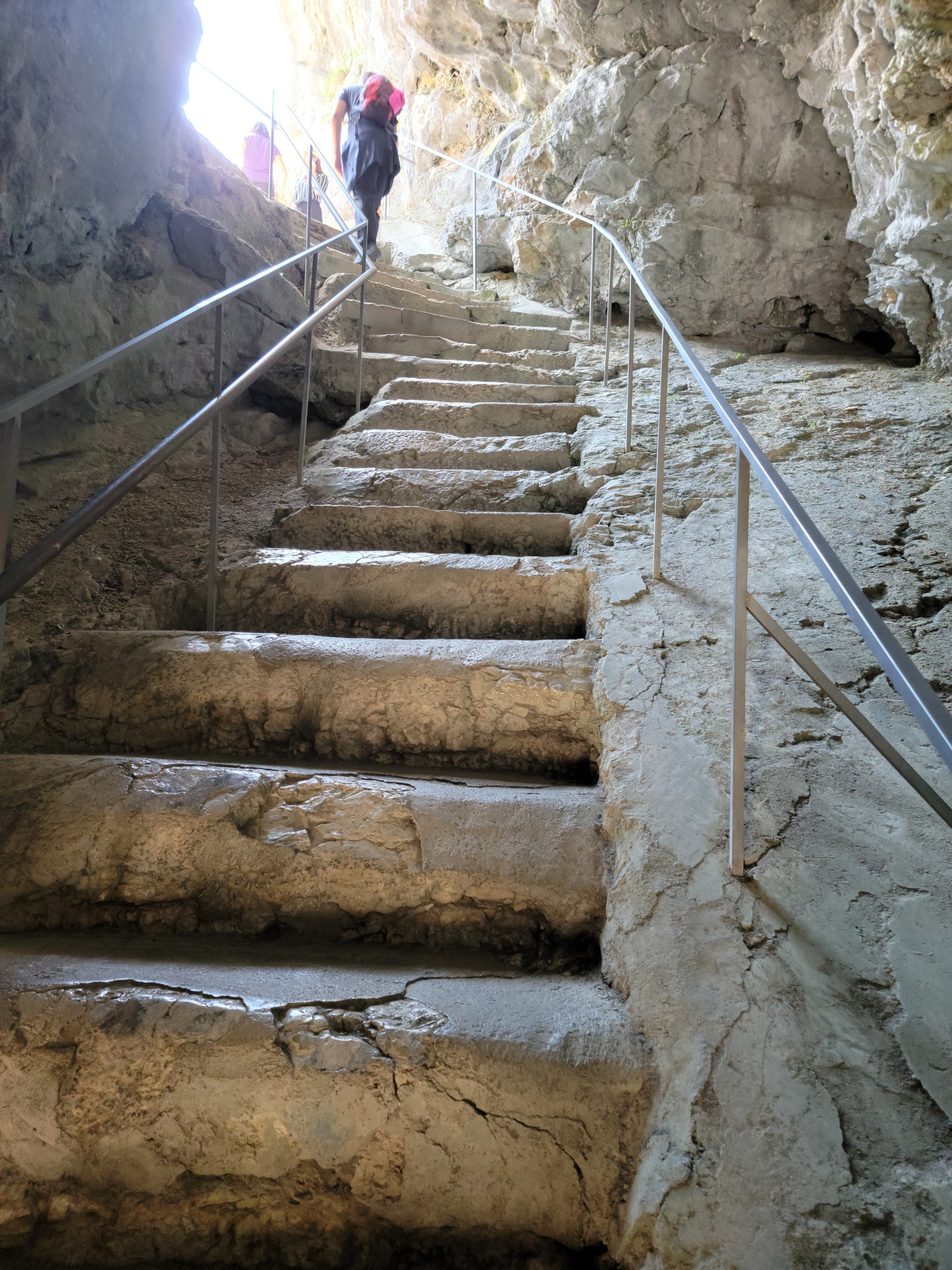
Predjama Castle – Stone Stairs
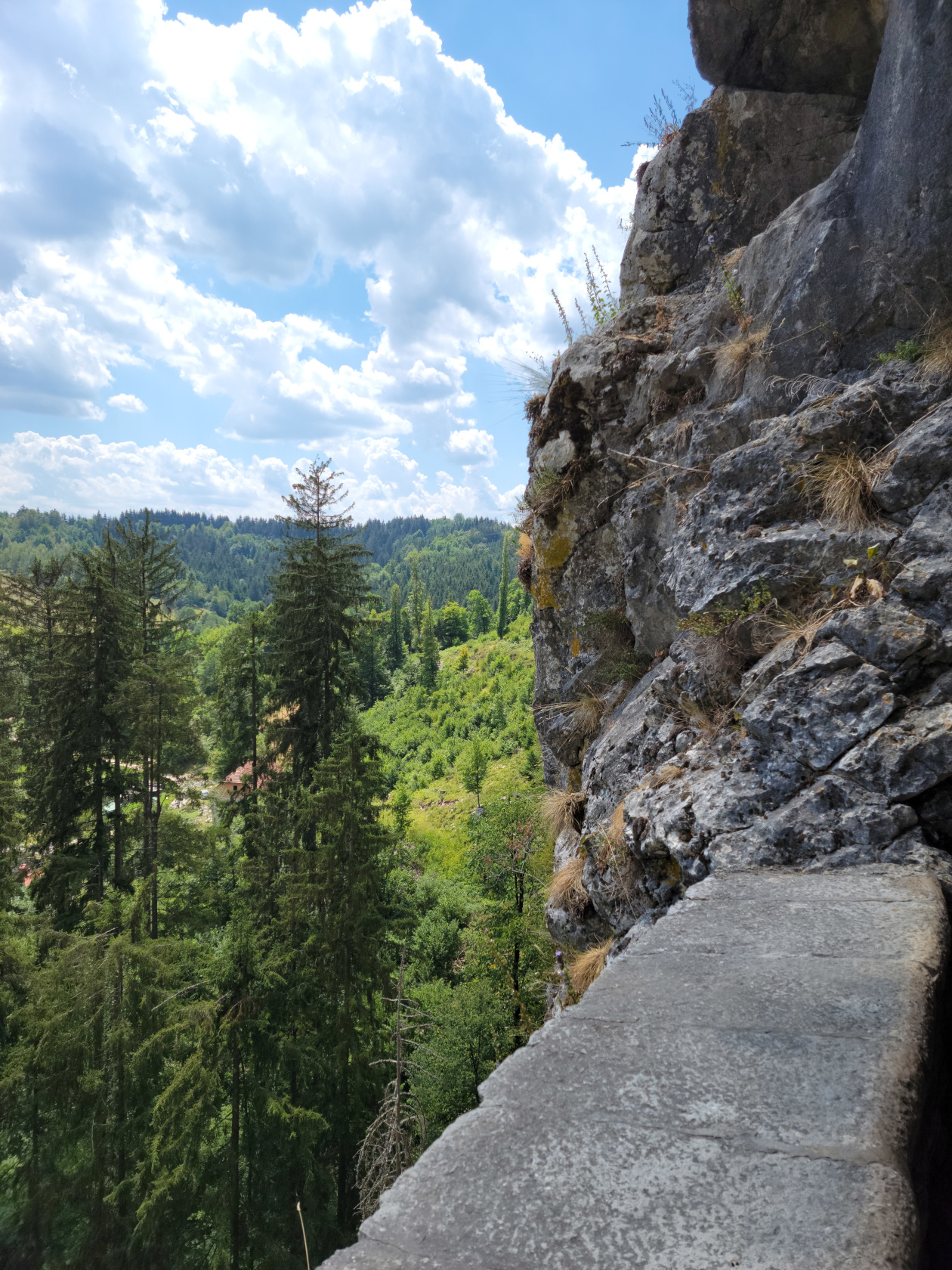
Predjama Castle – View from Outlook
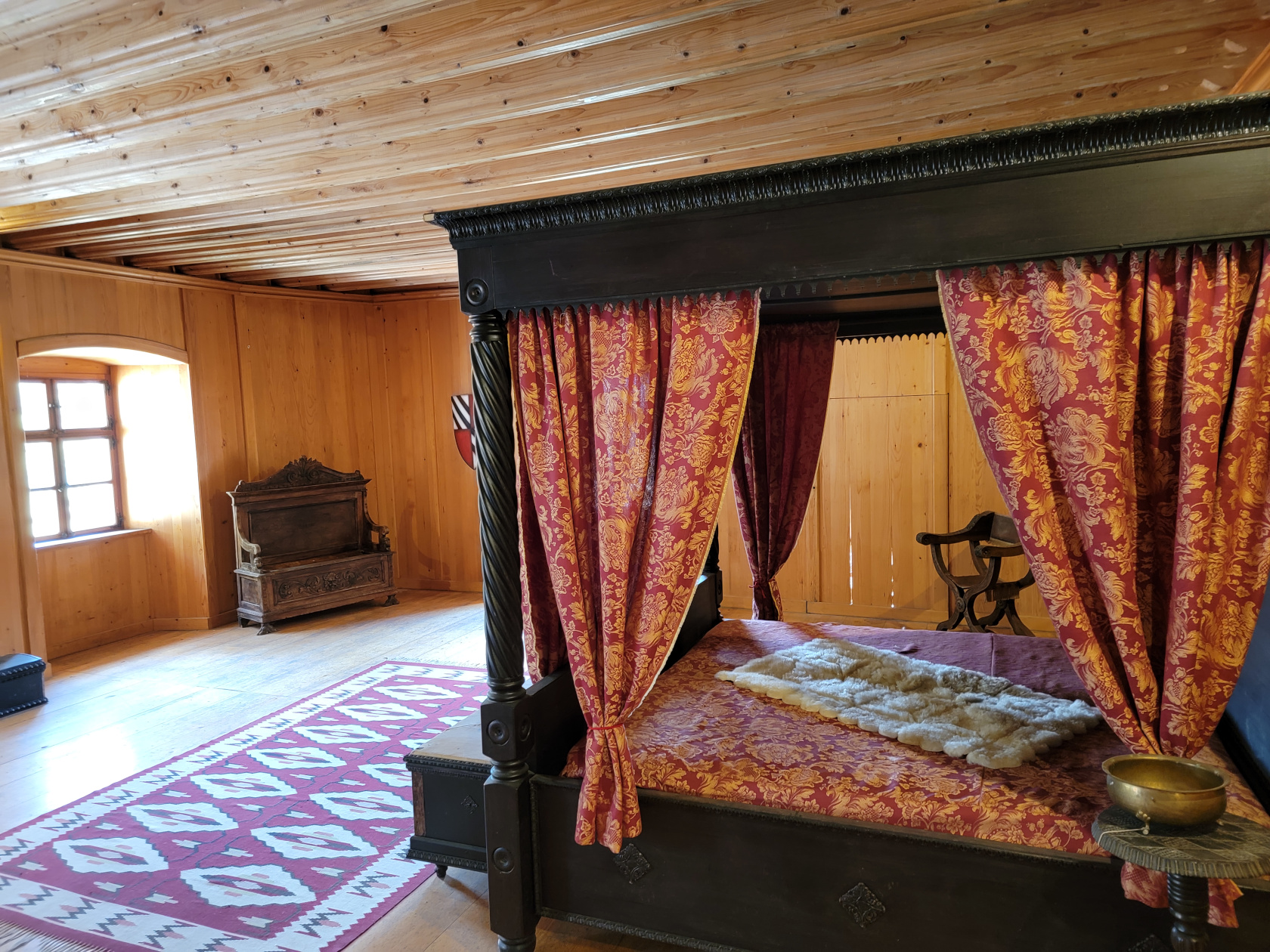
Predjama Castle – Bedroom
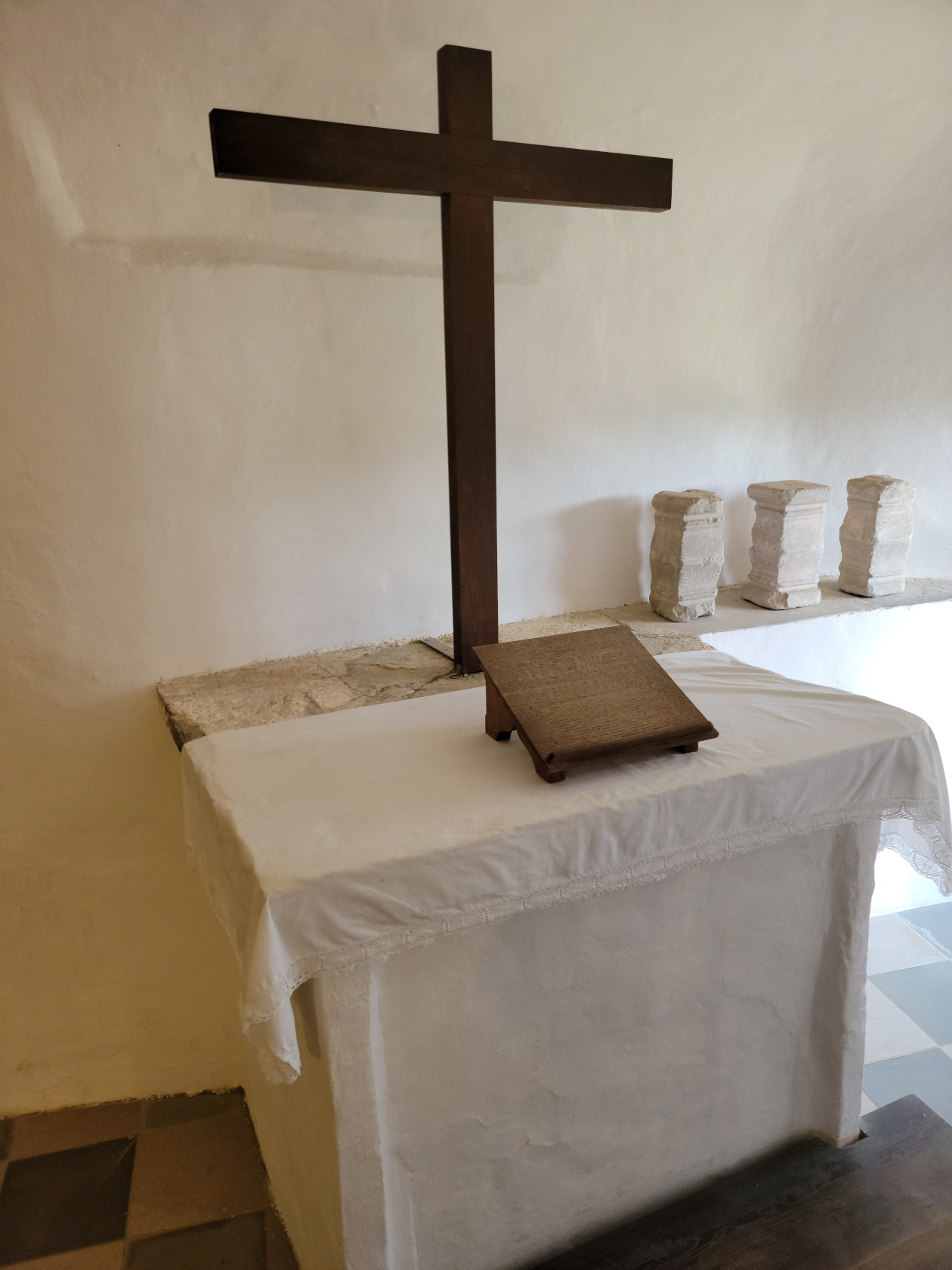
Predjama Castle – Chapel
Predjama Castle – Chapel
Predjama Castle – Pastor’s Room
Predjama Castle – Walkways
Predjama Castle – Armory
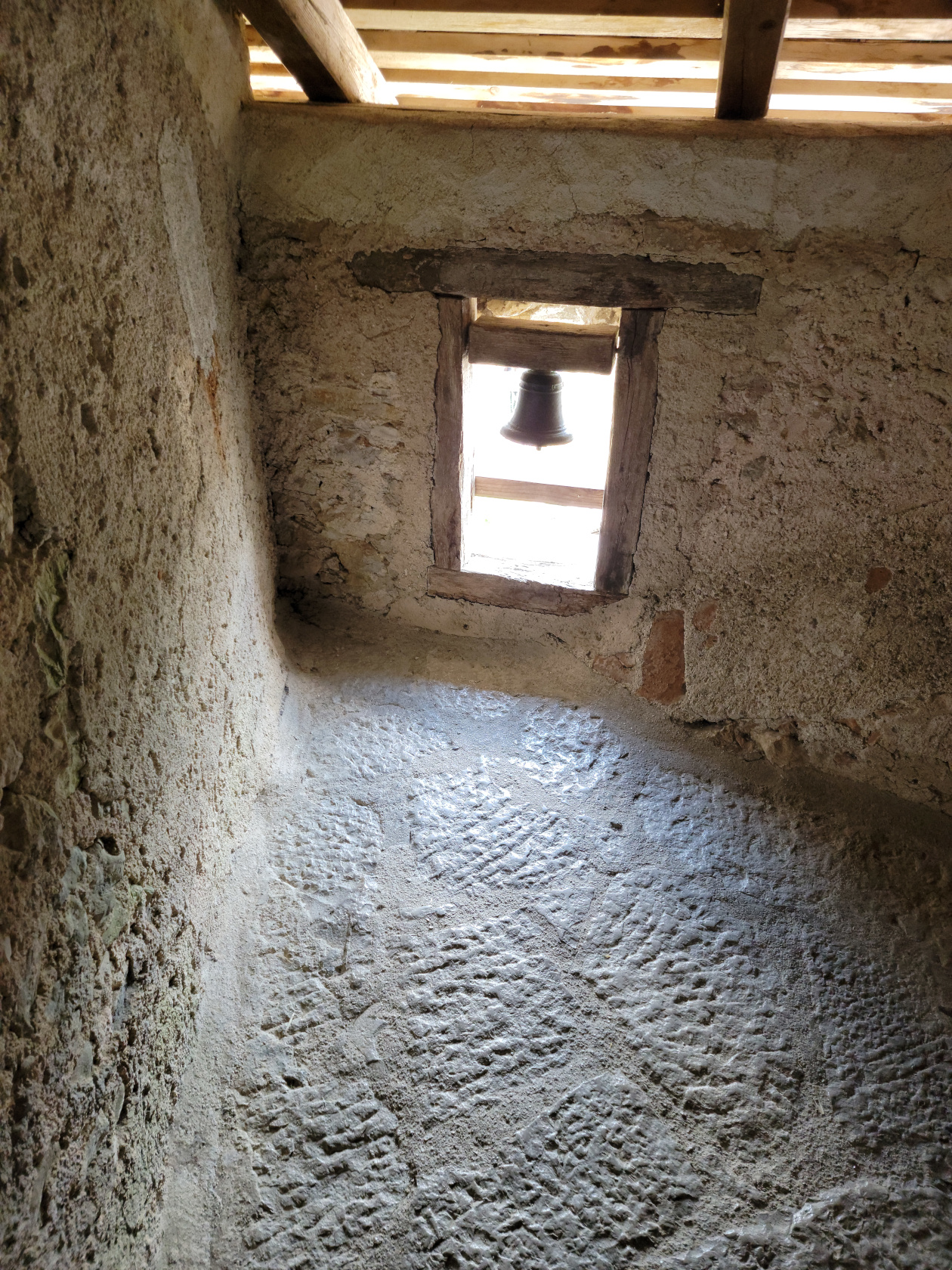
Predjama Castle – Alarm Bell
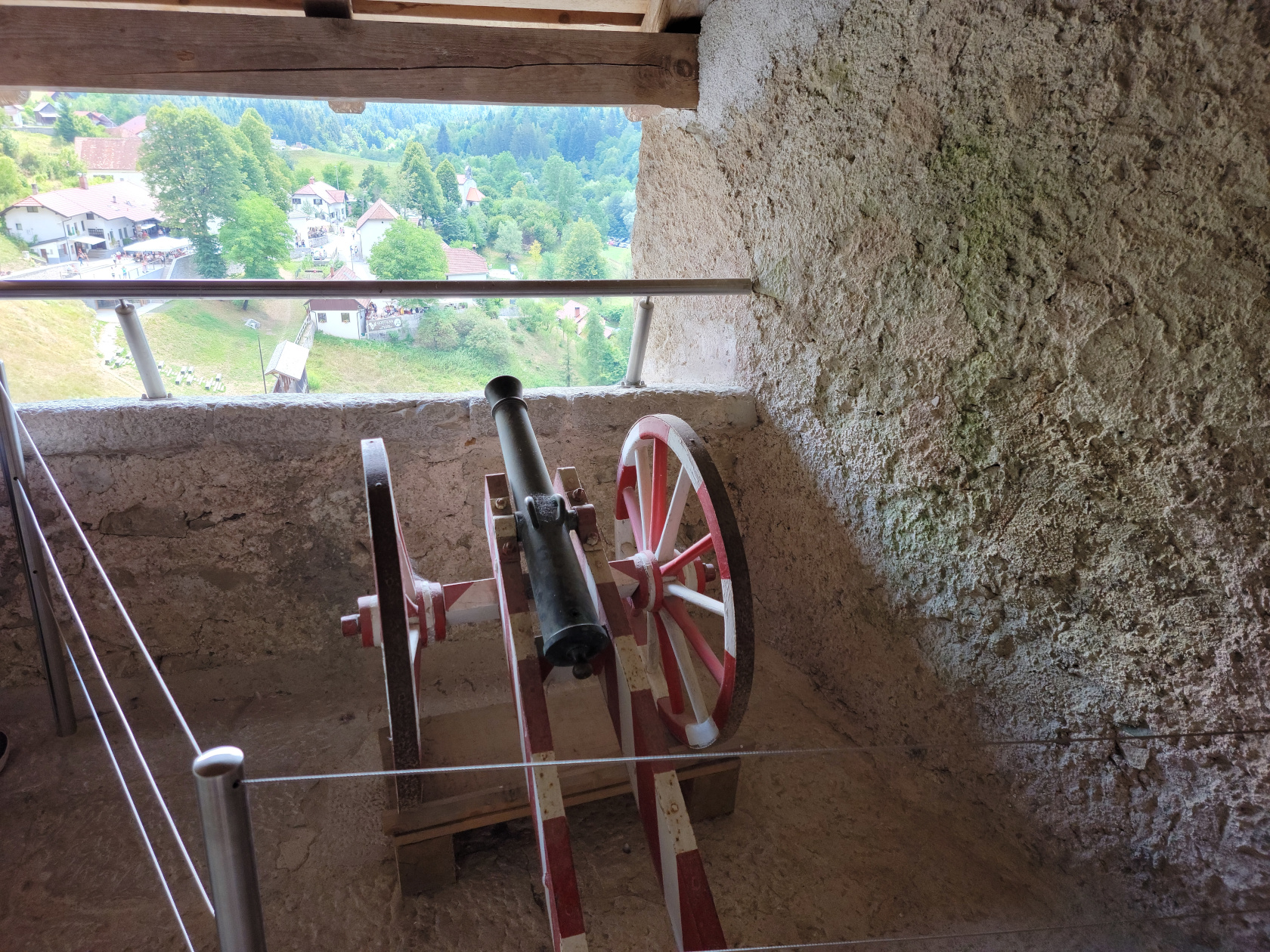
Predjama Castle – Cannon Position
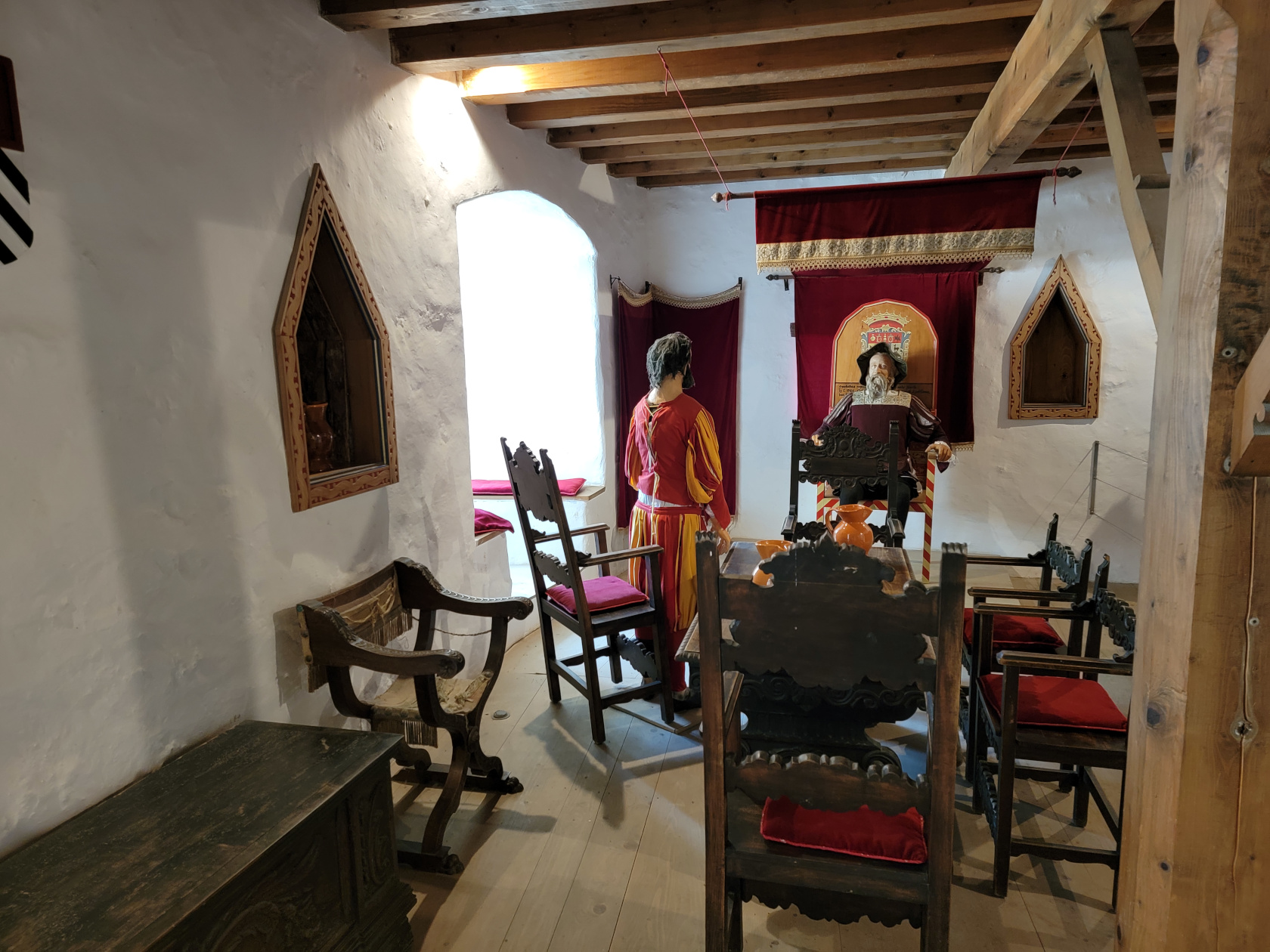
Predjama Castle – Nobles Room
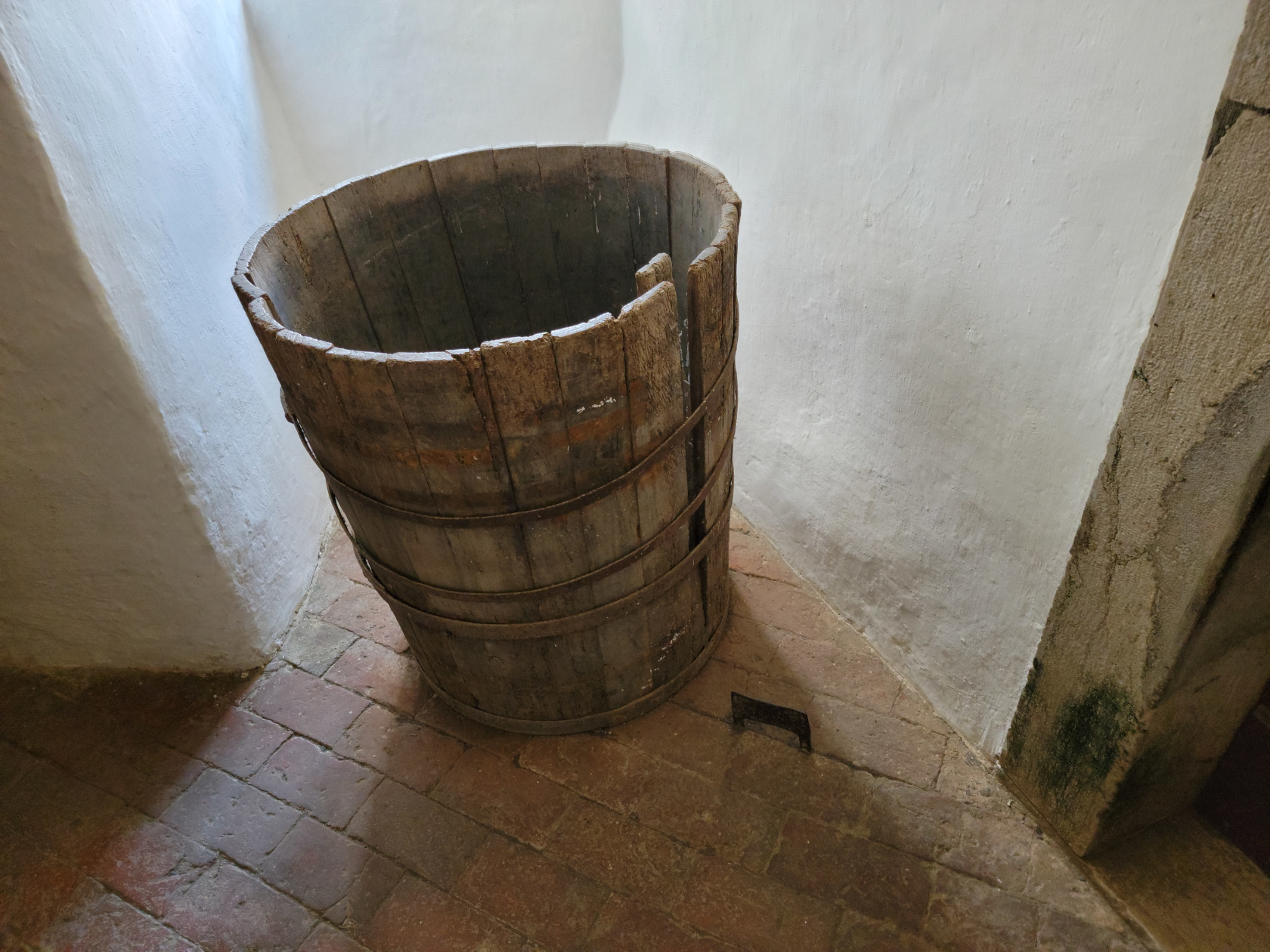
Predjama Castle – Water Cask and Secret Floor Compartment
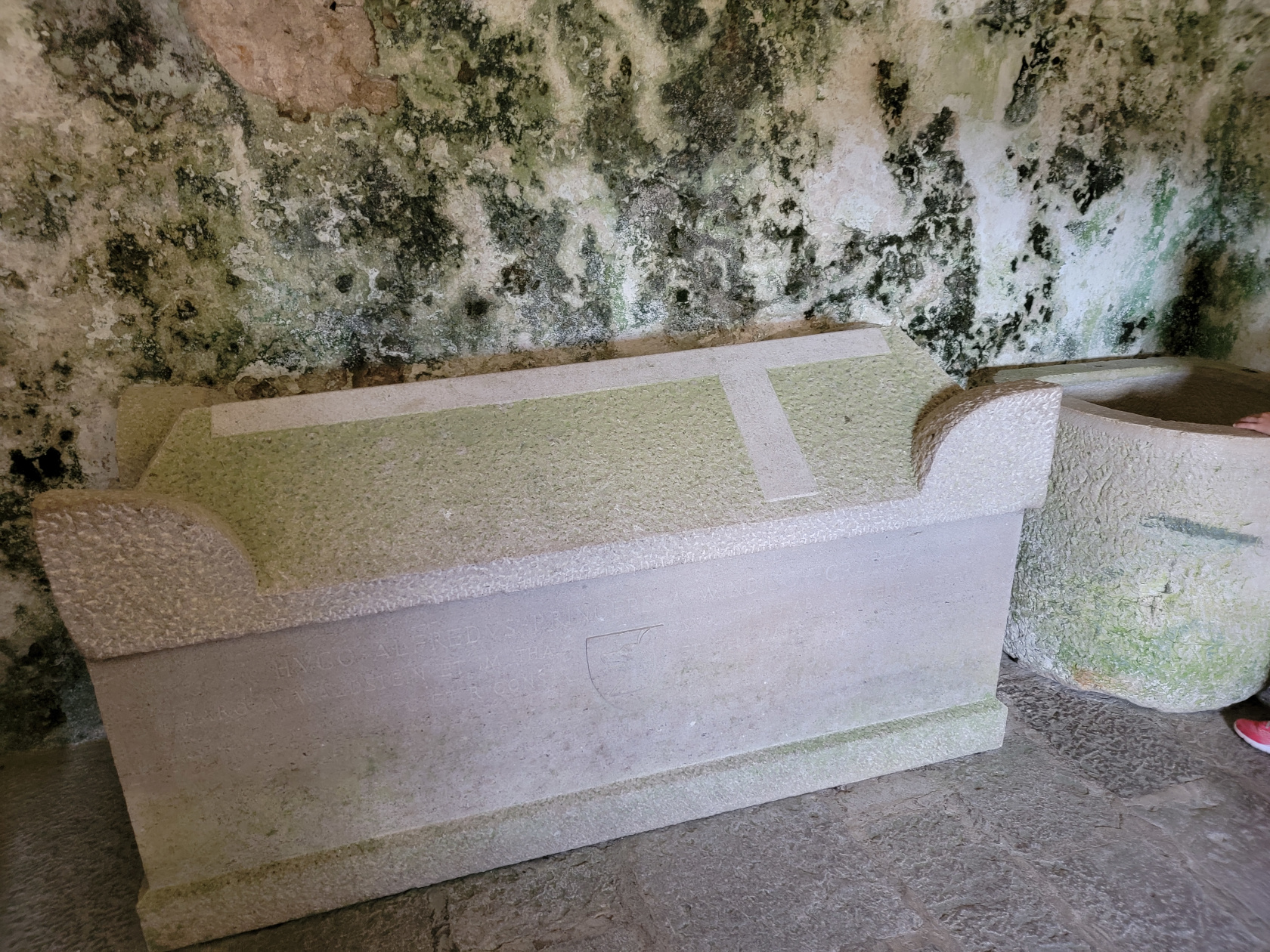
Predjama Castle – Empty Tomb
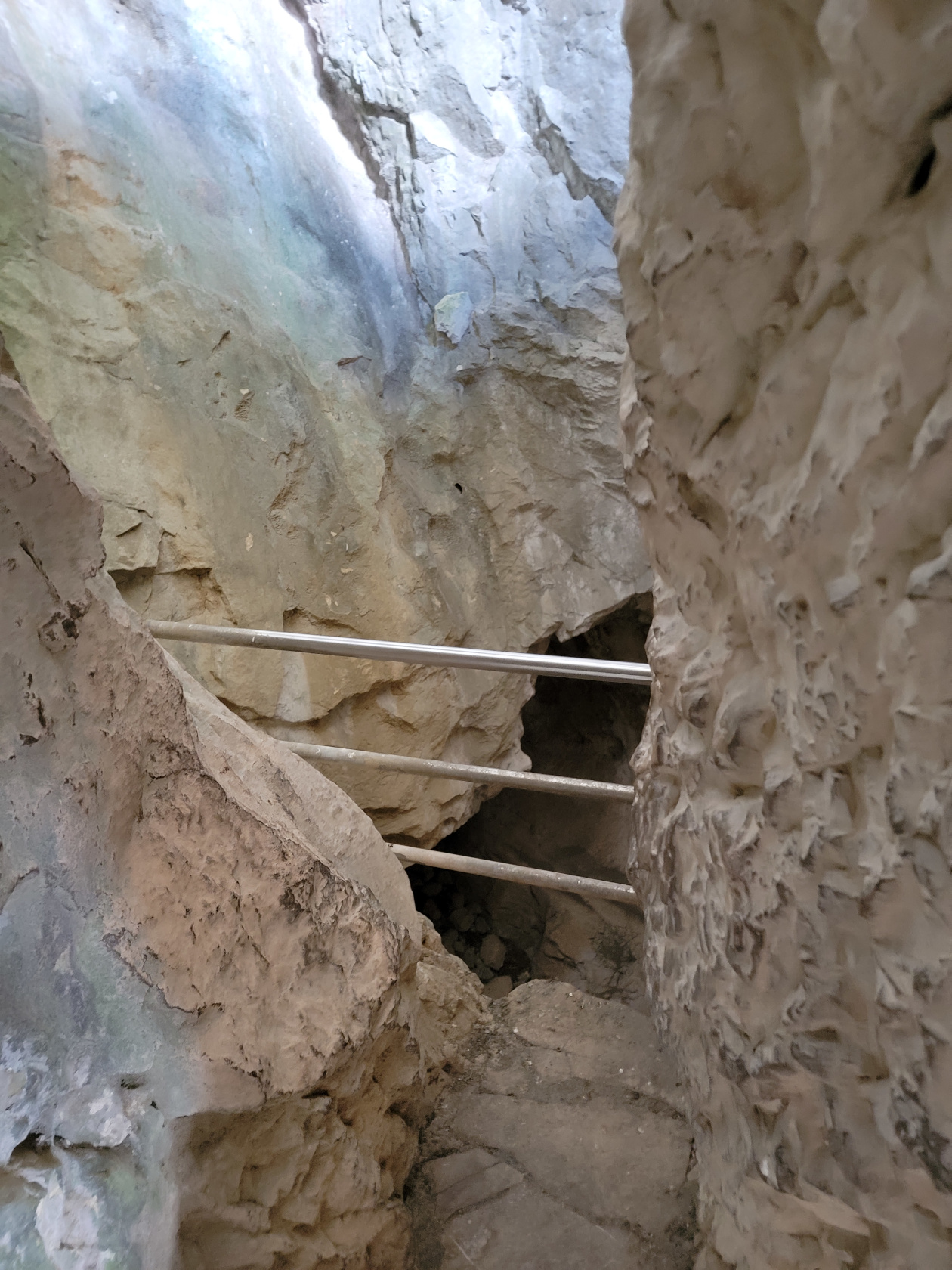
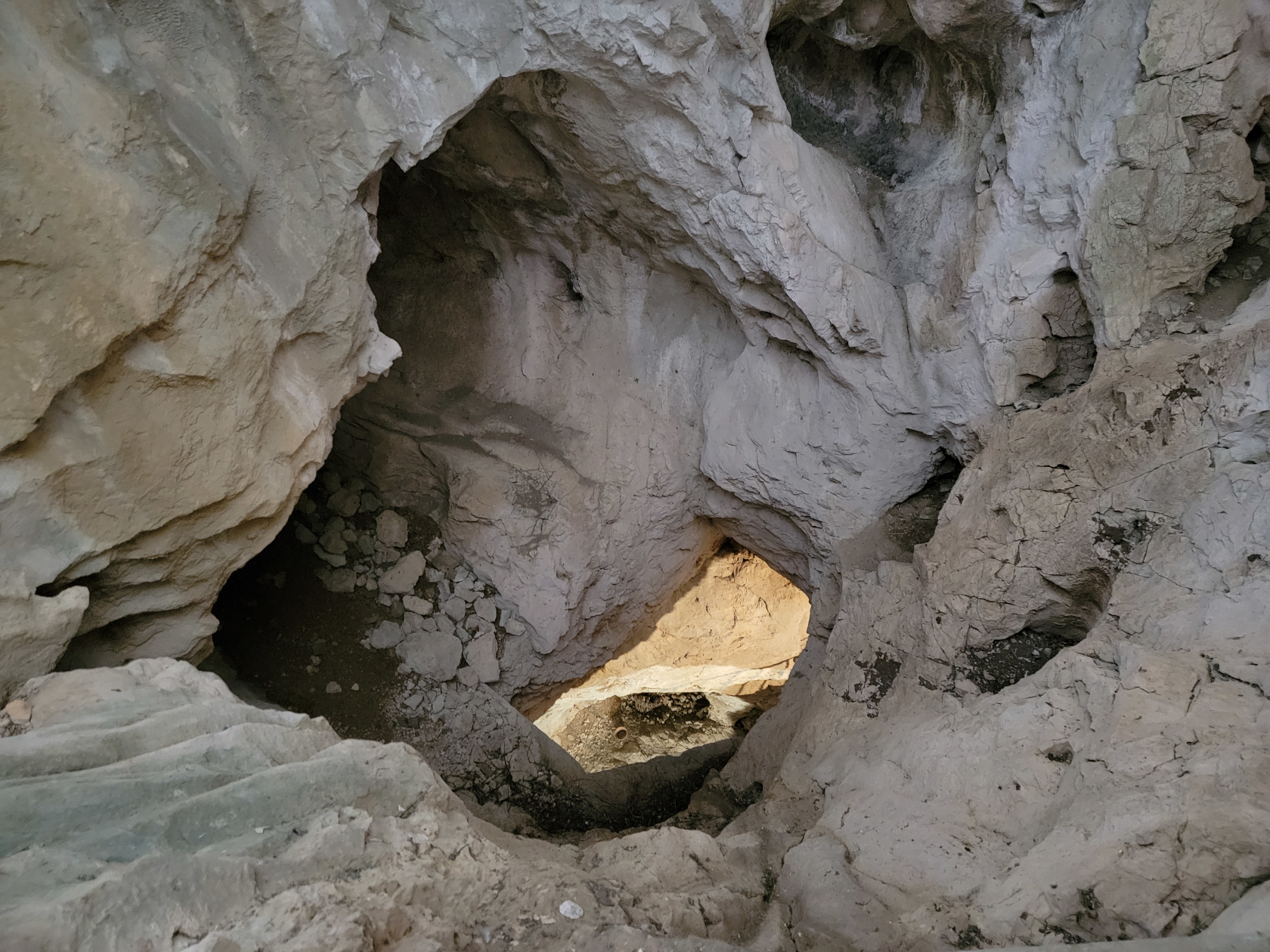
The Inside Cave Castle
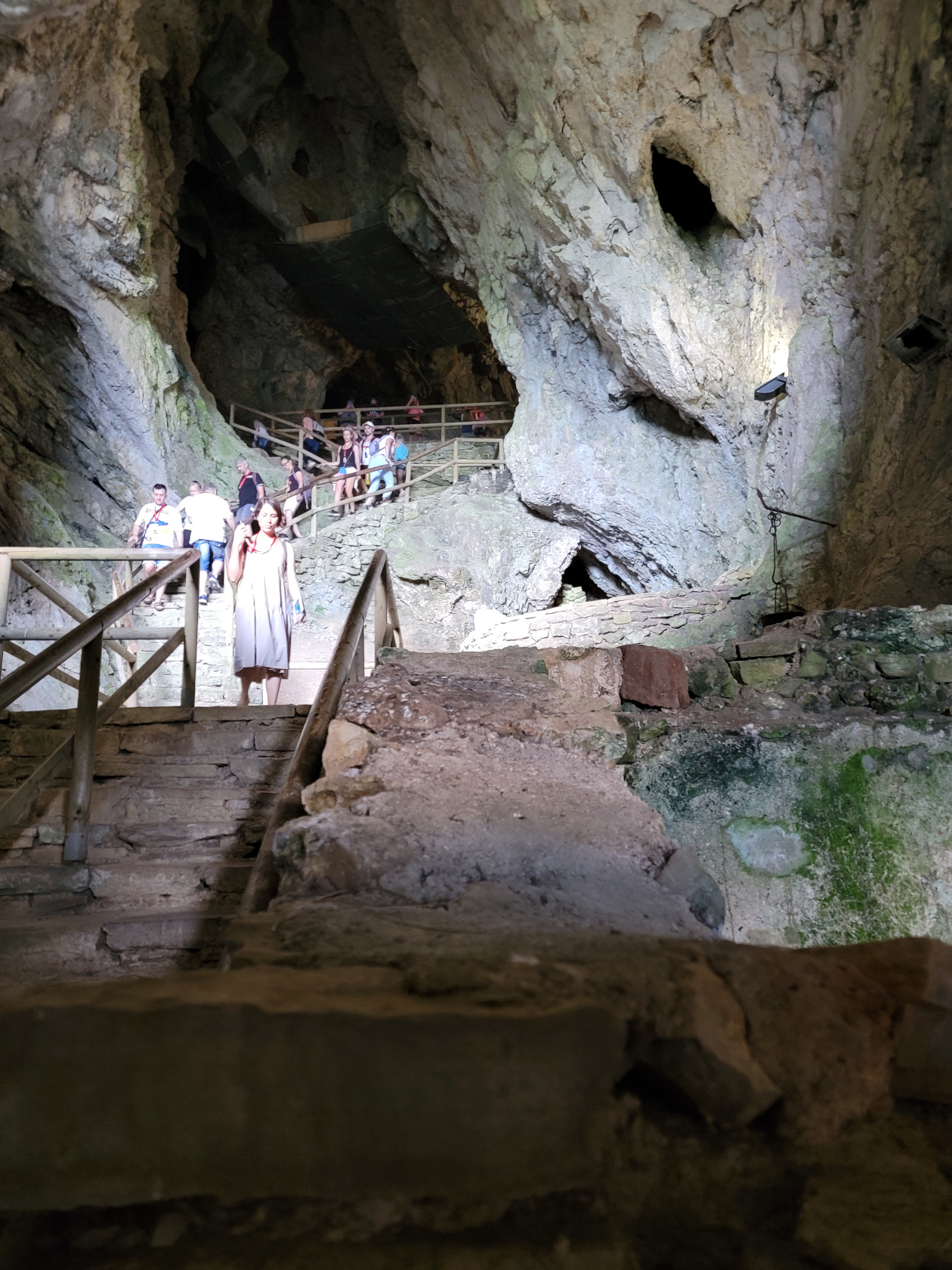
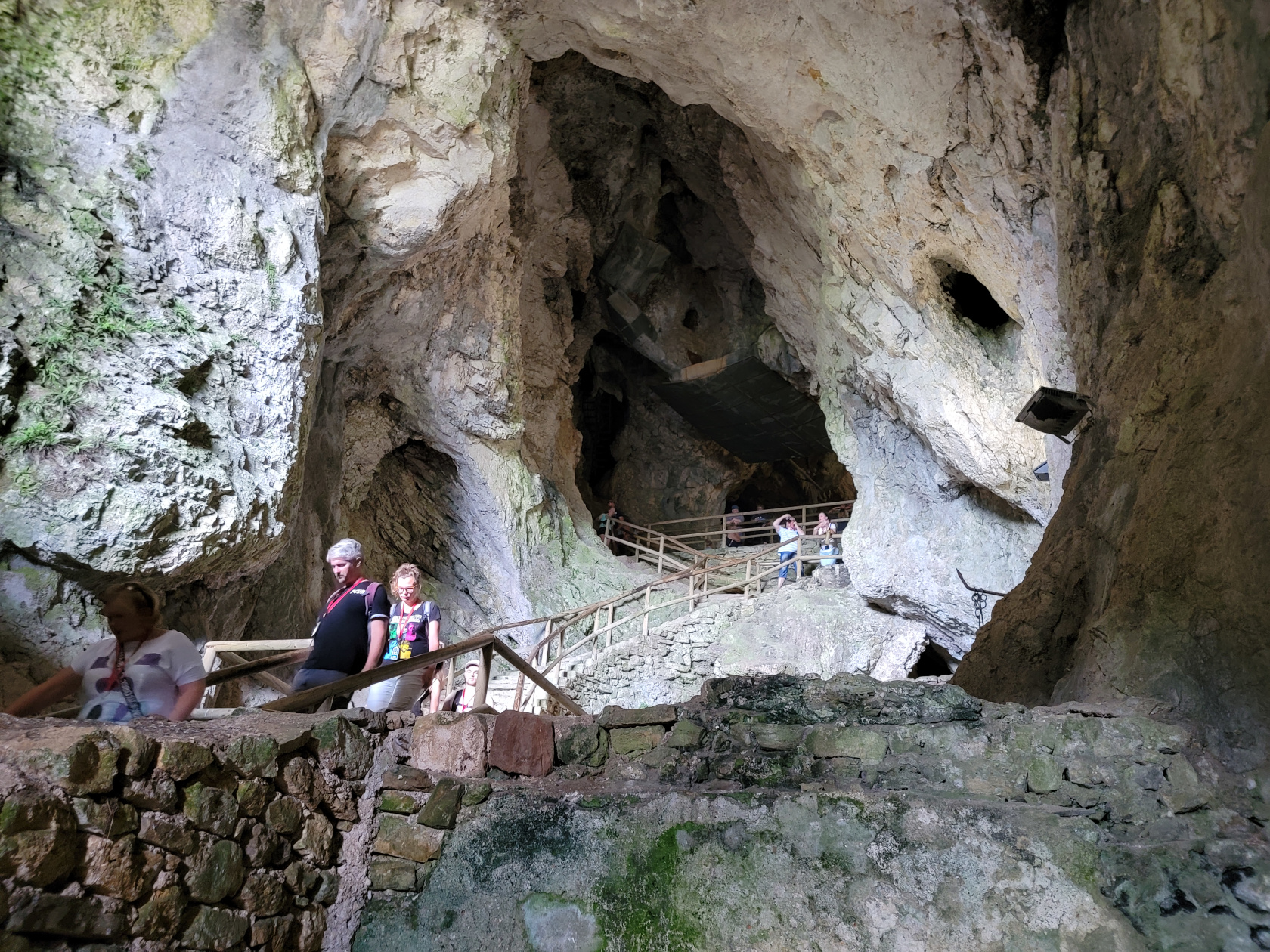
The plan was, when the castle was attacked and broken into, the residence would run across the inside draw-bridge to the protection of the cave, which was well stocked with supplies, water and of course weapons, to defend themselves.
Predjama Castle – Another Cave Entrance
Predjama Castle – More Caves
Predjama Castle – Walkway
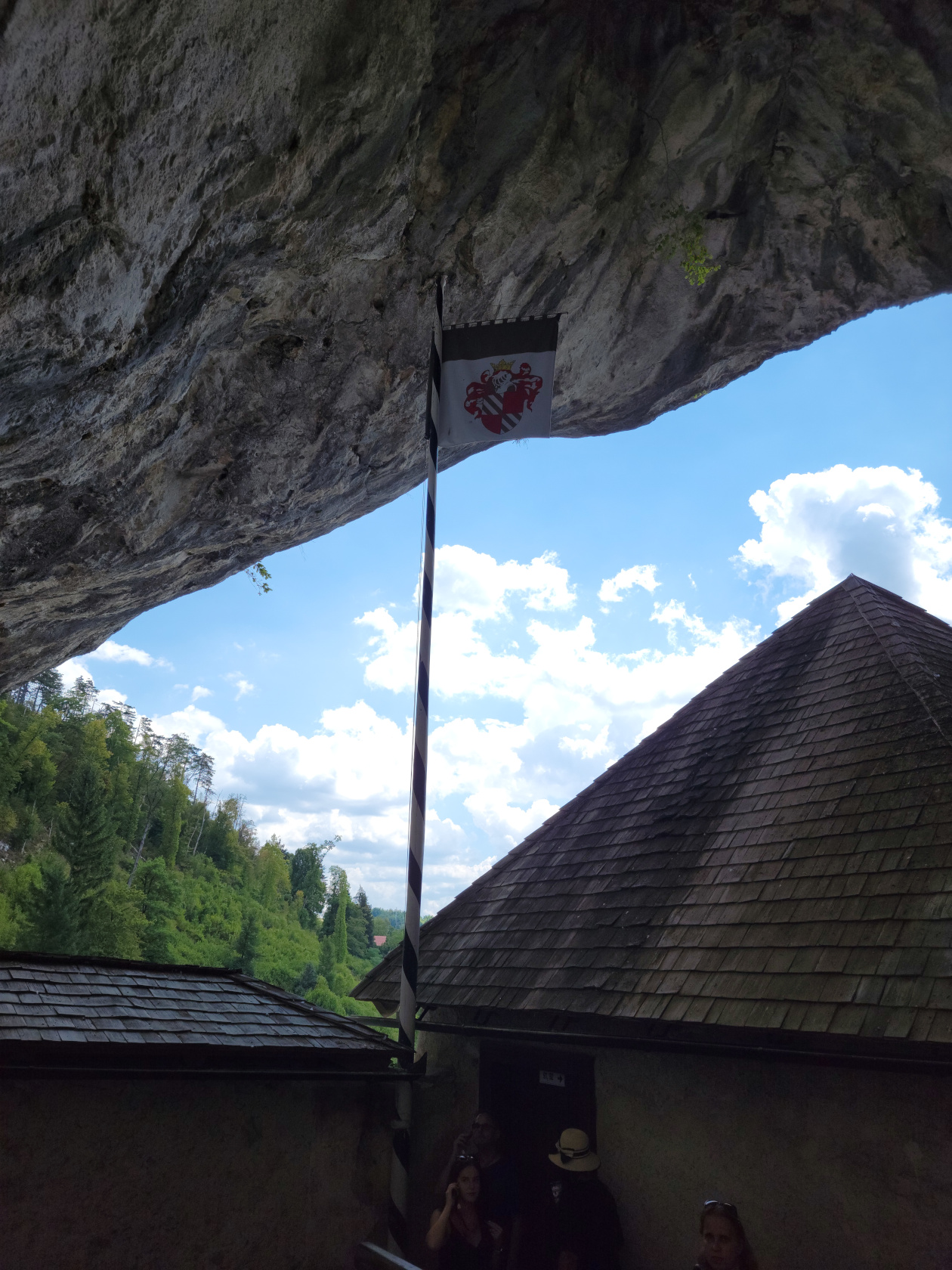
Predjama Castle – Flag
Predjama Castle – Cave Castle
Predjama Castle – Cave Castle Outlook
Predjama Castle – Cave Castle
Predjama Castle – Cave Castle
So, if you are in Bled or Ljubljana and looking for a day trip, you can probably visit this castle along with a tour of the Prostonja Cave. You can usually purchased a ticket for both, since they are associated with one another. We purchased our’s at the cave entrance, but you can probably purchase them at the castle entrance too.
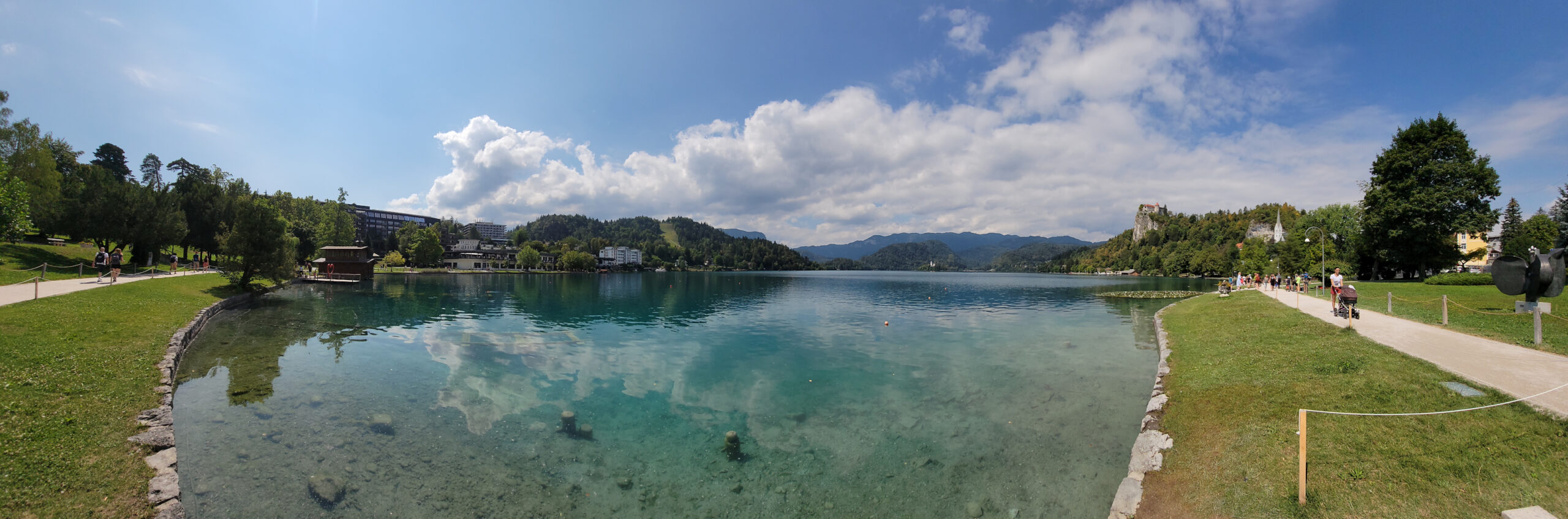
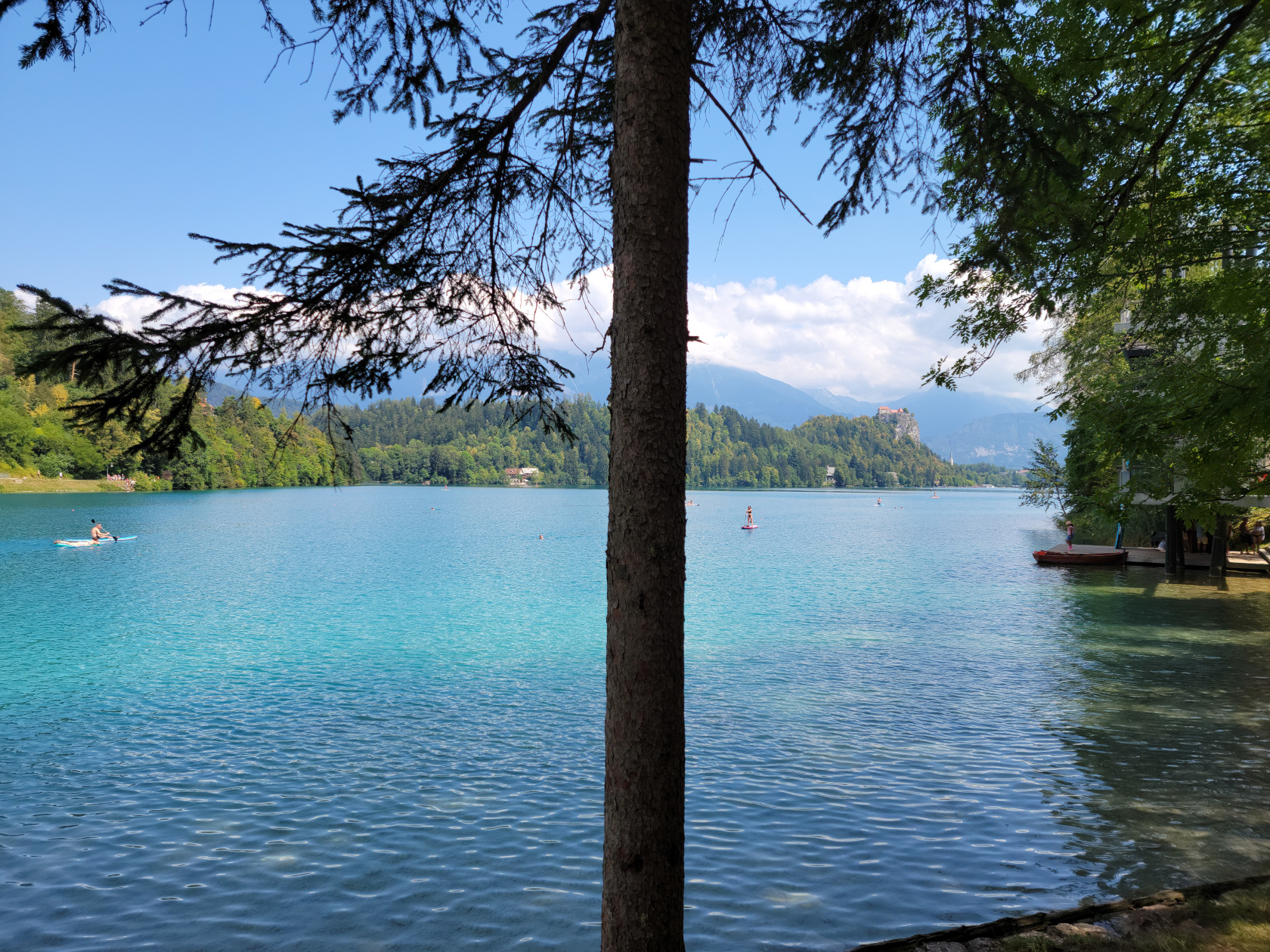
At the base of the Southern Limestone Alps[1]They are additionally known as the Julian Alps., or Karawanken Mountains, sits the small town and lake of Bled . It is almost a must see place to go on a day trip from Ljubljana, especially if you have enough time. Since we have the time, we usually overbook our stays at places that are totally unknown to us. For Ljubljana specifically, and Slovenia in general, we were happy that we did, since it afforded us a day trip such as the one to Bled. Slovenia really is a great place to visit!
Bled – entrance from parking lot – panorama
Lake Bled – Getting There
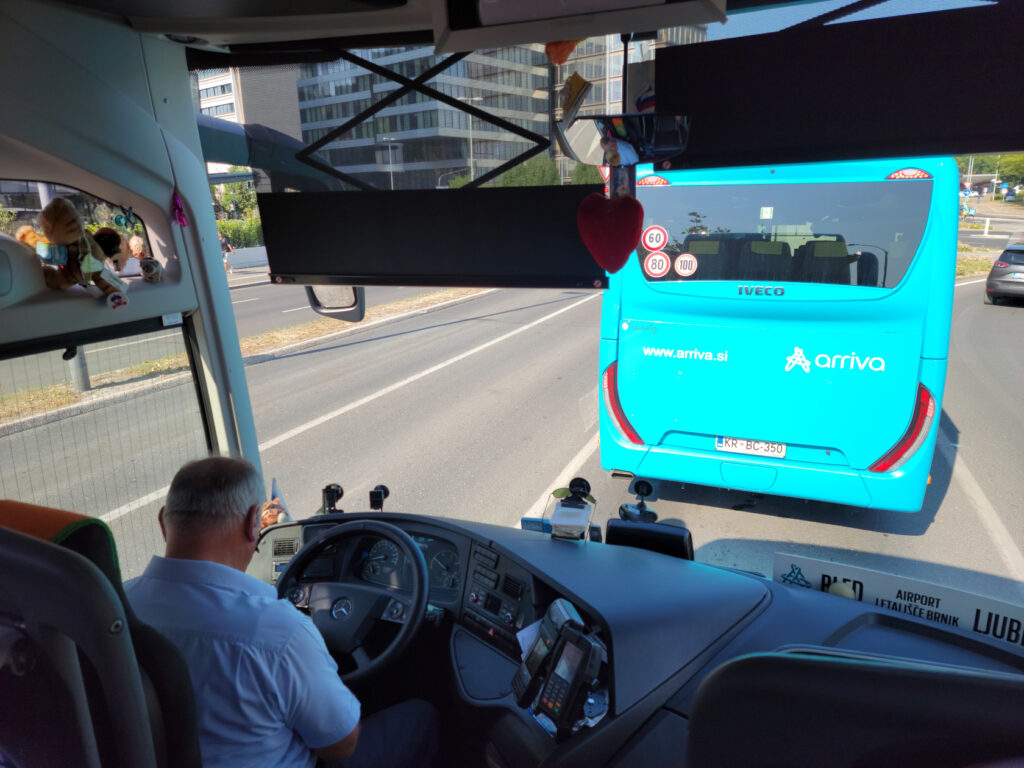
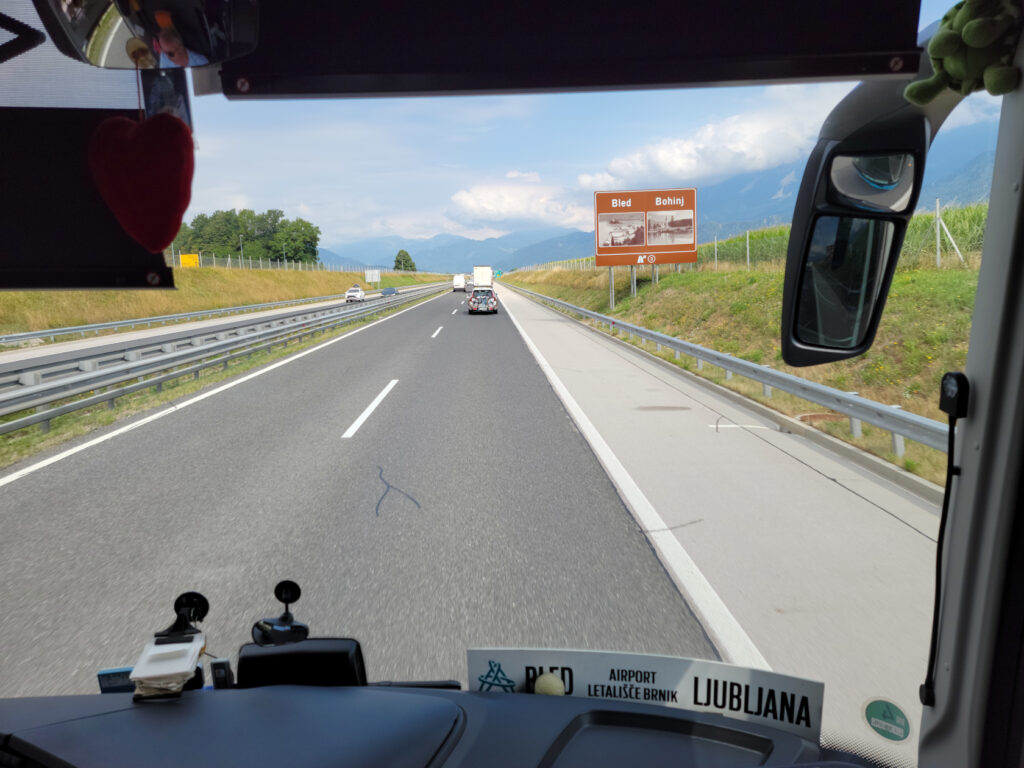
To get to the lake you must travel northwest from Ljubljana, there is the E61 that can be taken by car or bus. The trip normally takes forty-five minutes by car, and up to an hour and a quarter by bus, but can take longer if there is an accident or construction on the highway. Upon the suggestion of the information booth by the Triple Bridge we took the bus, even though we now think the train may be faster. The bus is packed, so if you are worried about Covid-19, and you should, you should be prepared to wear you FFp2 mask.
It should be noted, the bus takes two different routes going to and coming from the lake, each taking about the same time. There is of course the train, which may actually take less time gong to and fromm Bled, but then you have about a twenty or so minute walk from the town of Bled Train Station to the lake. The bus on the other hand goes all the way to the lake, even though we chose to get off at the Blen Union station.
Bus Ride to Bled – Starting out
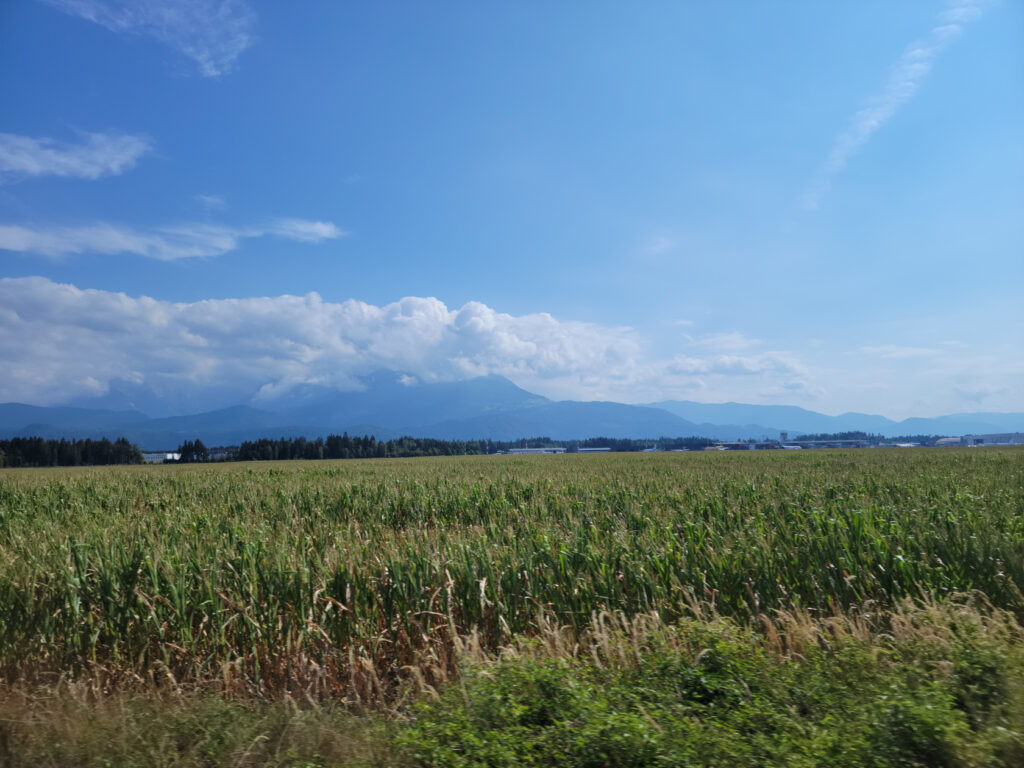
Bus Ride to Bled – Mountains along the way
Bus Ride to Bled – Sign for Bled
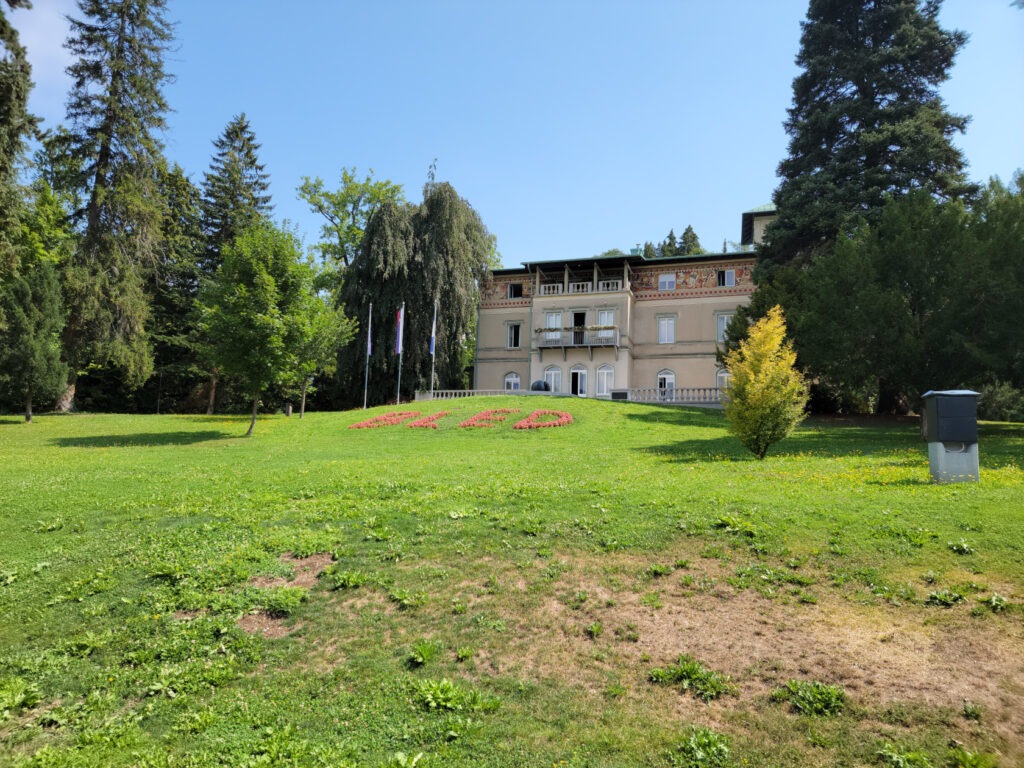
Bled – Upravna enota Radovljica
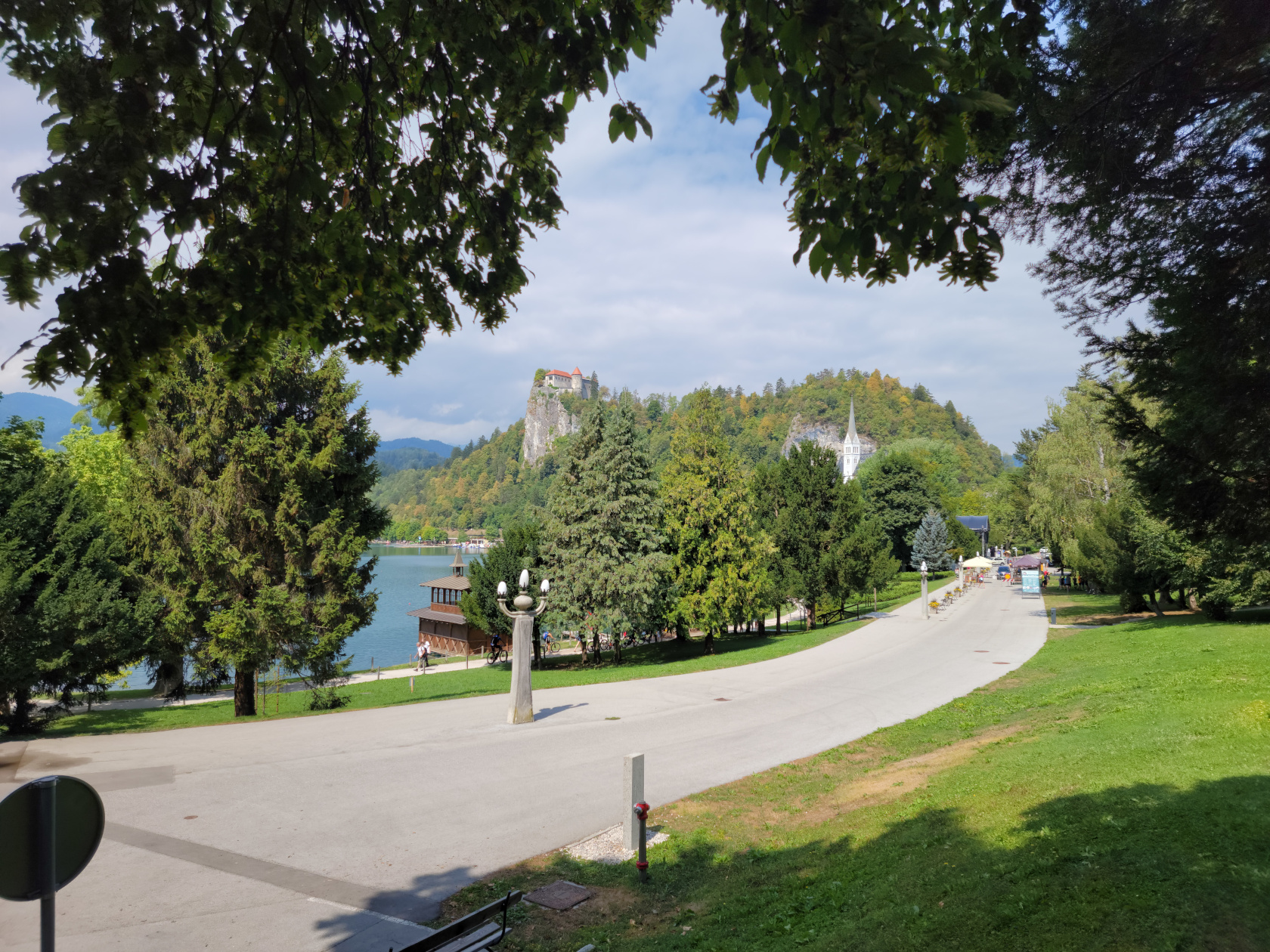
Lake Bled – The Trail
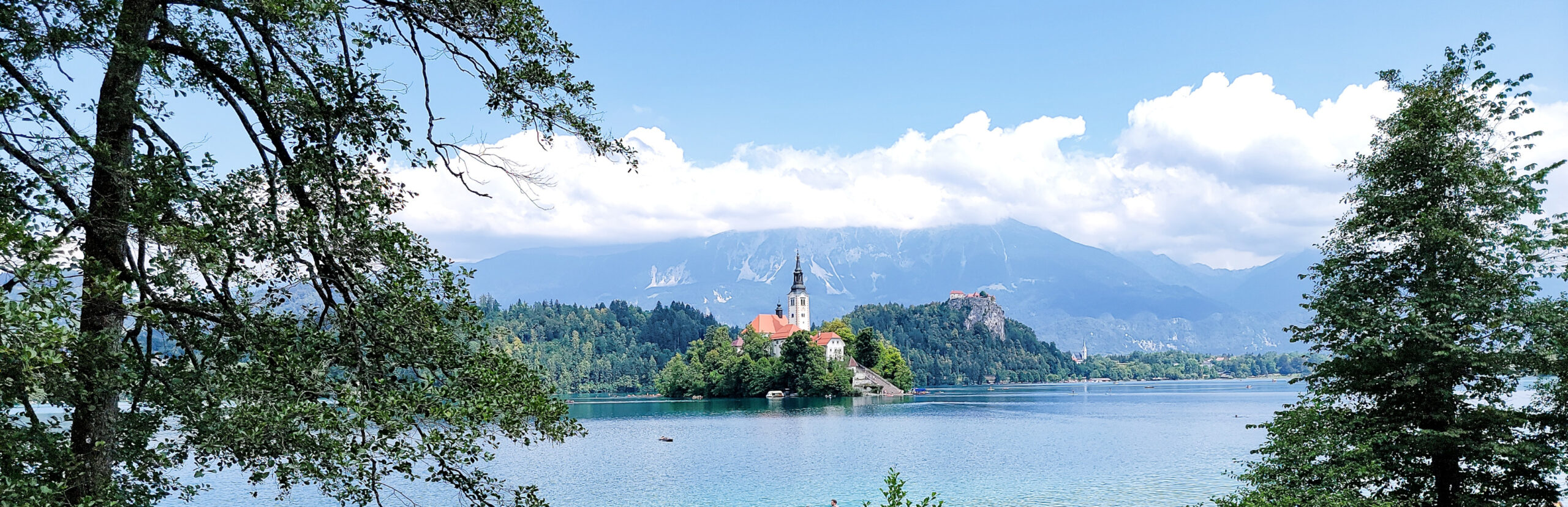
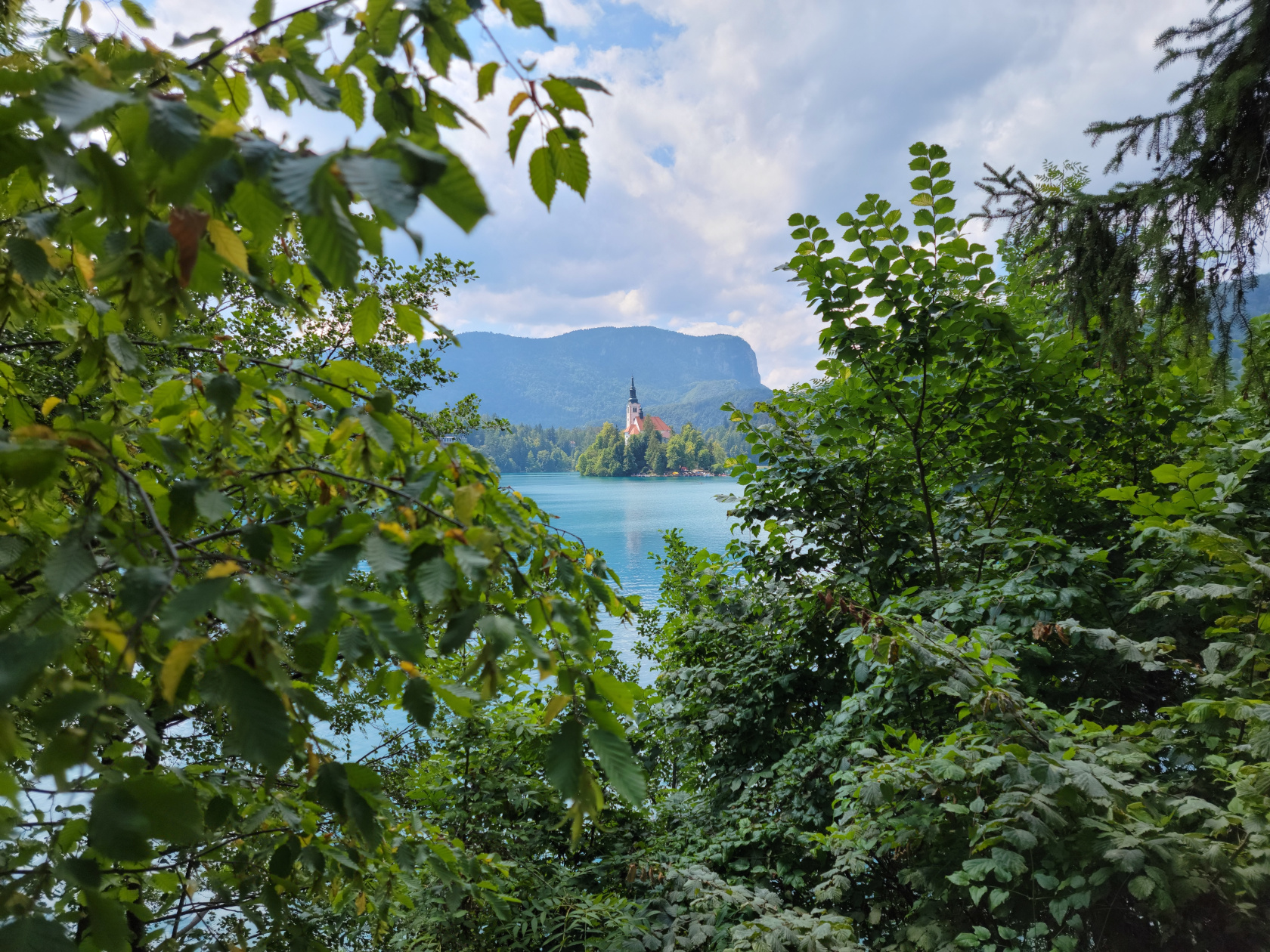
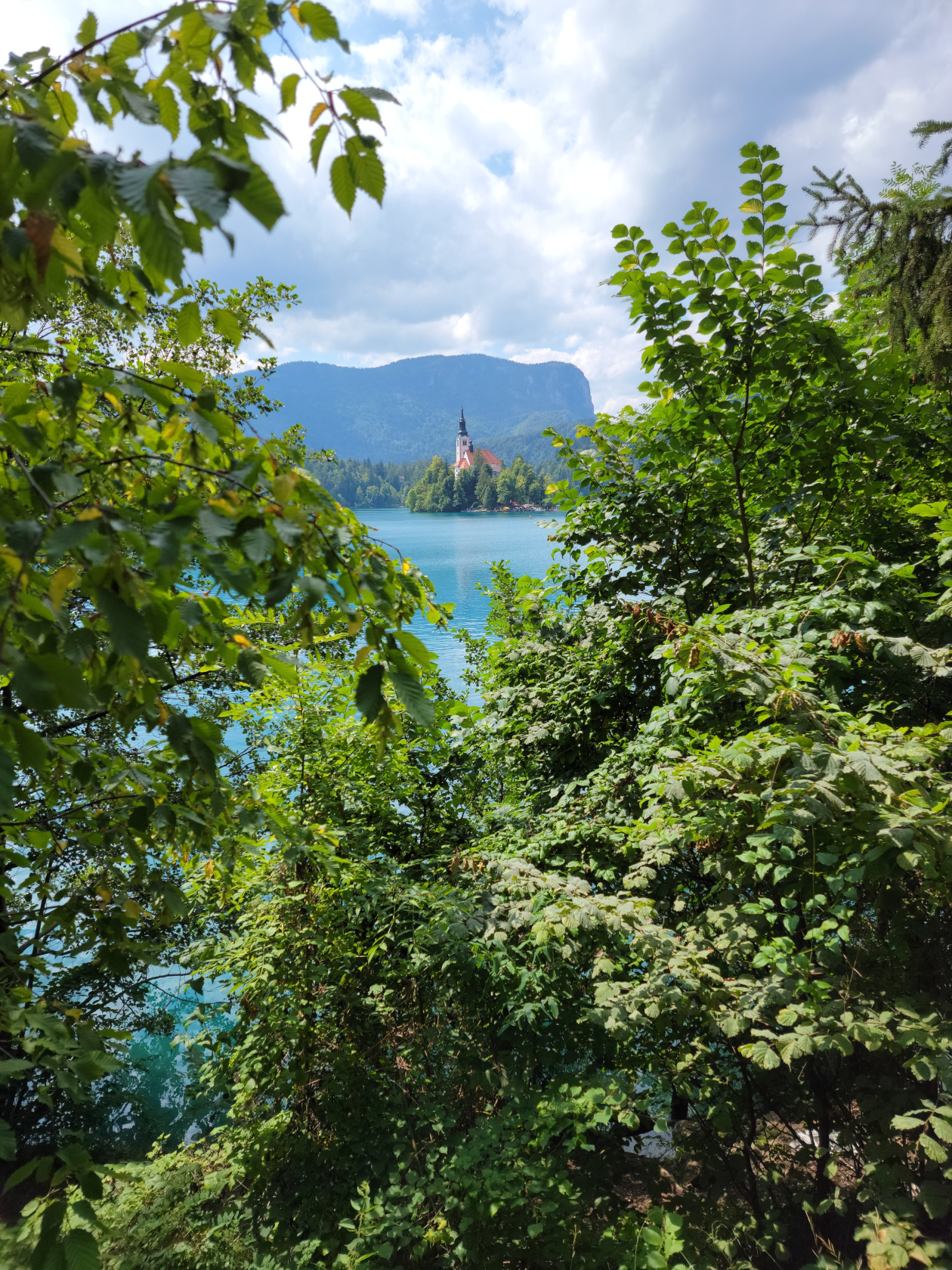
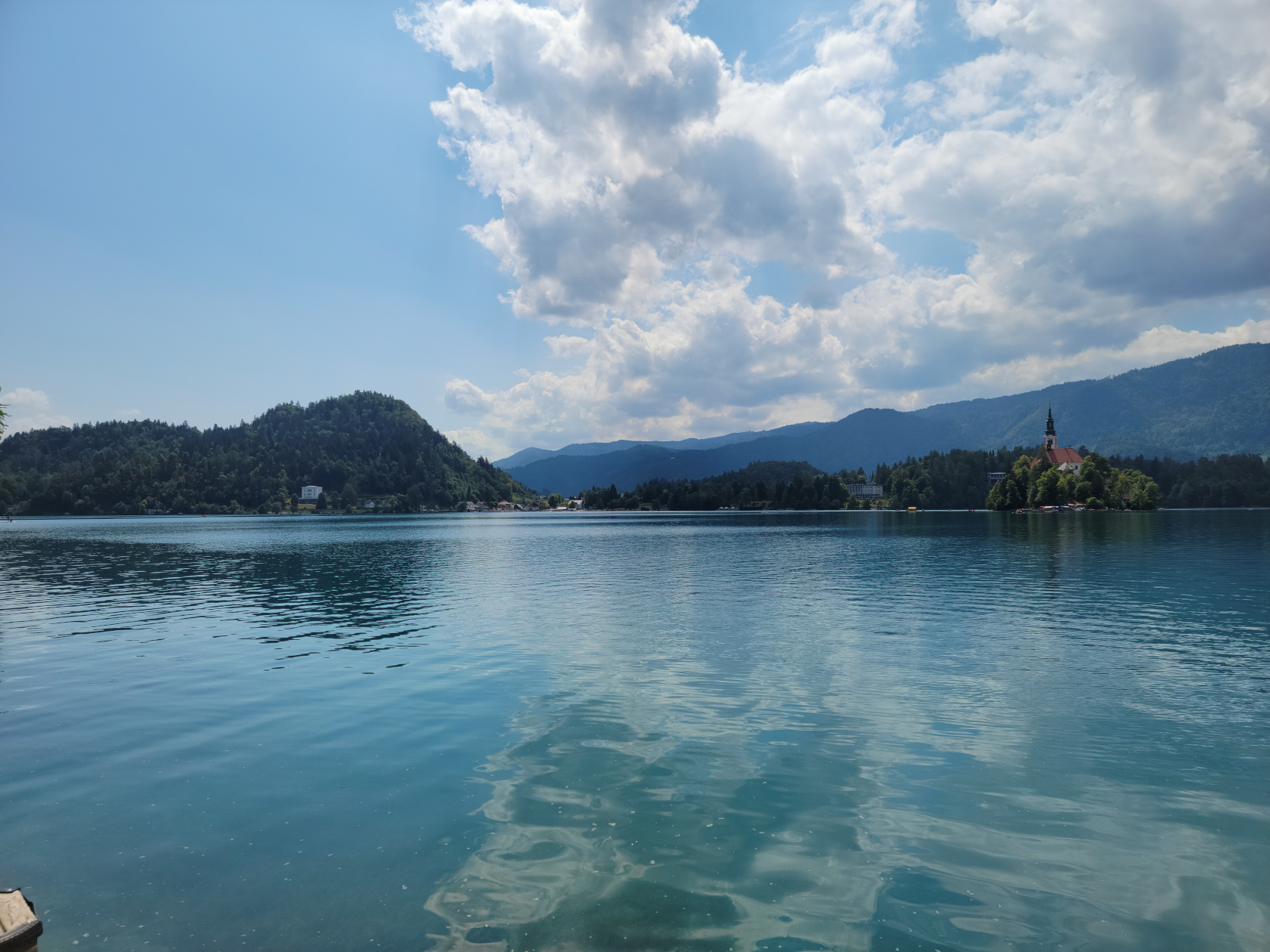
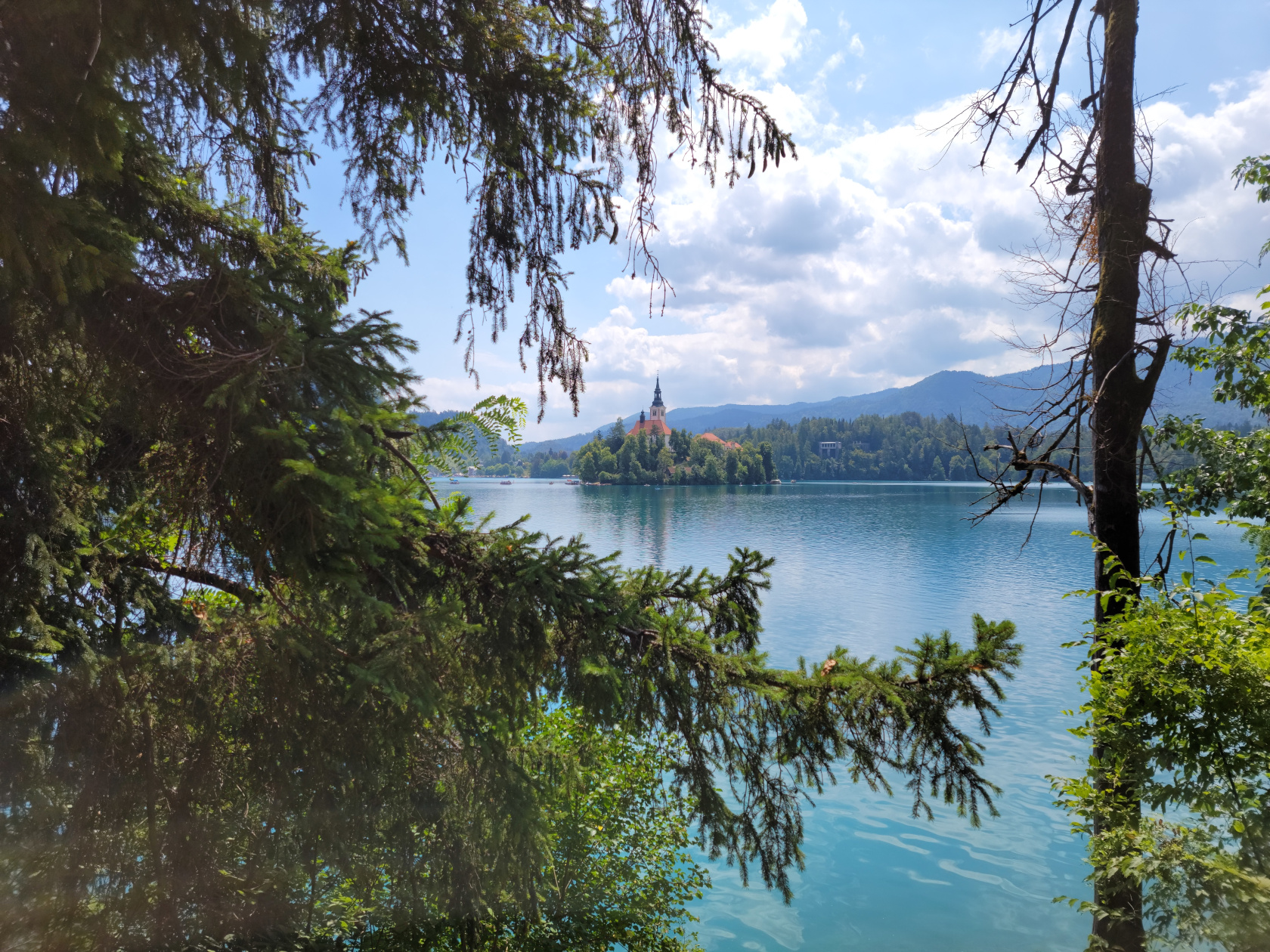
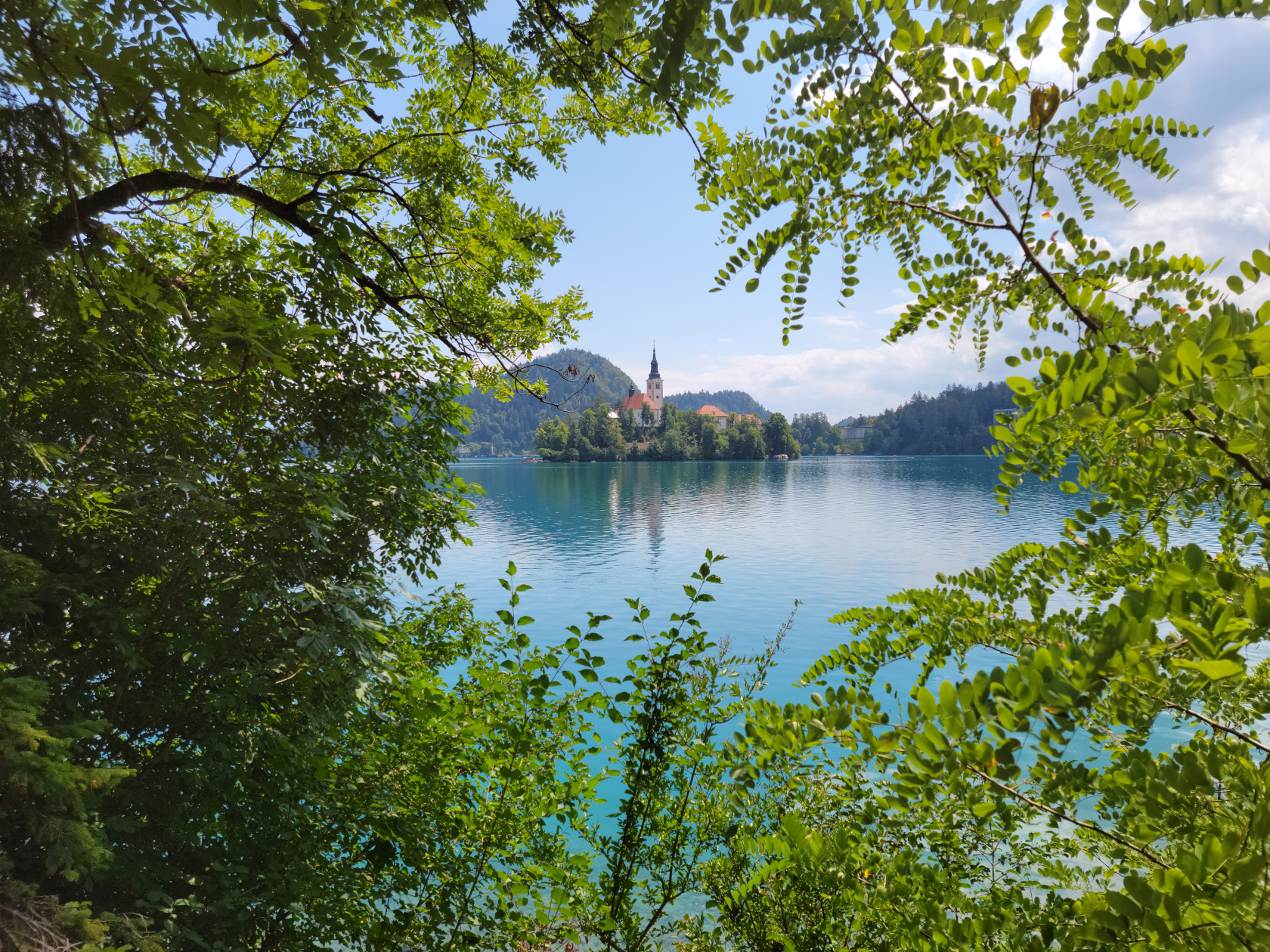
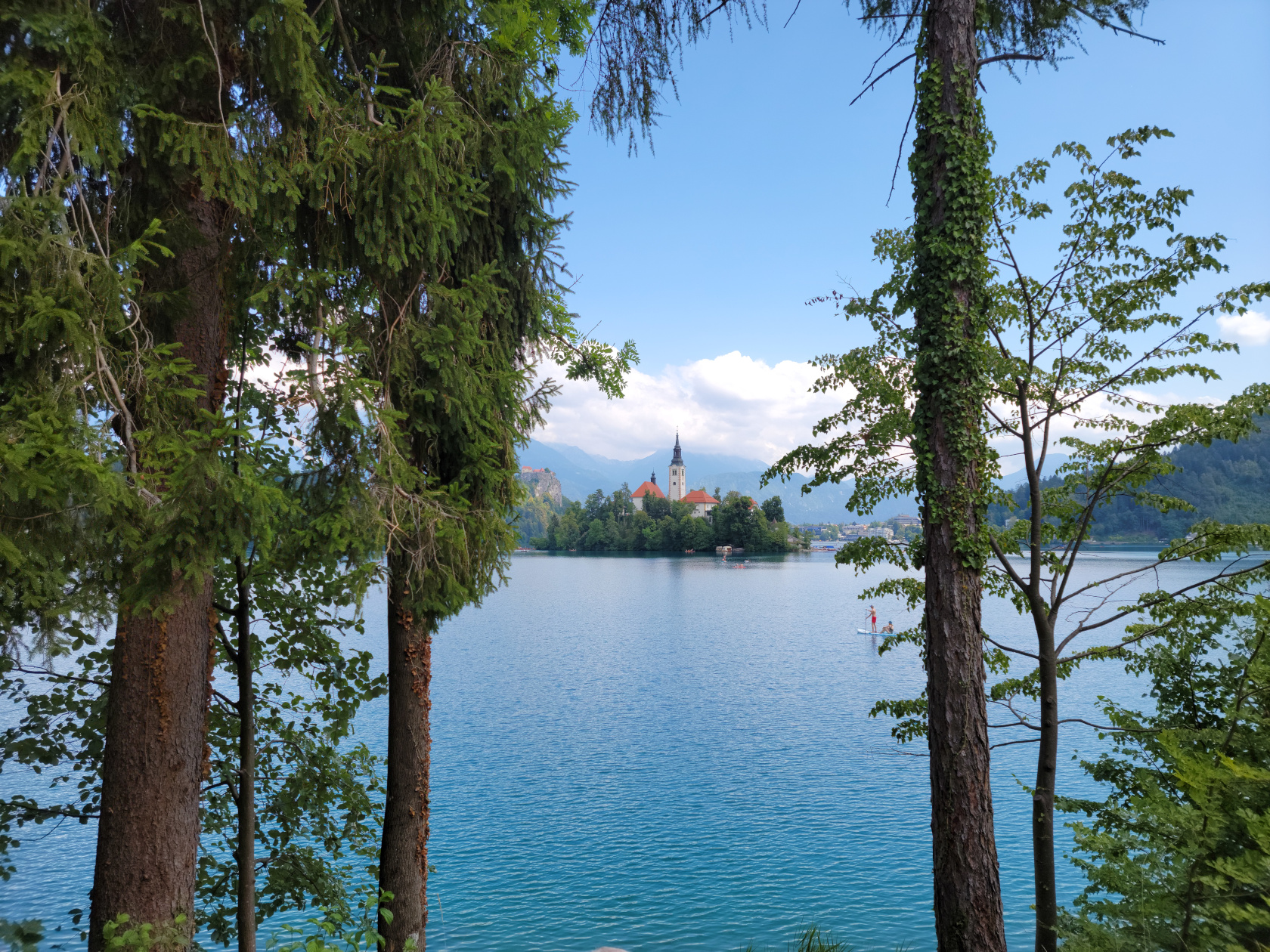
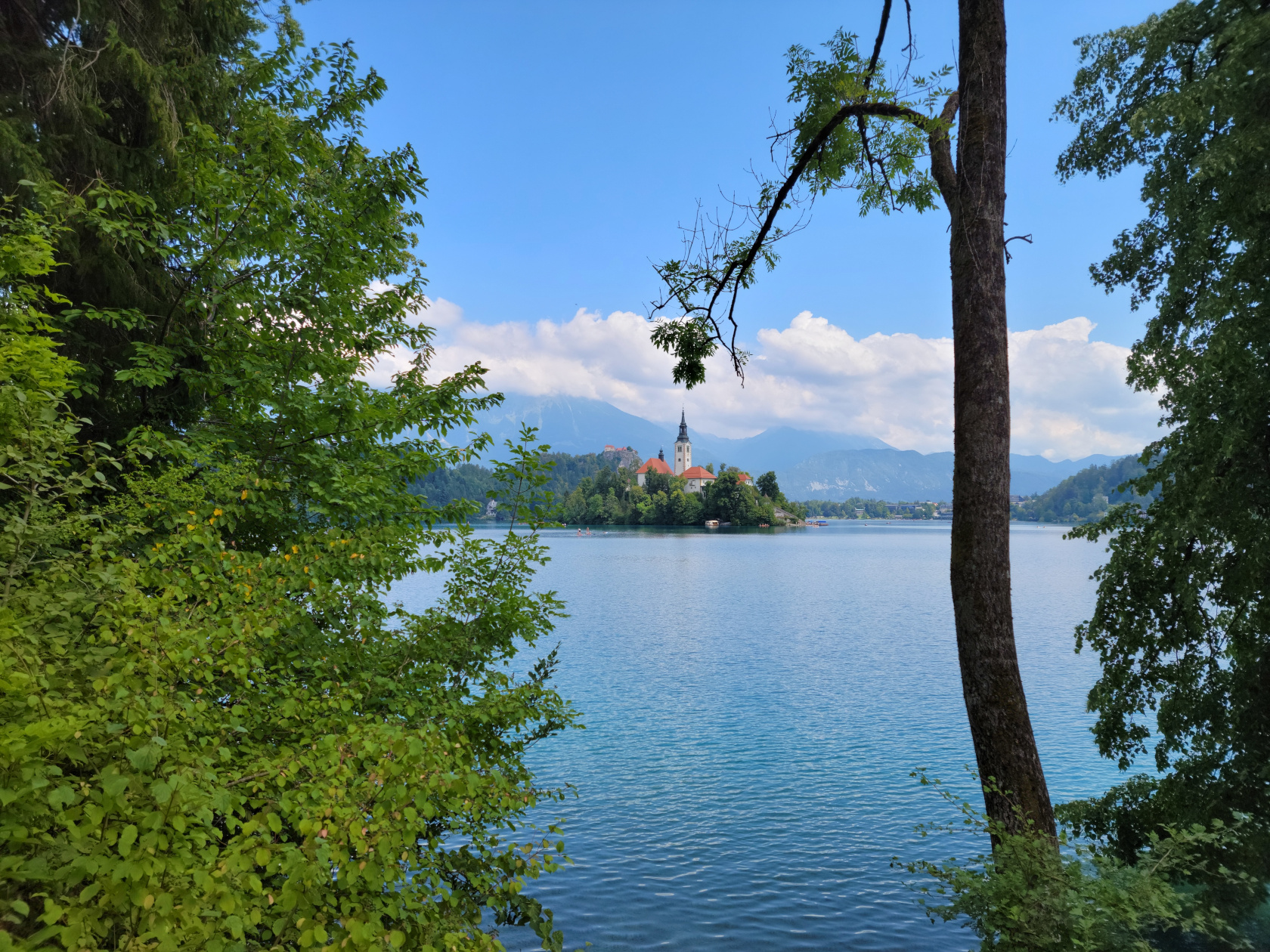
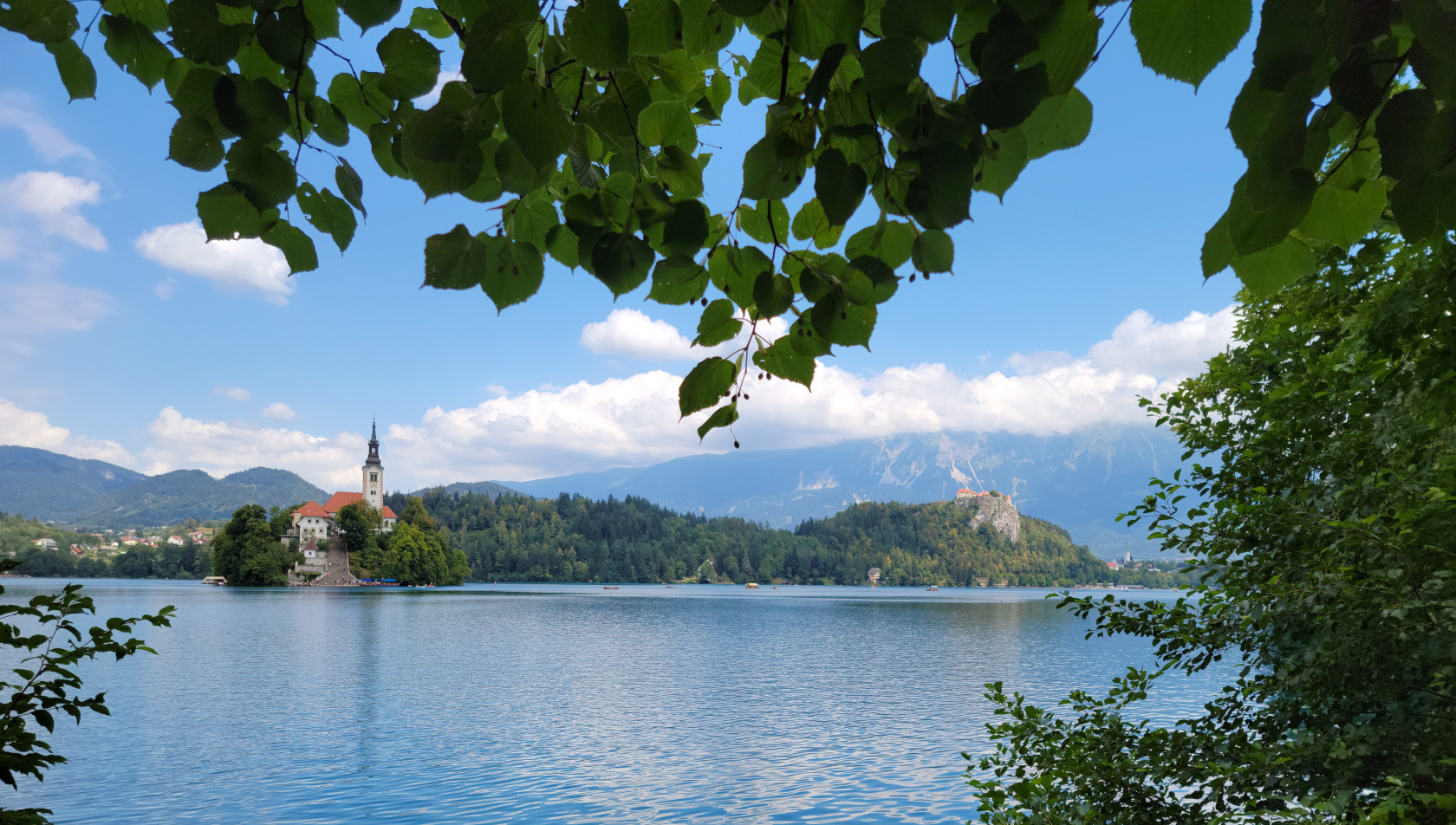
Bled – Assumption of Mary Church on Slovenia’s only island
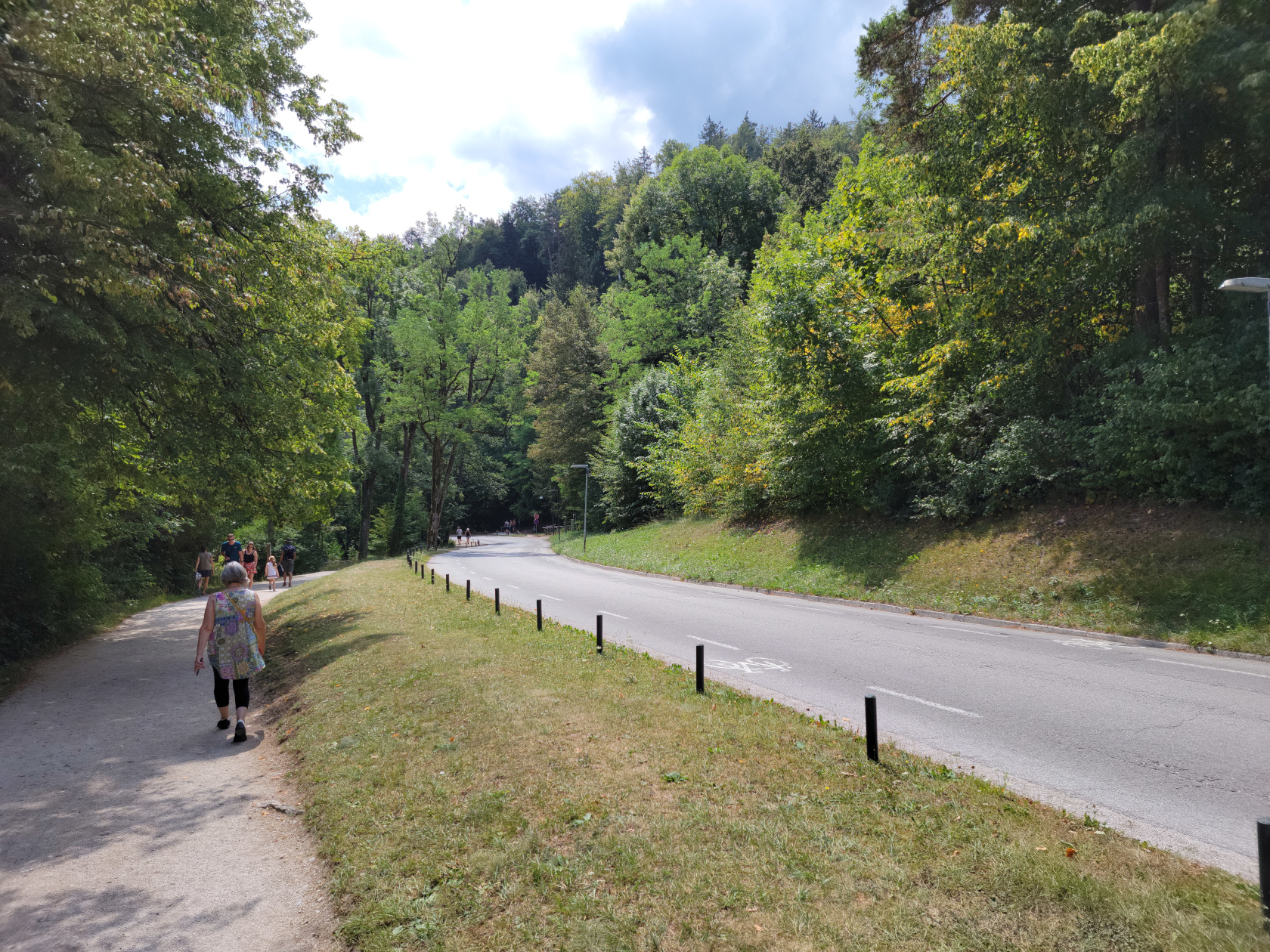
There is an excellent trail that totally circumnavigates the lake, going through several tourist beach and cafe points, any one of which you can take a pause in your walk to get refreshed.
Here is a slideshow of our great afternoon walking the lake shore trail, enjoying the beautiful weather and scenery.
Bled – Bled Castle
Bled – entrance walkway
Bled – Bled Castle
Bled – the Julian Alps in the distance
Bled – Lake Bled is surrounded by the Julian Alps
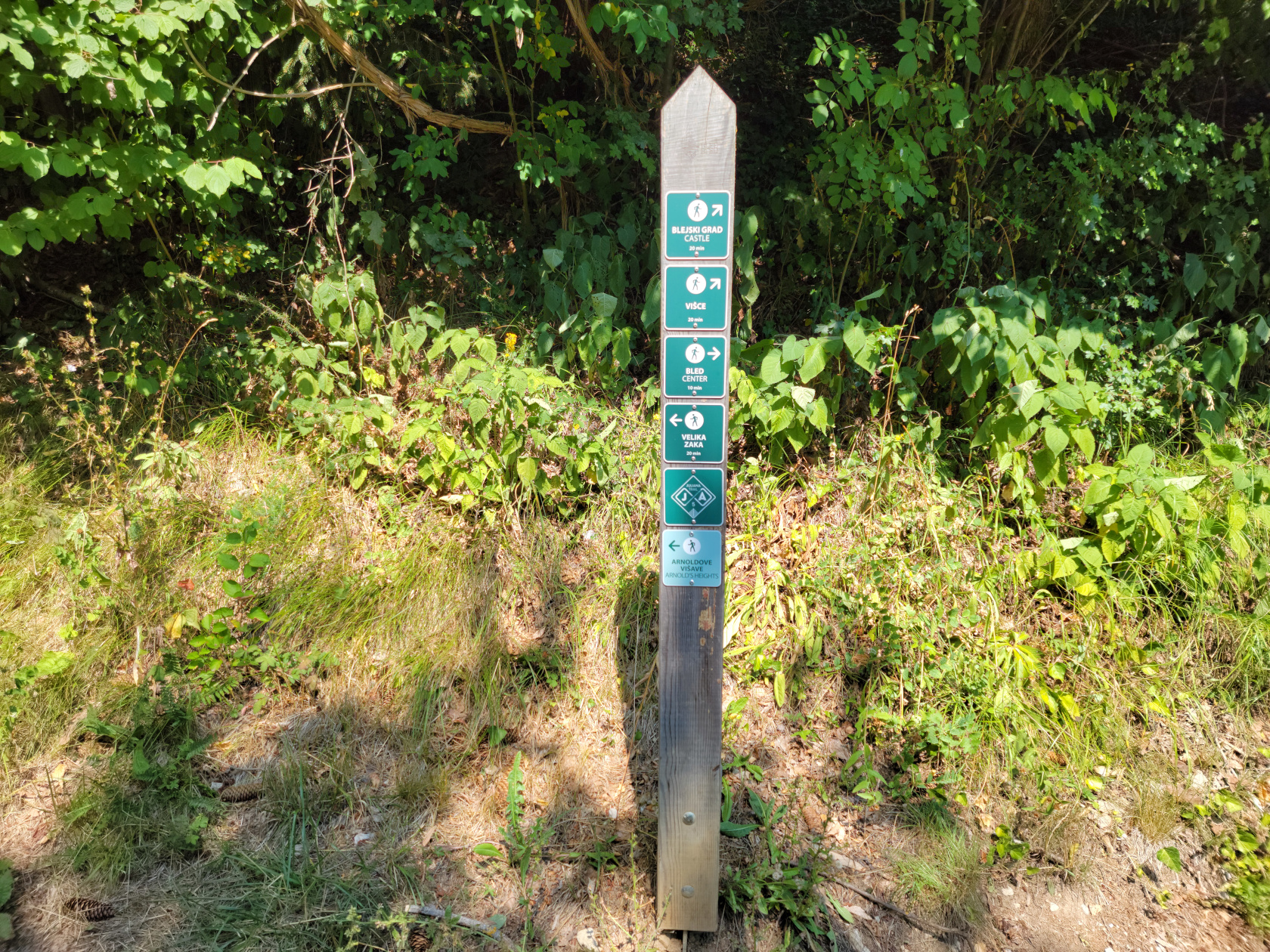
Bled – trail post
Bled – Assumption of Mary Church on Slovenia’s only island
Bled – Assumption of Mary Church on Slovenia’s only island
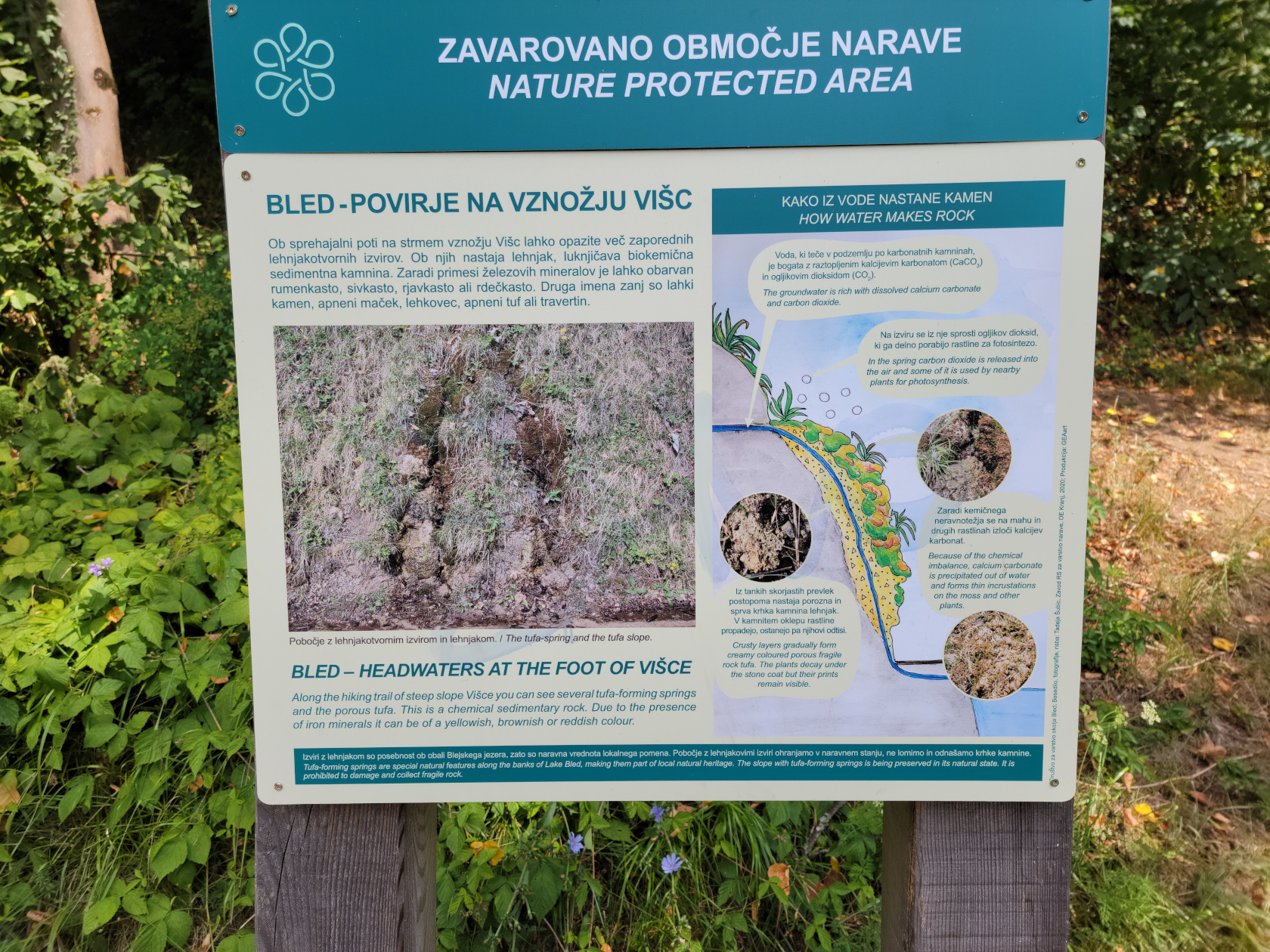
Bled – how the water runs through the rocks
Bled – Assumption of Mary Church on Slovenia’s only island
Bled – Assumption of Mary Church on Slovenia’s only island
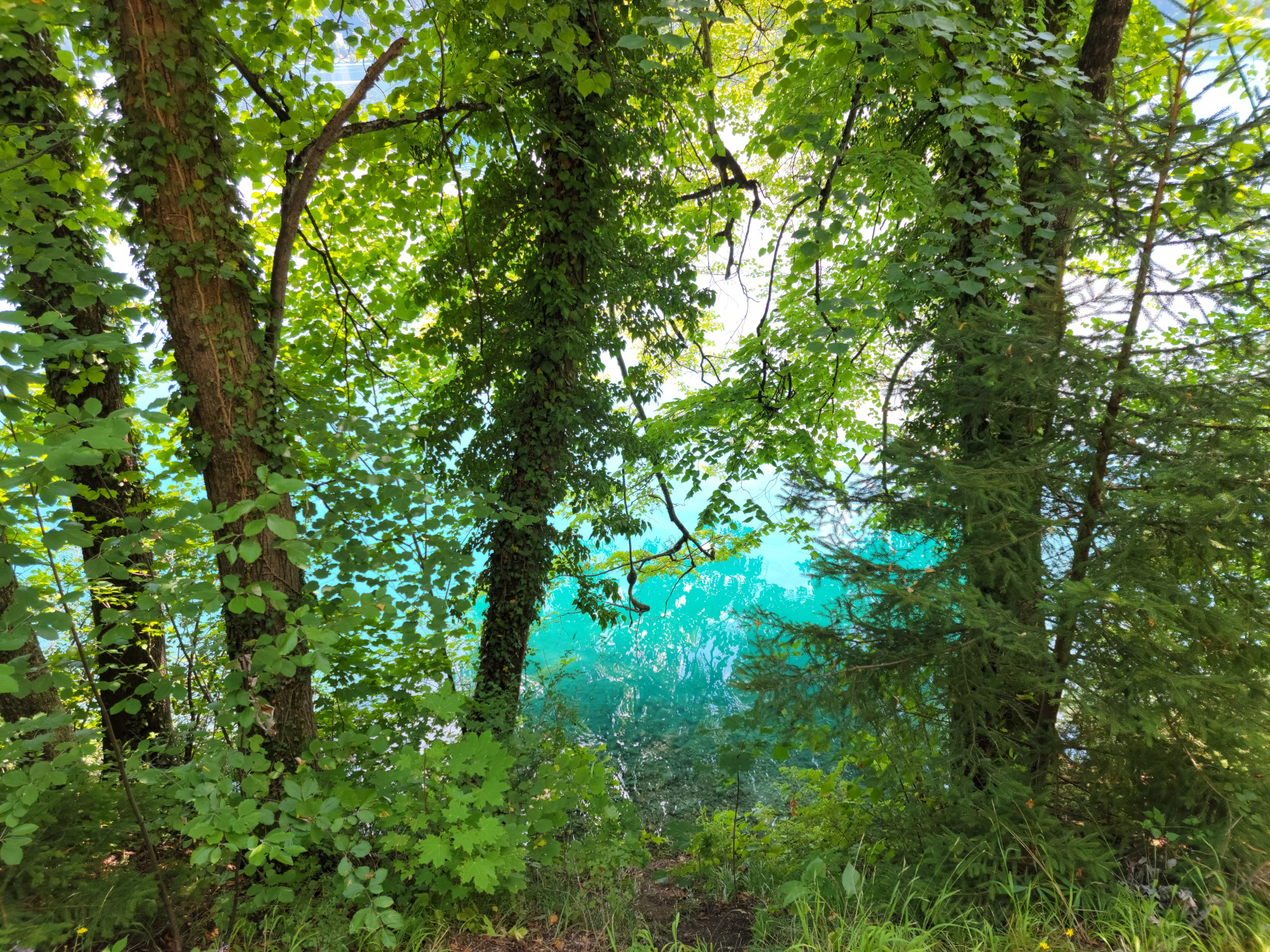
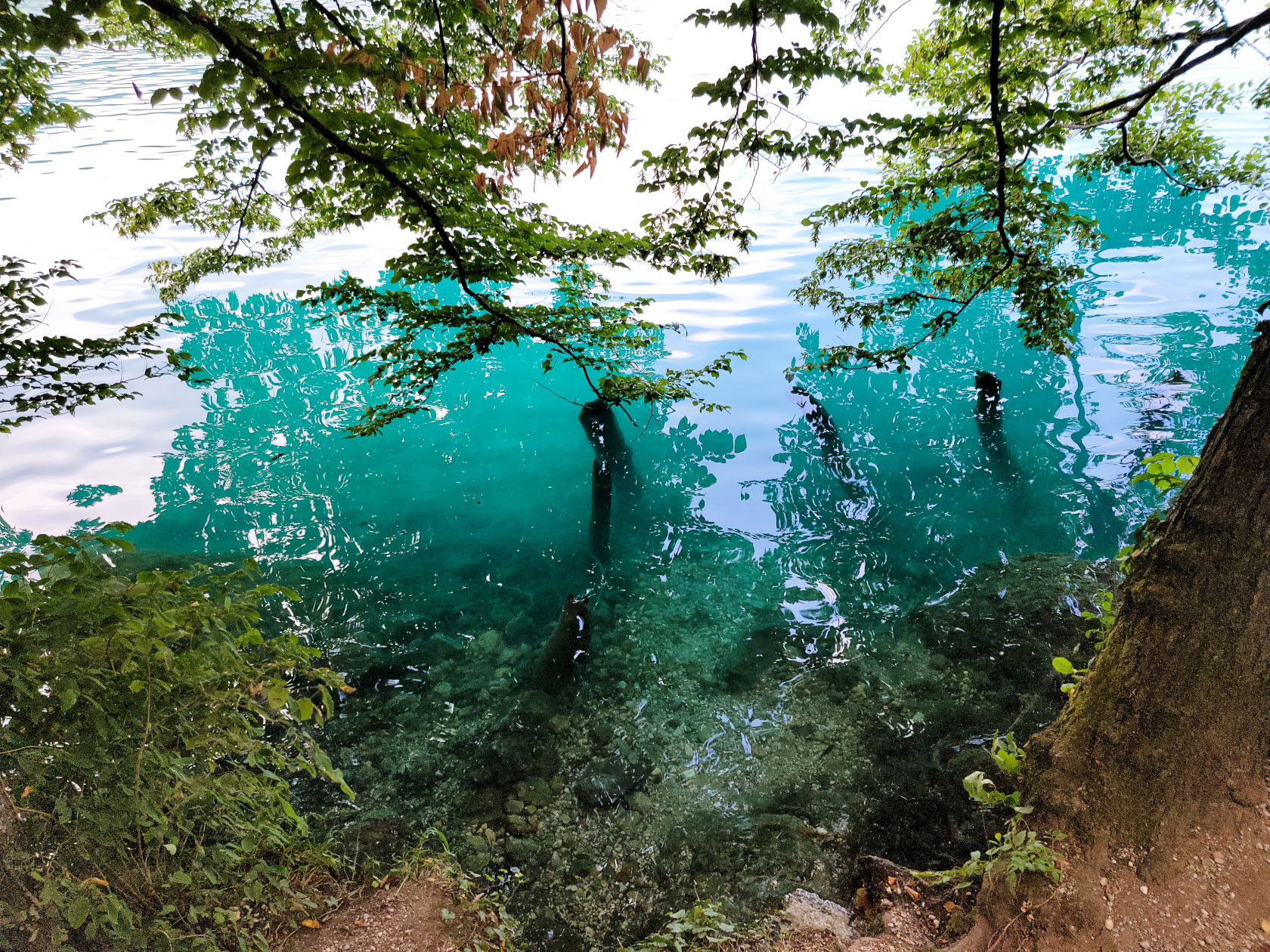
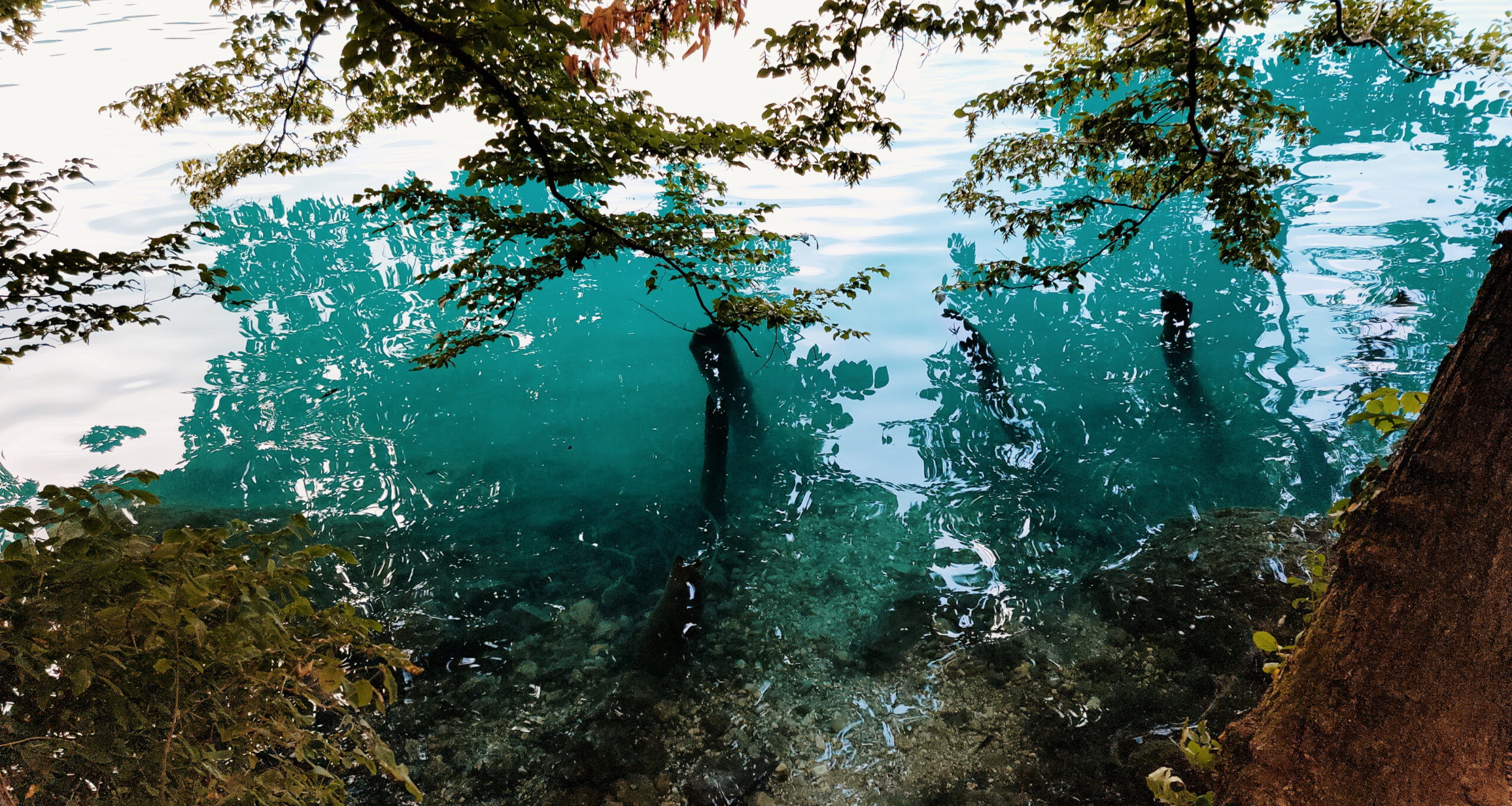
Bled – the lake water is bluish green
Bled – Assumption of Mary Church on Slovenia’s only island
Bled – Assumption of Mary Church on Slovenia’s only island
Bled – the beautiful lake Bled
Bled – Assumption of Mary Church on Slovenia’s only island
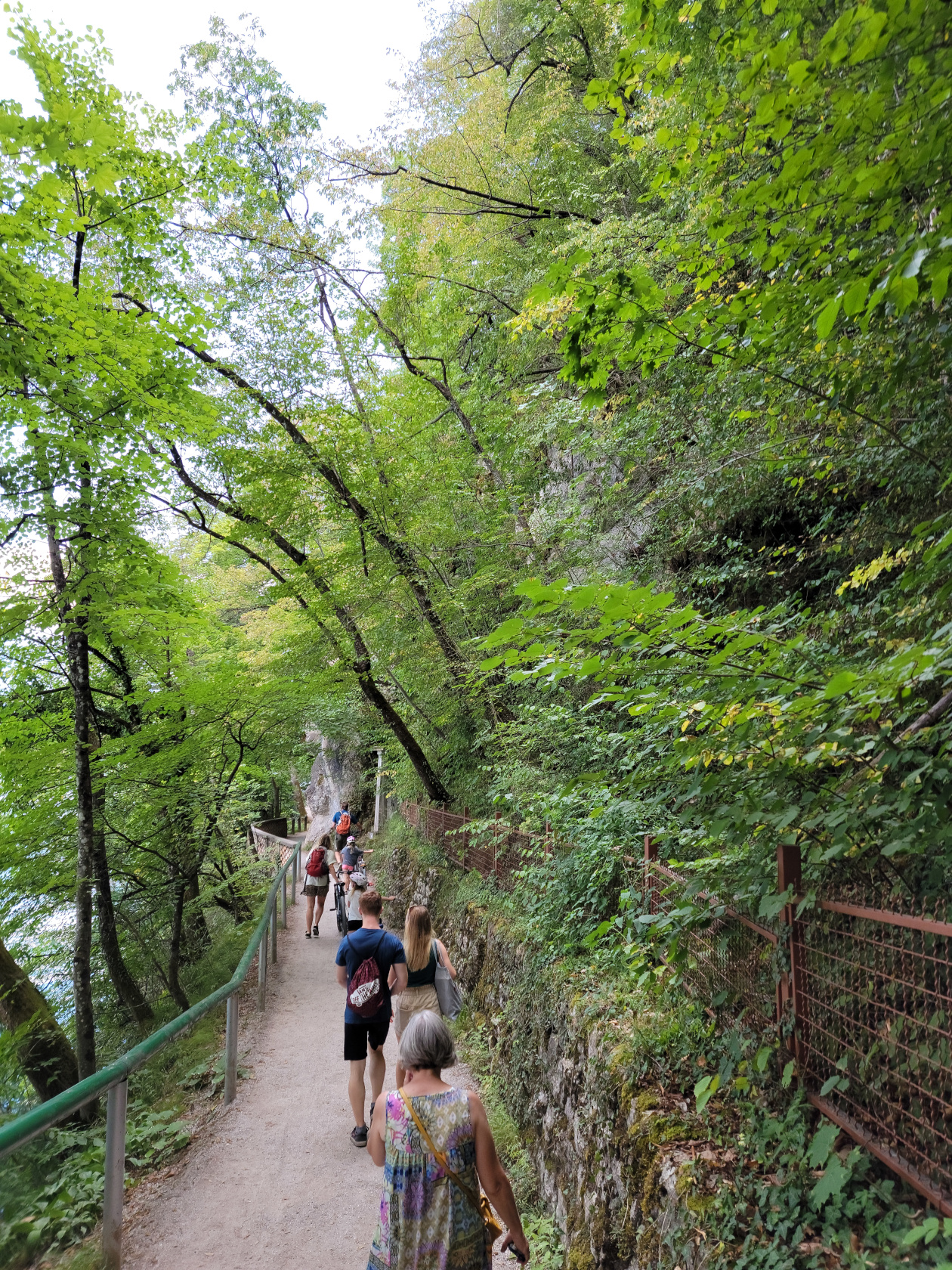
Bled – walking the trail
Bled – Assumption of Mary Church on Slovenia’s only island
Bled – Blad Castle
Bled – Assumption of Mary Church on Slovenia’s only island
Bled – Slovenia’s only island
Bled – cyan colored water
Bled – cyan colored water
Bled – walking the trail
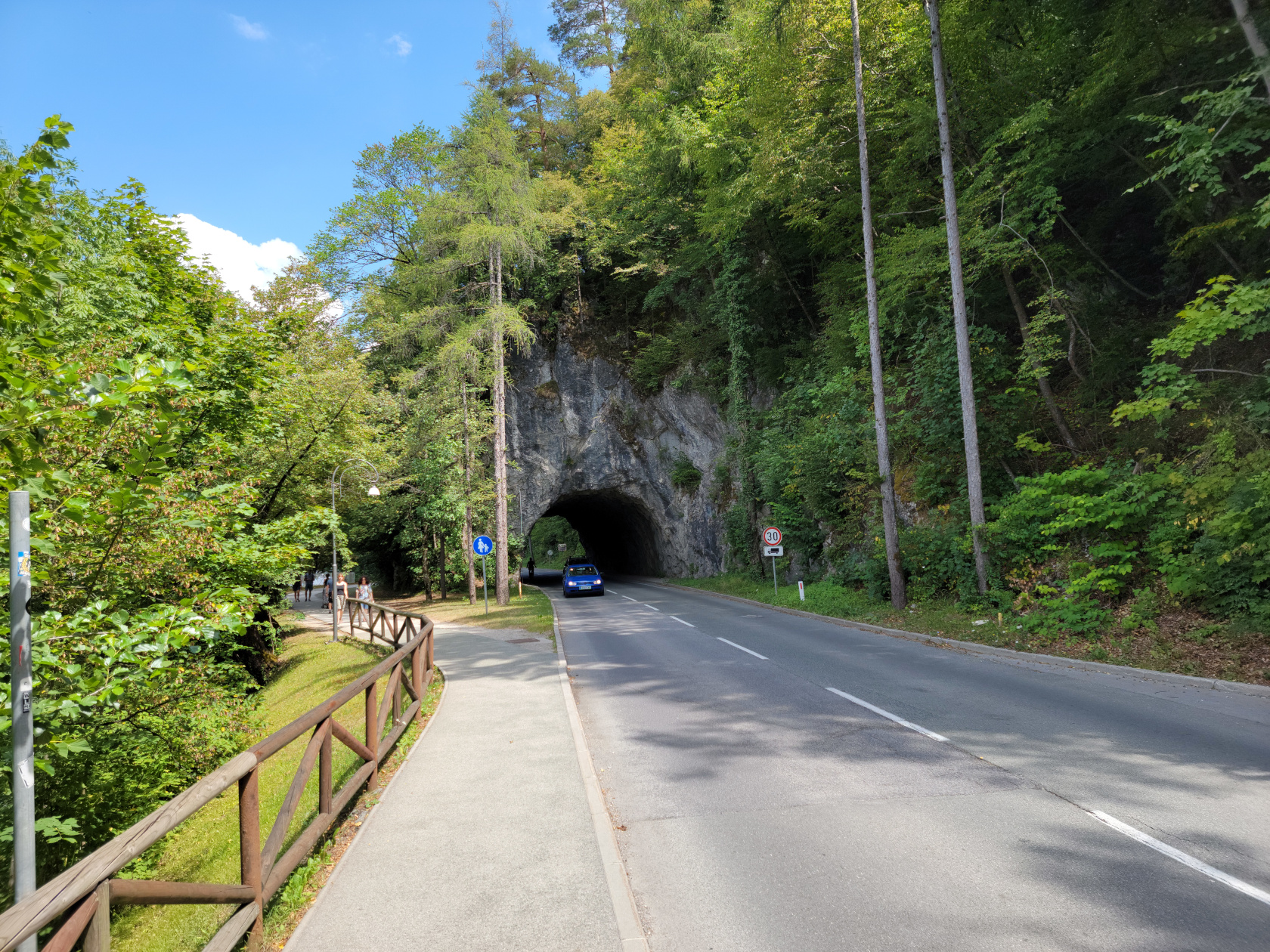
Bled – road tunnel
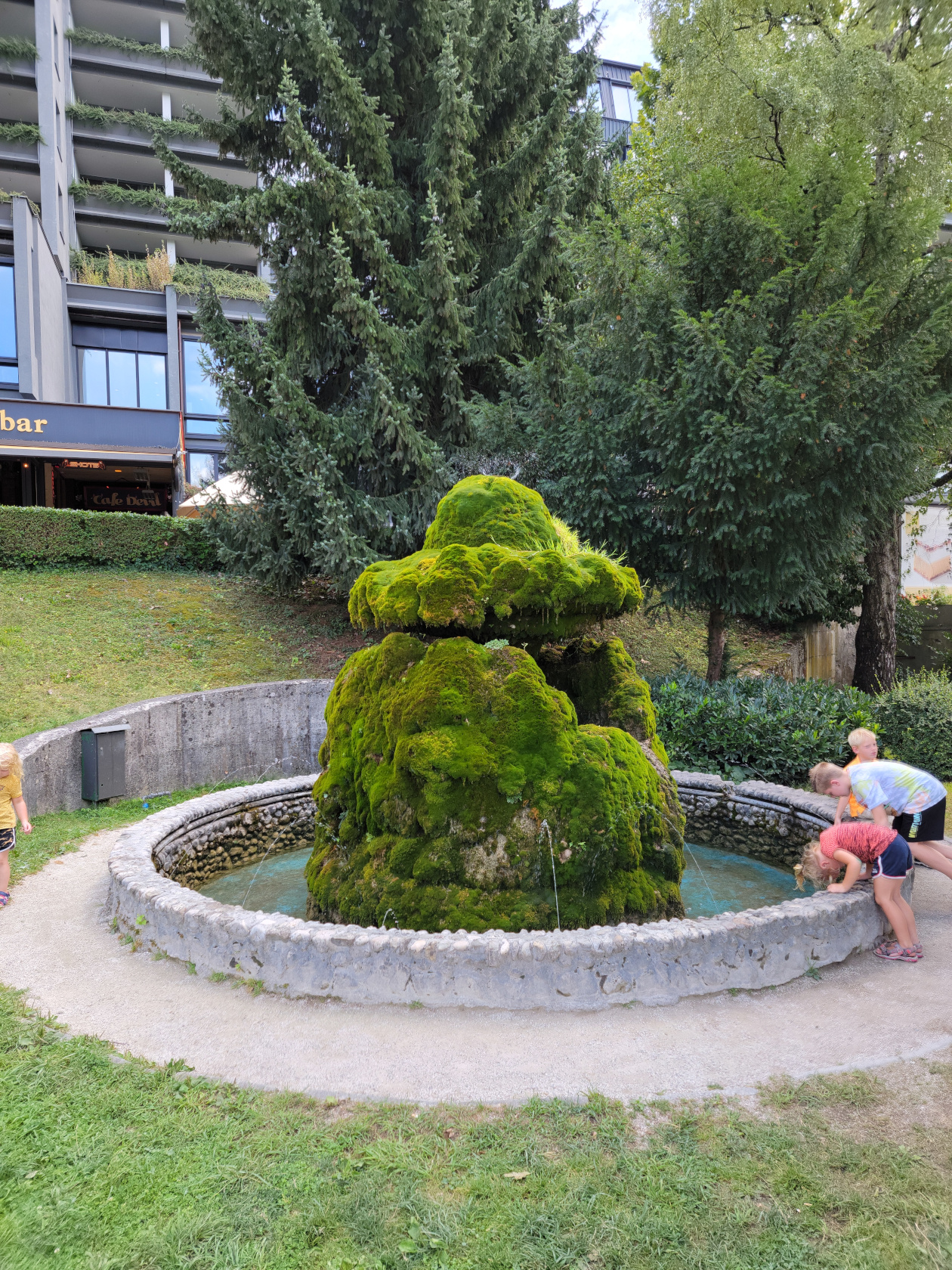
Bled – the moss fountain
Restaurants
Hotel Starkl Restaurant
Around 12:30 or so we stopped about three quarters of the way, going anti-clockwise around the lake, at the restaurant Hotel Starkl. It is best to get to any European tourist restaurant thirty to forty-five minutes in advance, because at one o’clock they fill up quickly. Here we purchased simple salads and enough wine and water to enjoy the fabulous weather.
Continuing our Summer Trip of eastern Italy and Slovenia, and after a two and a half hour train ride from Trieste, is the charming city of Ljubljana, Slovenia. Actually, much to my surprise, stepping off the train there was a noticeable cleanliness to it all which rarely, if ever, went away. We even noticed this in some of the more off-beat areas and in other towns, that we ventured to on our day trips.
The Slovenians are no doubt a very orderly, patient people. This can also be witnessed in their driving, since it is very rare, almost uncommon to hear the sound of a horn. When asked, “Why is this?”, most reply with the simple retort, “Well it’s simply rude, and in most cases, unnecessary.”
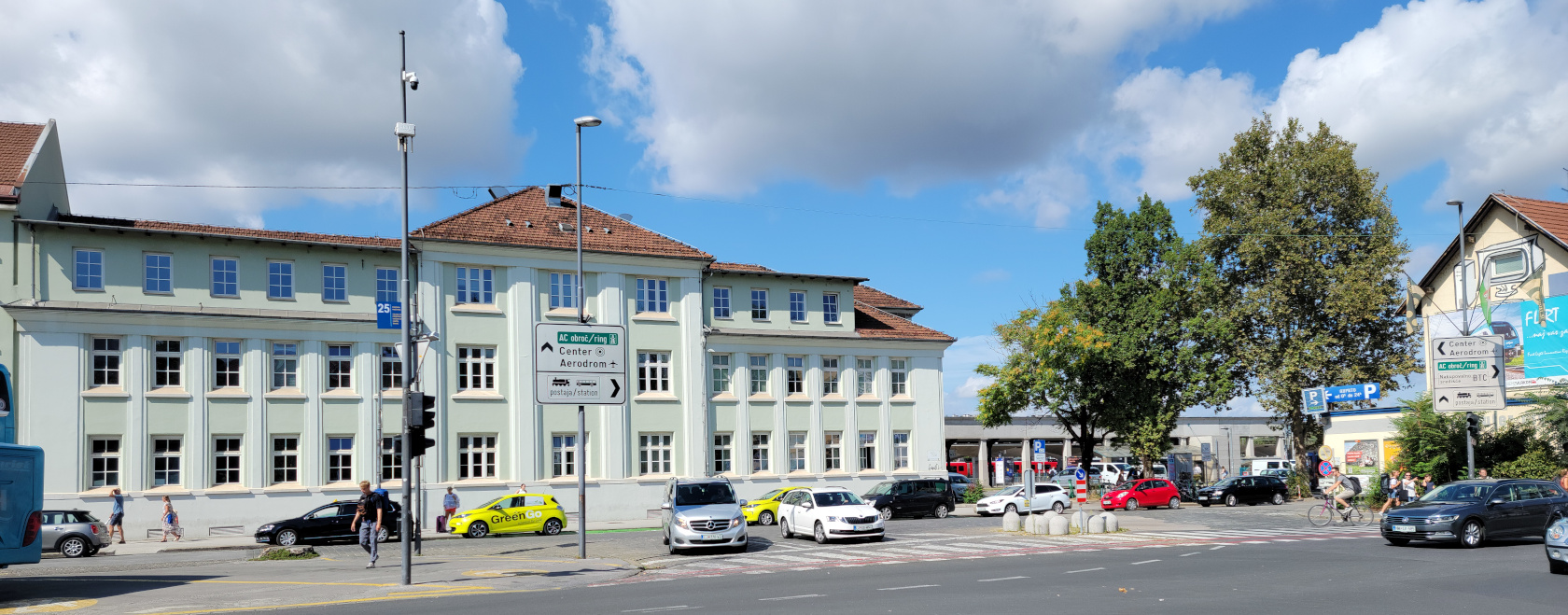
Ljubljana – The Main Train Station
Ljubljana, Lublana and Laybach
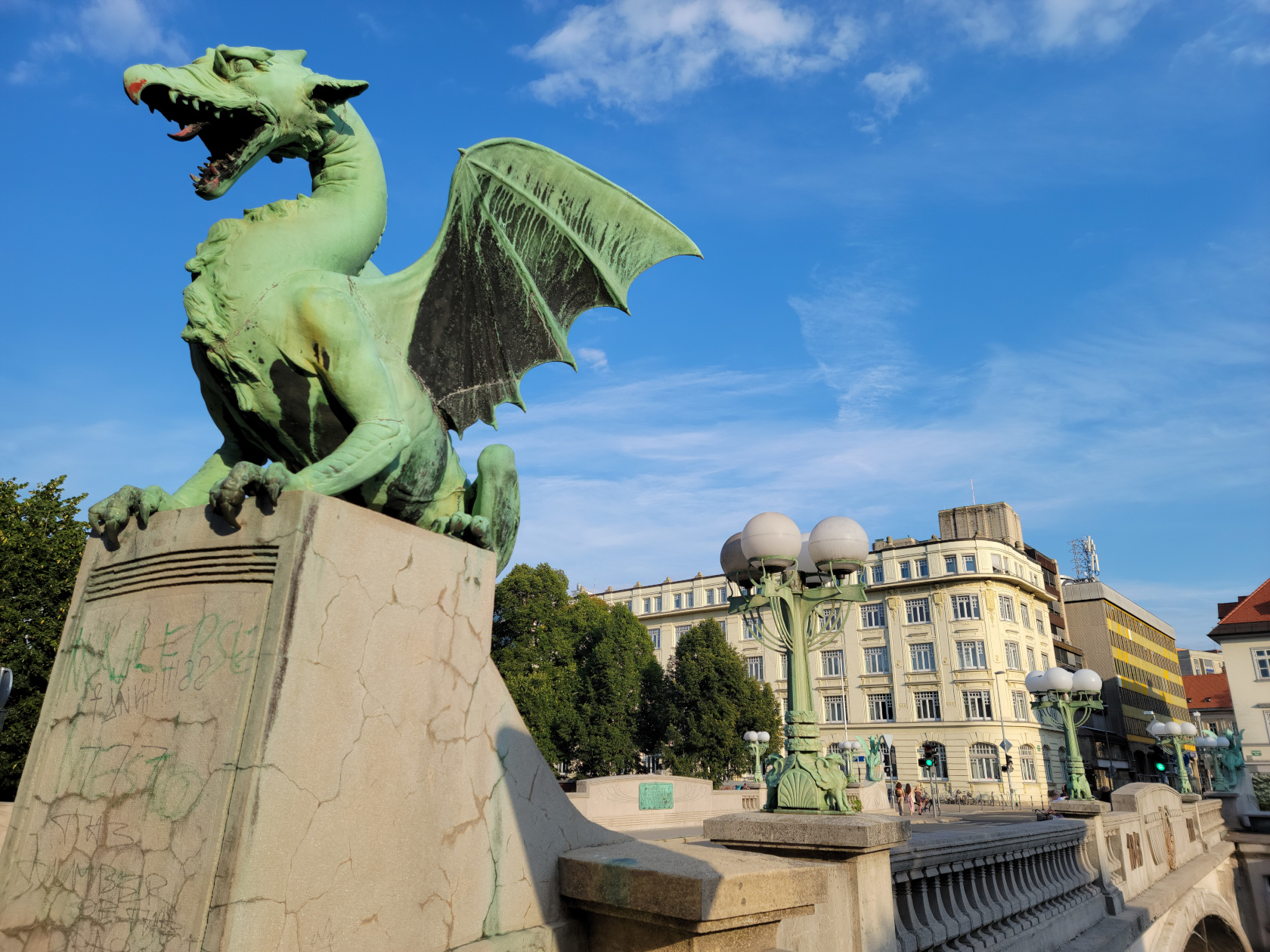
Ljubljana is a very old city, dating back to the twelfth and eleventh centuries, though a town called Emona stood here during Roman times. Myths and stories have linked it to Jason and the Argonauts and his struggles, and the killing of the great beast which inhabited the marsh nearby[1]This is where the metaphor of the dragon comes in., which apparently was responsible for the great floods that occurred frequently. It later became synonymous with Ljubljana in the mid-twelfth century.
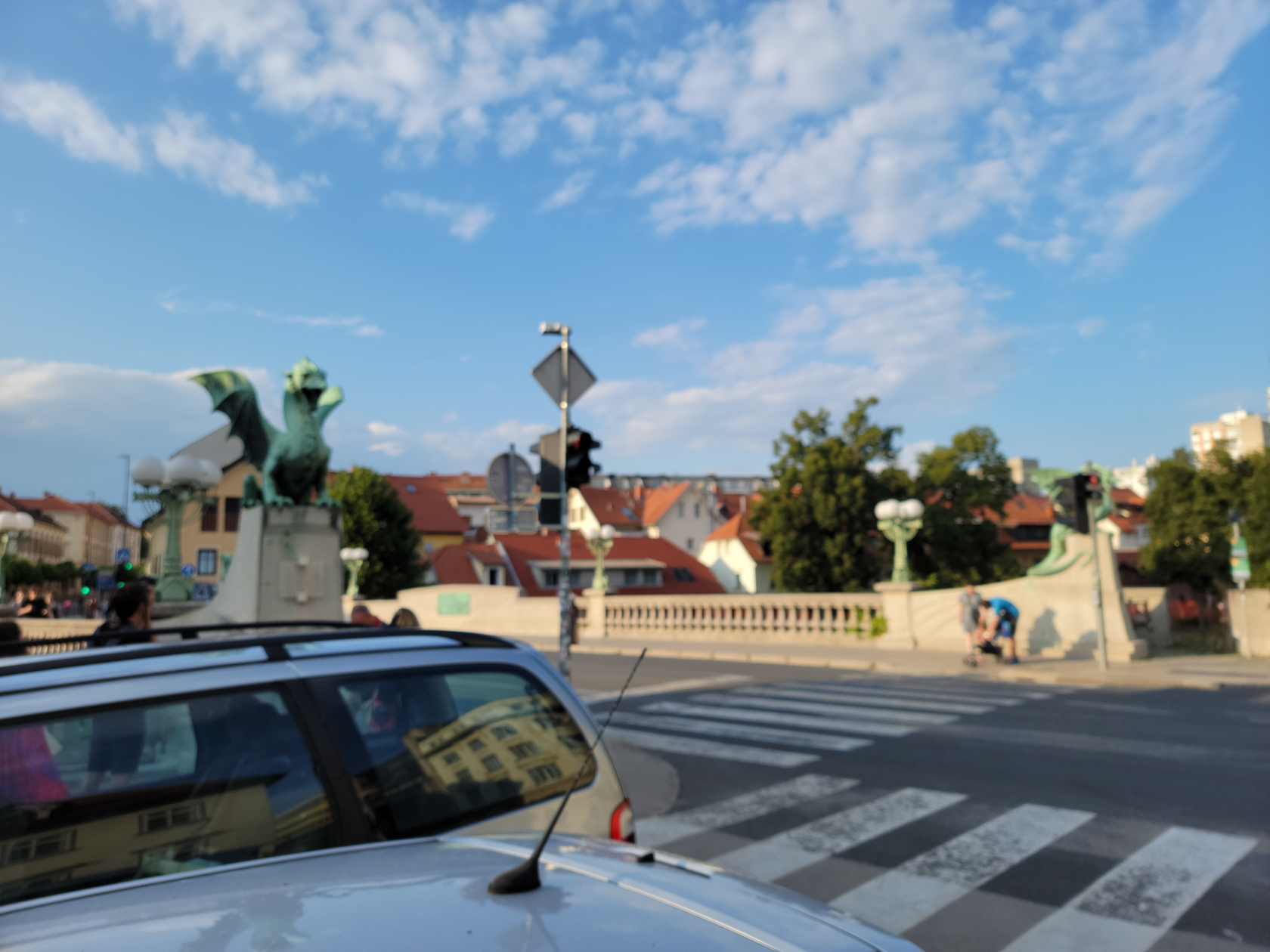
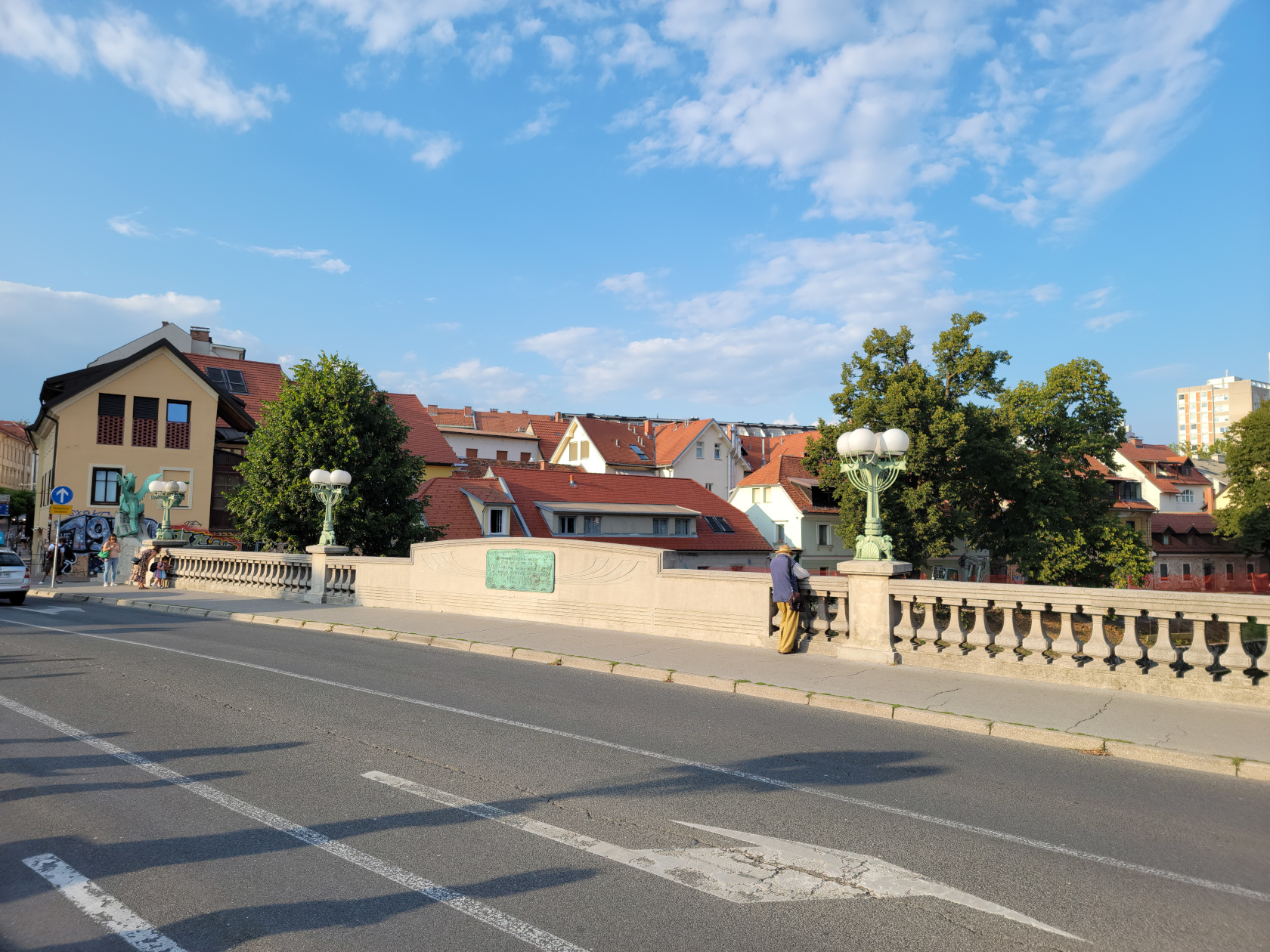
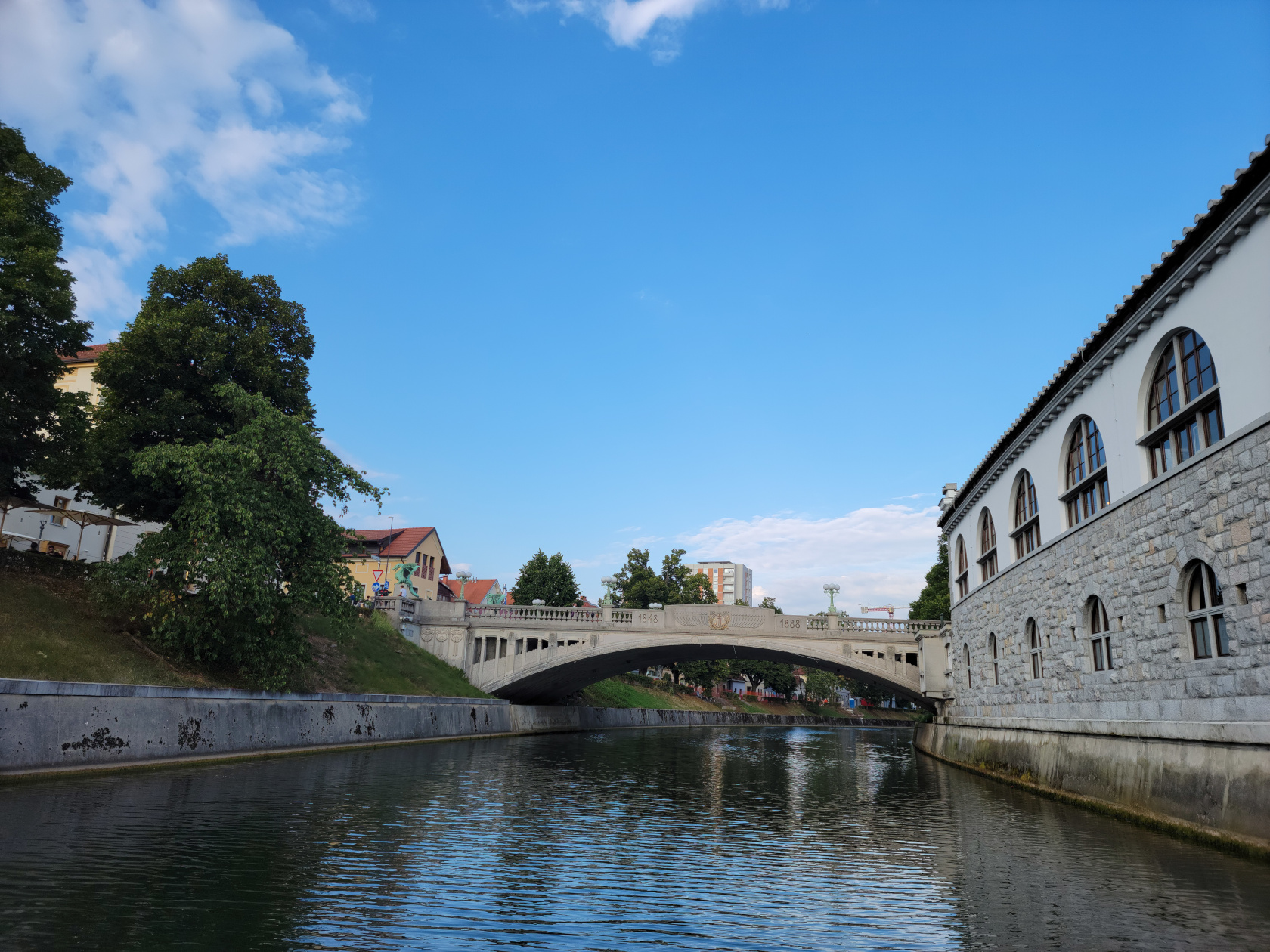
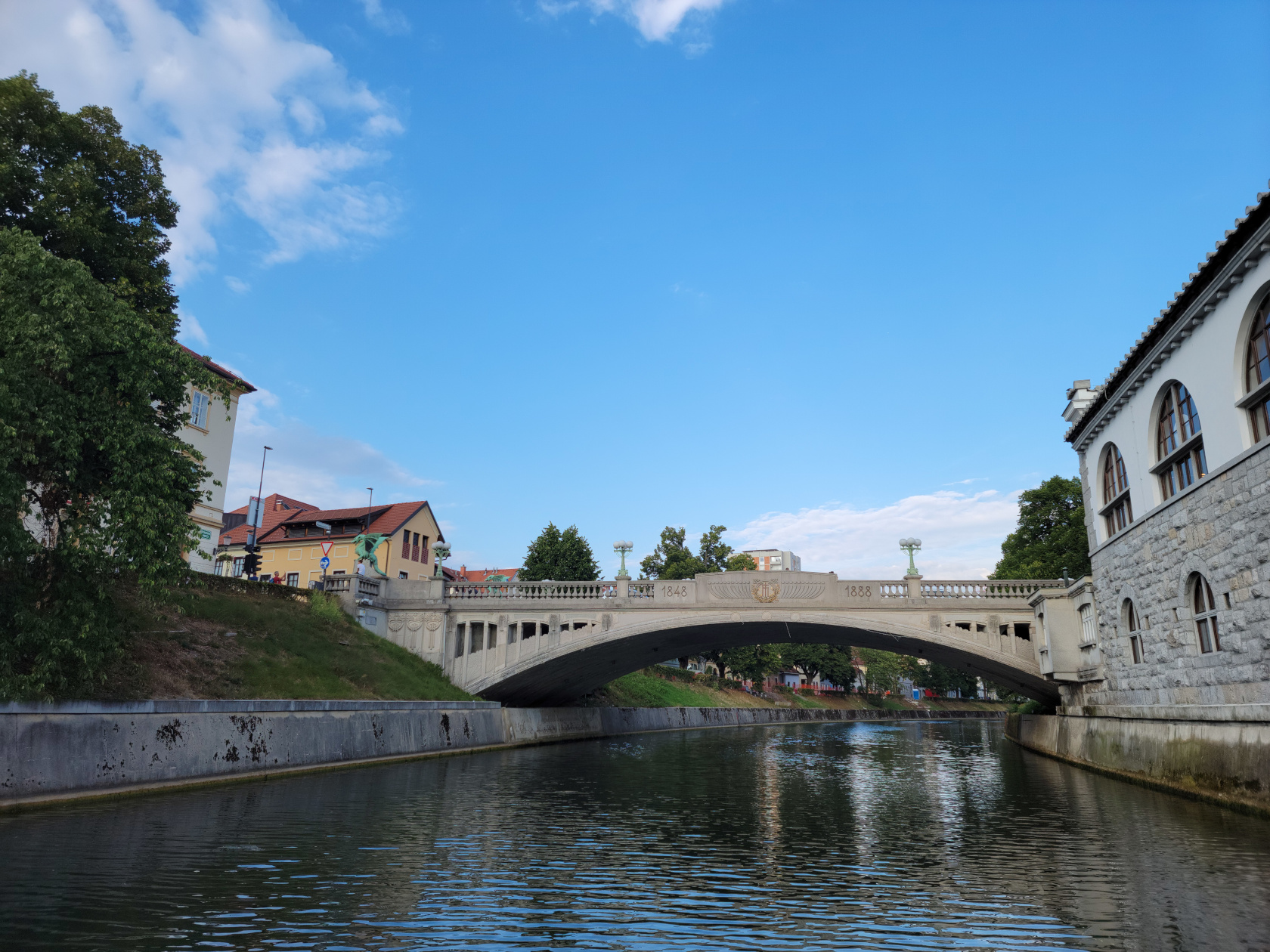
Ljubljana – Ljubljanica River – Dragons Bridge
Bridges In Lubljana
There are several noteworthy bridges in the city, the Dragon Bridge, the Triple Bridge, the Cobbler’s Bridge and the Butcher’s Bridge. There are several others, however these are the ones we spent the most time on and are the most remarkable.
The Dragon’s Bridge
Due to the myth it is probably appropriate that the city have a dragon bridge, one not only to remember Jason’s deeds, but also the ever present danger of the river itself.
Ljubljana – Ljubljanica River – Dragons Bridge
Ljubljana – Ljubljanica River – Dragons Bridge
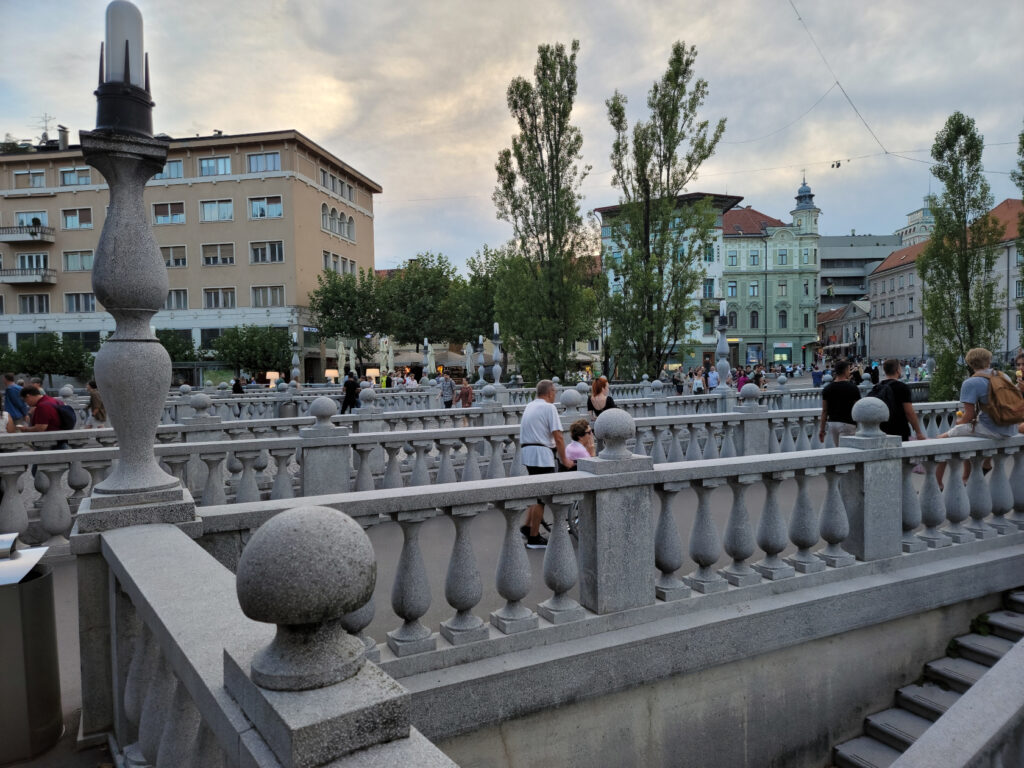
The Triple Bridge
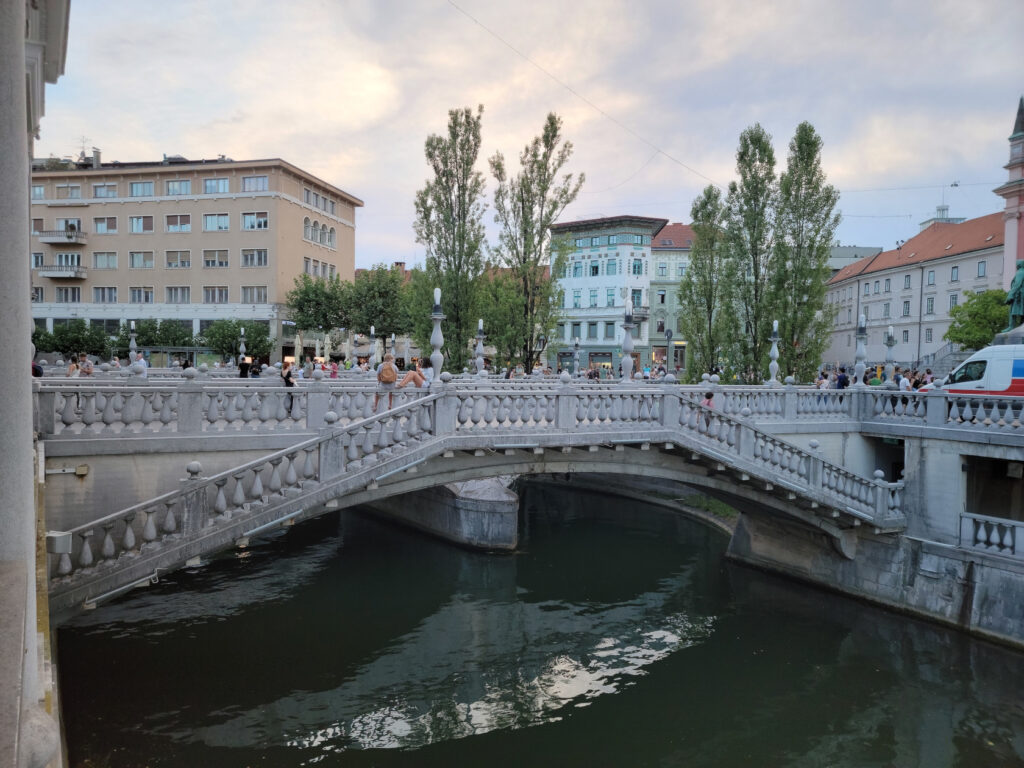
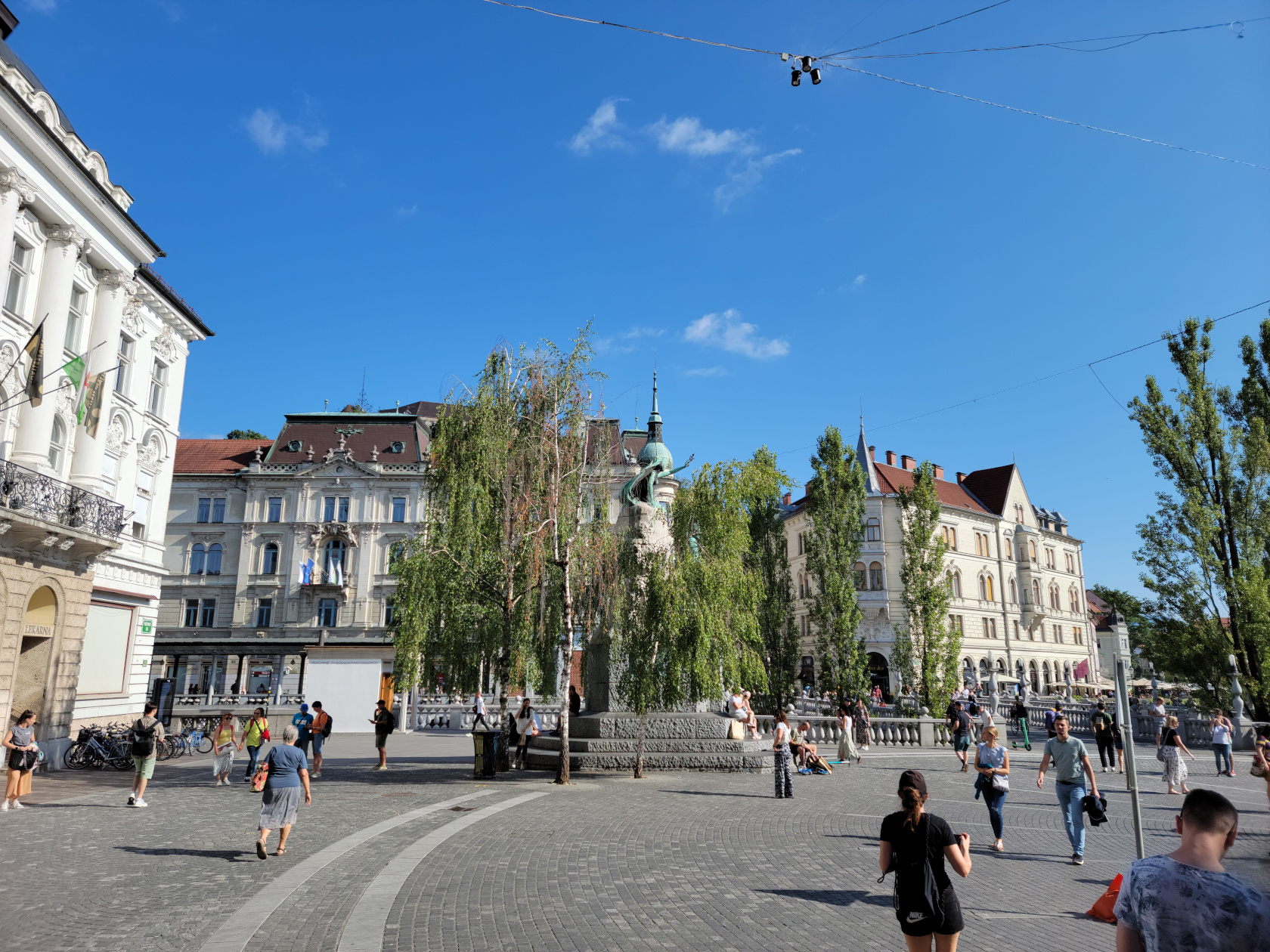
Not far from our hotel and adjacent to Prešeren Square is the Triple Bridge. It was originally one bridge, the central span, but as business and traffic increased the other two side bridges were added for pedestrian traffic.
Ljubljana – The Triple Bridge
Ljubljana – The Triple Bridge
The Cobbler’s Bridge
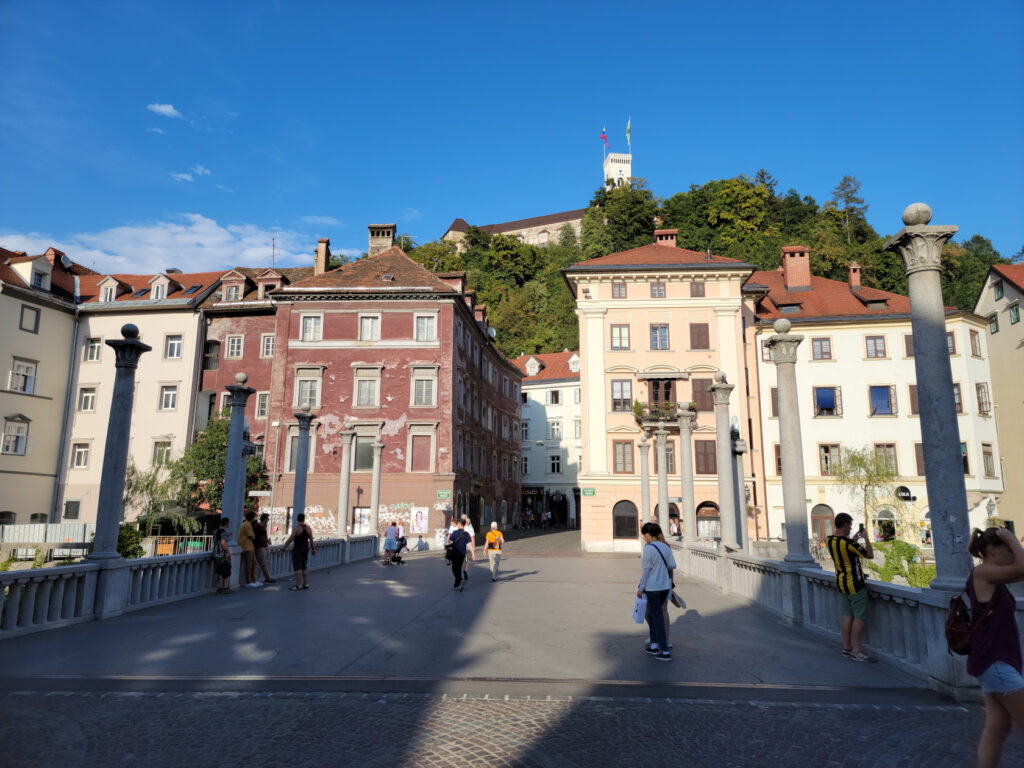
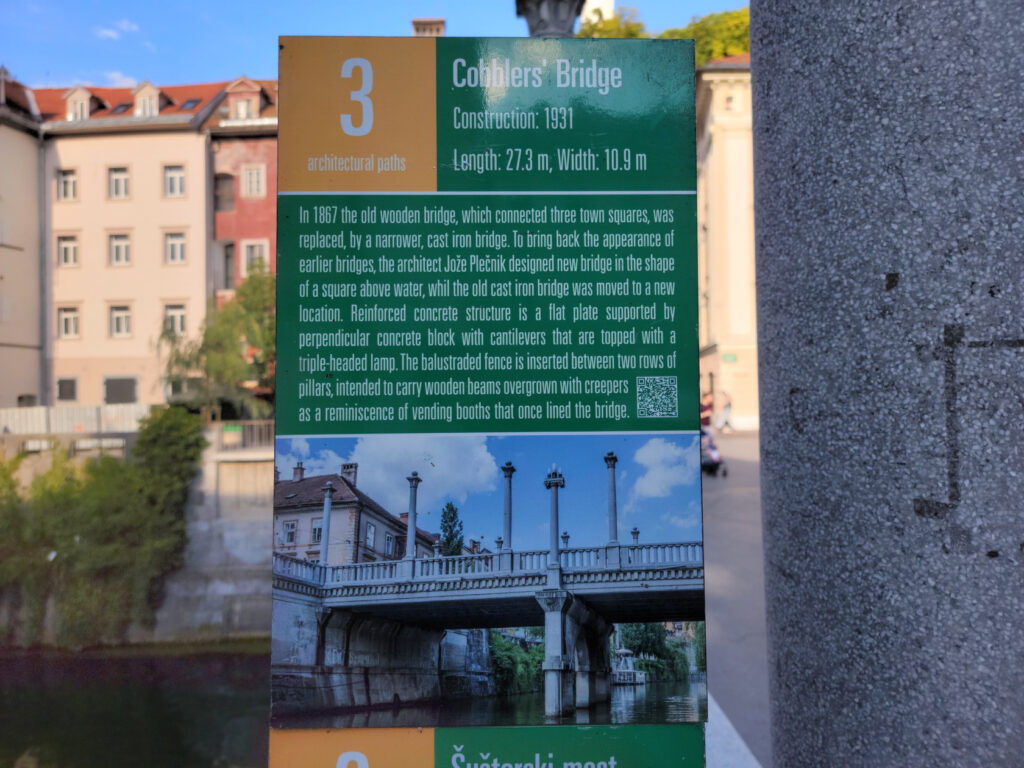
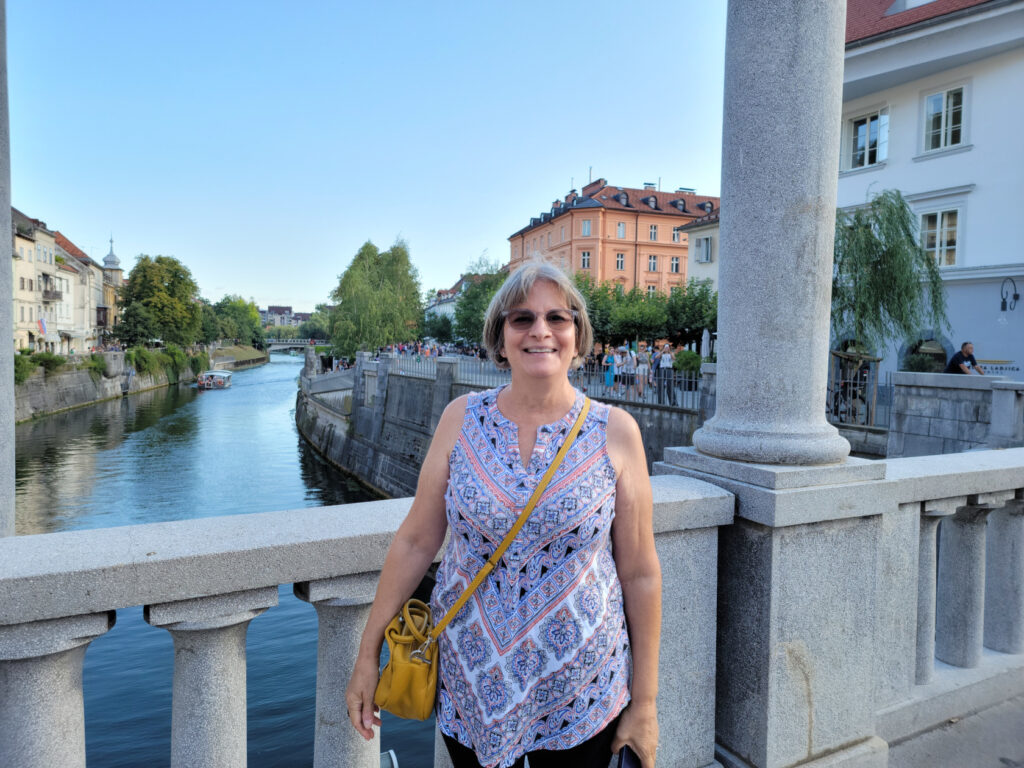
A quaint bridge that connects two important parts of the medieval city.
Ljubljana – Ljubljanica River – Cobblers Bridge
Ljubljana – Ljubljanica River – Cobblers Bridge
Ljubljana – Ljubljanica River – Patti on Cobblers Bridge
The Butcher’s Bridge
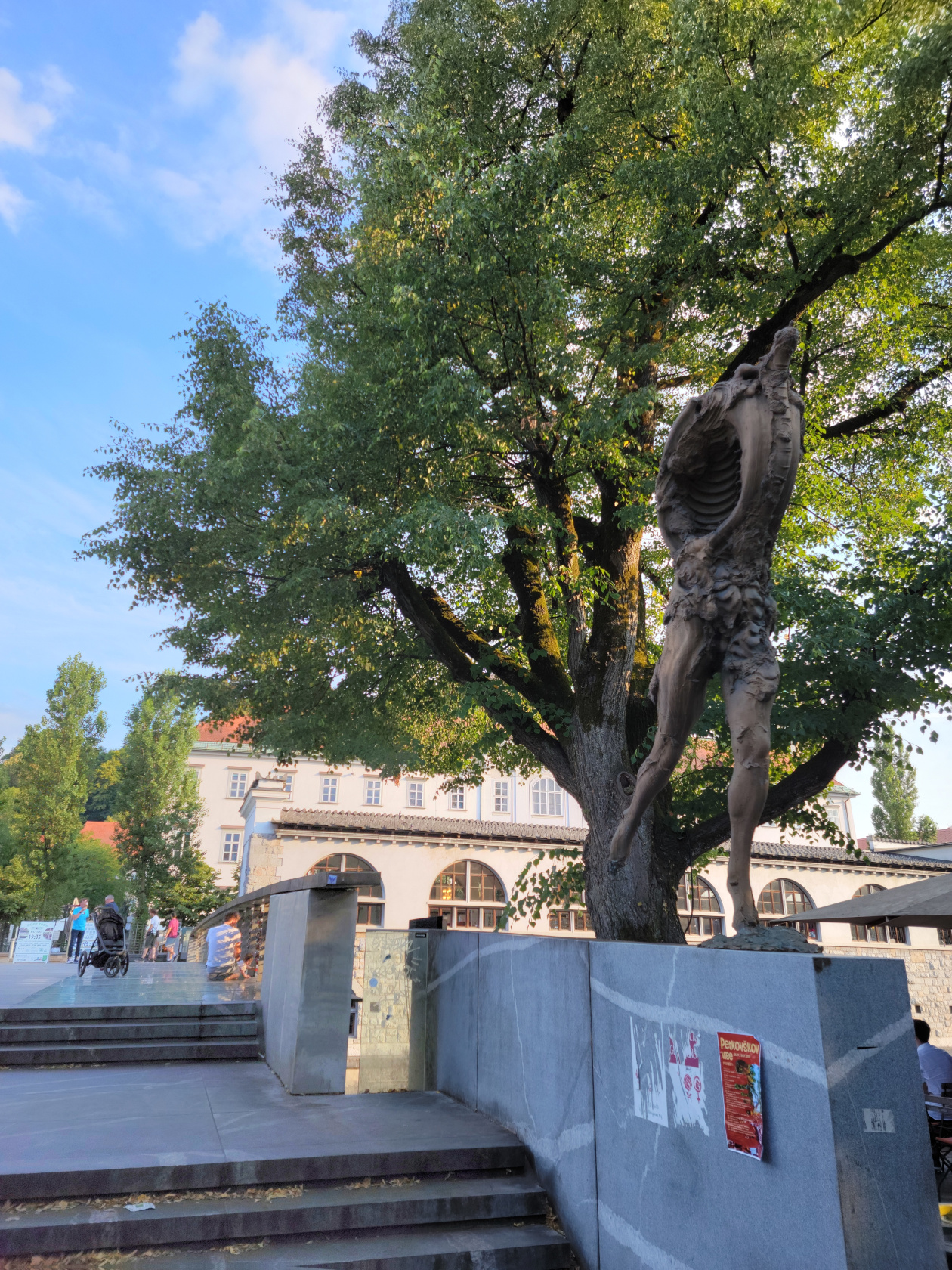
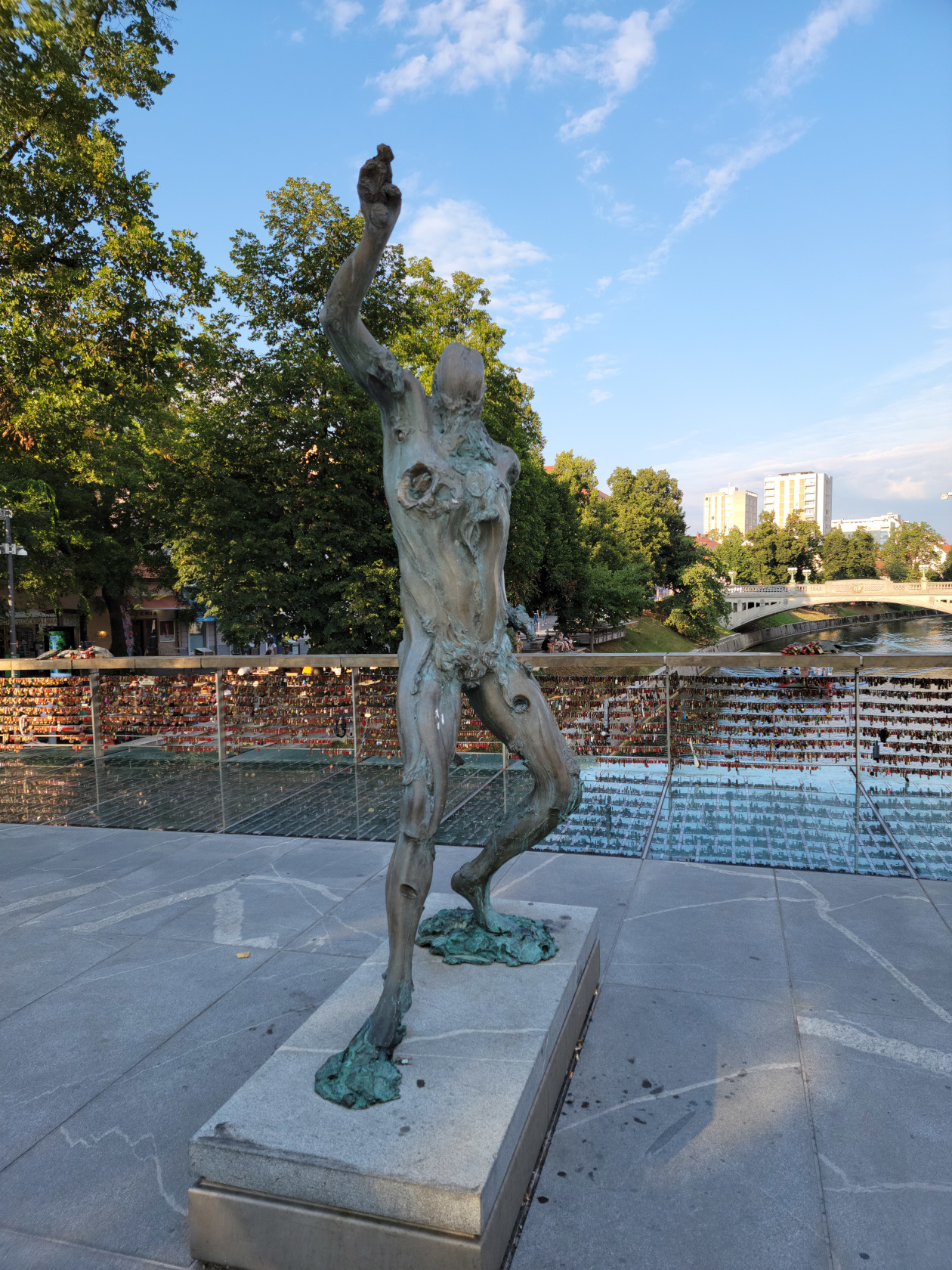
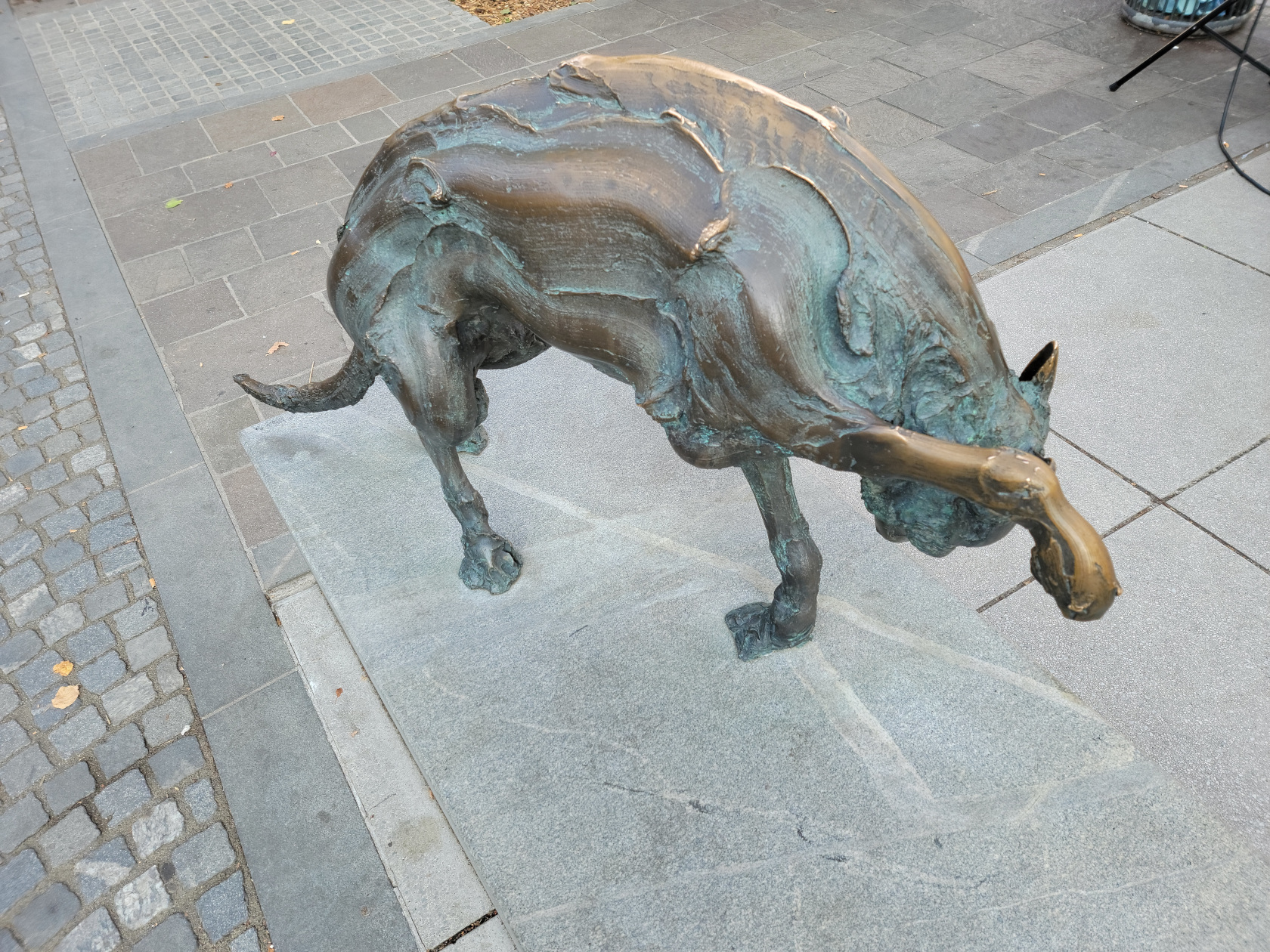
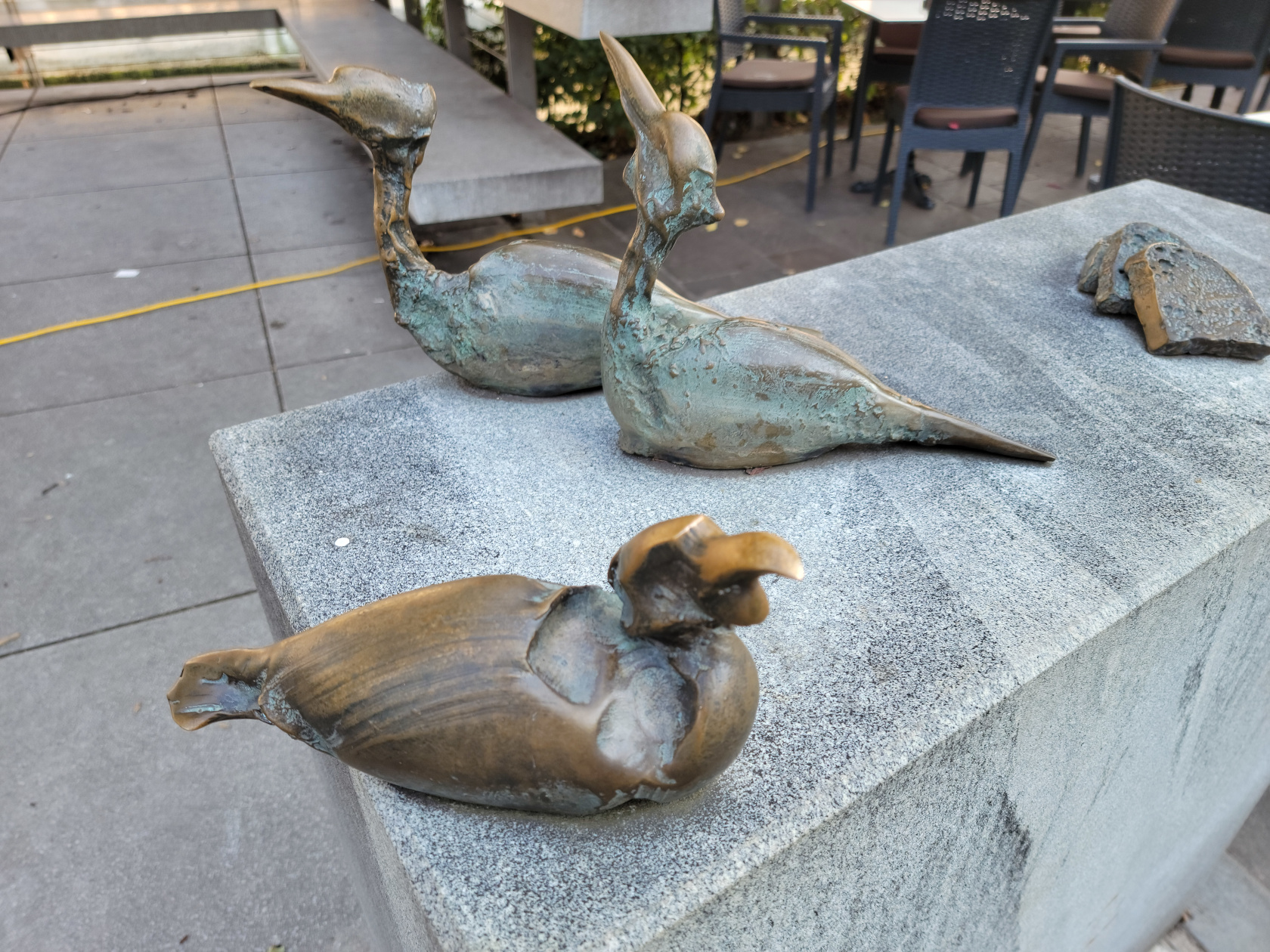
This bridge got its name, since it was near the place that the butchers of the city used to come and wash the carcasses of the animals. The blood and stench of rotting flesh this process brought down through the city must have been appalling. The practice was stopped soon after the residents had had enough of the smell. It is now decorated with locks and bronzes of mythological creatures.
Ljubljana – City Art – Bronze
Ljubljana – City Art – Bronze
Ljubljana – City Art – Bronze
Ljubljana – City Art – Bronzes
Castle Hill
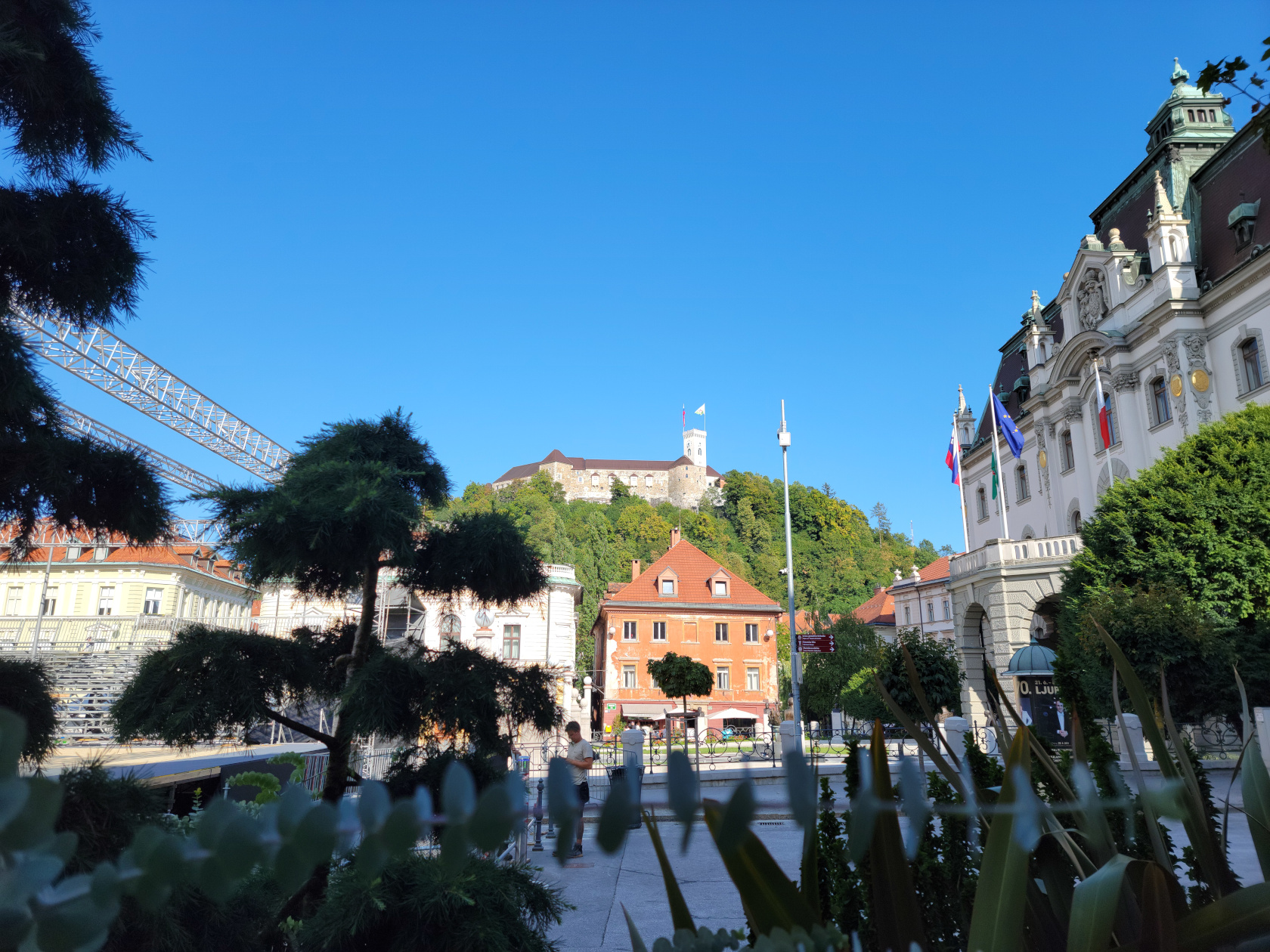
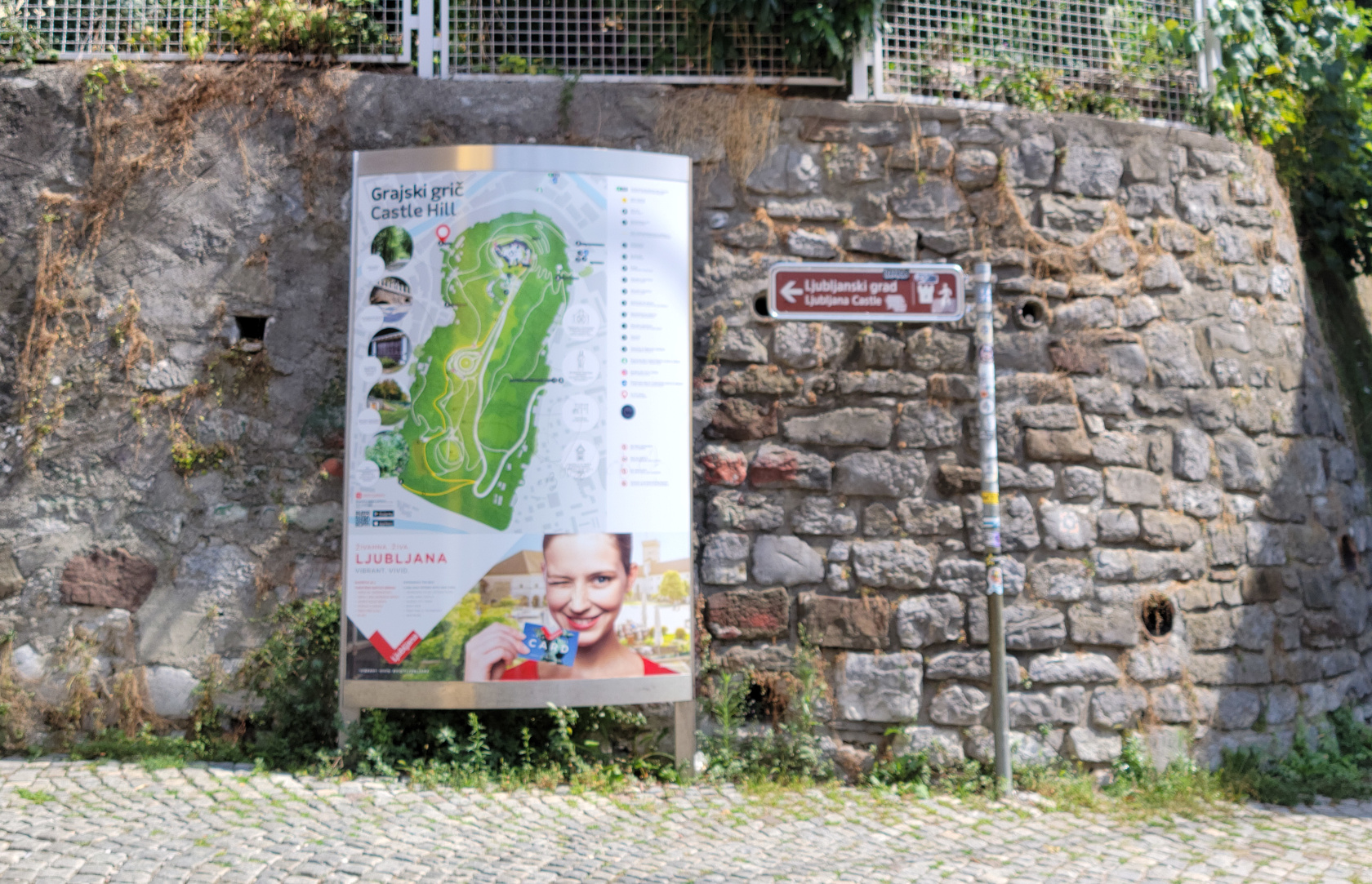
There are two prominent hills in Ljubljana, the one that contains Tivoli Park and Castle Hill, which contains the Ljubljana Castle.
Ljubljana – Ljubljana Castle
Ljubljana Castle
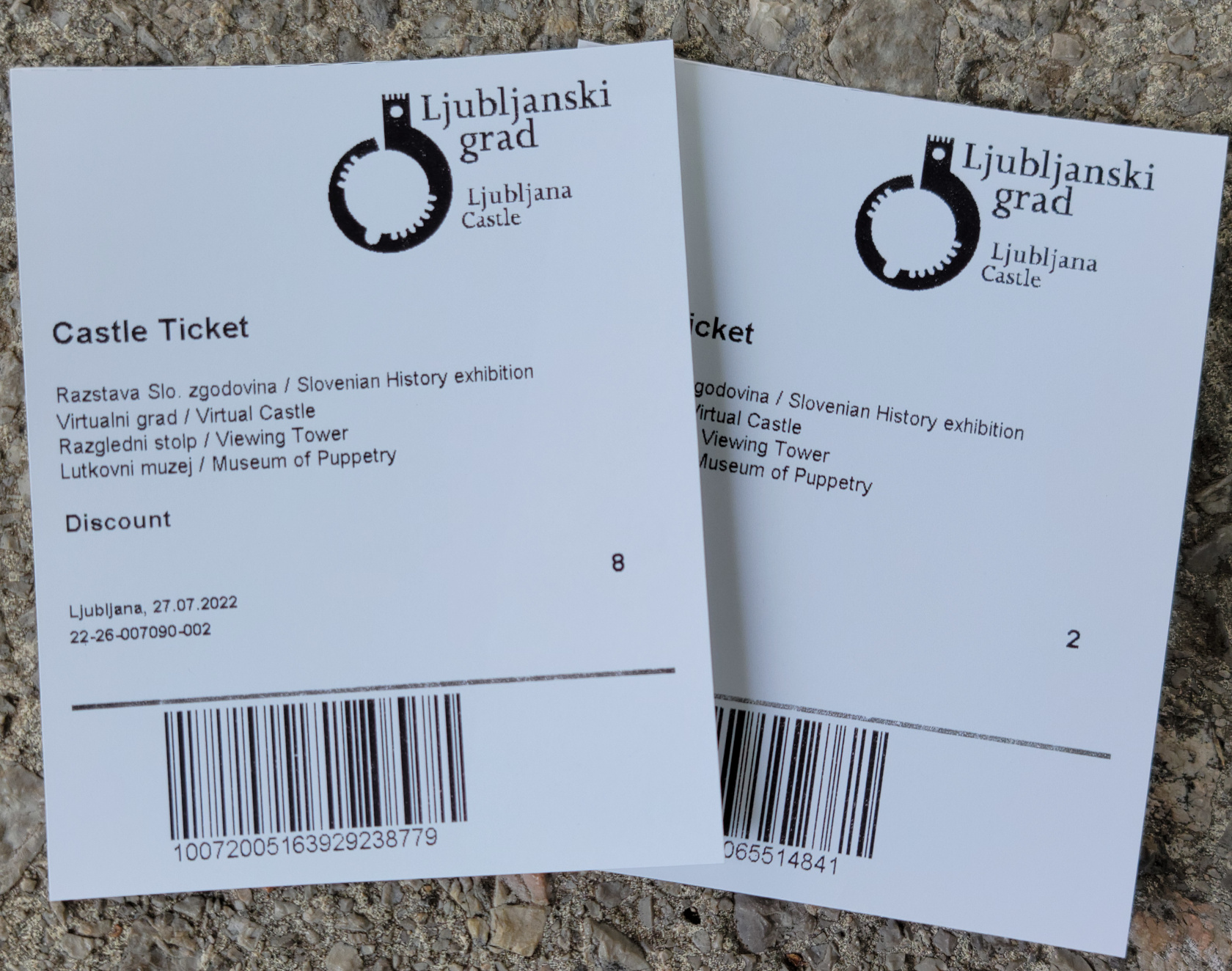
Ljubljana – Ljubljana Castle – Tickets For Two
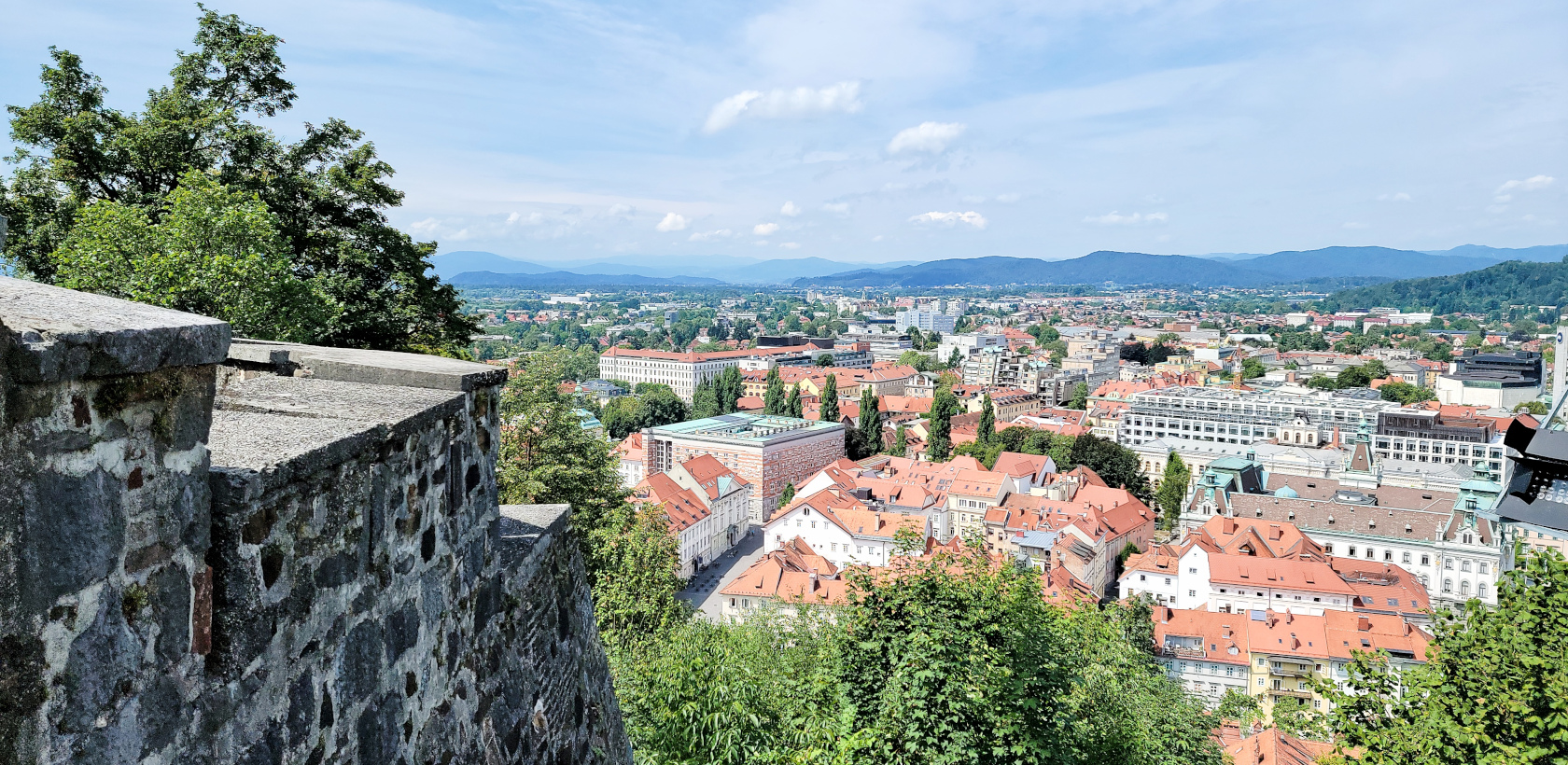
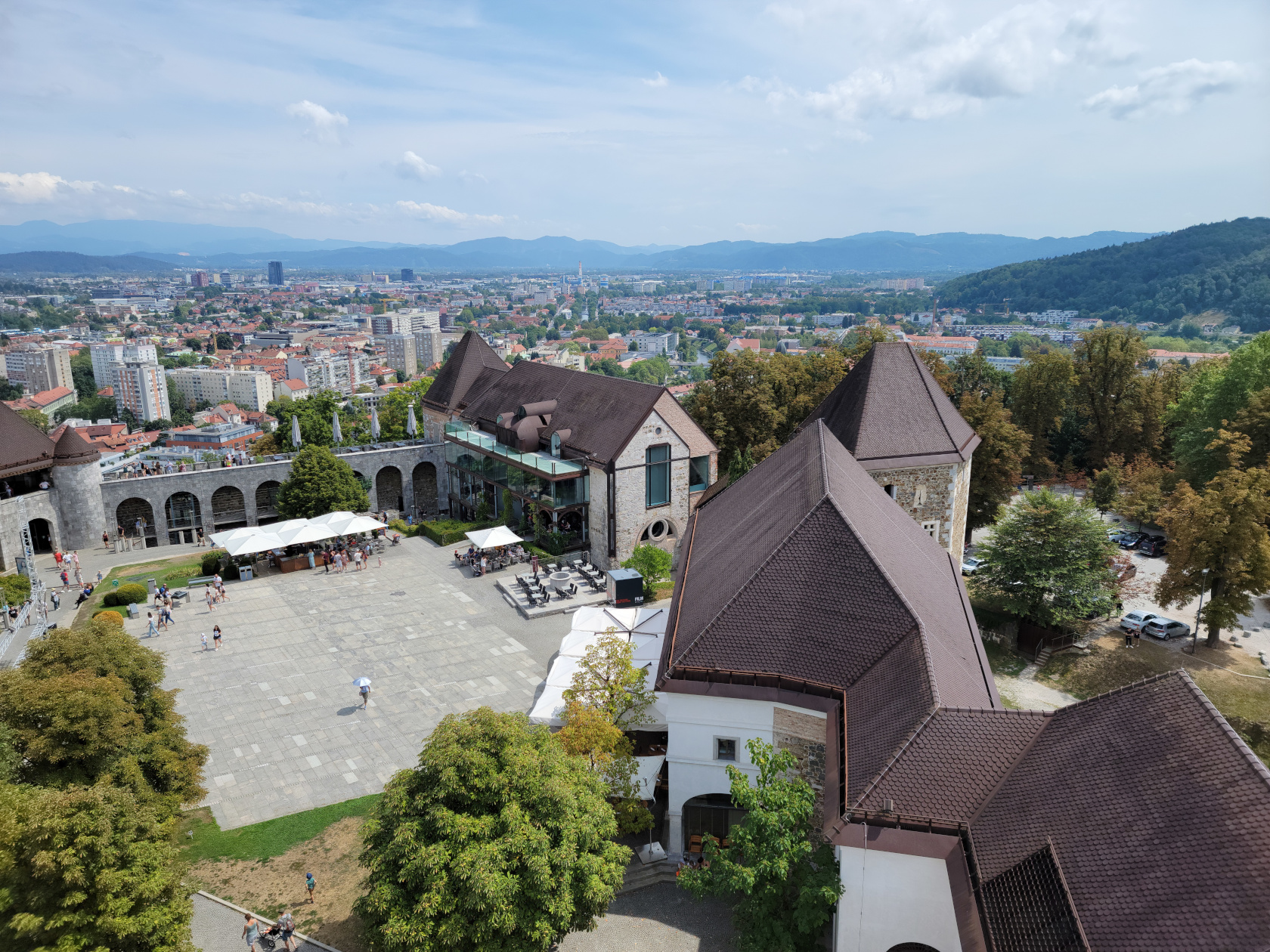
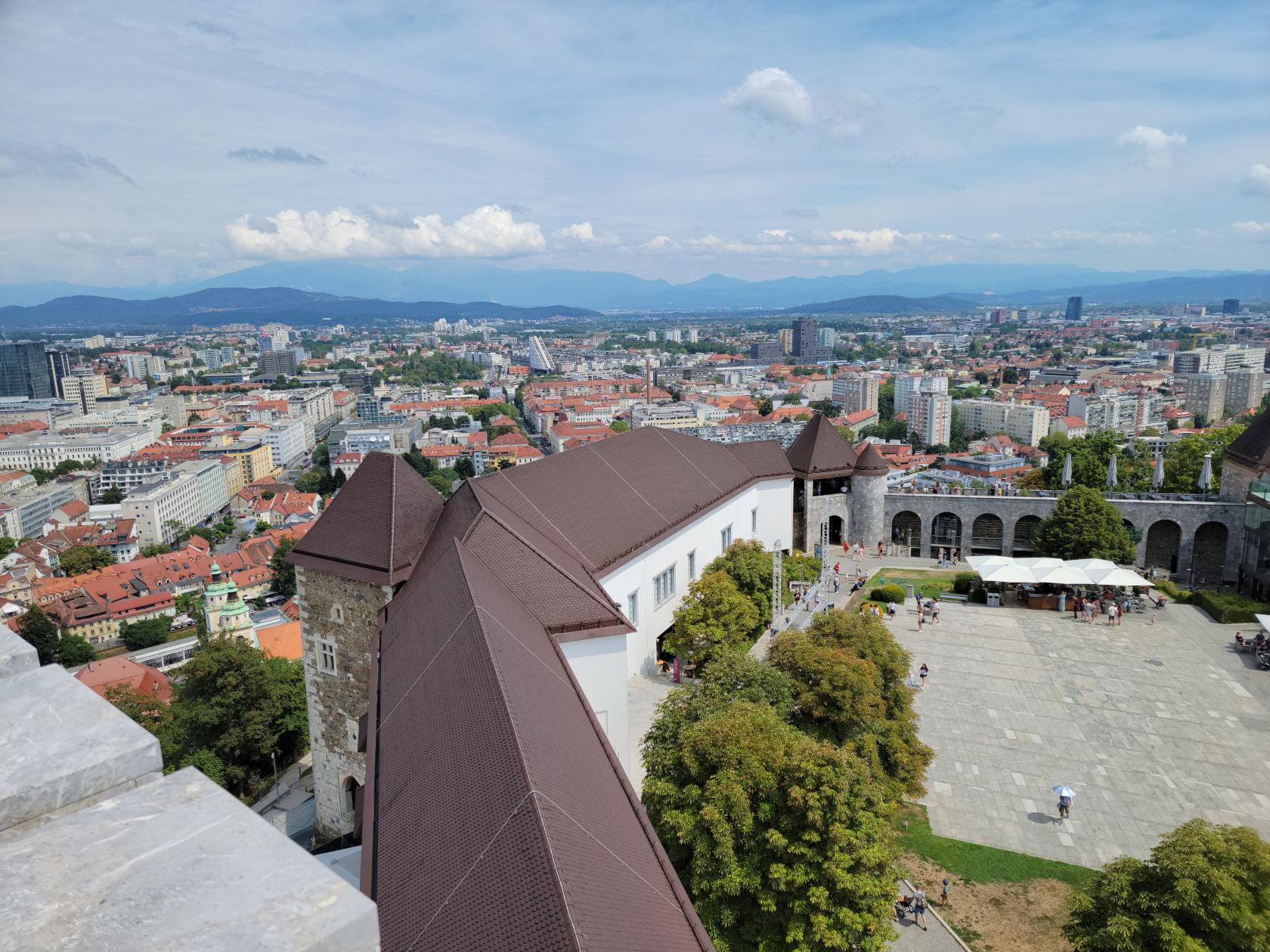
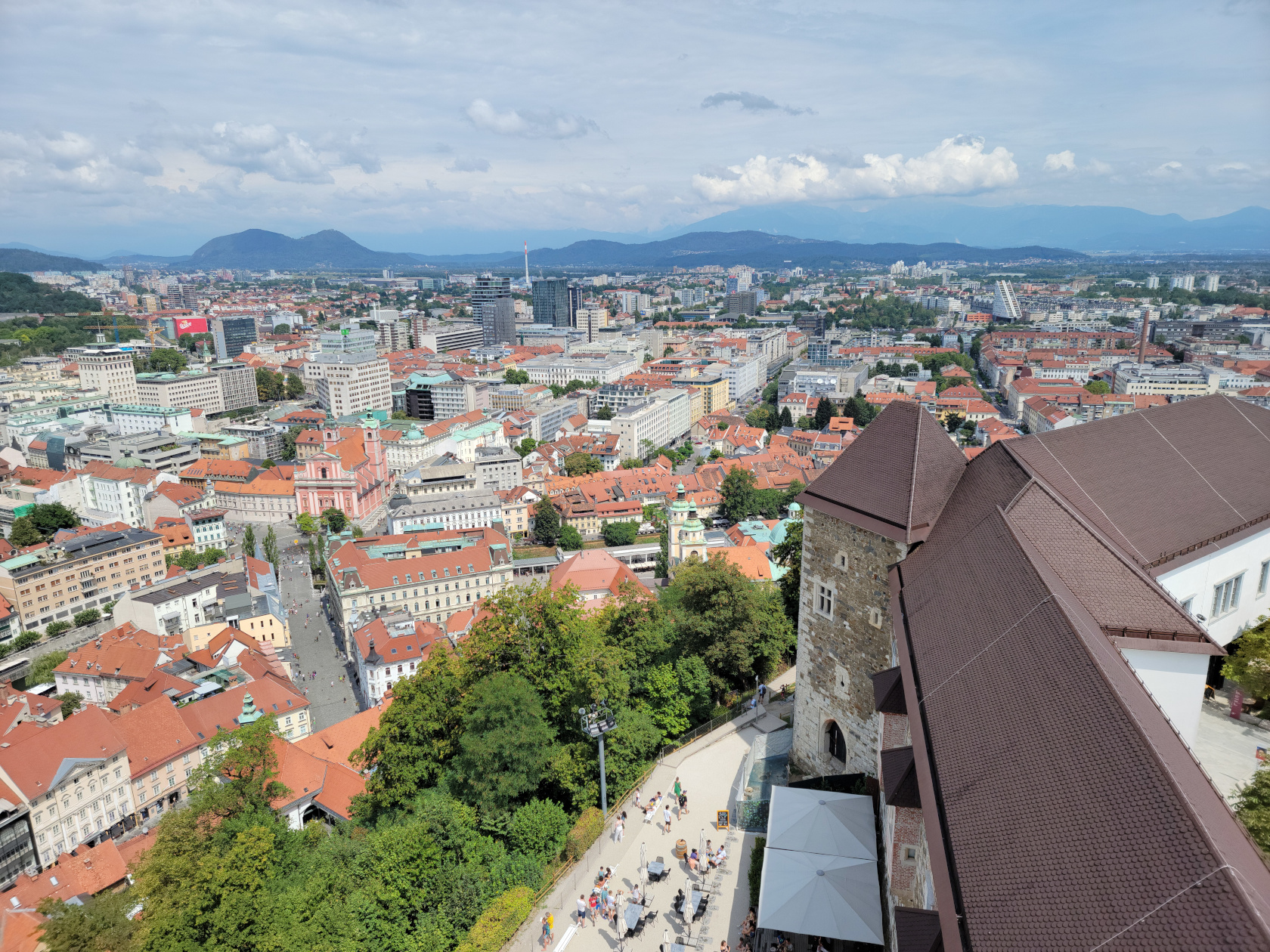
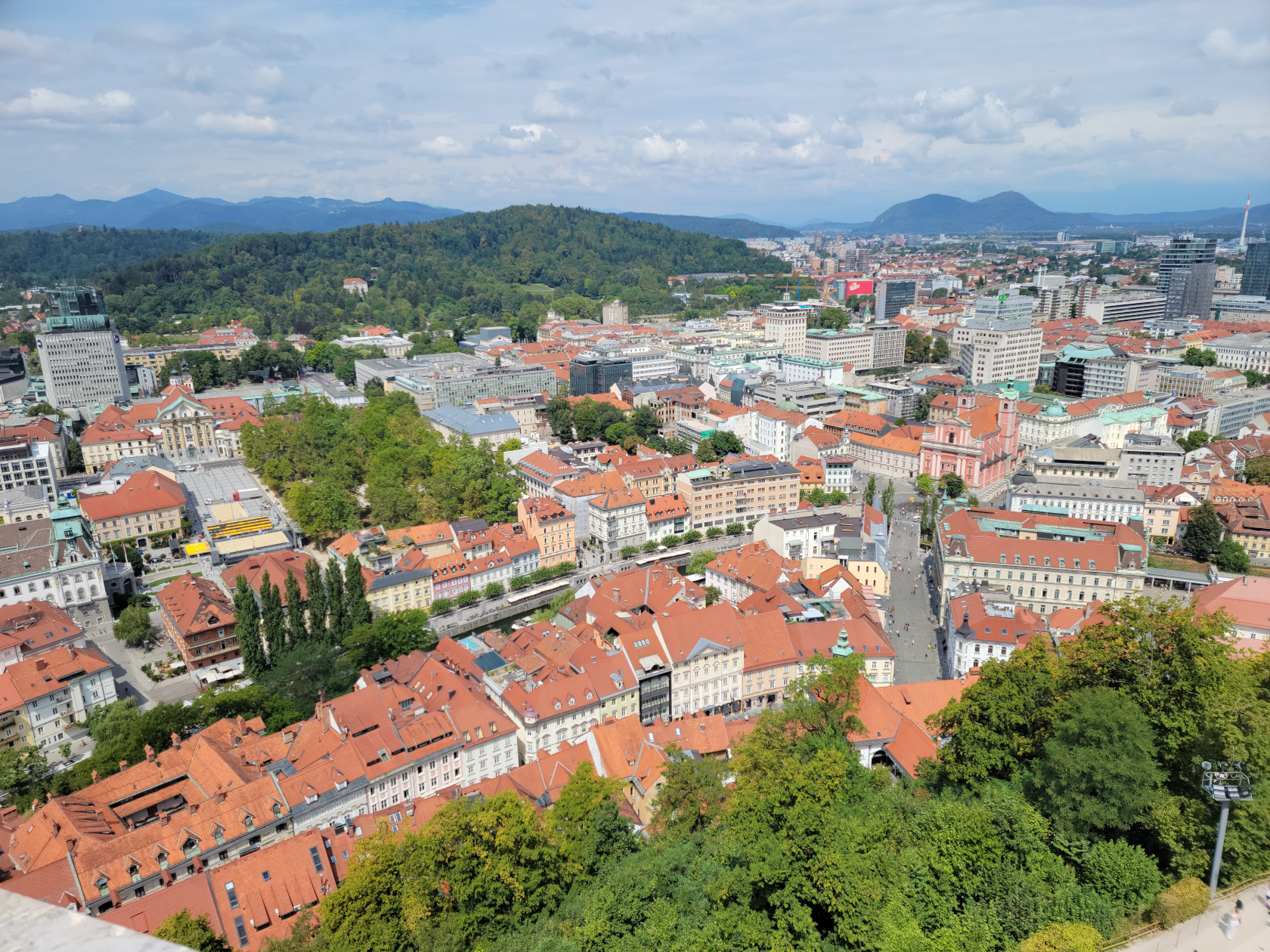
Perched above the city on the Castle Hill is the Ljubljana Castle. In 1679, Valvasor did an engraving of the Laybach Castle, as it was known in German at the time, showing the castle and many other landmarks of Lublana.[2]There are many spelling variations for this city, due to it being part of many different empires and countries throughout its history.
Ljubljana – Ljubljana Castle
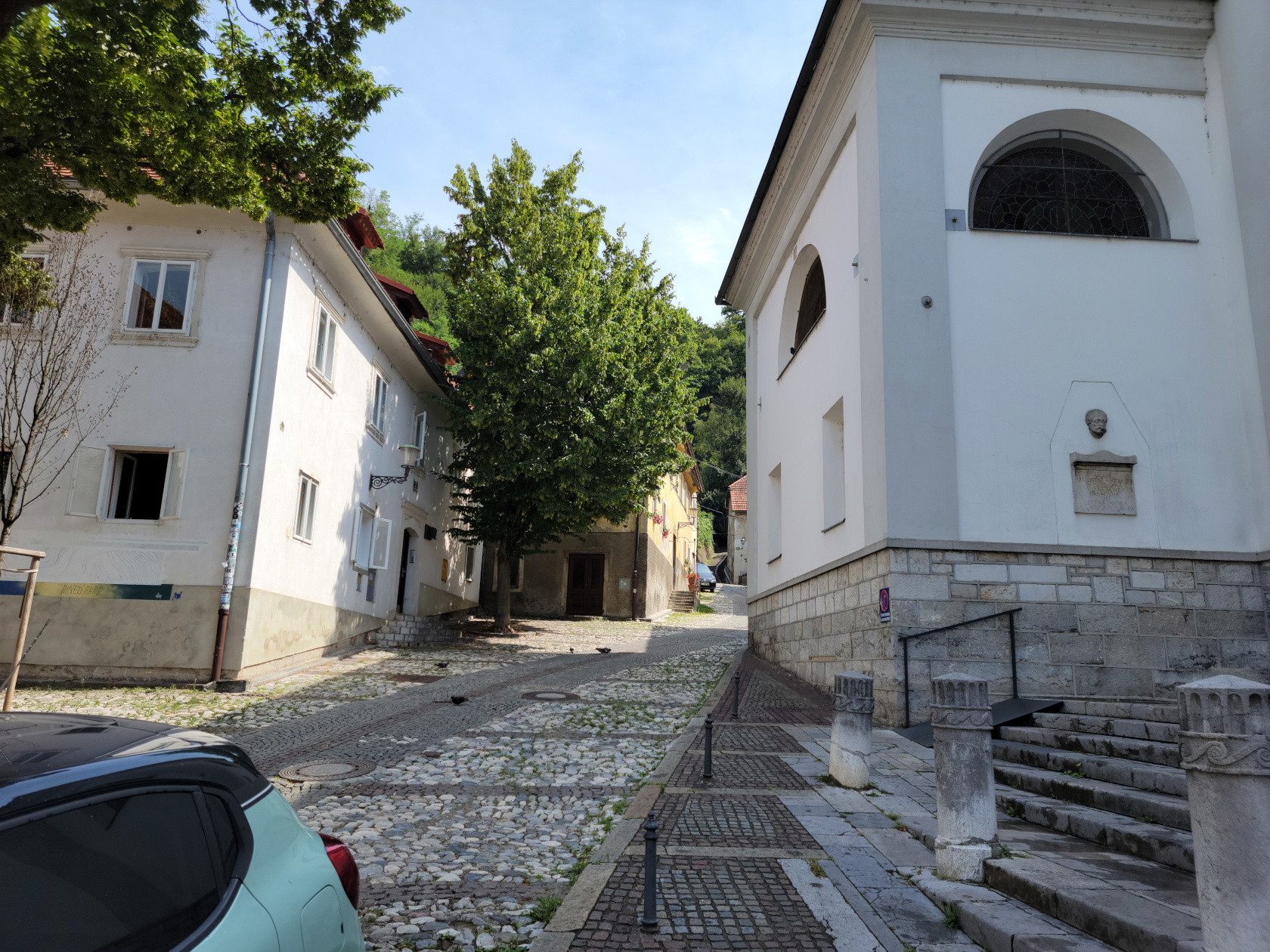
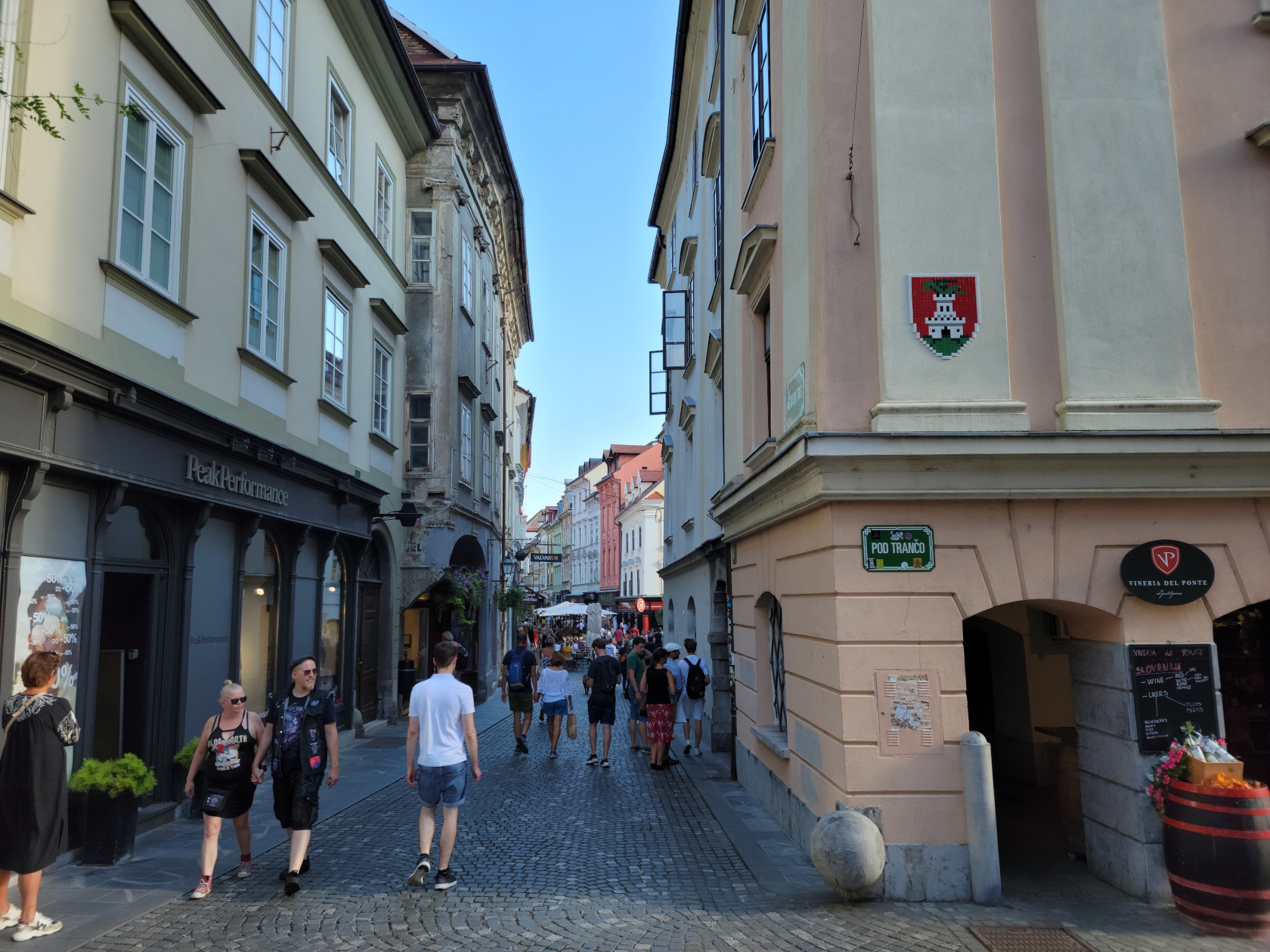
Ljubljana – Ulica na Grad
Ljubljana – Castle Hill – Ulica na Grad
Ljubljana – From Castle Hill
Ljubljana – The Castle
Ljubljana – Climb to Castle
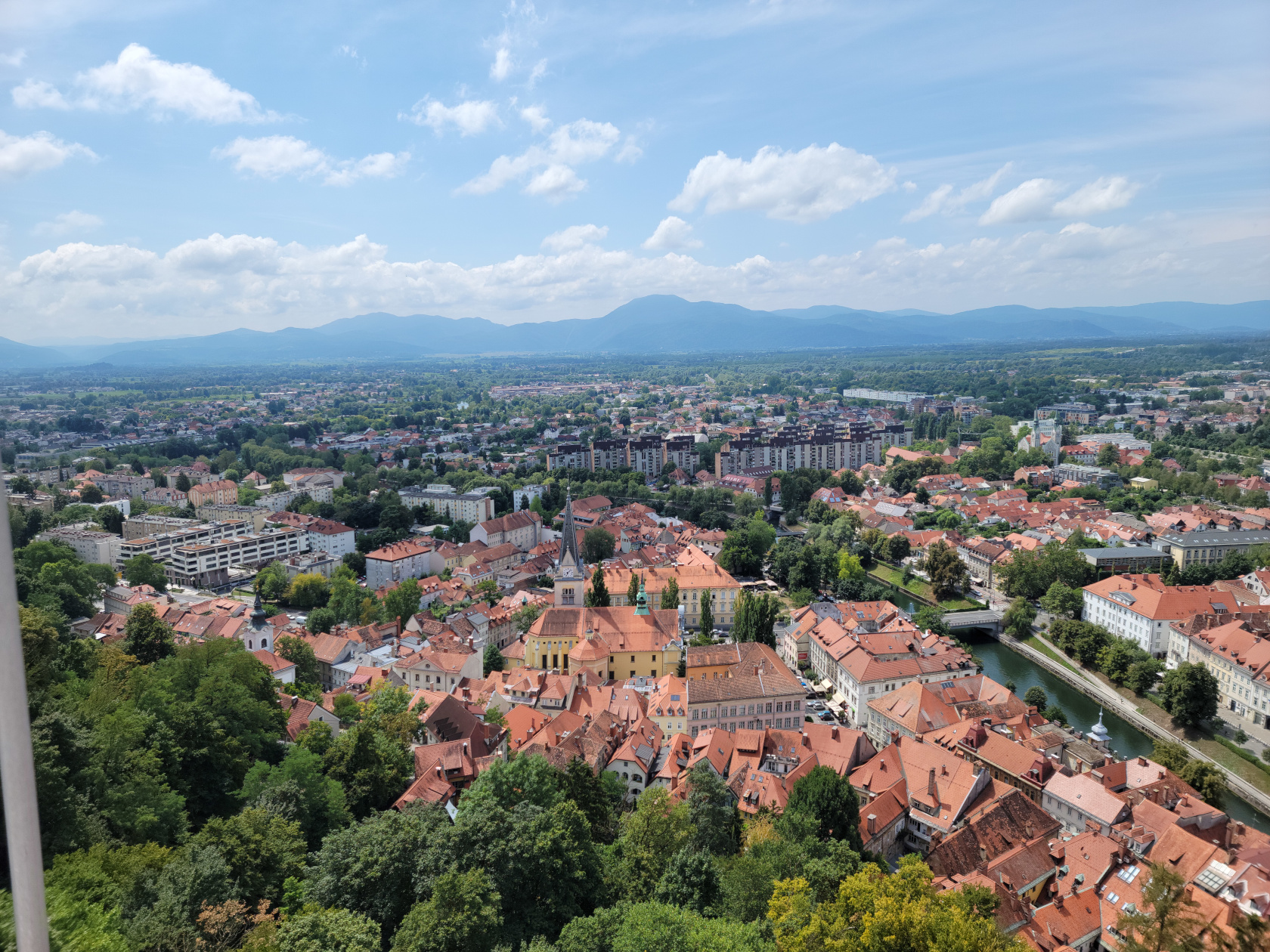
Ljubljana – From Castle Hill
Ljubljana – From Castle Hill
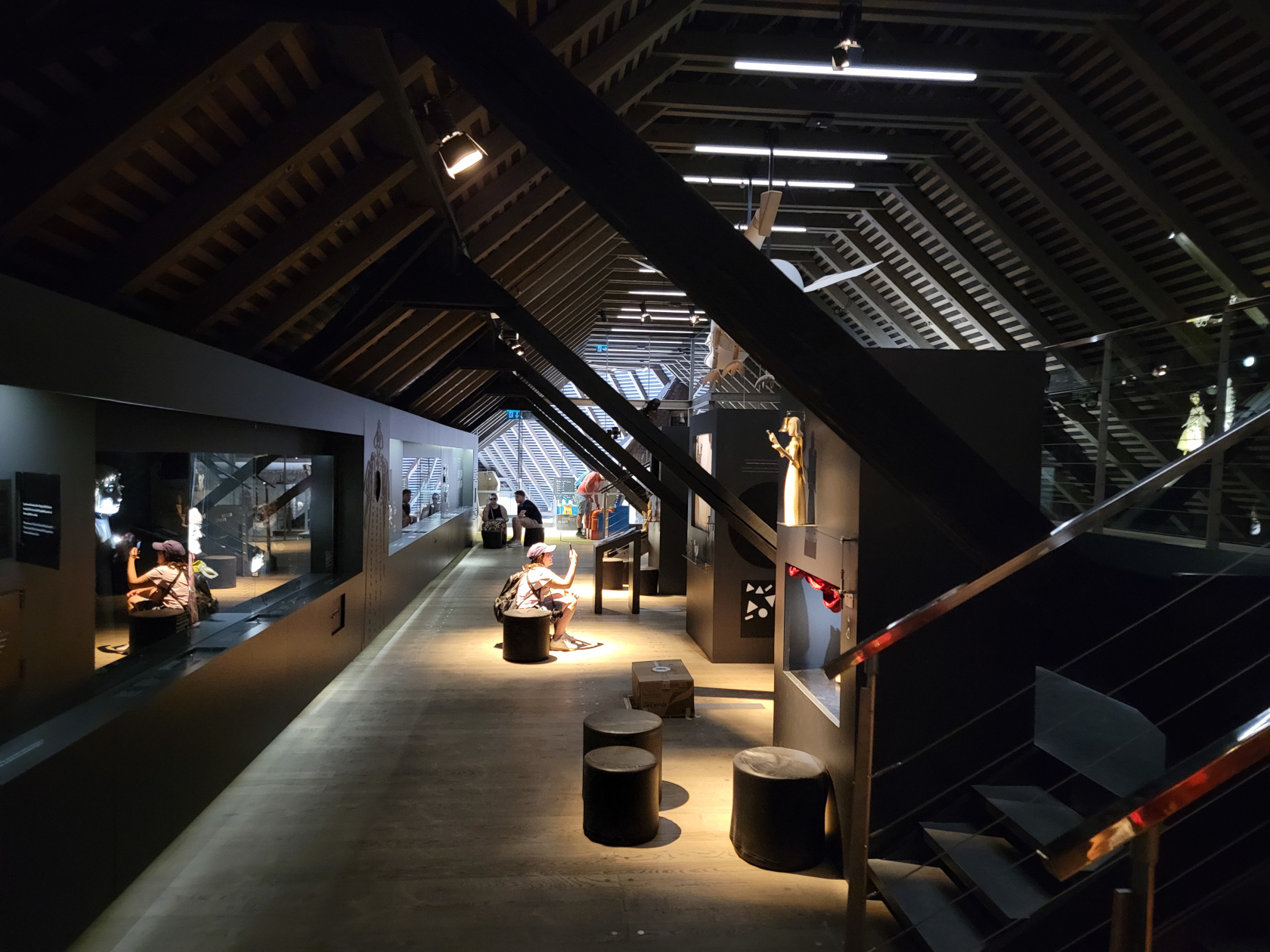
Ljubljana Castle – Puppet Museum
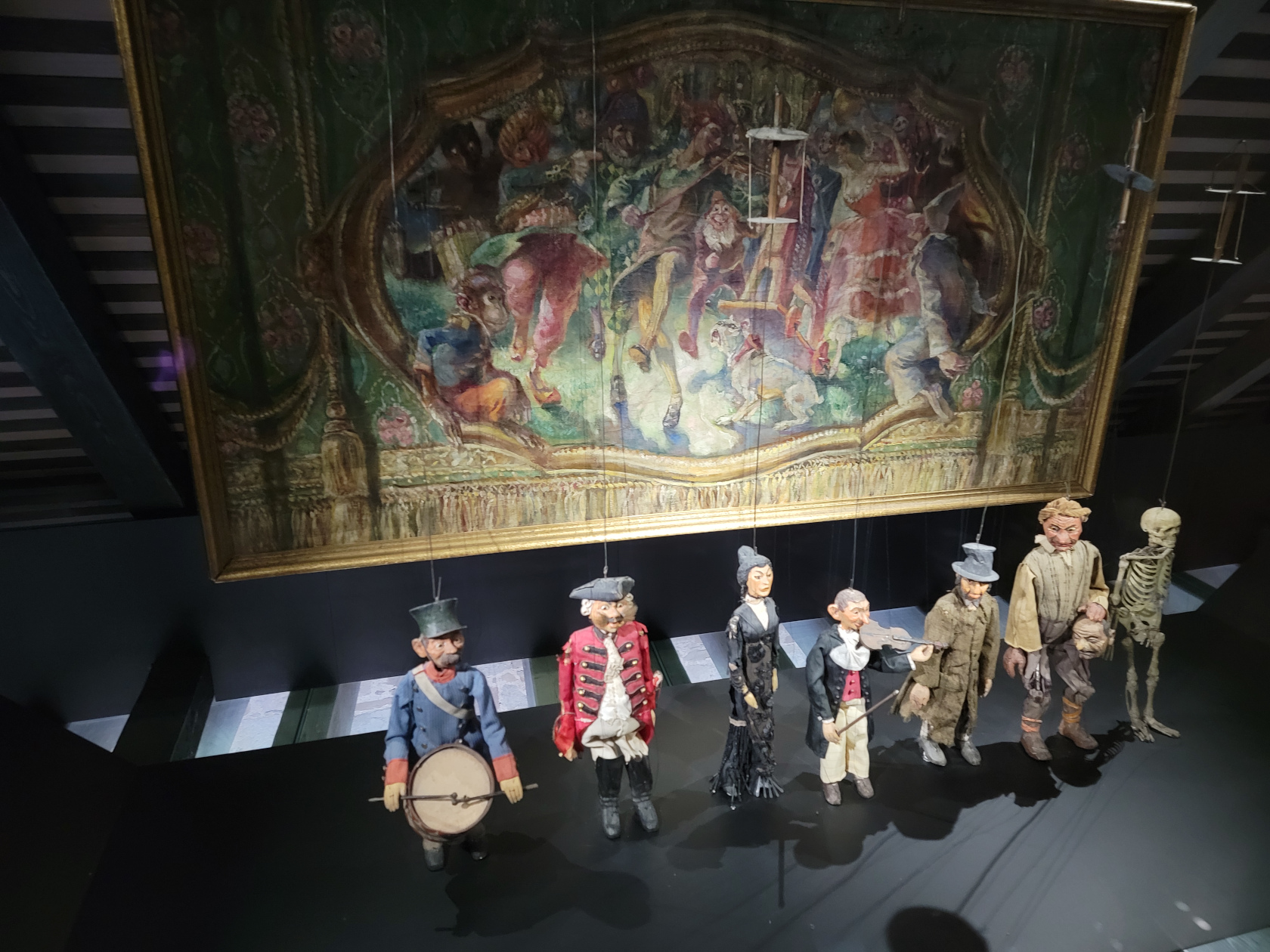
Ljubljana Castle – Puppet Museum
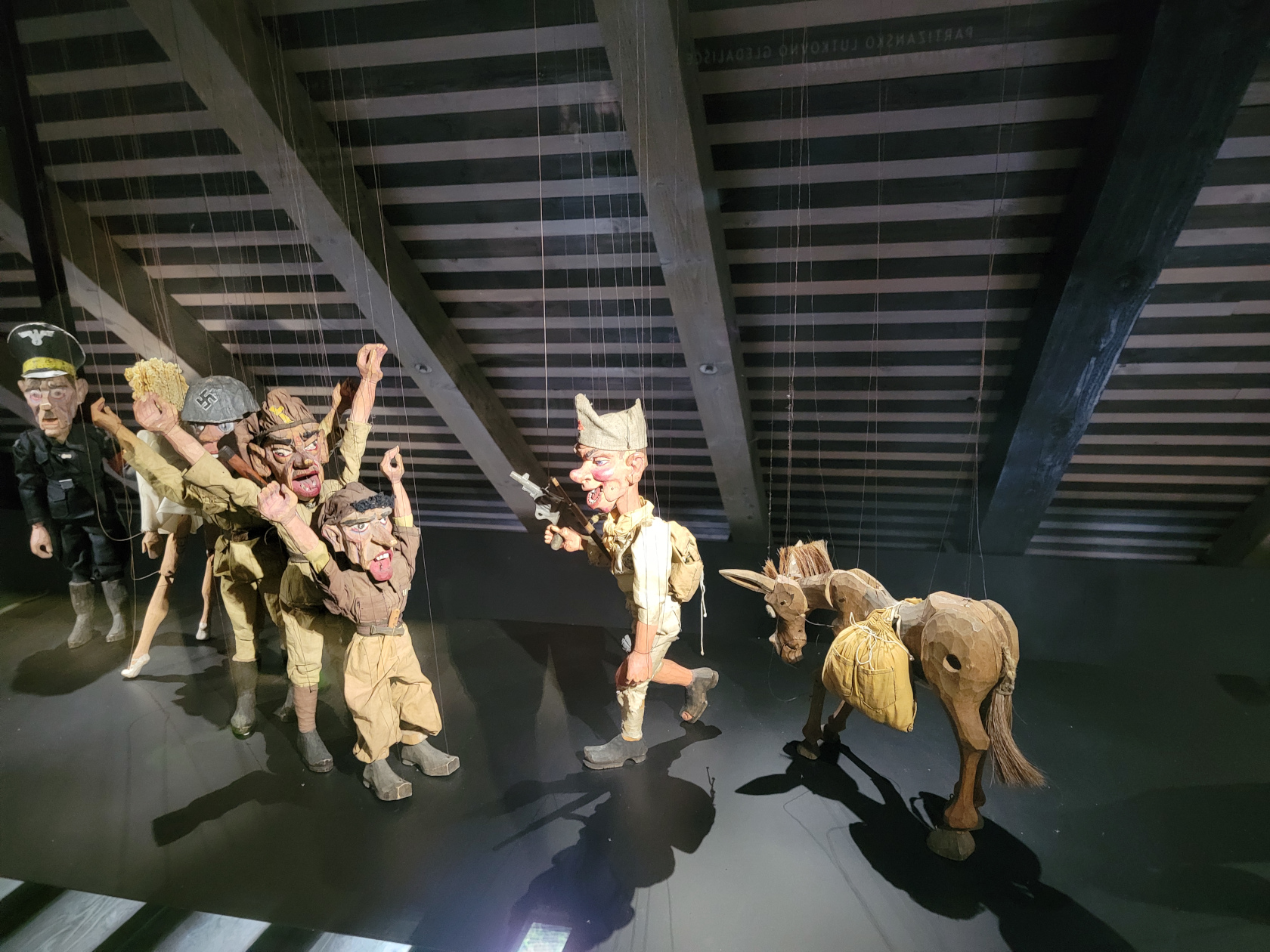
Ljubljana Castle – Puppet Museum
Ljubljana – From Castle Hill
Ljubljana – From Castle Hill
Ljubljana – From Castle Hill
Ljubljana – From Castle Hill
Ljubljana – Castle From Castle Tower
Ljubljana – Castle From Castle Tower
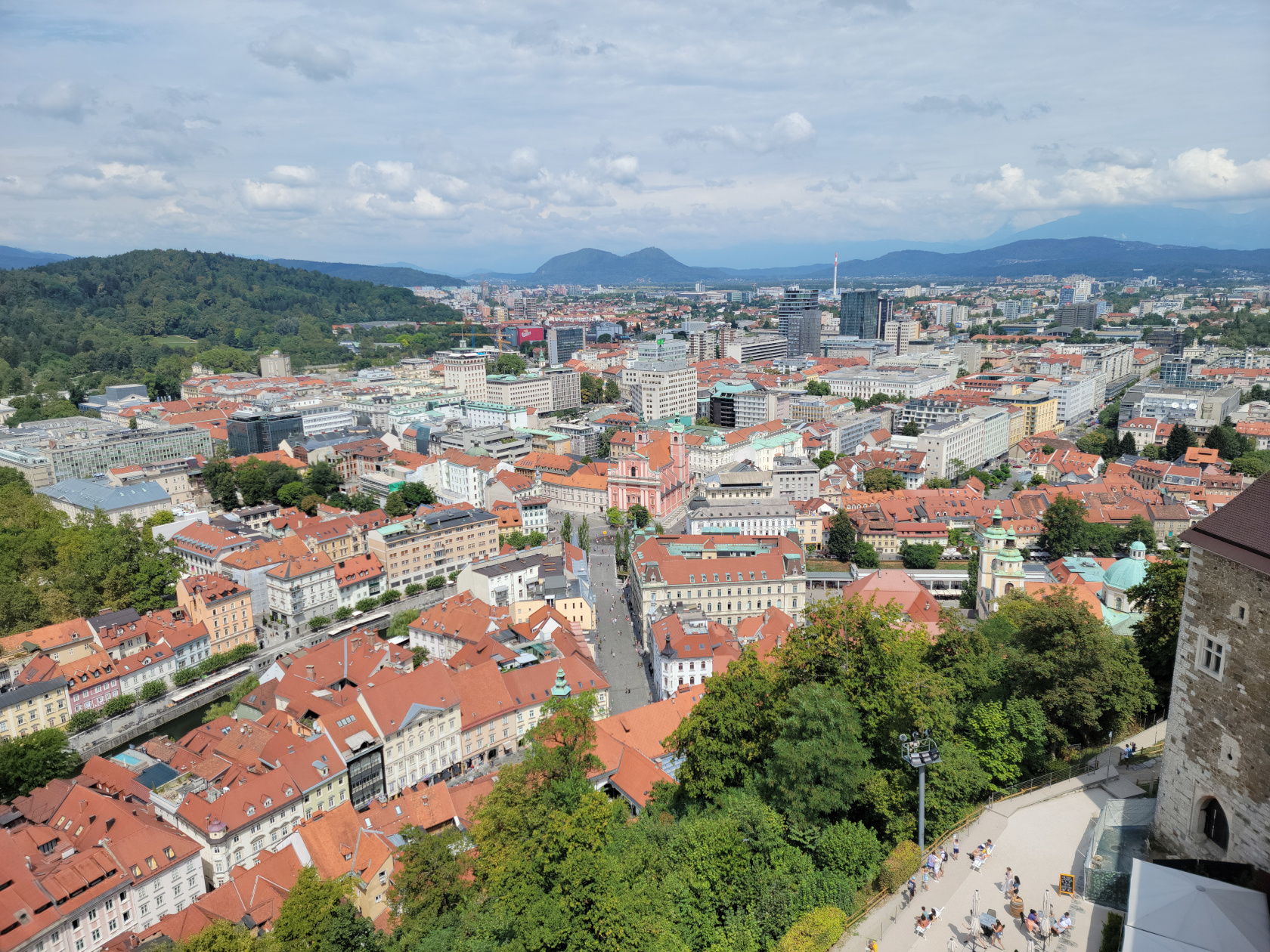
Ljubljana – Ljubljana and Castle From Castle Tower
Ljubljana – From Castle Tower
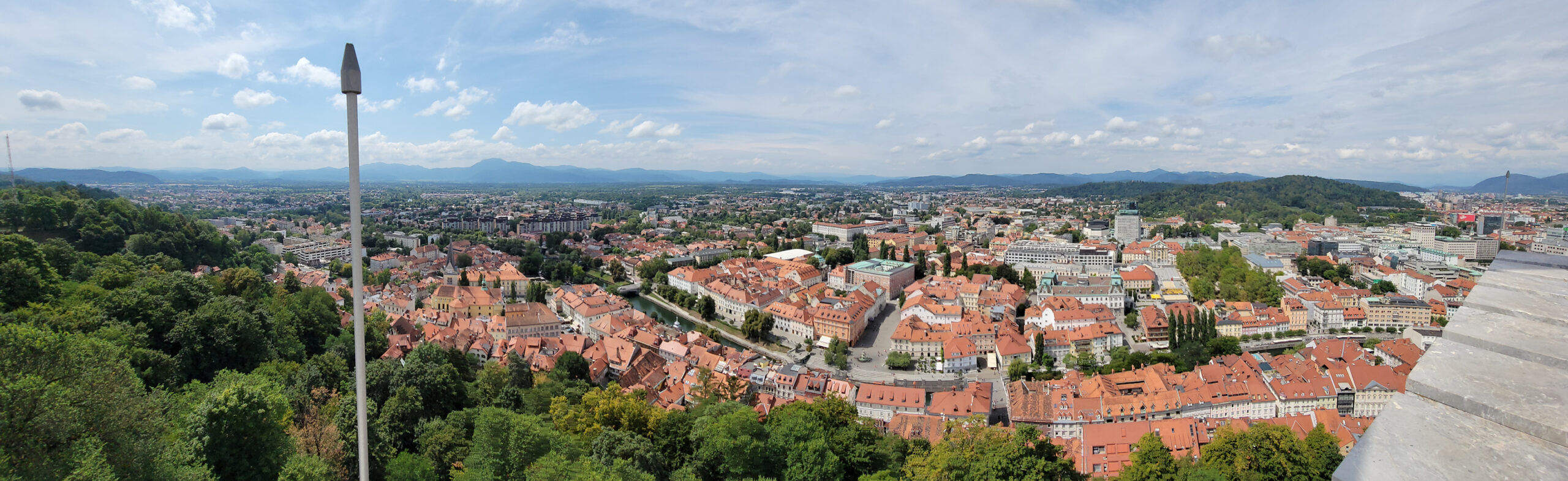
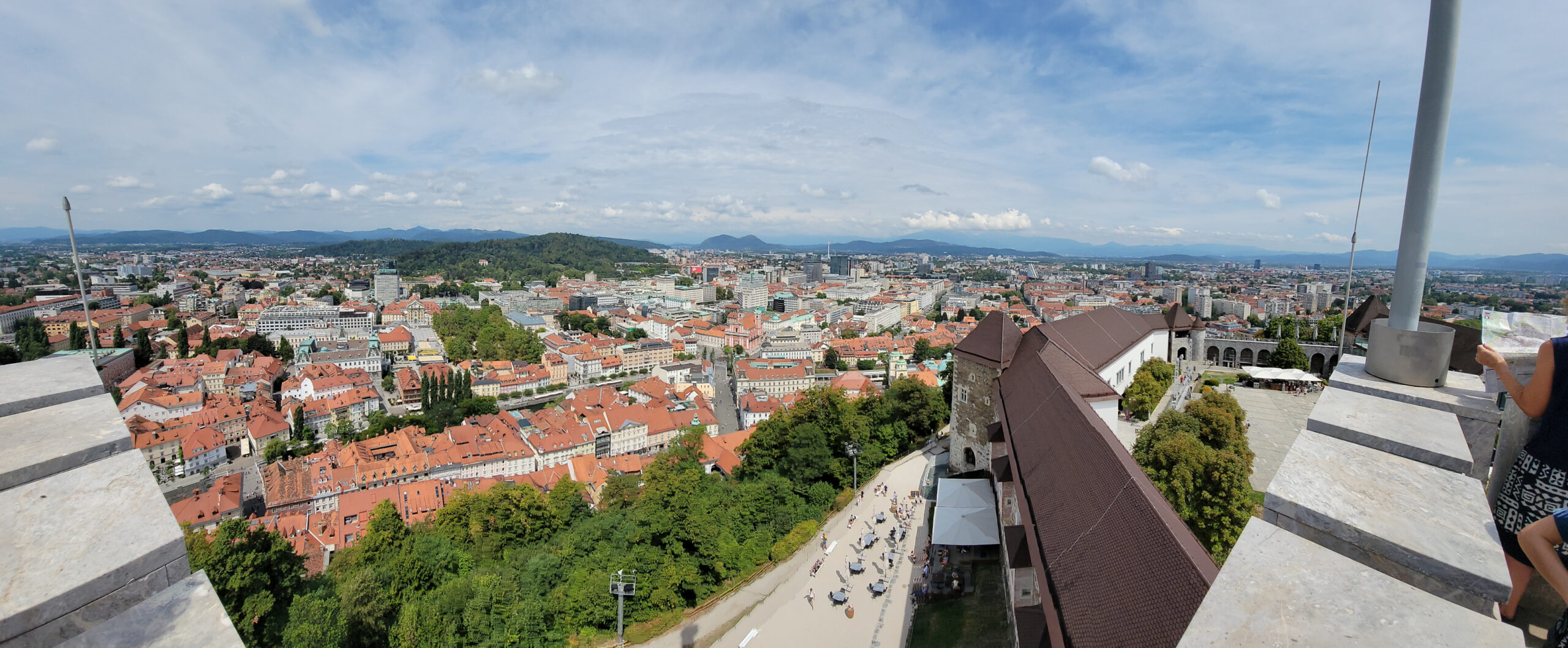
Ljubljana – From Castle Tower – Panorama
Ljubljana – From Castle Tower
Ljubljana – From Castle Tower
The Ljubljanica River
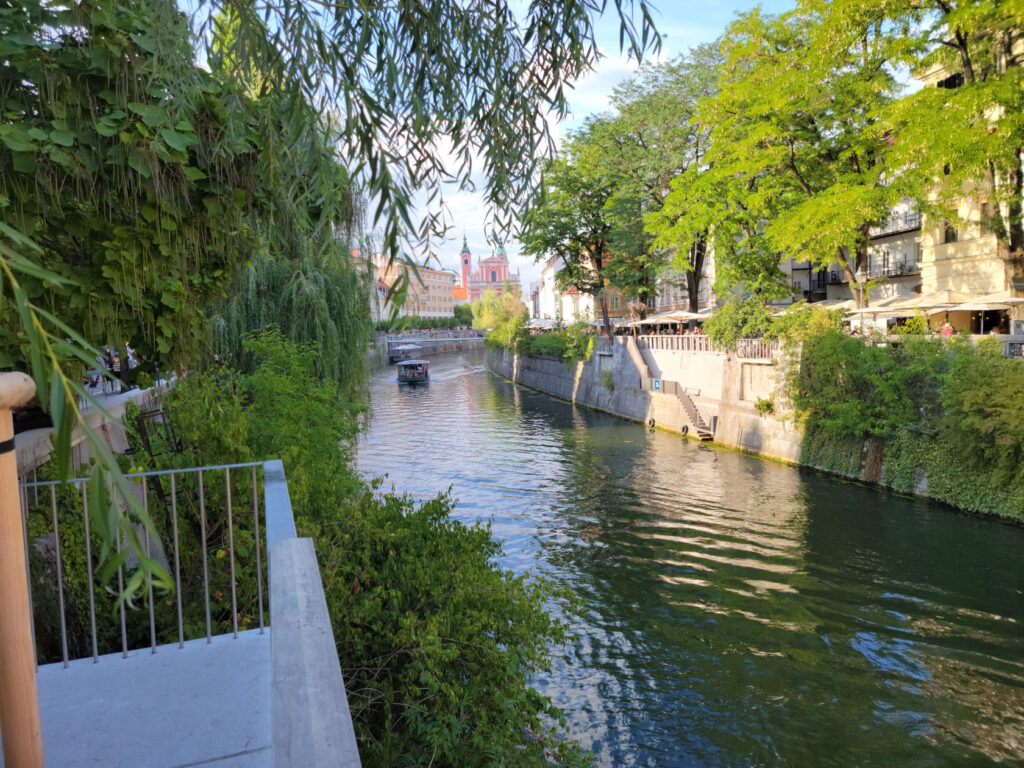
As it goes through the city the river is split into two. A major section goes directly through the old city, offering tourists the possibility of buying a ticket and traveling part of it, up to where it divides. The boats cannot venture too far however, since parts of the river are reserved for wildlife and cannot be entered.
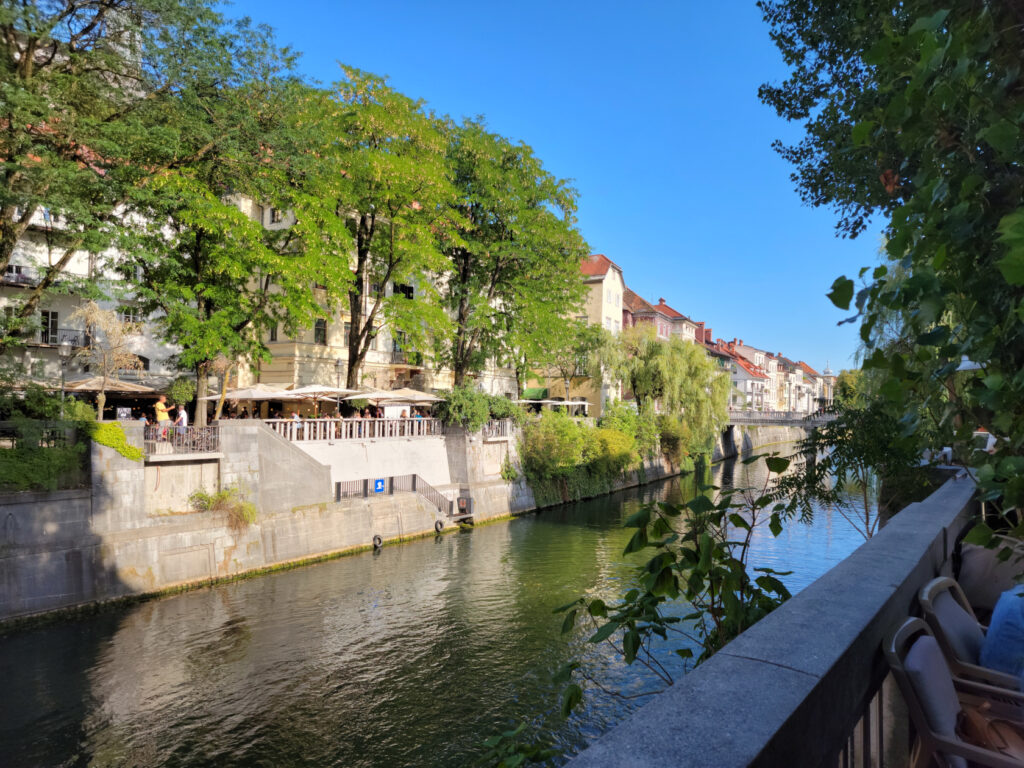
Ljubljana – Ljubljanica River
Sitting at one of the many cafes along the waterway, one can wile away the afternoon sipping a drink and just watching the boats meander along.
Ljubljana – Ljubljanica River
Ljubljana – Ljubljanica River – River Boats
Boat Tours
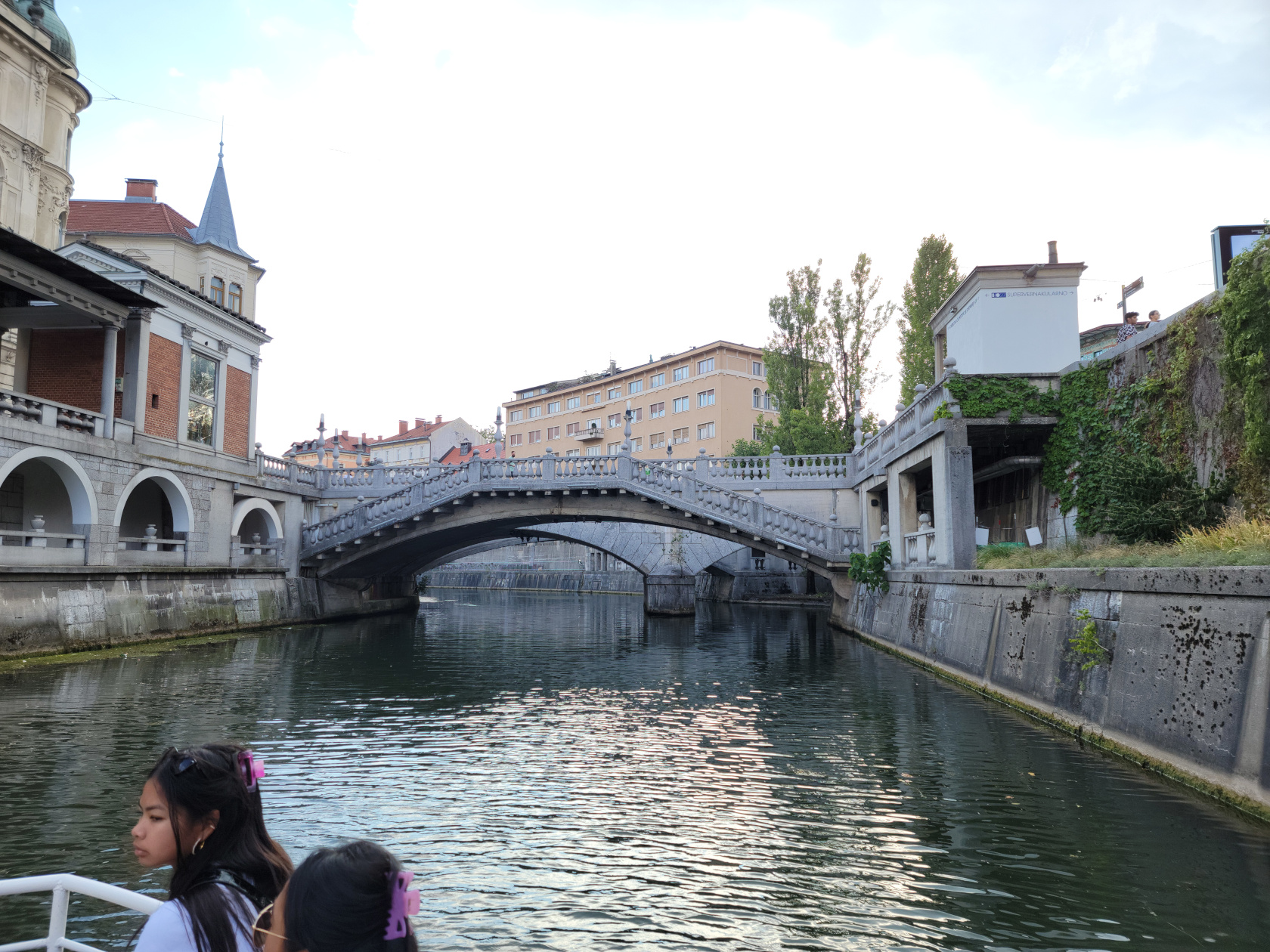
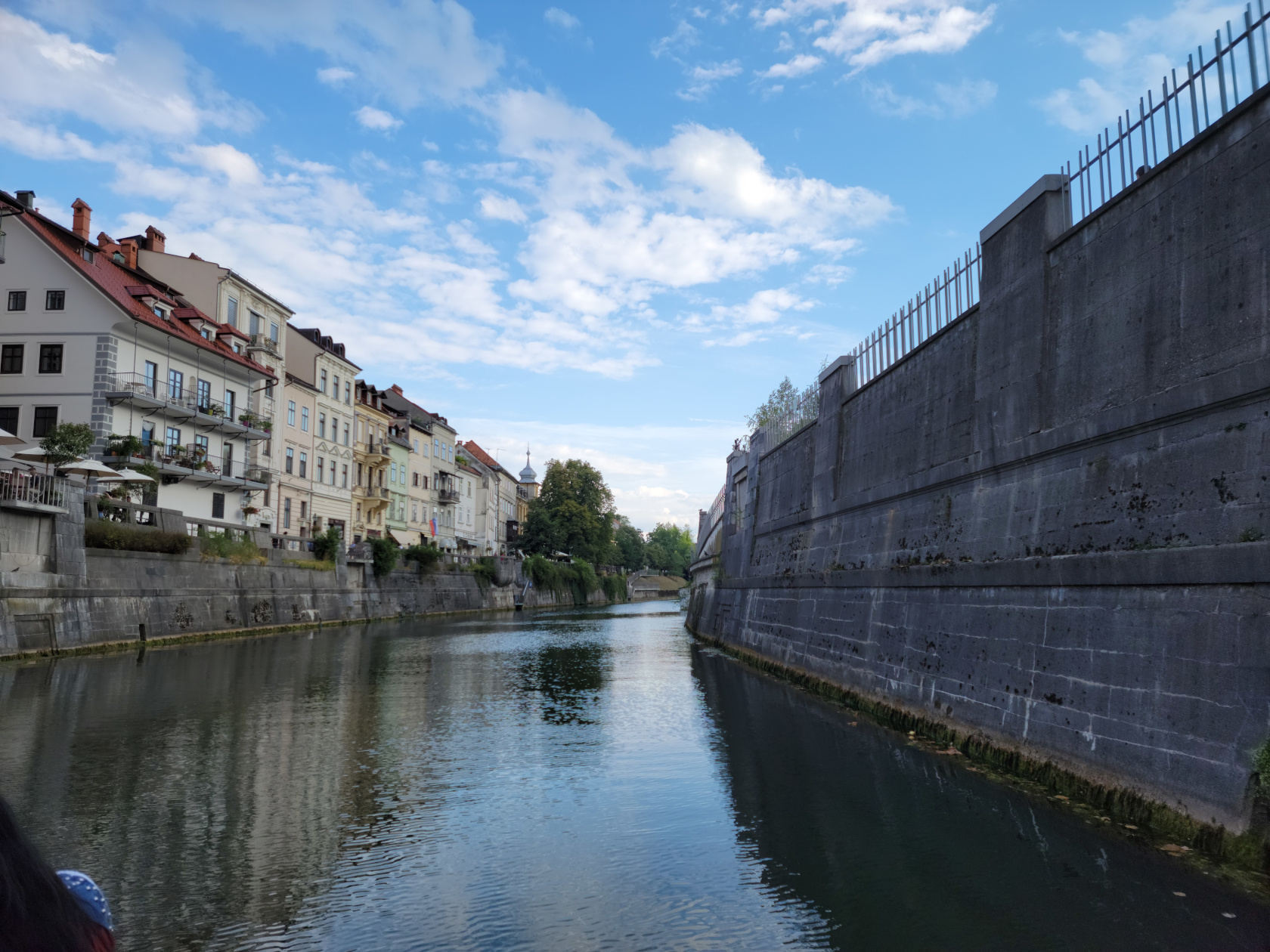
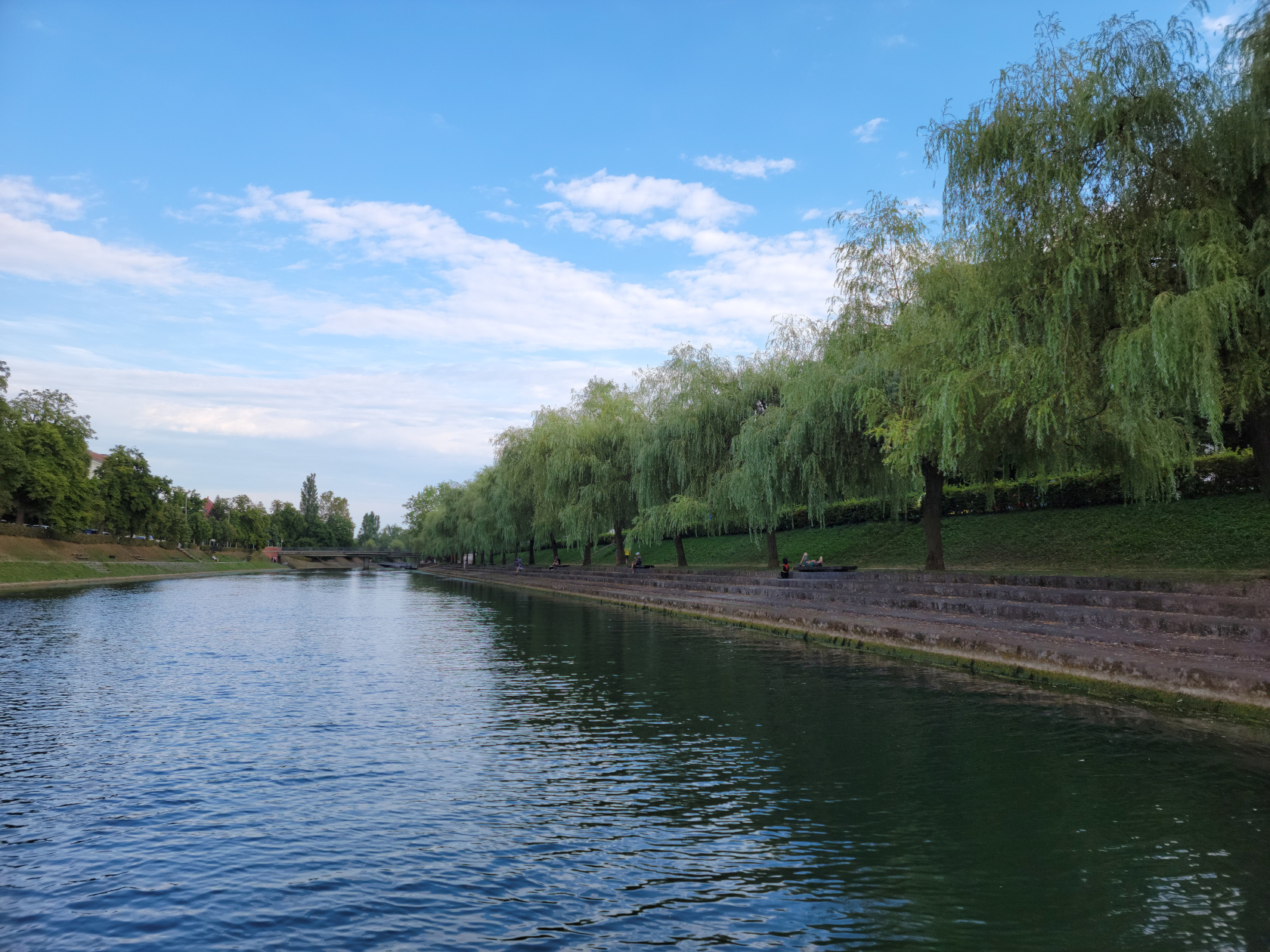
Both looking at the tour boats ply the water and actually taking a boat trip is both relaxing and very enjoyable. We decided one evening to take one and see where it actually goes and found it very interesting.
Ljubljana – Ljubljanica River – Boat Tour – Triple Bridge
Ljubljana – Ljubljanica River – Boat Tour
Ljubljana – Ljubljanica River – Boat Tour
Ljubljana – Ljubljanica River – Boat Tour
Ljubljana – Ljubljanica River – Boat Tour
Walking Tour Of The City
Here is a slideshow of some of the other sights in the city.
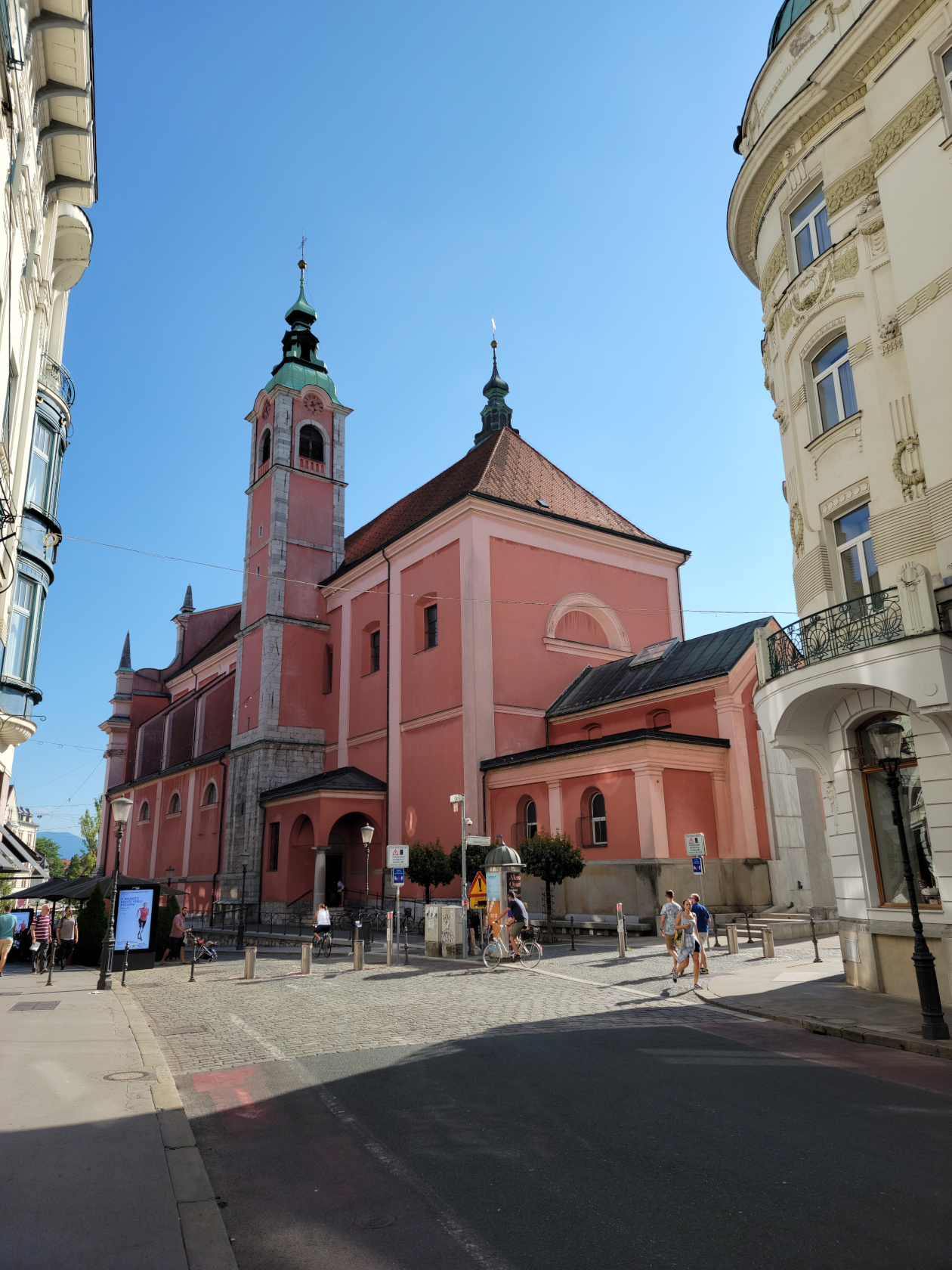
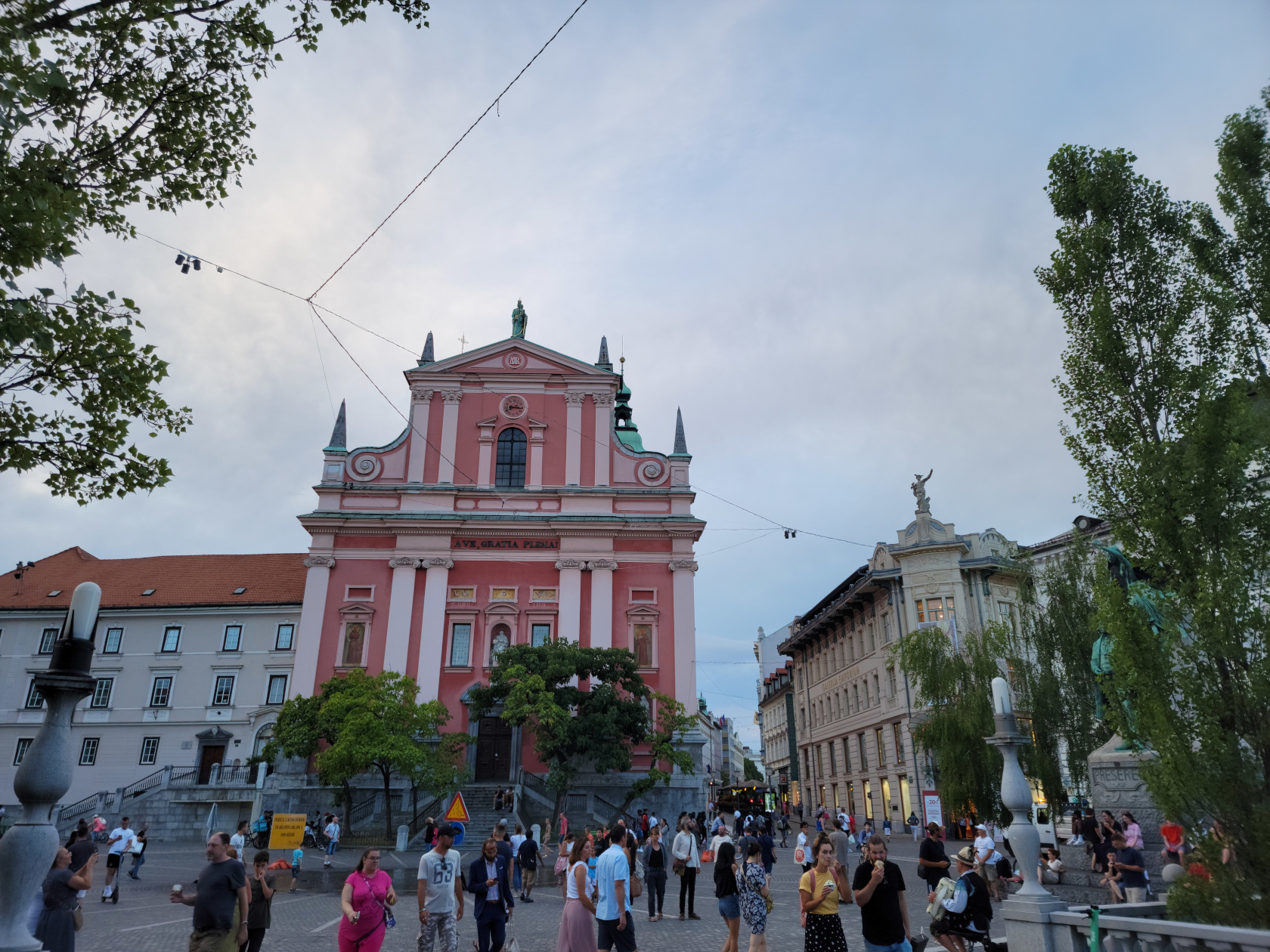
Ljubljana – Franciscan Church
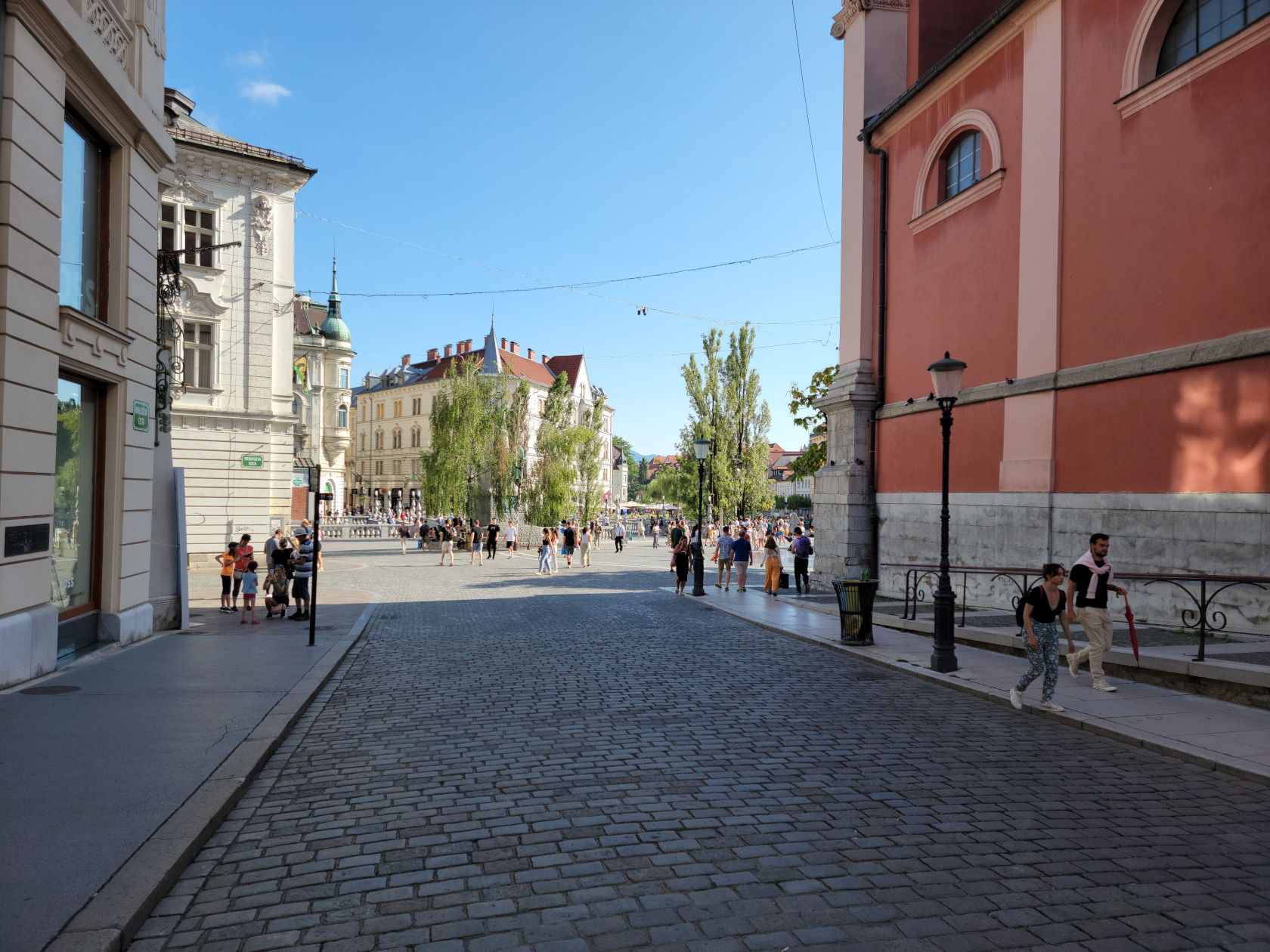
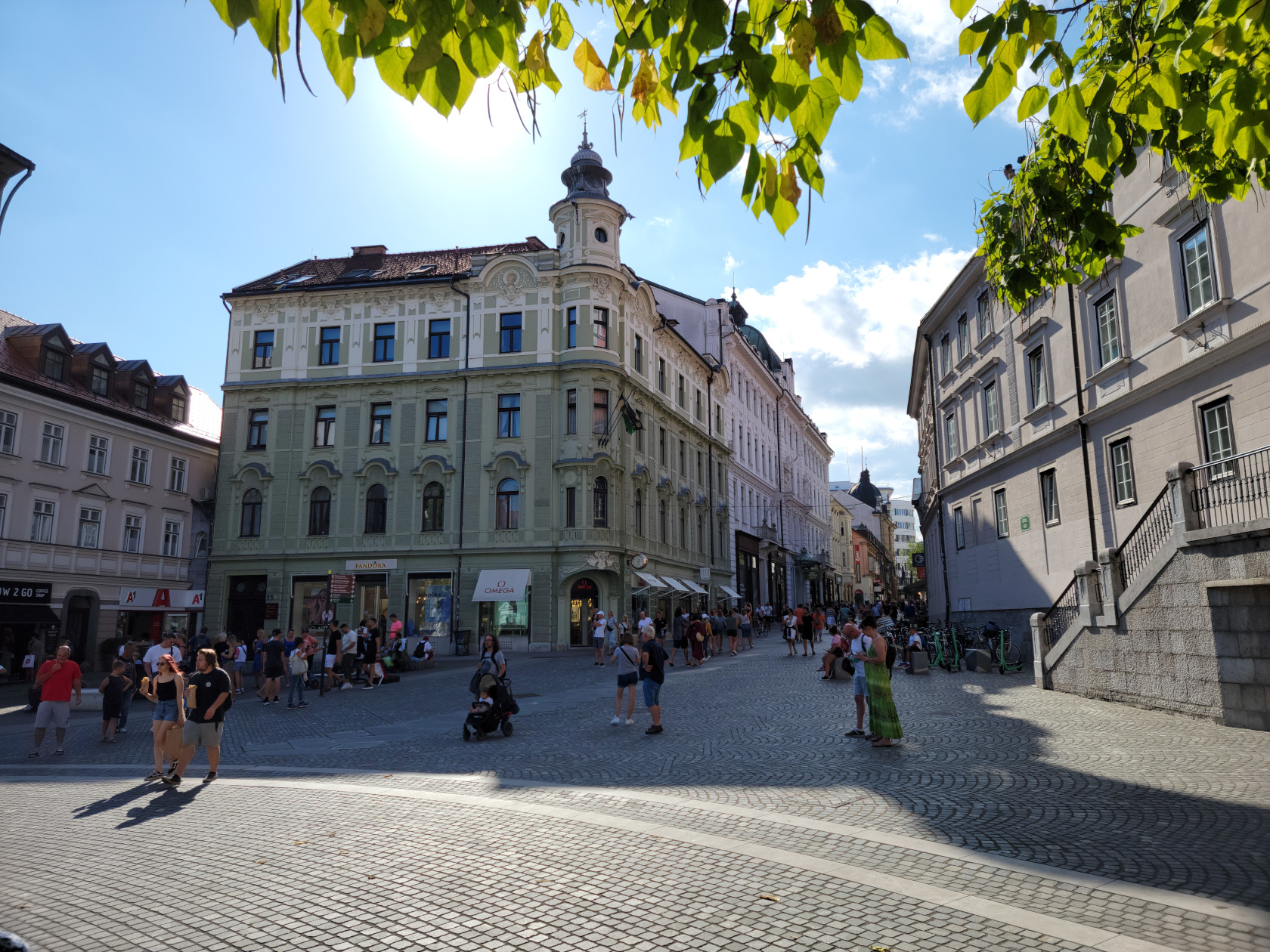
Ljubljana – Prešeren Square
Ljubljana – Prešeren Square
Ljubljana – Prešeren Square
Ljubljana – Prešeren Square
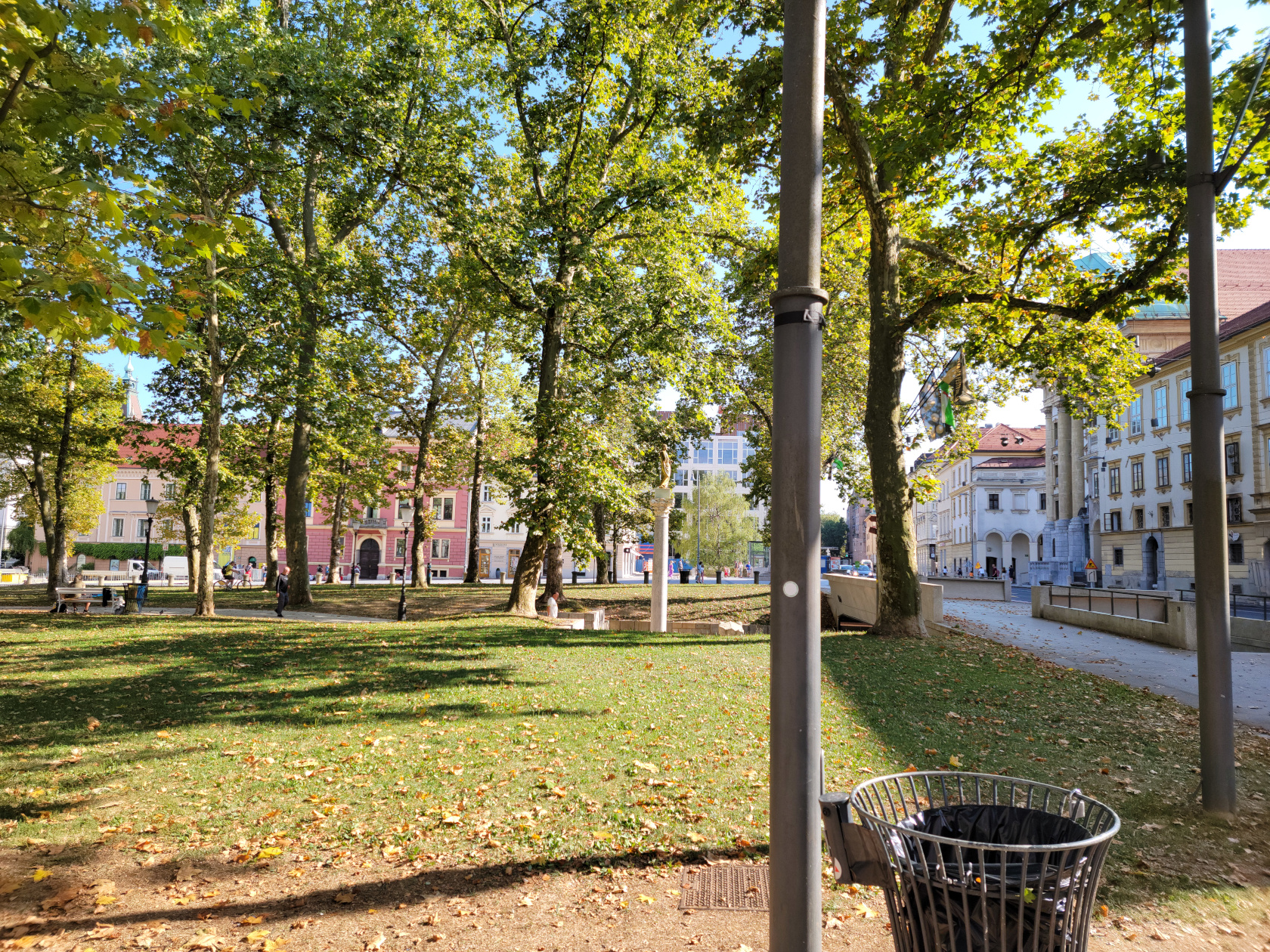
Ljubljana – Zvezda Park
Ljubljana – Zvezda Park
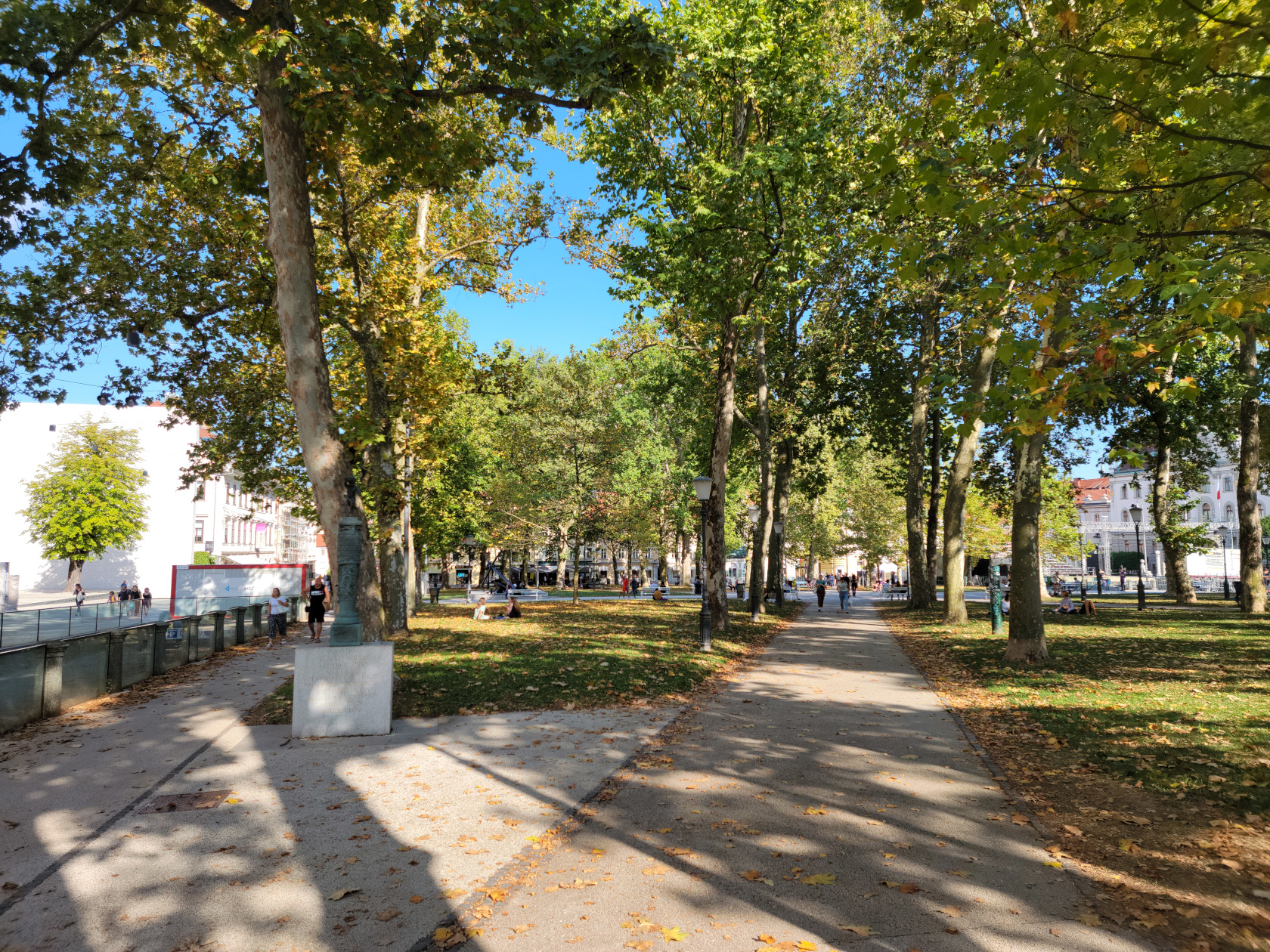
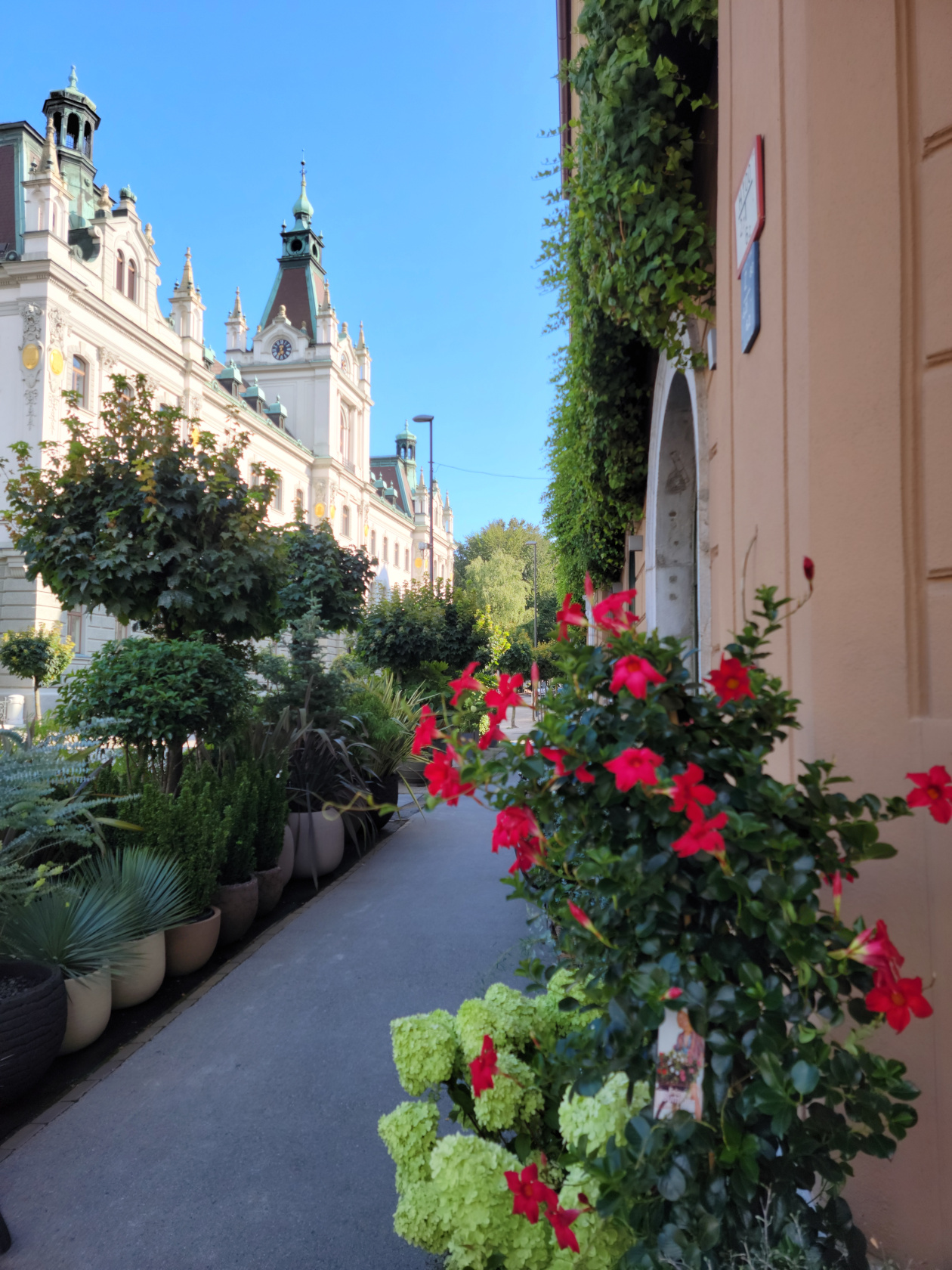
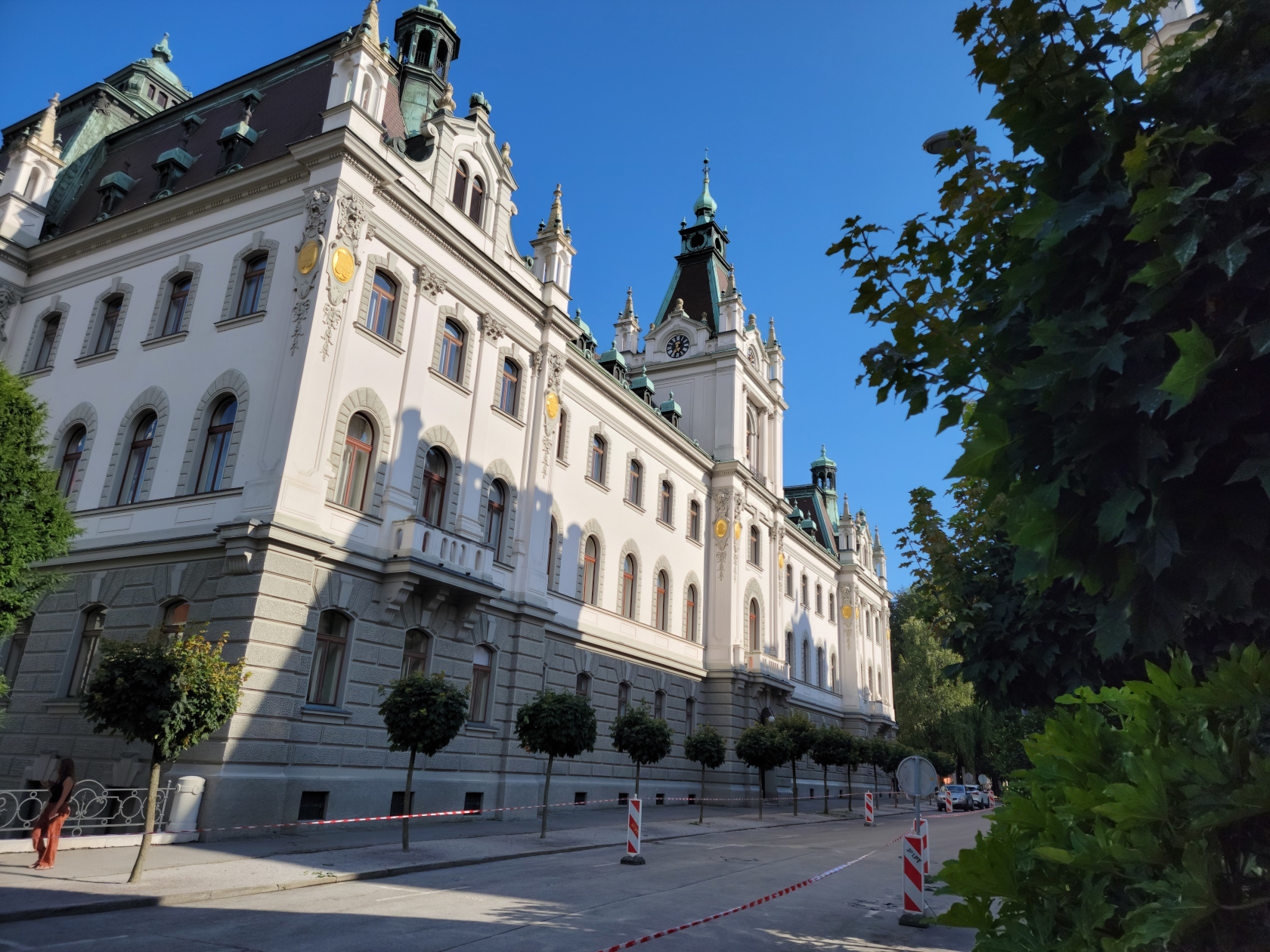
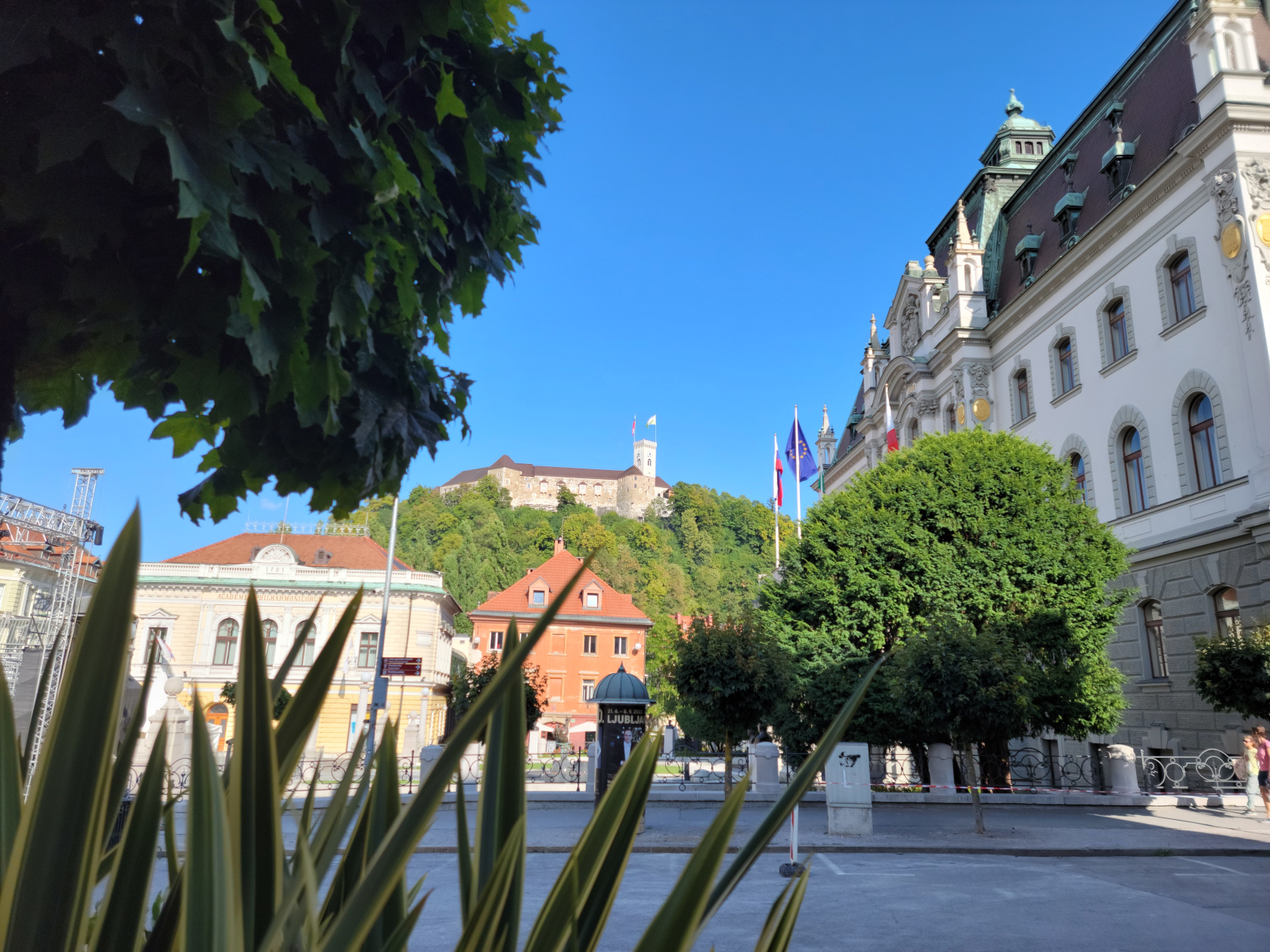
Ljubljana – Ljubljana University
Ljubljana – Ljubljana University
Ljubljana – Ljubljana University
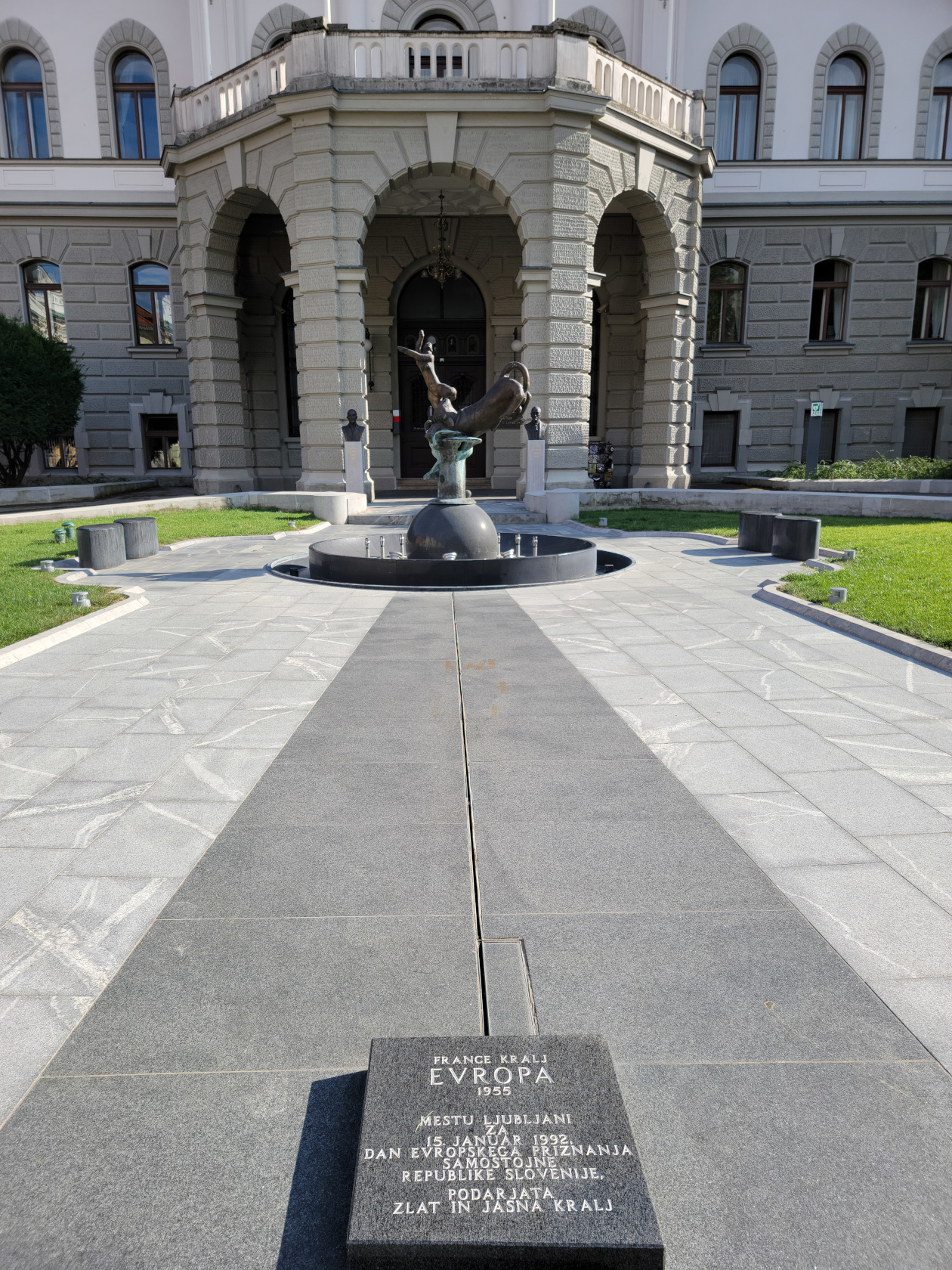
Ljubljana – Ljubljana University – Europa Fountain
Ljubljana – Ljubljana University
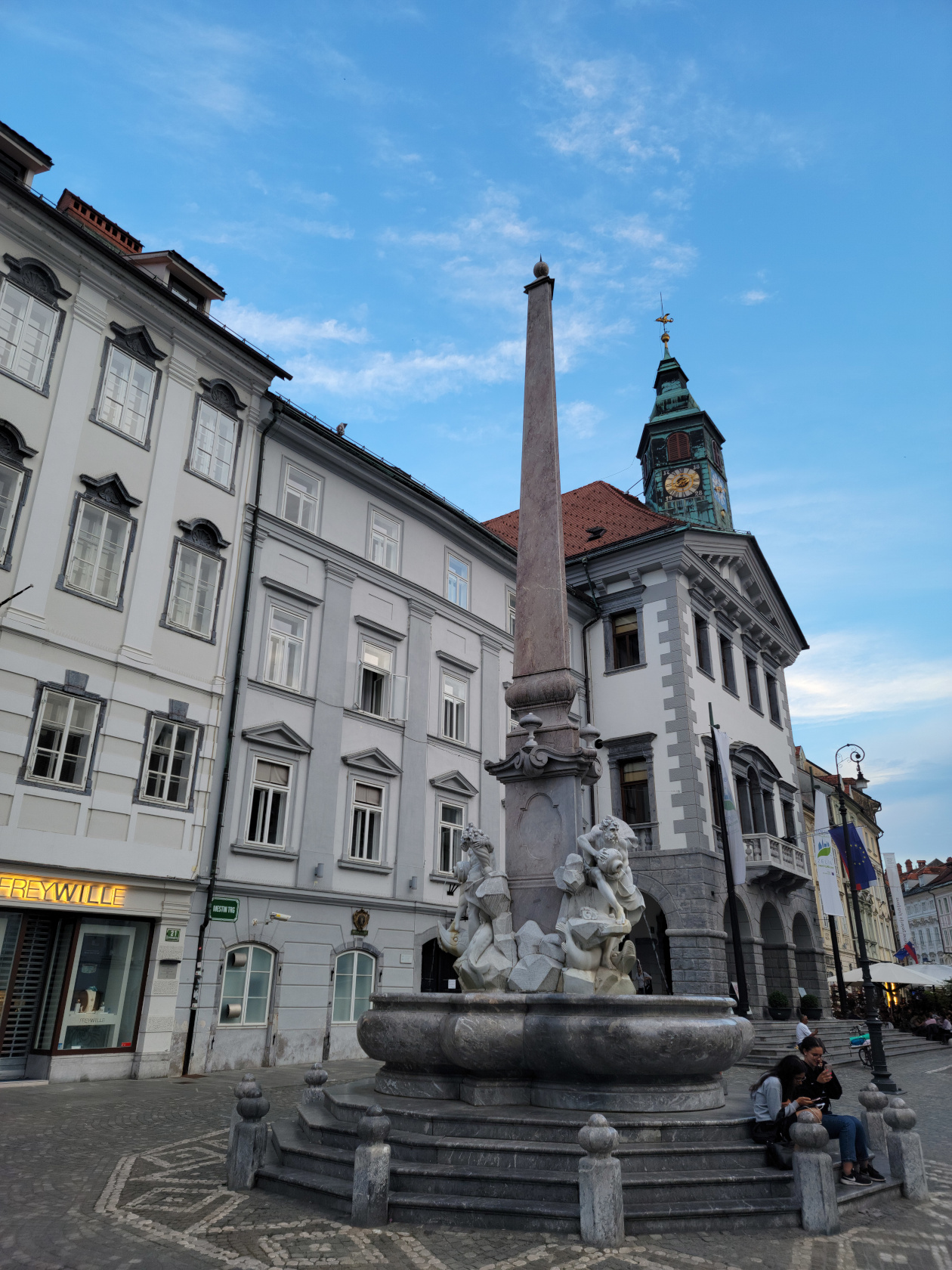
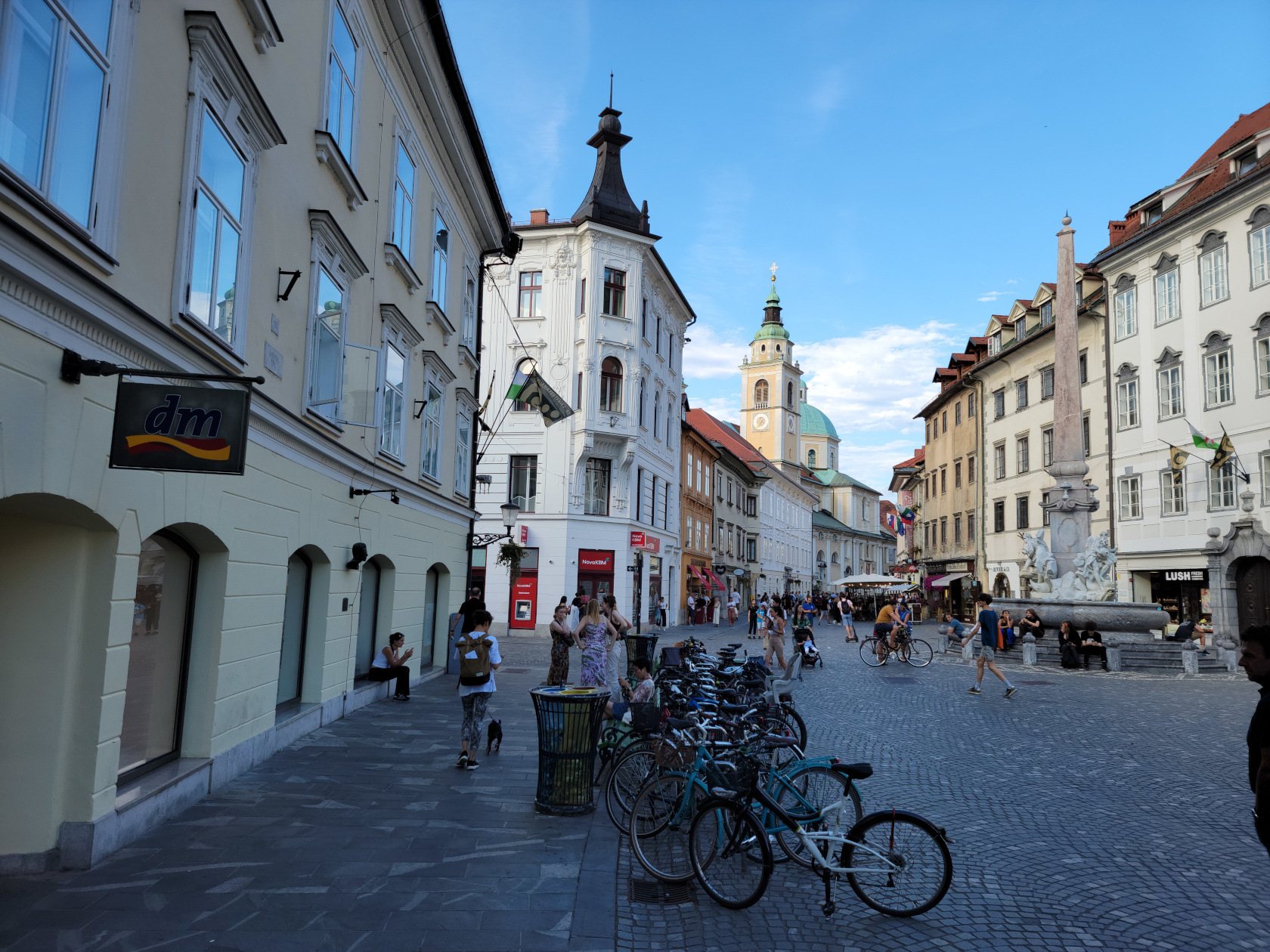
Ljubljana – Mestni Trg
Ljubljana – Mestni Trg
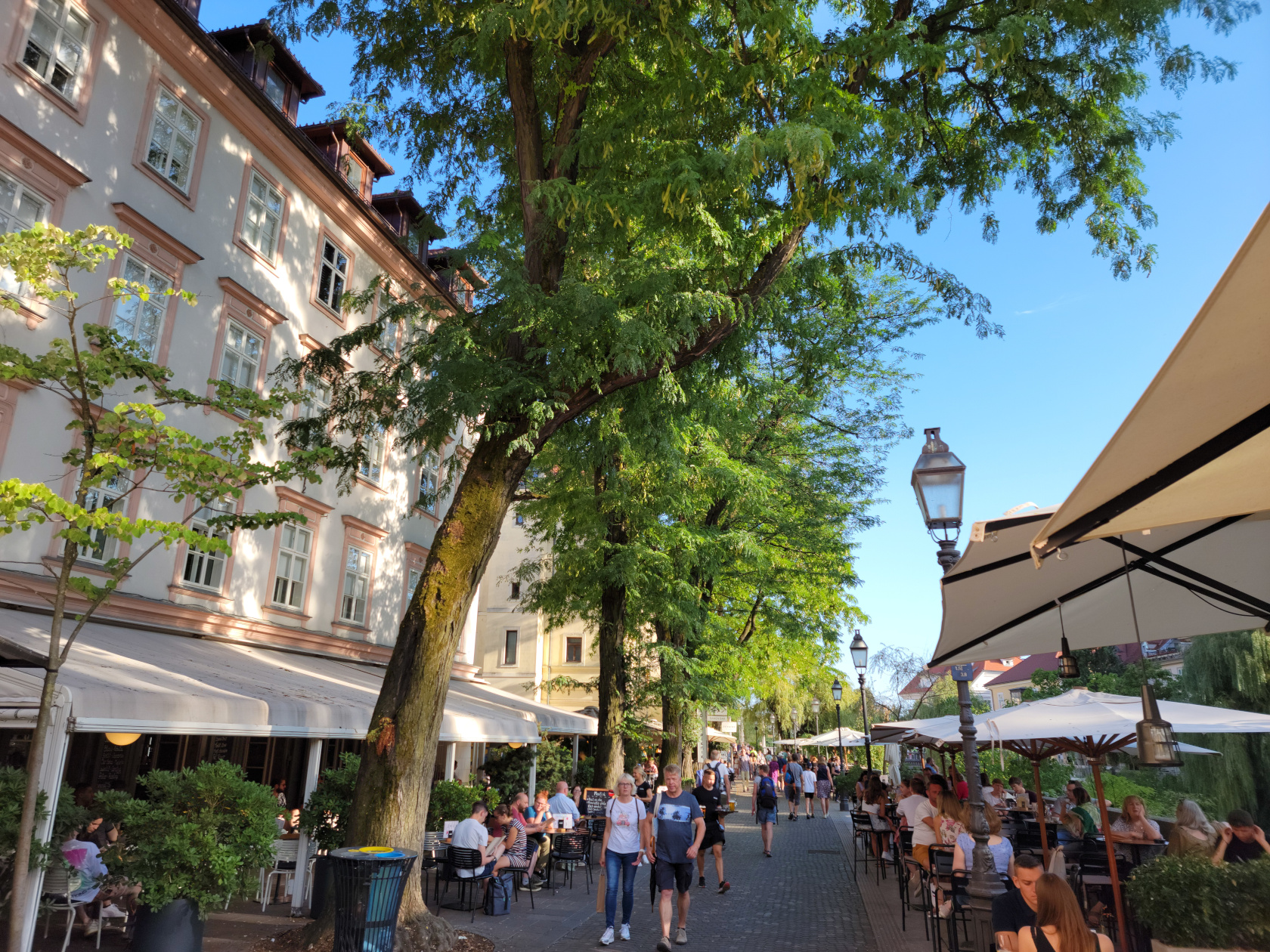
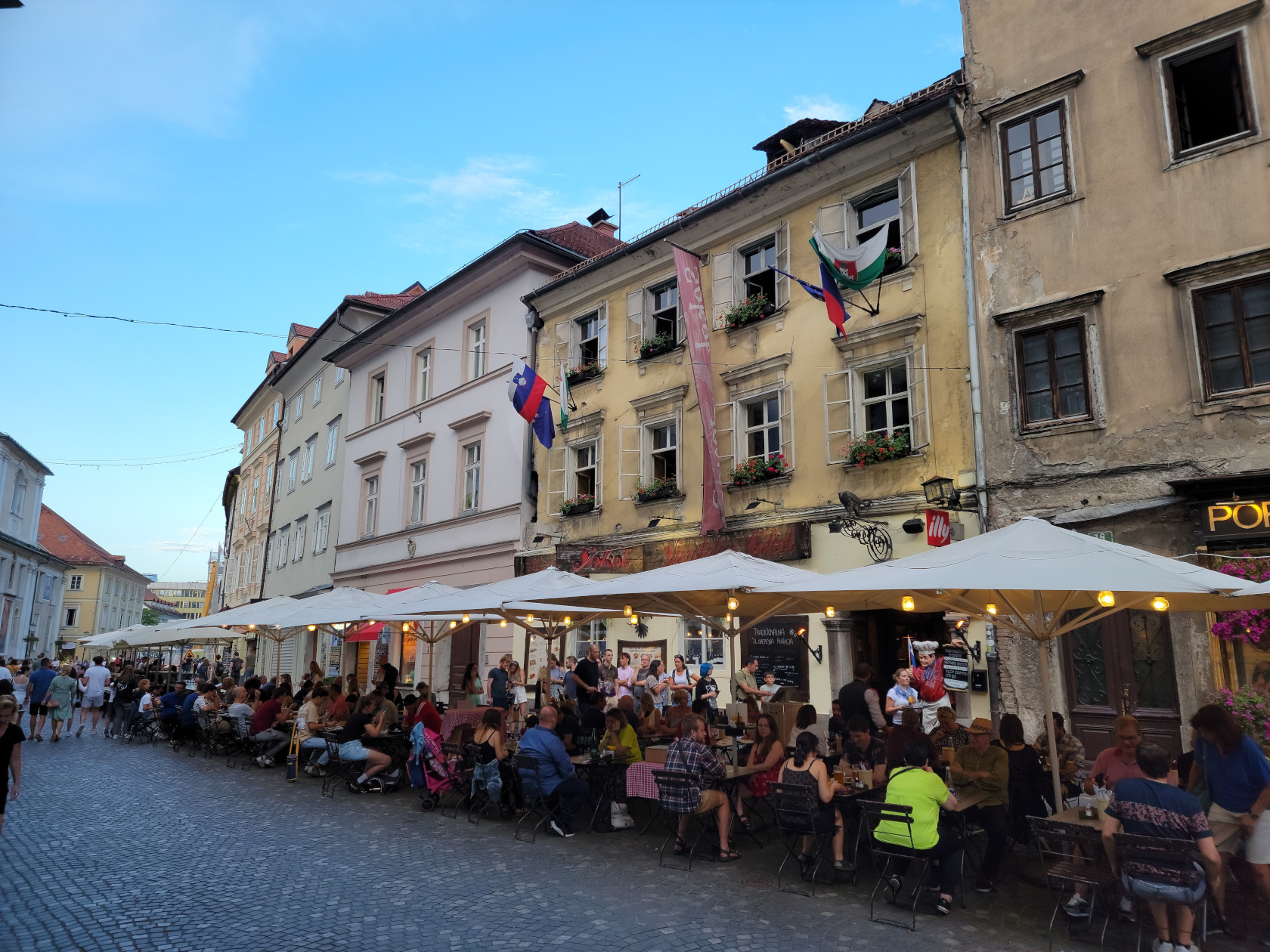
Ljubljana – Cafes along riverfront
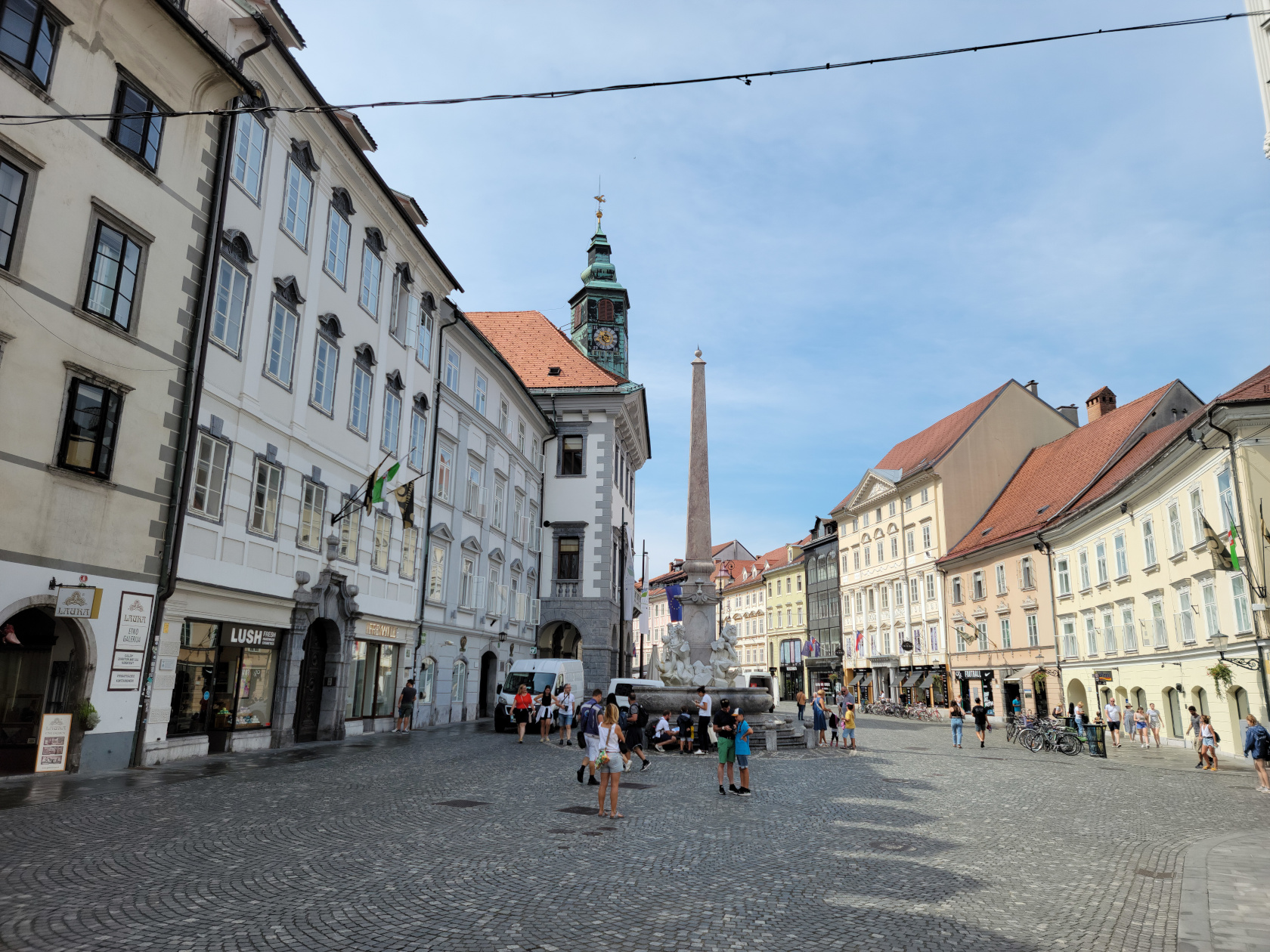
Ljubljana – Robba Fountain
Ljubljana – Robba Fountain
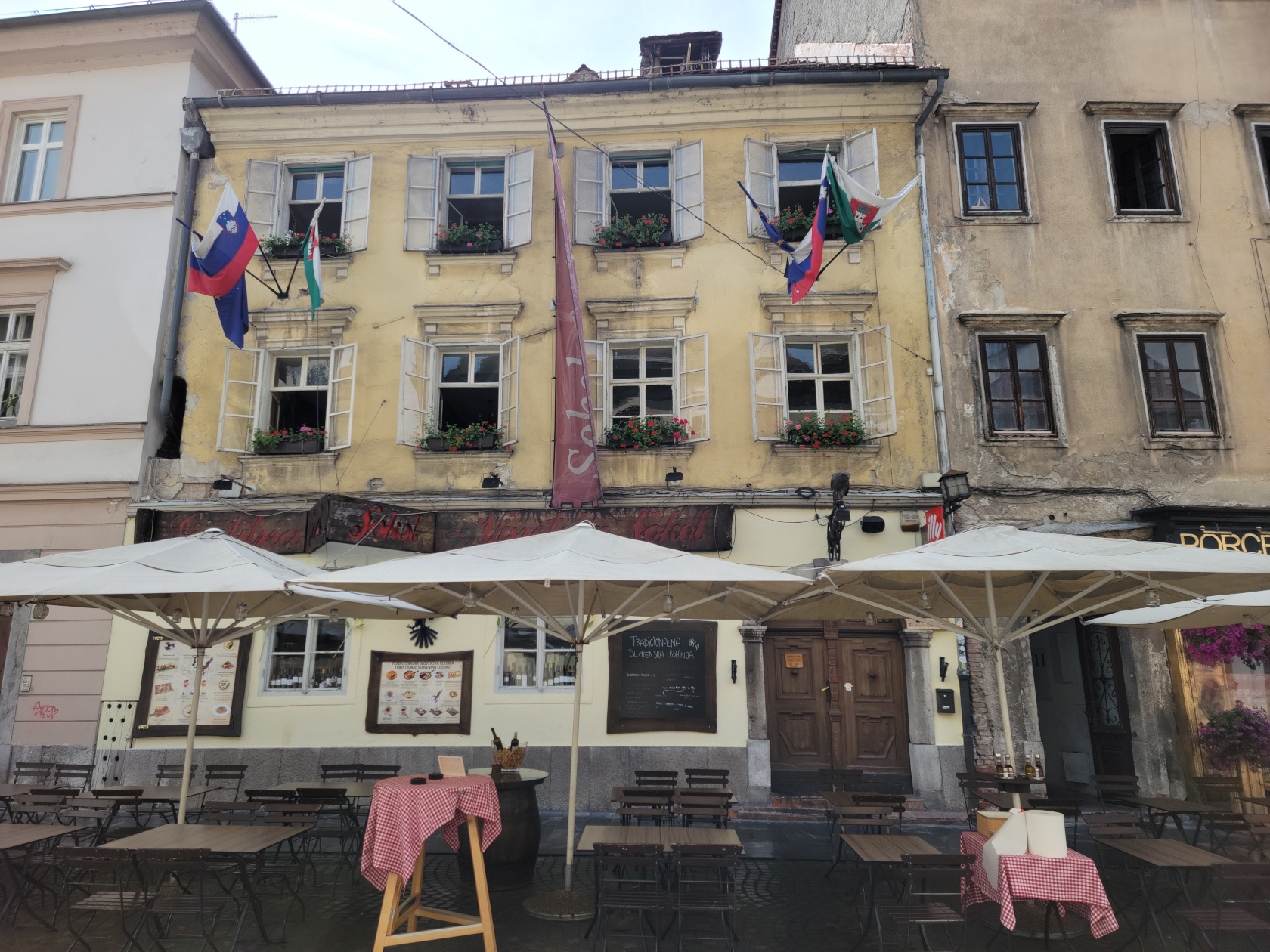
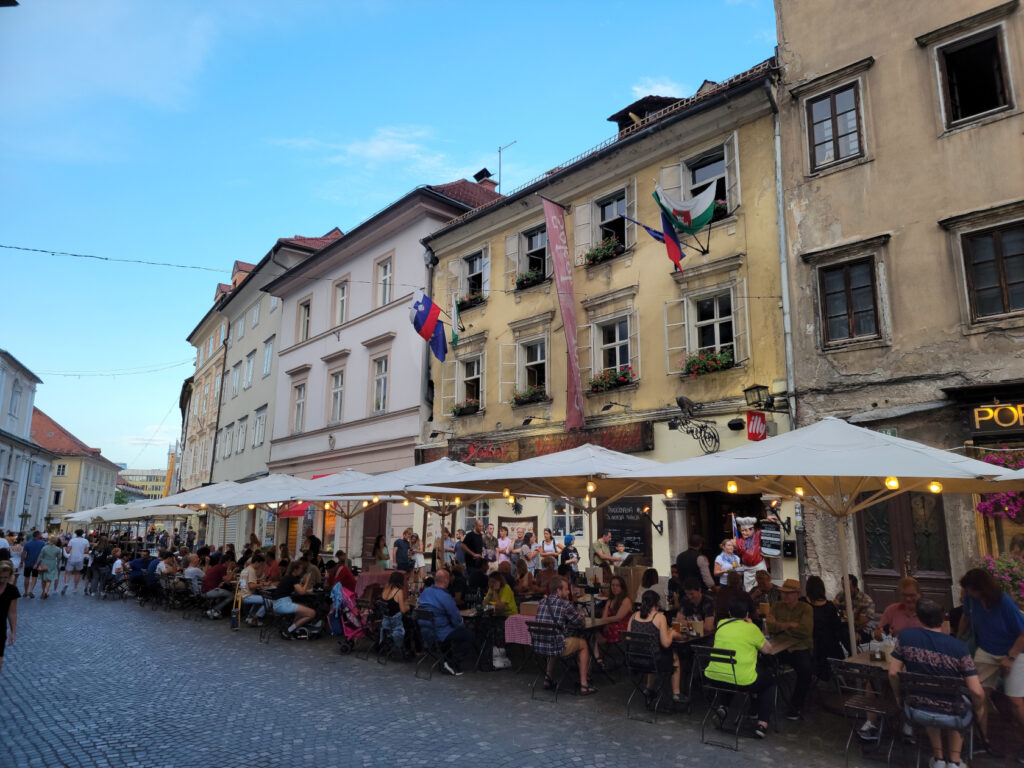
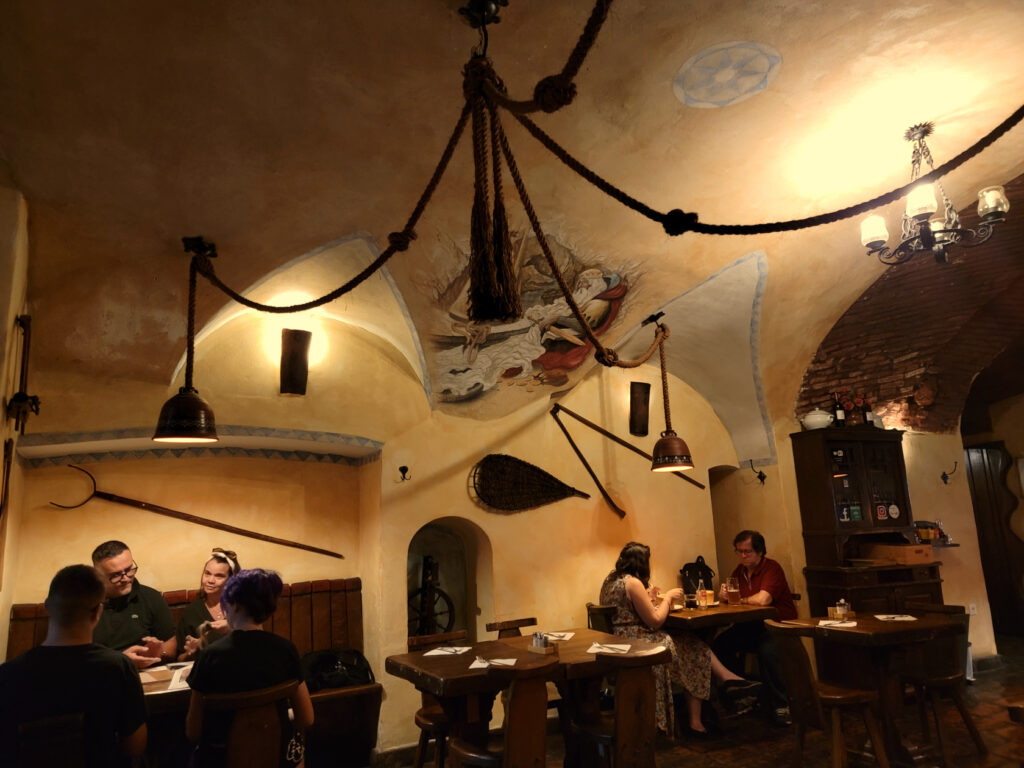
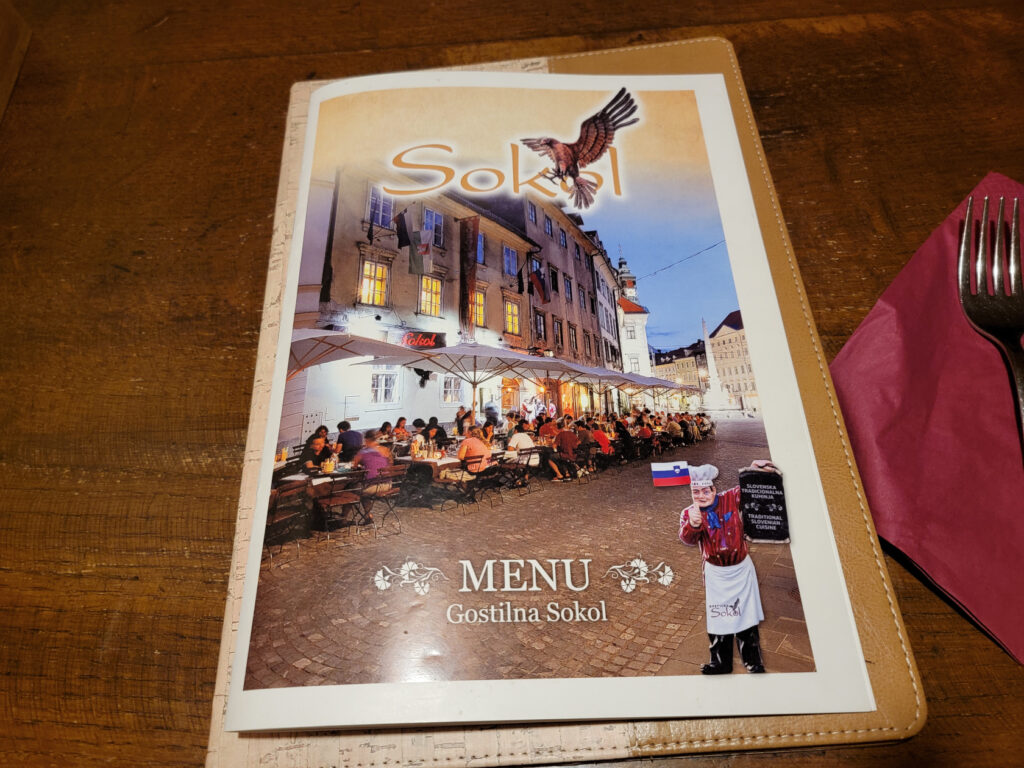
Ljubljana – Gostilna Sokol Restaurant
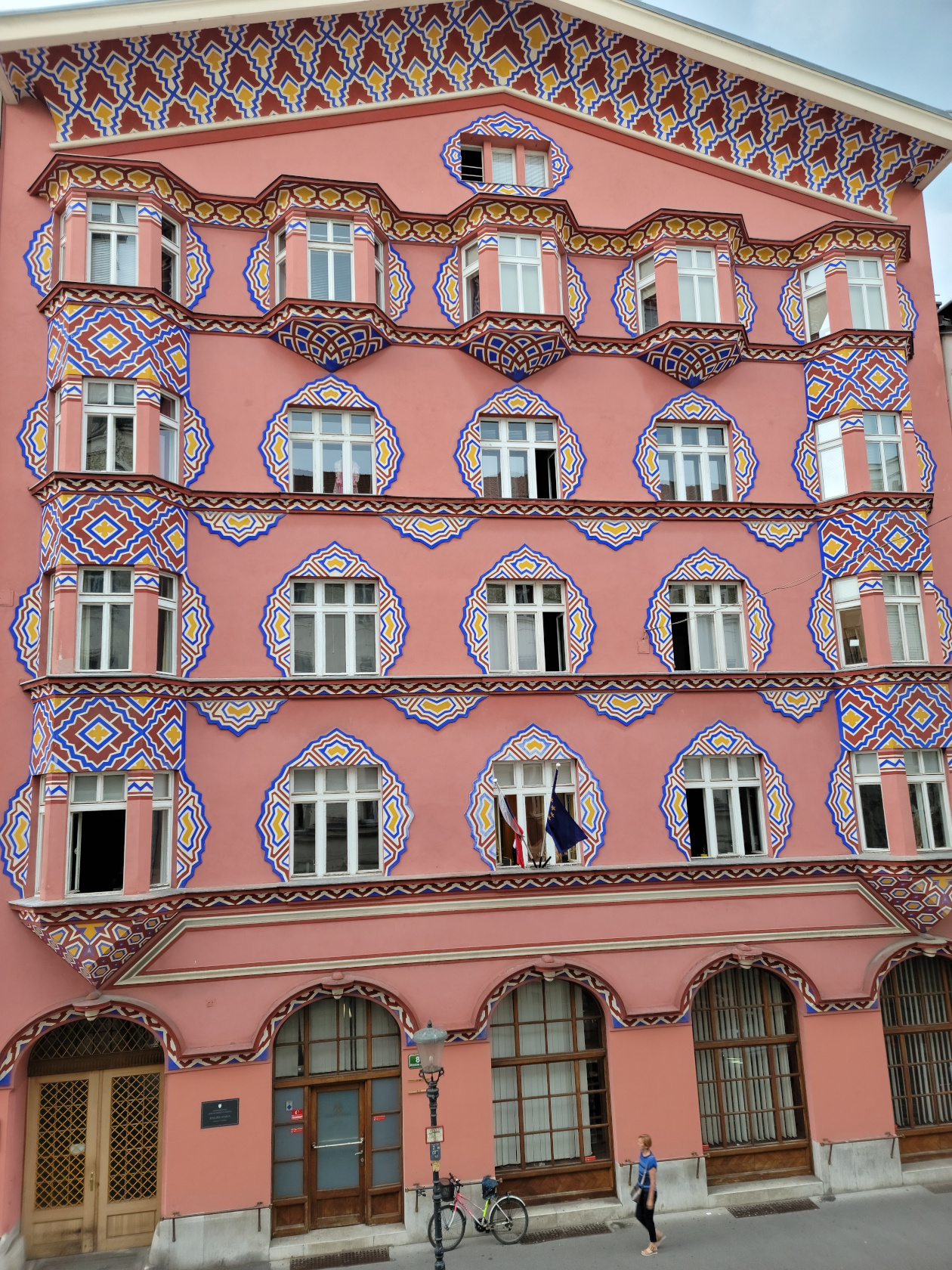
Ljubljana – The Vurnikoval House
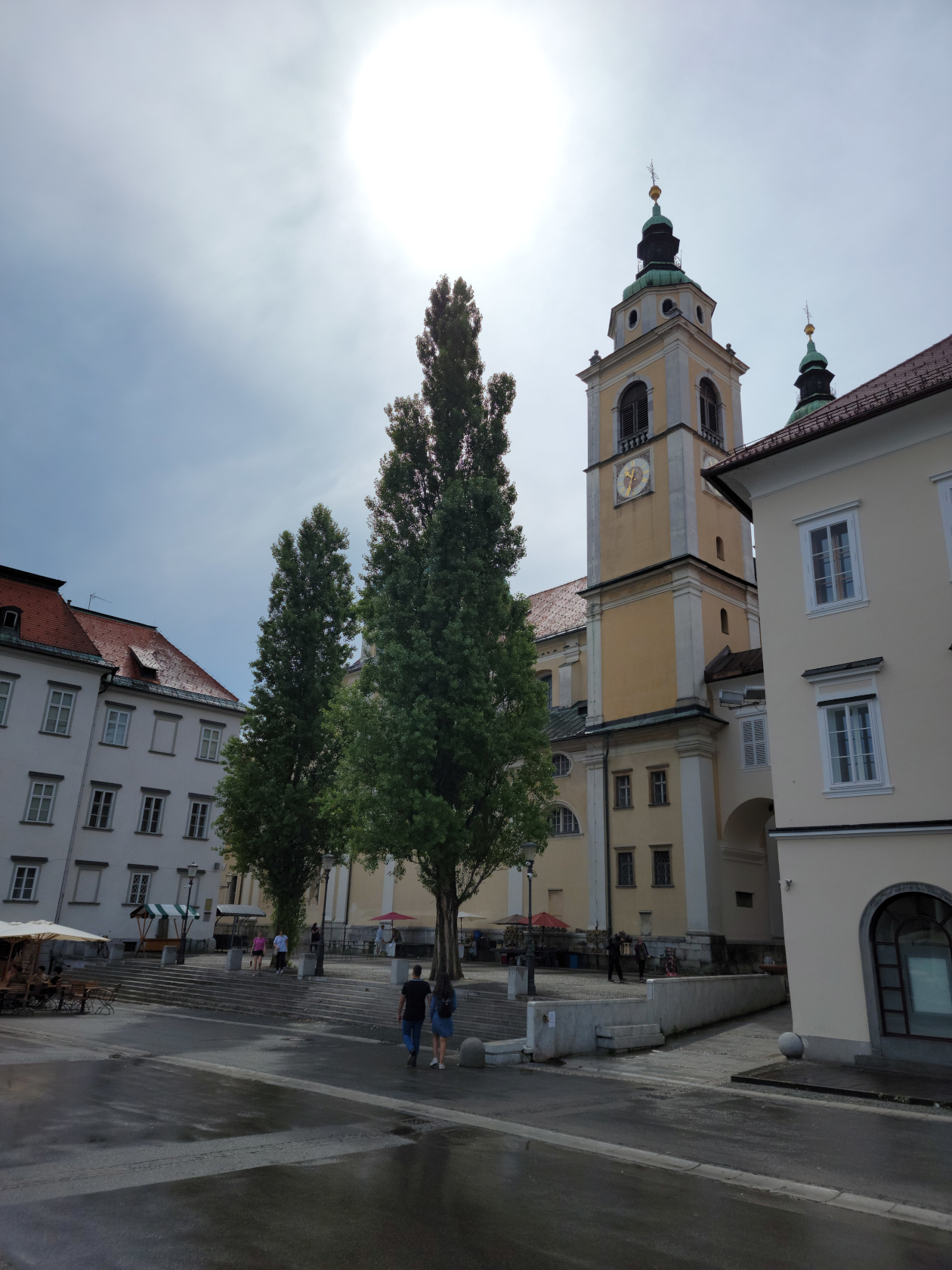
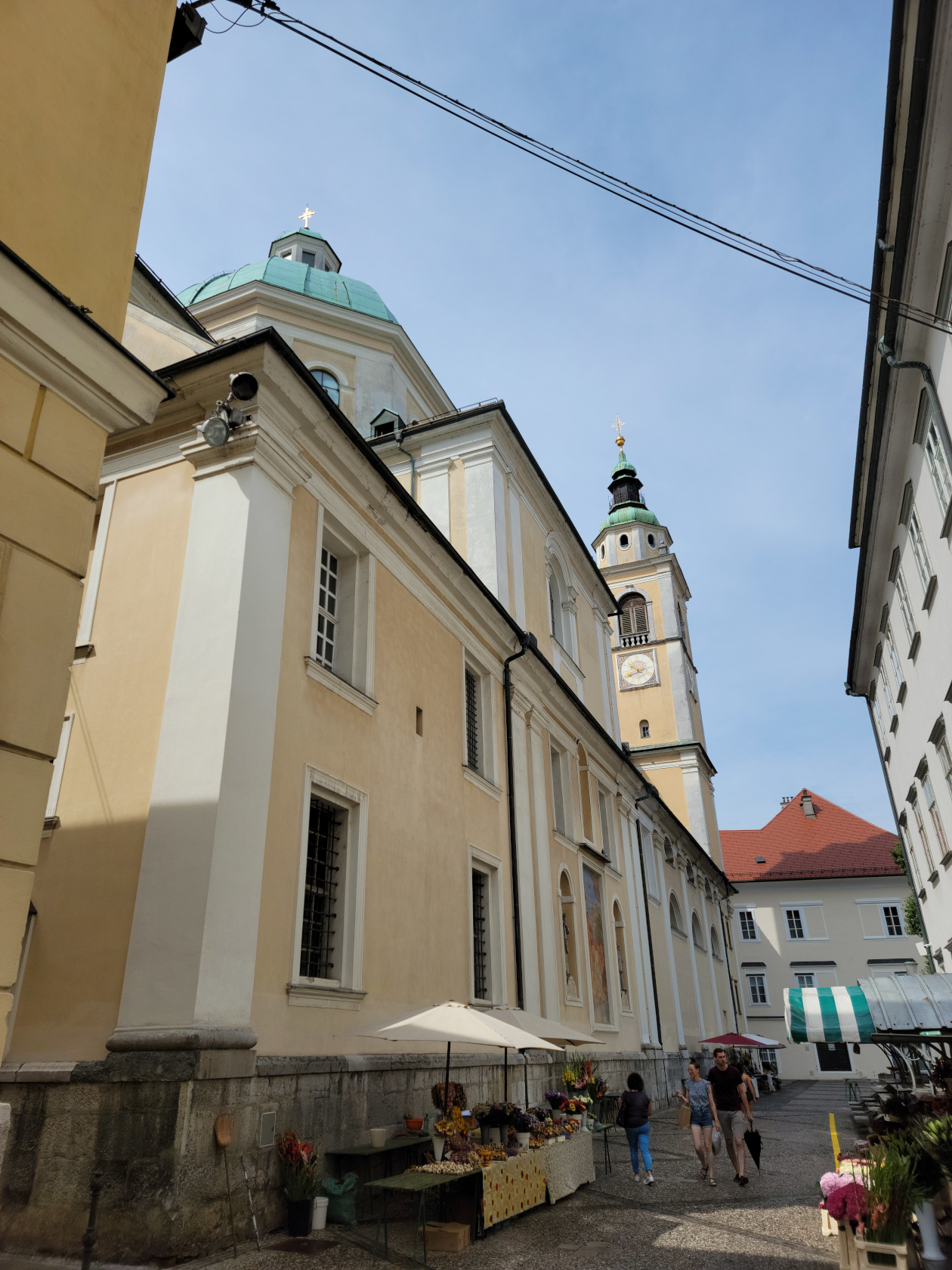
Ljubljana – Ljubljana Cathedral
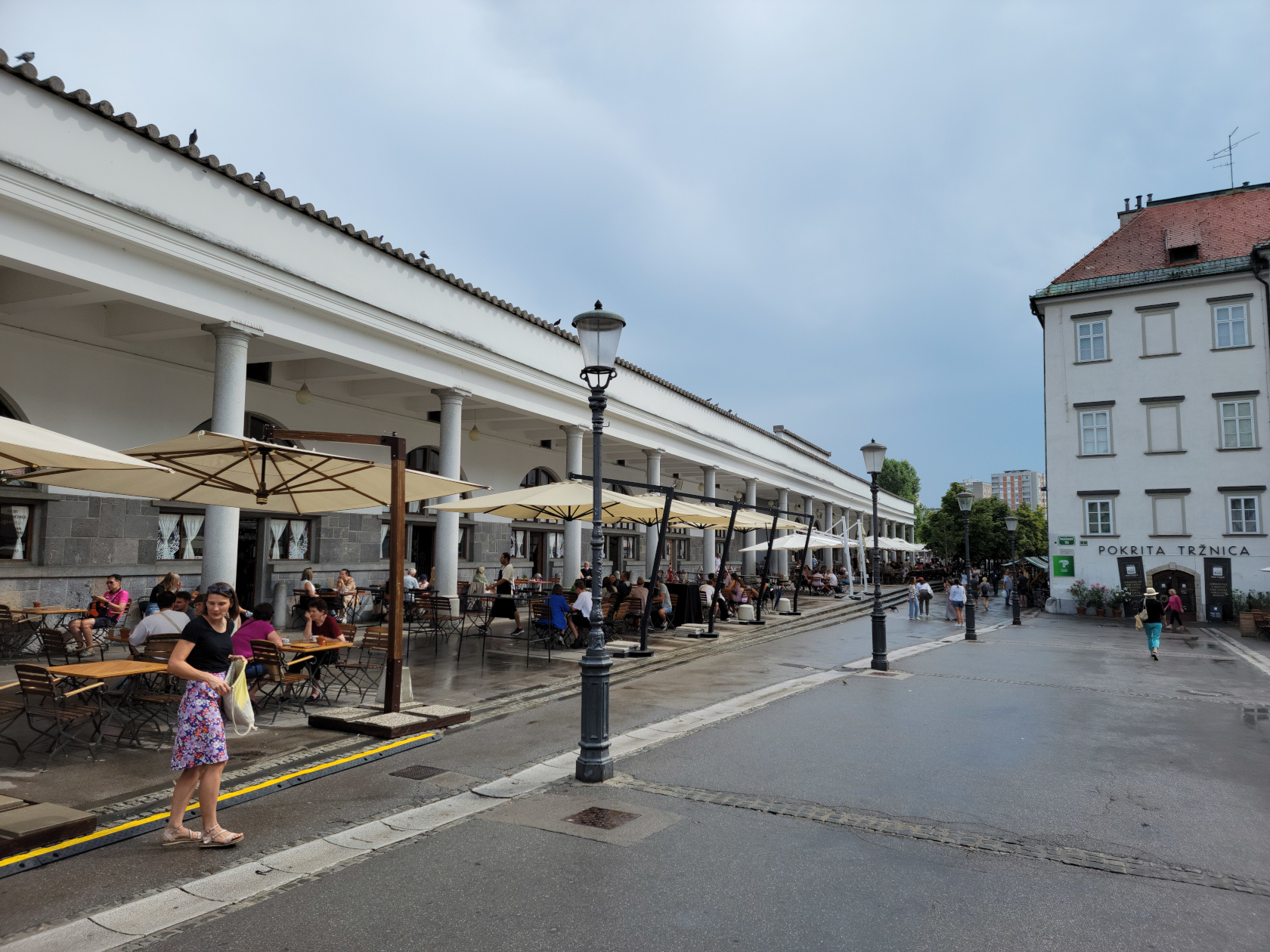
Ljubljana – Drevored na Adamič-Lundrovem nabrežju – Portico by the Market
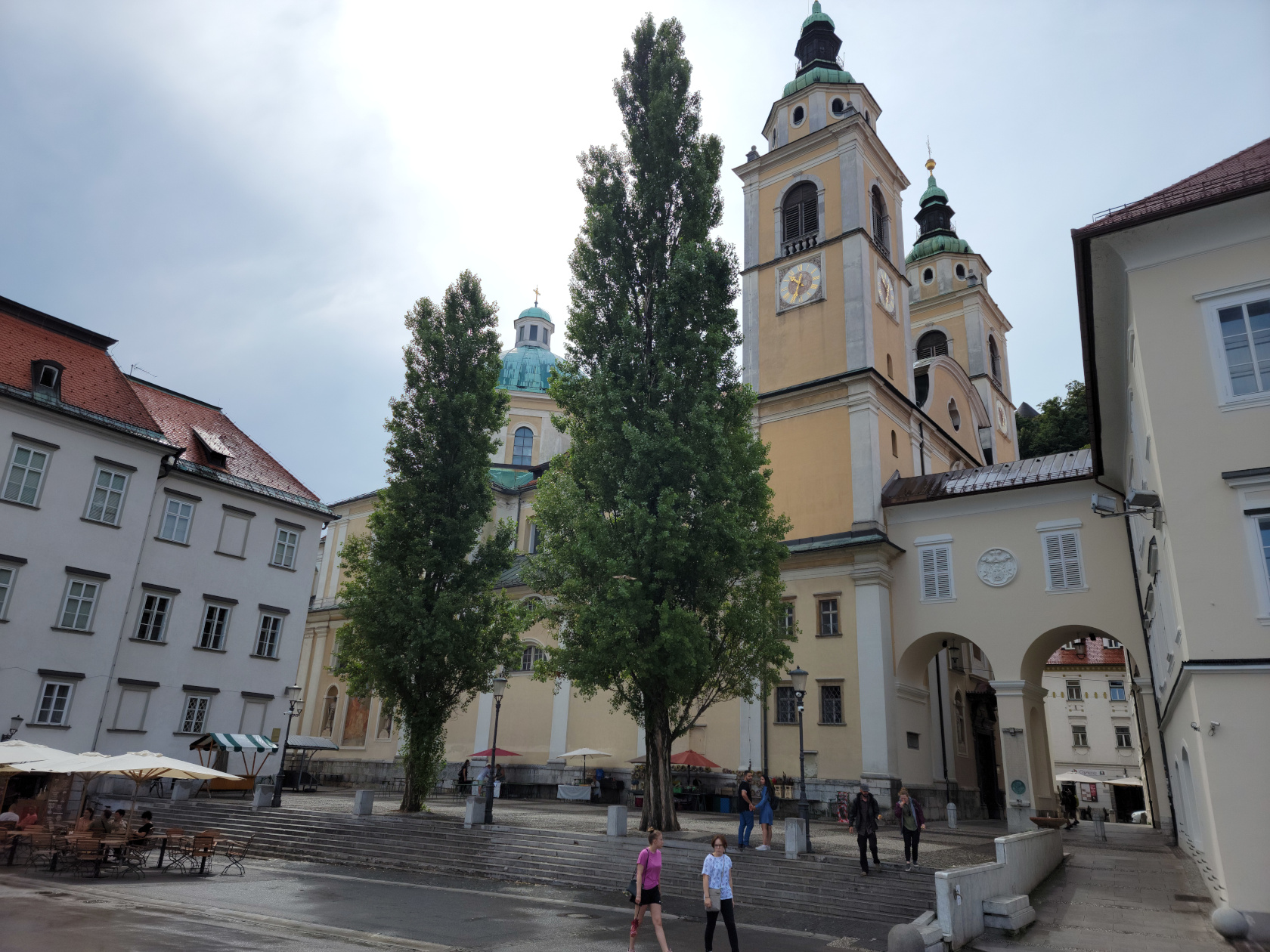
Ljubljana – Ljubljana Cathedral
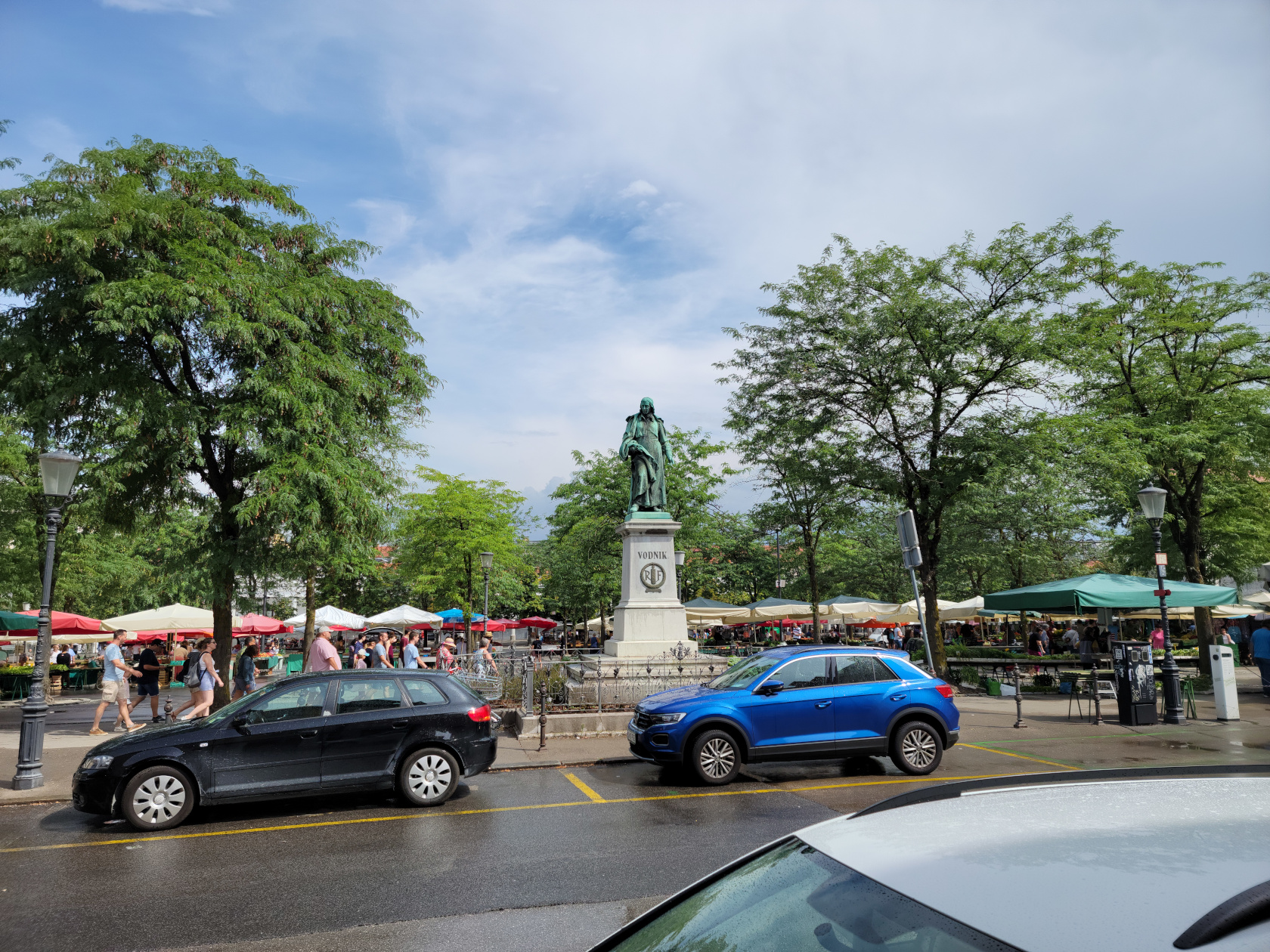
Ljubljana – Vodnik Monument
Ljubljana – Ljubljana Cathedral
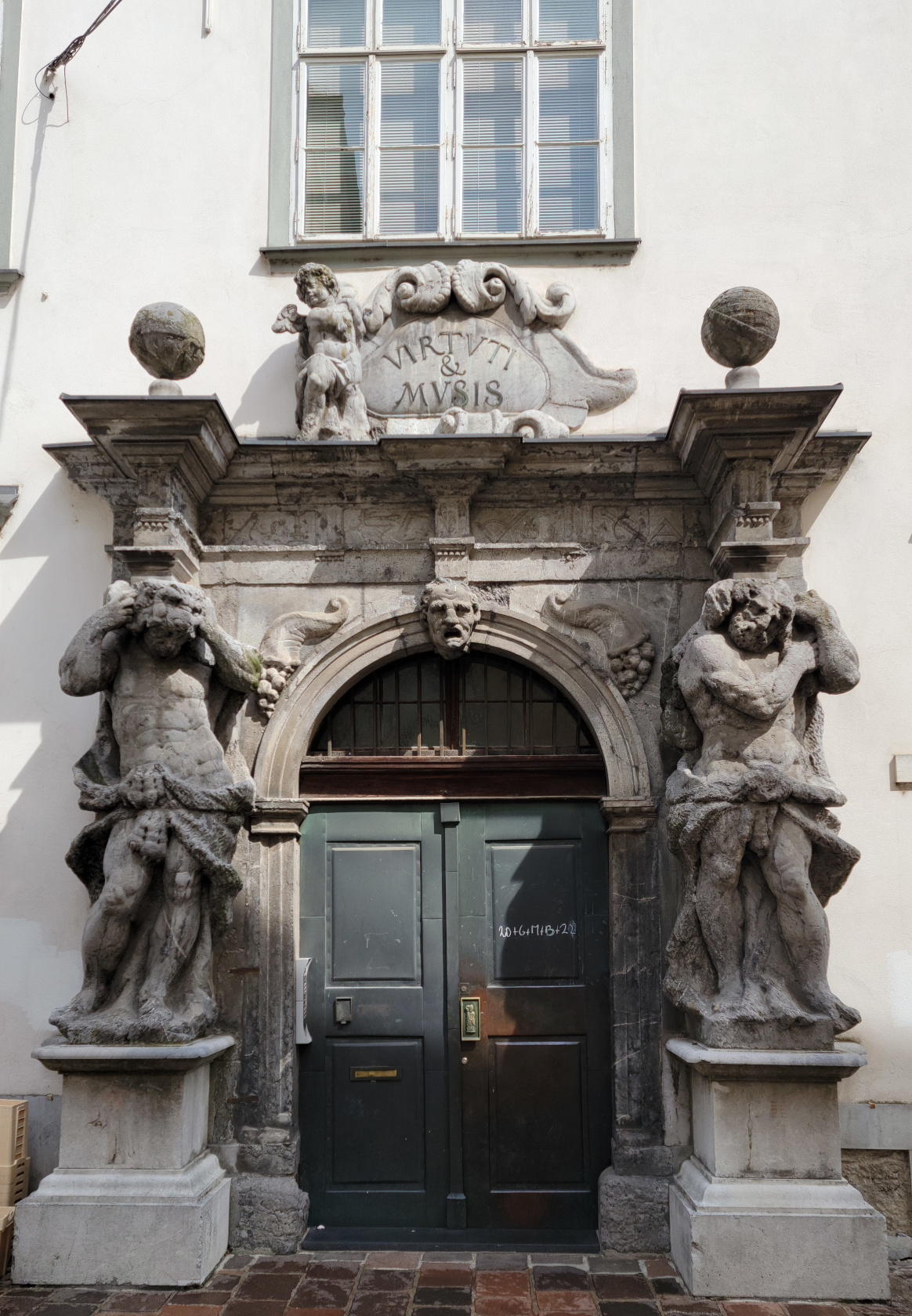
Ljubljana – Old Business Doorway
Ljubljana – Robba Fountain
Ljubljana – Mestni Trg
Ljubljana – Mestni Trg
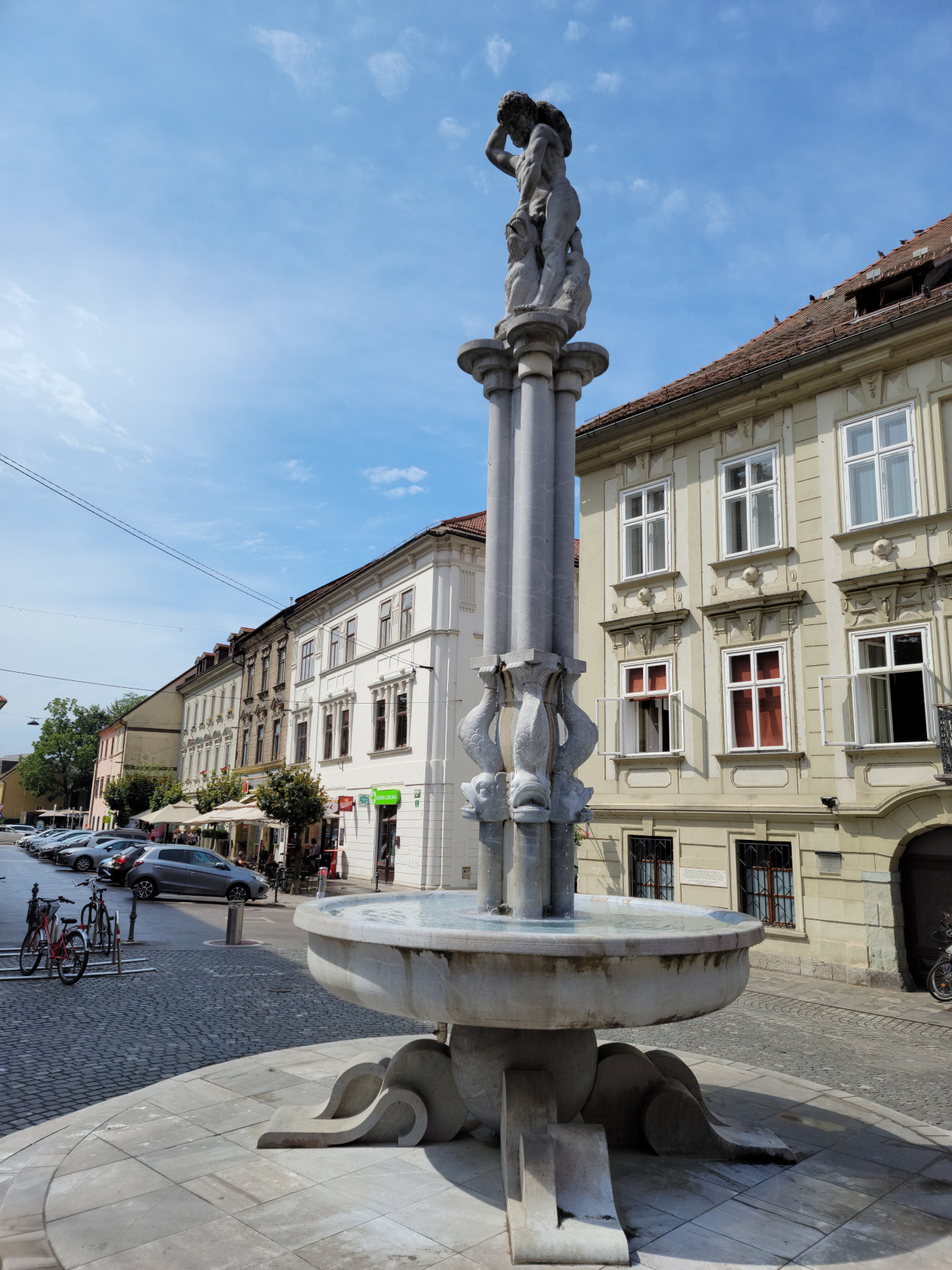
Ljubljana – Herkulov vodnjak – Hercules Fountain
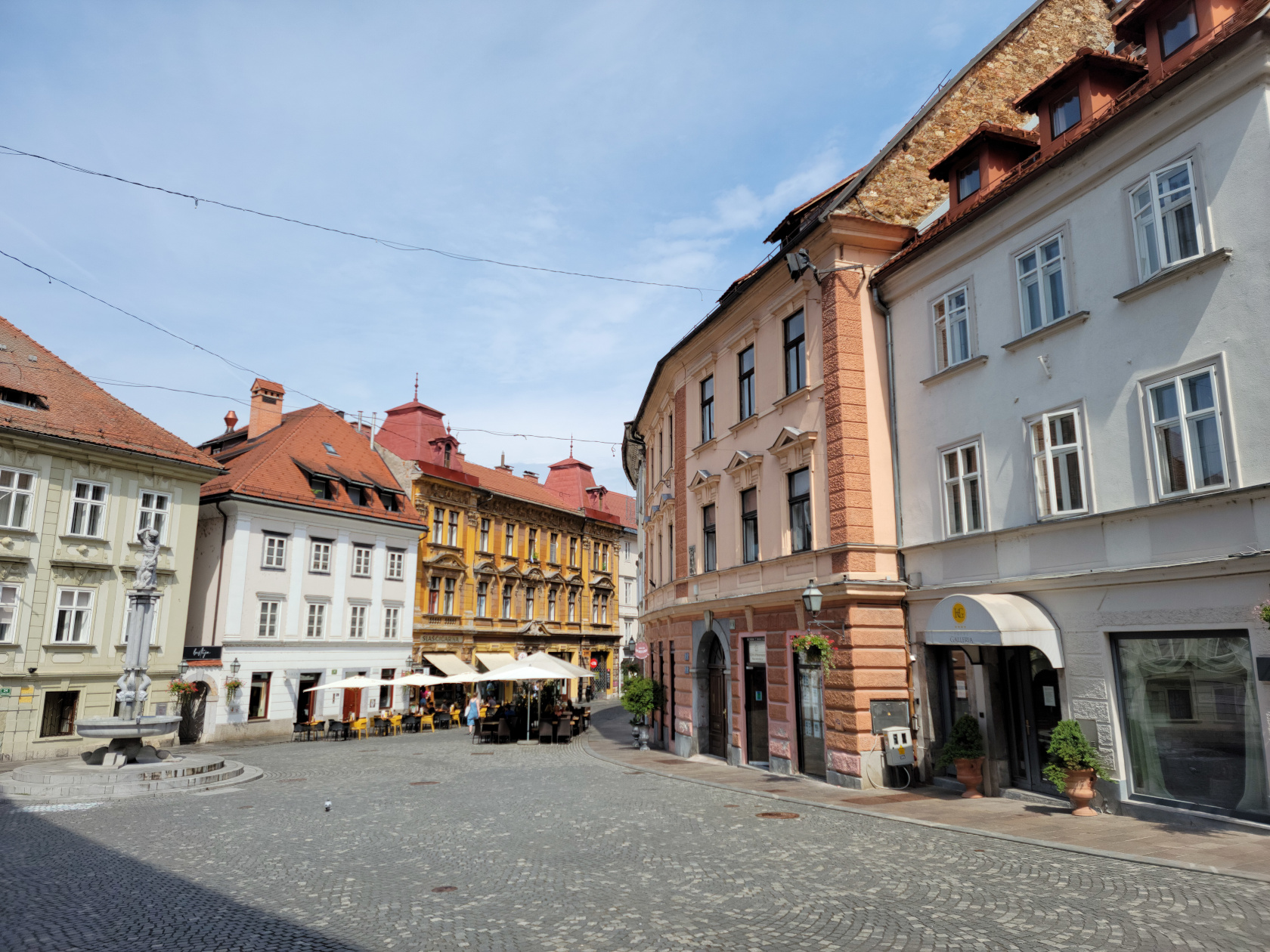
Ljubljana – Herkulov vodnjak – Hercules Fountain and Square
Ljubljana – Herkulov vodnjak – Hercules Fountain and Square
Ljubljana – Gornji Trg
Restaurants
Gostilna Sokol Restaurant
Ljubljana – Gostilna Sokol Restaurant
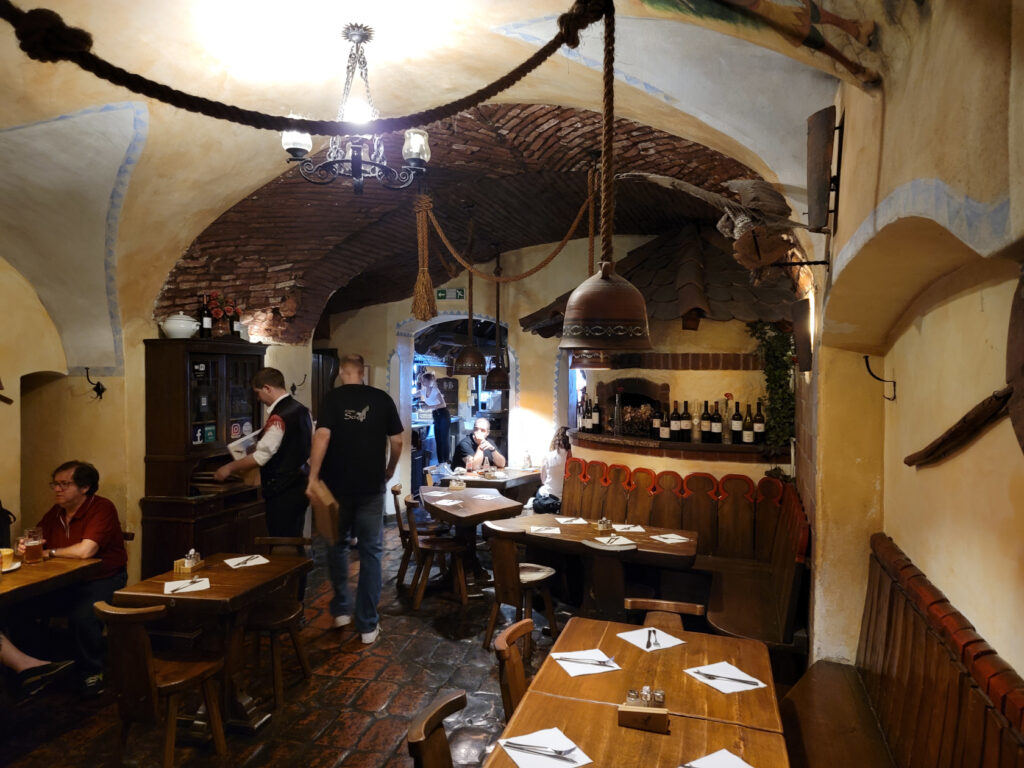
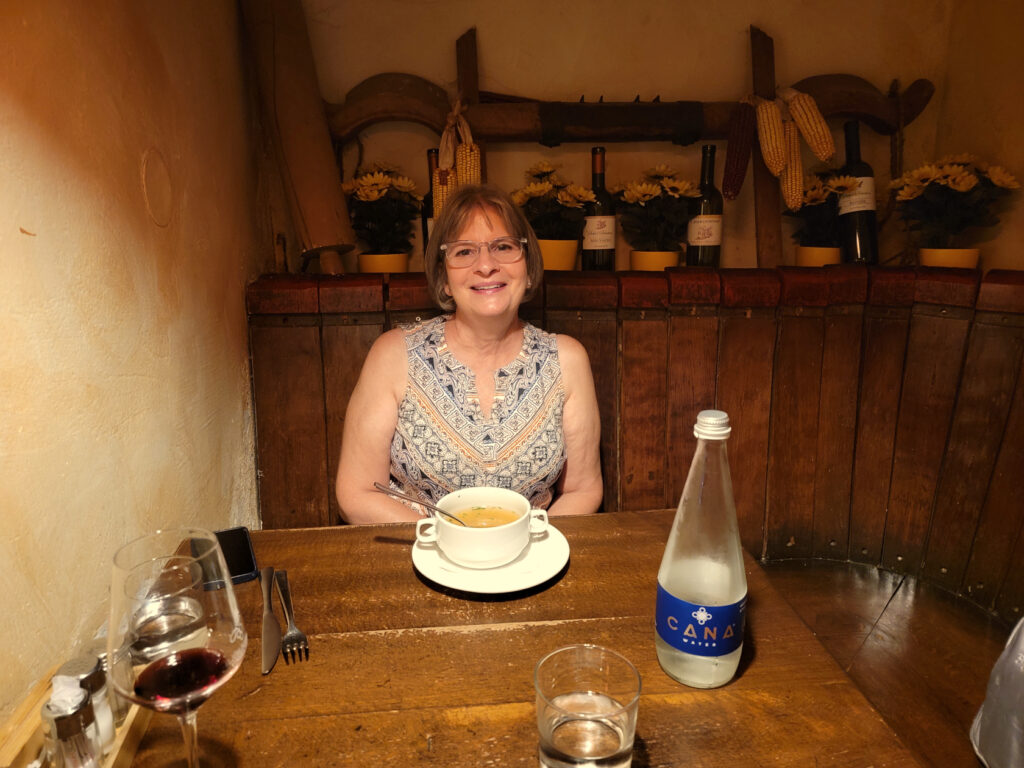
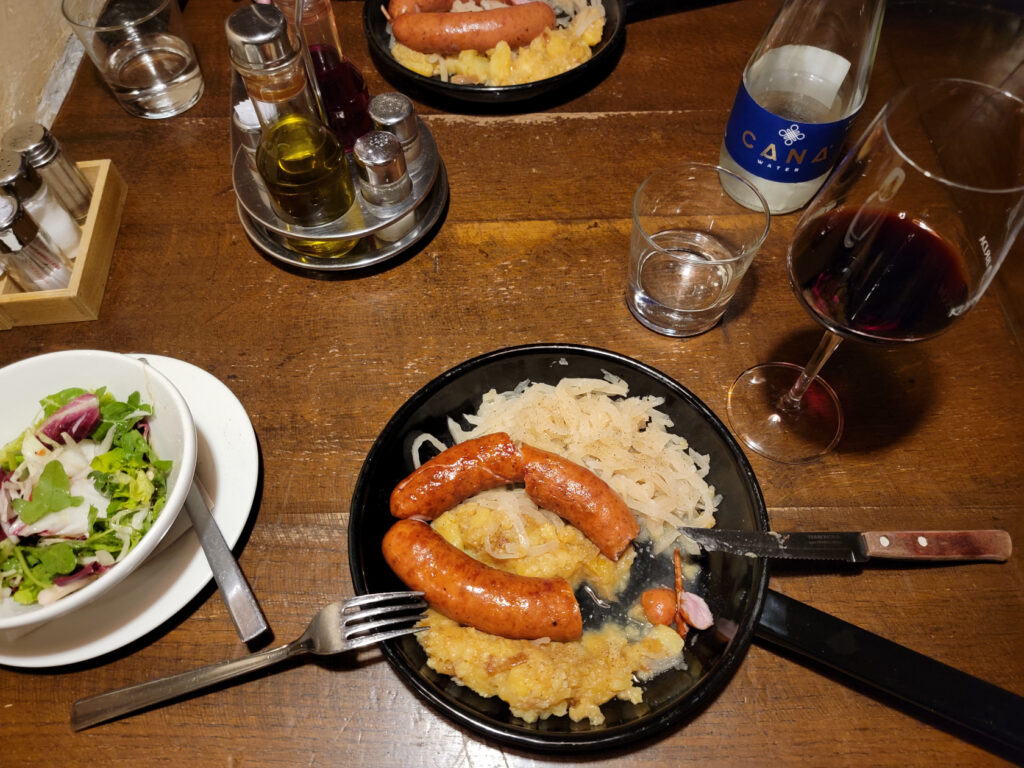
This is a traditional Slovenian restaurant, service many of the authentic dishes and also some non-Slovenian favorites, so anyone who visits can find something to eat. For us it was the traditional fried sausage, or Kranjska Klobasa with pickled turnips and roasted potatoes.
Ljubljana – Gostilna Sokol Restaurant
Ljubljana – Gostilna Sokol Restaurant
Ljubljana – Gostilna Sokol Restaurant
Ljubljana – Gostilna Sokol Restaurant
Ljubljana – Gostilna Sokol Restaurant – Patti
Ljubljana – Gostilna Sokol Restaurant – Fried Sausage with Pickled Turnips and Potatoes
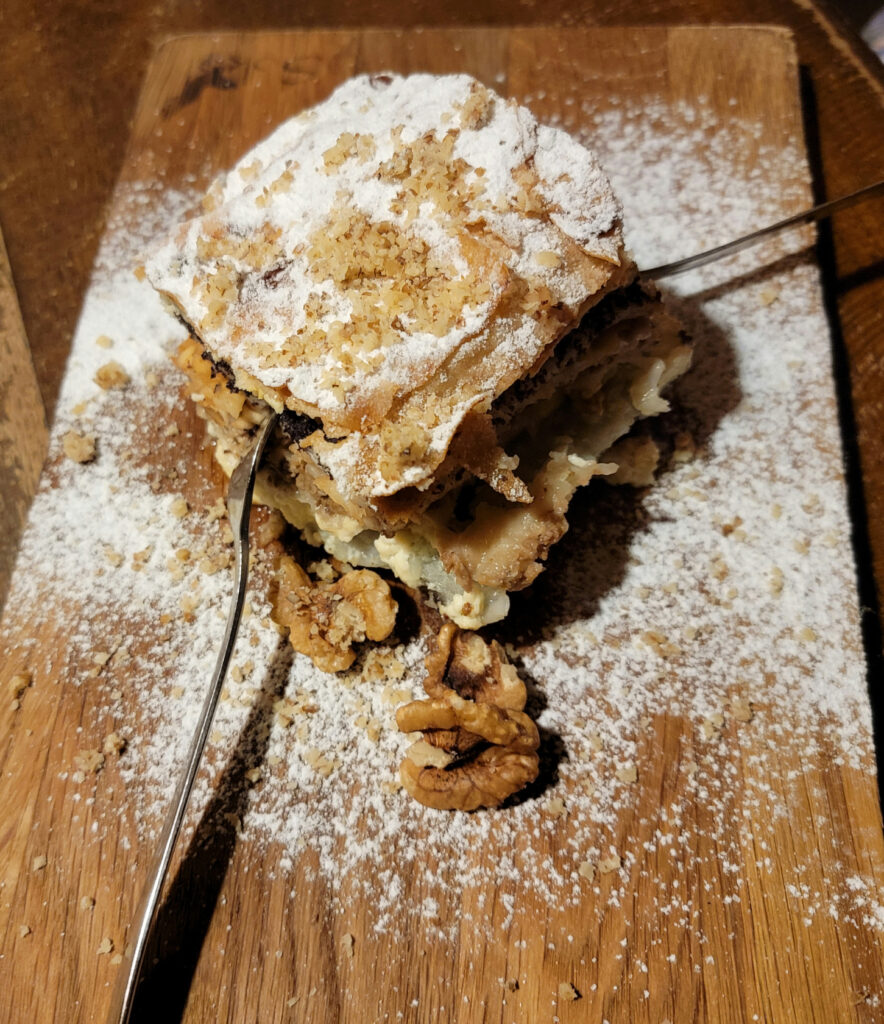
Ljubljana – Gostilna Sokol Restaurant – Hisna Gibanica
Ljubljana – Gostilna Sokol Restaurant
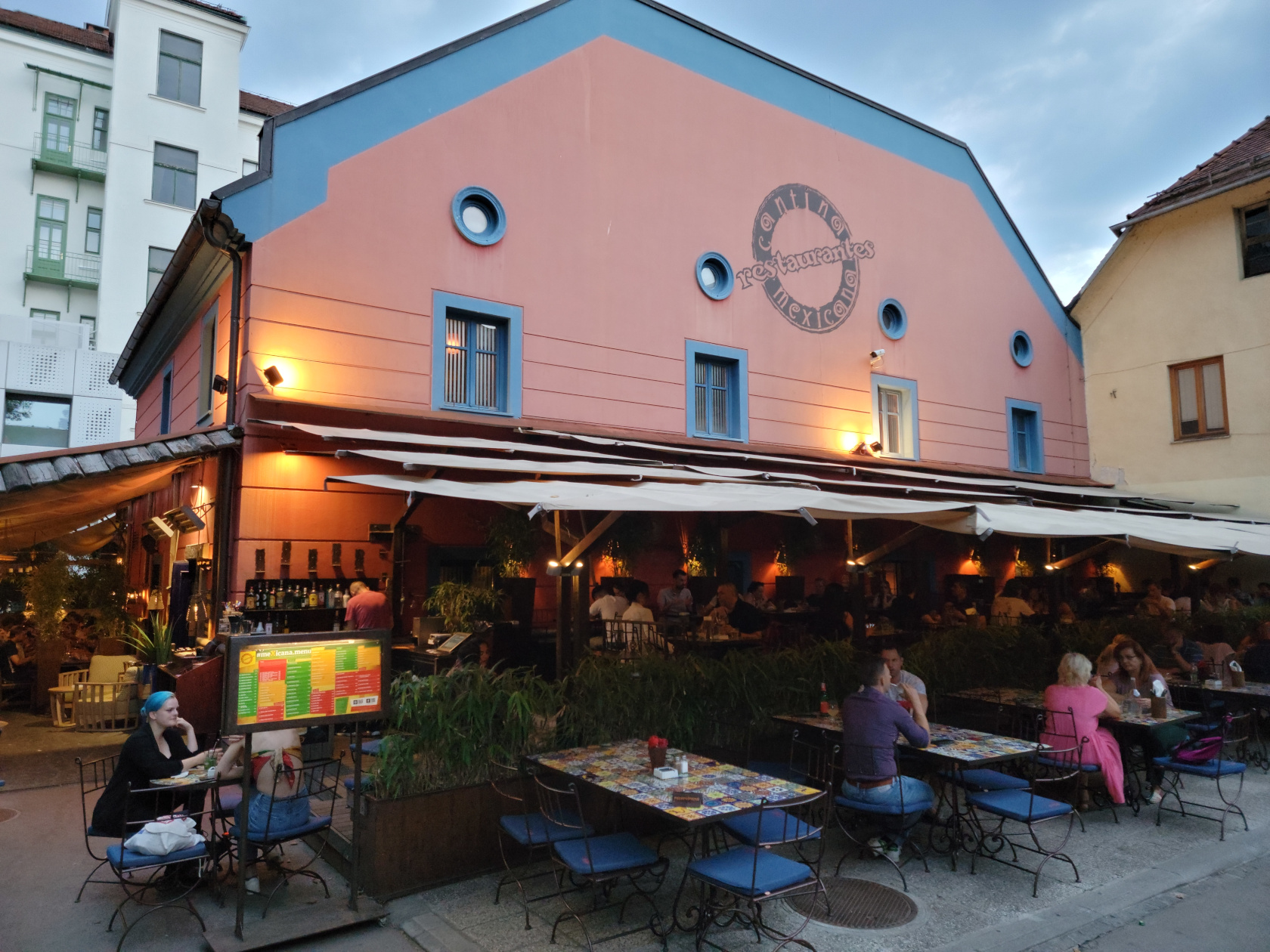
Cantina Mexicana Restaurant
Ljubljana – Cantina Mexicana Restaurant –
The Cantina Mexicana is a very good mexican restaurant that features both Mexican and Tex-Mex cuisine. It wasn’t too difficult to find something appetizing among the enormous selection of food they offer in their menu.
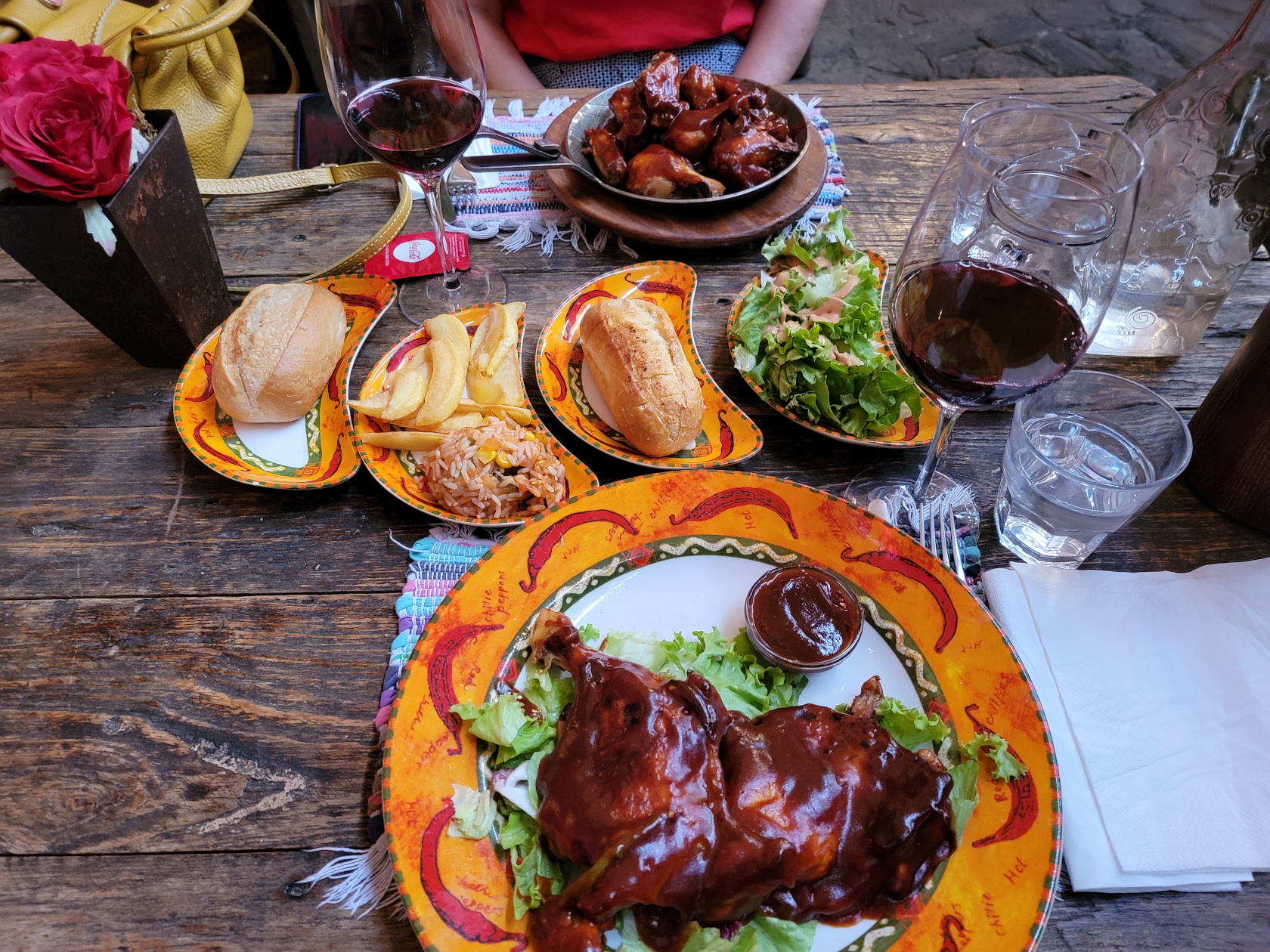
Ljubljana – Cantina Mexicana Restaurant – Barbecued Chicken
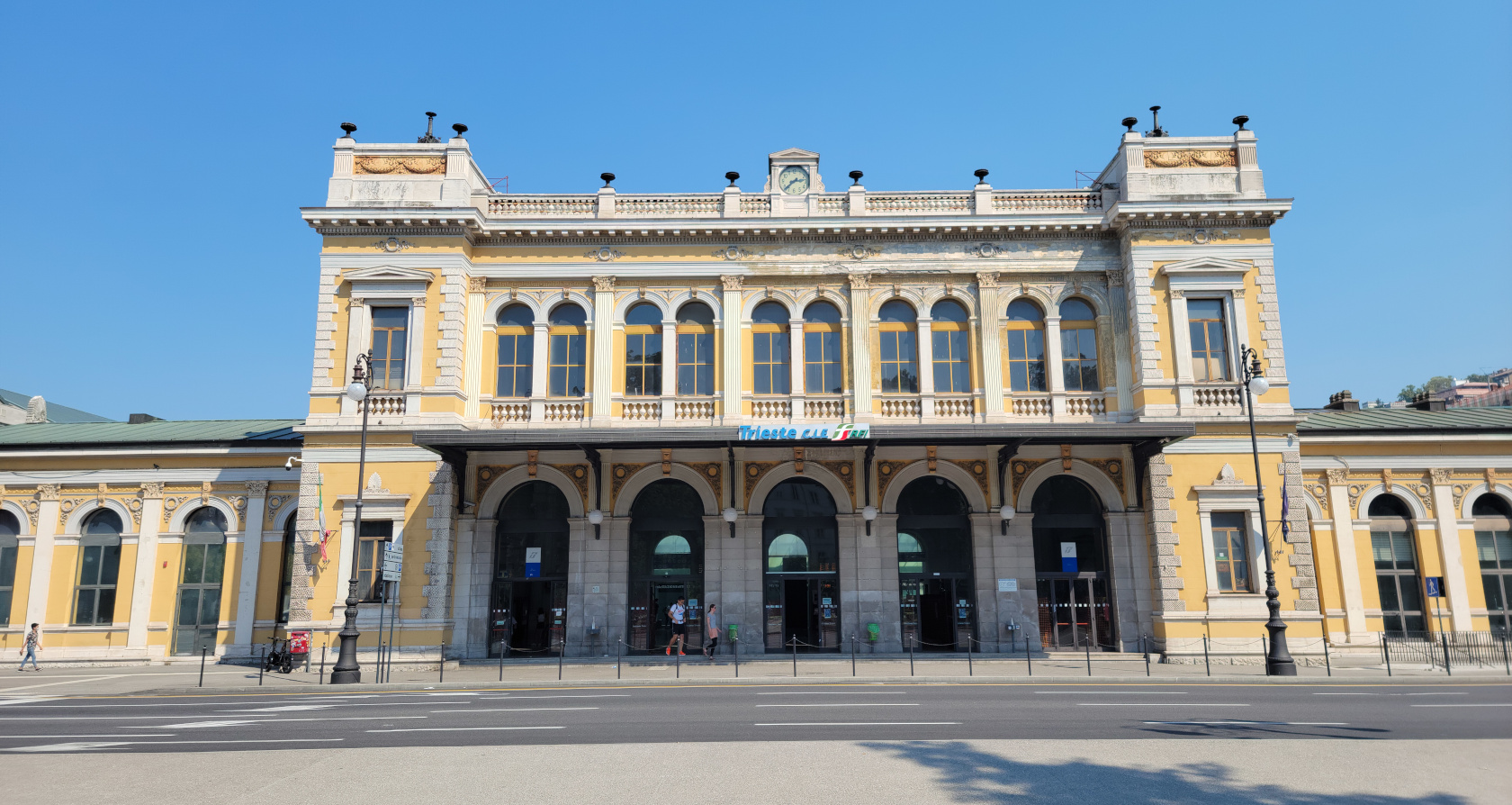
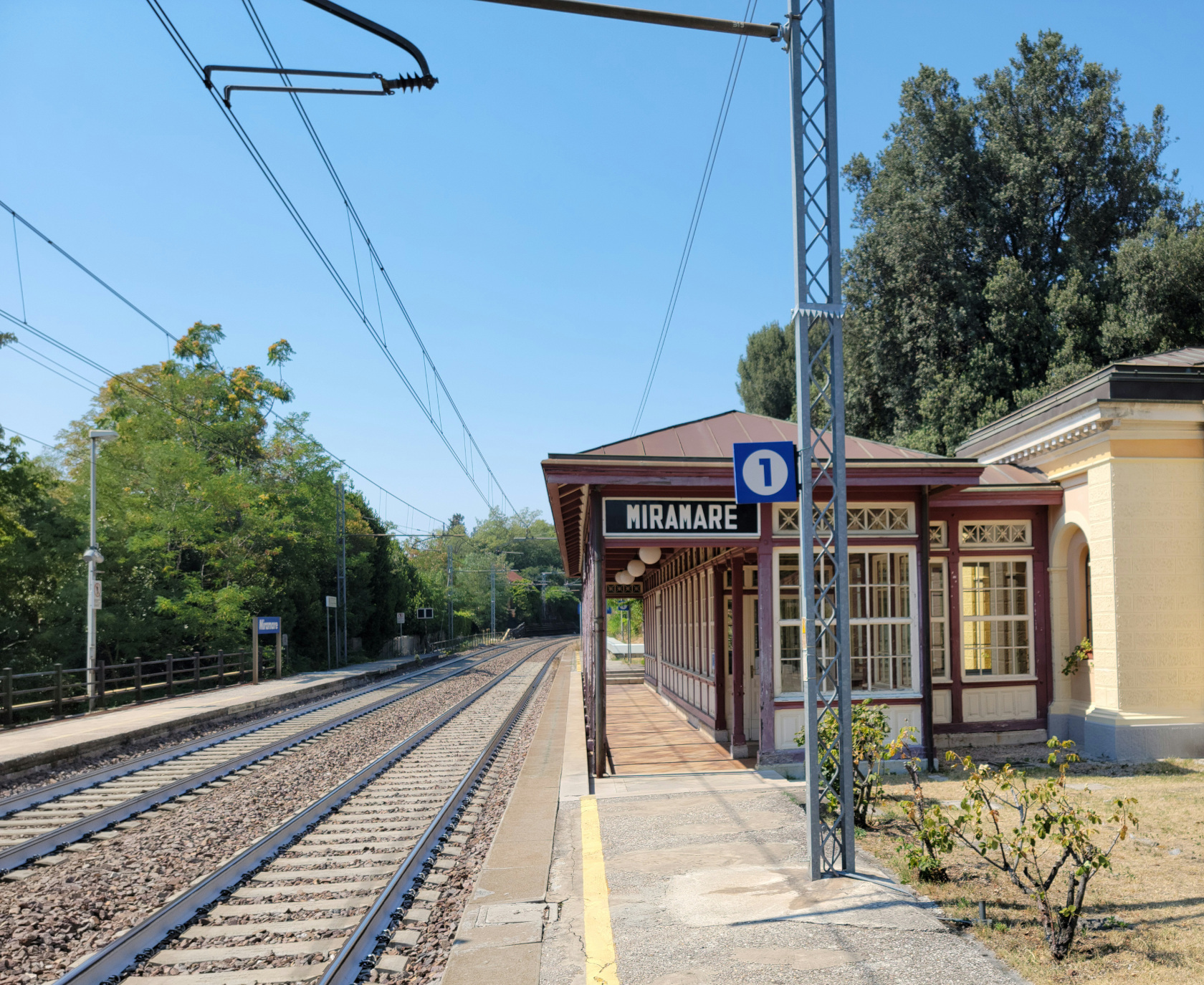
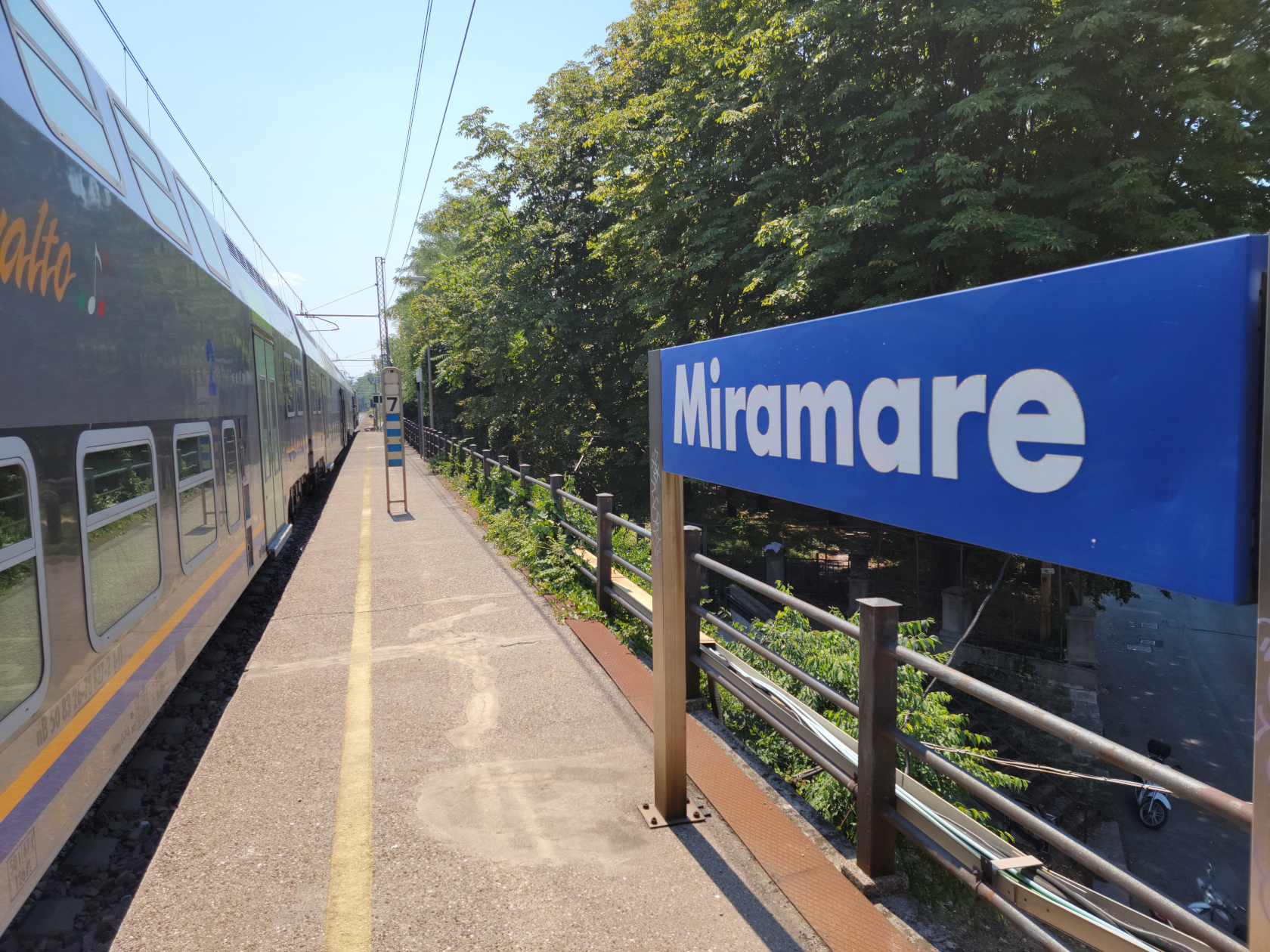
From the Trieste Train Station it is possible to take a local or regional train for a day trip and visit the Castle of Miramare just north of the city. Tickets are available via the TrennItalia application, at the ticket counter or vending machines.
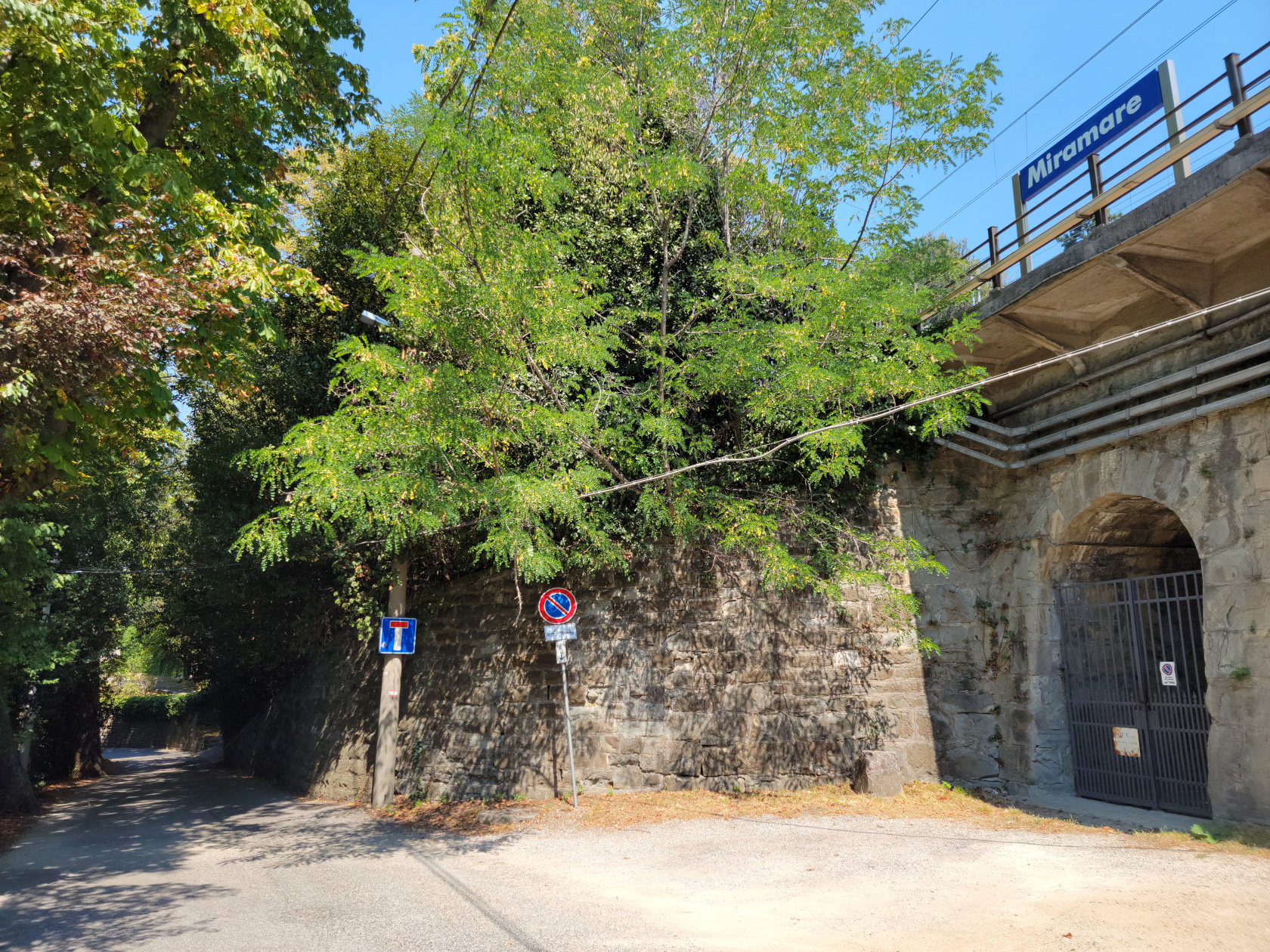
Miramare – Train Station
Miramare – Train Stop
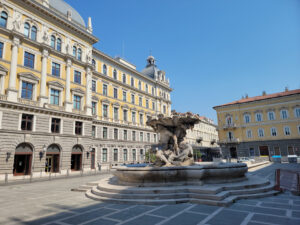
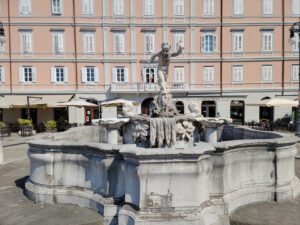
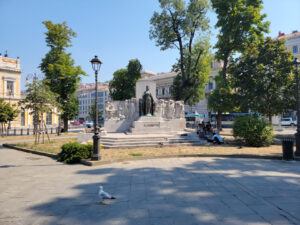
On the walk to the train station we were able to stop and enjoy some of the monuments and fountains that we missed on our previous walks.
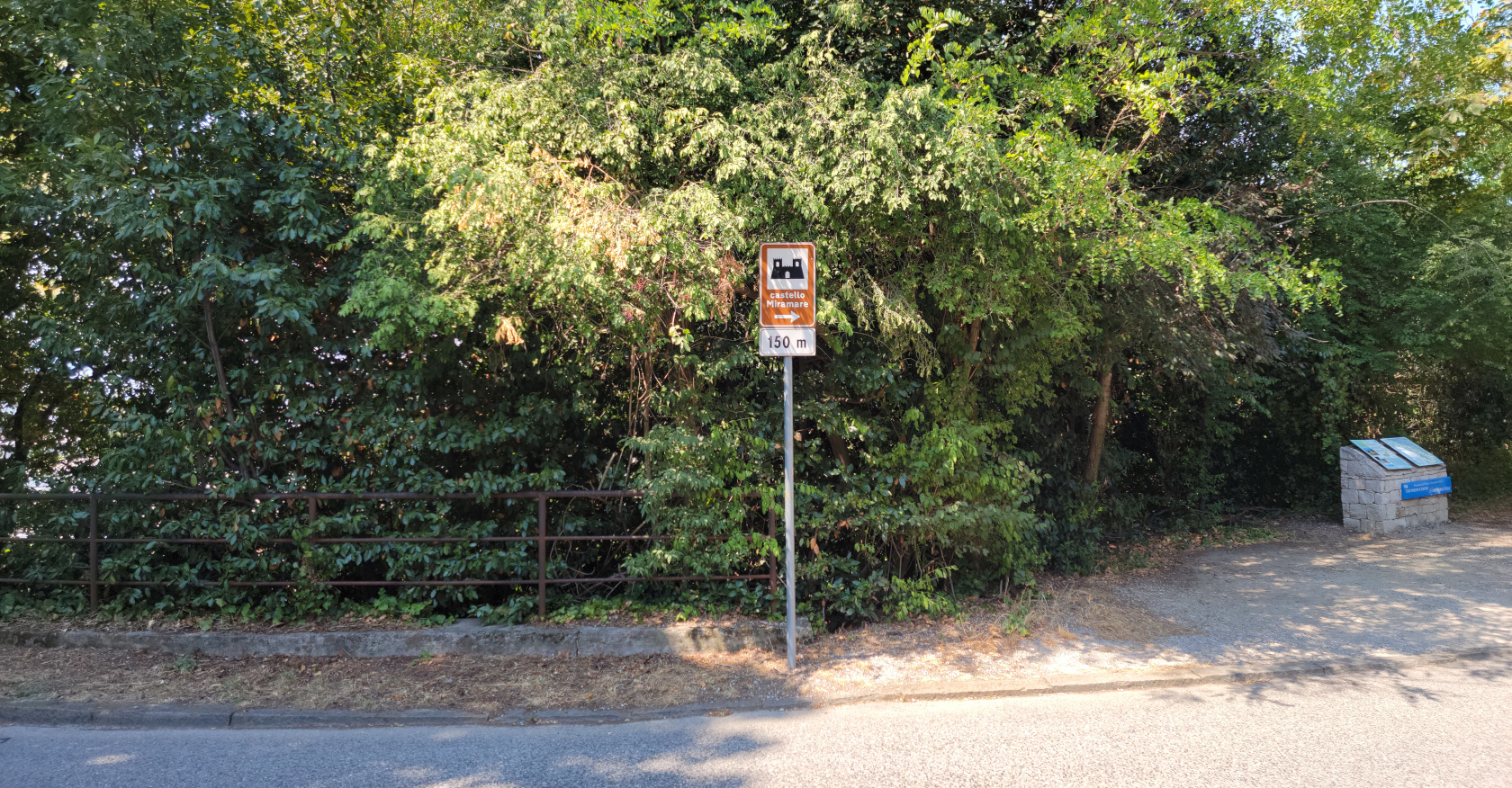
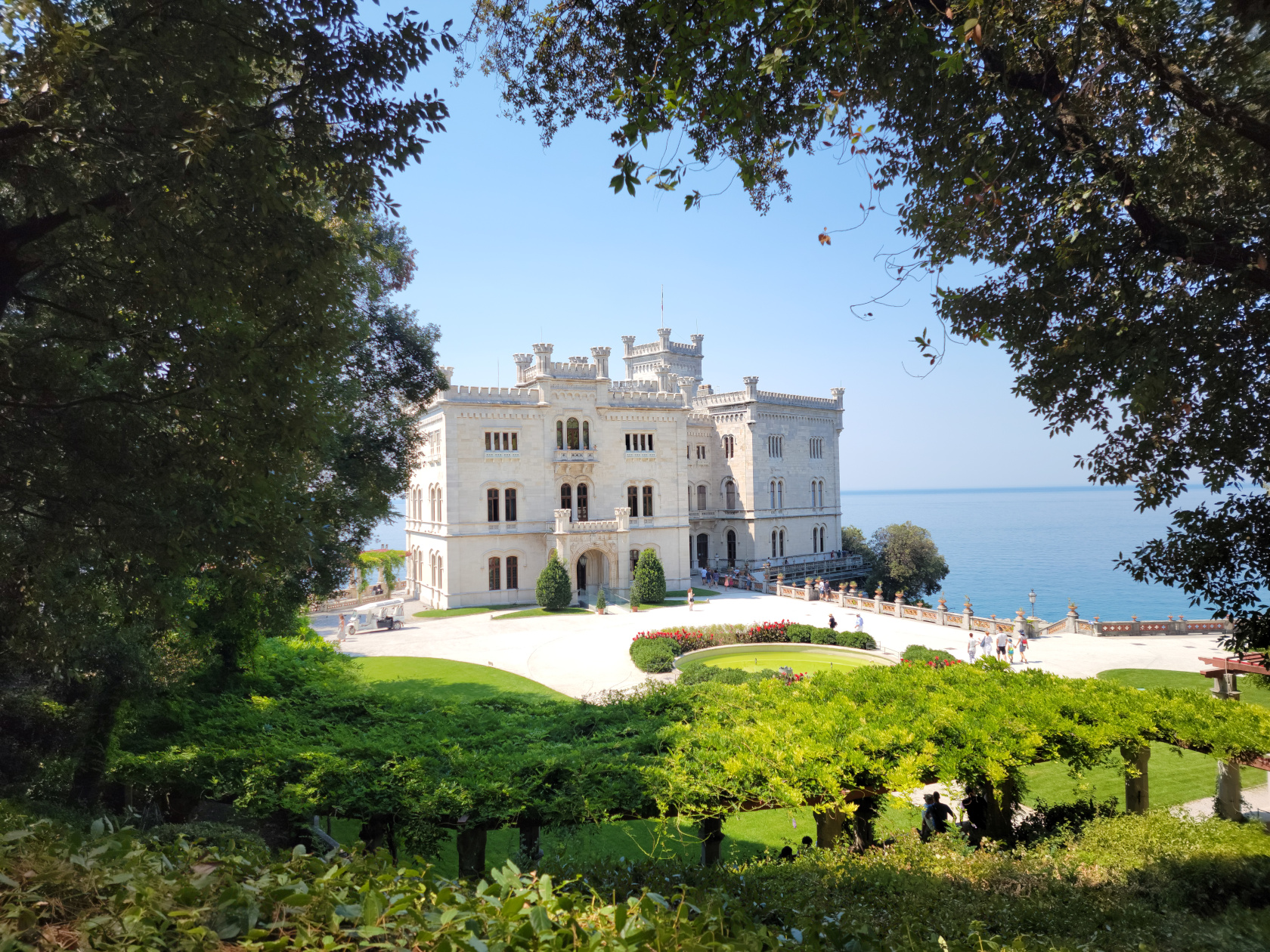
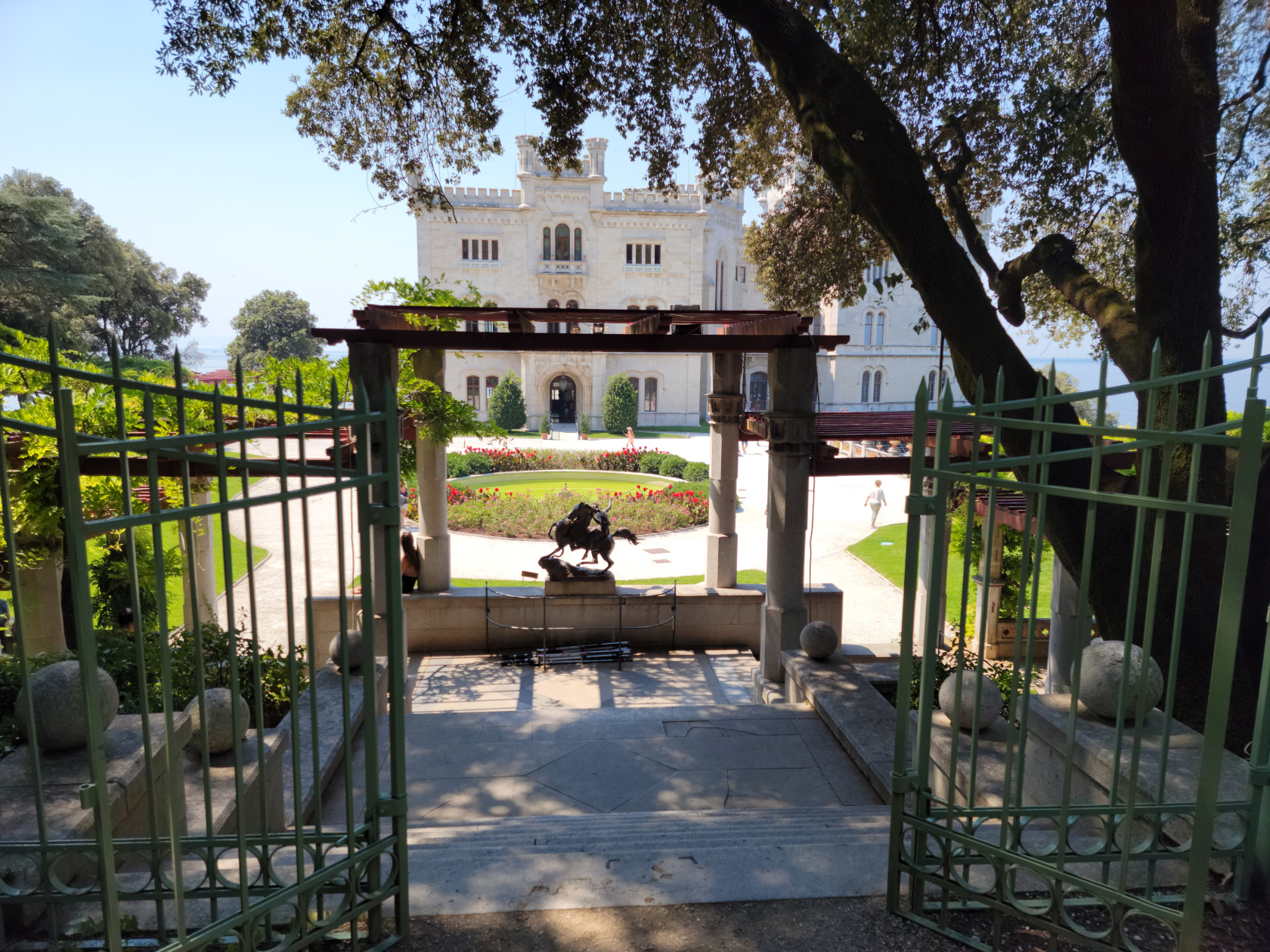
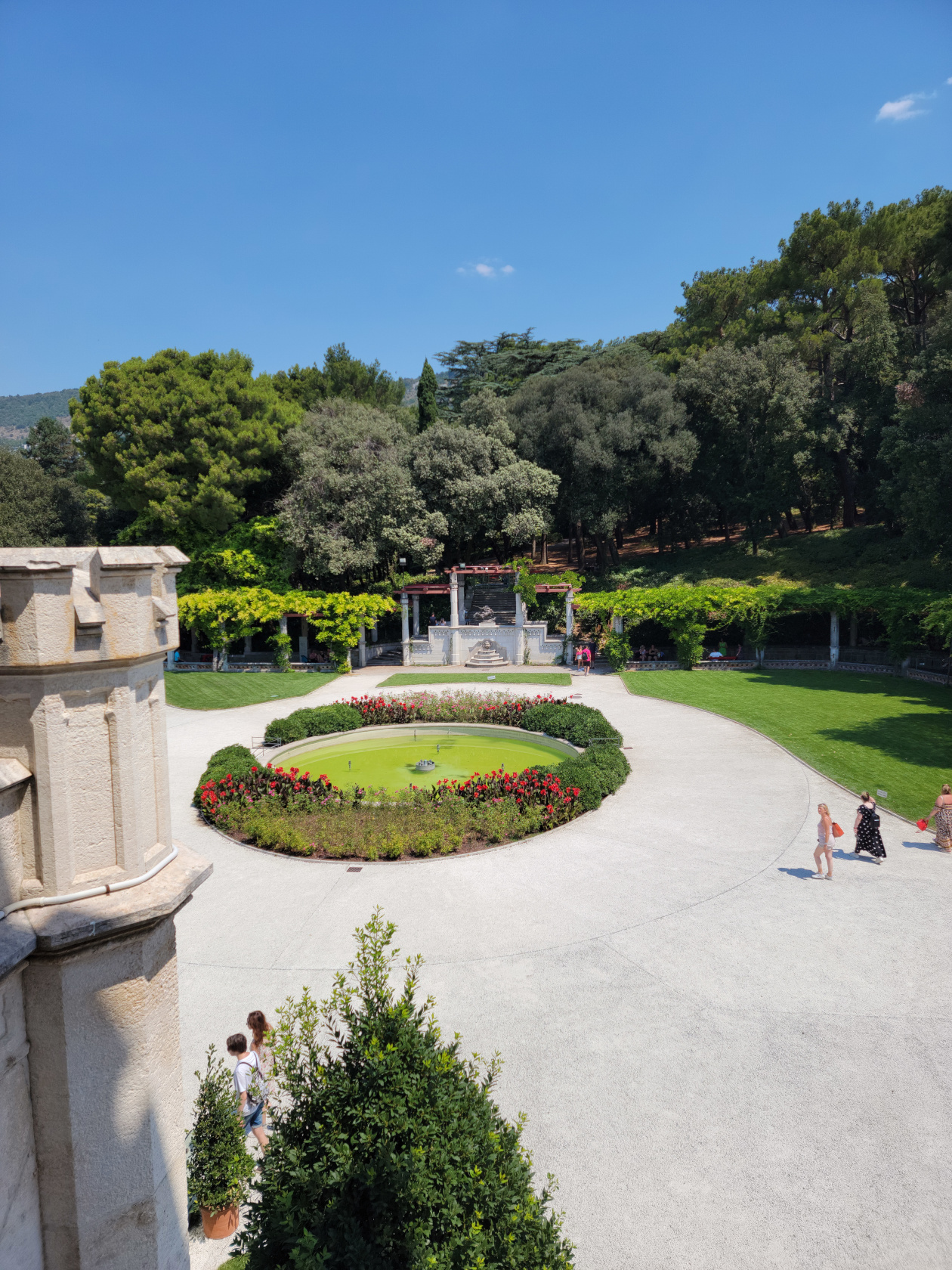
Before reaching the castle, there is a very beautiful park that surrounds it. Its shade was very welcome with temperatures reaching the mid 90s.
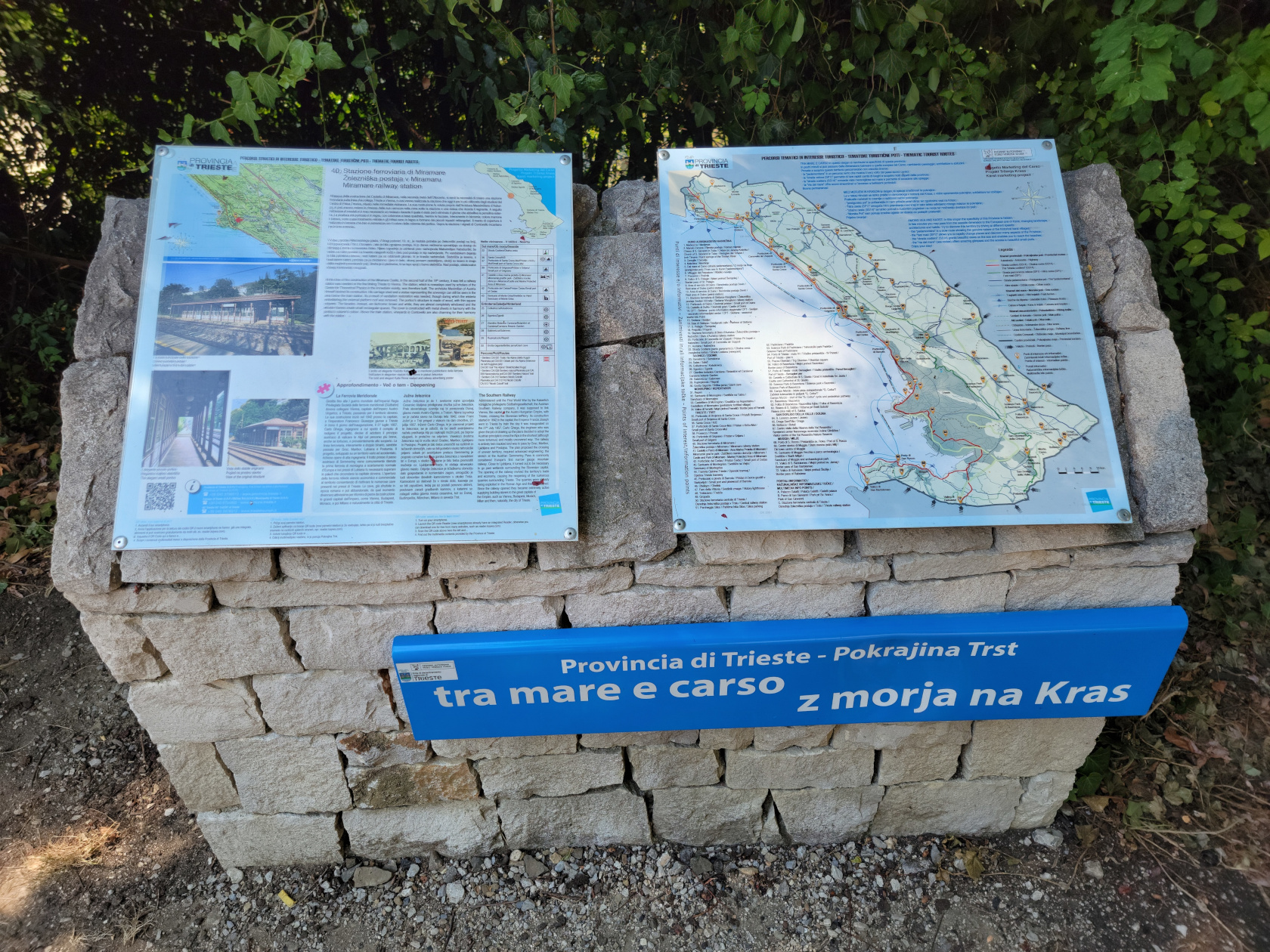
Miramare – Sign to Castle
Miramare – Miramare Castle Park
Miramare – Road to Miramare Castle Park
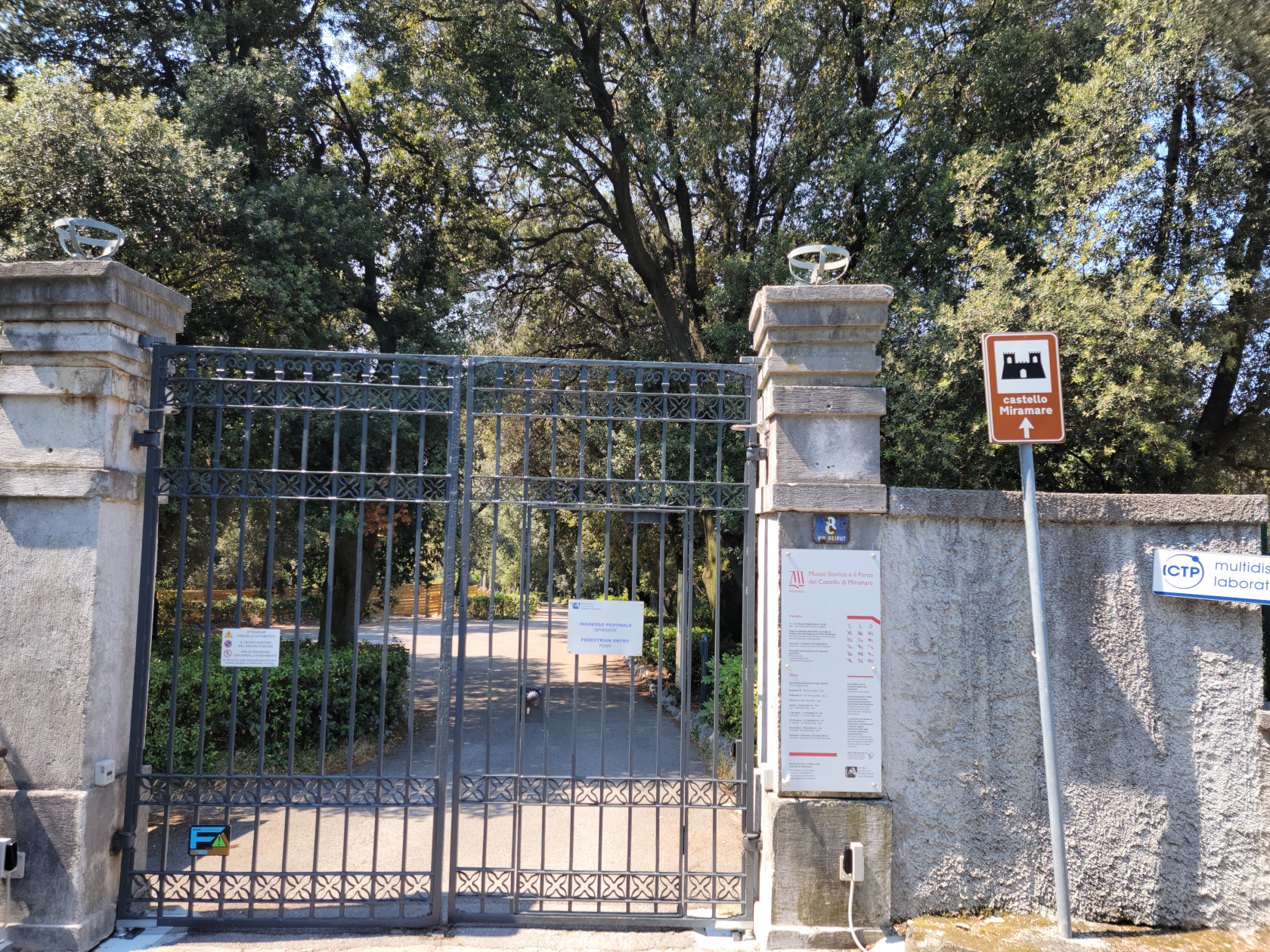
Miramare – Gate to Miramare Castle Park
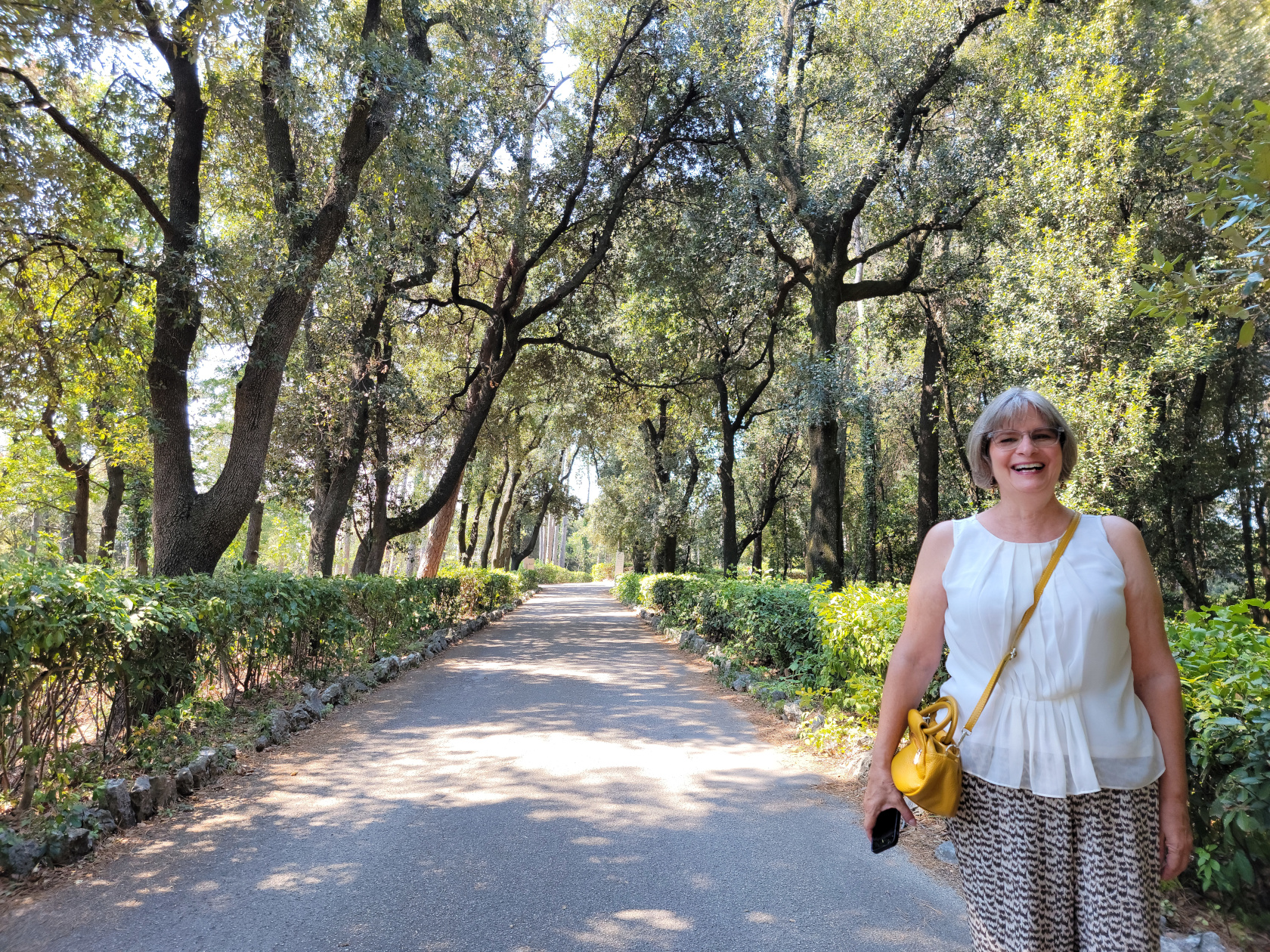
Miramare – Patti in Miramare Castle Park
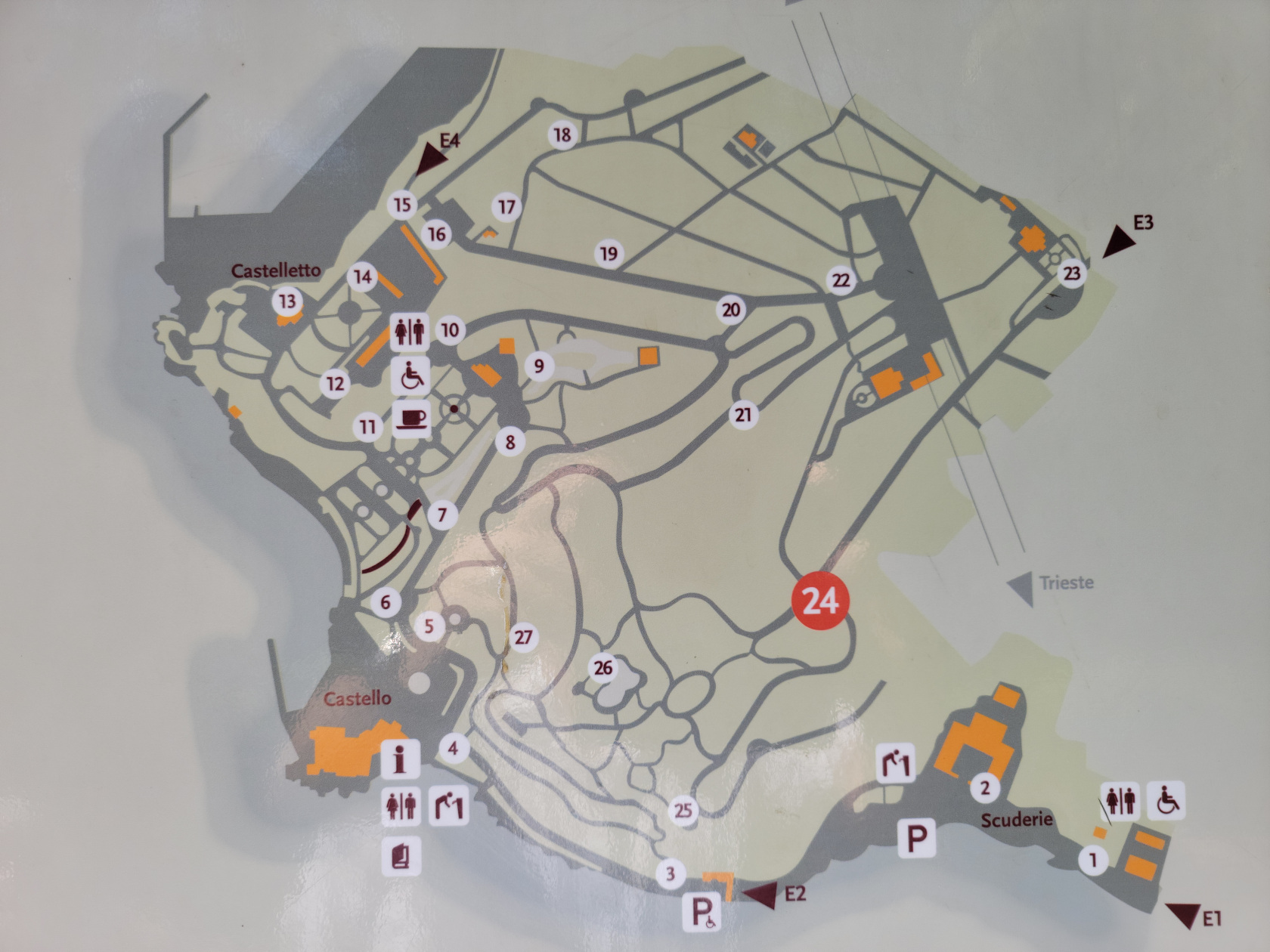
Miramare – Miramare Castle Park Map
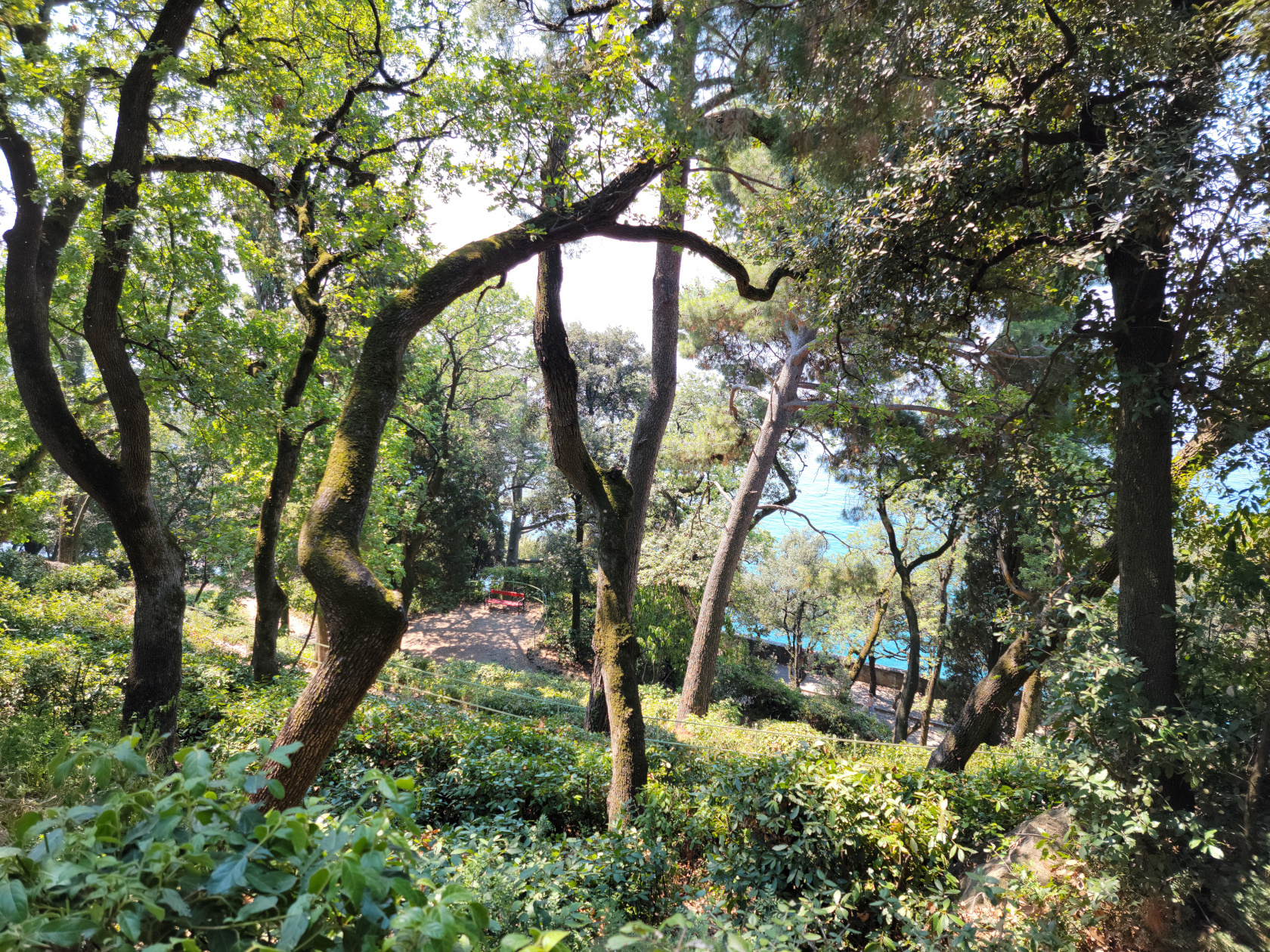
Miramare – Miramare Castle Park
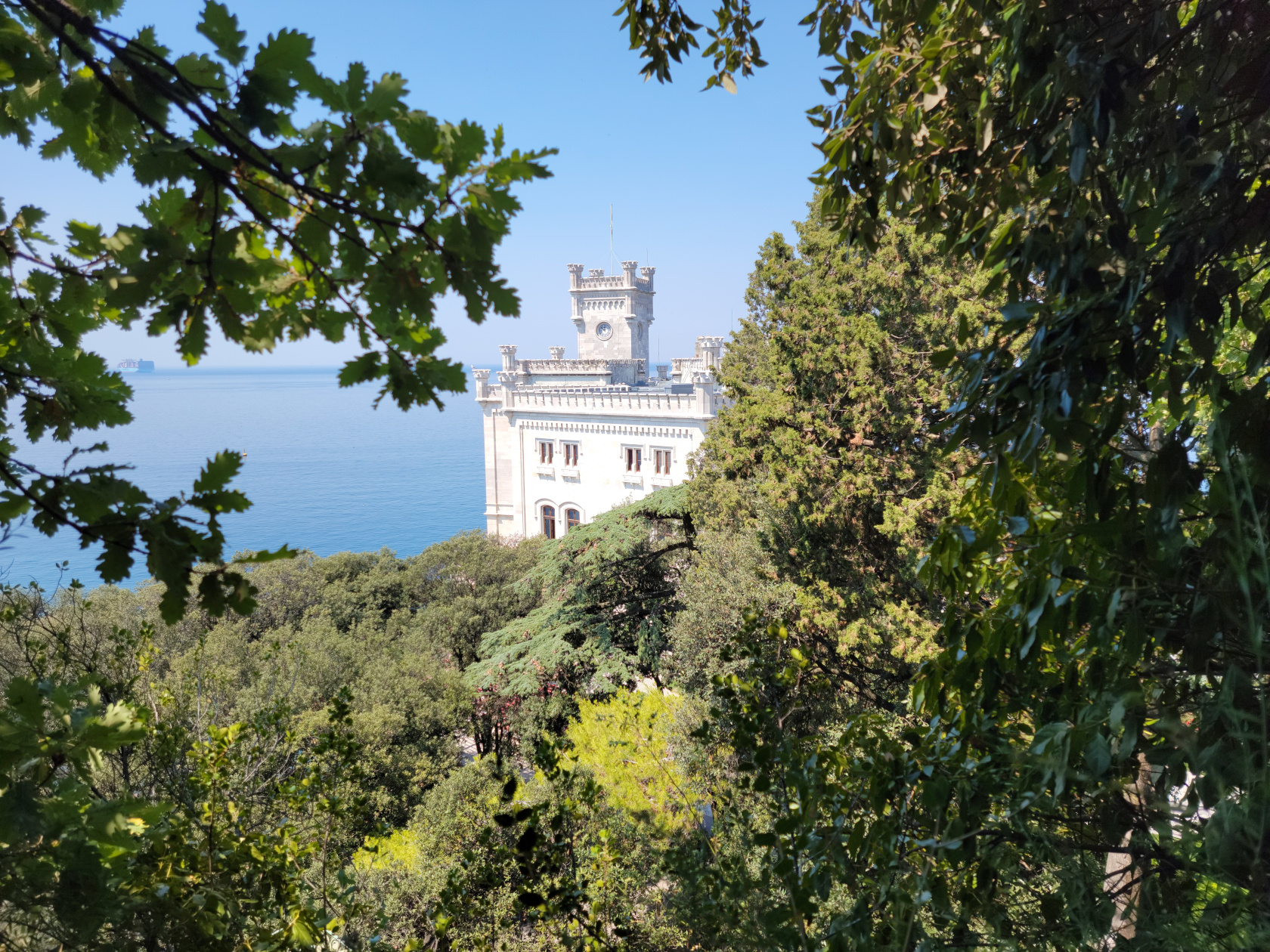
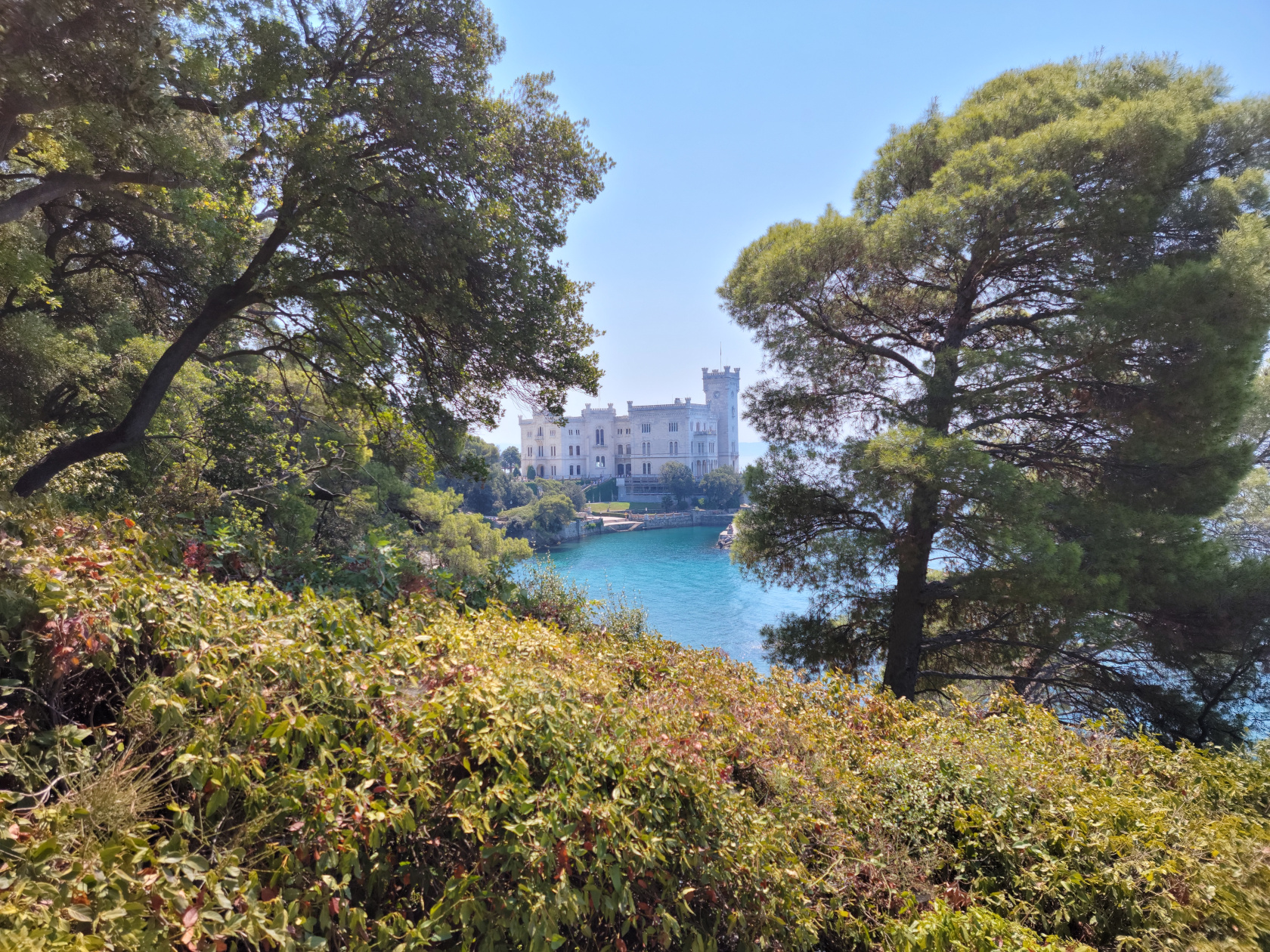
Miramare – Castle viewed from Miramare Castle Park trail
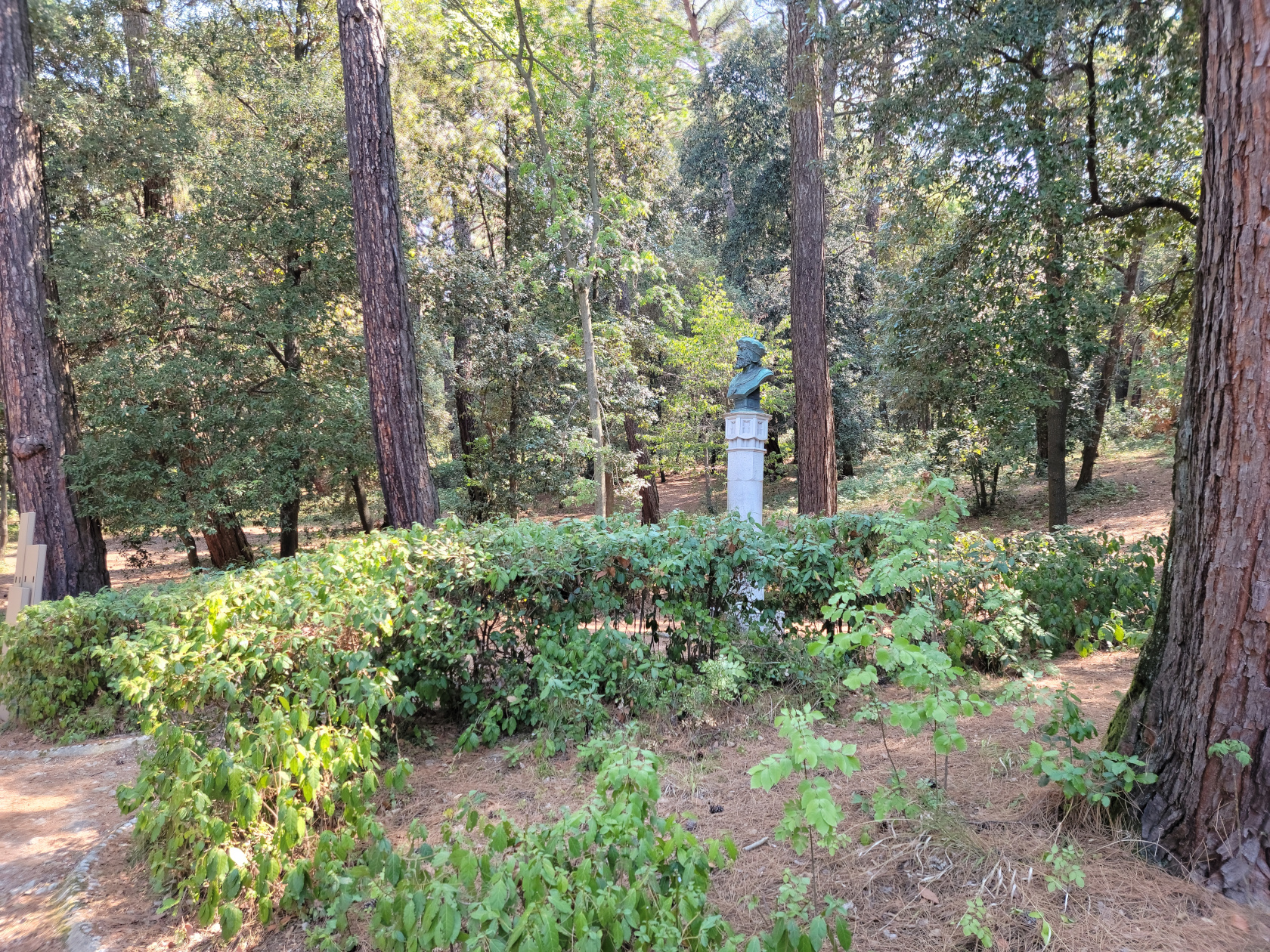
Miramare – Miramare Castle Park
Miramare – Miramare Castle
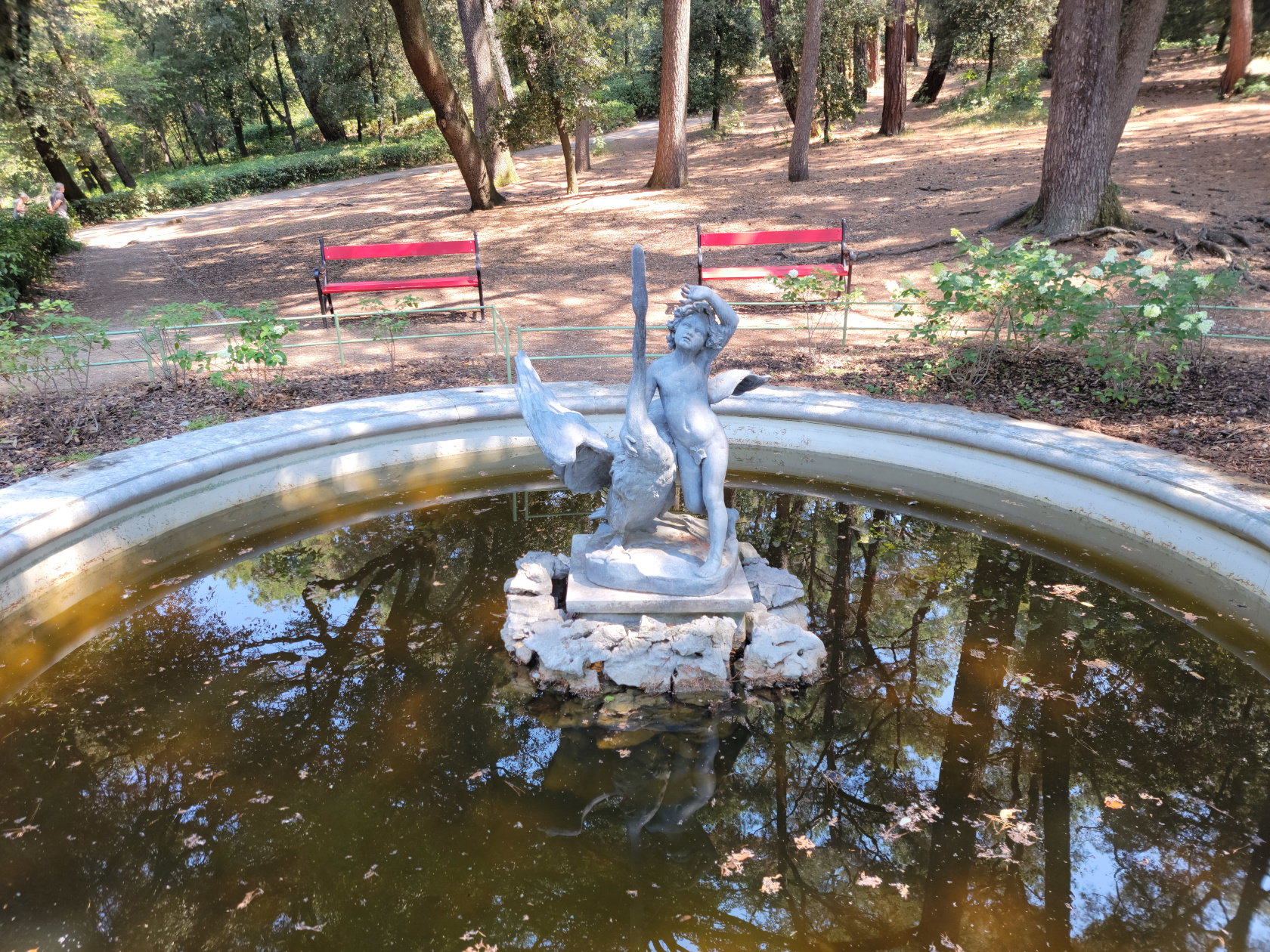
Miramare – Miramare Castle Park – Boy with Swan fountain
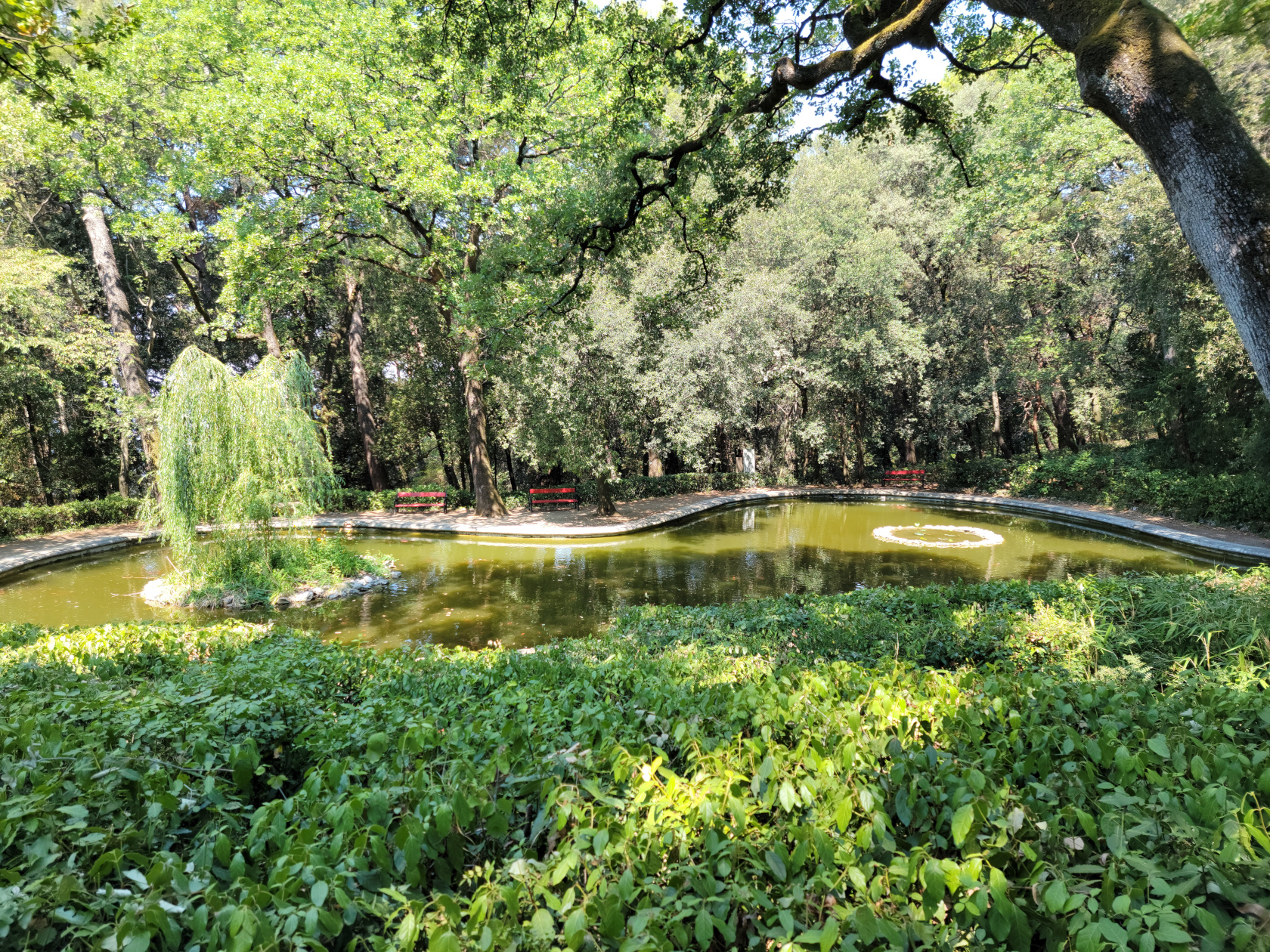
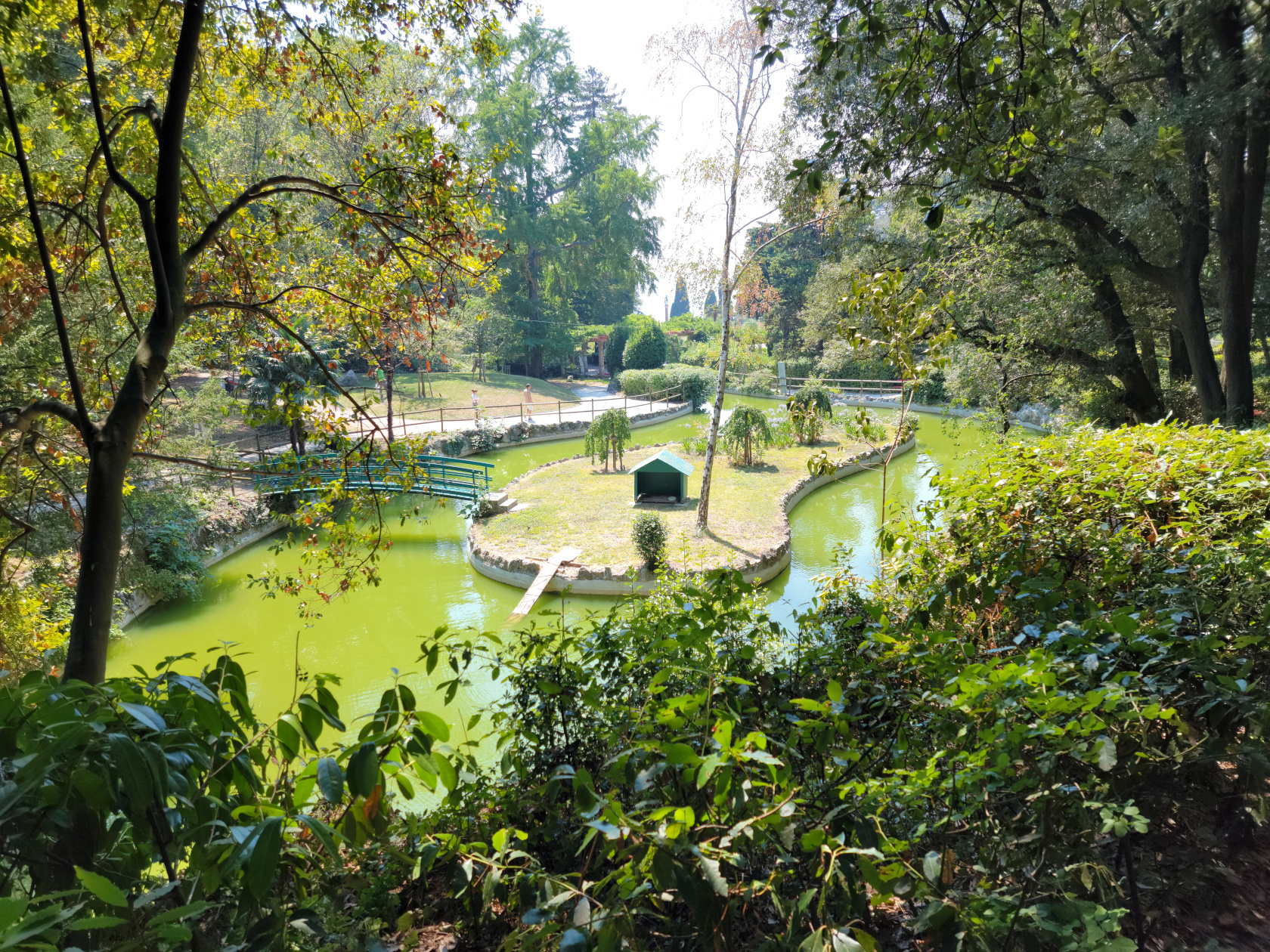
Miramare – Miramare Castle Park – Duck Pond
Miramare – Miramare Castle Park
Miramare – Miramare Castle Park – Entrance to Castle
Miramare – Miramare Castle Park – Duck Pond
Miramare – Miramare Castle Park – Duck Pond
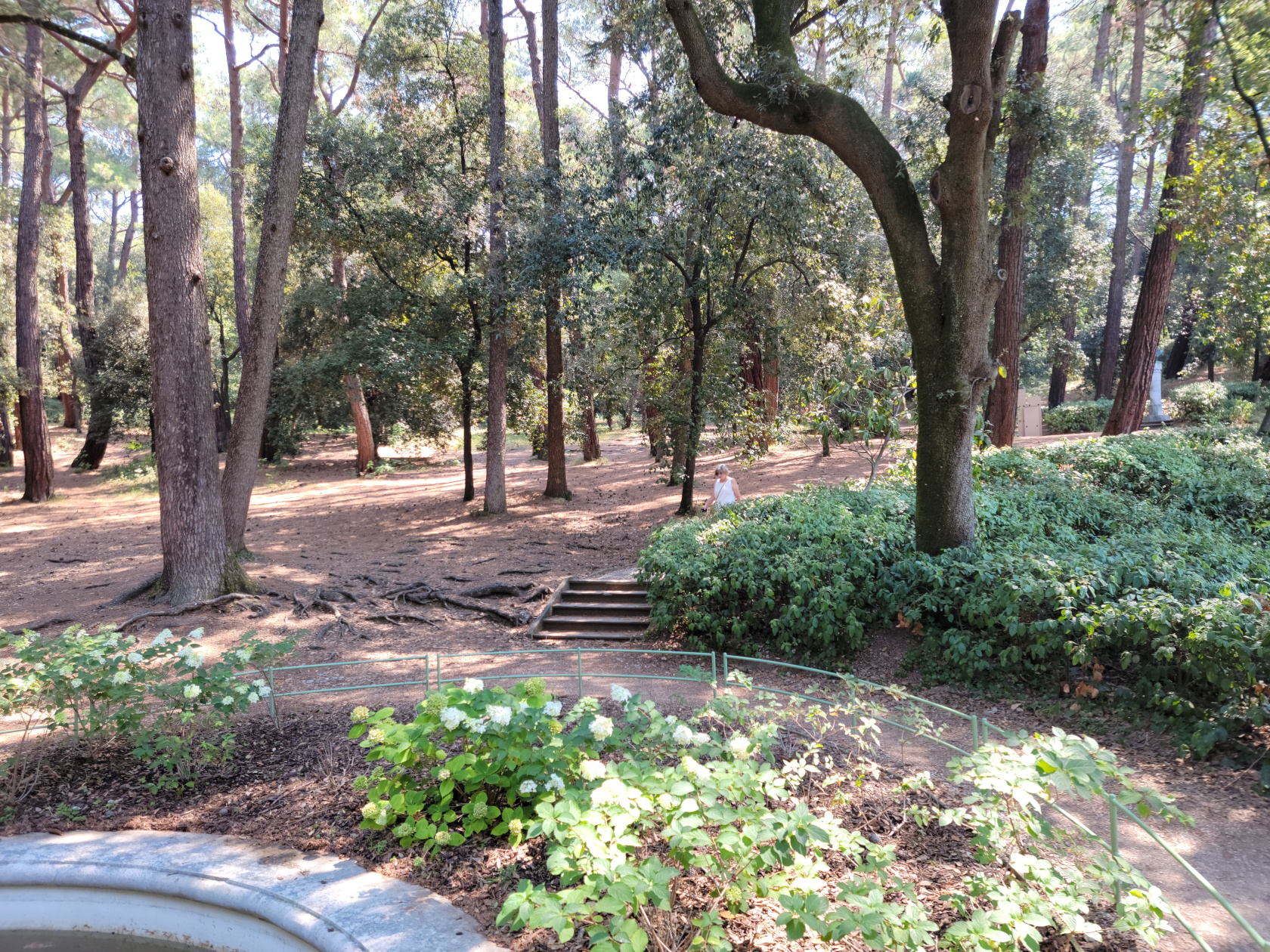
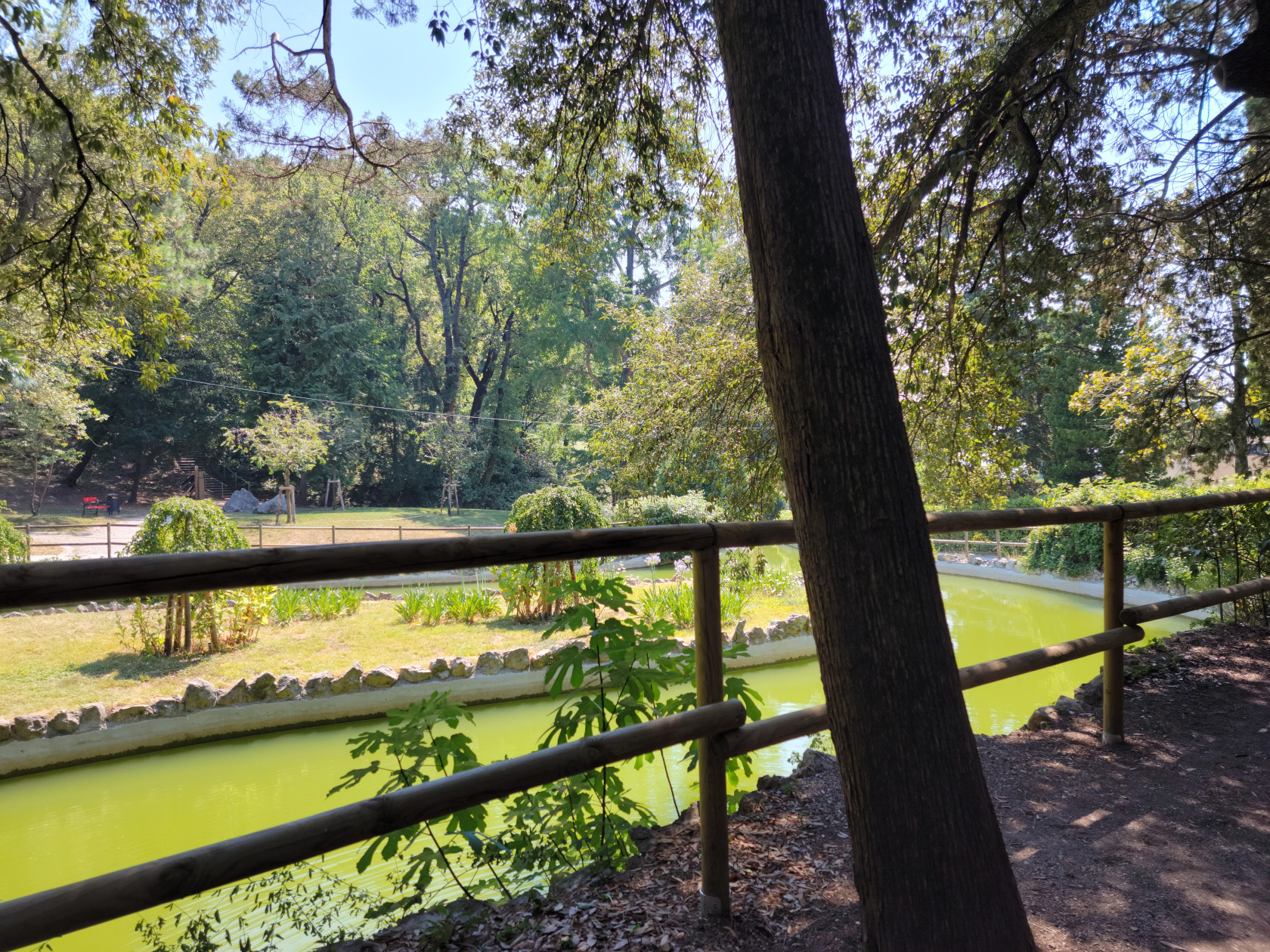
The park is actually very well maintained. Undergrowth is allowed to grow where it should and well pruned in other areas. There are benches everywhere, so feel free to sit down and enjoy the quiet while you can, birds and cicadas notwithstanding.
Miramare Castle
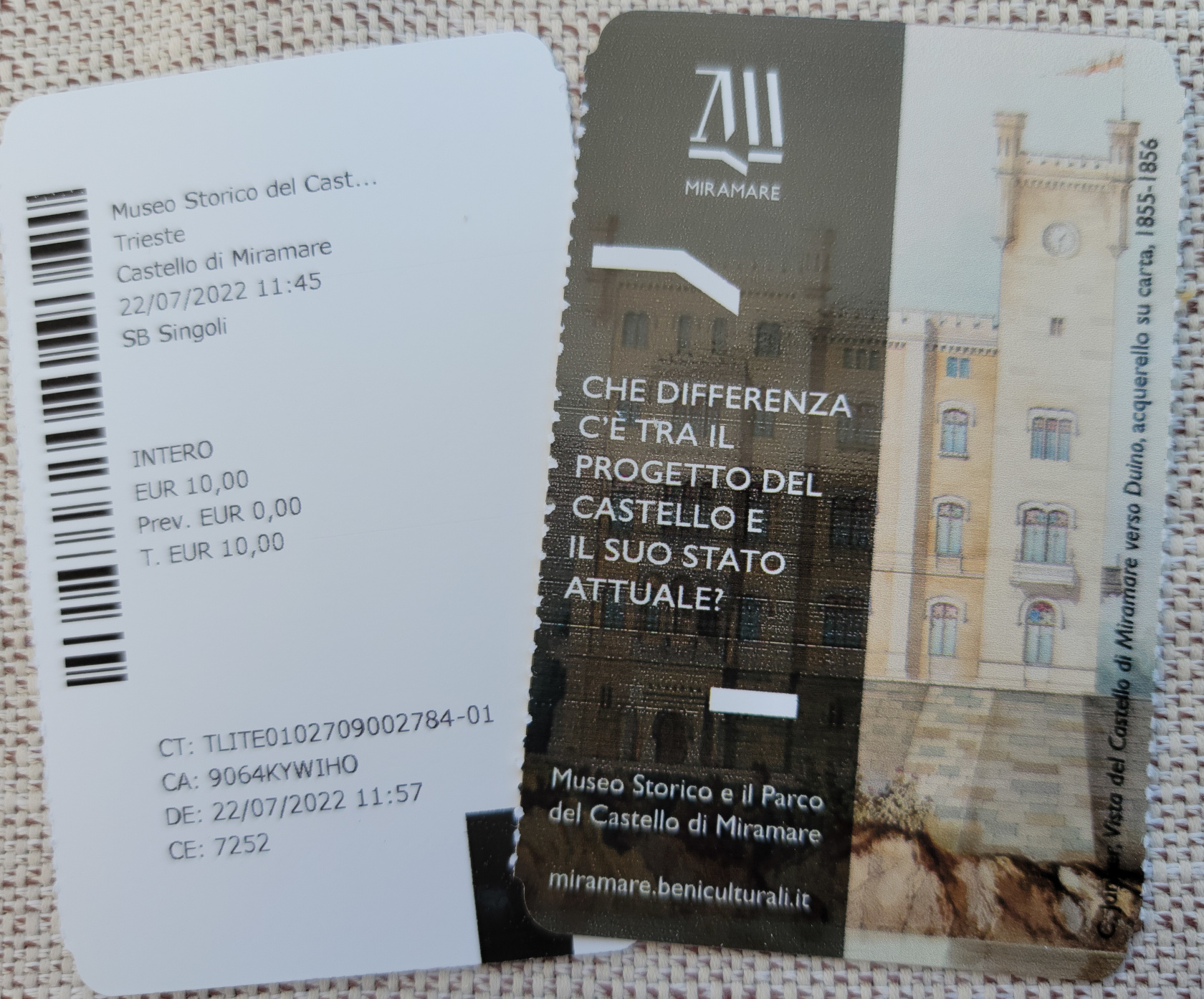
Miramare Castle – Tickets For Two
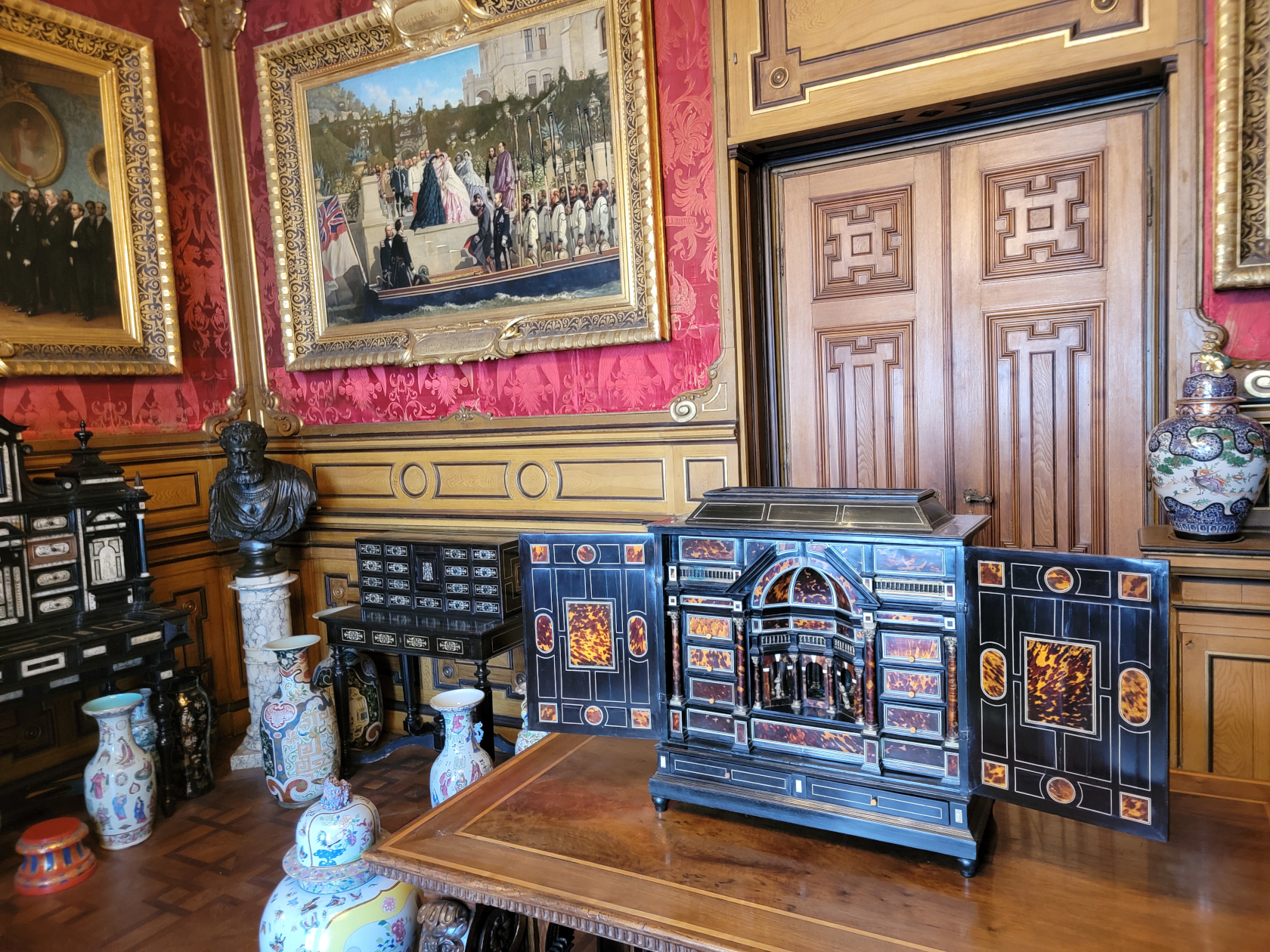
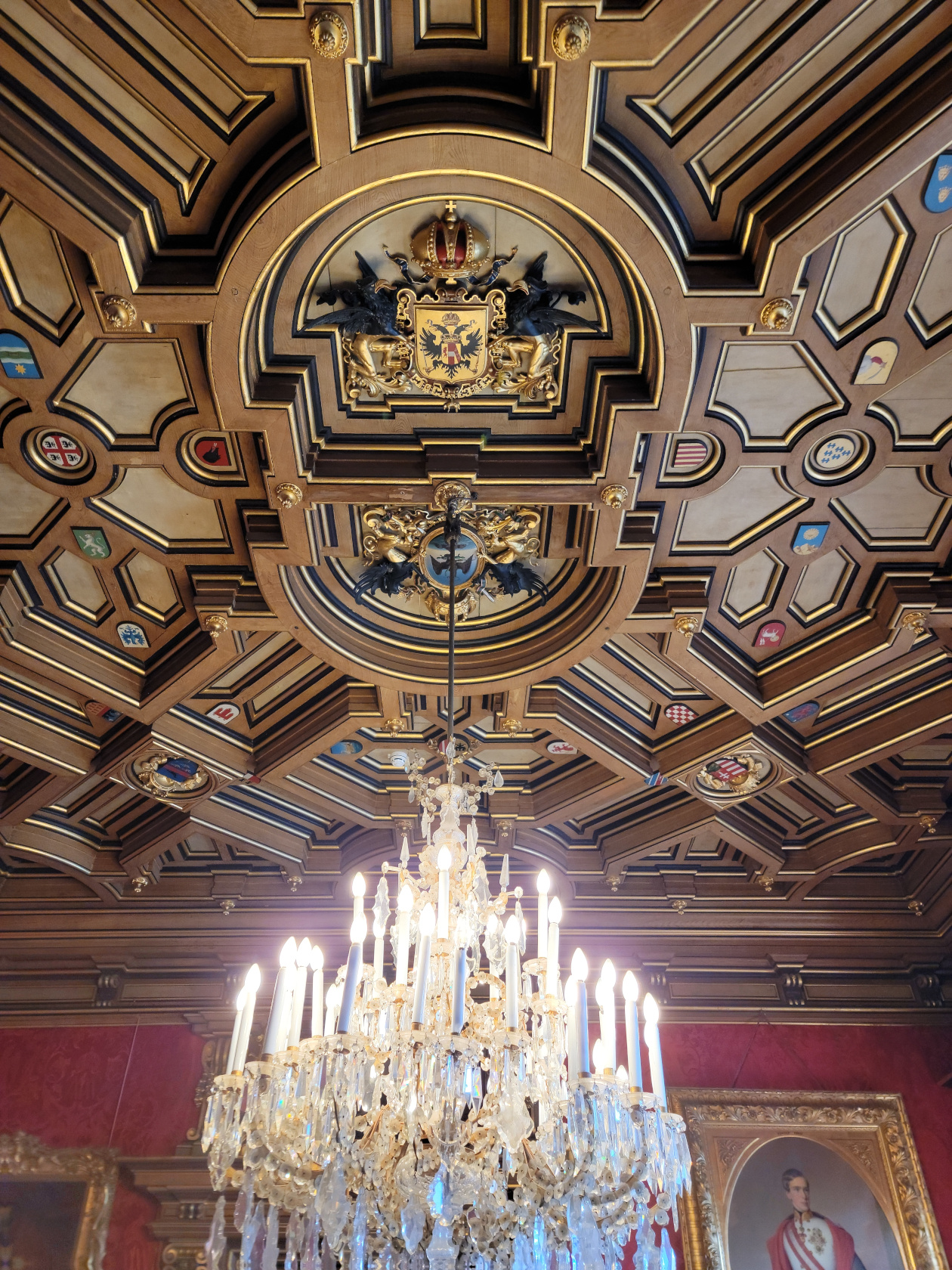
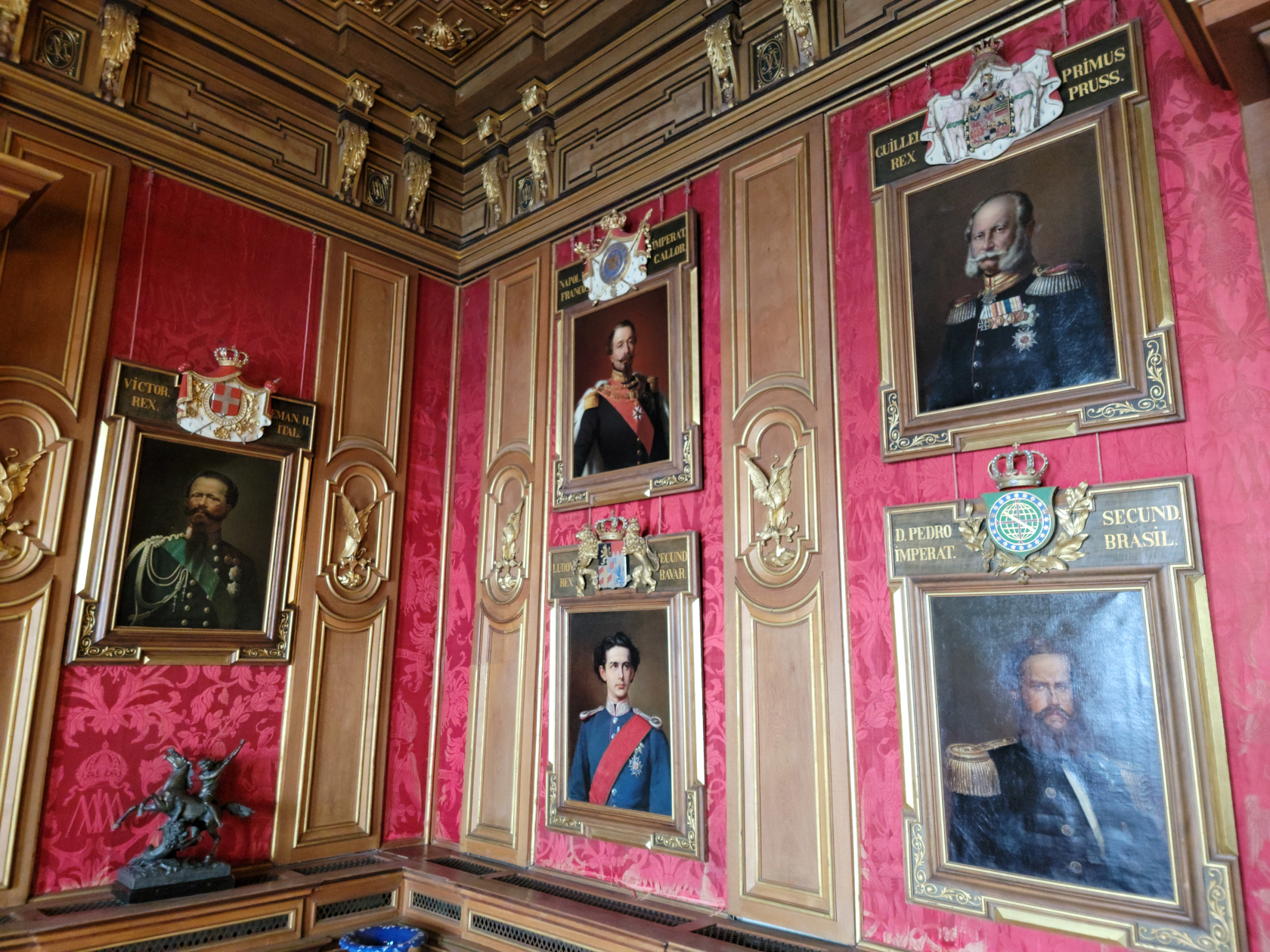
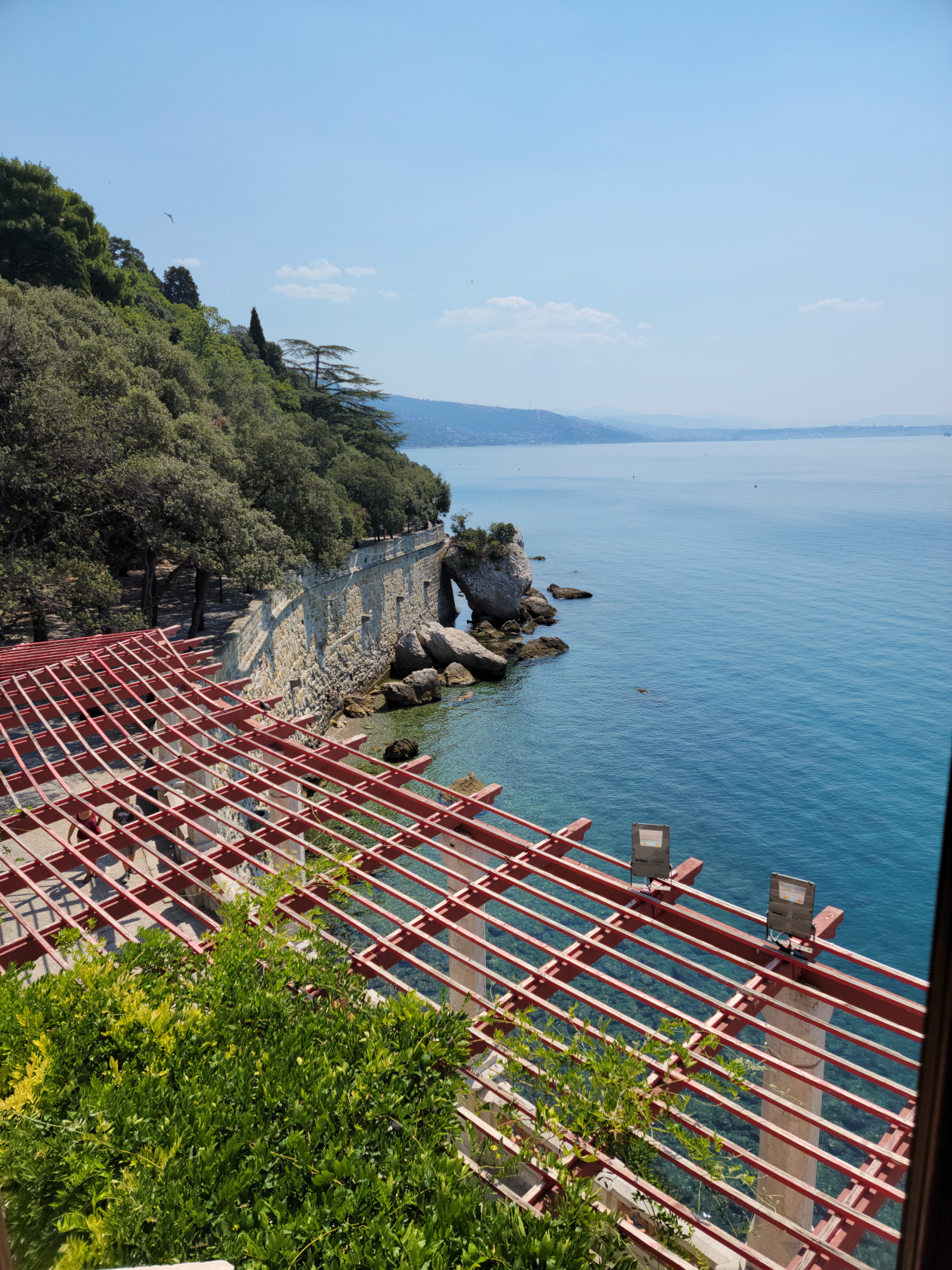
The Miramare Castle was built in the mid eighteen hundreds by Austrian Archduke Ferdinand Maximillian and his wife. The castle is rather small, but fits well into the coastline and has some interesting internal features, including a Chinese Room.
Miramare – Miramare Castle
Miramare – Miramare Castle
Miramare – Miramare Castle
Miramare – Miramare Castle
Miramare – Miramare Castle
Miramare – Miramare Castle
Miramare – Miramare Castle
Miramare – Miramare Castle
Miramare – Miramare Castle
Miramare – Miramare Castle
Miramare – Miramare Castle
Miramare – Miramare Castle
Miramare – Miramare Castle
Miramare – Miramare Castle
Miramare – Miramare Castle
Miramare – Miramare Castle
Miramare – Miramare Castle
Miramare – Miramare Castle
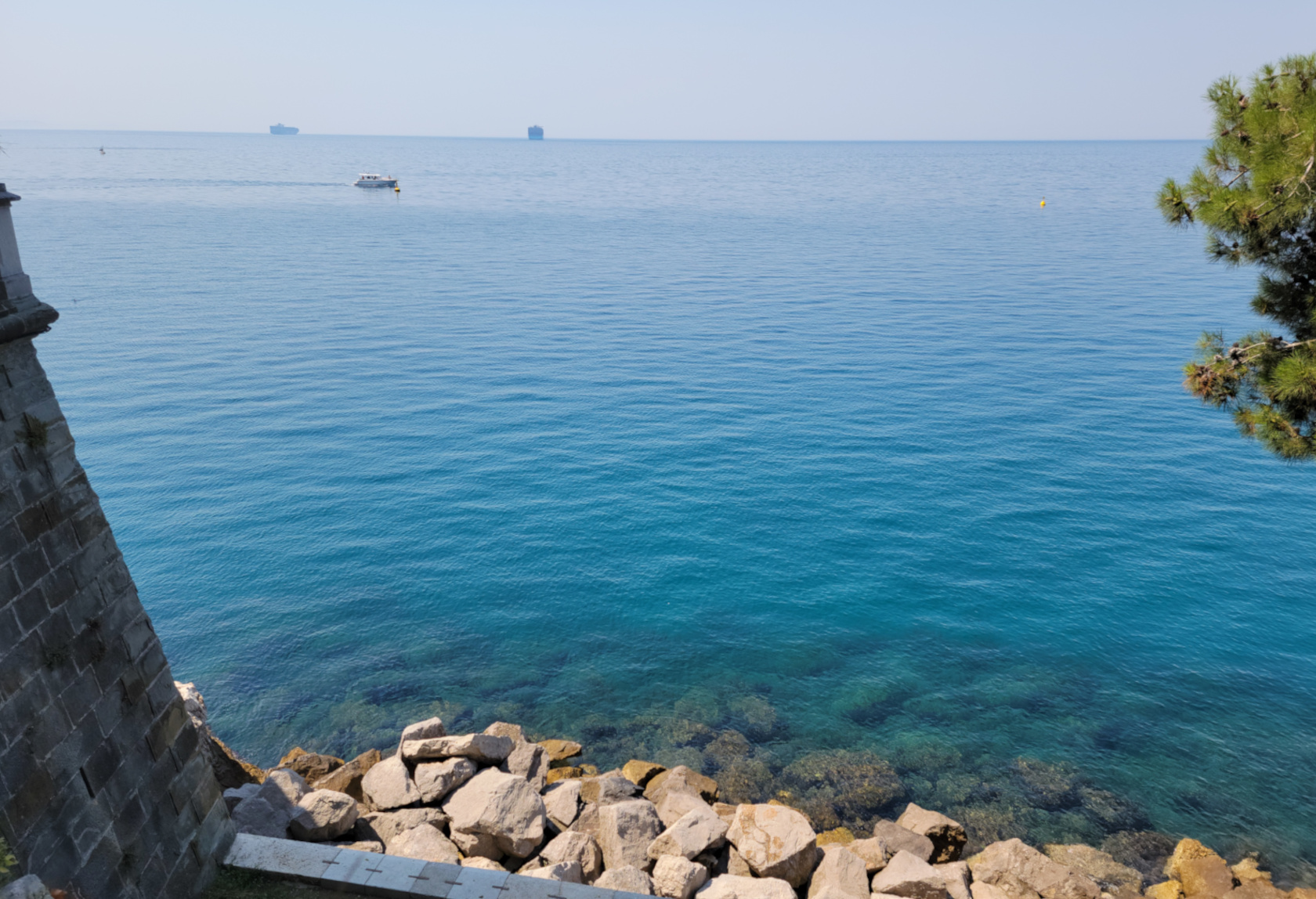
Miramare – Miramare Castle – Gulf of Trieste
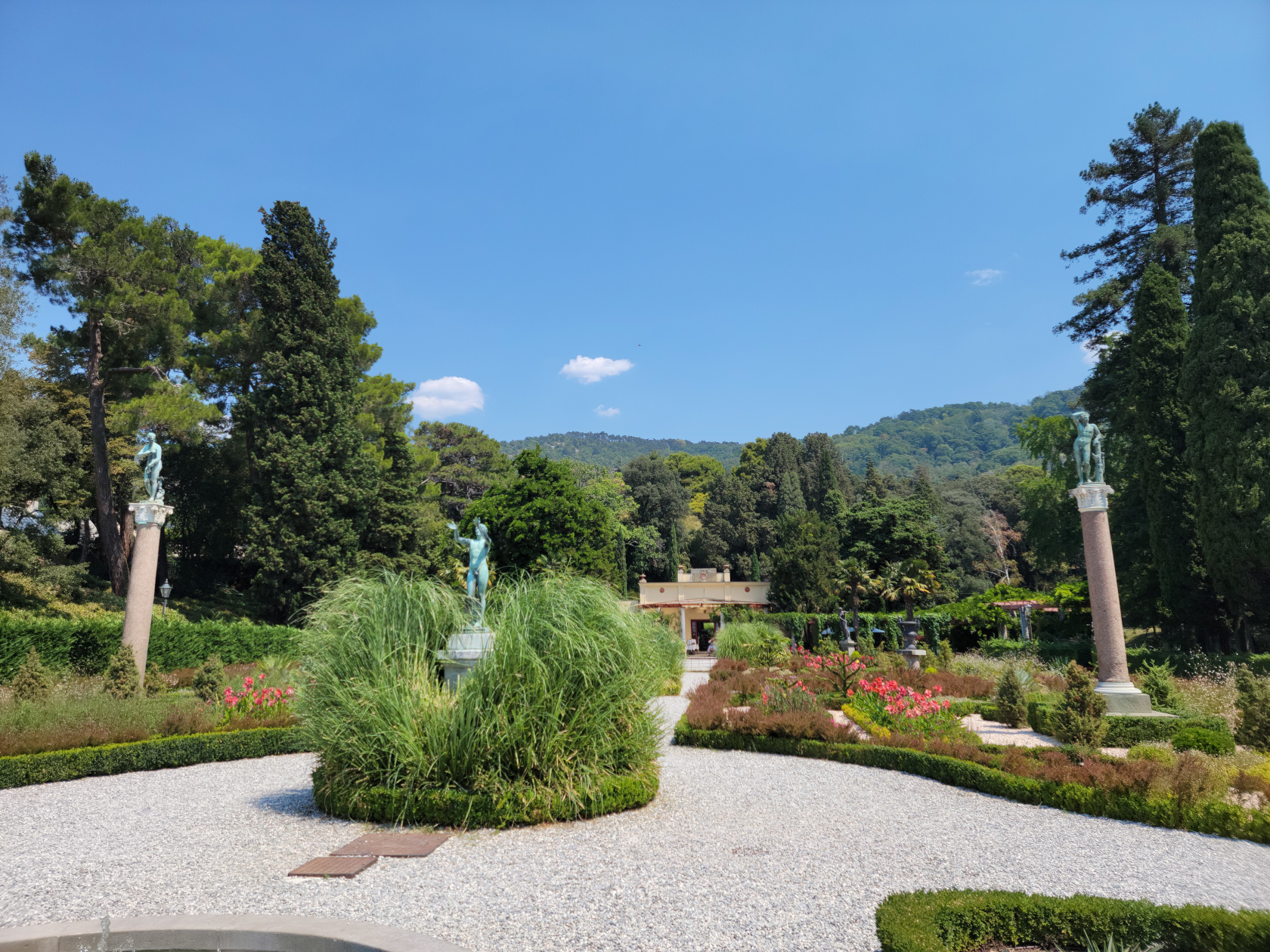
Miramare – Miramare Castle – Garden
Miramare – Miramare Castle – Garden
Miramare – Miramare Castle
Restaurants
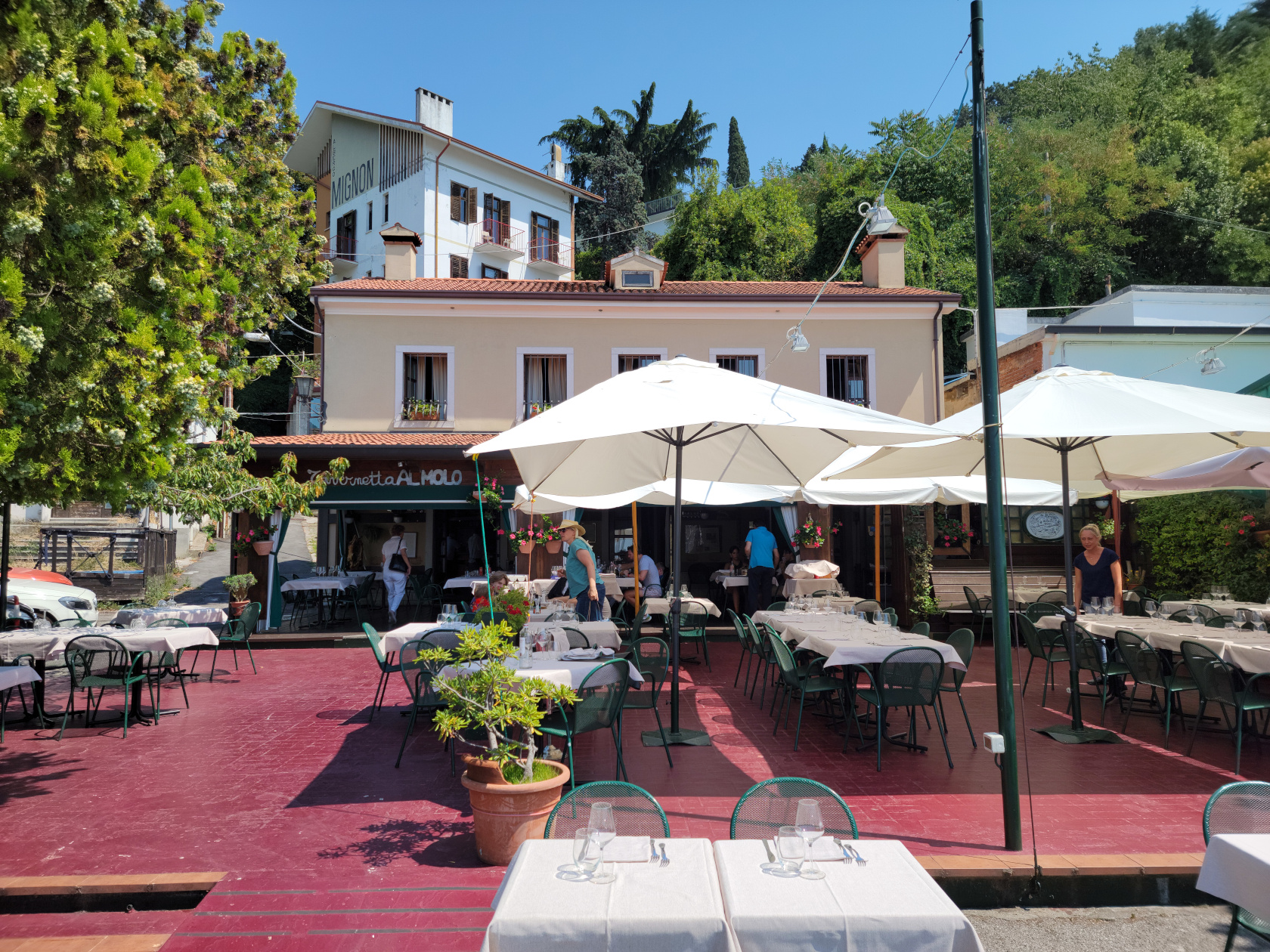
A short walk north on the path down to Grignano will bring you to the marina where several restaurants are located. We chose Tavernetta al Molo for lunch and were not disappointed.
Tavernetta al Molo
Grignano – Travernetta al Molo
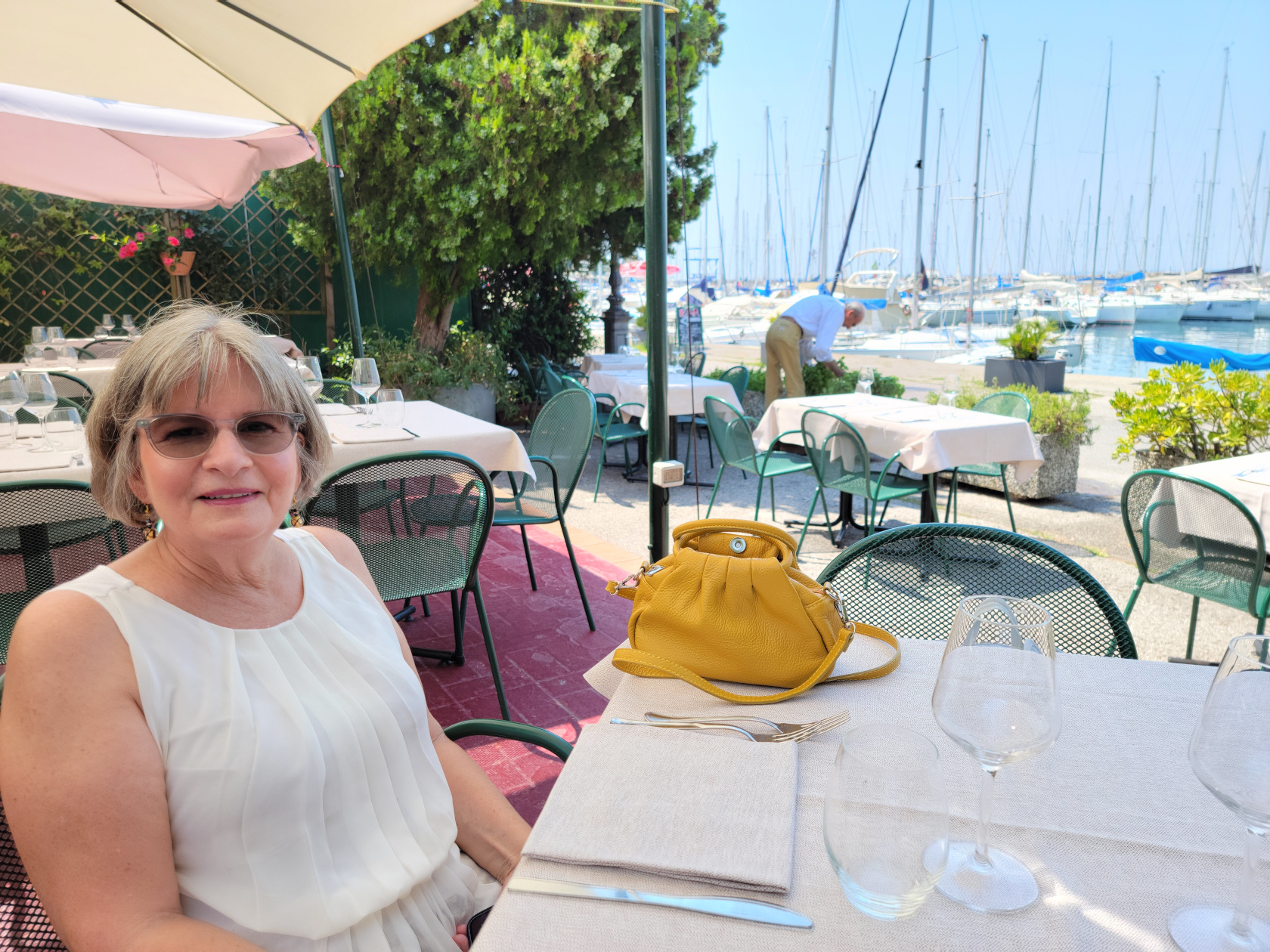
A small establishment by the marina that has a good menu, including daily seafood specials, drinks and desserts. We spent about two hours eating, relaxing and enjoying a rest during a very hot day.
Grignano – Travernetta al Molo
Grignano – Patti at Travernetta al Molo
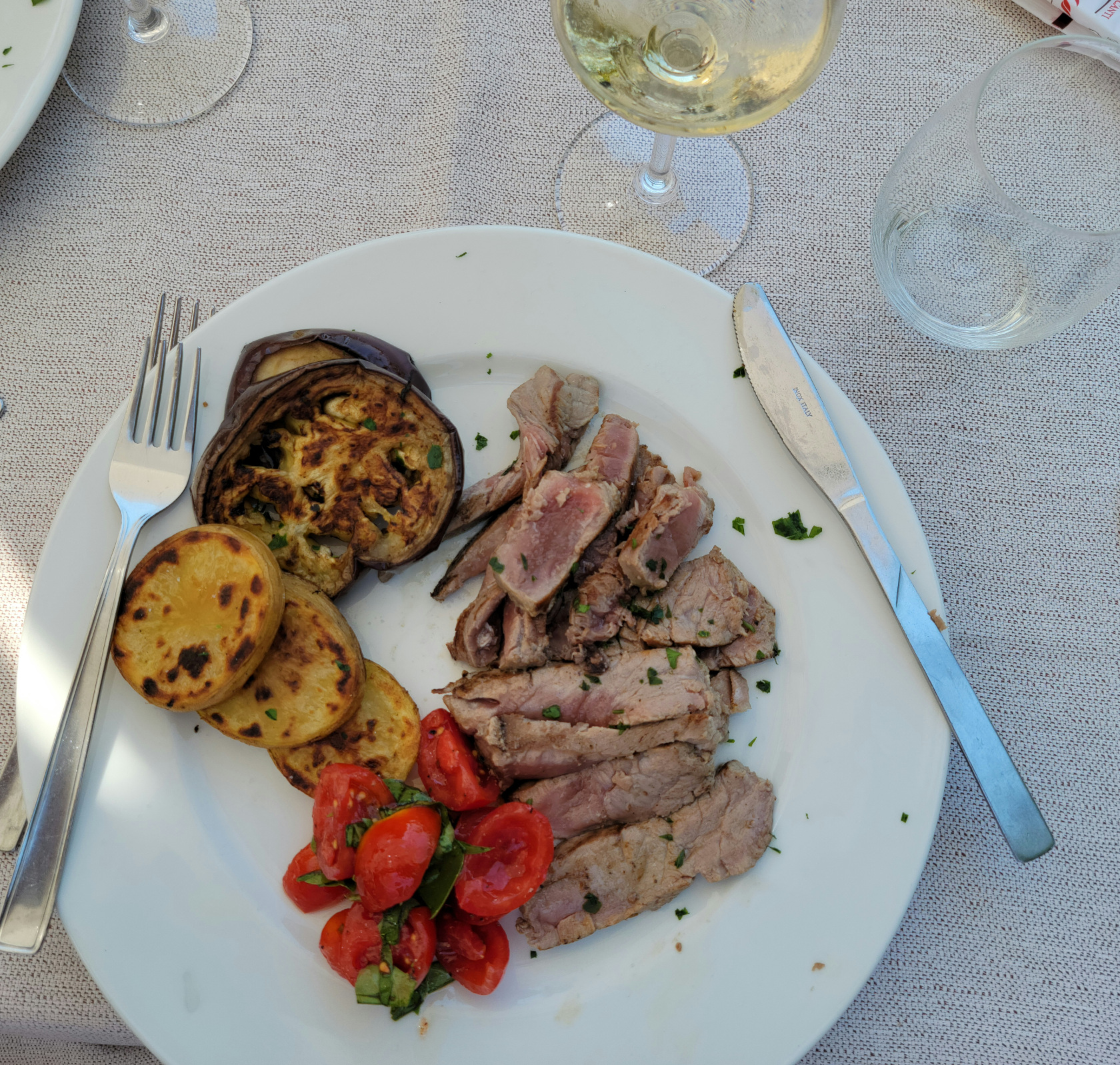
Grignano – Travernetta al Molo – Grilled Tuna, Potato and Tomato
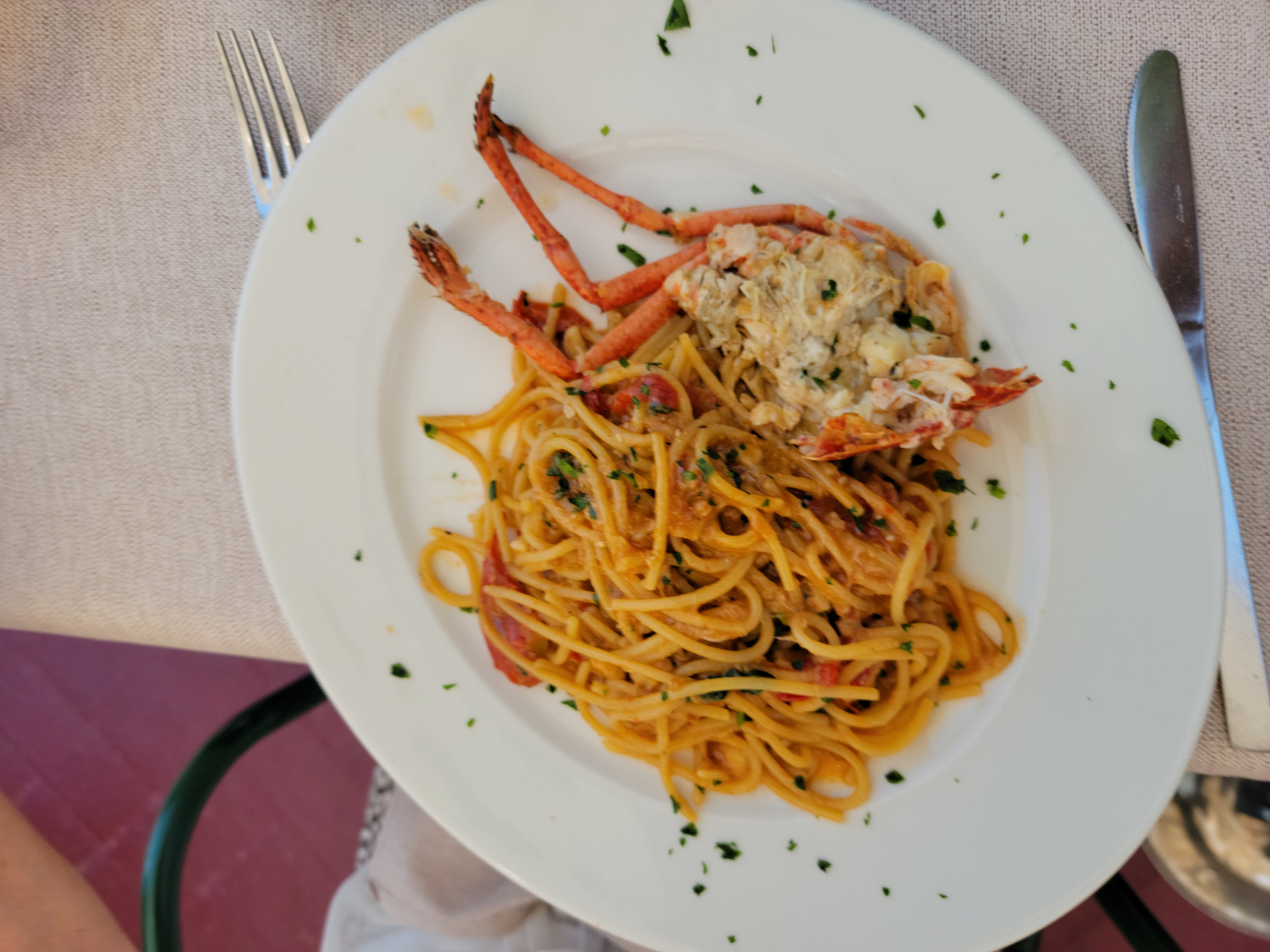
Grignano – Travernetta al Molo – Spaghetti in Lobster Sauce
On our second day in Trieste we thought it appropriate to check out some local churches, visit the amazing fortress perched above the city and then visit the Grand Canal for lunch.
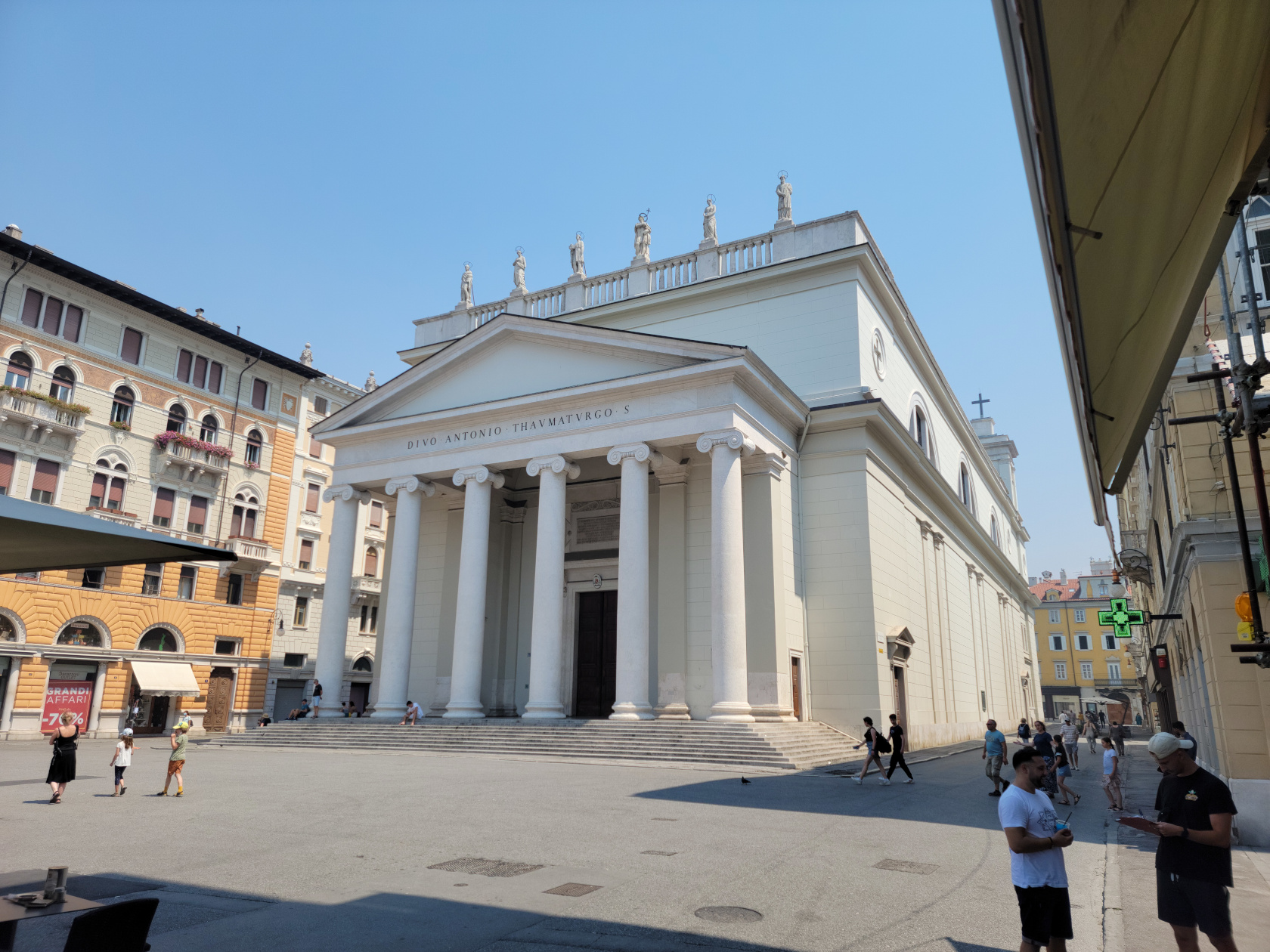
Trieste – The Grand Canal – Church of Sant’Antonio Nuovo
The Hill of San Giusto
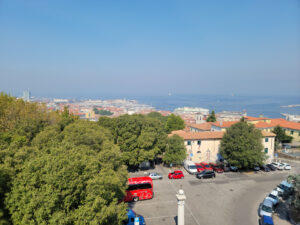
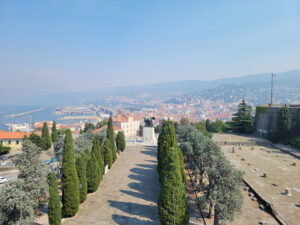
A few blocks walk from our hotel and situated in the center of the old city is the hill of San Giusto, or Saint Justus. The following interesting sights can be seen by planning a day trip to see them all, with ample time for breaks and lunch!
Churches, Basilicas and Cathedrals
Trieste has a plethora of churches of all Christian faiths to visit. The following are noteworthy and some are actually no longer active nor Catholic.
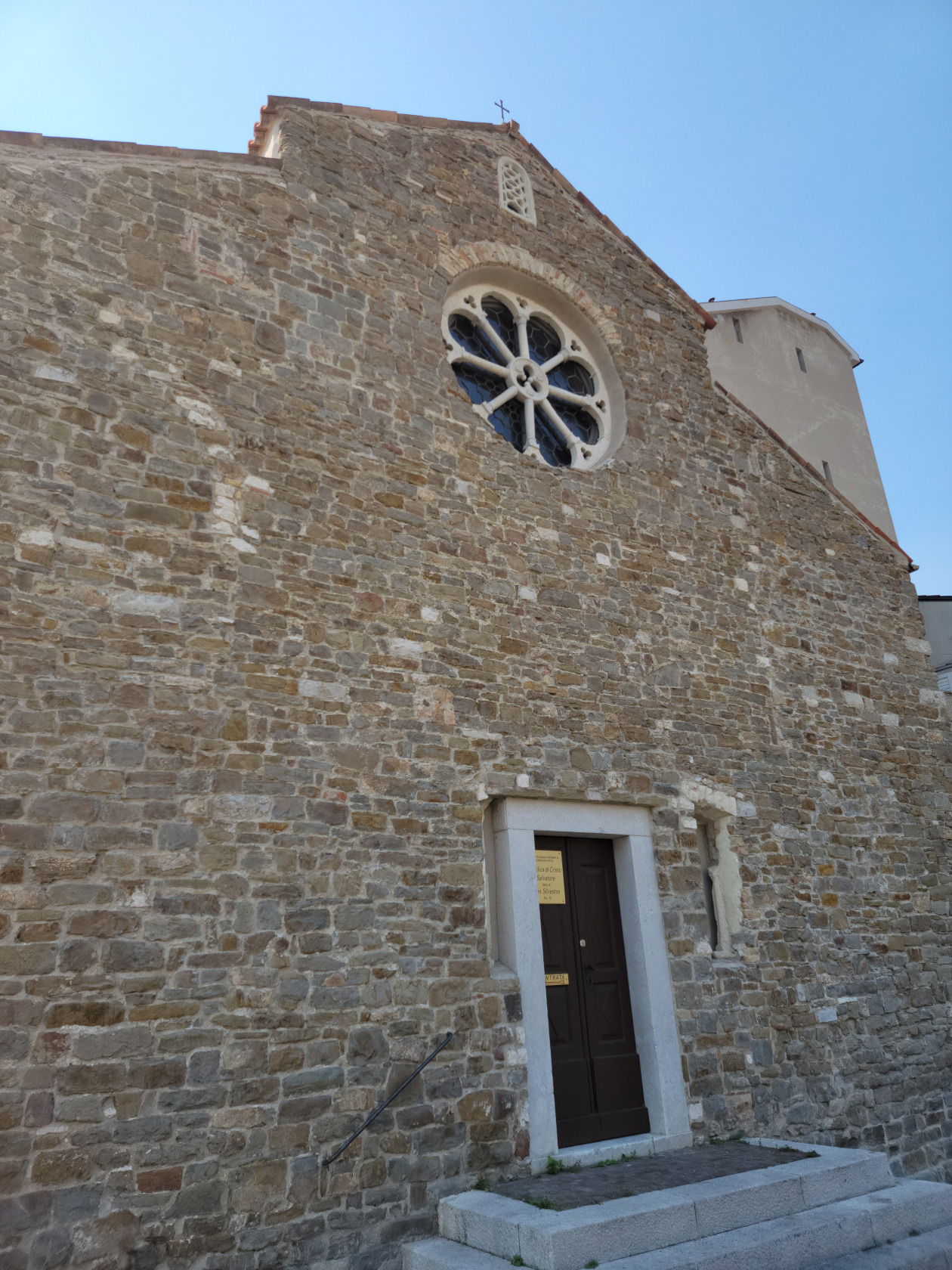
The Basilica of San Silvestro
The oldest church in Trieste, built in the twelfth century in Romanesque style, it contains many fourteenth century frescoes. It was closed when the Austro-Hungarian Empire conquered the area and converted into a church of Waldensians.
Trieste – Basilica San Silvestro
The Church of Santa Maria Maggiore
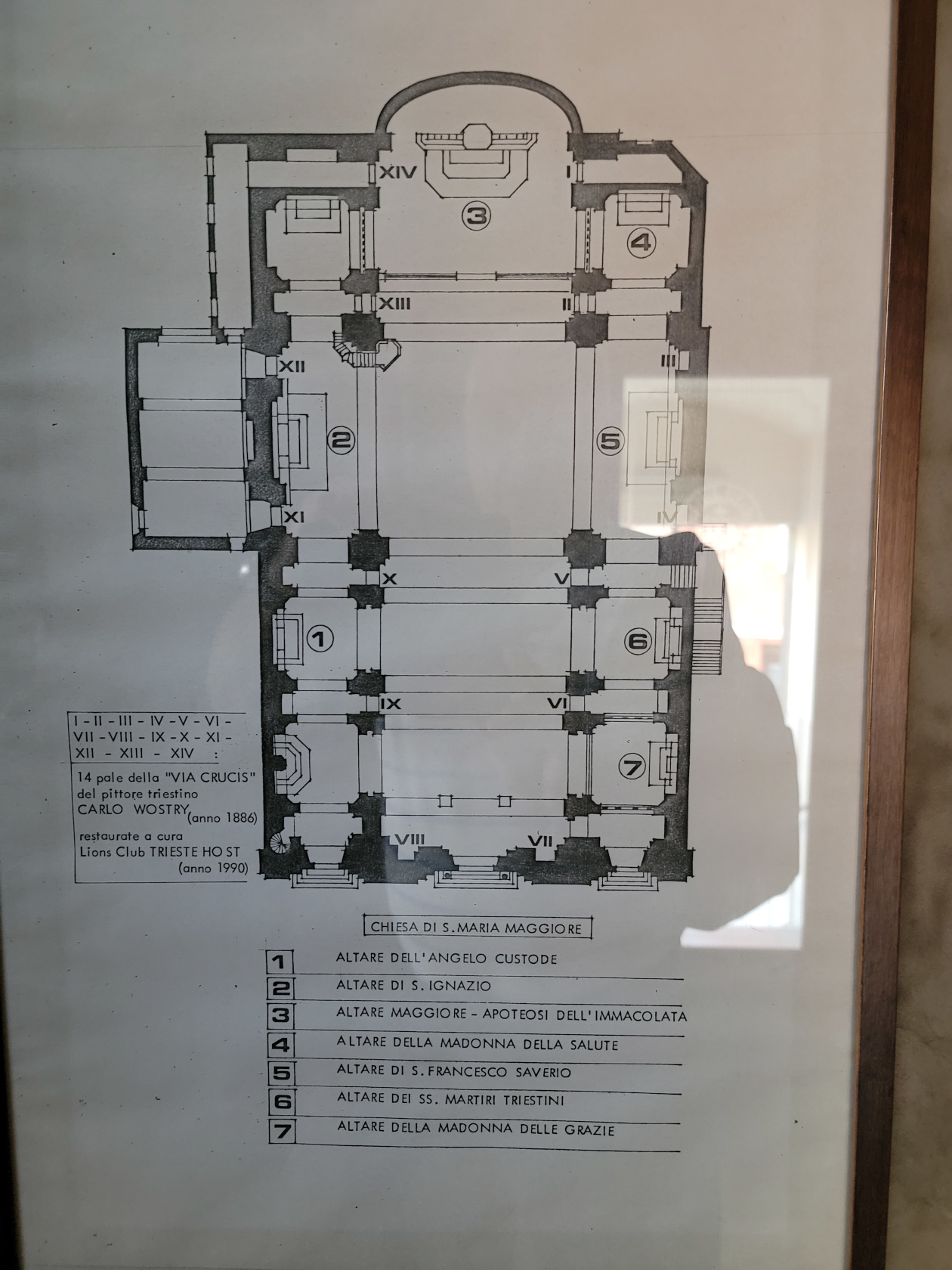
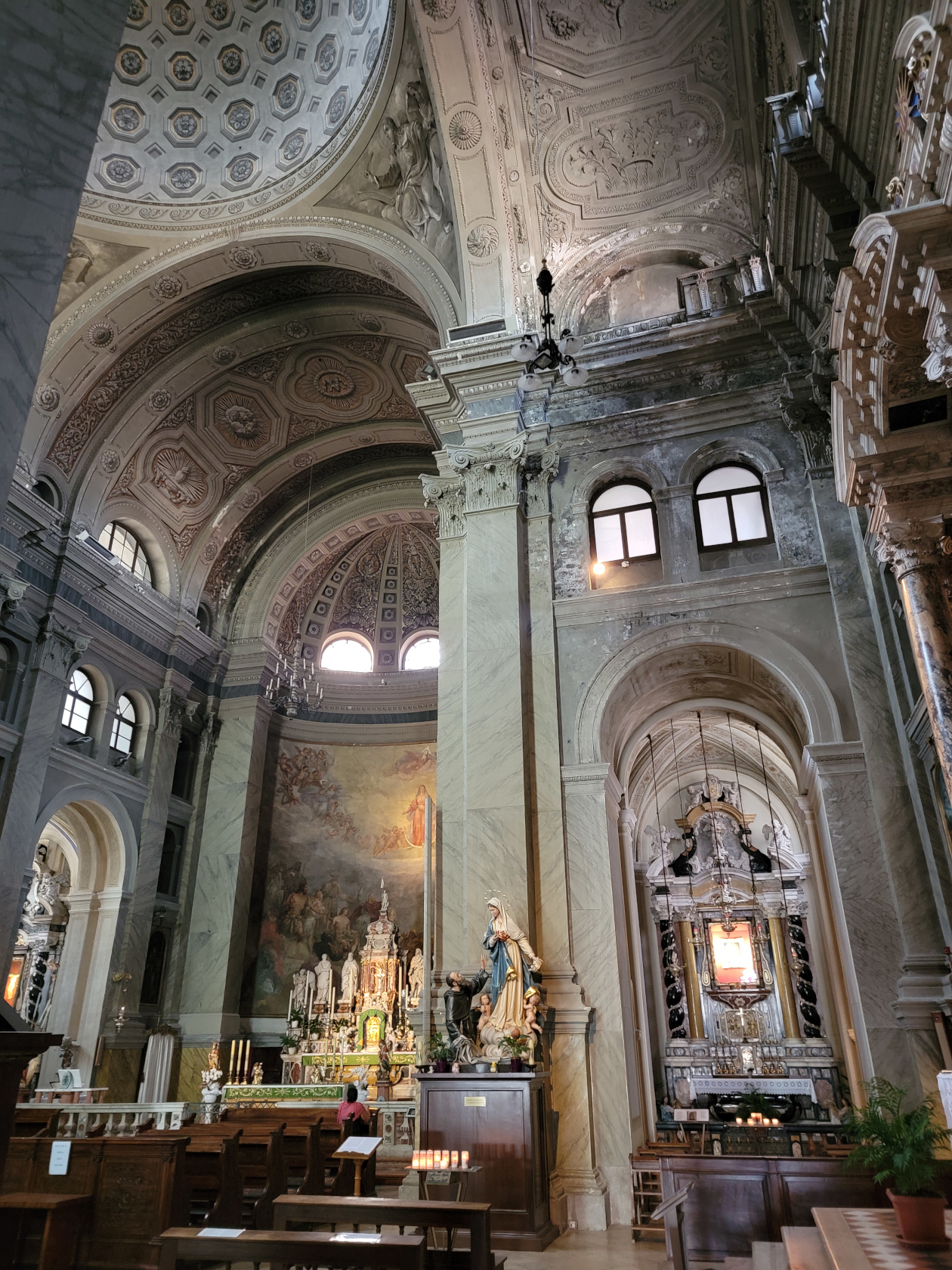
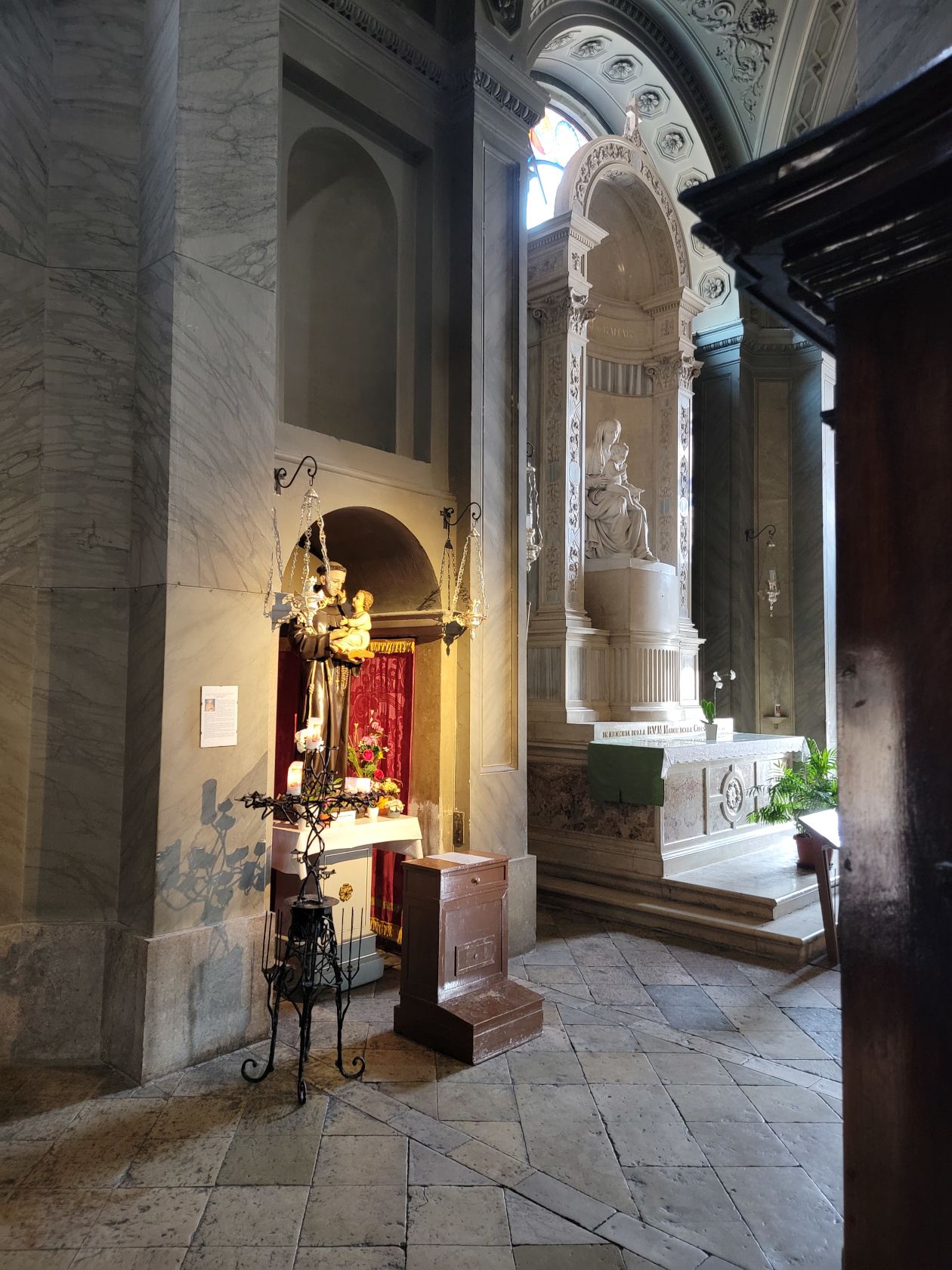
Currently owned by the region of Trieste, this once proud church was also a barracks and a prison. Now it is just a false collection place for Catholics dropping euros to light candles.
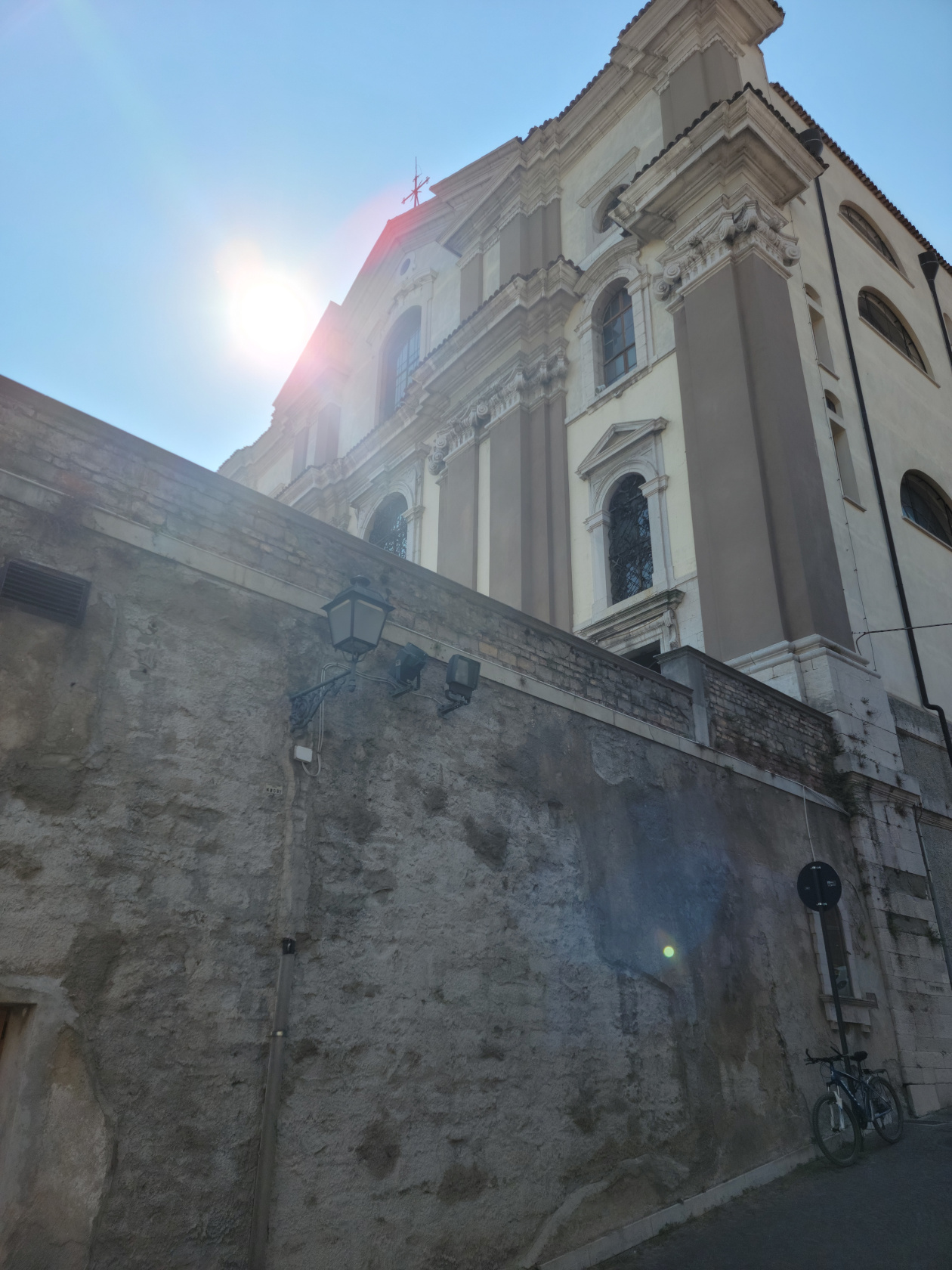
Trieste – Church Santa Maria Maggiore
Trieste – Church Santa Maria Maggiore
Trieste – Church Santa Maria Maggiore
Trieste – Church Santa Maria Maggiore
The Cathedral of San Giusto
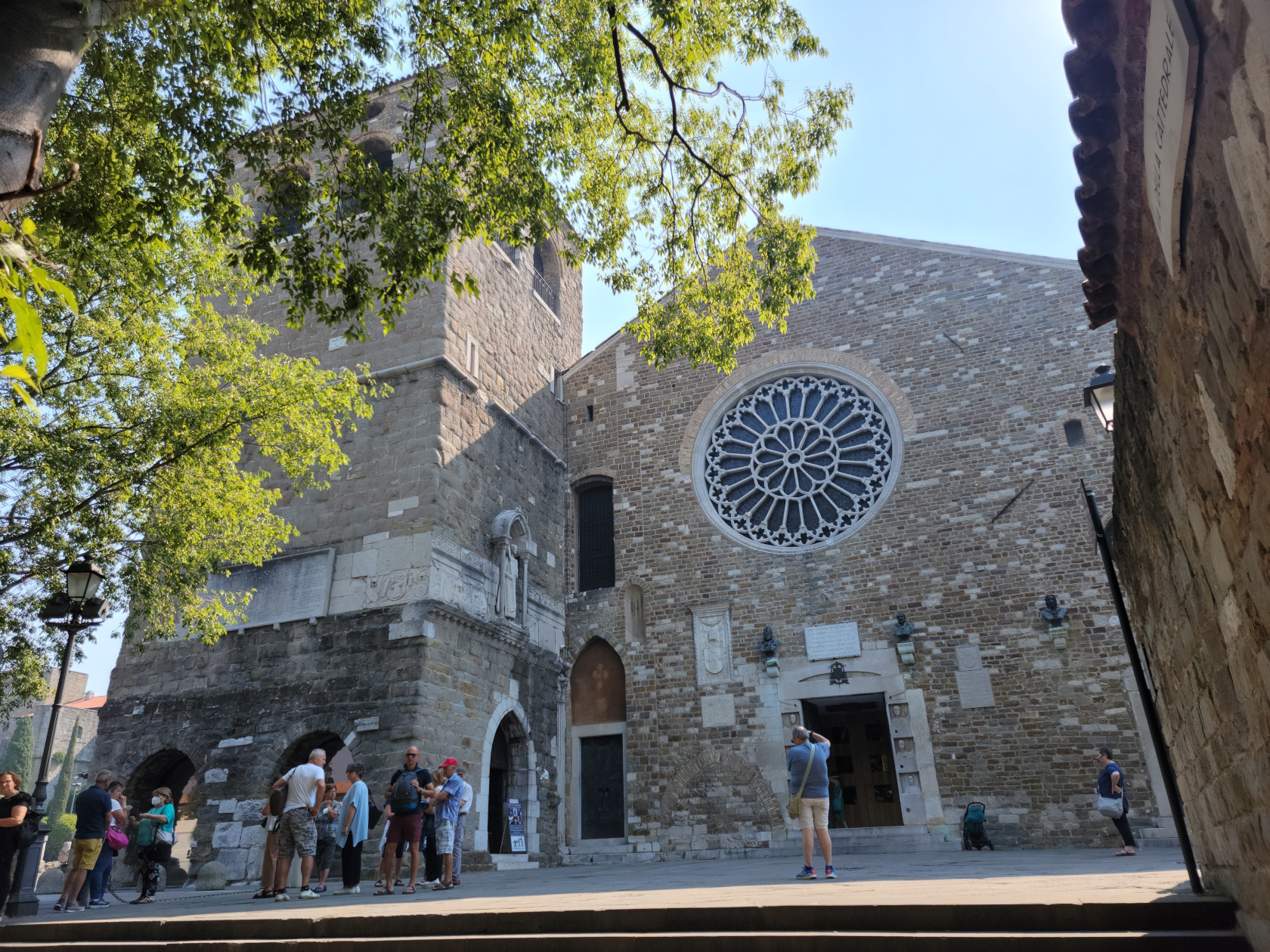
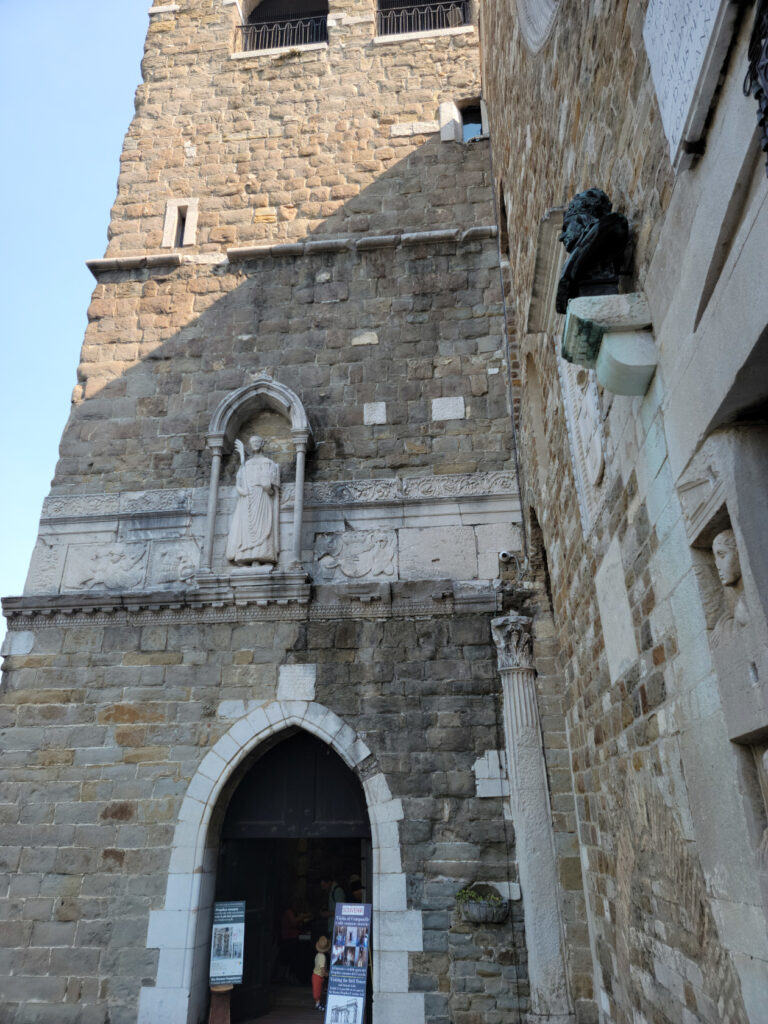
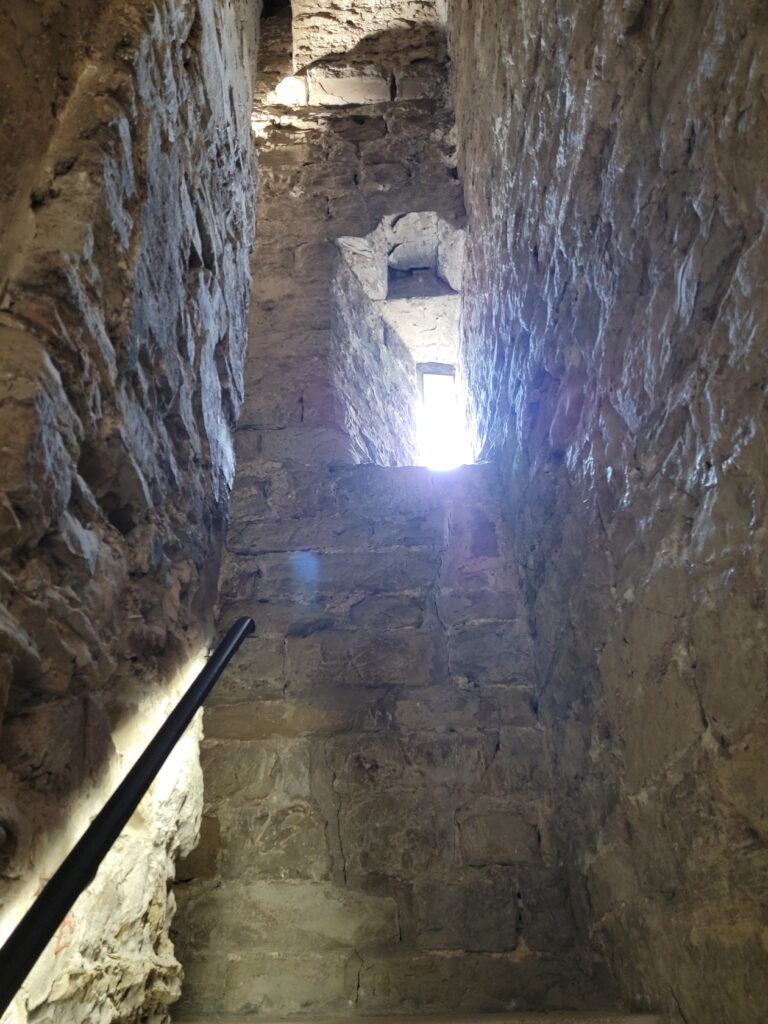
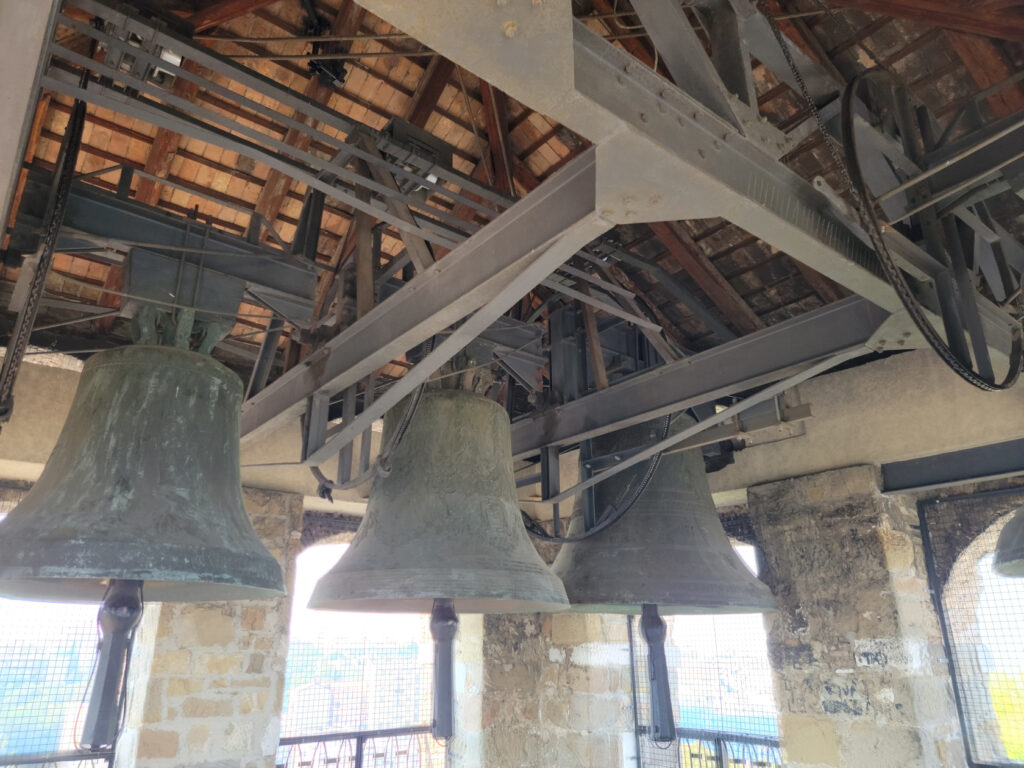
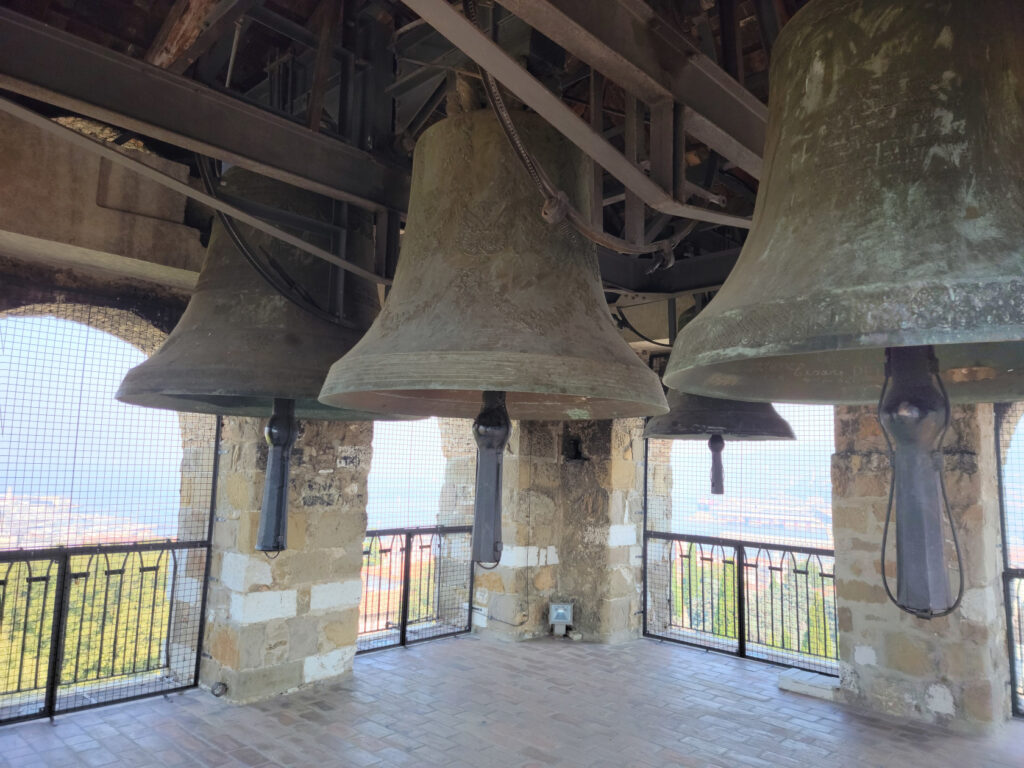
Situated on the San Giusto hill and the via della Cathedral is the cathedral of San Giusto, also known as the Trieste Cathedral. The cathedral is home to some very impressive bells and for a modest sum, one can visit them after climbing the 90 or so steps in the bell tower.
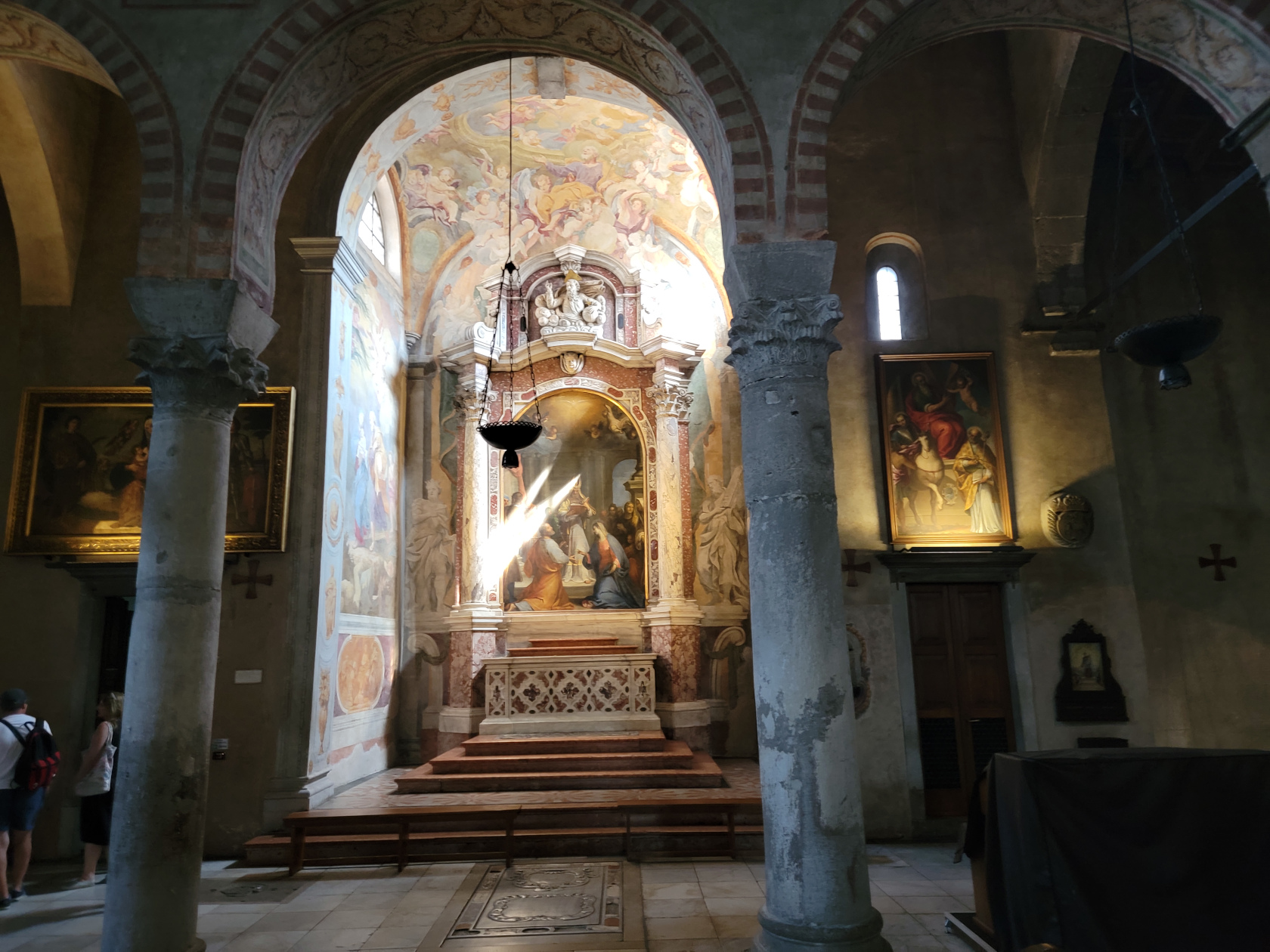
Trieste – Cathedral di San Giusto Martire
Trieste – Cathedral di San Giusto Martire
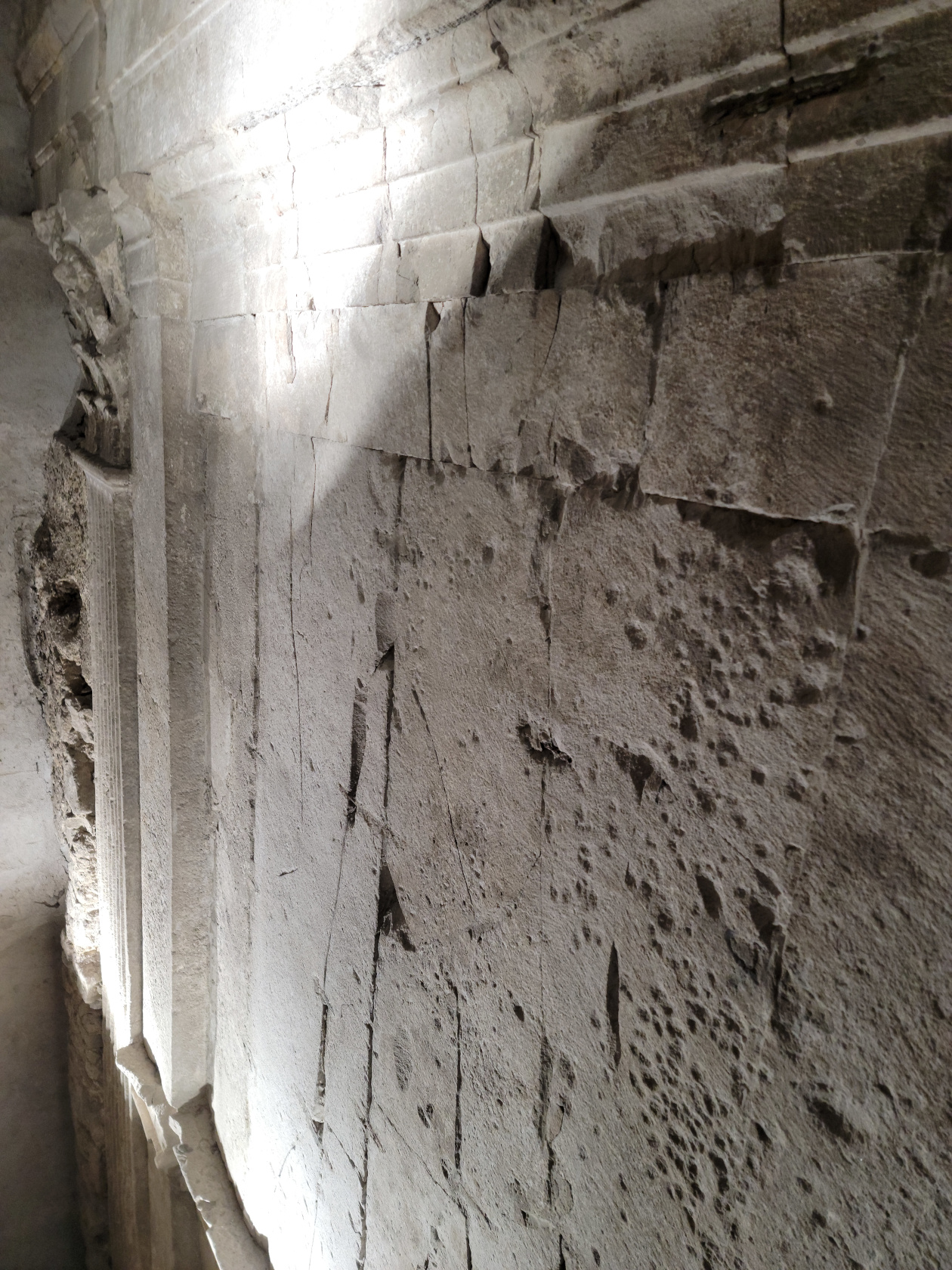
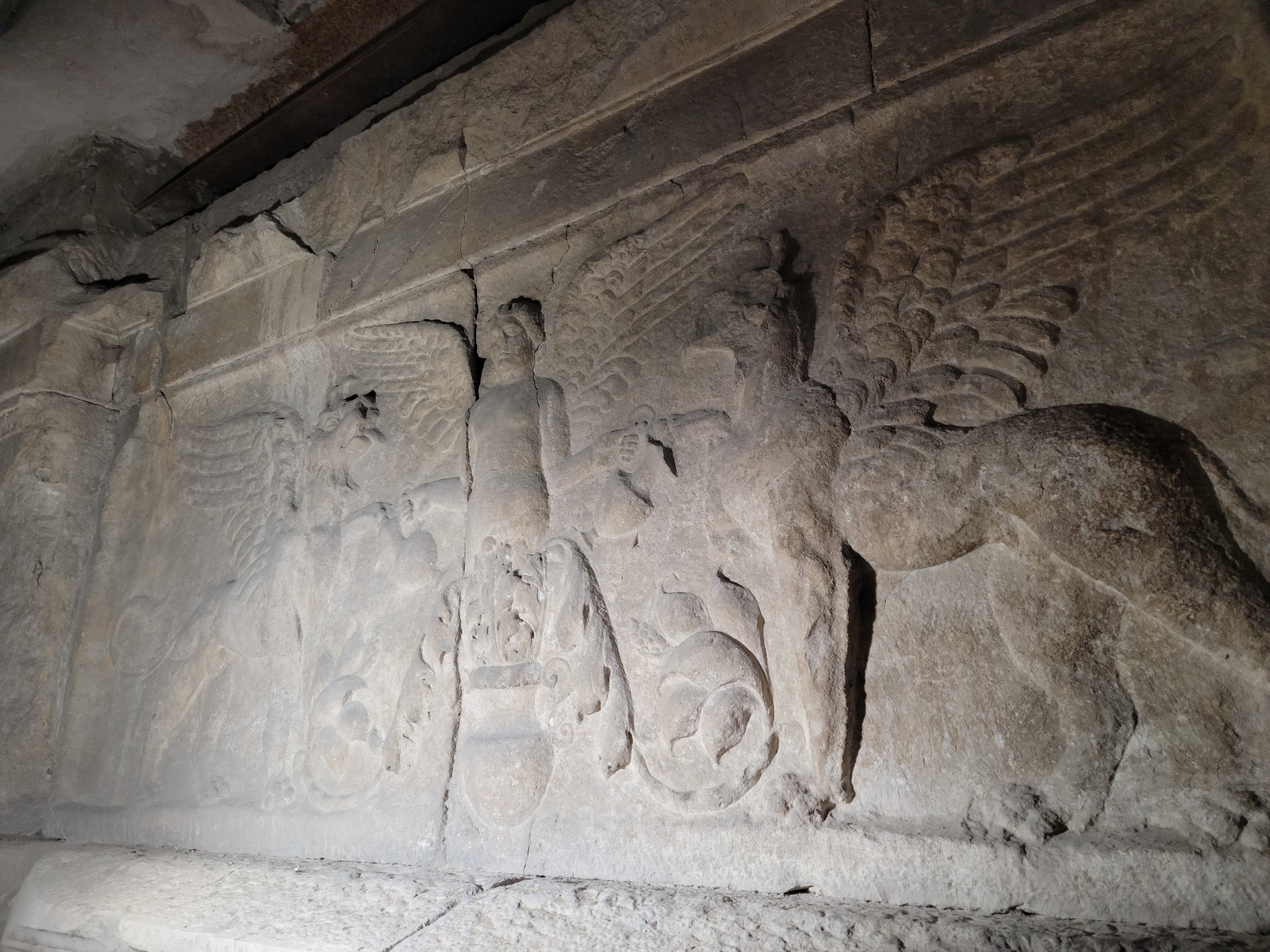
Ascending the bell tower also reveals an interesting secret, it is not one structure built for the purpose of worship, but rather three.
Trieste – Roman Reliefs in the Tower of the Cathedral di San Giusto Martire
Trieste – Roman Reliefs in the Tower of the Cathedral di San Giusto Martire
Evidence of its ancient roots can be found while climbing the stairs and its history can be found written in the books of the gift shop or other history books.
Trieste – Tower of the Cathedral di San Giusto Martire
Trieste – Tower Stairs of the Tower the Cathedral di San Giusto Martire
Trieste – Bells of the Cathedral di San Giusto Martire
Trieste – Bells of the Cathedral di San Giusto Martire
Adjacent to the cathedral is the Roman Propylaea. The view from the bell tower offers a great chance to see that layout of this important Roman structure from above.
Trieste – View from the Cathedral di San Giusto Martire
Trieste – Roman Propylaeum or Columns of the Cathedral di San Giusto Martire
Trieste – Roman Propylaeum or Columns of the Cathedral di San Giusto Martire
The Castle of San Giusto
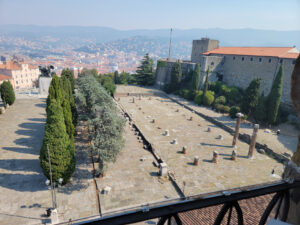
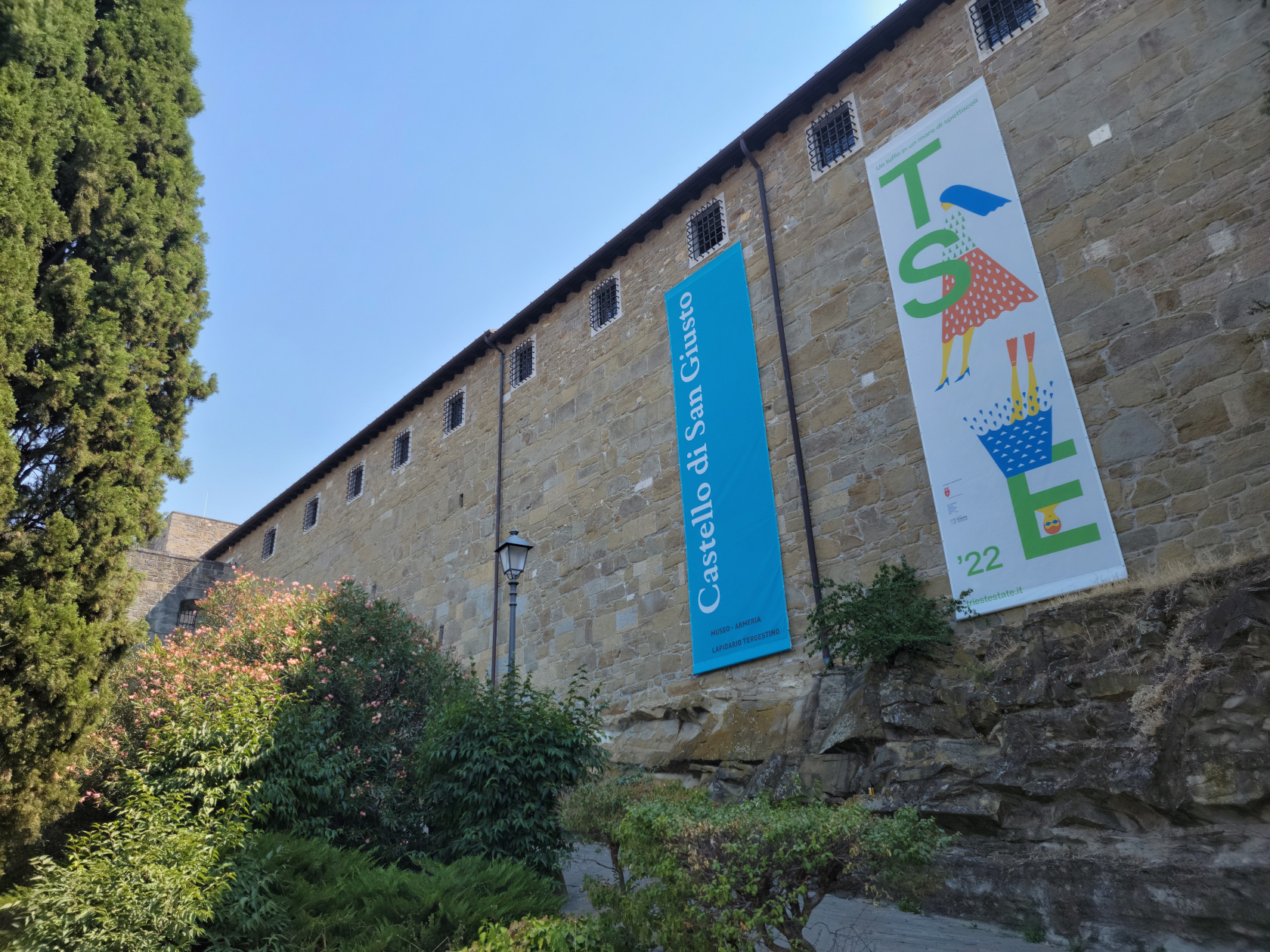
On this impressive hill and a short walk away from the Roman Propylaea and Cathedral also stands a castle, which was built on top of ancient remains of older castles.
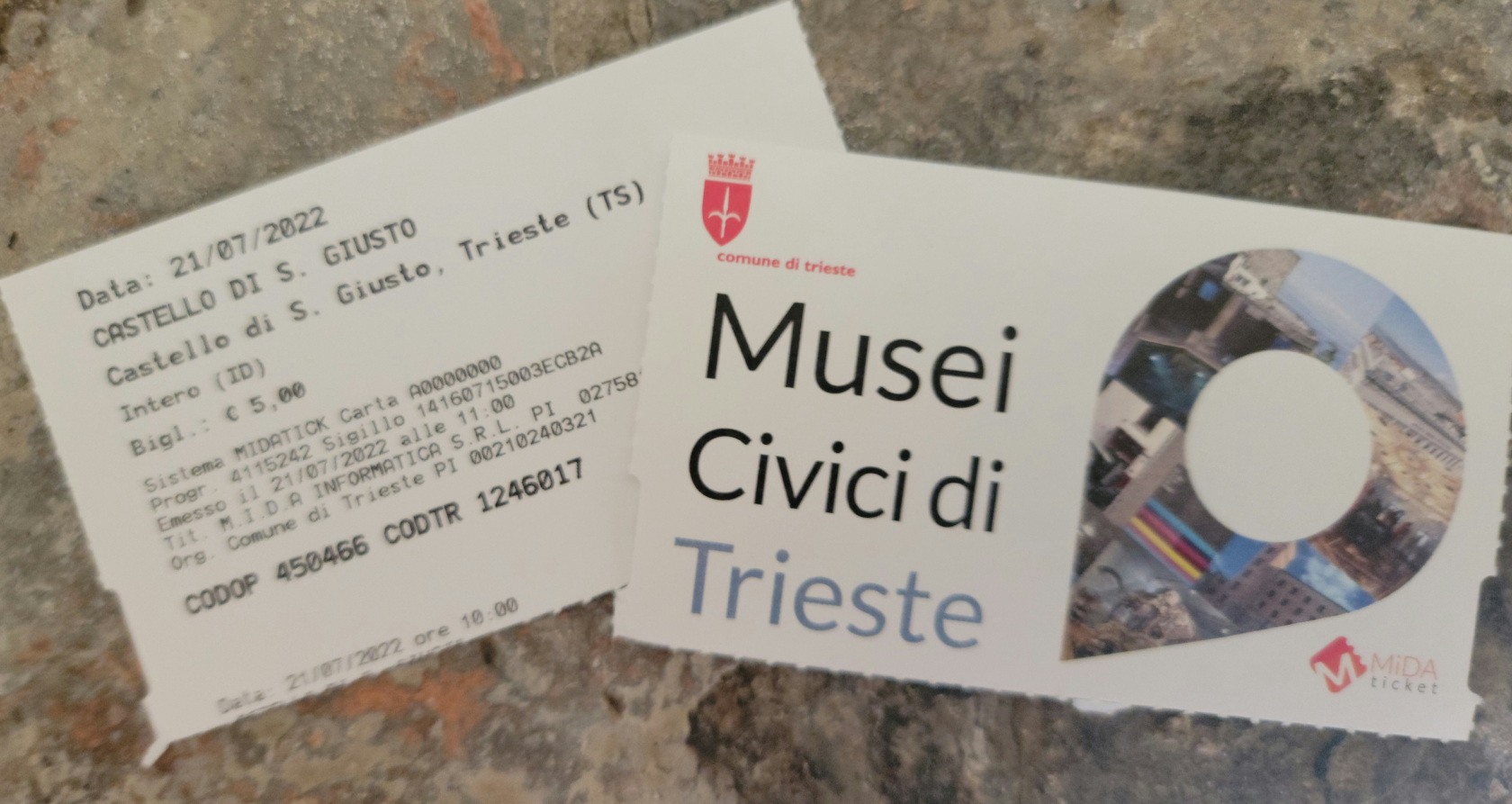
Trieste – Castle di San Giusto – Tickets for Two
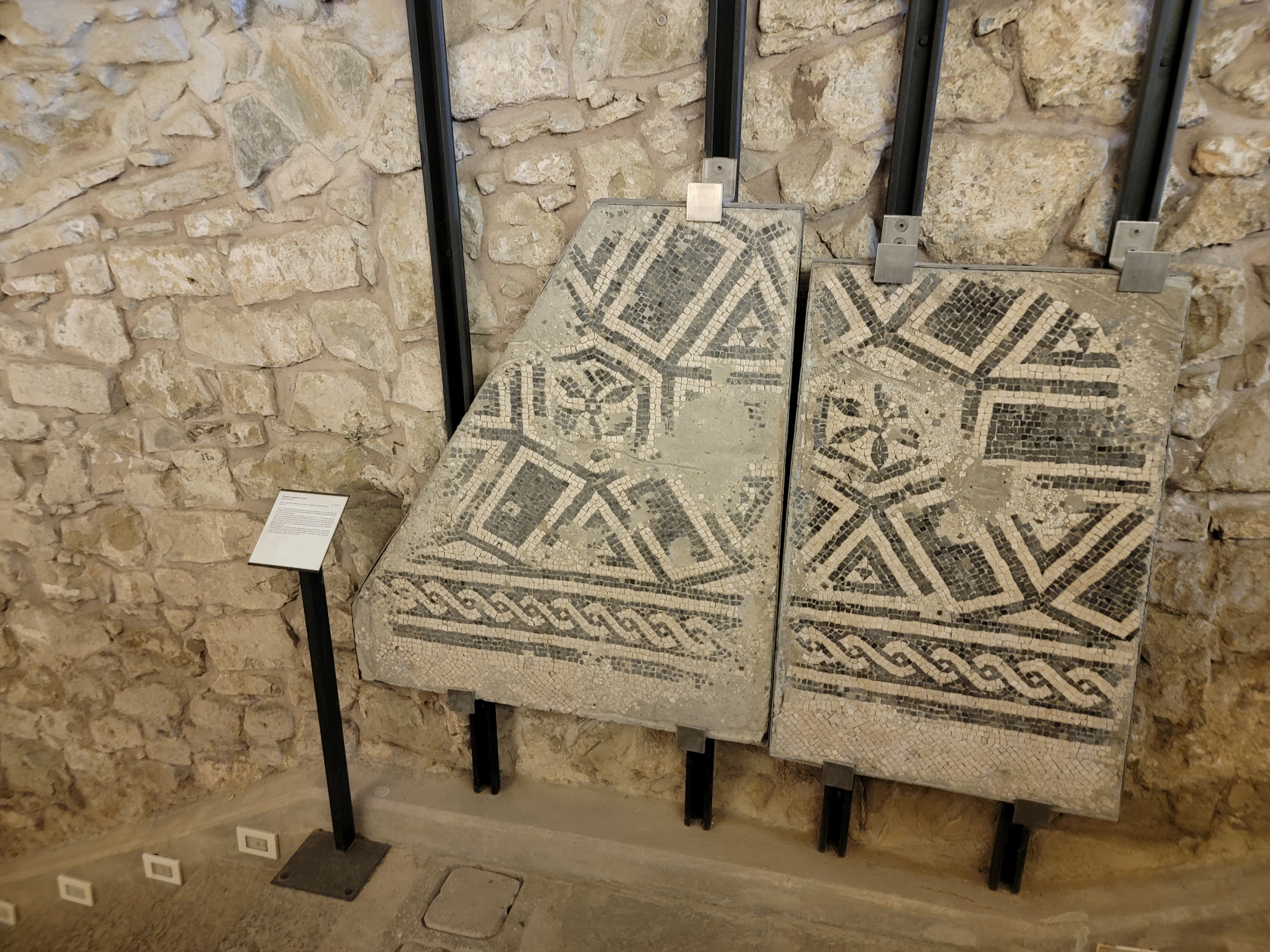
It has both an impressive armory museum and a Lapidary, which contains a myriad of ancient mosaic tiles and other artifacts.
Trieste – Castle di San Giusto
Trieste – Castle di San Giusto
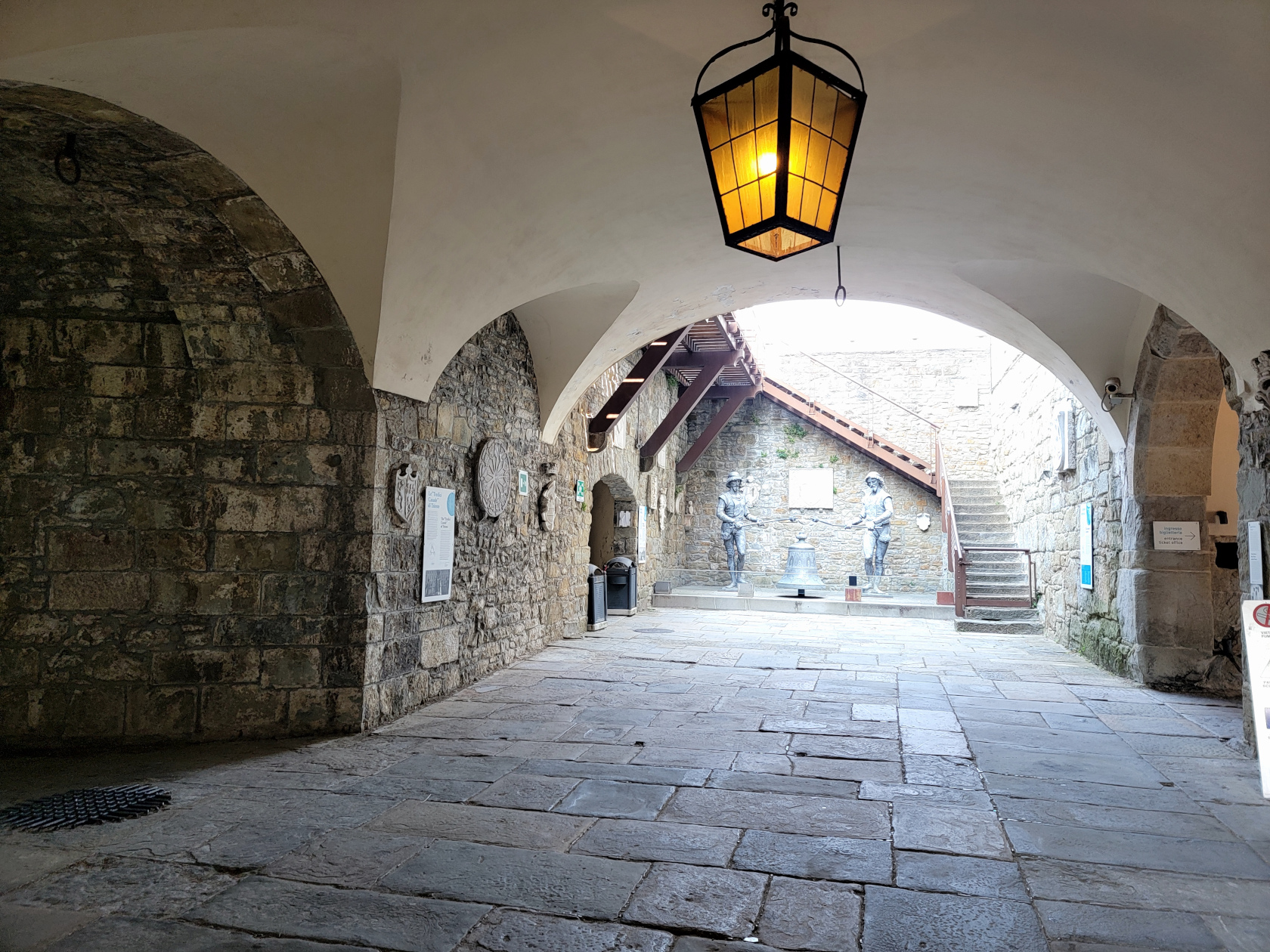
Trieste – Castle di San Giusto – Entrance
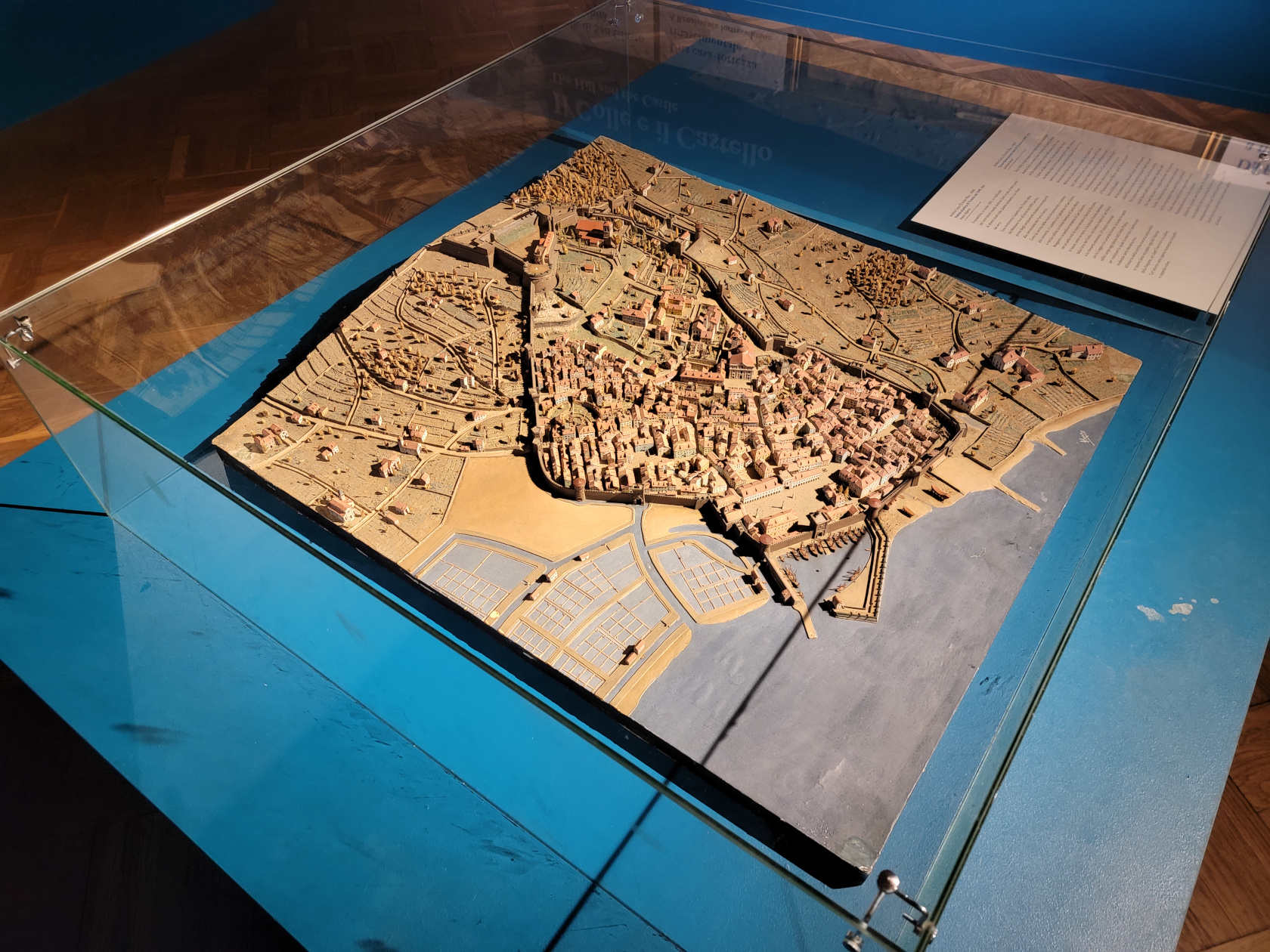
Trieste – Castle di San Giusto – Map of Trieste
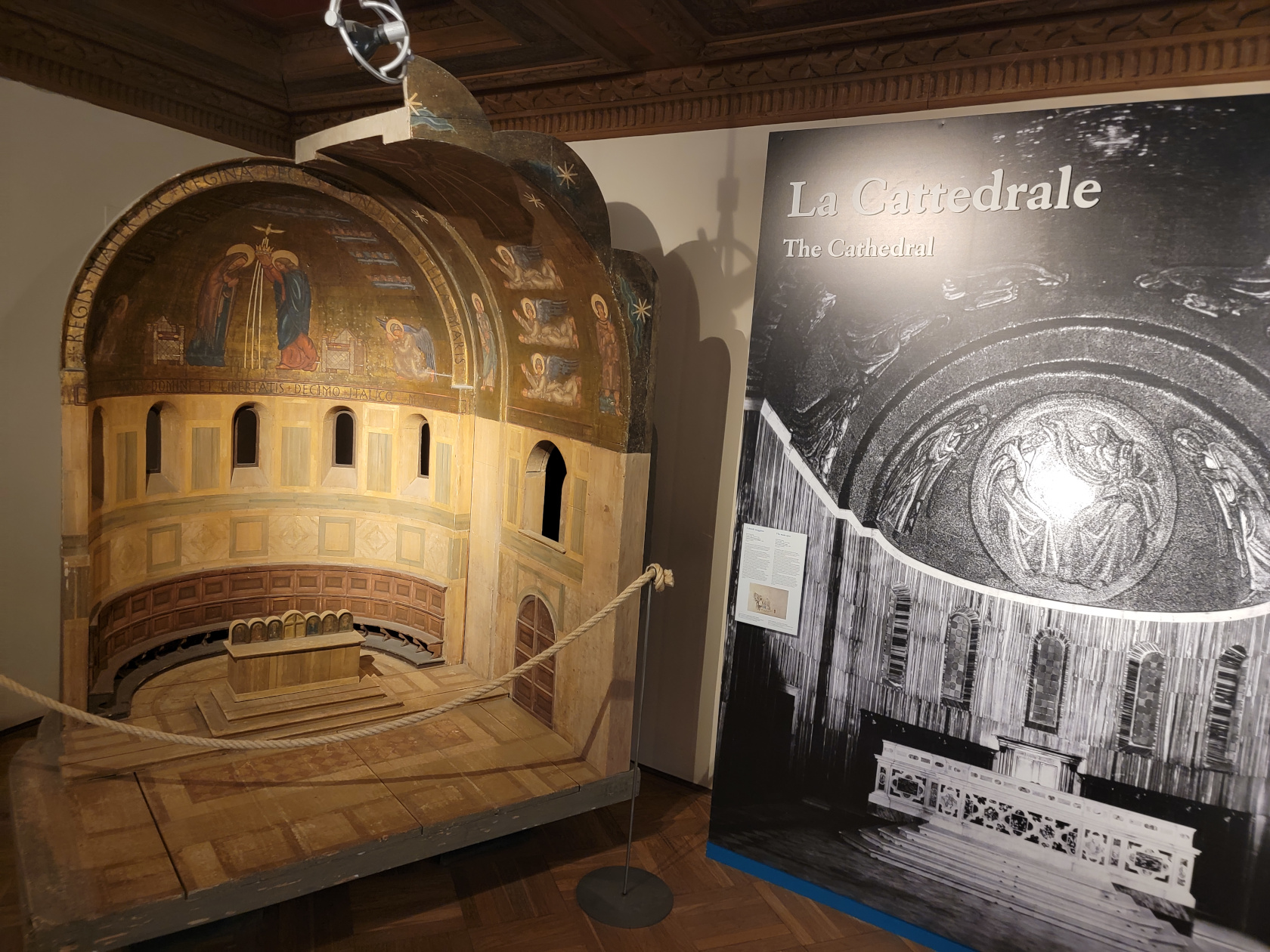
Trieste – Castle di San Giusto – The Cathedrale
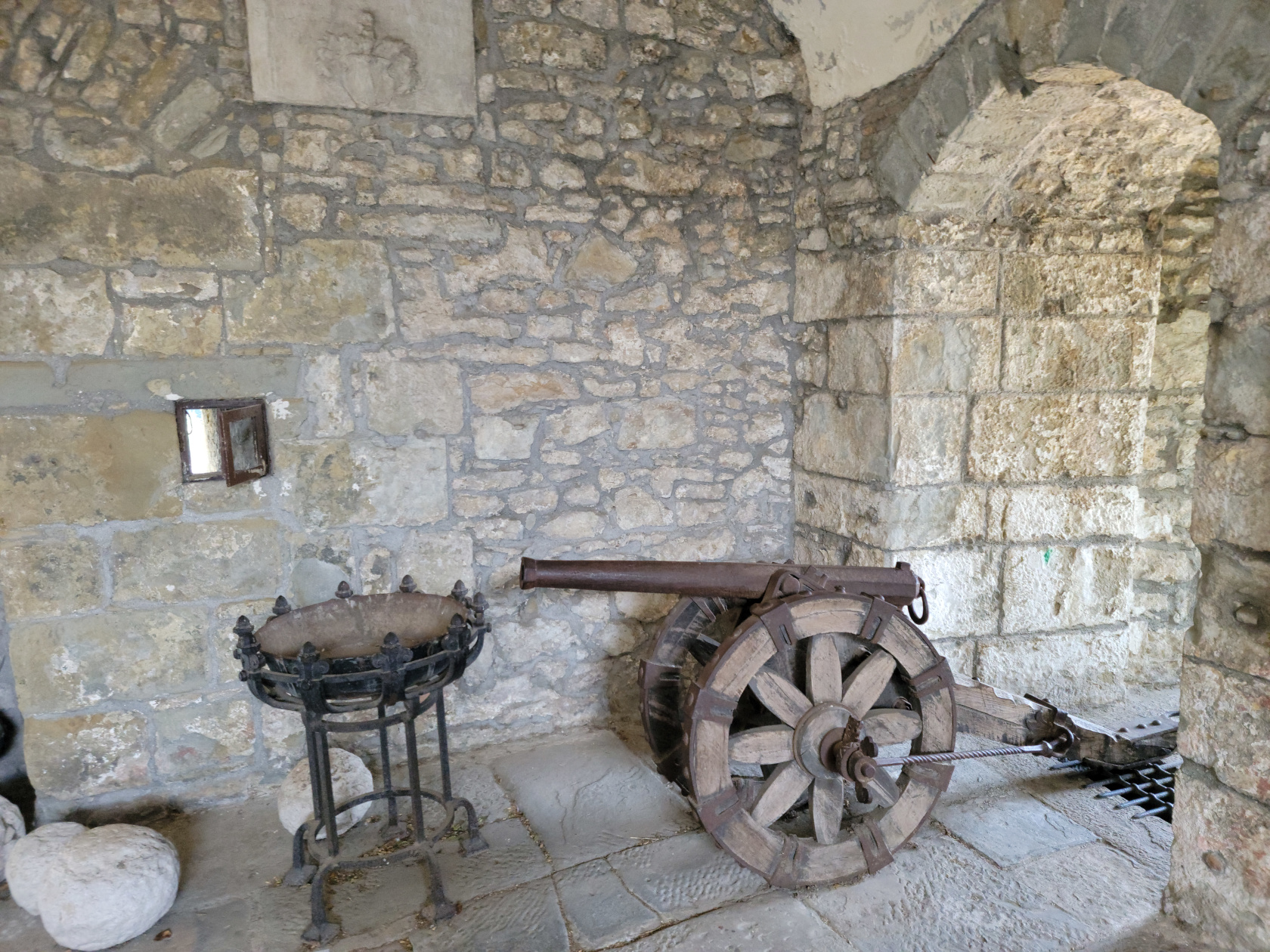
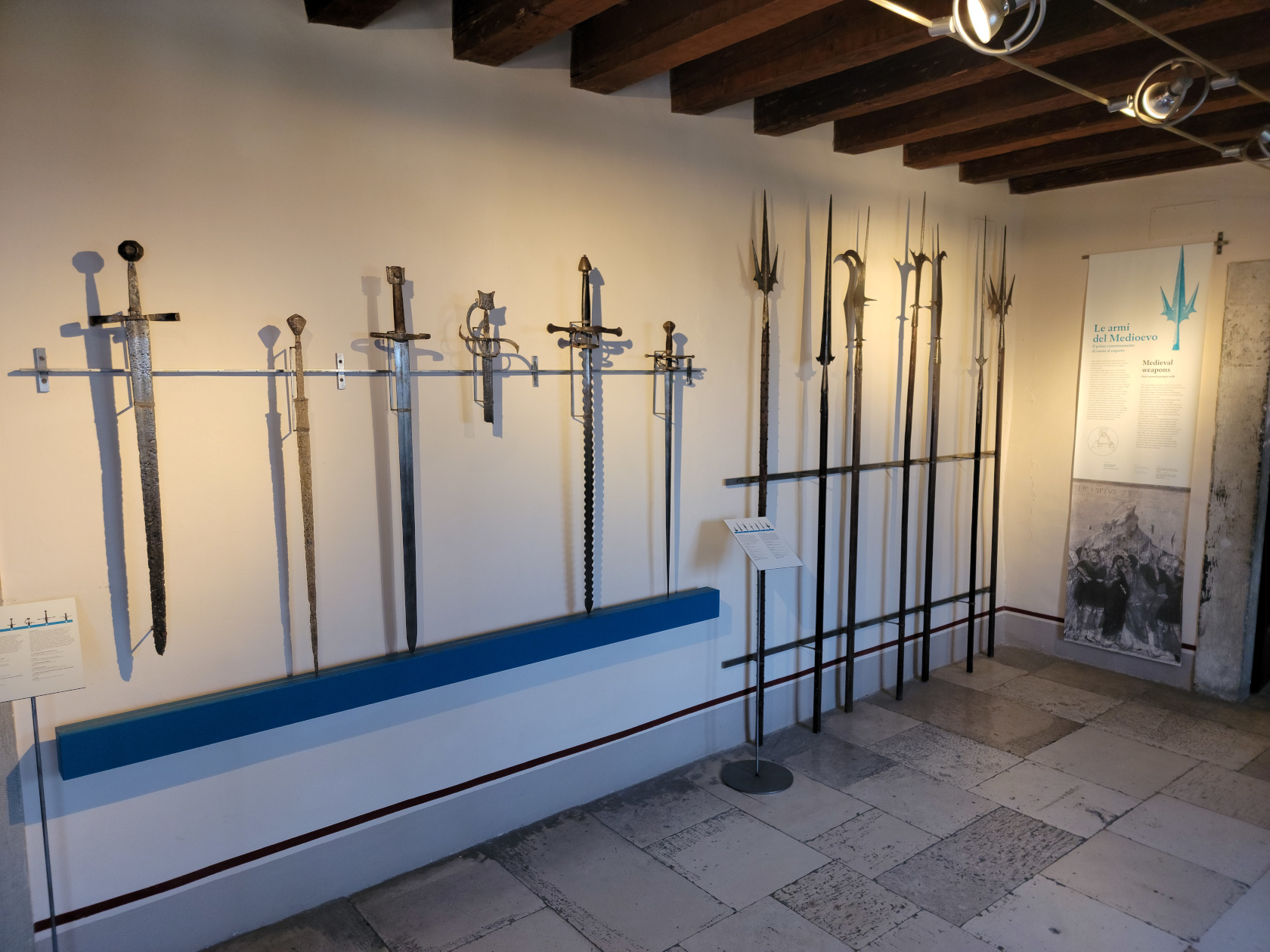
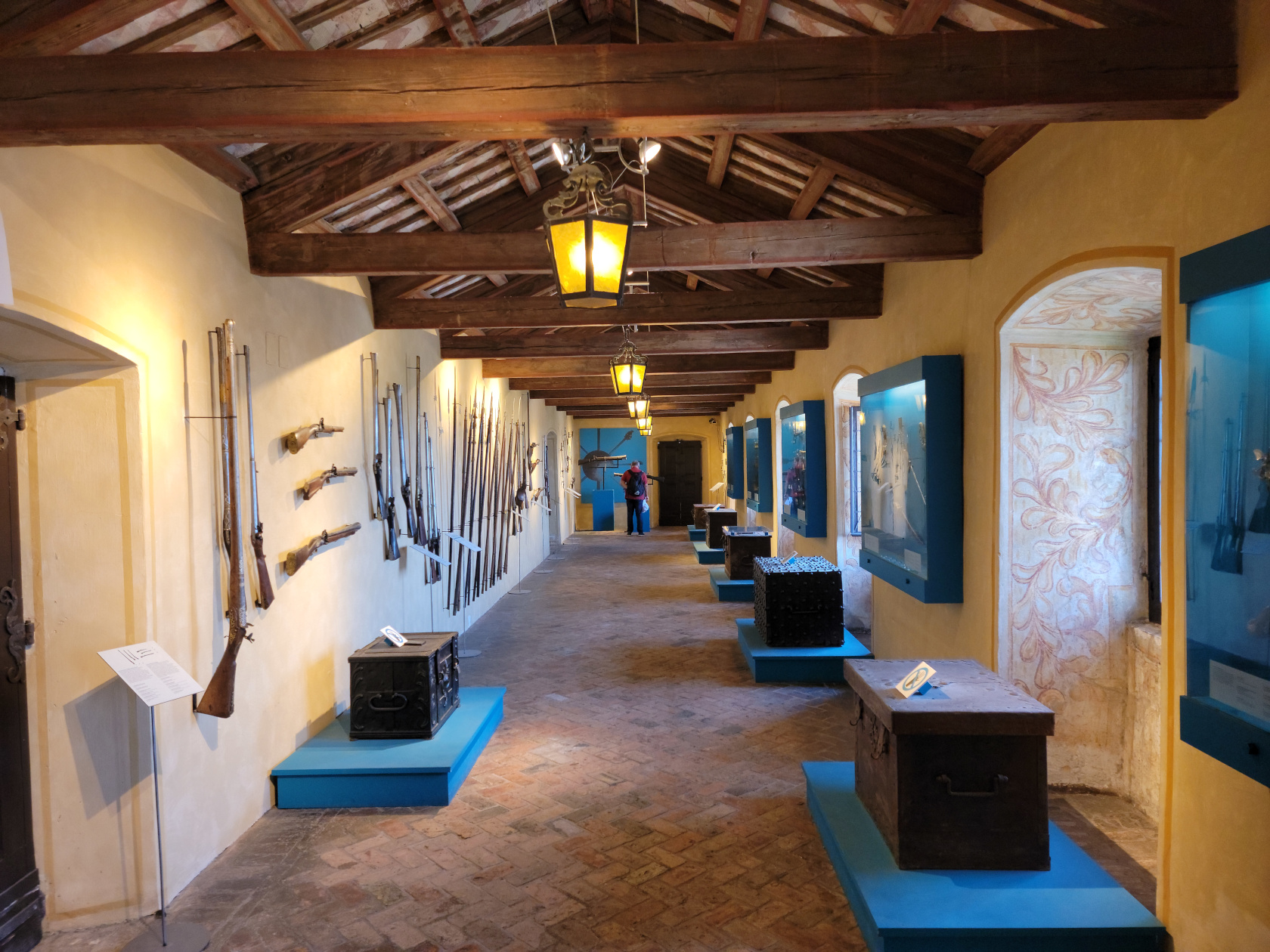
Trieste – Castle di San Giusto – The Armory
Trieste – Castle di San Giusto – The Armory
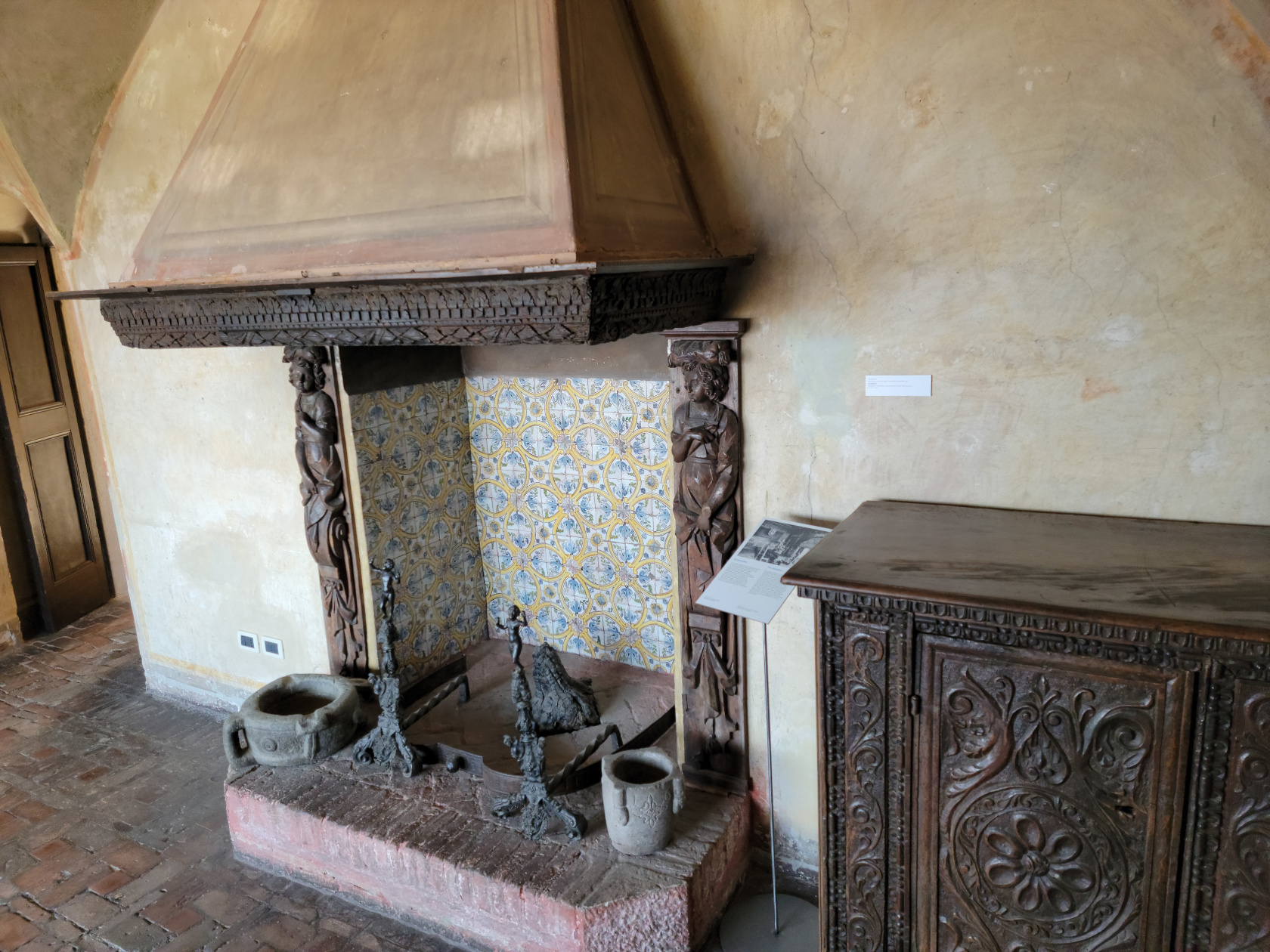
Trieste – Castle di San Giusto – Fireplace
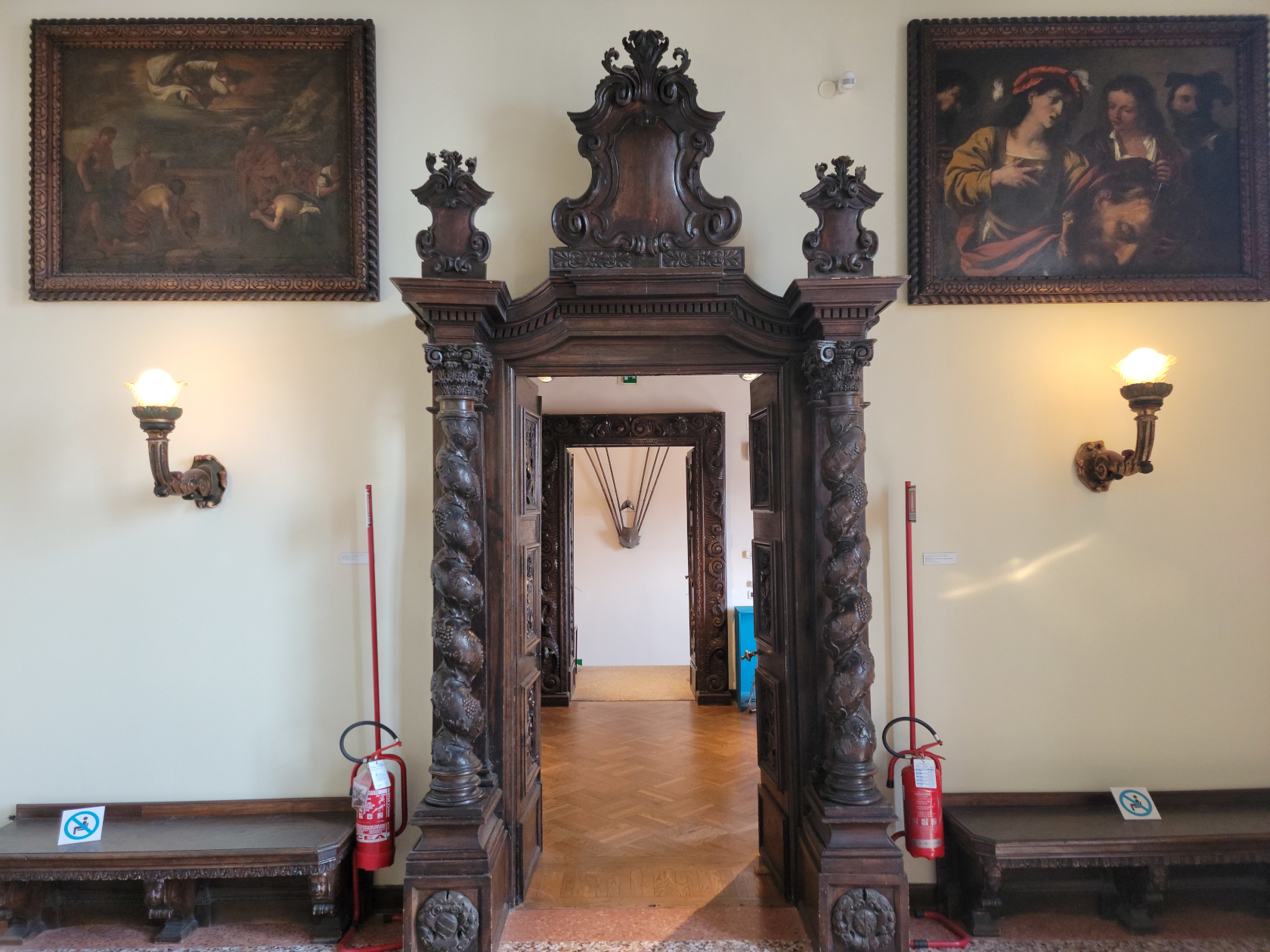
Trieste – Castle di San Giusto – Elaborate Doorway
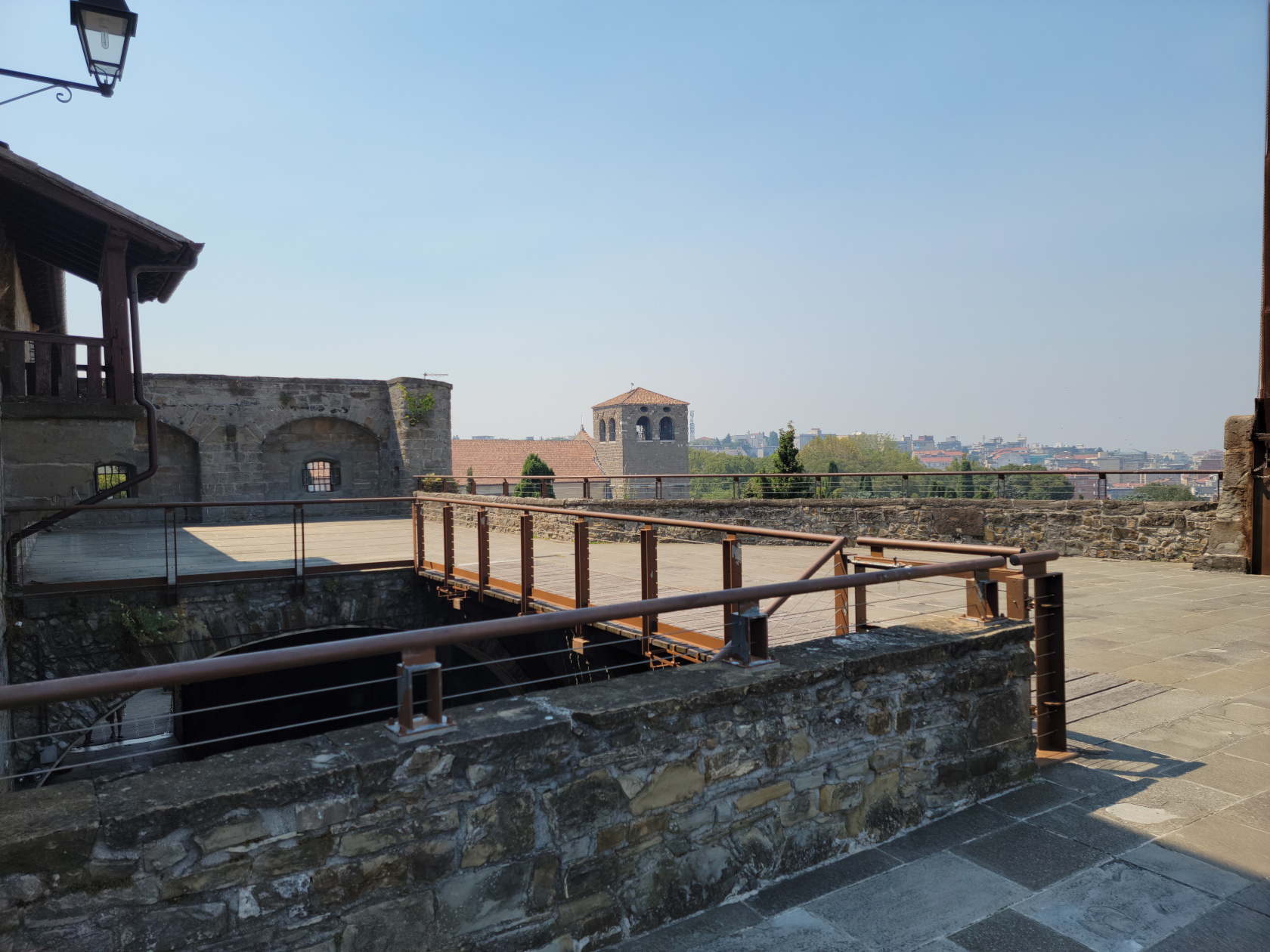
Trieste – Castle di San Giusto – Ramparts
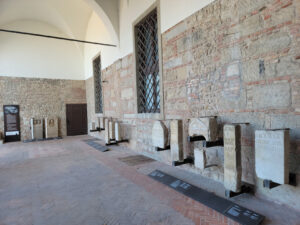
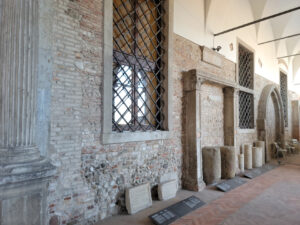
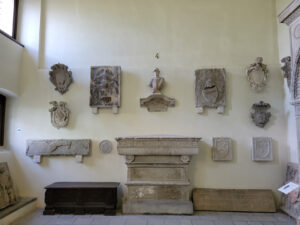
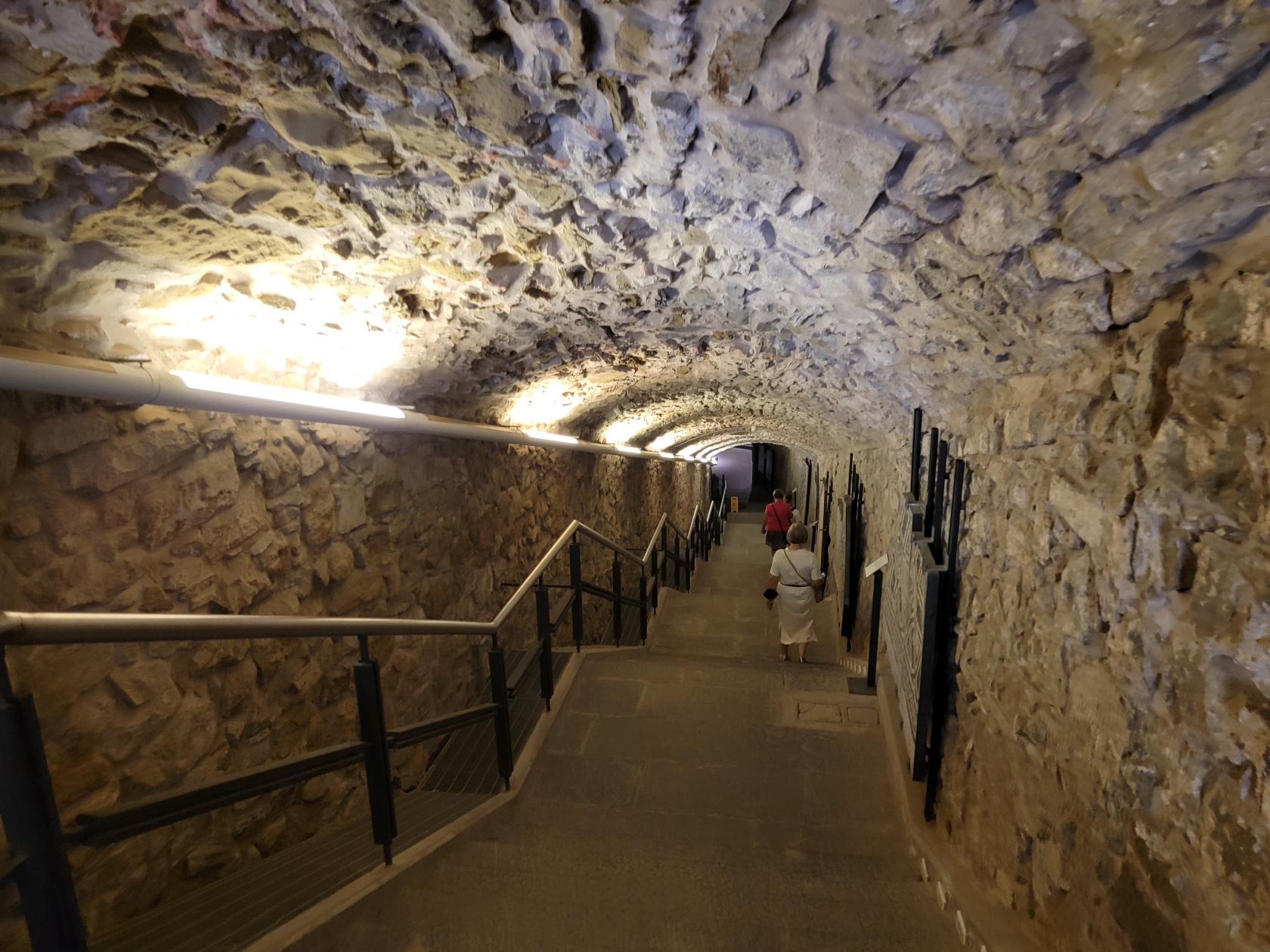
Trieste – Castle di San Giusto – Lapidary
Trieste – Castle di San Giusto – Lapidary – Mosaics
Trieste – Castle di San Giusto – Lapidary – Statues
Trieste – Castle di San Giusto – Lapidary – Statues and Reliefs
Trieste – Castle di San Giusto – Lapidary – Lintels
Trieste – Castle di San Giusto – Lapidary – Mosaics
Trieste Grand Canal
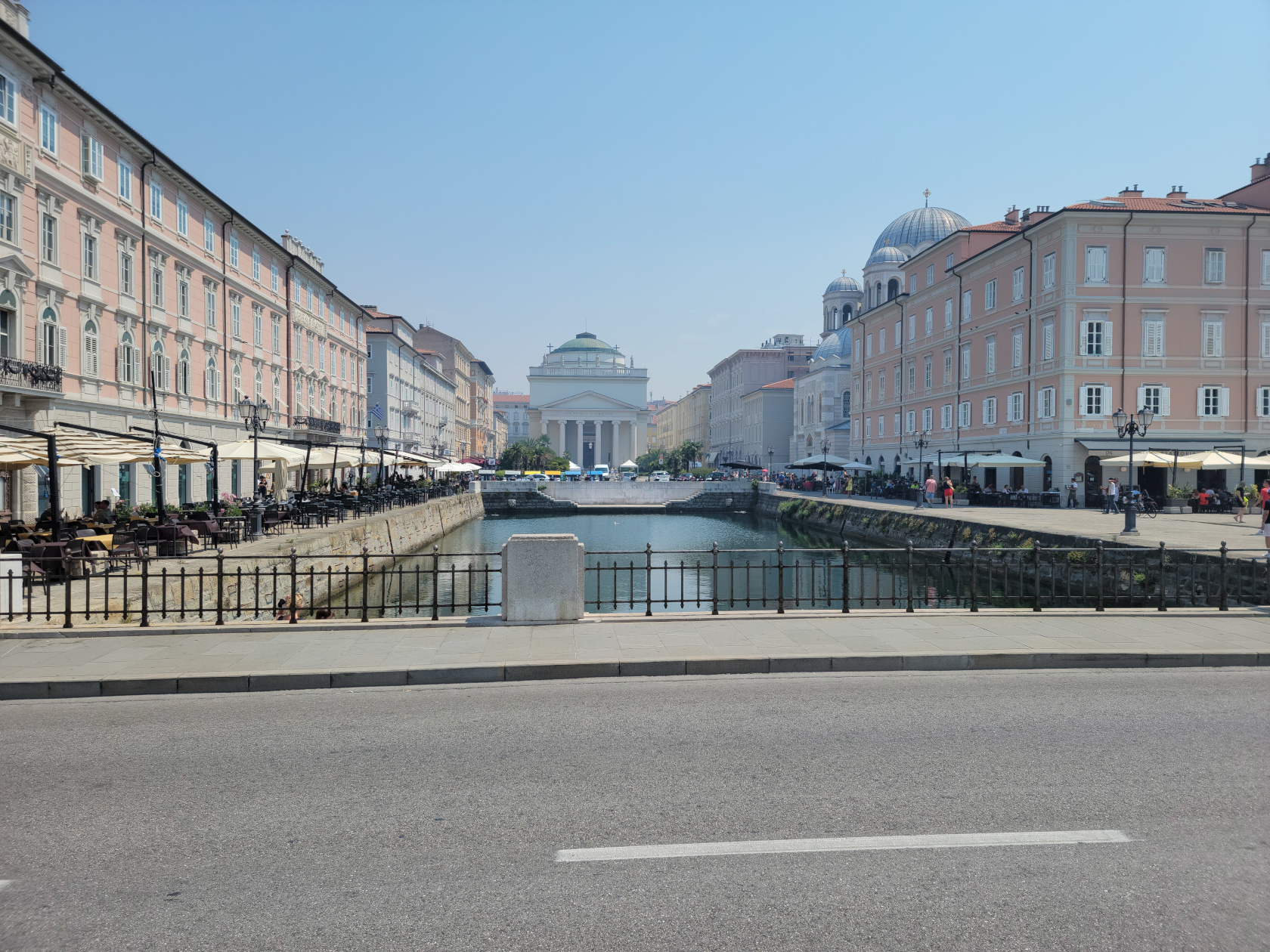
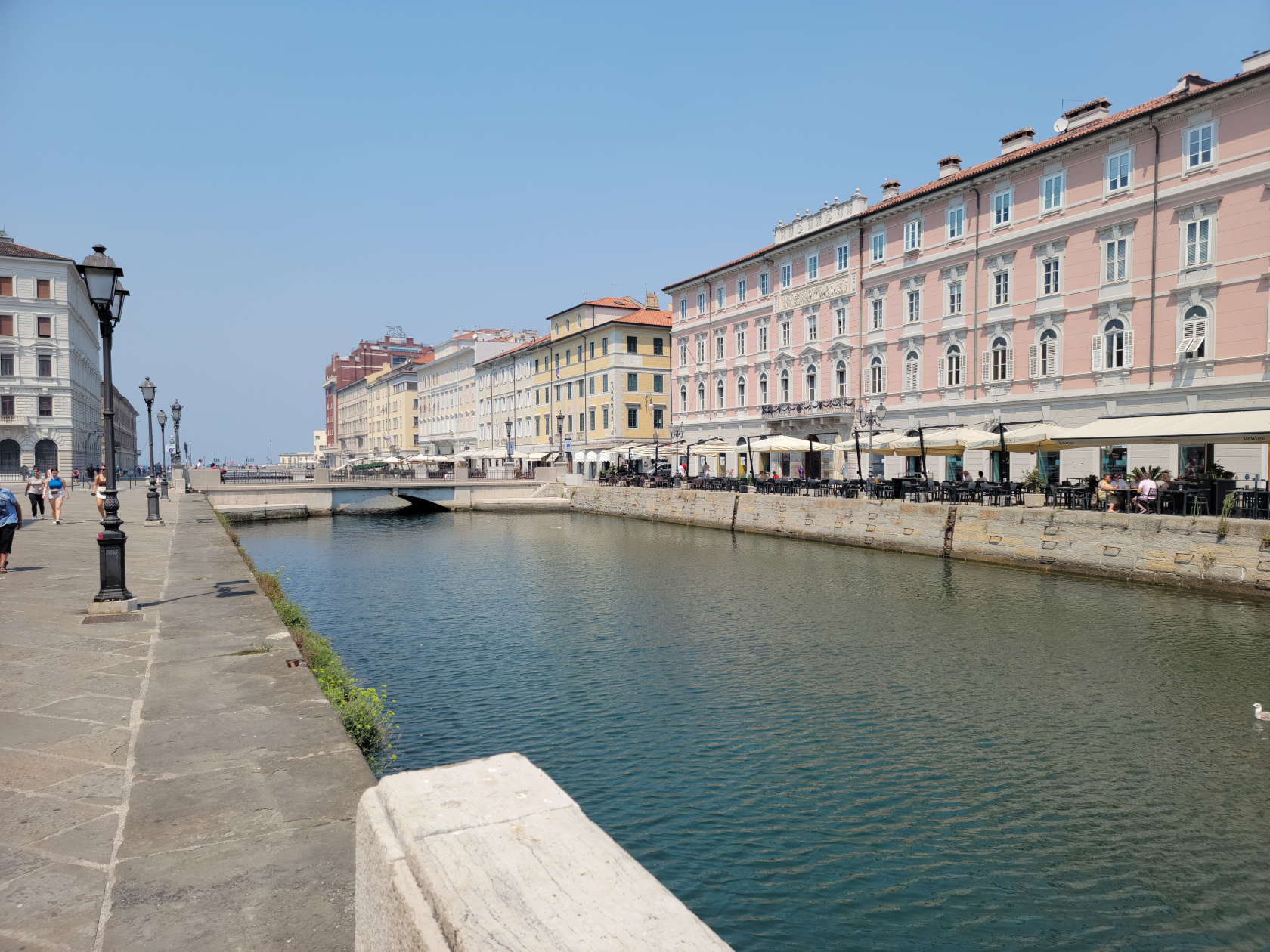
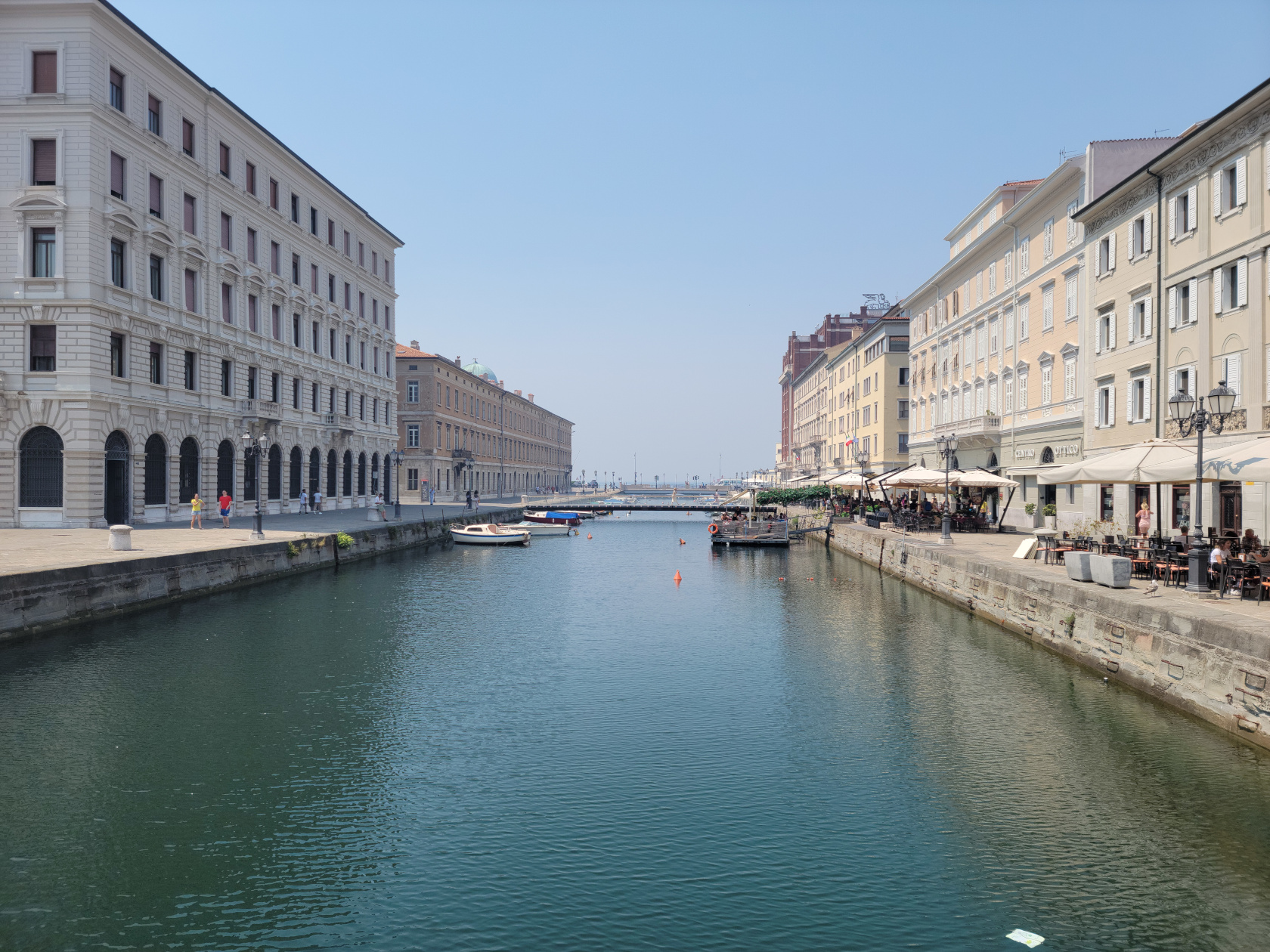
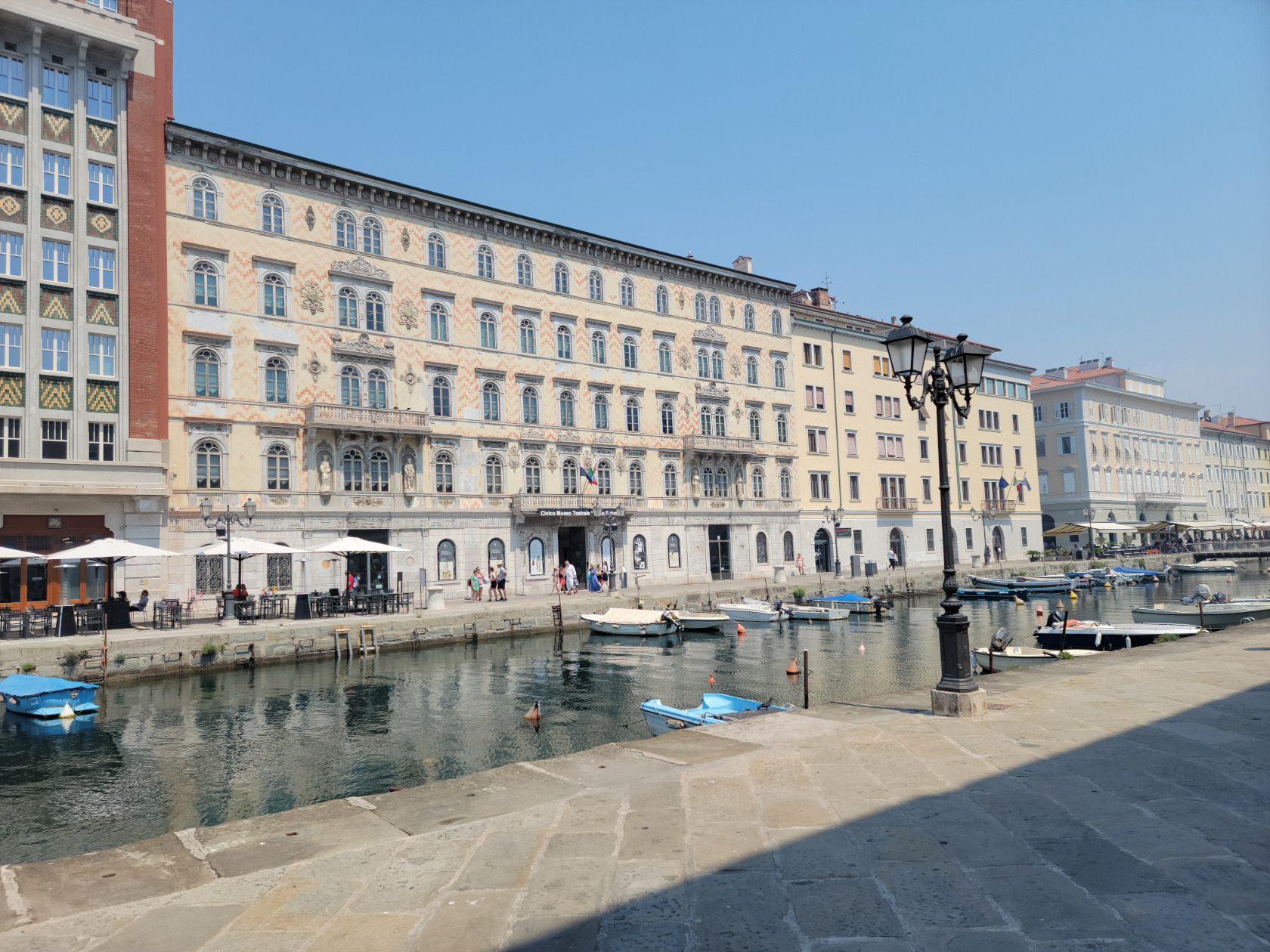
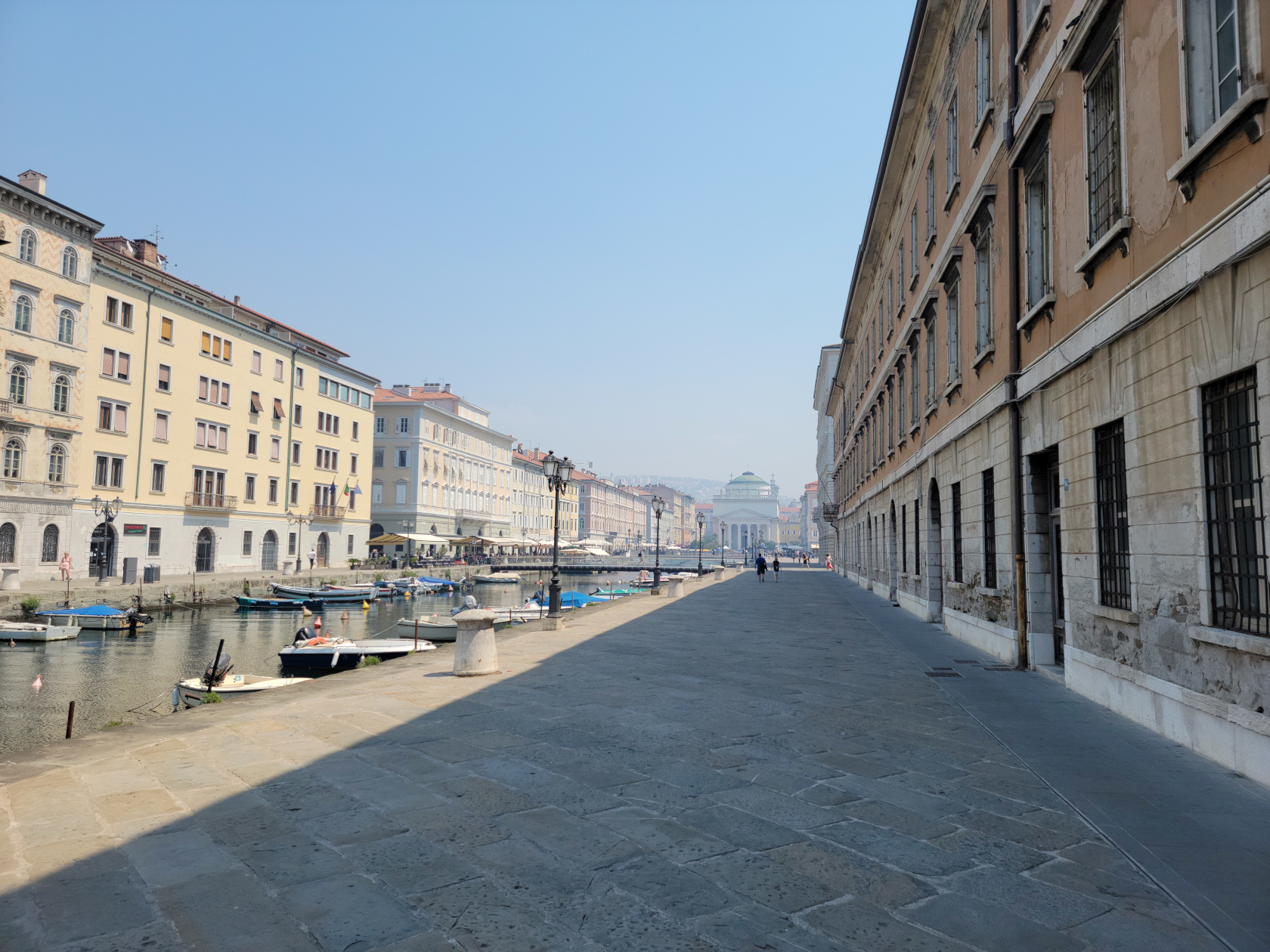
Being a port city, there are several things to see by the water, the Grand Canal is probably the first thing you will notice. It is actually a very nice place to have lunch, since there are a number of restaurants and cafes along the via Vincenzo Bellini, or the street where the Grand Canal is located.
Trieste – The Grand Canal – Church of Sant’Antonio Nuovo
Trieste – The Grand Canal – Restaurants
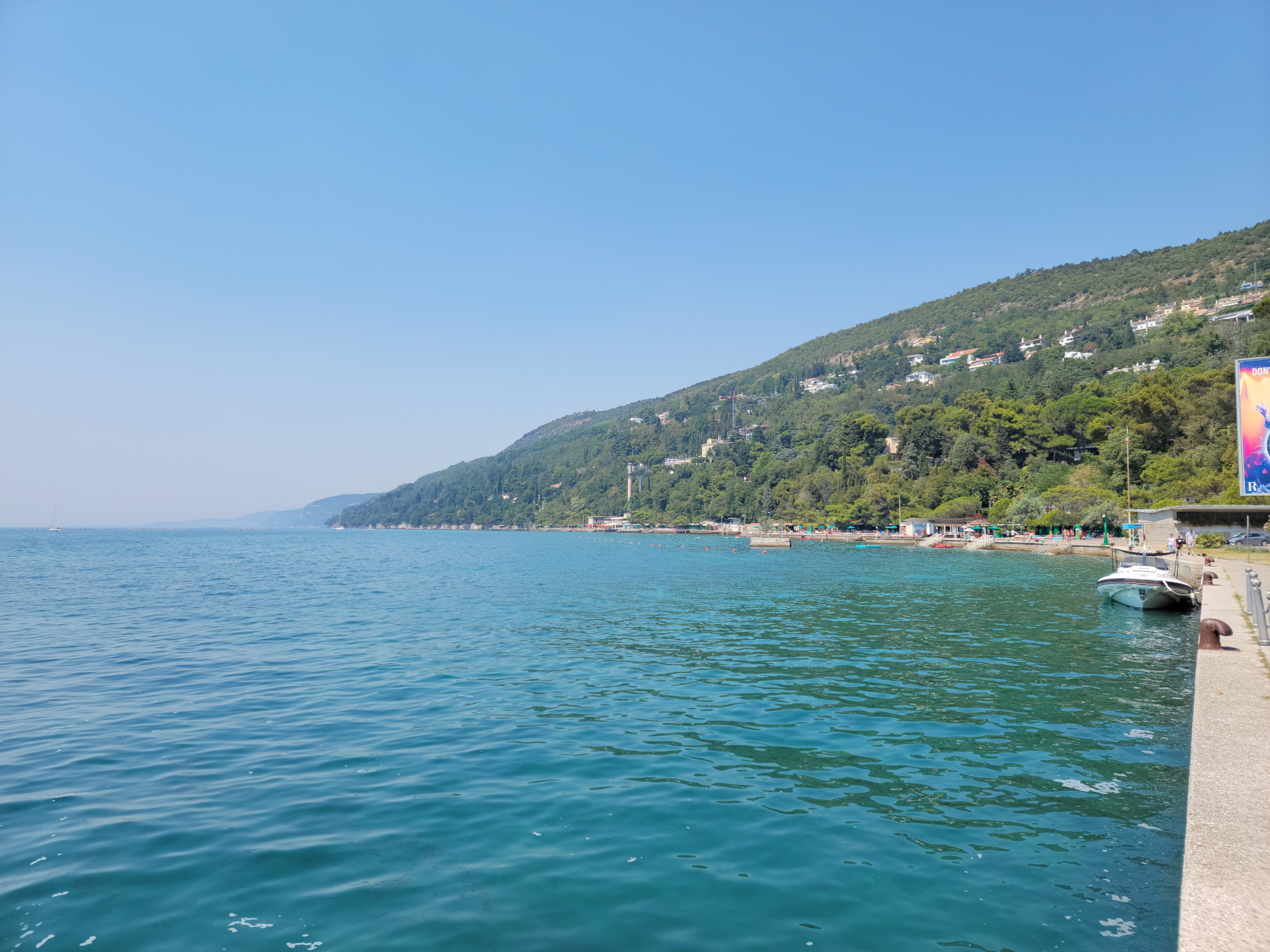
Trieste – The Grand Canal – Looking toward the Sea
Trieste – The Grand Canal – Boats
Trieste – The Grand Canal
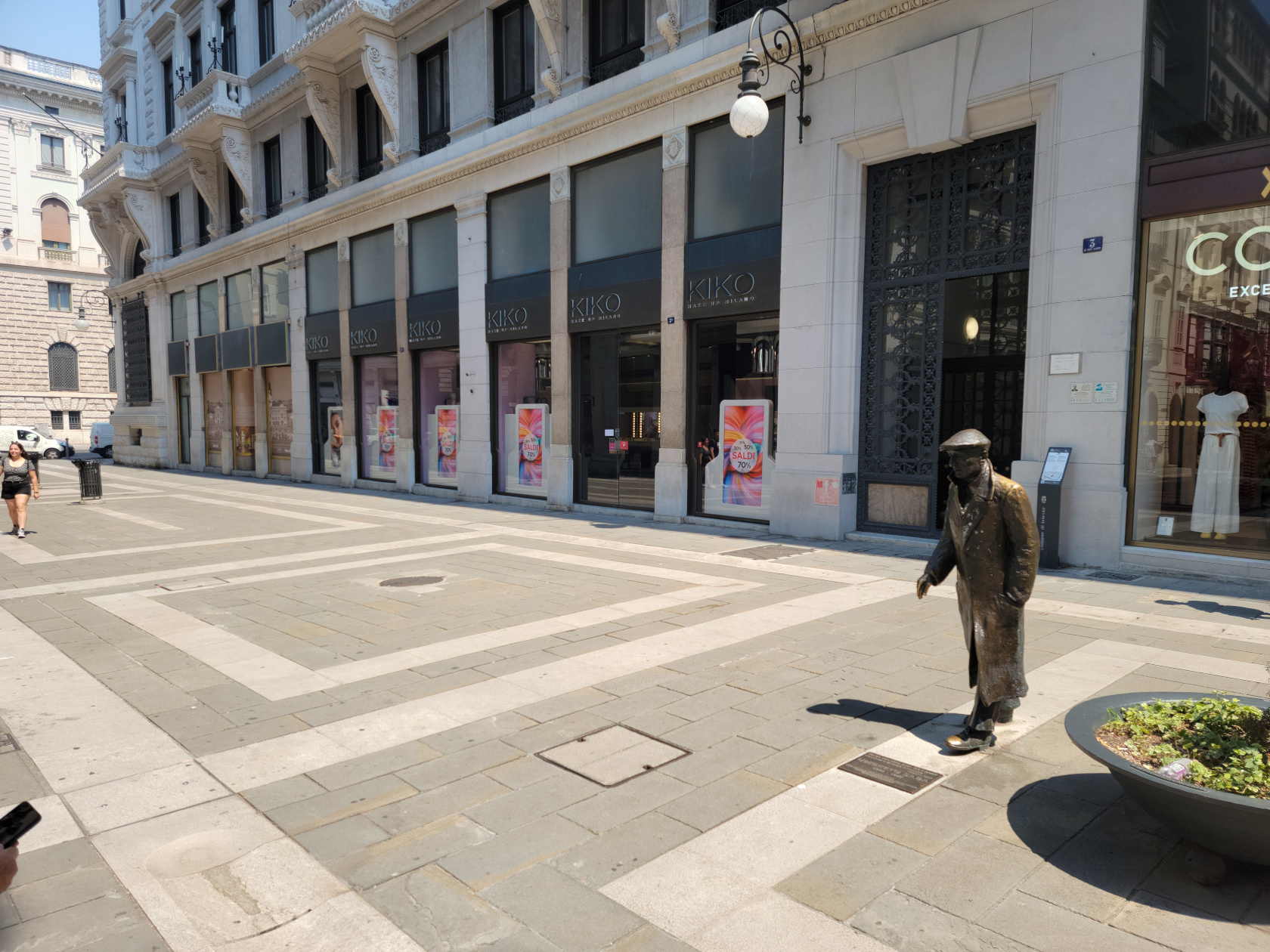
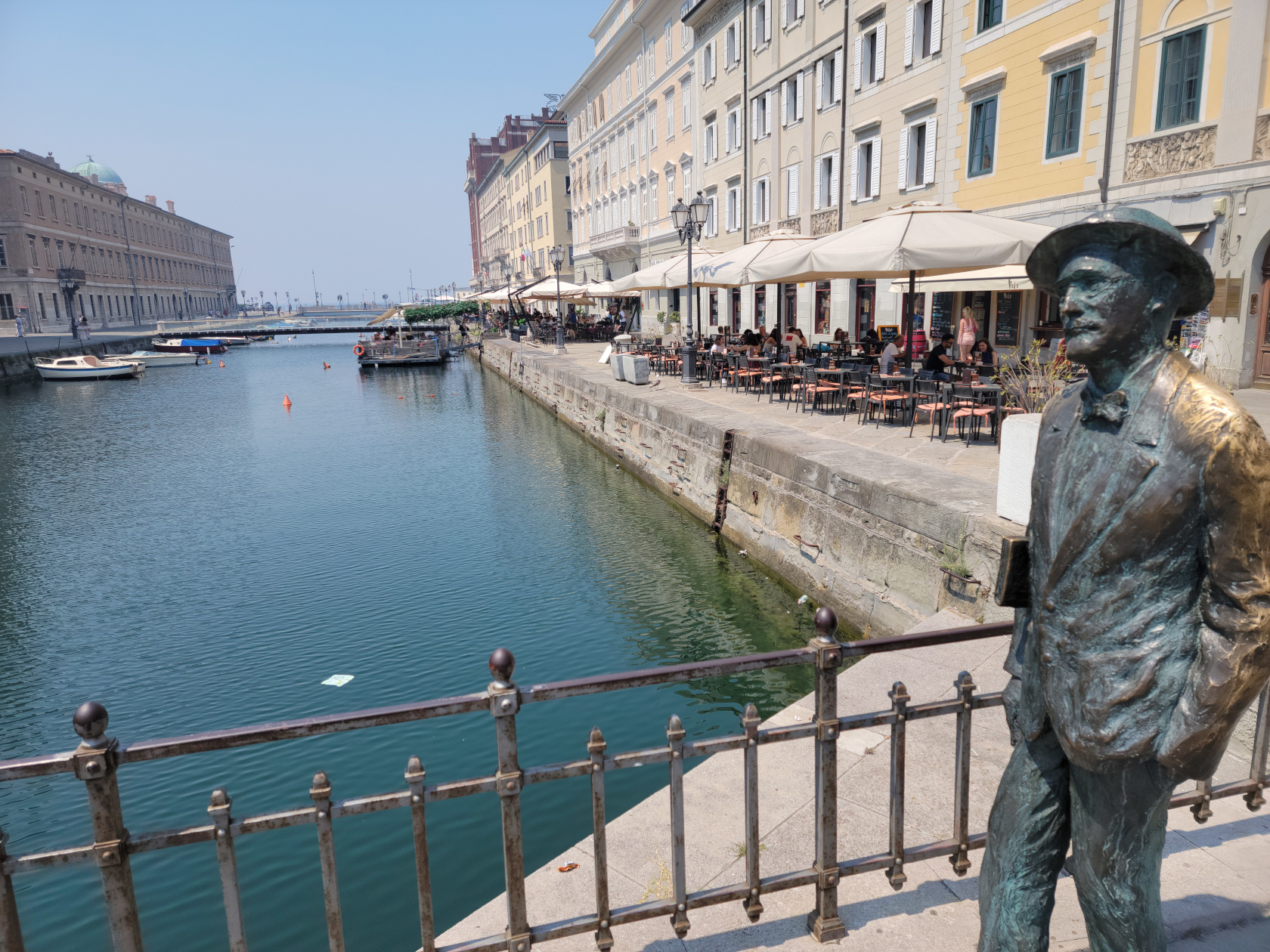
Bronze Statues
There are several bronzes throughout the city, most celebrating famous individuals who have lived here for a time. Here are a few.
Tucked along the eastern bank of the River Po and within the confines of the Metropolitan City of Turin sits Moncalieri. No more than a fifteen minute bike ride for me down the Corso Moncalieri from our apartment in Turin, it took us a twenty minute walk to the train station, followed by a twenty-five minute train ride, with a change in Lingotto. Of course, there are other options, but none that we could take conveniently from where we live in Turin.
Tickets for Two – Moncalieri – Turin
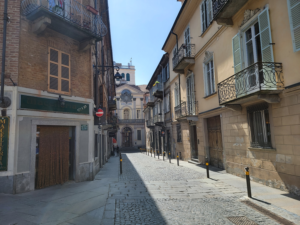
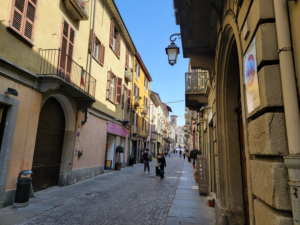
Moncalieri – The Town
A quick hop off the train and you may bump into the weekly market, if you travel there on the weekend. This is the traditional market that most places in Italy entertain at least once a week, so that locals can buy everything from household goods, cheap everyday things like sponges, to more exotica like gold coins and older things, some would like to call antiques.
Train station – Moncalieri, Turin
Once you have left the train station and navigated the small Borgo Navile, where the market is held, you will find the center of town by walking the via San Martino.
Municipal Building – Moncalieri, Turin
Via S. Martino – Moncalieri – Turin
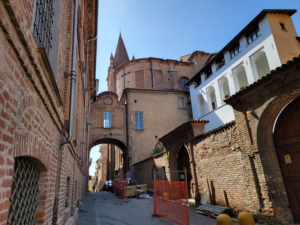
Church overpass of street – Moncalieri, Turin
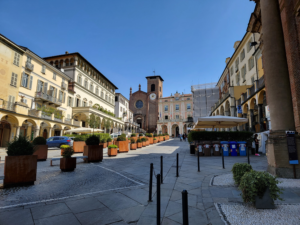
Piazza VIttorio Emanuele II – Moncalieri Center – Turin
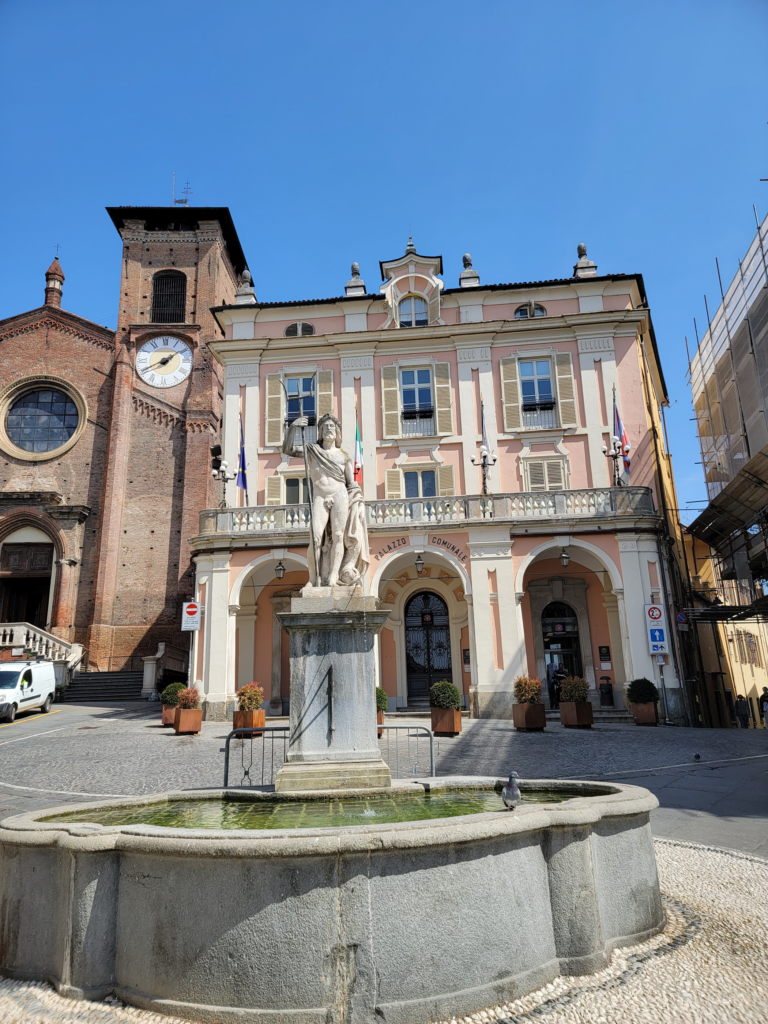
At the end of this short journey you will find the Piazza Vittorio Emanuele II[1]Named after the King of the same name, the castle of Moncalieri was his favorite summer retreat, the town’s main fountain and the Comune Building for Moncalieri. The significance of the Roman God Neptune is unclear, other than he was the Roman God of Fresh Water and the Sea, and that the fountain was most likely the main source of water before indoor plumbing for the town’s people.
Neptune Statue – Comune Building in Moncalieri Center – Turin
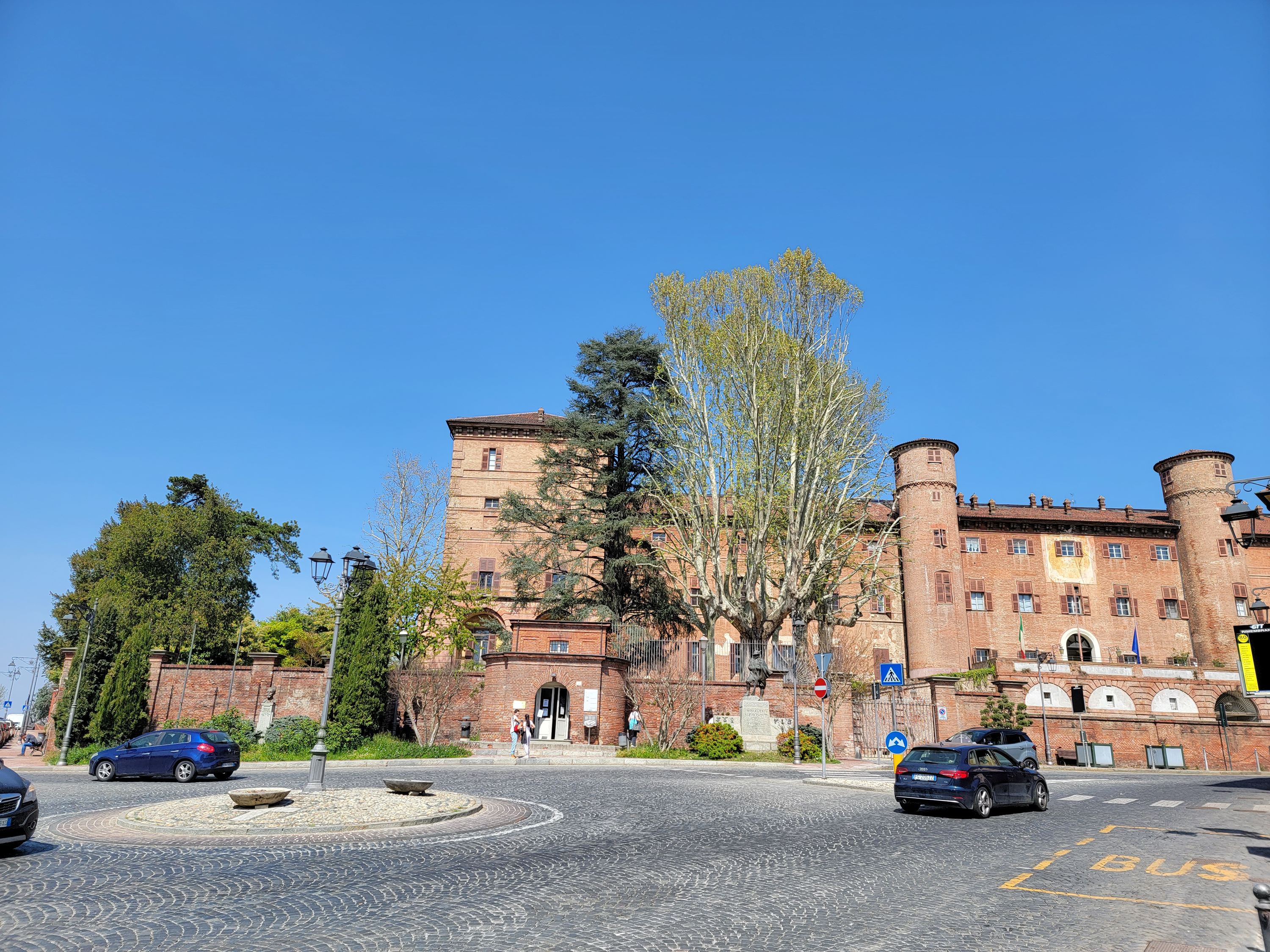
Castello Reale di Moncalieri
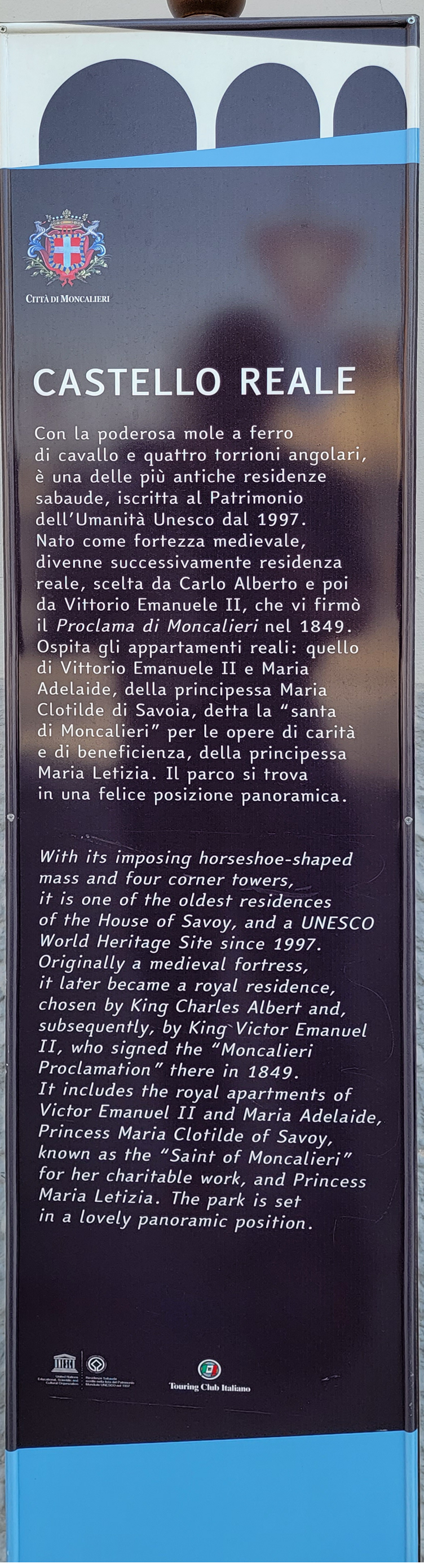
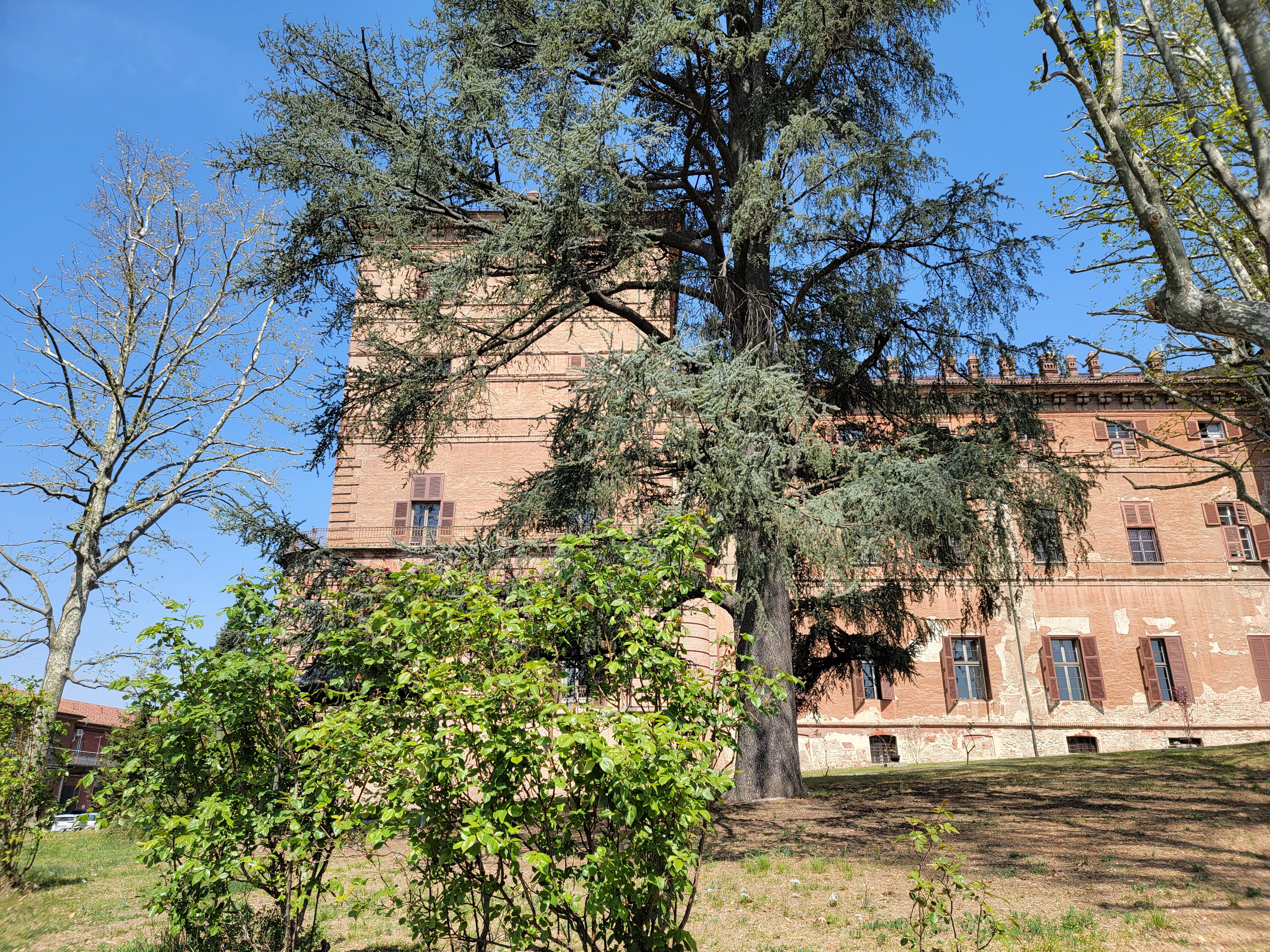
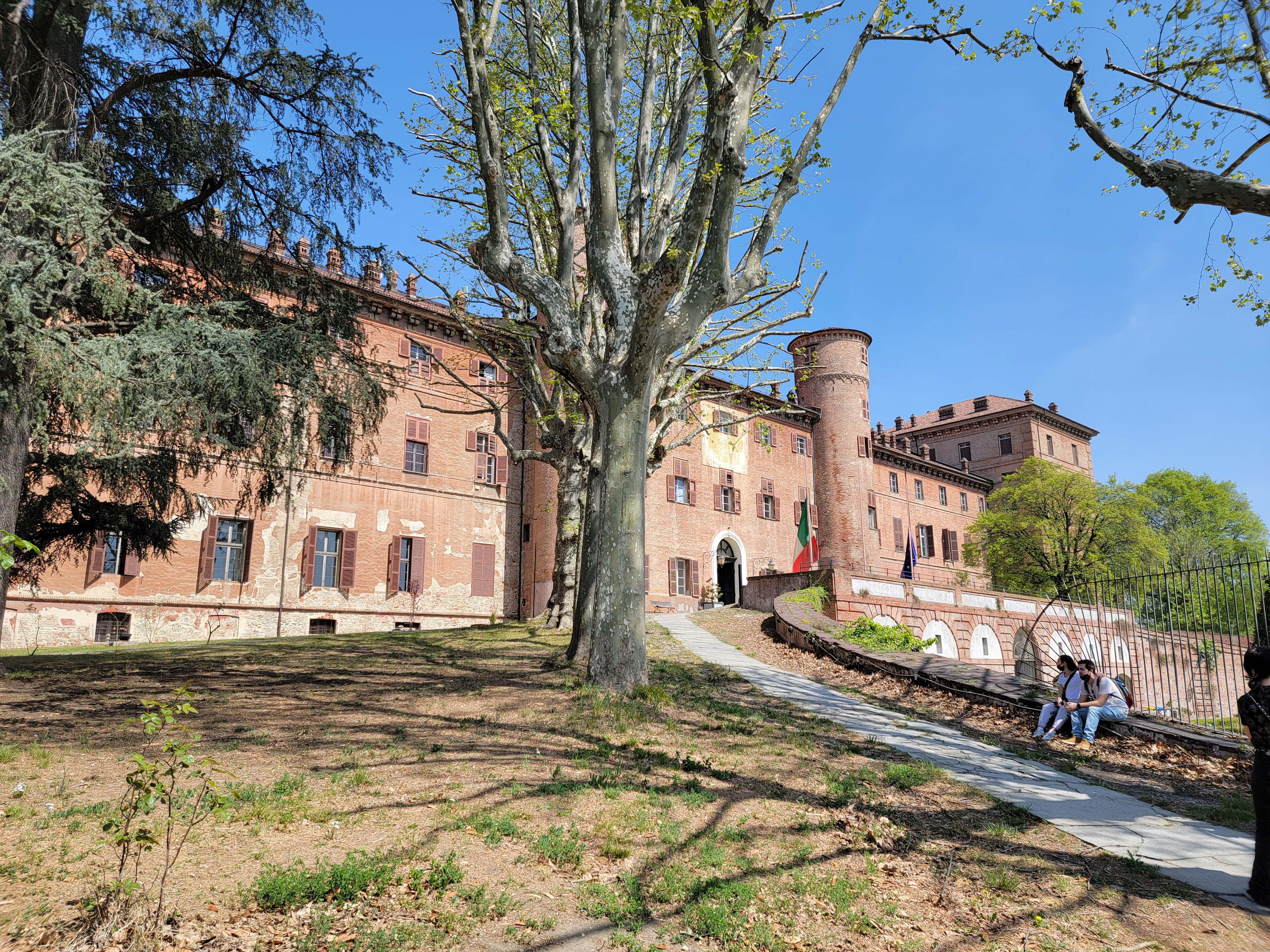
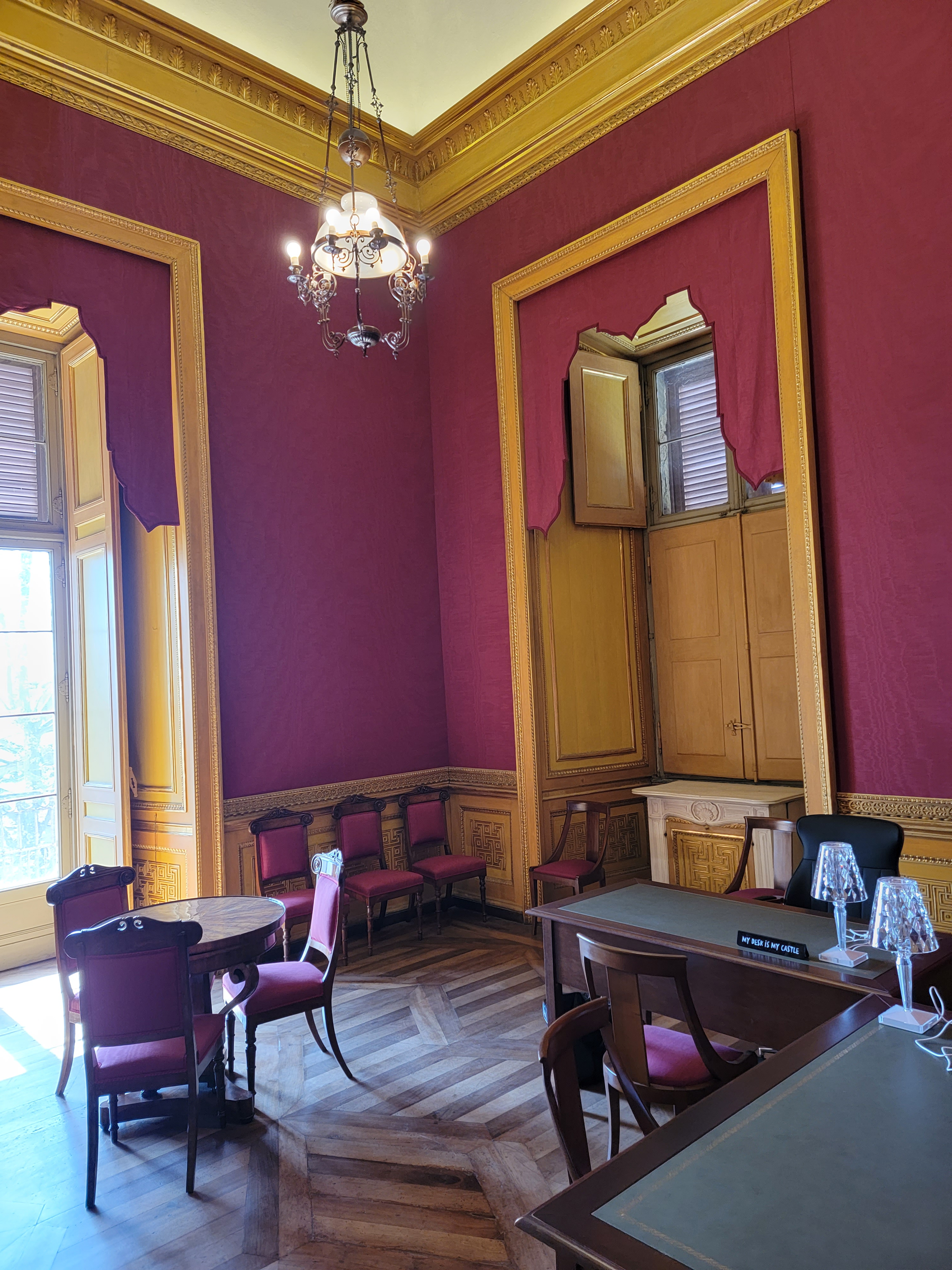
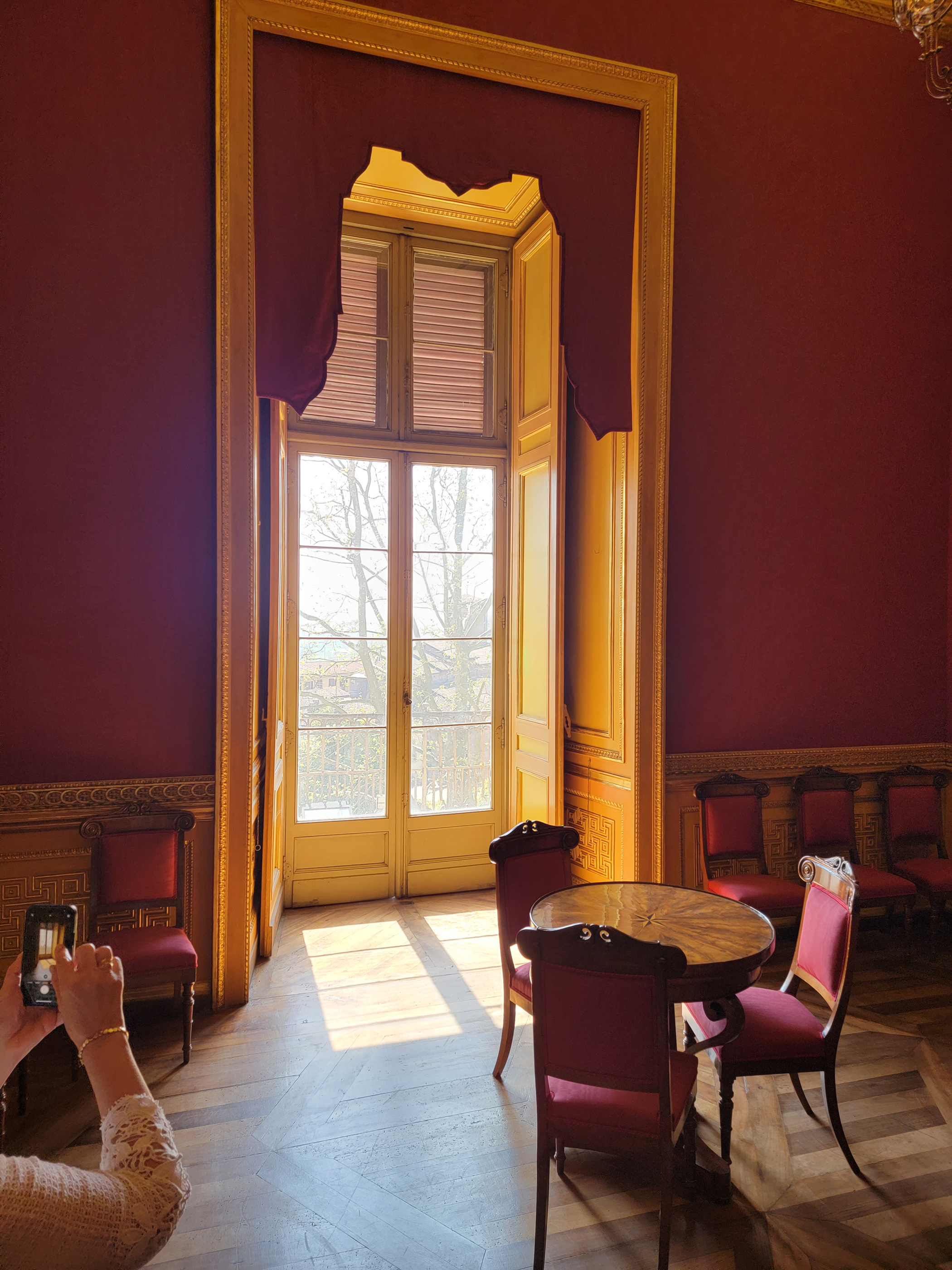
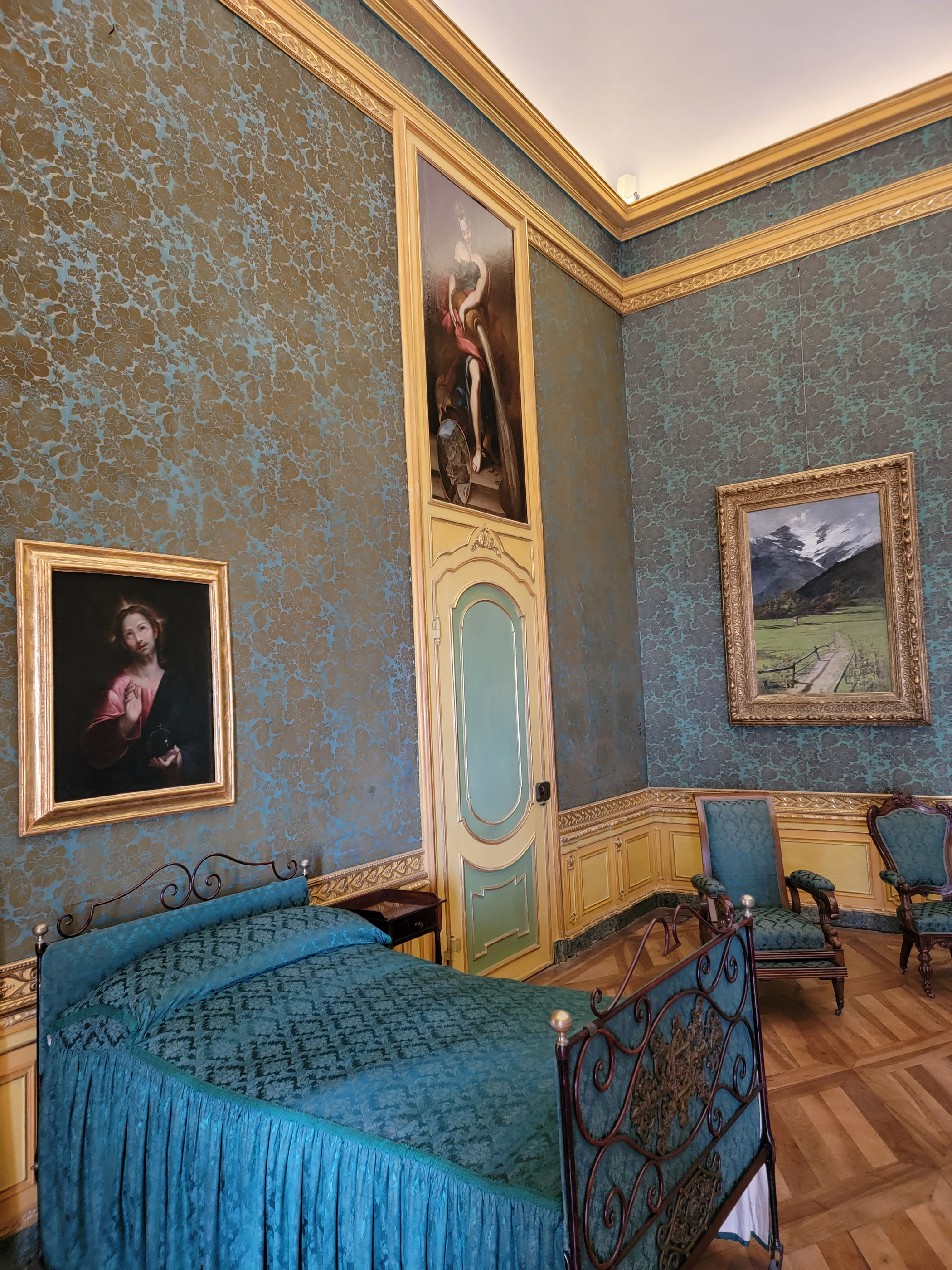
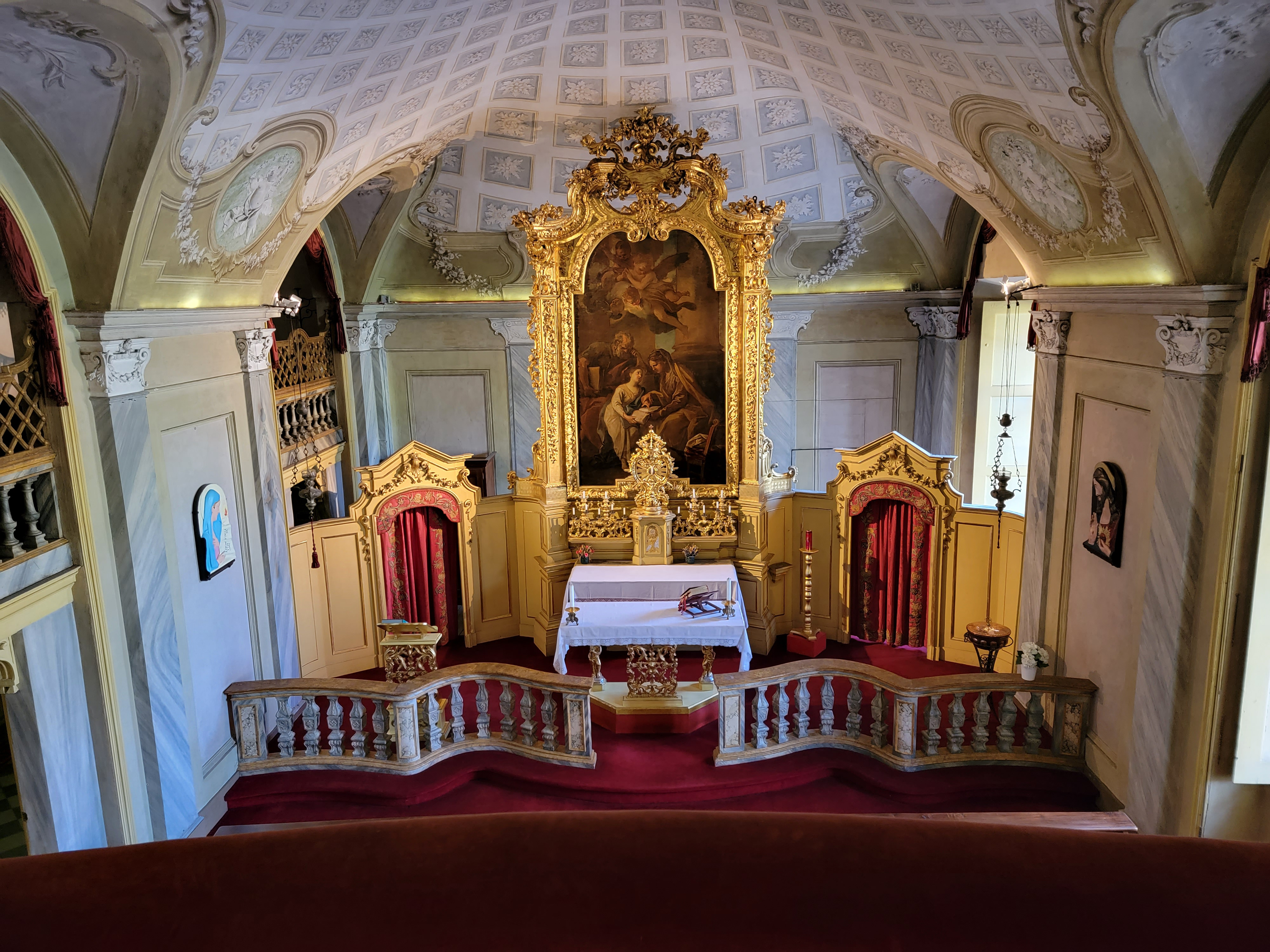
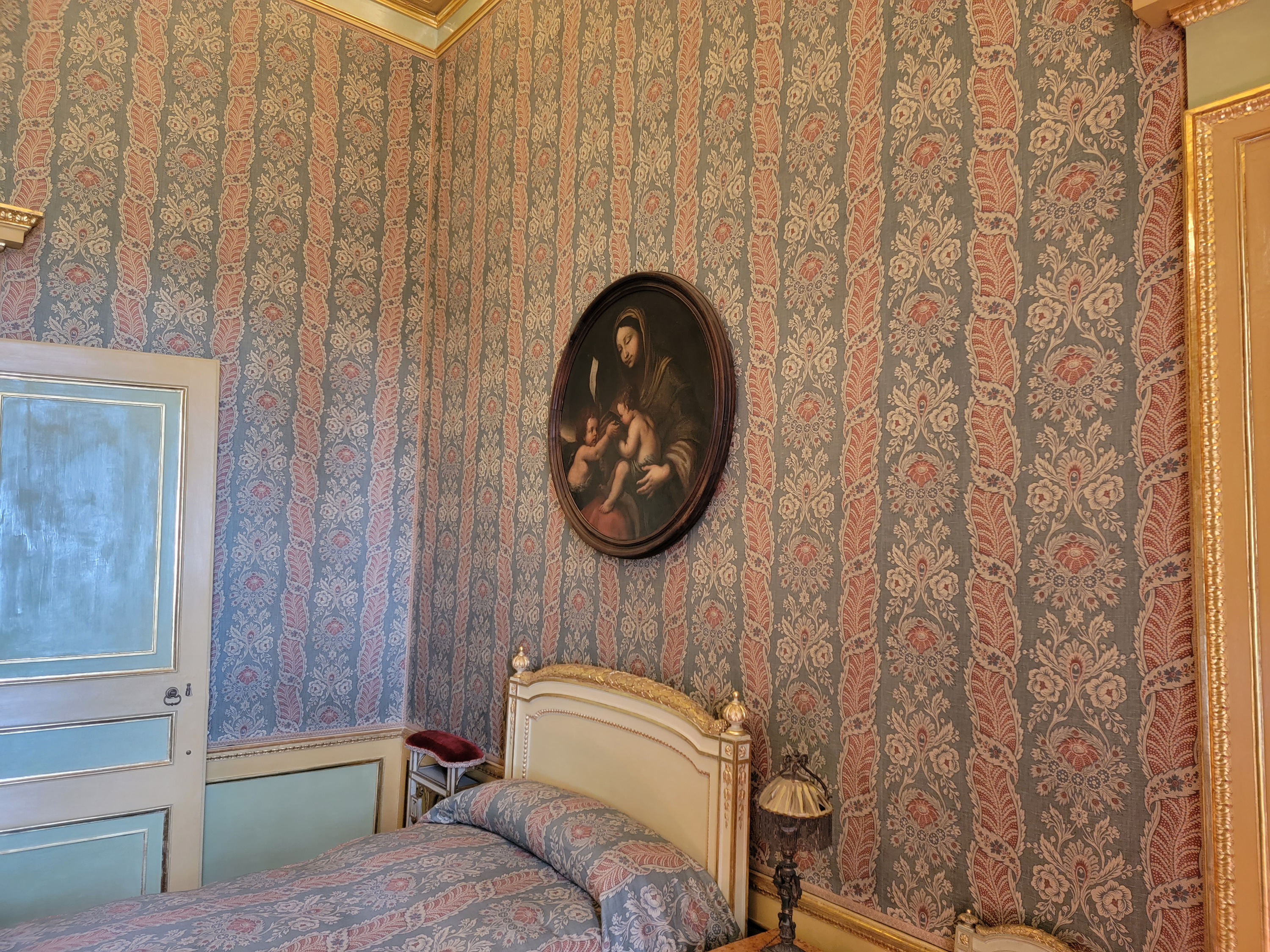
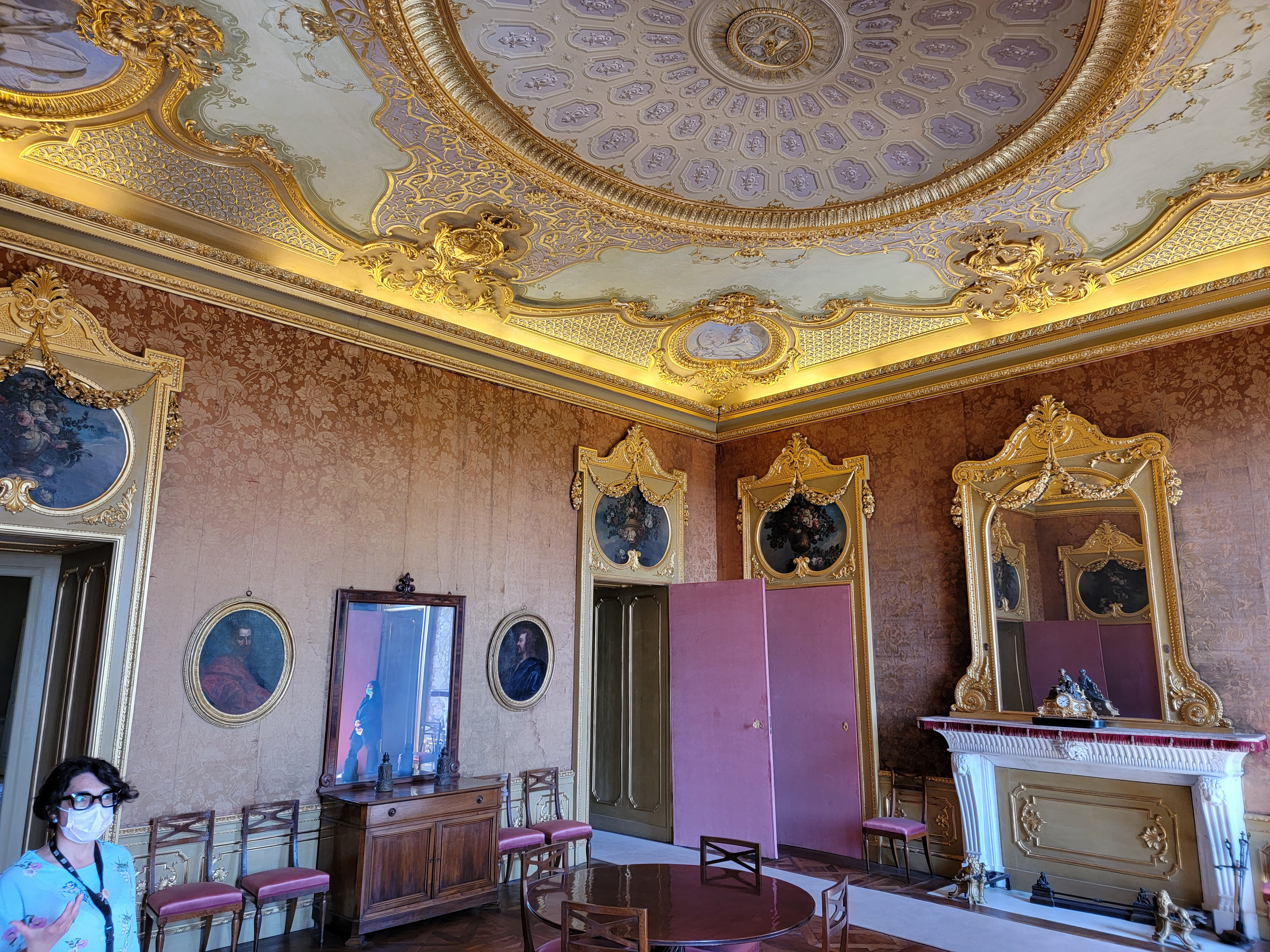
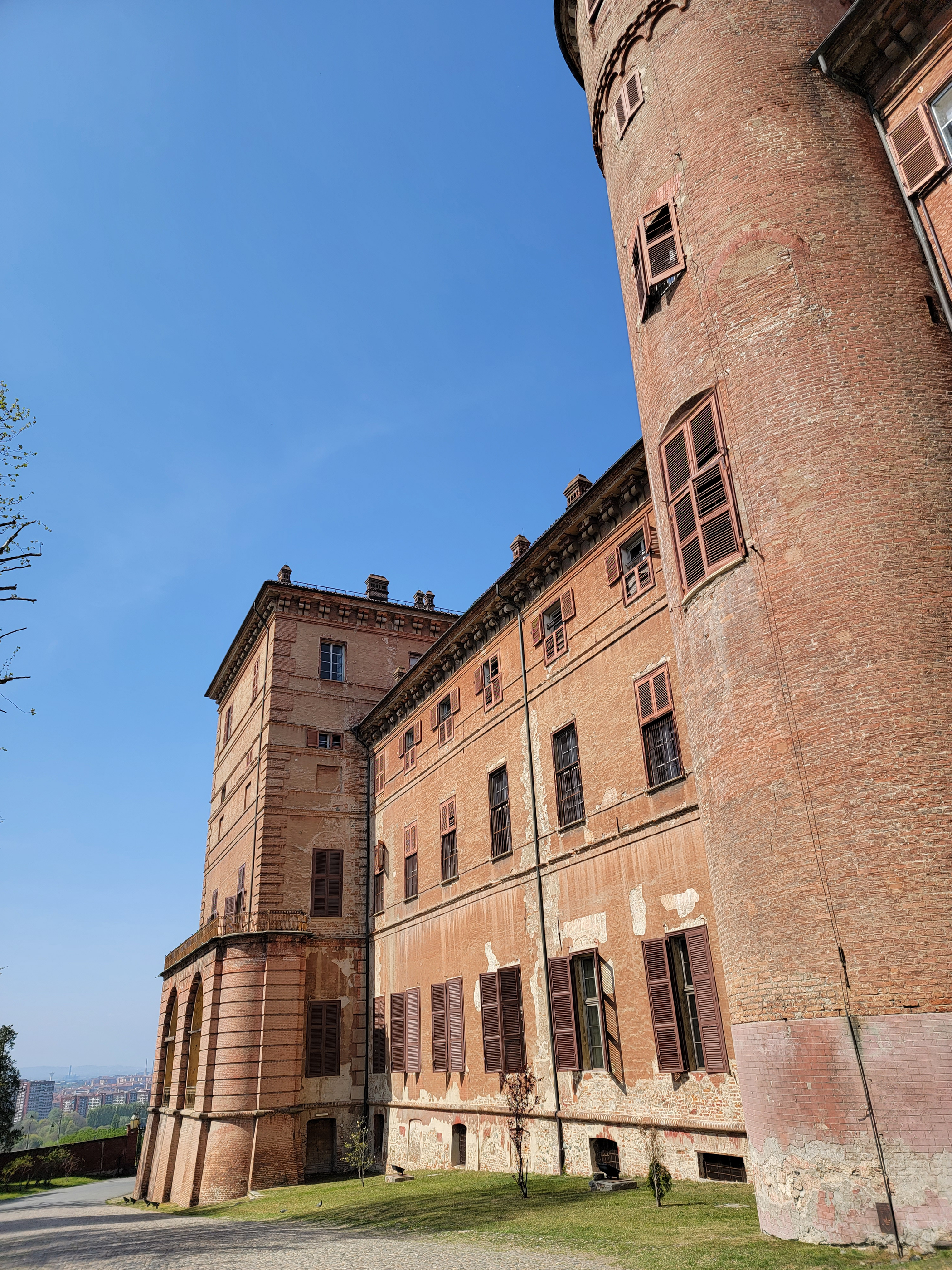
A must see when visiting here is the large and private Castle Real of Moncalieri. For a modest fee you can enter the castle, which experienced a fire in 2008[2]The fire destroyed several rooms on the upper floor and was contained, but most of the damaged was just contained and never renovated., and take the guided tour, which is only in Italian. Fear not, there are enough references in the story for most people to follow and our tour guide did speak english and filled us in while walking on the more important points.
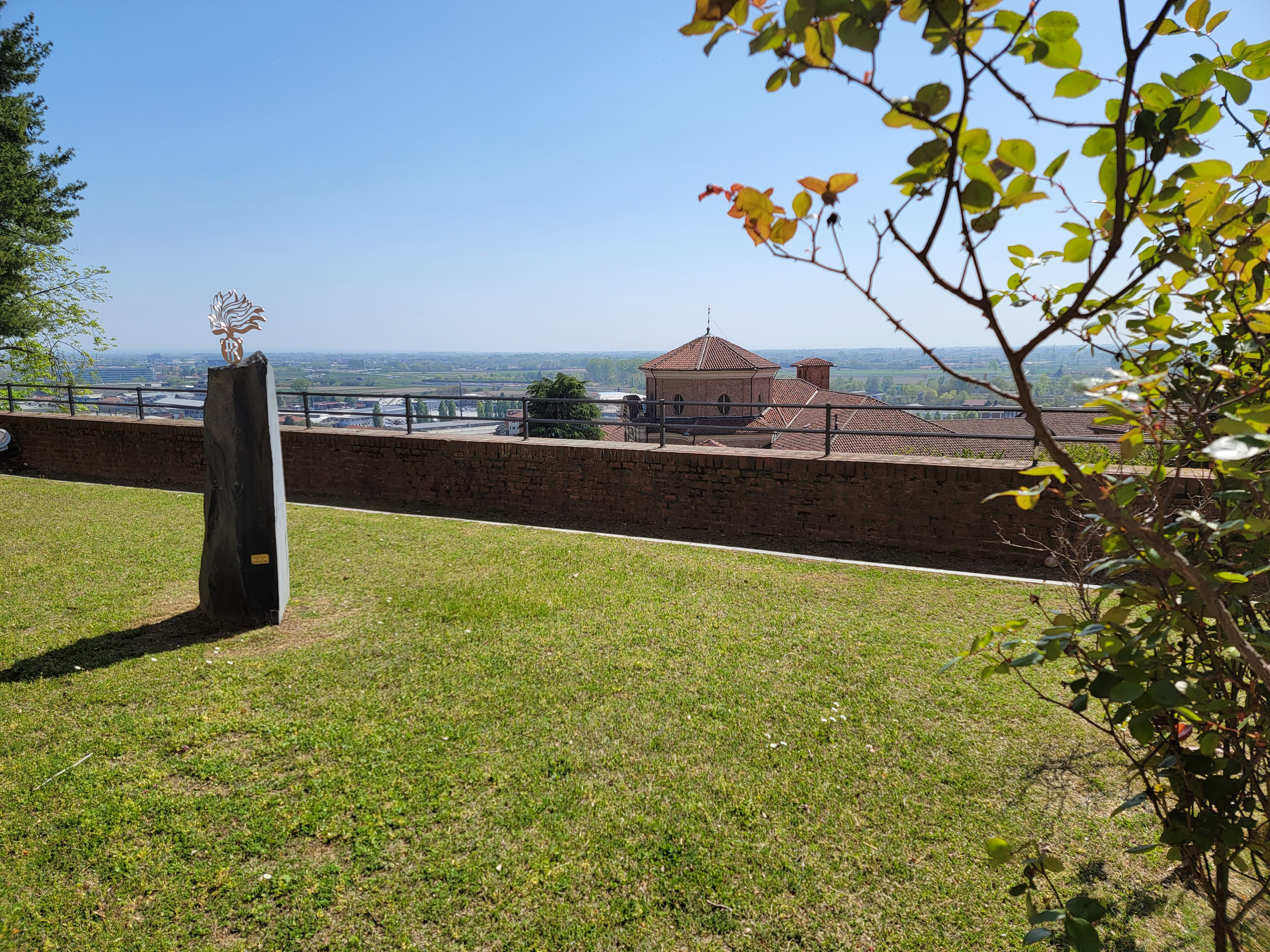
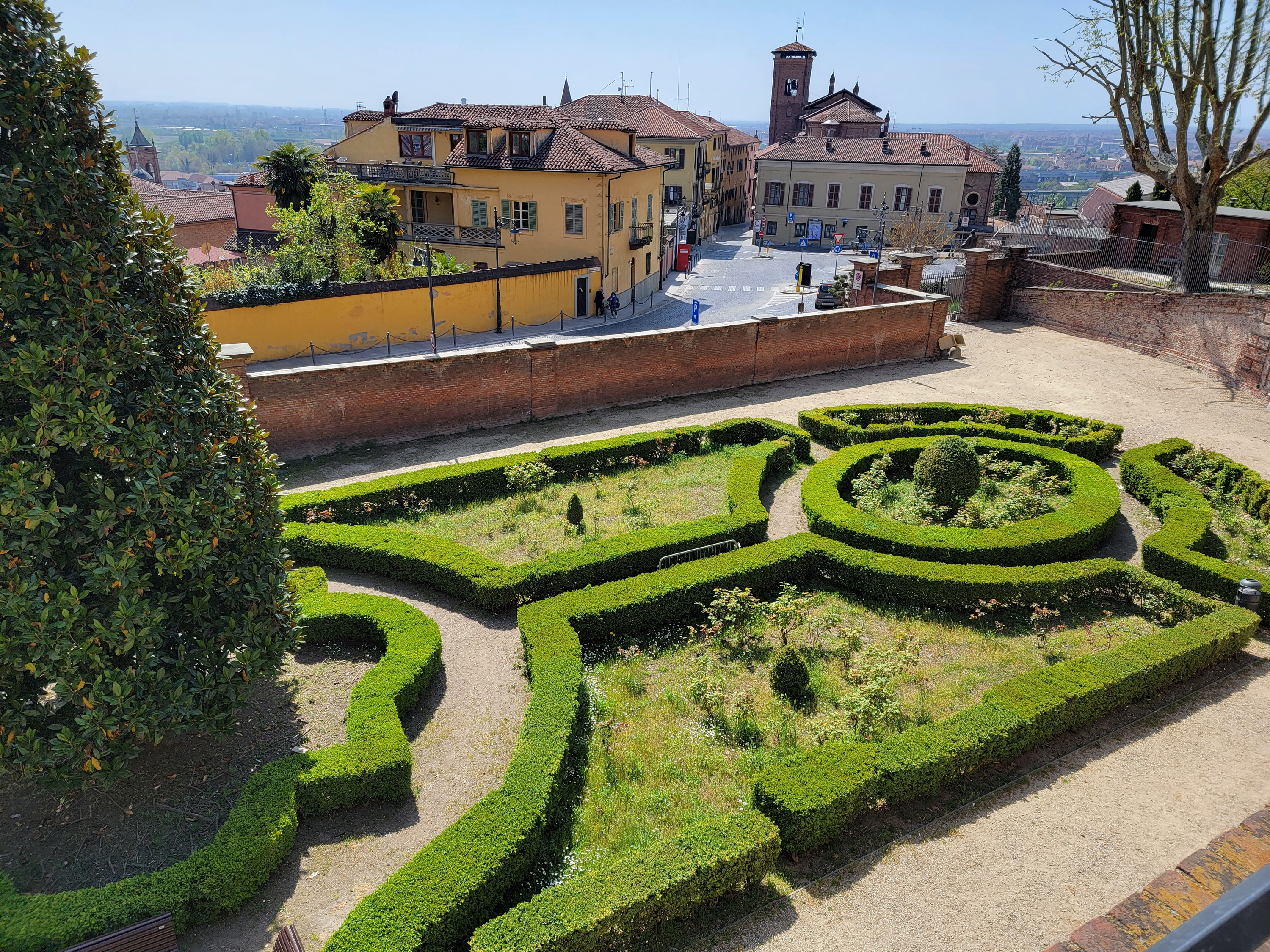
Garden and View – Castle of Moncalieri – Moncalieri, Turin
Garden – Castle of Moncaliere – Moncalieri, Turin
Castello Reale – Moncalieri, Turin
Restaurants
Osteria e Gastronomia
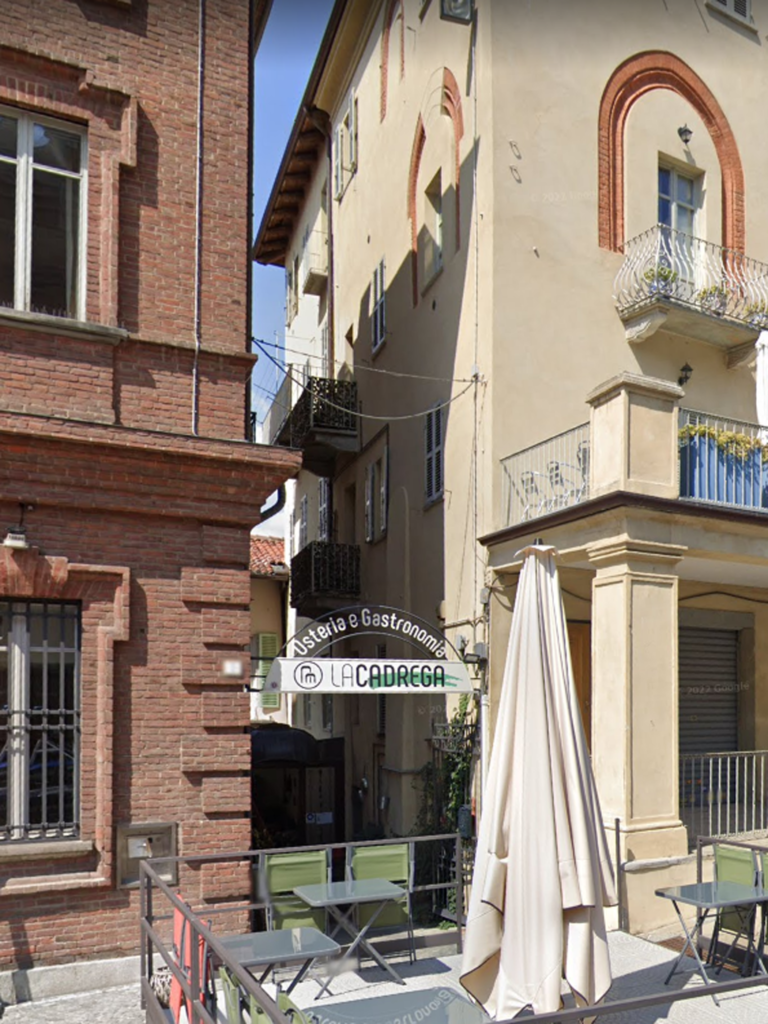
Tucked between the UniCredit Bank and an apartment building off the beginning of Piazza Vittorio Emanuele II is a very good restaurant, the Osteria e Gastronomia. It was already lunch time, so we grabbed a small two person table right in the alleyway and were immediately greated by our hosts. A quick view of the menu and we were ready for some delicious Piemontese food.
Osteria e Gastronomia – Moncalieri,Turin
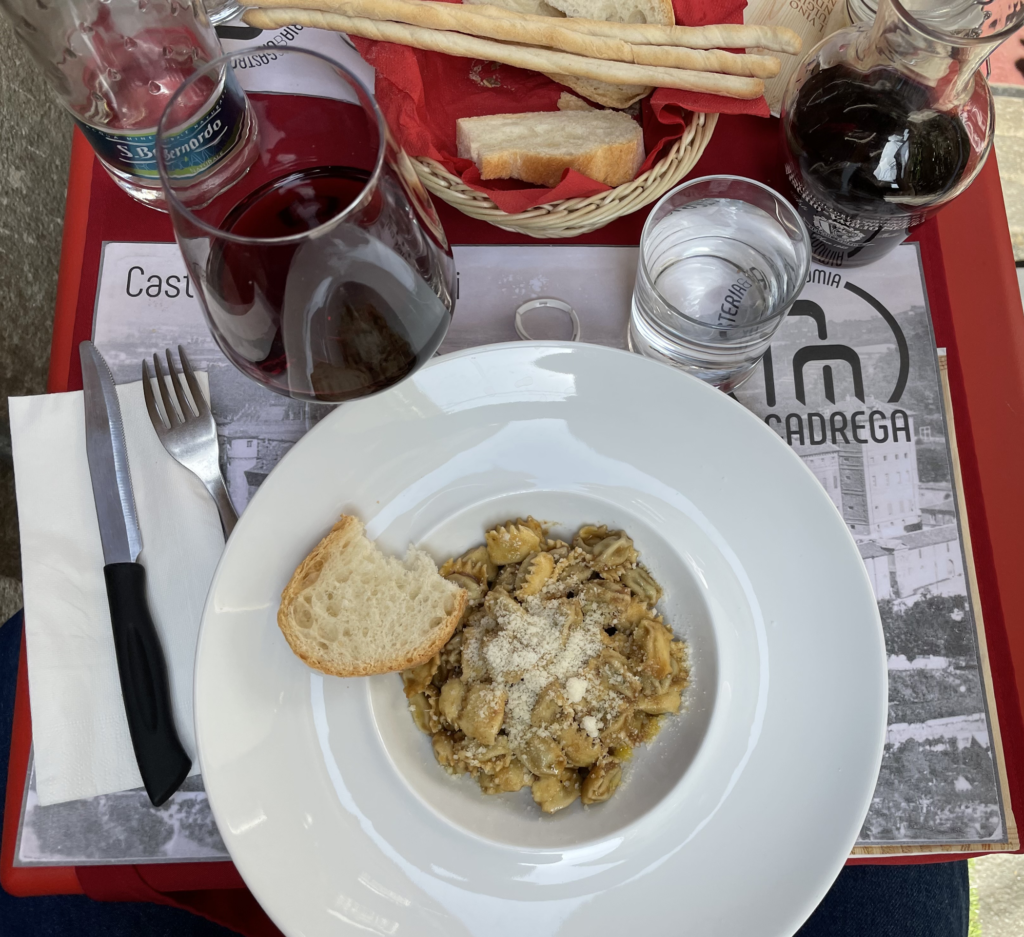
I ordered the Agnolotti del plin tradizionali con sugo d’arrosto, a typical Piedmont dish of very tiny ravioli stuffed with meat in a meat sauce, very tasty! It doesn’t look like much, but is actually very filling. Along with some bread, a glass of Nebbiollo alla spina, and water, how can you go wrong for lunch?
Agnolotti del plin tradizionali con sugo d’arrosto
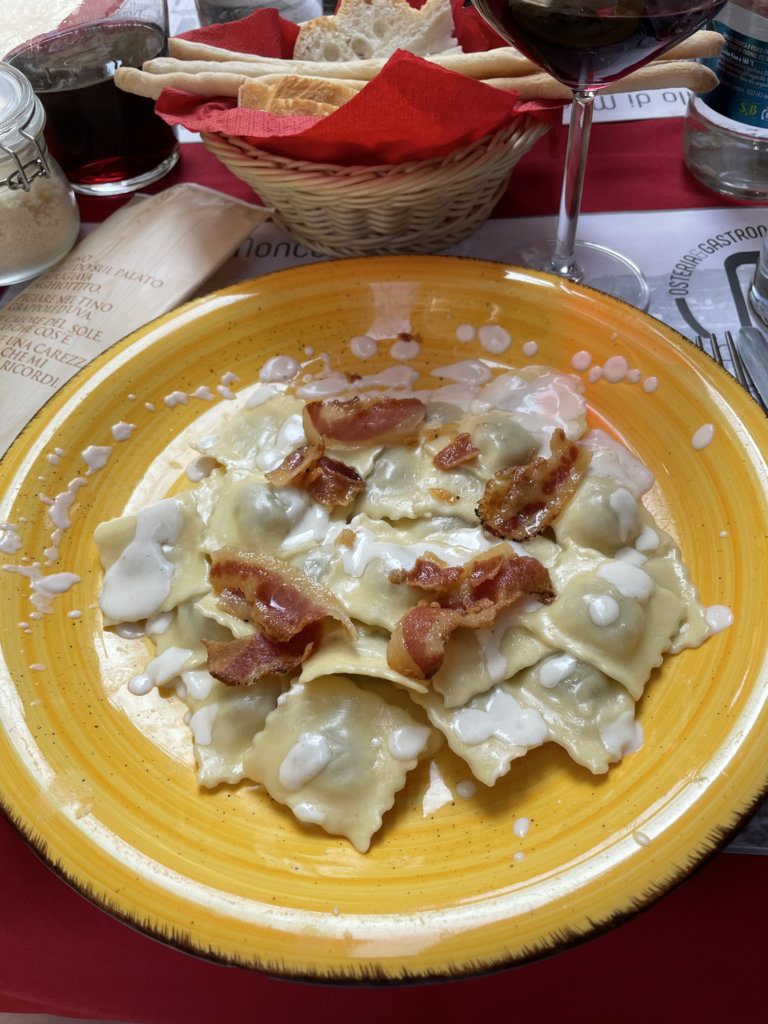
Patti ordered the Agnolotti con salsiccia di Bra e porri con crema di parmigiano e guanciale croccante, which are larger ravioli made with sausage from Bra and leeks, topped with Bacon. A little Parmesan and you have a great lunch.
Agnolotti con salsiccia di Bra e porri con crema di parmigiano e guanciale croccante
Well, we hope you enjoyed our adventure to Moncalieri, because we did and were actually surprised. Though it took longer to get there than we had originally hoped, it wasn’t all that bad and definitely worth the trip, if only for the food!
After a thorough introduction to Naples, we decided it was time to see some things we had shoved to one side until we got time.
Castle dell’Ovo
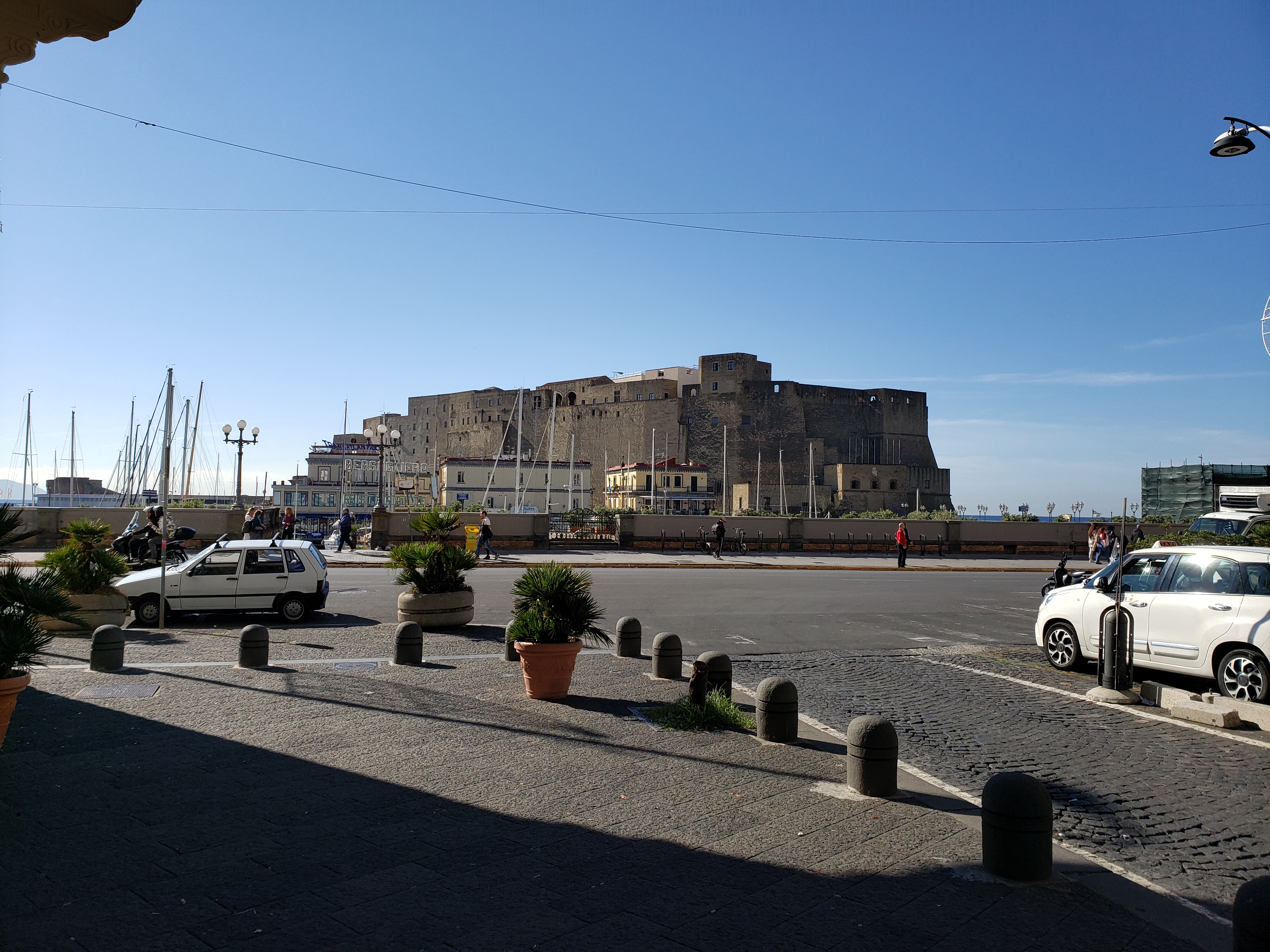
Castle dell’Ovo
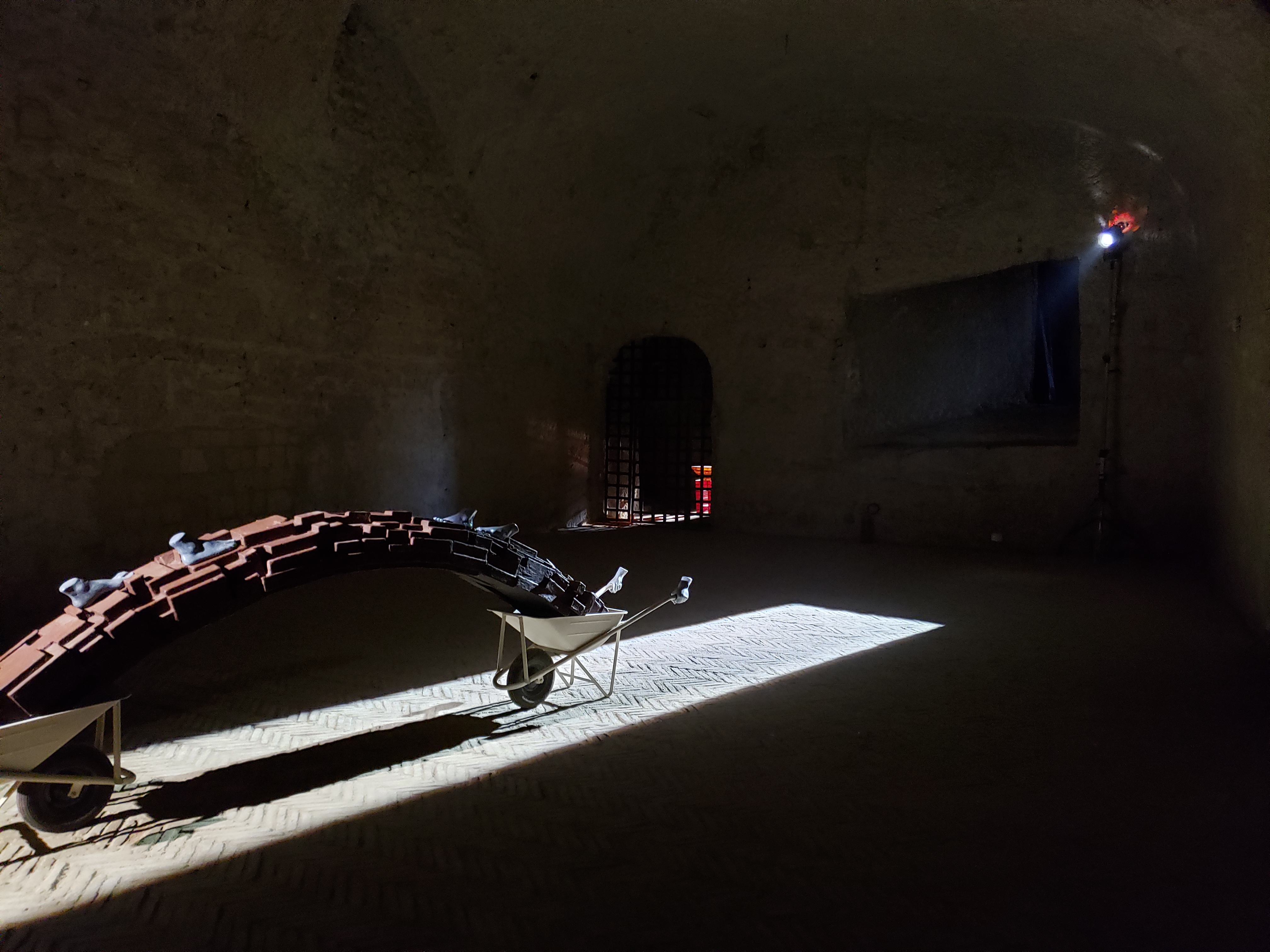
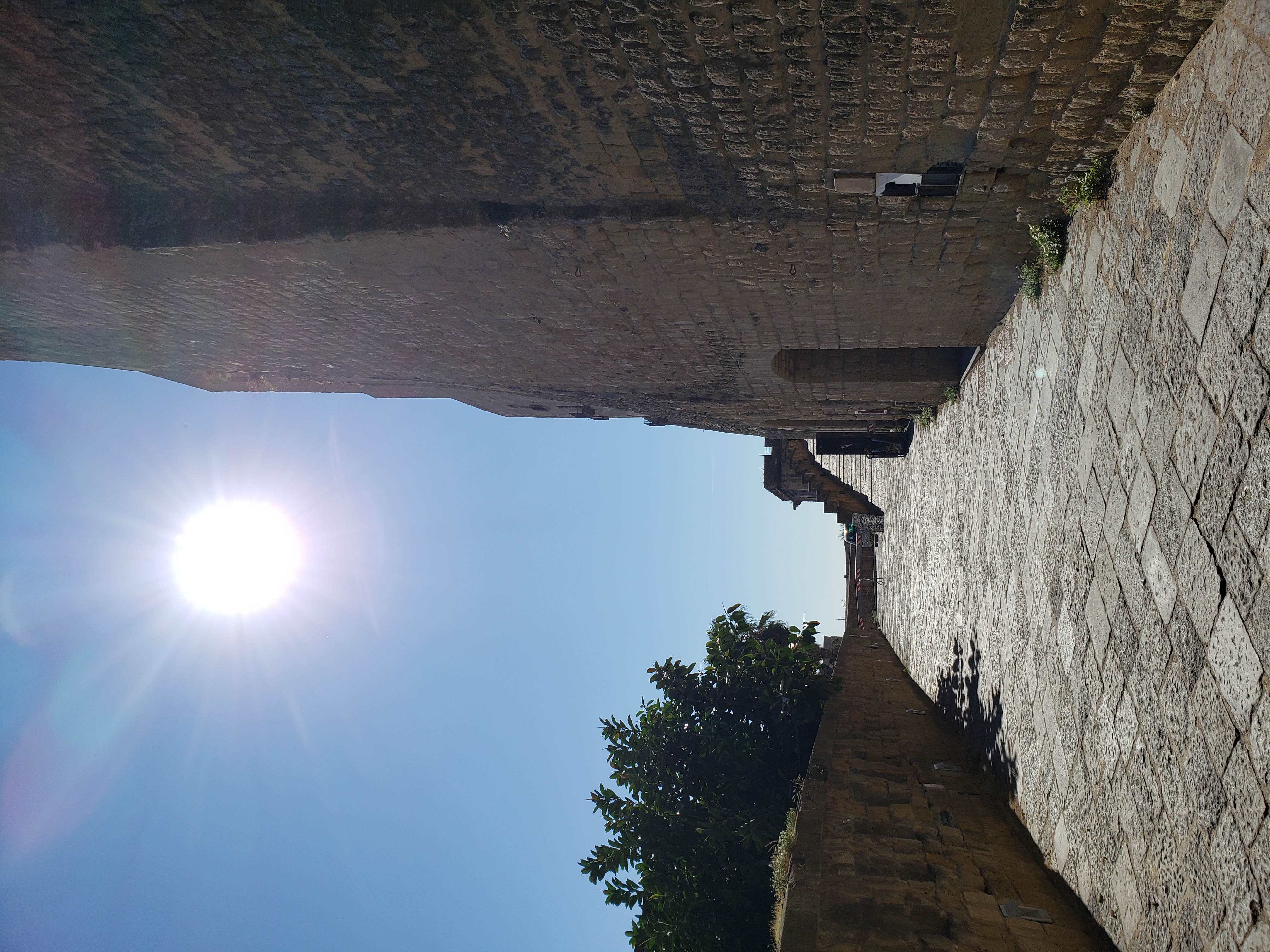
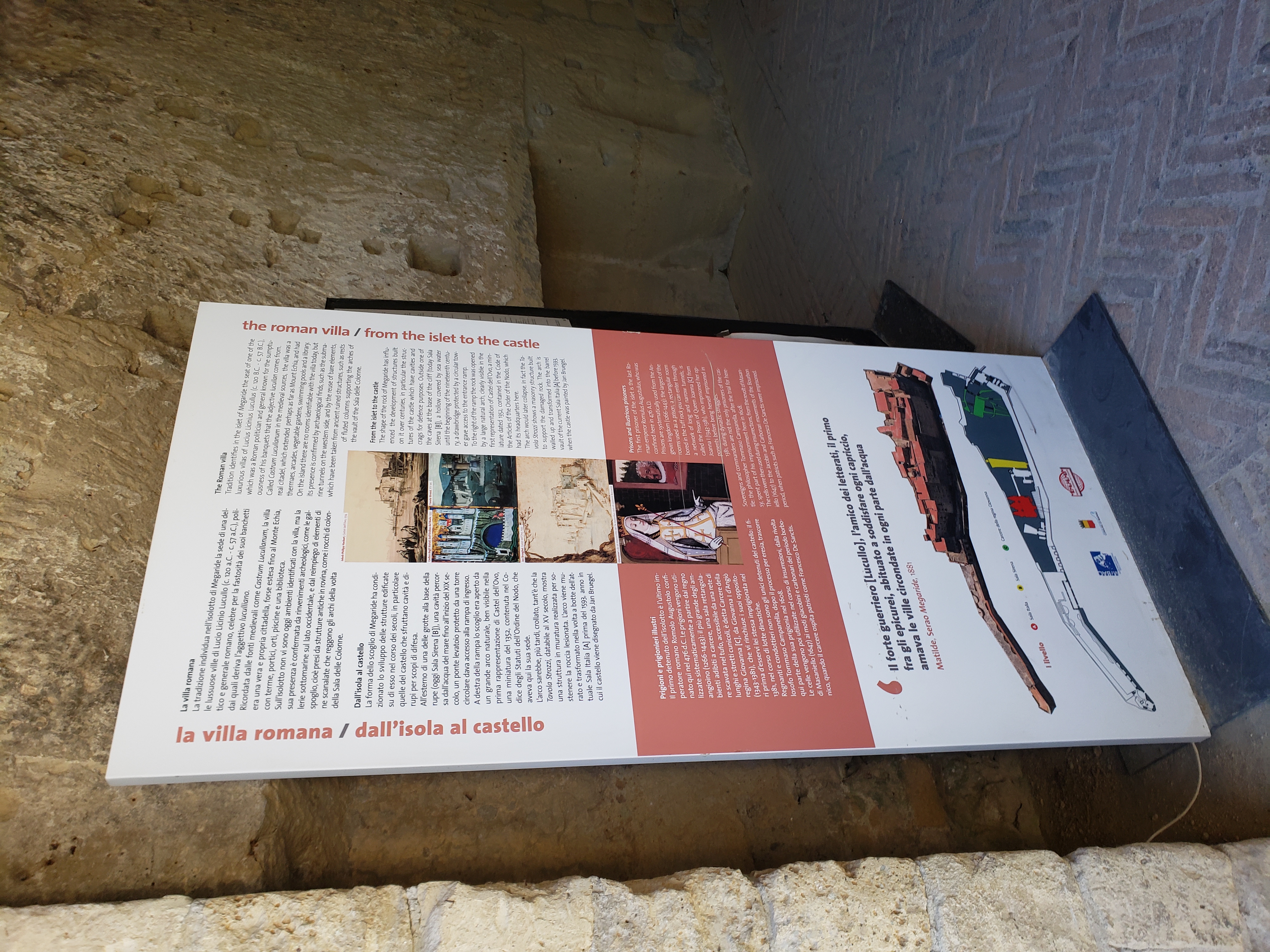
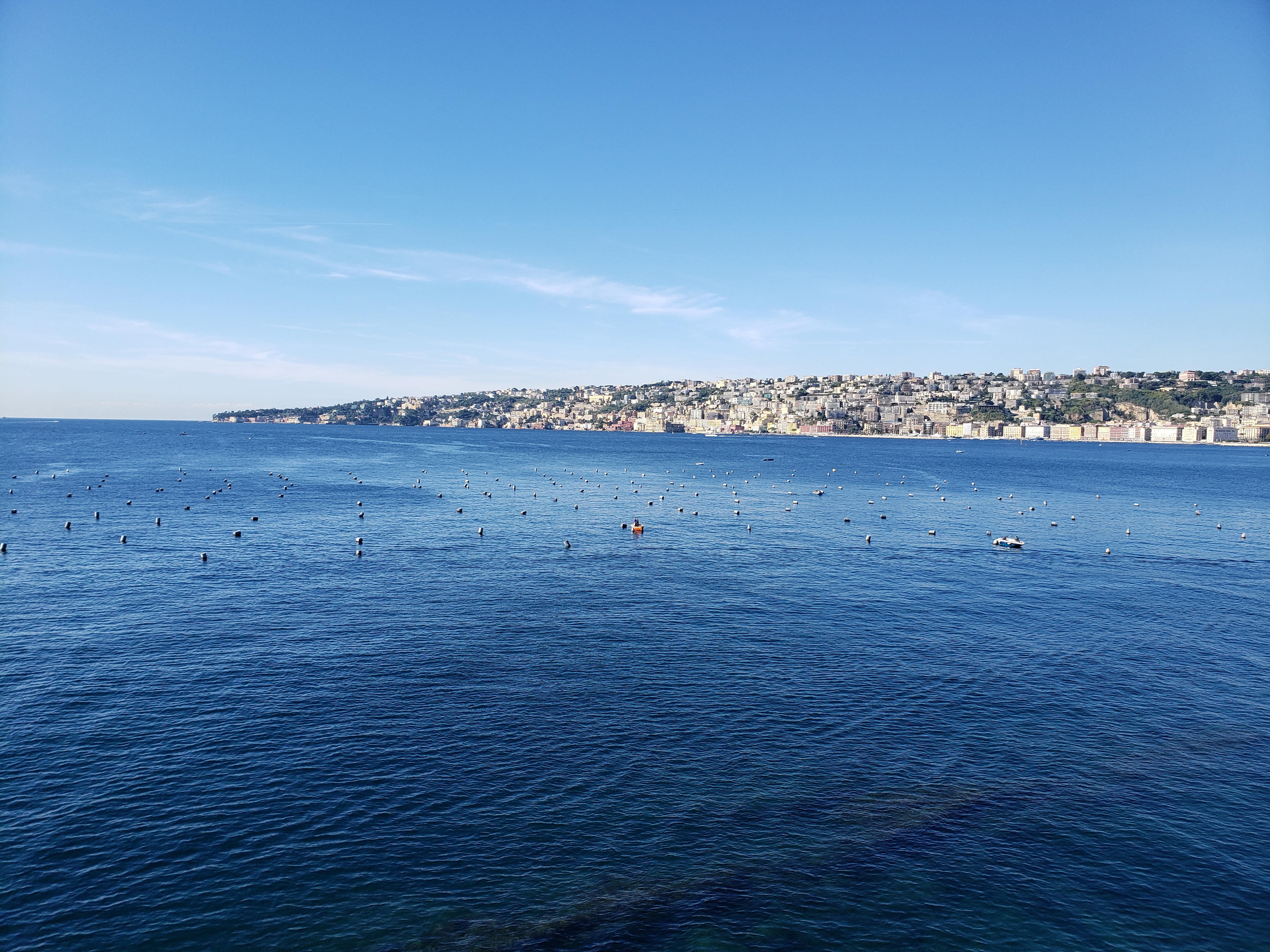
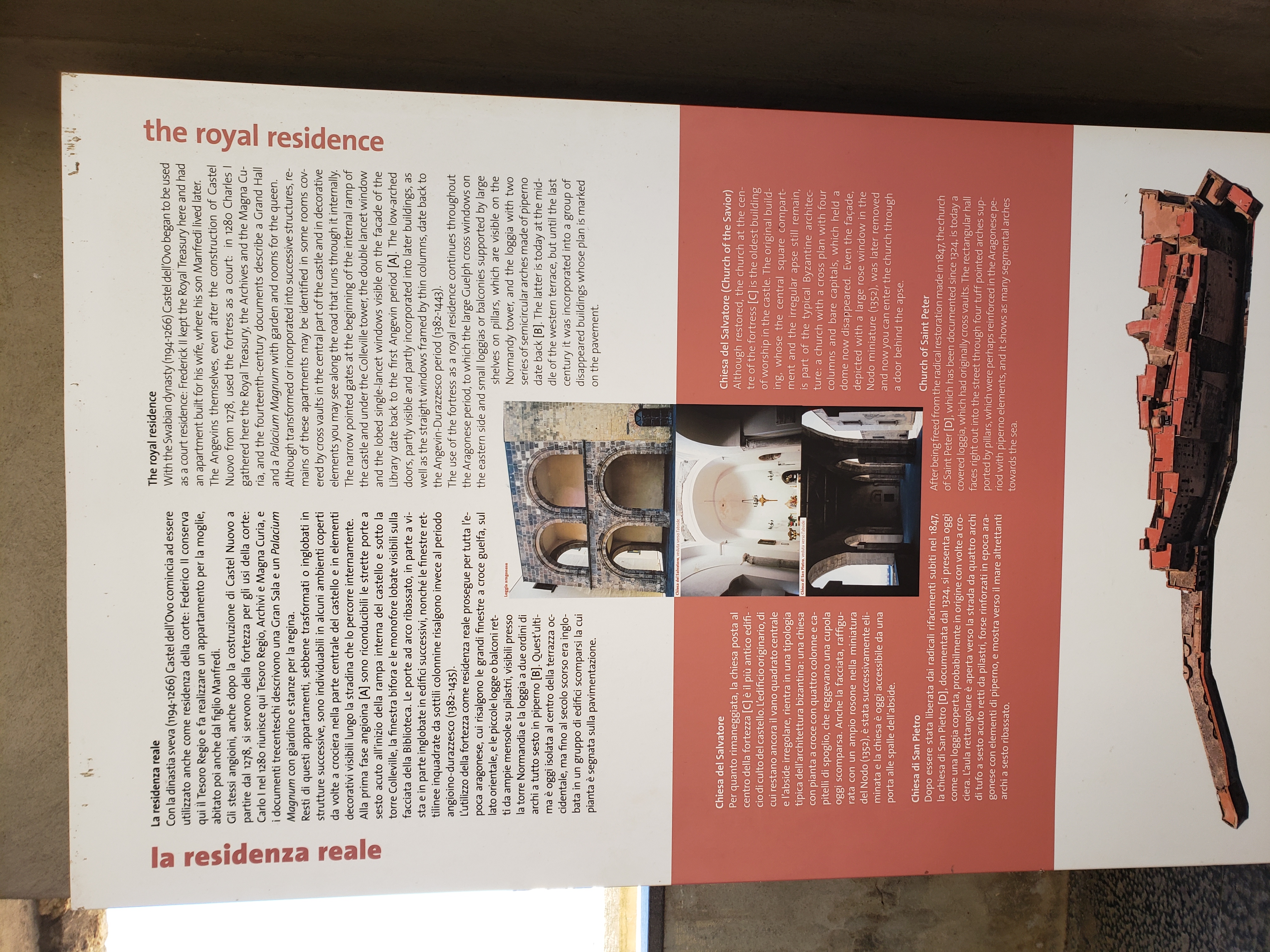
Castel dell’Ovo, also known as The Egg or the Egg Castle is situated in the Bay of Naples. It used to be a small island, but was attached some time ago to make it more accessible. Entrance is free, even though you do have to schedule your attendance online. However, aside from the views, there truly is not much to see. It appears to have been reused for administration and other city or port related uses.
Hallway to art exhibit
Art exhibit
Along the parapets
Chiaia, Naples from the castle
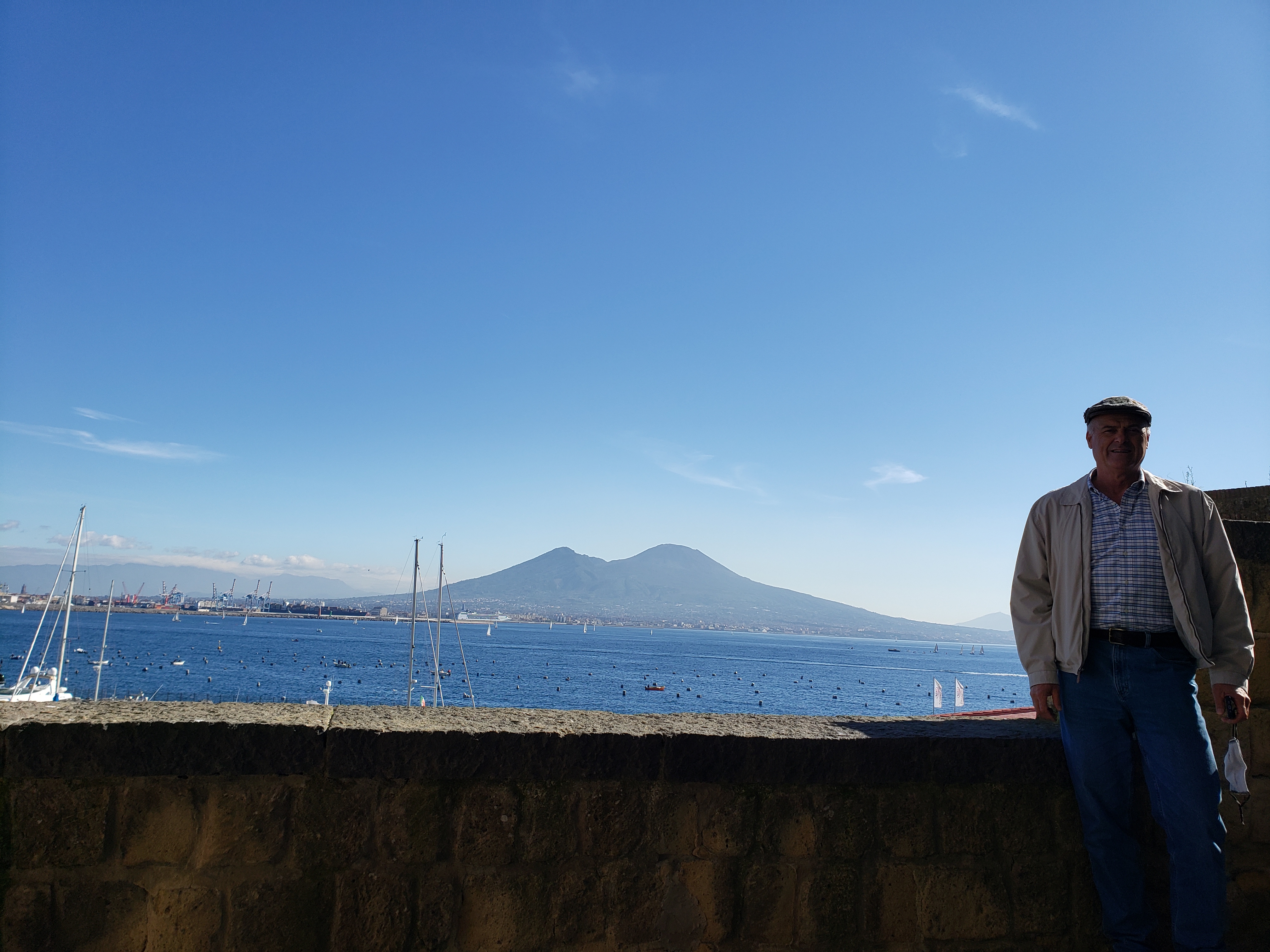
Patti at the Castle
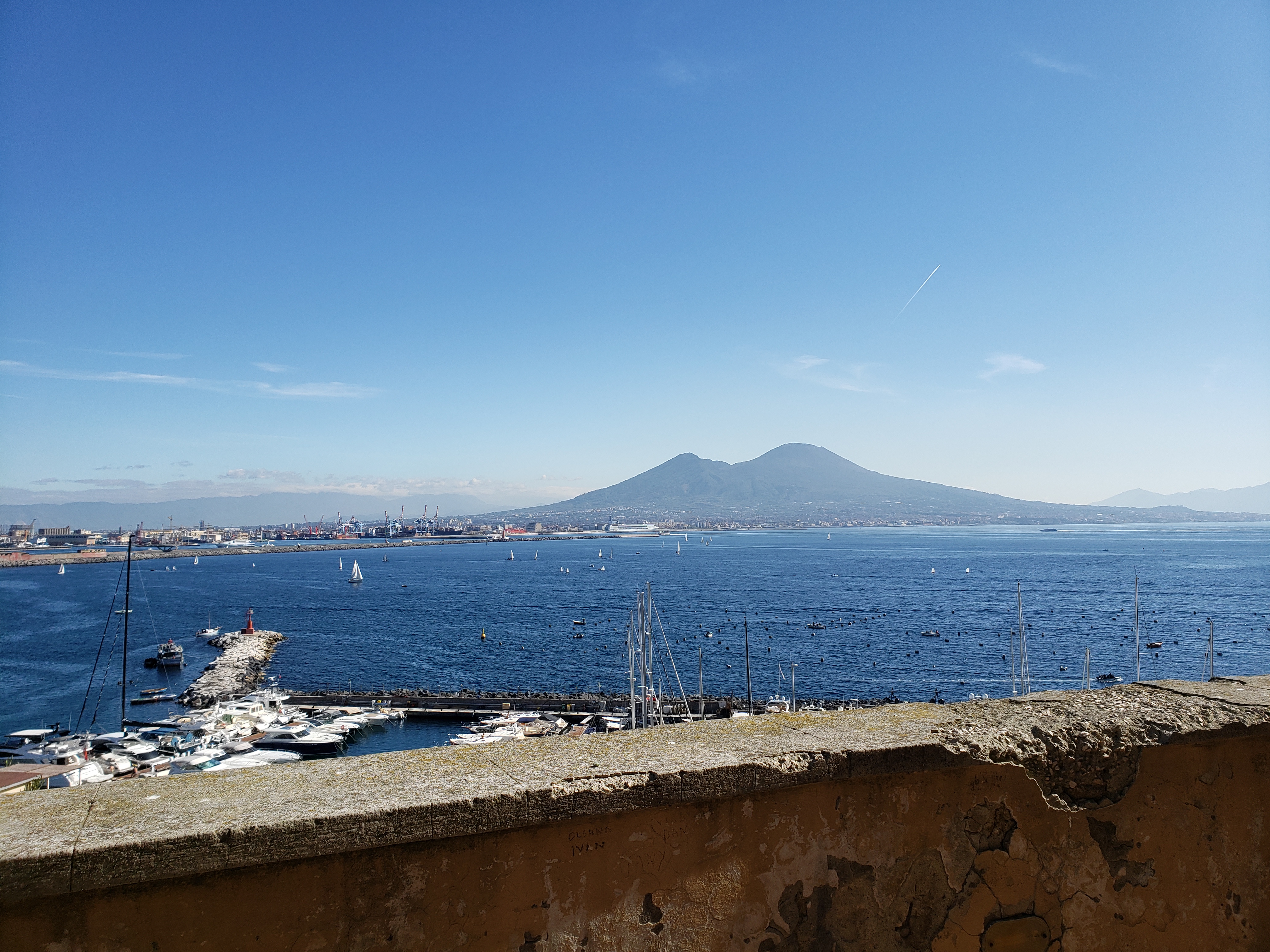
Vesuvius
The Bourbon Tunnels
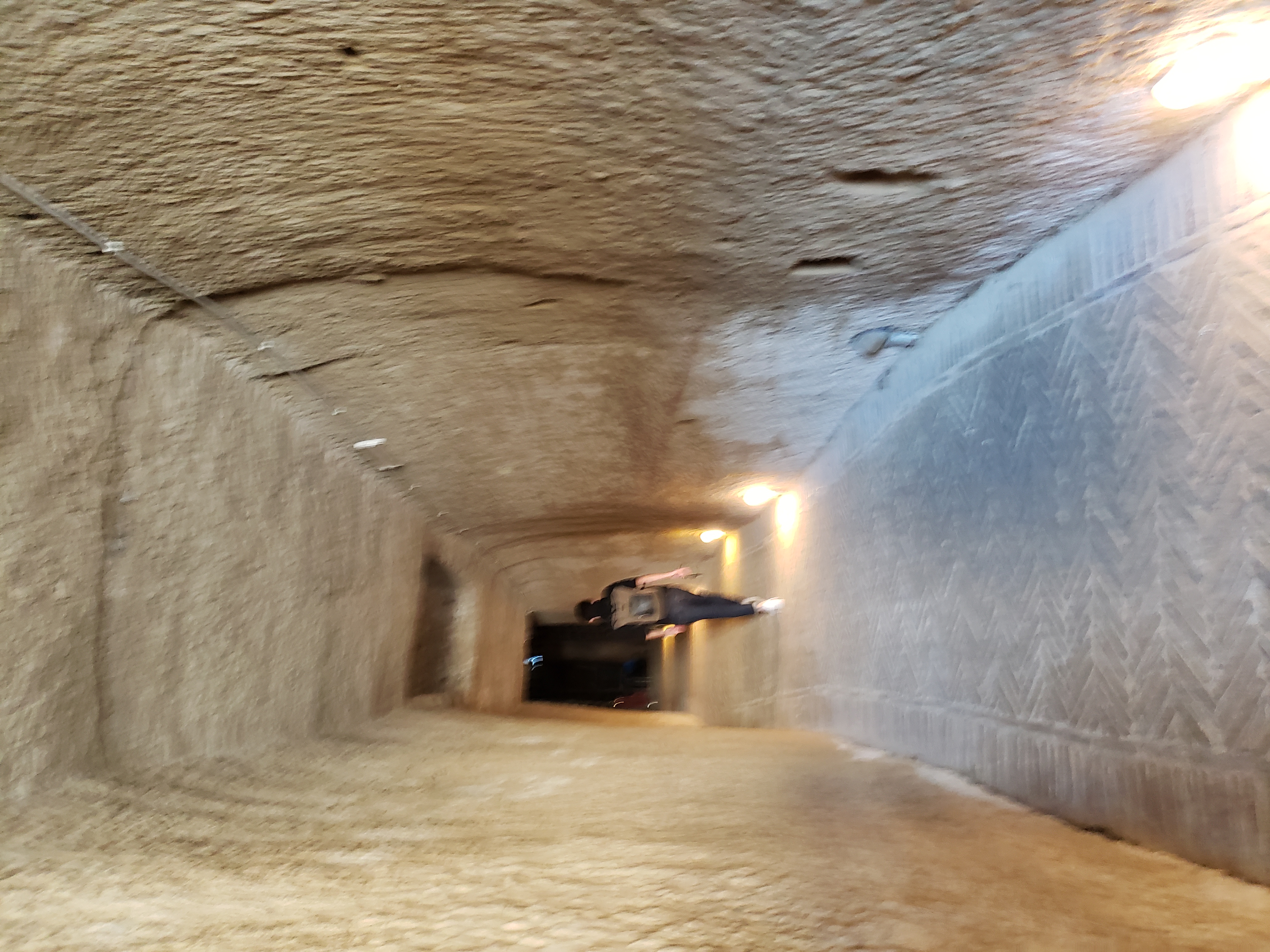
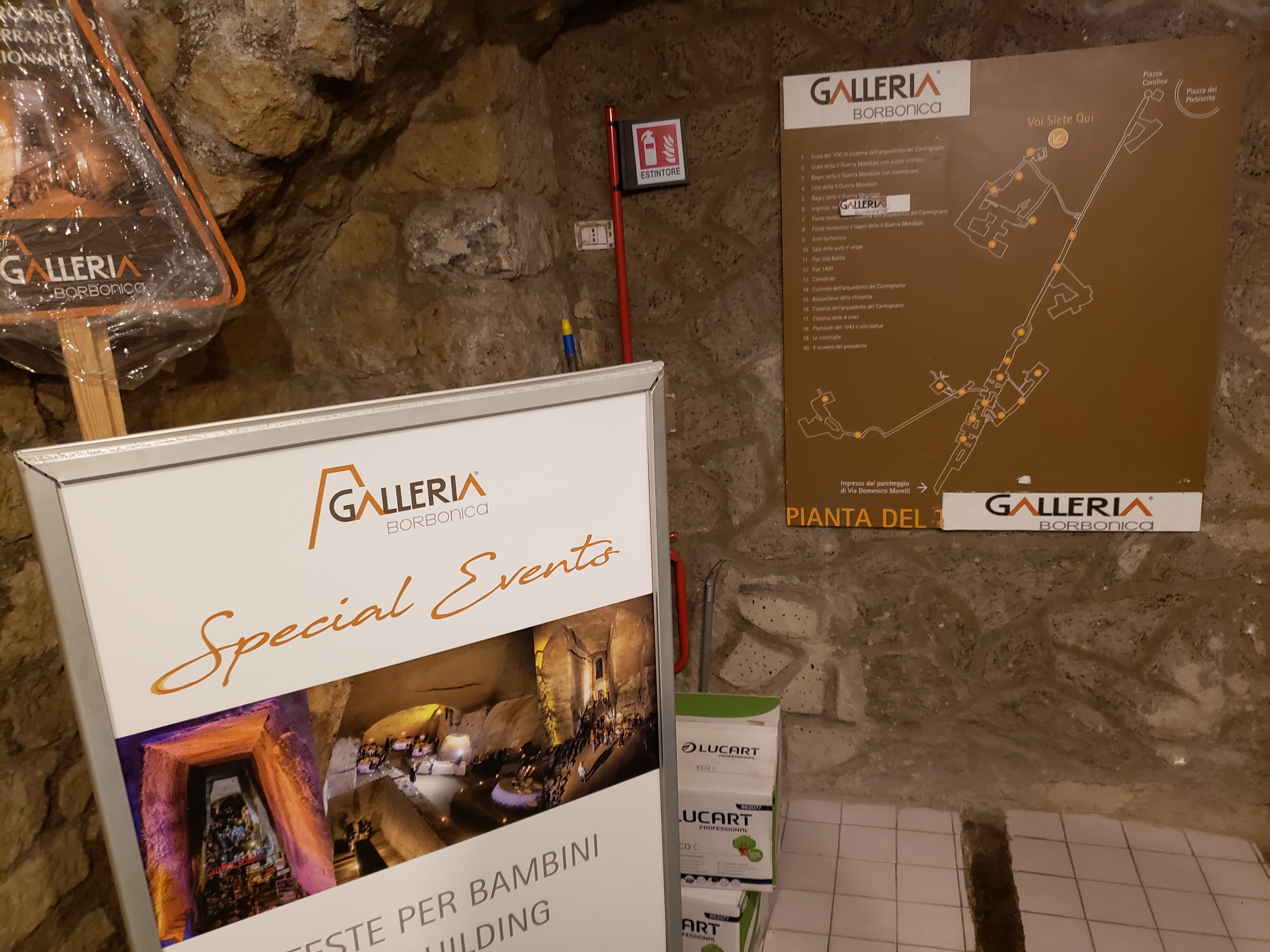
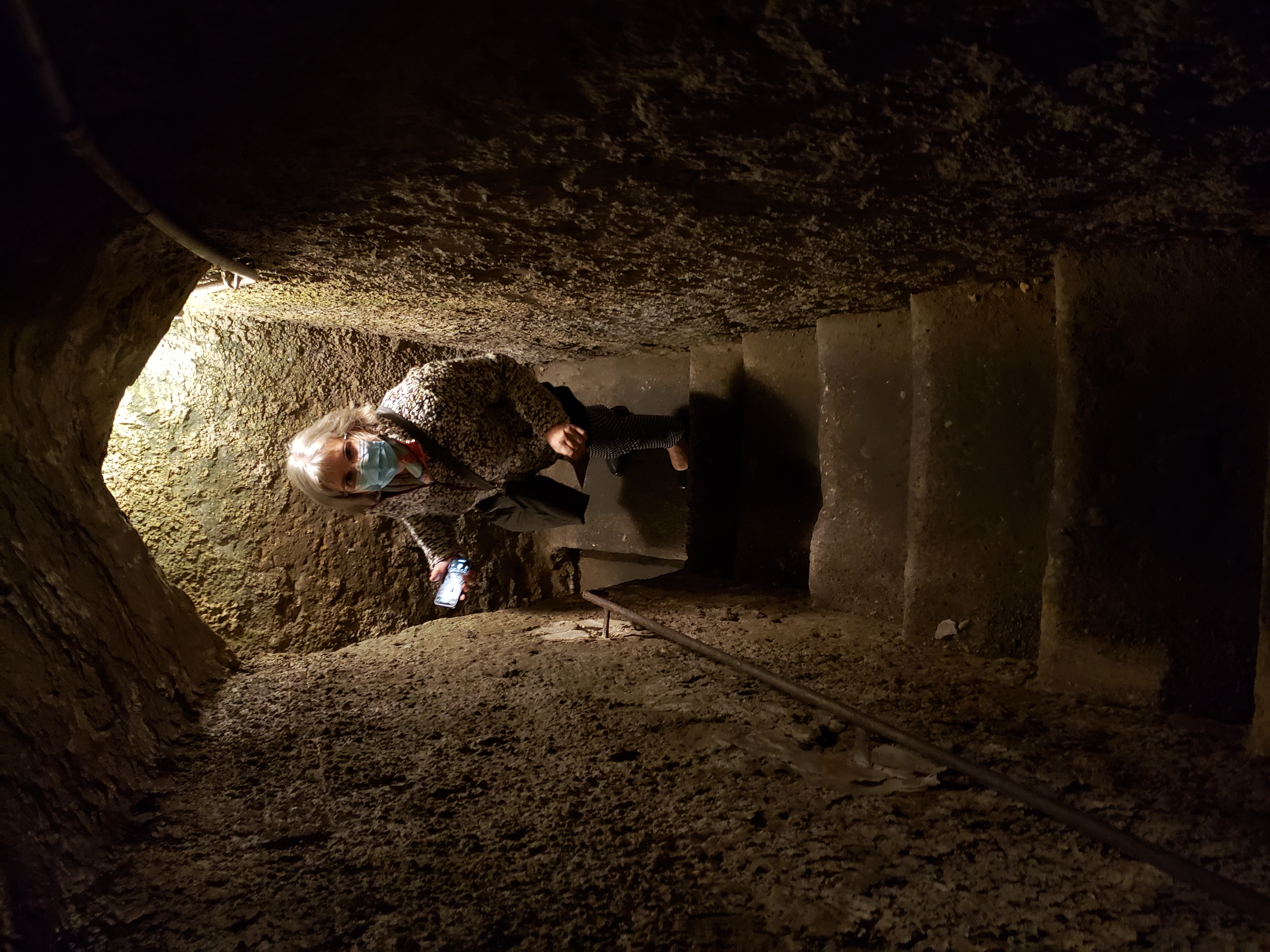
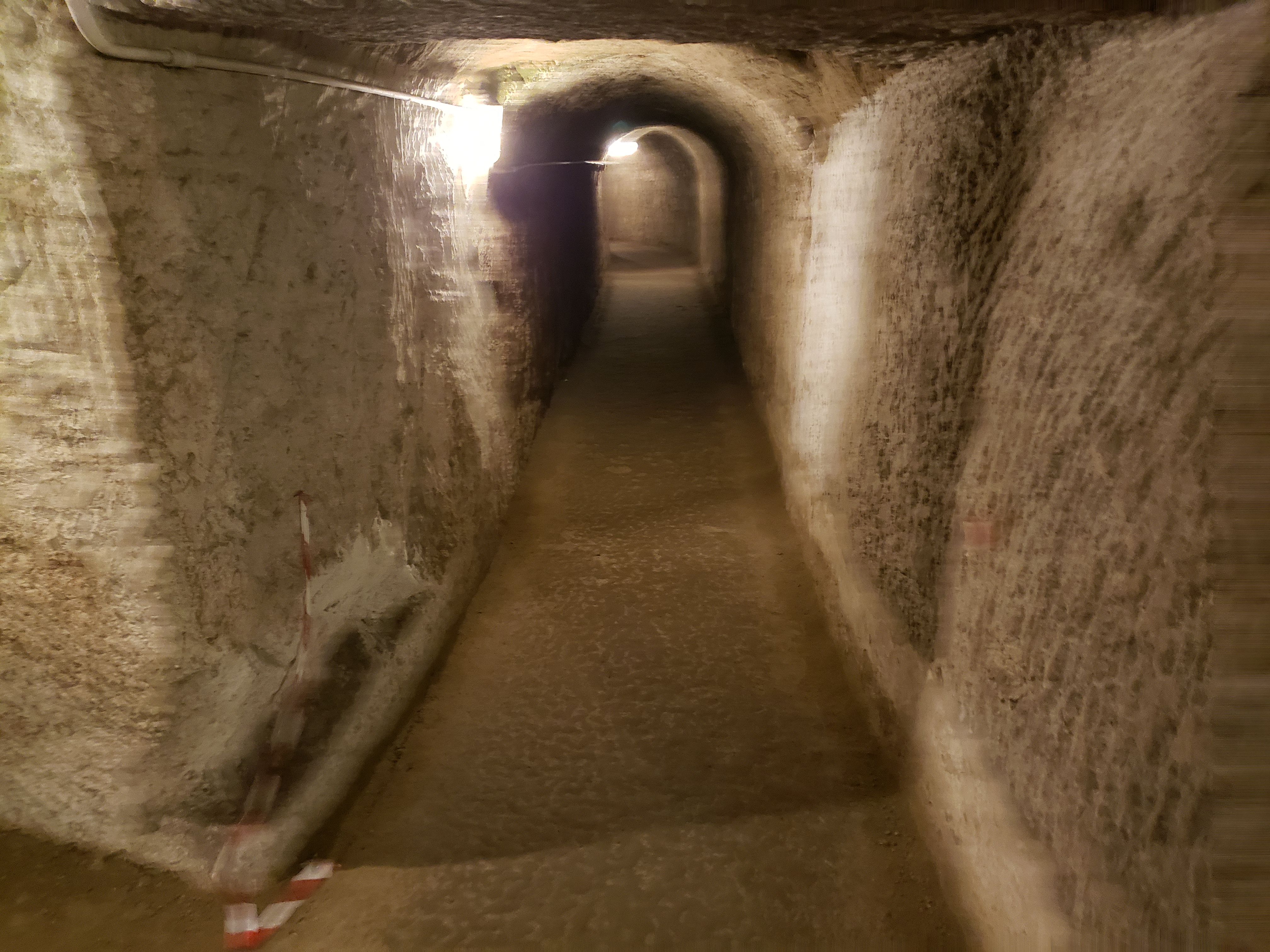
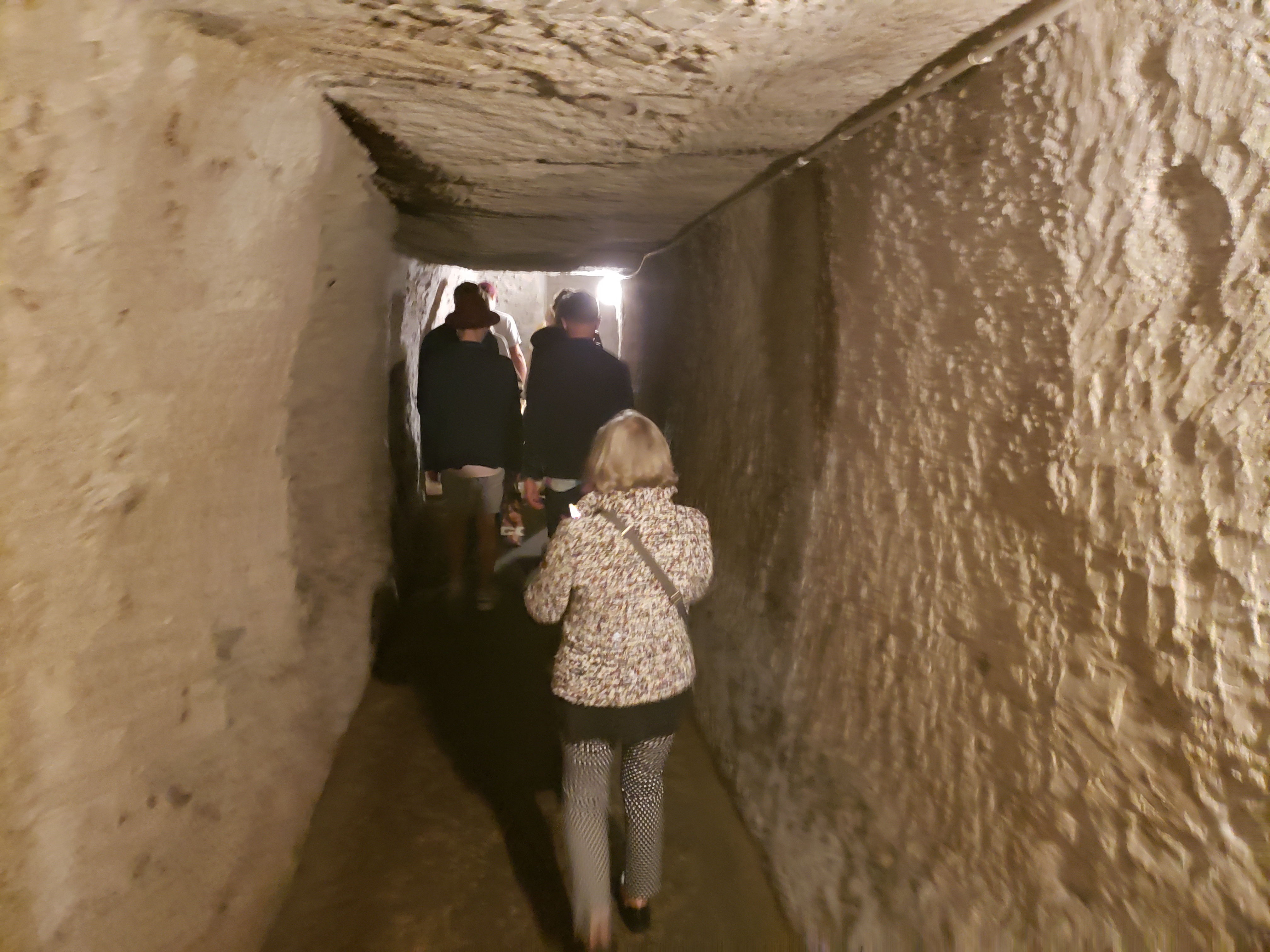
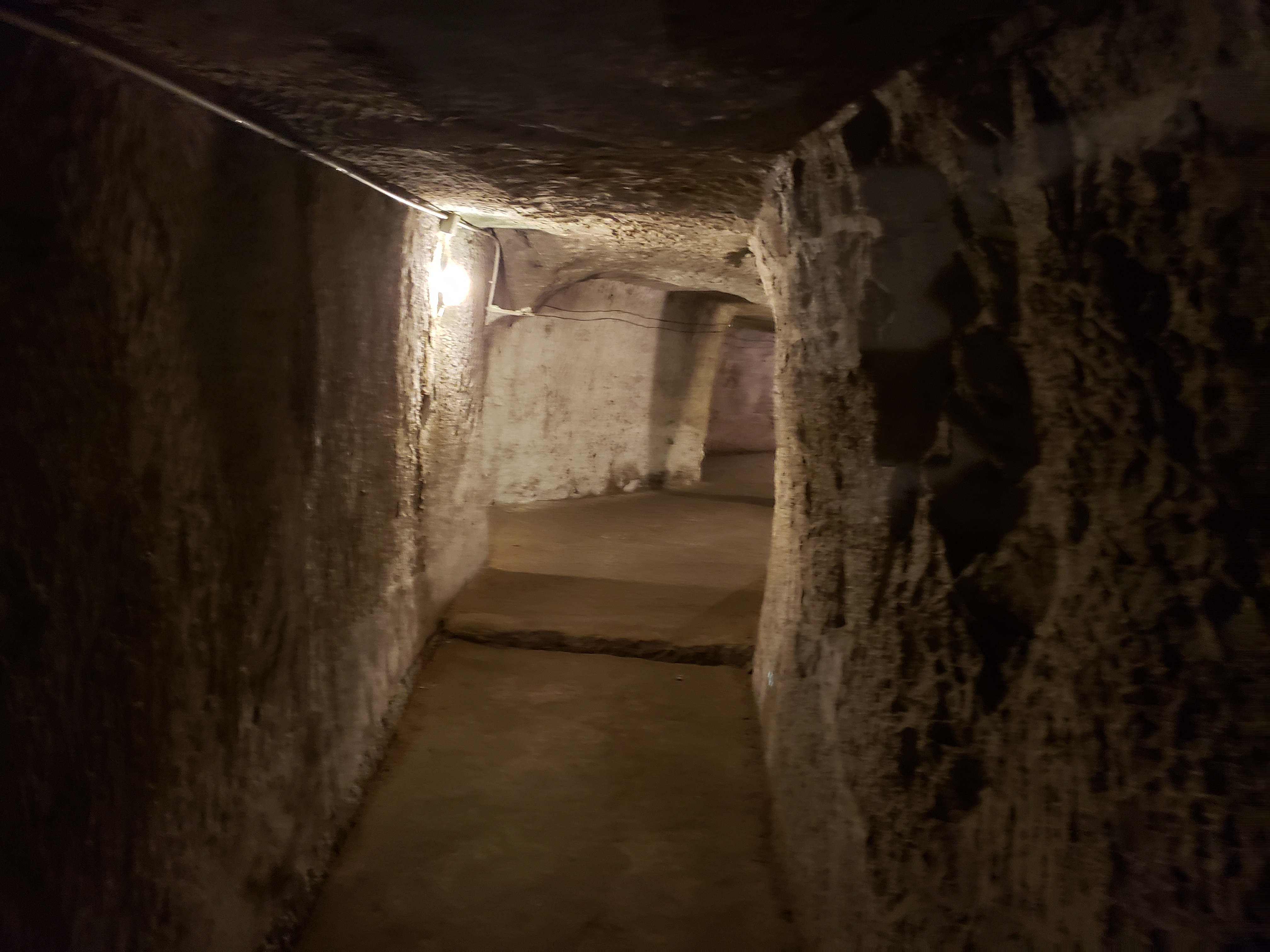
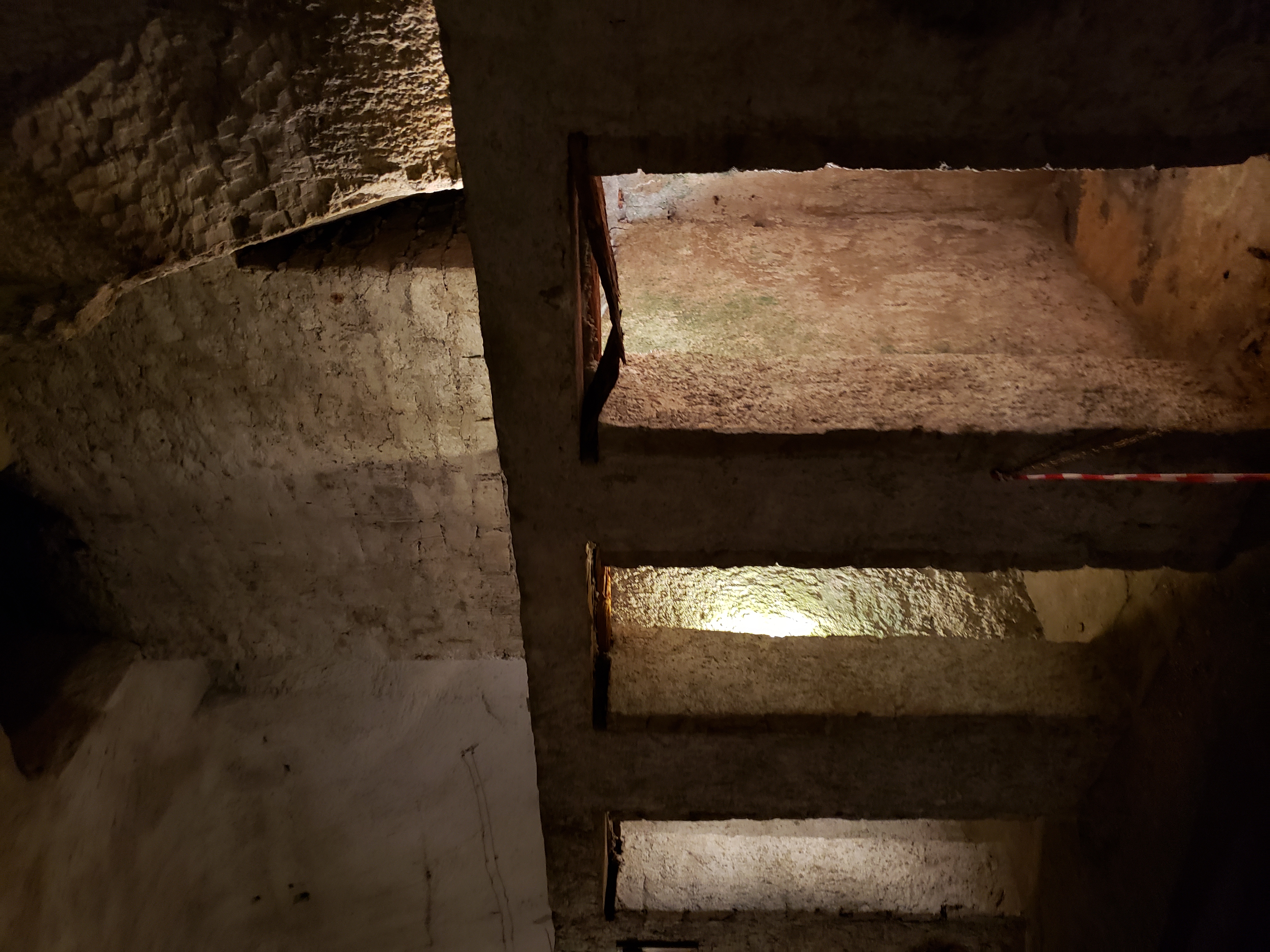
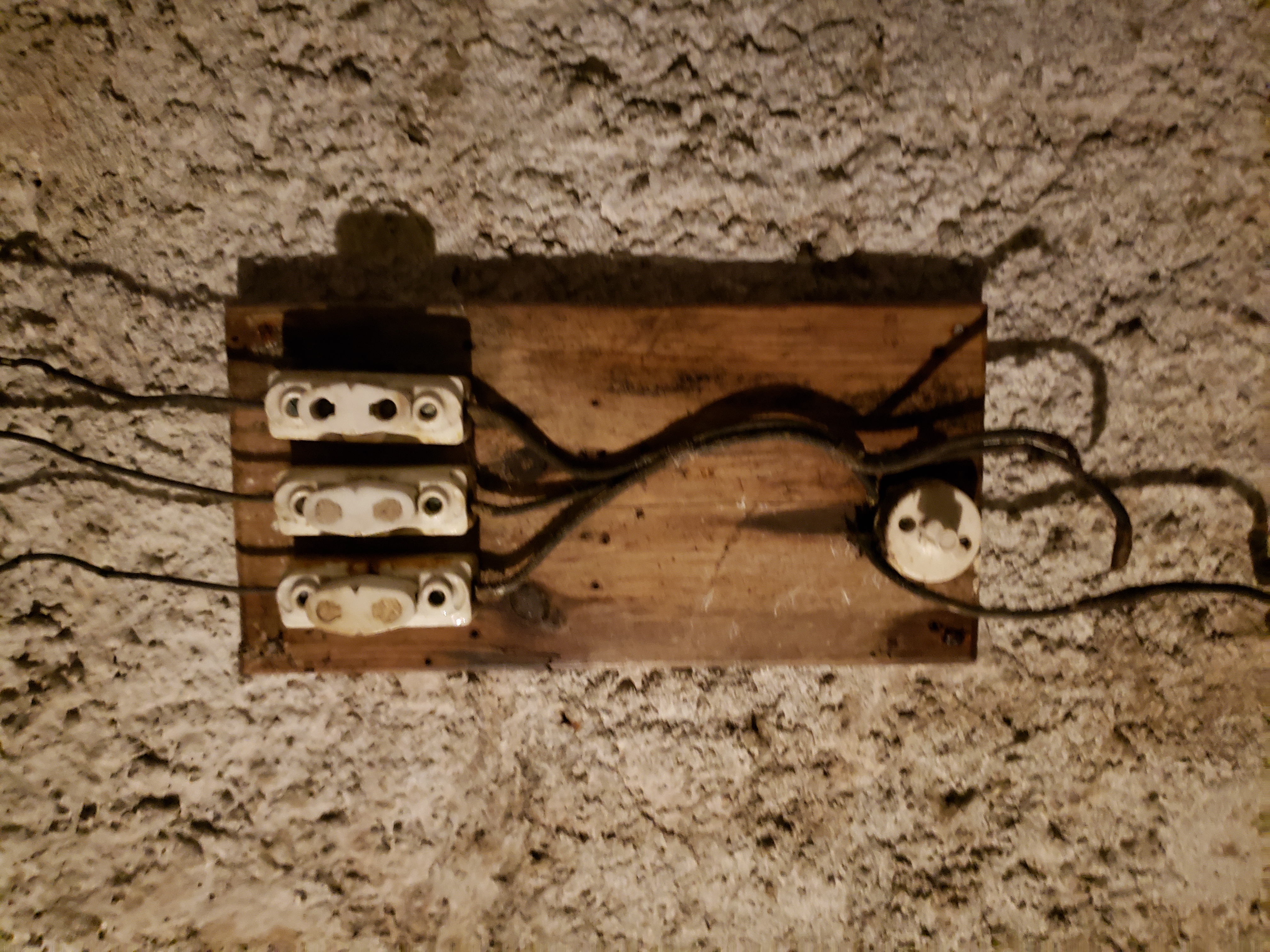
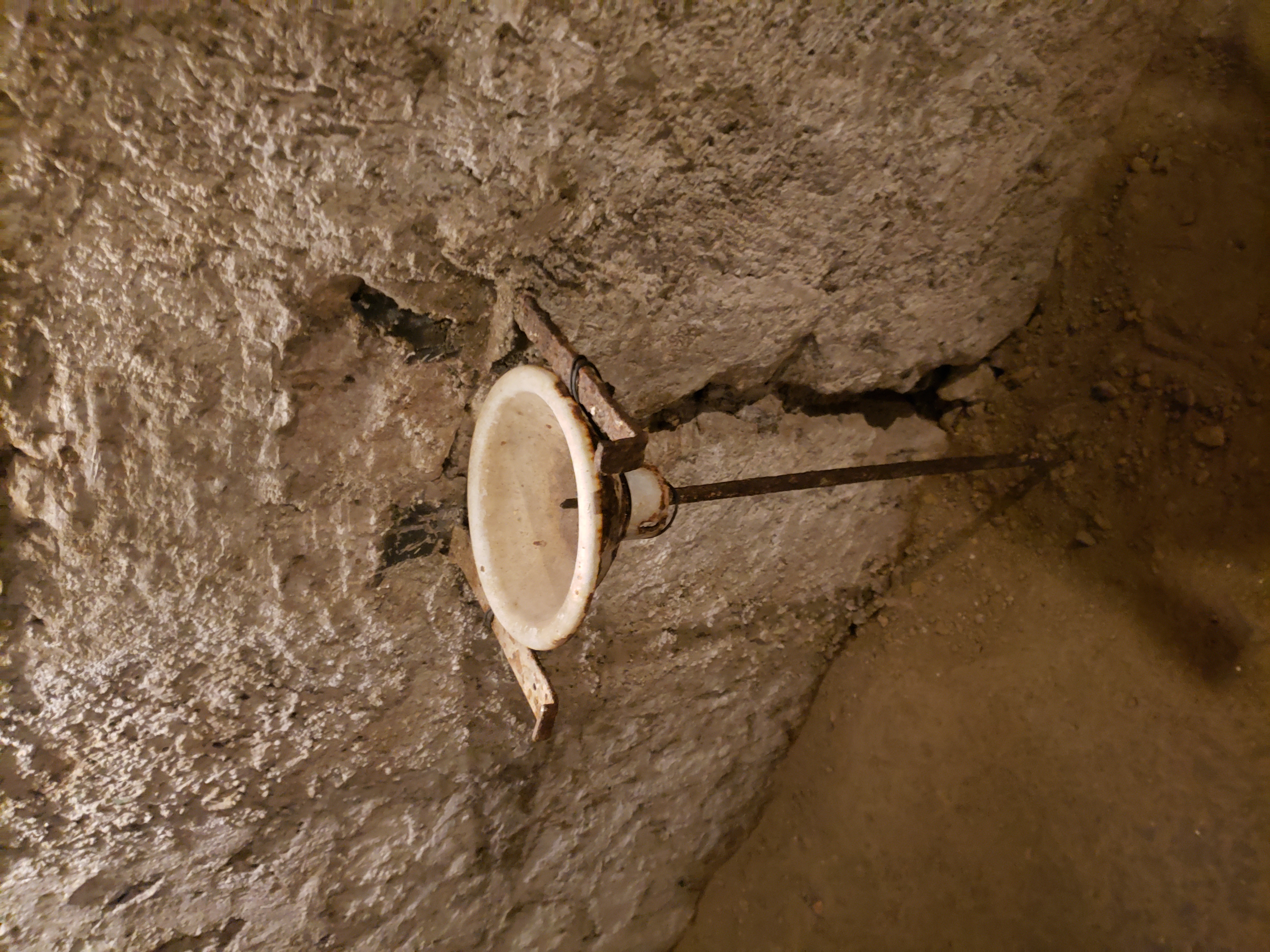
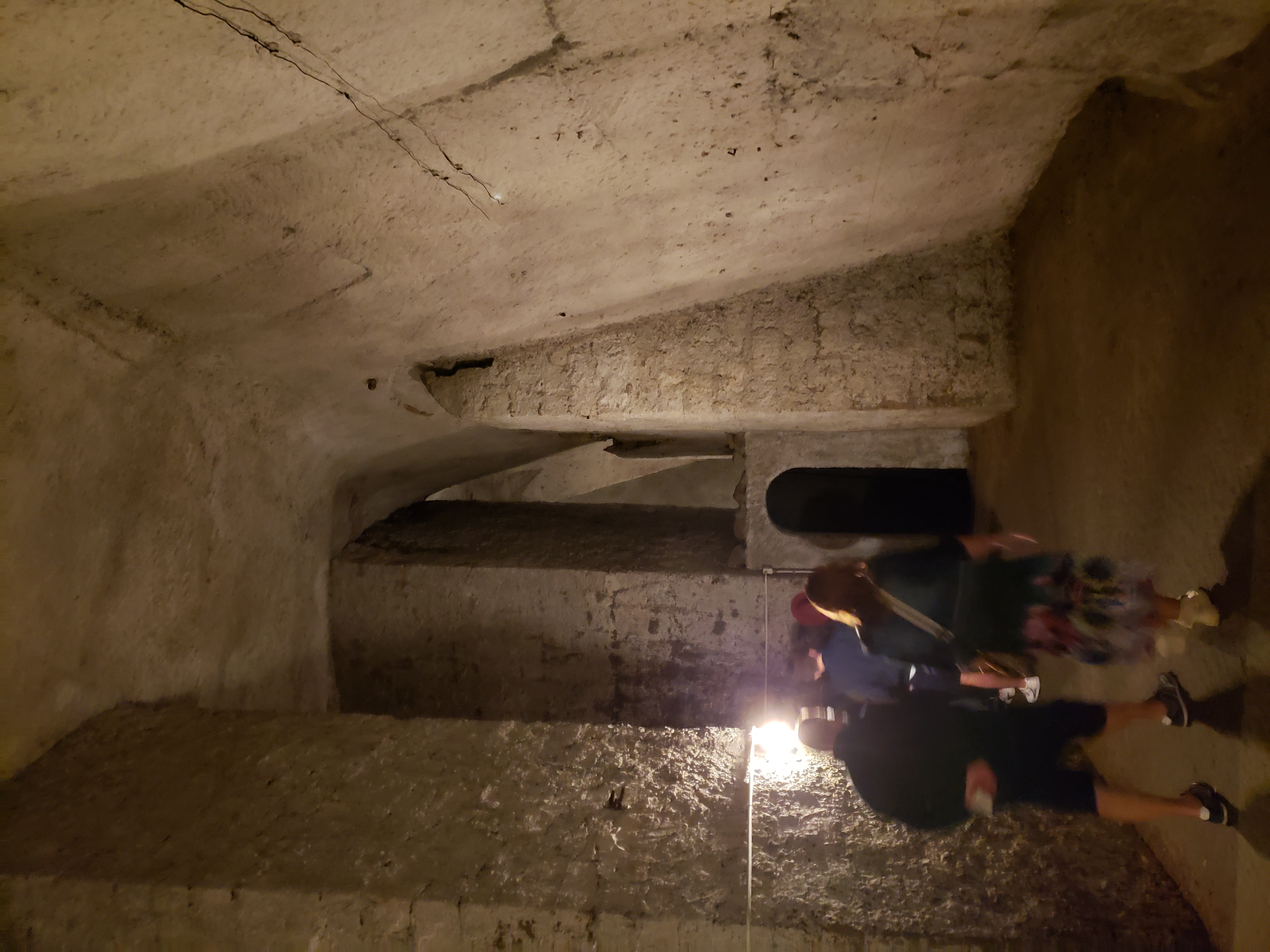
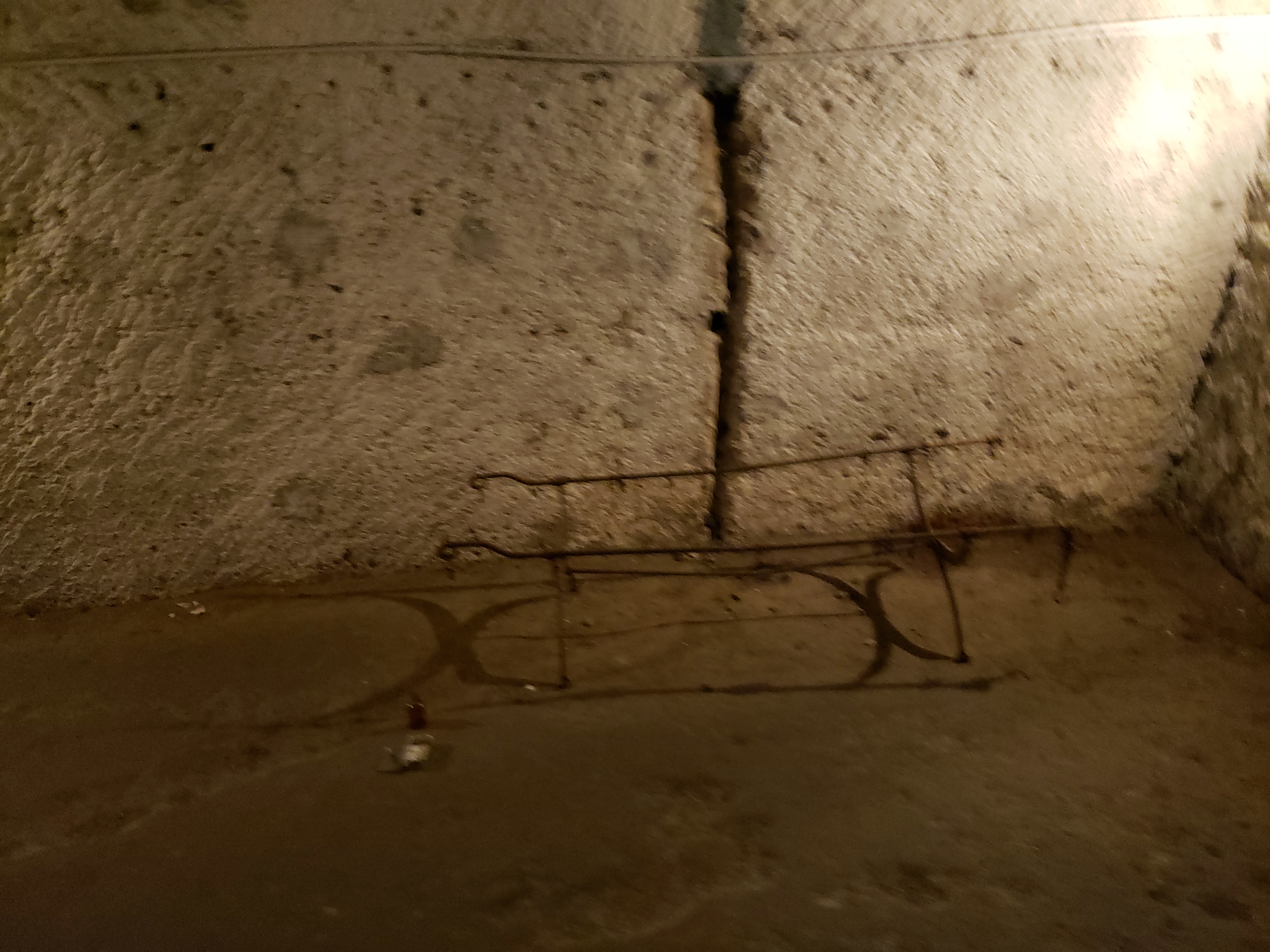
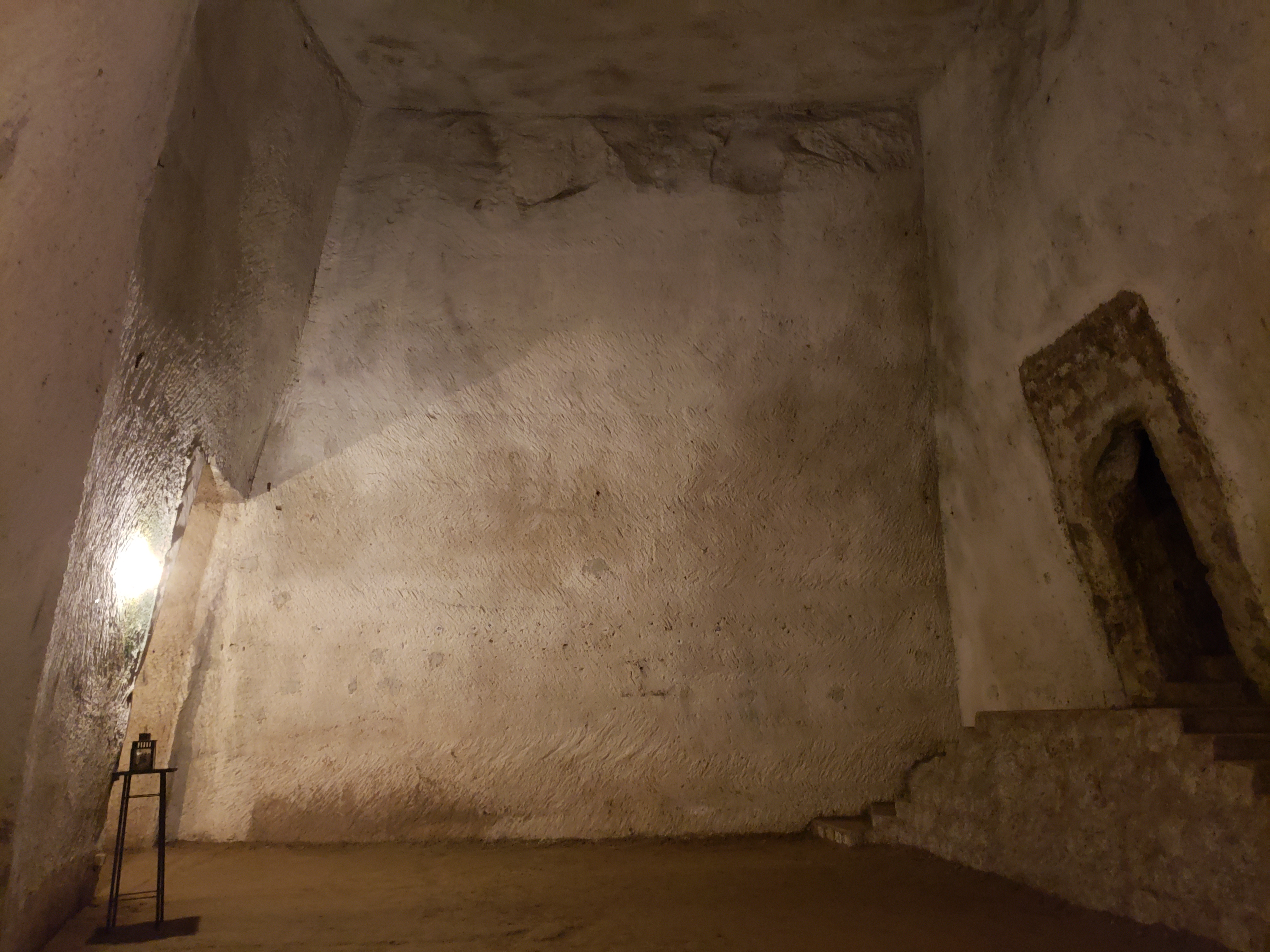
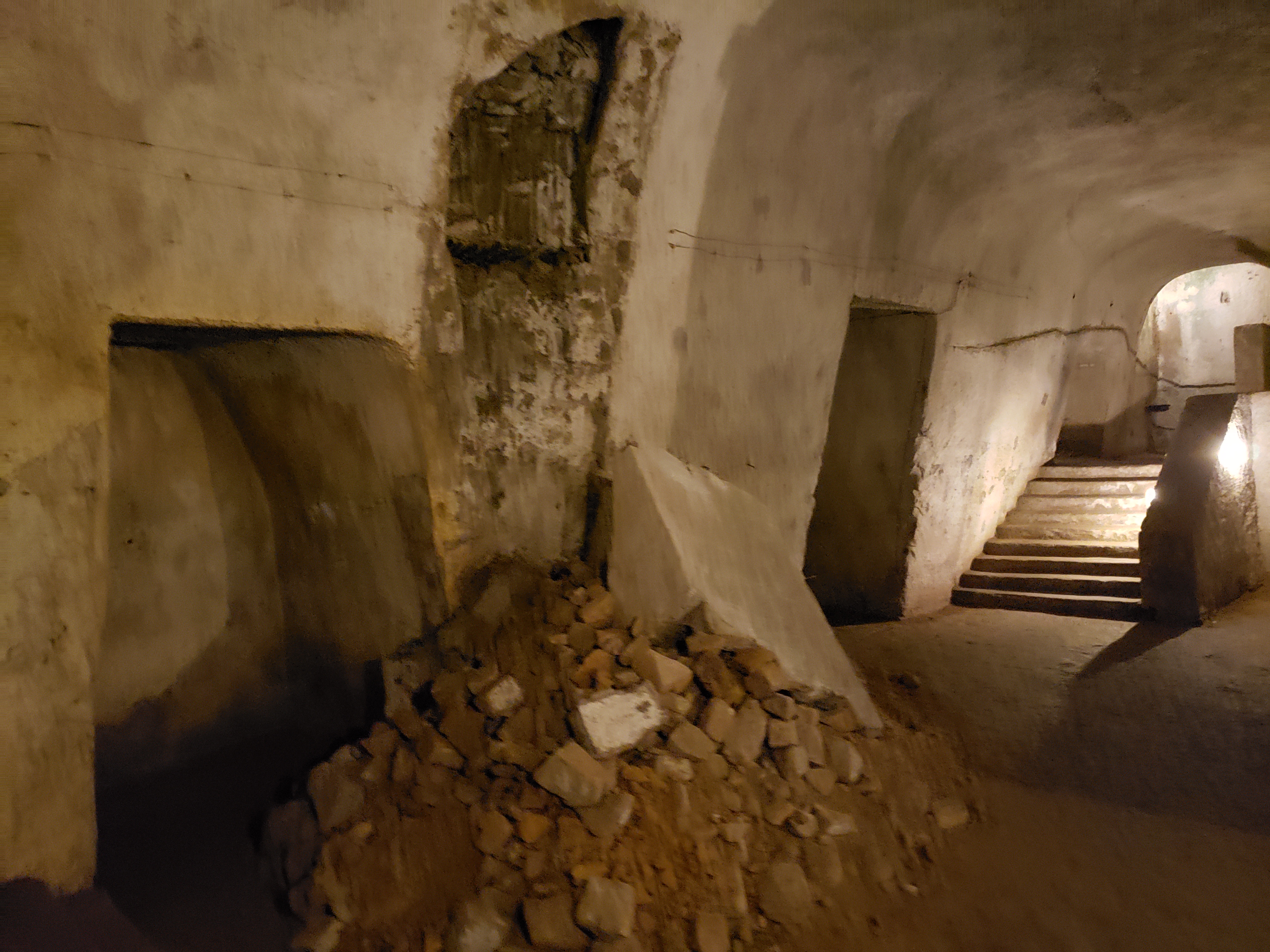
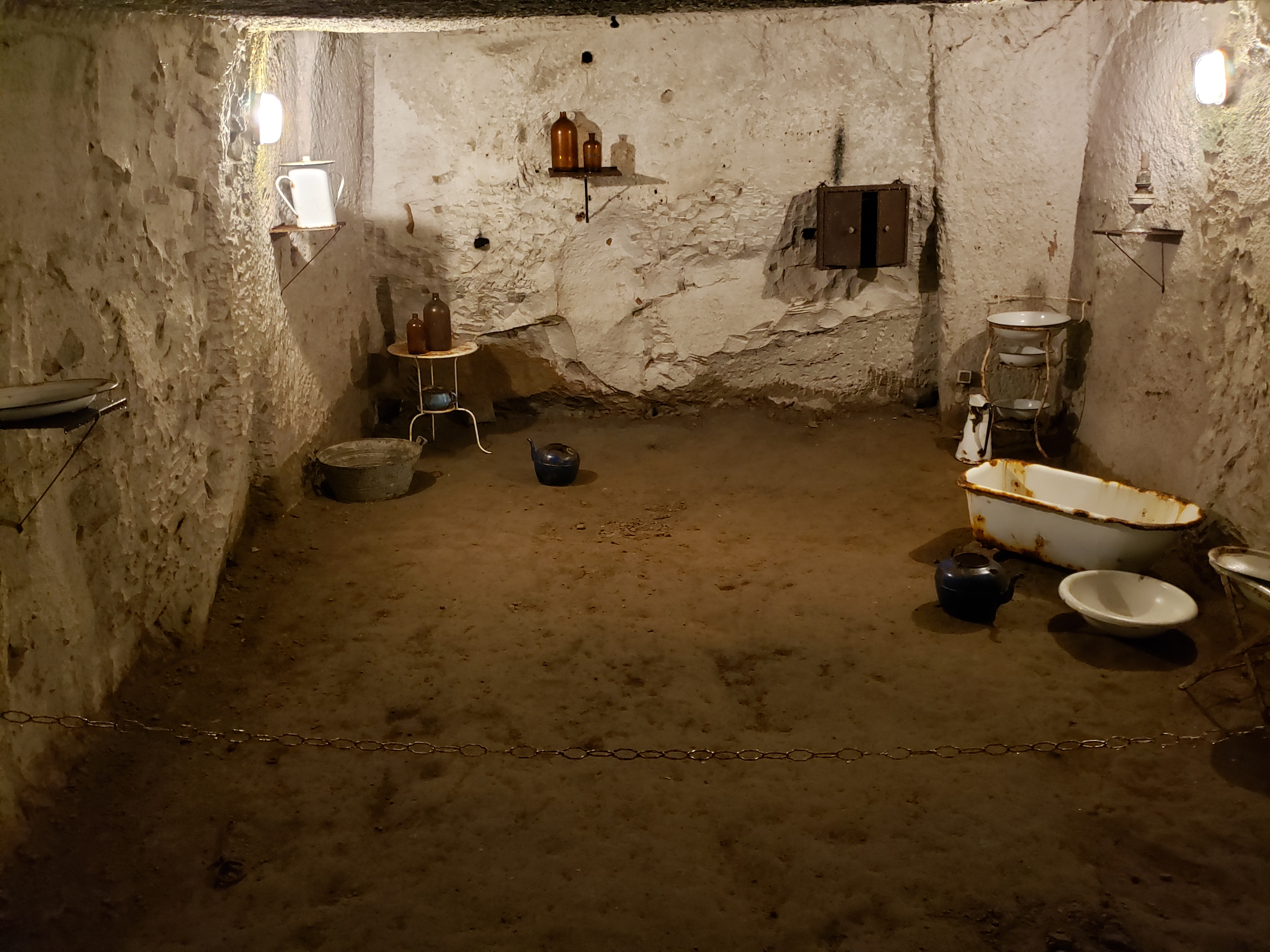
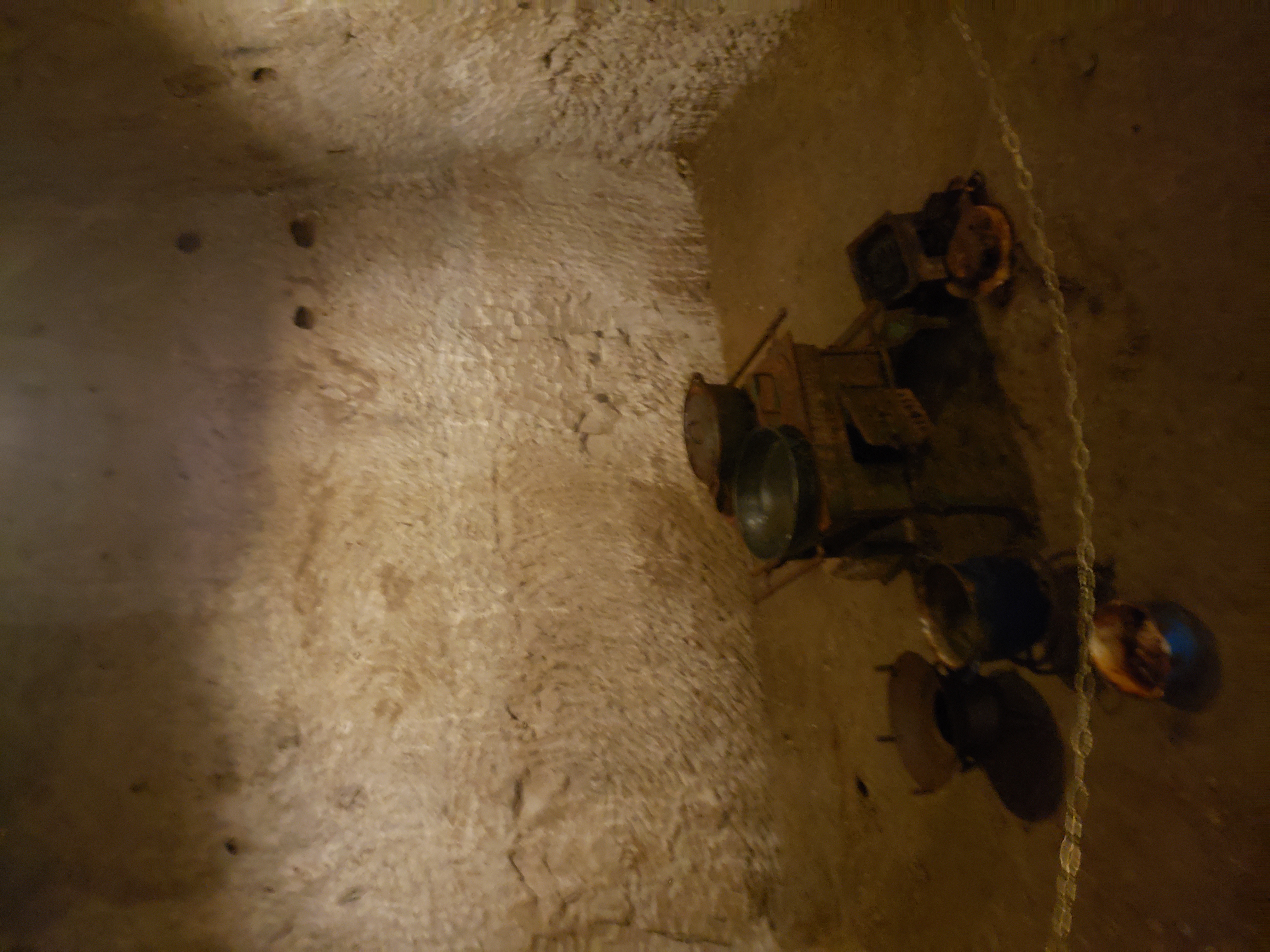
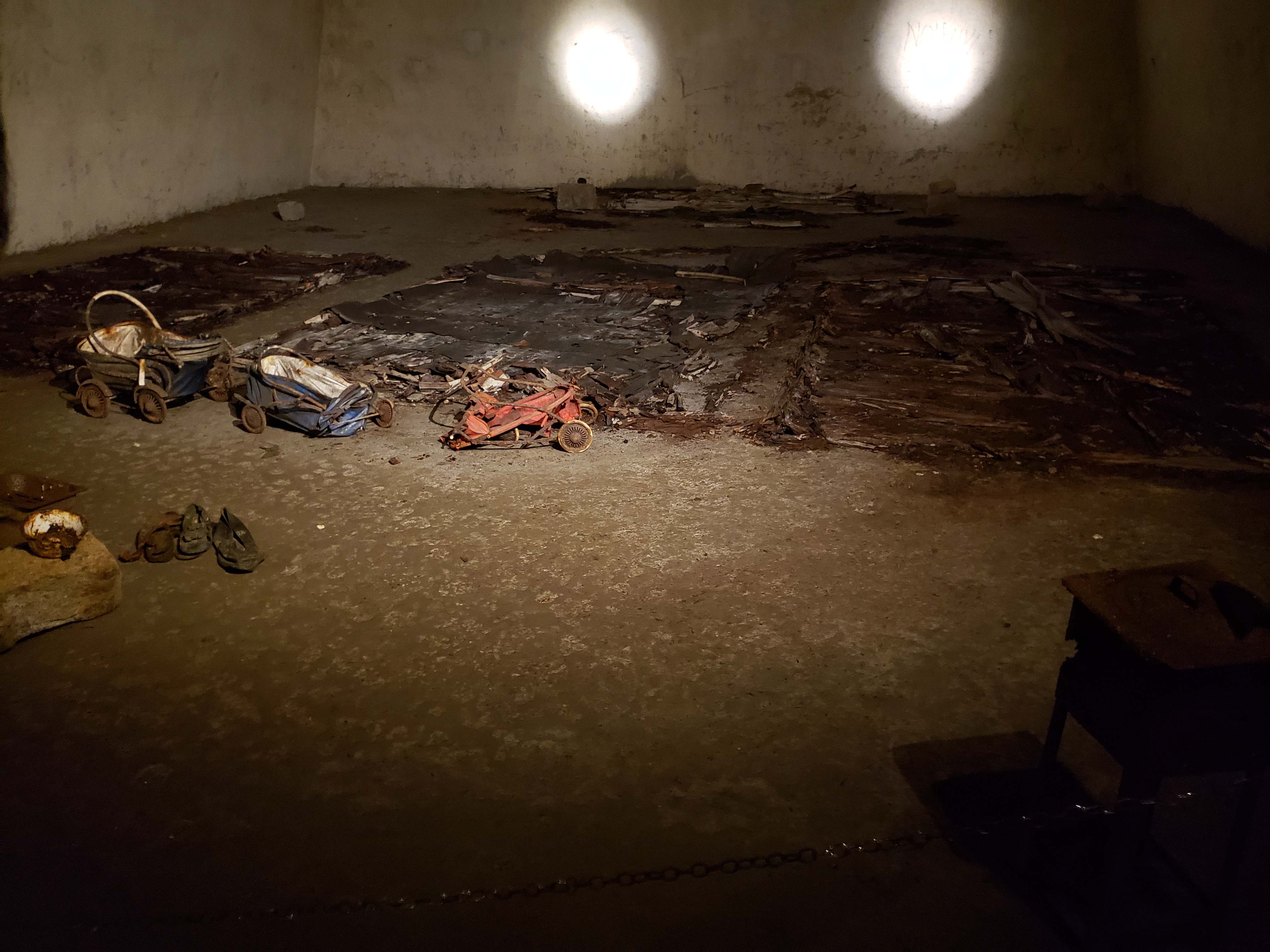
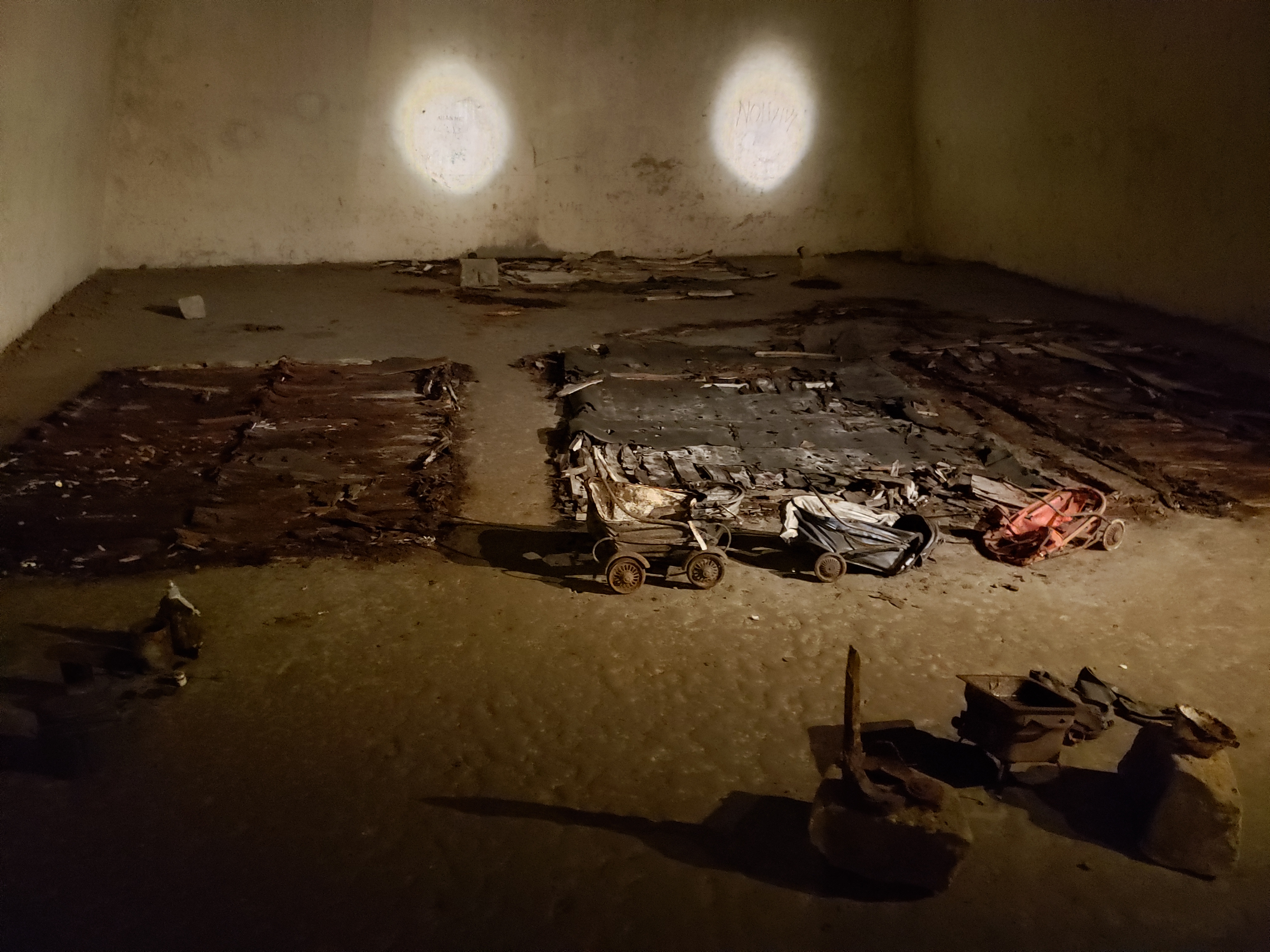
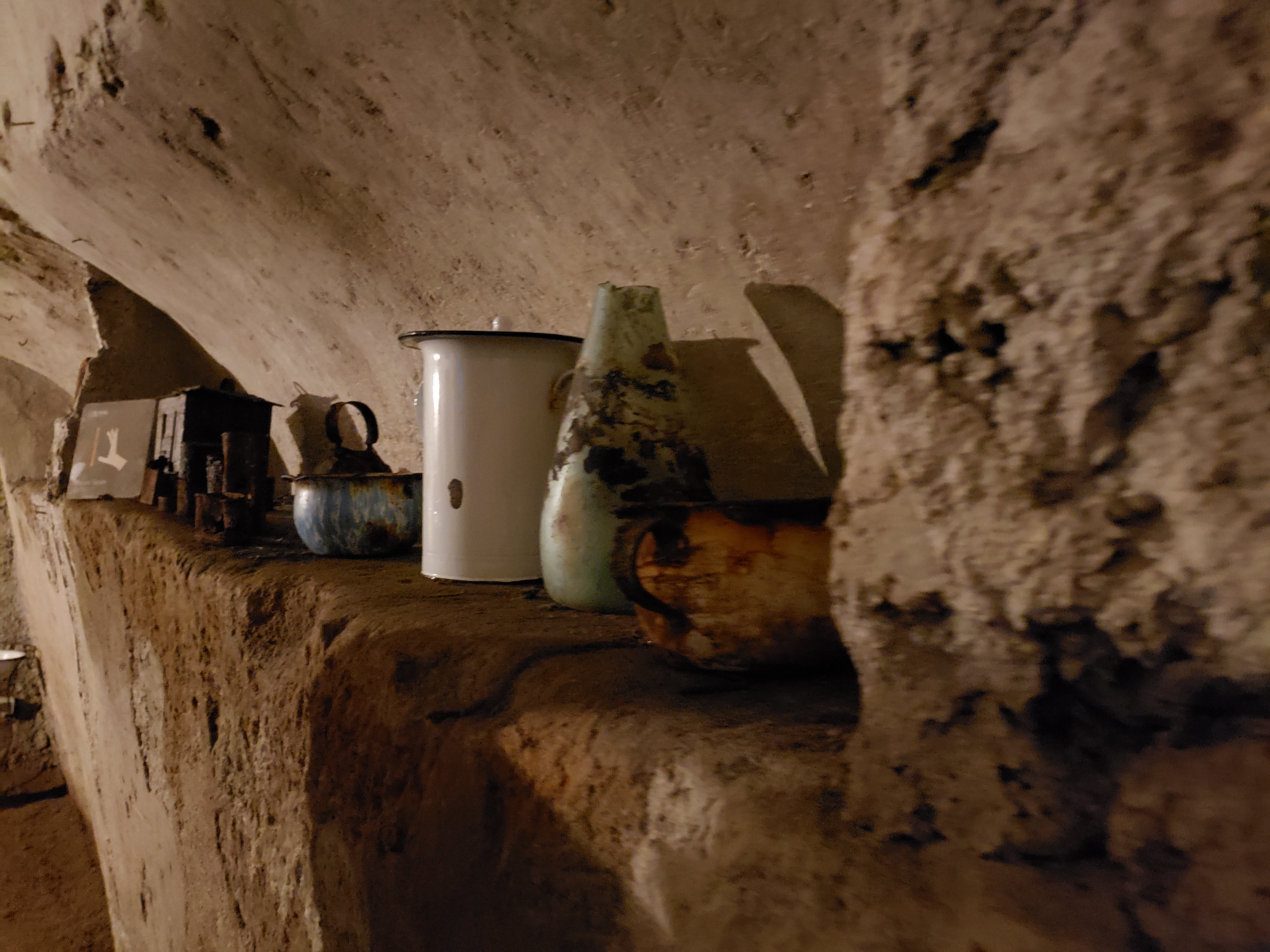
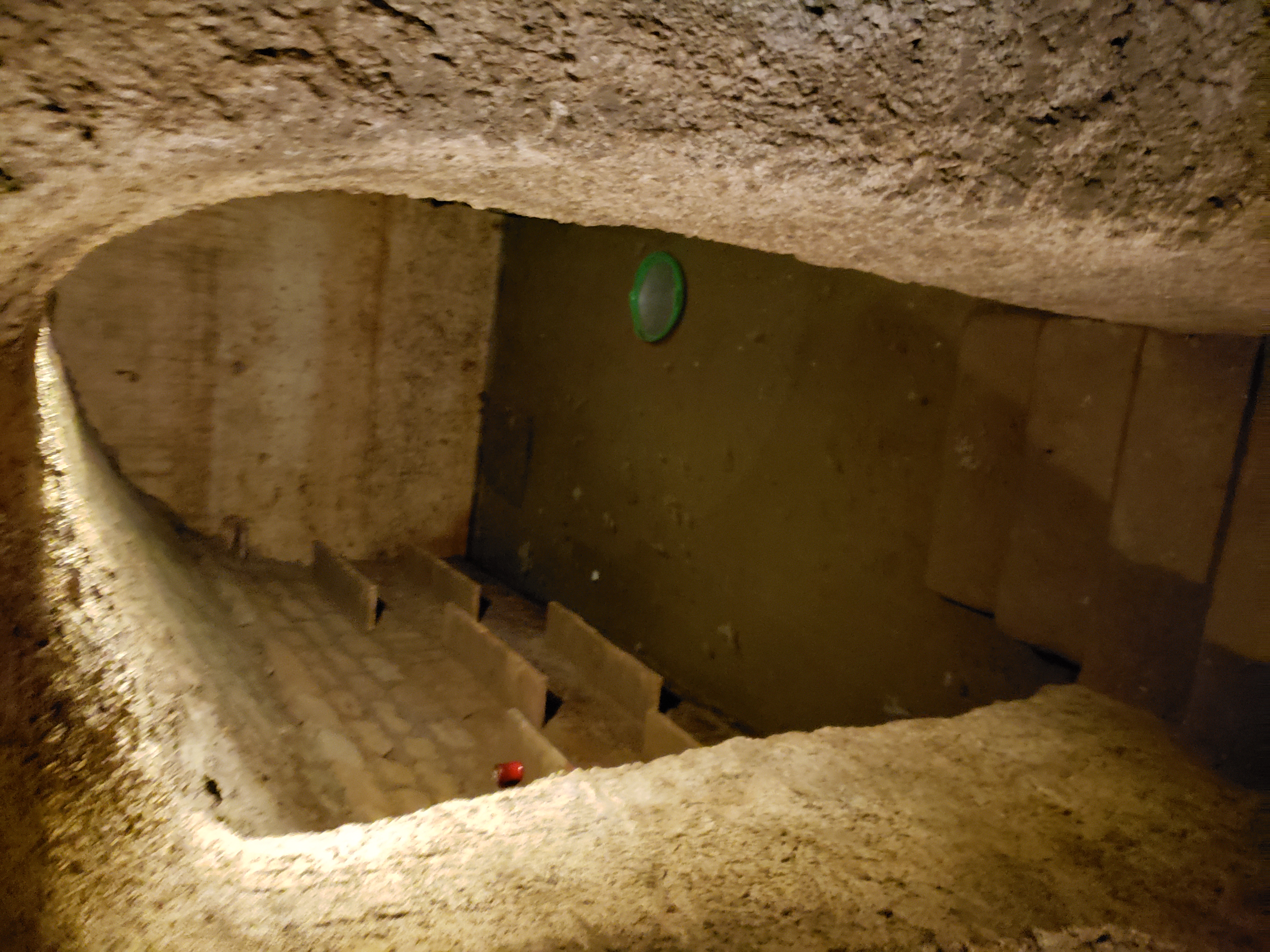
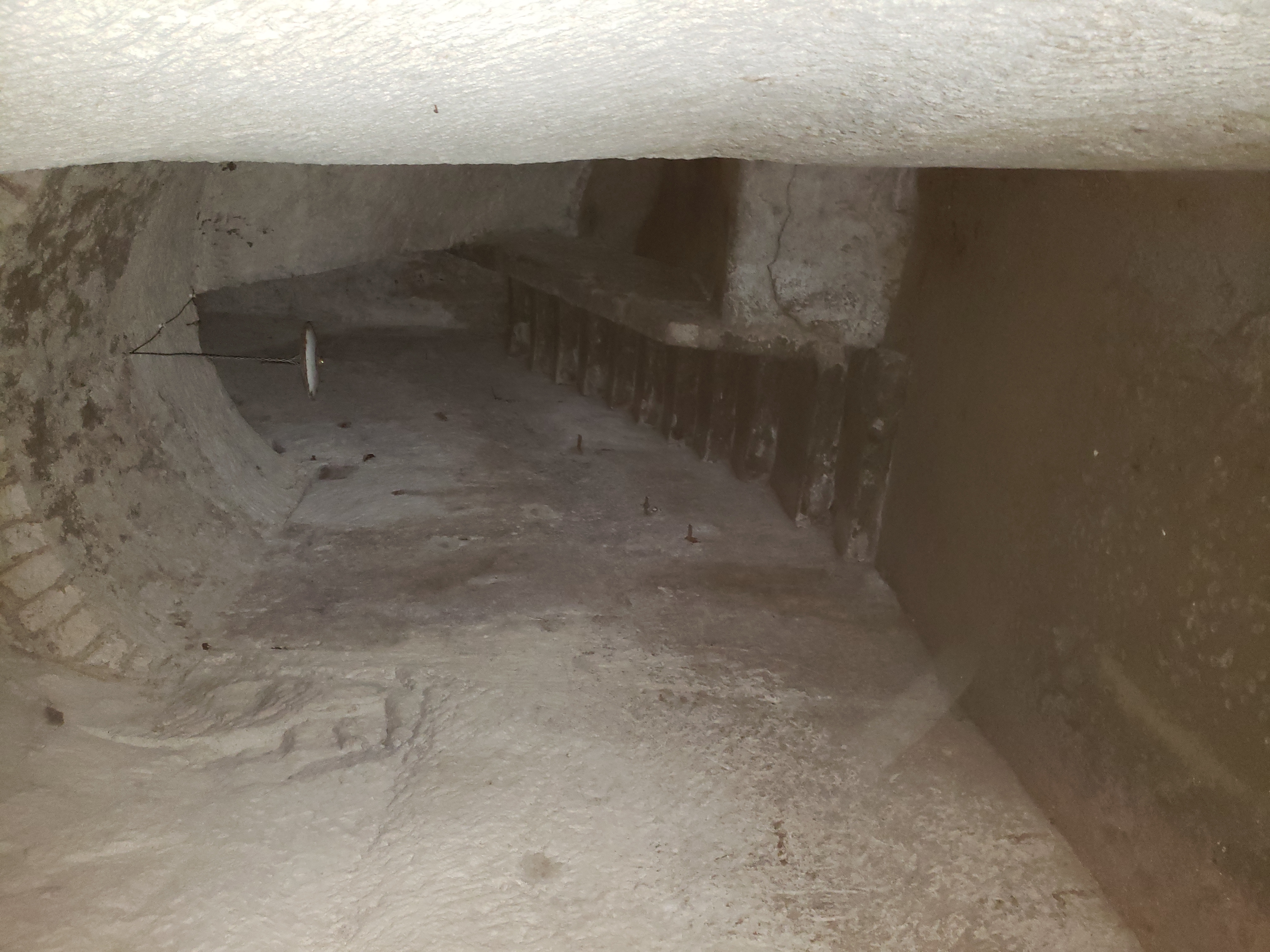
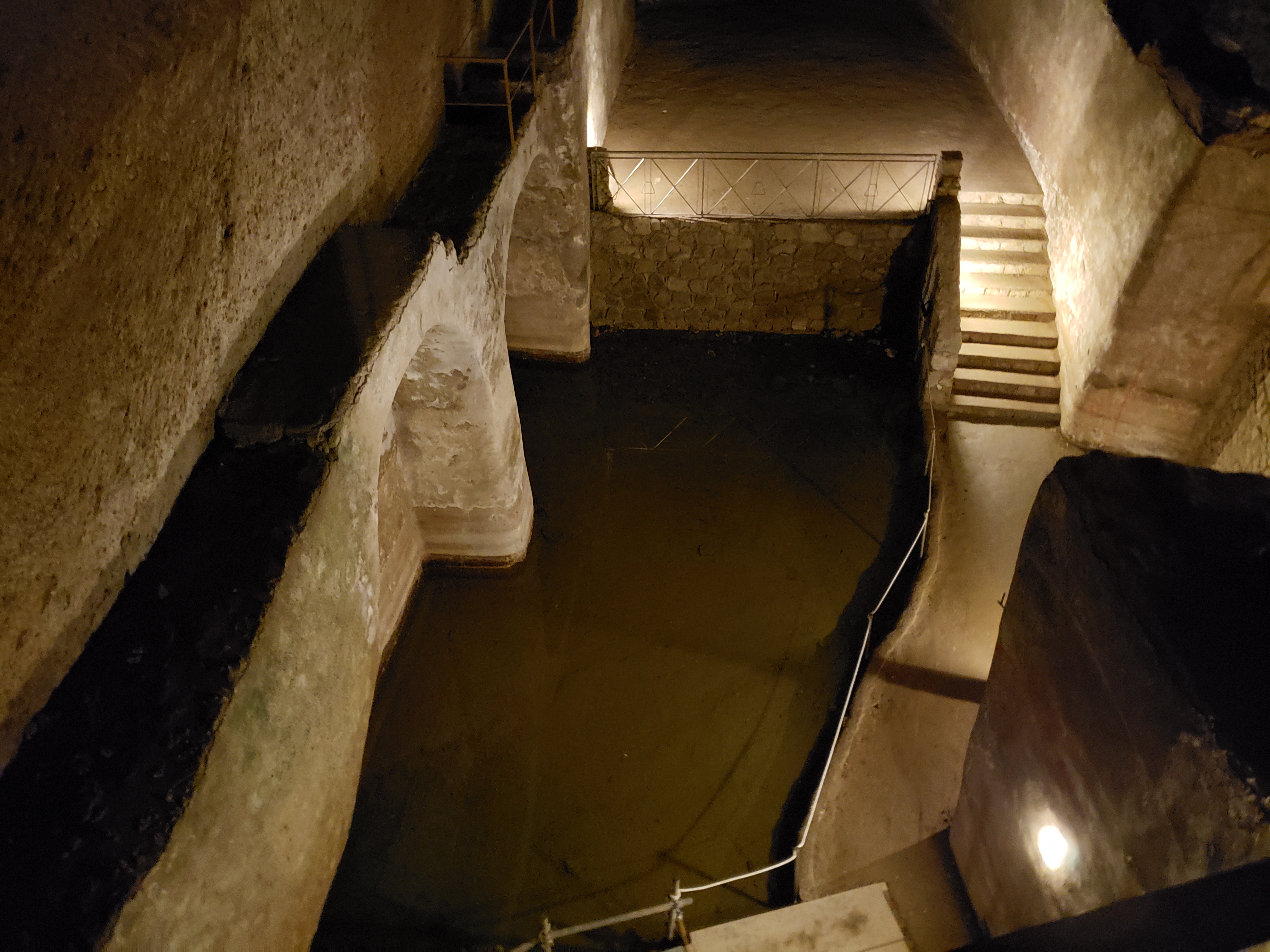
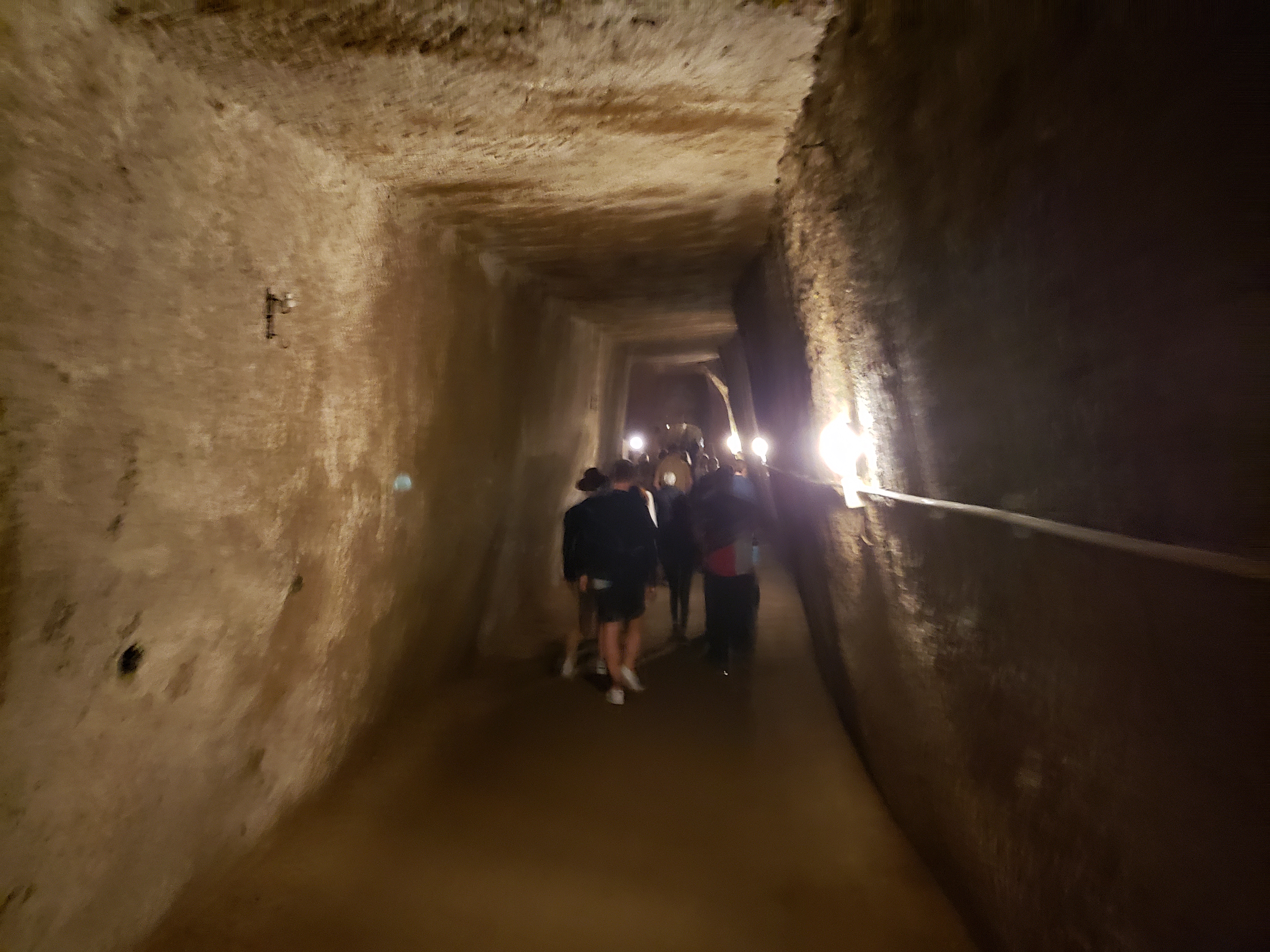
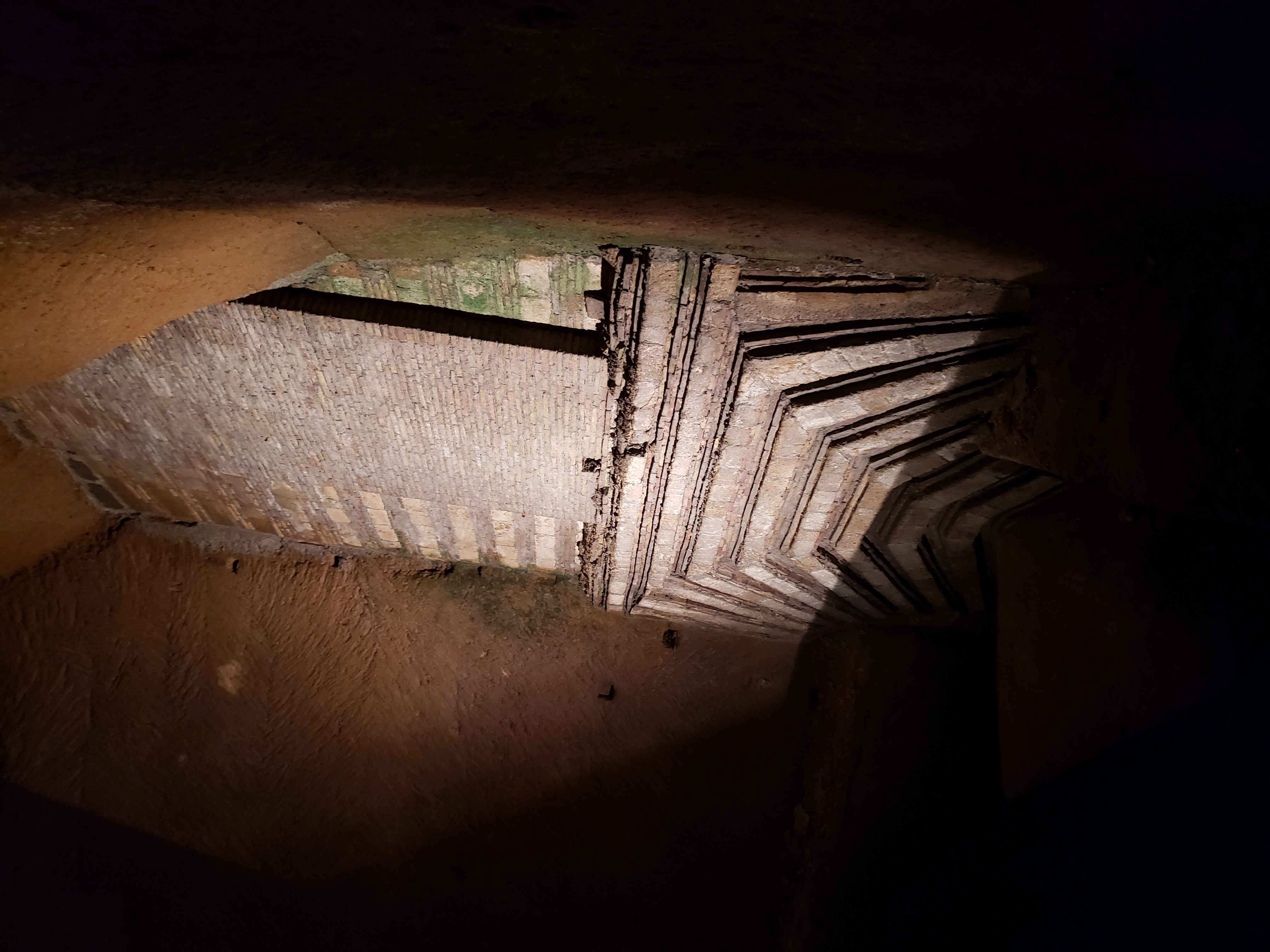
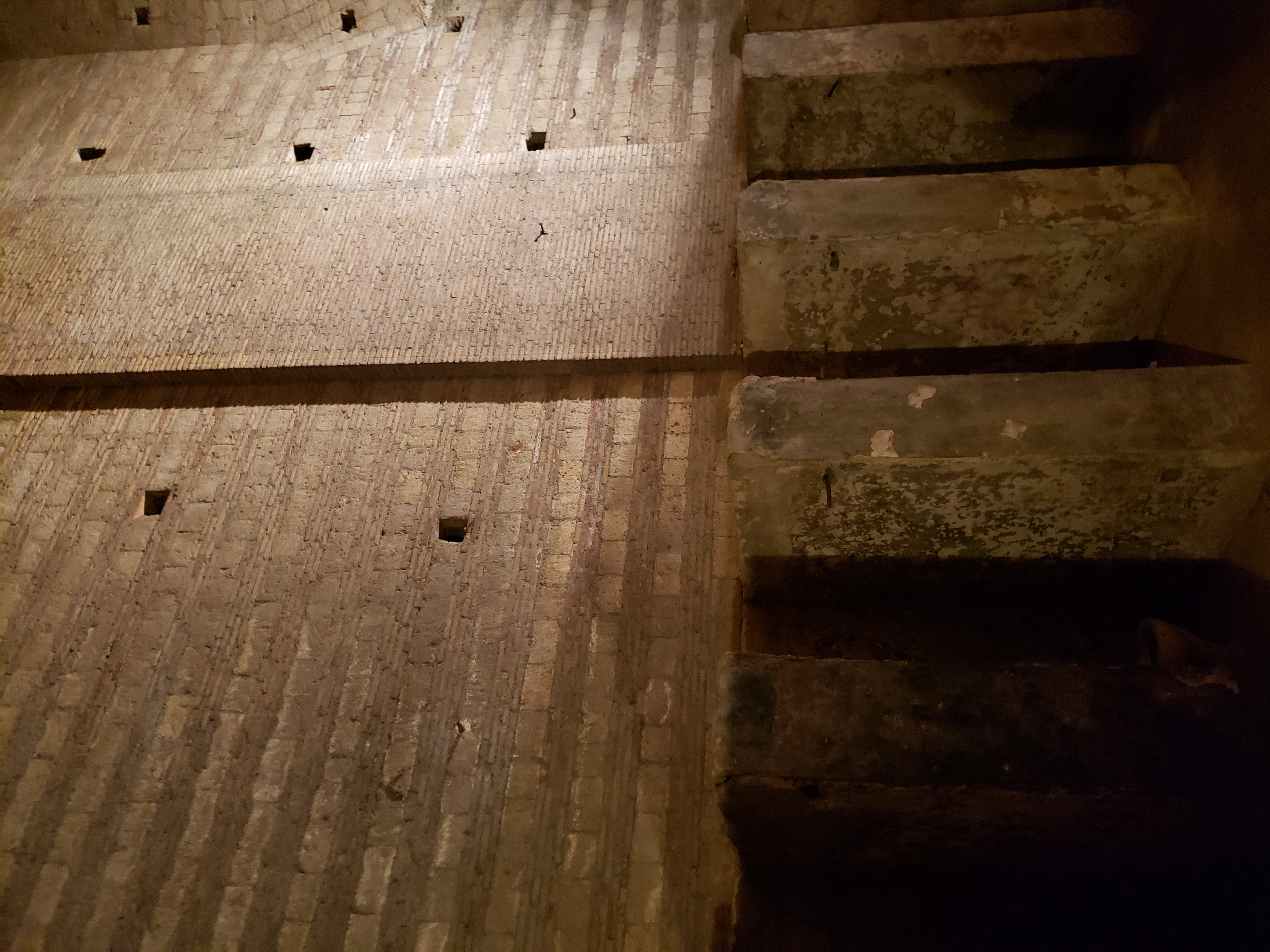
There are tunnels, aqueducts and other underground features all throughout Naples. None has probably had more contemporary use than the Bourbon Tunnels, which were converted and used during World War II as bomb shelters and storage. There are two entrances to this underground museum, for scheduling reason we had to enter Vico del Grottone, the same street that our restaurant below for lunch was on, so very convenient.
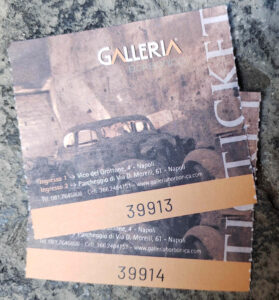
Tickets for Two – Bourbon Tunnels
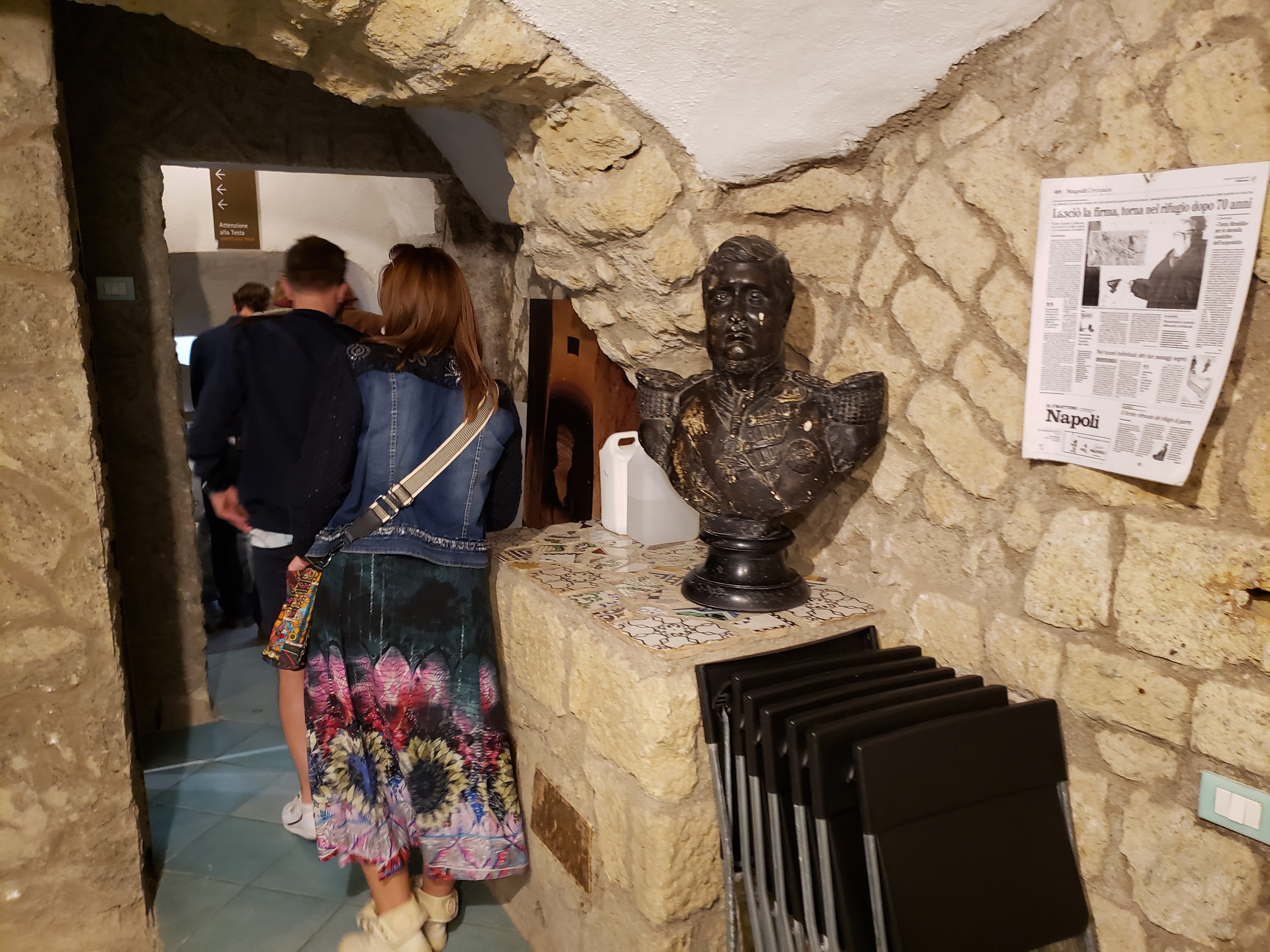
The following of our tour is provided uncaptioned, there is more information in the above internet link.
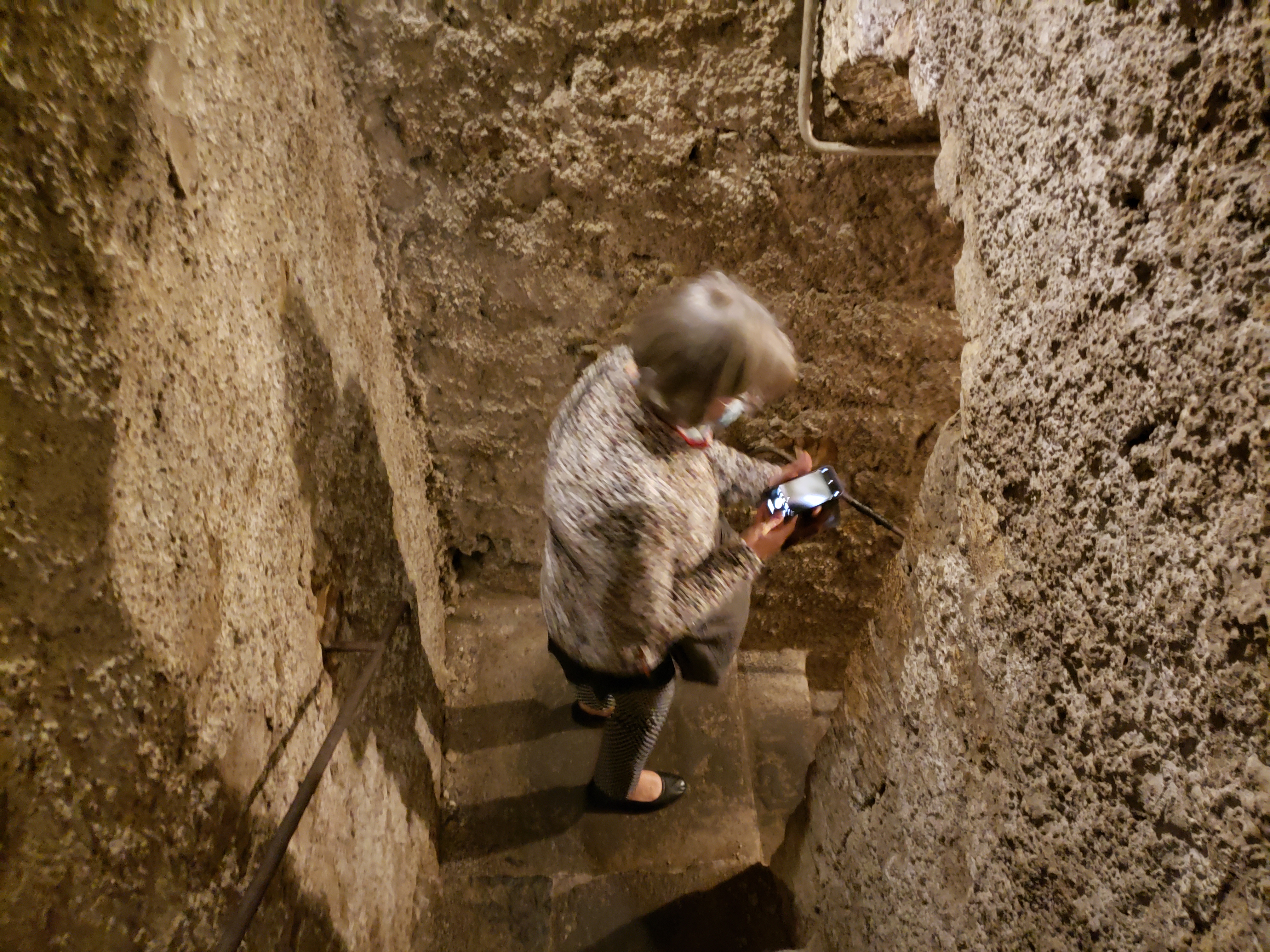
Patti descending
Patti
WW II electricity installlation
Restaurants
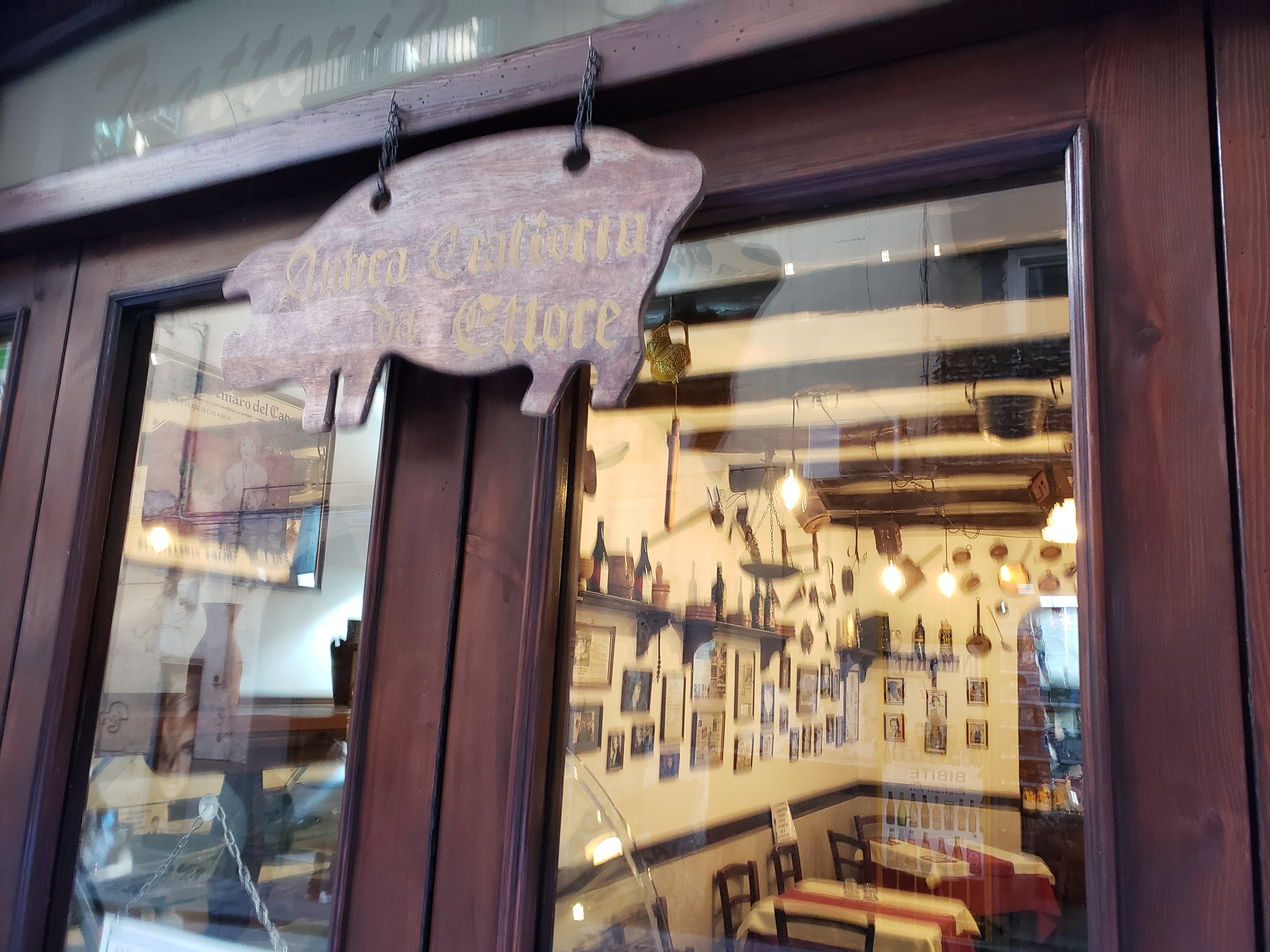
Trattoria da Ettore
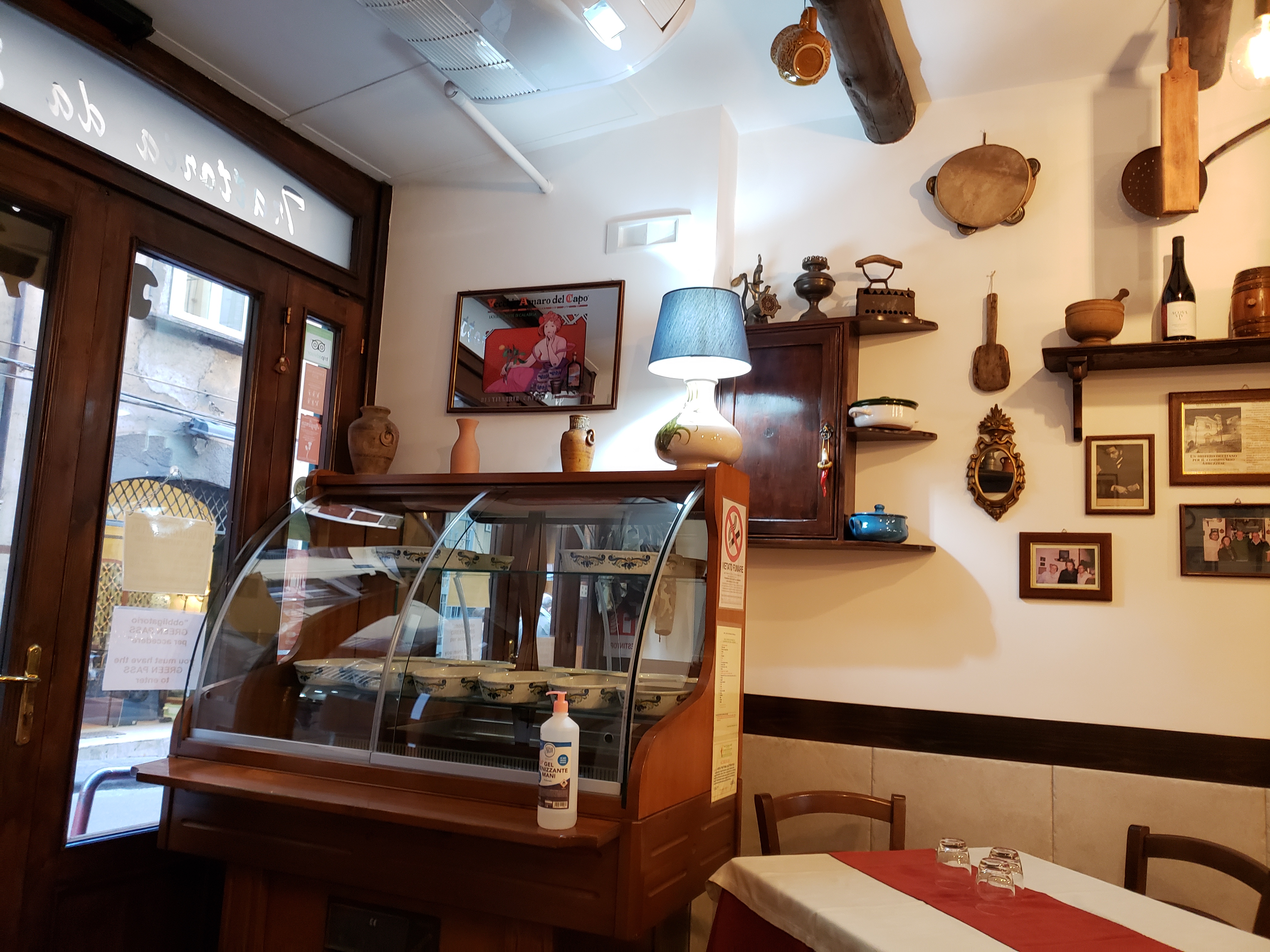
This trattoria, as many others outside of the touristy areas, is an excellent little mom and pop restaurant. It has only six tables and when they are full for lunch, you are turned away (the same is true for dinner and probably for most restaurants in Italy, when they are full, they are full, so get there early). It is located on Vico del Grottone and it is figuratively speaking a hole in the wall.