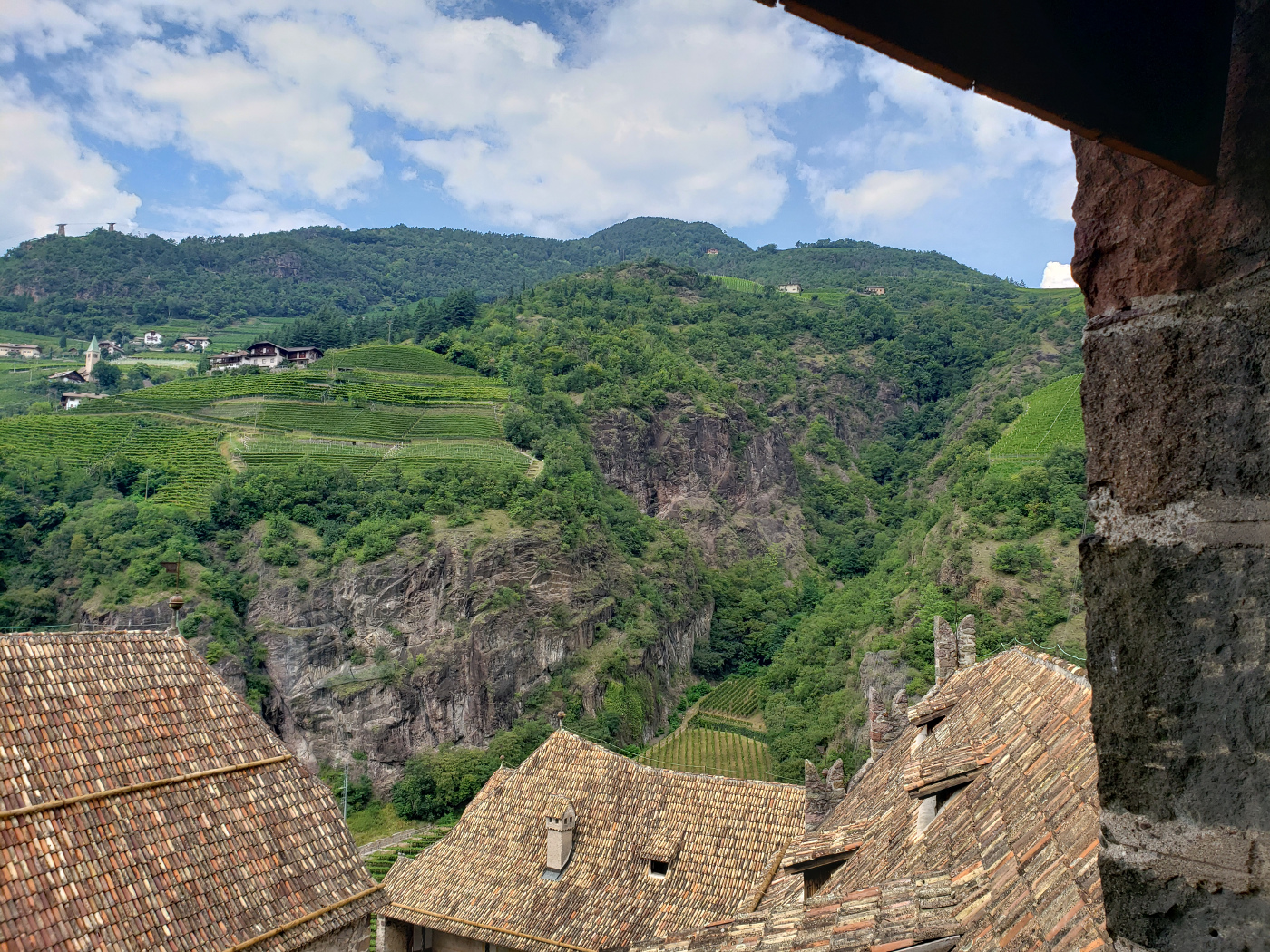
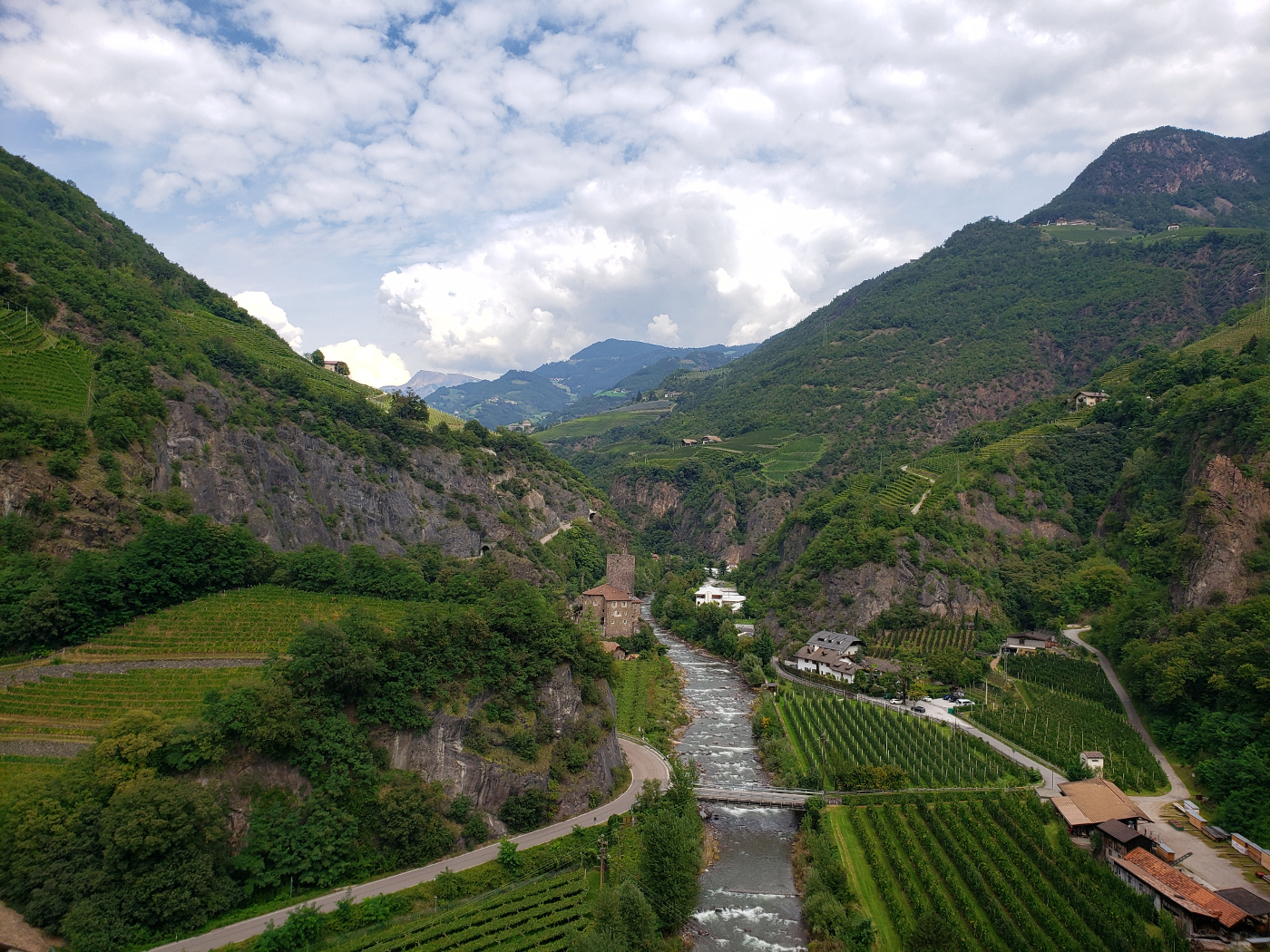
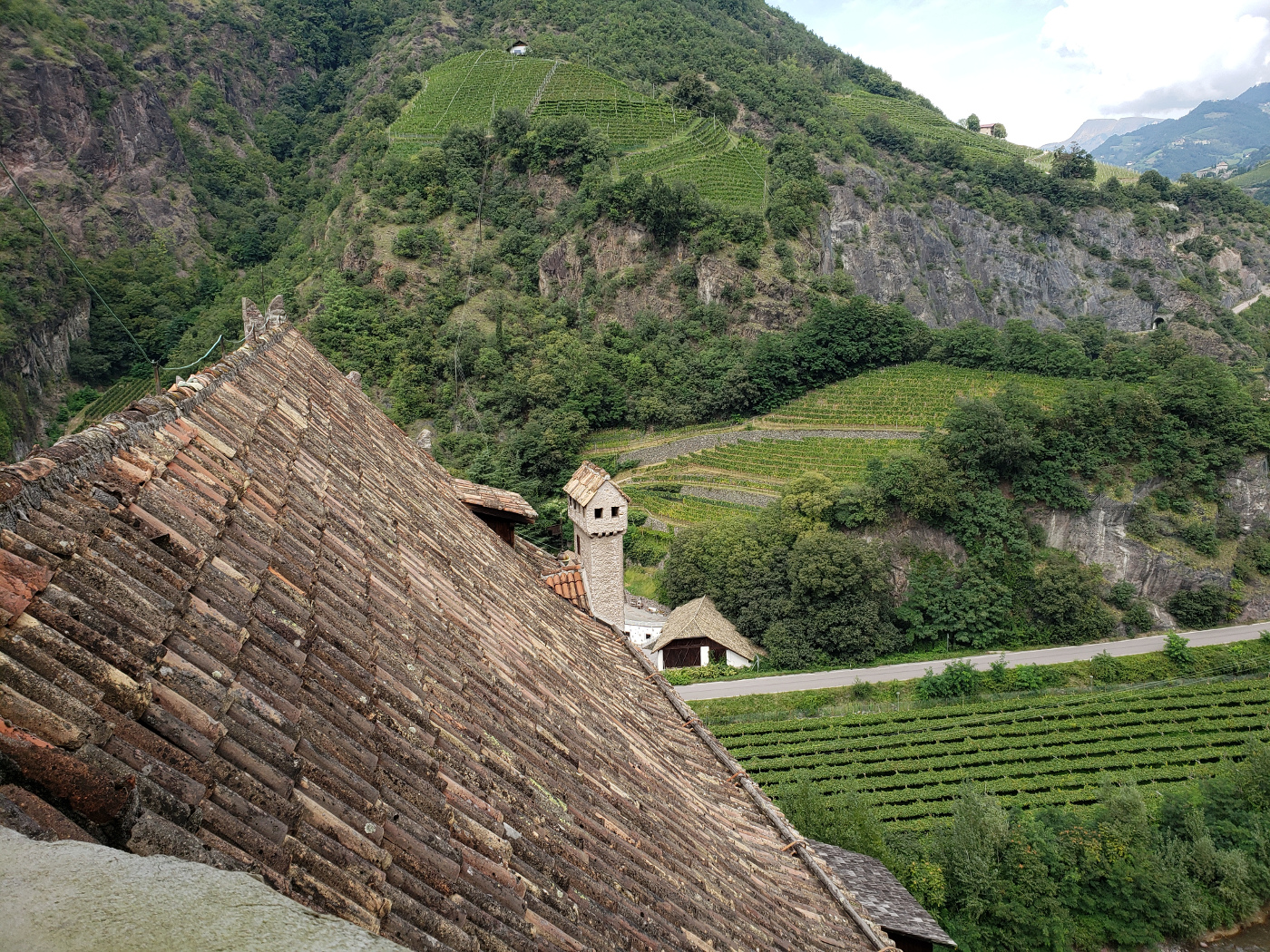
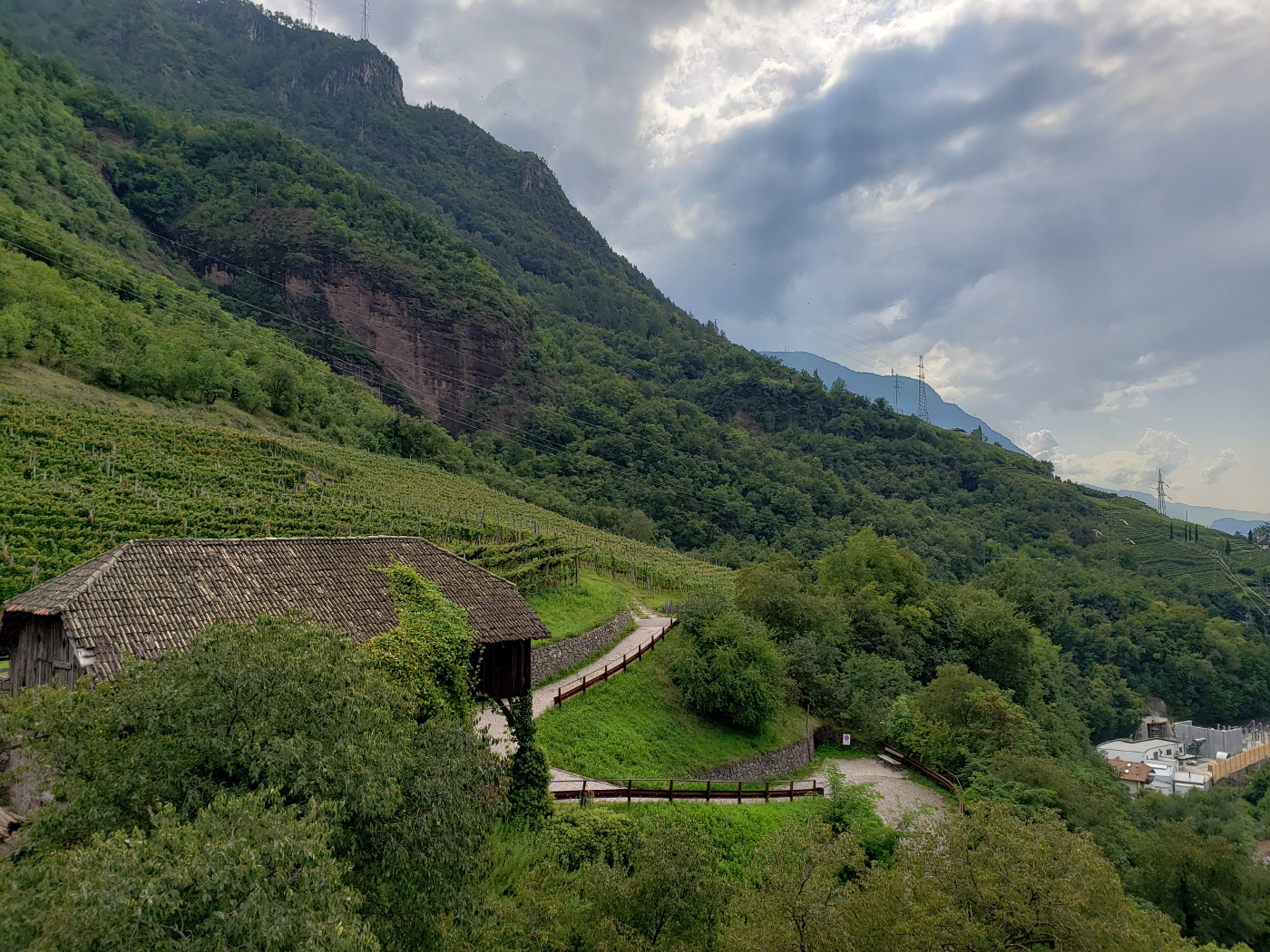
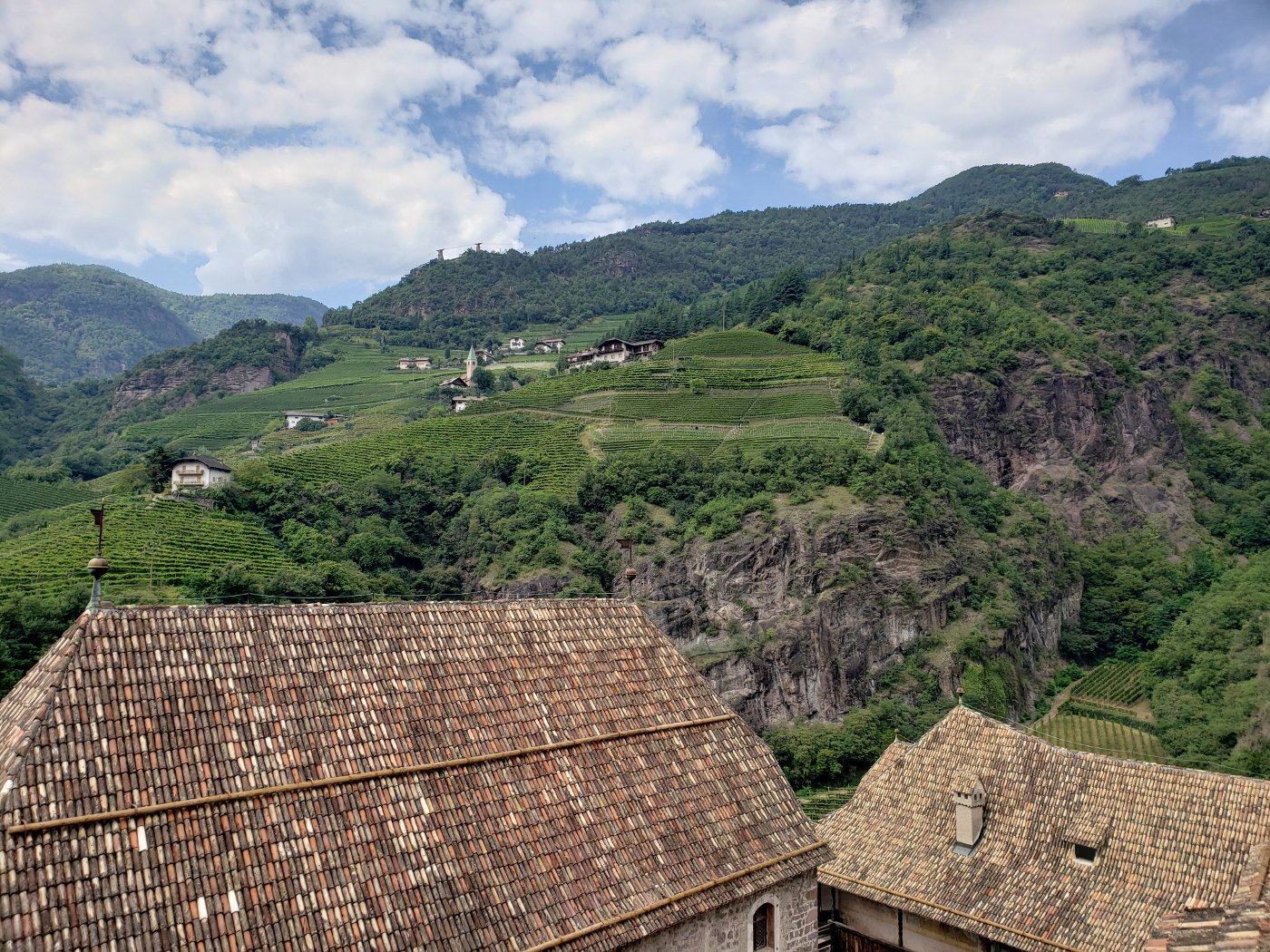
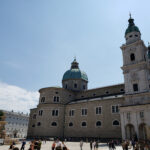
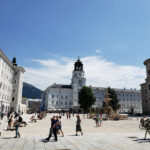
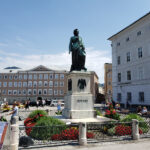
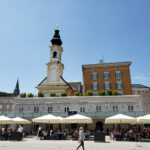
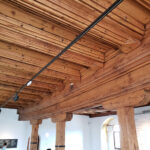
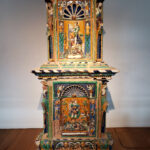
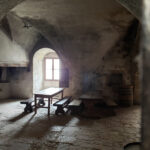
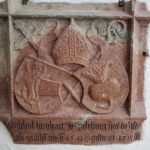
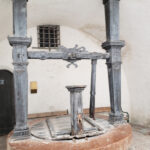
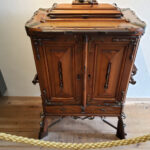
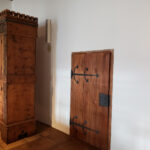
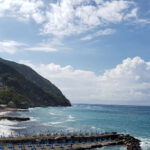
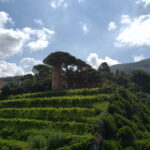
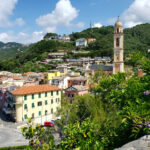
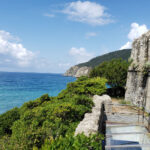
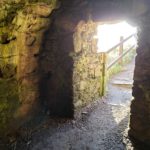
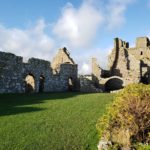
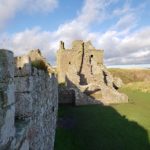
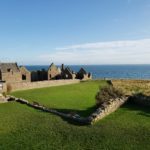
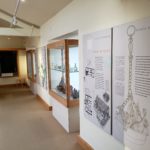
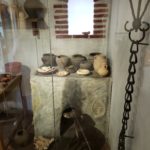
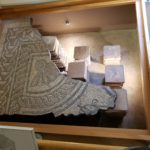
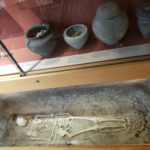
Continuing our adventure in Bolzano, we found it has a number of good museums and many castles to visit, actually one of the denser areas for castles in Europe. We were lucky enough to have time to see two great museums and one of the better castles. If you are ever in Bozen/Bolzano, these are all great places to visit.
Museums
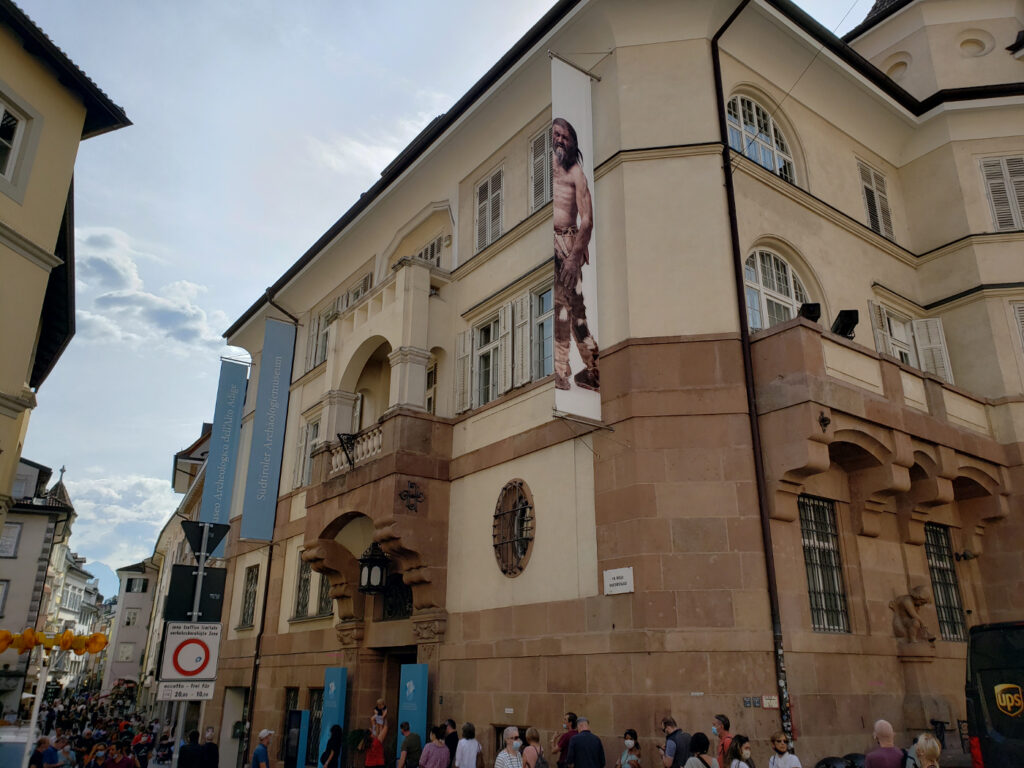
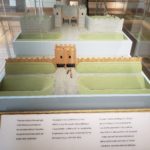
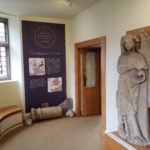
Südtiroler Archäologiemuseum
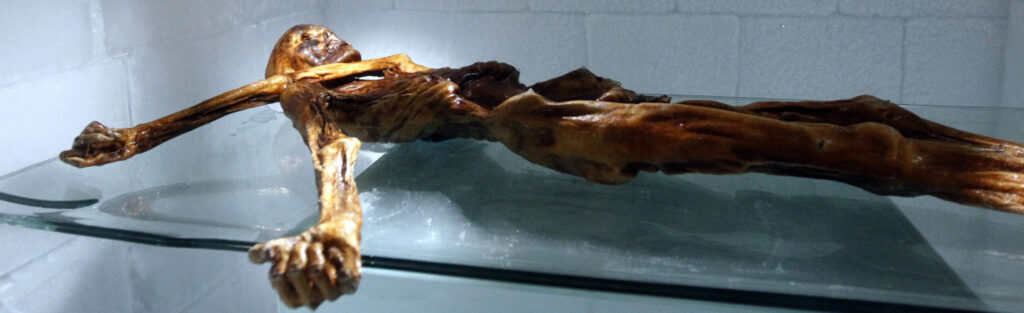
The South Tyrolean Museum of Archeology is the present home of Ötzi, the five thousand and three hundred year old man that was found frozen in an alpine mountain pass.
Südtiroler Archäologiemuseum
Visitors will learn who made the discovery and how, as well as many keen facts on the later removal and care for the iceman. It is amazing how many artifacts were found along with the body, all of which can be seen in the exhibits. Ötzi himself is viewable from a portal of glass, though which you can see most of the details of his frozen form. The room keeps him at the conditions in which he was found on the mountain-top.
Ötzi
Naturmuseum Südtirol
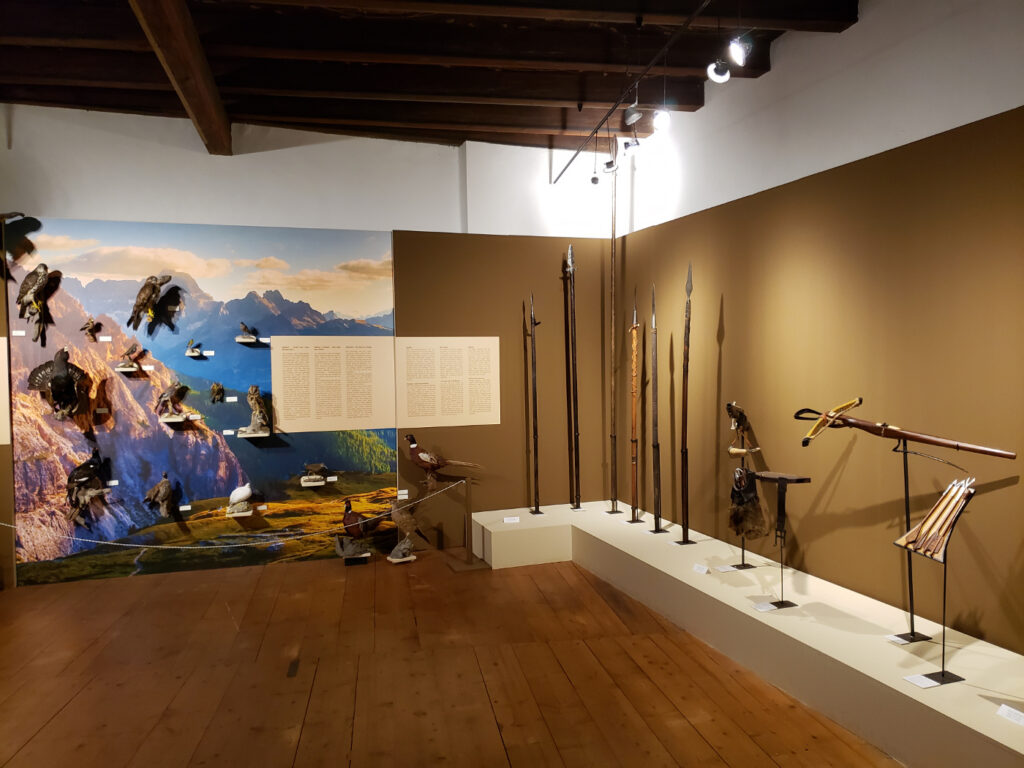
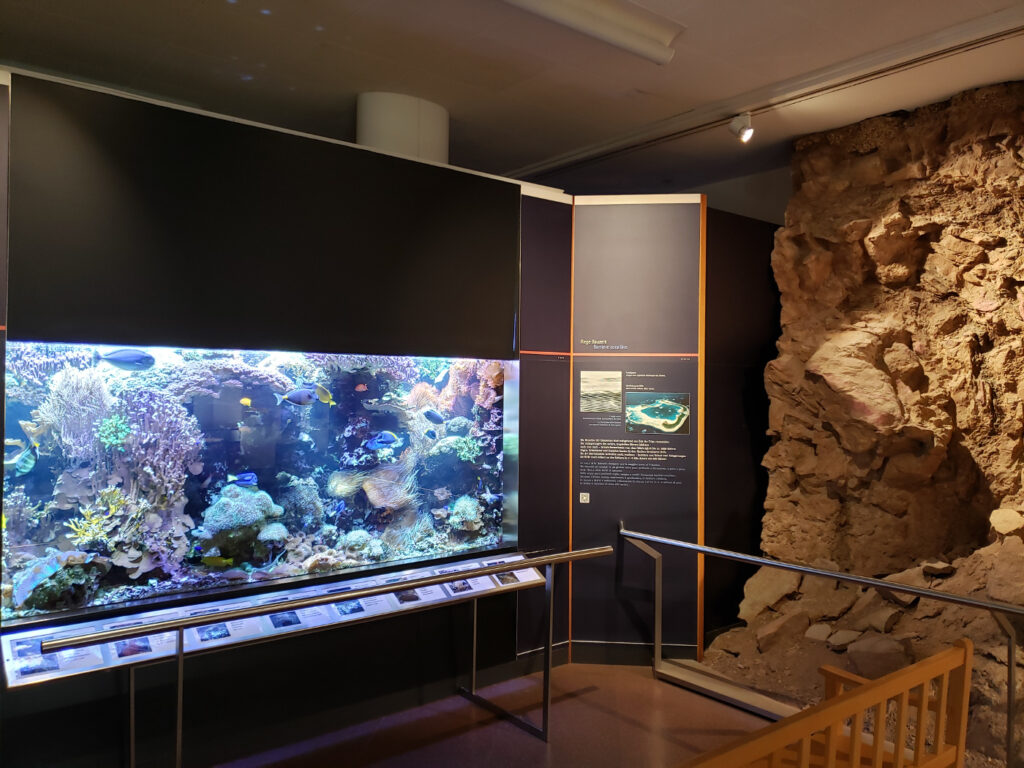
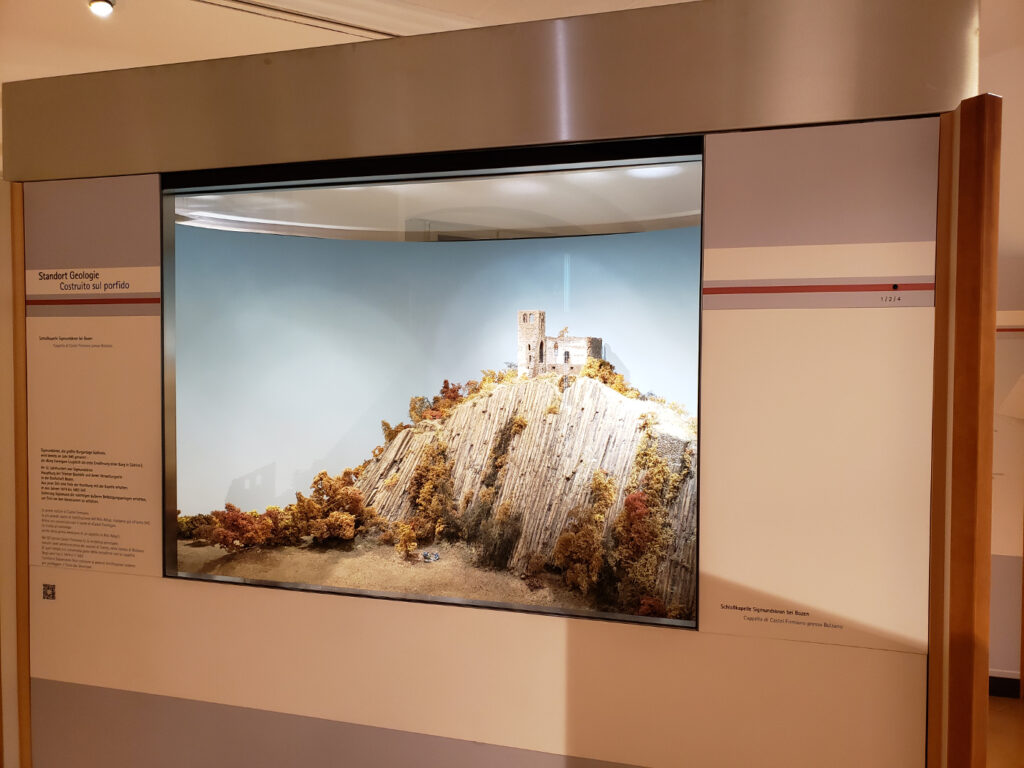
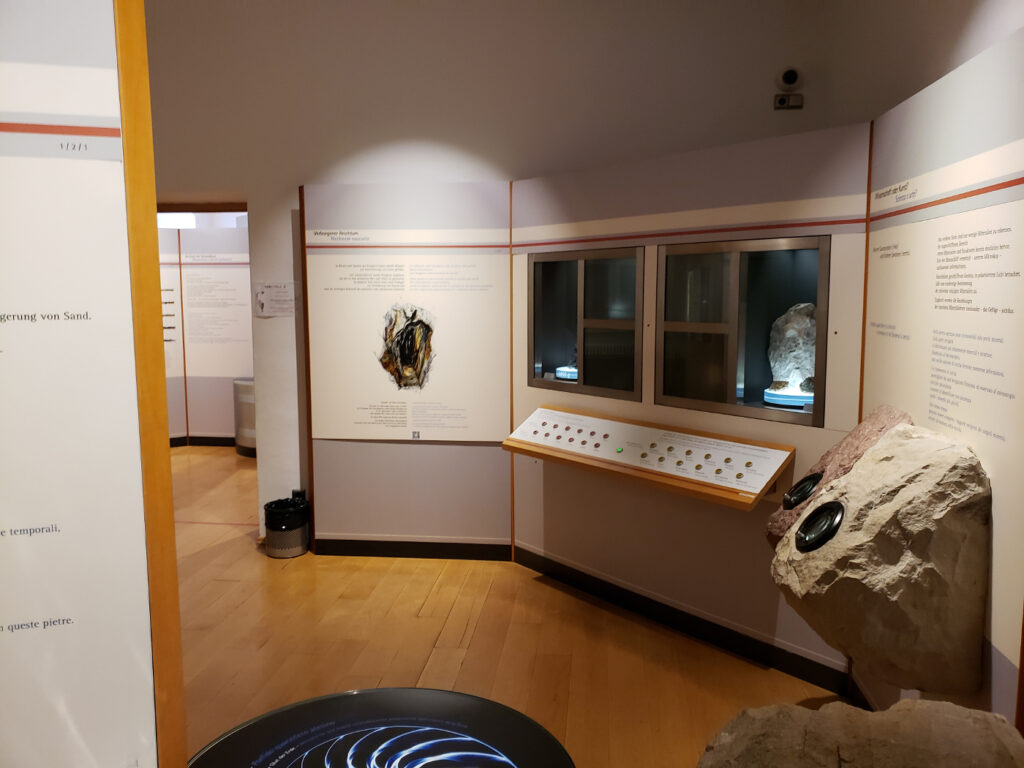
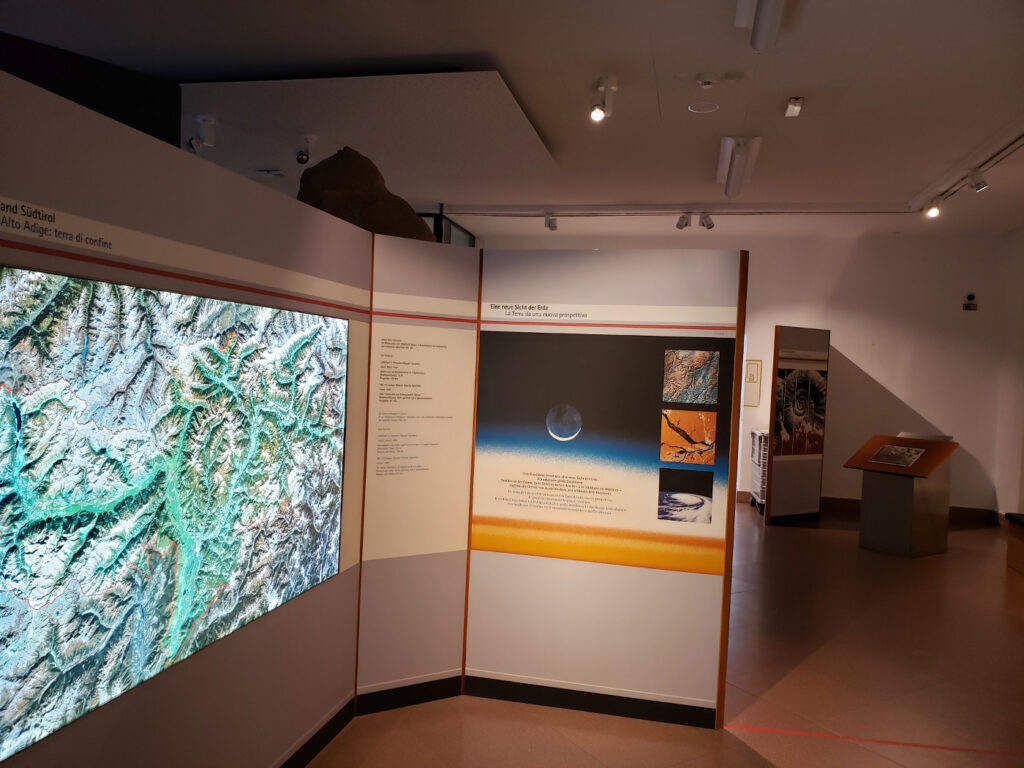
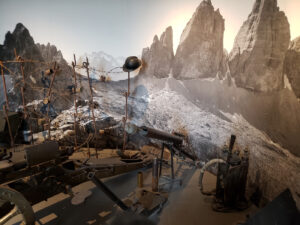
The South Tyrolean Museum of Nature is a rather small museum that provides a good educational foundation for the natural areas surrounding Bolzano. You can learn about all of the habitats and ecology of the forests and fields of the neighboring countryside, as well as its geology and climate.
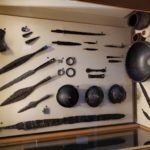
Hunting Implements
Tropical Fish
Diorama
Interactive Exhibits
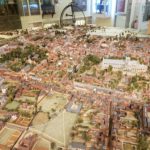
Map Showing Topology
There are many hands-on exhibits for children, most of which are still accessible with the proper attention to hygiene, in this time of pandemic.
Castles
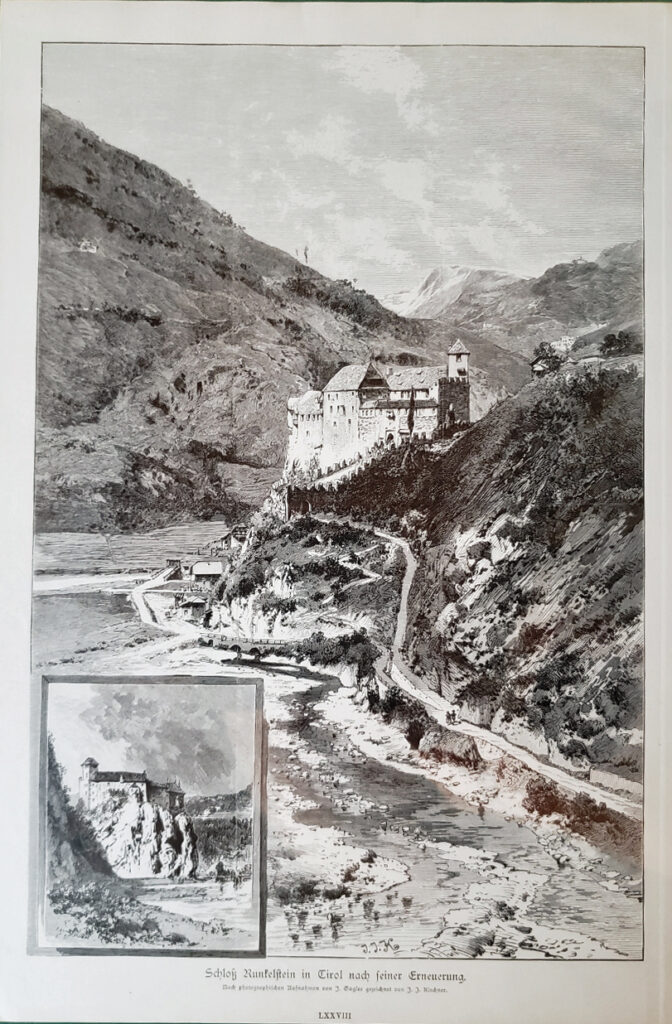
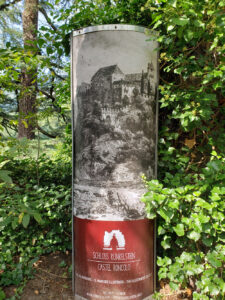
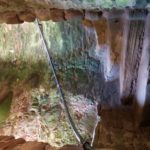
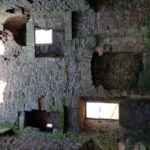
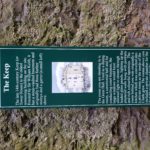
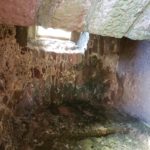
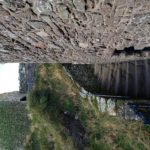
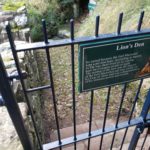
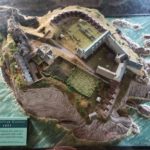
Schloss Runkelstein
Schloss Runkelstein
If you walk from Bozen/Bolzano to the castle, you will note that it is not just a thirty minute walk, but rather more like forty-five minutes.
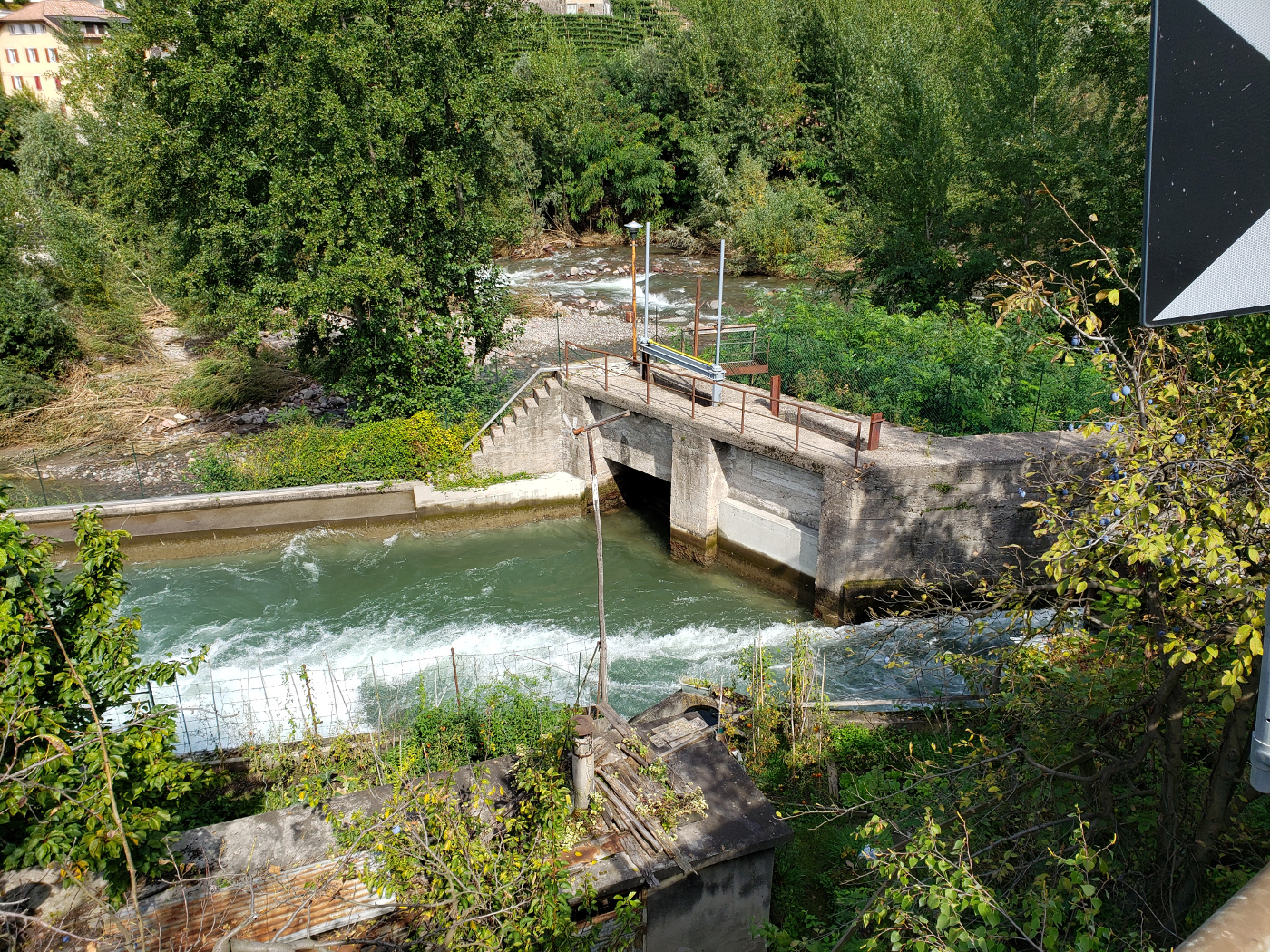
You will pass the old Electric Dam
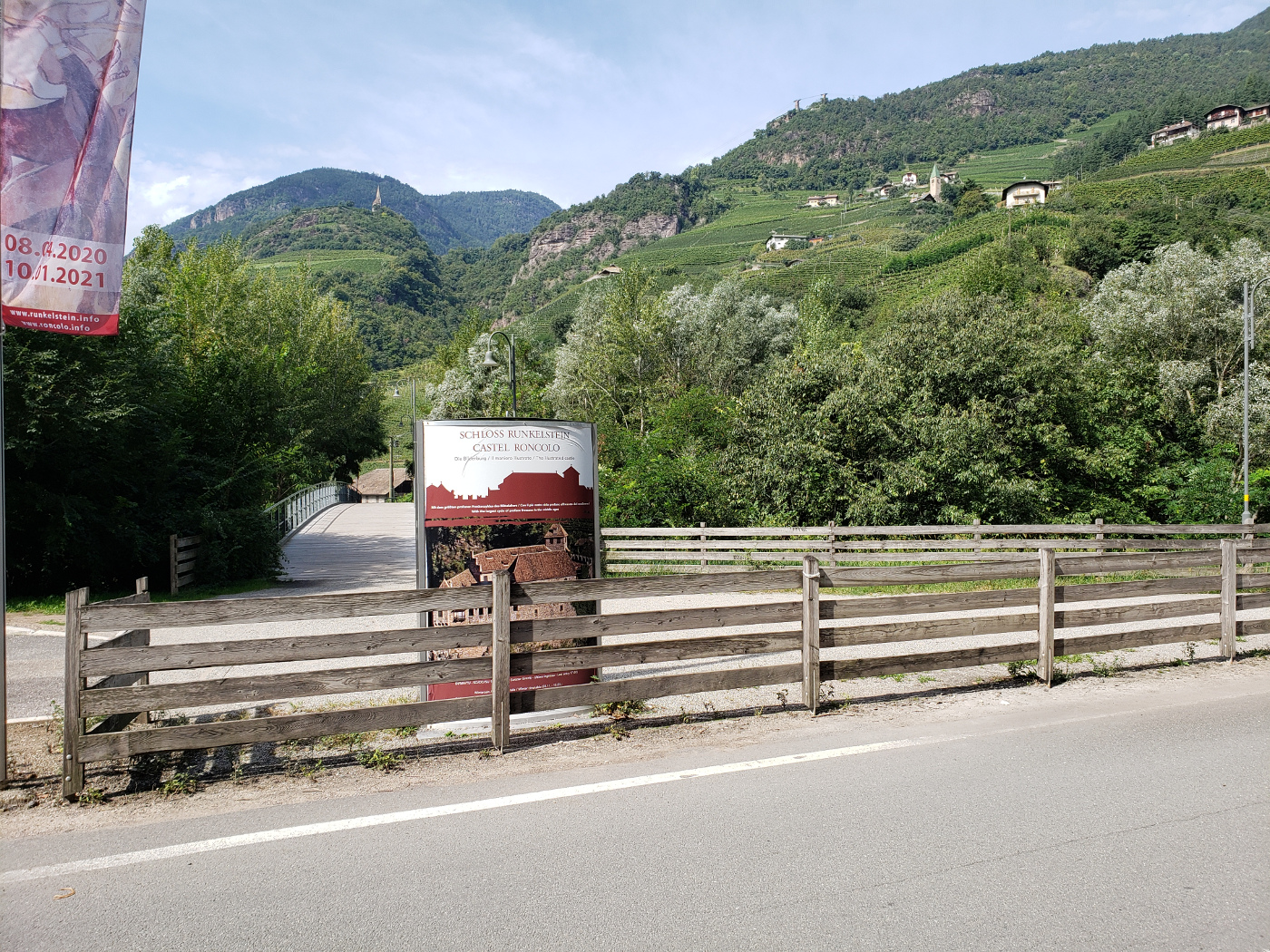
The parking lot across the street from entrance
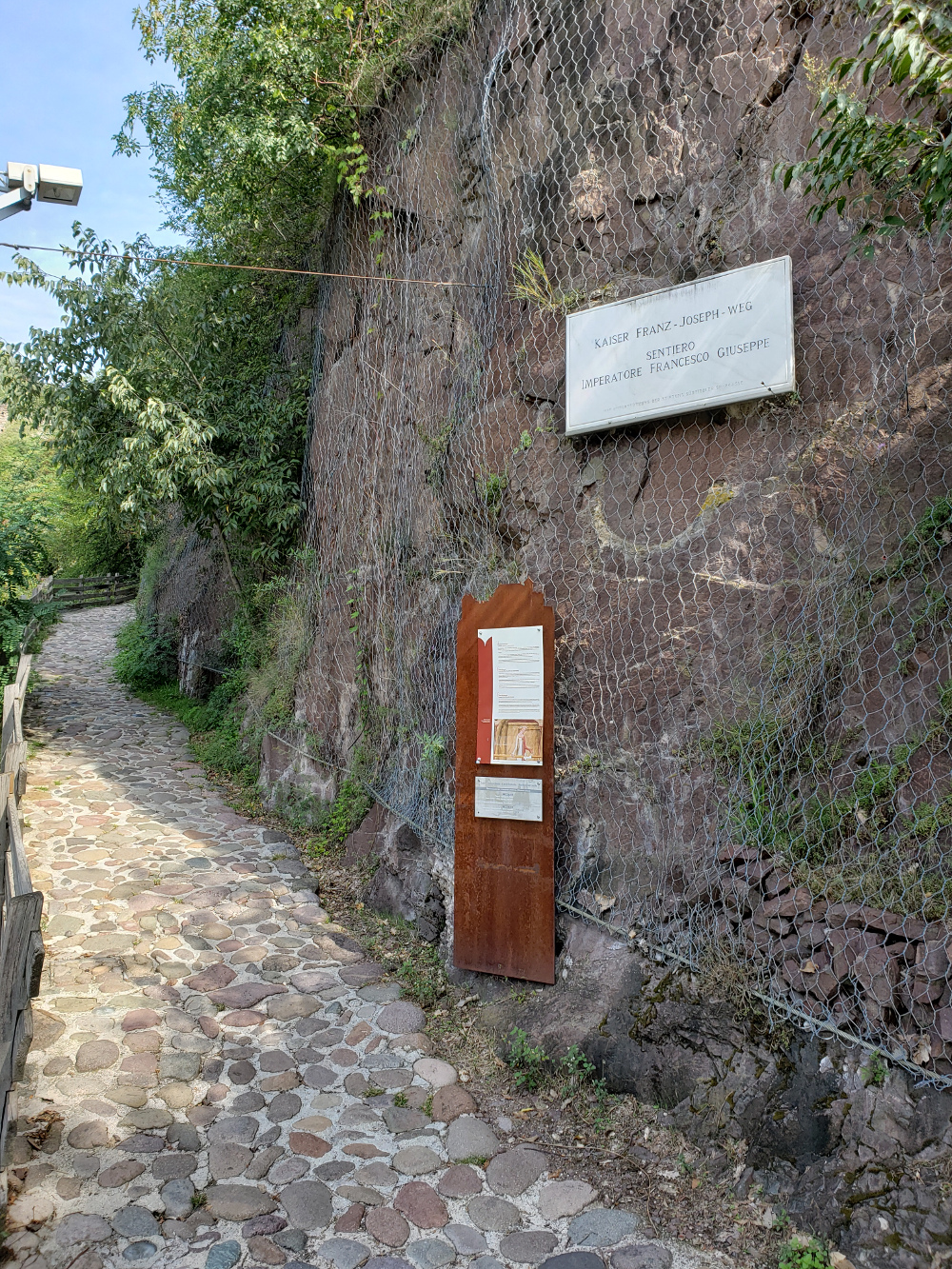
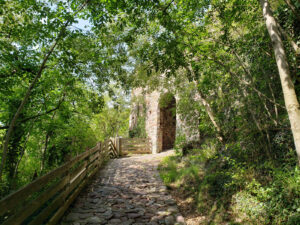
The entrance and trail up
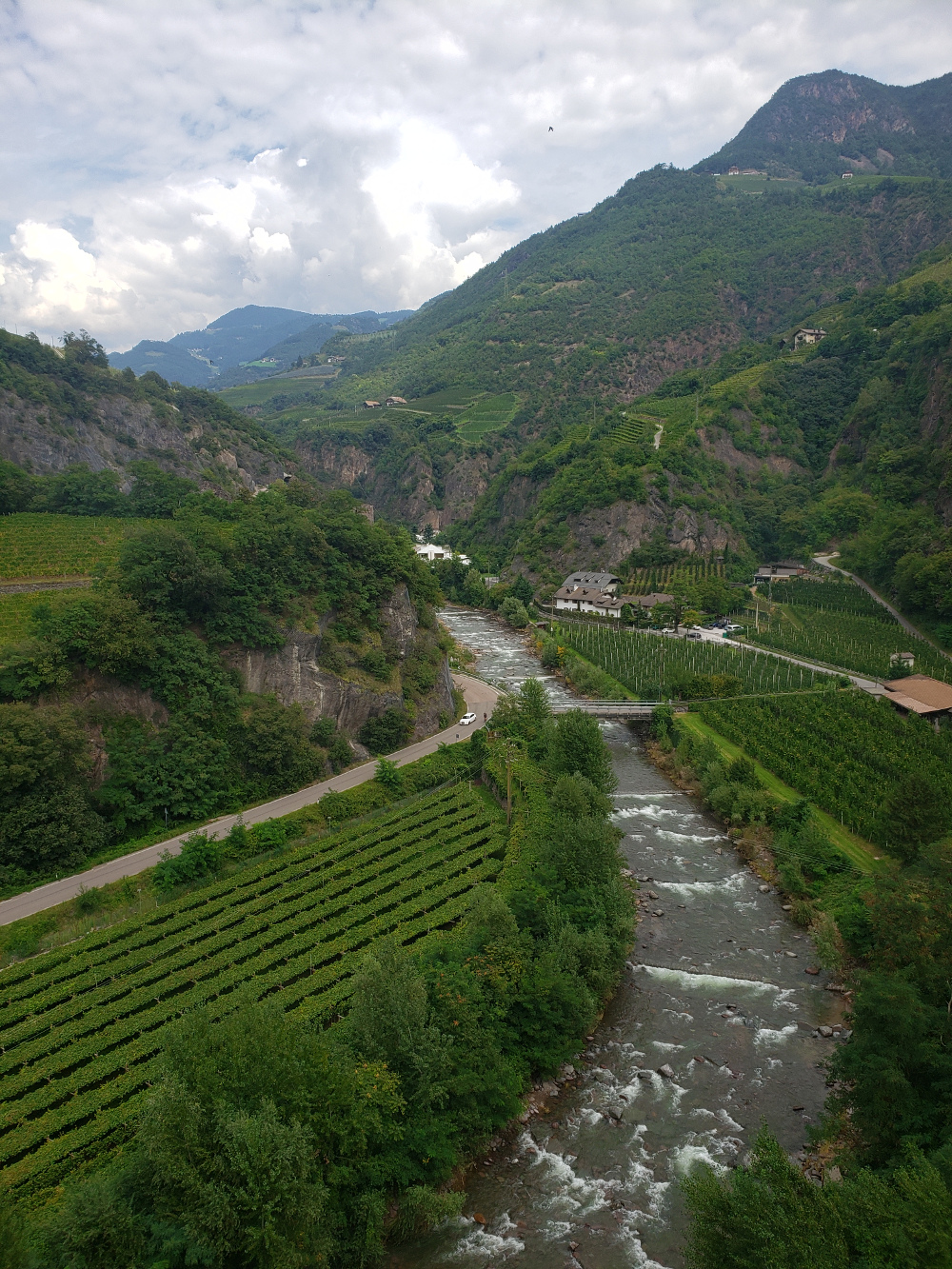
Probably one of the larger castles in the area, with a location right next to the Talferbach, one of the many rivers (what we would call a stream in the States).
Gate in surrounding wall
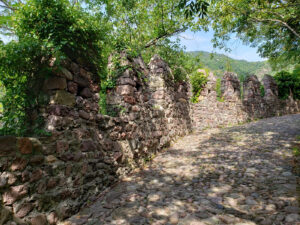
The fortress wall
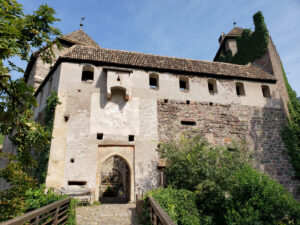
Entrance to Castle
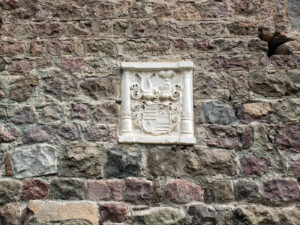
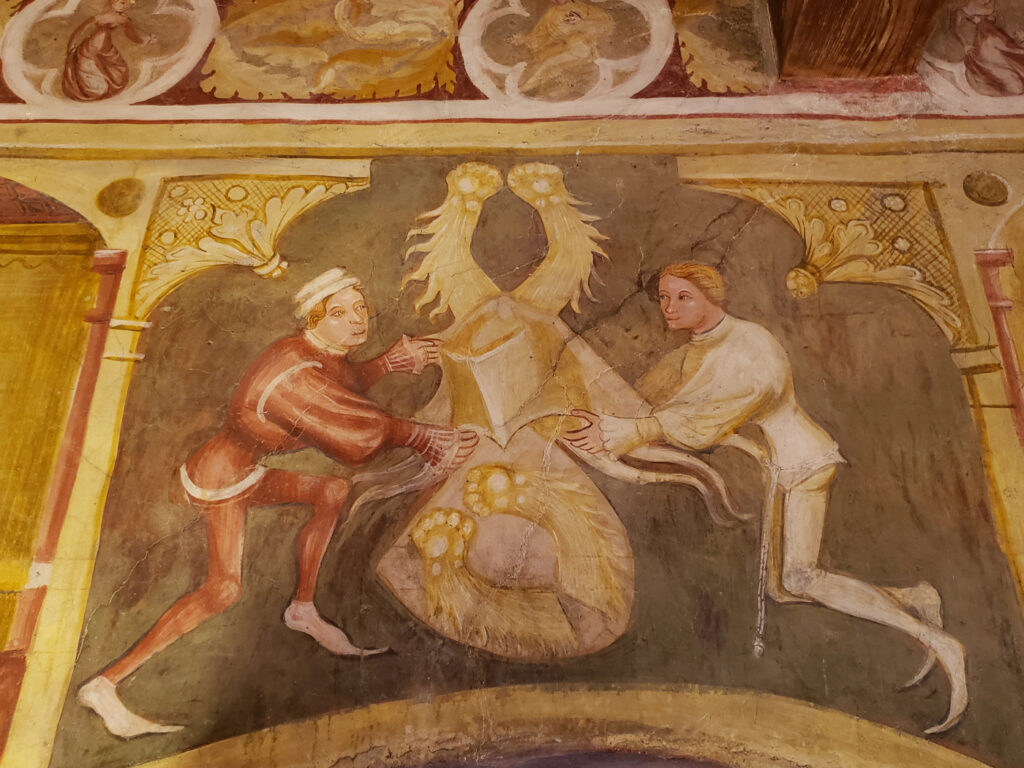
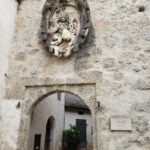
Coat of Arms
Display and Marker
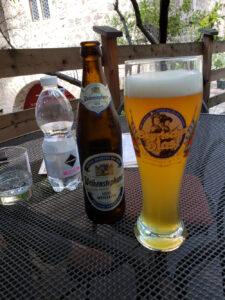
After 45 minute walk in the sun, Weizenbier
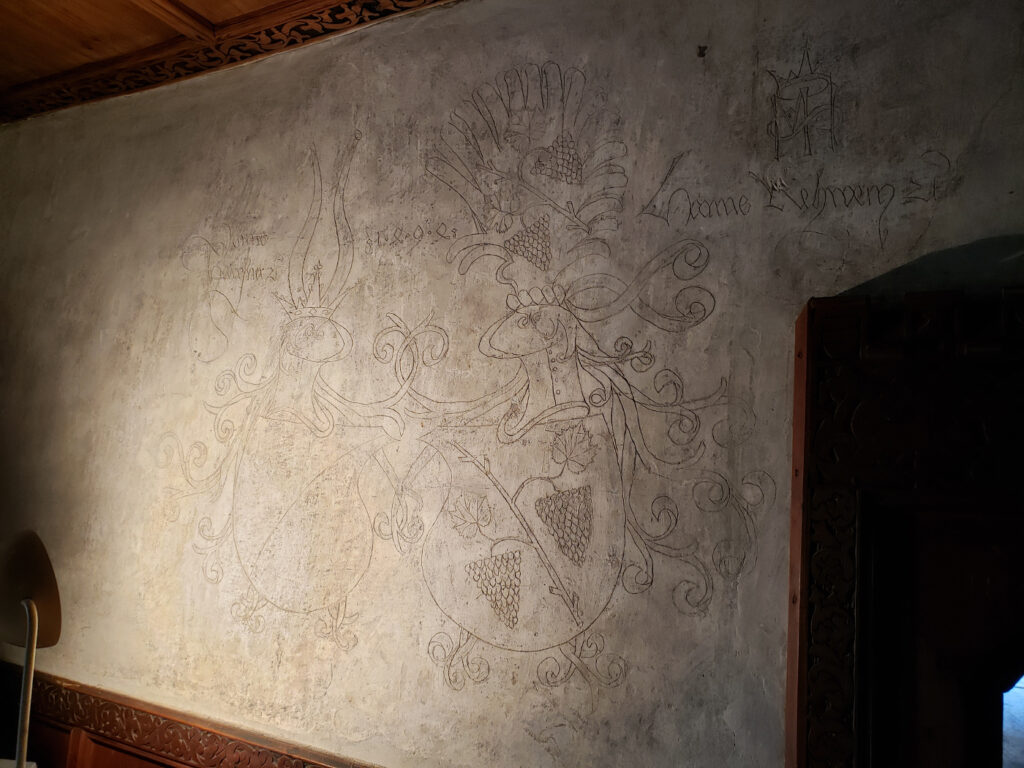
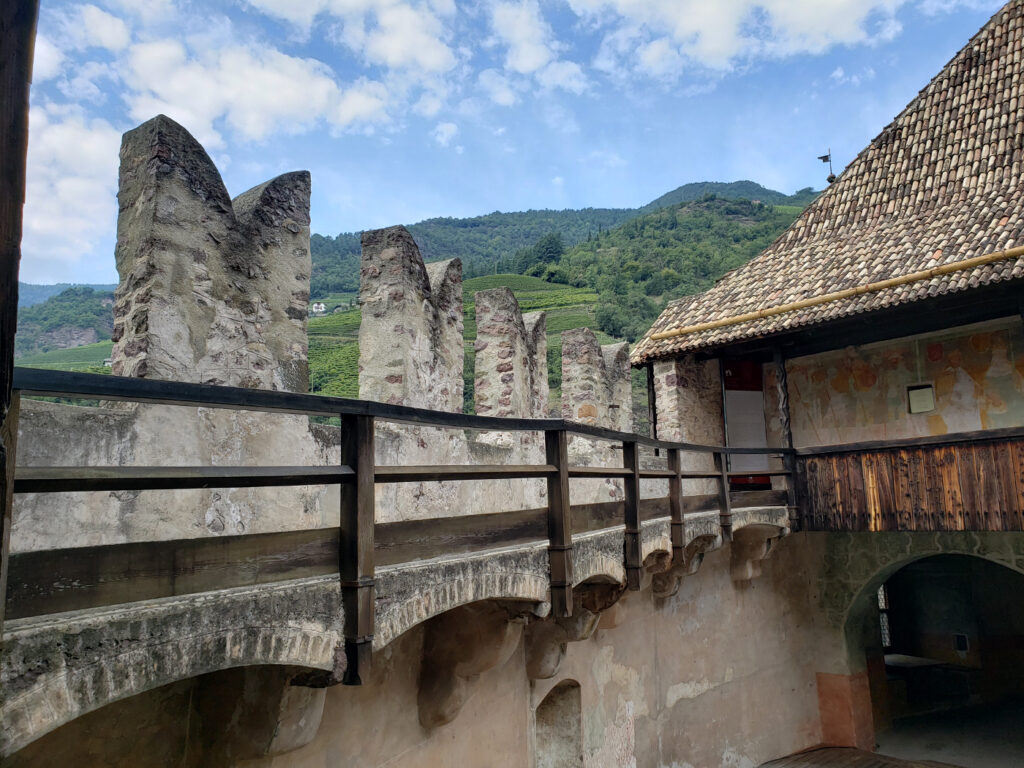
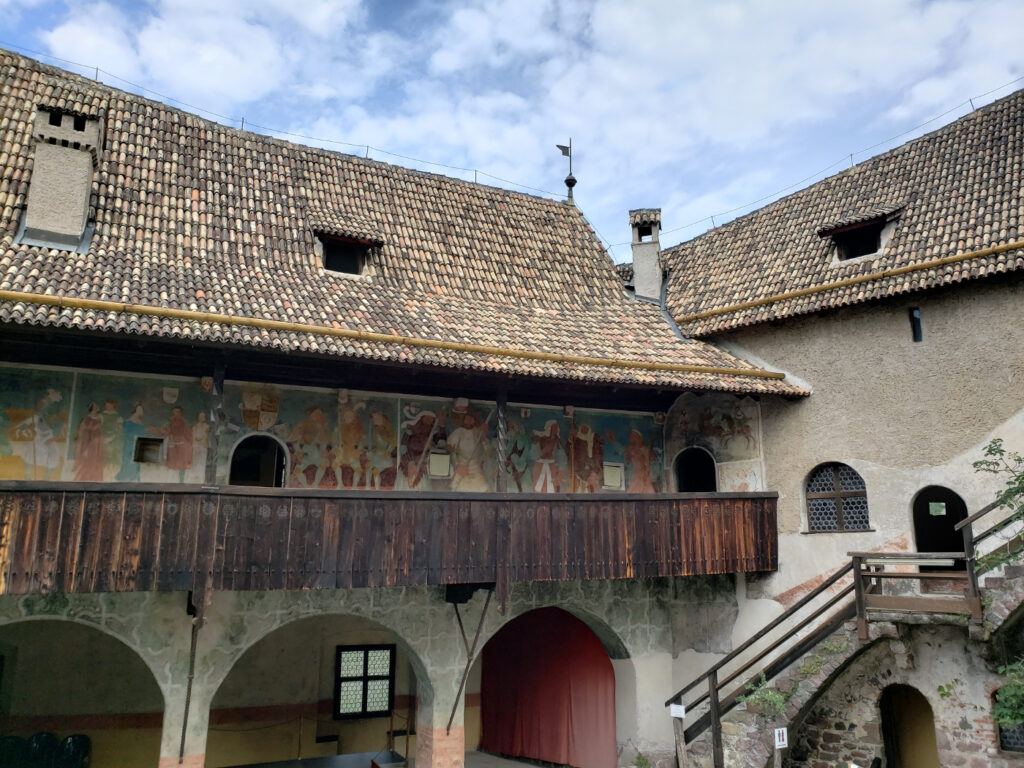
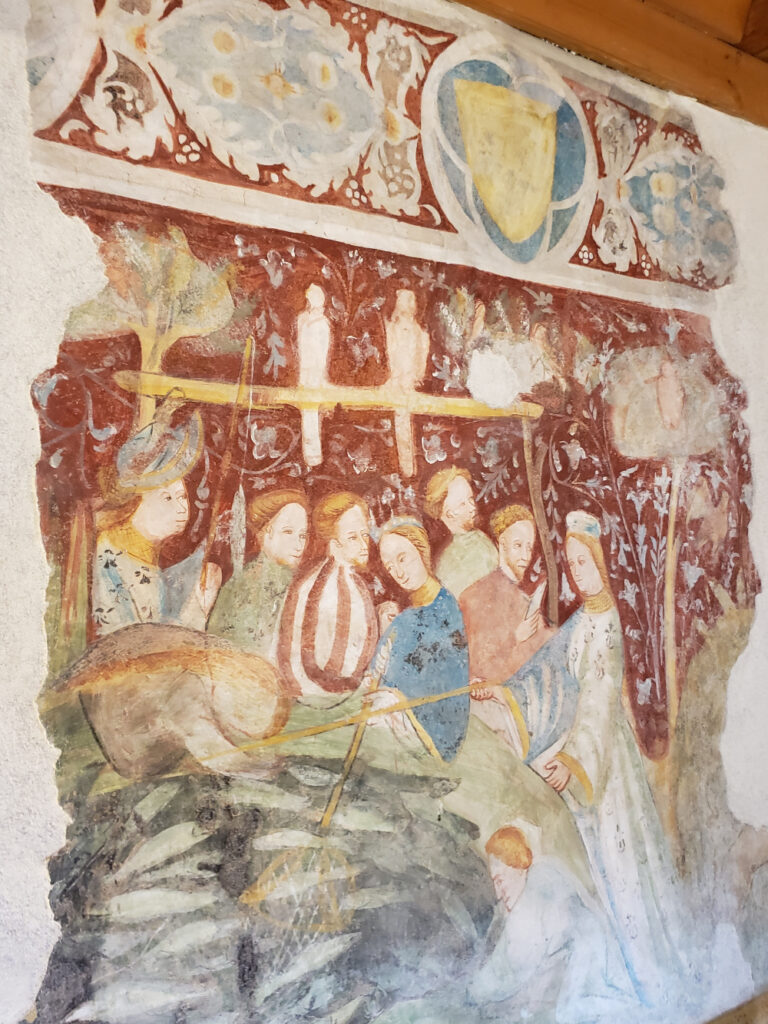
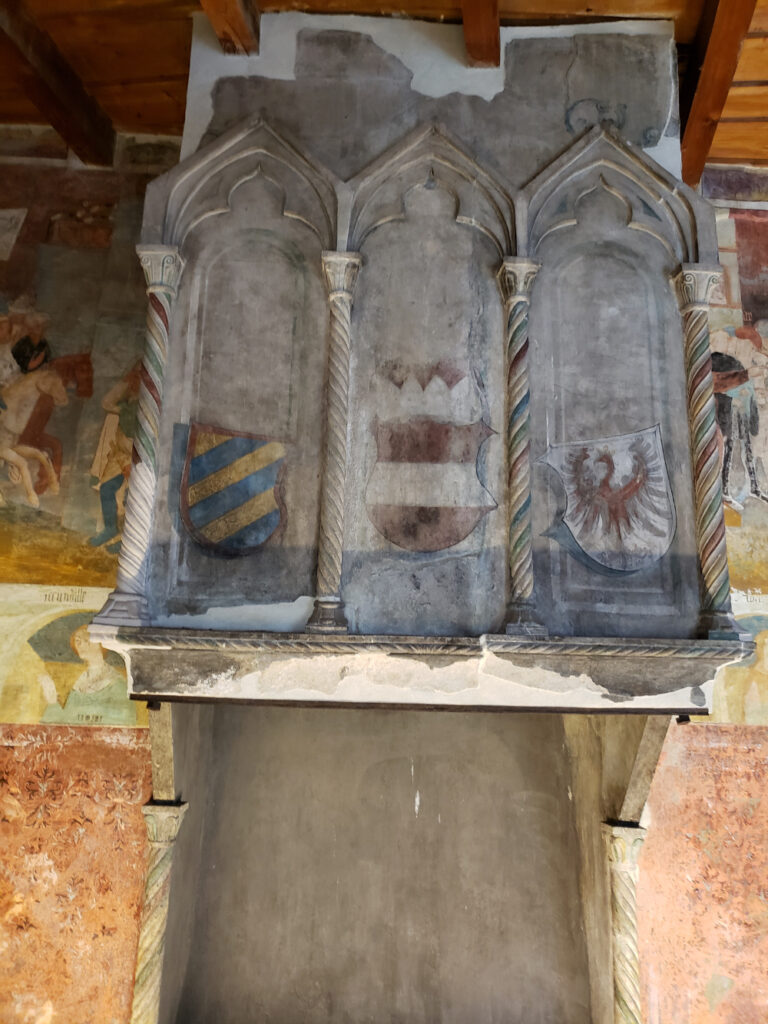
Schloss Runkelstein was built in 1237 near the road that north of Bozen up to the Ritten plateau, or Ober-Bozen. This was to avoid the Eisack river gorge. However, the road eventually passes through this very gorge and on through to the Brenner pass, making it a valuable piece of real estate for trade. It was actually built as a fortress to protect the local population. Not until the 14th and 15th centuries was it then converted by aristocracy into a castle.
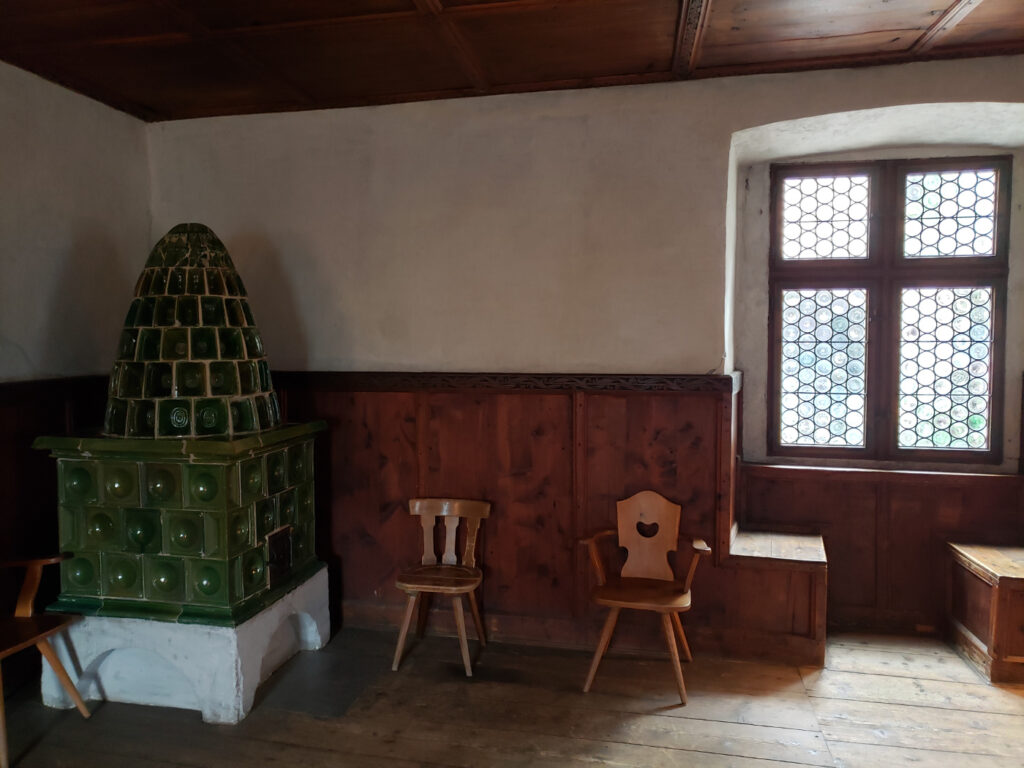
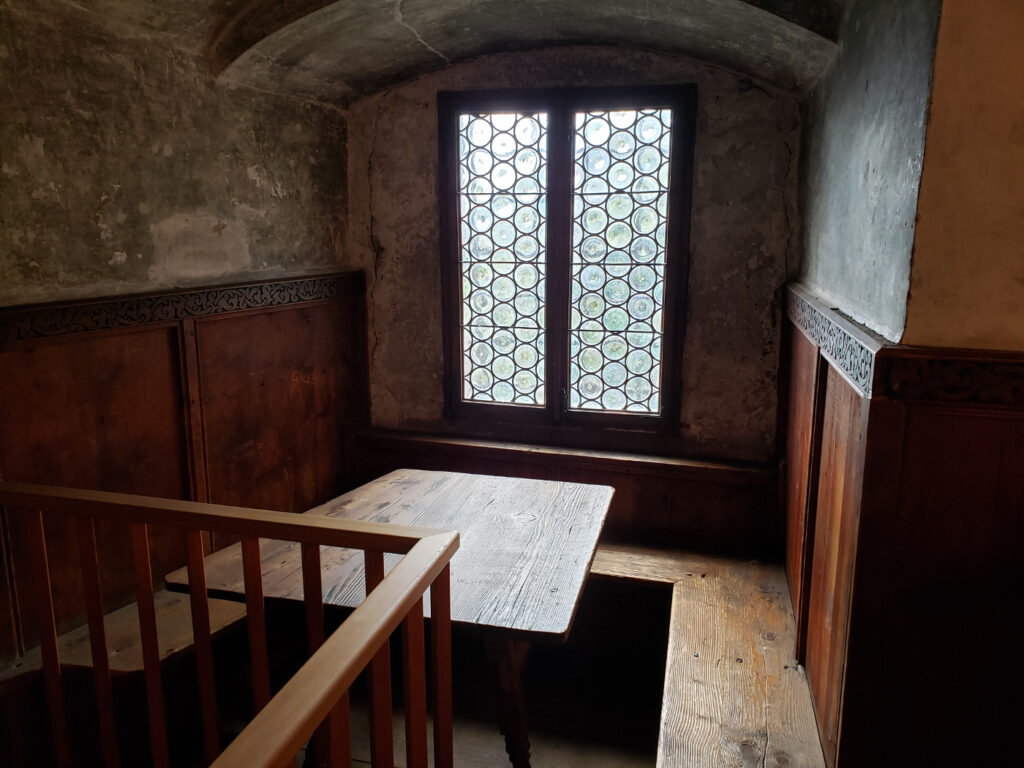
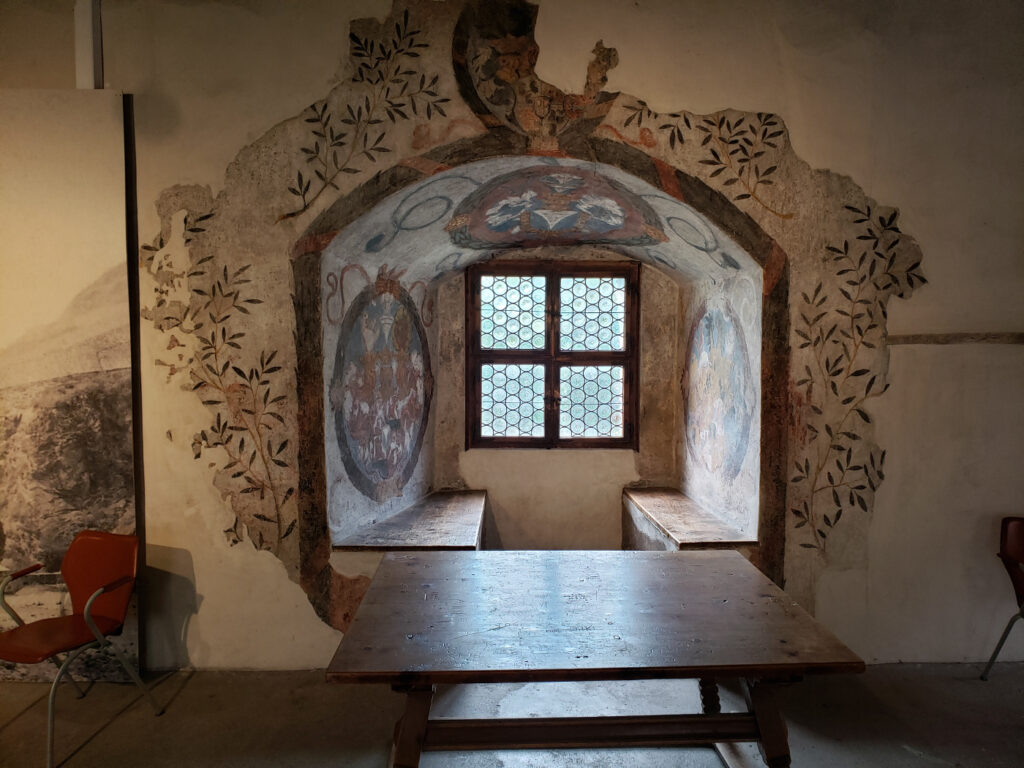
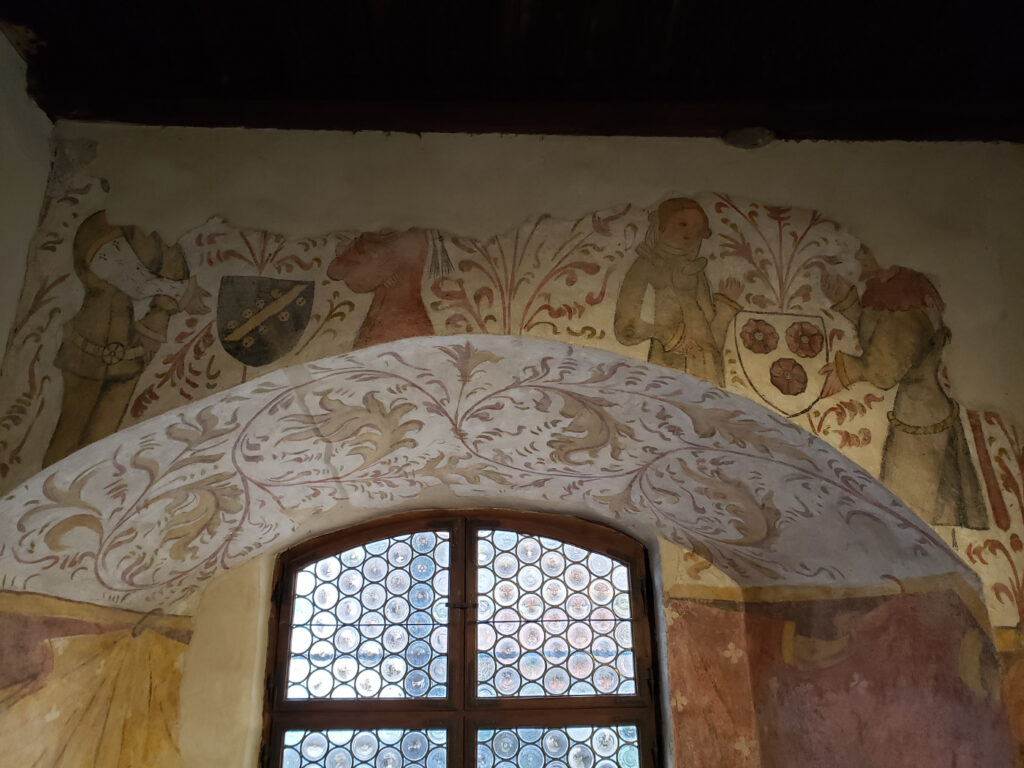
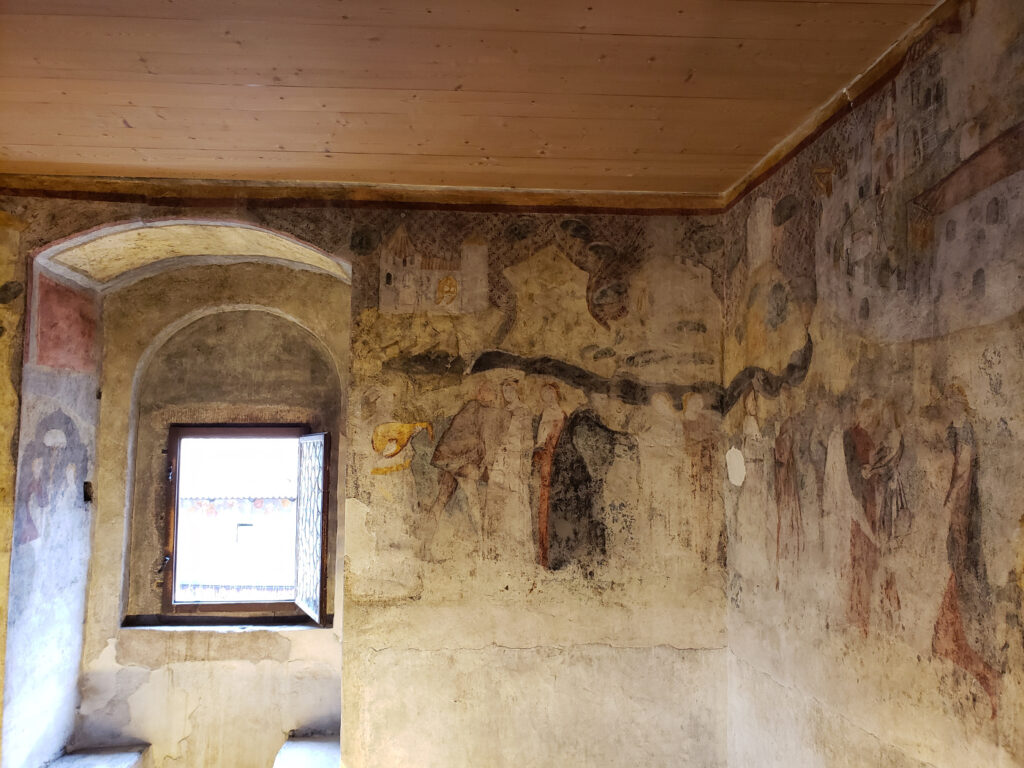
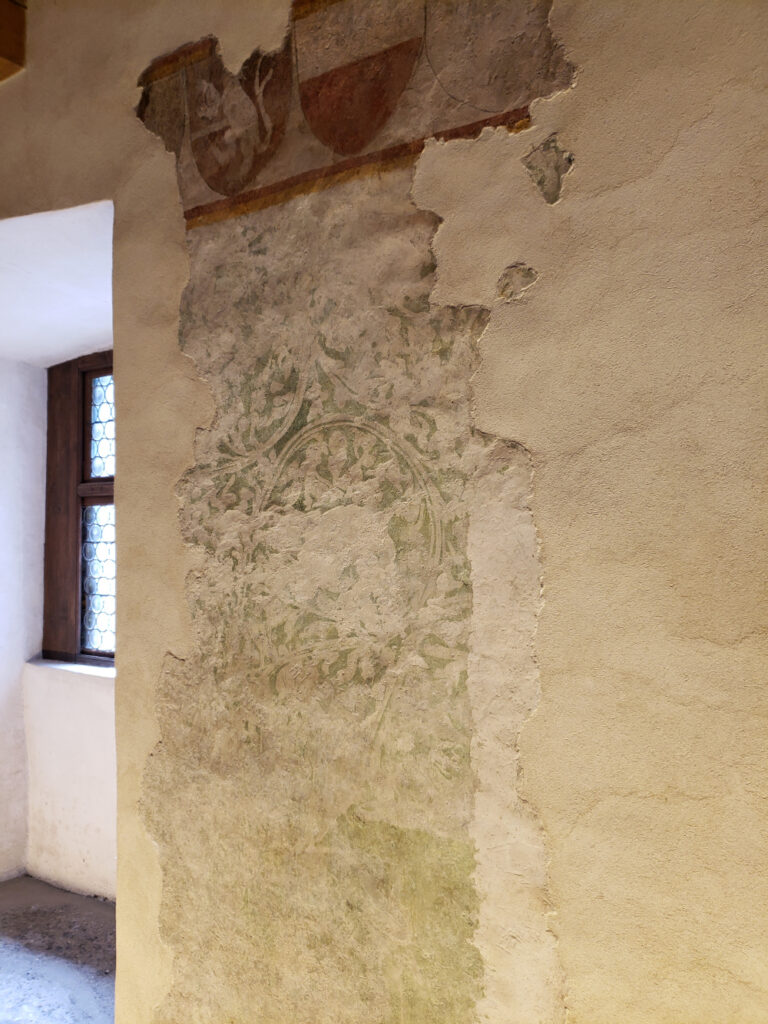
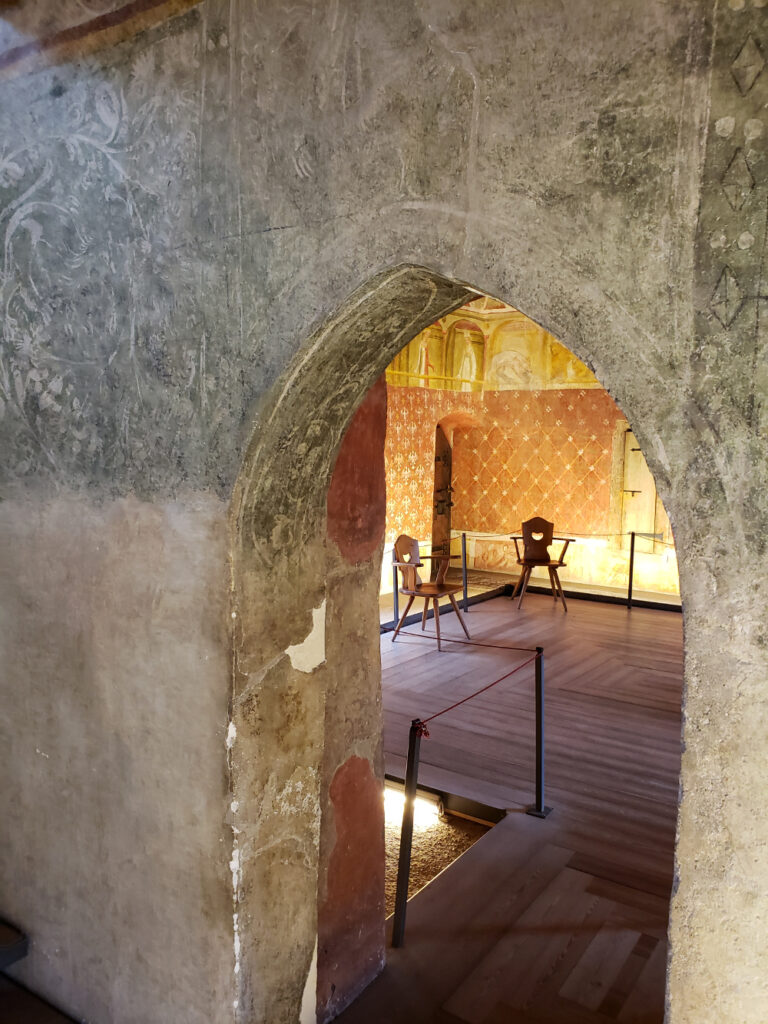
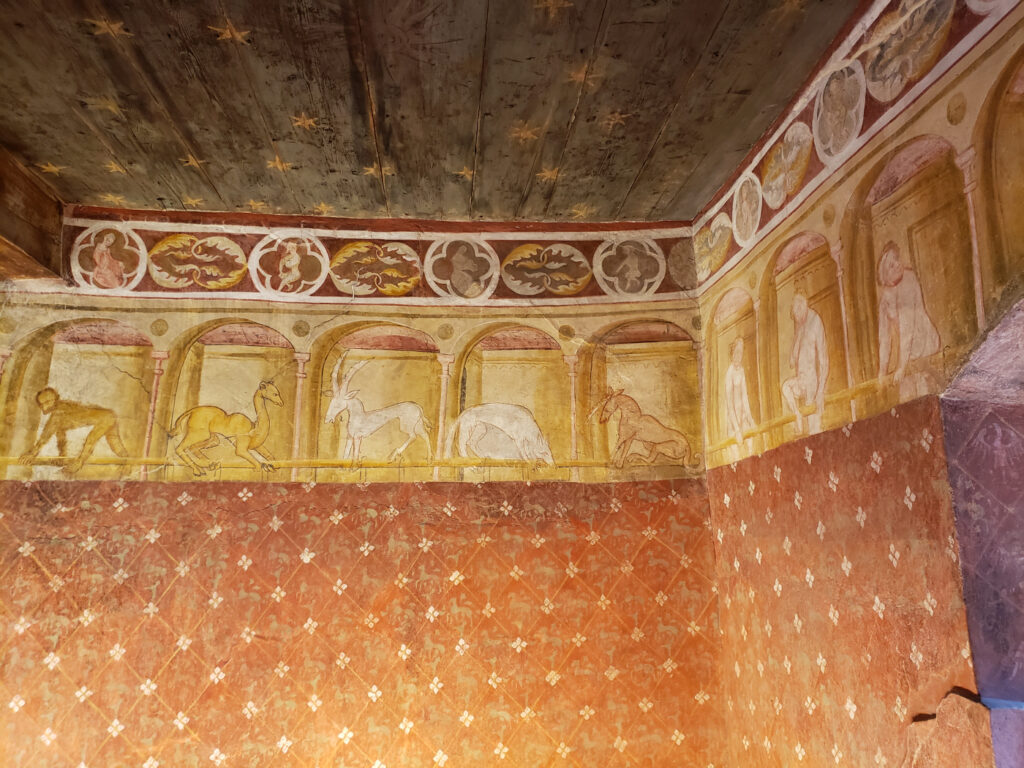
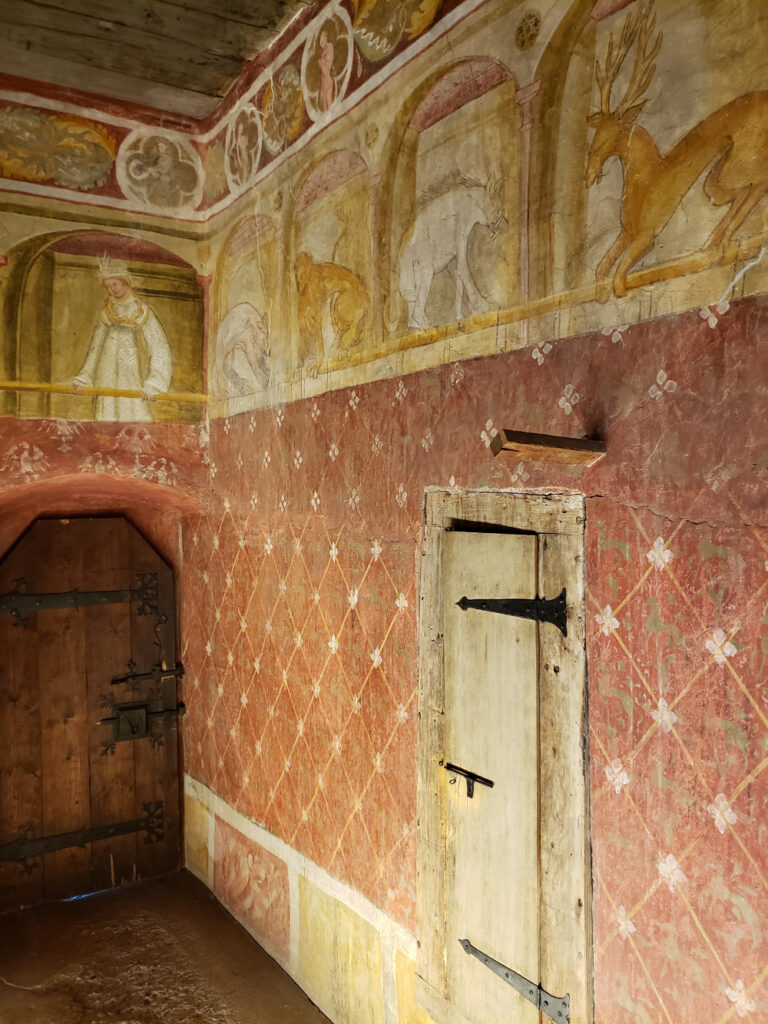
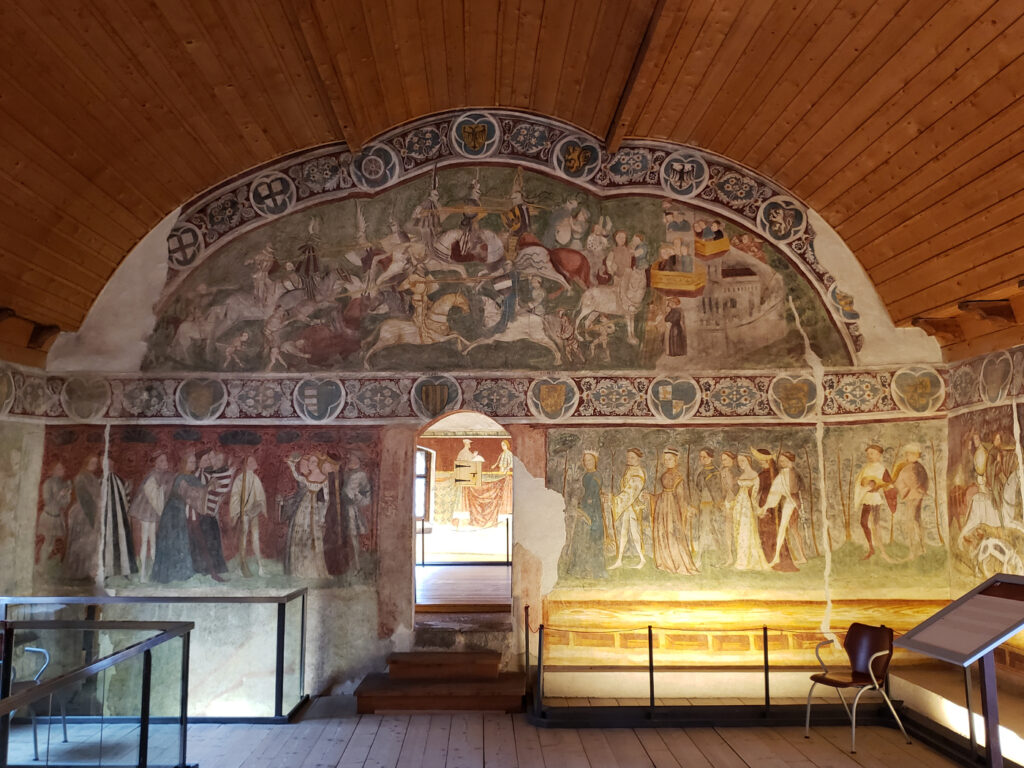
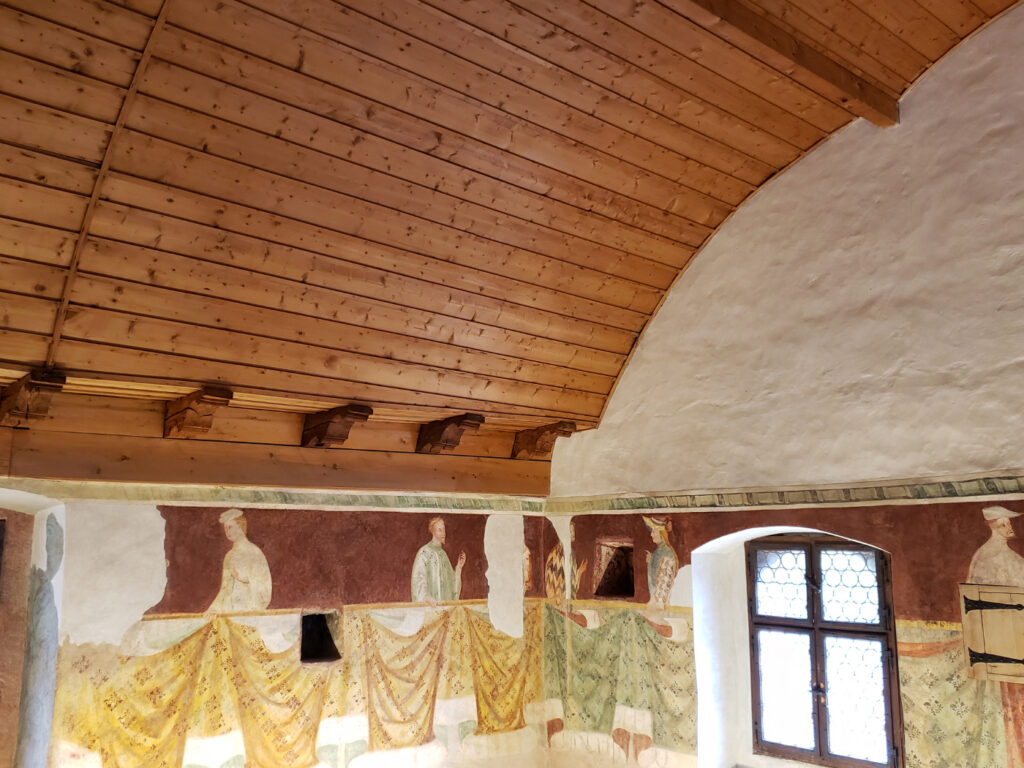
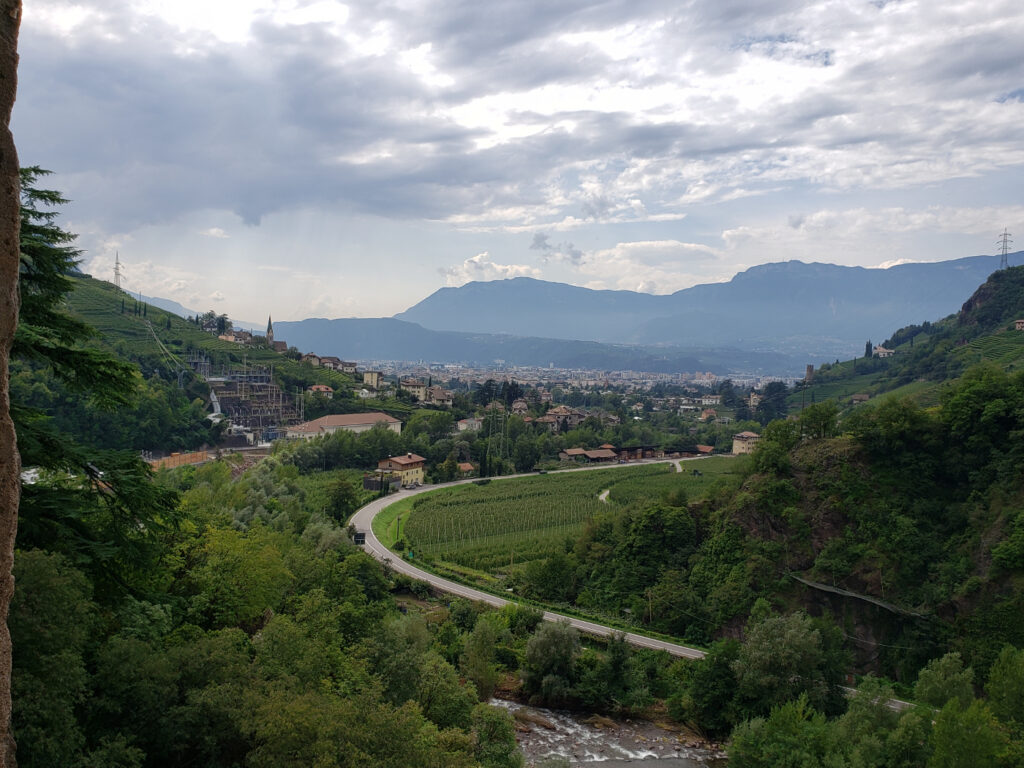
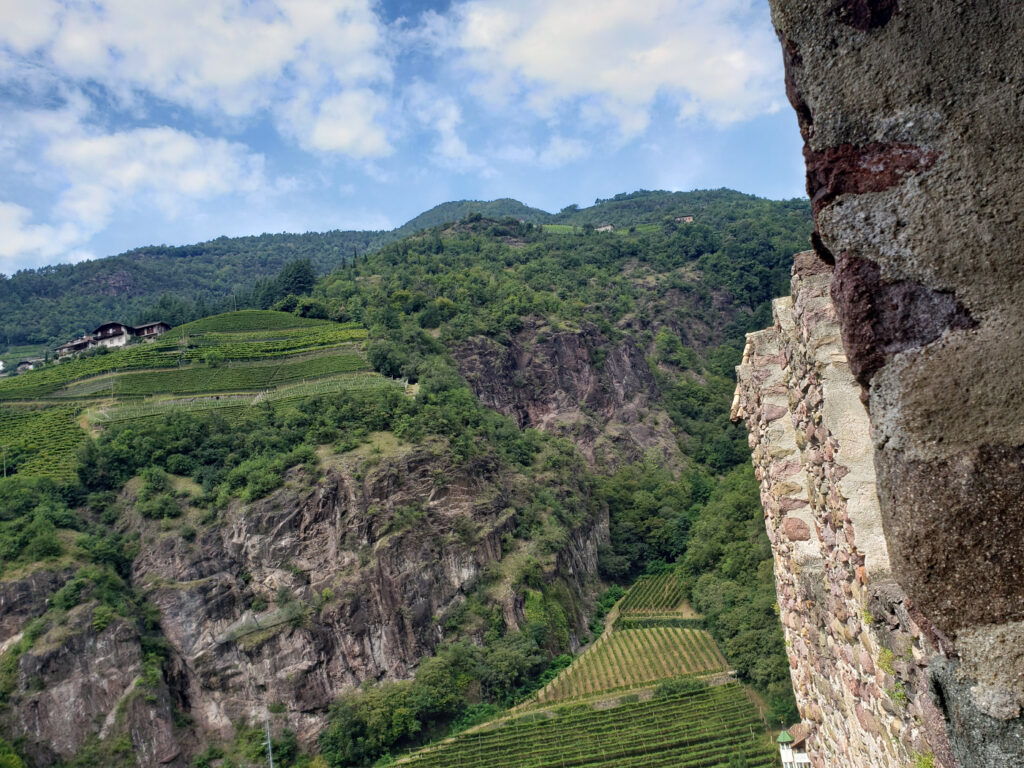
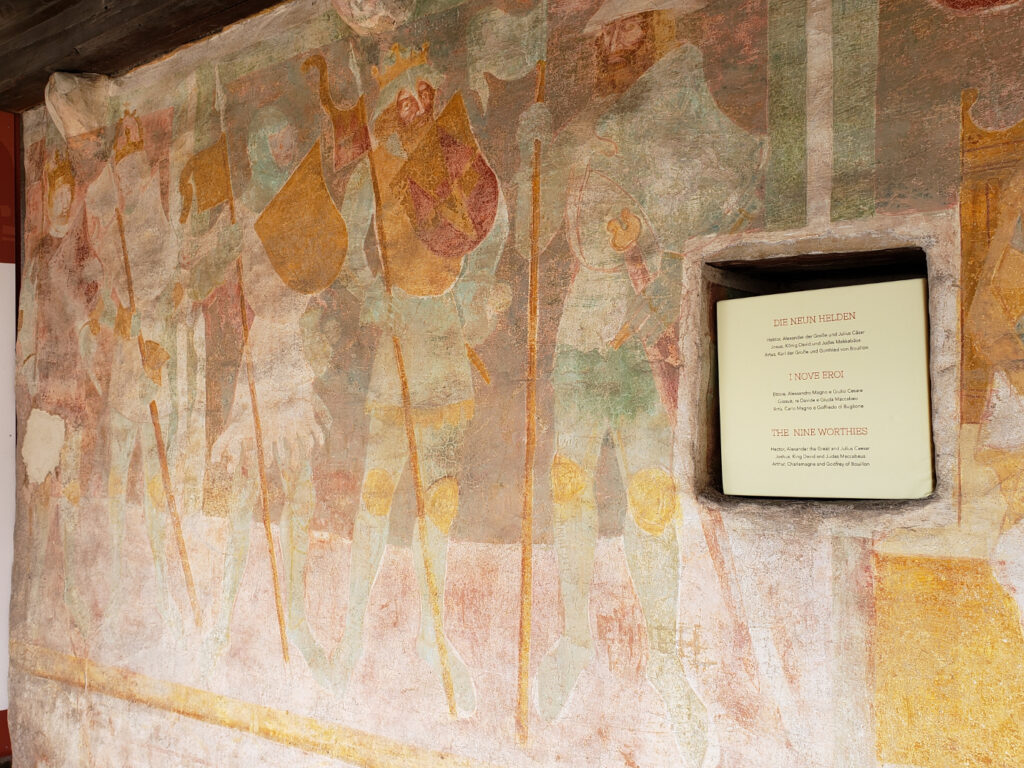
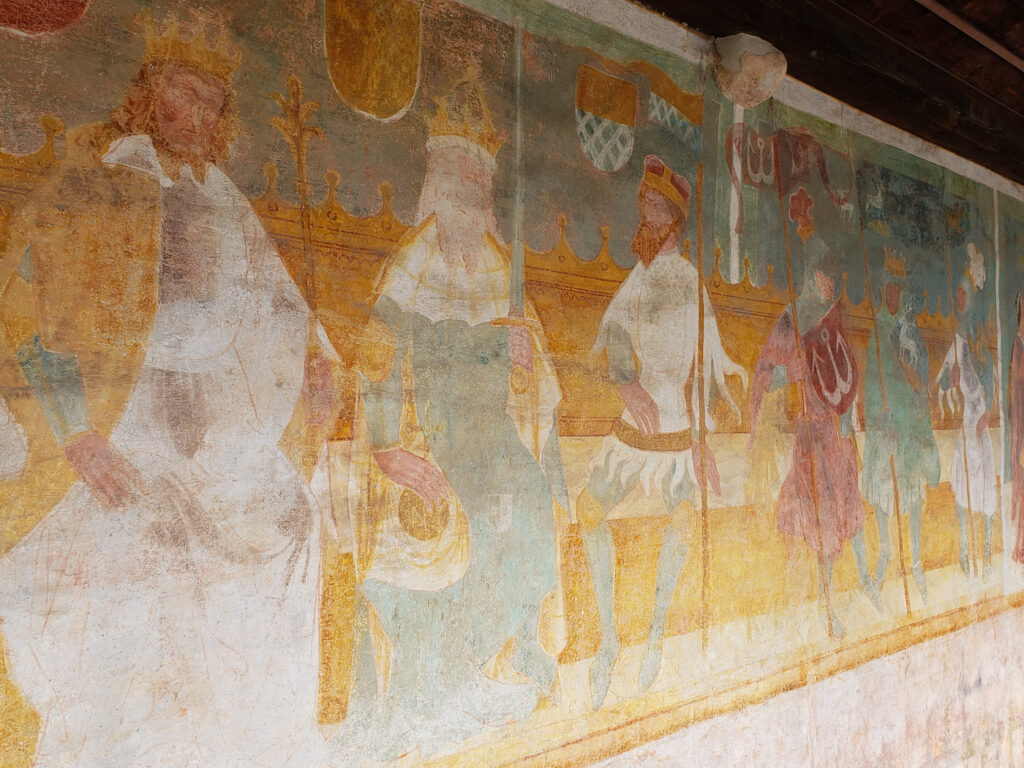
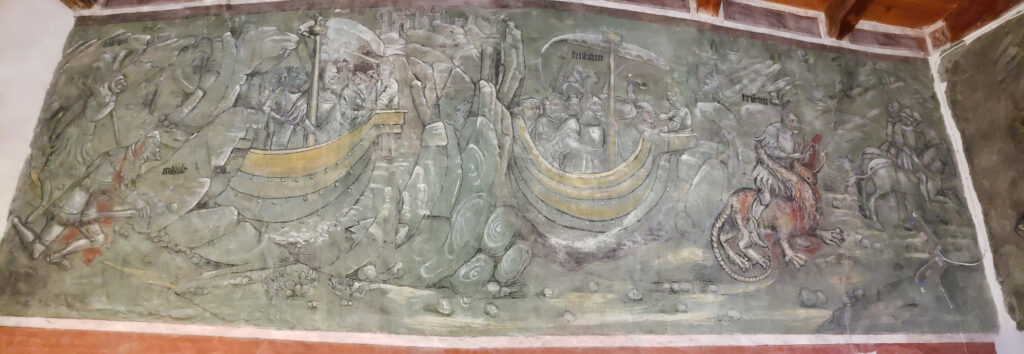
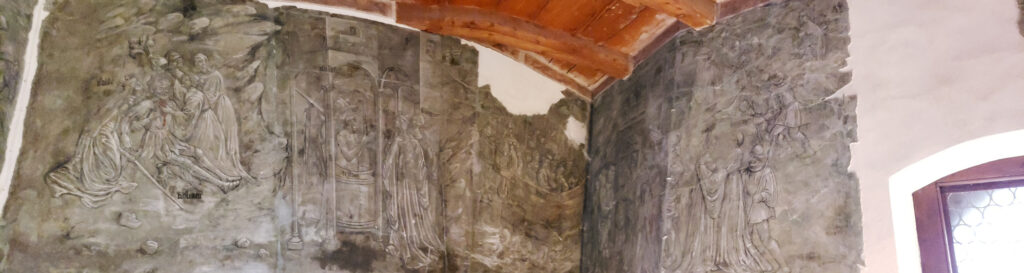
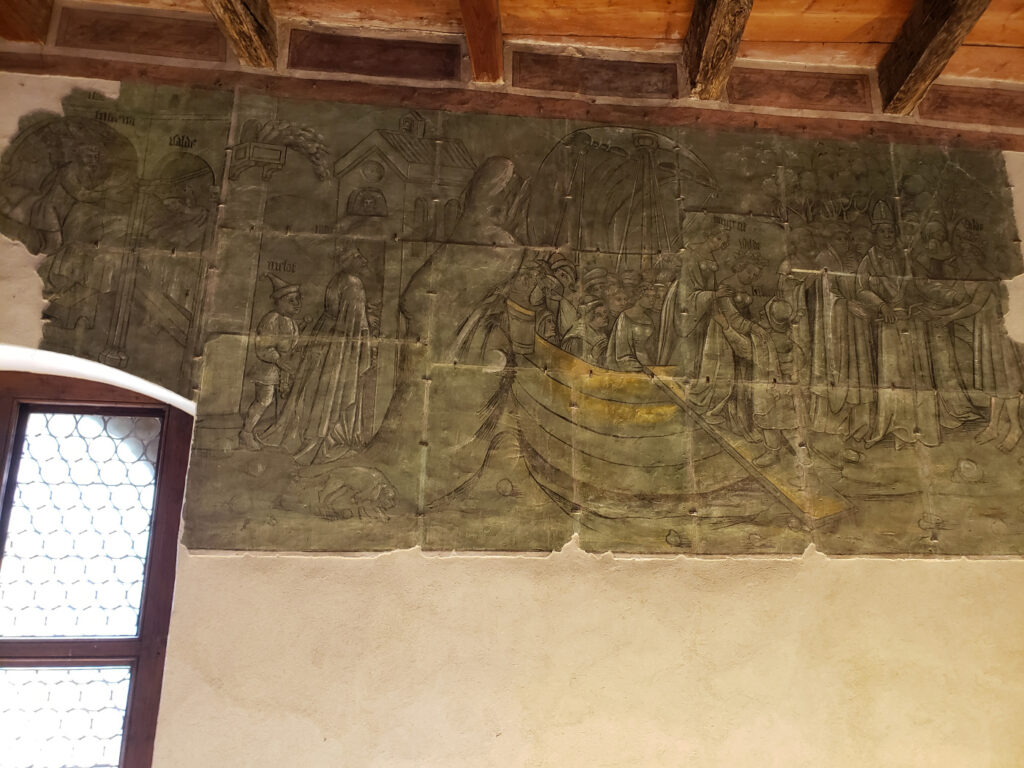
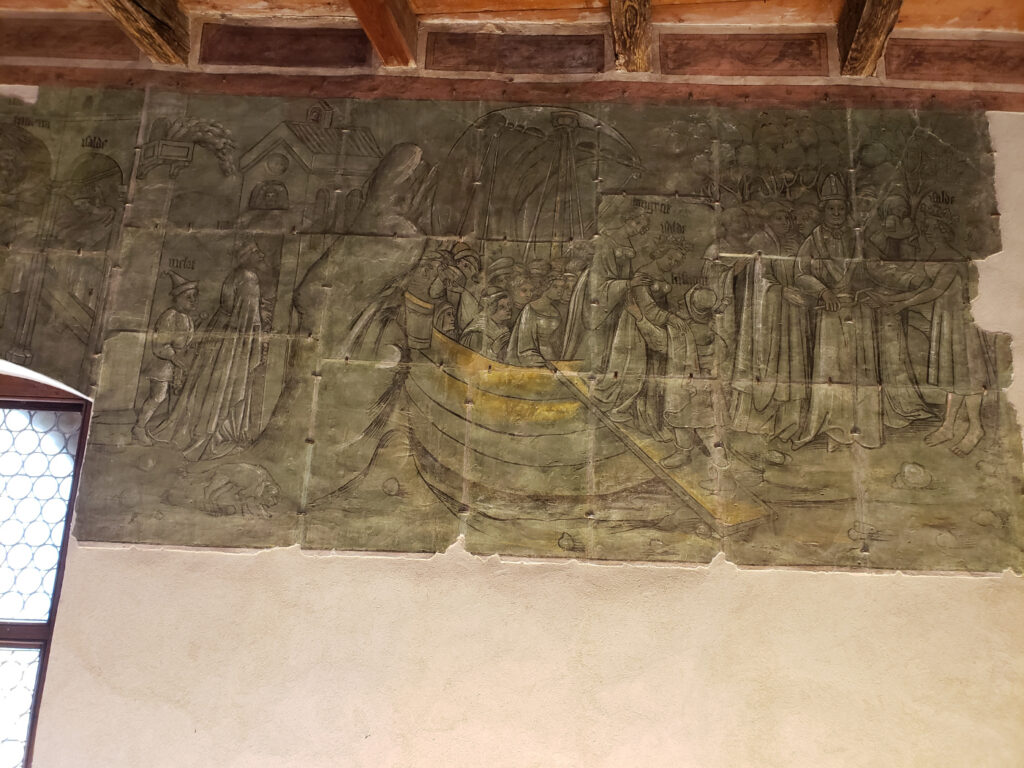
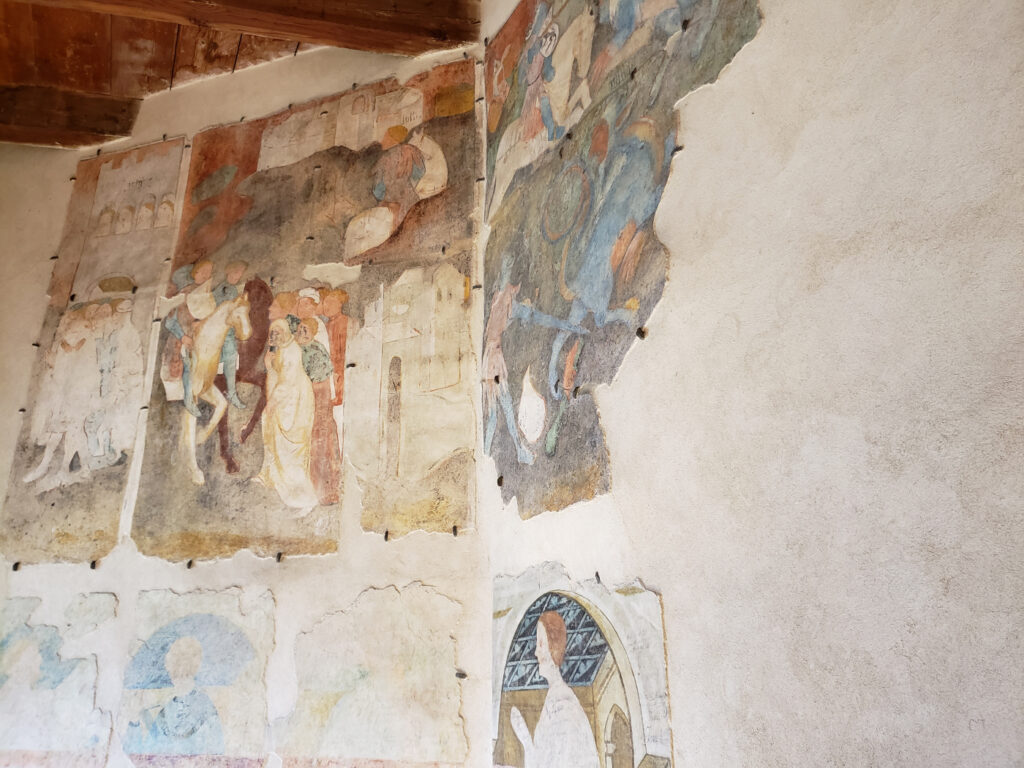
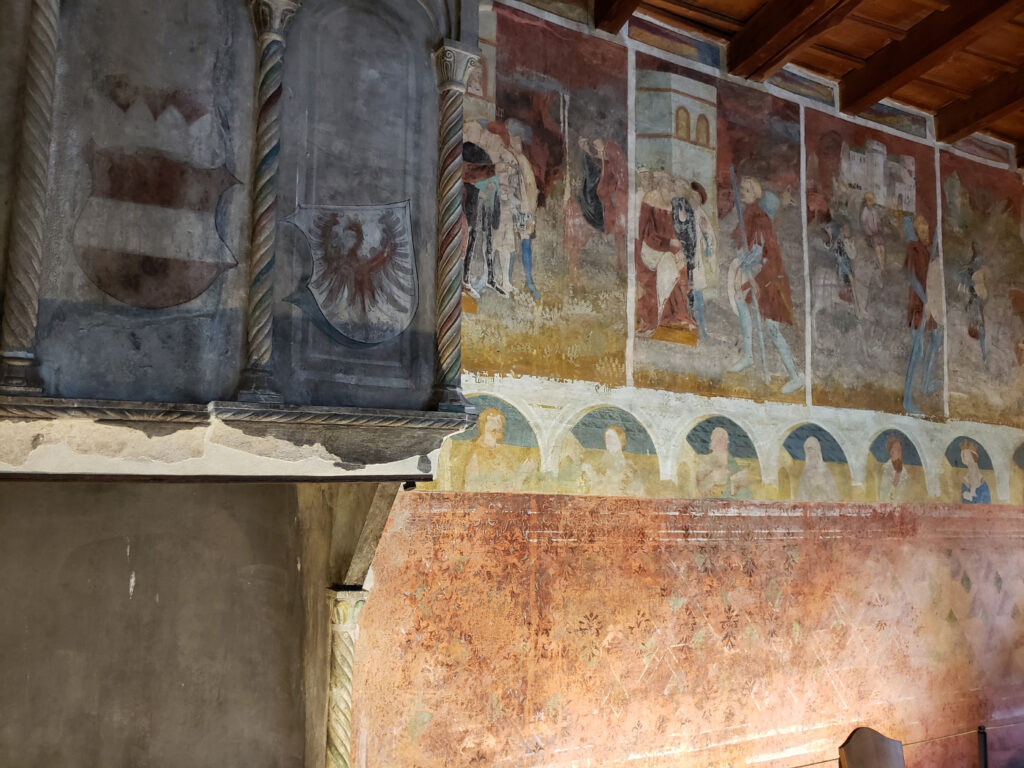
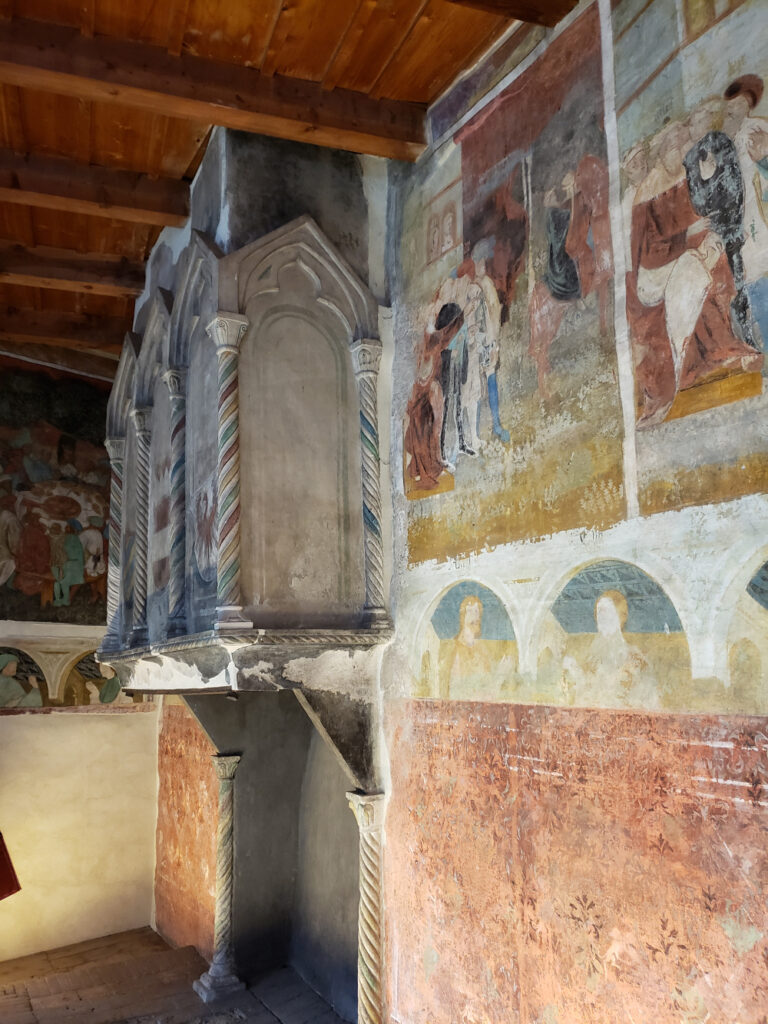
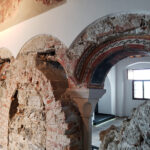
The castle contains great stories about Tristram and knights of the round table. There are several very good frescoes to enjoy and some very interesting period architecture. With any good castle, this one will take about forty-five minutes to hour to thoroughly discovery all it has to offer, including the views.
Our next blog will detail out hiking trip to Ober-Bozen and the Earth Pyramids.
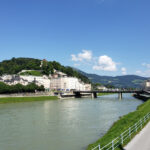
Salzburg is the name for both the state and capitol of Salzburg. It is also the birthplace of Wolfgang Amadeus Mozart, arguably a genius and the most accomplished musician and composer of all time.
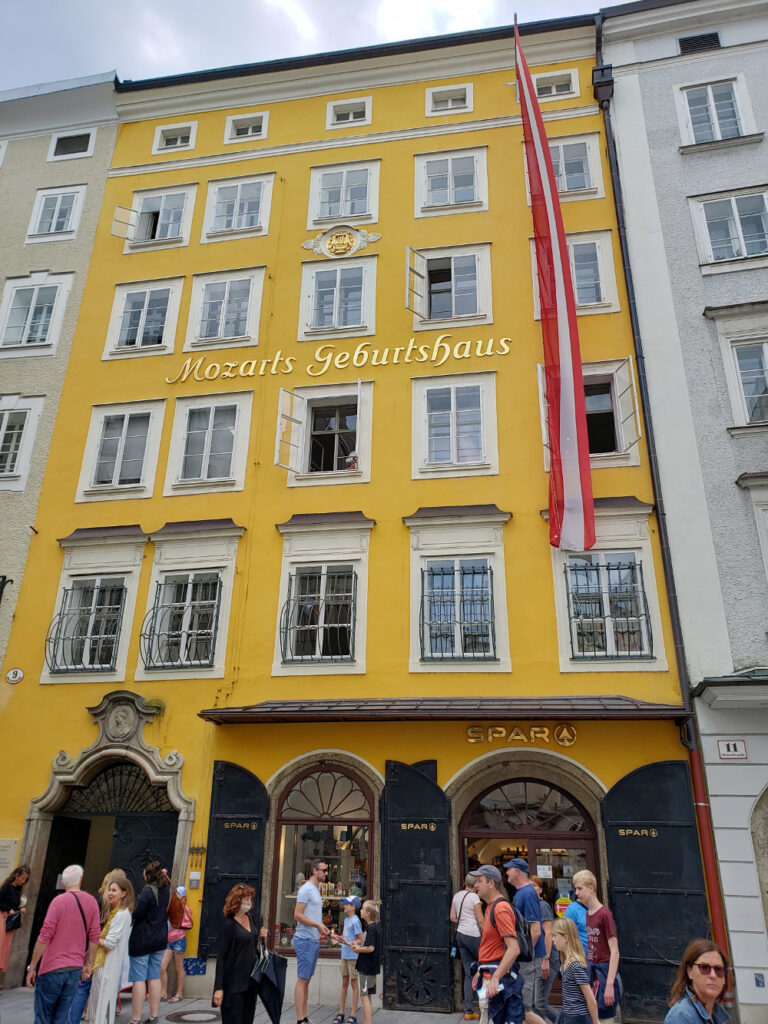
Mozart’s Birth House
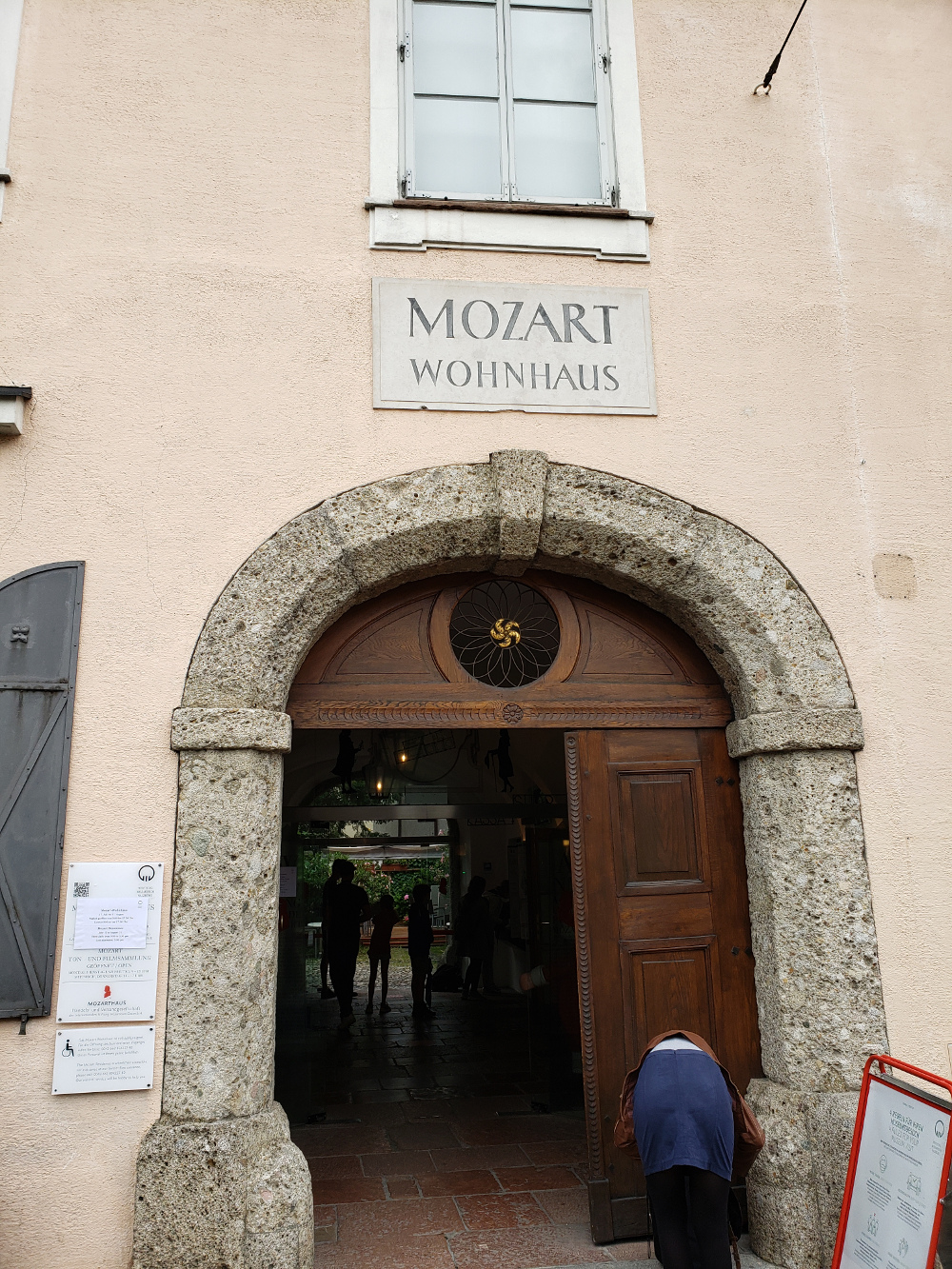
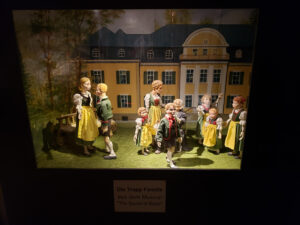
Wolfgang Amadeus Mozart also lived in Salzburg, along with his family. One can visit the Mozart Wohnhaus, which today is a museum. The cost for entry is around 12€ per person, 10€ for senior citizens. There are also family and group rates. The fee comes with an audio guide which is filled more with music than biographical data. The museum has quite a collection of artifacts from his life, especially numerous letters he wrote to his wife. One can go through the entire six rooms in less than an hour.
Mozart’s House
While in the museum you will learn some interesting facts about the composer, for example his stature. He was on one and half meters, or fifty-eight, fifty-nine inches or about five feet tall. I guess what he lacked in height he gained in his ability to play and compose extraordinary pieces of music. Worth a visit if you have the time.
A Walkable City
Salzburg is by every measure, very walkable. The city also enjoys a very robust electric bus system and plenty of alternative forms of transportation, including bicycles, electric personal scooters and even river boats.
Entrance
Mirabellgarten
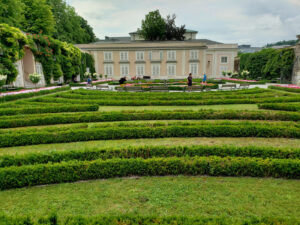
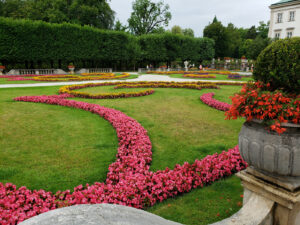
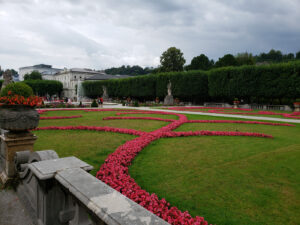
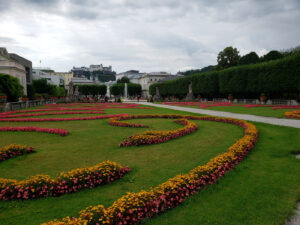
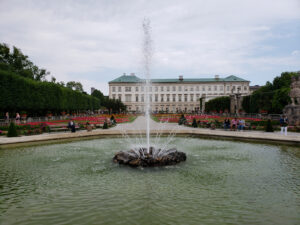
The Mirabellgarten in Salzburg is a great place to take some time back from walking and the general hustle and bustle of seeing the sights. It is located toward the river Salzach on the East side of the city.
The garden belongs with the Schloss Mirabell, which is an imposing structure and site. It has ample seating and benches along its borders to sit and enjoy the flowers and its grand fountain, the Vier-Elemente-Brunnen.
Hohensalzburg Fortress
The Hohensalzburg Fortress sits atop the Festungsberg, or fortress hill, of Salzburg. It has a commanding view of the city and the countryside. Apparently build in four stages it became a formidable fortress in its hayday.
The View from Festung Hohensalzburg
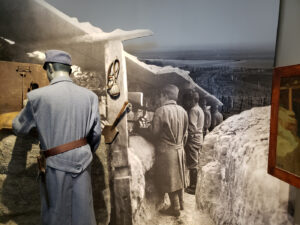
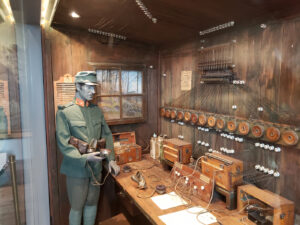
For around 12€, the basic entry pass get’s a trip on the fernicular rail to the top and back and entrance in to most areas of the castle, excluding the bishop’s quarters. The entire reason for even having a fortress is to command military might in the region, the fortress has several rooms around this theme.
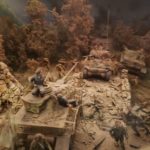
Examples of World War I Soldiers and Outposts
Examples of World War I Soldiers and Outposts
Examples of World War I Soldiers and Outposts
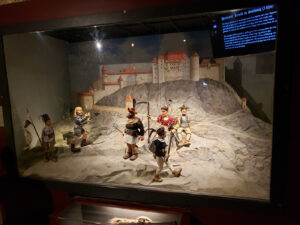
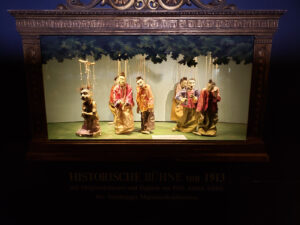
There is also a Marionette or Puppet Museum on the premises. It has several works by a famous Puppeteer Master and several diorama around their history and use. A very interesting museum for the younger audience.
The remainder of the fortress includes the history of the actual structure, how people lived inside its walls and the involvement of the church in it’s operations. Here are some additional scenes from the fortress.
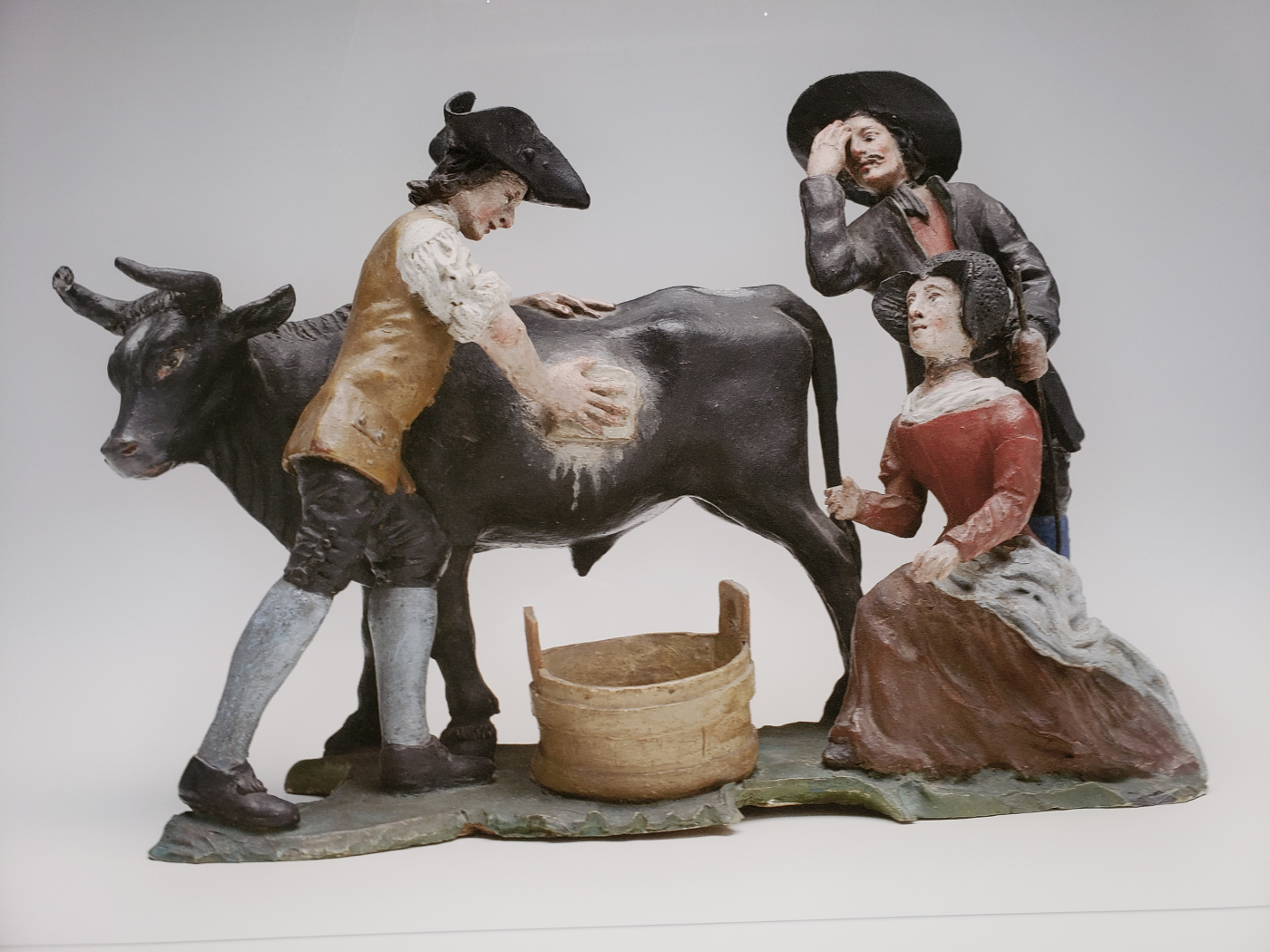
Finally, residents of Salzburg are often referred to as Stierwasher or “Bull Washers”. This epithet comes from a tale out of the Siege of the Fortress during the great Peasants’ Uprising. Apparently the fortress was staring to run out of food and one soldier had a great idea. He took the bull that was left and painted it a color, then he went down and show his enemies the bull. He did this for several days, painting the bull a different color each day. At some point the enemies decided the fortress still had too much food and they would never be starved out, so they retreated and left. A happy ending, I guess, except it took the population several days to wash all the paint that had accumulated on the bull, giving them the name Bull Washers!
Salzburger Bull Washers
Kapuziner Kirche Und Kloster
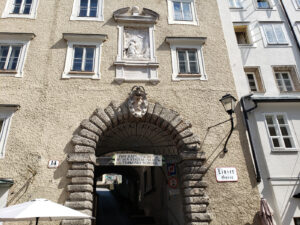
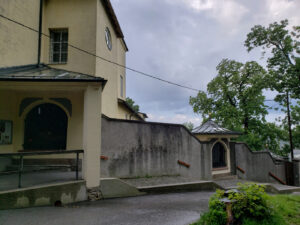
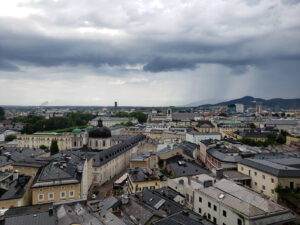
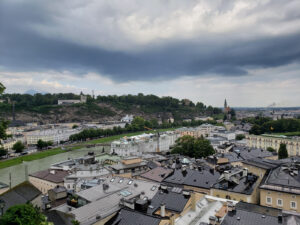
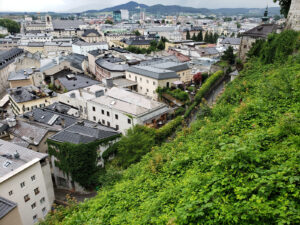
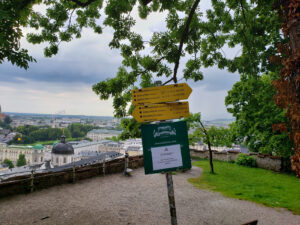
The Kapuziner Kirche and Kloster sits atop of Salzburg, with an amazing overlook of the city. There is a short climb to get up there, but once there, the overlook is great.
Entrance
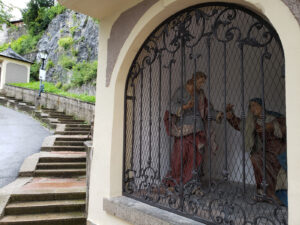
Religious Stations Along The Way
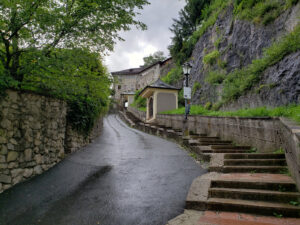
Steps – The Way Up
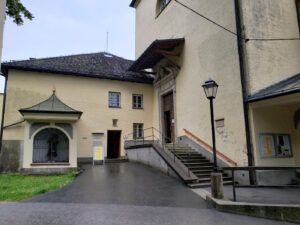
Kloster
Church
Salzburg
Salzburg
Salzburg And The Way Up
Trails On Top Of Kapuzinerberg
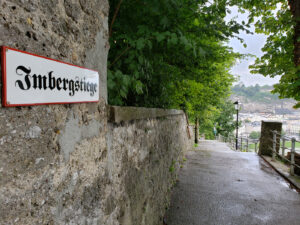
Imbergstiege – The Way Down
Unfortunately, we had a rather rainy morning when we ascended to take our photographs, but they still came out pretty well.
Restaurants
While in Salzburg we visited the following notable restaurants.
Gasthof Alter Fuchs
The Gasthof Alter Fuchs is a typical Austrian restaurant, serving typical cuisine for the area. They have, “die beliebten Klassiker der österreichischen Küche“, or the most beloved classic of Austrian cuisine, Wiener Schnitzel and more on the menu.
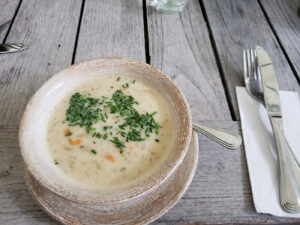
Potato Soup
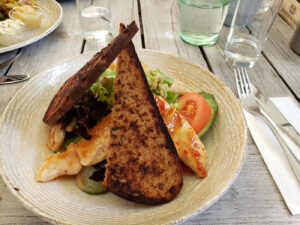
Mixed Salad with Chicken and Toast
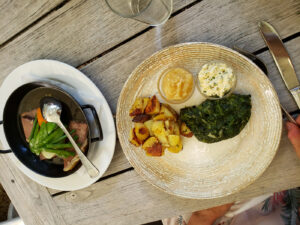
Boiled Beef with Vegetables
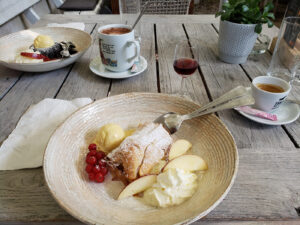
Apfelstrudel
Everything we ordered was delicious and with wine and water it all came to less than 50€!
Sternbräu Biergarten
The Sternbräu Restaurant and Biergarten is billed as delivering authentic Austrian cuisine. Their menu seems to be full of unfamiliar items, for example Salzburger Nockerl, and many favorites like Bratwurst. A very busy and large place that seems to have many servers, but even so, you may find service a bit slow.
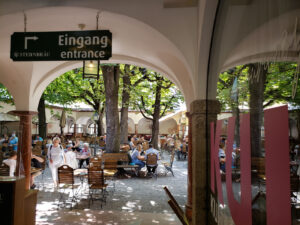
Beer Garden Entrance
Soup with Pretzel
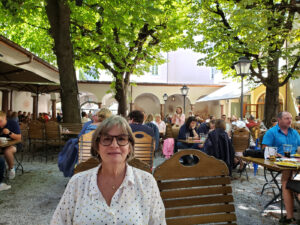
Patti enjoying Lunch
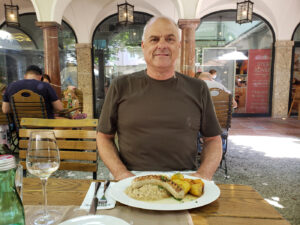
Ready to eat Bratwurst
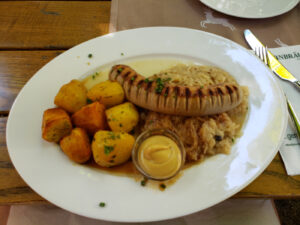
Bratwurst Platter
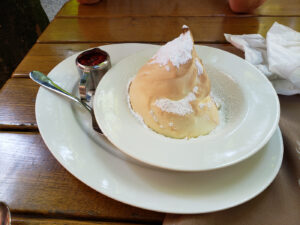
Salzburger Nockerl
We were hungry, so had a rather big lunch that included wine, water and the items shown above. Budget-wise, this place is a bit more expensive than some others, so be prepared to pay a small premium for wine and perhaps even beer. Our entire lunch came to 69€.
Cafe Tomaselli
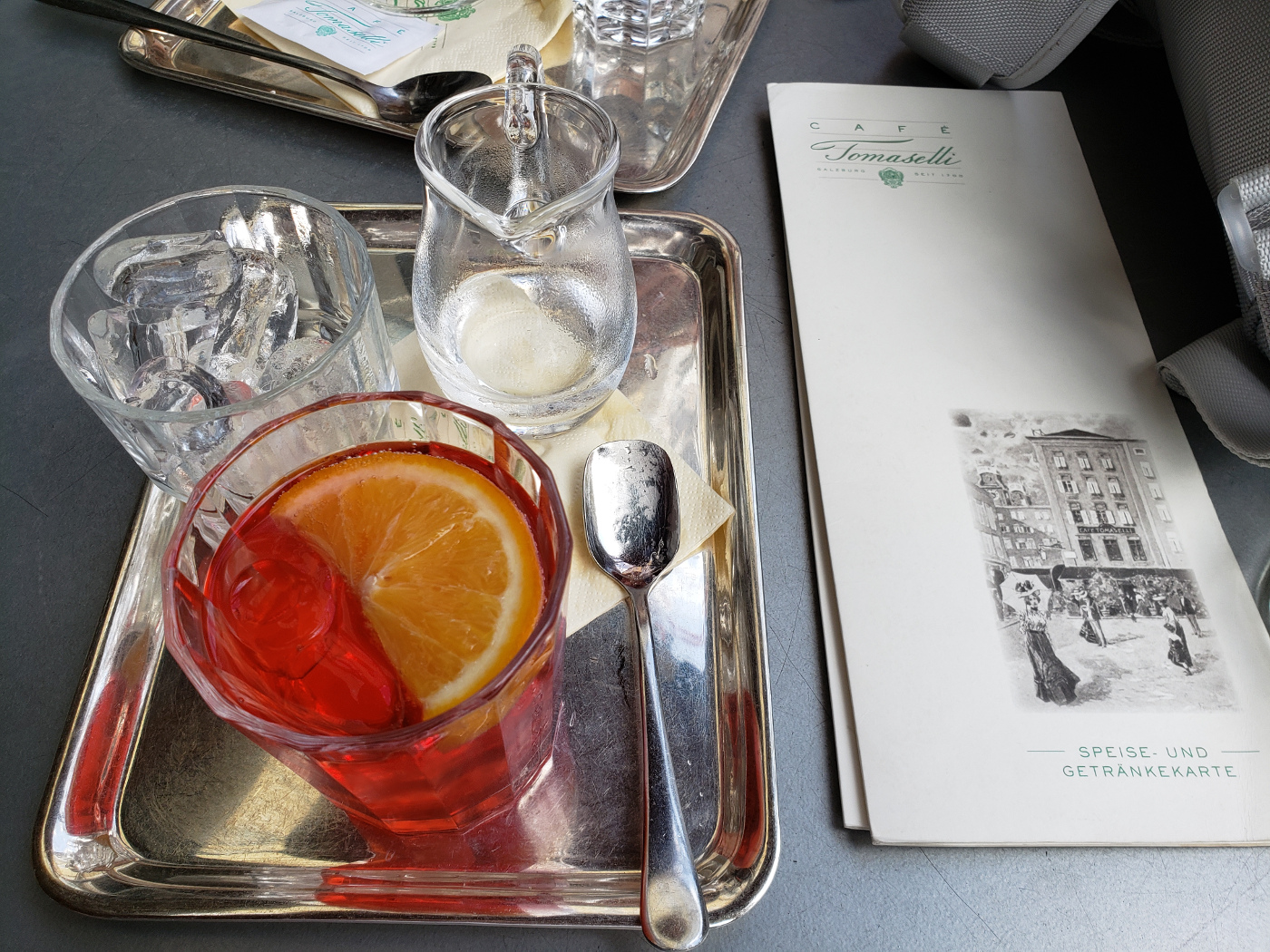
Apparently one of the places for a drink to go in Salzburg is Cafe Tomaselli. They also serve breakfast and some other small things like ice cream. We stopped here for a quick drink and found the prices fair and drinks very good.
Campari and Soda – The Elegant Way
We ordered an Iced Coffee with Vanilla Ice Cream and a Campari with Soda and the bill came to 11.60€
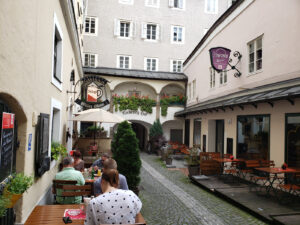
Gasthof Wilder Mann
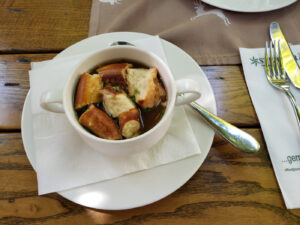
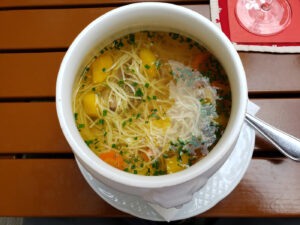
Another great place for lunch is the Gasthof Wilder Mann. The Eintopf, or soup we can say is fresh and first rate. We had the Vegetable Beef Eintopf, which came with a lot of beef, yellow and orange carrots and thin spaghetti noodles. It was spiced just right and delicious.
Gasthof Wilder Mann
Eintopf
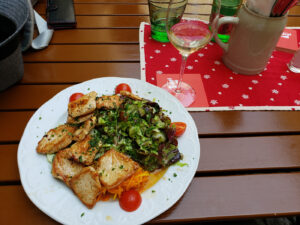
Mixed Salad with Chicken
We also order water, white wine, a Mixed Salad with Chicken, coffee and schnaps, and our bill came to 44€.
The tiny seaside city of Rapallo is remarkable in many ways, as a port, as a main stop on the Pisa to Genova train line, as a city that has many ancient Roman, Etruscan and other historical features, and as a tourist point of interest; where one can just relax and enjoy the sun while eating great Ligurian food.
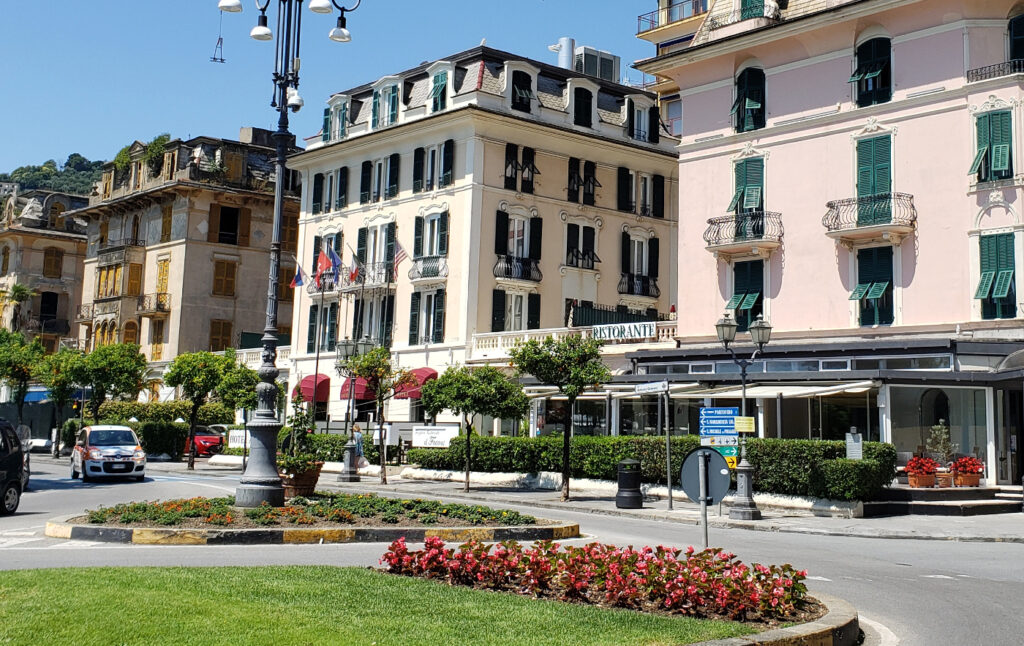
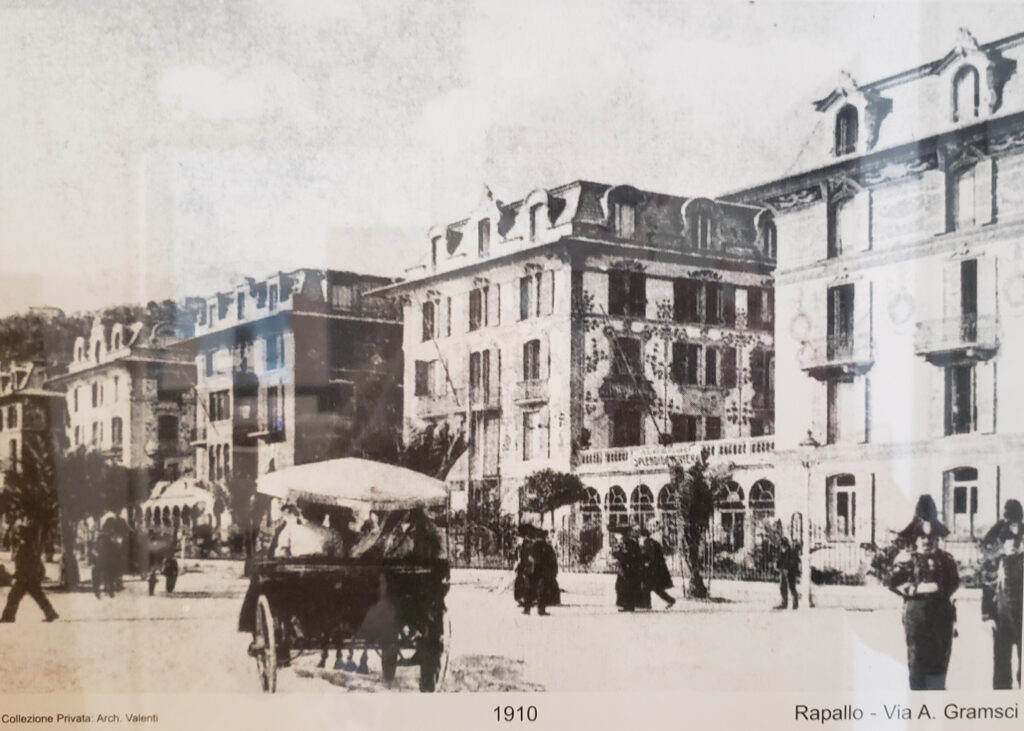
The Hotel Astoria Rapallo
The Hotel Astoria Rapallo – 1903
We began our stay checking into the four star Hotel Astoria Rapallo along via Antonio Gramsci. Built in 1903 in the Victorian Liberty Villa style, it is well taken care of by its current owner and management couple, who cheerfully greeted us as we entered. The views from our seaside room were what we imagined, as were the cooling breezes that ran through the room when we open all the windows, clean and refreshing. Even though they come equipped with air-conditioning, it is always nice to open the windows to get fresh air, especially in the early morning.
Rapallo is an active port for fishing, leisure and travel (via ferry or other means to destinations along the coast.) Unfortunately, while we were here, the ferries were still not running, due to the restrictions in place on account of the virus. So, we were not able to visit Portofino as we had hoped.
The Historic Center
As with all older cities of any size, Rapallo has a historic center, albeit small, which one can wander through to shop or to catch a meal.
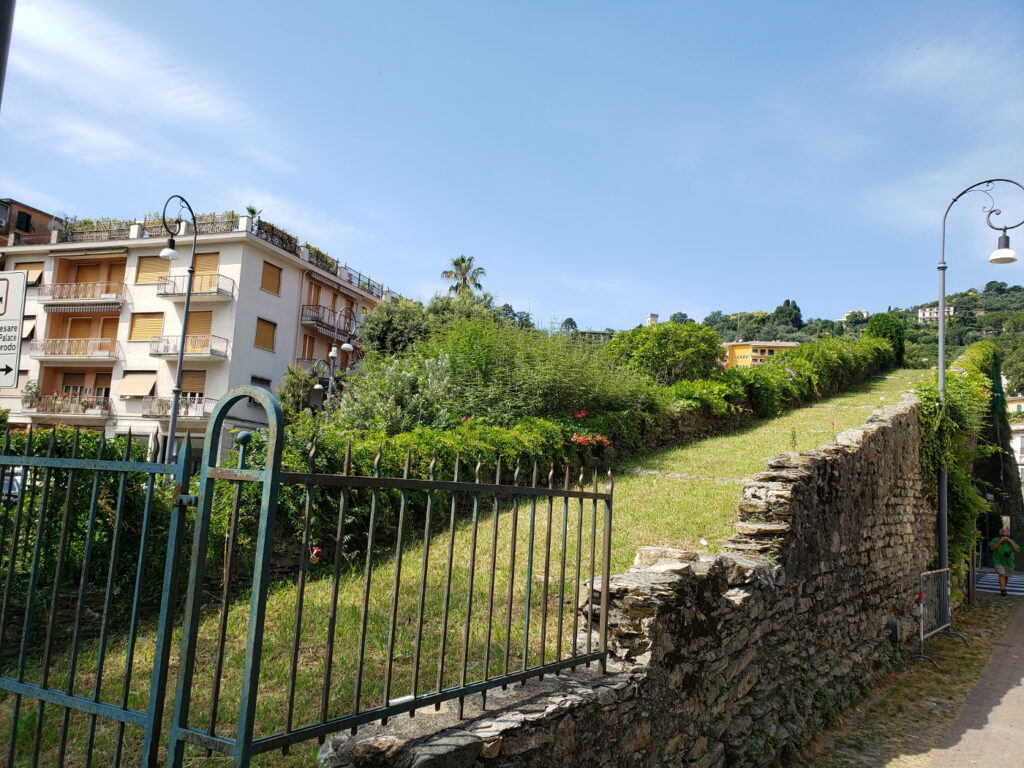
The only remaining gate of the ancient city walls is the Port of Salt, or Porta della Saline.
Porta della Saline
There are of course plenty of narrow and inviting streets in the old town that suck you in with their capillory action.
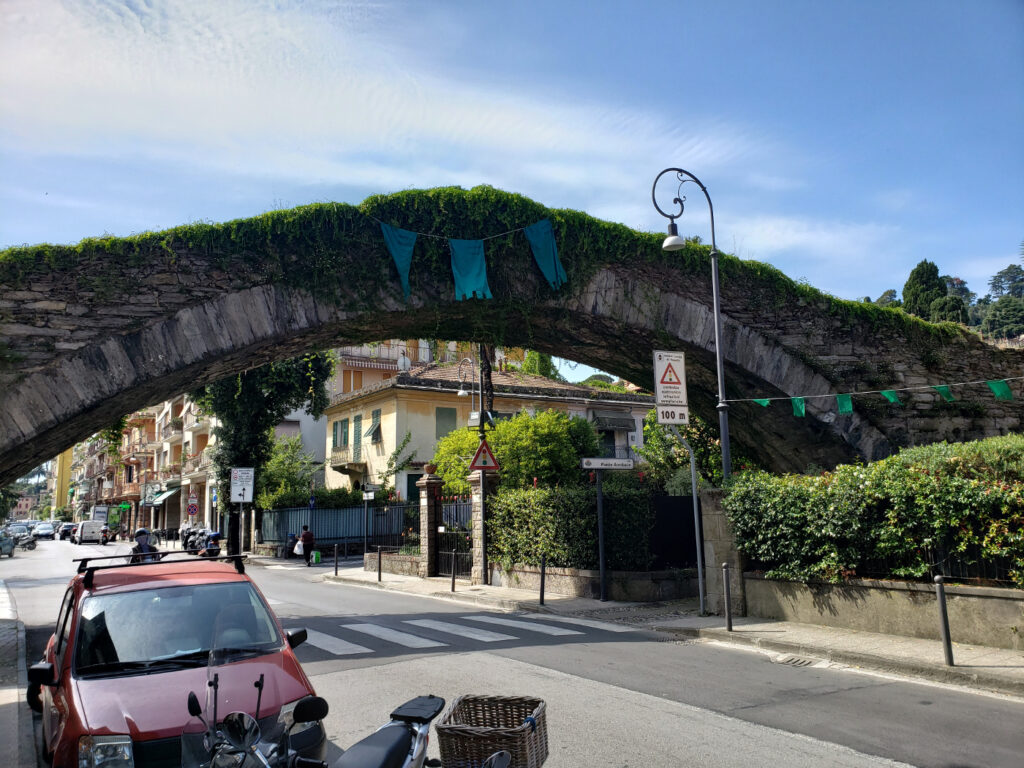
Hannibals Bridge
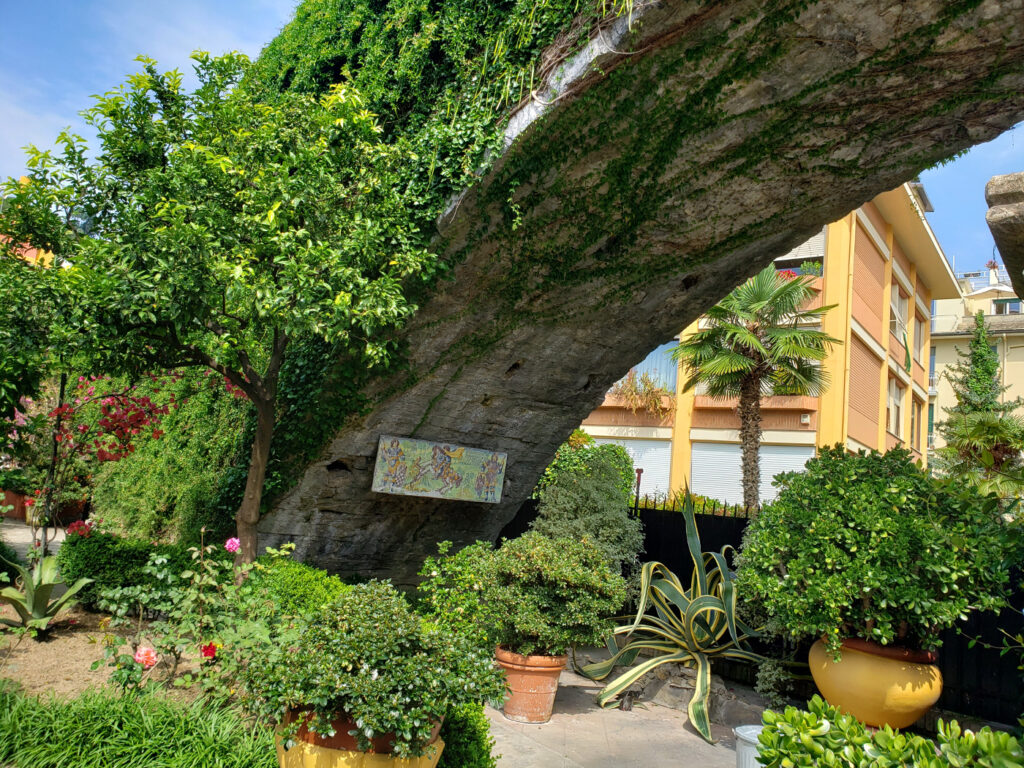
Built in the second century, the ancient bridge from the Roman period, called Hannibals Bridge, can still be seen and enjoyed. Though cordoned off to travel, it still is an imposing and impressive sign of the Roman’s architectural and construction abilities.
Hannibals Bridge Span
Hannibals Bridge Garden
Hannibals Bridge with Flowers
Hannibals Bridge Gated
The Castle Of Rapallo
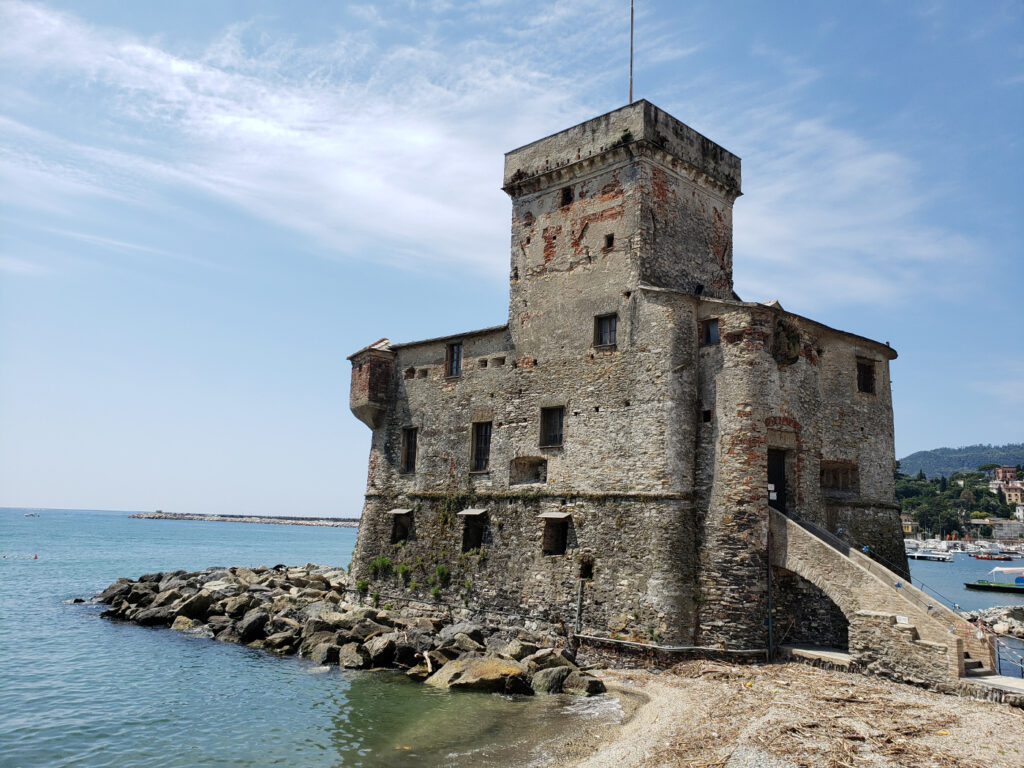
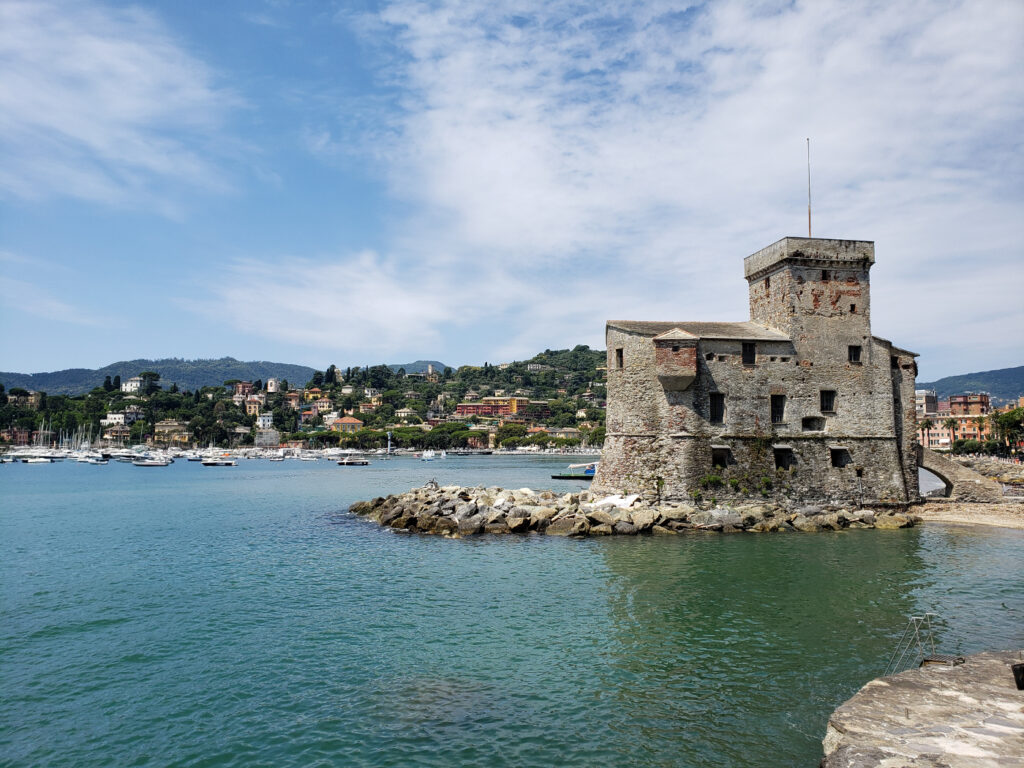
Anyone looking out into the gulf will sooner or later notice the small castle sitting off the coast directly in front of the traffic circle (or roundabout), Piazza Giovanni Battista Pastene. This is the Castello di Rapallo, an old castle built in the 1550s in response to attacks by Turkish pirates. It is still in fairly good shape, but while we where there, temporarily closed due to Covid restrictions and construction in the vicinity.
Castello di Rapallo
Castello di Rapallo
The Brotherhood Of White
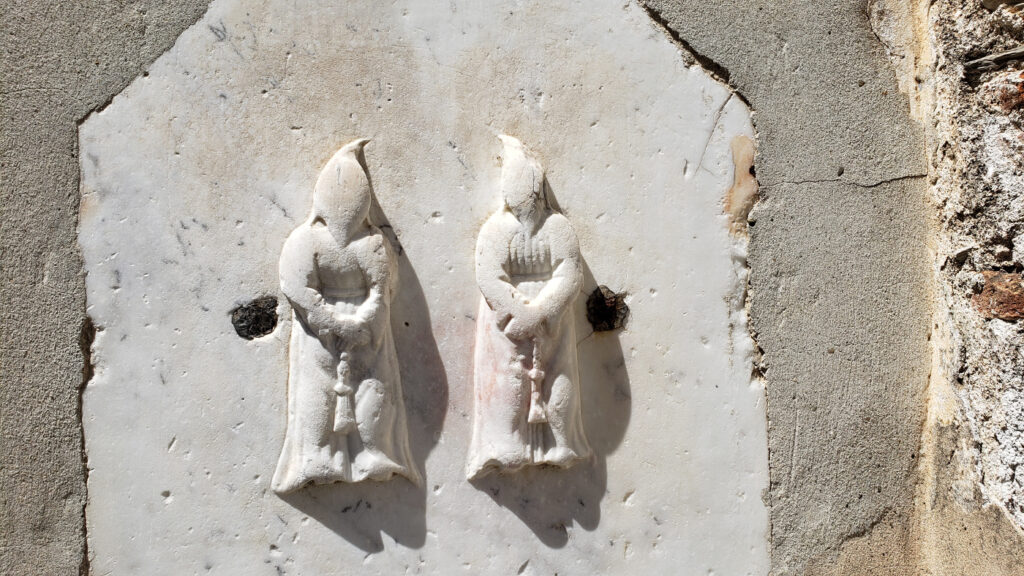
A Brotherhood of White, also known as the Great White Brotherhood and the Universal White Brotherhood, has a sect or presence in the city. In a part of the historic center, a structure exists that apparently houses this old eighteenth century order of people of enlightenment. The signs are there, if you are looking for them.
Order Of The White BrotherhoodSign Of The Great White Brotherhood
The Gulf Of Tigullio
The Gulf of Tigullio is very large and extends from Portofino to Zoagli. It is always nice to walk along the Port of Rapallo in the early morning or in the evenings to enjoy the fresh air and beauty of the gulf itself. There are many inlets, bays and coves that one can explore along the way, some with road access, others a bit more difficult.
The Gulf Of Tigullio And The Ligurian Hills
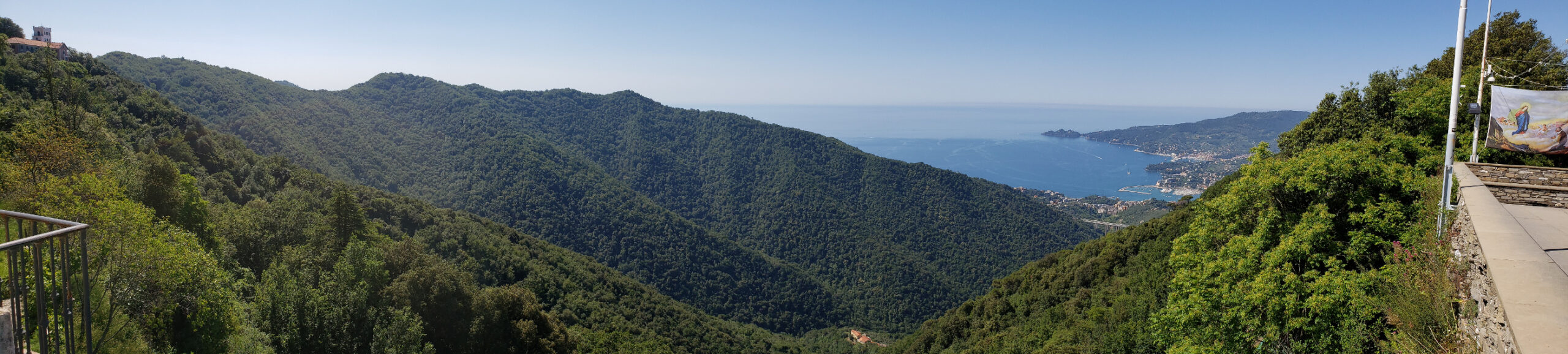
Rapallo To Montallegro
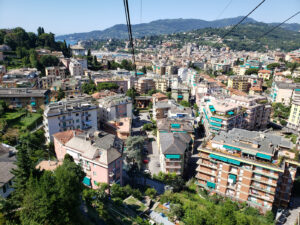
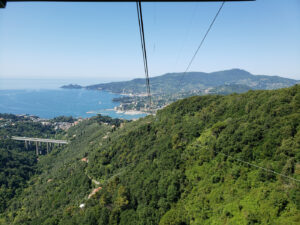
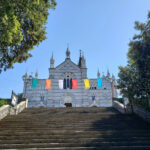
The cable car from Rapallo to Montallegro and back is a treat. Though some might consider it an expensive treat, at 8€ a piece for a round trip; we thought it a fair deal. The views in and of themselves are more than worth the ticket price. There is not only a basilica waiting for you at the top, but also a restaurant with amazing views of the city and surrounding countryside.
Basilica and Sactuary of Our Lady of Montallegro – Inside
Casa del Pellegrino
There is a cafe, bar and restaurant some ten or so minutes walk from behind the basilica. It is not only the start of one of the hiking trails that wanders through the area, but also provides an excellent view of the gulf and port of Rapallo. Since the cable car runs every thirty minutes or so, we took advantage and spent an hour here, taking on refreshment and admiring the view while enjoying the cool air coming up the mountain slopes.
The Path to the Restaurant
The Path to the Restaurant
The Restaurant Entrance
Outside Seating With Overlook
The View From Our Table
Another View
Cable Car From Montallegro Back To Rapallo
Here are a few videos of our trip back down the mountain. If you are ever there, a word of caution for those with any fear of heights, you will be suspended very high in the air. It may not be for everyone, unless you maintain your look inside the car on ascent and likewise on the return.
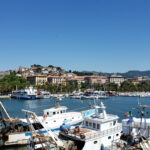
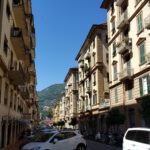
A rather active port on the Ligurian Coast is the port of La Spezia. Not typically known as a tourist hot-spot, it is noted for several museums, churches and other sites worth seeing, if you visit. With one day in our itinerary to investigate, I came away with the opinion that if you have other things in your own itinerary to see, then it’s probably not worth a stop. There are plenty of old city centers around and this one was rather unremarkable.
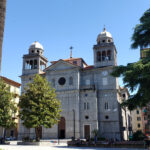
Chiesa Cattolica Parrocchiale (N.S della Salute)
Chiesa Cattolica Parrocchiale (N.S della Salute)
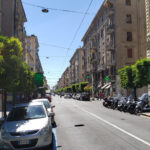
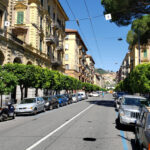
Corso Cavour
Corso Cavour
Portico In The City
Lungomare
Ponte Thaon di Revel
Views From Ponte Thaon di Revel
Views From Ponte Thaon di Revel
Views From Ponte Thaon di Revel
Views From Ponte Thaon di Revel
Lungomare
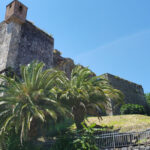
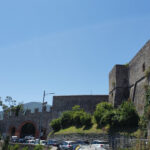
Castello San Giorgio
Castello San Giorgio
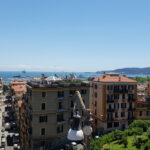
View Of The Bay From Castello San Giorgio
Castello San Giorgio
Castello San Giorgio
Ascensore San Giorgio
View From Castello San Giorgio
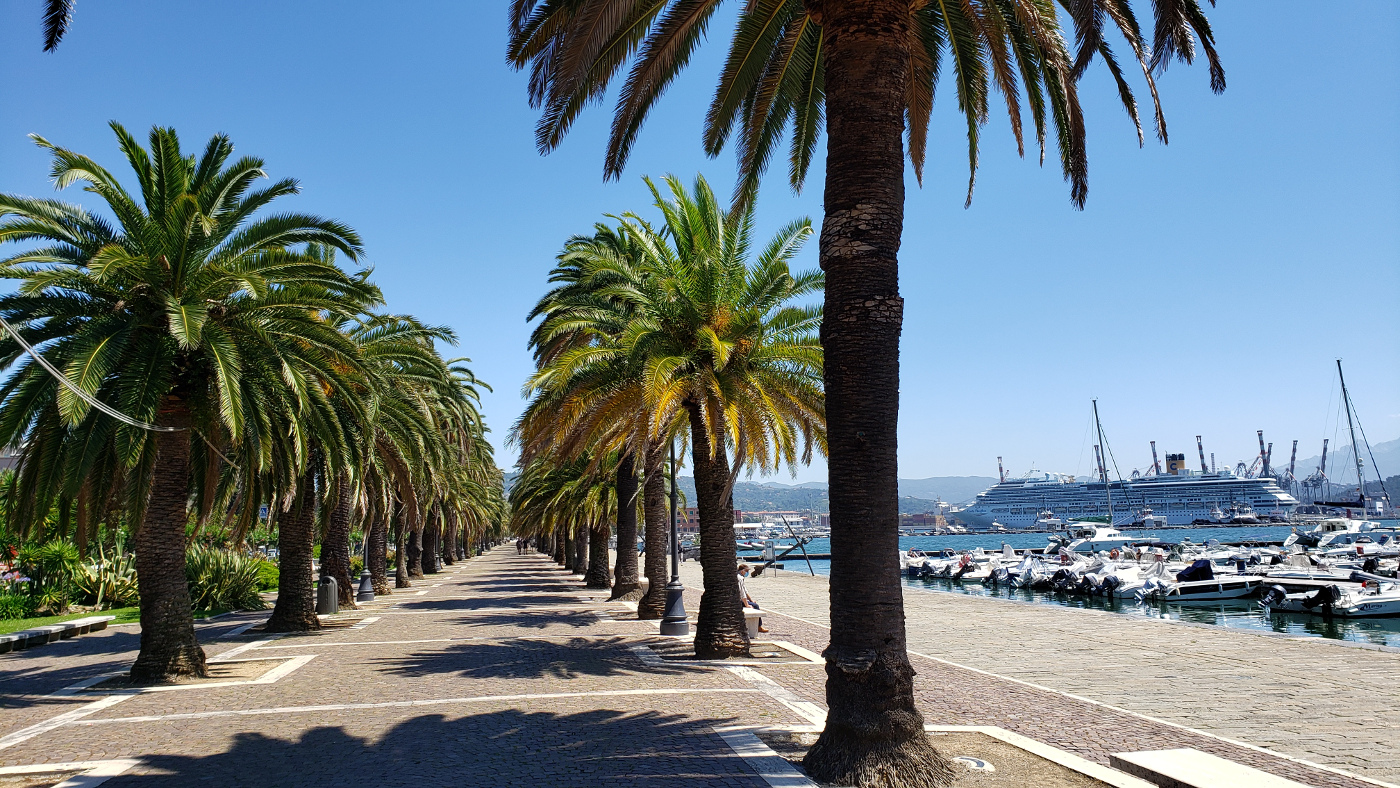
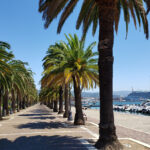
As can be noted by some of the photographs above, this port is heavily used by the Italian Cruise Lines and Navy. While here, we noticed several cruise ships moored, since their use is restricted during the virus outbreak. The port is also heavily used by commercial fisherman, as well as leisure craft. The city is very walkable, especially down by the water where they have a very excellent Lungomare.
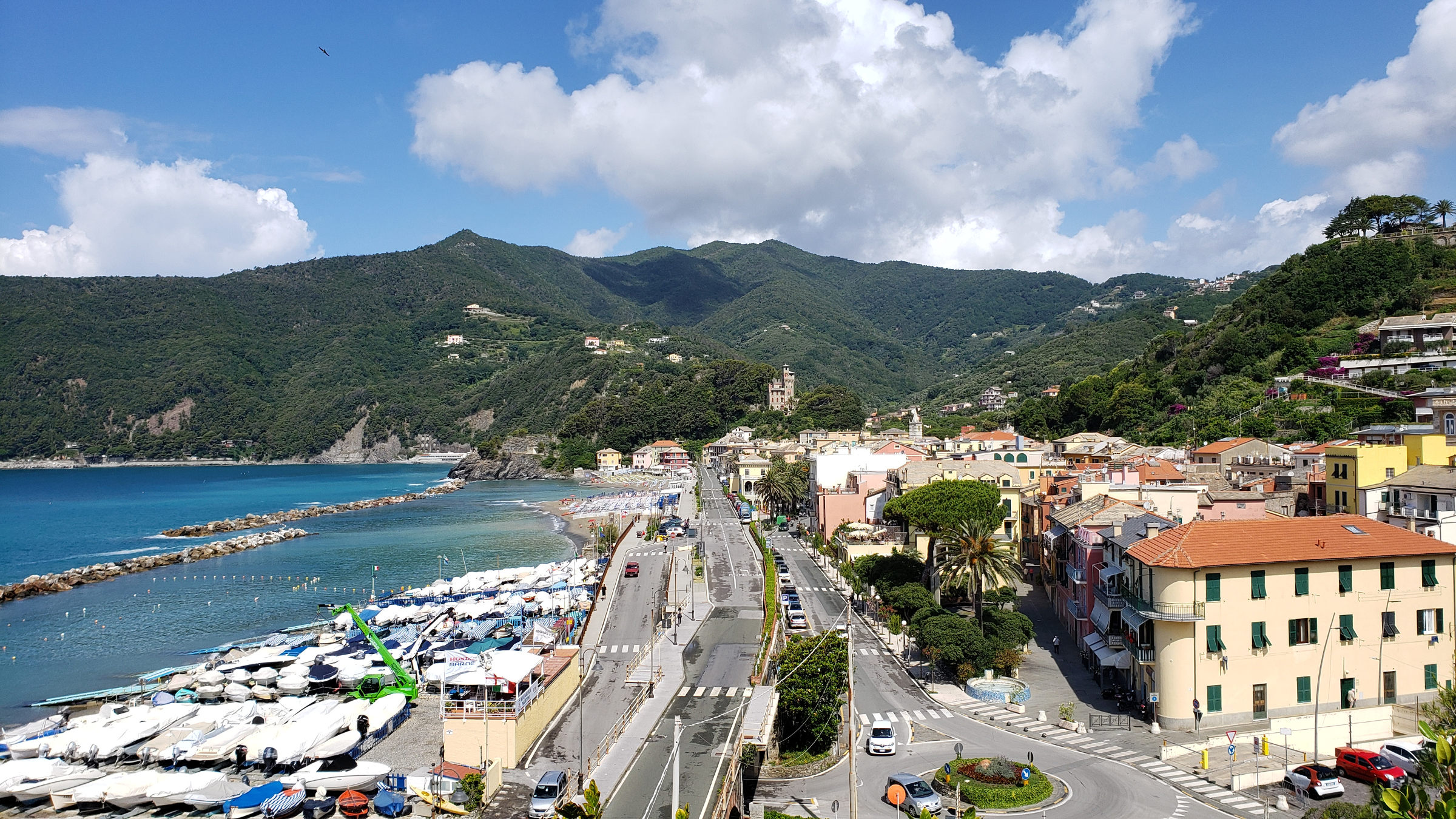
That is all for La Spezia, our next stop is Rapallo, about thirty minutes North of Moneglia, via Sestri Levante. Another port town, but more for leisure craft and very close to Santa Margherita. Our Ligurian journey continues…
Having the benefit of staying in such a small town for a little more than a week, gives one the flexibility of being bored and looking for things to do. Of course I say this from the perspective of retirement and our slow travel mentality, where it’s all about kicking back, taking it easy and having the time to actually get to know a place, instead of driving through it to claim, “I was there!”
The Lungomare Dante Alighieri – Moneglia
The Leisurely Stroll
An often overlooked, under-used method of relaxation, that I might add is rarely used in the States, is the stroll. In fact, the lack of use of this word in the common venacular there, or everyday speech, testifies to the American’s reluctance to actually taking one. Americans are often too busy and too self-absorbed to consider a nice, long, uncomplicated relaxing walk. If you stay long enough in Moneglia, or probably any city or coastal town in Italy, you should take one of these, they can be mind clearing experiences. The Germans have an excellent word for it, schlendern, to stroll or amble and when correctly pronounced, actually sounds relaxing. The Italians however, probably invented it with their passeggiata, which actually means a bit more, but is still actively practiced today.
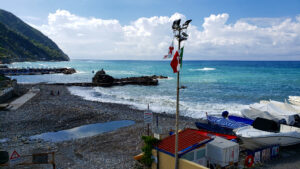
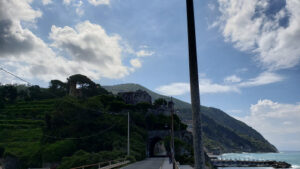
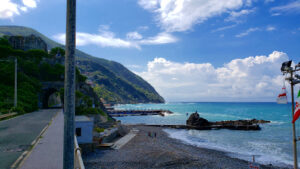
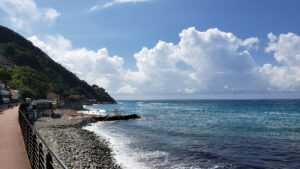
Our stroll along the Lungomare was relaxing in the extreme. The surf, which was fairly rough at the time, was pounding the coast. Where the beach was lined with stones, one could hear the strange and unusual sound of the rocks clacking against one another as the water washed over them and drew them back toward the sea. Add to that the perfect temperature, somewhere in the low seventies, and a stiff breeze, and you have all the ingredients for a great walk.
The Tower Of Villafranche
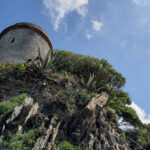
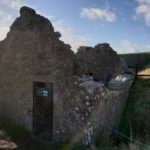
Along the Lungomare is the Tower or Fortress of Villafranche, or what is called today the Parco Castello di Villafranca, a broken down remnant of an old fort that is no longer used nor kept up. It has signs that it had been taken cared for until recently. Now it just appears to be a memory destined to fall back into the hillside from which it arose.
The Beautiful Coastline
Interesting Mineral Accumulations
The Tower Of The Fort
View From Above Of Jetties
An Escape When It Rains
Patti On The Path To The Park
The Jetties That Protect The Beach
The Coast
Fortress Remains You Cannot Reach
Moneglia And The Church Tower Of Santa Croce
Looking Back Toward Moneglia
A View From A Remaining Parapet
The Path Upon Entering
Another Look At The Coast
There are still some interesting things inside to see, nooks and crannies, here and there. The outside is more or less a maze of unmaintained stairs and paths. A good place for a relaxing picnic lunch, to read a book or just relax and unwind; there are some benches where one can sit and enjoy the sound of the waves and the horizon.
Ristorante Bistrot Julia
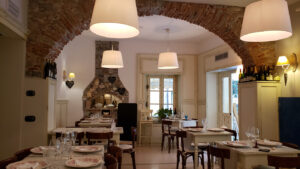
The restaurant Bistrot Julia is a small, unassuming place that is not much on menu, but definitely big on taste. This place, during normal times, would be crowded, so get reservations if you are planning a visit, we just happen to be fortunate enough to enjoy it in a more relaxed state.
Bistrot Julia – Outside
Bistrot Julia – Inside
Patti Having A Good Time
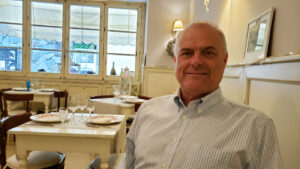
Erick Waiting For Steak
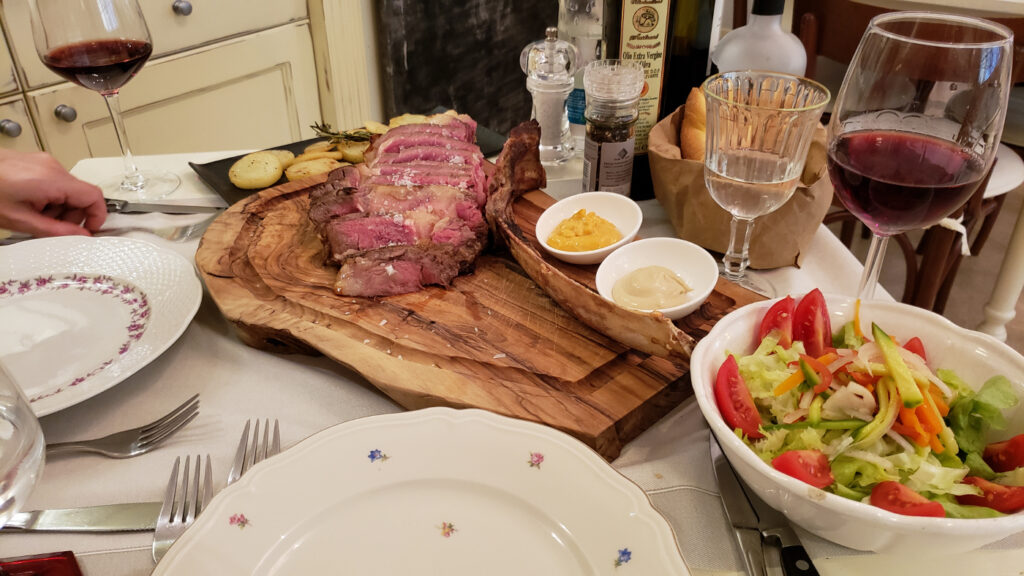
Based on a rating we found to be rather high on the internet, we decided to give it a try. Having not had a very good steak in a while, we were both surprised to find a Tomahawk Steak for two on the menu. It took some discussion with our waitress and all of two seconds to make up my mind what I wanted to order. After a very short negotiation with Patti, our wine and steak were ordered.
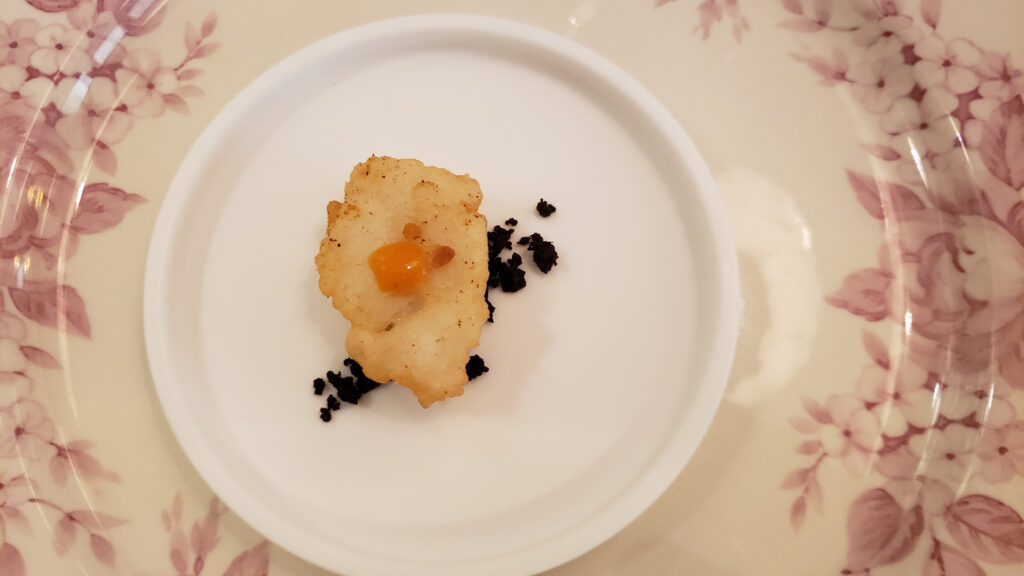
Bacalla Appetizer
Our Tomahawk – Cooked And Cut
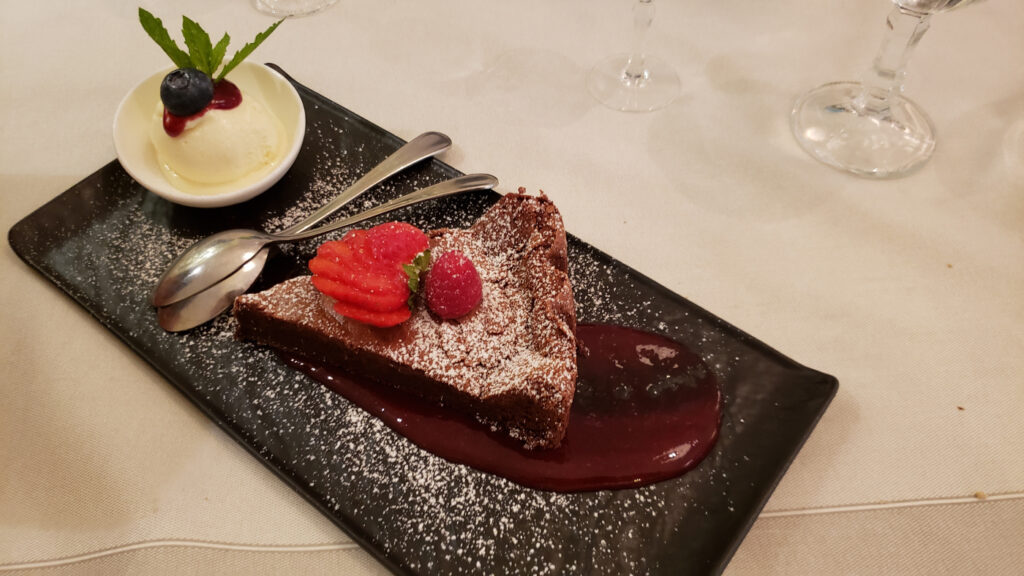
Chocolate Cake With Raspberry Sauce
Needless to say, when a chef does not give you a choice on how you want your meat cooked and it comes out looking like this, you know you are in for a good meal. Paired with a very good local Nebbiolo, the steak and potatoes went down with very little argument. Our appetizers were Baccala on crushed vinegared olives, also very good. We would both highly recommend a stop at Bistrot Julia, if you are ever in Moneglia. First rate food at a fairly good price. They also will dispense wine from any unopened bottle of wine they have, as long as it’s under 24€. A fine enticement to get you to try new wines not necessarily served by the glass and you only pay for what you drink. With our steak, priced at 6€/hg (hectogram), and coming in around one kilo we walked out with a 97€ bill. Some might say that a bit steep, but I have paid far more in the States for steak and dinners for two as a whole and they were no where near as good. Enjoy!
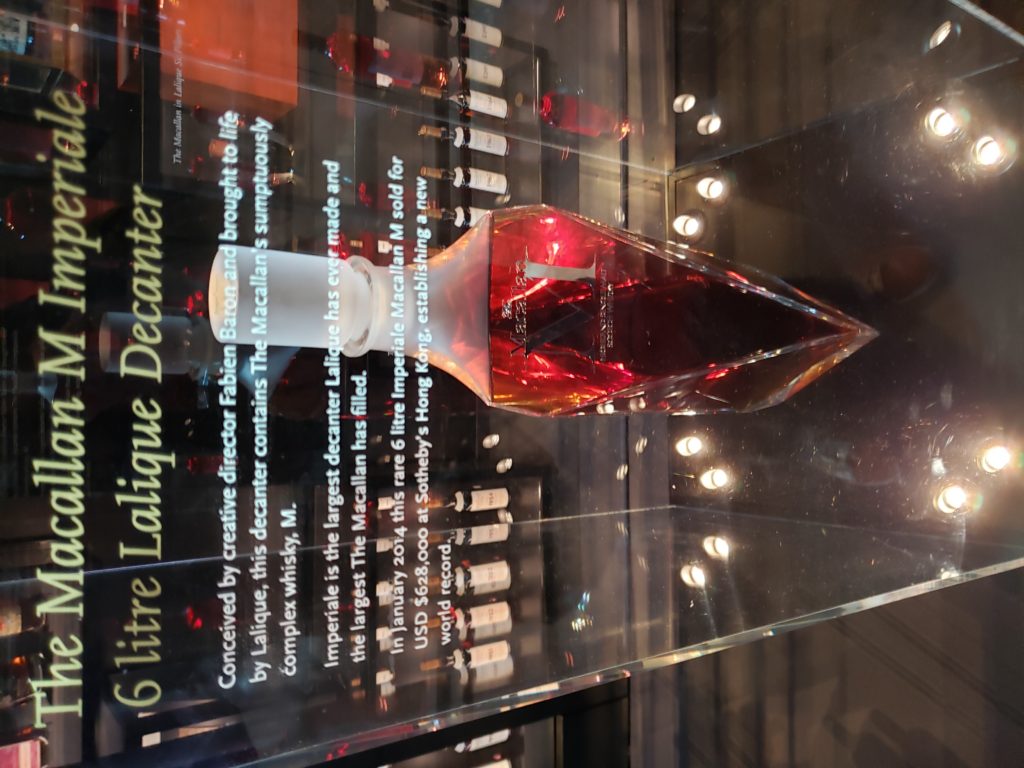
From Inverness we headed to Aberdeen, which is on the eastern coast of the country. Along the way we took a minor detour to visit one of the famous distilleries in the area, The Mcallan.
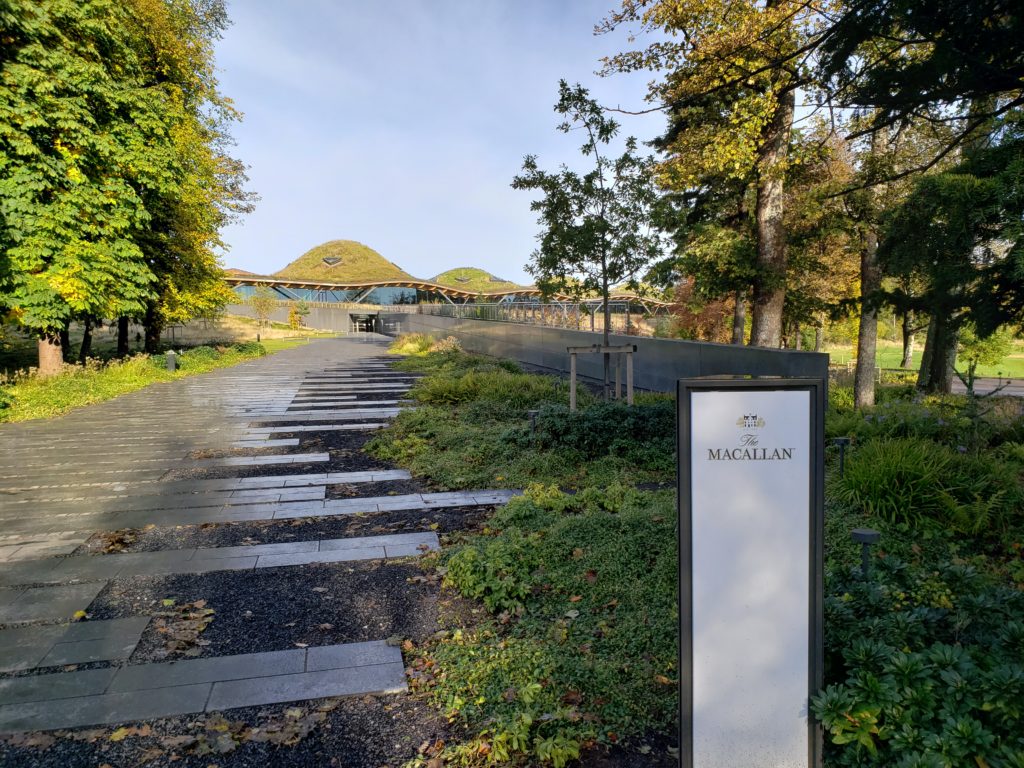
The Mcallan distillery visitor center has been designed by a well-known architect and completely modernized. Though the building itself blends well with the country-side, the walkway seems a bit odd, made out of shiny marble instead of perhaps a nice sandstone to match better. I suppose they we going for the rich look in the end, instead of a more environmental one.
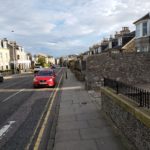
Aberdeen
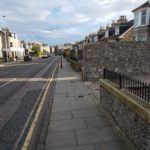
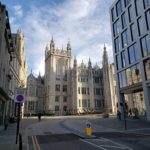
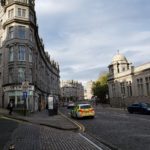
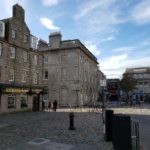
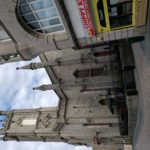
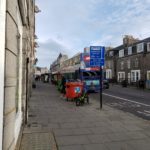
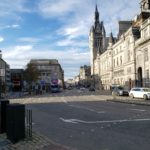
The town itself is rather unremarkable, being noted for its grey granite appearance, it’s no wonder it mixes well with the cold, damp weather and Scotch whiskey.
Aberdeen – Bleek Grey Streets
Aberdeen – Castle Street, Robert the Bruce
Aberdeen
Aberdeen – Mercat Cross
Aberdeen – Bleek Grey Streets
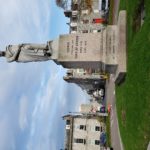
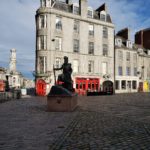
Aberdeen – Gordon Statue
Aberdeen
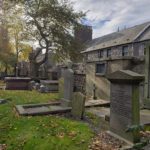
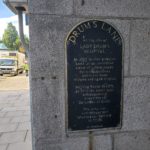
Aberdeen – Old Cemetery
Aberdeen – Duke of Cordon Statue
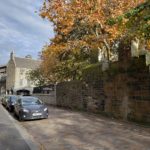
Aberdeen – Rows of Similar Houses
Aberdeen
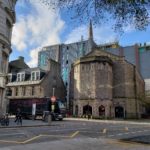
Aberdeen – Church
Aberdeen – Central Library
Aberdeen
Aberdeen
Aberdeen – Castle Street, Mercat Cross
Aberdeen – by the Gordon Statue
Aberdeen – Macaroni Restaurant
Aberdeen – Gordon Statue
Aberdeen – Castle Street
Aberdeen – Church
Aberdeen – Bleek Grey Streets, Garbage and Signs have color
Aberdeen
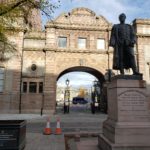
Aberdeen – Grey Entrance Building to Cemetery
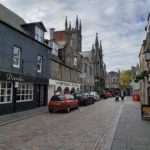
Aberdeen – Castle Street
Aberdeen – Castle Street
Aberdeen – Castle Street, Mercat Cross
There are exceptions of course, some of the side streets are rather nice to stroll down, although you will never get that quaint, old, medieval look and feel.
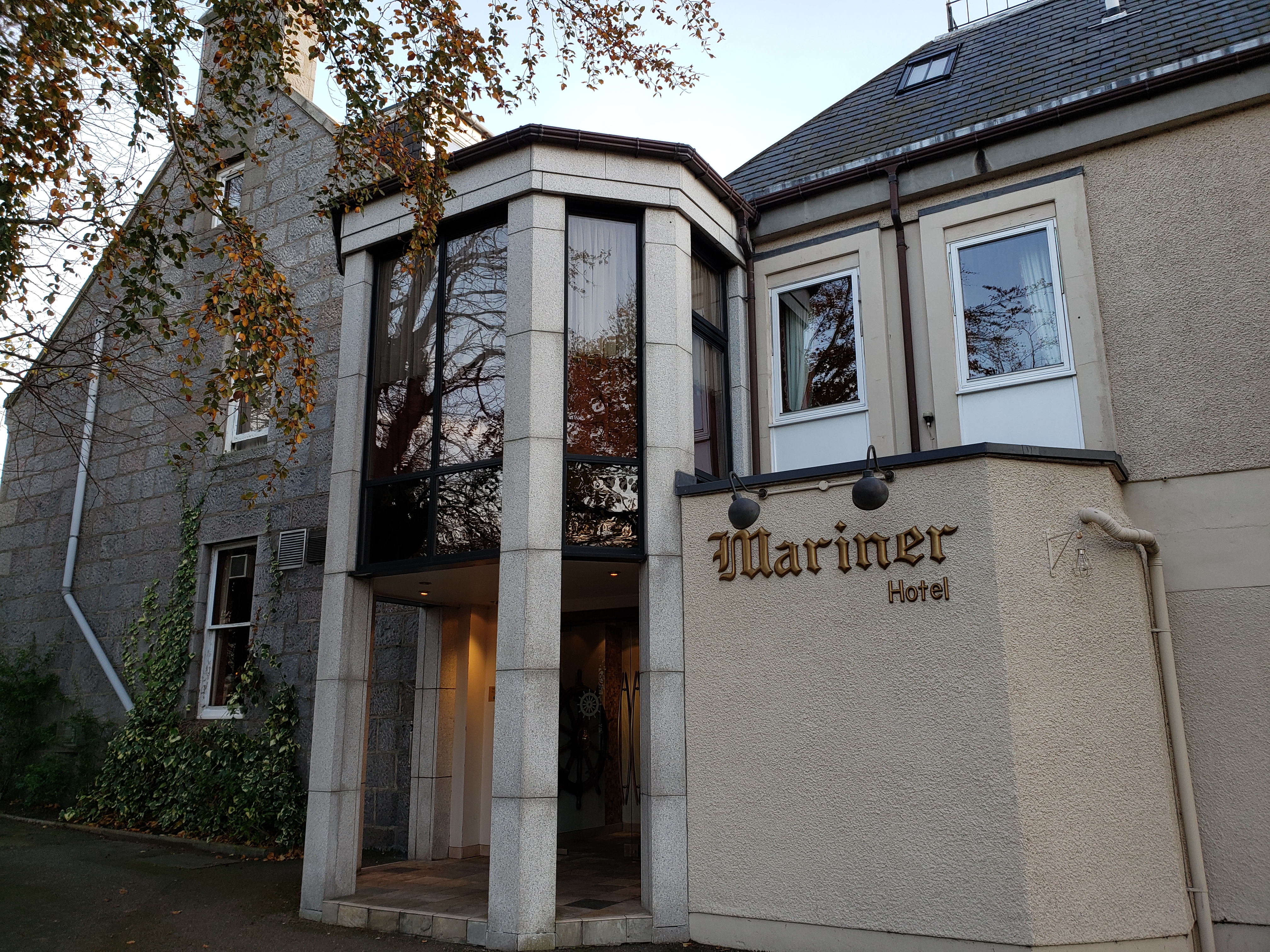
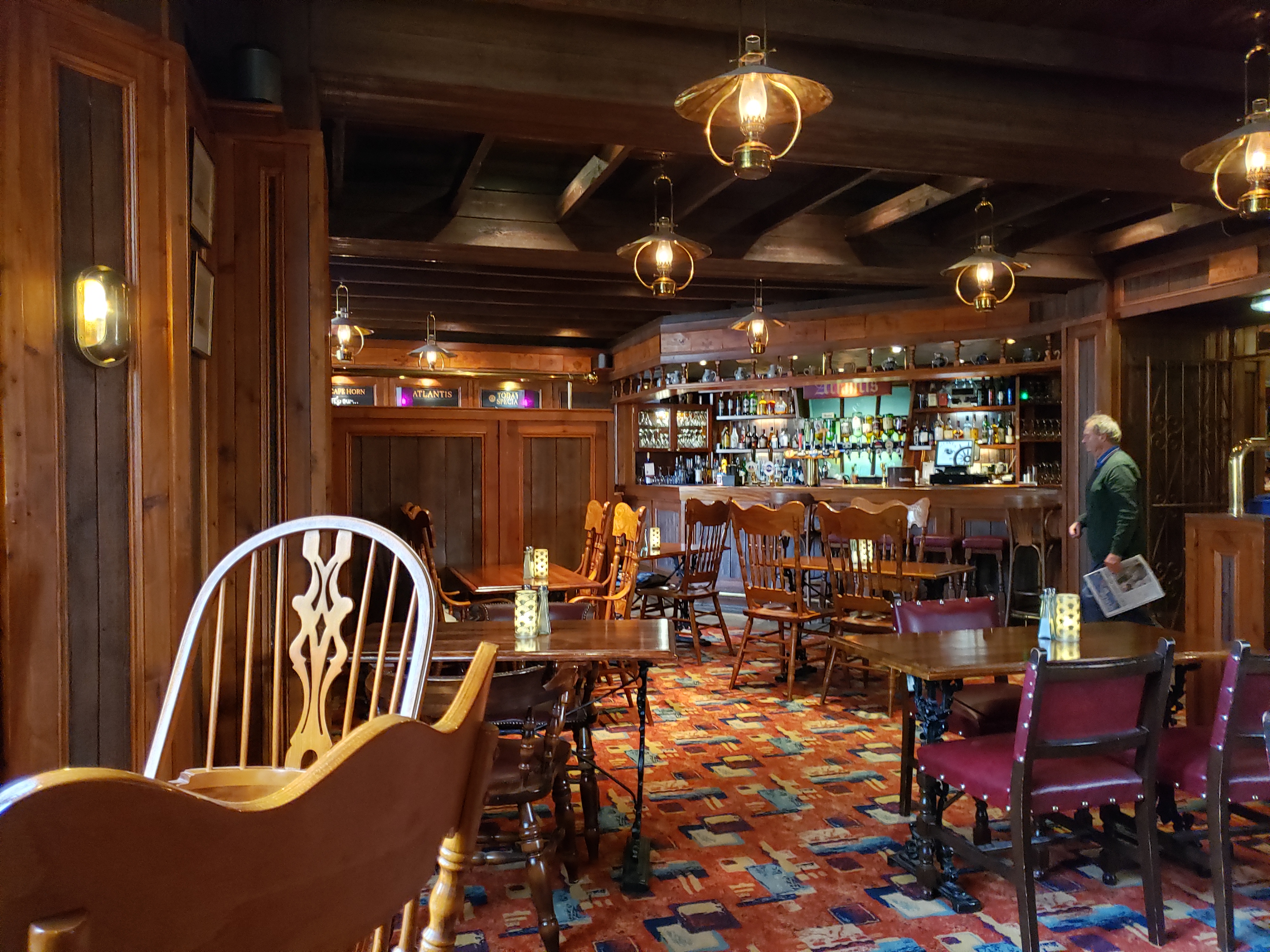
Our Hotel – The MarinerThe Mariner Restaurant
We did not venture far to eat, except for lunch, since town was a good fifteen to twenty-minute walk from our hotel. So, we ate our lunches out and each night at the hotel, which offered a good mix of fare. All in all, the accommodations were more than adequate, with only some minor inconveniences (e.g. no elevator, but it was only one floor). They do provide a generous parking lot and free parking.
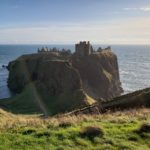
The Dunnottar Castle
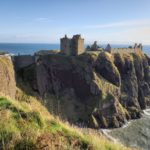
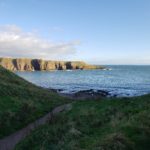
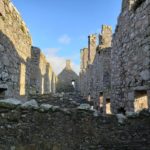
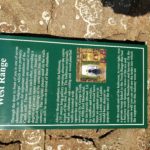
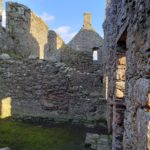
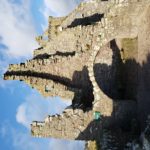
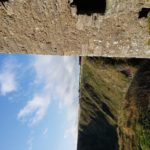
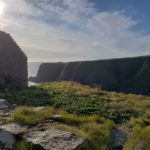
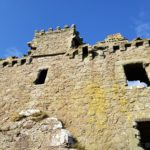
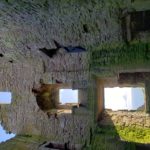
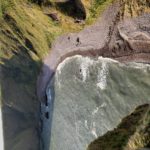
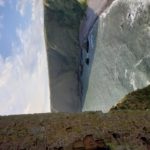
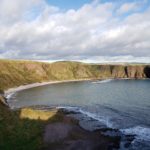
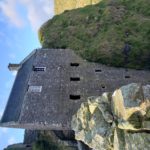
Unfortunately, I have to say, the high point of our trip to Aberdeen was on our departure and visit to the Castle of Dunnottar. Please enjoy the un-captioned slide show below of our visit there.
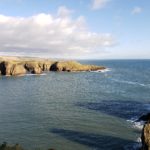
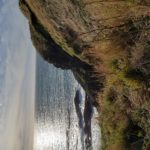
I will not say much else about it, other than the views are quite stunning, if you happen to have good weather. You are free to walk the grounds and there are hiking trails nearby and into the town of Stonehaven. The castle itself is worth the 7£ entry fee, since it is quite extensive and very well-kept.
And to top it off, a small video of the tempestuous North Sea.
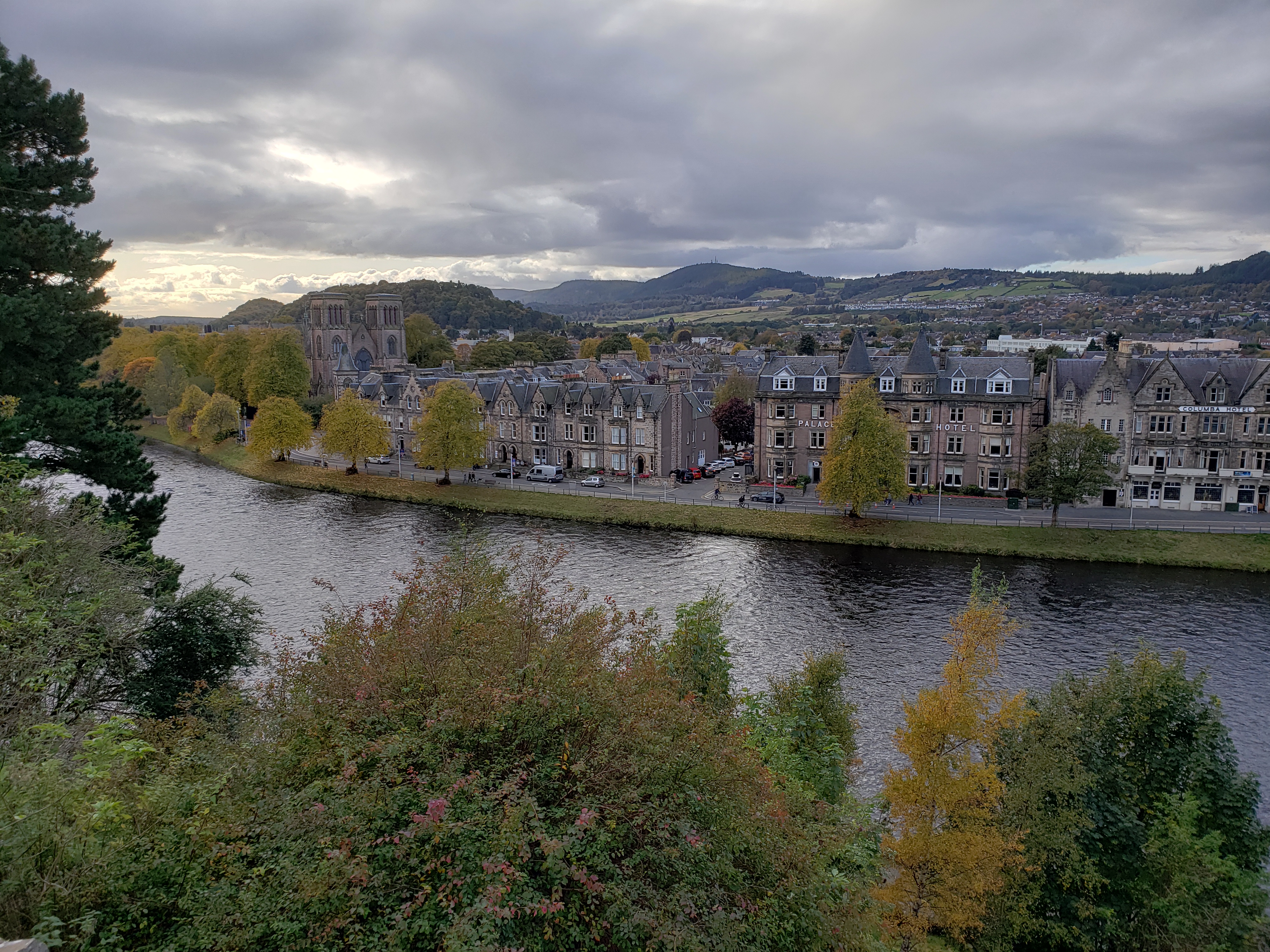
A three-hour drive from Edinburgh will bring you through the center of Scotland and The Highlands, here at the end of Loch Ness sits Inverness.
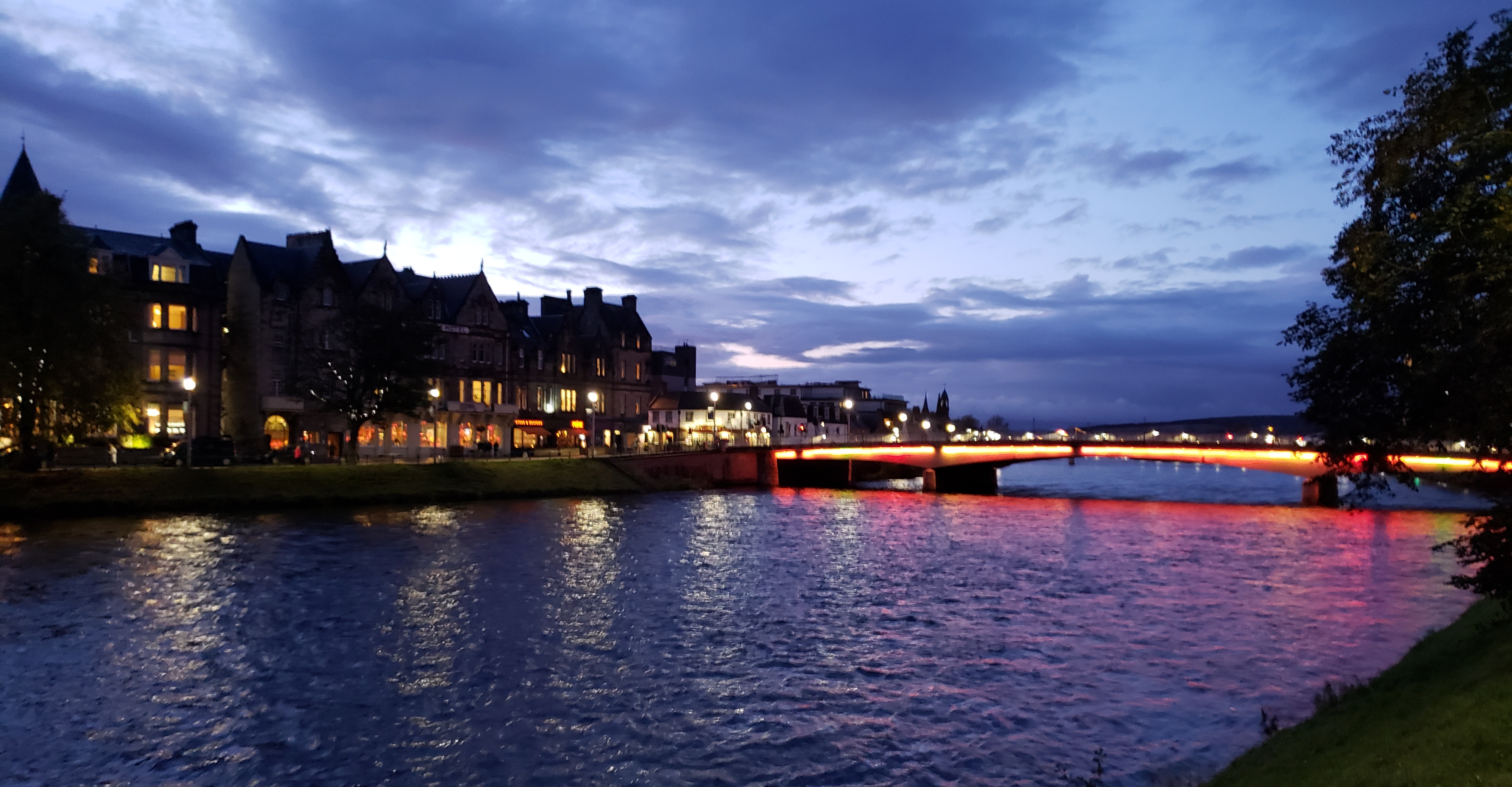
Inverness – Ness Bridge
Inverness
The city itself in October has a strange feel about it, reminiscent of an upstate New York town, think Hudson or Catskill. Though statistics say otherwise, one would think it in decline, or an area that perhaps saw better times.
The people on the other hand are very friendly and seem very comfortable with tourists.
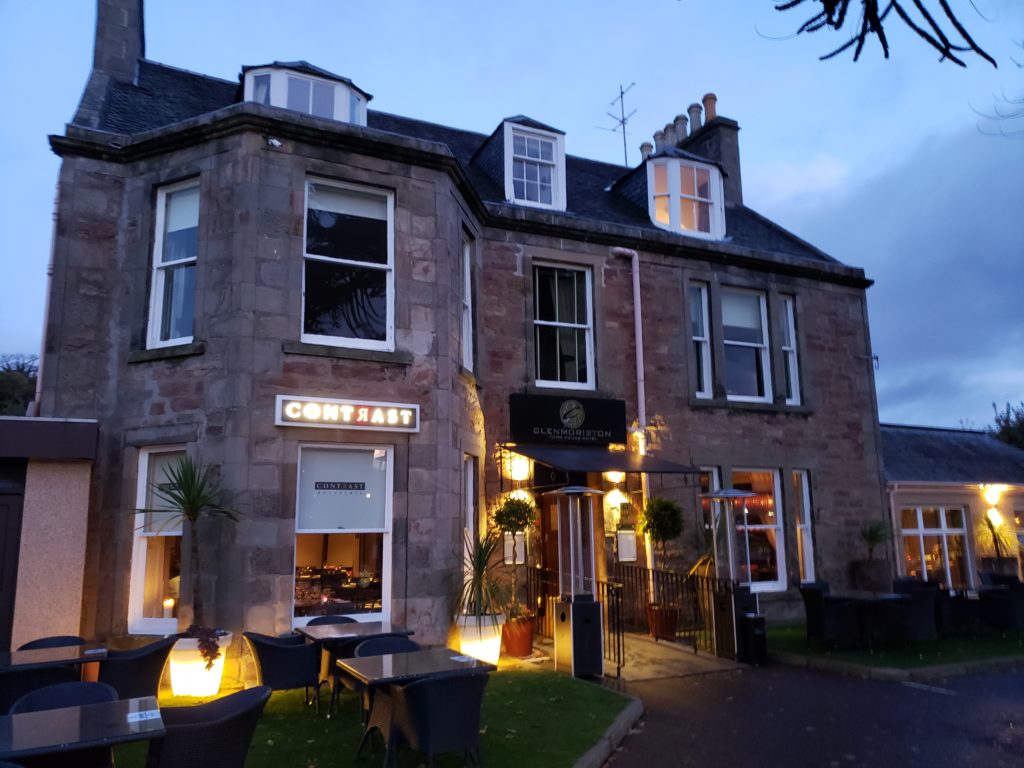
Inverness – Our Hotel – The Glenmoriston
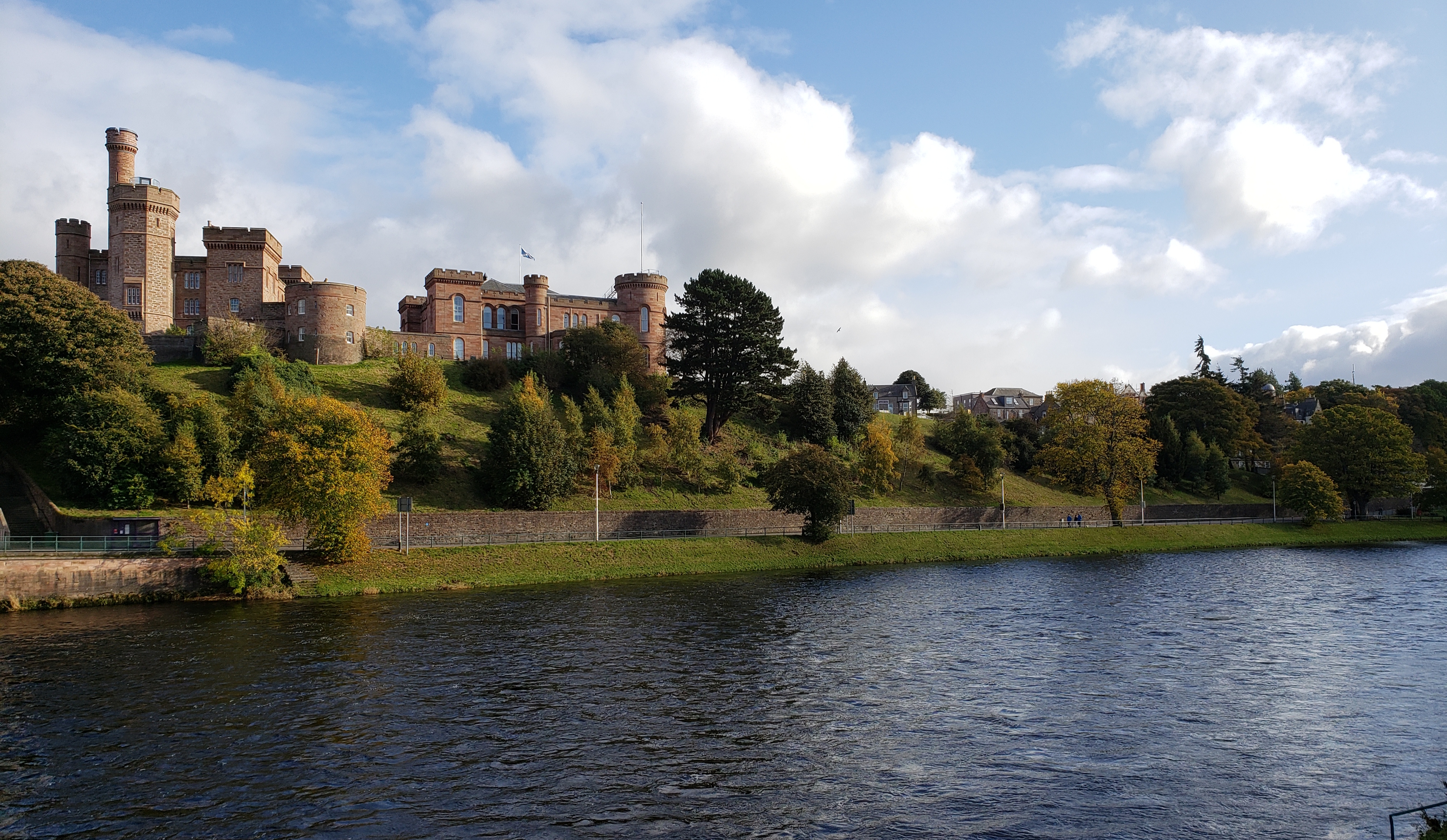
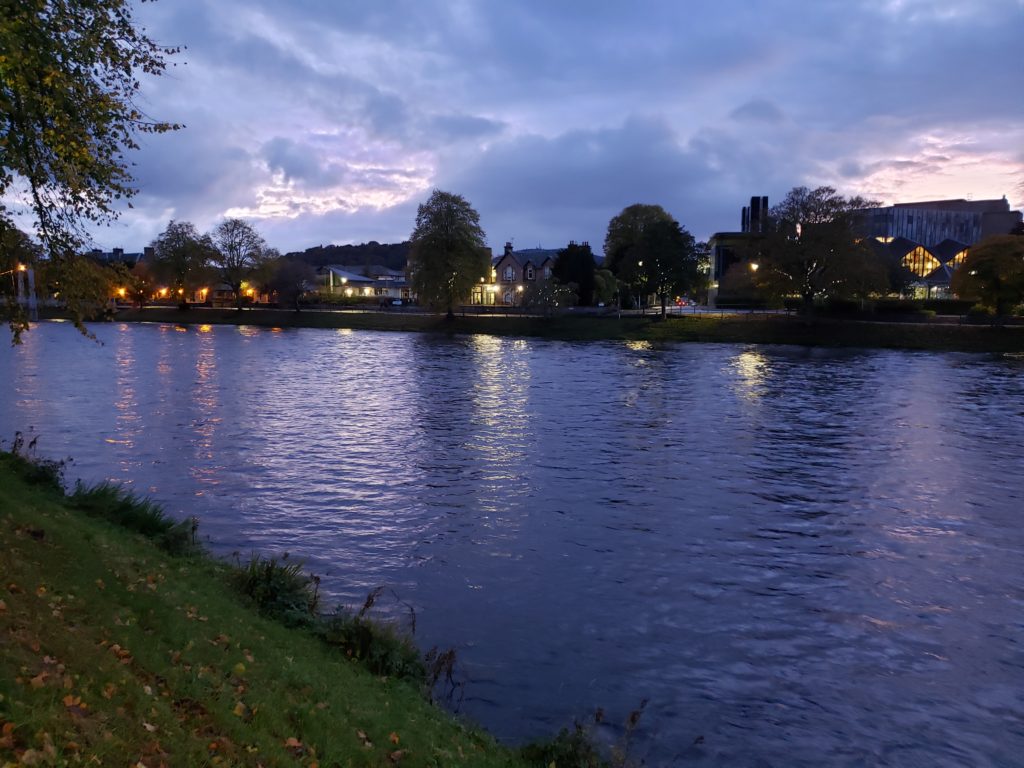
Inverness – The River Ness
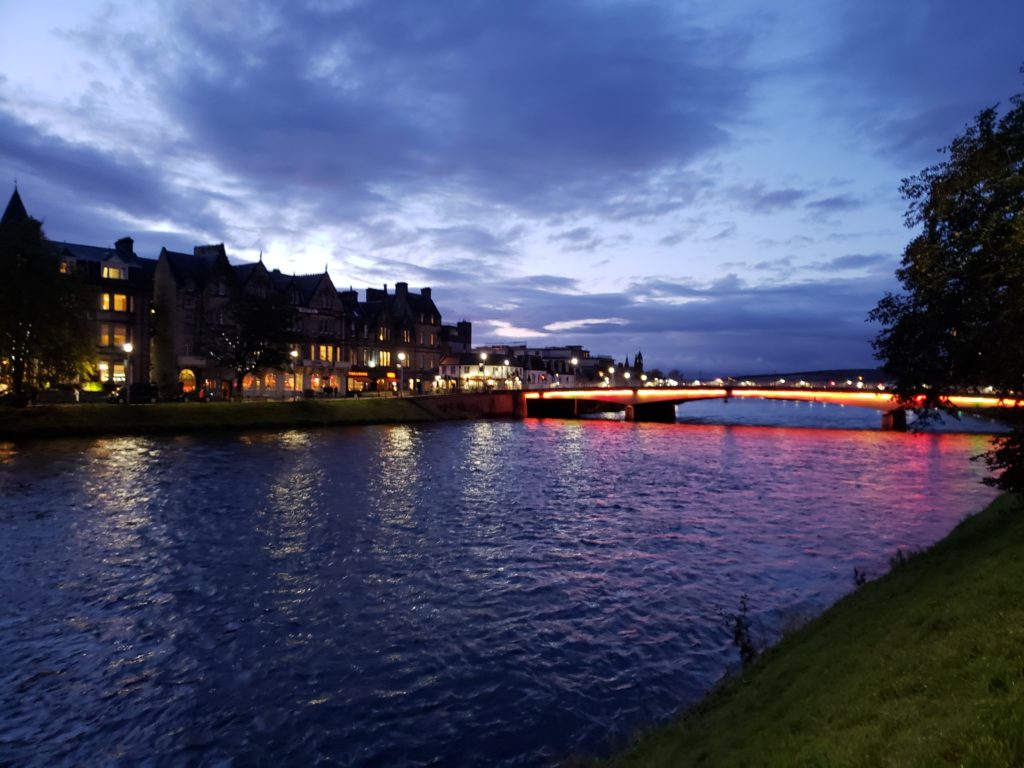
Inverness – Ness Bridge
Inverness – At Night
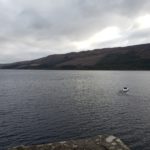
Loch Ness
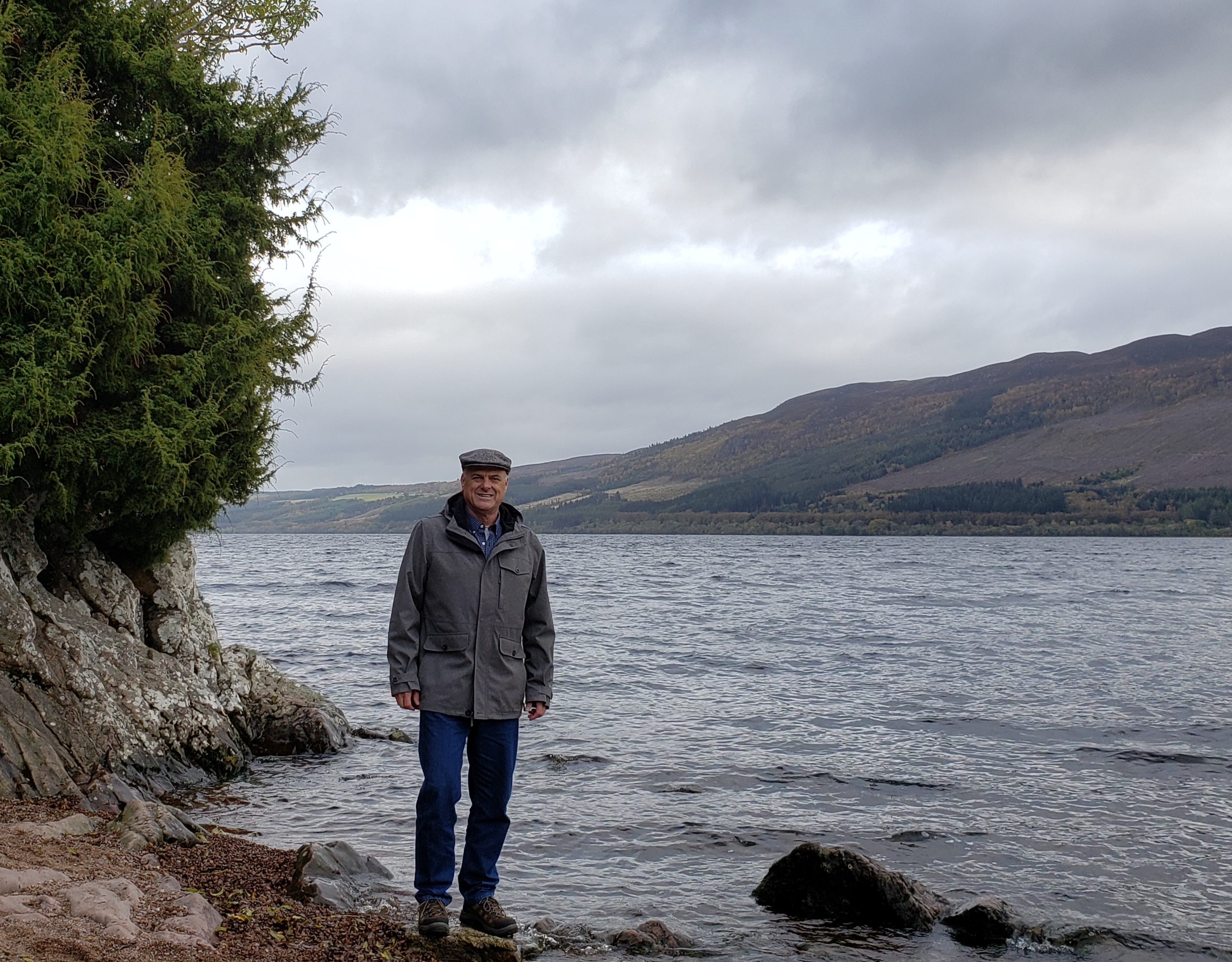
In order to see the Loch Ness from Inverness you have to travel 15 to 30 minutes southwest on the A82. Along this road there are several places to stop and take photographs.
Loch Ness – Erick
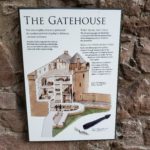
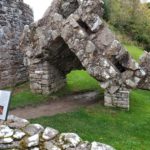
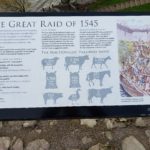
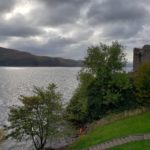
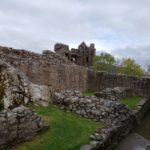
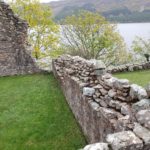
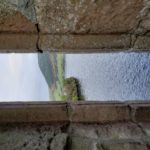
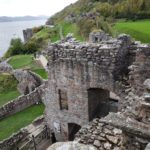
A bit further on you will find the lazy hamlet of Drumnadrochit and the CastleUrquhart sitting on the lake.
Castle Ness
Castle Ness
Castle Ness
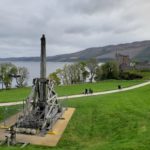
Castle Ness – Trebuchet
Castle Ness
Castle Ness
Castle Ness
Castle Ness
Castle Ness
Castle Ness
Castle Ness
Castle Ness
Castle Ness
Castle Ness
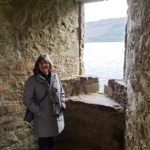
Castle Ness – Patti
Castle Ness
Castle Ness
Castle Ness
Castle Ness
Castle Ness
To enter the castle grounds it cost us around 10£ per person, with a senior discount (60+). A fair price for the ruins and direct access to the lake. And yes, there be NO monsters here!
Loch Ness Centre & Exhibition
This is an exhibit on the scientific evidence and history around the Loch Ness monster. Well worth the money, I found it informative and fairly well done. You can even read all the newspaper articles about the hoax or in some cases what may be called a misunderstanding of what people think they saw.
We arrived last evening in Scotland, traveling from Winchester through London’s Kings Cross station to Edinburgh’s Waverly station, counting on (according to a well-known phone app) an easy twelve-minute walk to our hotel. And what did we immediately face upon exiting the train station? Steps, hills and a steep ascent!
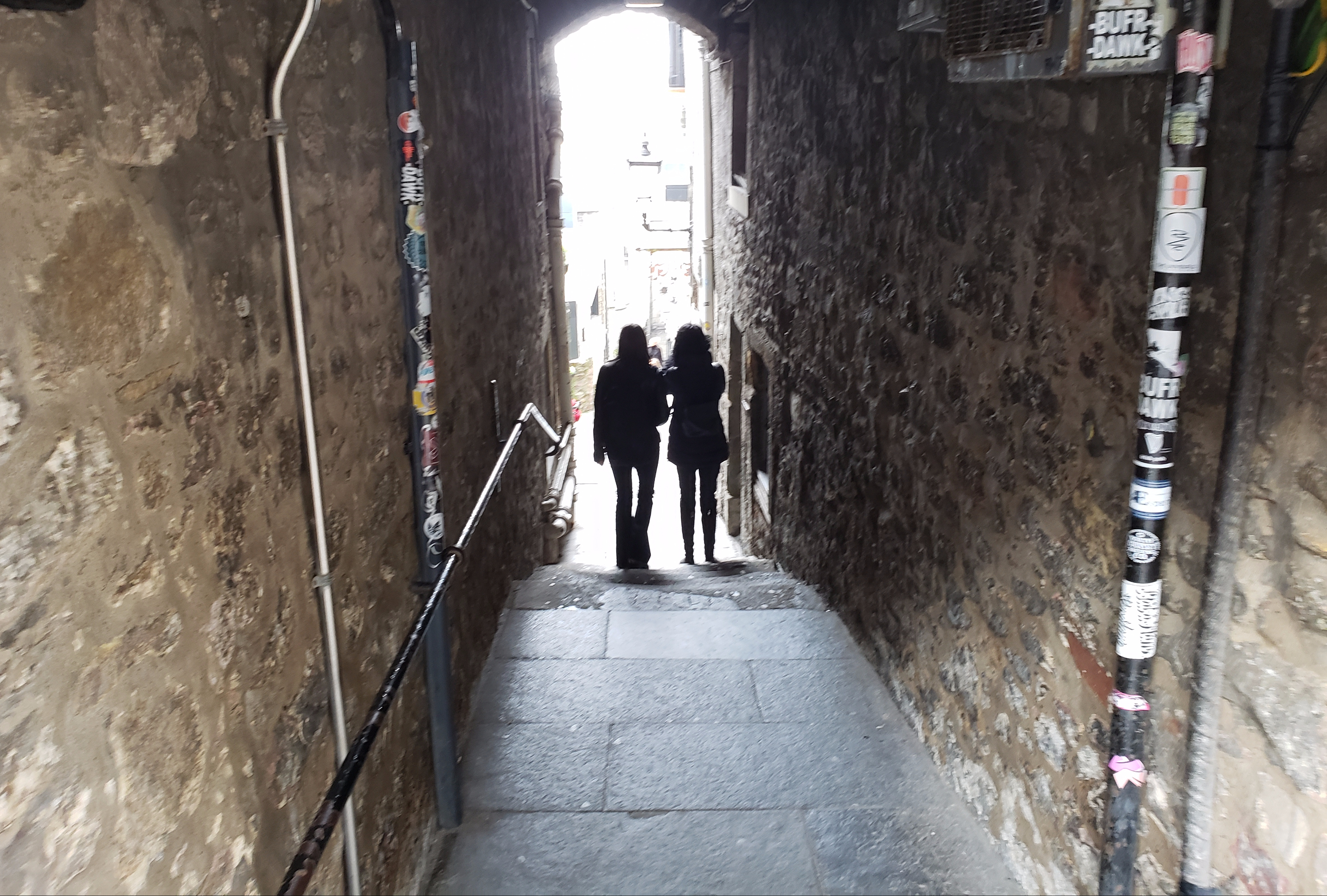
A Close in Edinburgh
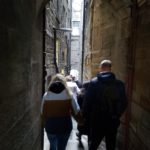
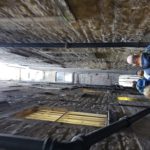
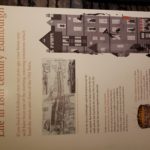
Edinburgh is hilly, very hilly. In fact, one may say almost bizarre in its construction. It is as though the city has two levels, one for the upper crust, one for the lower crust. And they only mix via a series of stairways, inclines and closes (apparently an old Scottish term to small back alleyways with or without stairs that can be closed off or guarded after dark).
Edinburgh – Old Church
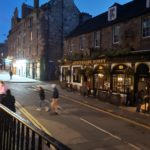
Edinburgh – Restaurants
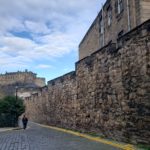
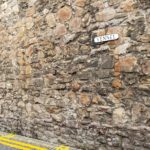
Edinburgh – Flodden Wall
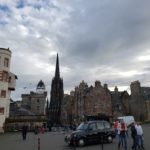
Edinburgh – Several Old Churchs
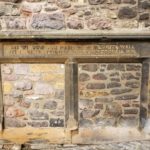
Edinburgh – The Window Through The Wall
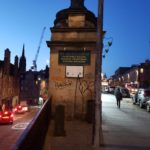
Edinburgh – At Night
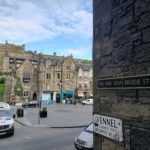
Edinburgh – Vennel
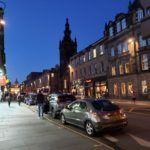
Edinburgh – Different Street Angles
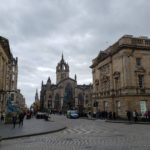
Edinburgh – The Old City
Edinburgh – The Vennel
Amazing as this all sounds, Edinburgh does have some interesting things to see and experience. Musicians, for example. I am not sure if they are actual Scots, but they are dressed up in full garb and playing the bagpipes.
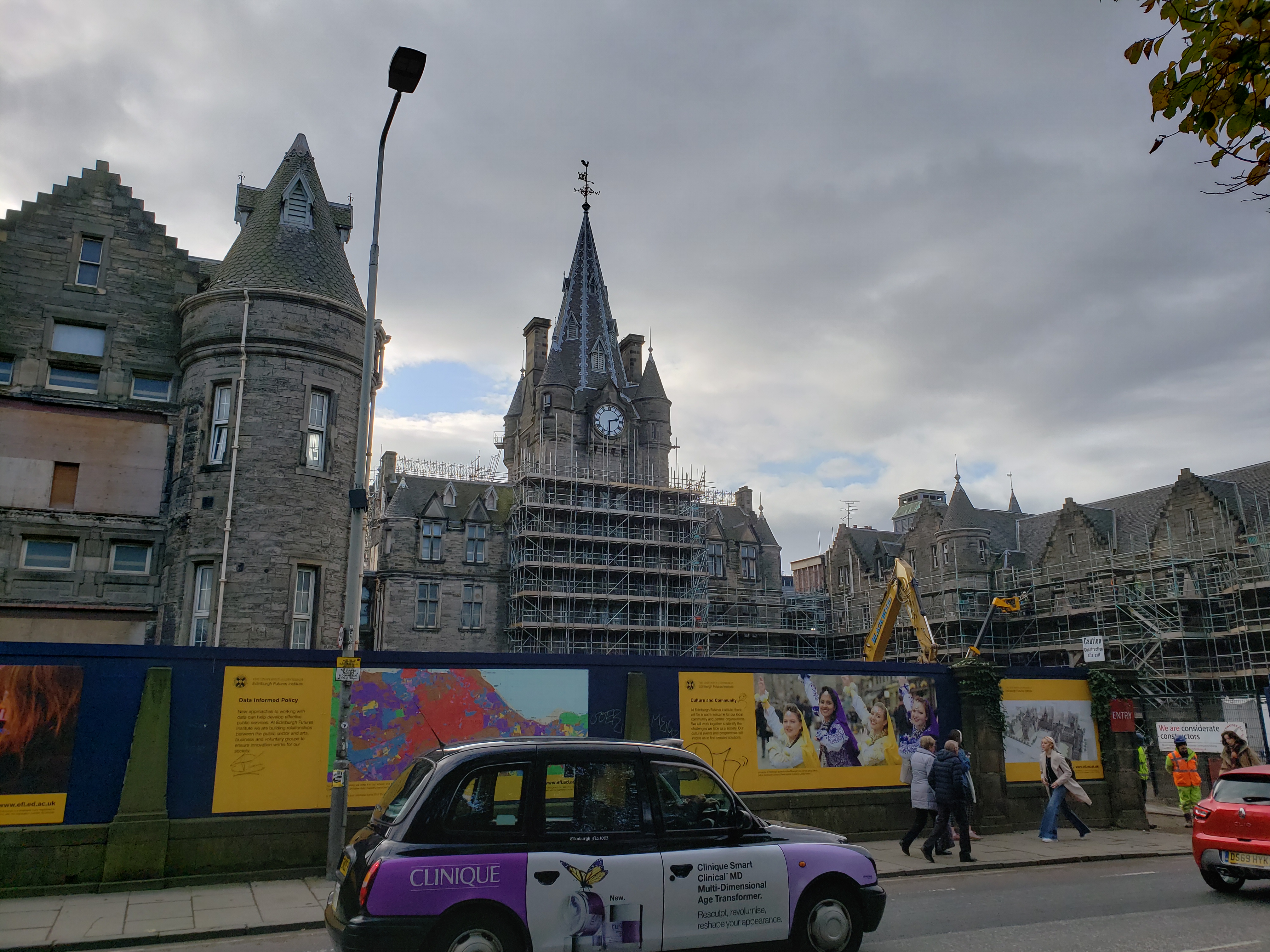
One can also say the city is a bit blighted, as one may call it, by the plague of construction and reconstruction going on all over the United Kingdom. It would seem that the government here has seen fit that some things should not fall down. It does happen to mess up one’s attempt at a good photograph though!
More Construction and Reconstruction – Enjoy
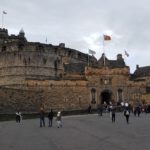
The Edinburgh Castle
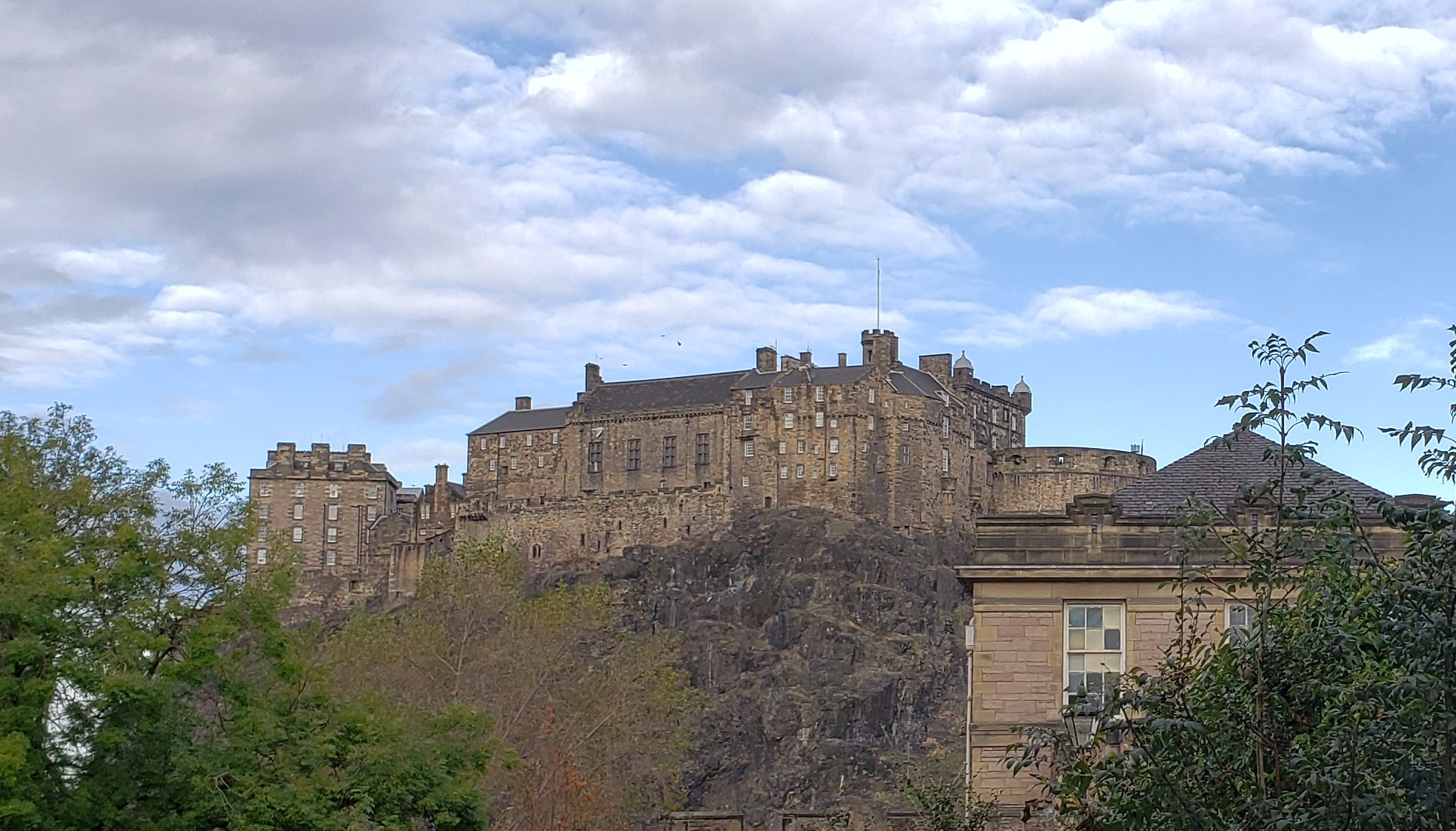
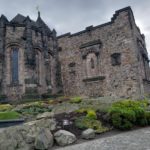
Built on a rocky precipice, or crag, and overlooking the city is the Edinburgh Castle.
Edinburgh Castle
It is adjoined to the city via the Royal Mile, a street with shops, monuments and other stores that lead back to the ancient city.
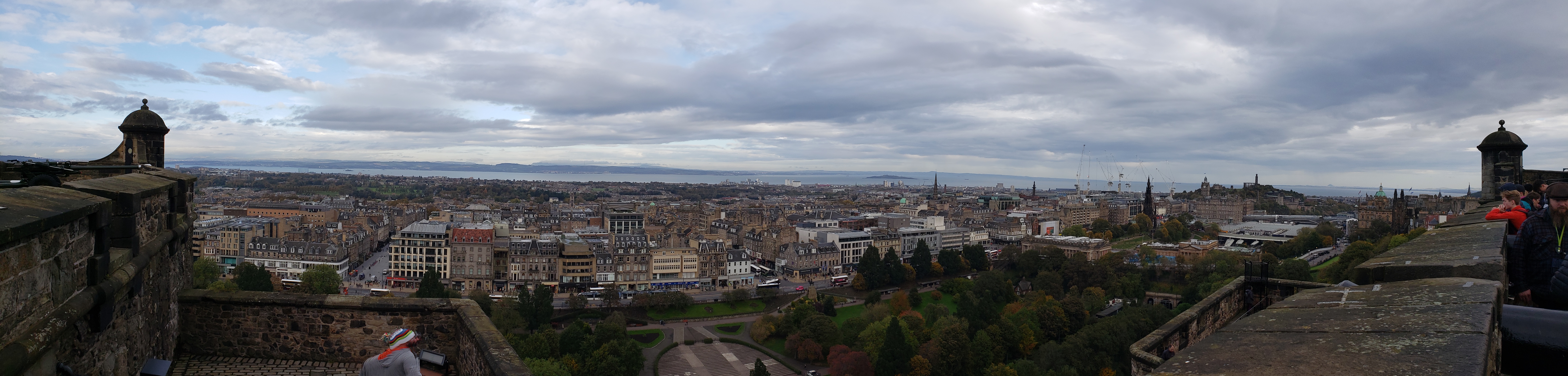
Castle Overview – Towards City
The castle is a great thing to see and has many rooms and other historical artifacts that one can enjoy. Notwithstanding, the views of Edinburgh and the harbor are magnificent.
Castle Overview – Toward Harbor
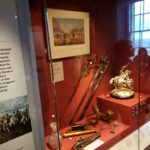
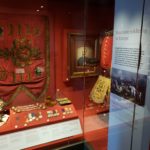
Many of the exhibits displayed in the castle have, of course, a military overtone. Which unfortunately in many cultures, clouds and even colors our view of the past. In some cases making it more romantic than it actually was.
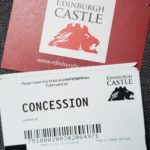
Edinburgh Castle – Tickets for Two
The above slide show is provided to give some appreciation to the myriad of military displays and exhibits one can find in the castle.
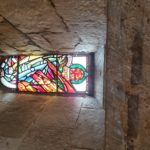
St. Margarets Church
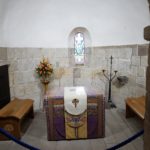
St. Margarets Church – The Altar
St. Margarets Church
One jewel amongst all this military might is Saint Margaret’s Church. A quaint little abode which eventually fell within the confines of the castle. It is the oldest structure within the surrounding area and is still used today, although it had many uses in the past.
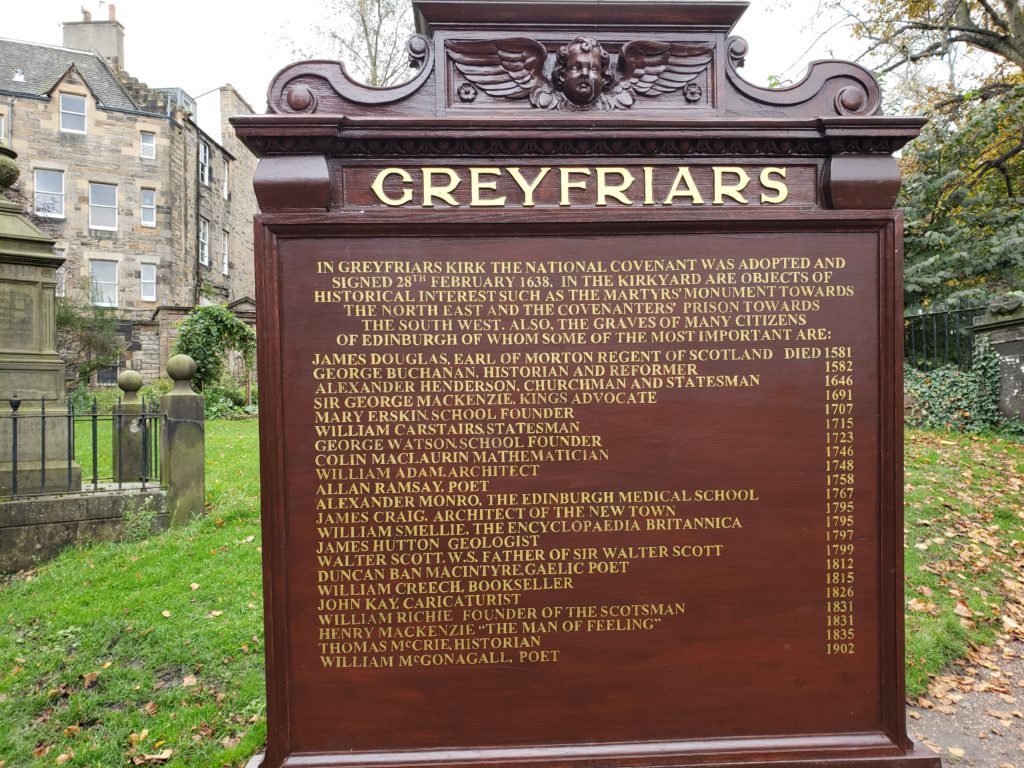
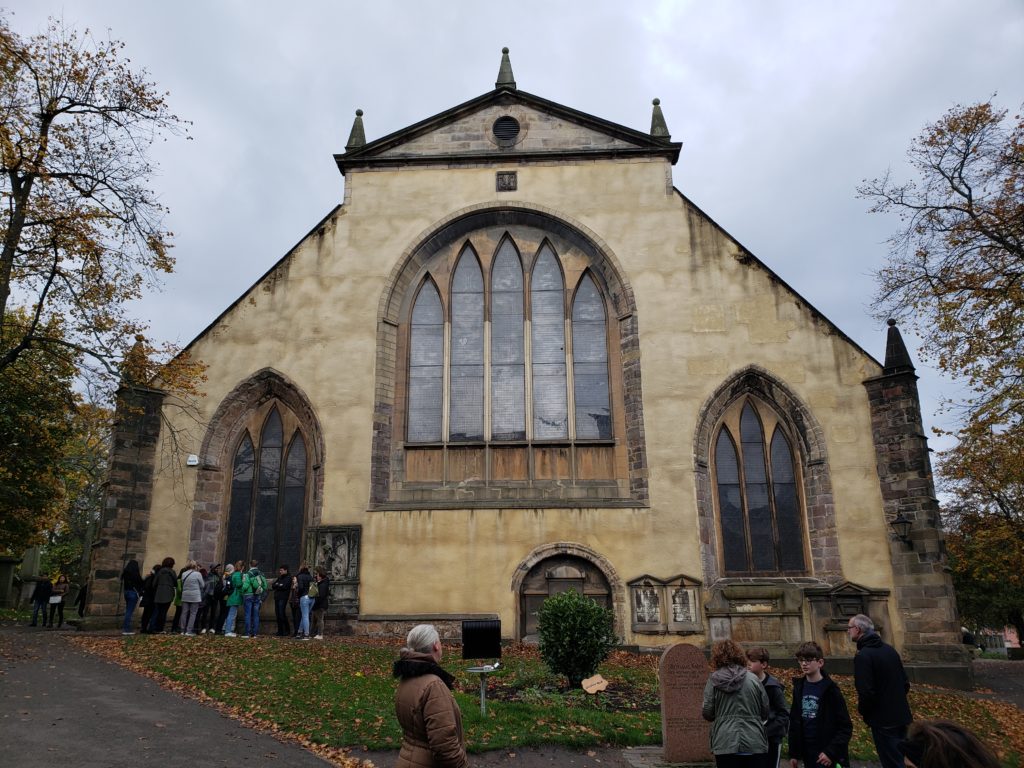
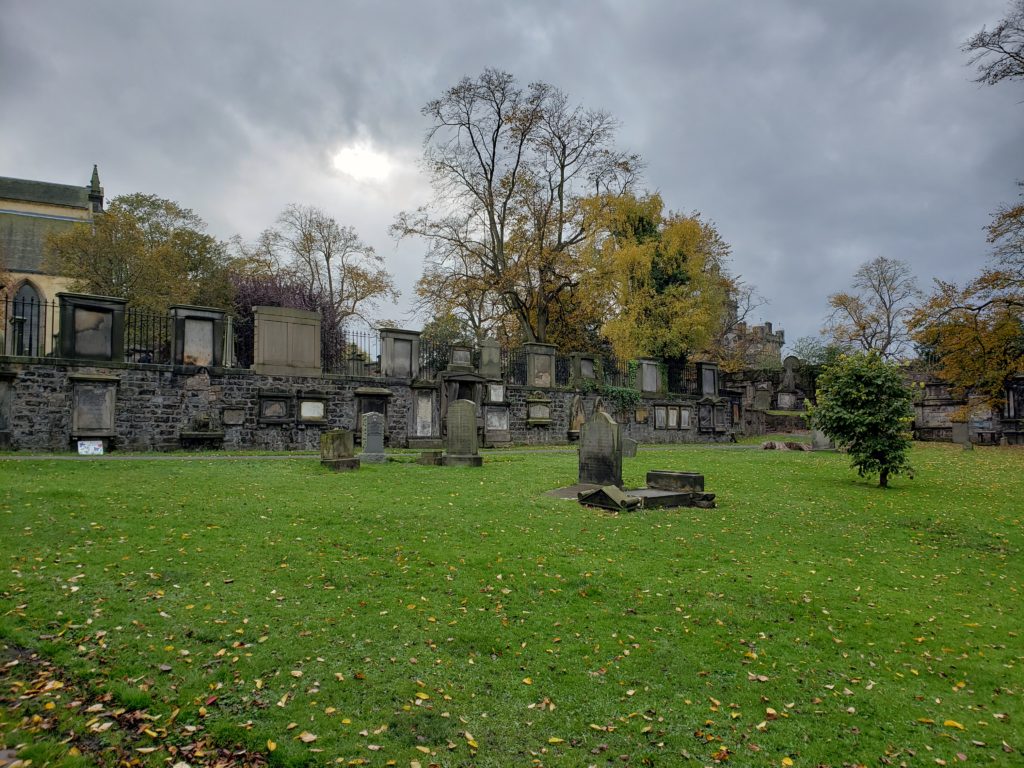
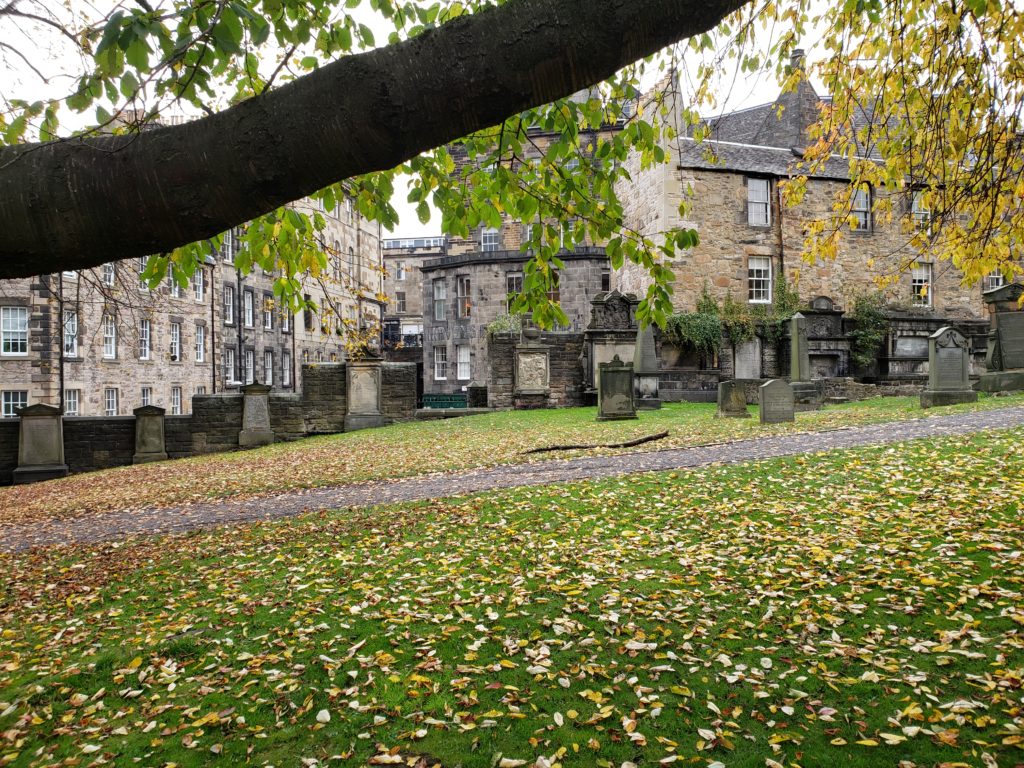
Greyfriars
If you are looking for more churches or cemeteries, there is Greyfriars. Not far from our hotel, it has some lovely grounds on which you can walk, if you are looking for that nice quiet afternoon stroll.
Greyfriars Bobby
Right across the street from Greyfriars, is the bar and restaurant, Greyfriars Bobby. Named after the dog who ostensibly stood over his master’s grave for fourteen years after he died, the restaurant offers typical Scottish fare, as well as food for tourist (e.g. hamburgers, fries, etc.)
Greyfriars Bobby
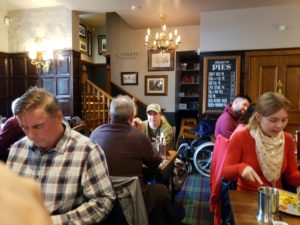
Greyfriars Bobby – Inside
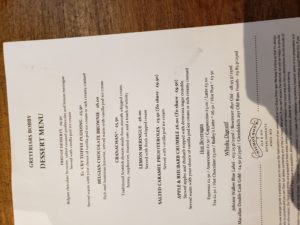
Greyfriars Bobby – Dessert Menu
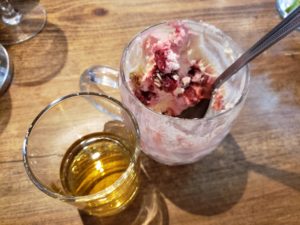
Greyfriars Bobby – Heart Attack Dessert – 12 yr. Mcallans Double Cask Gold with Cranachan (Typical Scottish Dessert)
Greyfriars Bobby – Patti
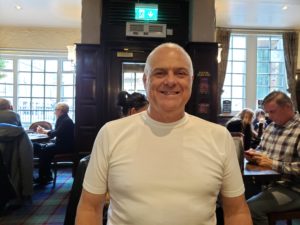
Greyfriars Bobby – Erick
History Walks and Ghost Tours
Mercat Tours
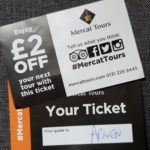
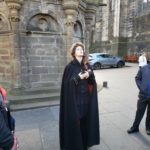
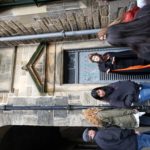
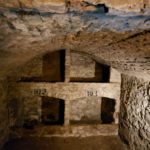
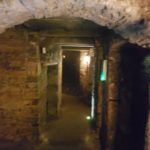
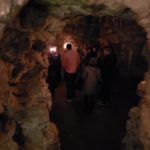
Mercat Tours holds a fairly good tour of the underground caverns, called History Walk and Ghost Tours.
Mercat Tour – Tickets for Two
Though a bit long and having questionable facts, well we are talking ghosts, it was fairly well presented, entertaining and reasonably priced at 13£ per person. And although it was a bit dark down there, we had a good time anyways.
The Real Mary King’s Close Tour
Again, a tour that takes not only below, but above-grounds as well, to show the terrible living conditions in the 16th, 17th and 18th centuries. Unfortunately, this tour does not allow for photographs, its history is a bit more vague, but it does have a more elaborate Close tour layout and exhibits. If I were to pick one, I would probably pick this one, though it definitely has a more obvious touristy quality to it. The ticket will run you around 16 to 20£ per person, children are less.
The Edinburgh City Museum
This museum is free, except for what ever special exhibits they are having at the time. There is a special floor and area for these and the tickets can be purchased on the ground floor.
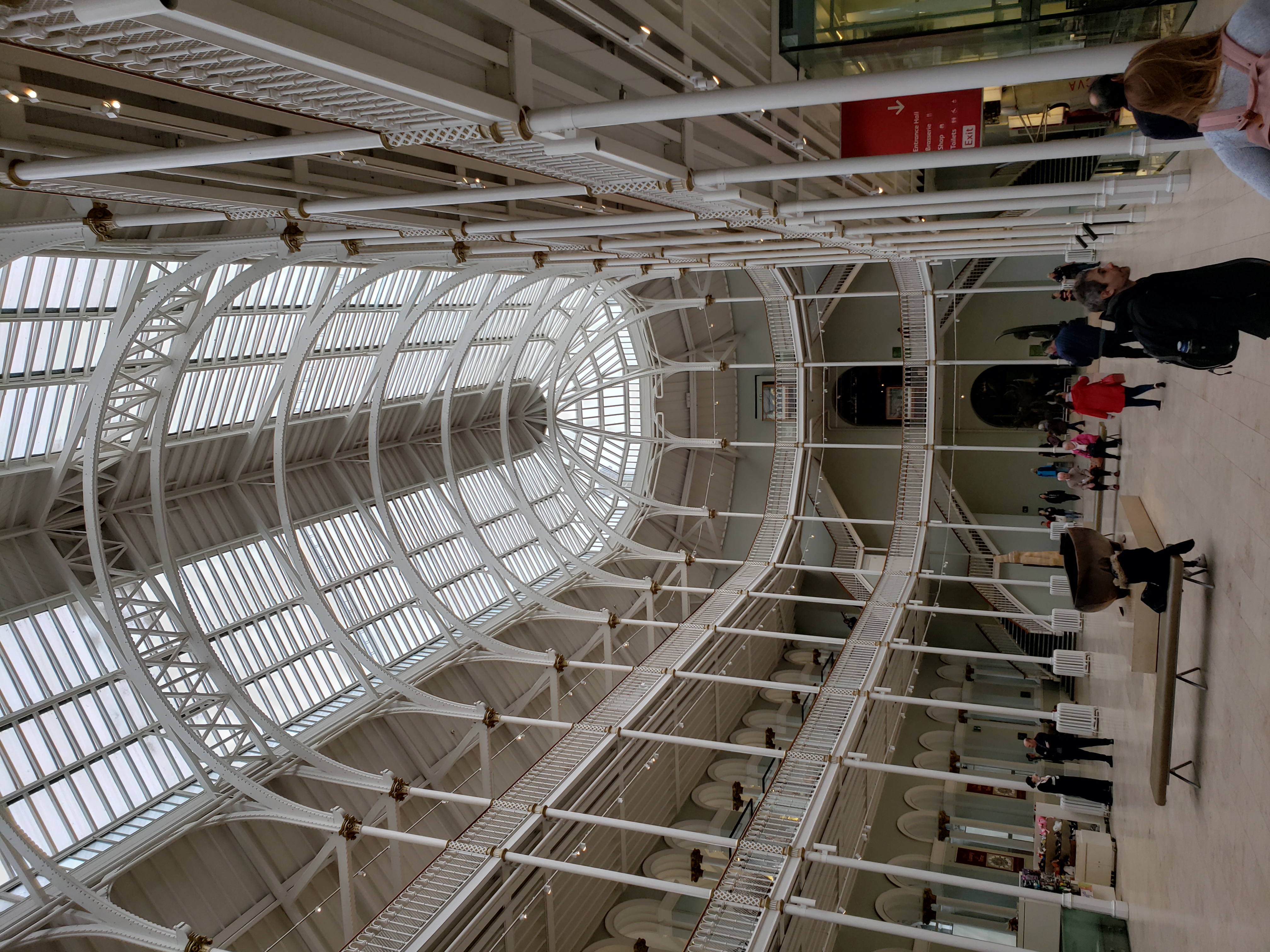
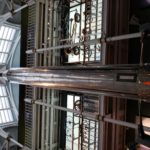
City Museum – Ground Floor – Grand Atrium
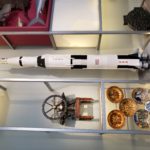
We found the first and third floors to be the most informative. Favoring the Life Sciences, Astronomy and Scottish history above the other areas.
For a rainy afternoon, and there are many in Scotland, a very good choice to learn something and stay dry. It’s actually very good for families since there are numerous hands-on exhibits for children to interact with and learn.
Tomorrow it’s off again, this time to Inverness. We are just hoping for a moderation in the weather for good travels. Till then, later..!
Close to a two-hour bus ride to the west-southwest of London is Winchester, just a mere twenty-minute train ride from the coast and Southampton.
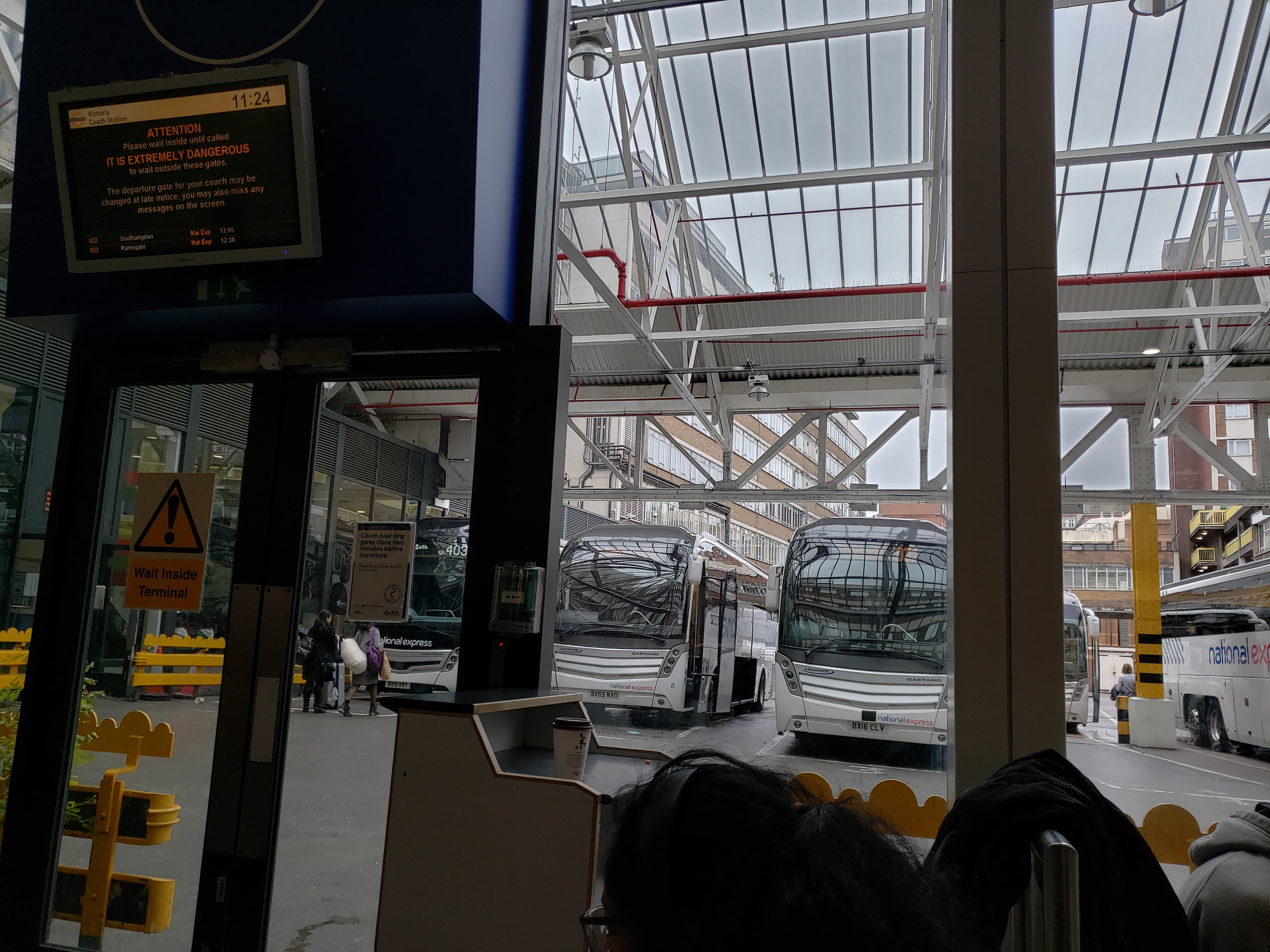
NationalExpress Bus 032 – Winchester, England
Though we attempted to take a train to this marvelous little town, we ended up scheduling a bus ride through NationalExpress, which provided a more direct albeit one more subject to the vagaries of traffic.
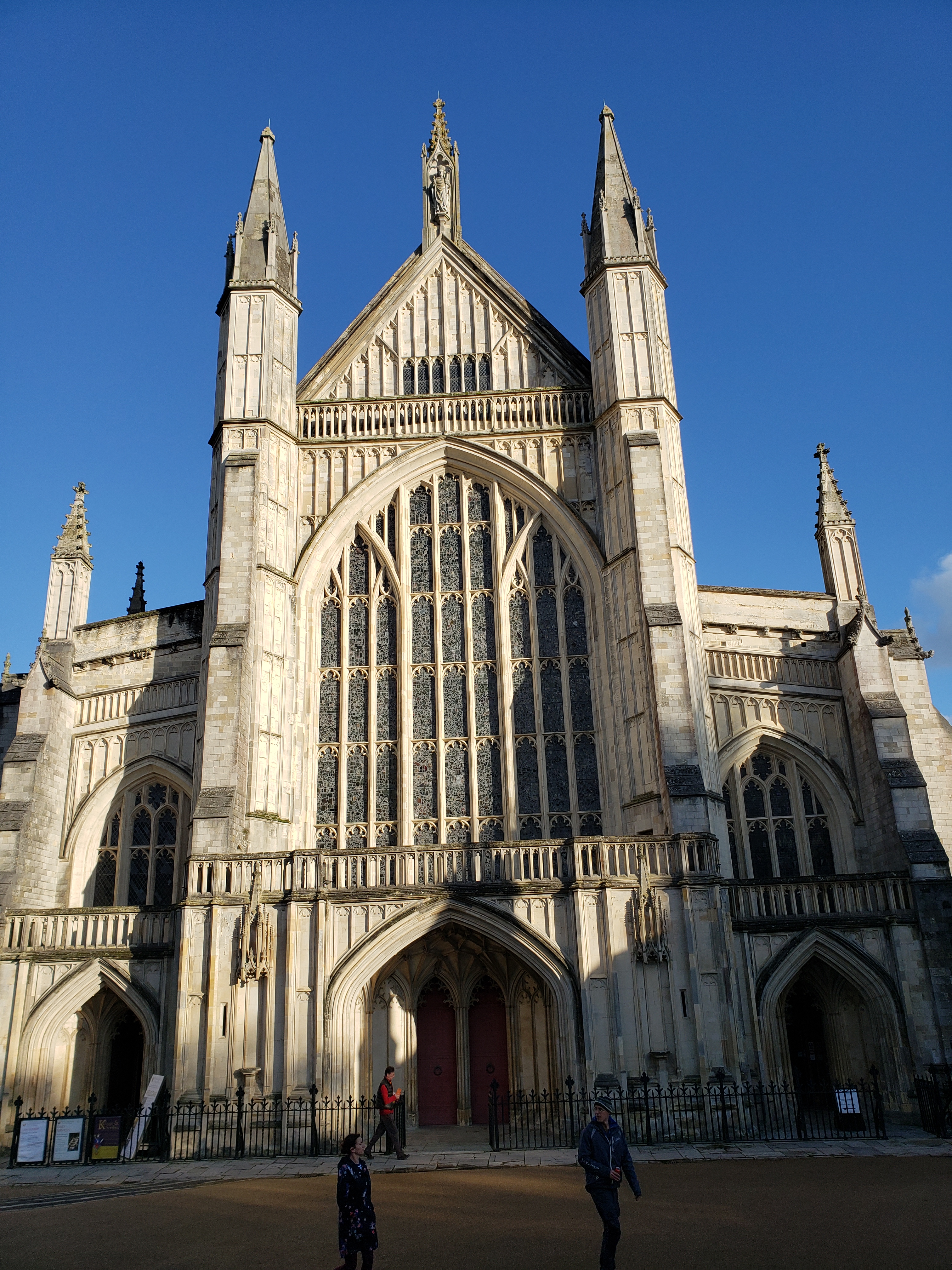
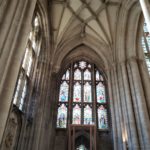
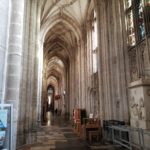
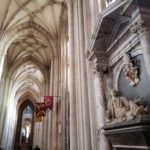
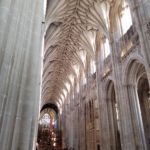
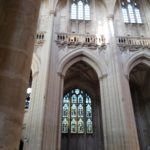
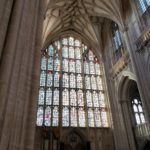
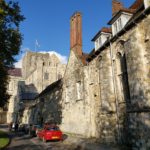
Winchester Cathedral
Winchester Cathedral – The Impressive Front Entrance
Just behind our hotel, the Mecure, stands Winchester Cathedral. Because it is no longer funded by the government, there is usually an entrance fee of 9£. But, if you go on a Sunday evening, when it is open for mass you may be lucky enough to enter for free.
Winchester Cathedral
Winchester Cathedral
Winchester Cathedral
As made famous by Frank Sinatra and other pop artist of the 60’s and 70’s, everyone my age probably knows the song “Winchester Cathedral”. Well here is the real thing and an impressive structure it is, along with its history.
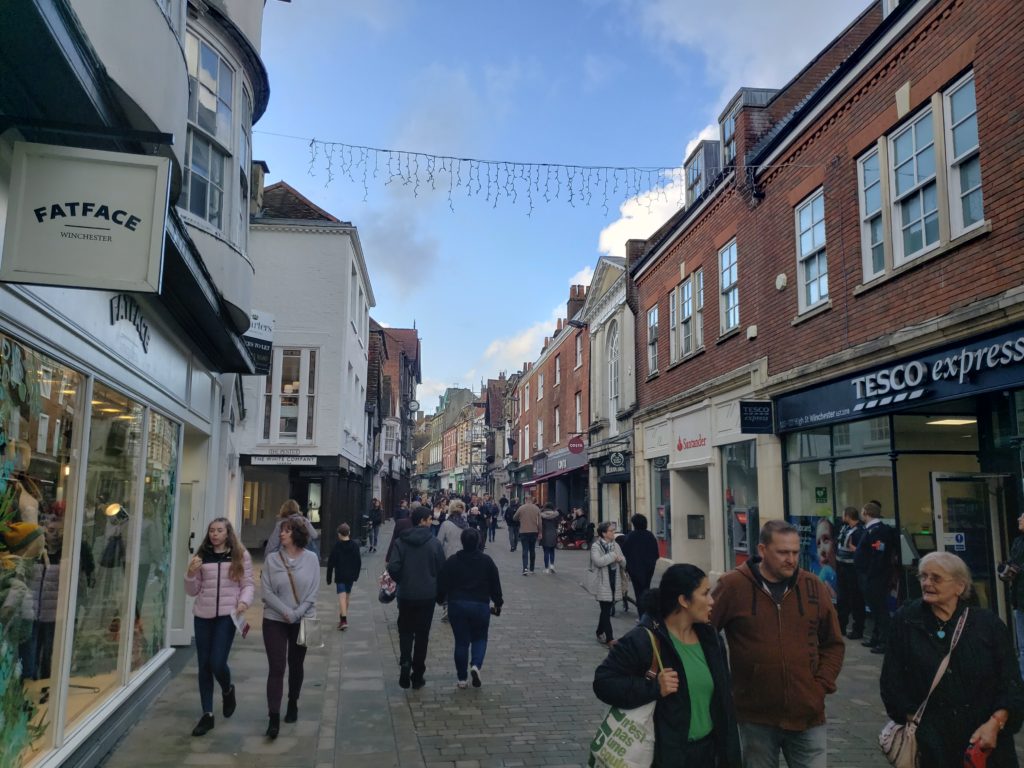
Winchester – The Town
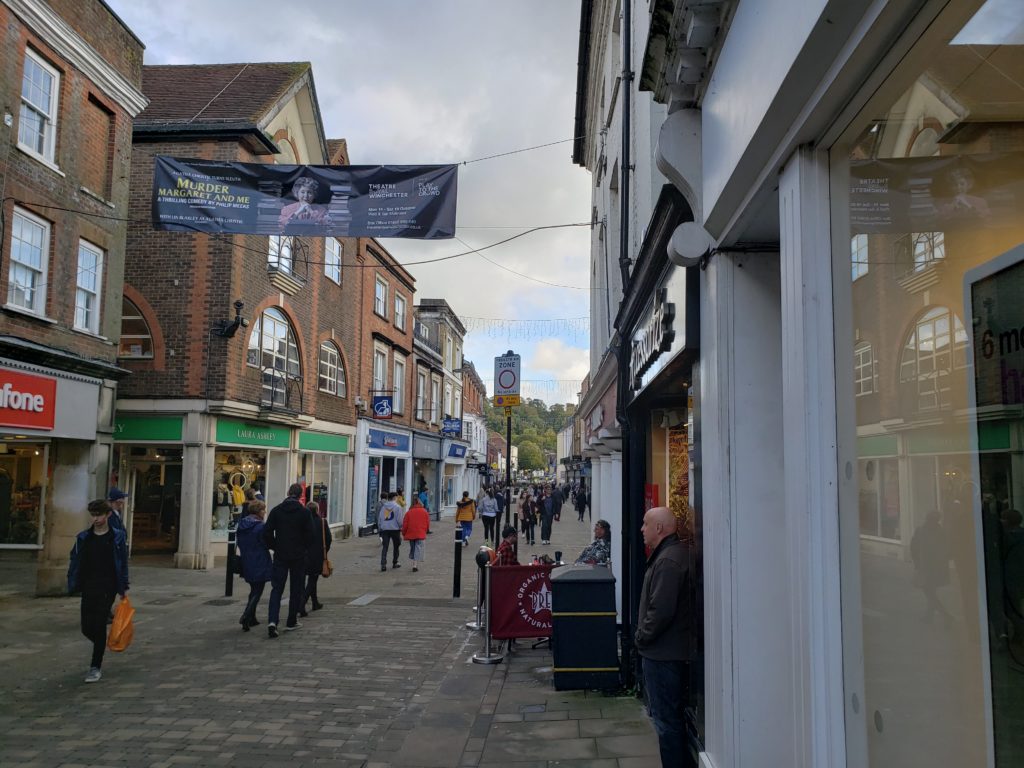
Winchester – Market Lane
Winchester – Market Lane
The town proper is a very nice place, with its own central shopping pedestrian street with plenty of trendy shops, cafés and restaurants.
River Itchen
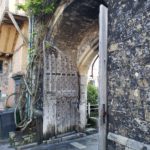
Winchester – Cathedral Gates by Dome Alley
Winchester
Winchester
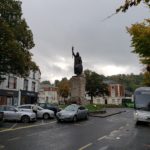
King Alfred Statue
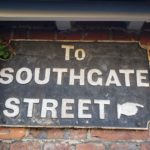
Street Sign
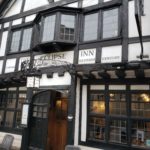
The Eclipse Inn – A Very Tiny Place Inside
Winchester
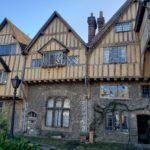
College Street
Winchester
College Street
Above one can see some additional photographs as we took them walking through this lovely little town.
Winchester City Museum
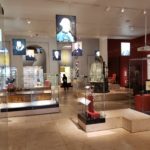
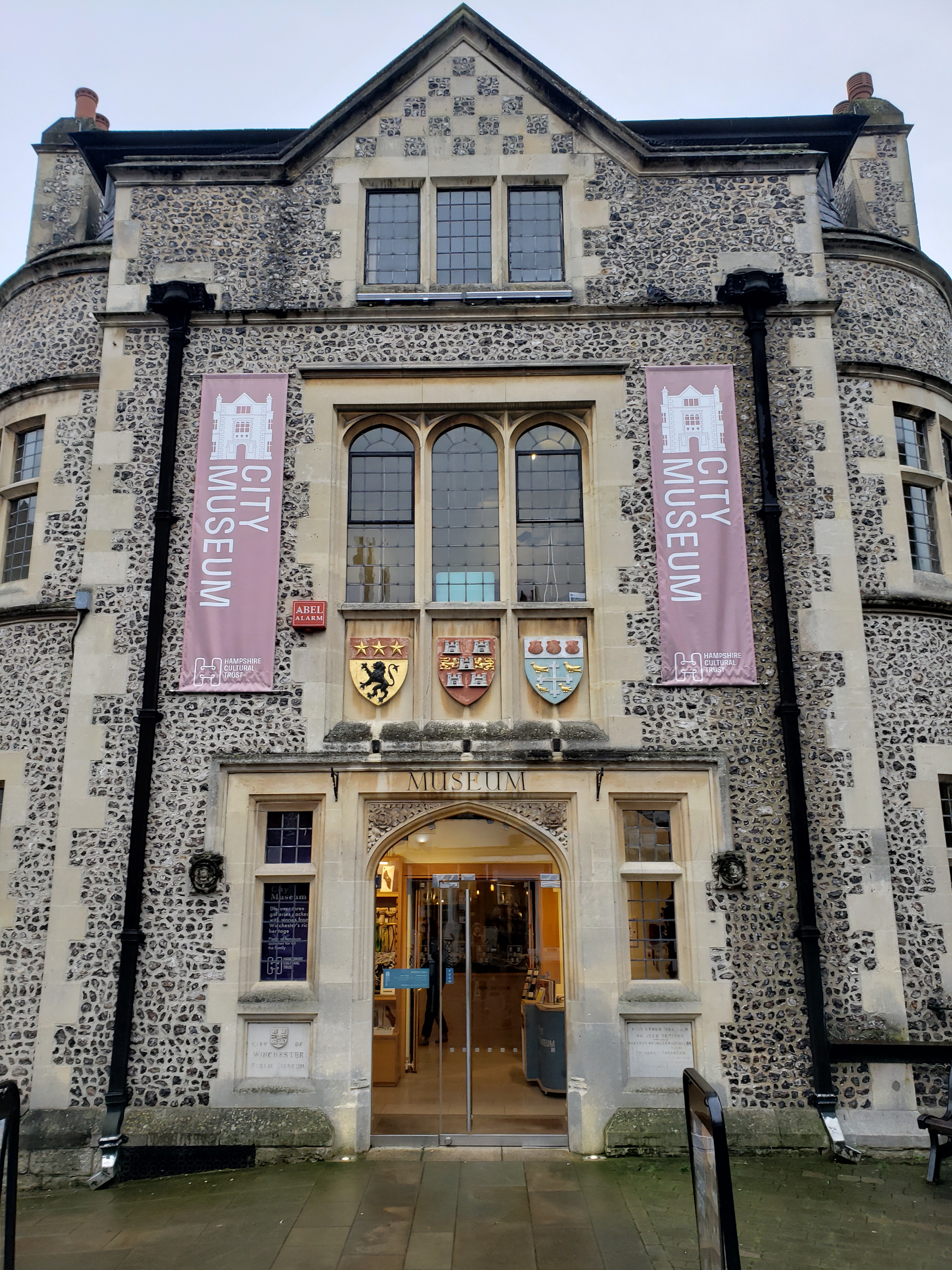
The City Museum
A free and very informative little museum sits almost directly in the middle of town, just a stone’s throw from The Eclipse Inn, called the City Museum.
City Museum – Roman Period
City Museum – Roman Period
City Museum – Roman Period
City Museum – Roman Period
City Museum – Roman Period
City Museum – Roman Period
City Museum – Norman Period
City Museum – Norman Period
City Museum – Contemporary Period
City Museum – Contemporary Period
City Museum – Contemporary Period
There are numerous exhibits which starts on the top floor with the Roman Period of Winchester, formerly known to the Romans as Venta Belgarum around 70 A.D. This is followed on second floor (that would be the first floor for Europeans) with an entire section on the Norman Period. And finally on the ground floor with contemporary history.
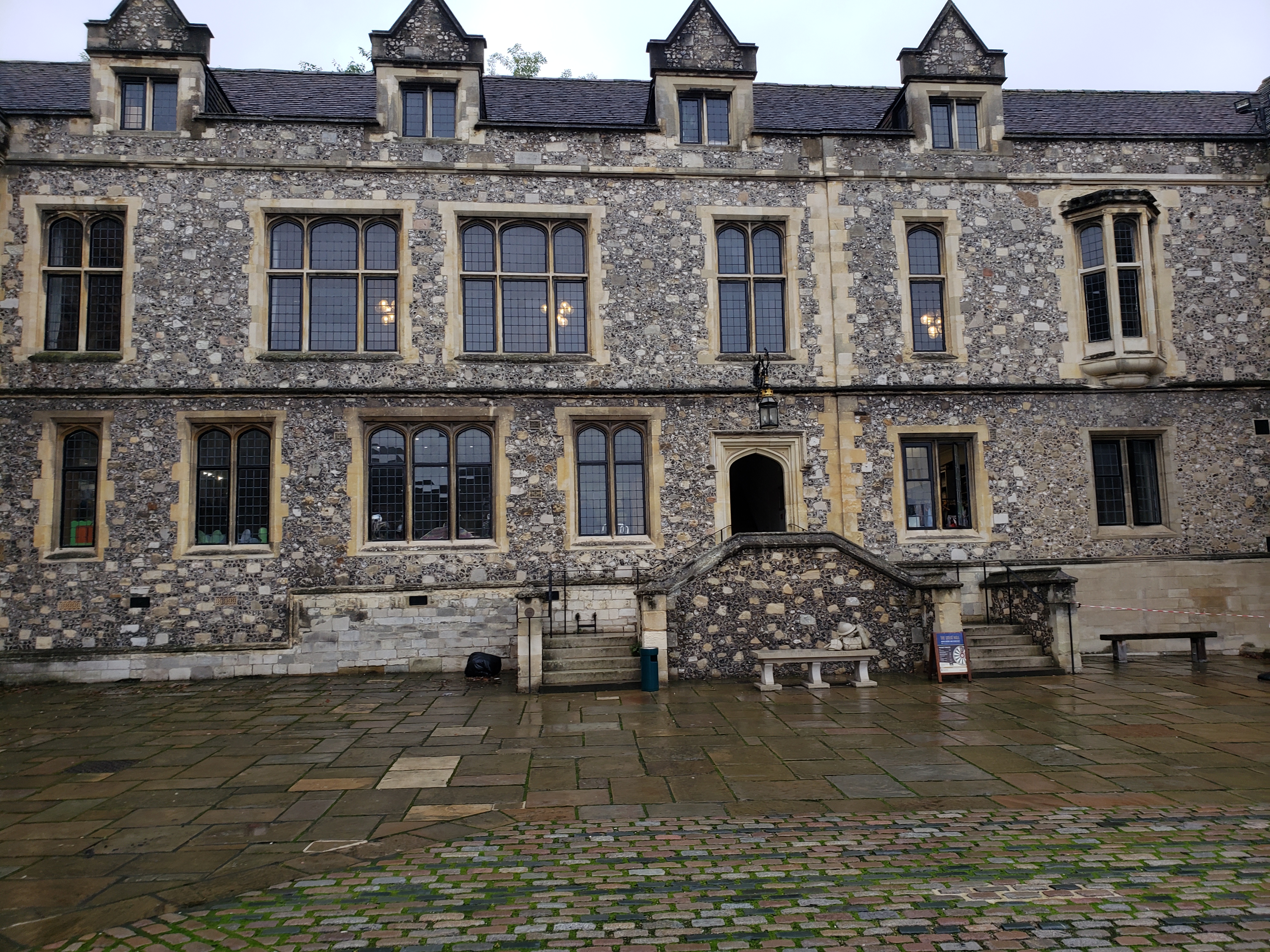
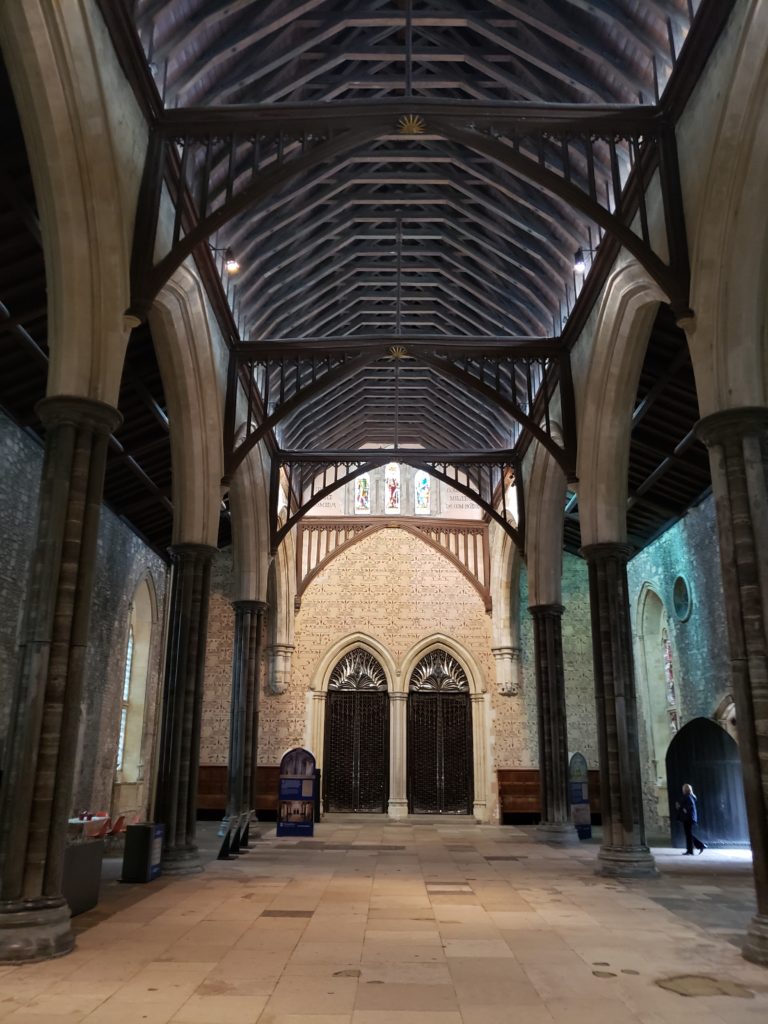
The Great Hall
The Great Hall – Entrance
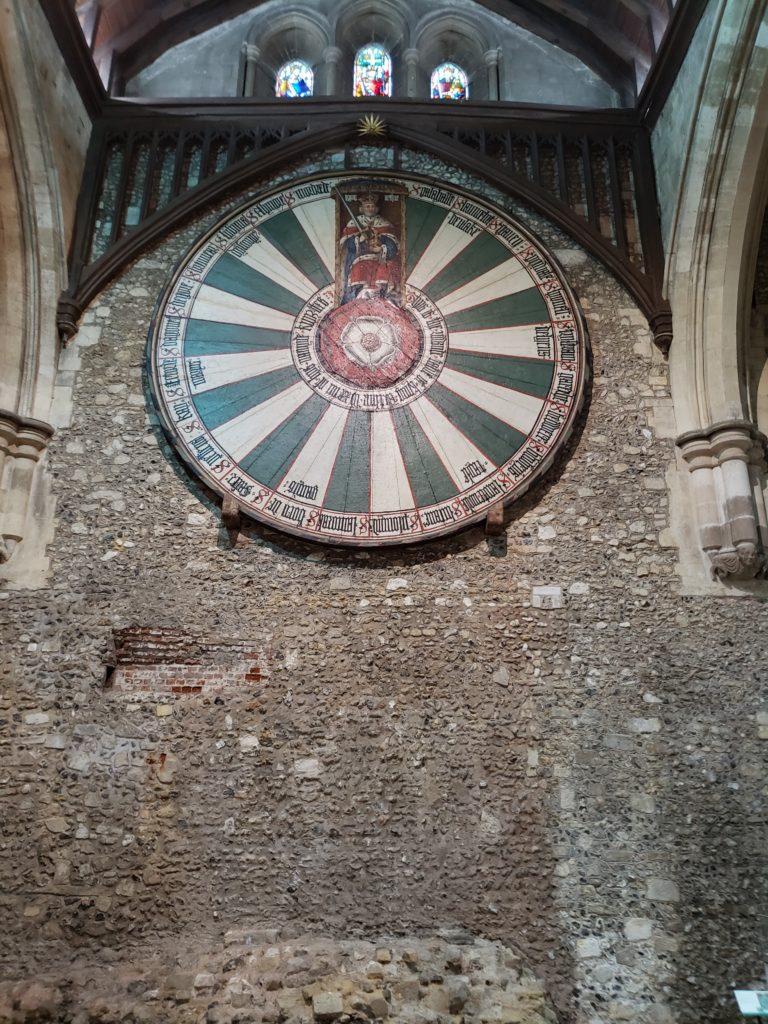
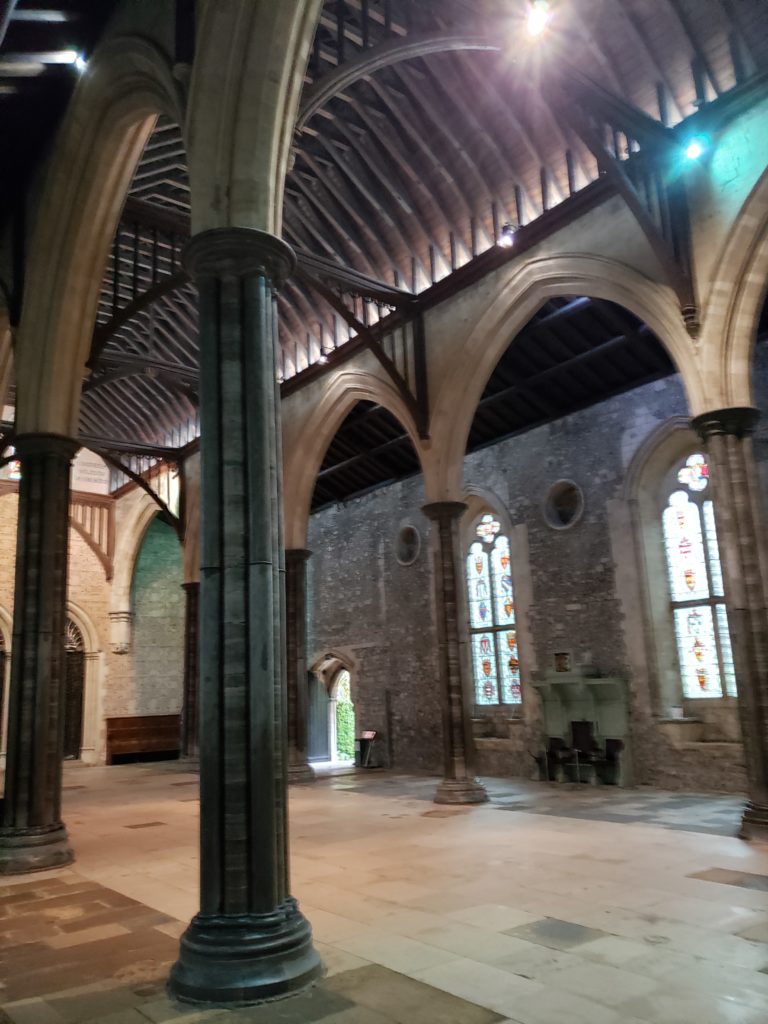
The Great Hall is a large 13th century hall that features King Arthur’s Round Table. It is the only building remaining of the Winchester Castle that used to reside here and has been turned into a museum.
The Great Hall
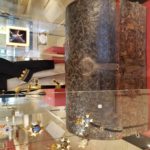
The Great Hall – King Arthur’s Round Table
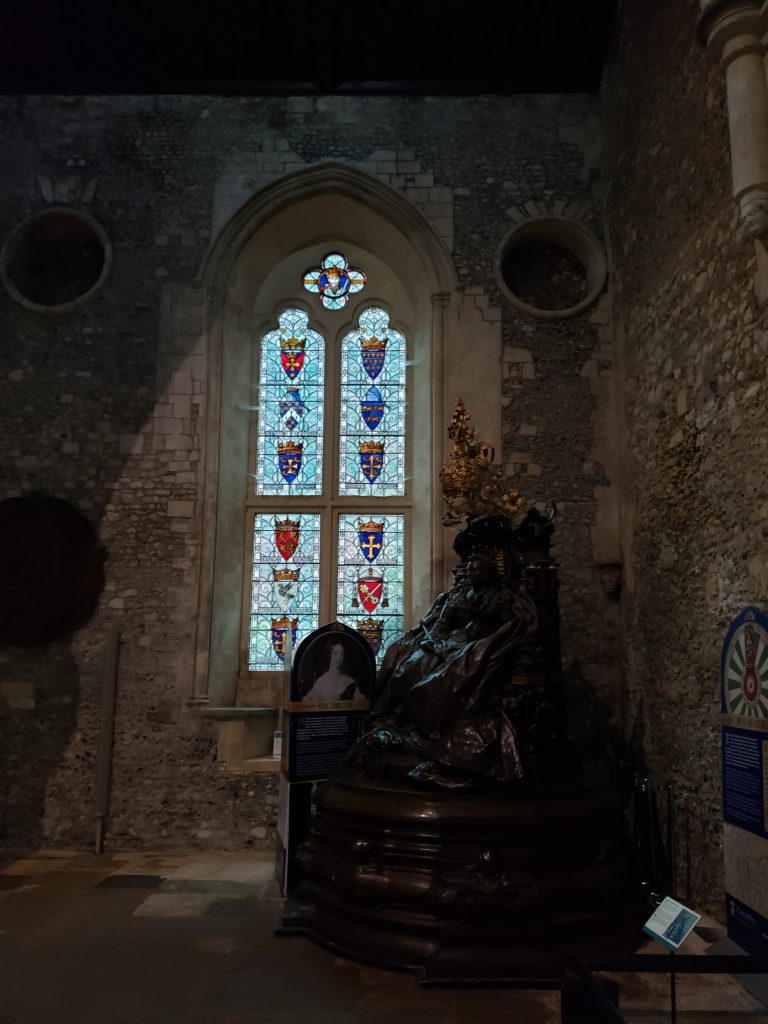
The Great Hall – Stained Glass Added At A Later Date
The Great Hall
The City Mill
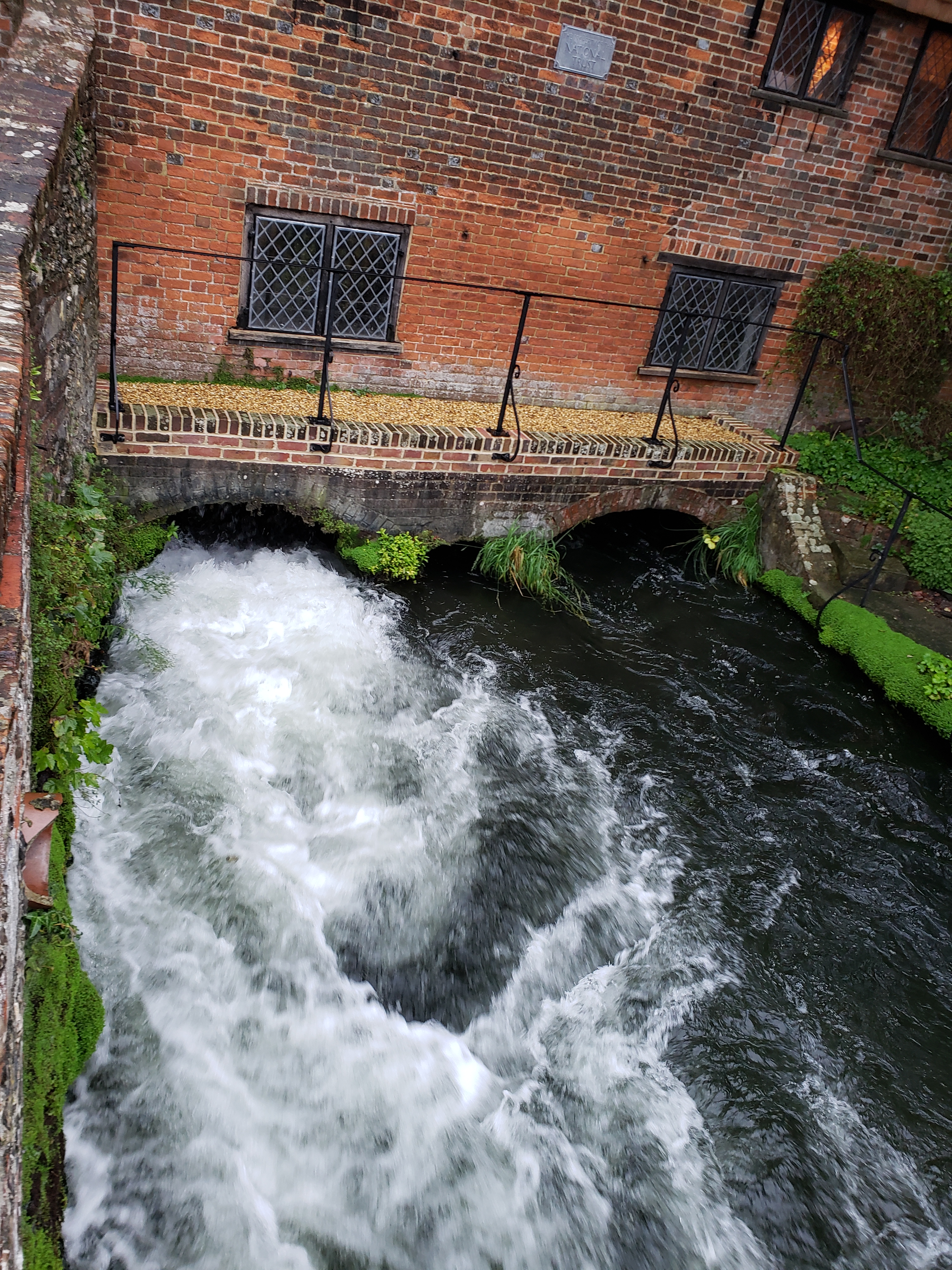
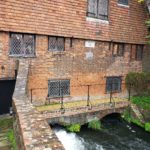
The Winchester City Mill is a restored and fully working water-mill that sits over the river Itchen.
Winchester City Mill – Water Coming Out of the Front of the Mill
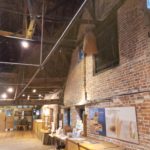
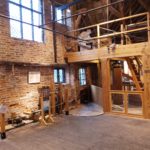
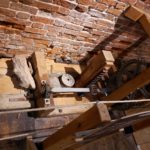
It costs 6£ to enter and has audio-visual as well as hands-on displays for children. It is a one floor museum with access to the lower section in order to see the actual mill-wheel and transfer gears.
The museum also has a nice little park area where you can sit and enjoy the day, if it’s not raining!
City Mill – Front
City Mill – Inside Displays
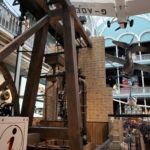
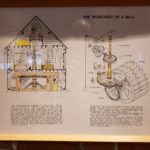
City Mill – Mill Mechanism
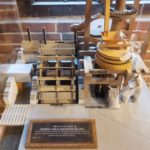
City Mill – Models
City Mill – Example of How the Power is Transferred
City Mill – Another Model
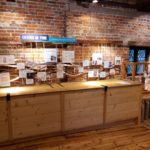
City Mill – Displays
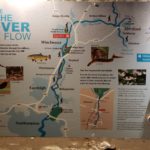
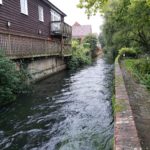
City Mill – The River Itchen
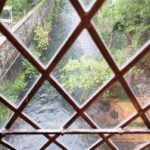
City Mill – Looking out of the Window
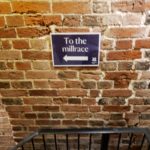
City Mill – Down to the Millrace and the Wheel
City Mill – Where the River Itchen goes in
City Mill – The River Itchen before it reaches the Mill
If you actually watch the entire video presentation you will find it most informative, since it goes into the mill itself, along with its historic ups and downs. The building was even used at one time as a hostel for cyclists and hikers!