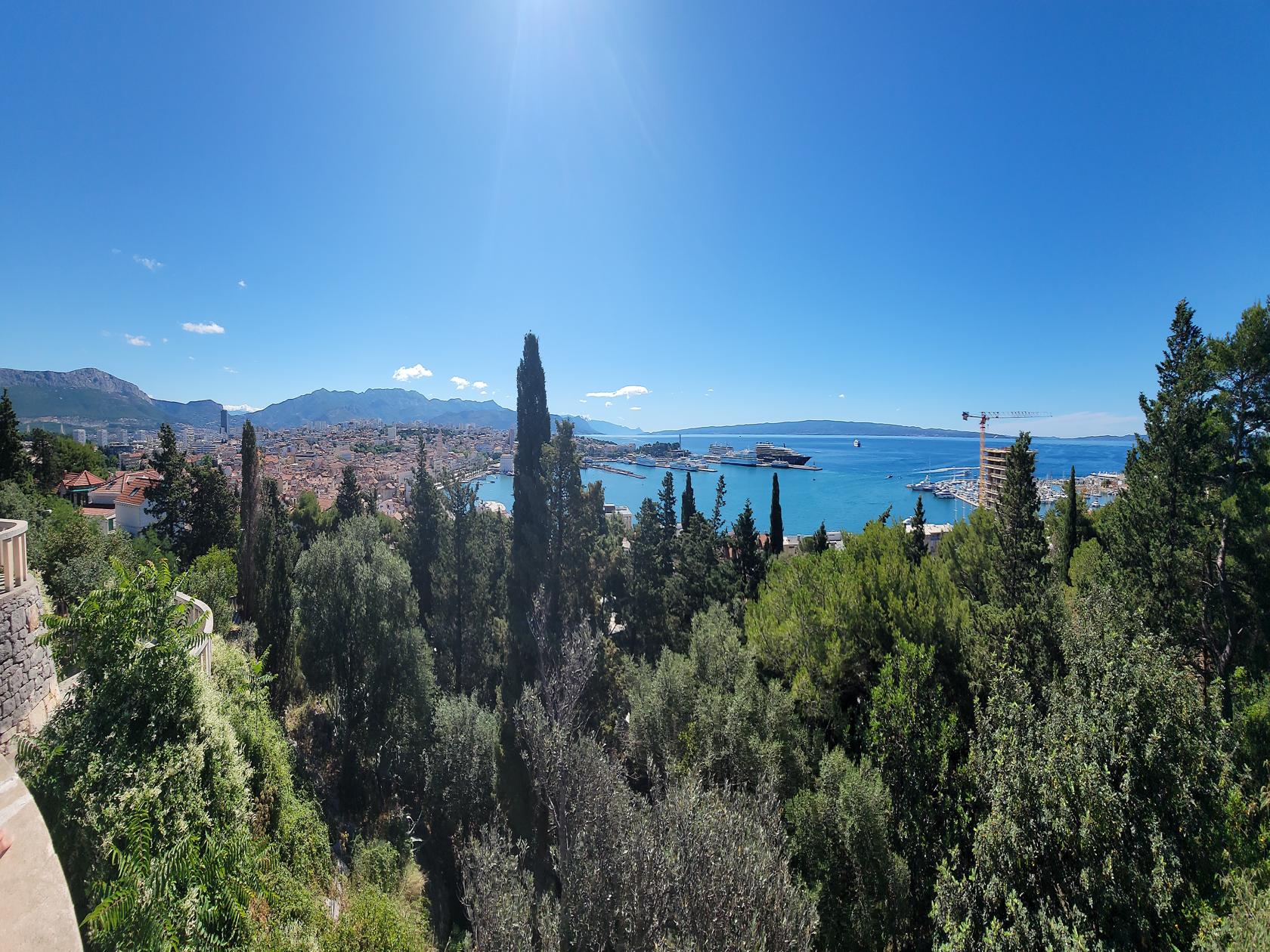
Dubrovnik, Croatia – Ancient Ragusa

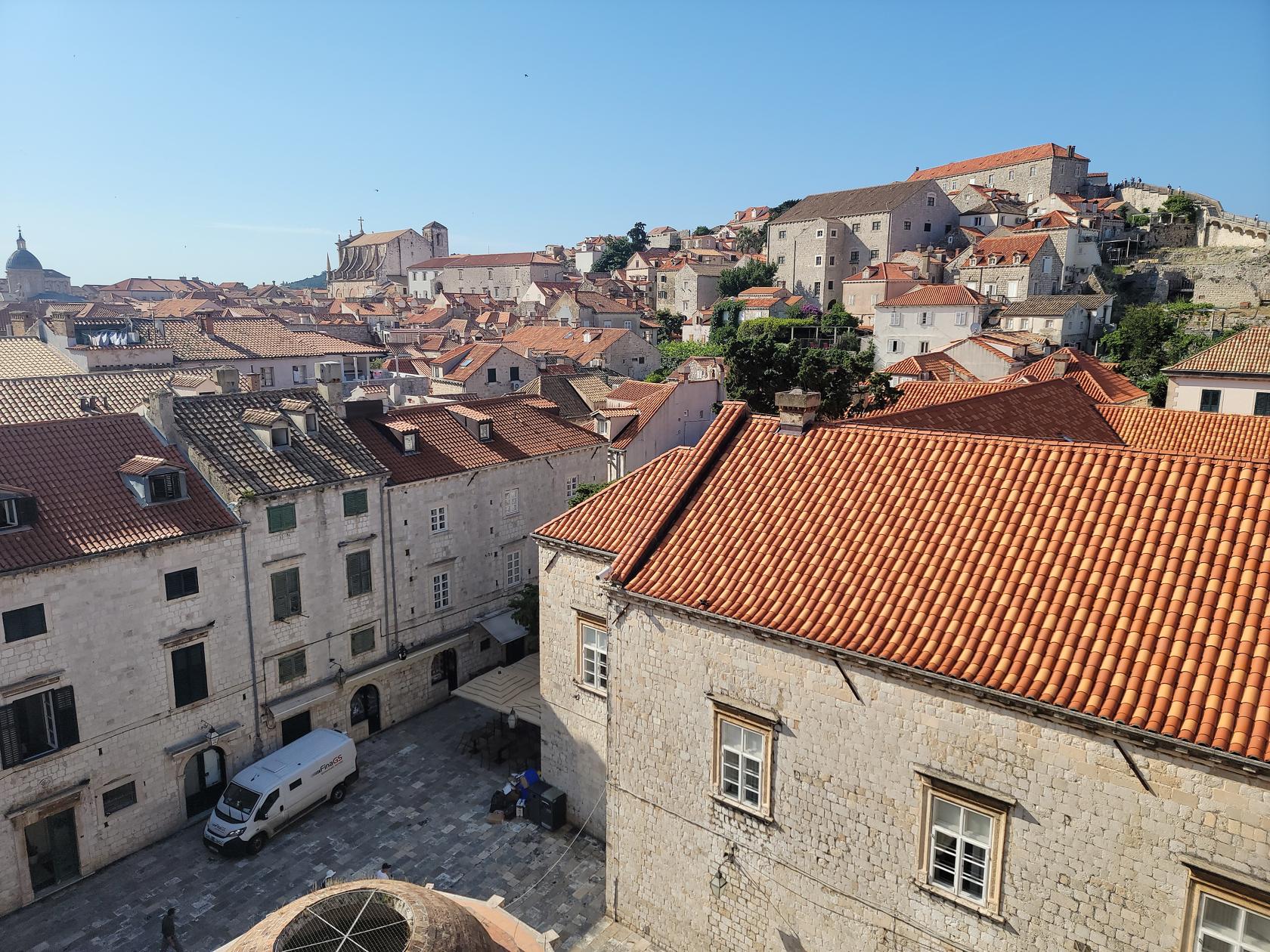
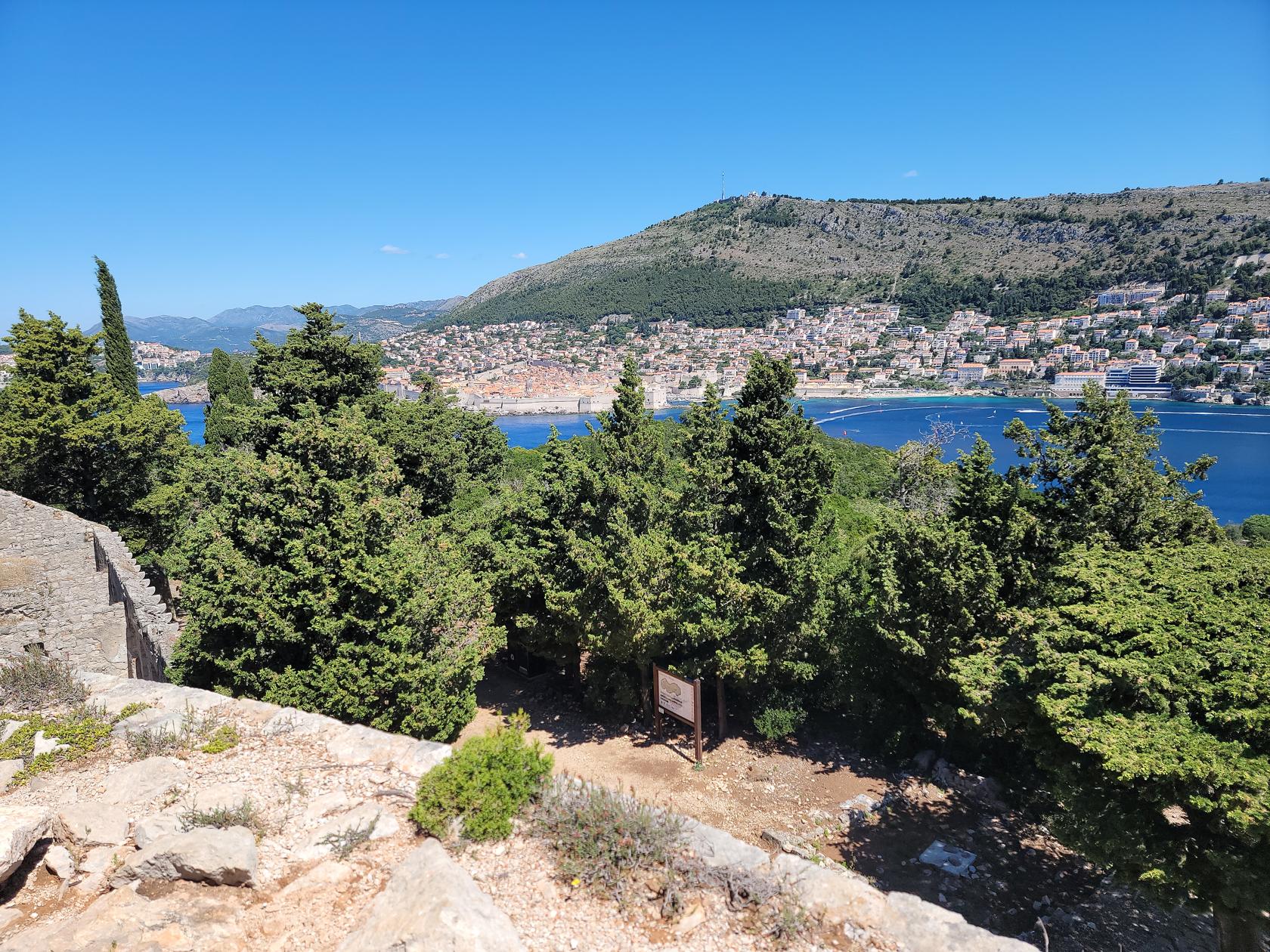
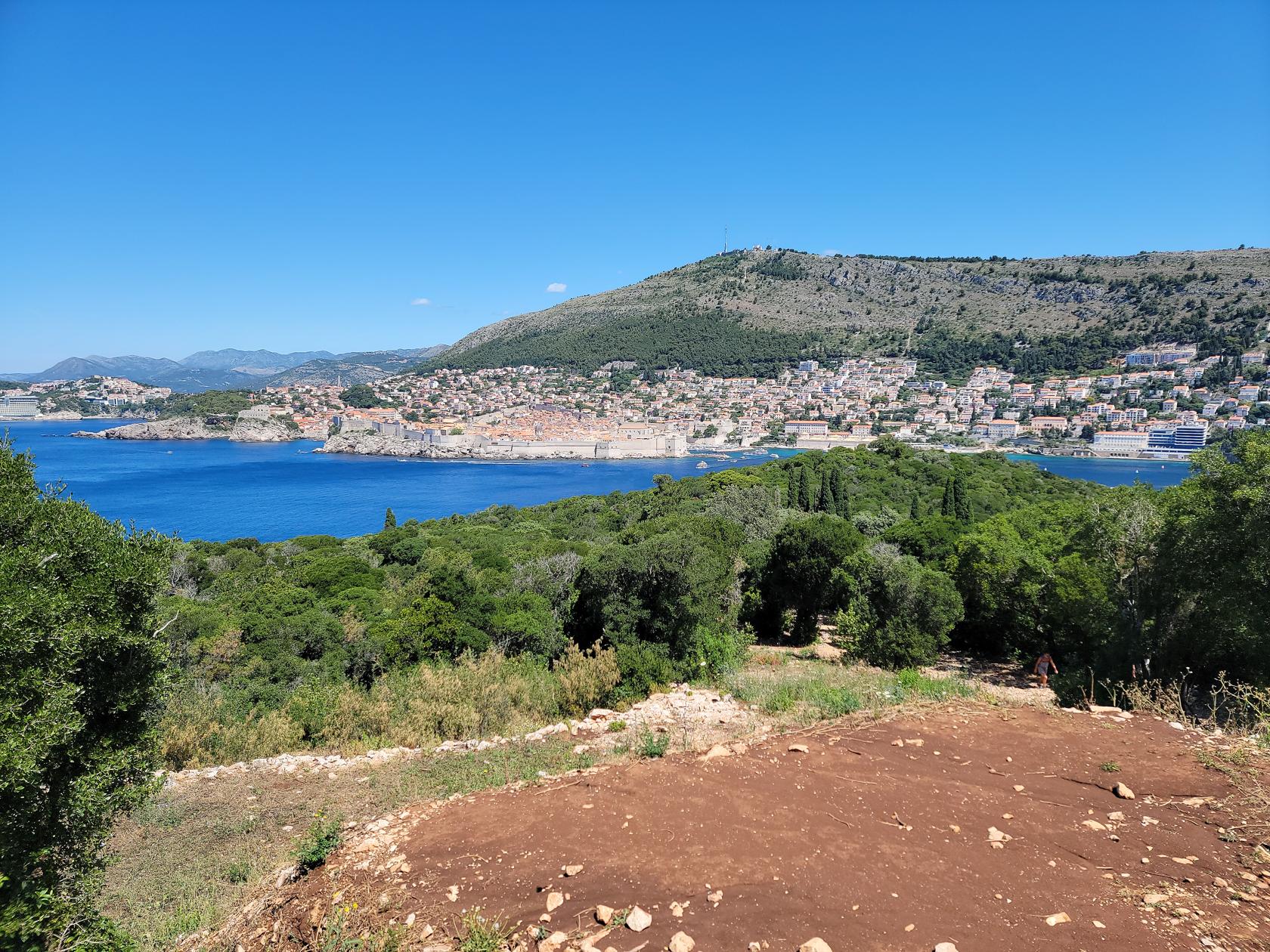
Owing to historical fate perhaps, Dubrovnik, Croatia, was formerly known as Ragusa, or the Republic of Ragusa, and was established some time in the 7th century C.E. from refugees of the old Epidaurum, or Ragusa Vecchia. It had been largely a free state before and after the control by the Byzantine Empire, the Repuplic of Venice and other later powers, including France and Napolean.
Dubrovnik

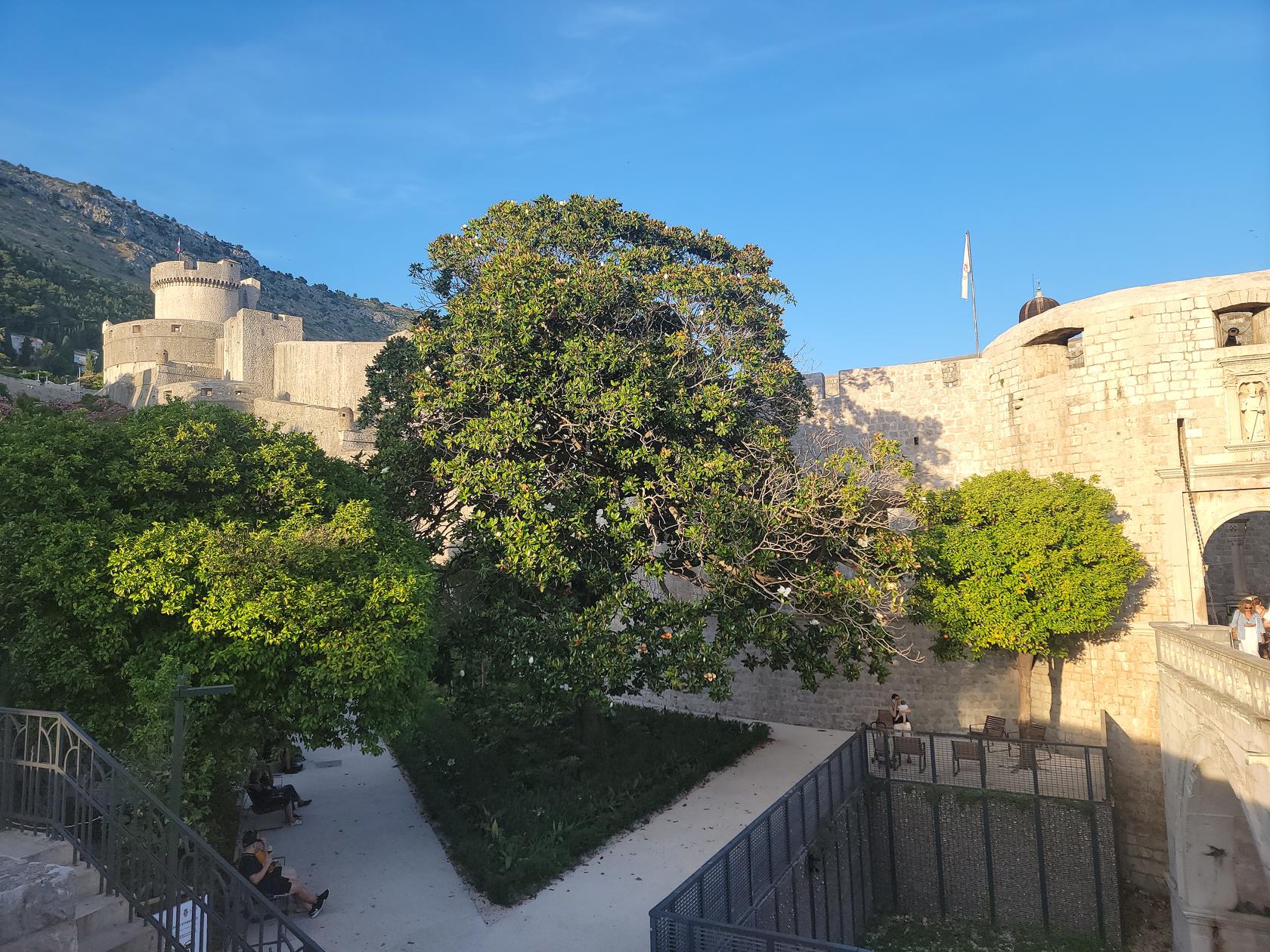
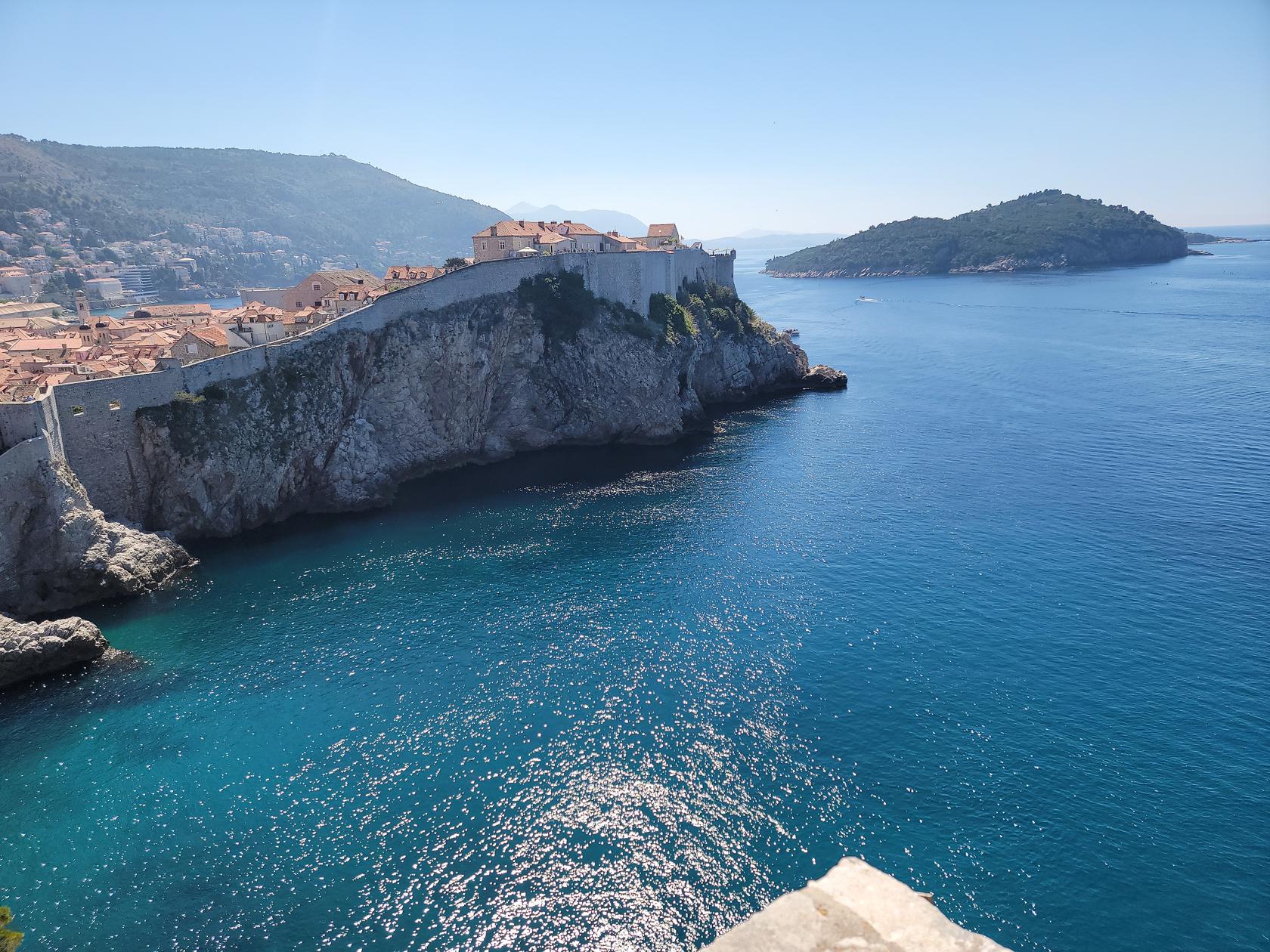
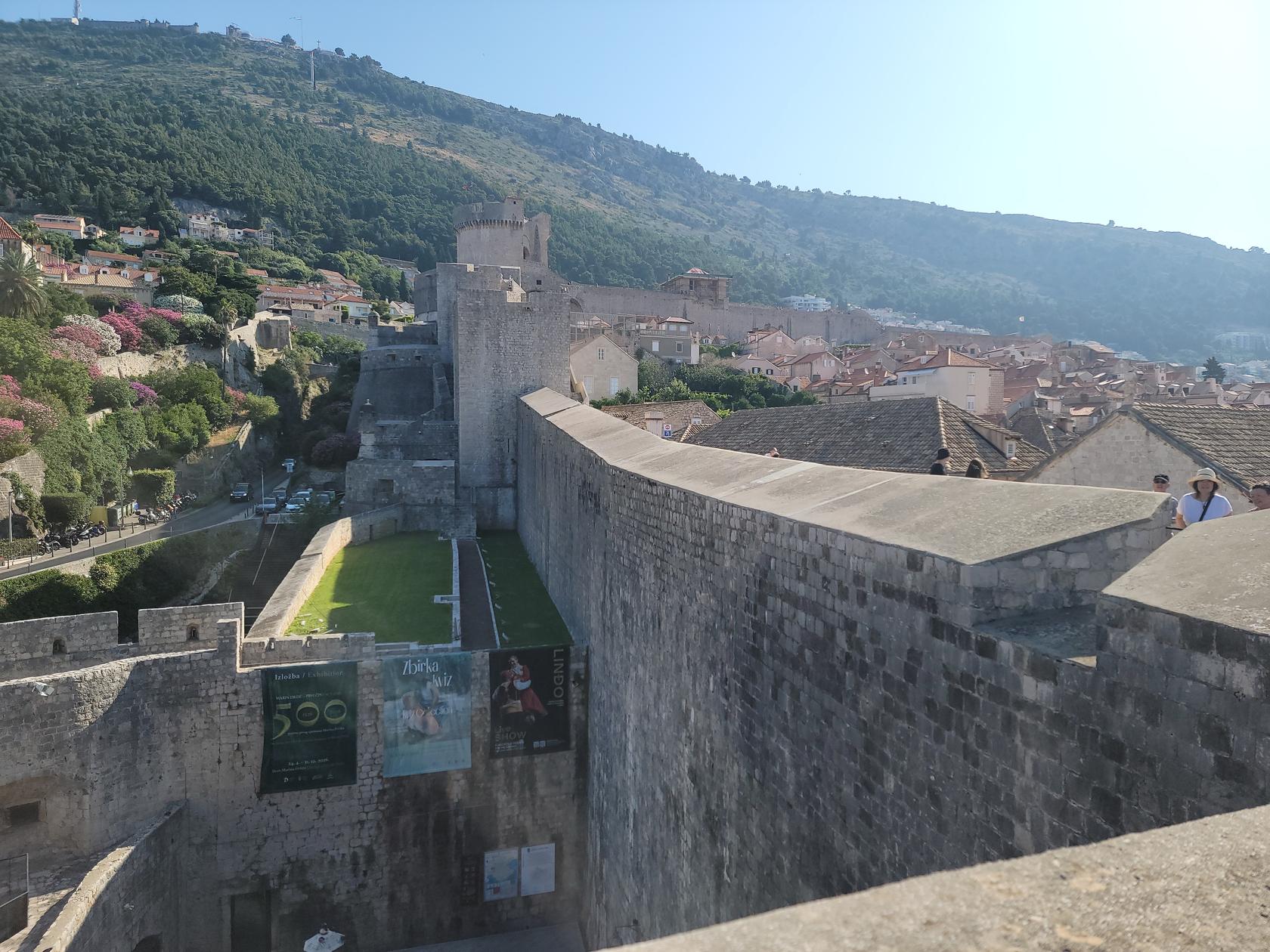
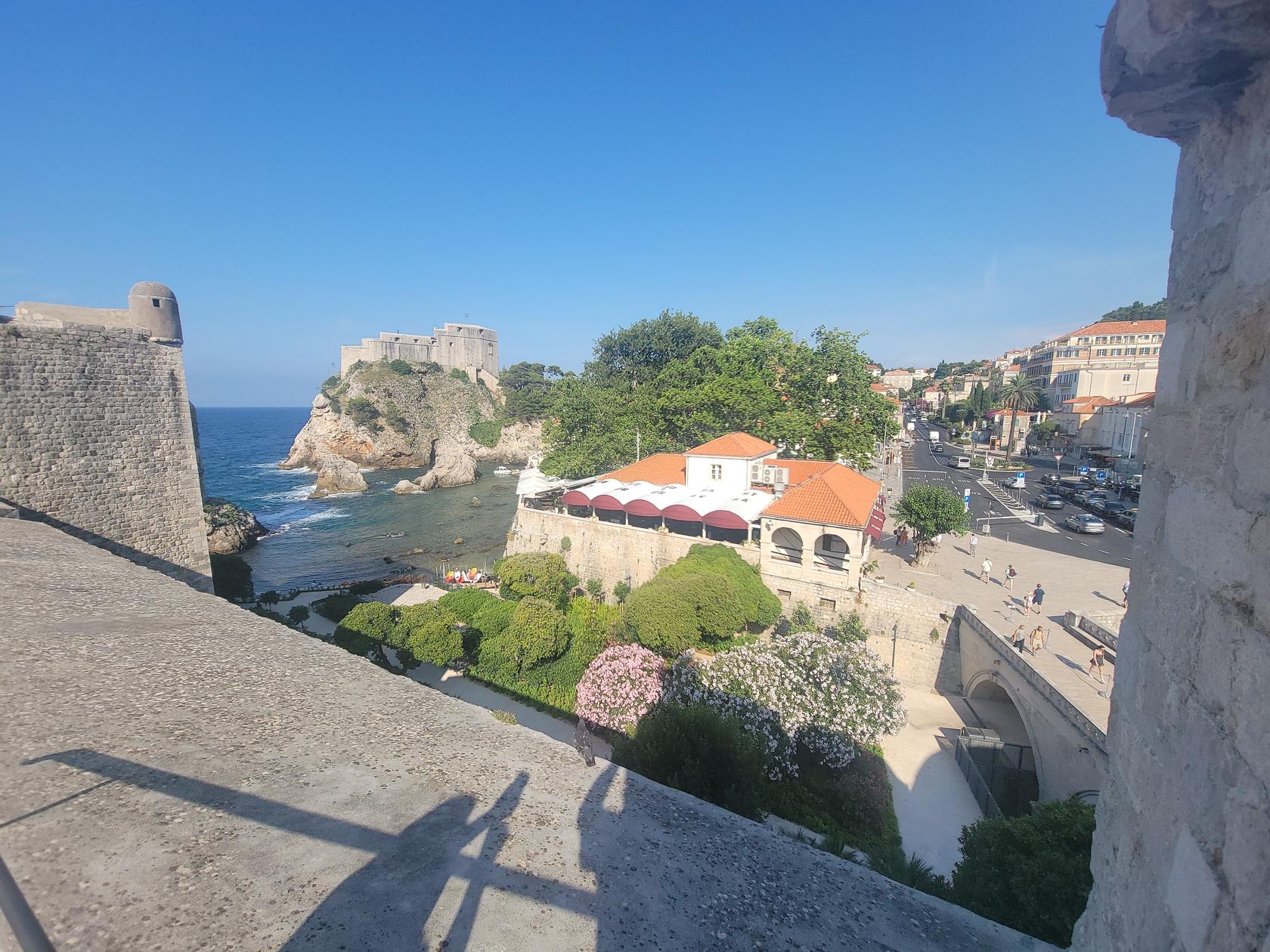
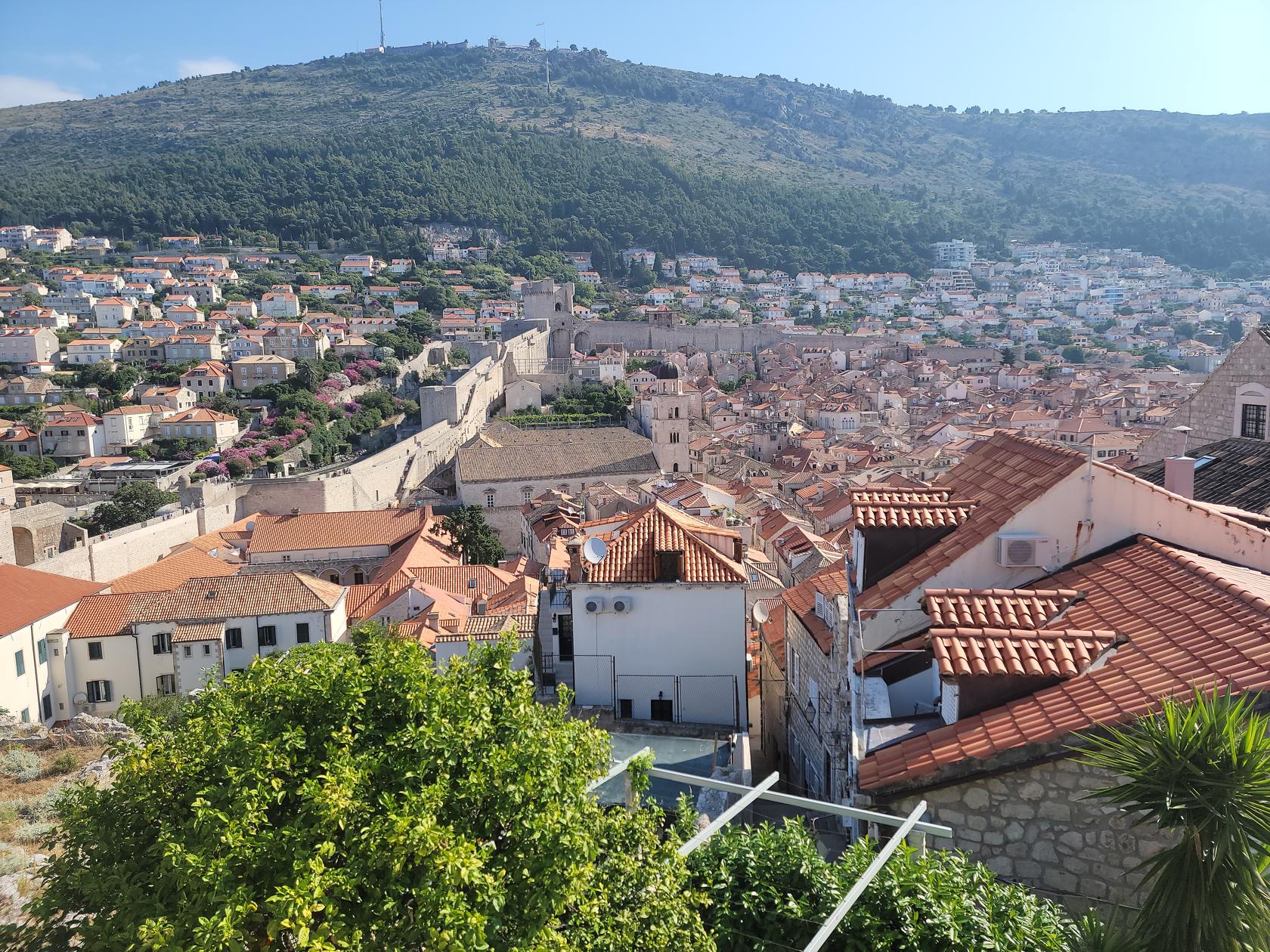
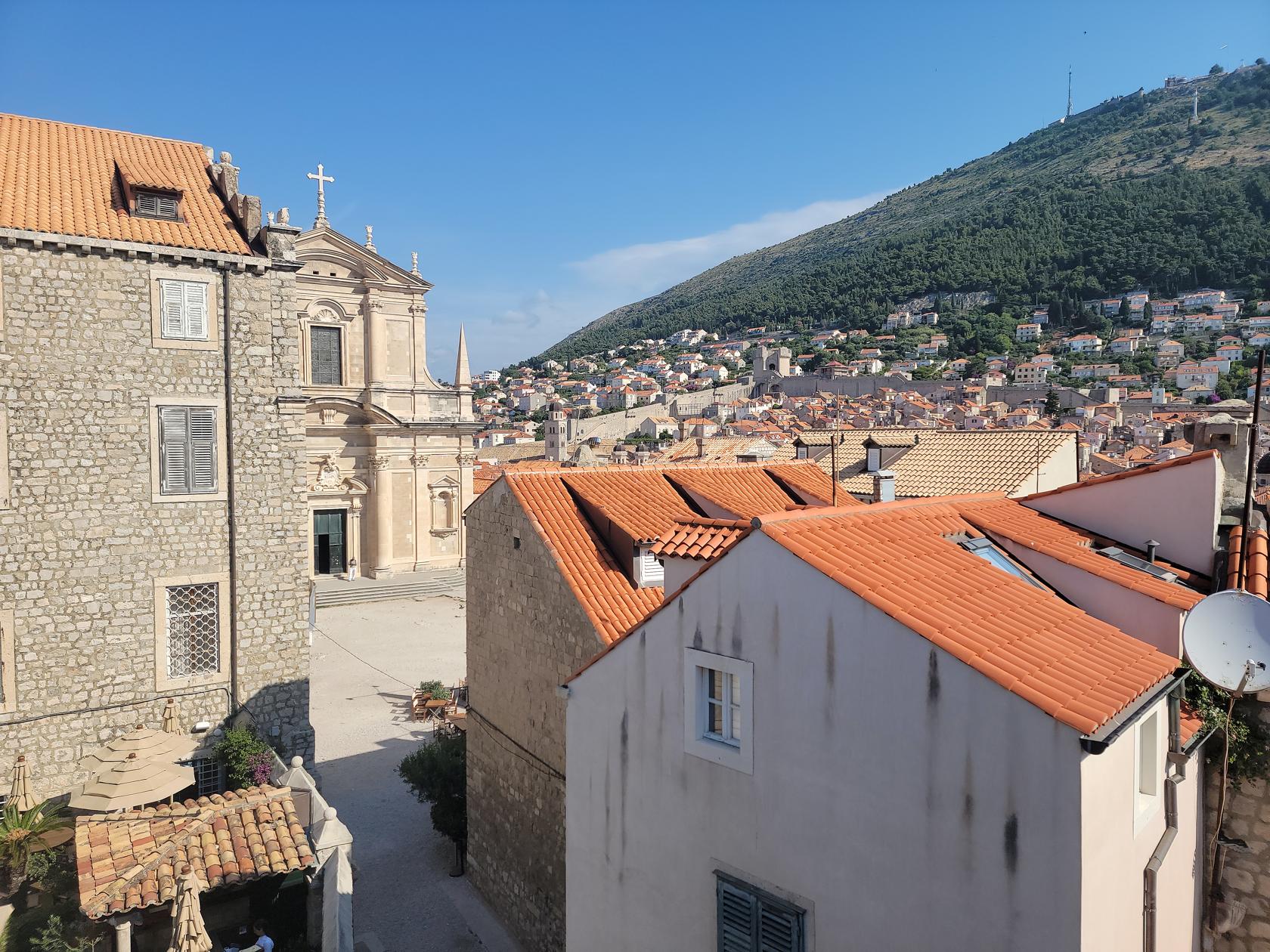
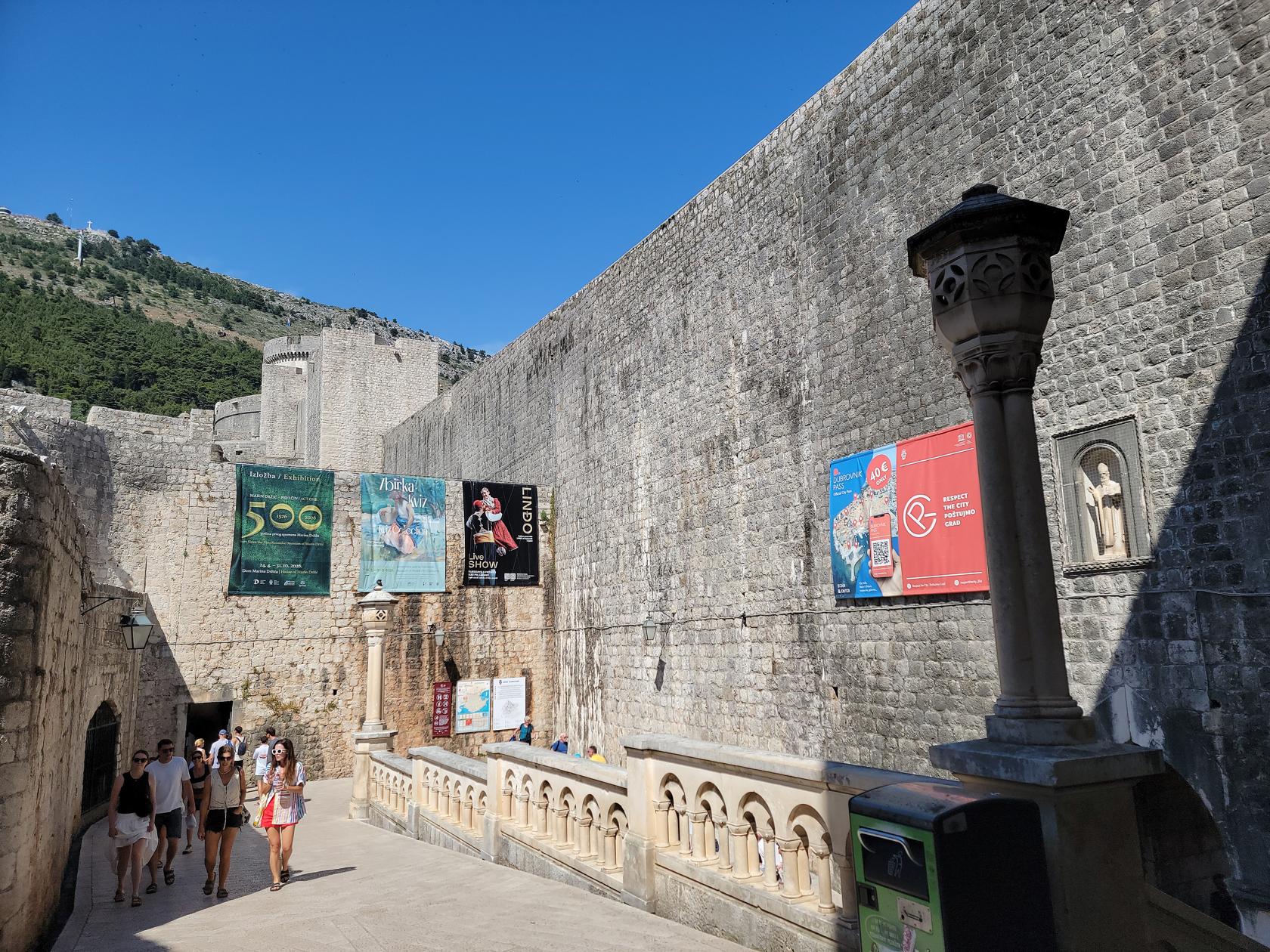
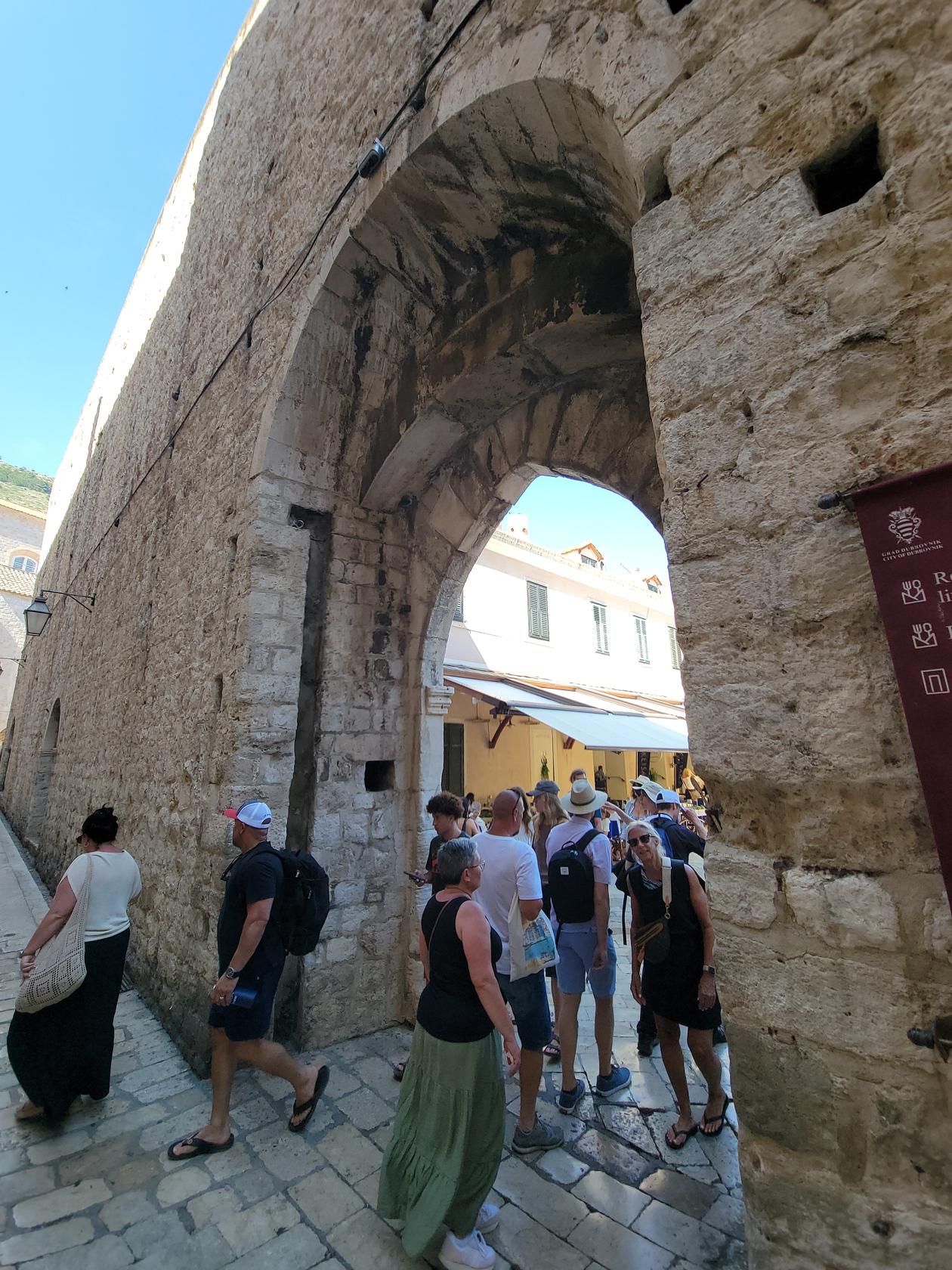
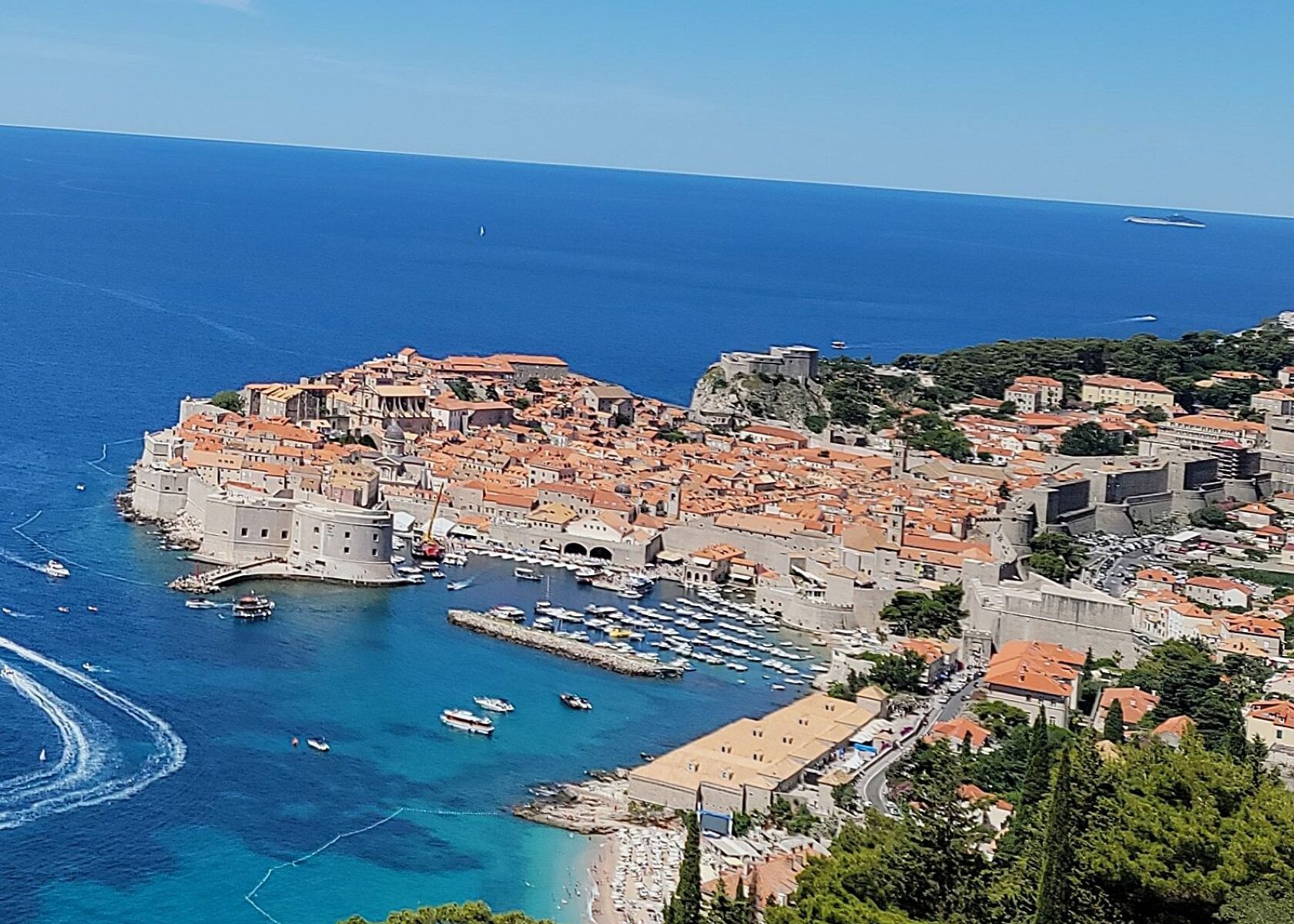
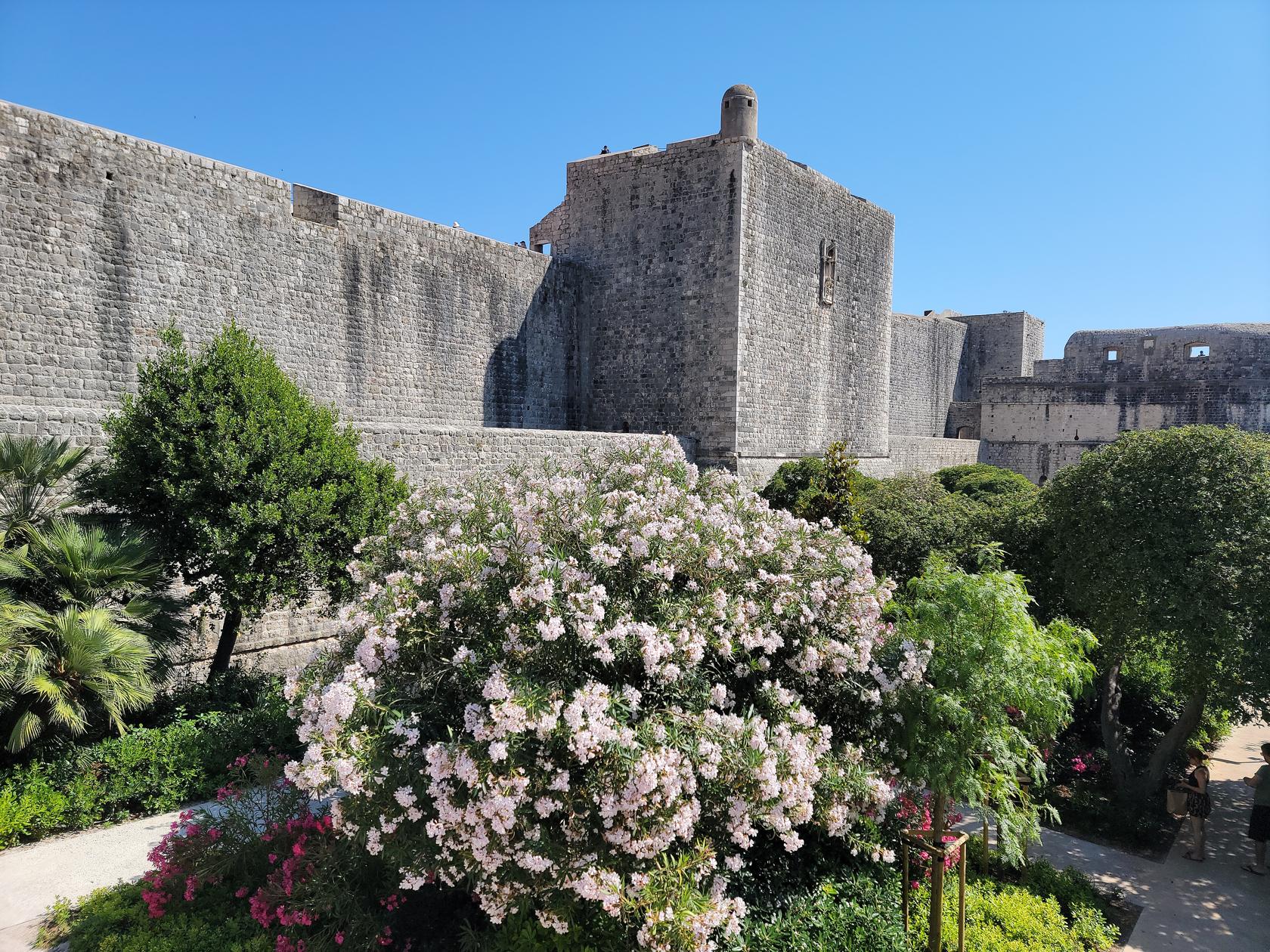
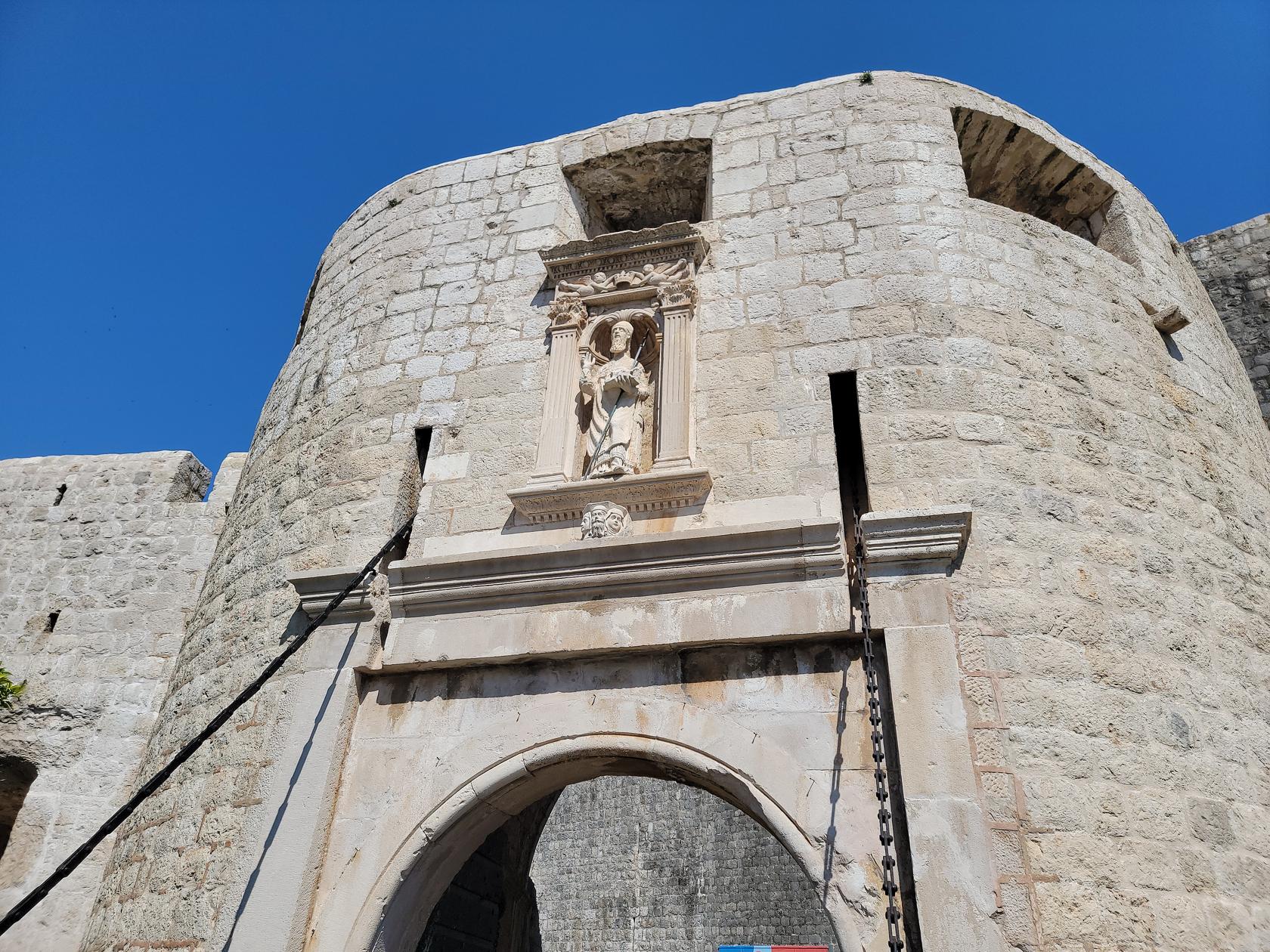
The town is an ancient walled city, that is half surrounded by sea on its southern half. It has a number of entry points, guarded by gates, which in the past maintained its security from threats by land and sea. The primary of which is the Pile Gate, which today has a beautiful garden and play area beneath it.
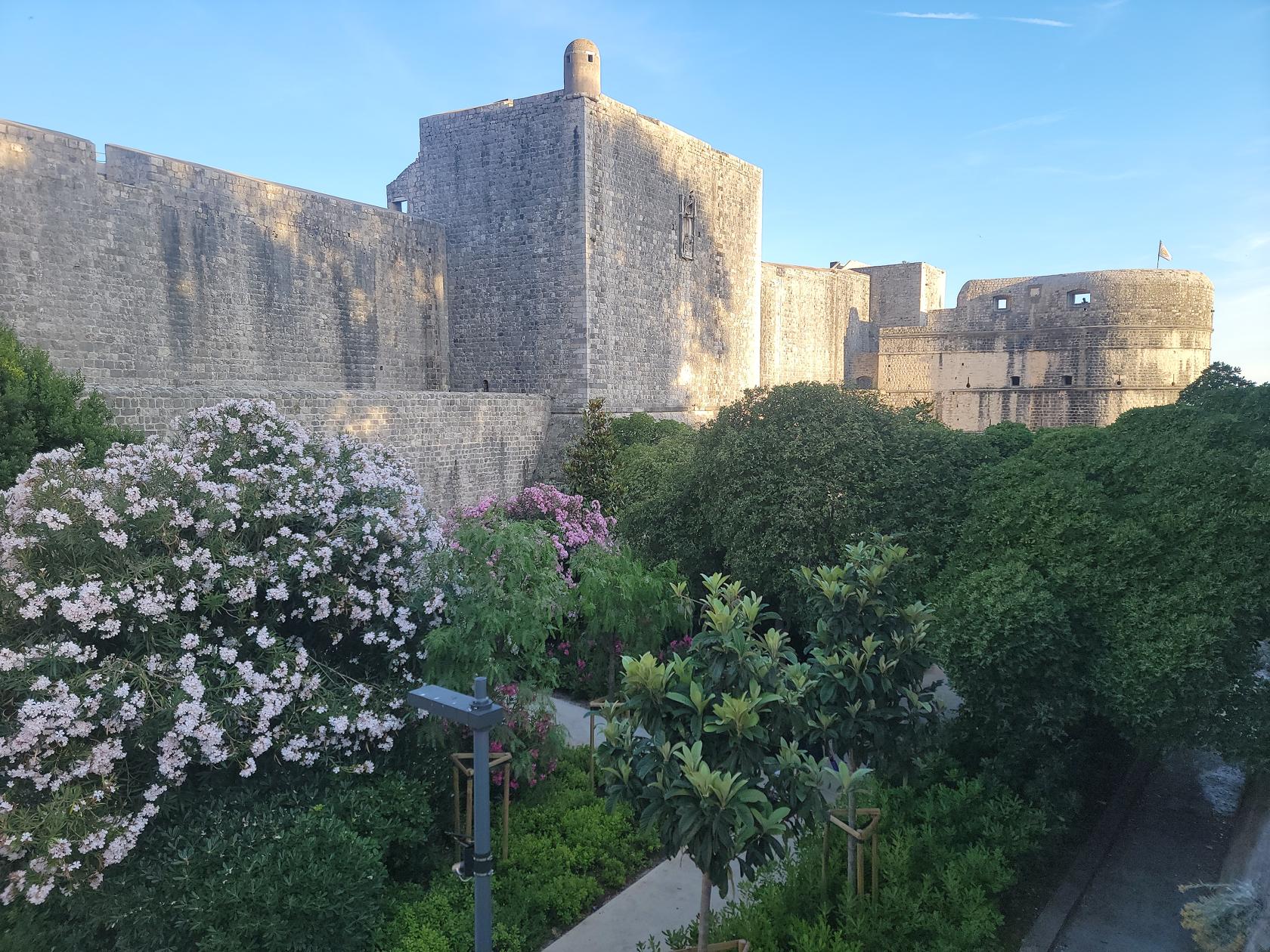
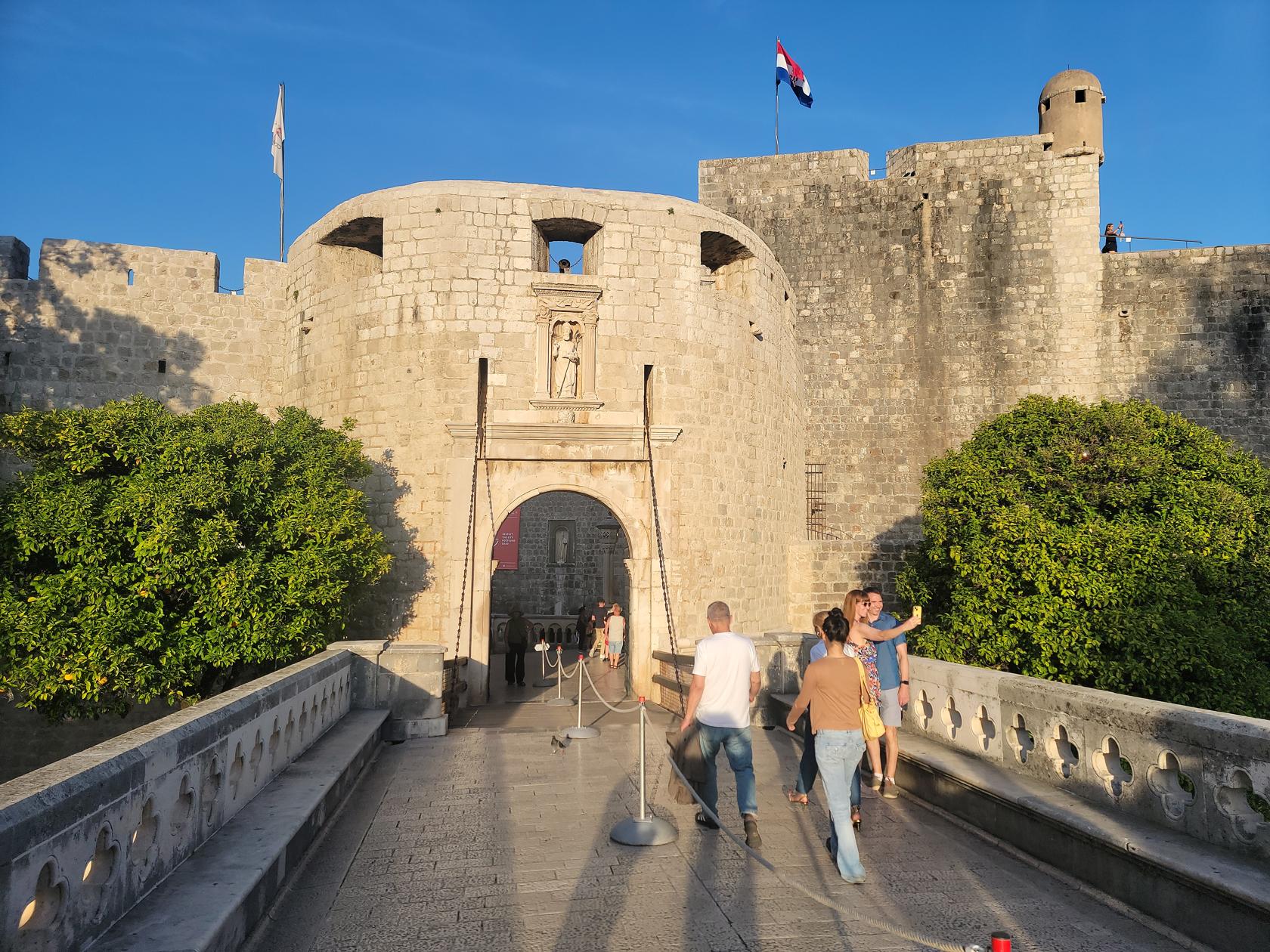
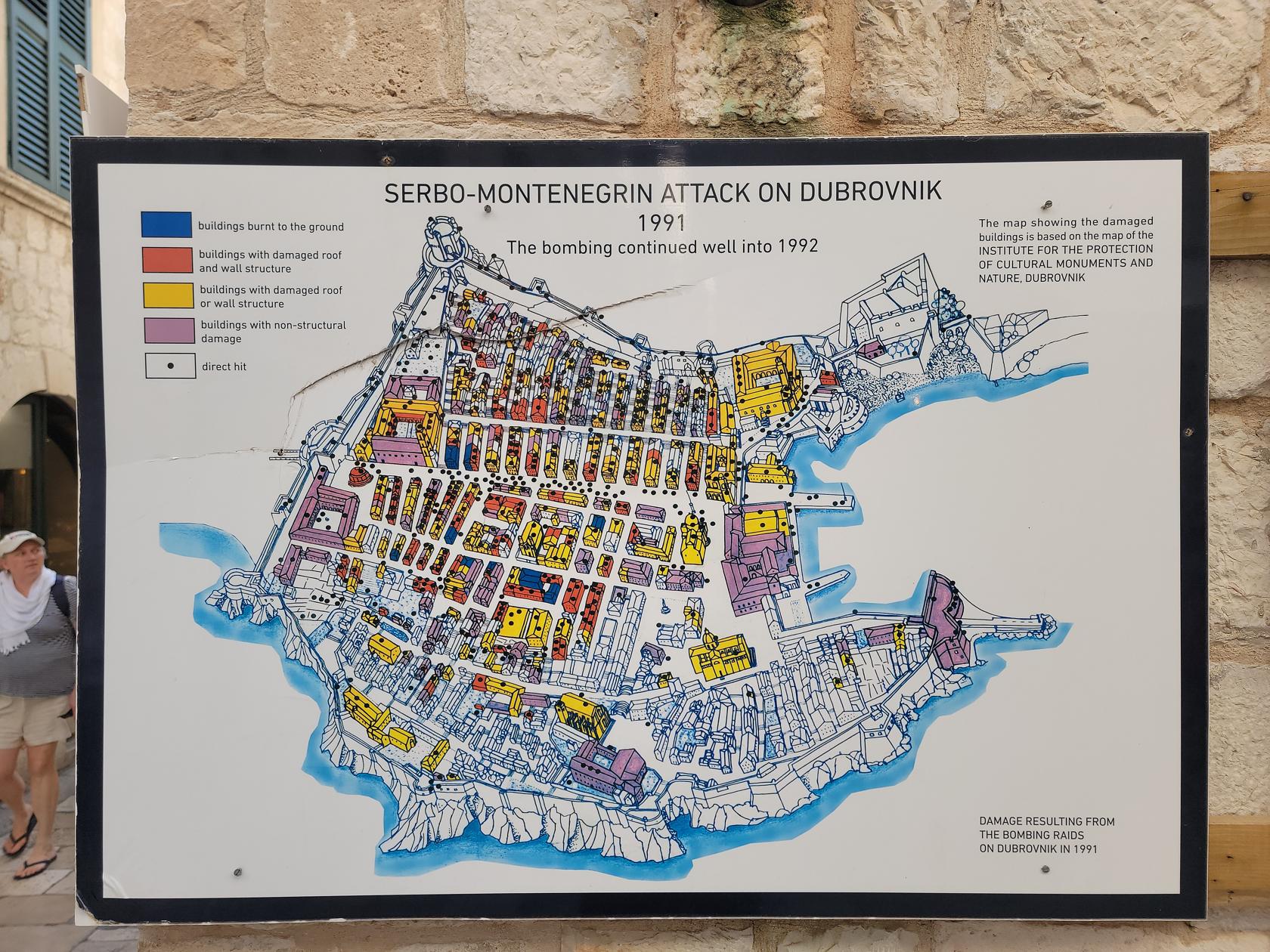
As early as 1991 the Old City was surrounded and laid seige by foreign adversaries and survived, owing to its thick, impenetrable walls and access to the sea. The number of buildings damaged in this unnecessary conflict of a UNESCO World Heritage site were extensive, as the map below shows. This included the cathedral, as well as most churches inside the walls.
Getting There

Train service is relatively limited or non-existent and mostly due to the former Soviet, Yugoslavian and present day Croatian governmental and engineering authorities being unable to overcome technical difficulties building tunnels through the earthquake prone geology in the region. The mountainous terrain runs longitundinally along the coast and is prone to falling apart. Even roadways are difficult to maintain. So other options should be sought out.
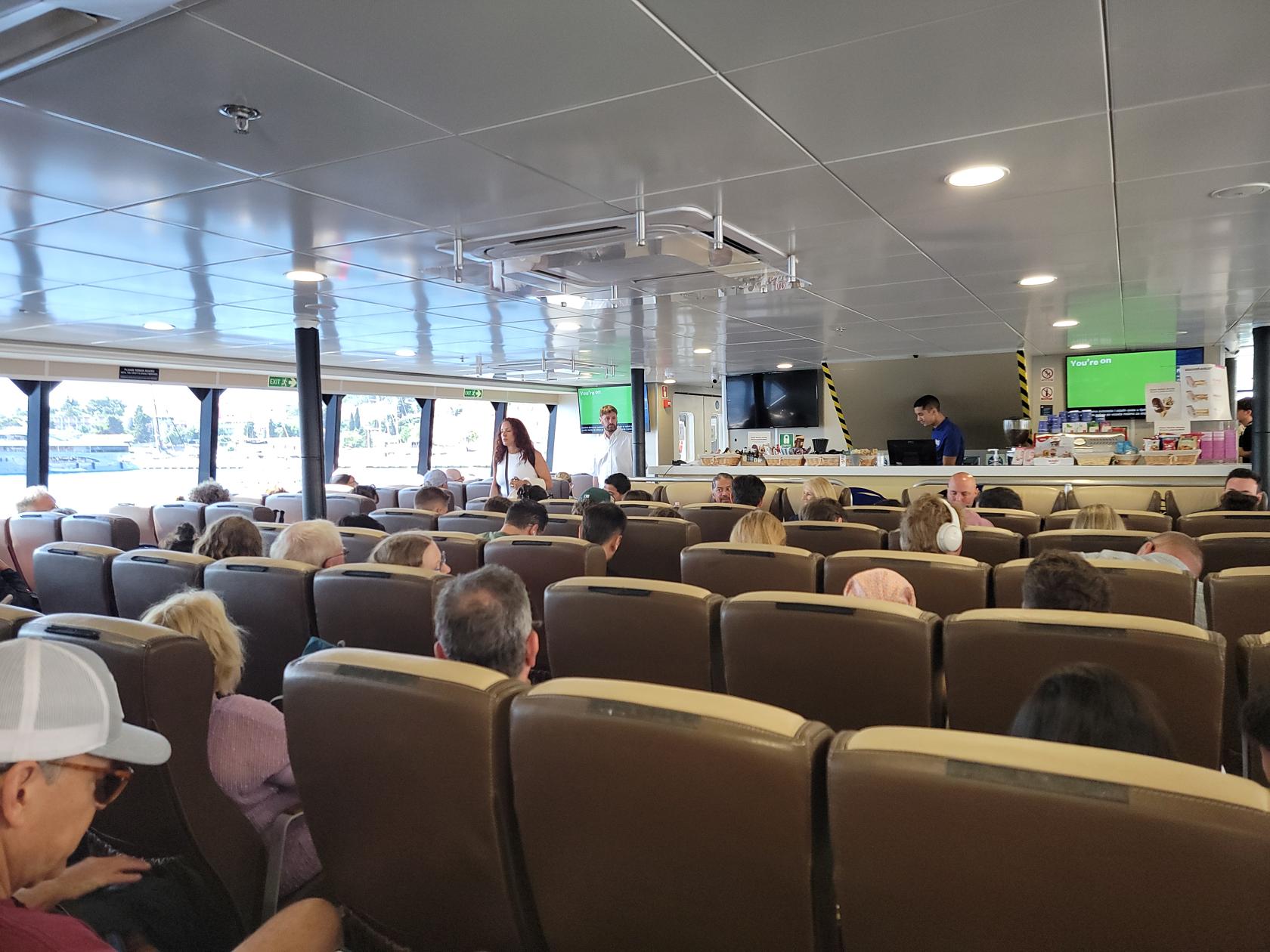
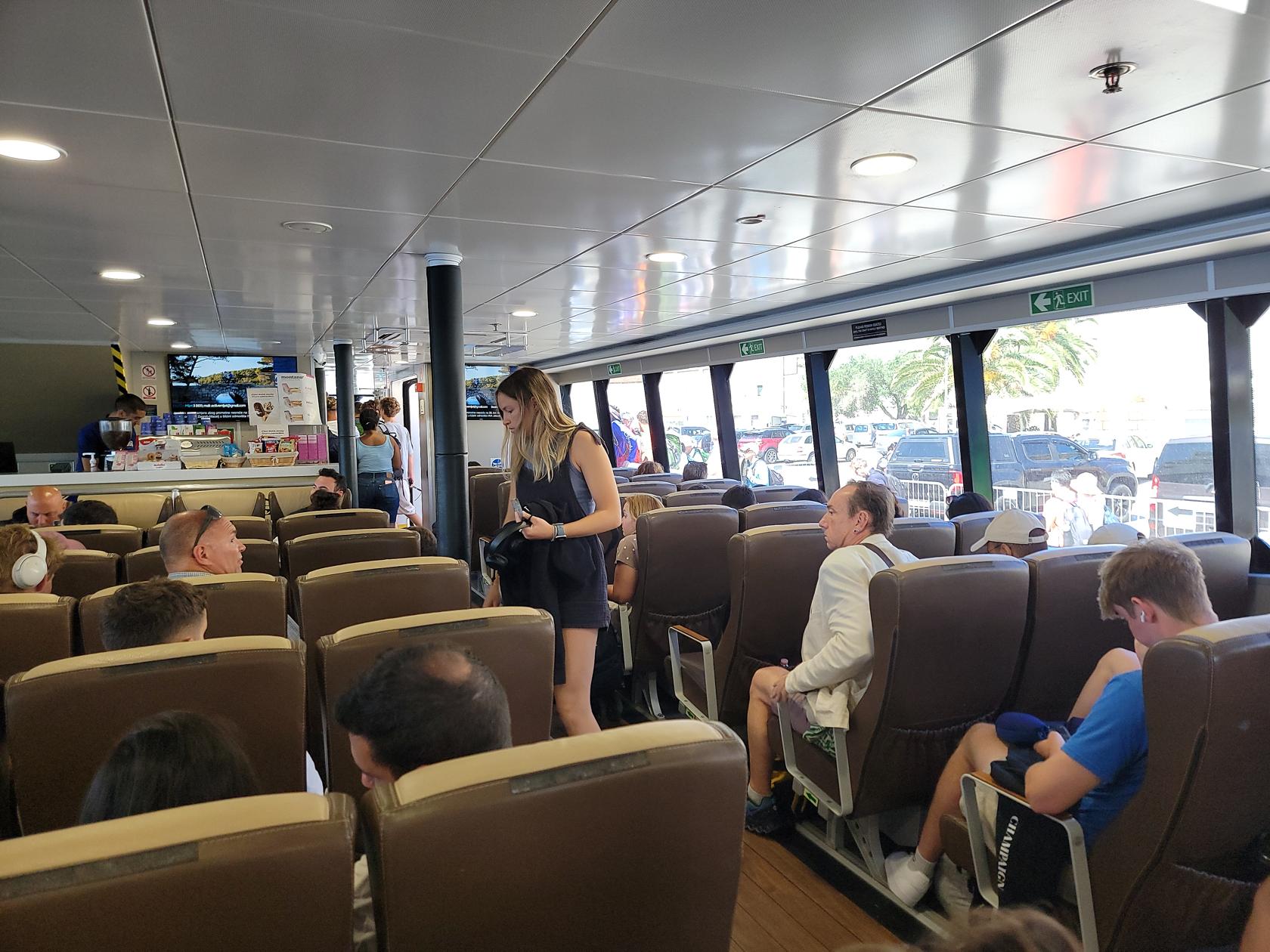
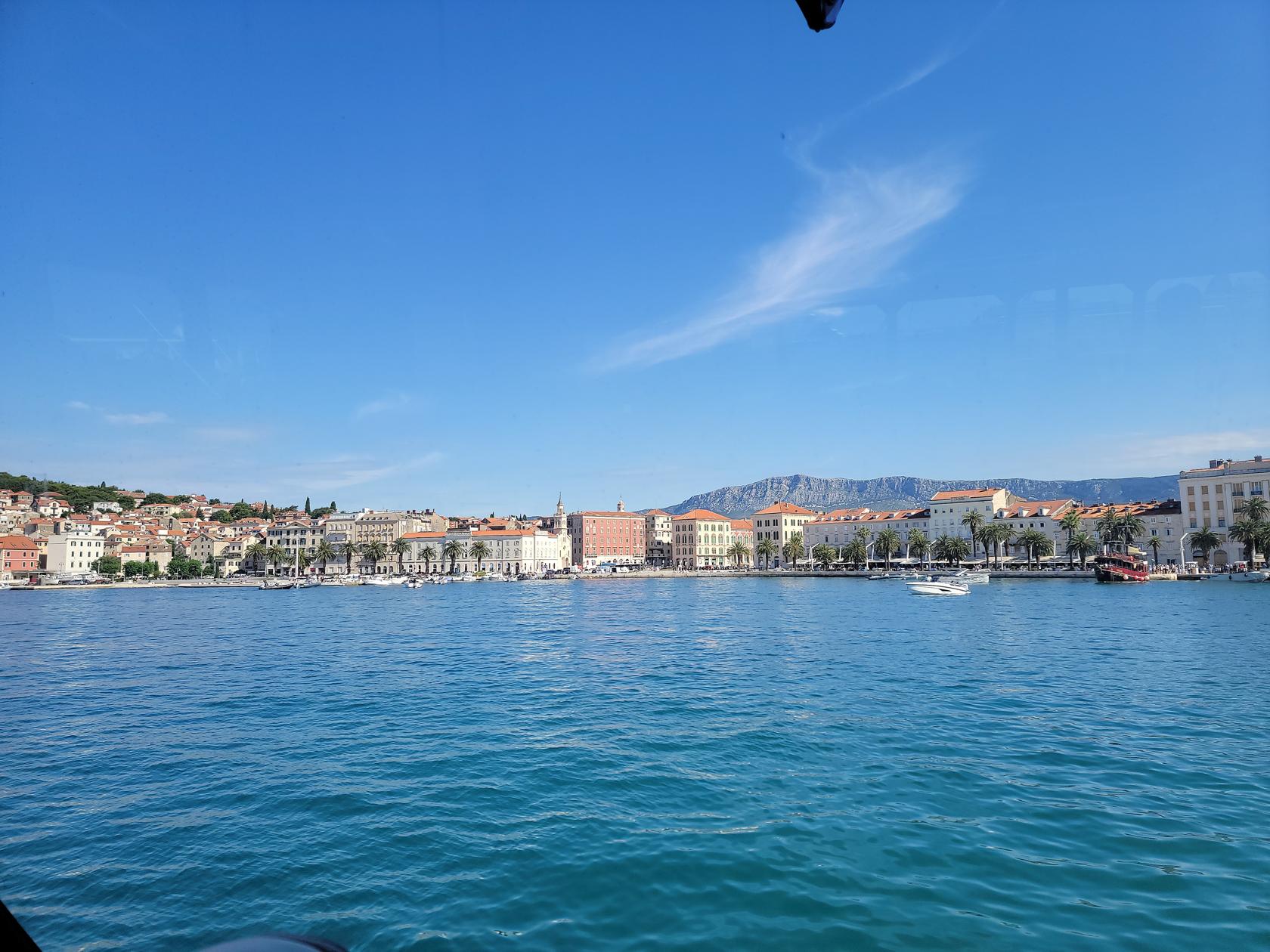
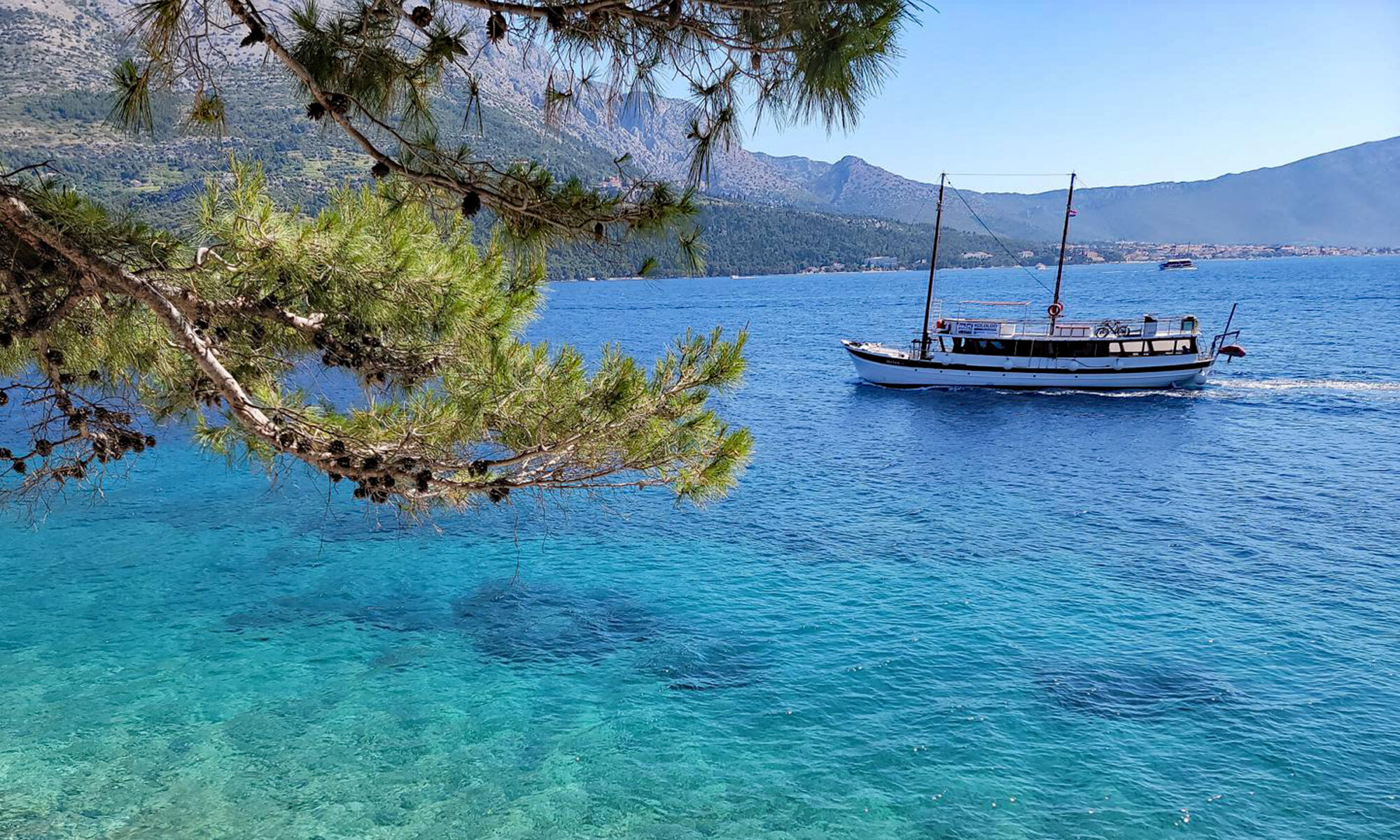
To get there we took the Kapetan Luka ferry service from Korcula to Dubrovnik. It is a two hour trip with one stop along the way. Other means of getting here are by bus, flying and car.

Though the Kapetan Luka service is adequate, the TPLine is commended for several reasons:

    • First, the ferries are larger and more accommodating.
    • Second, the crew seem to know there stuff, especially when is comes to stowing your luggage, etc.
    • Third, your luggage is stowed with you, on-board, inside; not outside in the elements.
    • Lastly, their internet presence is better and they maintain a very good and well maintained portal where tickets may be purchased directly from them, instead of some other third party application.

Where We Stayed

The hotel options in Dubrovnik can be very expensive, so be prepared for sticker shock, especially during peak season. There are other options, particularly when you can travel during non-peak or willing to venture further out from the Old Town.

Vila Dard Hotel

Located directly above the Old Town and approximately three hundred steps from it, was our hotel, Vila Dard. Unfortunately located on a very busy road, especially in the mornings and early evenings when everyone is rushing to and from work, it can be a bit challenging to cross.
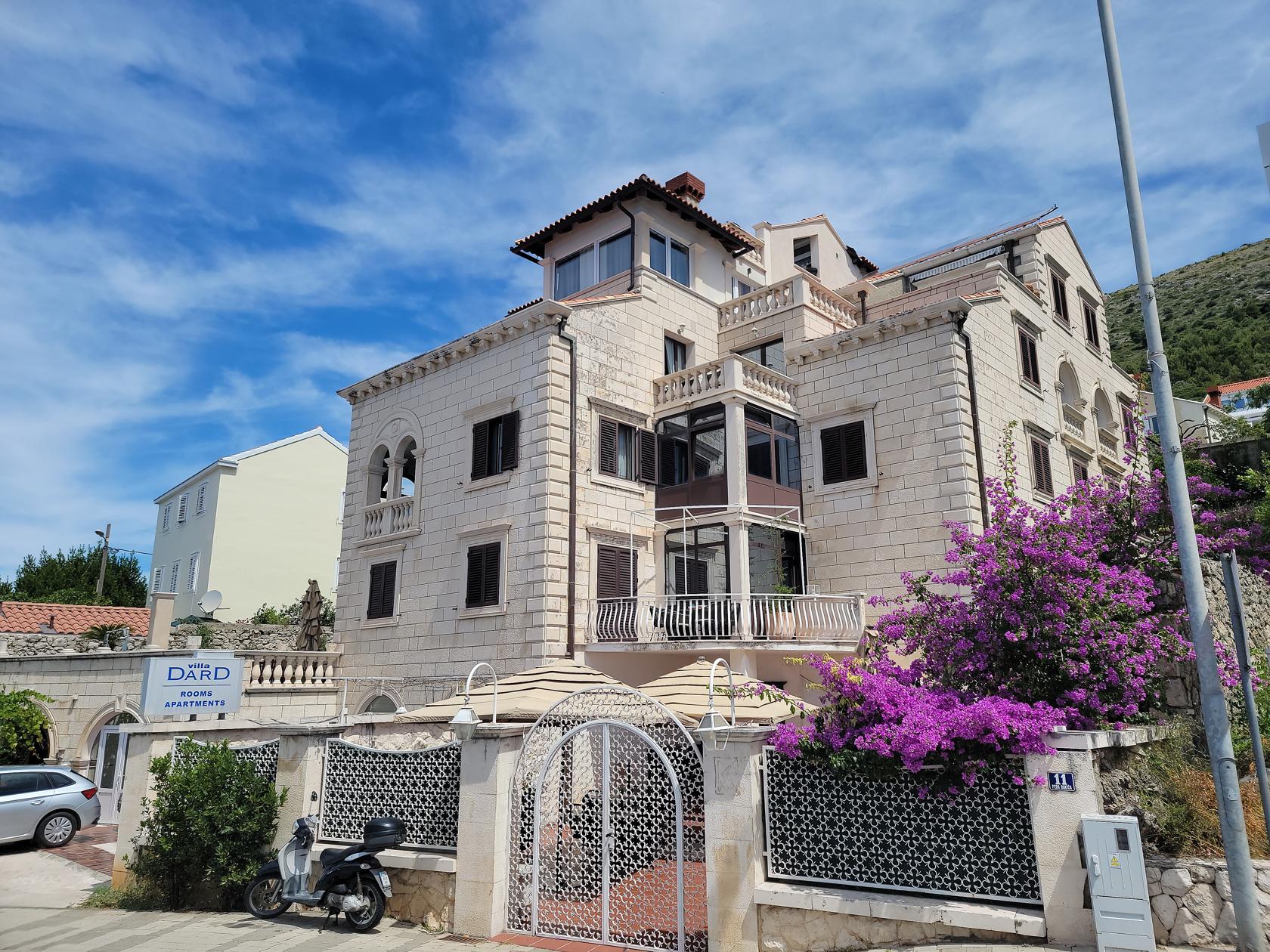
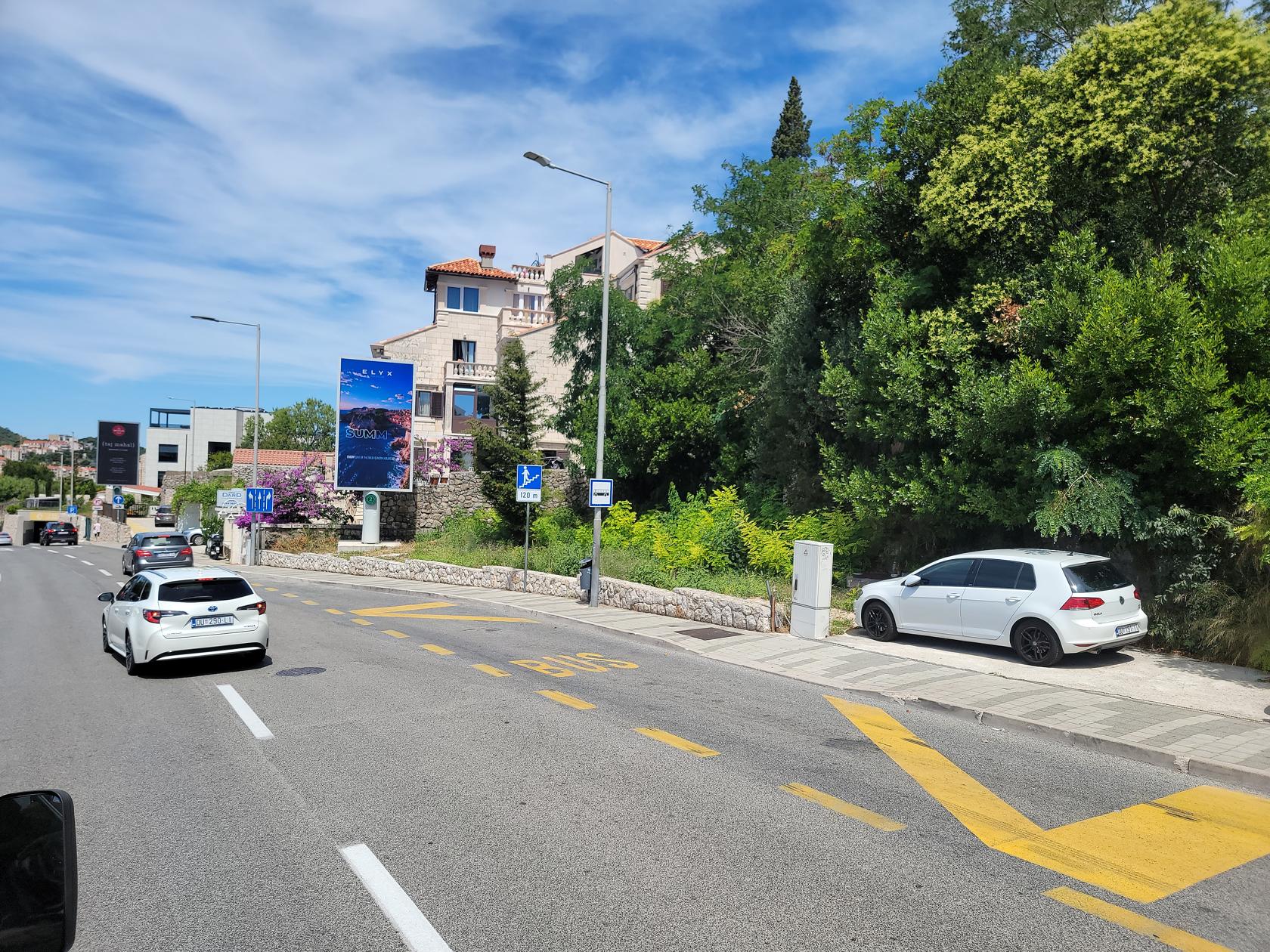
However, it was for us more than 600-700€/night cheaper than staying at, let’s say, the Imperial Hilton down by the city. That’s a huge savings and one can overlook the traffic and inconvenience. It was very clean, fully air-conditioned and our laundry was changed everyday, without any issues with missing towels or other amenities, which we find rather frustrating at other higher priced options. So, in the end, it saved us some money and improved our health a bit, since we did not have to go to the gym and got plenty of exercise.

Lovrijenac Fortress

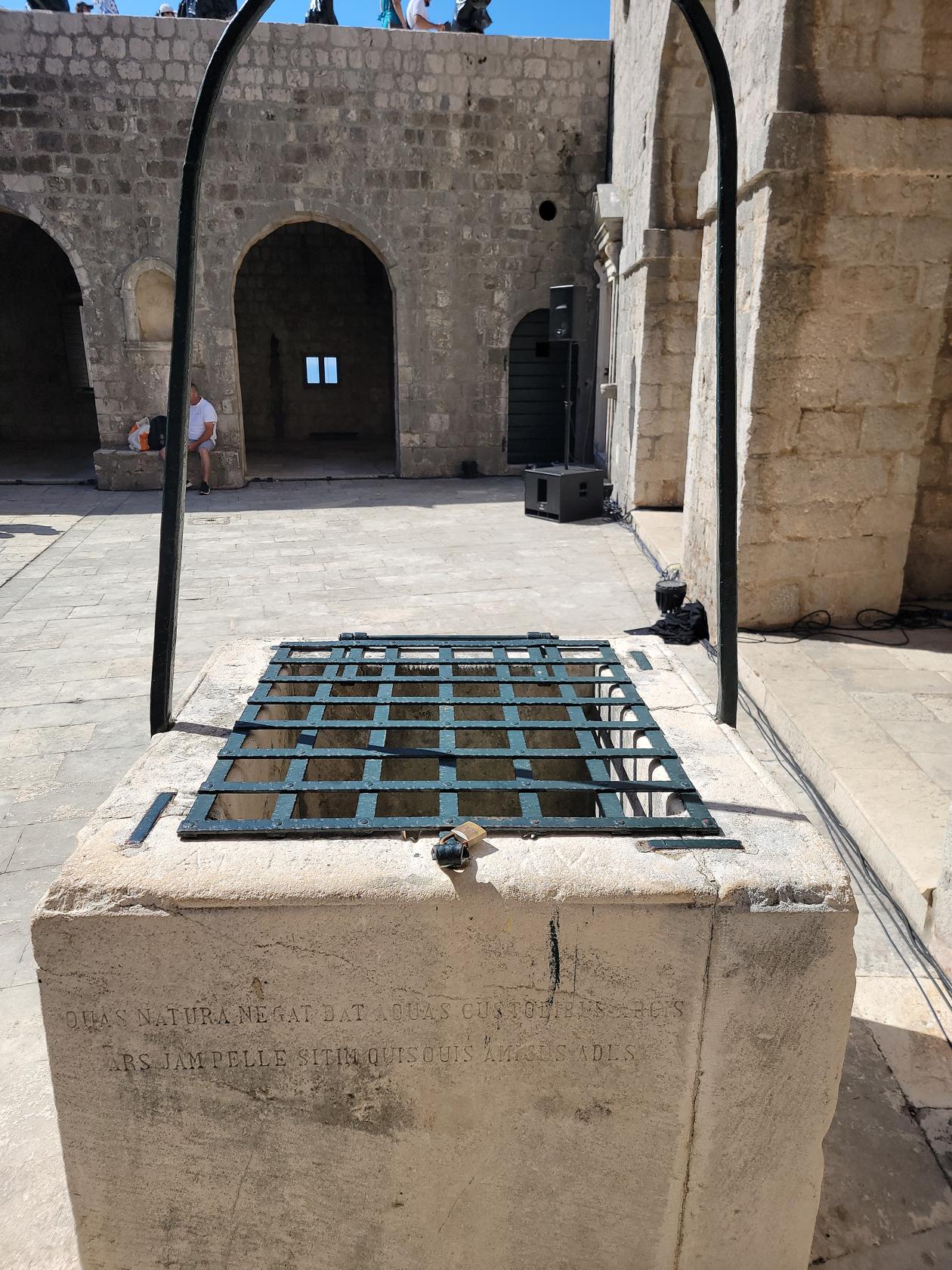
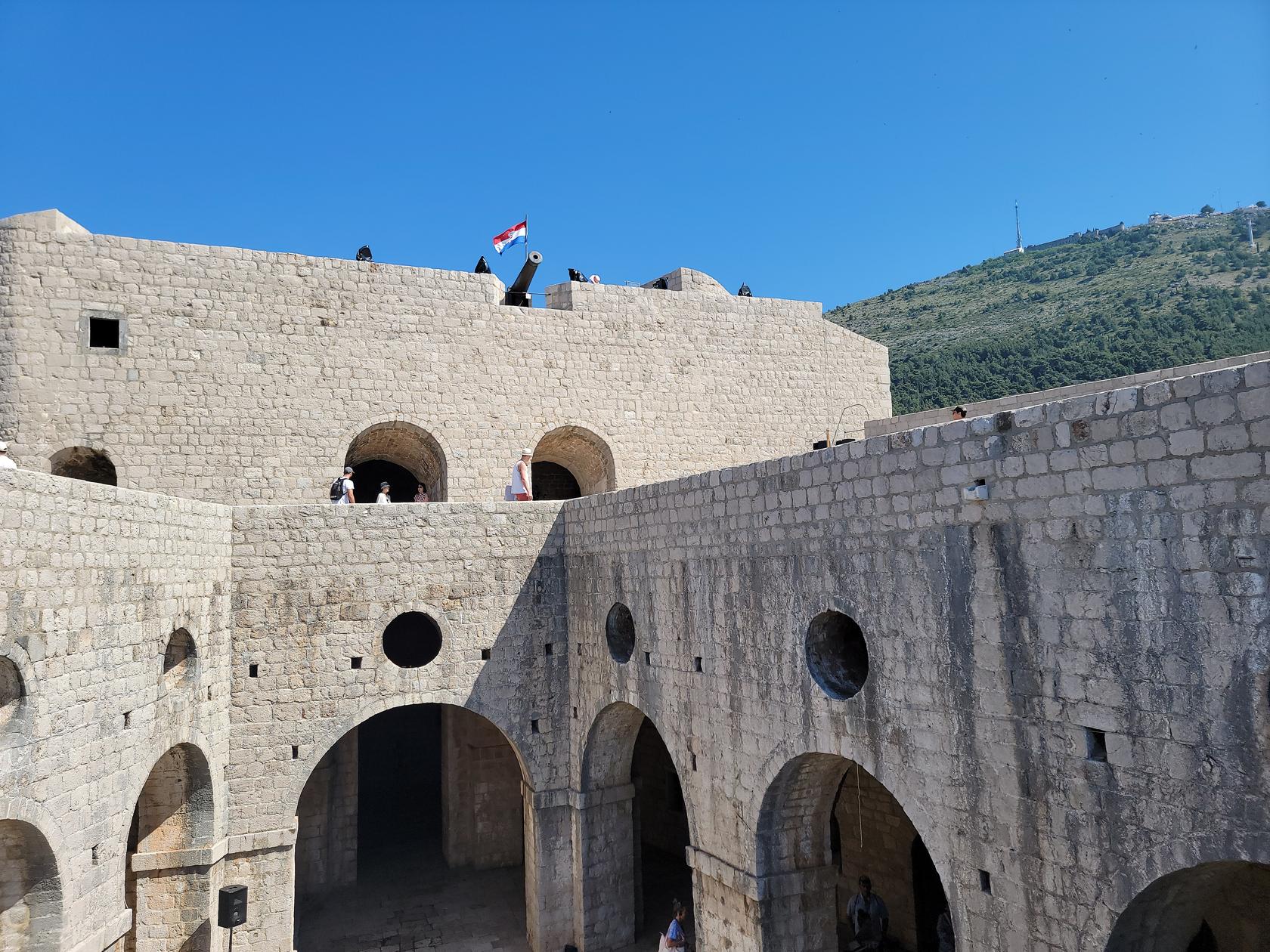
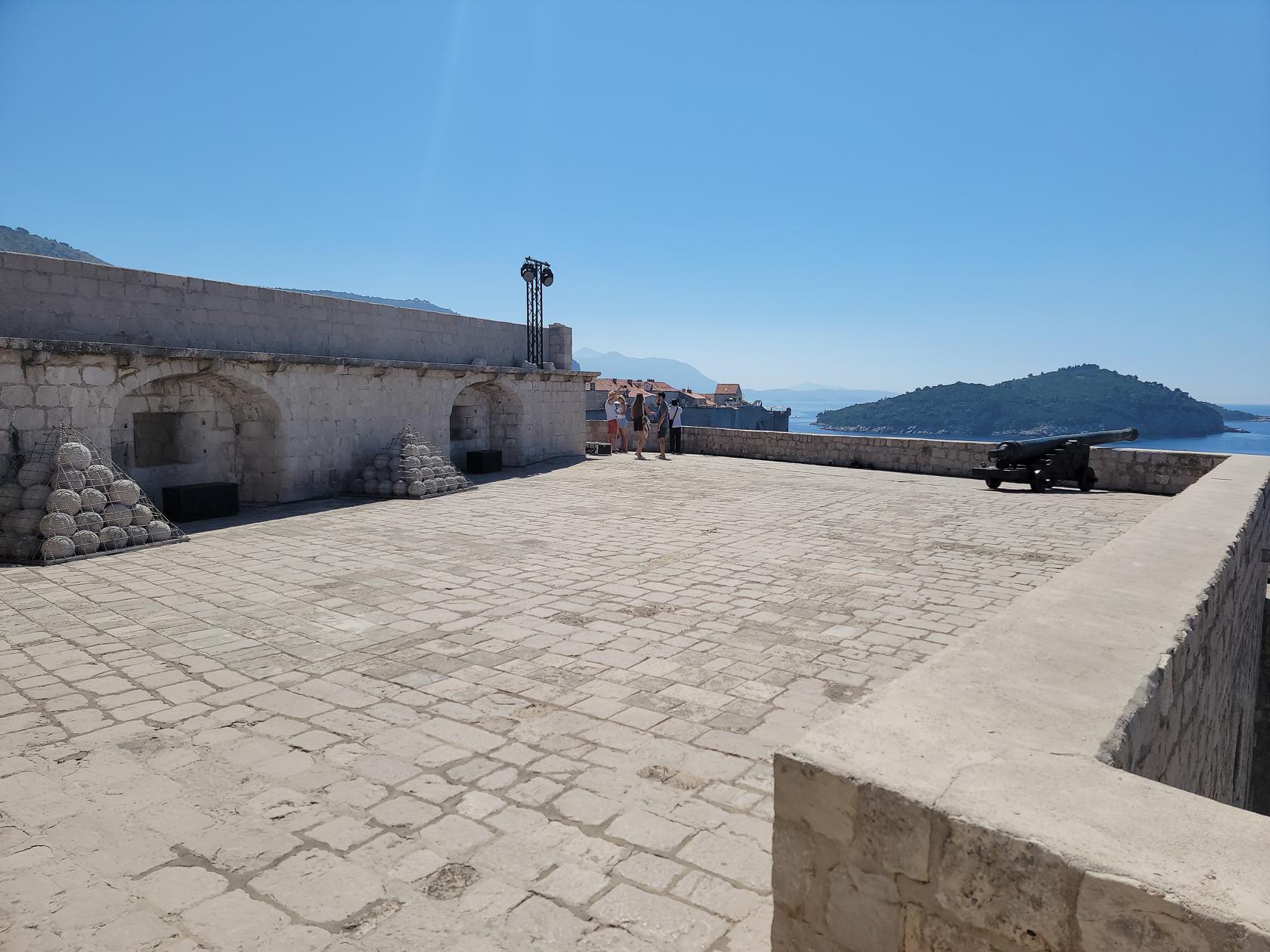
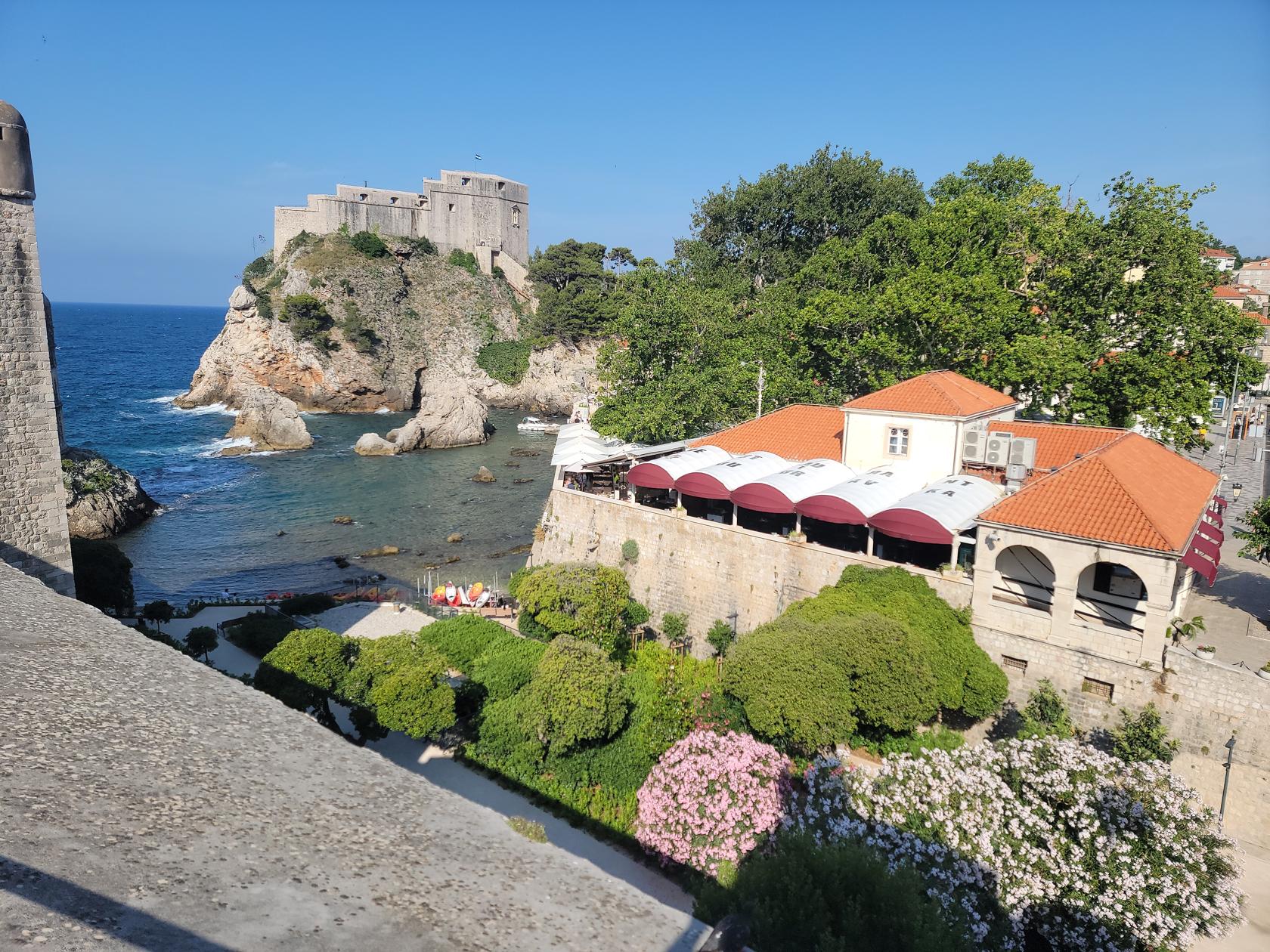
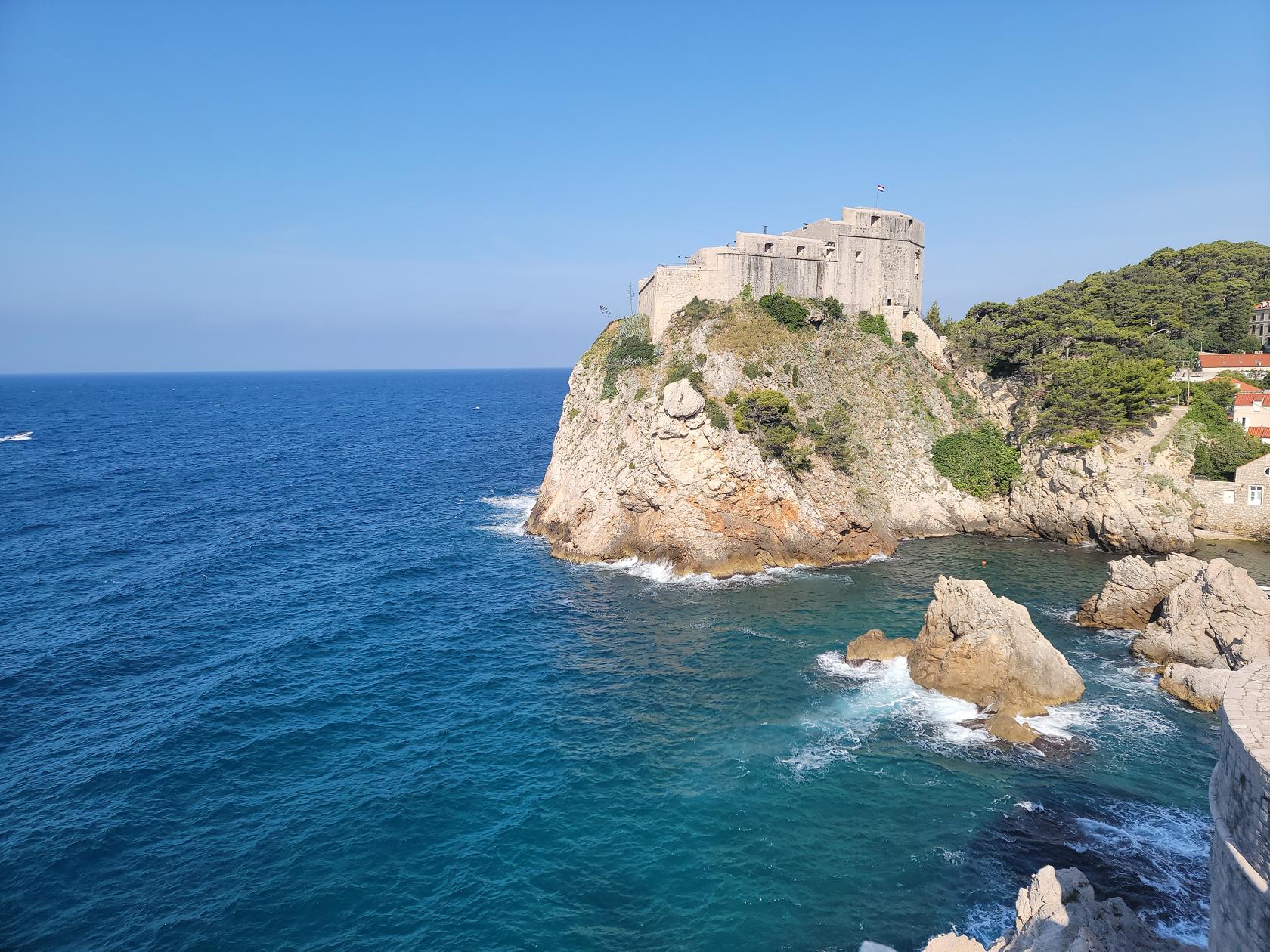
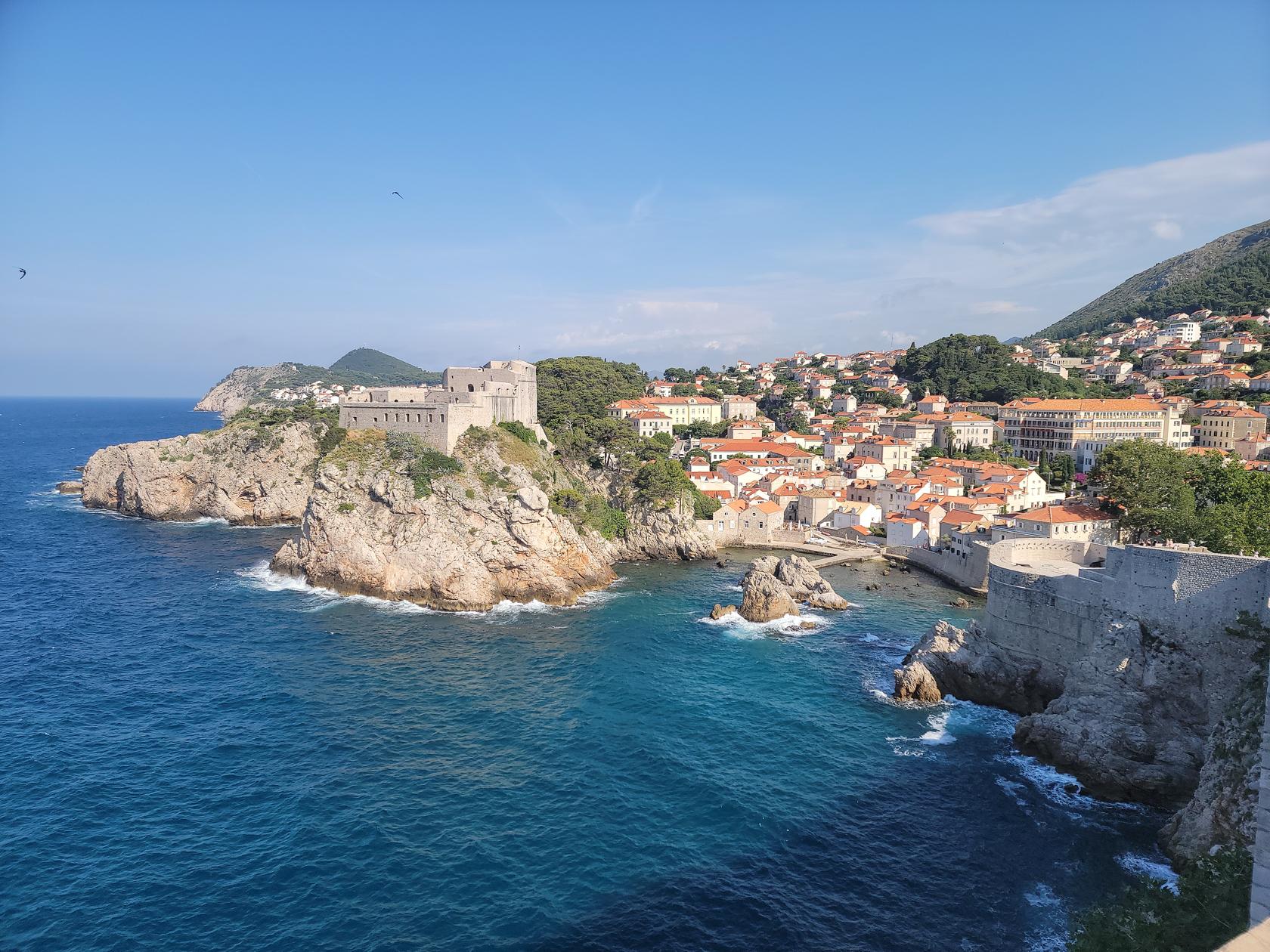
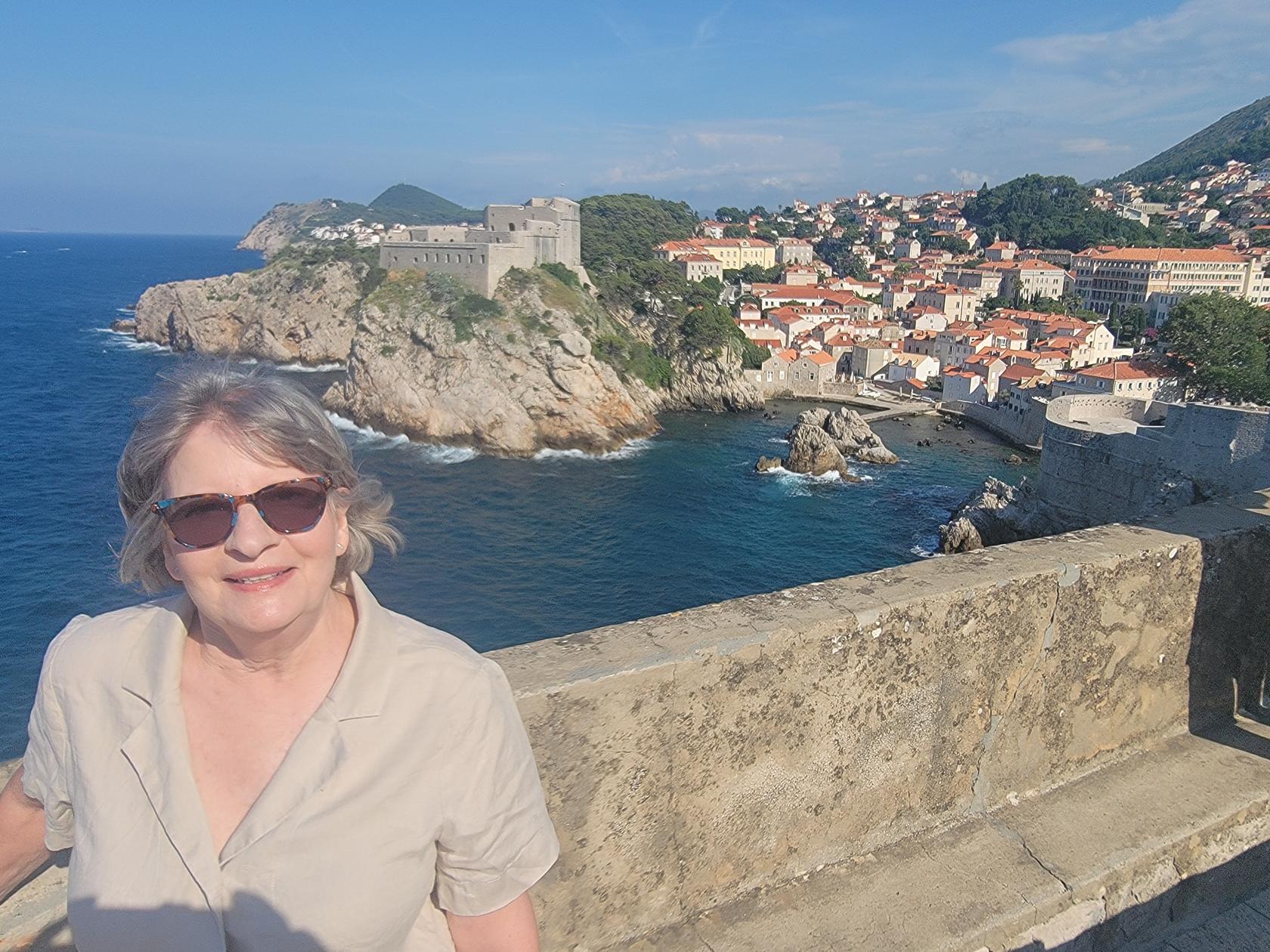
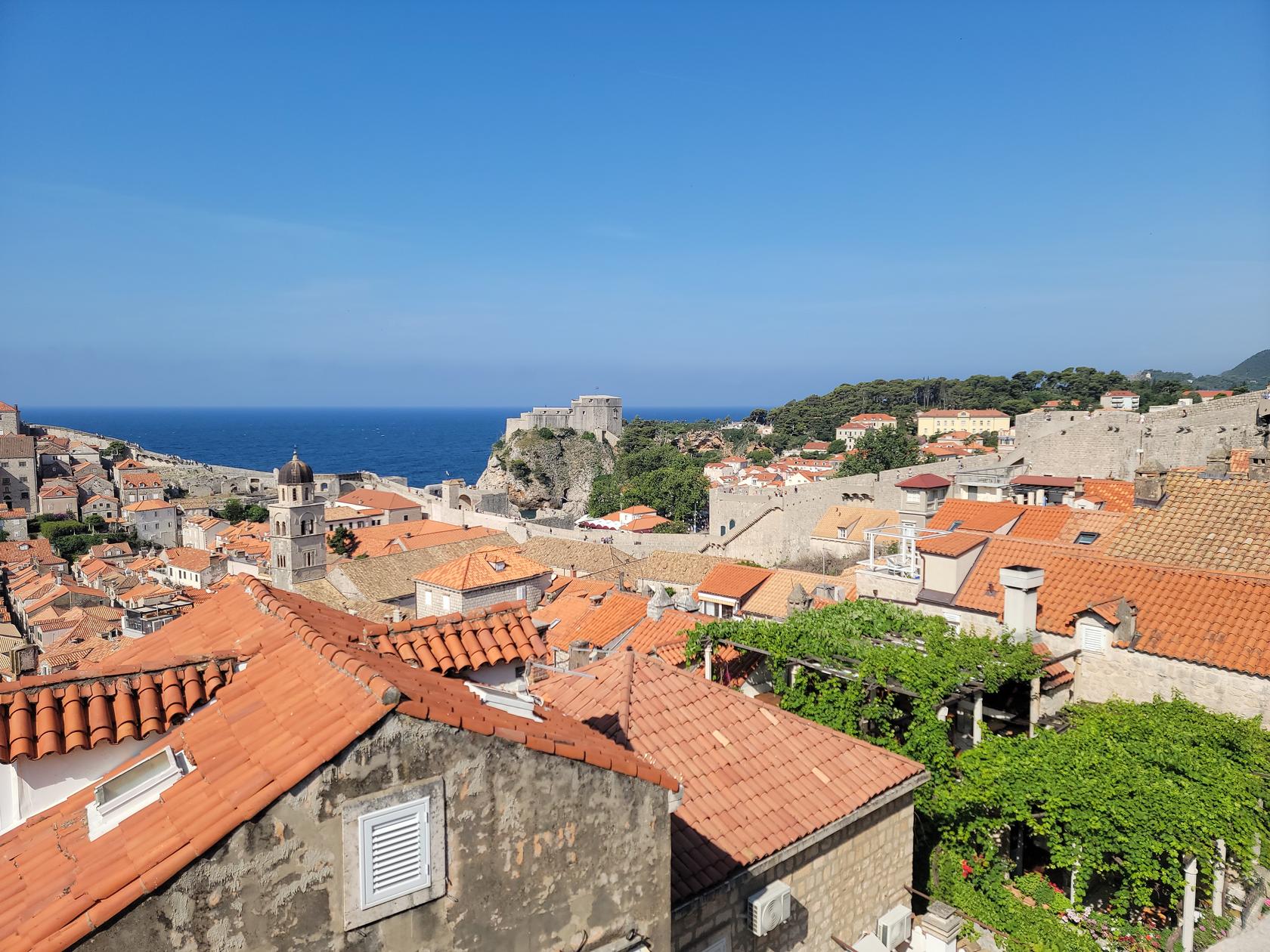
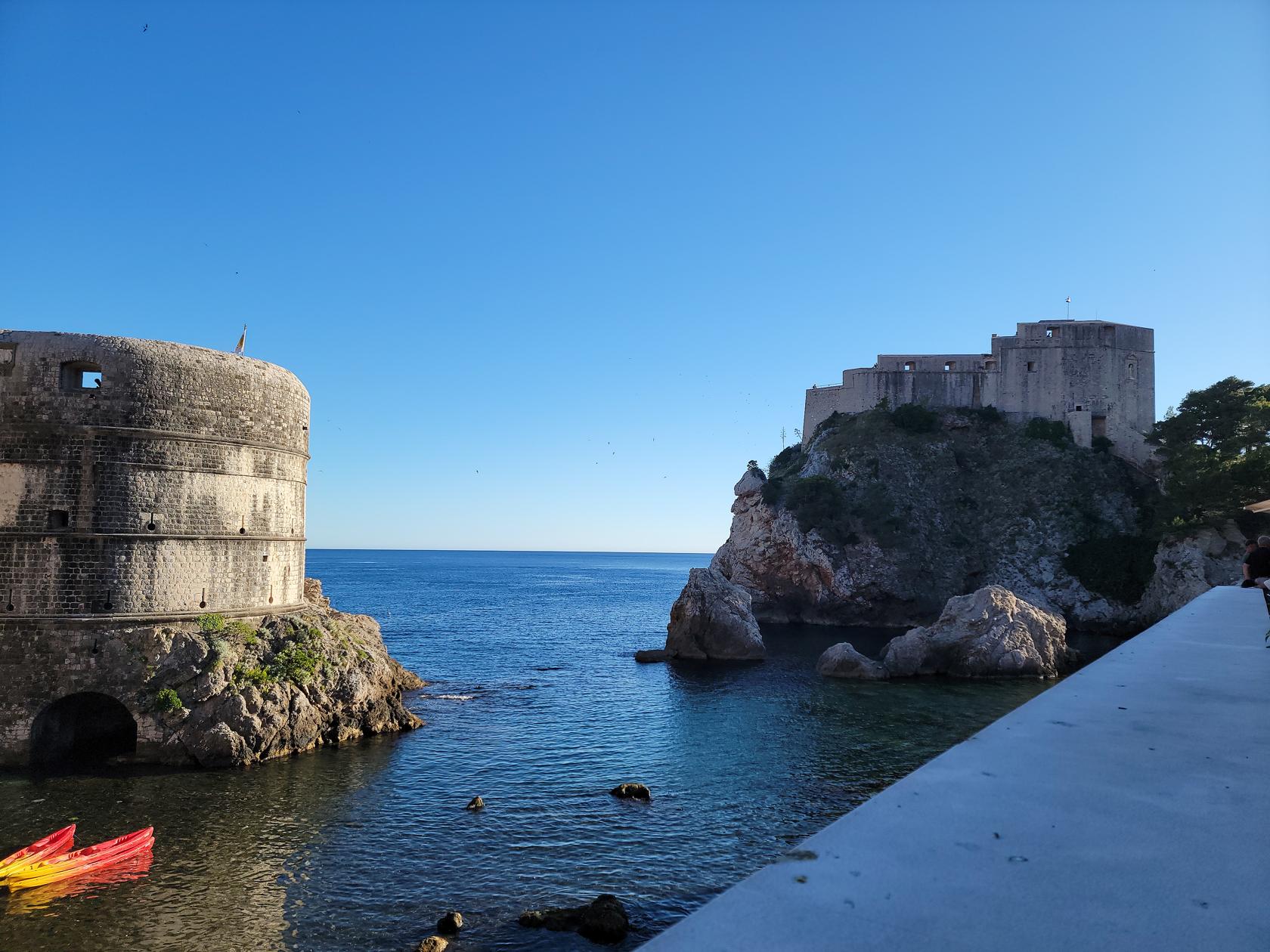
Located outside the town walls is the Lovrijenac Fortress. Perched high on a hill overlooking the west harbor, it commands a viewpoint of the entire seaside, countryside and harbor that it protects. It also appears to be a favorite venue for weddings and other occasions, since they were setting up for one when we visited.
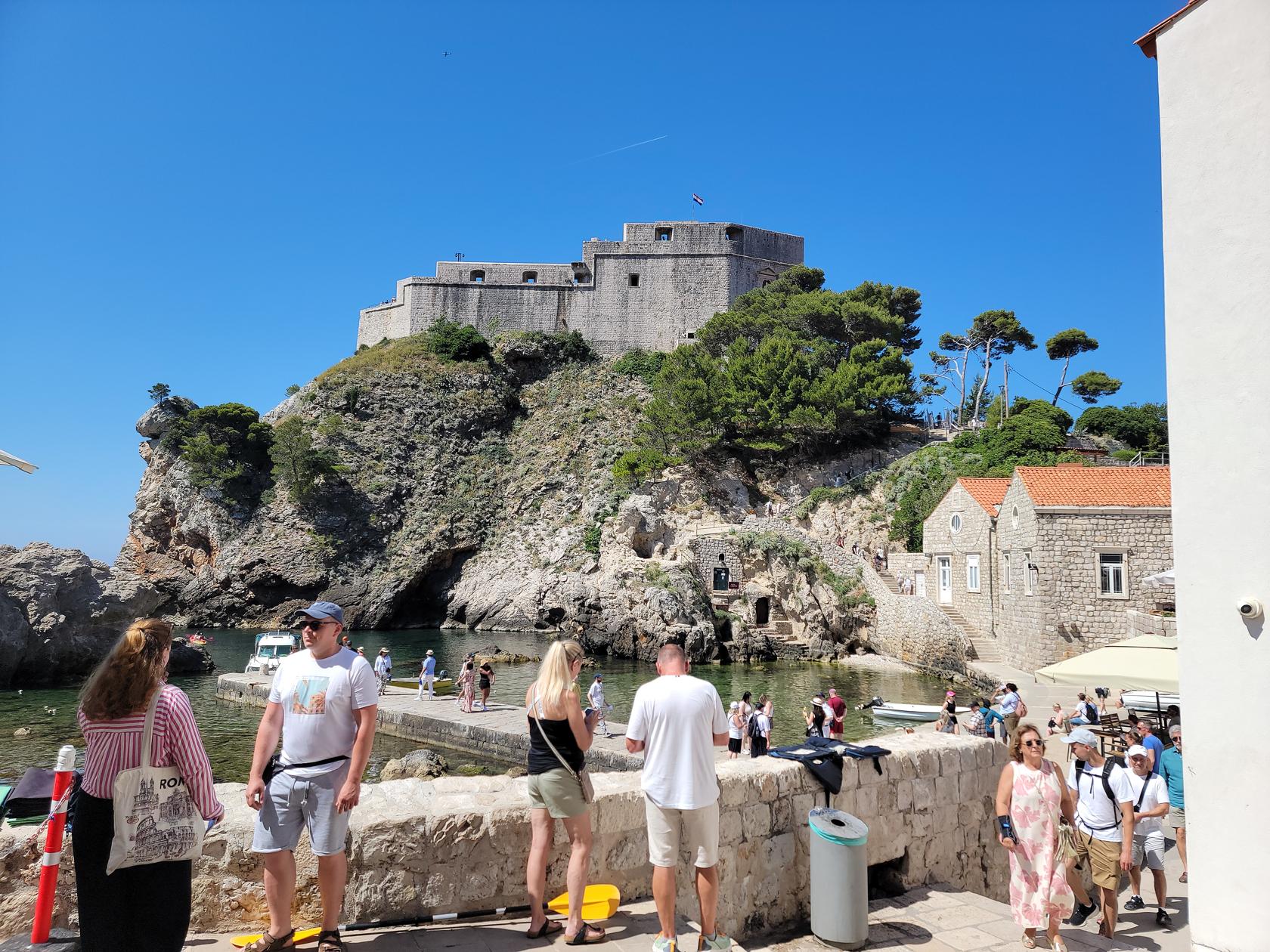
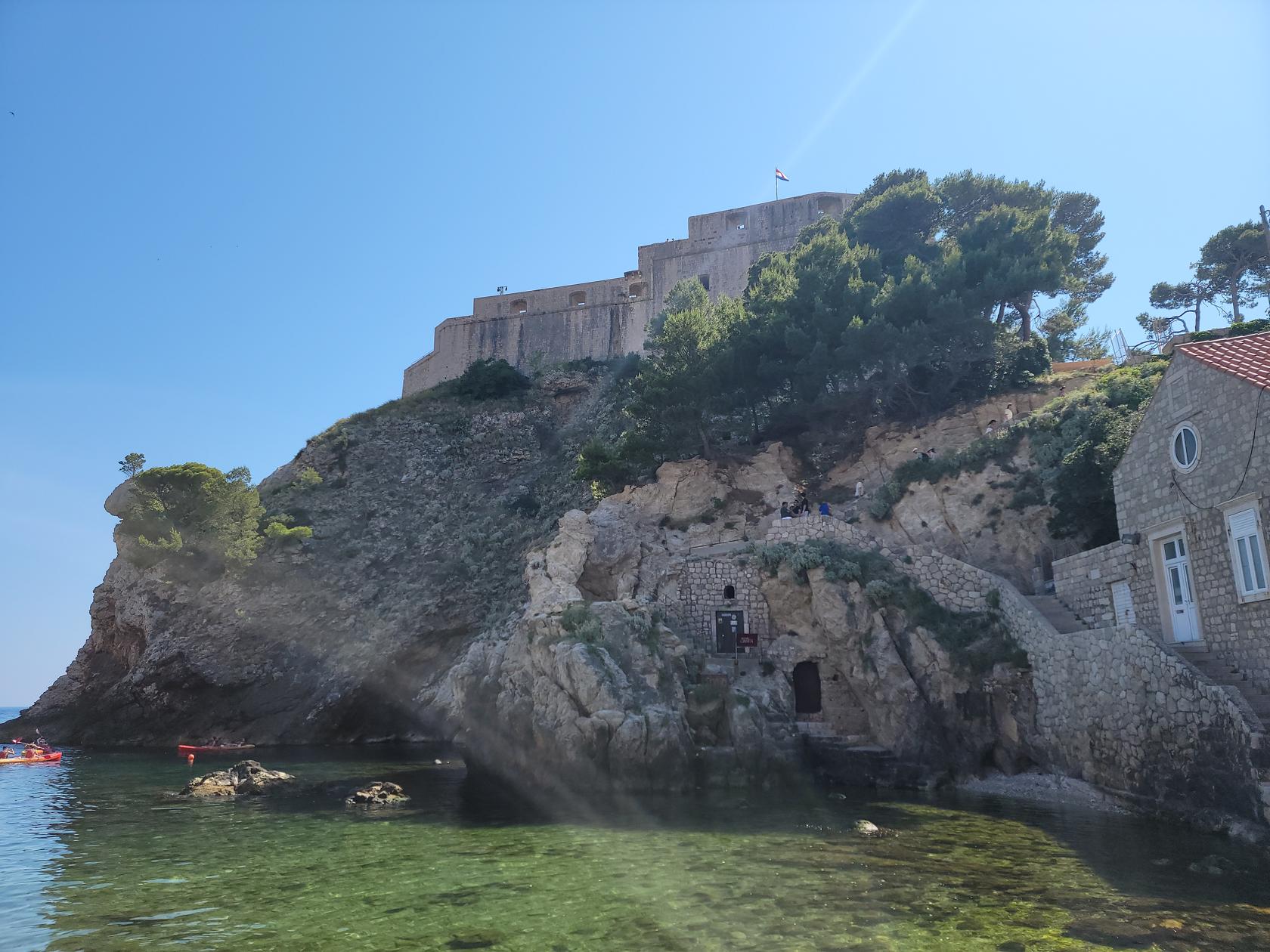
The Lovrijenac Fortress appears to have been built in haste by the people of Ragusa, to resist Venetian rule. The Empire of Venice had already threatened to built a fortress on the same spot, so they could dominate trade and the surrounding area. When they arrived with their ships fully ladened for the task, they found that they were beaten to it by the residents and had to turn back.
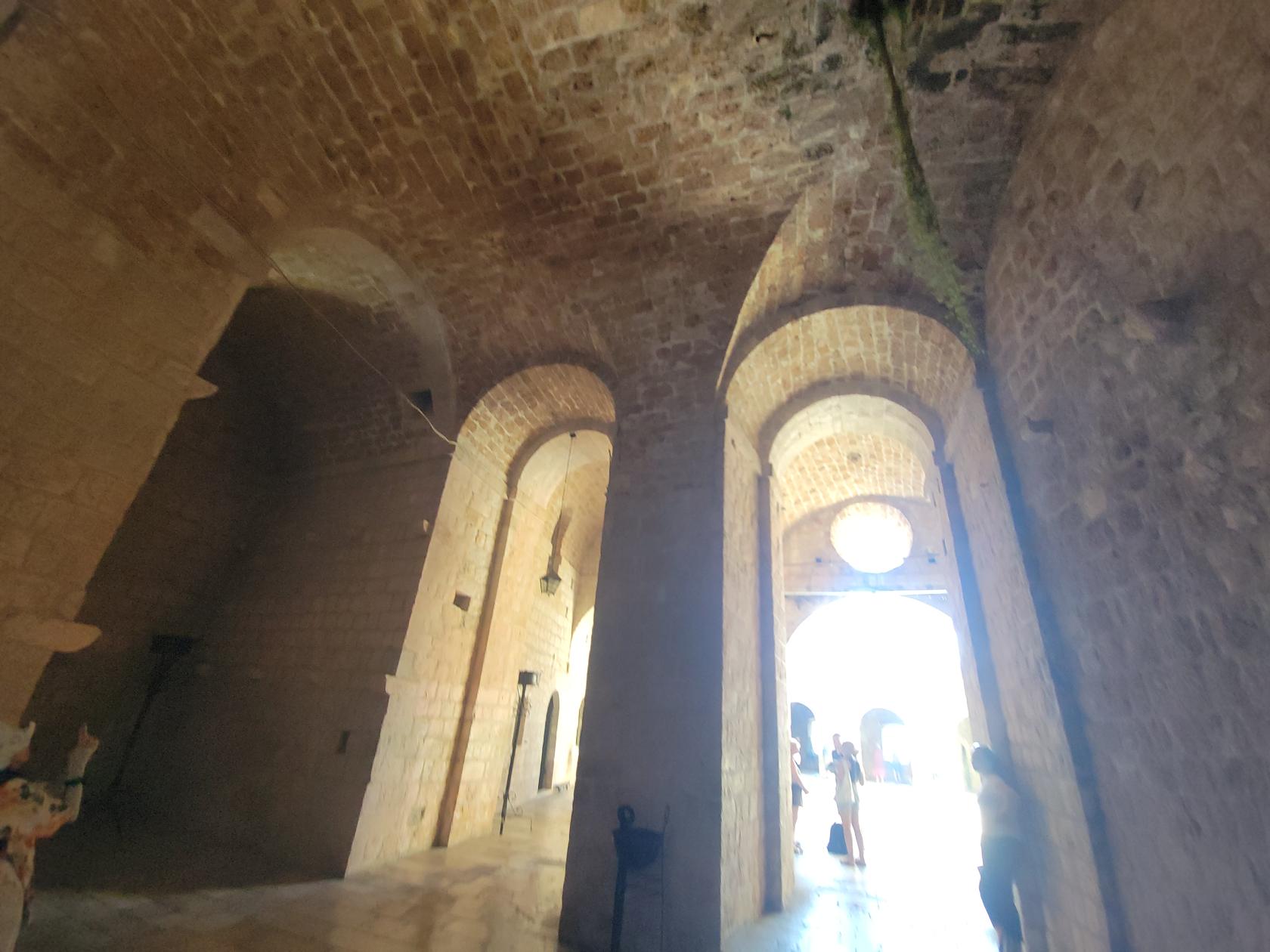
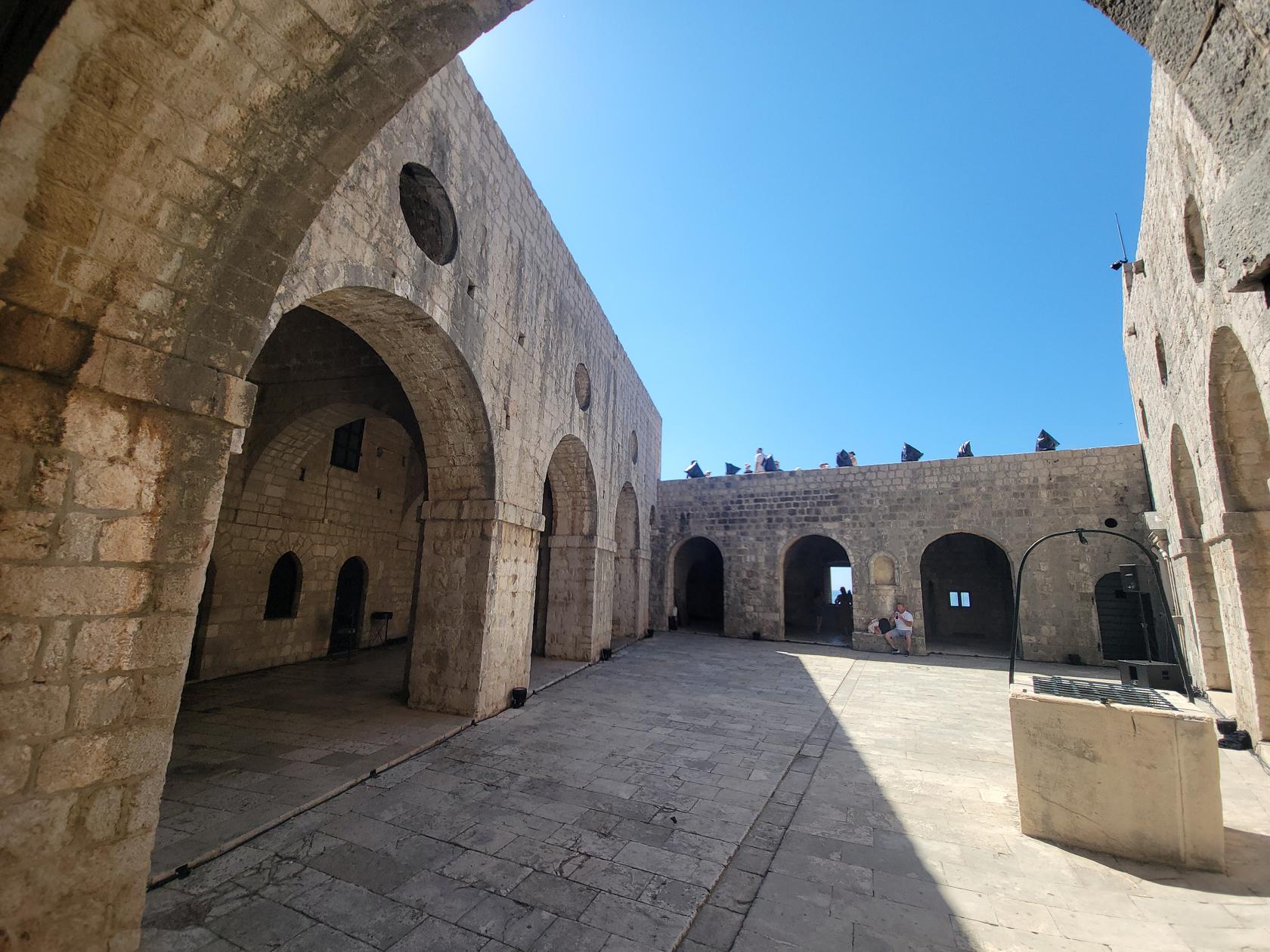
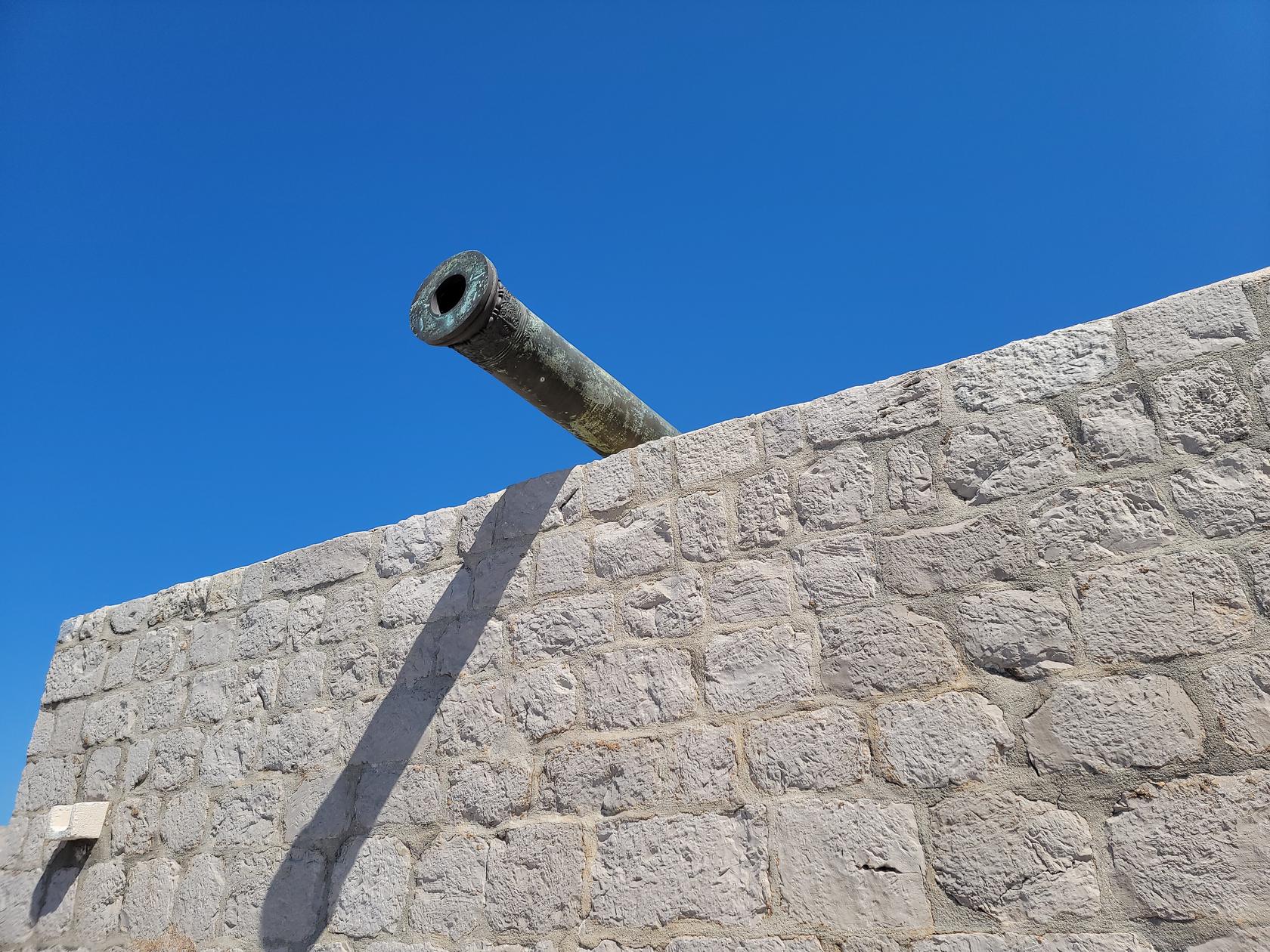
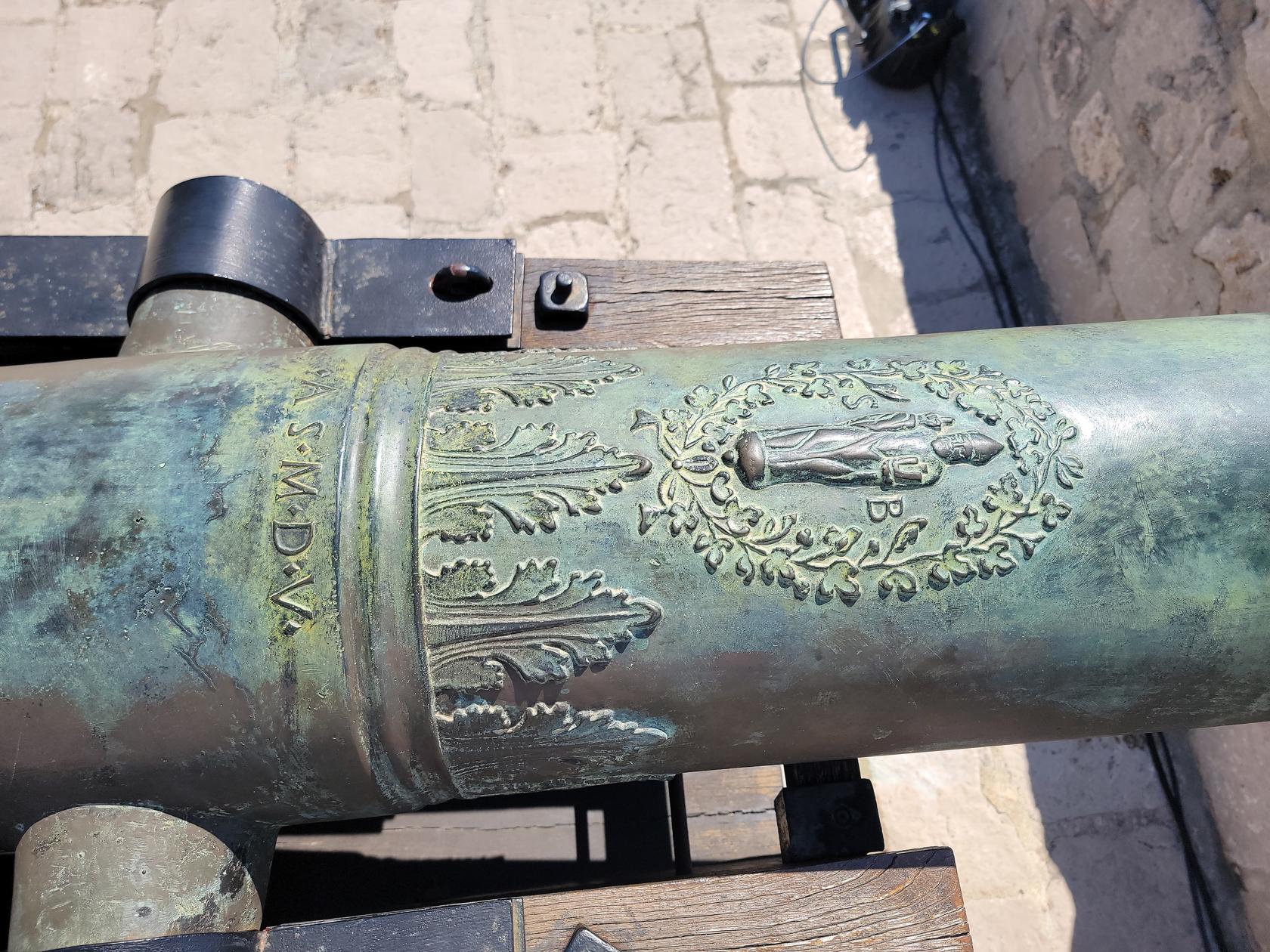
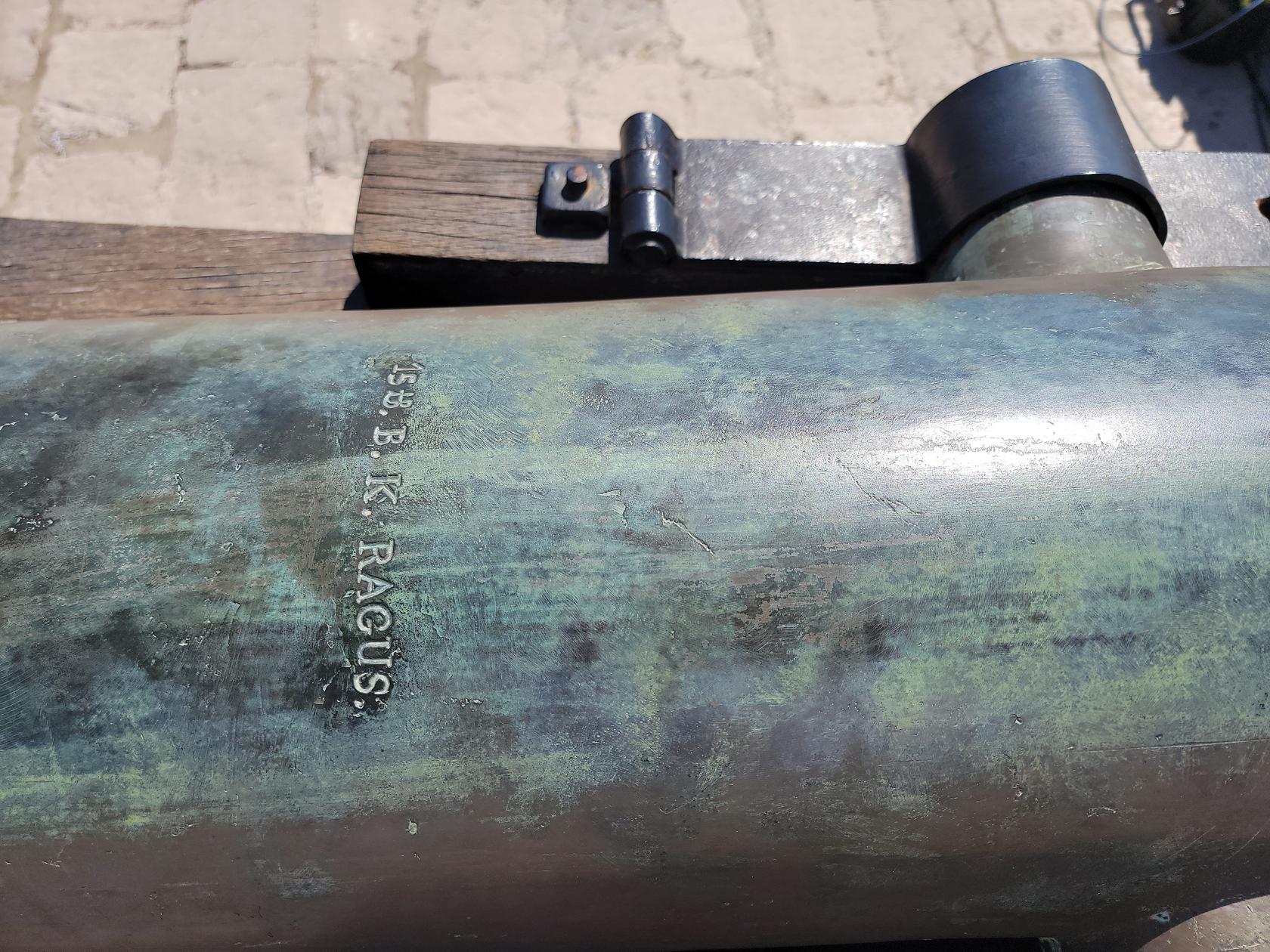
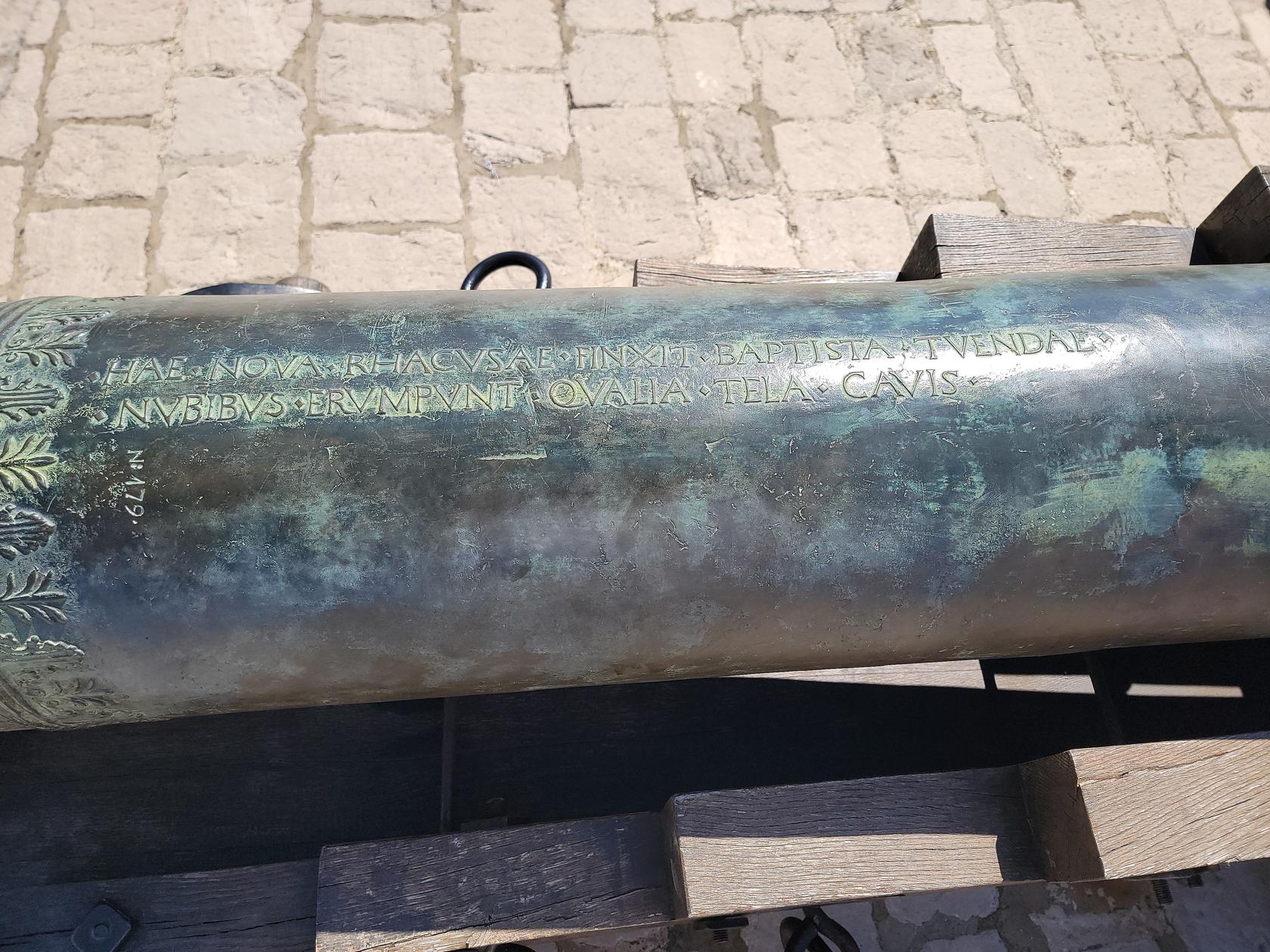
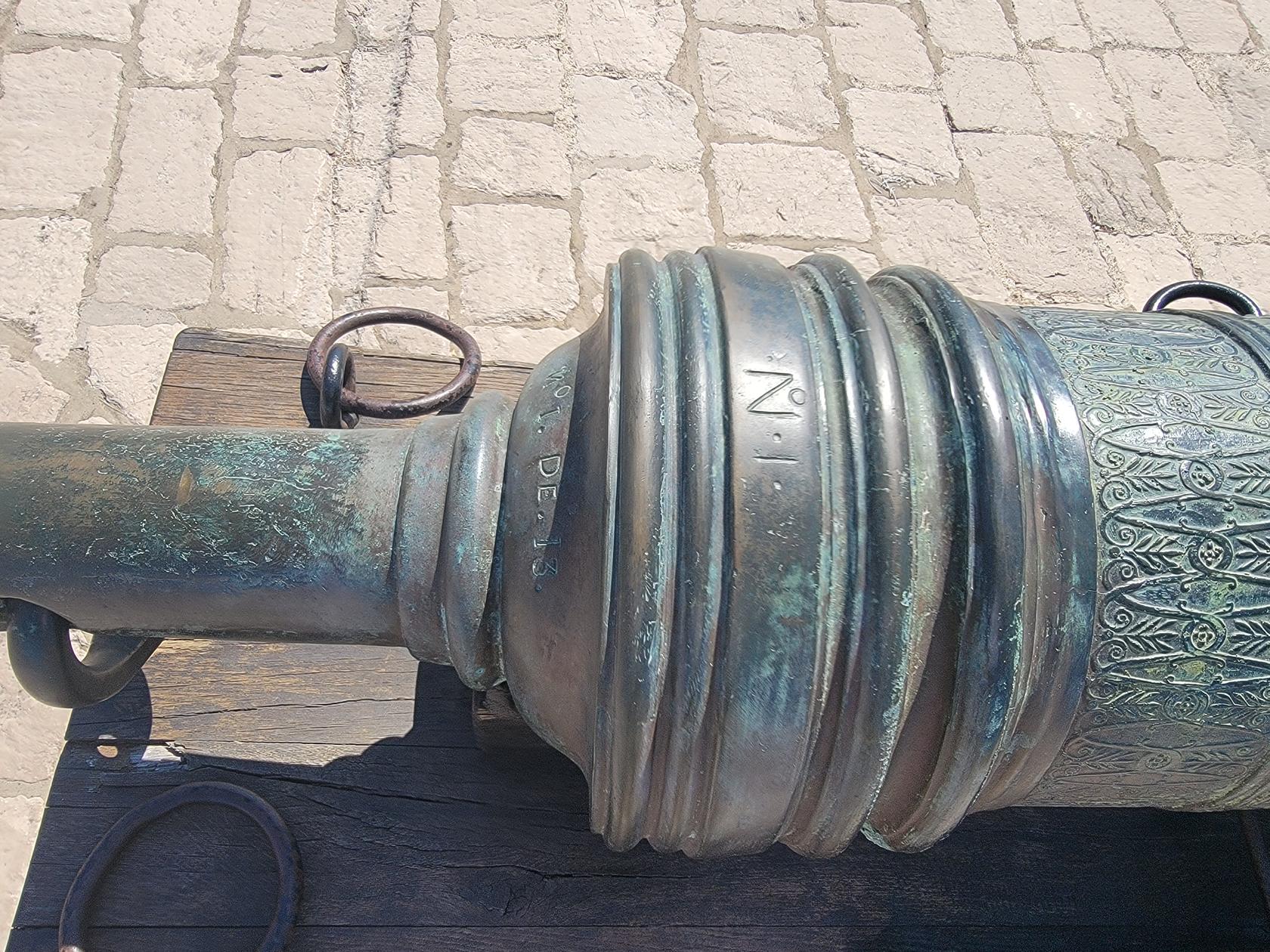
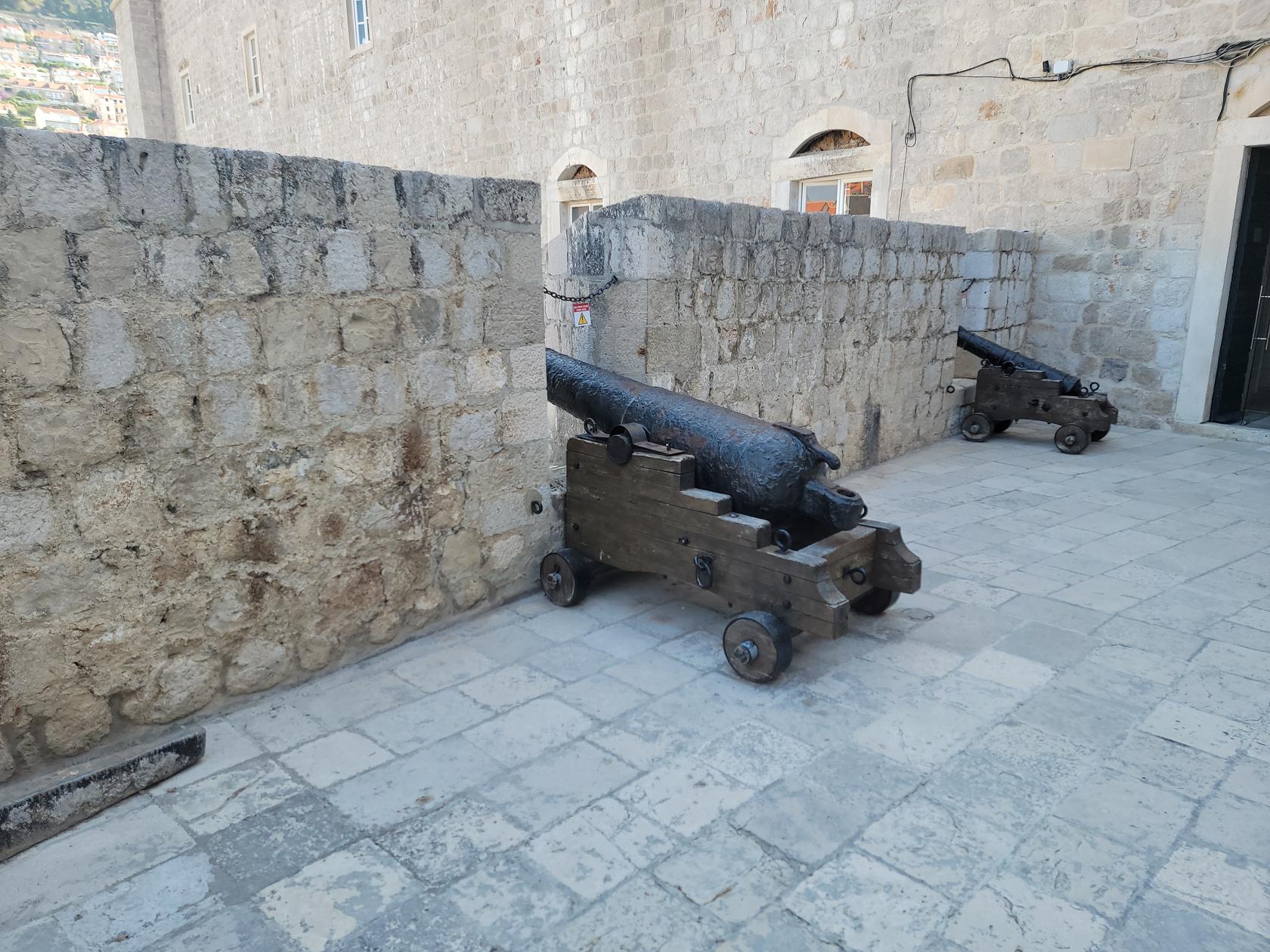
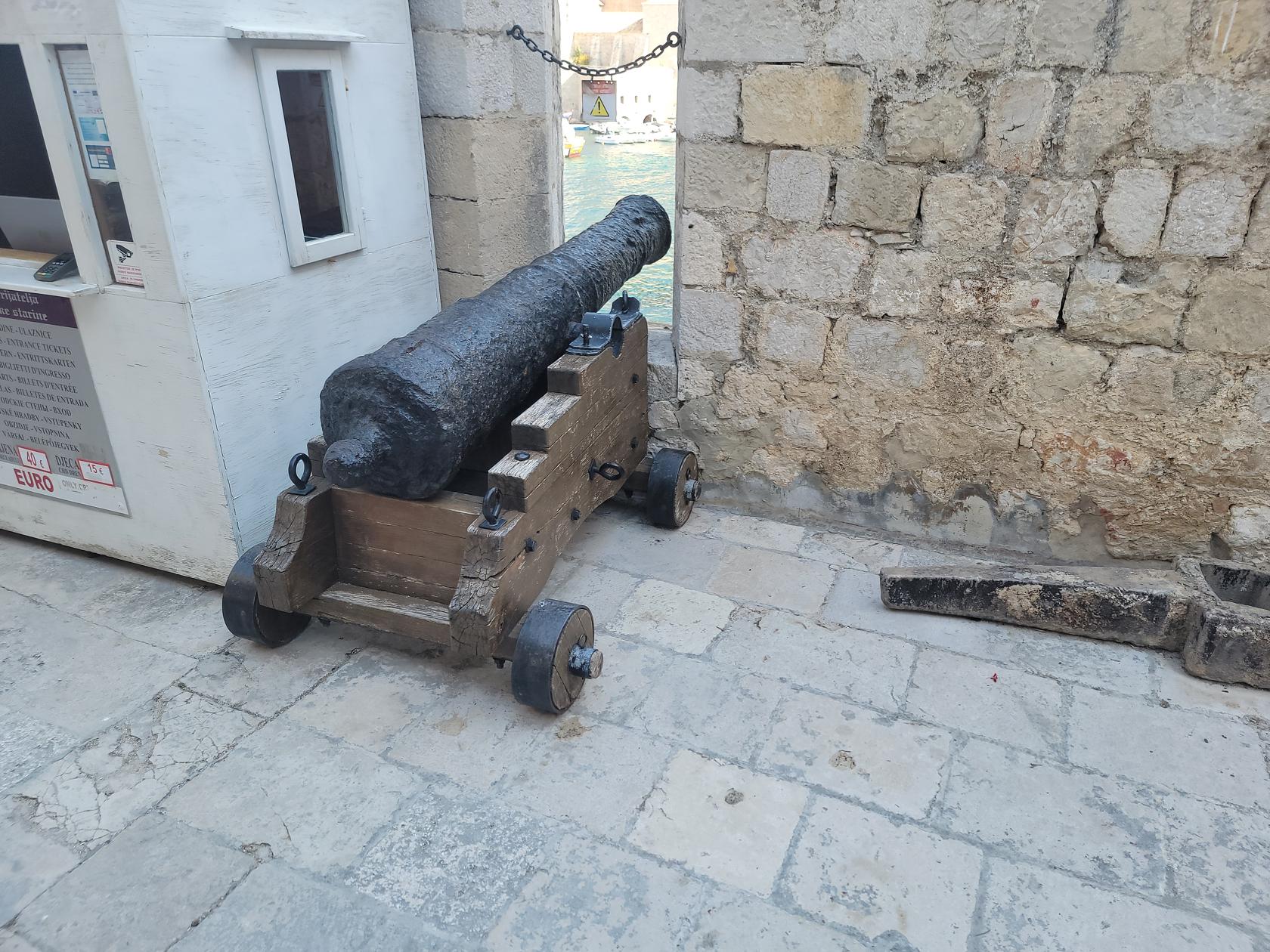
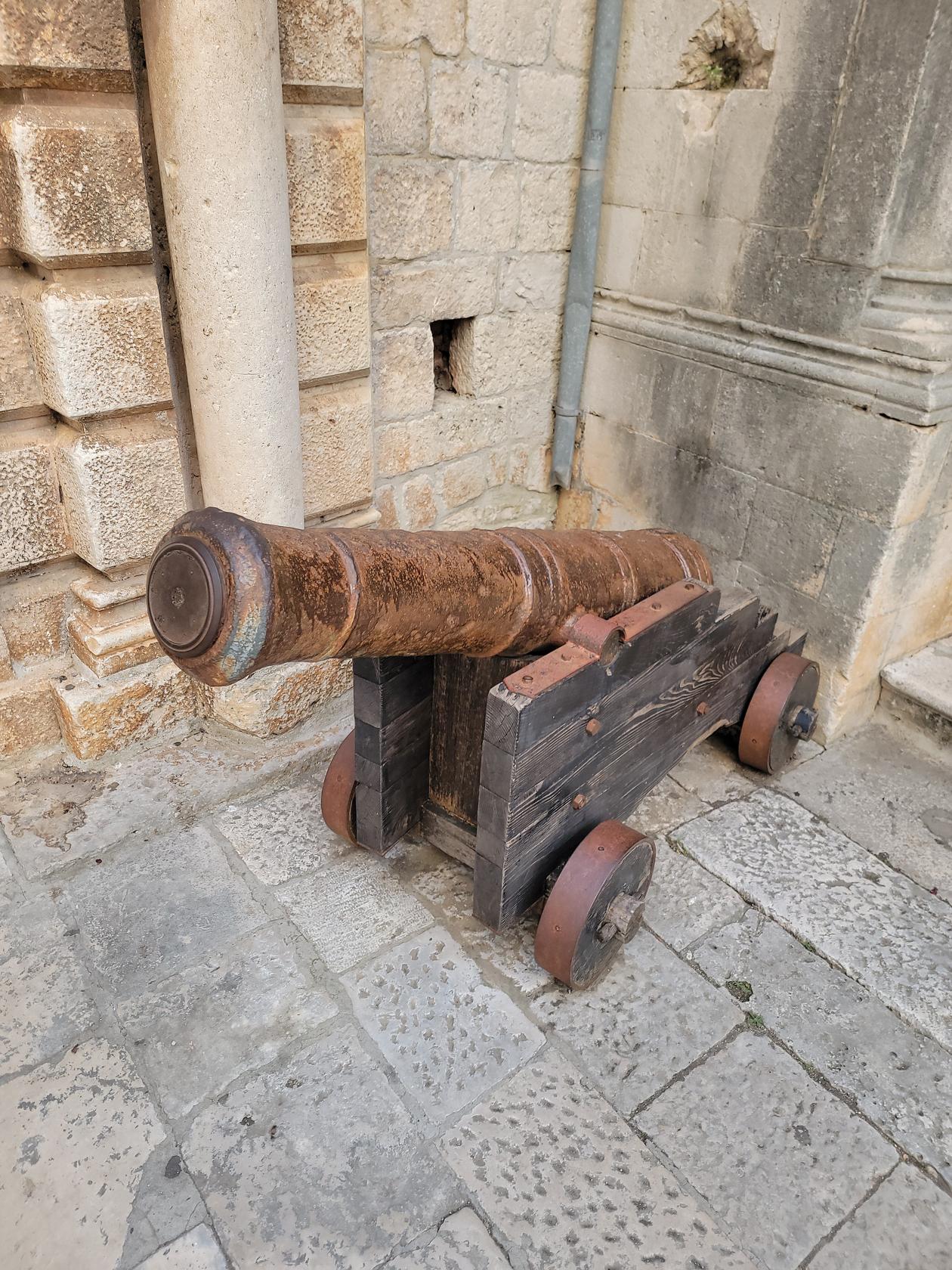
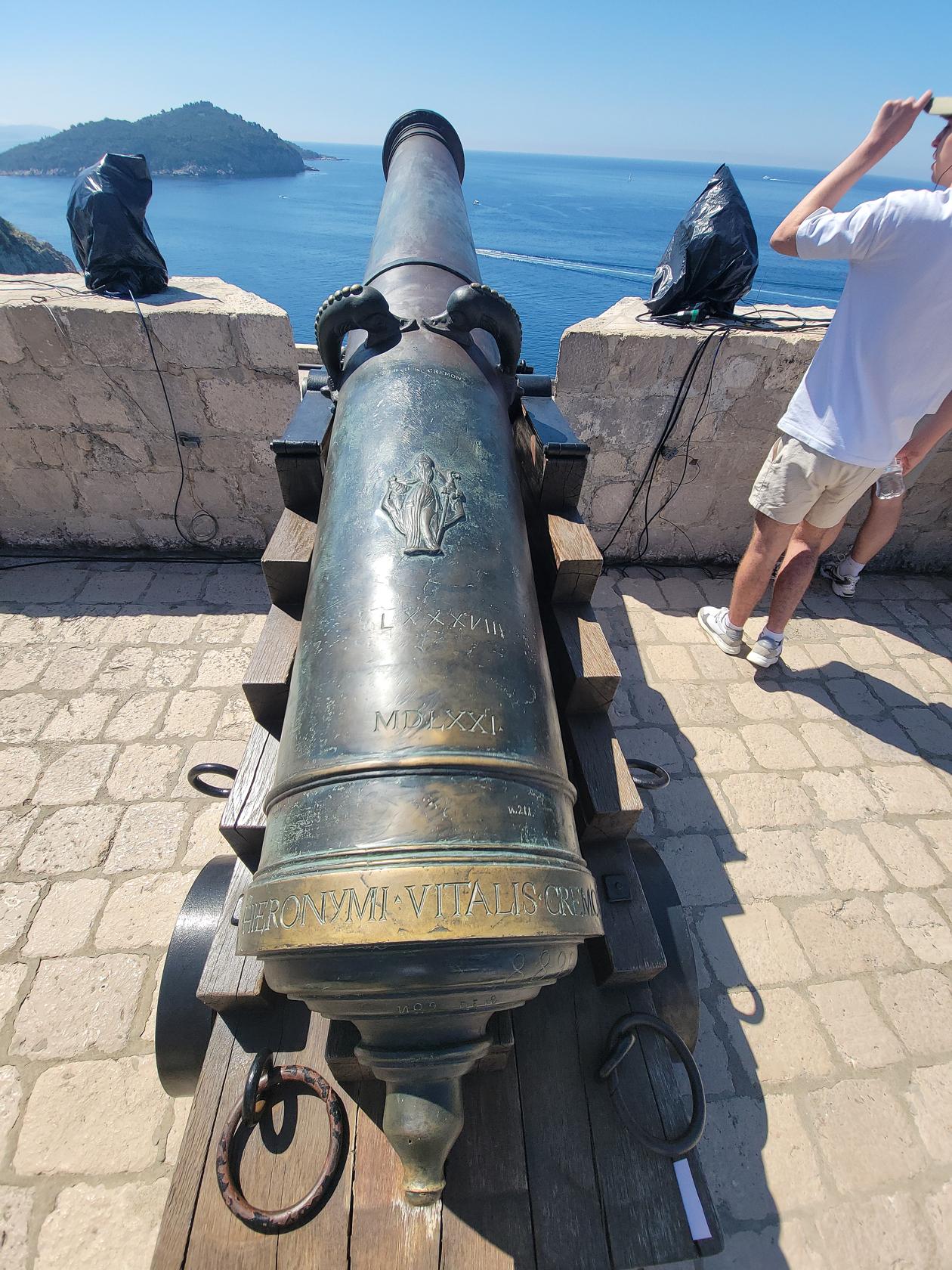
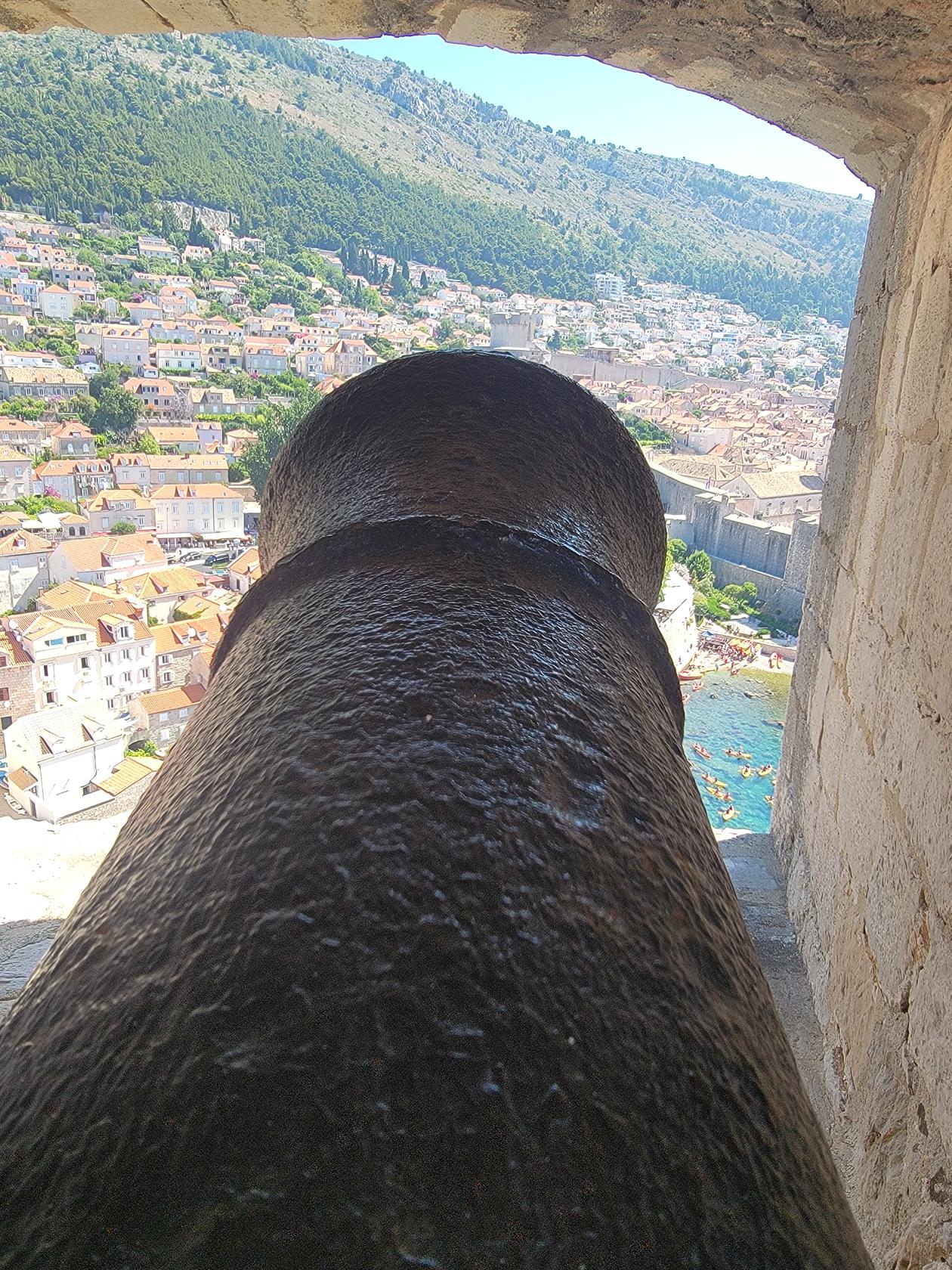
The fortress has some fine displays of old cannon, some of which display the marks of having been very expensive to make.
Dubrovnik Walls

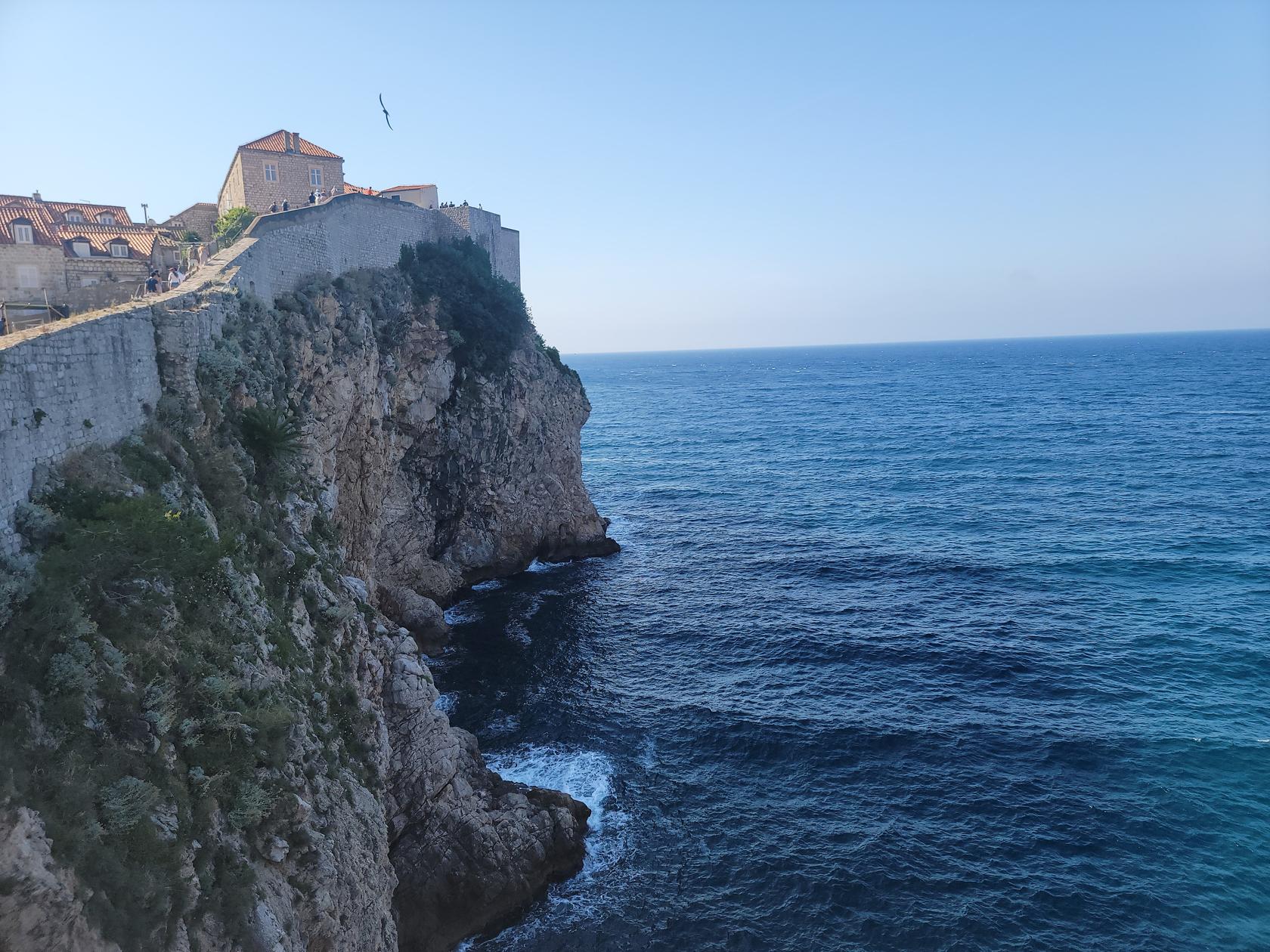
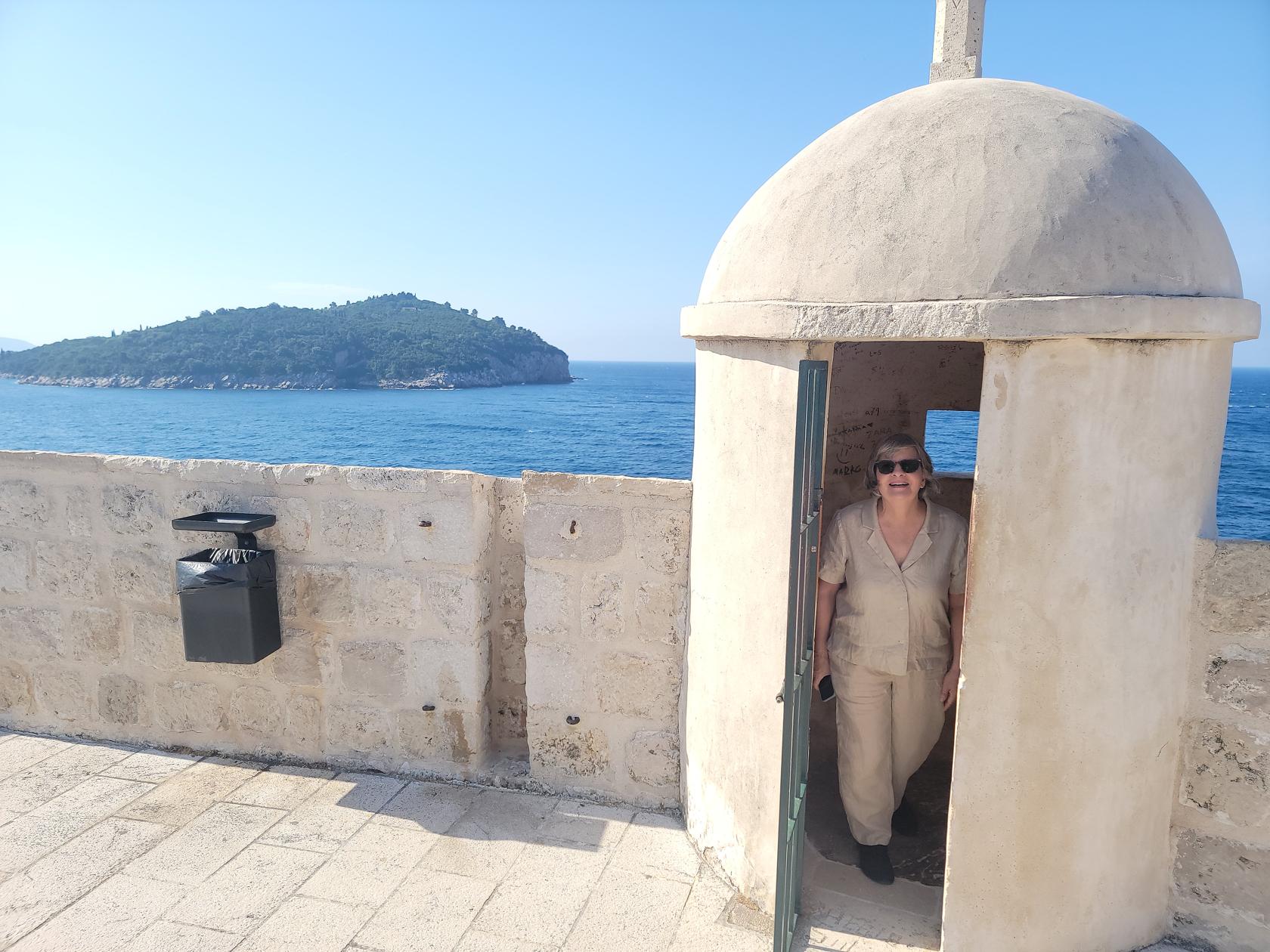
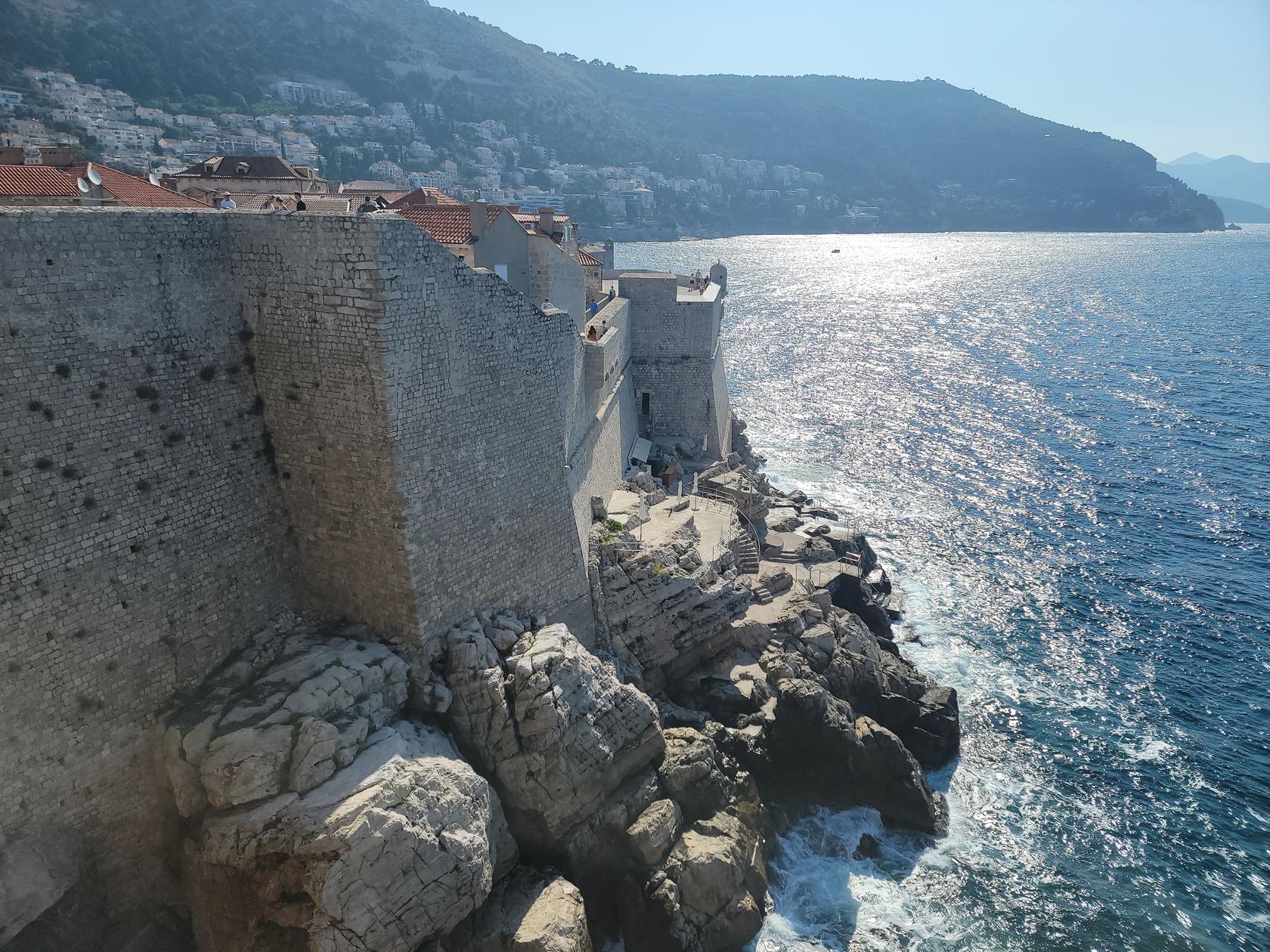
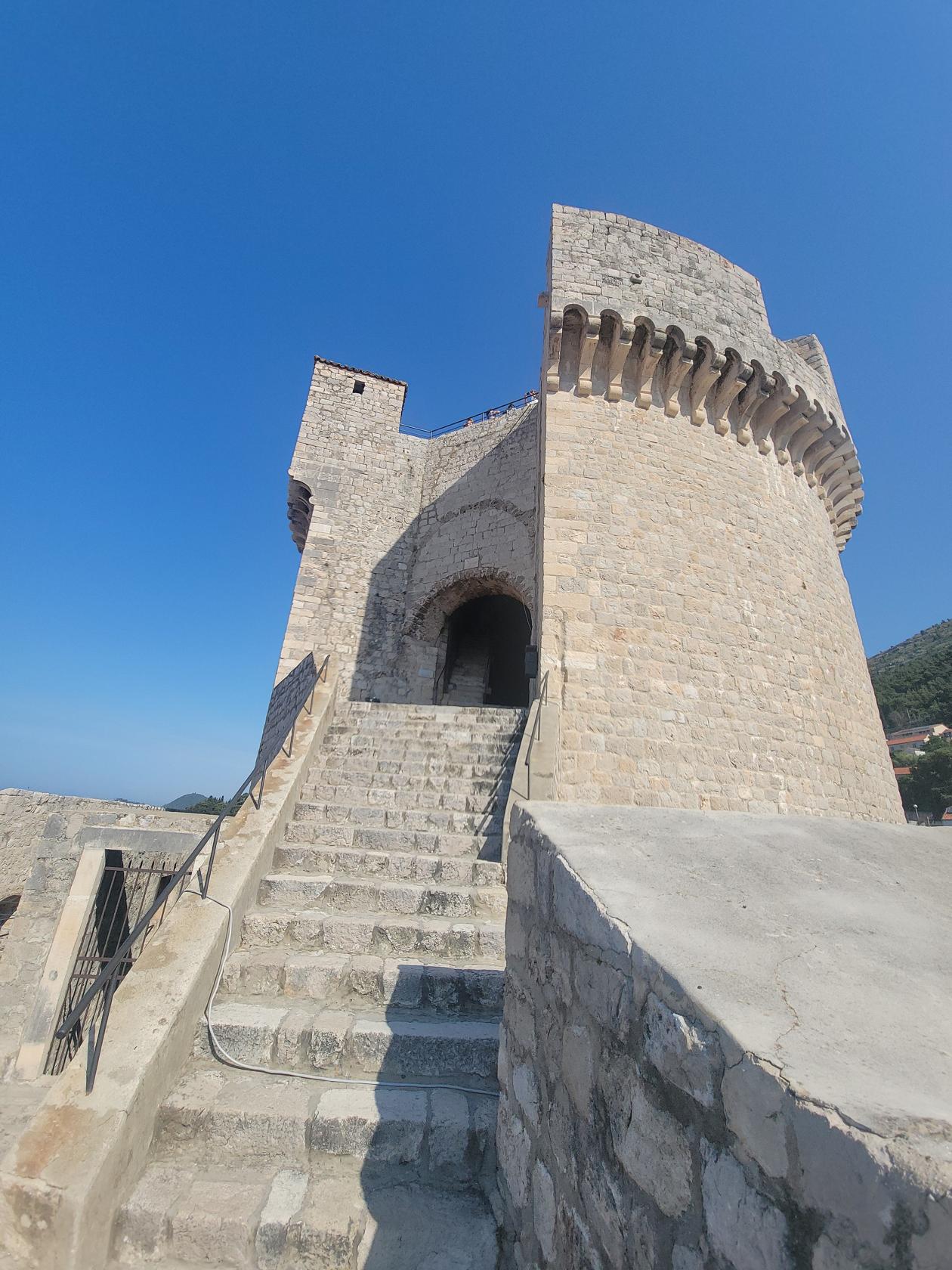
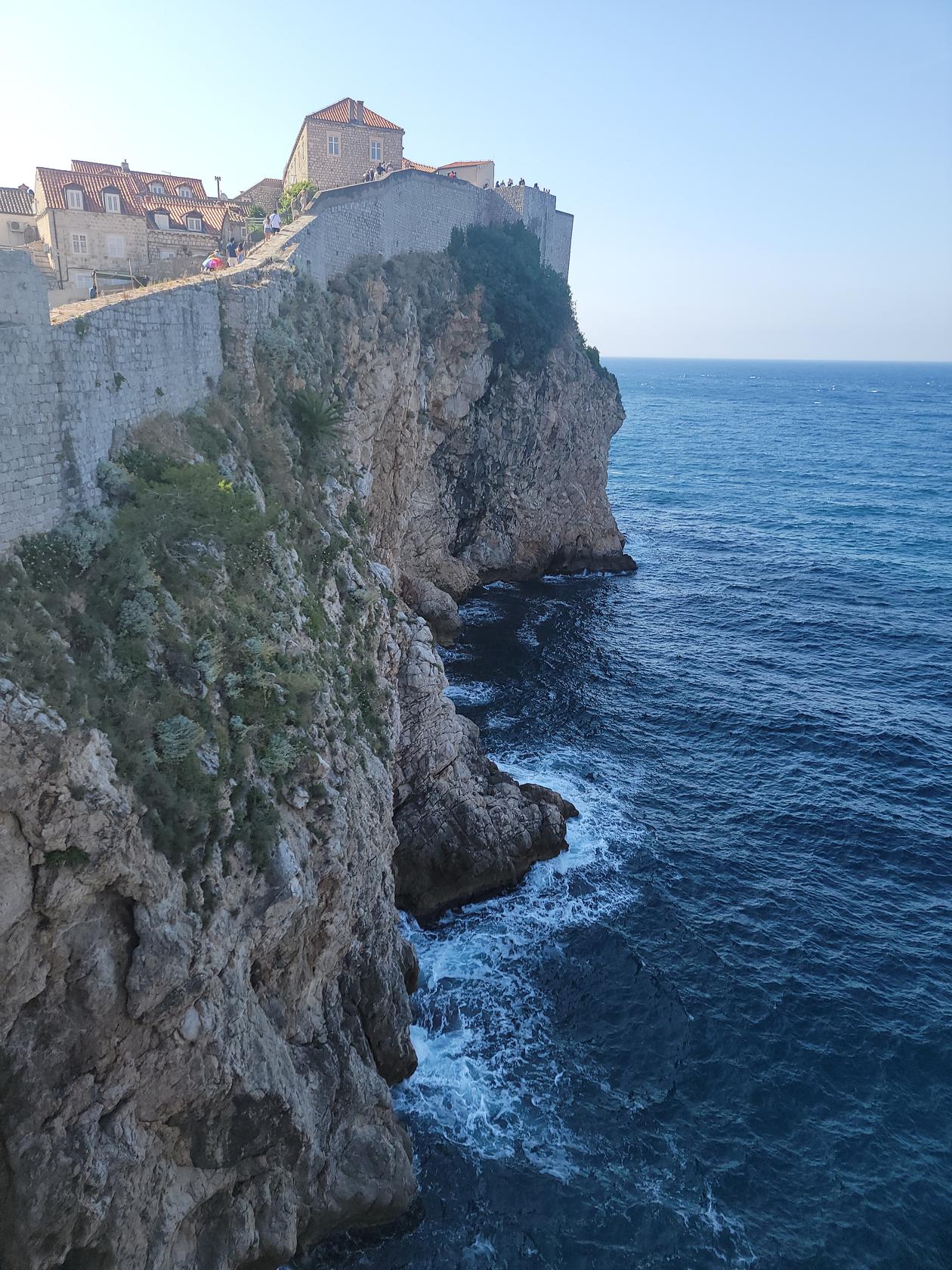
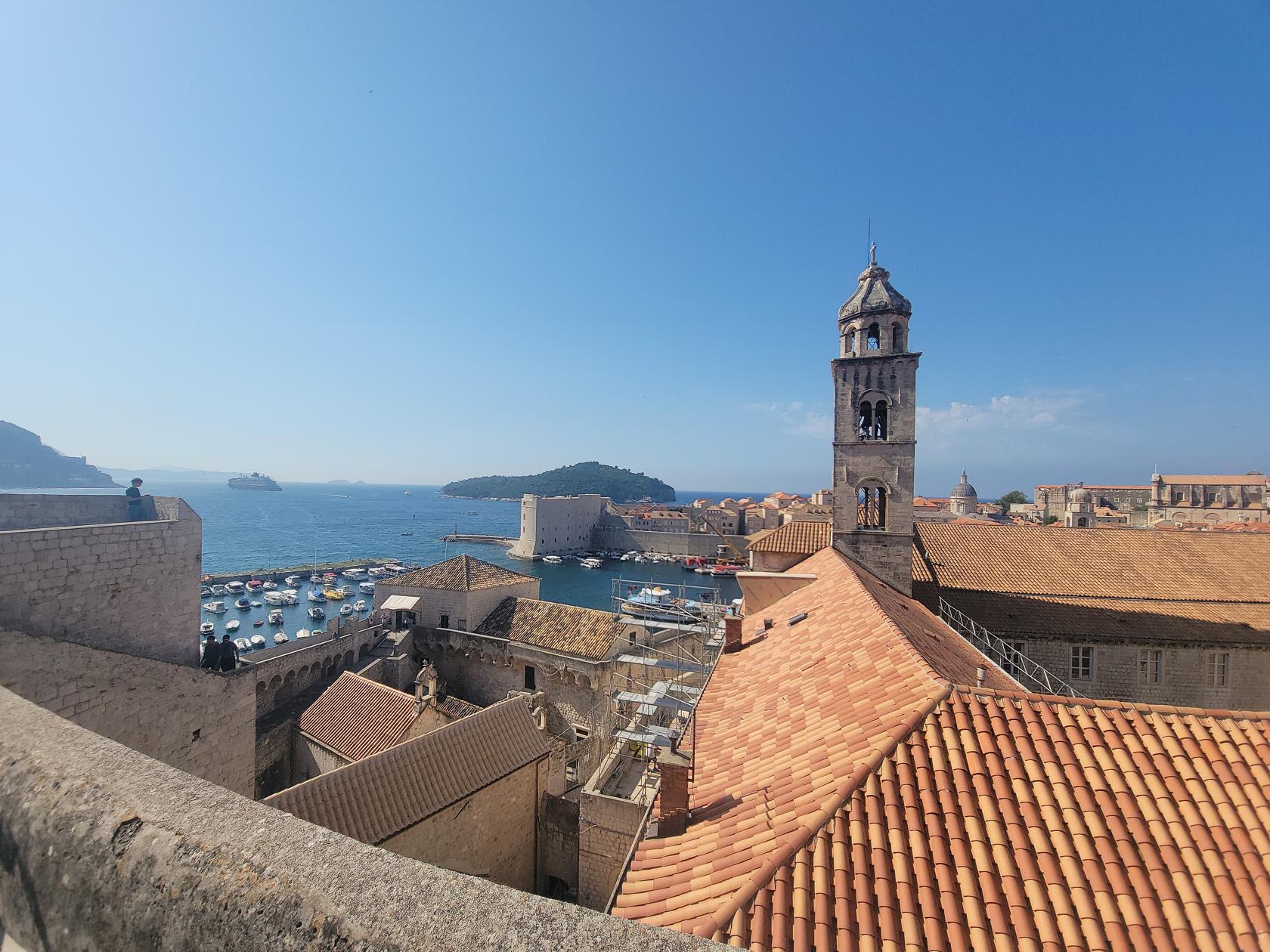
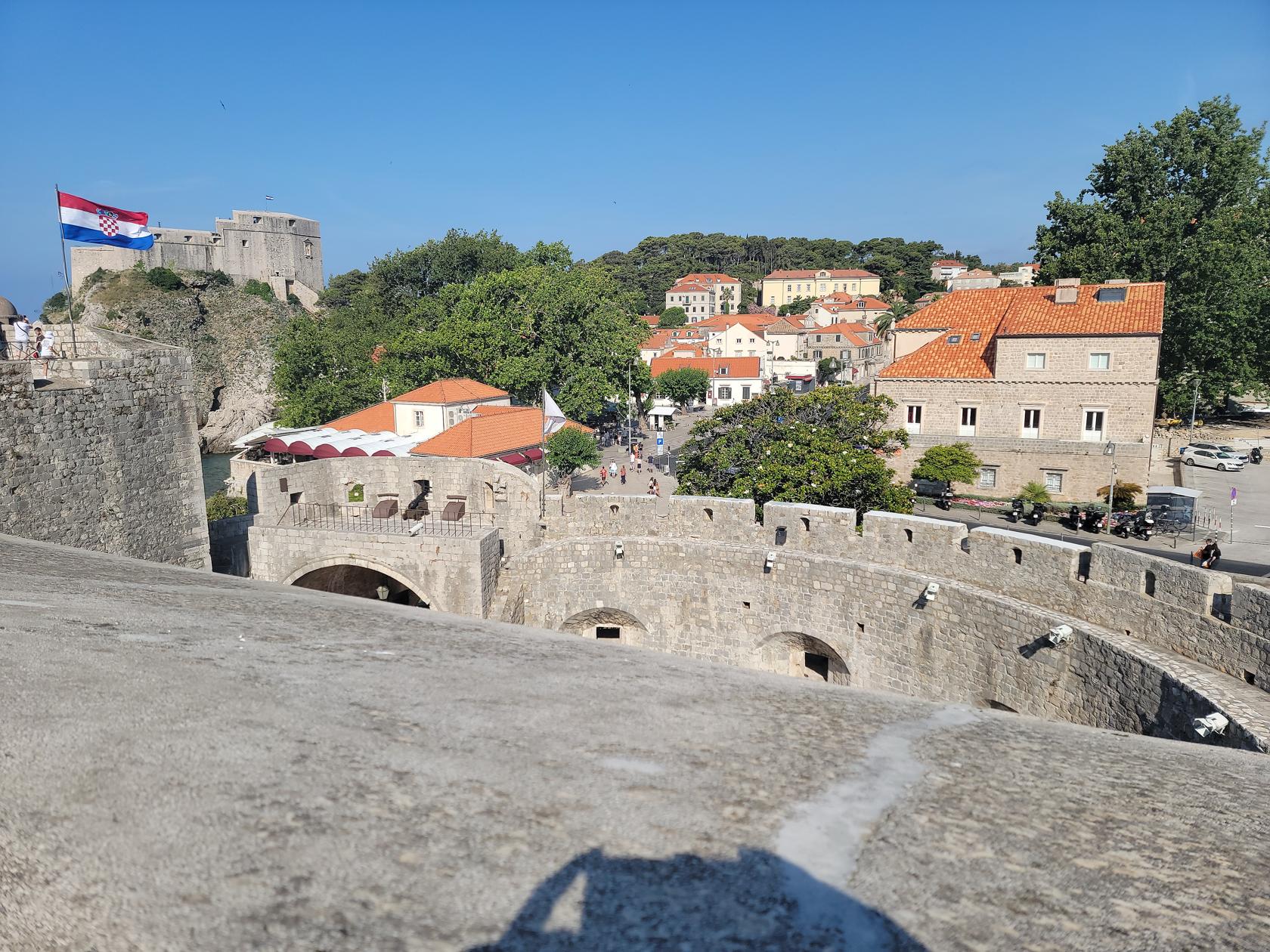
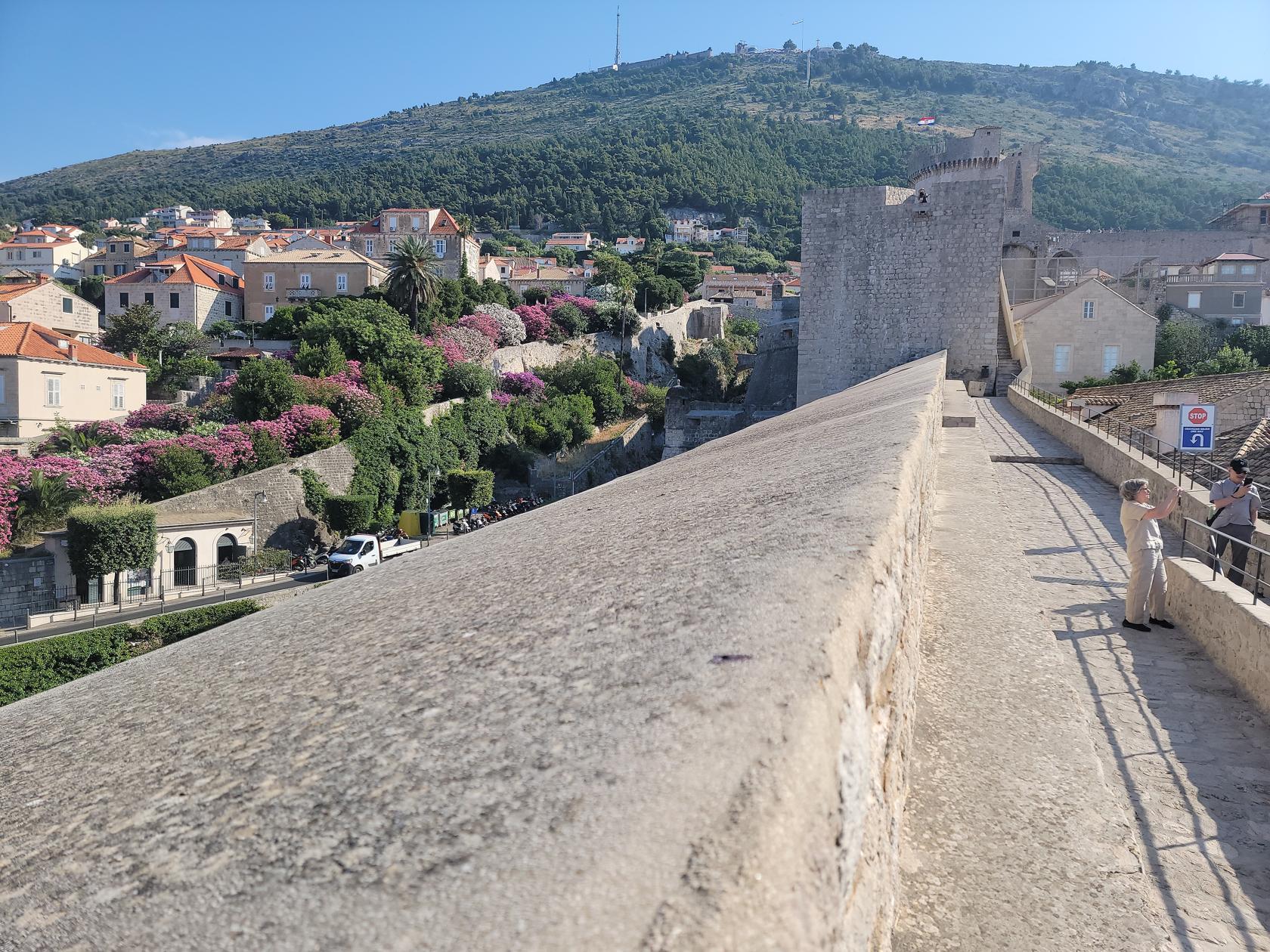
The walls around the city are huge, unbroken and remniscent of other great walled cities by the Adriatic Sea. They have resisted attacks for centuries and have filled numerous roles throughout their life, including protection from direct attack, shelter, and even revenue in the form of tourism. Today they provide a unique unbroken path around the city, where those that visit can enjoy the views high upon the perch it provides.
Stradun

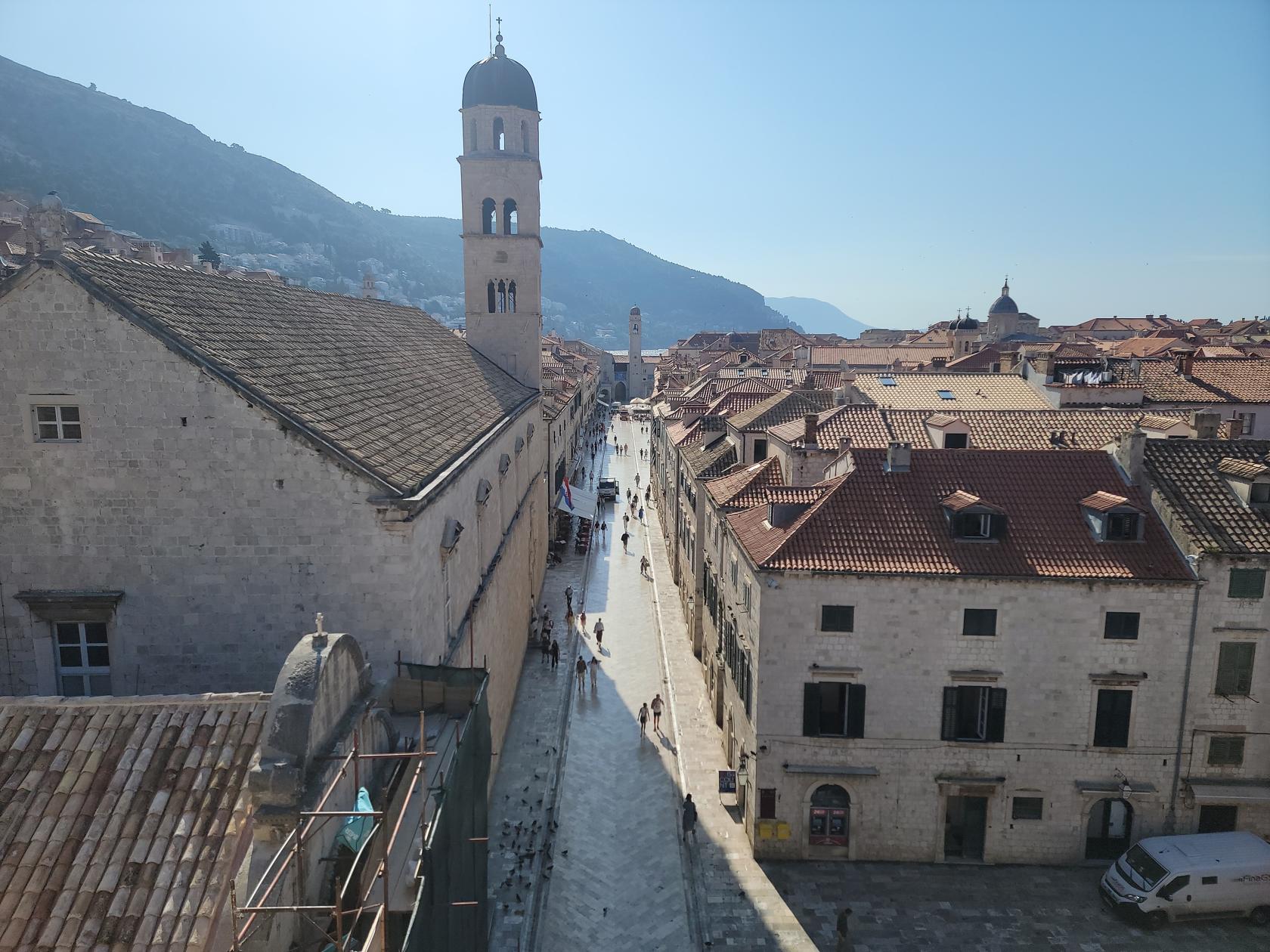
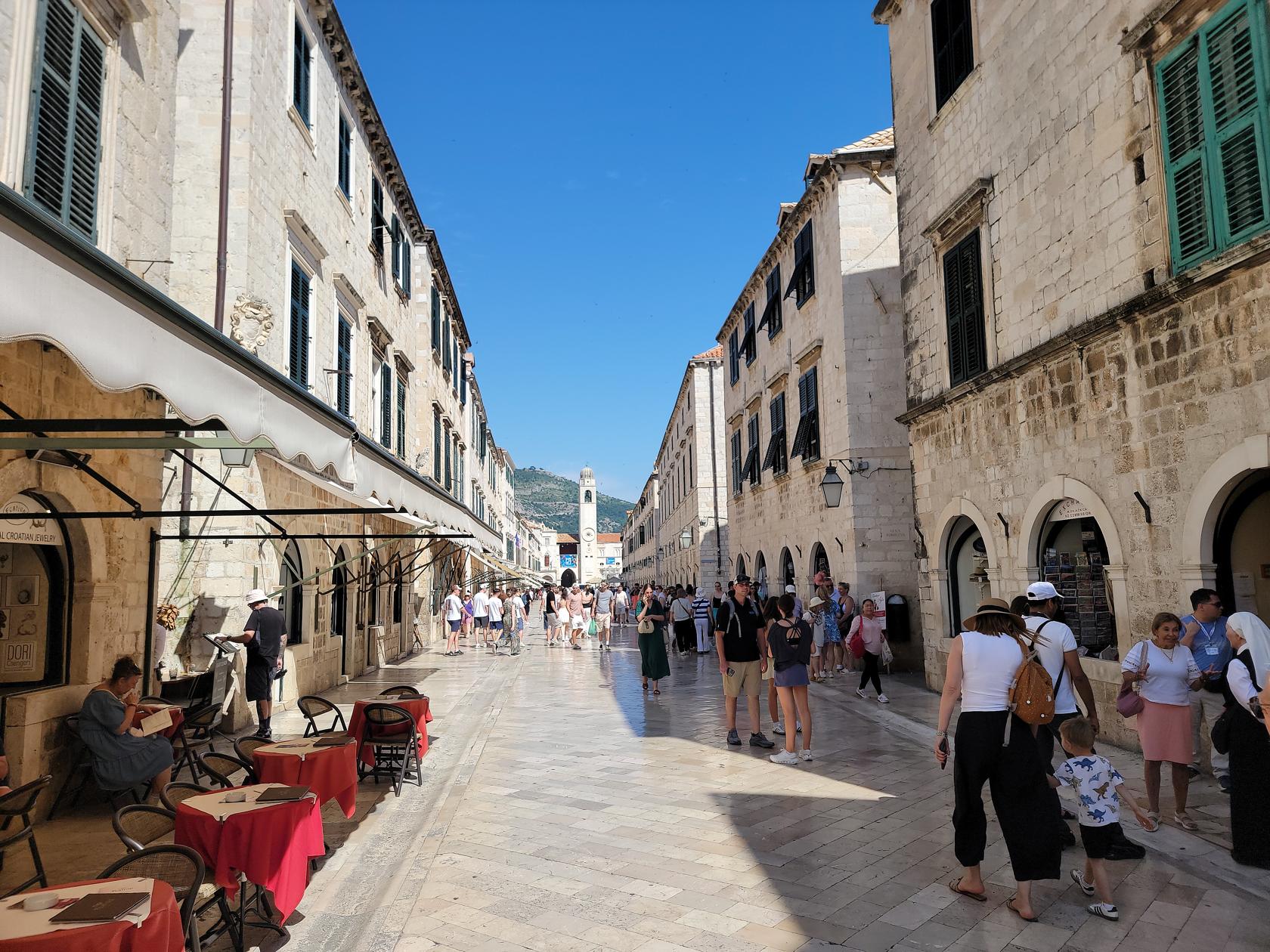
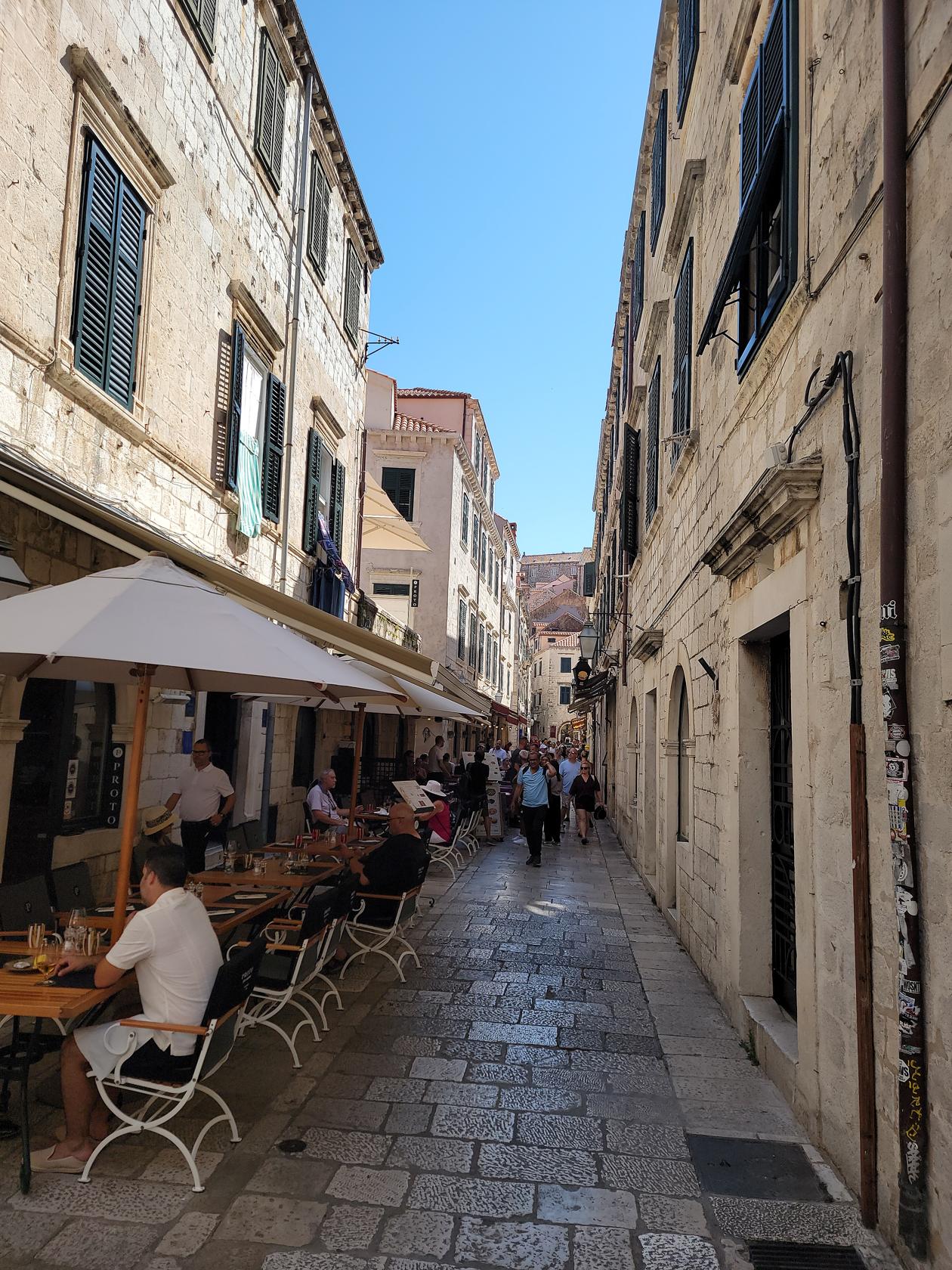
The major shopping avenue or street in the city is the Stradun. It is also the least protected from the sun and visitors would be keen to visit it early or later on in the day, since the sun beats down on extensive surface and reradiates the heat directly back to your body, thereby adding ten degrees Fahrenheit more to the outside temperature.
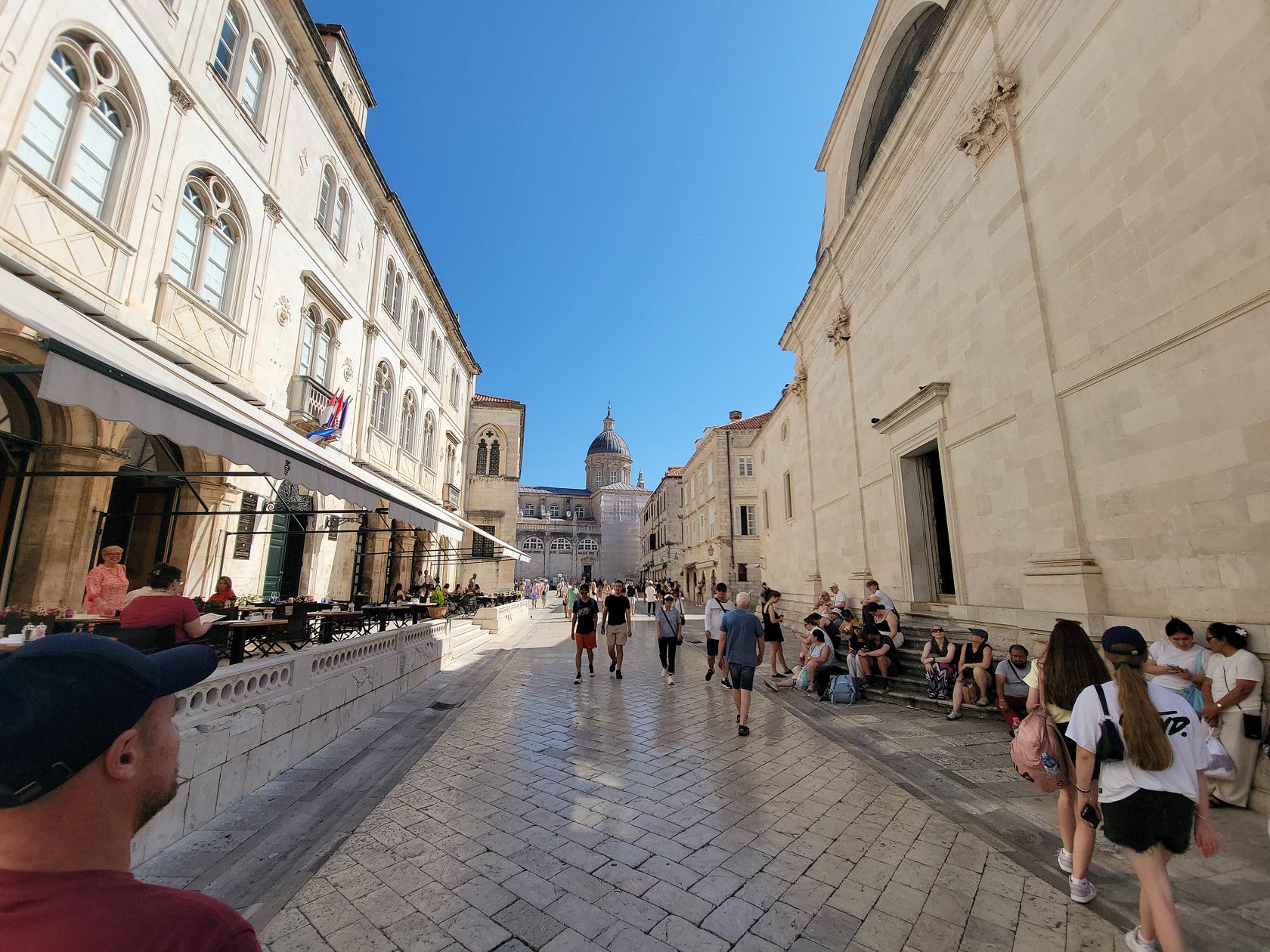
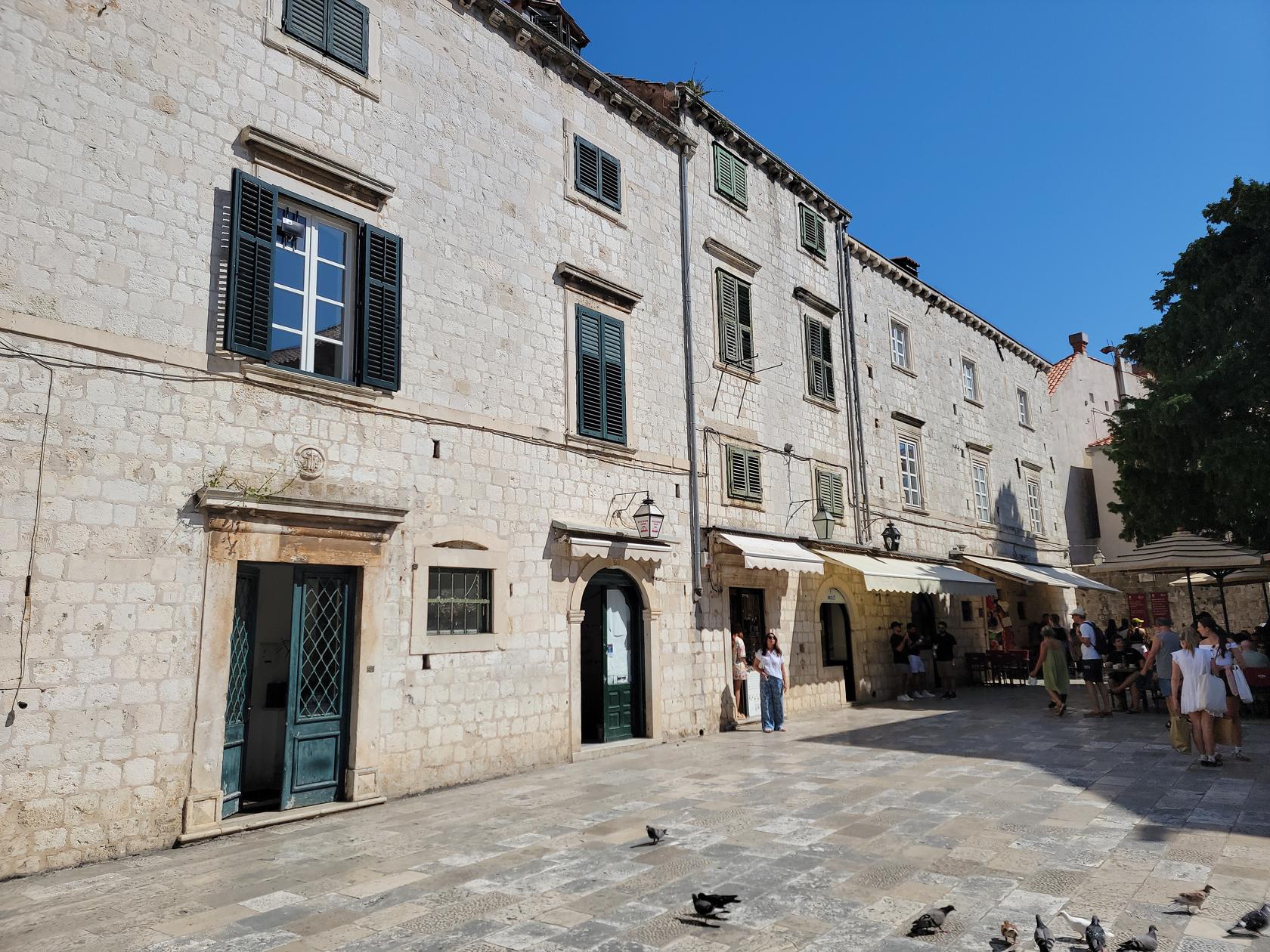
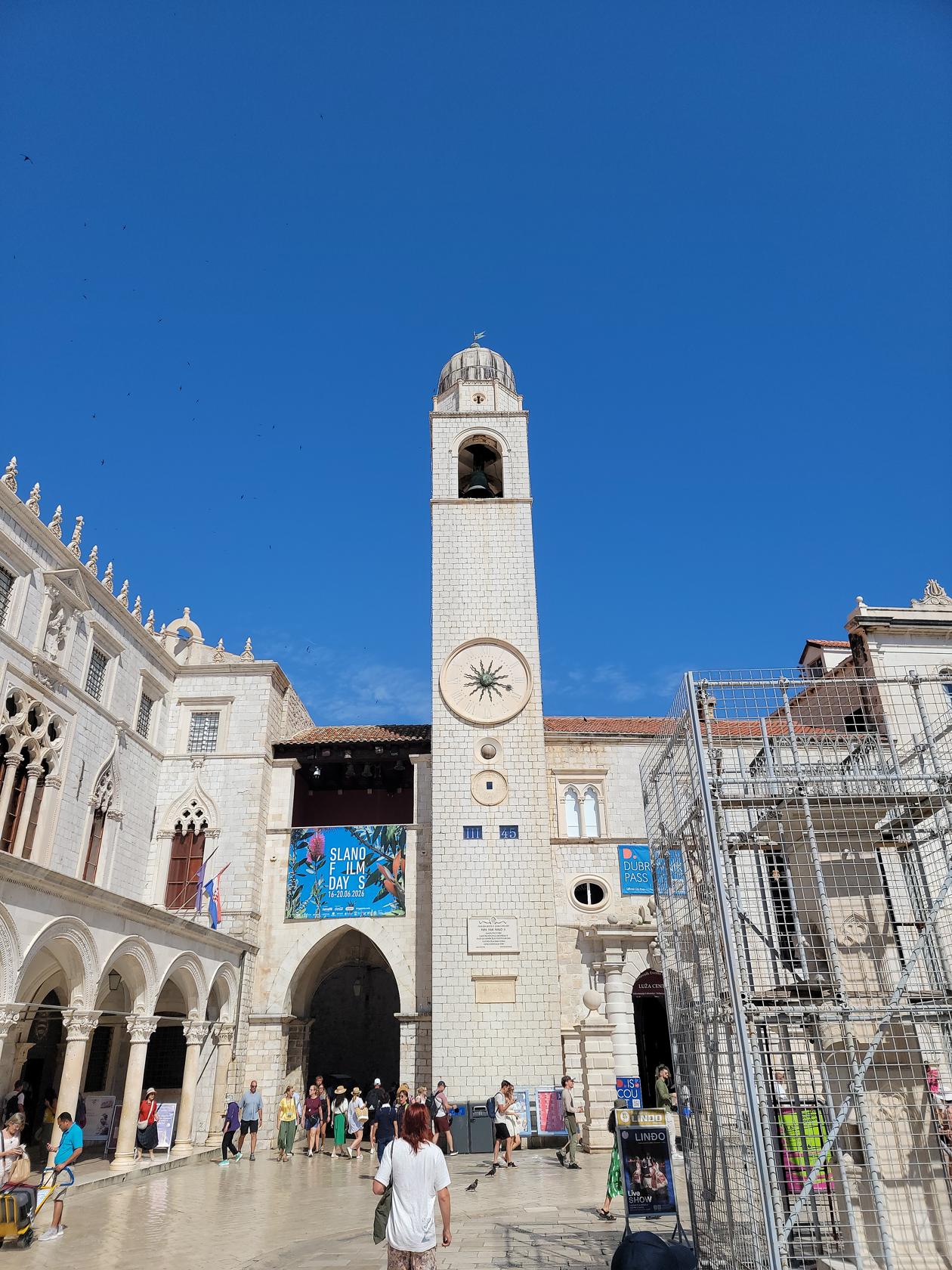
The Stradun is the straightest and widest street in Dubrovnik and bisects the Old Town from the Pile Gate to the Fishmarket Gate. It offers a few sights along the way and two fountains[1]These were constructed by the Southern Italian and Neapolitan architect and engineer Onofrio della Cava in 1438 and bares his name. which grace each end, the Larger Onofrio Fountain and its diminutive brother, the Small Onofrio Fountain near the Clock Tower and the Fishmarket Gate.
Rector’s Palace

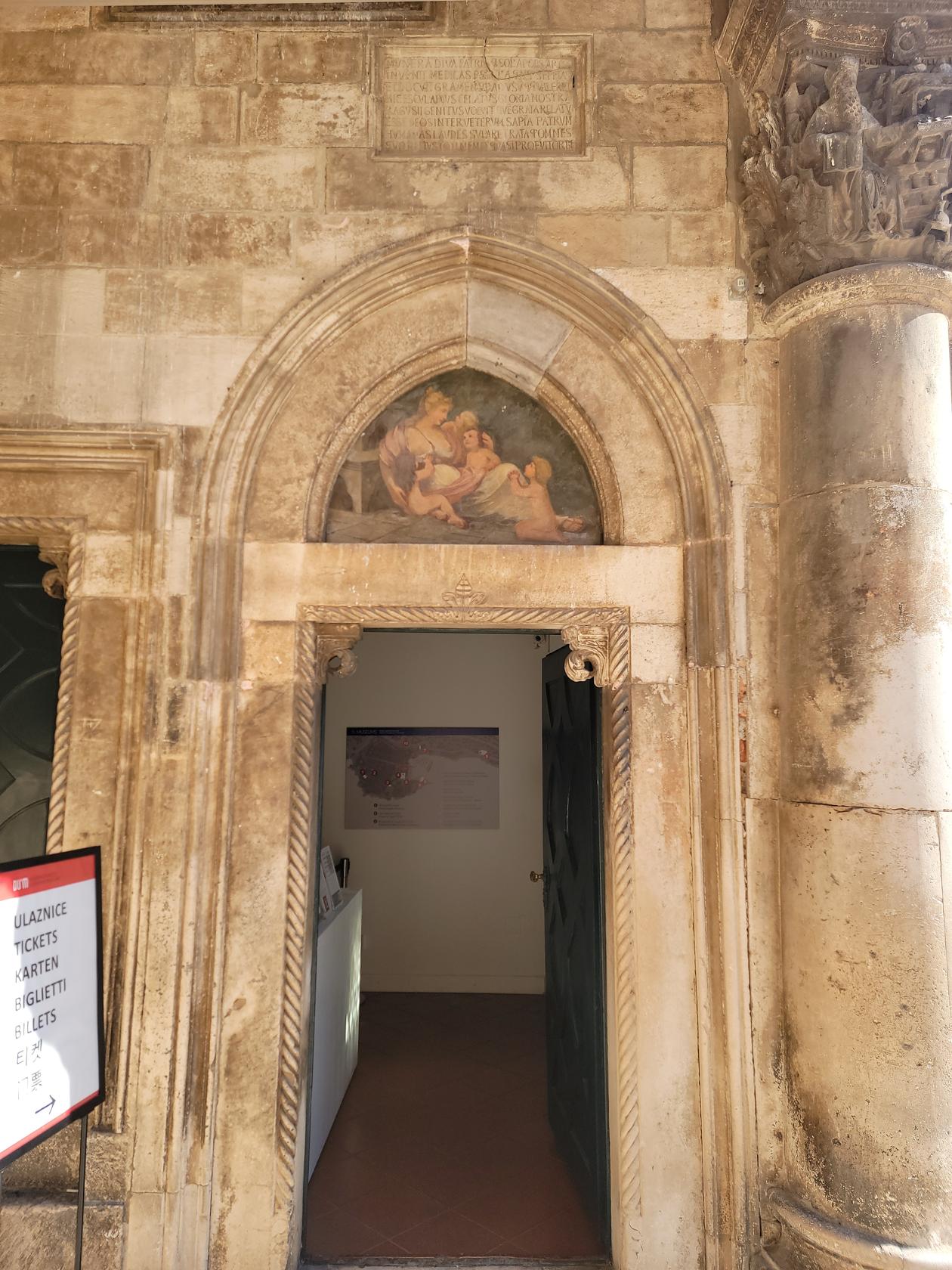
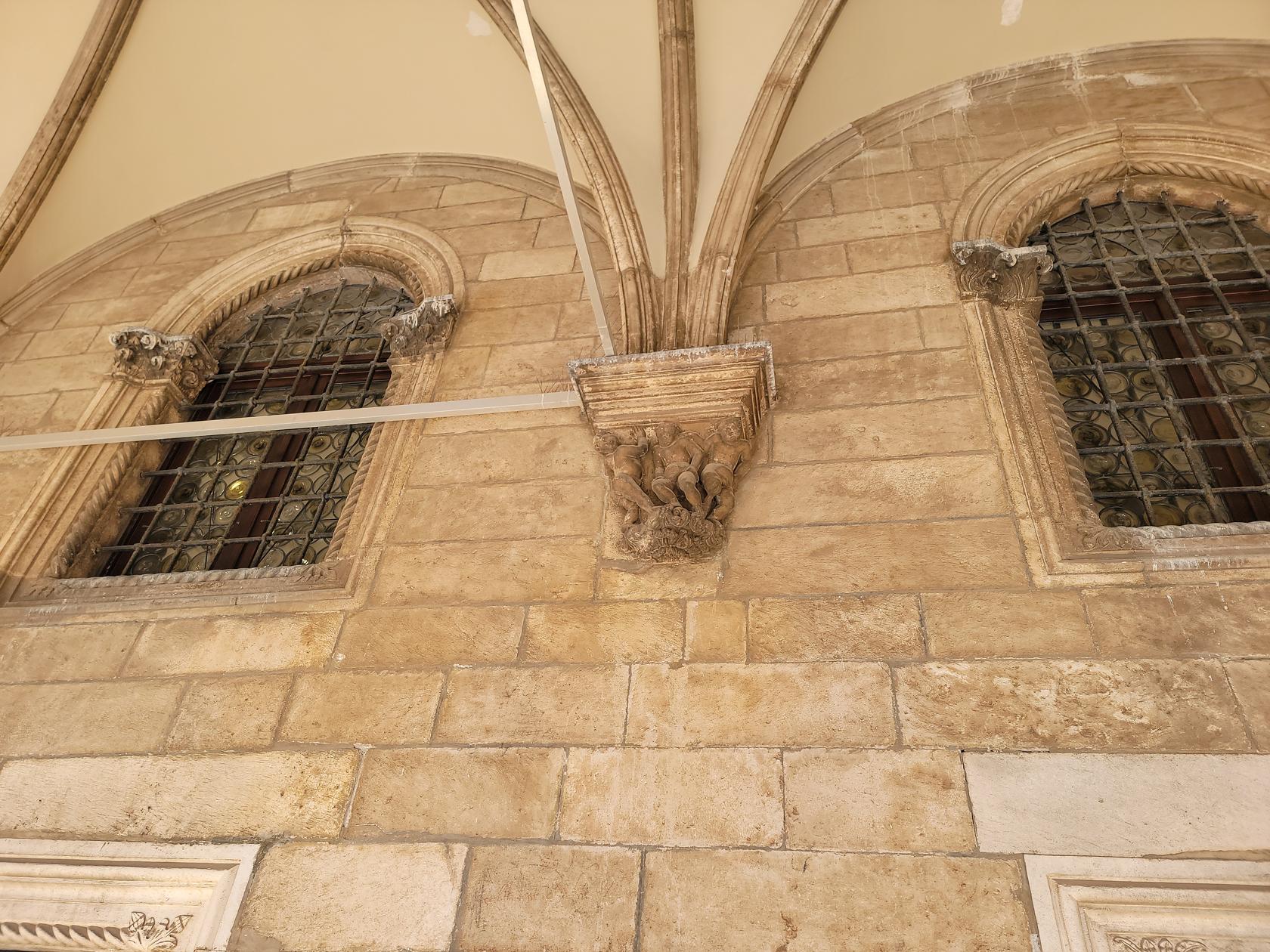
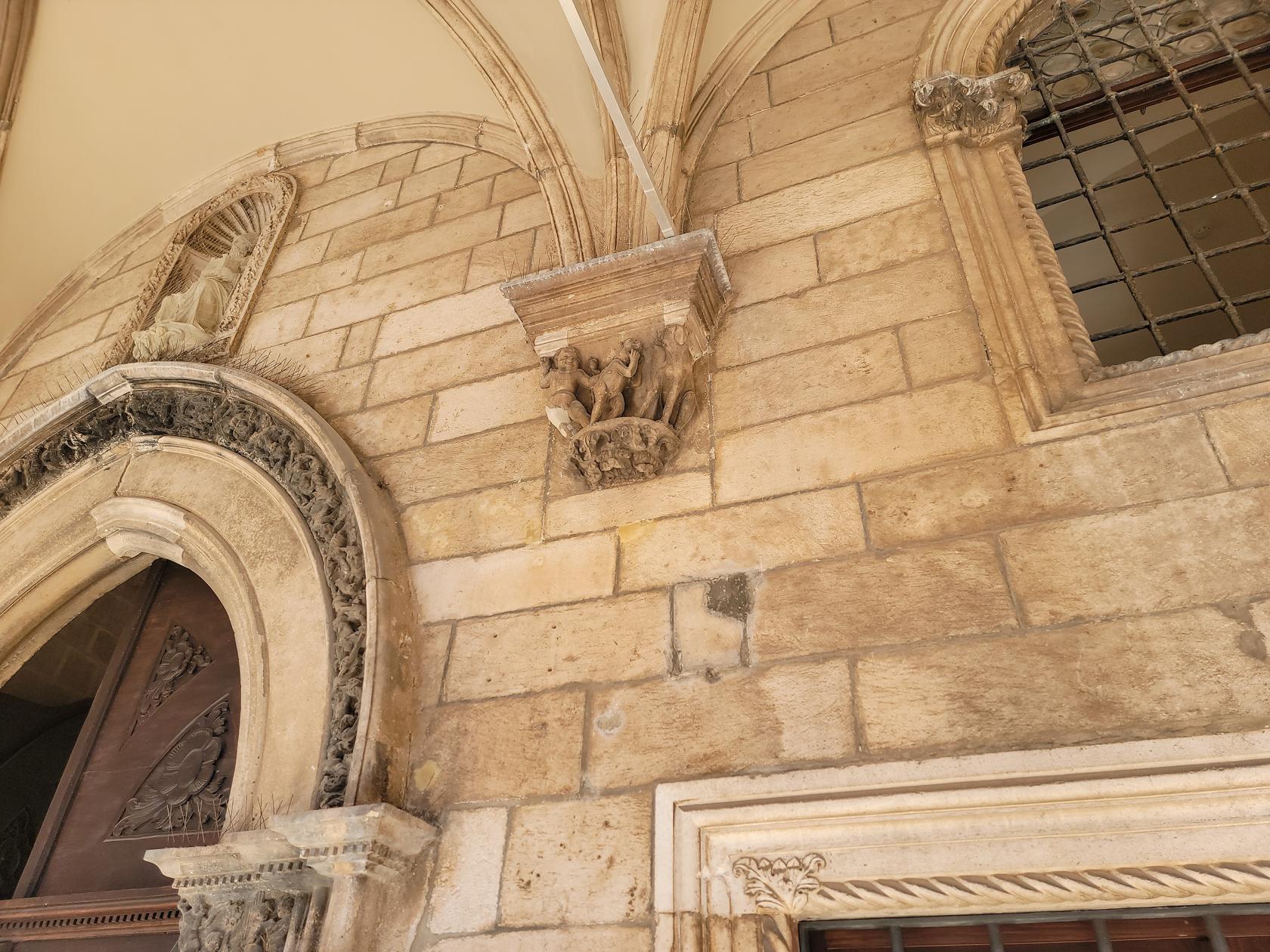
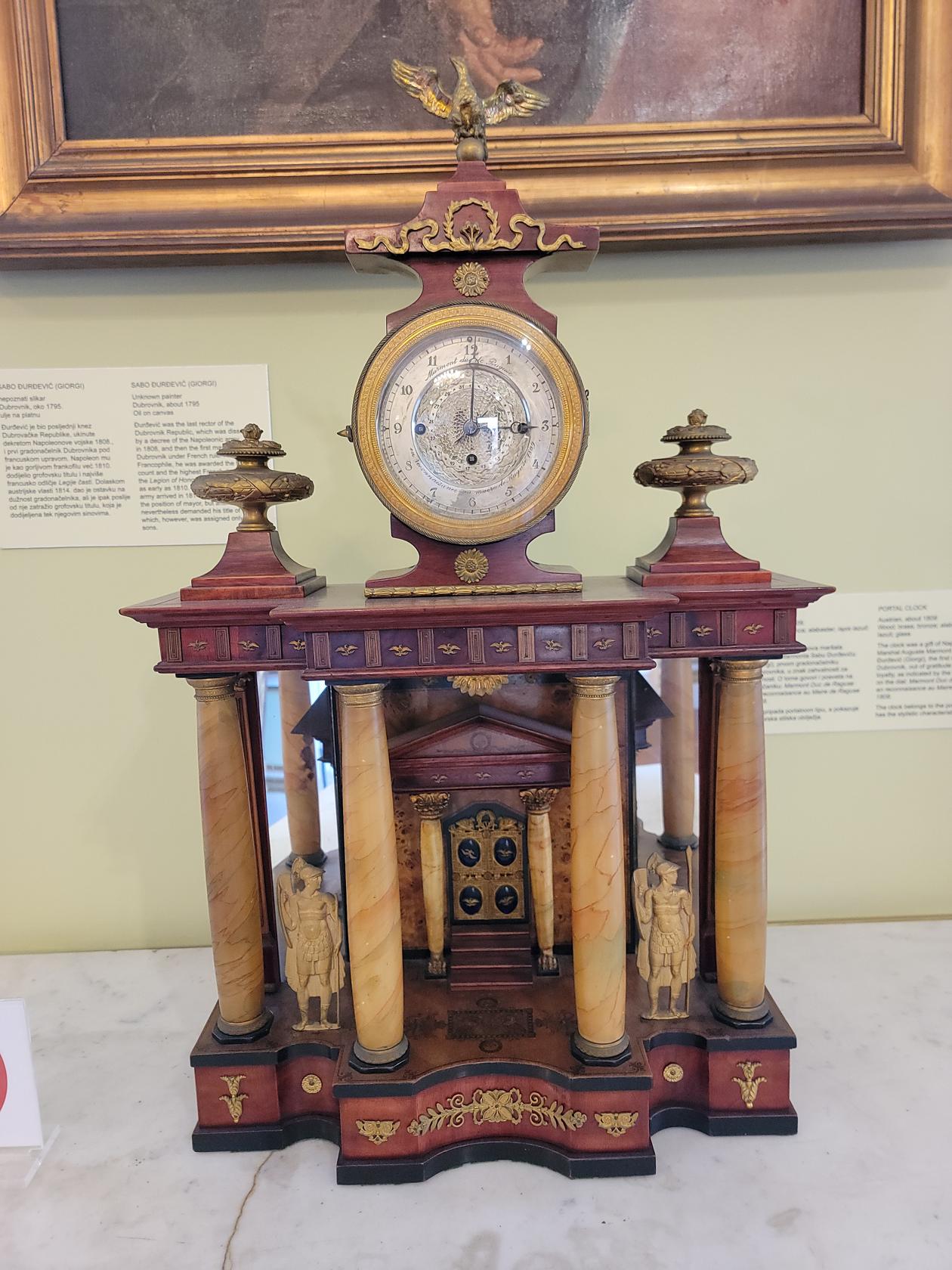
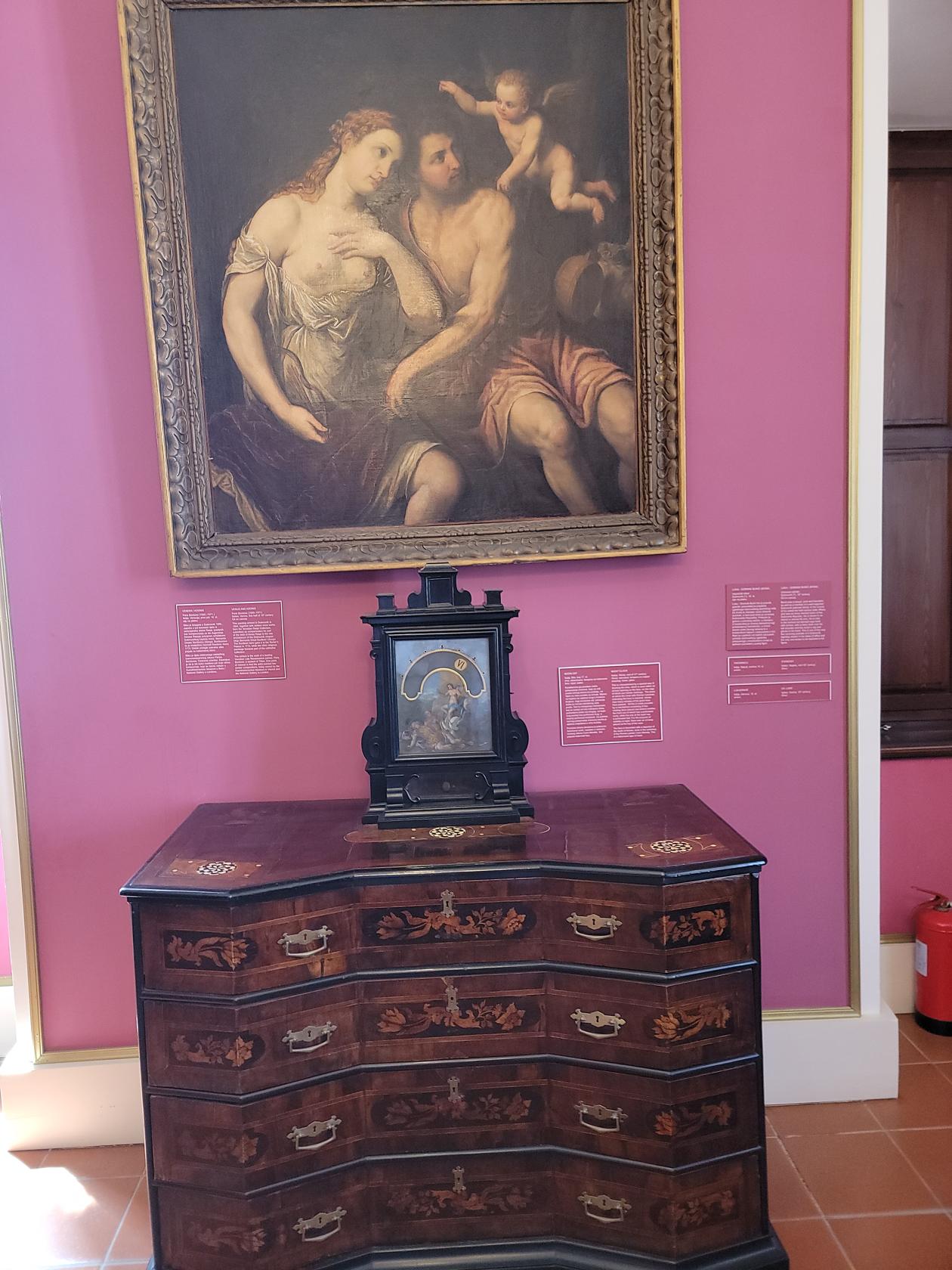
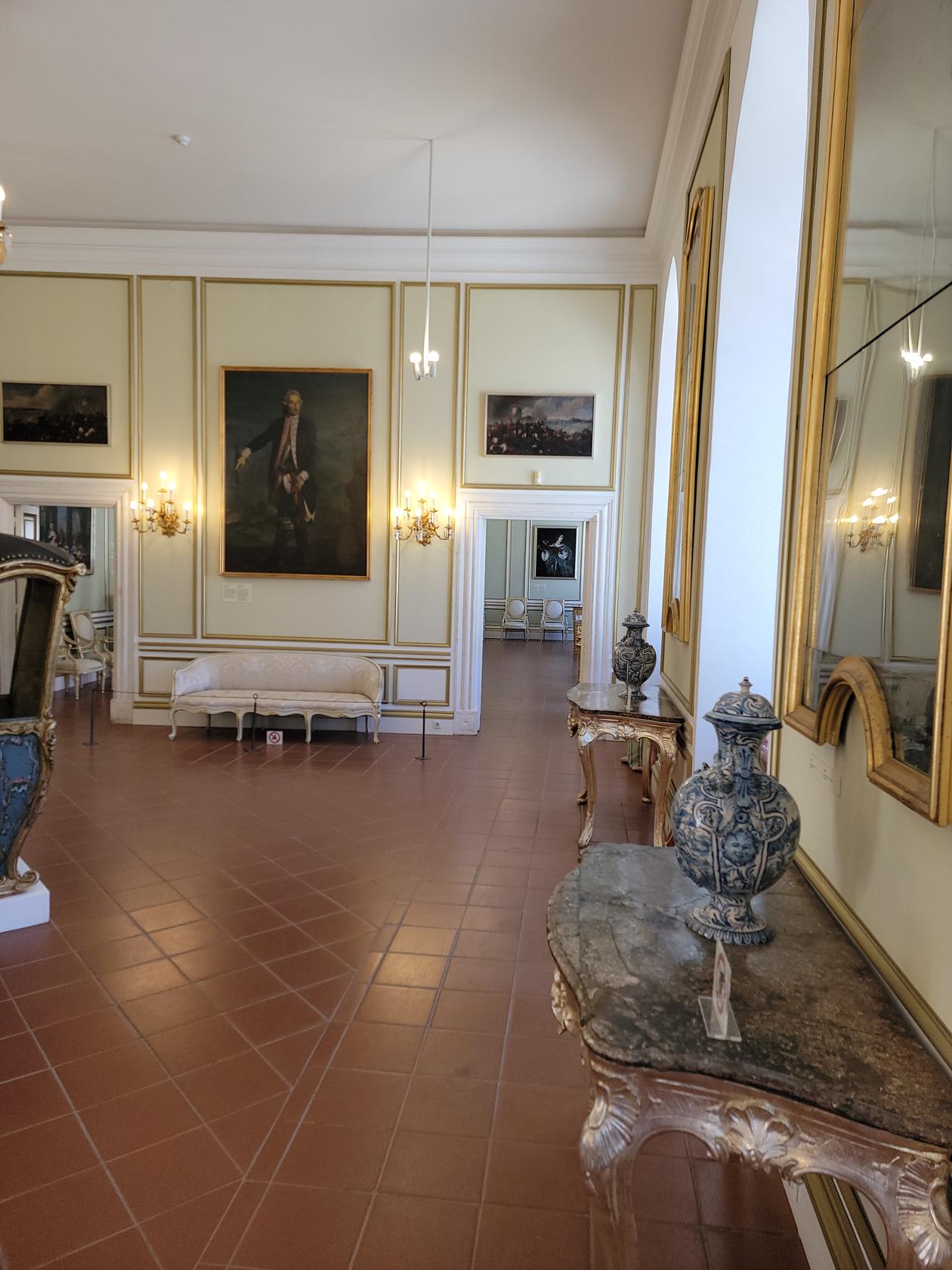
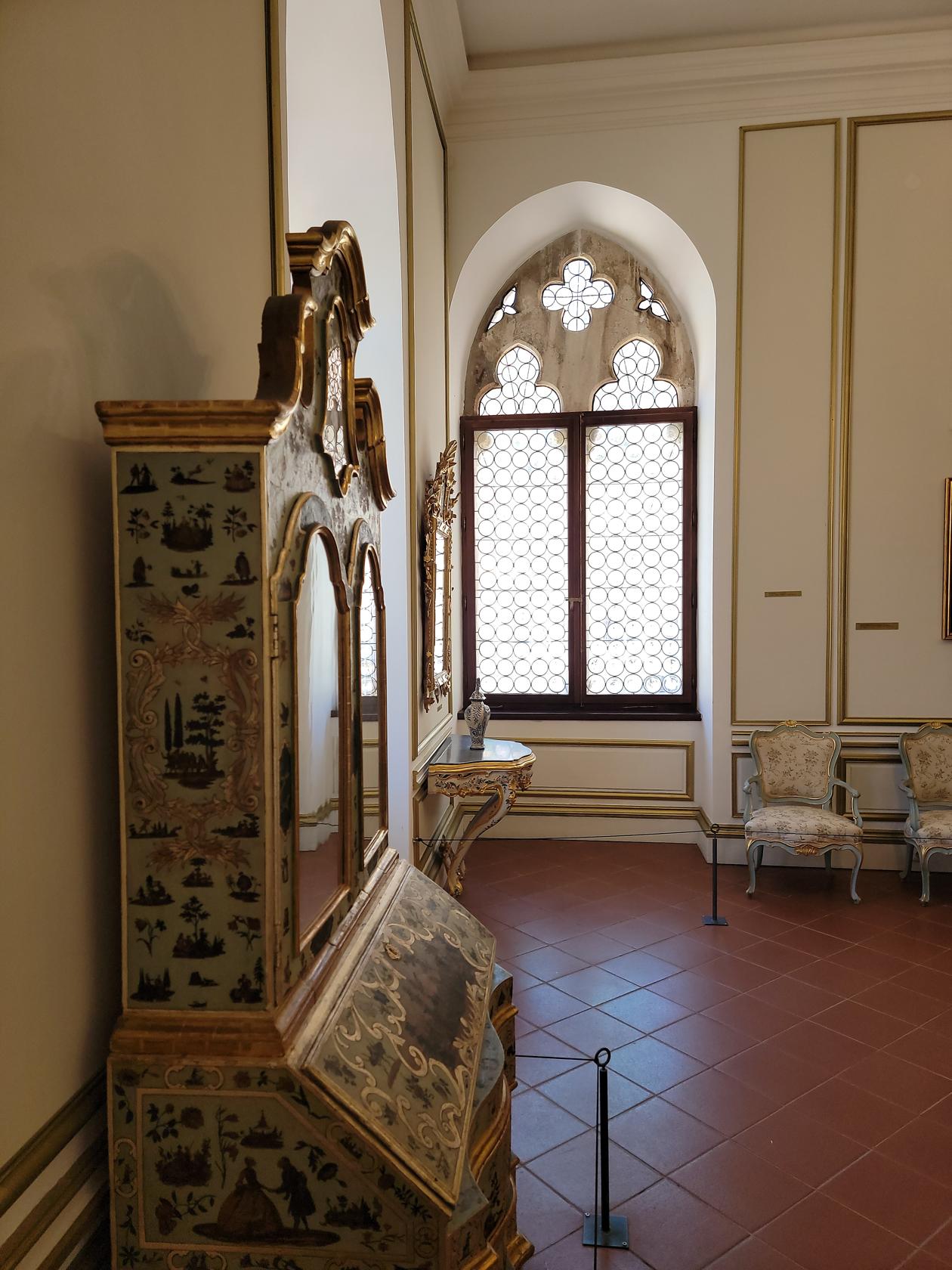
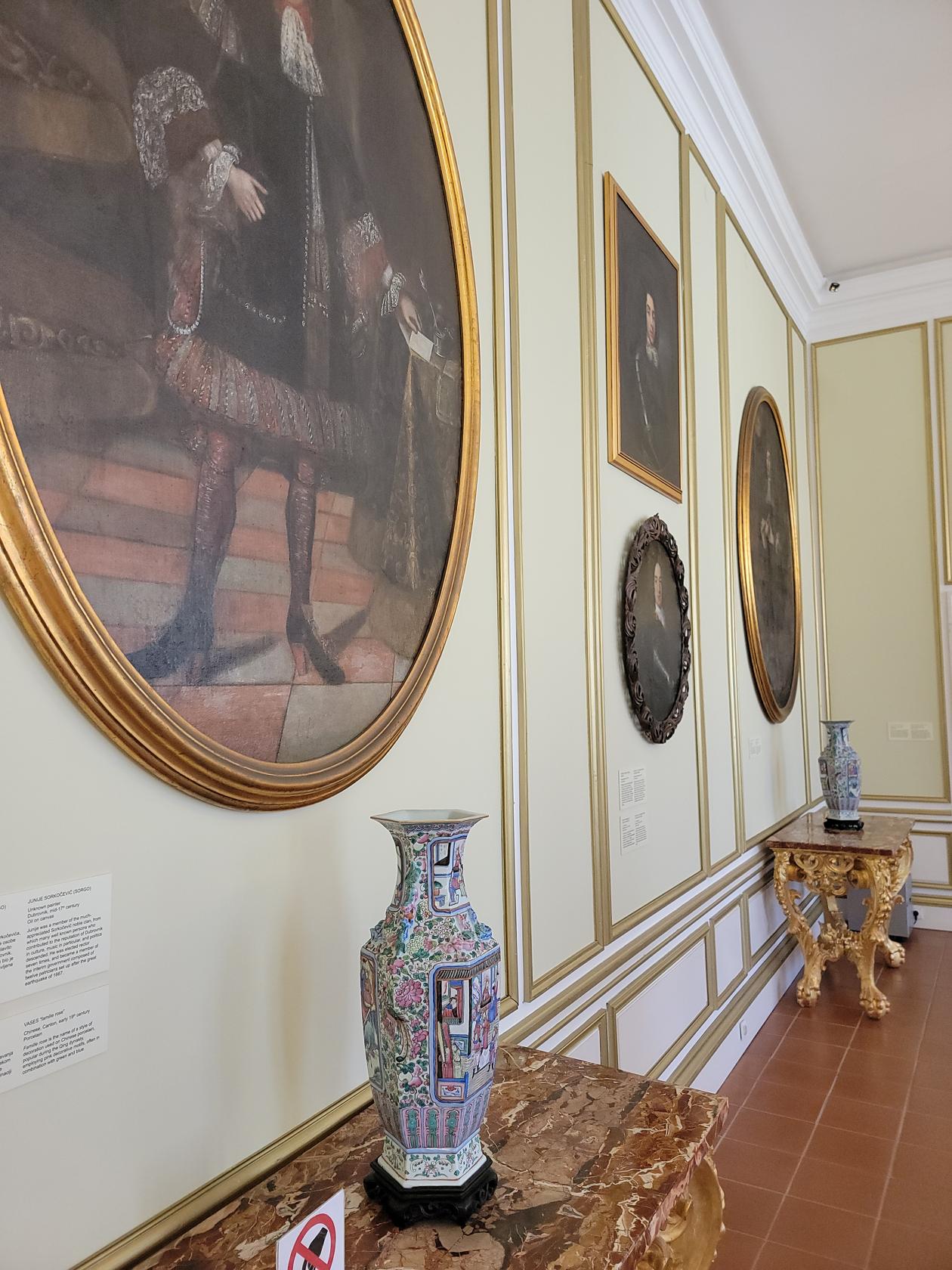
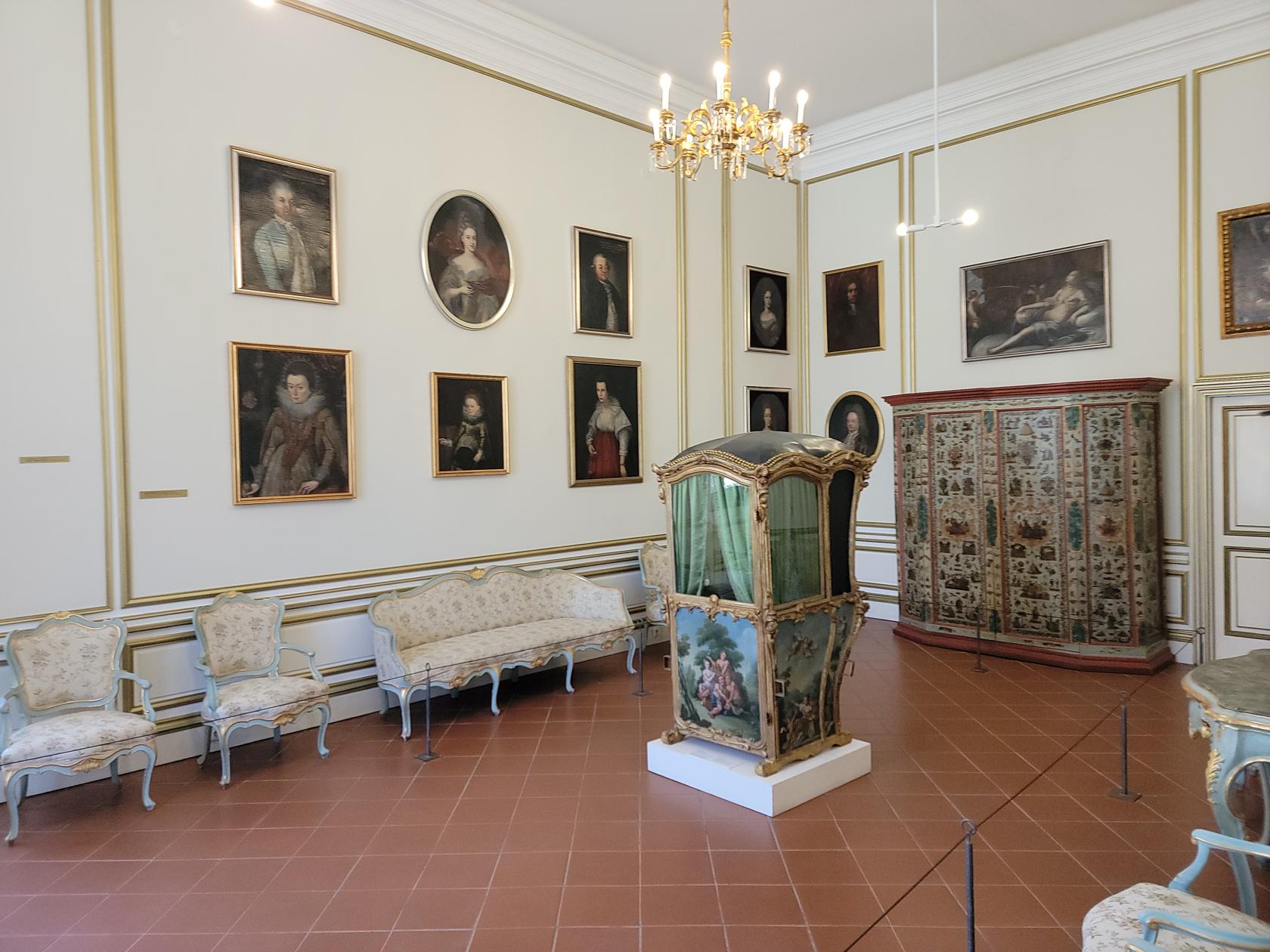
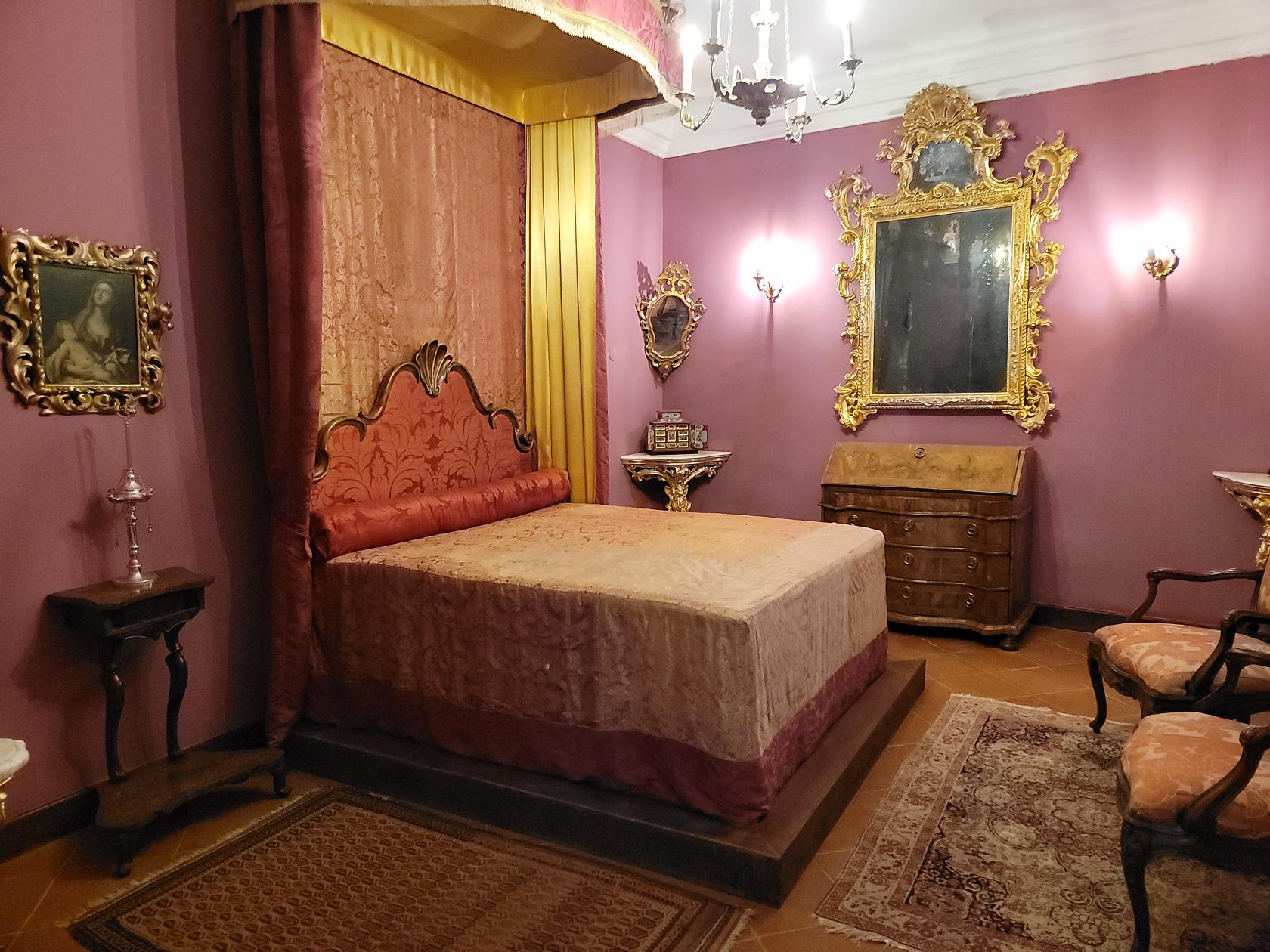
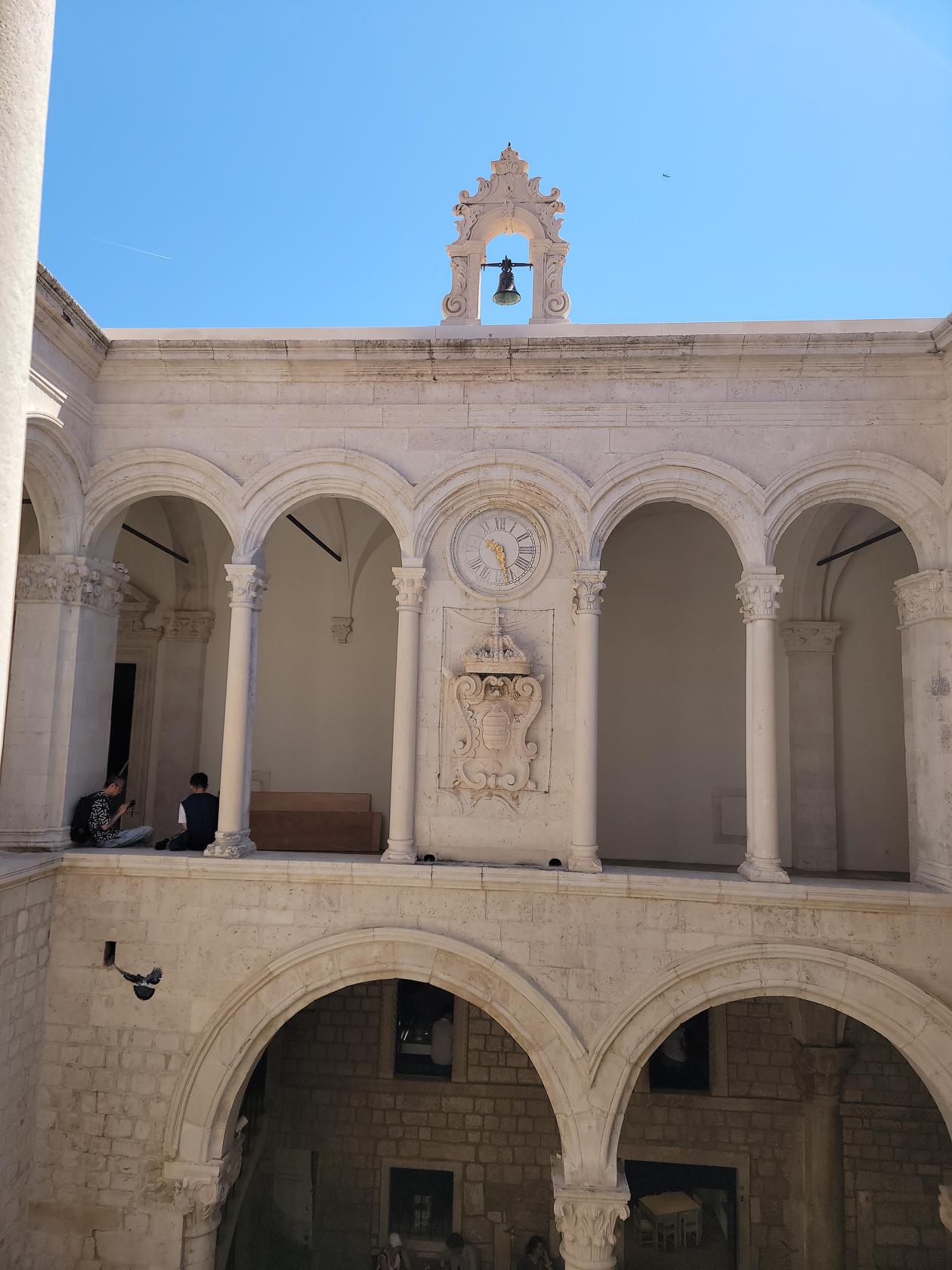
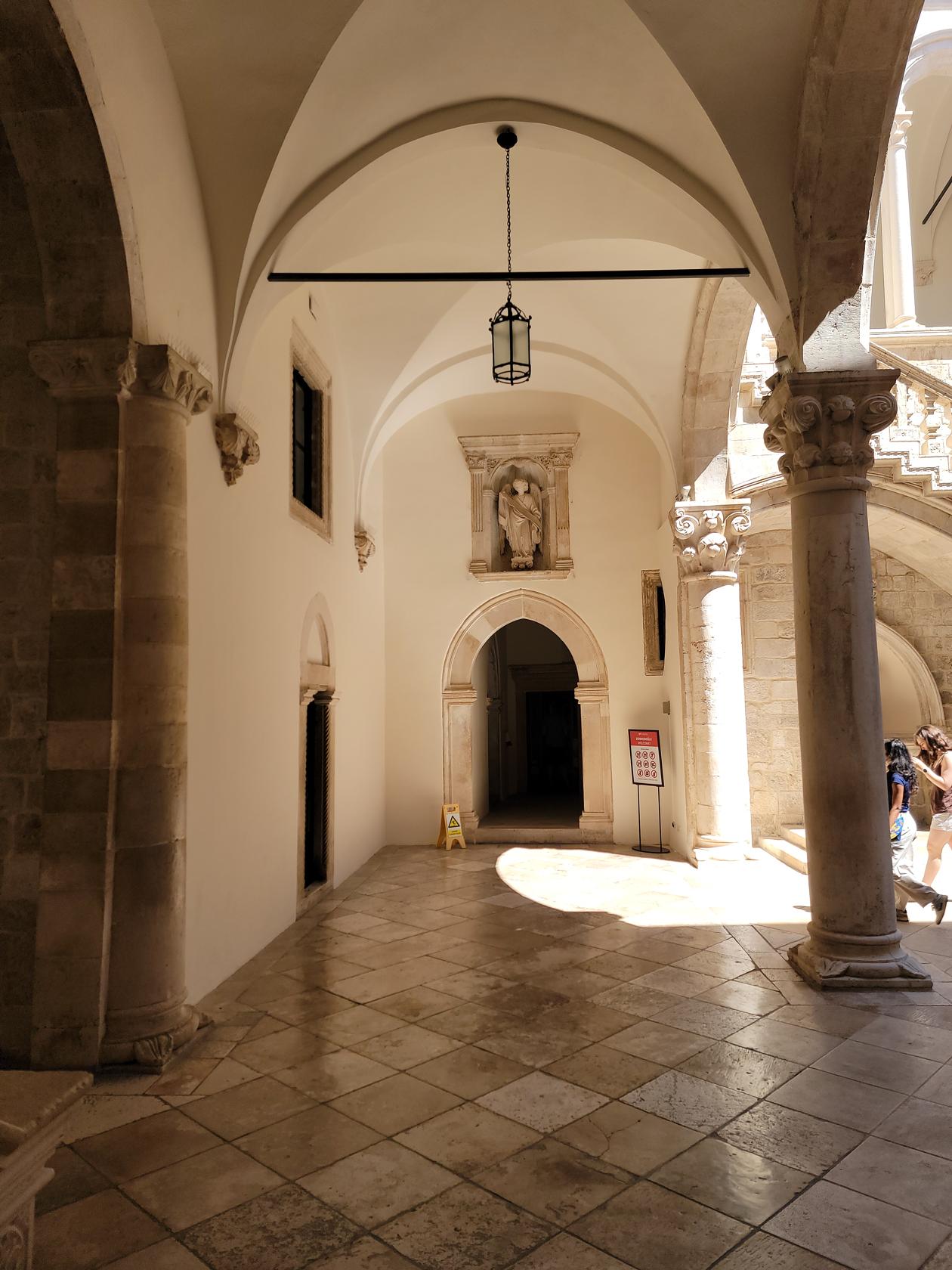
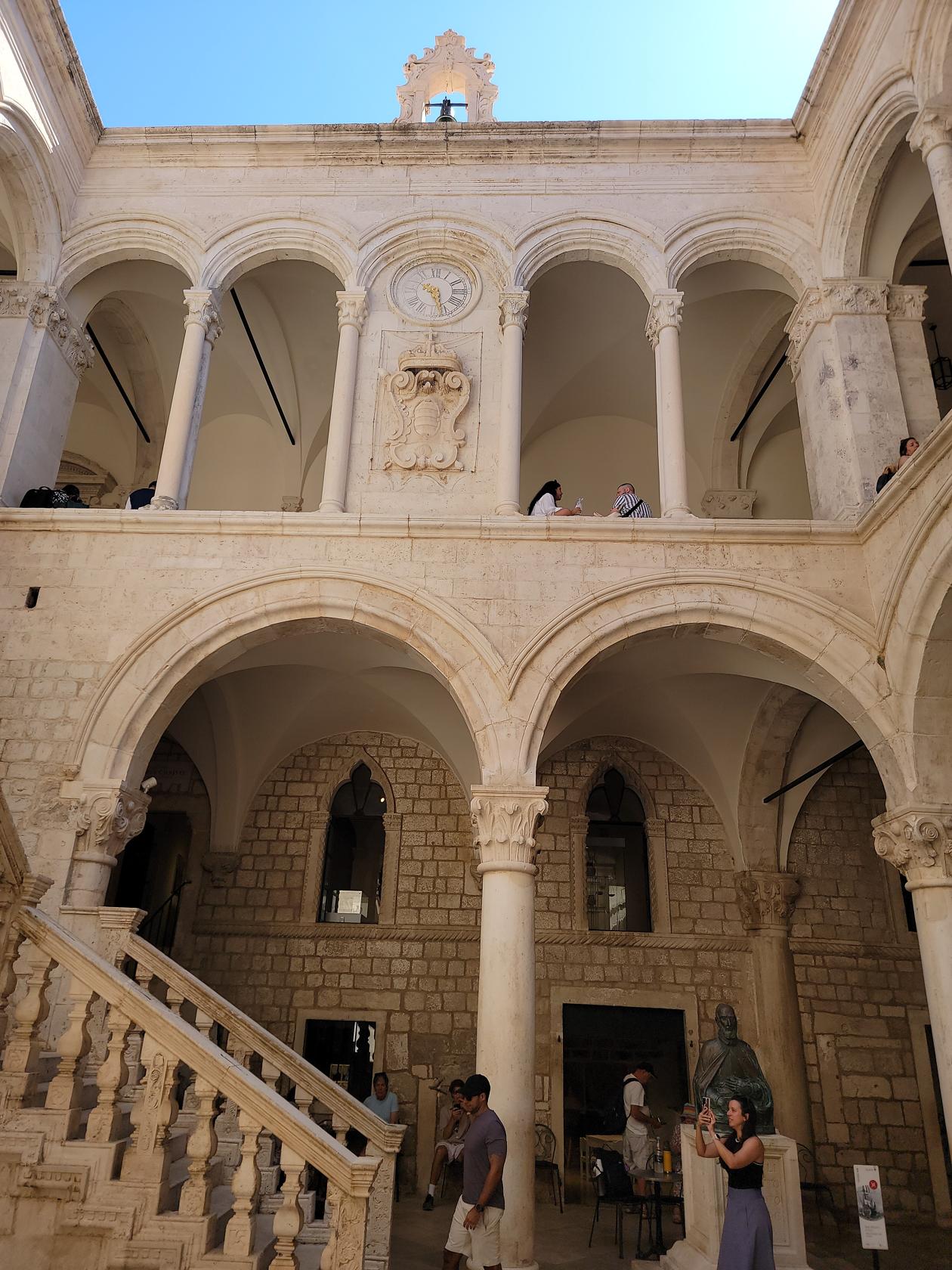
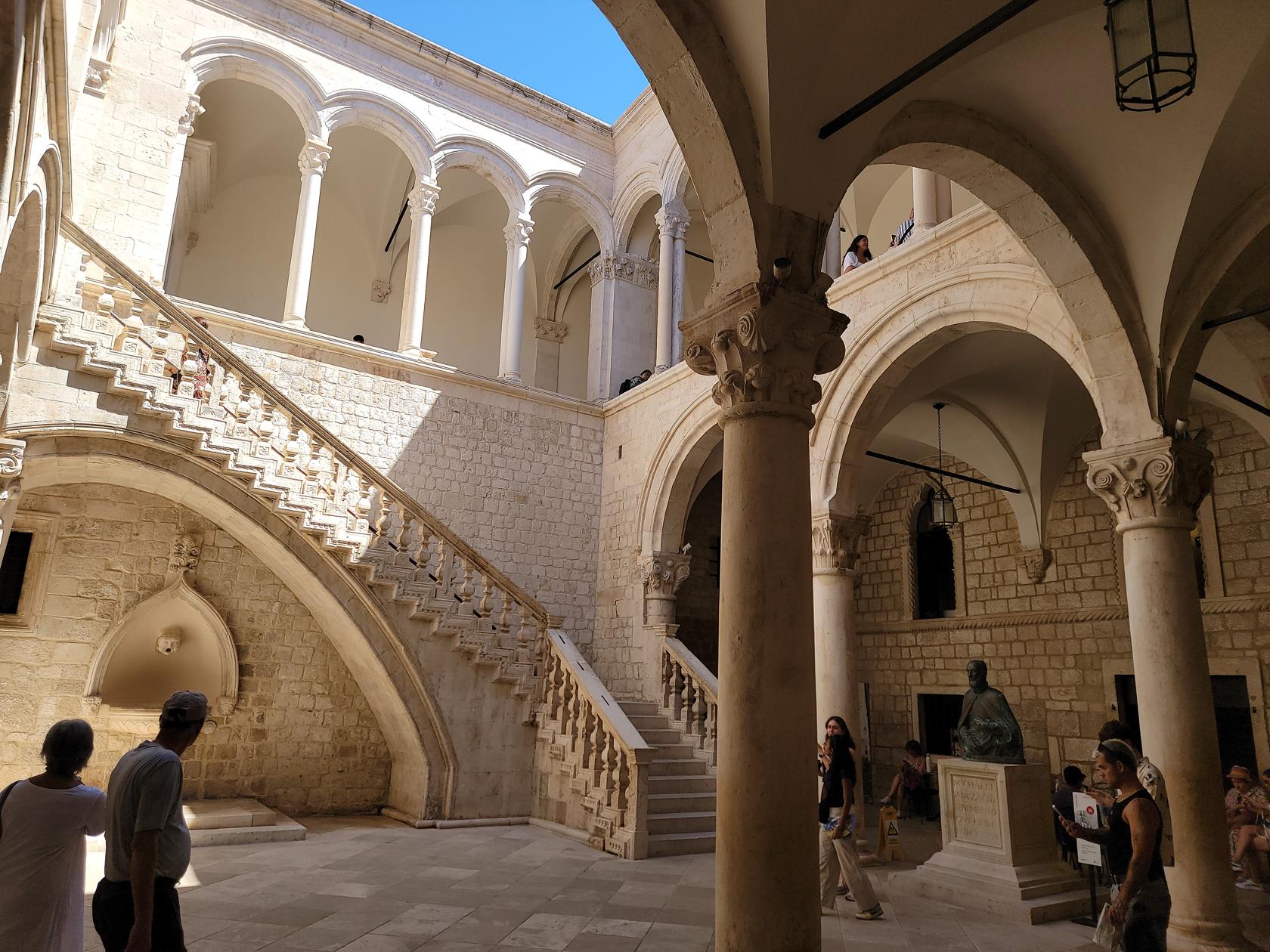
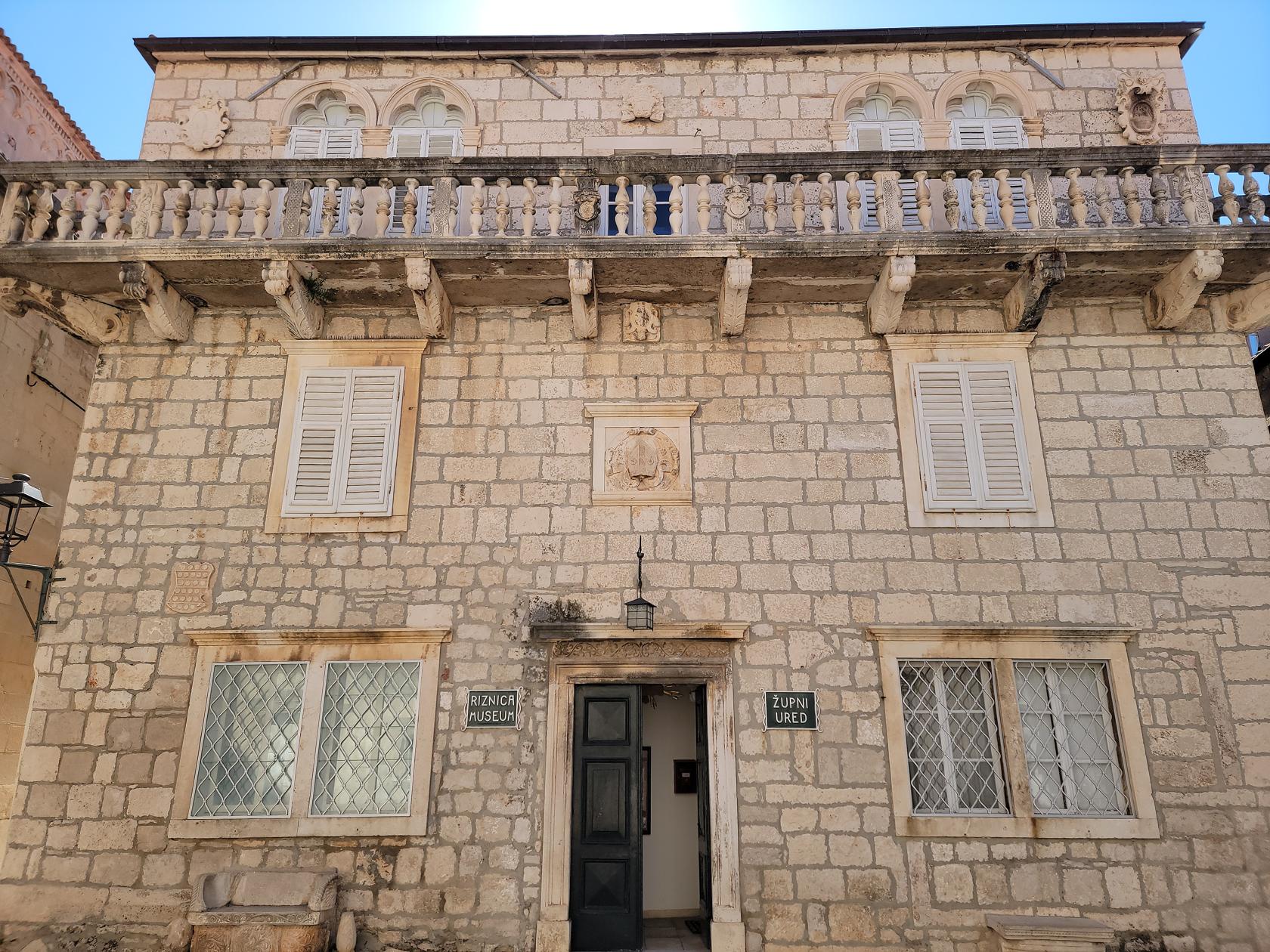
Built for the rector of the Republic of Ragusa between the 14th and 19th centuries, the Rector’s Palace now serves as a museum. A Gothic style building originally, it was destroy a few times and later rebuilt with Renaissance and some Baroque elements.
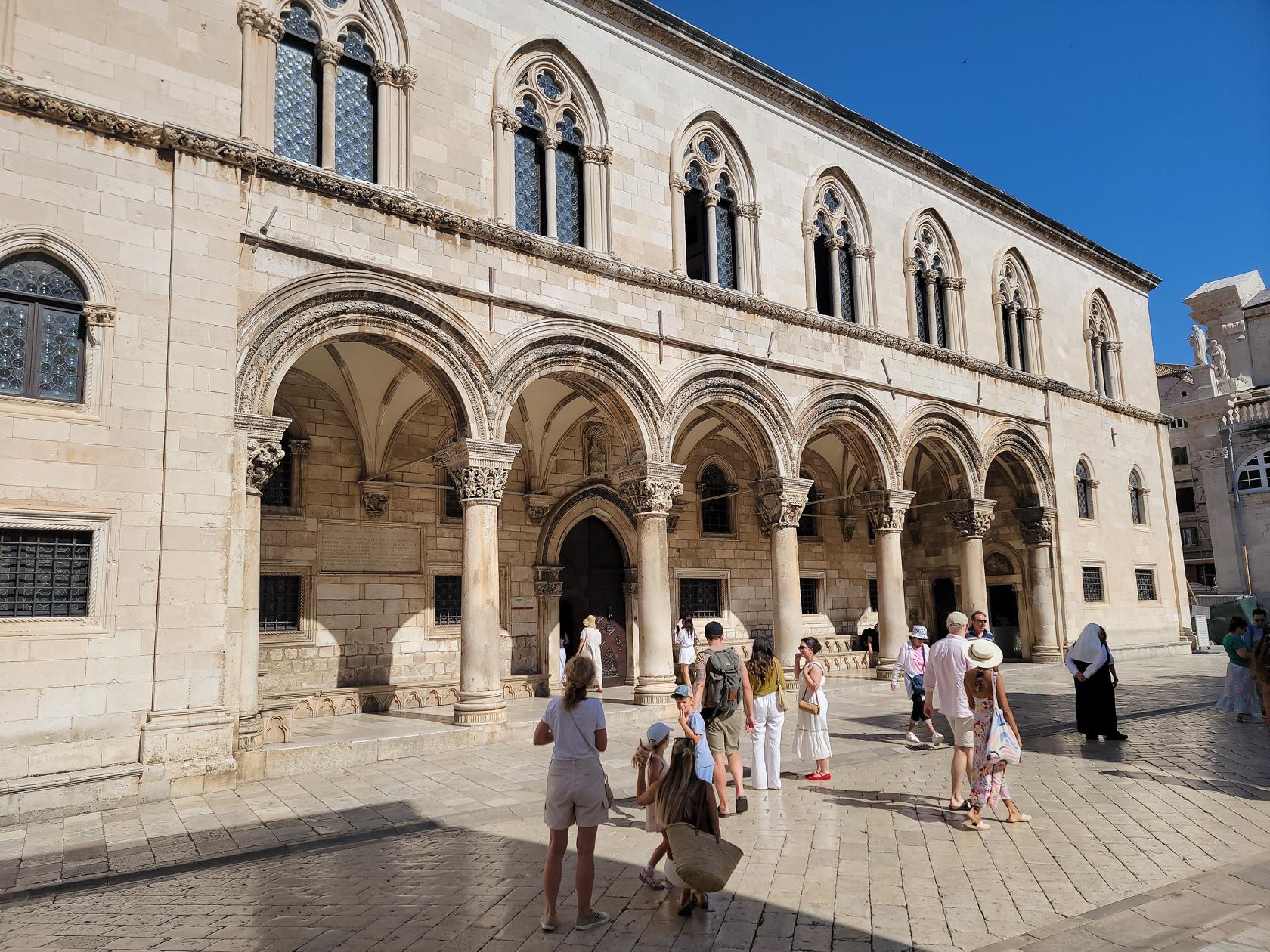
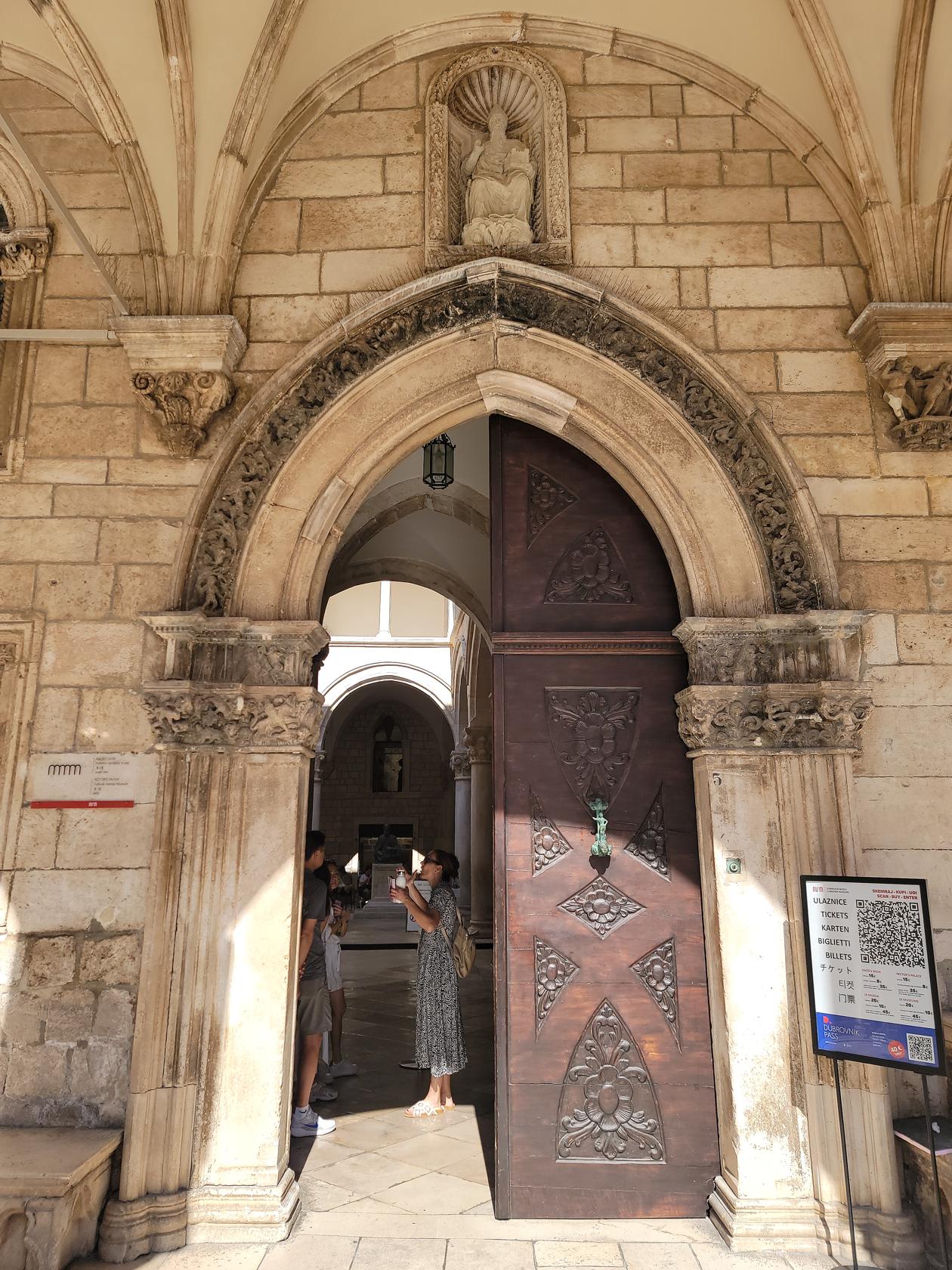
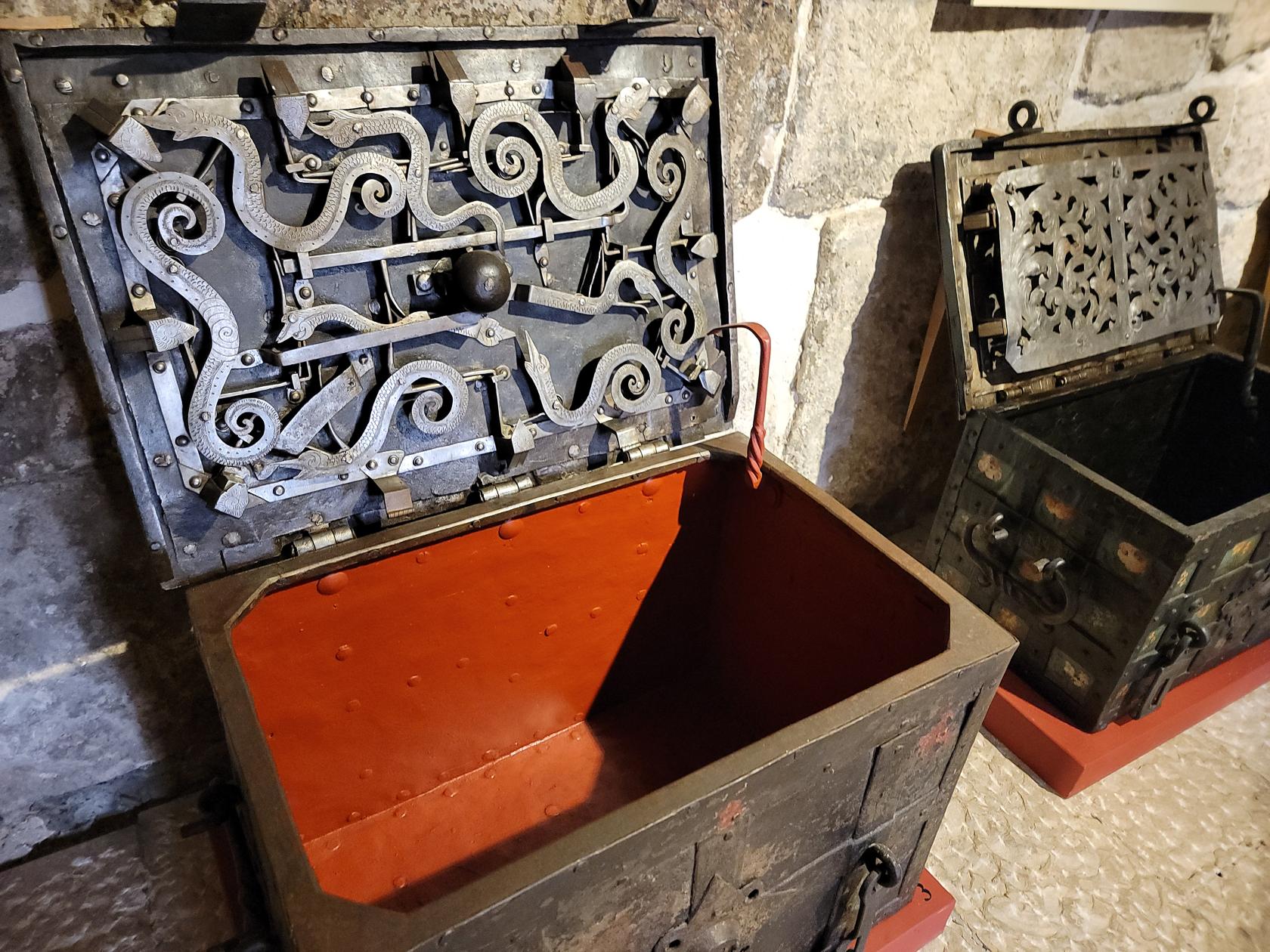
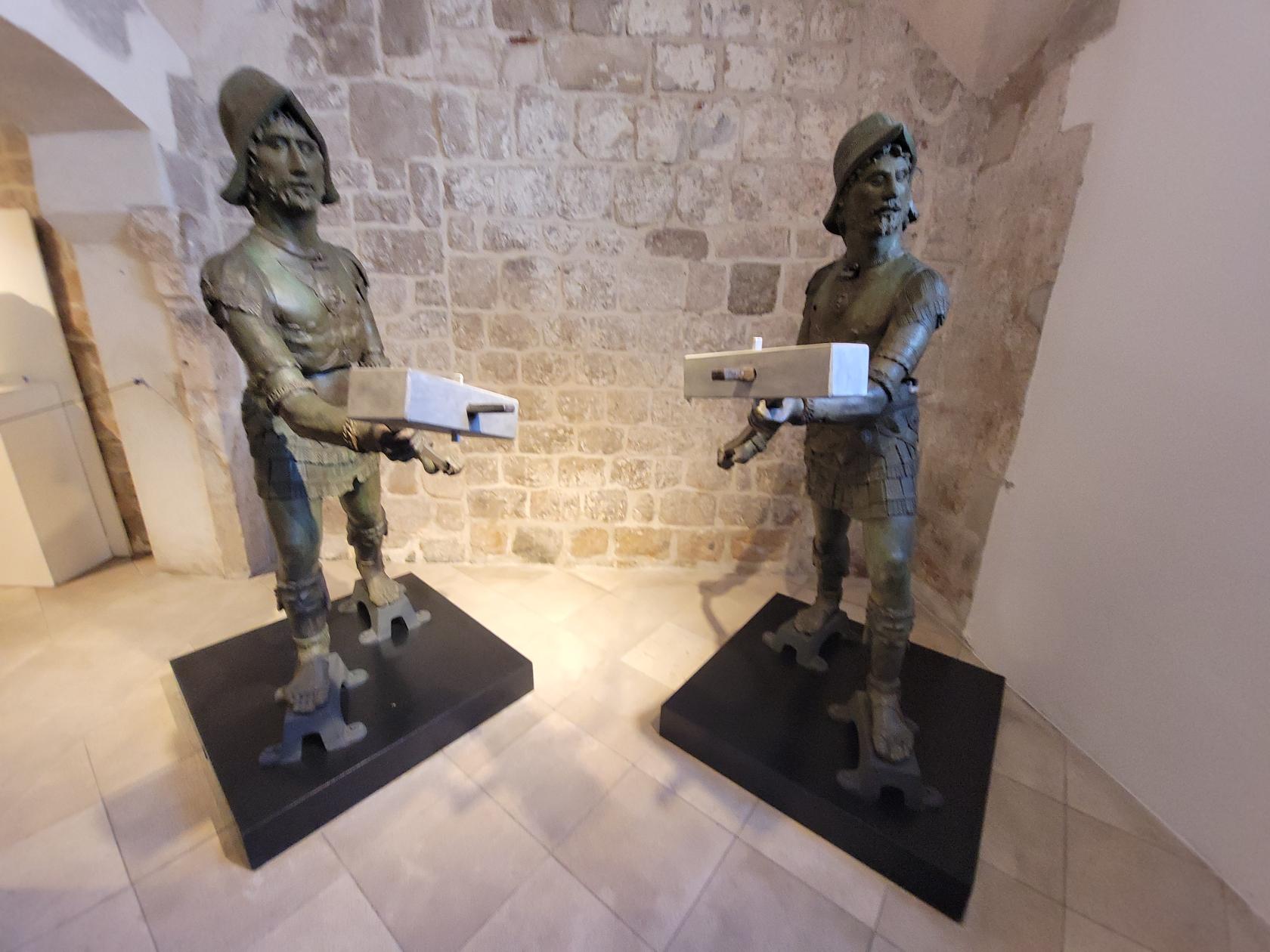
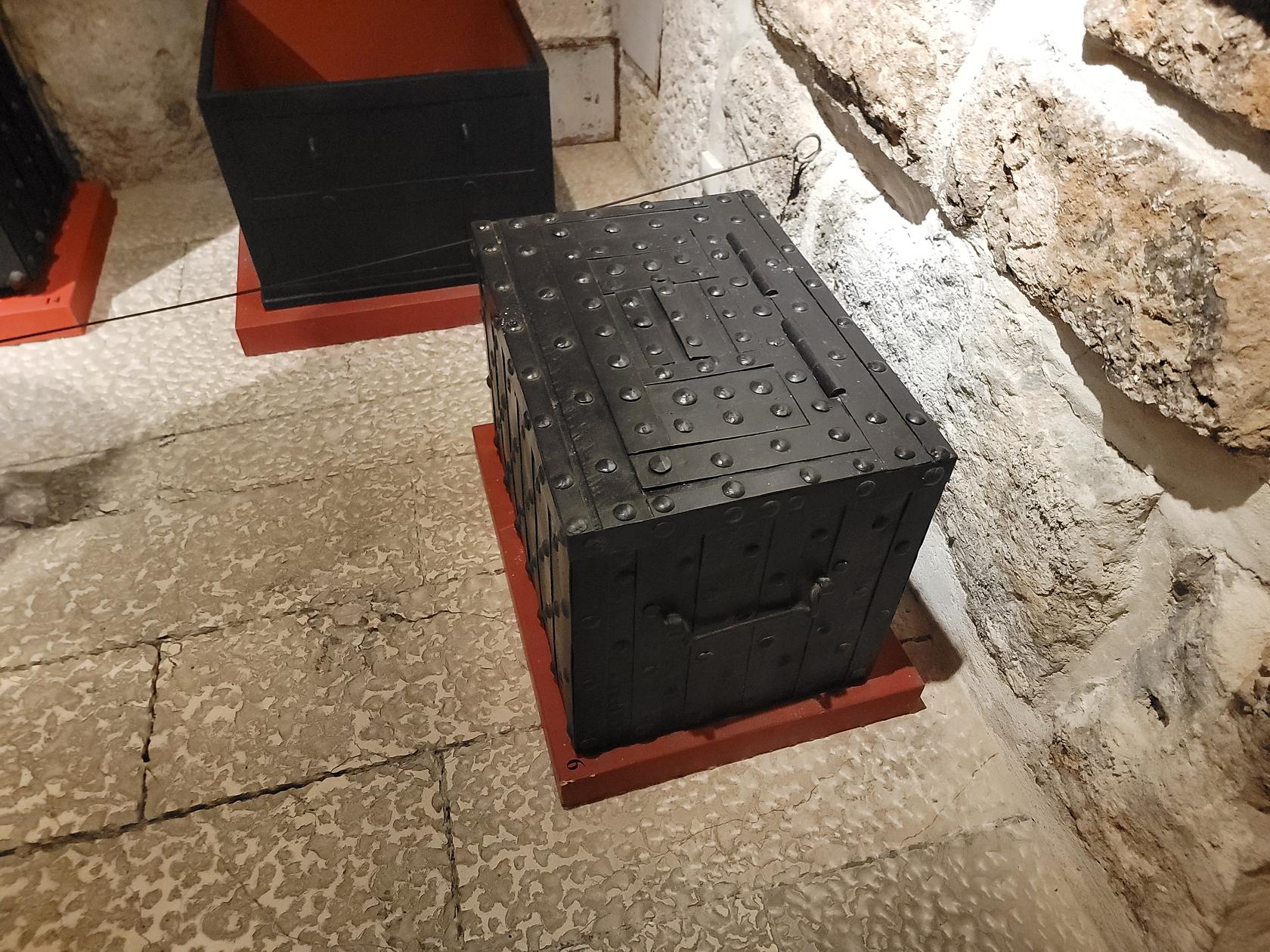
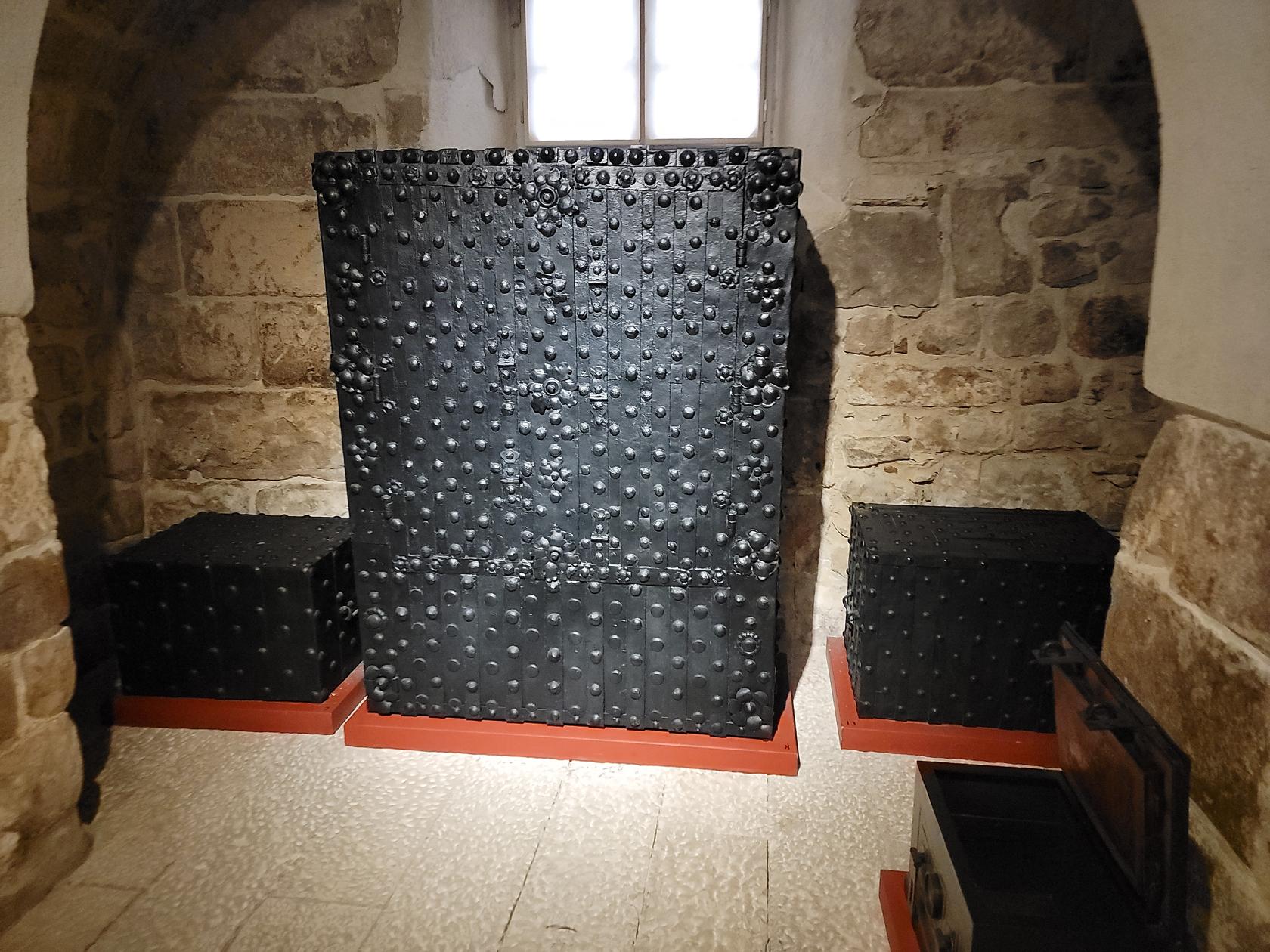
The museum houses a fine collection of old strong boxes, which show detailed craftmenship by blacksmiths and locksmiths of that time. Upon entering there is also a pair of old bell knockers that are quite interesting.
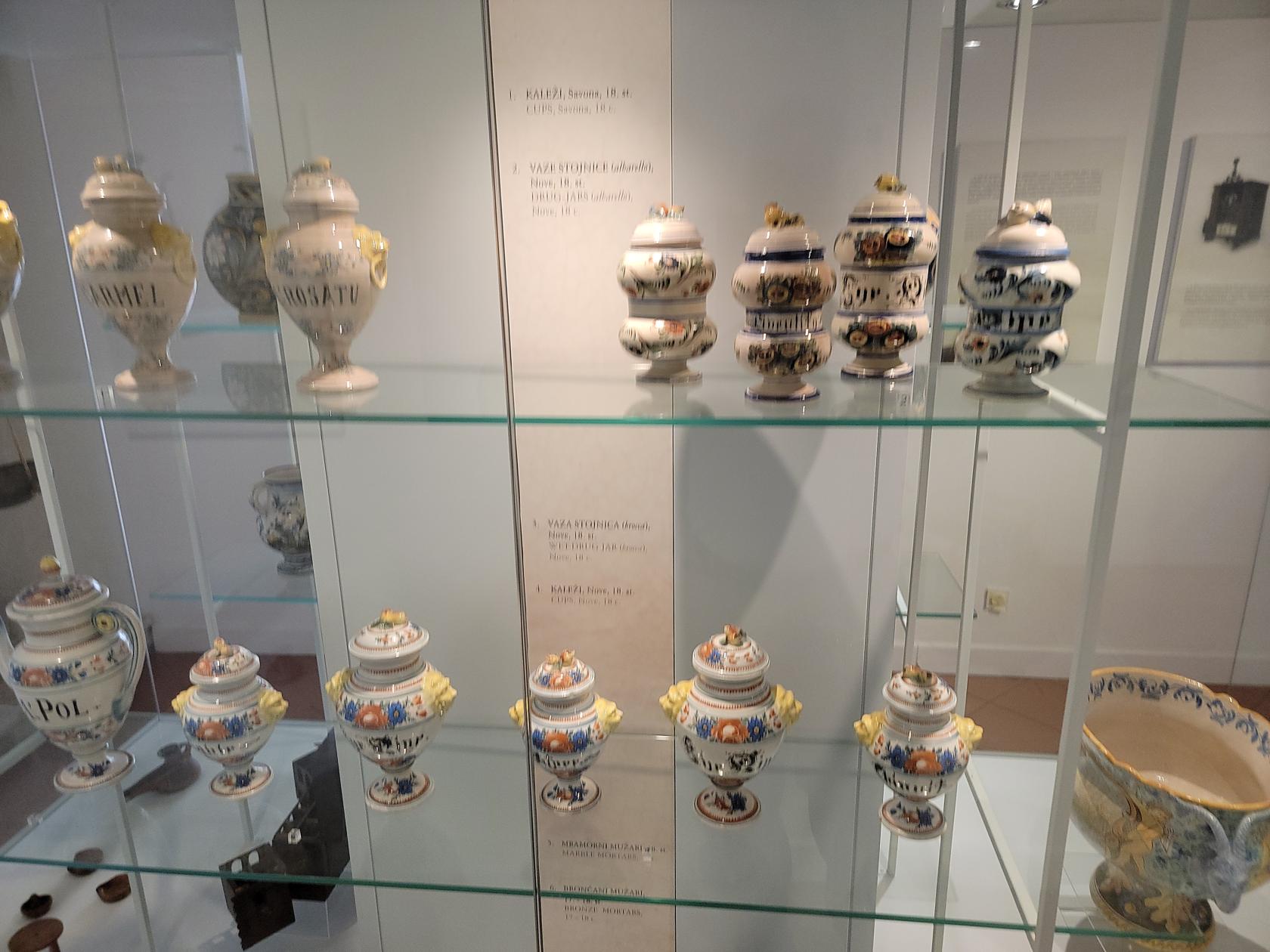
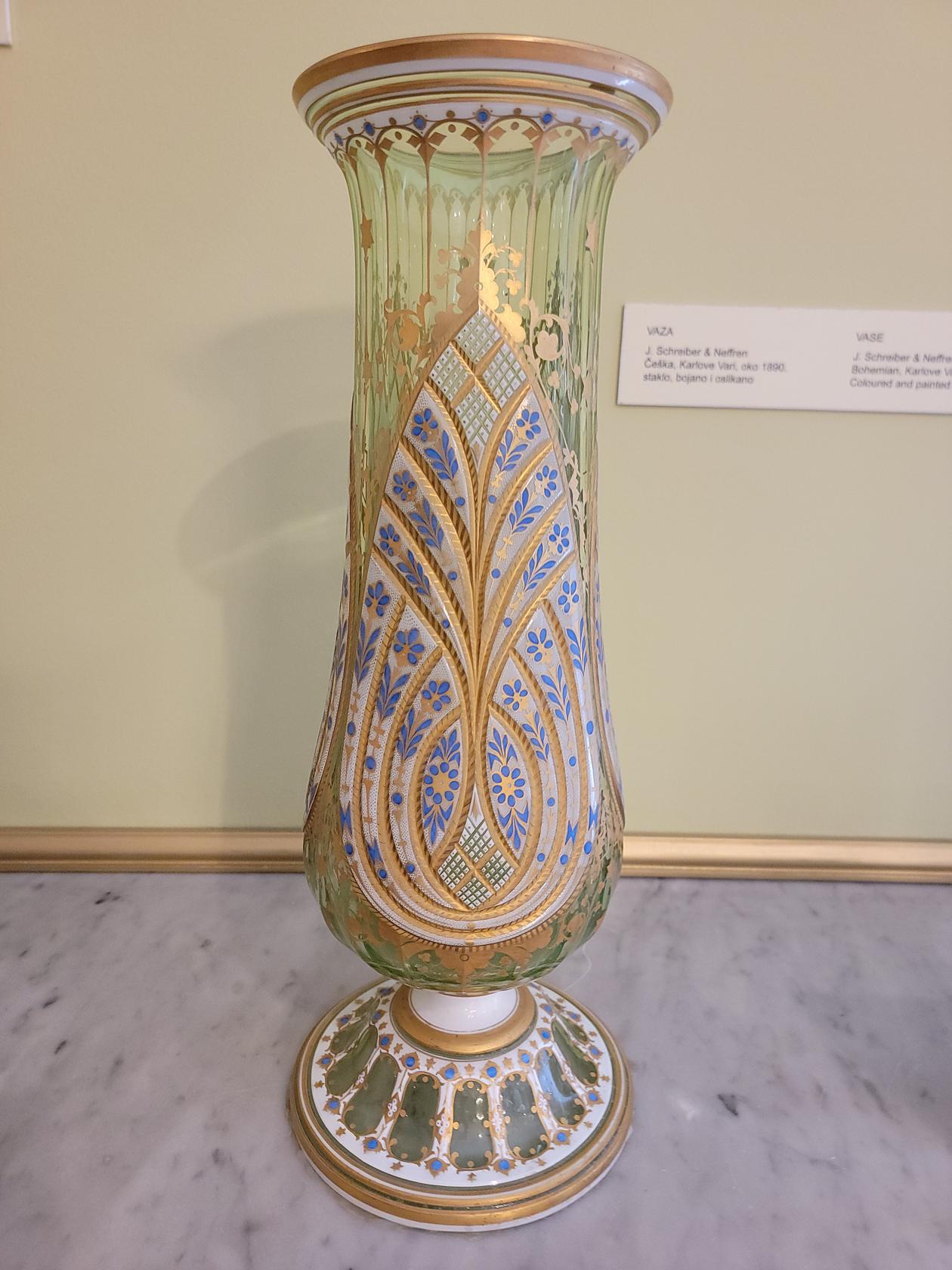
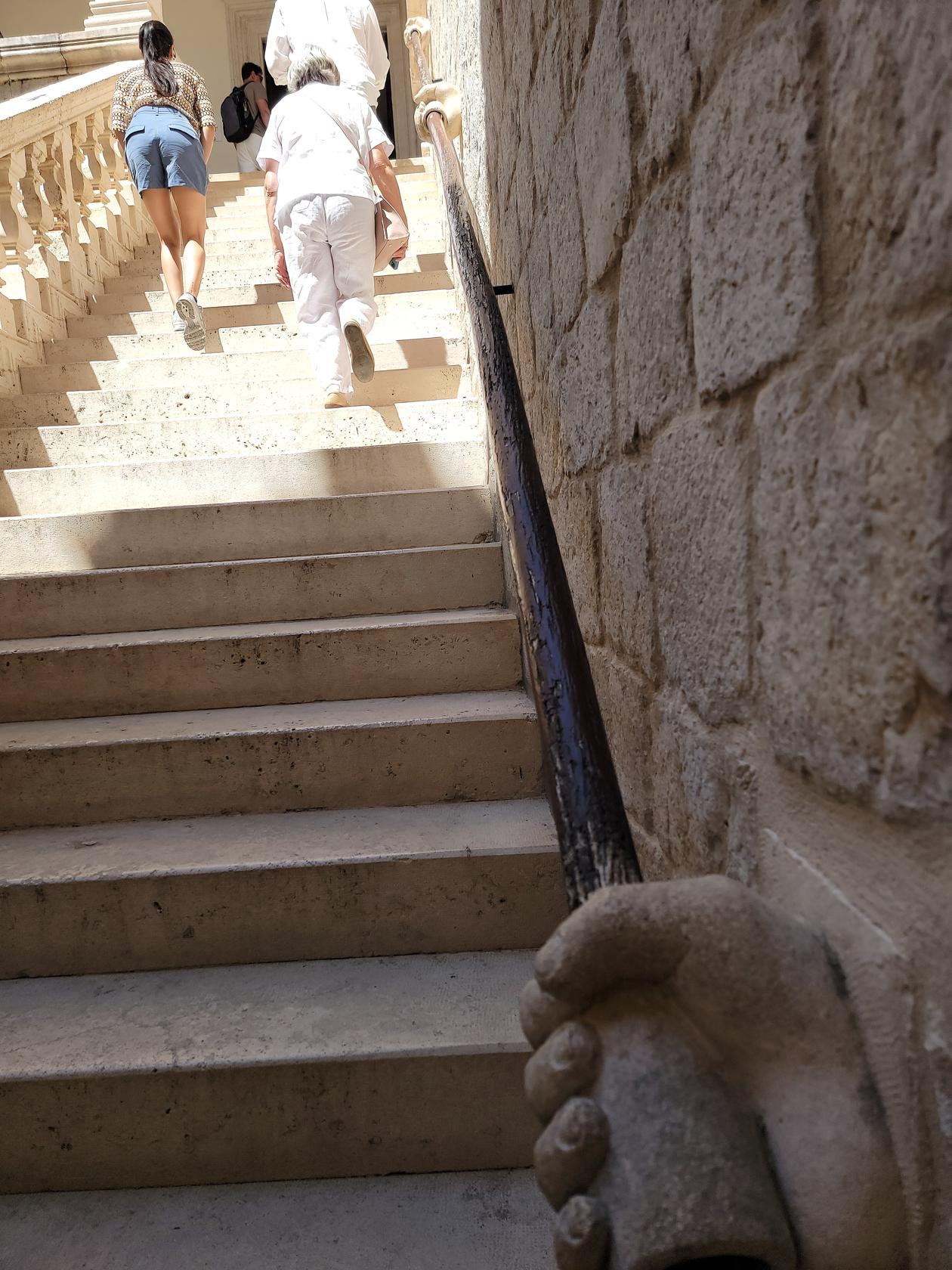
On the upper floor, after ascending the stairs, which has a true handrail, there is a fine display of Italian porcelain and German glassware.
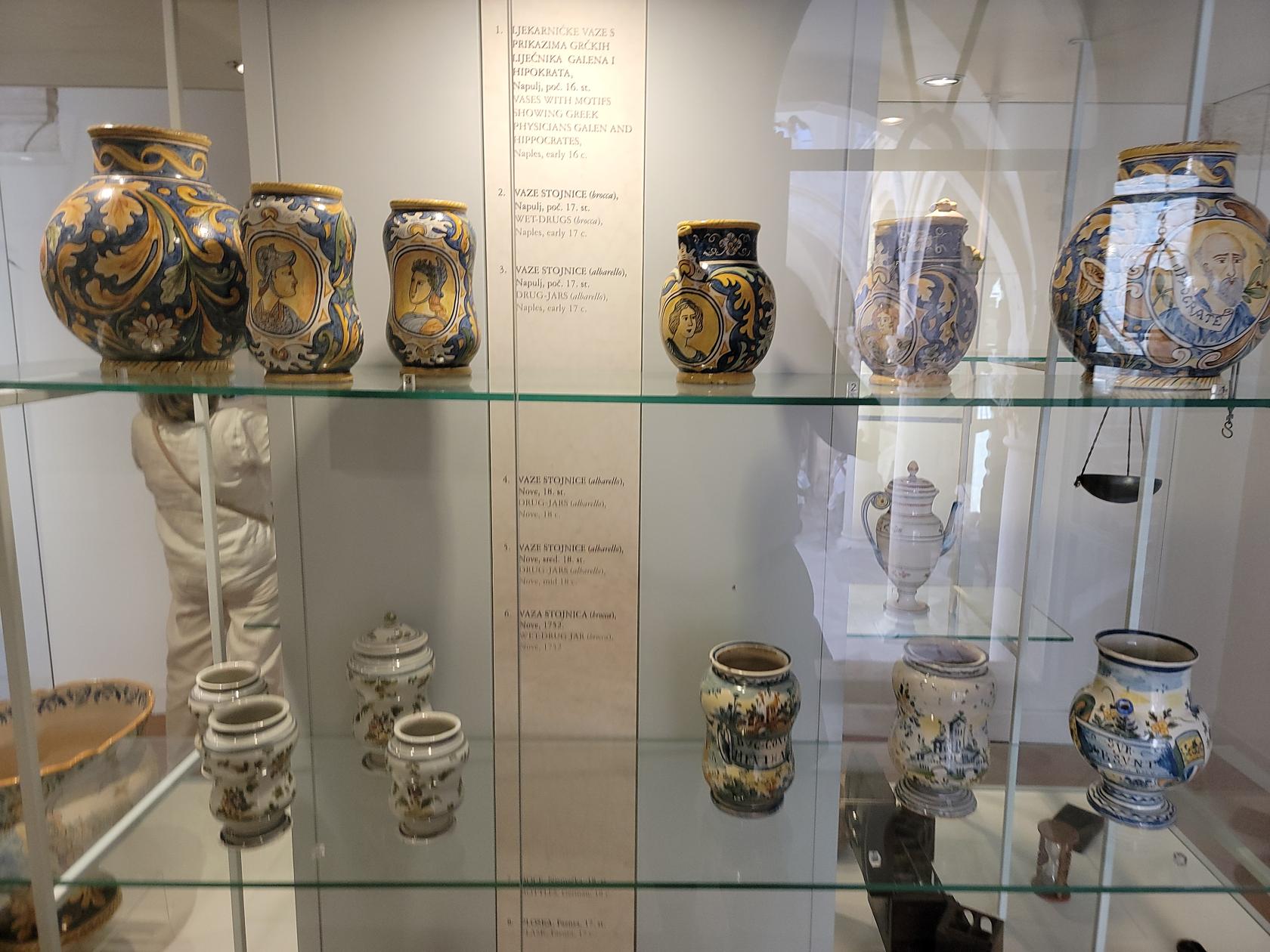
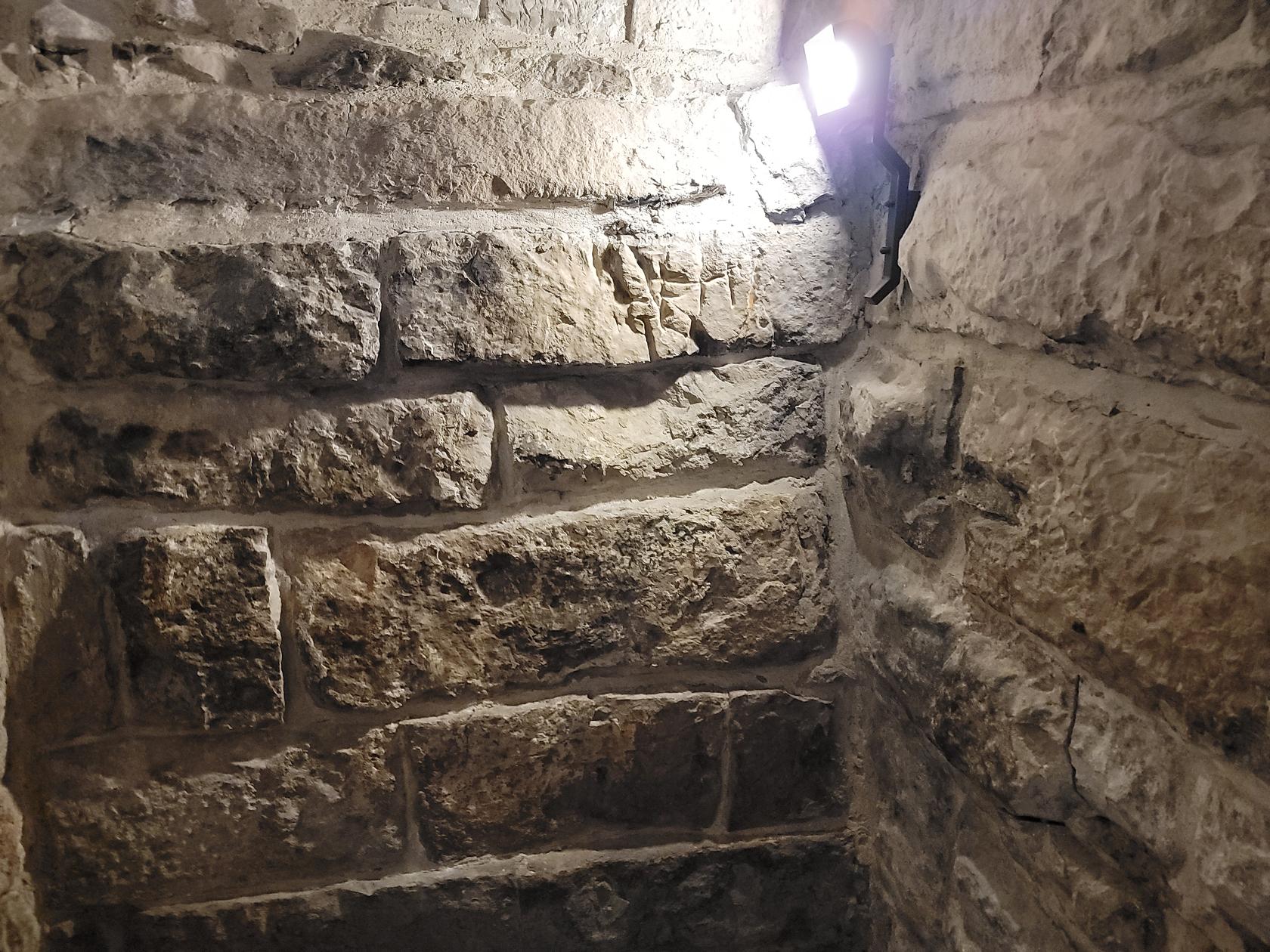
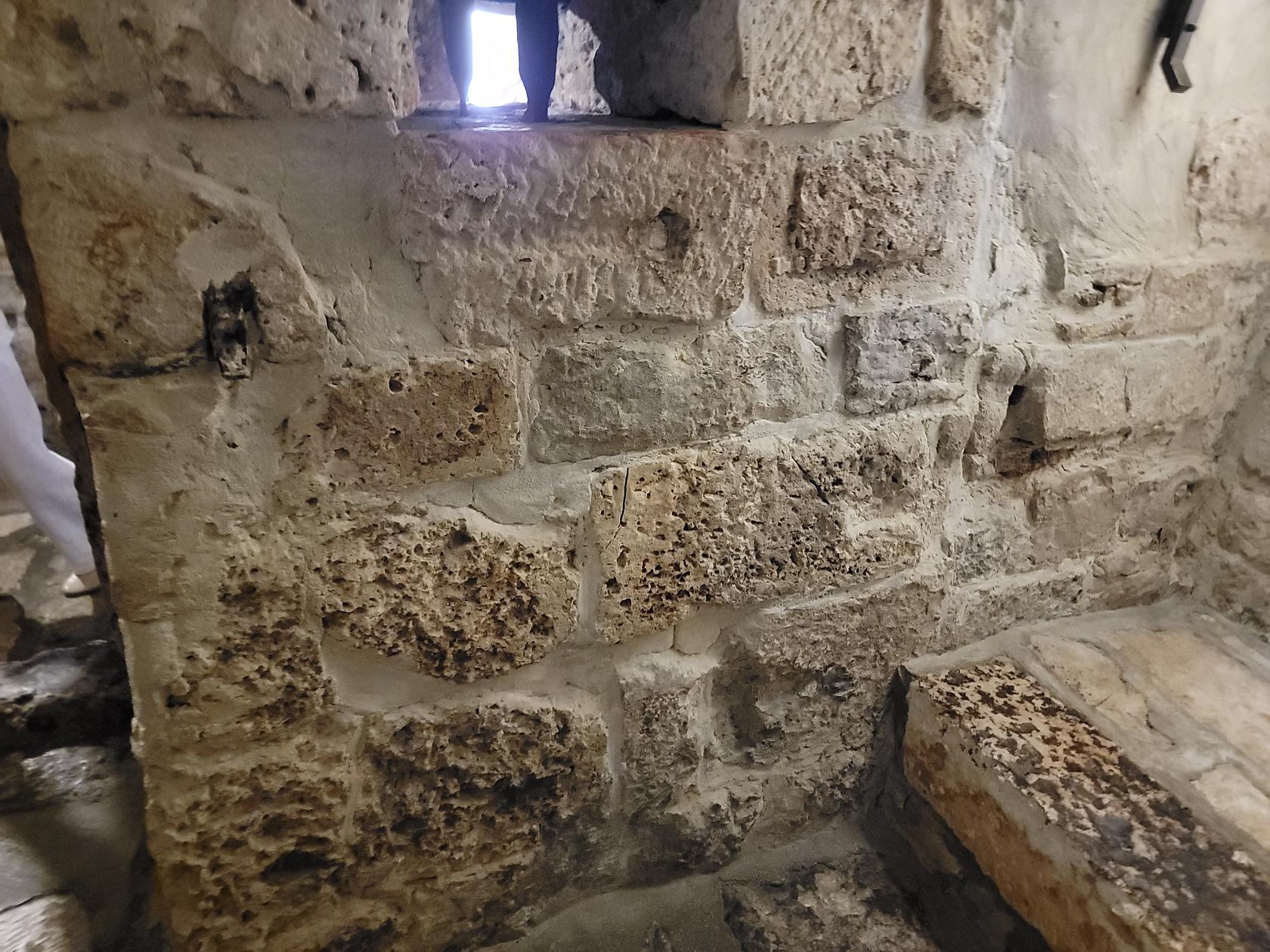
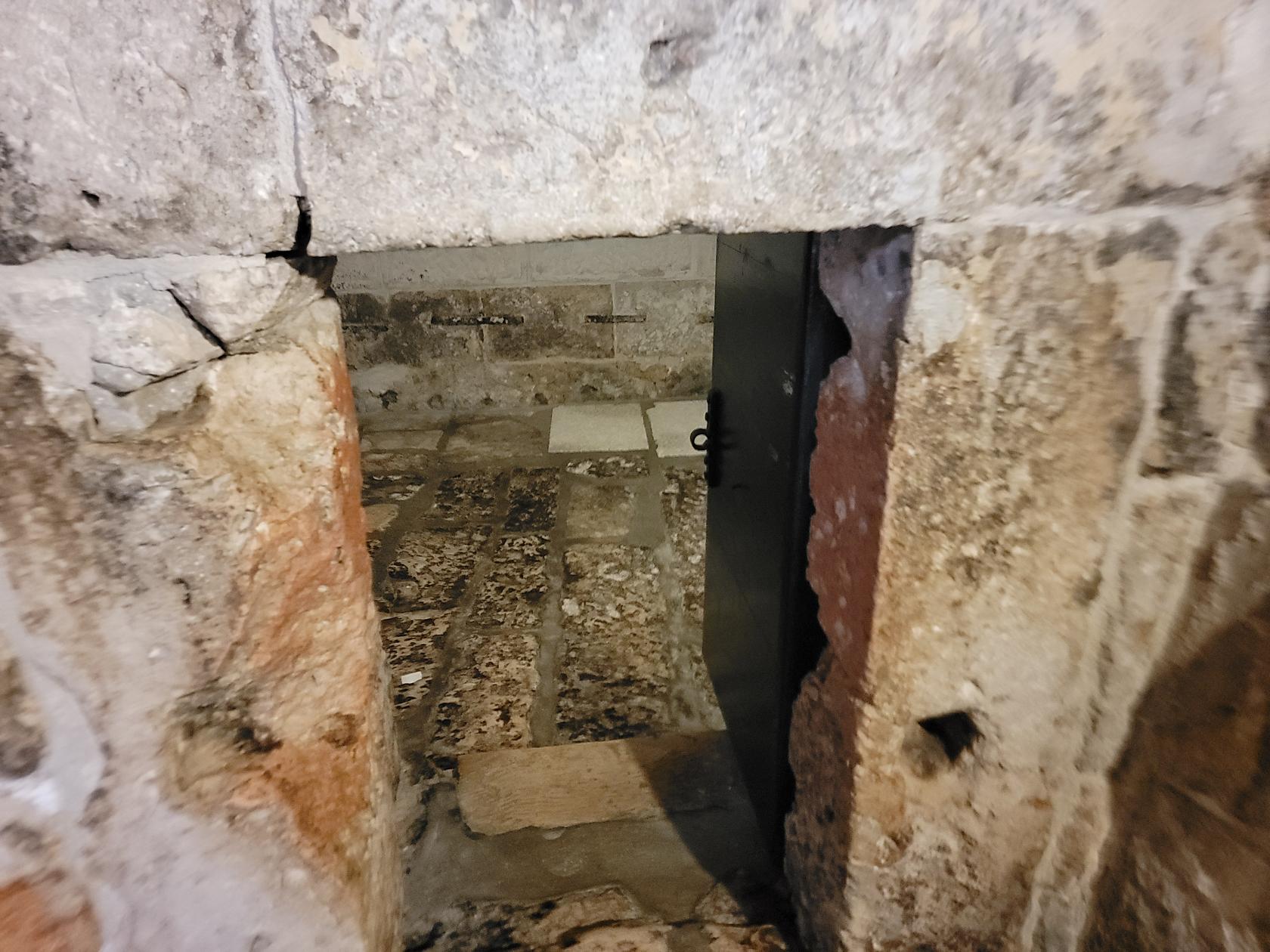
On the ground floor the Dragon Prison Cell can be investigated, where only the most hardened criminals were kept. Apparently some inscribed their names on the walls, for future tourists to read no doubt.
Churches And Cathedrals

In Croatia, there are always Catholic churches to visit. Some are better than others and the ones you will find in Dubrovnik are for the most part not of much interest. Though their importance to the community no doubt remains.

Cathedral of The Assumption of the Virgin Mary

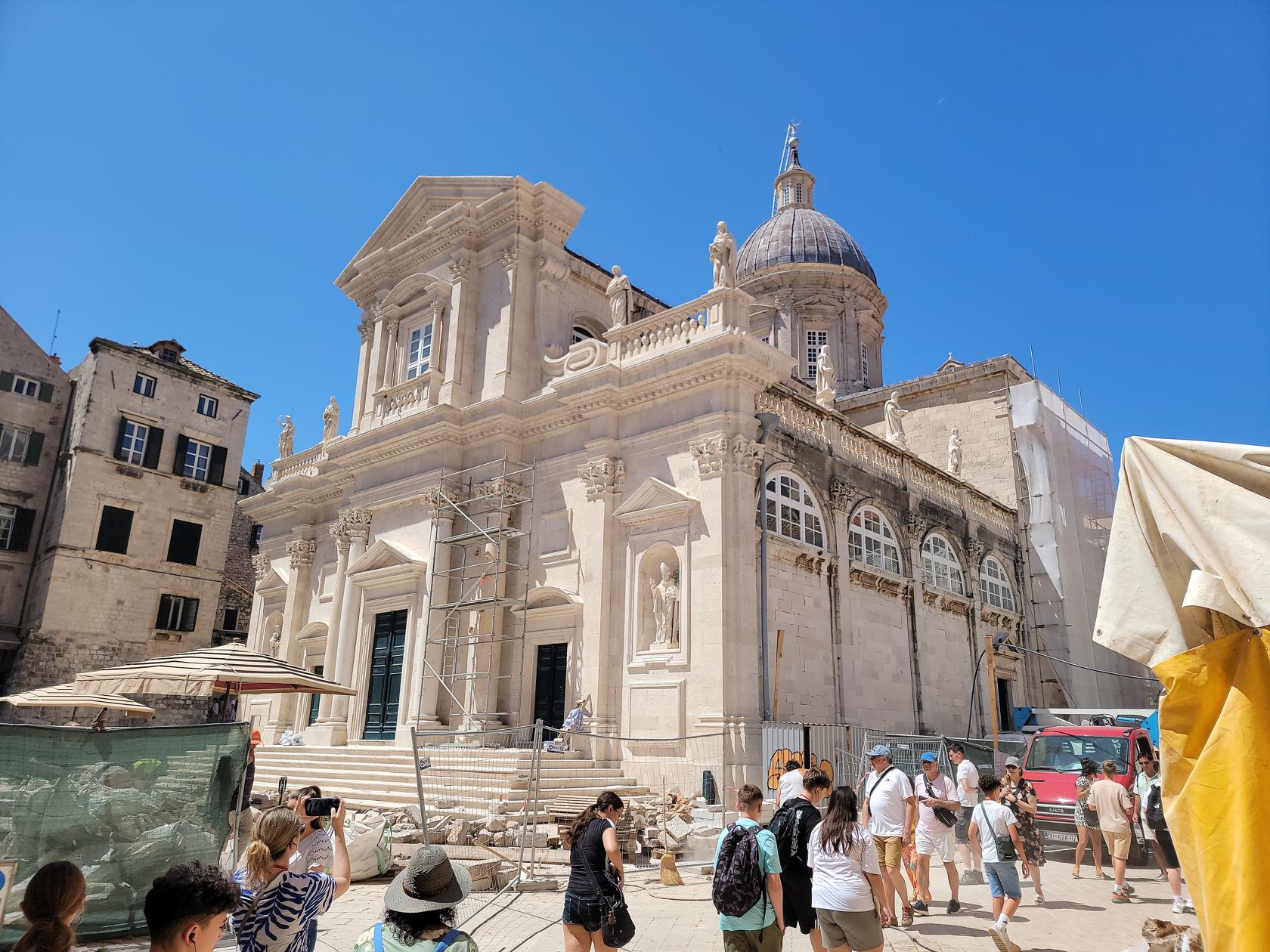
The Assumption of the Virgin Mary, or Dubrovnik Cathedral, was undergoing renovations at the time of our visit and could not be entered. It is located near the Rector’s Palace. Built in the Baroque style of architecture, it was literally destroyed by the devastating Dubrovnik Earthquate of 1667 and later rebuilt.
Church of Saint Ignatius

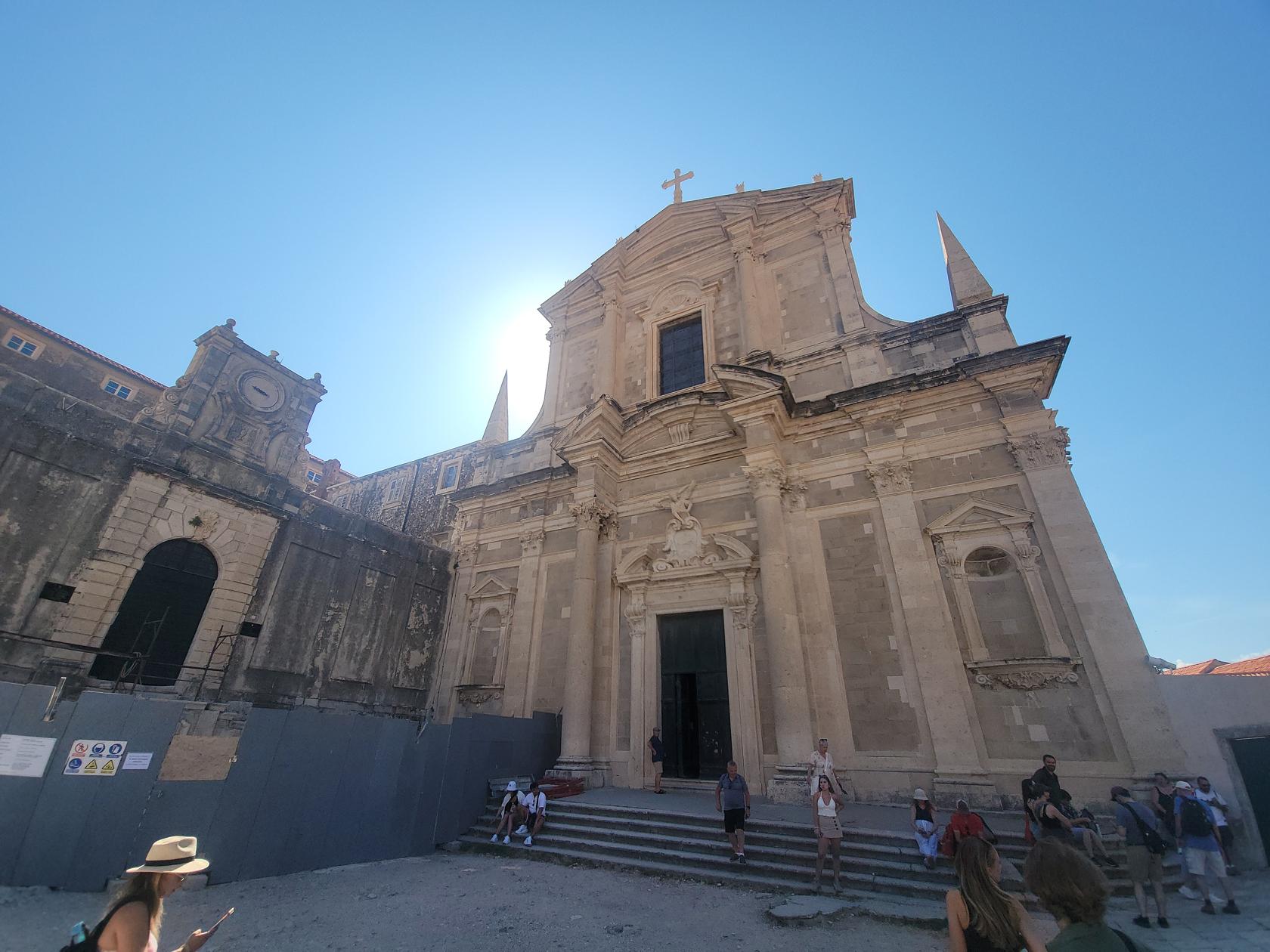
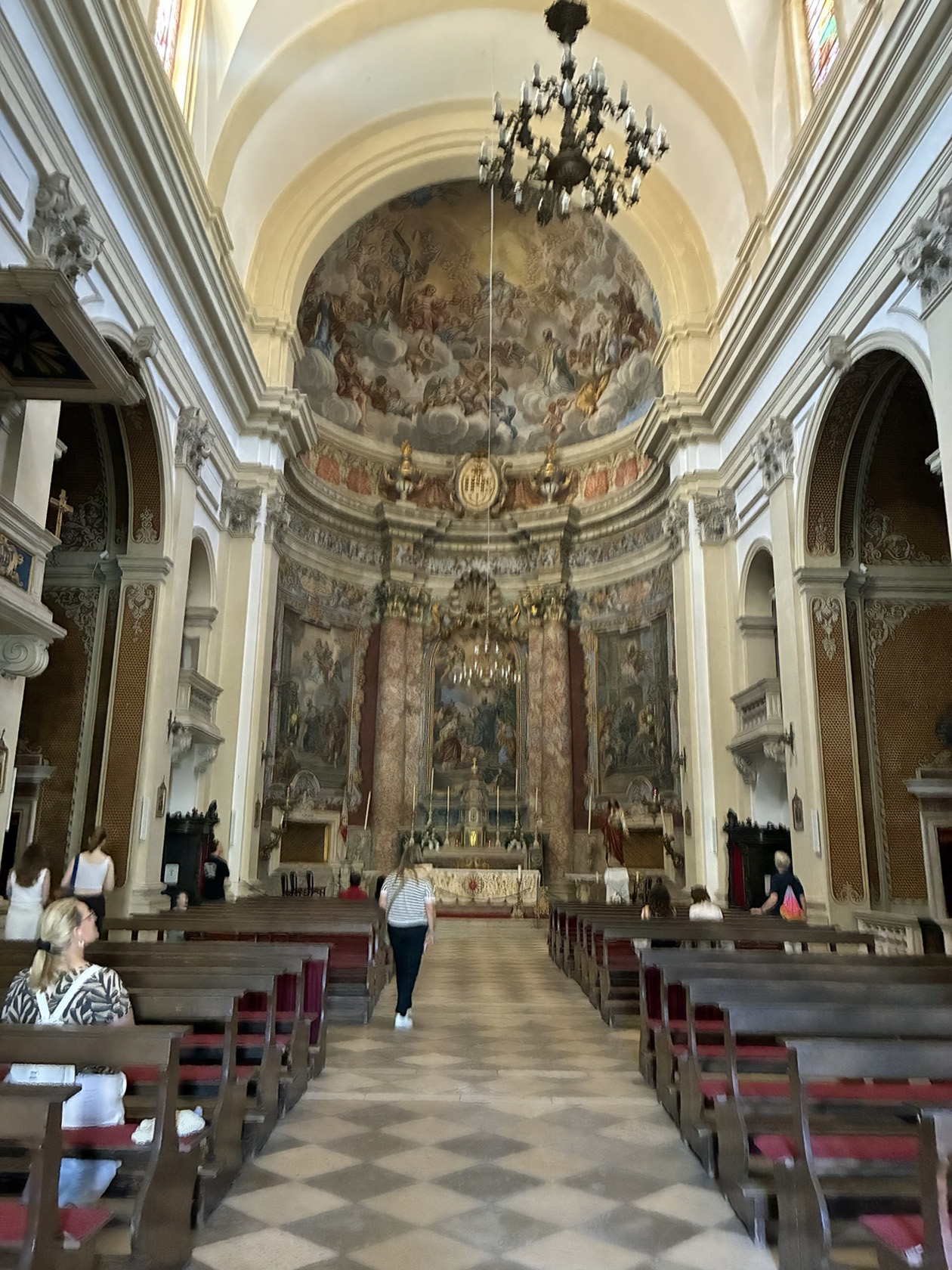
Perched above the Jesuit Stairs is the Church of Saint Ignatius. Formerly part of the Jesuit College, or Collegium Ragusinum, it is currently the finest example of Baroque period architecture in the Old Town.
Church of Saint Blaise

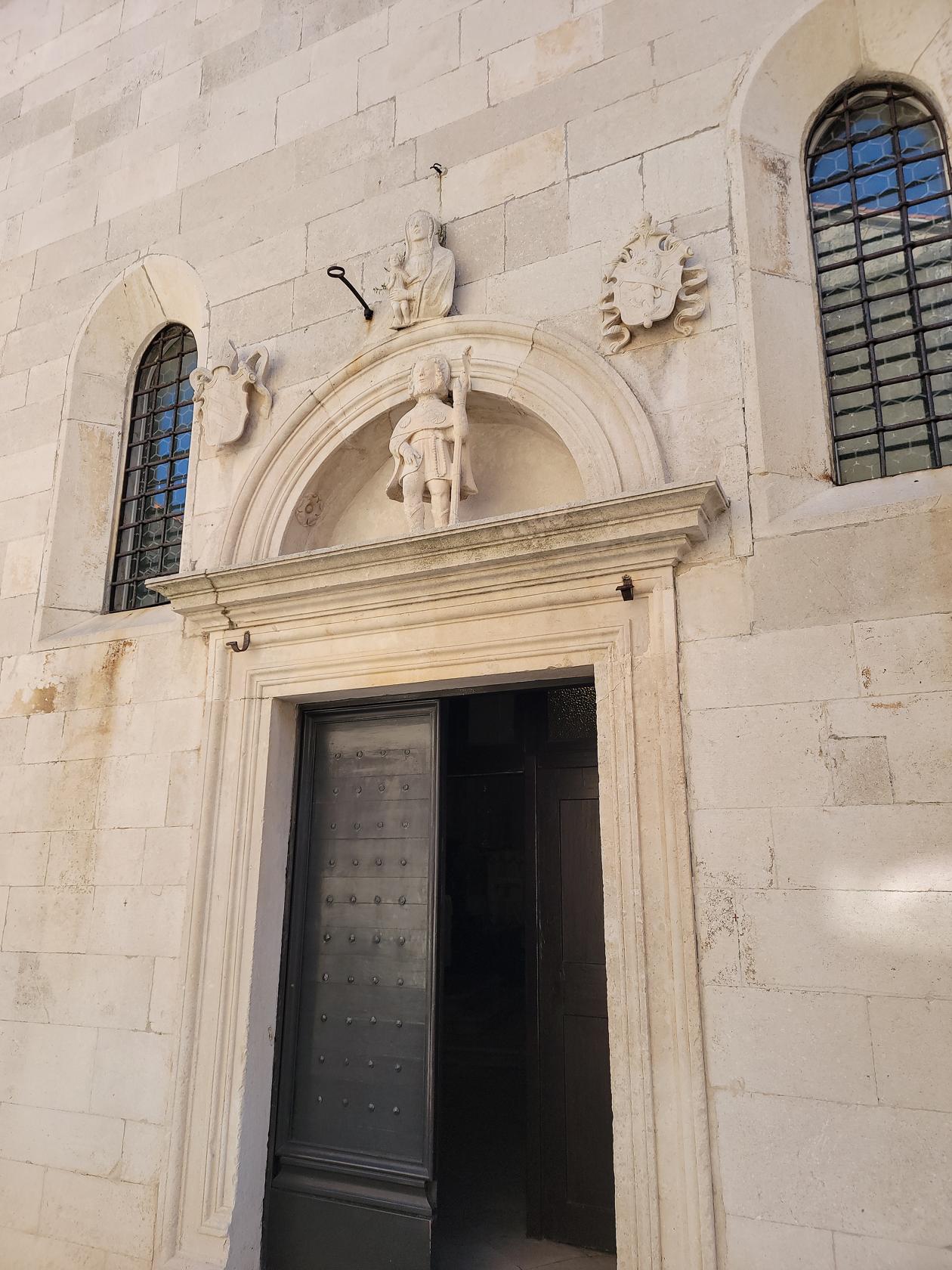
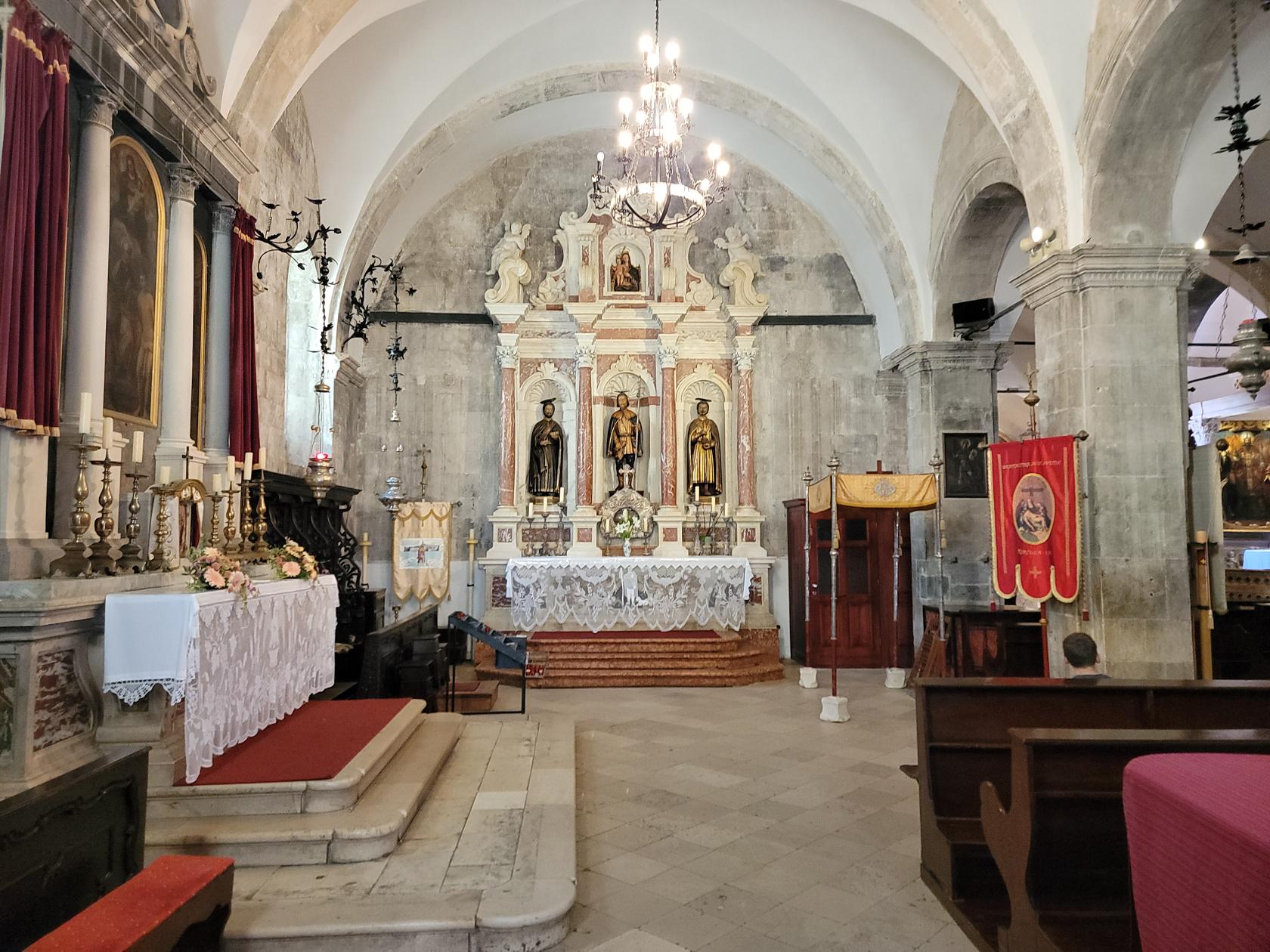
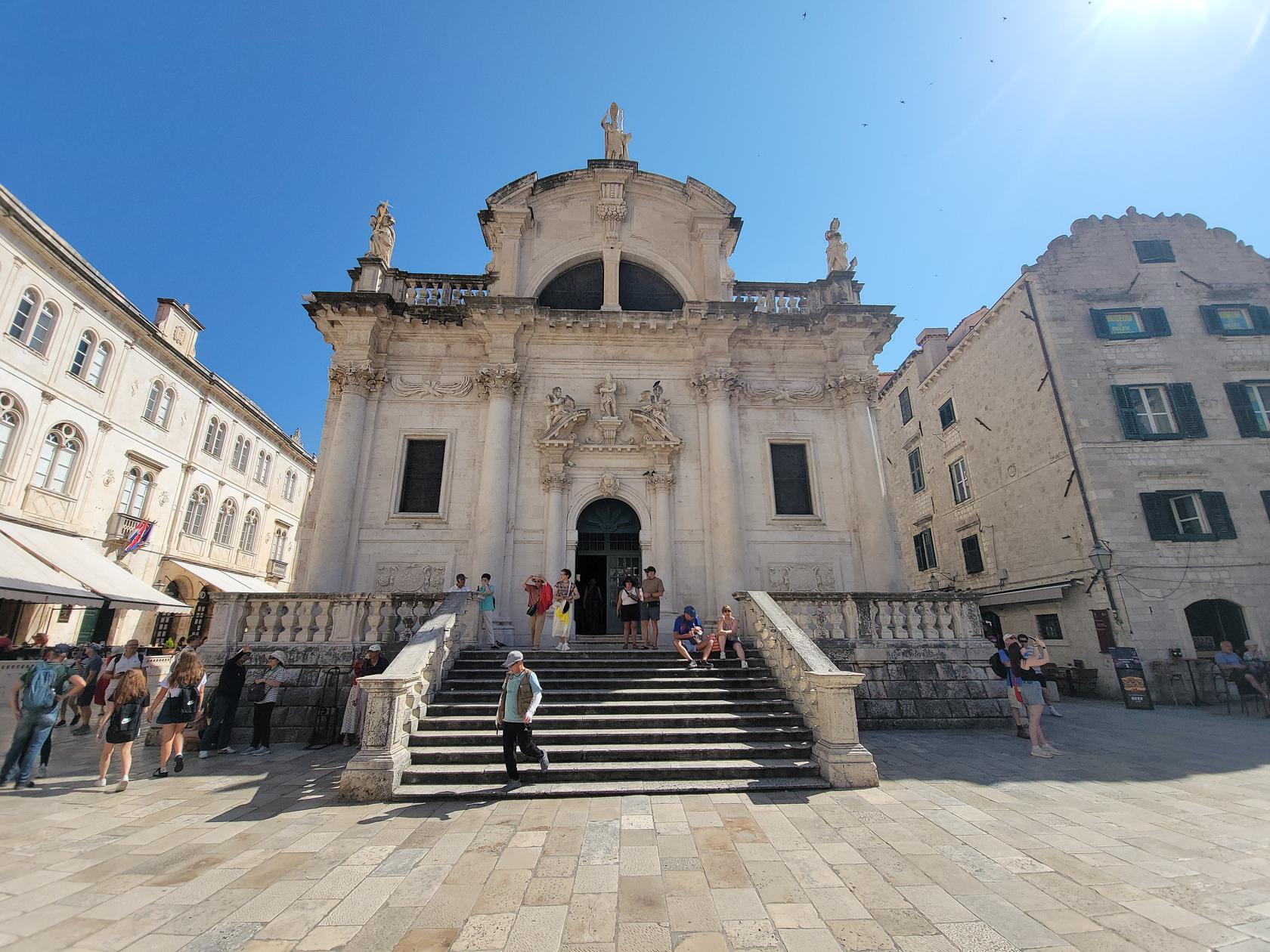
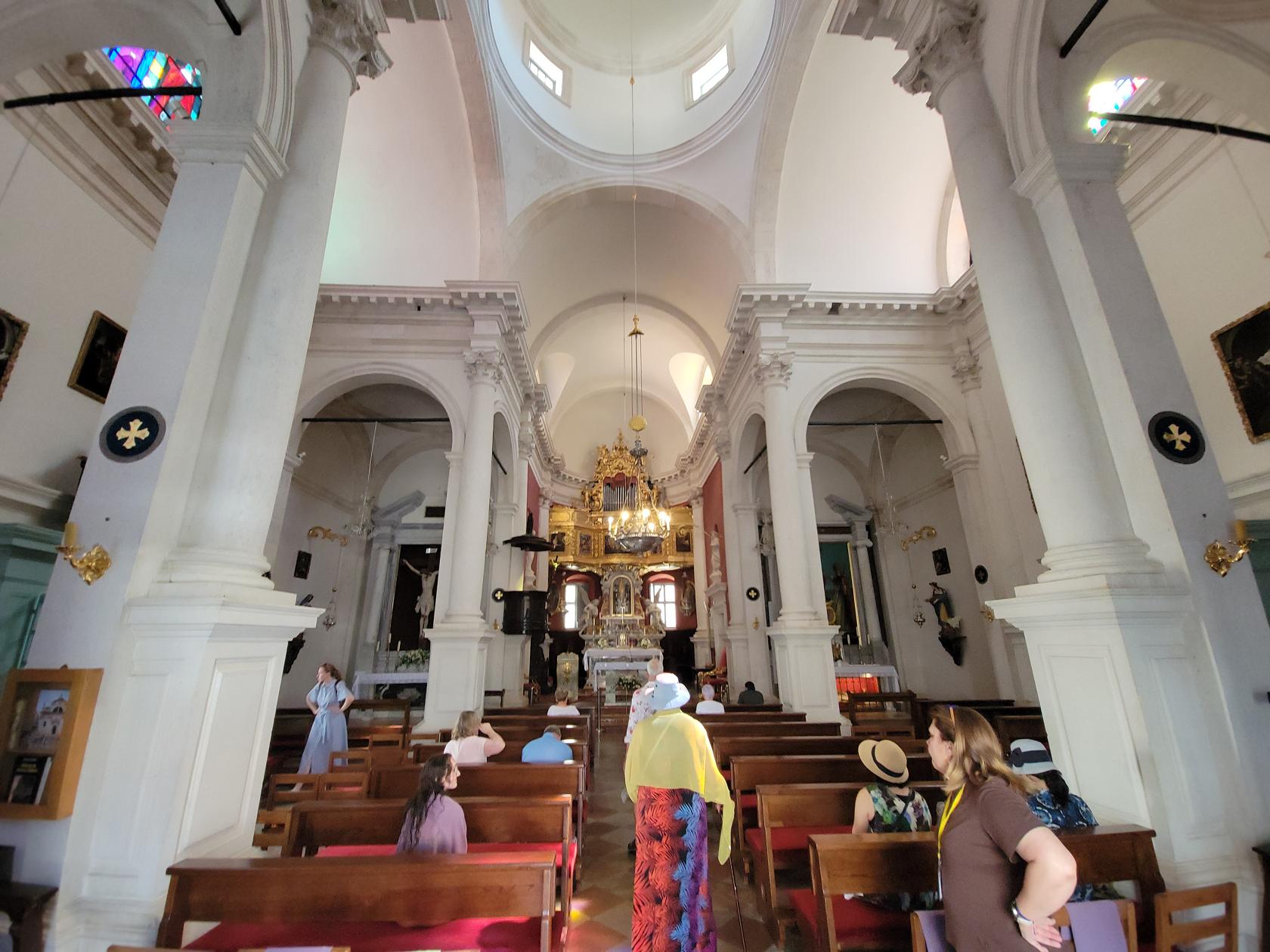
Built for the patron saint of the Old City, the Church of Saint Blaise occupies an important spot on the Stradun, close the city’s Clock Tower and Rector’s Palace. The plan of this Romanesque style church follows that of a Greek Cross inside, the nave and alter are shown below. It was planned and built shortly after the Black Death hit the city of Dubrovnik in the mid fourteenth century. A statue of Saint Blaise adorns the highest point on its facade.
Lokrum Island

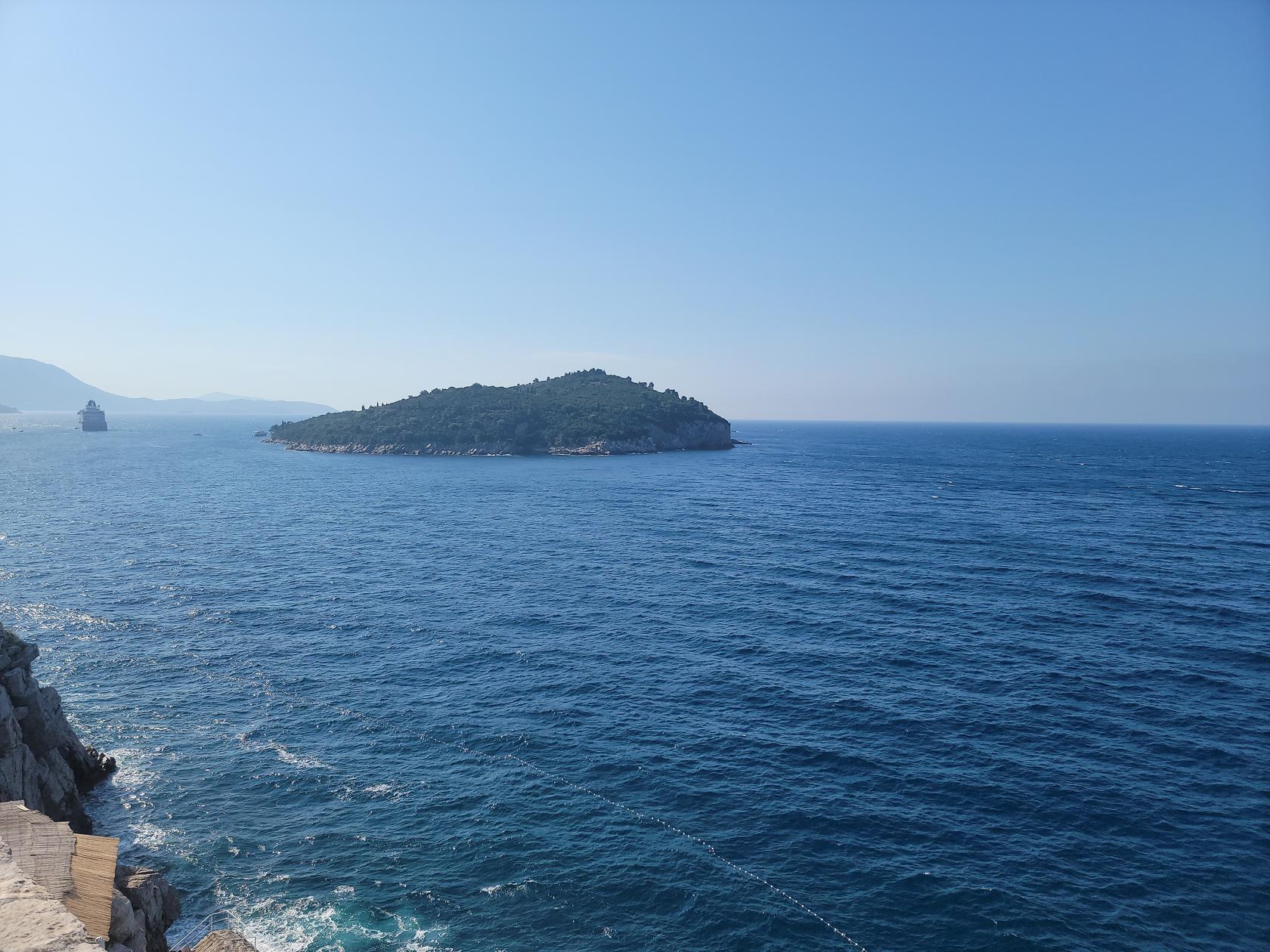
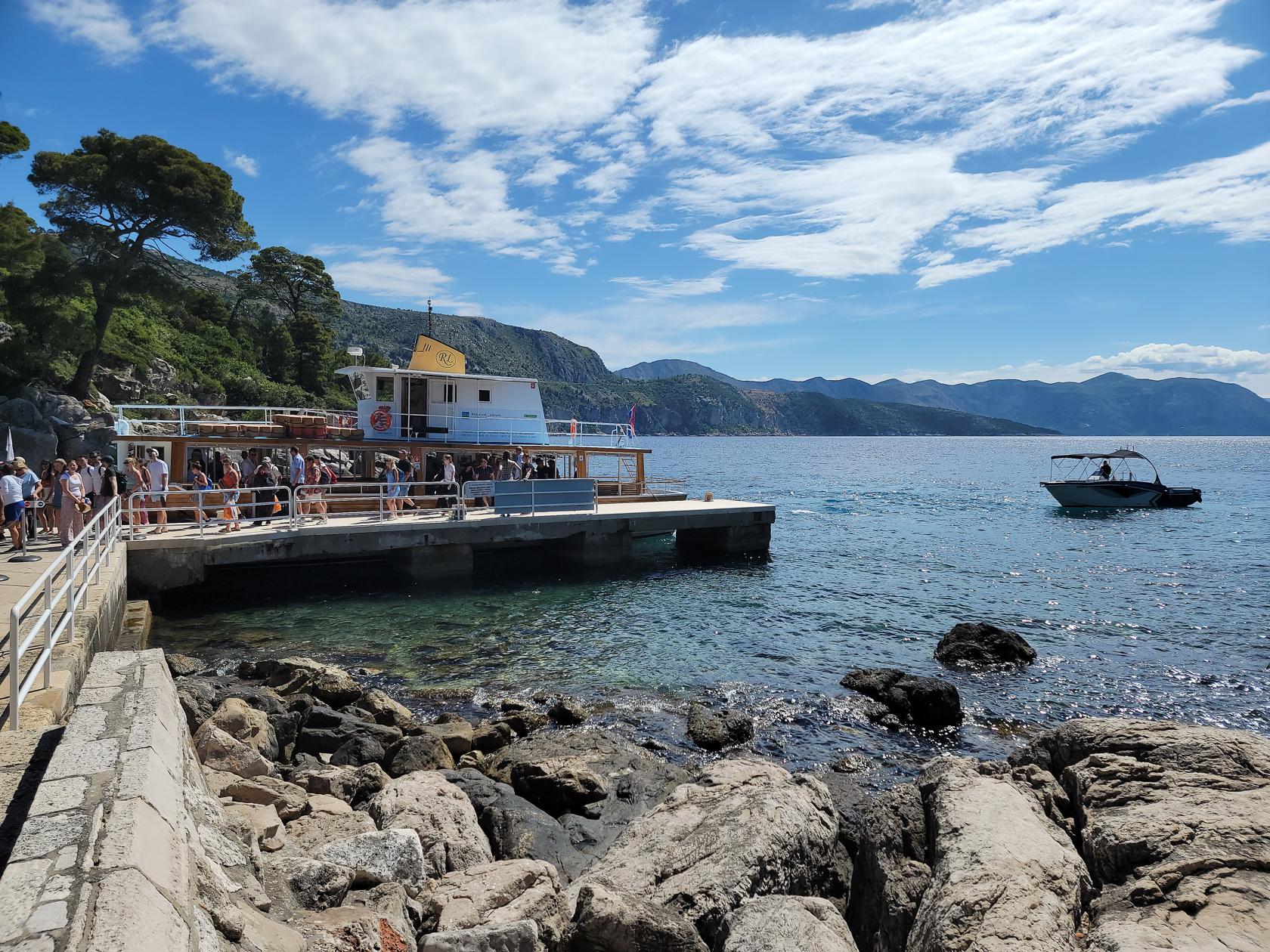
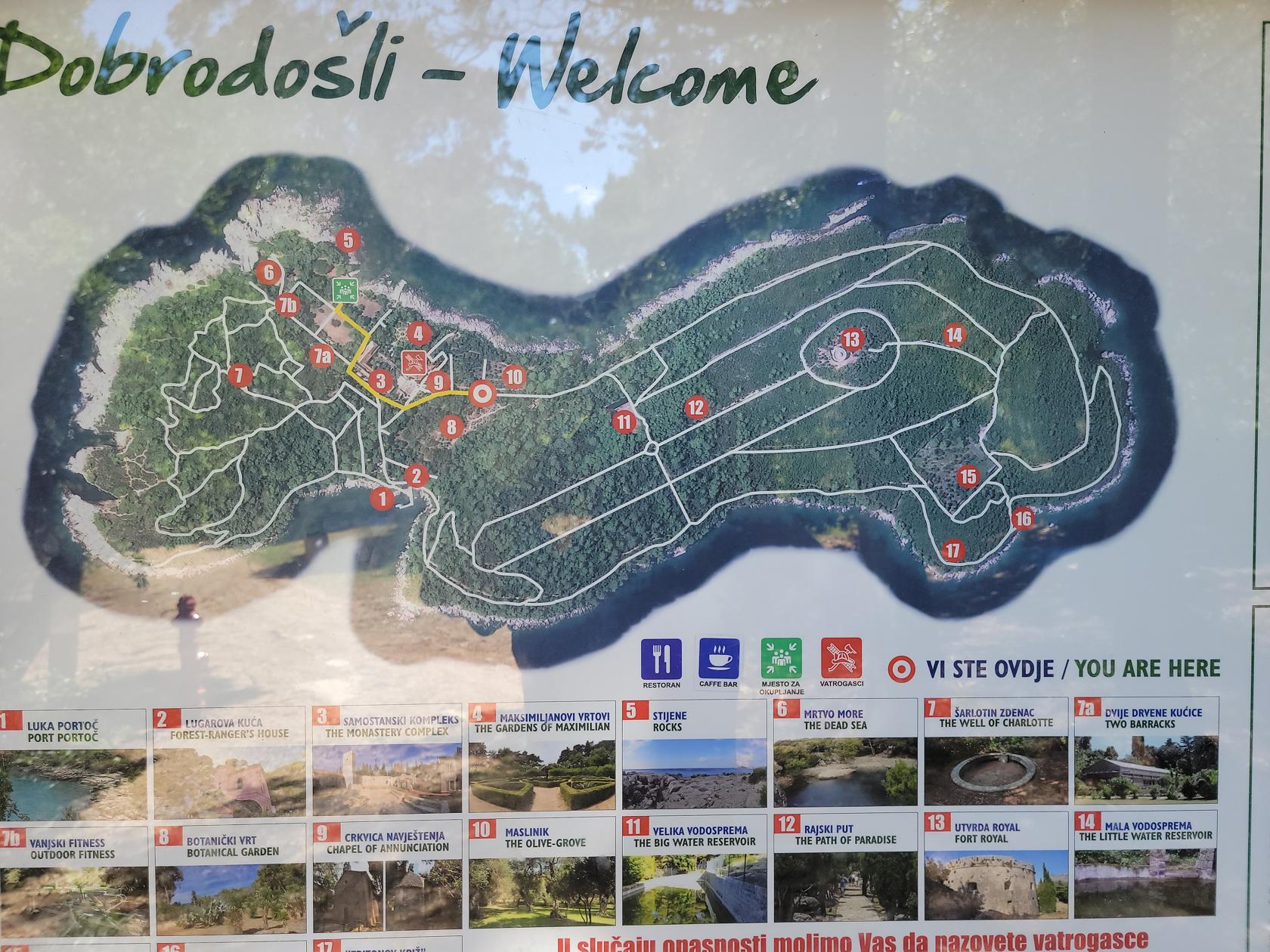
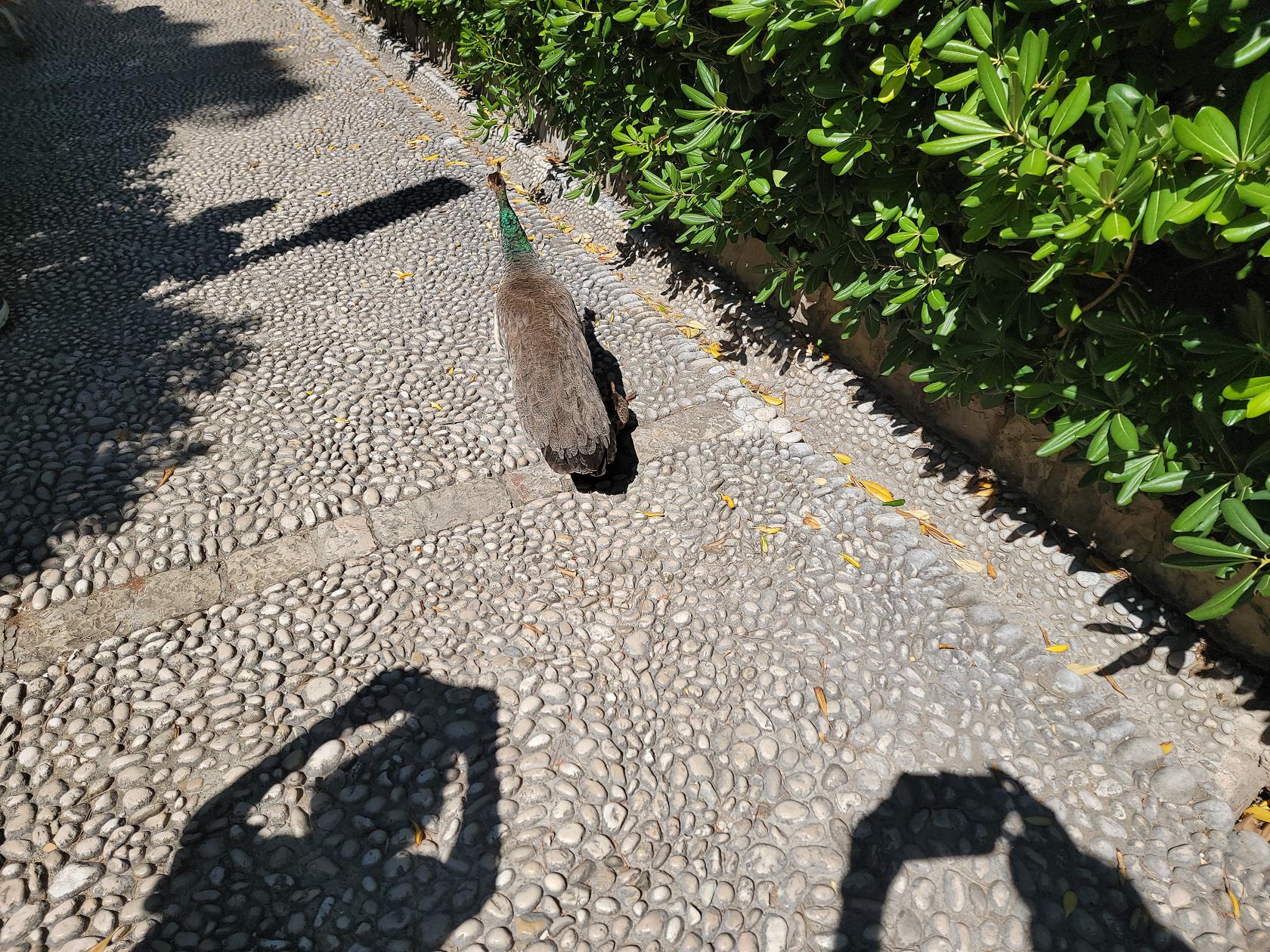
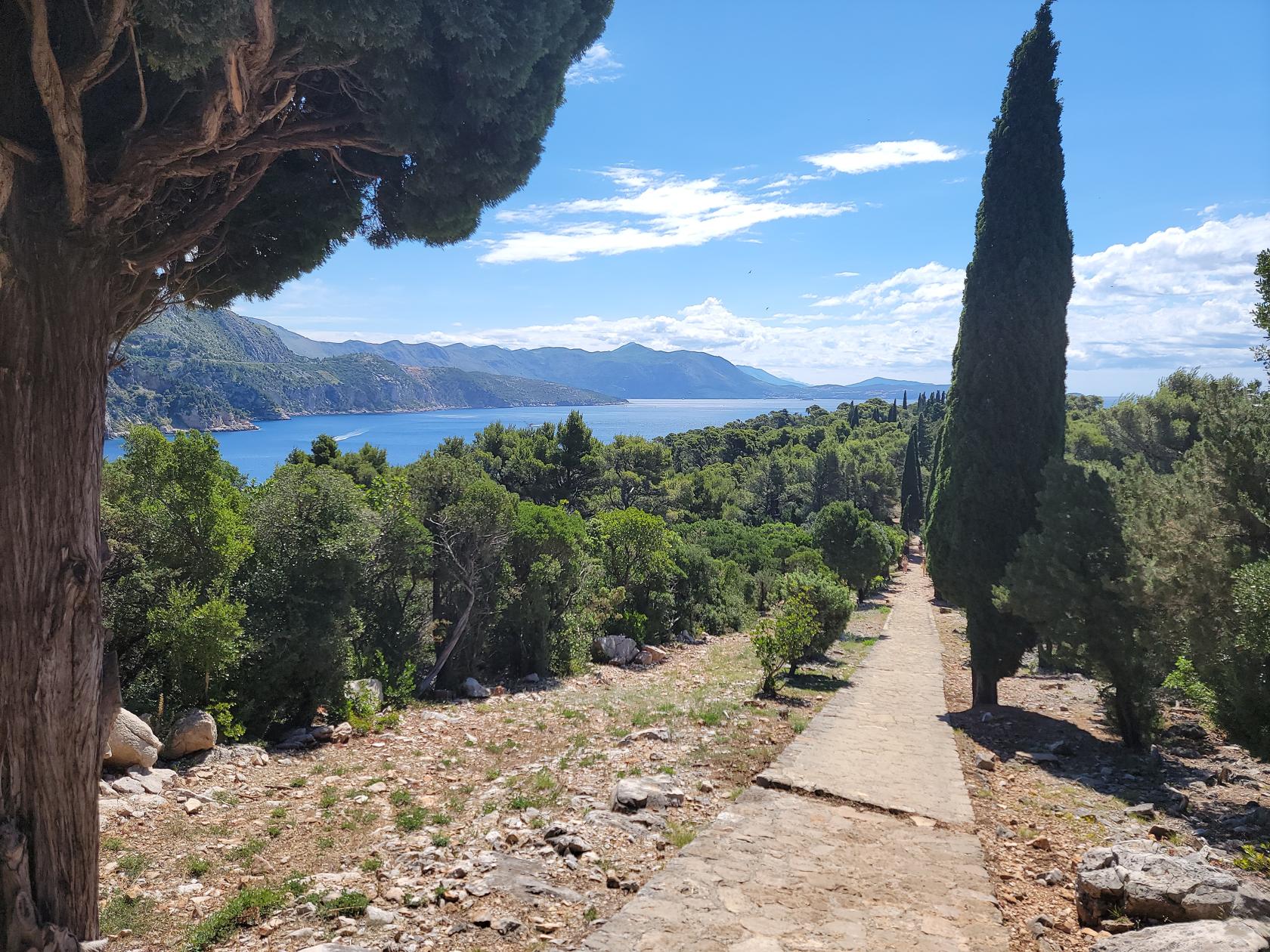
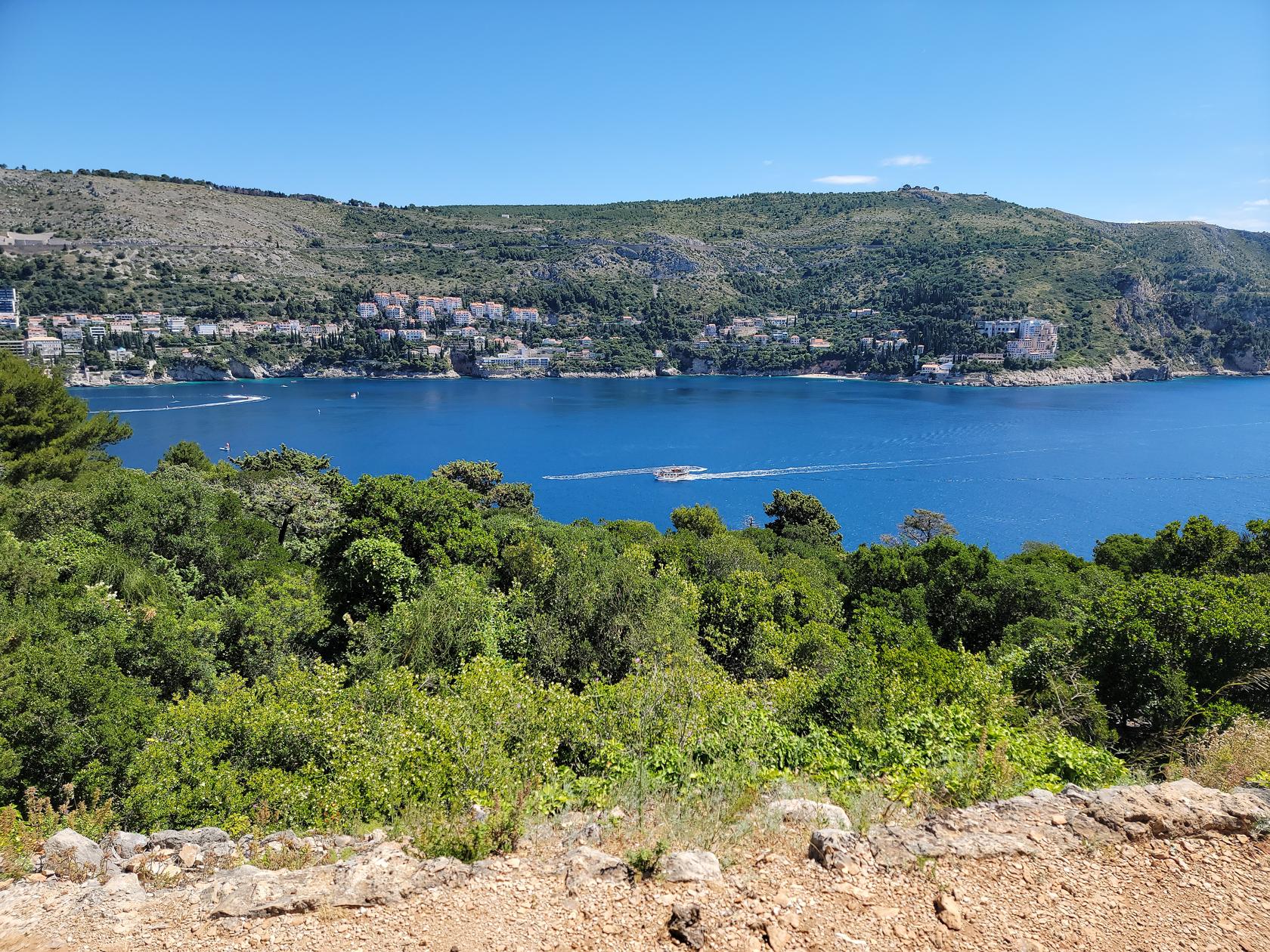
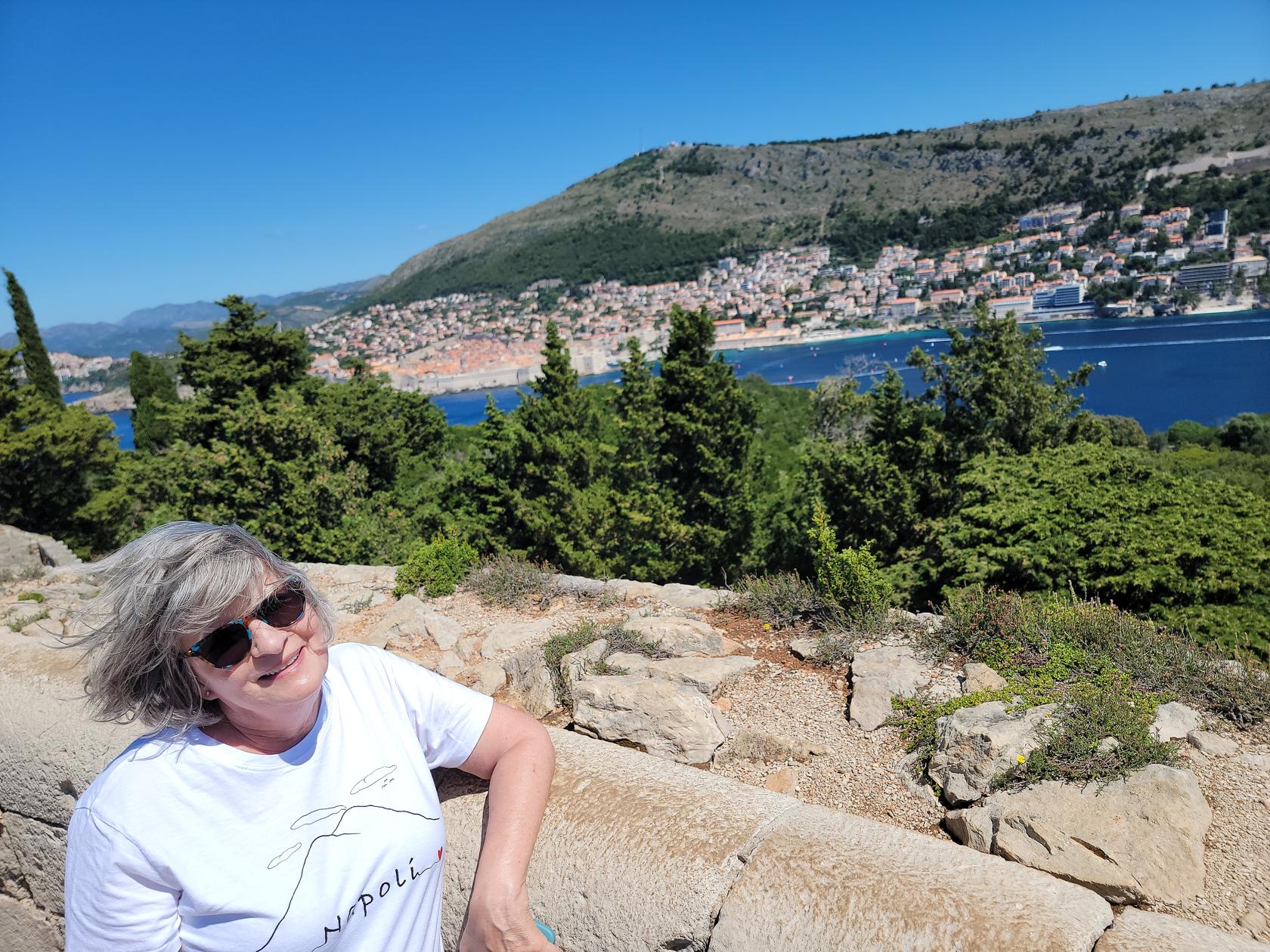
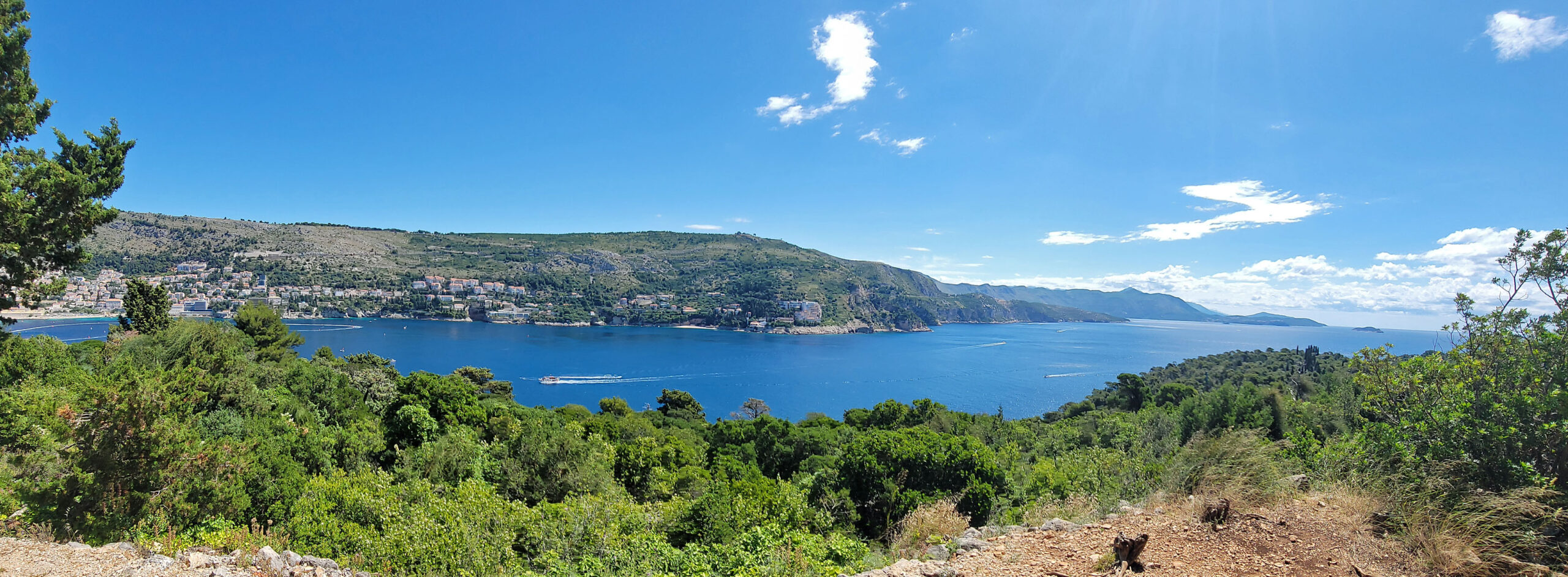
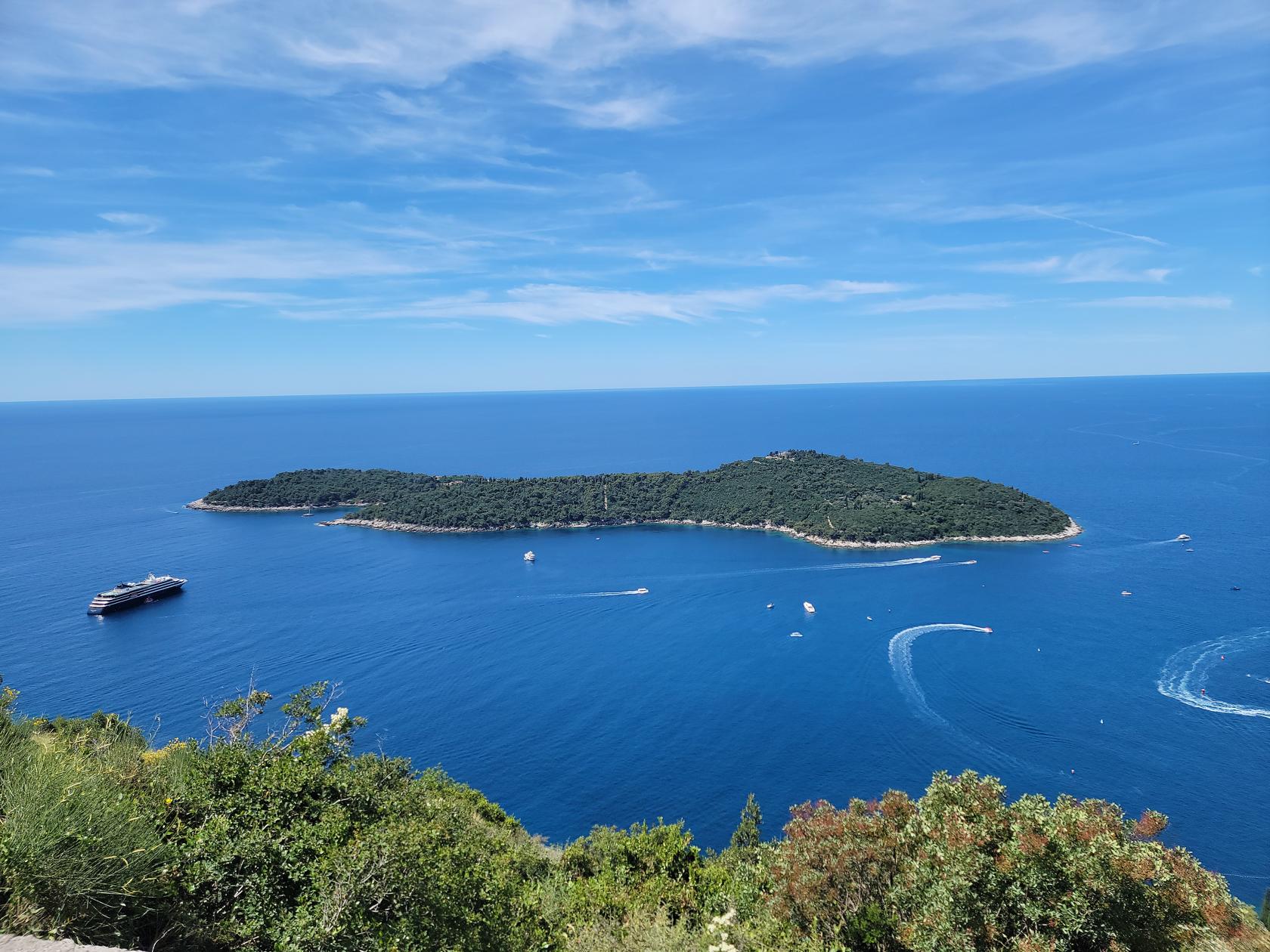
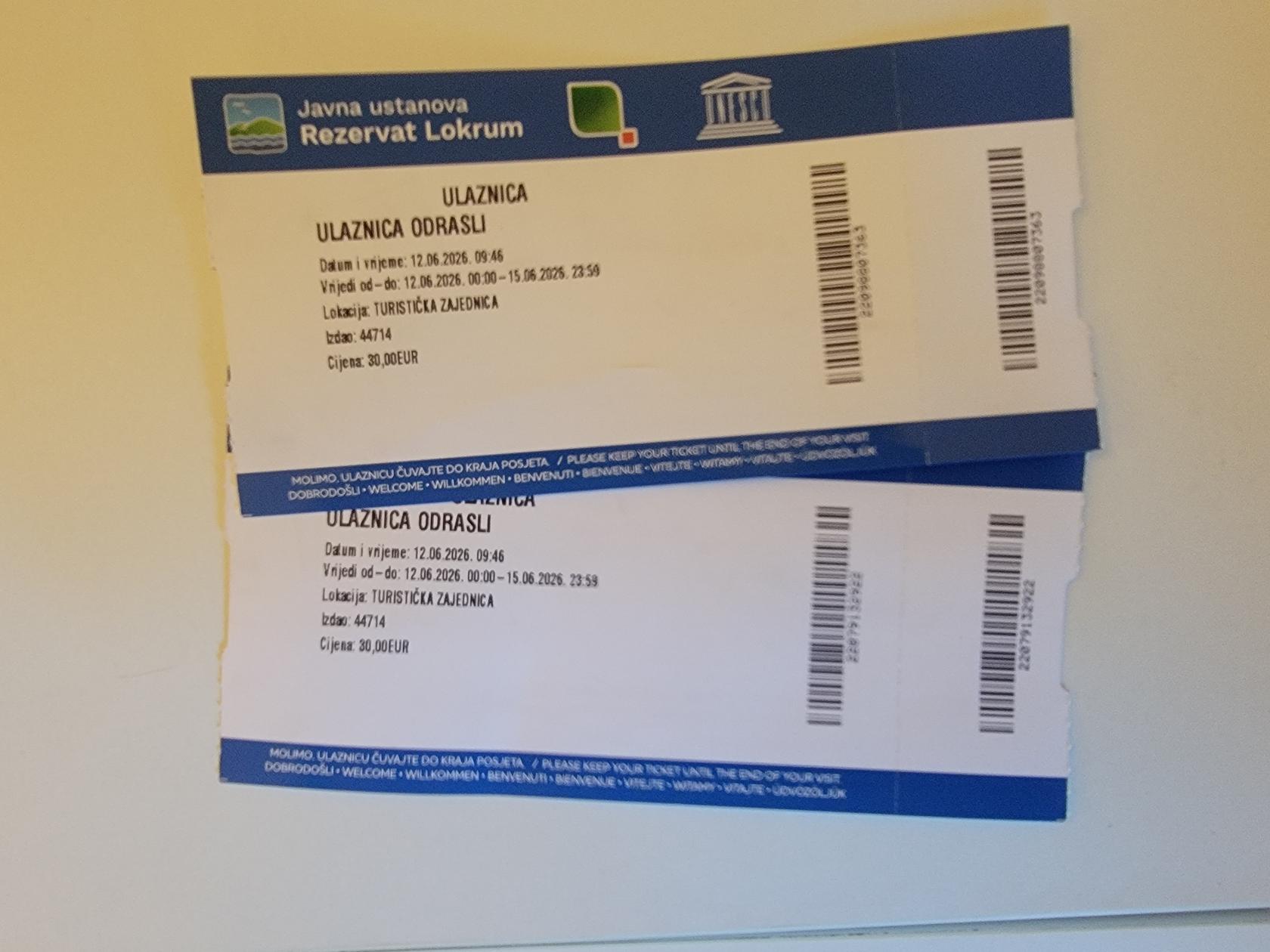
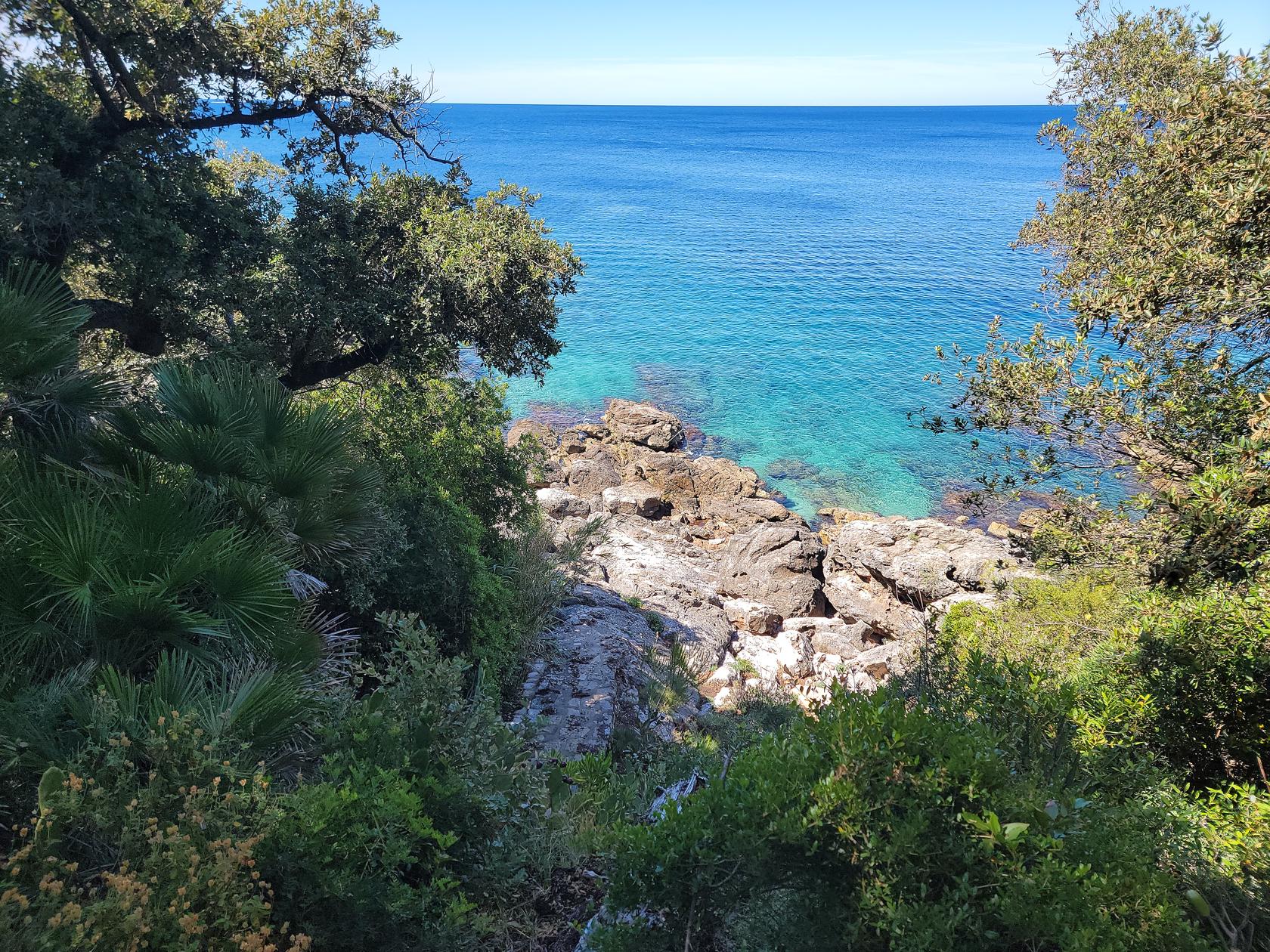
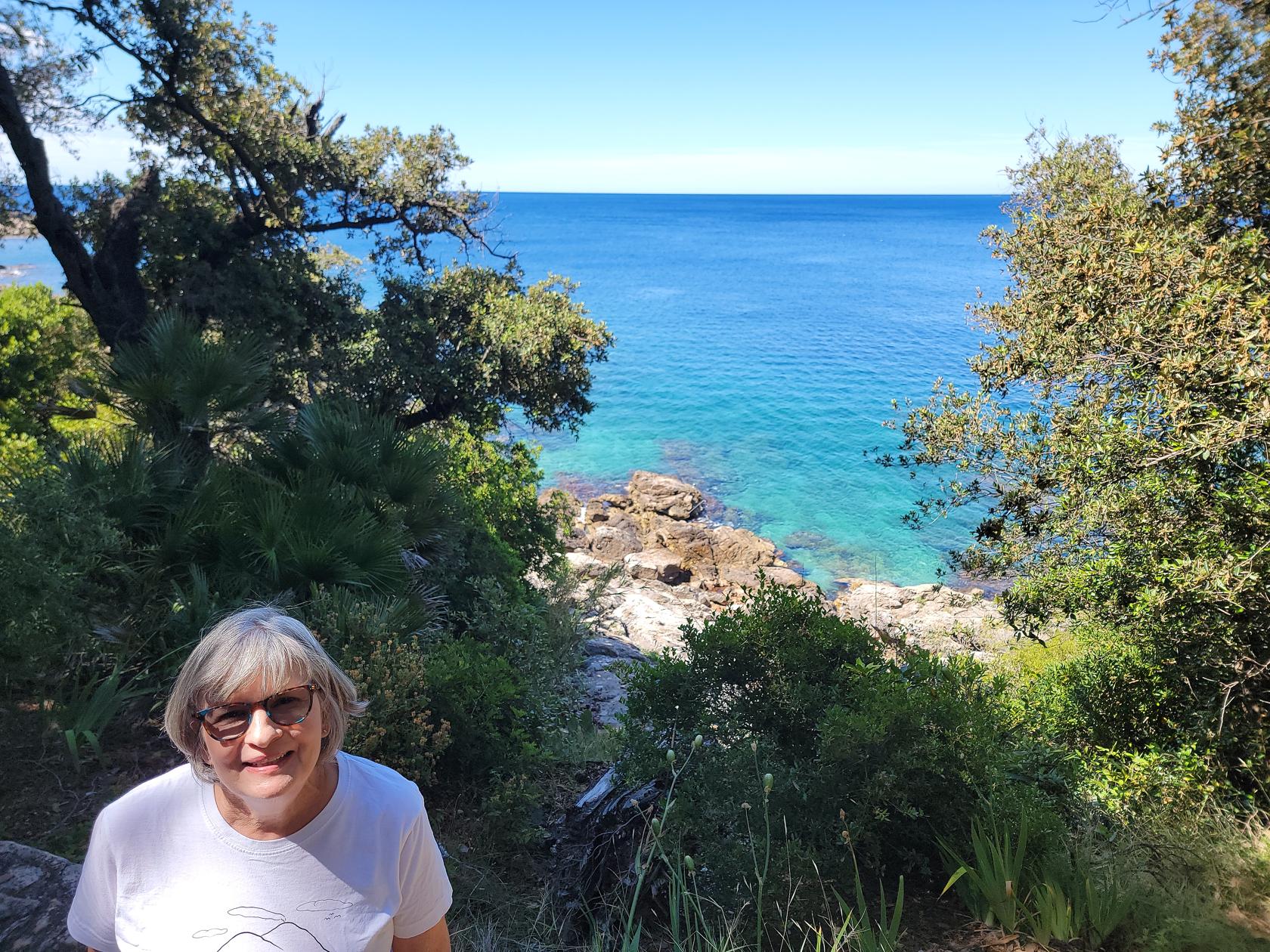
A short ferry hop away is the Botanical Garden and Wildlife Refuge for Peacocks and Peahens, Lokrum Island.
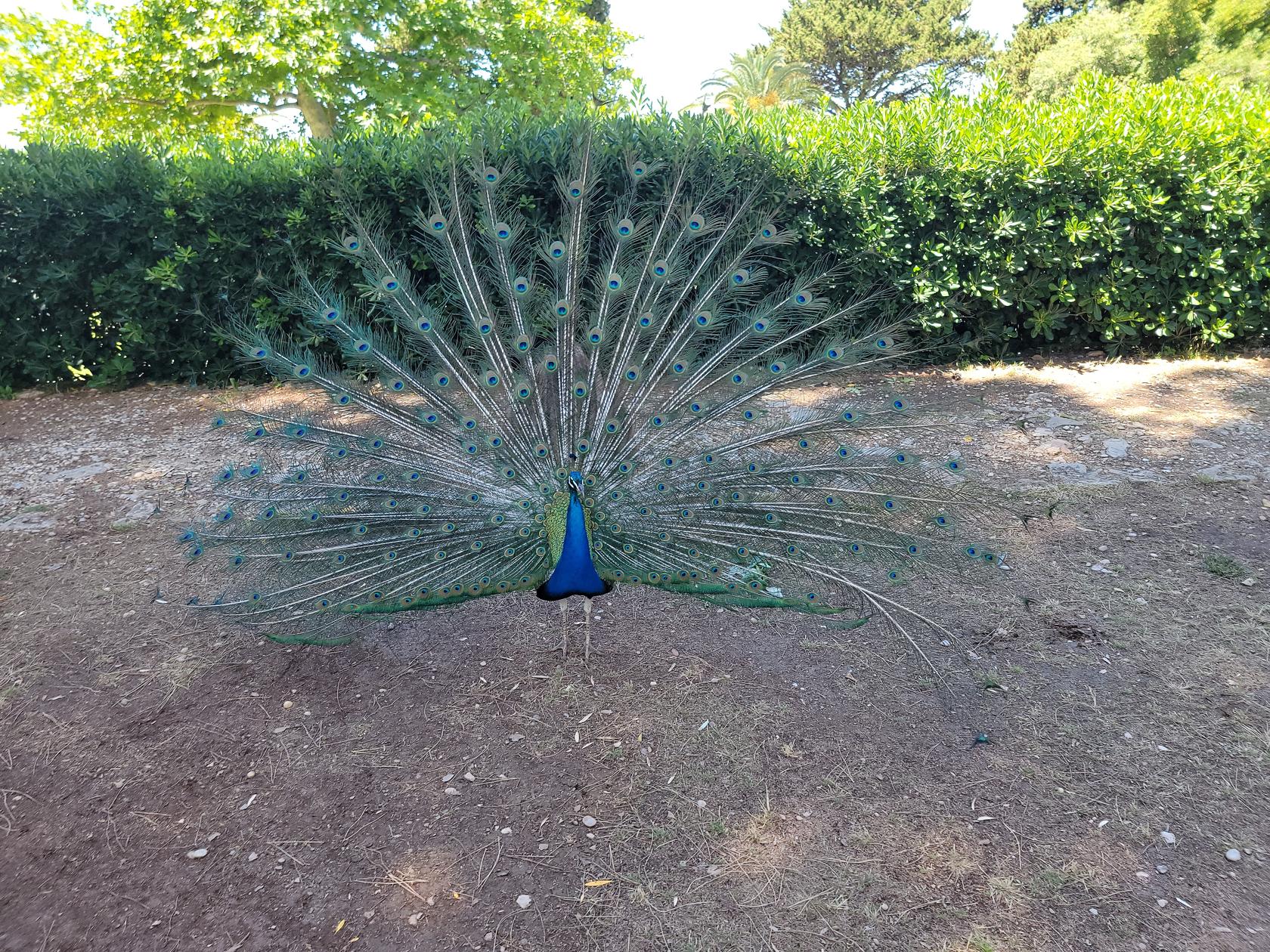
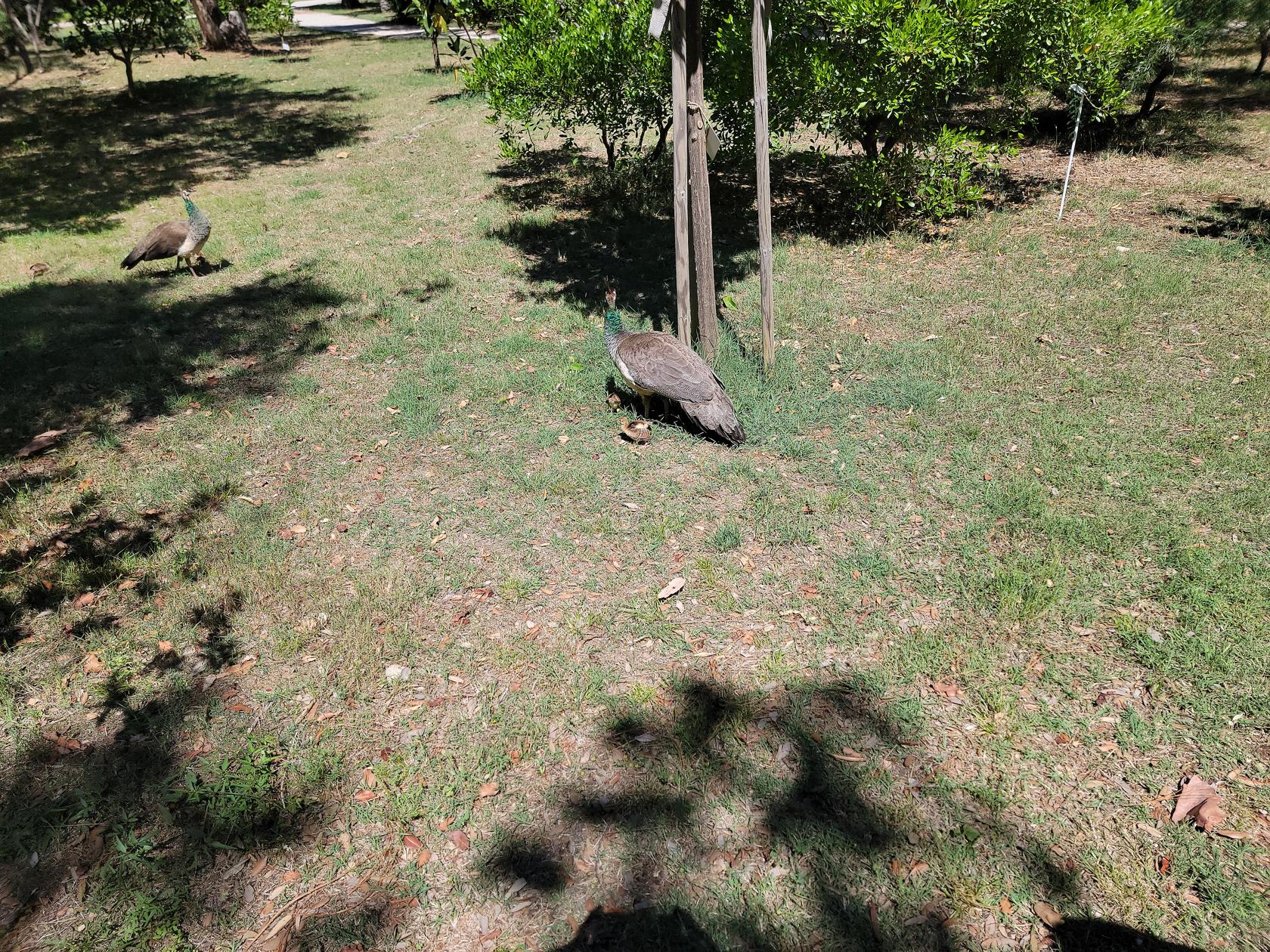
The birds are all over the island, however you will find them more often inland than along the coast, or on top of the hill where to fort is located.
For the most part the island is well marked with trails and you can spend a better part of a day exploring.
Fort Royal

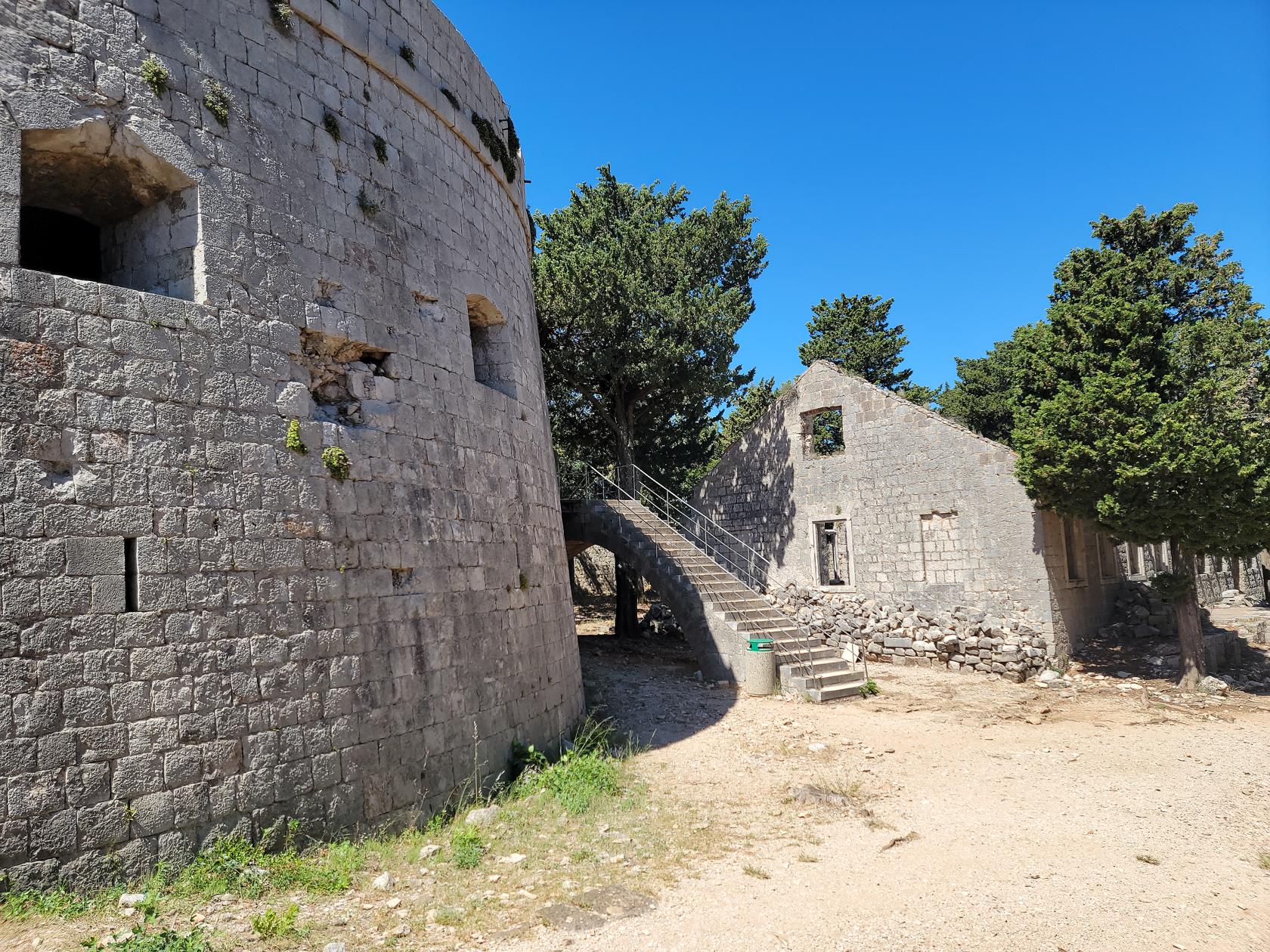
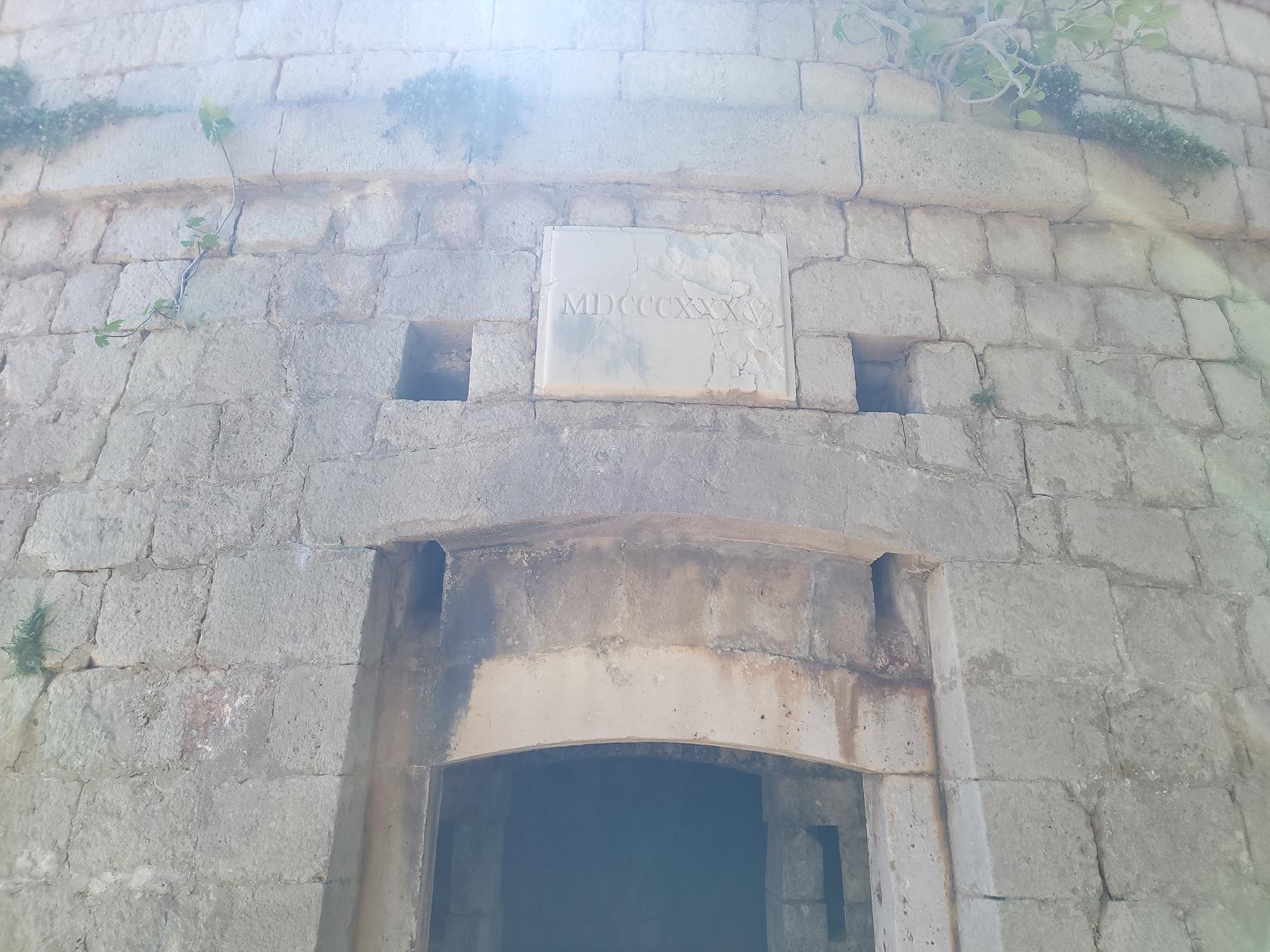
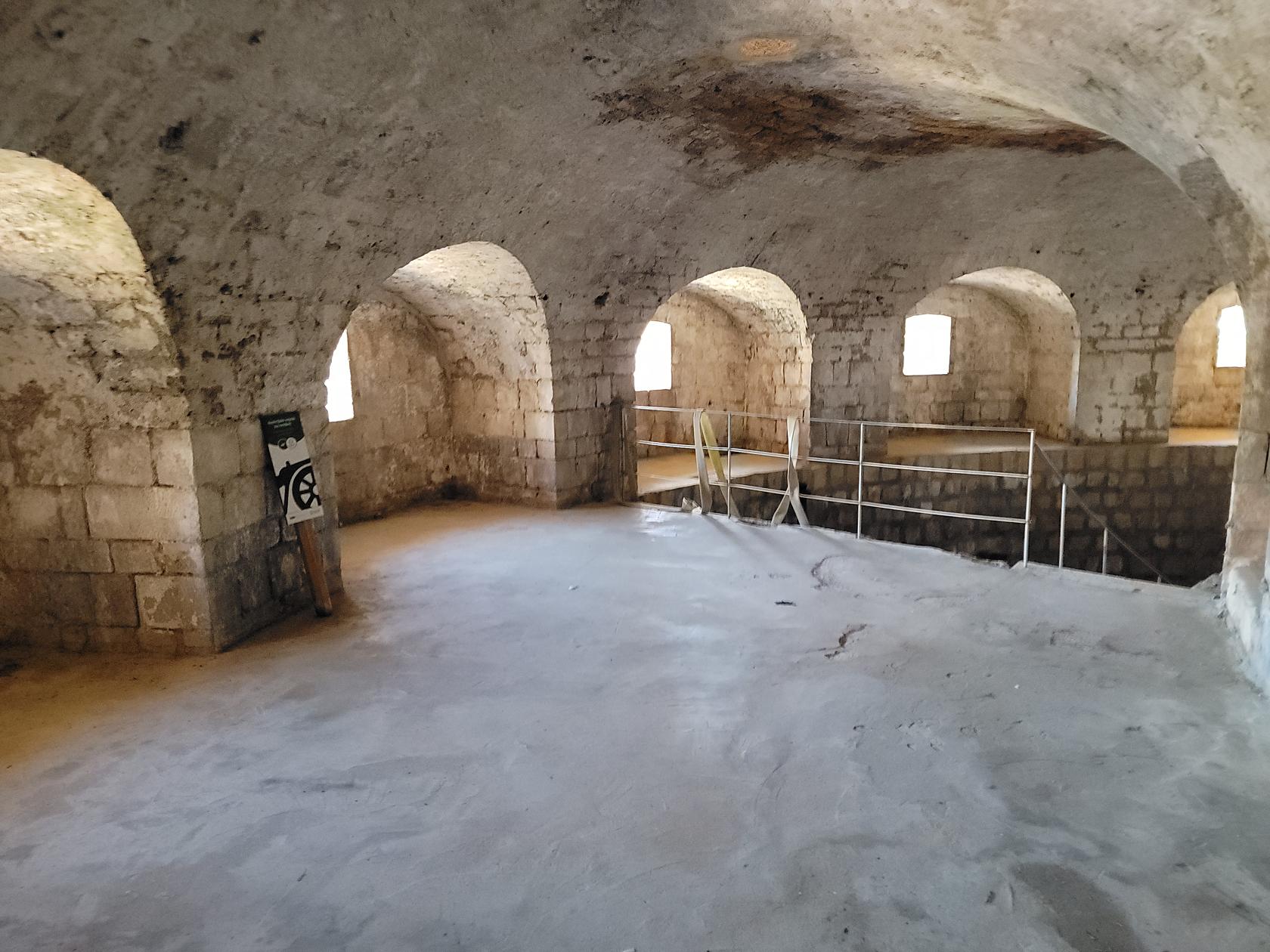
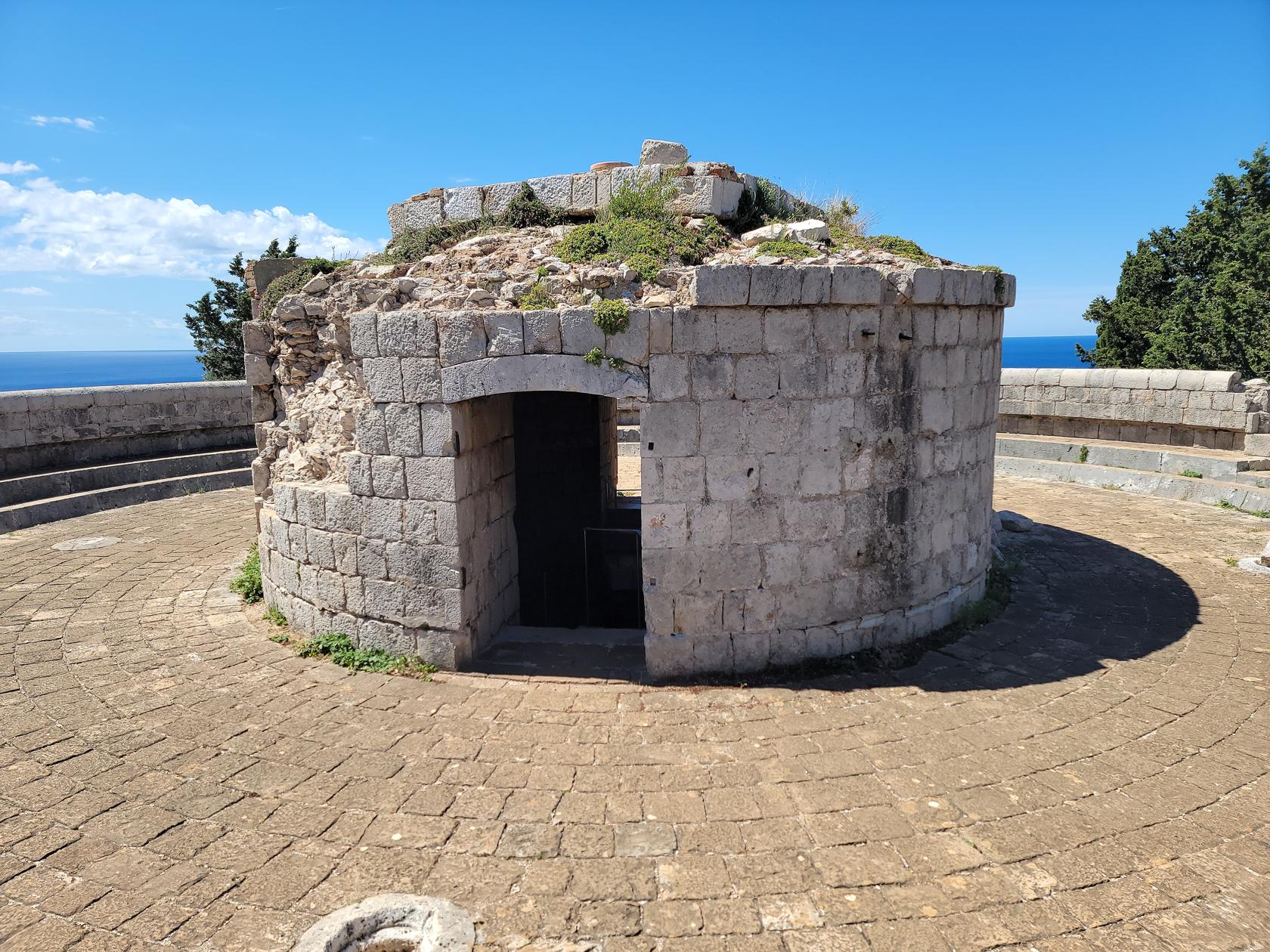
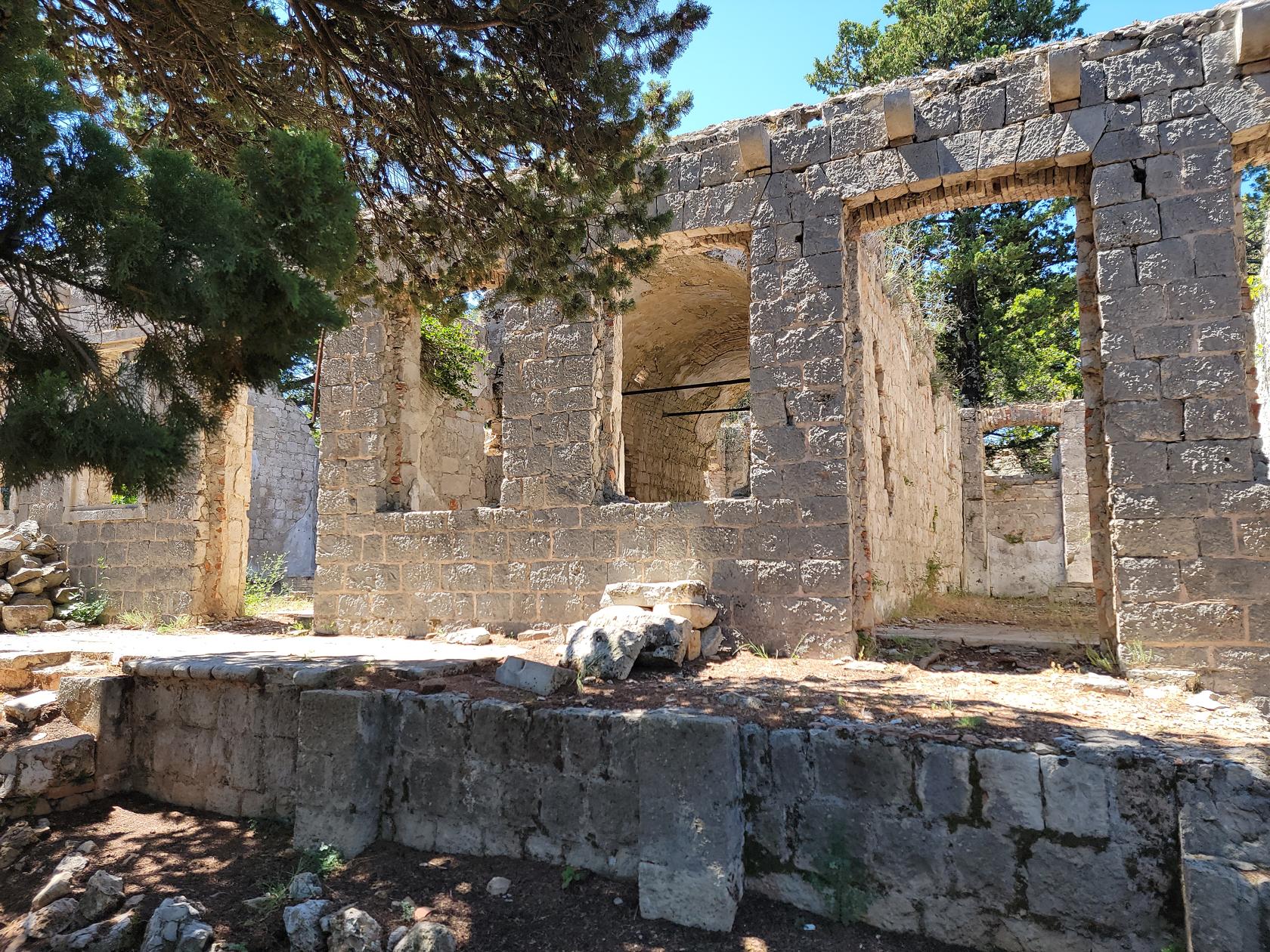
Perched atop the main hill on Lokrum, is Fort Royal. Now partially in ruin, it is only maintained as far as keeping is safe for the tourists. It commands a view of the island, the Dalmatian coastline and of course, Dubrovnik.
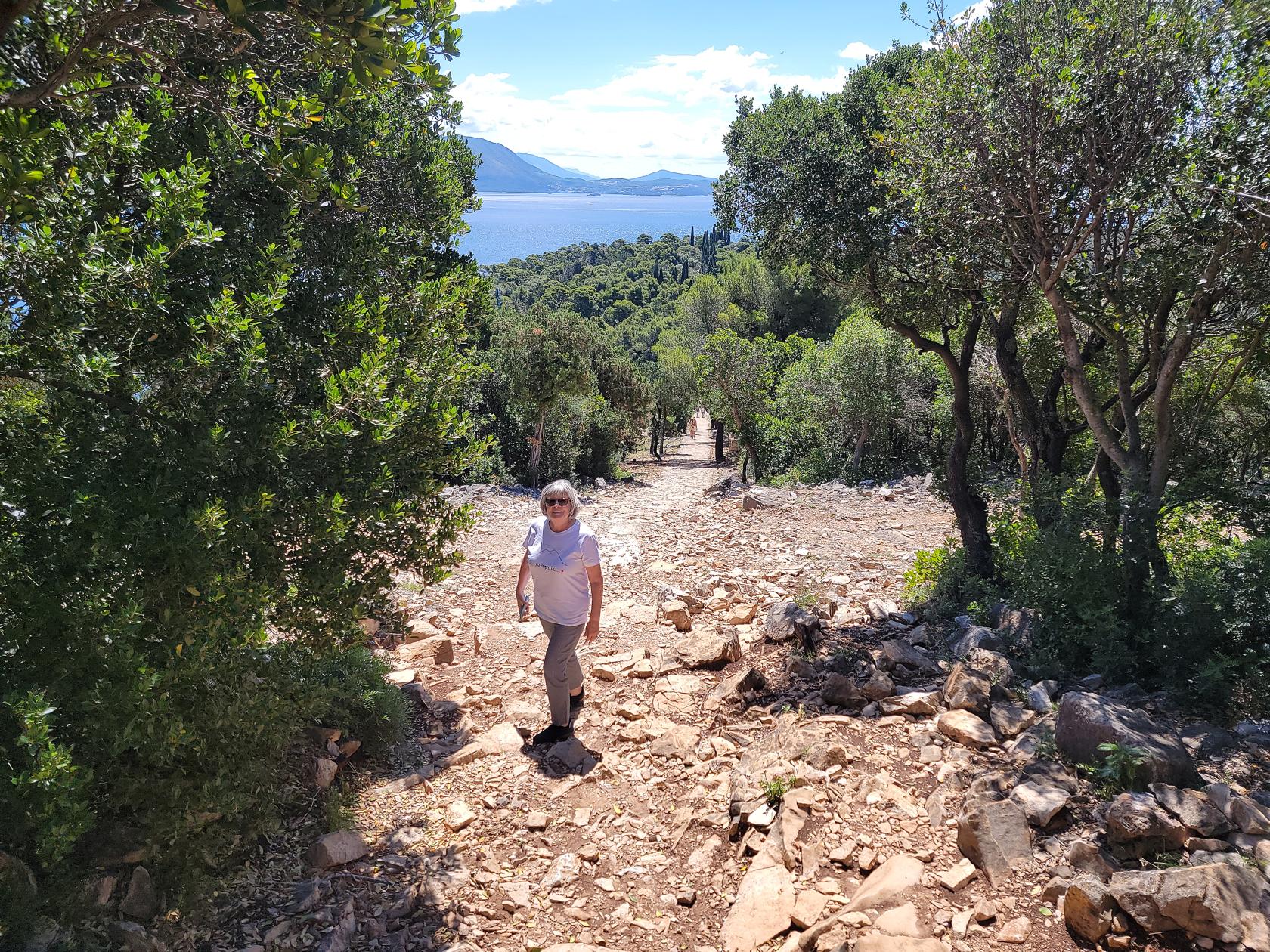
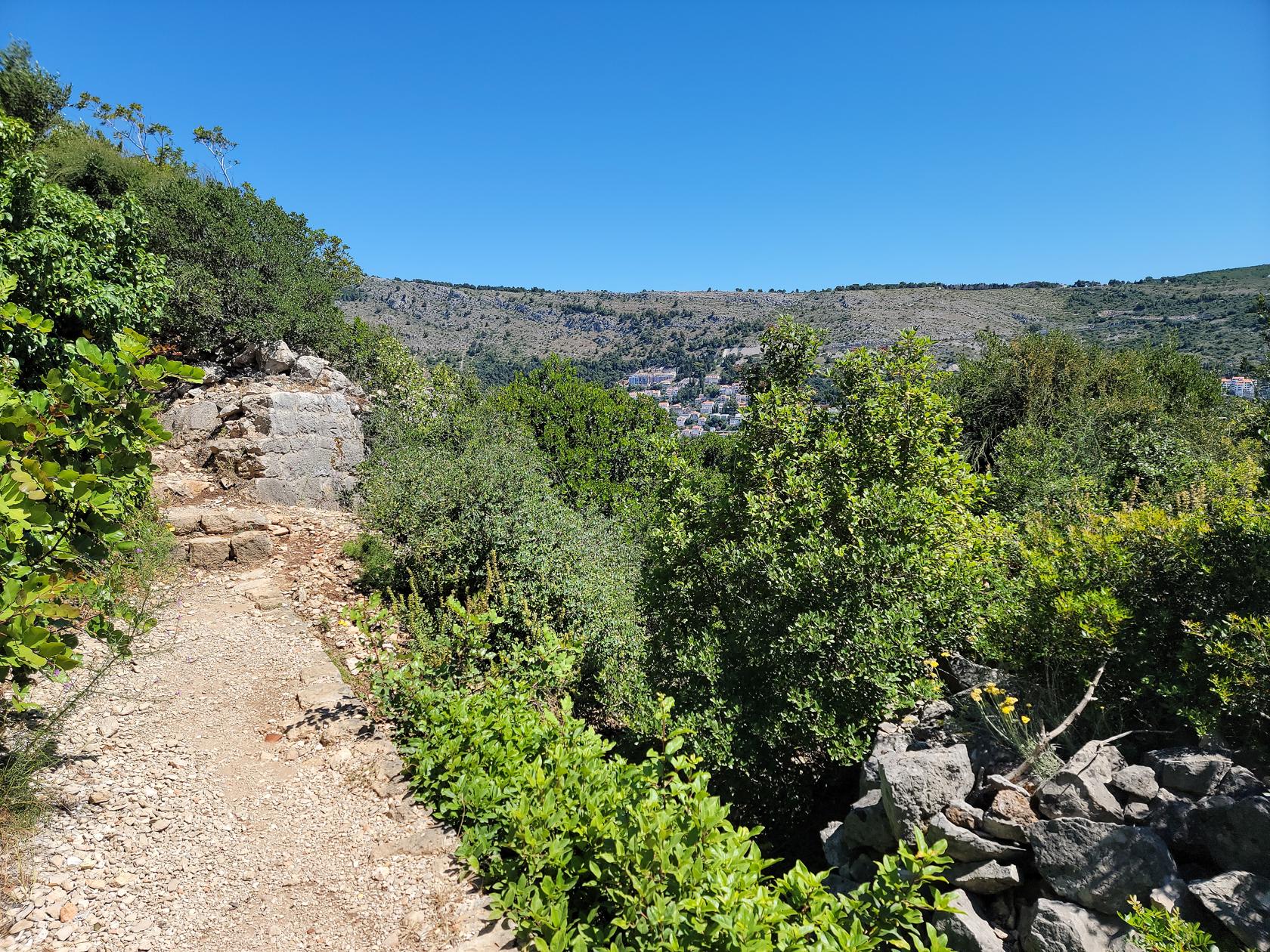
The main fort is intack, but the outlying buildings have fallen down and no longer of any interest.
Franjo Tuđman Bridge

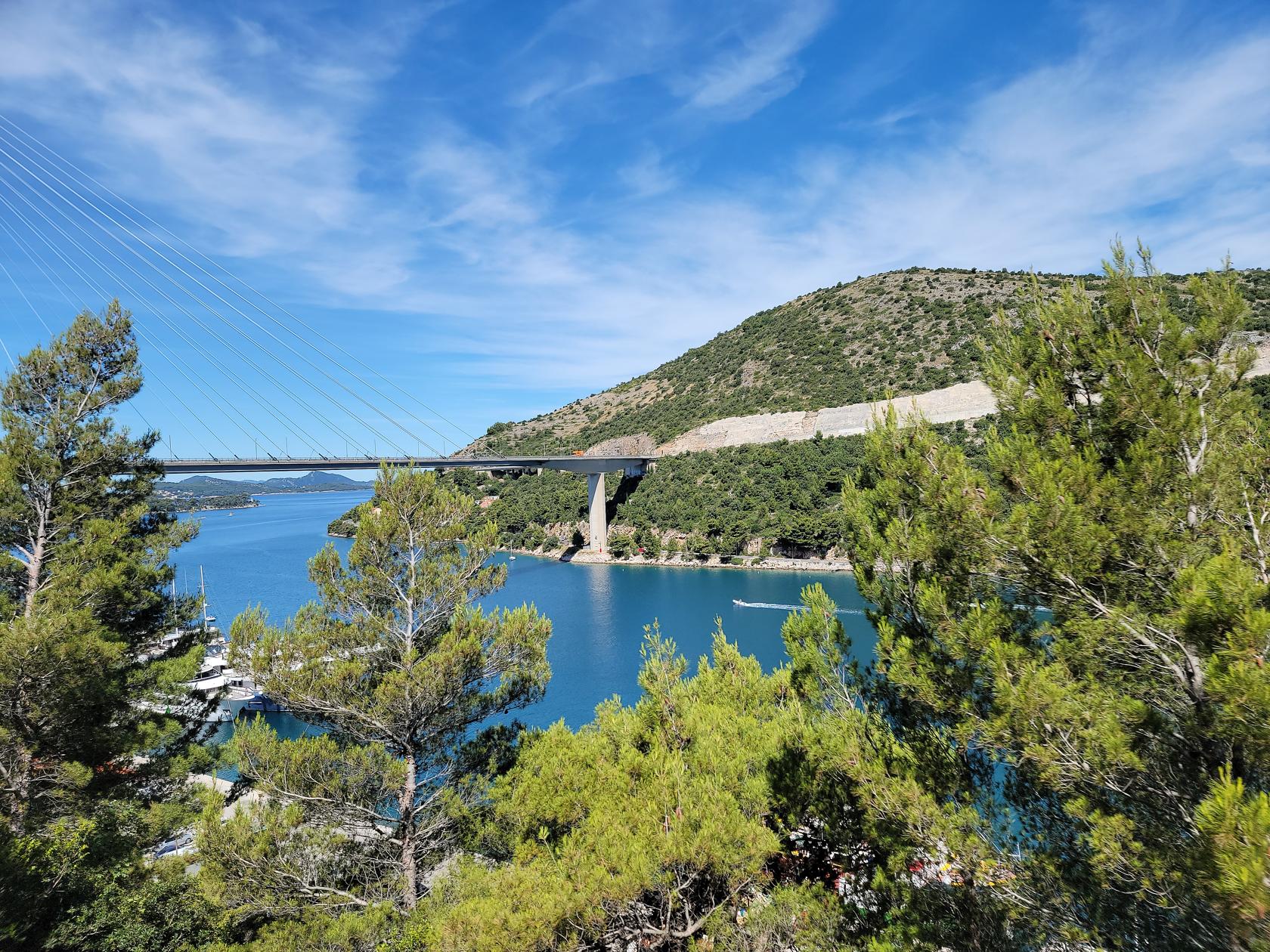
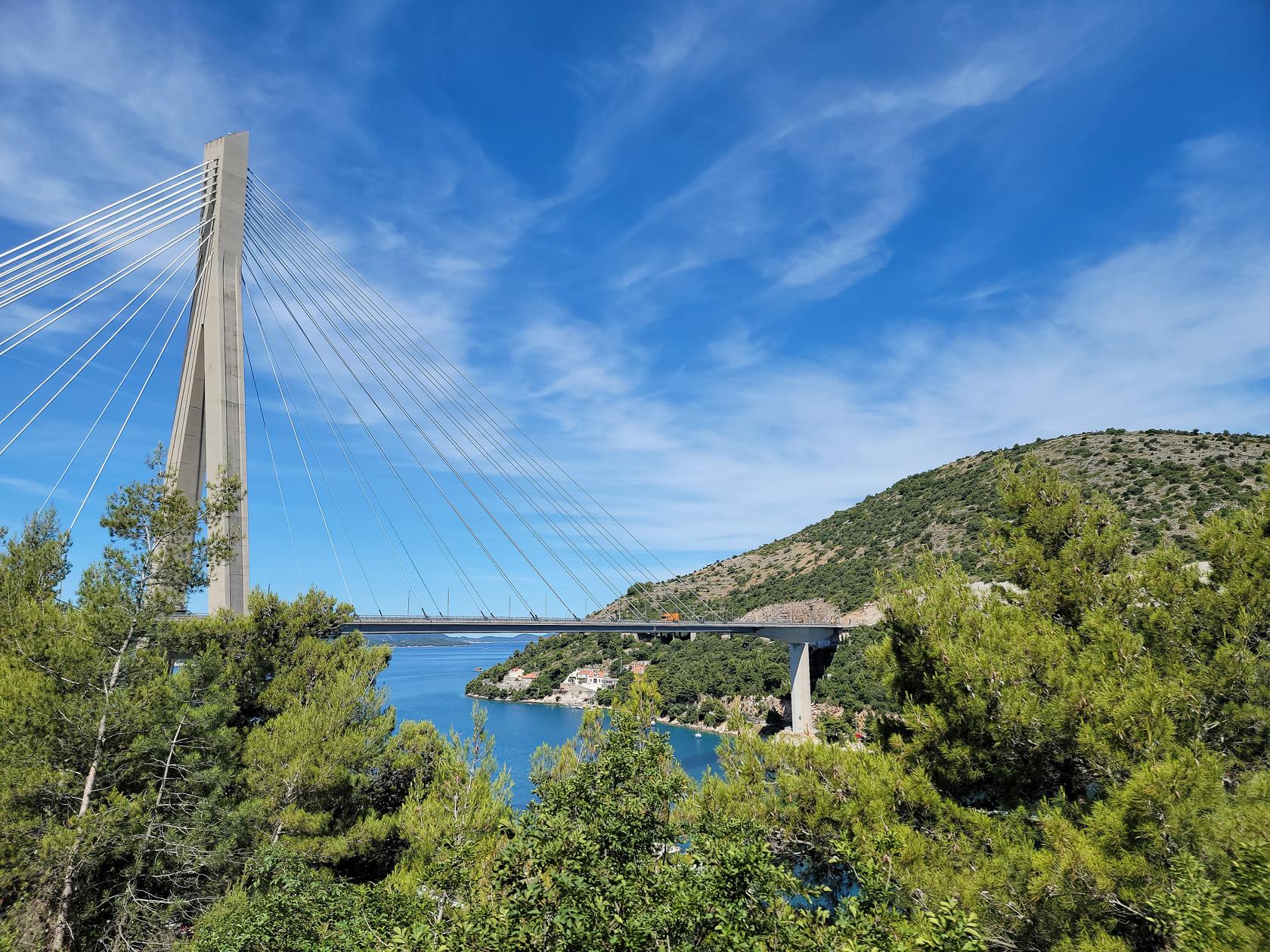
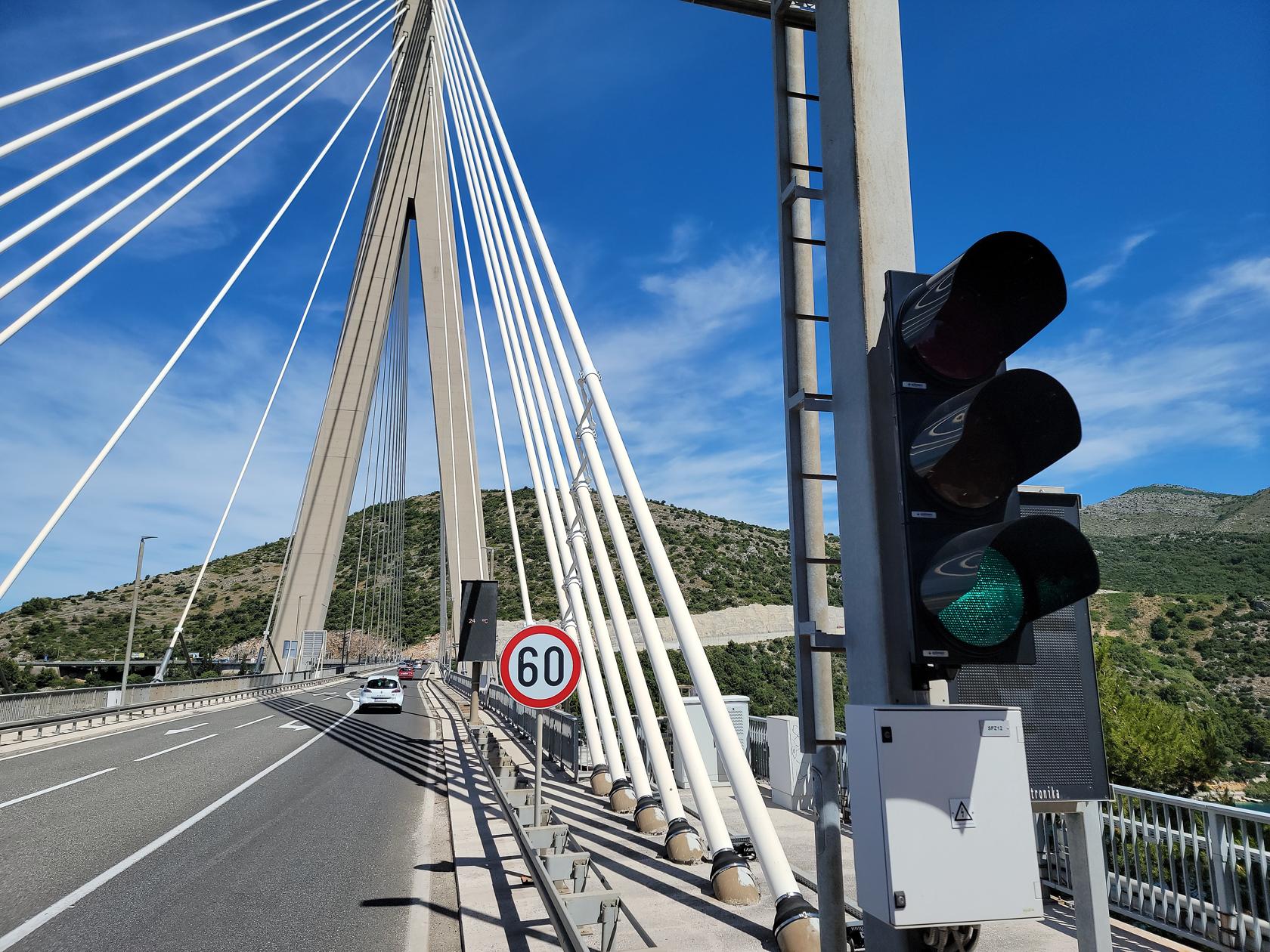
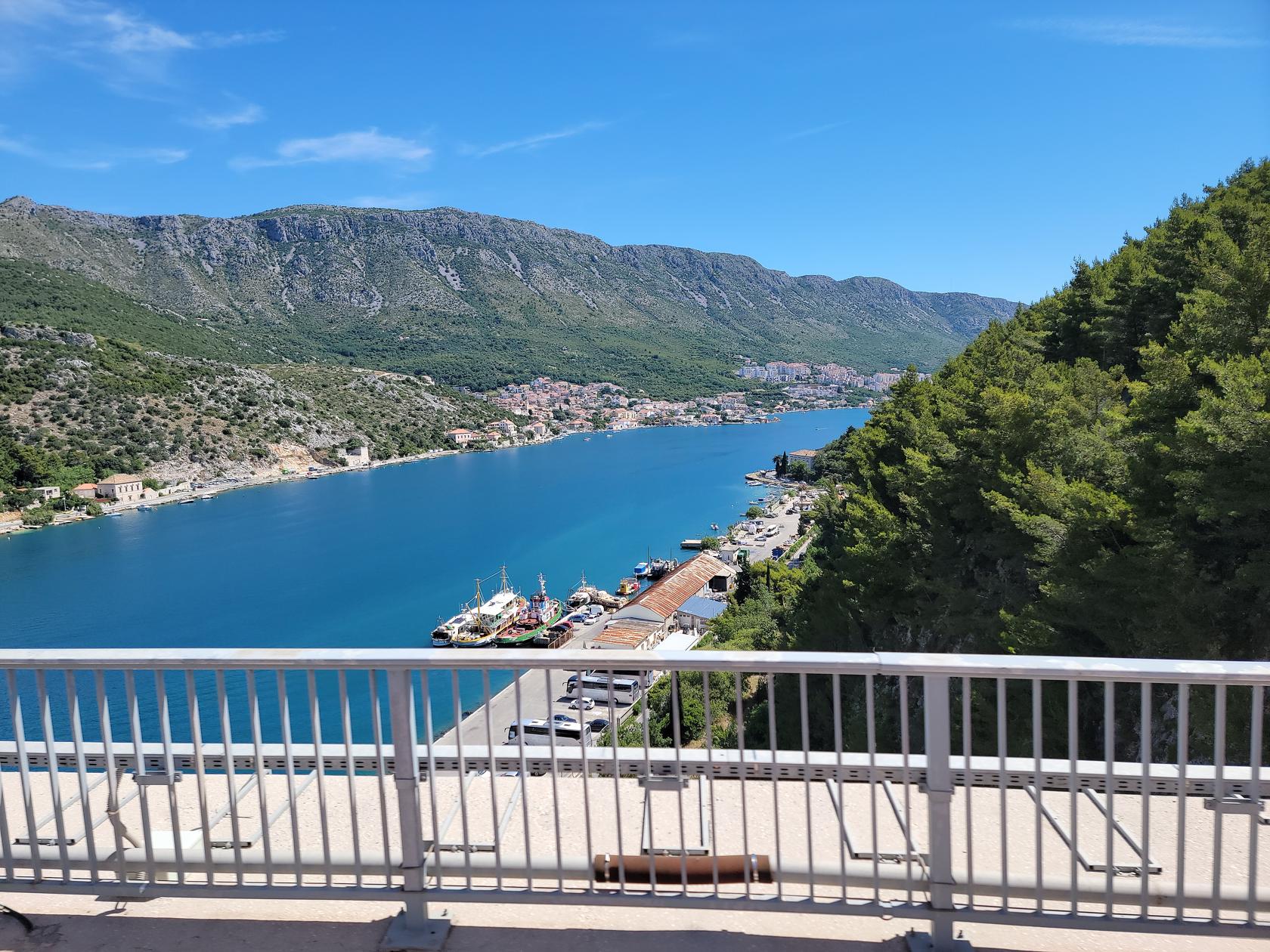
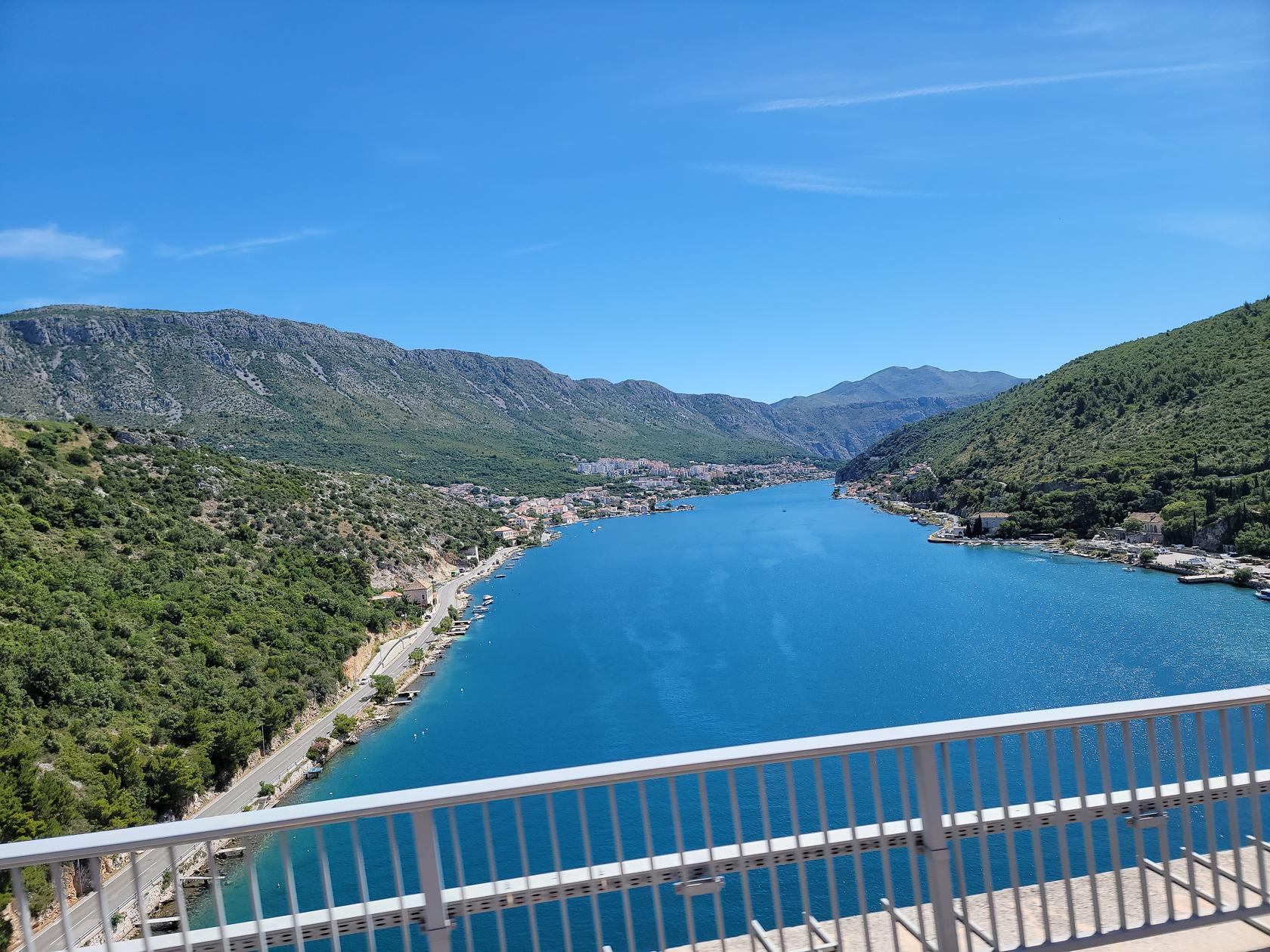
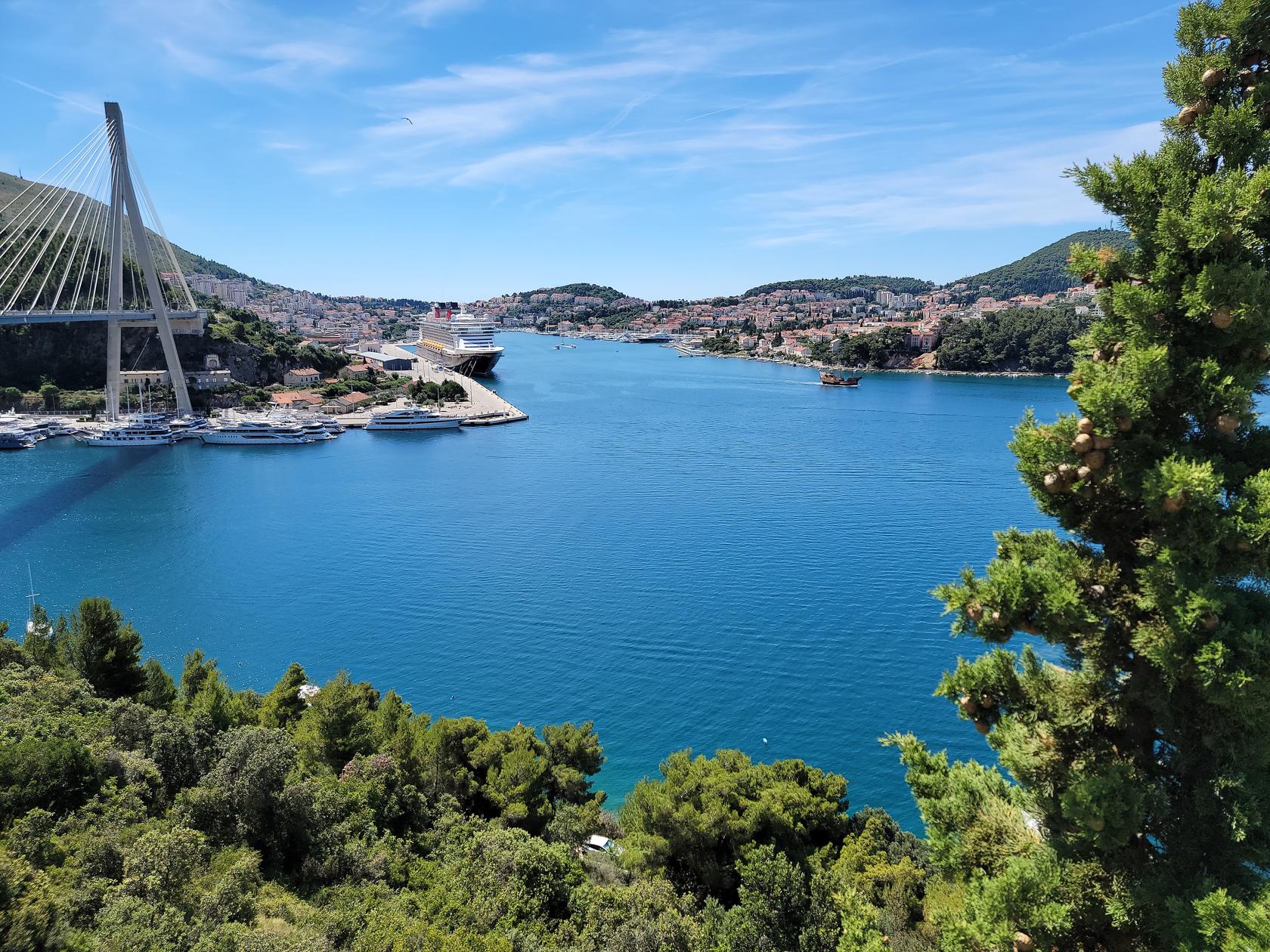
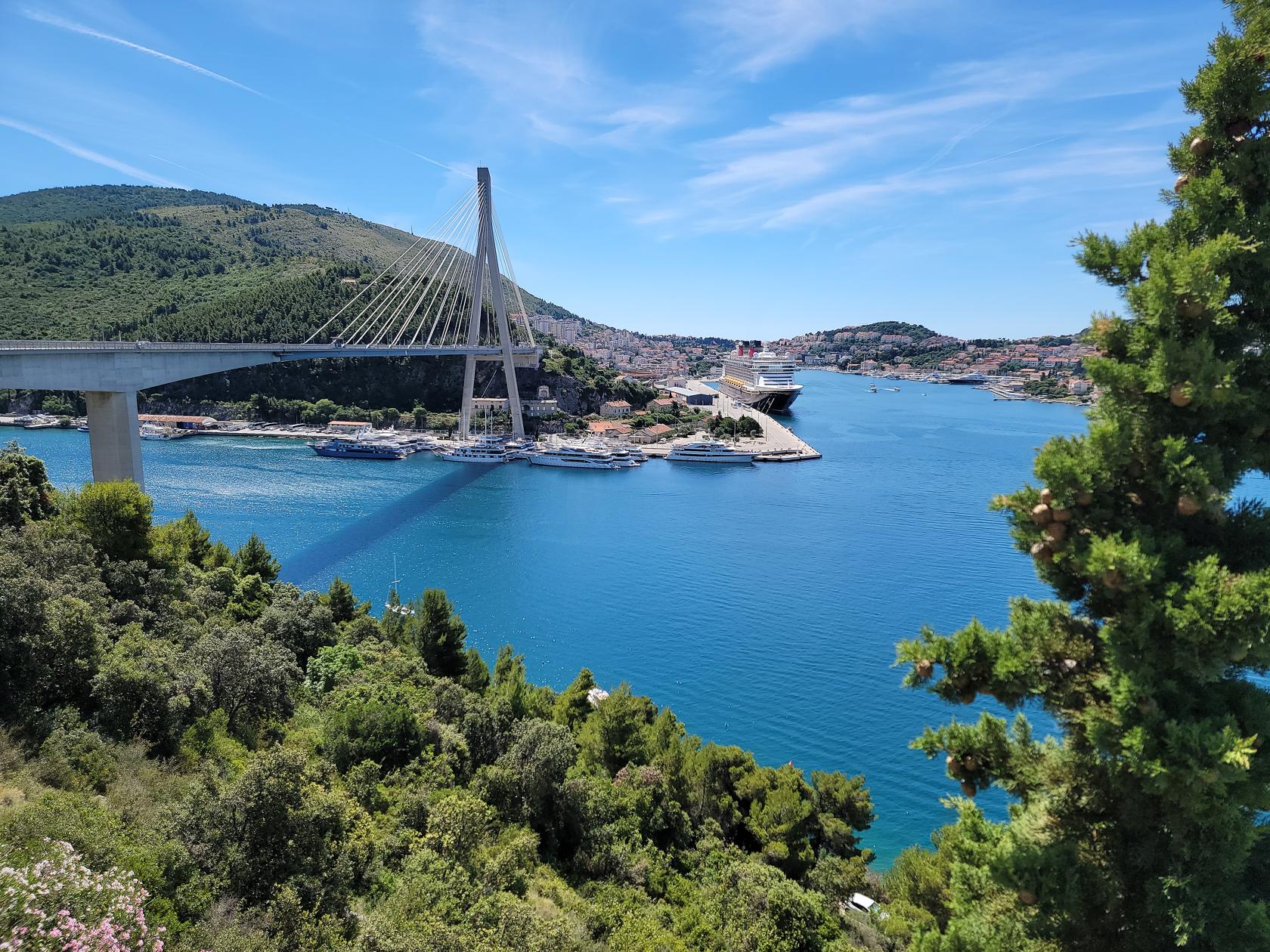
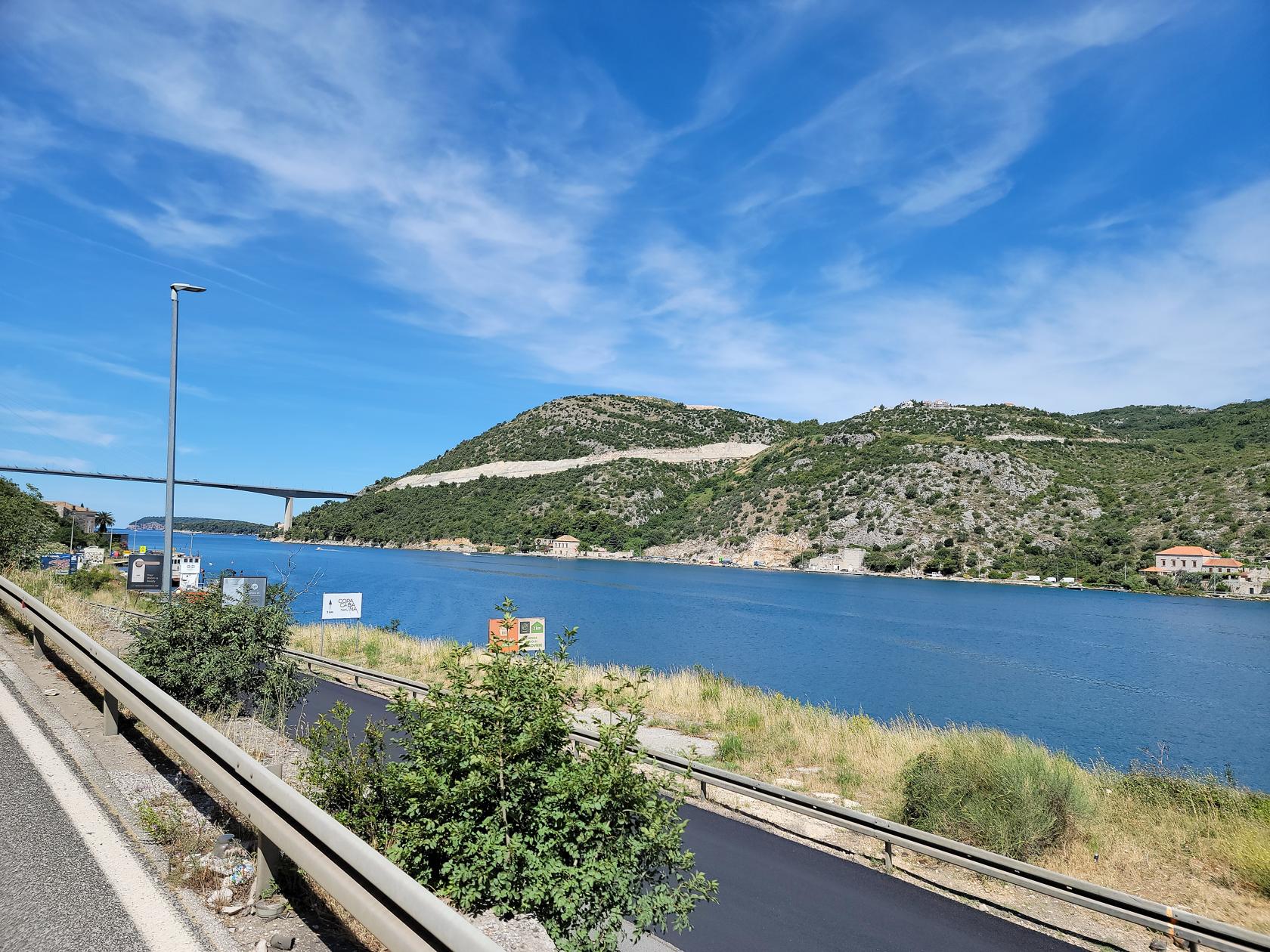
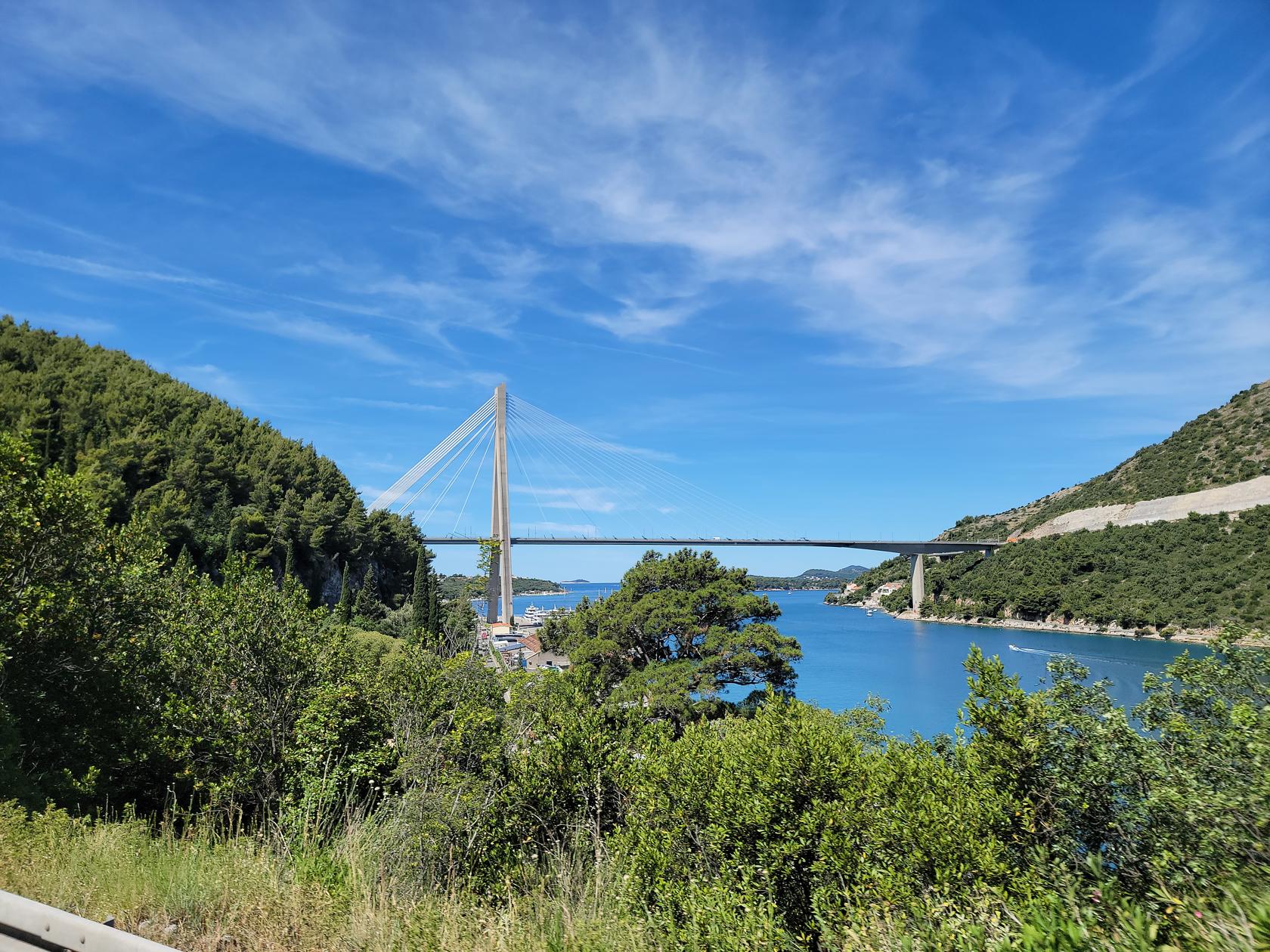
For a small fee you can enjoy a short city tour which will take you to the Franjo Tuđman Bridge. This is actually an interesting outing, since to get there you must pass by and over the Ombla River. This river is actually born out of rock as a spring, perhaps one of the few rivers in the world having claim to do so. And, it is not a small river by any stretch of the imagination, it is quite wide for a spring-few river.
Restaurants

We found eating at the more popular restaurants a bit overpriced and the service not as good as some of the more local establishments. No doubt you can be cautious at some of these places and keep the price down, but sometimes the point is to enjoy some of the unique offerings they have while not breaking your budget, this you might find difficult to do, especially if you don’t want to order another pizza!

Tata’s

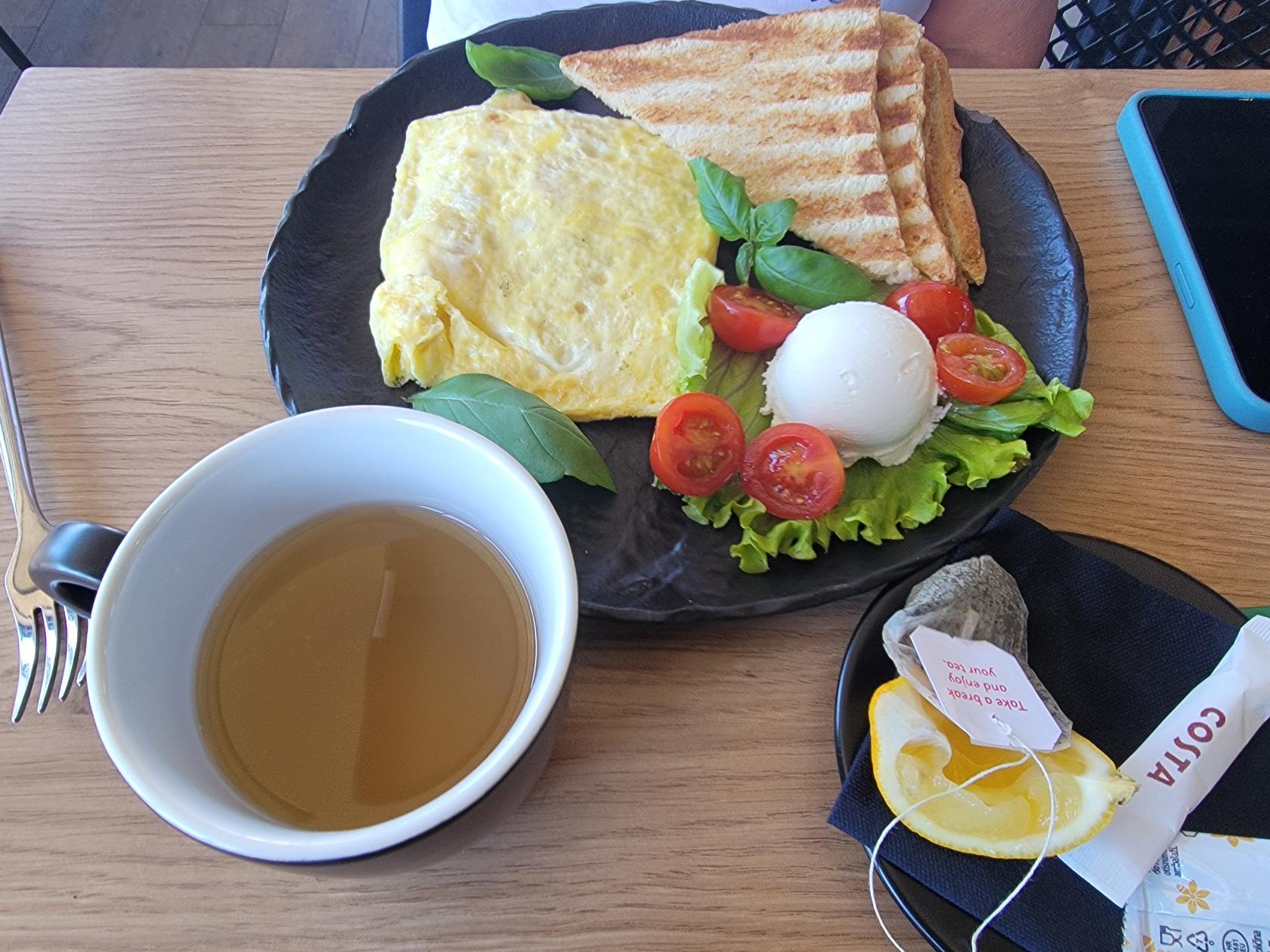
For us, a great place for breakfast. Very reasonably priced, right below our hotel on Zagrebačka Ulica, it offered all the essentials. Plus, the Pekara Rusica Bakery was right next door in case we wanted to skip a regular breakfast, preferring just a danish or other handheld treat.

Taj Mahal Old Town Restaurant

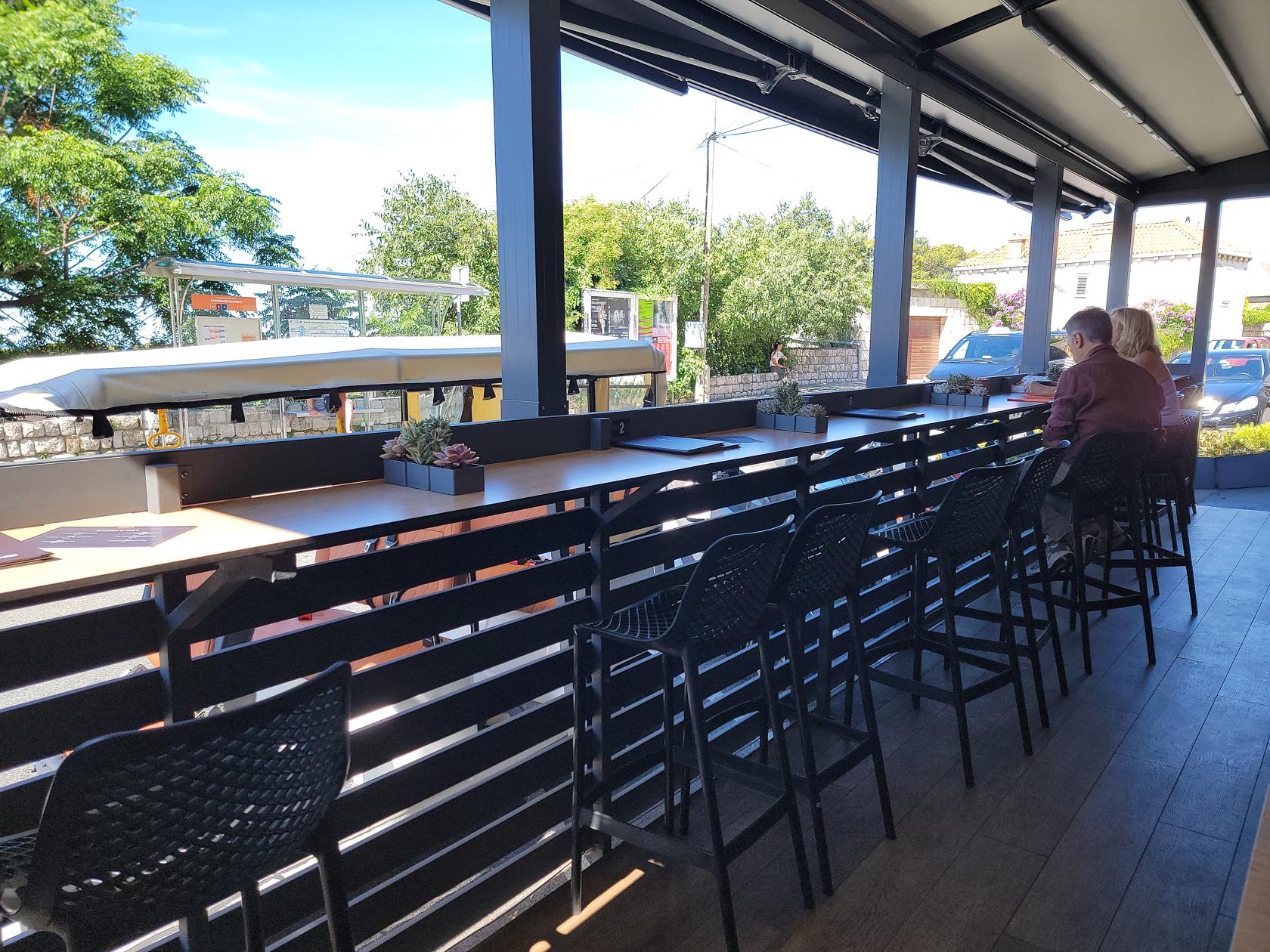
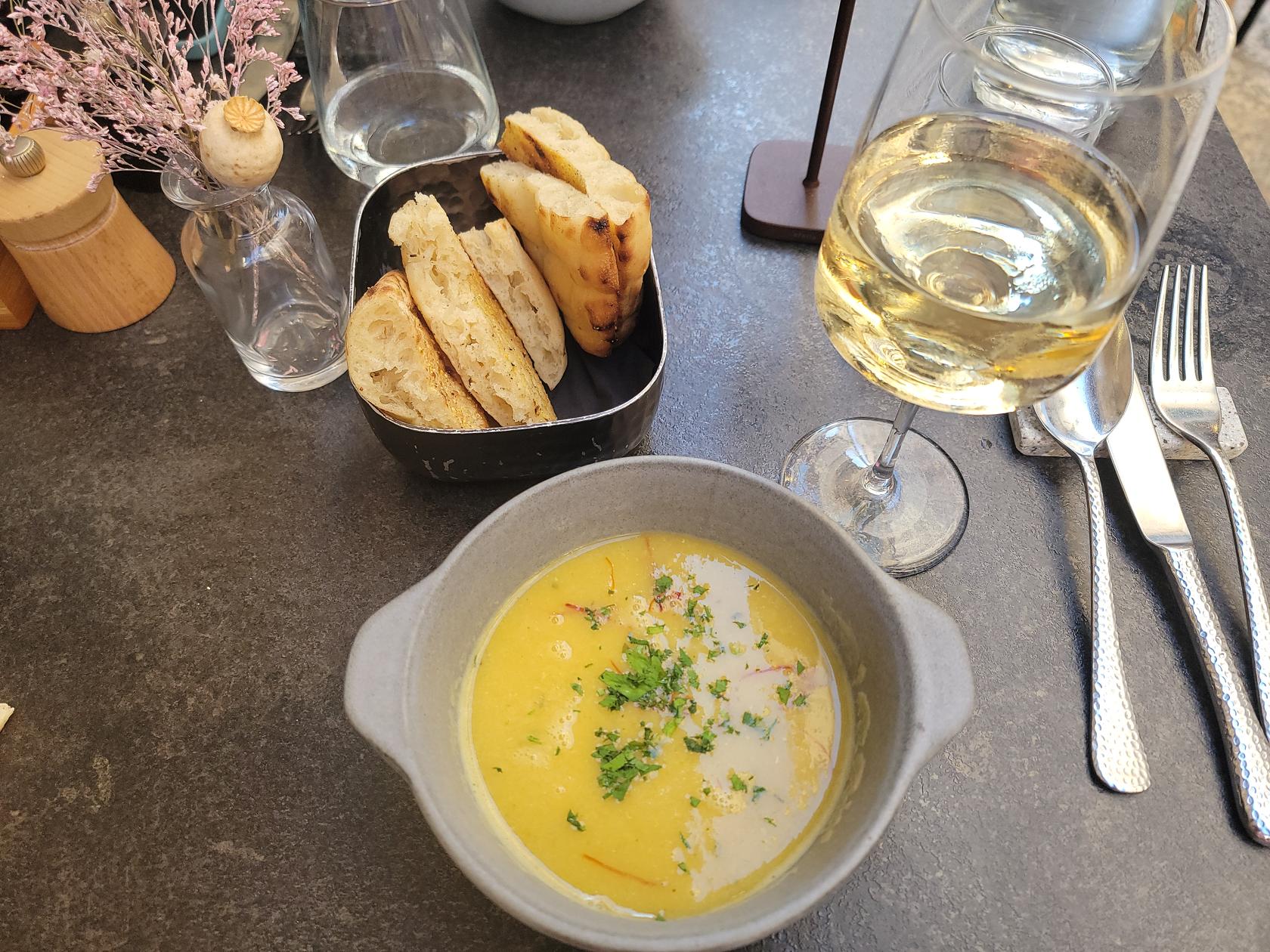
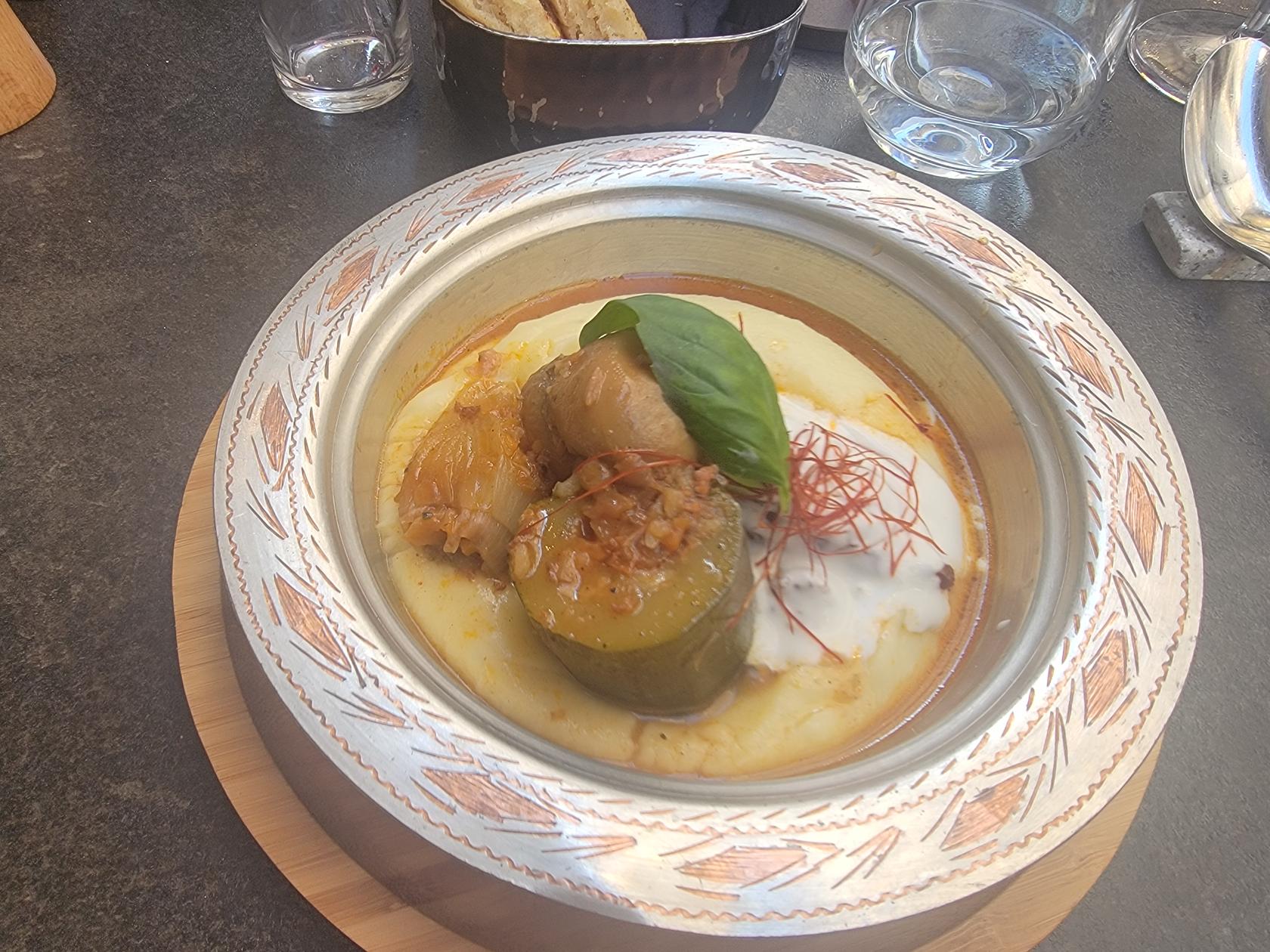
By far our favorite in the Old Town. It specializes in authentic Croatian and Bosnian ethnic cuisines. We can commend the stuffed vegetable dish called Dolma.[2]The menu has it as Sarma/Dolma/Japrak, but the Turkish Sarma and the Albanian Japrak are actually closer to each other and different from Dolma, in that they are wrapped in grape leaves normally. … Continue reading
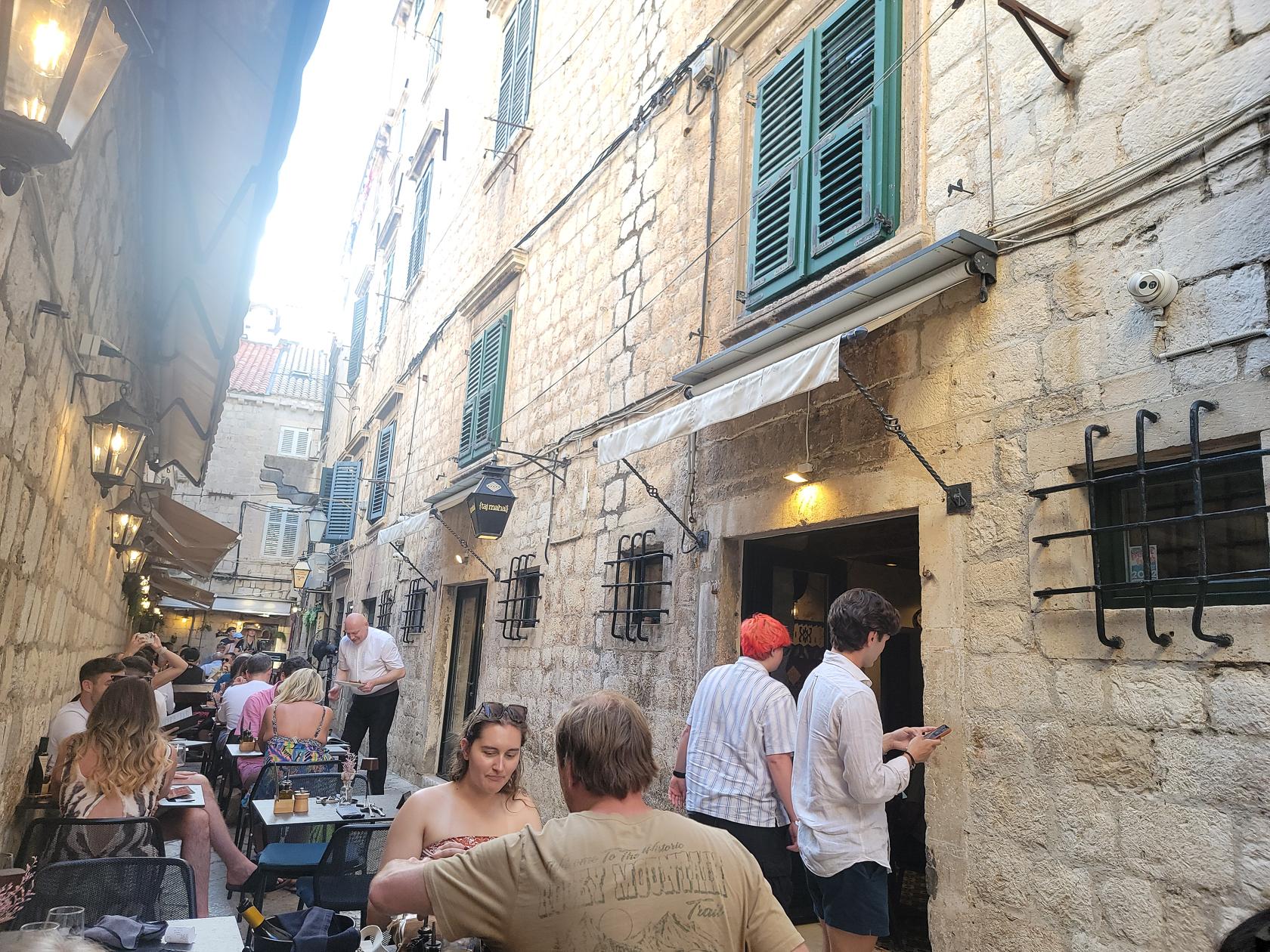
The service was excellent, they never missed a heartbeat and always showed that they were on top of their game. The food overall we found to be moderately priced and we spent considerably less here, than we did at the Dubravka 1836 restaurant.
Magnolia Restaurant

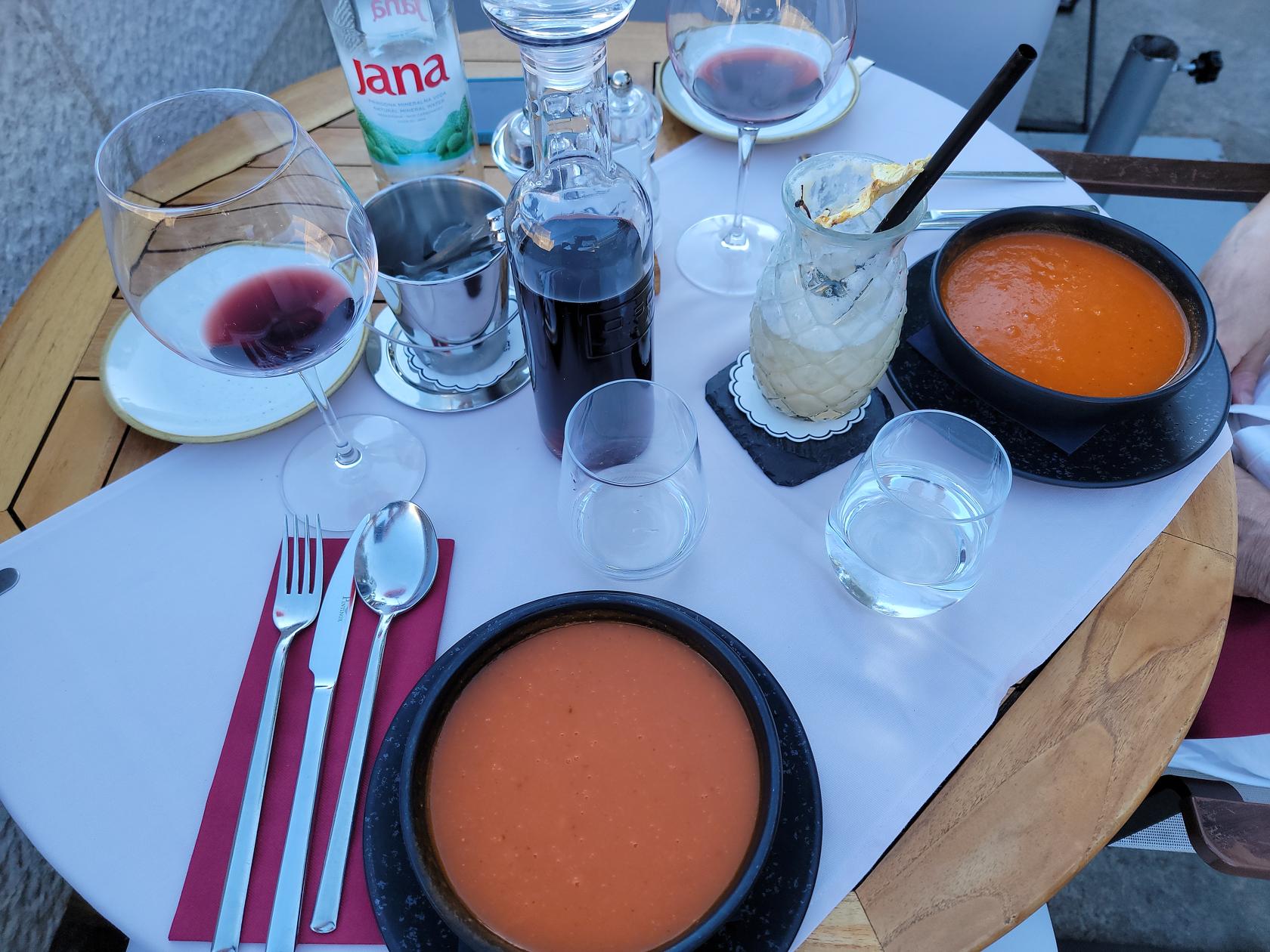
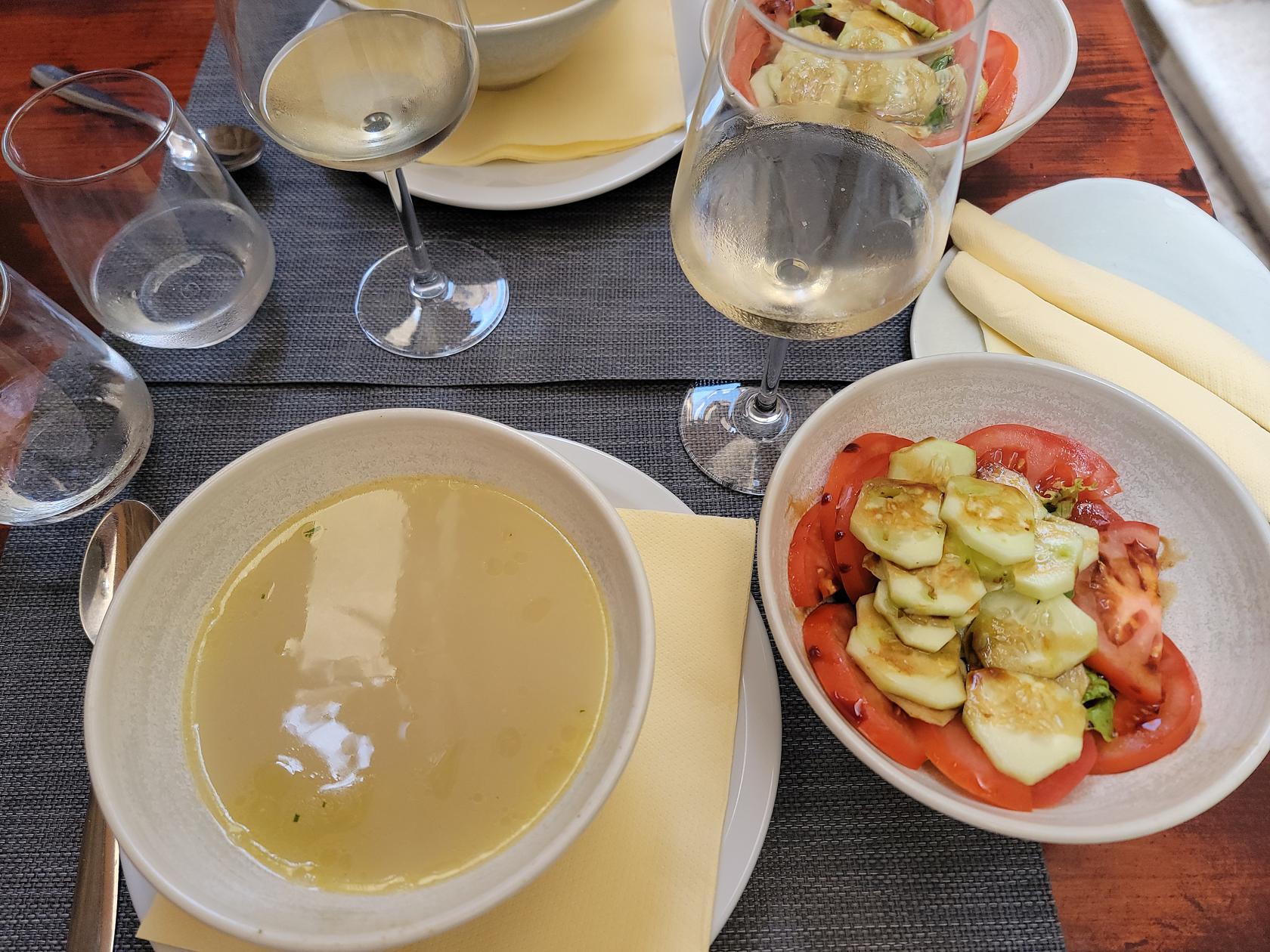
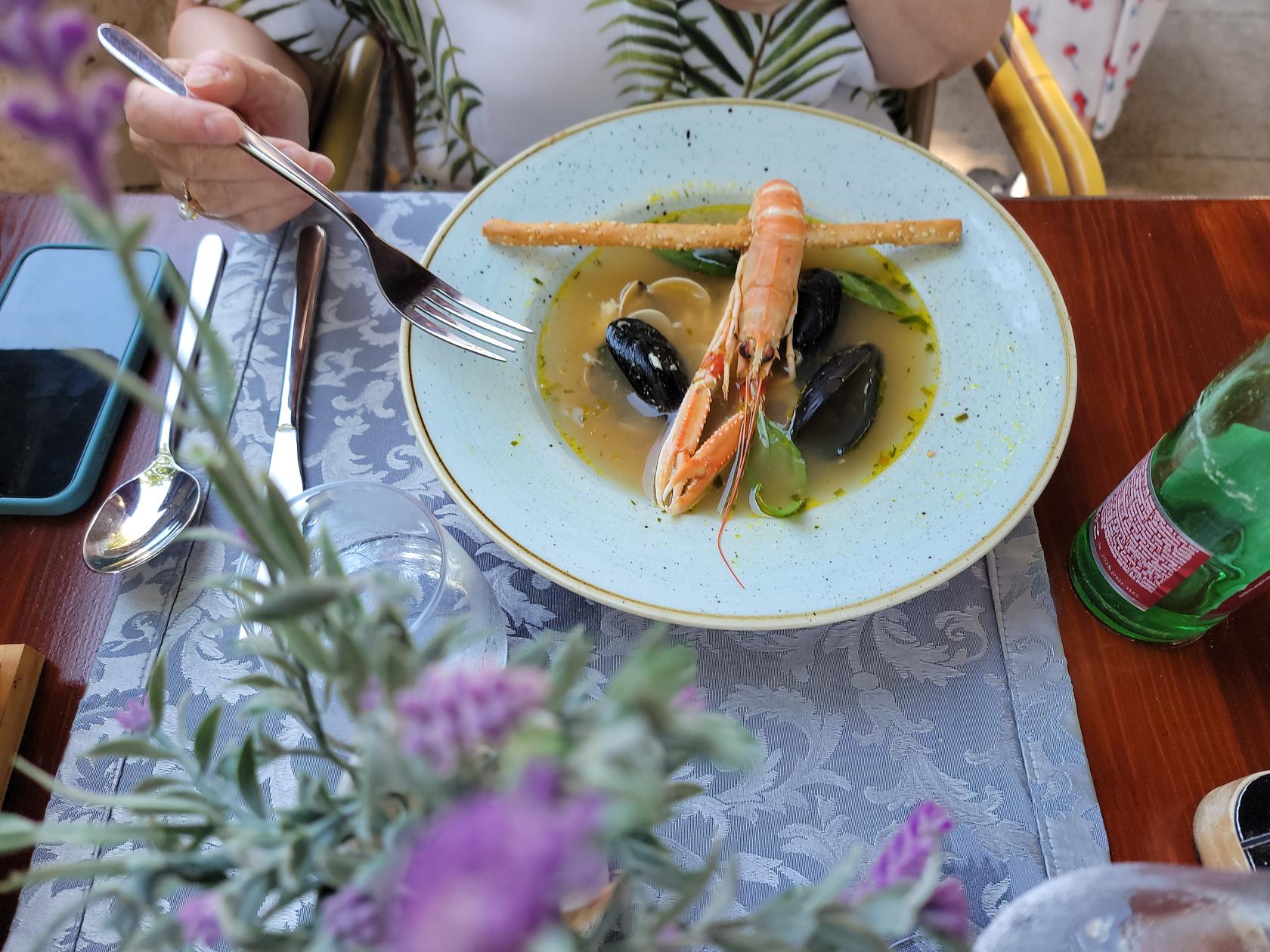
Outside the main entrance and Pile Gate, in the large plaza, can be found the Magnolia Restaurant. Nothing special, but they offer a variety of food which is good enough for lunch. A bit over-priced, but not too bad. We ordered simple soup and salad combination with some drinks. The service was okay, although they did bring us the wrong lunch at first, an understandable mix-up at such a busy place.
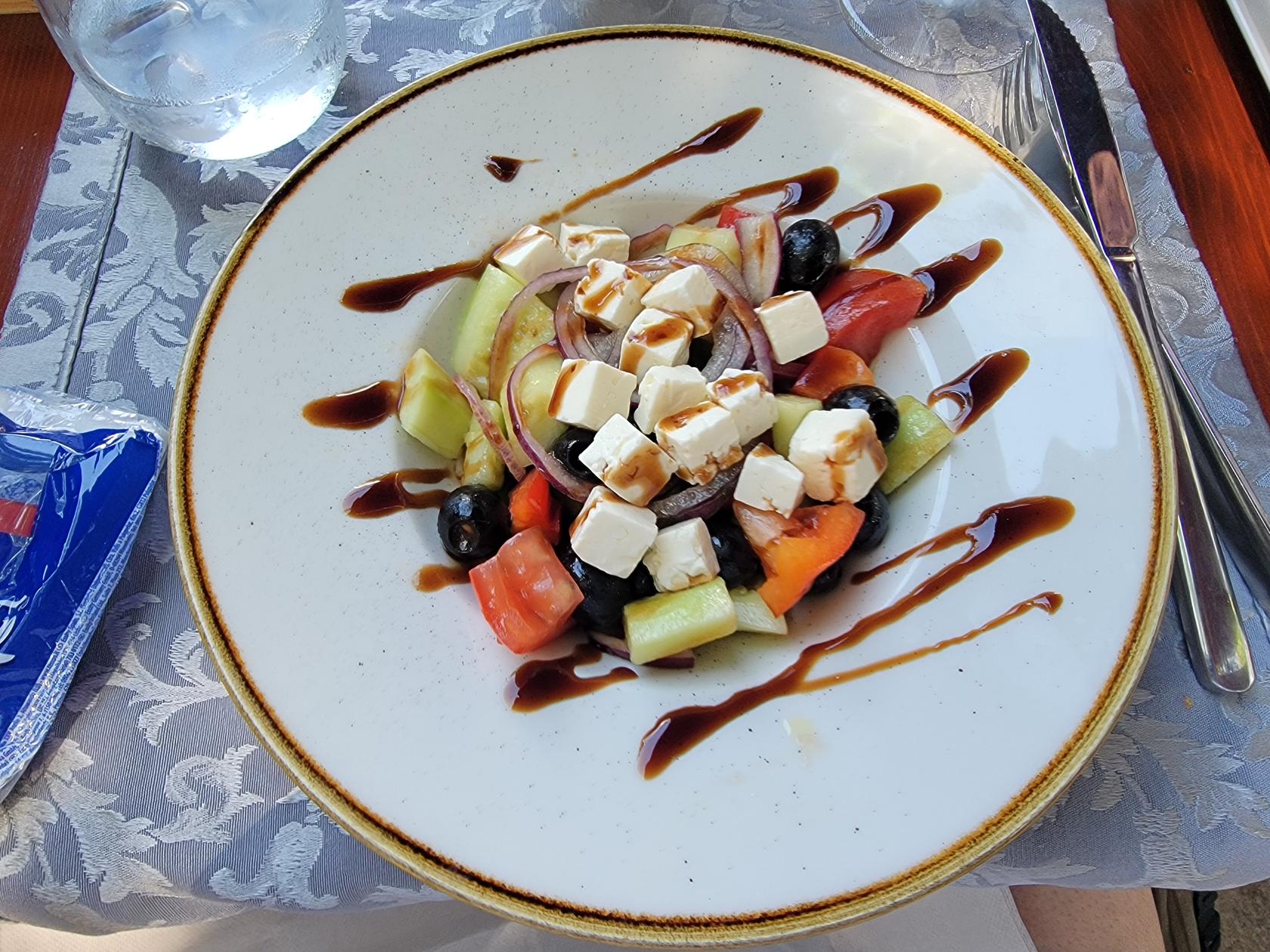
Dubravka 1836 Restaurant

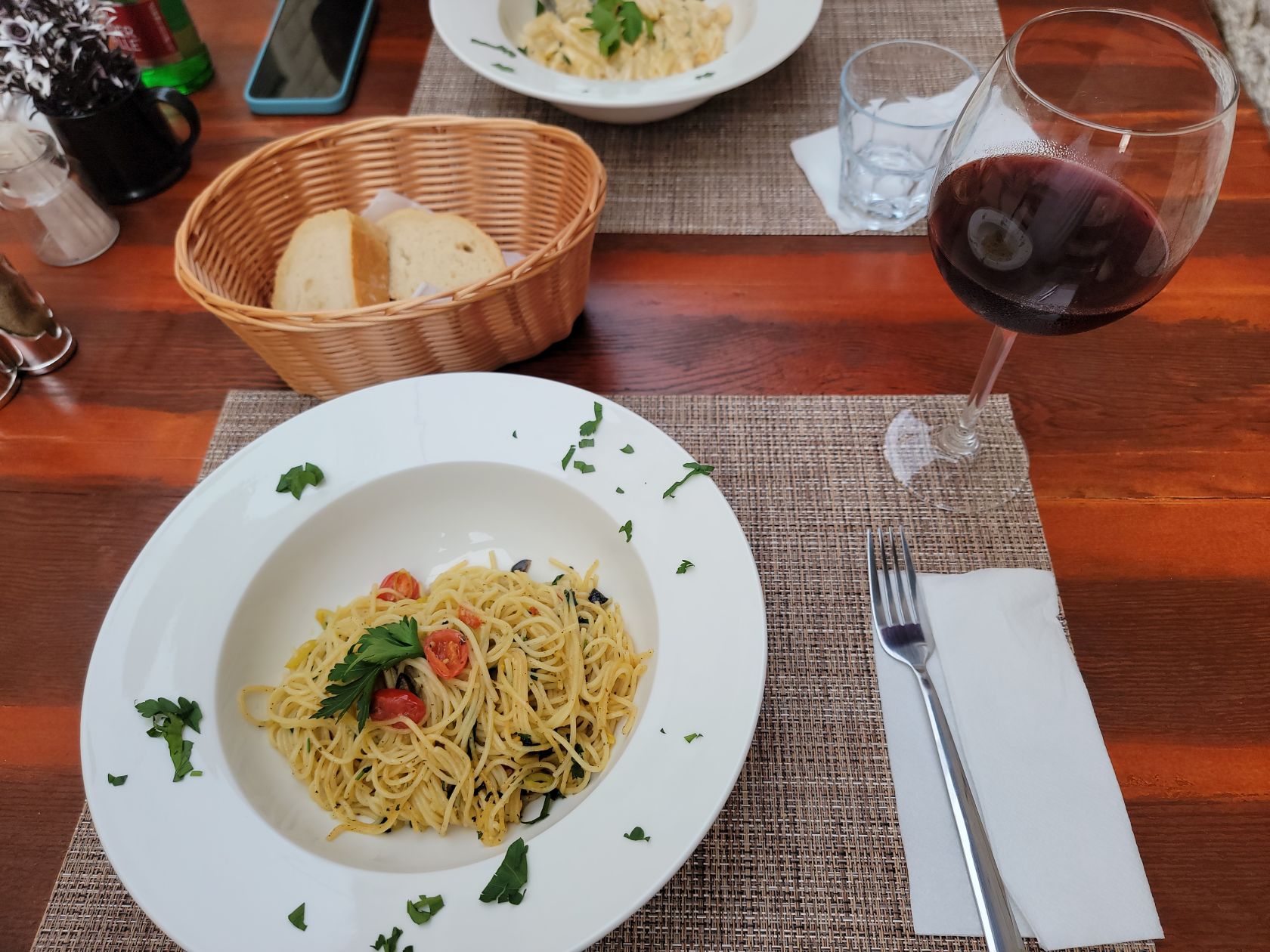
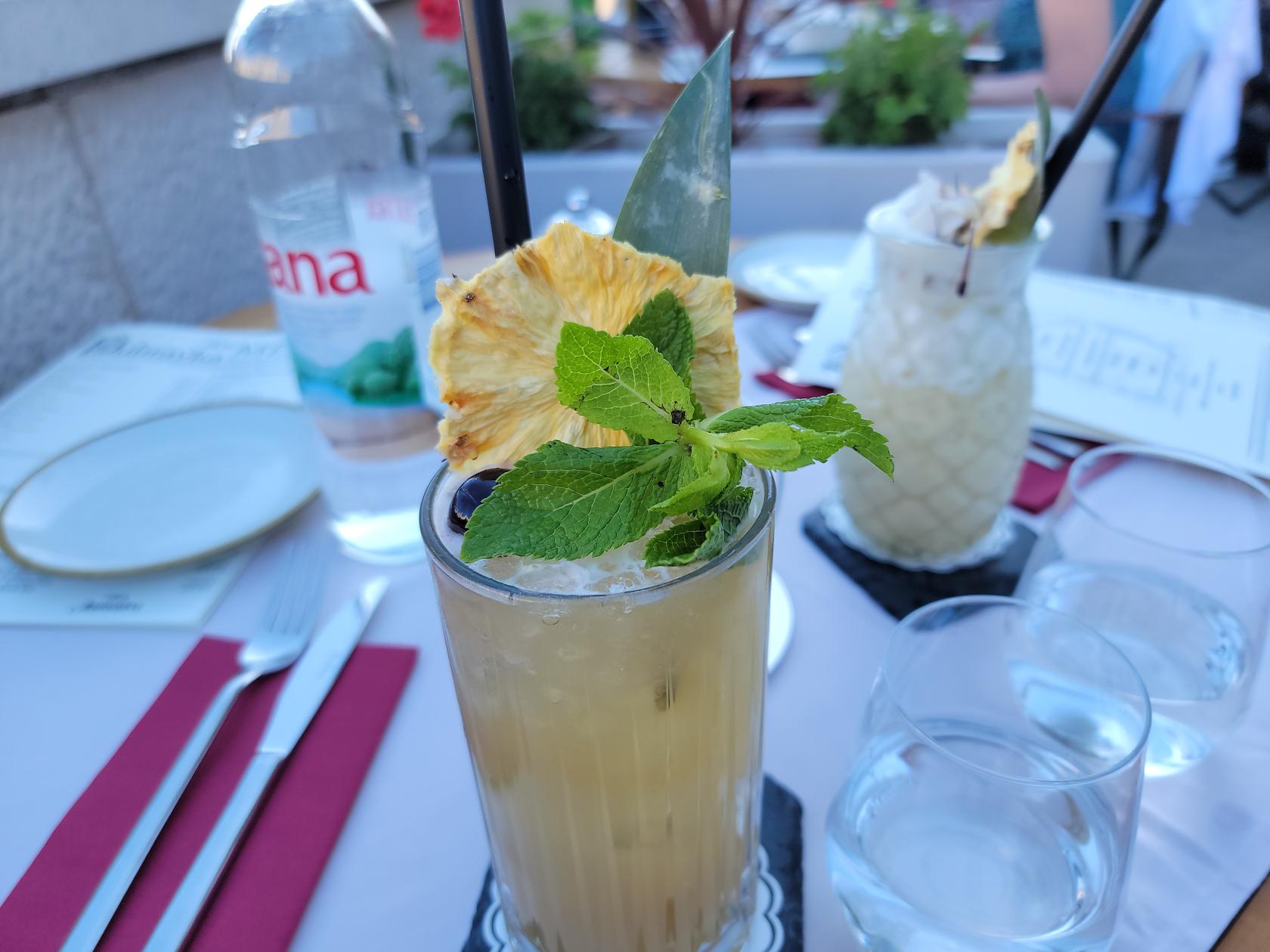
For our anniversary we booked a table in advance for the Dubravka 1836 Restaurant. It was a pleasant evening and they had the best outside seating, with a overlook of the western port.
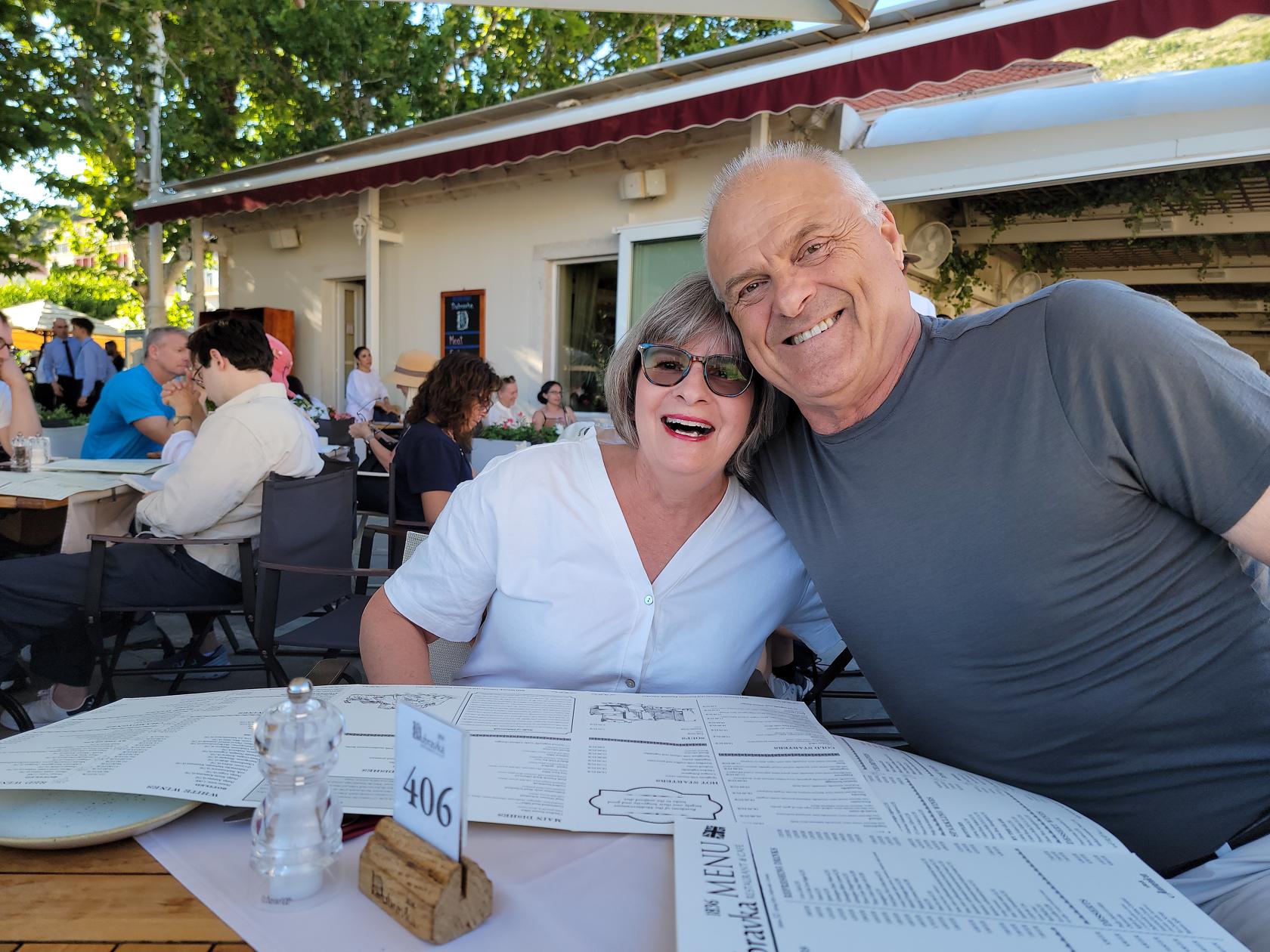
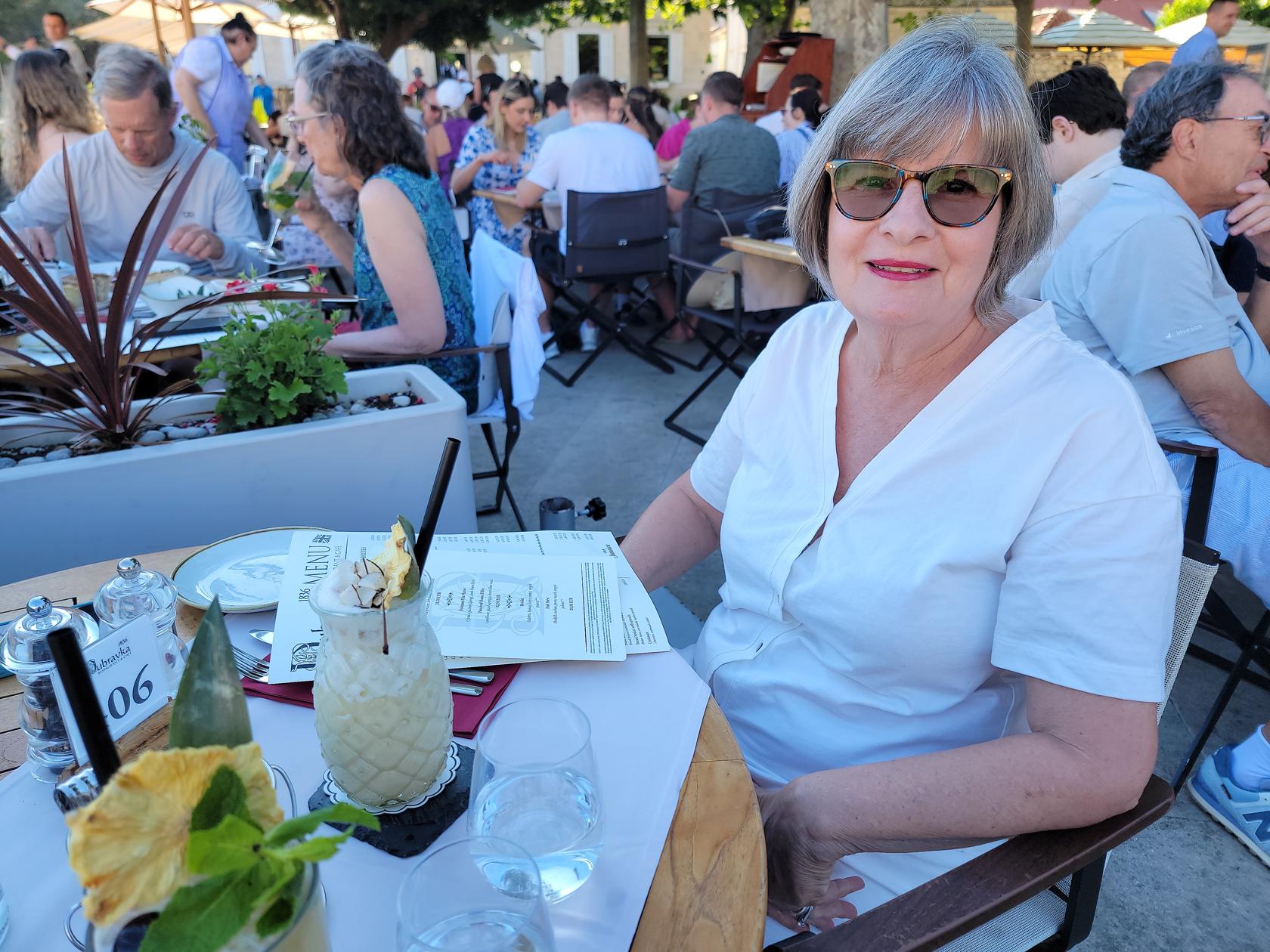
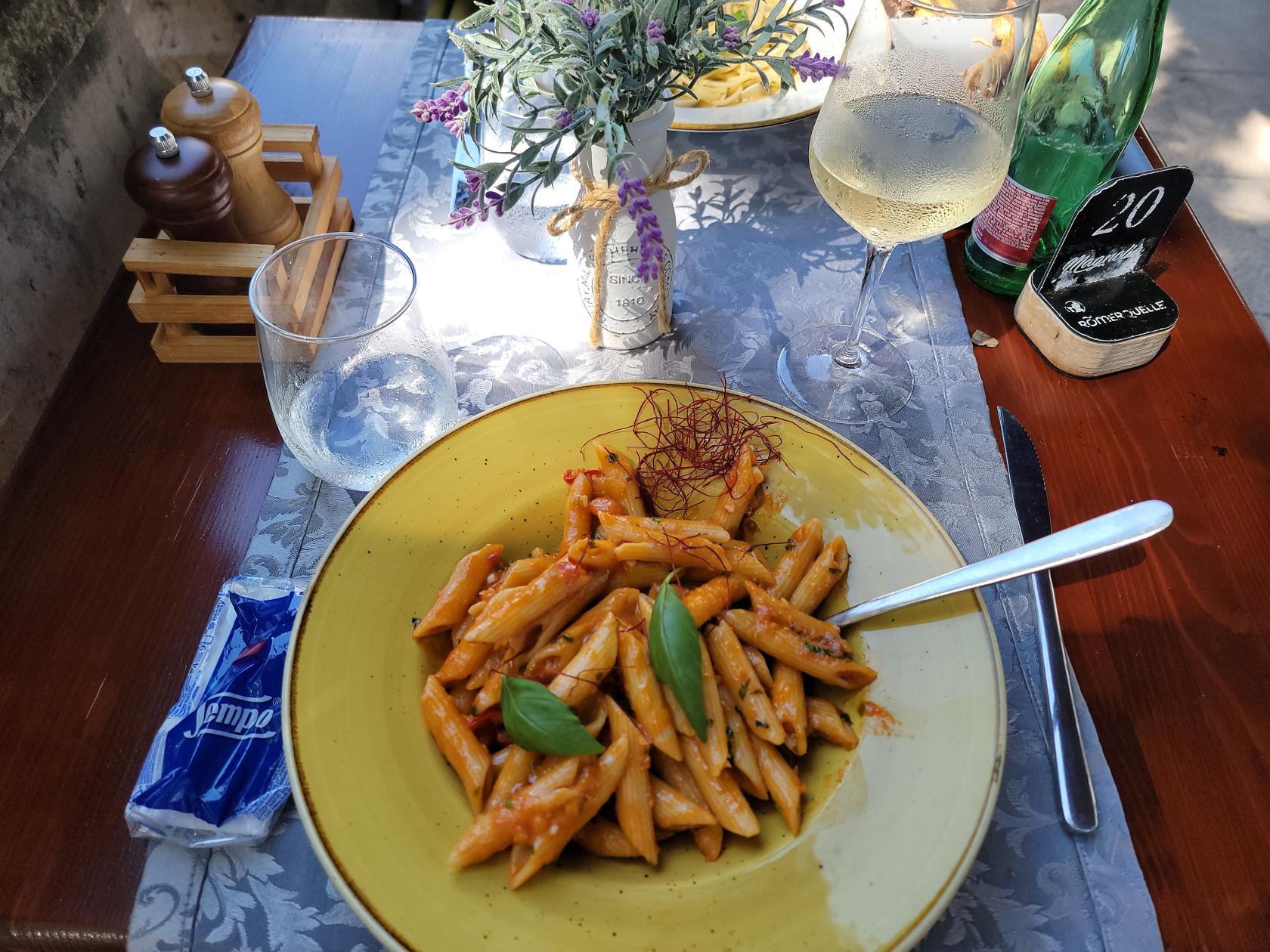
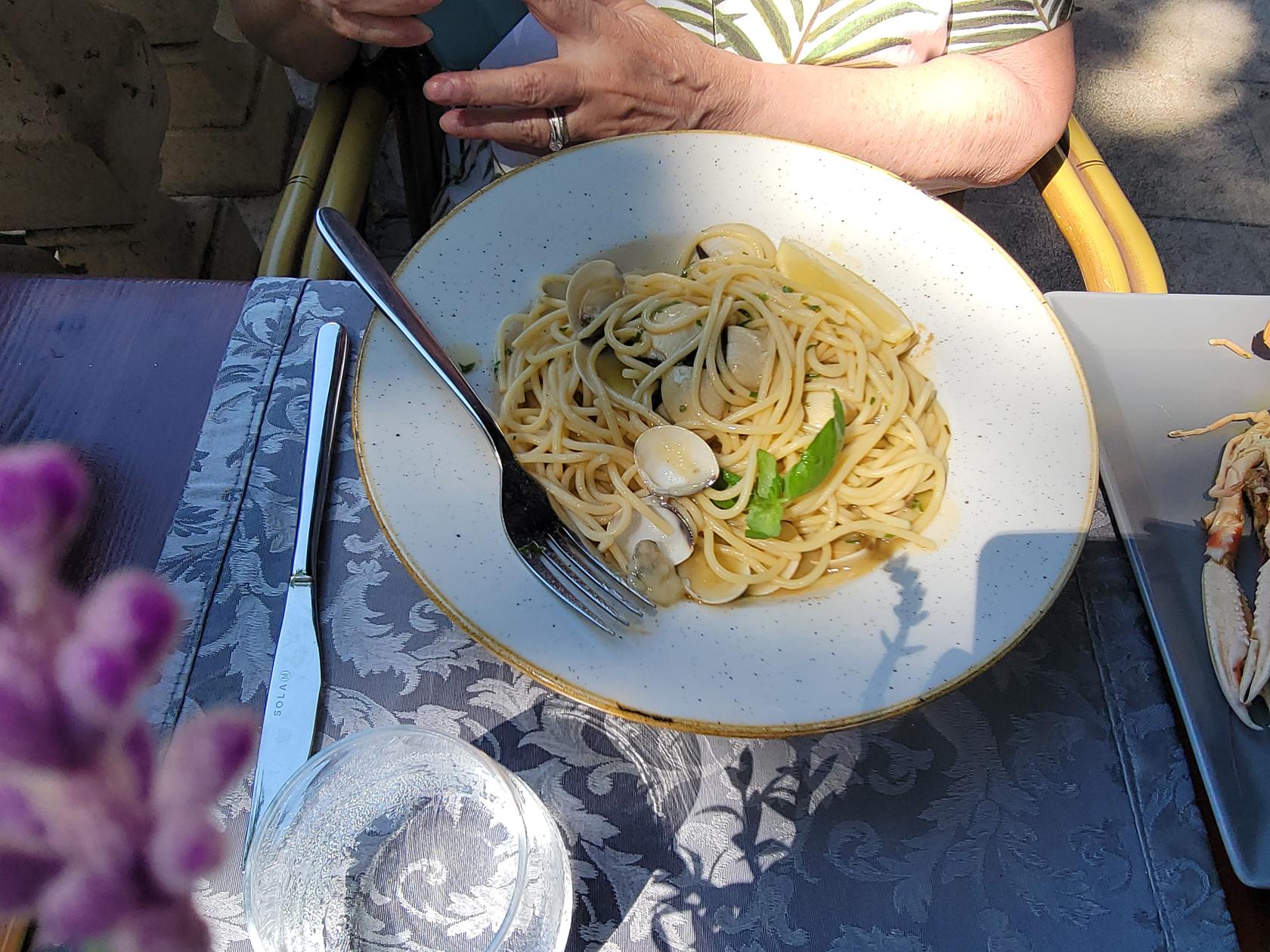
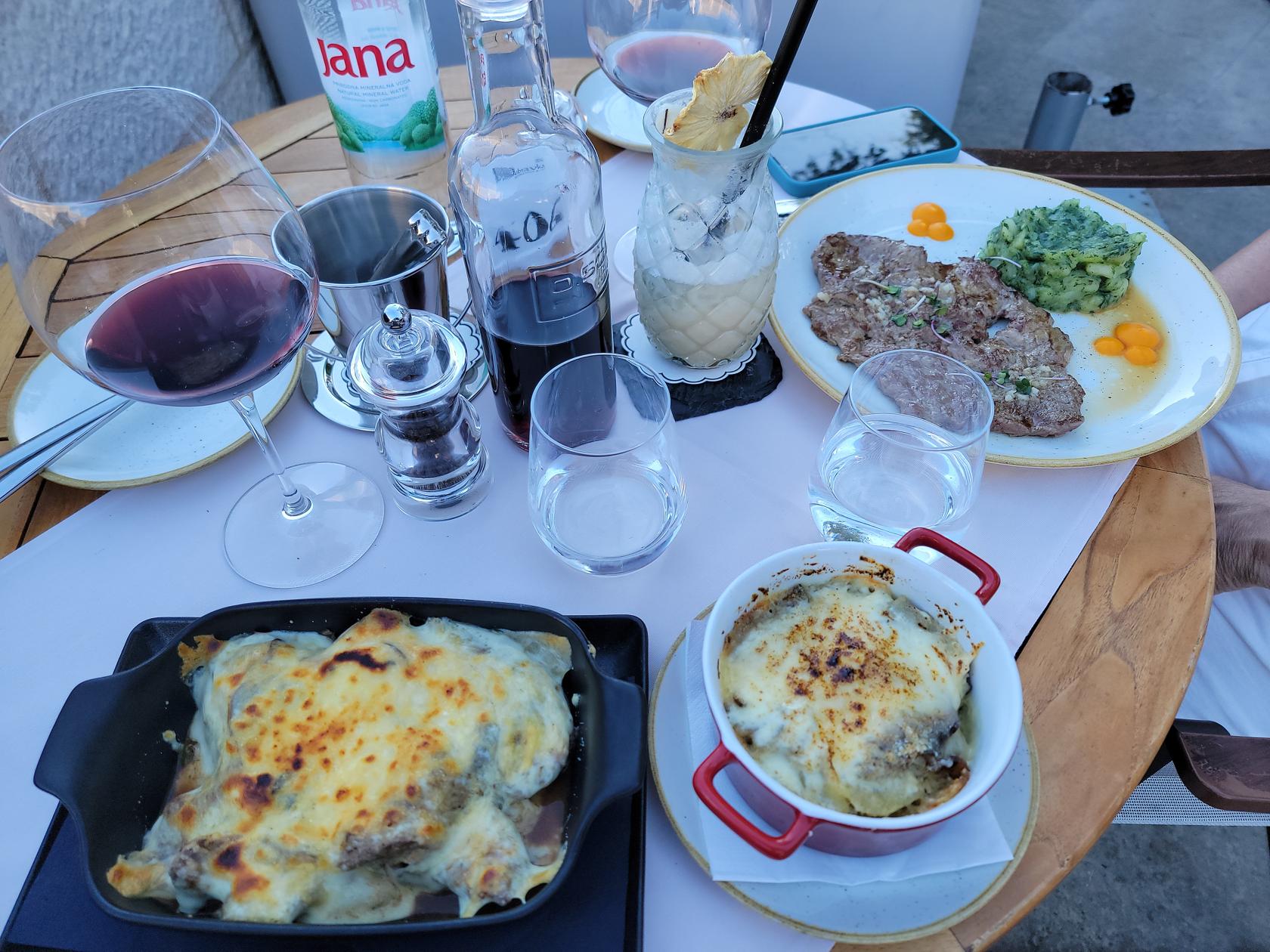
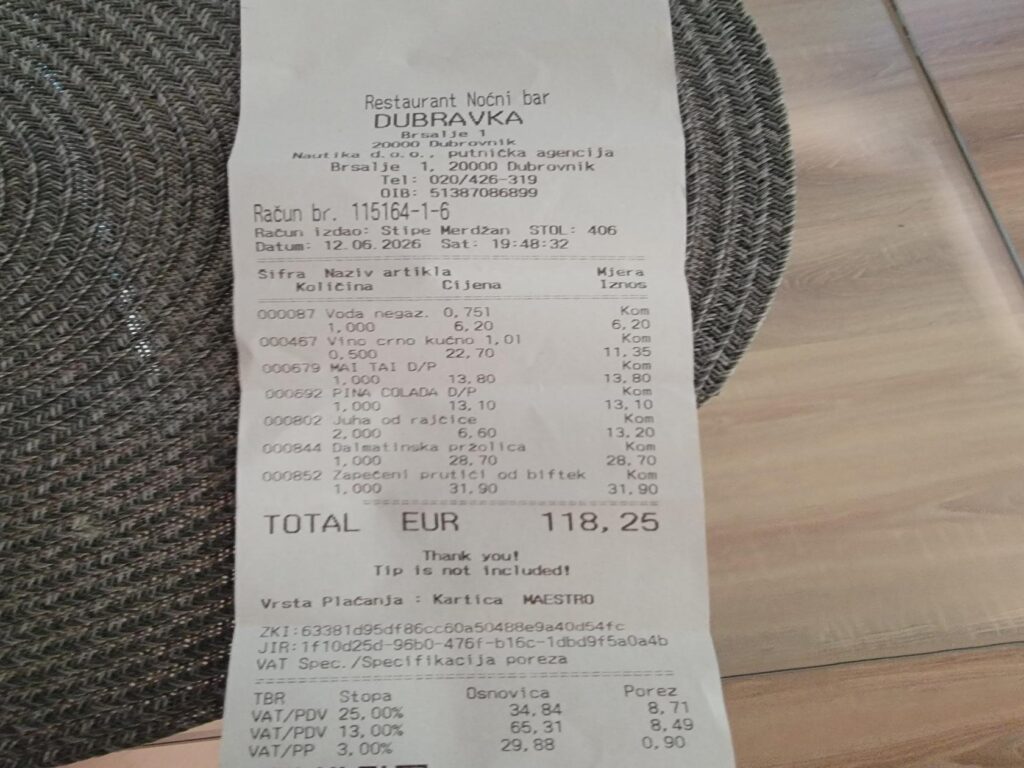
The food was okay, though not as good as some other places in Croatia we have eaten. The price is on the very high side, considering what you get, which does not include good service. We found the service inattentive and a bit poor, considering all the help that was swirling around. Most of the time they appeared to be just standing around and talking, taking little note how long we waited for them to take our plates away.
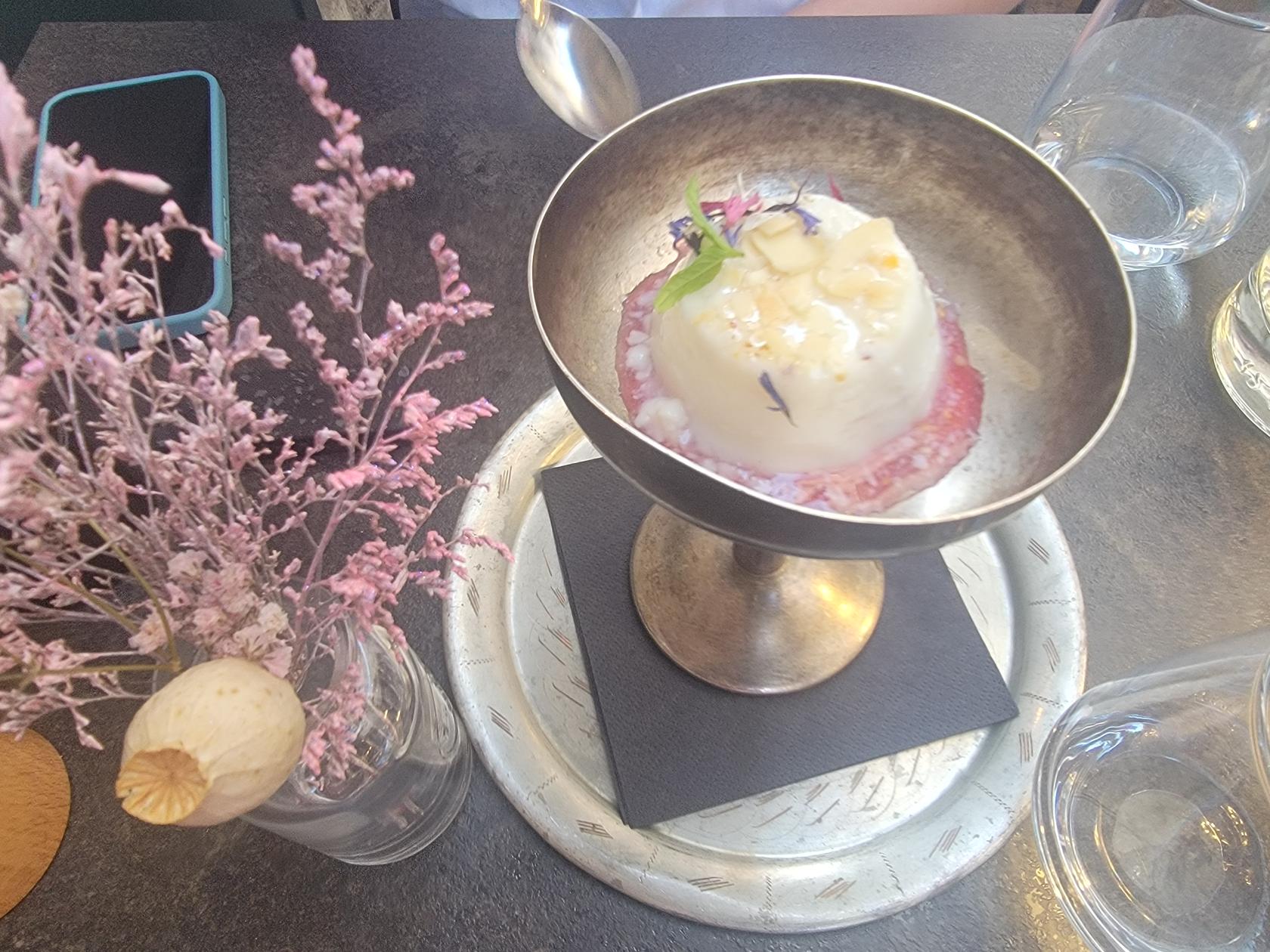
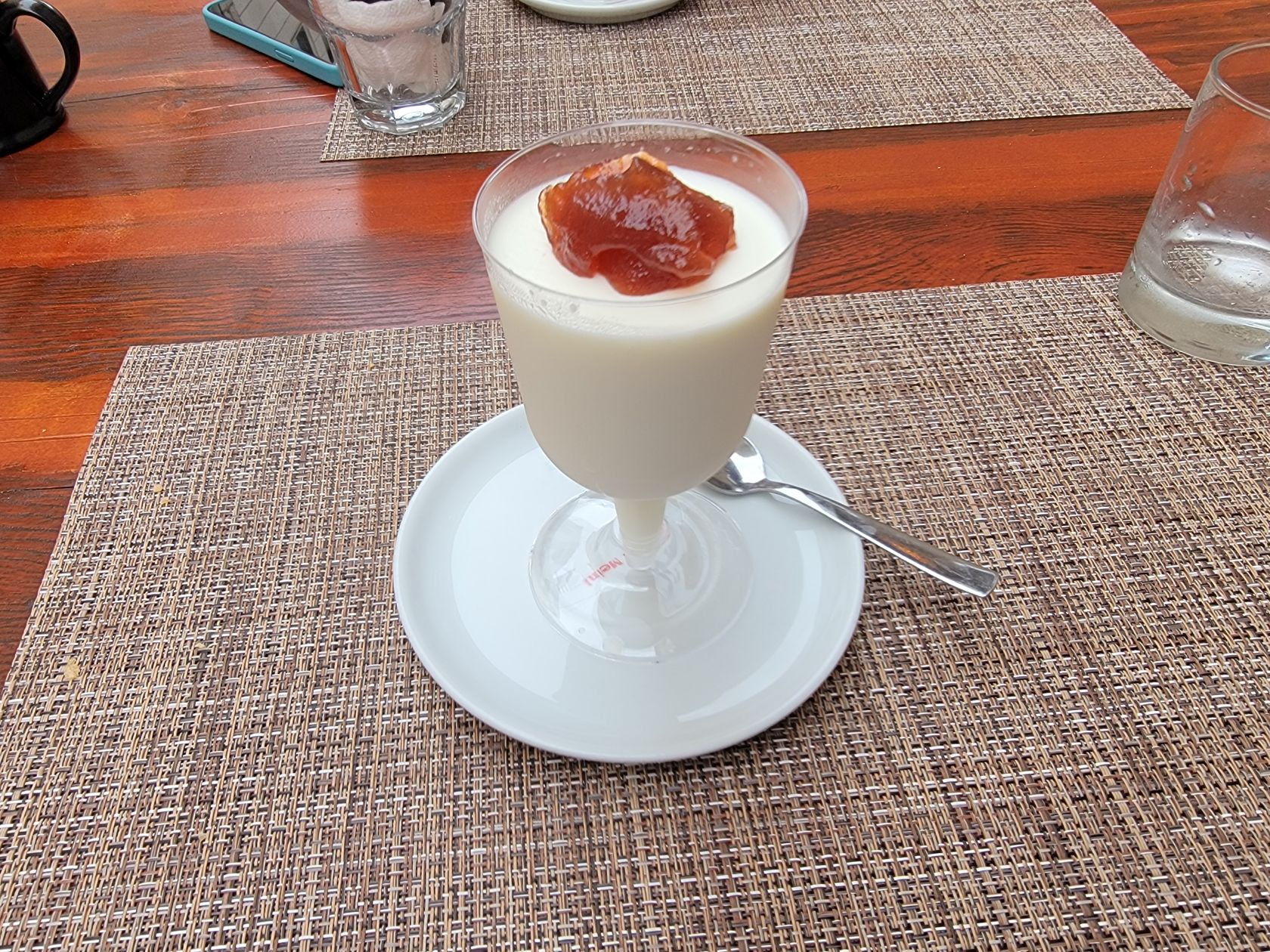
In the end, we decided not to order dessert, after having spent a good two hours already at the restaurant. As can be seen below, one main and one side dish run around 50€/person, not cheap, by any stretch of the imagination.
Some Final Thoughts

One final impression regarding eating in Croatia in general. We found it more expensive than eating in Italy, and perhaps other larger countries in Europe, though perhaps cheaper than eating in Switzerland. People who read that eating in Croatia at a restaurant is cheap or inexpensive, do NOT believe it, it can be more expensive than eating in the United States, 60€/person for example, for nothing that special and without tips. There are less expensive options, but you have to seek them out and most are ethnic or local restaurants outside the main restaurant hotspots.

We checked out the grocery stores too and found them inline with prices elsewhere in Europe. You will find meat and other similar products a bit expensive, but in general eating in and preparing your own food, especially if you are not a fan of trying something new, might be a less expensive option.

Lastly, as far as Dubrovnik in general is concerned, we found it an interesting place to visit once, but probably would not return. Up to three cruise ships visit the town each day and the population explodes around nine o’clock in the morning and is very busy for the rest of day. If you like a cruise, this is the place for you, since you are already packed in like sardines on the ship already. If not, you might find the hustle and bustle a bit annoying. We could not believe the number of people here and it is not even officially tourism season yet!

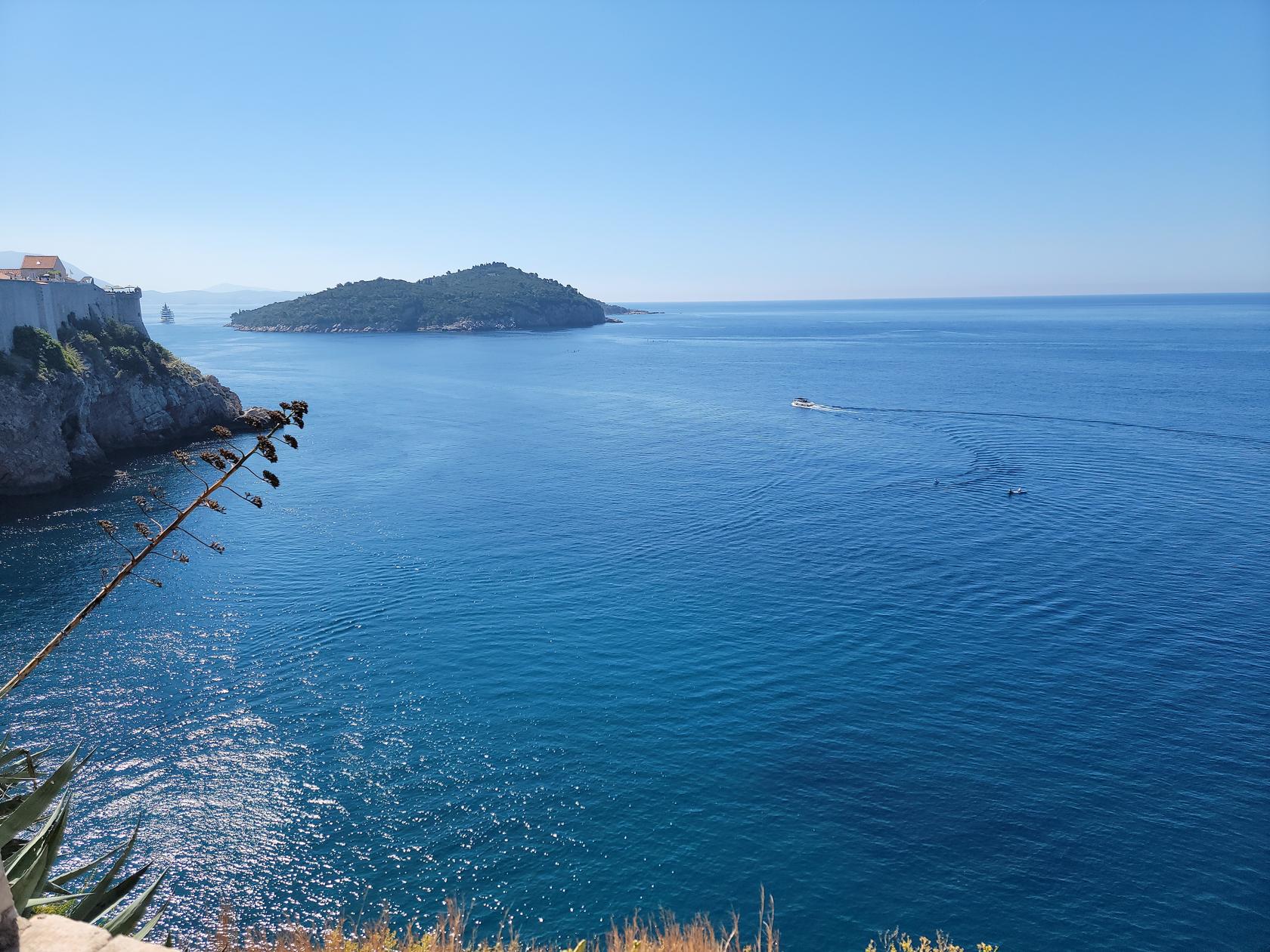
I, personally, was a bit dissappointed in the coastline. I had the impression it was going to be more like an Amalfi coastline, or like Cinque Terre, but it’s not. It is craggy, but I just thought it was going to be more dramatic, it’s not! Perhaps down the coast, along Albania’s coast it is more so, I am not sure, I haven’t been there yet…

References

References
1 These were constructed by the Southern Italian and Neapolitan architect and engineer Onofrio della Cava in 1438 and bares his name.
2 The menu has it as Sarma/Dolma/Japrak, but the Turkish Sarma and the Albanian Japrak are actually closer to each other and different from Dolma, in that they are wrapped in grape leaves normally. Sarma may be wrapped in grape leaves, but it could also be cabbage leaves, or just plain vegetable, for example, squash. However, for simplicity sake, the words are used interchangeably.

Korčula, Croatia – Island Escape

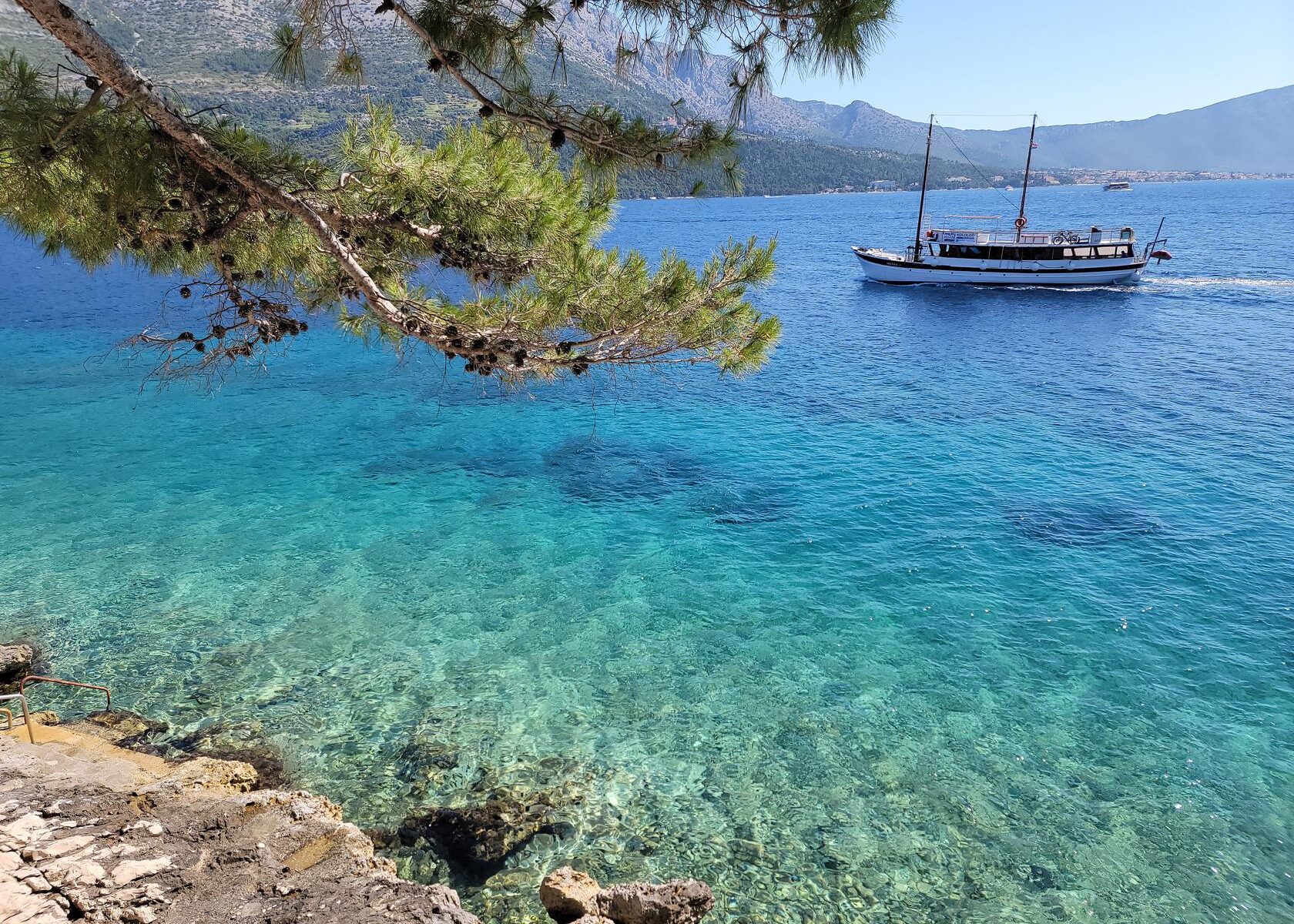
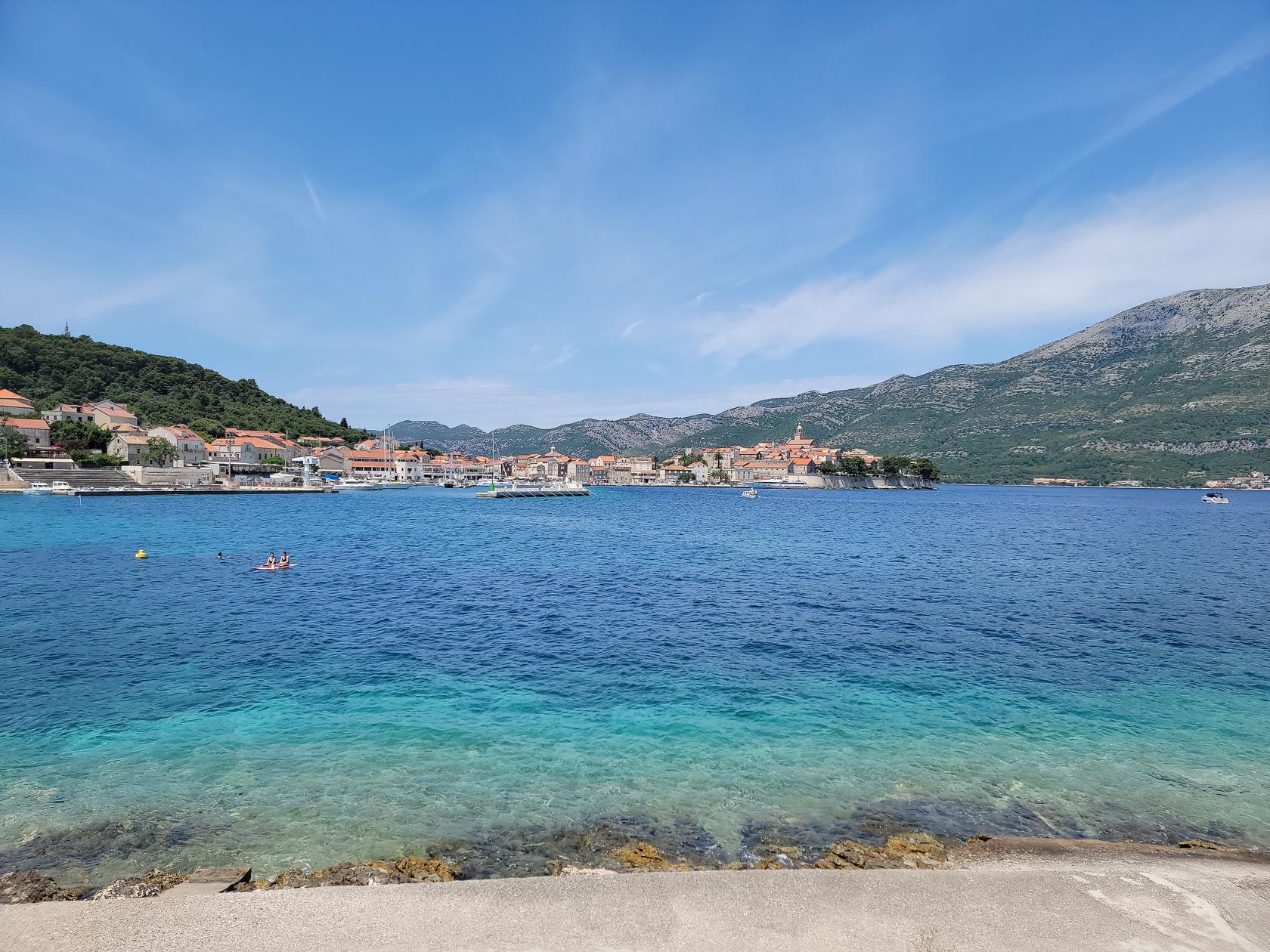
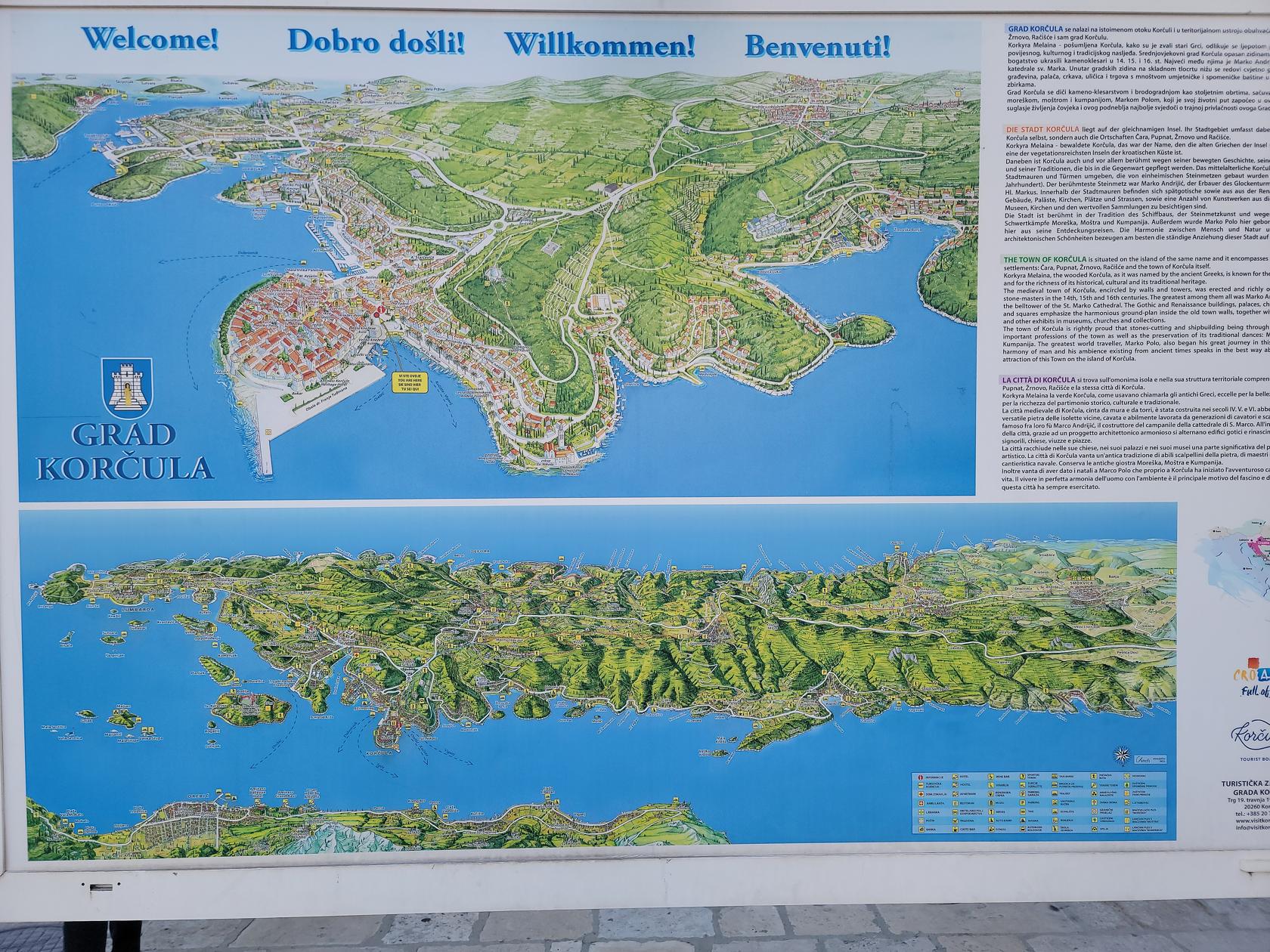
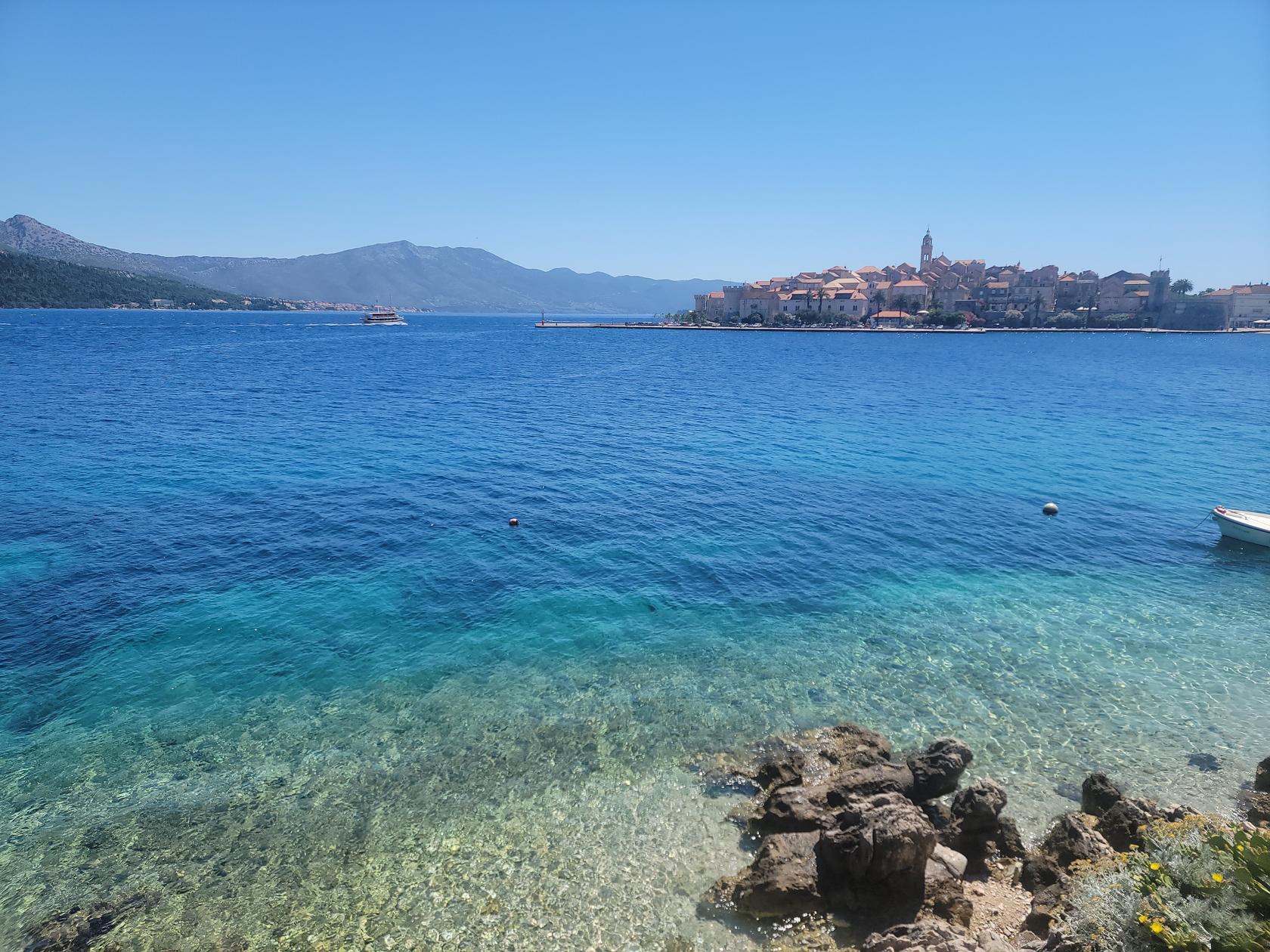
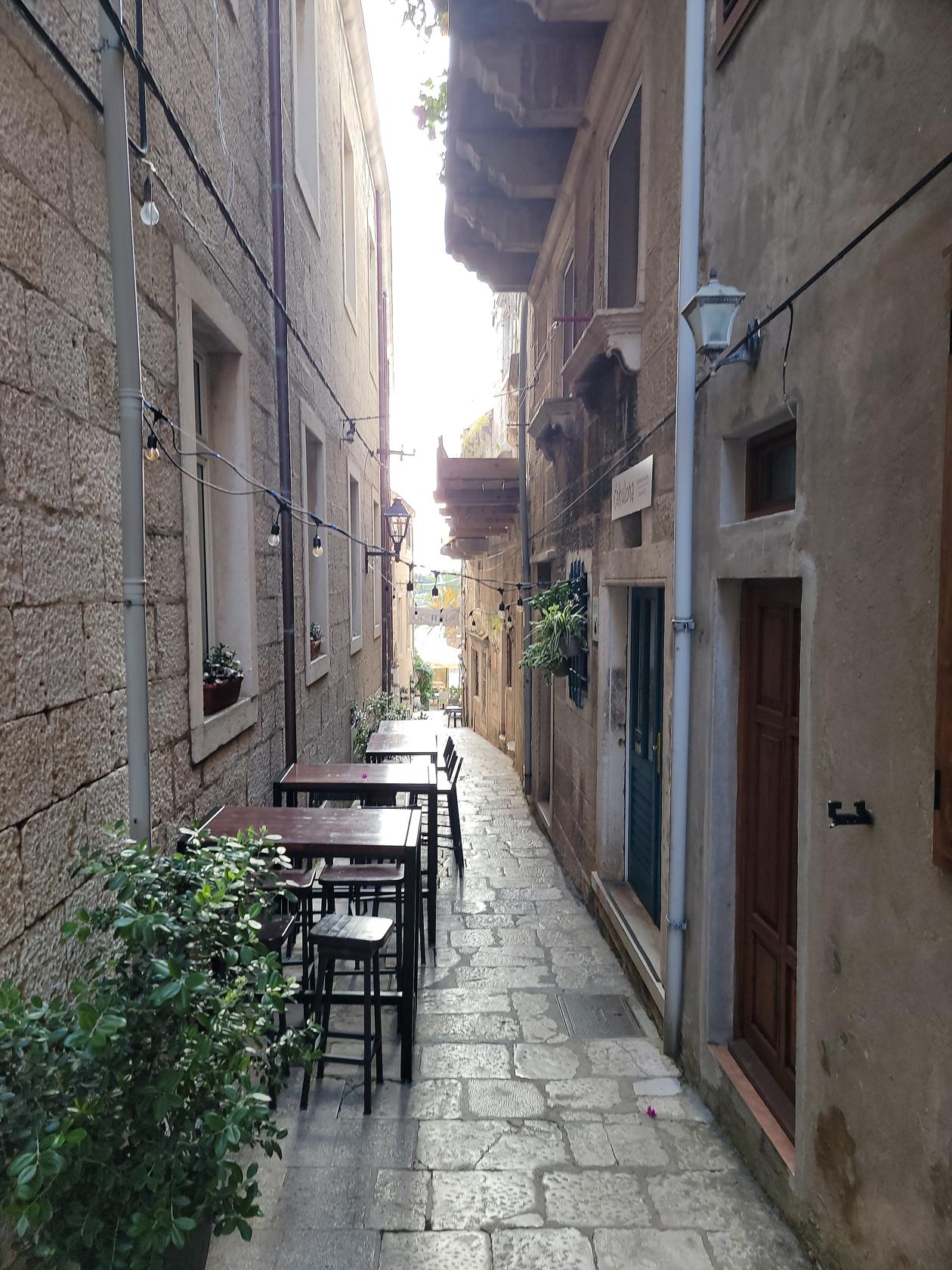
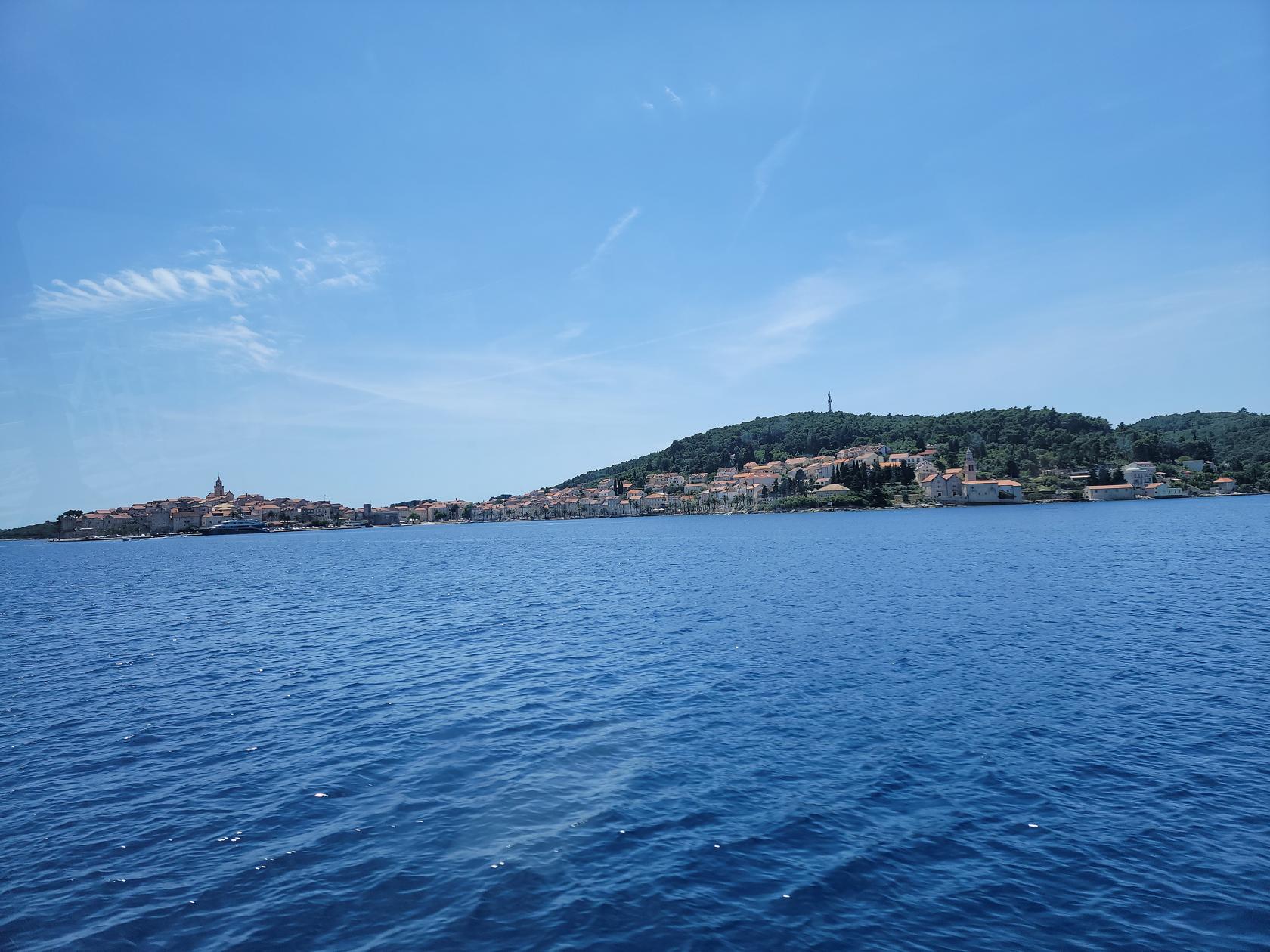
After Split, Croatia we had planned on taking a detour to one of the islands for a bit of an escape. We knew it was going to be crowded, since tourist season was upon us and we thought it would be great to also break up the distance between Split and Dubrovnik. Our choice was the town of Korčula, on the eponymous island in Croatia.

Korčula

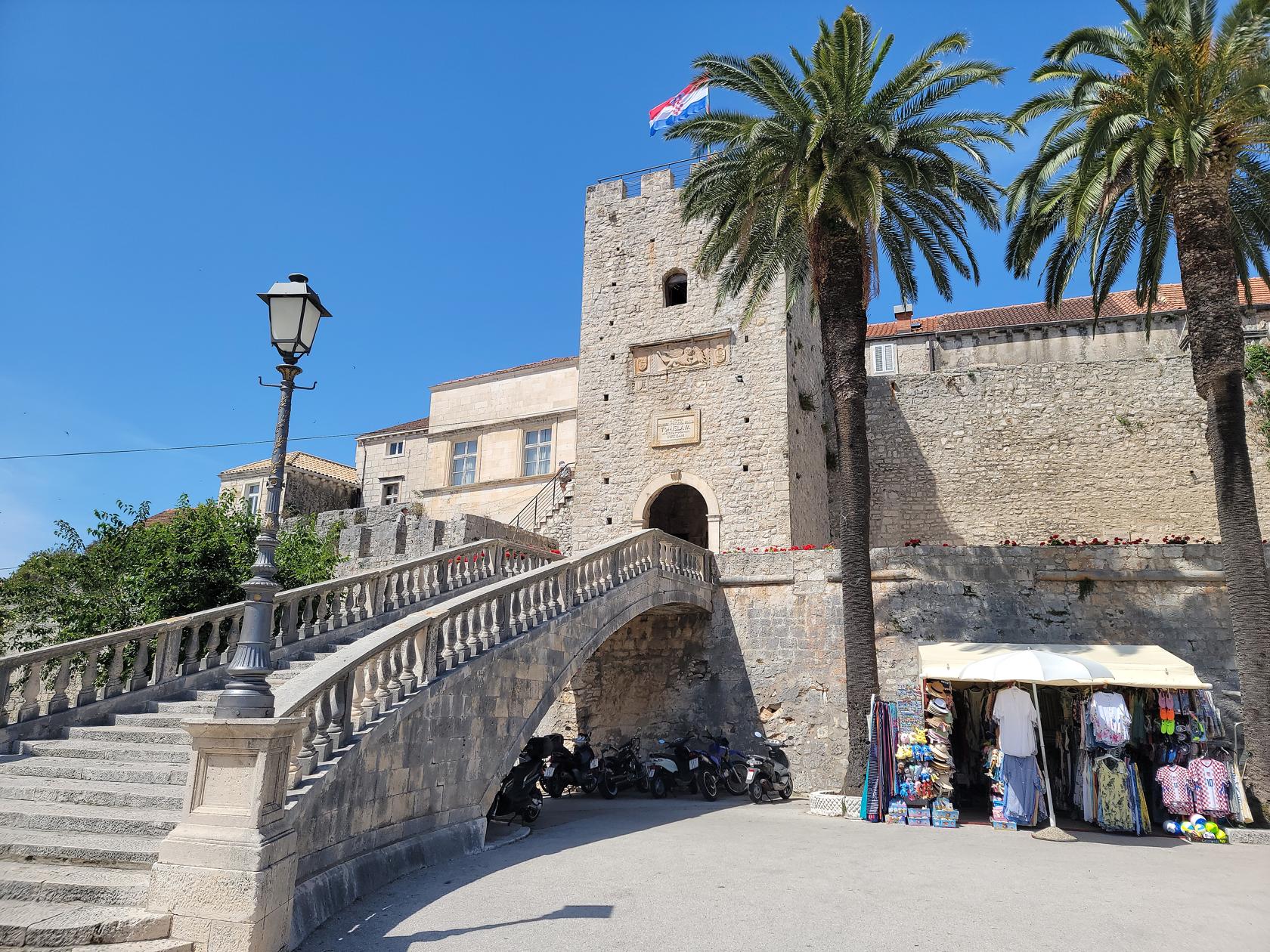
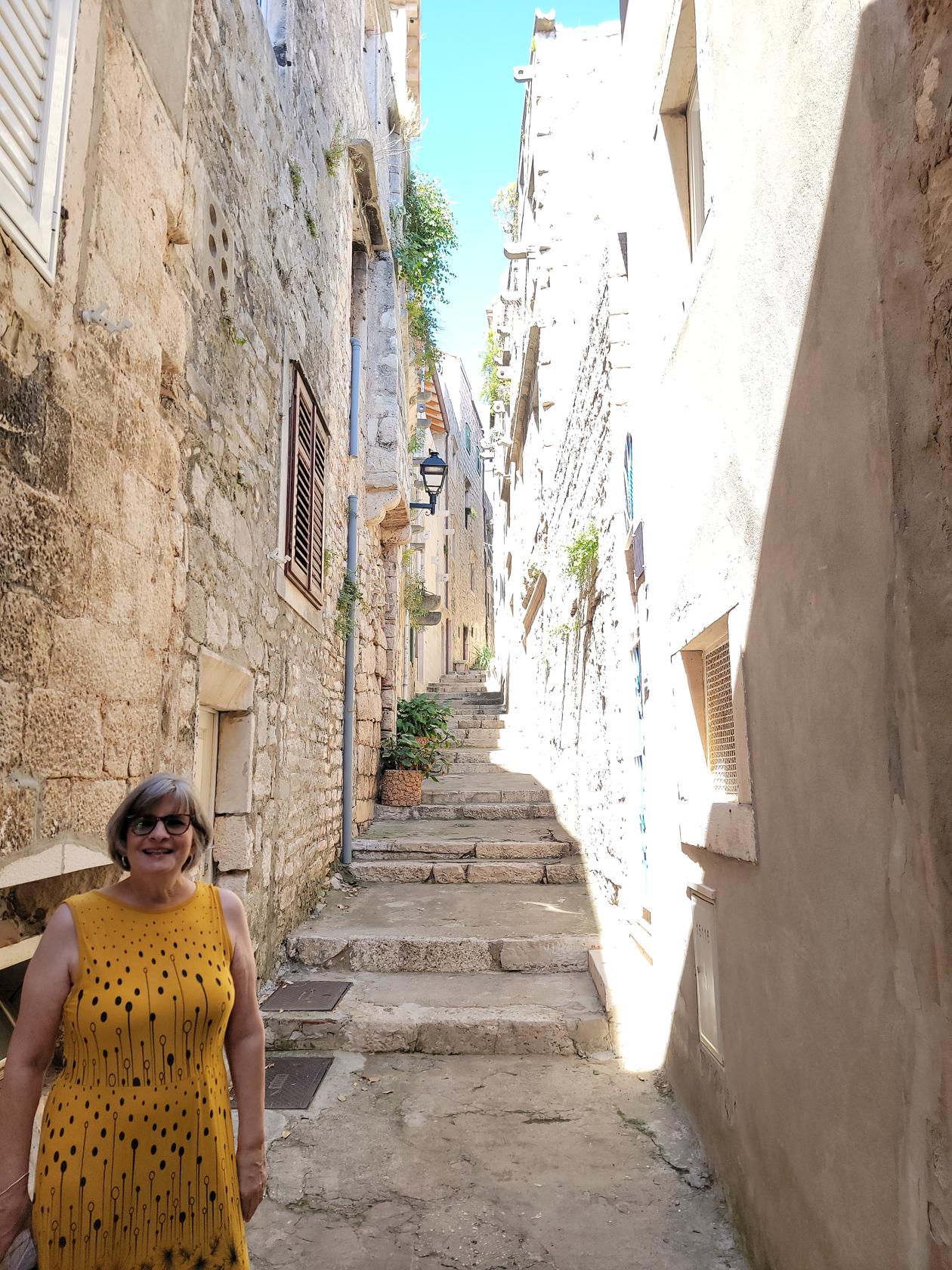
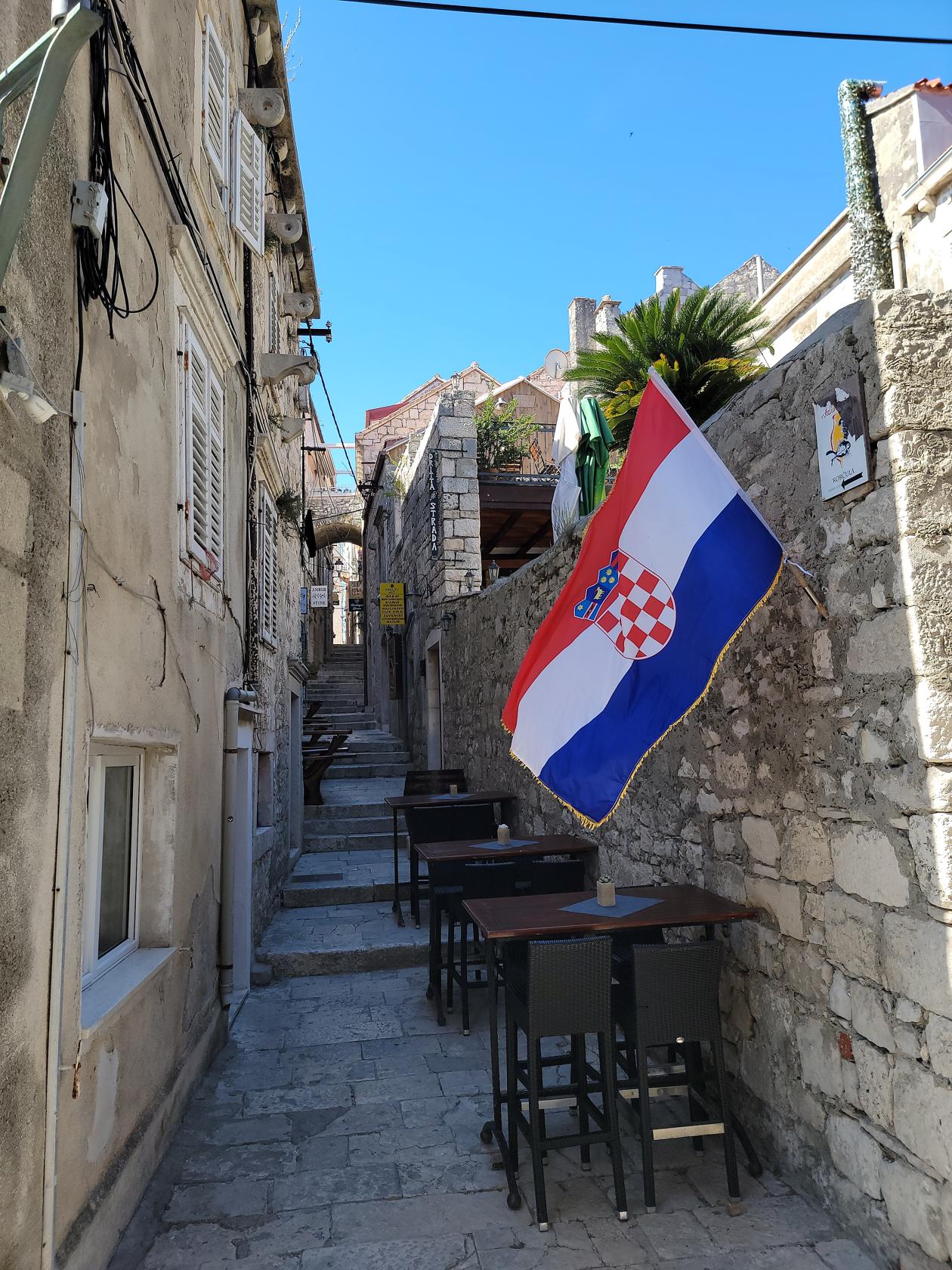
Is a small medieval walled town that was protected from the outside by walls. It was, in fact, not until later in the nineteenth century that citizen were allowed to build outside the walls.

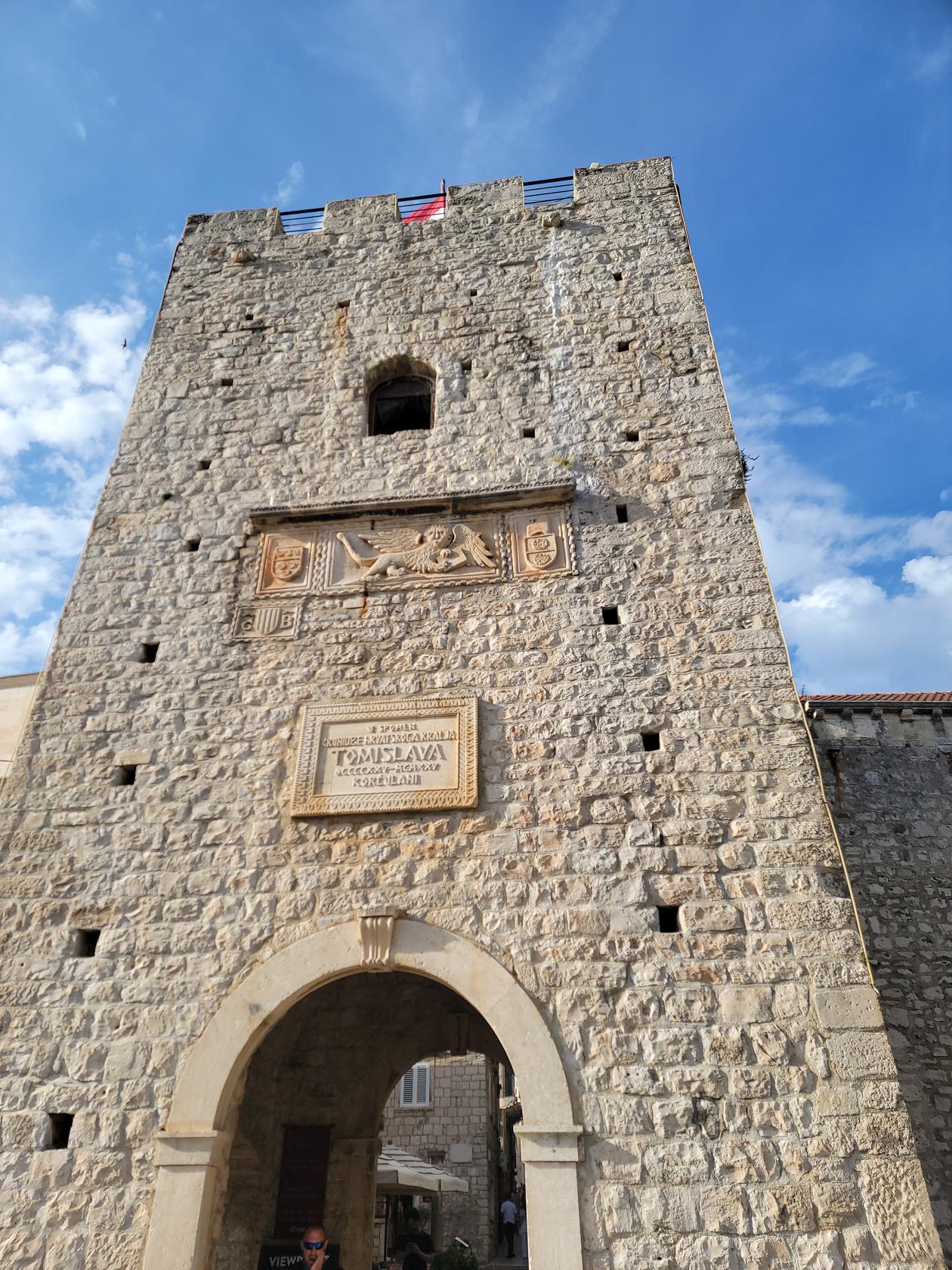
The main entrance to the town is the large main gate. Today it is left open, but before modern times it was closed at night. There is a street that encircles the entire town and is very nice for a slow walk, while you enjoy the scenery and hopefully the weather.

The town is laid out in a herringbone or pinnate leaf pattern. This allows for better air circulation, while at the same time offering protection against the most violent of storms that come in from the sea.

The name of the island and town is derived from an Illyrian-Greek word that means the rock passage. It has been inhabited for at least a few thousand years. The Greeks were frequent visitor in the 6th B.C.E., and perhaps arrived on the island even before that time. The original population were colonies of Illyrians, which have left their telltale marks throughout the island. From the early 3rd B.C.E. the Romans knew of the island and subdued it later for five hundred years. Some of the Latin that was taught in those days, still lingers in the speech of the town’s peoples.

GettingThere

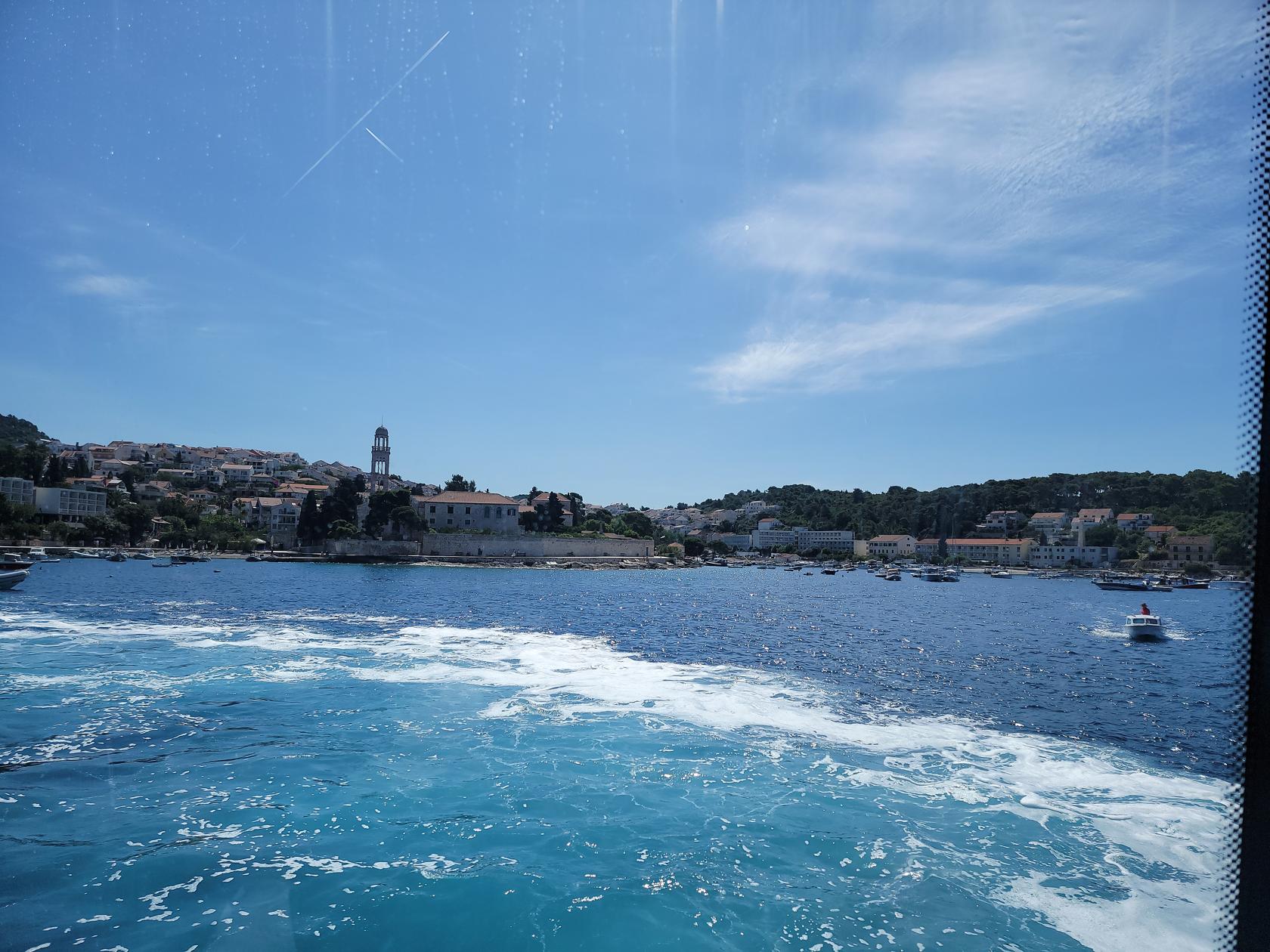
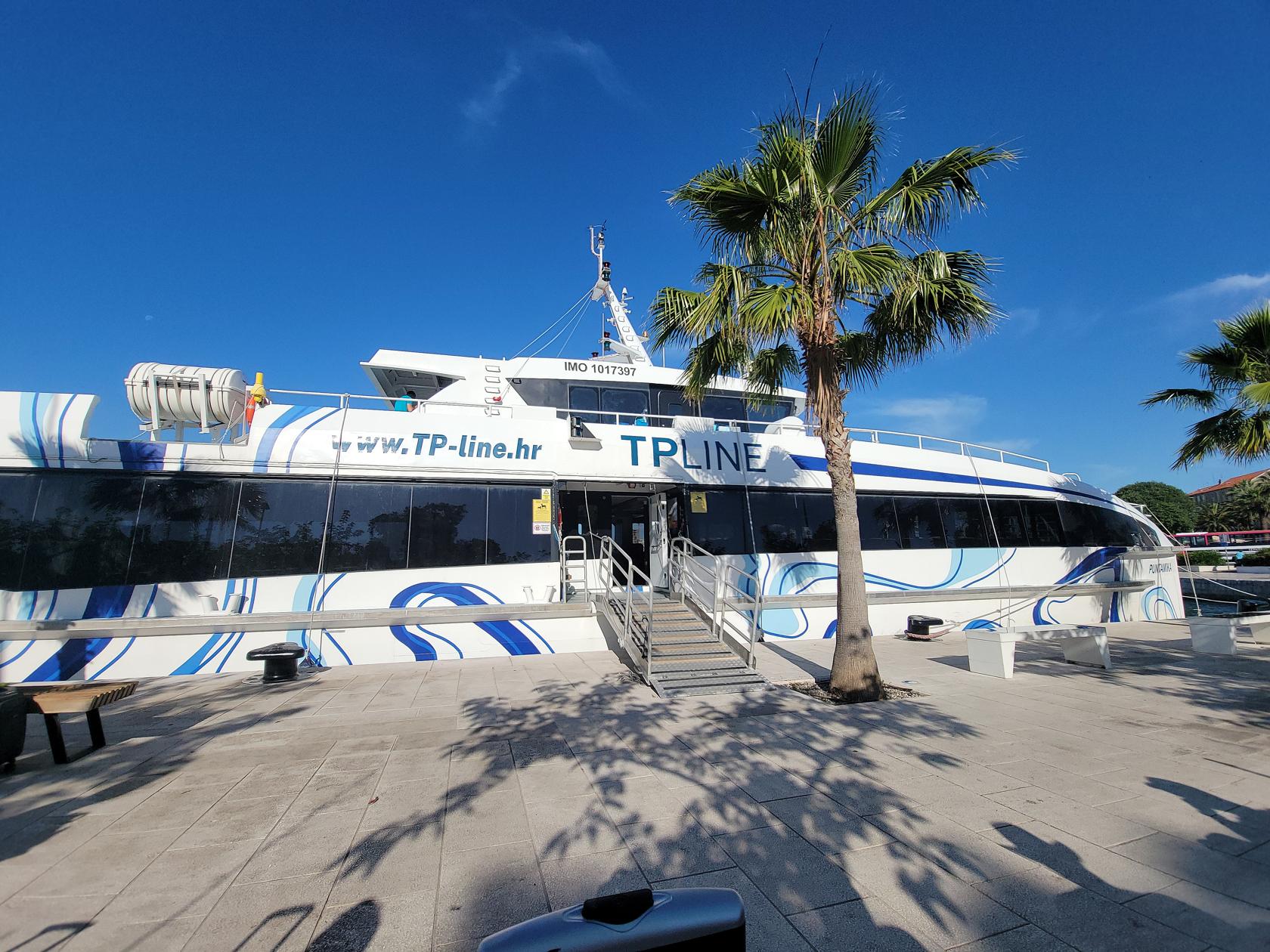
To get there, take the ferry service that runs between Split and Dubrovnik. There are several lines, unfortunately our original booking through Kapetan Luka was cancelled due to equipment issues, so we had to rebook on TPLine. It was fully booked, but very comfortable. Get in line early, because seats usually go fast.

A Word About Ferries

Just an opinion of course, but having been on both ferry lines, I would prefer the TPLine. On TPLine, your luggage is stowed indoors with you and not outside, as with Kapetan Luka line. The latter is fine otherwise, but in the event of bad weather, it appears your luggage would be soaked upon arrival to your destination. I also found their boats to have a bit more room to get around. I felt a bit cramped on the Luka line.

Our Hotel

The Aminess Liburna

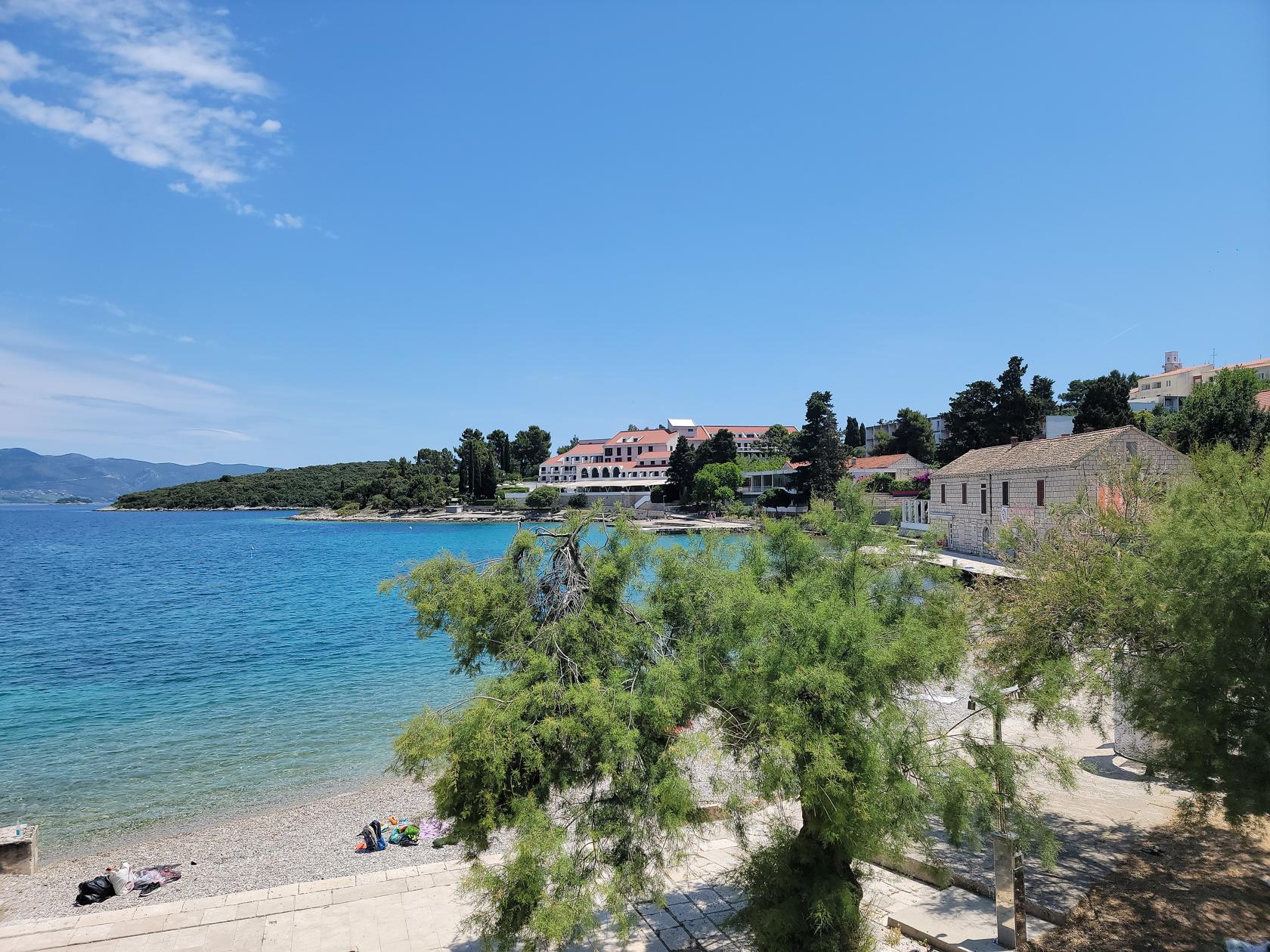
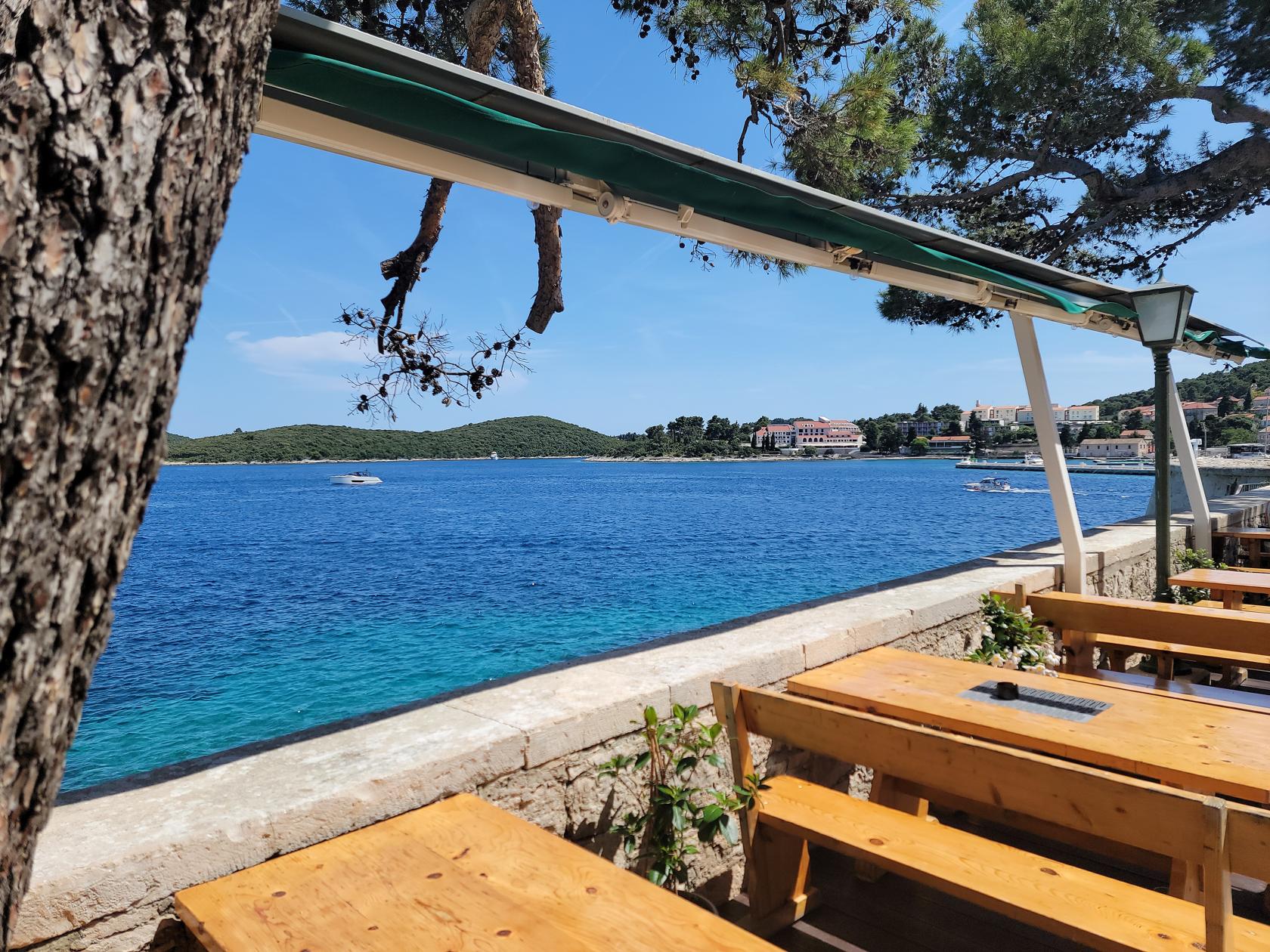
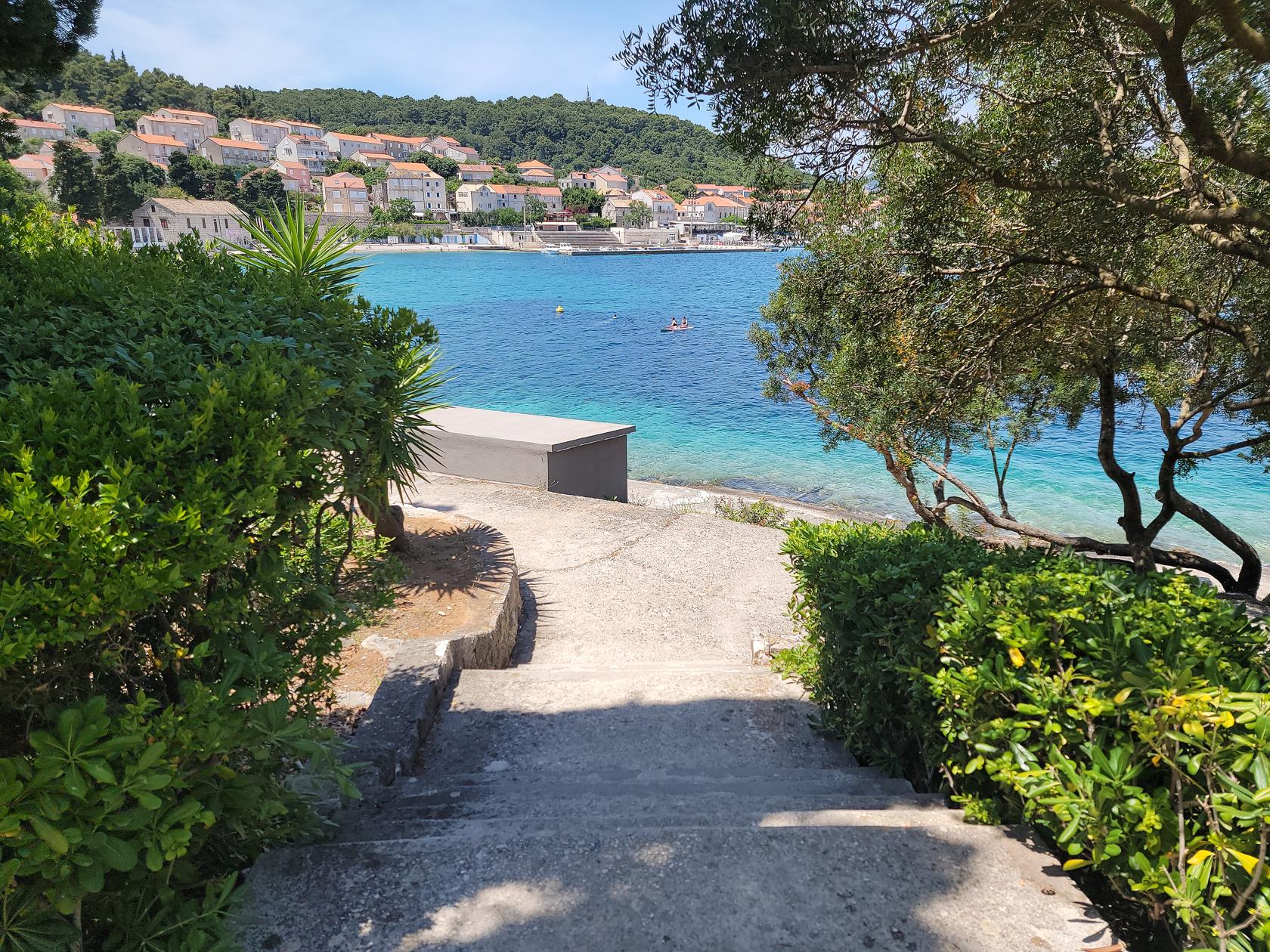
A large modern hotel on the adjacent pennisula to the town. From here it was about a fifteen to twenty minute walk to inside the town walls. However, the hotel has all the amenities, including breakfast. They also have a pool and a small seaside area for swimming. The deluxe rooms are typical and met most of our requirements.

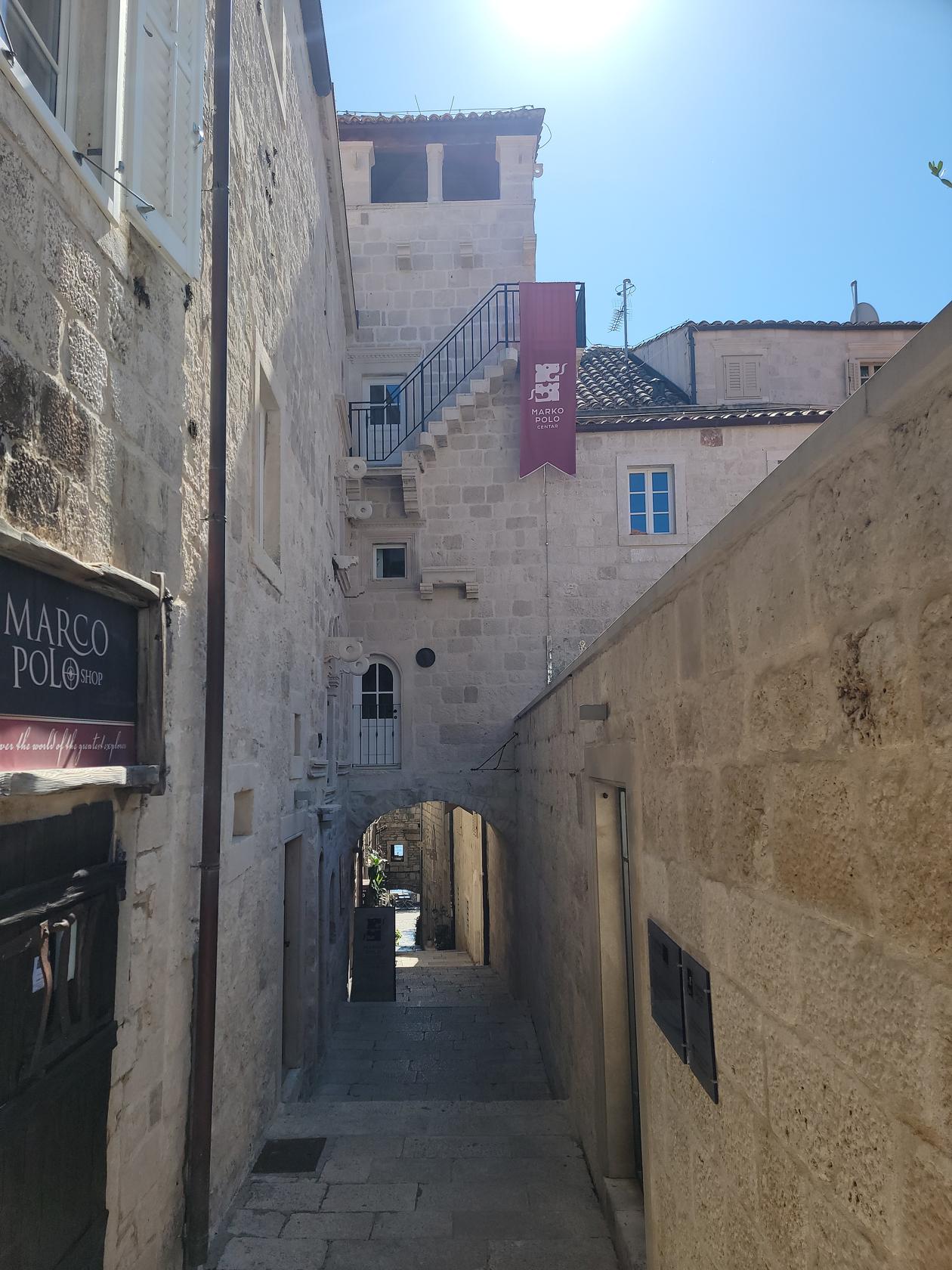
Marco Polo House

Ostensibly Marco Polo lived in the house for some time during his travels. Which travels, the museum does not elaborate on. They only conjecture that Marco was there, based on the family owning property and having other interests on the island.

The Polos were based in Venice and the city and its residents had a strong influence on the island and the town.

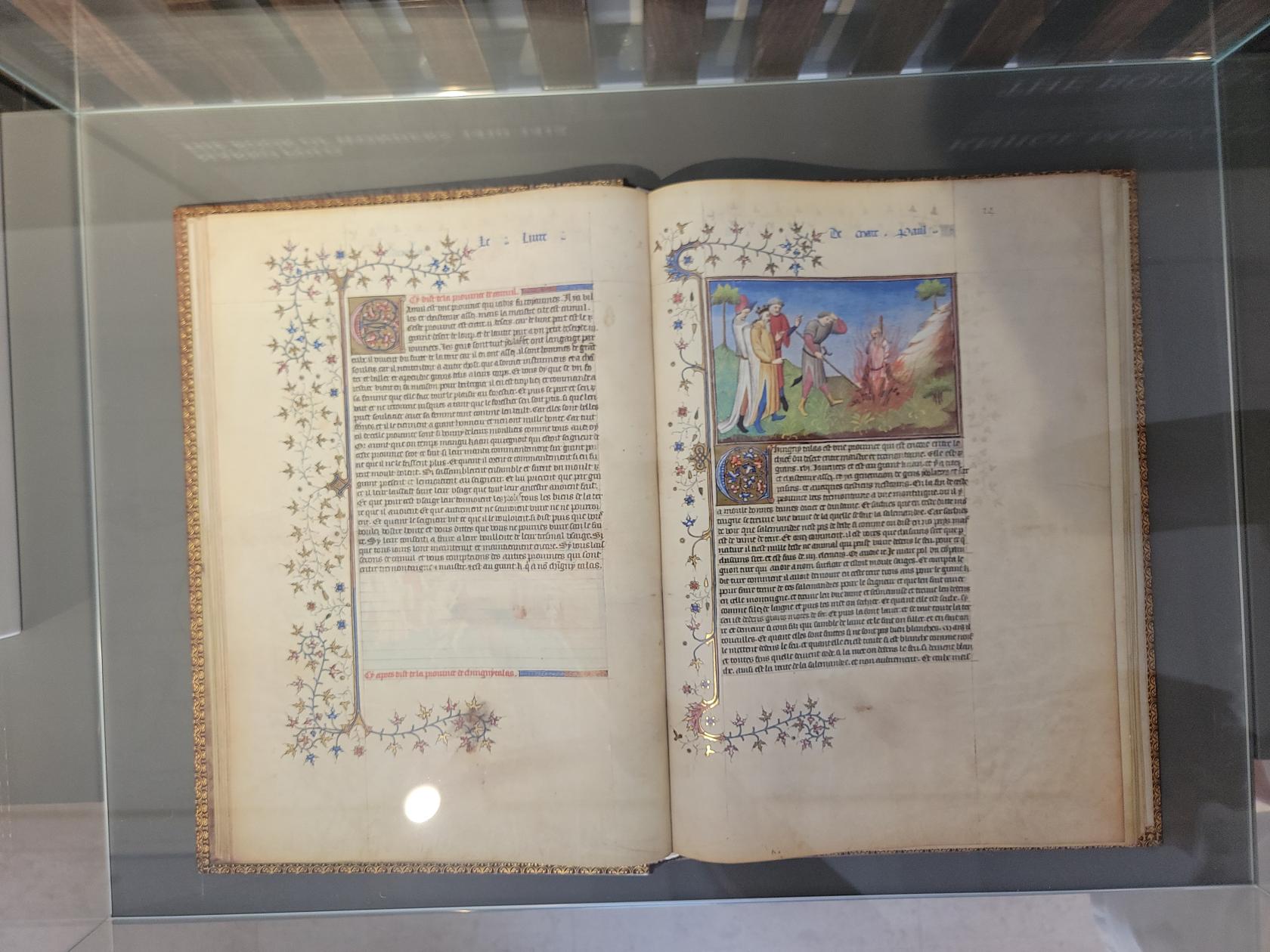
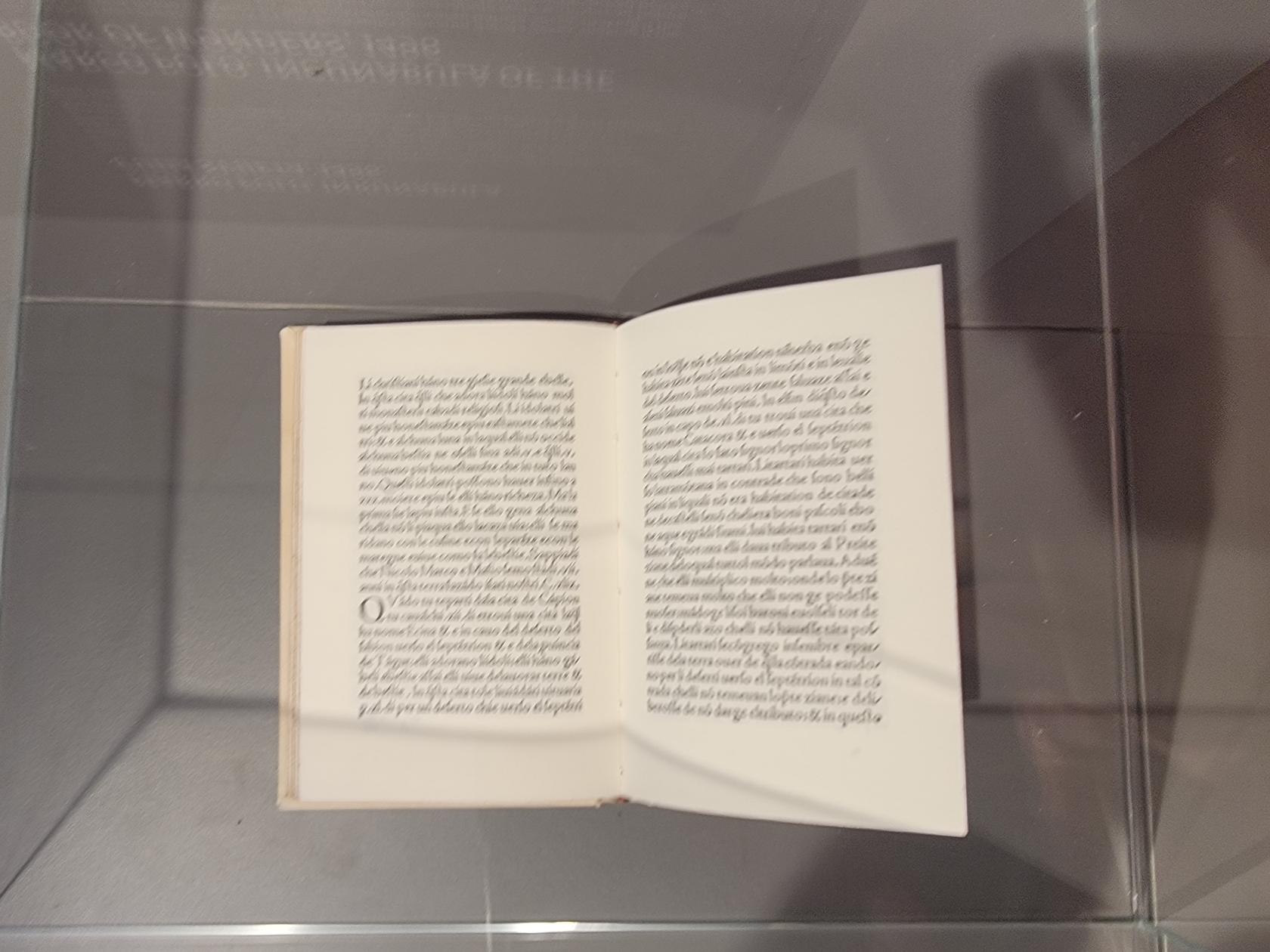
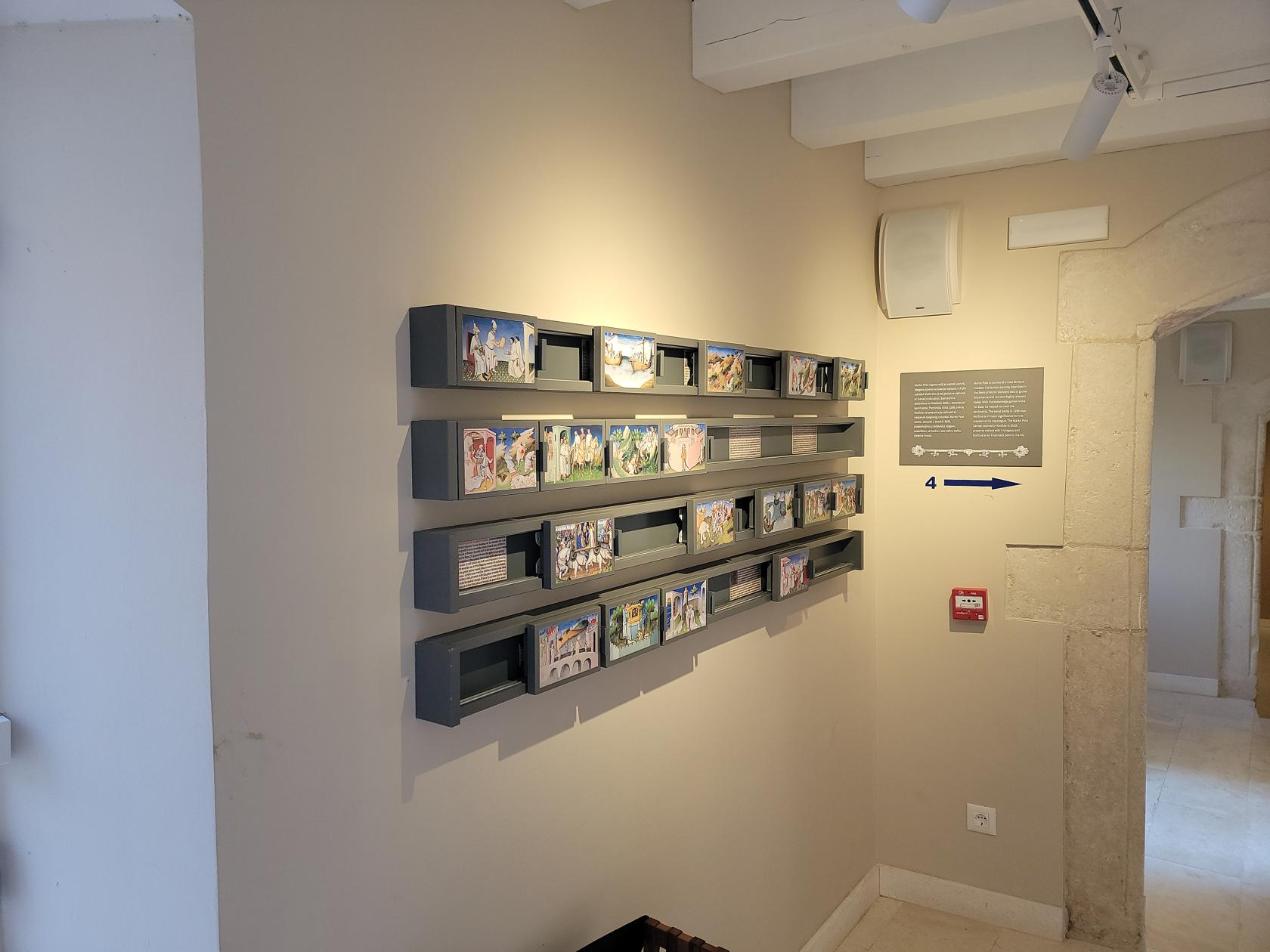
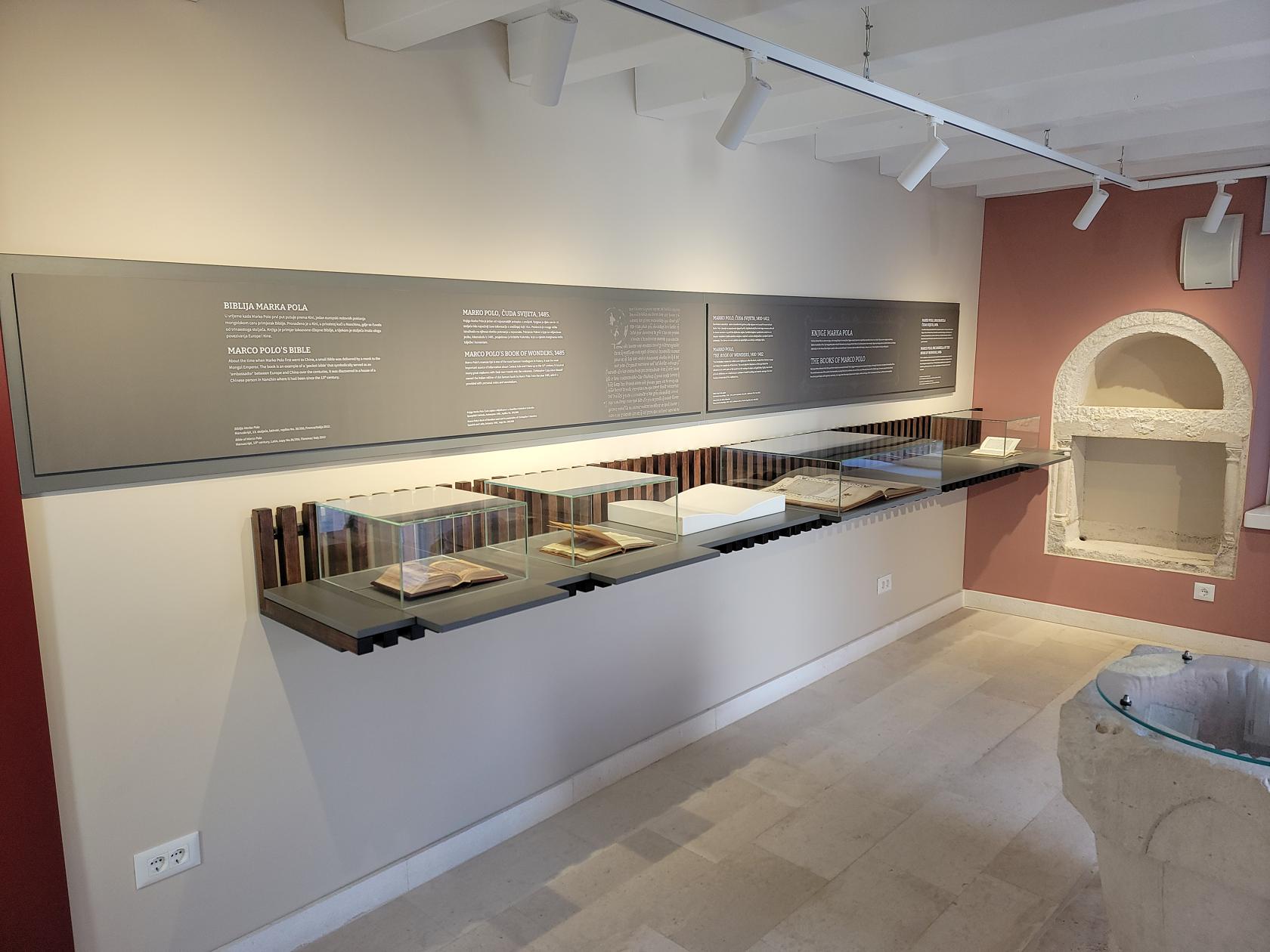
Marco Polo’s adventures and artifacts are explained and exhibited in some detail. Enough at least to enjoy the small museum that they have made in his honor.

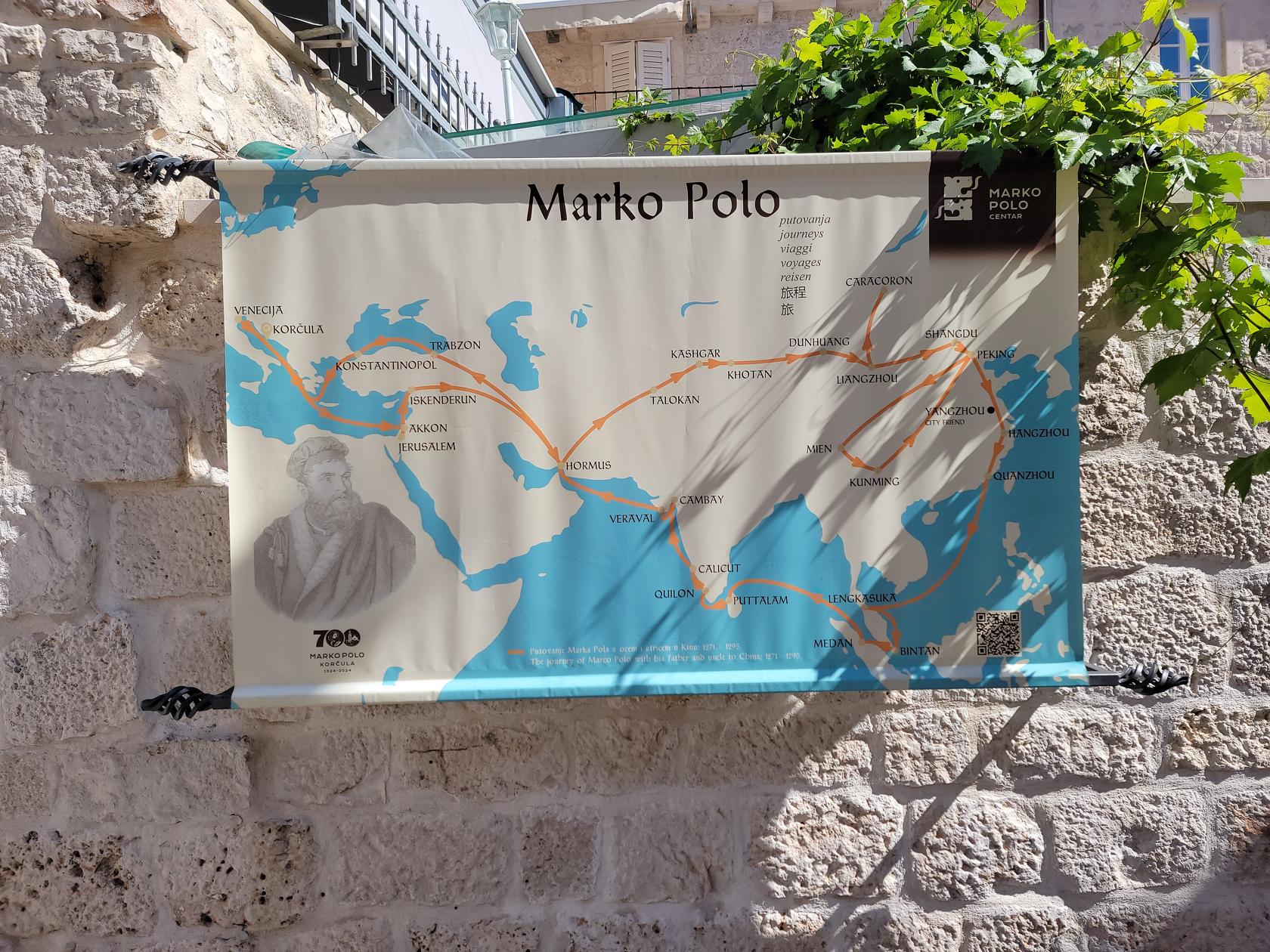
His long twenty-seven years journey into Asia is the central theme. Some of the artifacts are copies or replicas, but the genuine one are very interesting.

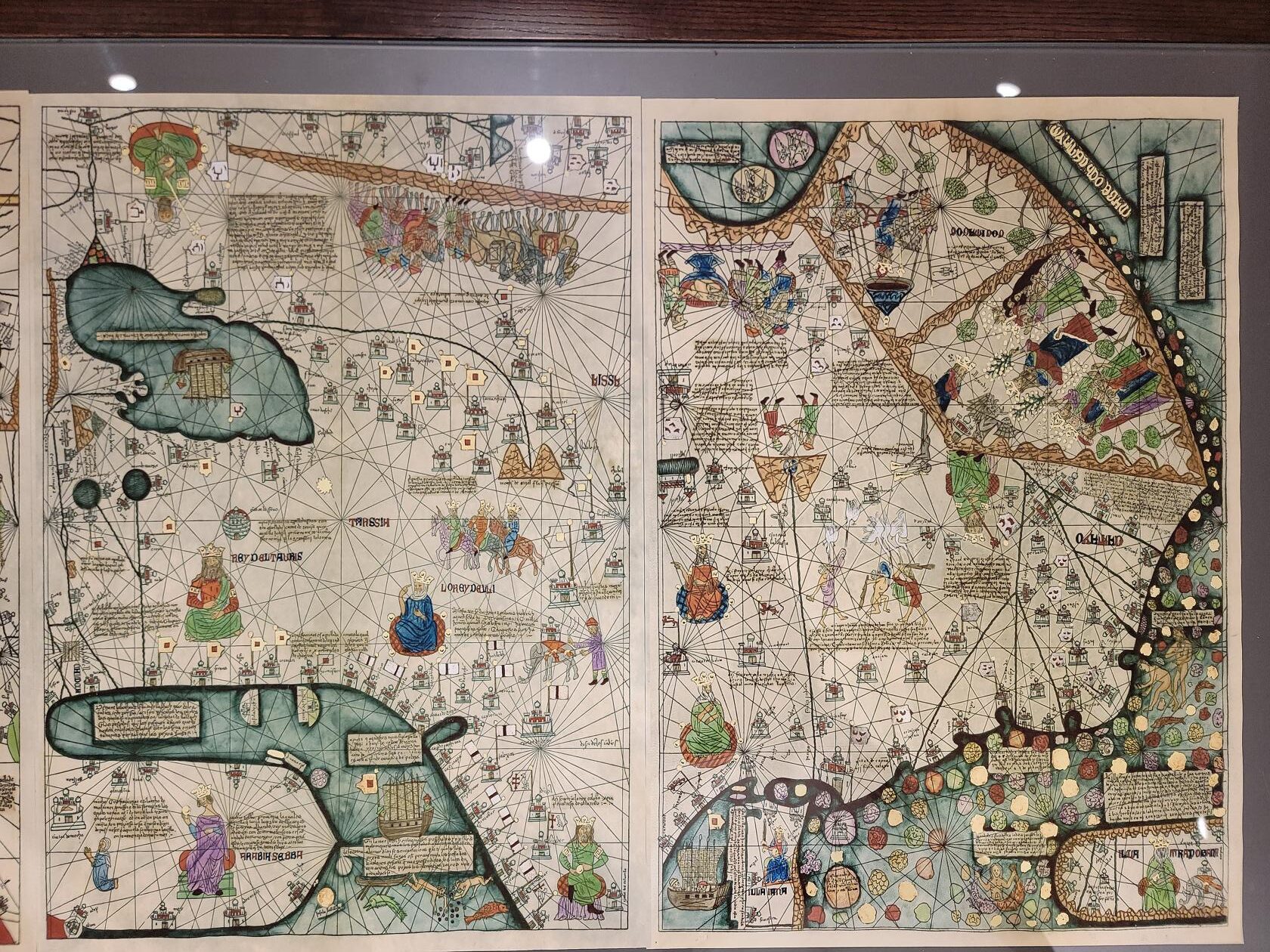
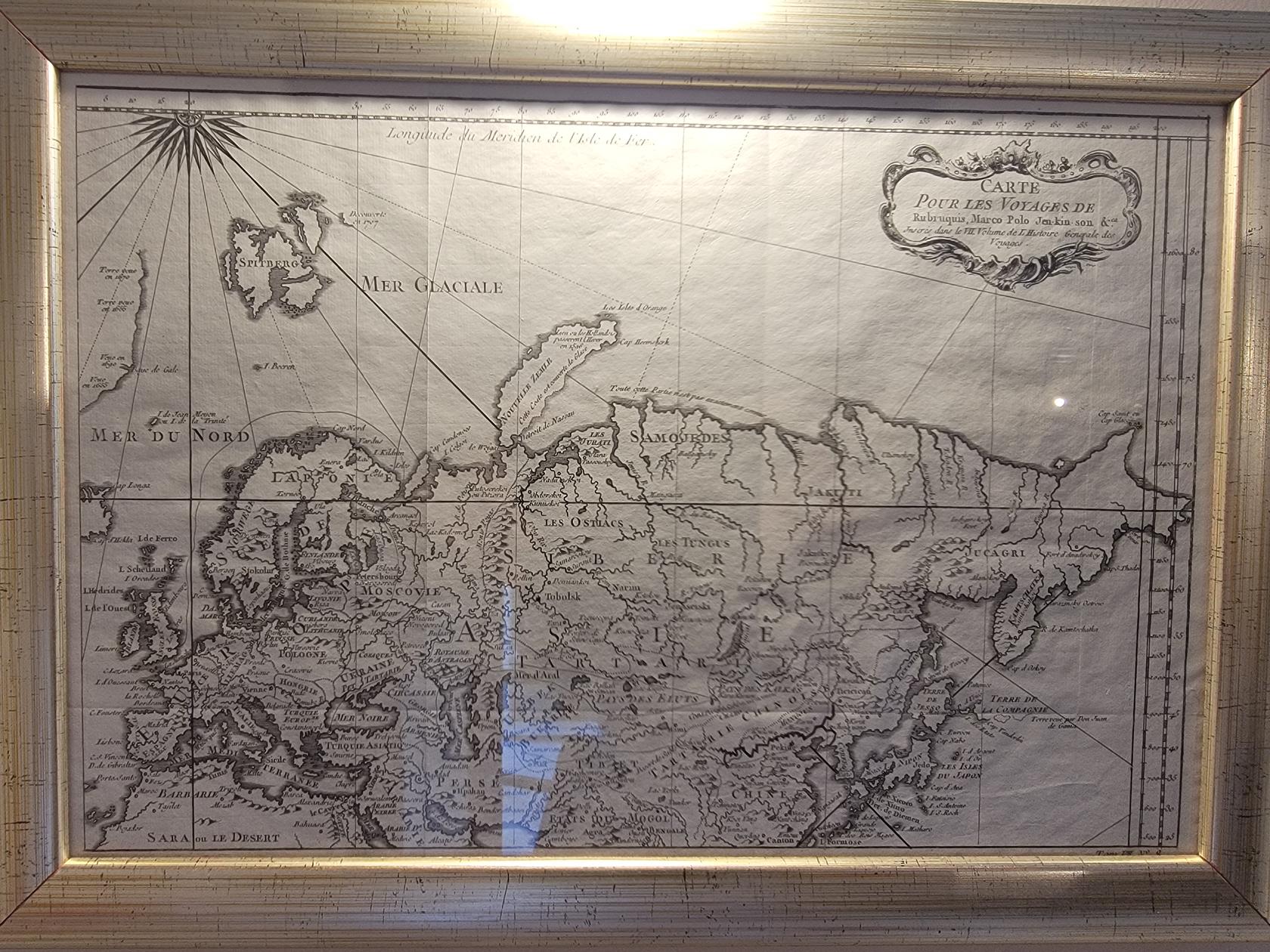
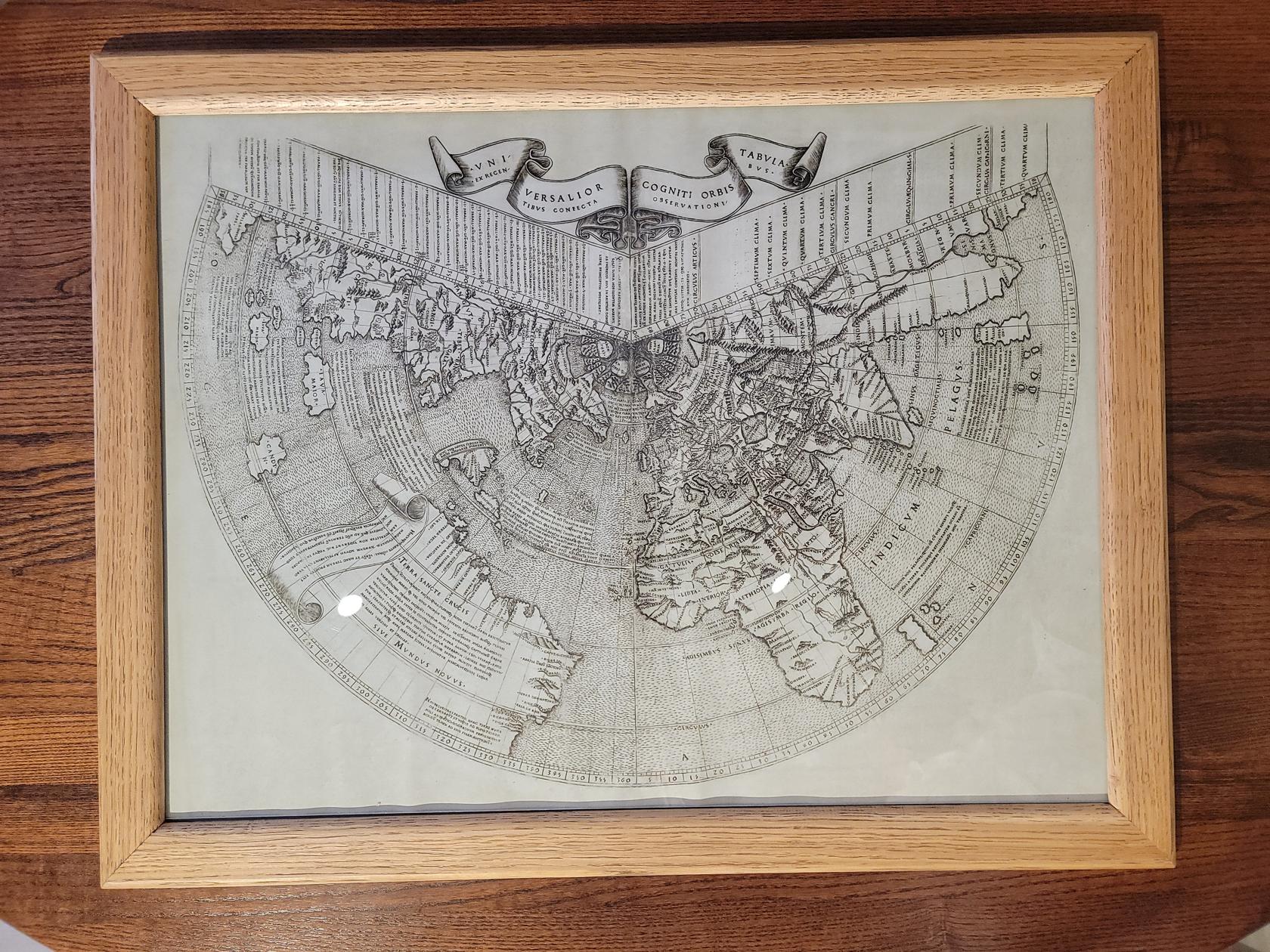
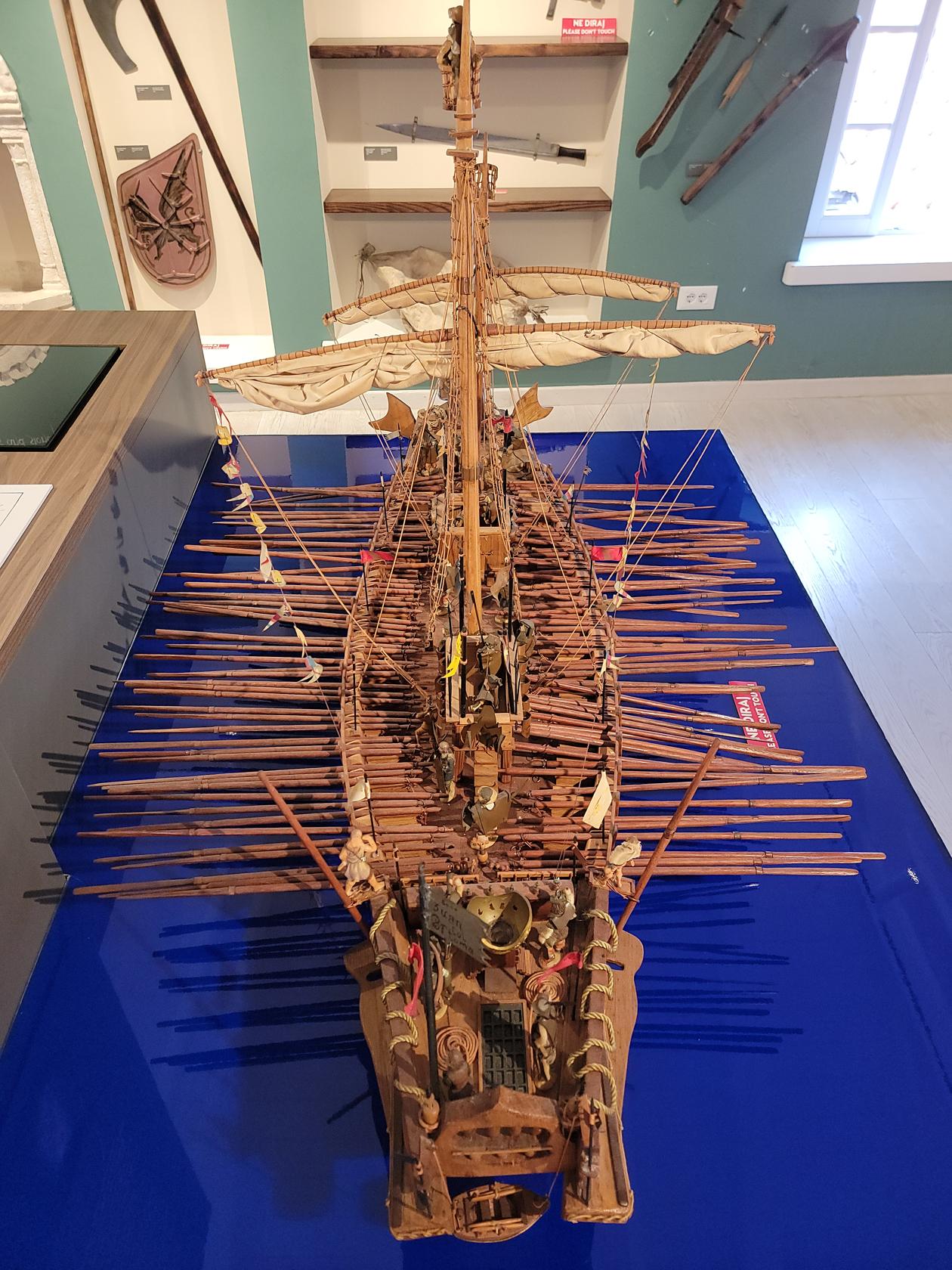
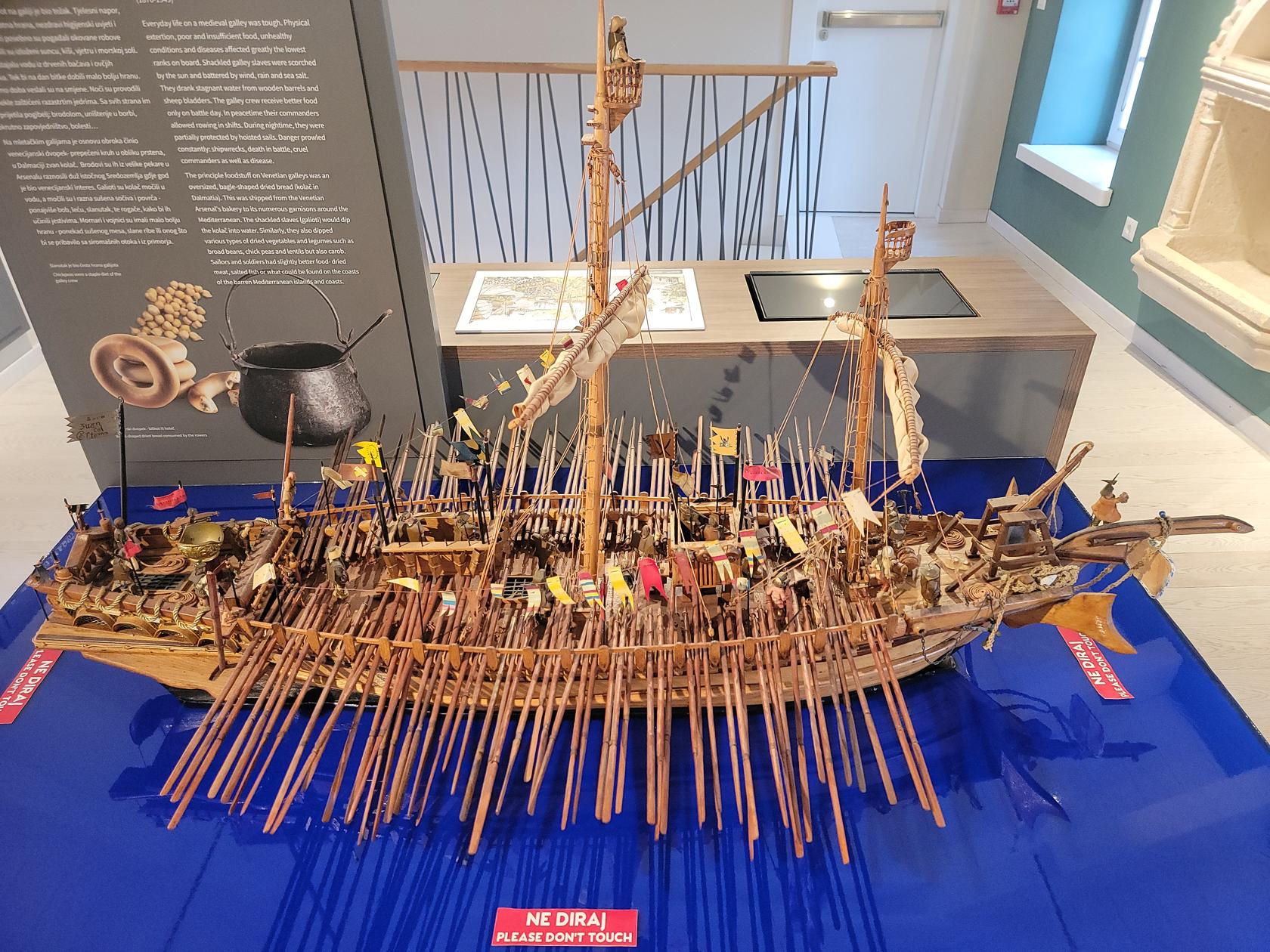
Of special interest were the model boat, a replica used in his travels, as well as assorted maps and other forms of reference used during the adventure.

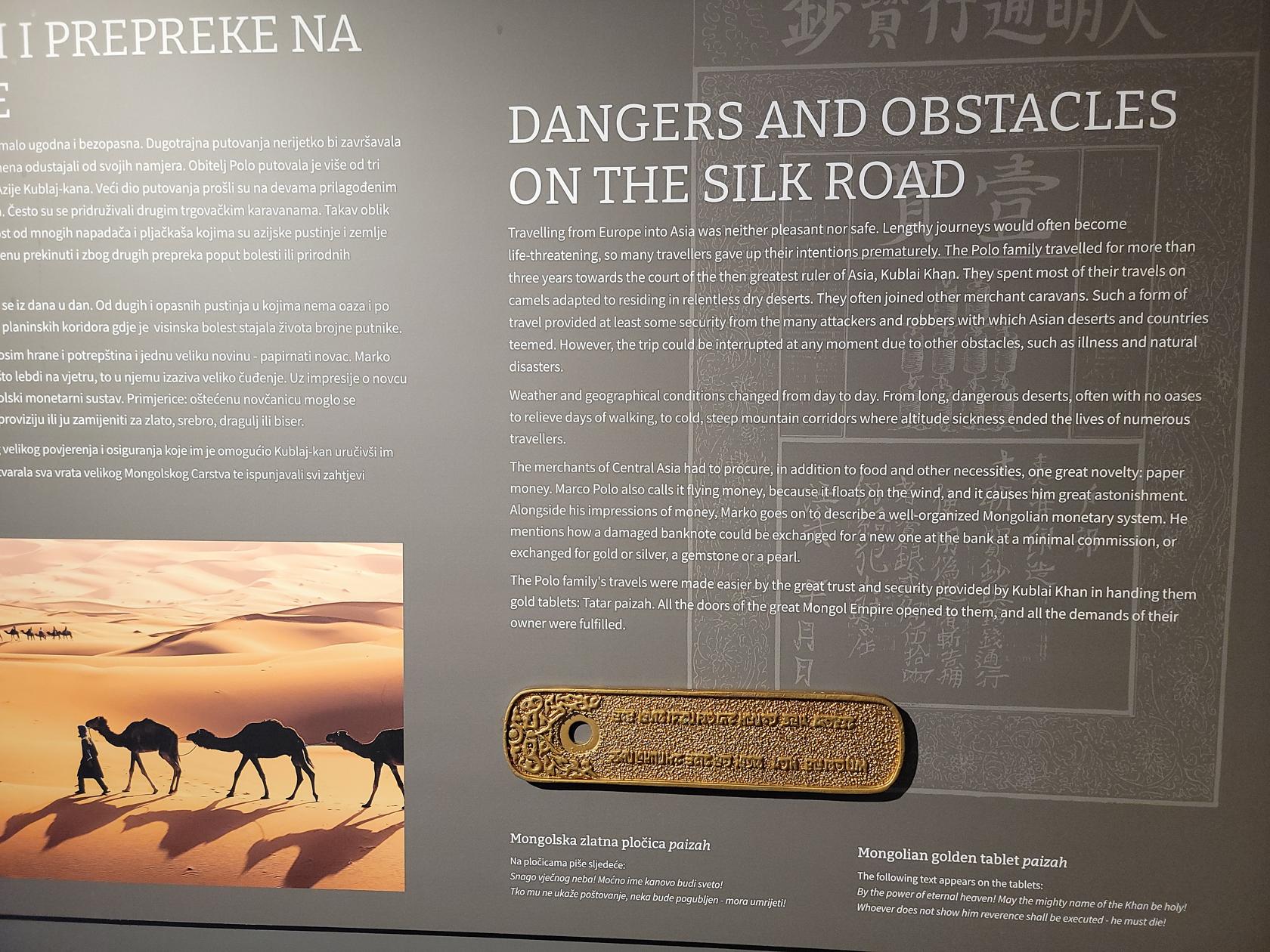
One special artifact is that of the Tablet that Kubla Khan had given his company for safe travel. It essentially gave them Carte Blanche through the countryside. Anyone interfering with them, risked Khan and his army descending upon them.

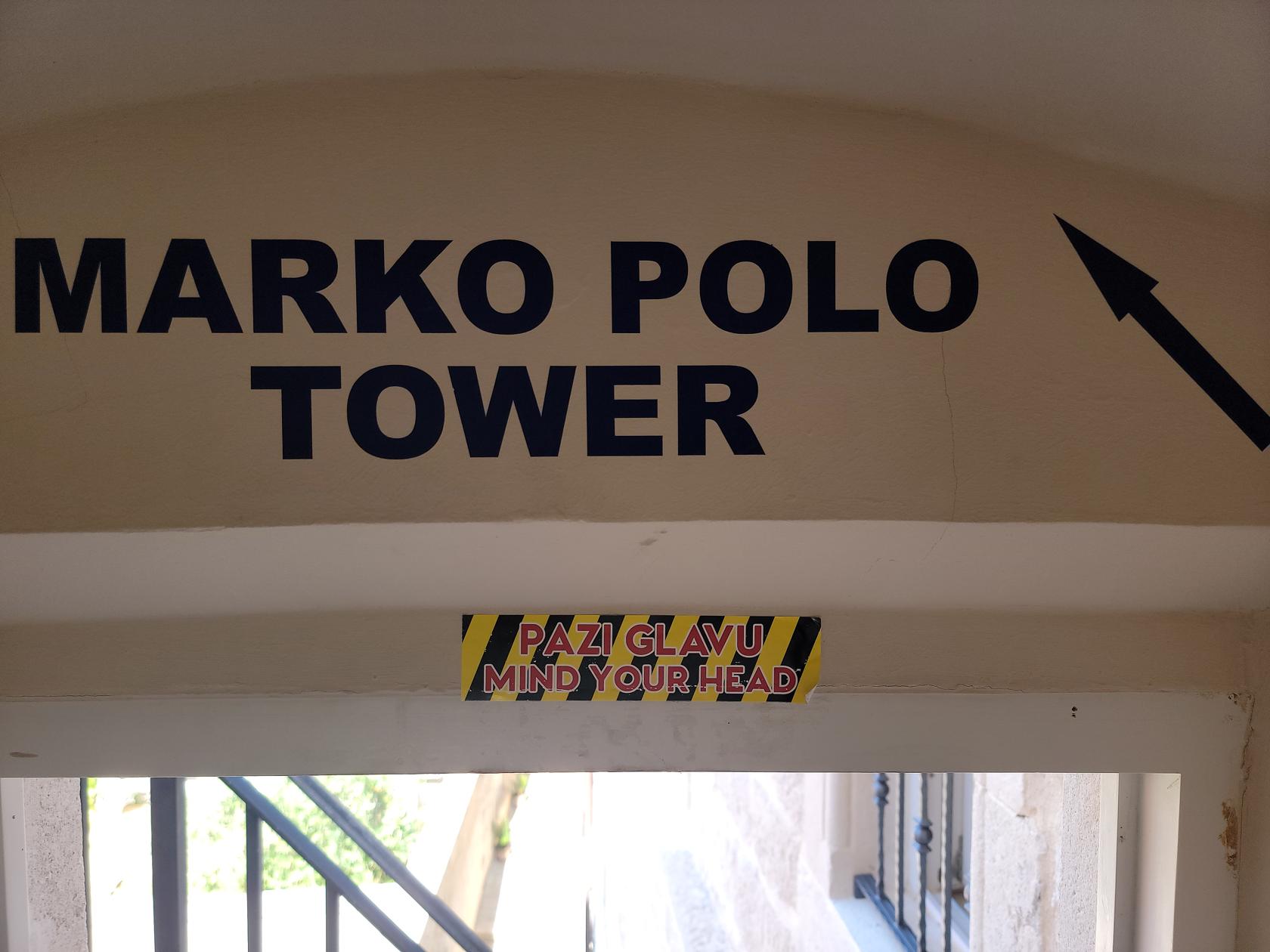
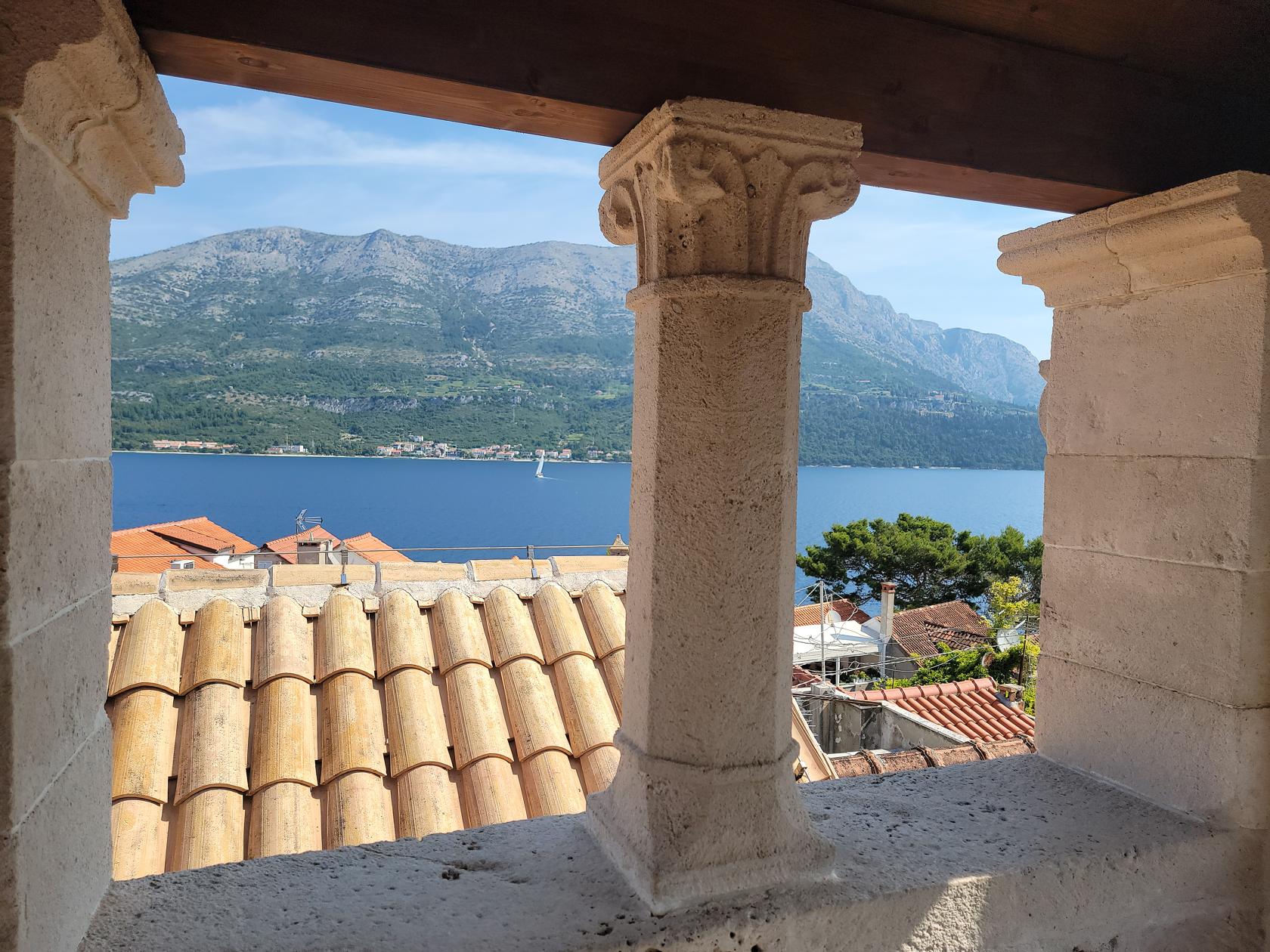
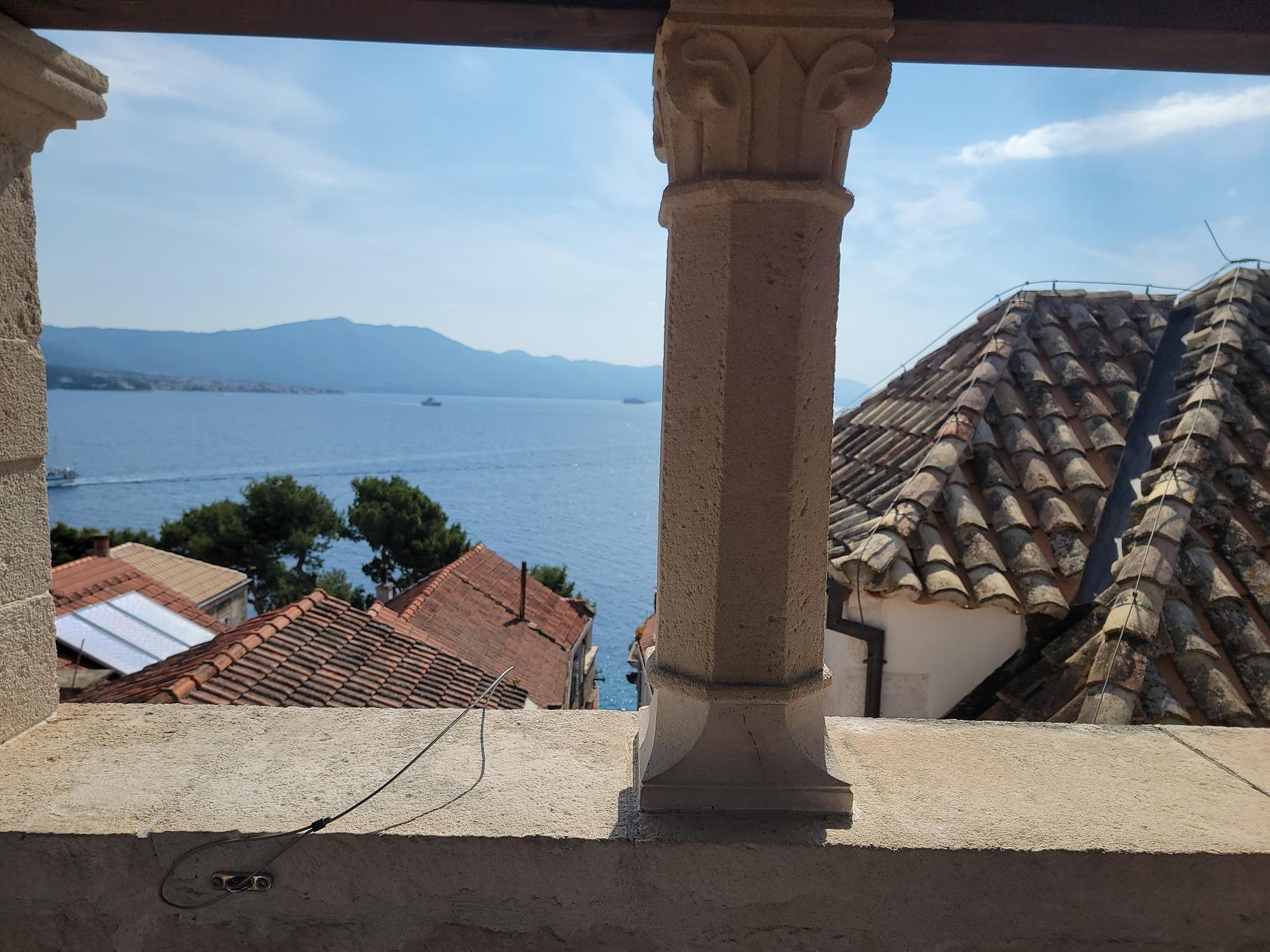
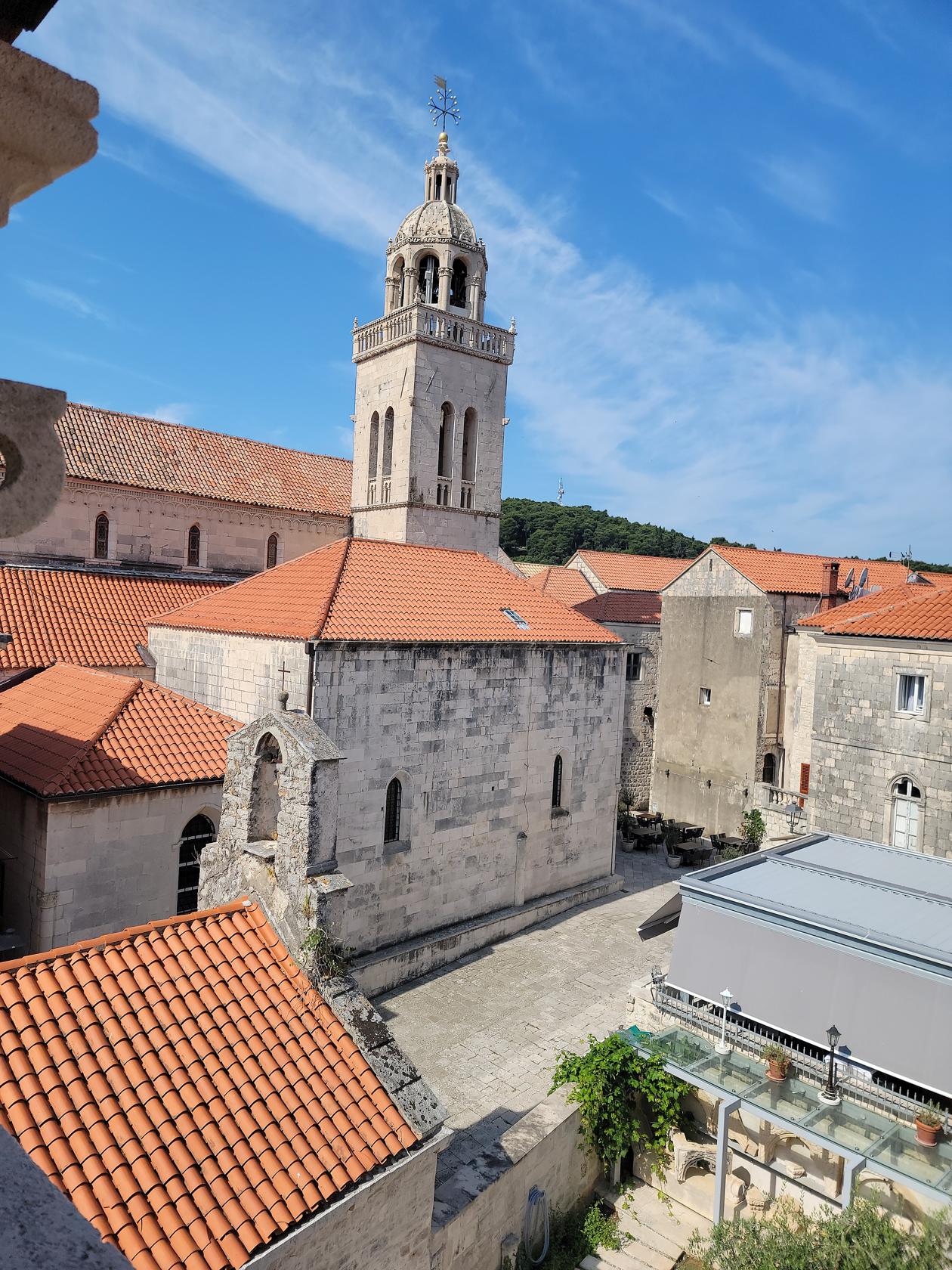
One of the last things to visit is the house tower, which commands a modest view of the surrounding area.

Churches and Cathedrals

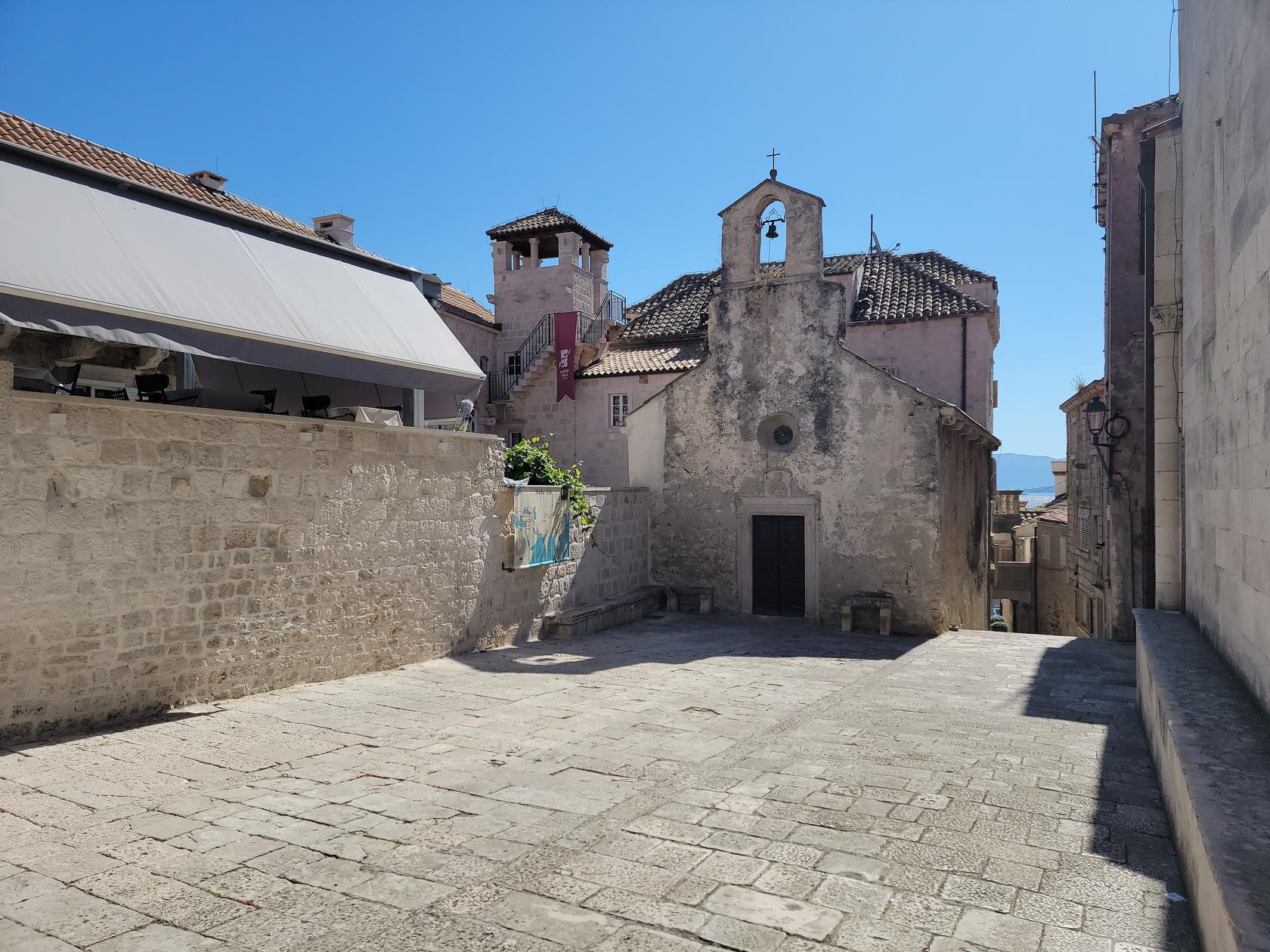
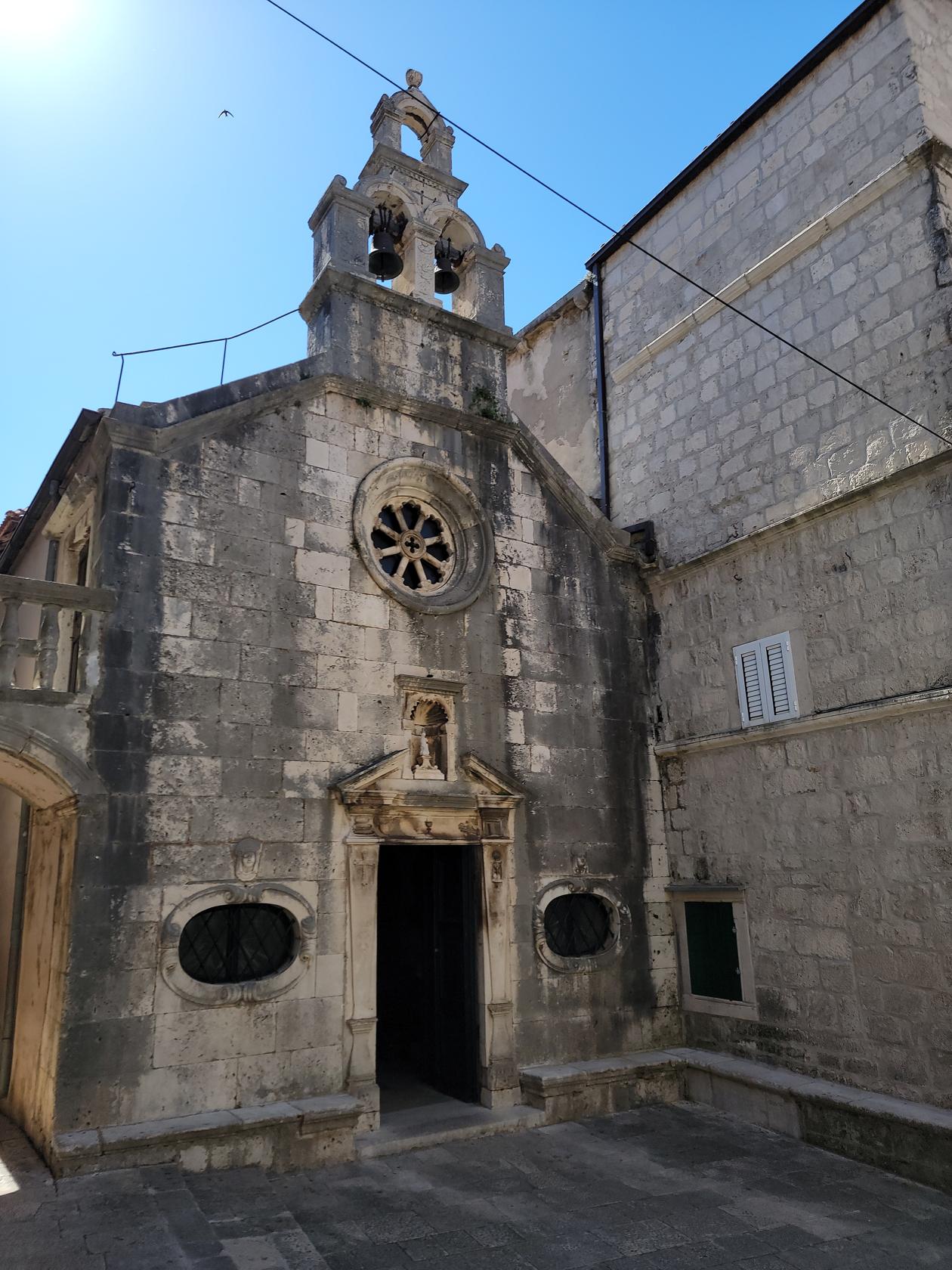
There are a few churches in the town and one cathedral of importance. The people who live in the town are very religious and masses are well attended on the weekends, especially during holidays.

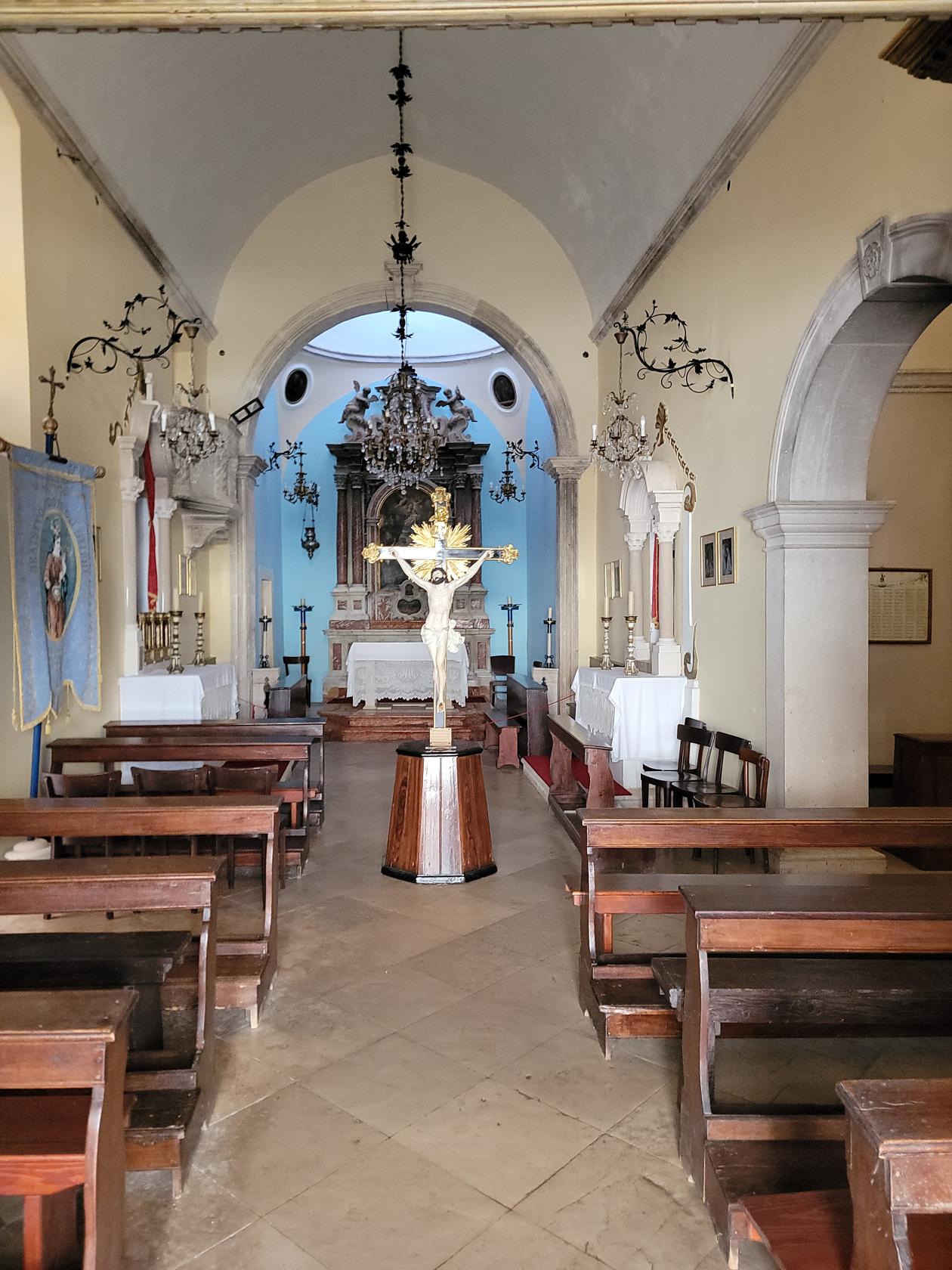
Church of Saint Michael

Modest from the outside and equally so inside, this church is emblematic of its worshippers’ devotion to their faith. The church’s centerpiece is Christ on the Cross.

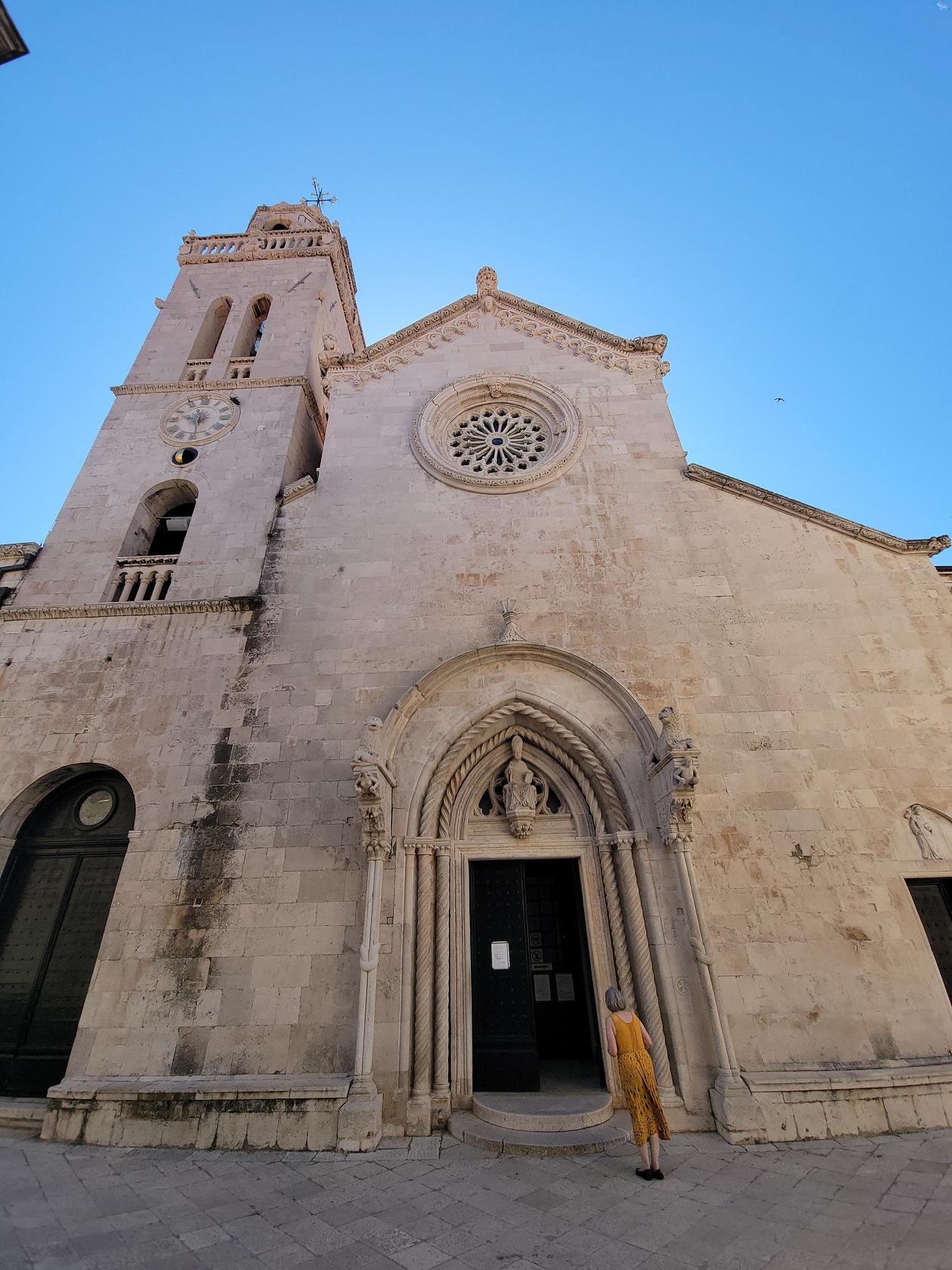
Saint Mark’s Cathedral

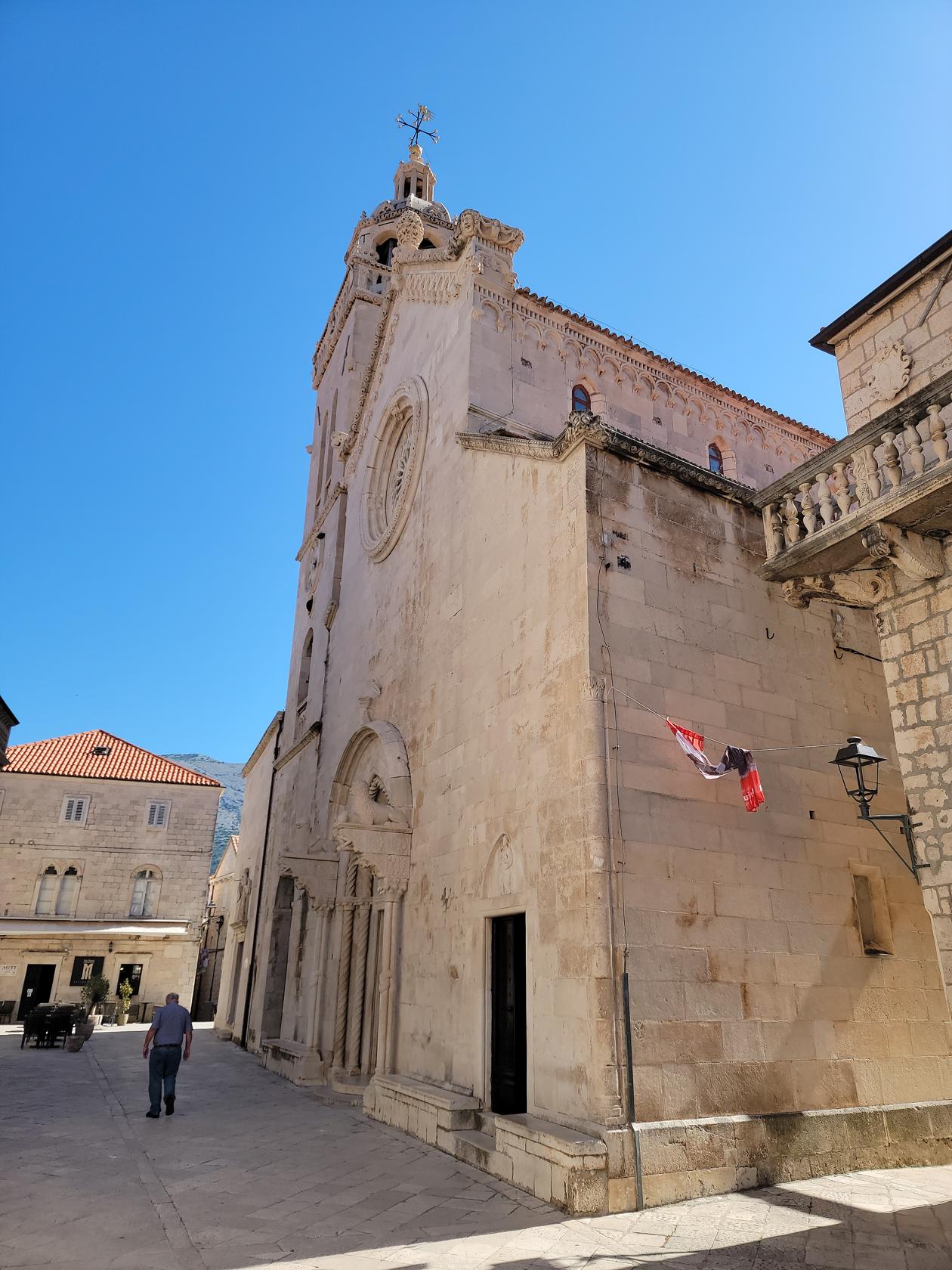
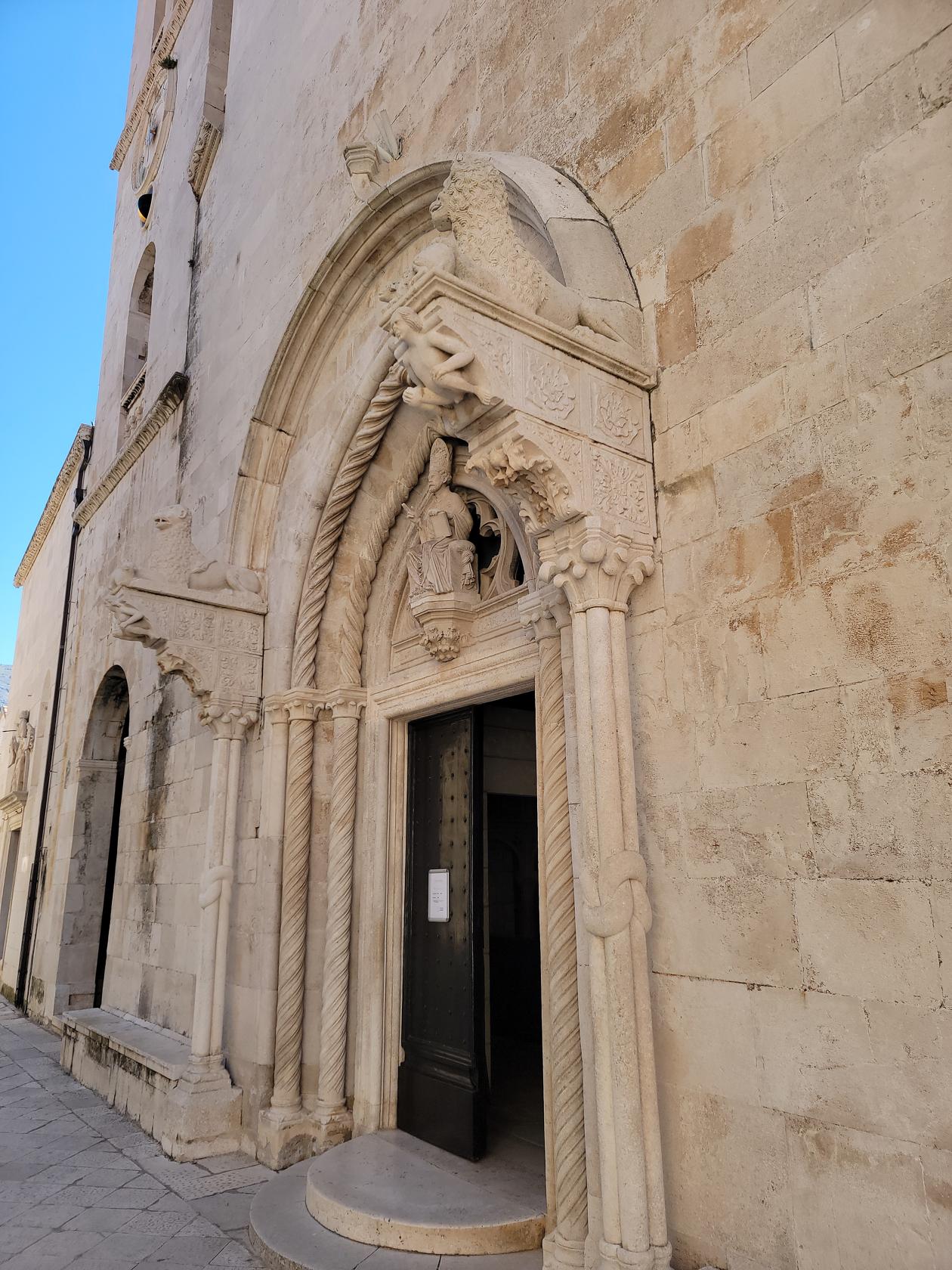
A remarkably simple example of a Romanesque-Gothic Cathedral on the small island, but no less important is Saint Mark’s. It is central to the town and is noteworthy. Visitors are required to wear respectful clothing, no shorts or inappropriate clothing is allowed, so dress accordingly.

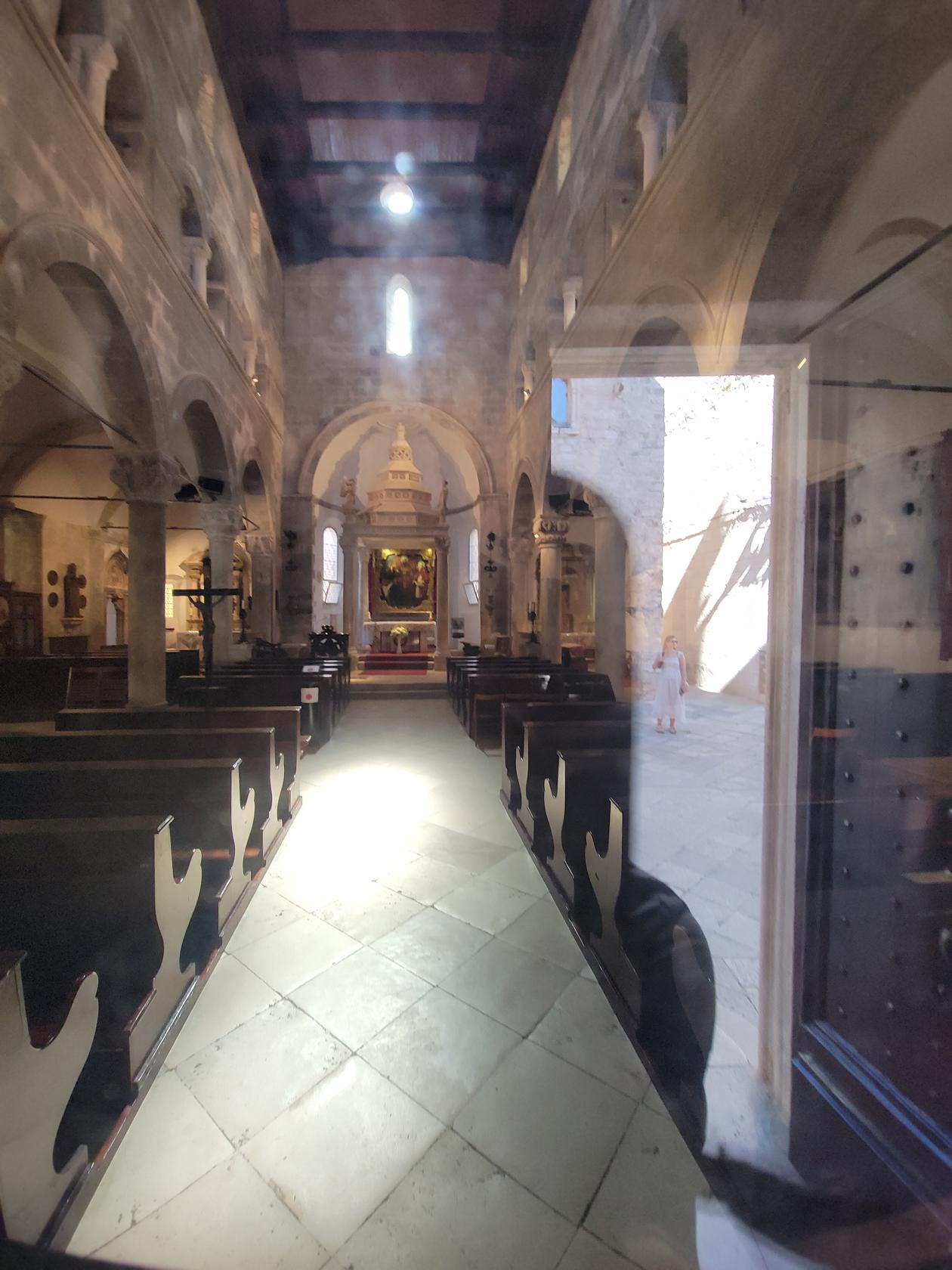
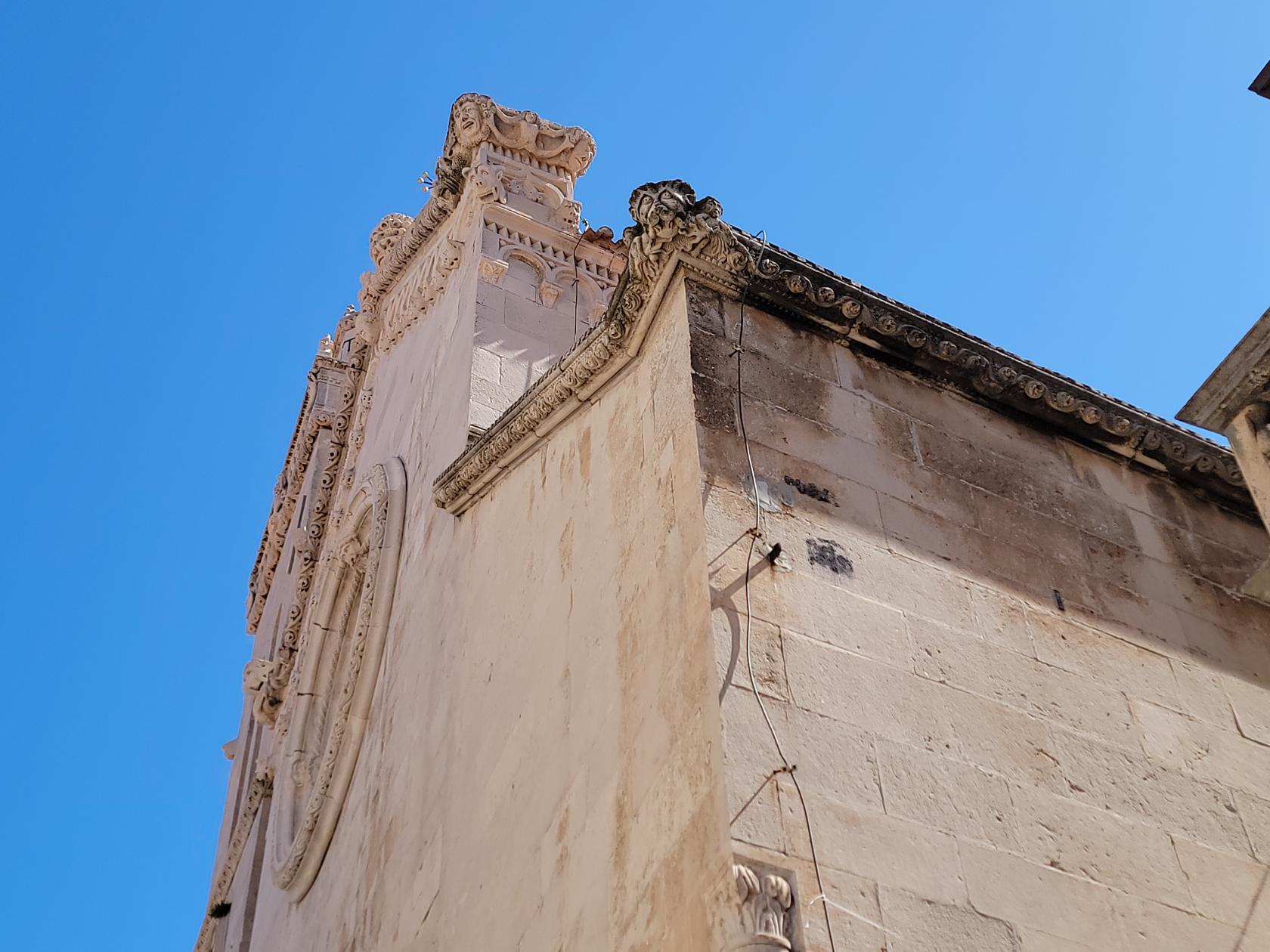
The cathedral has some very interesting eavestroughs and other architectural tidbits that any visitor, with some time on their hands, may explore. The interior layout is typical, even though a bit simple.

Attached to the left of the cathedral is a side chapel, which is a bit more elaborate than that of the cathedral itself.

Chapel of Our Lady of the Snows

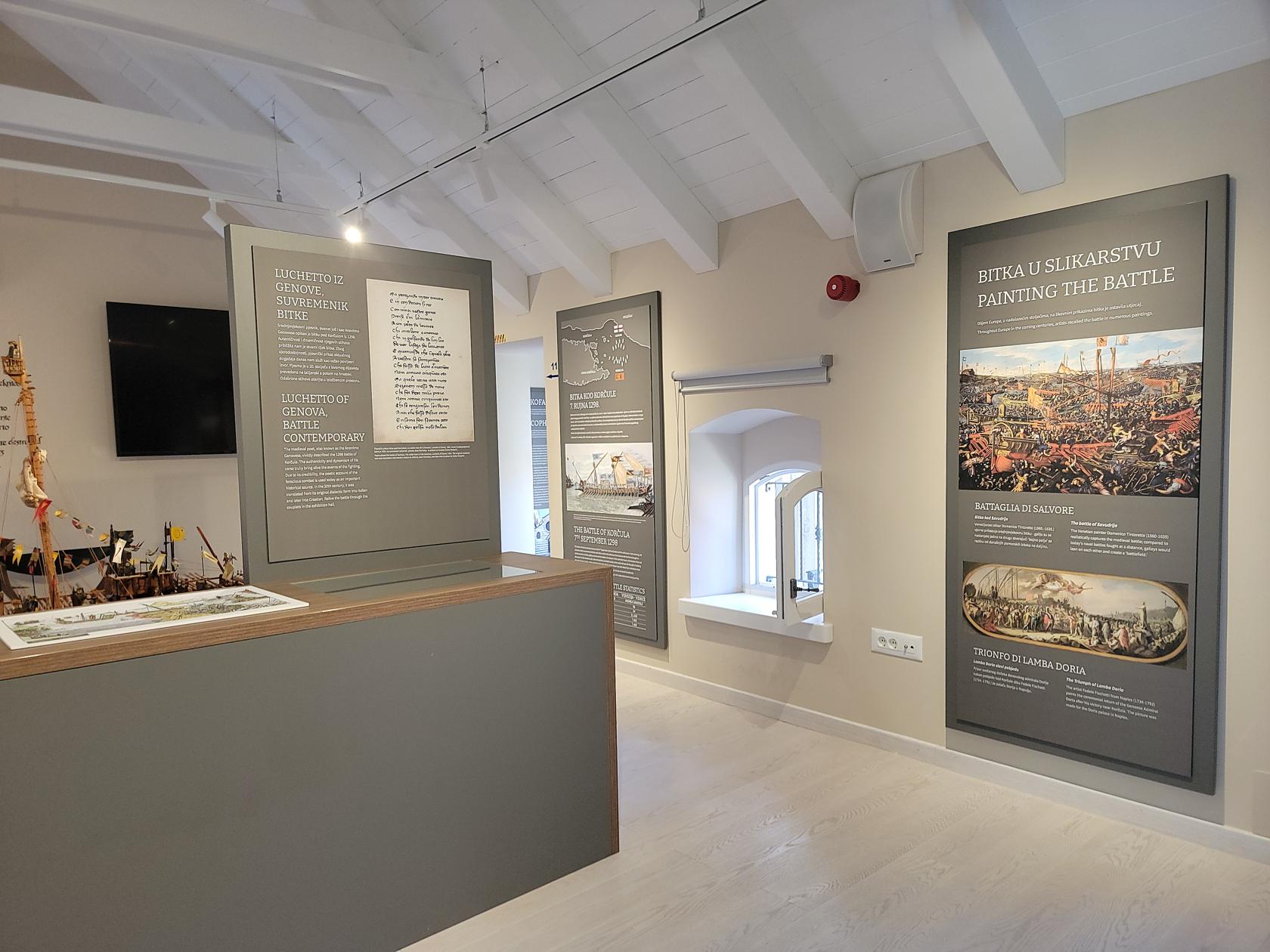
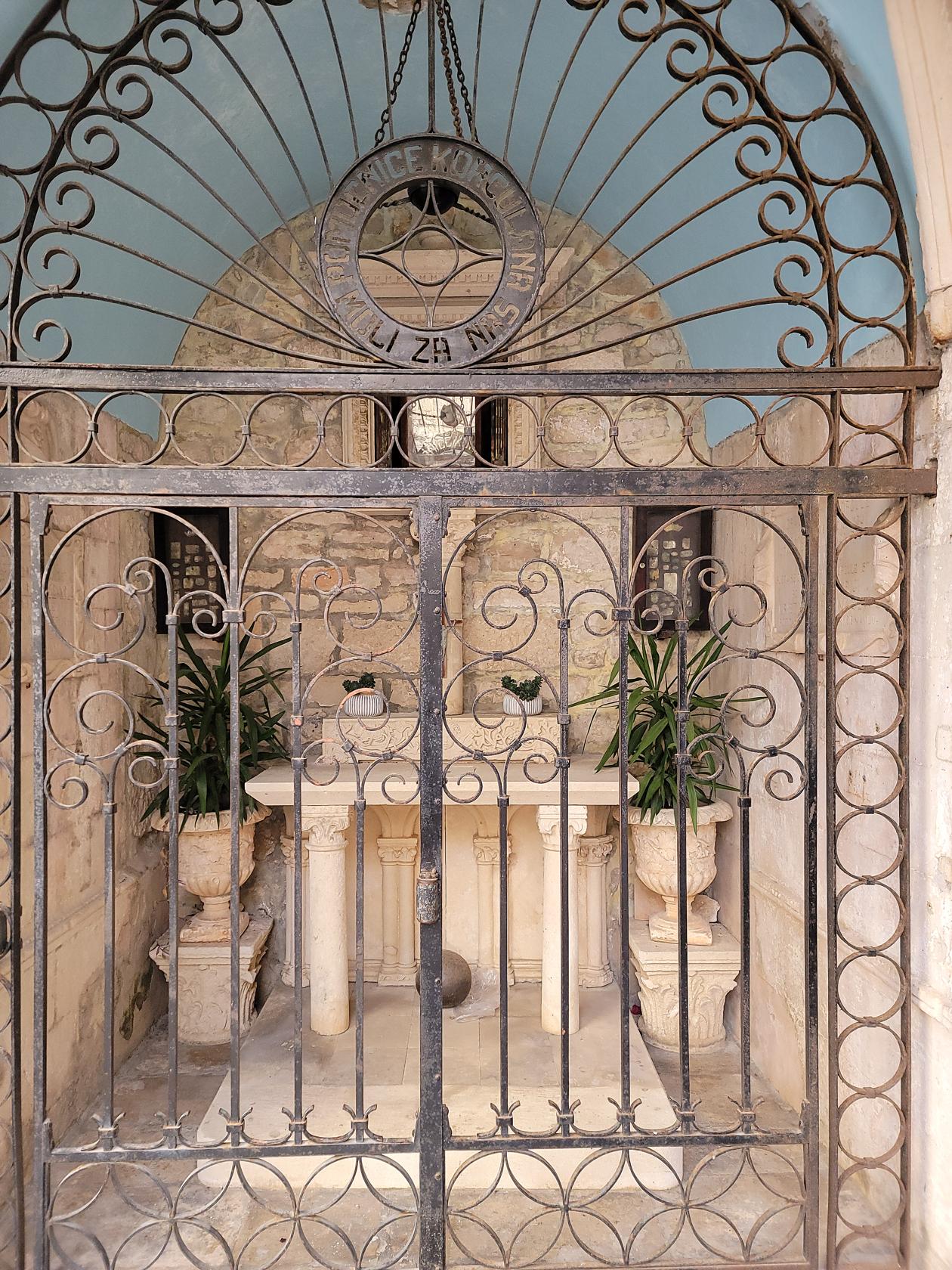
A small votive chapel directly after you enter the main gate and to the left. The Chapel of Our Lady of the Snows also commemorate Saint Bartholomew and the Battle of 1483. According to someone who transcribed the events of the battle between the Venetians and Genoese, Marco Polo was captured during the battle and later imprisoned.[1]It is actually unclear if he was captured at this battle, or a previous minor engagement at Laiazzo.

Restaurants

In some parts of Croatia, and especially Korčula, most of the restaurants go by Konoba. This is to denote thier Dalmation or Istrian heritage and may they take the form of cellar-like tavern or other small place that serves authentic local food. Most of them we found to be reasonably priced.

Konoba Riva

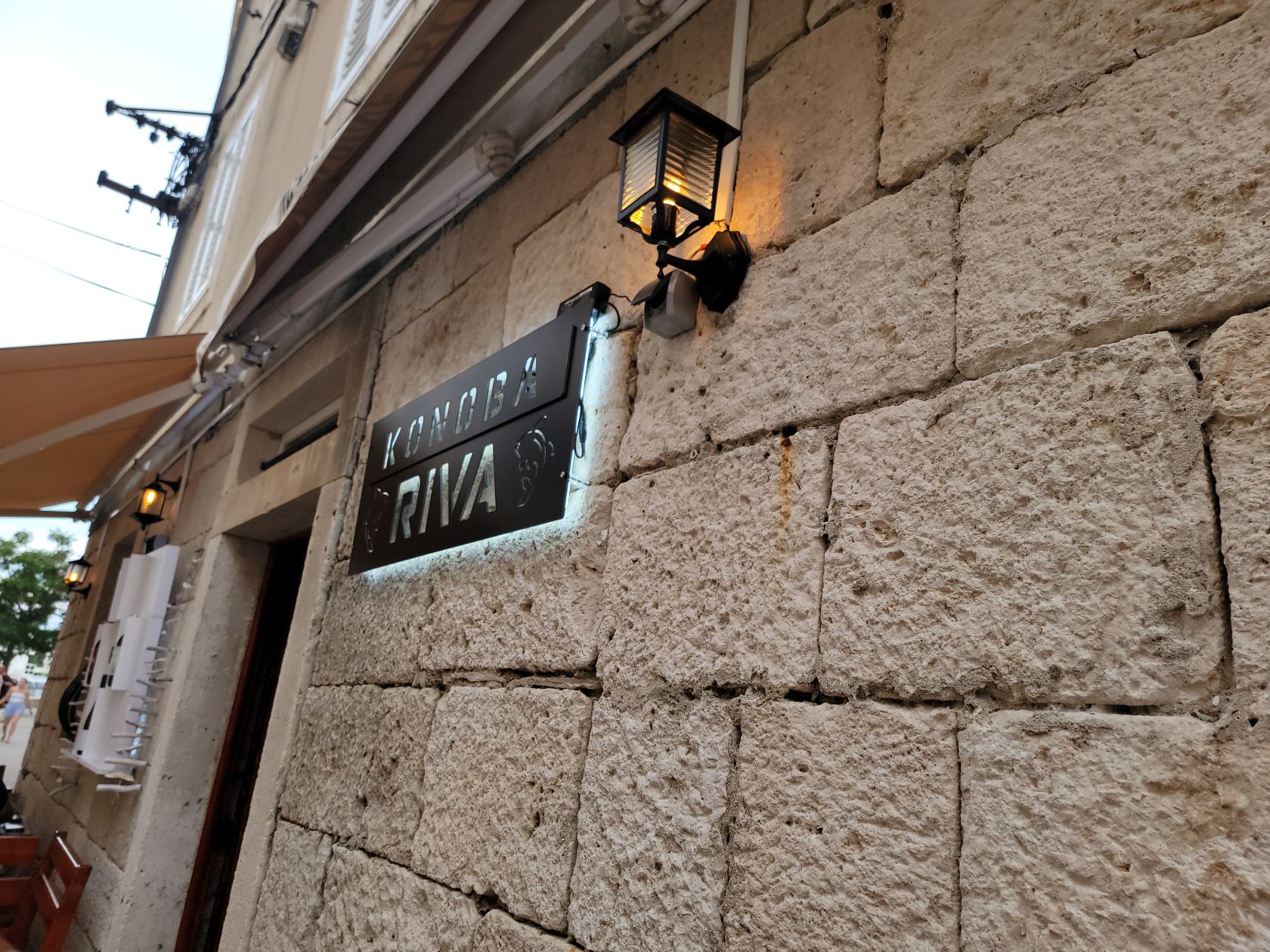
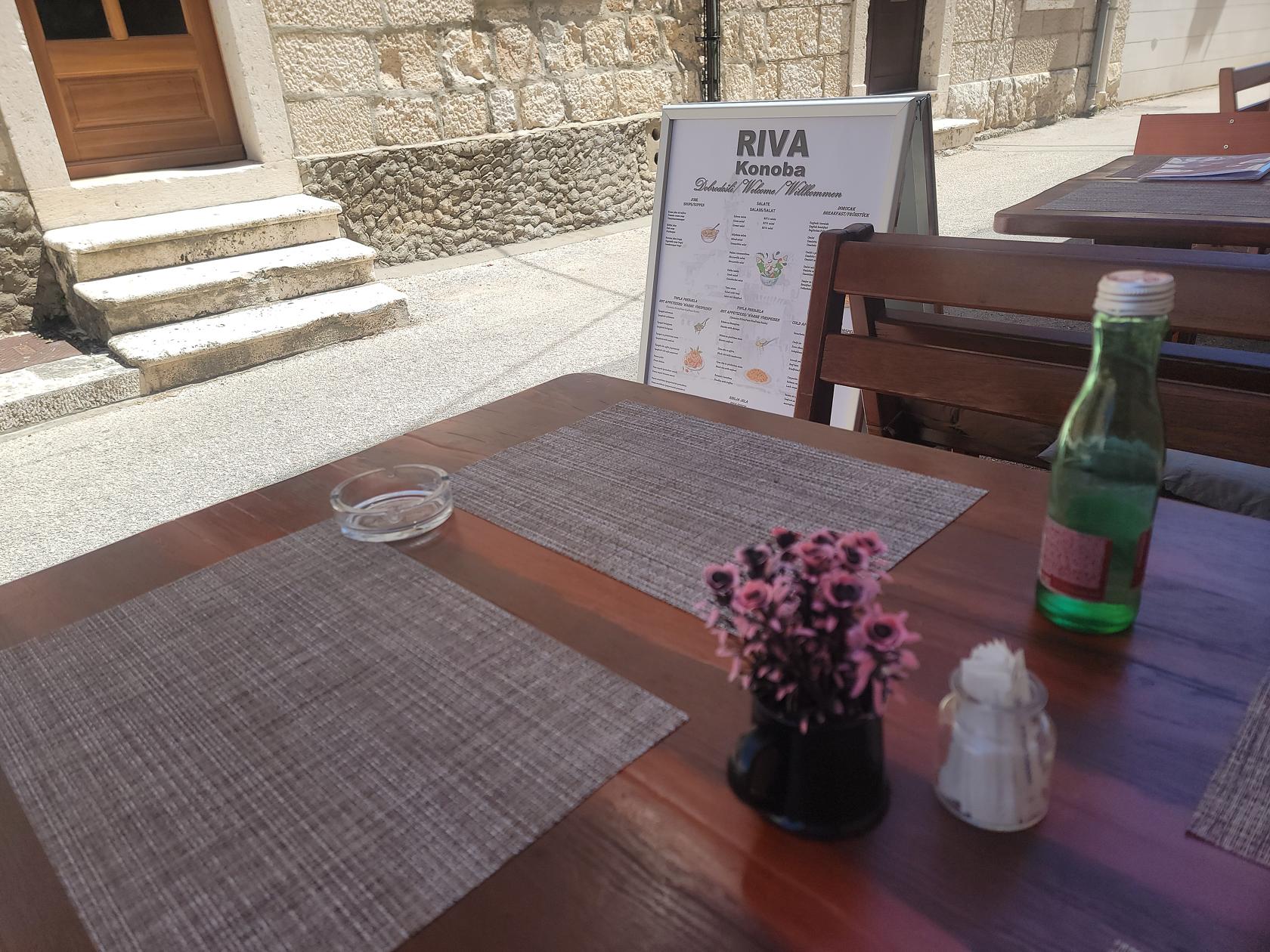
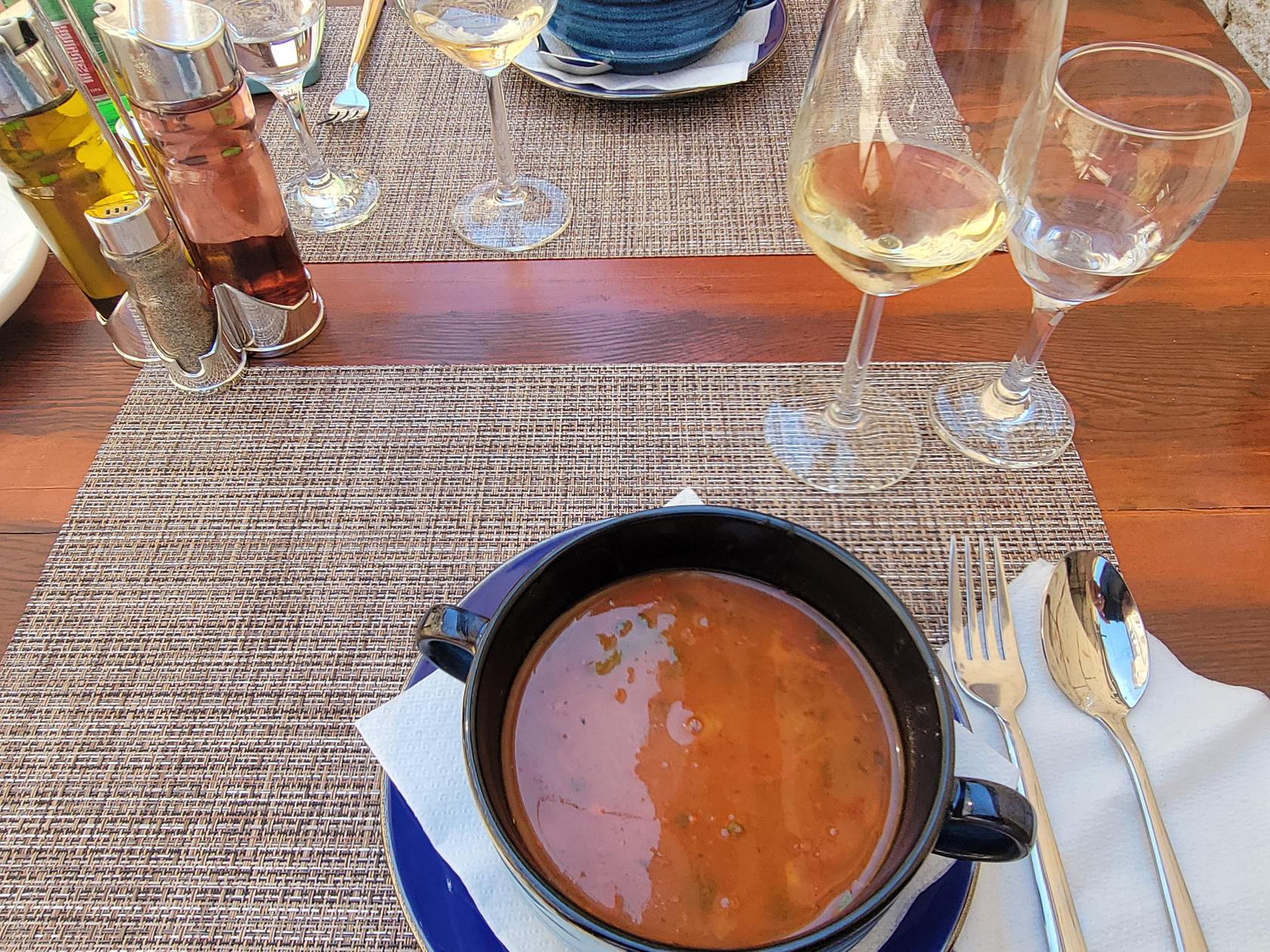
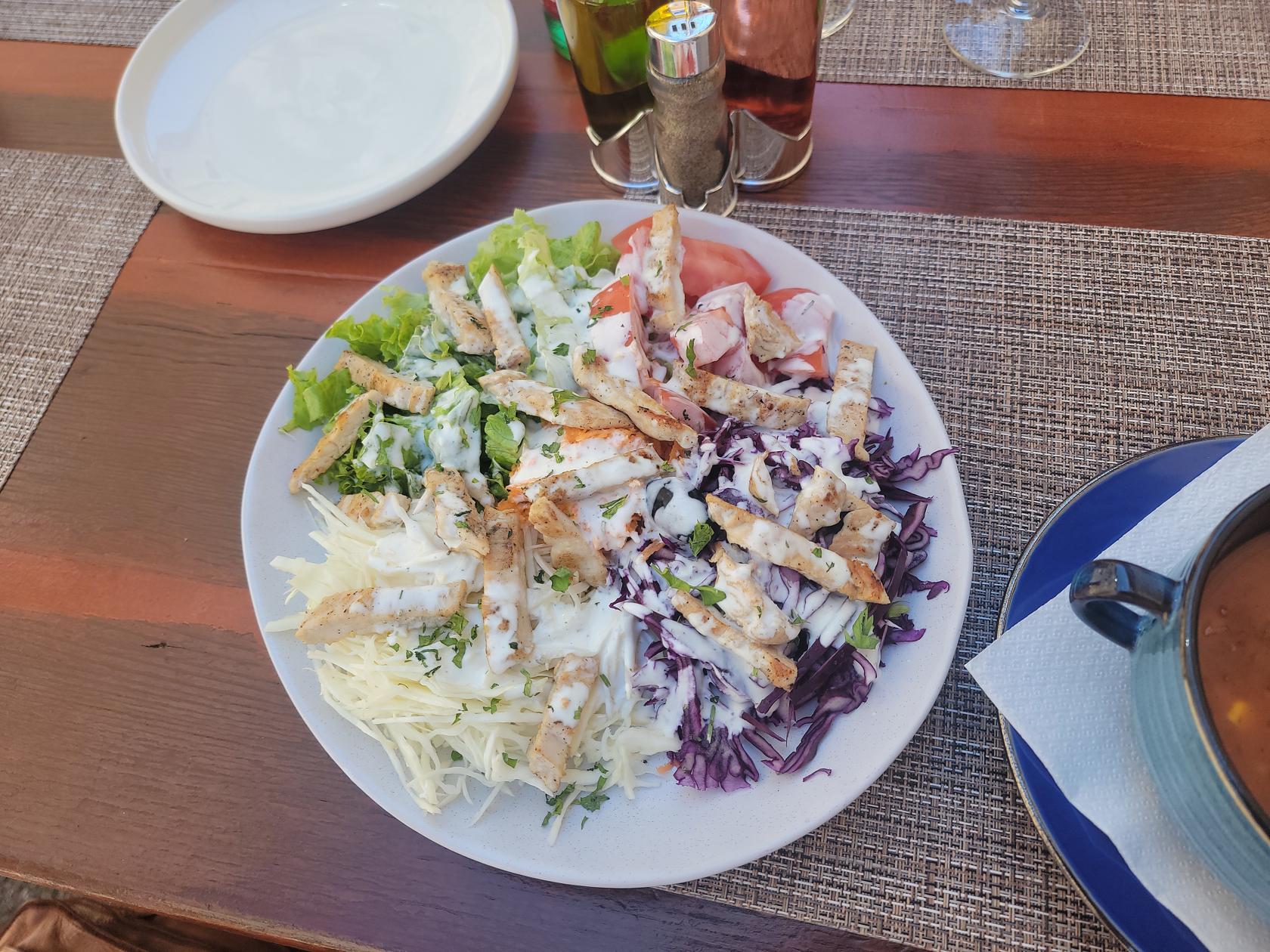
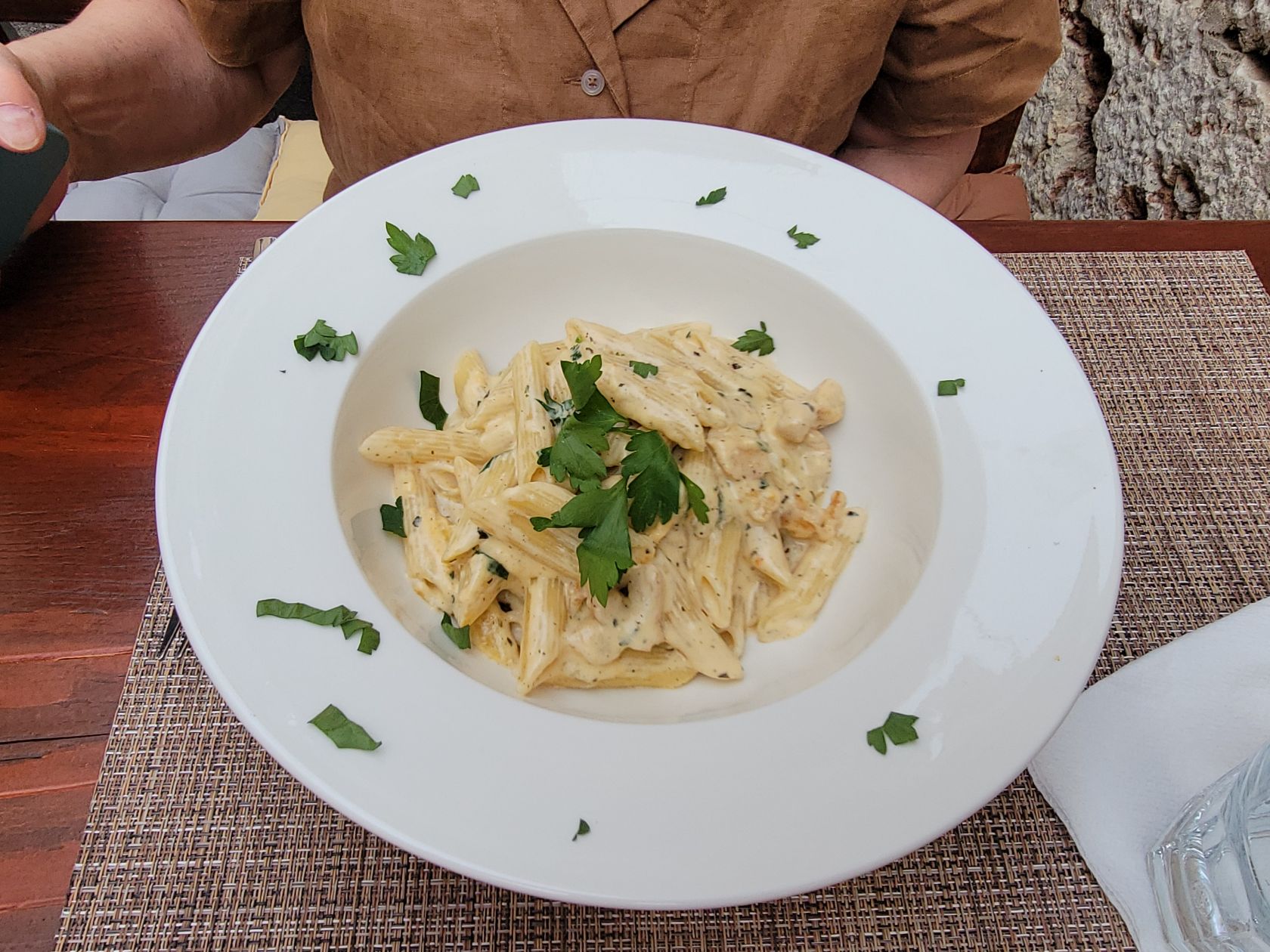
A new restaurant that open just before we arrived which offers a very delicious menu with food to match it. We ate here three times, twice for lunch and once for dinner and were never dissappointed. The food was never salty or overcooked and when it arrived, it was still hot! The service was also extremely attentive, no doubt trying to assert some sway over any reviews they would receive. It didn’t matter, it ended up as our go to place.

Konoba Biankura

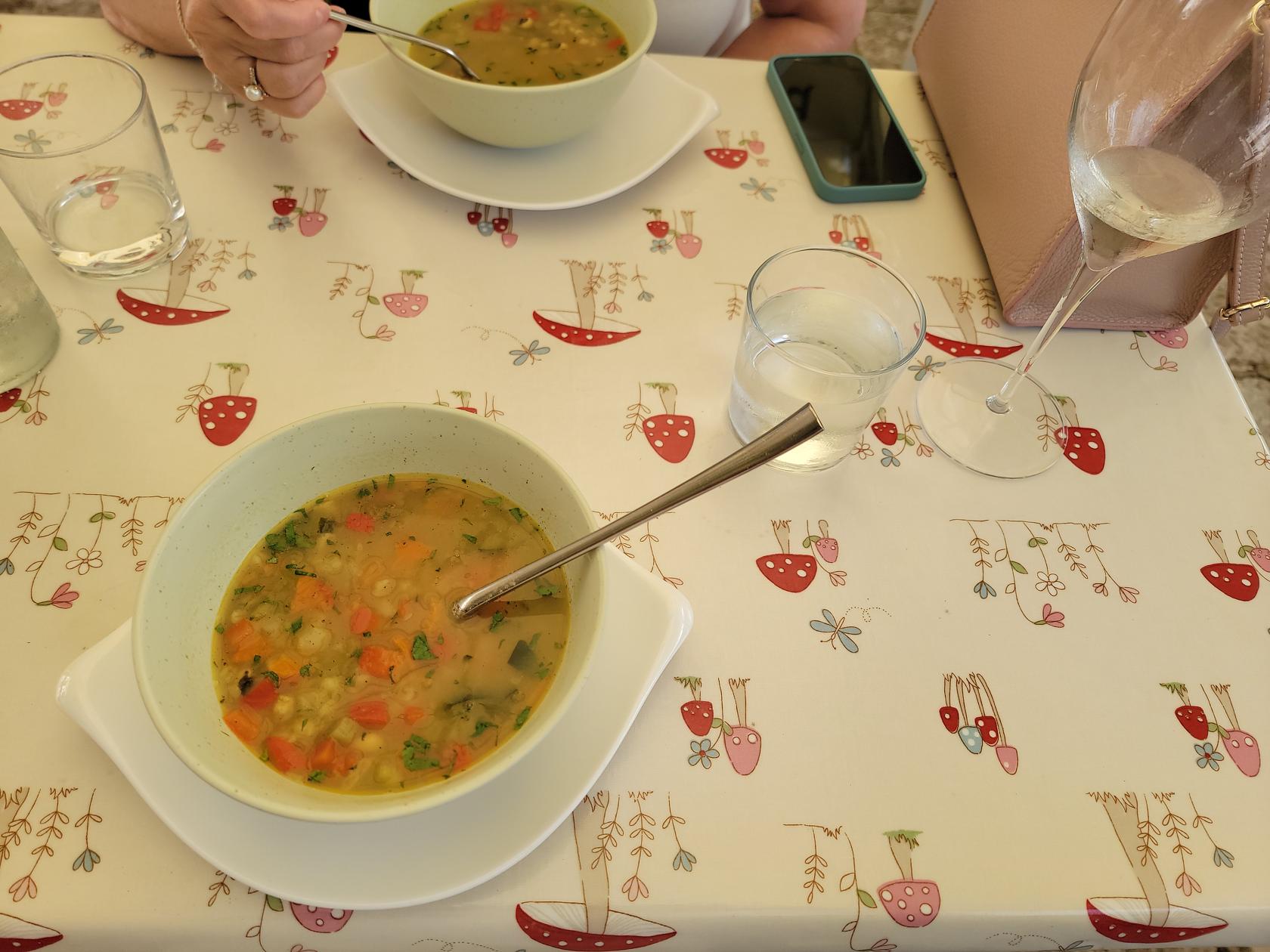
Konoba Biankura is located about three streets down in the old town on the right. It offers a wide variety of food, along with pasta and some meat dishes. The fish soup is amazing and can be commended highly.

Konoba Aterina

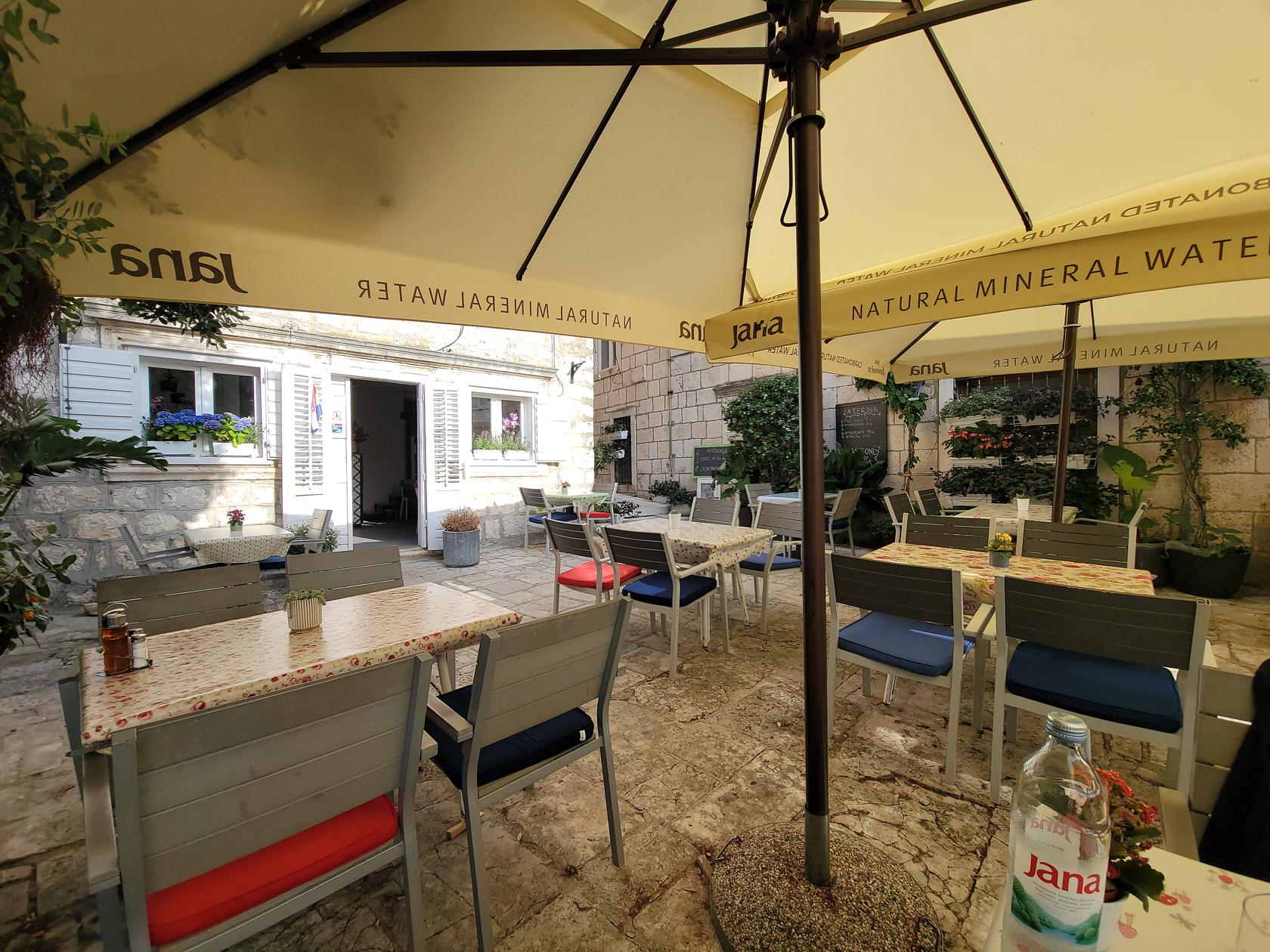
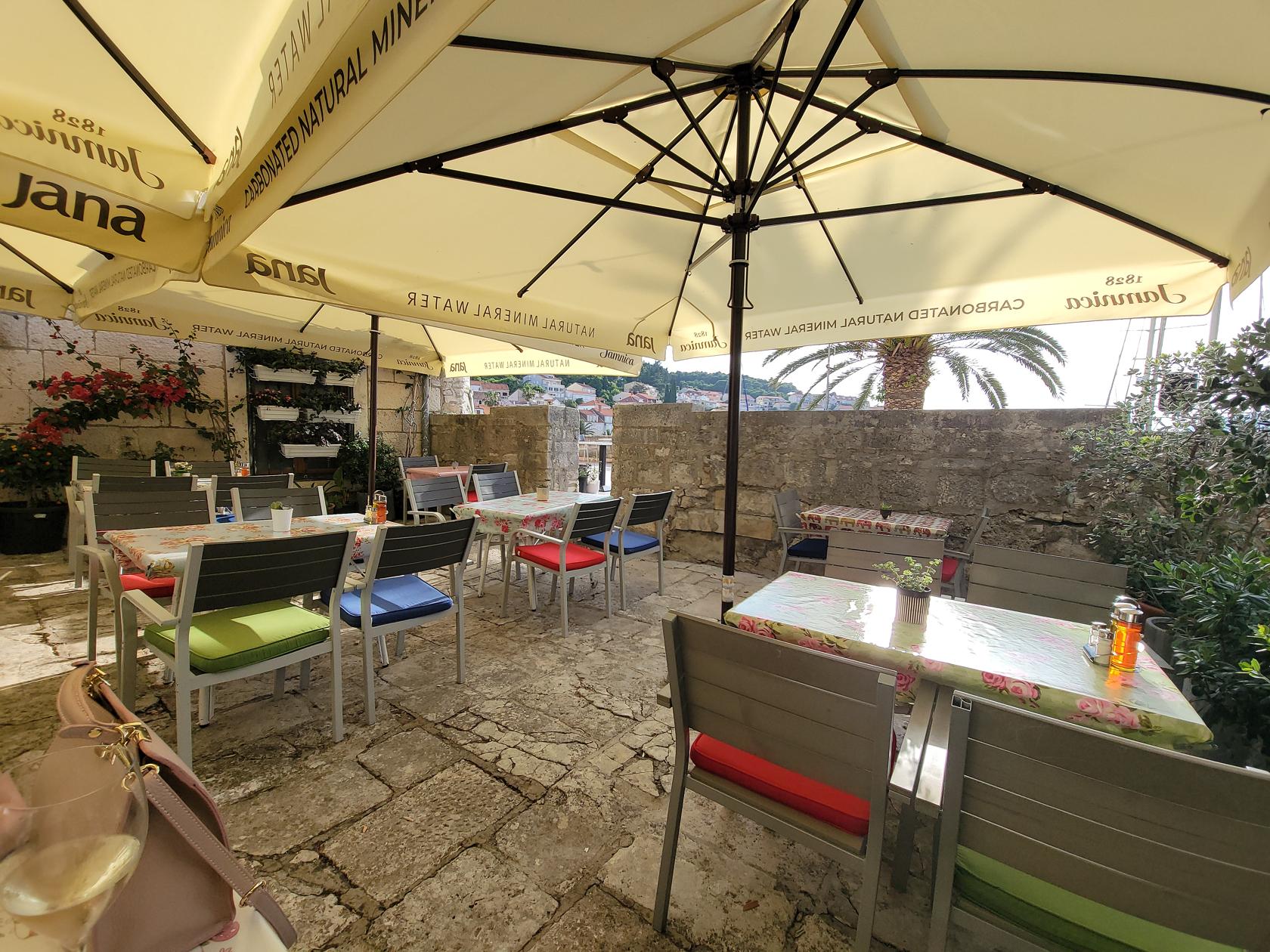
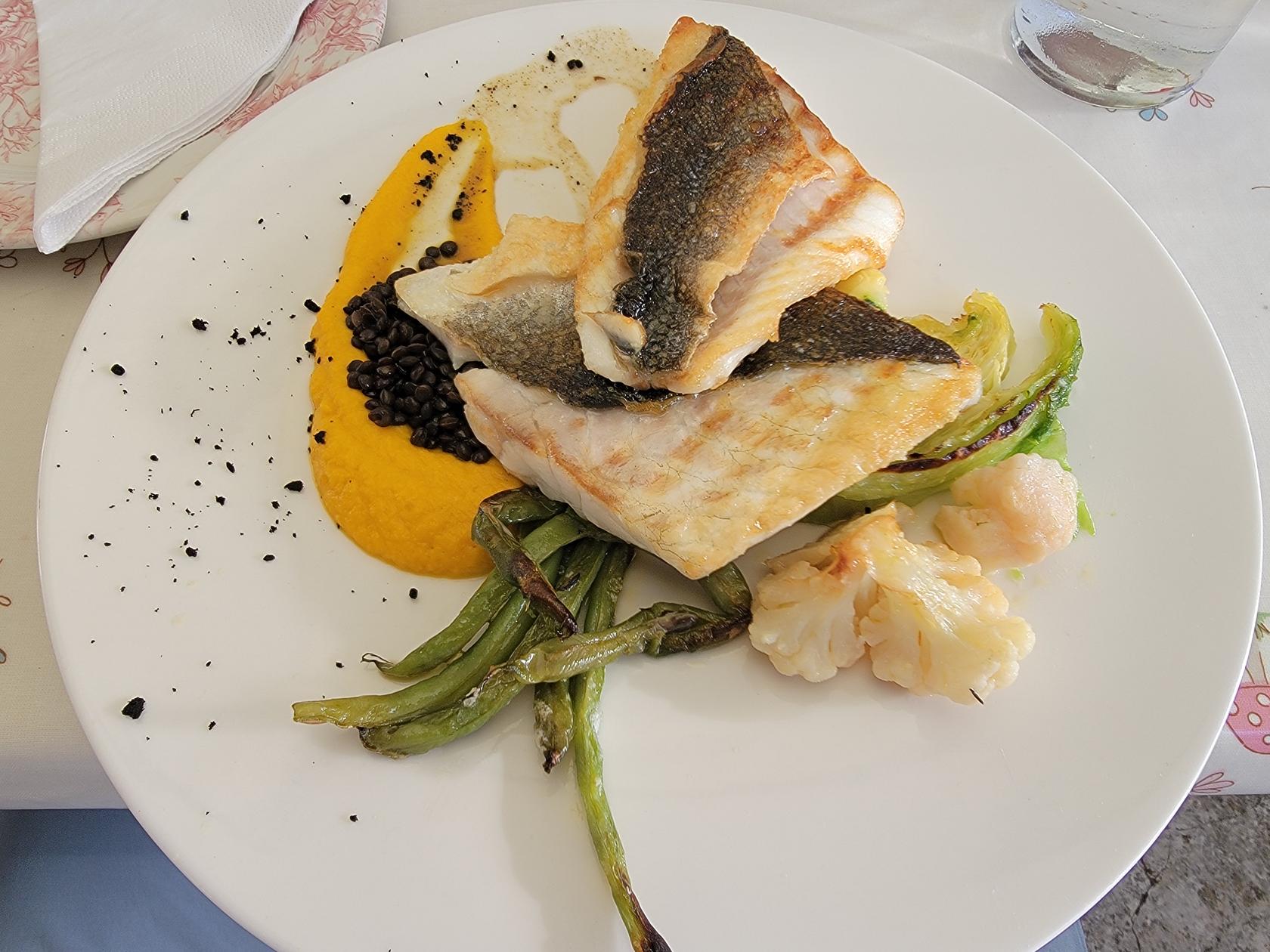
The Konoba Aterina is a restaurant in the old town. It offers a view somewhat of the sun setting and has covered terrace outside seating. The food is good, the majority of which is seafood, so a good place to scratch your fishy itch. We ordered the Sea Bass, traditionally cooked, and were not dissappointed.

References

References
1 It is actually unclear if he was captured at this battle, or a previous minor engagement at Laiazzo.

Split, Croatia – Roman Repose

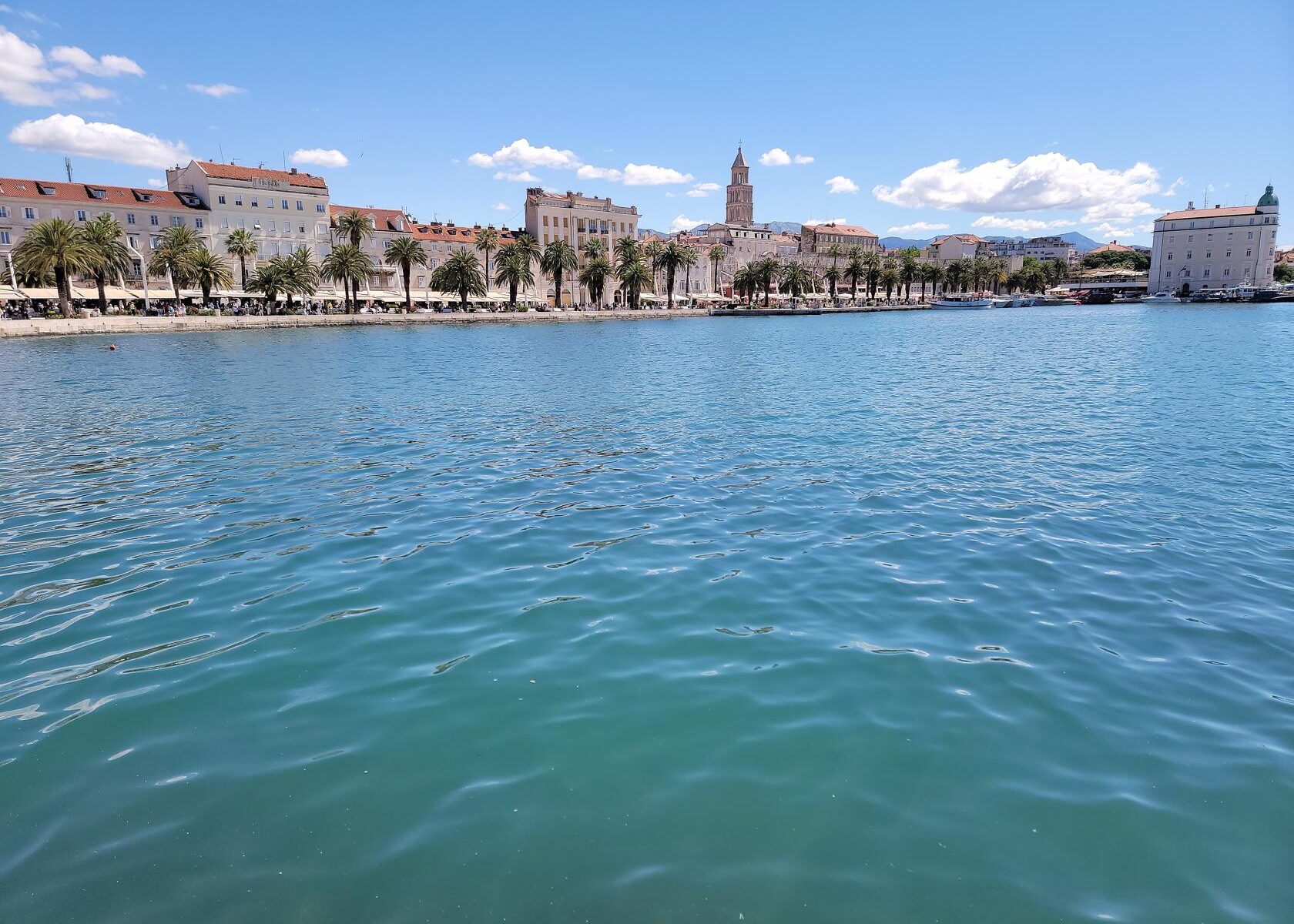
About a hundred and sixty miles from Zagreb and a hundred and ten miles from the Italian coast is Croatia‘s second largest city, Split. Today it is a tourist hot-spot and destination for cruise ships, whereas two thousand years ago it was Emporer Diocletian’s retirement home and where he would repose in his declining years.

Split

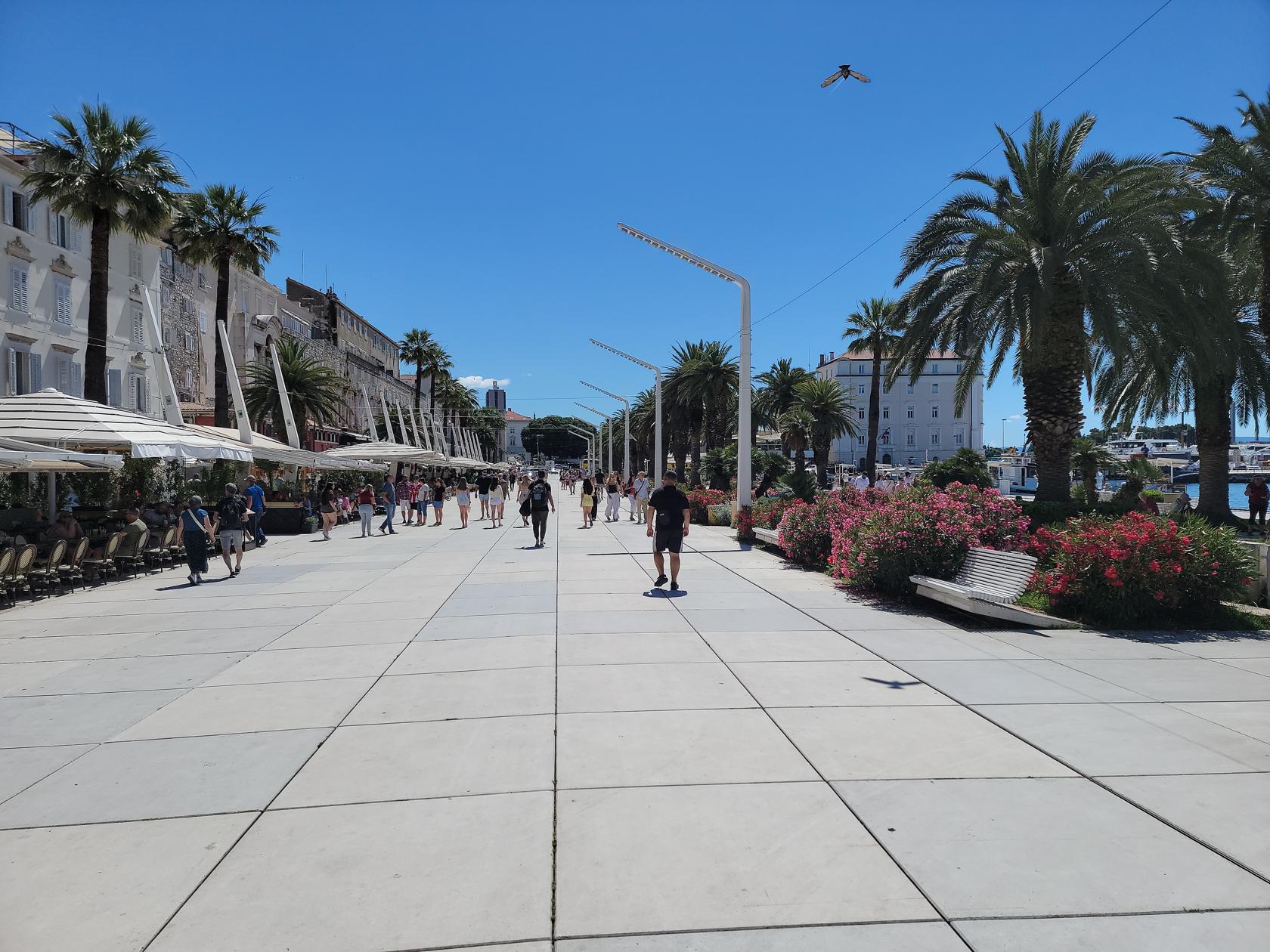
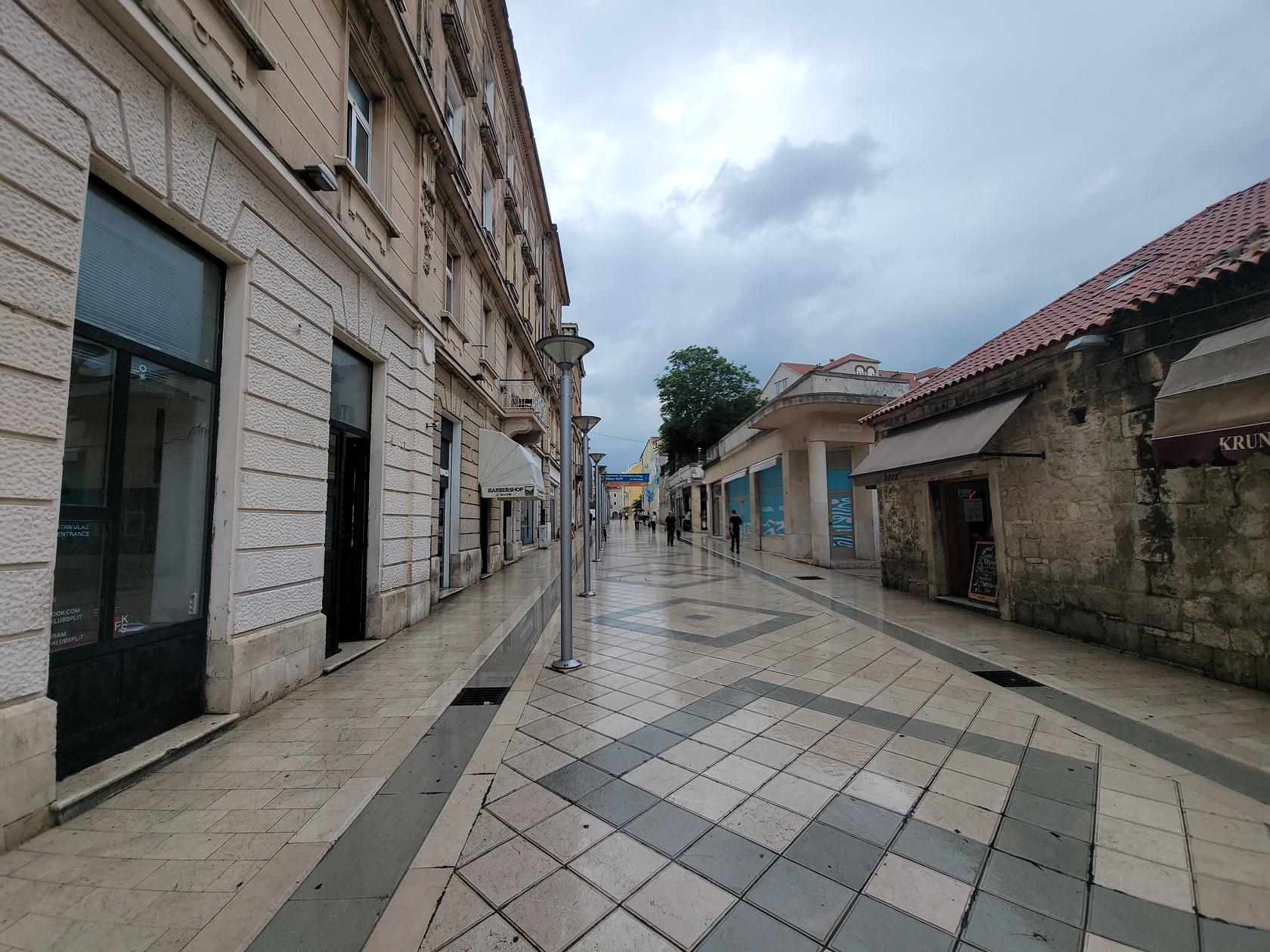
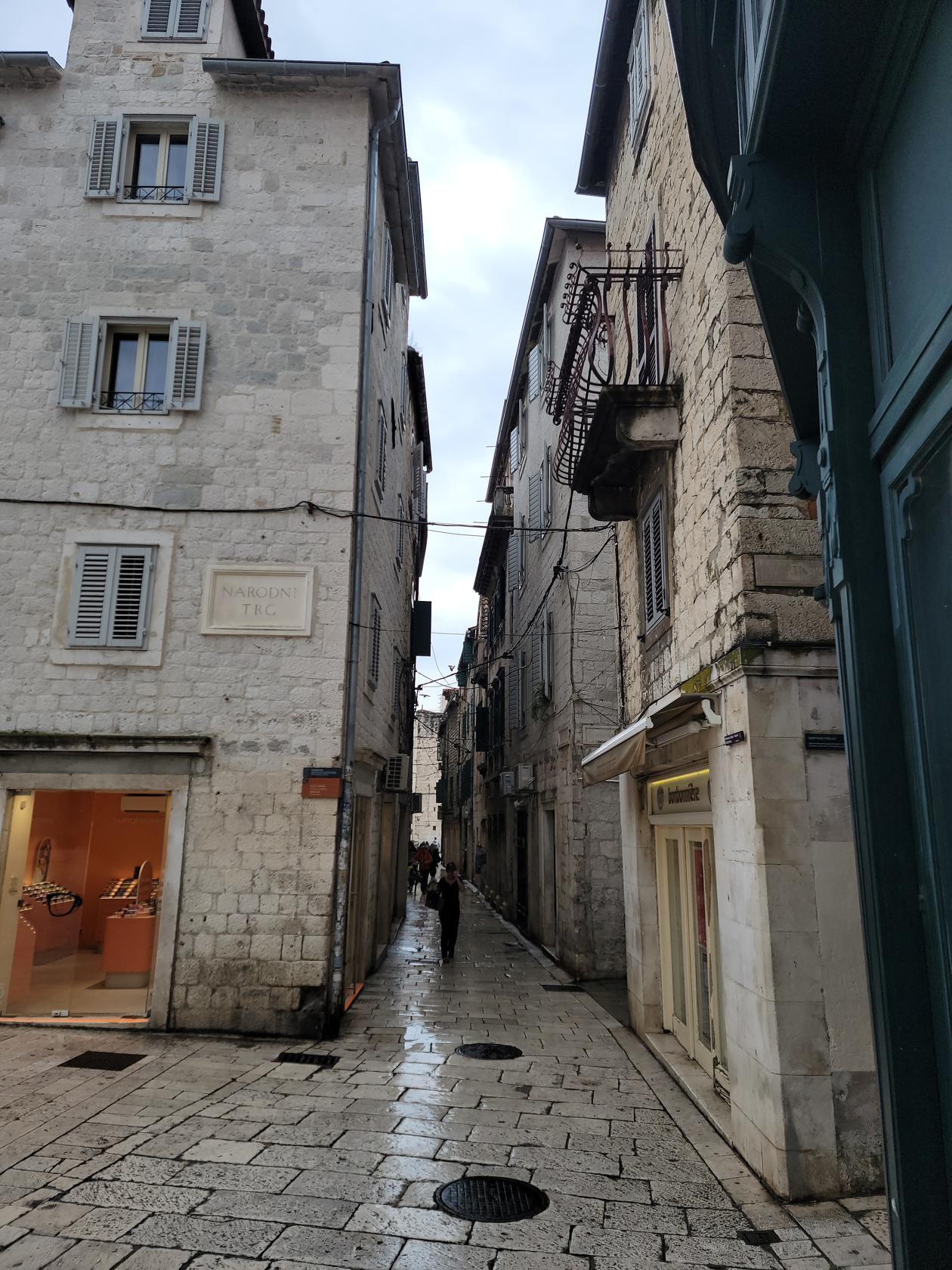
The old city center of Split is reminiscent of towns on the Ligurian coast of Italy, covered in bright limestone and other materials mined from quarries in the area. When the sun beats off of it, it can be blinding and almost uncomfortable hot.

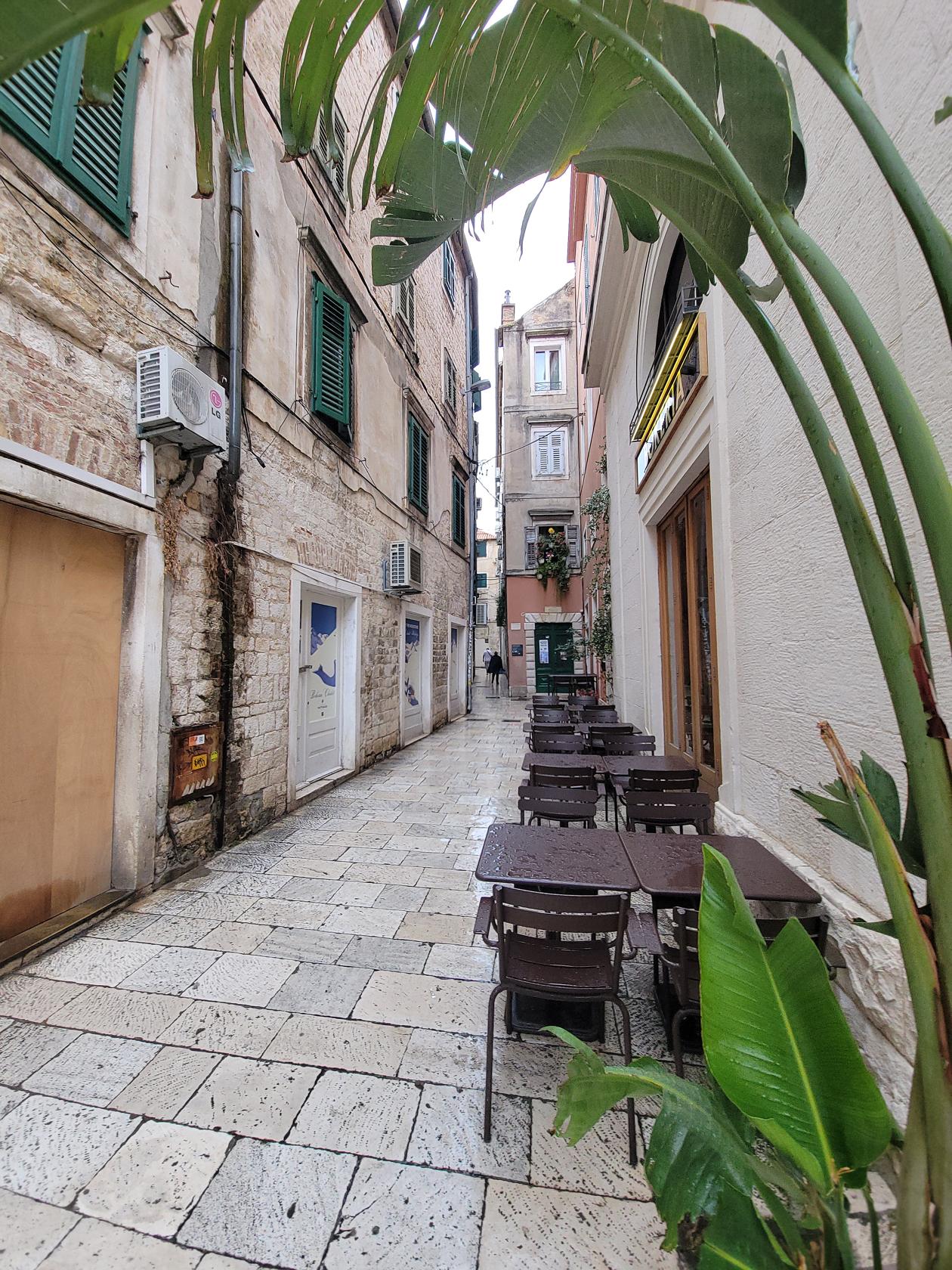
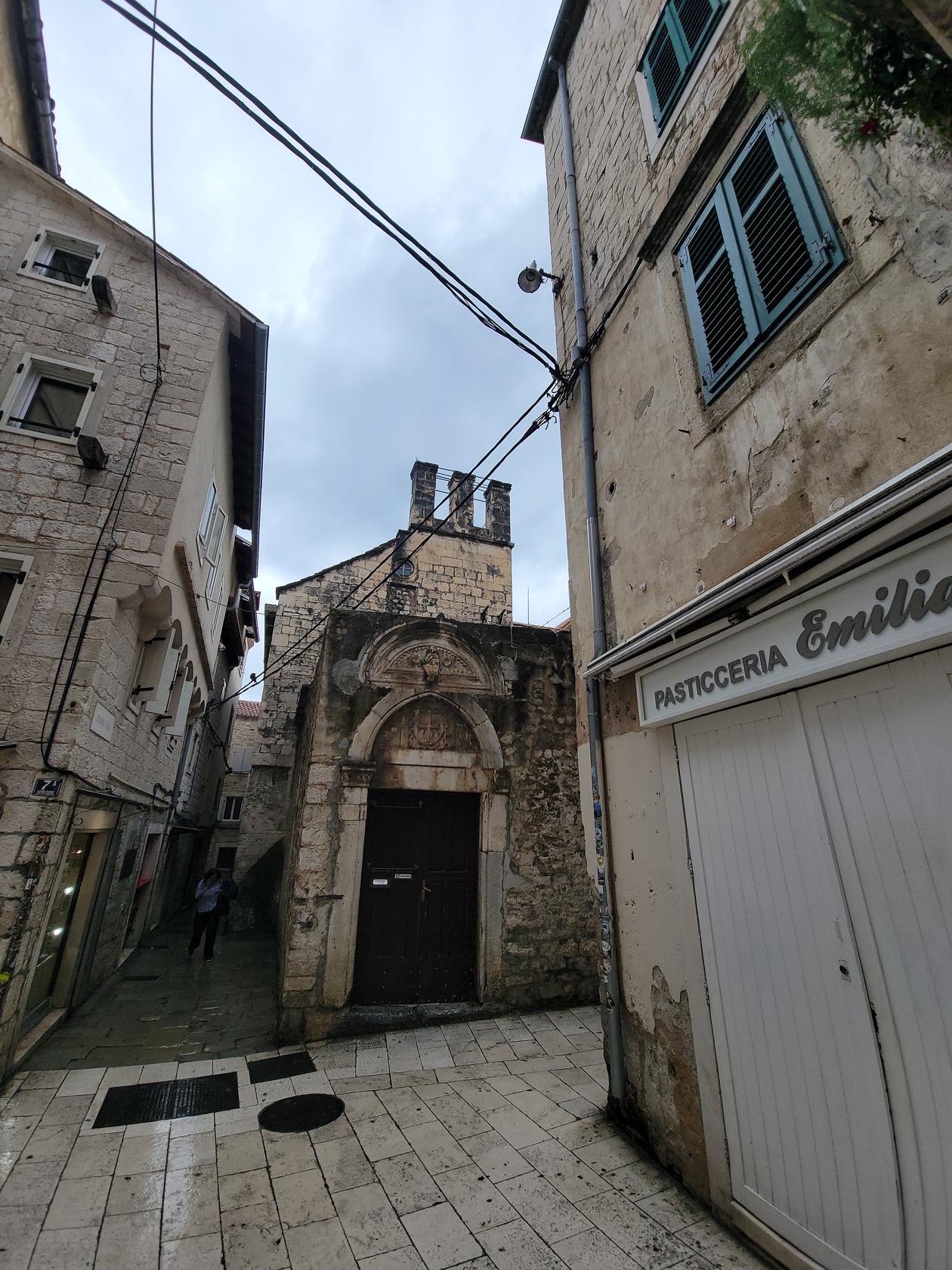
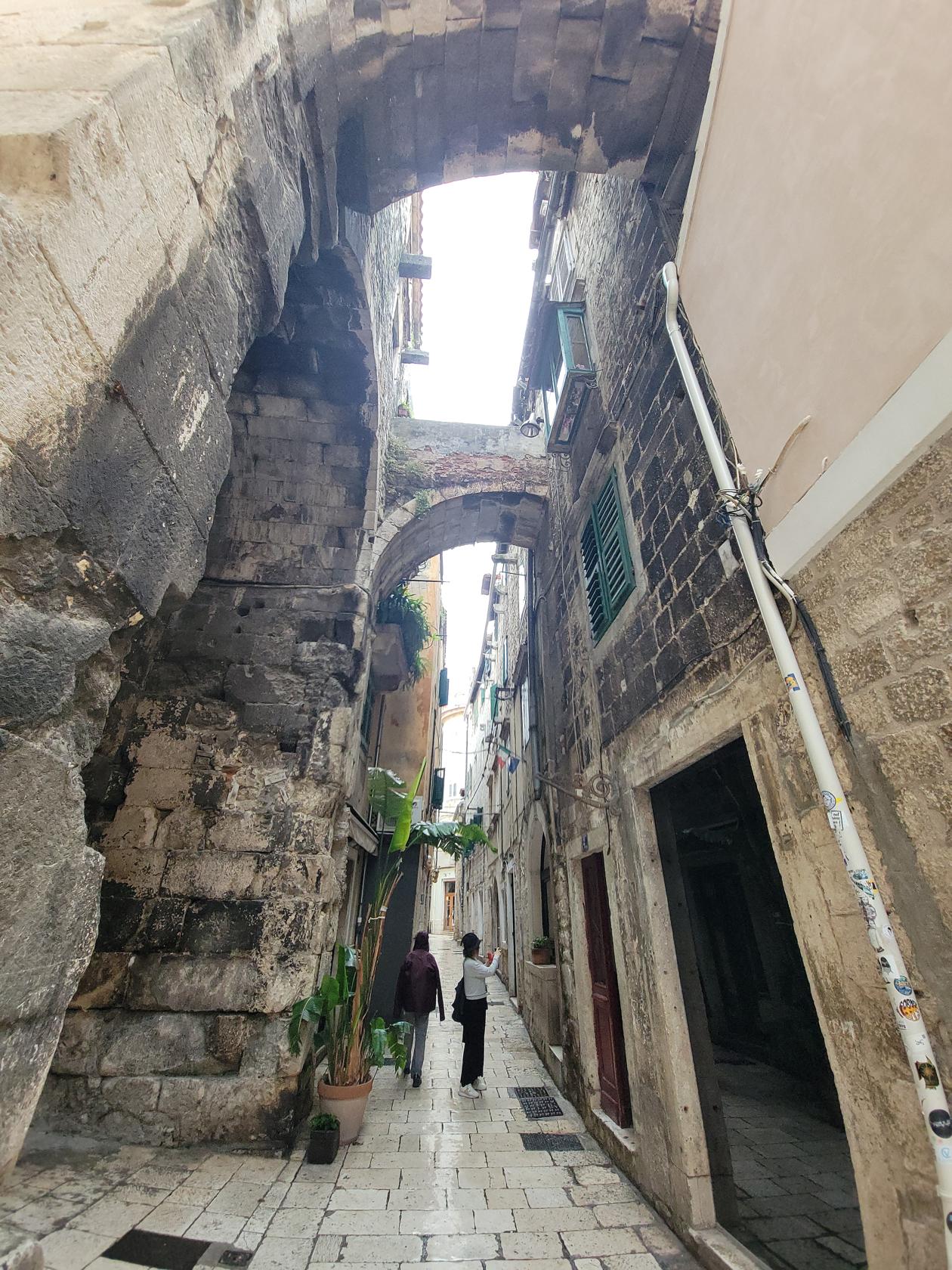
Many of the streets in town are very narrow and cannot support vehicular traffic, so walking the old town should not be an issue. Having said that, it does not discourage mopeds, so stay alert while walking in any case.

The city is in the province of Dalmatia, which has a very distinctive culinary culture and influence on the food. There are heavy Italian and Roman influences in the food, construction and city layout, with the central building in the area being in and around Diocletian’s Palace.

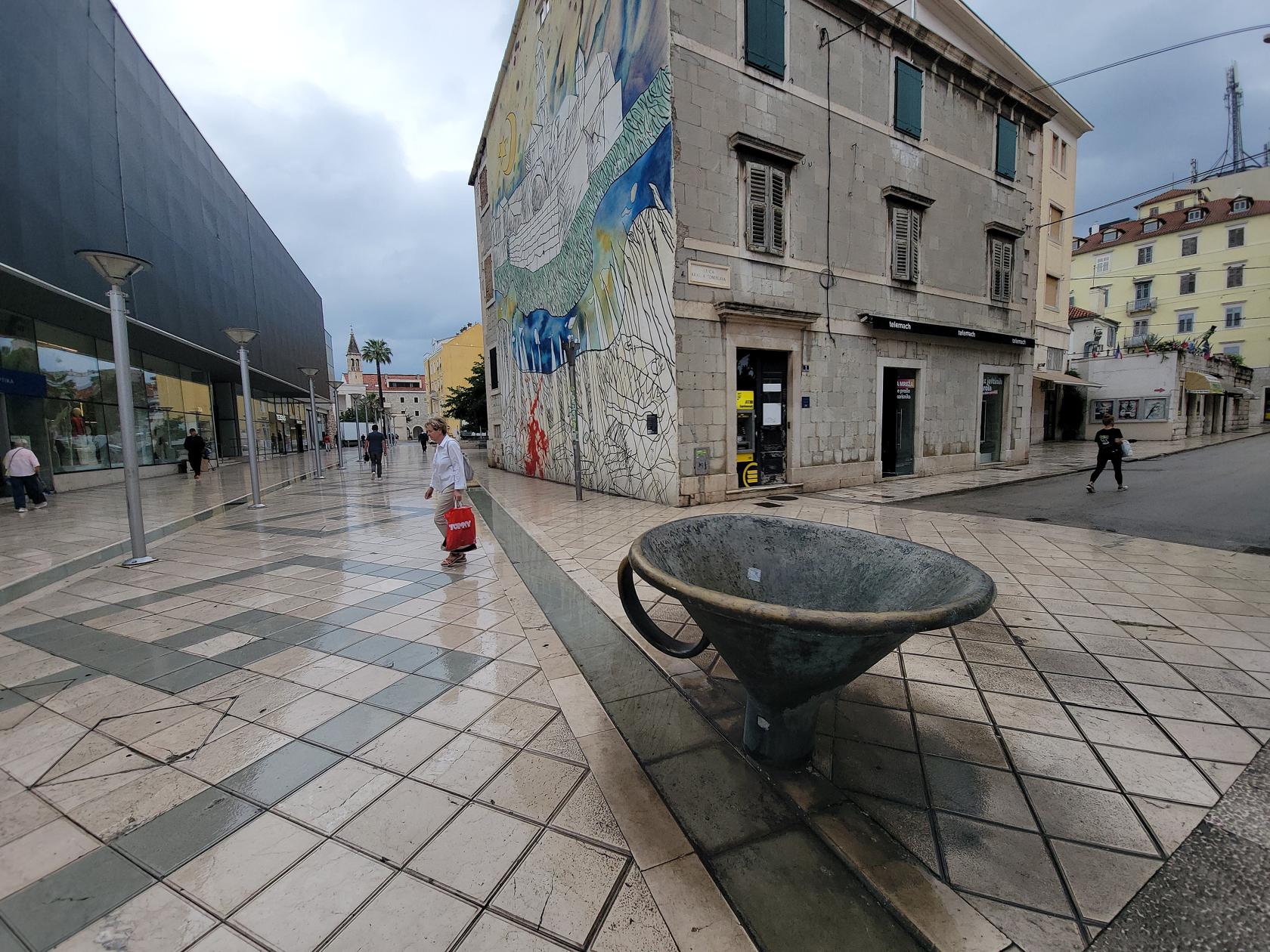
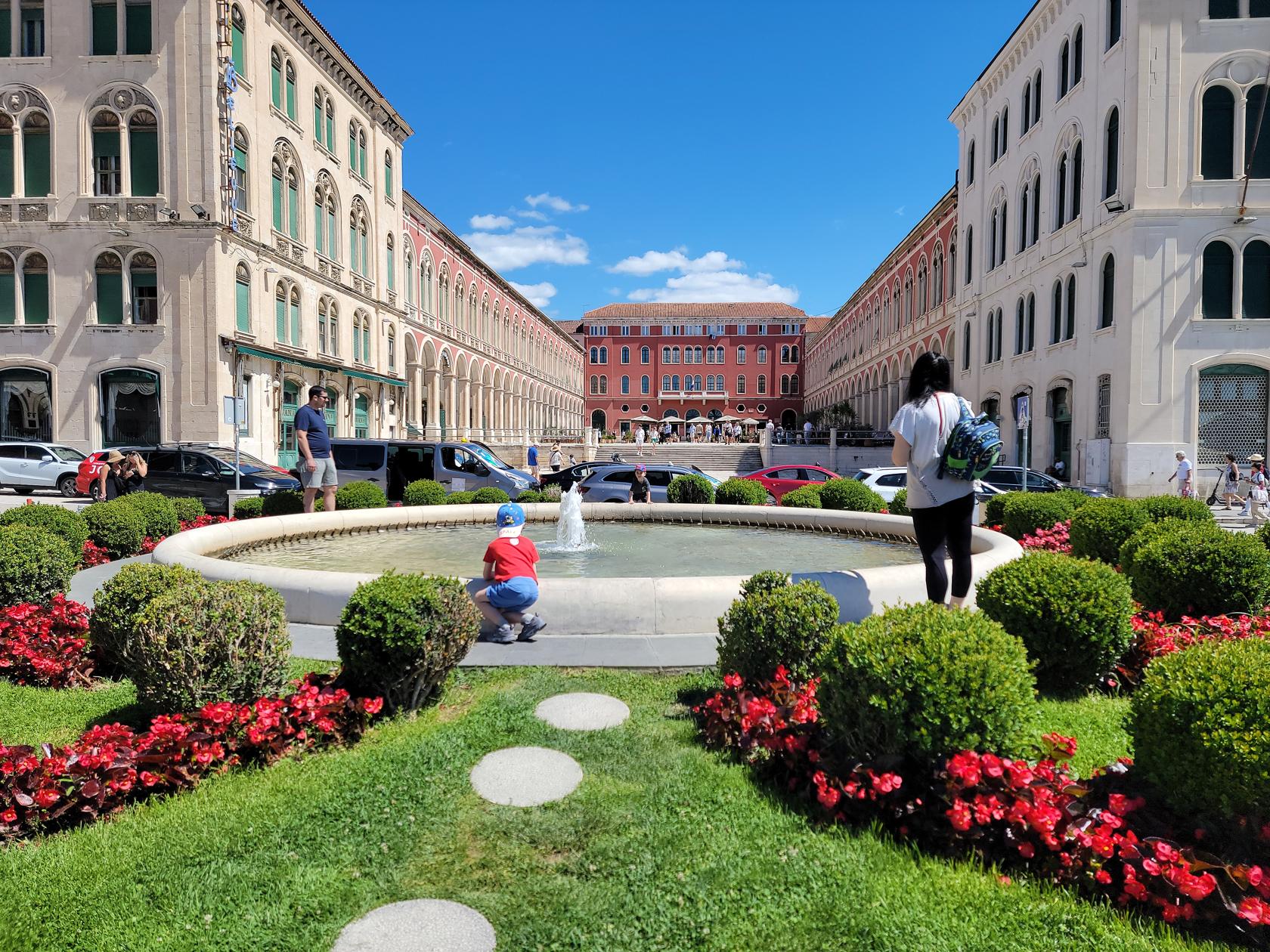
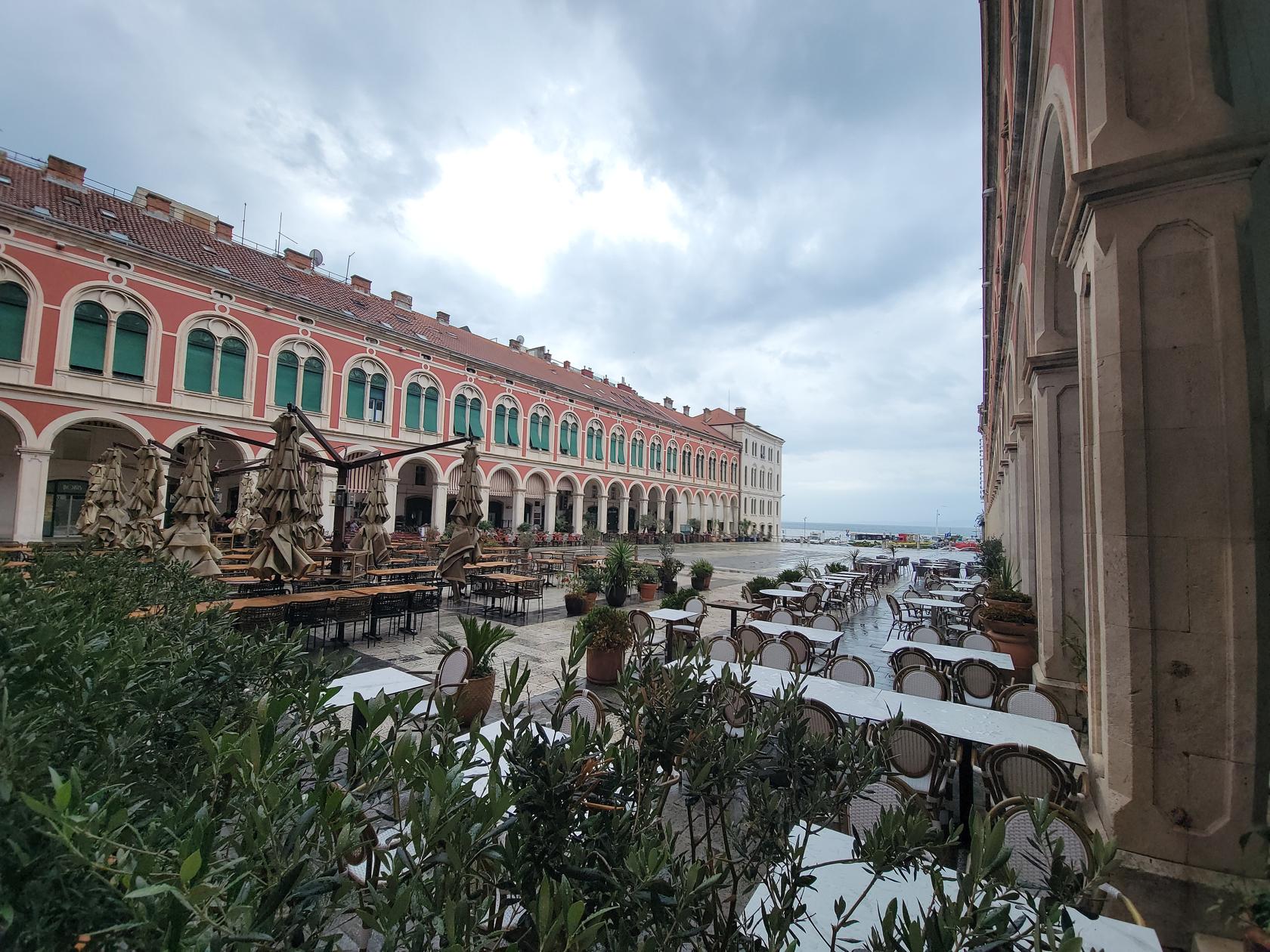
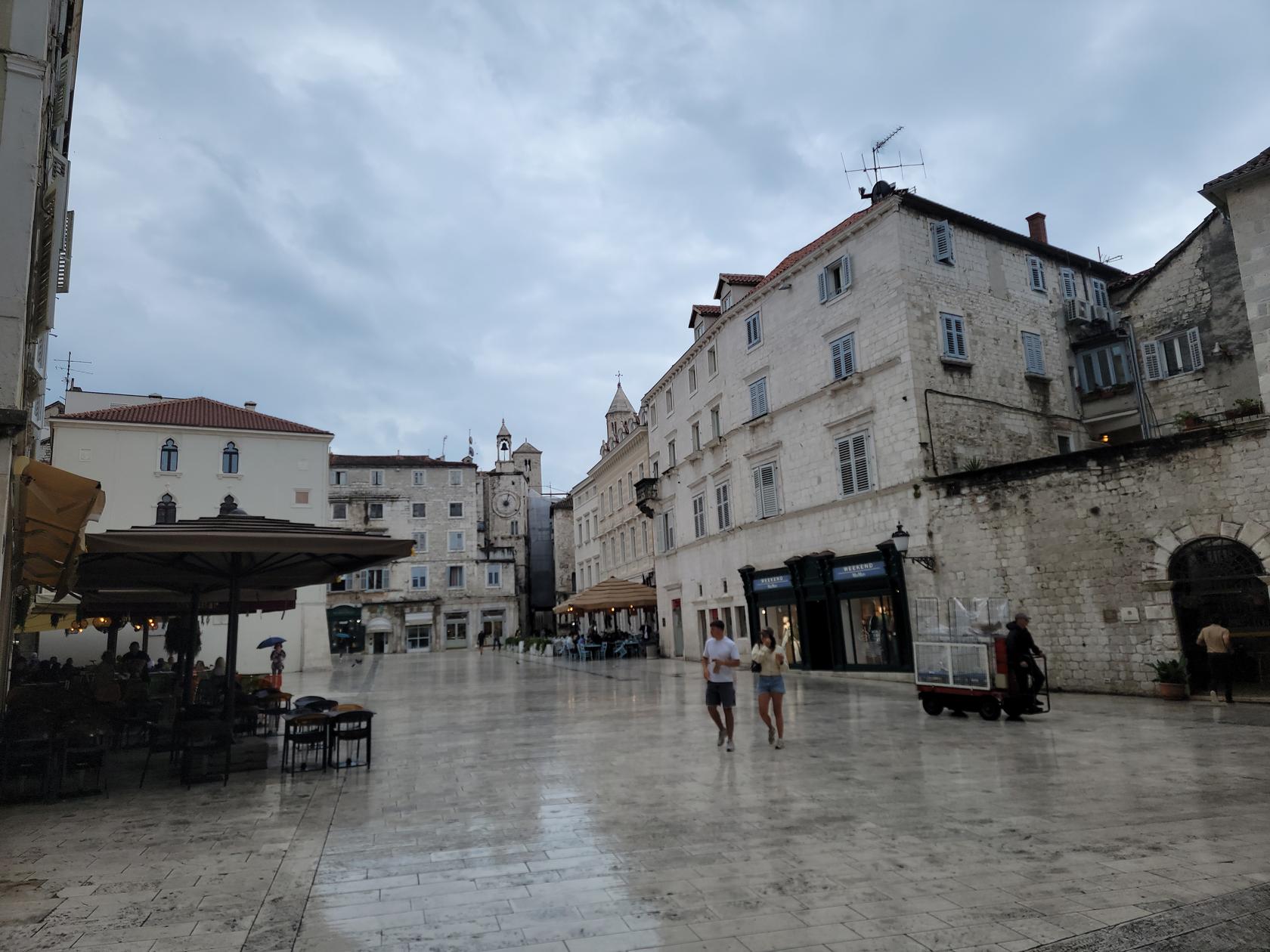
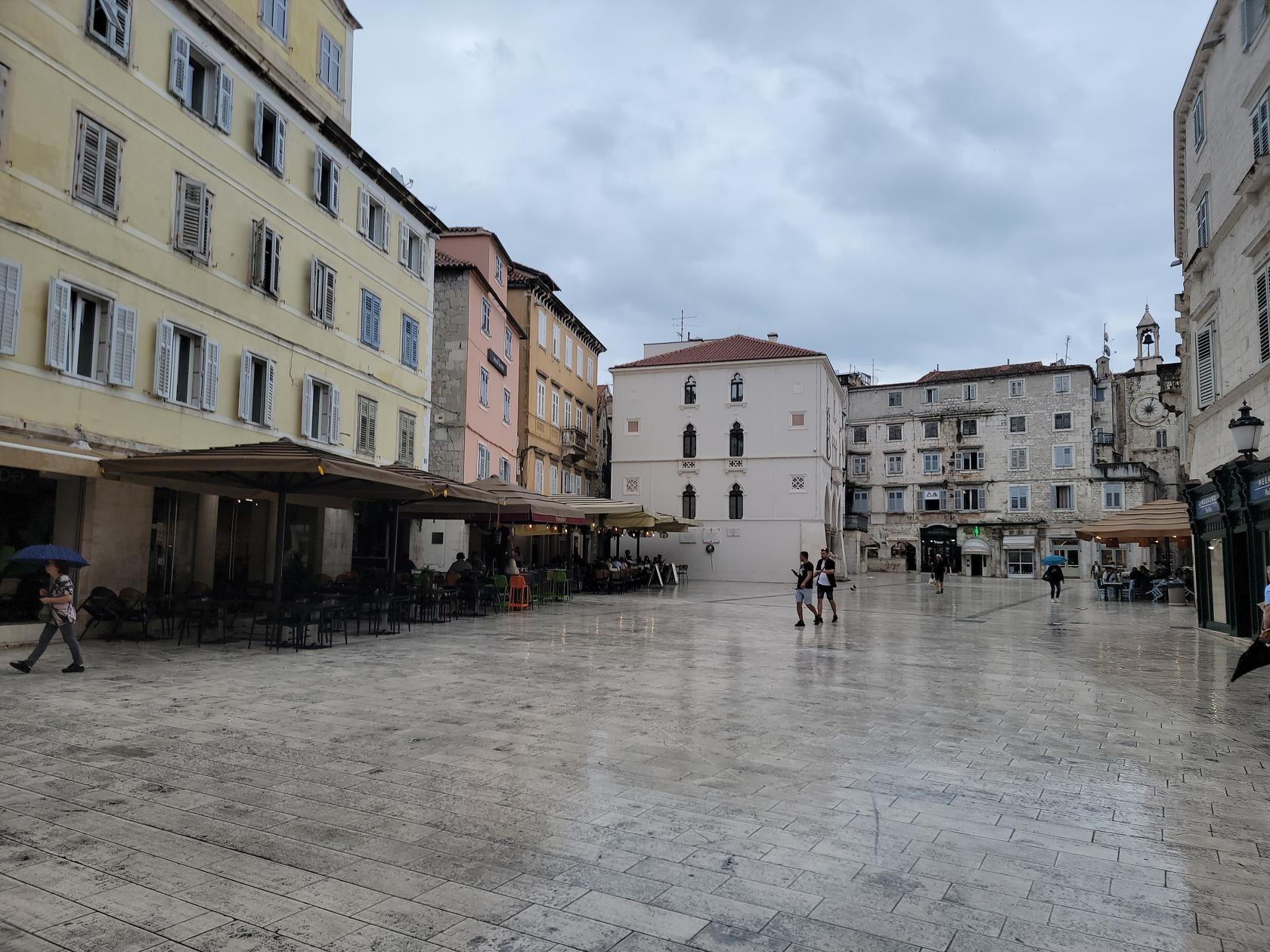
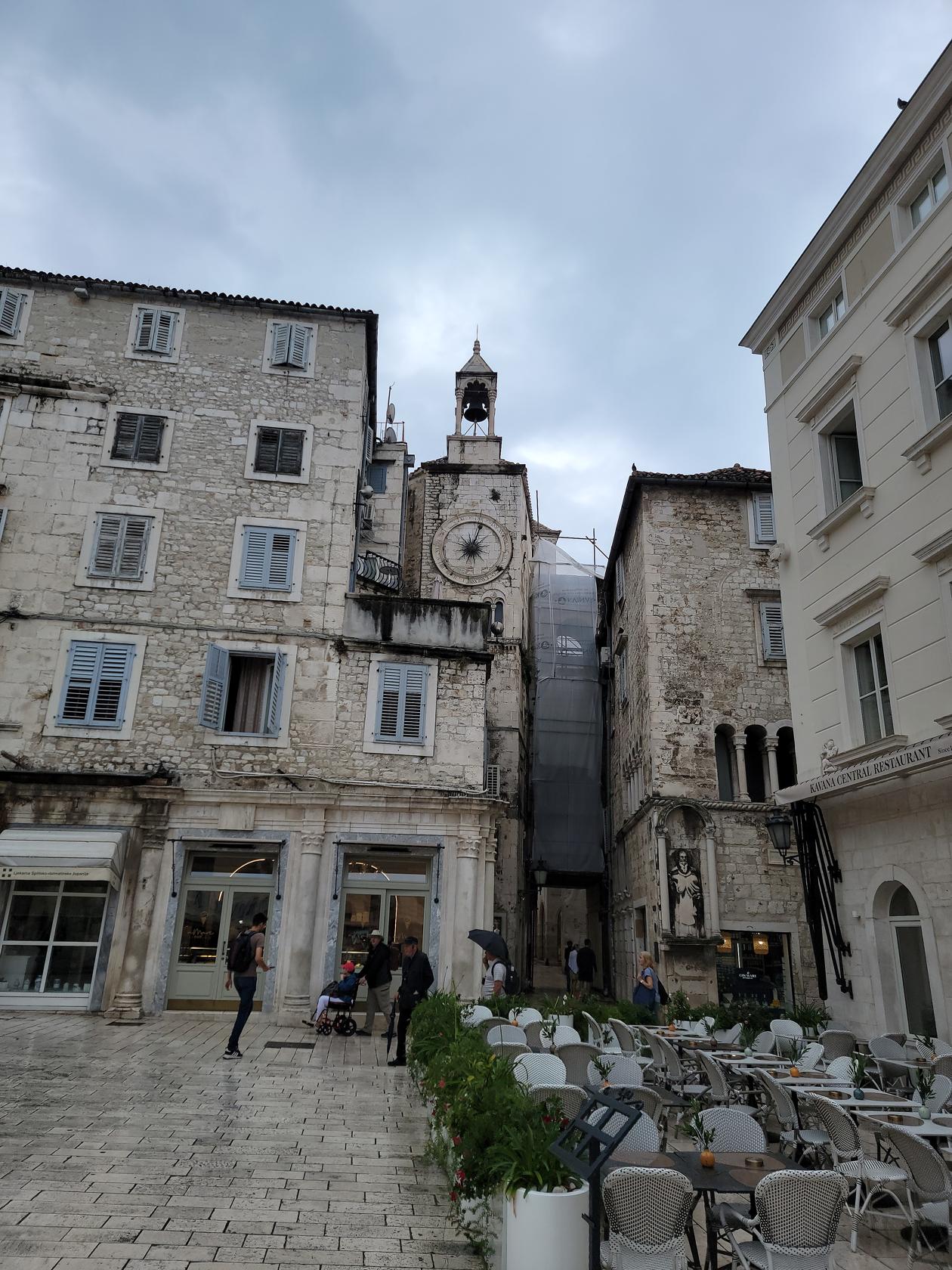
Two other noteworthy points of interest are the Republic Square and the People’s Square. One is near the water, while the other is in the middle of the city.

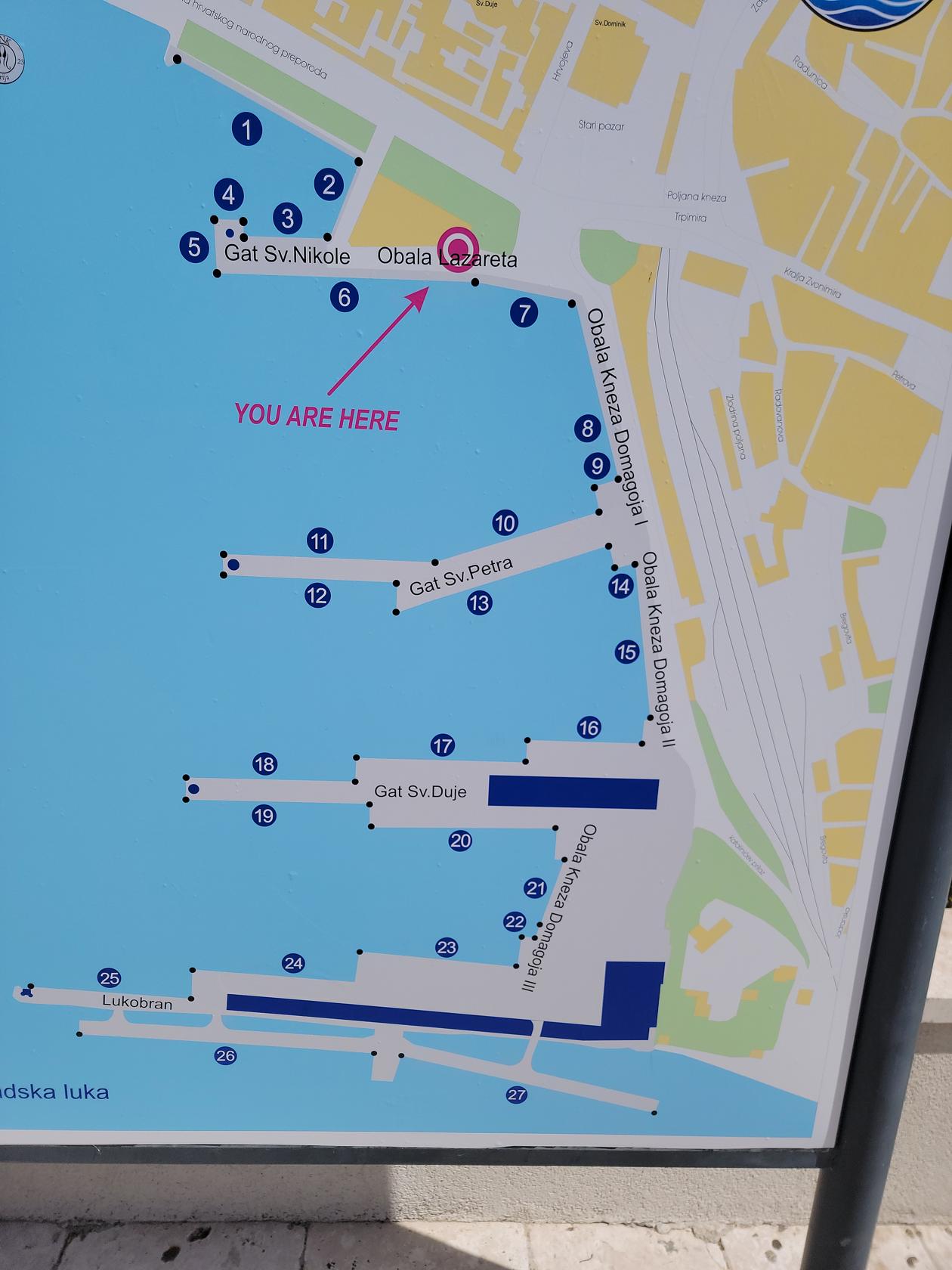
There is also a very active port area and a large number of berths for ferries, which frequent the city daily.

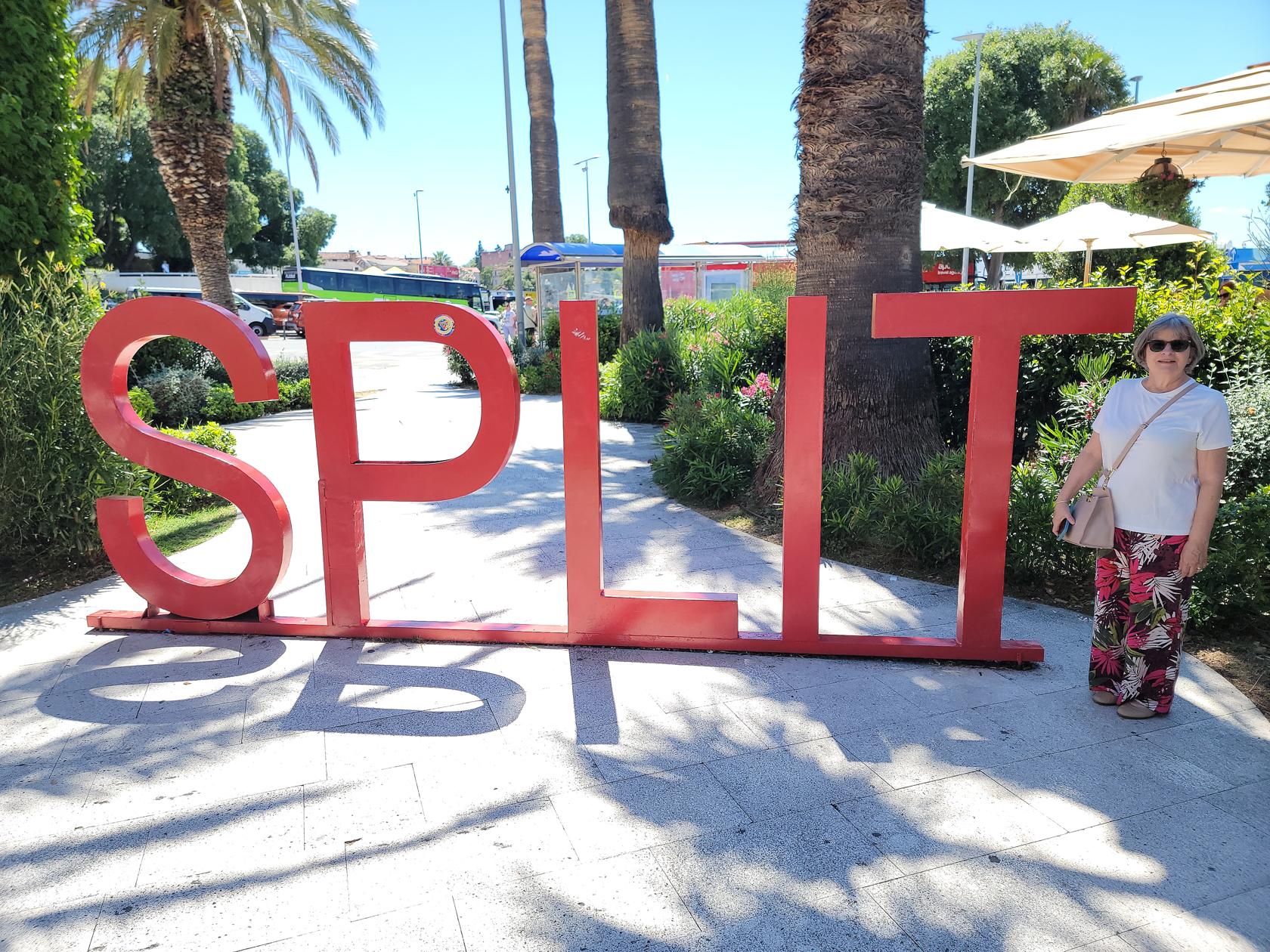
The city also has a large sign for tourist, which appears to be customary in some southern European cities. Here you can take a photograph to remember your adventure.

Getting There

From Zagreb, we took Croatian Airlines which operates flights to Split that continue onto Rome, Italy. At forty minutes it is the fastest way to get to the coast. From the airport to the old town of Split will take on average an additional thirty to forty minutes, depending on the time of day and whether there is any construction.

Diocletian’s Palace

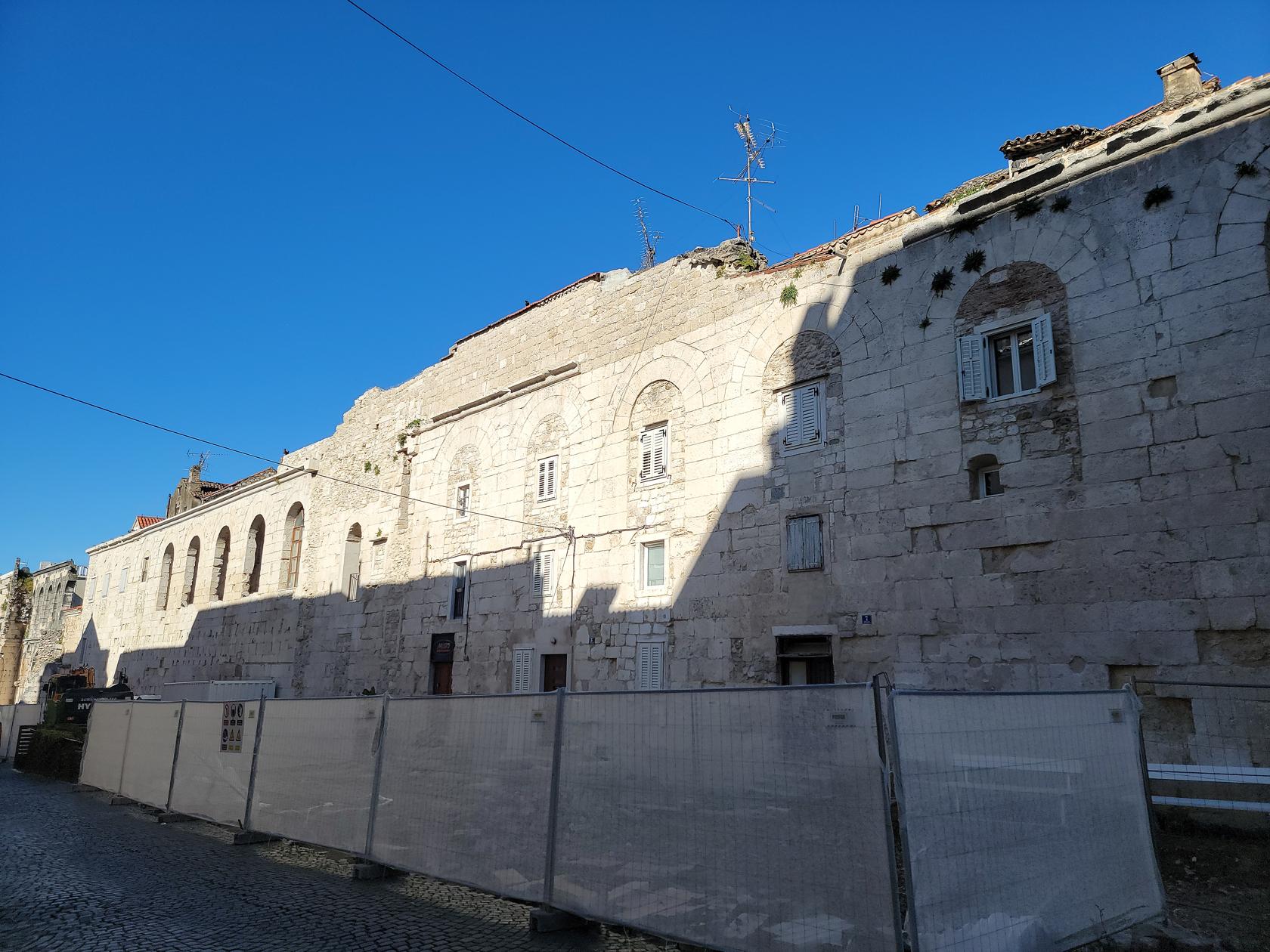
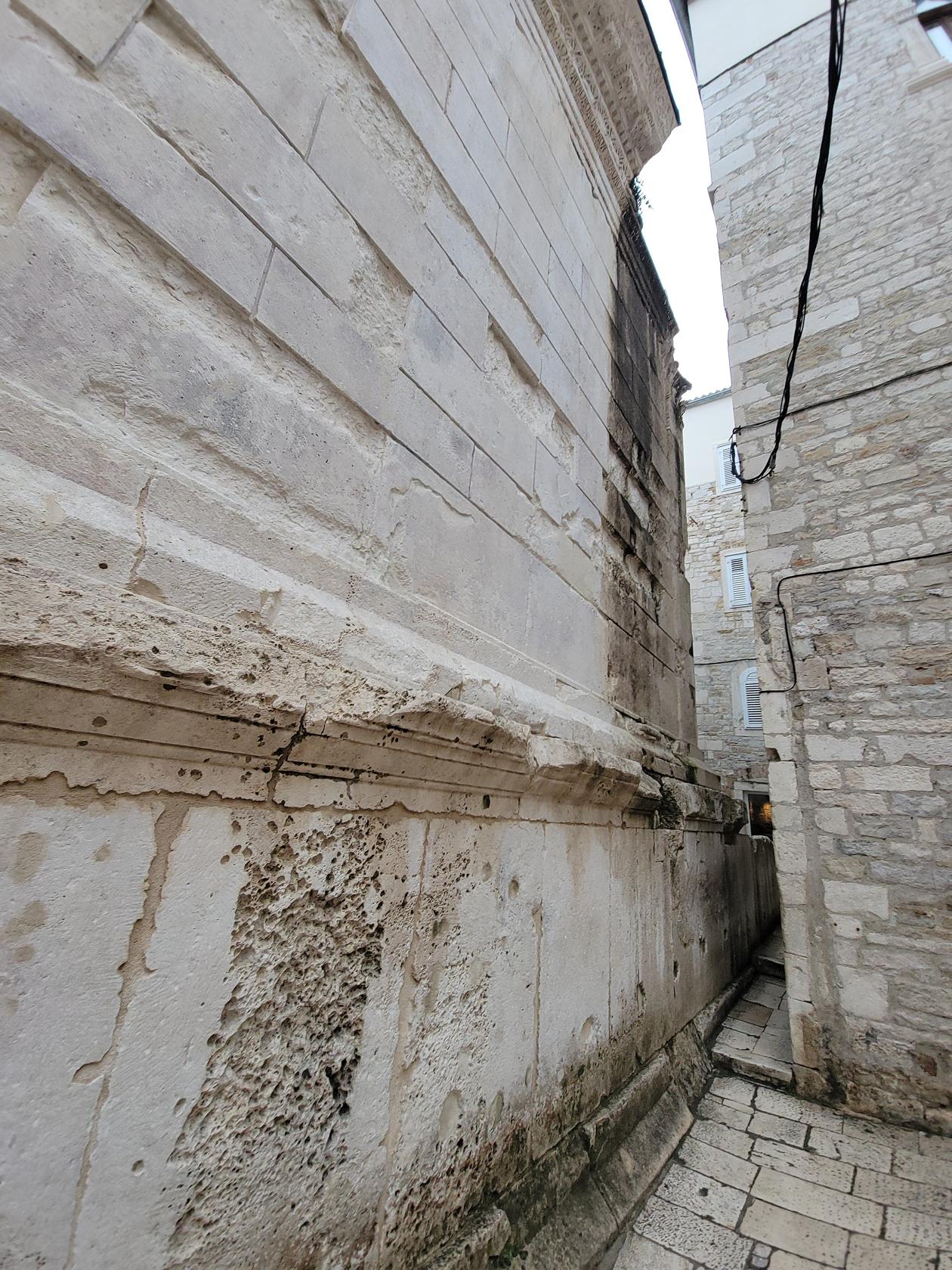
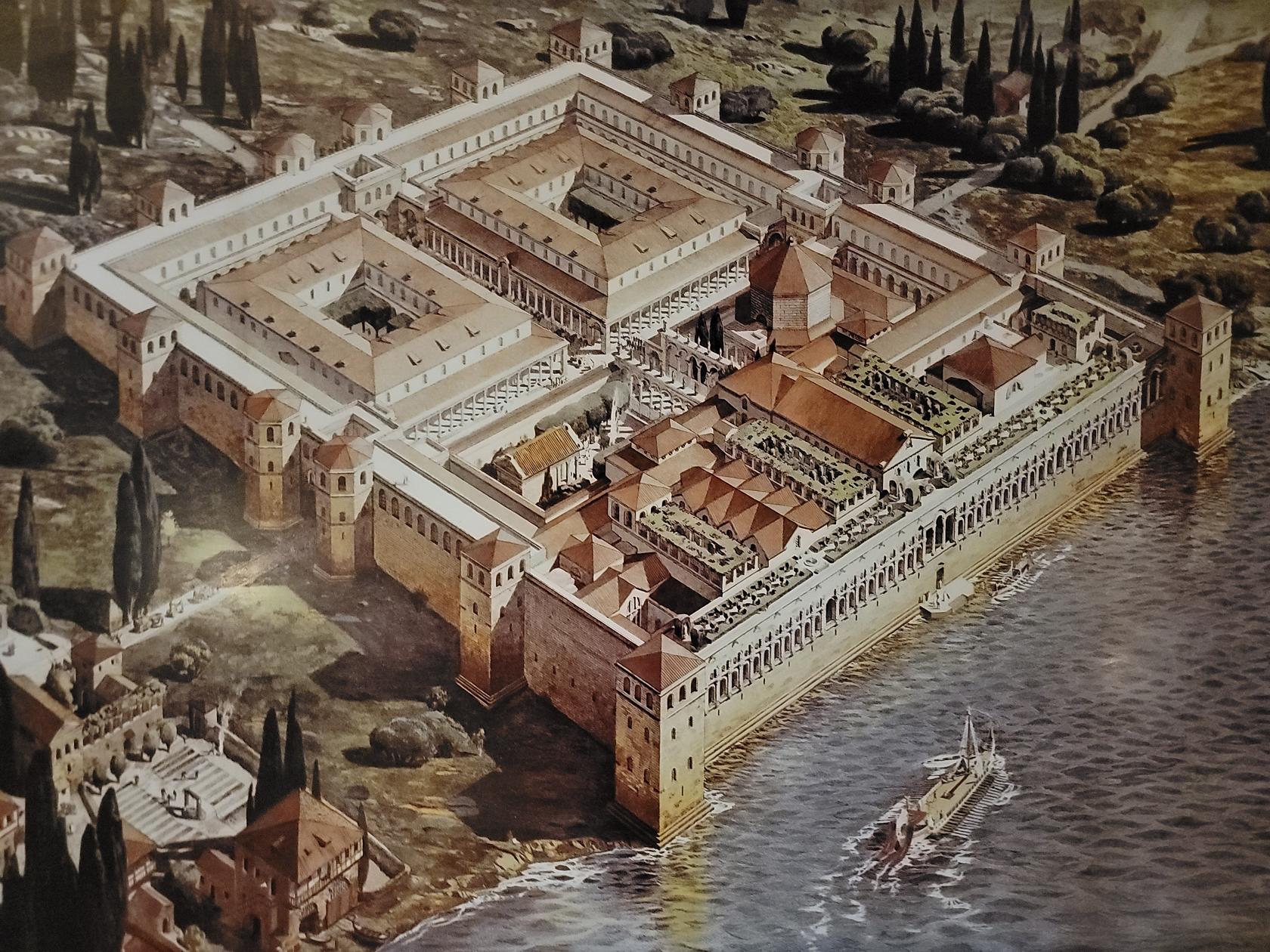
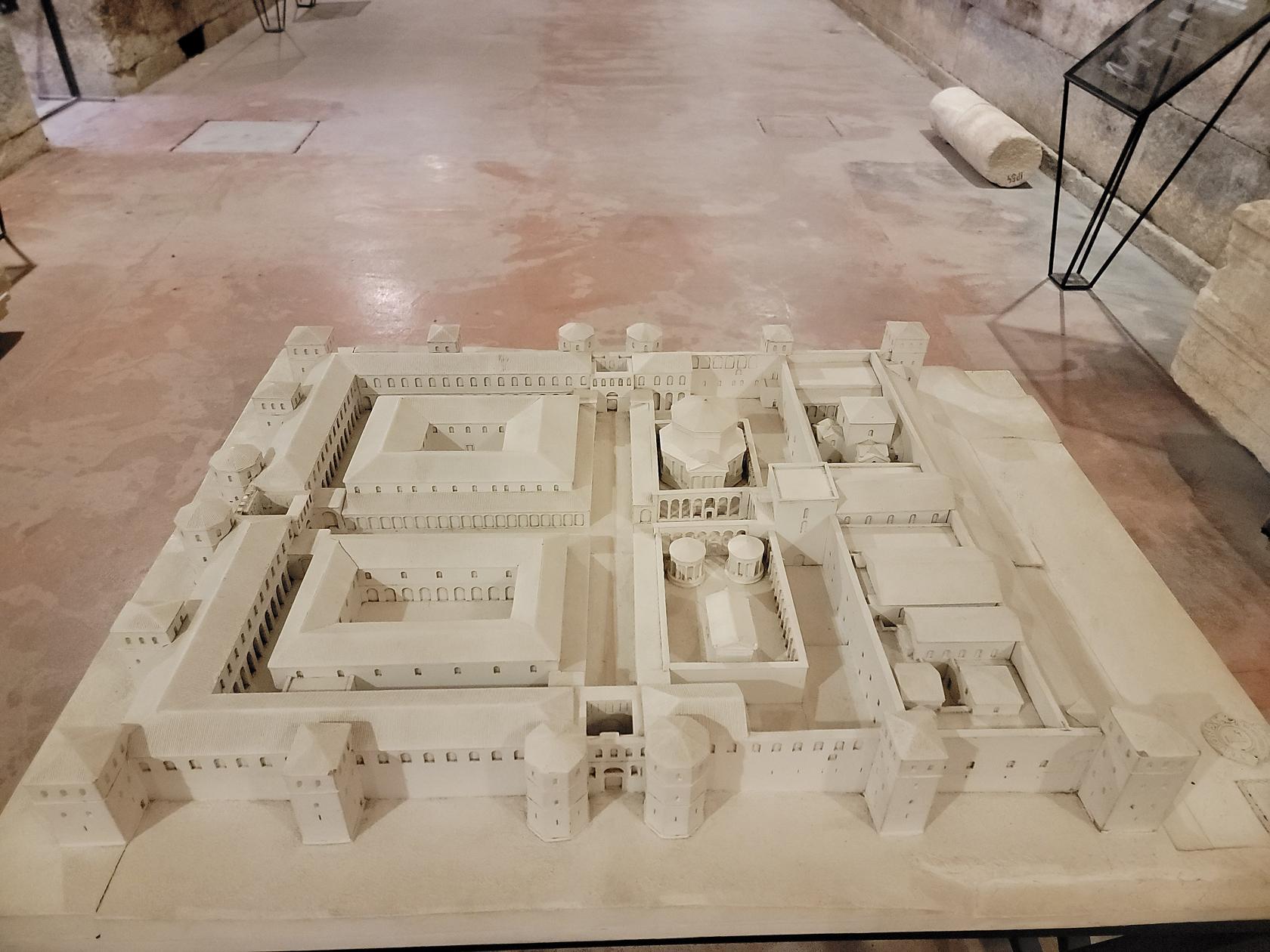
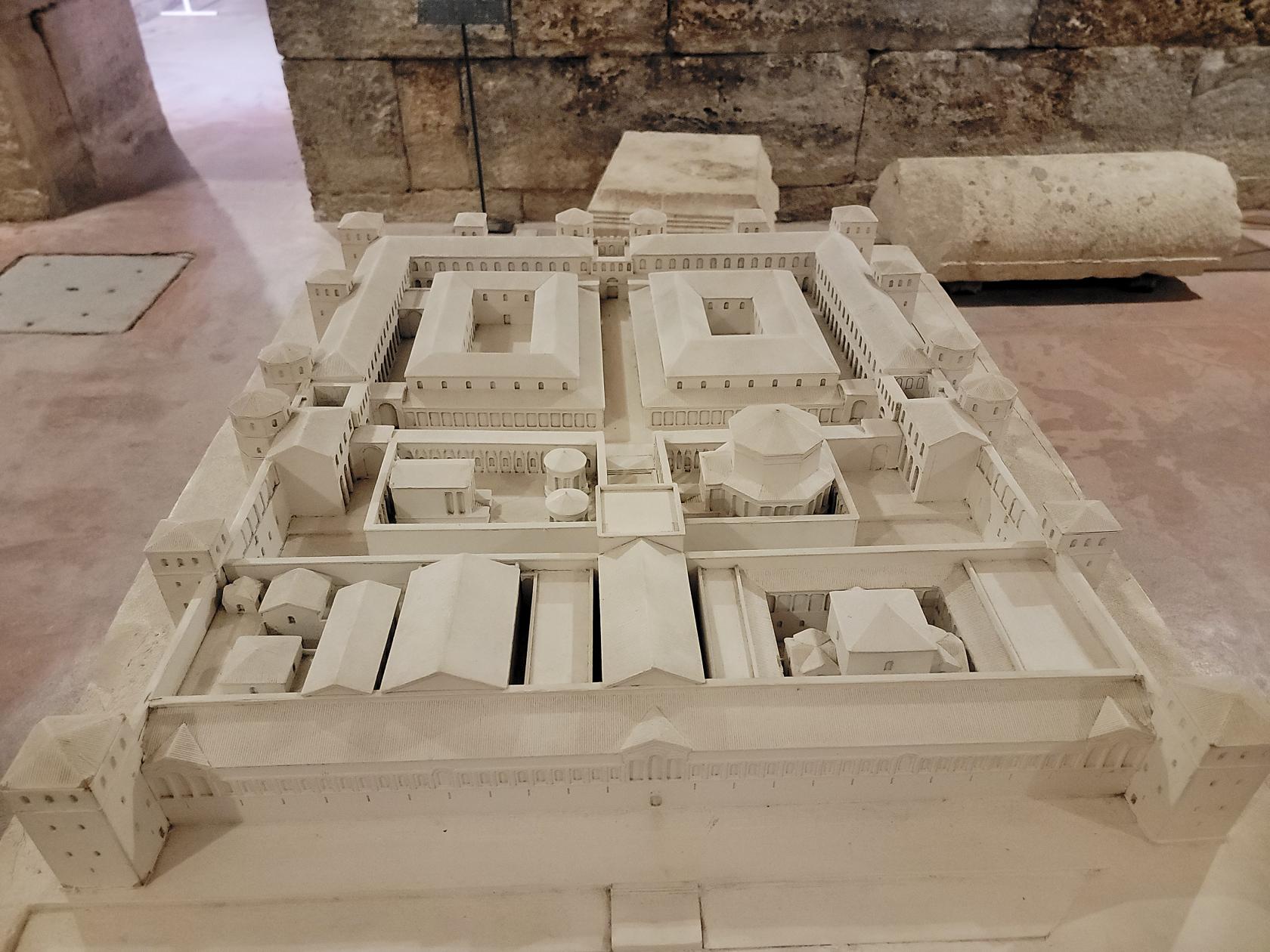
The Diocletian Palace is a large complex just off center of the old town of Split. It was to retirement home of the Roman Emperor Diocletian and was built some time around the third century CE. It is the reason that Split exists and is the ultimate destination here for those interested in Roman history.

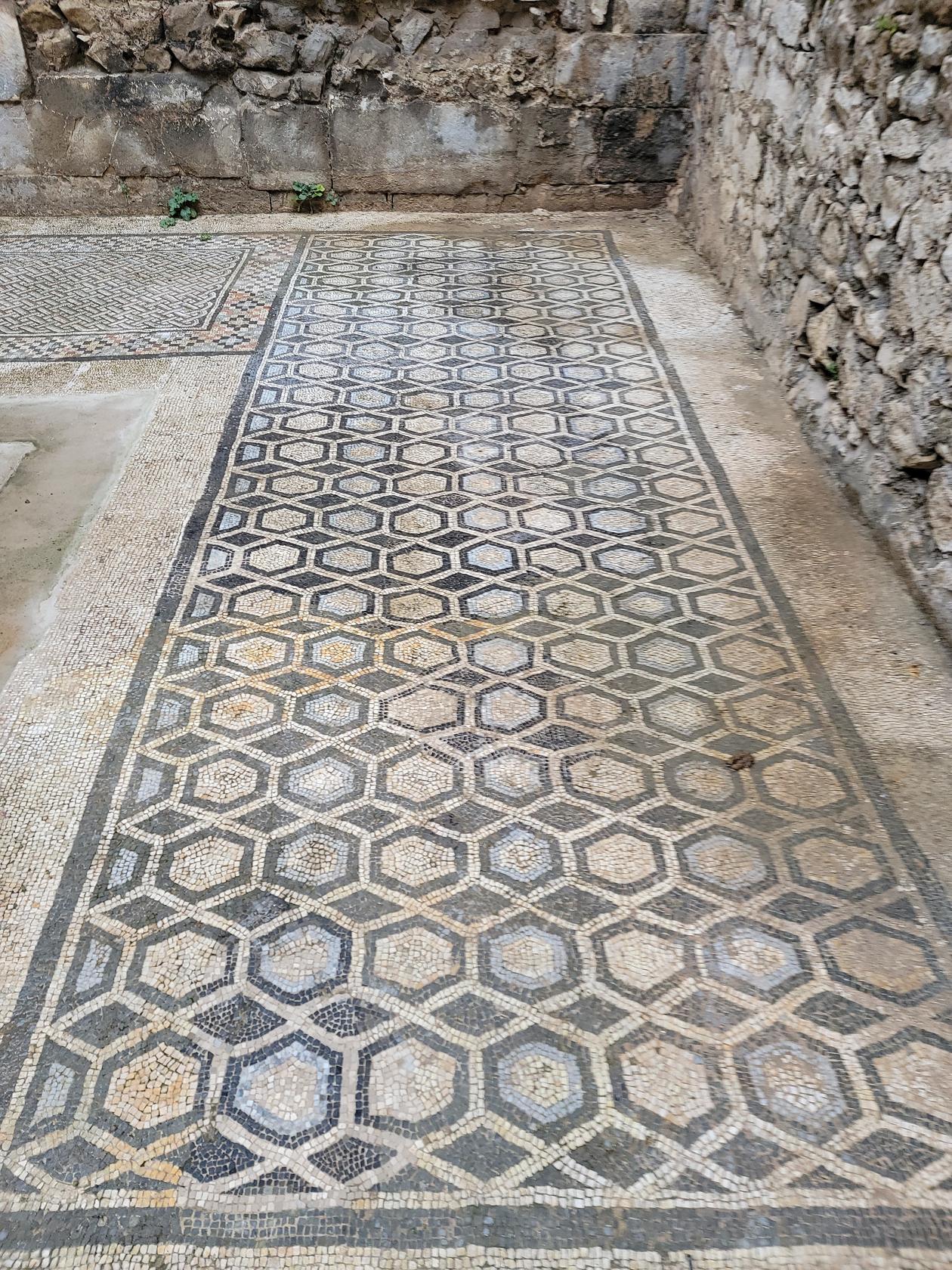
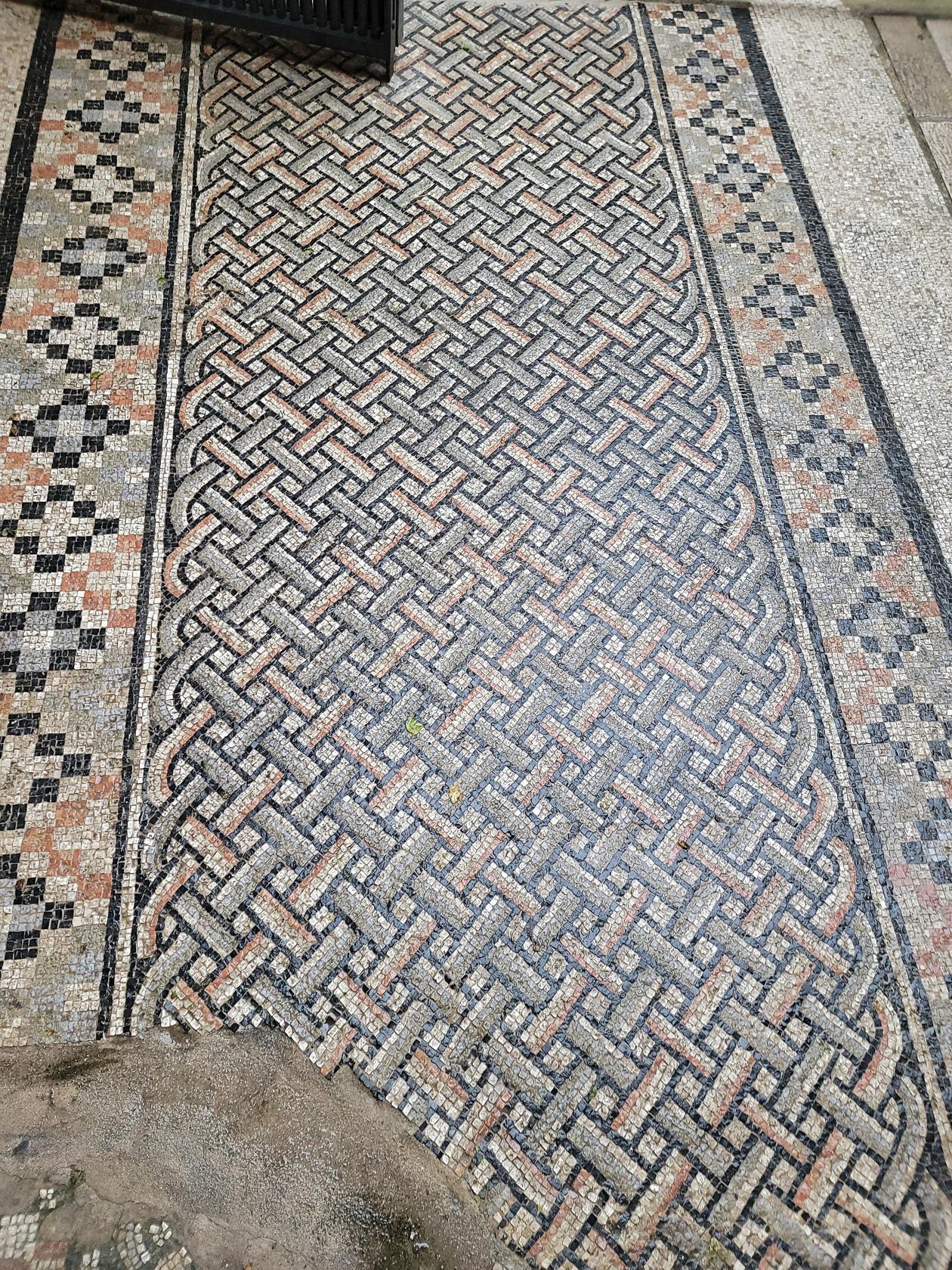
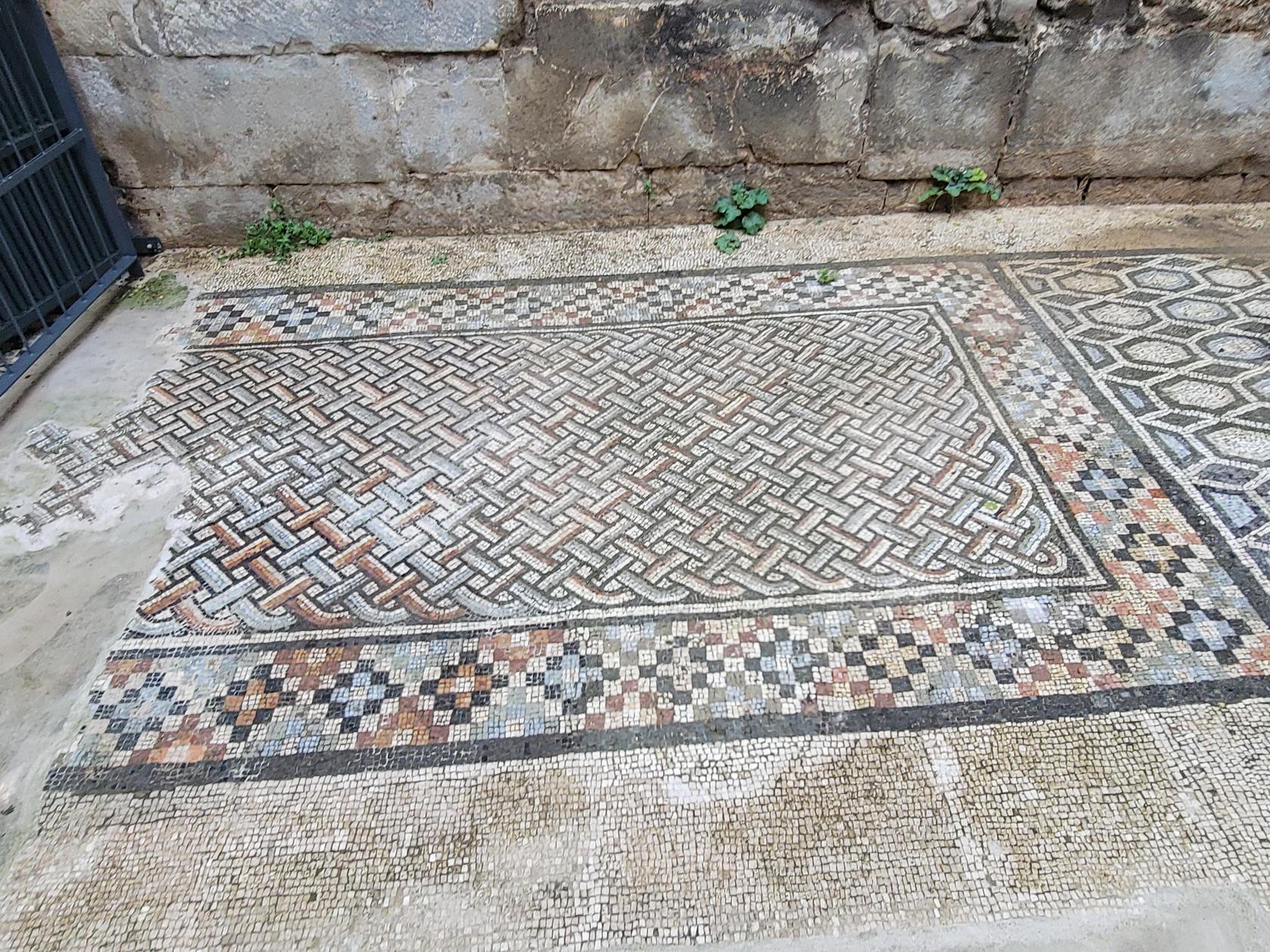
There is an excellent example of fifth century Roman mosaic tiles behind the cathedral which should draw your attention.

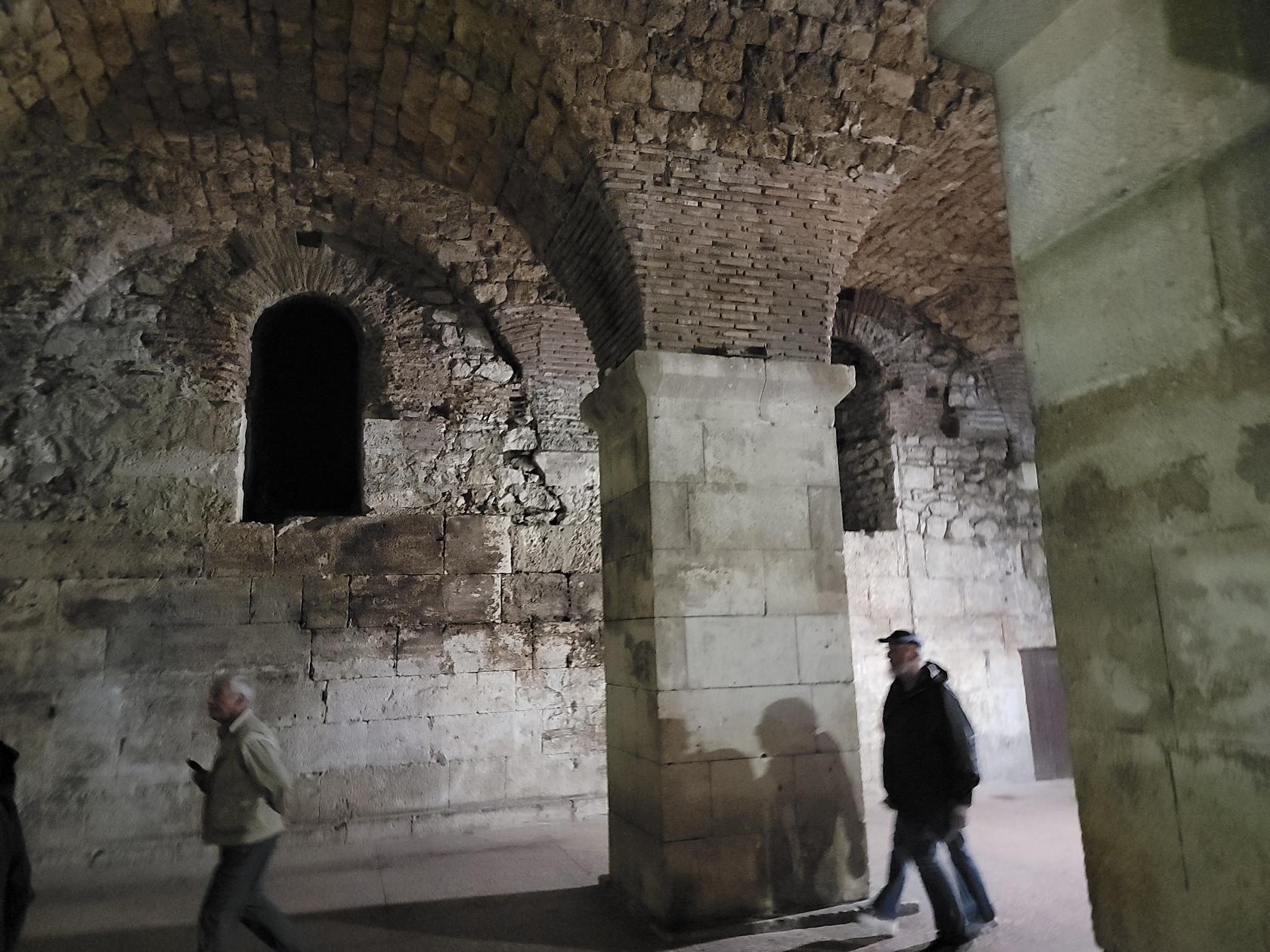
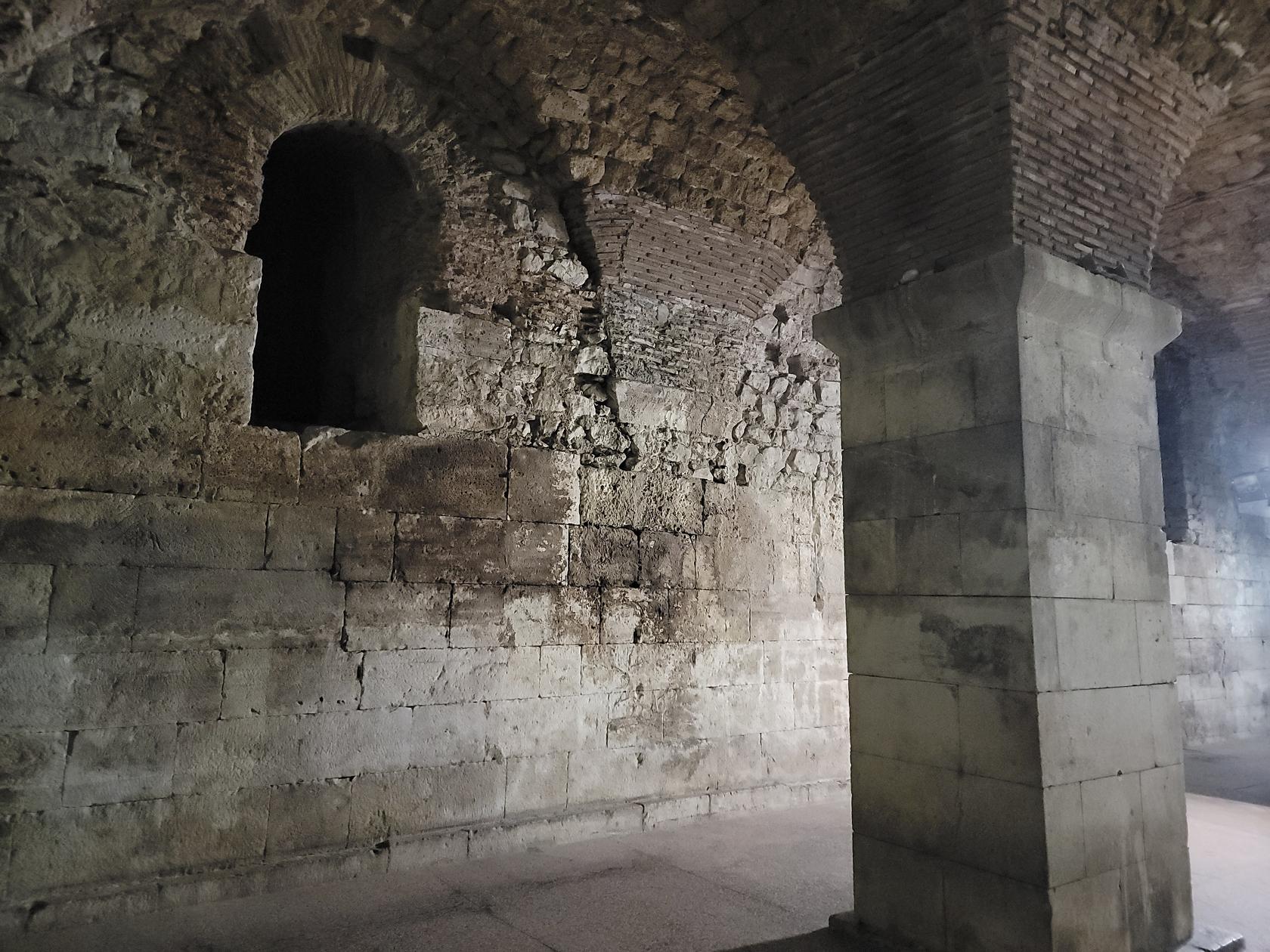
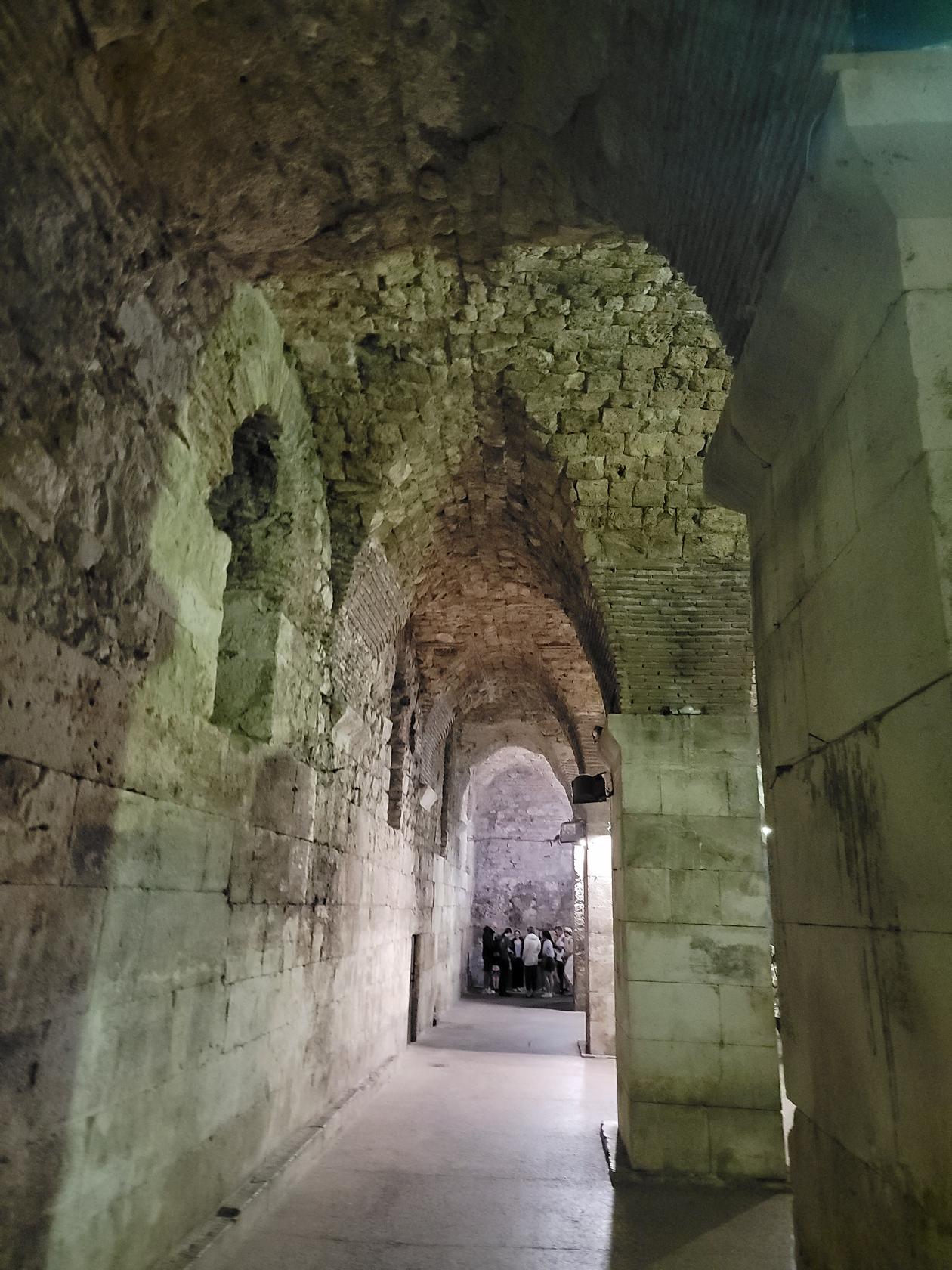
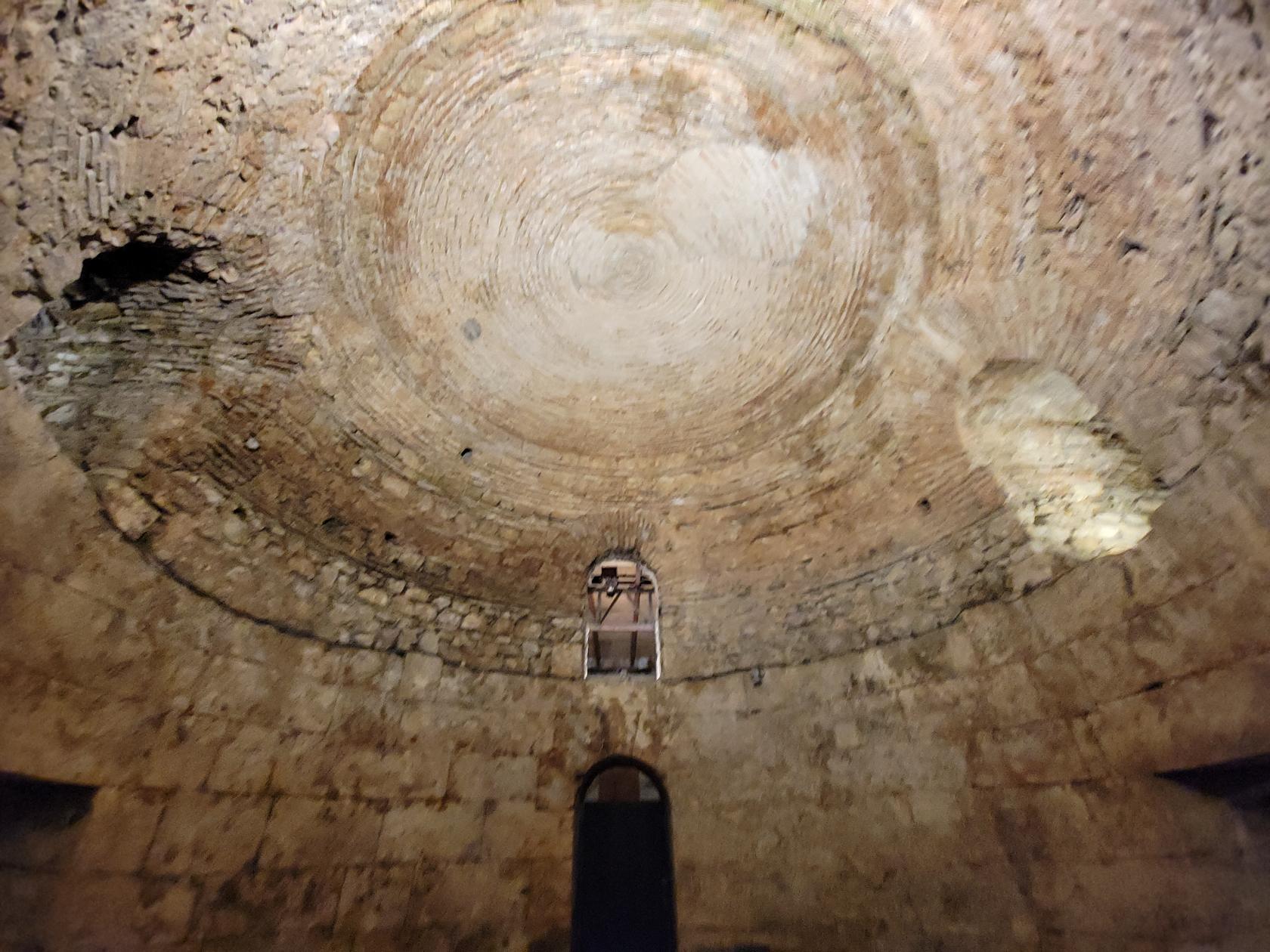
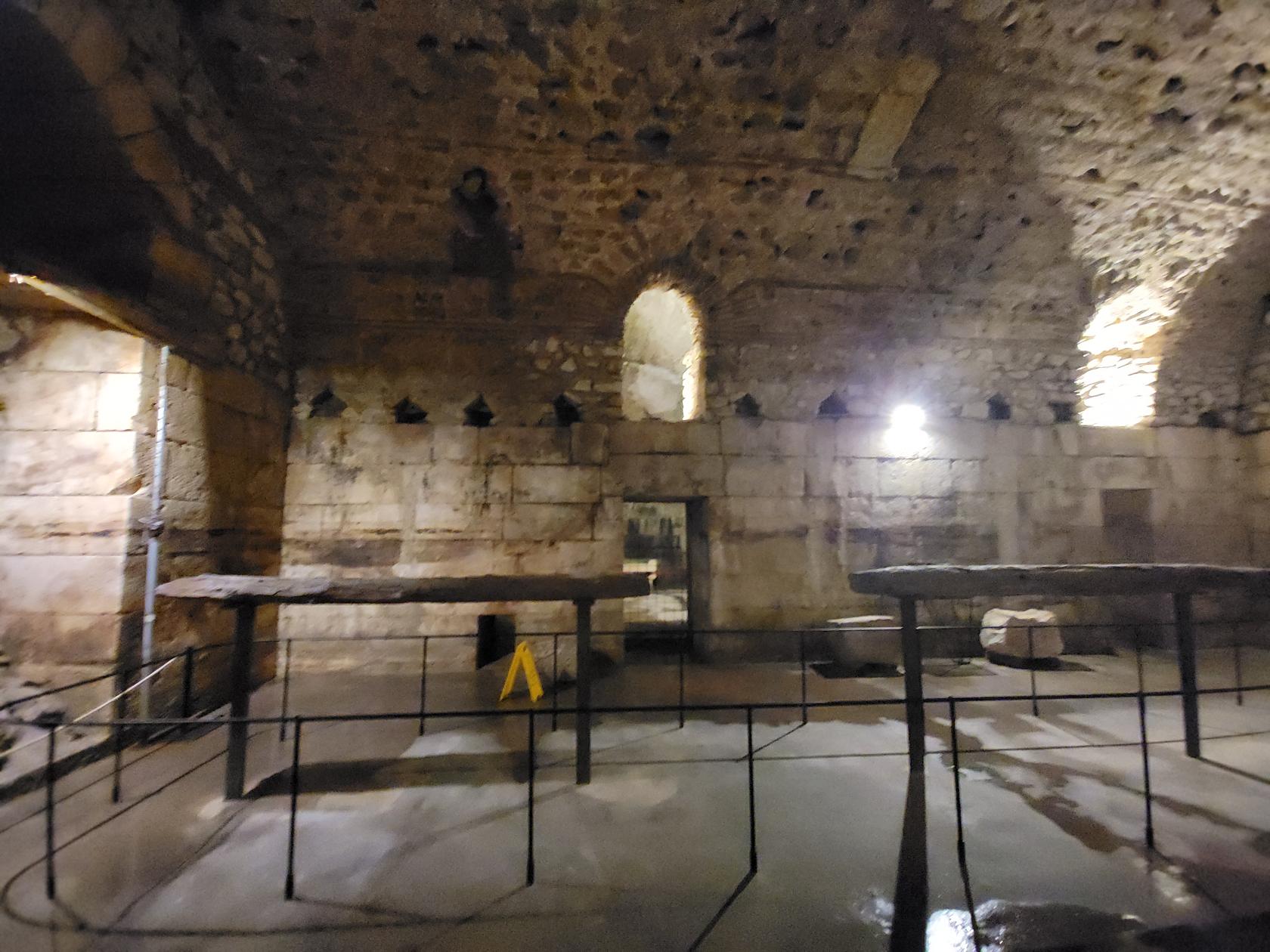
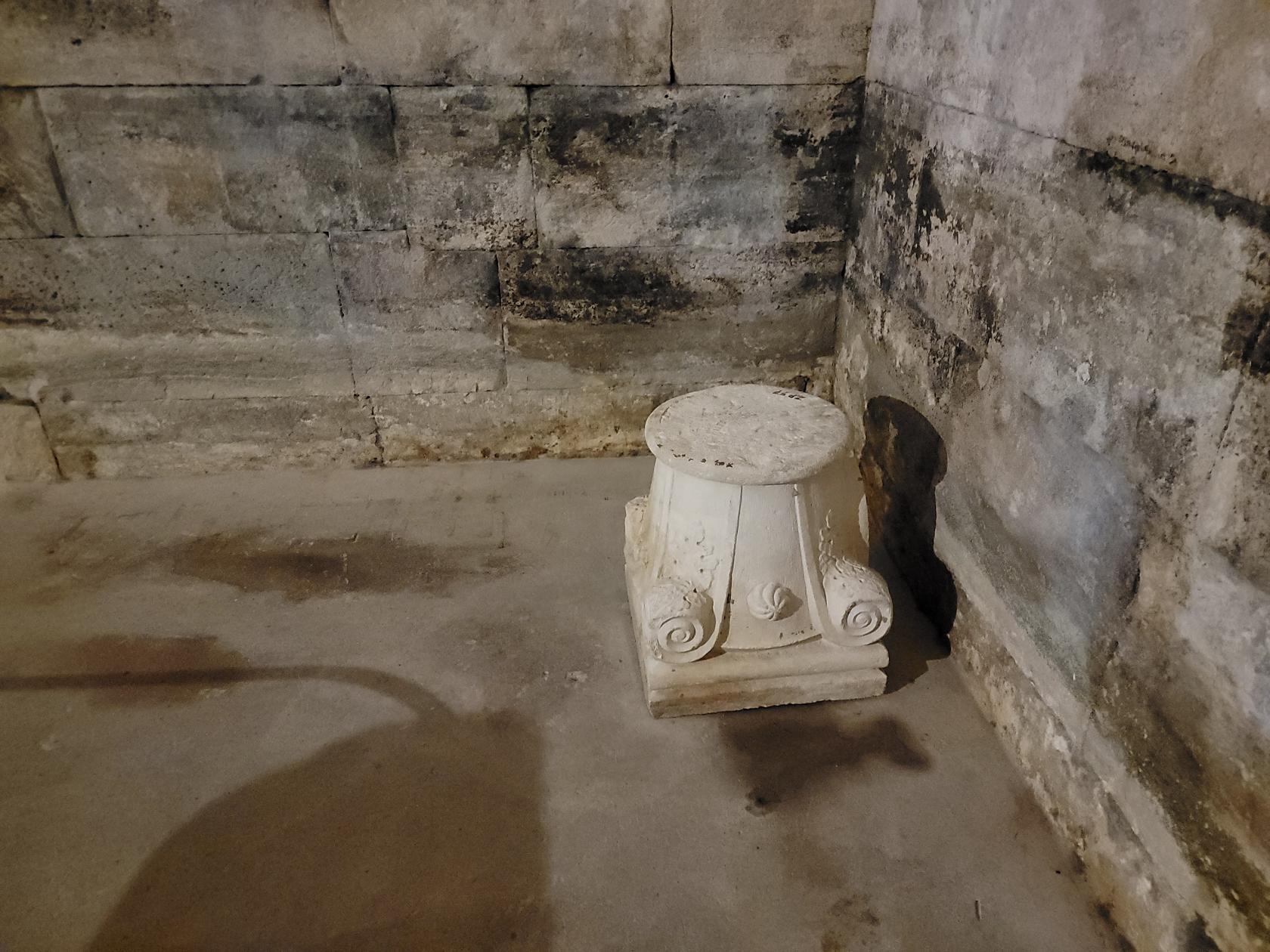
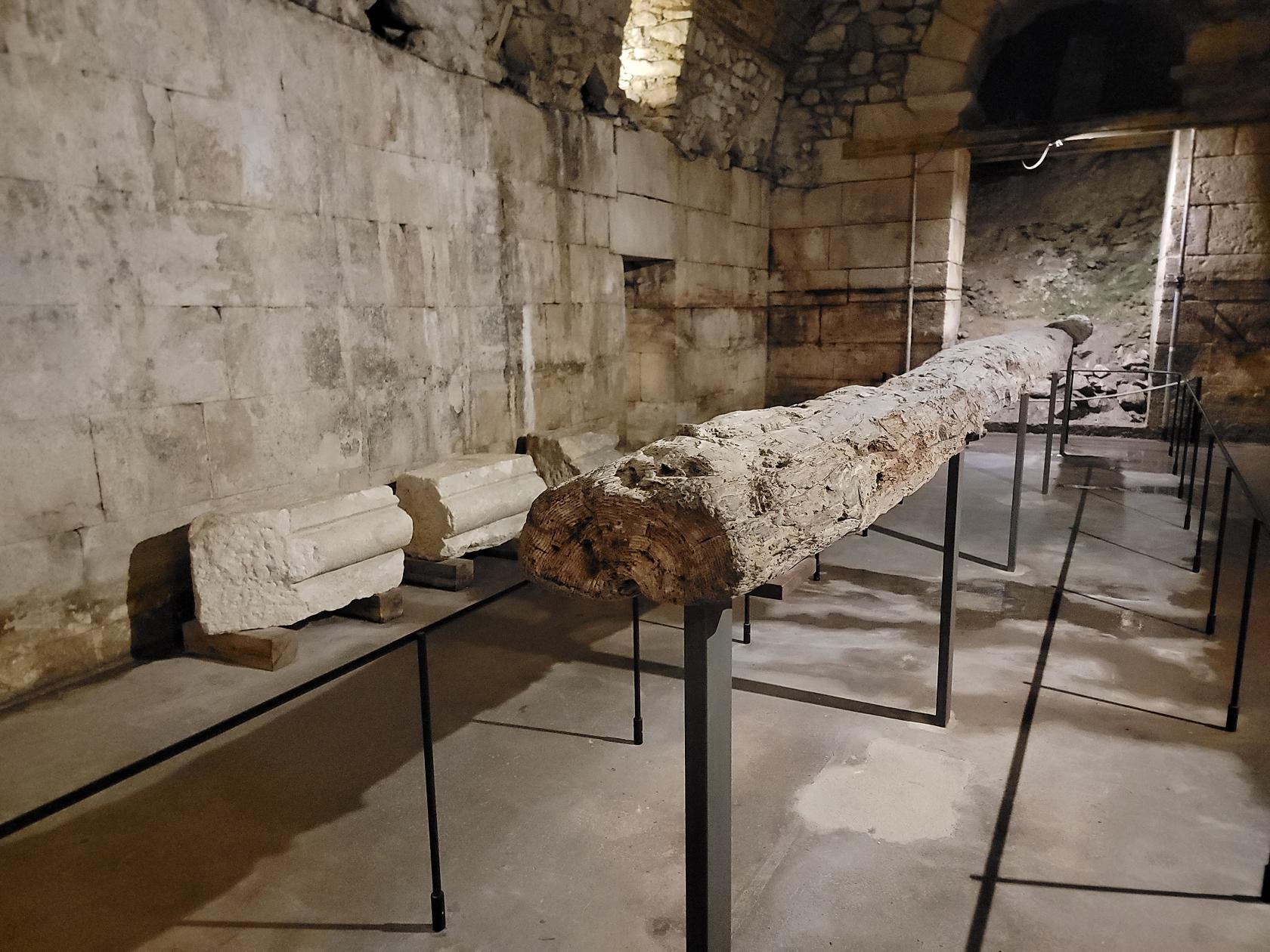
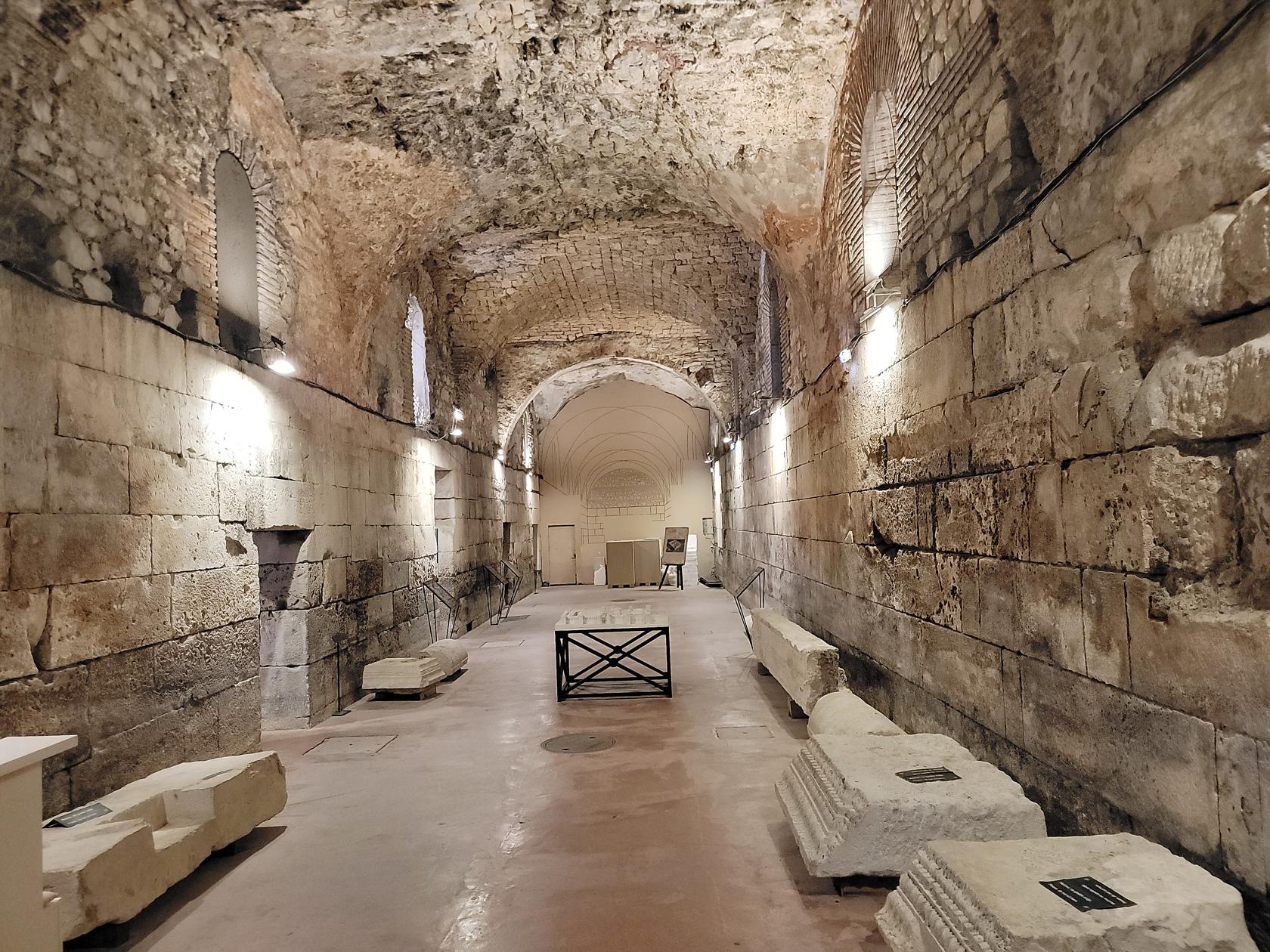
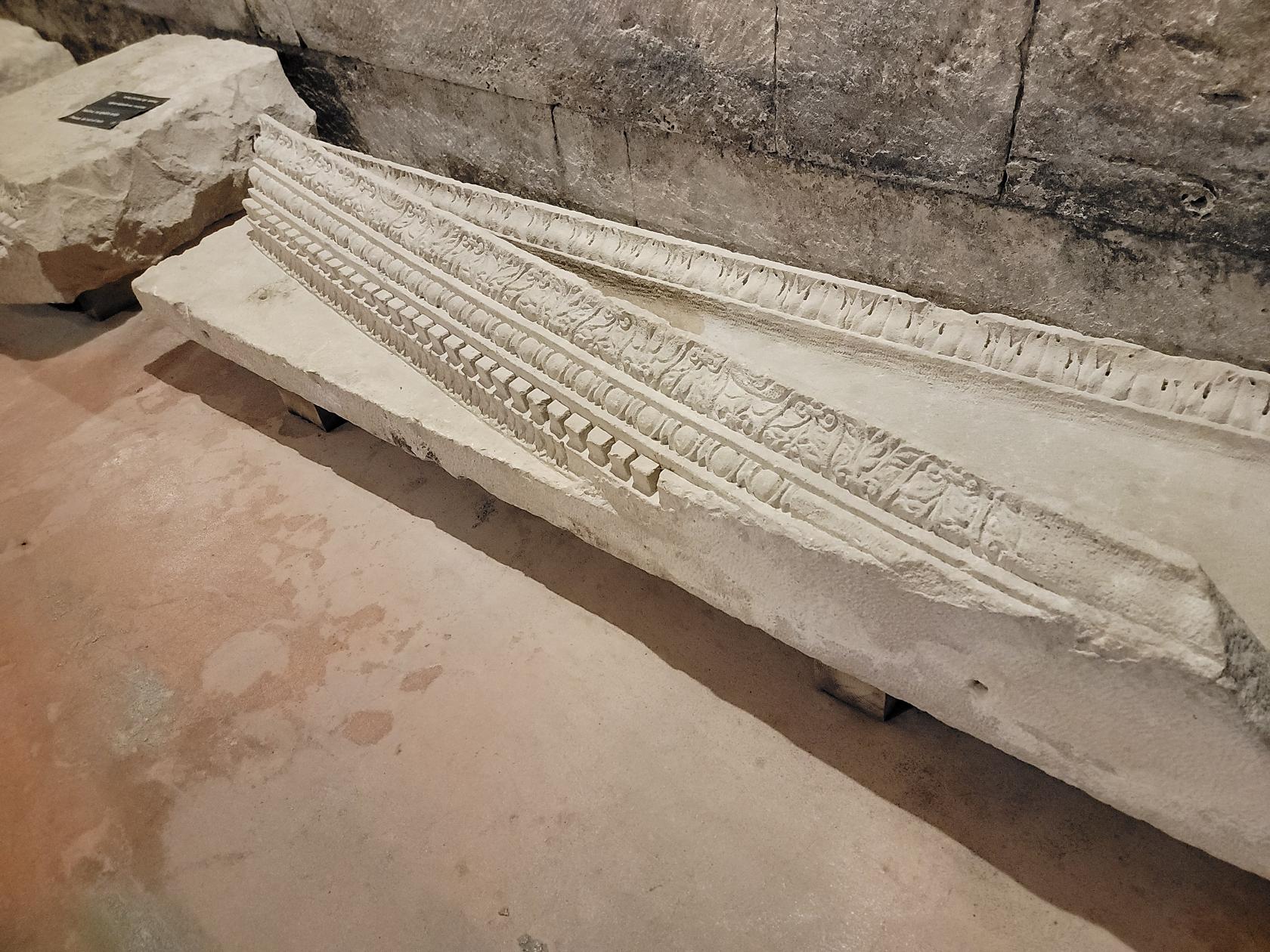
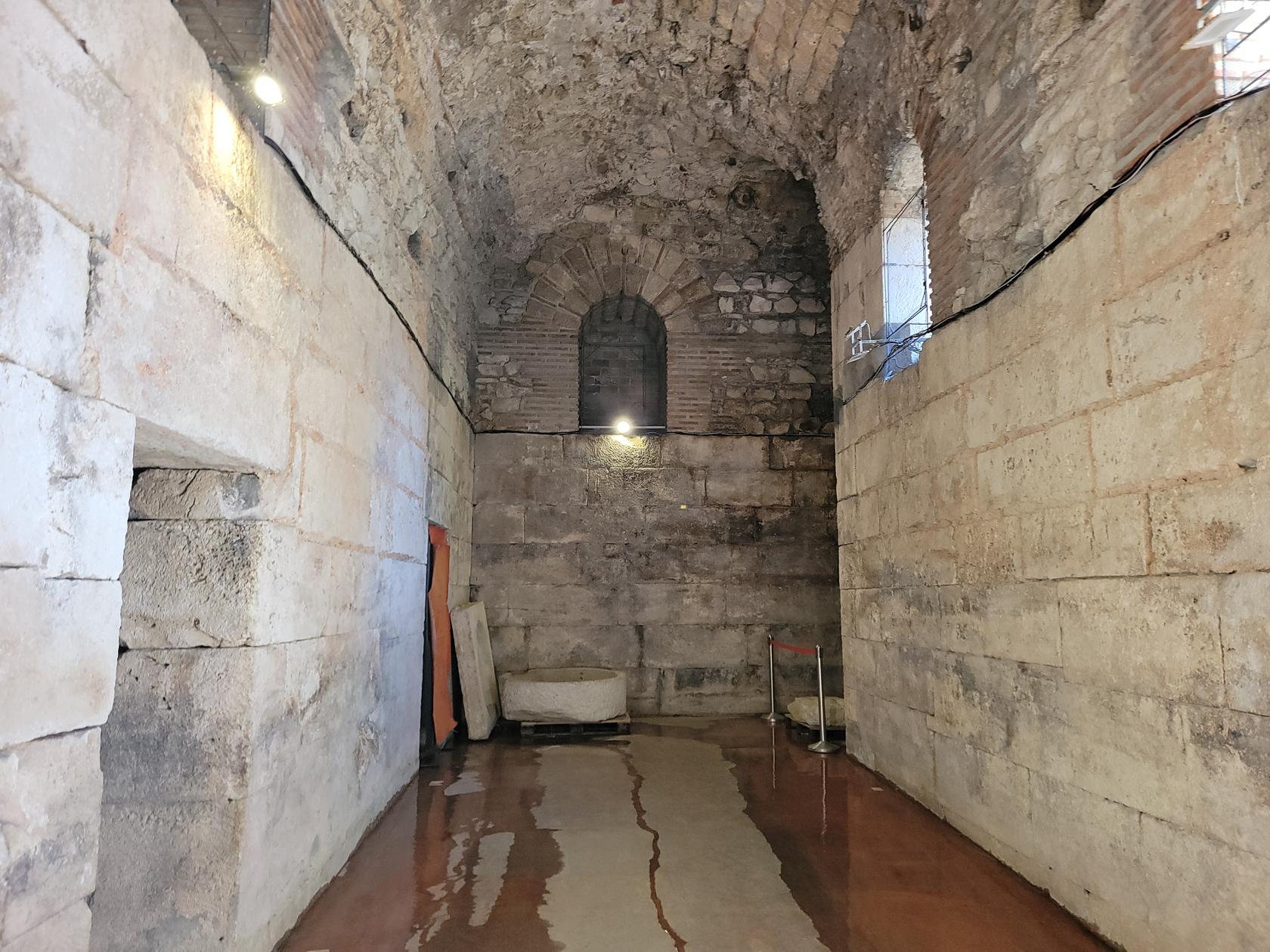
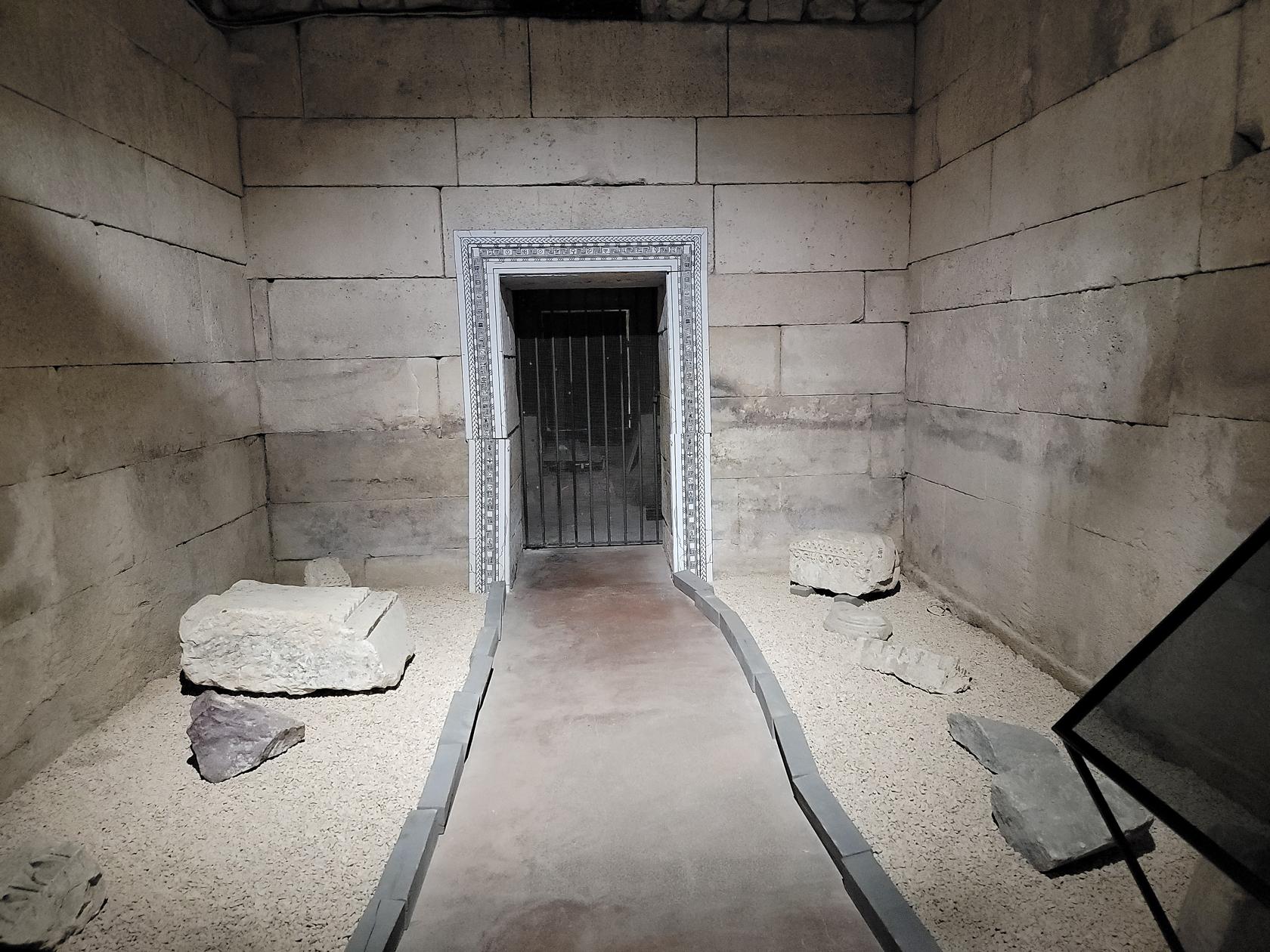
The Cellars

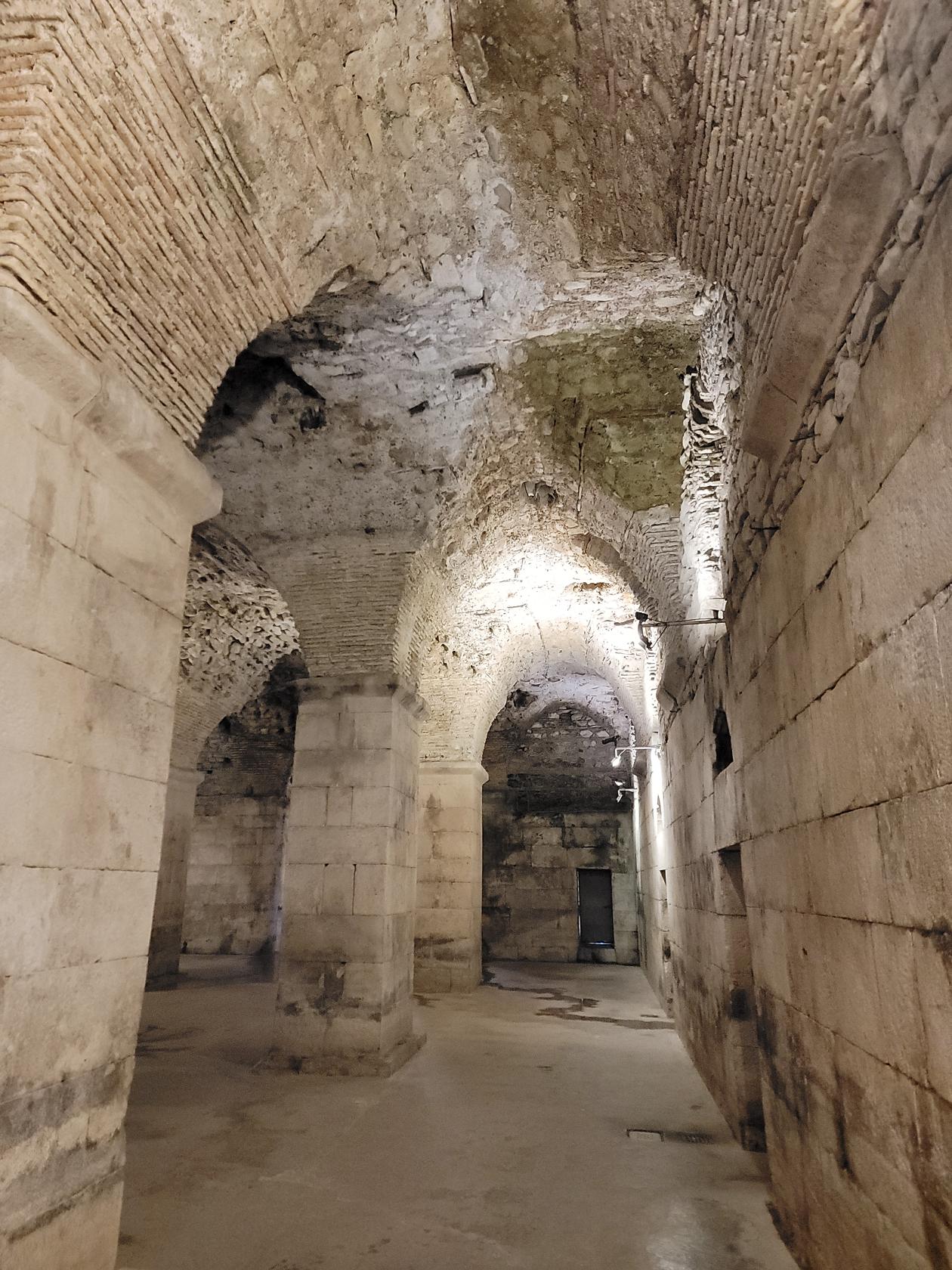
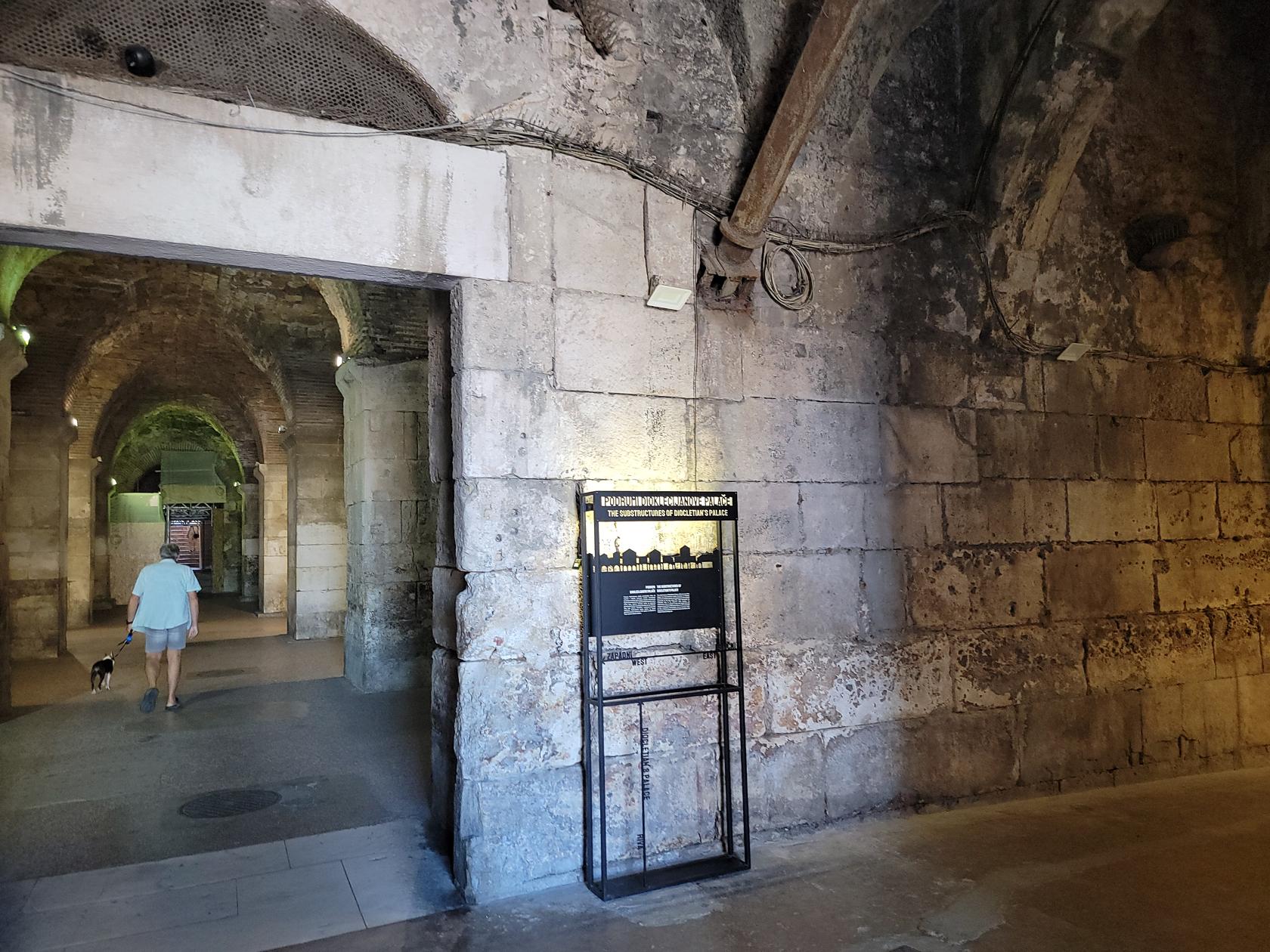
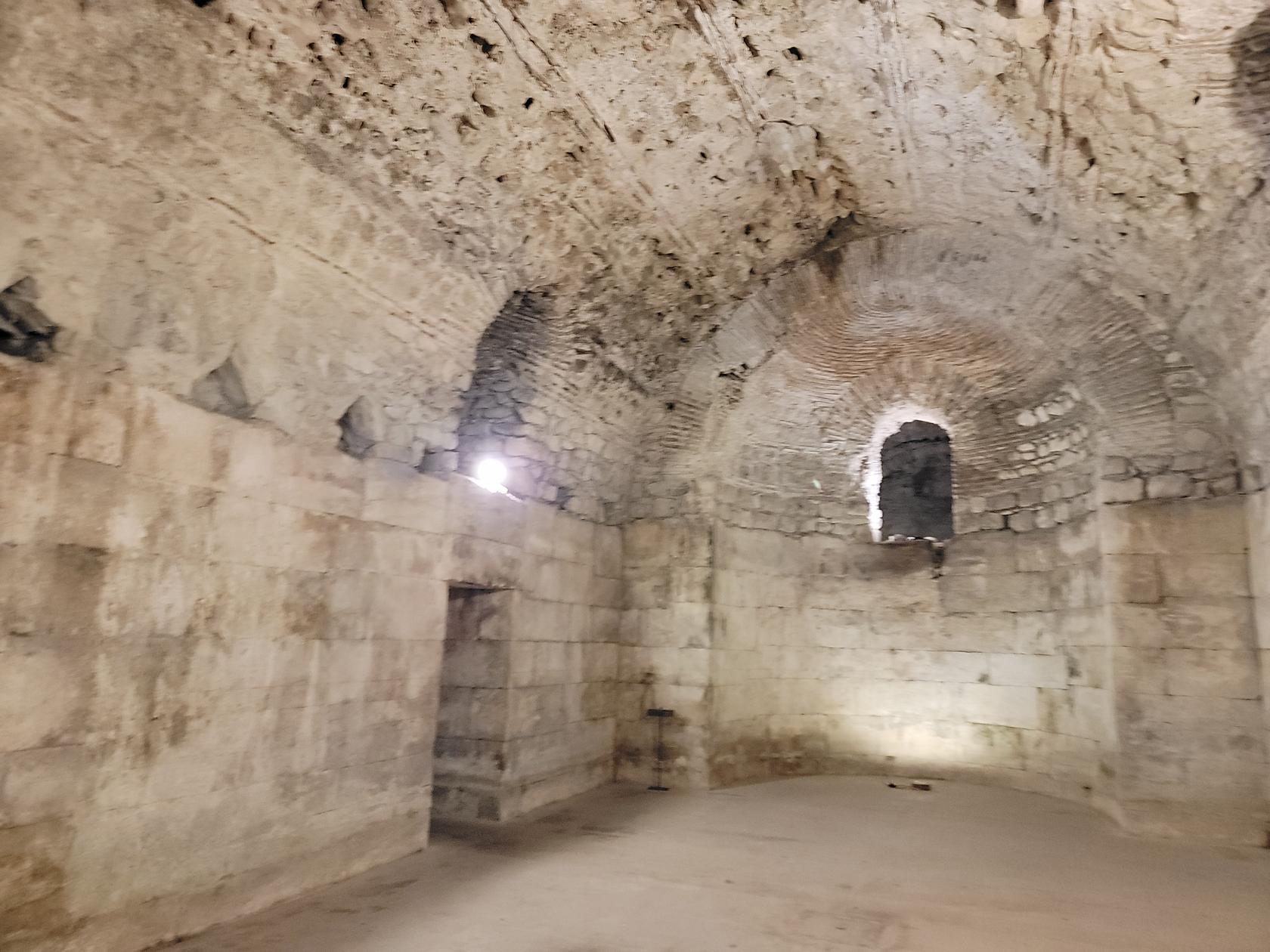
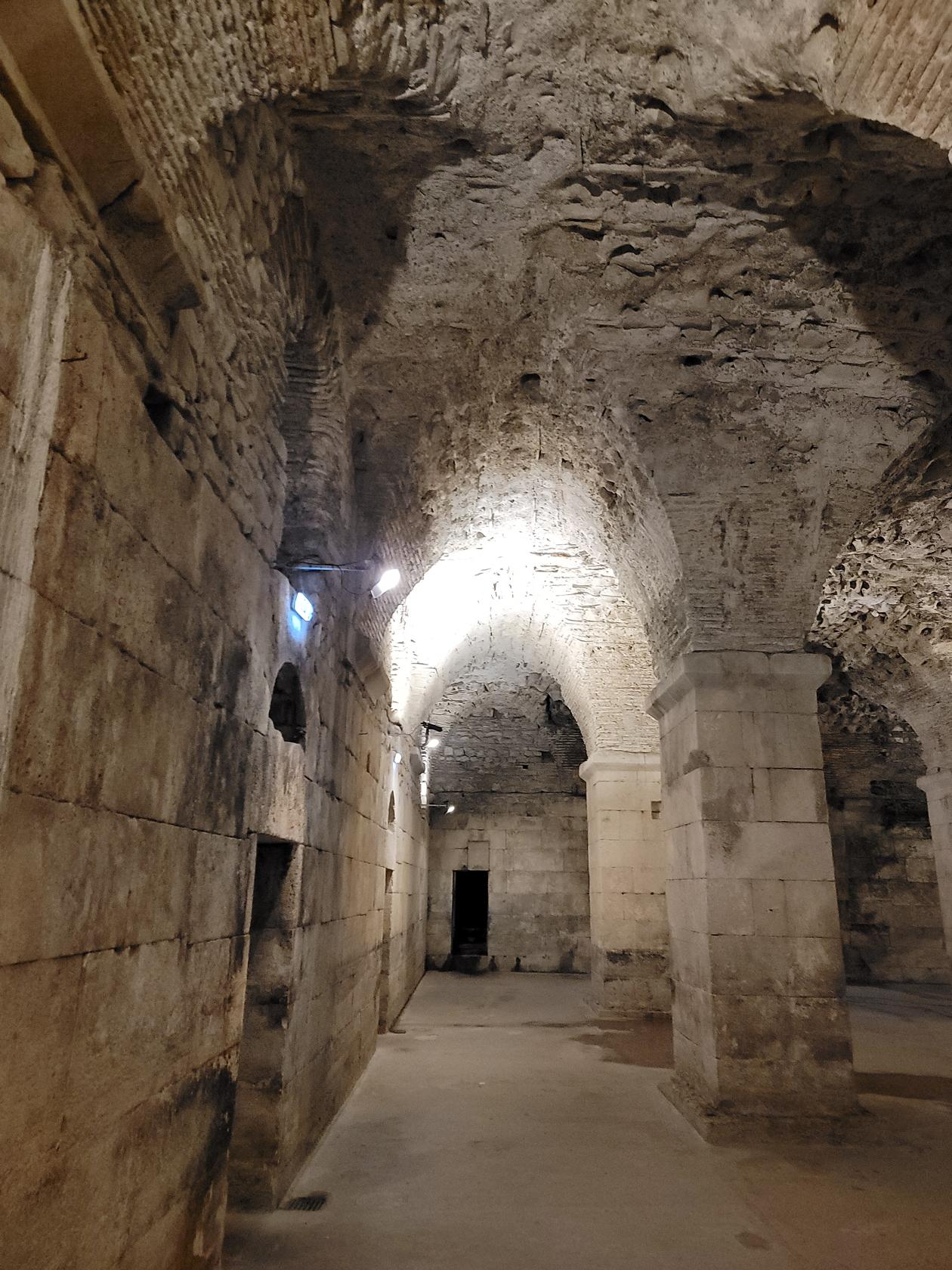
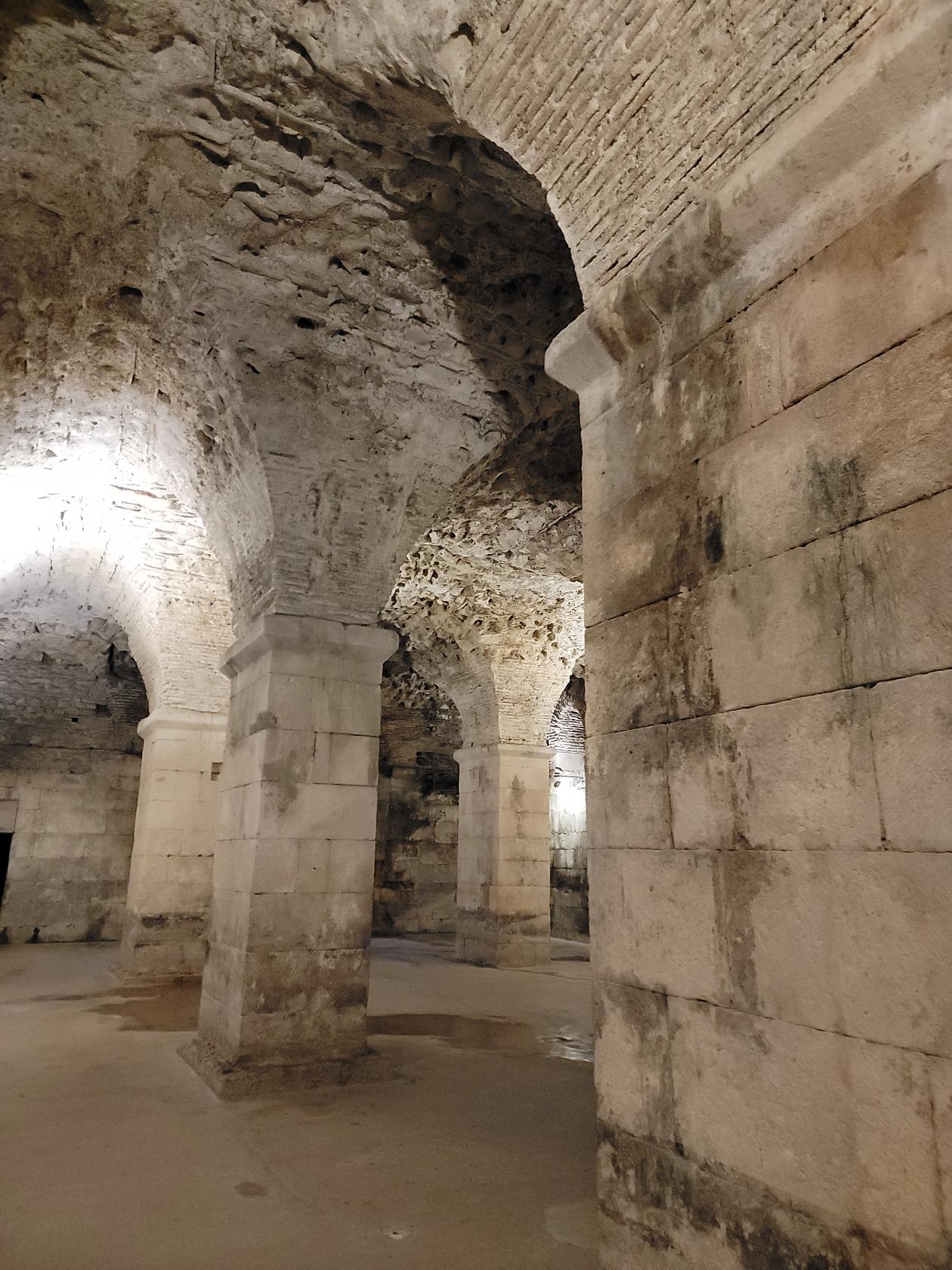
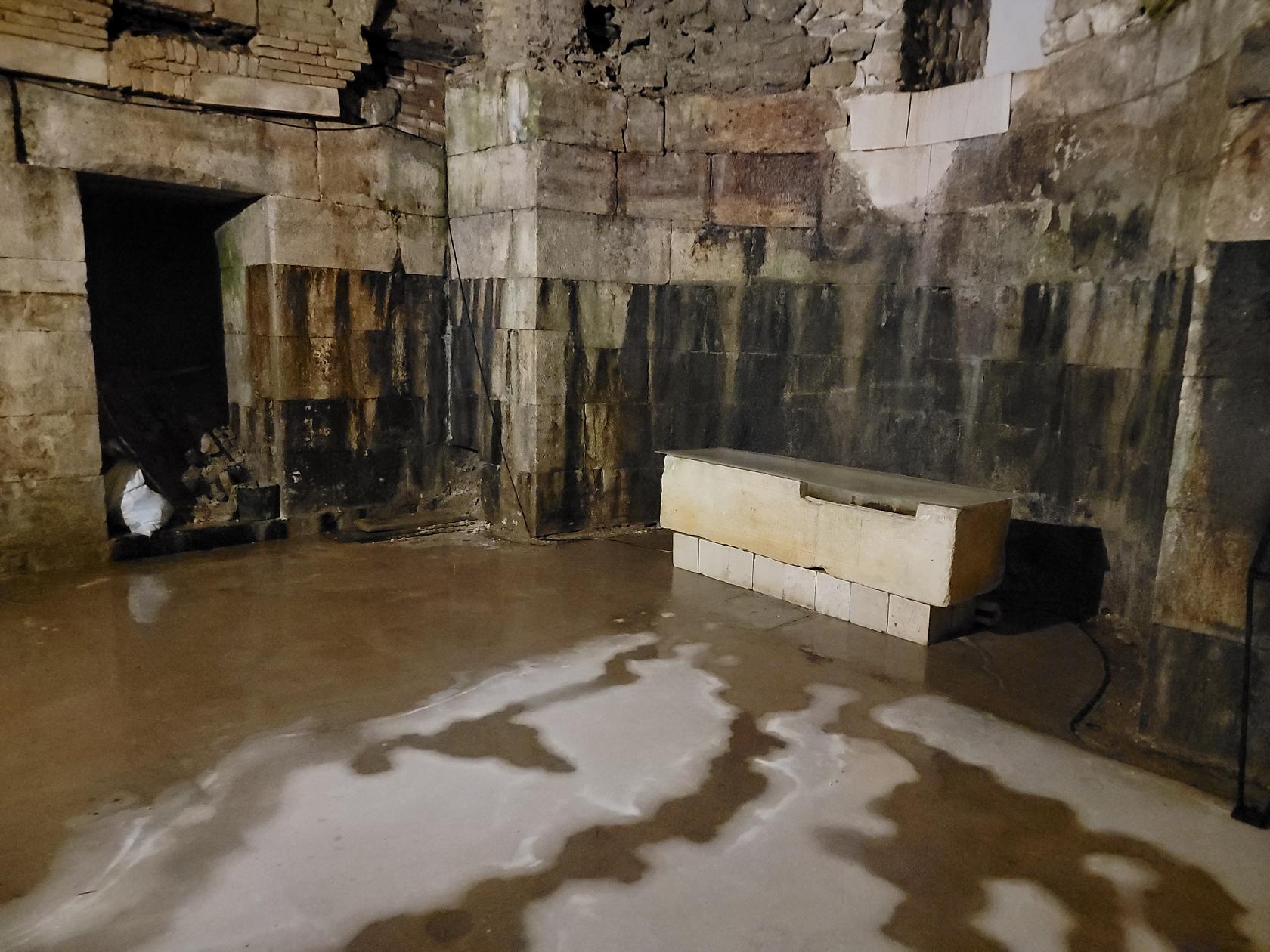
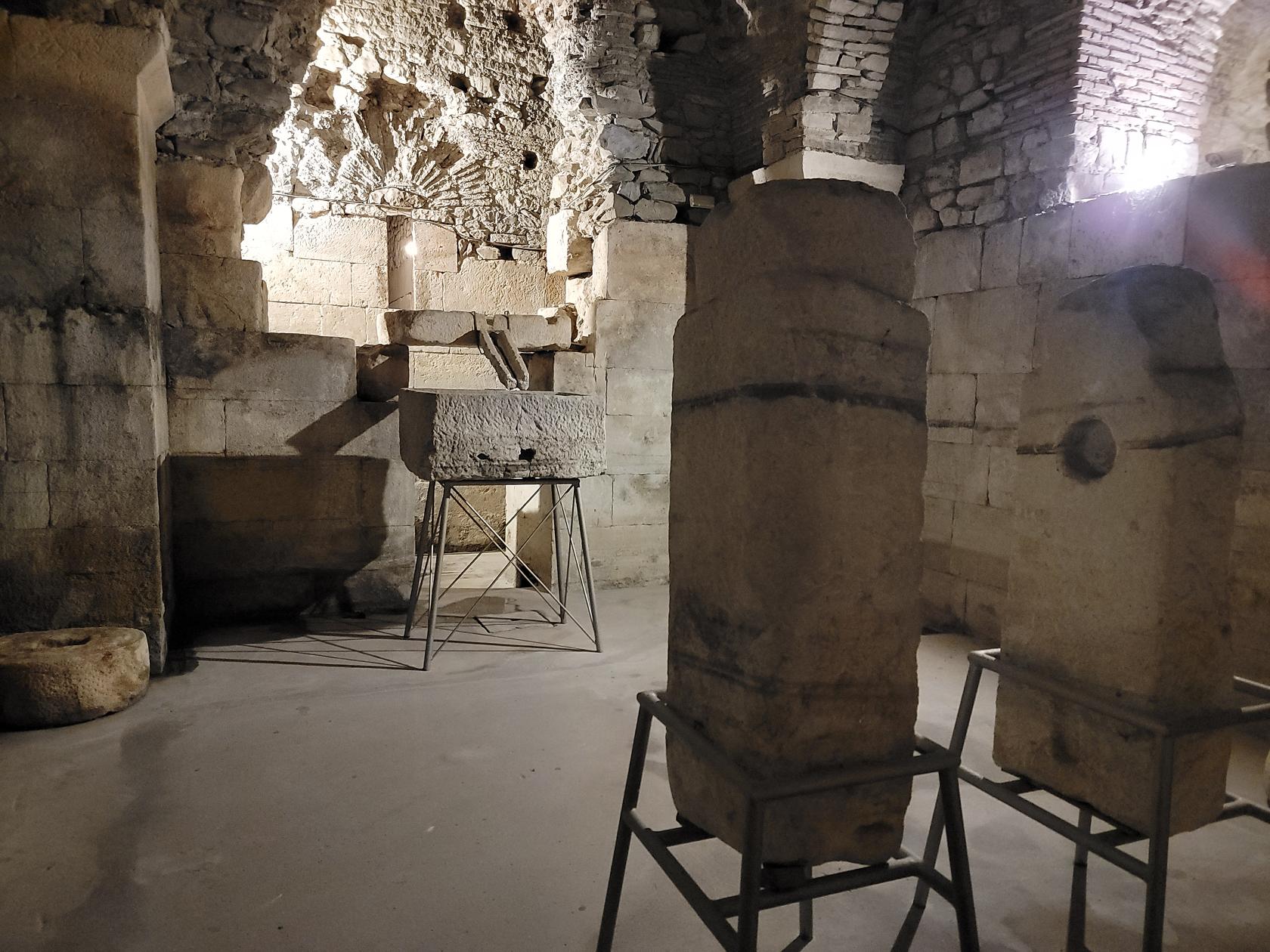
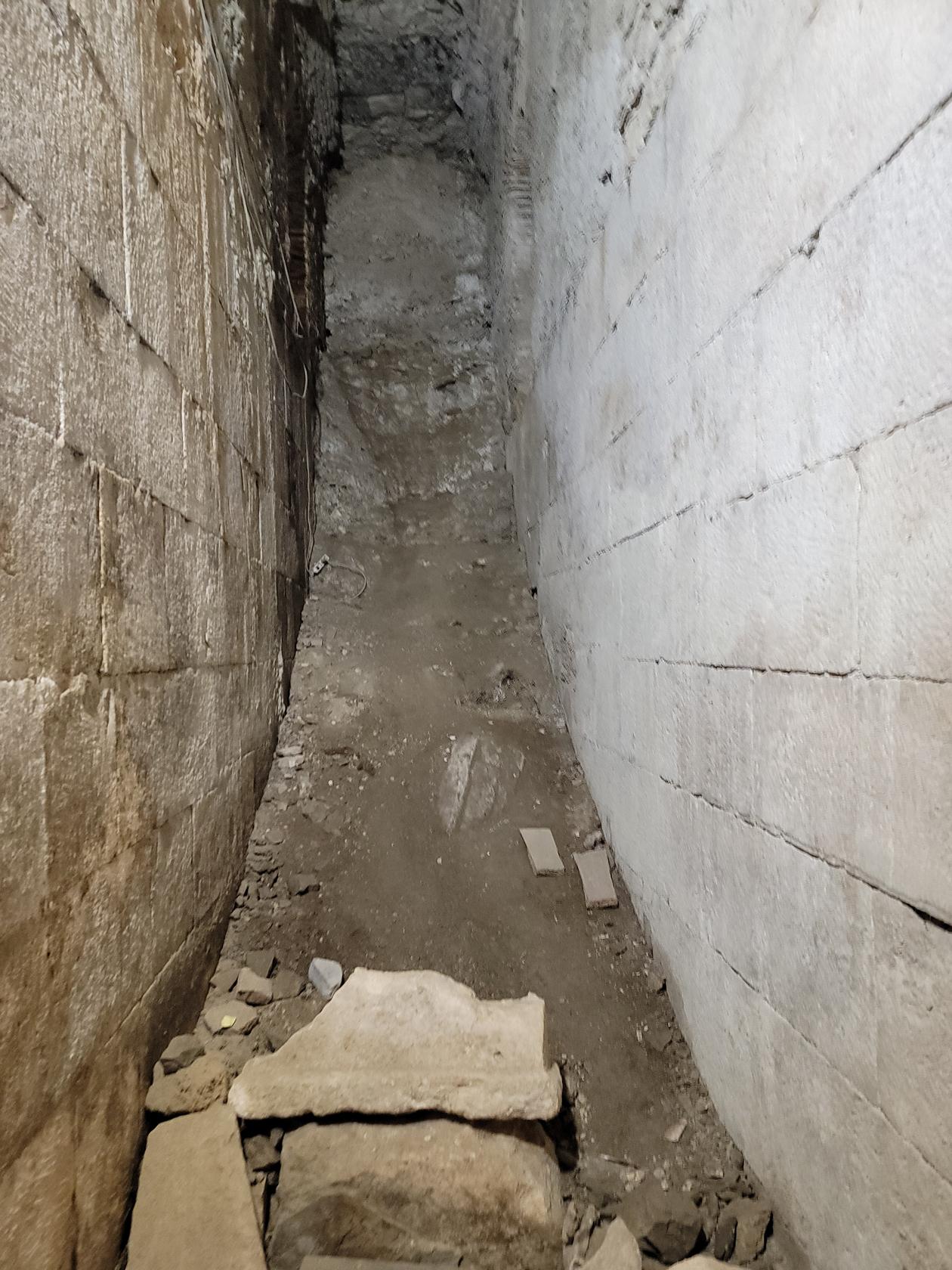
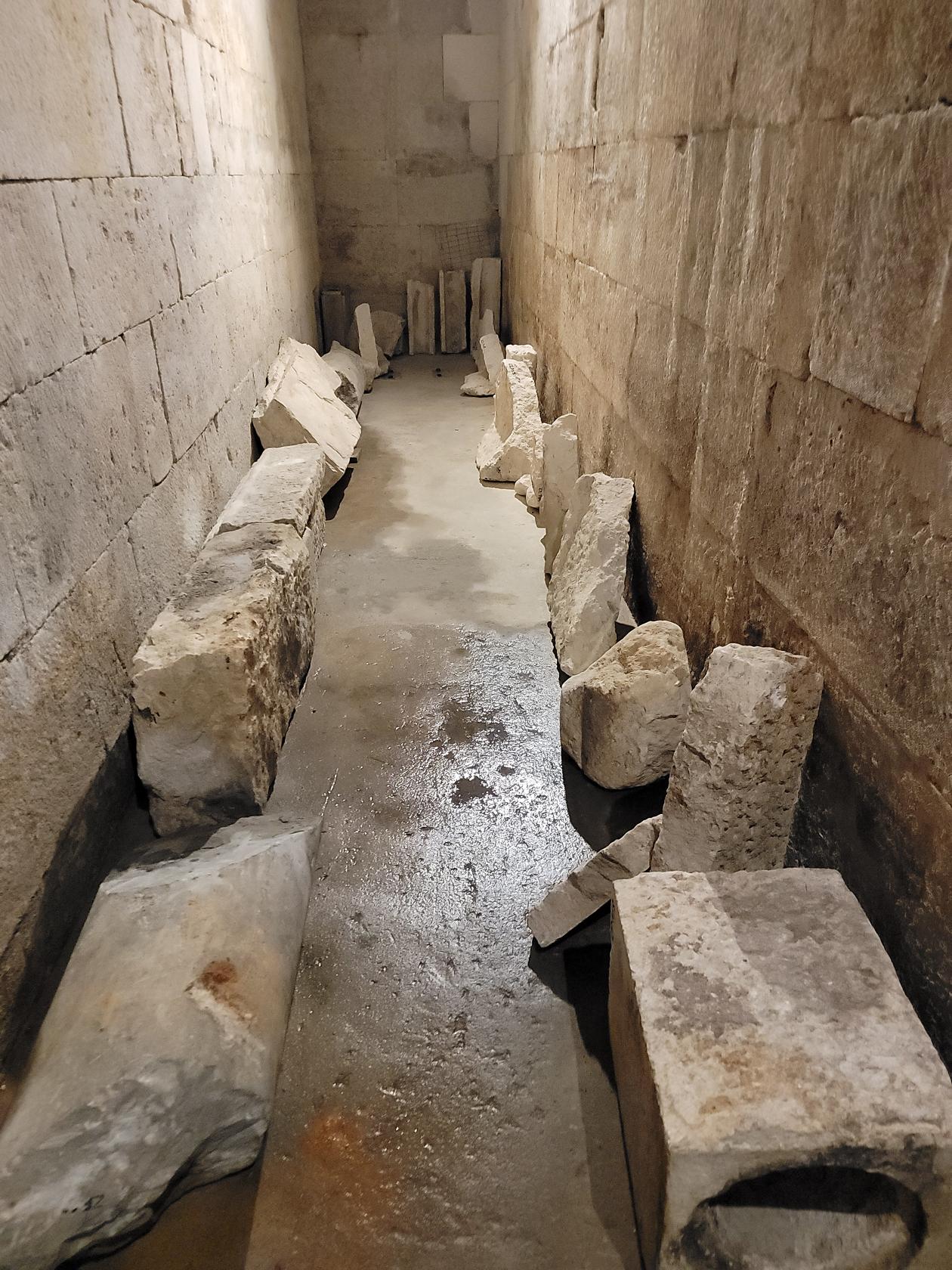
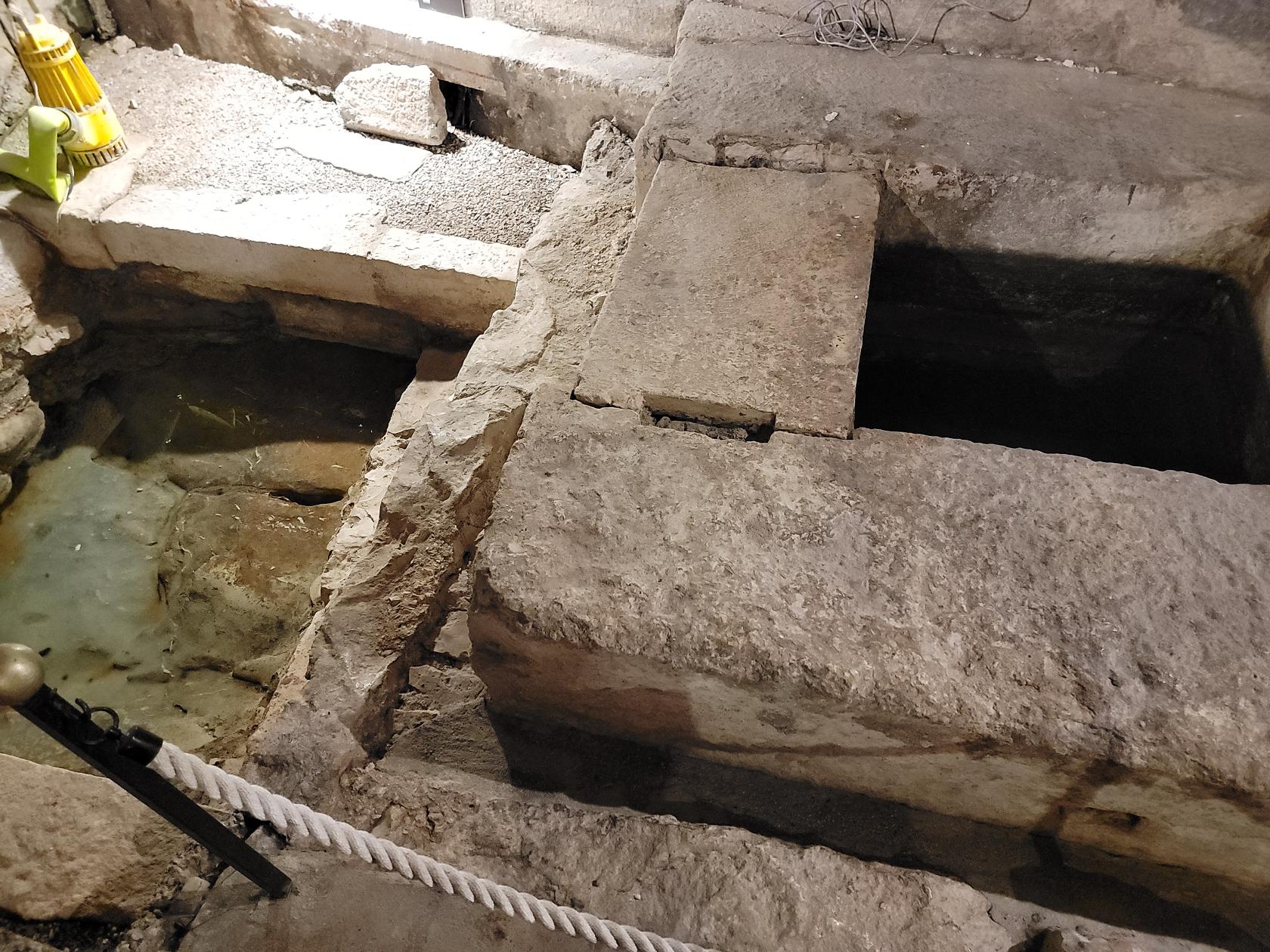
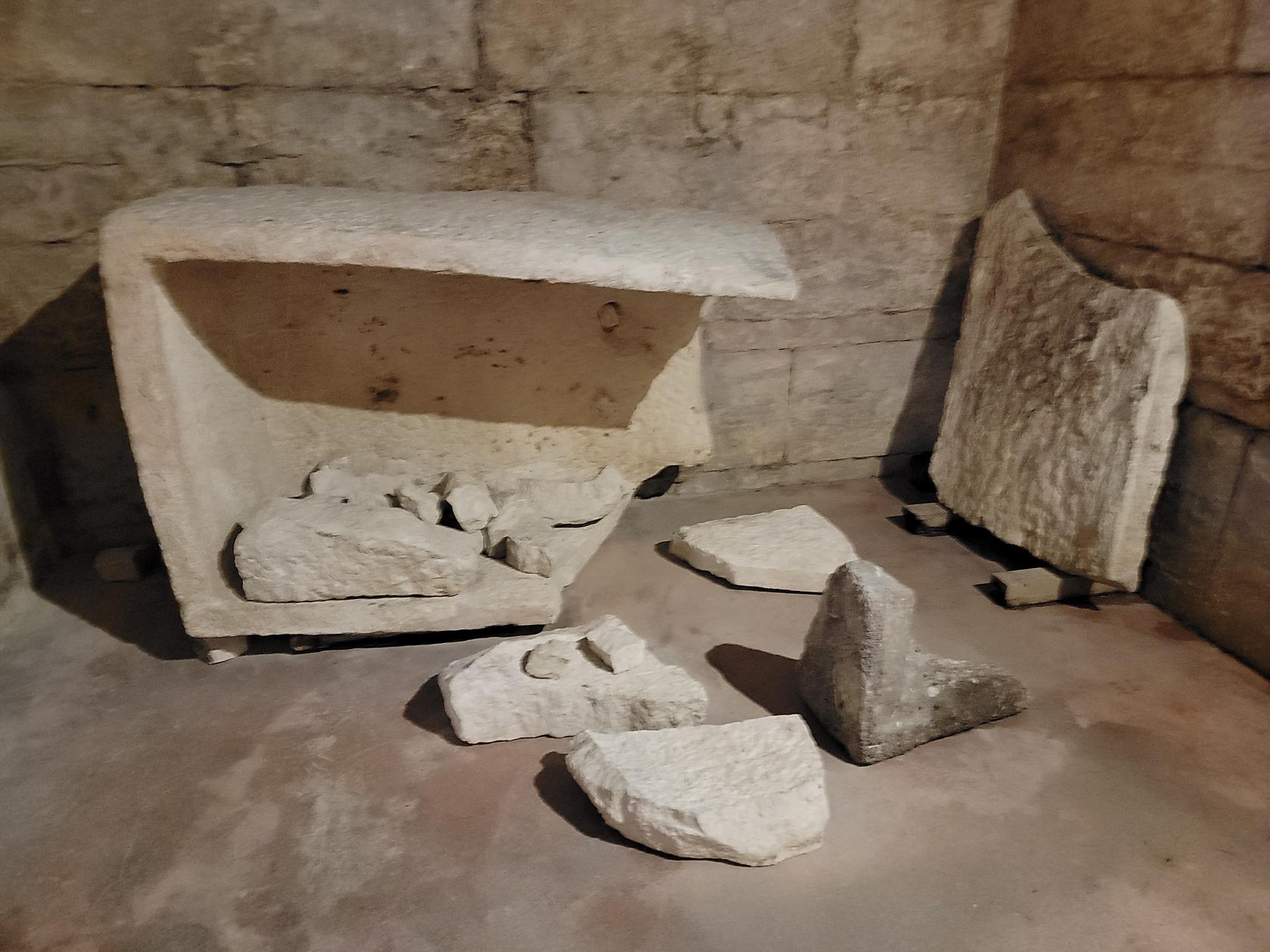
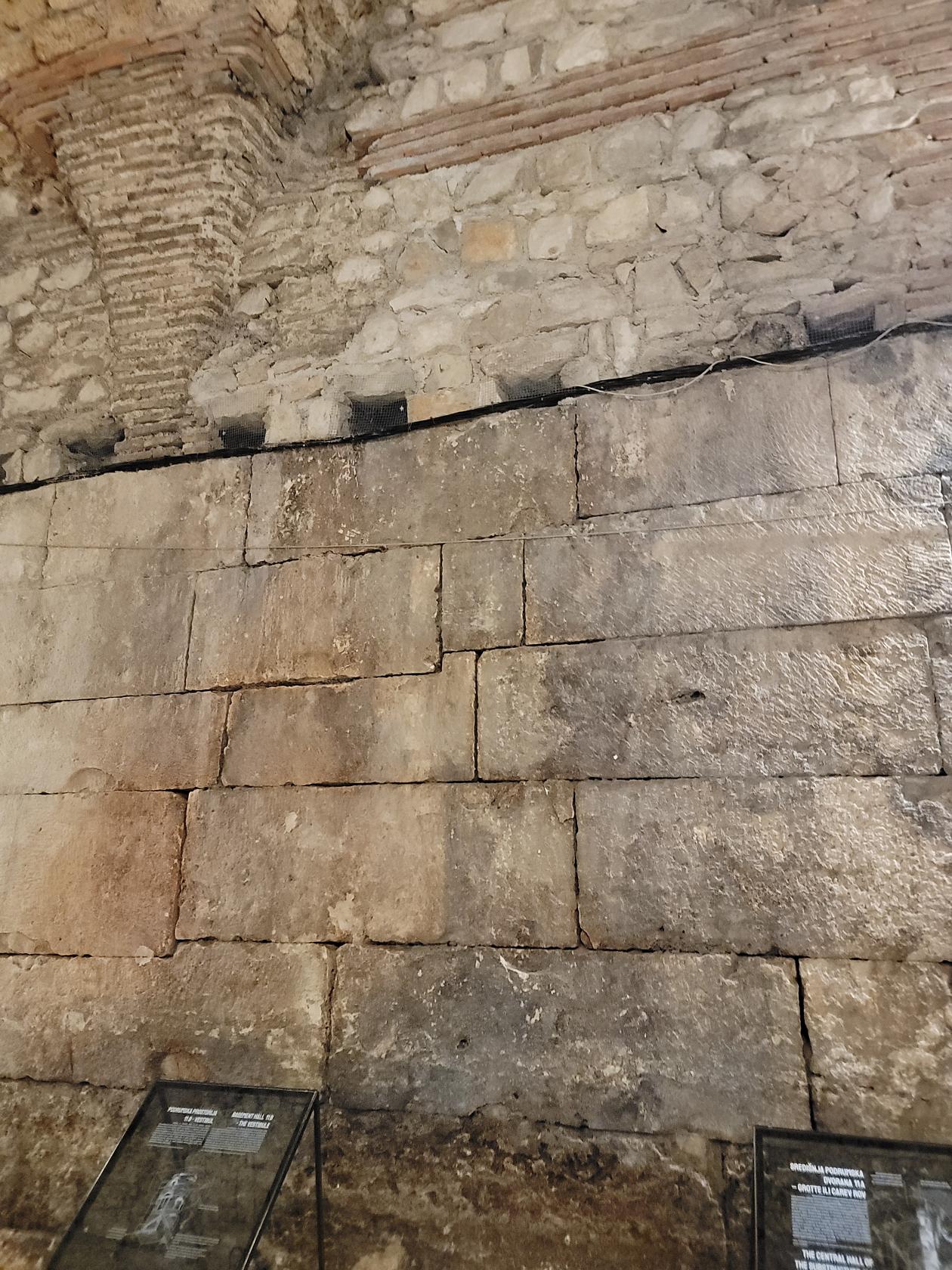
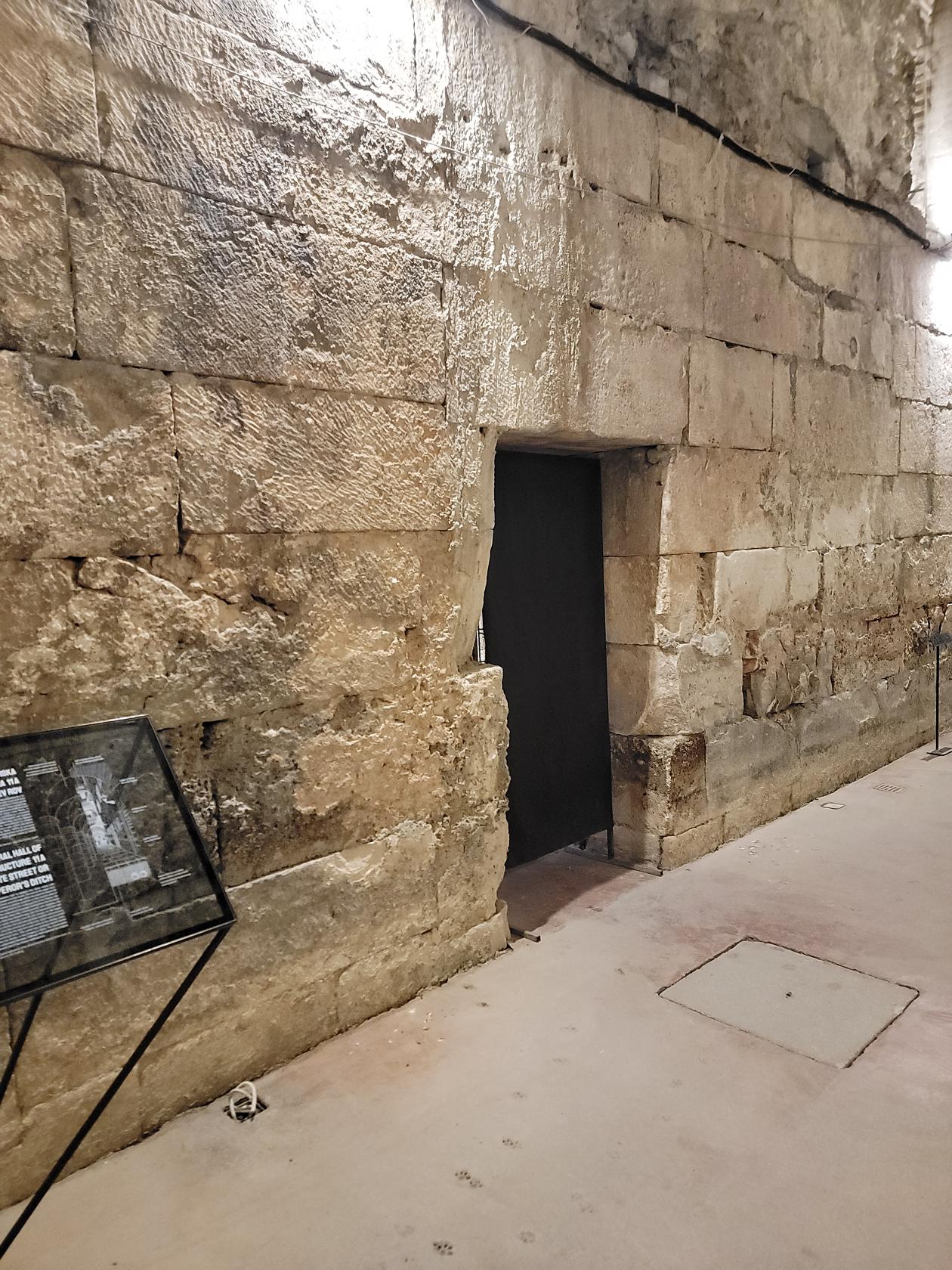
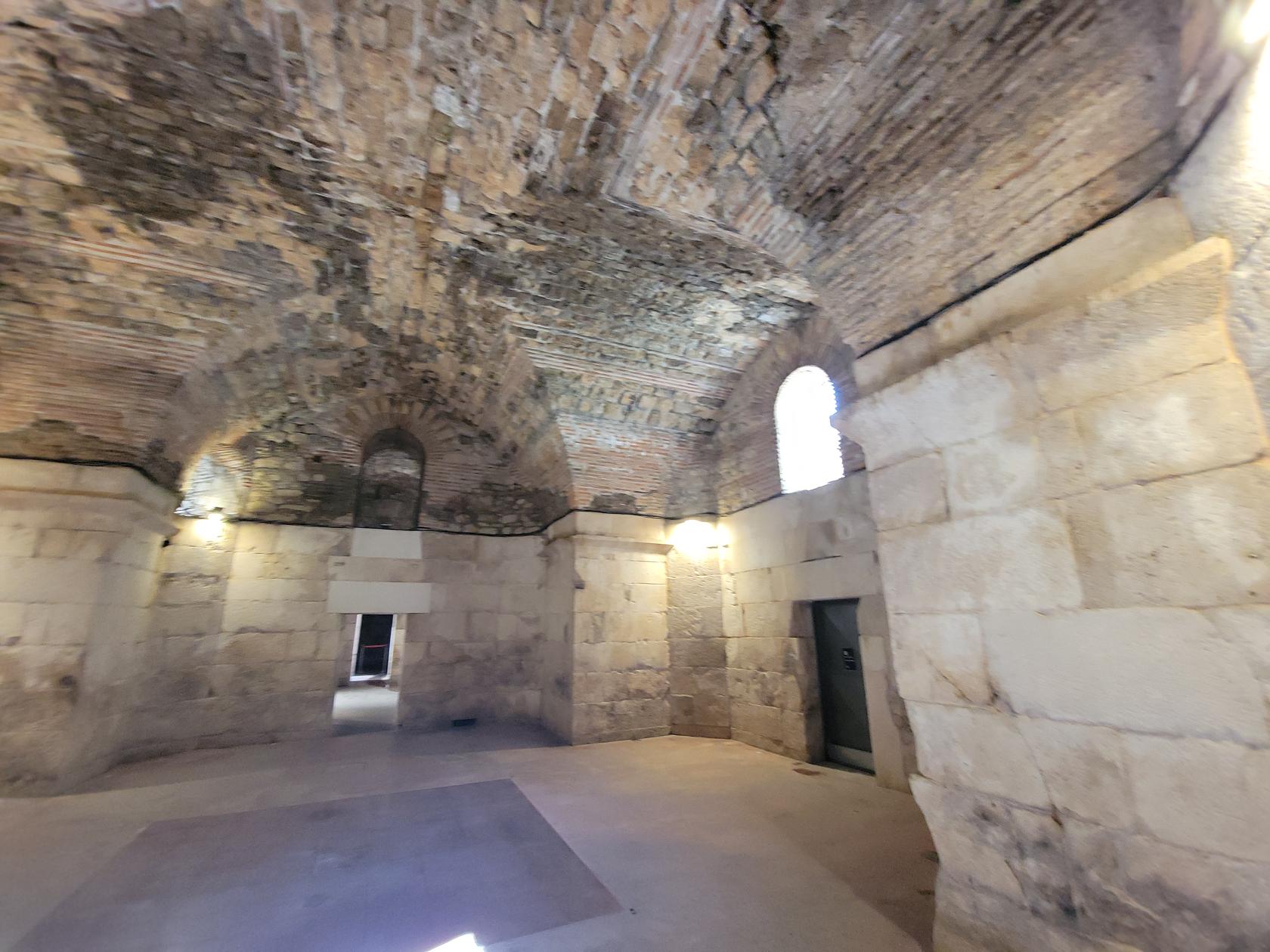
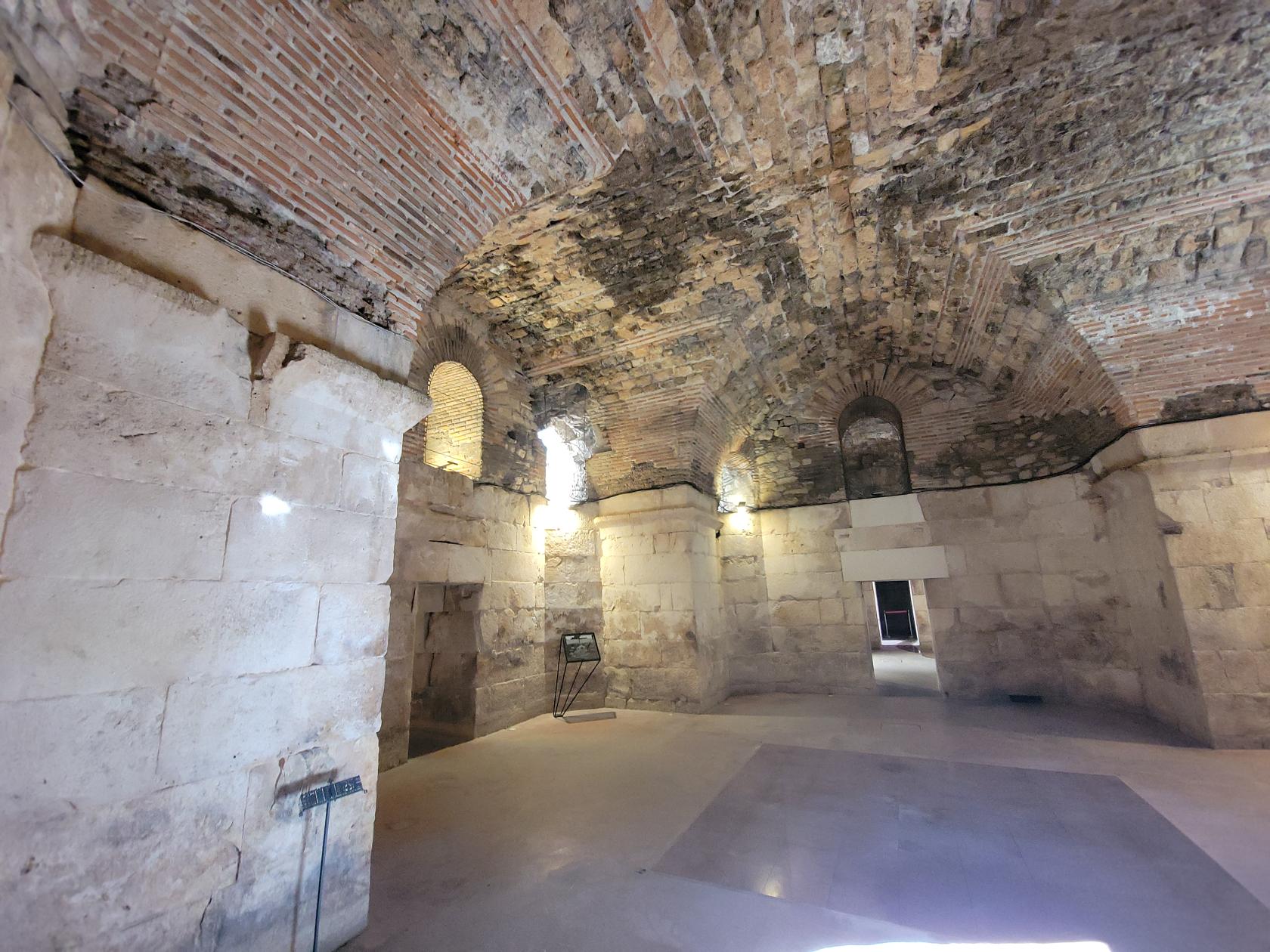
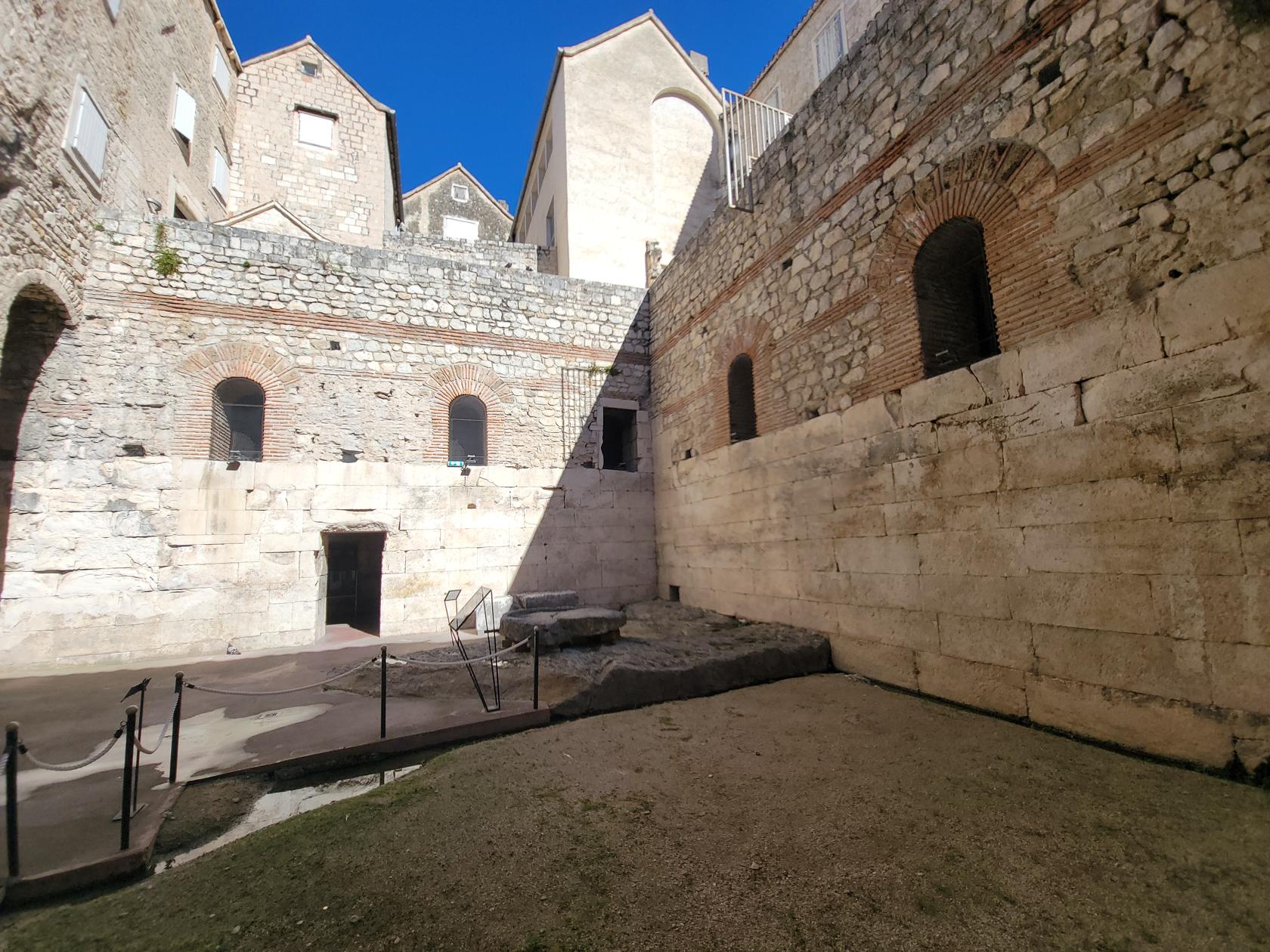
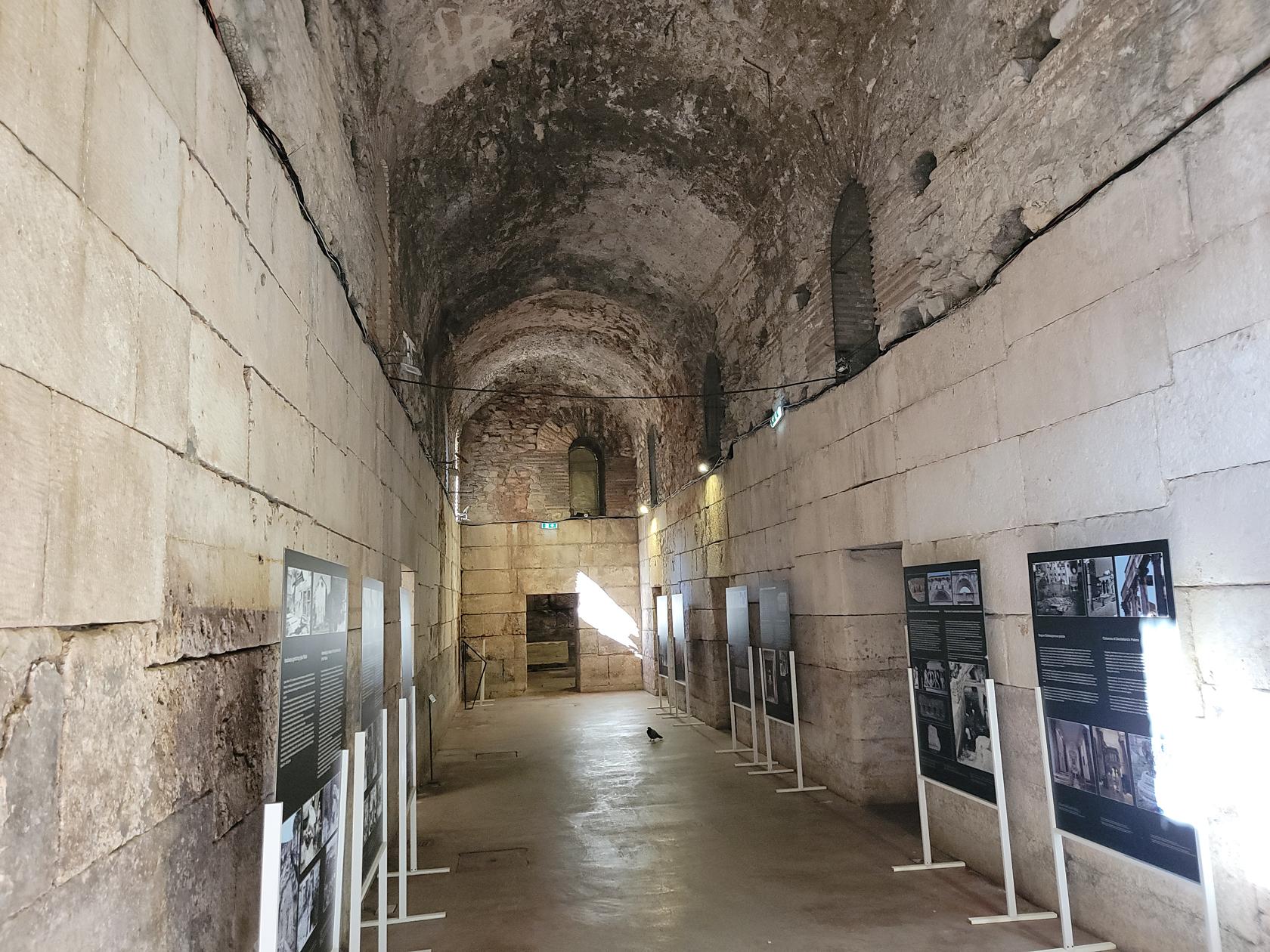
Some of the more interesting points of the complex are the cellars, where much of the work maintaining the palace was performed.  These consist of a free part that provides access to the palace via the Brass Gate.

There is a more extensive part of the cellars that can be seen for a nominal cost.

The Temple Of Jupiter

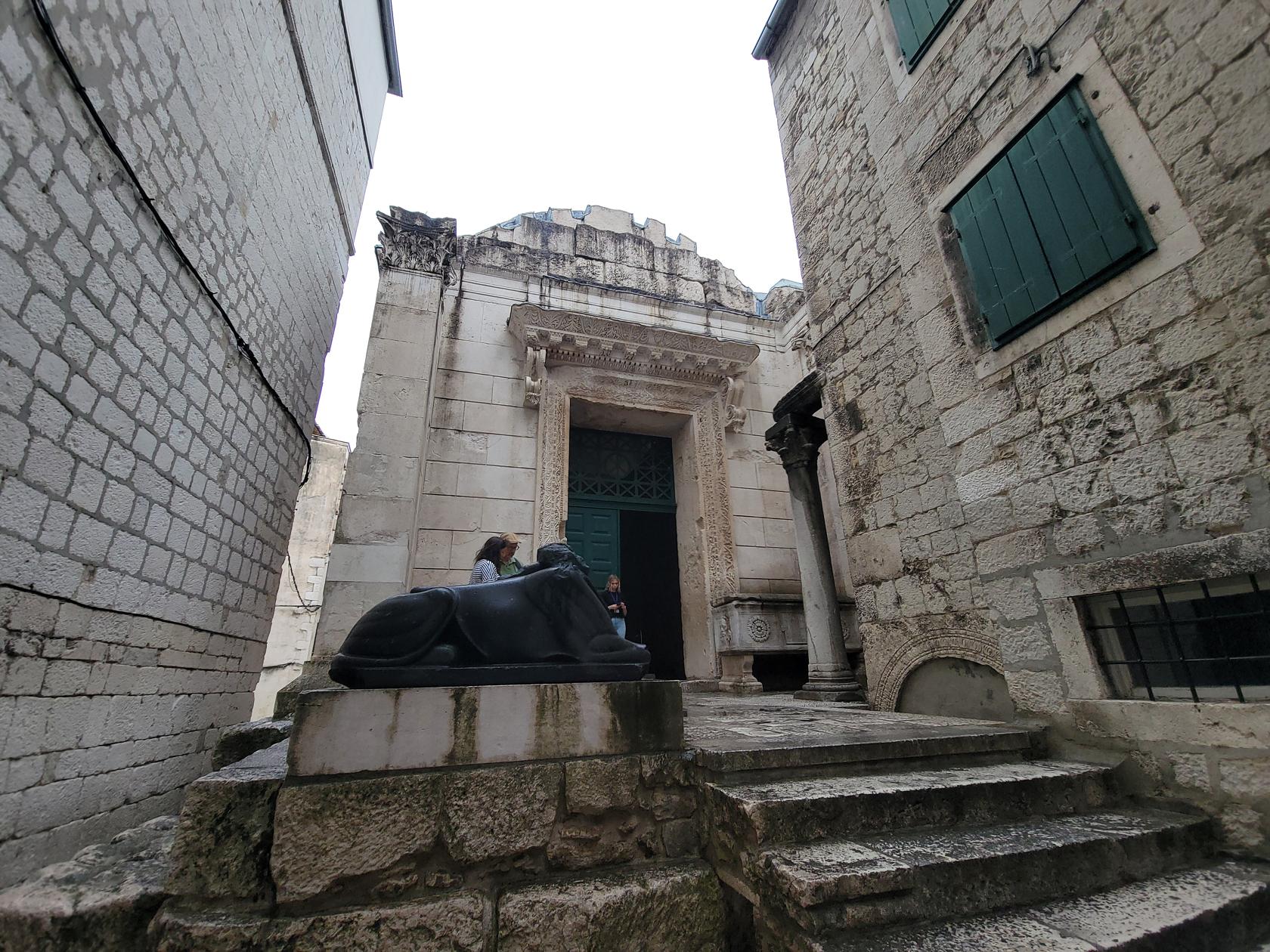
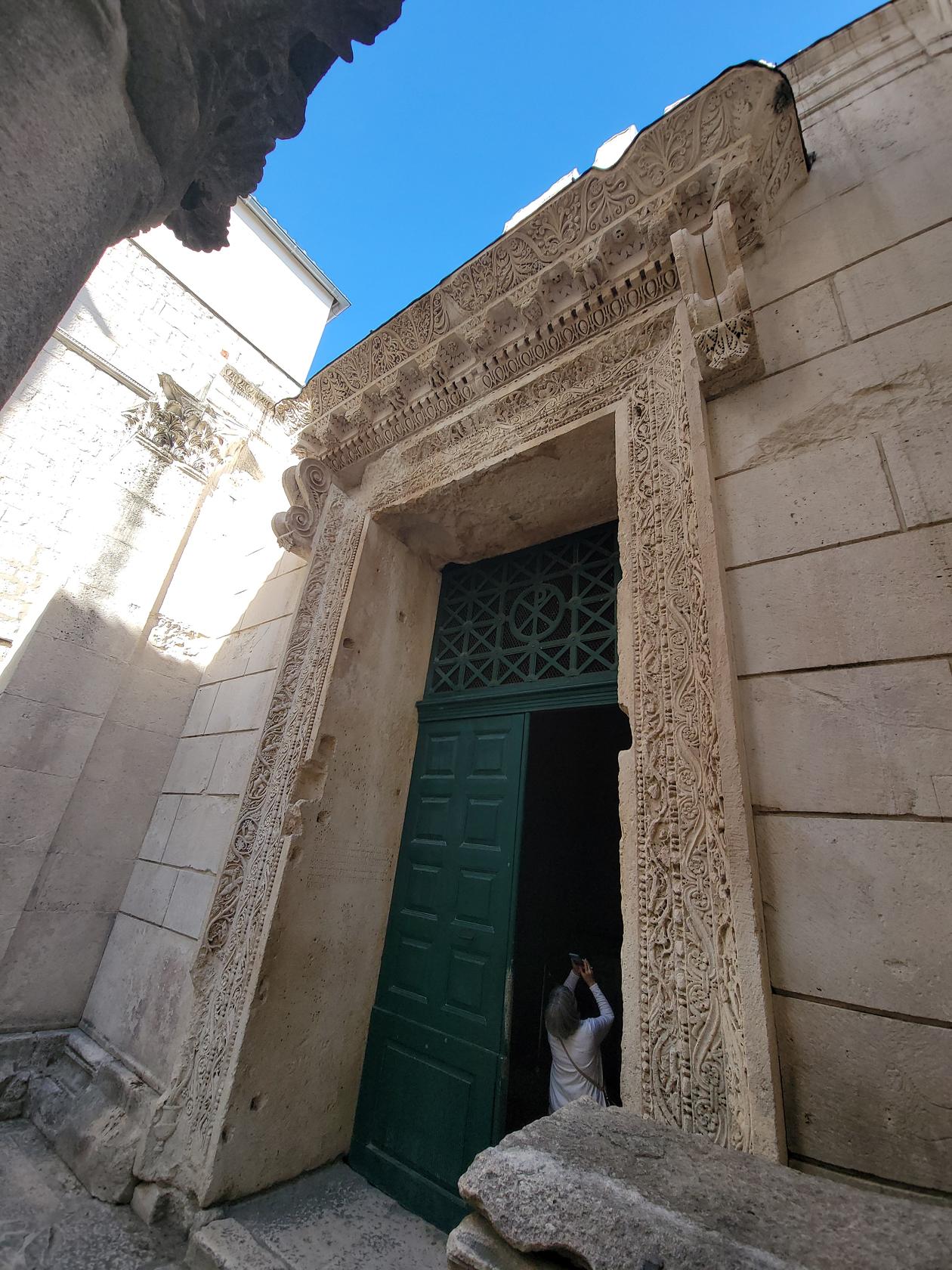
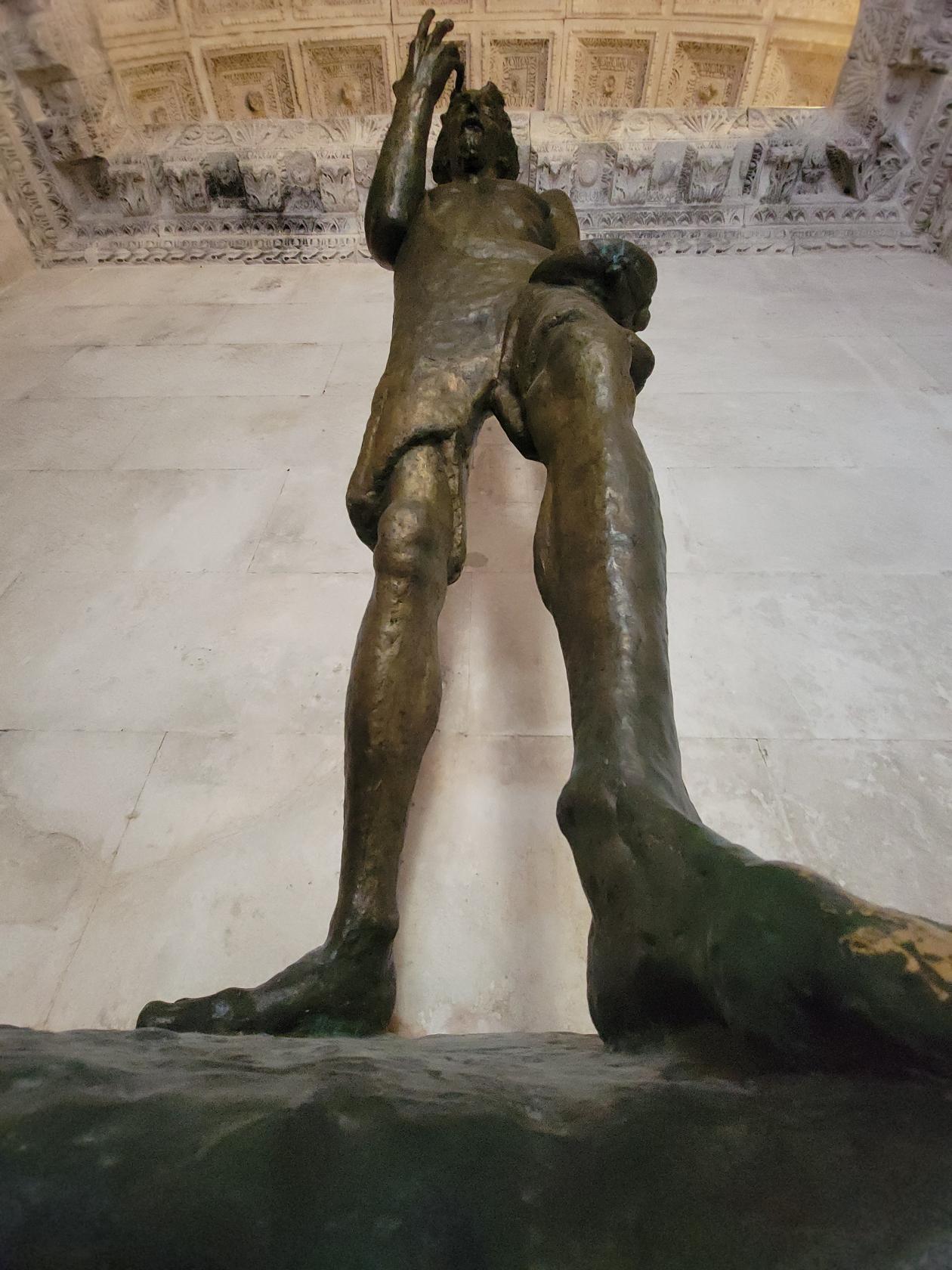
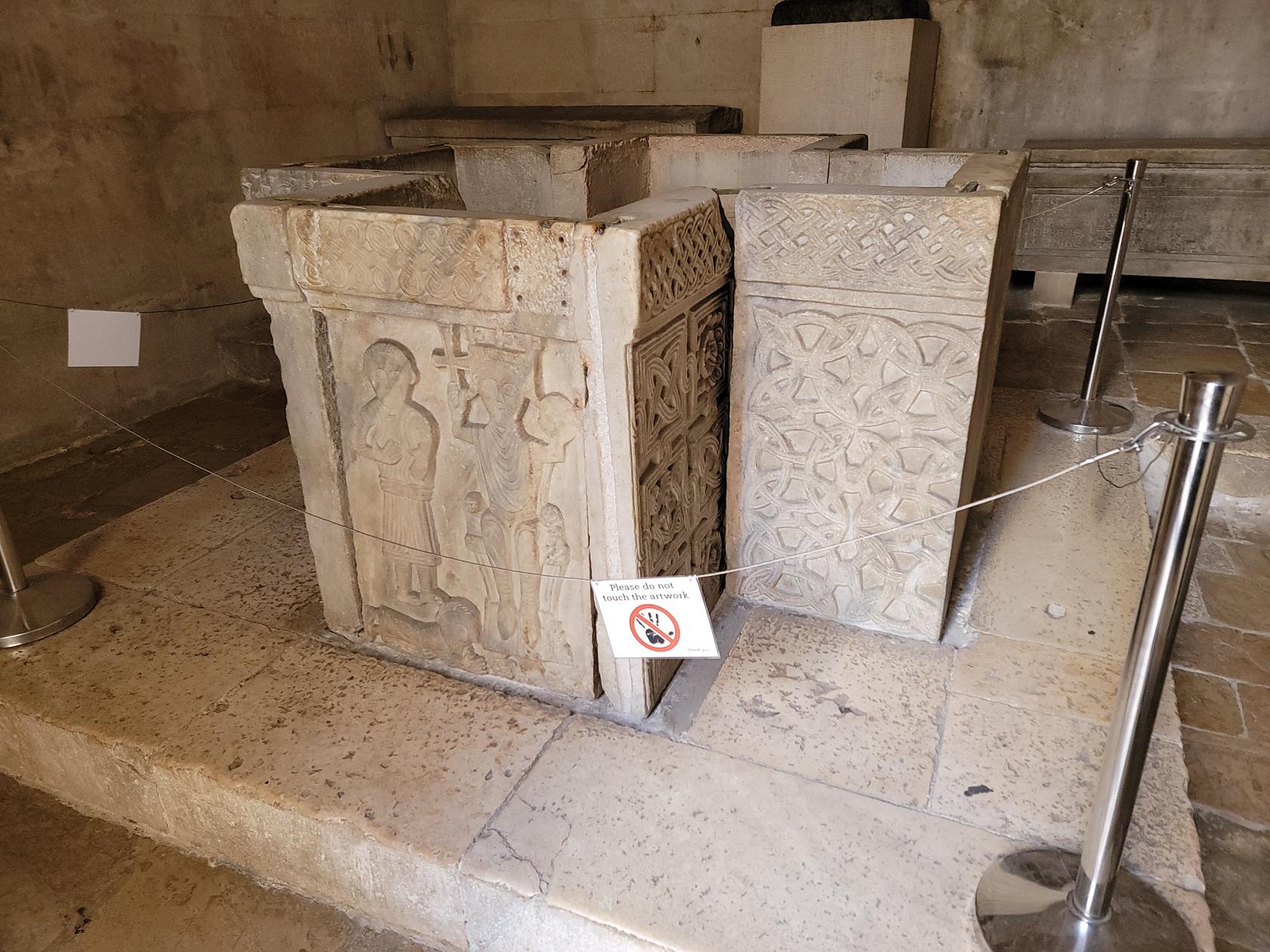
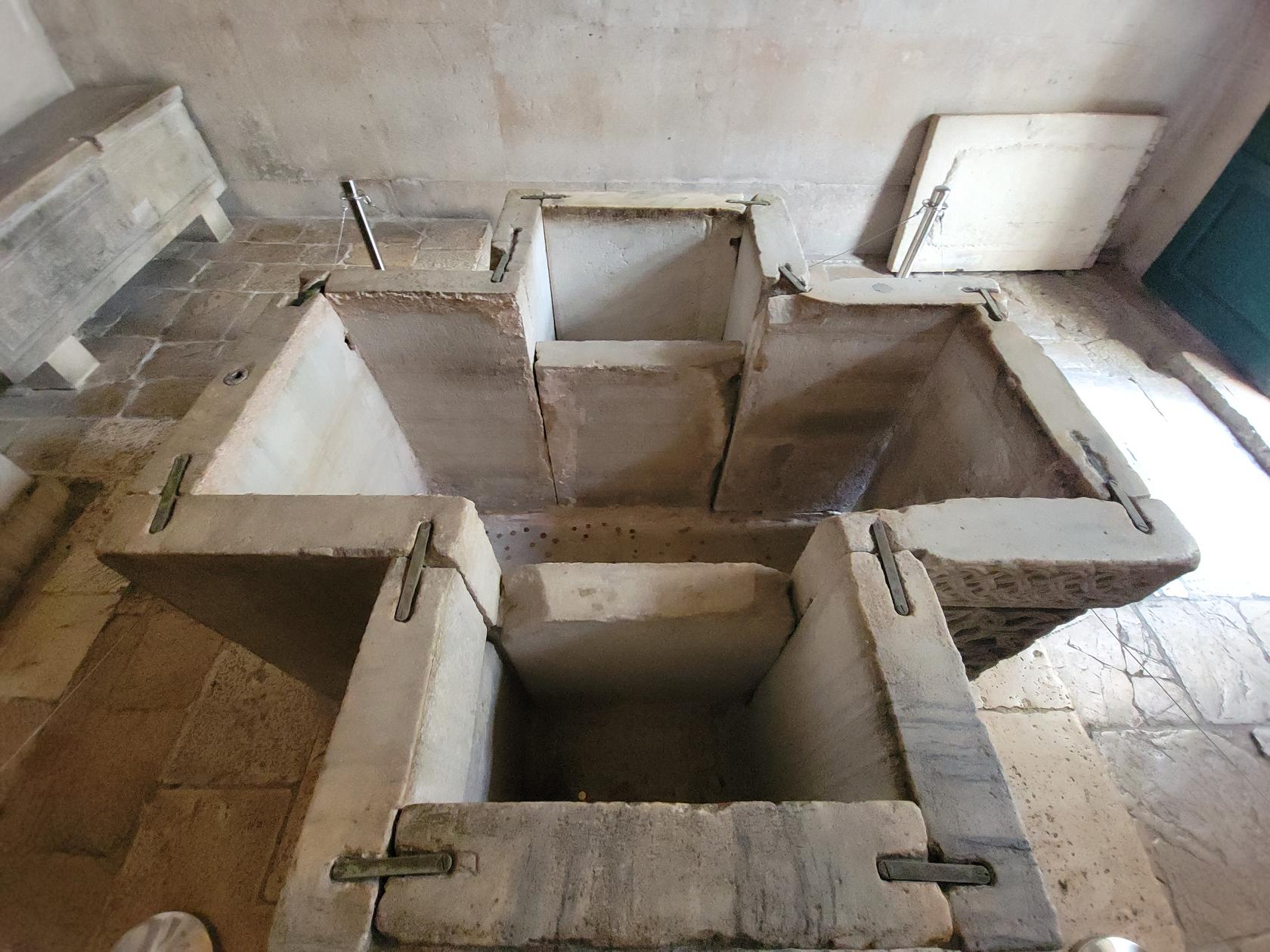
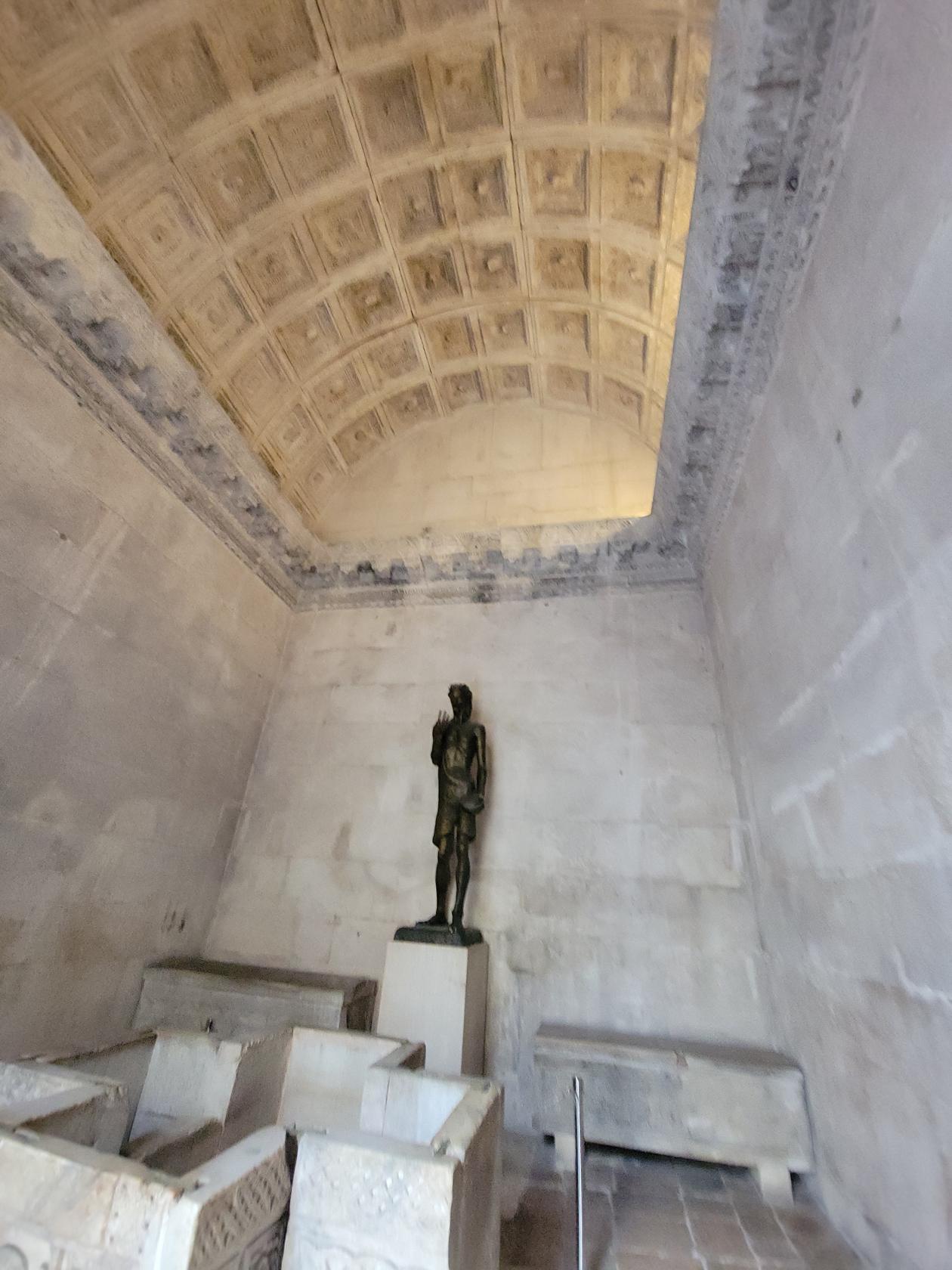
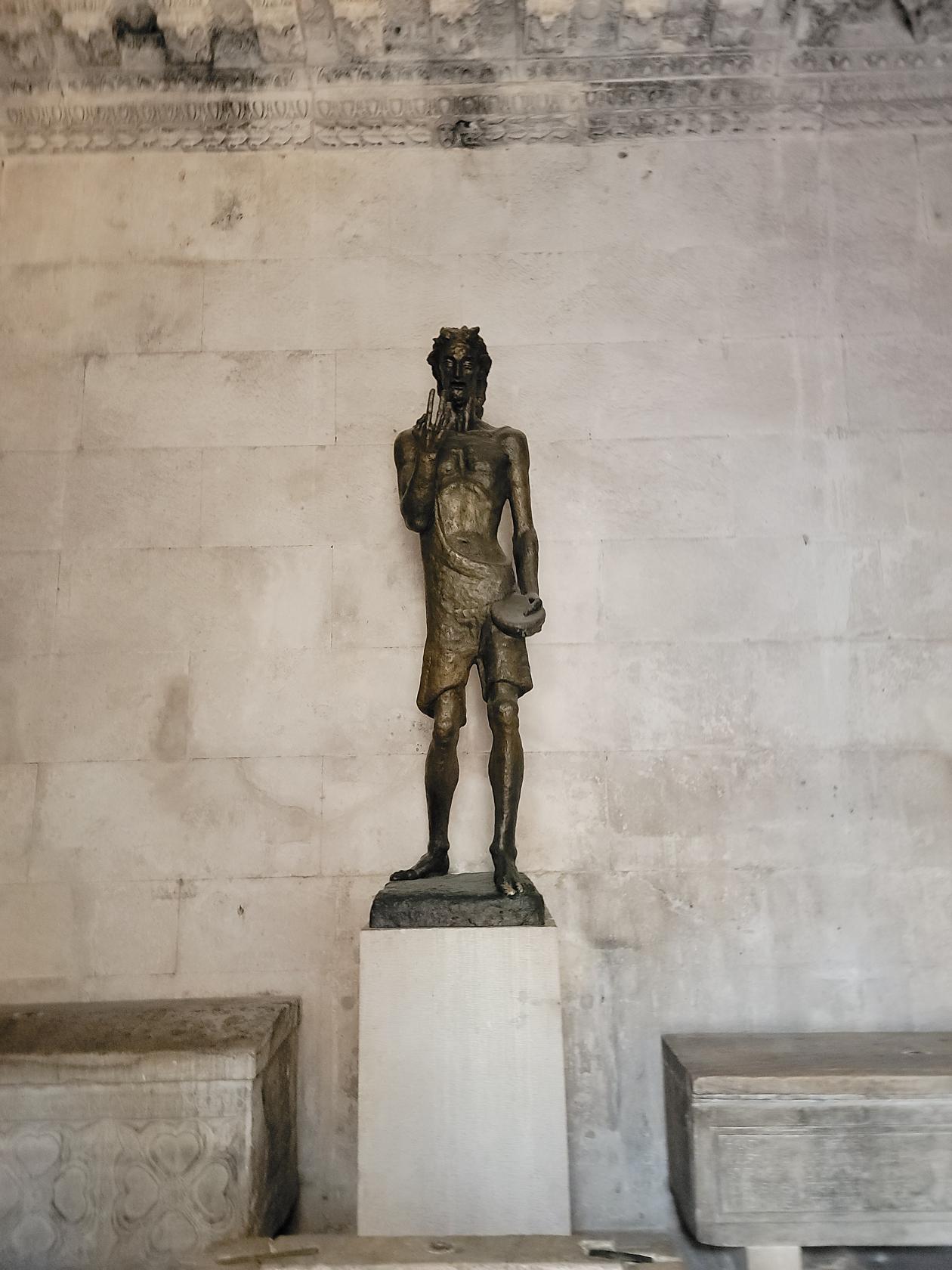
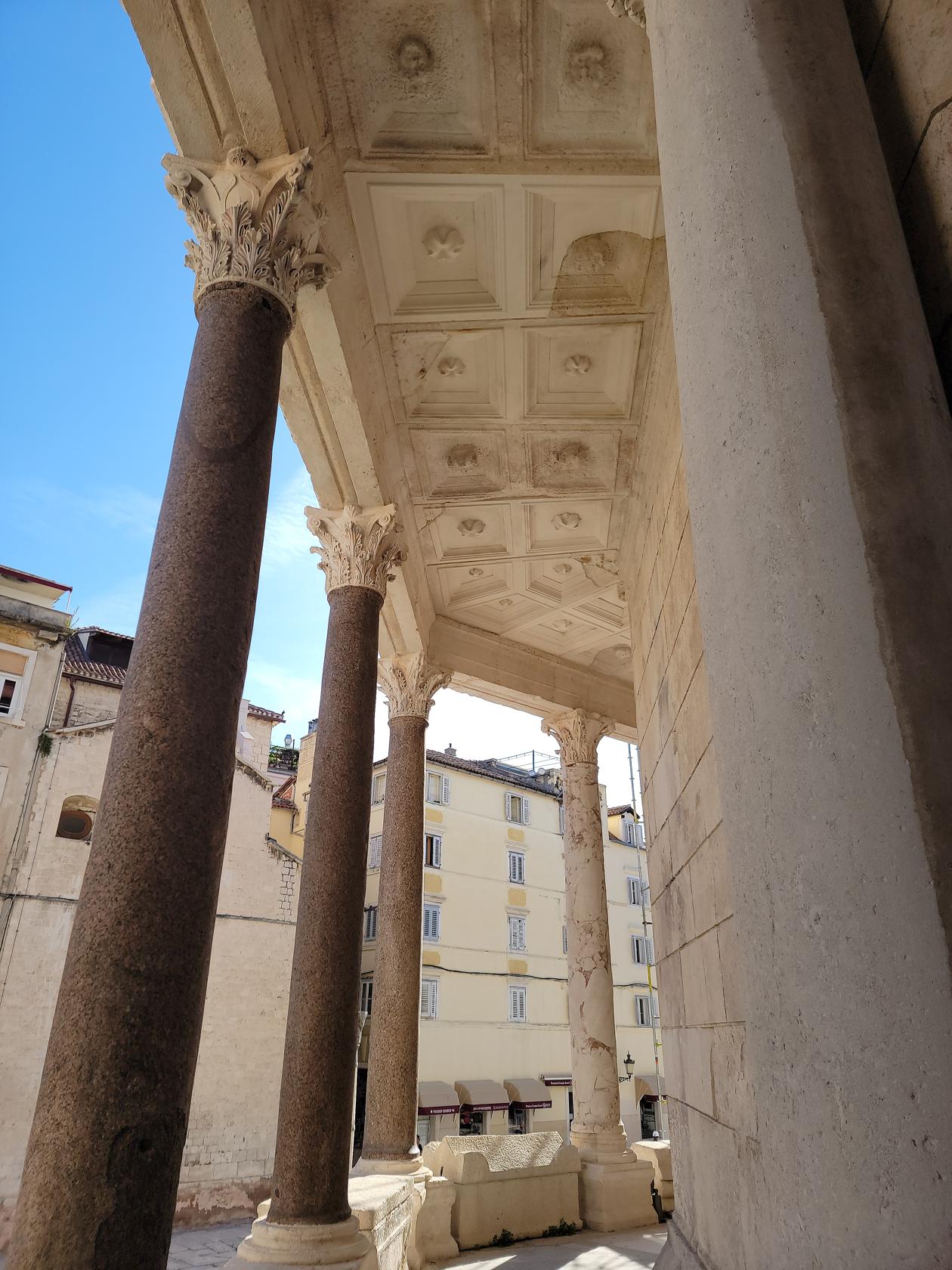
The Temple of Jupiter is in line with Saint Domnius Cathedral and its Tower, but on the other side of the Peristil. It is rather small and contains a statue of Jupiter, along with other objects on note. There is also what appears to be a font in the center of the room.

The Vestibule

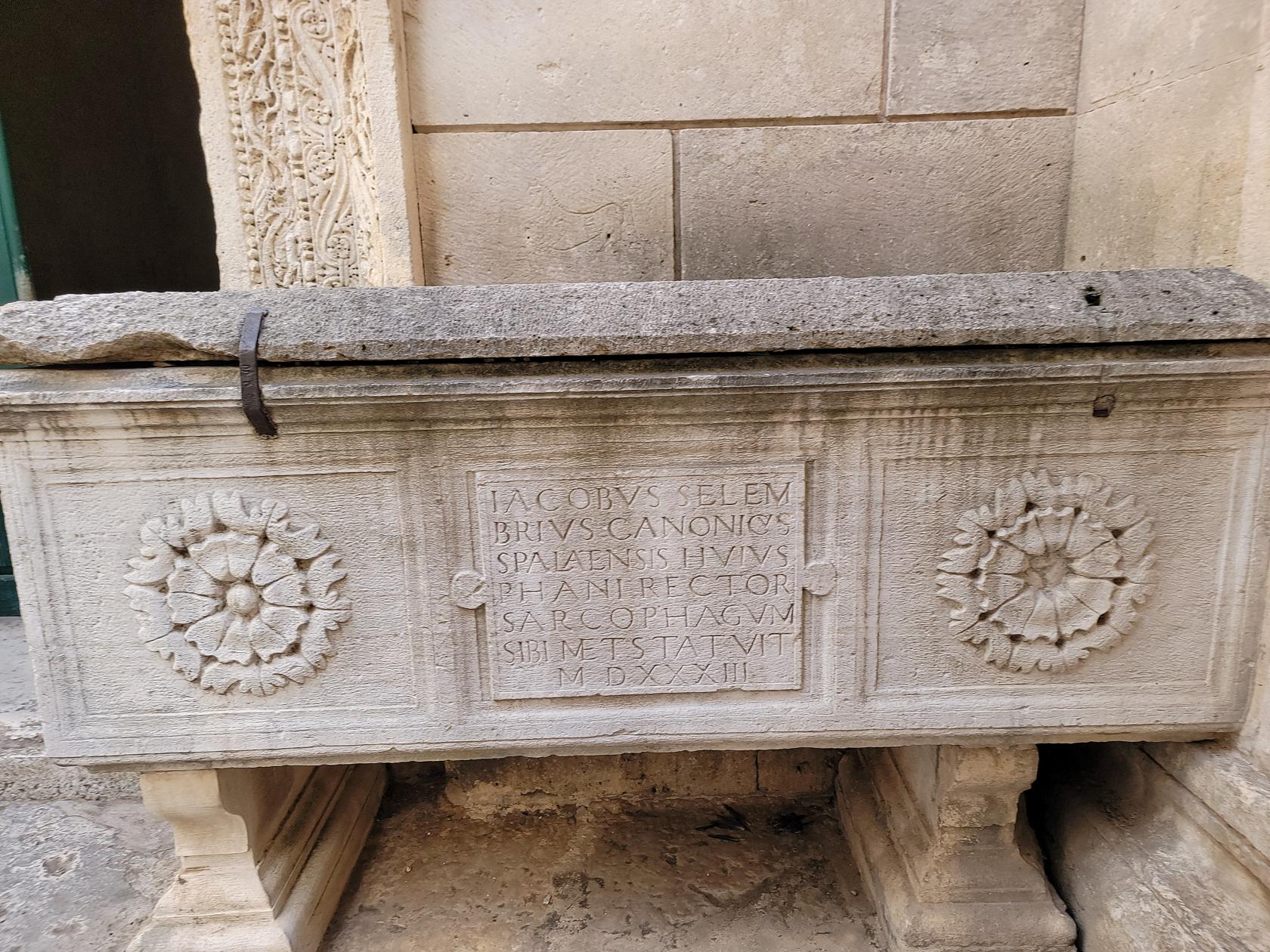
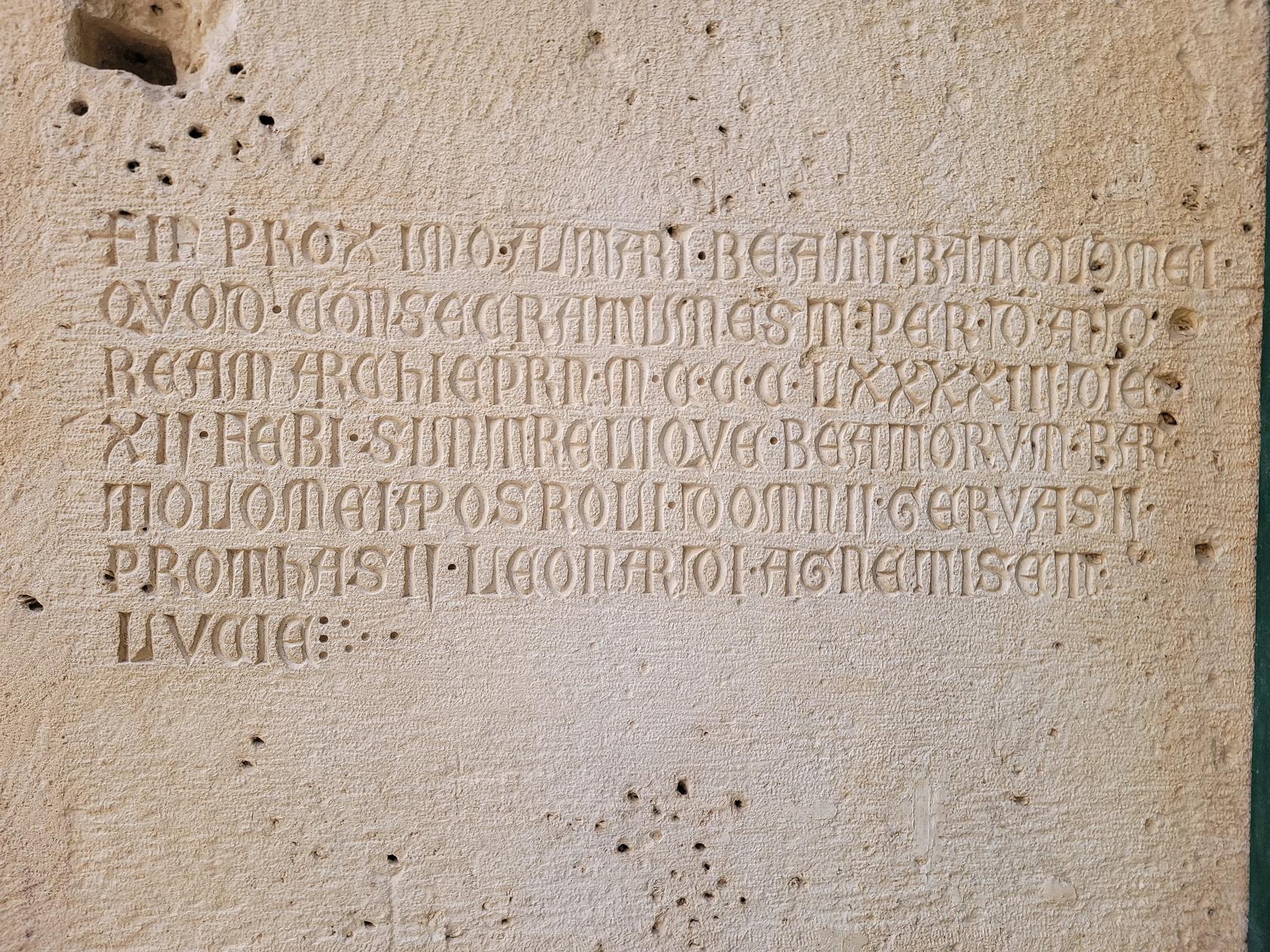
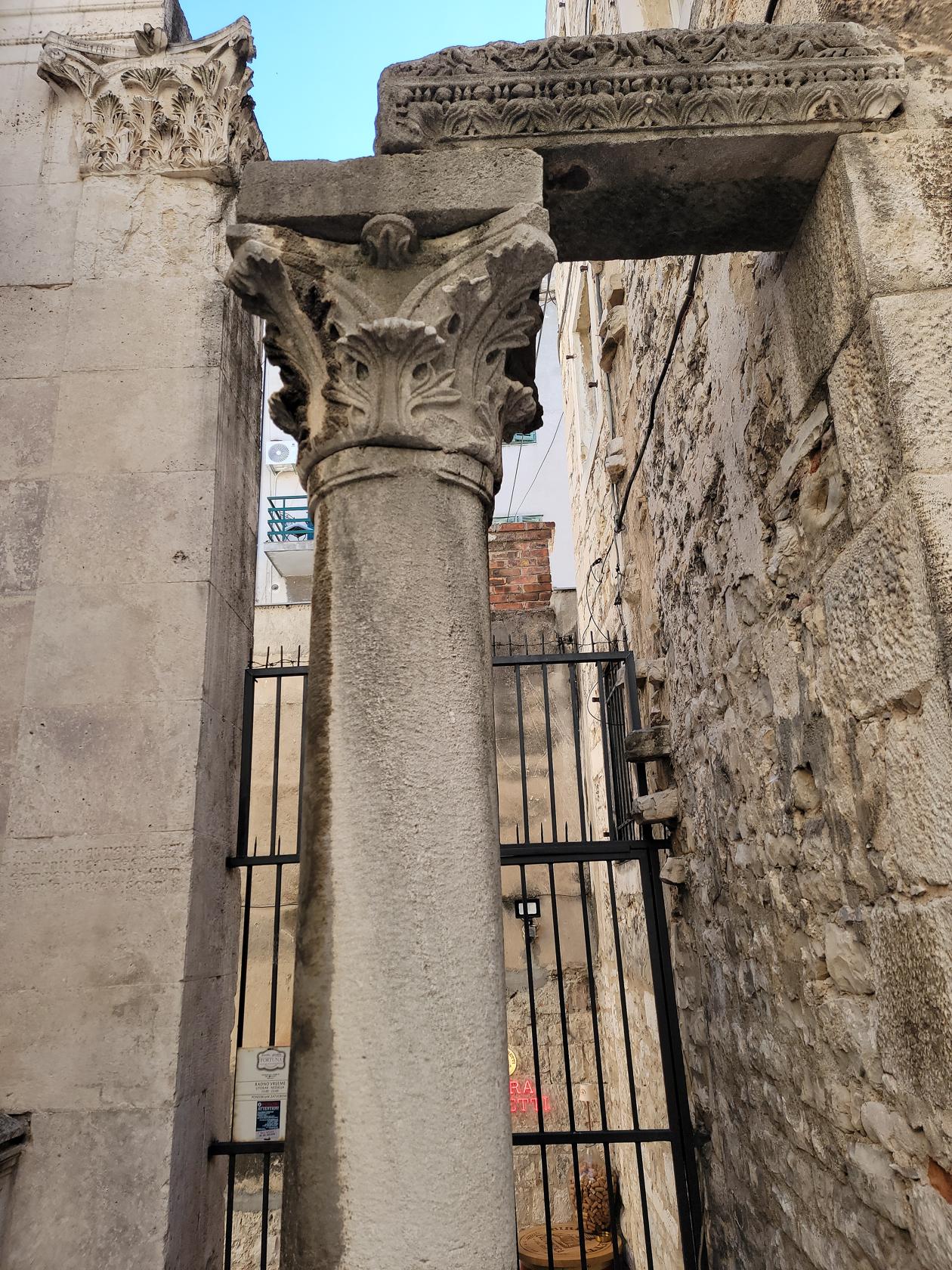
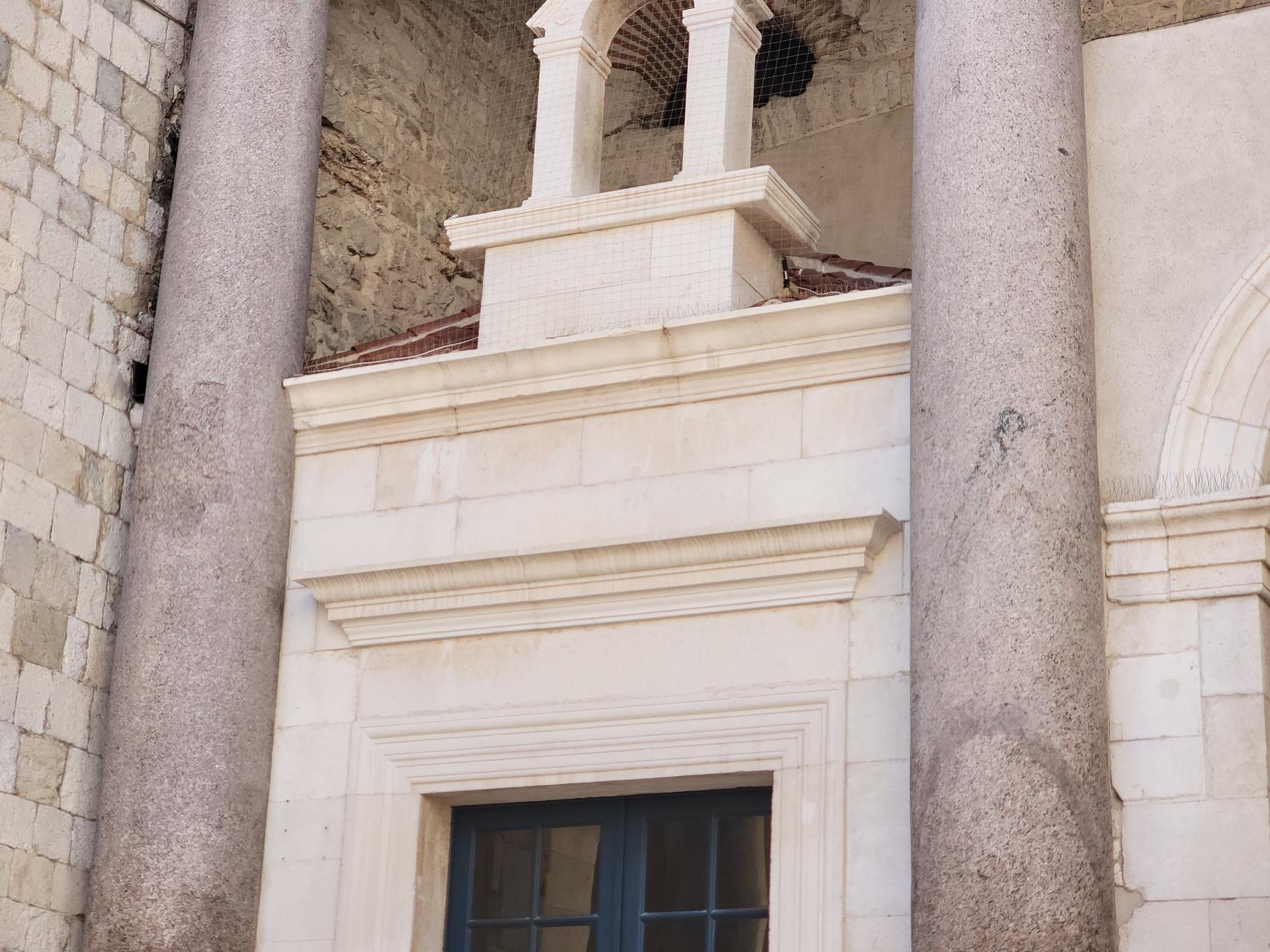
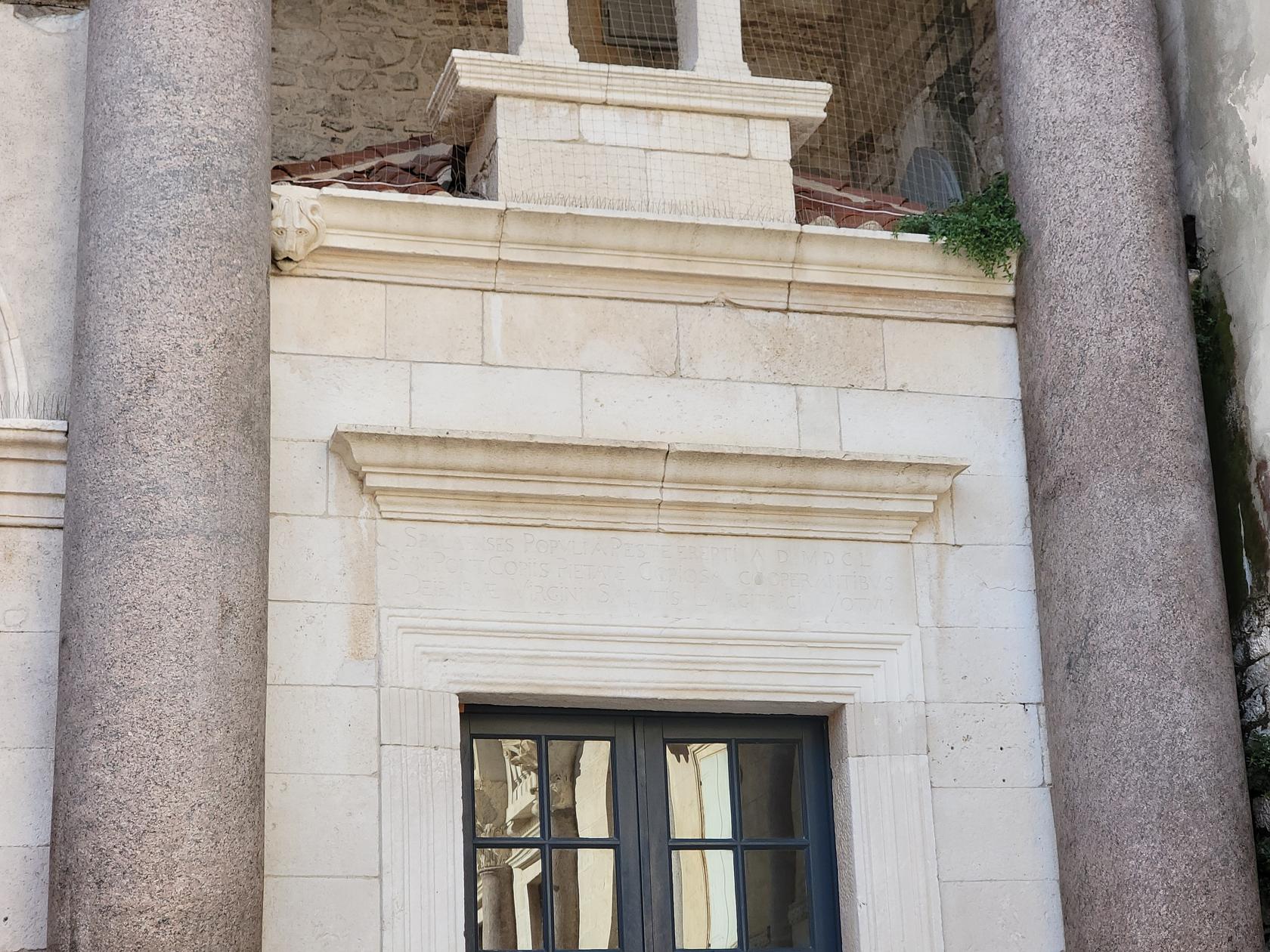
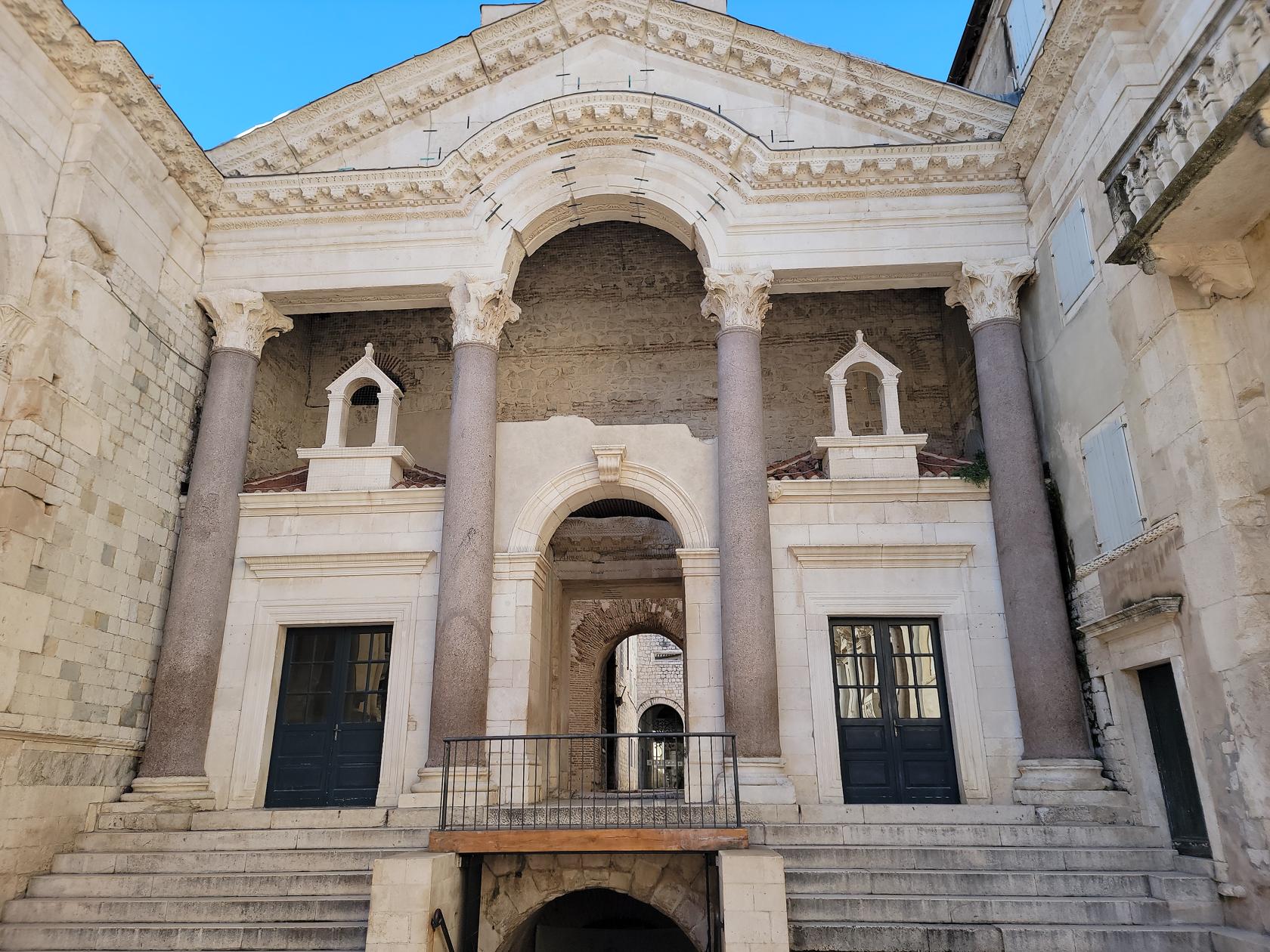
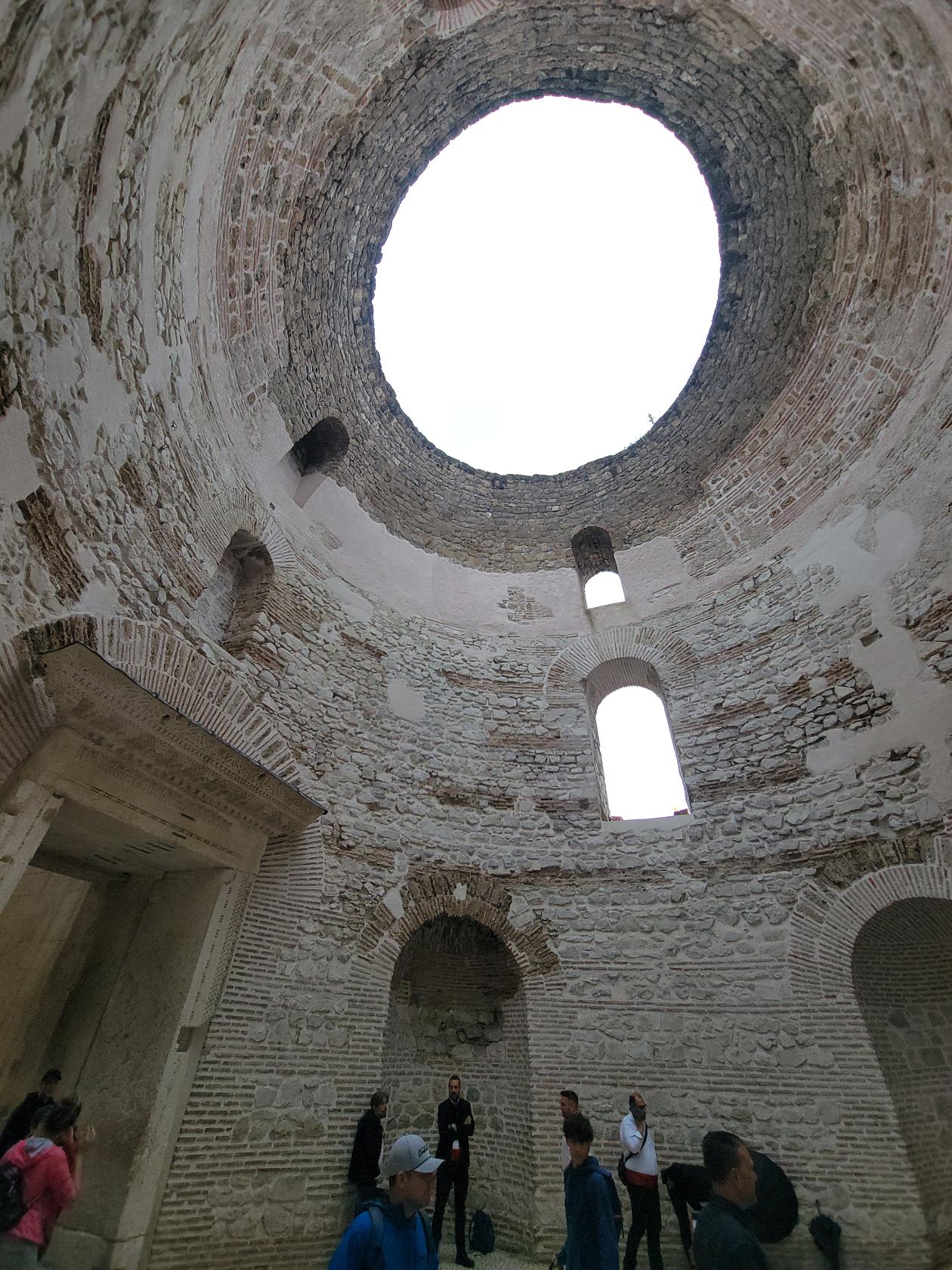
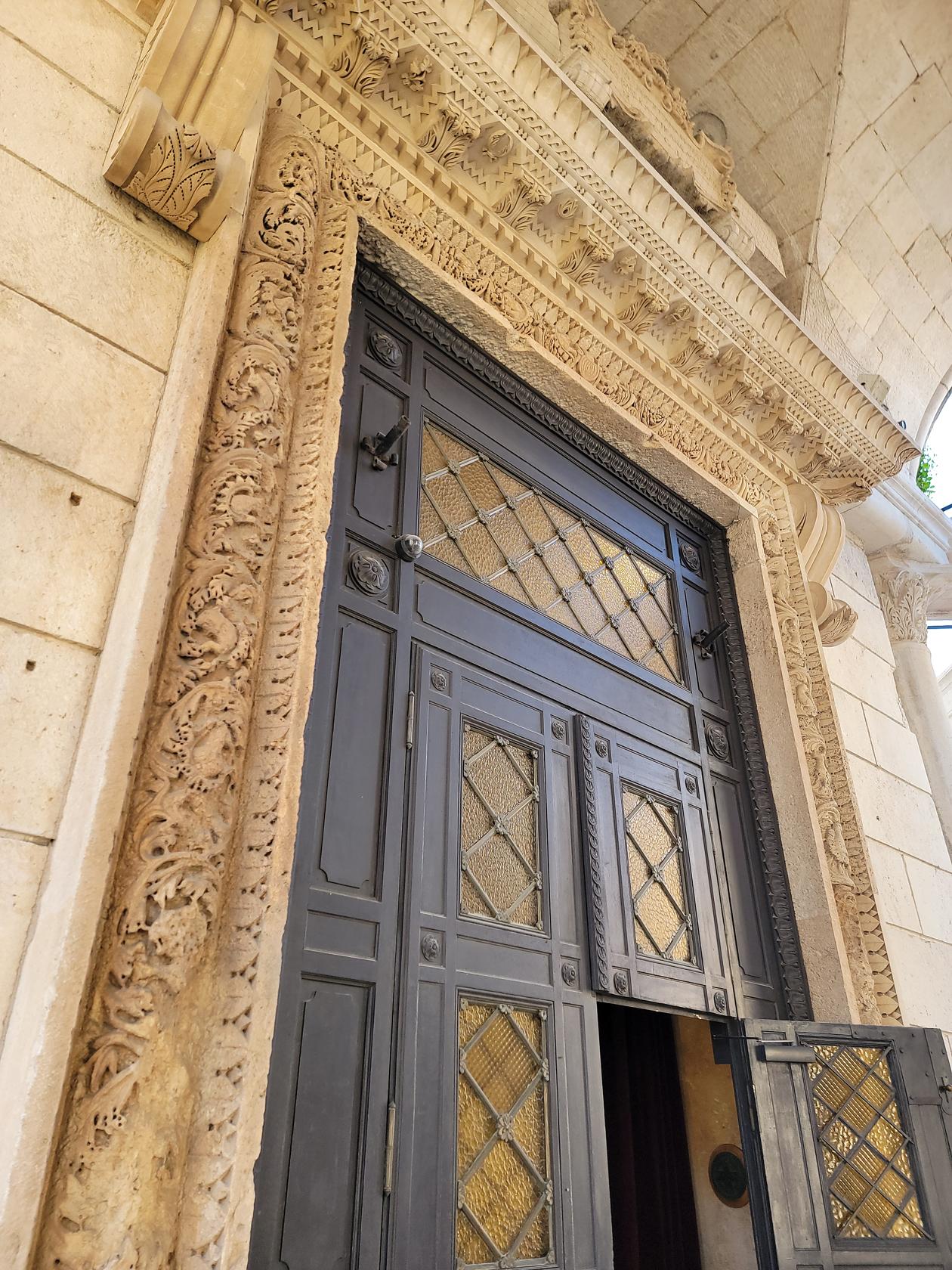
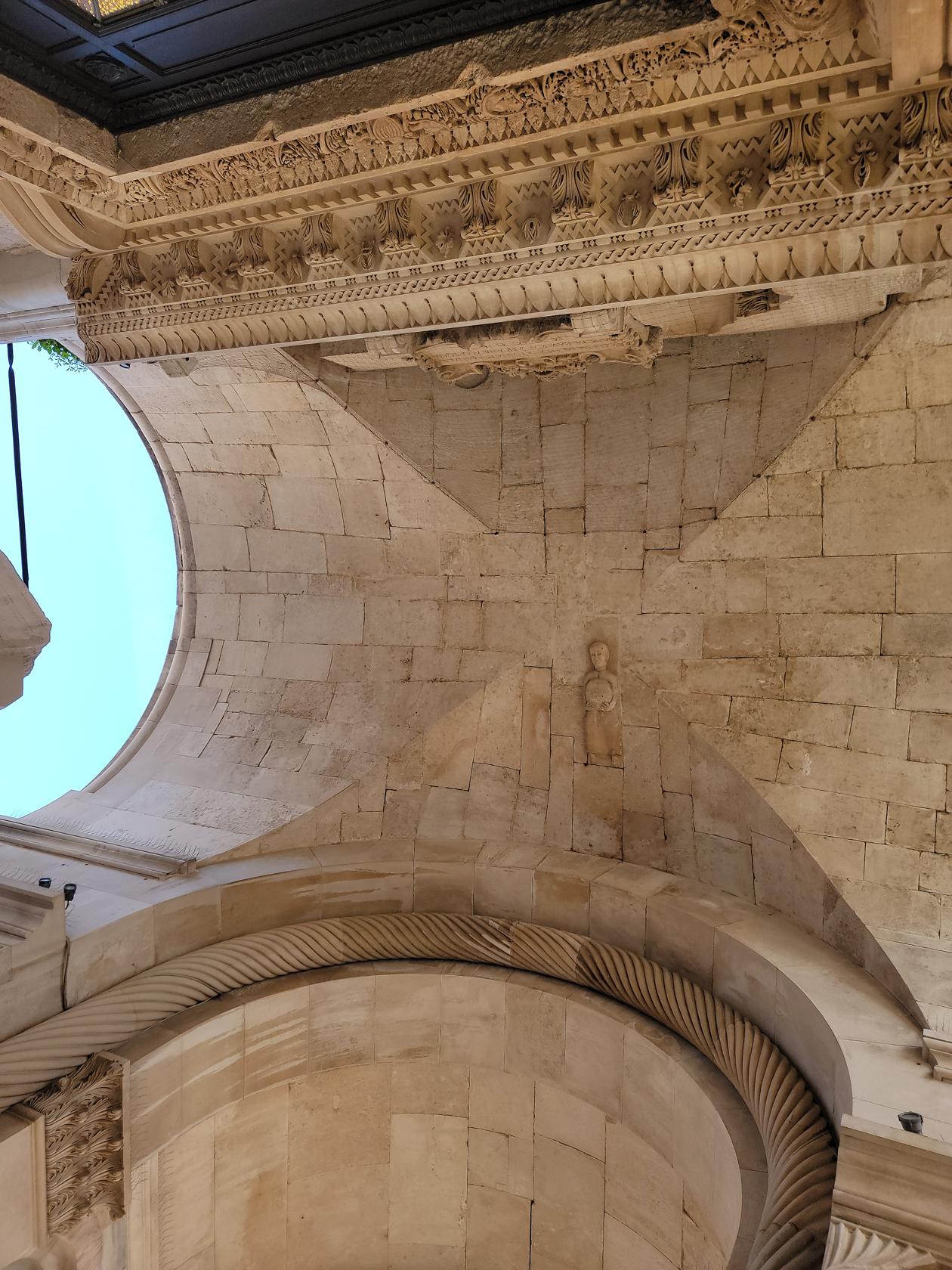
The Vestibule and the Rotunda are major open-air sites to see near the cathedral. The entrance to the vestibule contains two ancillary lintels of note, with inscriptions atop each.

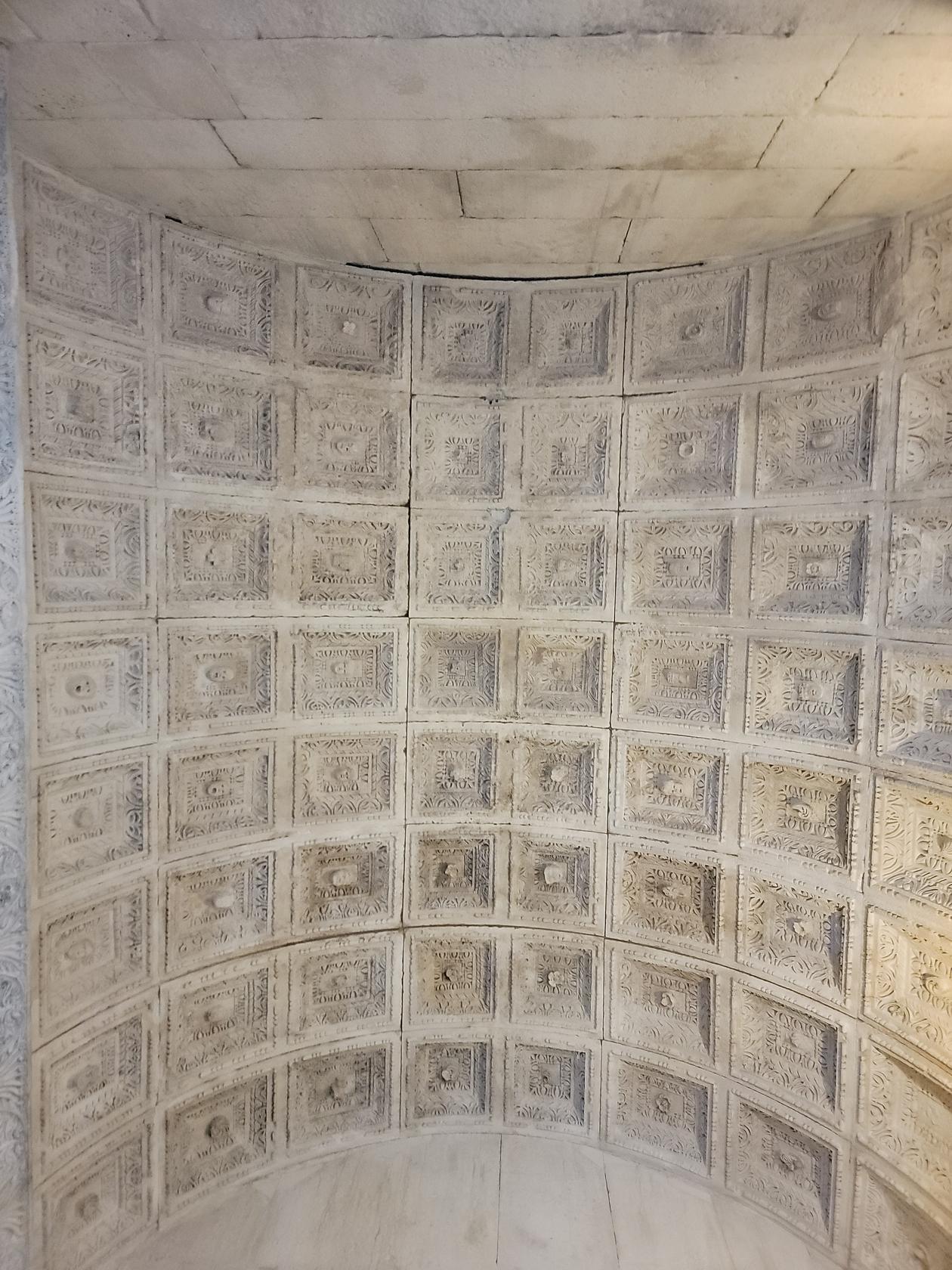
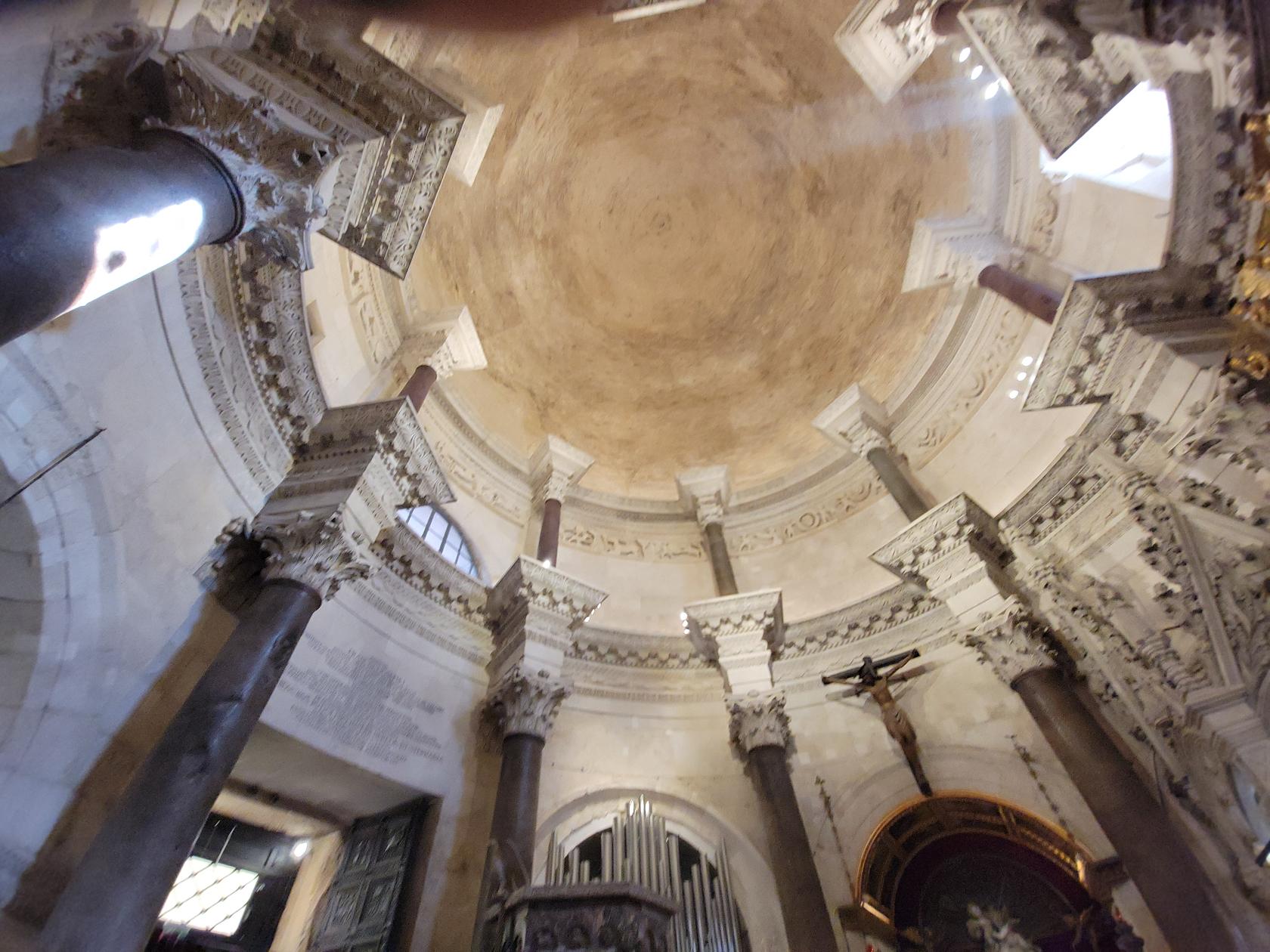
The Rotunda is a large area with a round ceiling and oculus that is very reminiscent of the Pantheon in Rome.

Diocletian’s Fortress

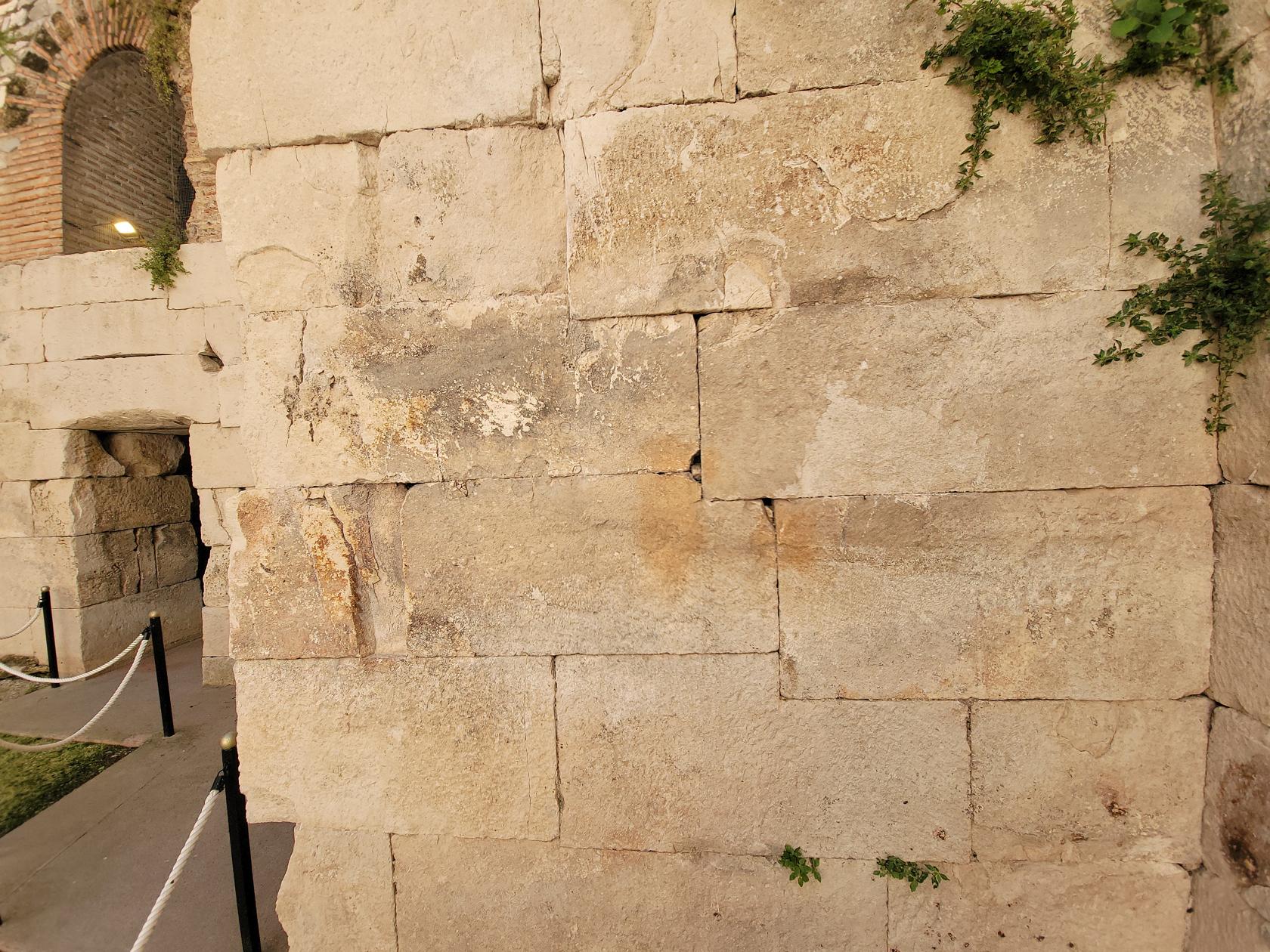
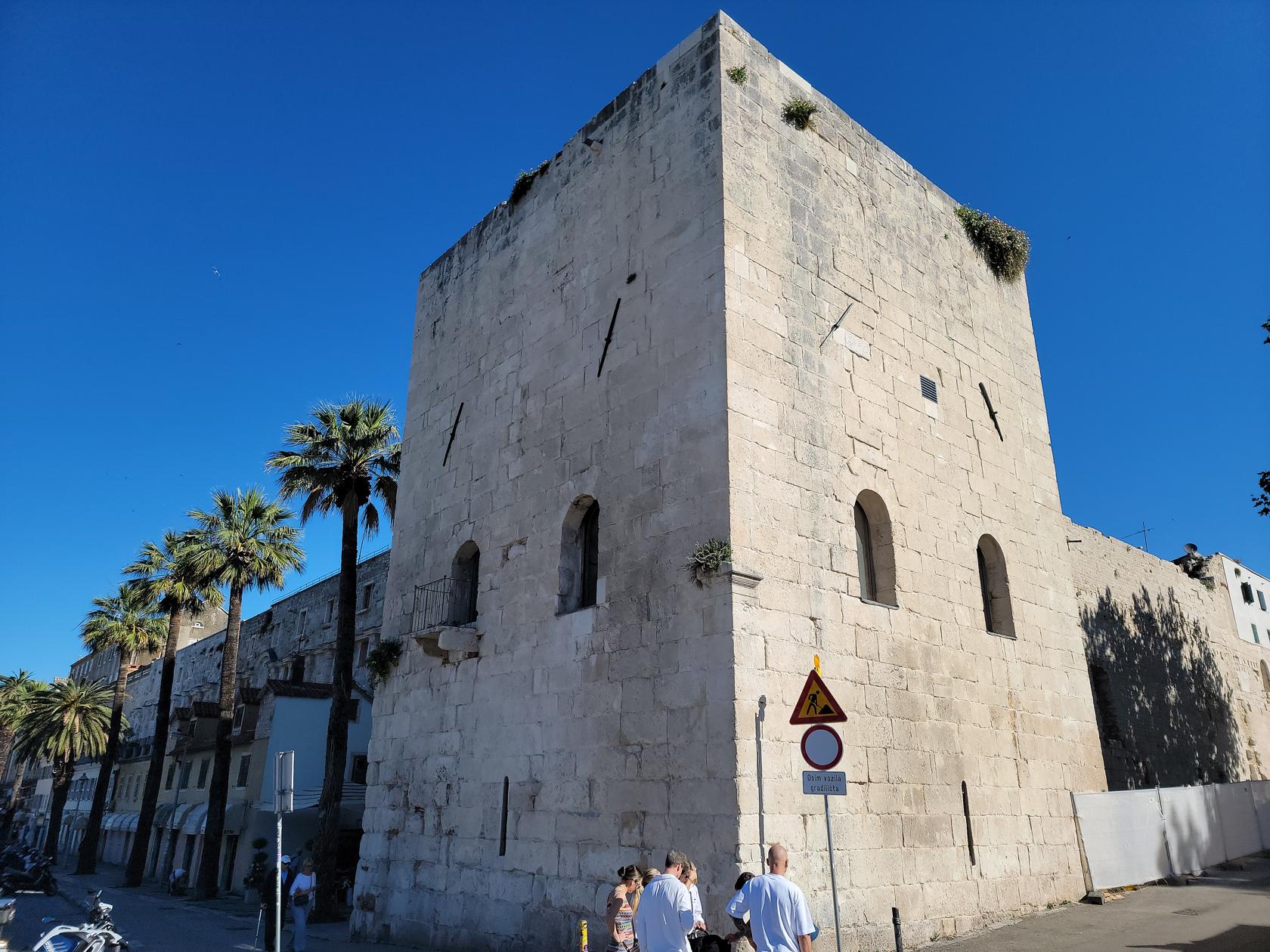
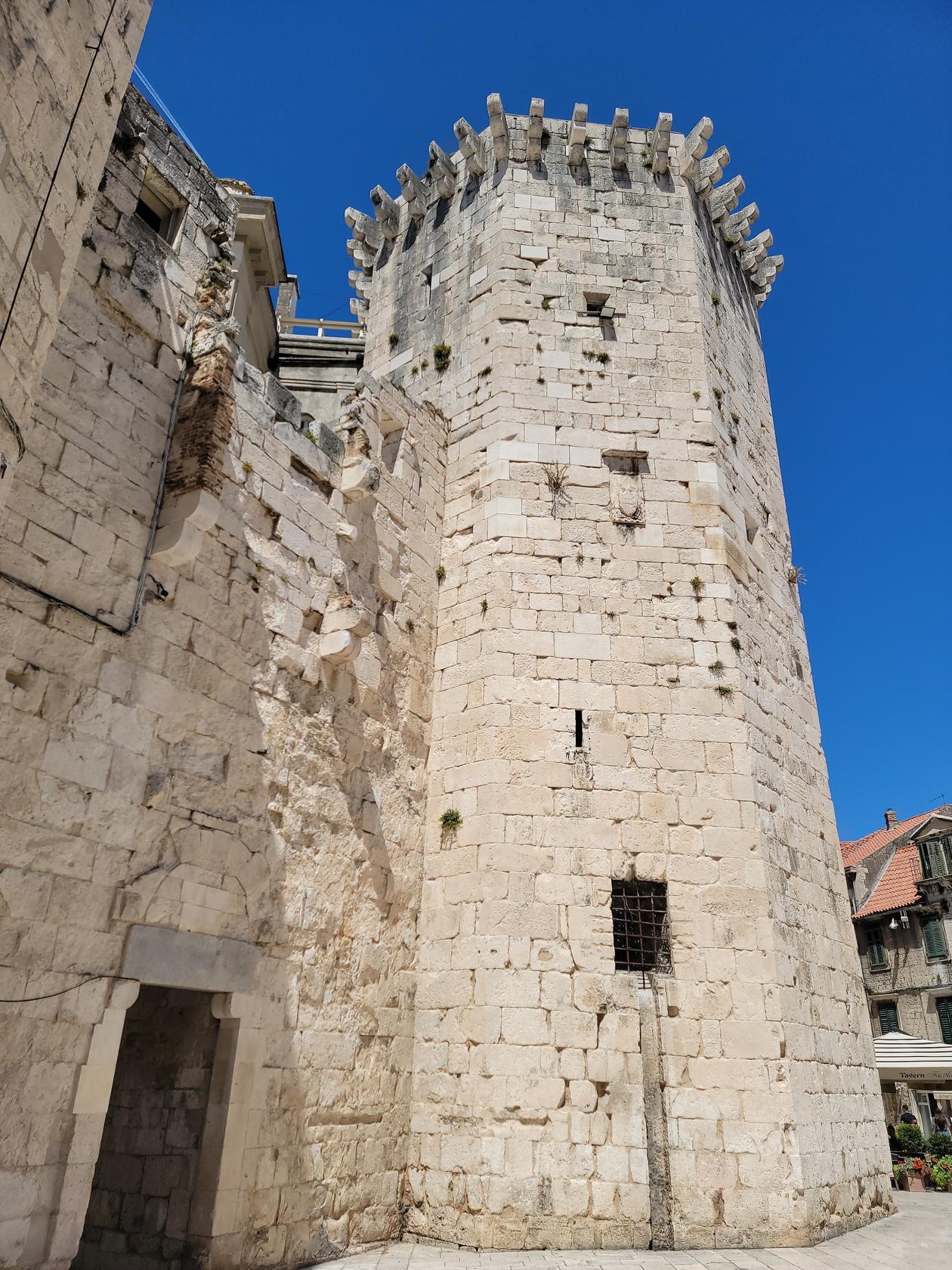
The outside fortress walls that protected the palace had four large towers on each corner, for which only few still remain.


The Gates And Entrances

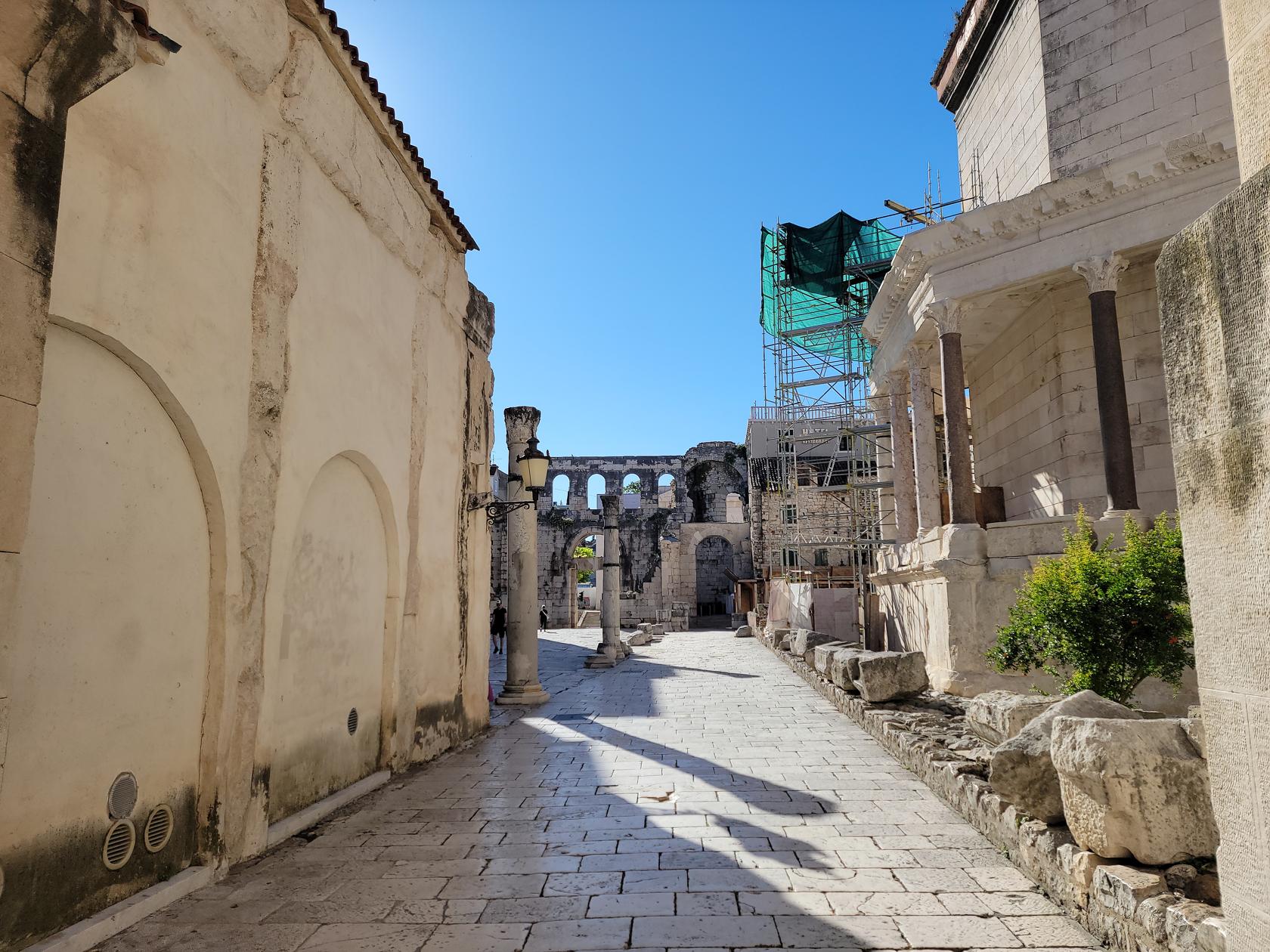
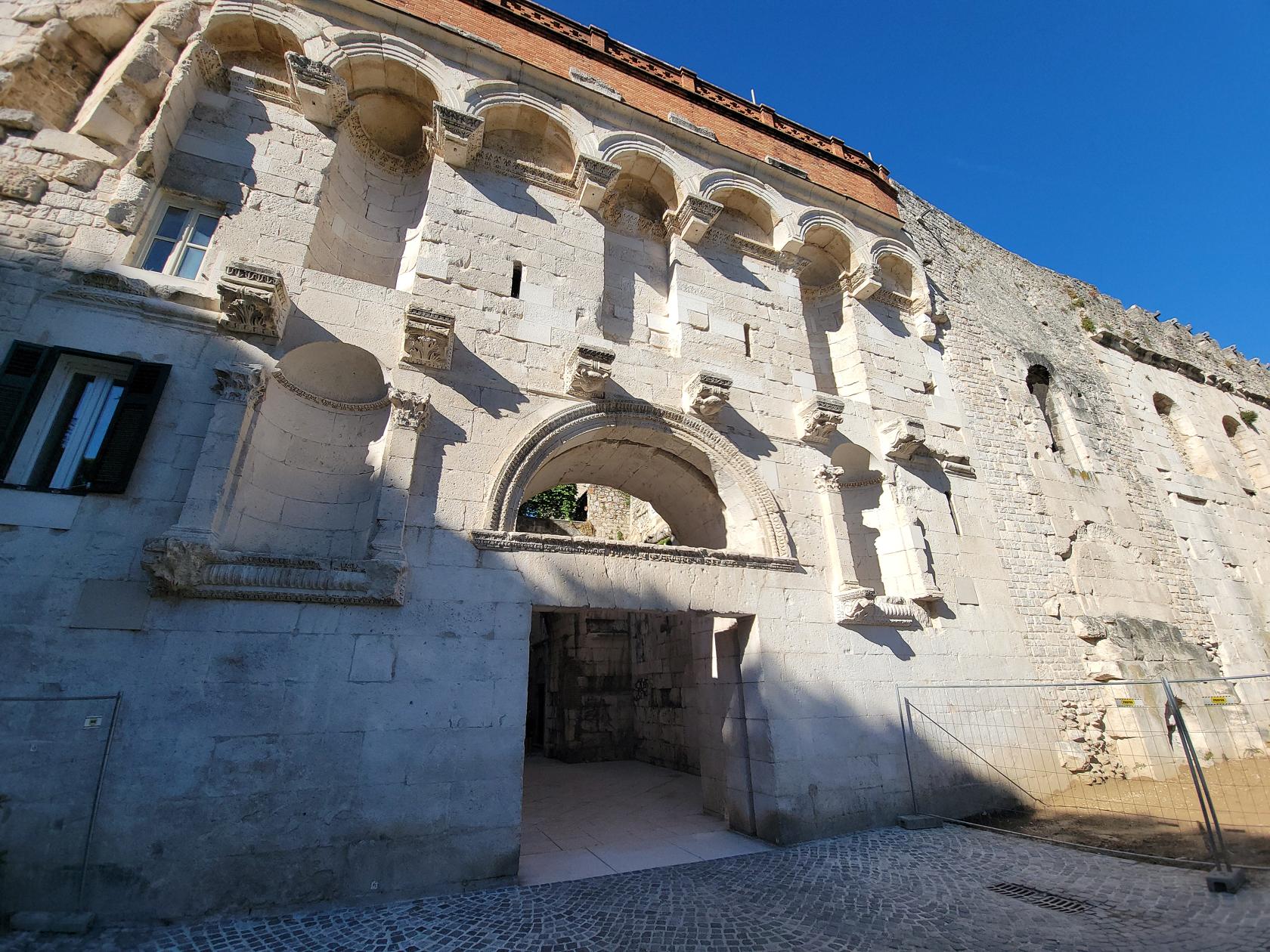
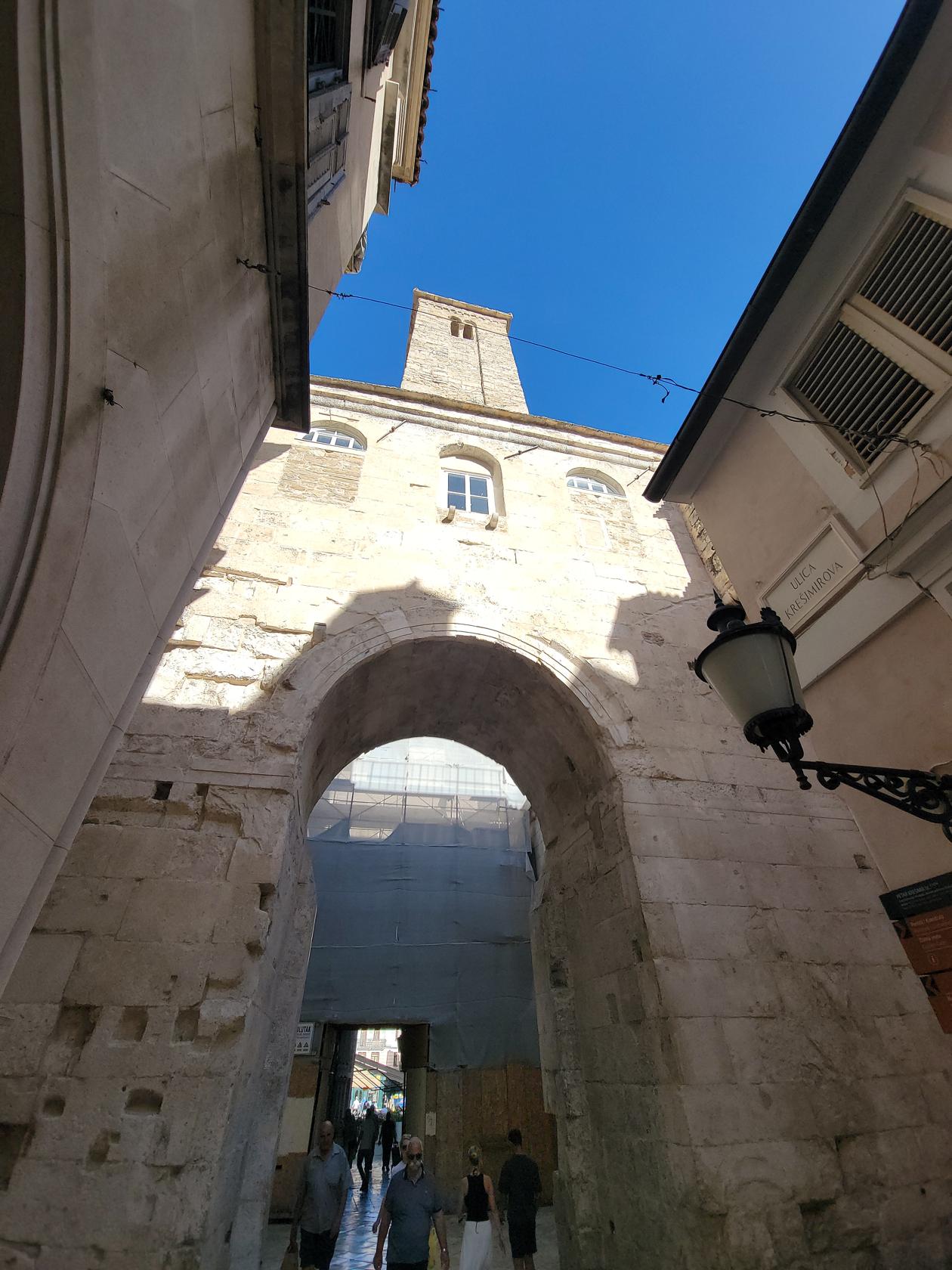
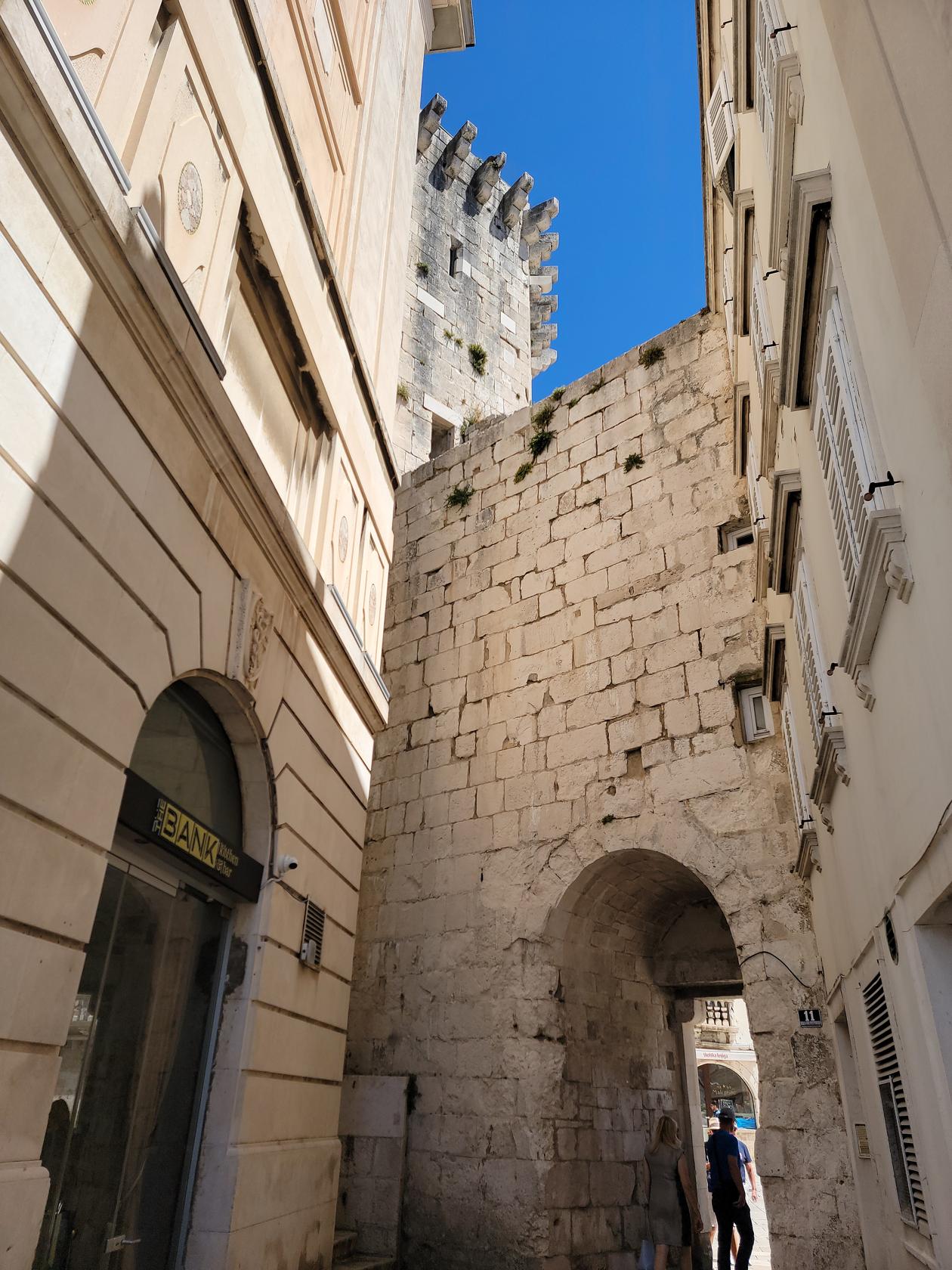
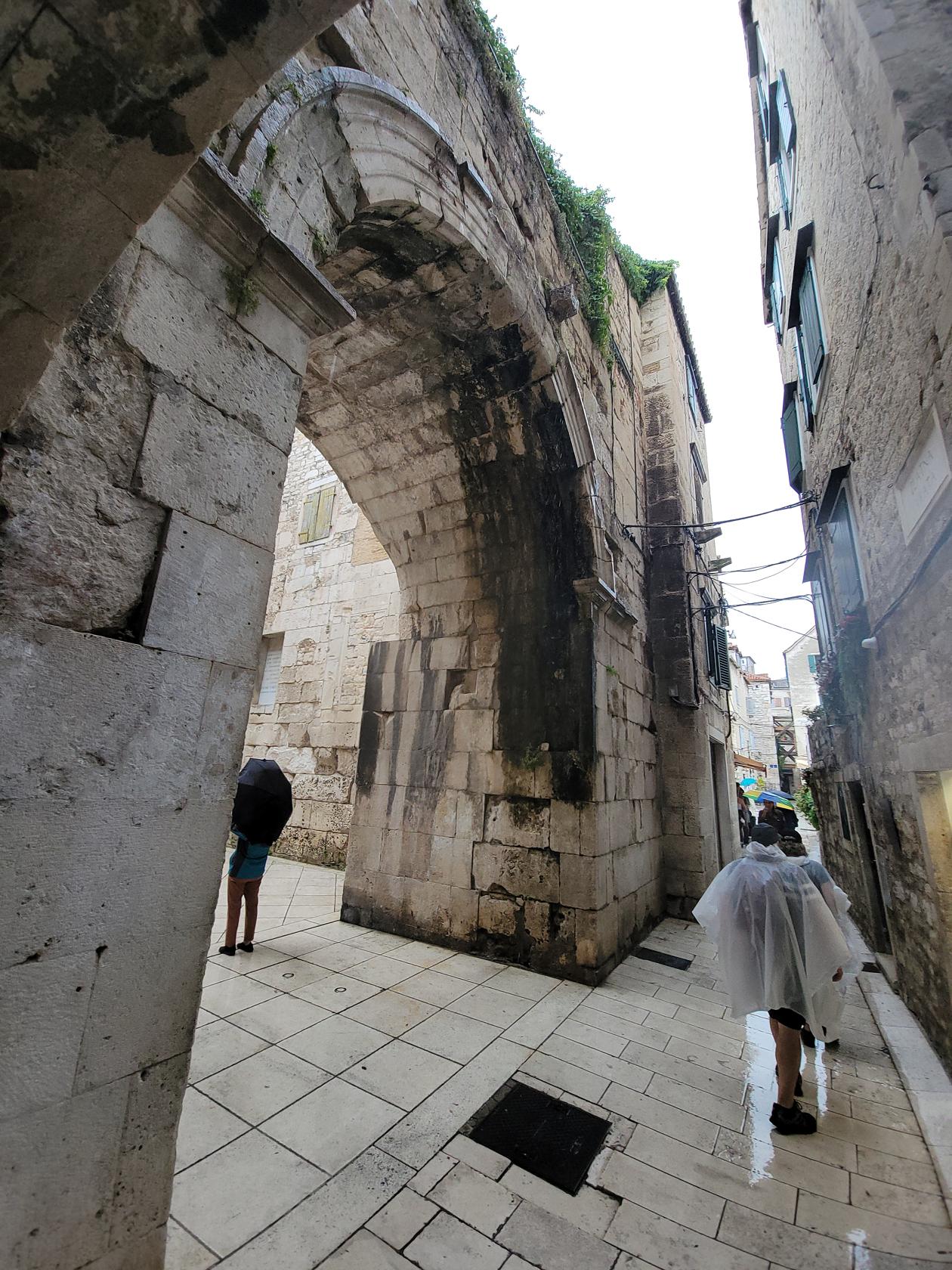
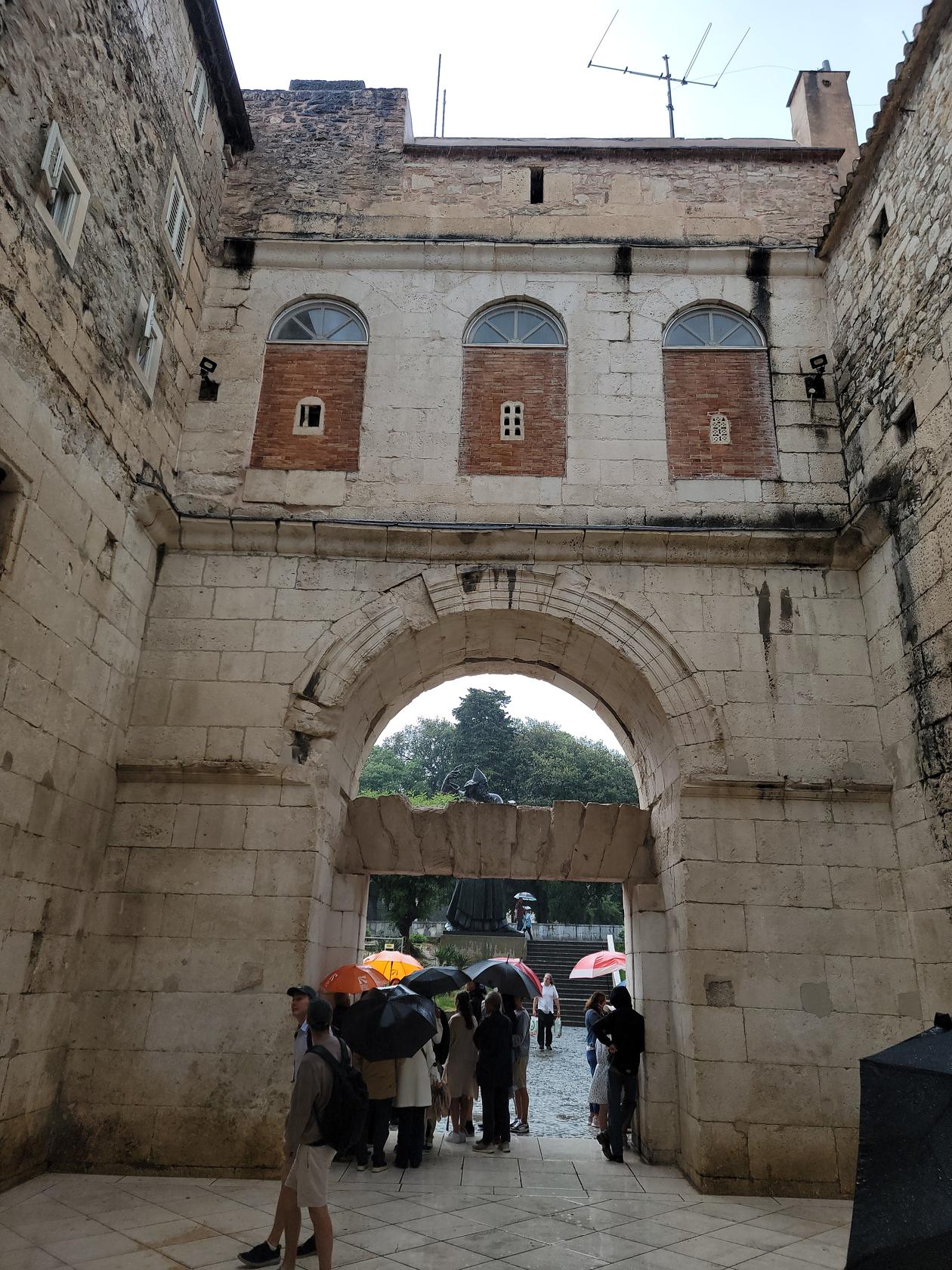
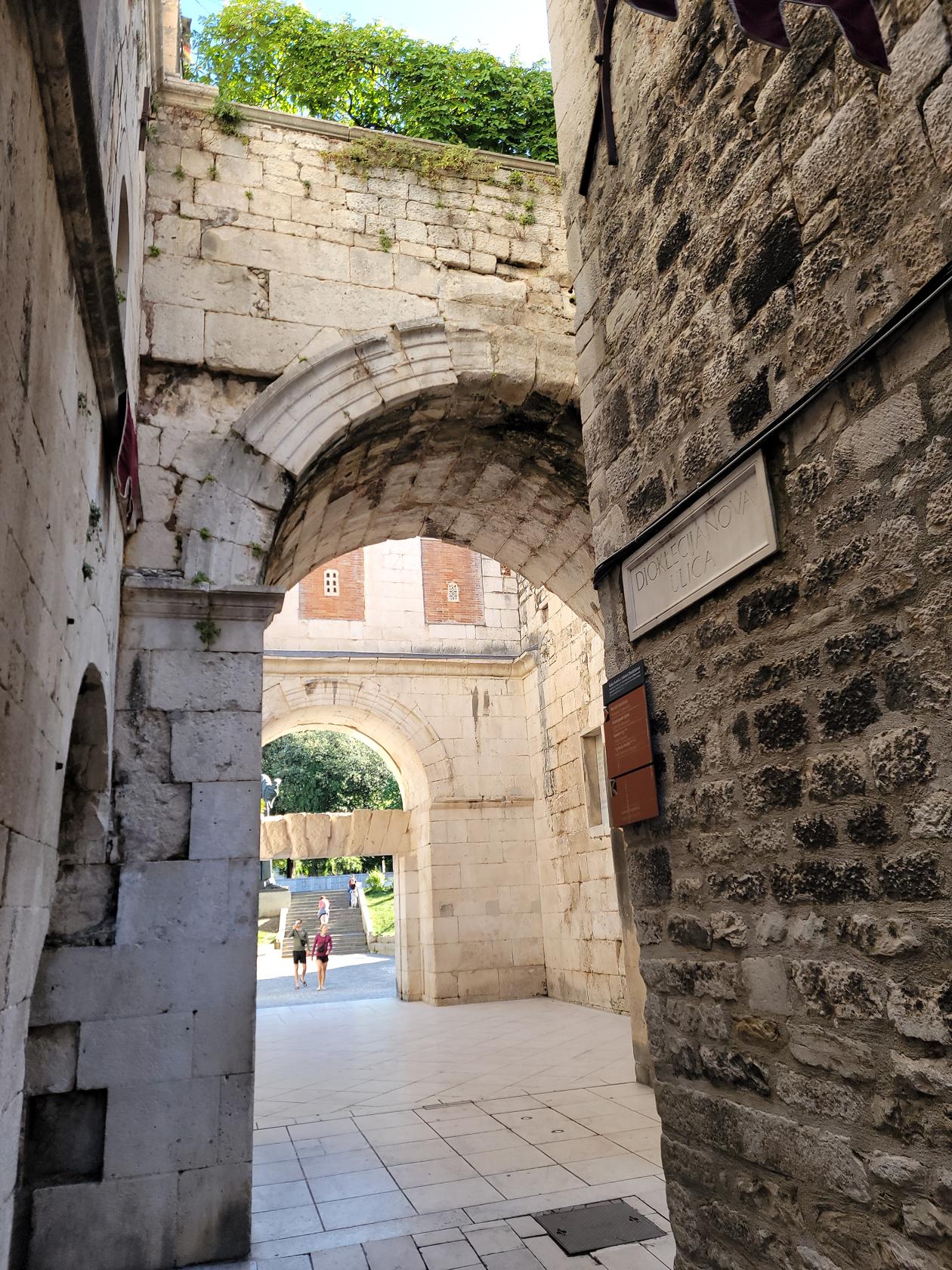
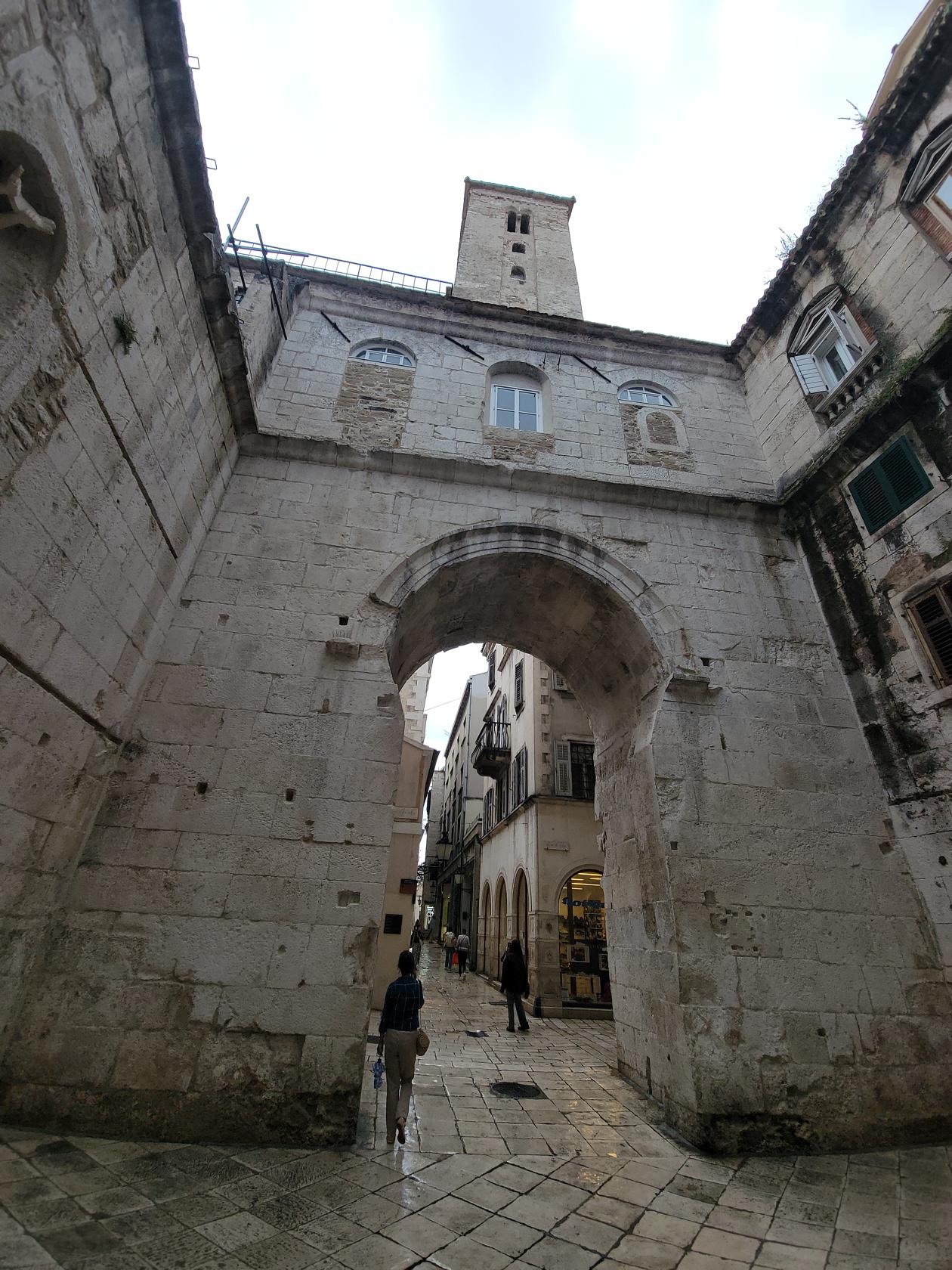
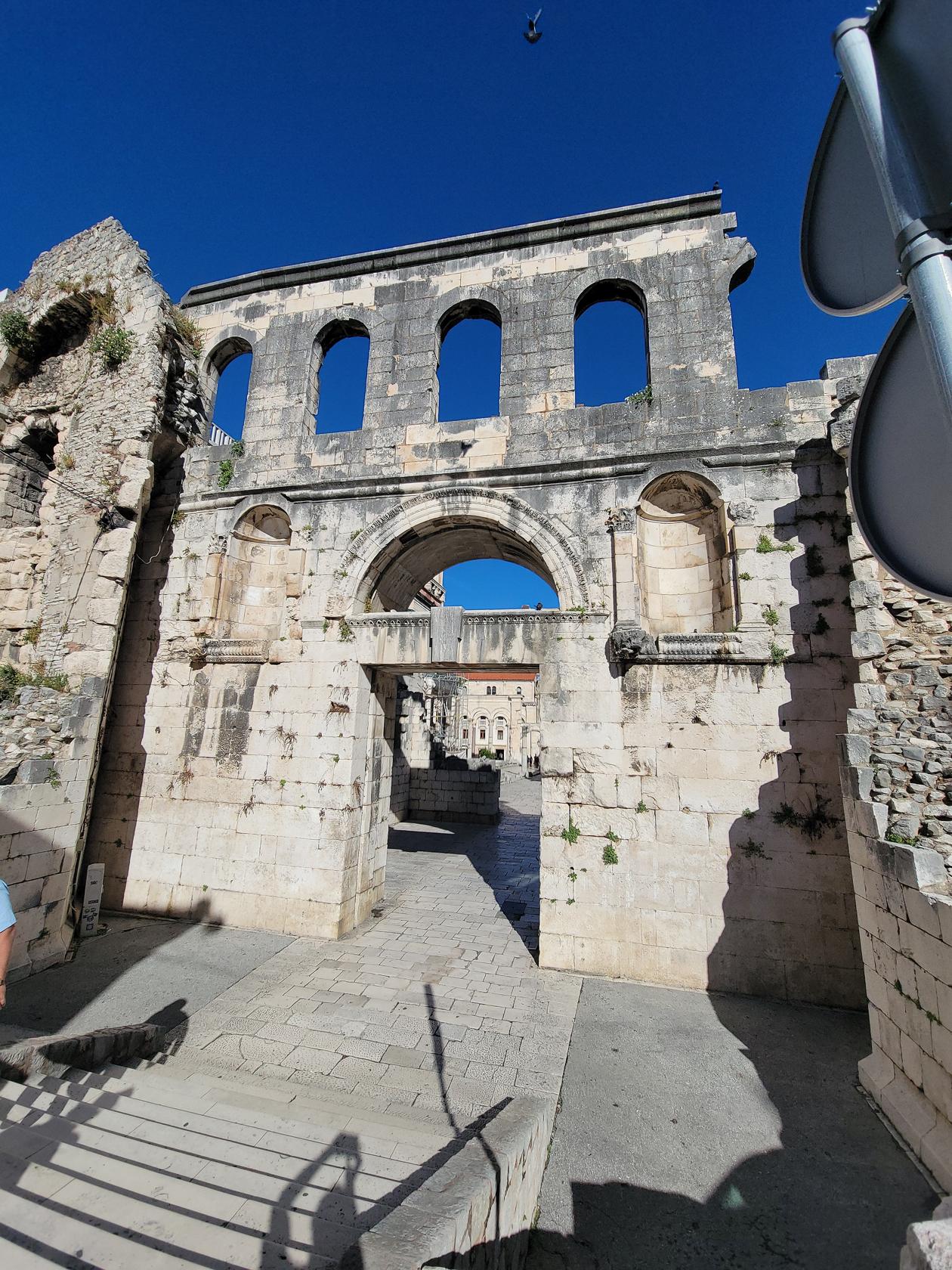
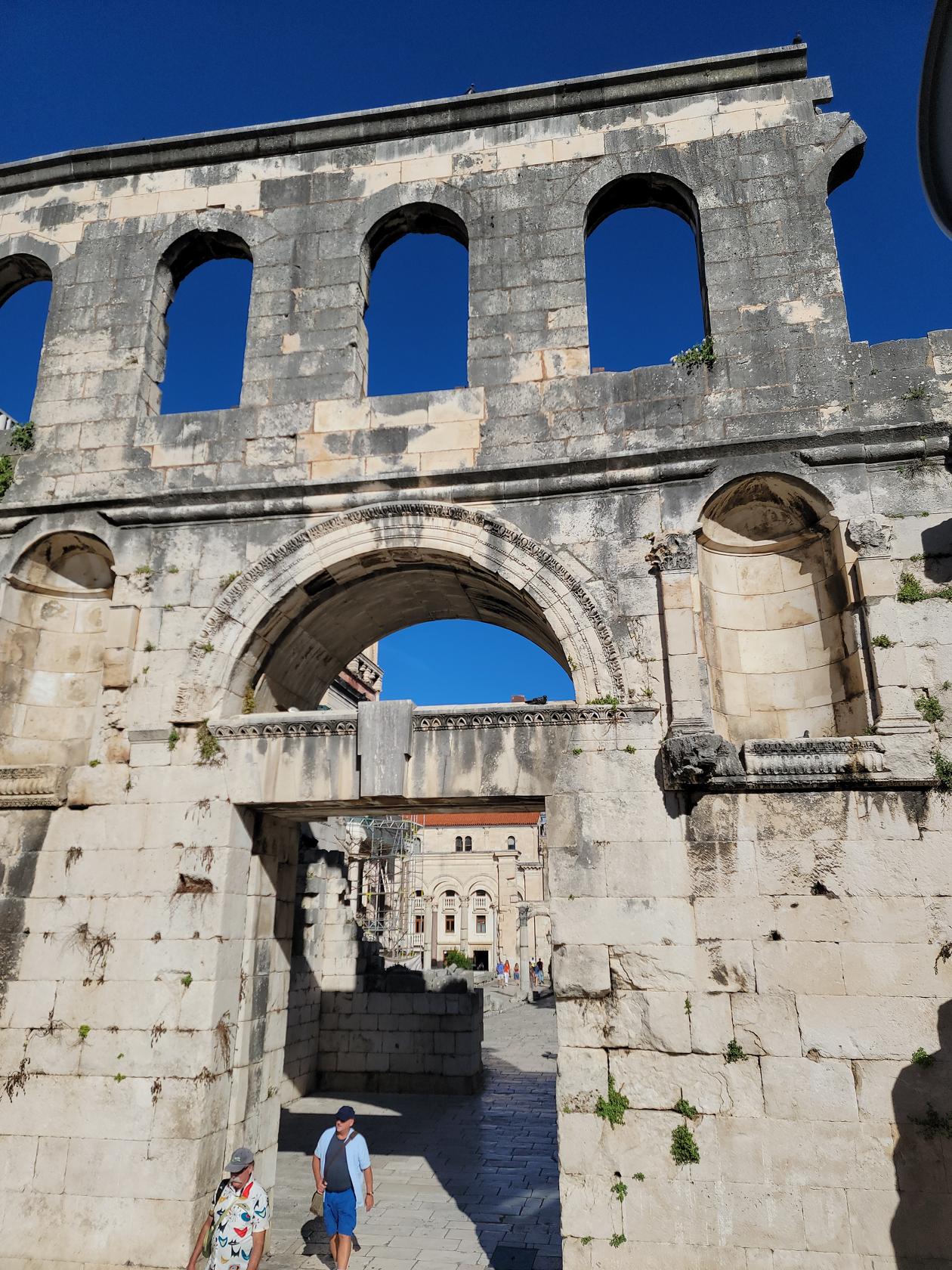
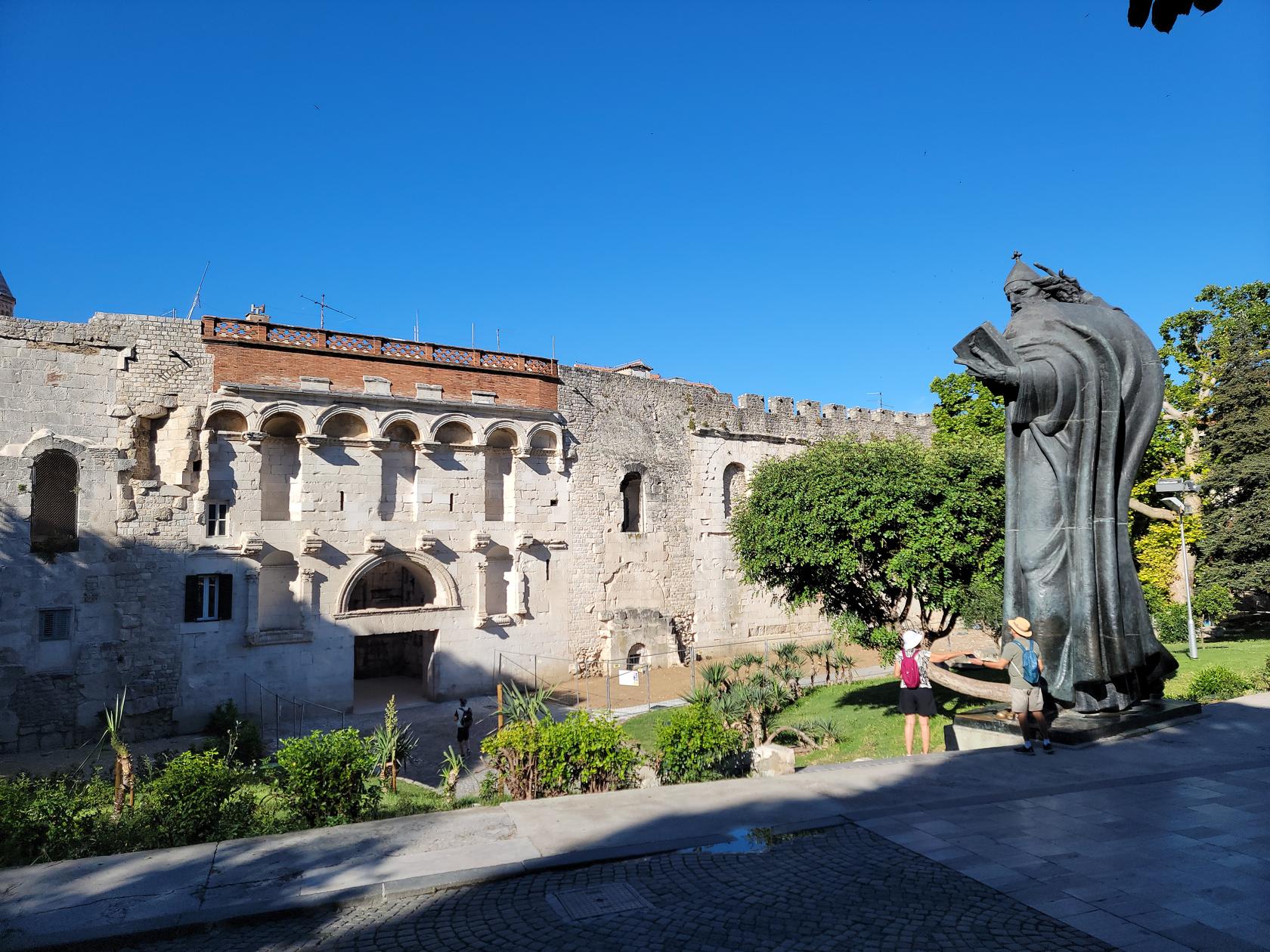
There are several gates to the palace, some of which are not so prominent as the others and a few are no longer functional. The Golden Gate is the main gate of the palace, though one could make an argument that the Brass Gate was more important since it faces the sea.

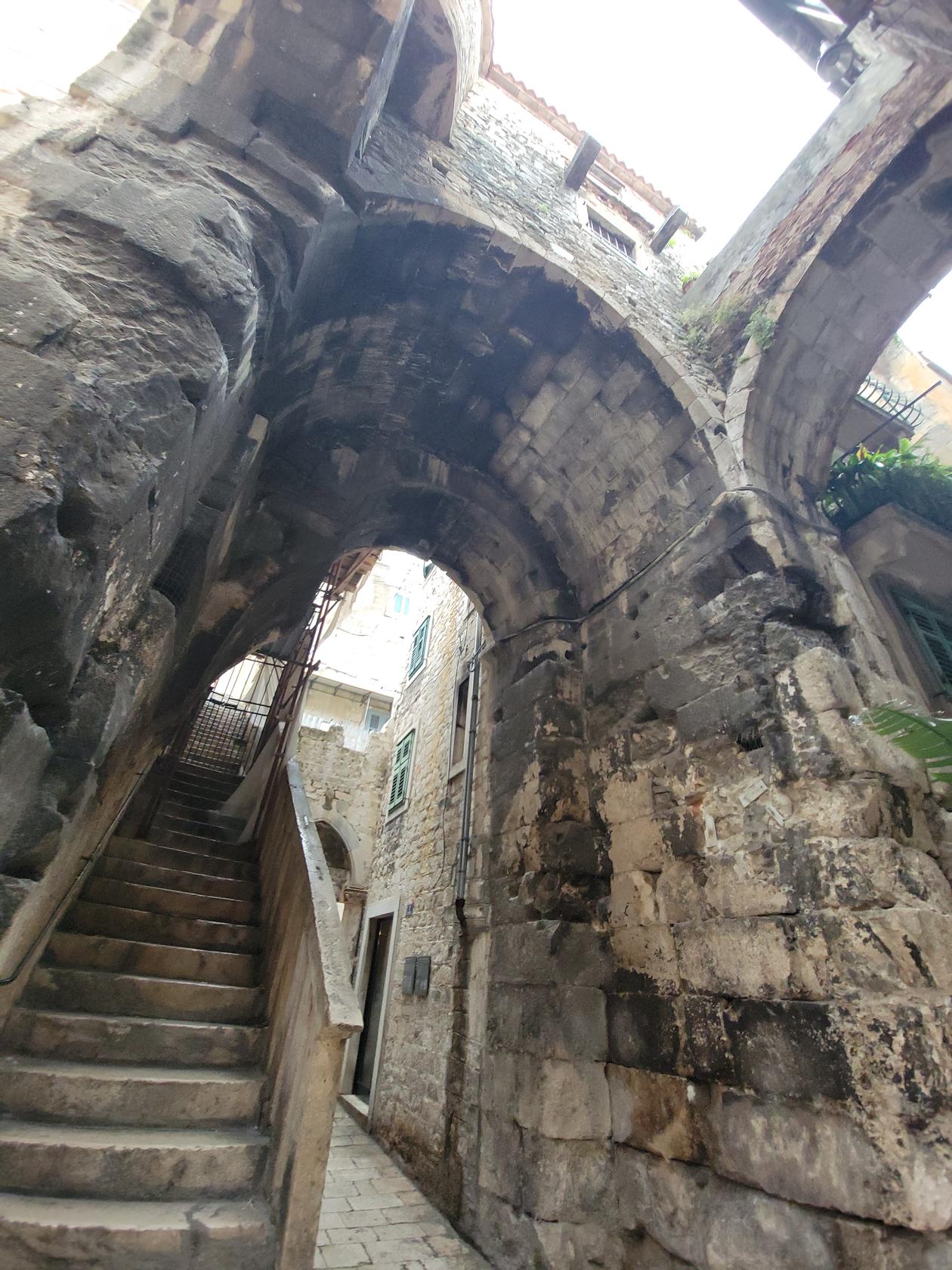
The Silver Gate faces the east and along with the Golden Gate is one of the better preserved gates to the palace. The Iron Gate is buried within the walls and narrow alleyways of Split to the west. Transformed after the emperor left and the palace fell into disrepair.

Gradski Park

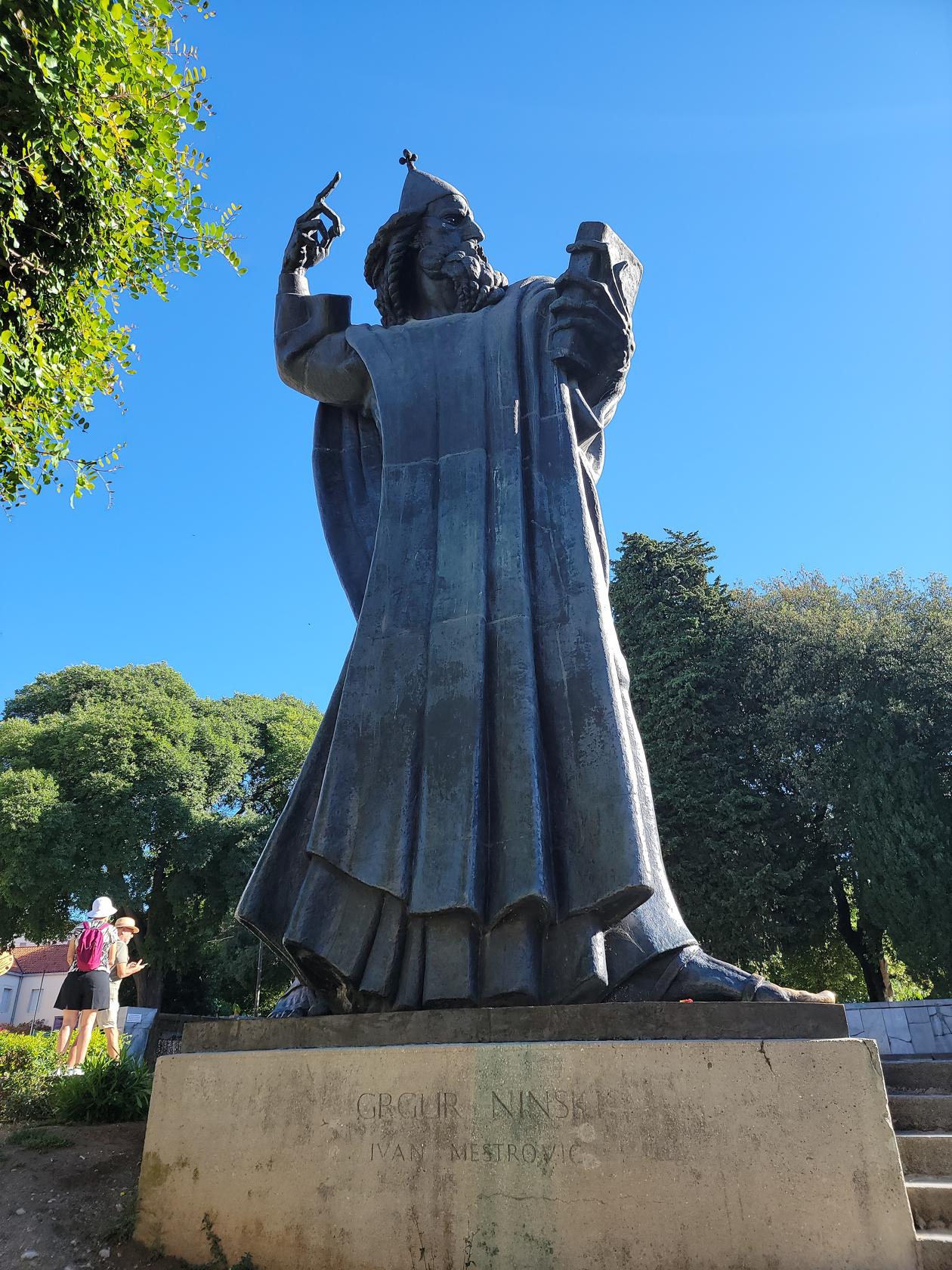
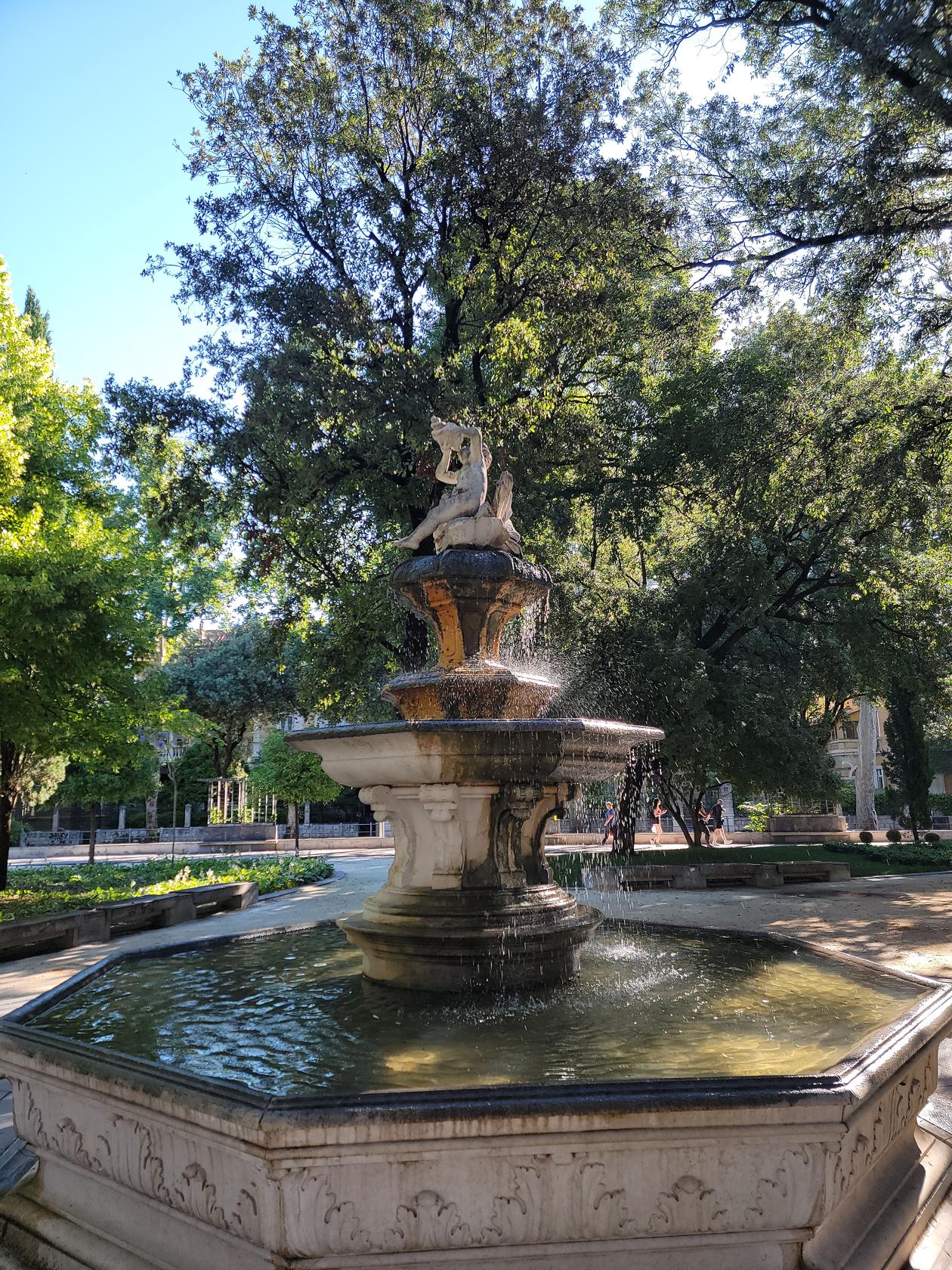
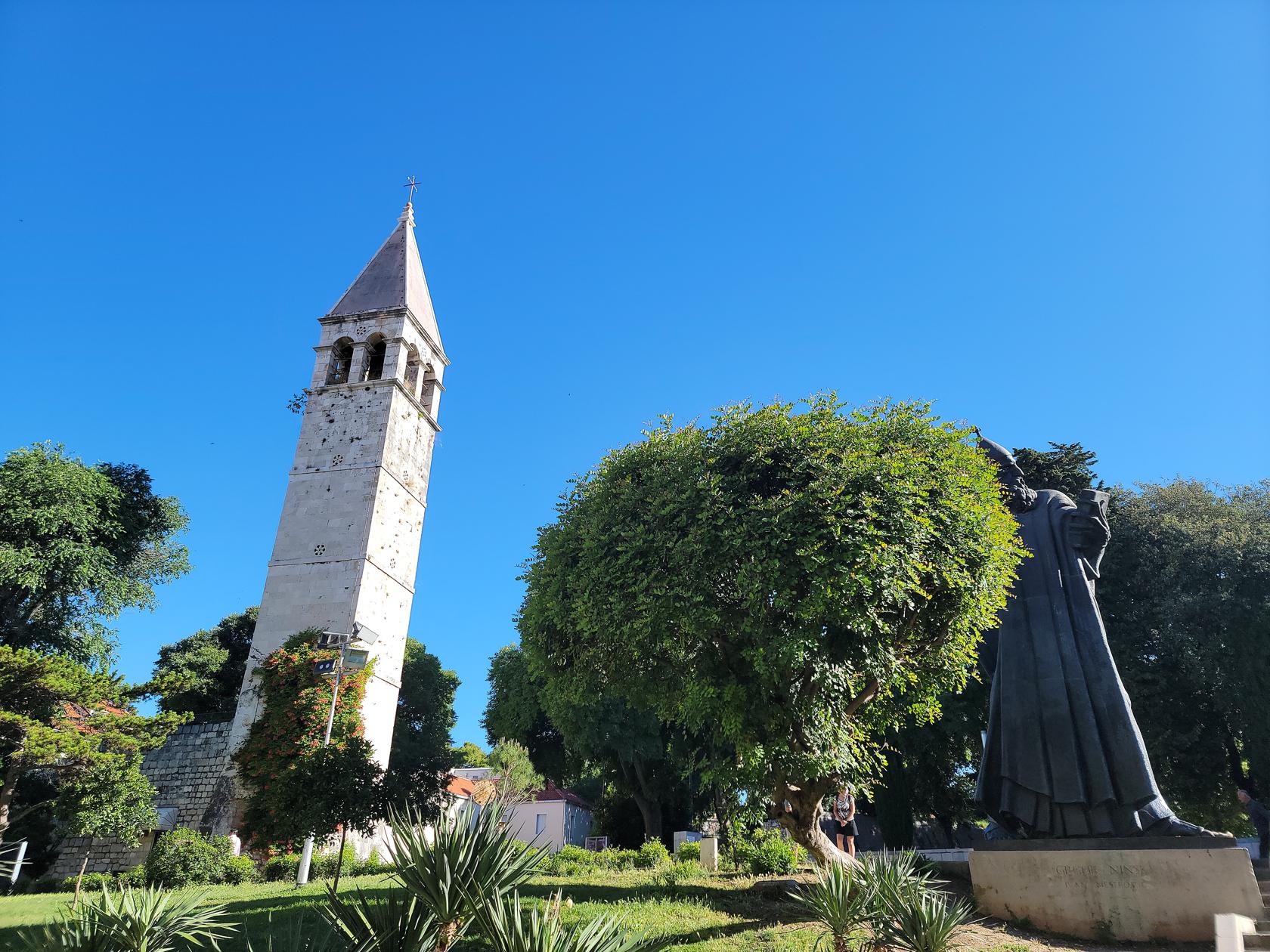
Just outside the Golden Gate is Gradski Park. Here you will find a statue from Gregory Ninskomu, a fountain and Bell Tower and Chapel of the Holy Arnir.

Saint Domnius Cathedral

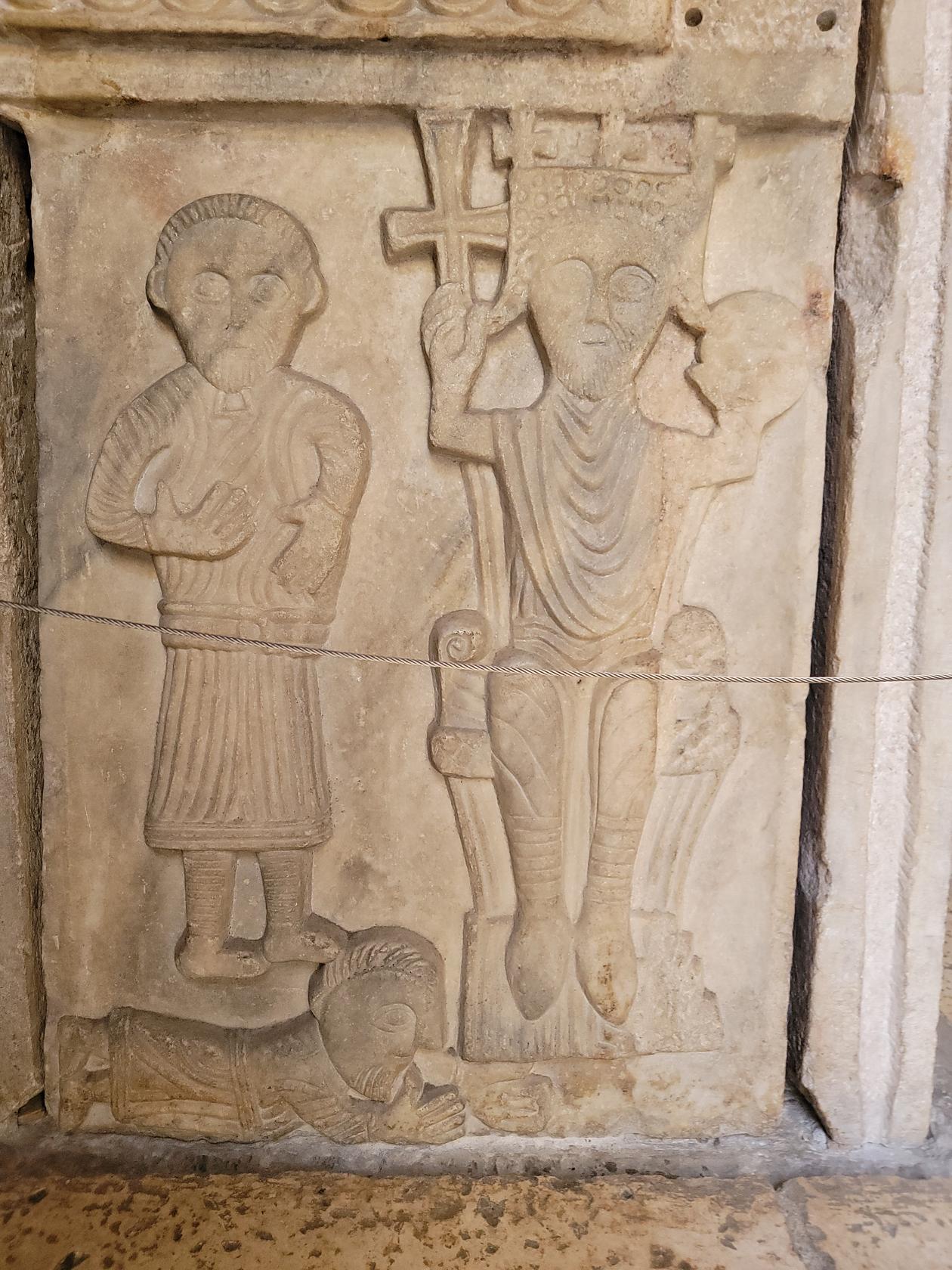
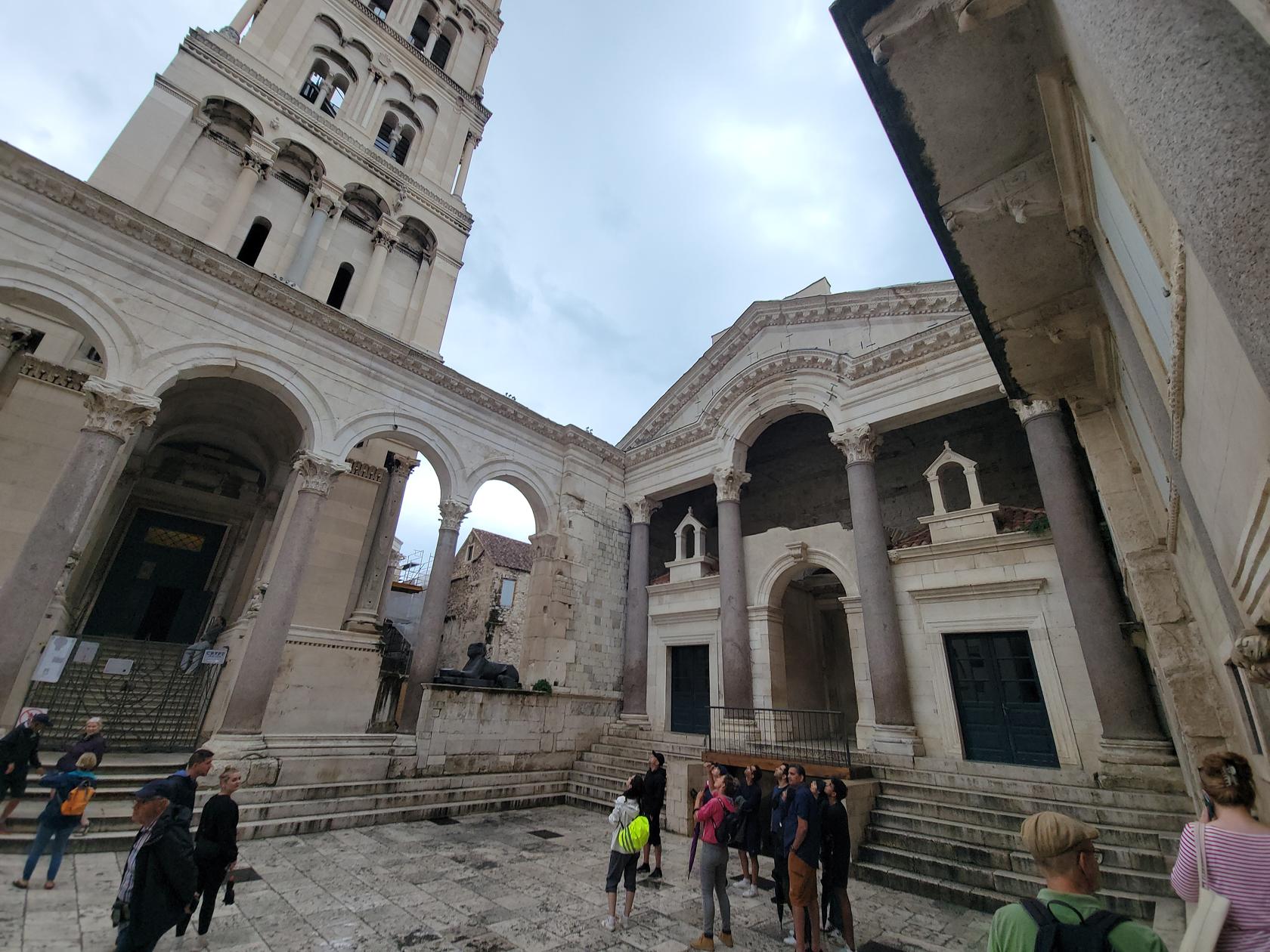
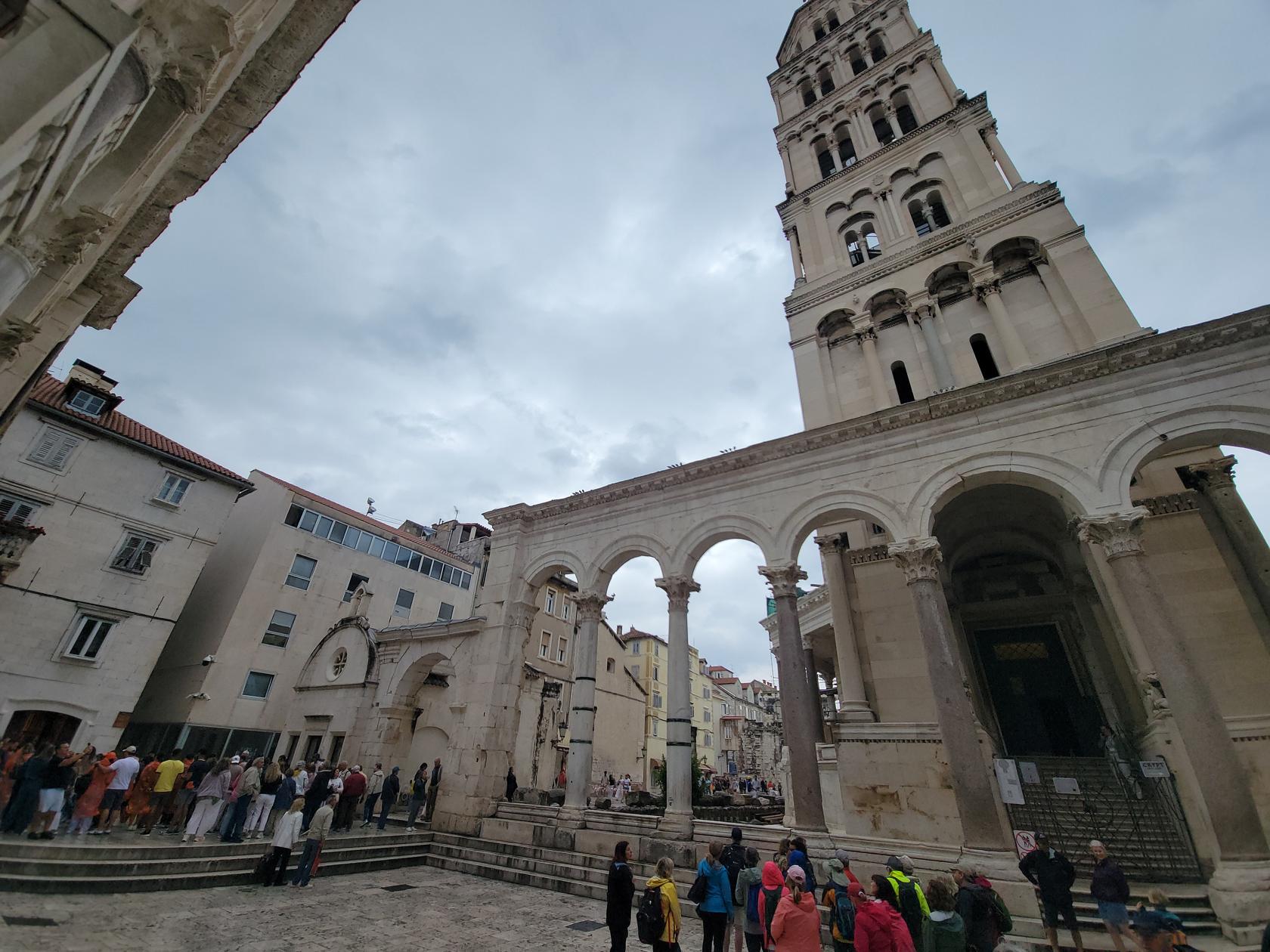
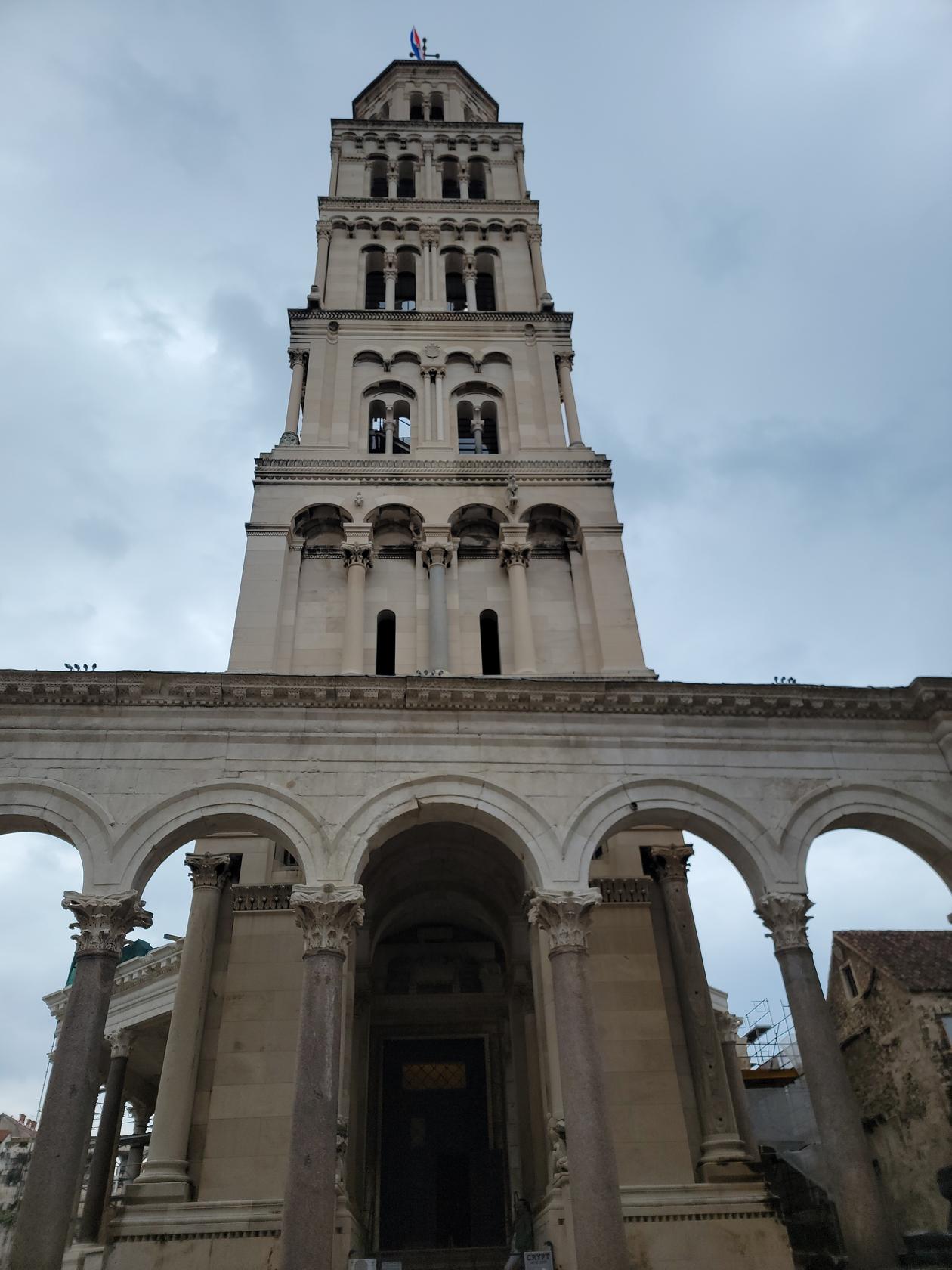
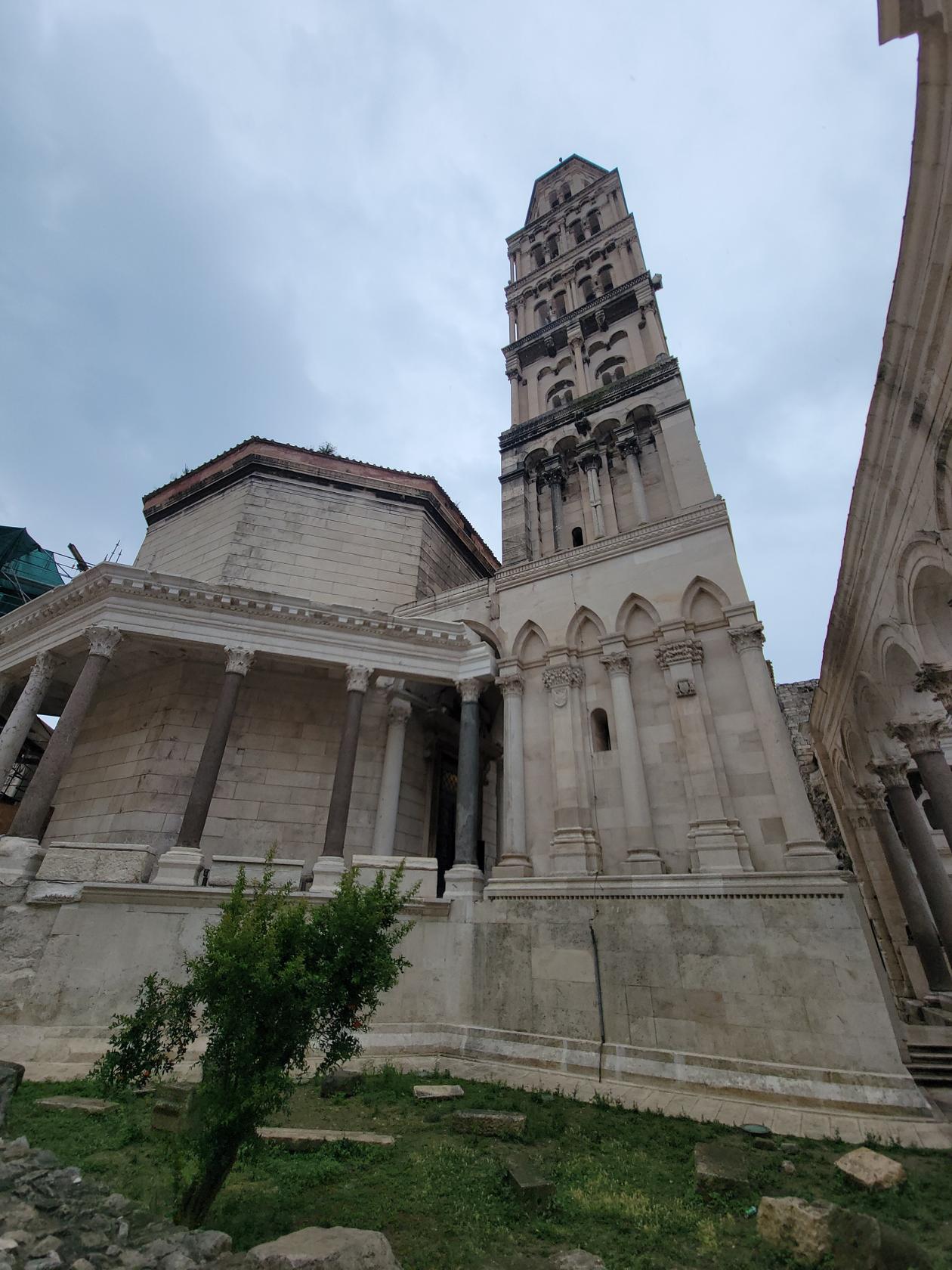
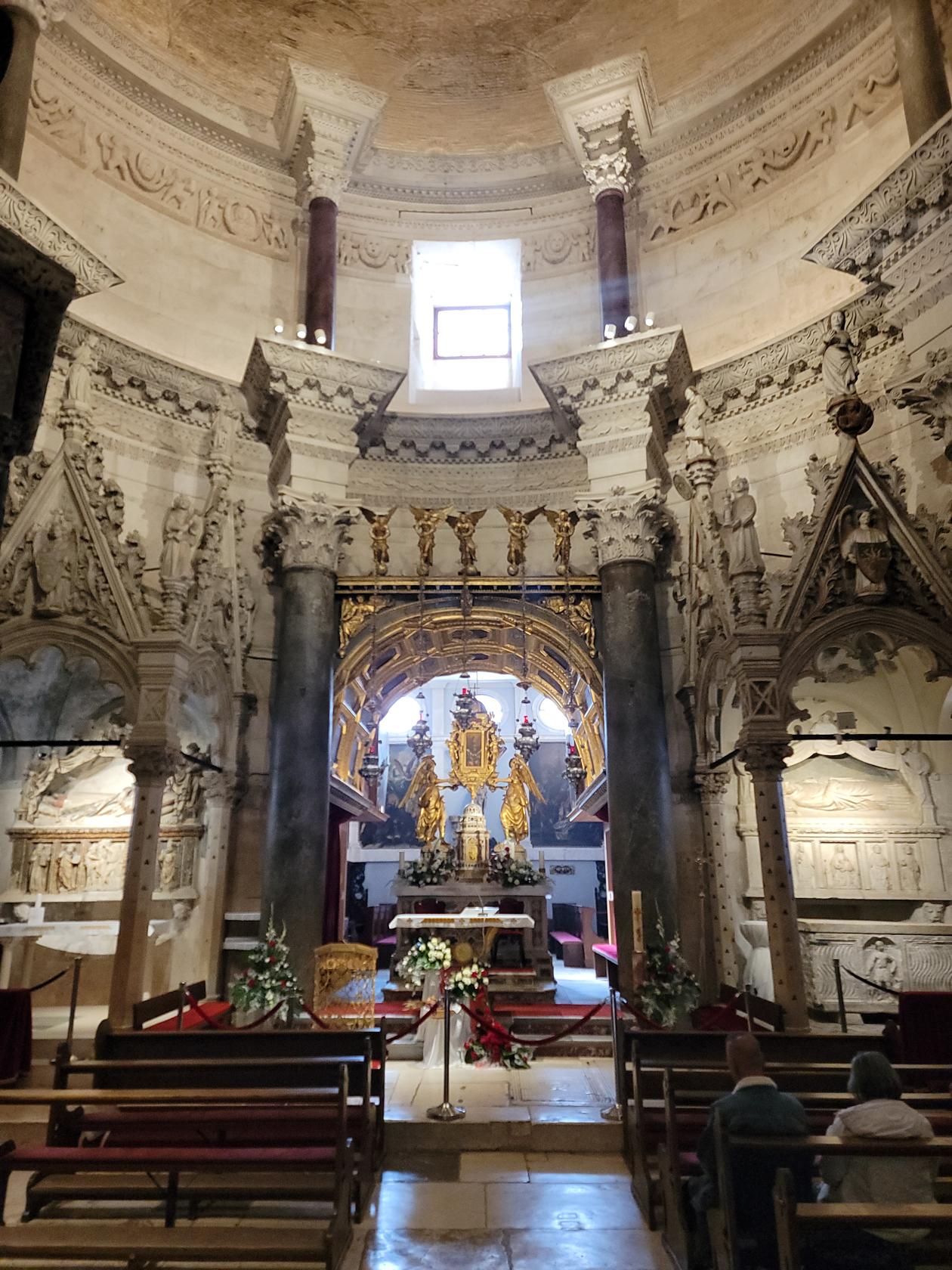
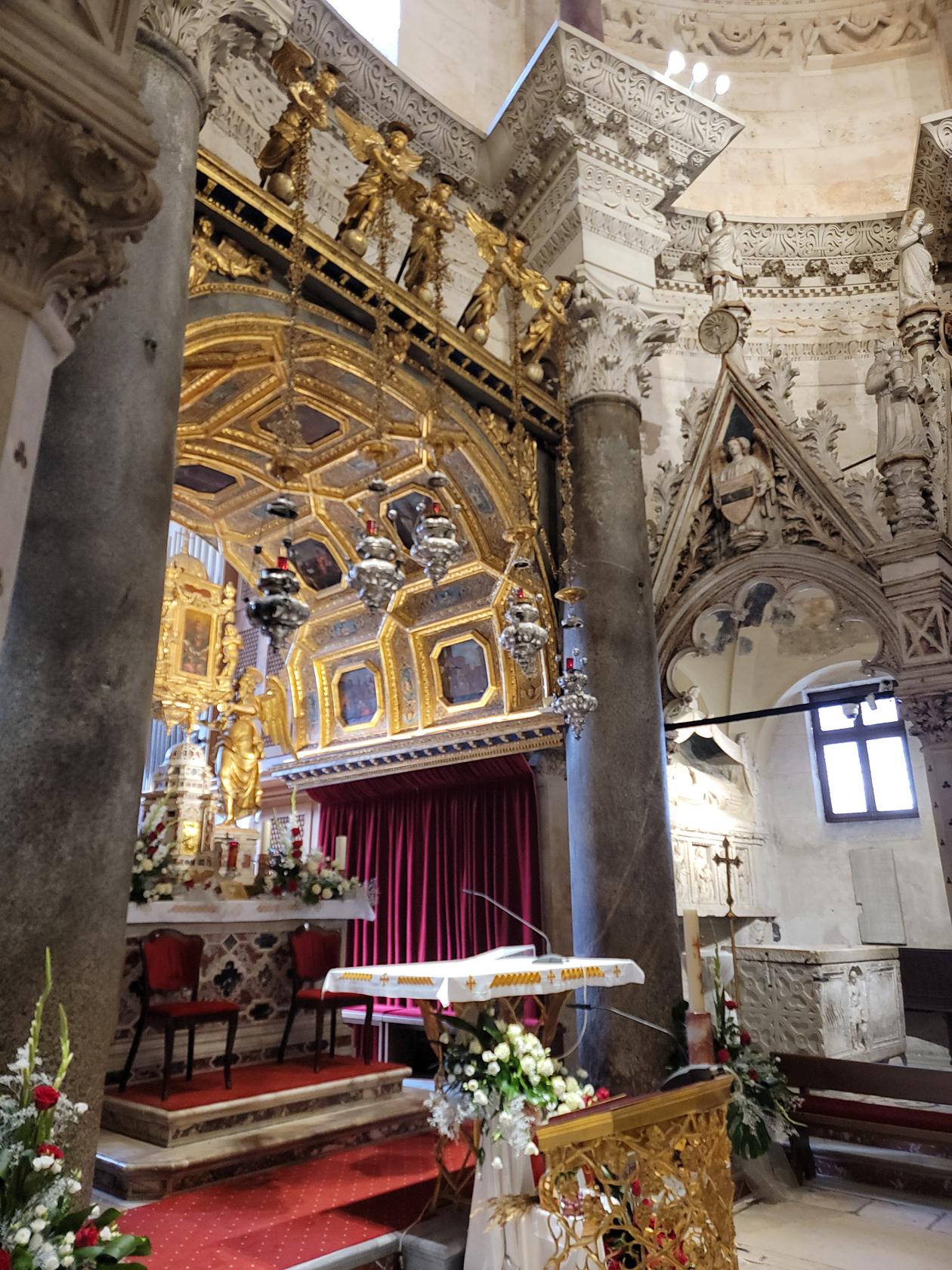
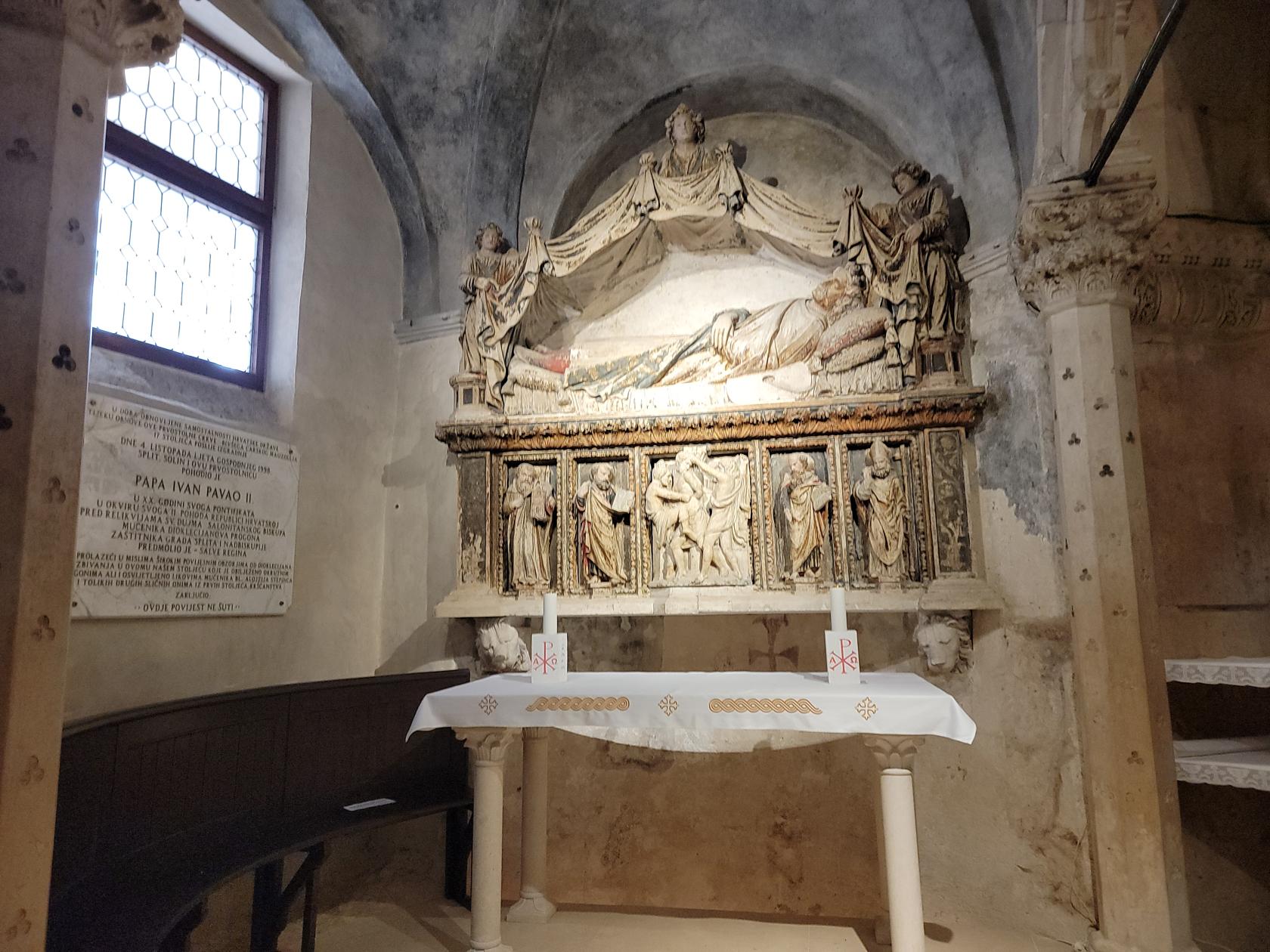
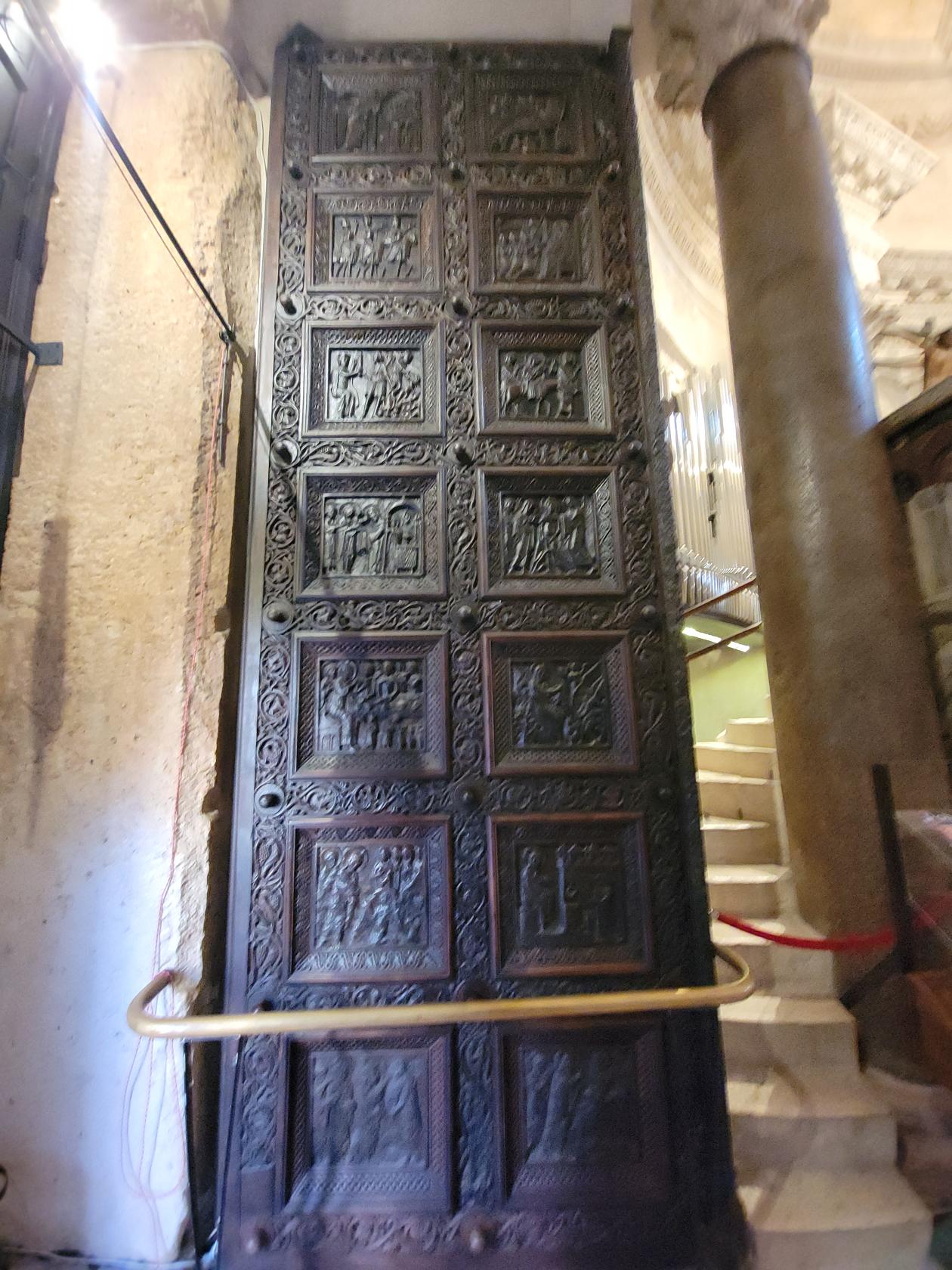
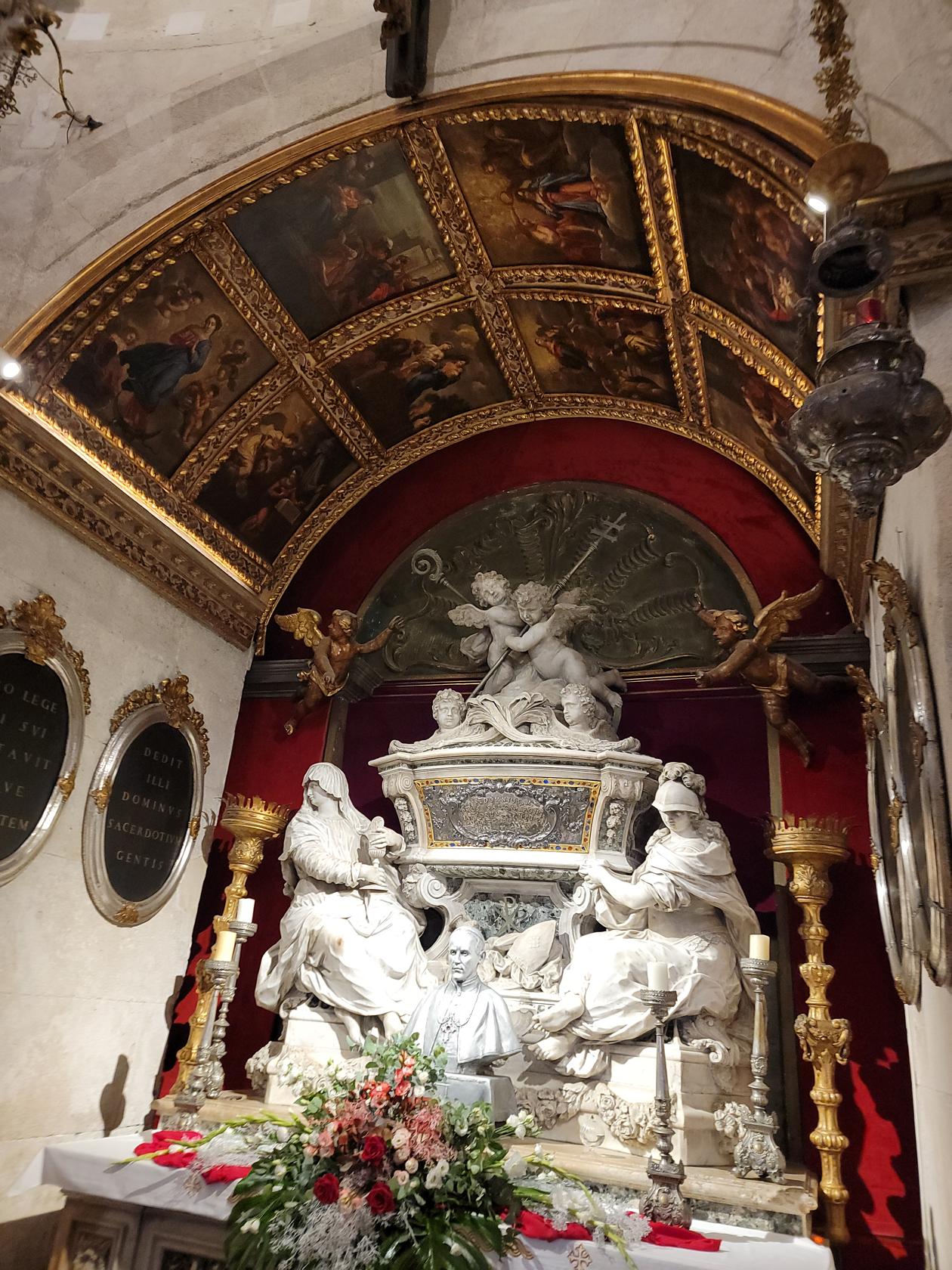
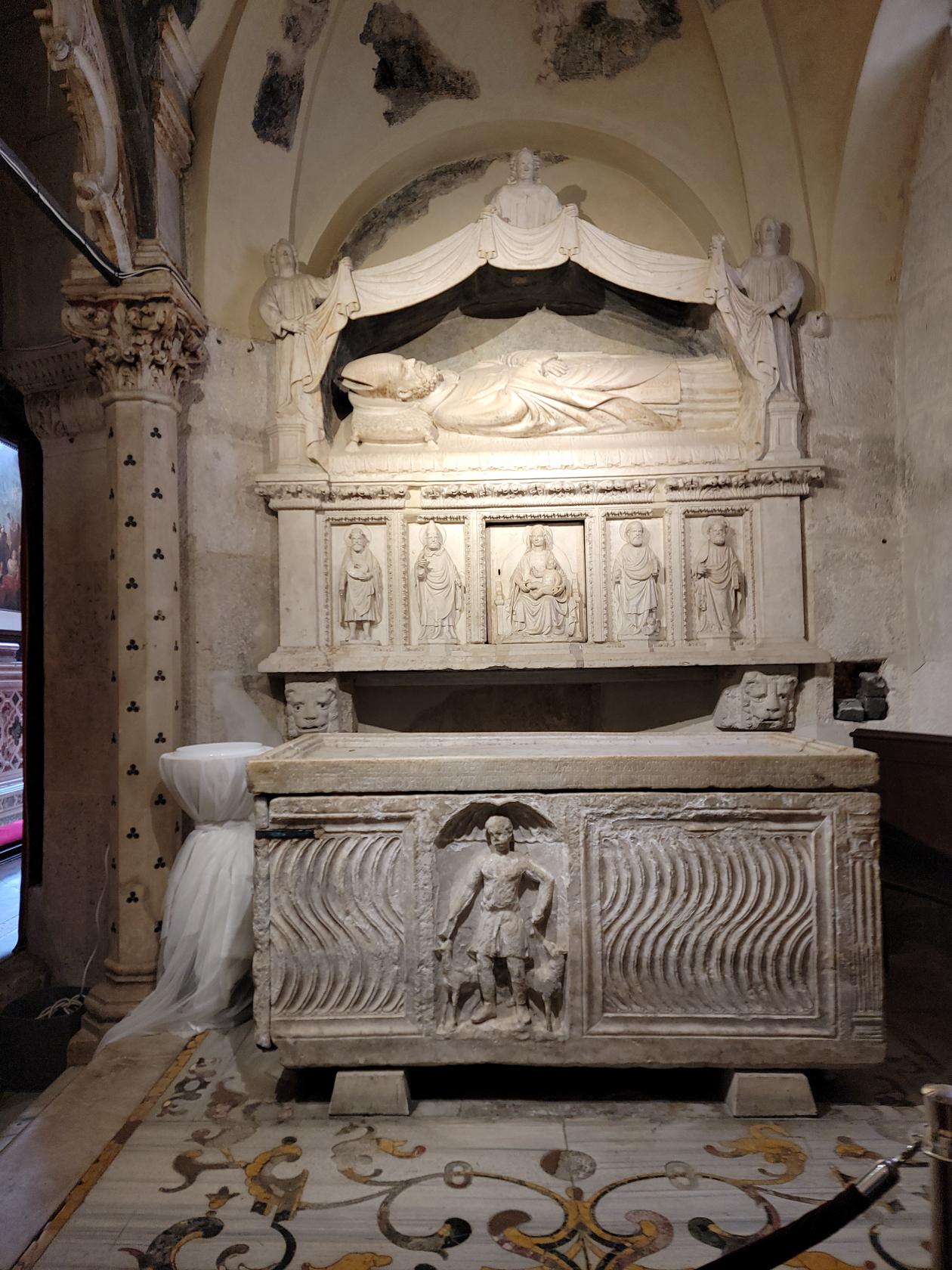
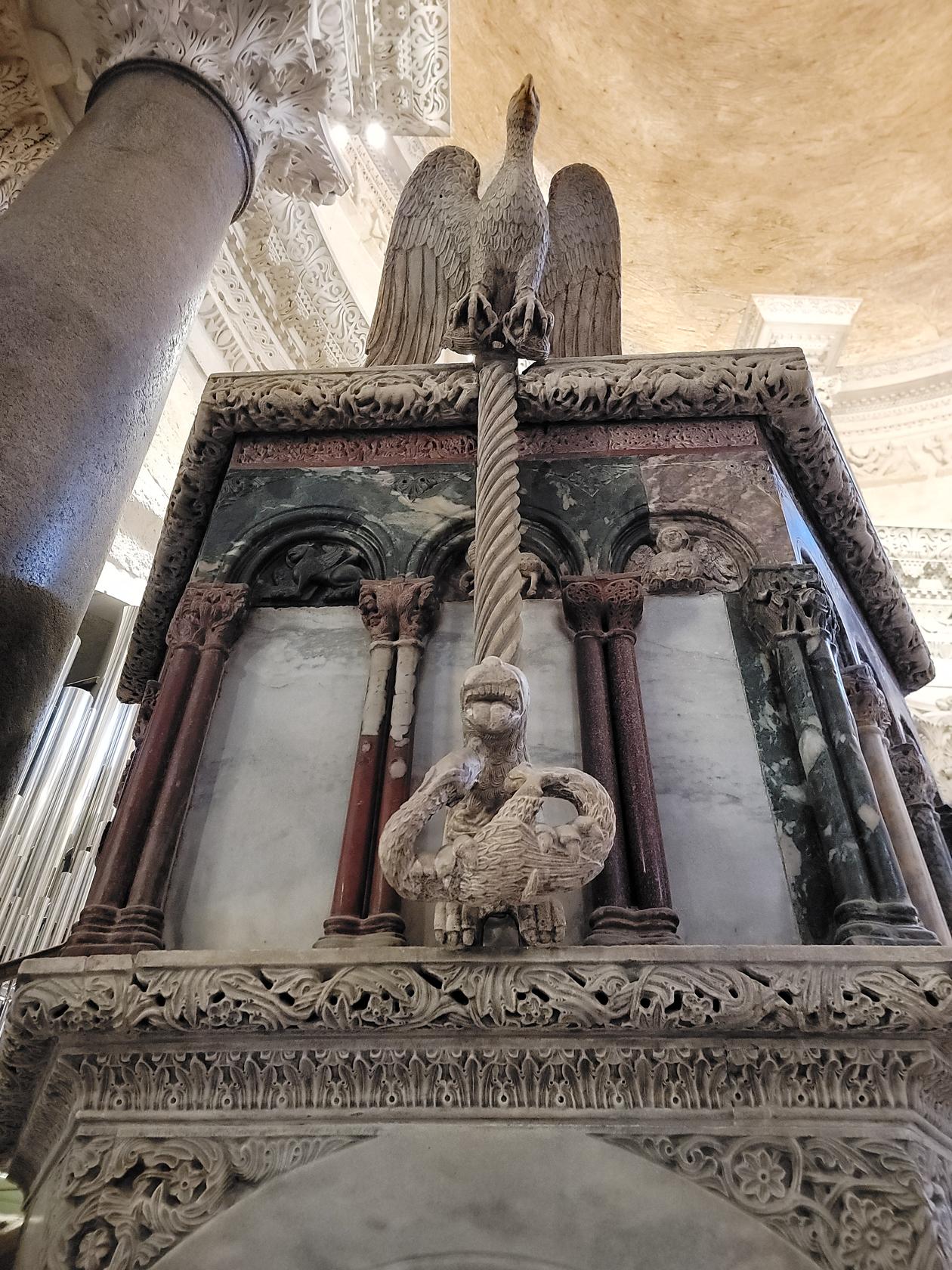
One of the main buildings within the palace is Saint Domnius Cathedral. Along with its bell tower it commands attention next to the vestibule.

The Crypt

The cathedral also houses a small crypt underneath it. However, today it is used for religious art, rather than storing of bodies and bones.

Marjan Hill

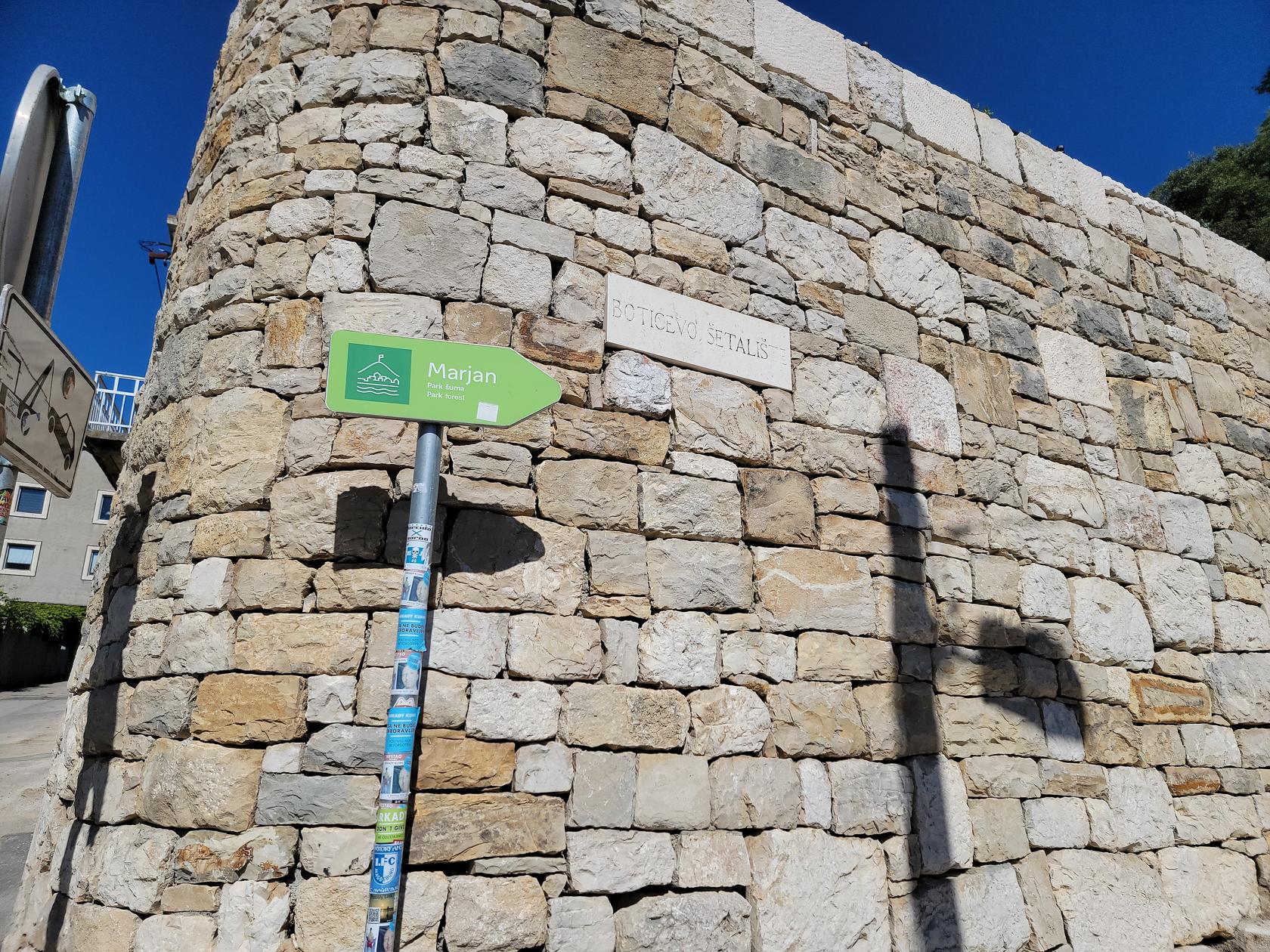
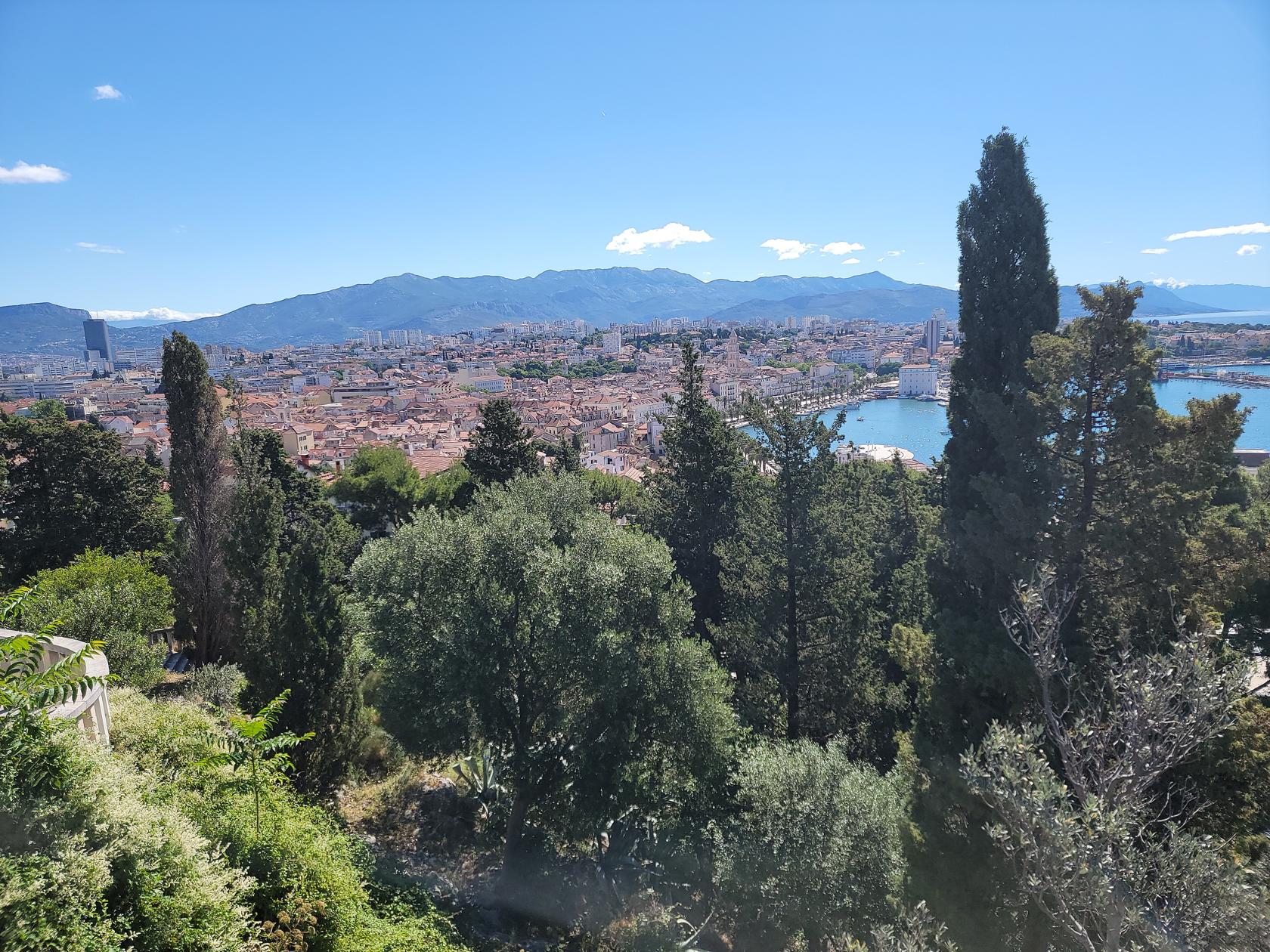
One the western part of the city is the Marjan Hill. Known locally as a hiking destination, is has several hundred steps to climb, before one gets a commanding view of the countryside.

Church of Saint Nicholas

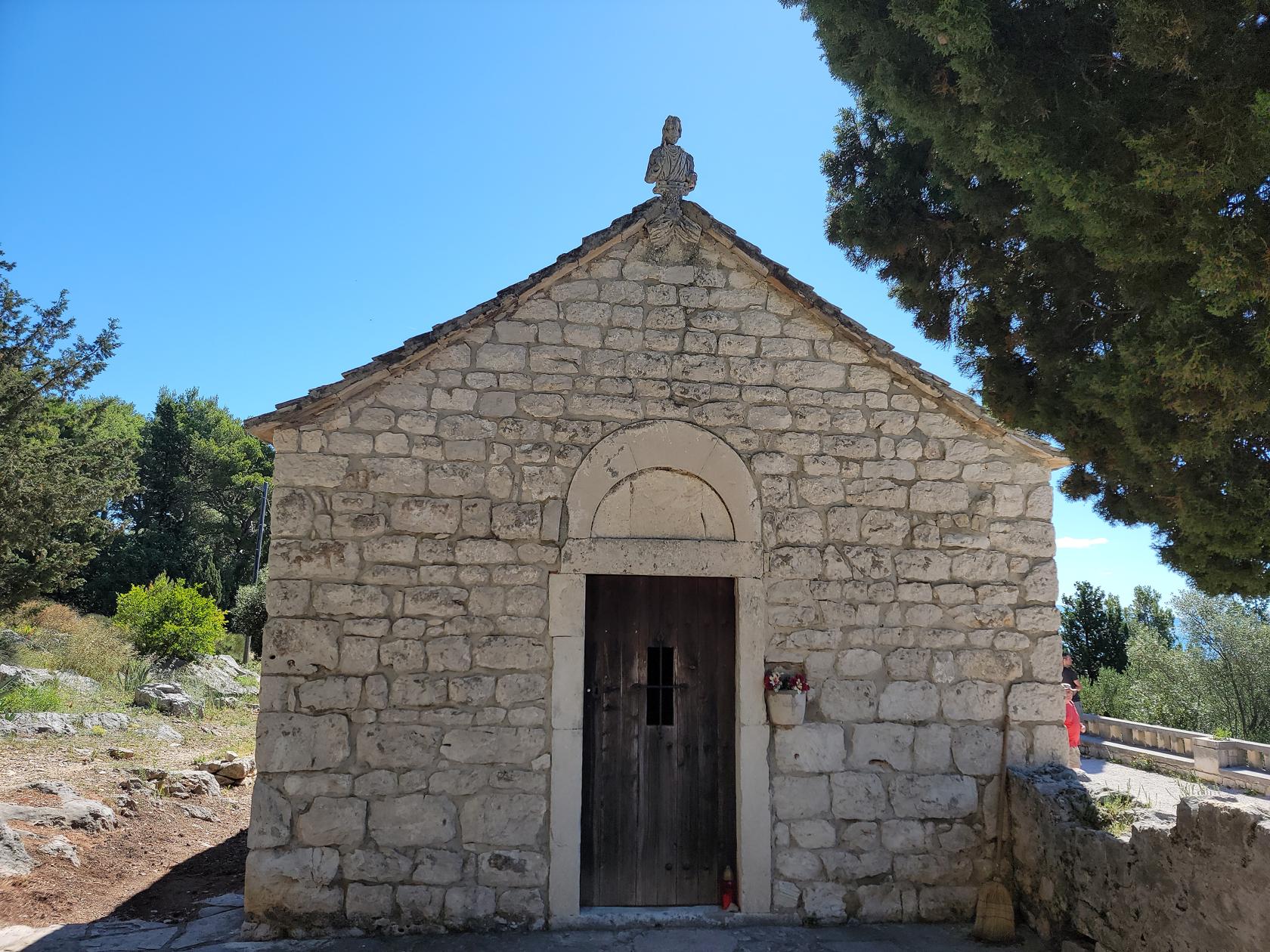
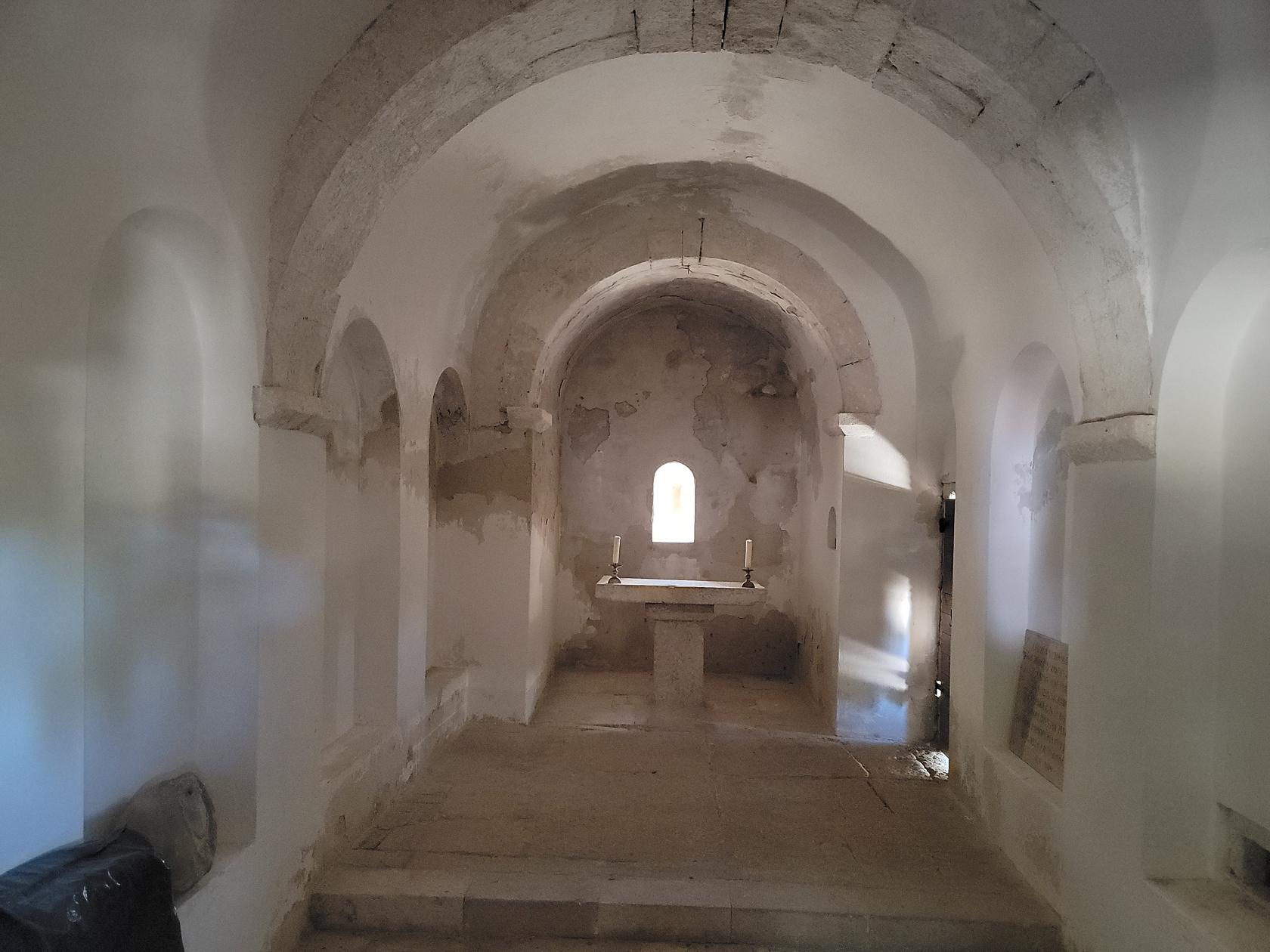
Atop the hill is the small chapel and Church of Saint Nicholas, first commissioned in 1219. It has a small Gothic-Renaissance bell tower and is still outfitted and used for mass, especially on December 6th. The Croatians are a deeply religious catholic people and you will often find attendance very high if you were to peak your head in during a Sunday Mass.

Restaurants

Cicibela Restaurant

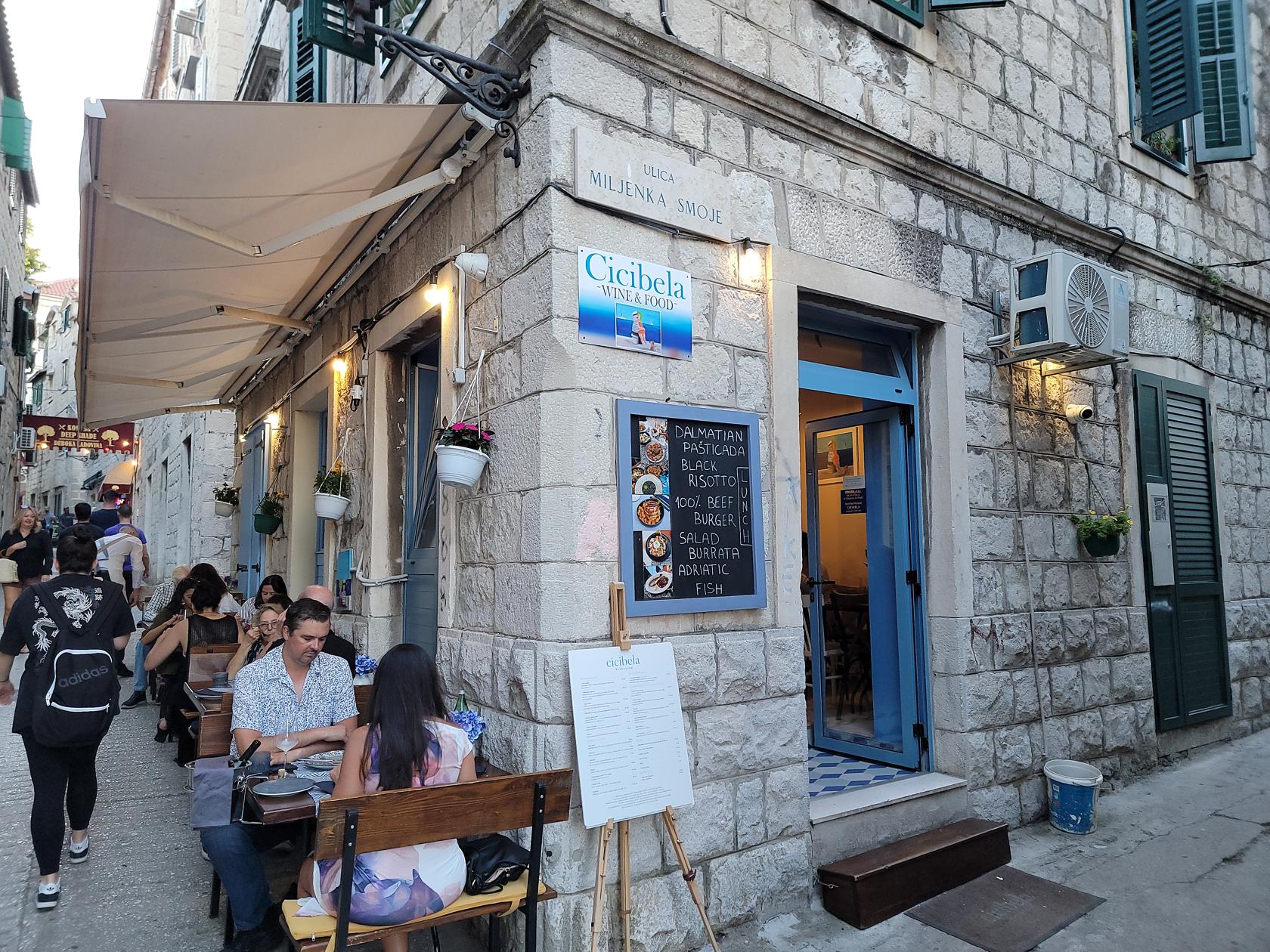
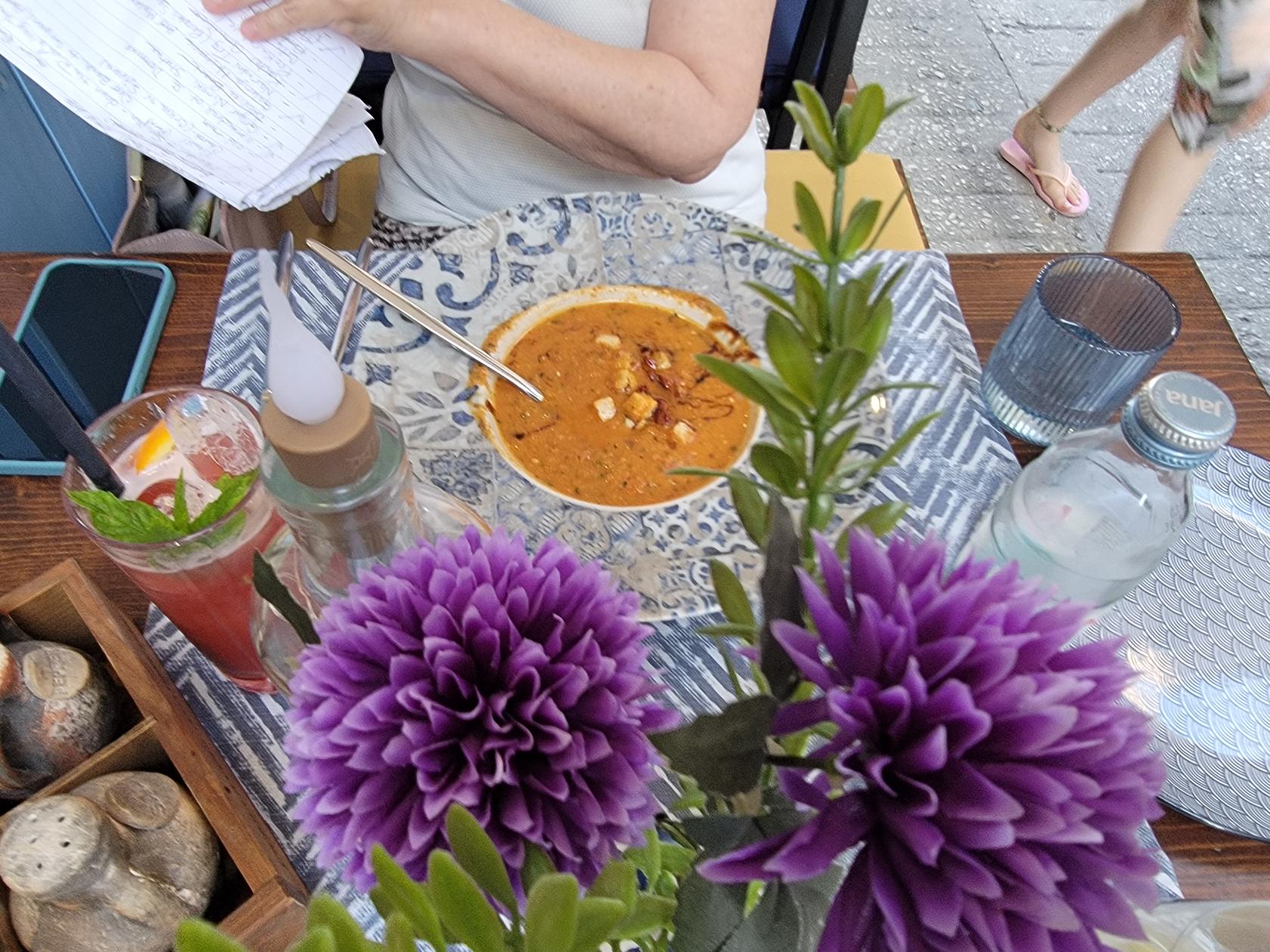
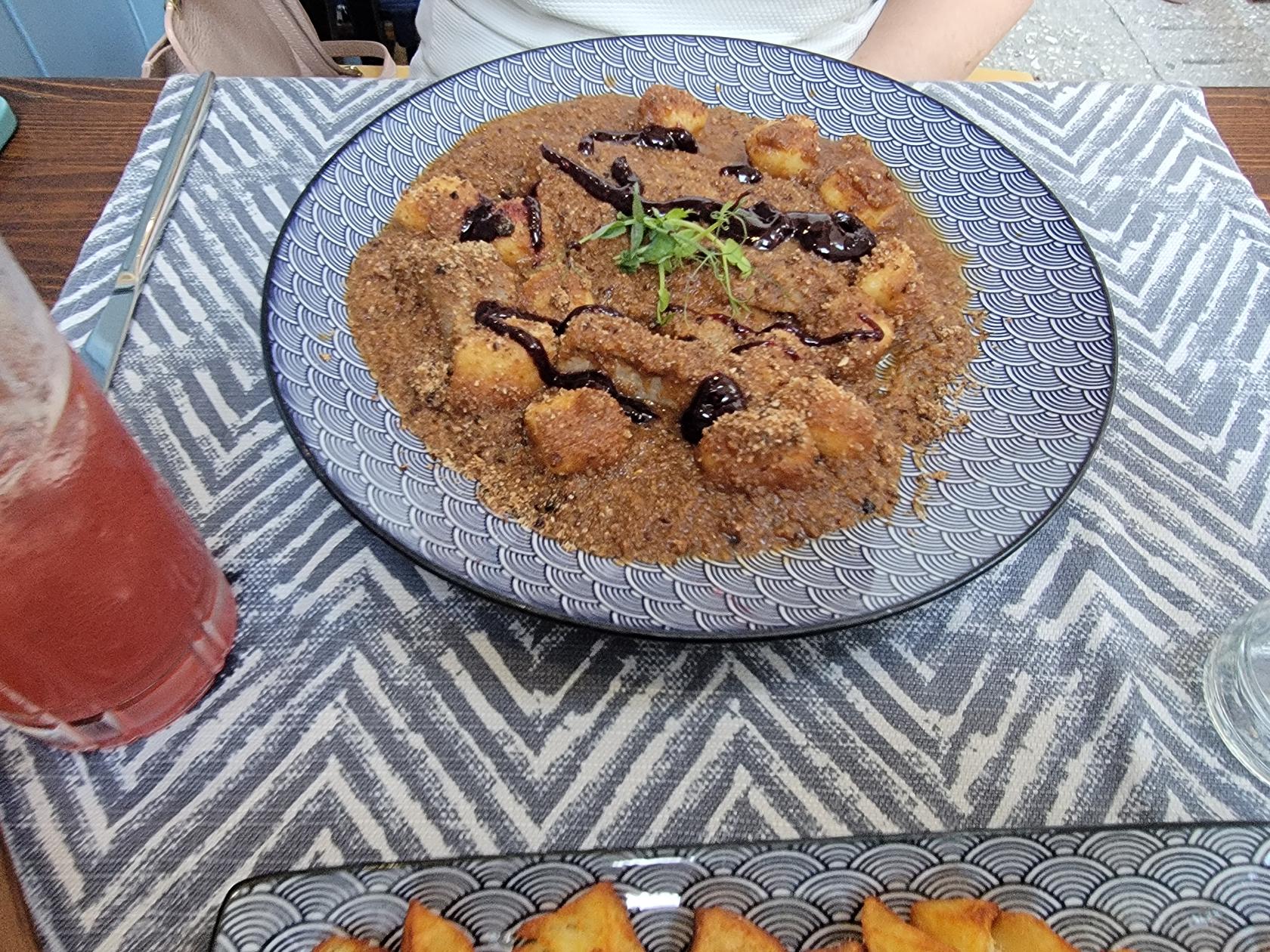
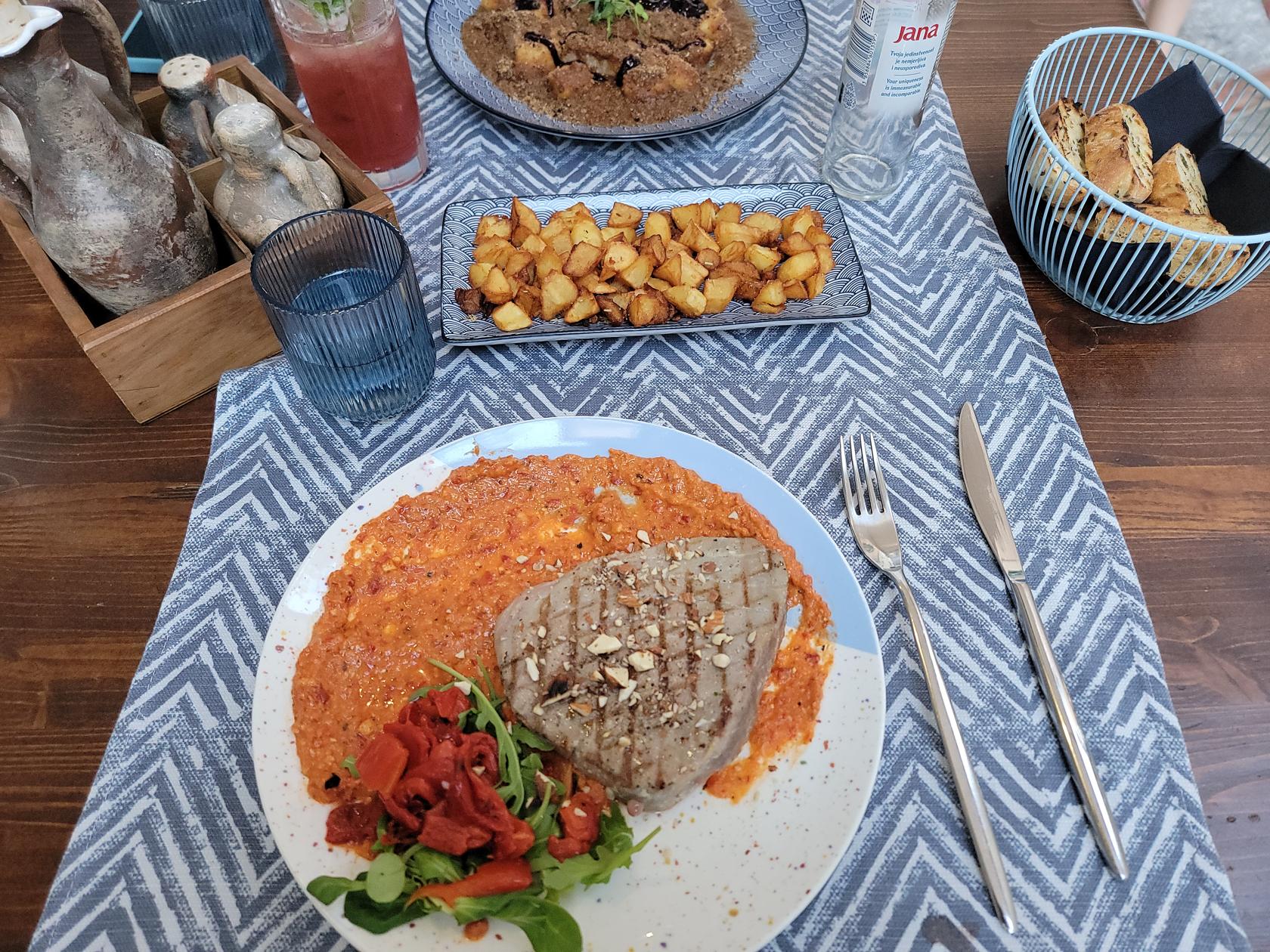
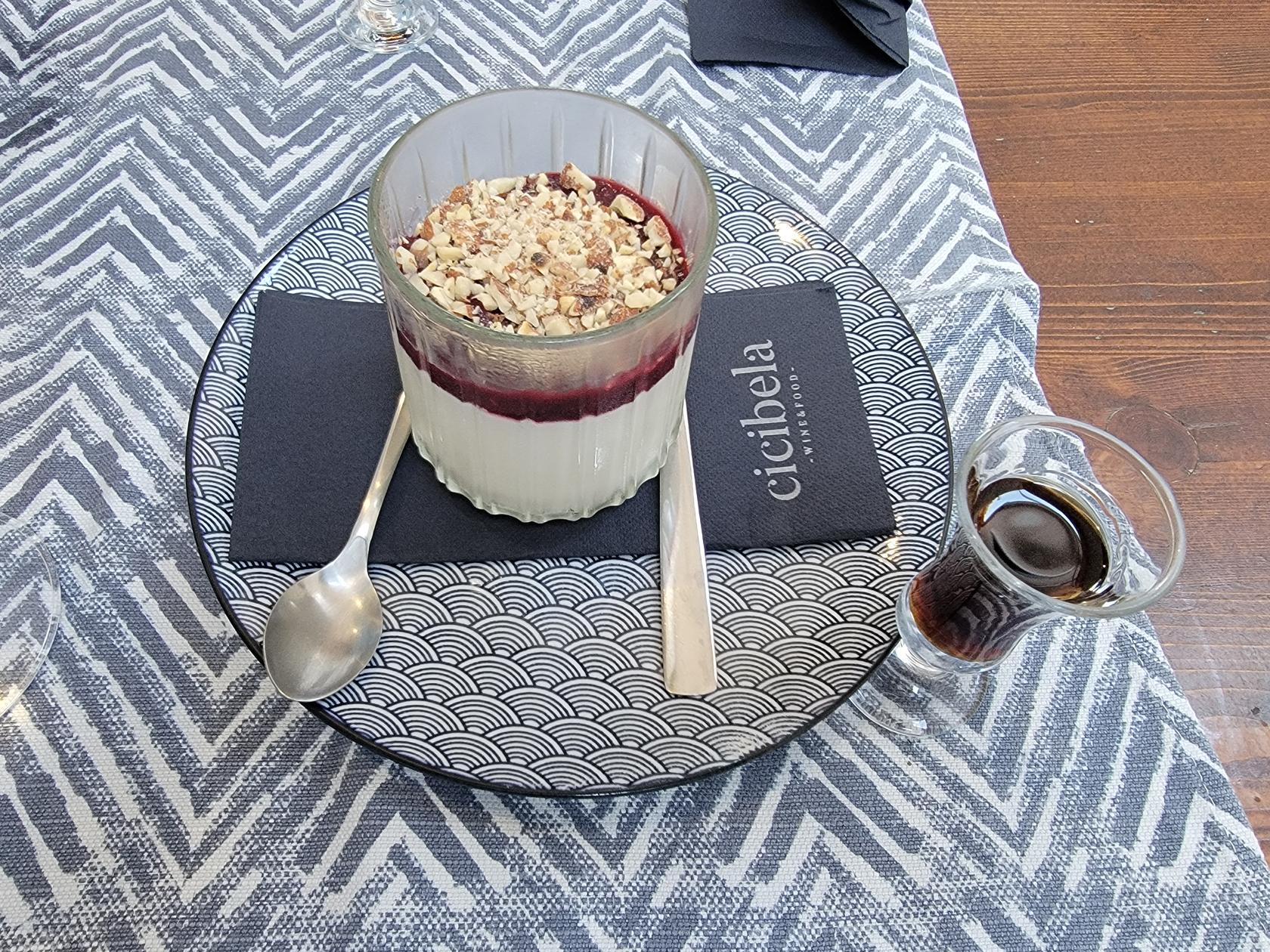
Very near our place of hotel was the Cicebela restaurant. A very good restaurant that serves traditional food, albeit at a higher price. Everything we ordered was very tasty and the service was equally responsive.

Buffet Fife

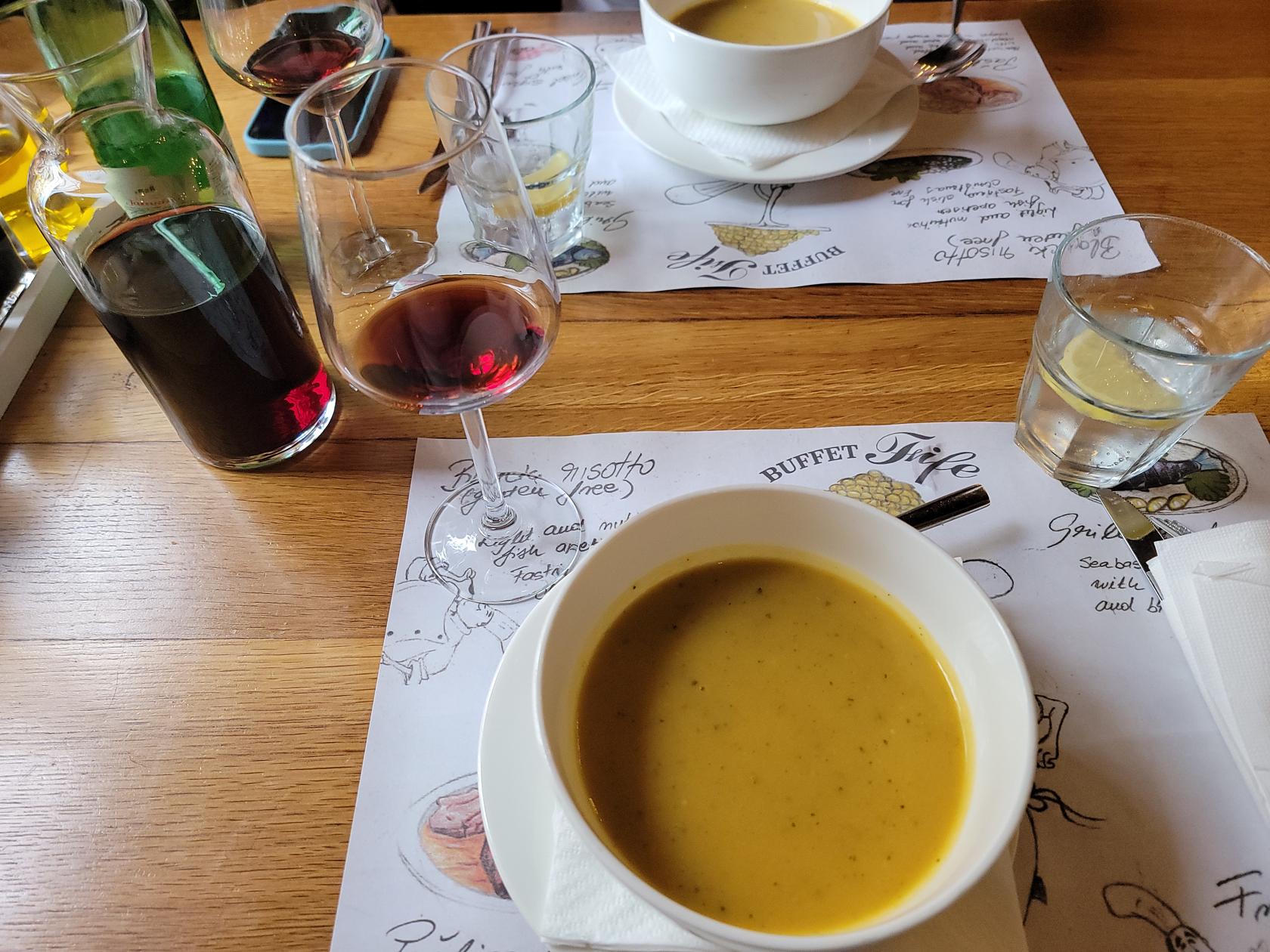
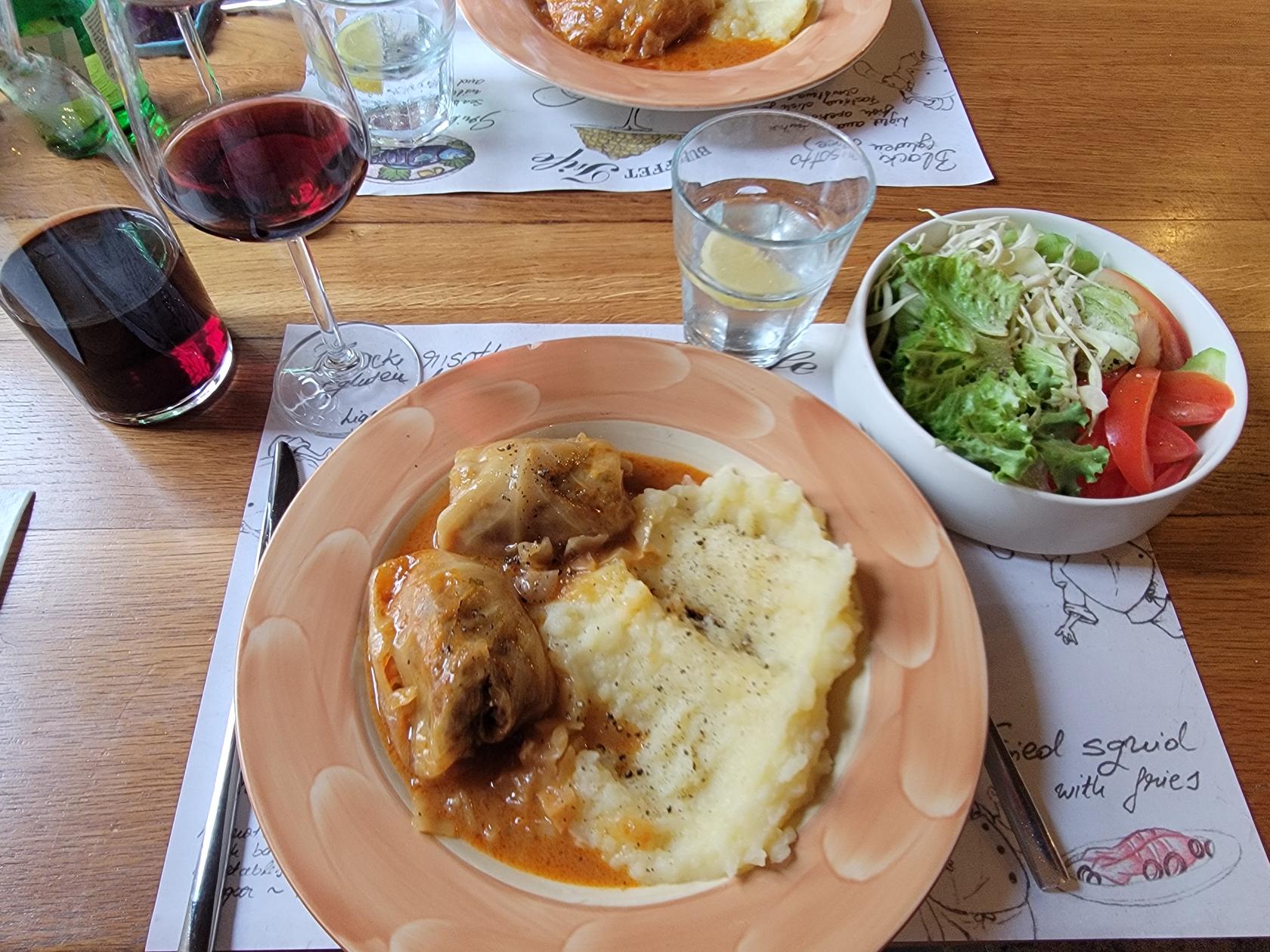
Located near the waterfront is the Buffet Fife, a local restaurant that is similar to a trattoria in Italy. Here you will find and enjoy many Croatian home-cooked dishes. We ordered the stuffed cabbage rolls in sauce with mashed potatoes, which are very similar to the Polish variety of Gołąbkis, or Galumpkis. They were delicious and come well commended.

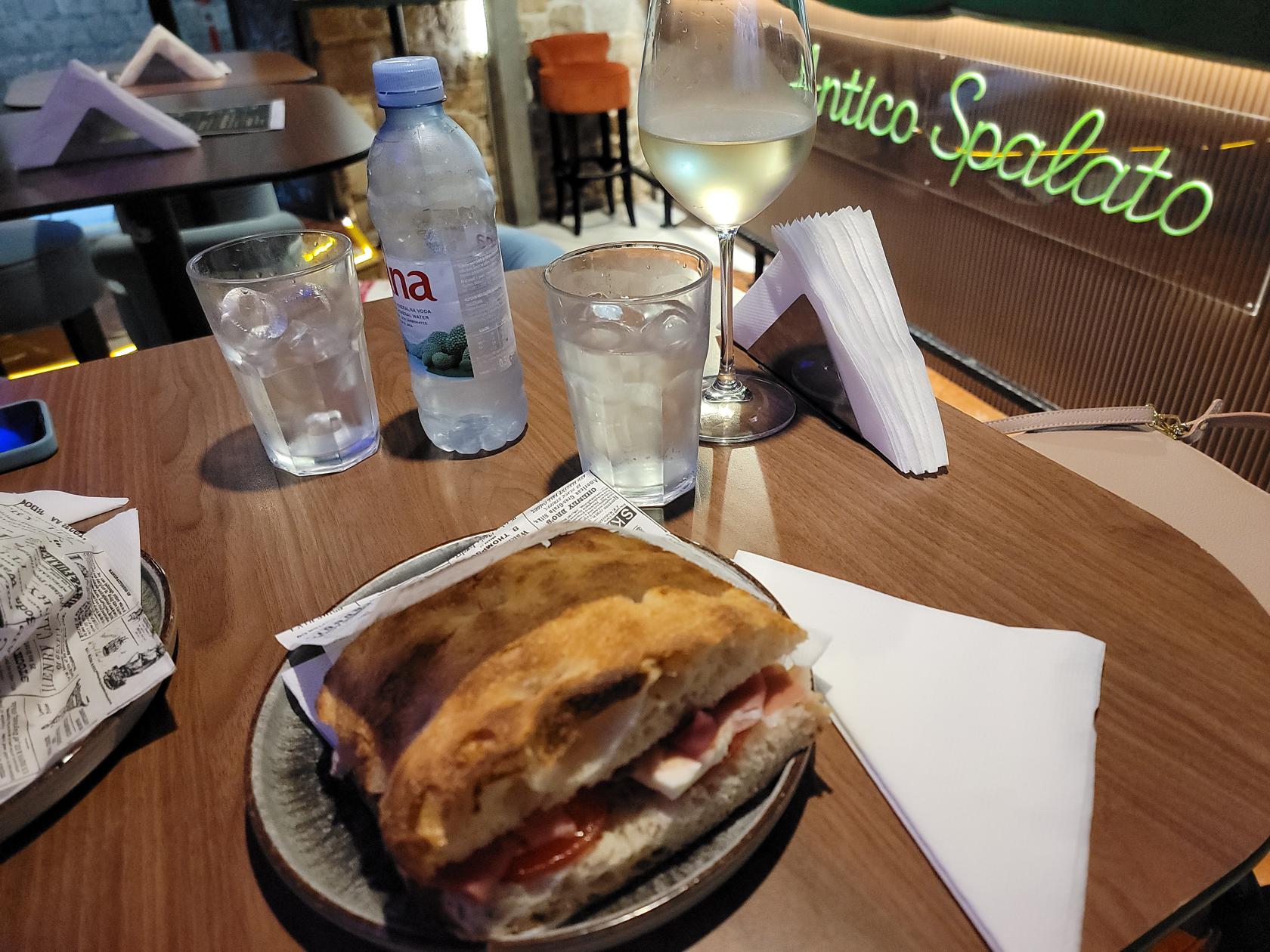
Focaccia Antico Spalato

On the more modest side of things is the Focacciaria, Antico Spalato. A veritable hole-in-the-wall, we visited it while trying to stay out of the pouring rain.

Zagreb, Croatia – Golden Bull

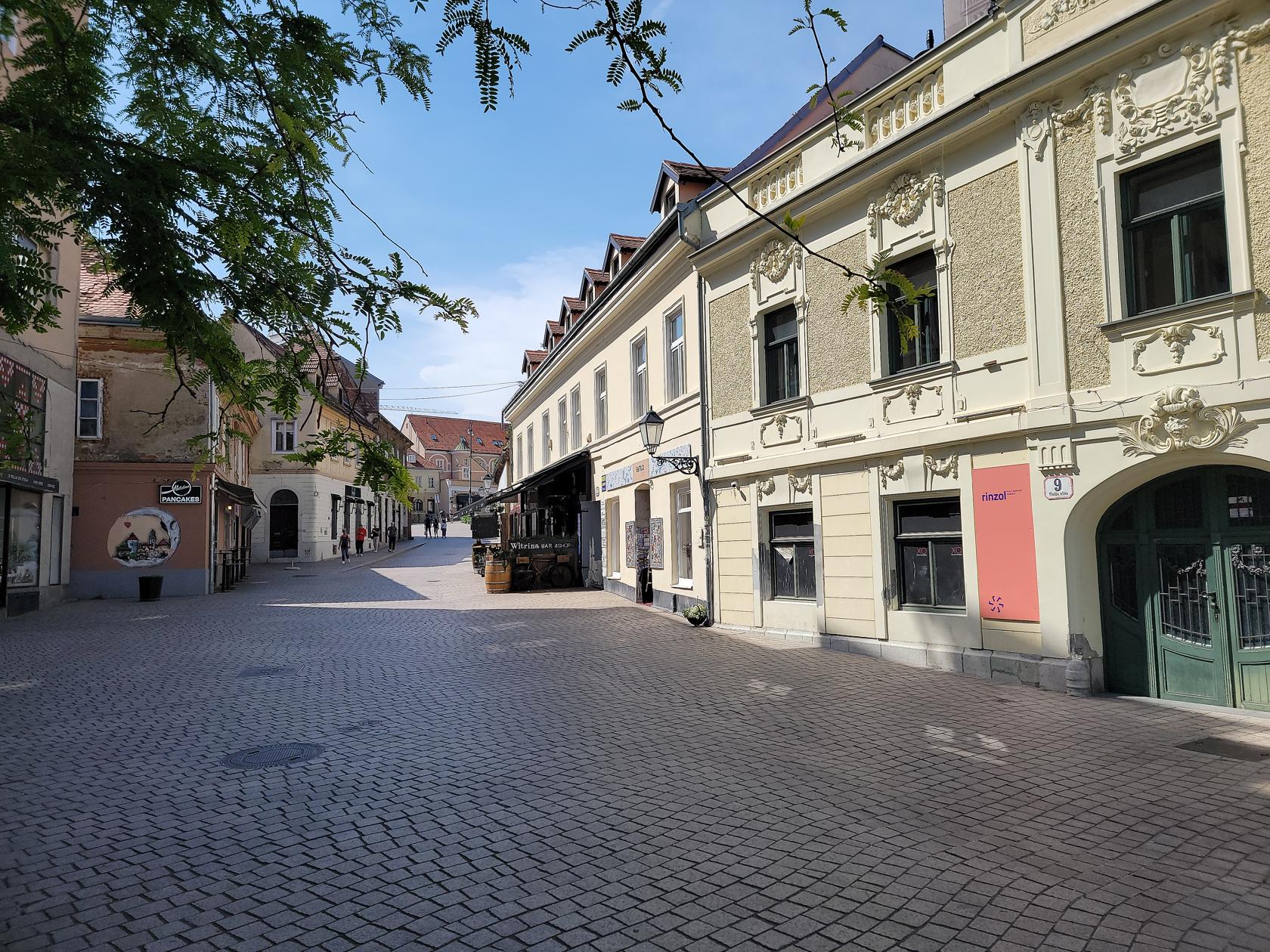
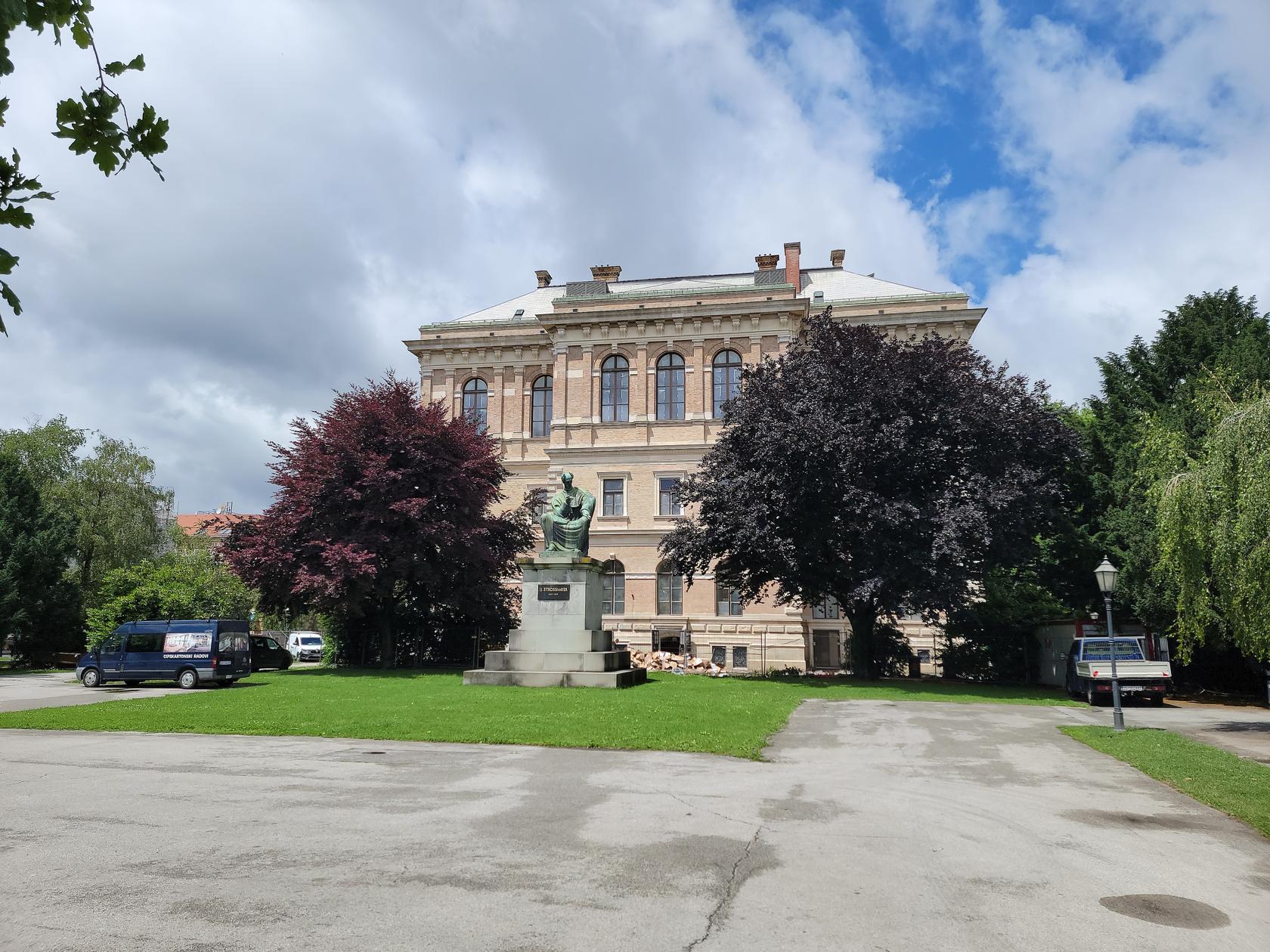
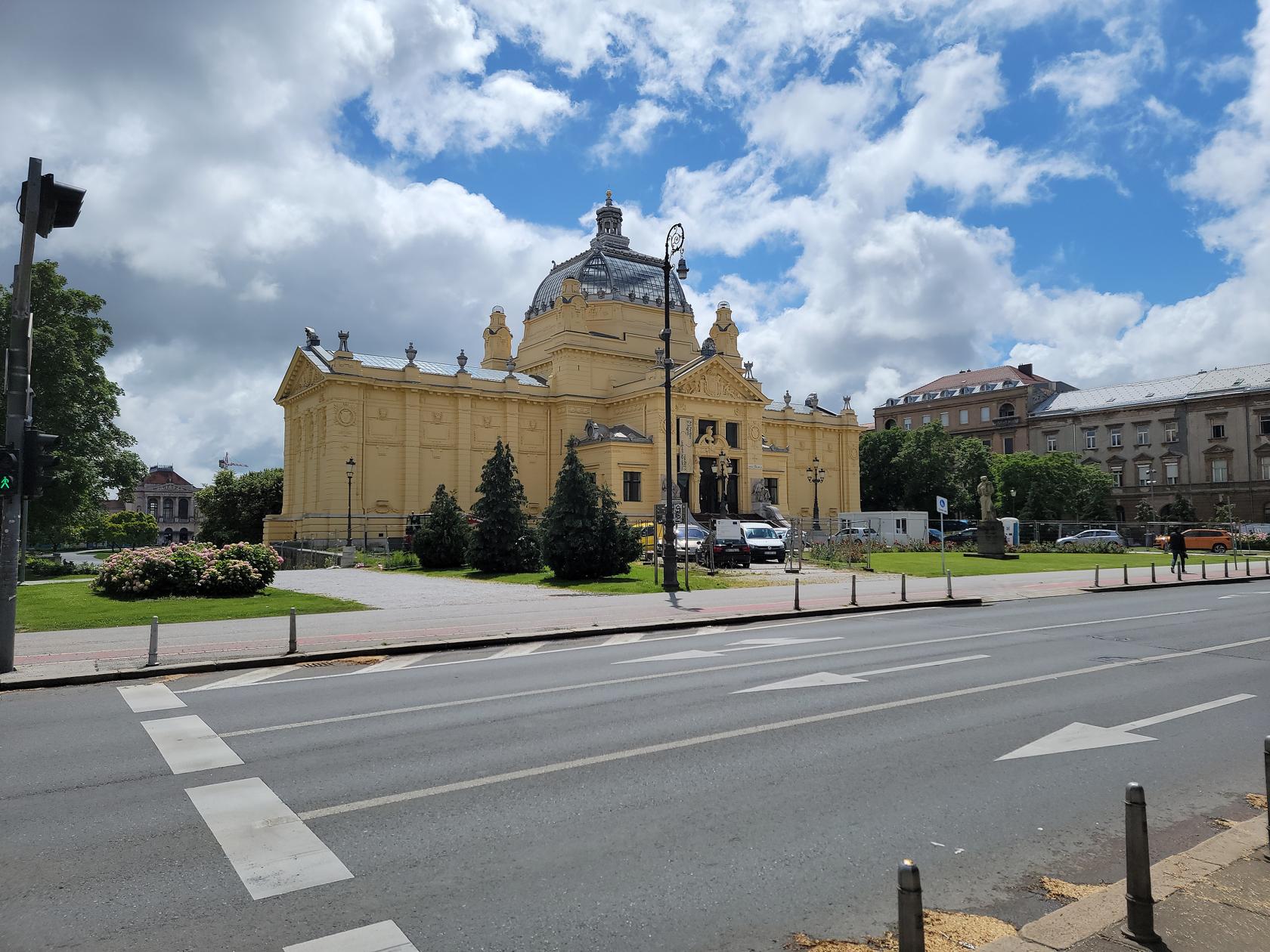
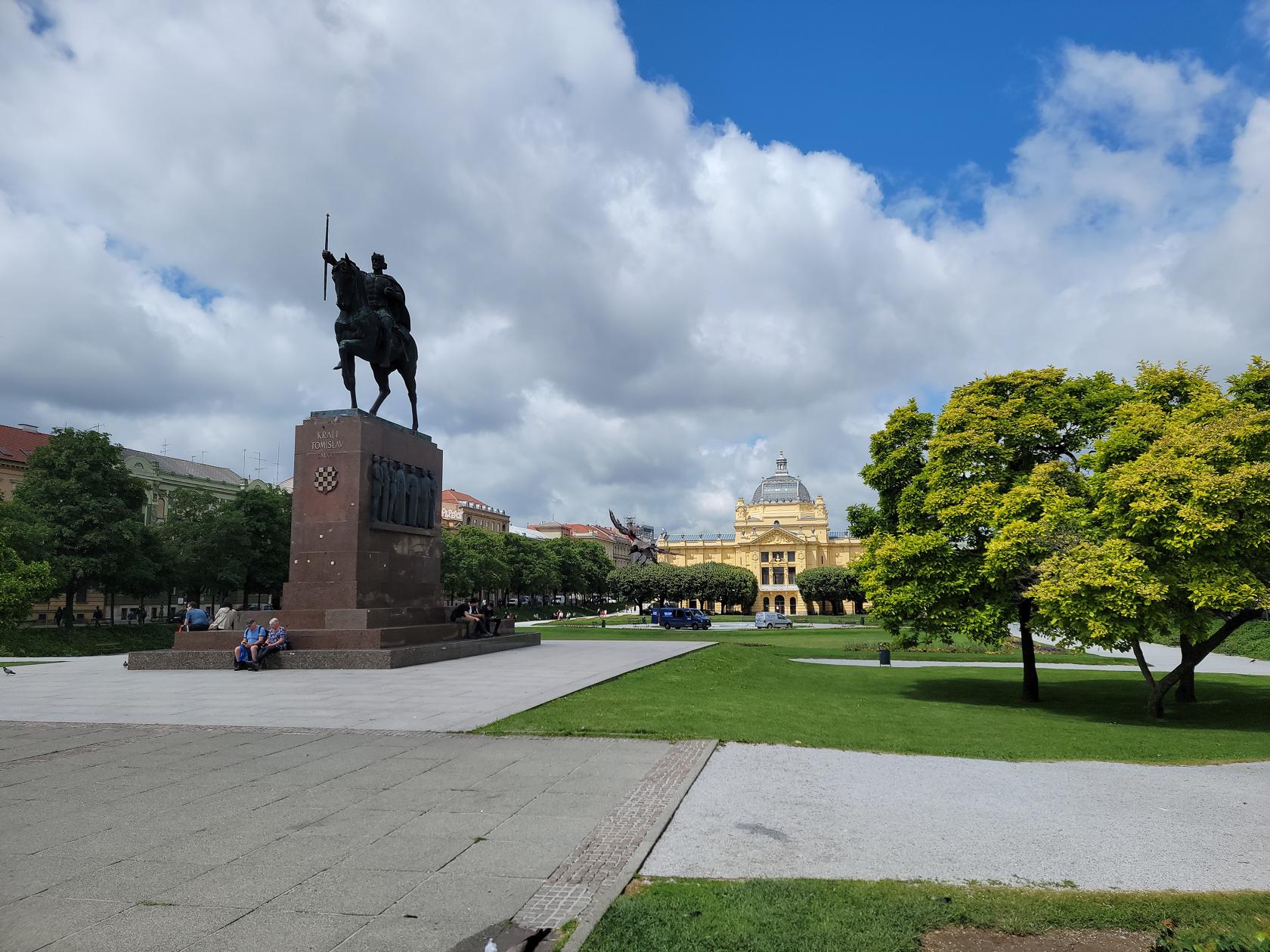
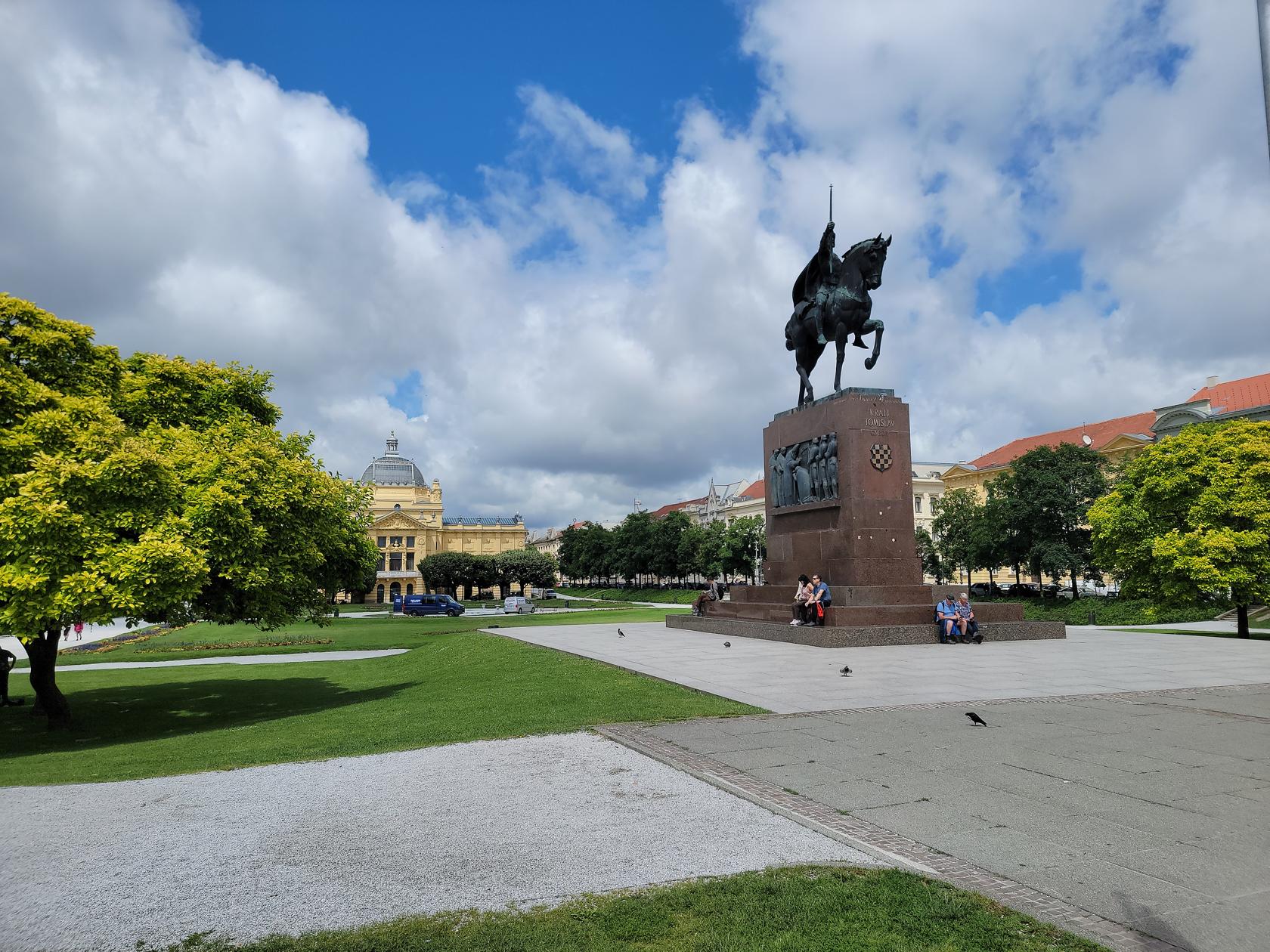
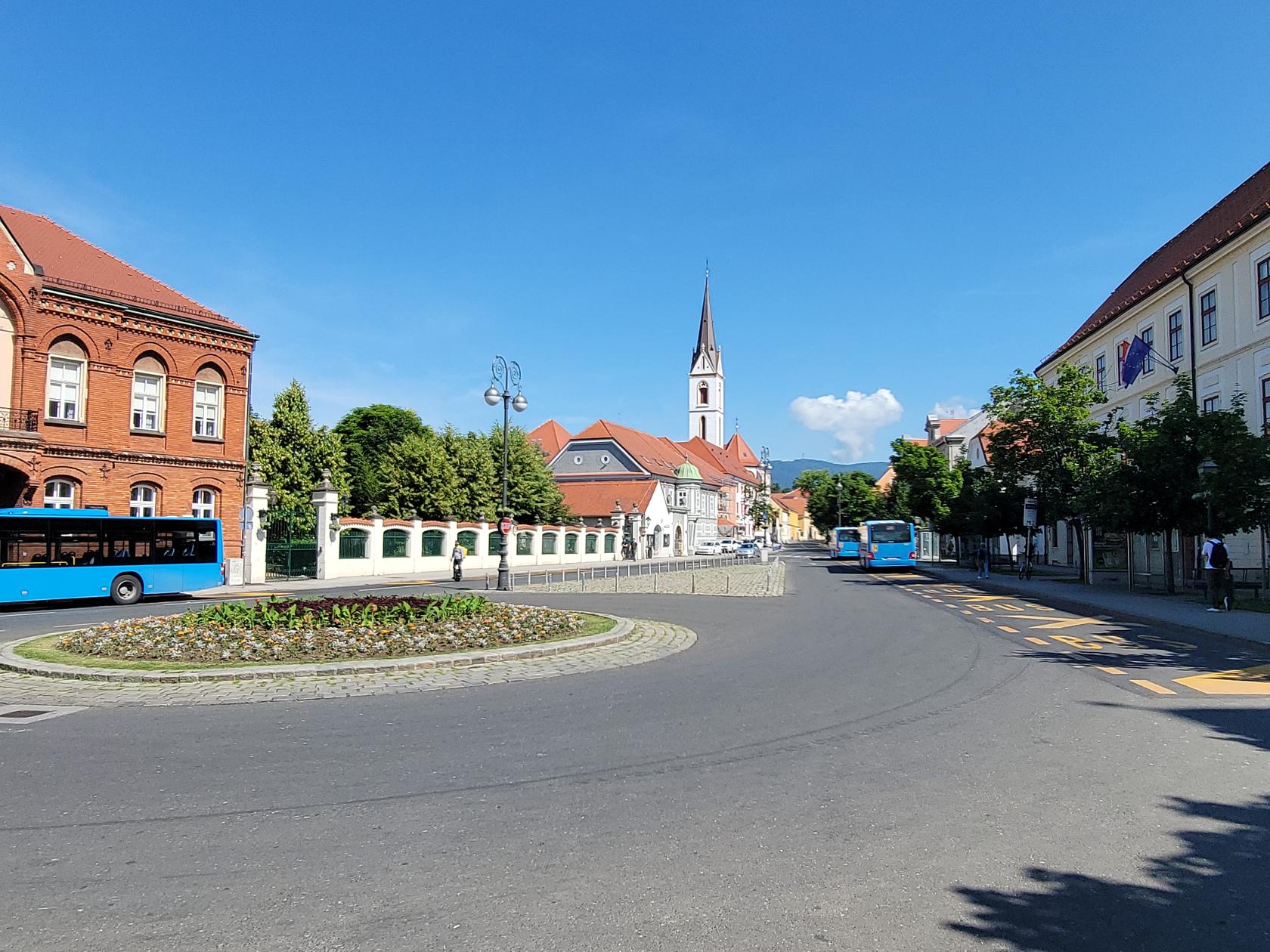
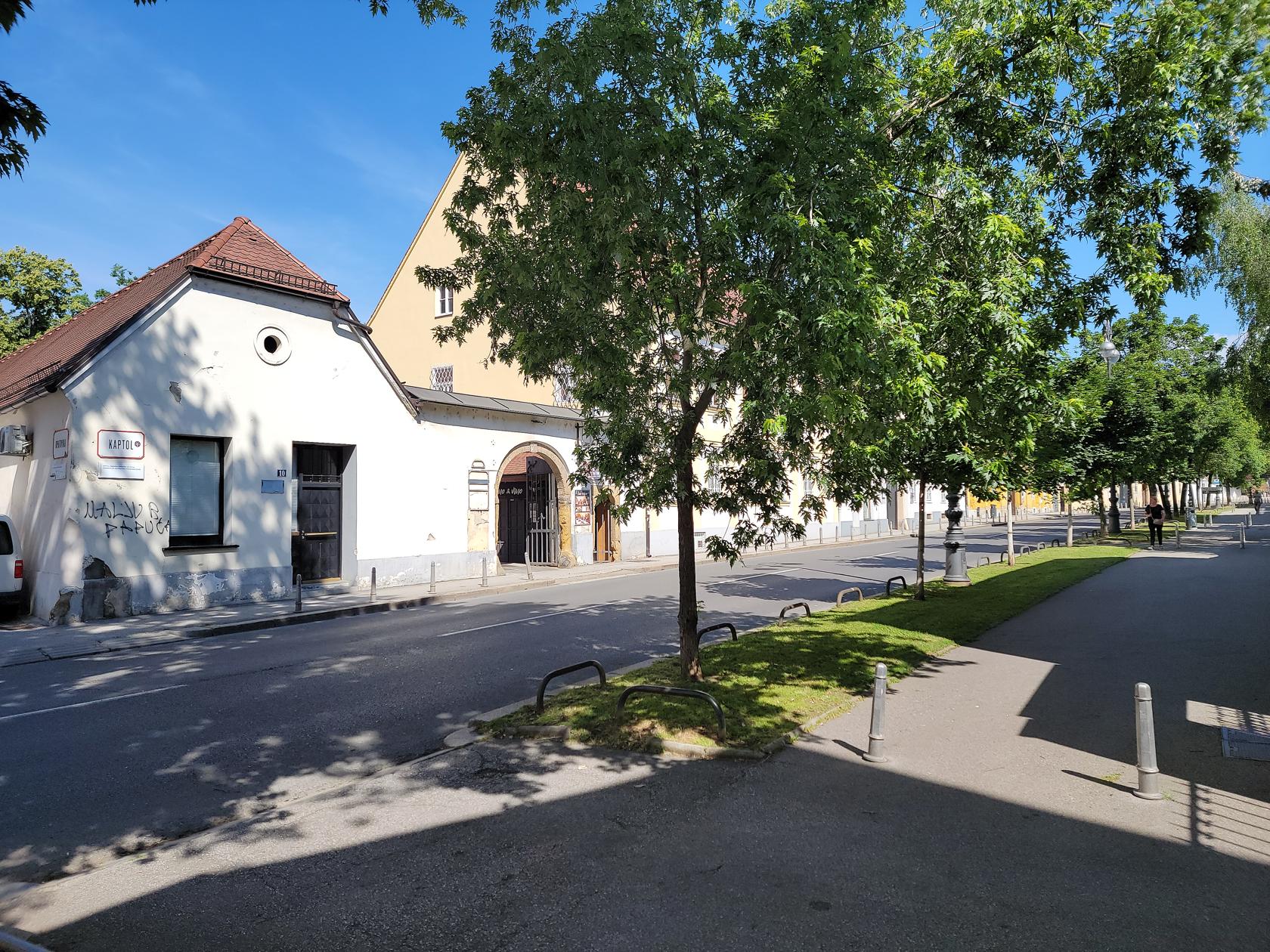
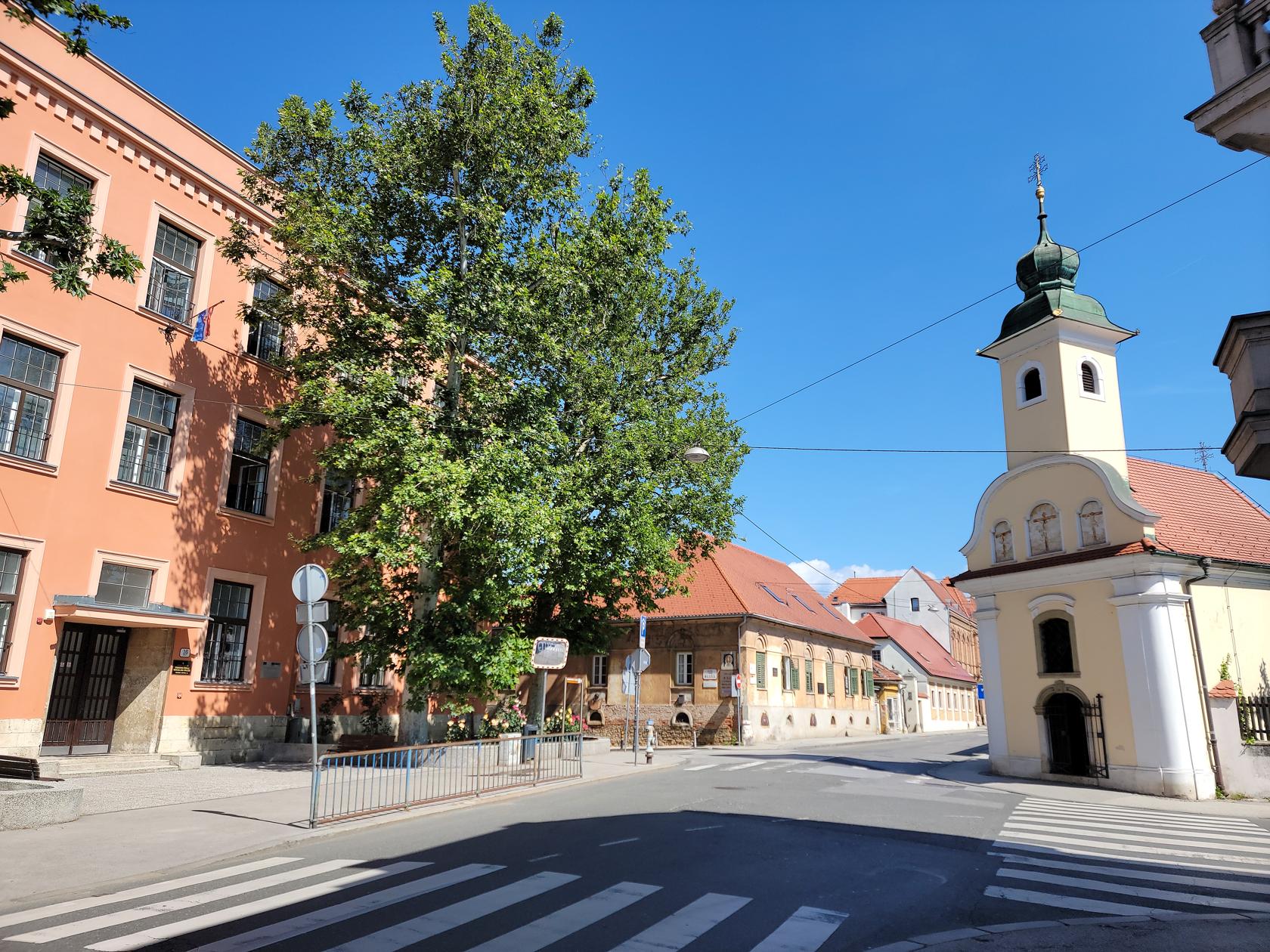
Zagreb, the etymology of the name even today is disputed, is actually composed of two historic city centers, Kaptol to the east and Gradec to the west. Today, it consists of an even larger metropolitan area, where more than a million people live.

Zagreb

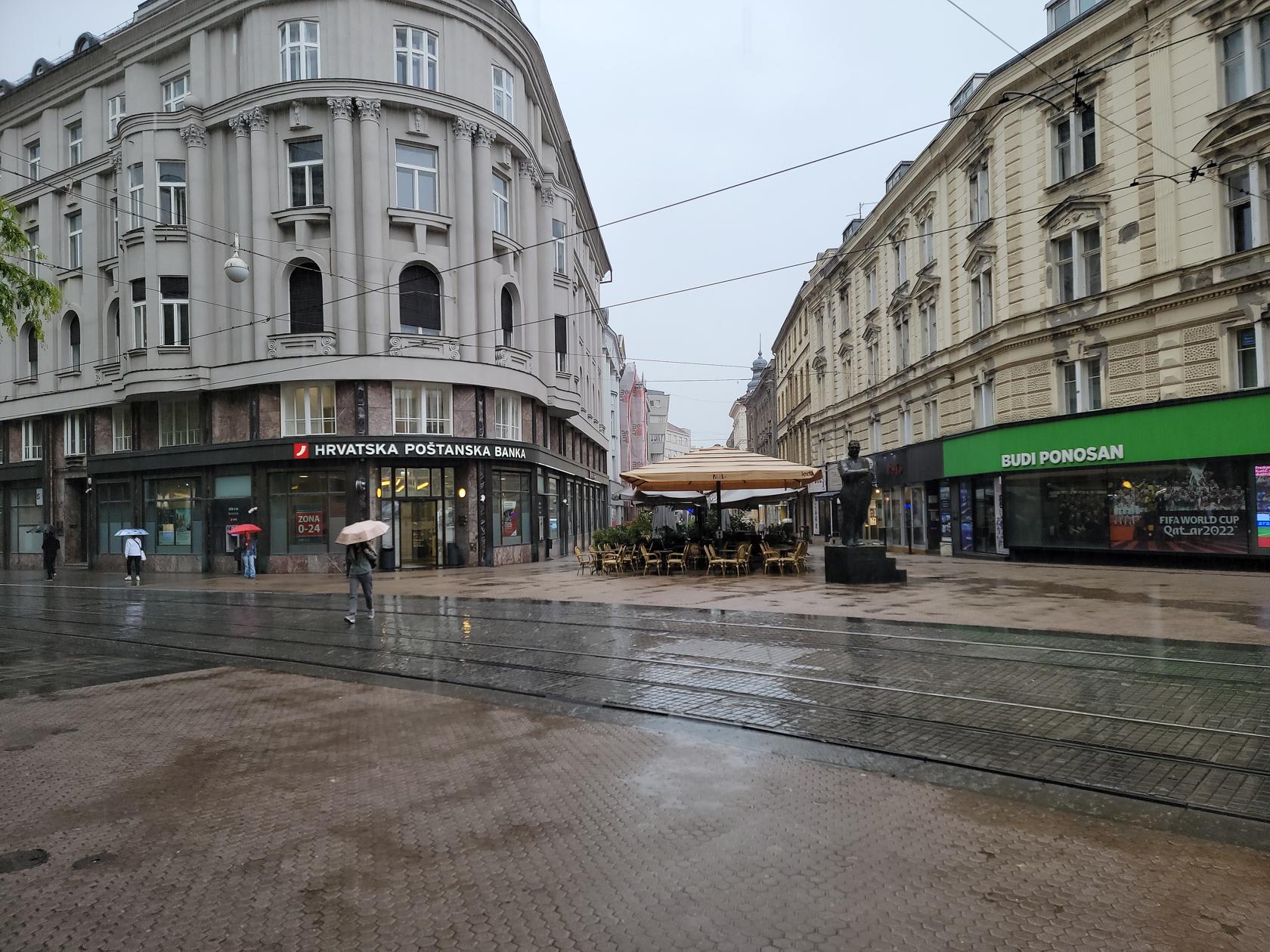
On a normal day, the historic parts of the city are filled with tourists and sightseers, however the weekends can be quieter. We arrived on a Sunday and found it strangely quiescent.

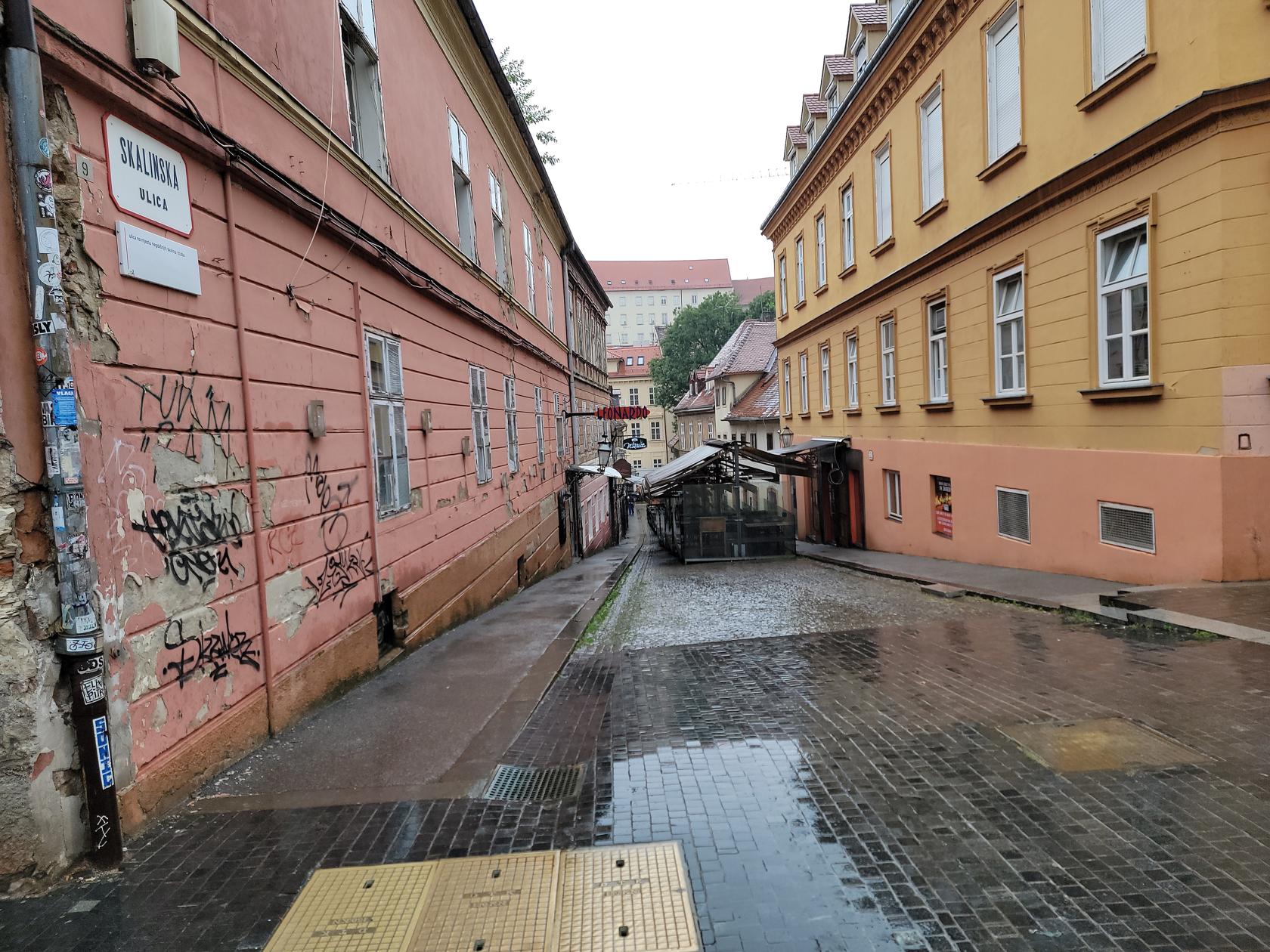
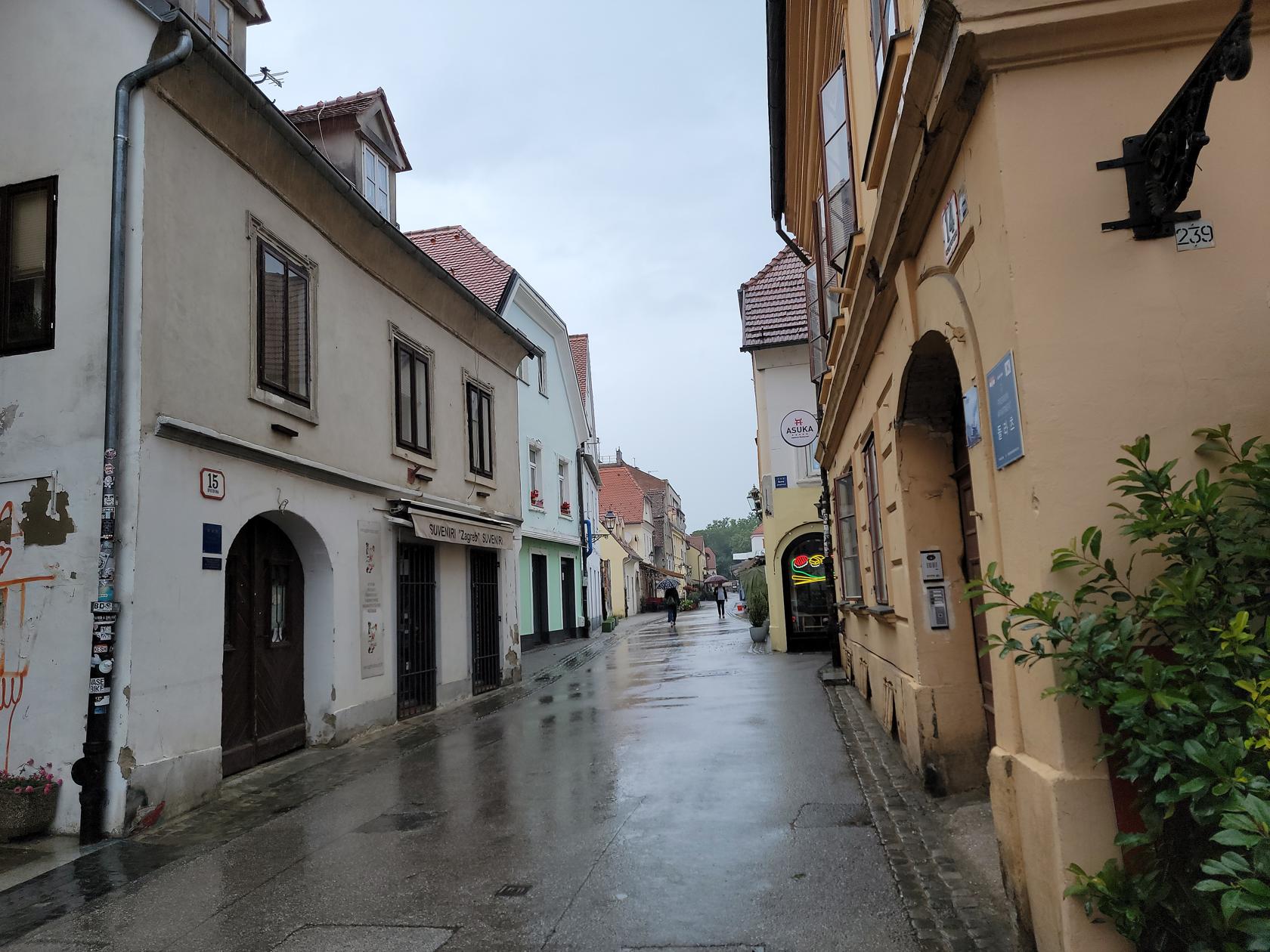
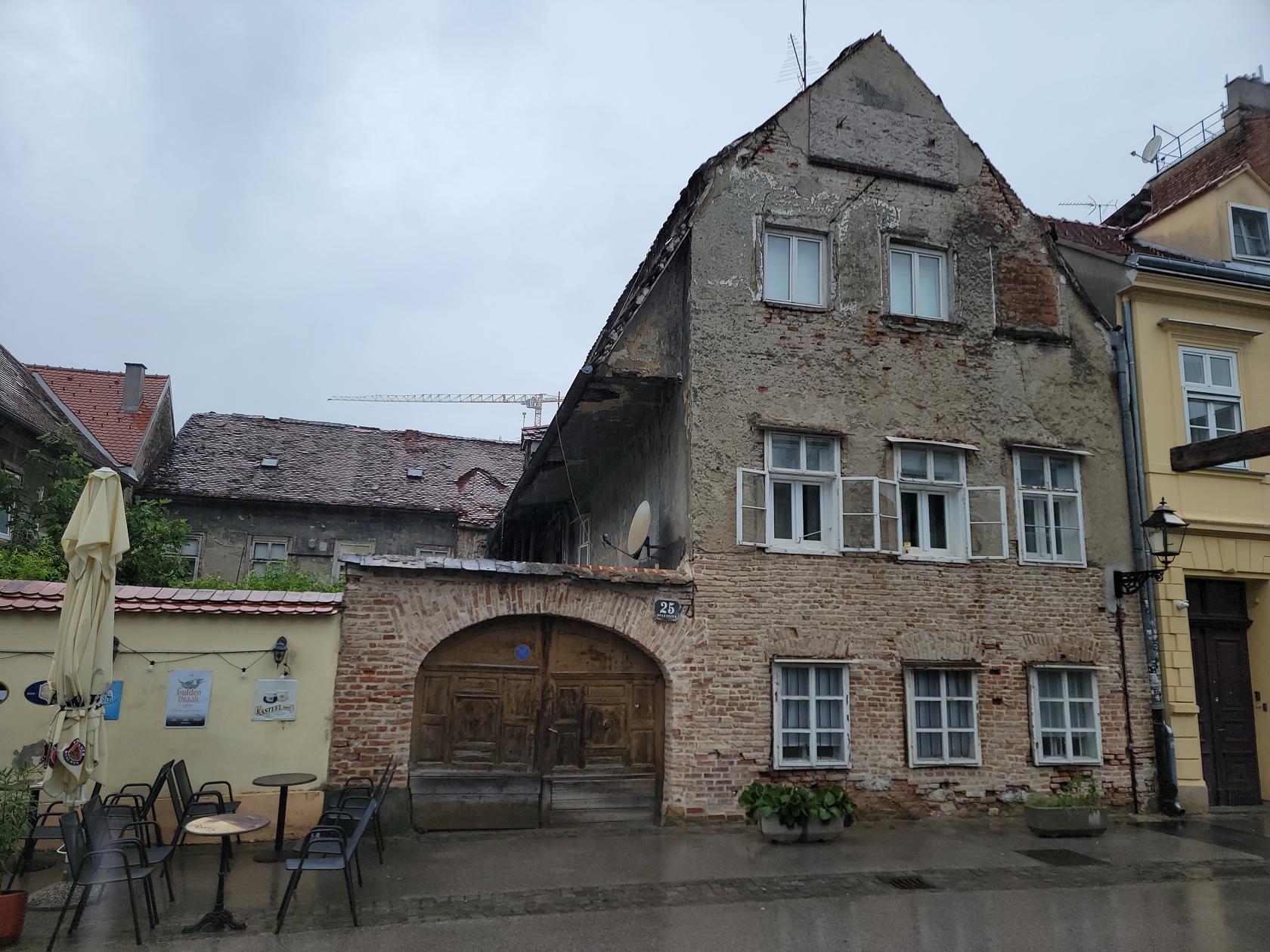
Kaptol was the first to be formally recognized as pertaining to Zagreb, followed by Gradec some time later through King Bela IV edict of the Golden Bull. They both sit upon their corresponding hills and lay alongside one another, being separated somewhat by a slight depression where the Тkalčićeva ulica street runs.

Getting There

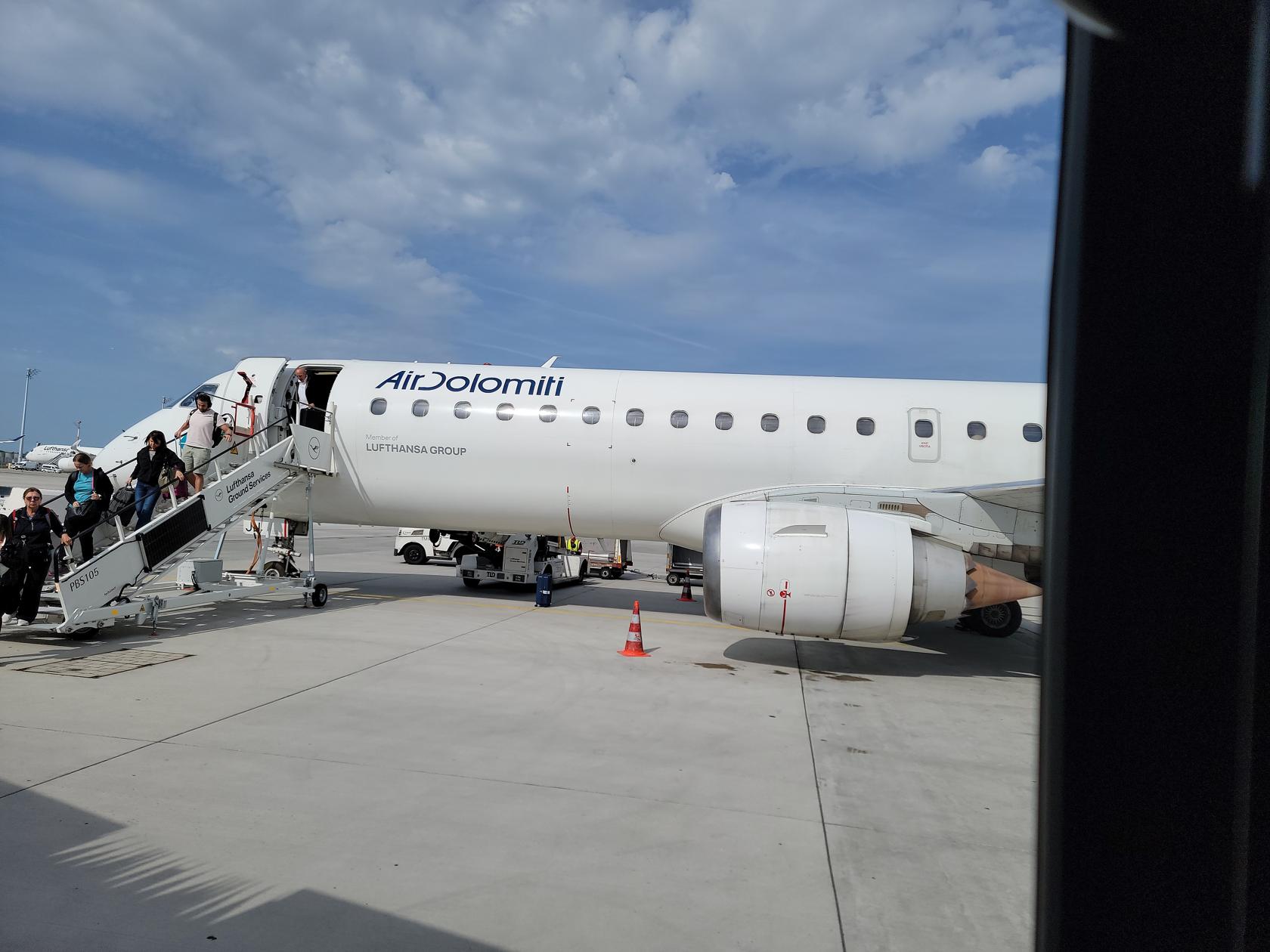
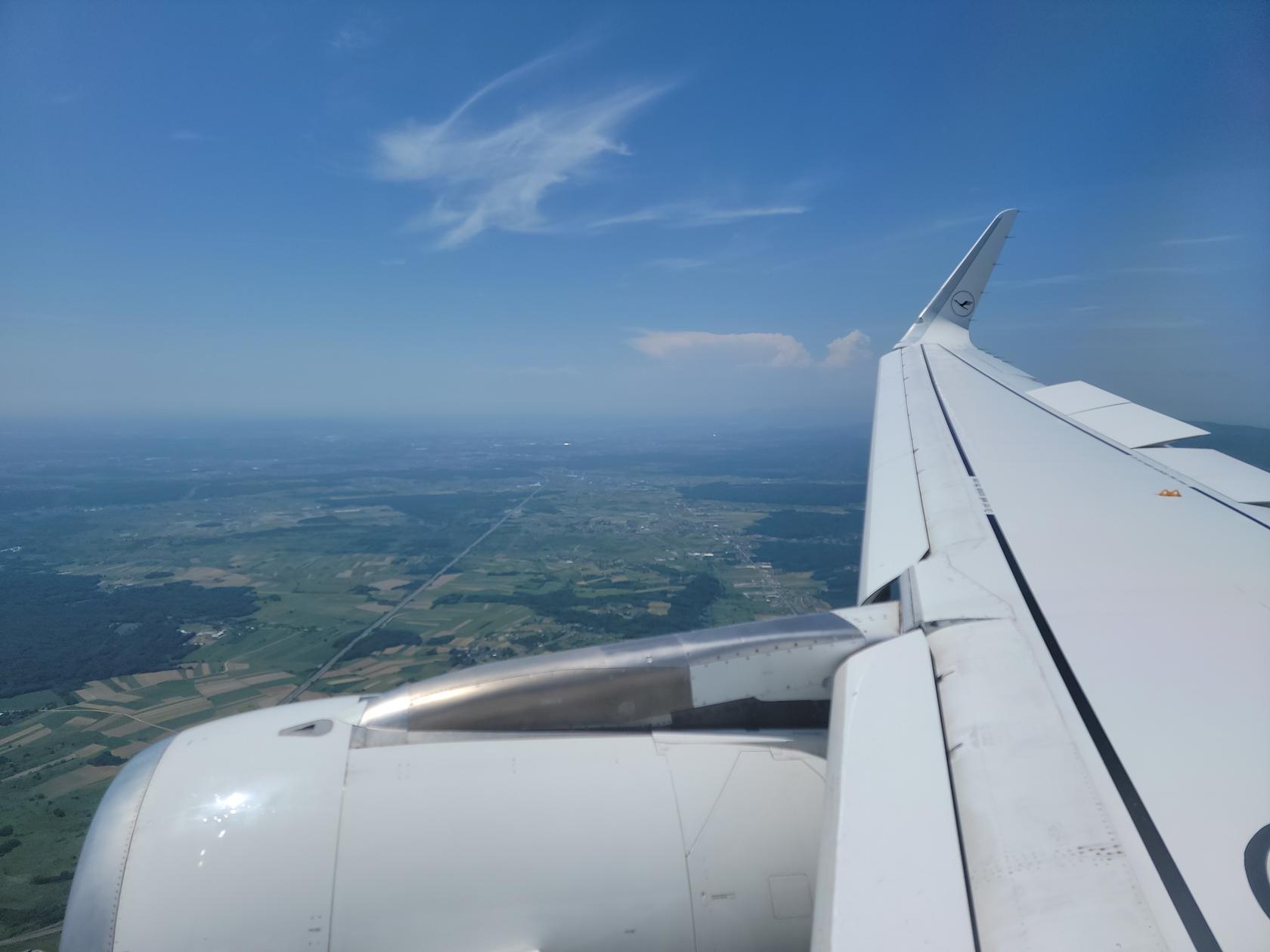
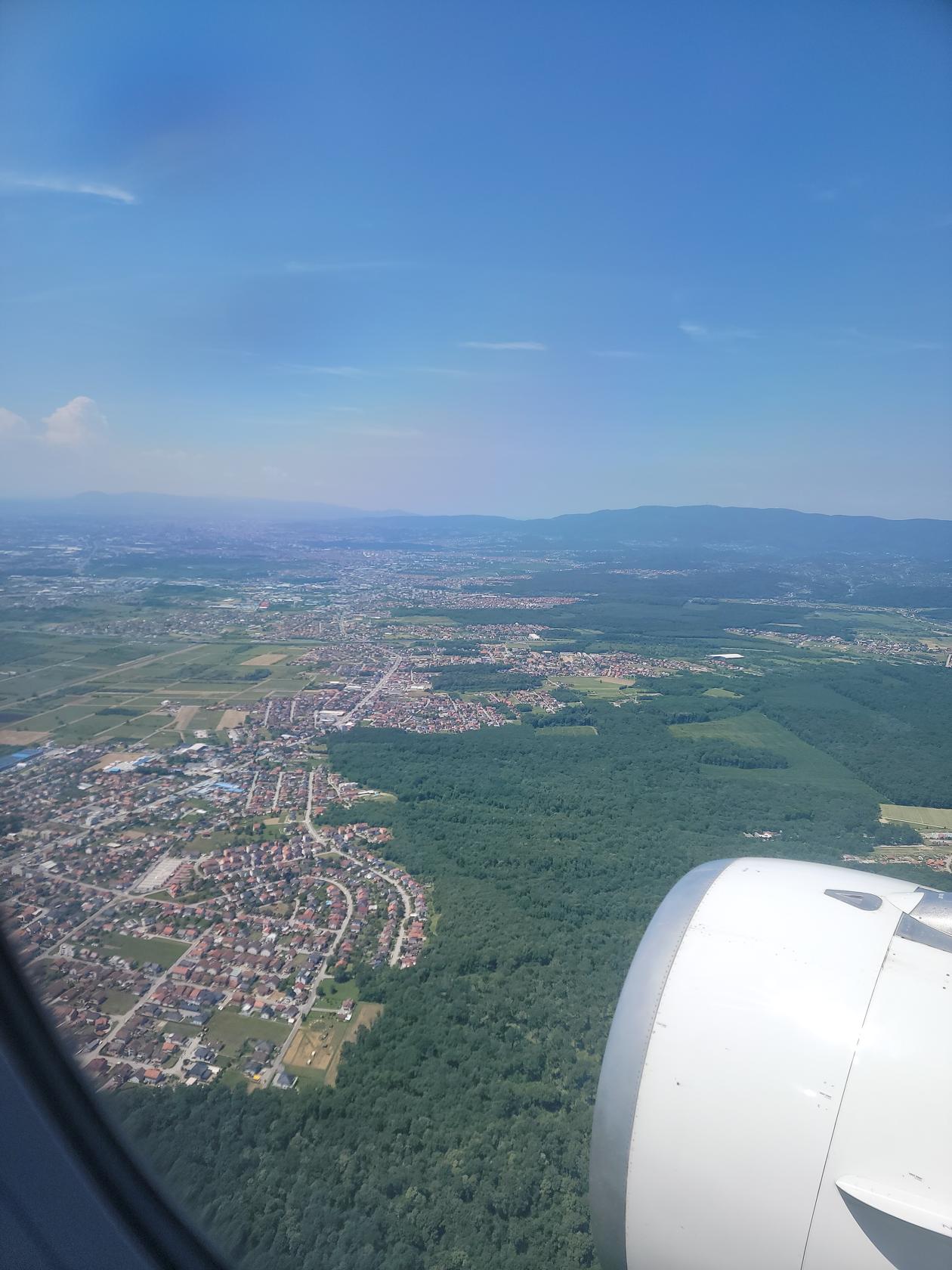
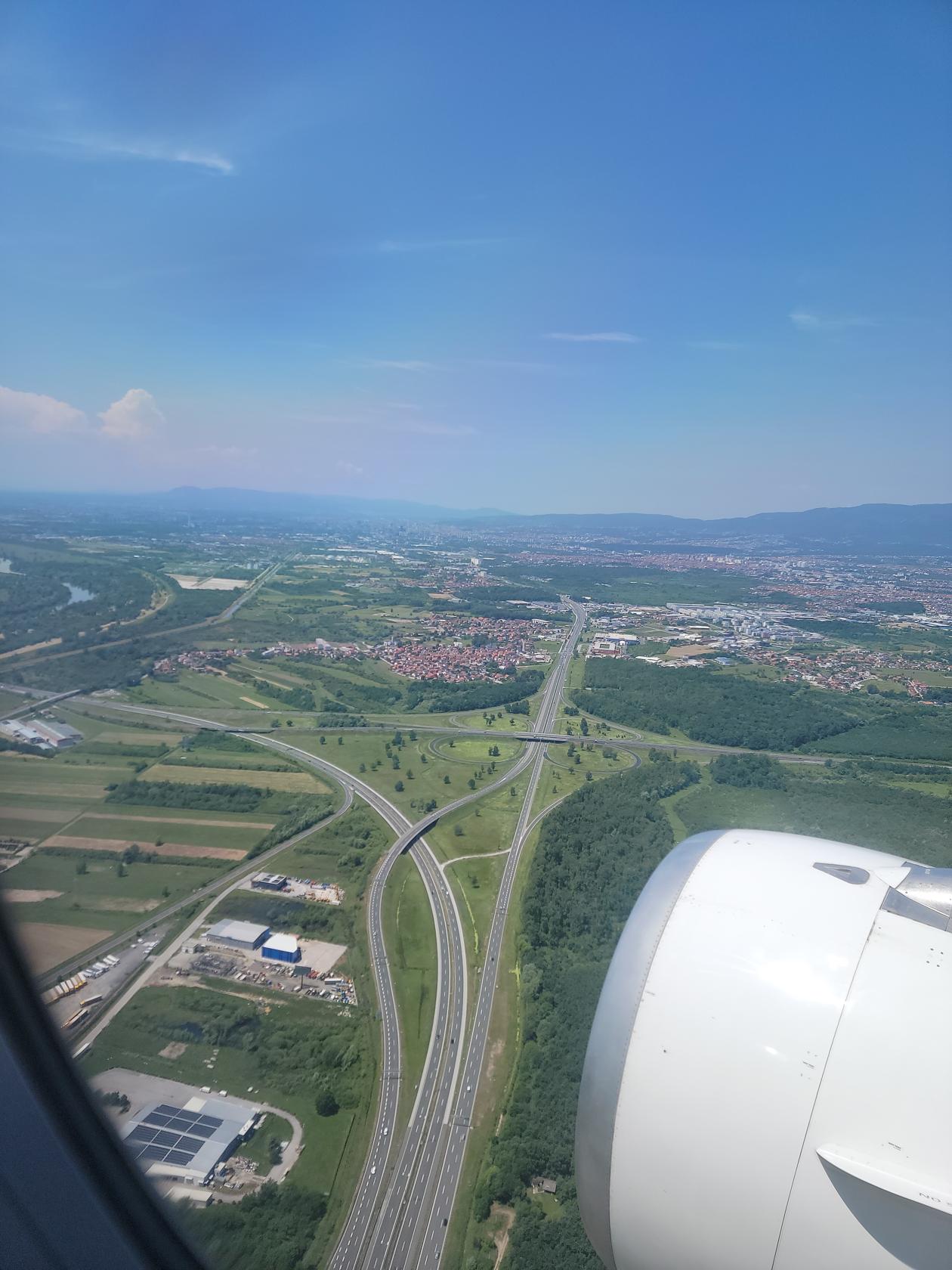
Coming from Turin we flew with Air Dolomiti to Munich and then later on to Zagreb, two short one hour flights which took us about five hours to complete with layover.

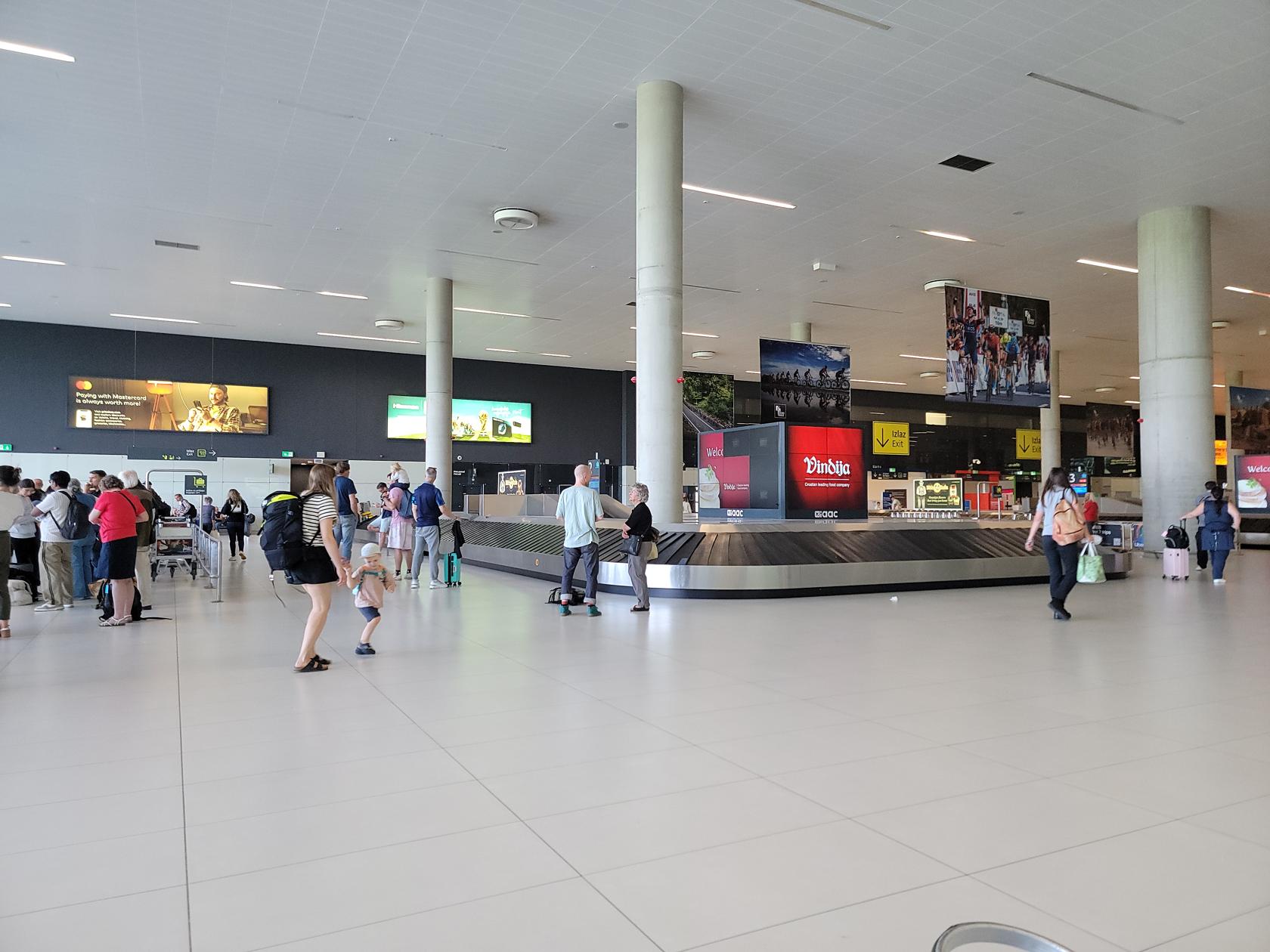
The Zagrab airport is small, perhaps smaller than most would expect. It took us approximately an hour to get our luggage, once we had left the plane. So do not expect the speedy luggage service you may enjoy elsewhere, here, things definitely move slower. In such cases, it might be good to have air-tags, just to keep an eye on where your luggage is, before getting alarmed. We got them as a gift and they really came in handy.

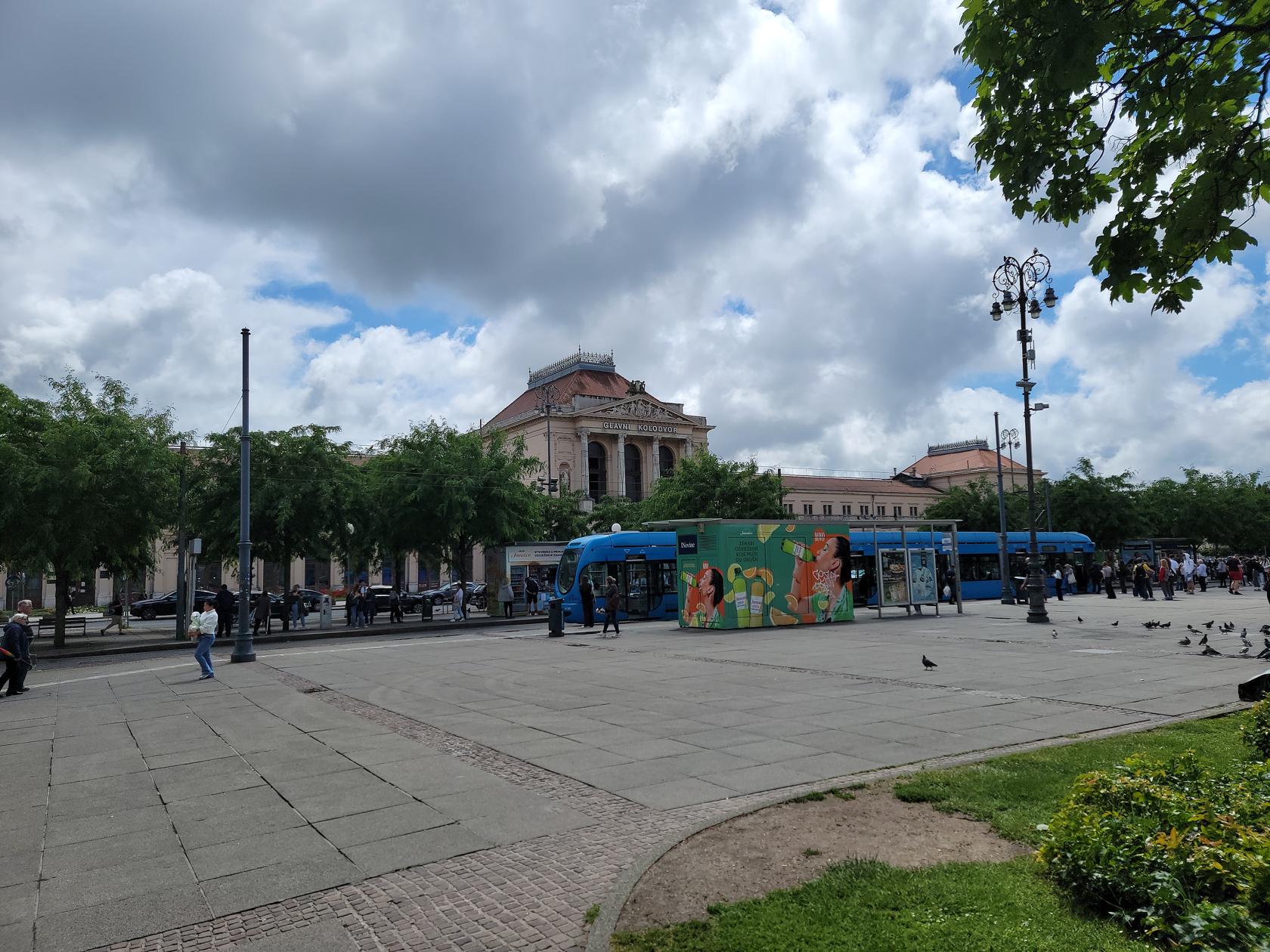
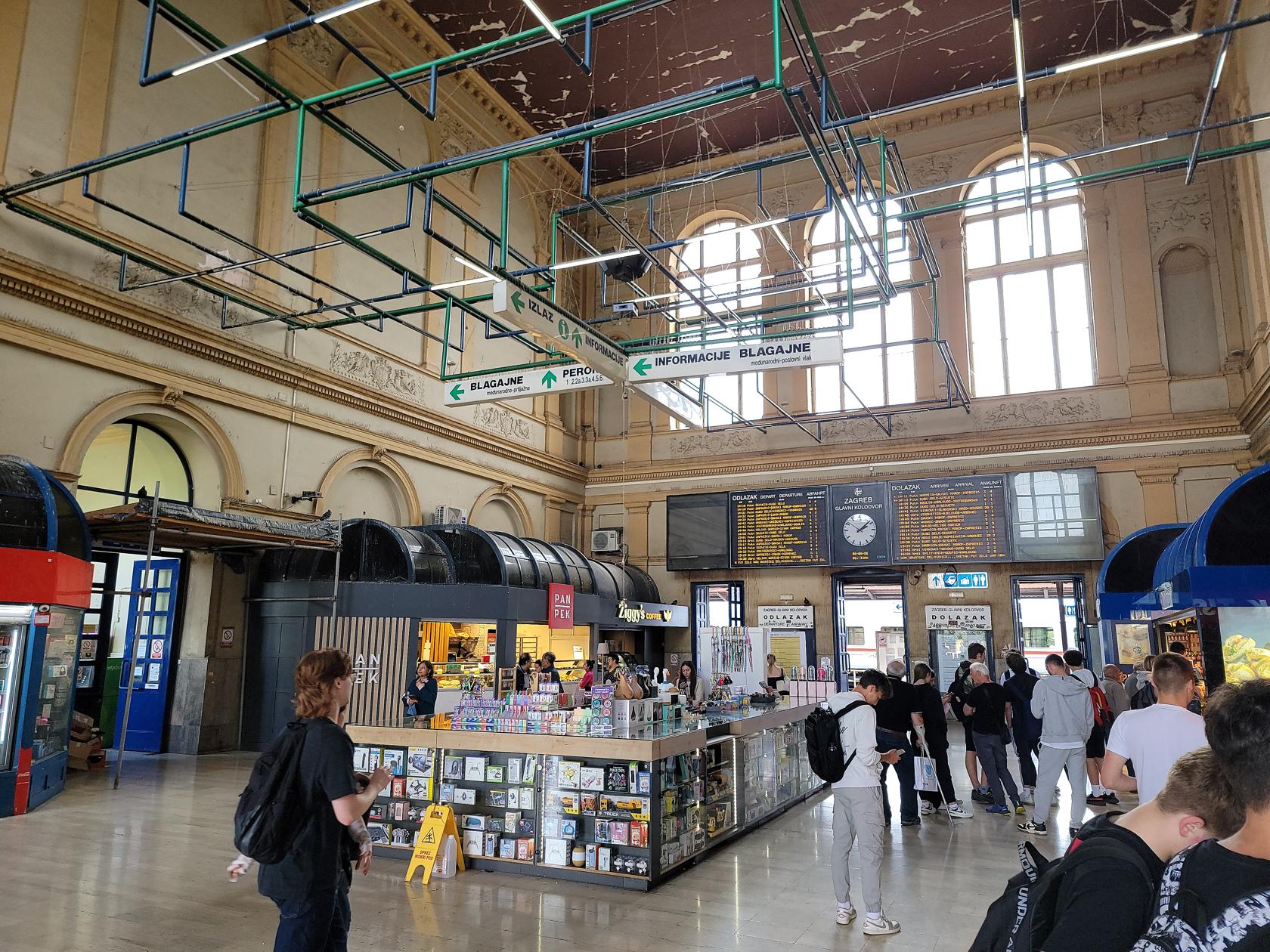
Of course you can also come by car, but from what we can see, parking is a problem and quite expensive. Train, is also an option, though we ruled it out due to scheduling issues and other considerations.

Lower Zagreb

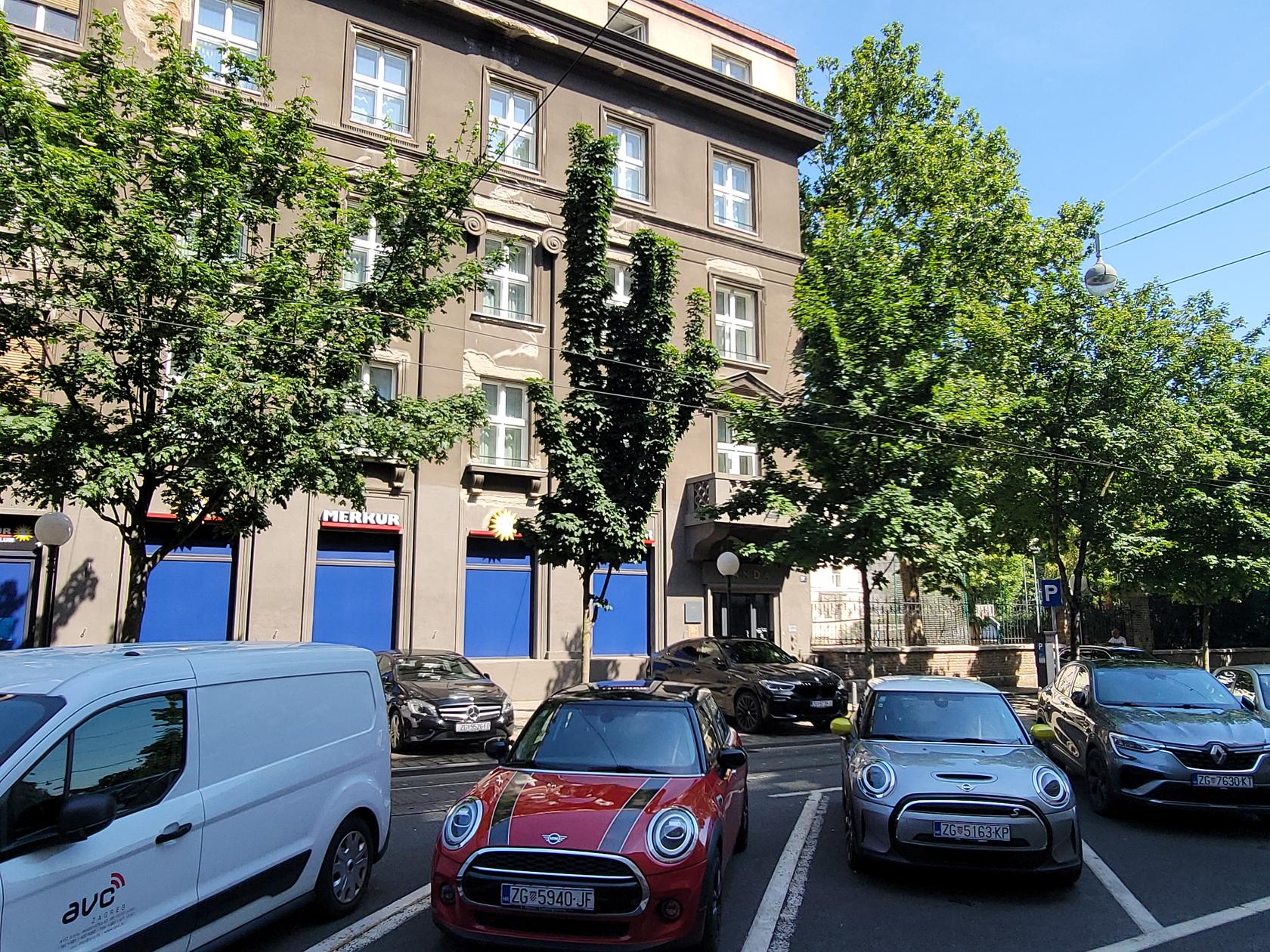
We stayed in Lower Zagreb very close to Kaptol and the main square. From here we were able to visit most parts of the old city within a ten to fifteen minute walk.

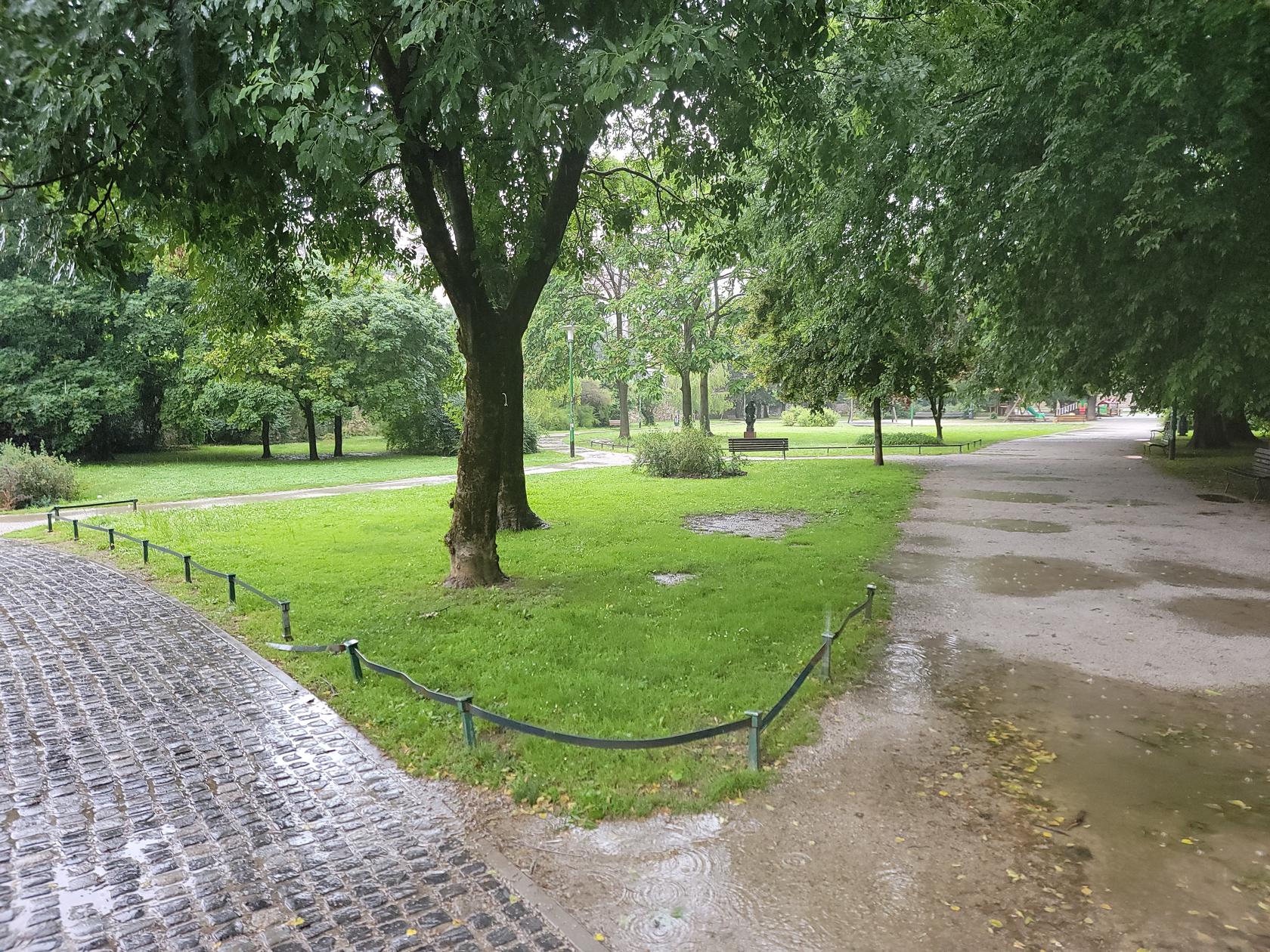
Zrinjevac Park

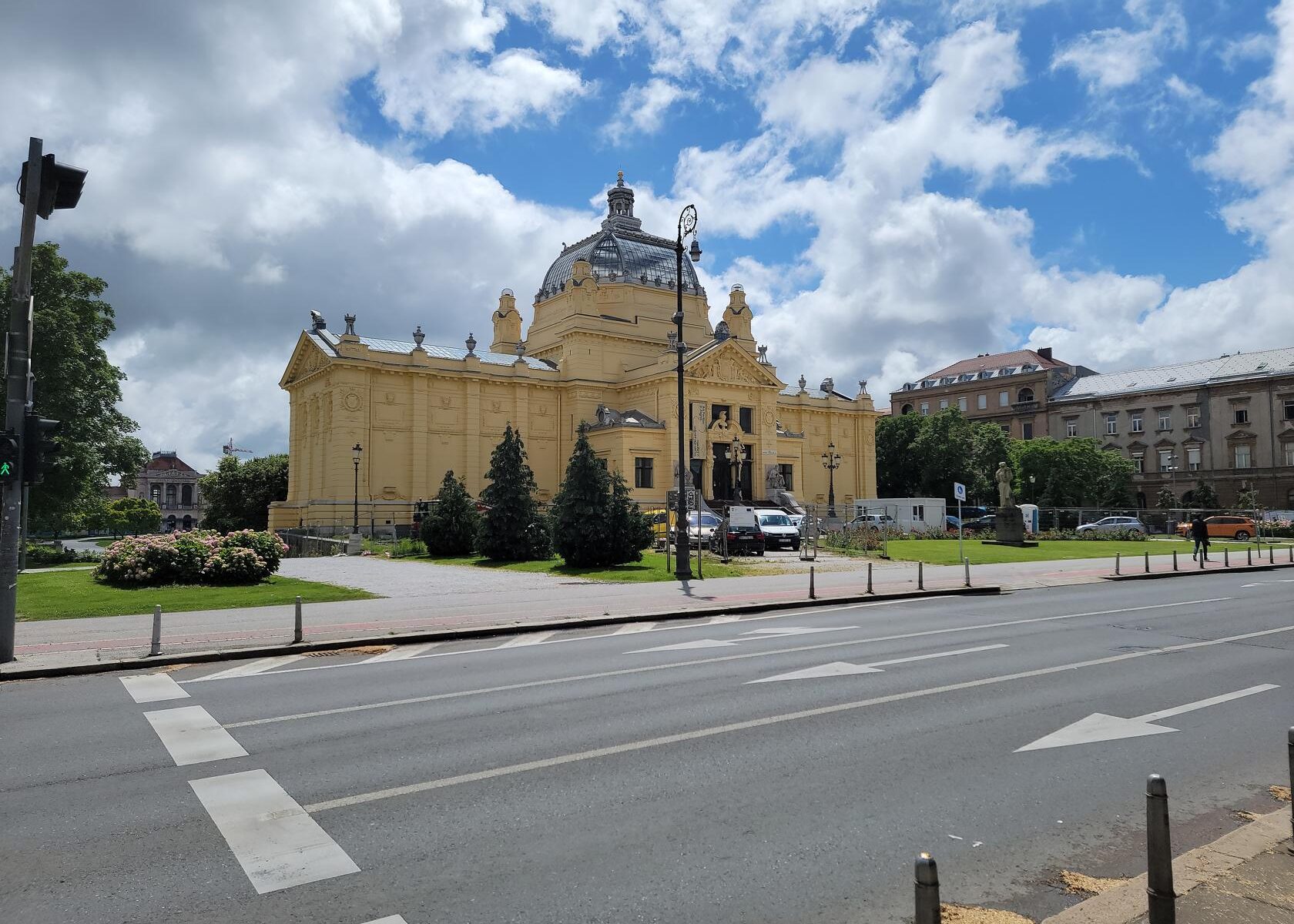
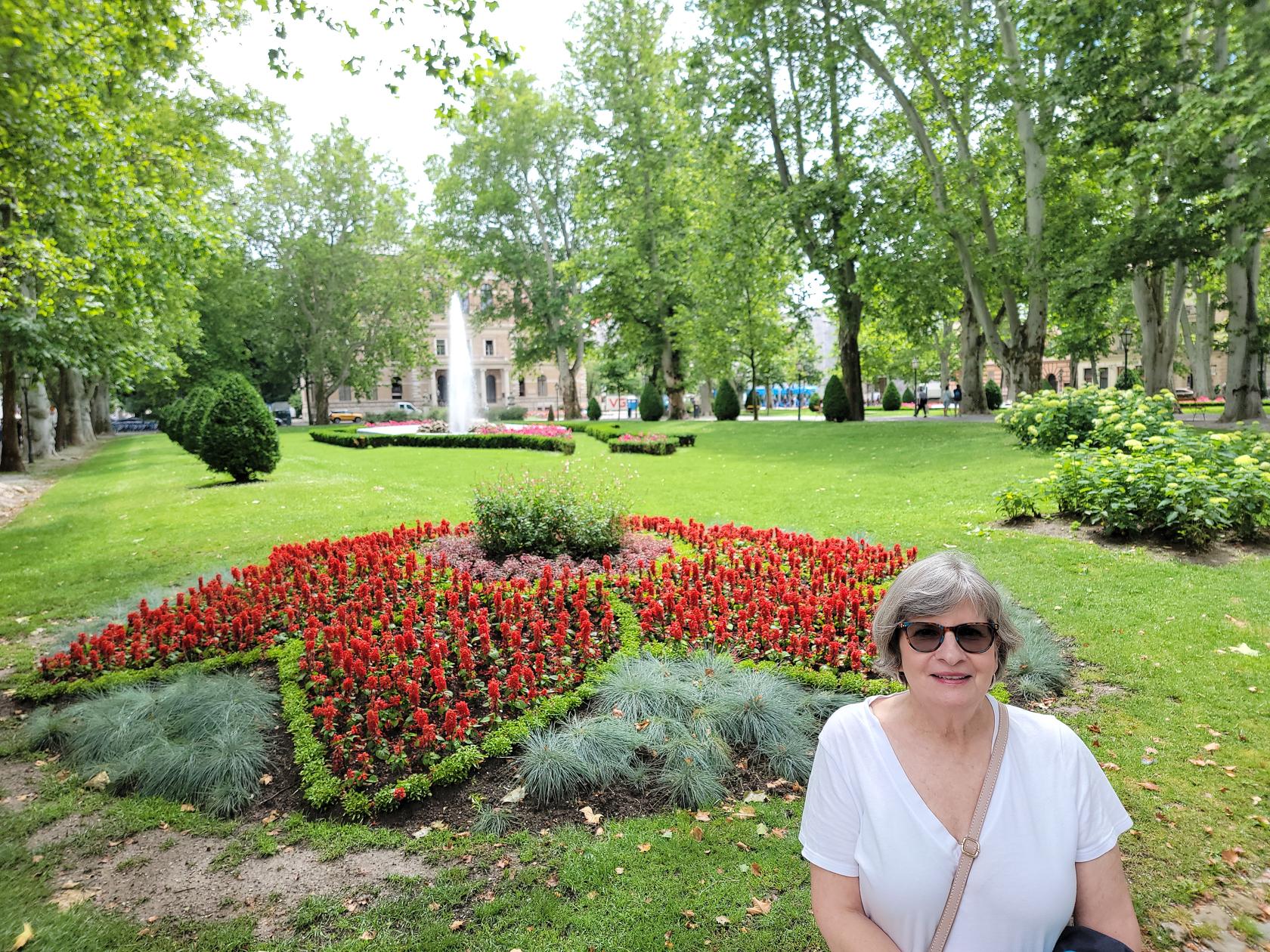
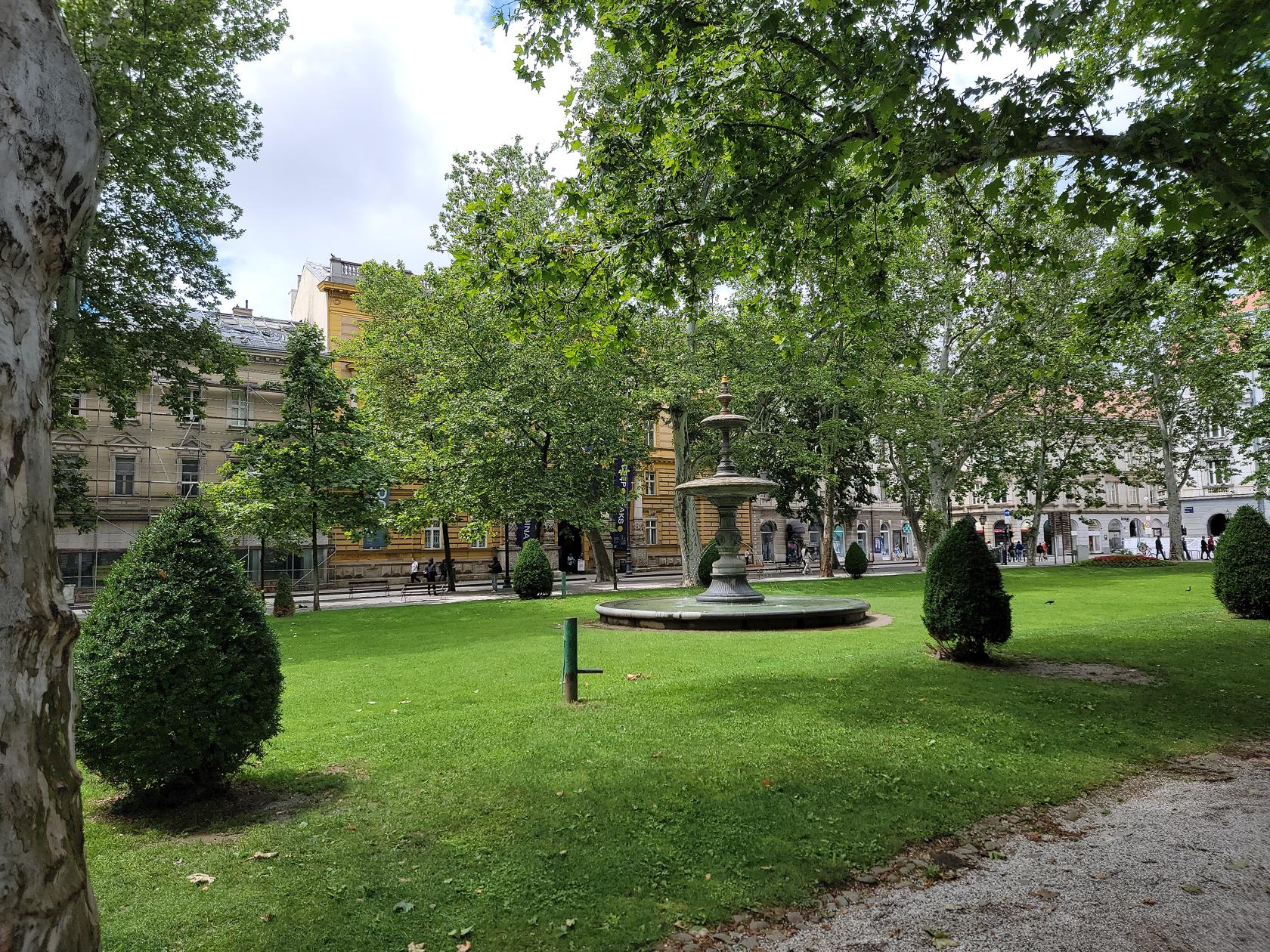
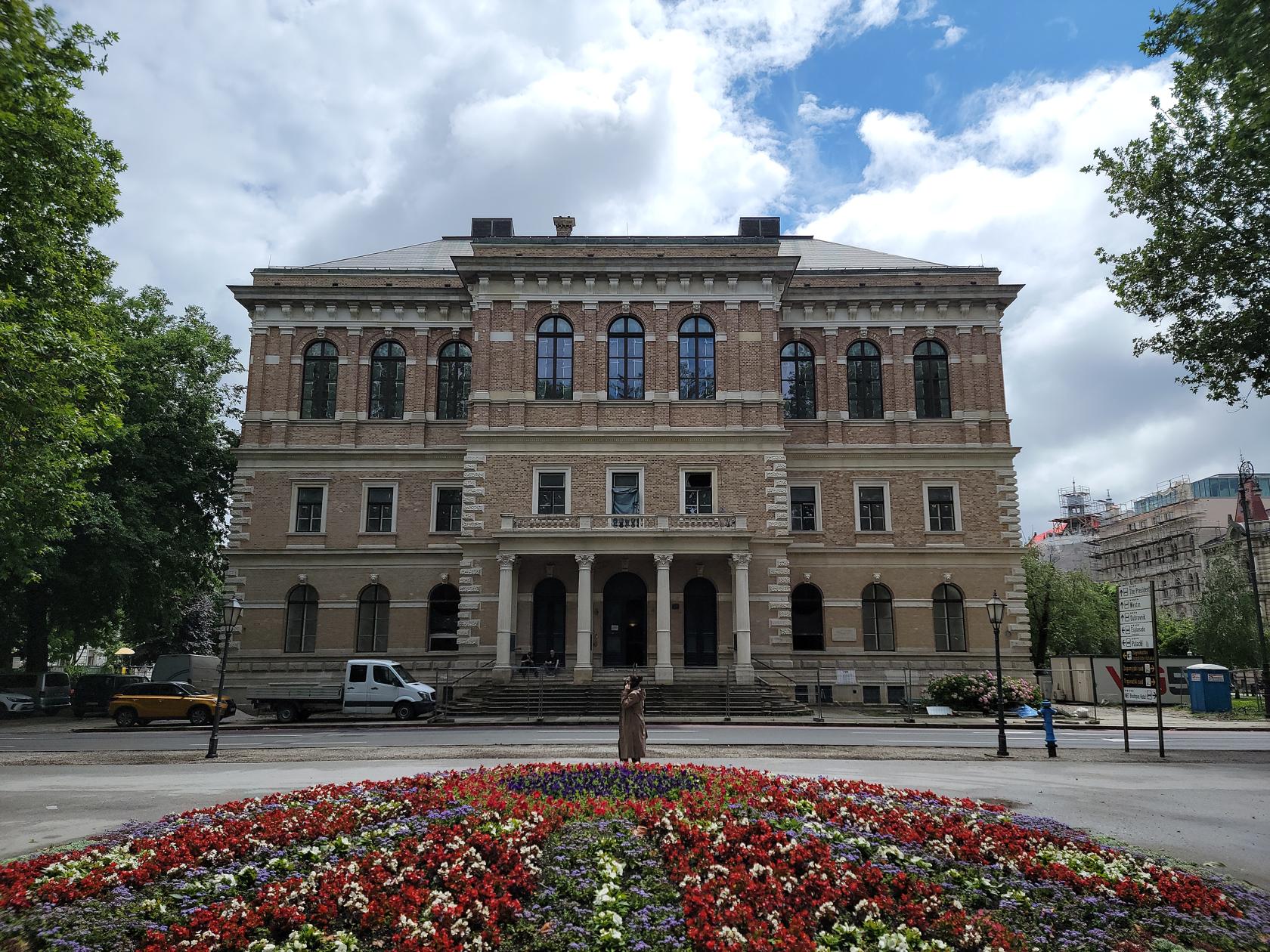
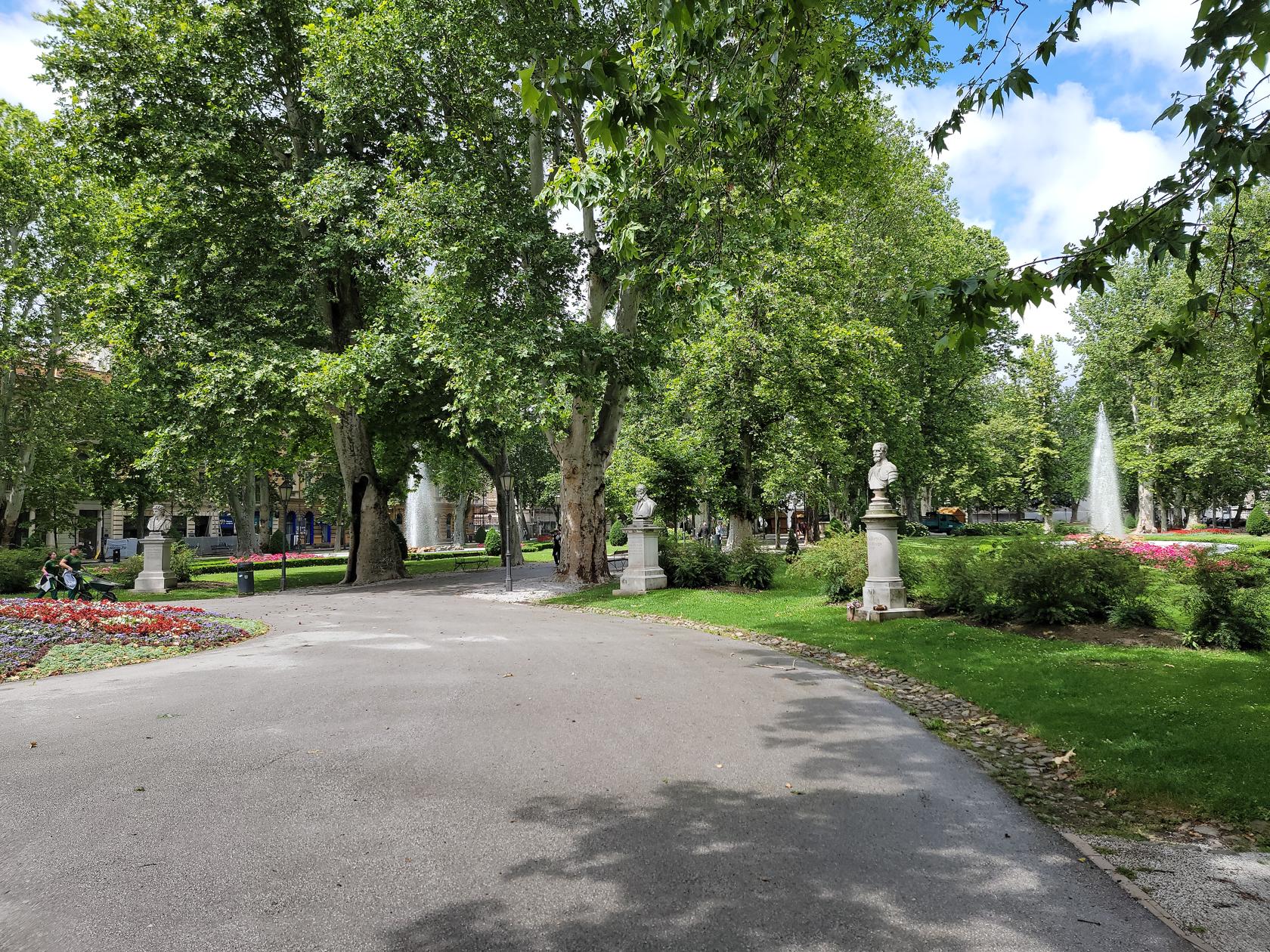
Actually many parks in tandem and tied together by several buildings and monuments. It is actually a nice place to take a stroll and enjoy the salubrious spring weather.

Gradec

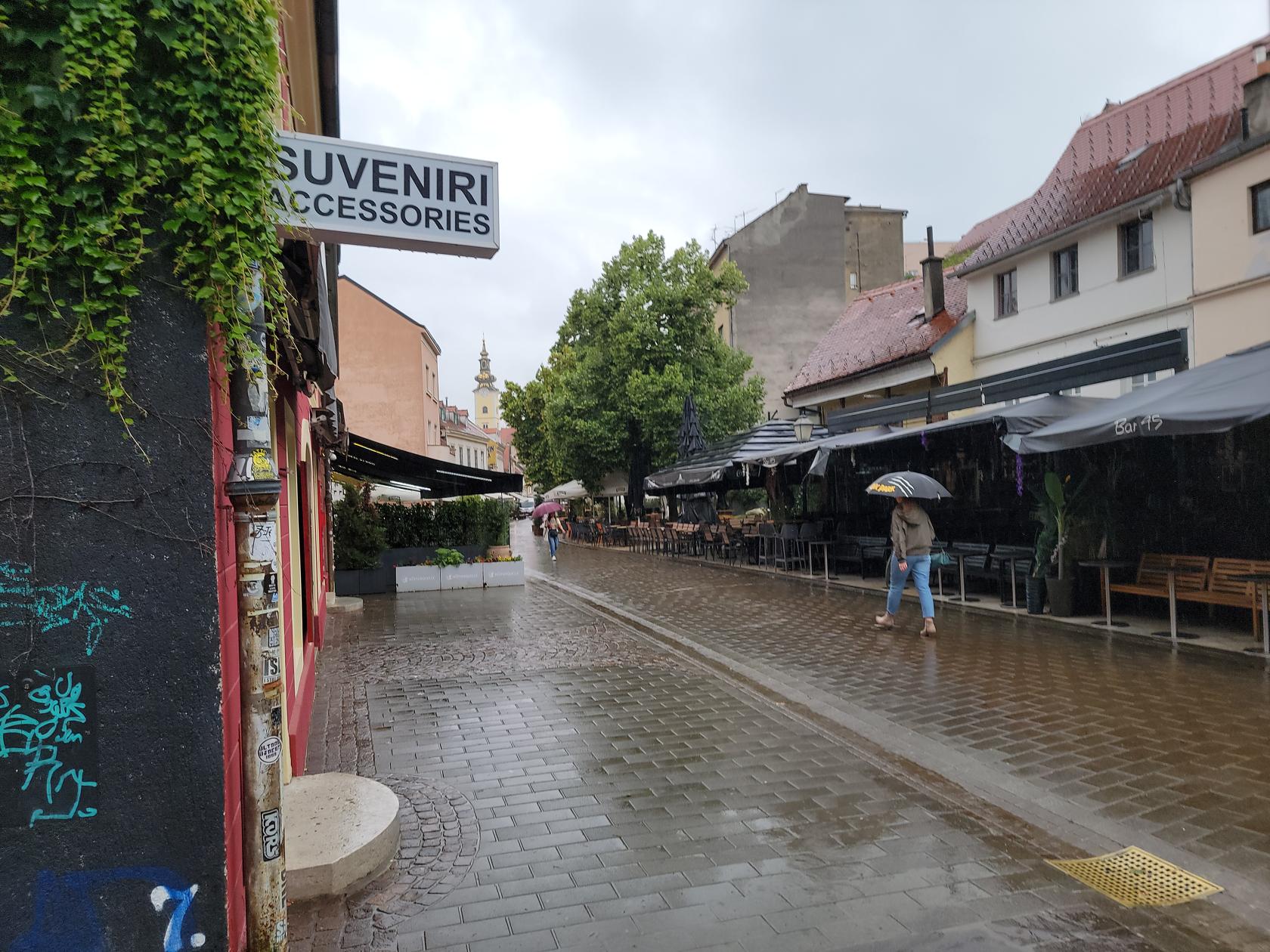
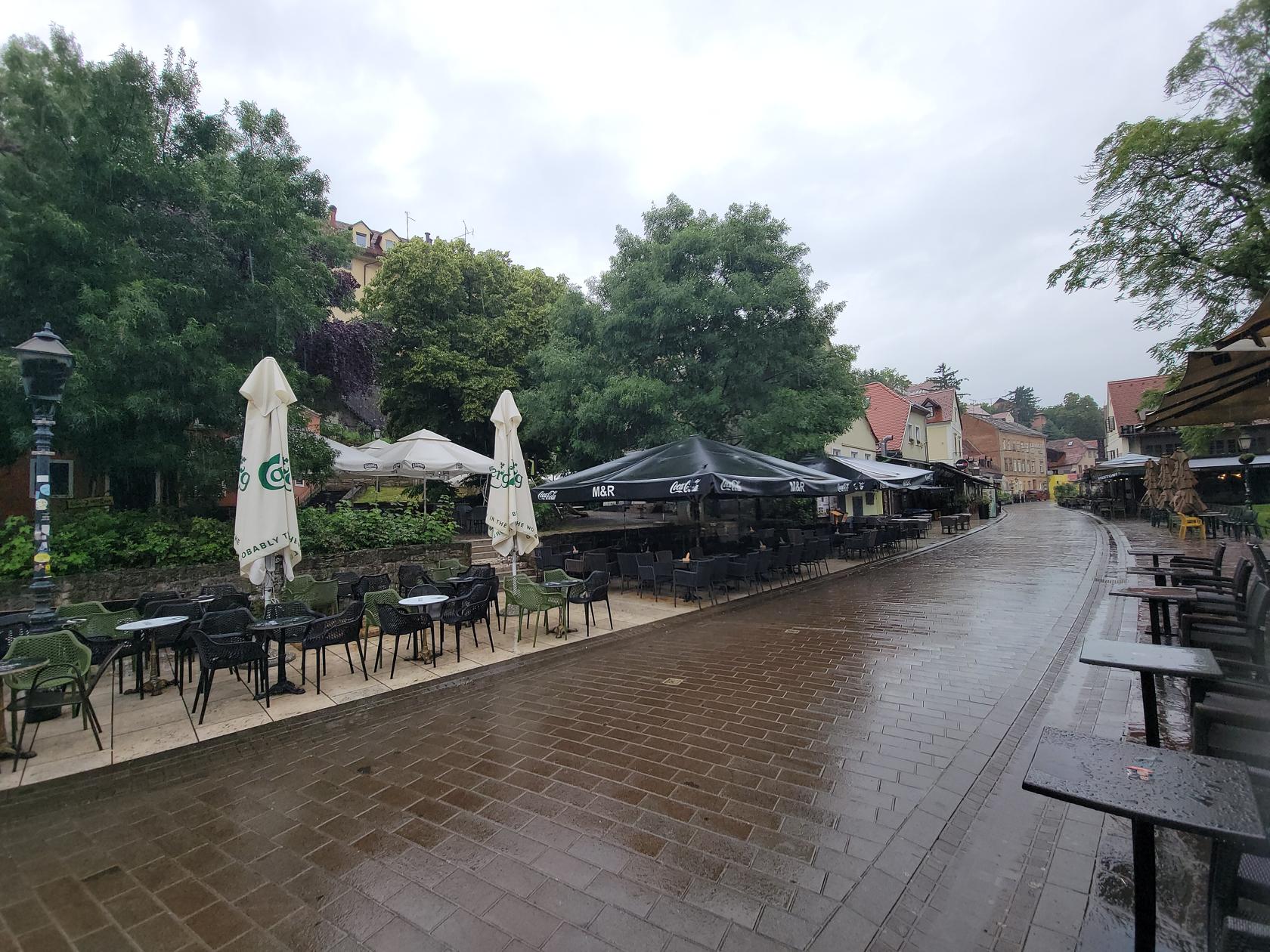
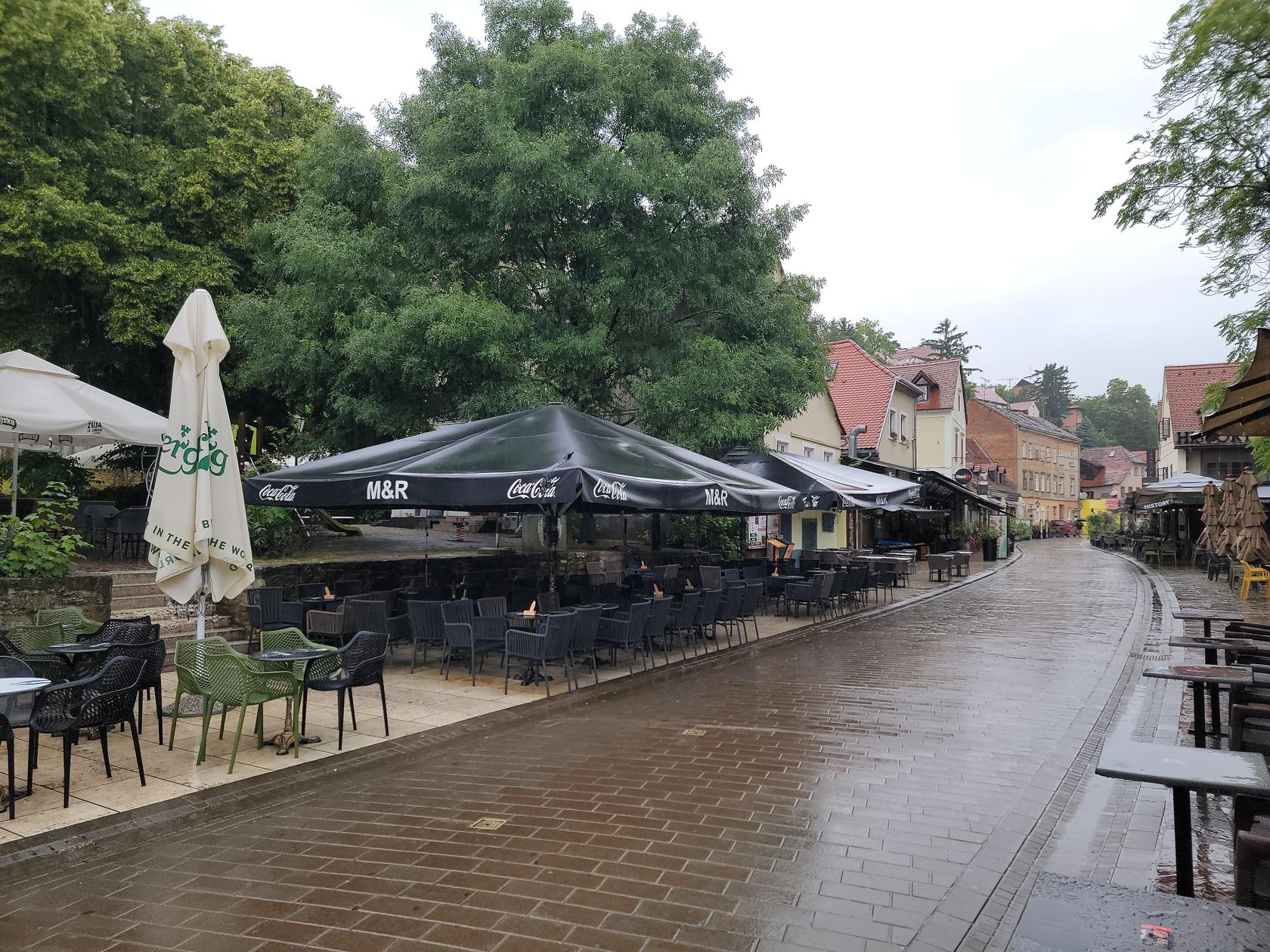
To the west of Kaptol and across small depression represented by Pavla Radica, where you will find many bars, cafes and some restaurants, is Gradec, also referred to as Grič.


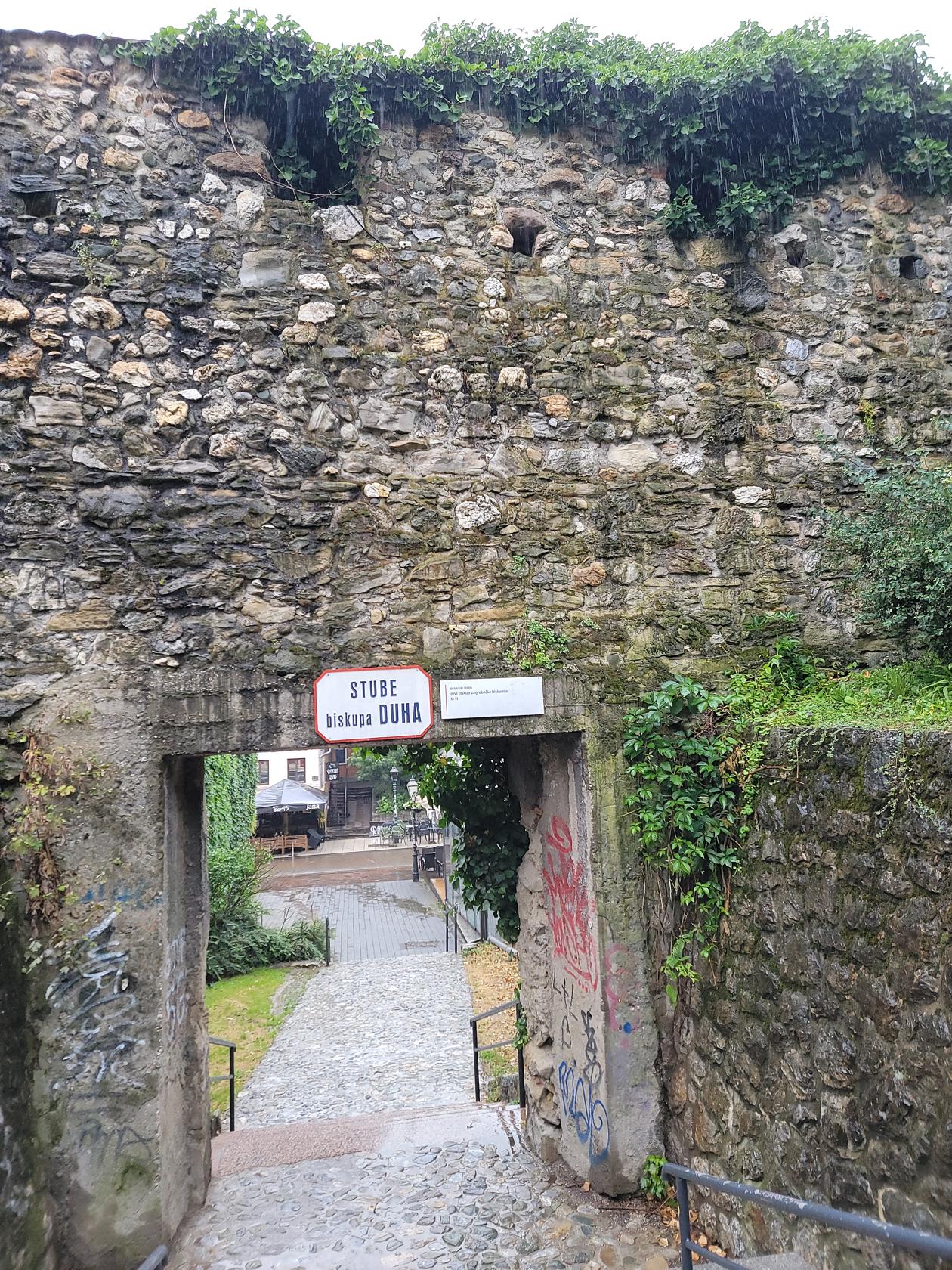
The Stone Gate

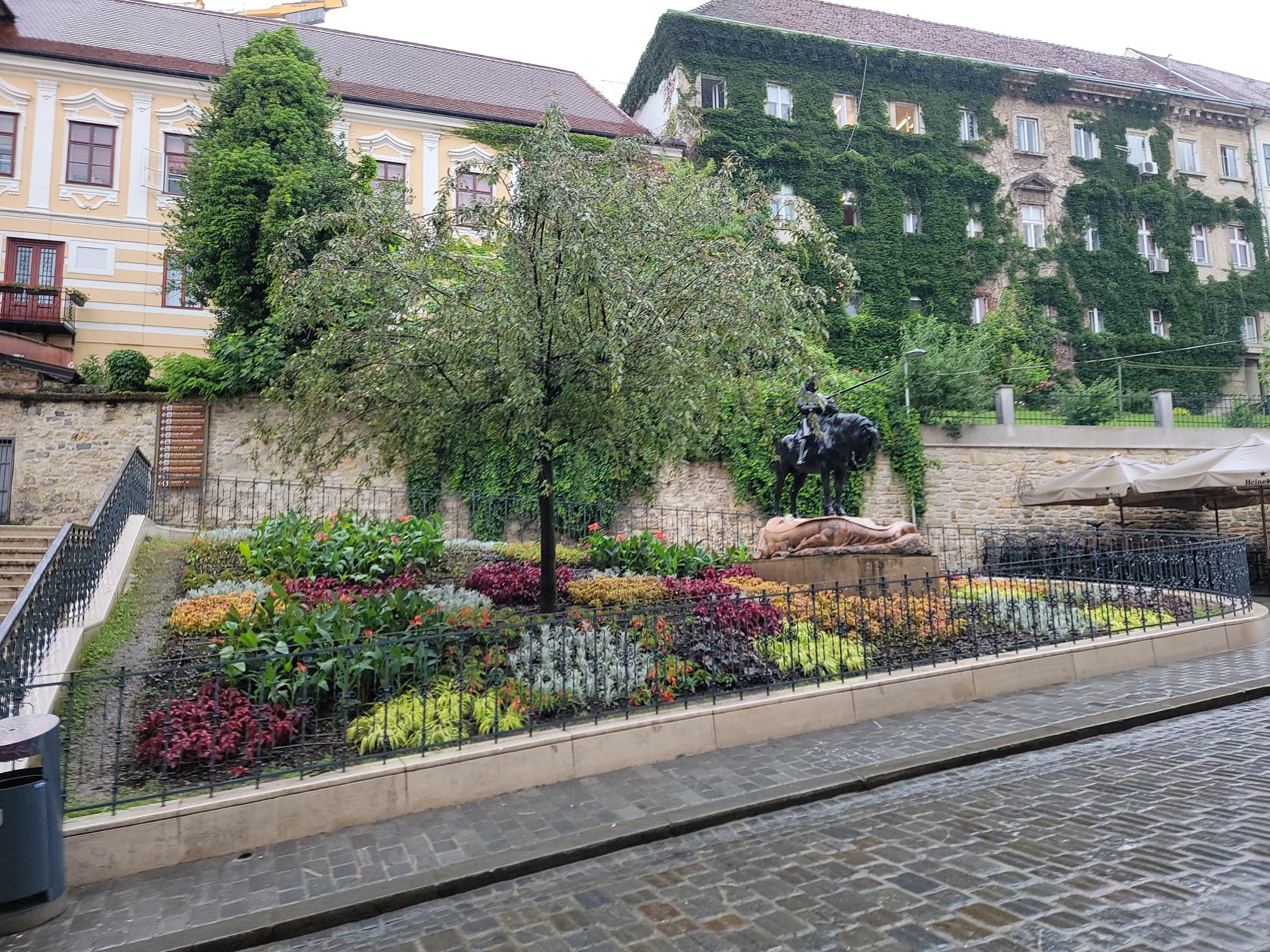
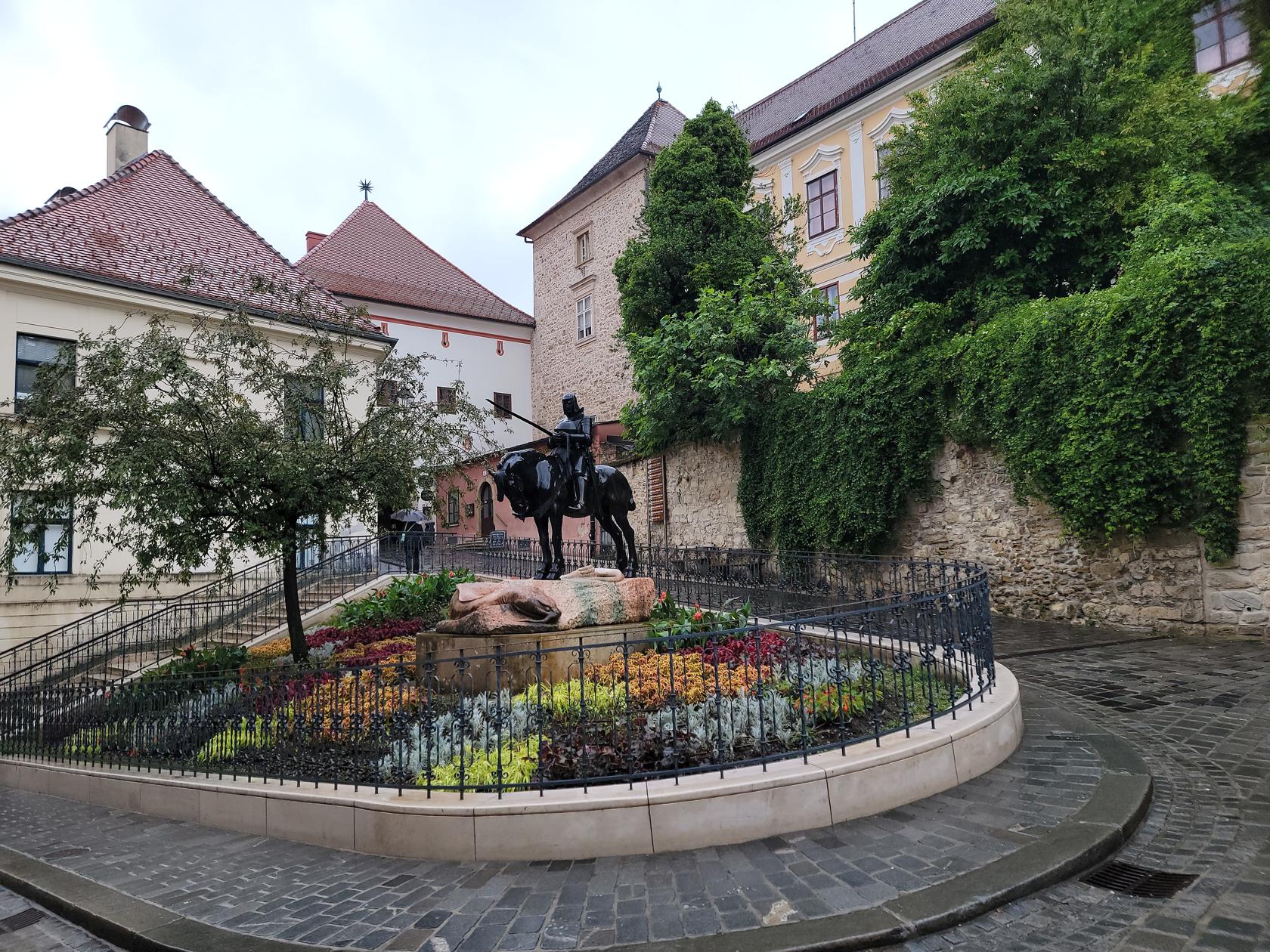
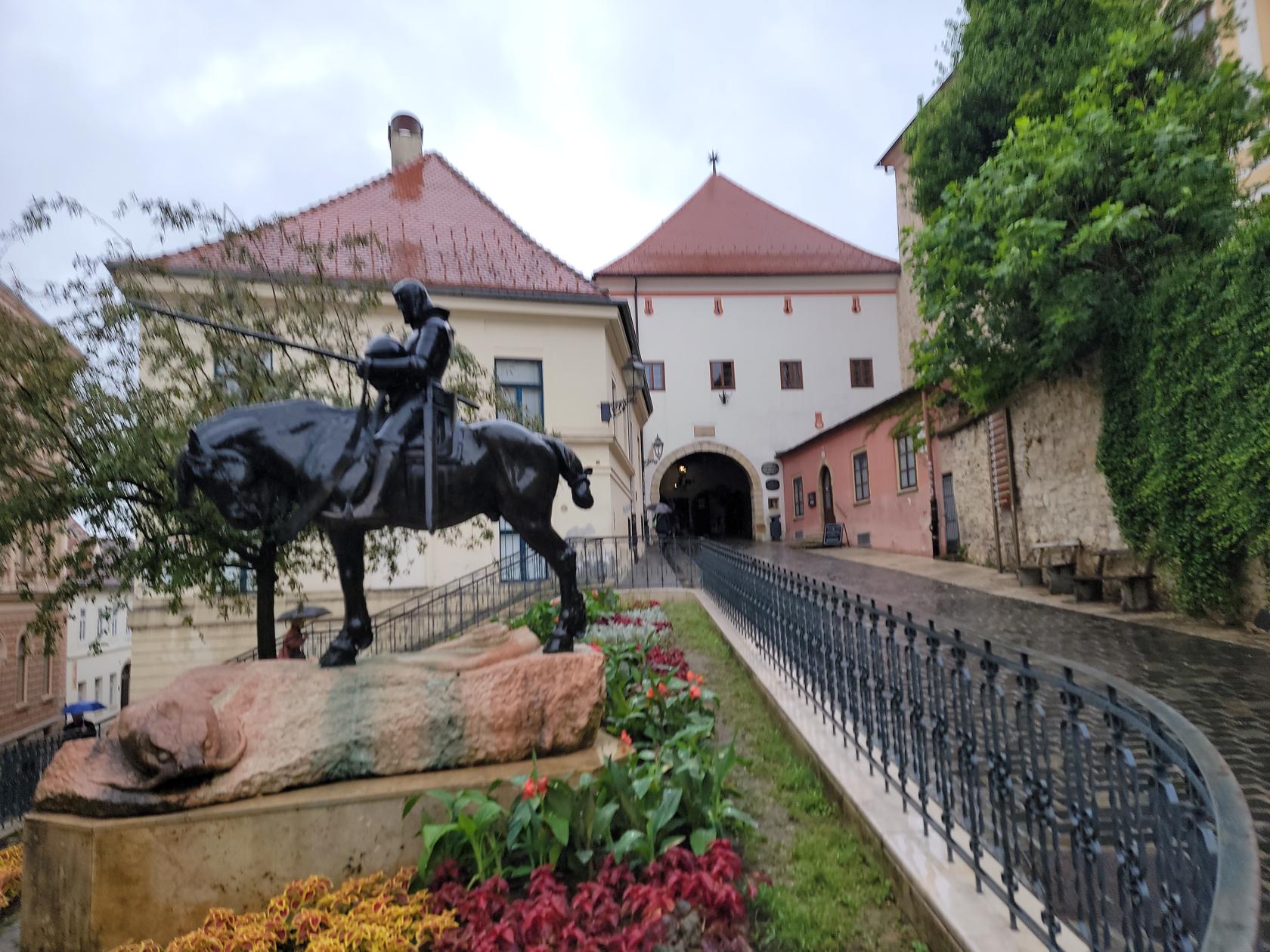
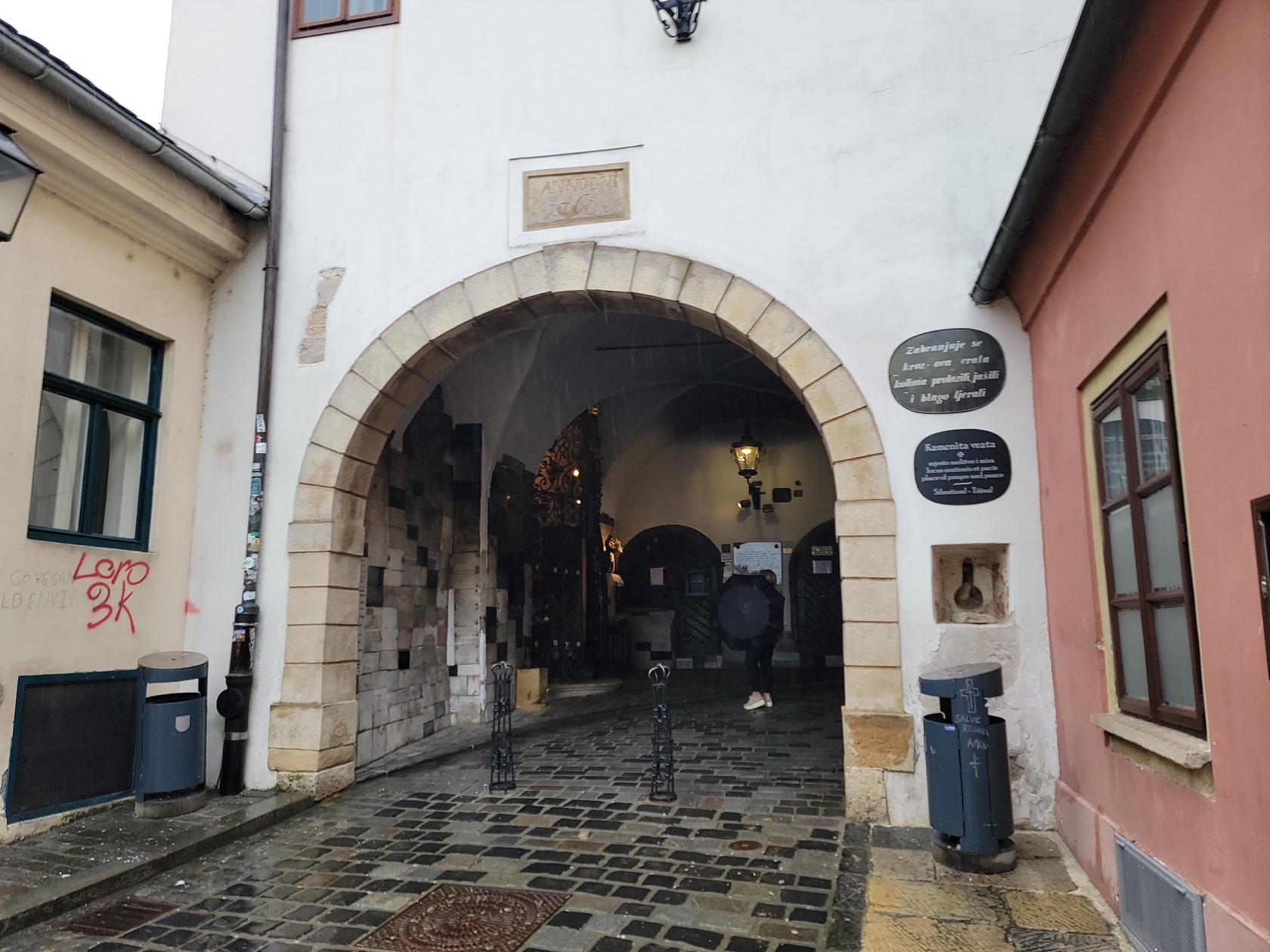
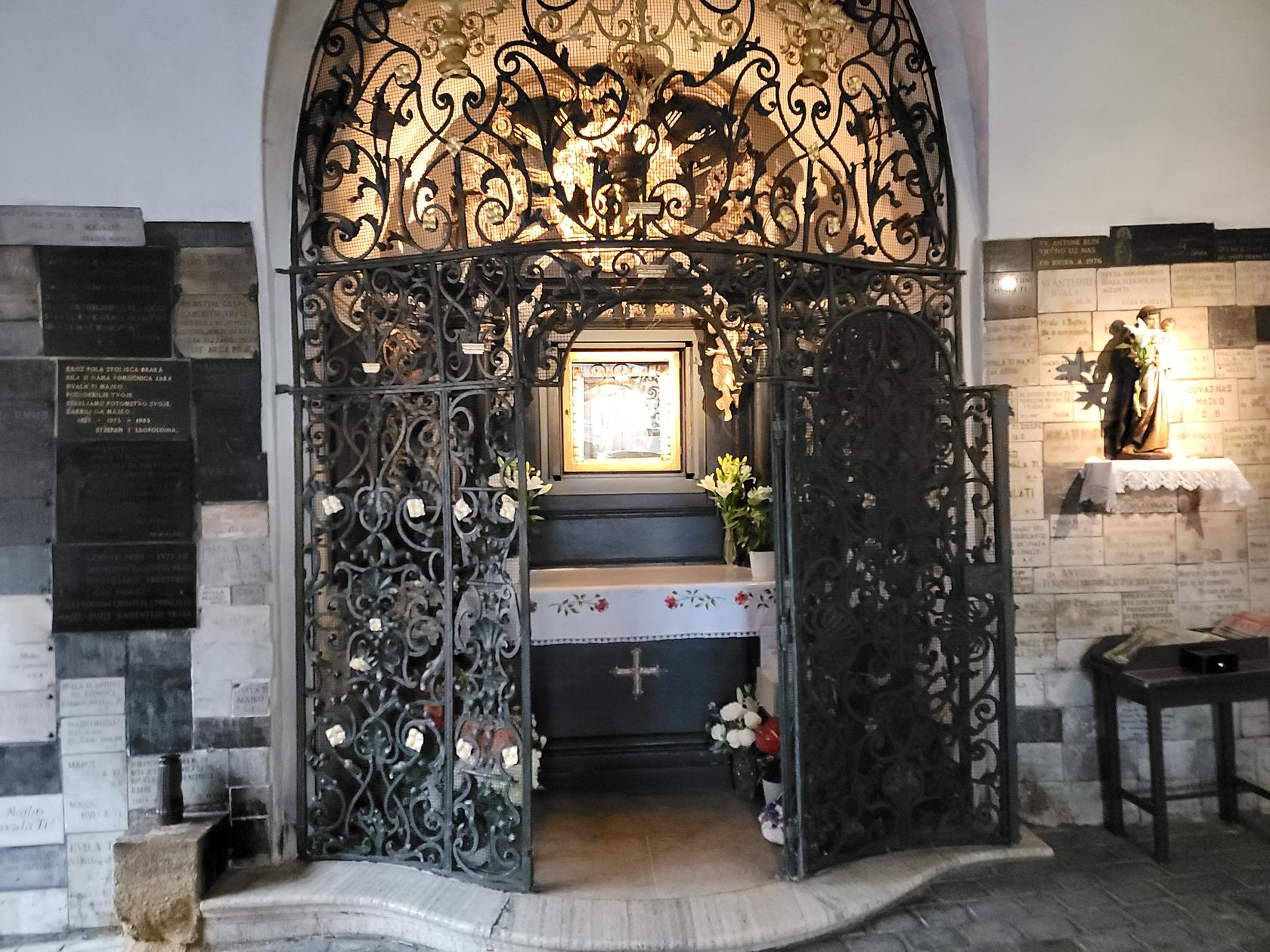
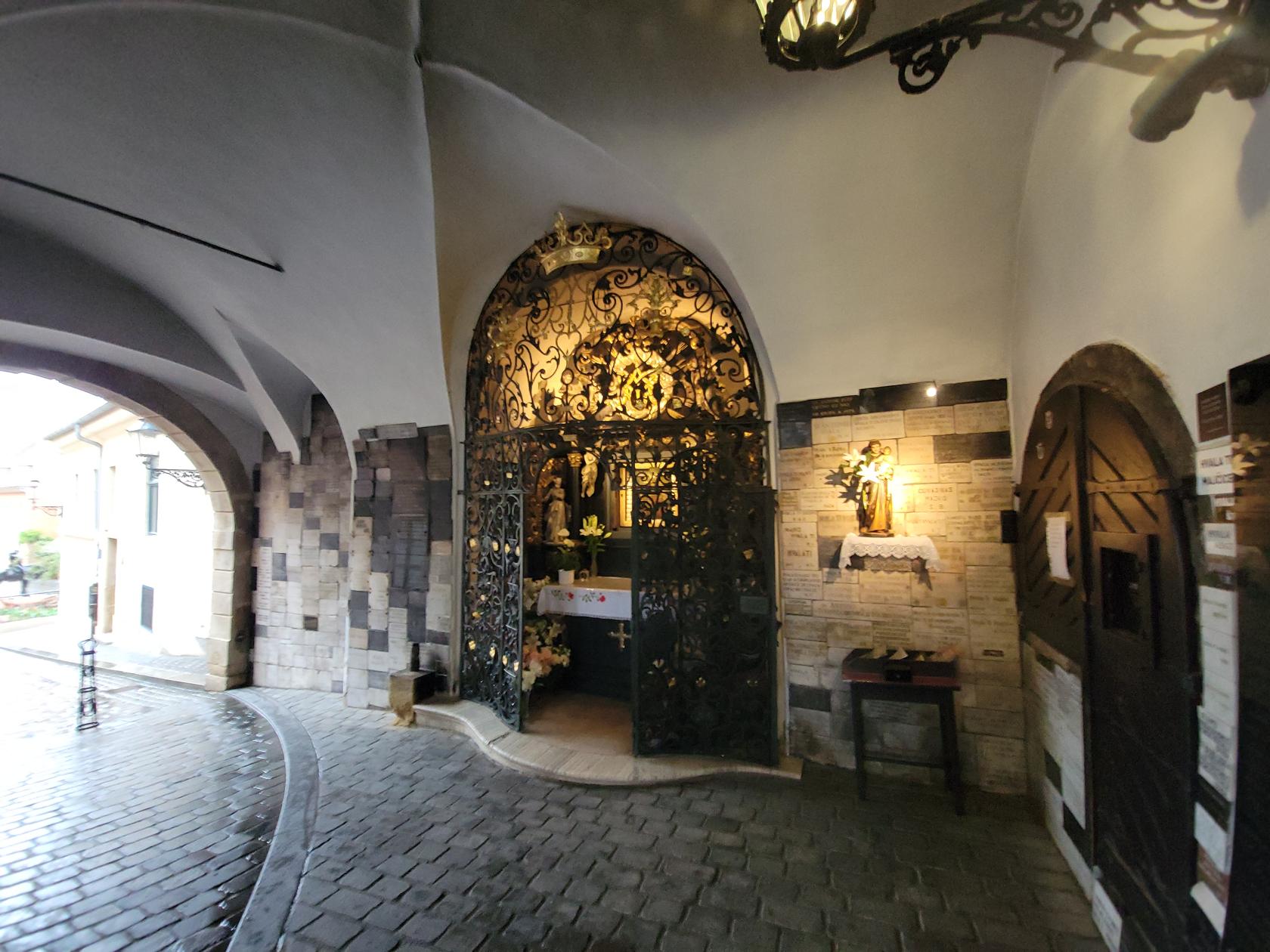
One of the entrances to Gradec is via the Stone Gate. It is adorned by a statue of Saint George before you get there and actually contains a small chapel.

Saint Mark’s Church

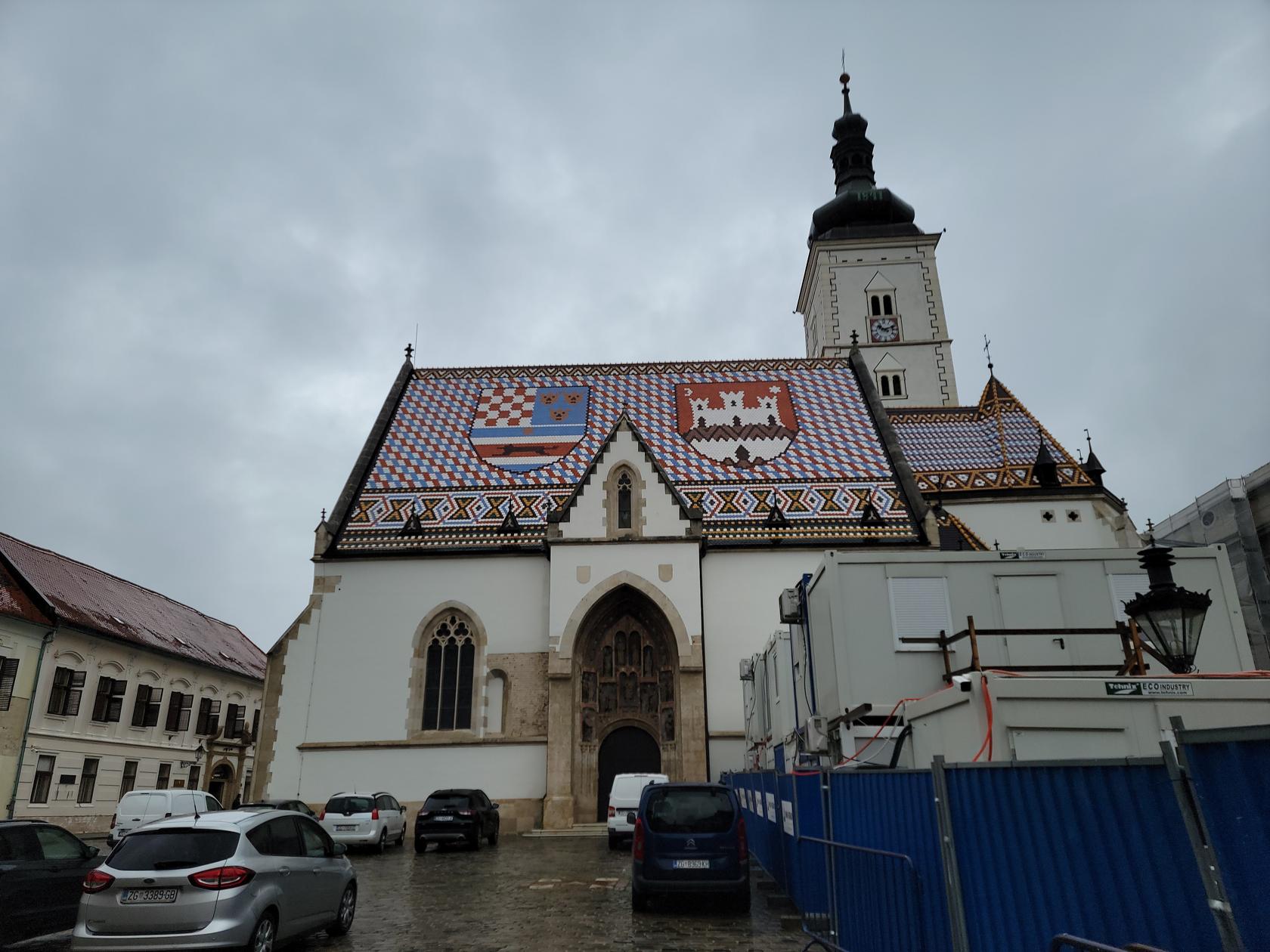
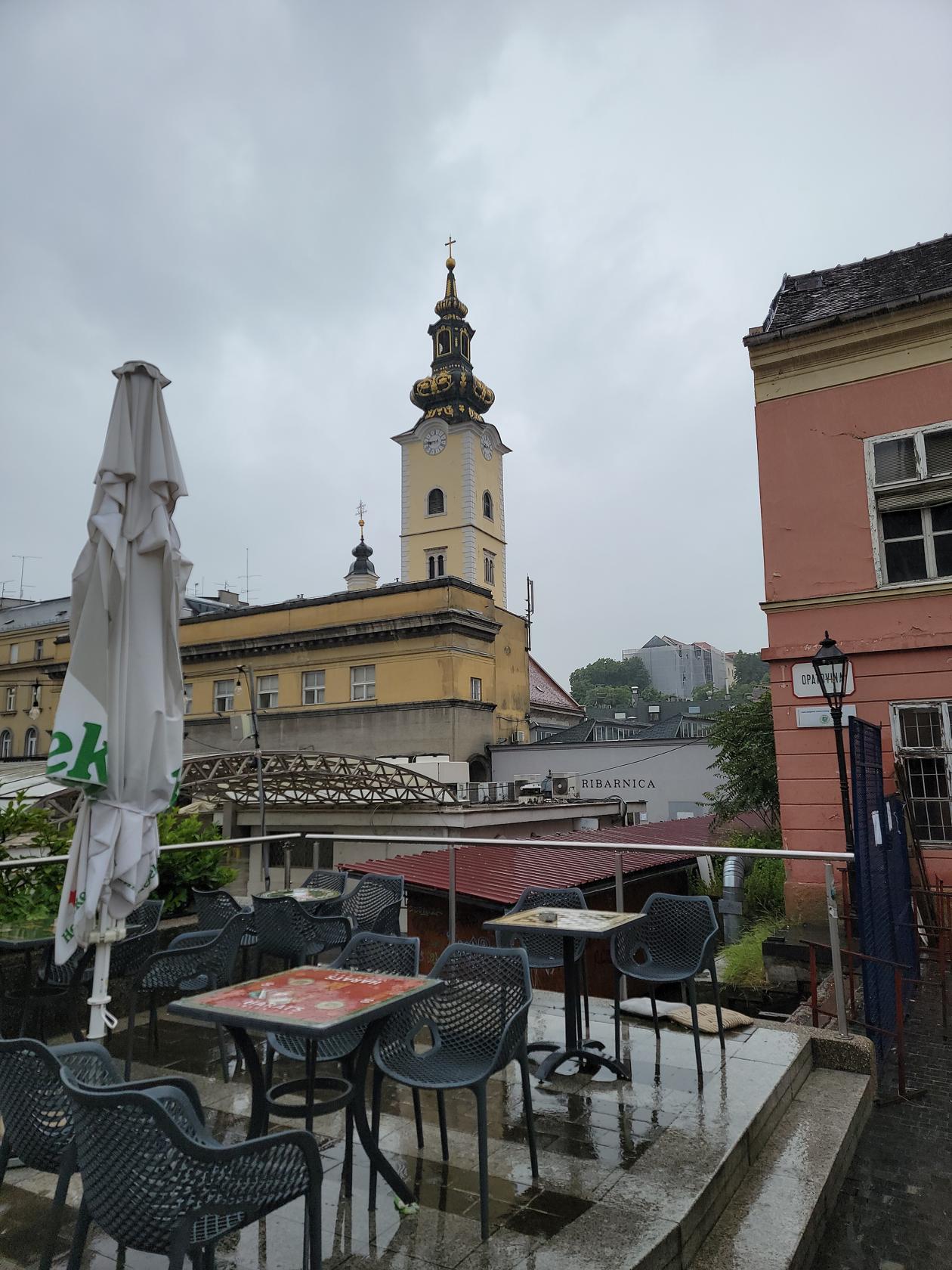
The most prominent structure here is Saint Mark’s Church. Noted for its polychrome roof tiles depicting the coats of arms of Croatia and Zagreb, it is a beautiful to see. Again, like other structures in the area, it too was damaged by the earthquake and was still undergoing renovations at the time of our visit. Therefore, we were unable to go inside or even get up close to its facade.

Observation Tower

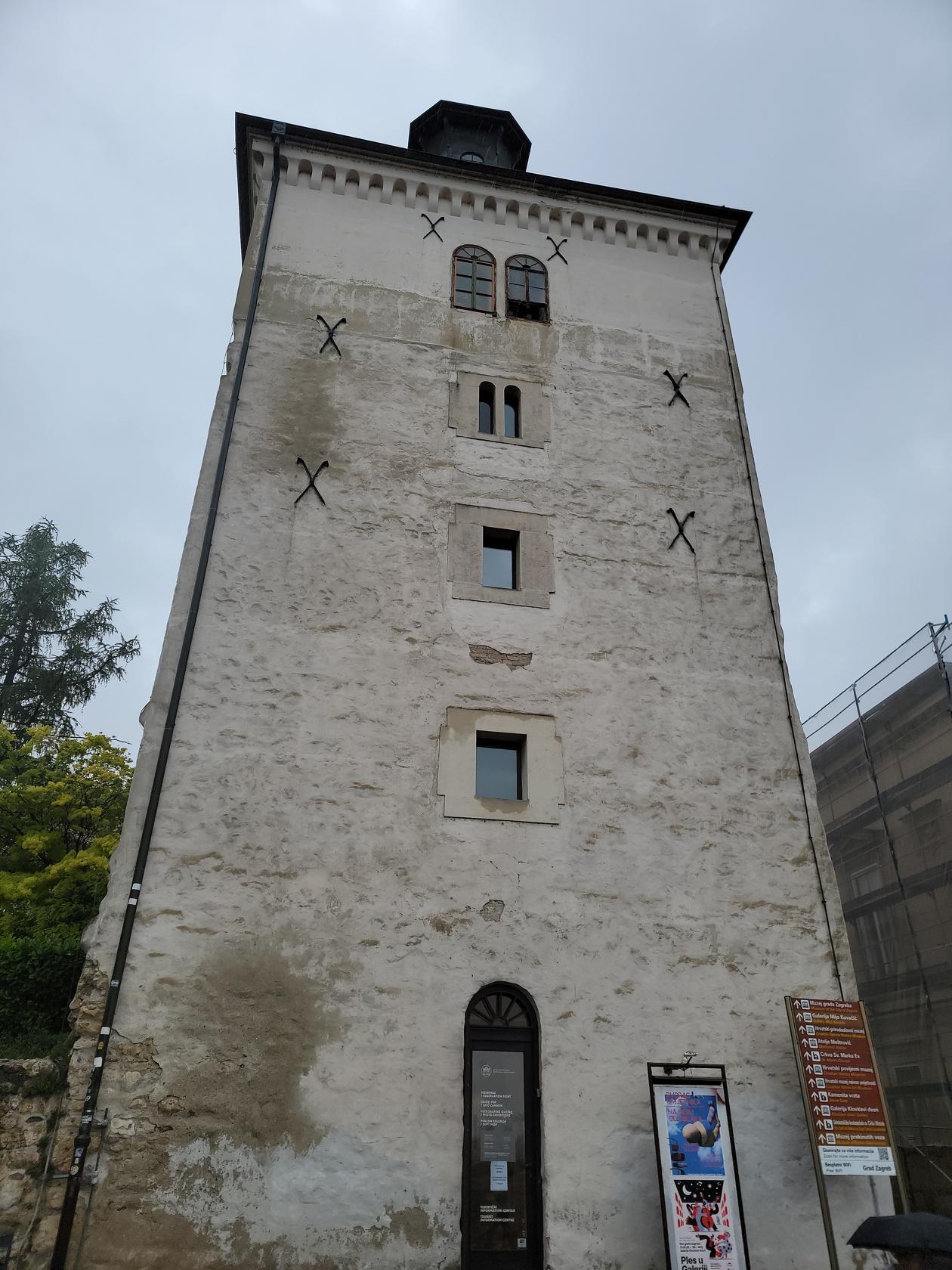
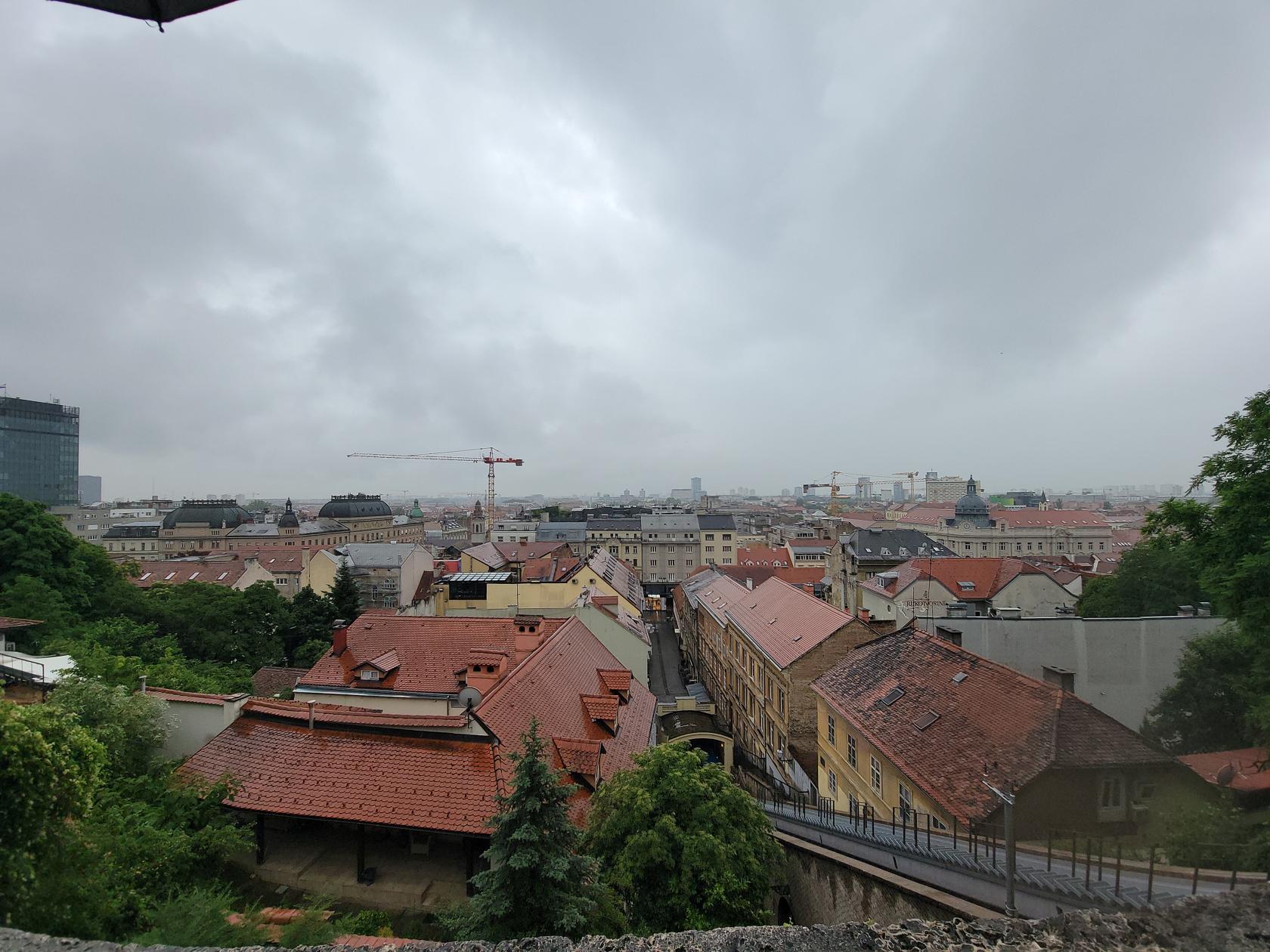
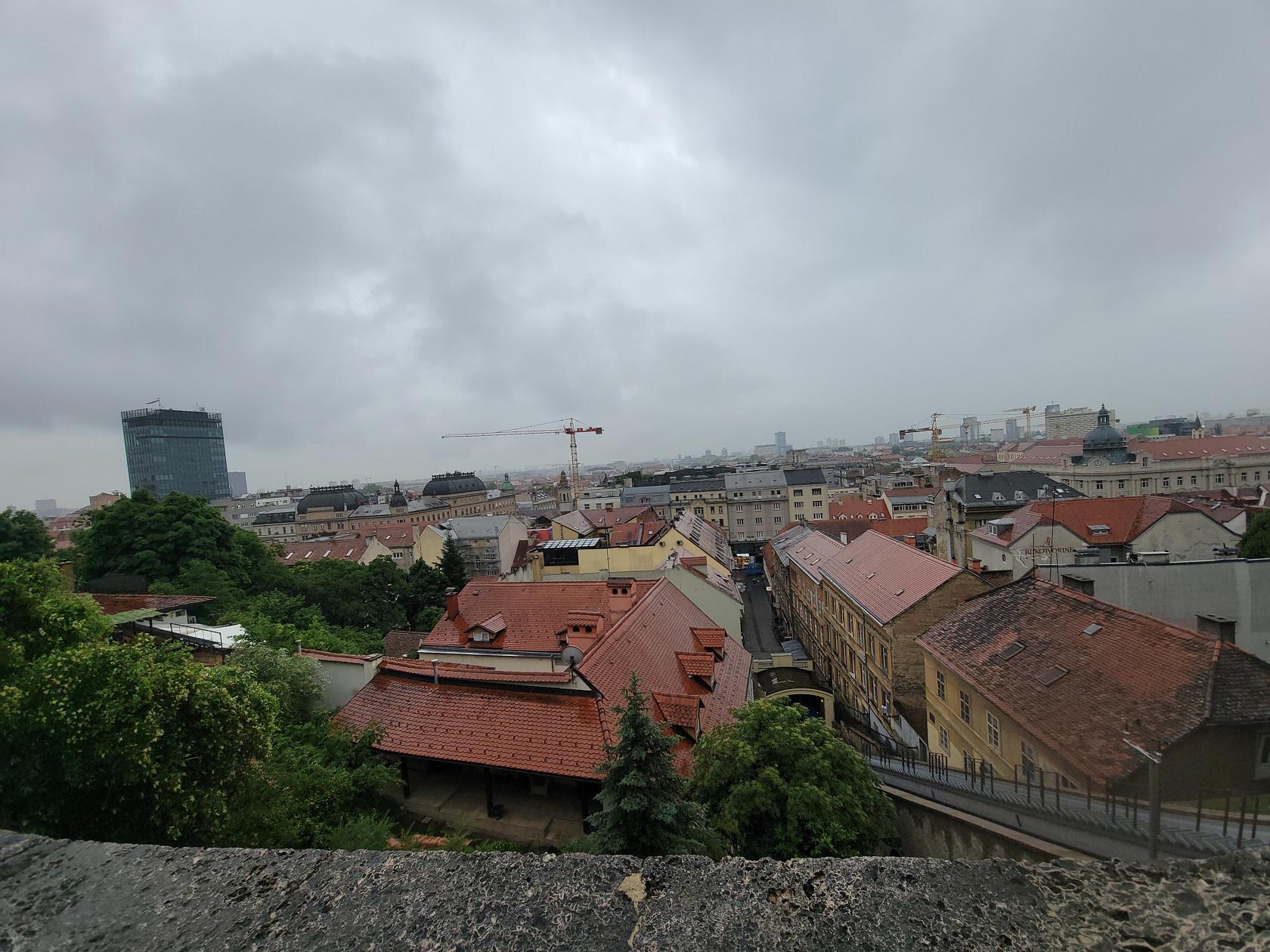
The Observation Tower, or Lotrščak Tower, can be found near Saint Mark’s Church in Gradec. It is right next to the Furnicular station to Lower Zagreb and can be ascended for a modest fee. We chose not to, since the weather was terrible and it was raining and overcast.

Tunel Grič

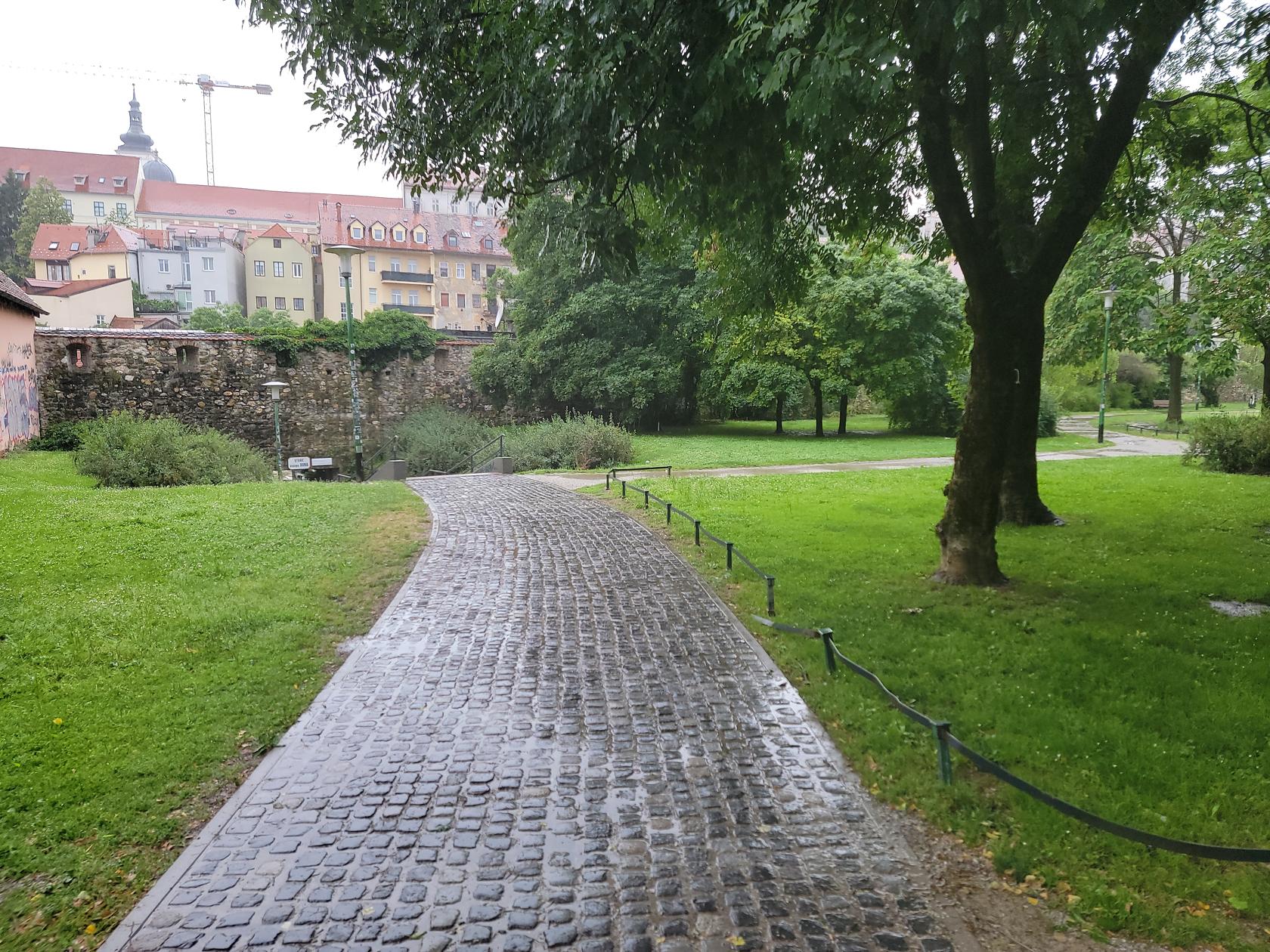
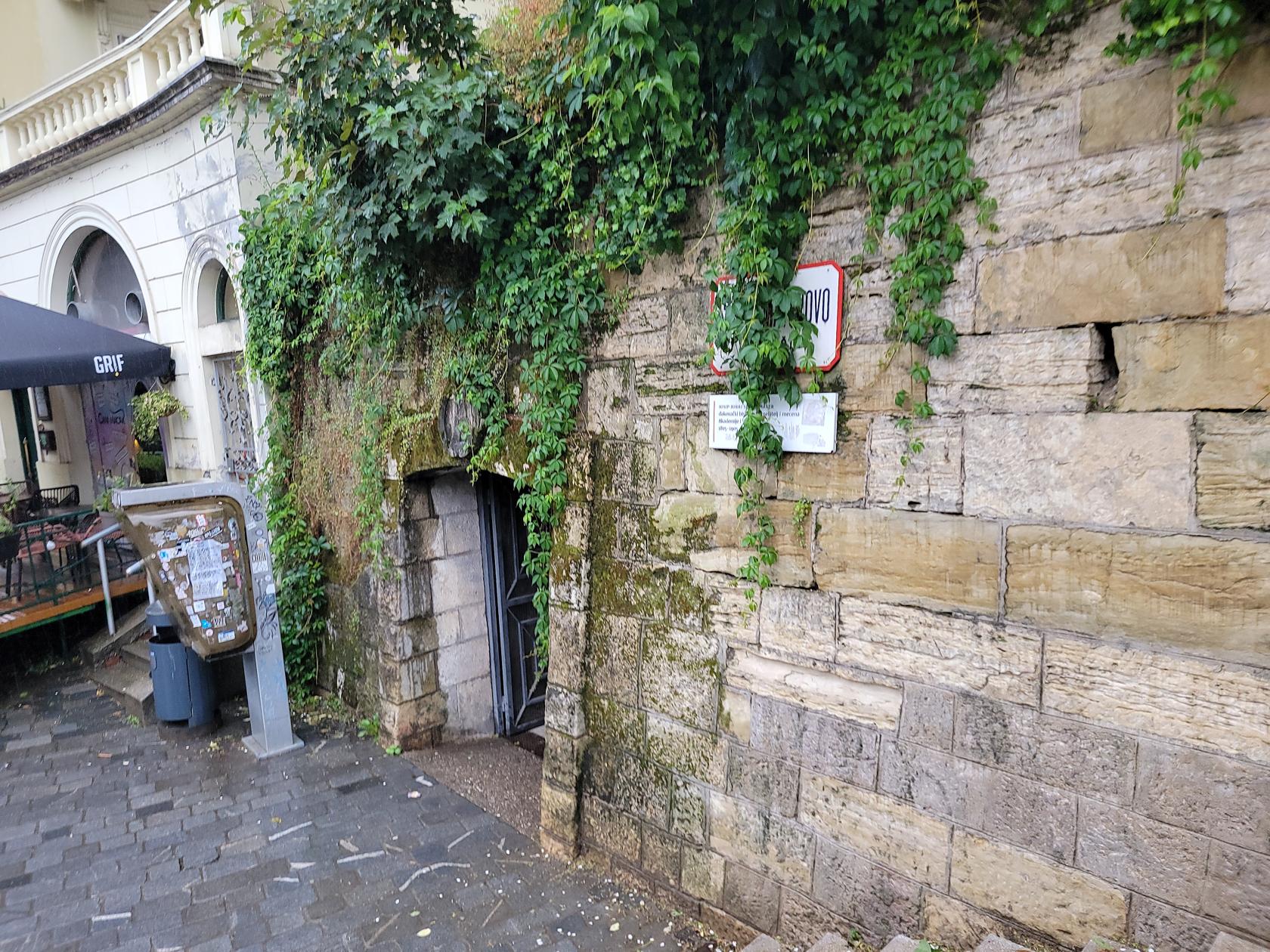
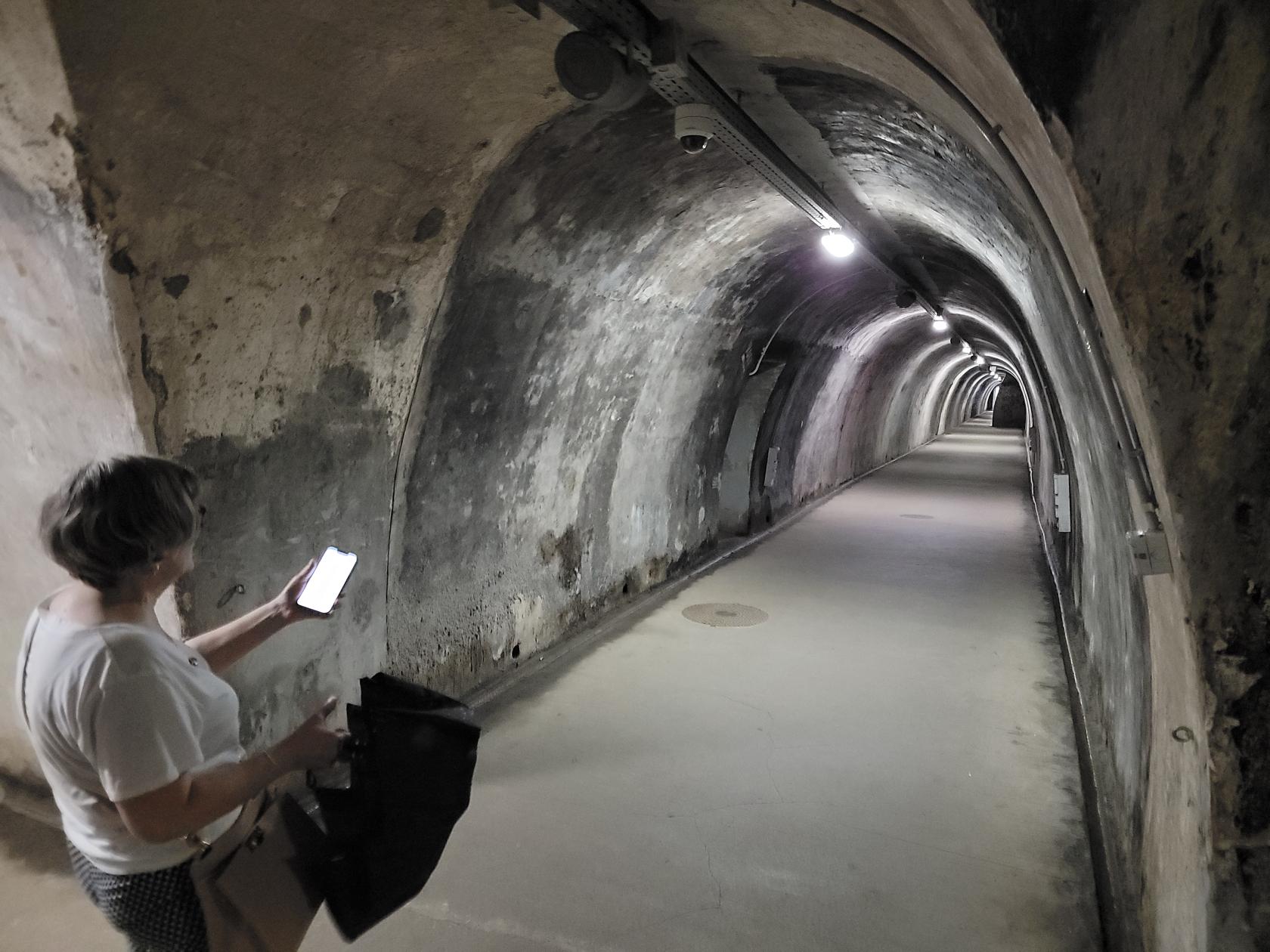
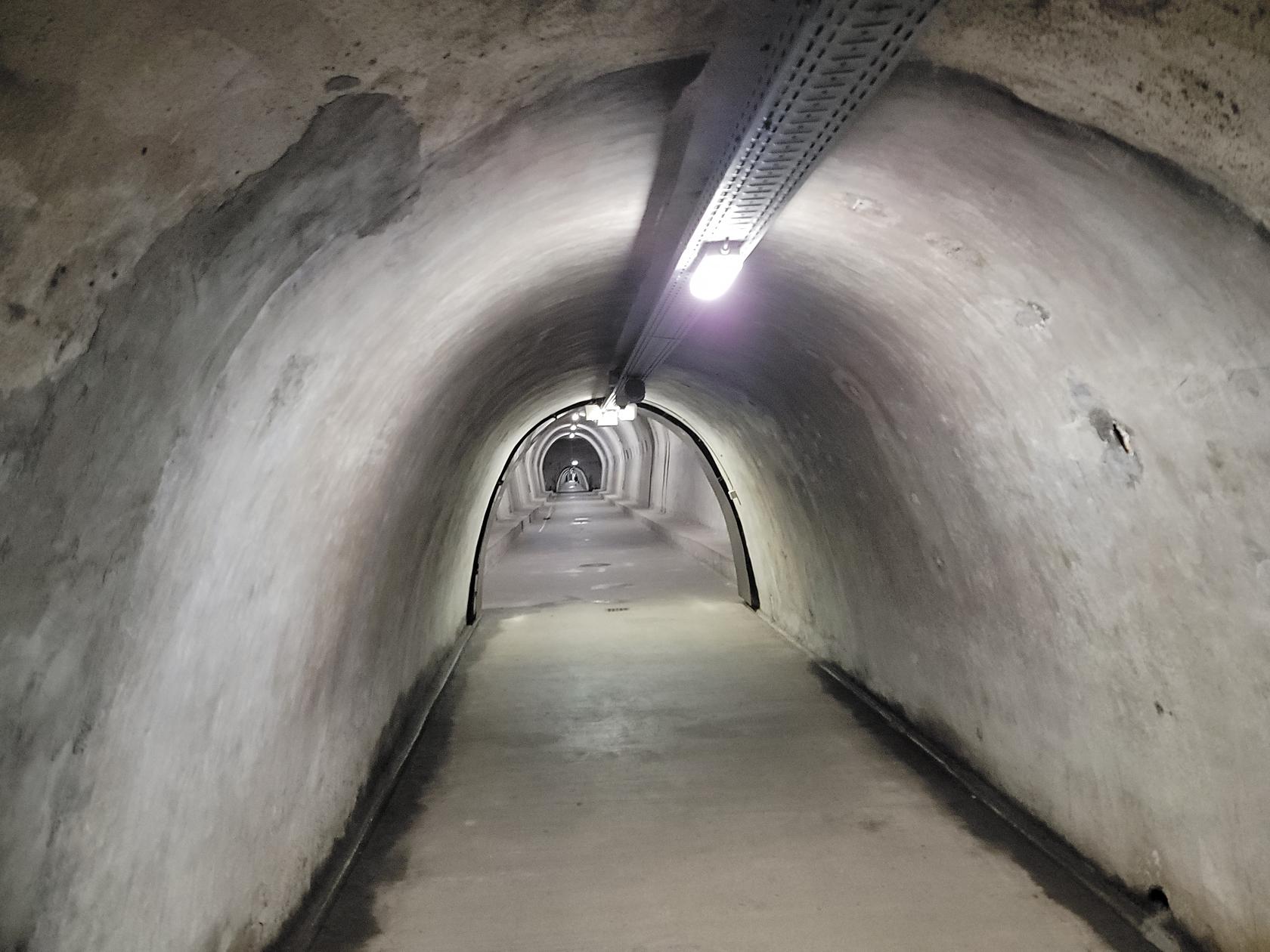
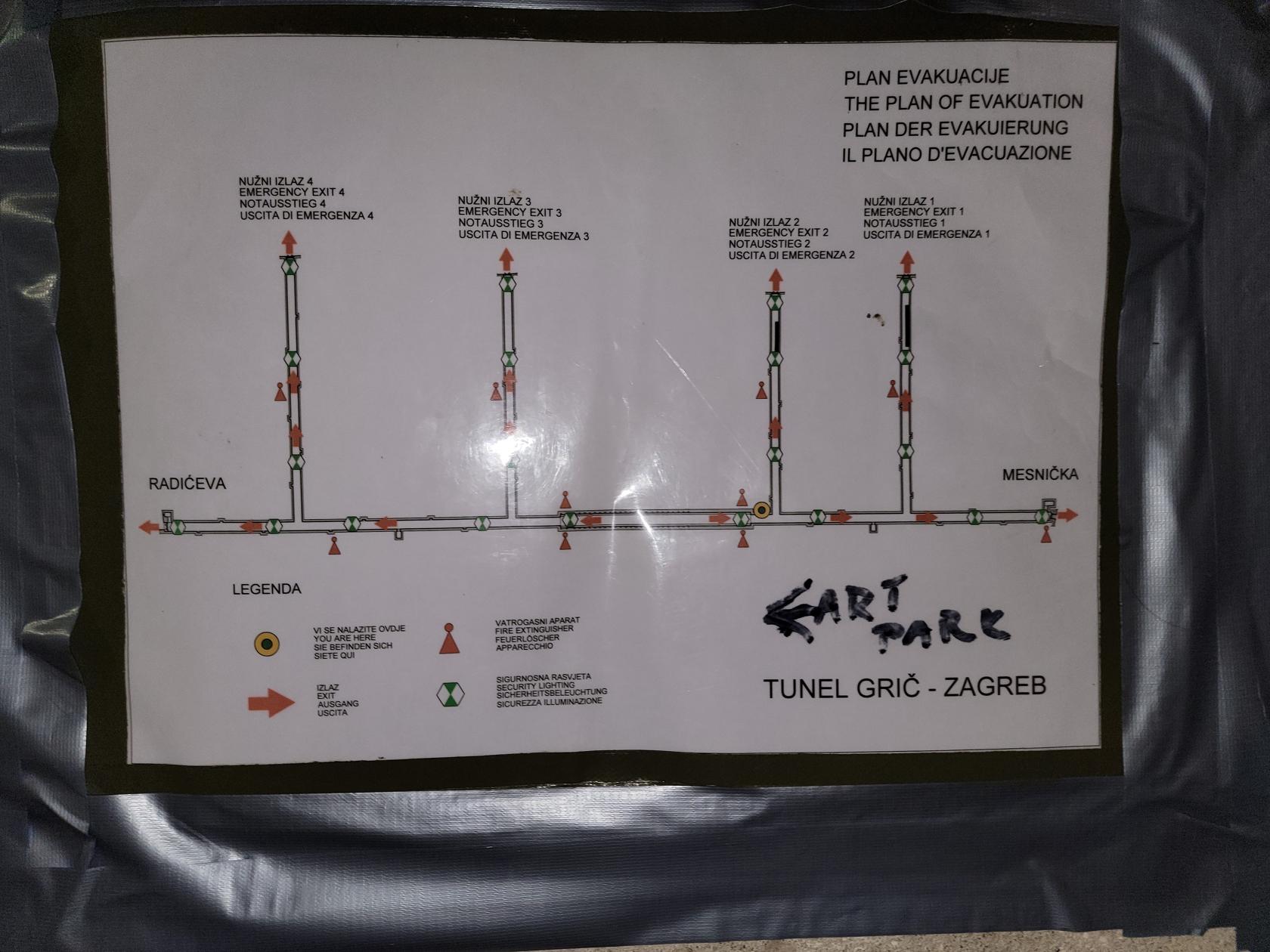
Built during World War II as a bomb shelter, the Tunel Grič, or Gric Tunnel is commonly used as a pedestrian path now, even though several sections of it are in disrepair and no longer used. The main section spans about a quarter of a mile an connects western side of Gradec with the eastern side on Pavla Radica street.

Kaptol

Even today it appears that most of the real estate here is consigned to the Roman Catholic clergy in one form or another. It is here where you will find the Cathedral of Zagreb, the seat of arch bishop.

Walking the Kaptol street is very relaxing. All of Zagreb is rather well cared for in one repect or another, but this area even more so with its beautiful buildings and well maintained park, the Ribnjak Park.

Zagreb Cathedral

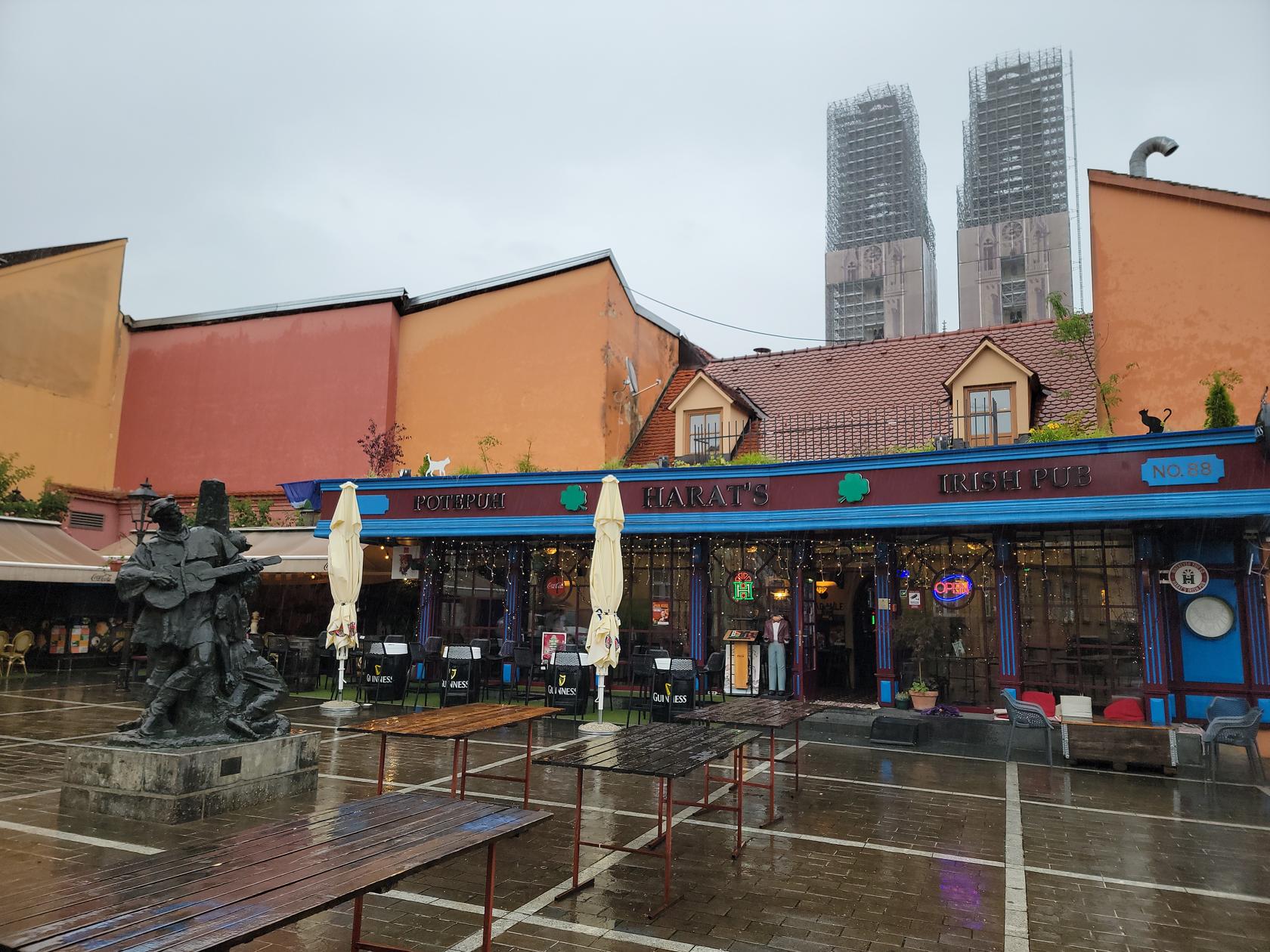
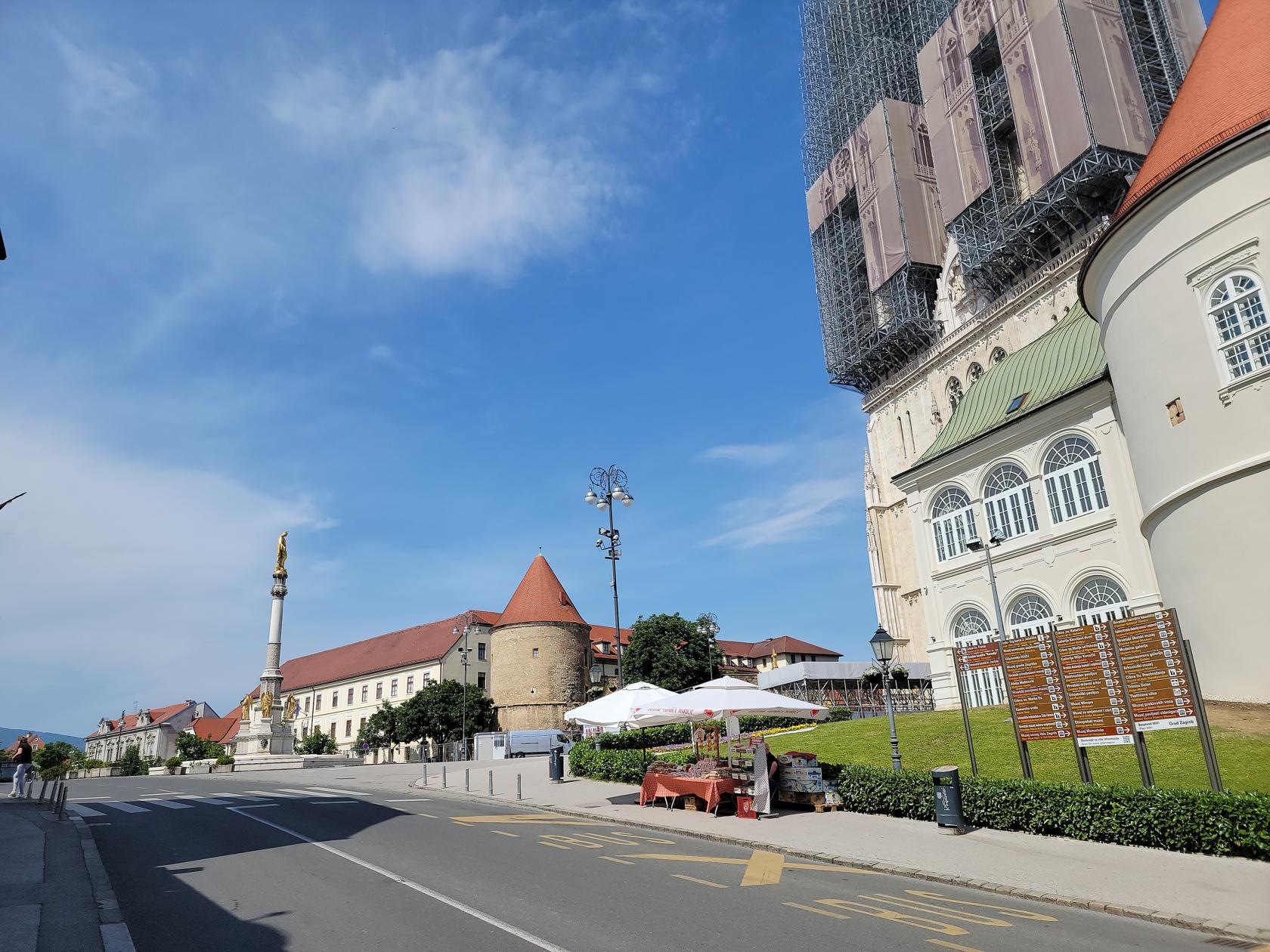
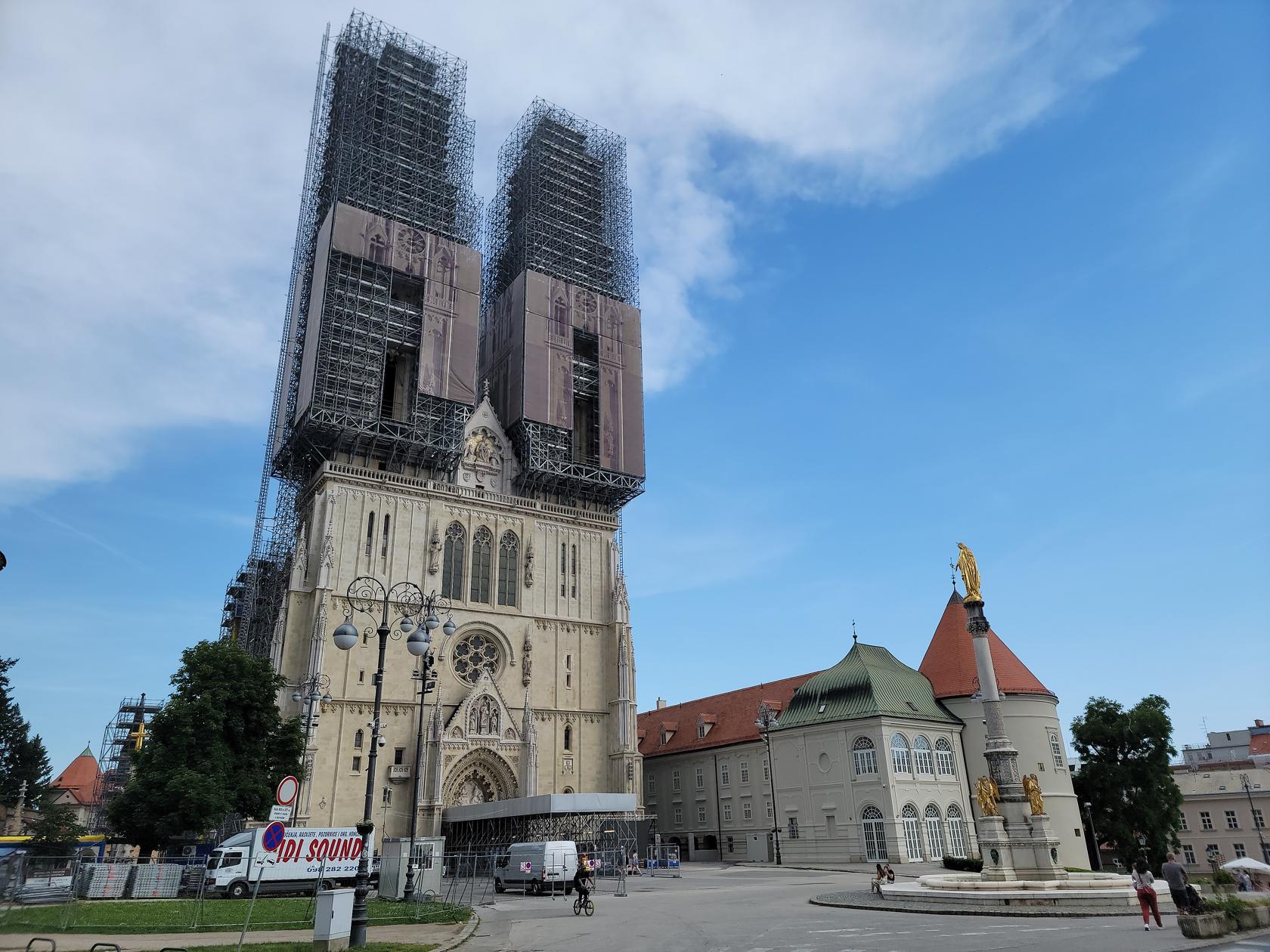
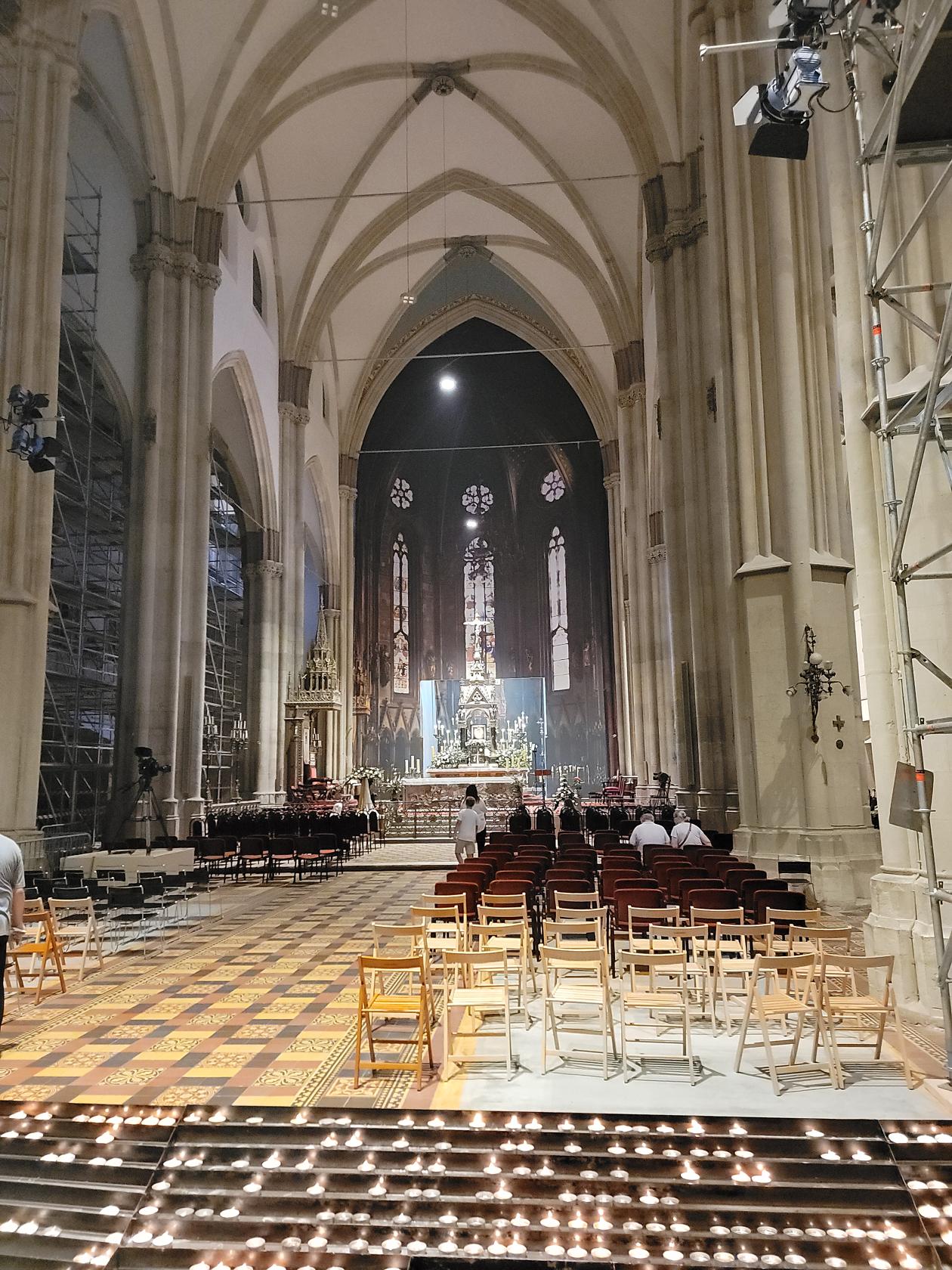
An enormous and the most prominent building in Kaptol is the Zagreb Cathedral. It is the second tallest building in Croatia and is surrounded by the Kaptol Fortress. Unfortunately at this writing, it was undergoing heavy reconstruction after the 2020 Earthquake., where most of its facade and interior are shrouded in construction scaffolding and screens.

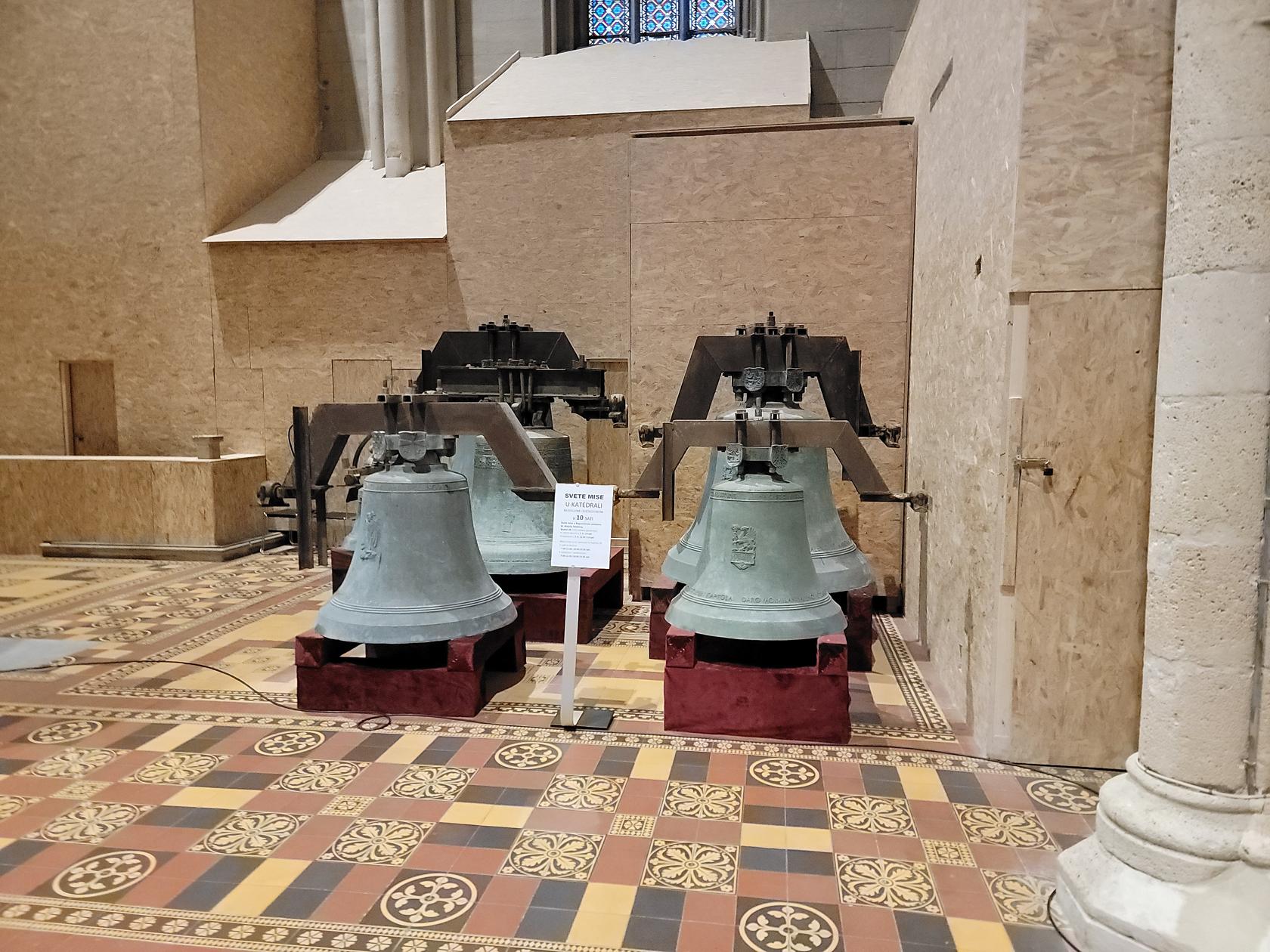
The southern spire had snapped off during the quake and crashed onto one of the adjacent buildings. The northern spire was later removed because it was leaning and can now be seen alongside the cathedral, waiting for its eventual return.

Restaurants

Gostionica Ficlek

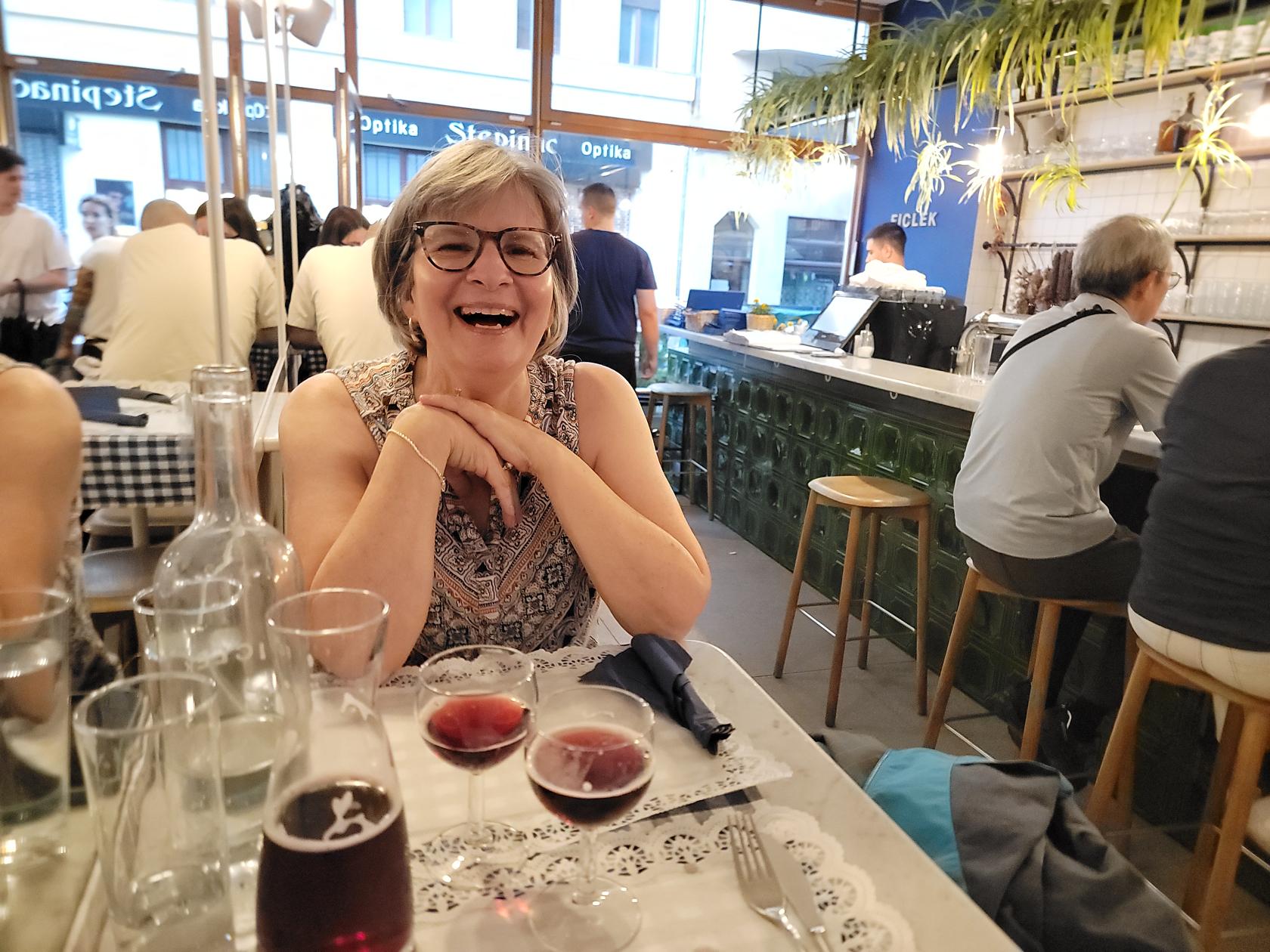
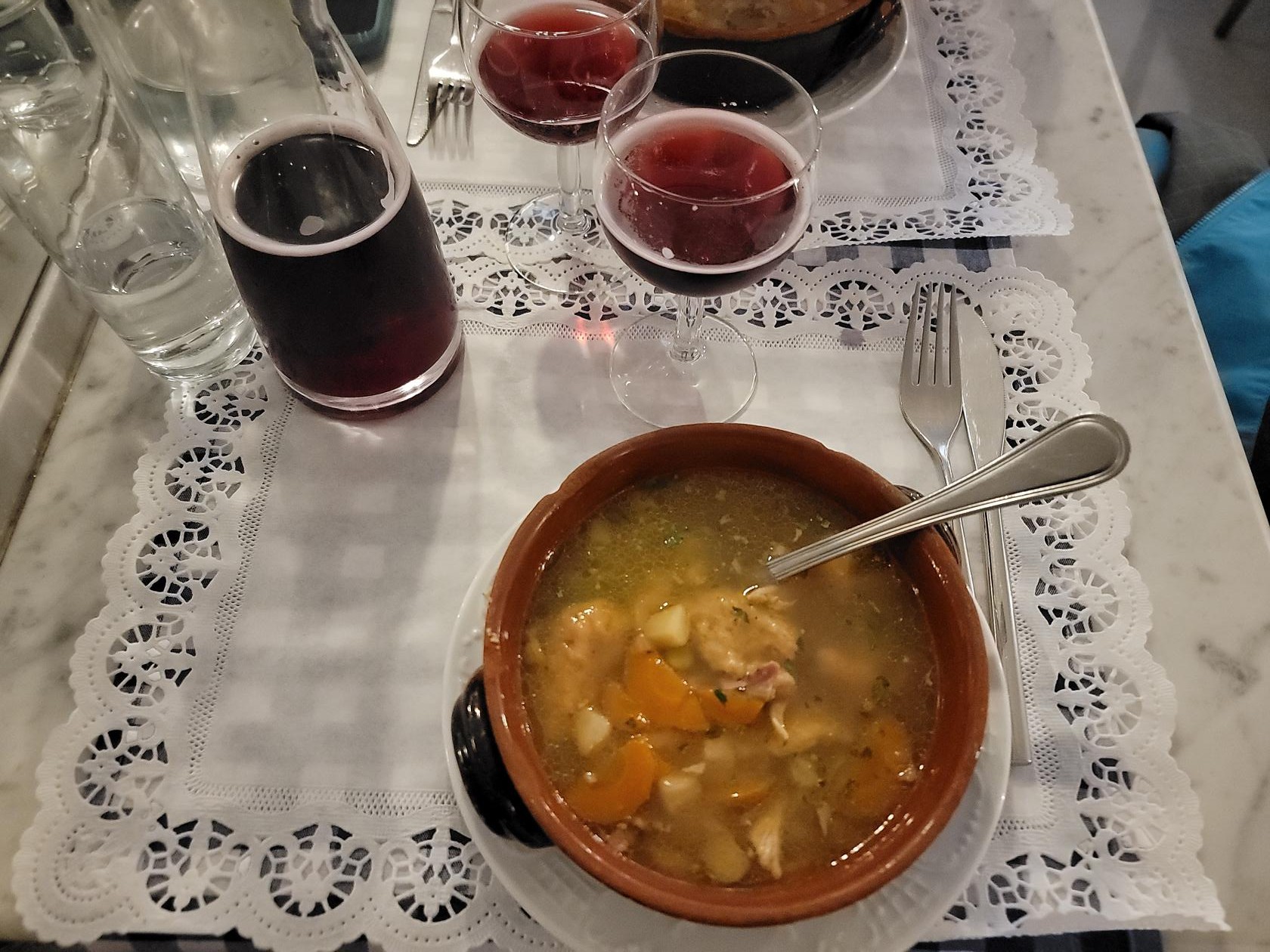
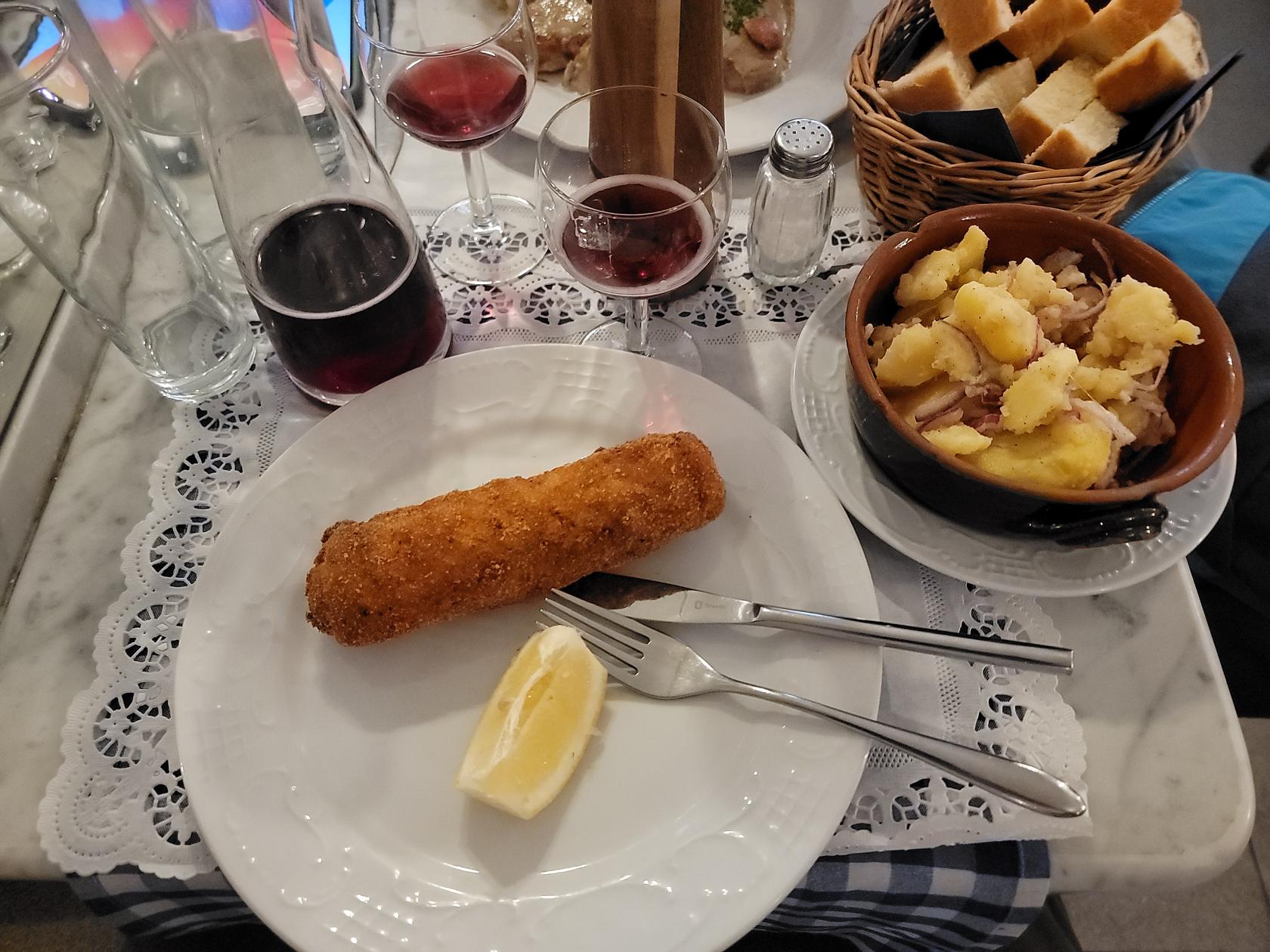
The restaurant Gostionica Ficlek is a good place to enjoy the gastronomy of Croatia and Zagreb. It has a fine collection of tasty treats on its menu that can be tried for a more than reasonable price. The traditional chicken soup tastes like a typical chicken soup, until you notice the dumplings, which just puts it over the top.

Heritage Street Food

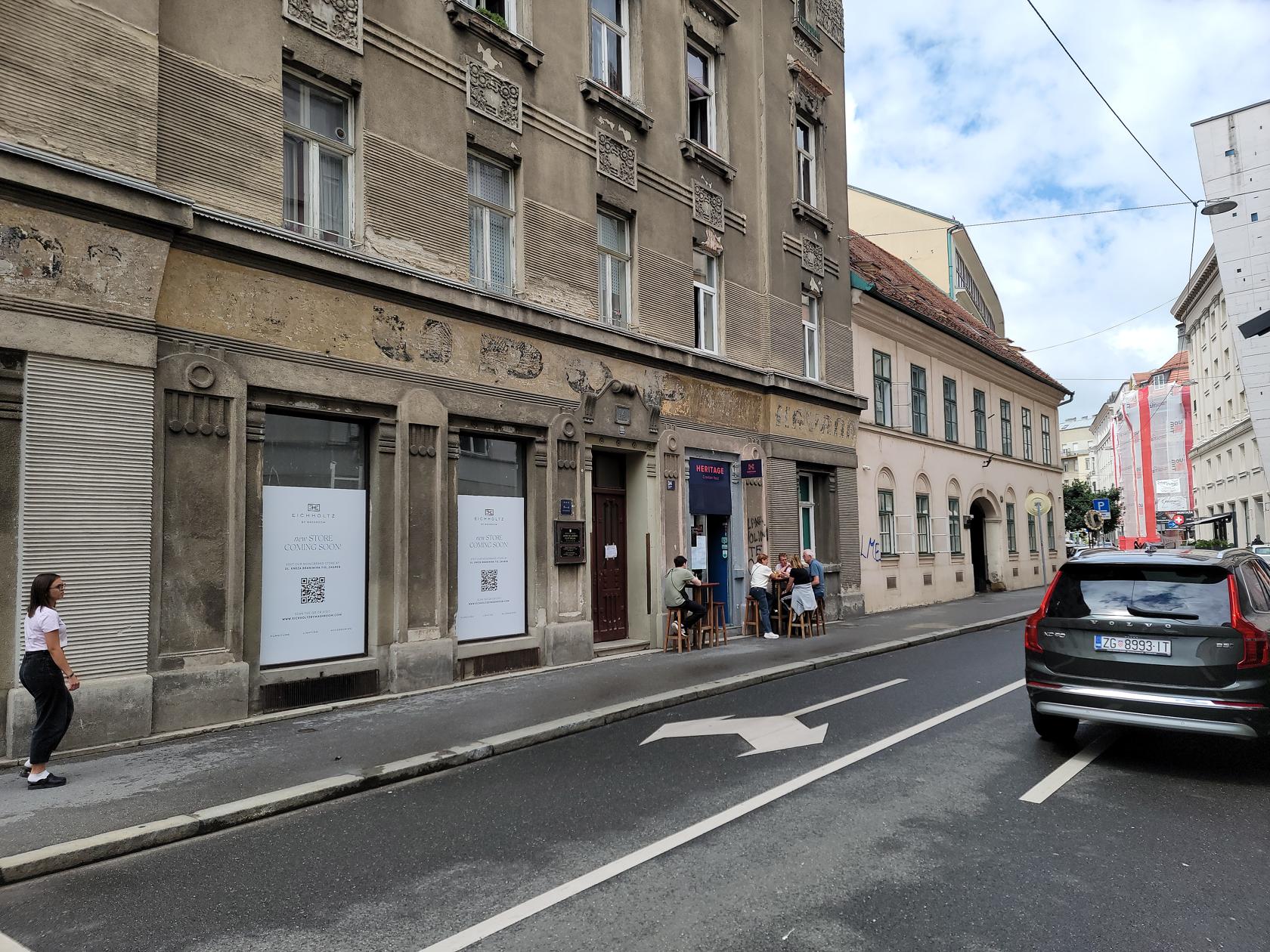
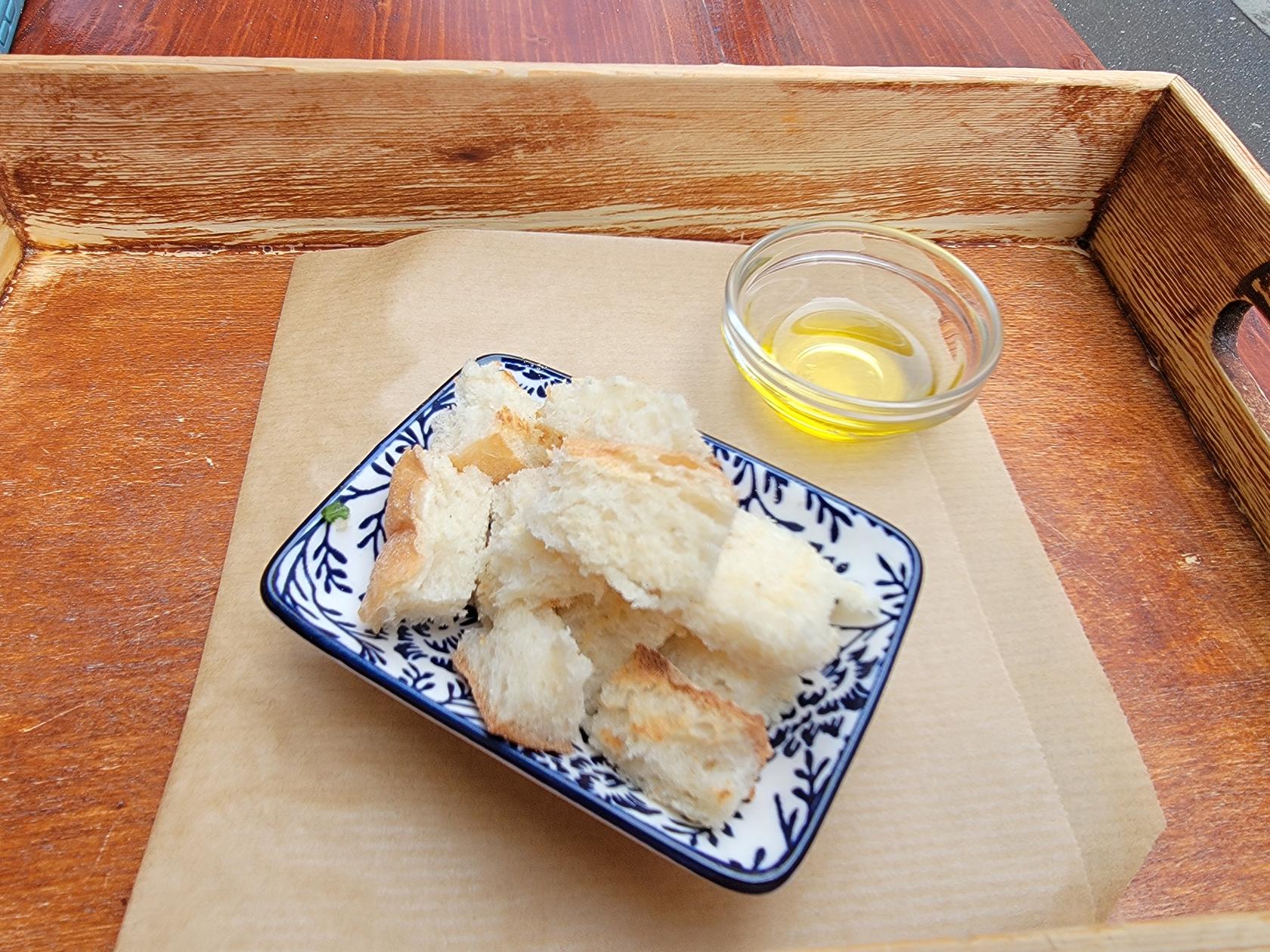
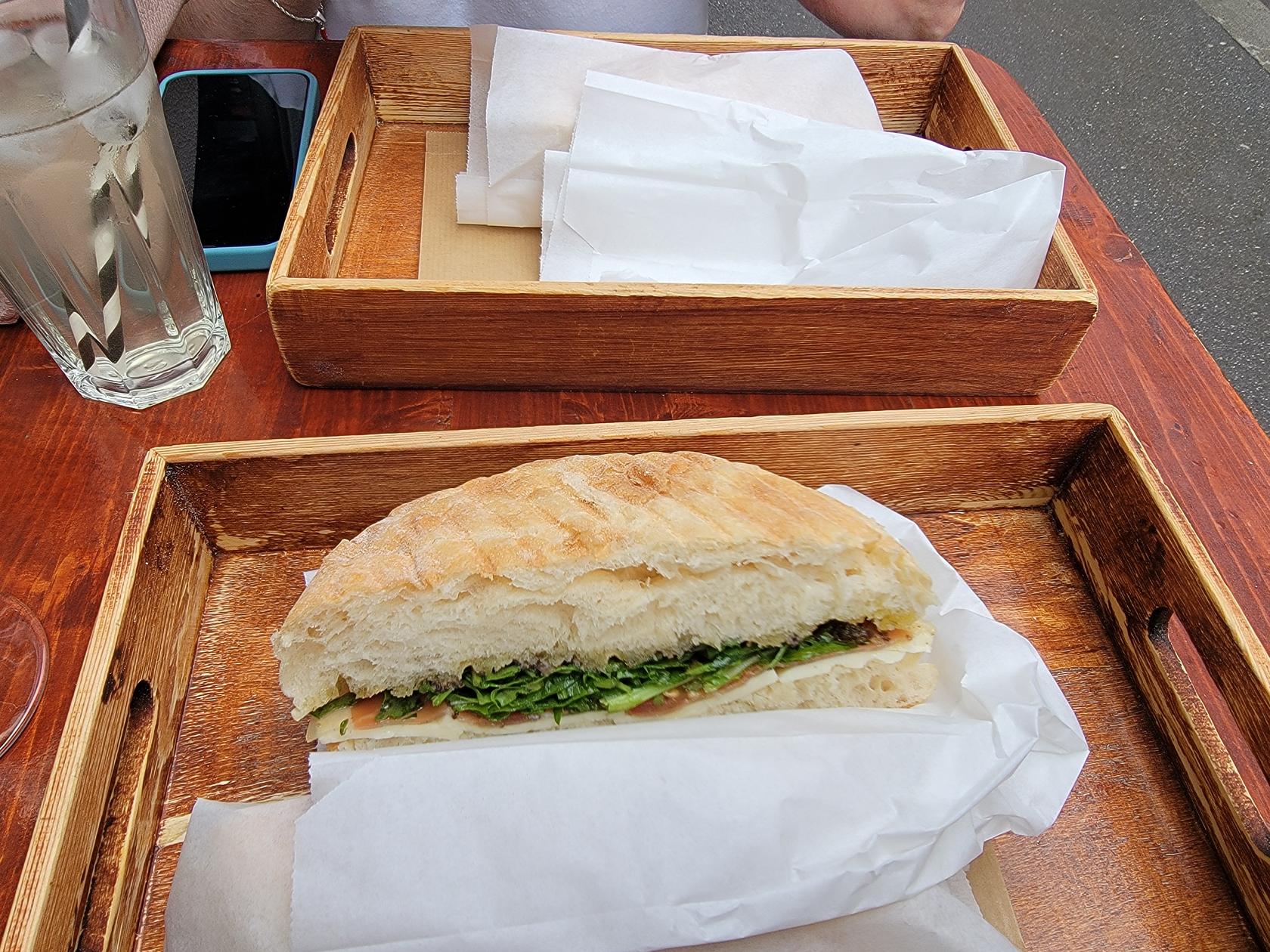
For lunch, Patti selected a tiny establishment on Petrinjska street, known as Heritage Street Food. Their concentration is on Paninis and Focaccia style sandwiches, which when combined with other delectable sides, create a truly enjoyable and tasty little adventure for your palate.

Caffe & Bar Jupi

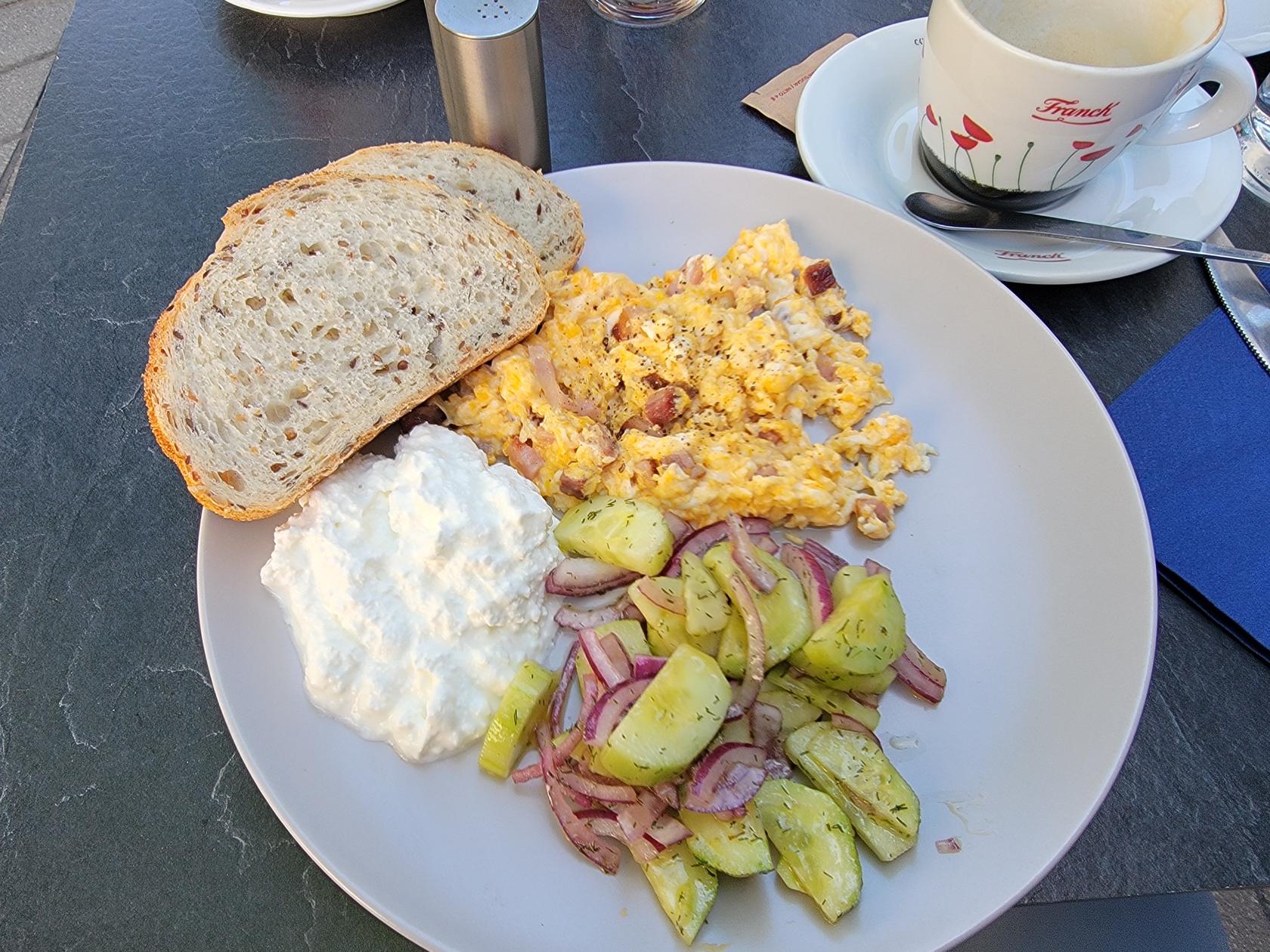
The day that we left Zagreb we visited a small cafe for breakfast called Caffe & Bar Jupi. Patti ordered the pancakes with fruit and I had the scrambled eggs. Both were delicious and hit the spot on a busy and somewhat chilly morning.