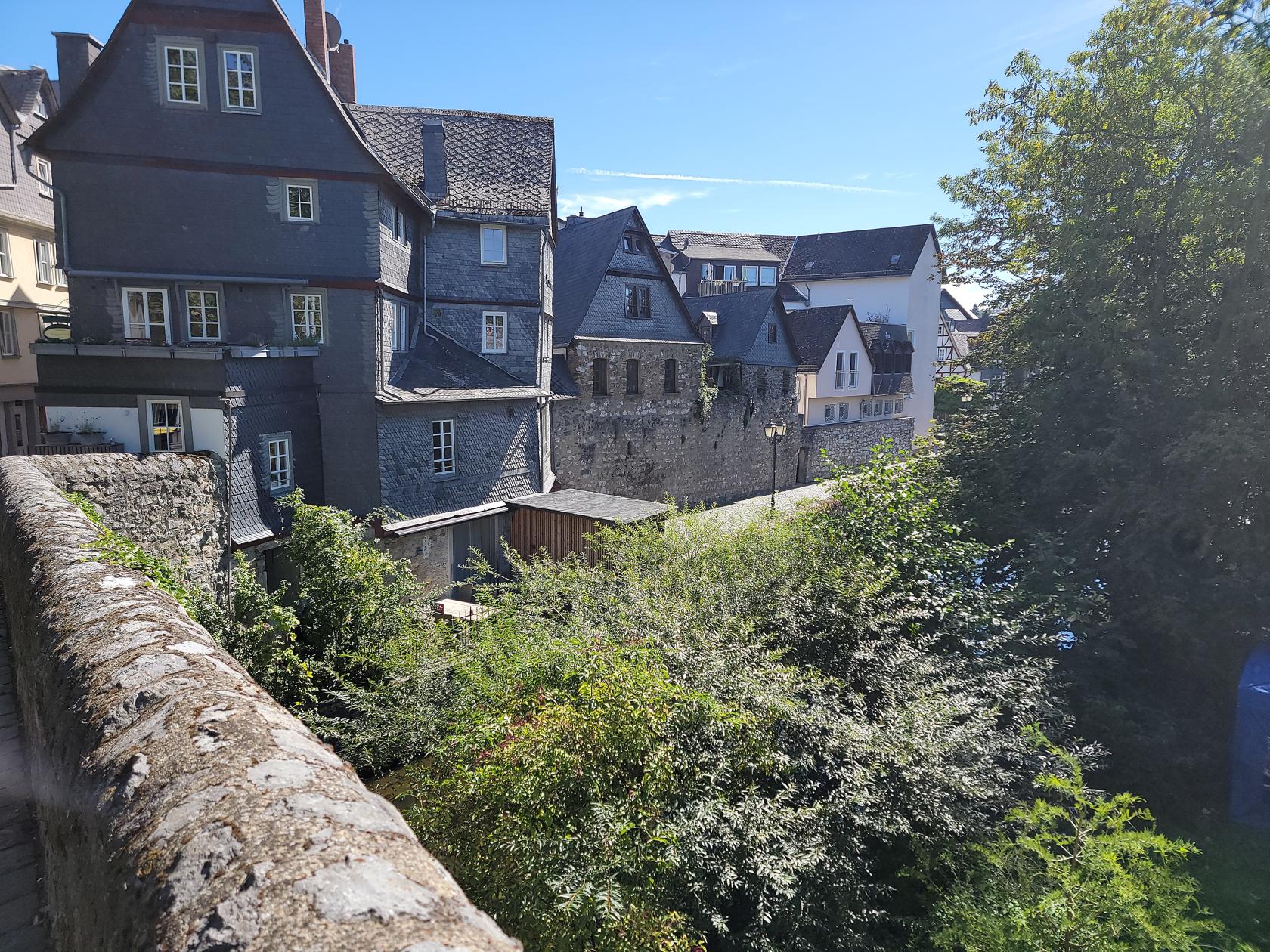
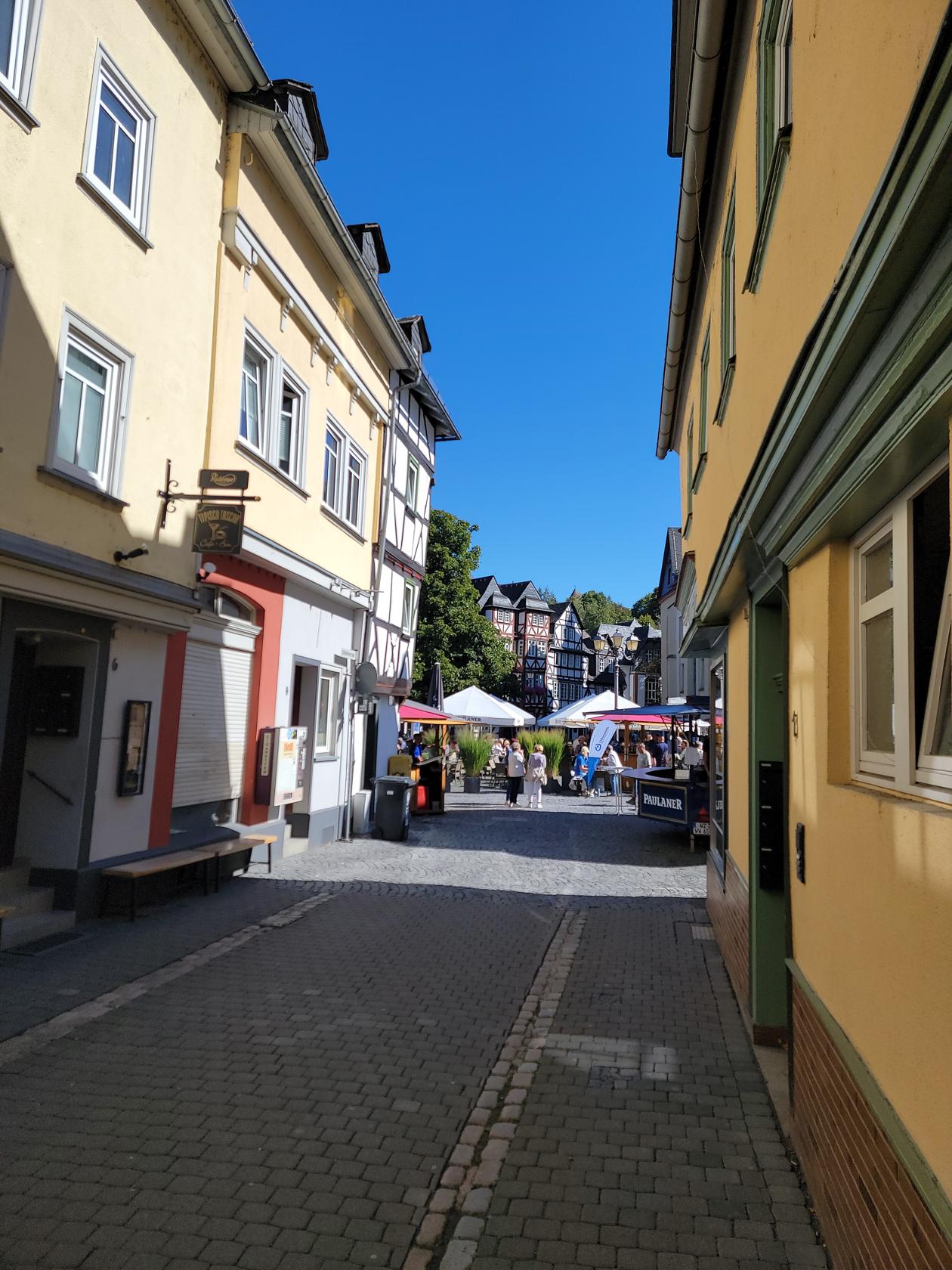
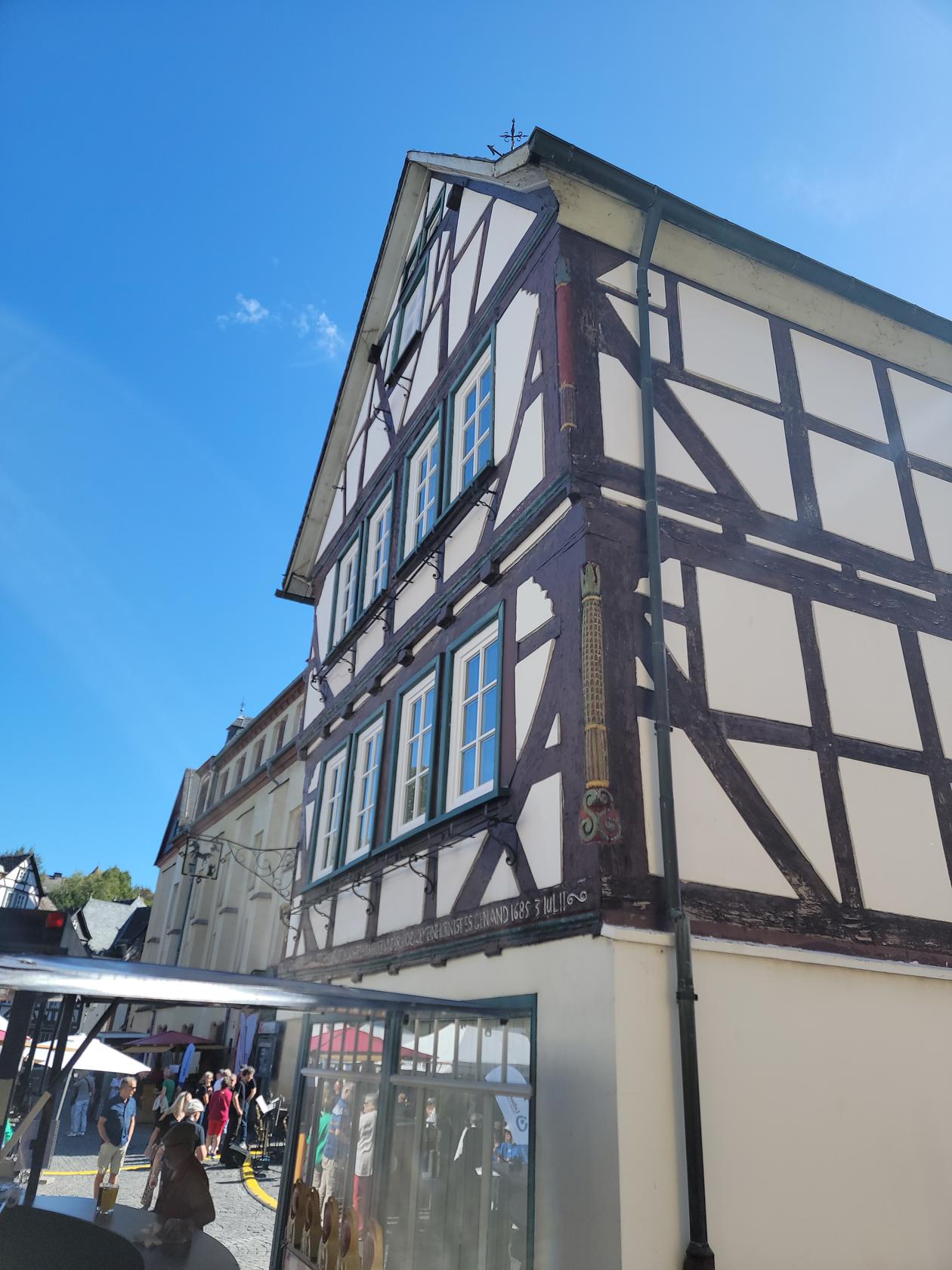
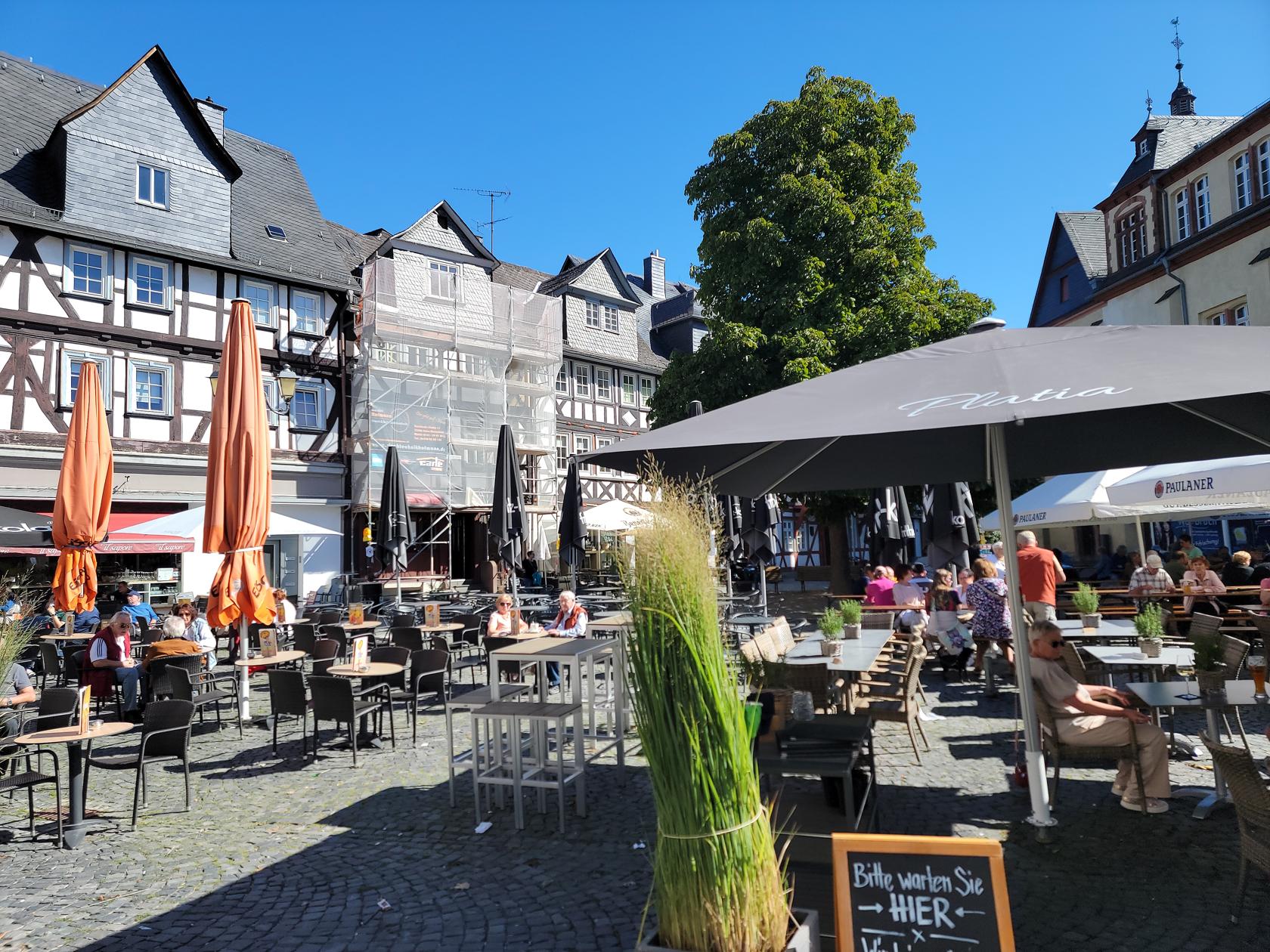
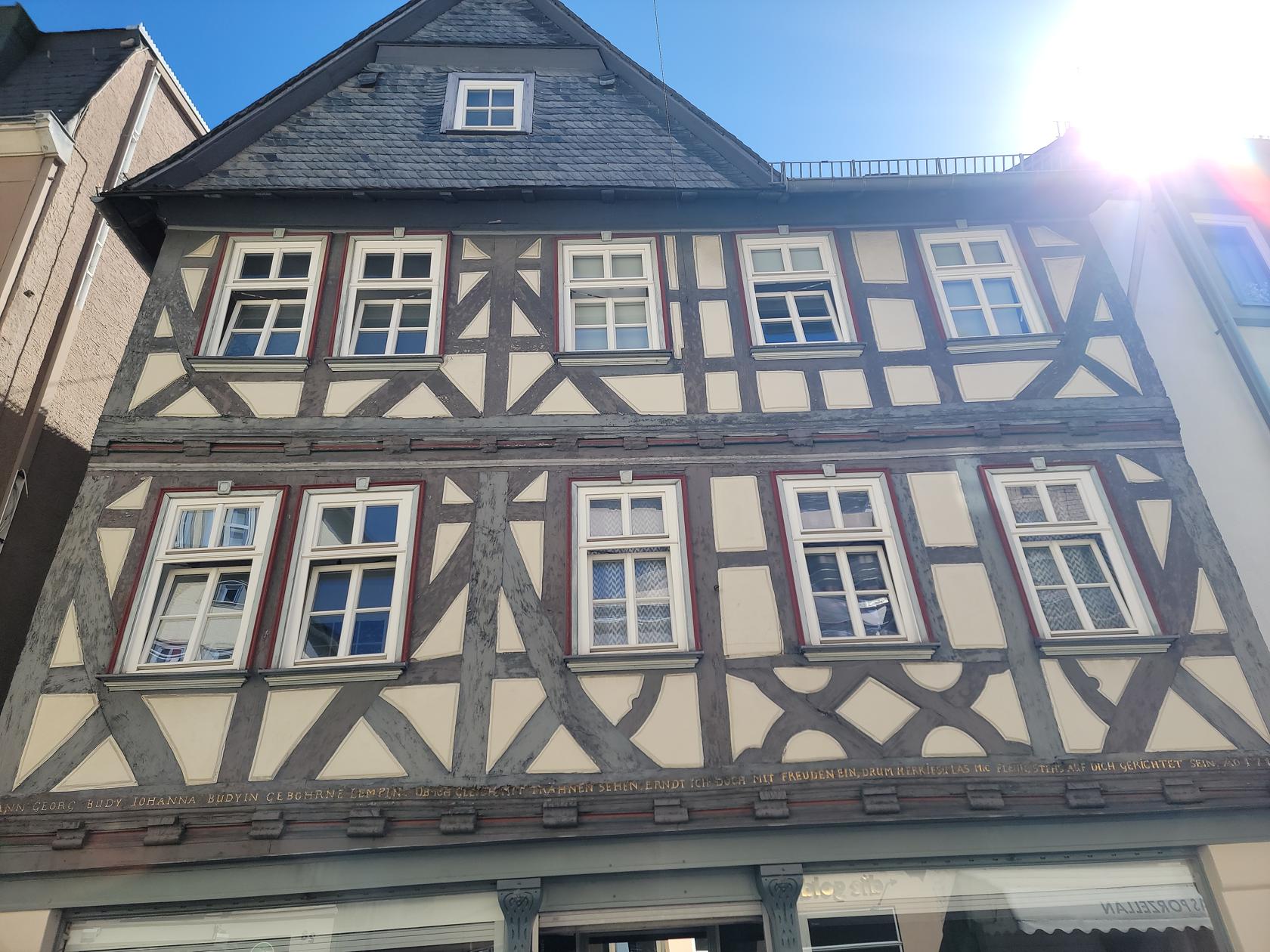
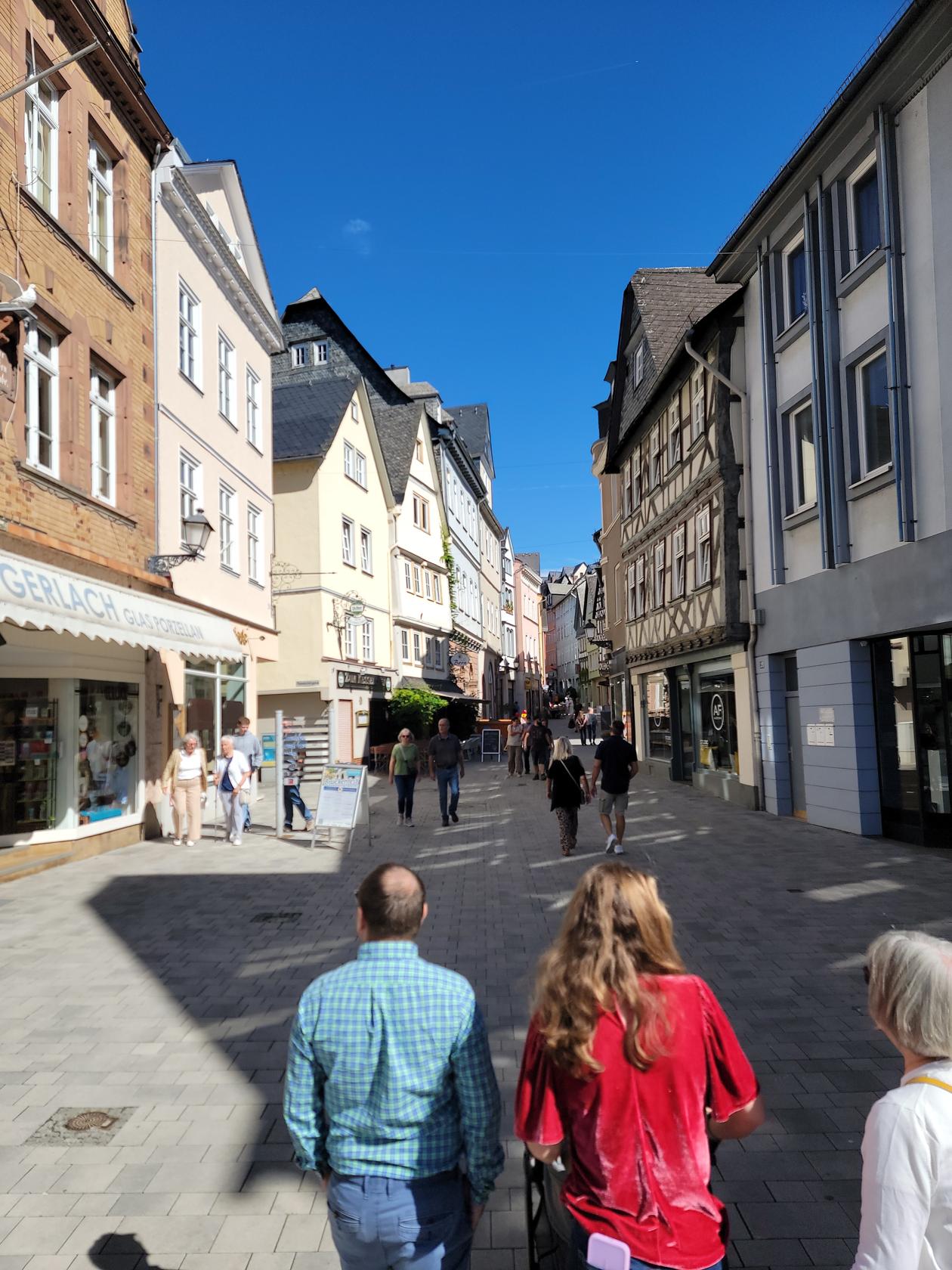
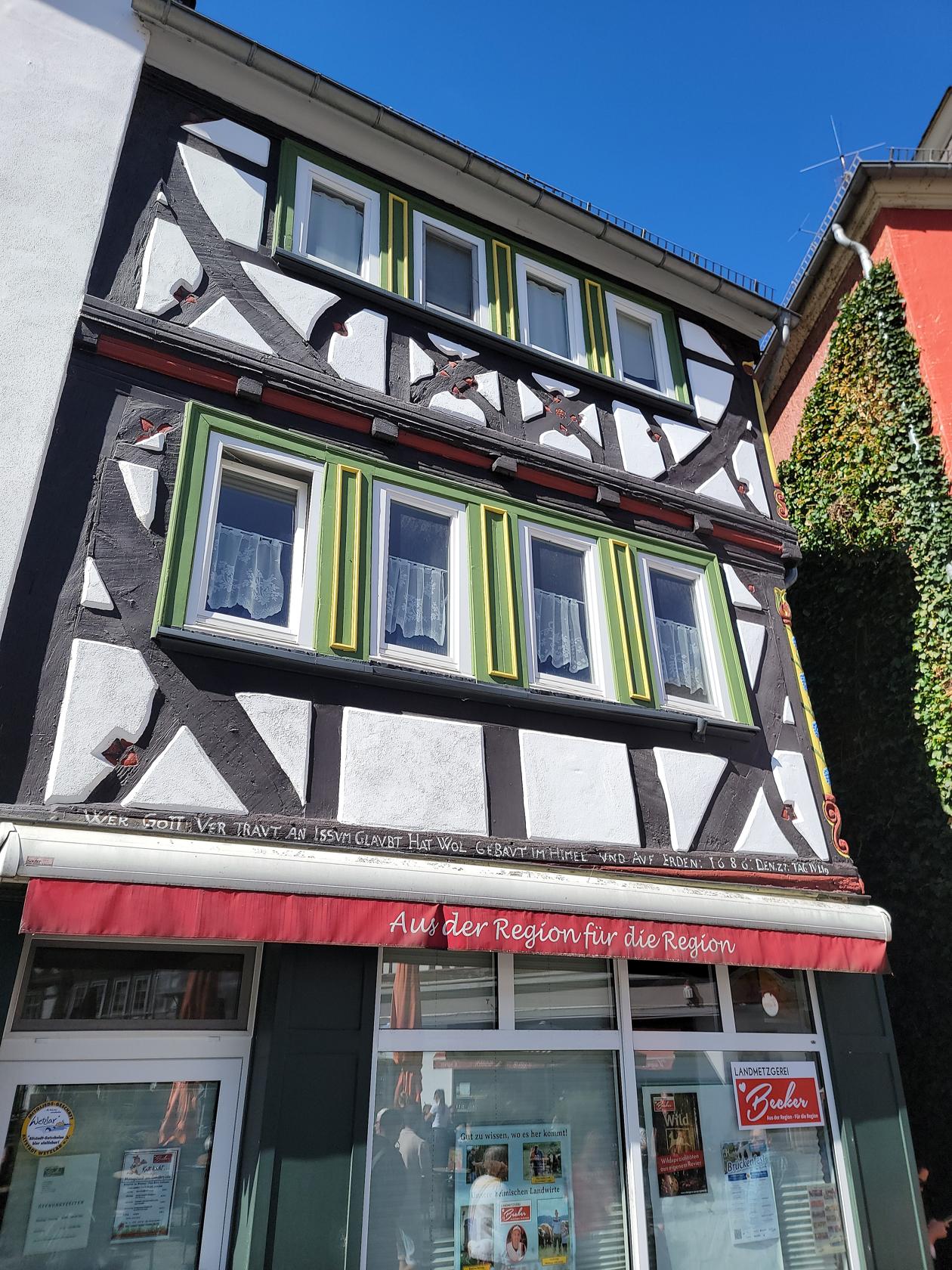
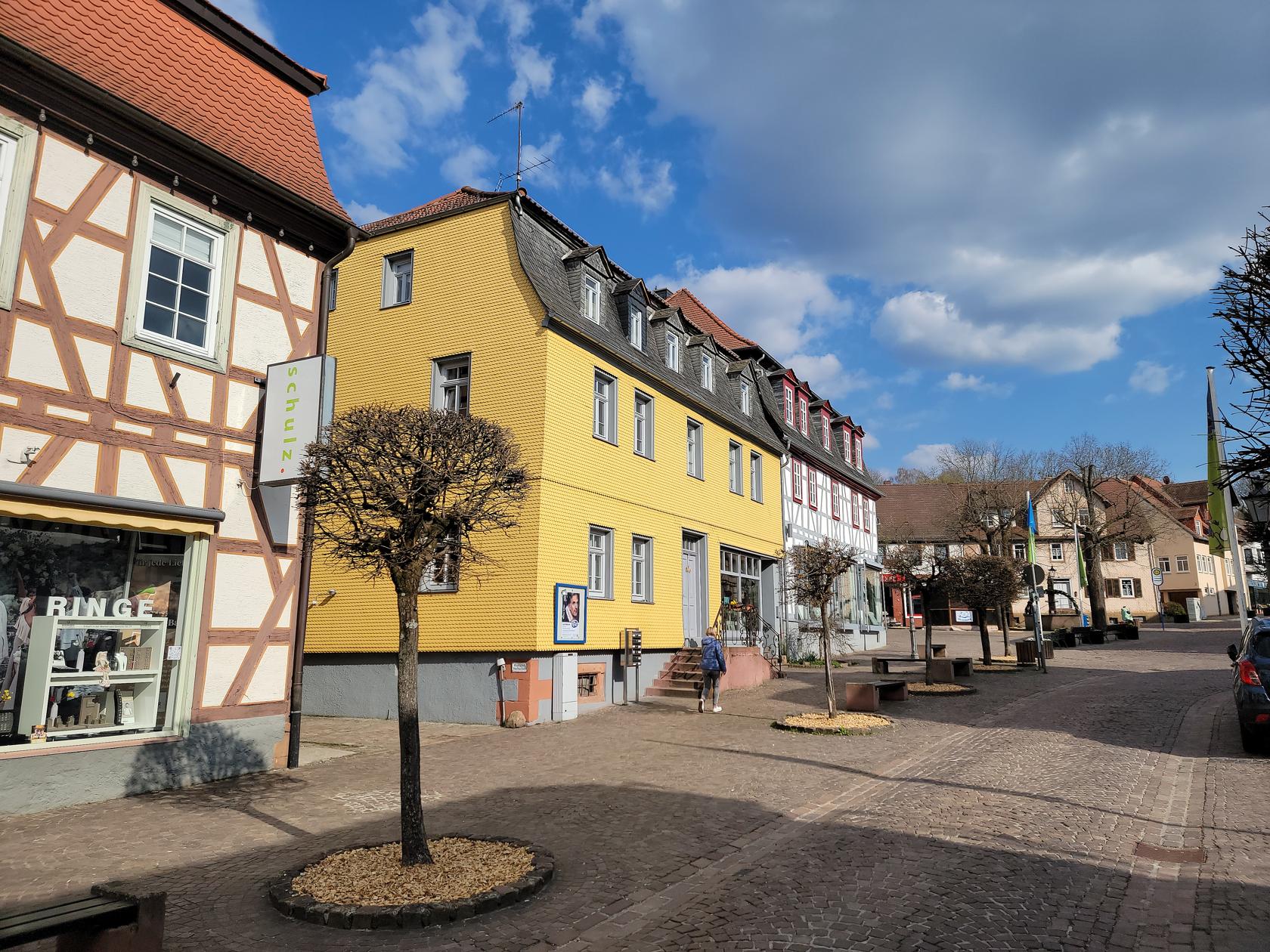
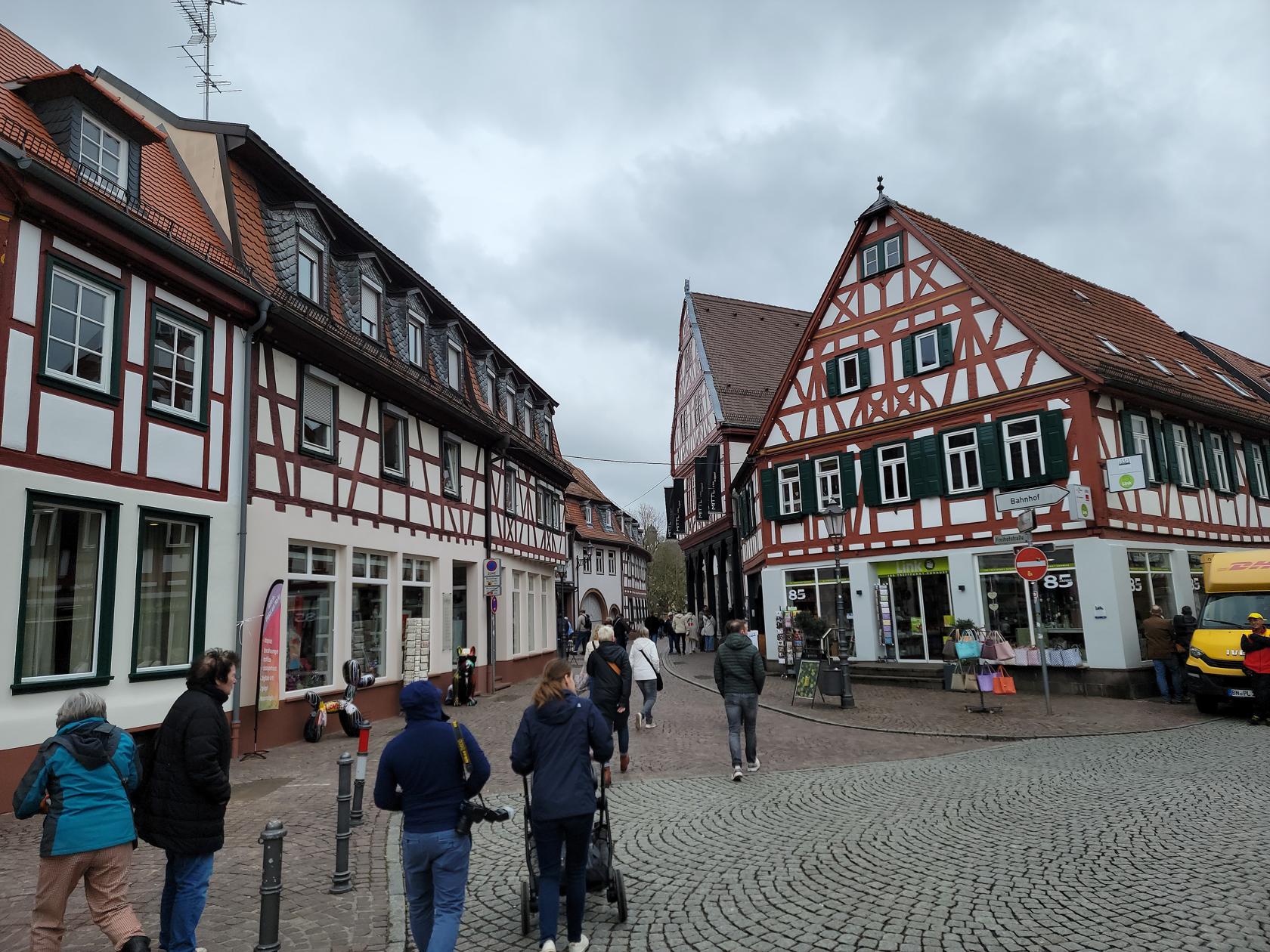
The old town of Wetzlar, Germany, is an old free imperial city whose claim to fame is the seat of the Imperial Supreme Court. It is a favorite among the locals and during this time of year they hold weekend festivities with bands and other attractions. It’s a good destination for a weekend day-trip.
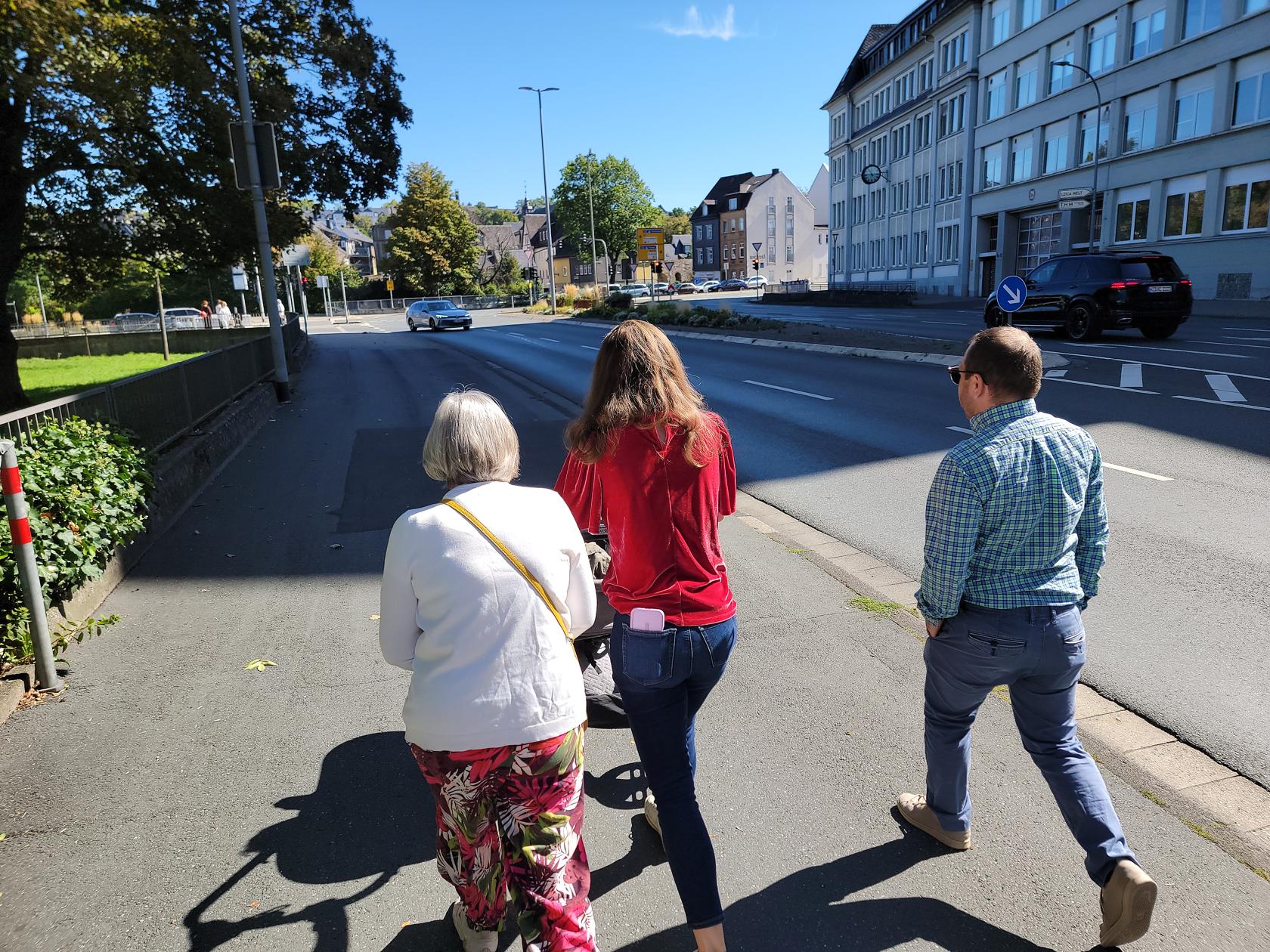
Patti, Ericka and Gabi – Going to the Altstadt – Wetzlar, Germany
Wetzlar
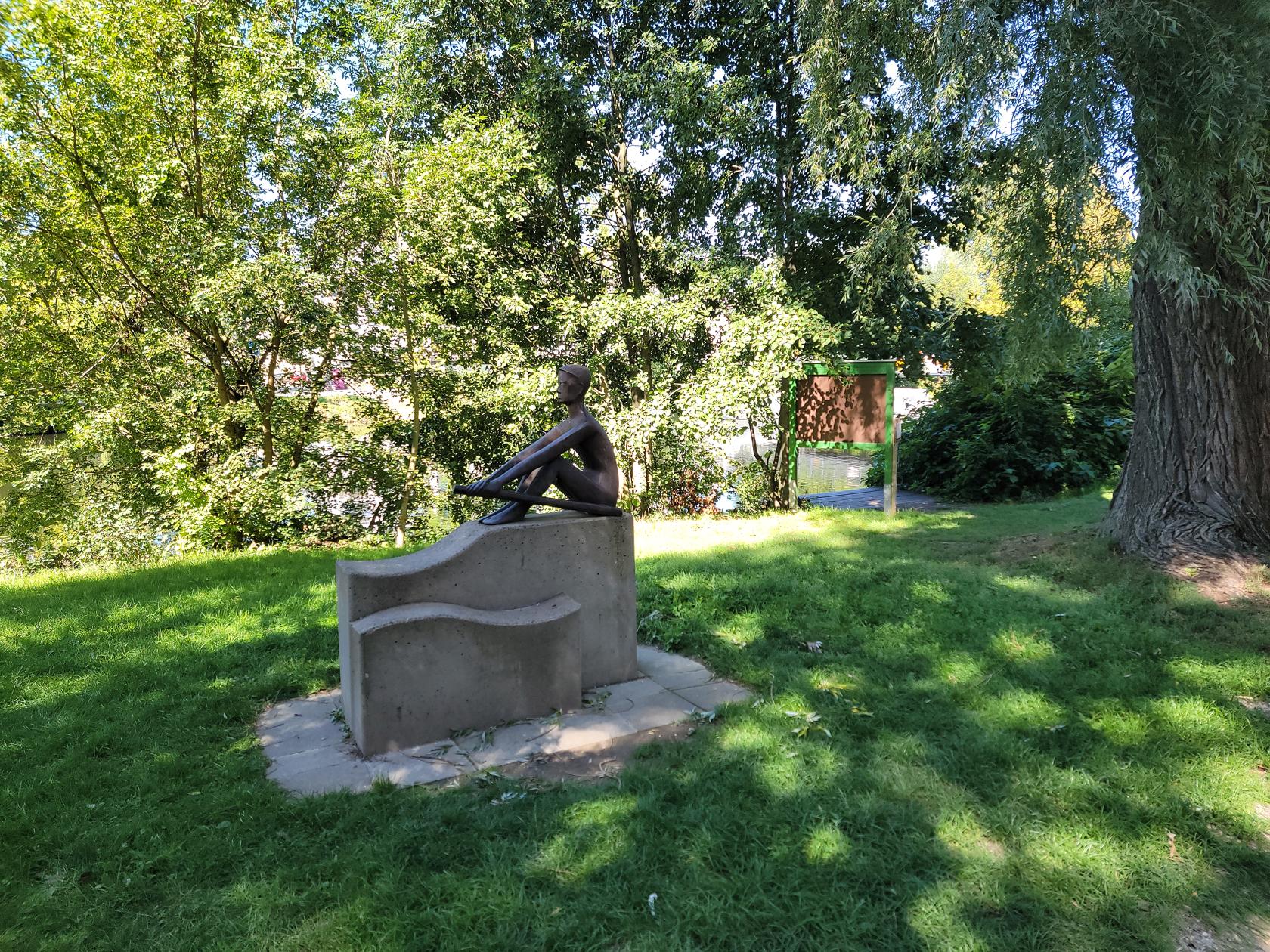
Located on the Lahn River, Wetzlar is a fan favorite for canoist, kayakers and other non-motor boat enthusiasts. The waterfront has a small boat launch that eases entry to the Lahn for people who come to enjoy the fast running white water. Rentals are available in town for those that do not own their own equipment. The town is also a mecca for cyclists and there are several places in town where bike rentals are offered.
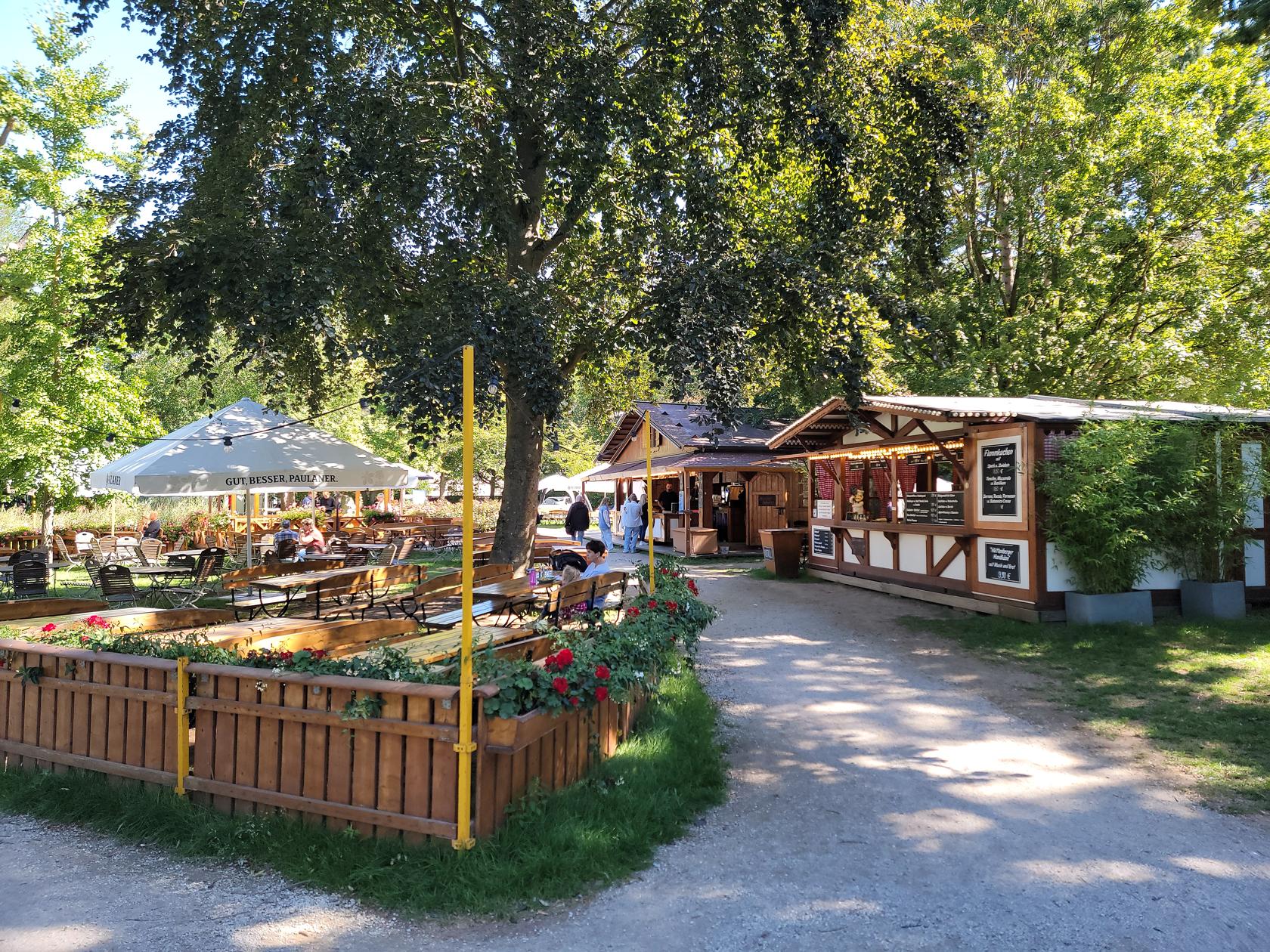
The town itself has a few main squares that setup for weekend festivities, the Schillerplatz, the Eisenplatz and less so the Domplatz. There is also the area along the Mühlgraben that is lined with Biergarten and other stalls where food and beverages can be purchased, as you walk lazily through area along the river.
Entering Schillerplatz – Wetzlar, Germany
Schillerplatz – Wetzlar, Germany
Schillerplatz – Wetzlar, Germany
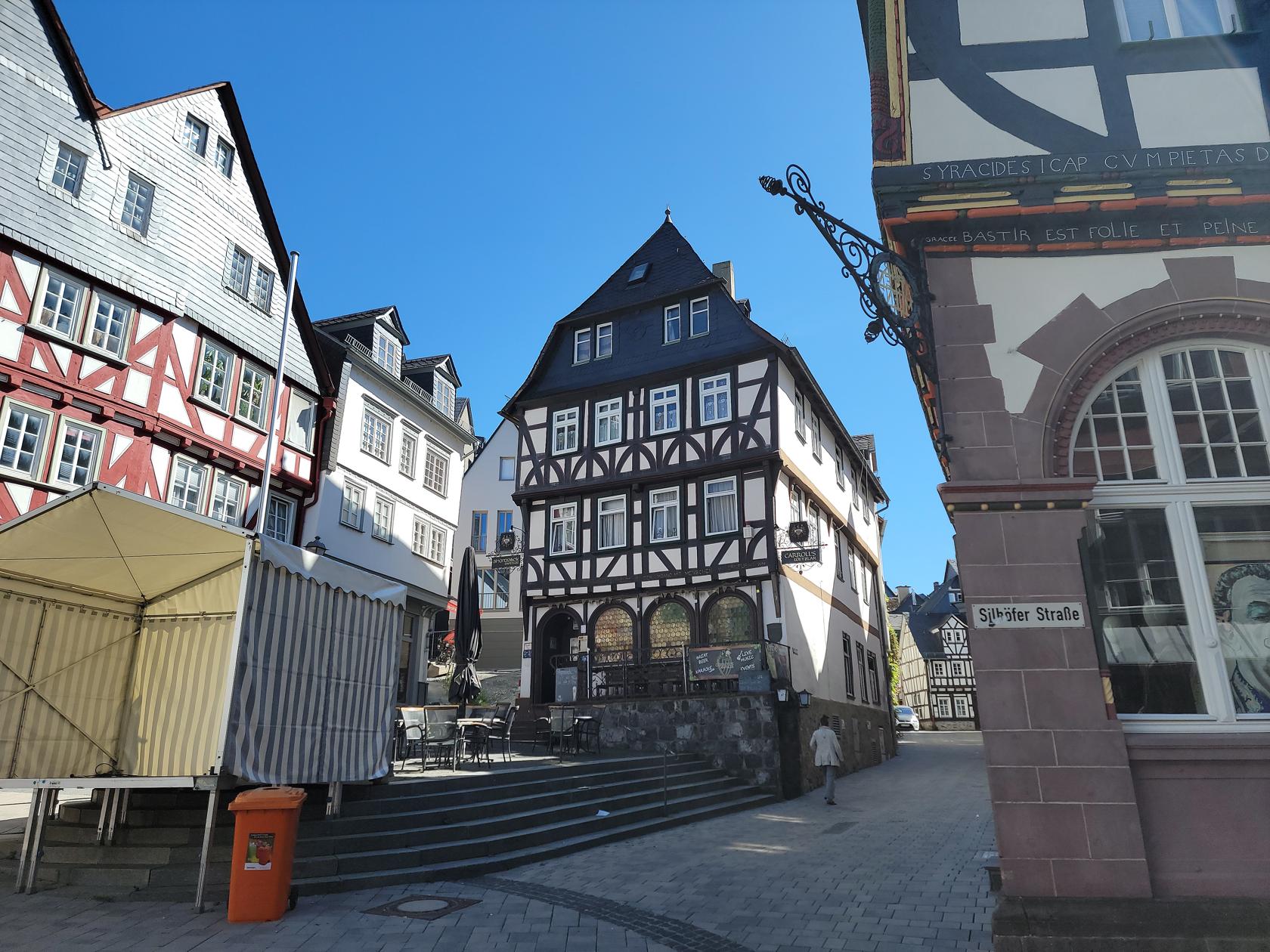
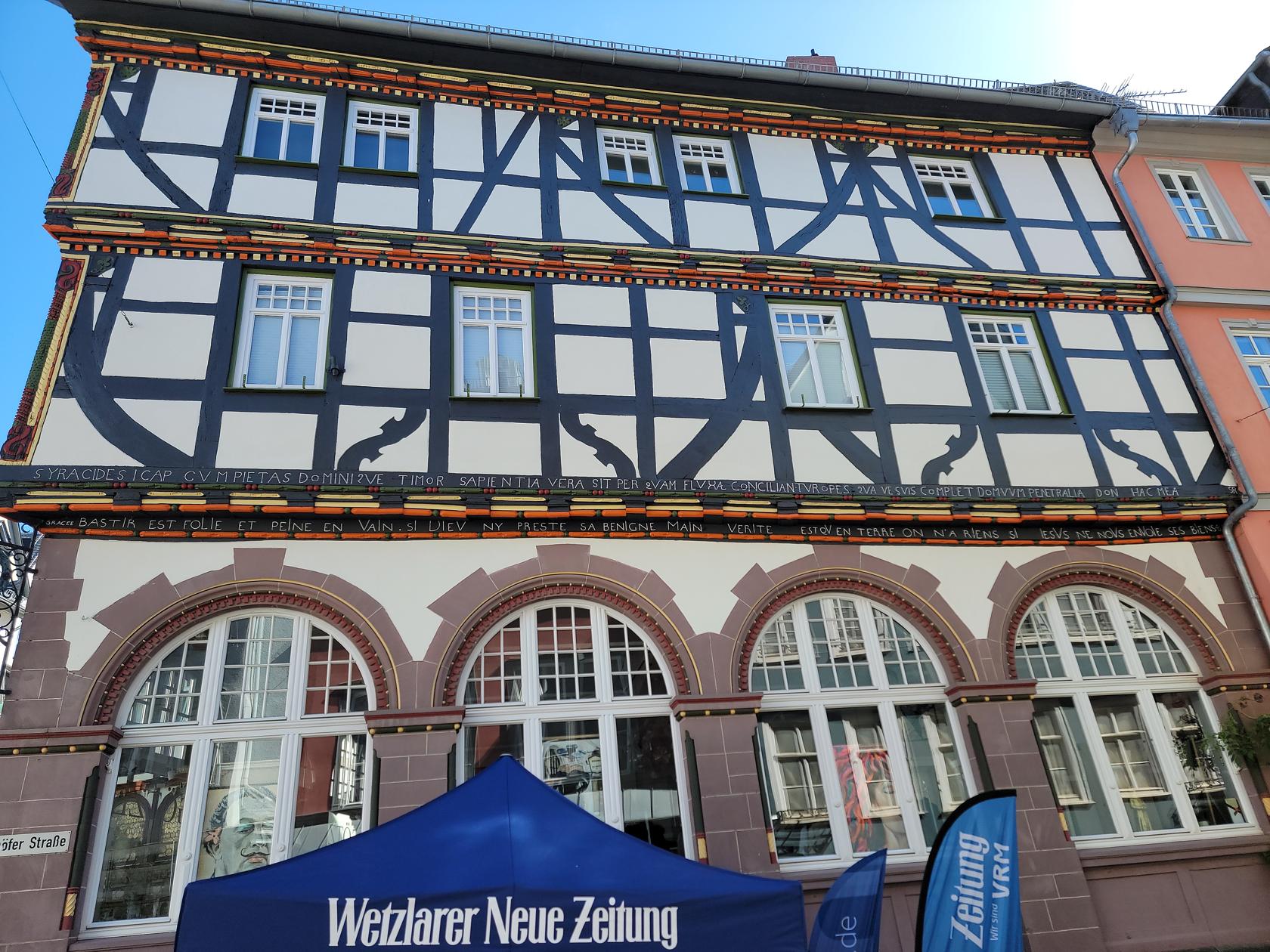
Silhöferstrasse – Wetzlar, Germany
Silhöferstrasse – Wetzlar, Germany
Schillerplatz – Wetzlar, Germany
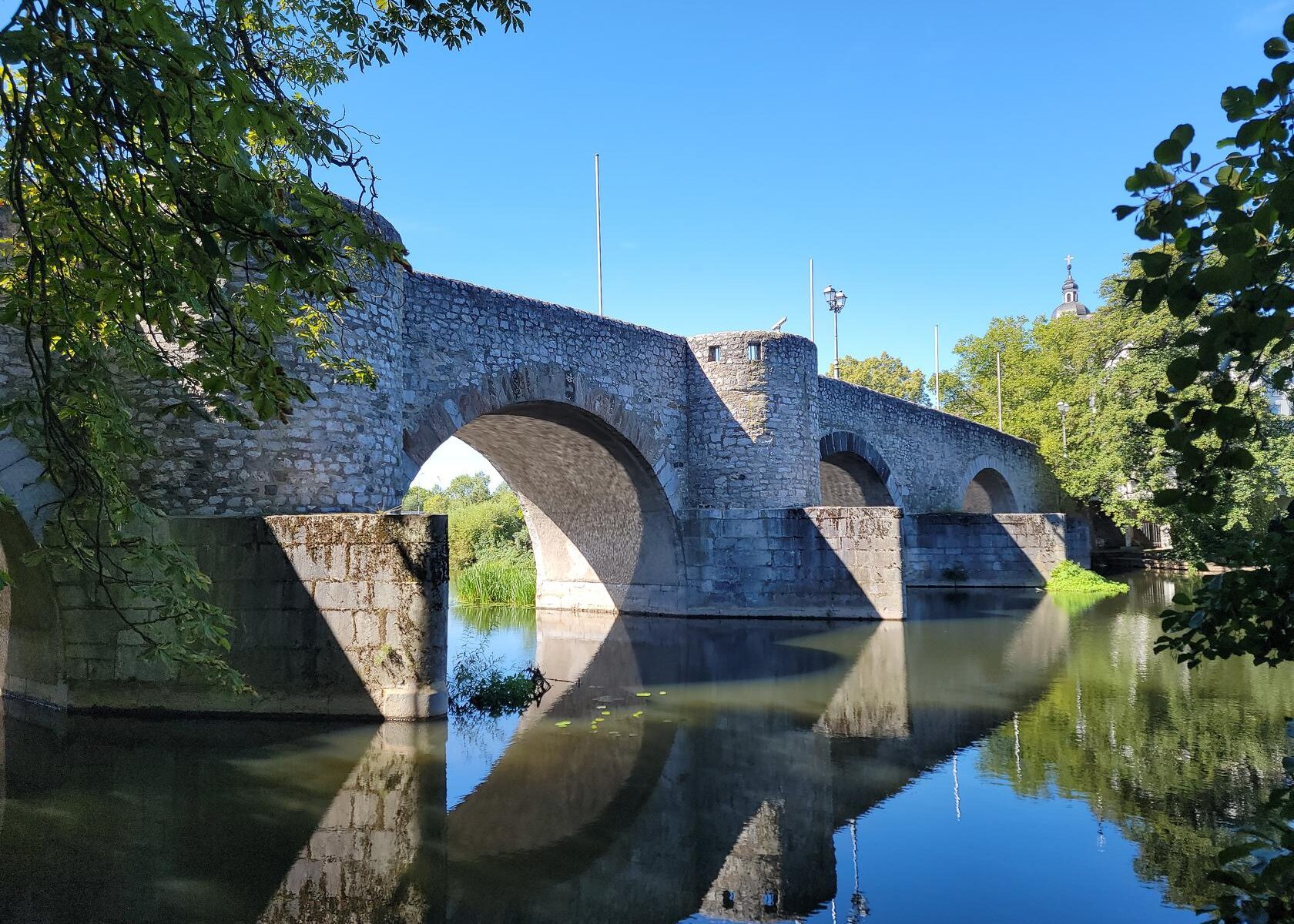
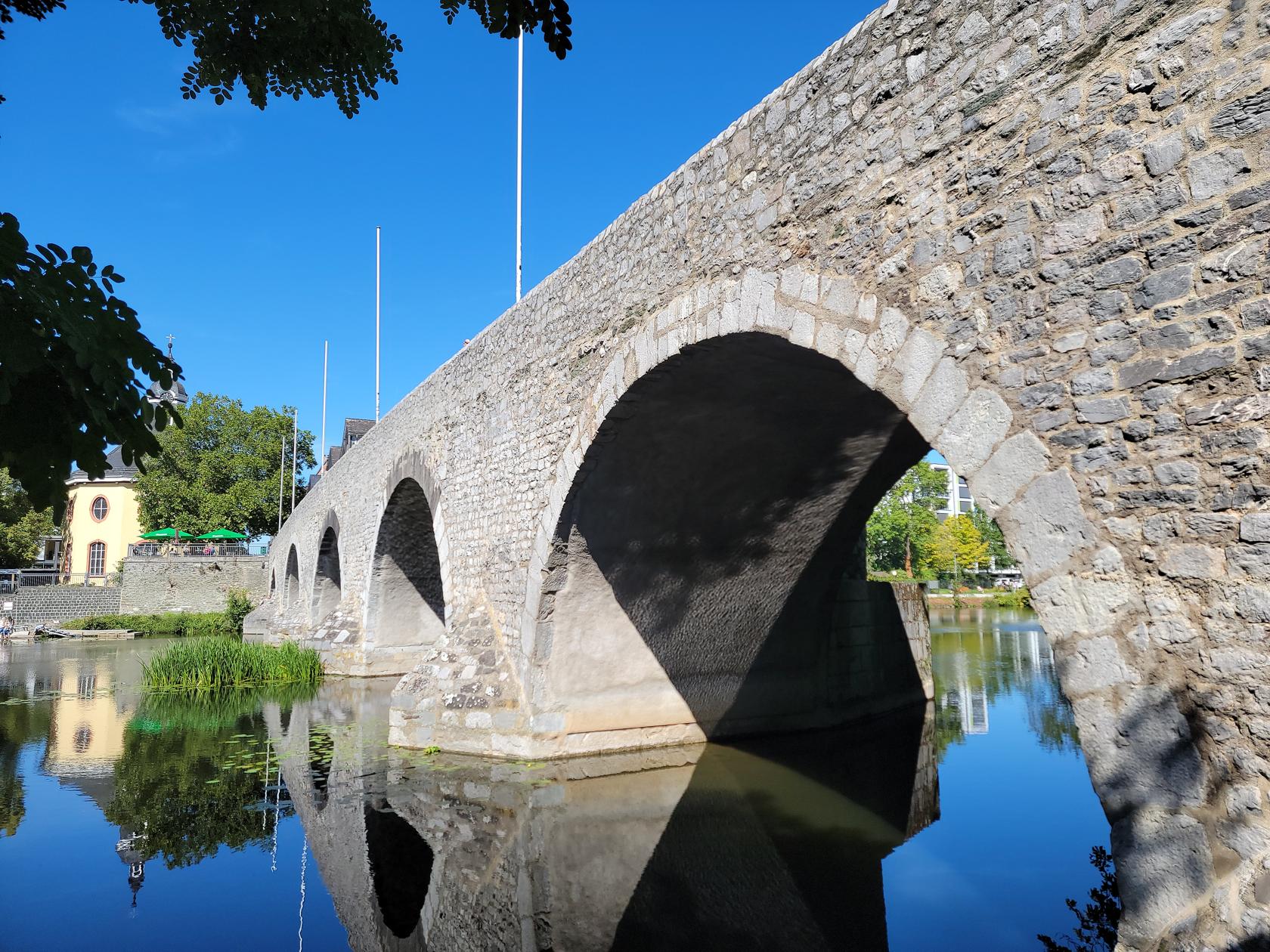
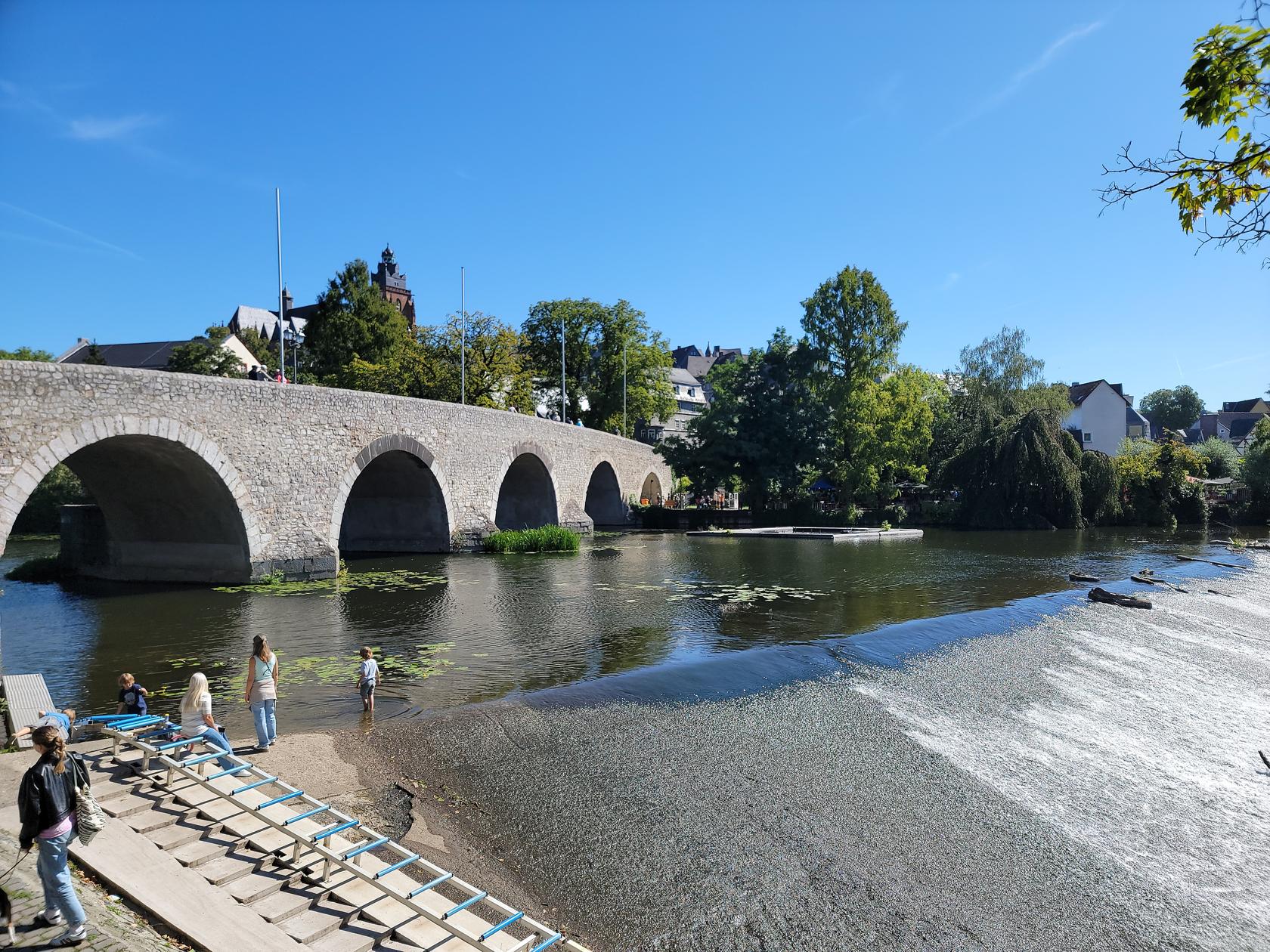
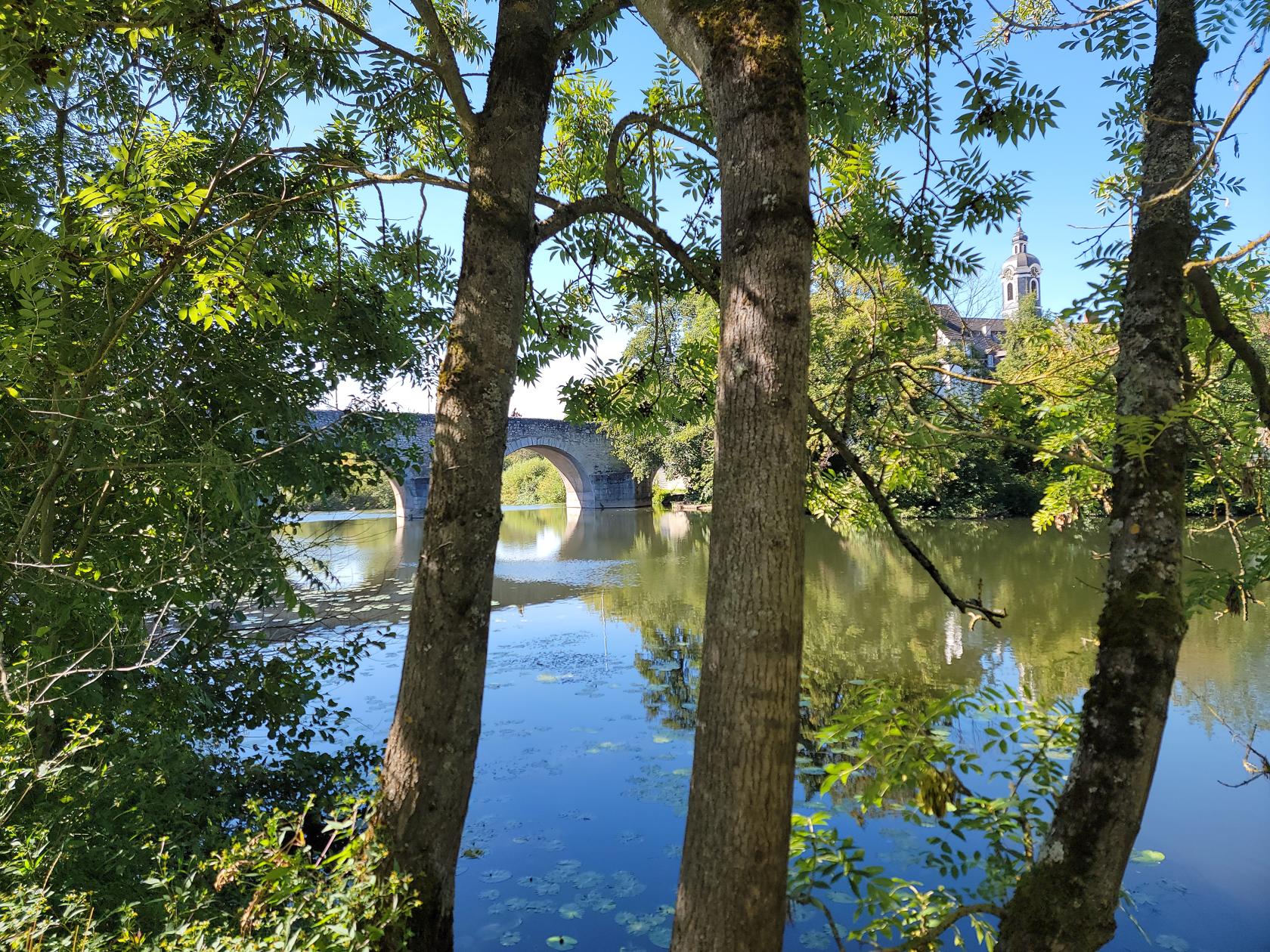
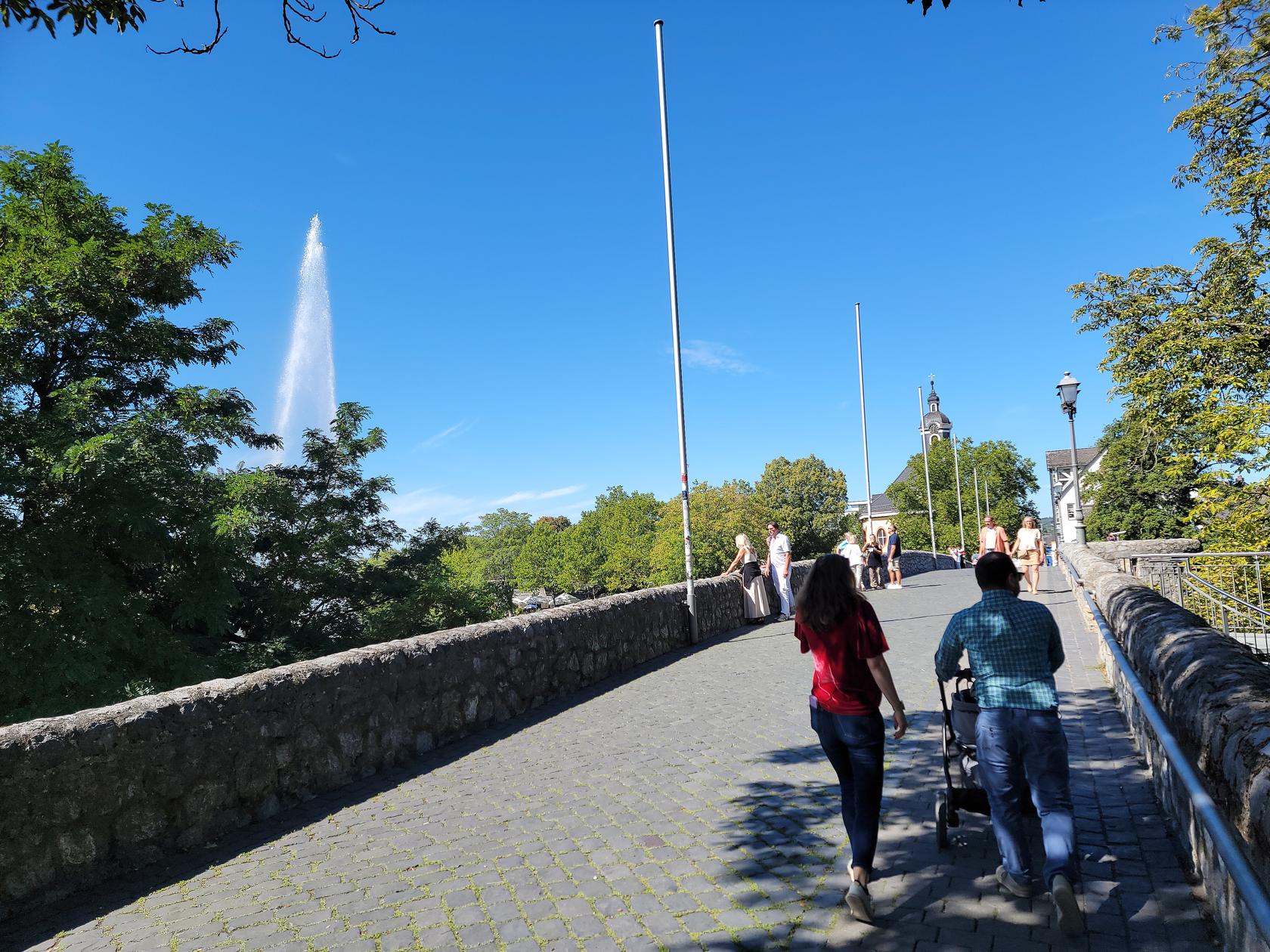
The Alte Lahnbrücke spans the Lahn River about at the midpoint of the old town, connecting the Eisenmarkt with the Neustadt on the other side of the river. Here you will also find several Biergarten, a playground for children and outside seating to enjoy the atmosphere in this lovely little town.
Alte Lahnbrücke – Lahn River – Wetzlar, Germany
Alte Lahnbrücke – Lahn River – Wetzlar, Germany
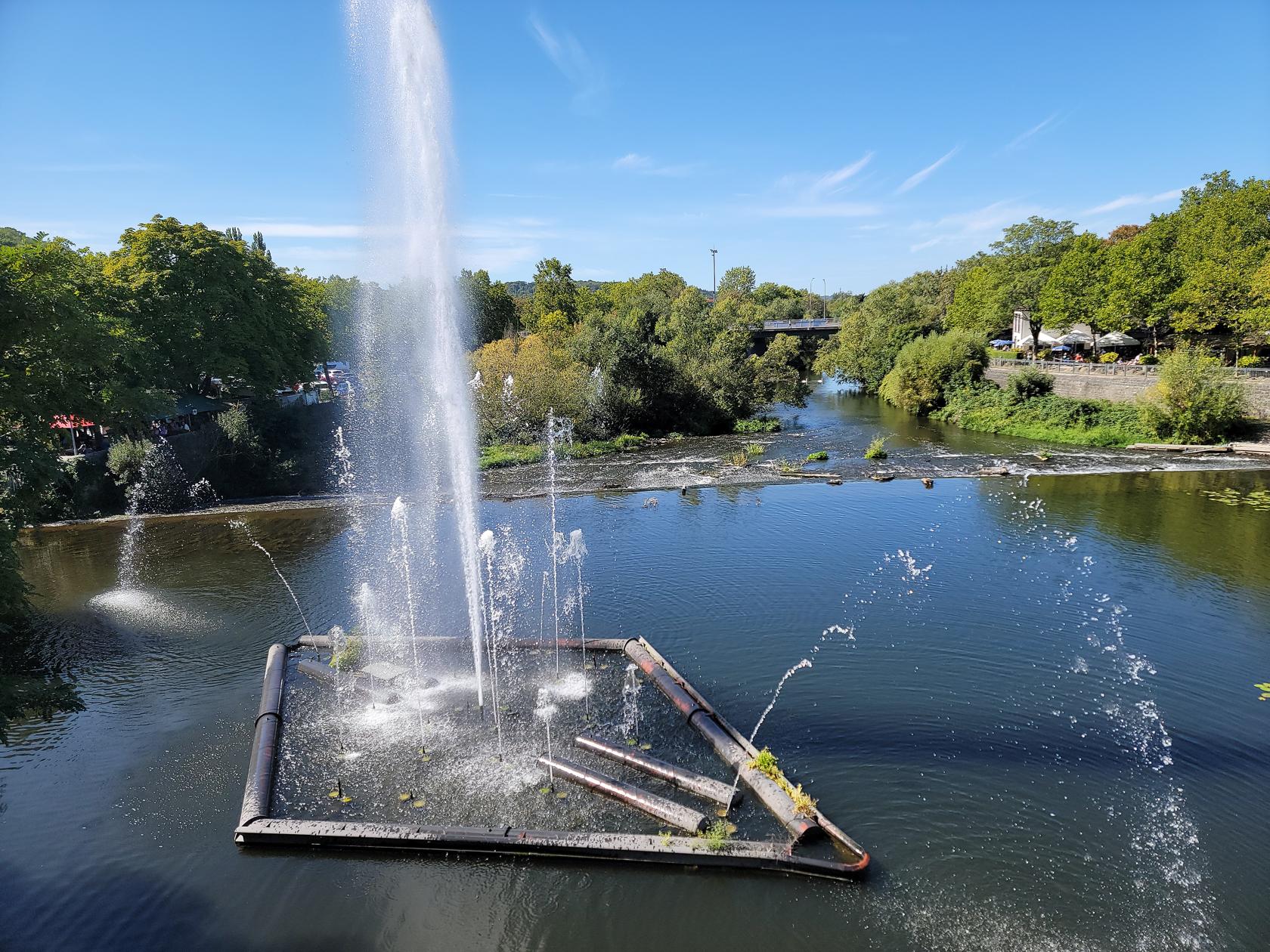
Wasserorgel – Alte Lahnbrücke – Lahn River – Wetzlar, Germany
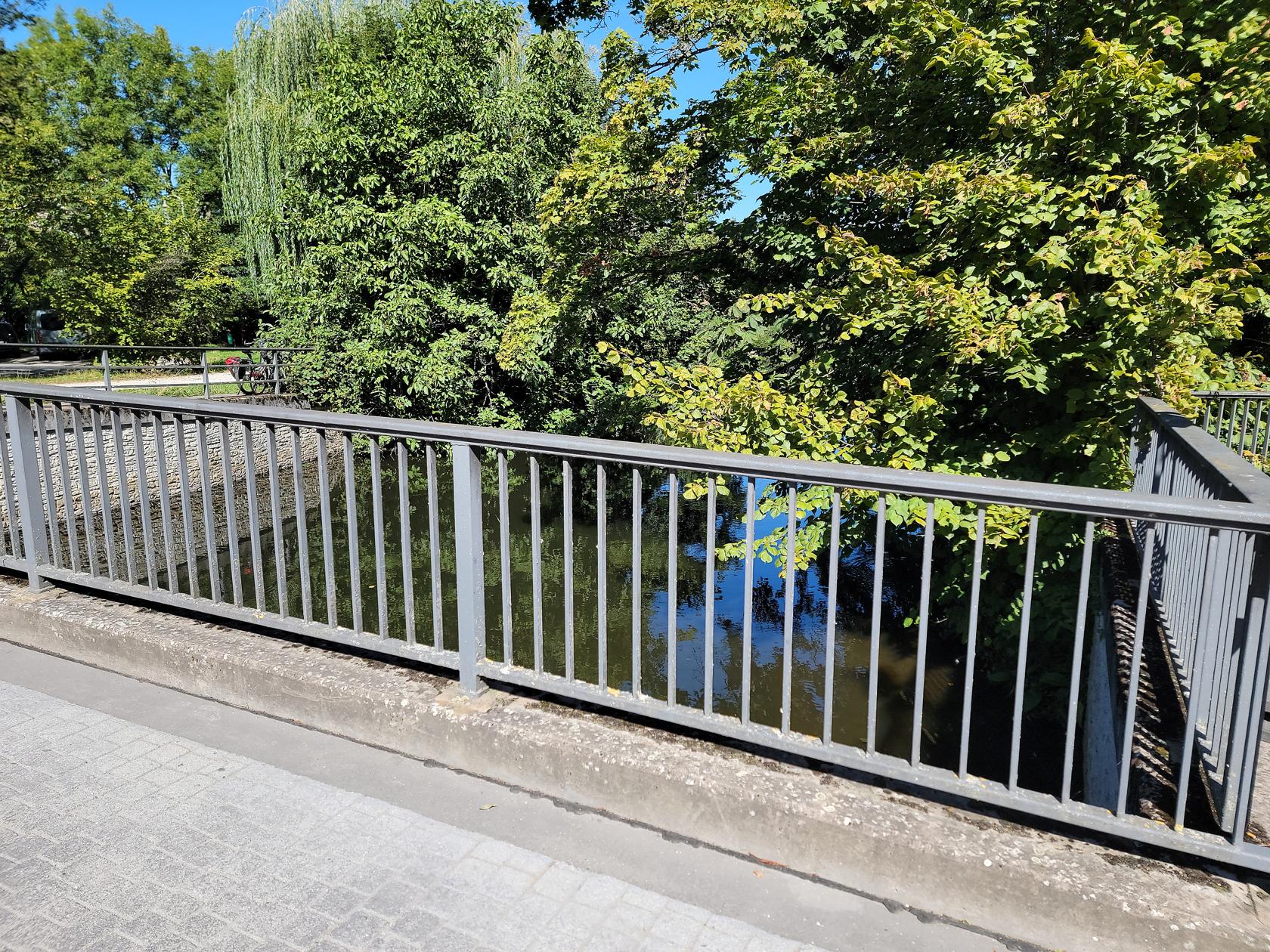
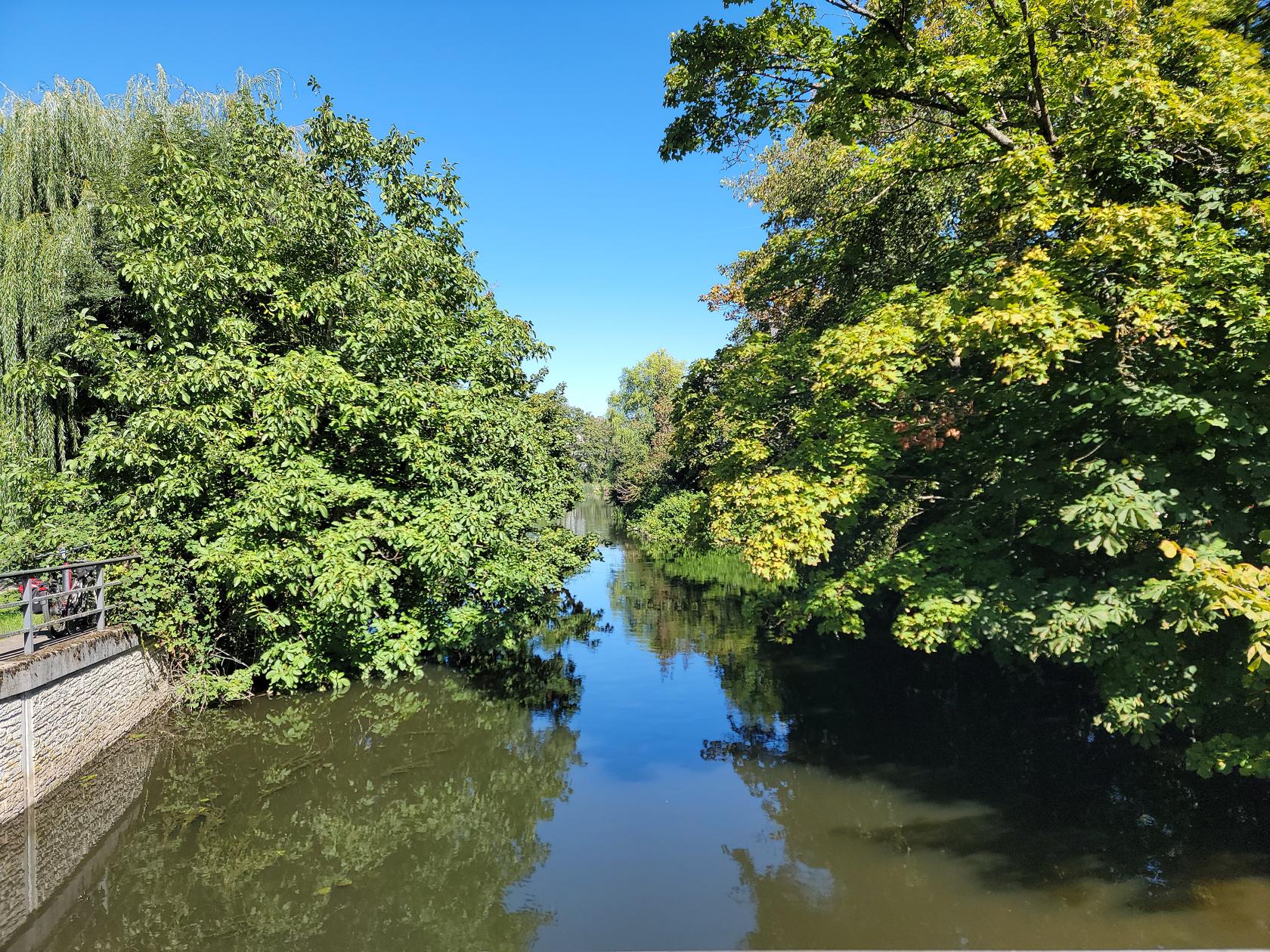
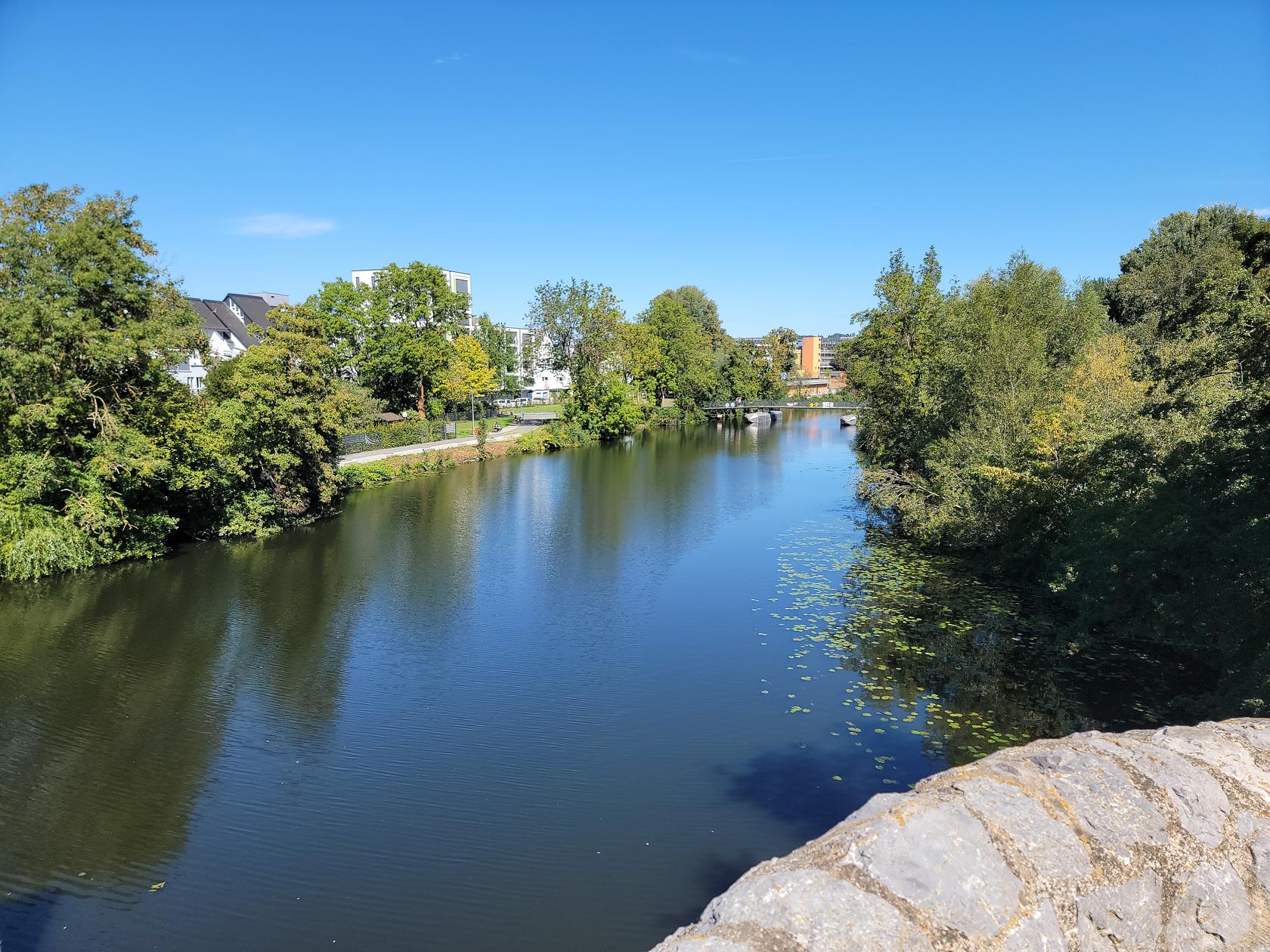
Lahn River – Wetzlar, Germany
Alte Lahnbrücke – Lahn River – Wetzlar, Germany
Alte Lahnbrücke – Lahn River – Wetzlar, Germany
Getting There
Wetzlar is about a thirty to forty minute drive north of Frankfurt am Main on the A5 and off the A45. It should be noted that at the time of this writing the A5 has some construction that will slow your travels down somewhat, but all-in-all it wasn’t too bad. The city also has a train stop, so that is always an option.
Churches And Cathedrals
Wetzlar Dom
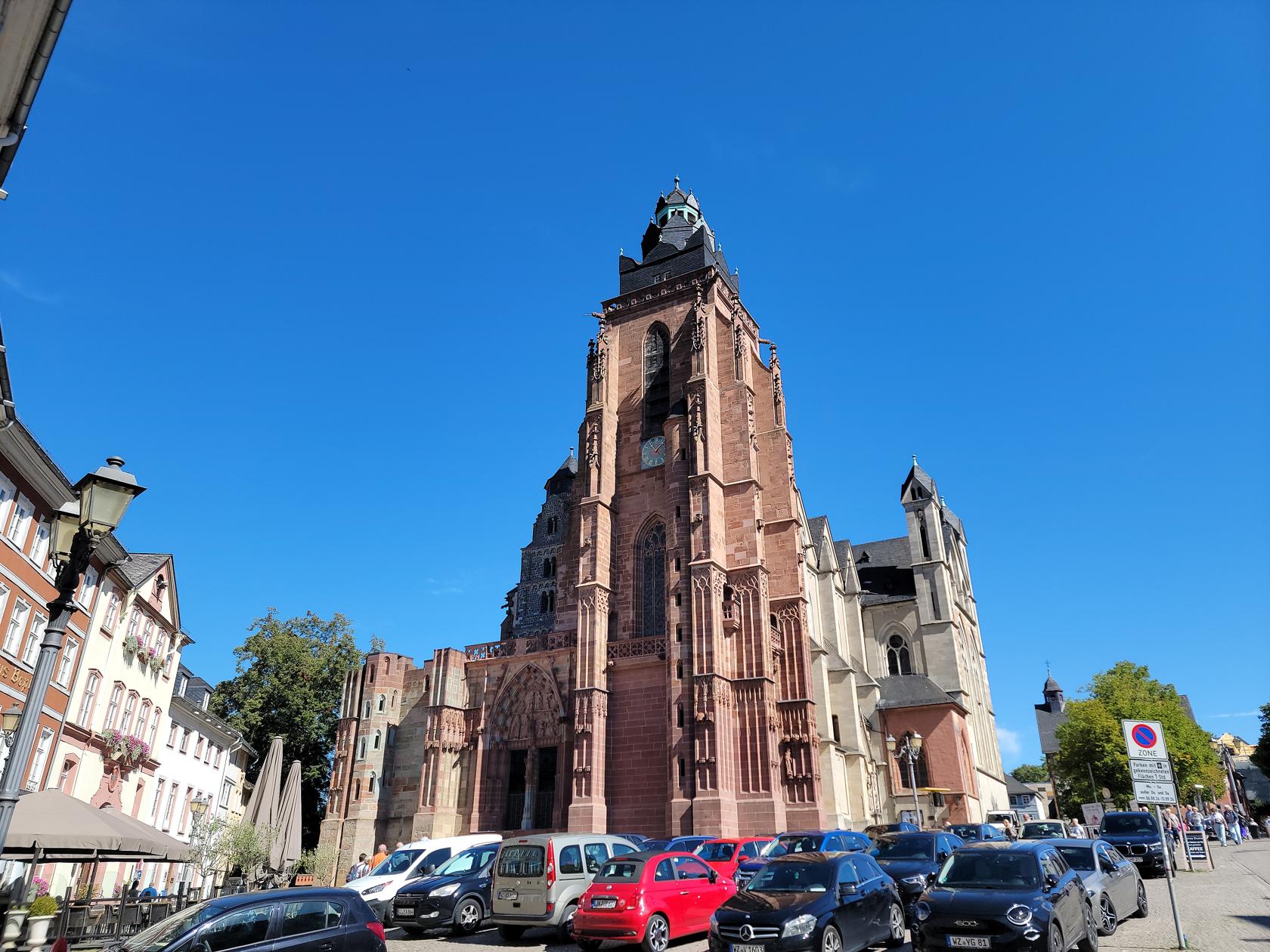
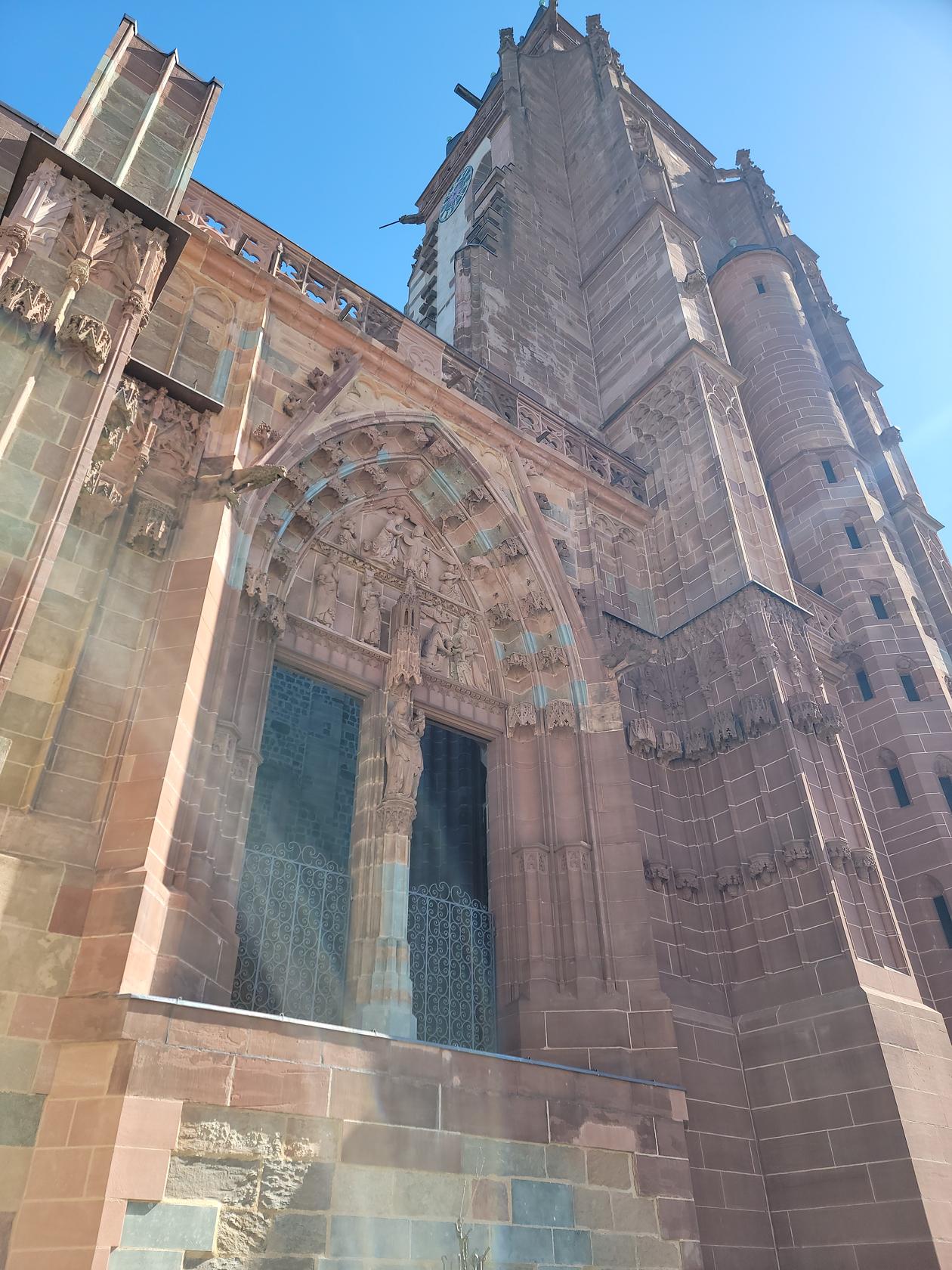
The Wetzlar Dom, or Cathedral of Saint Mary, is a shared catholic and protestant of medieval character. A mixture of Romanesque and Gothic styles, it was never finished and suffered from severe bomb damage during the last war. Several areas of the cathedral were never repaired properly, including the main entrance and the spire, which from a distance looks rather awkward.
Front – Wetzlar Dom – Wetzlar, Germany
Fake Facade and Tympanum – Wetzlar Dom – Wetzlar, Germany
Restaurants
Paulaner Wirtshaus Wetzlar
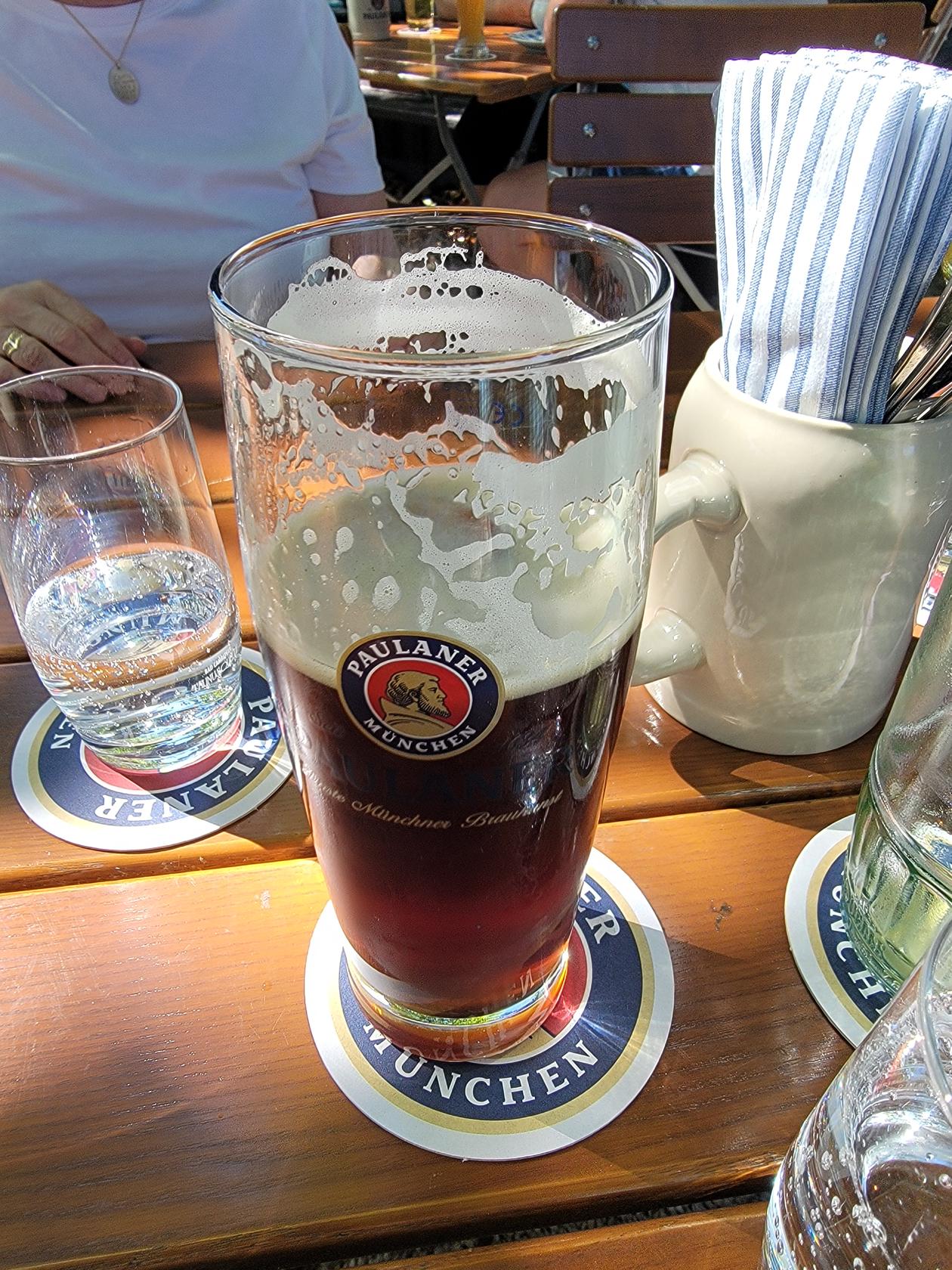
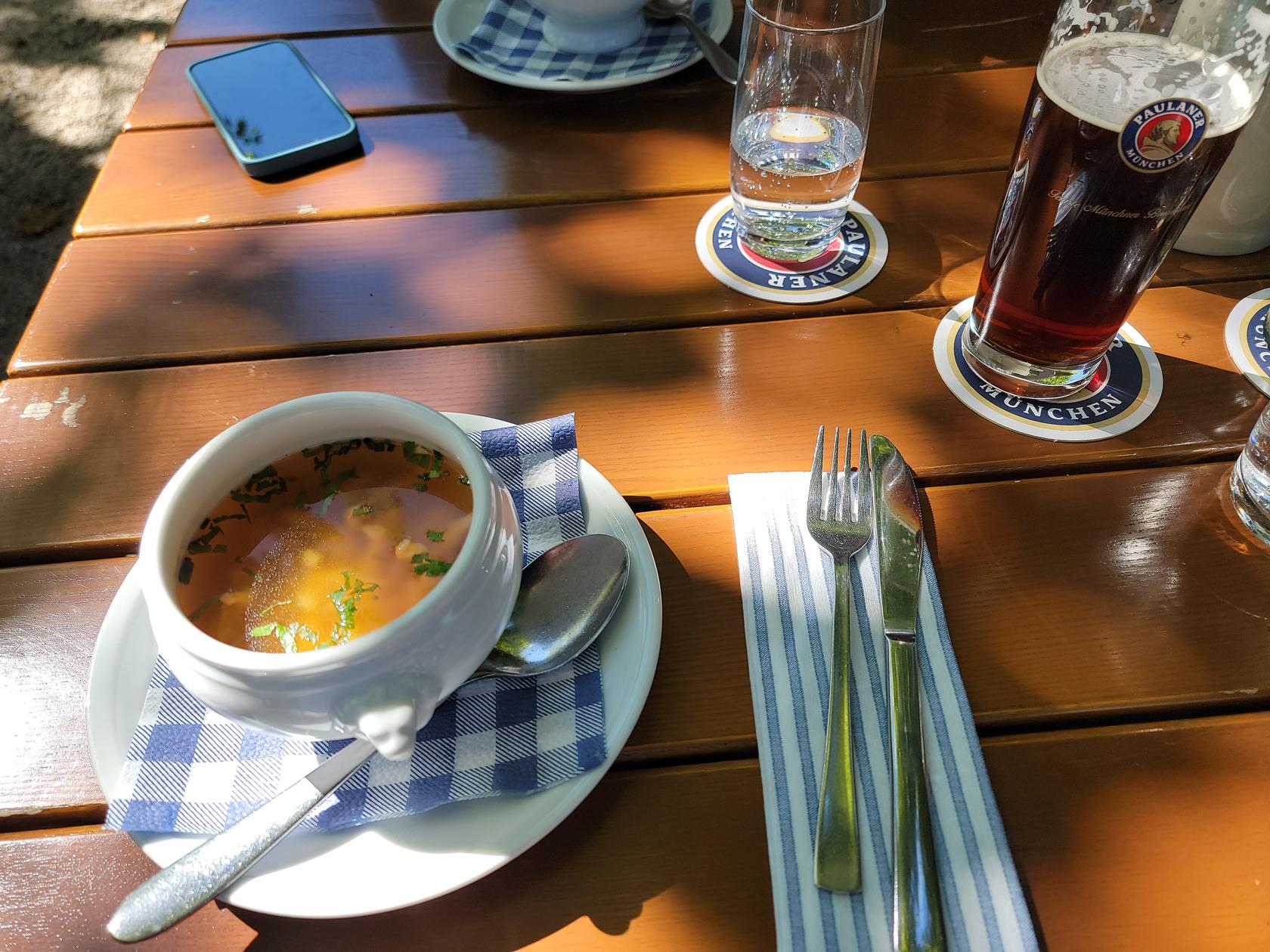
Located am Haarplatz, the Paulaner Wirtshaus Wetzlar is an excellent choice for food. Located near the Wehr on the Lahn, you can hear the rapids as you enjoy a nice glass of beer on a warm day and the food, which is a mixture of Bavarian and Swabian cuisines. You can actually order a soup with Spätzle in it!
Menu – Wirtshaus Wetzlar – Am Haarplatz – Lahn River – Wetzlar, Germany
Beer – Wirtshaus Wetzlar – Am Haarplatz – Lahn River – Wetzlar, Germany
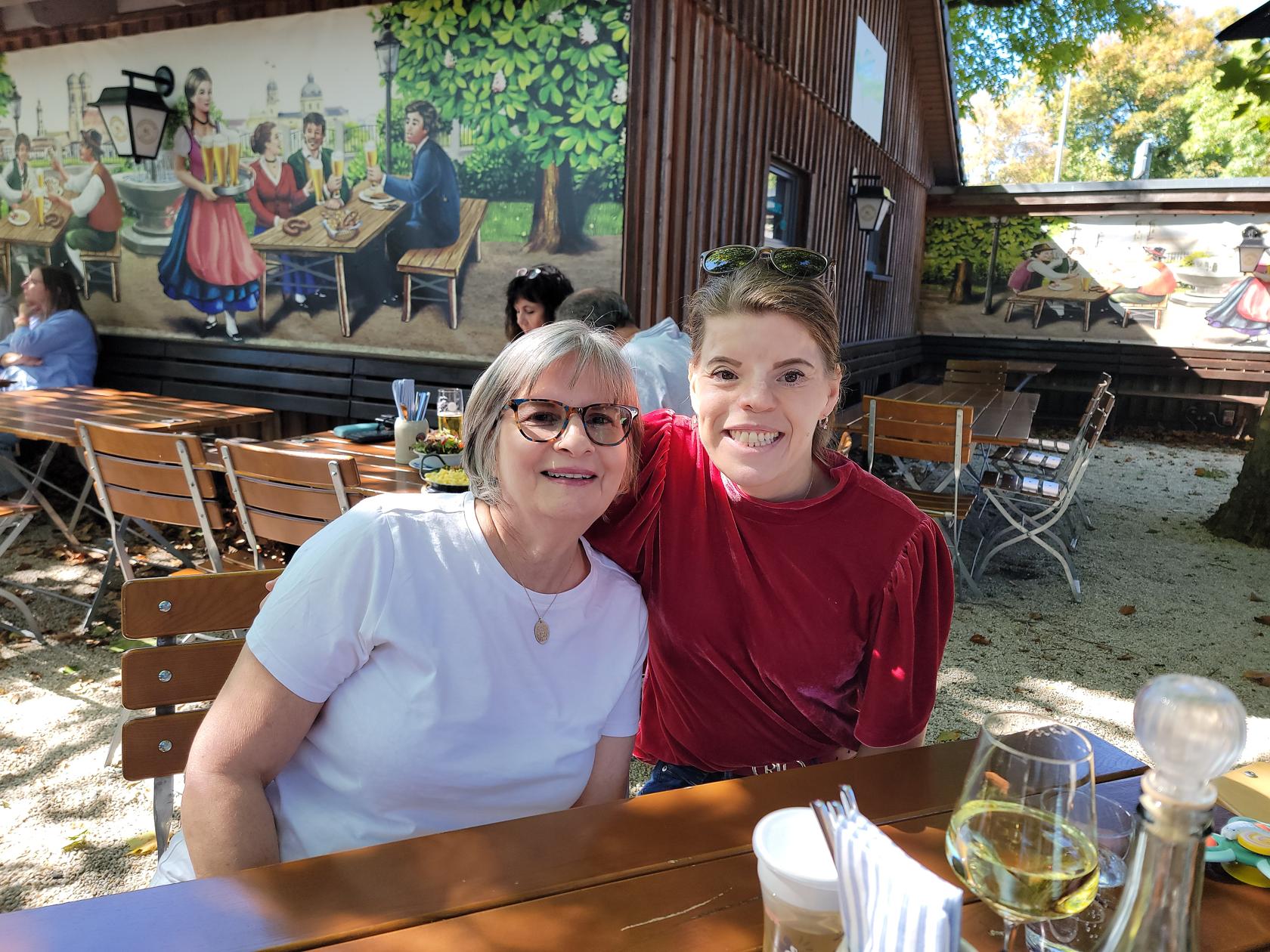
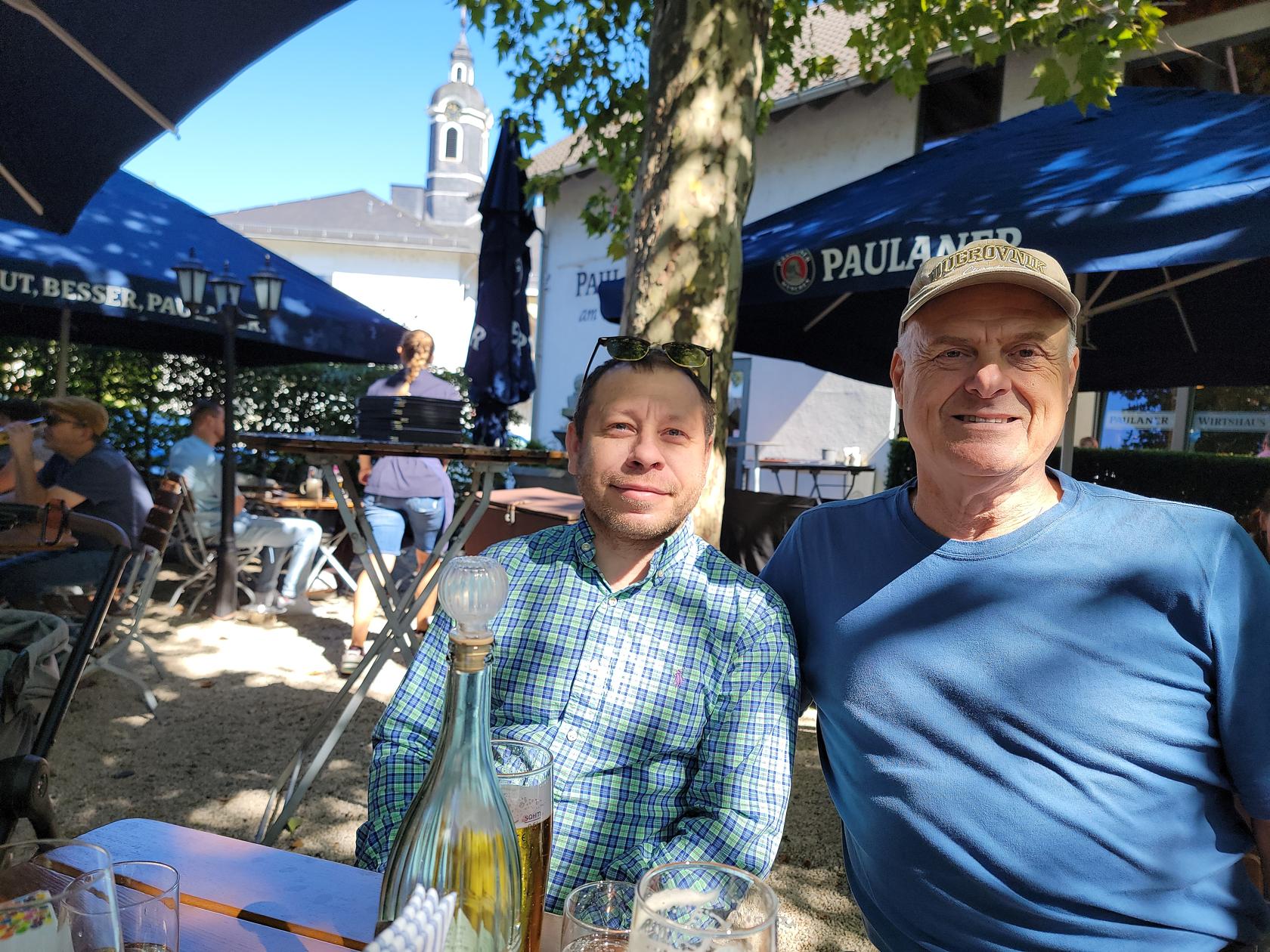
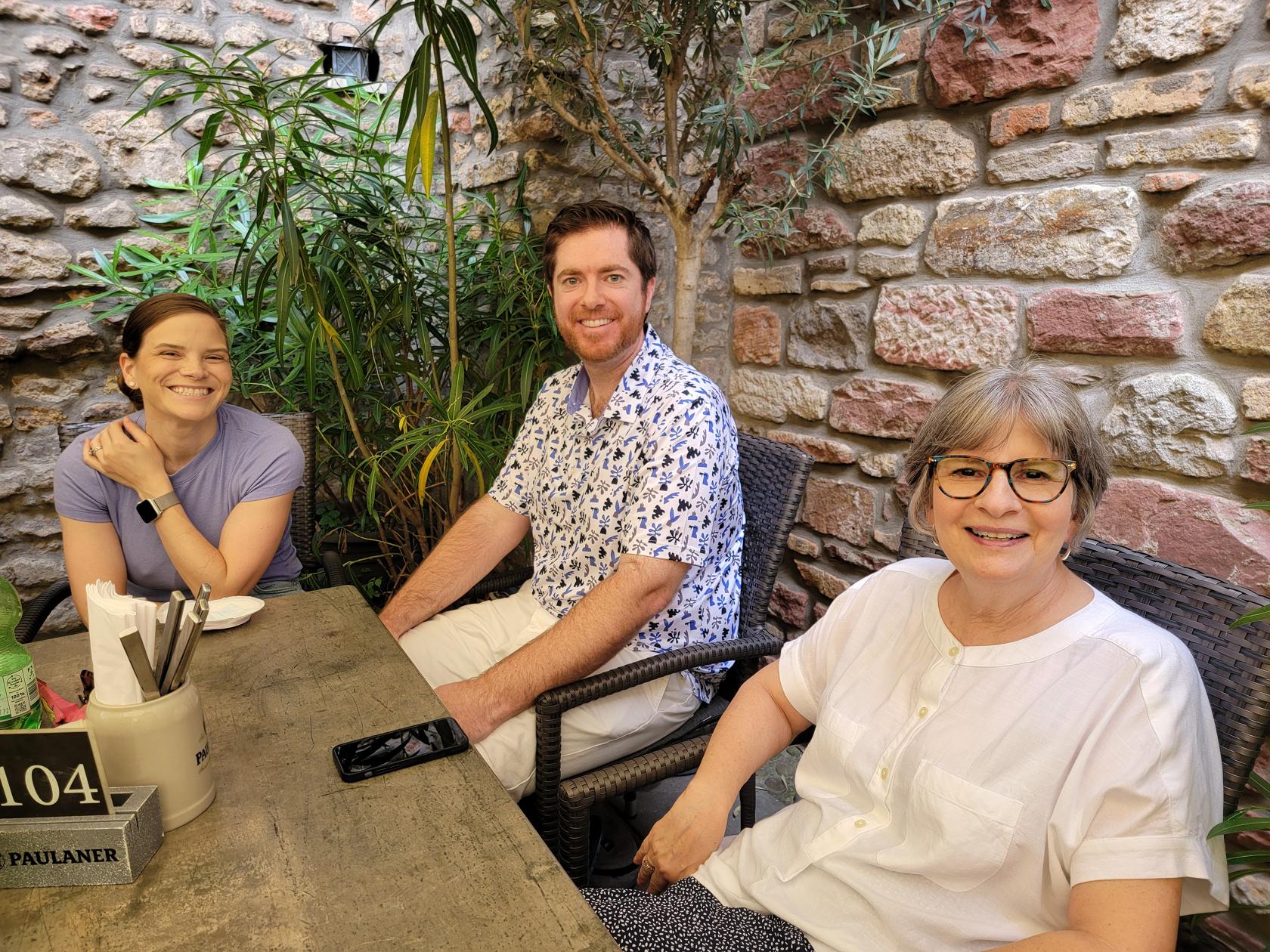
Patti and Ericka – Wirtshaus Wetzlar – Am Haarplatz – Lahn River – Wetzlar, Germany
Gabi and Erick – Wirtshaus Wetzlar – Am Haarplatz – Lahn River – Wetzlar, Germany
Soup with Spätzle – Wirtshaus Wetzlar – Am Haarplatz – Lahn River – Wetzlar, Germany
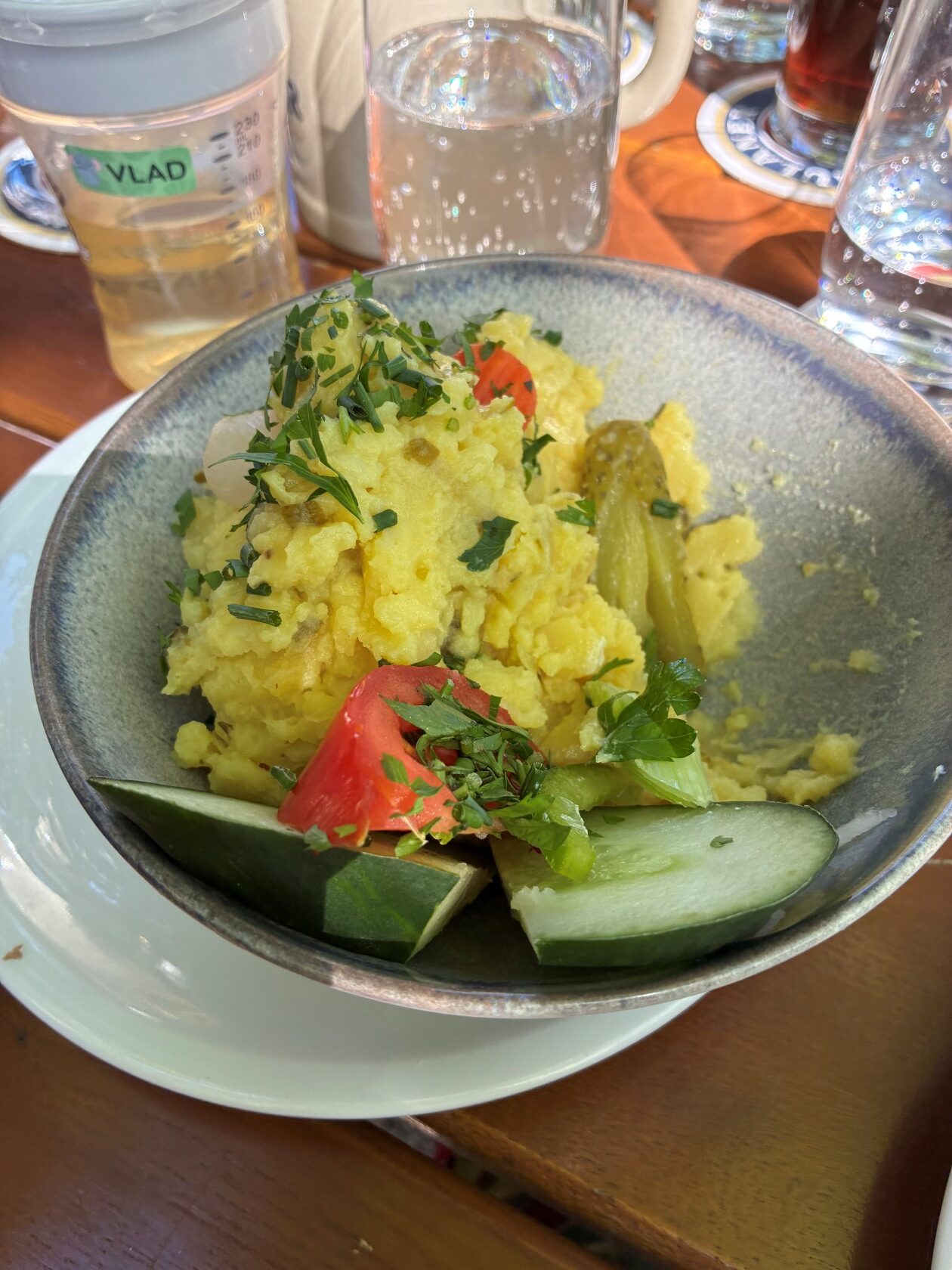
Kartoffelsalat – Wirtshaus Wetzlar – Am Haarplatz – Lahn River – Wetzlar, Germany
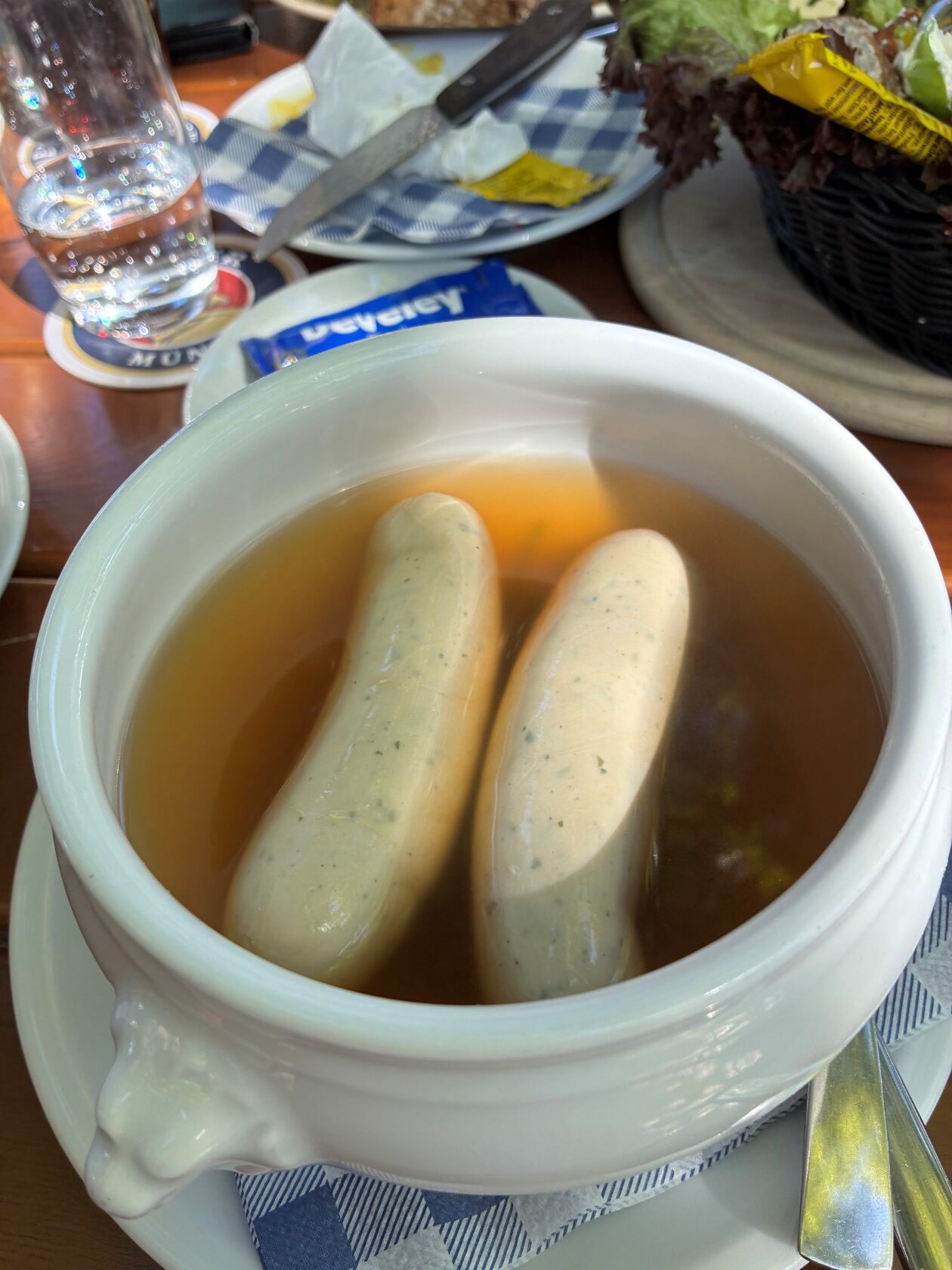
Weisswurst in Broth – Wirtshaus Wetzlar – Am Haarplatz – Lahn River – Wetzlar, Germany
Brotkorb – Wirtshaus Wetzlar – Am Haarplatz – Lahn River – Wetzlar, Germany
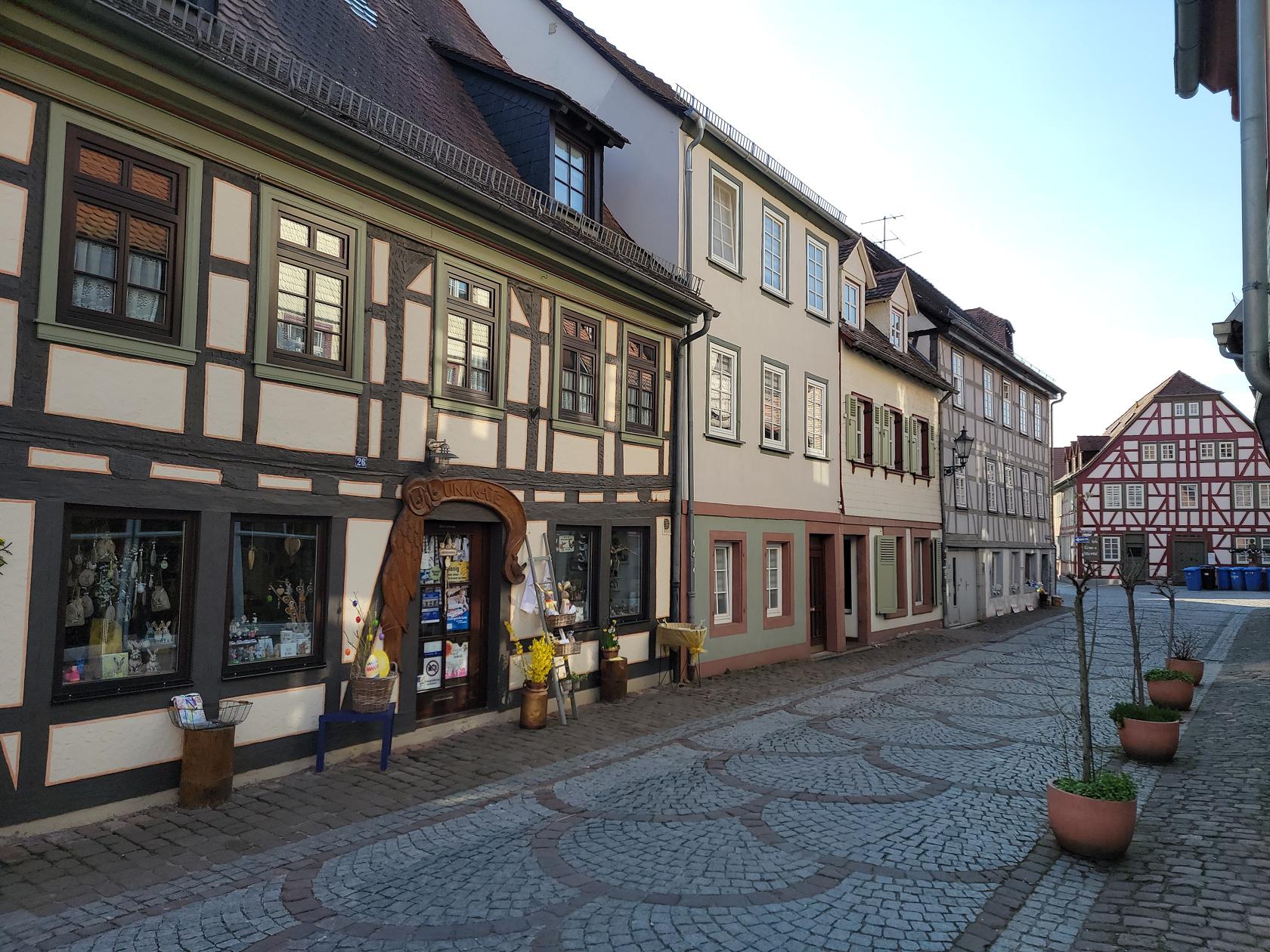
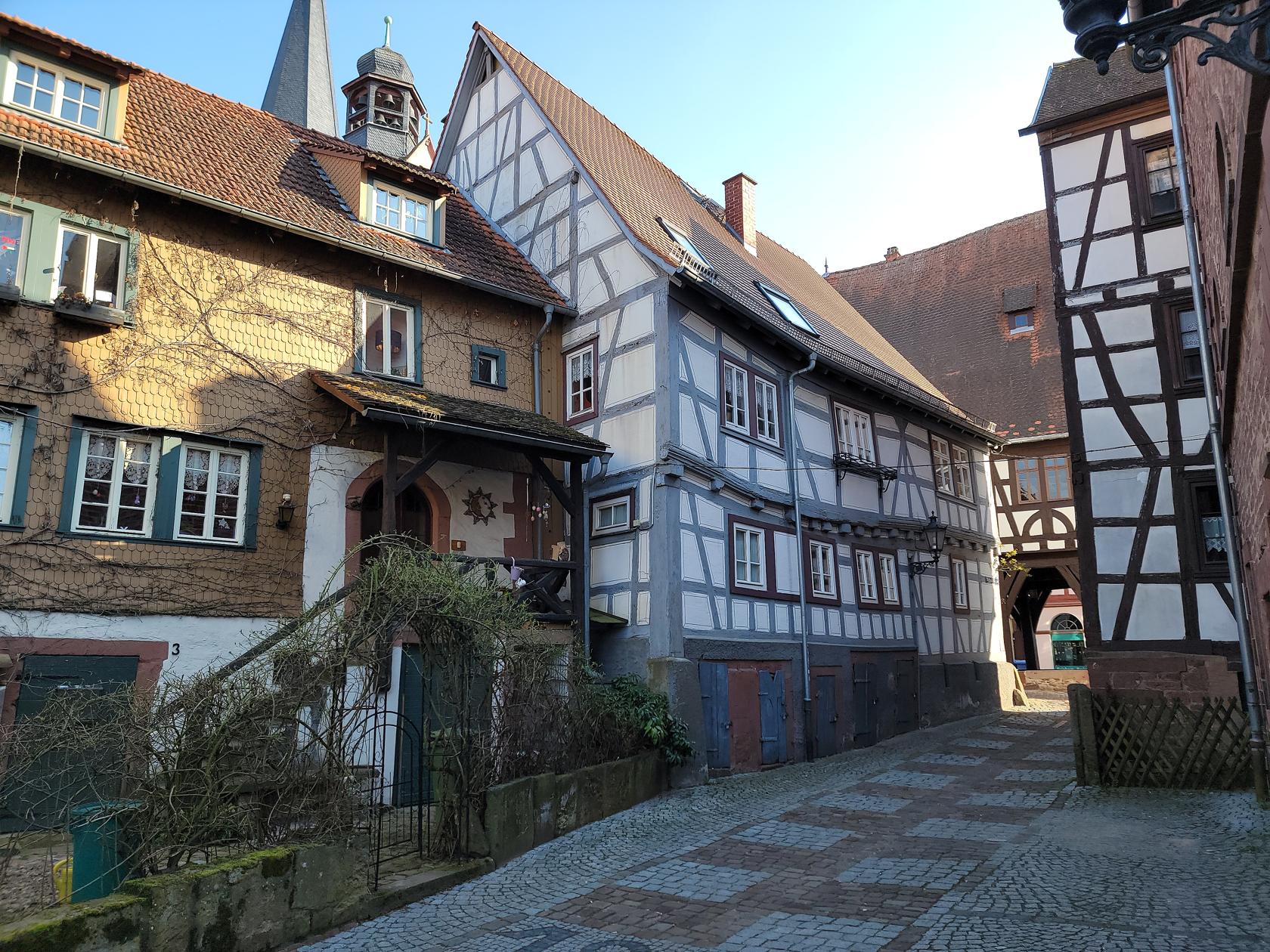
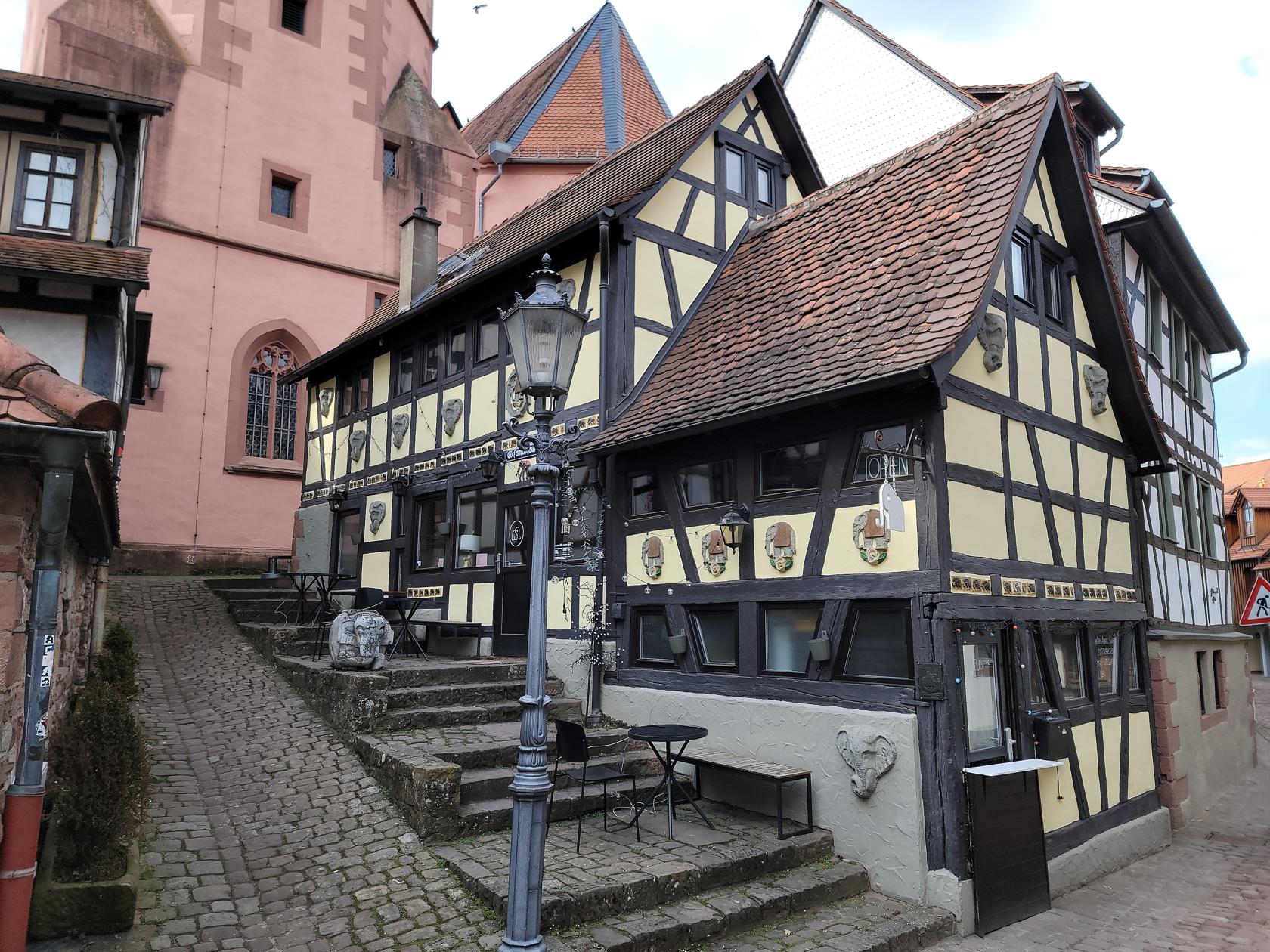
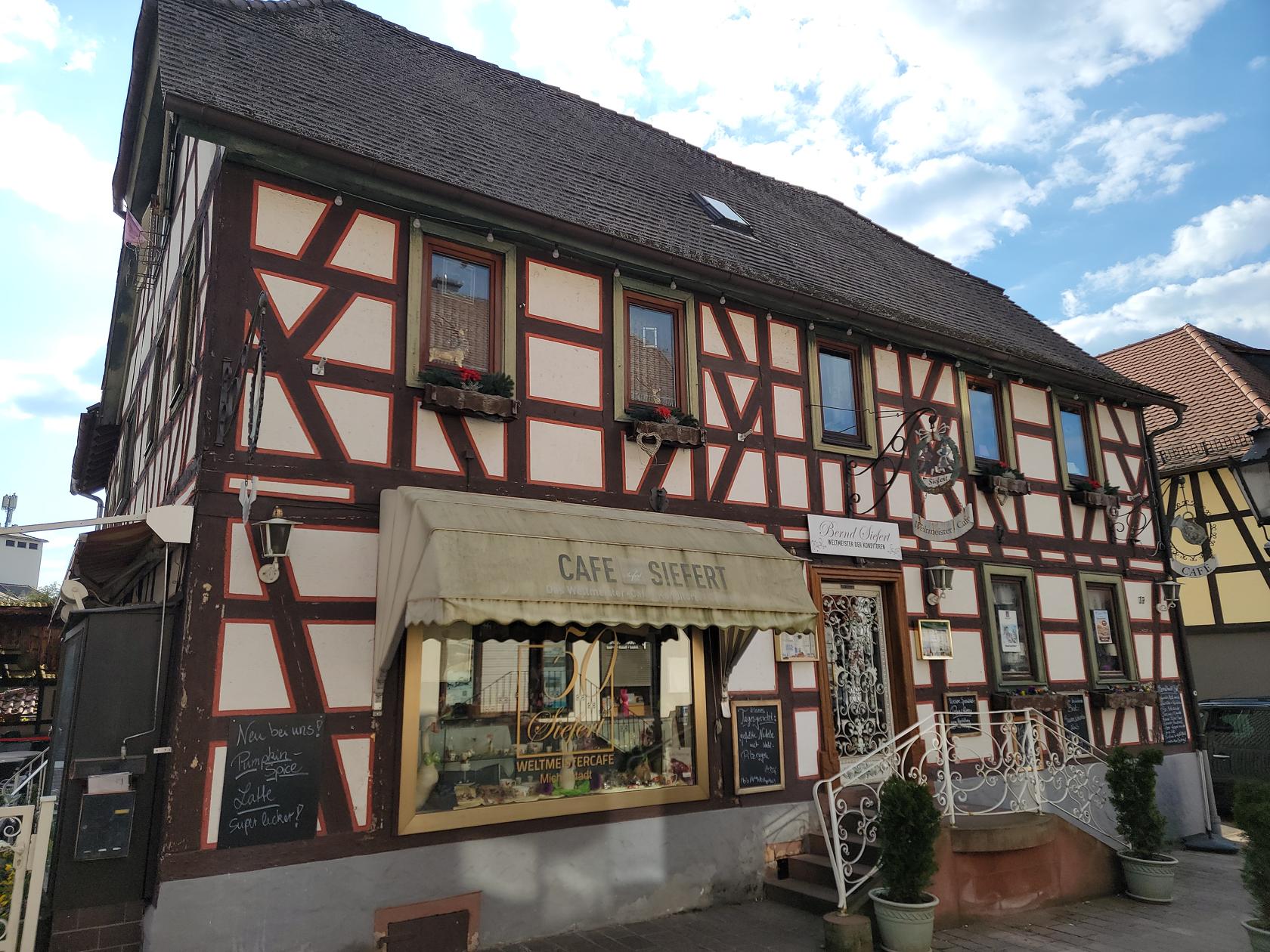
On the border of Hesse and Bavaria, in the Odenwald, is the town of Michelstadt. It’s curious, because its name contains within it a word that most english speaking people would think it should be a city, when in fact, the germans use the denotation for both town and city. Technically, it is considered a Kleinstadt, or small city, or what we call a town and should carry the stadt on the end of its name.
Michelstadt
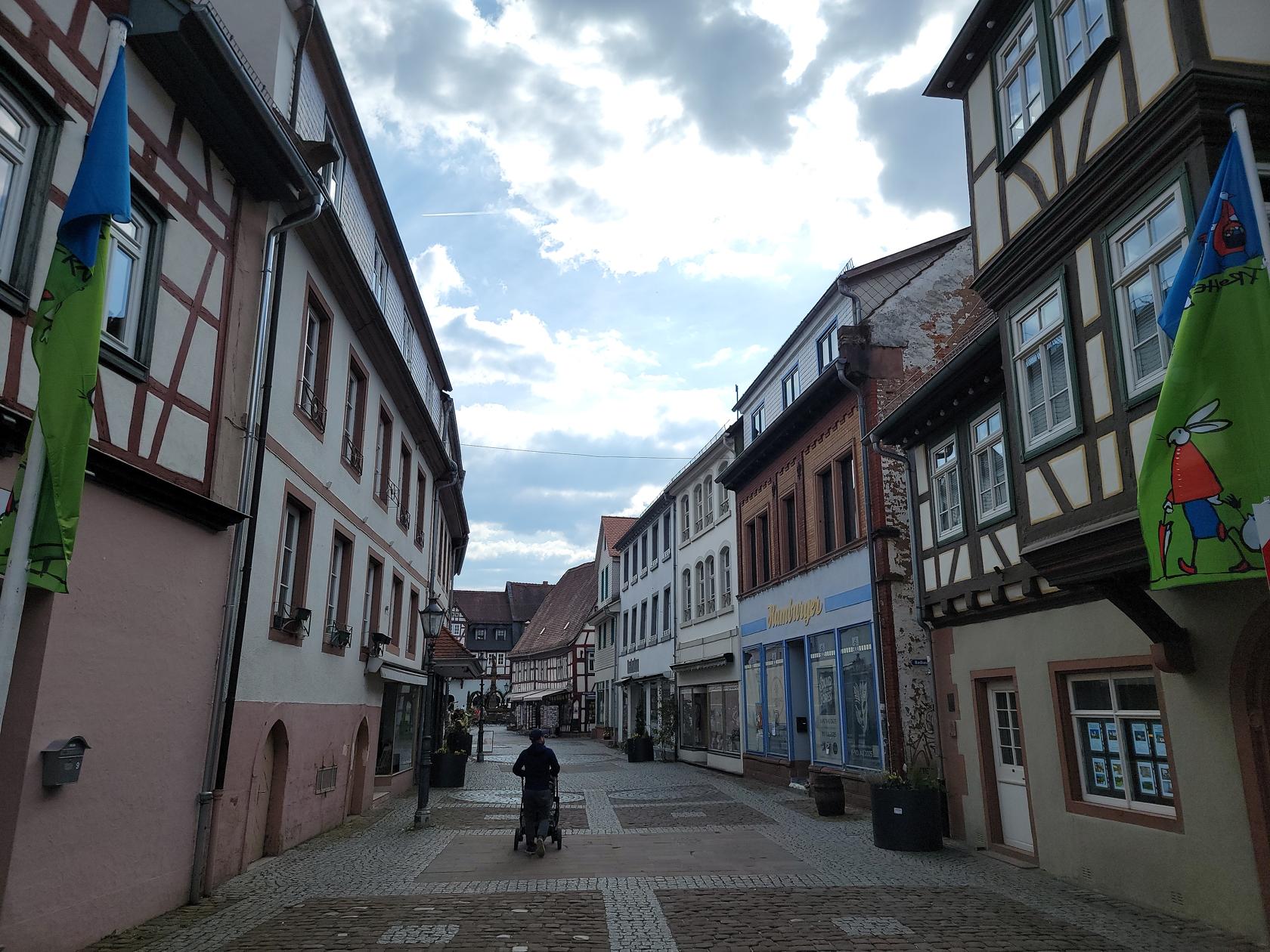
The town is one of the oldest within what is called the inner Odenwald. There has been some sort of settlement there ever since the eighth century. Like other small towns of this nature, its layout has a certain lazy circle about it, indicating it was protected by some kind of fortification or wall. Evidence of this can be found on Kellerbergstraße, where part of the wall remains, and Mauerstraße where it can be seen in its former glory.
Stadtgäßchen and Stadtmauer – Mauerstraße – Michelstadt, Germany
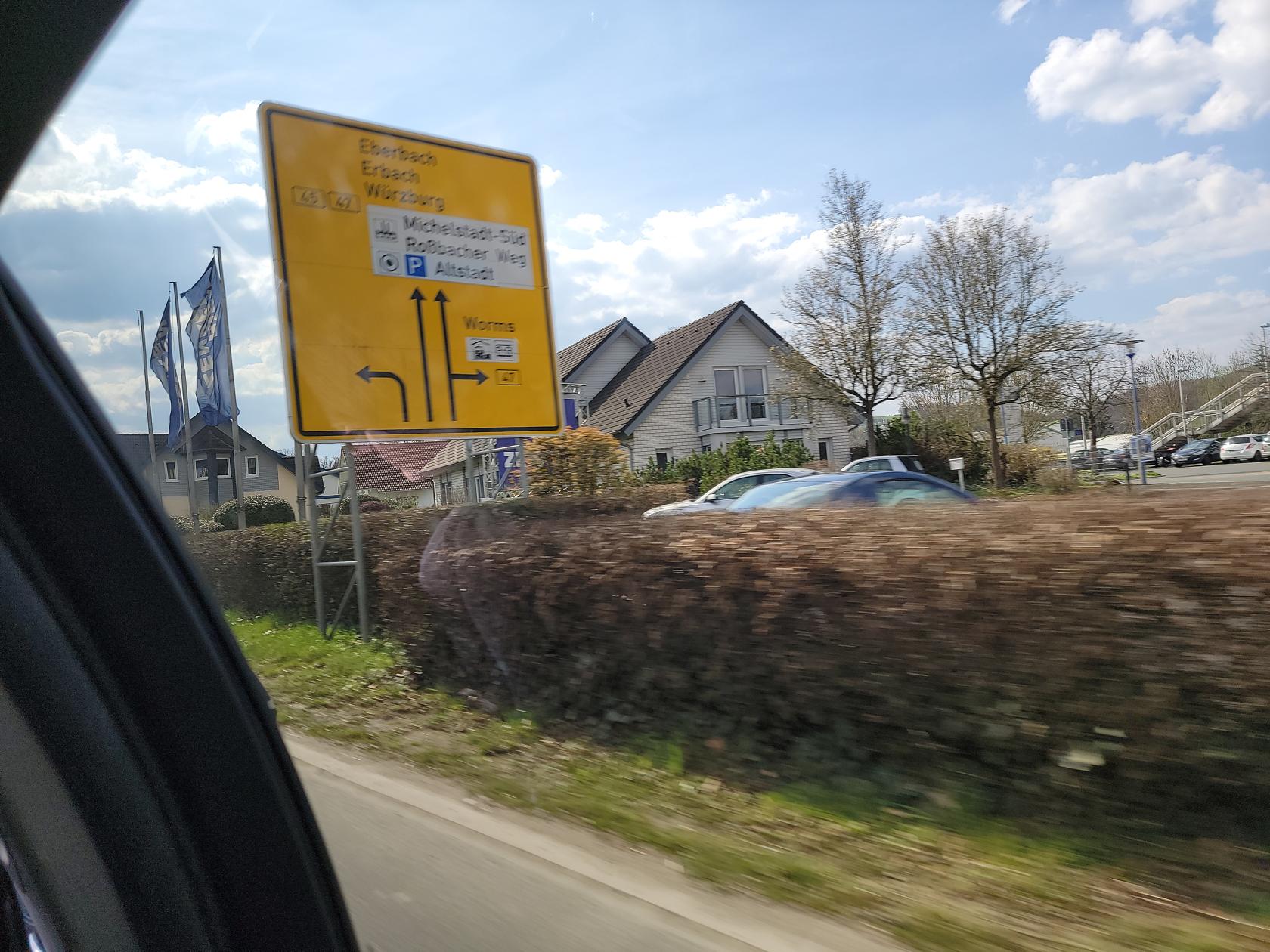
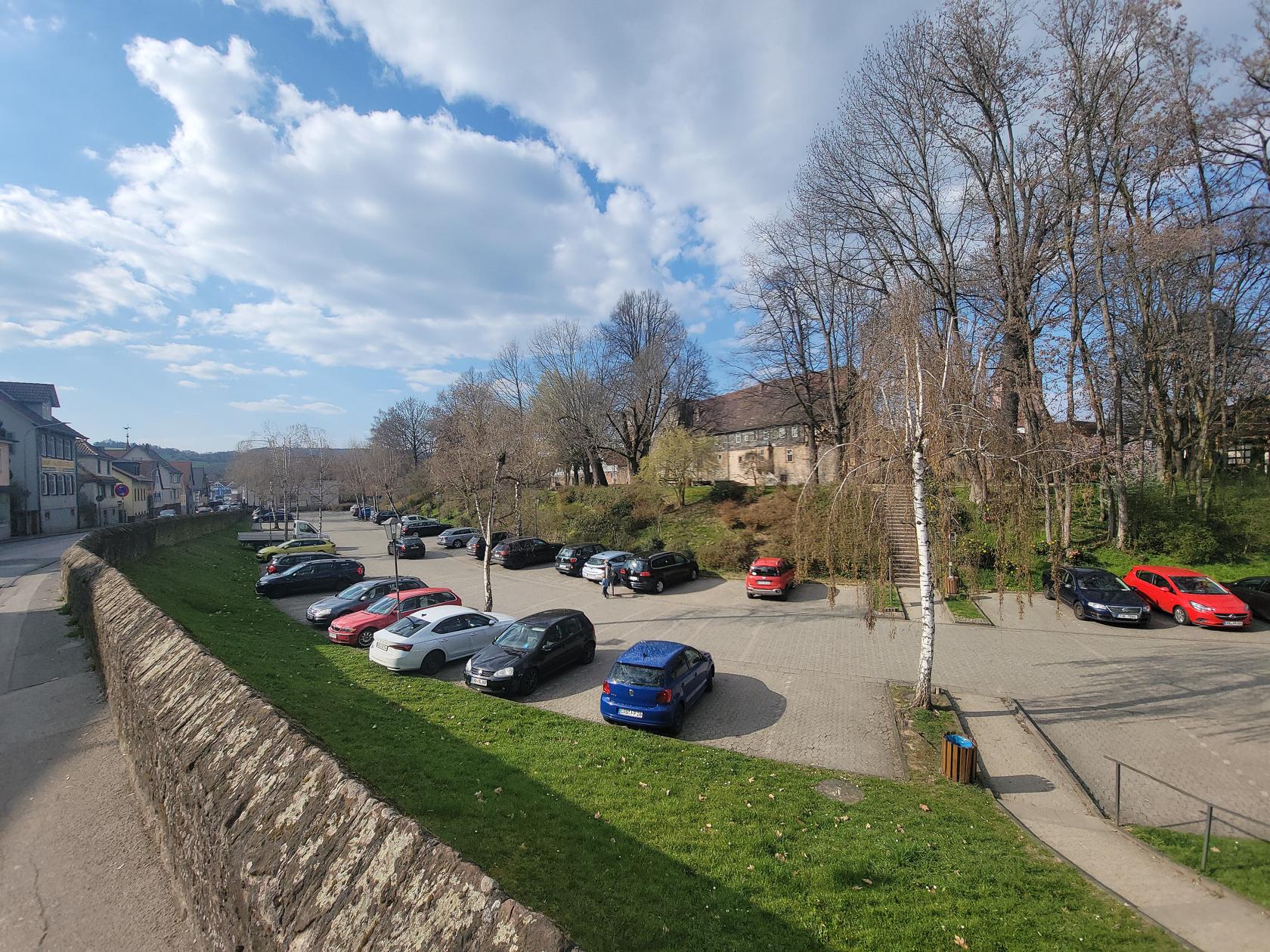
To get to Michelstadt you will take either the 45 or 47 from the north or the south. On the north of town is a very large parking area which we used, conveniently located close to the town’s center.
Rte. 45 – Michelstadt, Germany
Bahnhofstraße – Michelstadt, Germany
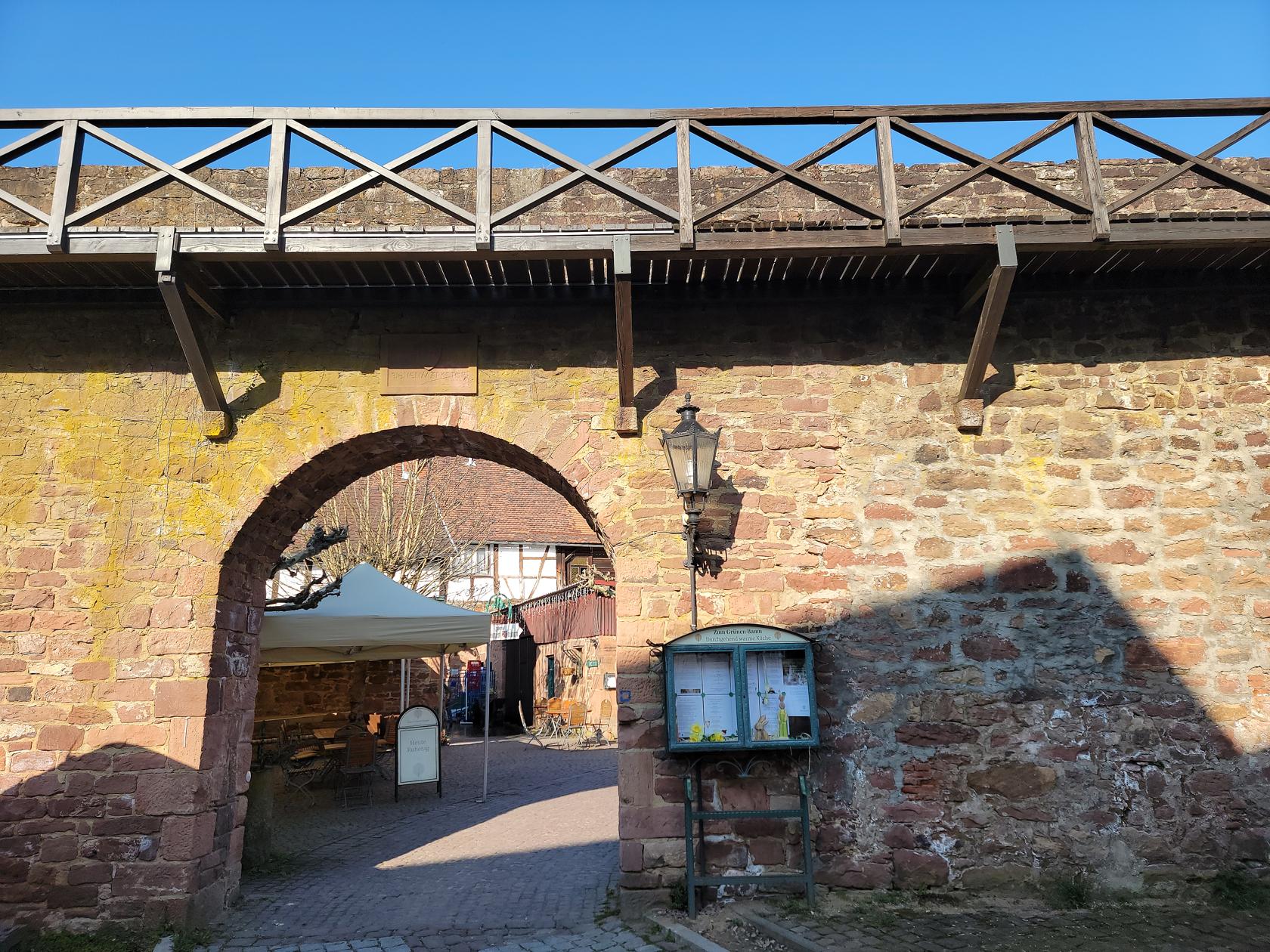
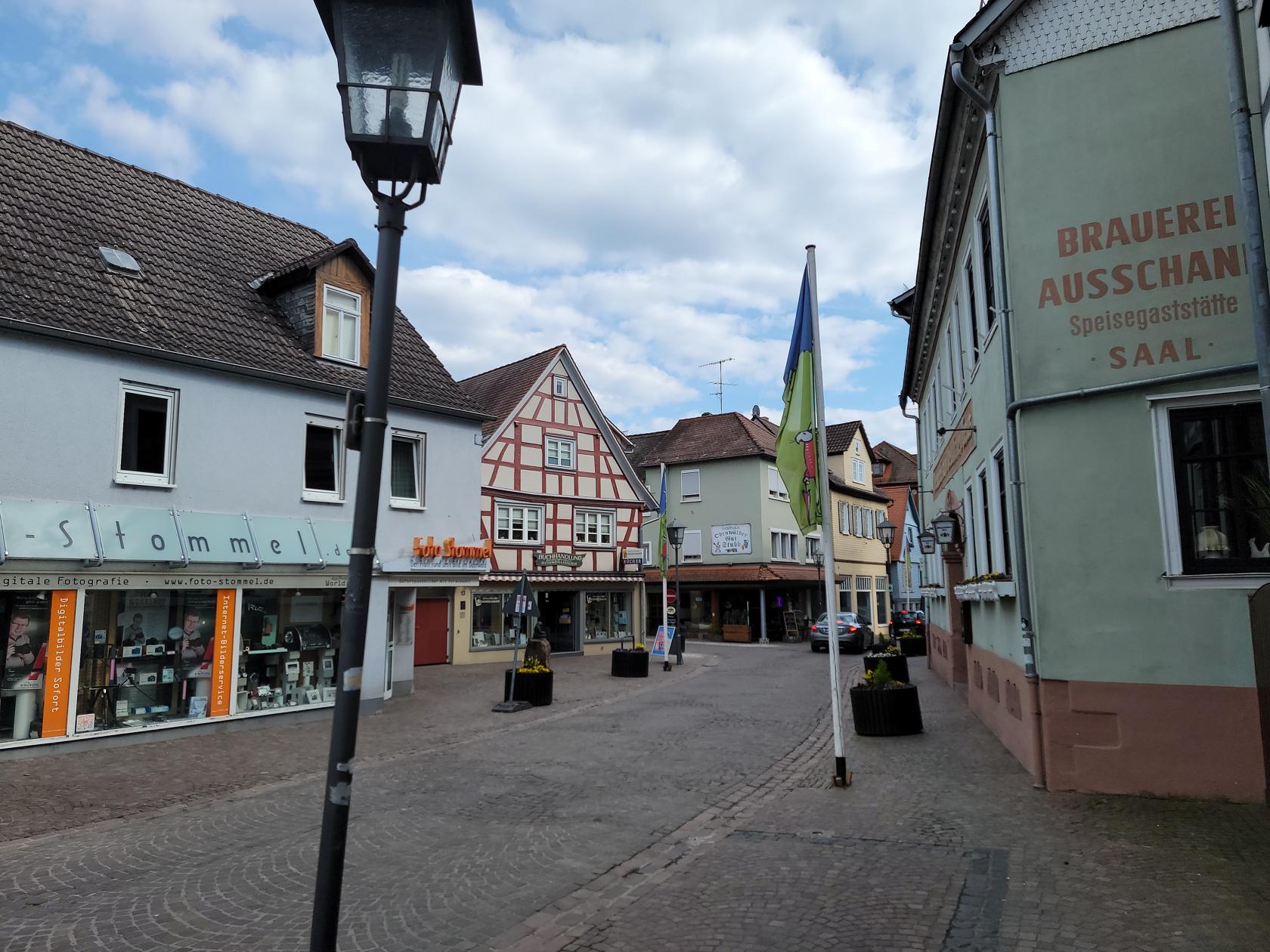
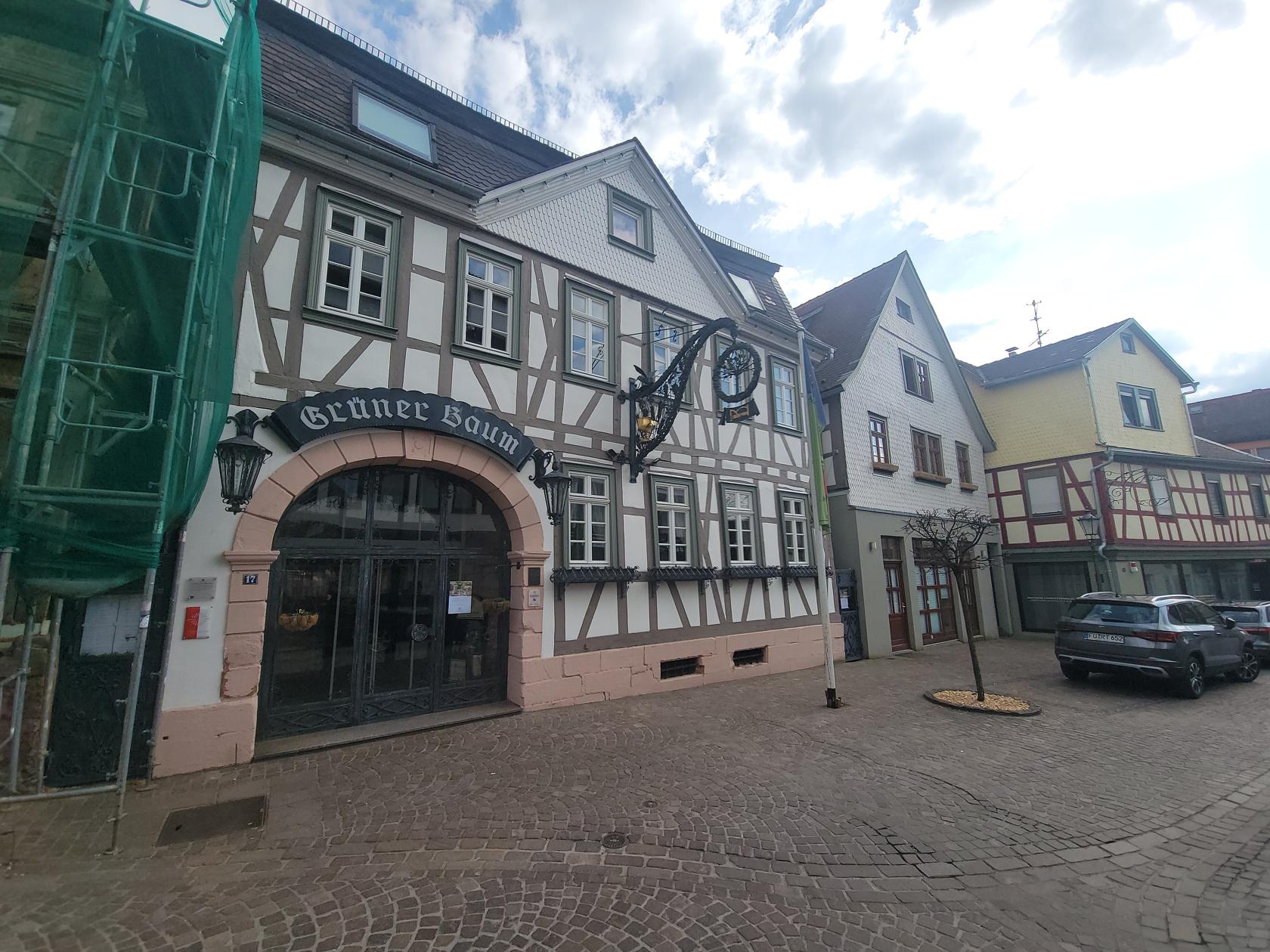
Zum Grüner Baum – Großer Gasse – Michelstadt, Germany
Oberer Pfarrgasse – Michelstadt, Germany
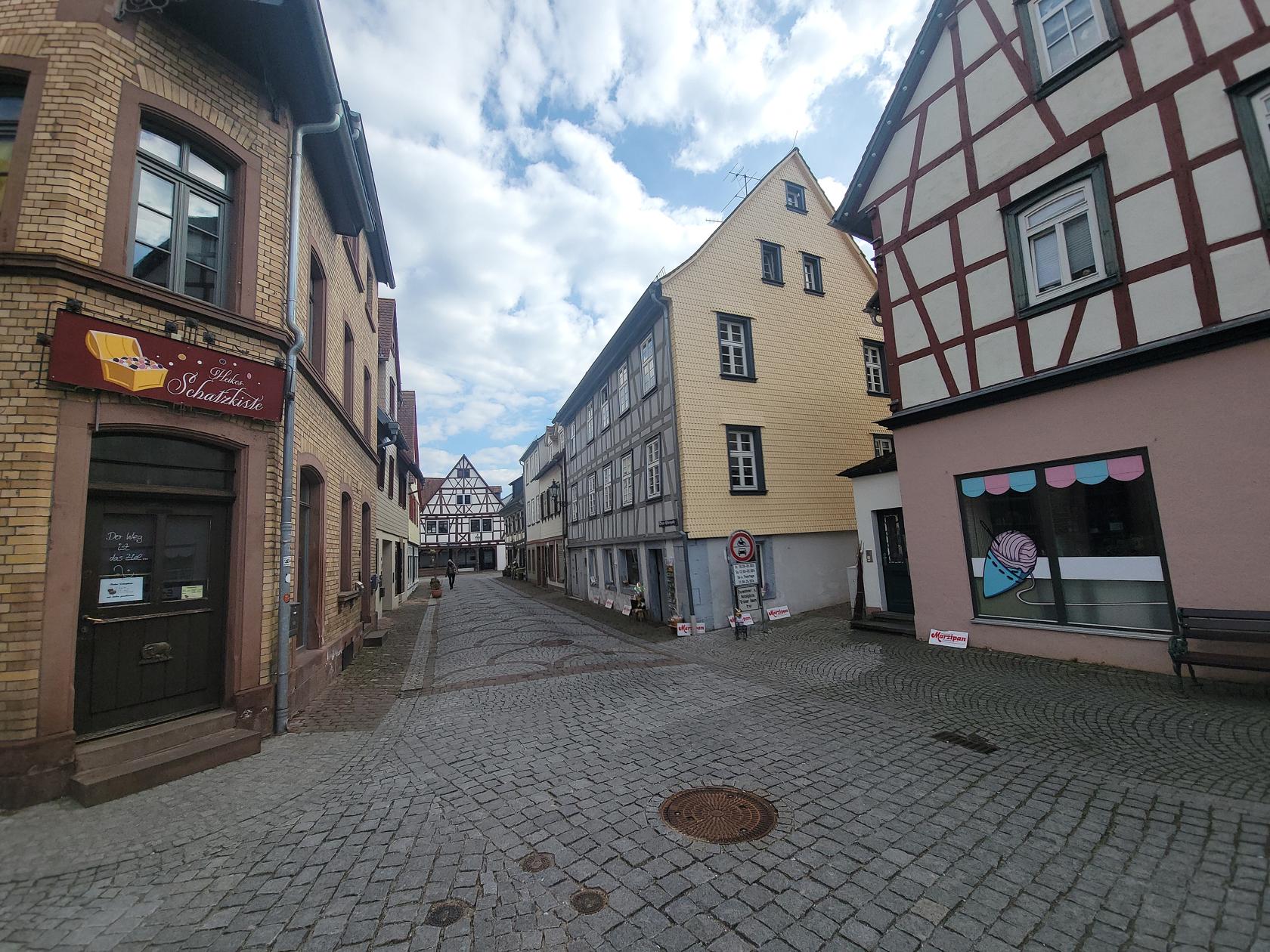
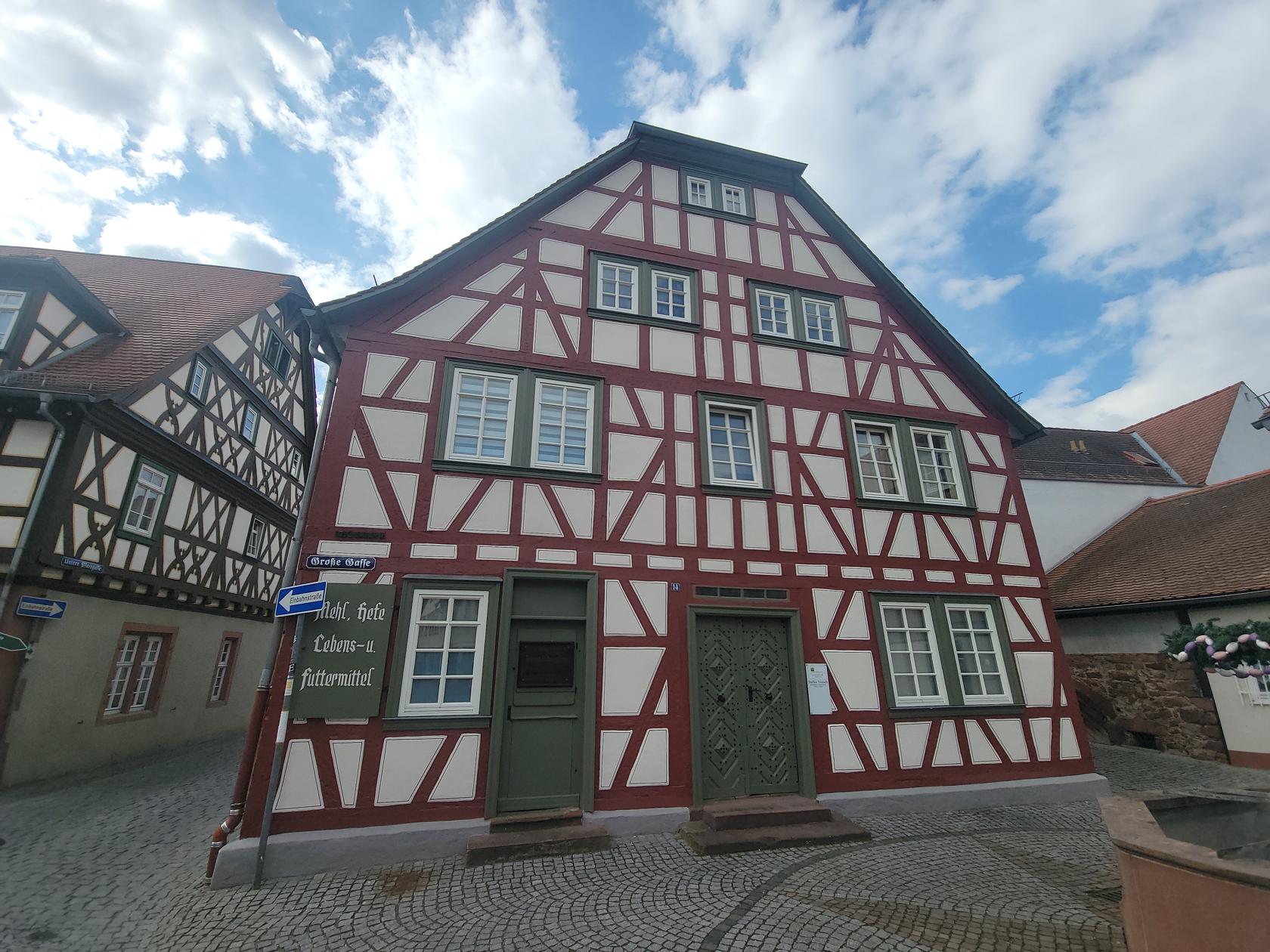
Große Gasse – Michelstadt, Germany
Große Gasse – Michelstadt, Germany
Town Hall
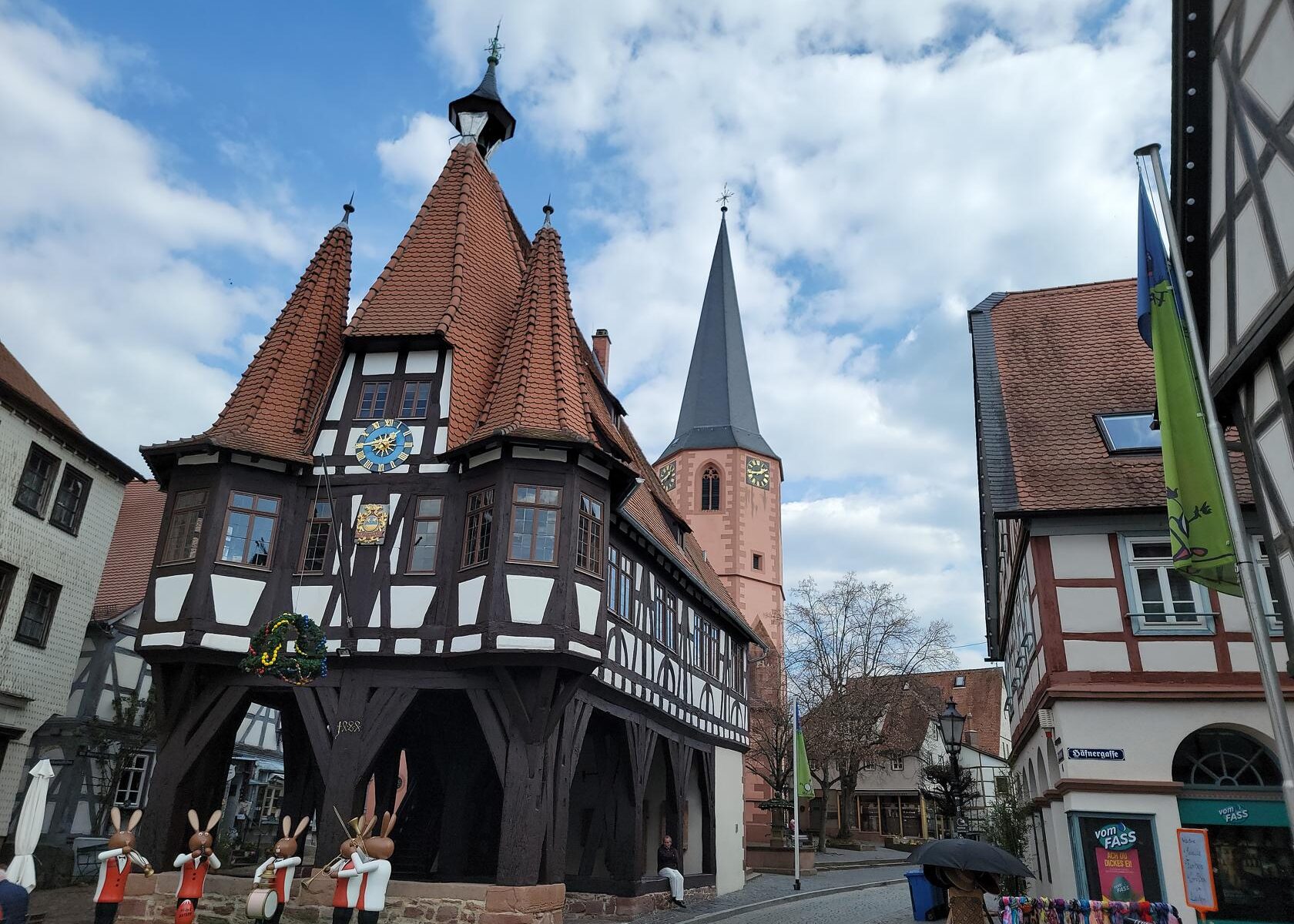
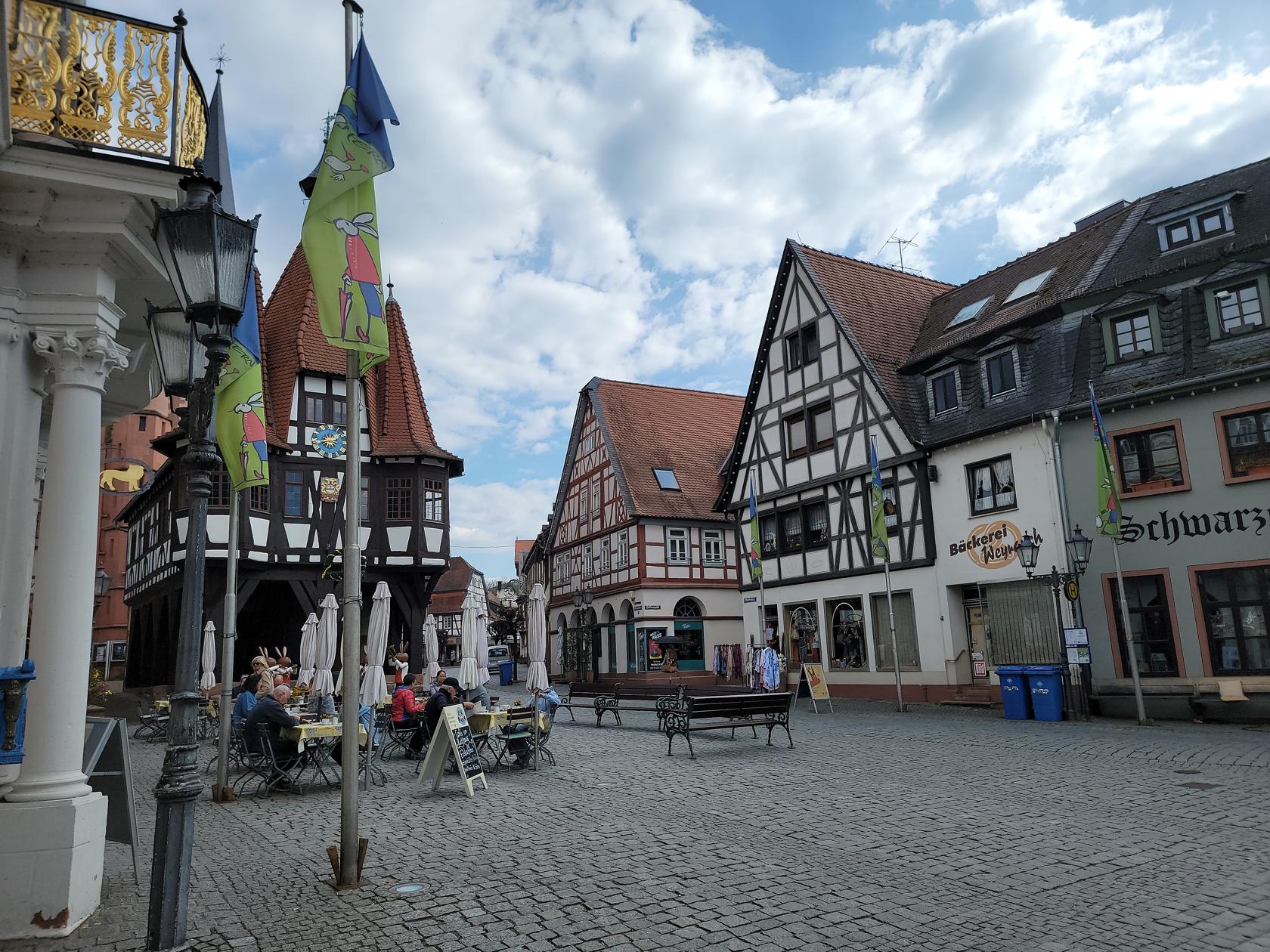
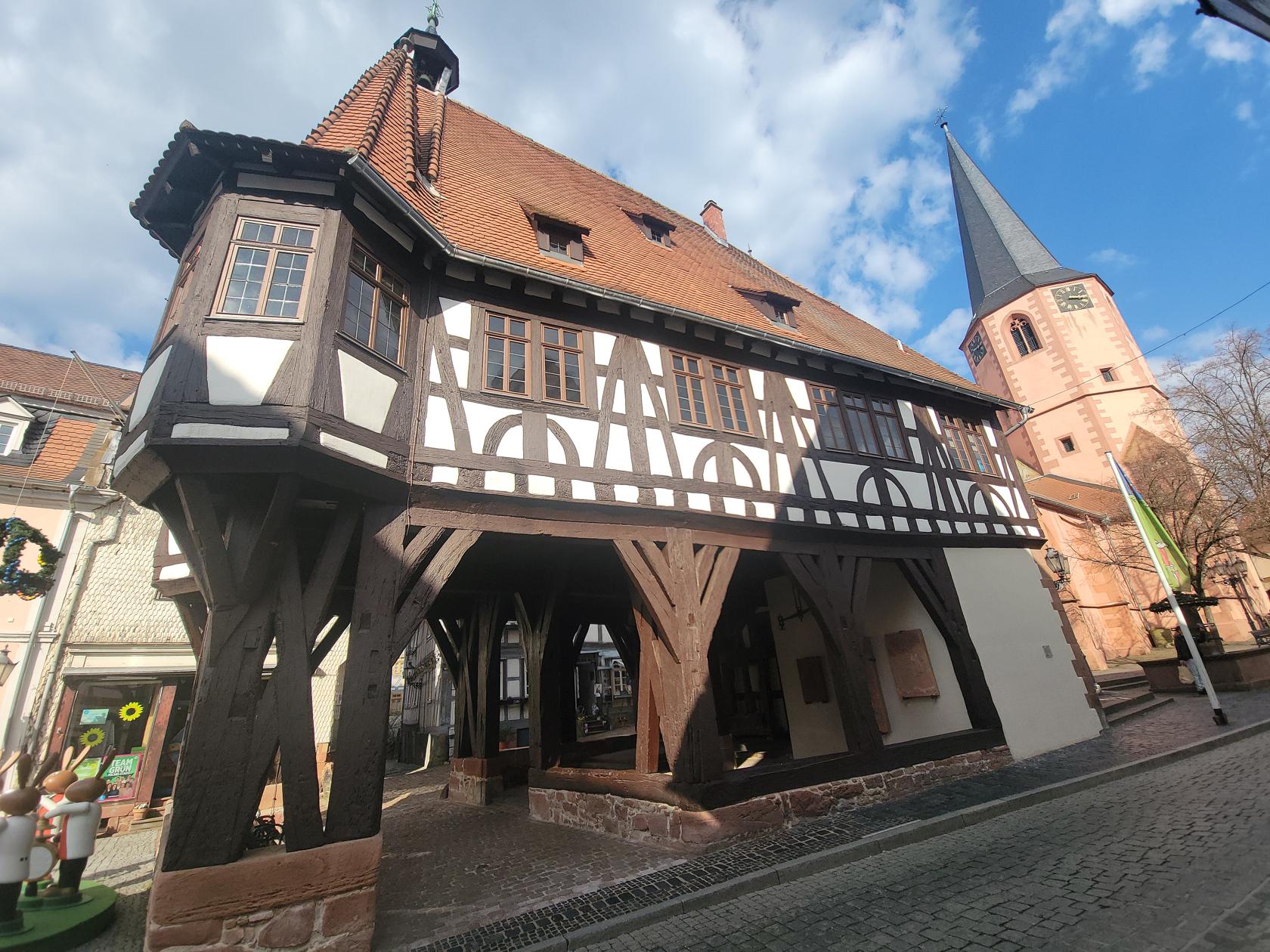
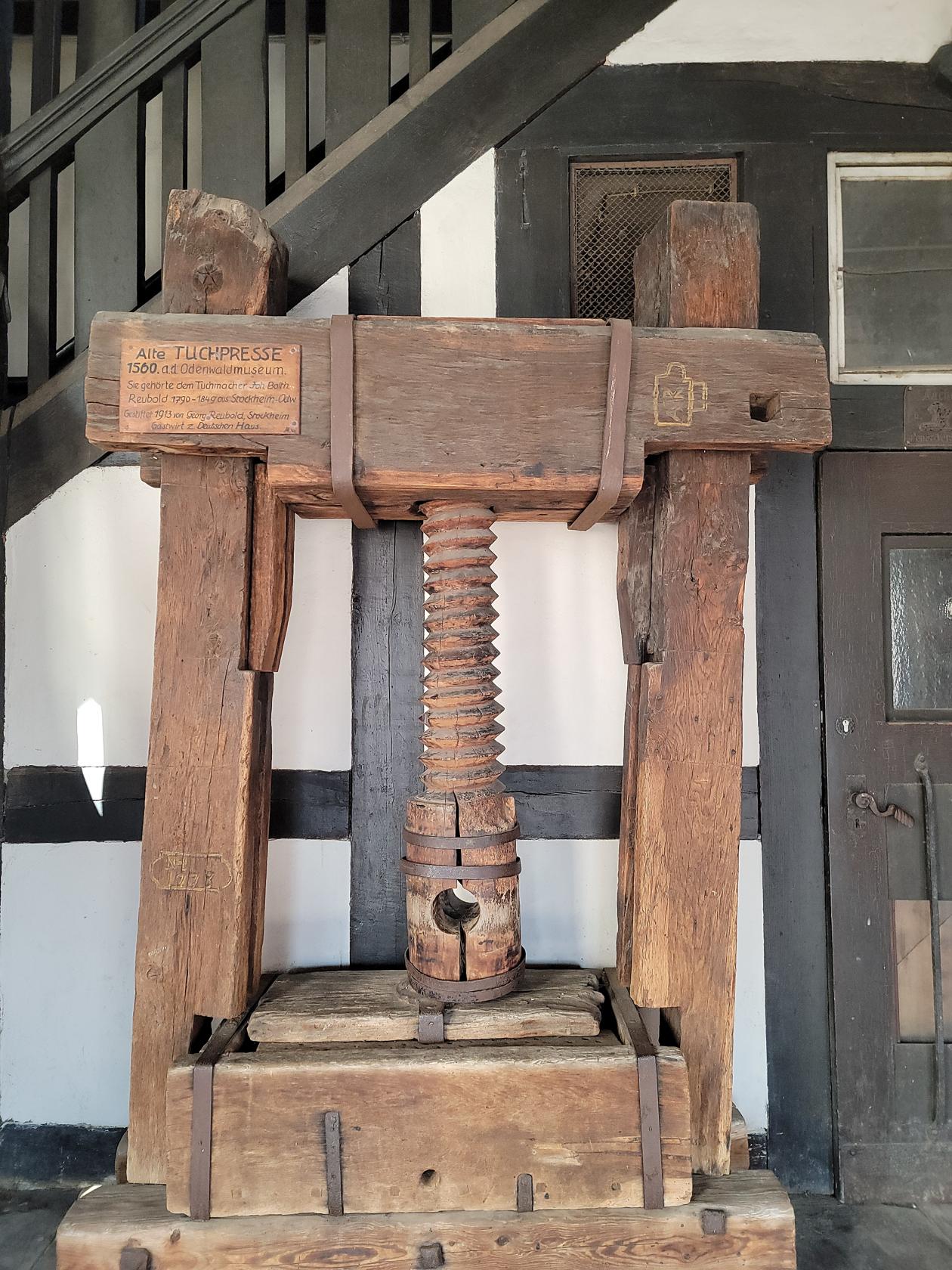
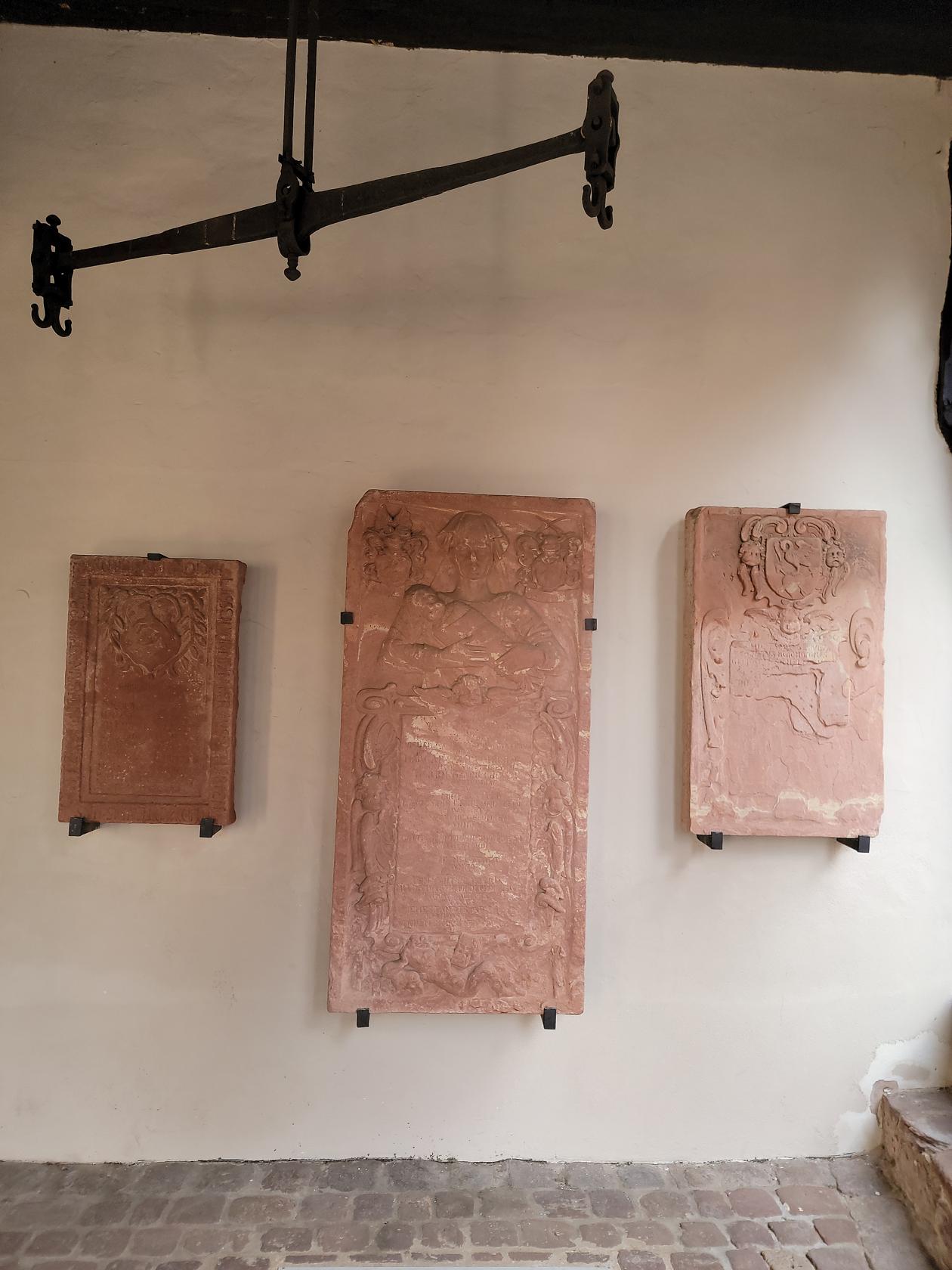
The Town Hall, or Rathaus, is one of the more prominent buildings in the town. It stands a bit off-center in the Marktplatz and has an old press, a scale and other items associated with the buildings history in the open area underneath it.
Marktplatz – Michelstadt, Germany
Altes Rathaus – Marktplatz – Michelstadt, Germany
Altes Rathaus – Marktplatz – Michelstadt, Germany
Altes Rathaus – Marktplatz – Michelstadt, Germany
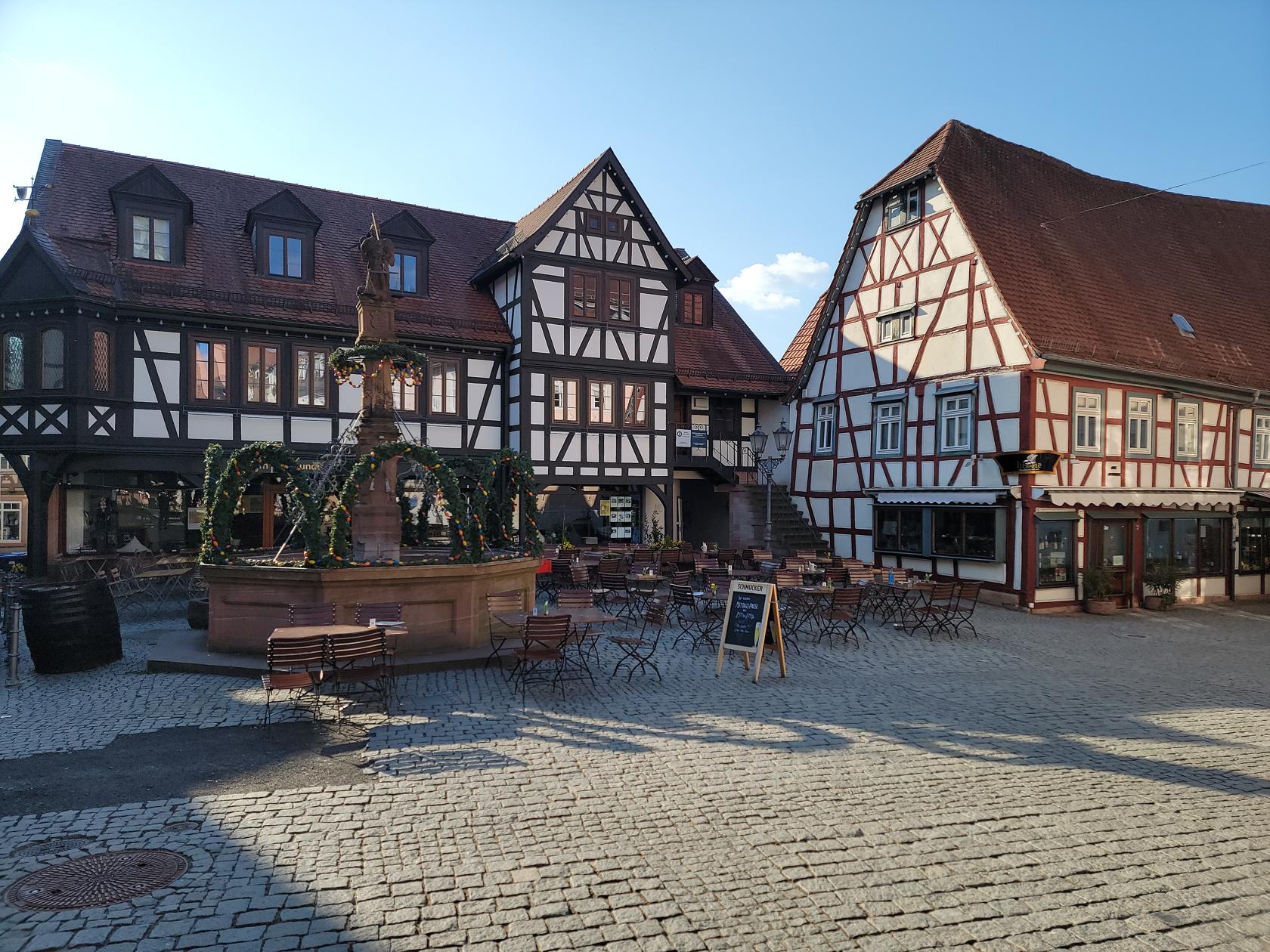
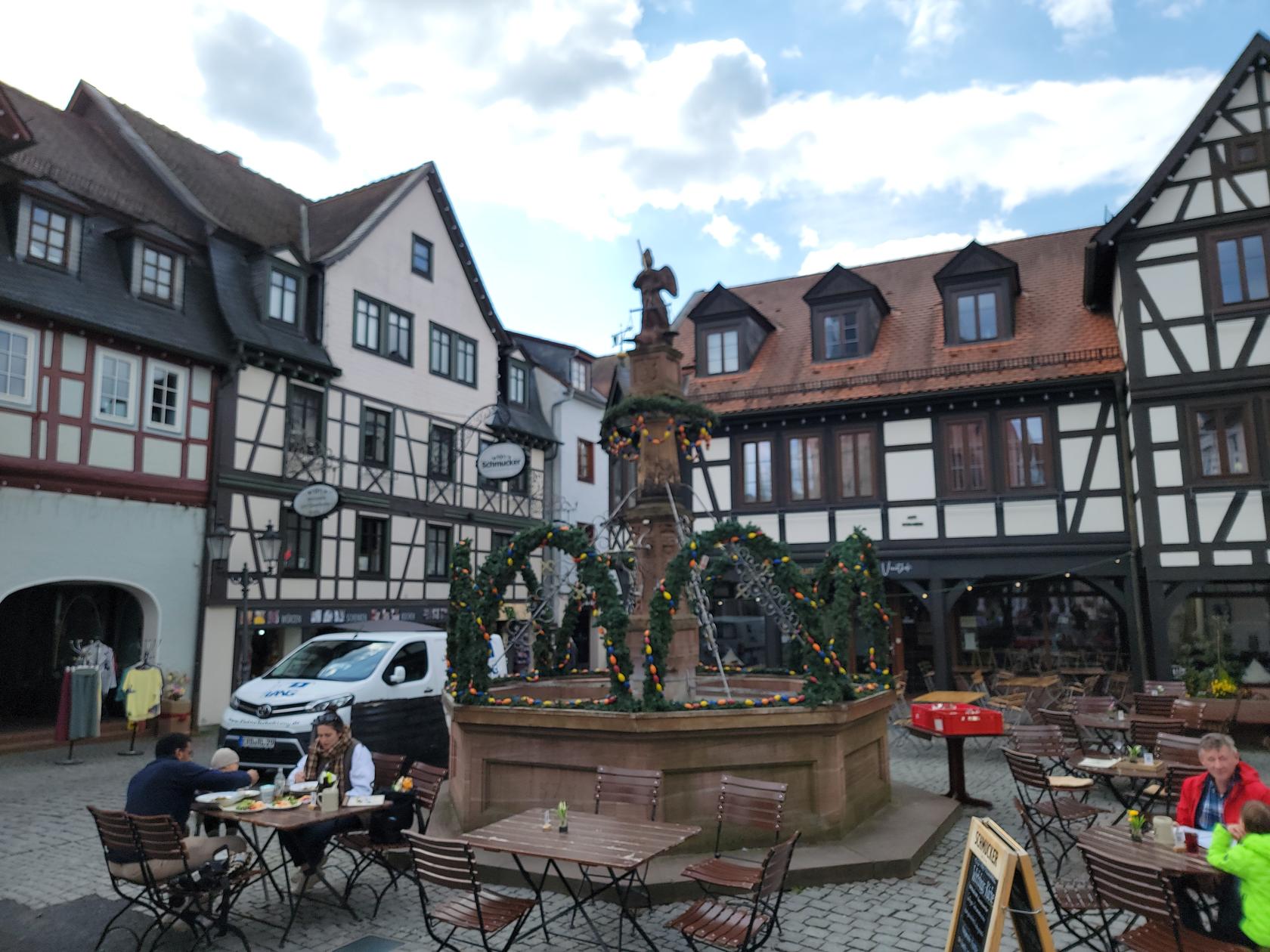
The Marktplatz contains a main foutain, which the town appears to decorate for holidays and other occasions.
Marktbrunnen – Marktplatz – Michelstadt, Germany
Marktbrunnen – Marktplatz – Michelstadt, Germany
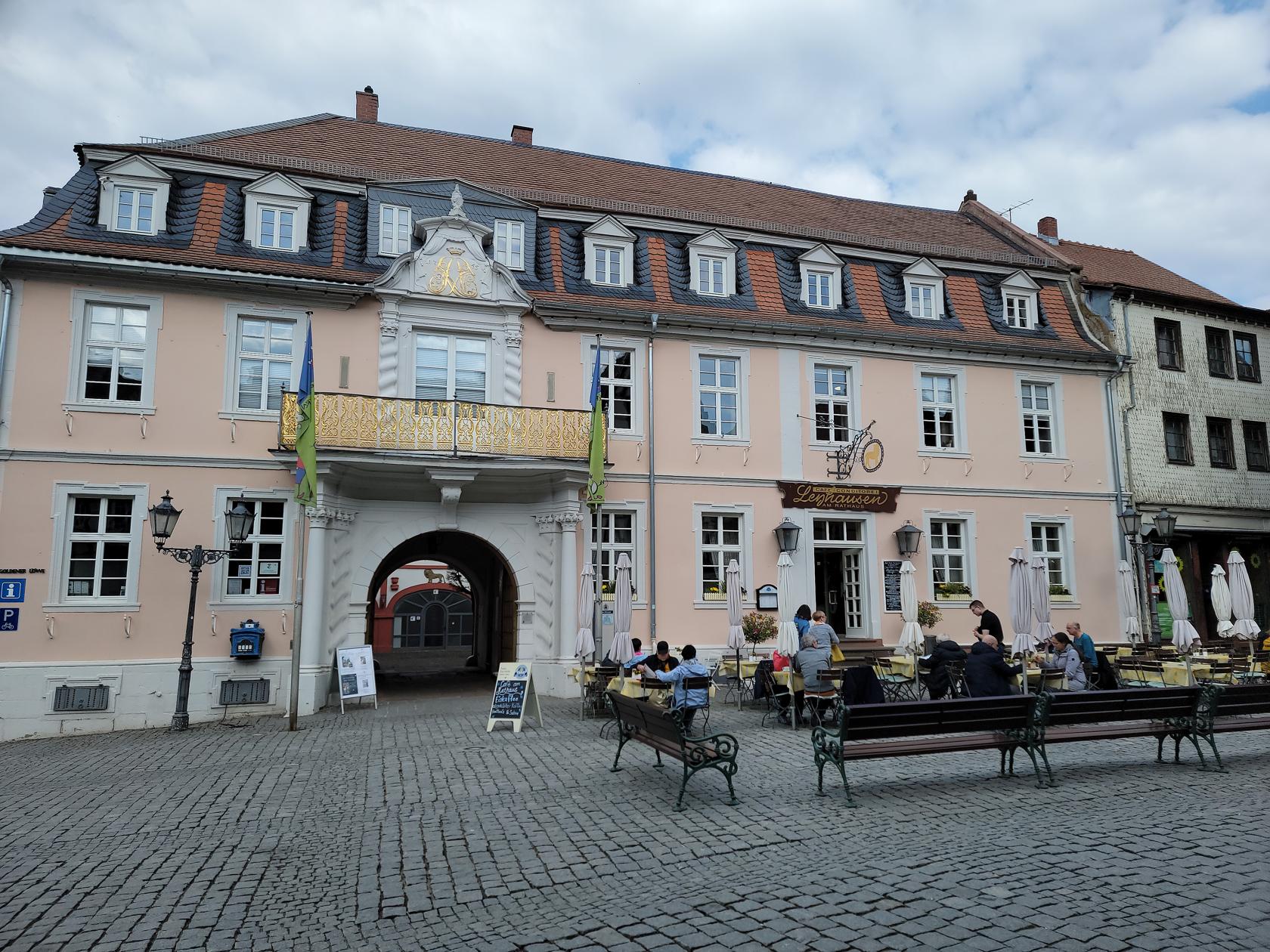
Löwenhof – Marktplatz – Michelstadt, Germany
Marktplatz – Michelstadt, Germany
Marktplatz – Michelstadt, Germany
Marktplatz – Michelstadt, Germany
Michelstadt Fortress
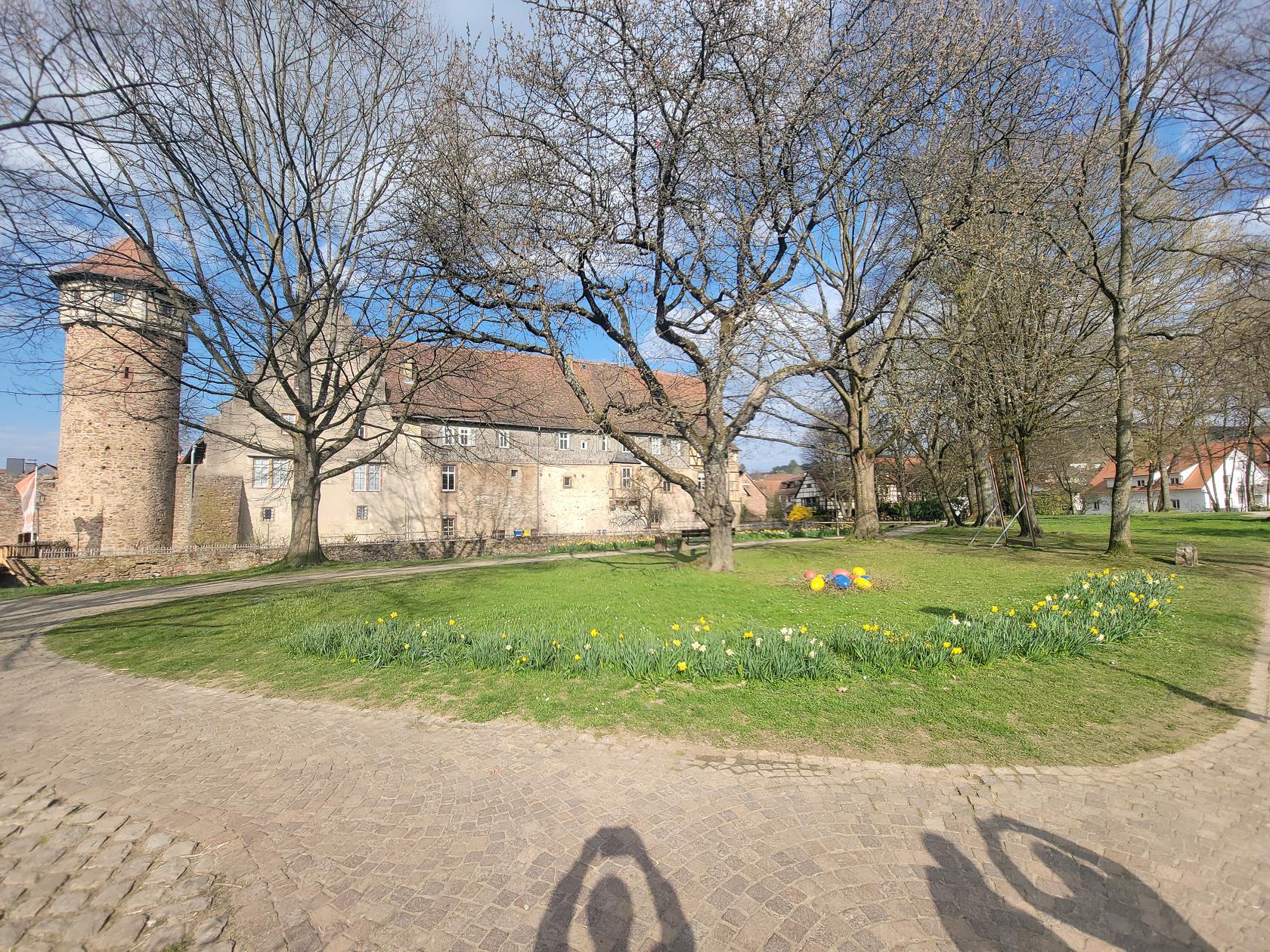
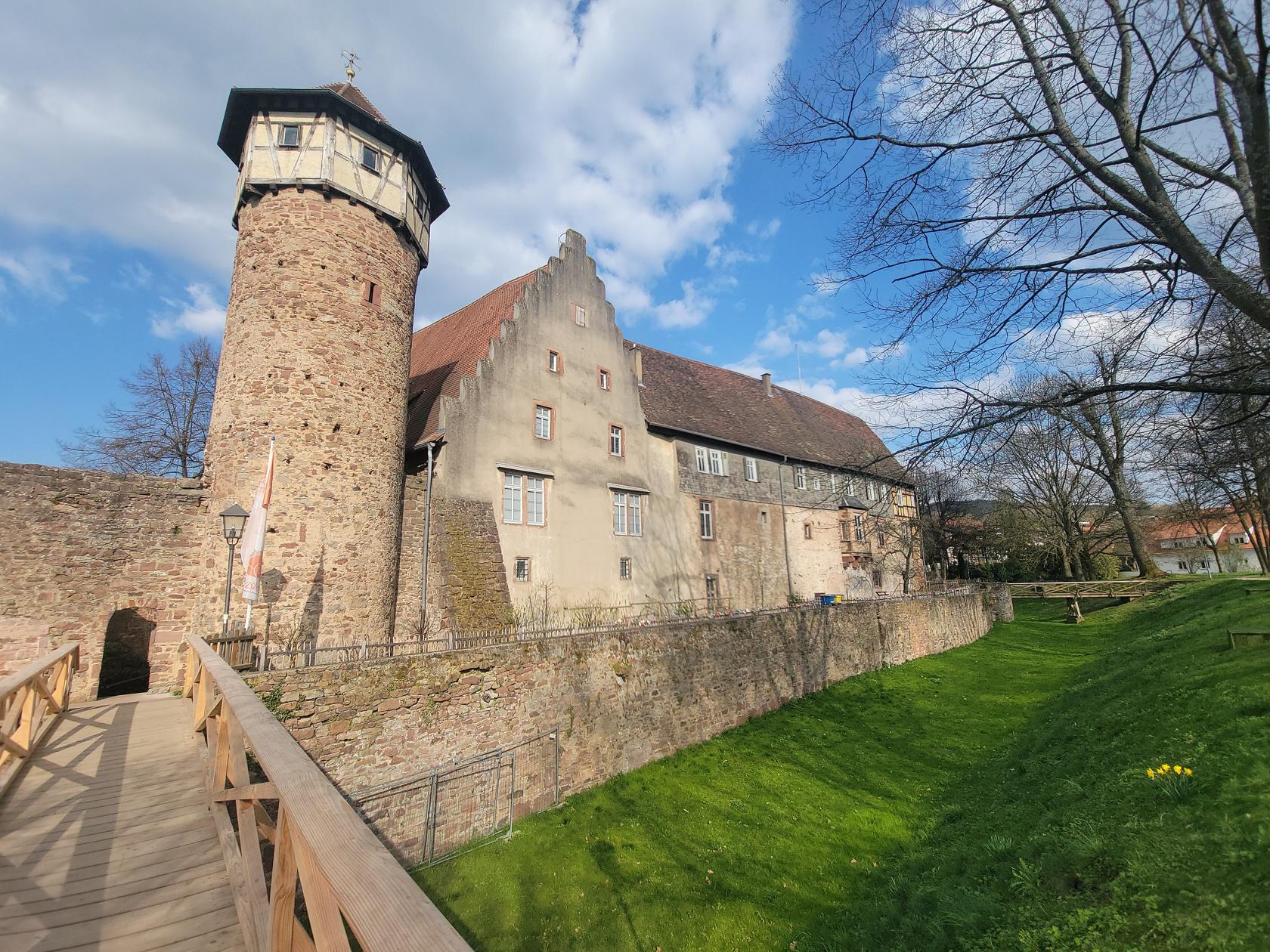
The Michelstadt Fortress, or Burg Michelstadt, is probably more of a stronghold than any castle or fortress. Though it sits on a high wall with a moat, it is not as impressive as other german castles or fortresses. Today it houses a mill museum, which unfortunately was not open at the time of our visit.
Old Wall – Kellerbergstraße – Michelstadt, Germany
Diebsturm and Museum – Kellerbergstraße – Michelstadt, Germany
Diebsturm
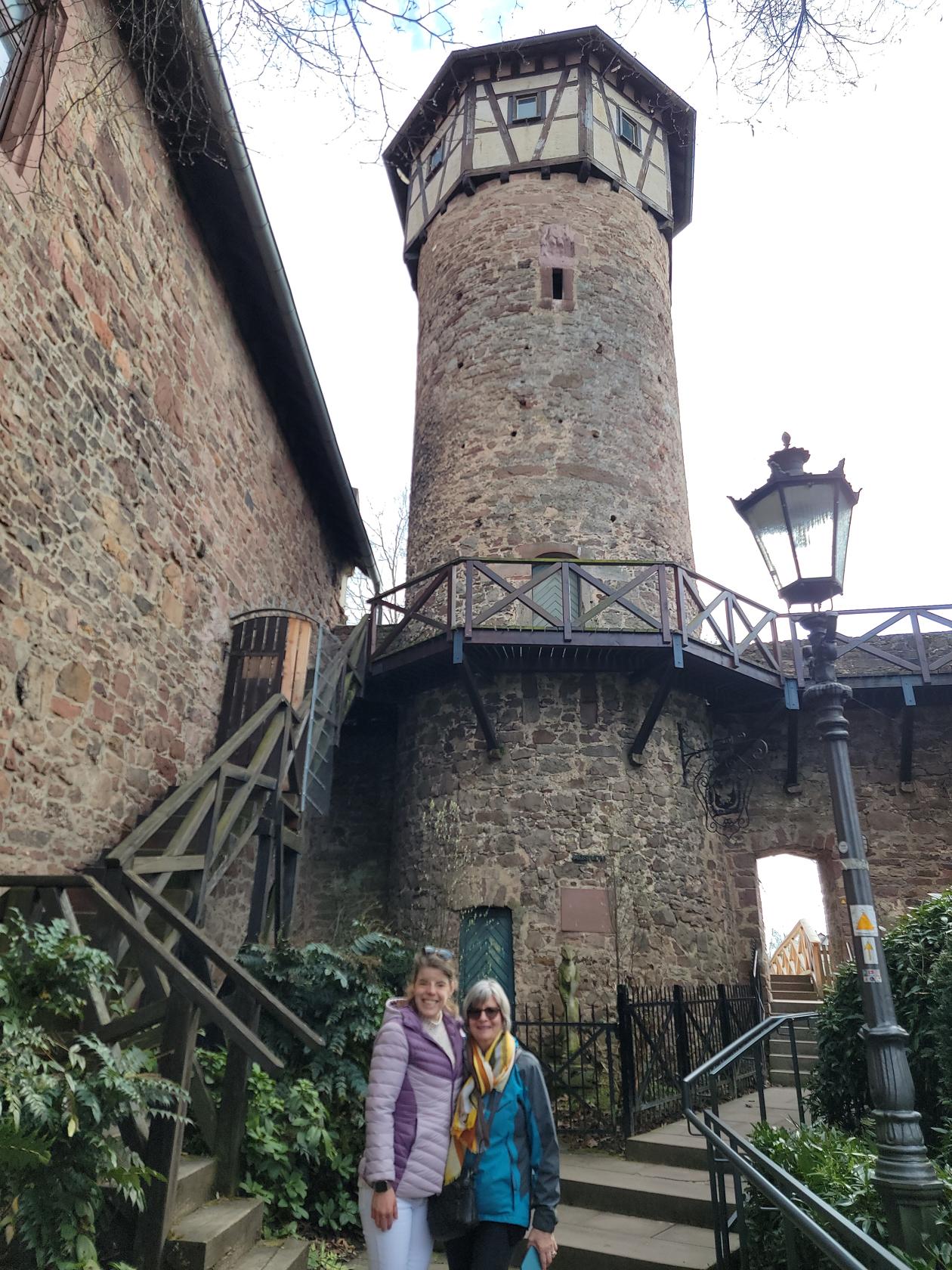
The Diebsturm, or Thieves’ Tower, is part of and sits next to Burg Michelstadt. The sump or cellar of the tower was used as a prison starting sometime in the early fourteenth century. Prisoners were lowered down on a rope into the cellar to wait our their term. It is one of the more prominent features of the town.
Diebsturm and Museum – Kellerbergstraße – Michelstadt, Germany
Ericka and Patti – Diebsturm – Marktplatz – Michelstadt, Germany
Dr. I. E. Lichtigfeld Museum
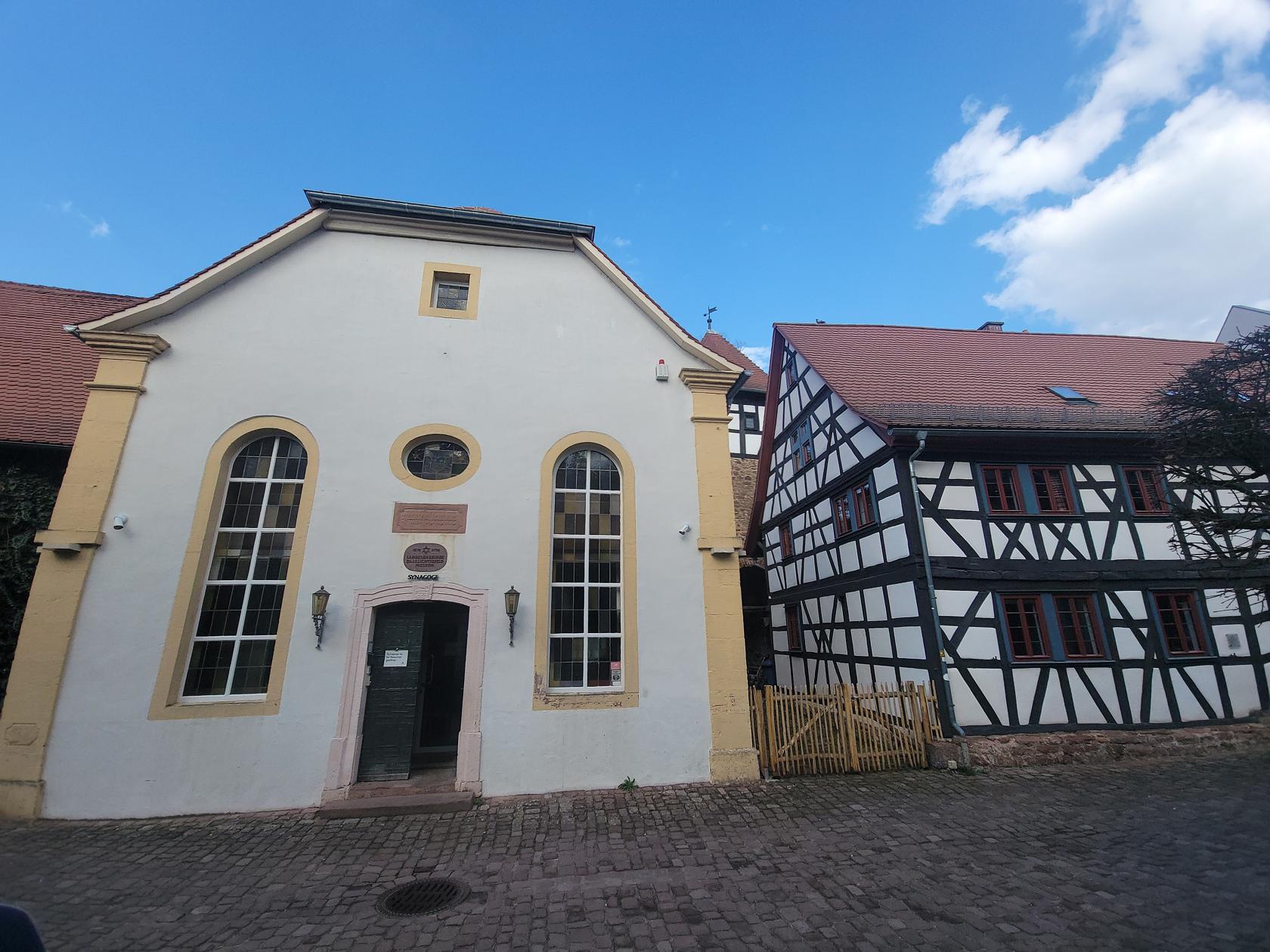
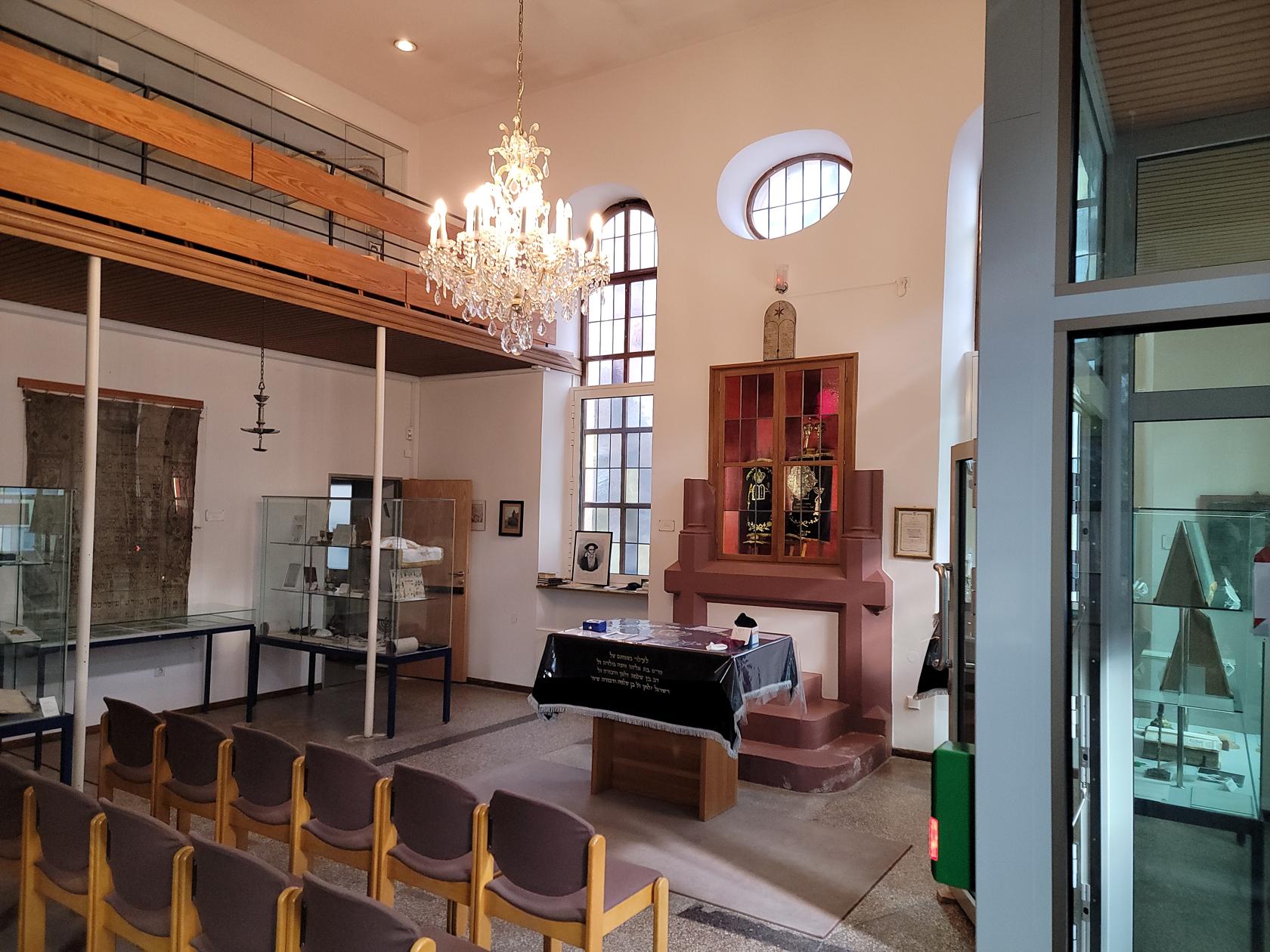
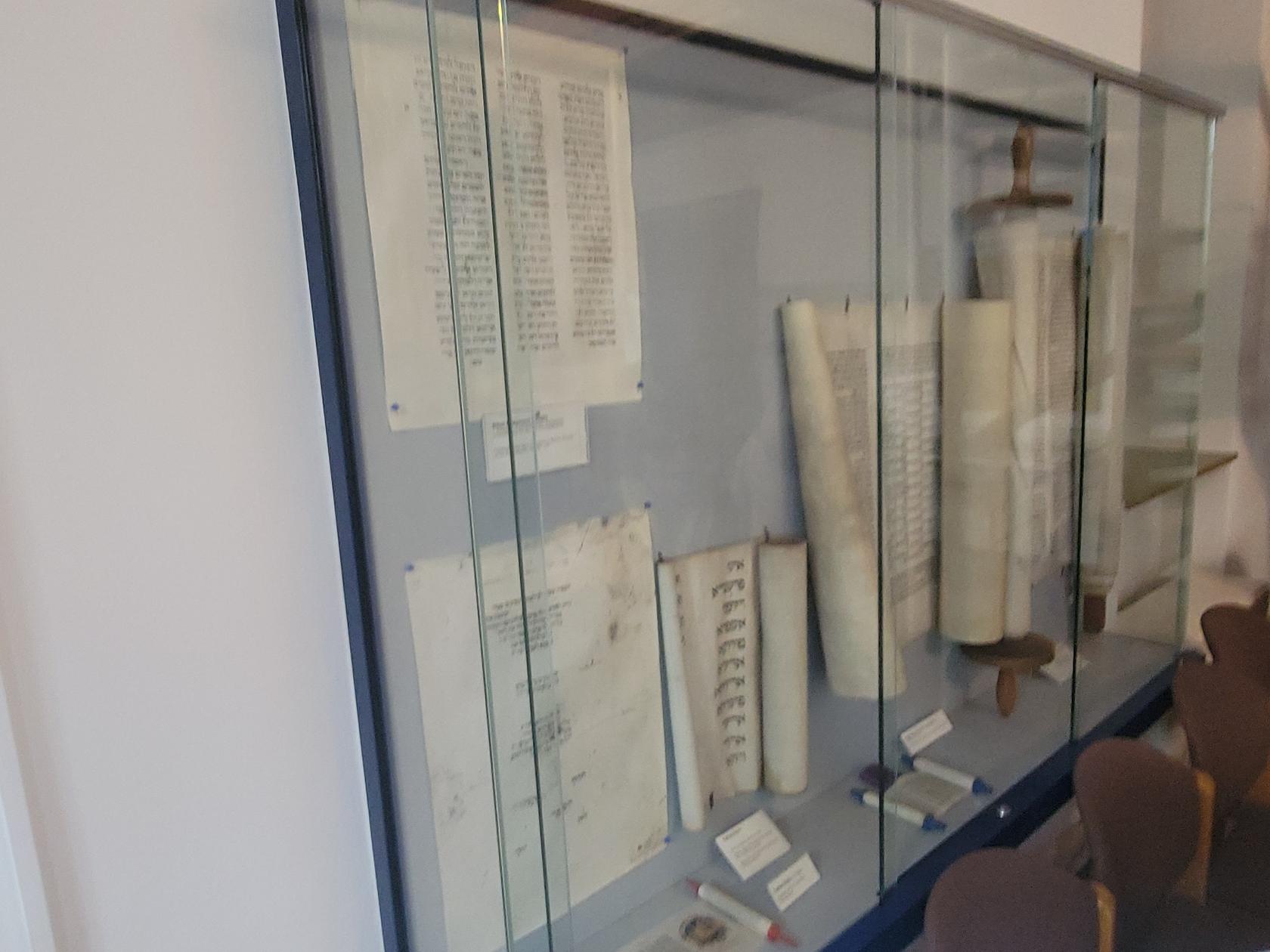
This museum preserves the jewish past of the town, neatly preserved in the former Synagoge Michelstadt that was destroyed during the prelude to the second world war.
Dr. I. E. Lichtigfeld Museum – Mauerstraße – Michelstadt, Germany
Here one can get a sense of the small jewish population that used to inhabit the town, which also has numerous Stolpersteine[1]these are small brass memorials laid in the ground for jews and people who were killed, deported or driven to suizide commemorating the people of the town that lost their lives. They can be found throughout Germany and parts of Europe.
Dr. I. E. Lichtigfeld Museum – Mauerstraße – Michelstadt, Germany
Dr. I. E. Lichtigfeld Museum – Mauerstraße – Michelstadt, Germany
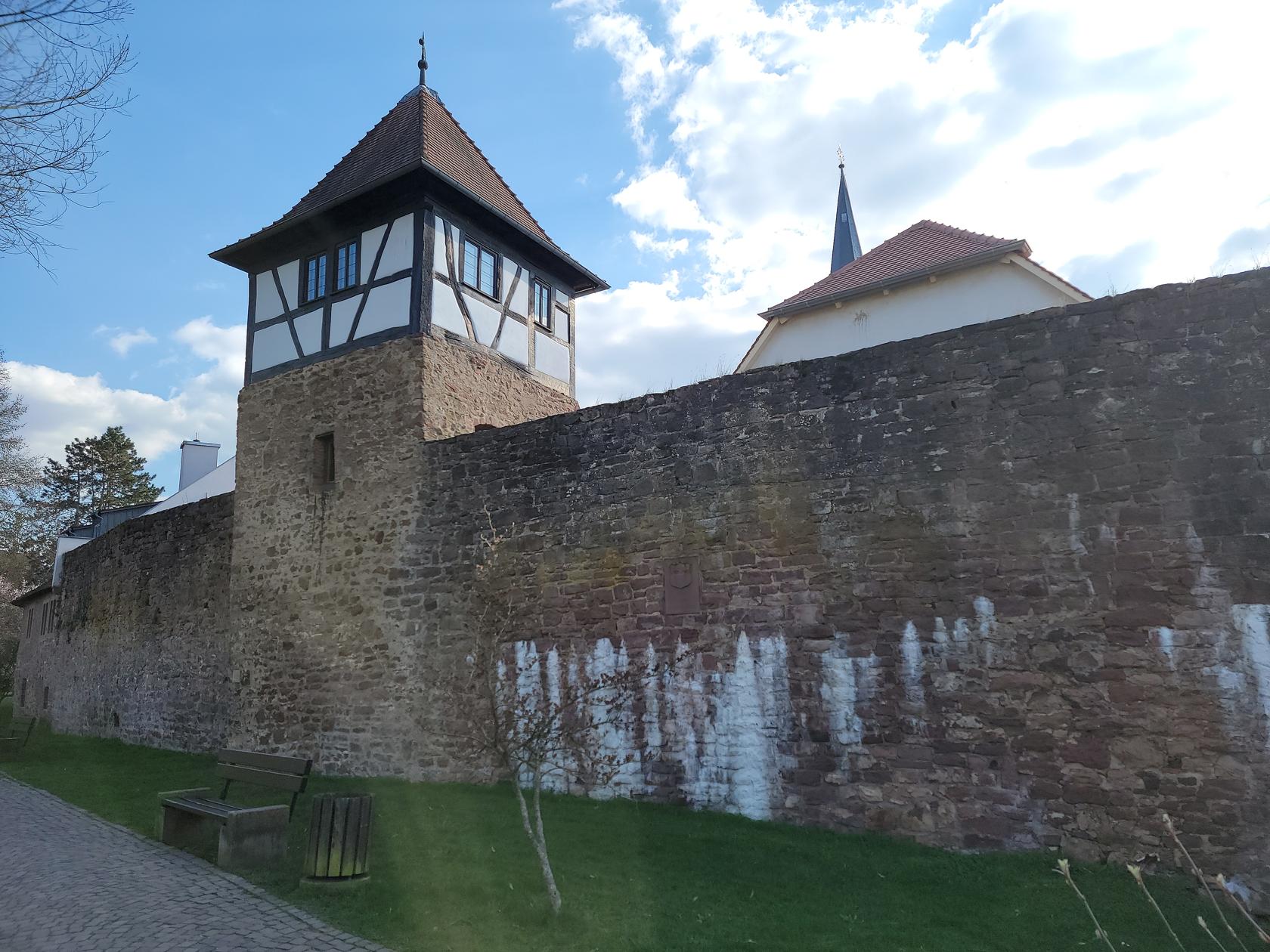
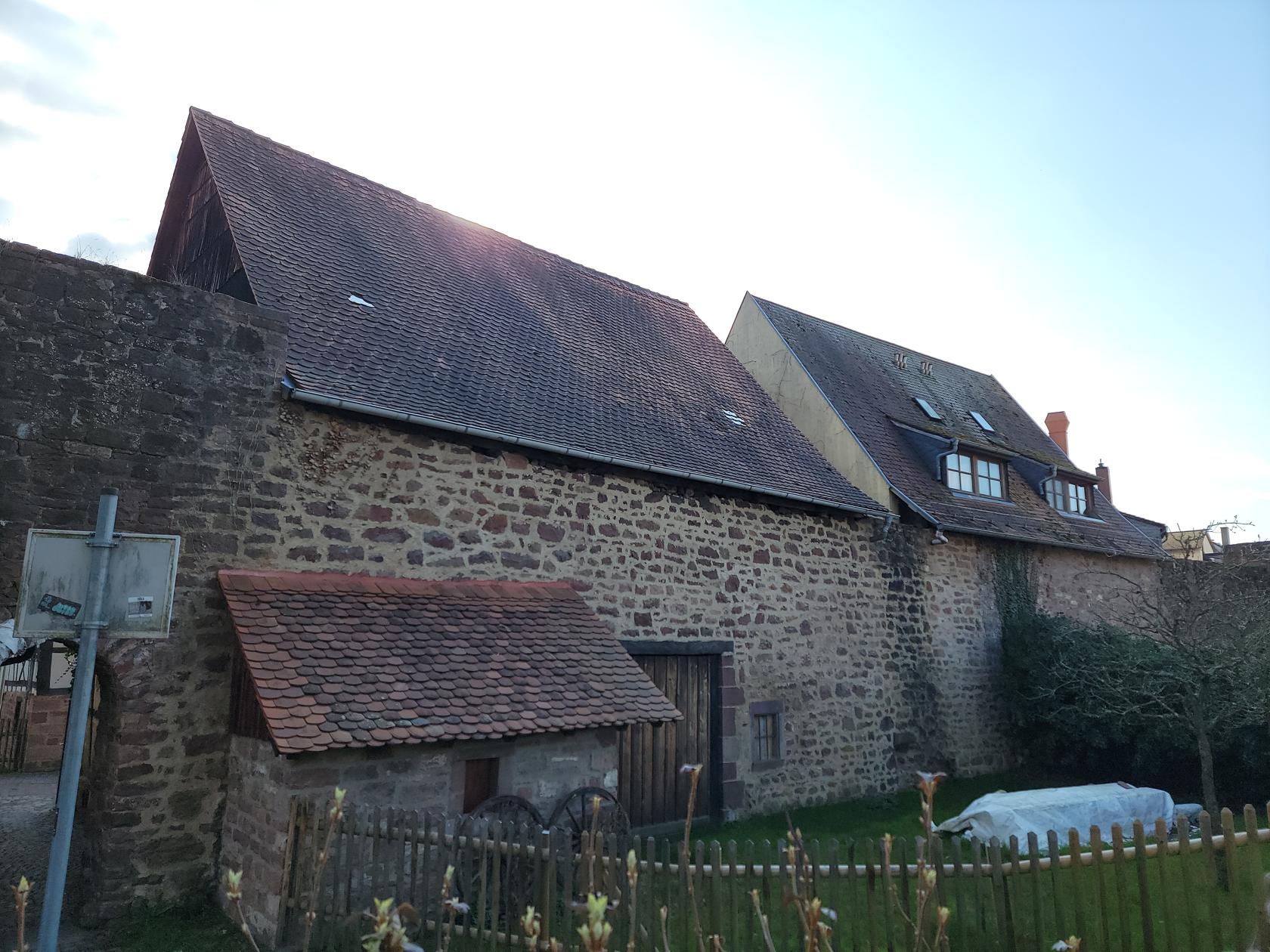
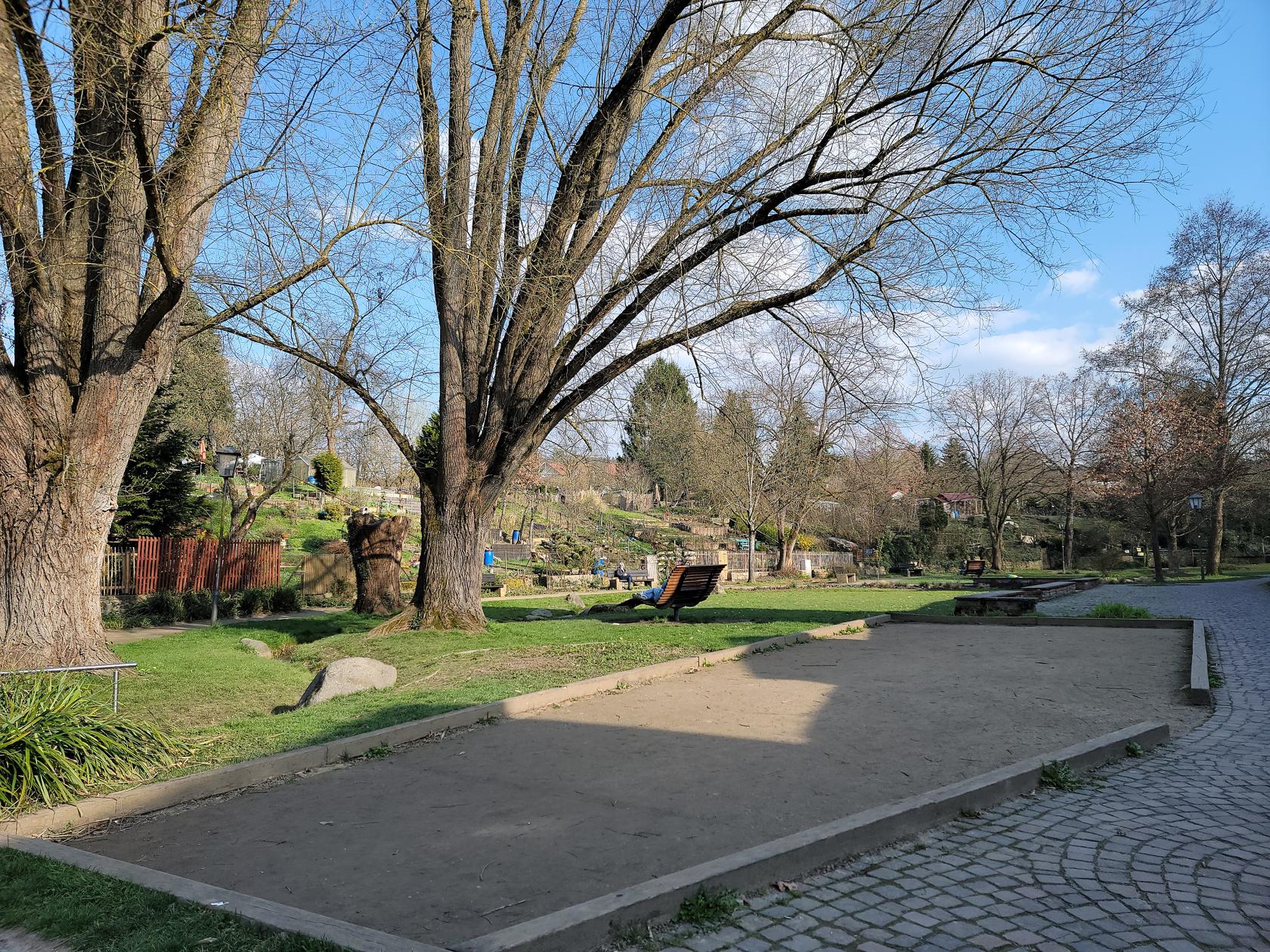
The museum also backs up to the old town wall and has a nice little park, where one can quietly sit and enjoy the weather.
Dr. I. E. Lichtigfeld Museum – Alter Stadtmauer – Michelstadt, Germany
Dr. I. E. Lichtigfeld Museum – Alter Stadtmauer – Michelstadt, Germany
Dr. I. E. Lichtigfeld Museum – Park – Michelstadt, Germany
Restaurants
Due to its size, there is not much to choose from, but there are a few restaurants in the Marktplatz. We chose a brewery close to the edge of town for lunch.
Michelstädter Rathausbräu
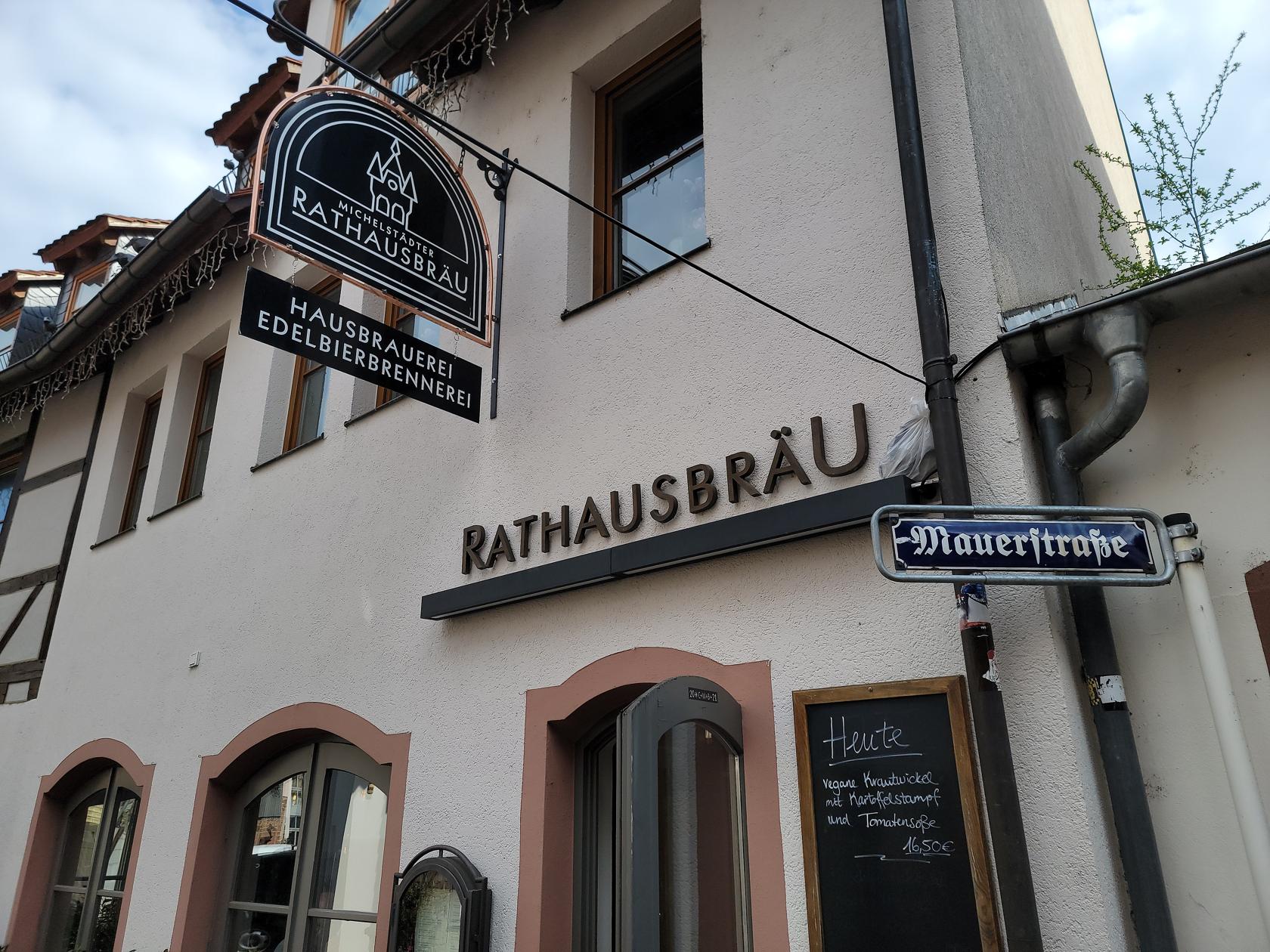
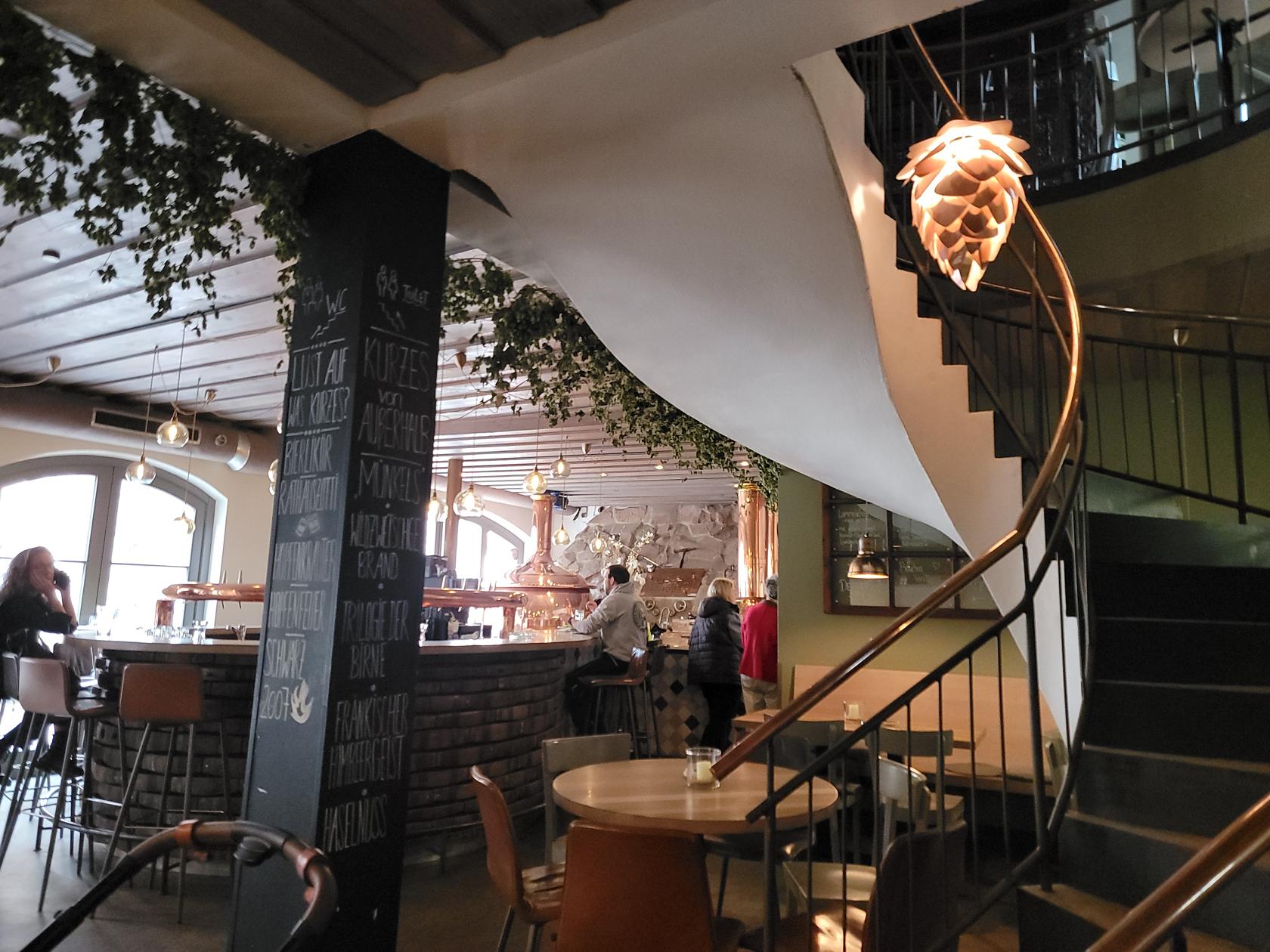
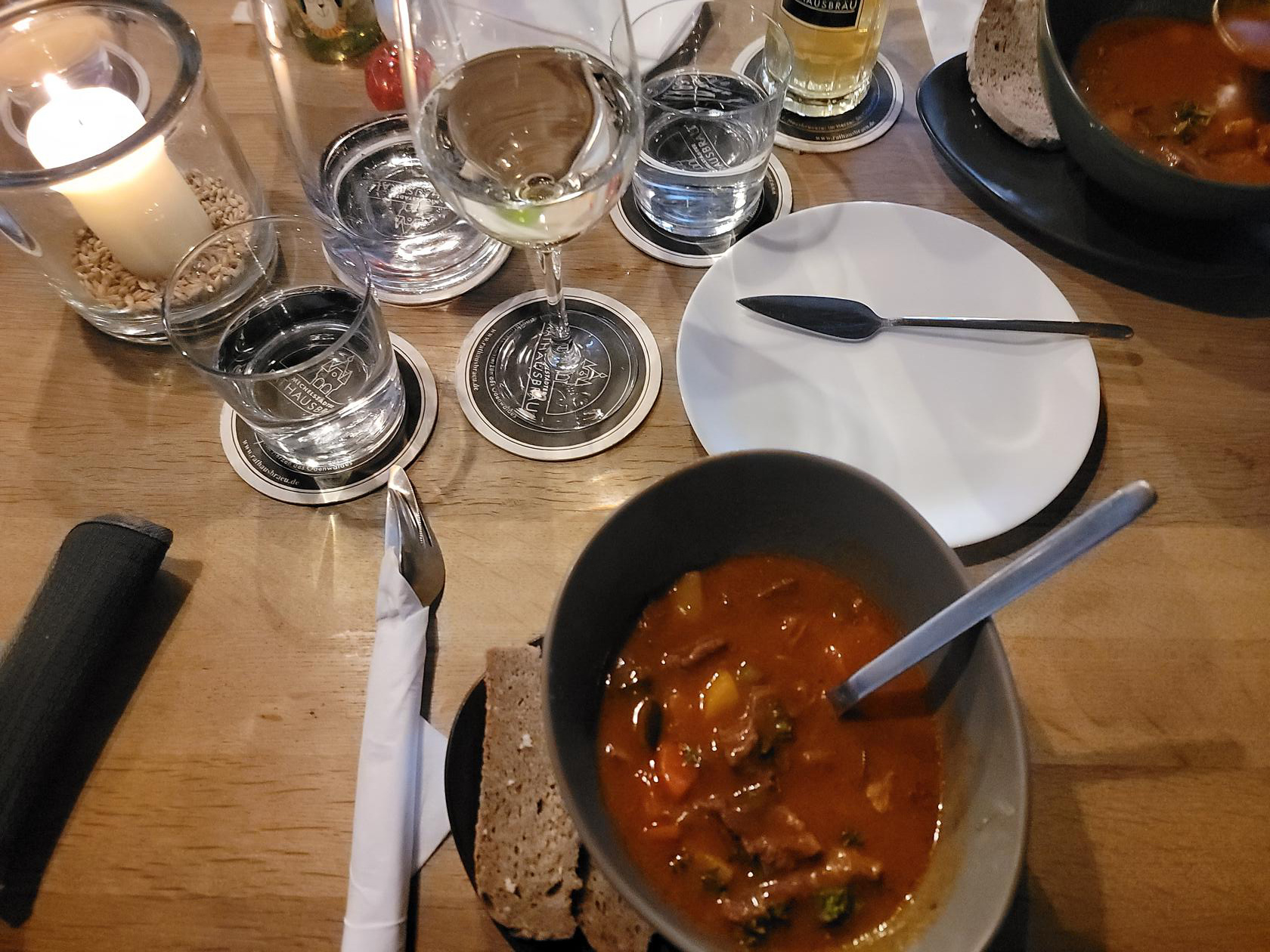
The Michelstädter Rathausbräu is a brewery and restaurant. It serves good food typical of the area. They don’t speak much english, so be prepared to whip out your translation guide or phone. However, the food is very good and they have their own brew on tap.
Rathausbräu Restaurant and Brewery – Mauerstraße – Michelstadt, Germany
Rathausbräu Restaurant and Brewery – Mauerstraße – Michelstadt, Germany
Rathausbräu Restaurant and Brewery – Mauerstraße – Michelstadt, Germany
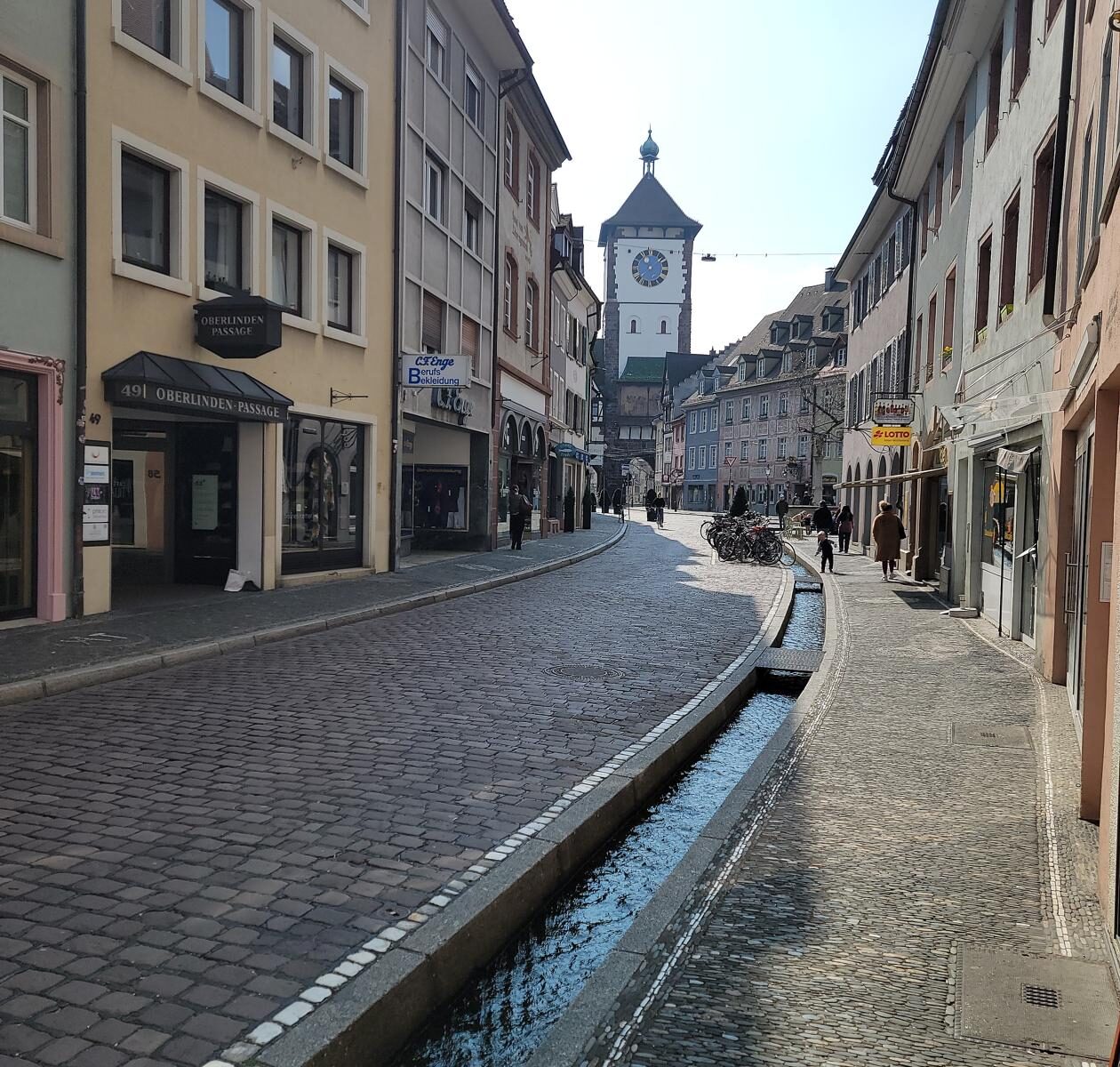
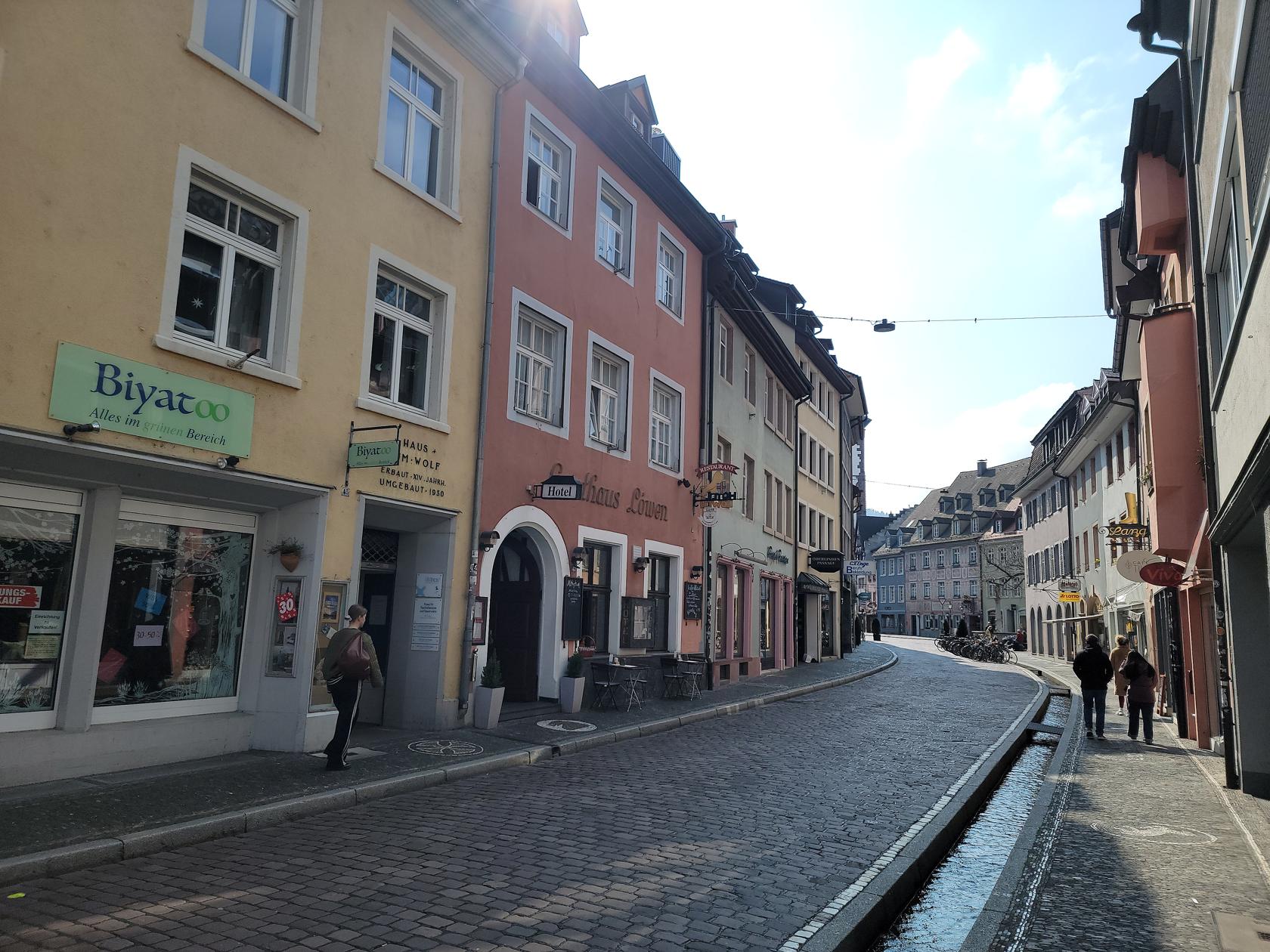
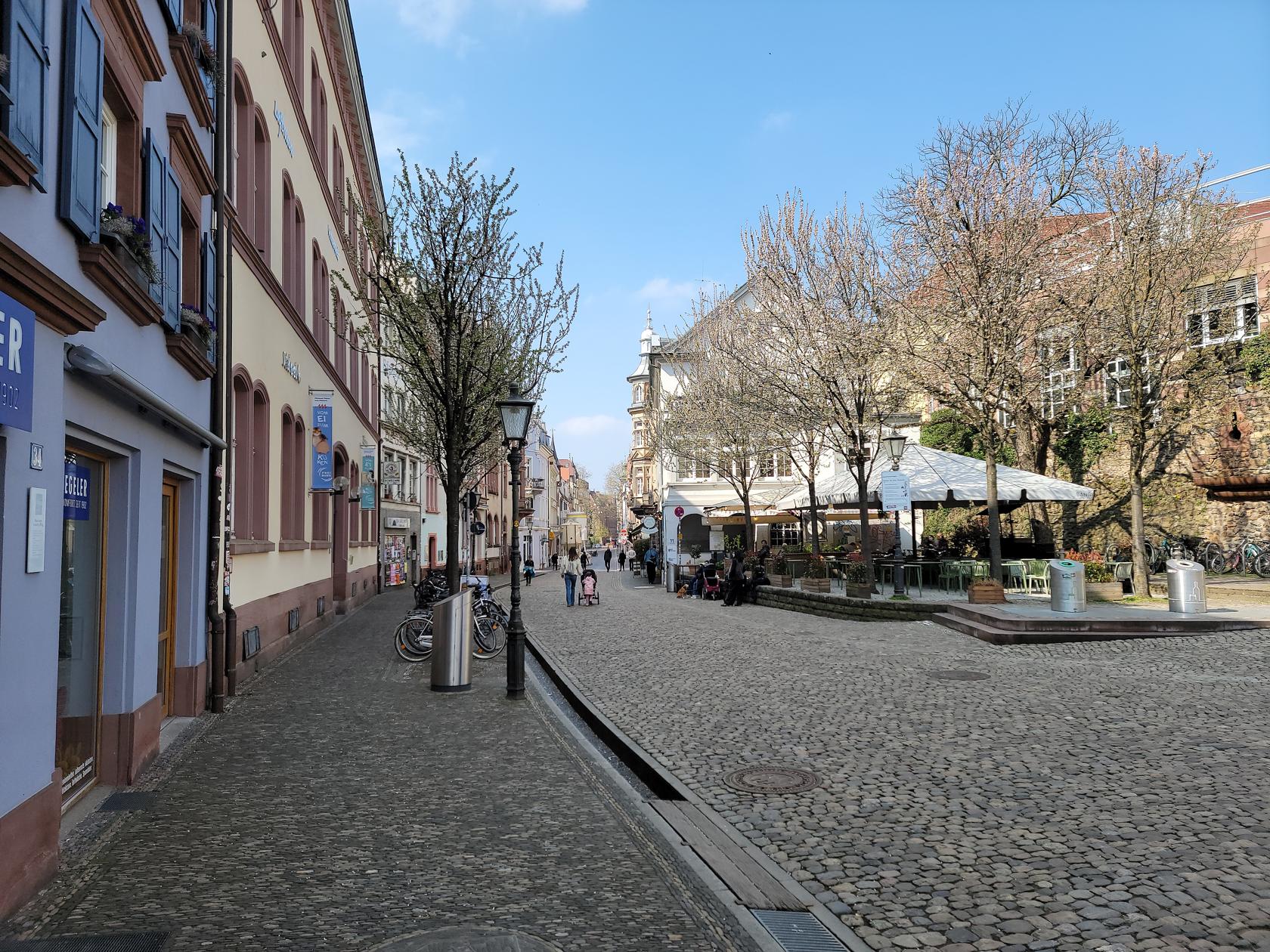
The one unique feature this city has over others that we have visited are its Bächle, or small streams or runnels that network themselves through most city streets. Though in the past they were used for waste disposal and fire suppression, their contemporary revision is much cleaner and used more for fun than anything functional.
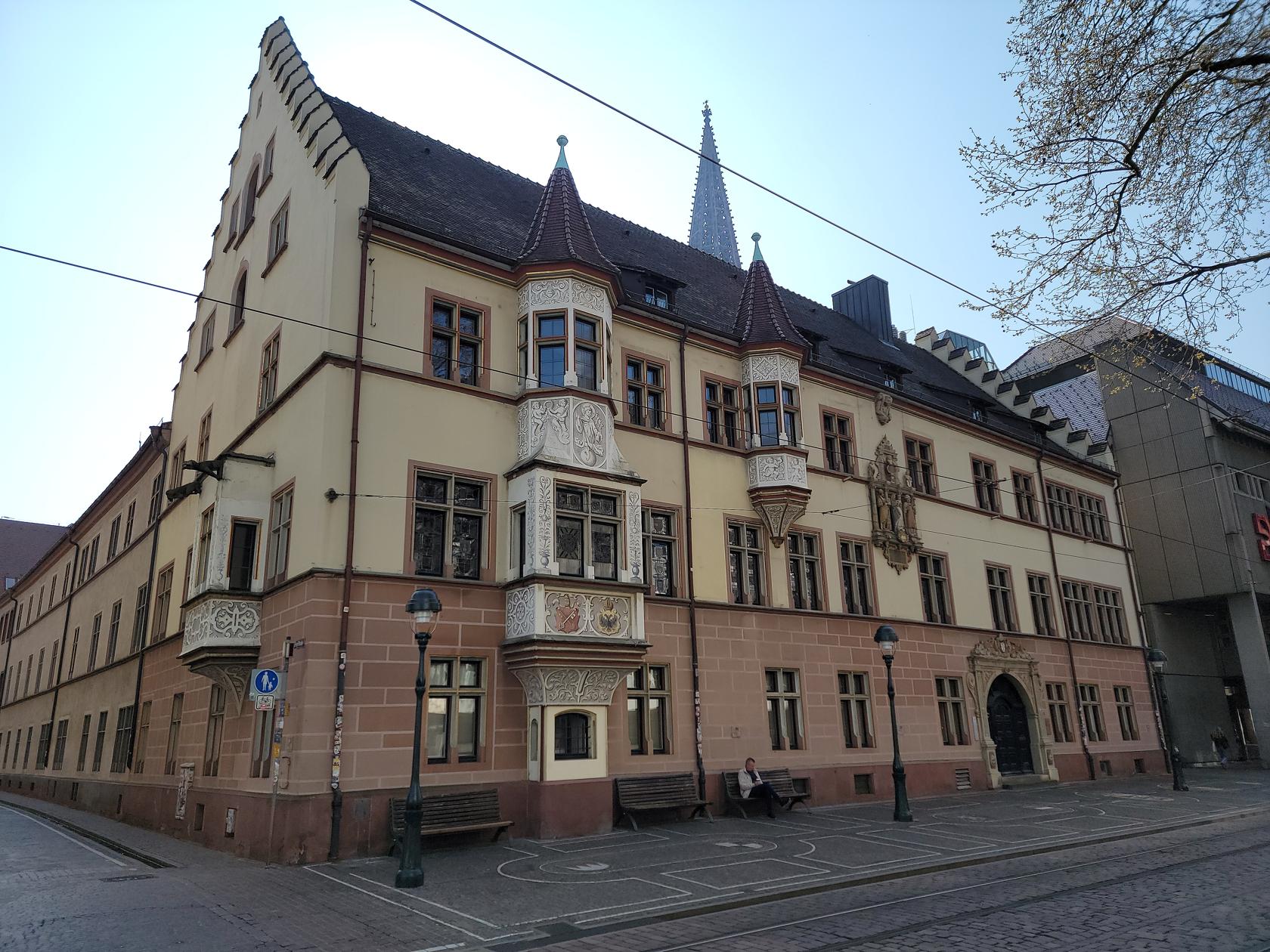
Freiburg im Breisgau
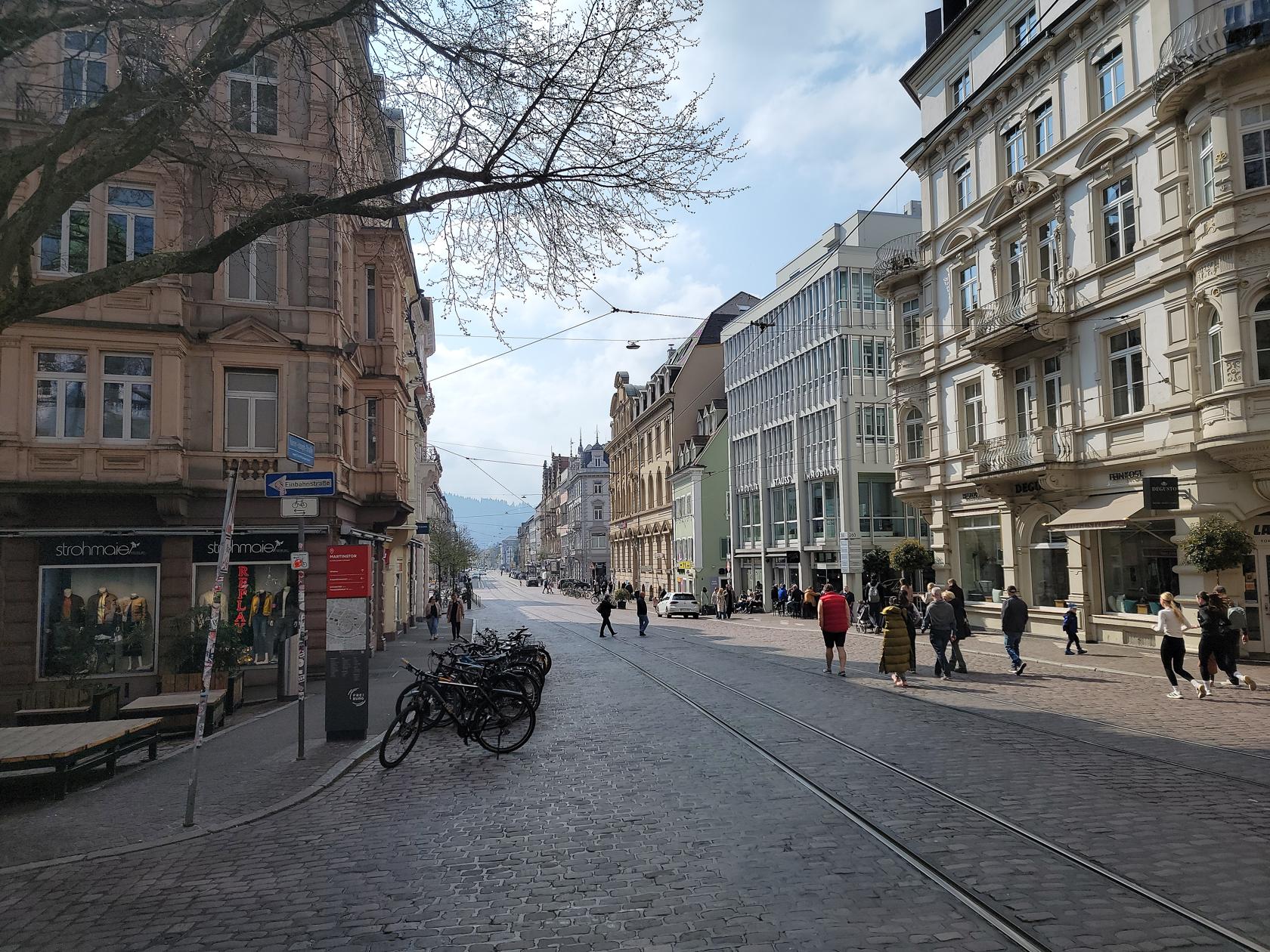
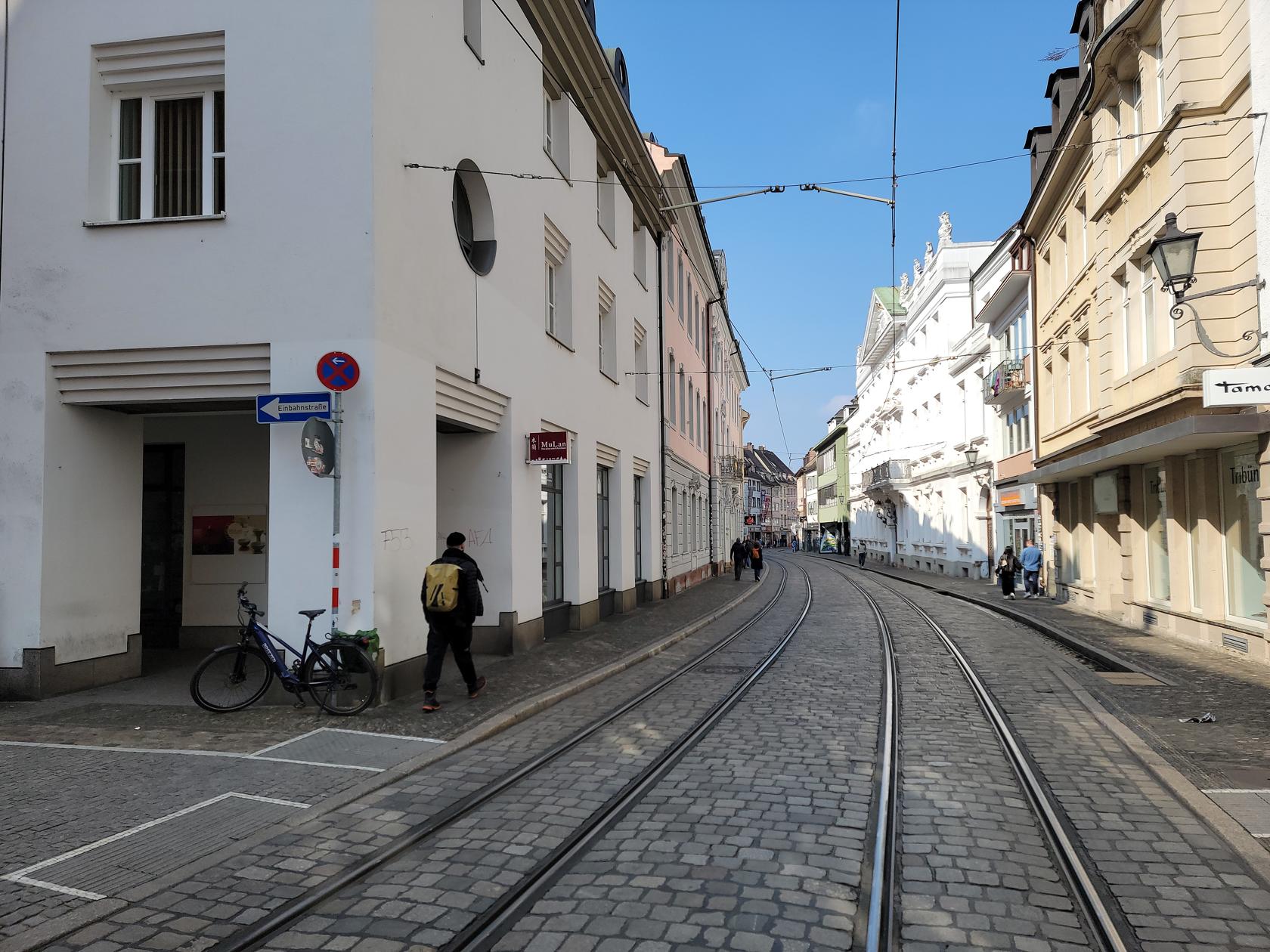
The city lays on the lower west side of the Schwarzwald, or the Black Forest. It is an odd mixture of contemporary and renovated old buildings, but appears to be very liveable. They have an active tram system and local buses, though the residents do appear to enjoy walking for the most part.
Kaiser-Josephstraße – Freiburg im Breisgau, Germany
Kaiser-Josephstraße – Freiburg im Breisgau, Germany
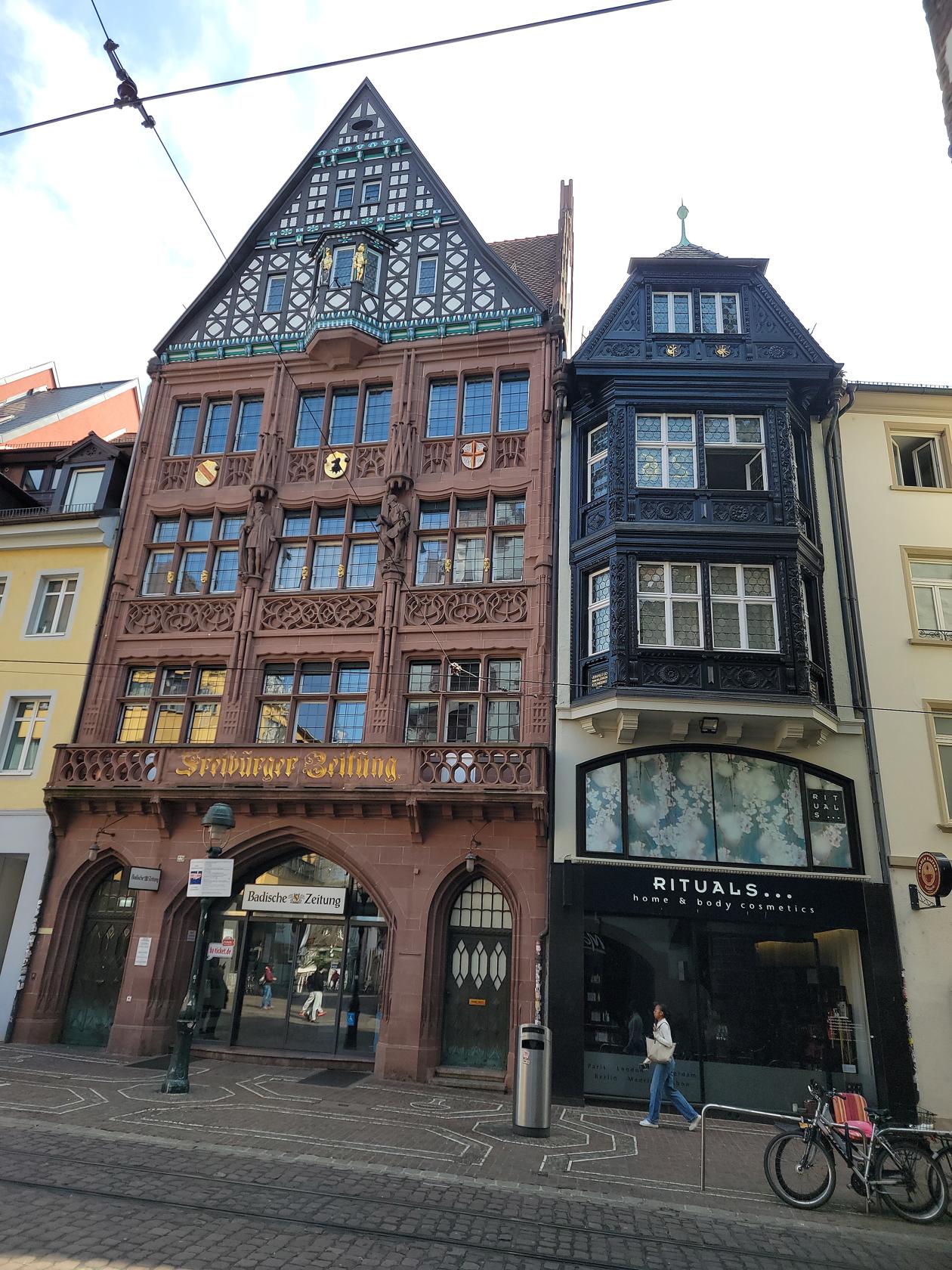
Old Freiburger Zeitung Building – Kaiser-Josephstraße – Freiburg im Breisgau, Germany
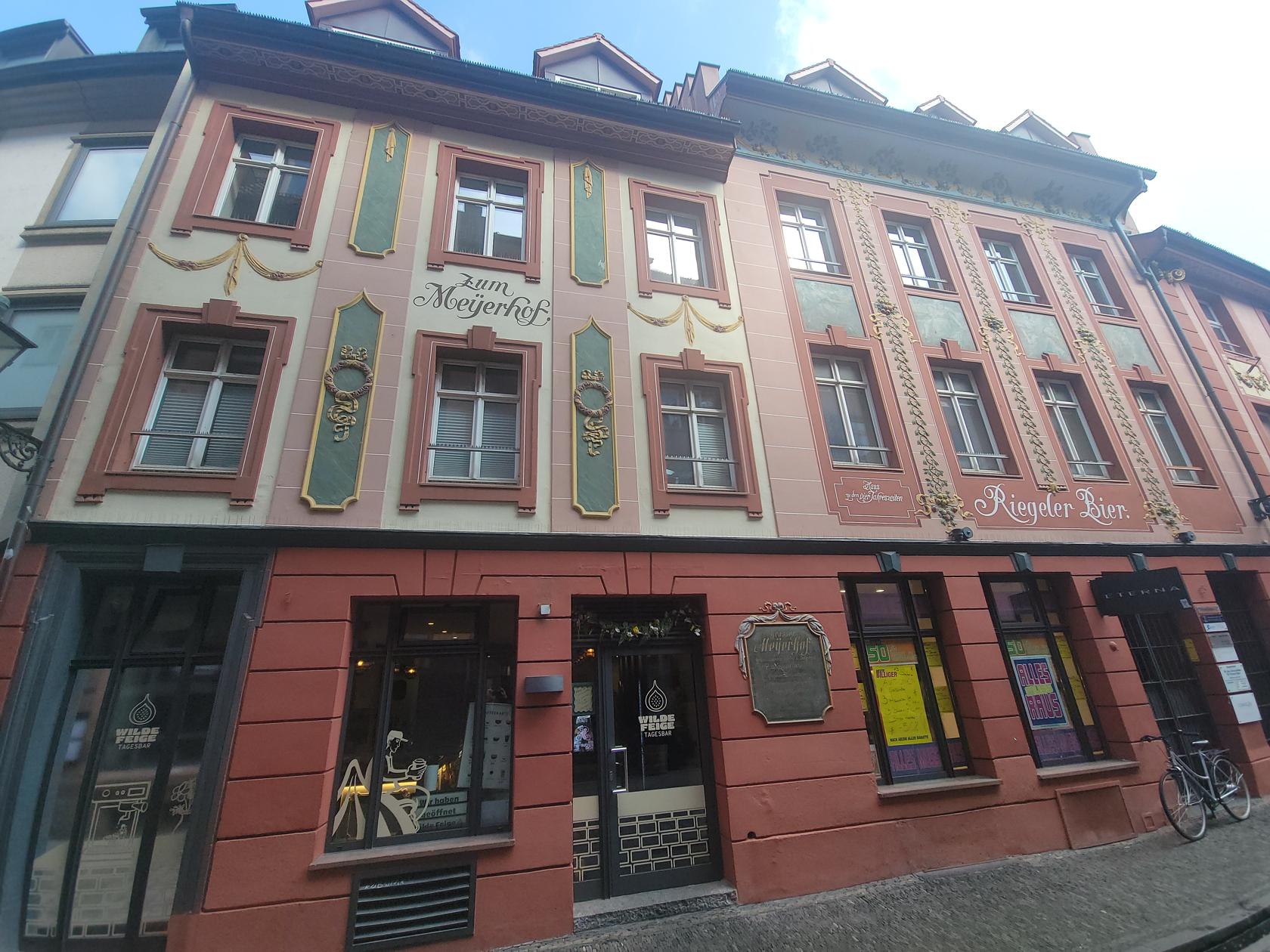
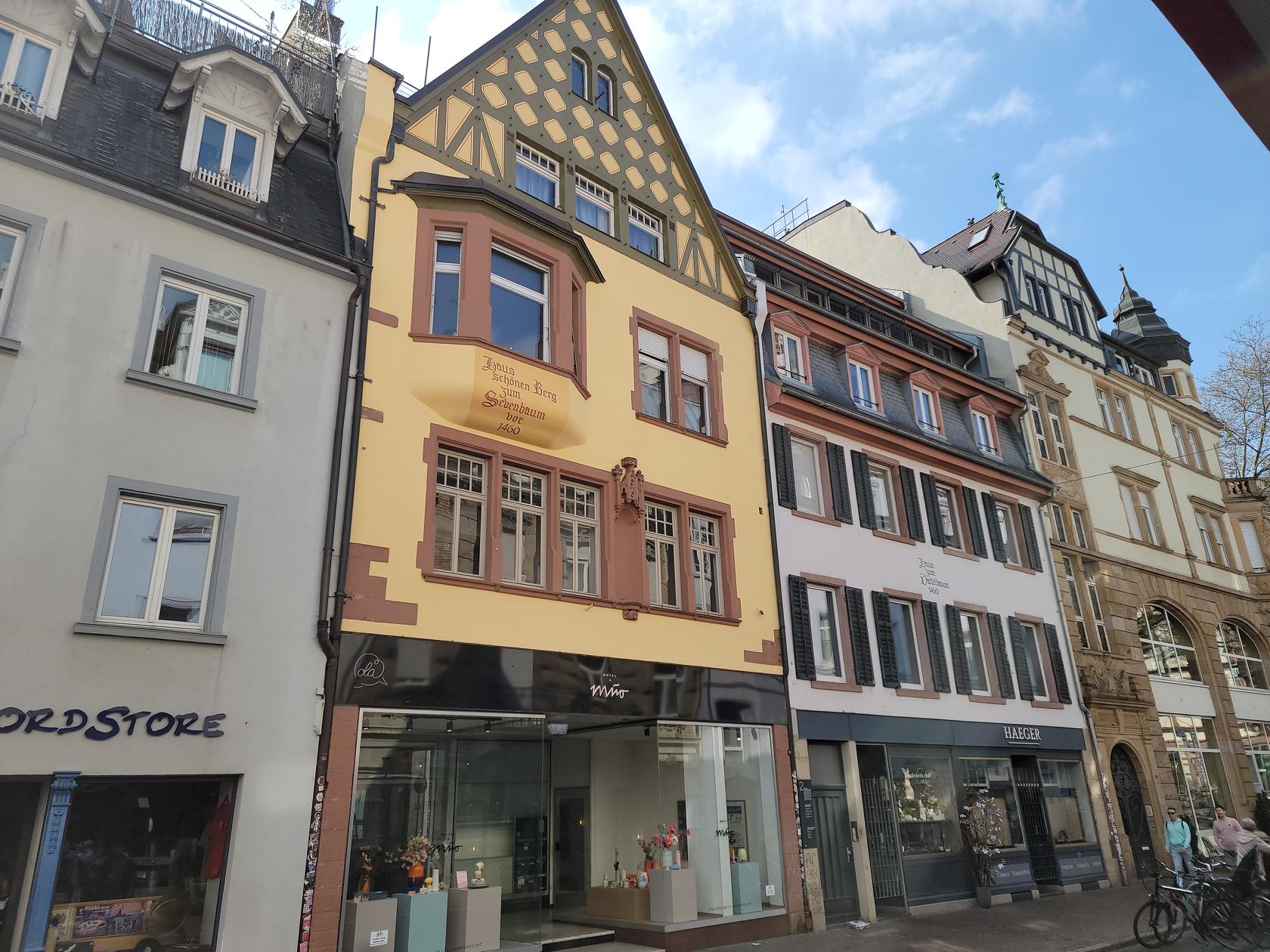
Zum Meijerhof Restaurant Building – Grünwälderstraße – Freiburg im Breisgau, Germany
Getting There
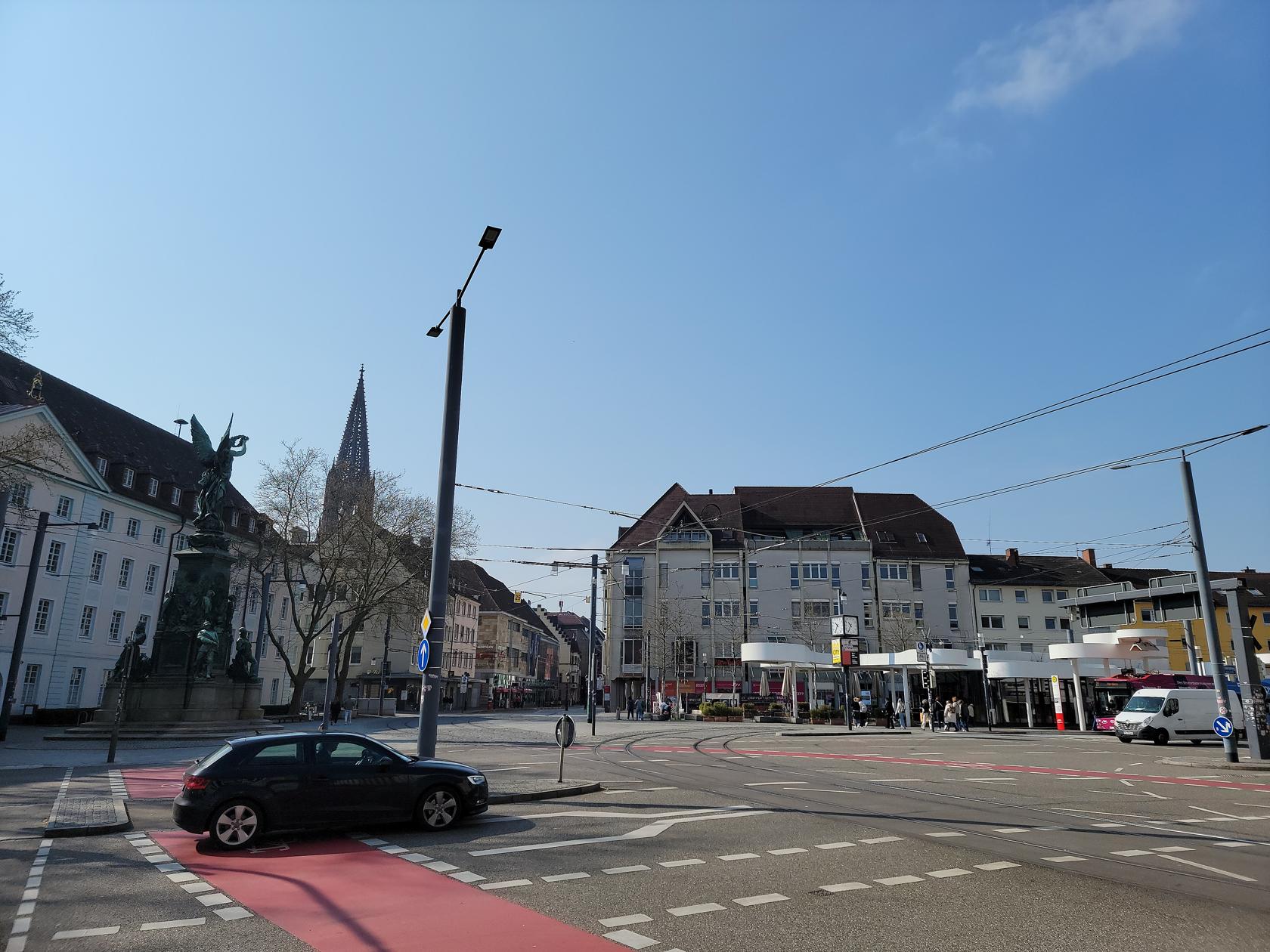
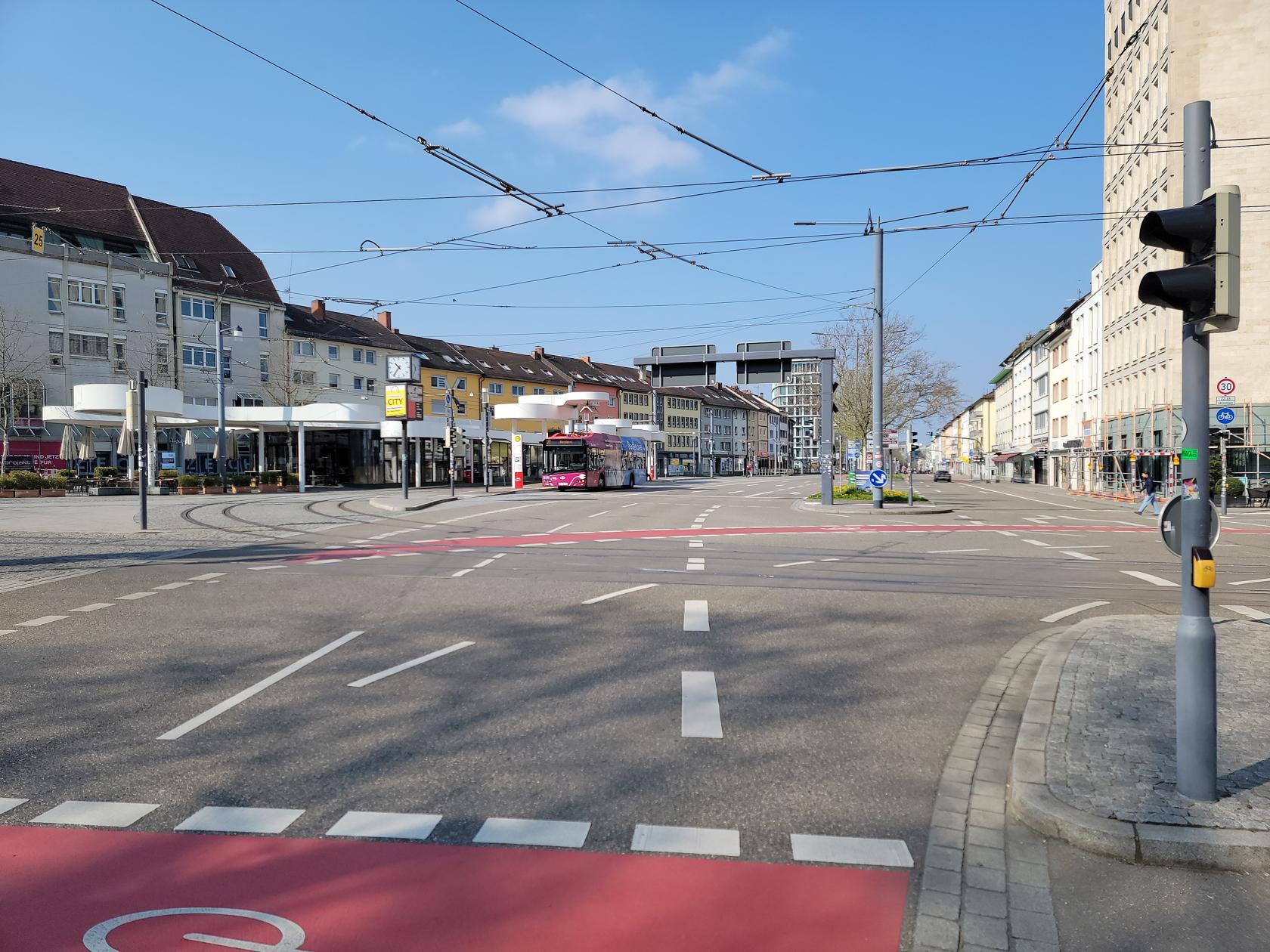
It is almost necessary to use the A5 to reach the city, though I imagine there might be other ways as well. We entered from the north, via Europaplatz, where we found adequate parking nearby. Europaplatz offers access to the tram system and might be a good starting point for those not wishing to walk.
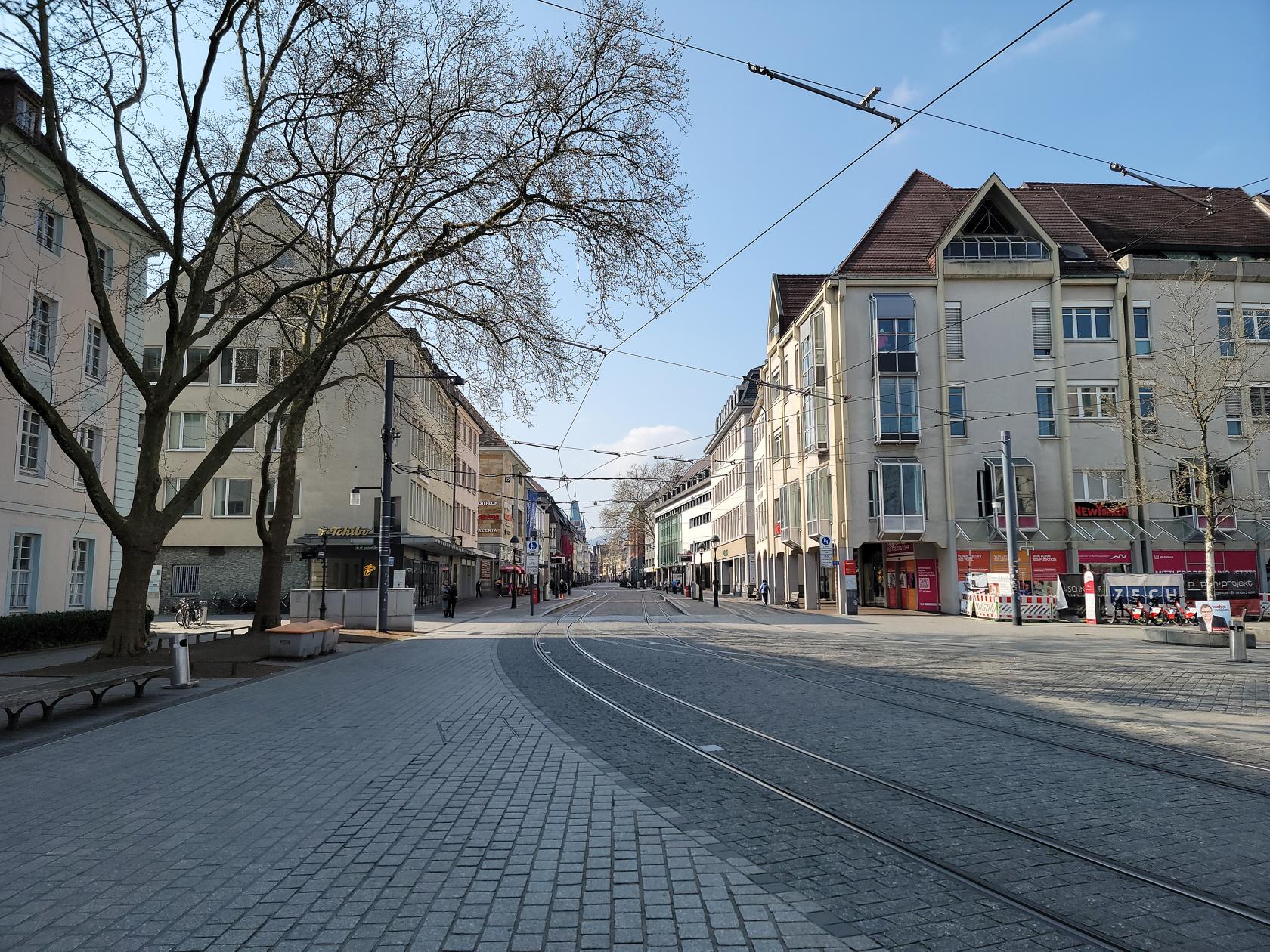
Habsburgerstraße – Europaplatz – Freiburg im Breisgau, Germany
Friedrichring – Freiburg im Breisgau, Germany
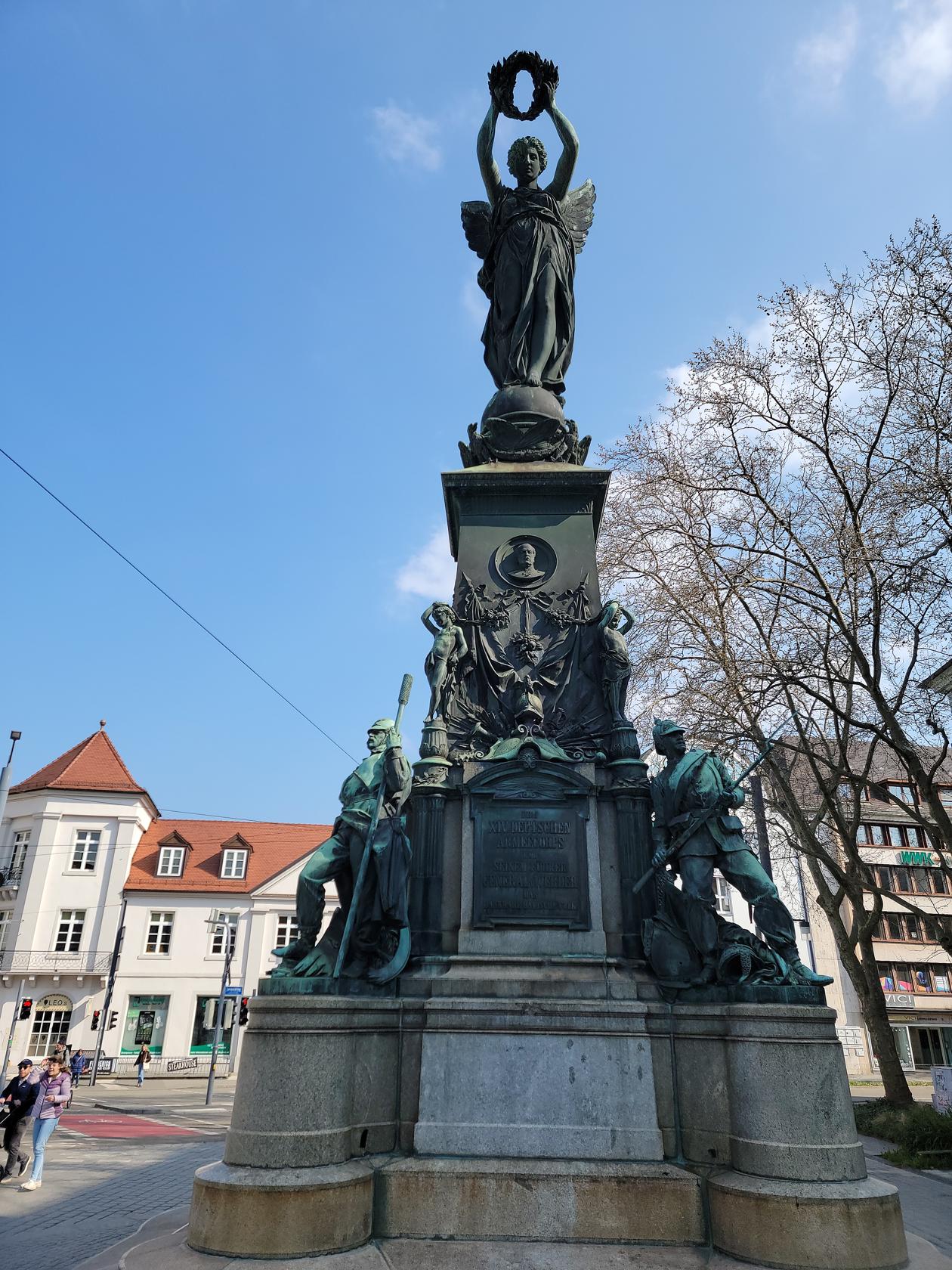
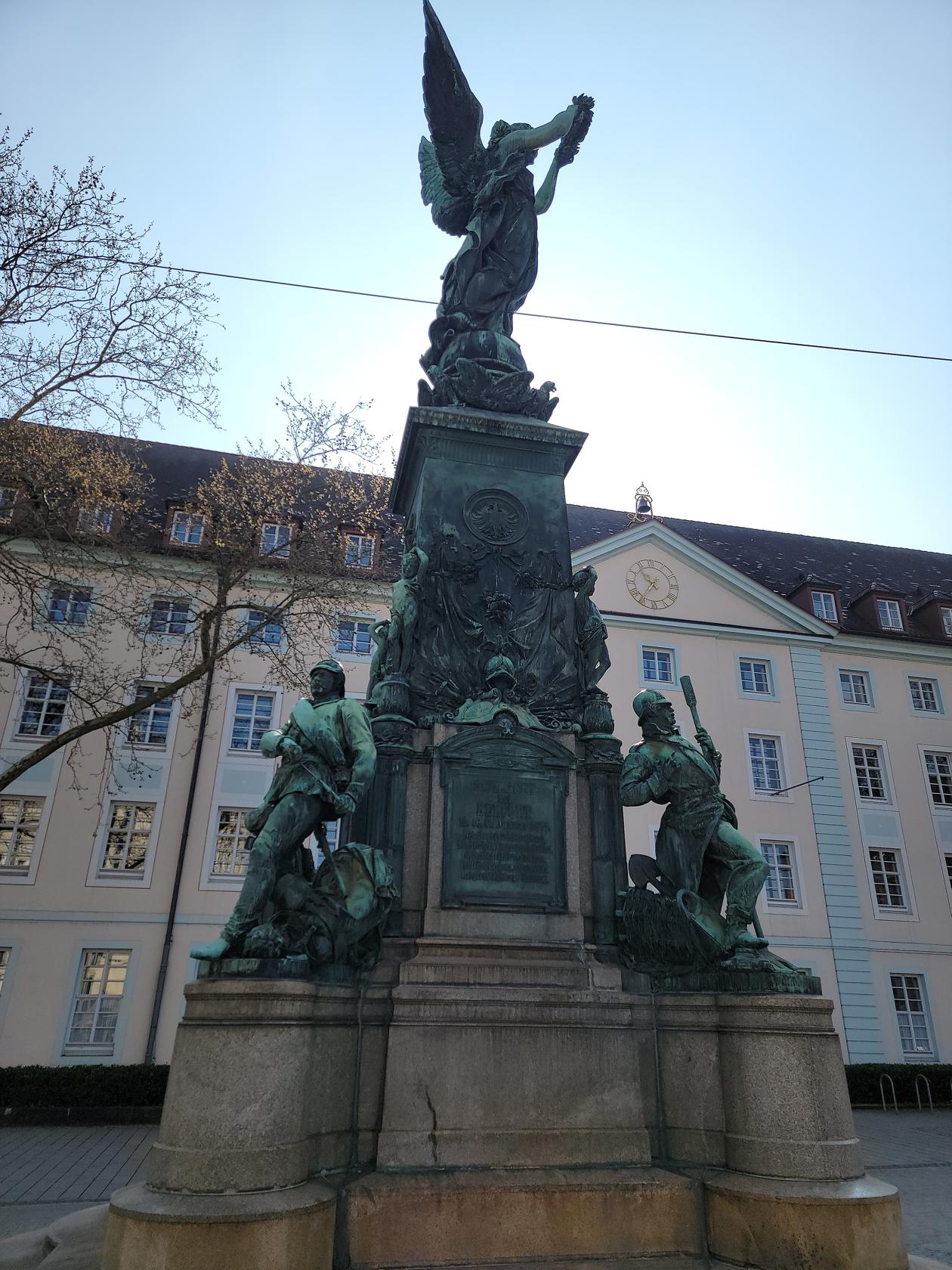
Kaiser-Josephstraße – Monument – Europaplatz – Freiburg im Breisgau, Germany
Kaiser-Josephstraße – Monument – Europaplatz – Freiburg im Breisgau, Germany
Kaiser-Josephstraße – Freiburg im Breisgau, Germany
Kaiser-Josephstraße – Freiburg im Breisgau, Germany
The Bächle
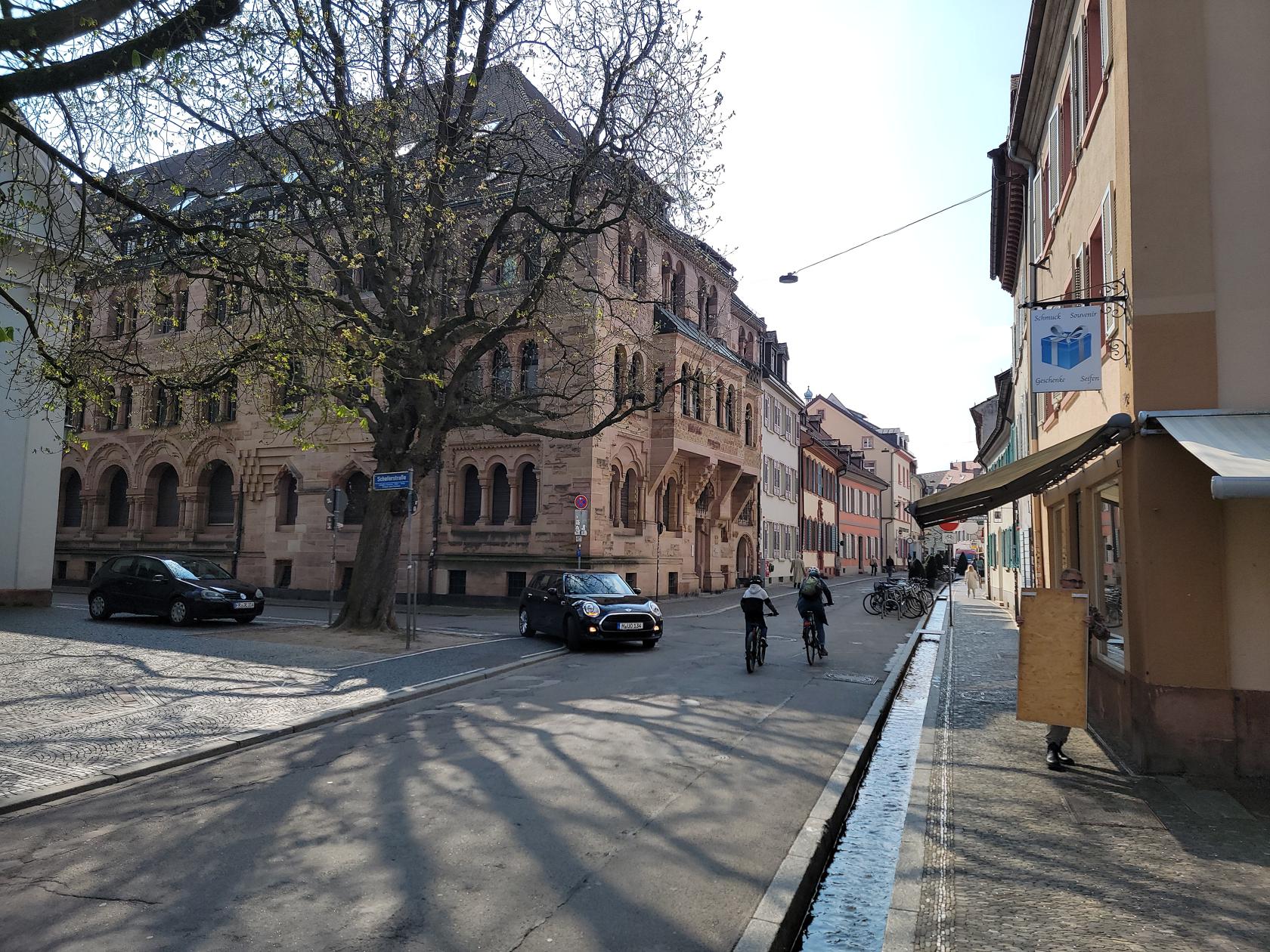
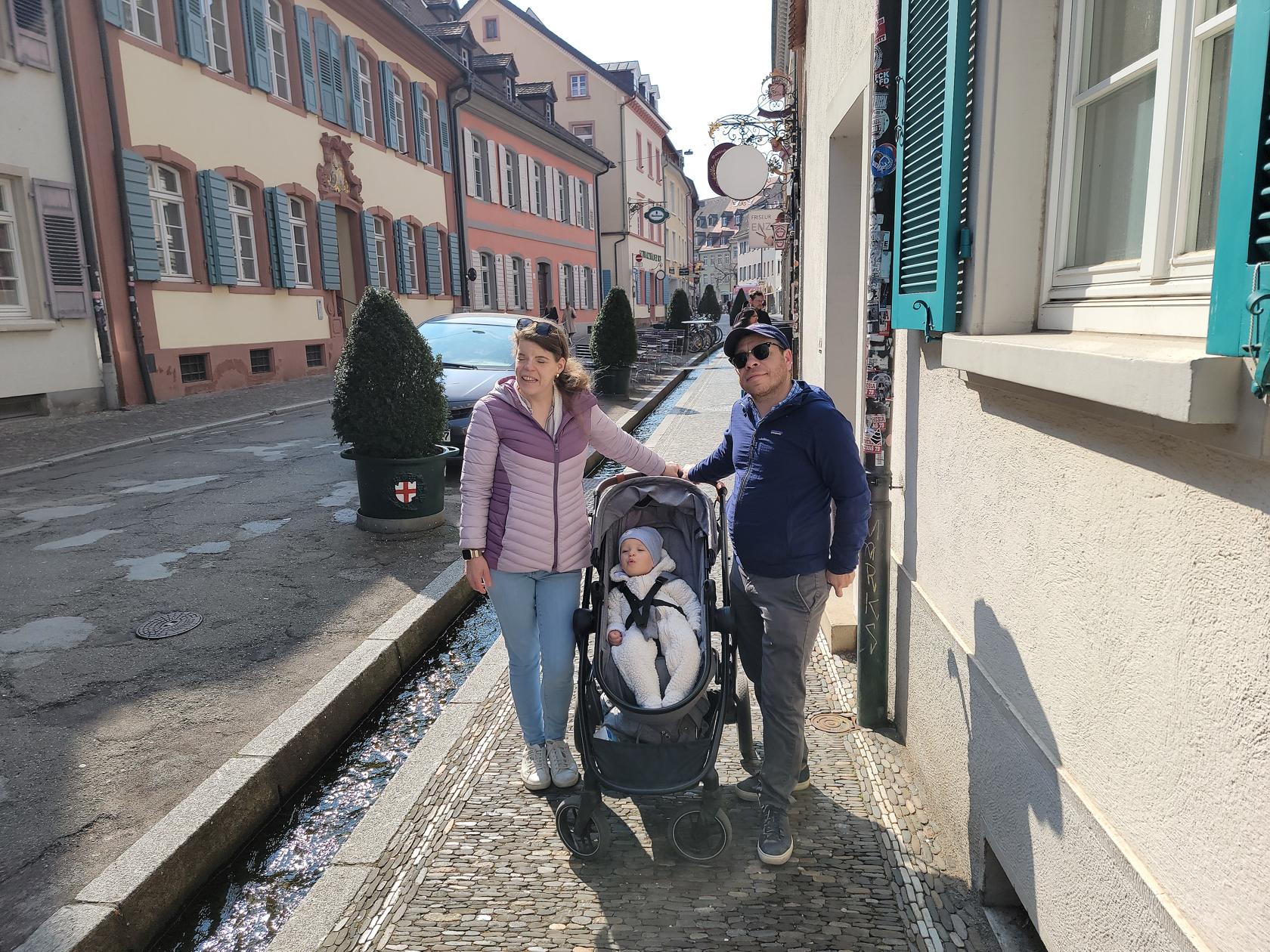
The Bächle[1]the term is Bächlein in german are on most streets, at least in the older parts of the city. As a child, if you’ve ever had the occasion to play in a small stream or ditch, then you would just love Freiburg im Breisgau. They sure delight the city children. The city appears to be very child friendly and they even sell little boats on a string for children to play with in the Bächle.
Bächle – Freiburg im Breisgau, Germany
Ericka, Vlad and Gabi – Bächle – Freiburg im Breisgau, Germany
Bächle – Freiburg im Breisgau, Germany
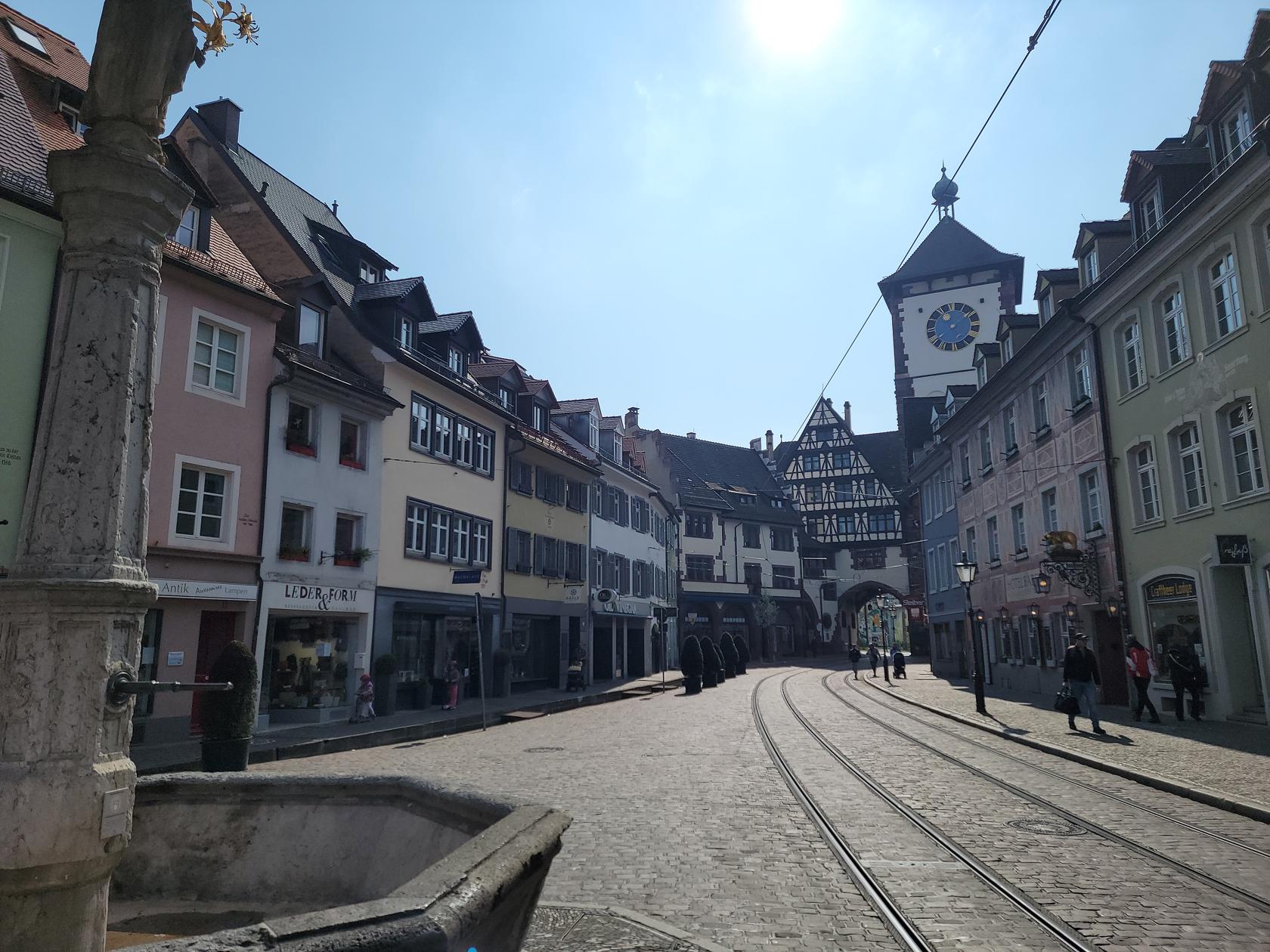
Schwabentor
The Schwabentor, or Swabian Gate, is the most recent gate to the city and is located on Herrenstraße, another street which has a Bächle.
Oberlindenbrunnen and Schwabentor – Herrenstraße – Freiburg im Breisgau, Germany
Herrenstraße – Freiburg im Breisgau, Germany
Freiburger Münster
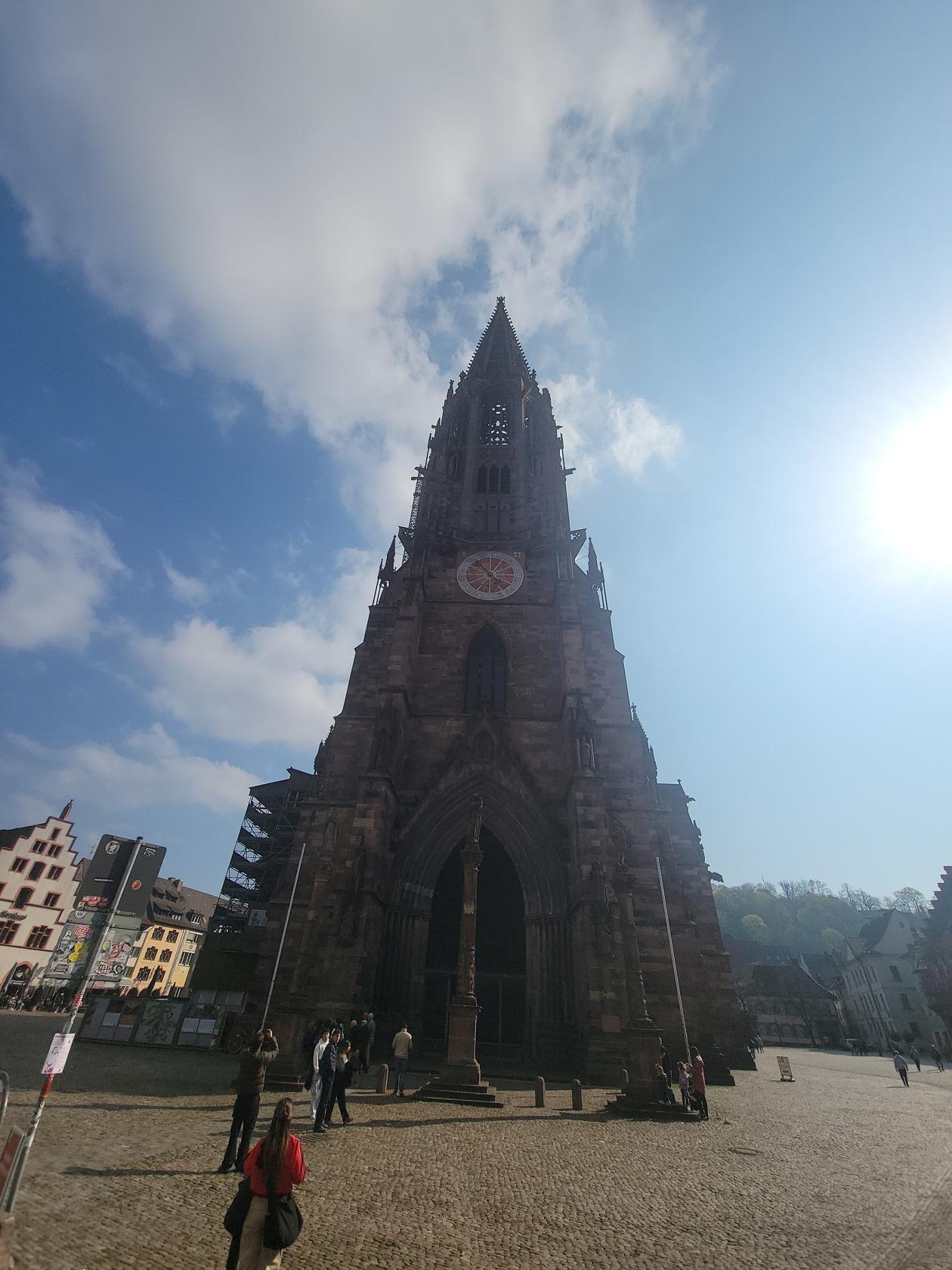
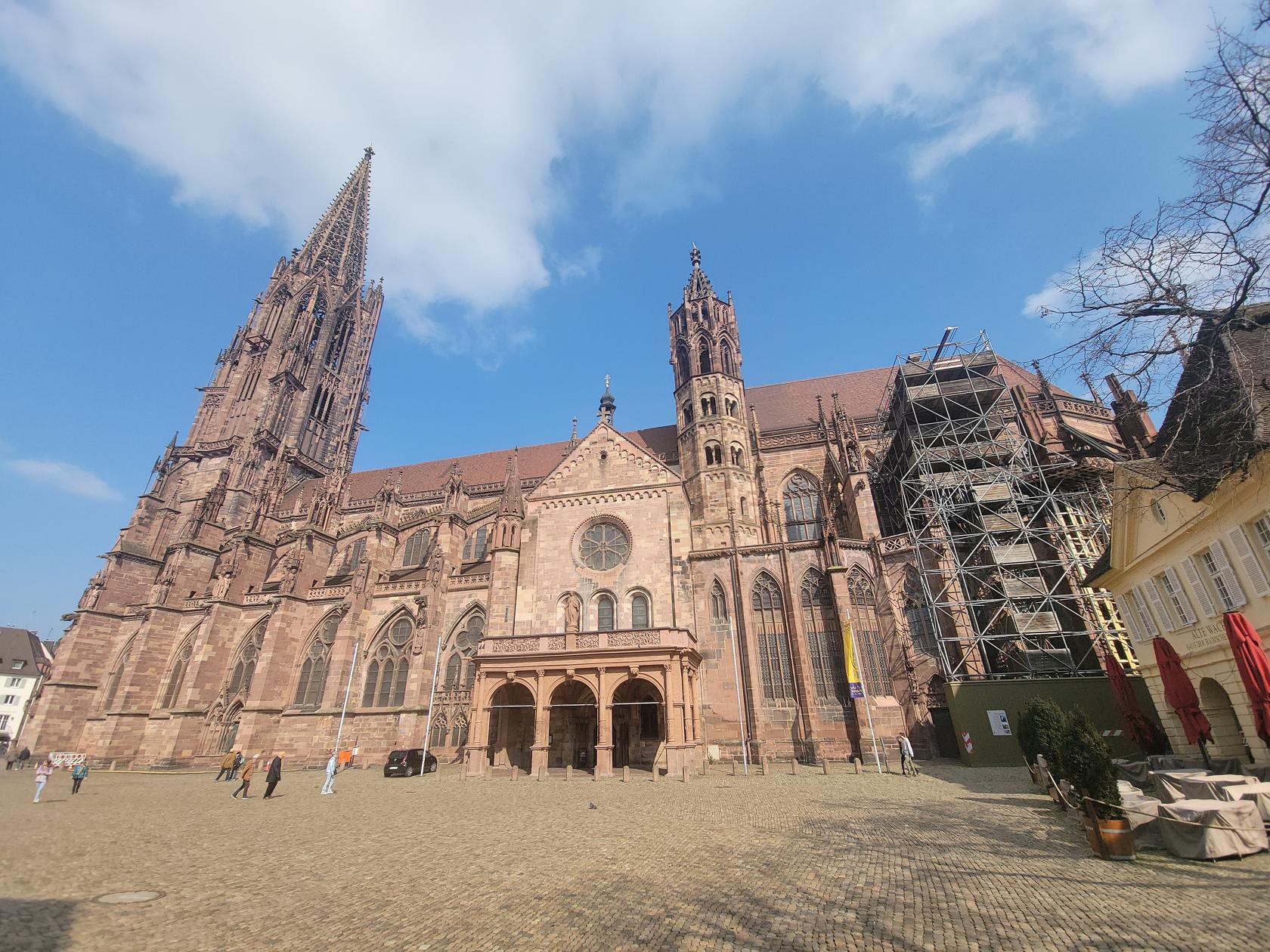
The first bricks for the large gothik style Freiburger Münster, or Münster Unserer Lieben Frau, were laid around 1146. After several incantations as a small unassuming church through 1260, the church was redesigned with new importance in the late 1200s. It wasn’t until the late 1400s that it attained is final form one can see today.
Freiburger Münster Cathedral – Freiburg im Breisgau, Germany
Freiburger Münster Cathedral – Freiburg im Breisgau, Germany
Münsterplatz And Merchant’s Hall
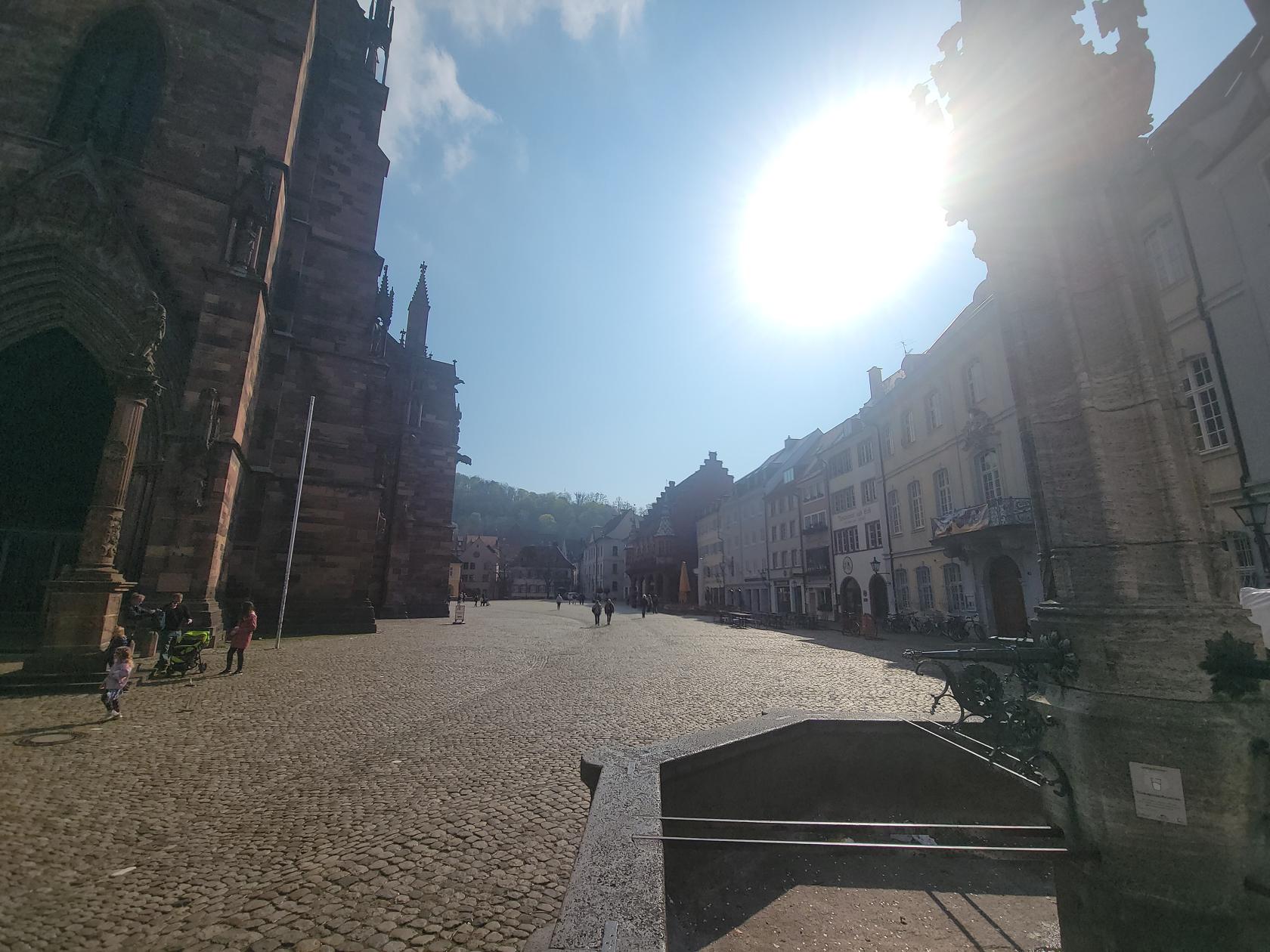
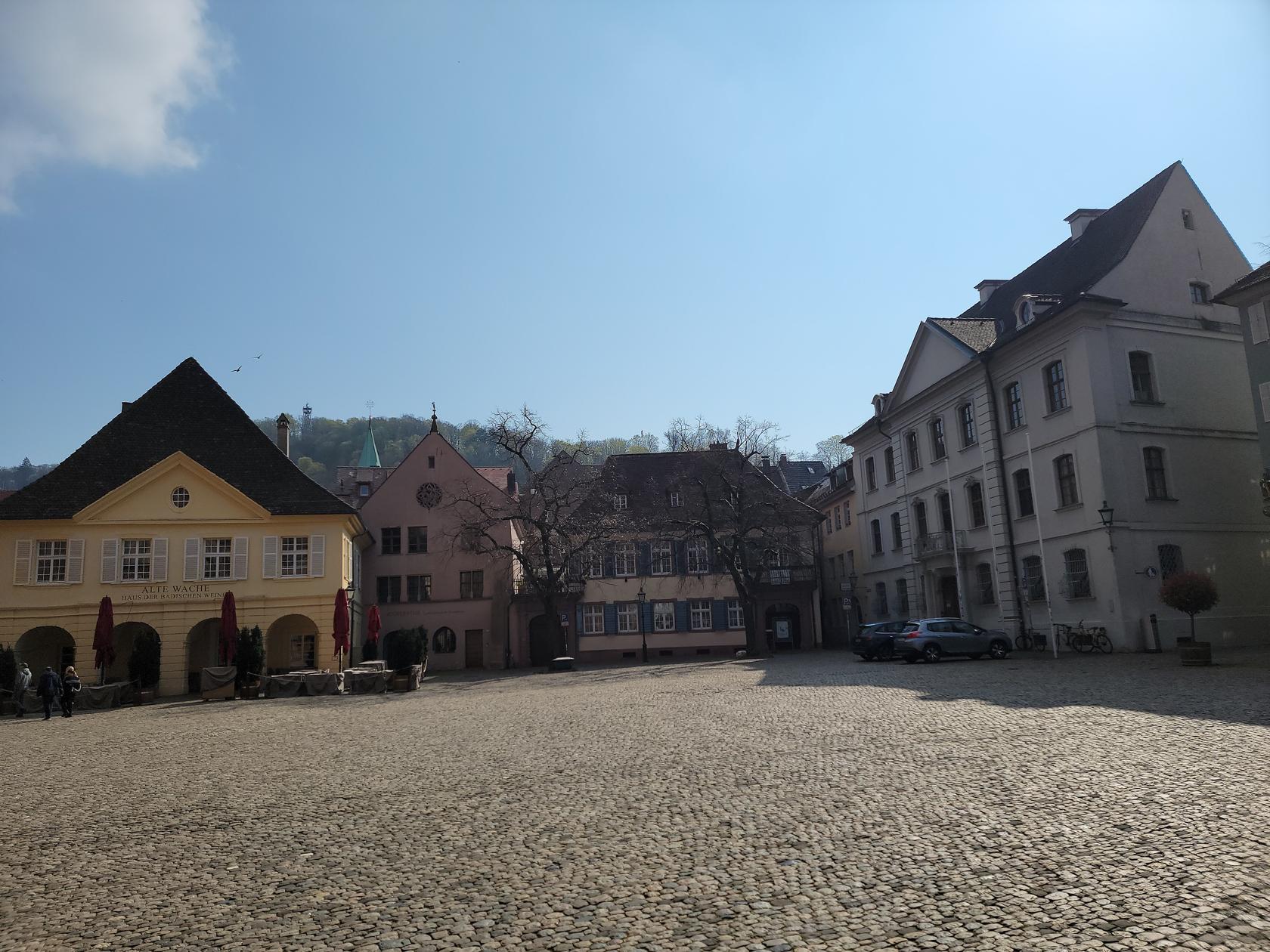
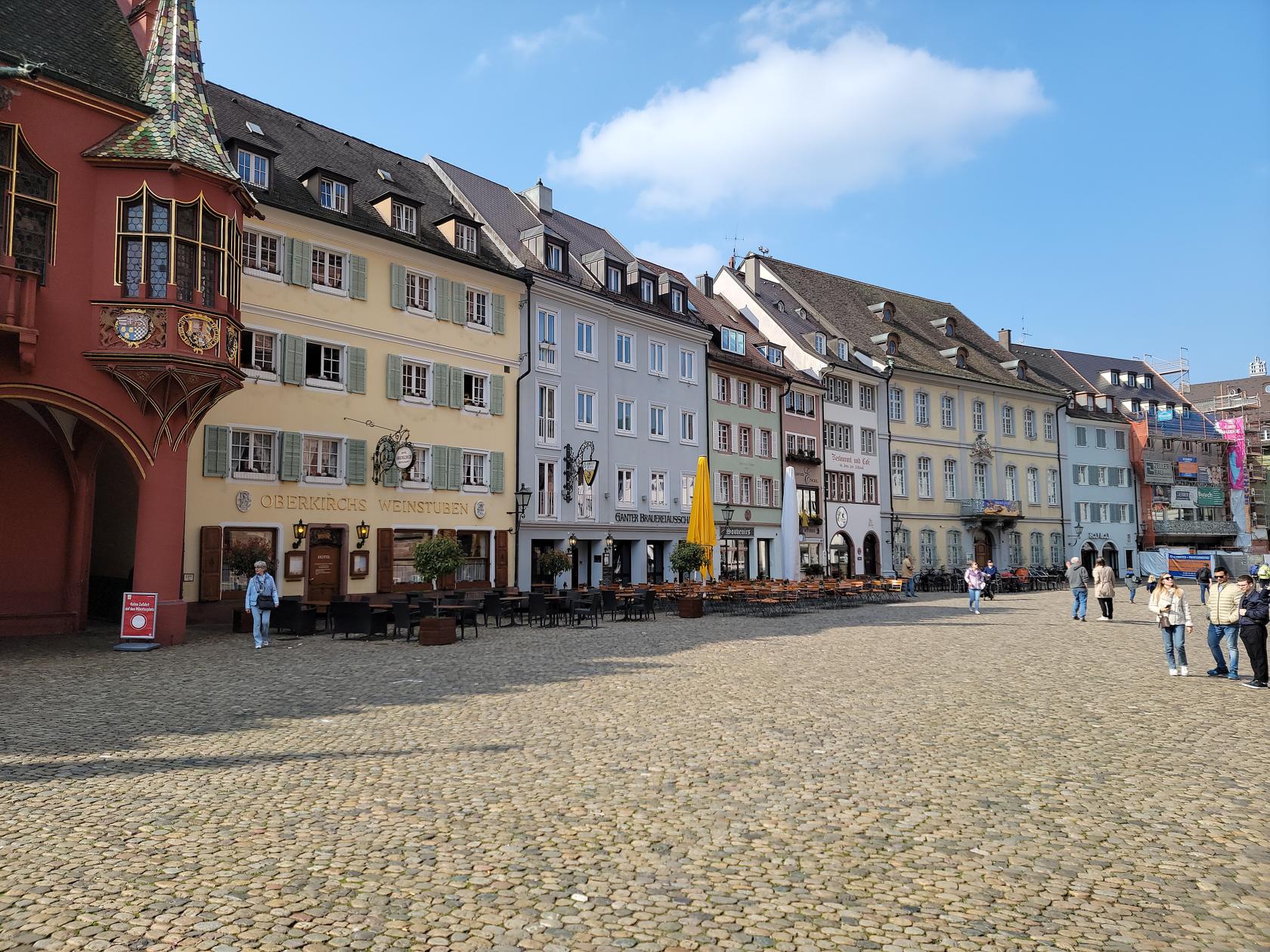
The Münsterplatz is adjacent to the cathedral and includes several city buildings and businesses.
Münsterplatz – Freiburg im Breisgau, Germany
Münsterplatz – Freiburg im Breisgau, Germany
Münsterplatz – Freiburg im Breisgau, Germany
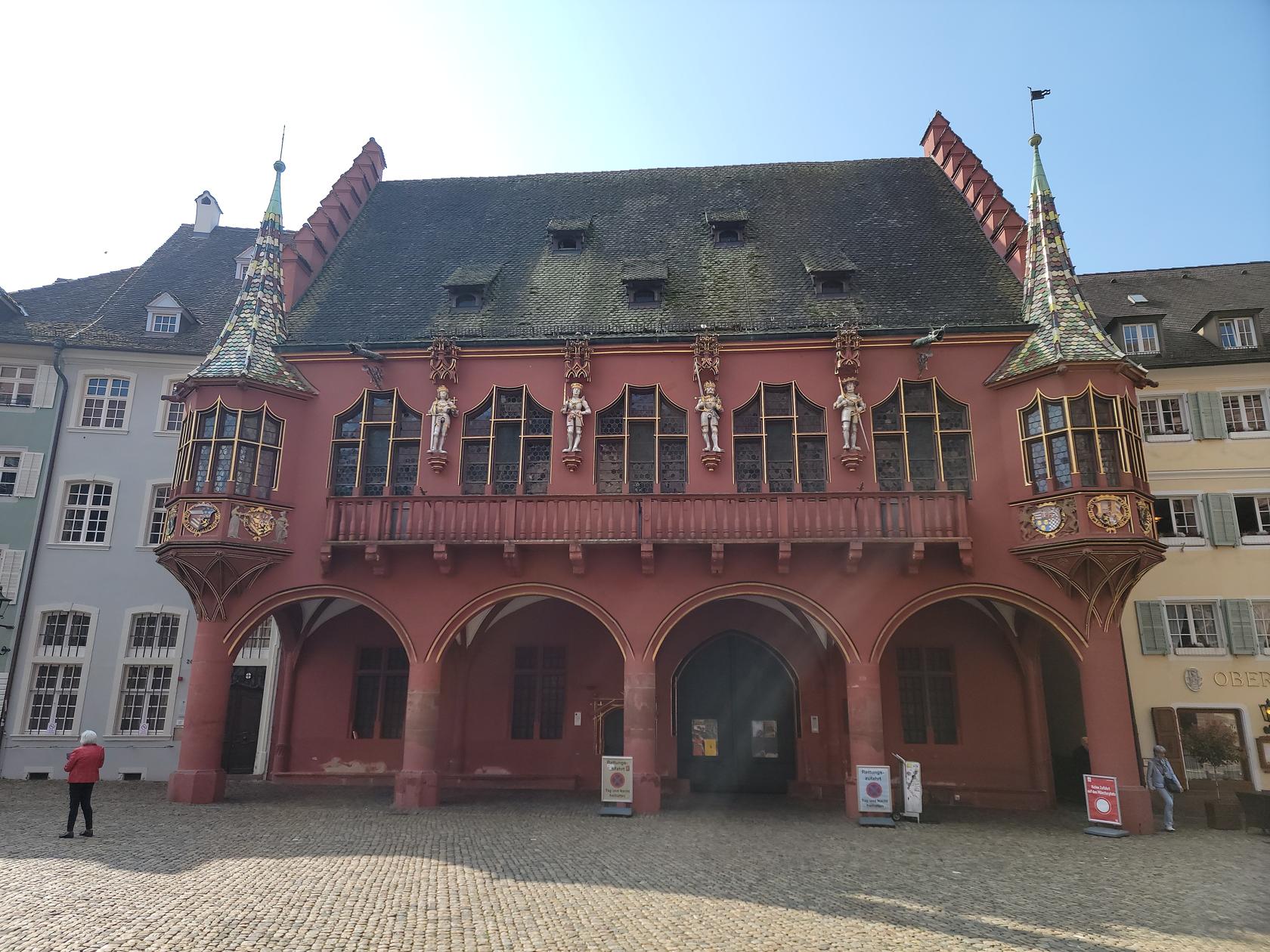
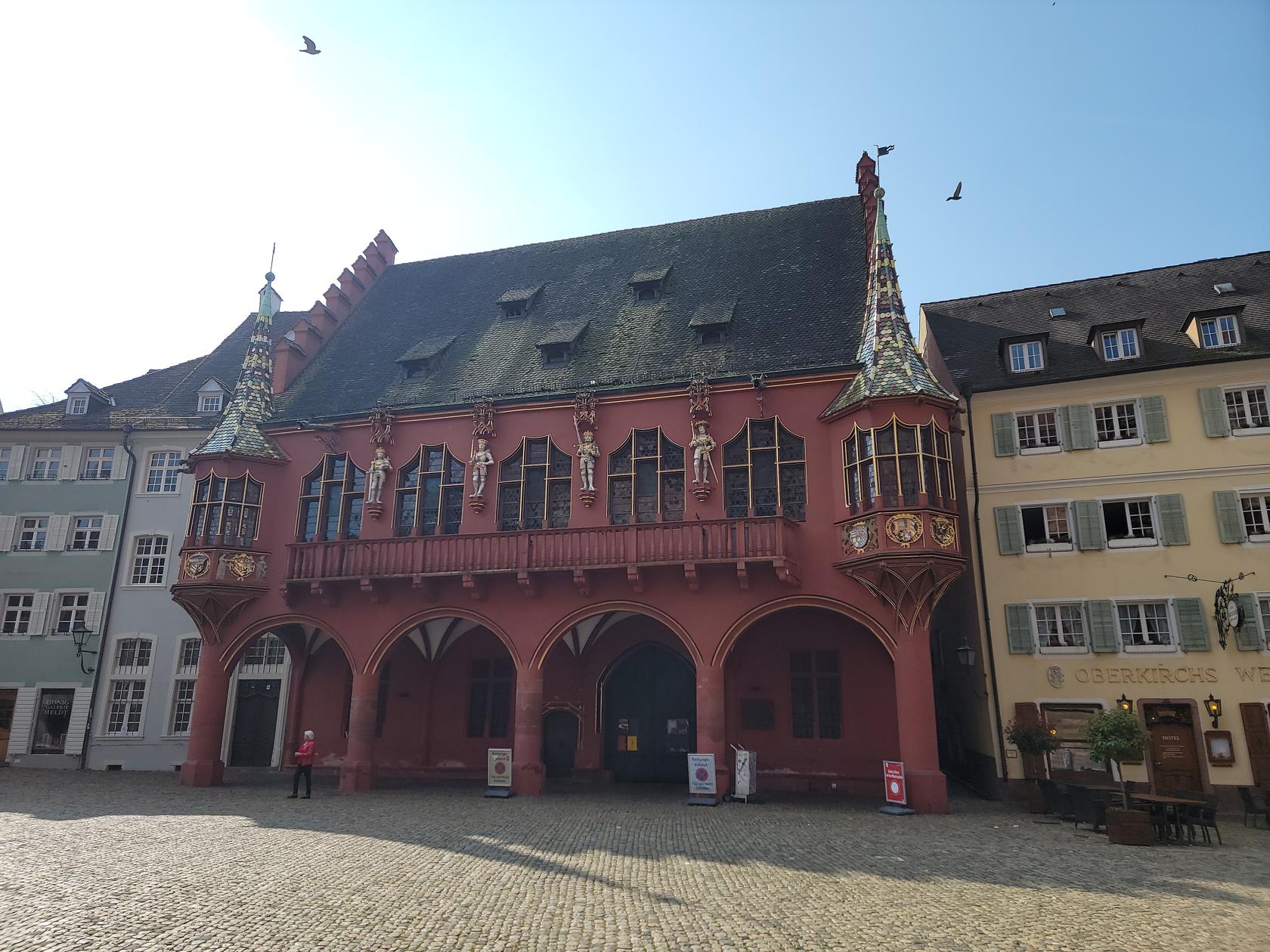
One historic building that stands out in Münsterplatz is the Historisches Kaufhaus, or Merchant’s Hall. With its striking red exterior it is impossible to miss and the result of contemporary renovations, having suffered bomb damage and other design changes throughout the years. The facade today is adorned with replicas of Holy Roman Emperors and an Archduke, who did not become emperor because he died before his father and didn’t inherit all of his father’s titles.
Merchants Hall – Münsterplatz – Freiburg im Breisgau, Germany
Merchants Hall – Münsterplatz – Freiburg im Breisgau, Germany
Augustinerplatz
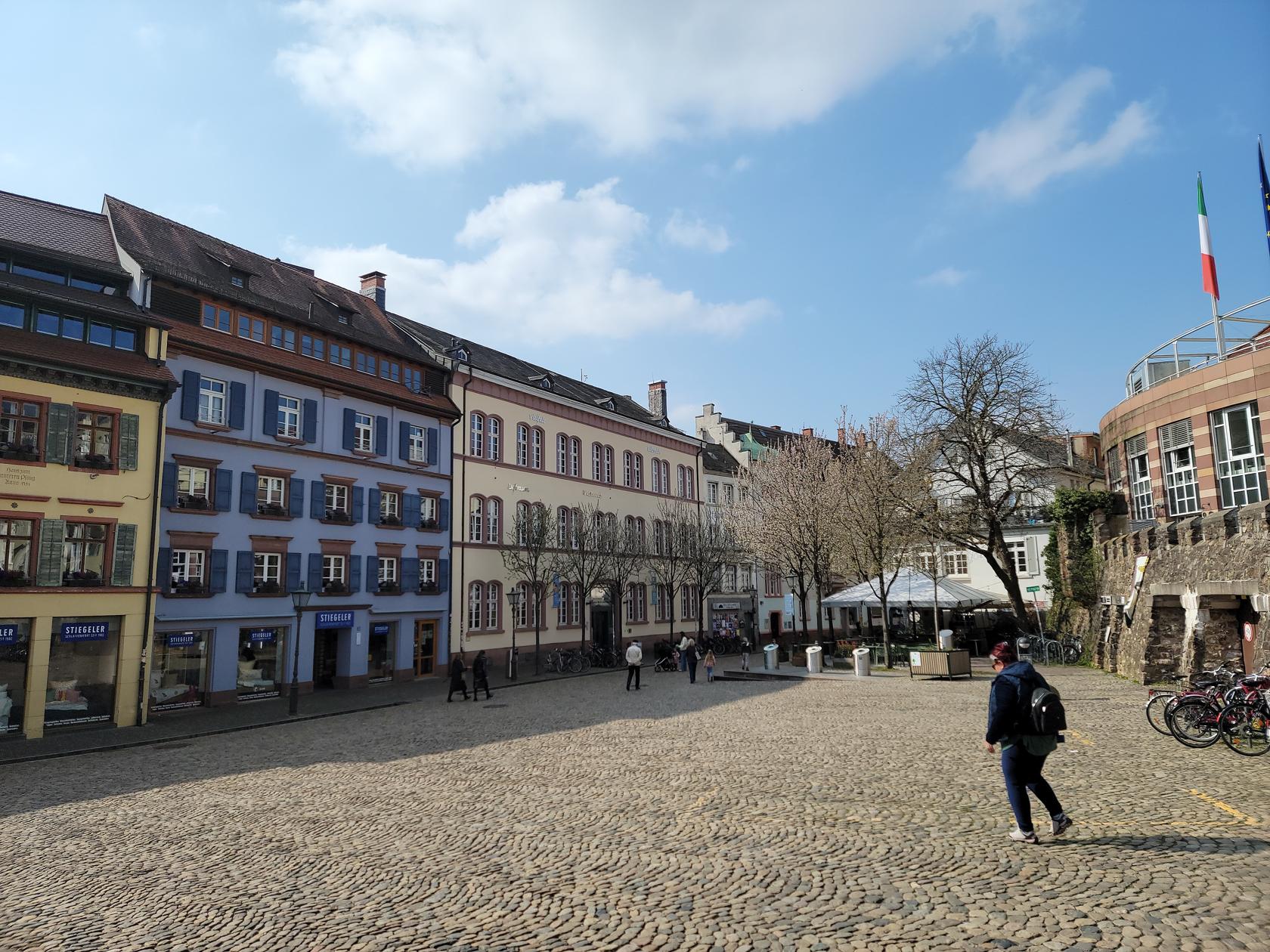
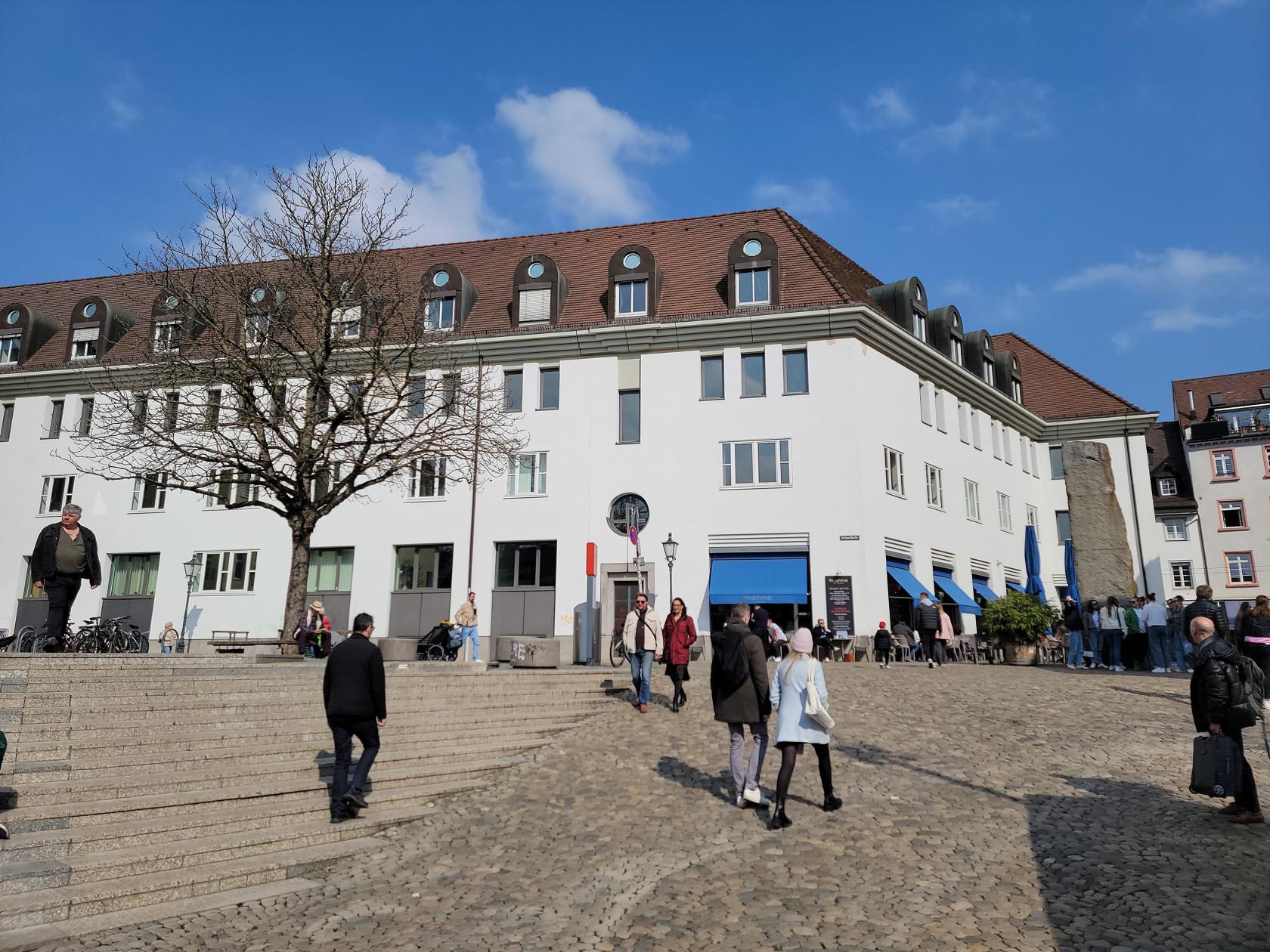
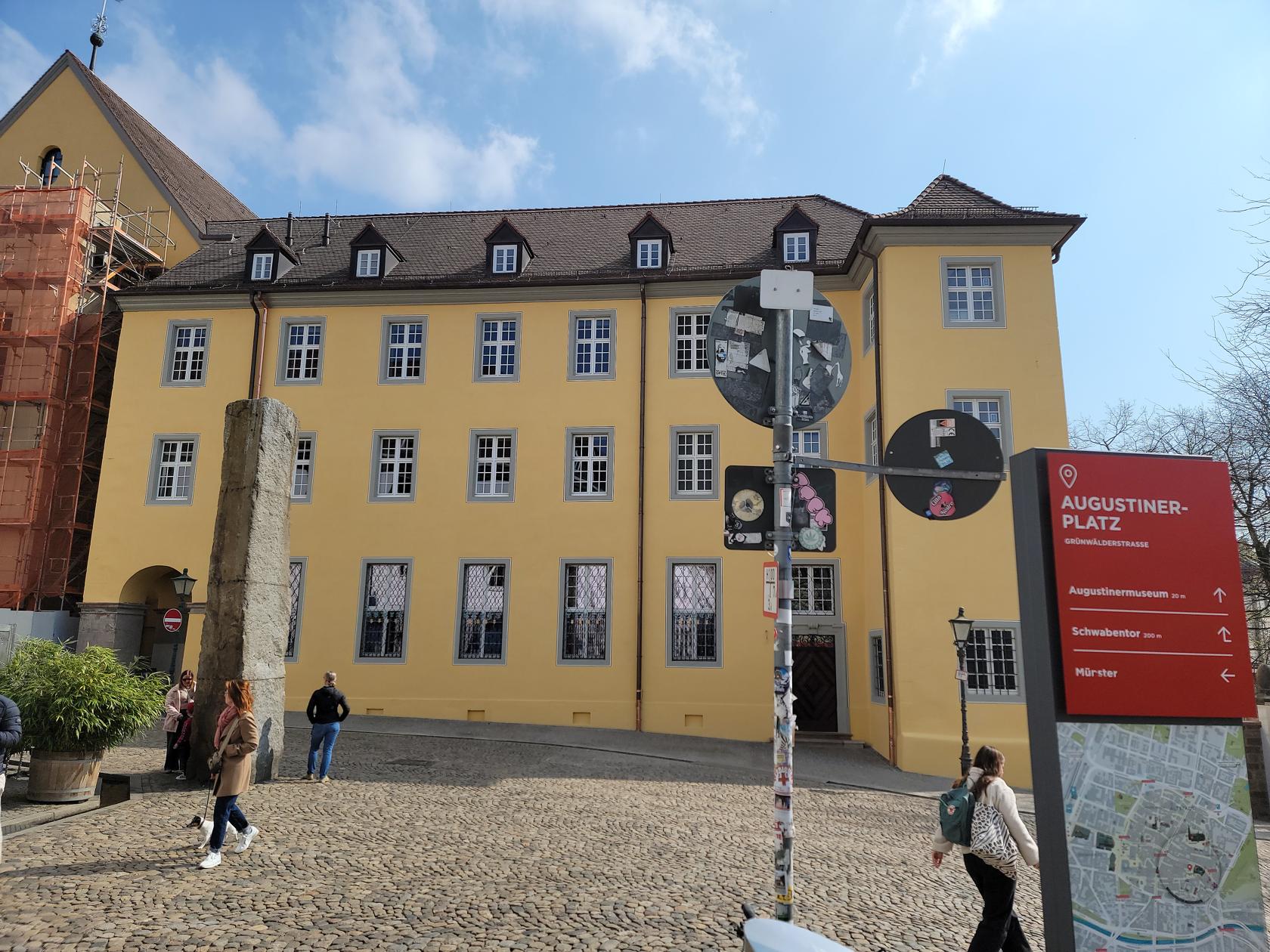
Though not much to look at the Augustinerplatz is where the museum and several other important government buildings are located, including for us ironically, the Italian Consulate.
Augustinerplatz – Freiburg im Breisgau, Germany
Augustinerplatz – Freiburg im Breisgau, Germany
Gerberau – Augustinerplatz – Freiburg im Breisgau, Germany
Museum – Augustinerplatz – Freiburg im Breisgau, Germany
Connecting Augustinerplatz to Kaiser-Josephstraße is Gerberau street.
Gerberau – Freiburg im Breisgau, Germany
Martinstor
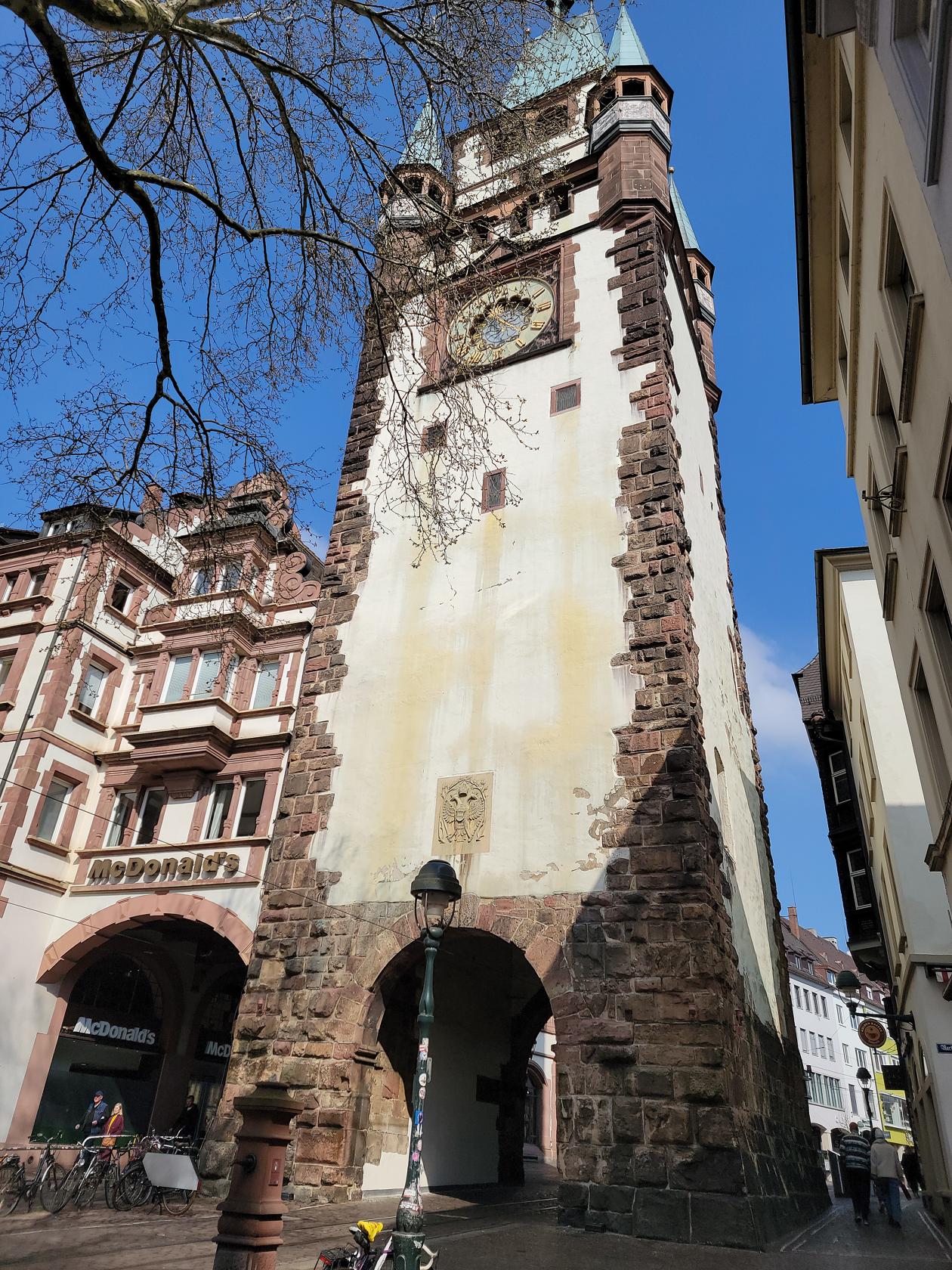
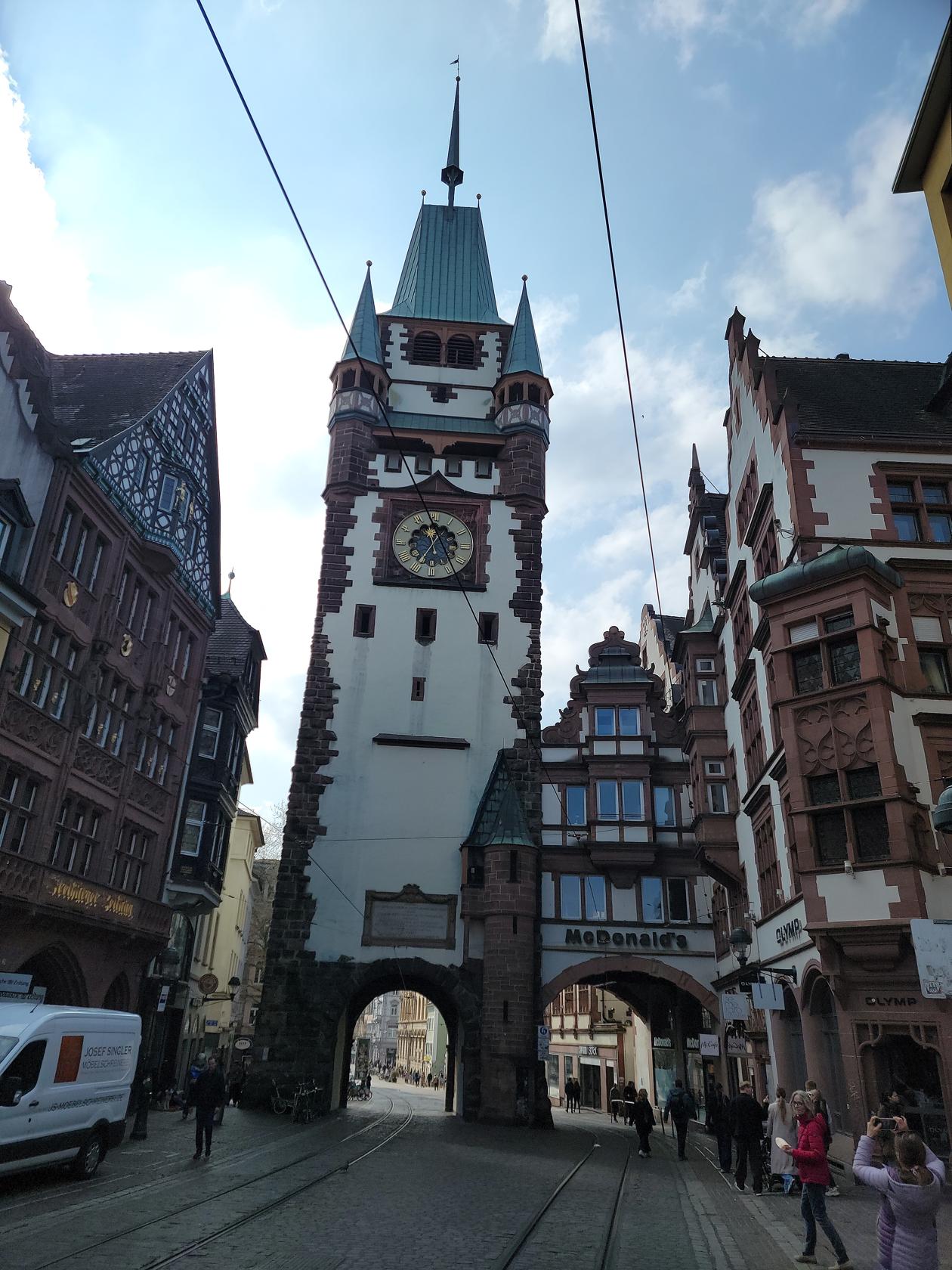
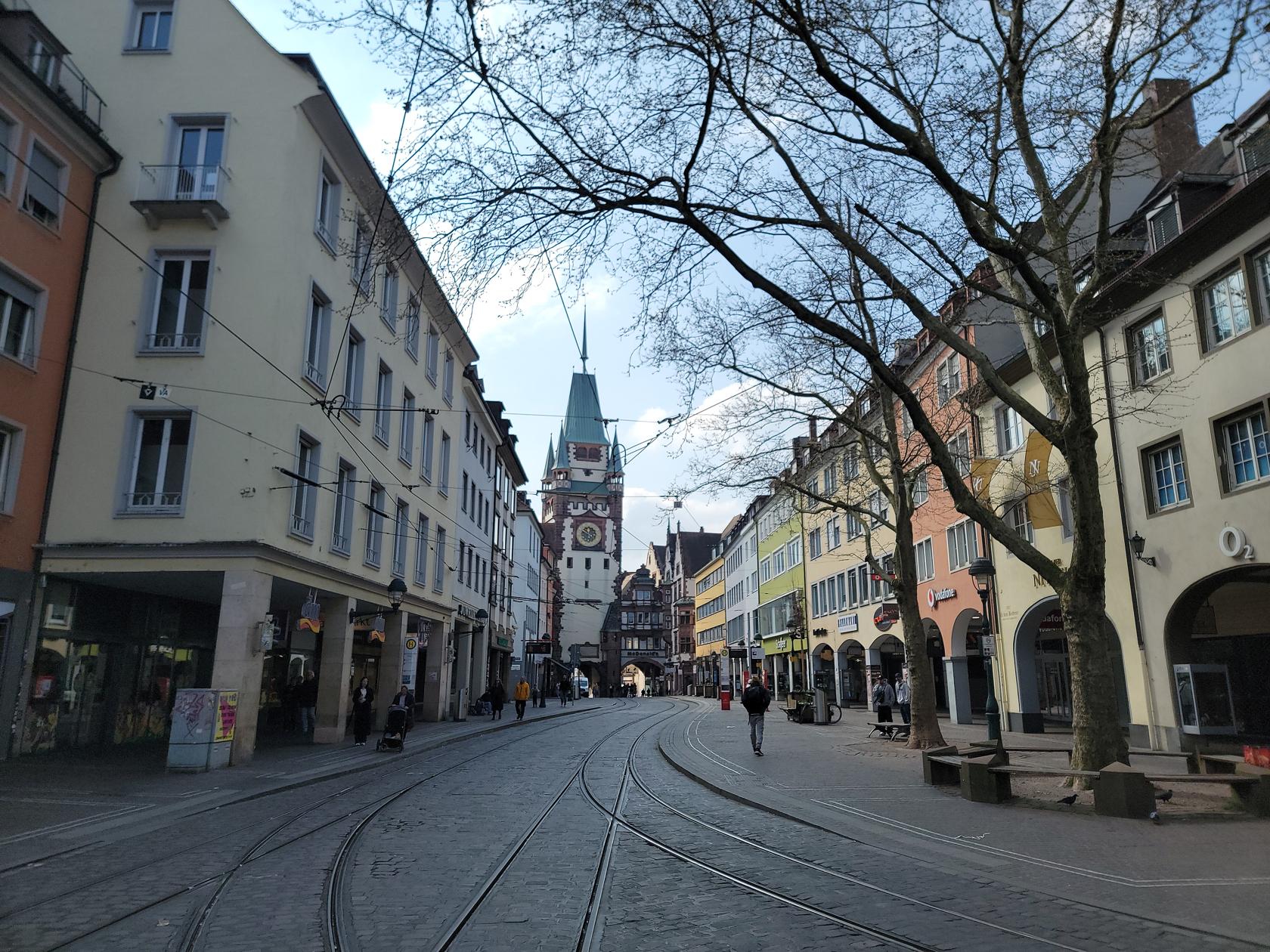
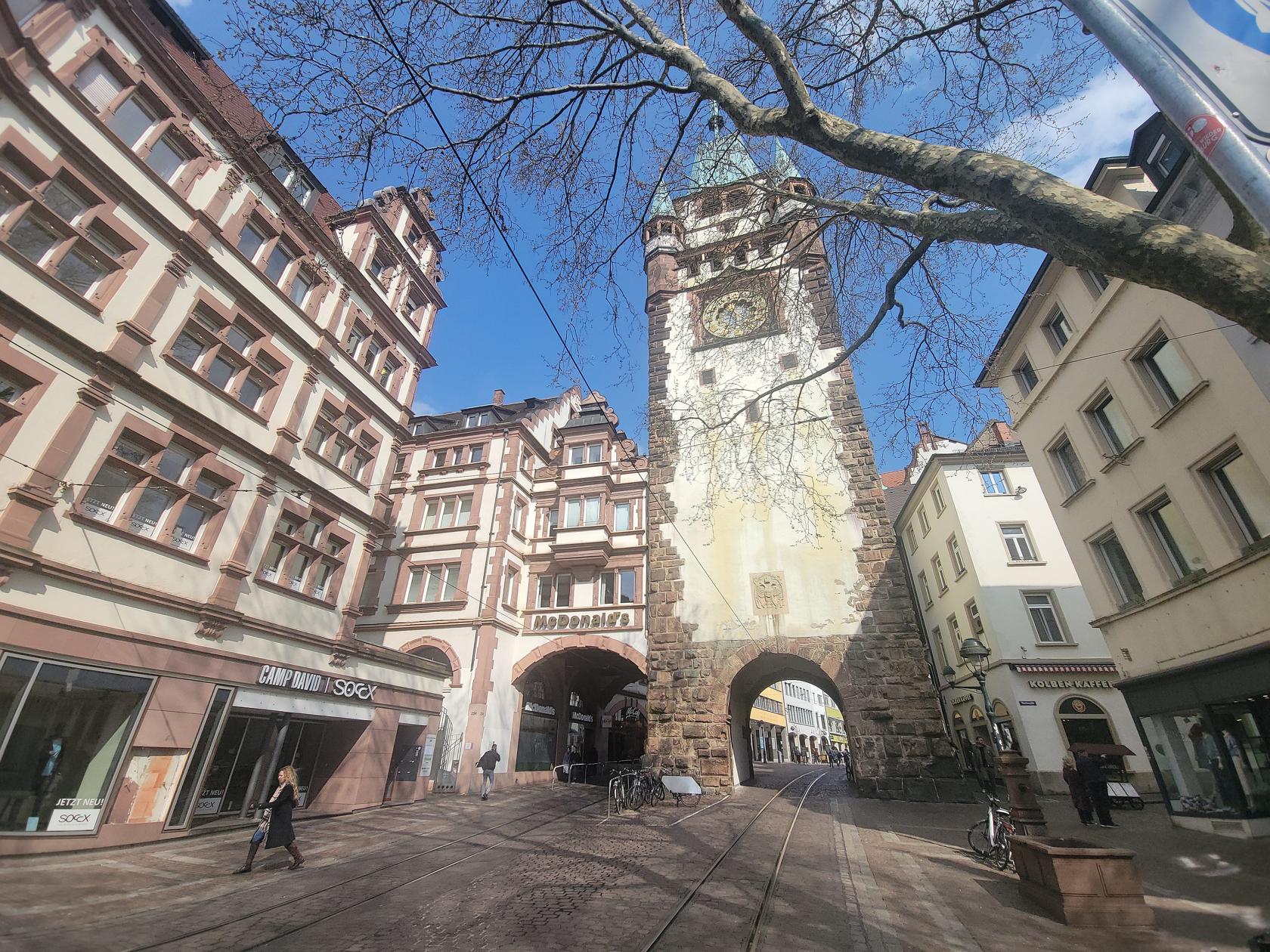
A major gate in the city, aside from the swabian gate, or Scwabentor, is Martinstor. Located on Kaiser-Josephstraße, more or less in the center of town, the tower stands above all the other buildings. The street runs directly through the tower, like in many other walled cities in Germany and delineates the old city from its newer parts.
Martinstor – Kaiser-Josephstraße – Freiburg im Breisgau, Germany
Martinstor – Kaiser-Josephstraße – Freiburg im Breisgau, Germany
Martinstor – Kaiser-Josephstraße – Freiburg im Breisgau, Germany
Martinstor – Kaiser-Josephstraße – Freiburg im Breisgau, Germany
Restaurants
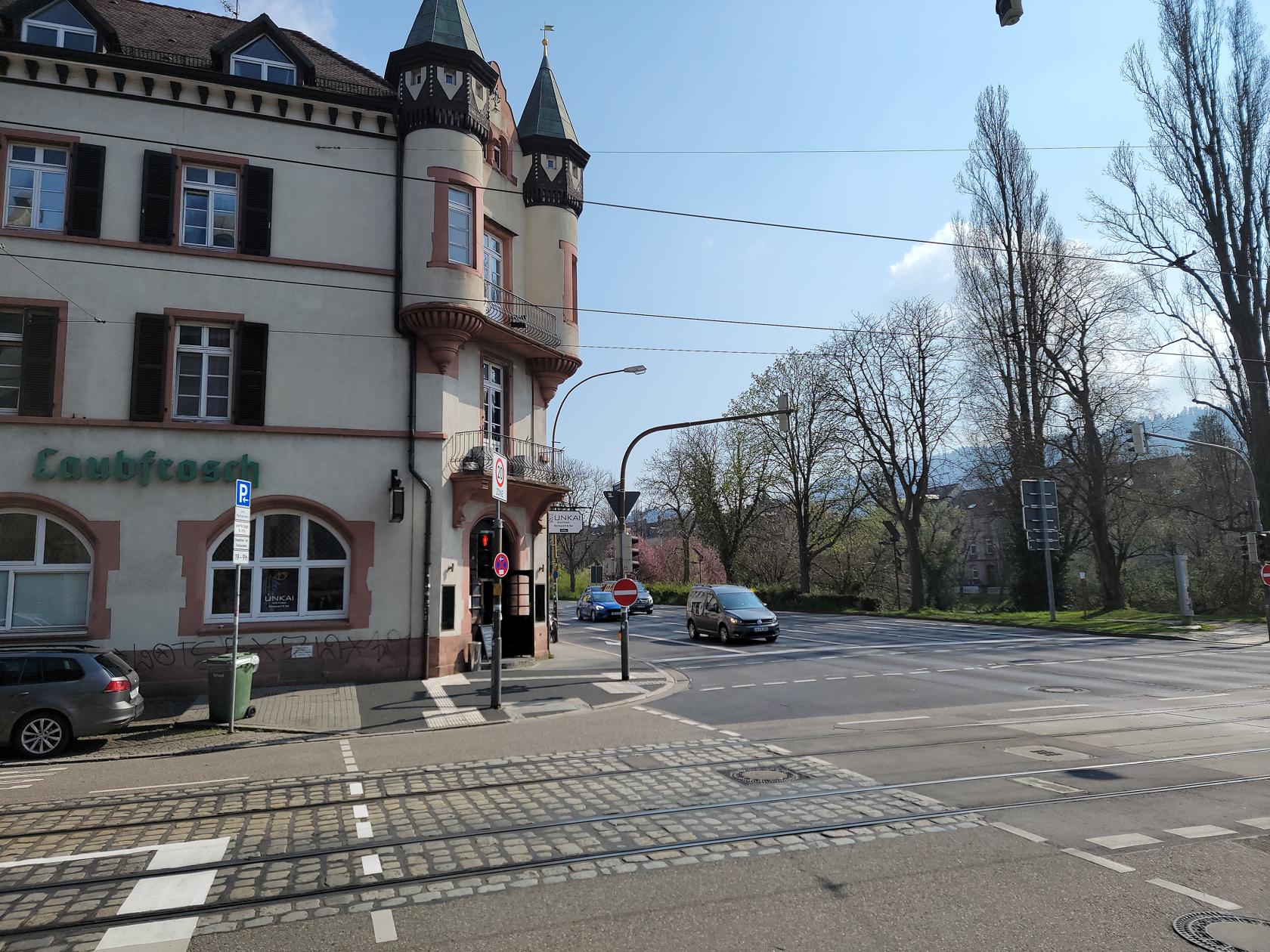
For our day trip we chose to have chinese or japanese and found a nice modern place that opened in the remains of the old Laubfrosch restaurant.
Unkai
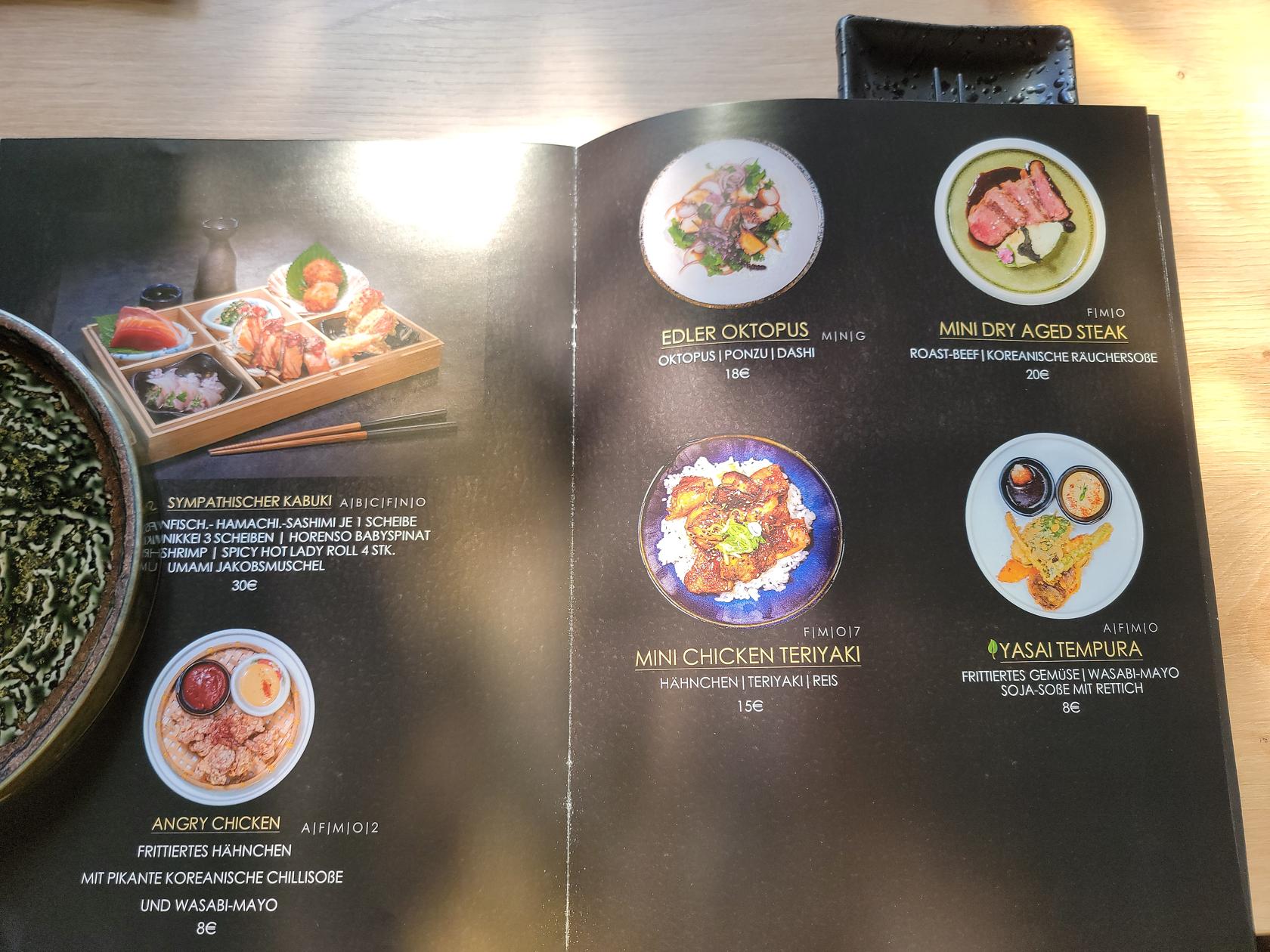
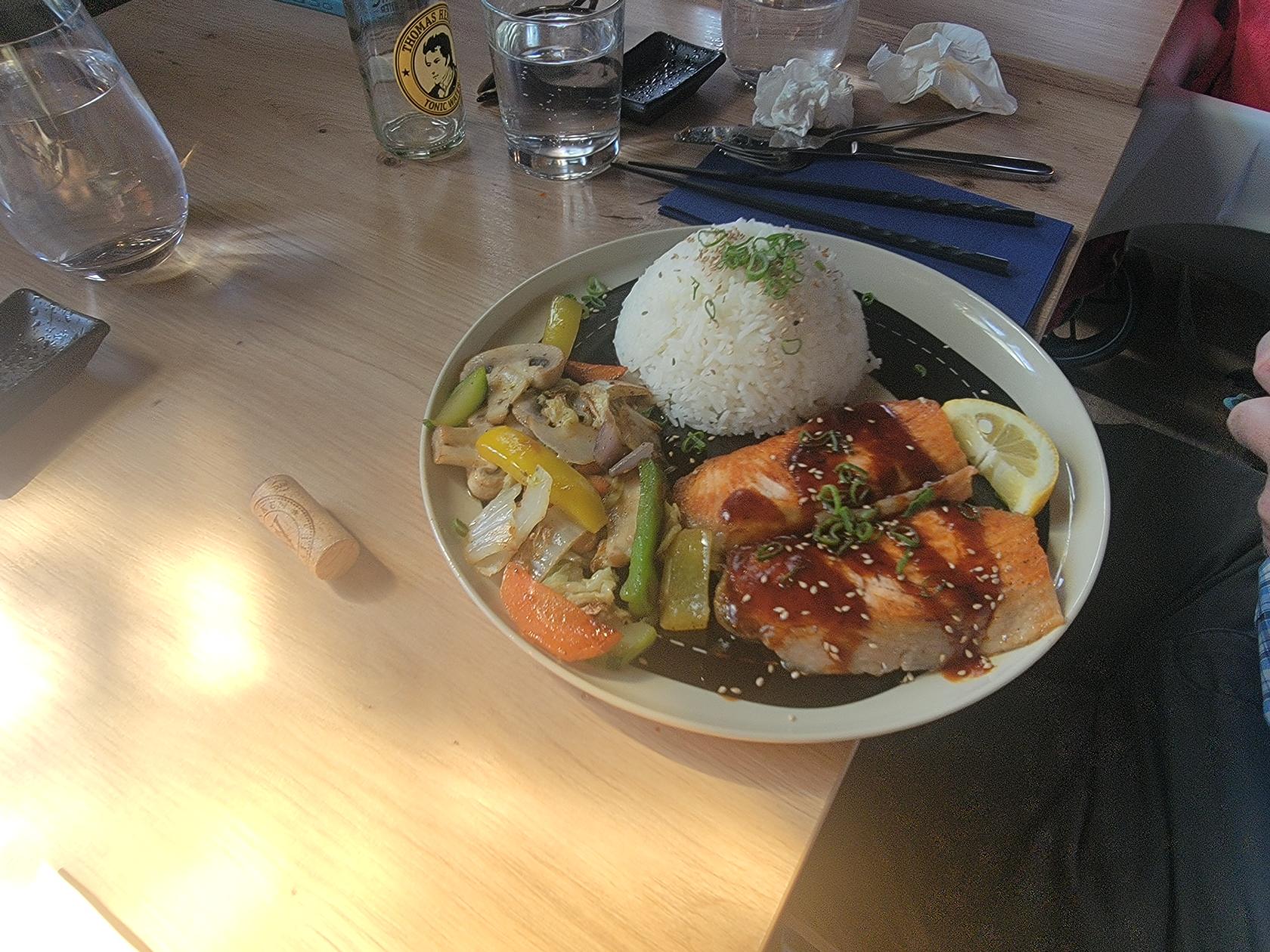
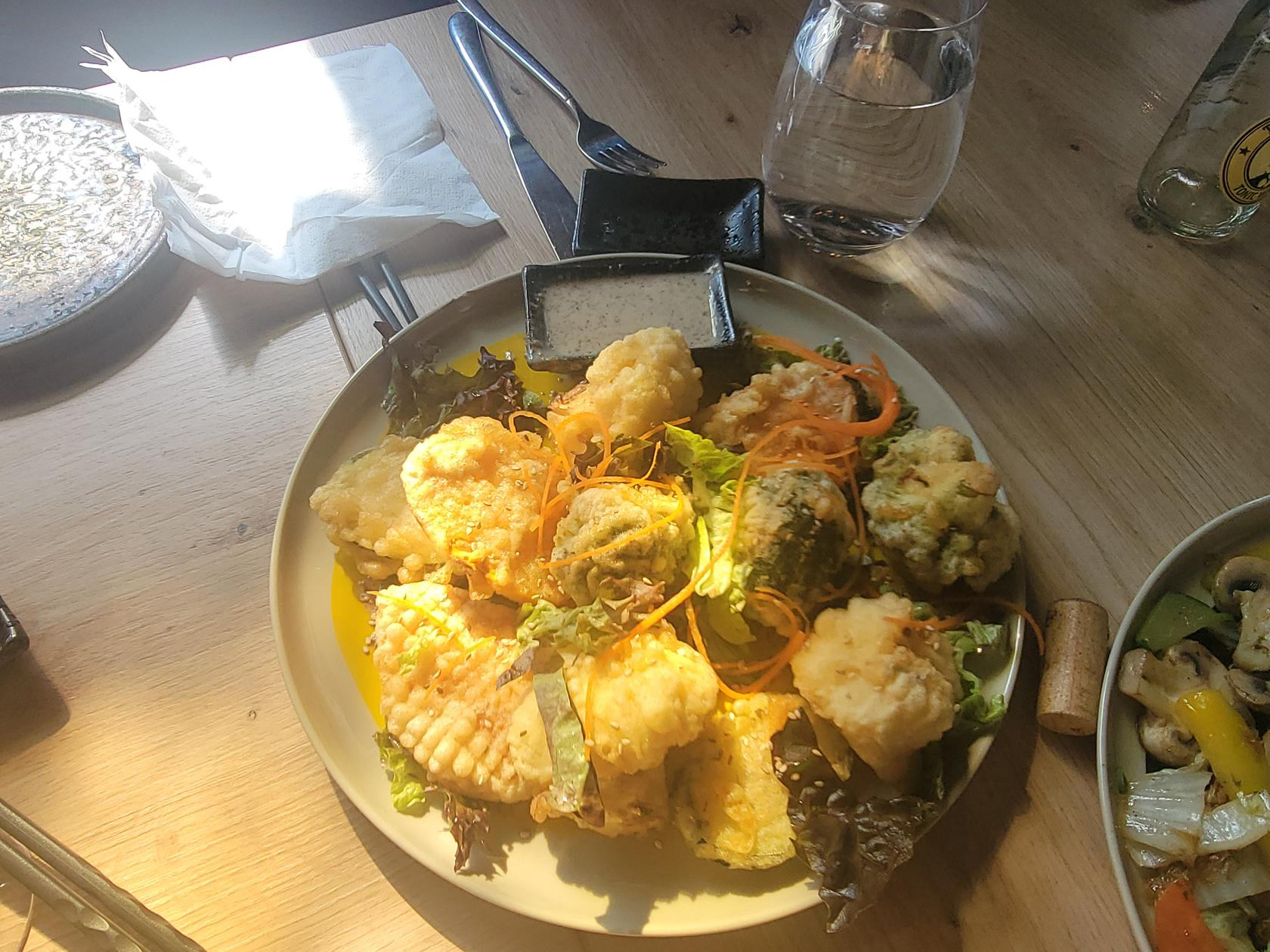
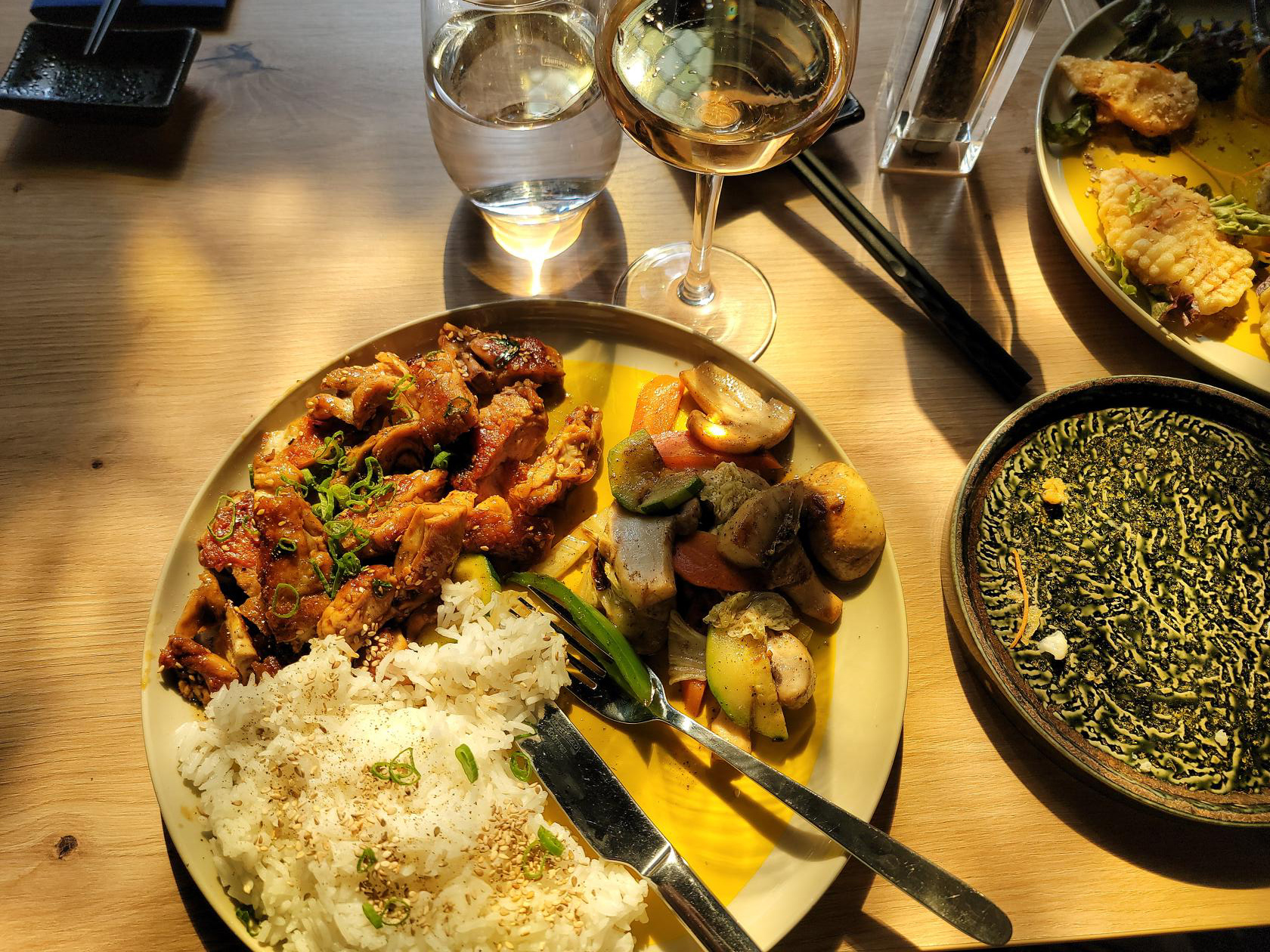
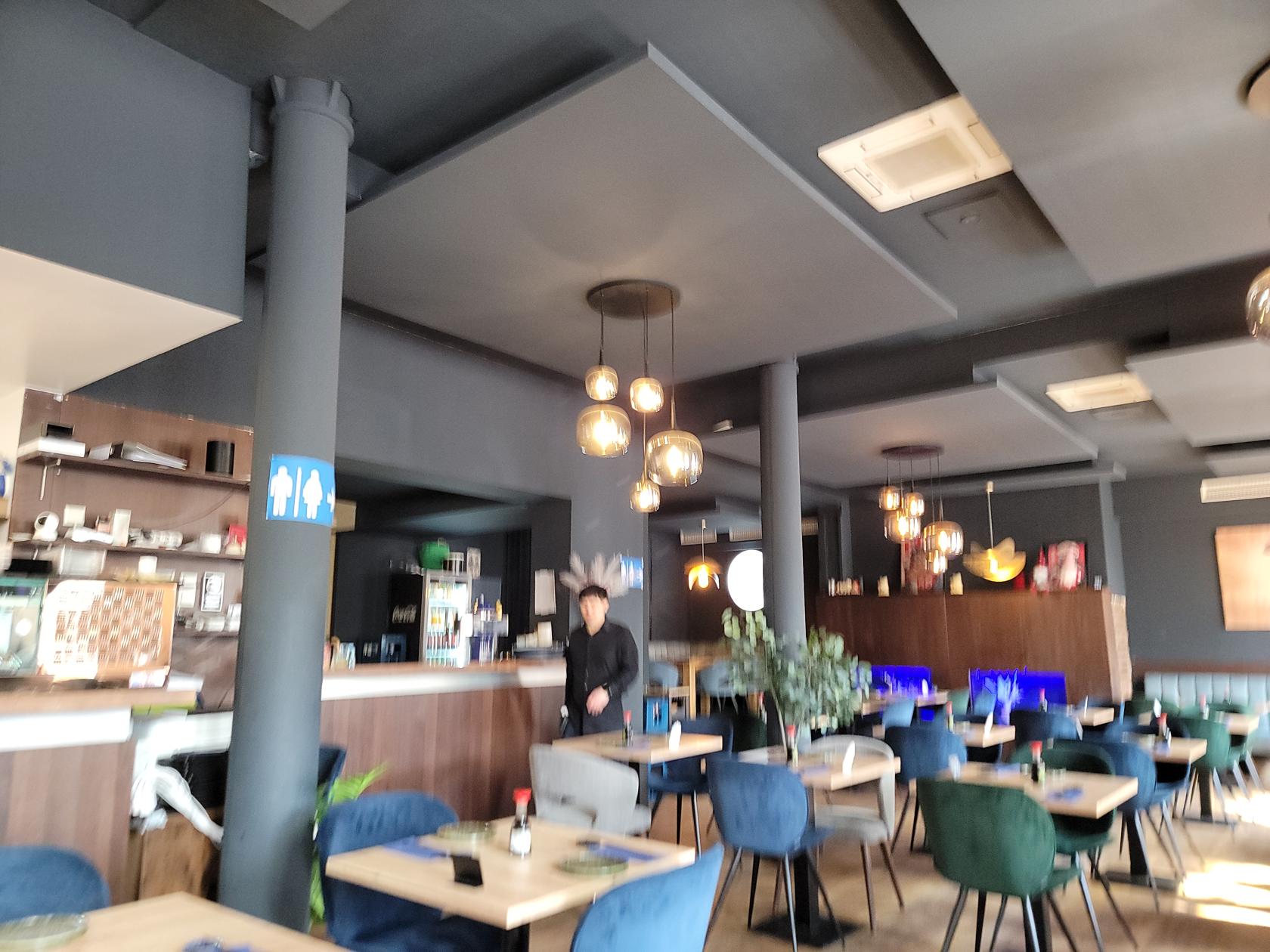
If you are looking for either chinese or japanese cuisine look no further than Unkai Asian Fusion.
Unkai Restaurant – Kaiser-Josephstraße – Freiburg im Breisgau, Germany
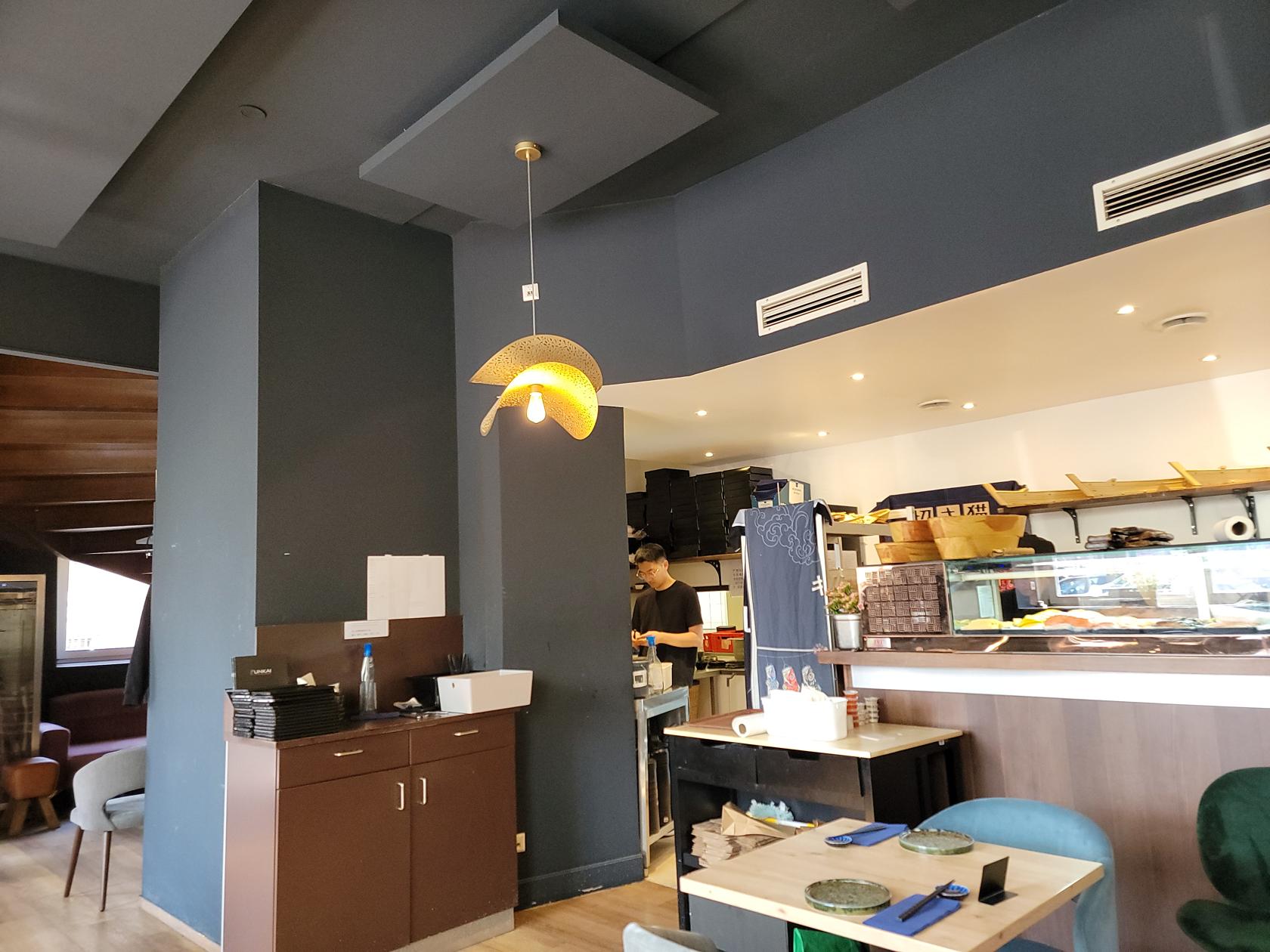
The decor inside is decidedly modern and the staff is very attentive to your needs, especially if that has to do with children.
Unkai Restaurant – Kaiser-Josephstraße – Freiburg im Breisgau, Germany
Unkai Restaurant – Kaiser-Josephstraße – Freiburg im Breisgau, Germany
Unkai Restaurant – Kaiser-Josephstraße – Freiburg im Breisgau, Germany
Unkai Restaurant – Kaiser-Josephstraße – Freiburg im Breisgau, Germany
Unkai Restaurant – Kaiser-Josephstraße – Freiburg im Breisgau, Germany
Unkai Restaurant – Kaiser-Josephstraße – Freiburg im Breisgau, Germany
It’s been some time since our last visit to Strasbourg, France. So when the opportunity arose to stop there, just for lunch, we jumped at the idea, since it is one of our favorite cities in France.
Strasbourg
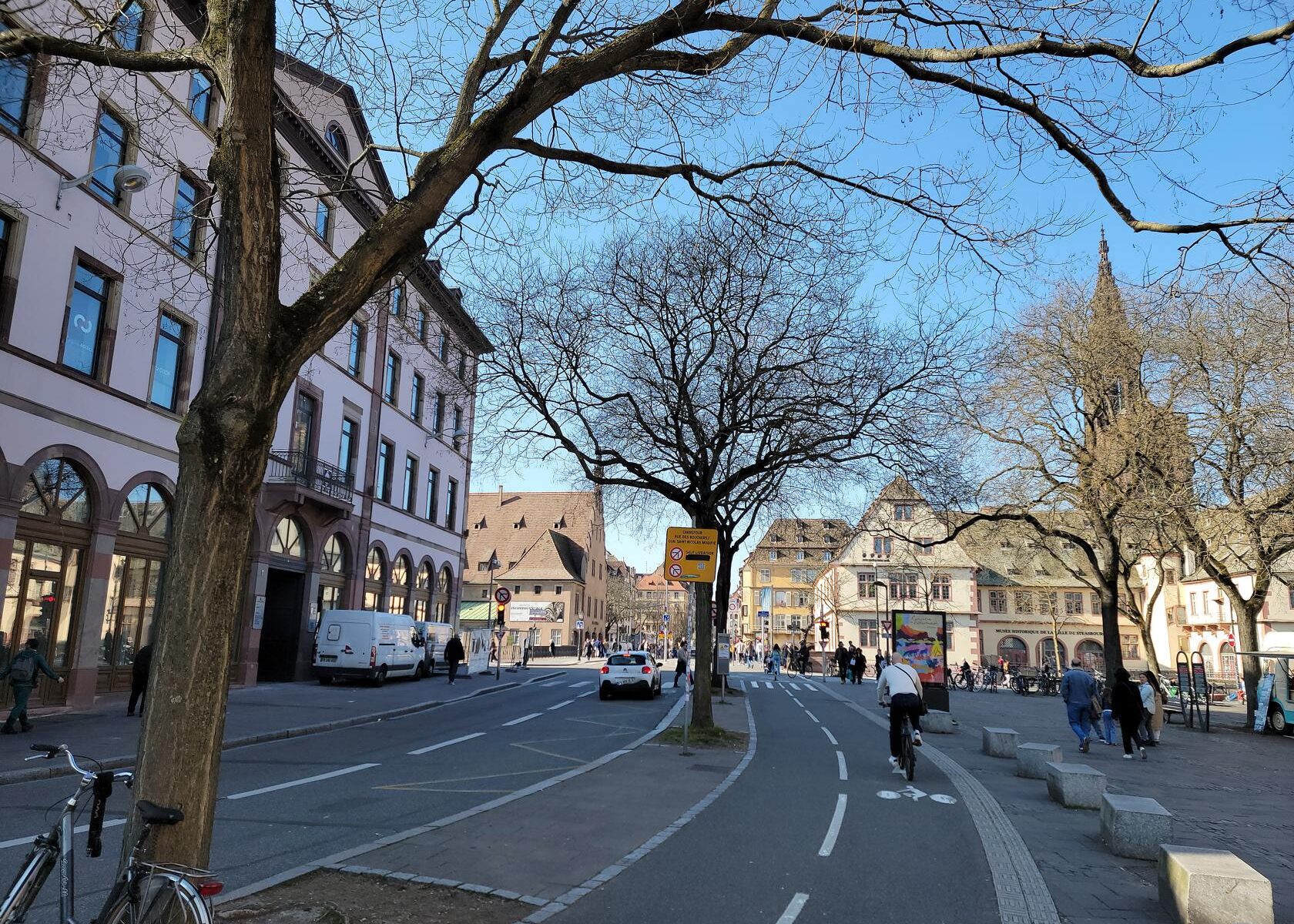
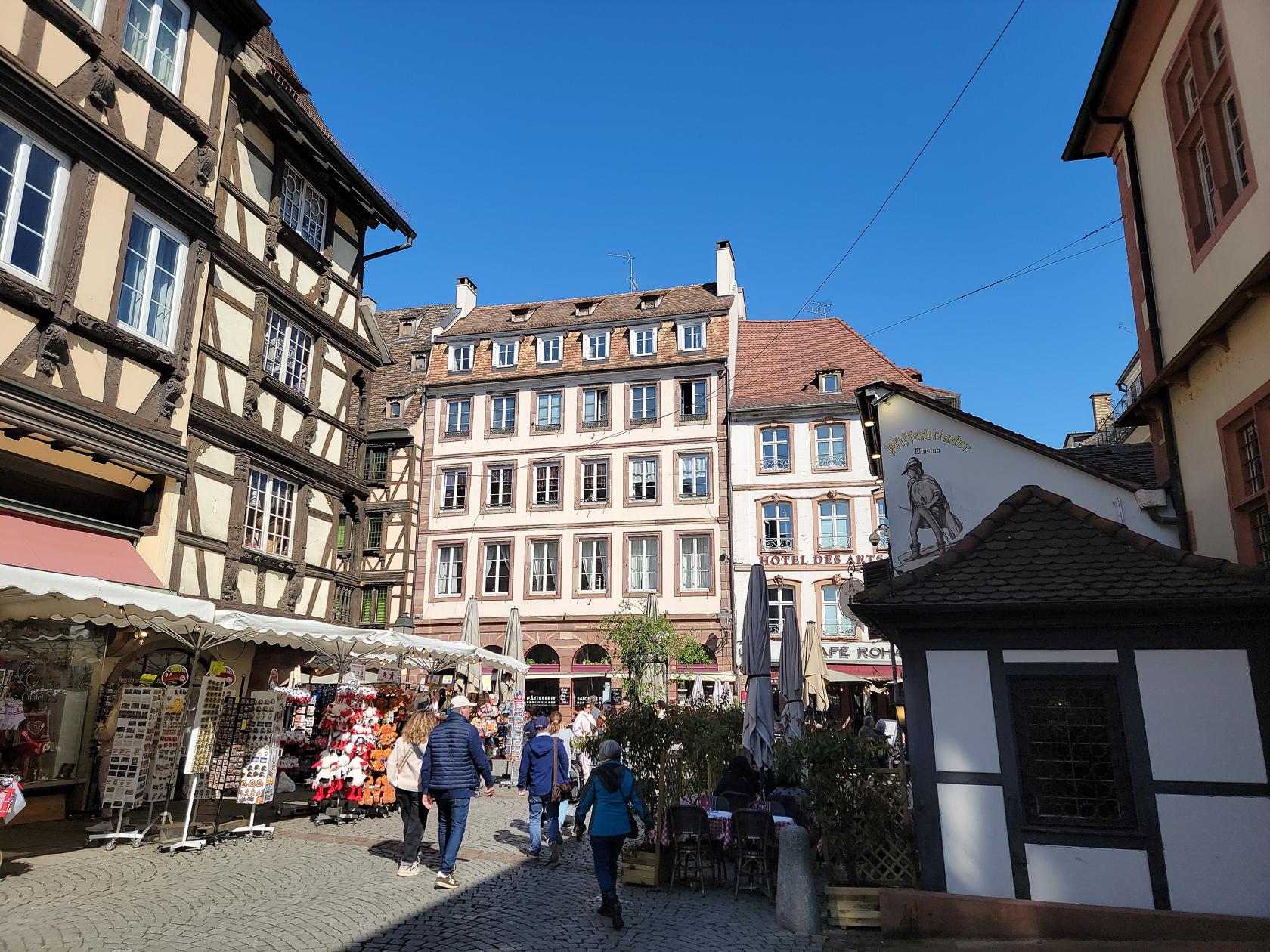
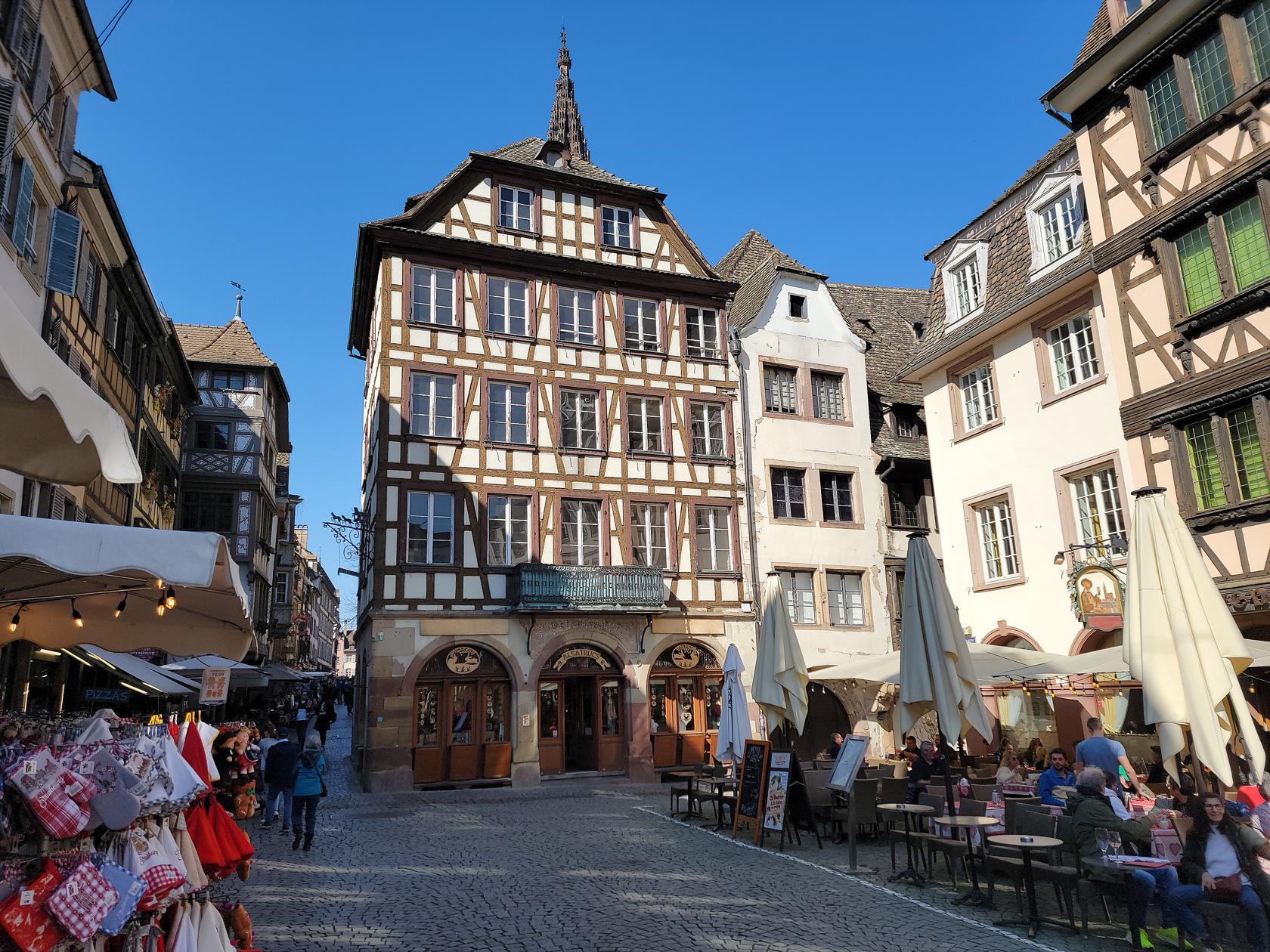
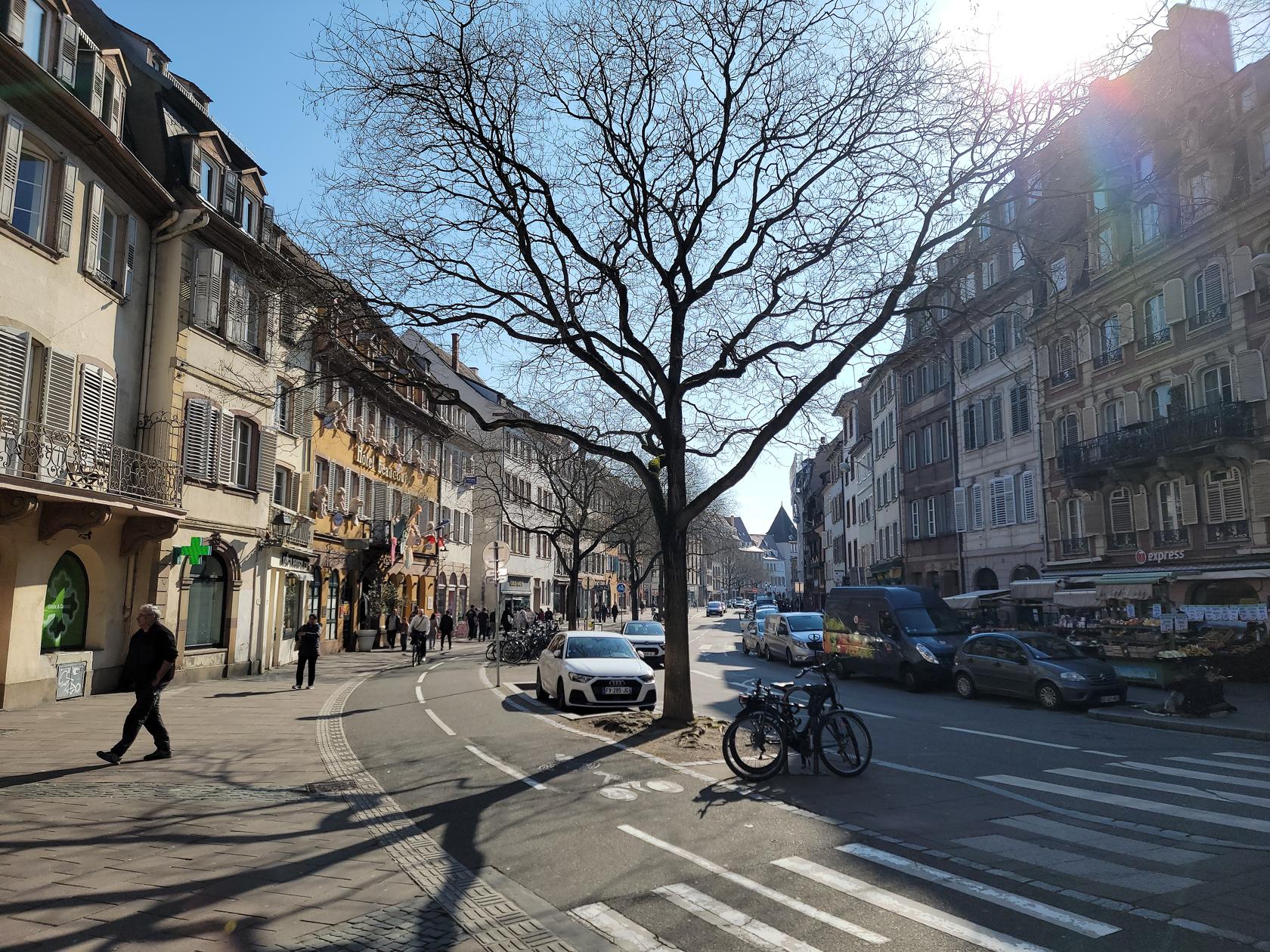
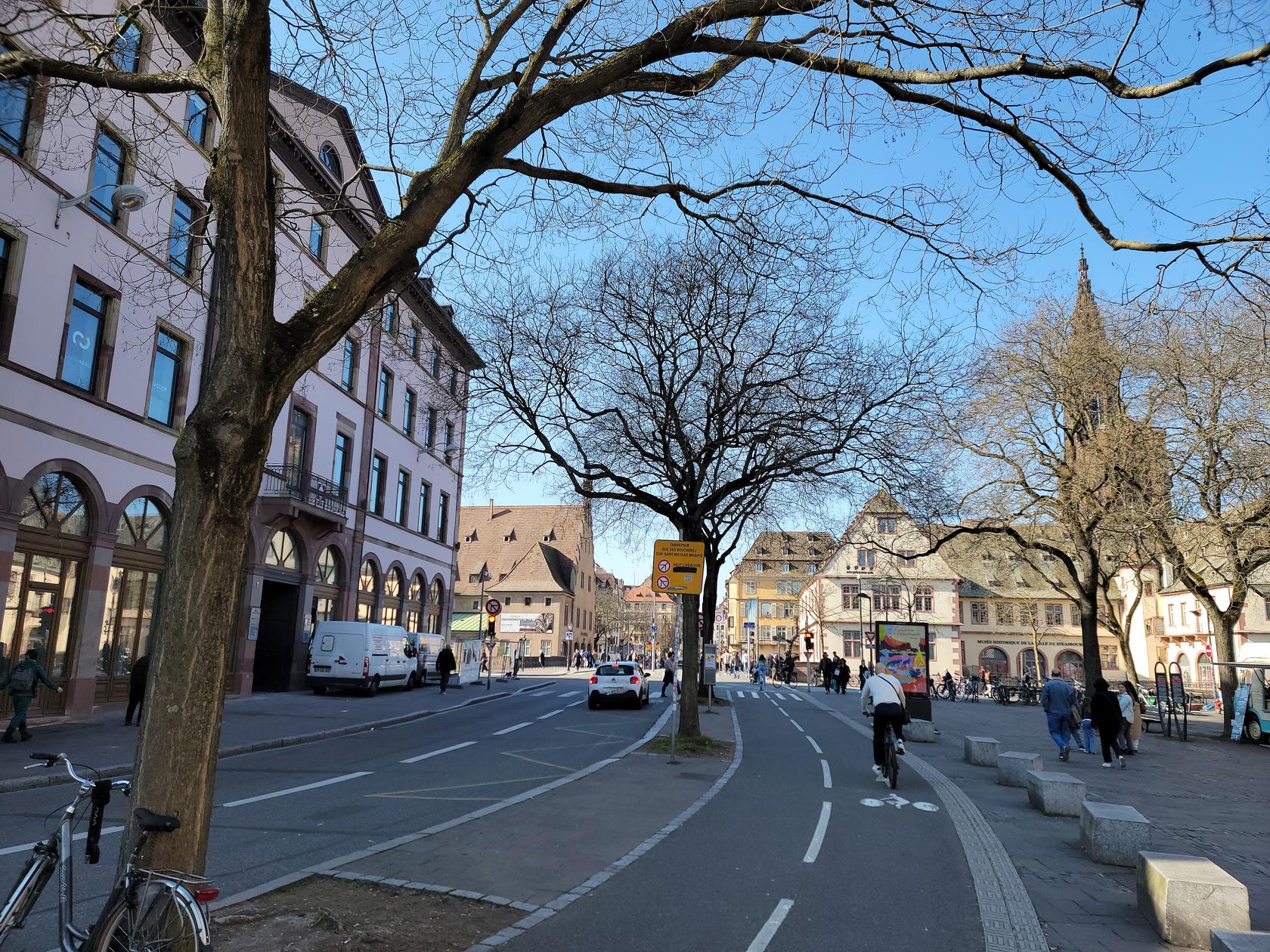
The town has not changed much since we were last here, though that was during the summer. The weather however was great, a bit cool but sunny and pleasant. We stopped on our way to Colmar and enjoyed some of the city sights while we walked to our restaurant destination.
Place de la Grande Boucherie – Strasbourg, France
Place de la Grande Boucherie – Strasbourg, France
Rue des Bouchers – Strasbourg, France
Rue des Bouchers – Strasbourg, France
Restaurants
Le Gruber
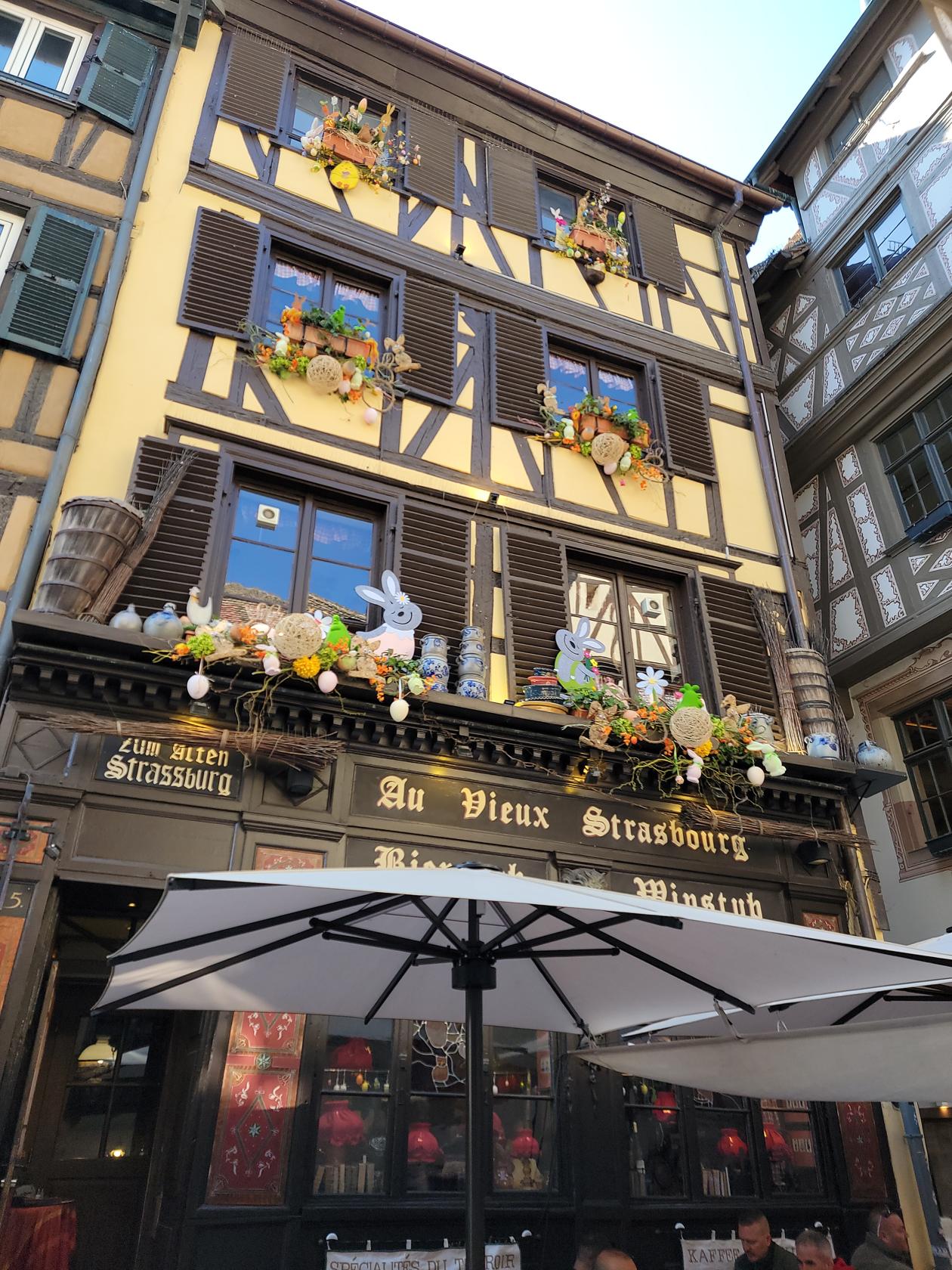
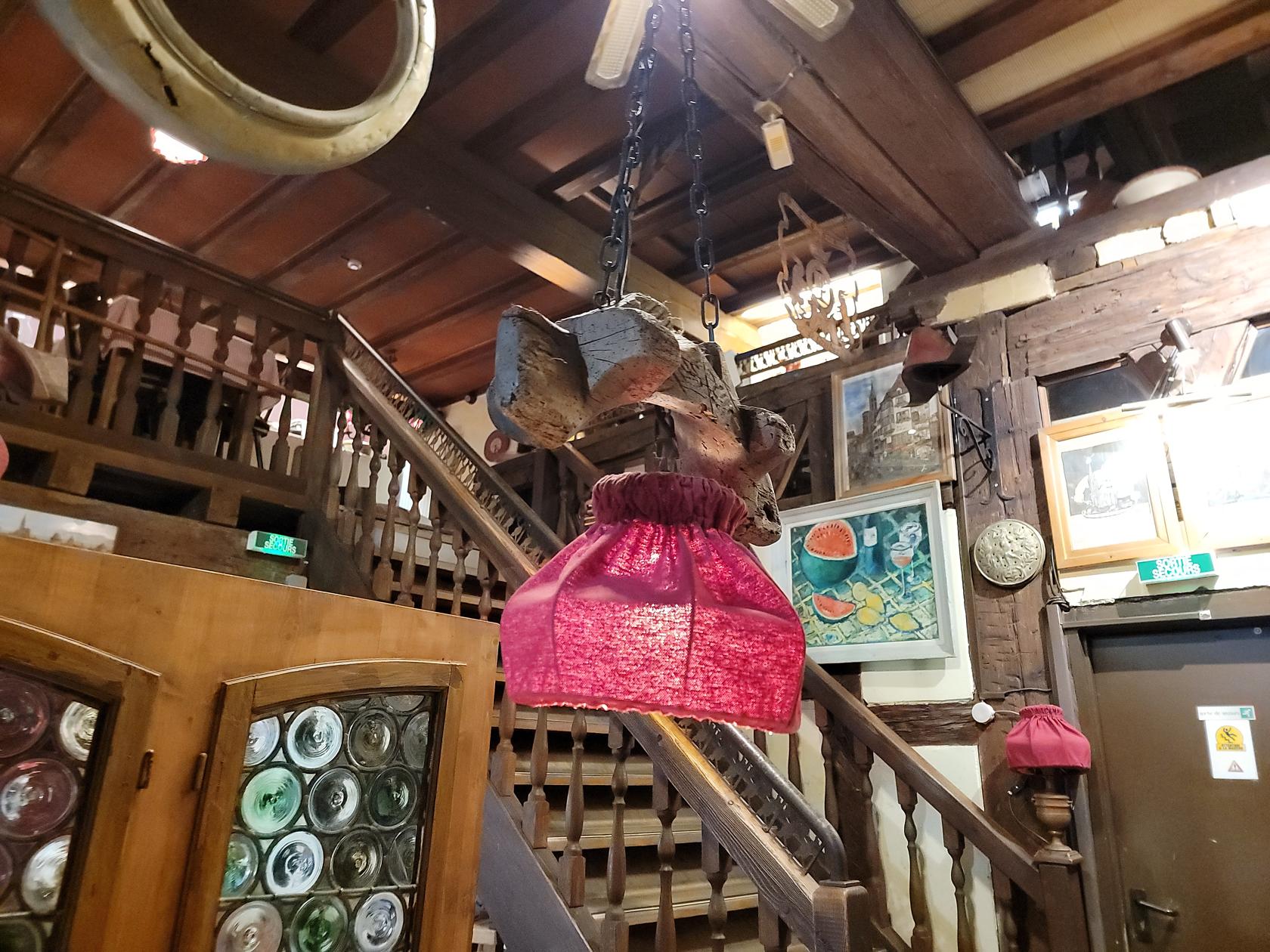
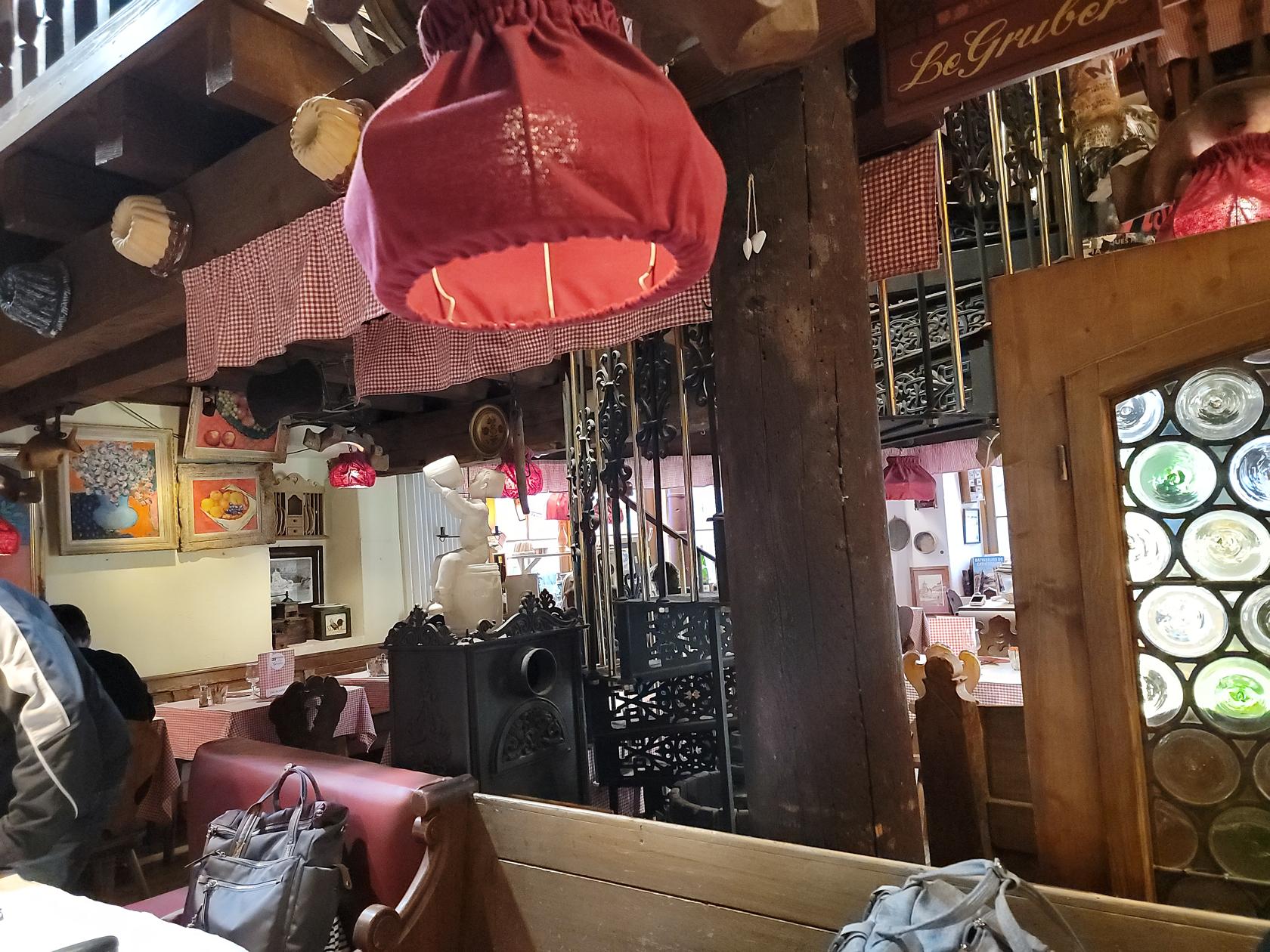
Previously known as Zum Alten Strassburg, Le Gruber offers typical Alsatian cuisine, which is a mixture of french and german. The interior is comfortable and very nice.
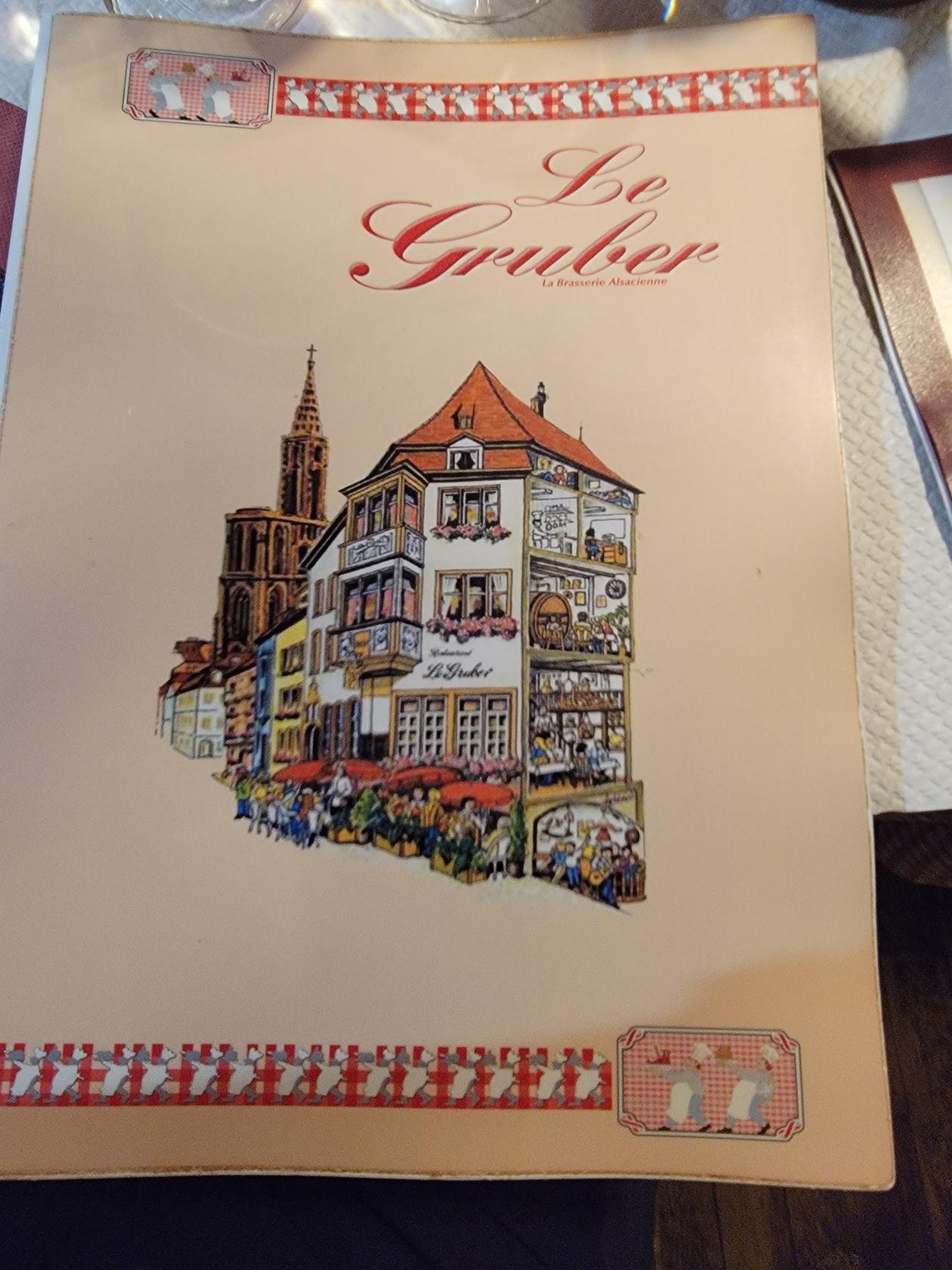
Le Gruber Restaurant – Main Entrance – Strasbourg, France
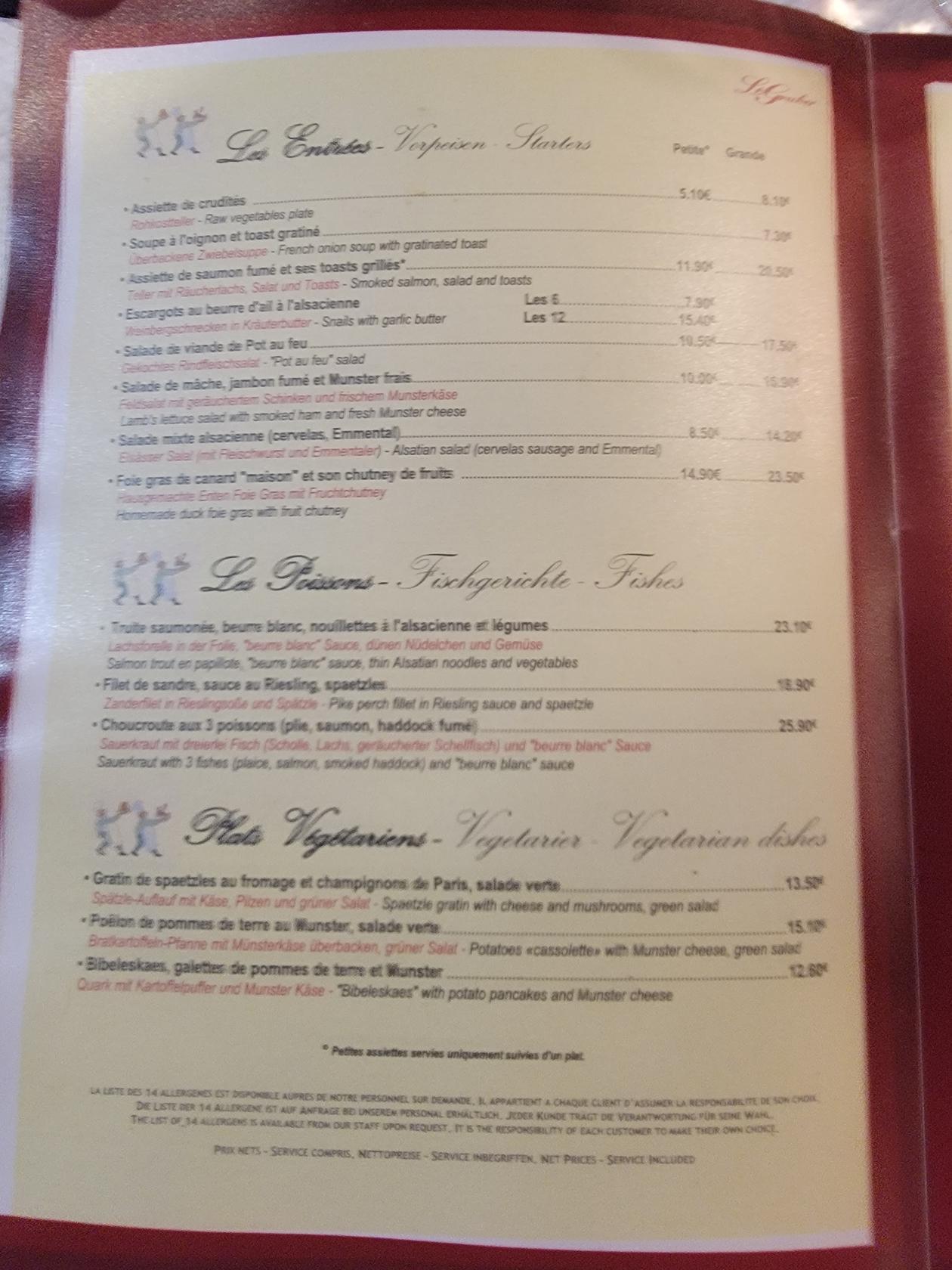
Le Gruber Restaurant – Menu – Strasbourg, France
Le Gruber Restaurant – Menu – Strasbourg, France
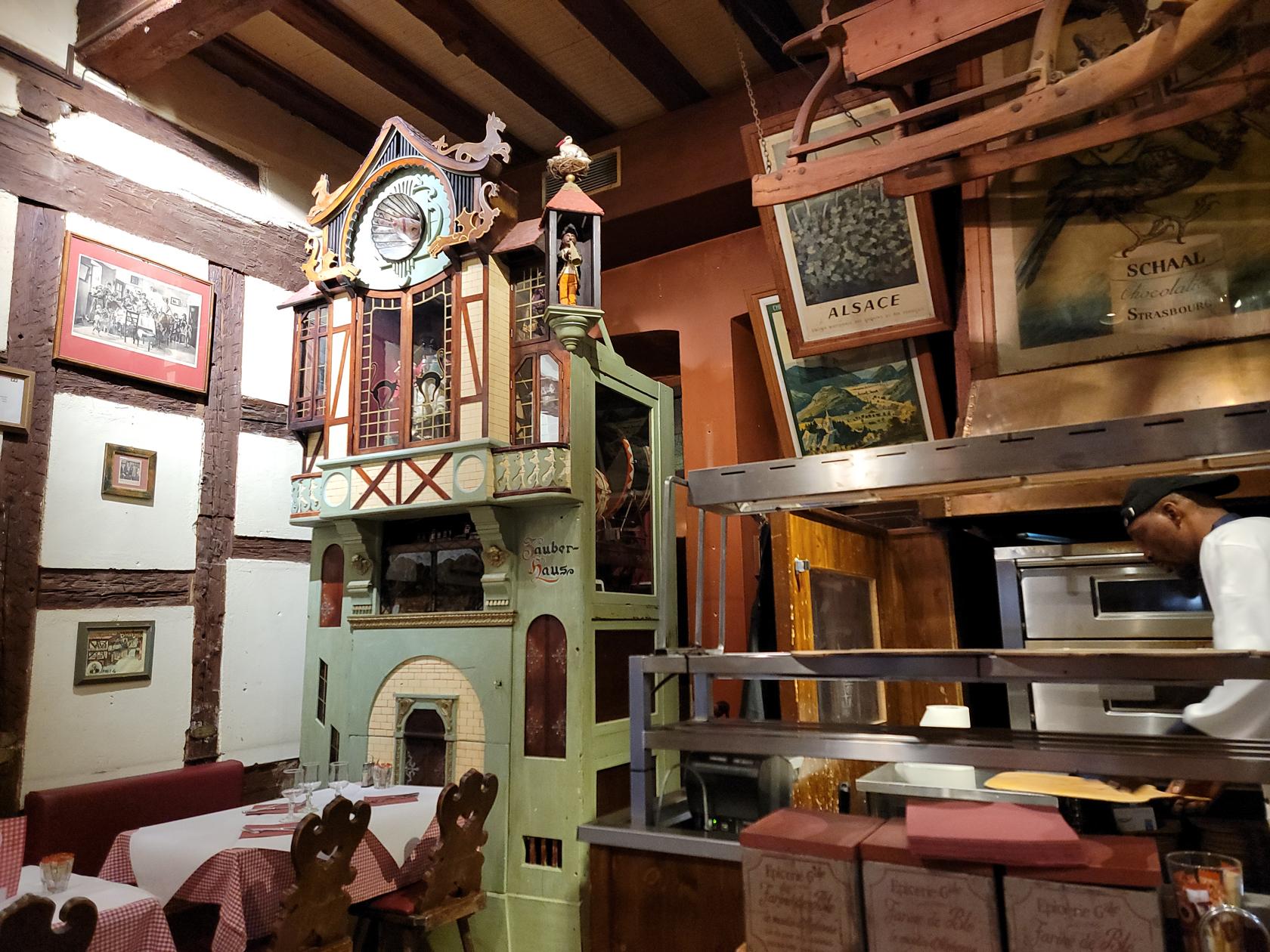
Le Gruber Restaurant – Inside – Strasbourg, France
Le Gruber Restaurant – Inside – Strasbourg, France
Le Gruber Restaurant – Inside – Strasbourg, France
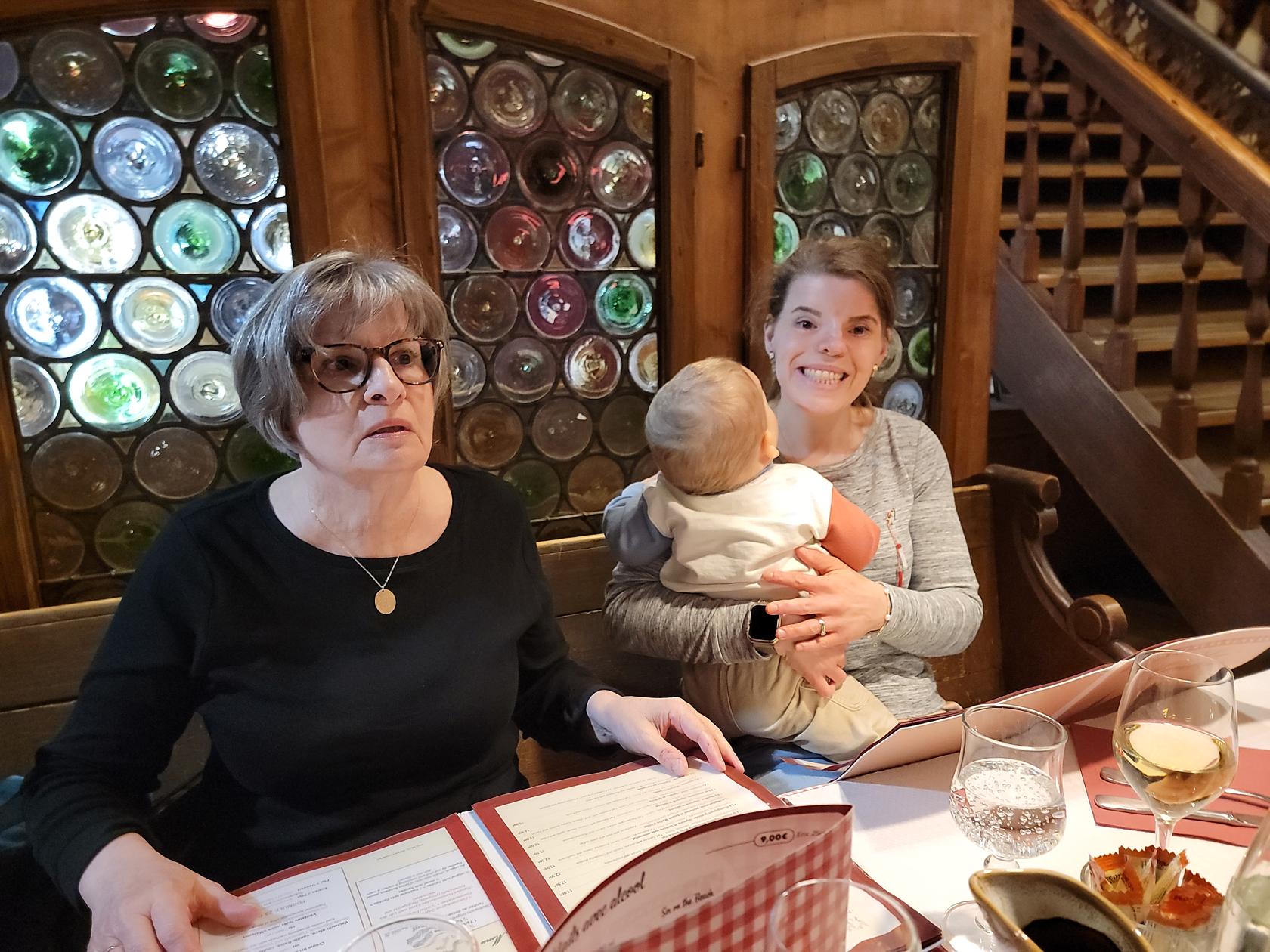
Le Gruber Restaurant – Patti and Ericka – Strasbourg, France
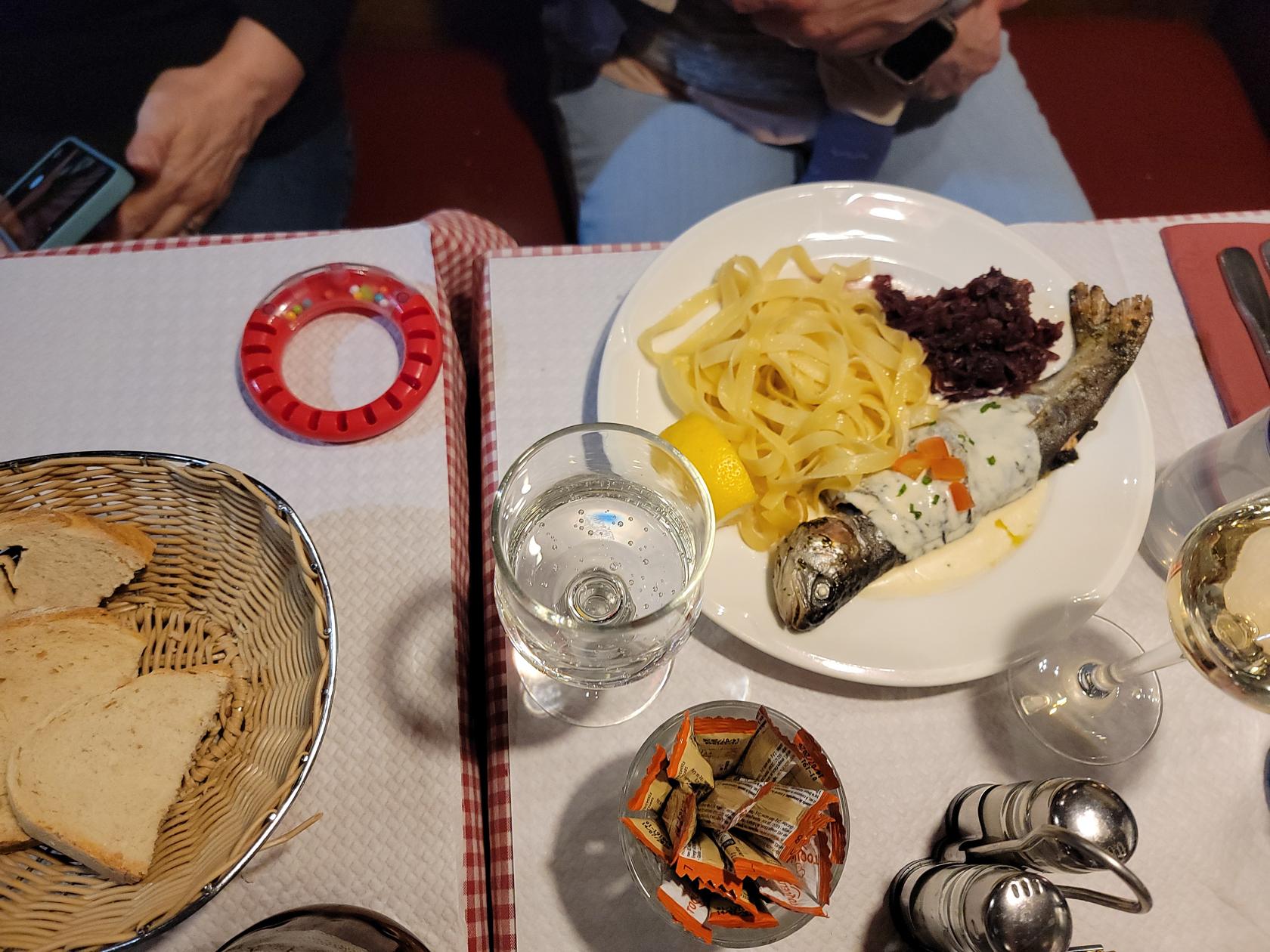
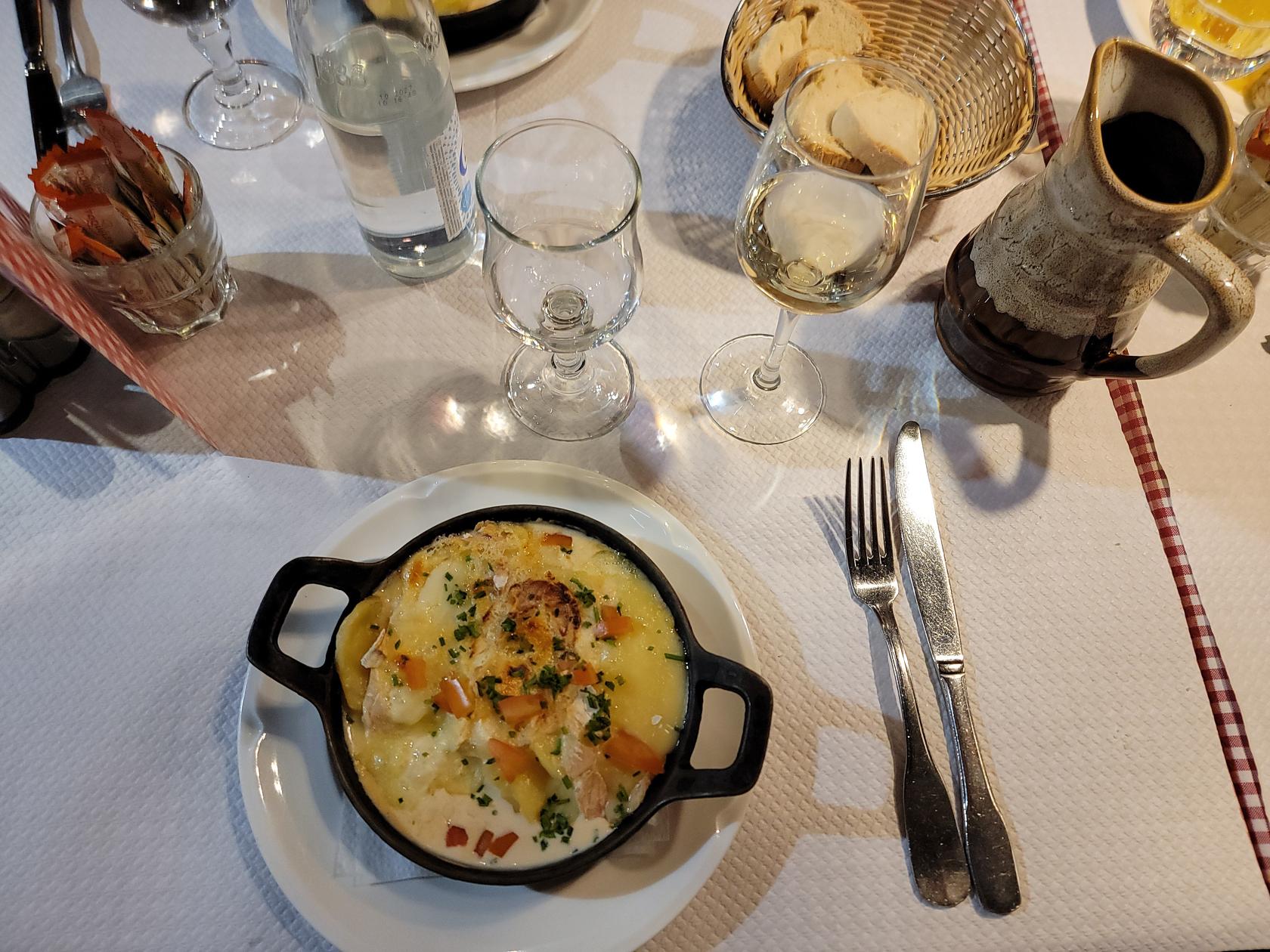
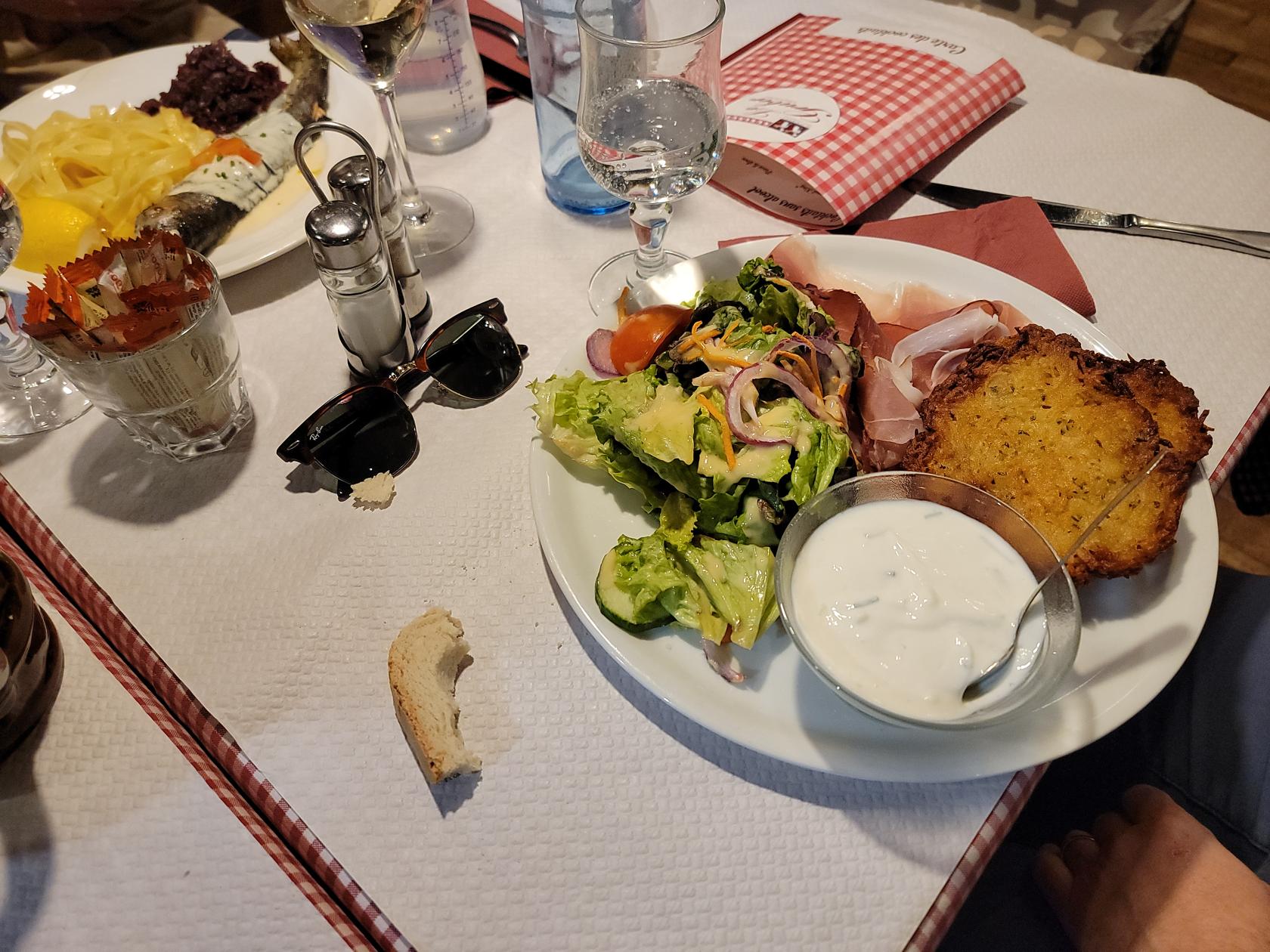
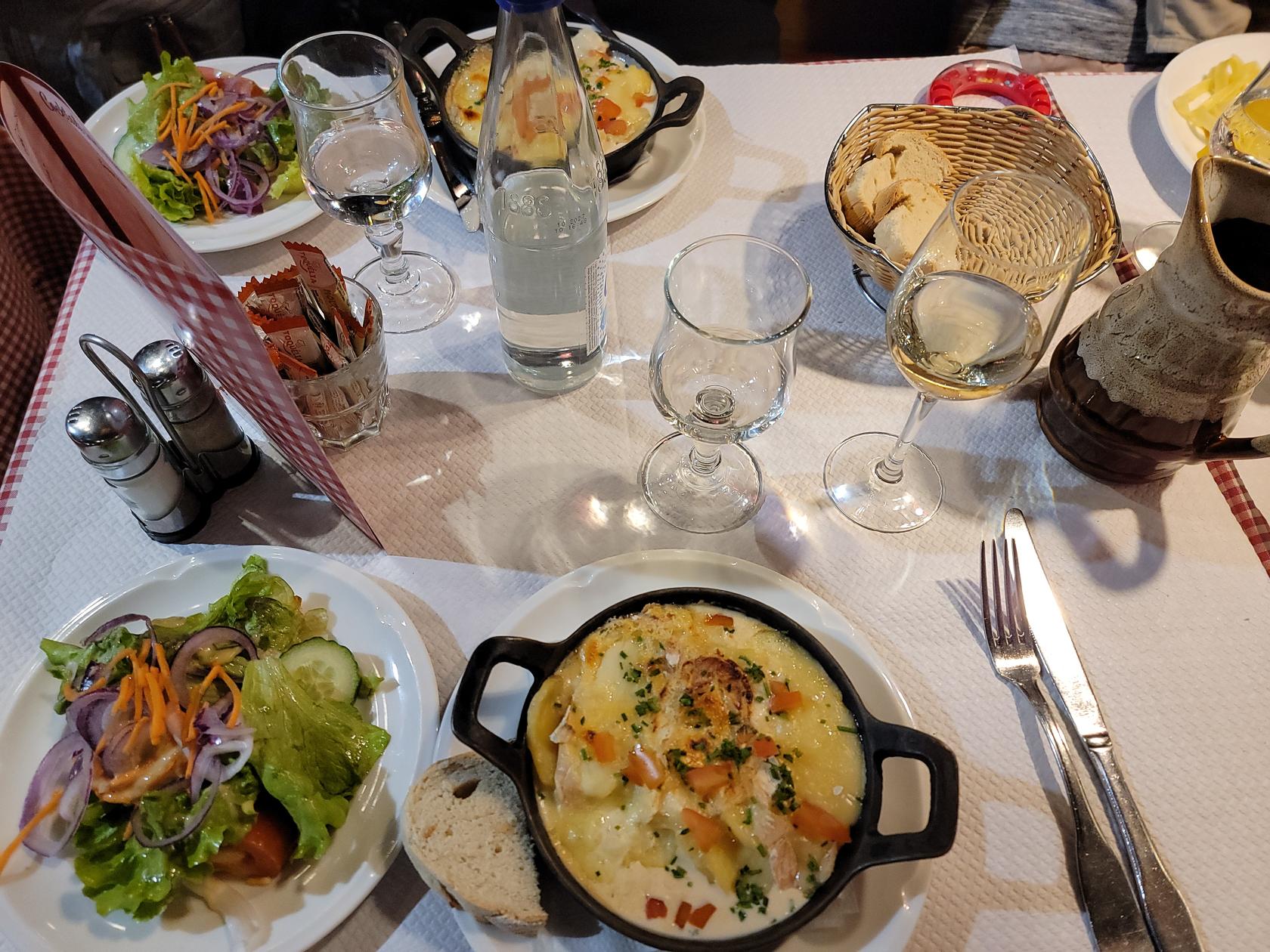
The food was very good and reasonably priced. I found the potato casserole especially enjoyable and very tasty, though with the Muenster cheese on it, a bit filling.
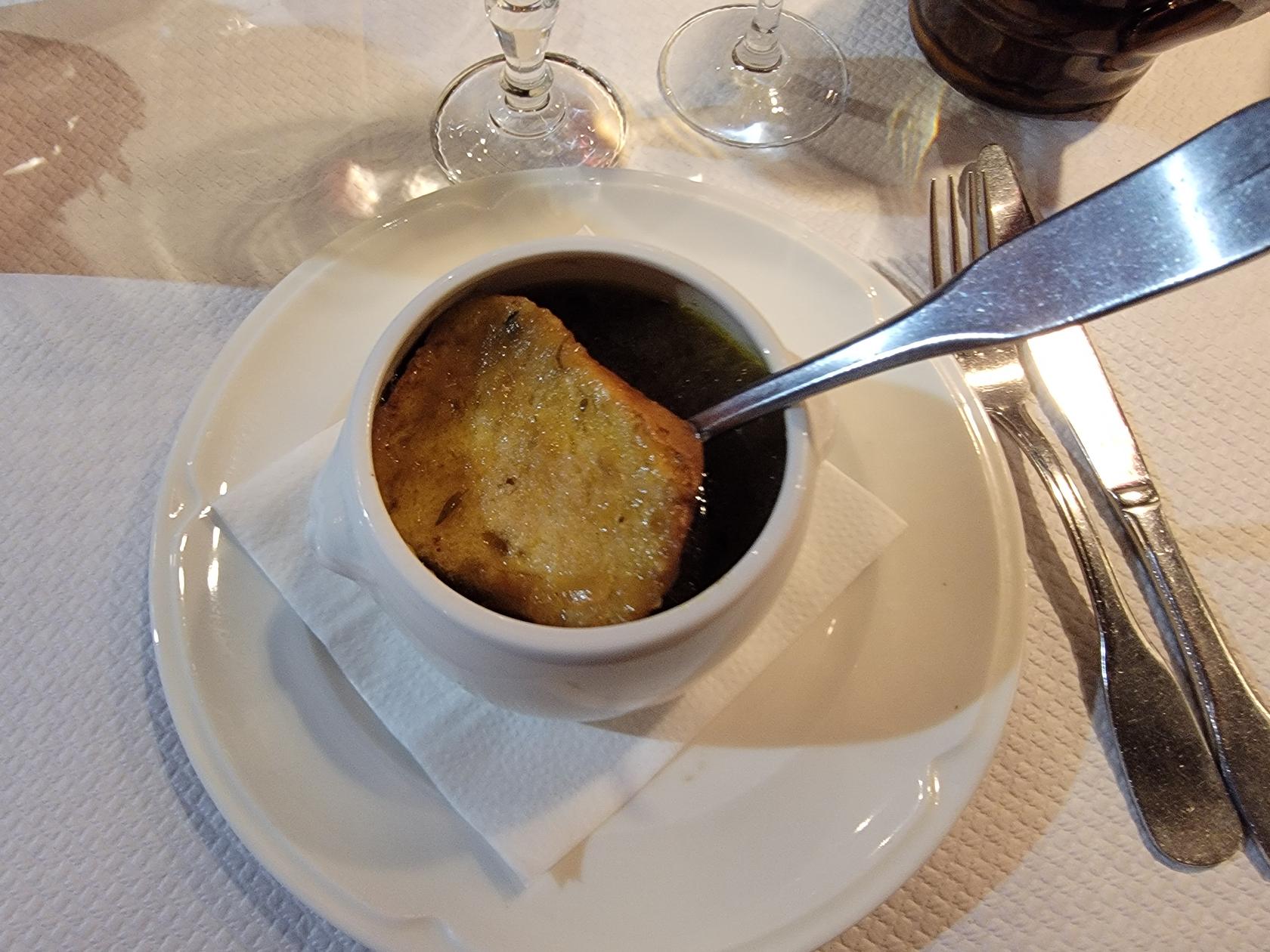
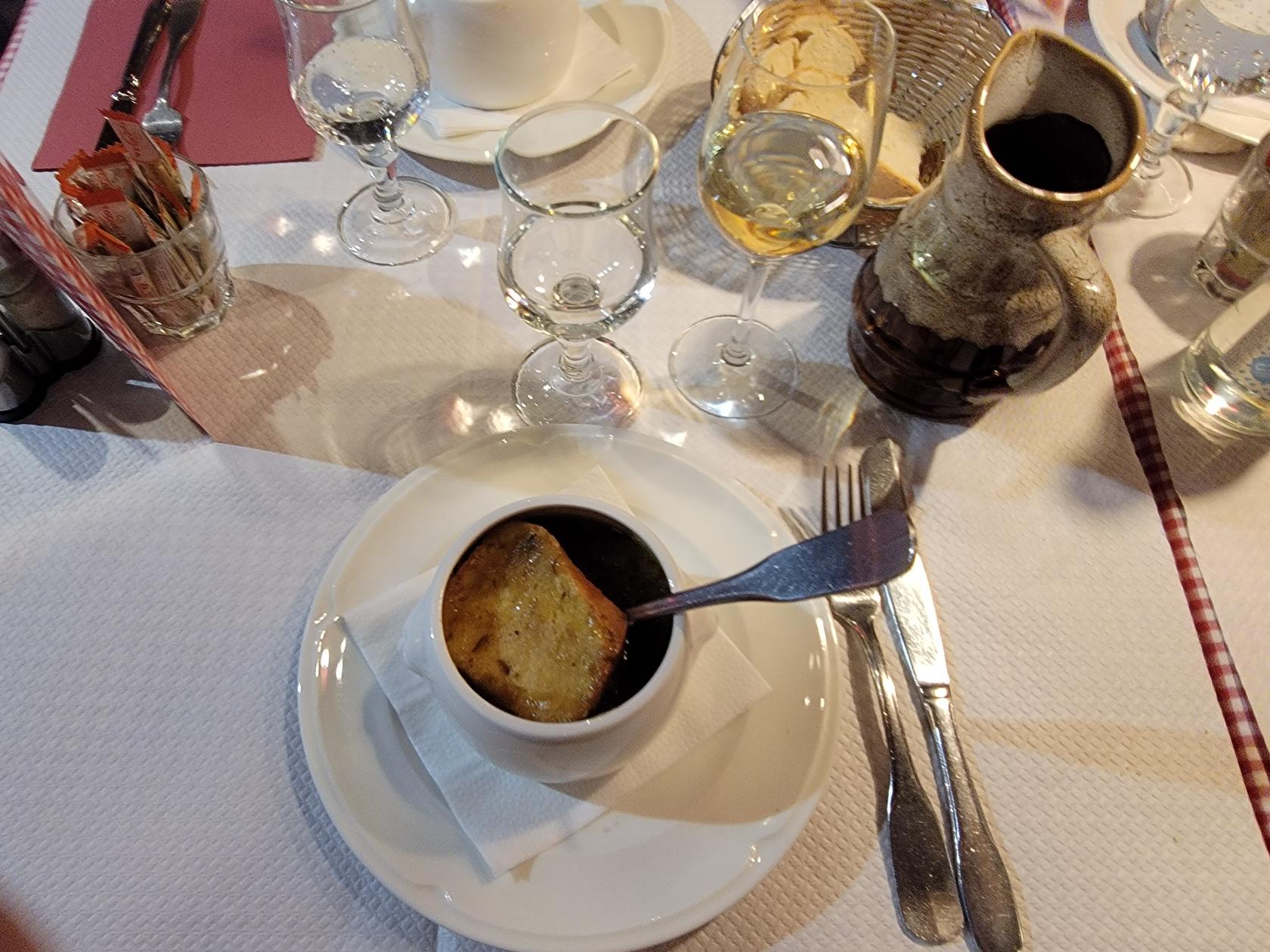
Le Gruber Restaurant – French Onion Soup – Strasbourg, France
Le Gruber Restaurant – French Onion Soup – Strasbourg, France
Le Gruber Restaurant – Fish special with noodles – Strasbourg, France
Le Gruber Restaurant – Potato Gratin – Strasbourg, France
Le Gruber Restaurant – Gabis Fried Potato Pancake with Bibaleskaes, Ham and Salad – Strasbourg, France
Le Gruber Restaurant – Potato Casserole and Salad – Strasbourg, France
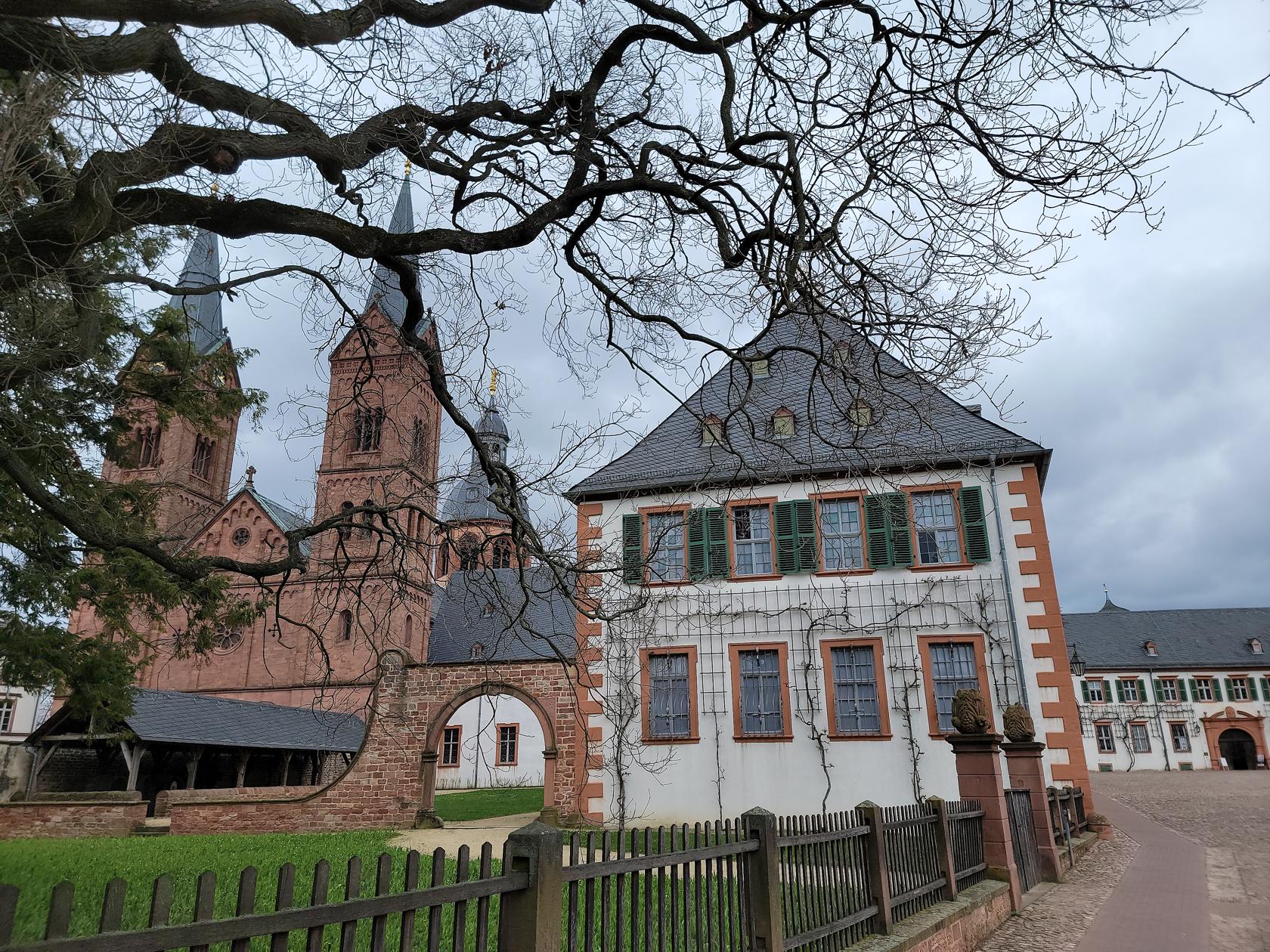
Built around the ancient remains of an old RomanCastrum, Seligenstadt is one of Germany’s oldest towns. The Romans established a fortified encampment around the second century and maintained it for over a hundred and fifty years. Some time in the mid third century the germanic tribes repeatedly attacked the castrum, forcing the Romans to withdraw across the Rhine river, leaving a pile of rubble behind. Some time afterwards it was known as Obermühlheim and some of the earliest buildings in Seligenstadt are dated to the seventh century and are still standing.
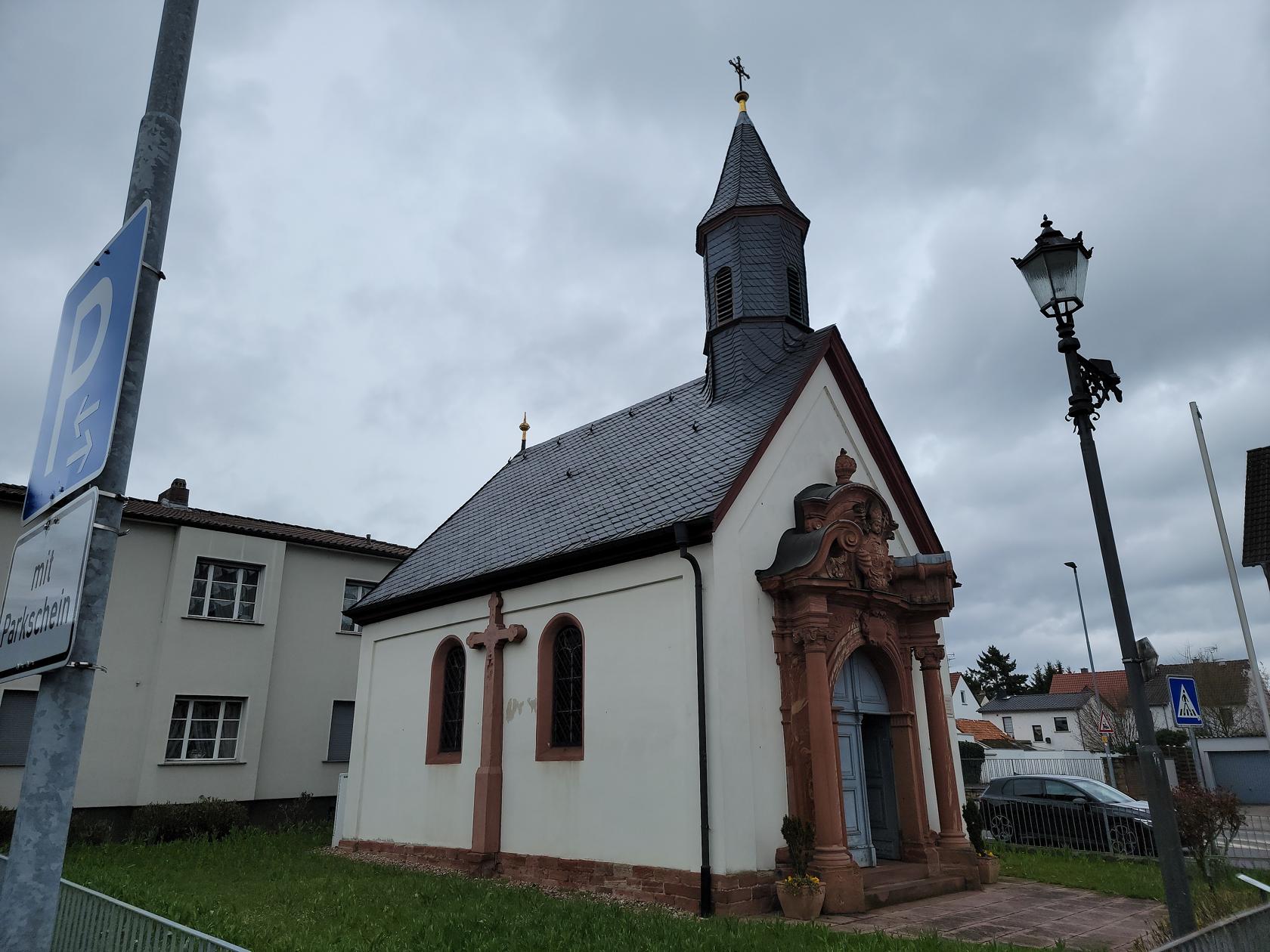
Wendelinuskapelle – Seligenstadt, Germany
A stone’s throw from one of the public parking places is the Wendelinuskapelle. A small chapel honoring Saint Wendel, patron saint of farmers and shepards. Built in the late 1800s it stands on the place of a former Heiligenhäuschen. The Baroque doorway is some 160 years older than the chapel itself and was taken from the west portal of the Seligenstadt Basilica, when it was renovated in 1868. The inside is rather plain and in need of some repair.
Seligenstadt
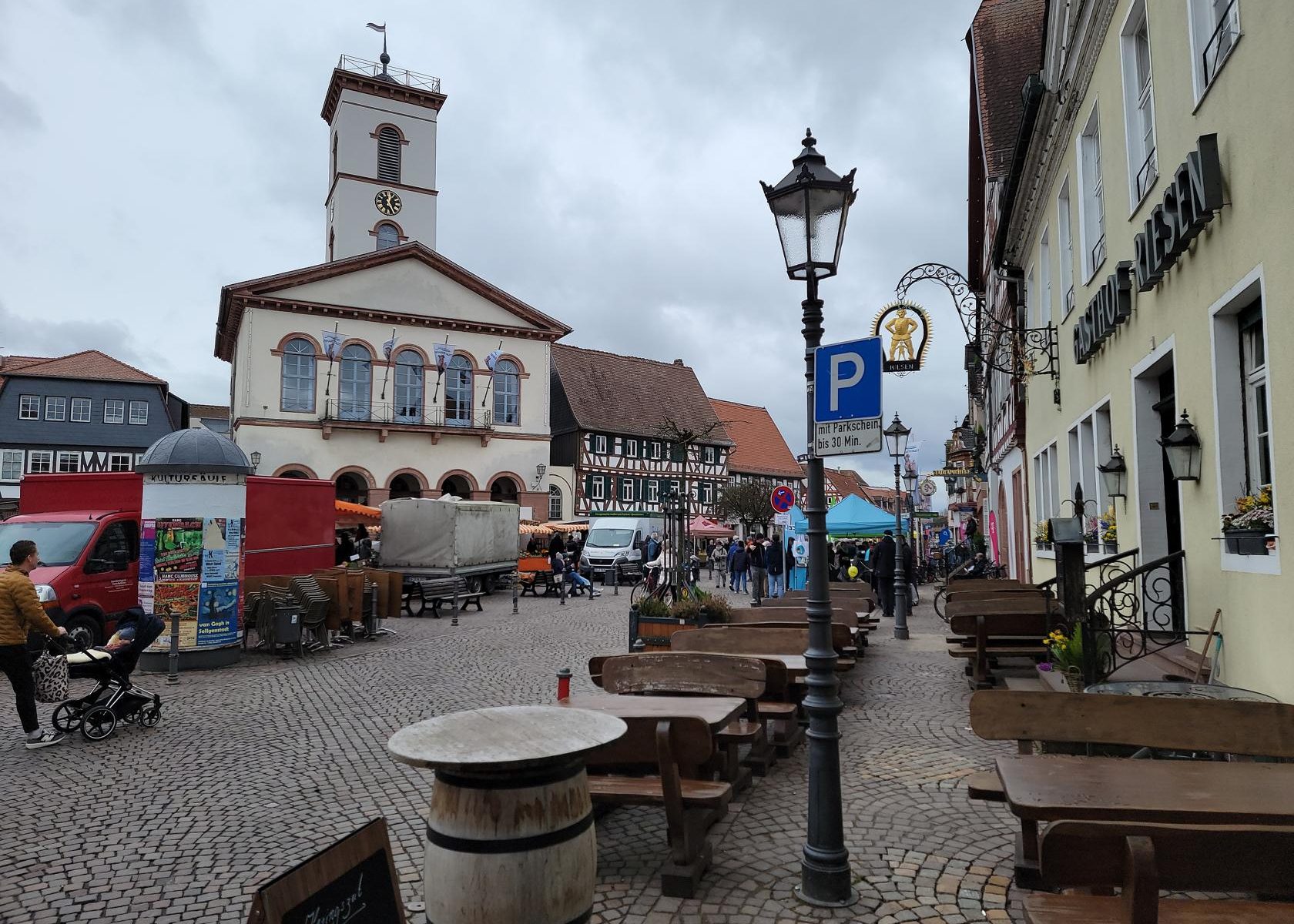
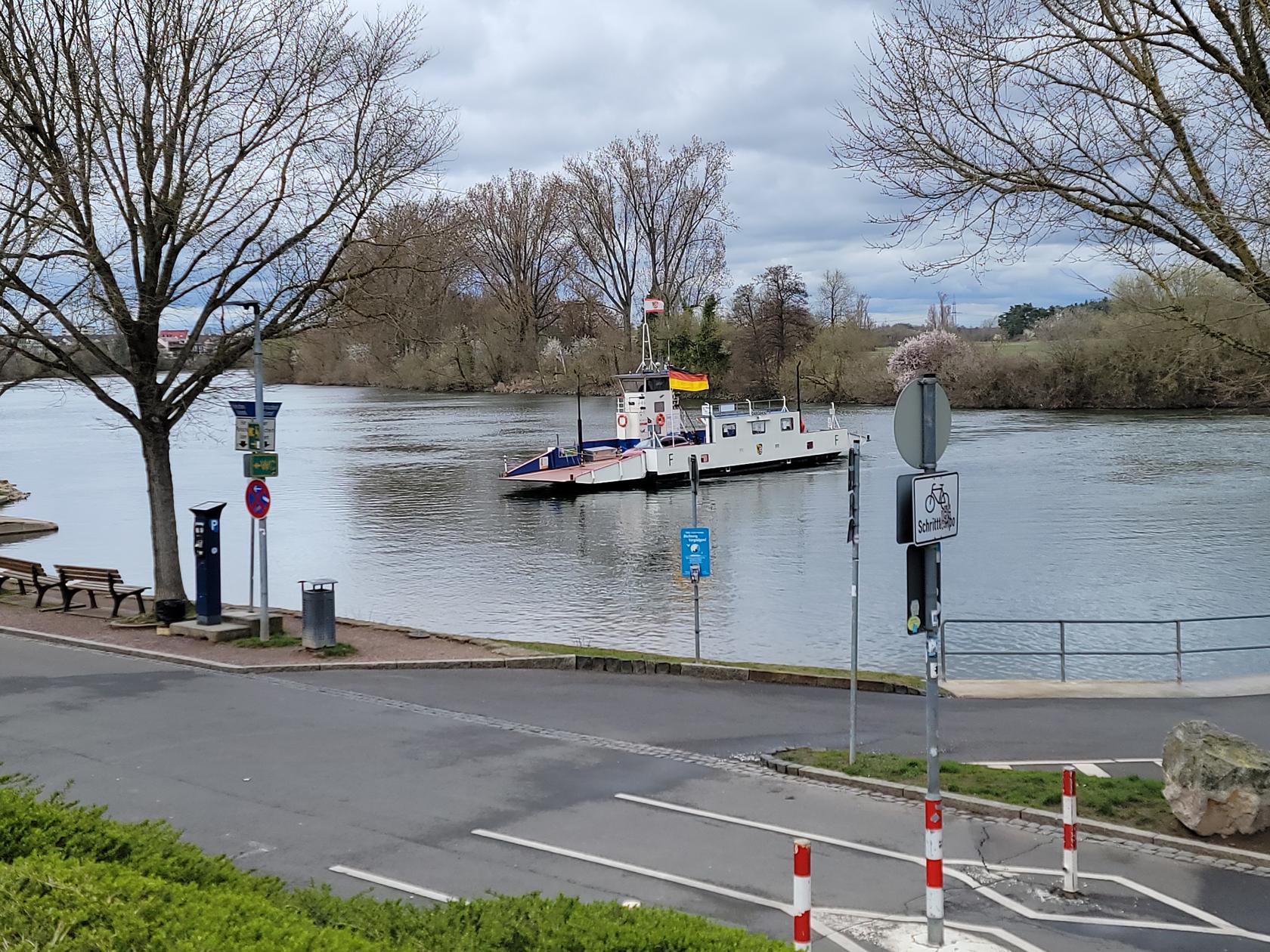
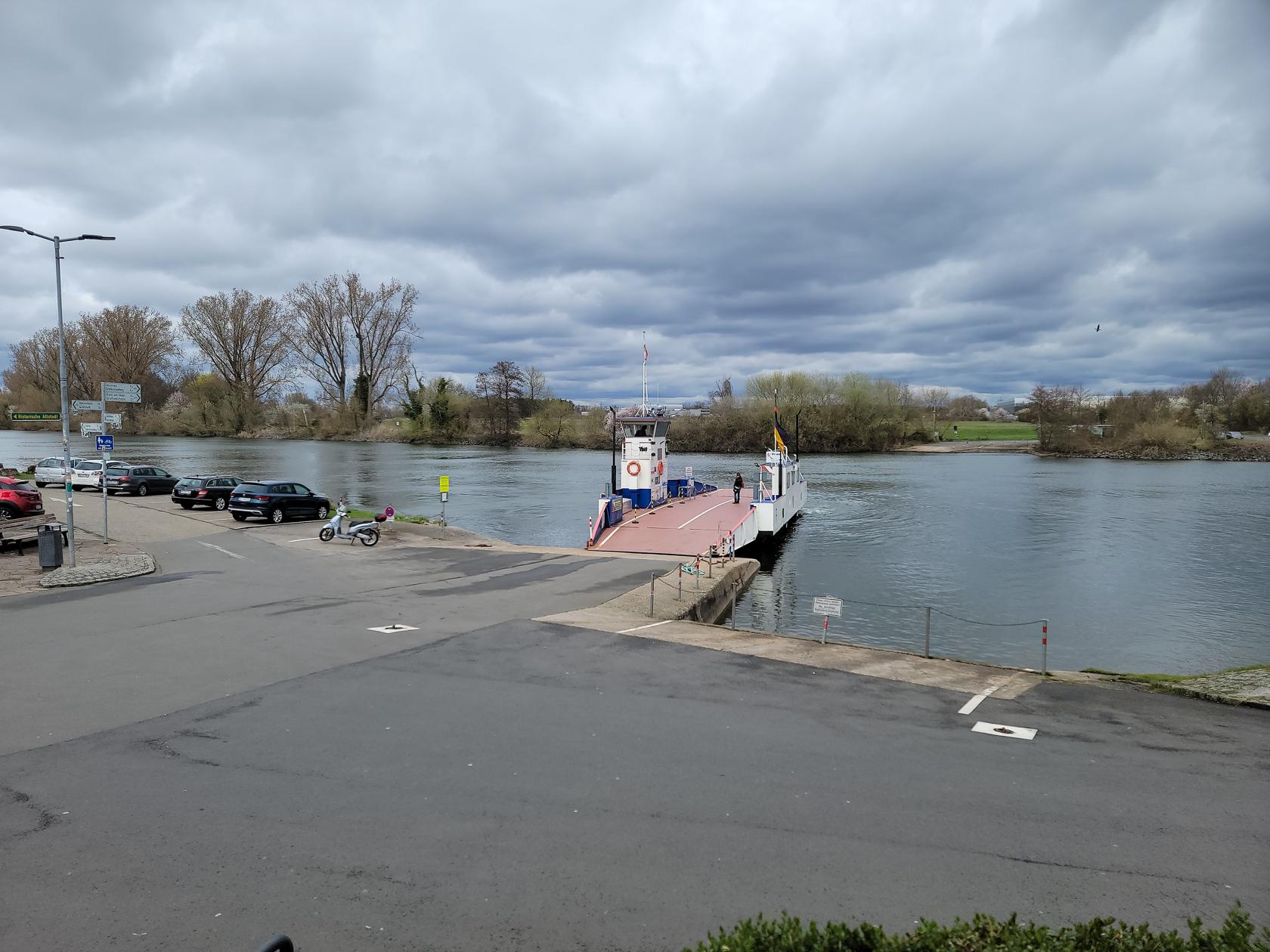
The three main attractions in this town are the Benedictine Monastery, the Einhard-Basilika and the town’s Marktplatz, or marketplace. One can also find along the Große Maingasse a ferry crossing that crosses the Main river, which separates Hesse from Bavaria.
Mainfähre – Seligenstadt, Germany
Mainfähre – Seligenstadt, Germany
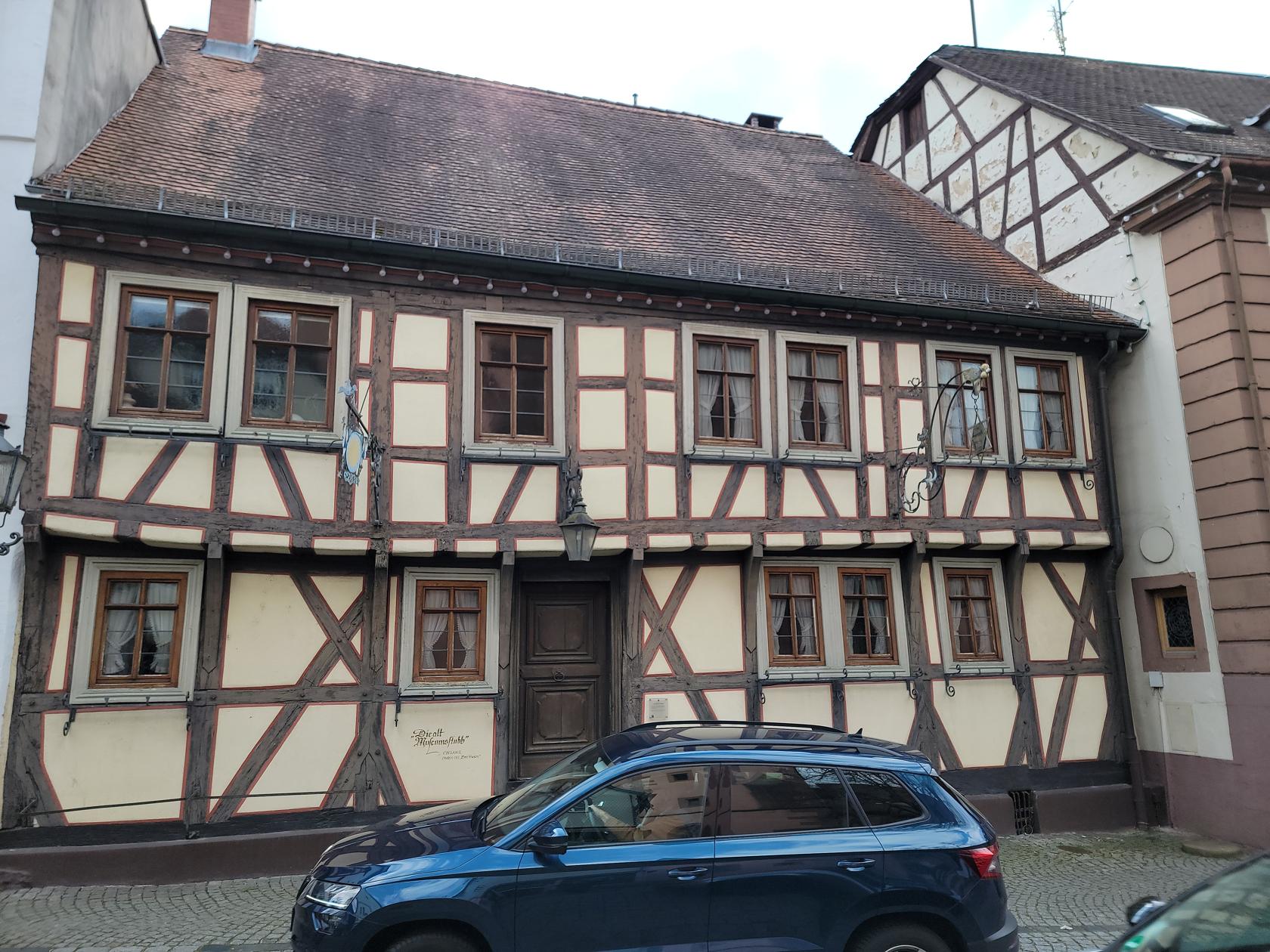
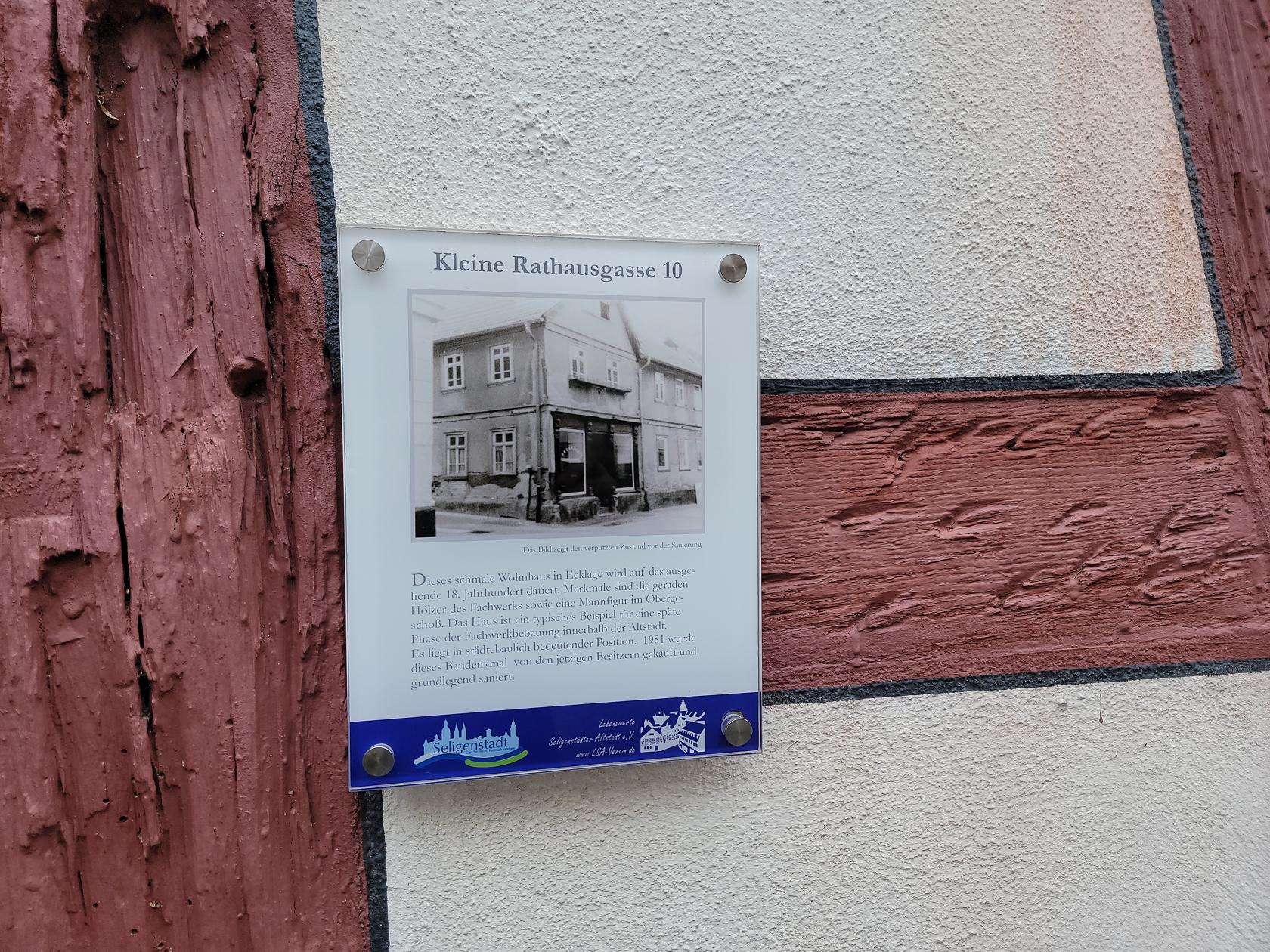
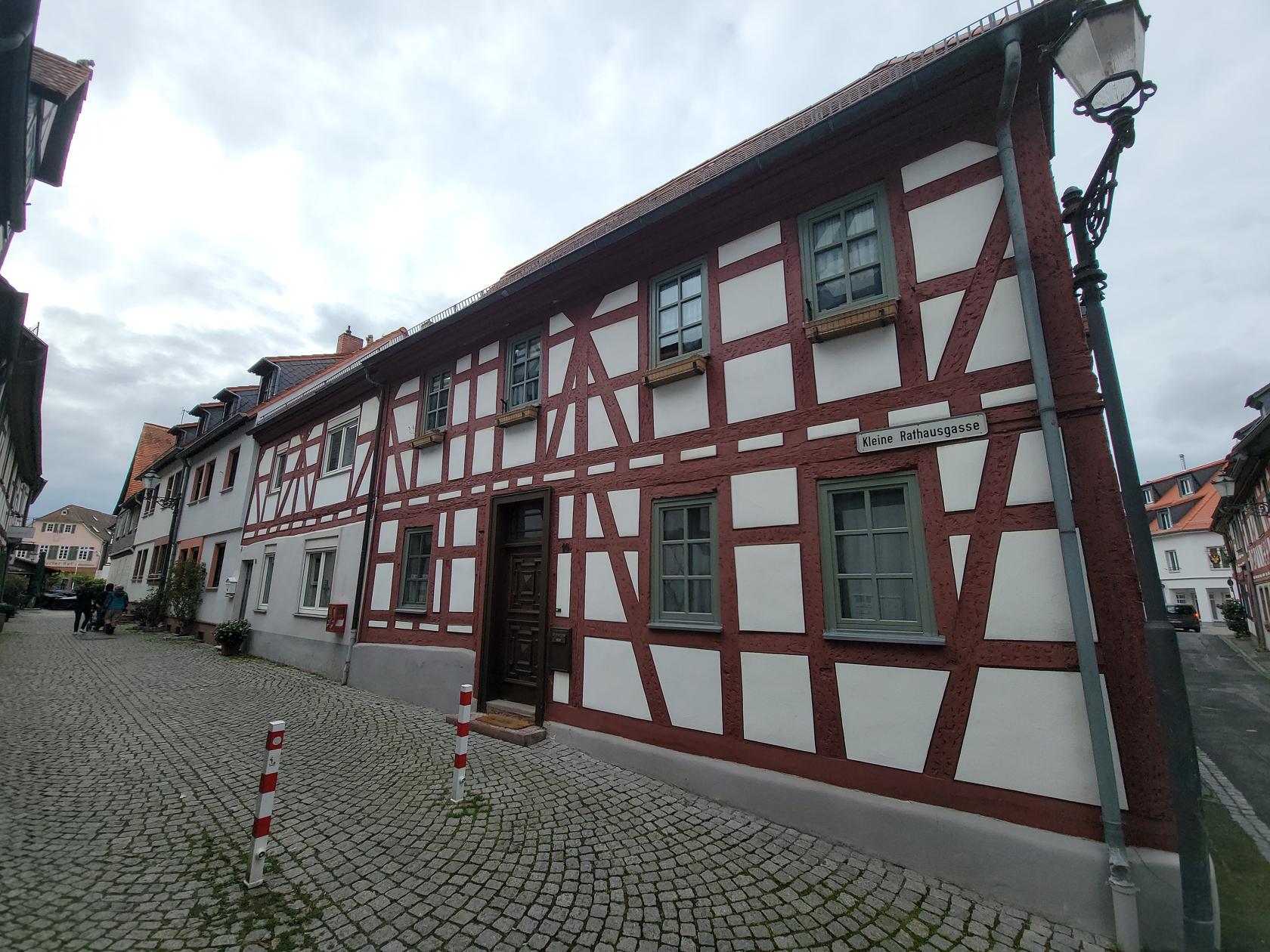
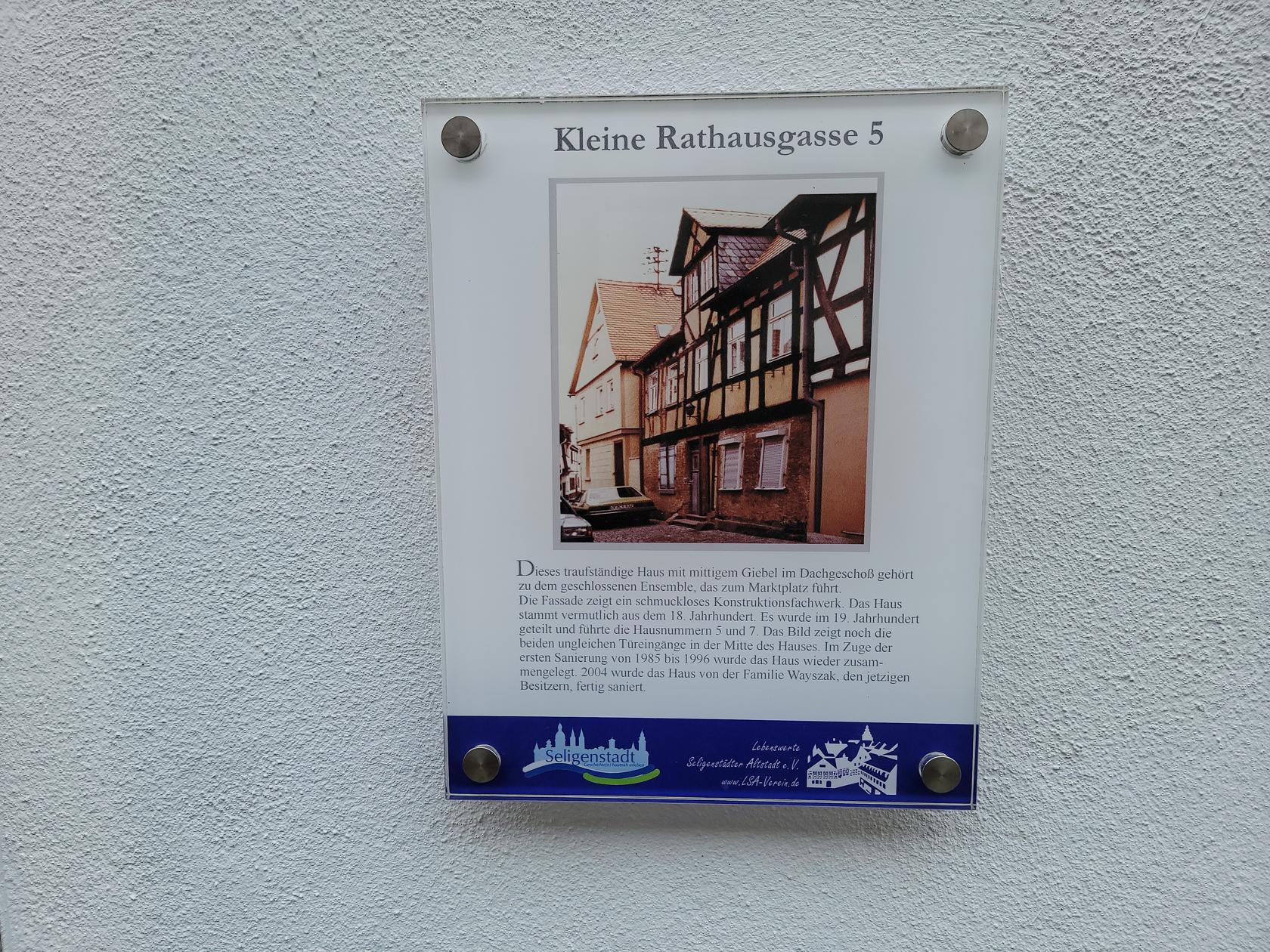
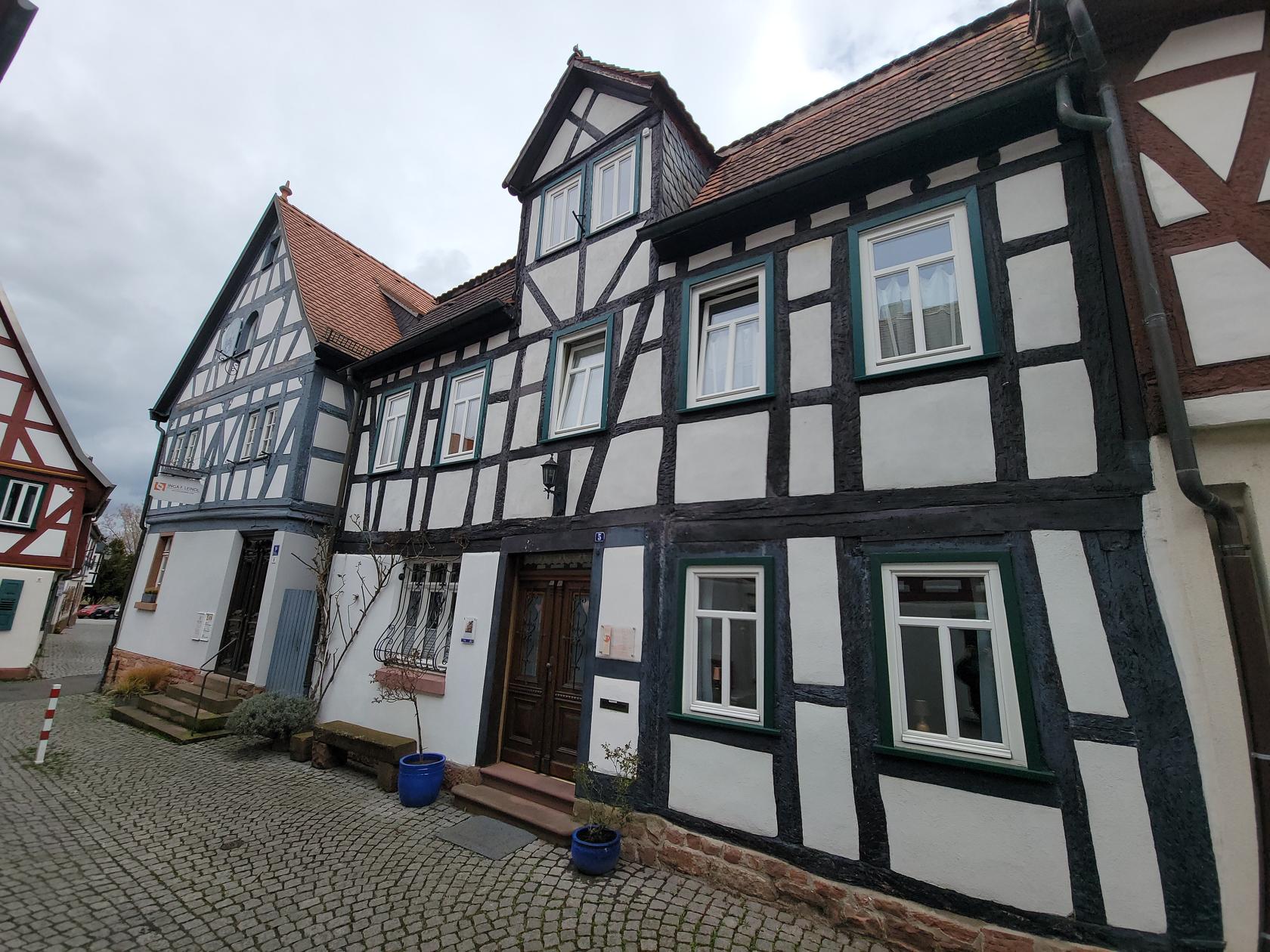
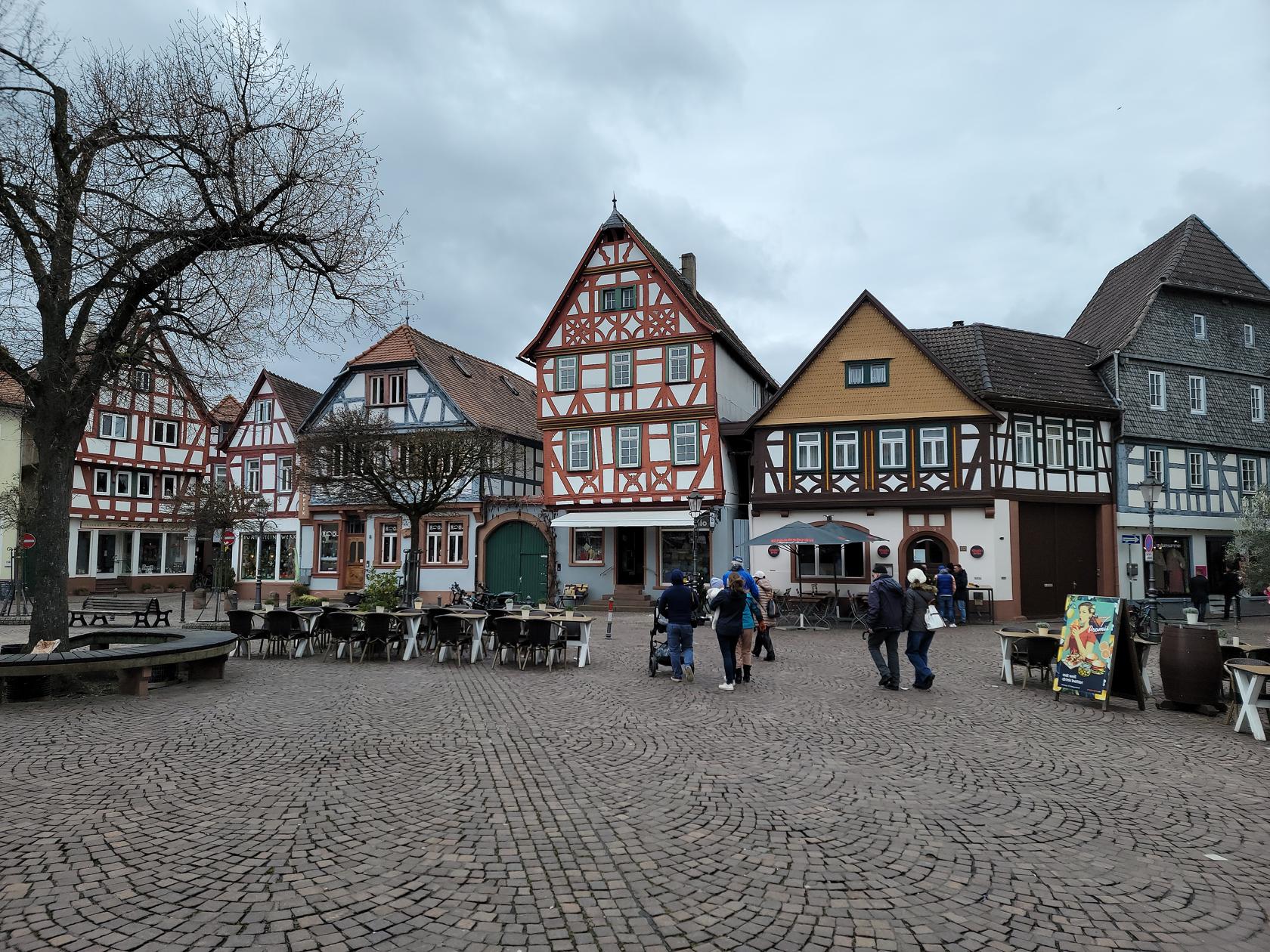
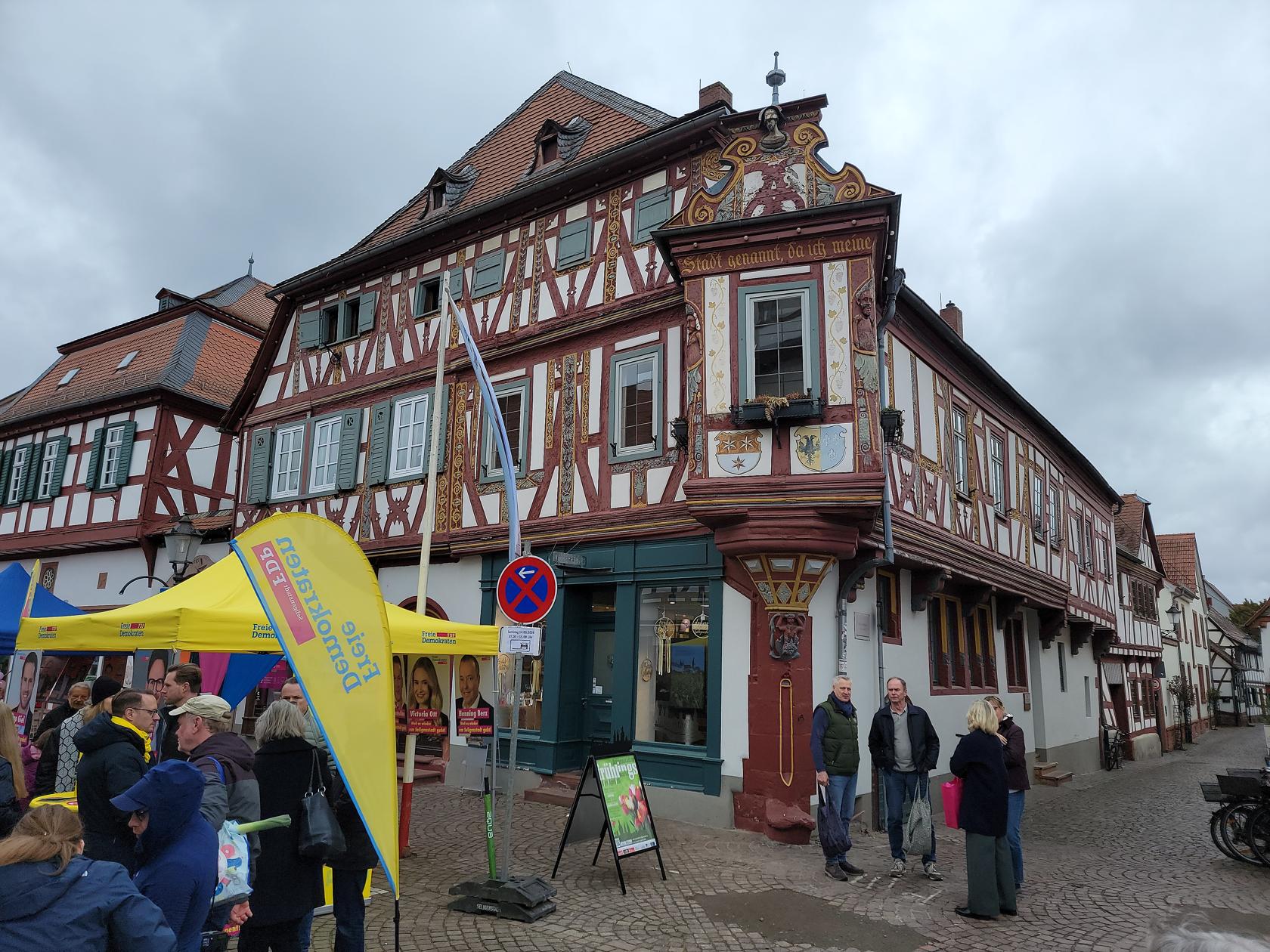
For the most part the town appears to have been saved from the ravages of war. Many of the original timber houses still stand and many have historical markers on them, giving the passer-by a brief history of the structure before them.
Timber Houses – Kleine Rathausgasse 10 – Seligenstadt, Germany
Timber Houses – Kleine Rathausgasse 10 – Seligenstadt, Germany
Timber Houses – Kleine Rathausgasse 5 – Seligenstadt, Germany
Timber Houses – Kleine Rathausgasse 5 – Seligenstadt, Germany
Benedictine Monastery
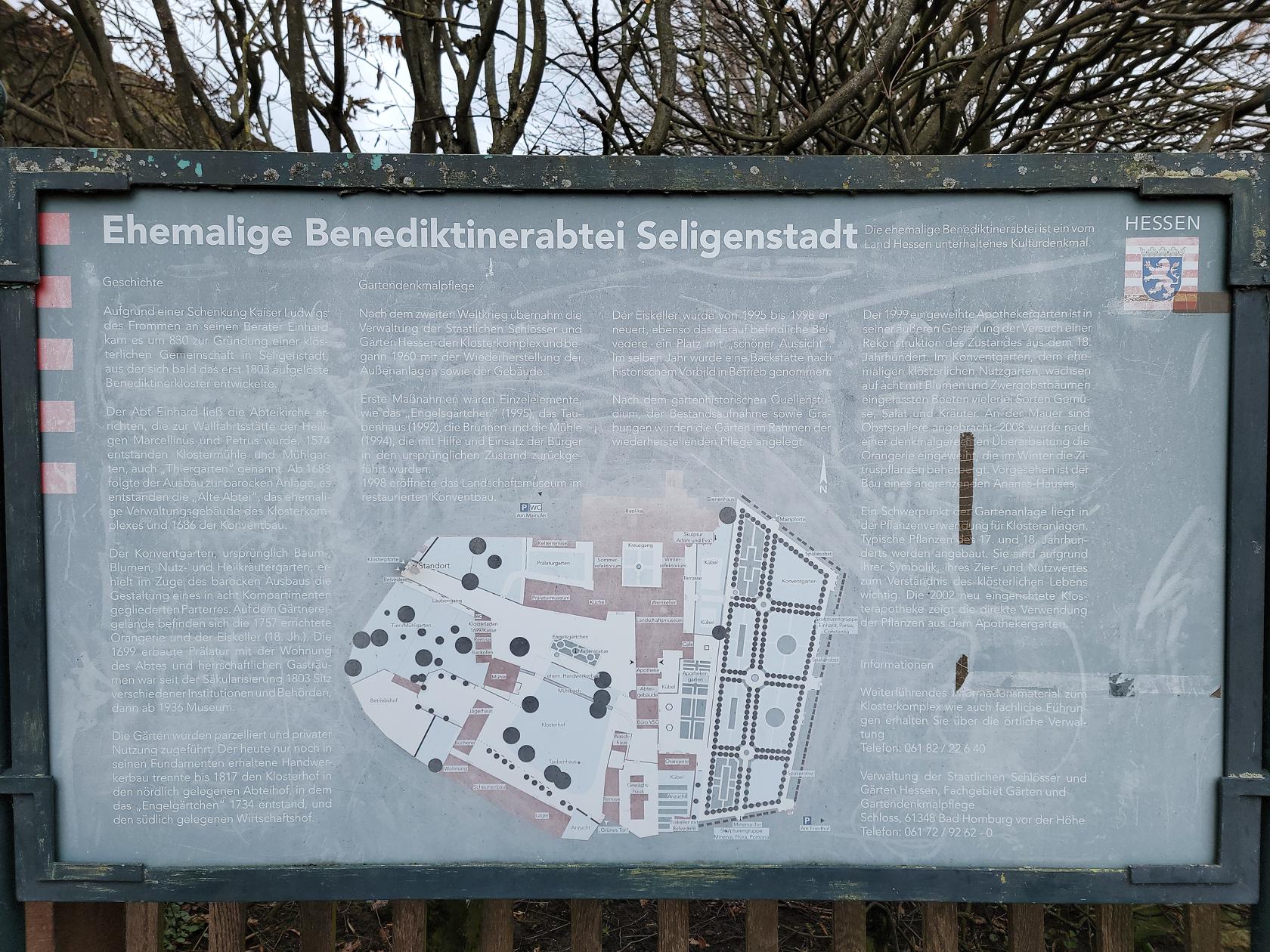
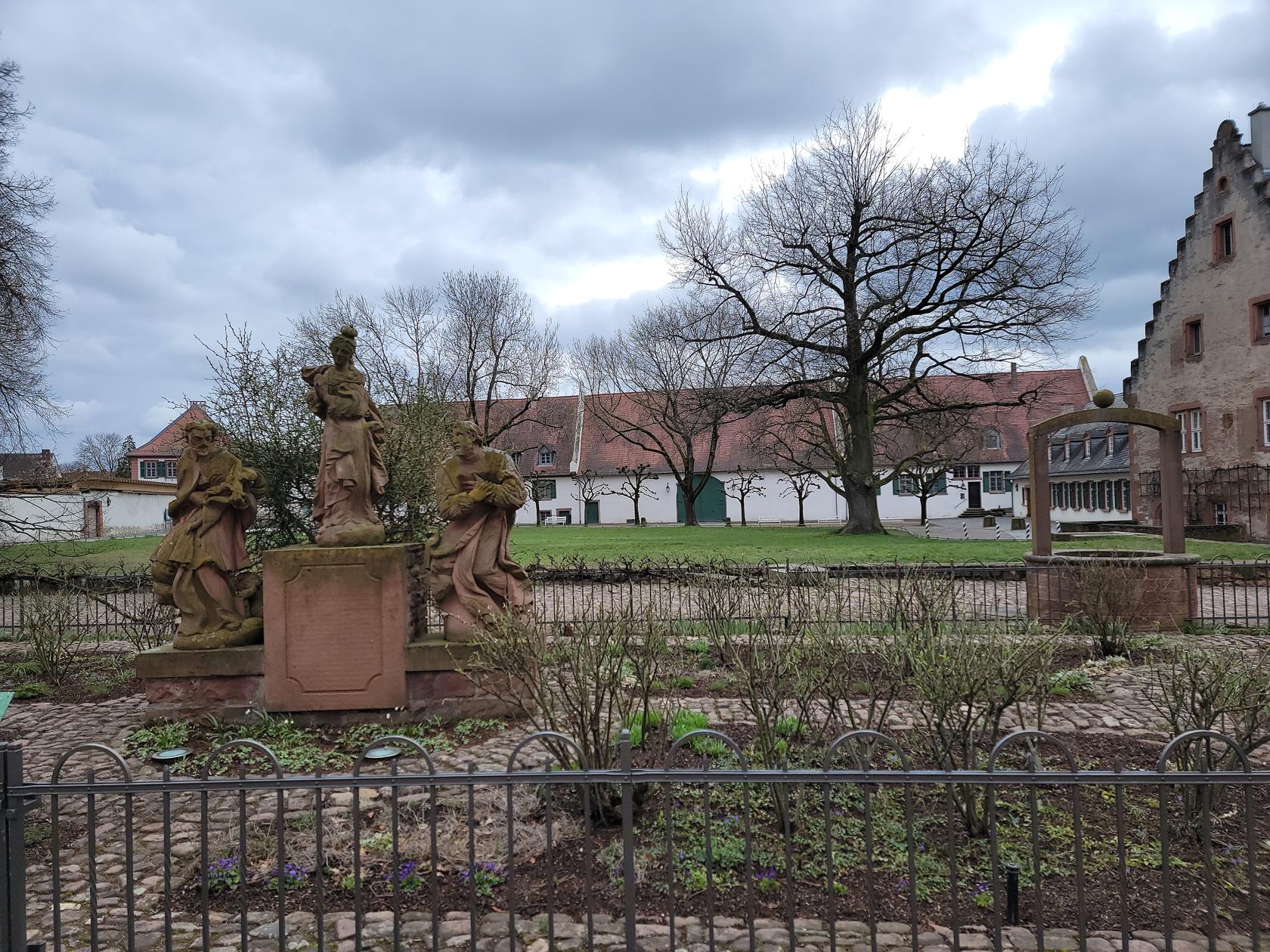
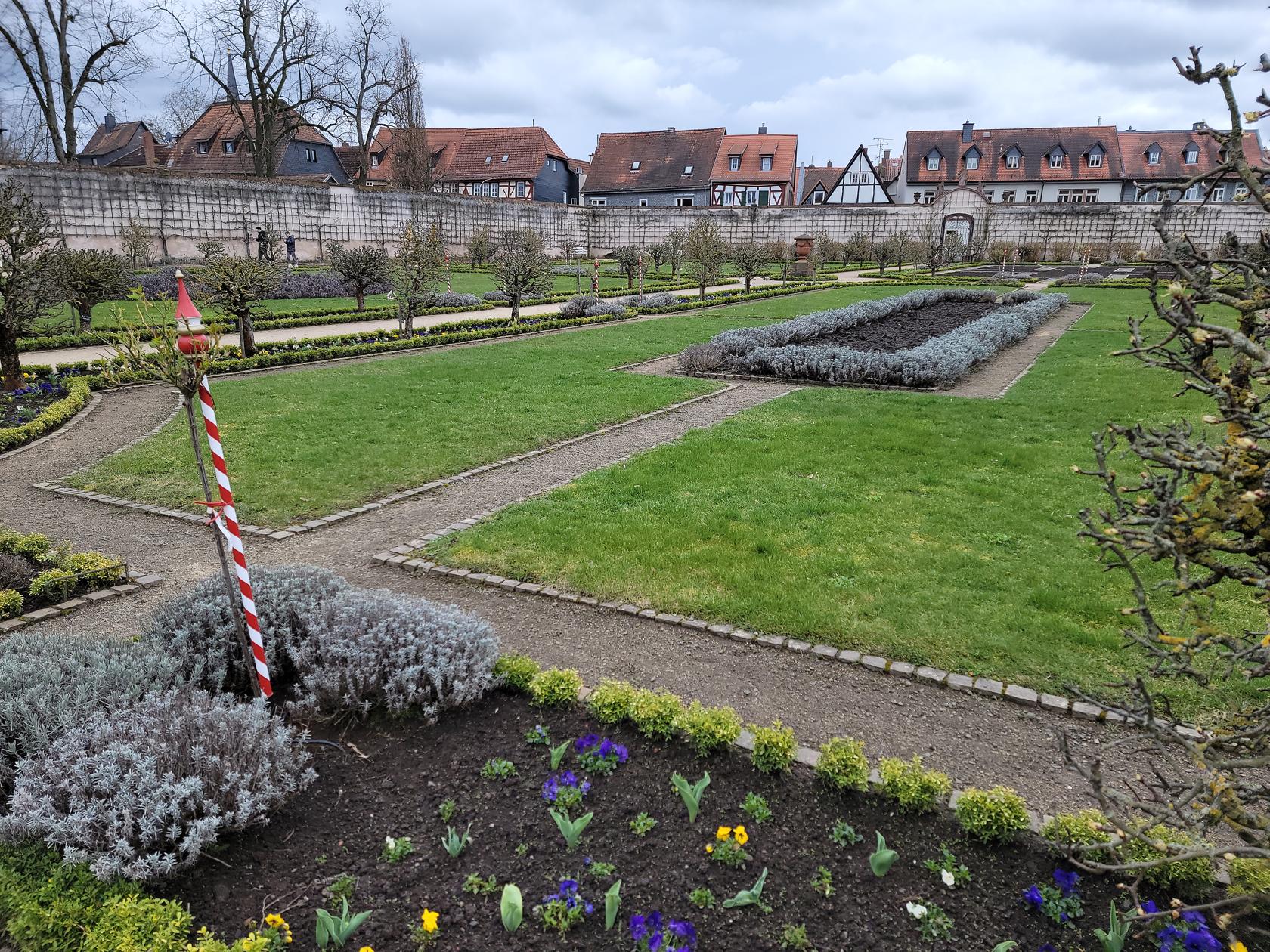
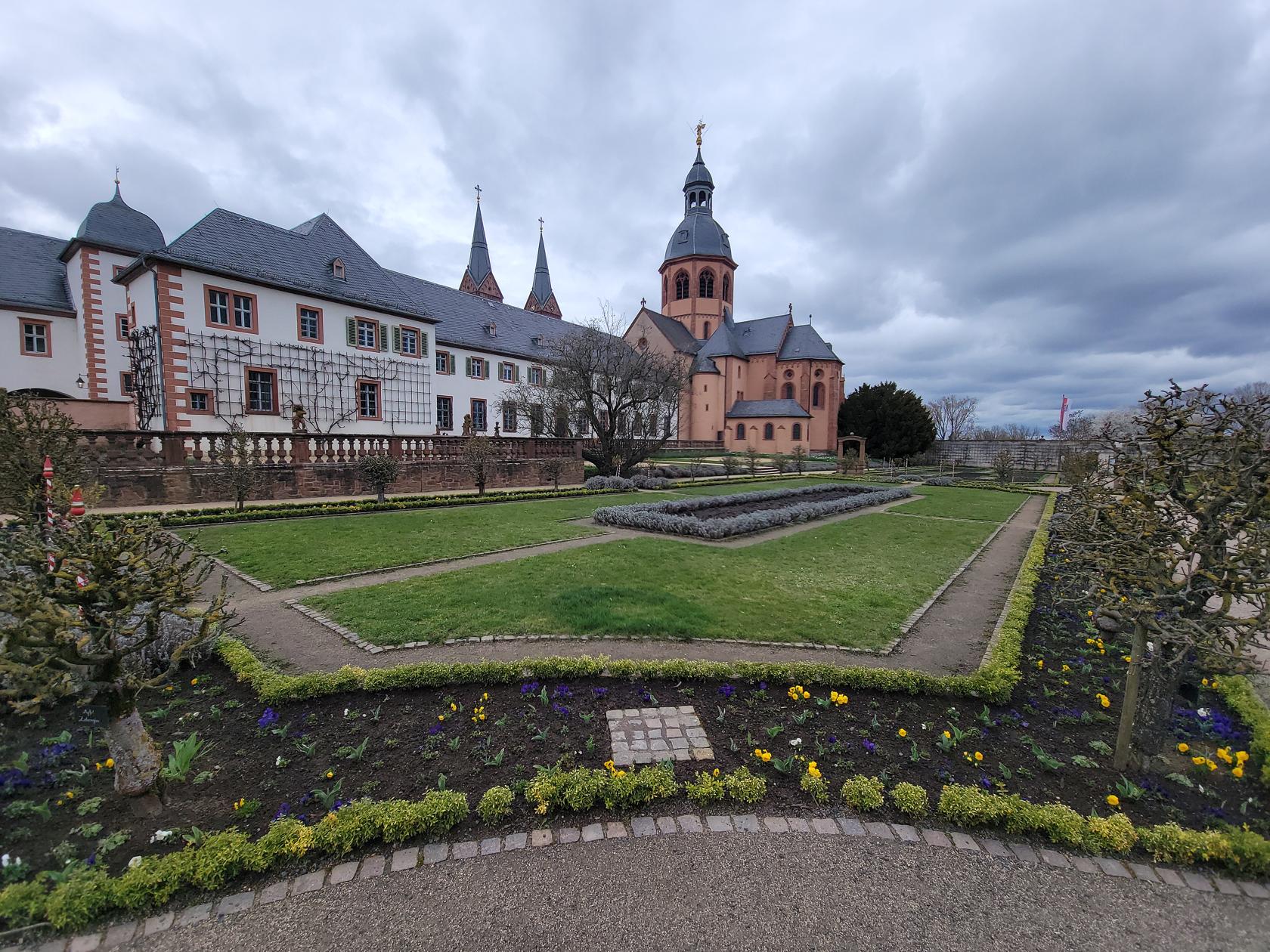
The monastery, which was established by the Benedictines in 815, houses a museum now and a beautifully maintained garden overlooking the Main river.
Former Benedictine Abbey – History – Seligenstadt, Germany
Former Benedictine Abbey – Entrance – Seligenstadt, Germany
Former Benedictine Abbey – Gardens – Seligenstadt, Germany
Former Benedictine Abbey – Gardens and Church – Seligenstadt, Germany
Einhard-Basilika
Though started in the early ninth century as the Saint Marcellinus and Petrus church, it is currently known as the basilica of Einhard, who was one of Charlemagne’s closest friends and advisors. The facade of the church is neo-roman, though there are several other styles of note, including early gothic.
Einhard-Basilika and former Benedictine Abbey – Entrance – Seligenstadt, Germany
Marktplatz
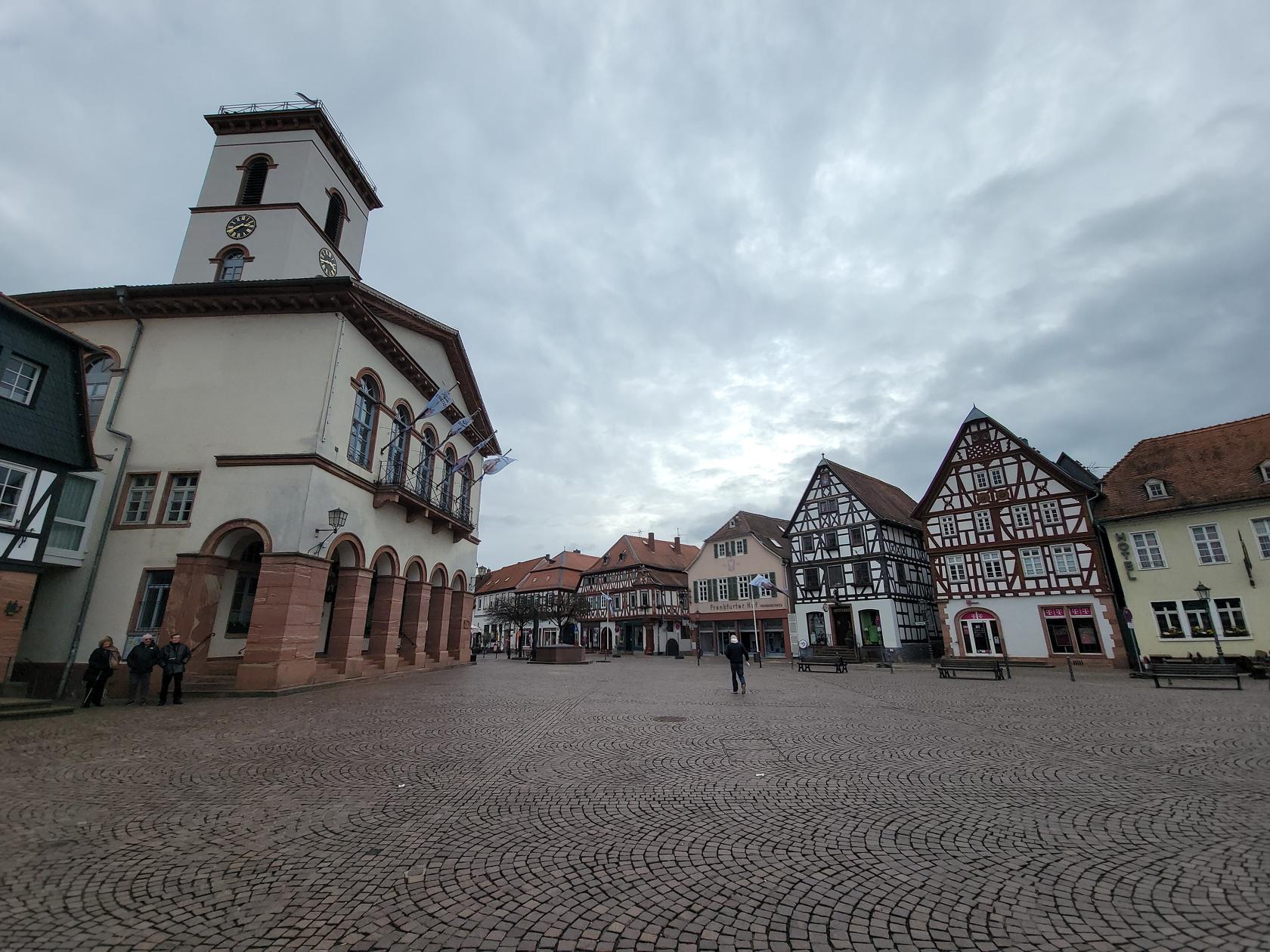
While we were visiting, a political infomation event was being held in the marketplace, which includes the Rathaus. The area is surrounded by quaint little shops, cafes and government buildings.
Marketplace – Seligenstadt, Germany
Marketplace – Seligenstadt, Germany
Marktplatz – Seligenstadt, Germany
Marktplatz – Seligenstadt, Germany
Restaurants
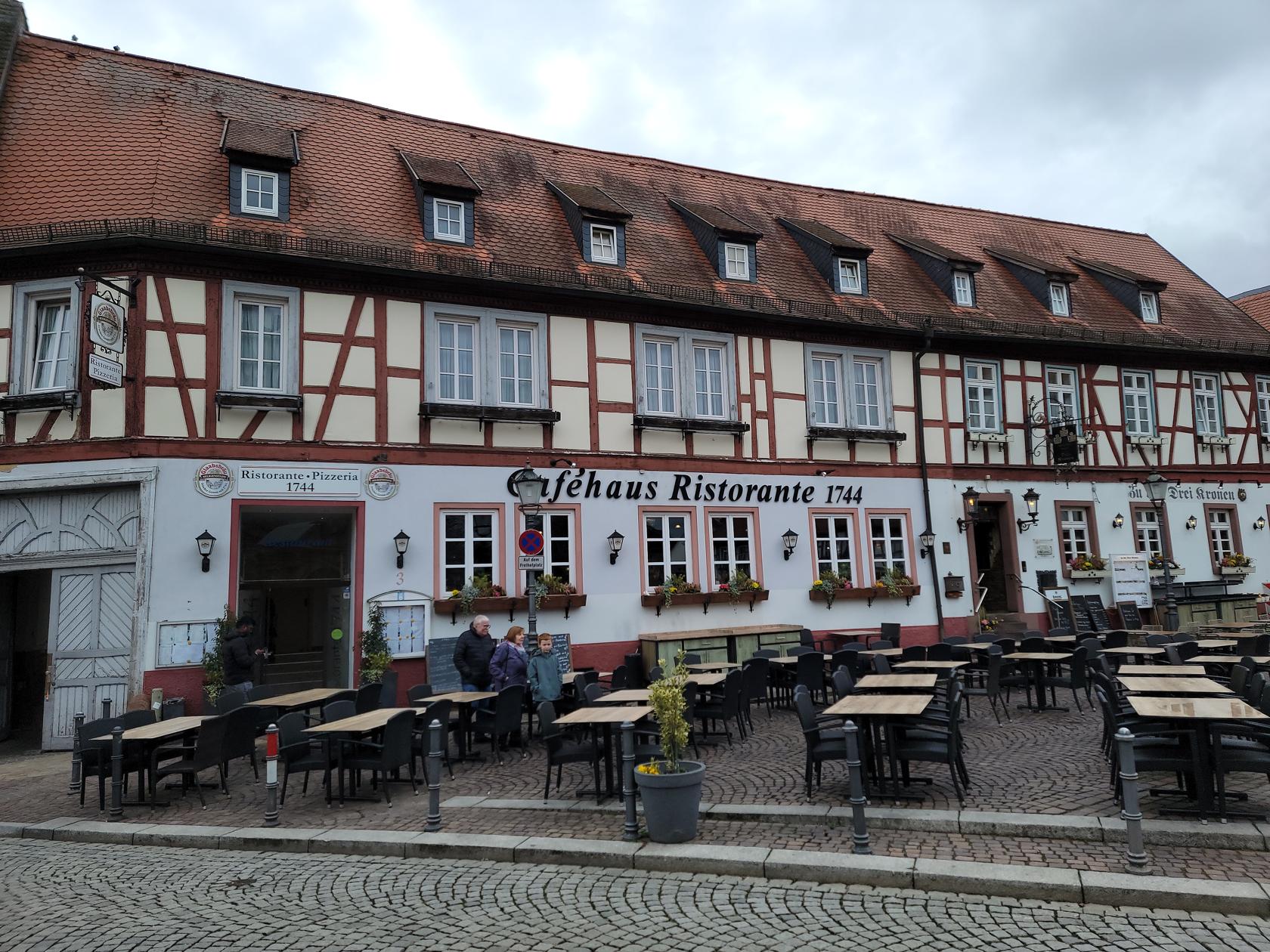
The weather was cold, cloudy and wet, typical for this time of year. So, when it was time it was essential to find a warm place with good food, so Italian with a pizza oven sounded about right.
Ristorante & Pizzeria 1744
A modern restaurant with a surprisingly large staff was able to accomodate us for lunch. I would expect that during busier times, reservations might be recommended.
The food was excellent. We tried the soups and main pasta dishes, which most people around us seem to favor; so we cannot really speak about the quality of the pizza. They also have traditional italian coffee and other after dinner amenities.
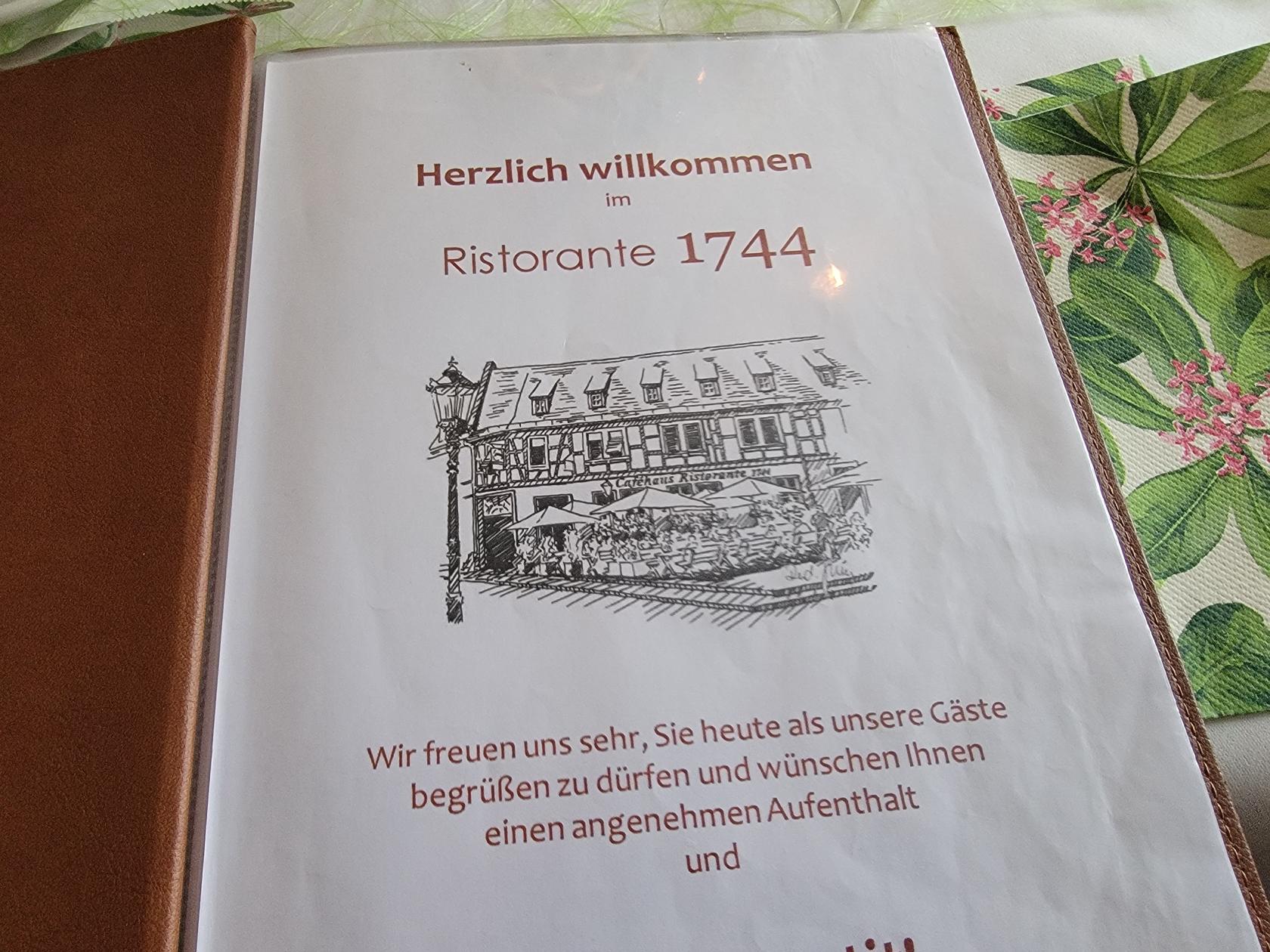
Ristorante & Pizzeria 1744 – Menu – Seligenstadt, Germany
The last time we were in Luzern was in 2020. We came back at the behest of other family members who wanted to visit it for a day and to also check out the wonderful hands-on transportation museum. We therefore made a Tagesausflug, or day trip, from Zürich to Luzern just to see the museum.
Getting There
From Zürich HBf, we took the regional train IR70, which only takes about forty minutes to Luzern. With the half fare card, it only cost us 13.50 Francs round-trip, per person. Luzern train station is right by the confluence of the lake and the river, so it drops you right in the heart of town.
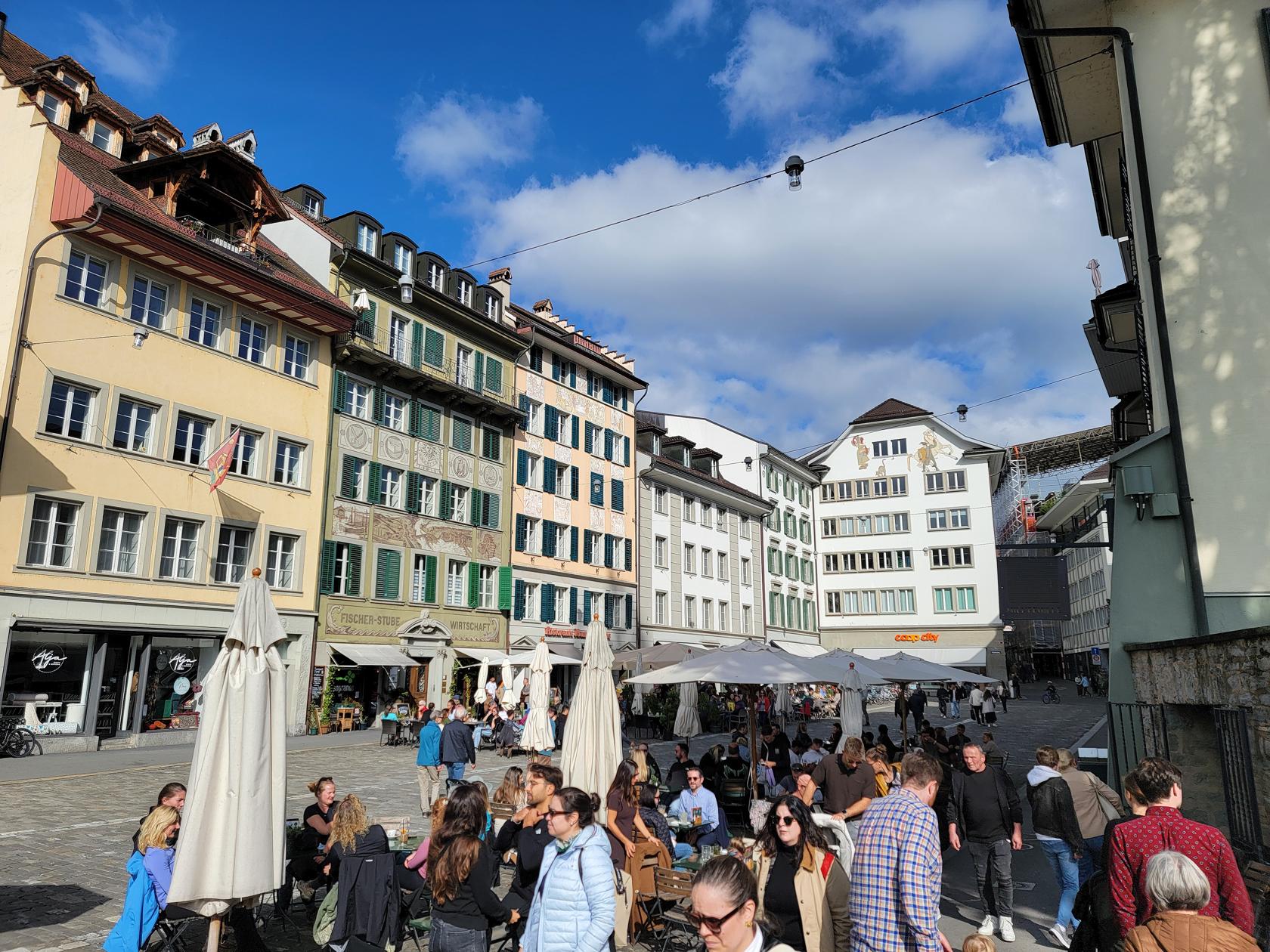
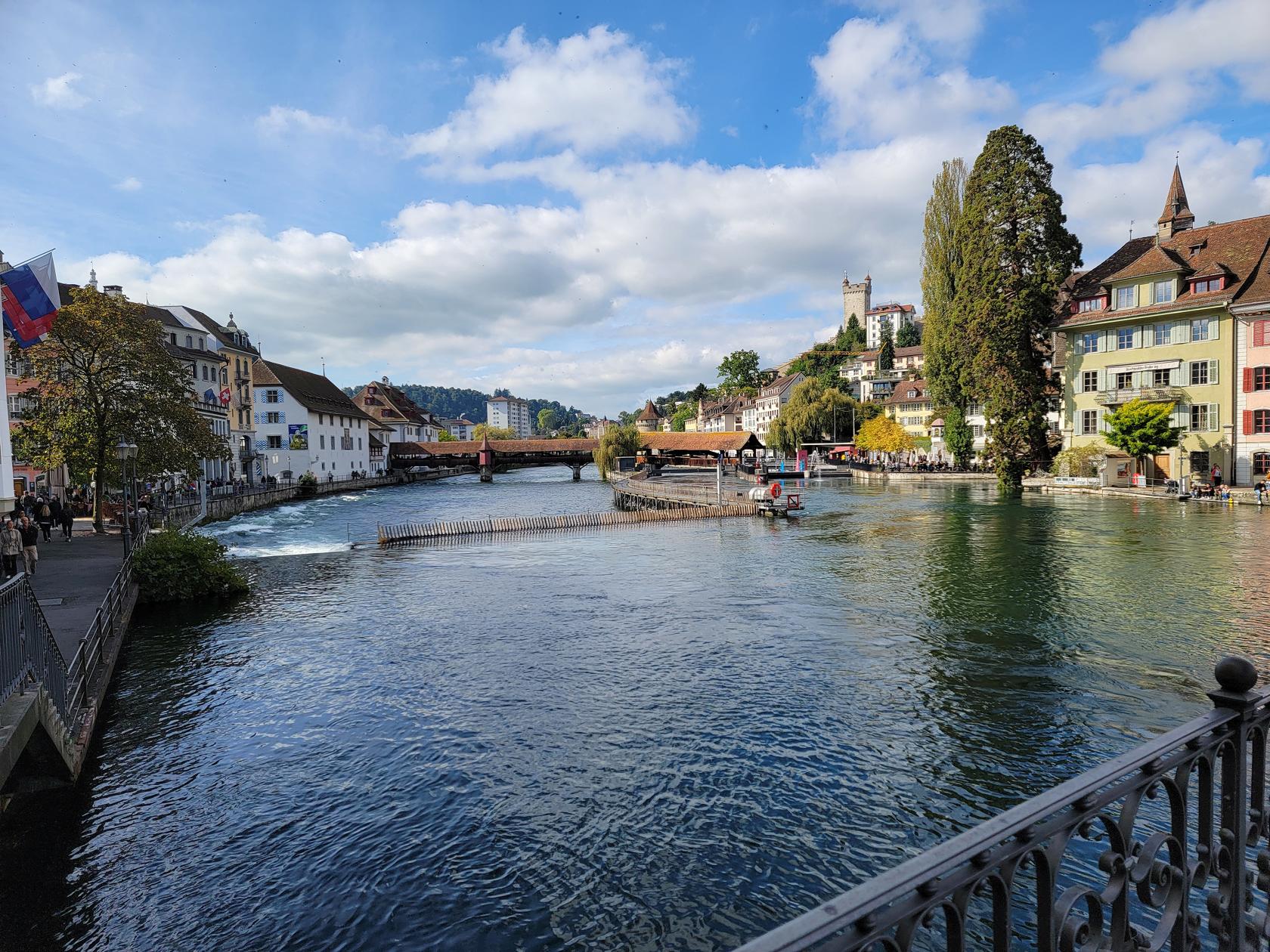
Luzern, or Lucerne depending upon your preferred spelling, is a beautiful little city on the banks of the Vierwaldstättersee, or Lake Lucerne. It is bisected by the Reuss River, which in earlier times not only had several mills along it, it was also used to generate electricity for the city when one of the old mills was converted to a hydro-power station.
Reuss River – Luzerne, Switzerland
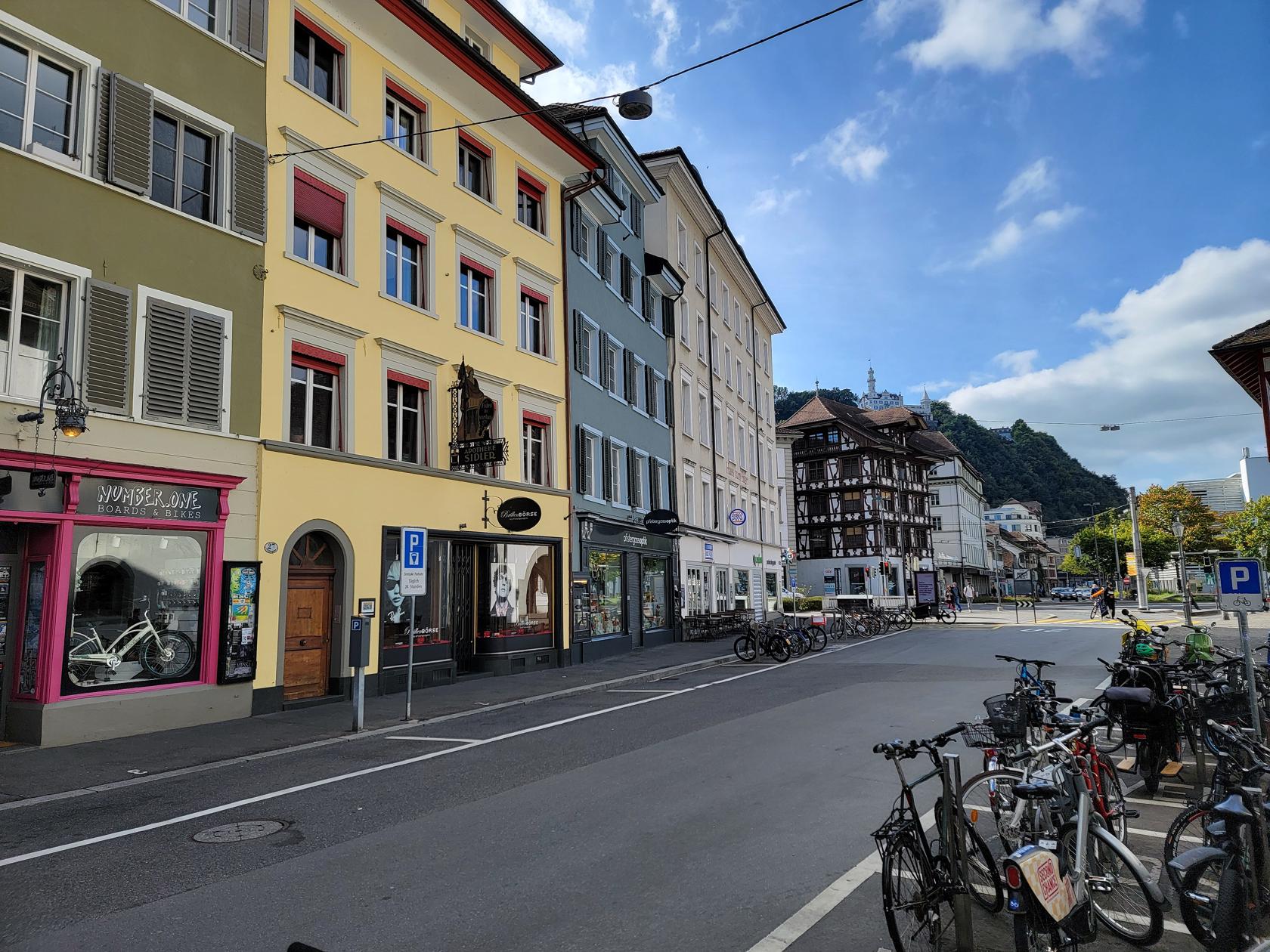
Pfistergasse – Luzerne, Switzerland
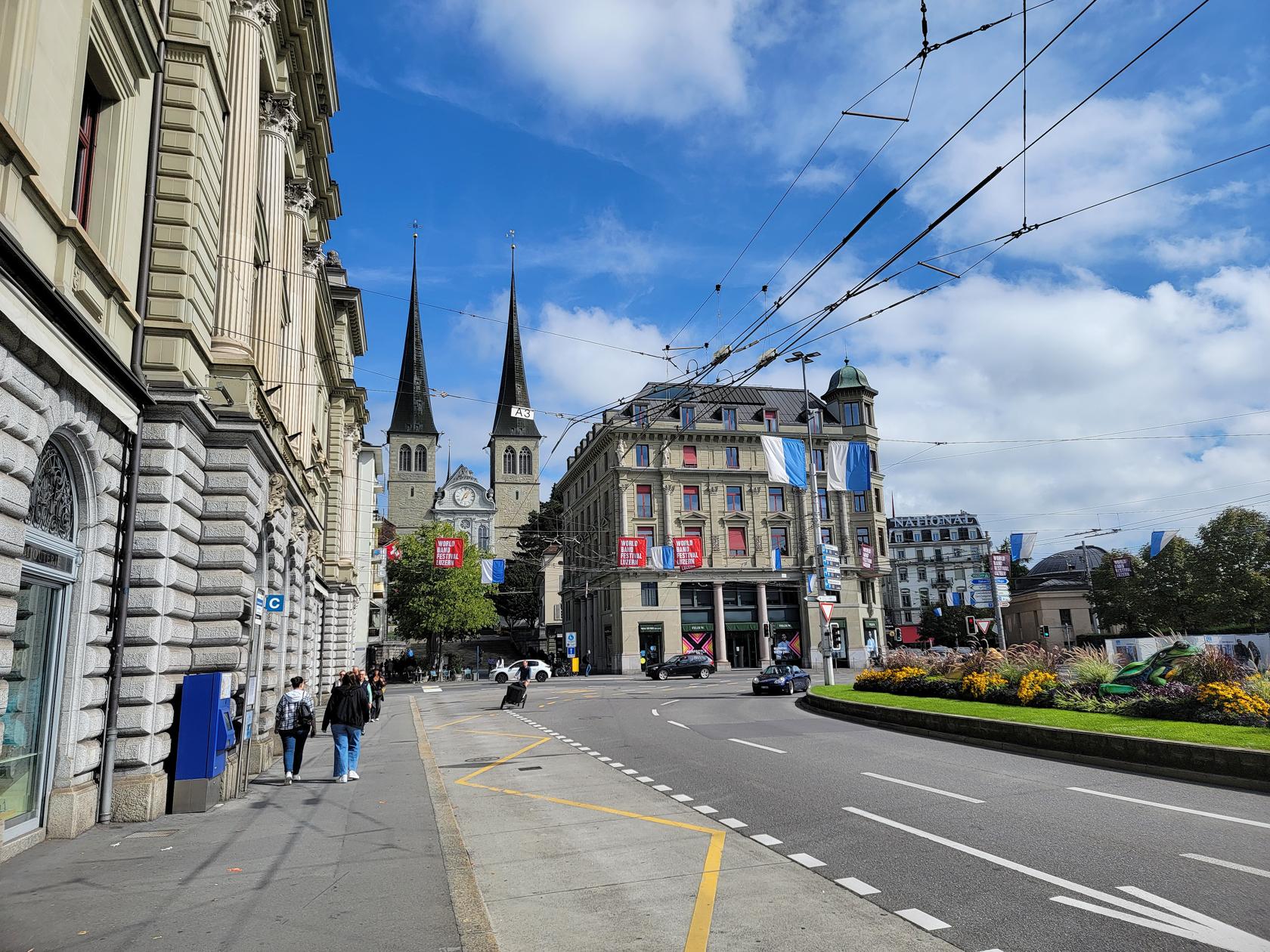
Hofkirche St. Leodegar – Luzerne, Switzerland
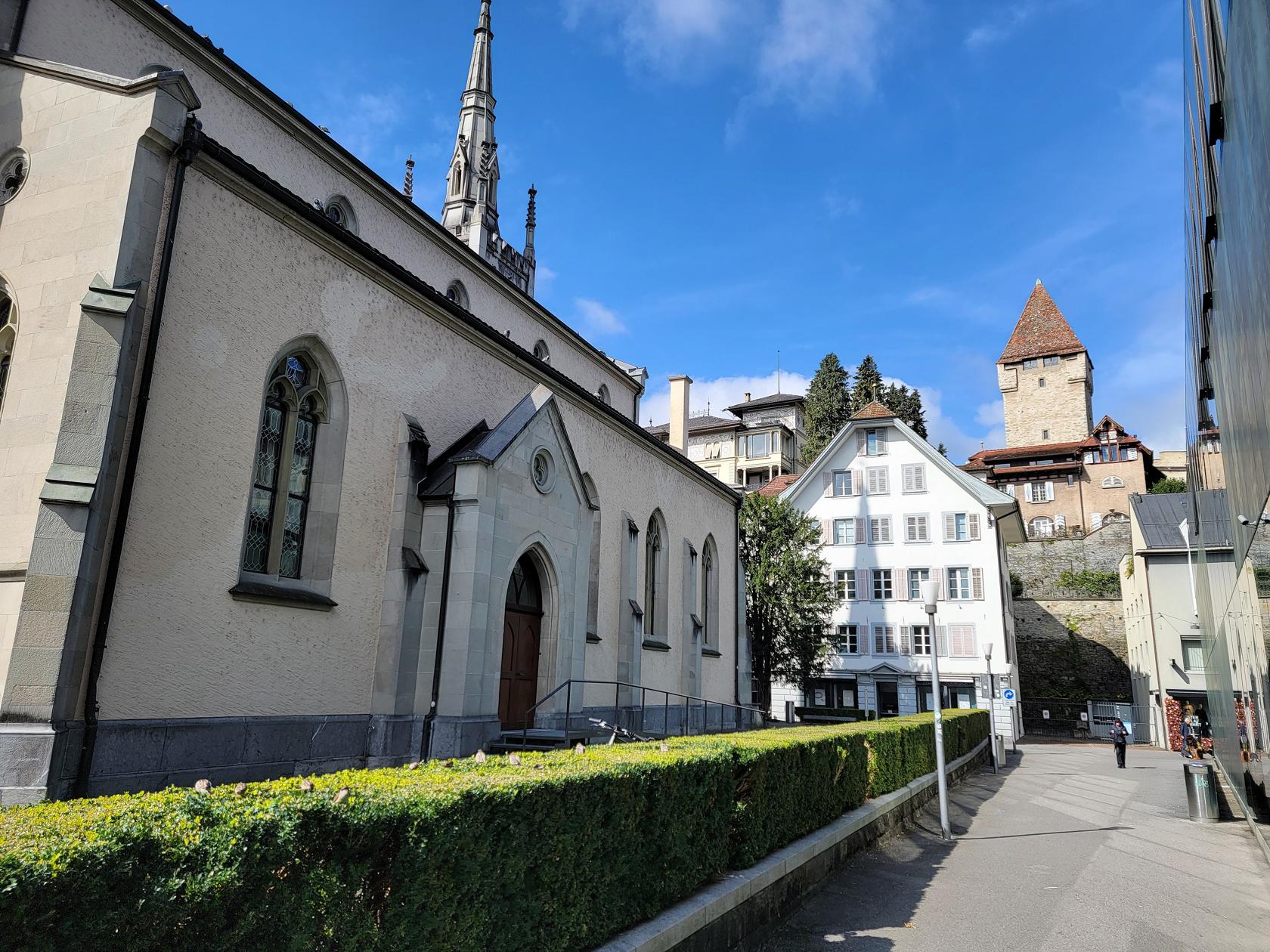
Allenwindenturm – Luzerne, Switzerland
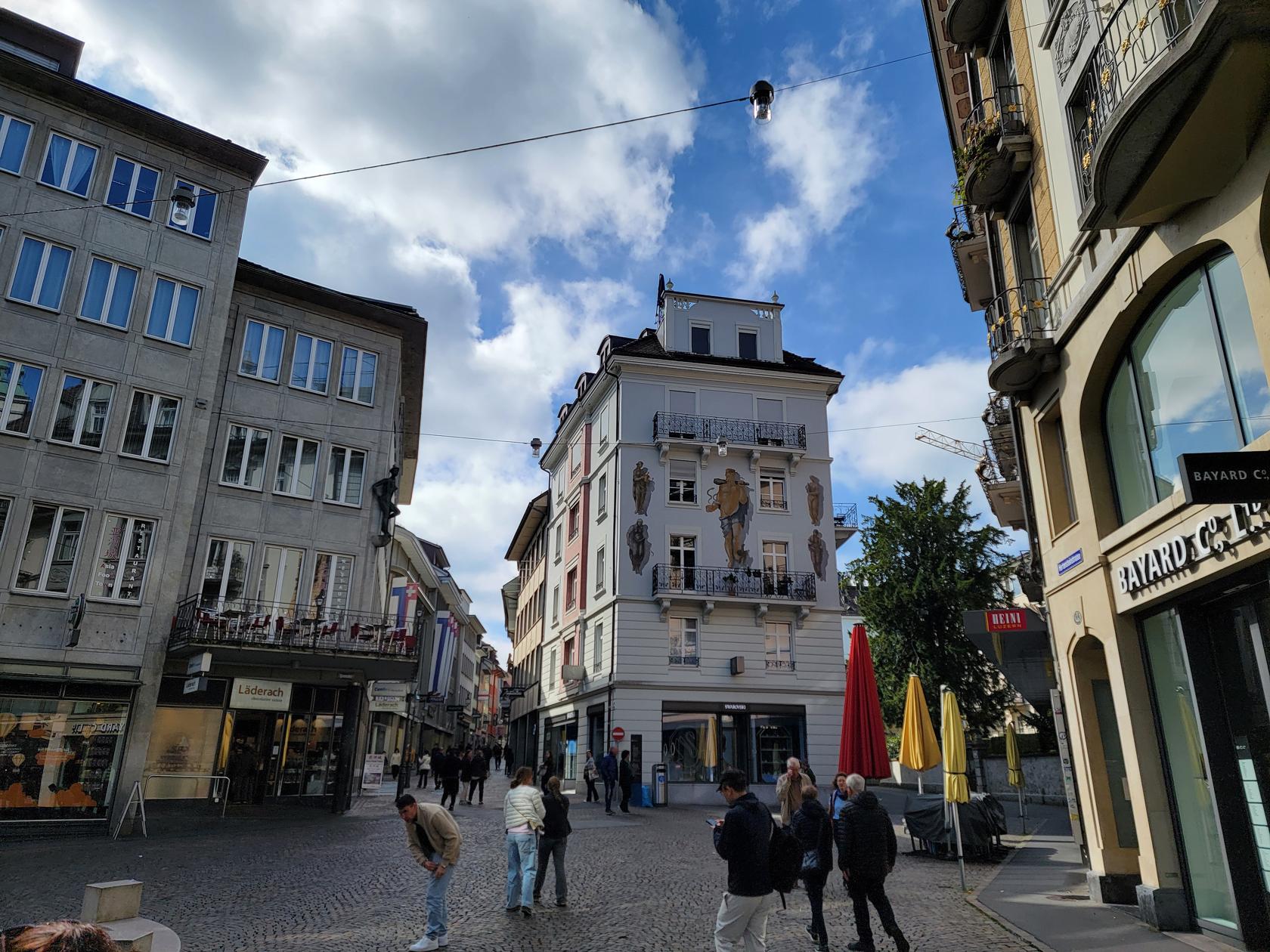
Weggisgasse – Luzerne, Switzerland
Mühlenplatz – Luzerne, Switzerland
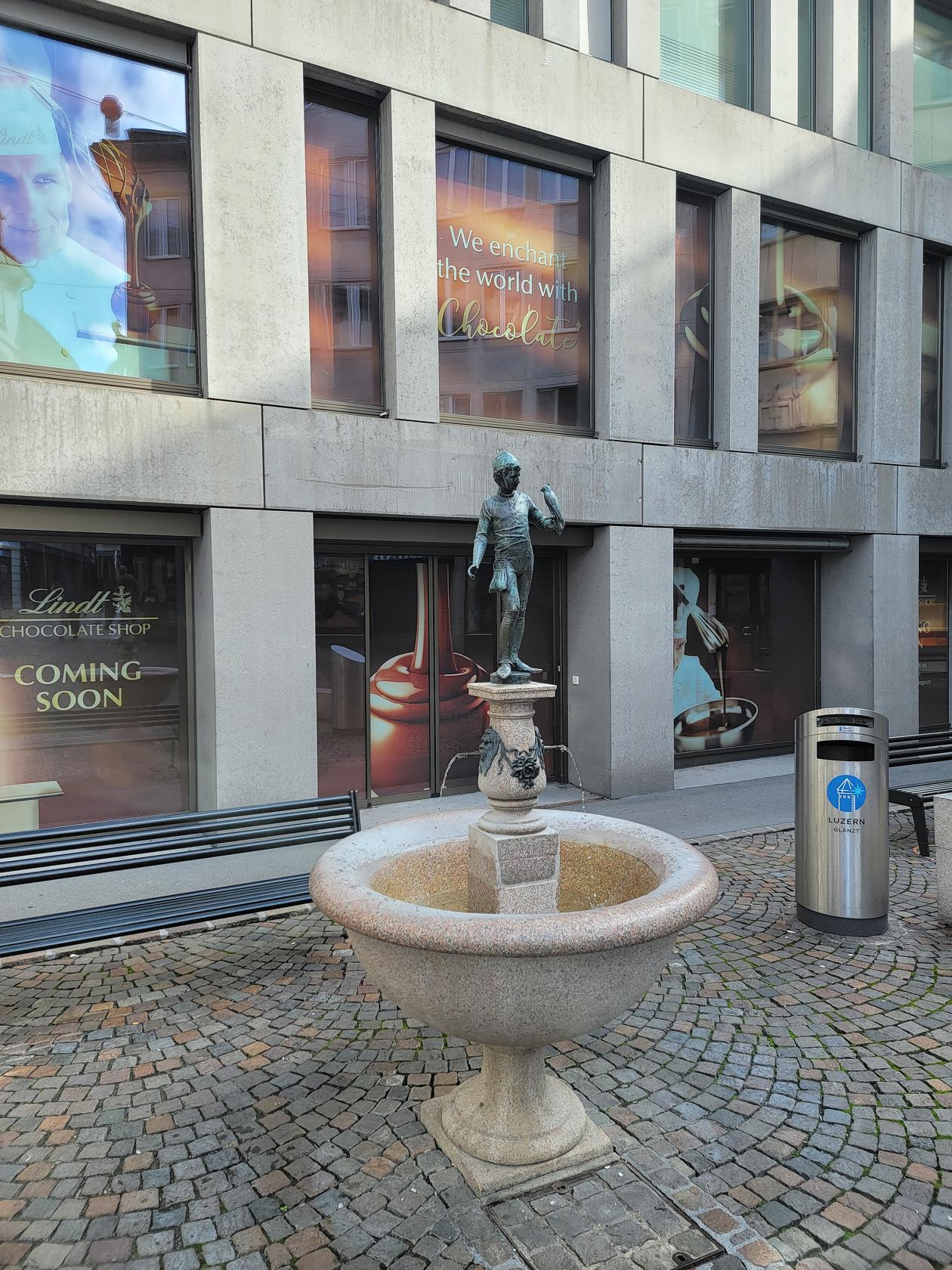
Fountain – Luzerne, Switzerland
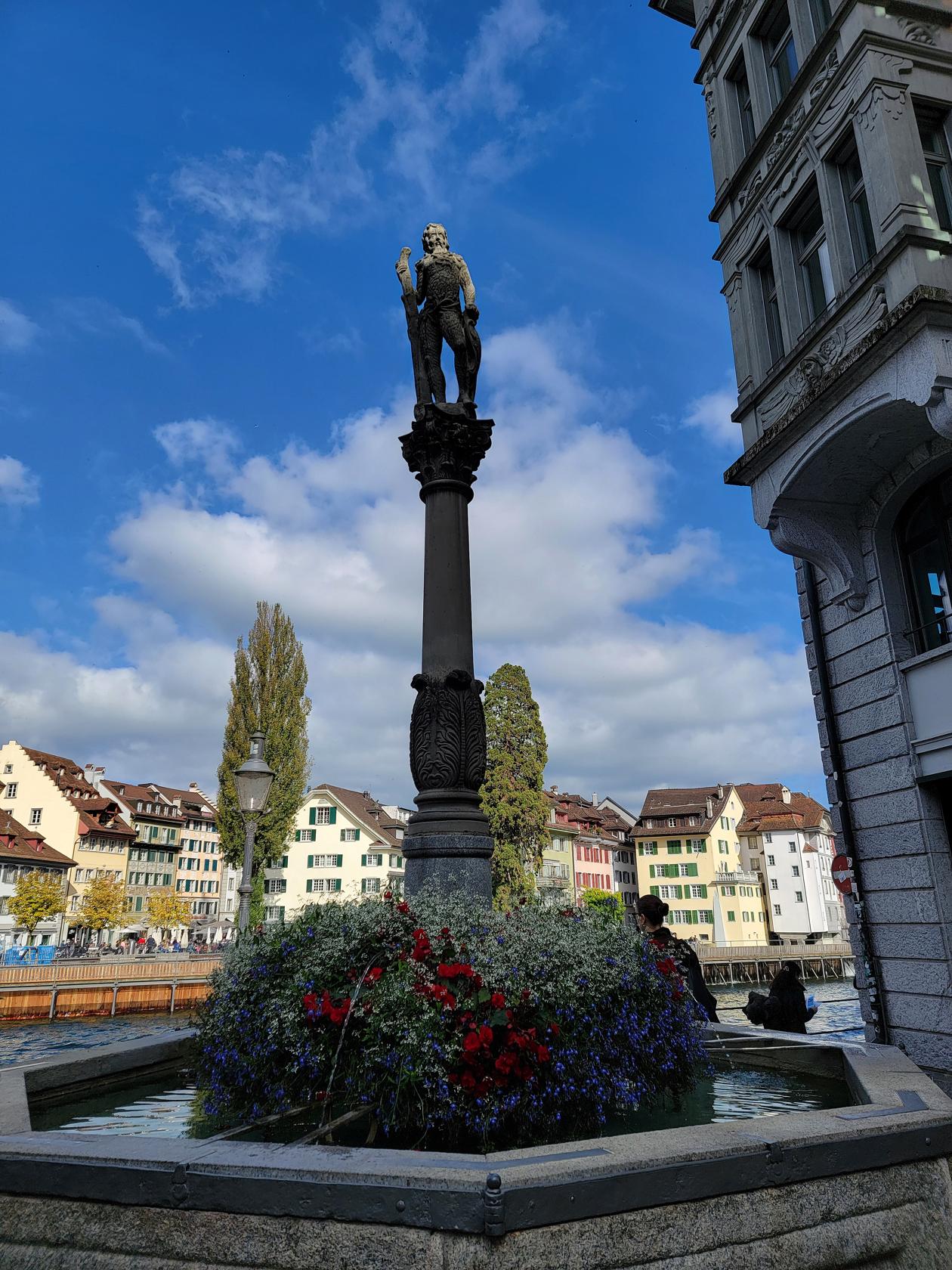
Reusssteg-Brunnen – 1547 – Luzerne, Switzerland
The Bridges
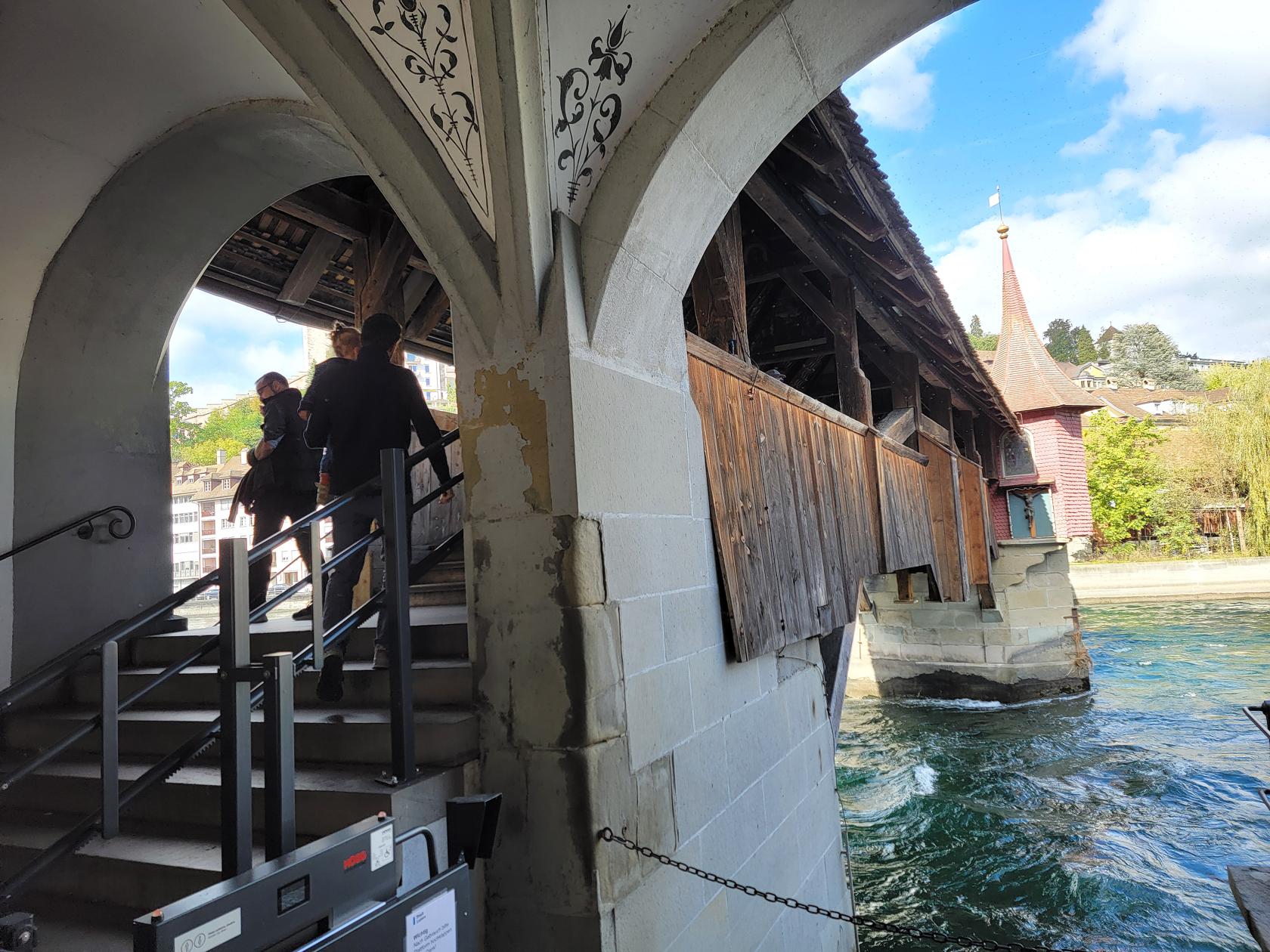
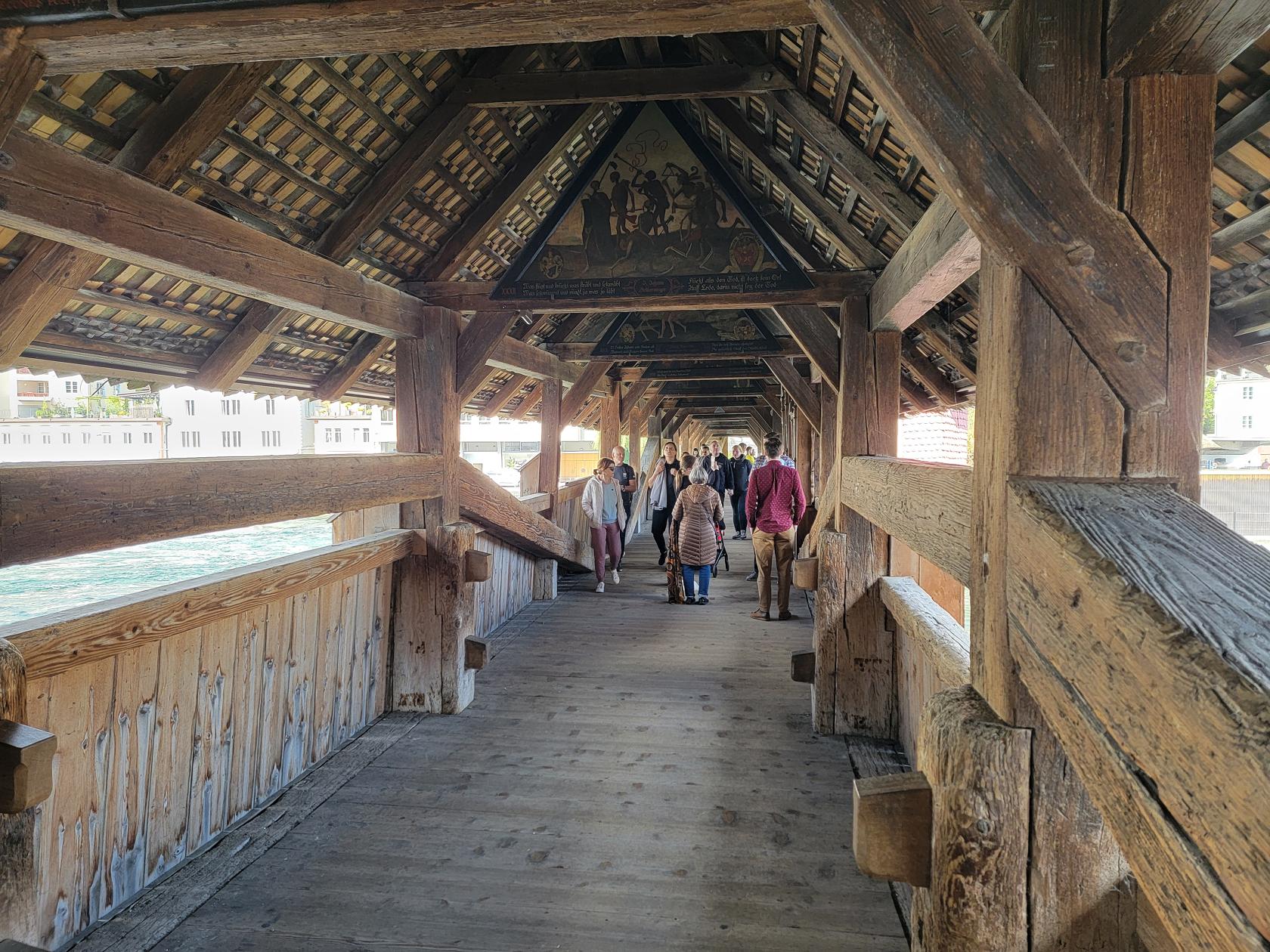
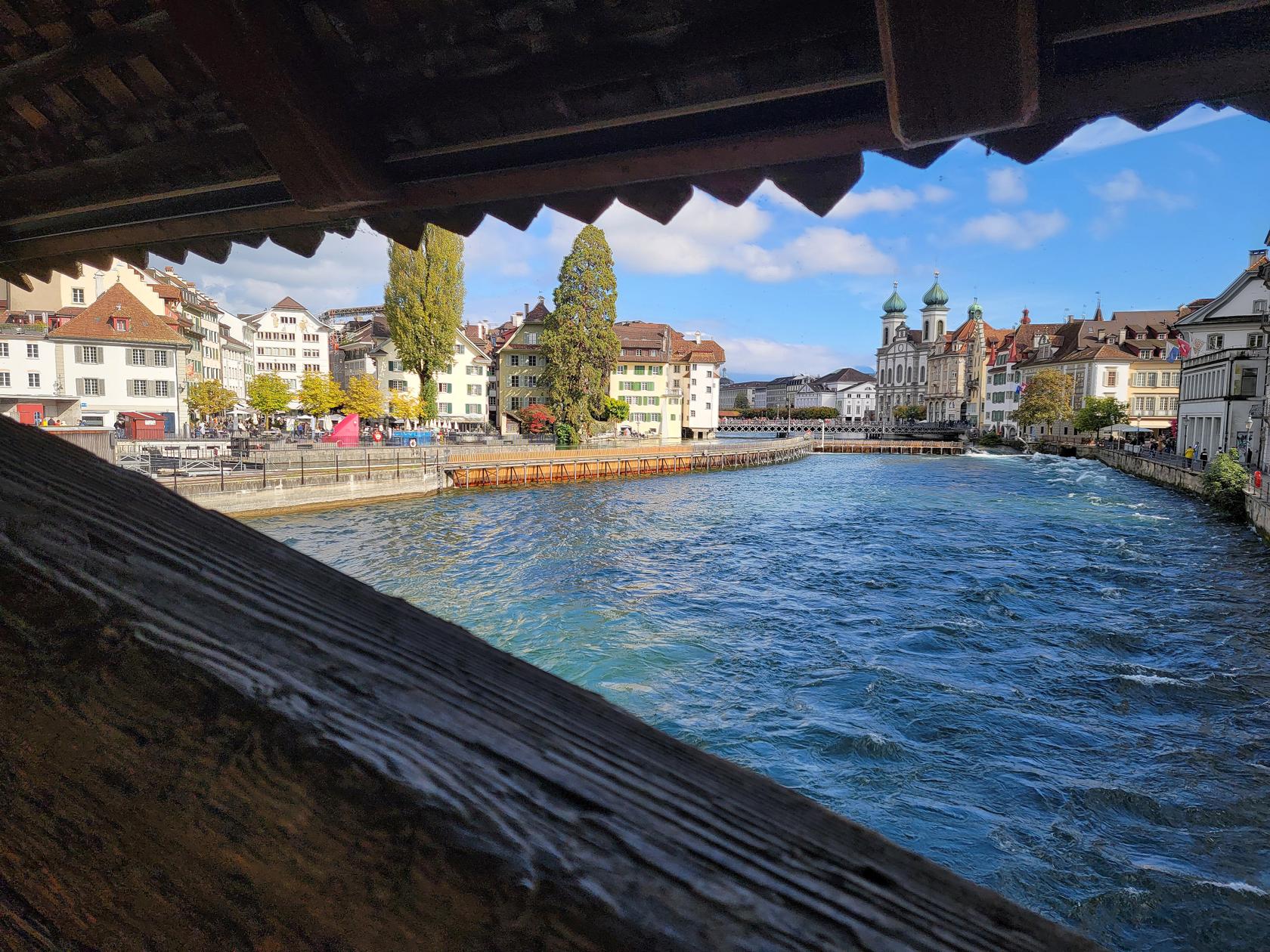
The most interest sight in the city are its bridges. The Kapellbrücke, or Chapel Bridge, was originally a fortification, but is now a tourist attraction that almost burnt down in 1993. The paintings that adorn it, and it sister bridge the Spreuerbrücke, are still being restored after the fire and years of neglect.
Spreuerbrücke and Nadelwehr – Luzerne, Switzerland
Baslertor – Spreuerbrücke – Luzerne, Switzerland
Spreuerbrücke – Luzerne, Switzerland
Spreuerbrücke – Nadelwehr und Jesuitenkirche (hinten) – Luzerne, Switzerland
Museum Of Transportation
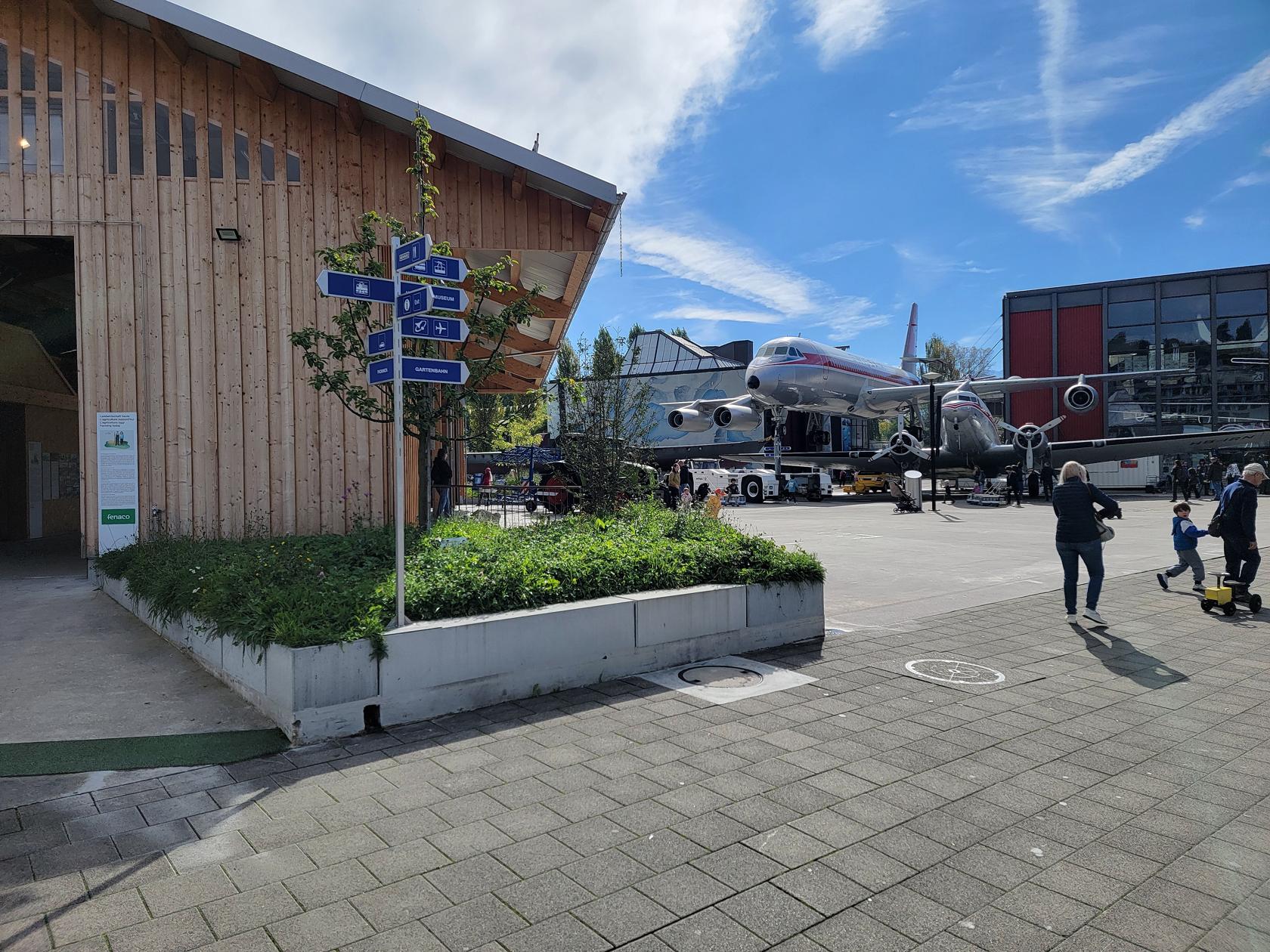
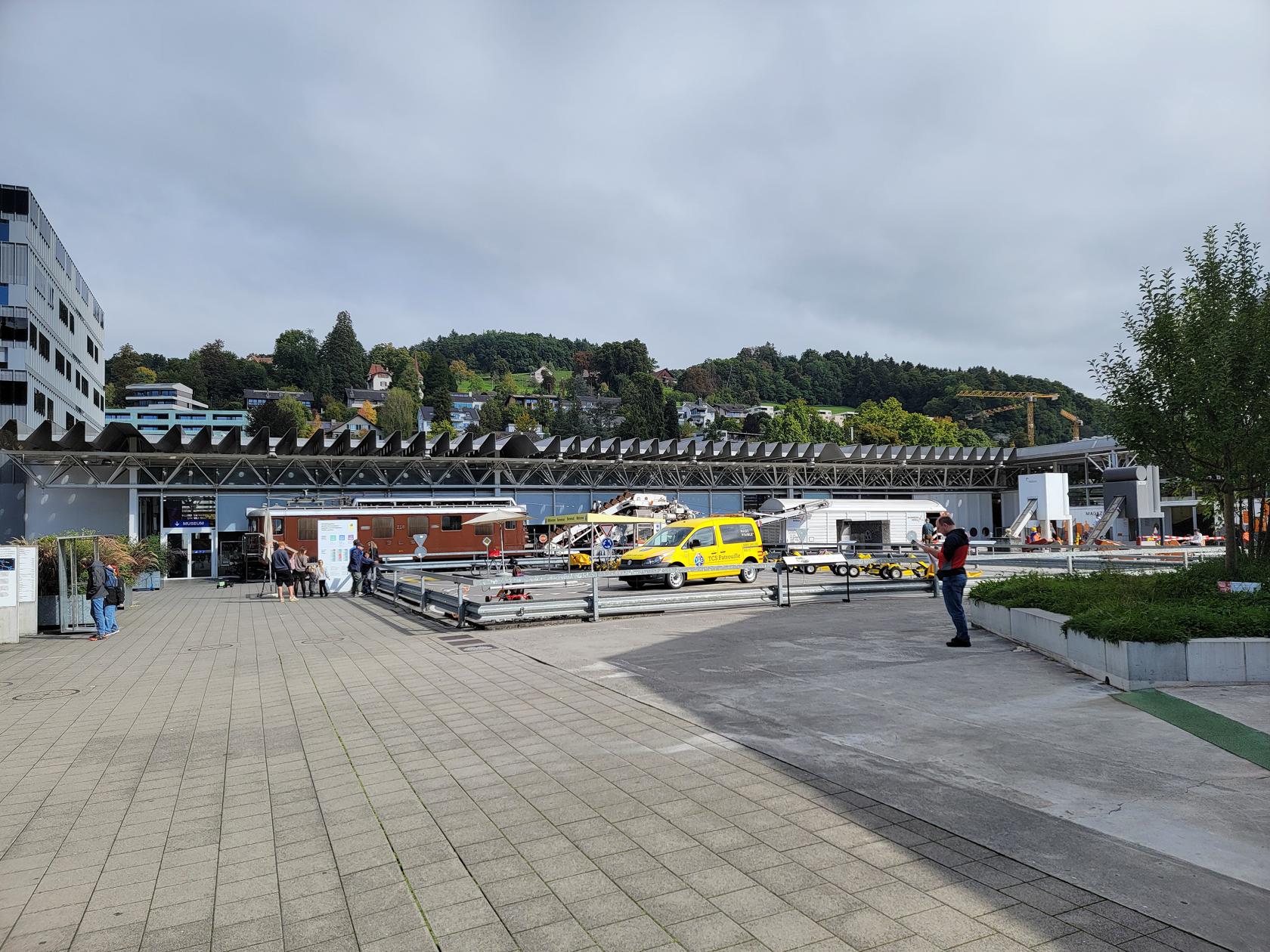
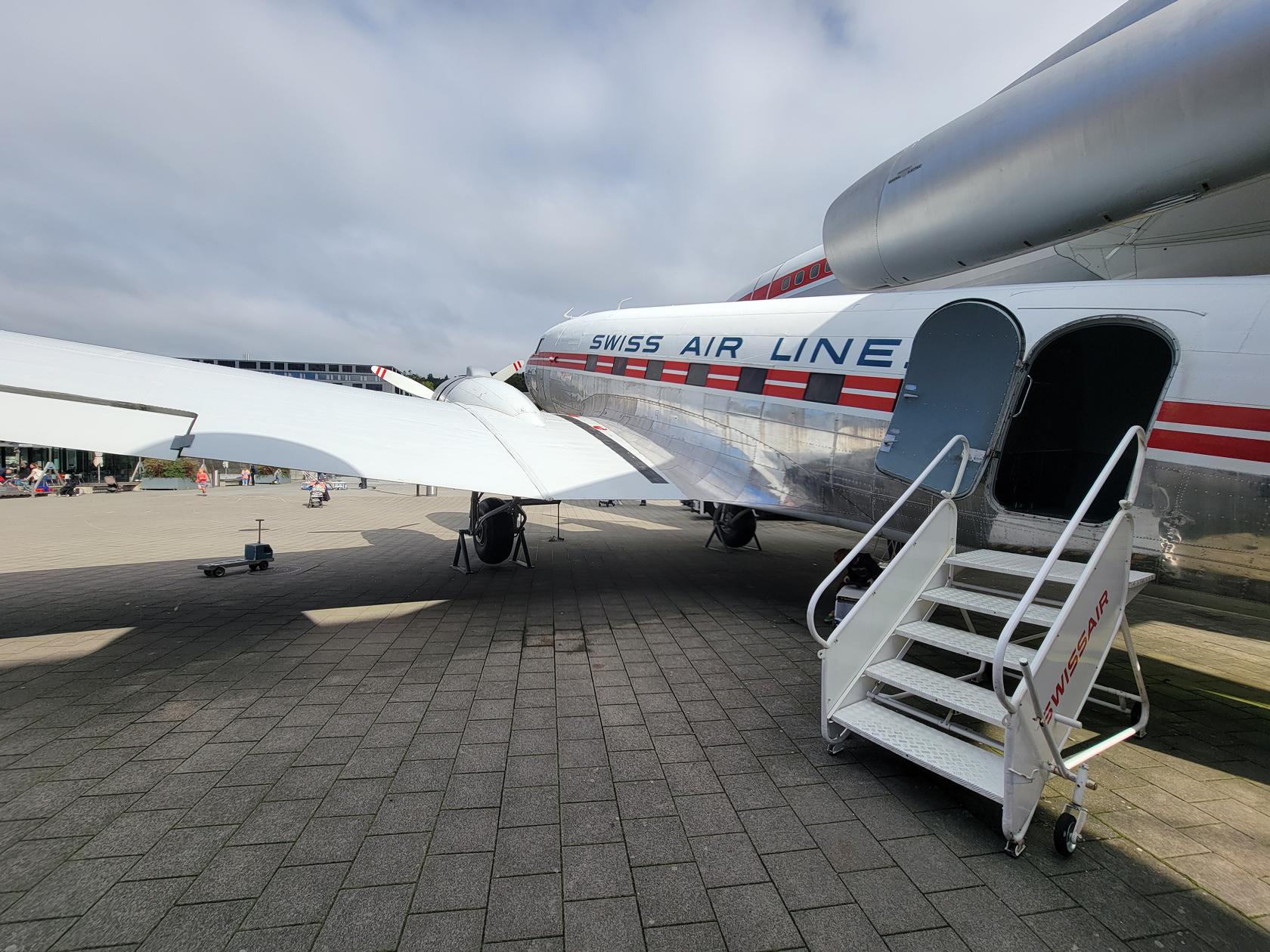
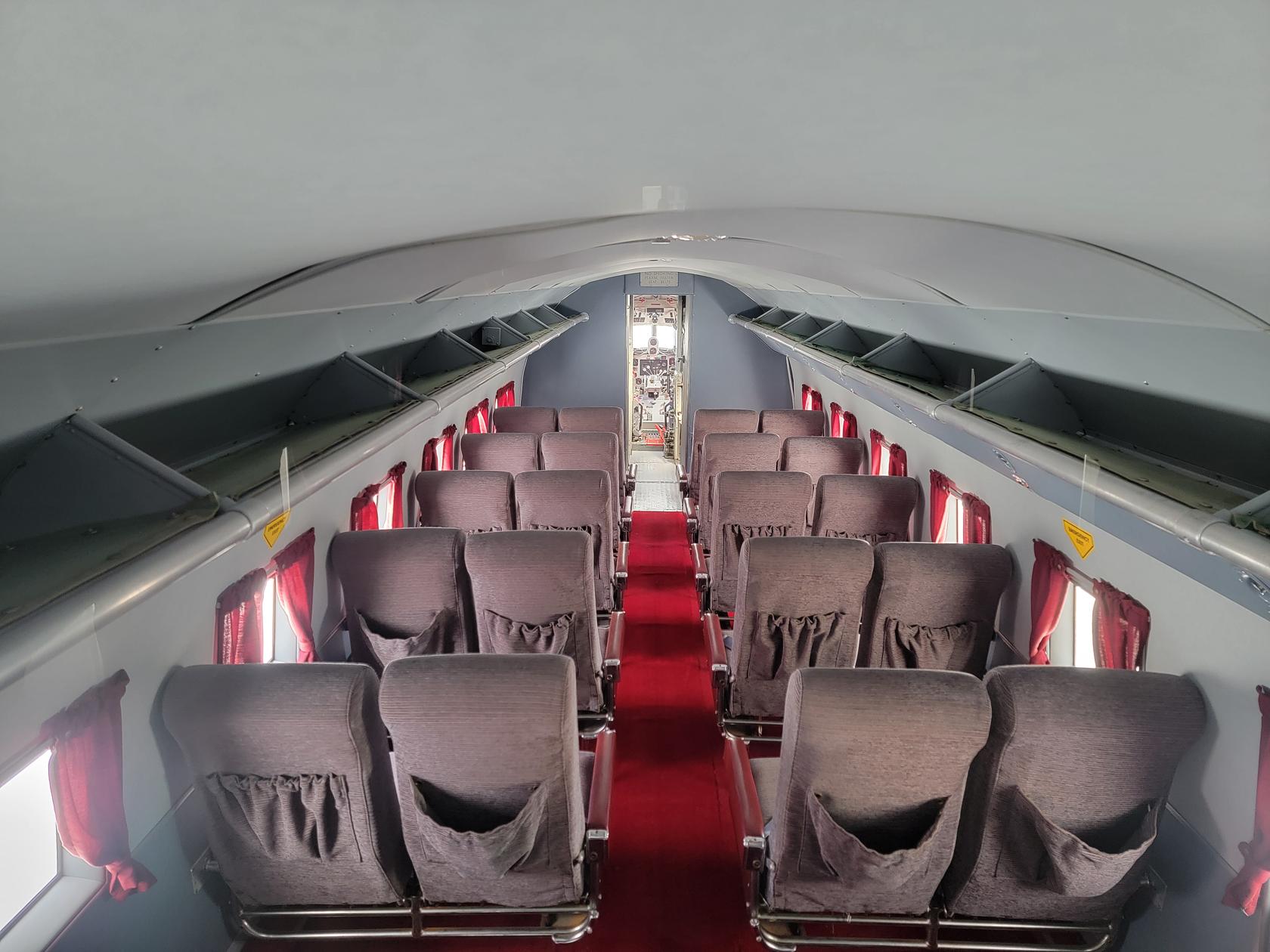
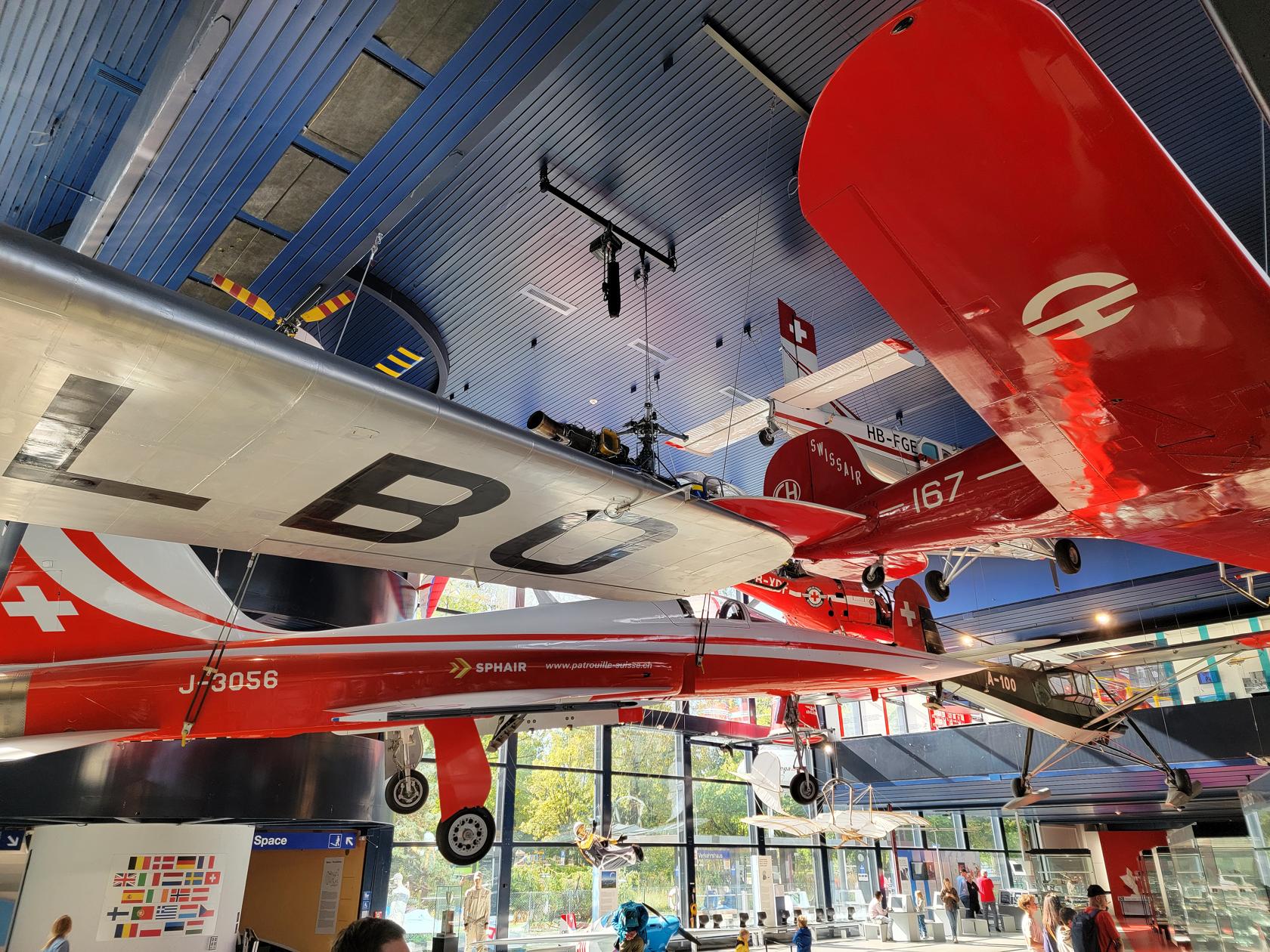
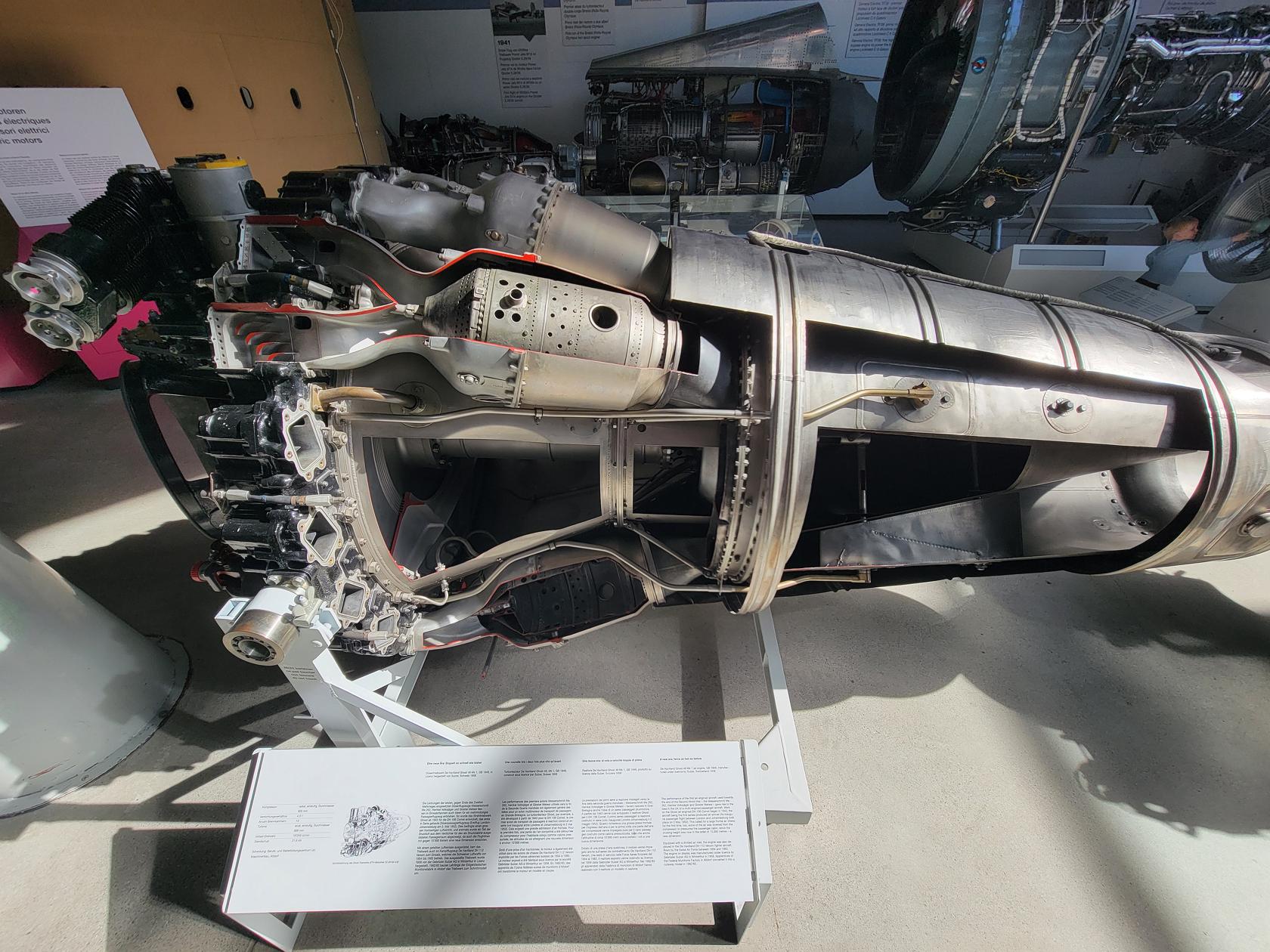
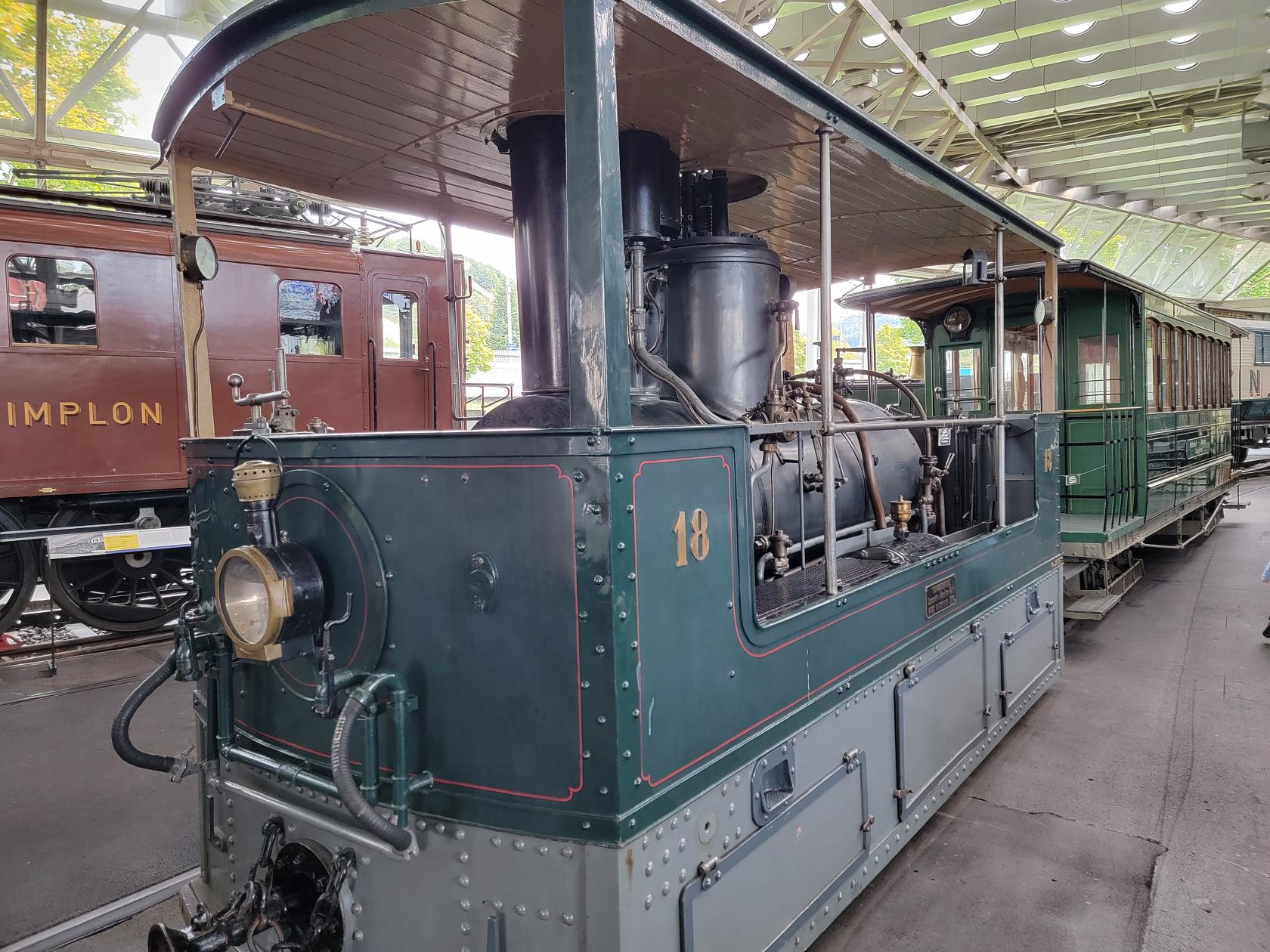
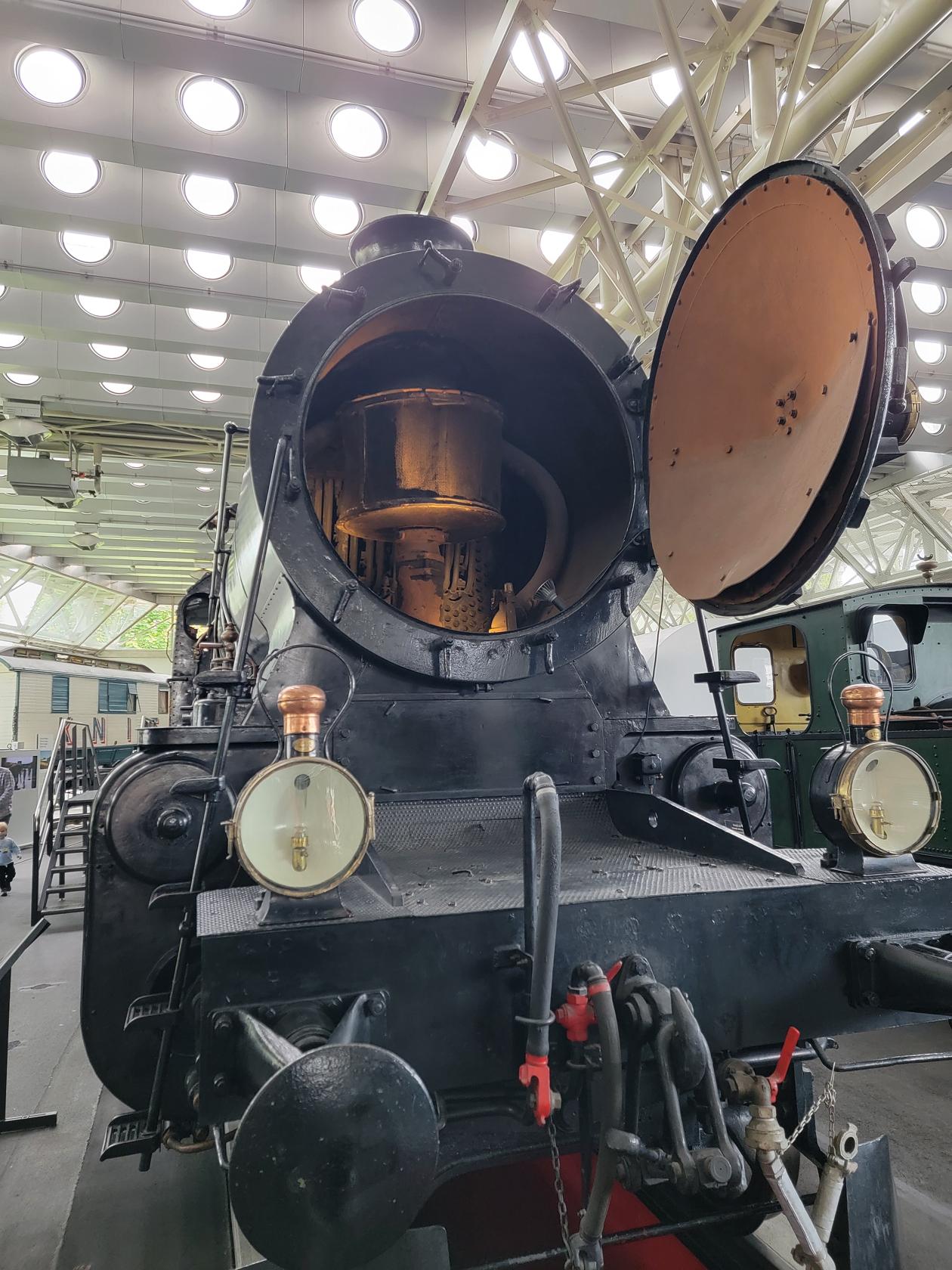
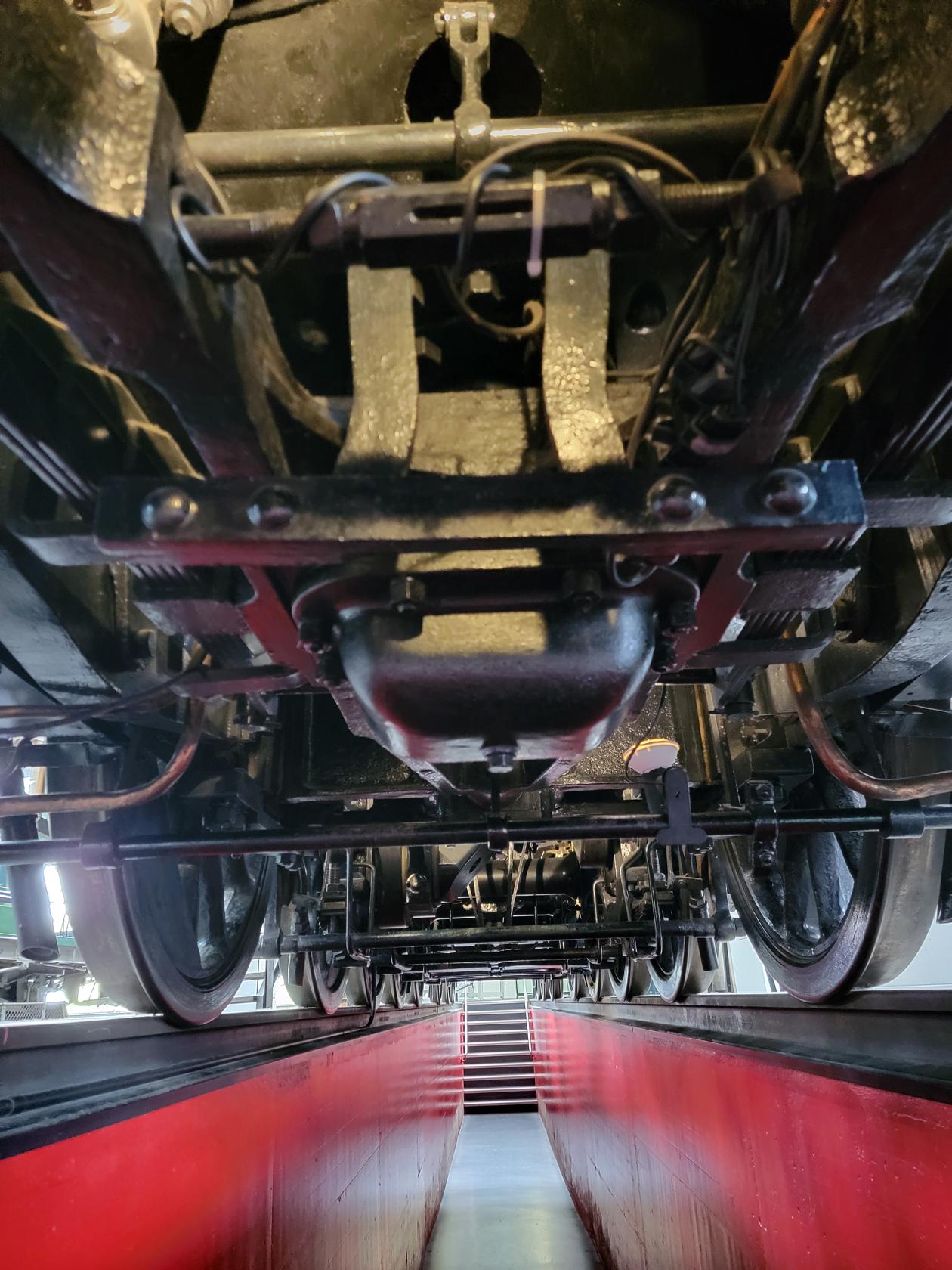
The Verkehrshaus der Schweiz, the Swiss Museum of Transport, is a hands-on museum for people of all ages, but mainly geared toward school children. Even for adults, there are some very interesting and historical items to see, let alone a good record of Switzerland’s contribution in the area of transportation.
Verkehrshaus der Schweiz – Main Entrance – Luzerne, Switzerland
Verkehrshaus der Schweiz – Main Entrance – Luzerne, Switzerland
Verkehrshaus der Schweiz – Swiss Airline DC3 – Luzerne, Switzerland
Verkehrshaus der Schweiz – Swiss Airline DC3 – Luzerne, Switzerland
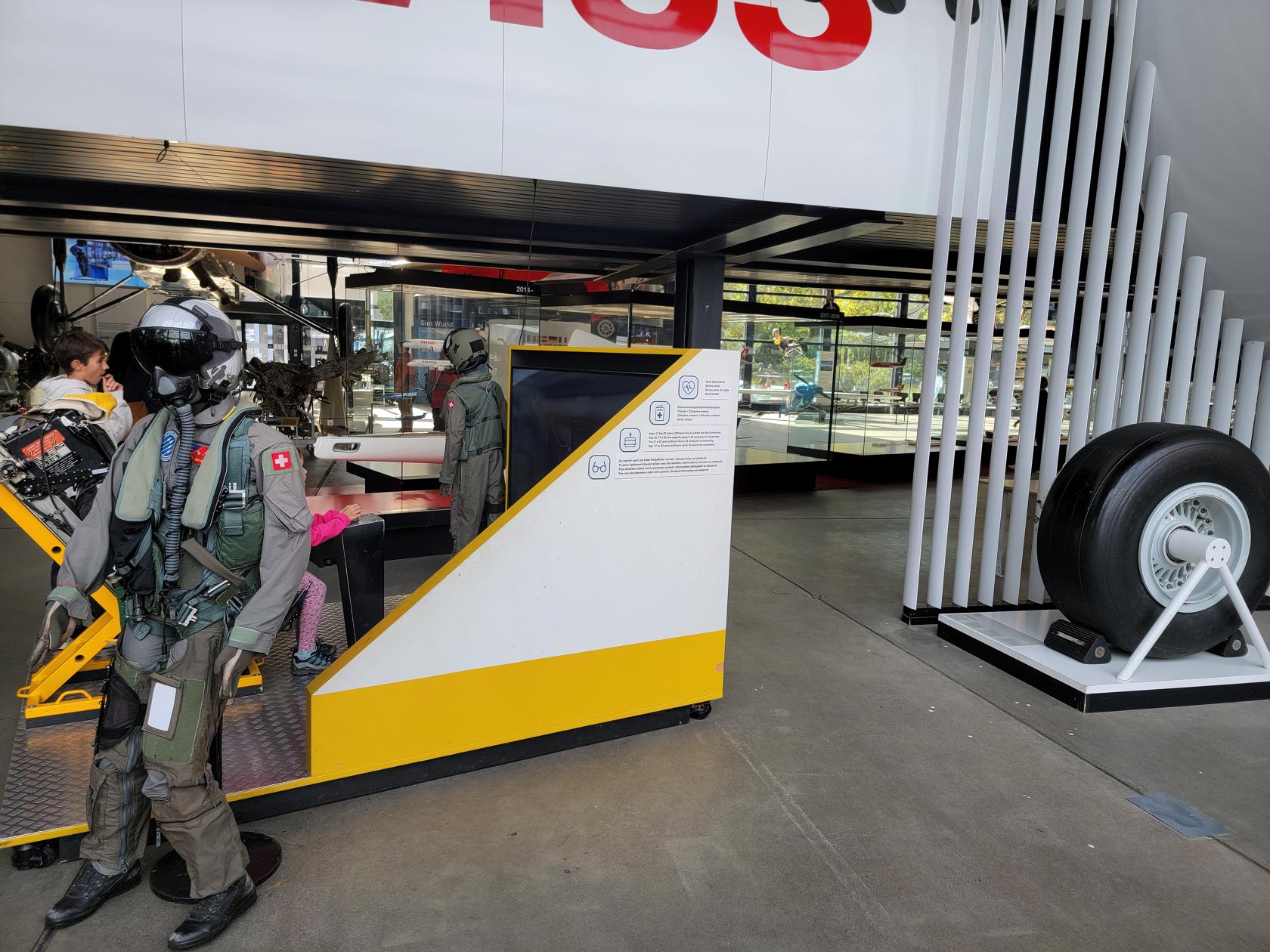
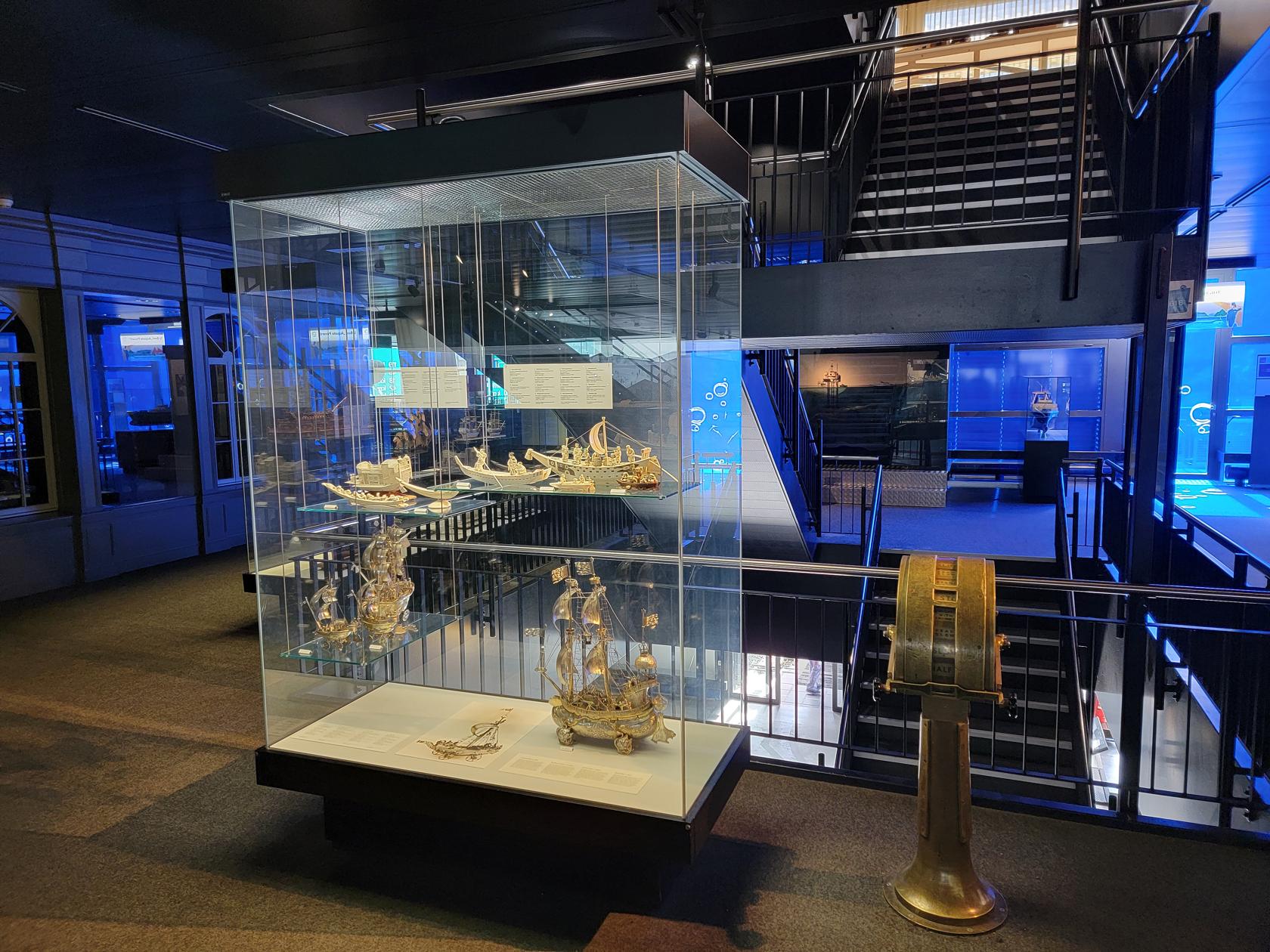
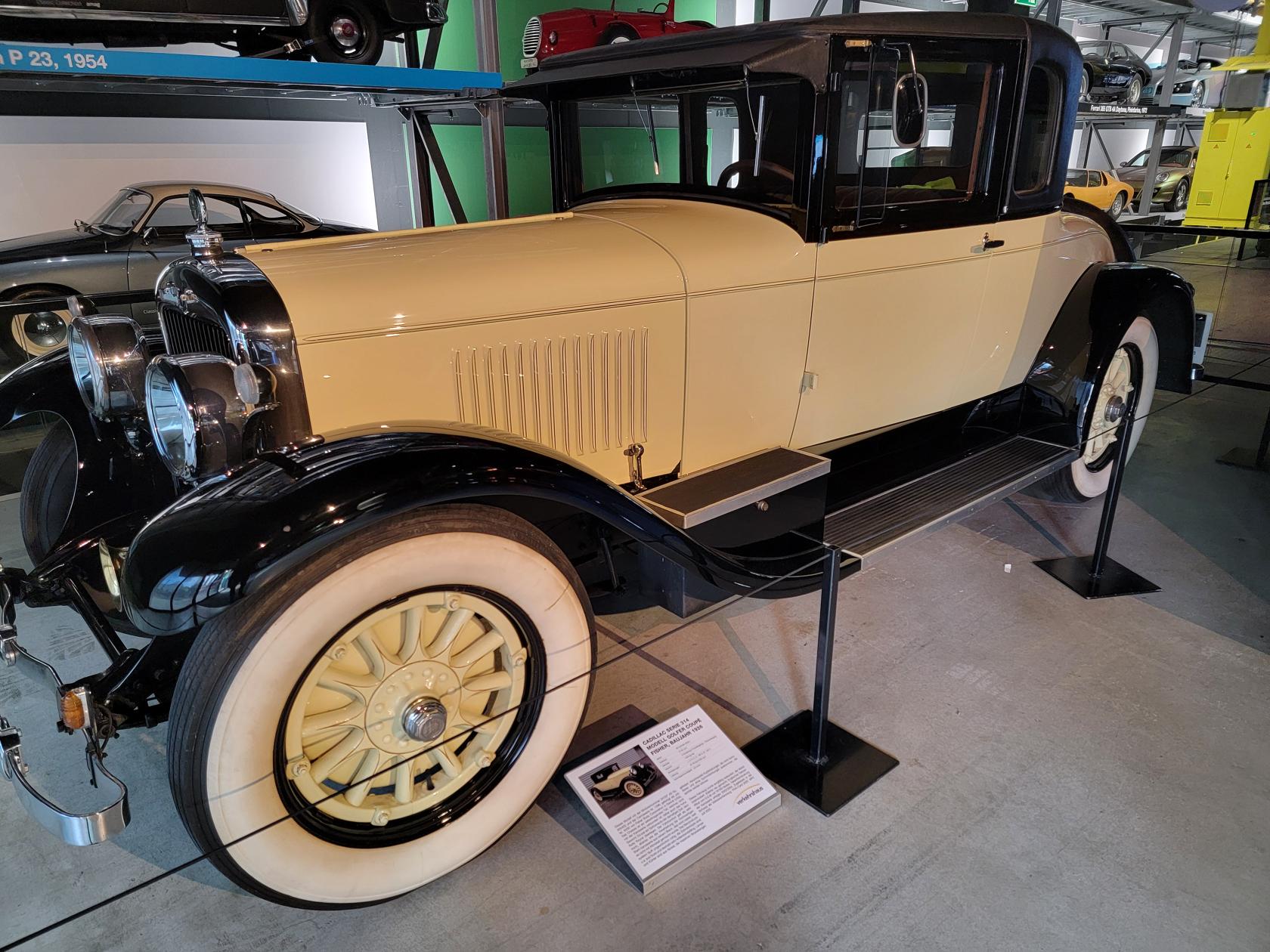
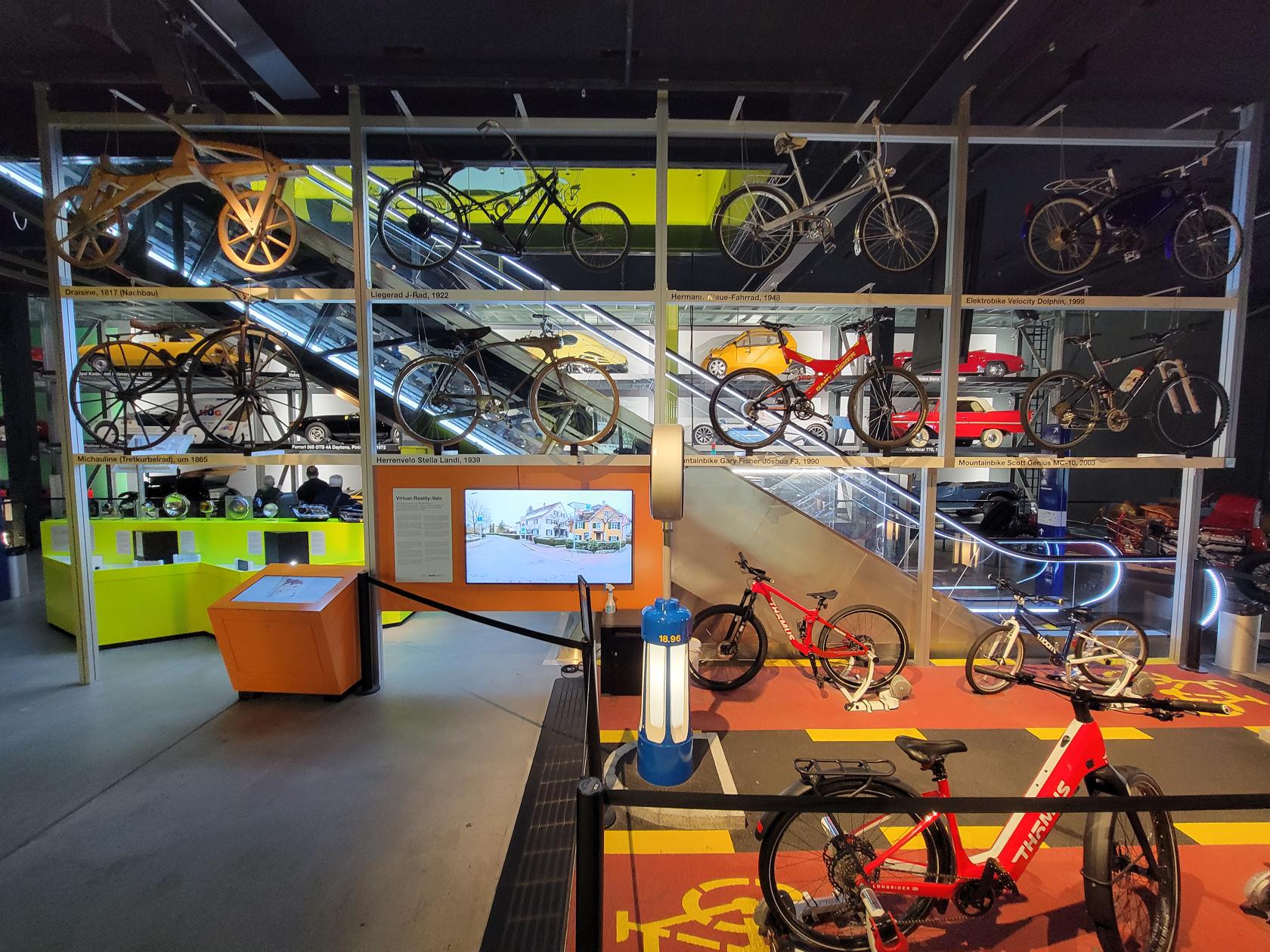
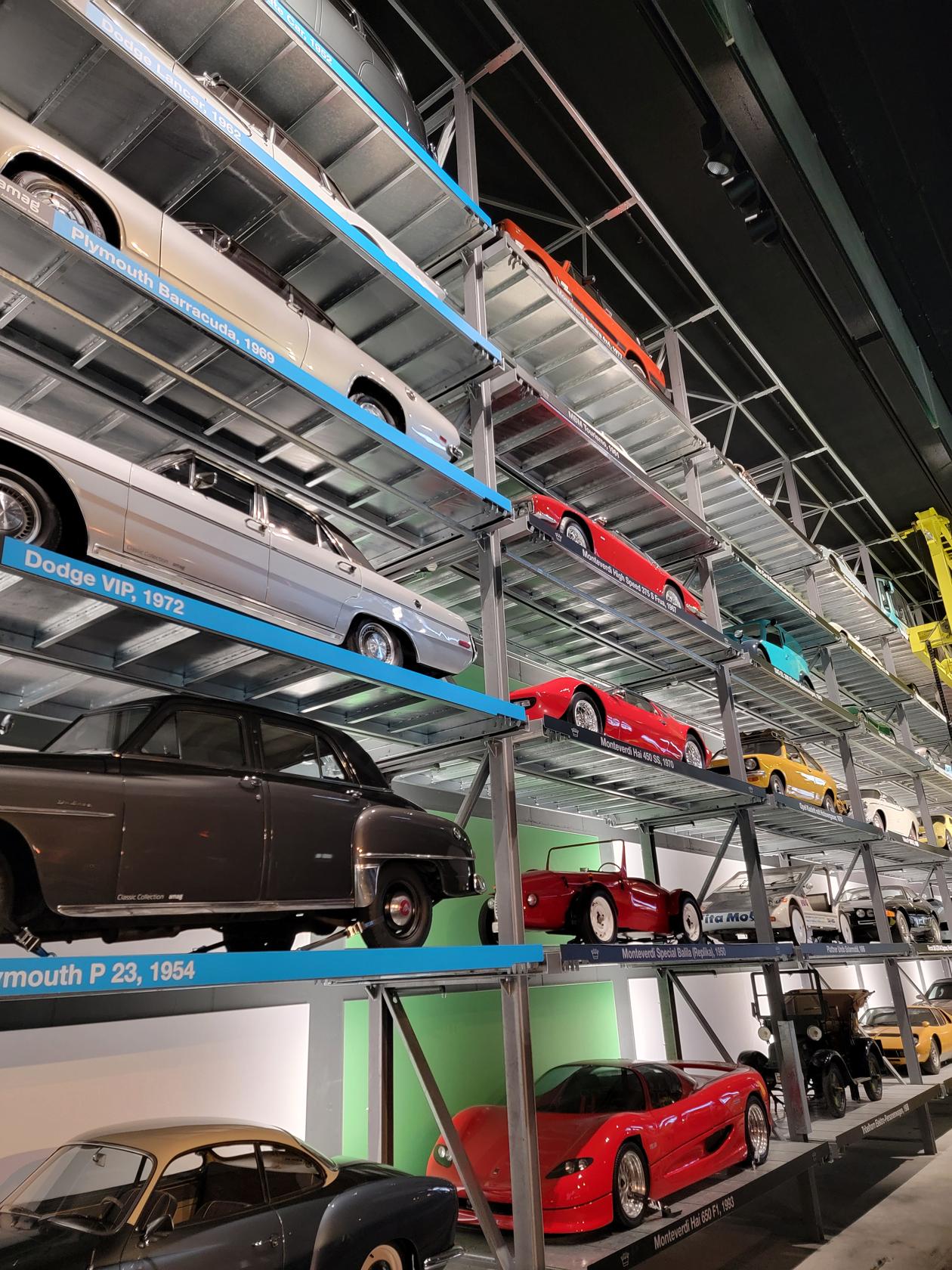
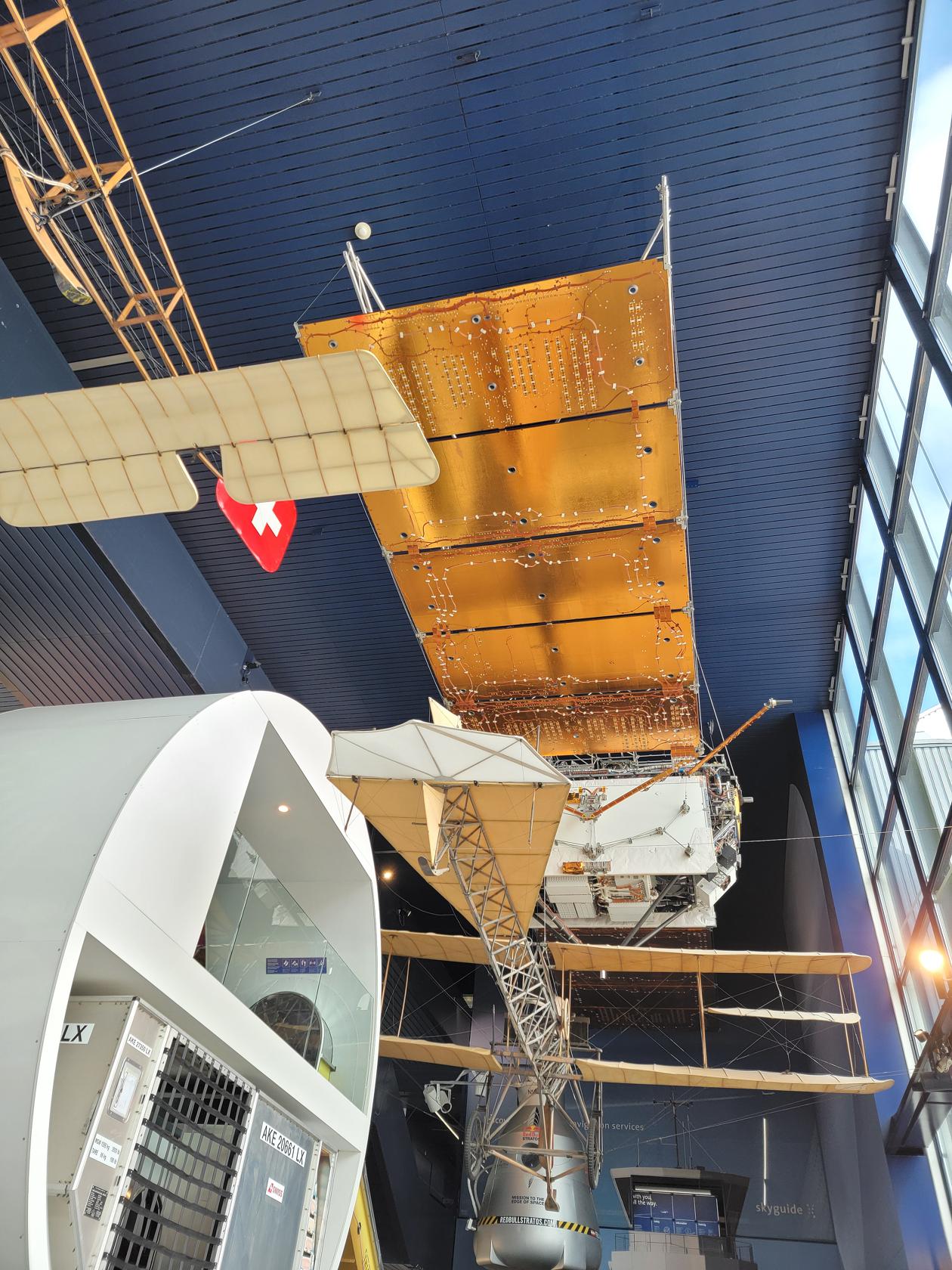
The museum is divided into themes, from planes, to trains and automobiles, they even have a brief but interesting exhibit on bicycles and their history in Switzerland.
Verkehrshaus der Schweiz – Swiss Air Exhibits – Luzerne, Switzerland
Verkehrshaus der Schweiz – Swiss Air Exhibits – Luzerne, Switzerland
Verkehrshaus der Schweiz – Swiss Air Exhibits – Luzerne, Switzerland
Verkehrshaus der Schweiz – Swiss Maritime Exhibits – Luzerne, Switzerland
Verkehrshaus der Schweiz – Swiss Automobile Exhibits – Luzerne, Switzerland
Verkehrshaus der Schweiz – Swiss Bicycle Exhibits – Luzerne, Switzerland
Verkehrshaus der Schweiz – Swiss Automobile Exhibits – Luzerne, Switzerland
Verkehrshaus der Schweiz – Swiss Air Exhibits – Luzerne, Switzerland
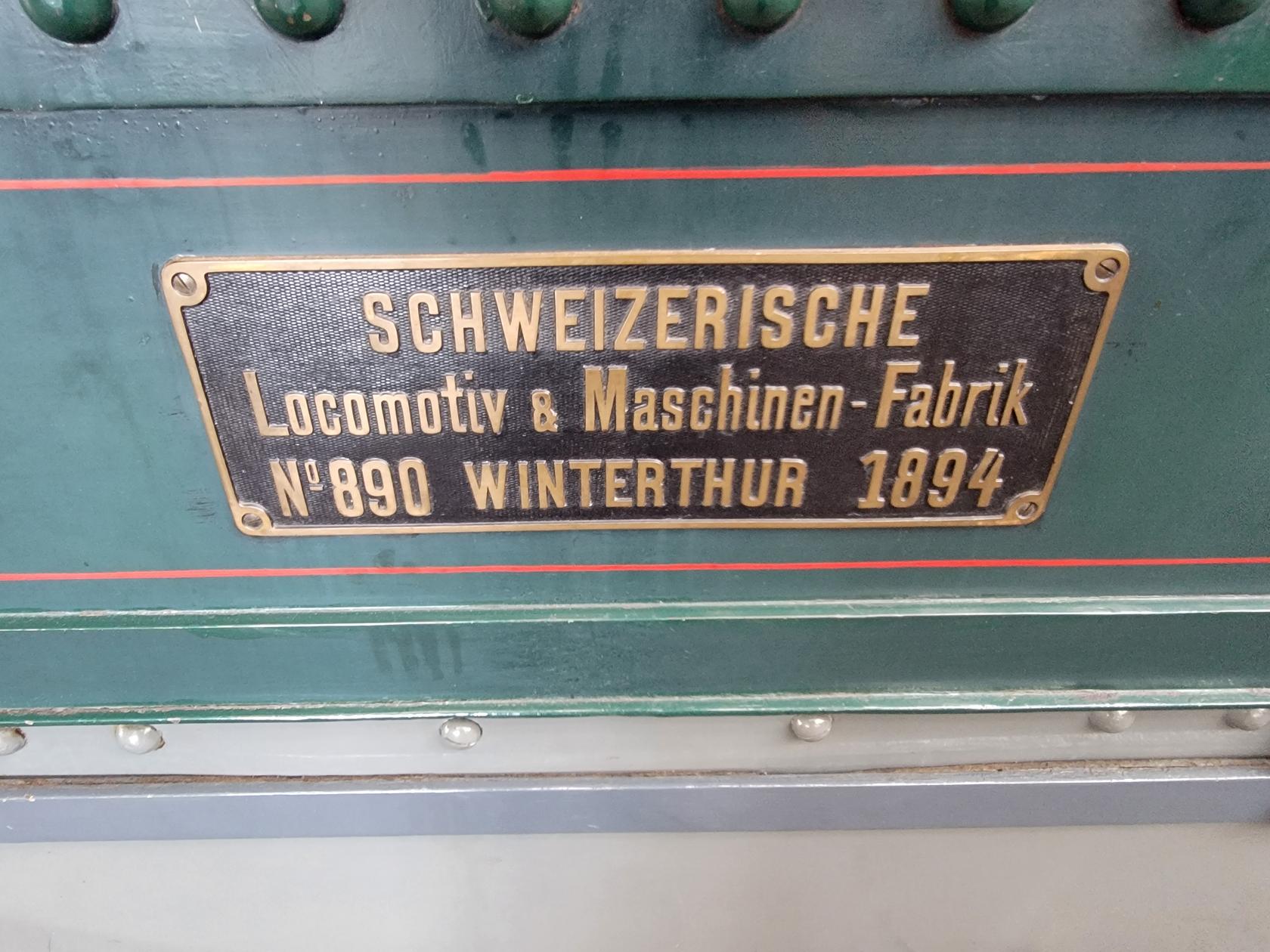
Verkehrshaus der Schweiz – Swiss Railroad Exhibits – Luzerne, Switzerland
Verkehrshaus der Schweiz – Swiss Railroad Exhibits – Luzerne, Switzerland
Verkehrshaus der Schweiz – Swiss Railroad Exhibits – Luzerne, Switzerland
Verkehrshaus der Schweiz – Swiss Railroad Exhibits – Luzerne, Switzerland
Restaurants
We visited on Sunday, so our restaurant choices were rather limited. Sunday in most of Europe is the day of the week that families go out to eat and many normally have reservations for a late day lunch. Most of the establishments along the Rathausquai, Reusssteg and Bahnhofstrasse were busy, but off the beaten path we managed to find something.
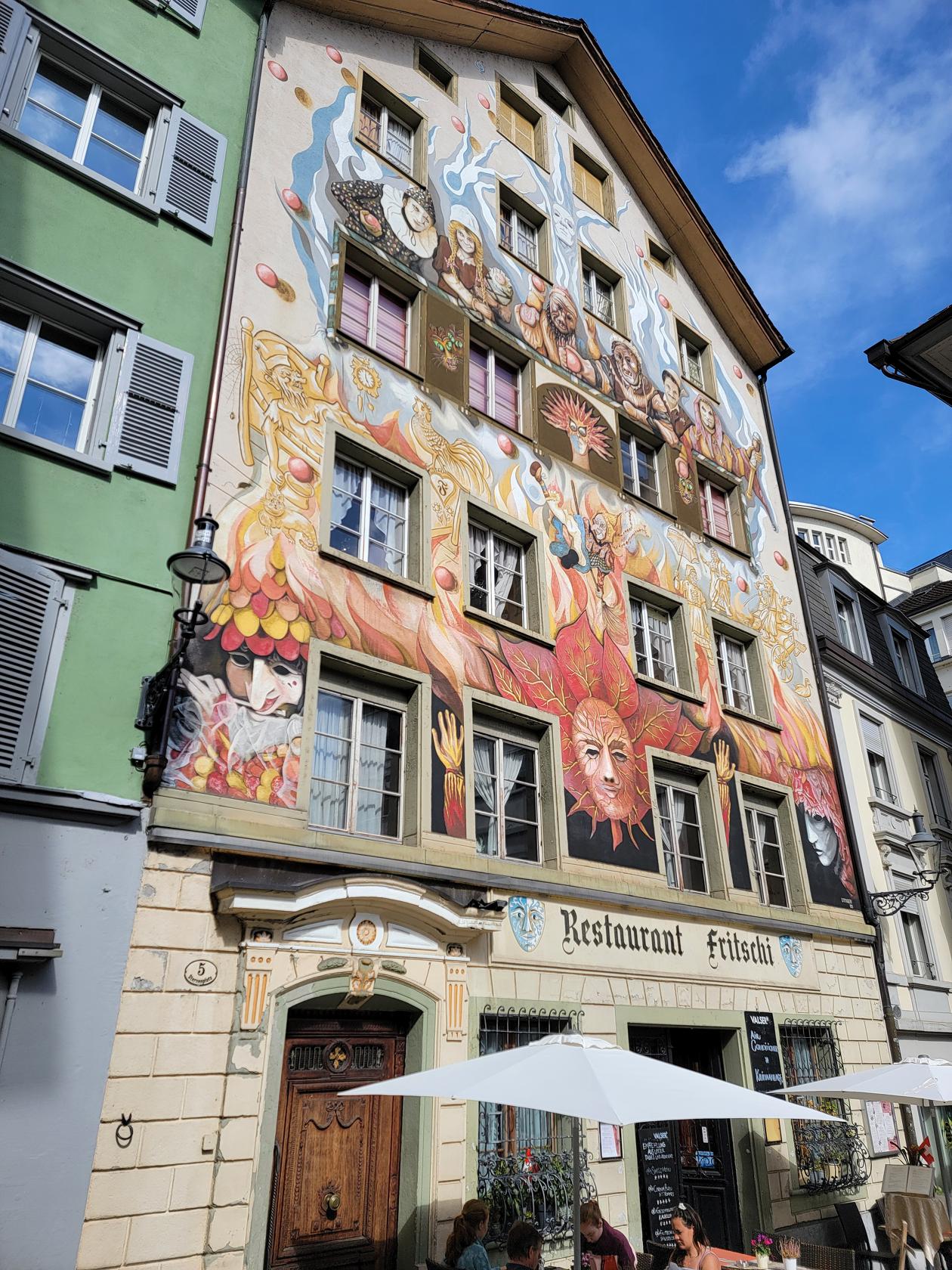
Restaurant Fritschi
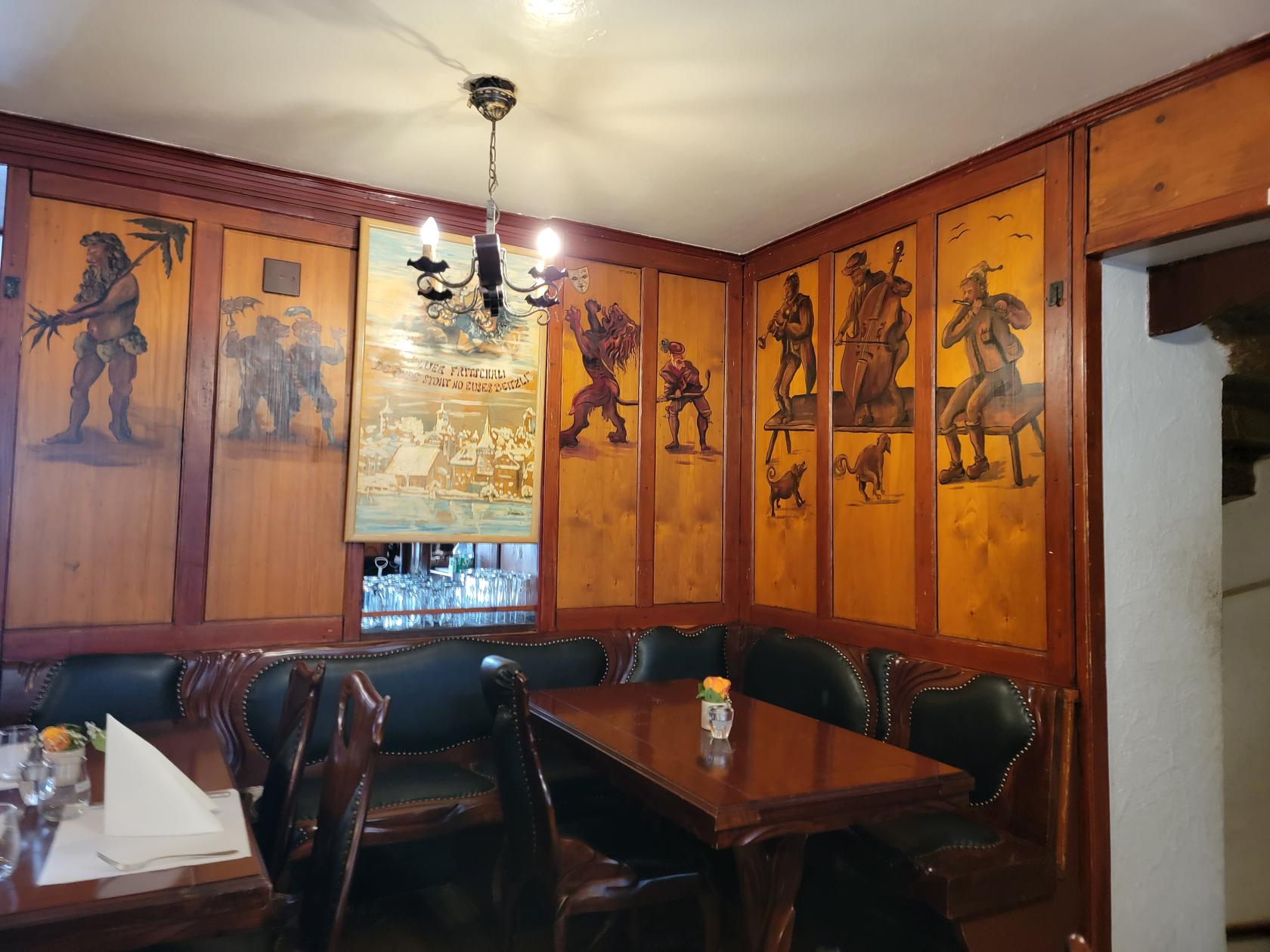
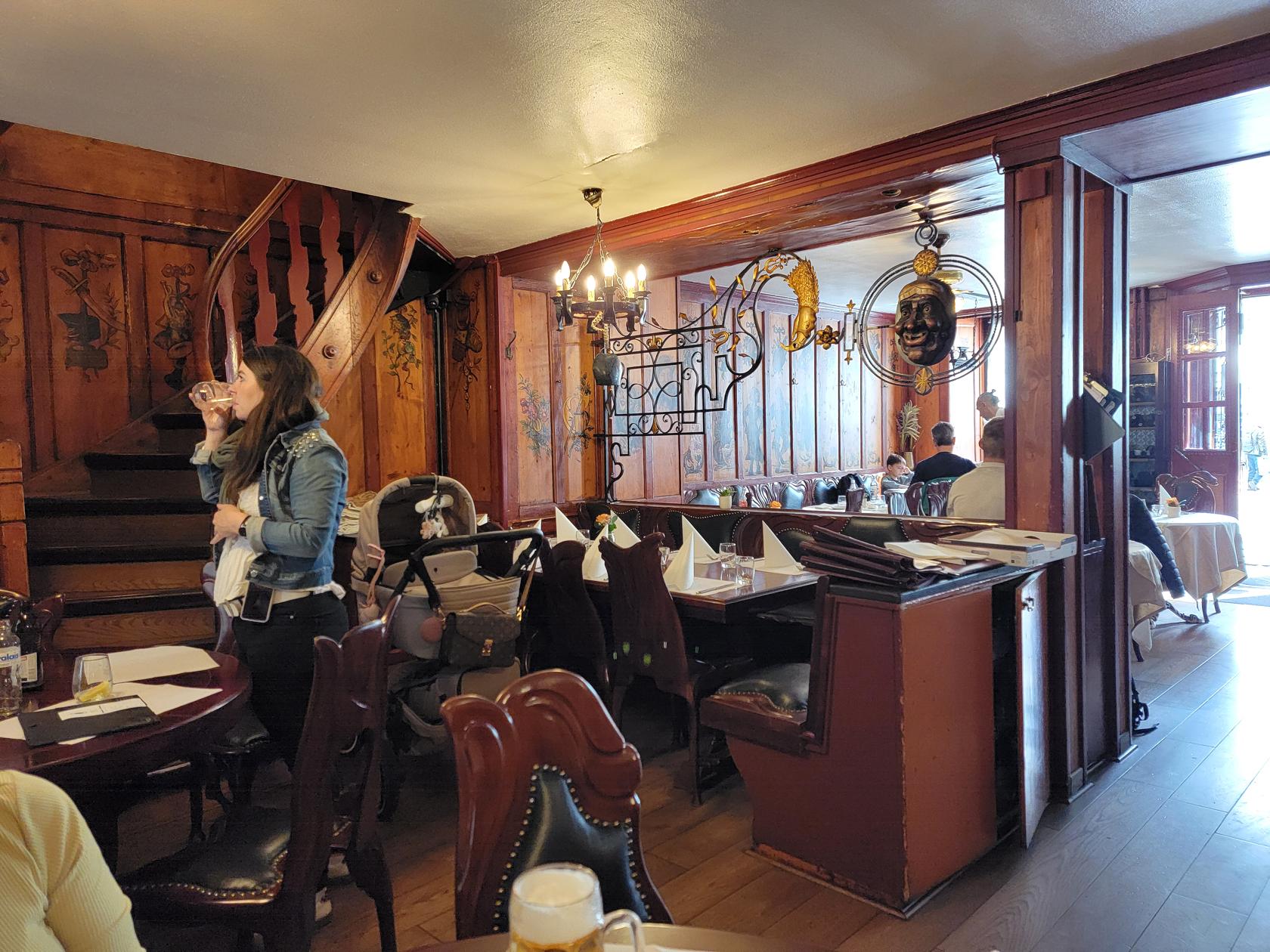
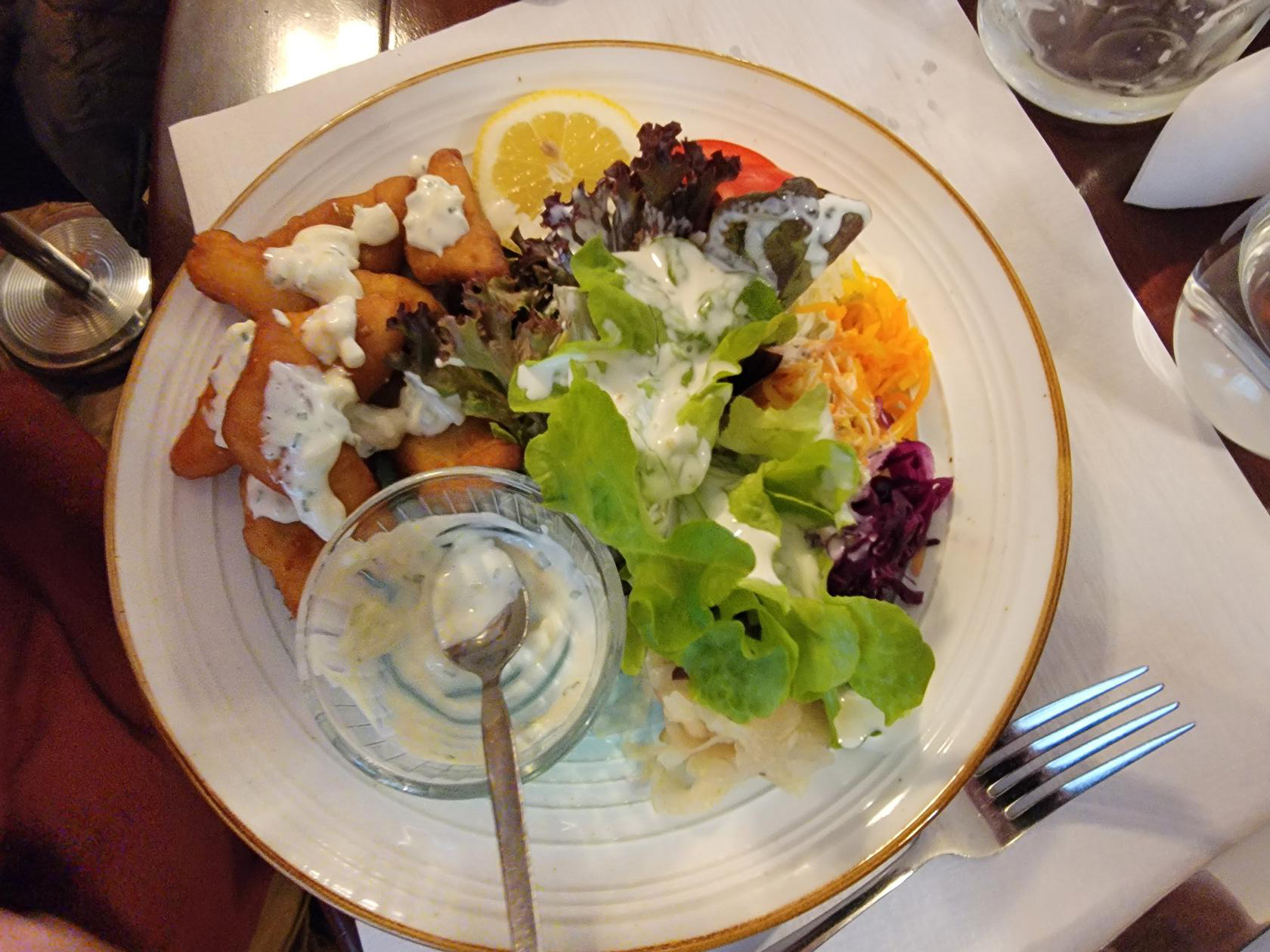
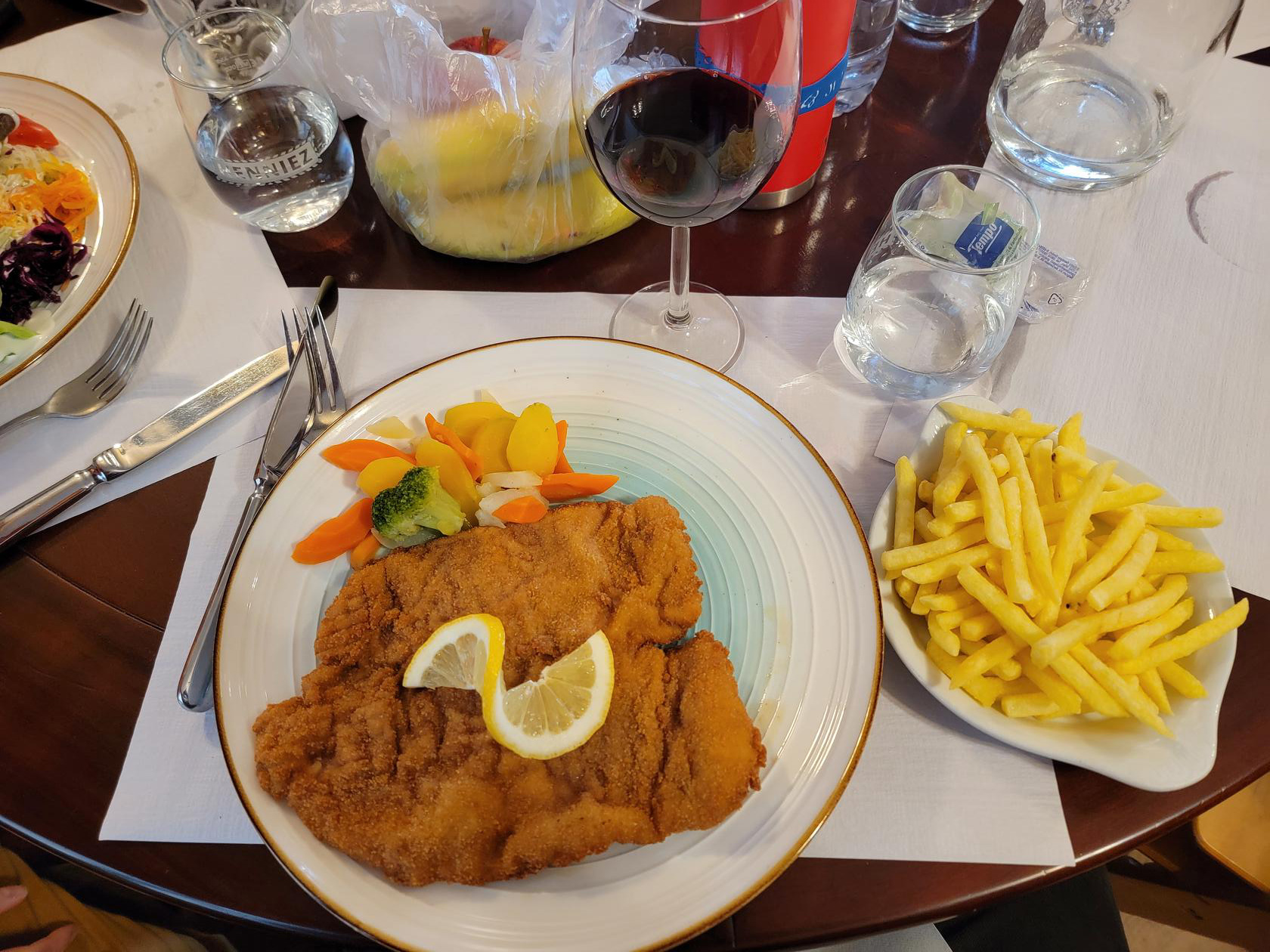
Tucked away and located Sternenplatz is the Restaurant Fritschi. It offers mostly swiss cuisine, but there are some simpler dishes, if you are not too hungry or prefer not to eat a heavy lunch.
Restaurant Fritschi – Chicken and Salad- Luzerne, Switzerland
Restaurant Fritschi – Schnitzel and Fries- Luzerne, Switzerland
Santa Lucia Ristorante
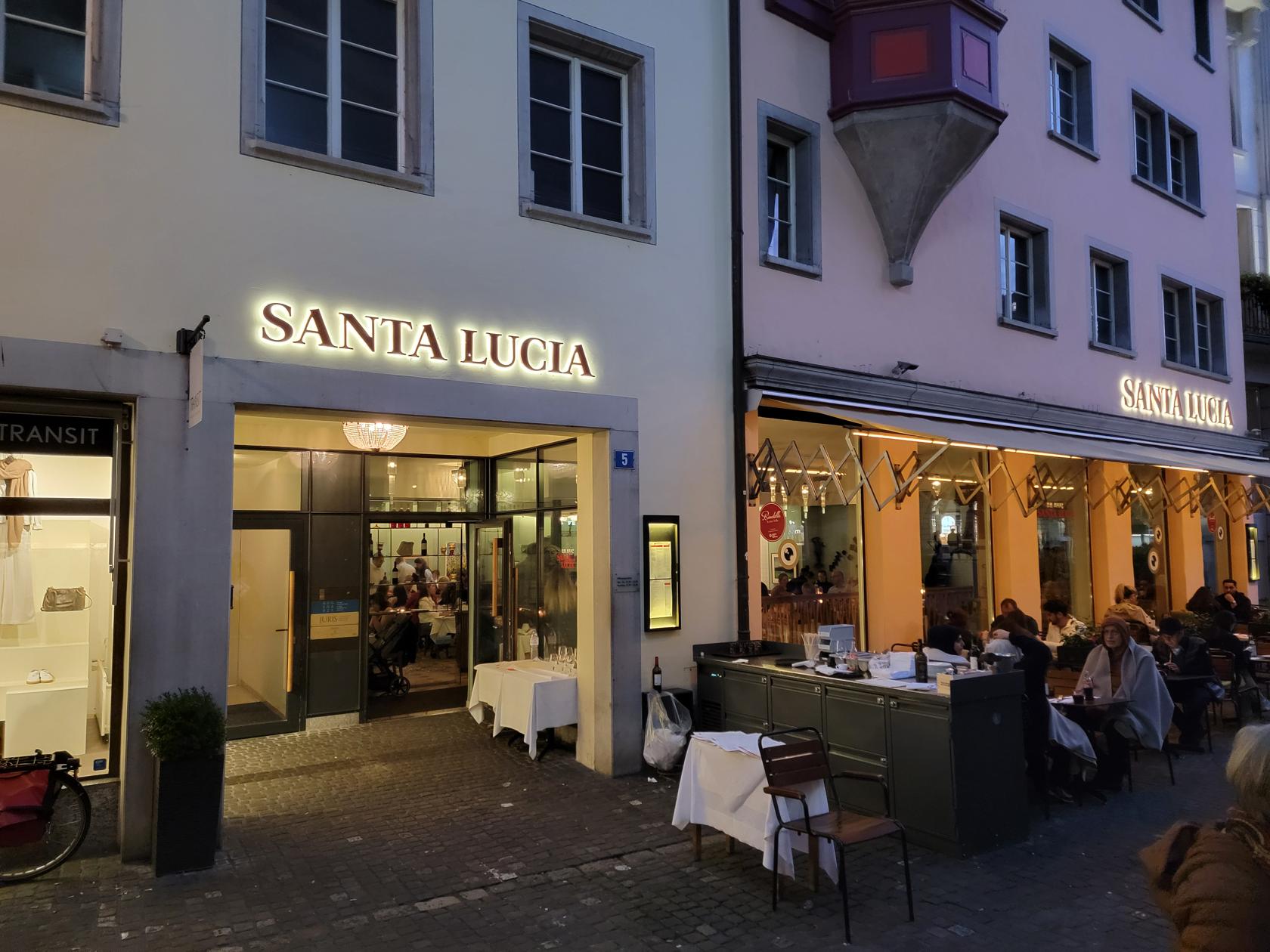
When we returned to Zürich, we ate at Santa Lucia Ristorante. This restaurant can get very busy, so it is probably a good idea to have reservations. They do however have a downstairs, which is where we were seated; there you can actually witness them making your pizza. They have many other specialities on the menu, so finding something delicious to try should not be a problem.
Santa Lucia Ristorante – Inside – Luzerne, Switzerland
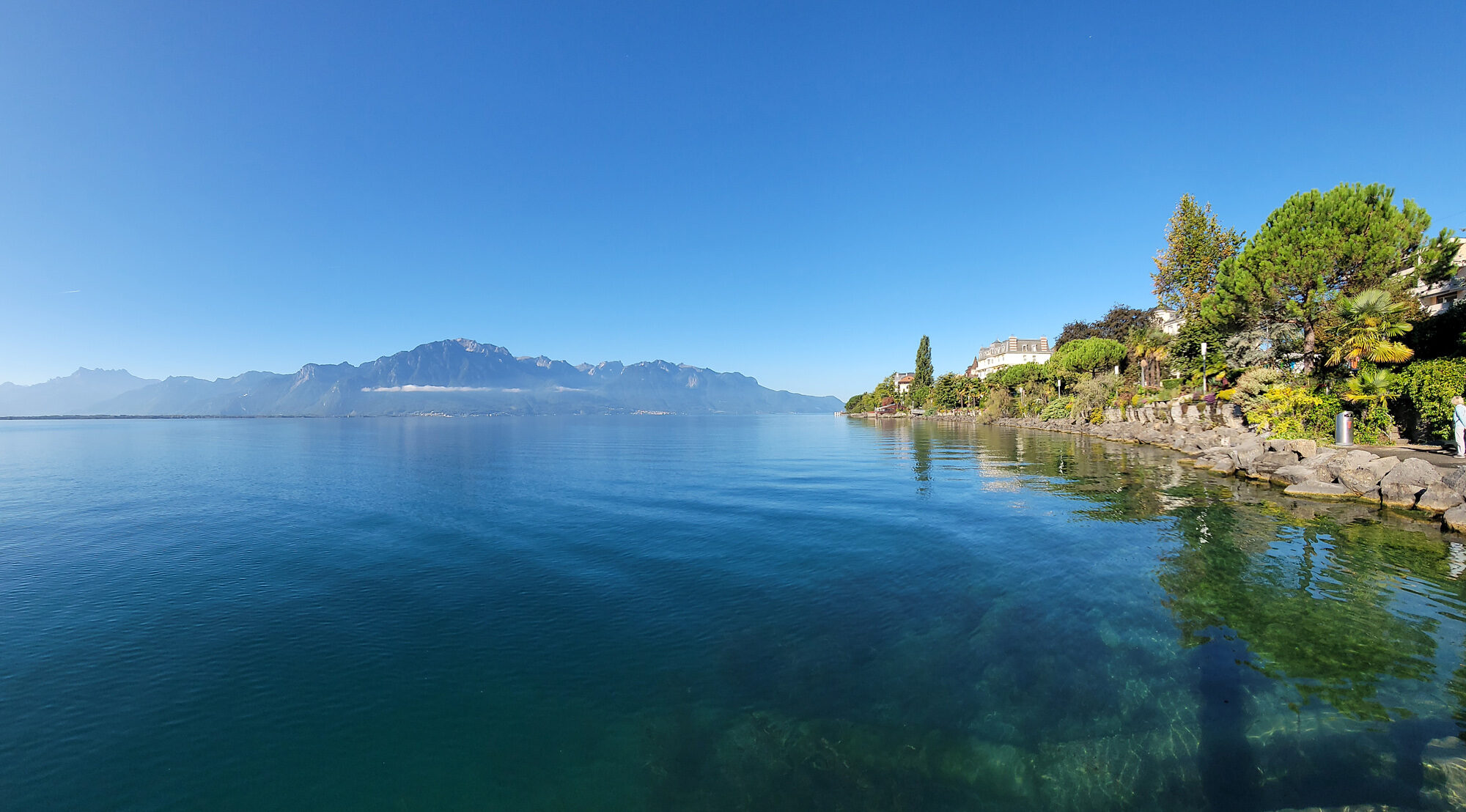
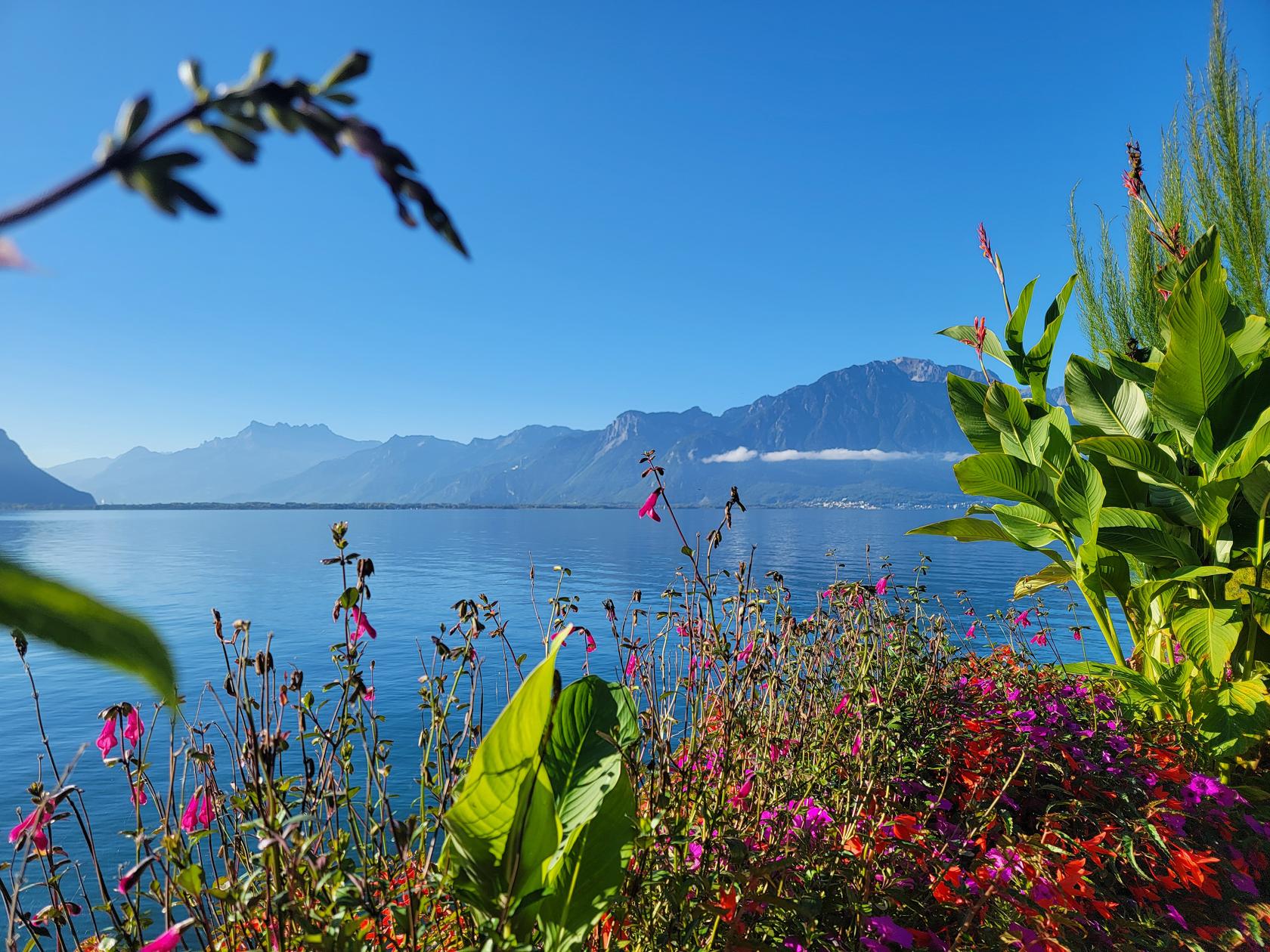
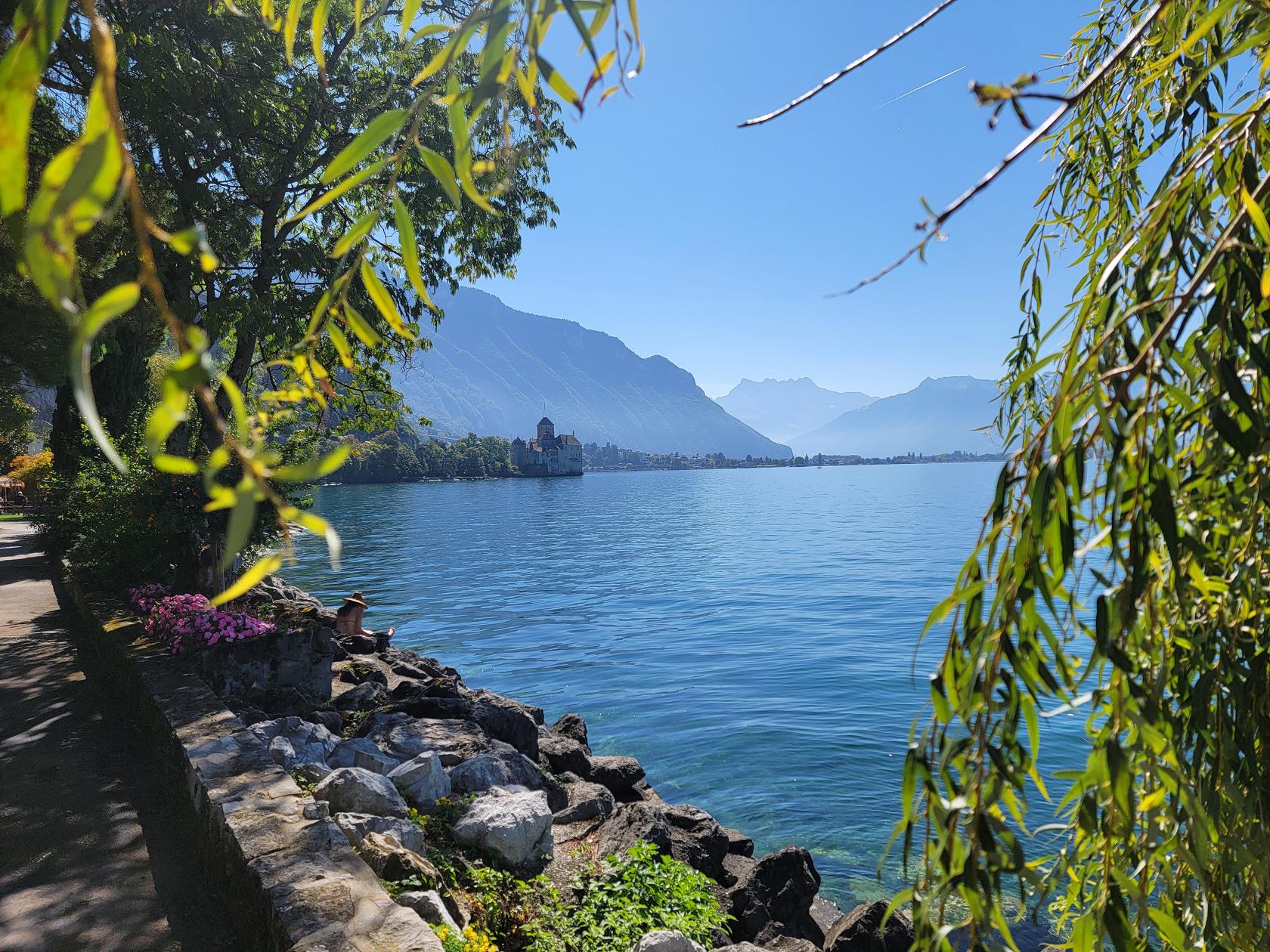
From our hotel the Quai de Clarens extends to the left and right. Taking a left while leaving, it turns into the Quai de Vernex within a short time and then it has many other monikers. For an early morning September stroll it is a very picturesque and beautiful walk along the lake, being well maintained by the authorities.
Quai Alfred Chatelanat – Walk To Castle Chillon – Montreaux, Switzerland
Quai Alfred Chatelanat – Walk To Castle Chillon – Montreaux, Switzerland
Quai Alfred Chatelanat – Walk To Castle Chillon – Montreaux, Switzerland
Quai Alfred Chatelanat – Walk To Castle Chillon – Montreaux, Switzerland
Quai Alfred Chatelanat – Walk To Castle Chillon – Montreaux, Switzerland
Quai Alfred Chatelanat – Walk To Castle Chillon – Montreaux, Switzerland
Quai Alfred Chatelanat – Walk To Castle Chillon – Montreaux, Switzerland
Quai Alfred Chatelanat – Walk To Castle Chillon – Montreaux, Switzerland
Quai Alfred Chatelanat – Walk To Castle Chillon – Montreaux, Switzerland
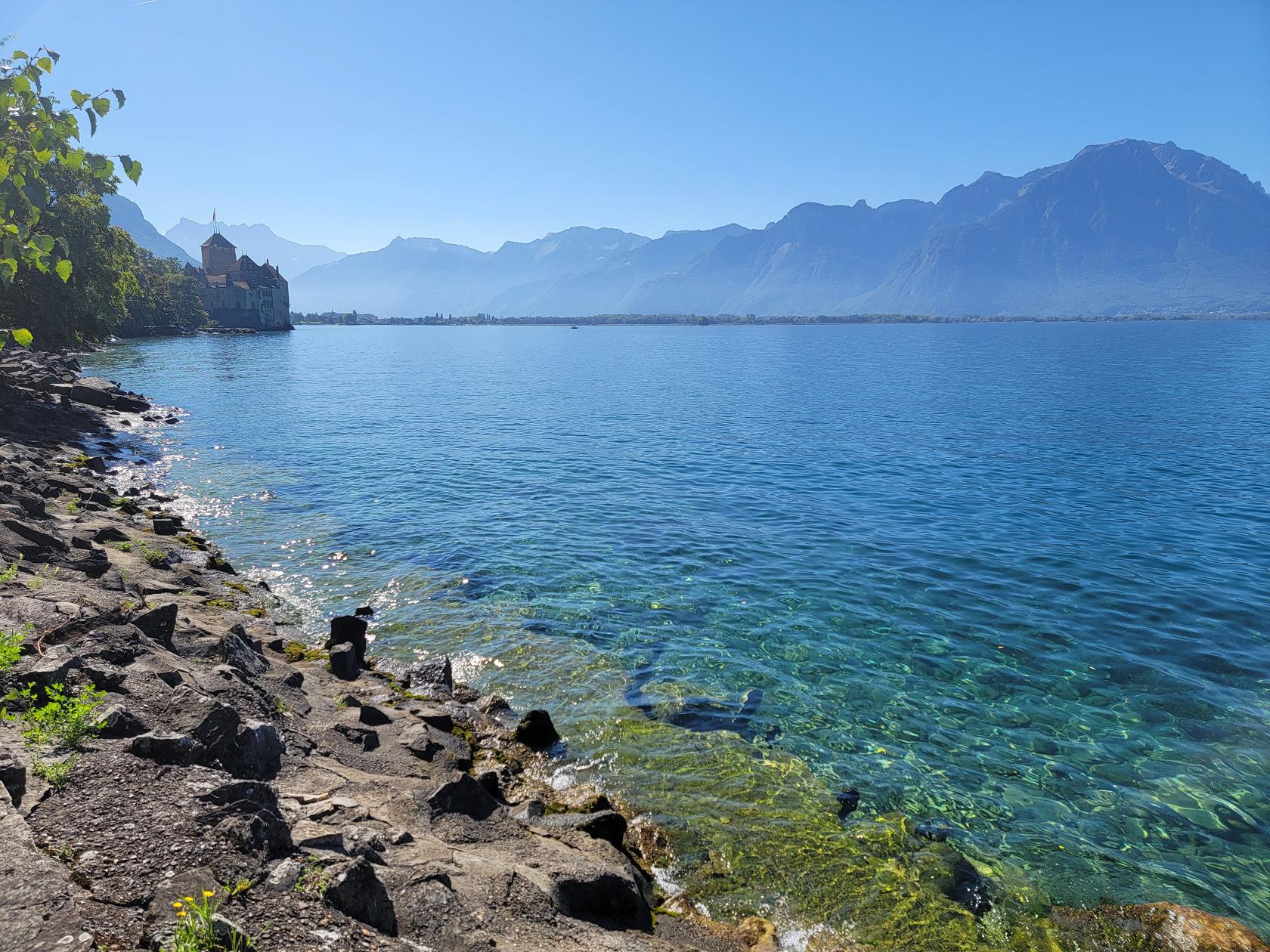
Eventually, as you pass the towns of Montreux and Veytaux, it will turn into the Quai Alfred Chatelanat. It is here you will see the Castle or Chateau de Chillon.
Quai Alfred Chatelanat – Castle Chillon – Montreaux, Switzerland
Quai Alfred Chatelanat – Castle Chillon – Montreaux, Switzerland
Getting There
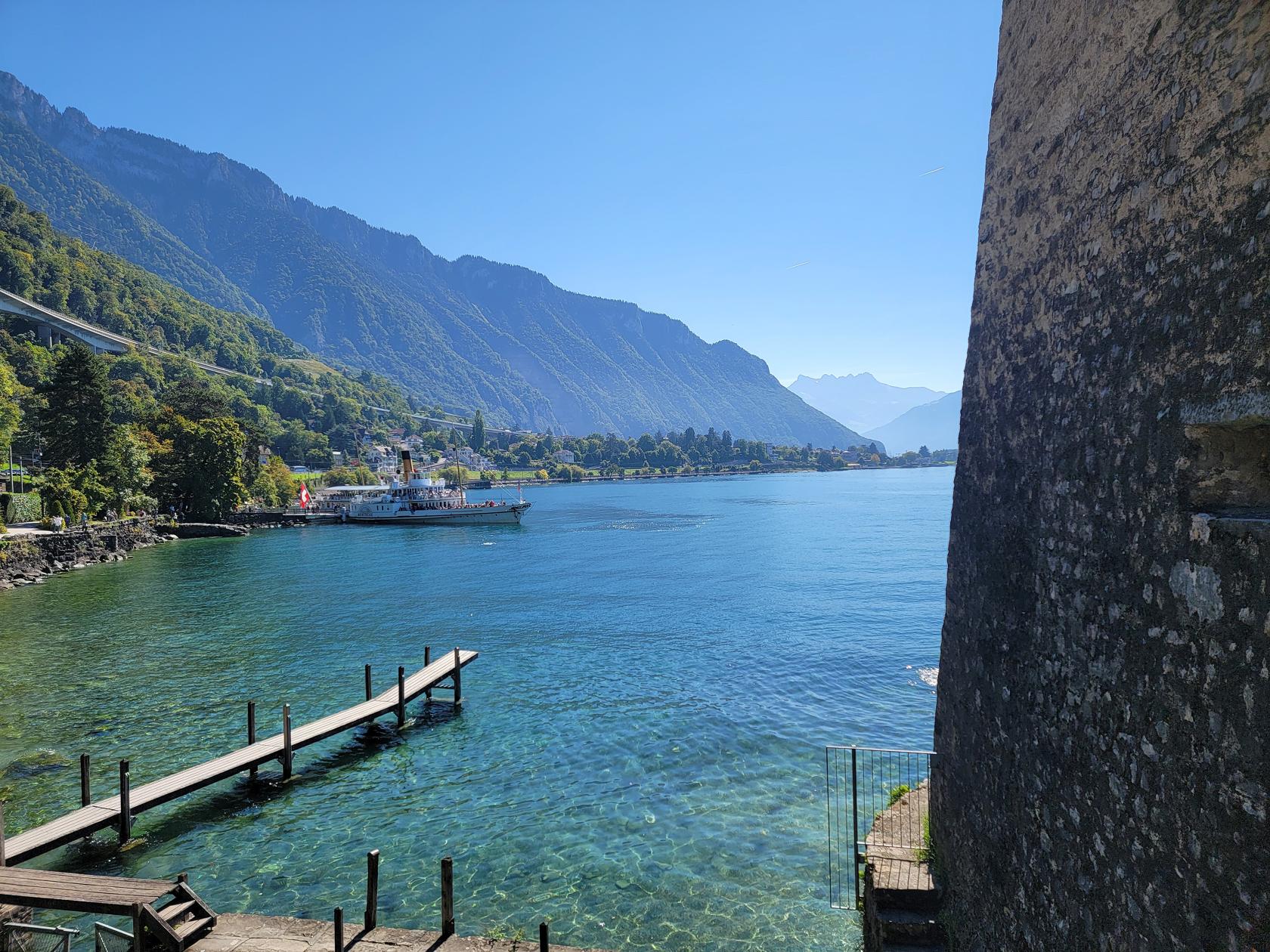
To get to Castle Chillon there are many options. One preferrable one, since the walk along the Quai is fairly long, at least a couple of miles, is taking the boat. It docks at several places and has a rather spotty schedule, so check the authorities and the schedule at your location prior to depending upon it. It does however dock just below the castle and had arrived as we were on our tour of it.
Castle Chillon – Lake Boat Embarking – Montreaux, Switzerland
You can also take the bus. This is probably the easiest option and there are numerous bus stops along the way. The 201 from Clarens to Veytaux comes every half hour. We chose this option to return to our hotel. Tickets can be purchases on the SBB mobile application.
Chateau de Chillon
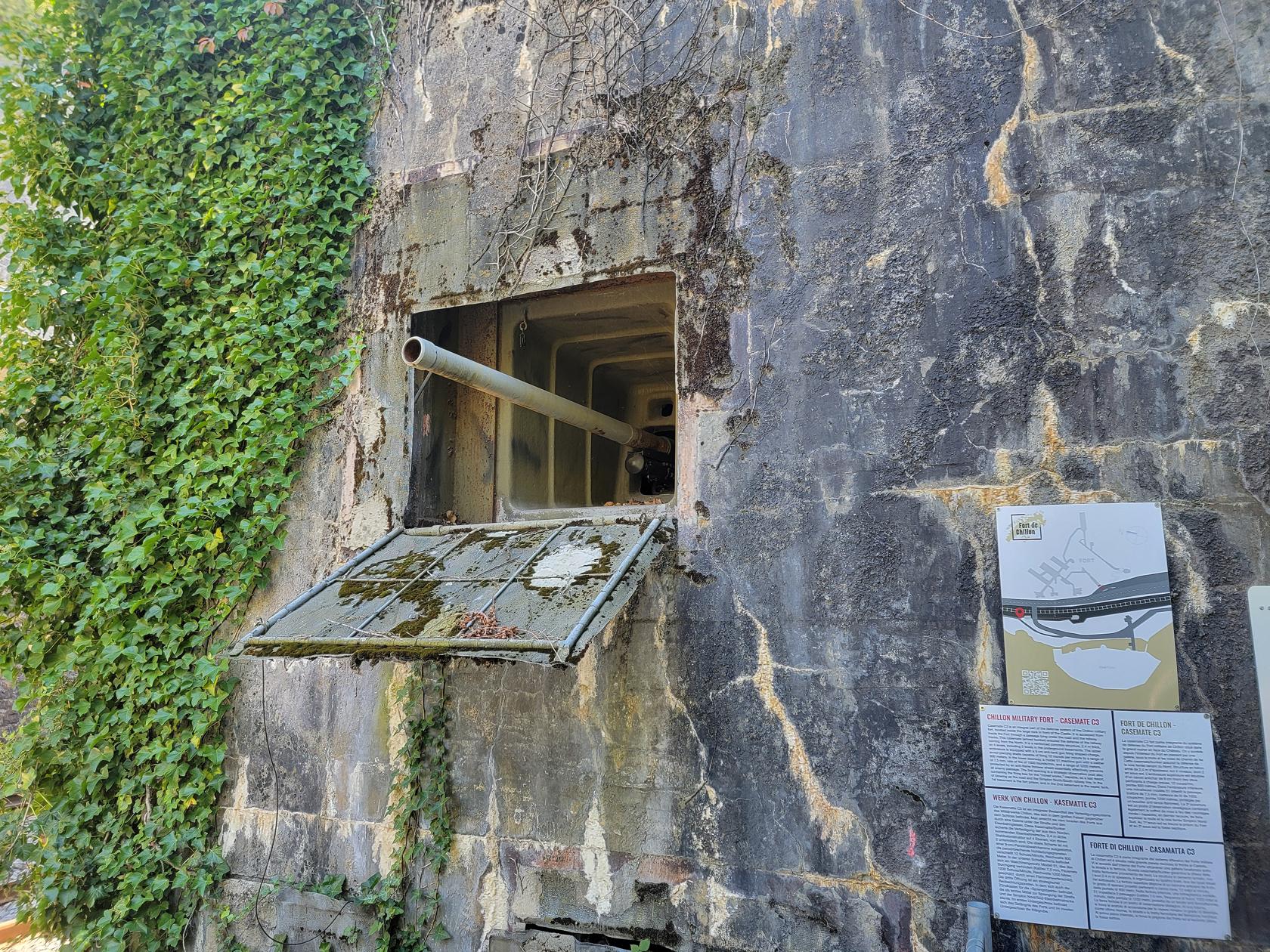
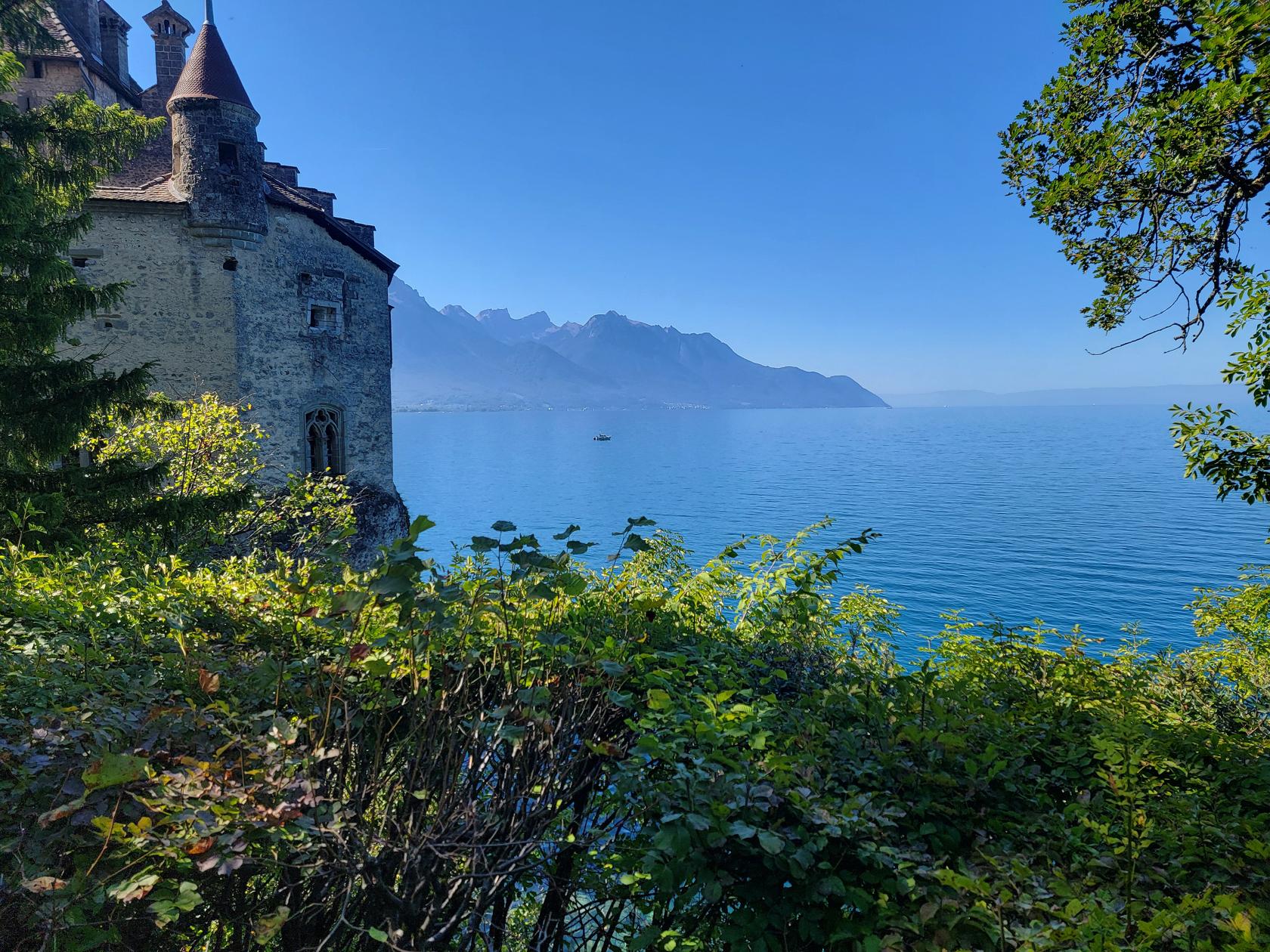
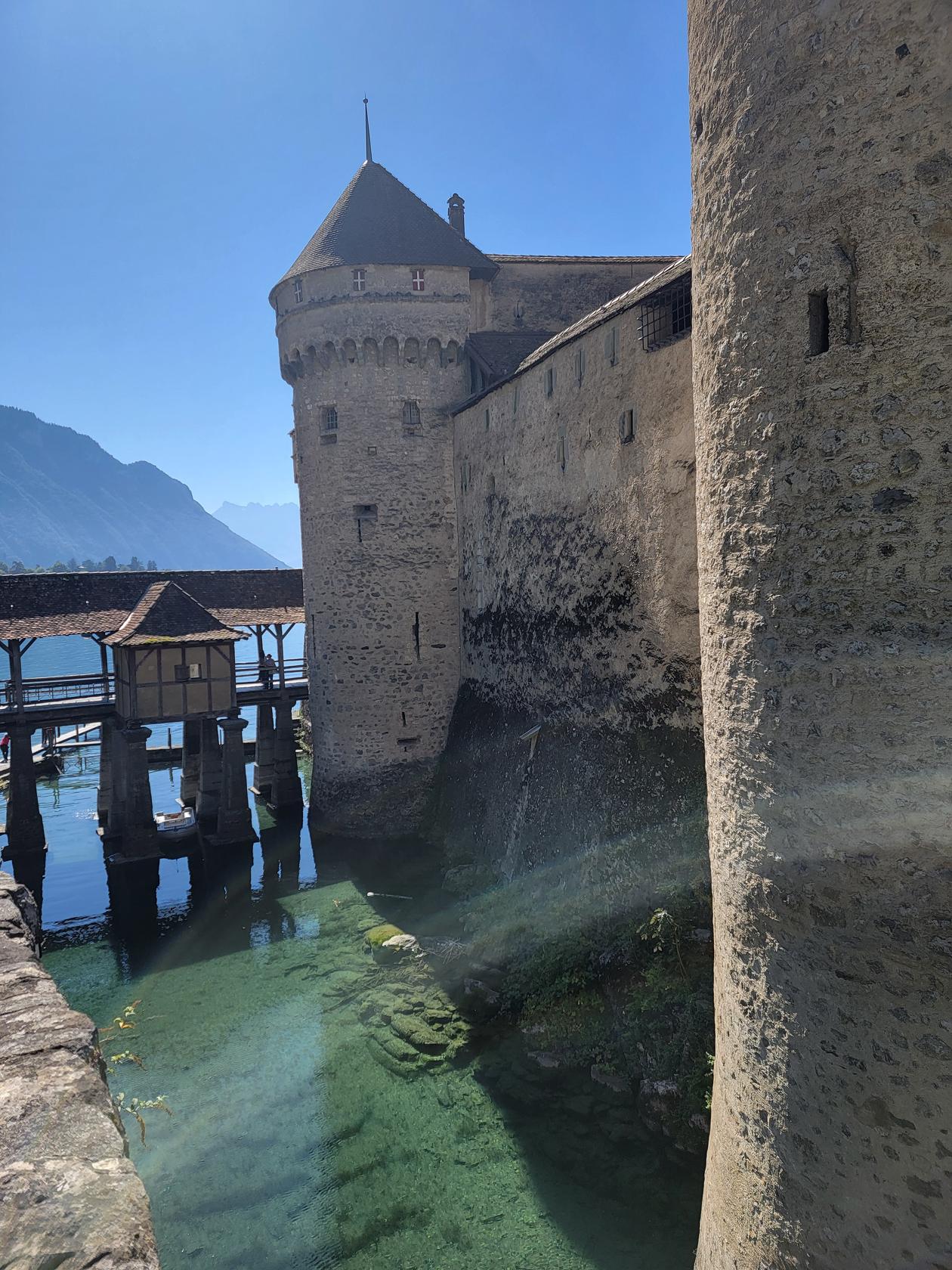
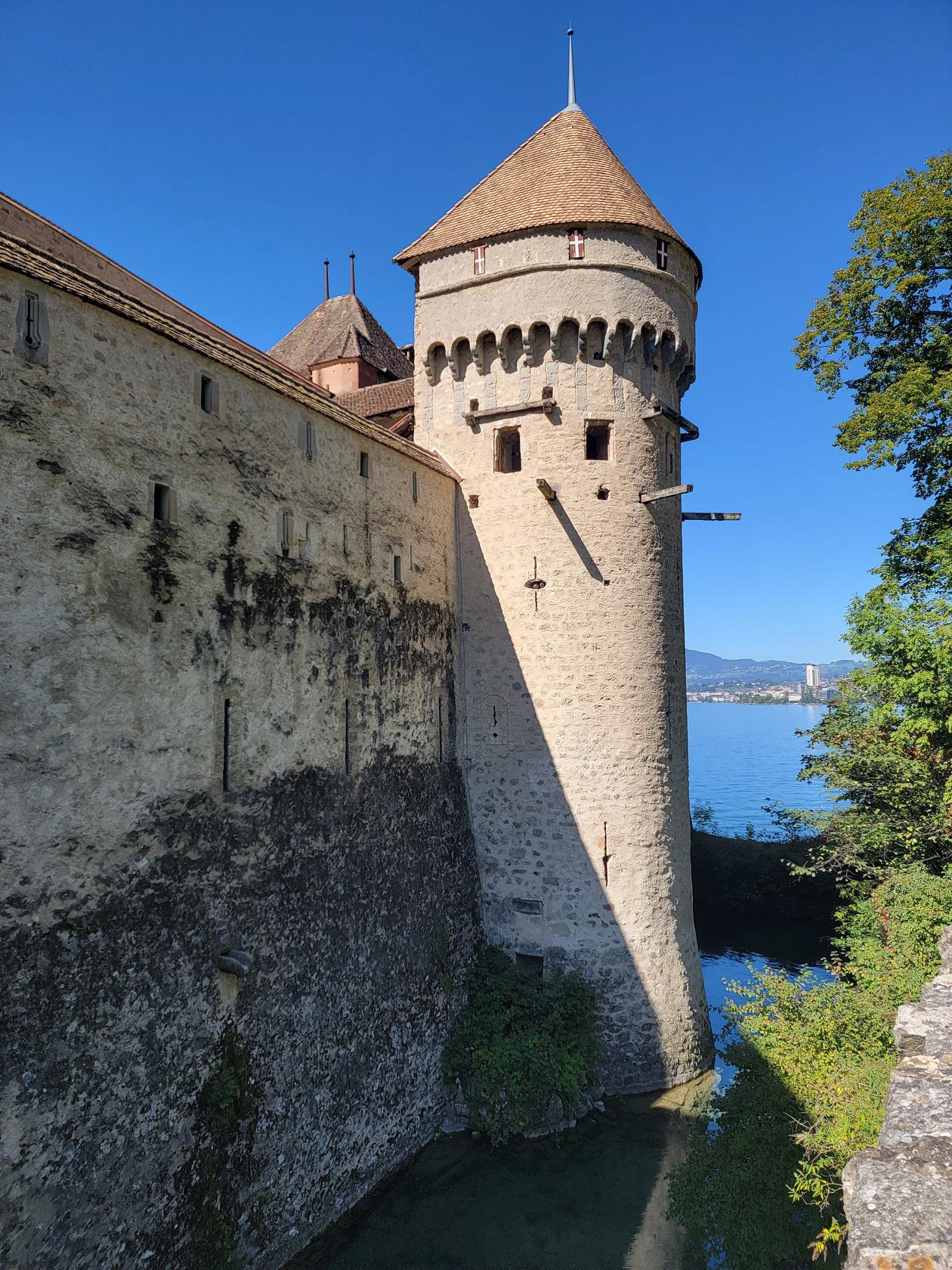
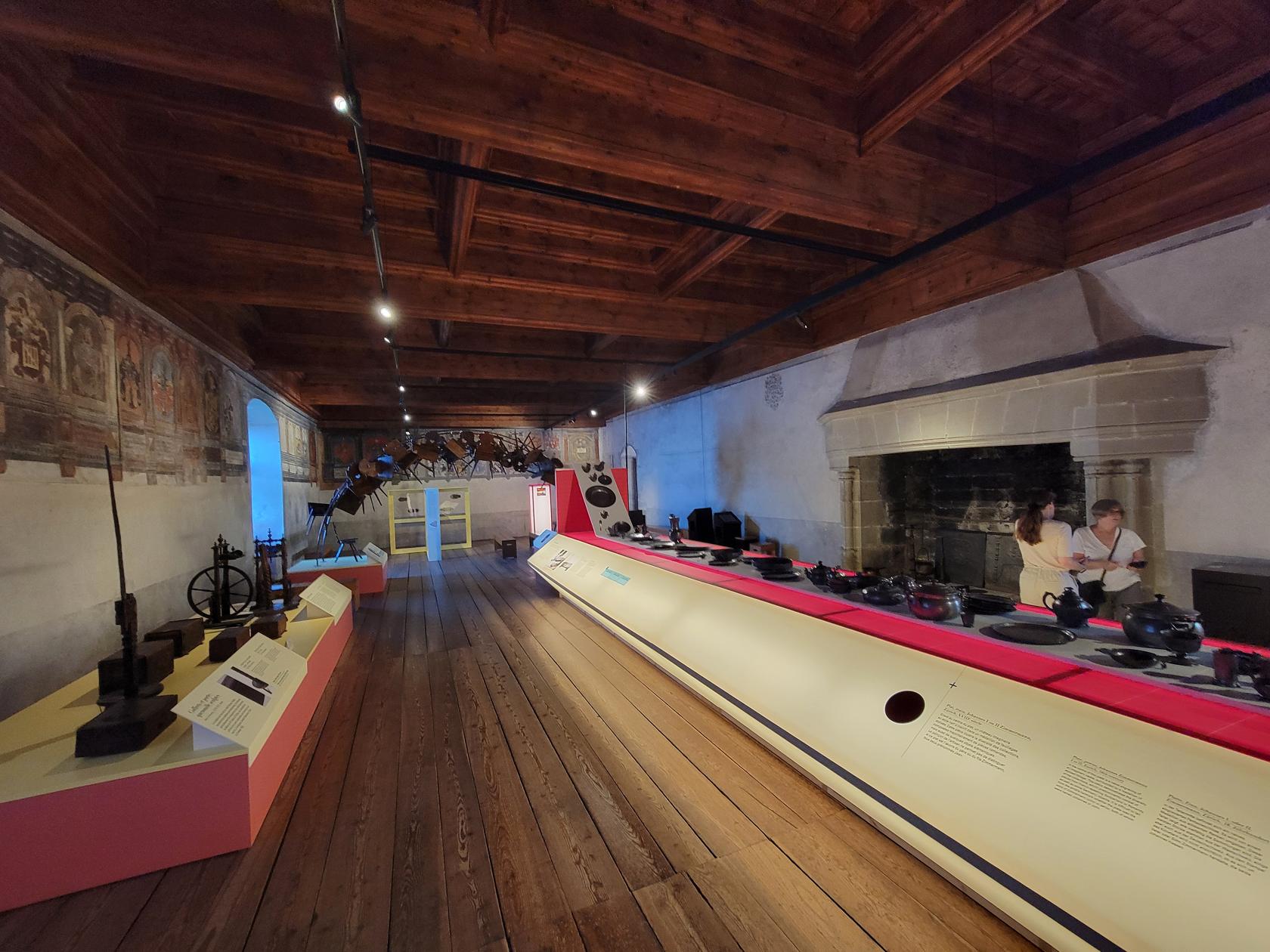
The Castle Chillon was originally built by the Savoy family and has had many different functions since it was first erected. It can be seen in the distance for some time before one notices the gun casement that guards it to the north.
Castle Chillon – Lake Leman – Montreaux, Switzerland
Castle Chillon – Lake Moat – Montreaux, Switzerland
Castle Chillon – Lake Moat – Montreaux, Switzerland
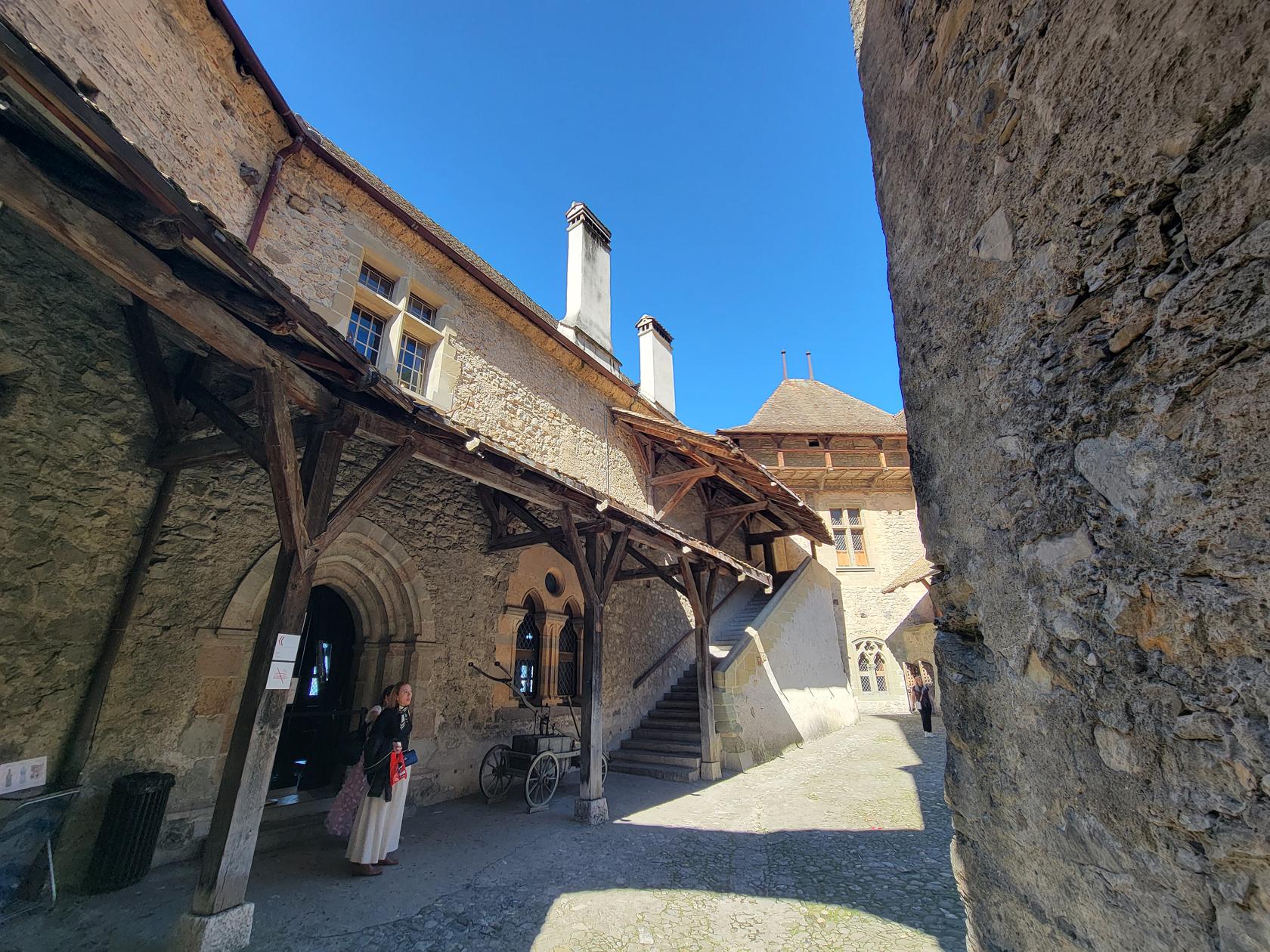
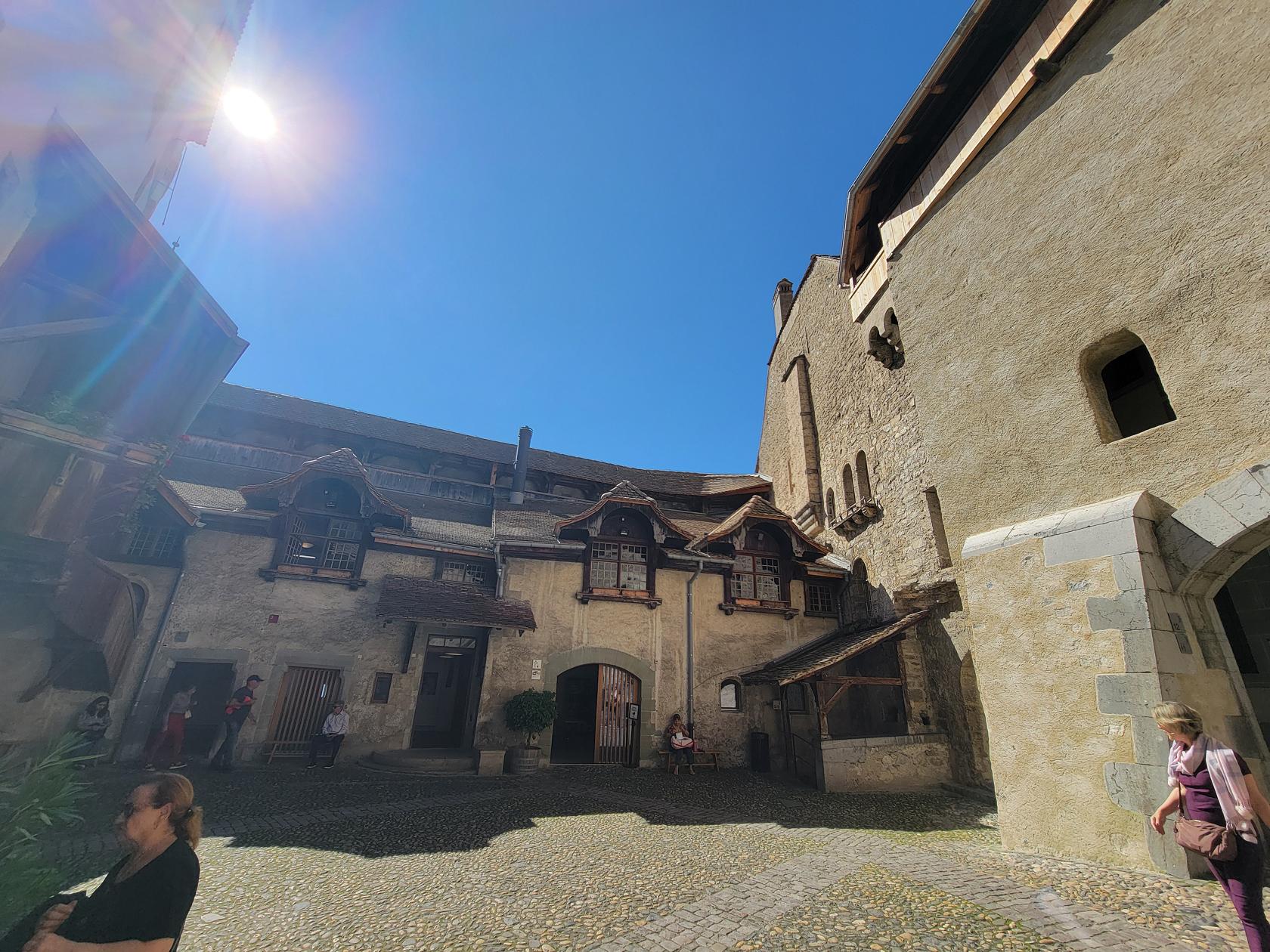
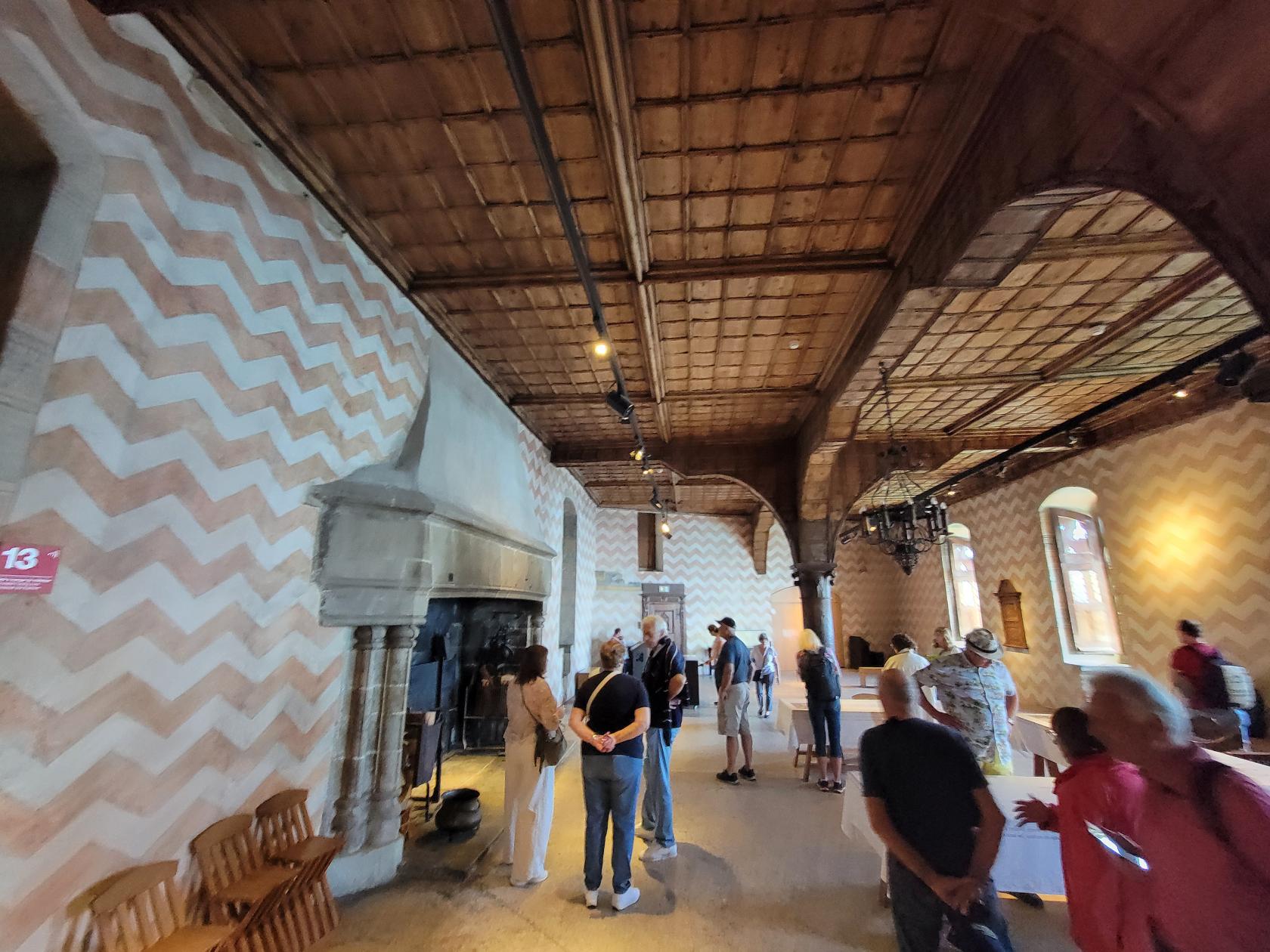
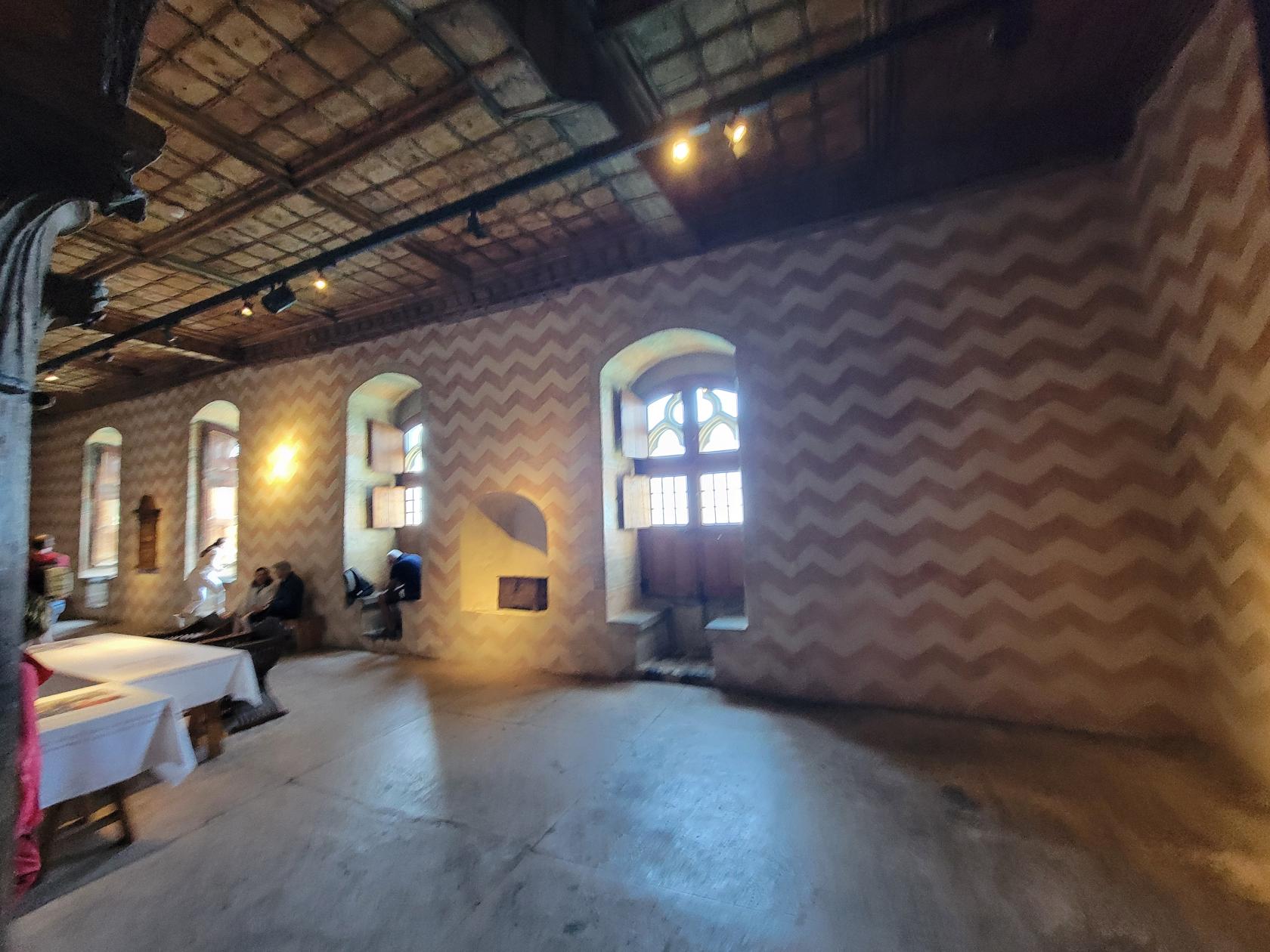
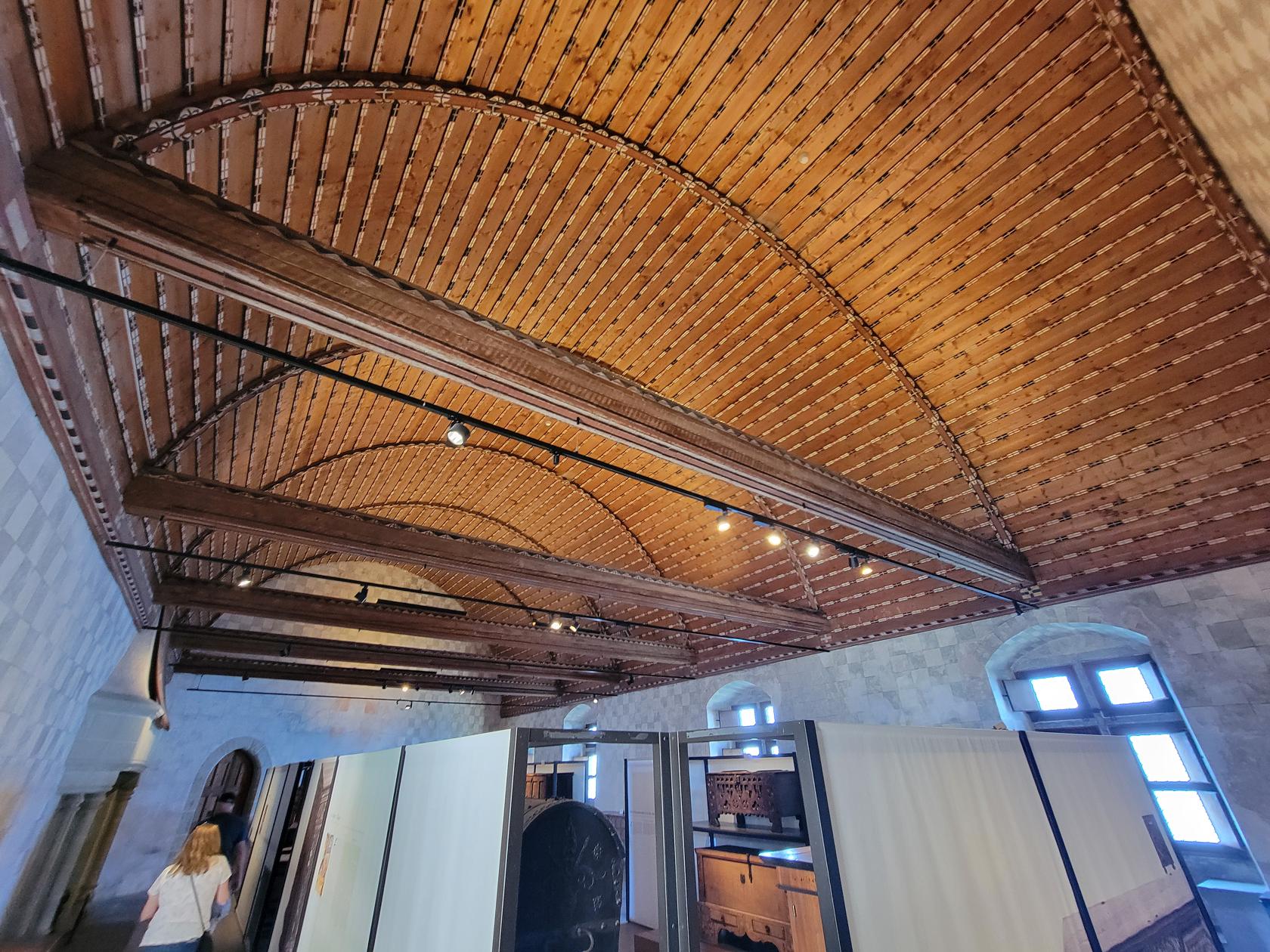
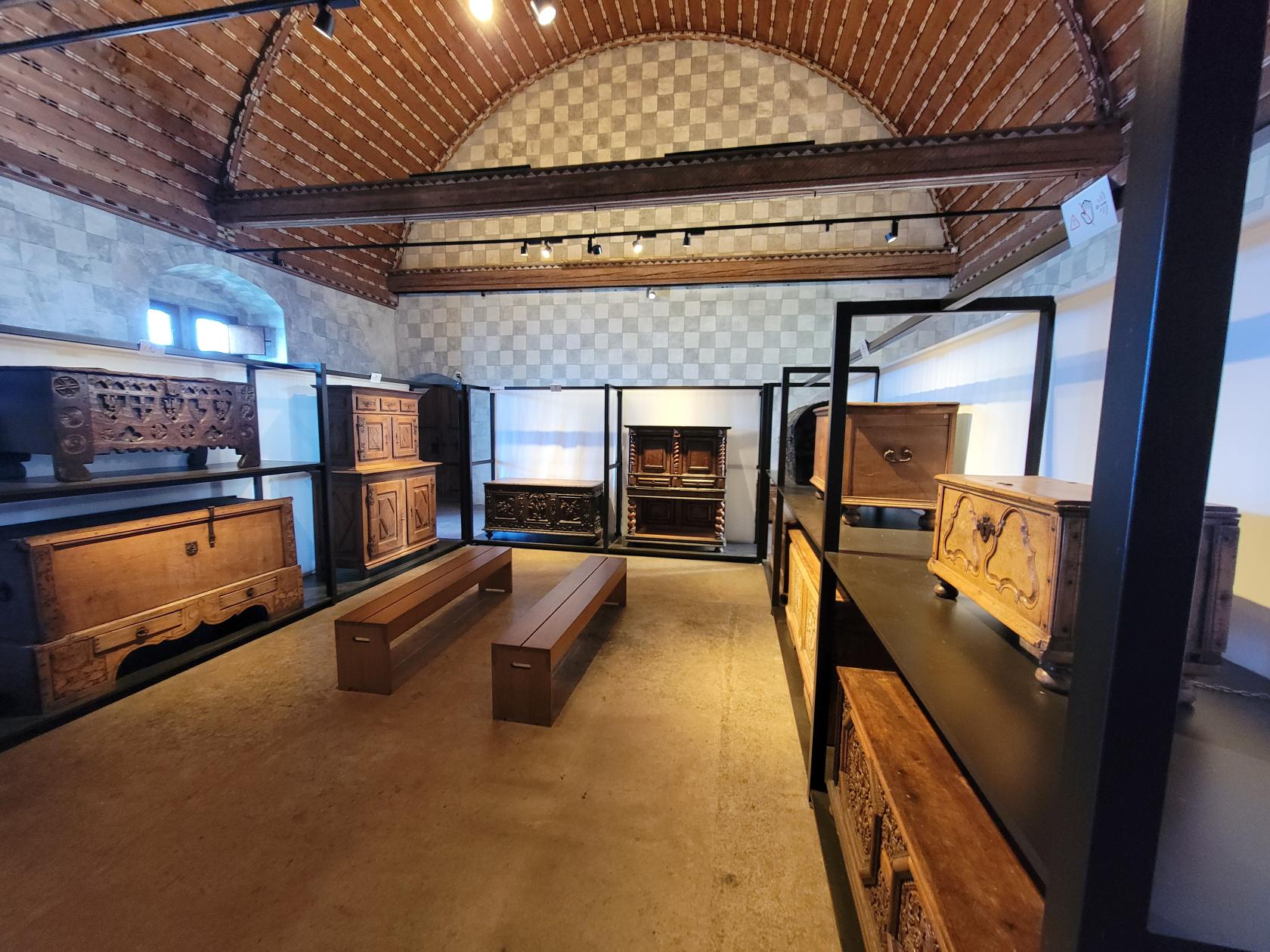
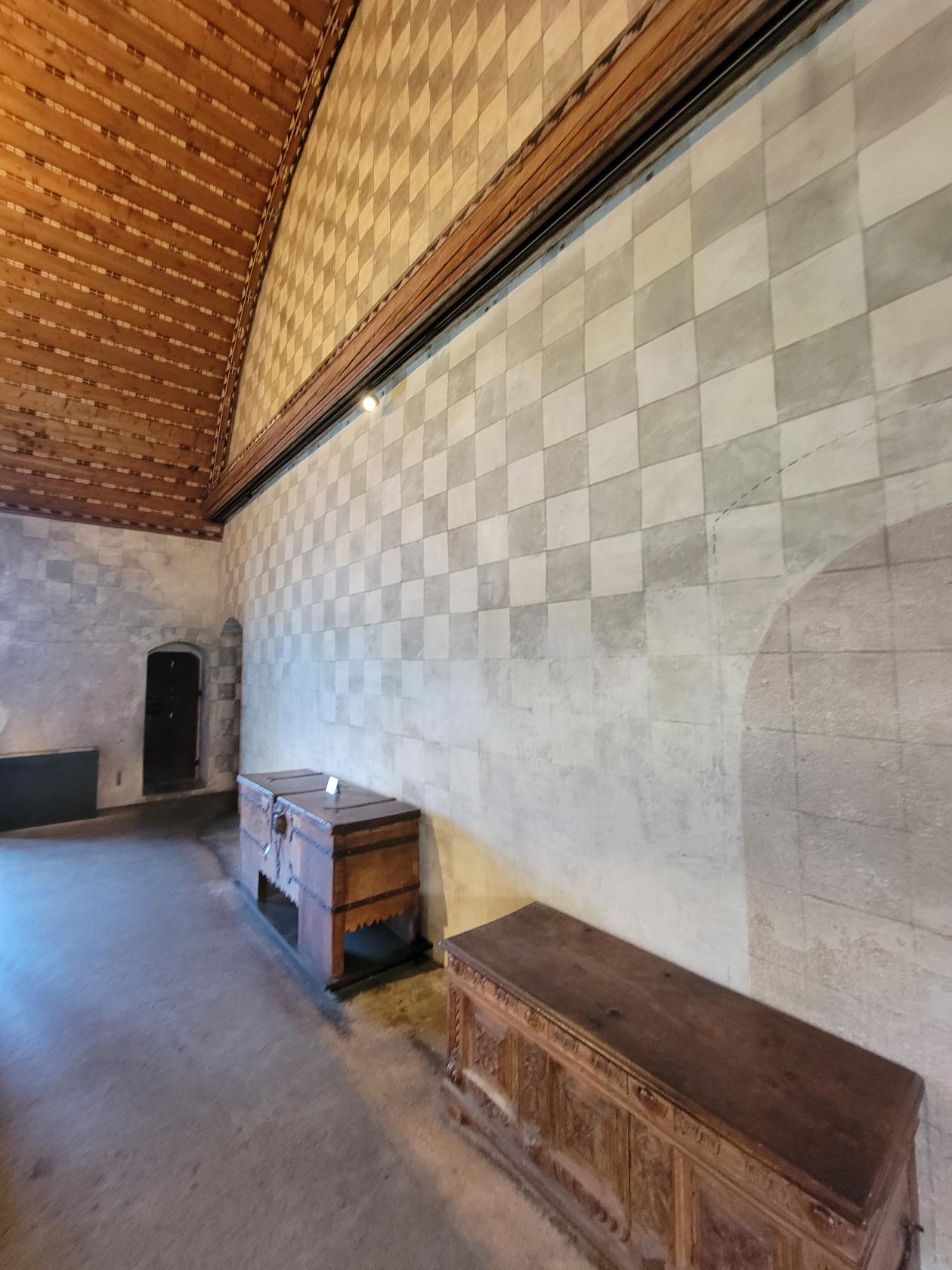
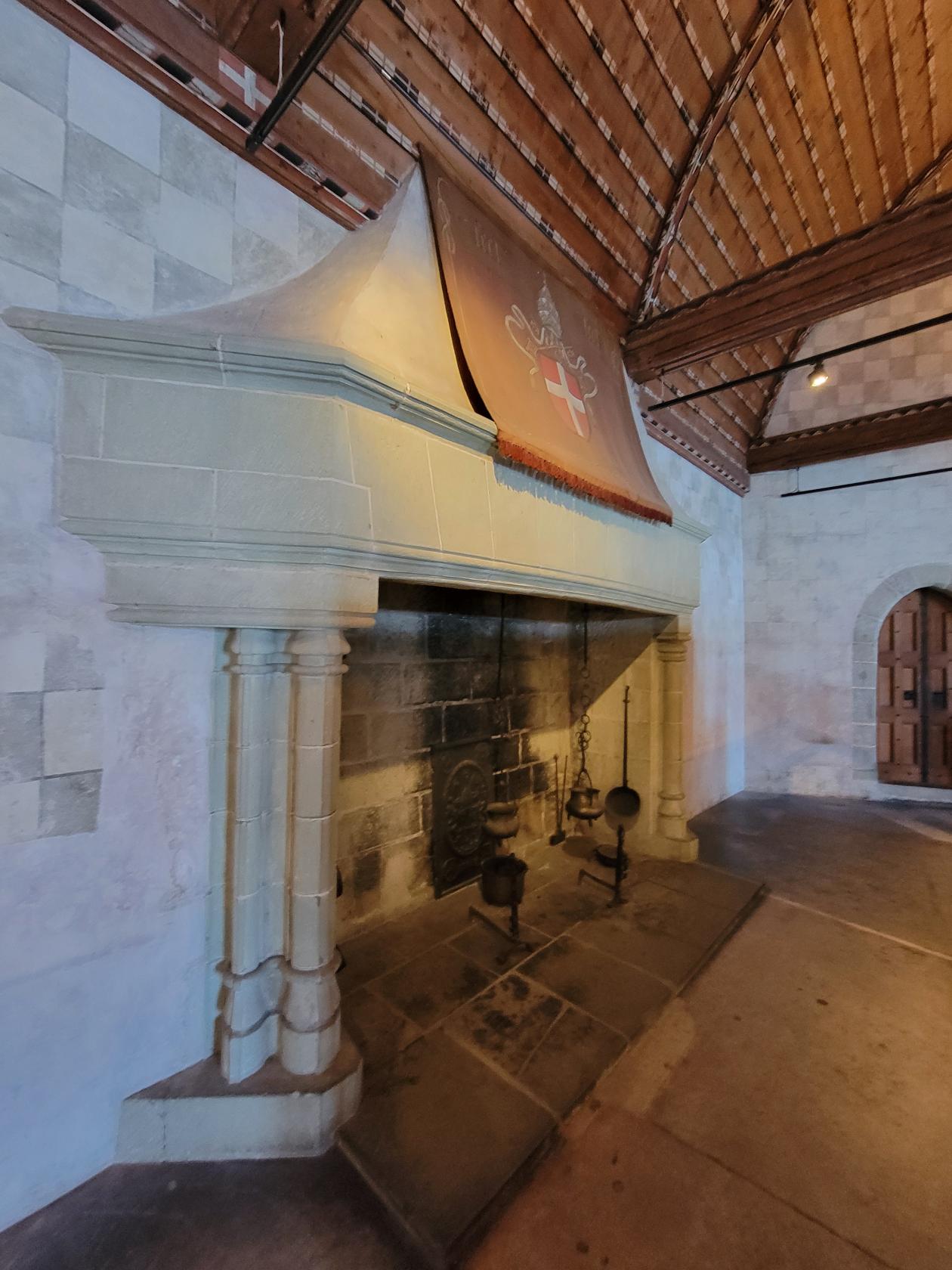
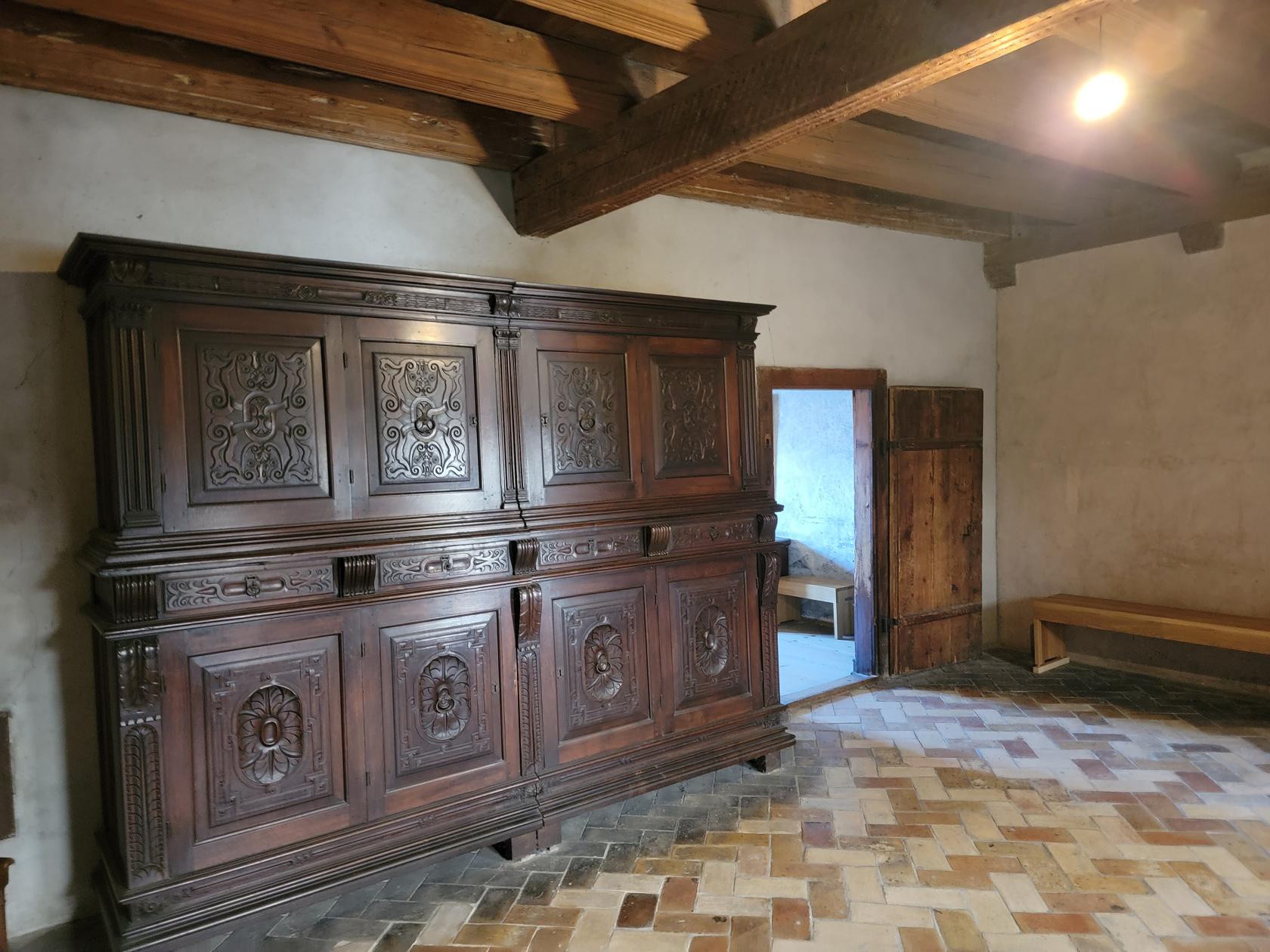
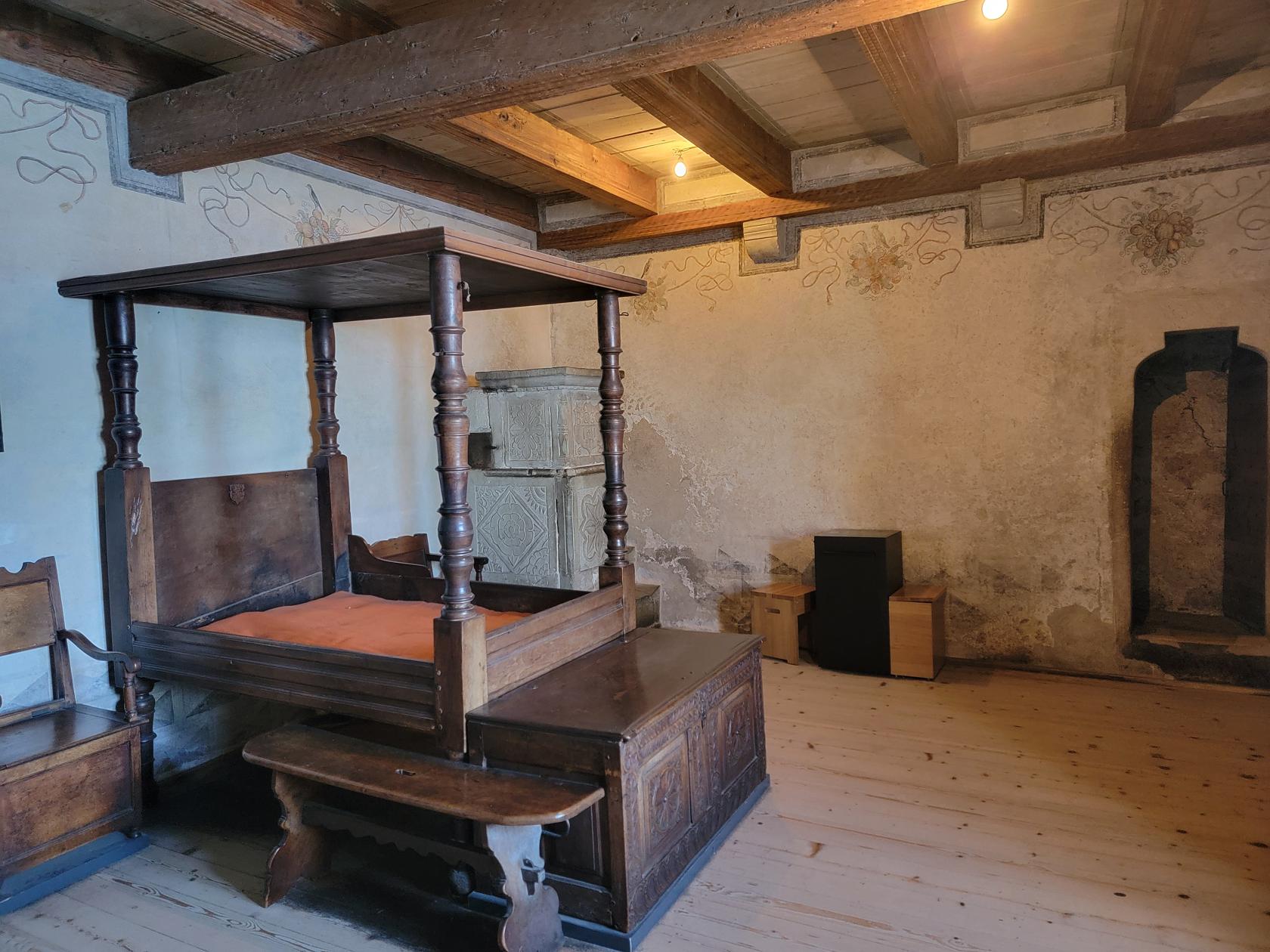
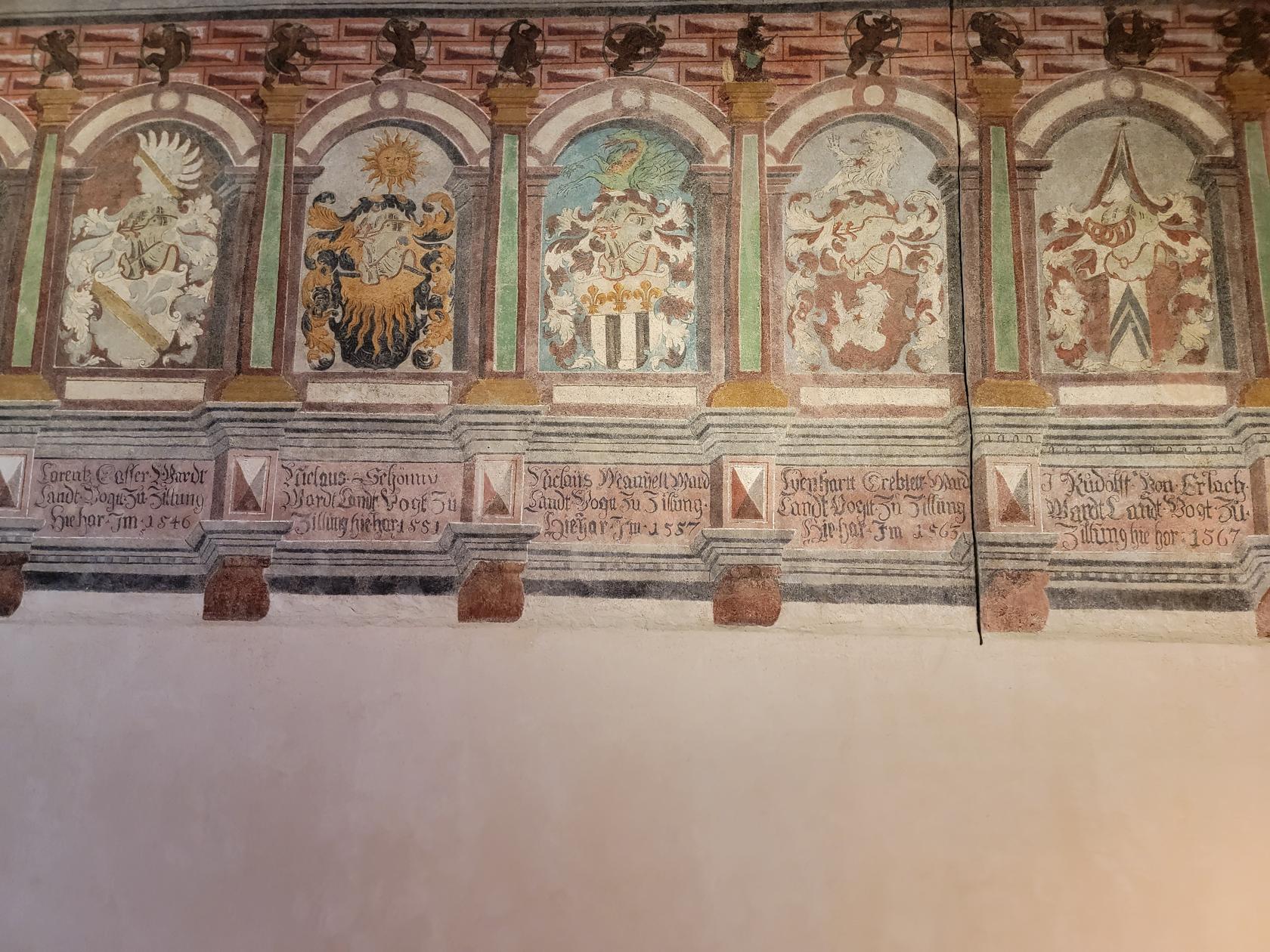
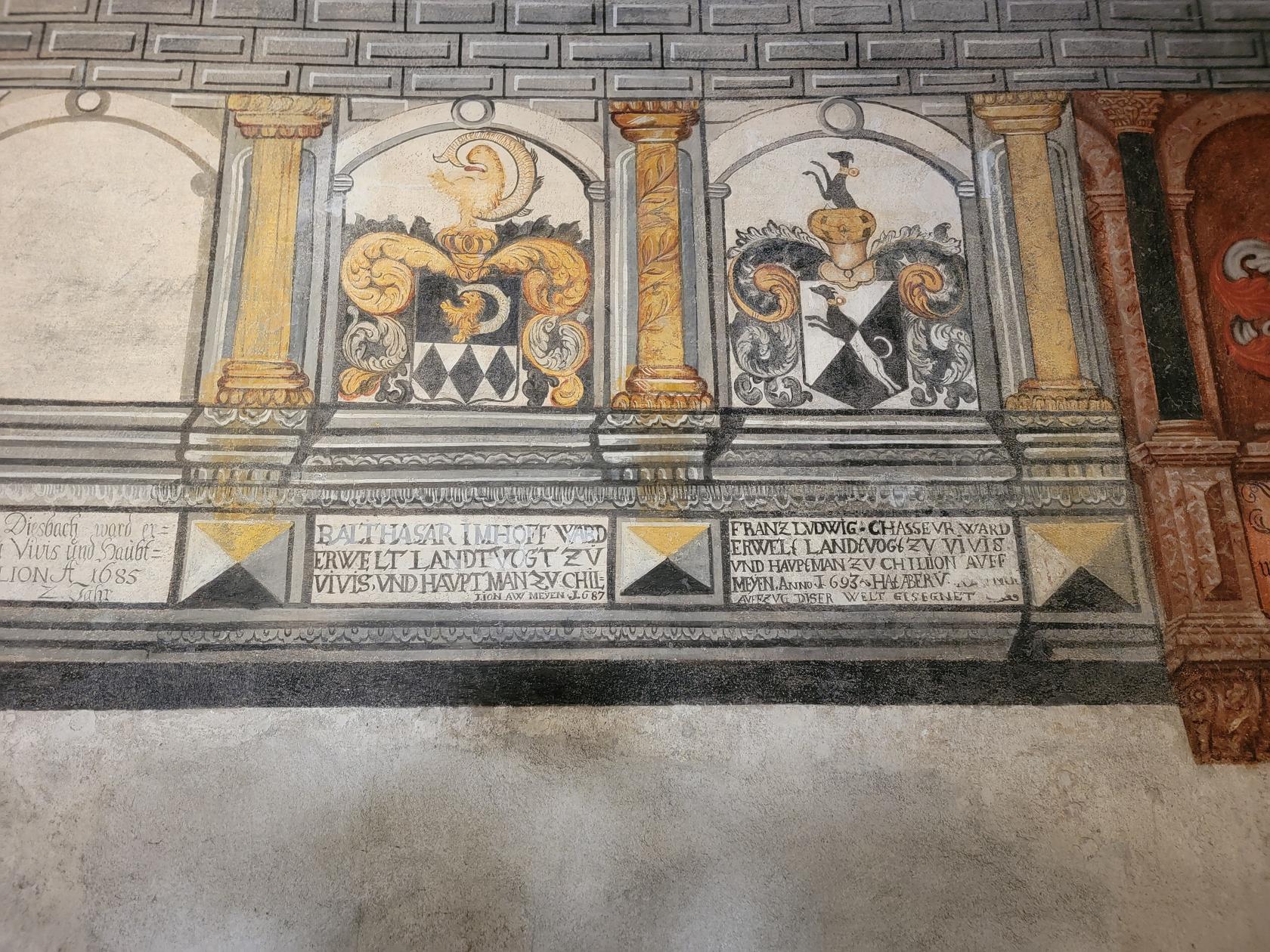
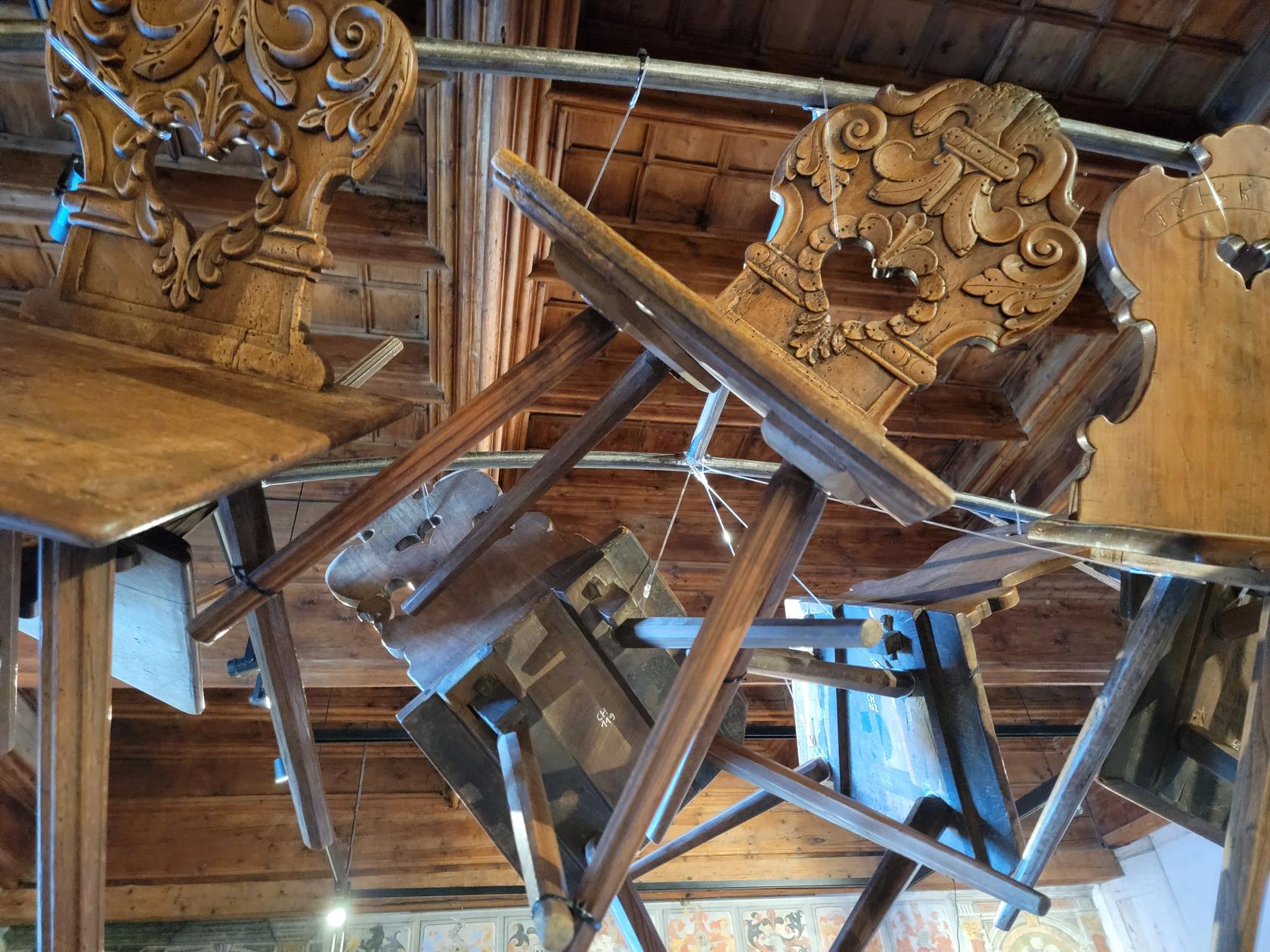
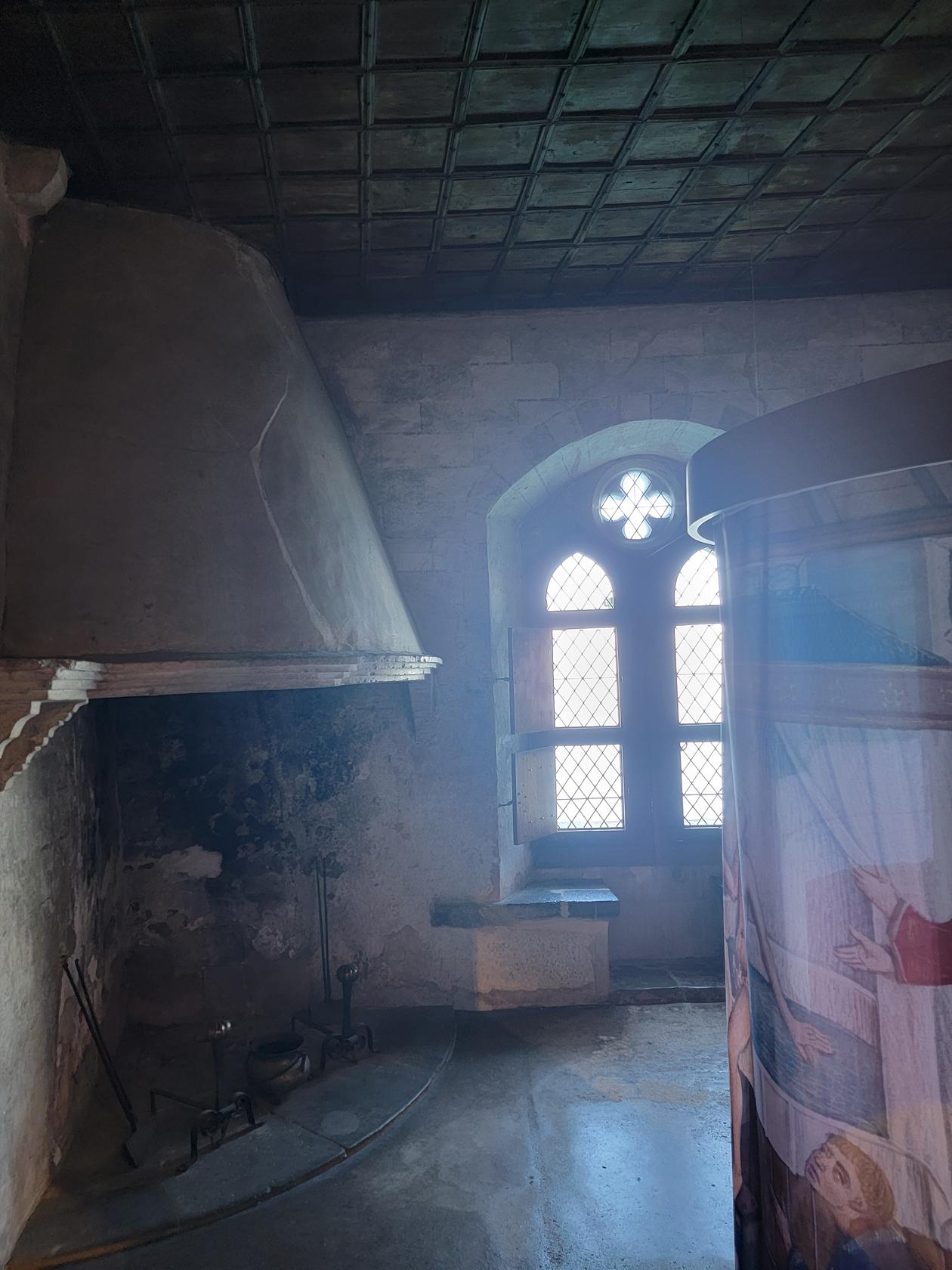
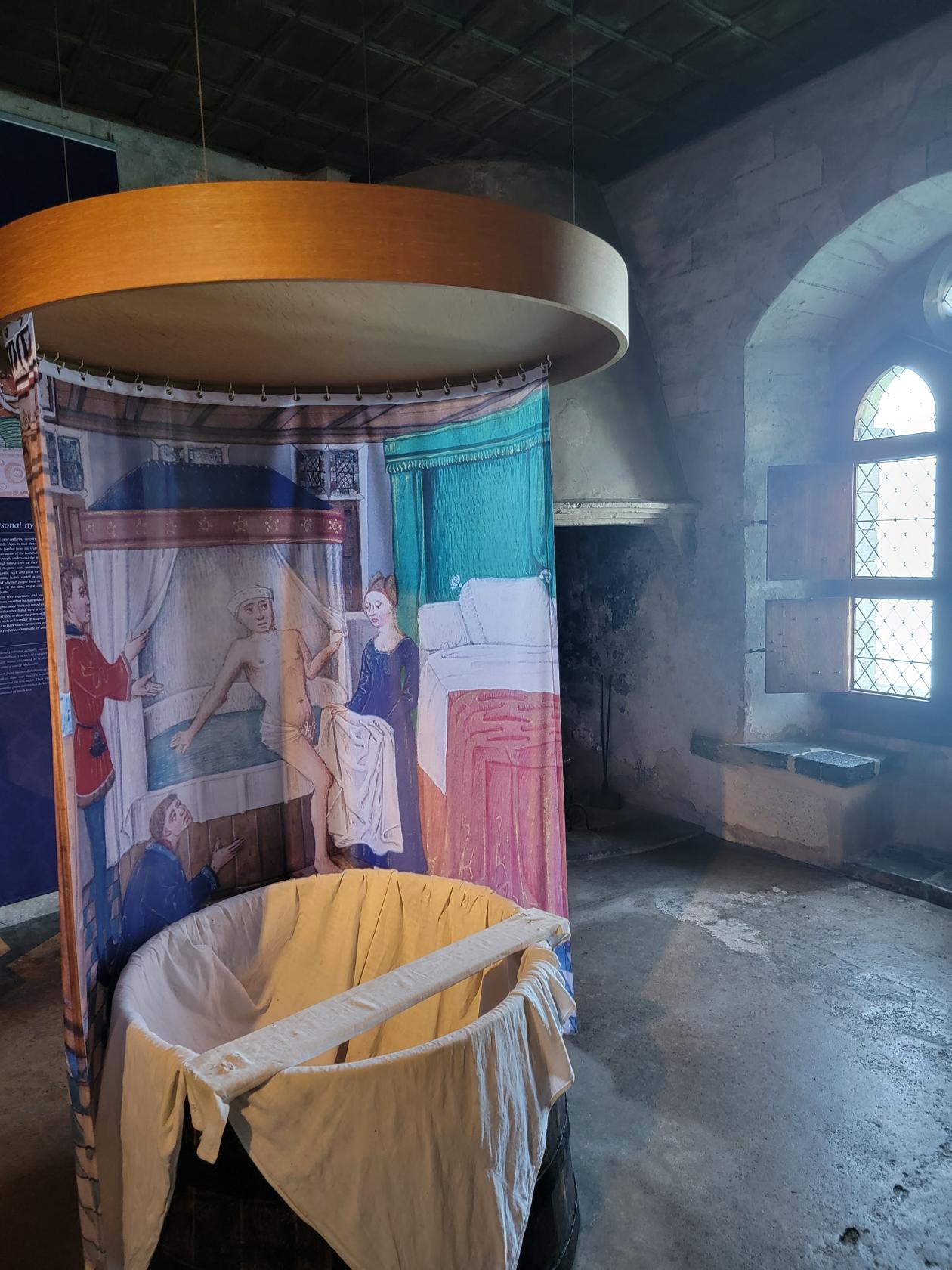
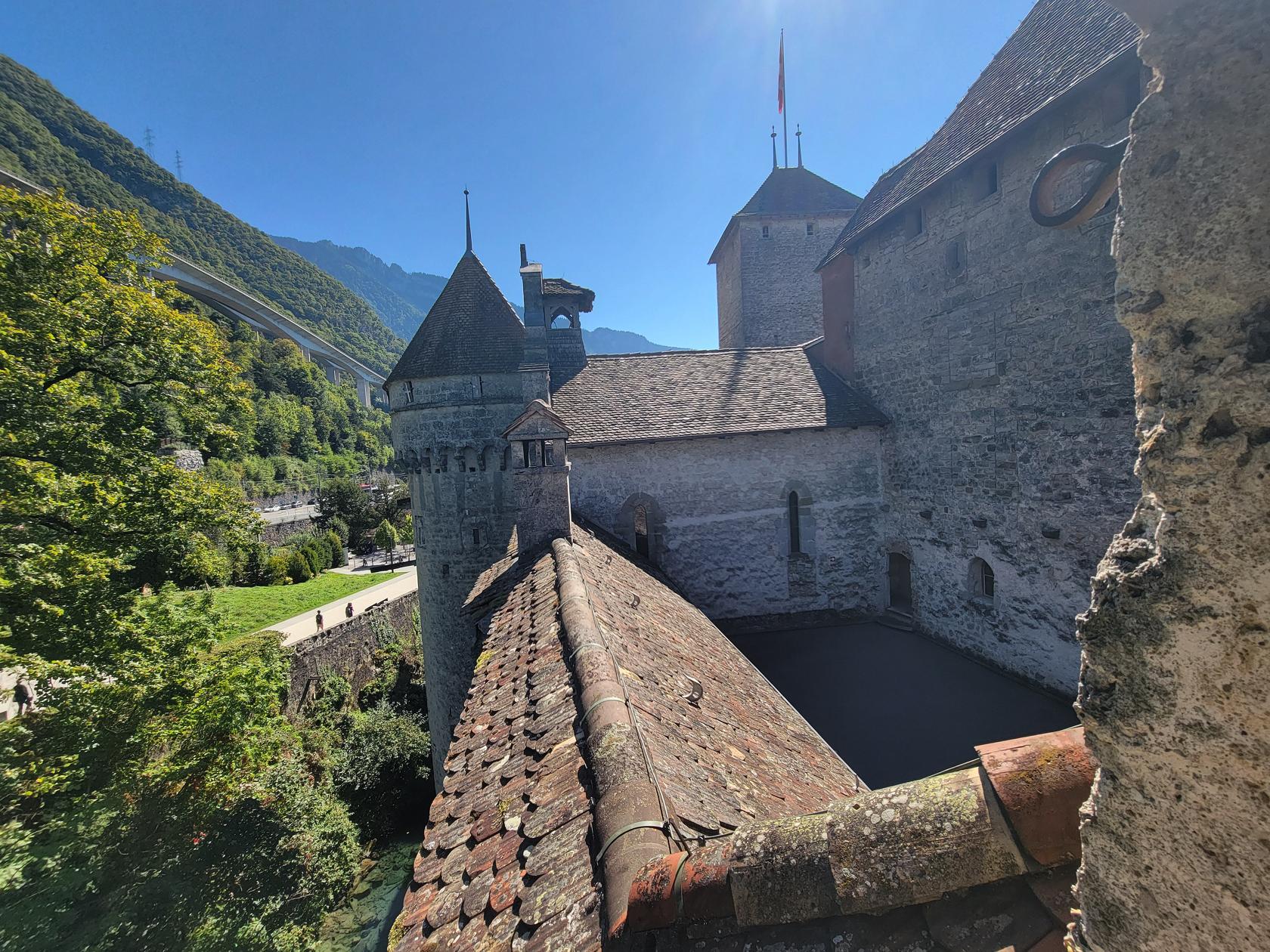
The castle has a number of rooms dedicated to particular themes. Each has a unique story to tell, as well as furnishing that were used in the past by the residents. The following were taken while touring the inside of the castle.
Castle Chillon – Interior Ward or Courtyard – Montreaux, Switzerland
Castle Chillon – Interior Ward or Courtyard – Montreaux, Switzerland
Castle Chillon – Constable’s Dining Hall – Montreaux, Switzerland
Castle Chillon – Constable’s Dining Hall – Montreaux, Switzerland
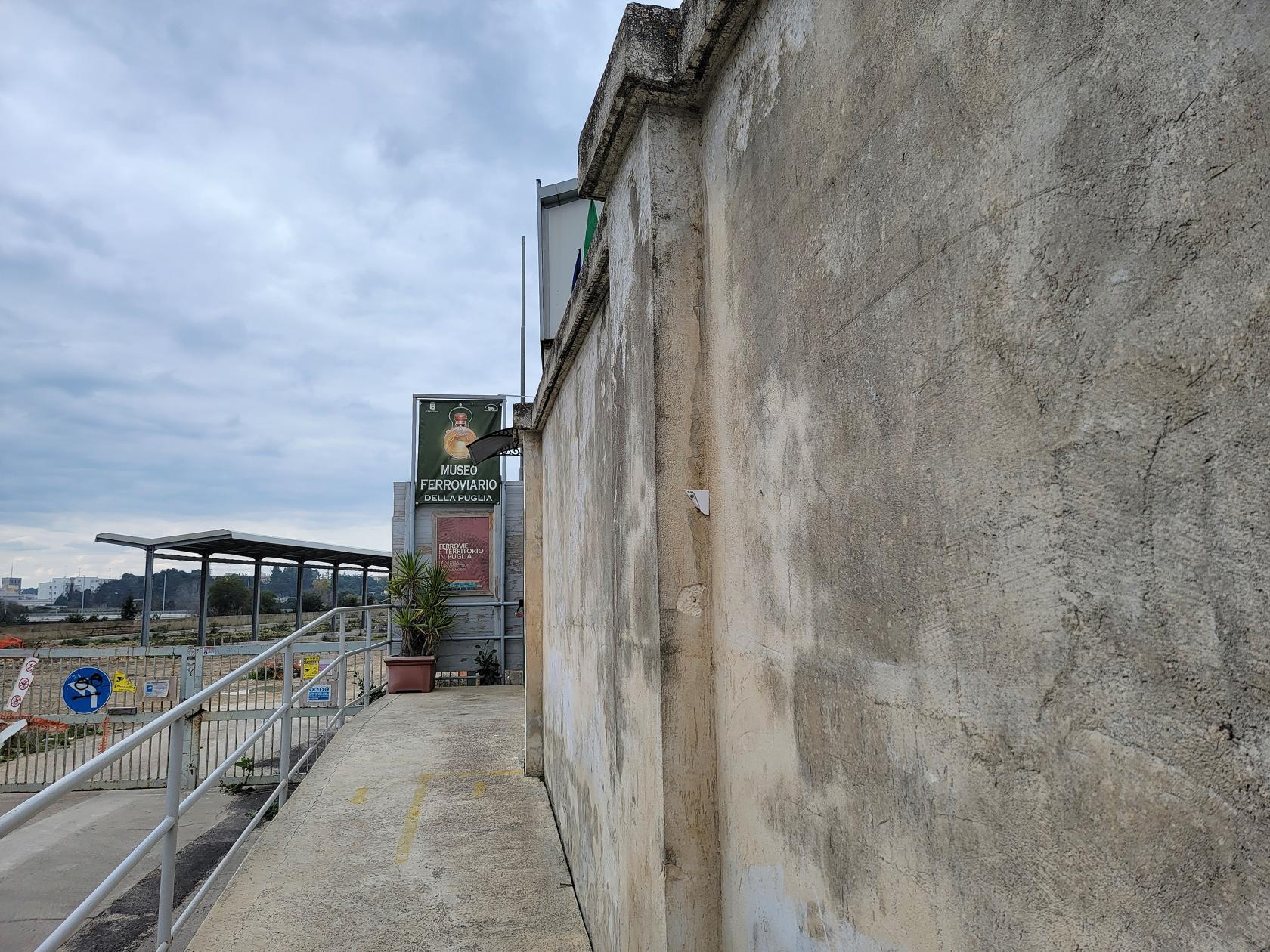
Anyone who has ever had an interest in trains, or perhaps would just enjoy a trip down memory lane, the Museo Ferroviario dell Puglia might be the place to stop on a lazy day during vacation or the weekend.
Museo Ferroviario della Puglia
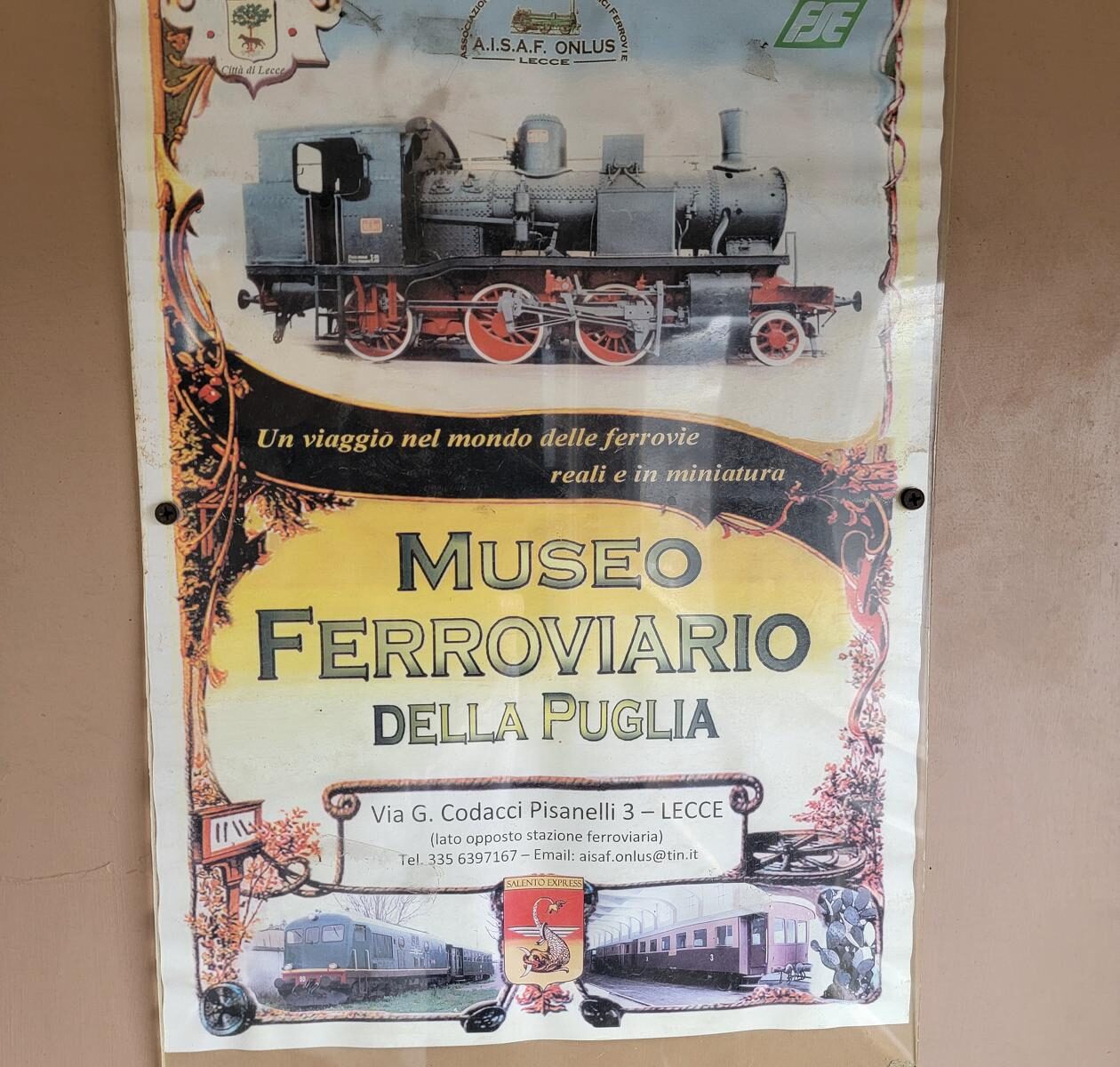
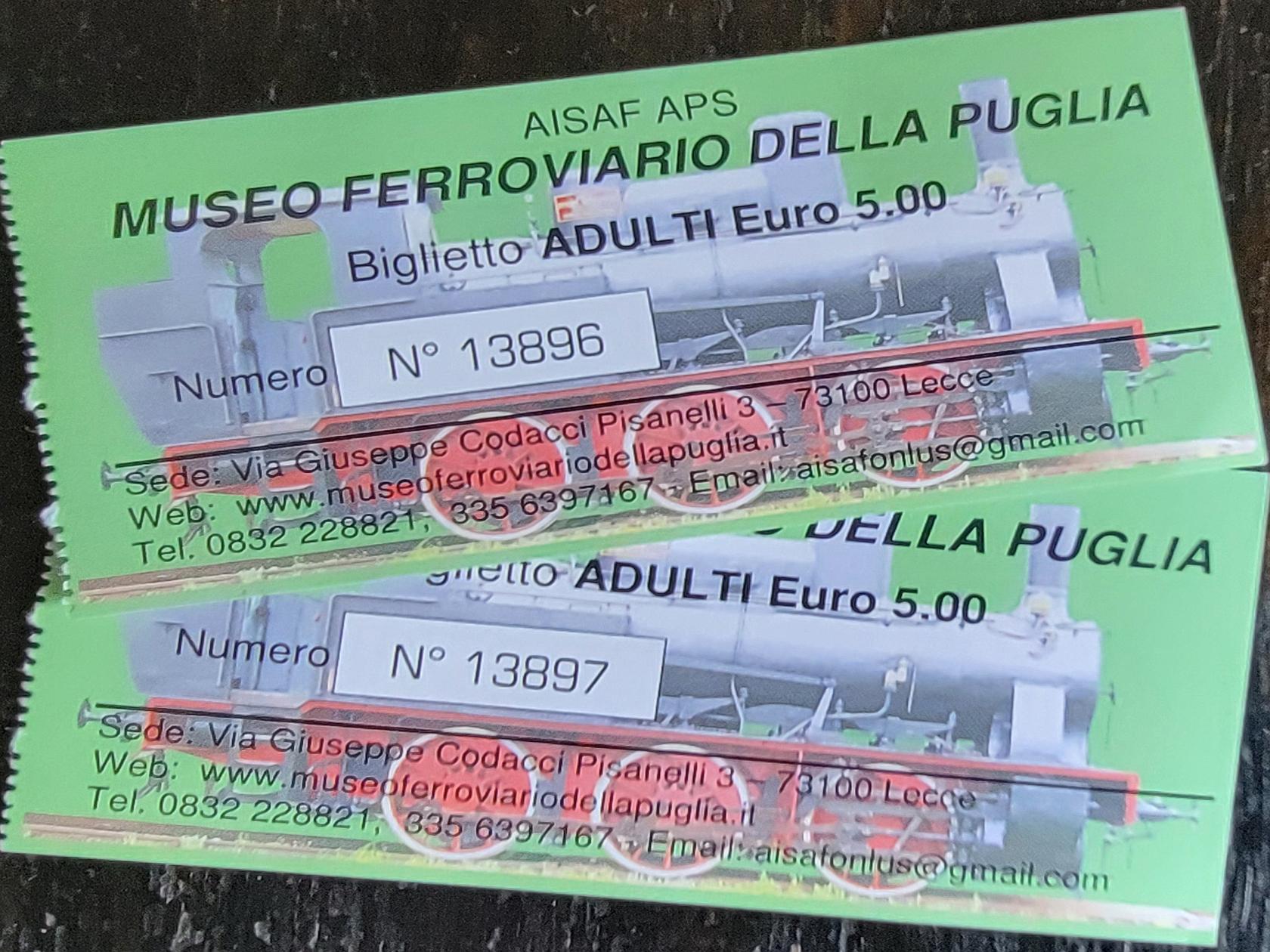
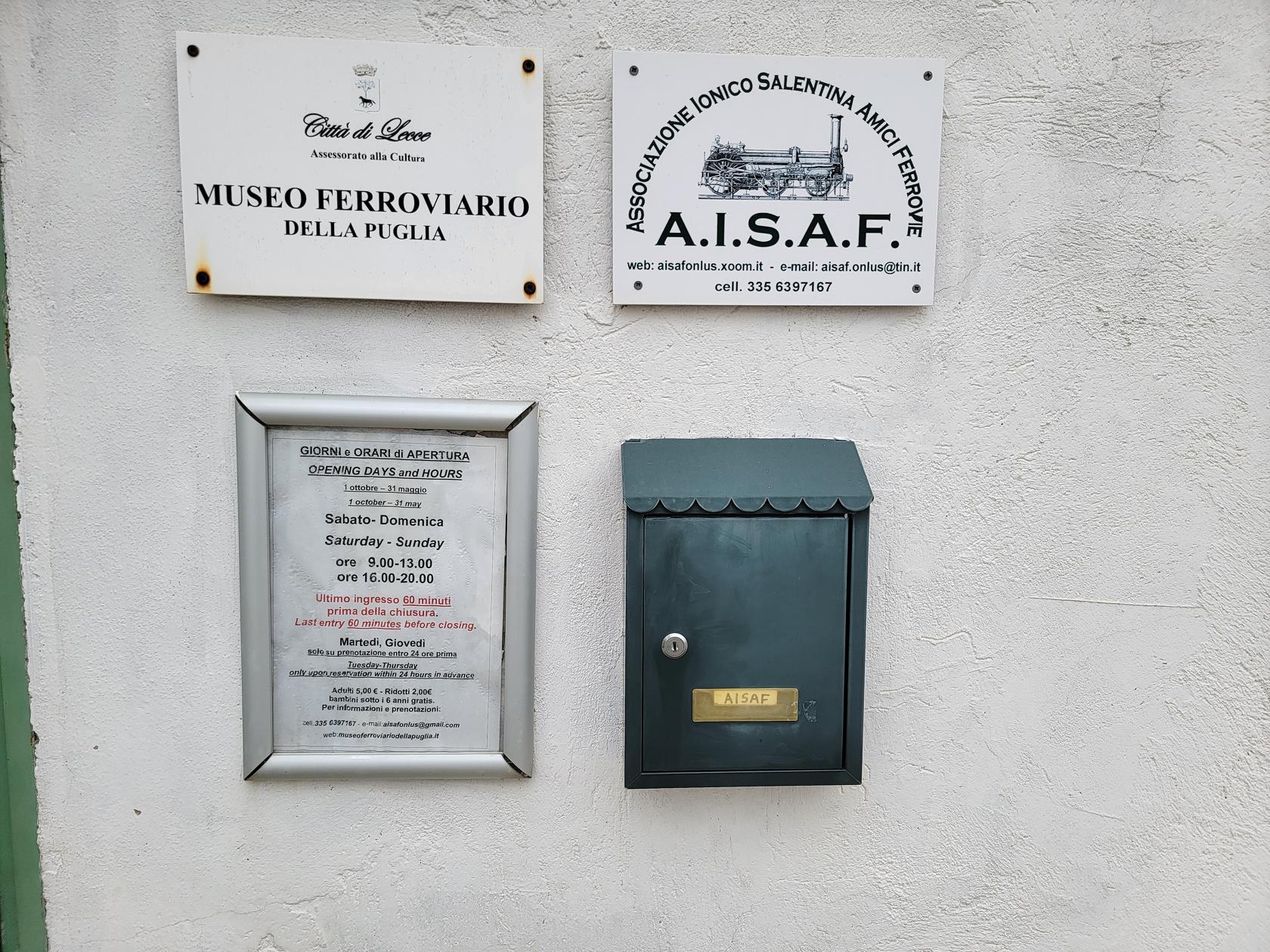
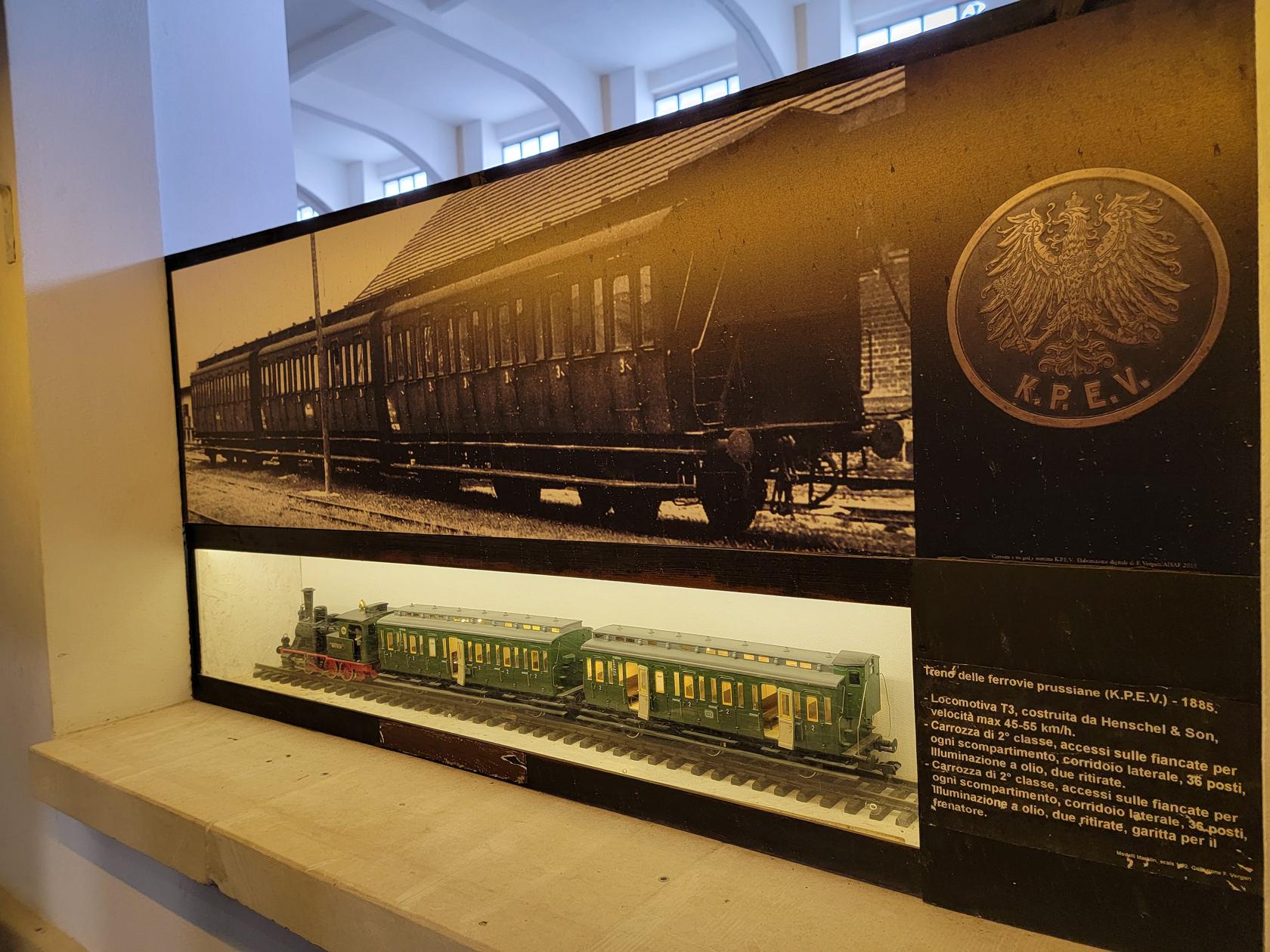
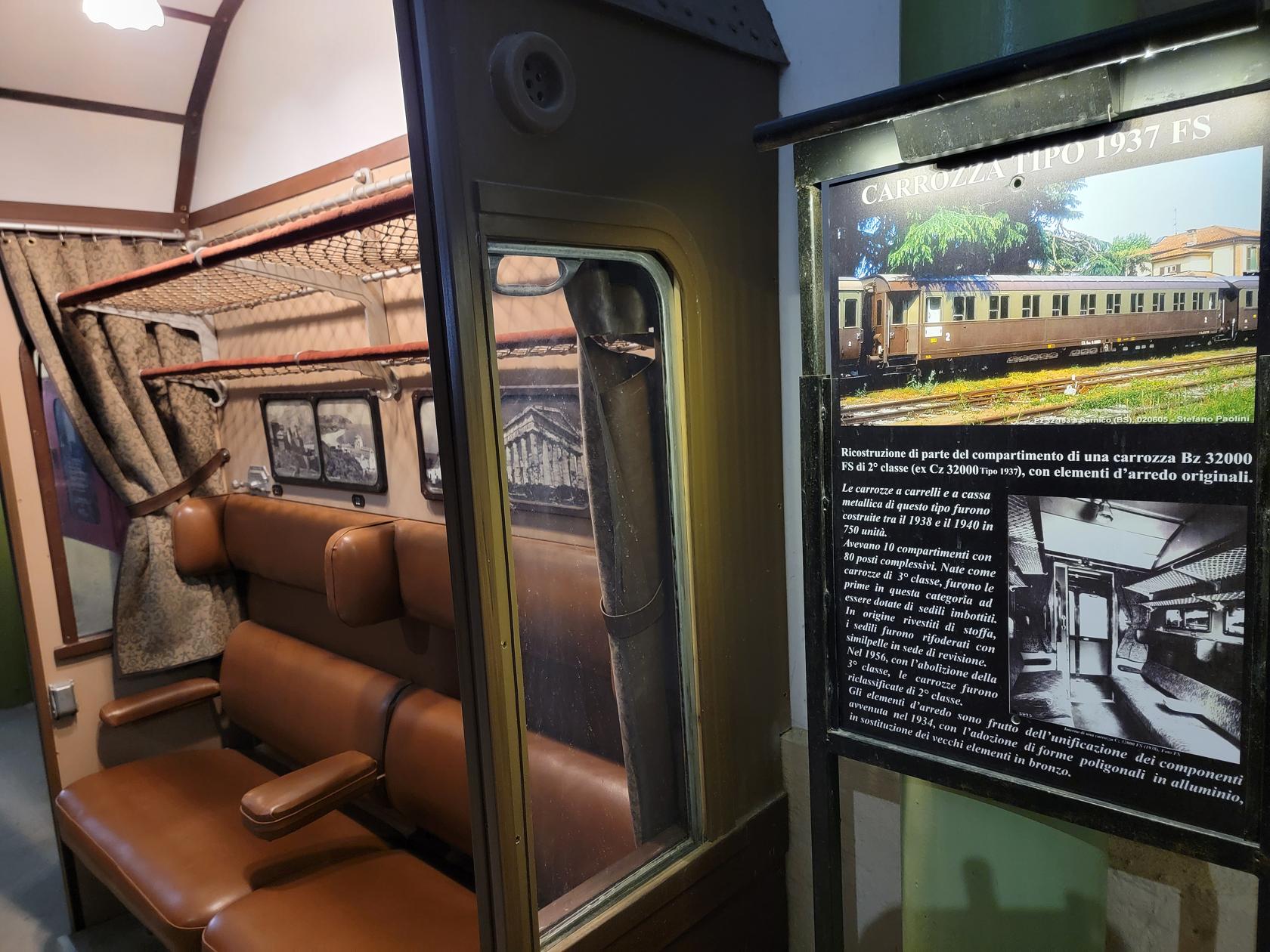
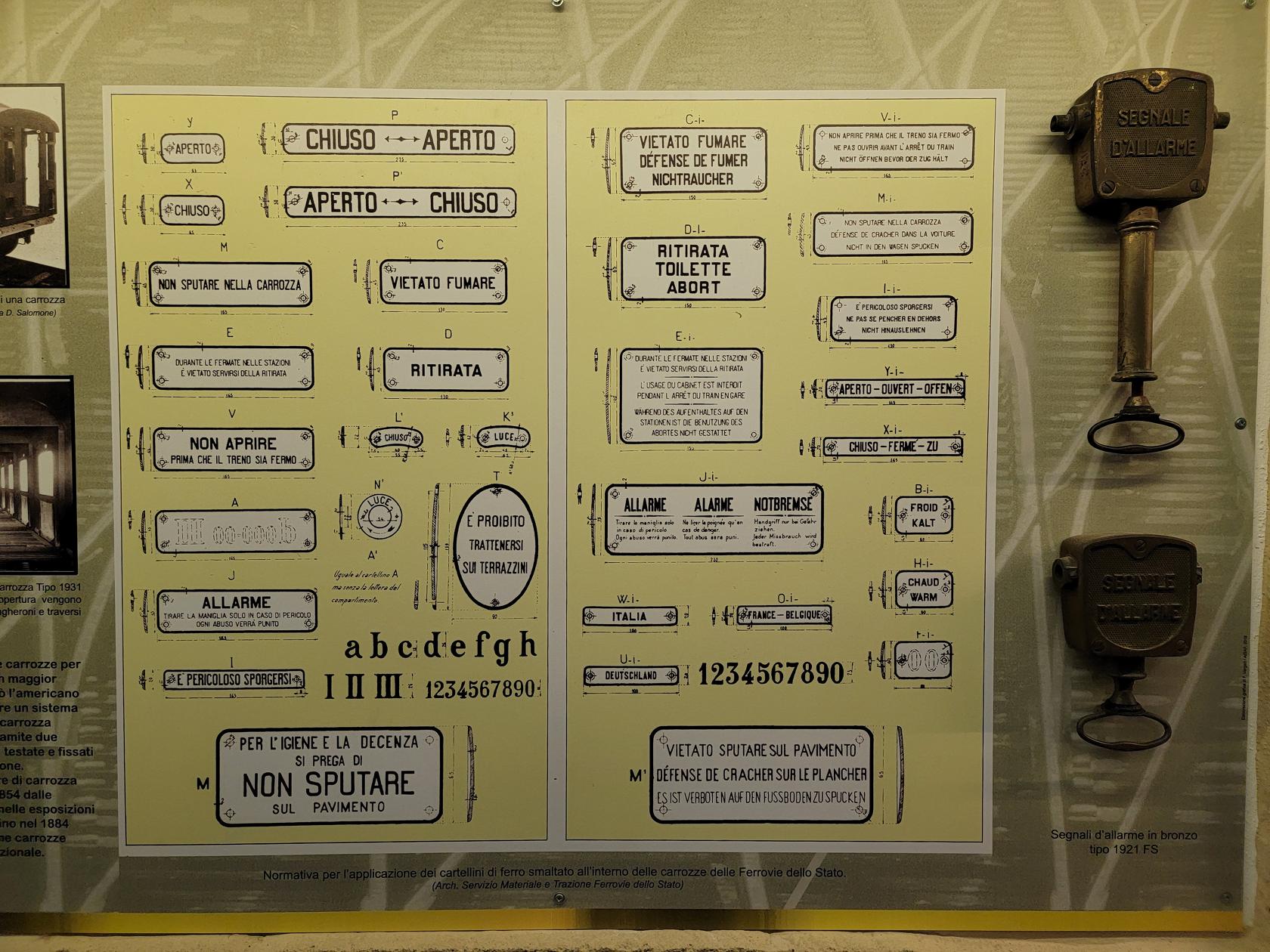
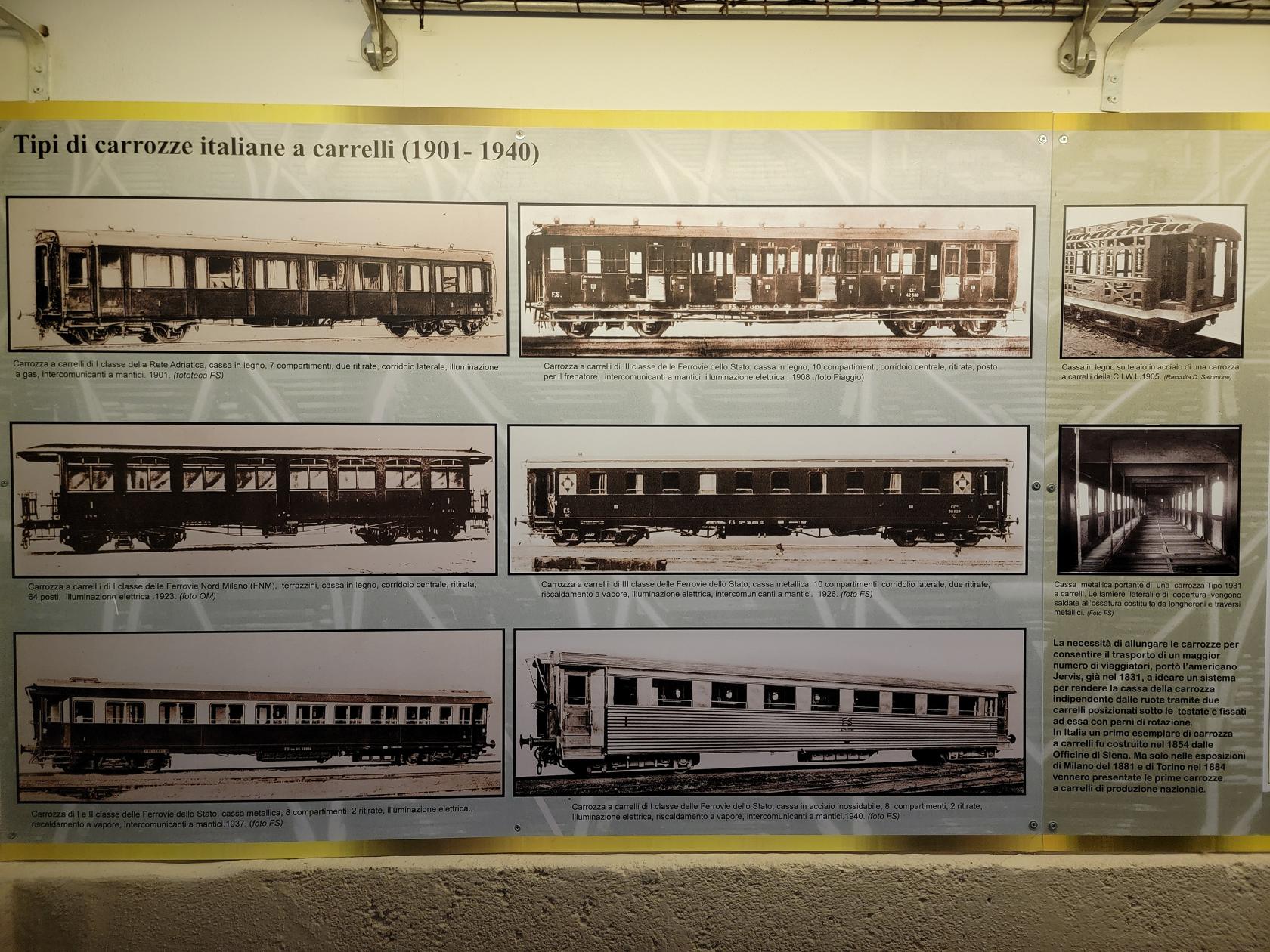
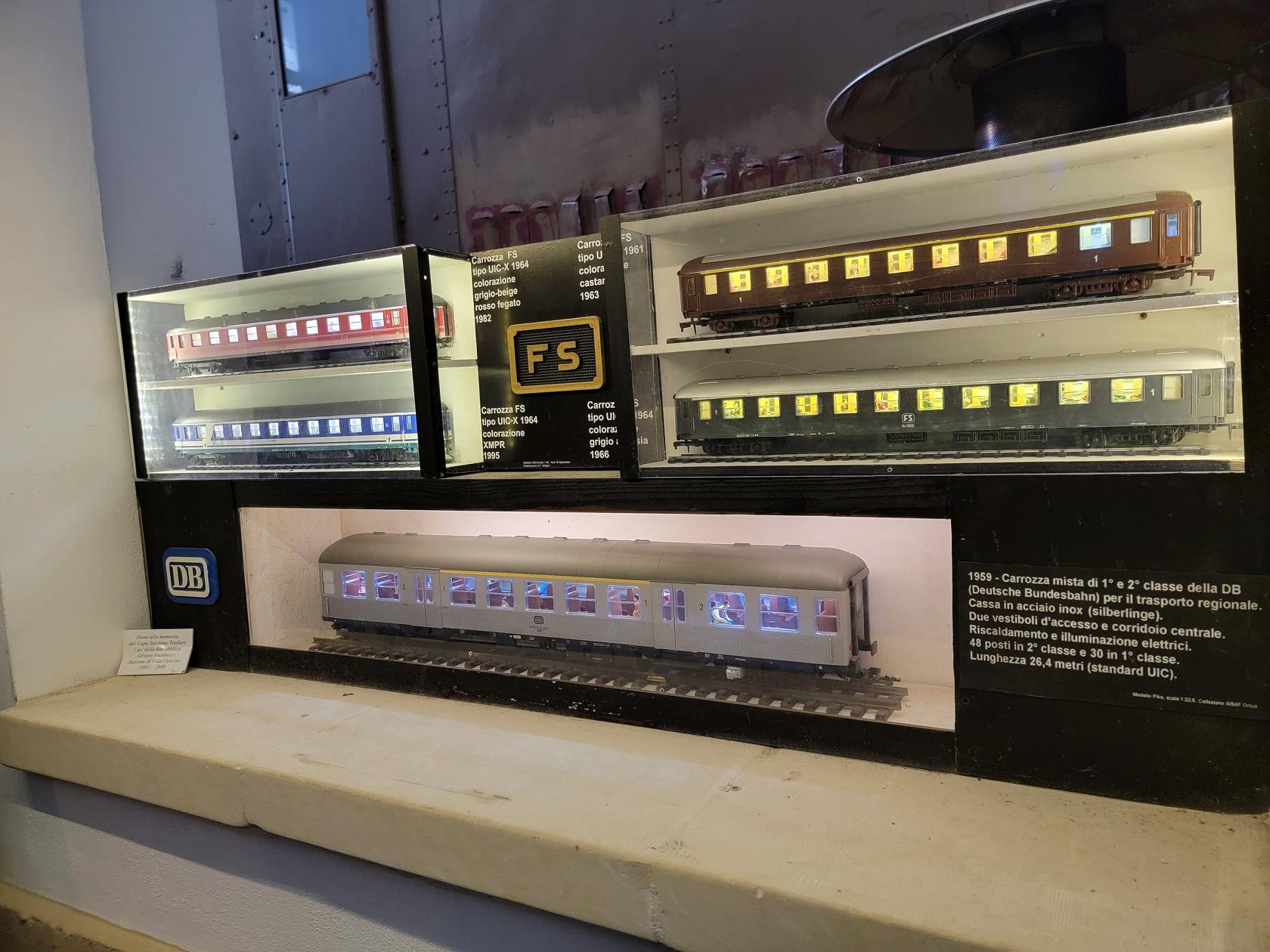
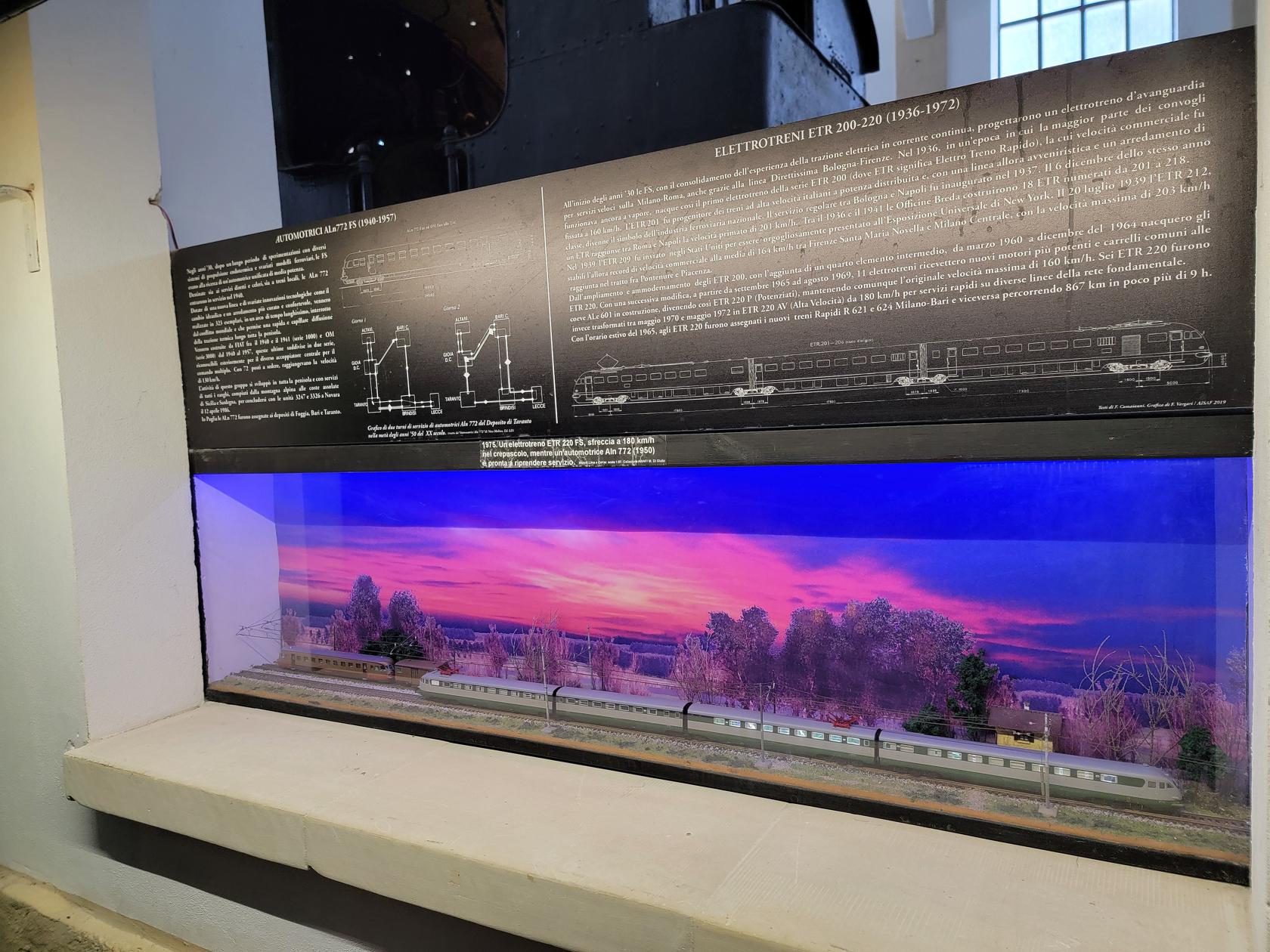
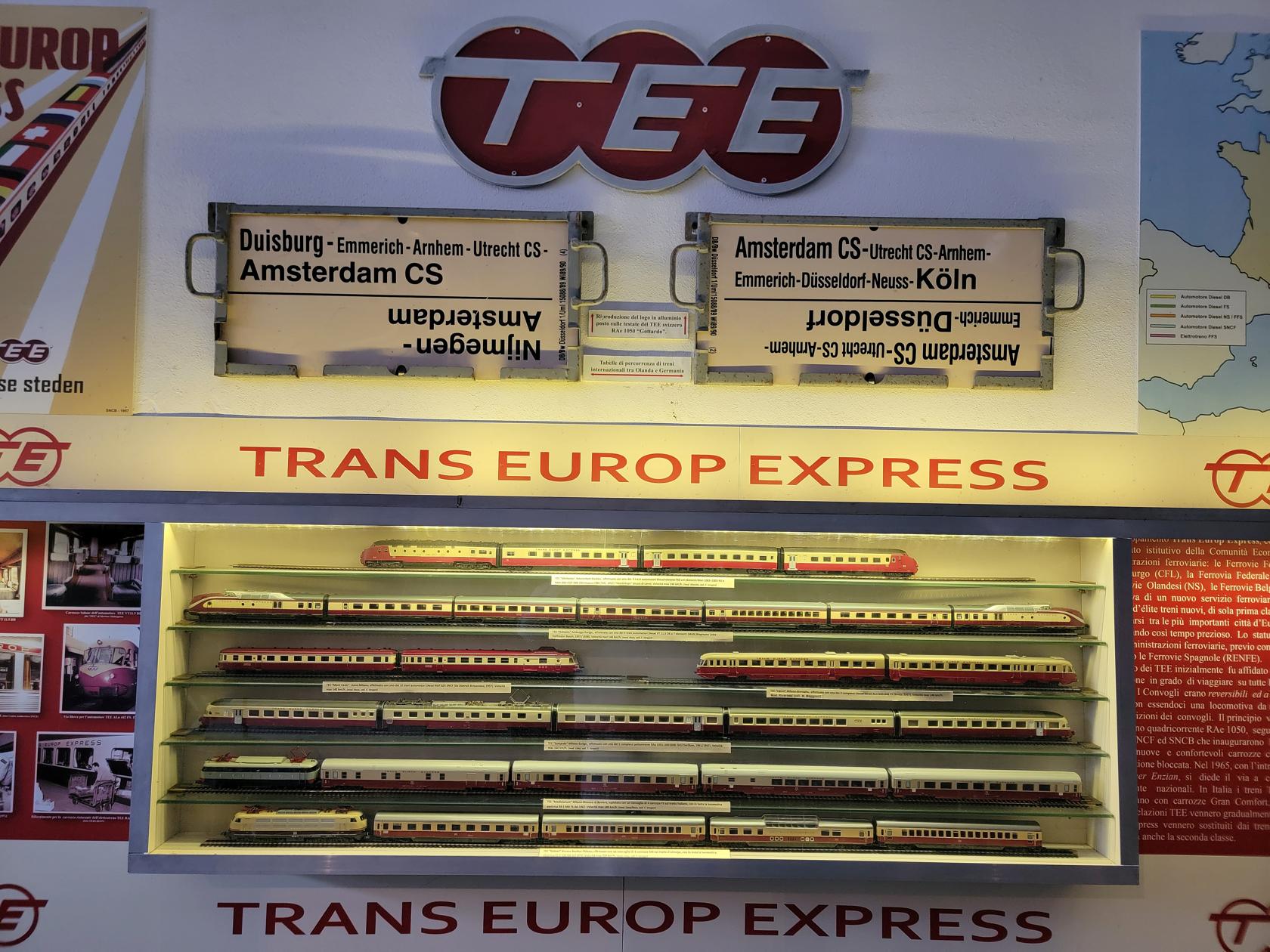
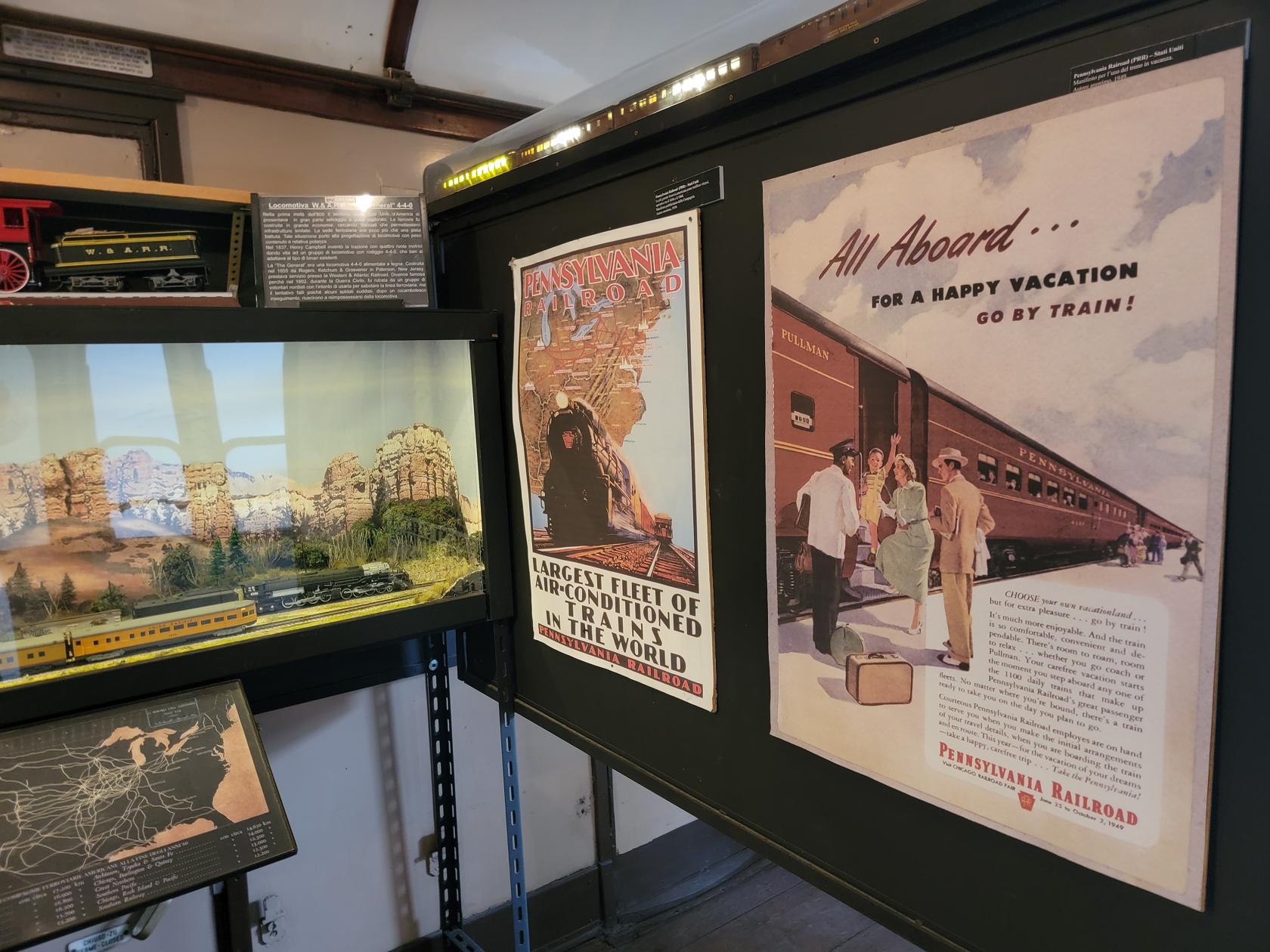
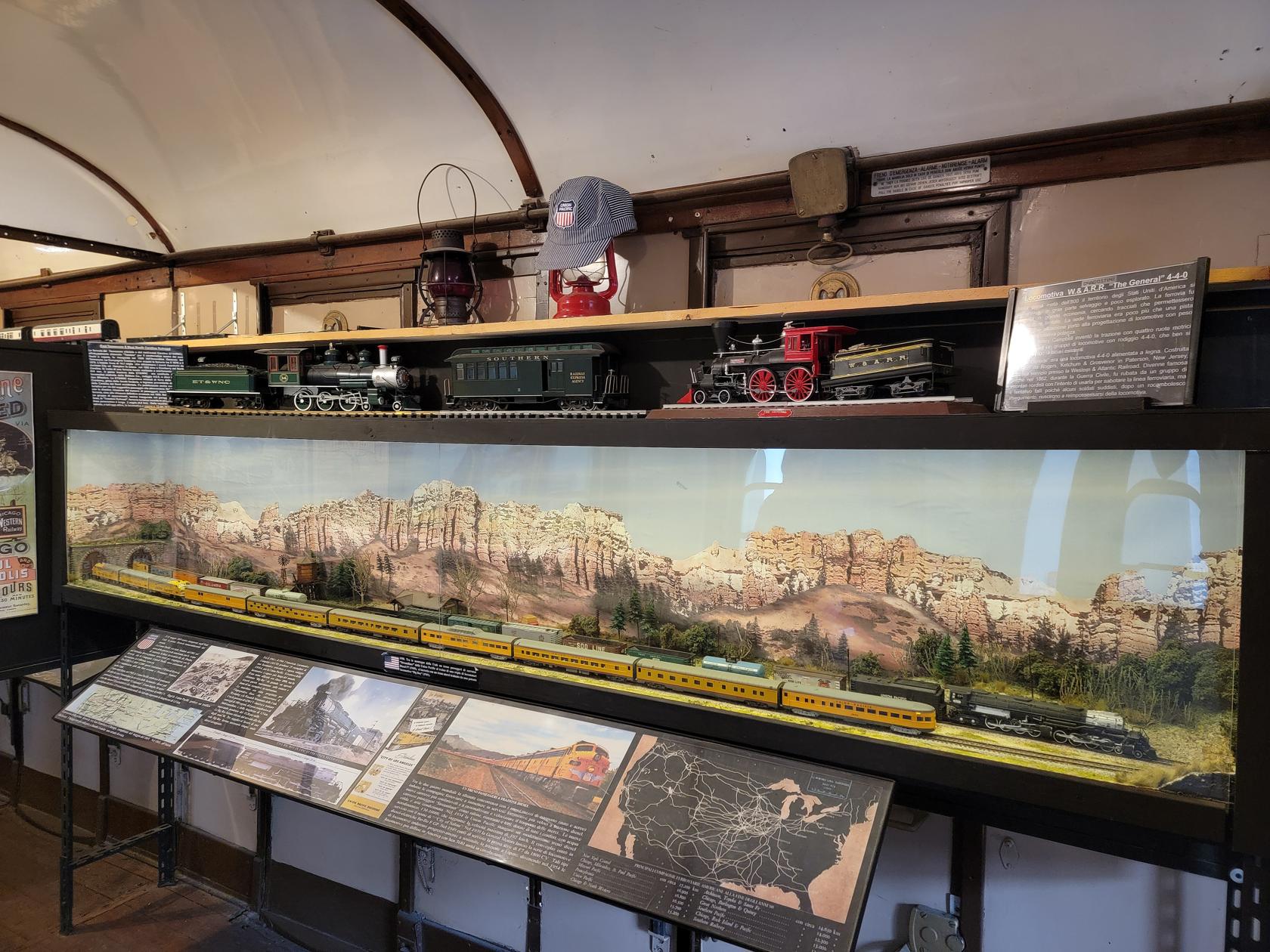
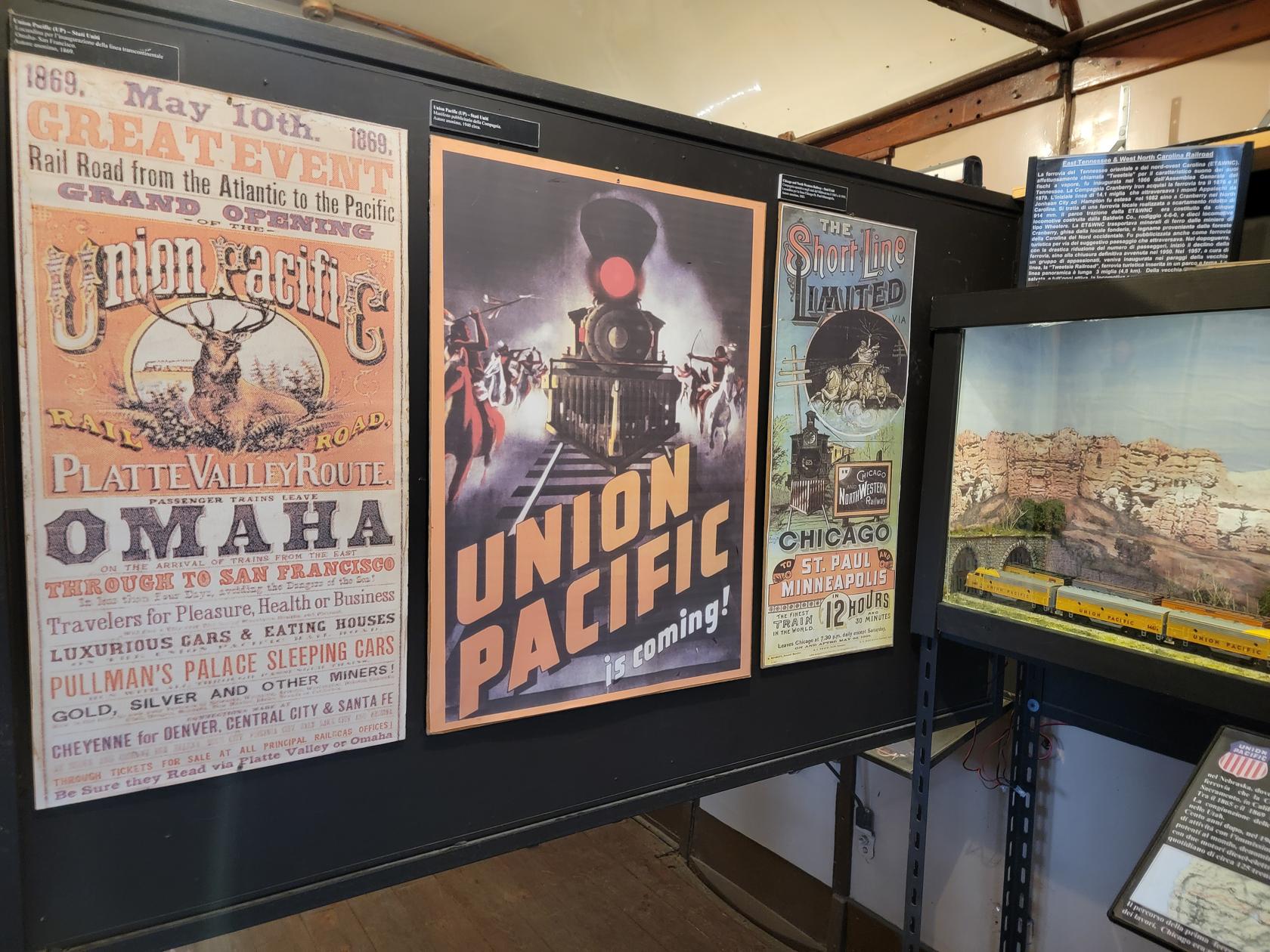
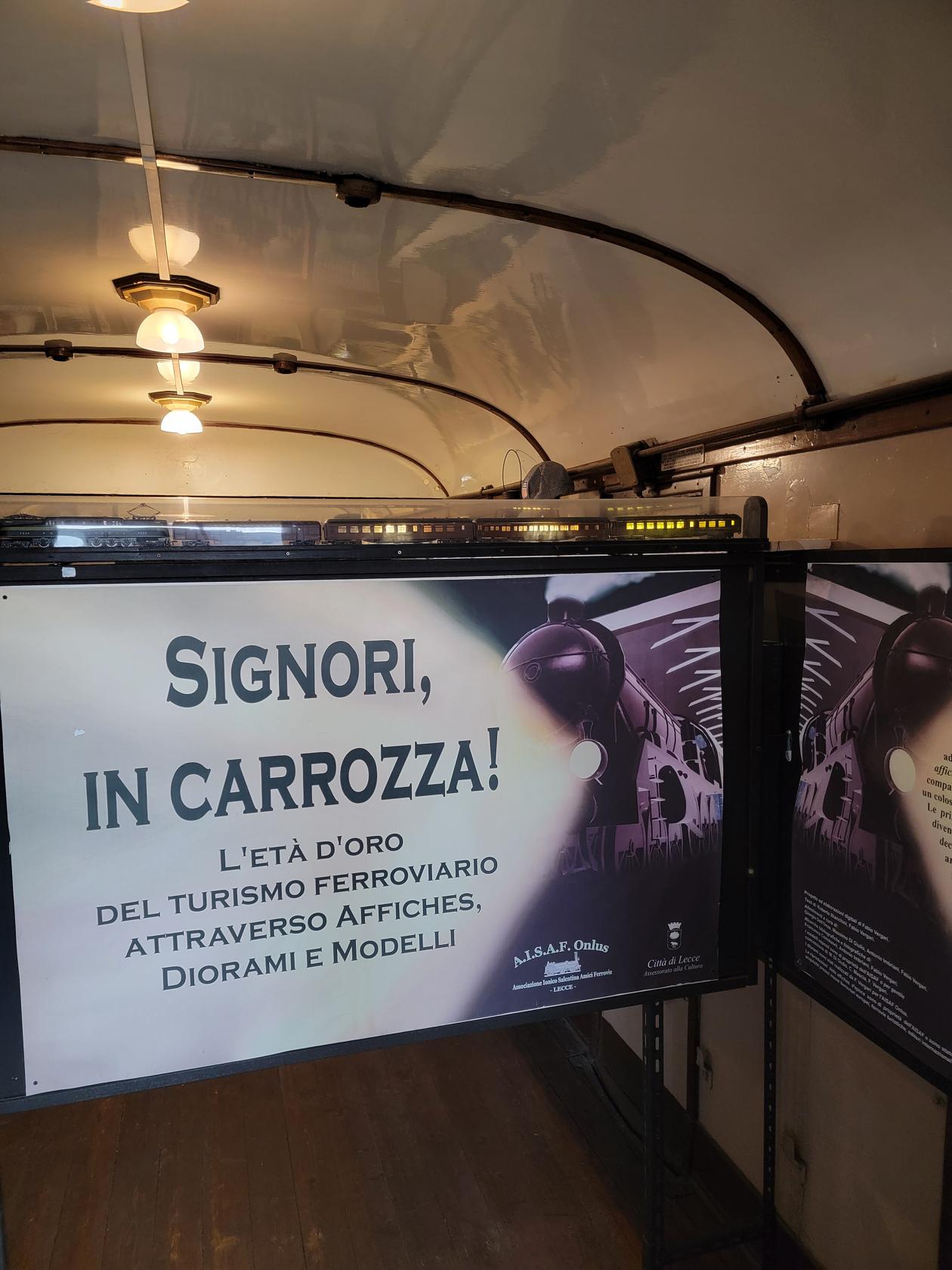
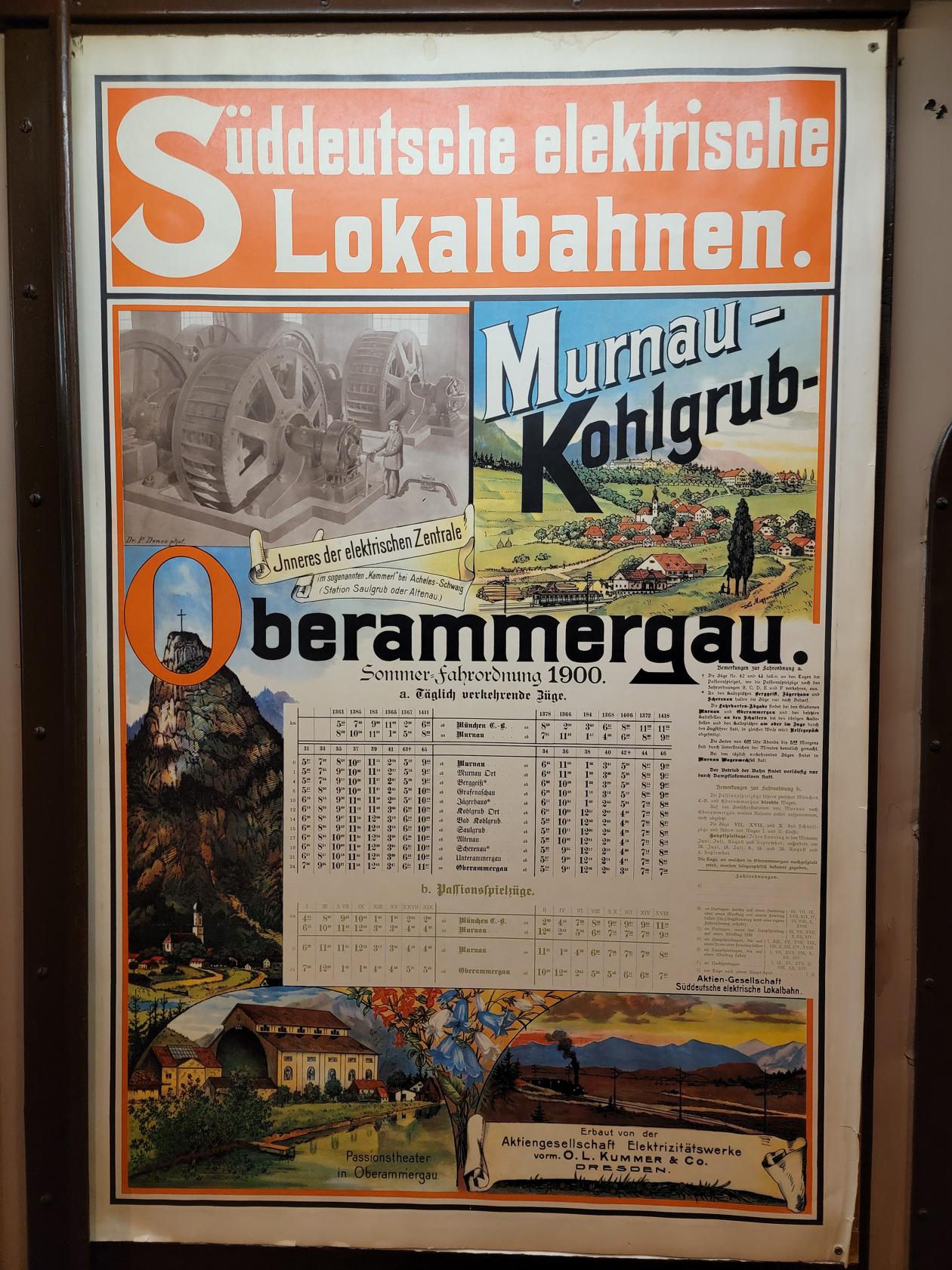
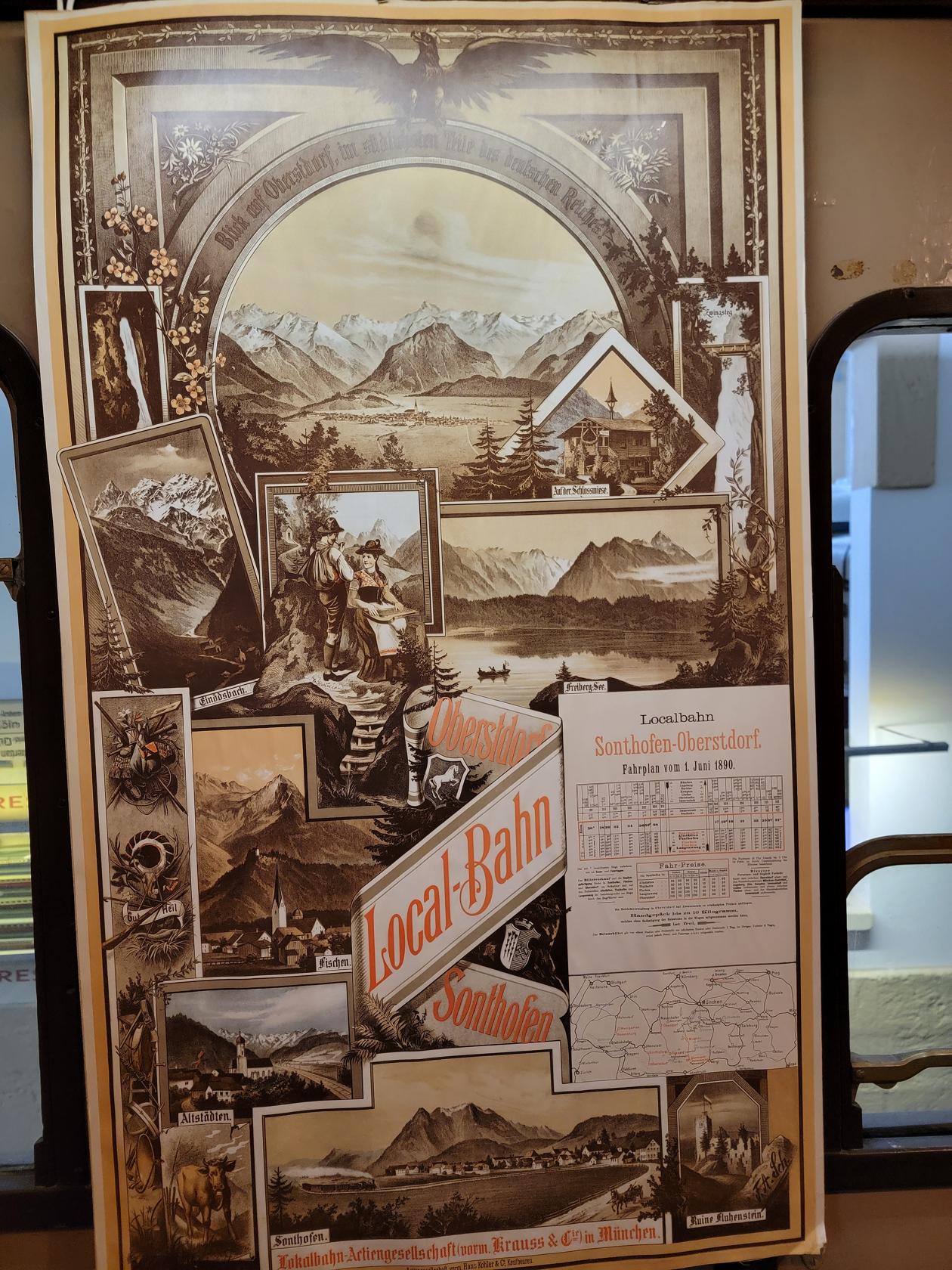
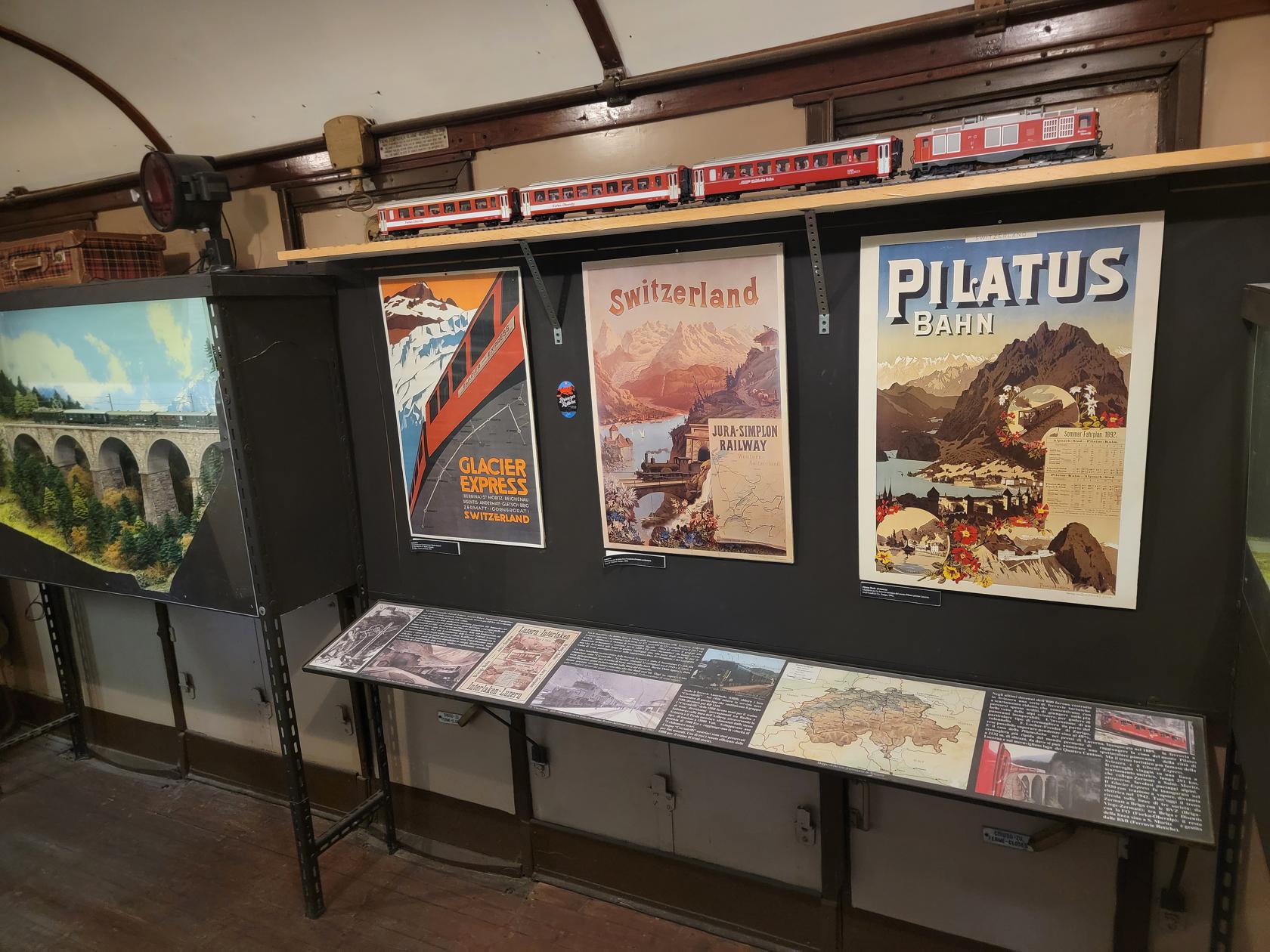
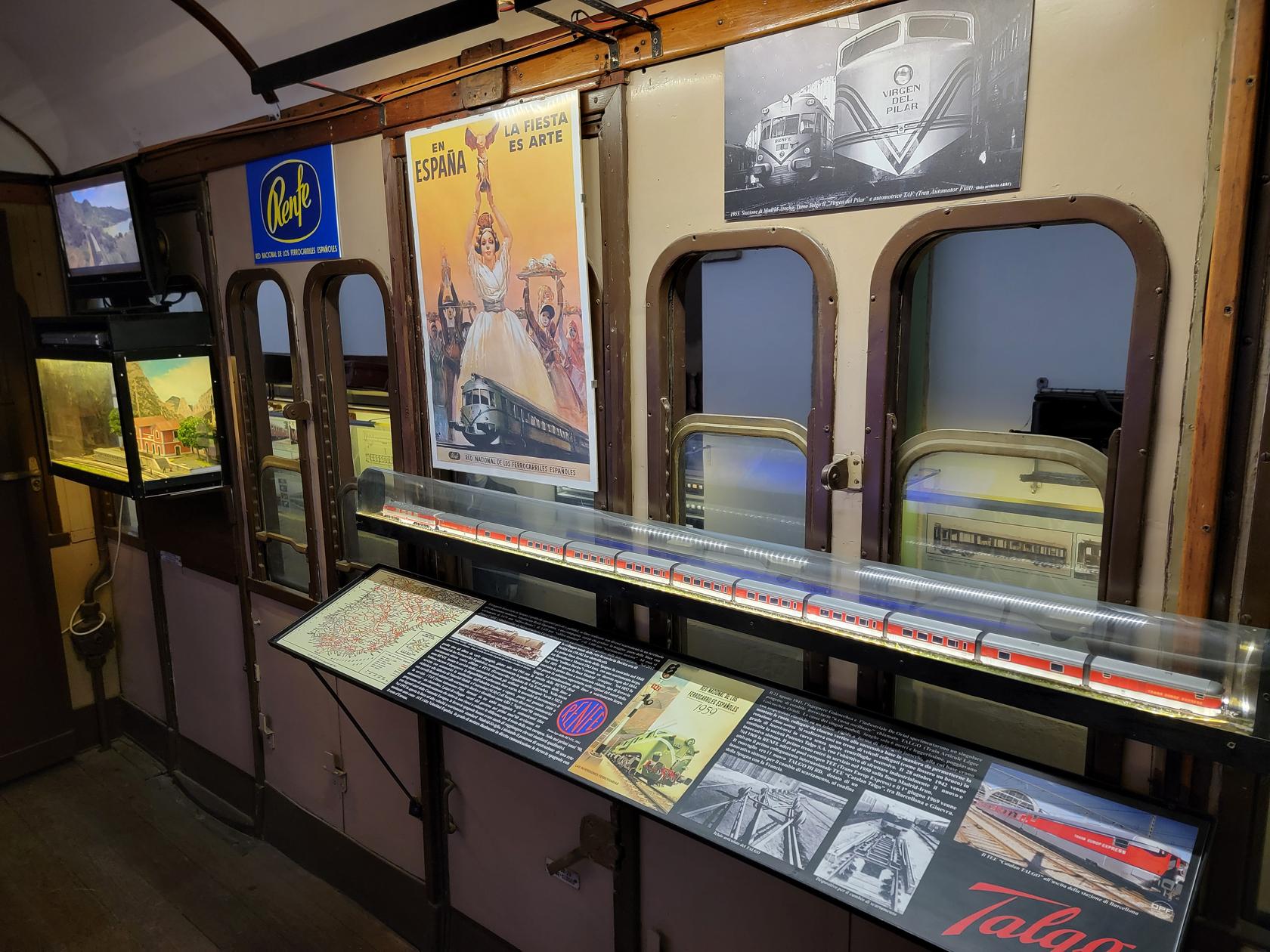
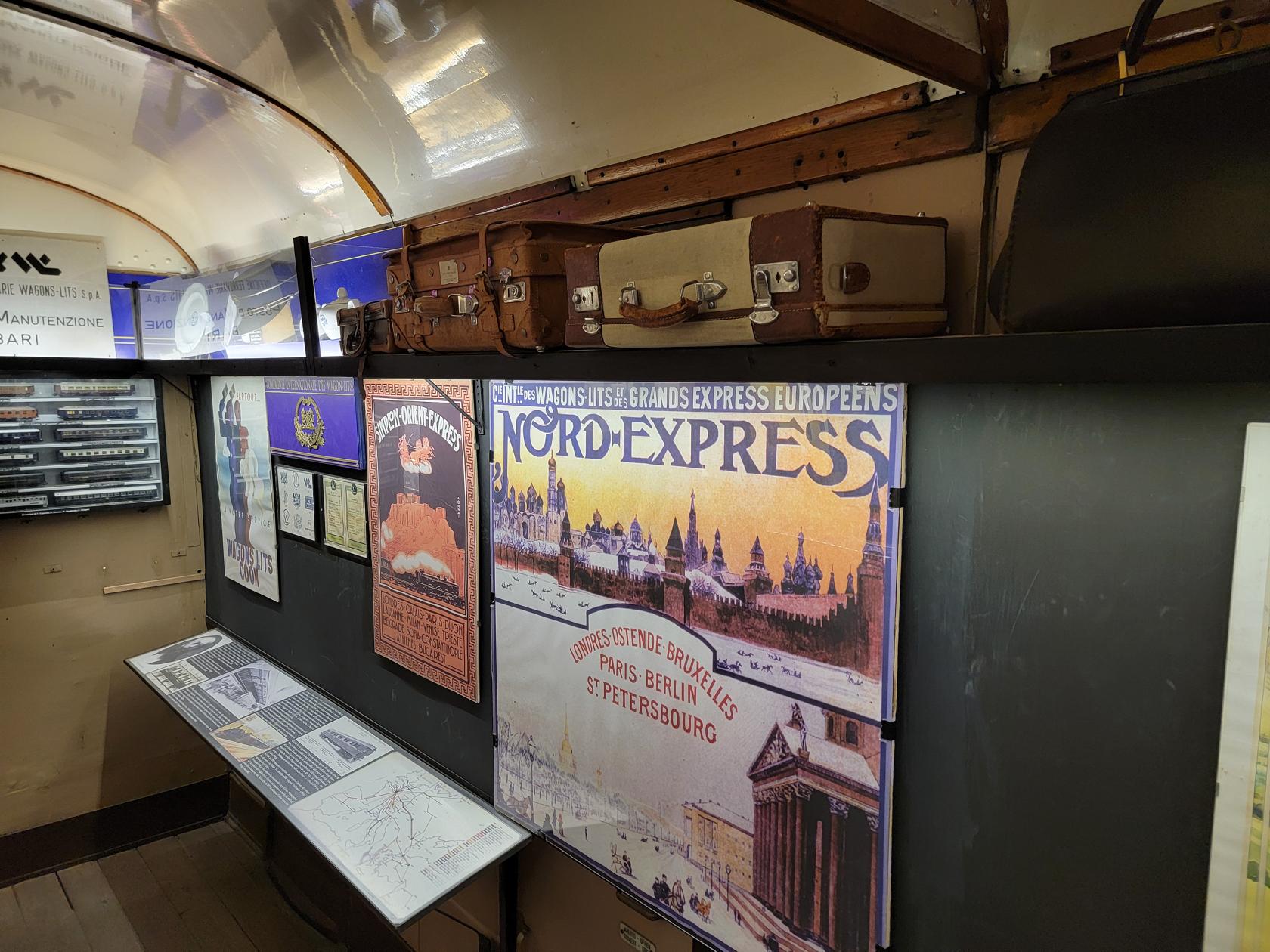
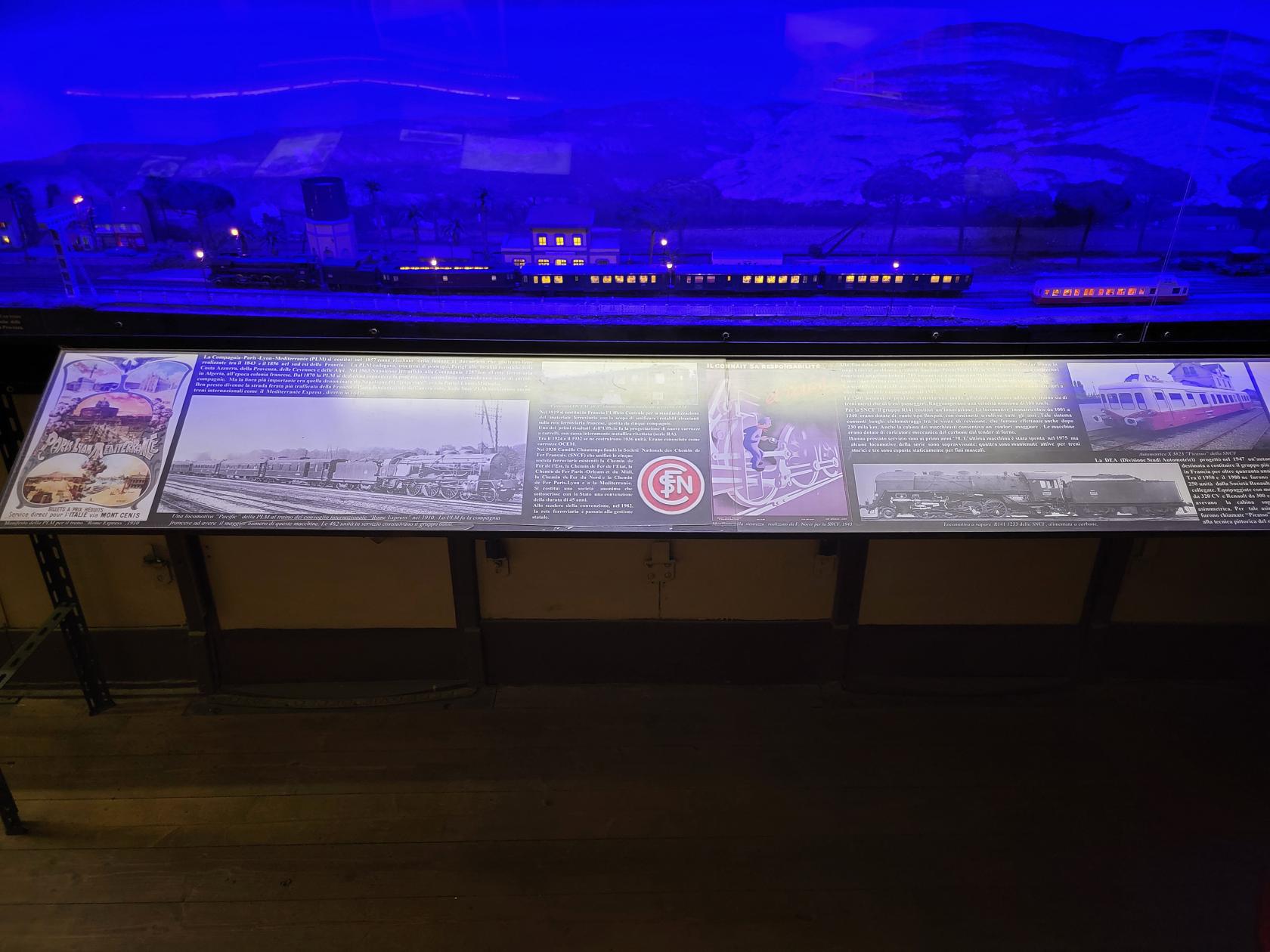
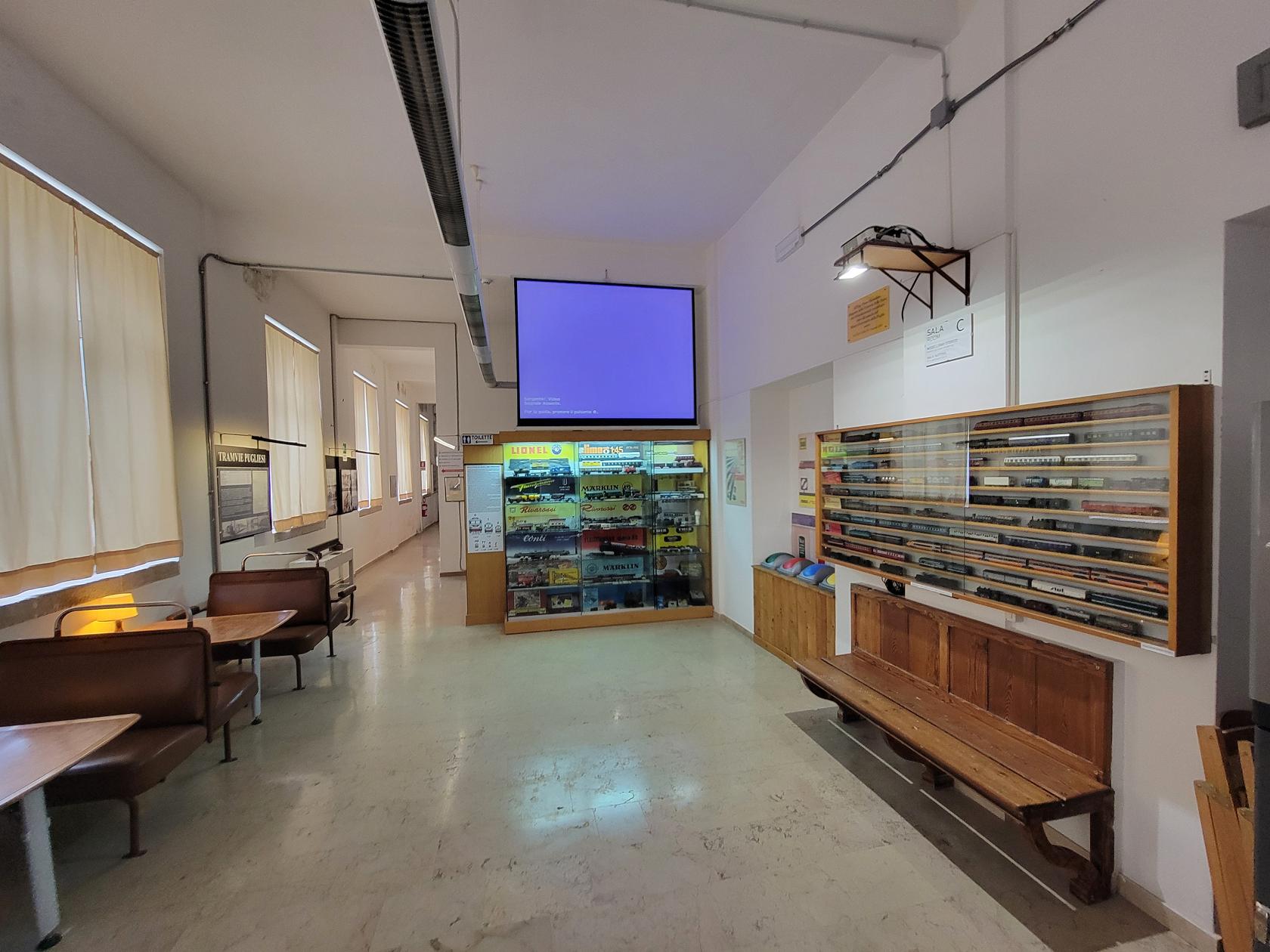
Located in Lecce is the Museo Ferroviario della Puglia, or the Train Museum of Puglia. The museum has an extensive collection of period photographs, models and dioramas which reconstruct the evolution of the carriage compartment and other railroad memorabilia from 1937 onwards. From the first nineteenth century carriages with their steam locomotives, which were very similar to the old stagecoaches, the visitor enjoys a tour through railroad history. With displays on the Trans European Express (TEE), there are not only Italian examples of carriages, locomotives and communication history, but also examples from other European countries. There is also a brief display on the development of public railroads in America, before they were forced to their demise by politicians beholding to the automobile and oil industries, never to recover. The entrance fee is 5€ per person and worth every Euro. It took a little over an hour to complete the tour, stopping for photographs and reading many of the displays.
Warning: The opening and closing times for this museum may vary, so check to make sure you have plenty of time to get there before you try to go. The staff close the doors a little under an hour before the posted closing time and will not entertain any new visitors, so get there early or well within the closing time posted, or you will be turned away!
Museo Ferroviario della Puglia – Tickets For Two – Lecce, Italy
The Building And Sheds
The building where the museum is housed were former workshops of the Squadra Rialzo, or State Railways. These were in full operation until 1992 when their functions were transferred to newer facilities in Surbo Scalo.
Museo Ferroviario della Puglia – Entrance – Lecce, Italy
Museo Ferroviario della Puglia – Entrance Accolades – Lecce, Italy
In the workshop, customary maintenance was performed on all carriages, locomotives and freight wagons at the time. Its name is derived from the fact that maintenance for the rolling stocks of the trains were actually carried out here for all axles, wheels, in addition to the carriage bodies and their contents. The current facility consists of two sheds, the first erected in the 1930s, the second with the trusses was built later, sometime in the 1970s. Both were used for numerous purposes, including offices, warehouse stocks, carpentry, forge, upholstery and heating systems. The yard had accommodation to raise wheel sets with a hoist, so that they may be reconditioned and maintained.
The Story
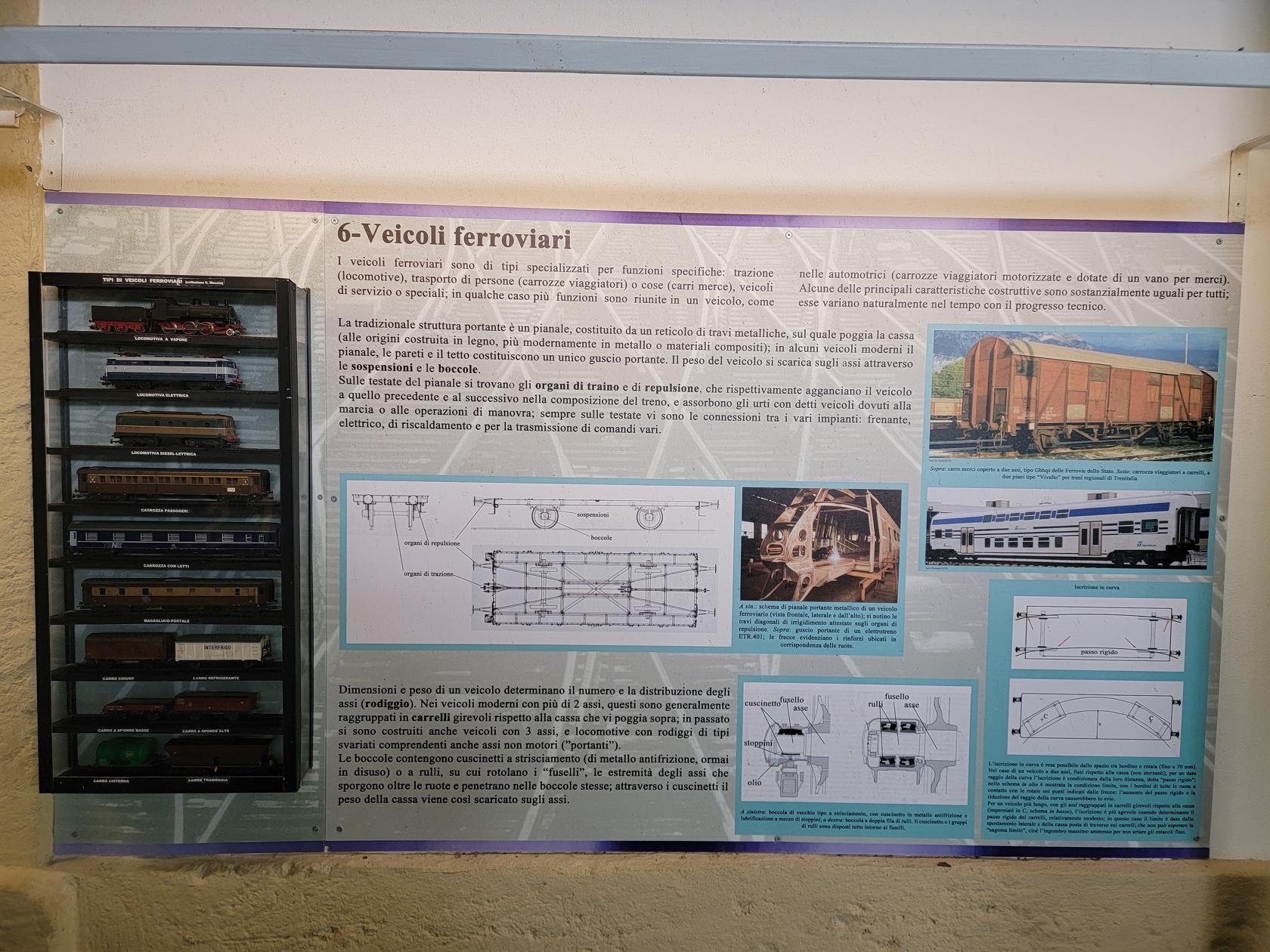
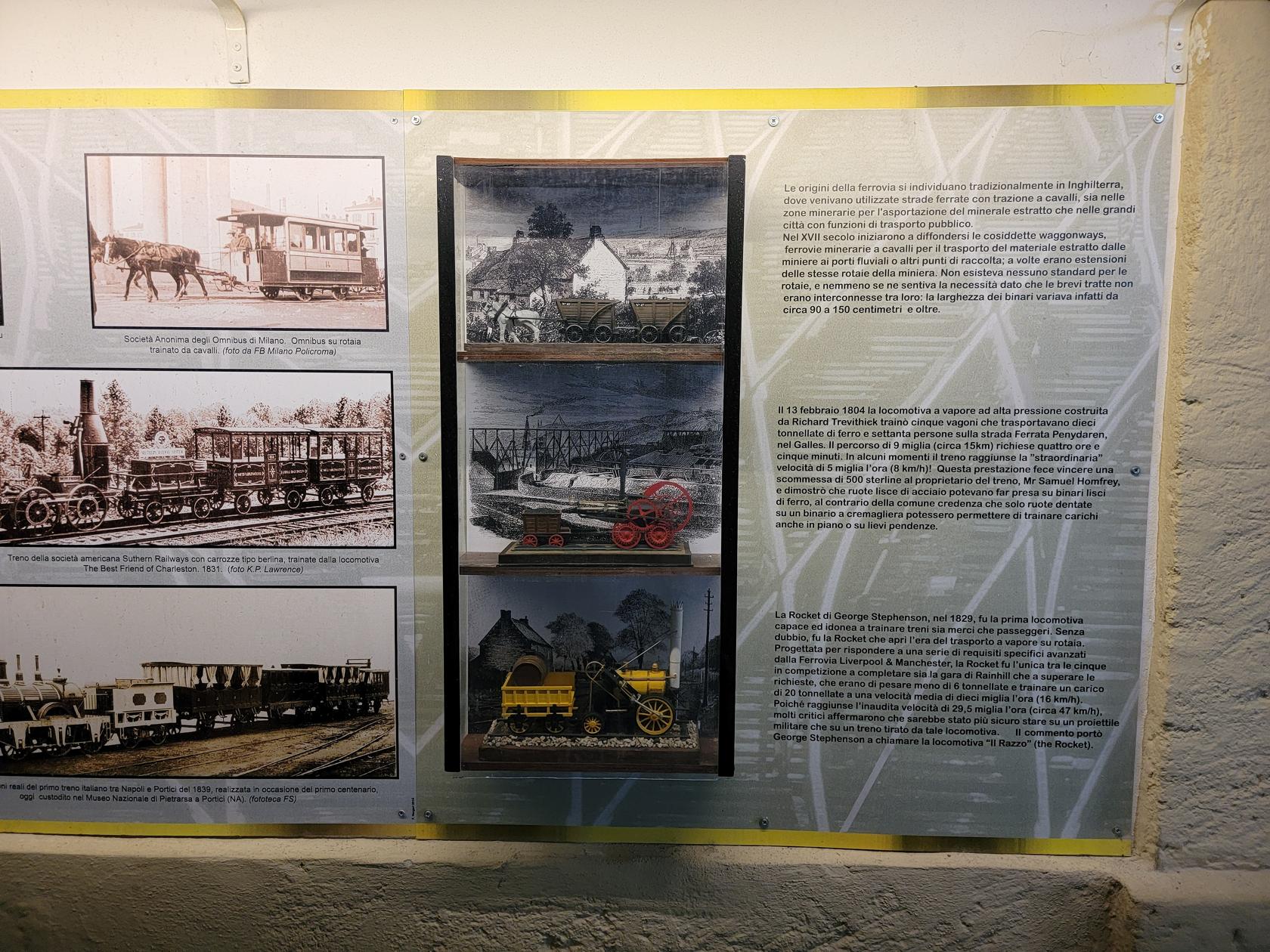
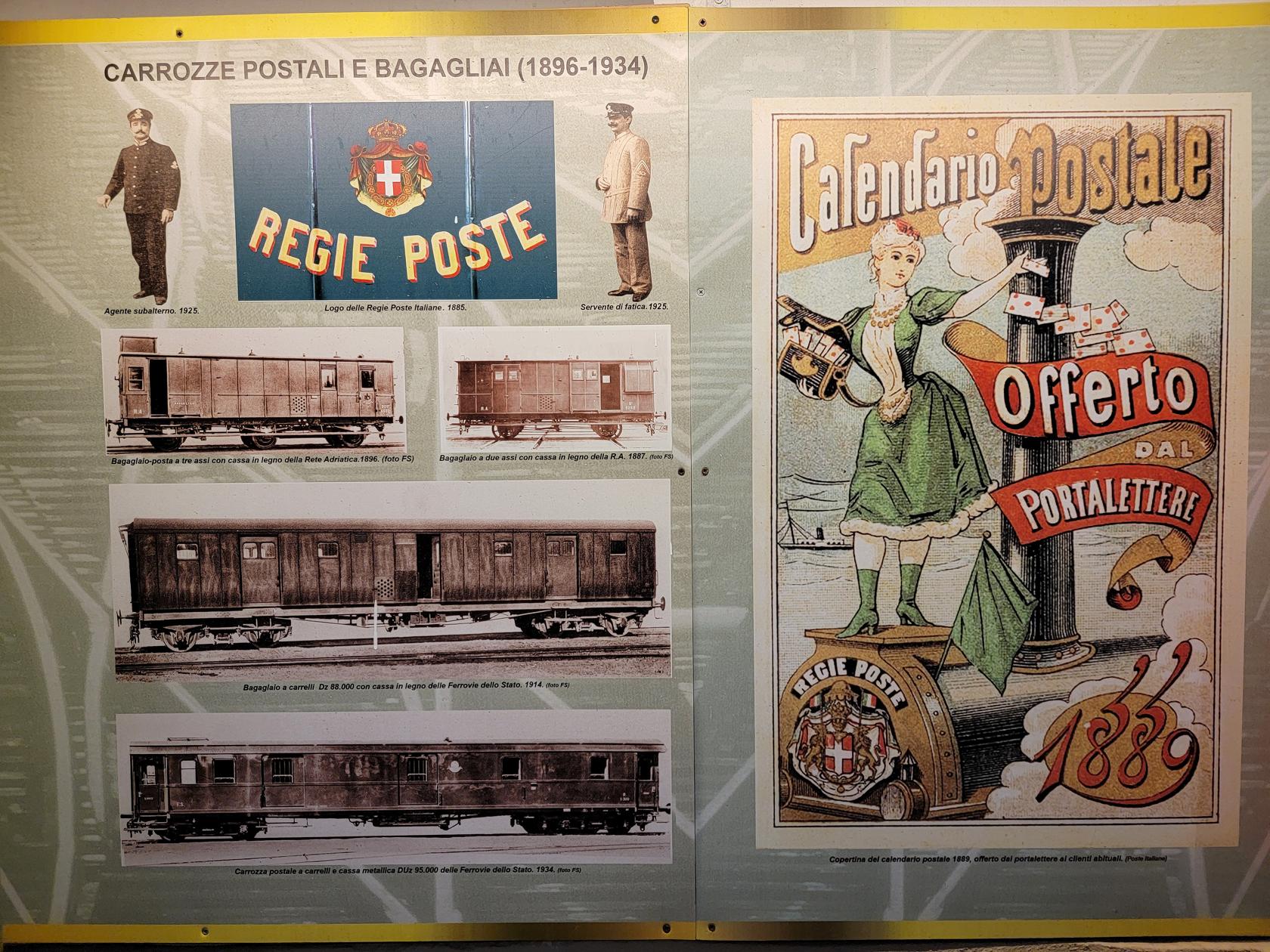
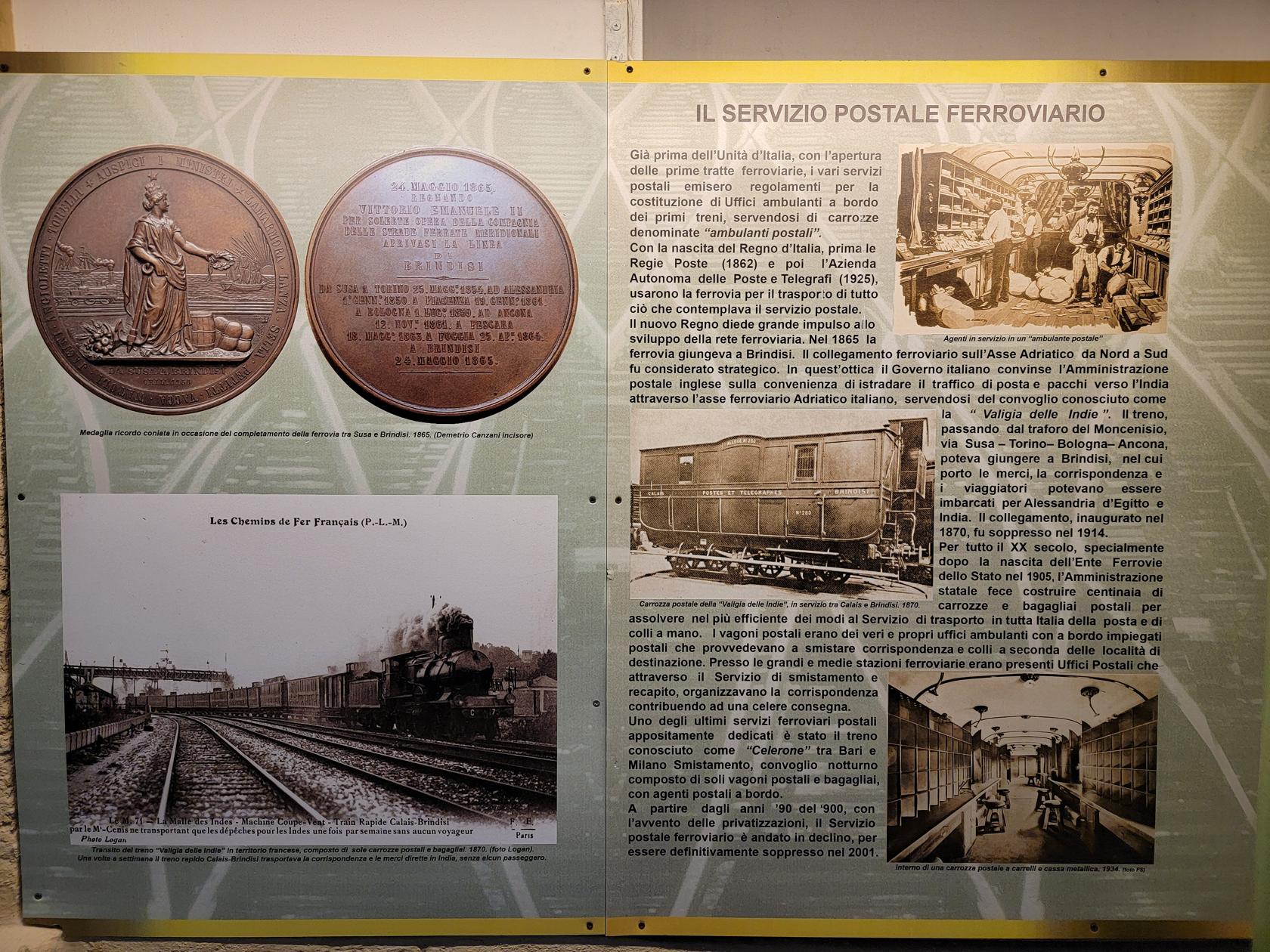
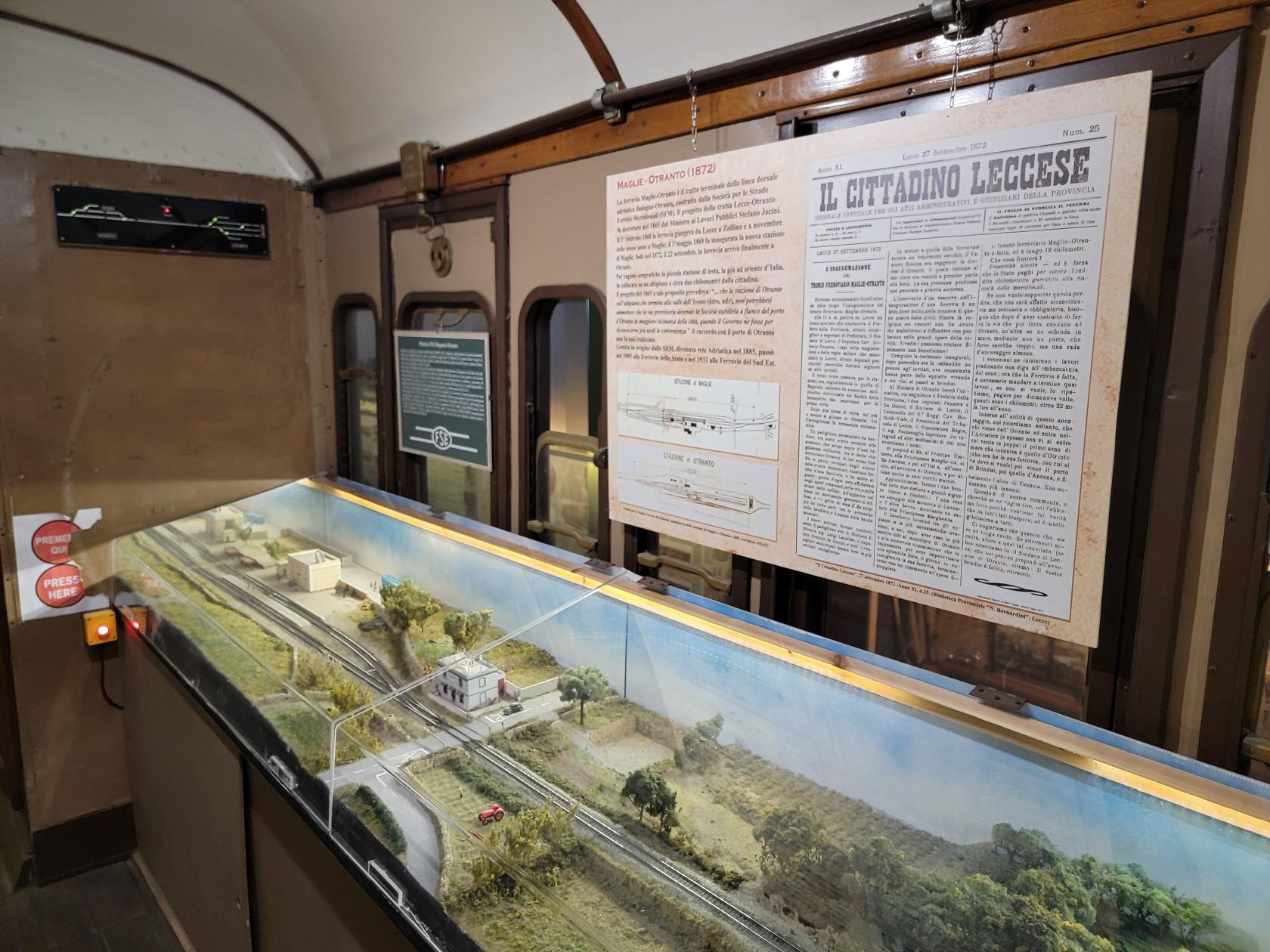
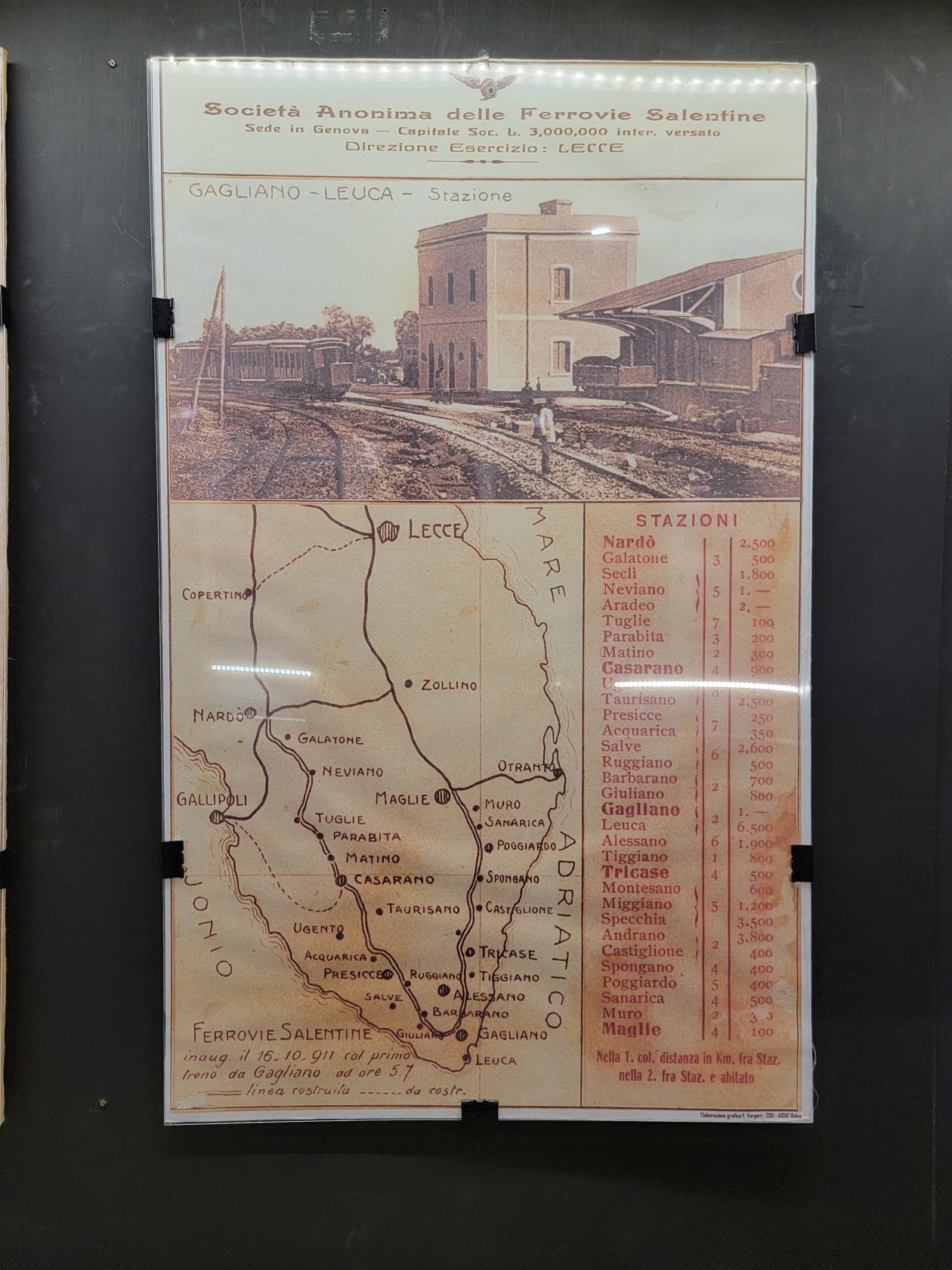
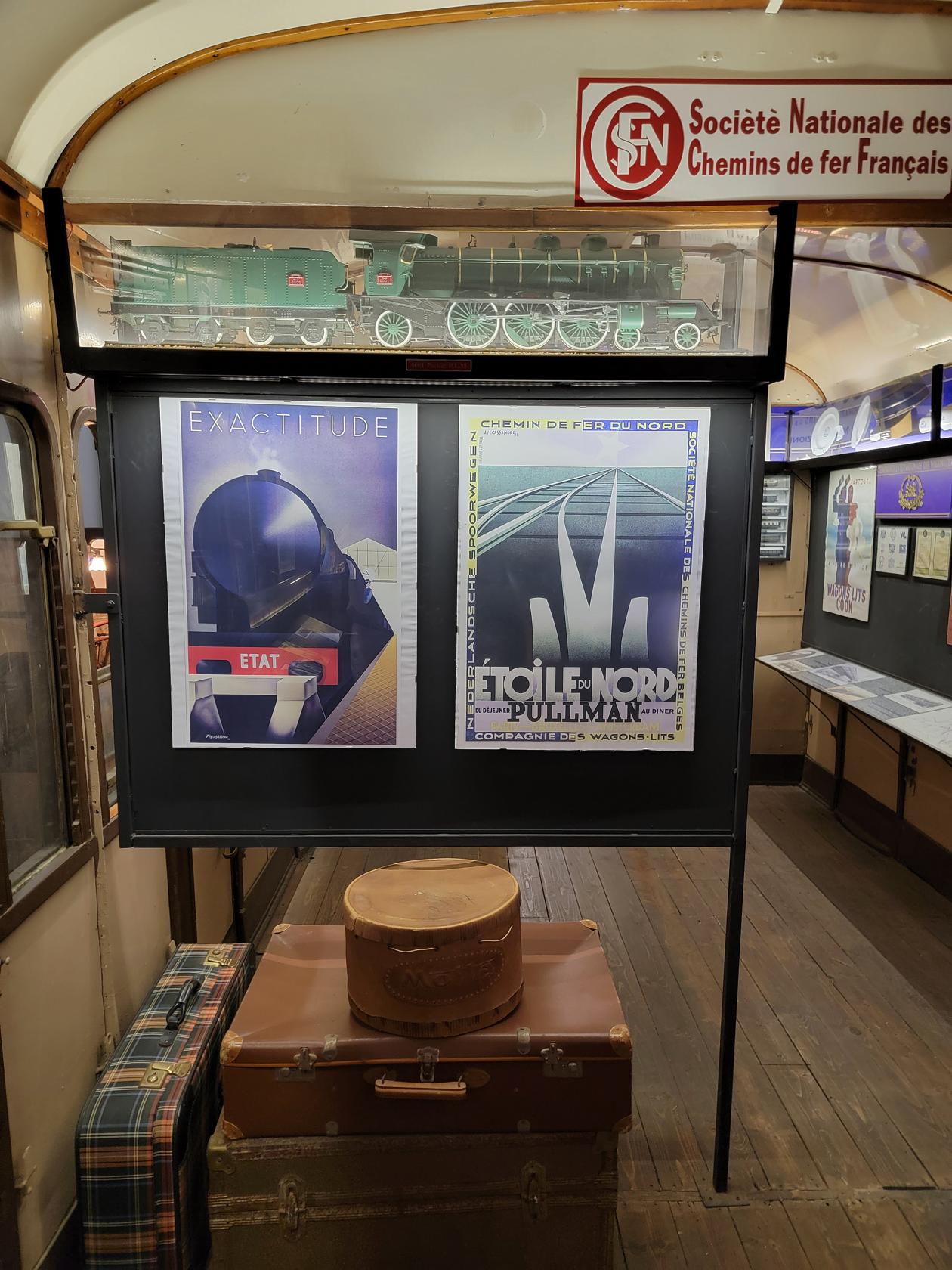
There is a long exhibit that details the history promised in the introduction. Taking you through the stages of evolution of the twentieth century train system in Italy. There are numerous boards to read, posters and model carriages to see along the first stage of the exhibits.
Museo Ferroviario della Puglia – Tour – Lecce, Italy
Museo Ferroviario della Puglia – Tour – Lecce, Italy
Museo Ferroviario della Puglia – Tour – Lecce, Italy
Museo Ferroviario della Puglia – Old Carriage 1937 – Lecce, Italy
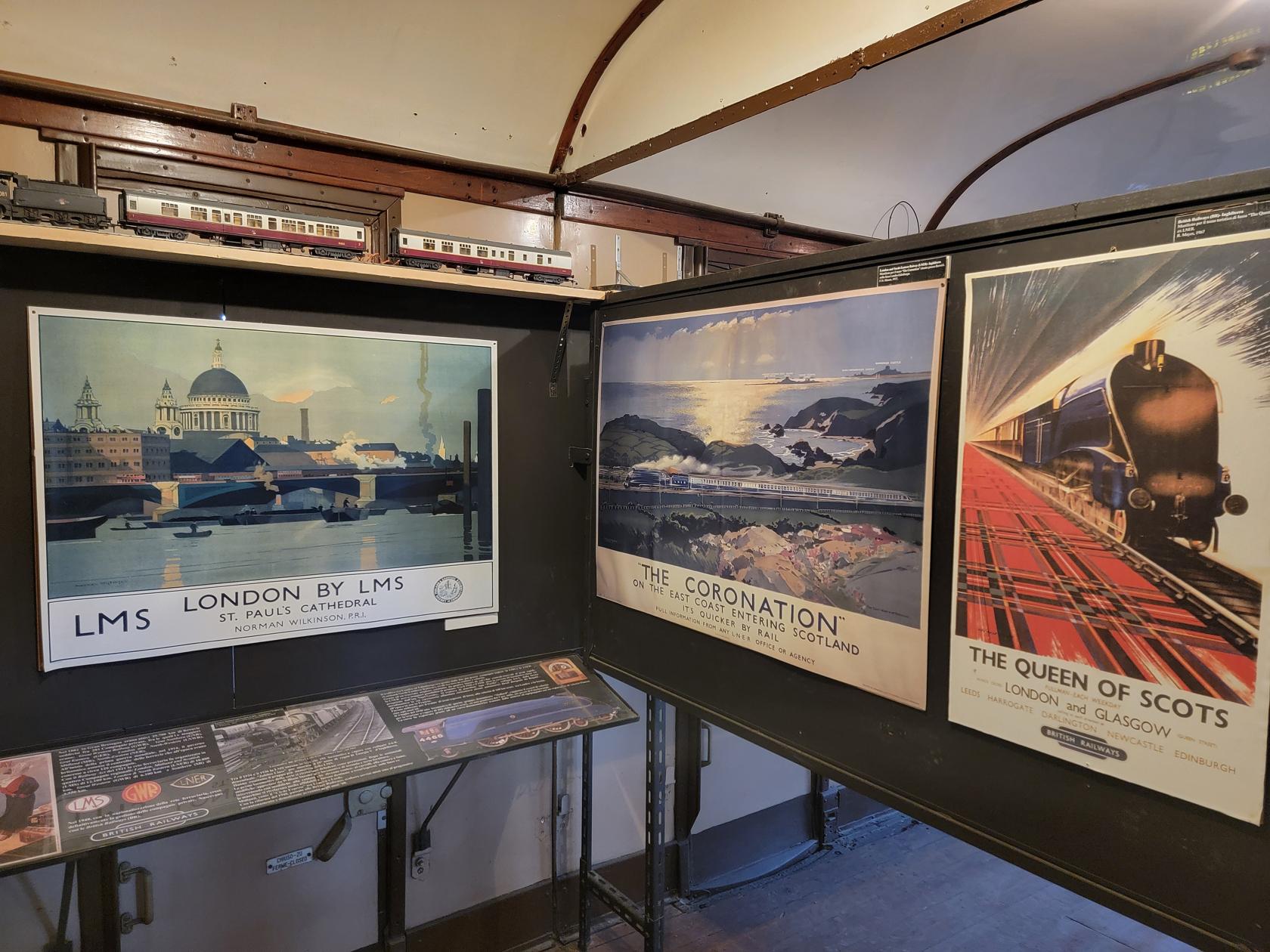
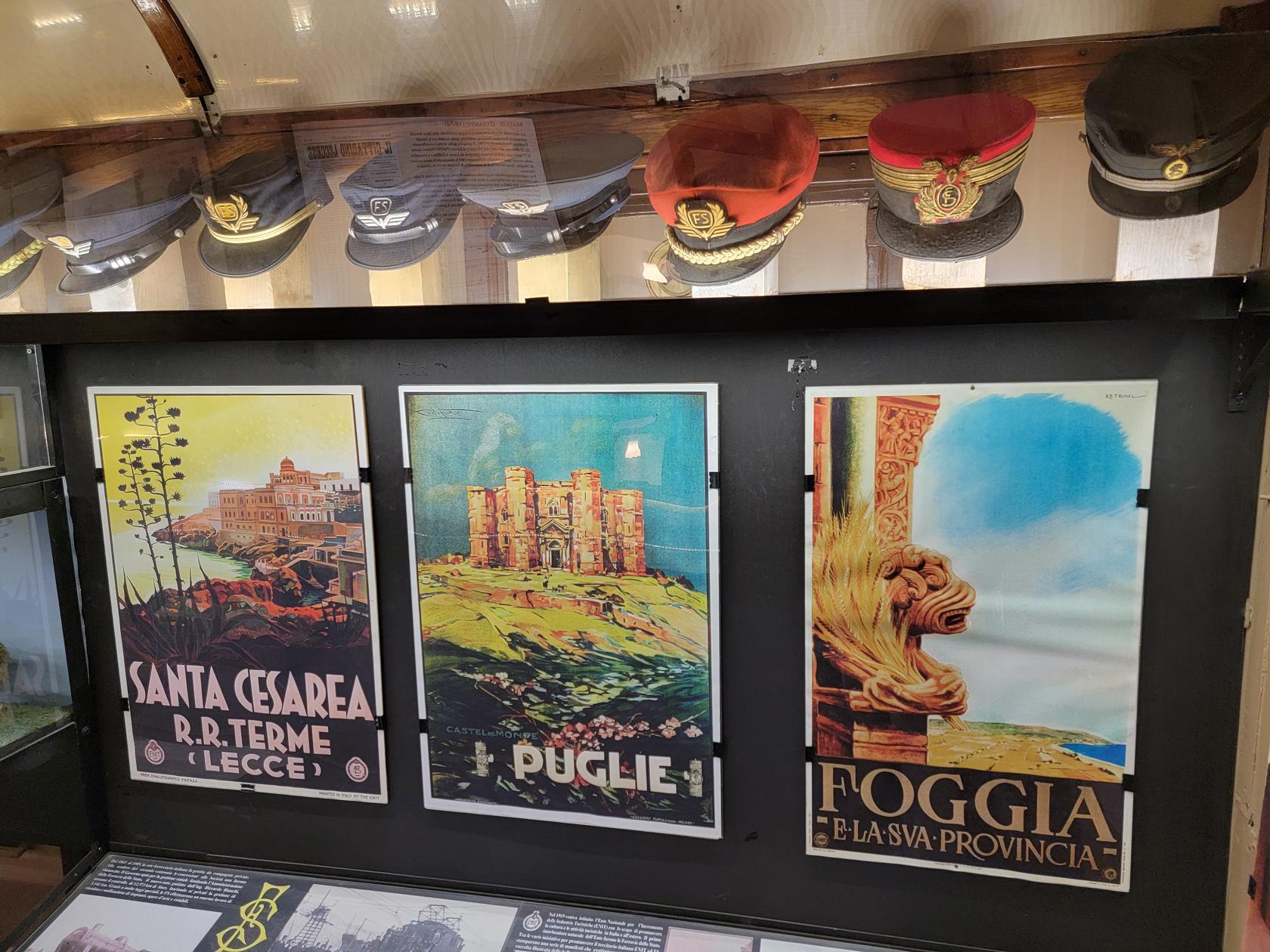
Museo Ferroviario della Puglia – Old Posters – Lecce, Italy
Museo Ferroviario della Puglia – Postal Service – Lecce, Italy
Museo Ferroviario della Puglia – Italian Signs – Lecce, Italy
Museo Ferroviario della Puglia – Cars from 1901-1940 – Lecce, Italy
Museo Ferroviario della Puglia – Models – Lecce, Italy
Museo Ferroviario della Puglia – Models – Lecce, Italy
Museo Ferroviario della Puglia – Models – Lecce, Italy
Museo Ferroviario della Puglia – Models – Lecce, Italy
Museo Ferroviario della Puglia – American Lines – Lecce, Italy
Museo Ferroviario della Puglia – American Lines – Lecce, Italy
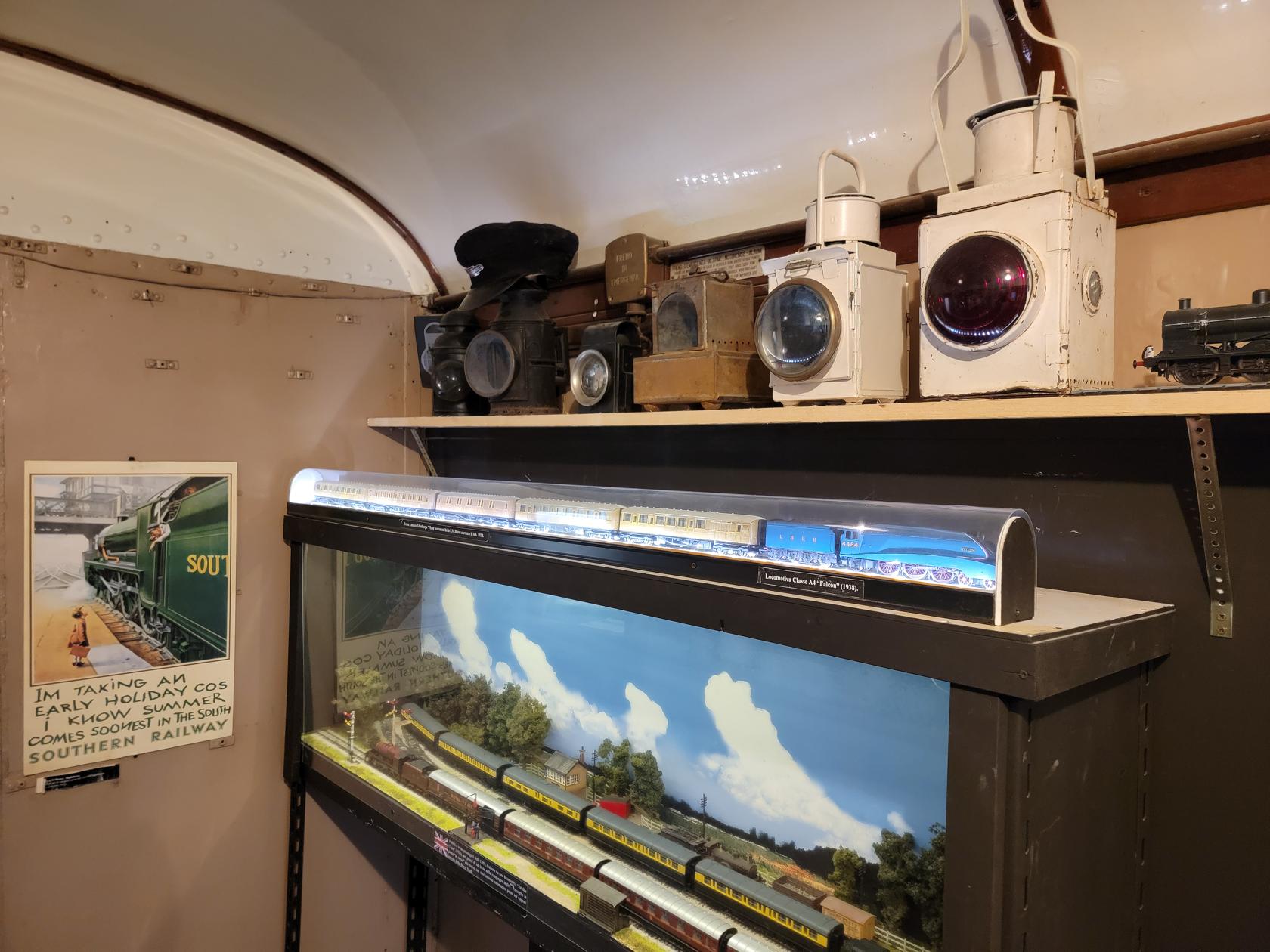
Museo Ferroviario della Puglia – English Lines – Lecce, Italy
Museo Ferroviario della Puglia – English Lines – Lecce, Italy
Museo Ferroviario della Puglia – Models – Lecce, Italy
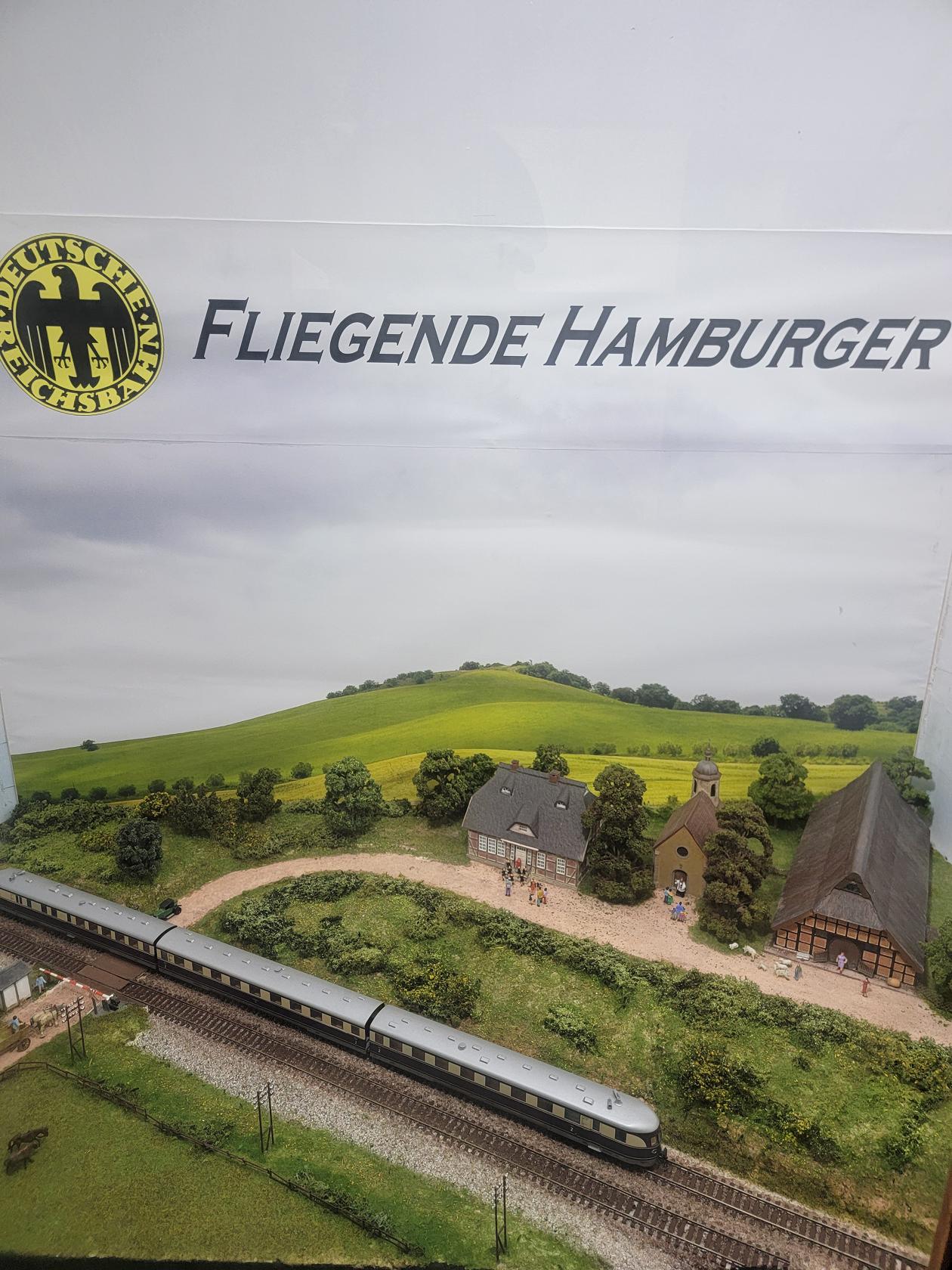
Museo Ferroviario della Puglia – German Lines – Lecce, Italy
Museo Ferroviario della Puglia – German Lines – Lecce, Italy
Museo Ferroviario della Puglia – German Lines – Lecce, Italy
Museo Ferroviario della Puglia – Swiss Lines – Lecce, Italy
Museo Ferroviario della Puglia – Tour – Lecce, Italy
Museo Ferroviario della Puglia – French Lines – Lecce, Italy
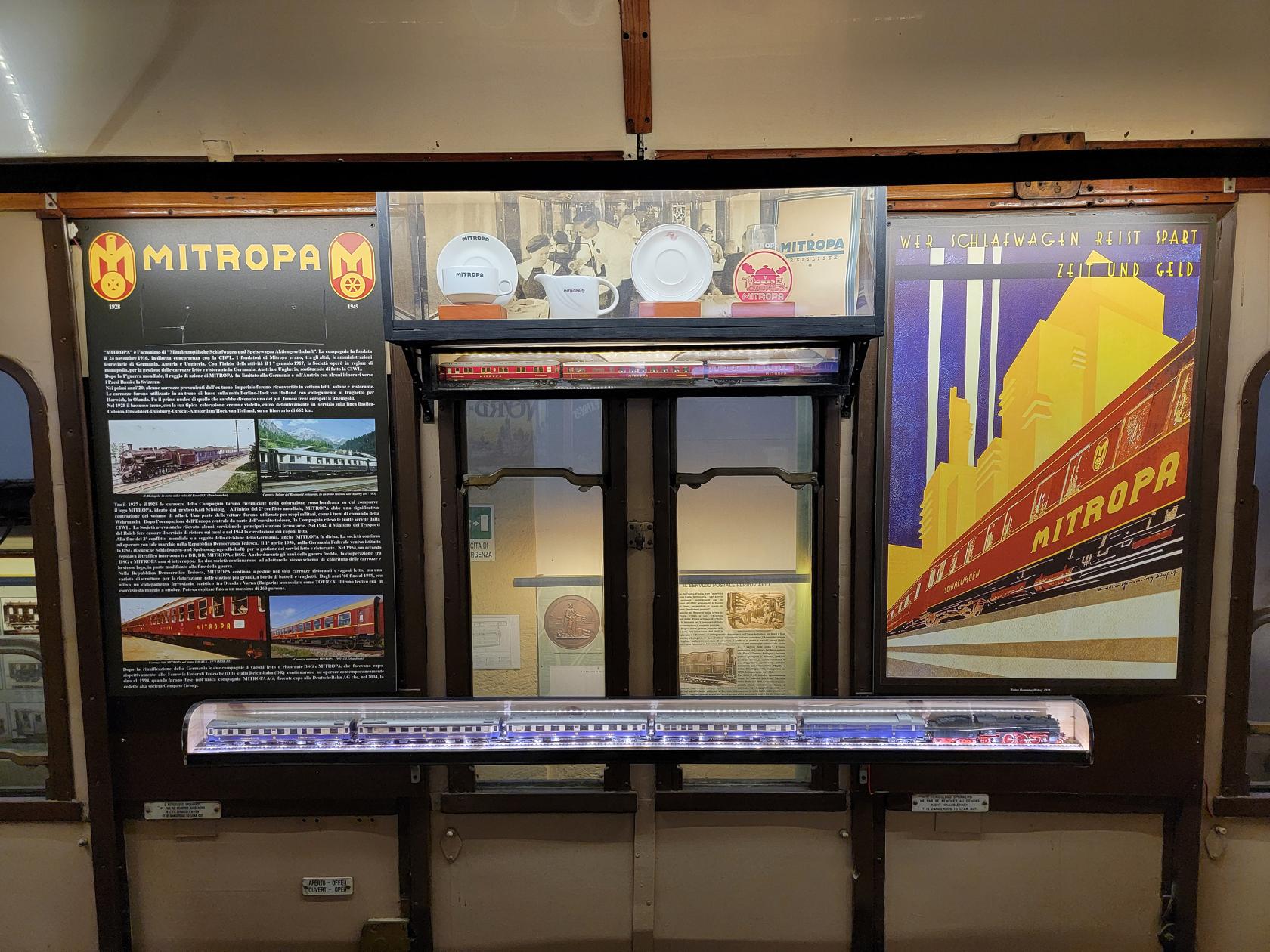
Museo Ferroviario della Puglia – Mitropa Lines – Lecce, Italy
Museo Ferroviario della Puglia – Southern Italian Lines – Lecce, Italy
Museo Ferroviario della Puglia – Southern Italian Lines – Lecce, Italy
Museo Ferroviario della Puglia – Southern Italian Lines – Lecce, Italy
Museo Ferroviario della Puglia – Southern Italian Lines – Lecce, Italy
Museo Ferroviario della Puglia – Southern Italian Lines – Lecce, Italy
Museo Ferroviario della Puglia – French Lines – Lecce, Italy
The Carriages, Locomotives and other Railcars
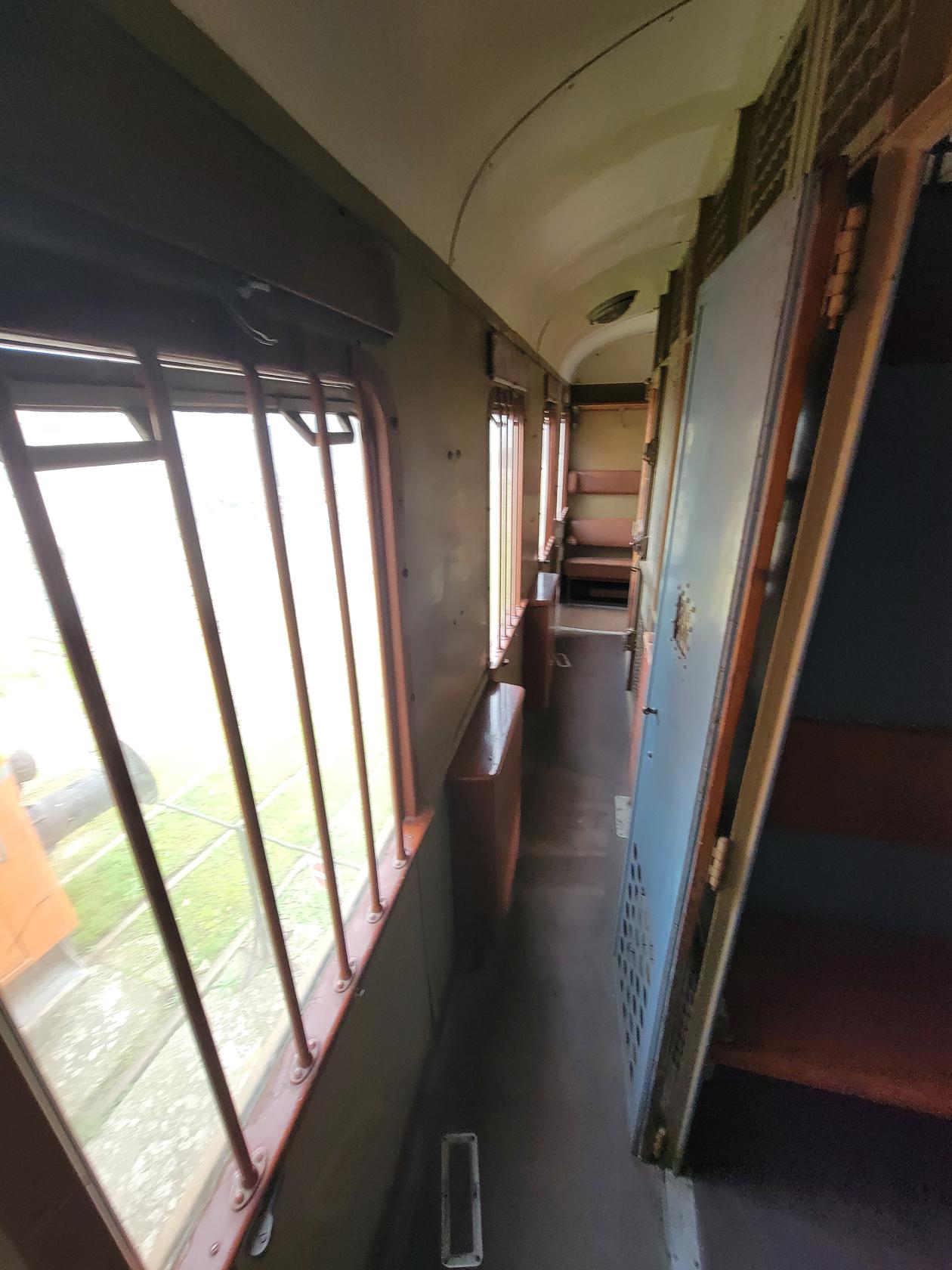
There are life size exhibits of some of the carriages, freight cars, locomotives and other vehicles, some of which you can actually enter.
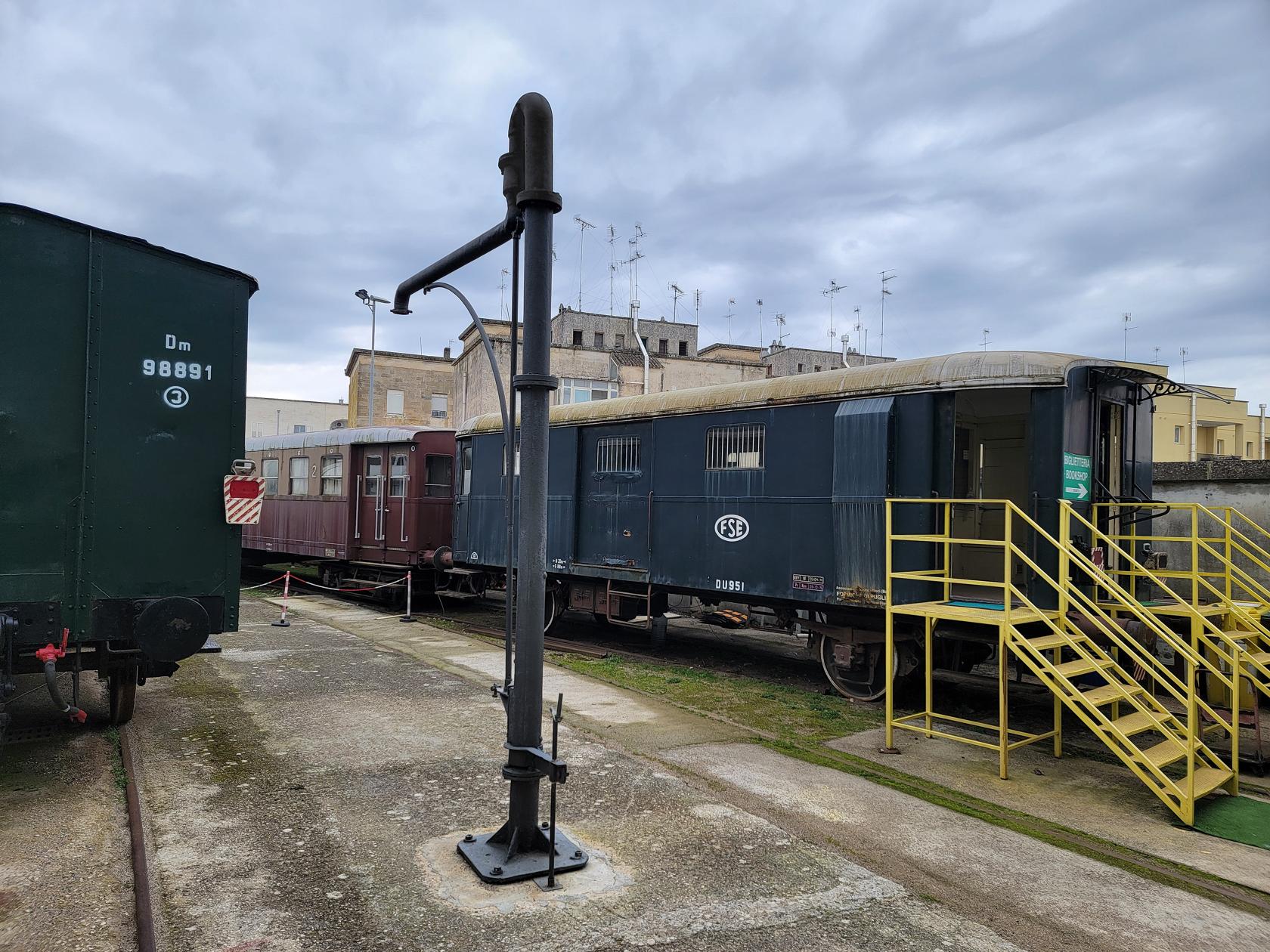
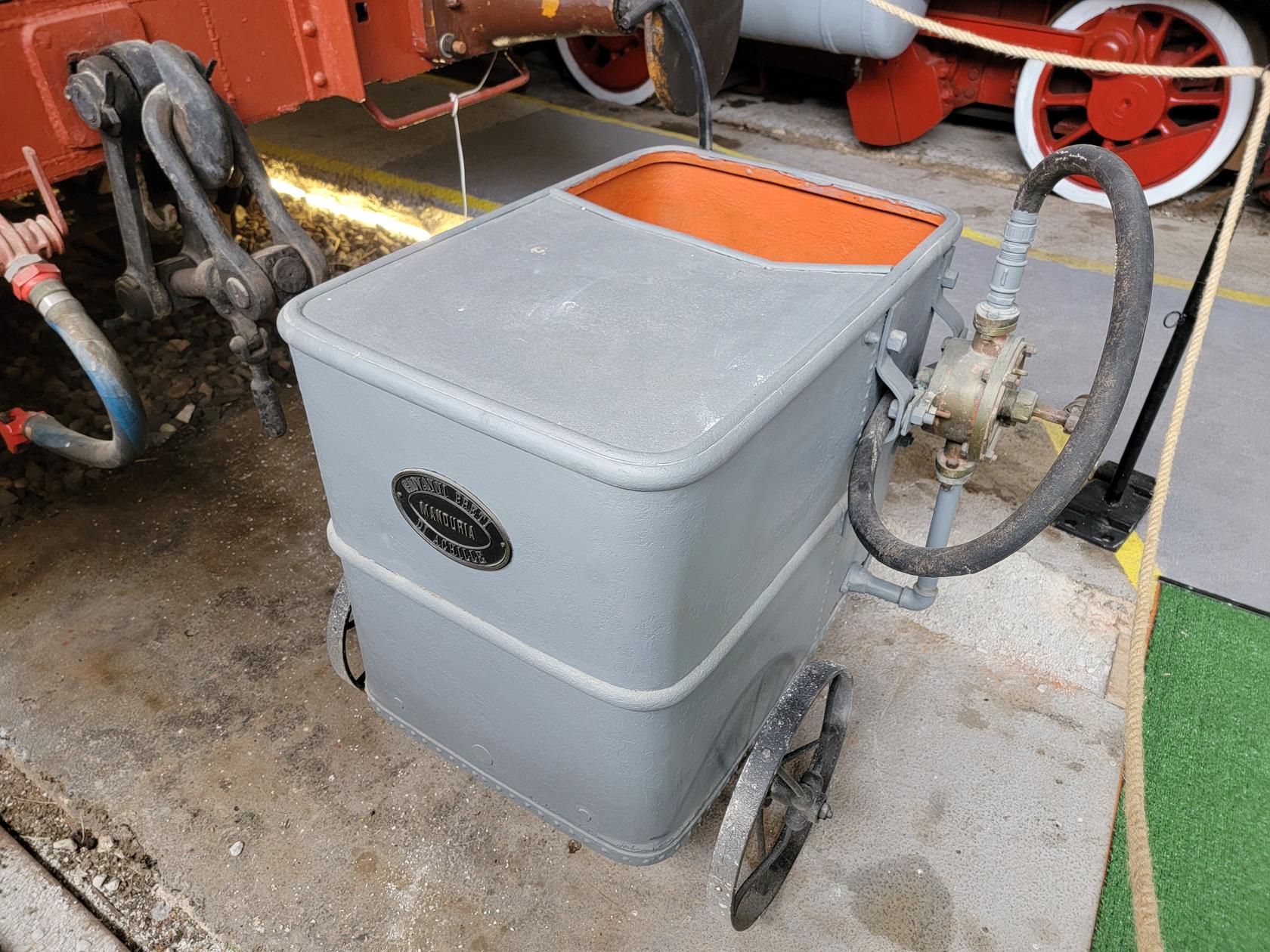
Museo Ferroviario della Puglia – Water Pump for Steam Engines – Lecce, Italy
Museo Ferroviario della Puglia – Follow The Arrows – Lecce, Italy
Museo Ferroviario della Puglia – Tour – Lecce, Italy
Museo Ferroviario della Puglia – Bagagliaio/Riscaldatore FS VDrz 809.251 Heated Carriage – Lecce, Italy
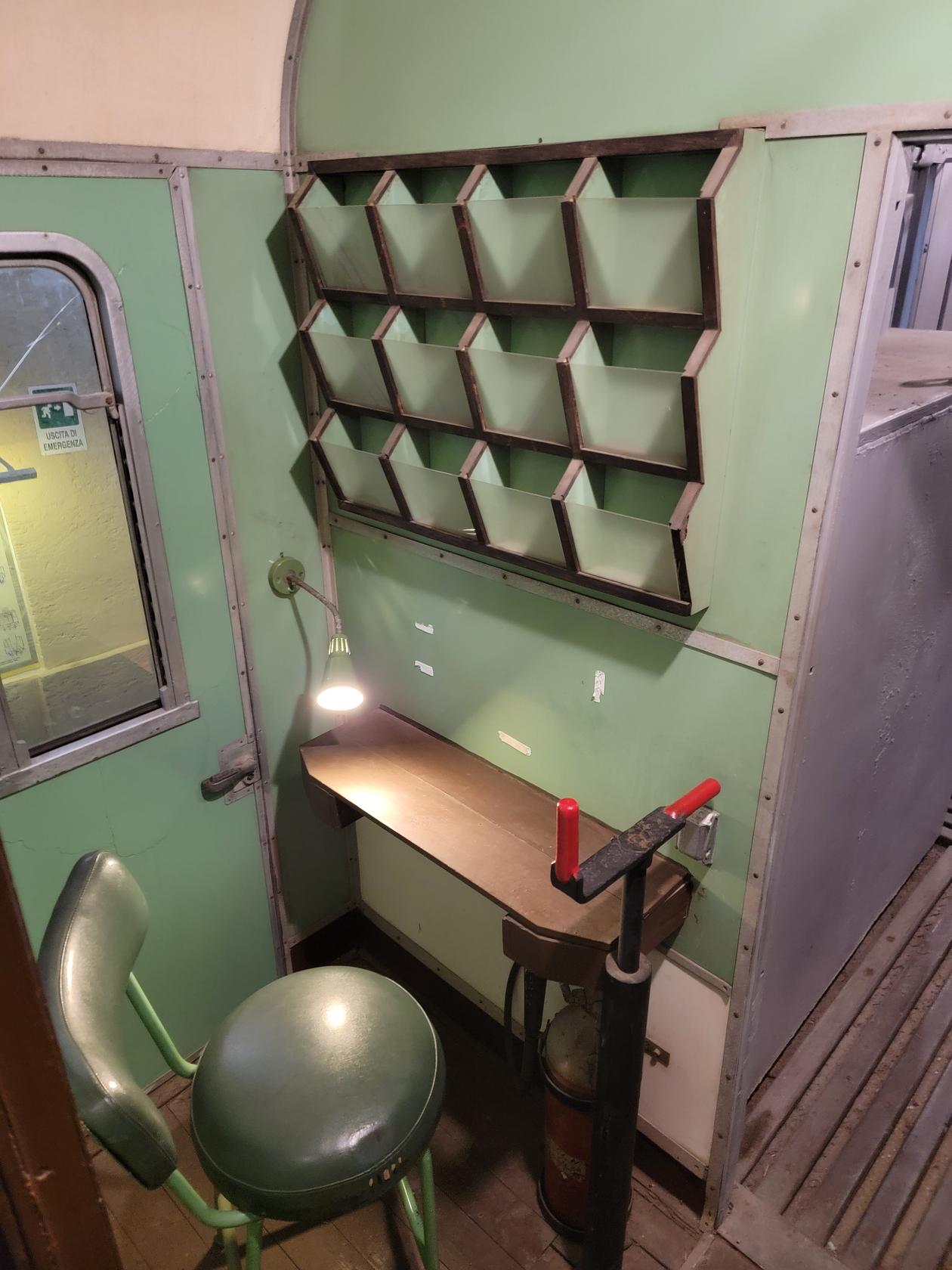
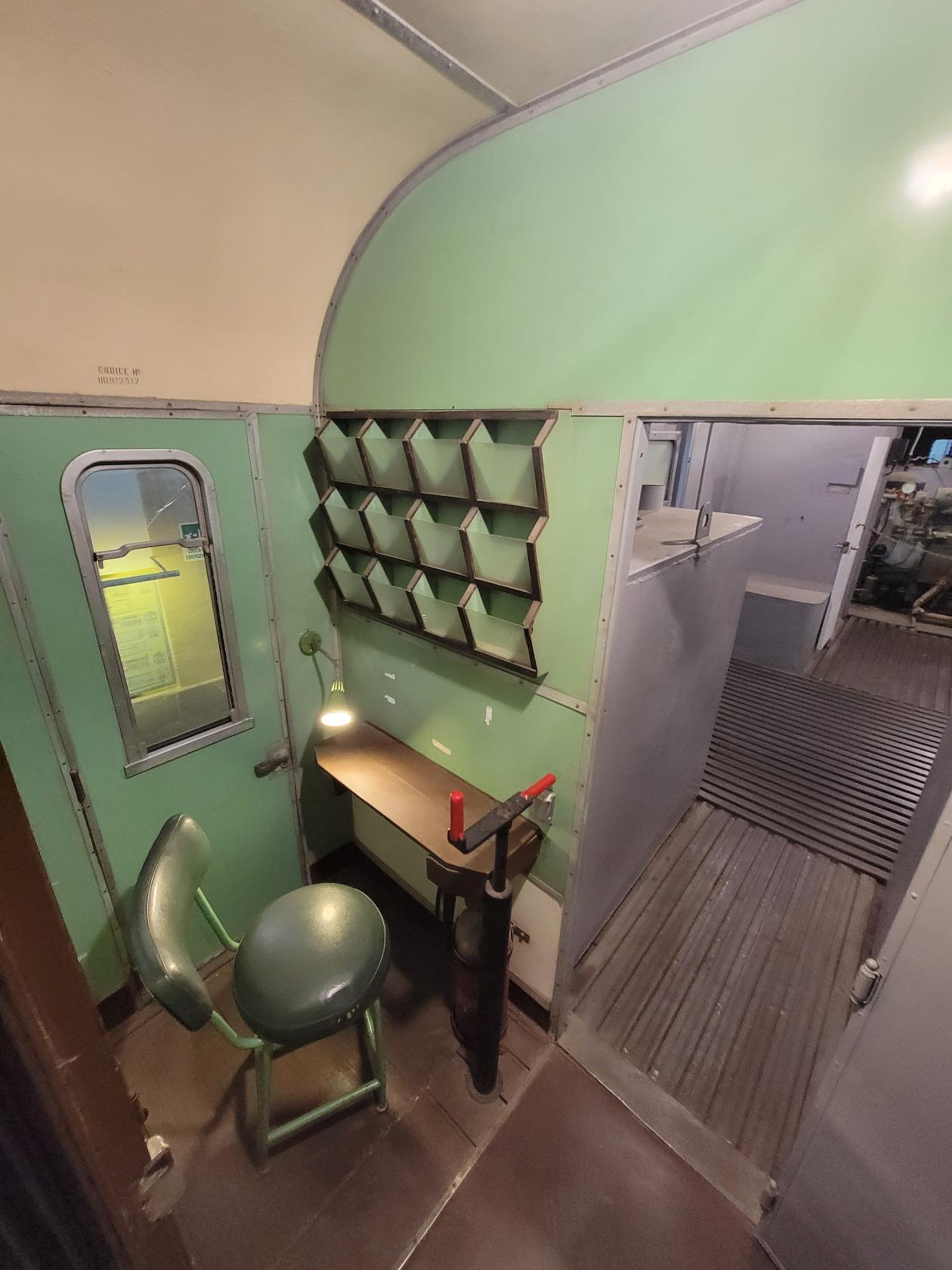
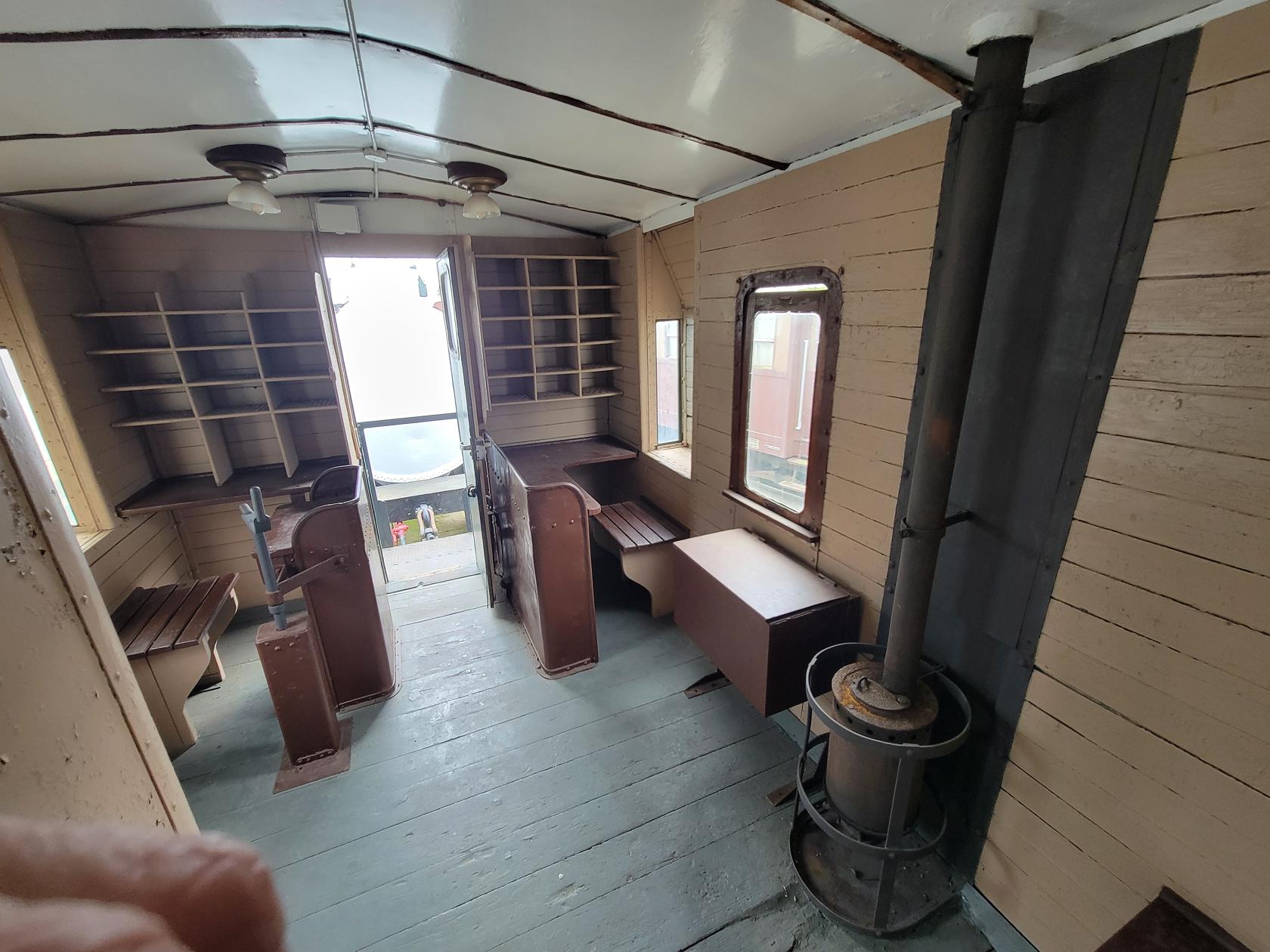
Museo Ferroviario della Puglia – Conductor Station – Lecce, Italy
Museo Ferroviario della Puglia – Conductor Station – Lecce, Italy
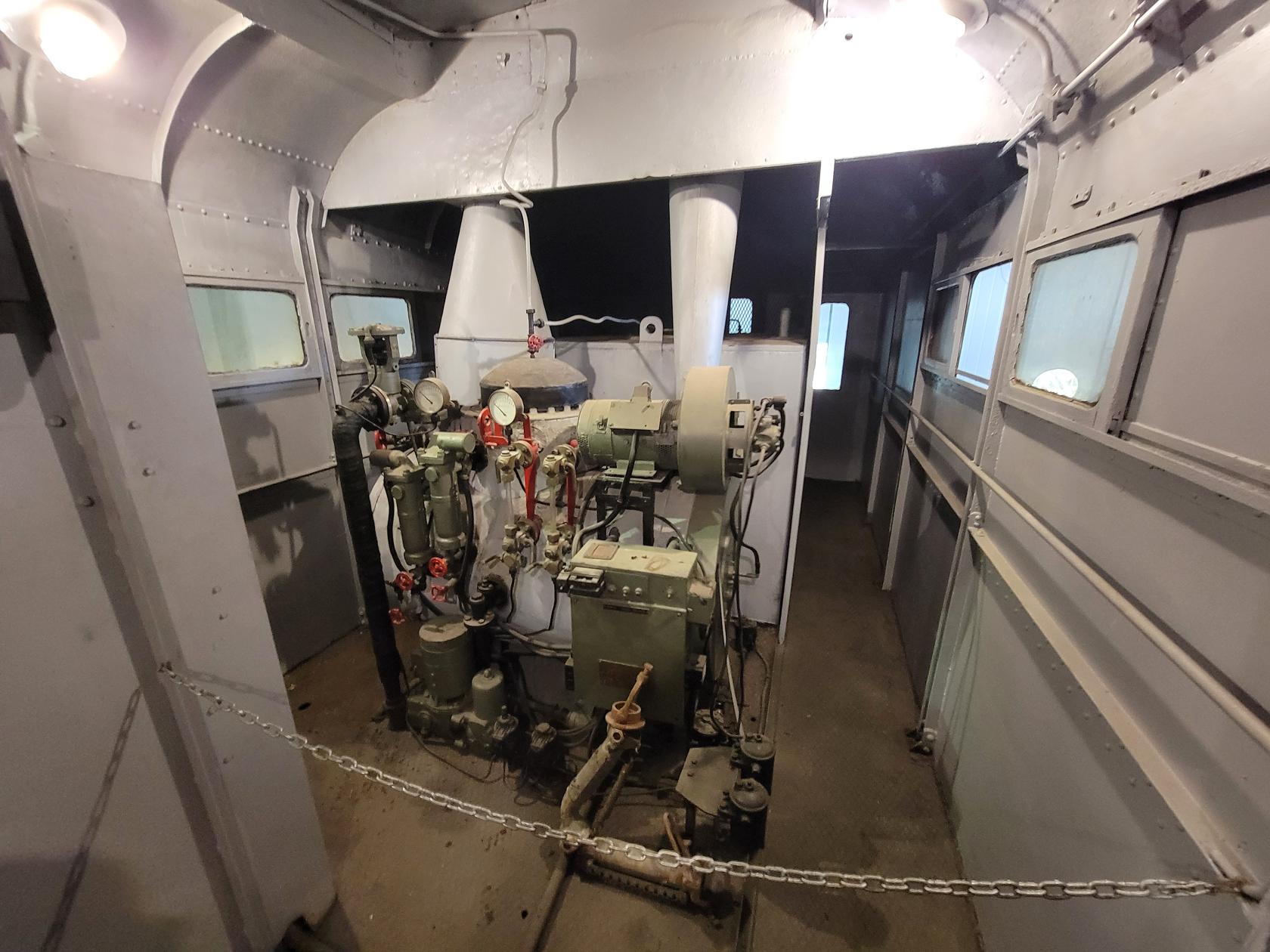
Museo Ferroviario della Puglia – Hot Water Heater for the VDr 917 – Lecce, Italy
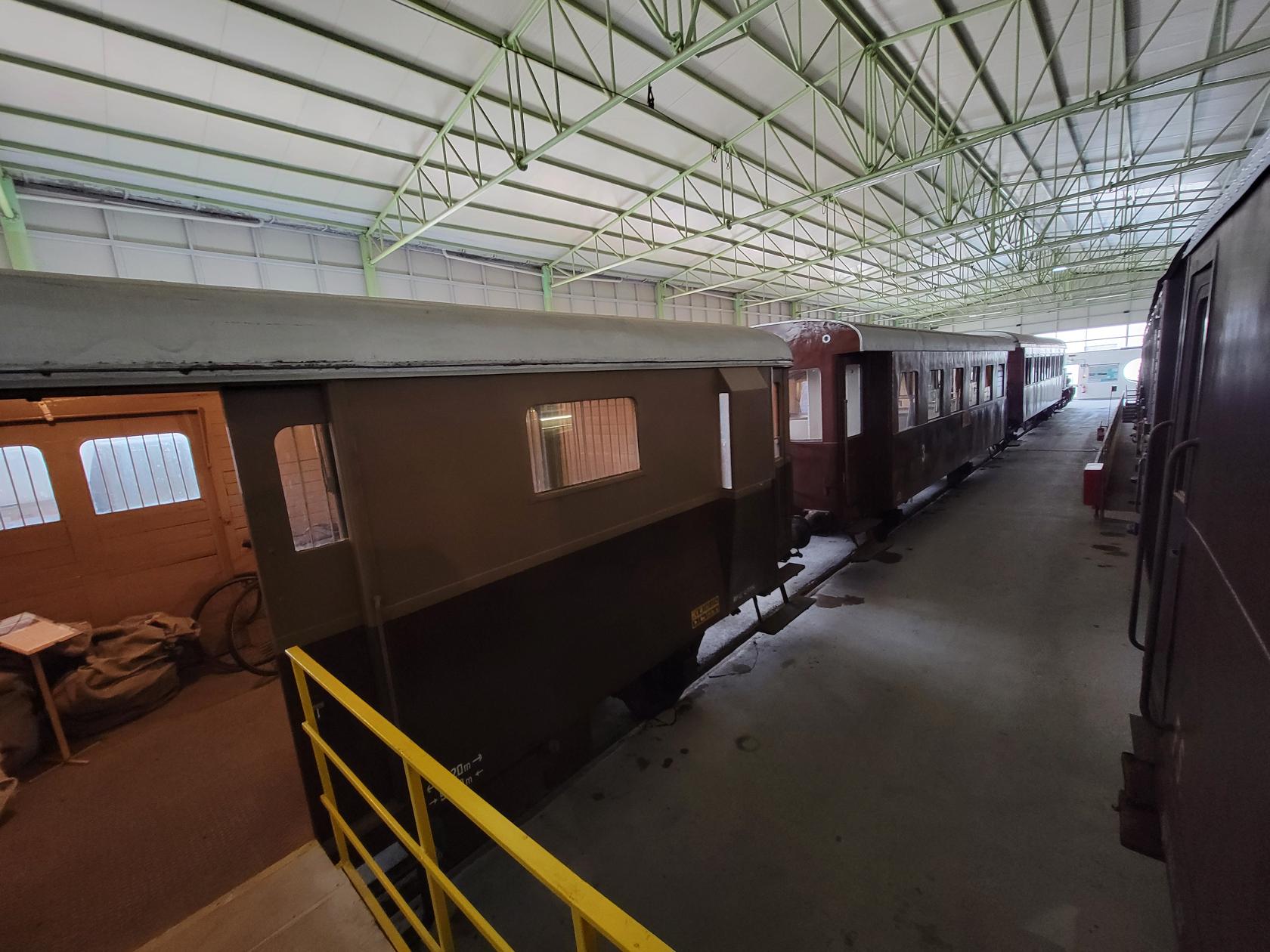
Museo Ferroviario della Puglia – Exterior of Old Carriages – Lecce, Italy
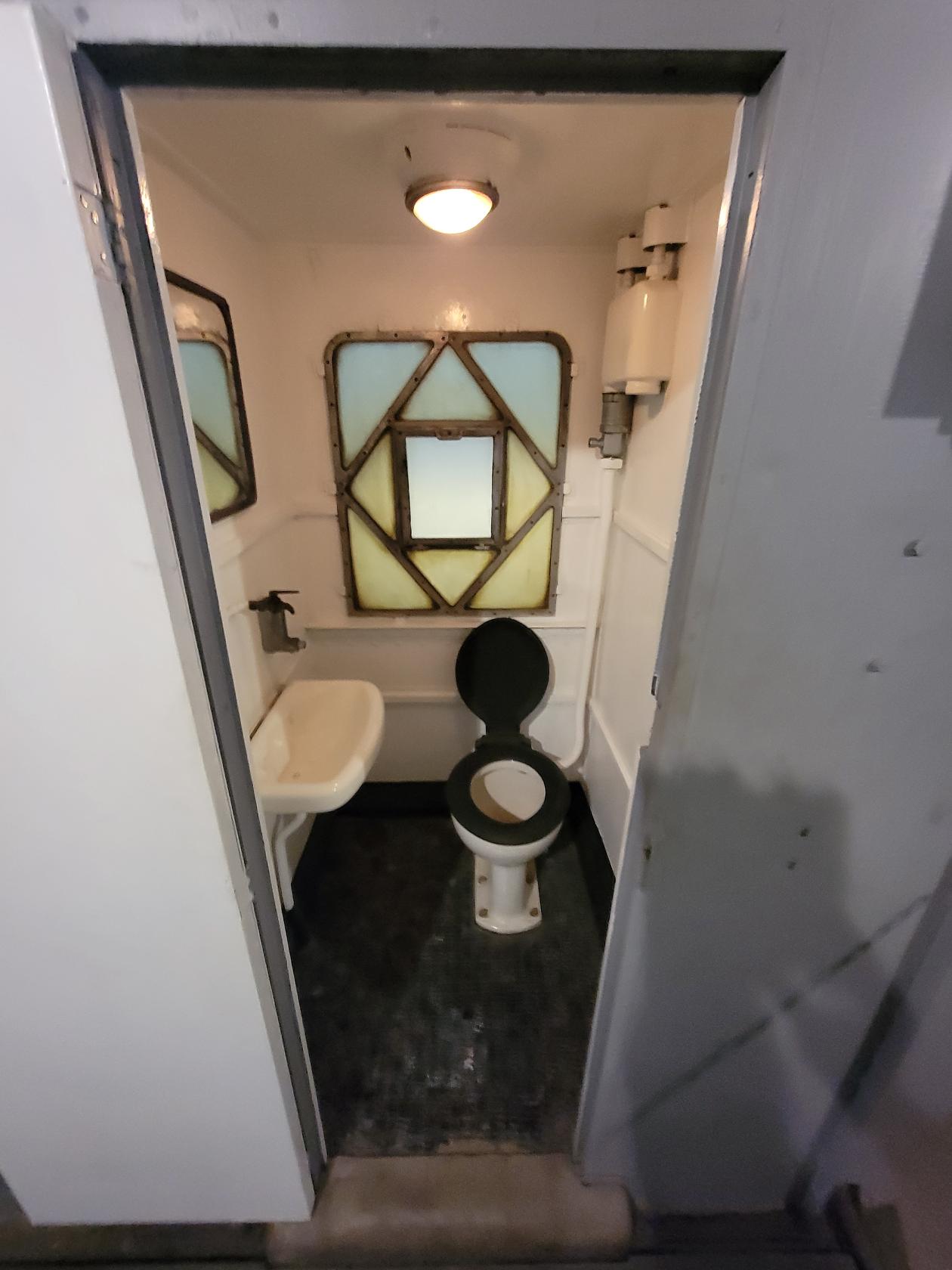
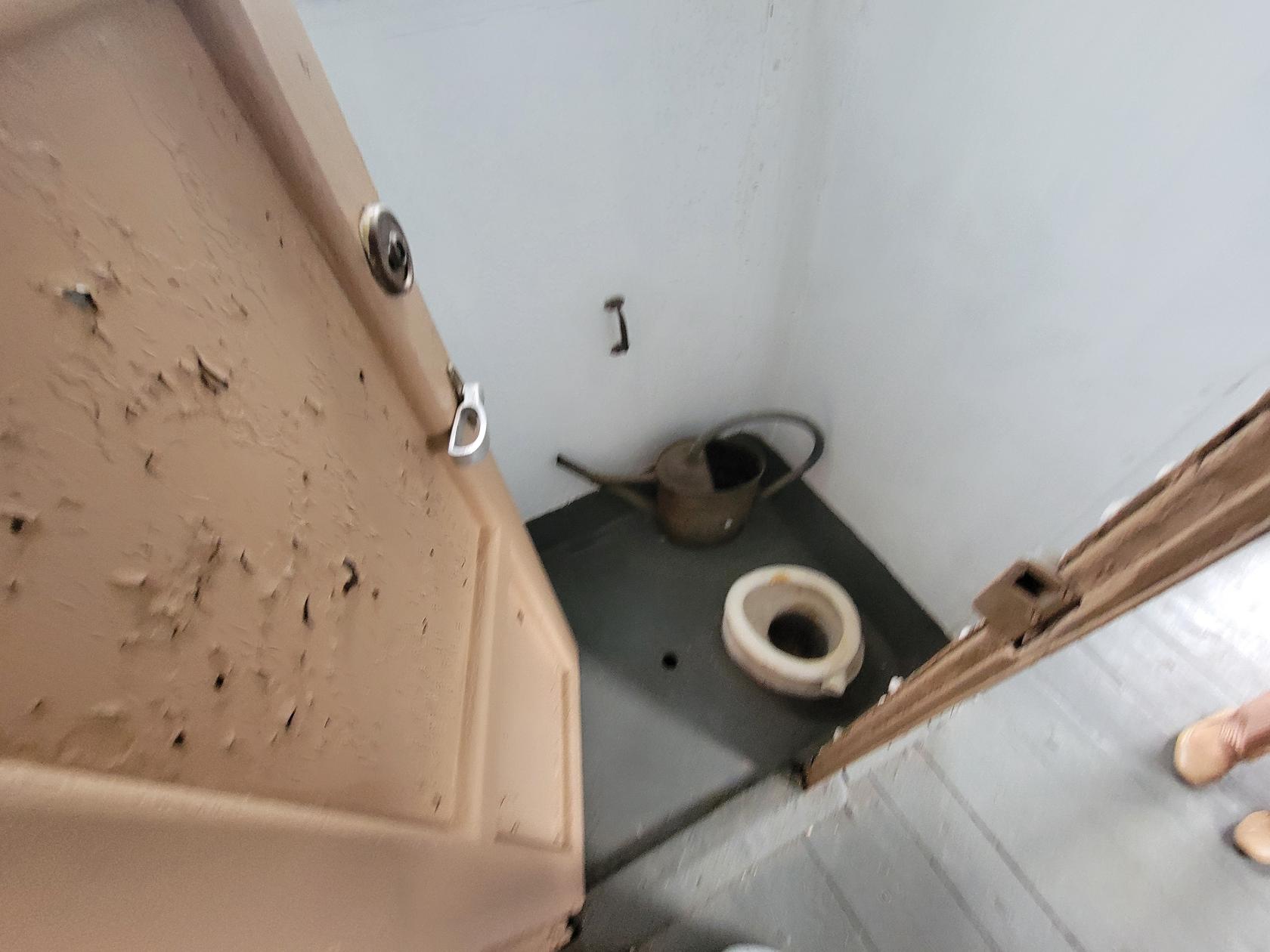
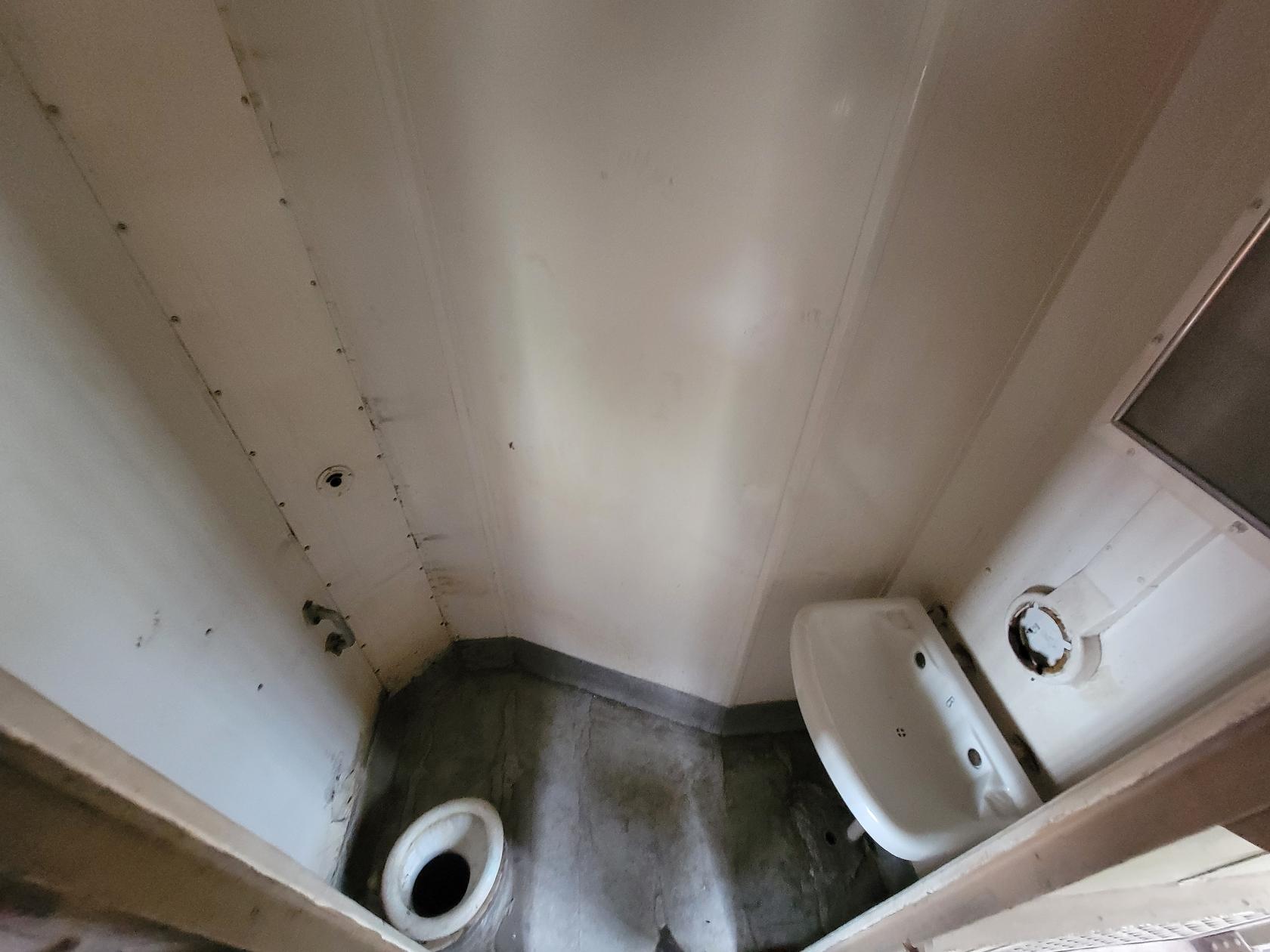
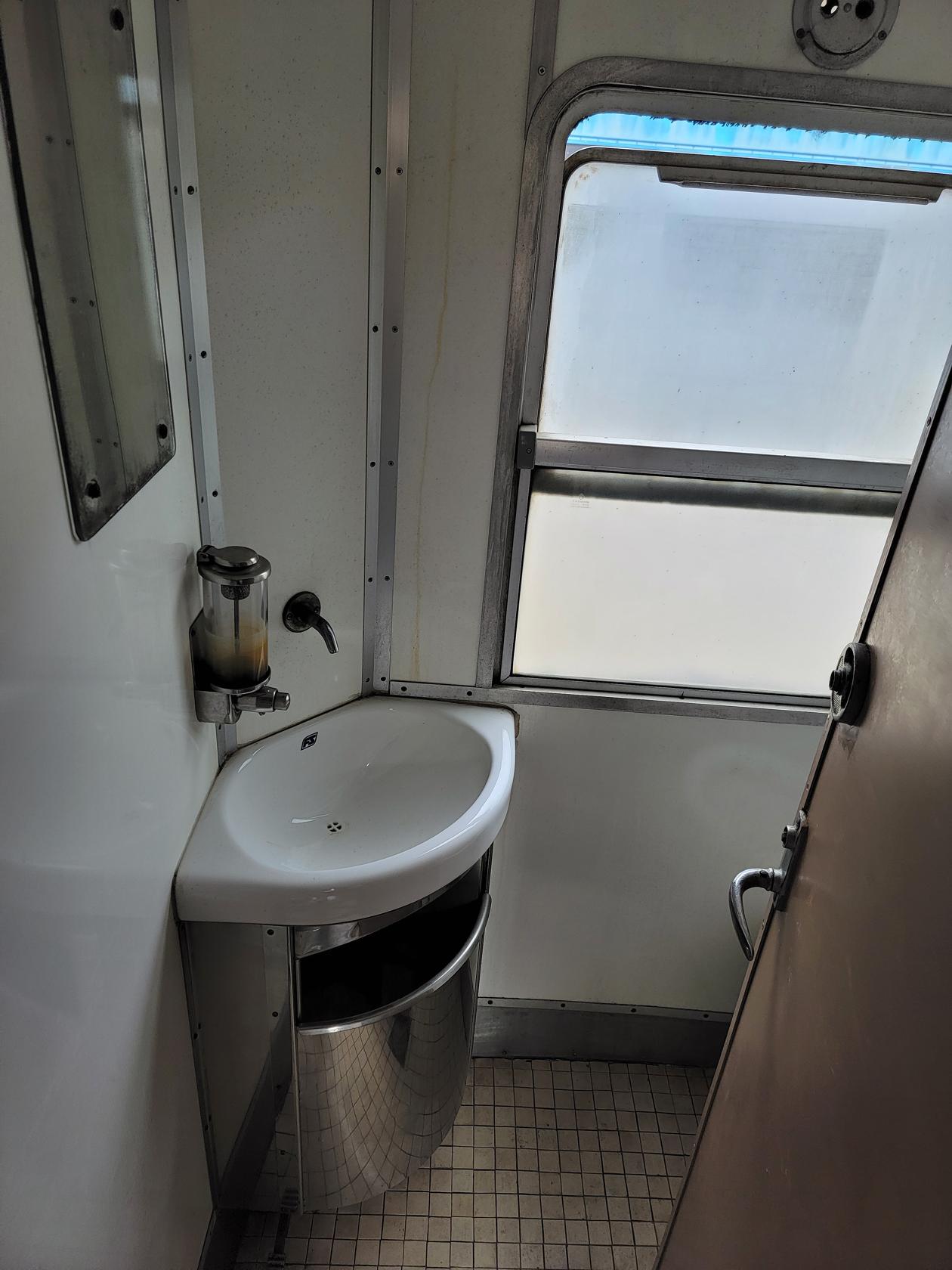
Museo Ferroviario della Puglia – Toilets – Lecce, Italy
Museo Ferroviario della Puglia – Exterior of Old Carriages – Lecce, Italy
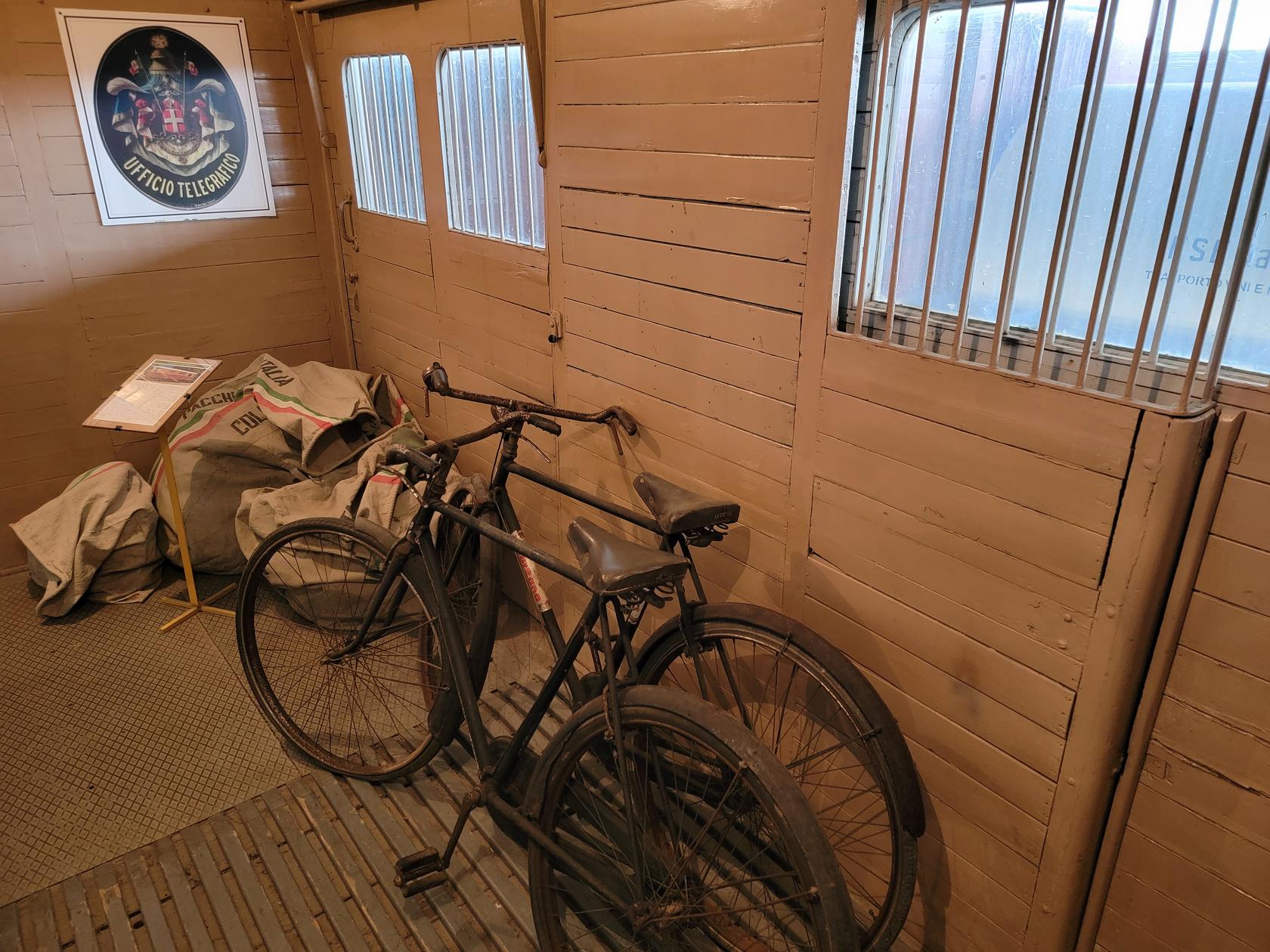
Museo Ferroviario della Puglia – Mail or Post and Cargo Room – Lecce, Italy
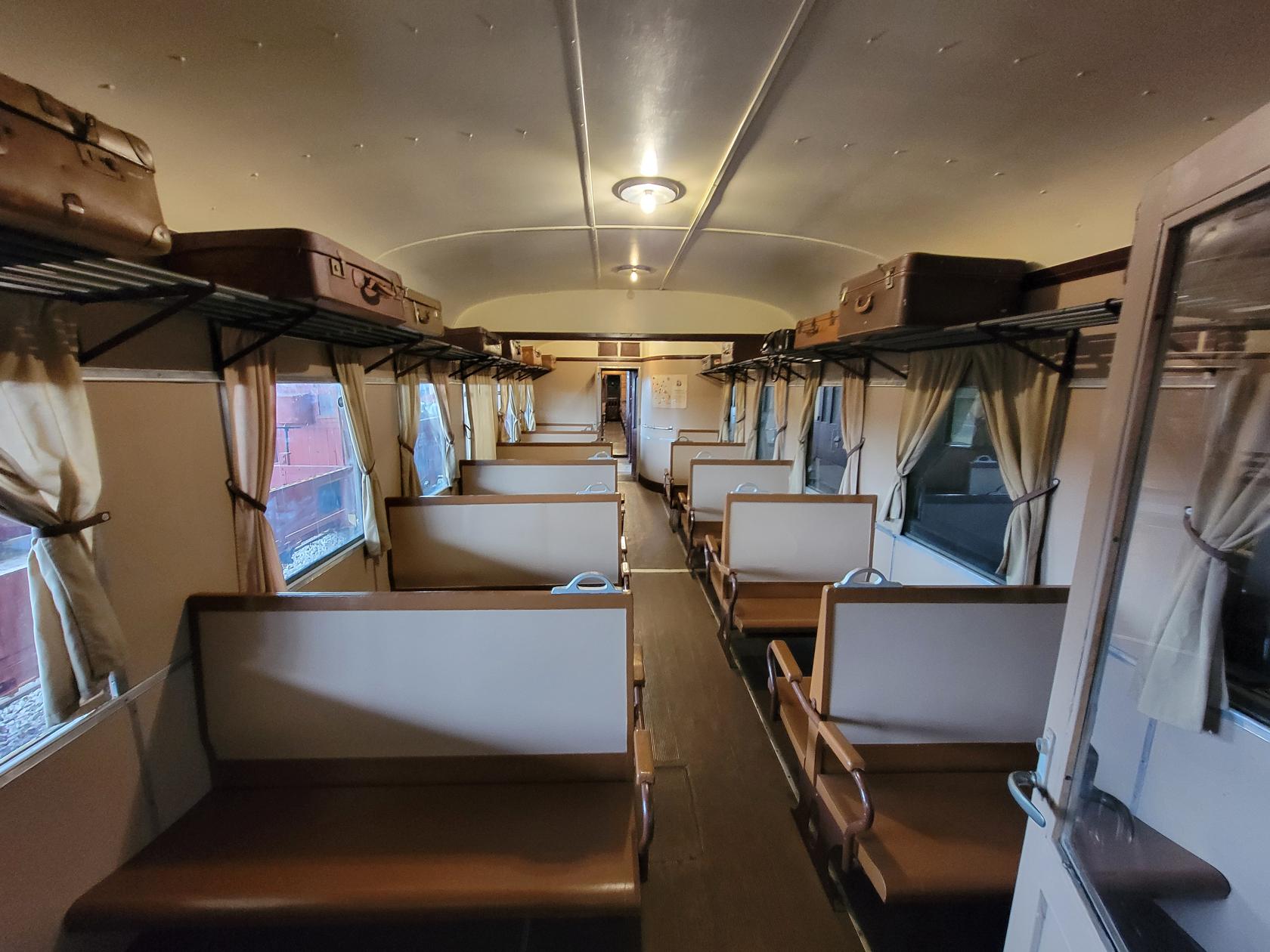
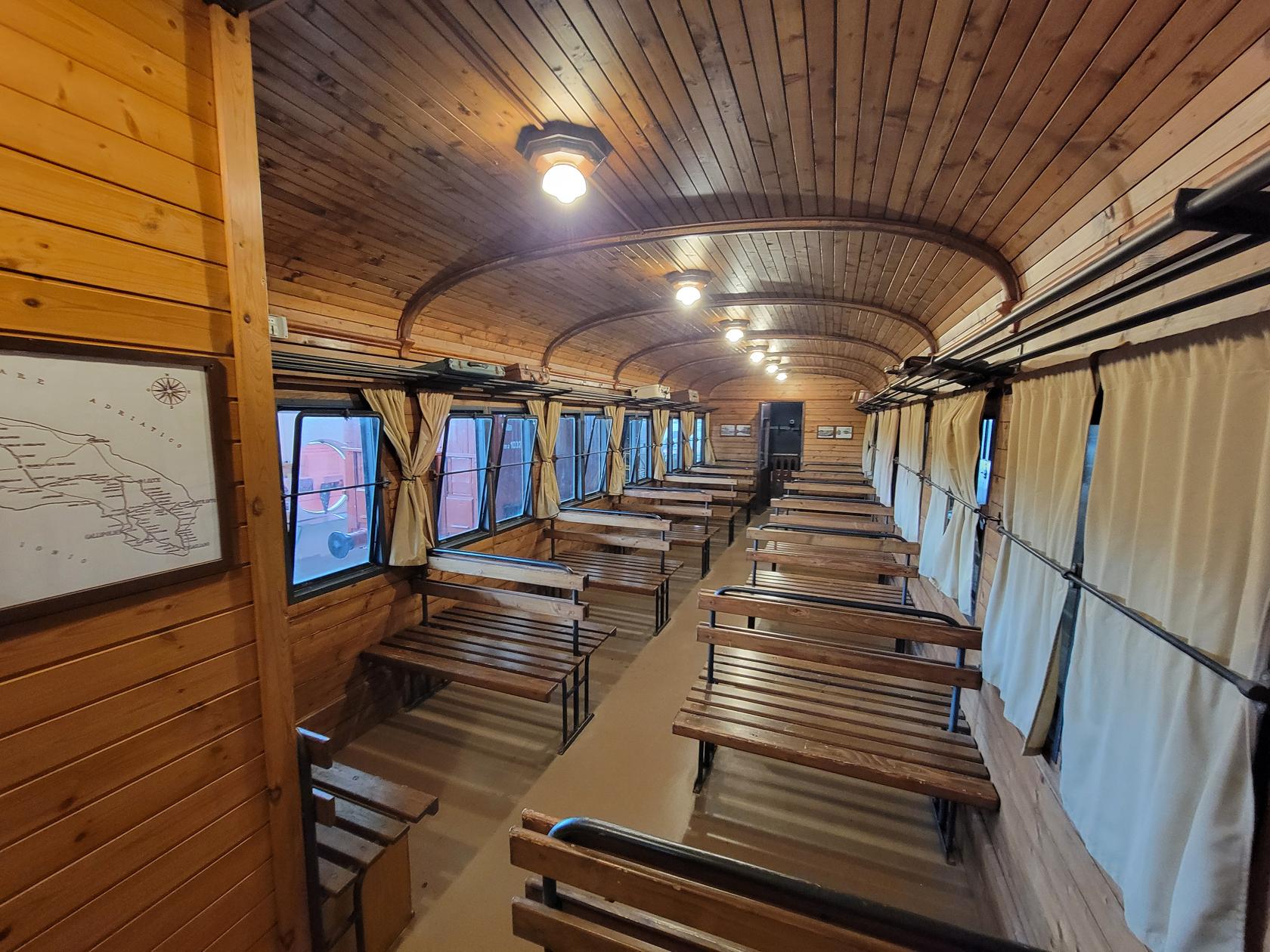
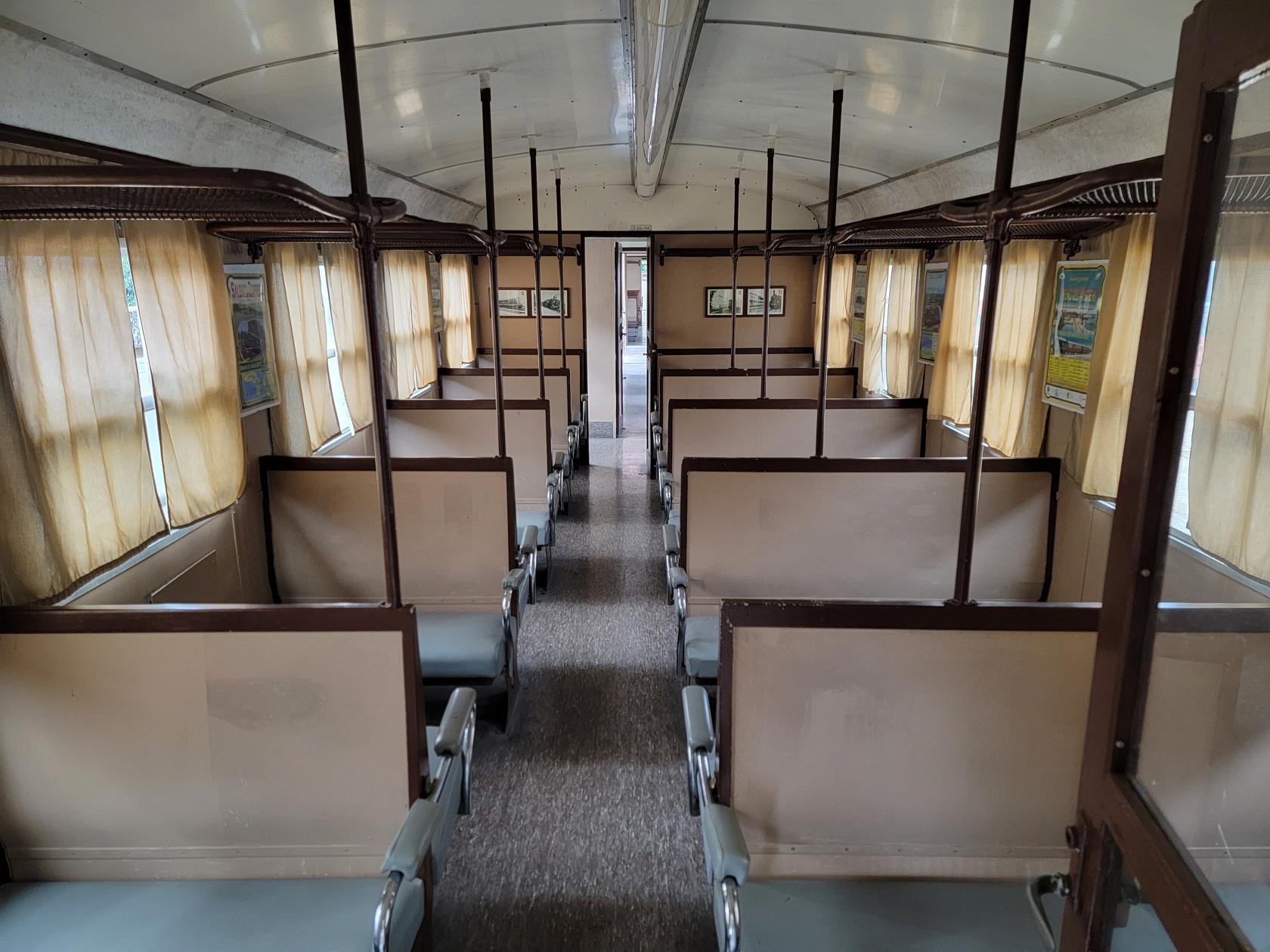
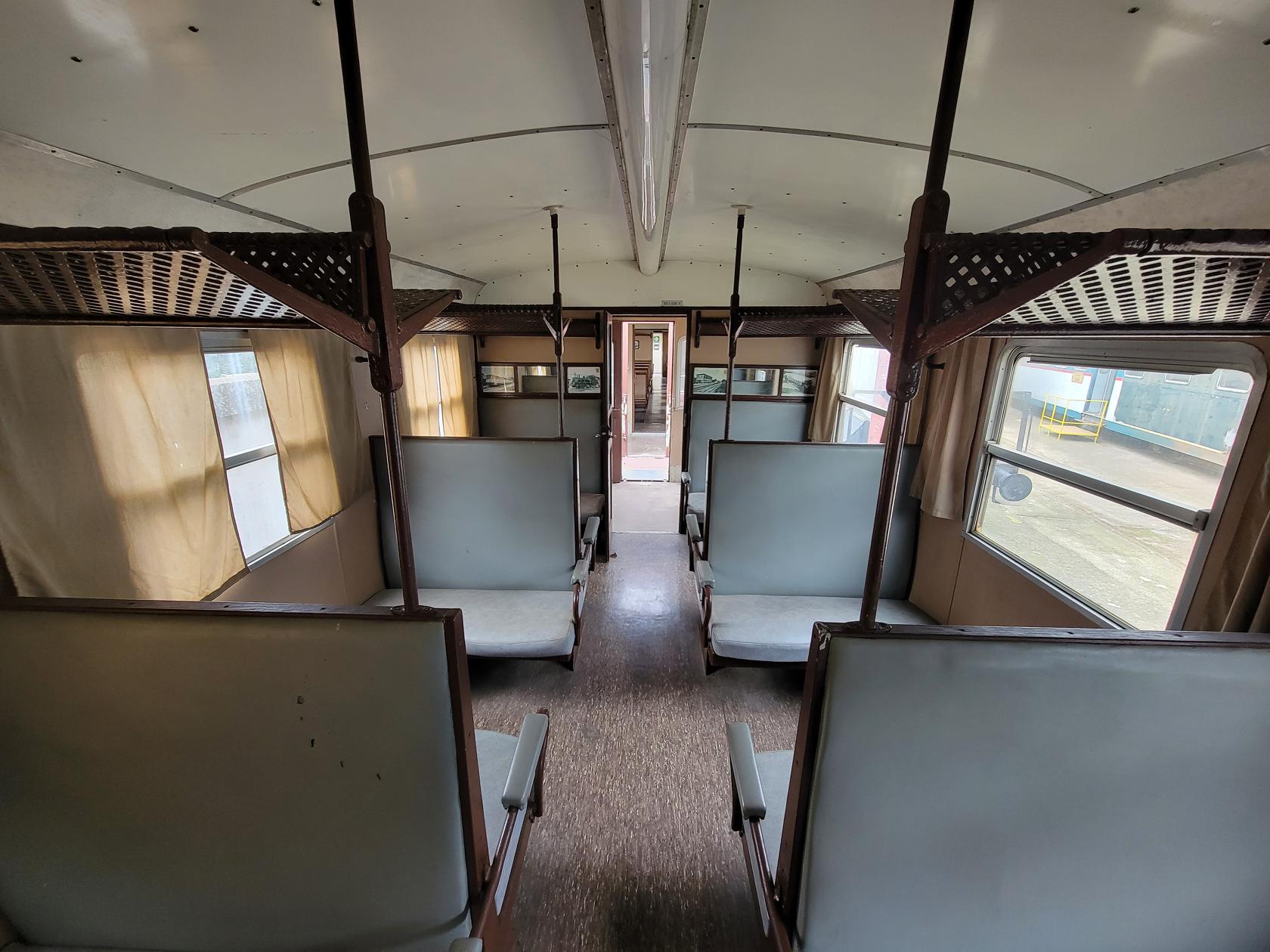
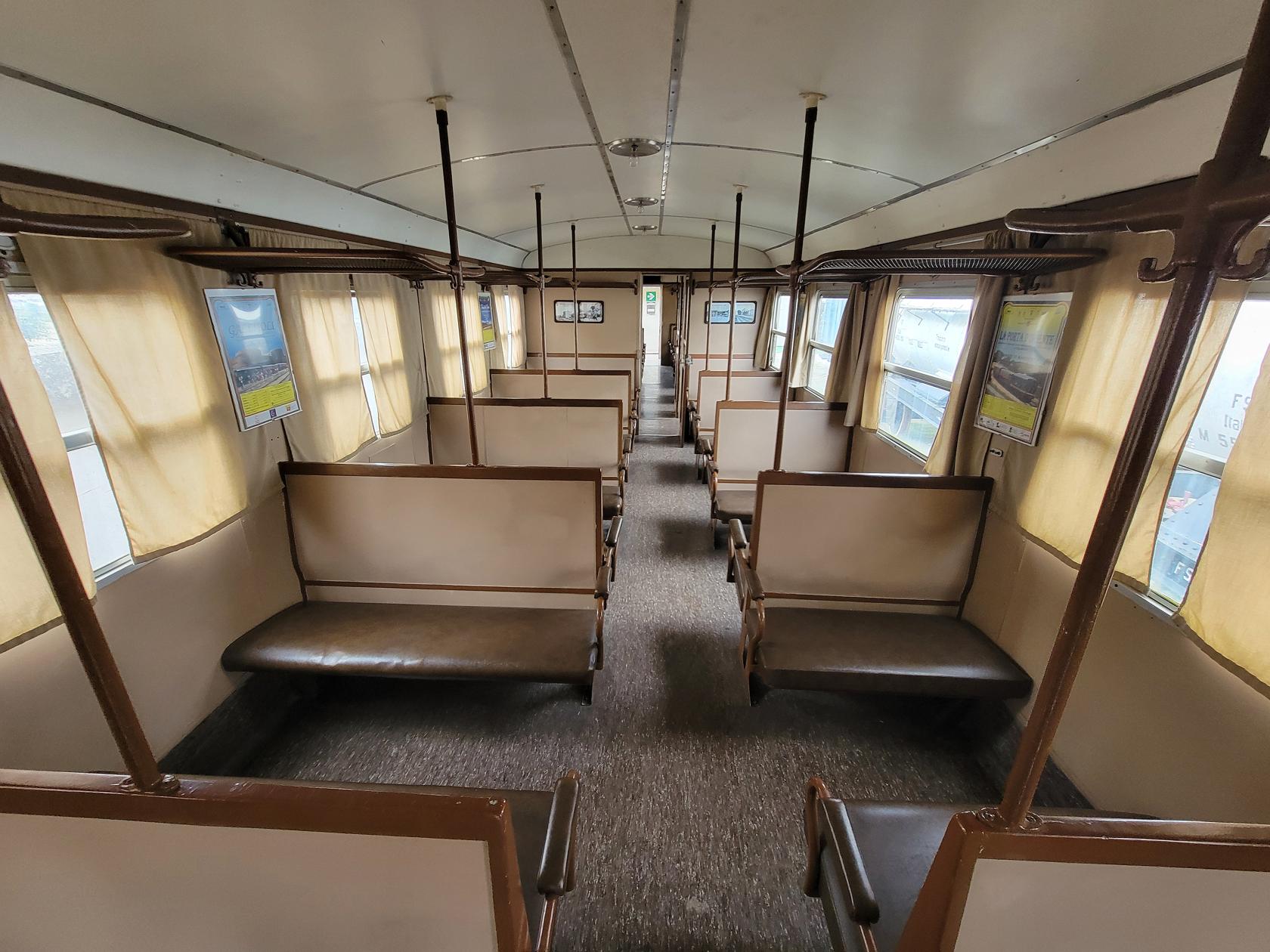
Museo Ferroviario della Puglia – Second Class – Lecce, Italy
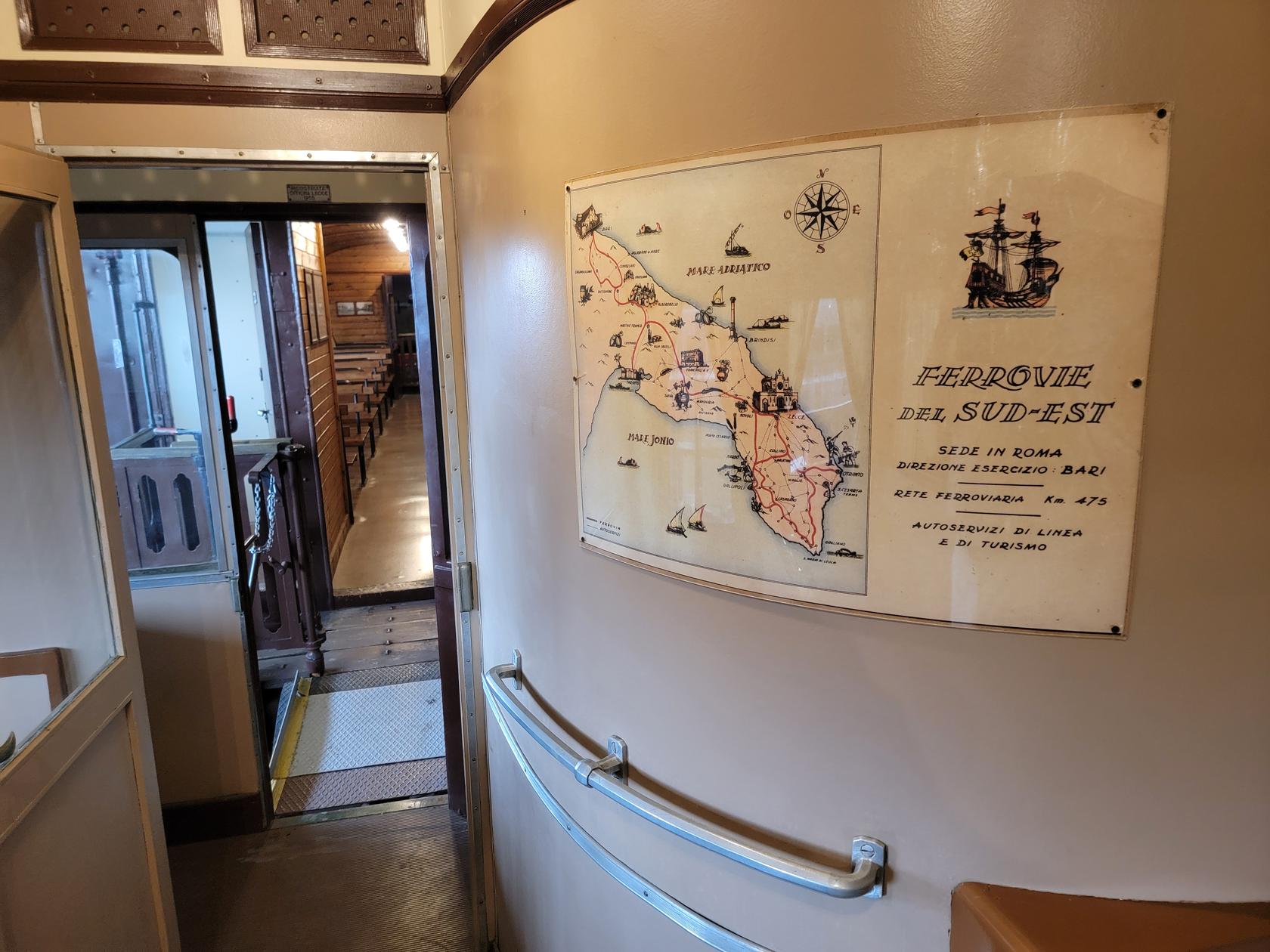
Museo Ferroviario della Puglia – Southeast Line – Lecce, Italy
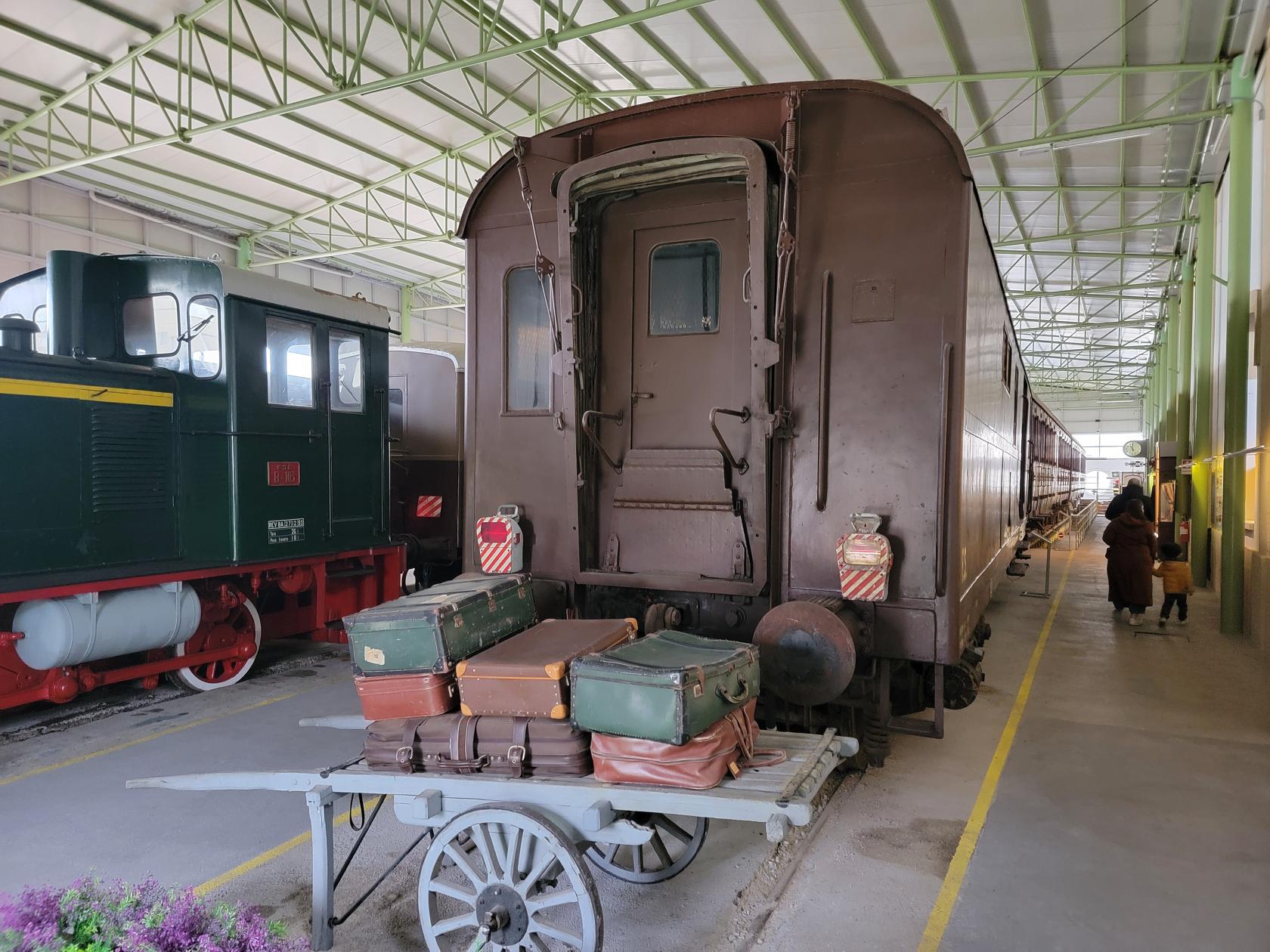
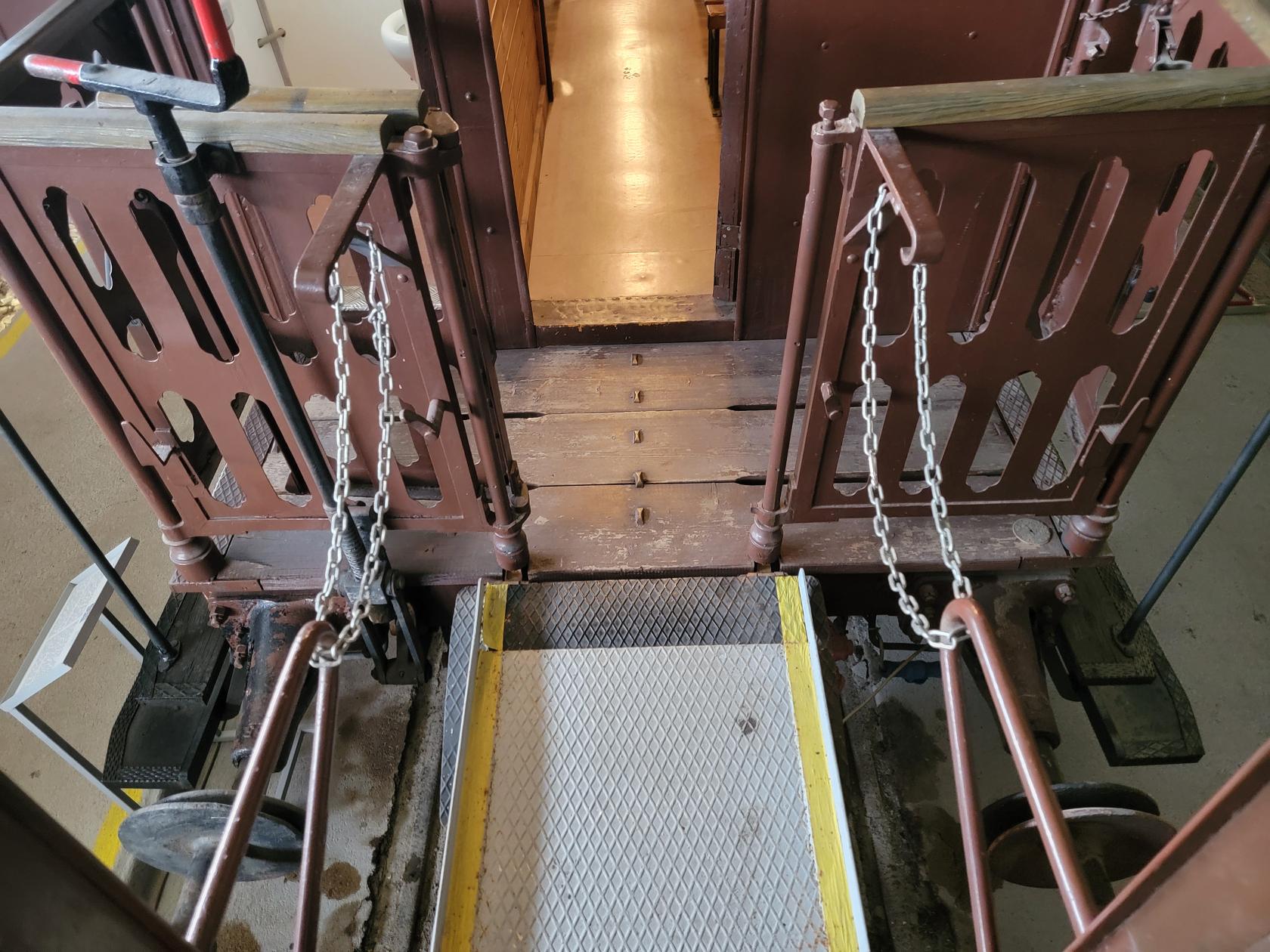
Museo Ferroviario della Puglia – Carriage Connections – Lecce, Italy
Museo Ferroviario della Puglia – Second Class – Lecce, Italy
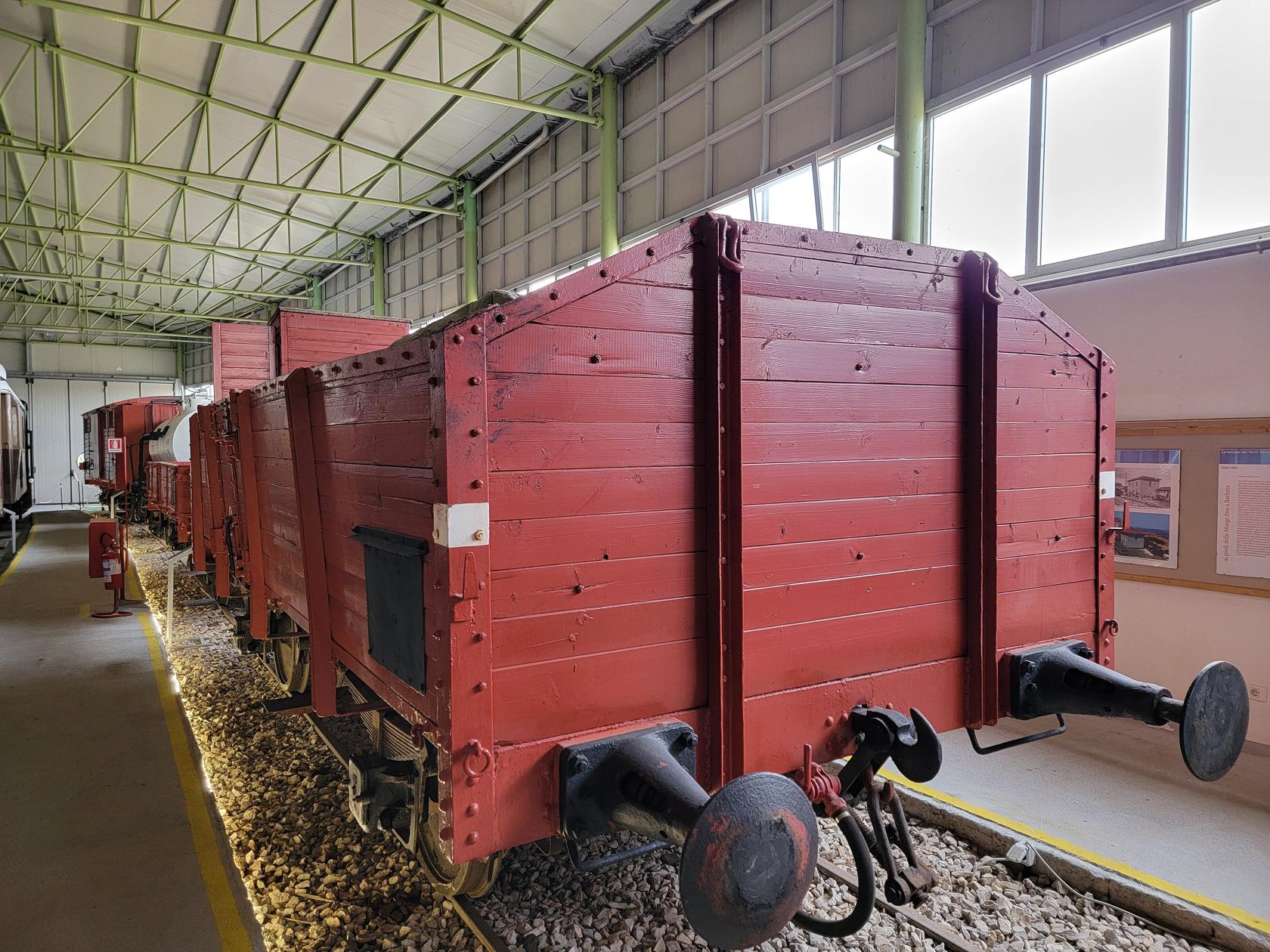
Museo Ferroviario della Puglia – Cargo and Freight – Lecce, Italy
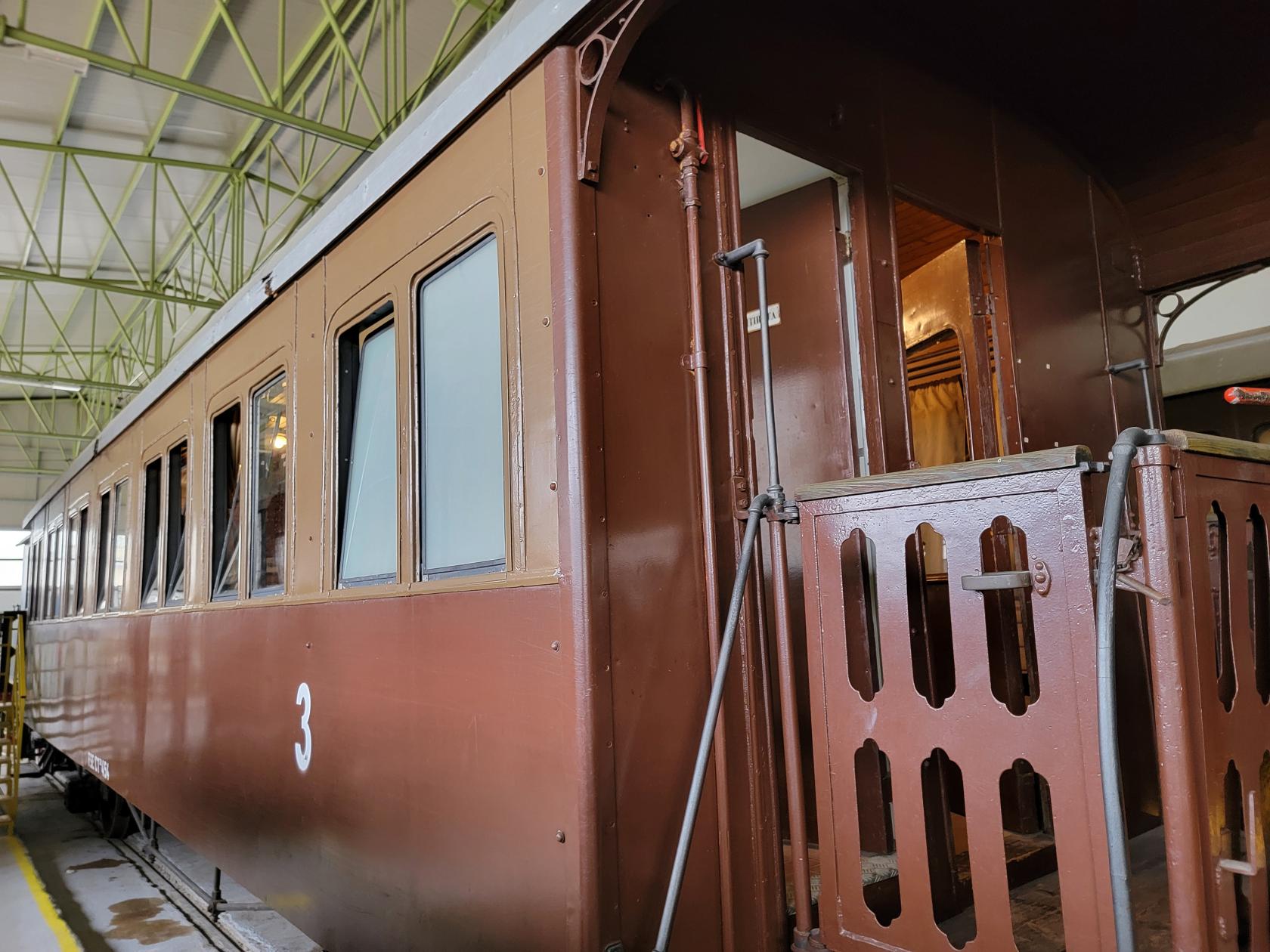
Museo Ferroviario della Puglia – Exterior of Carriage, Carrozza Passeggeri FSE CTcr 454 Milan – Lecce, Italy
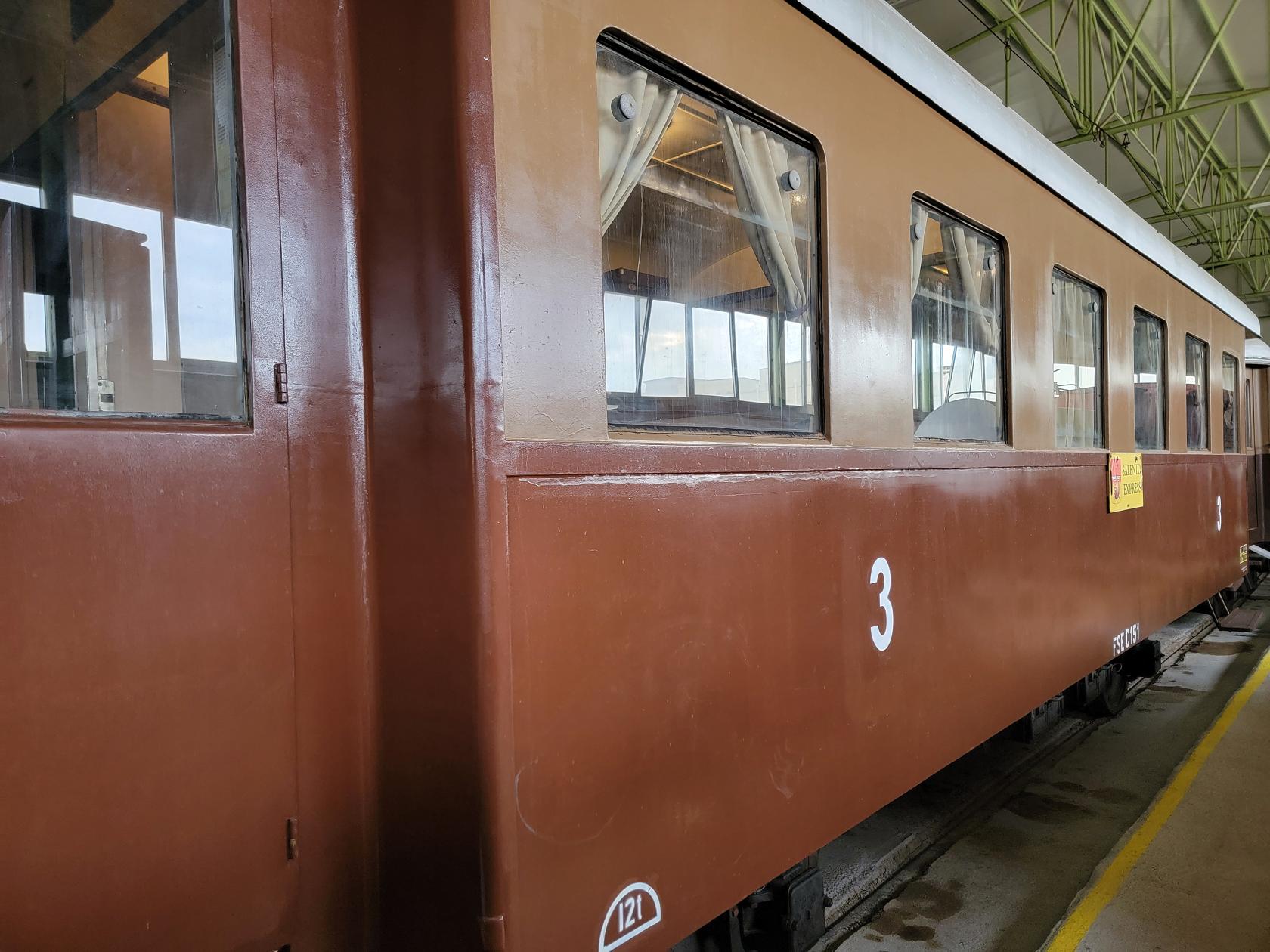
Museo Ferroviario della Puglia – Exterior of Carriage Museo Ferroviario della Puglia – Exterior of Carriage, Carrozza Passeggeri FSE C 151 – Lecce, Italy – Lecce, Italy
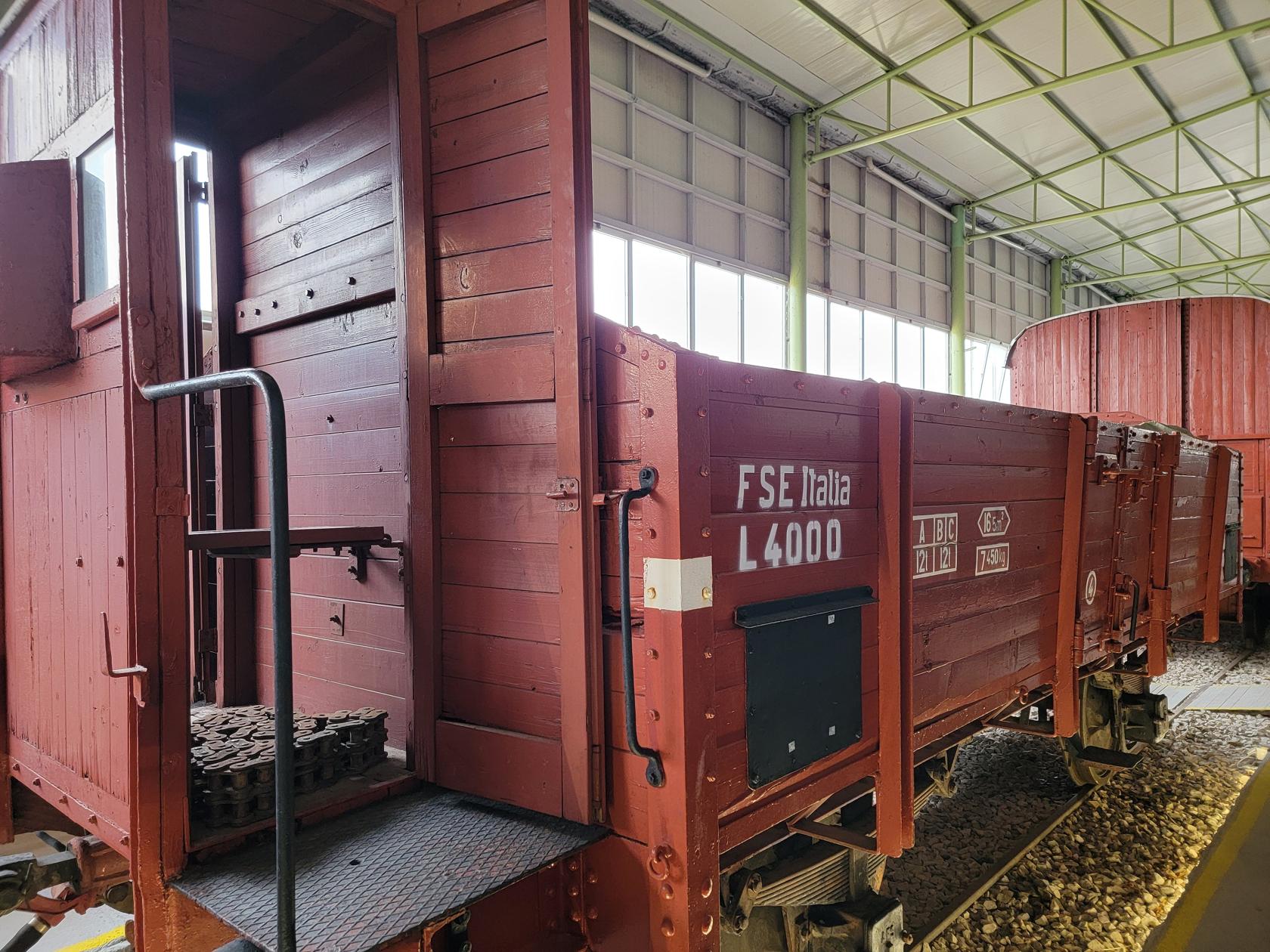
Museo Ferroviario della Puglia – Anonima Ferrovie Salentine (AFS) Carri Merci Aperti FSE L 4000 + P 6221 – Lecce, Italy
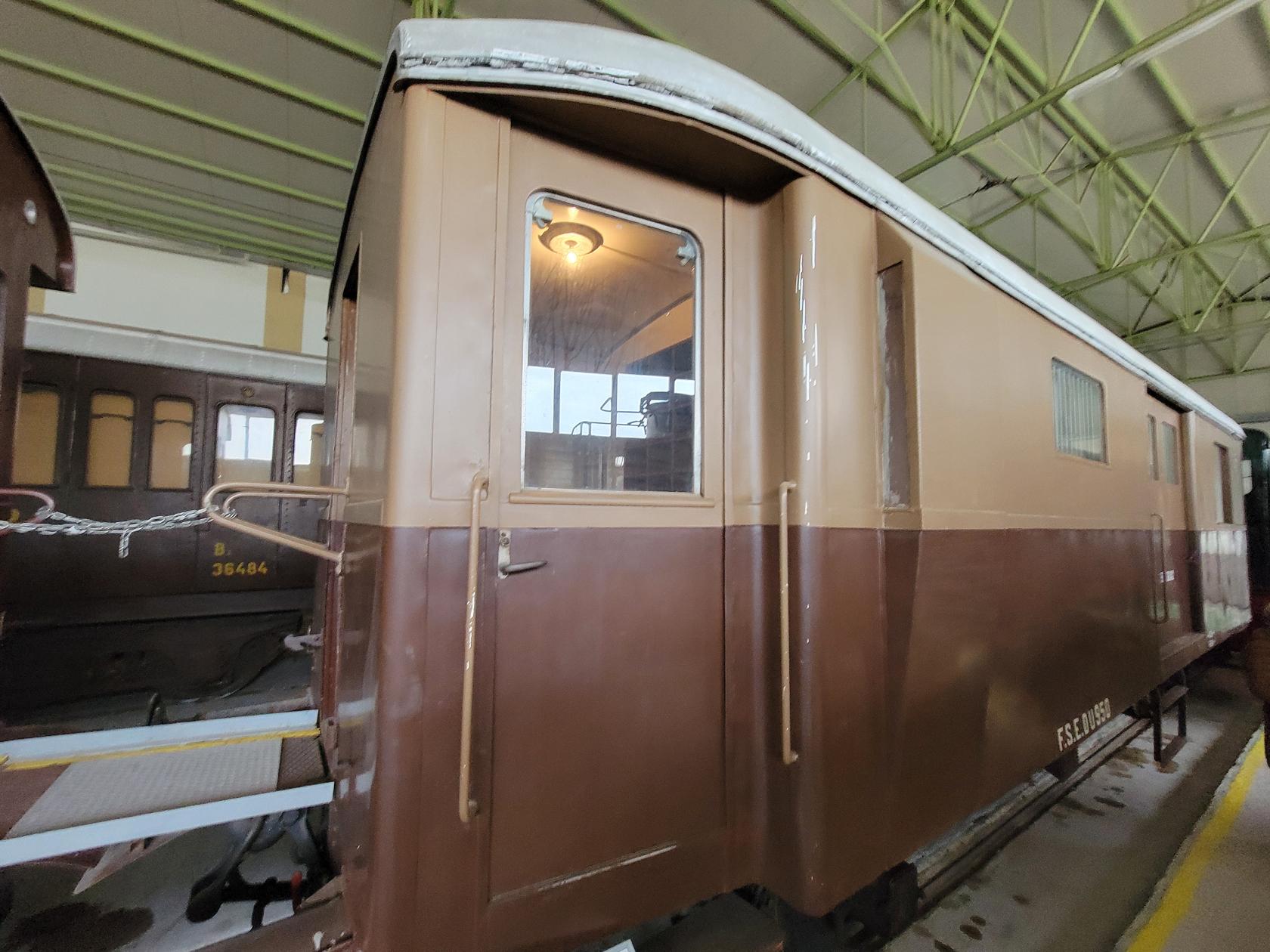
Museo Ferroviario della Puglia – Exterior of Bagagliaio/Postale FSE DU 950 e DU 951 – Lecce, Italy
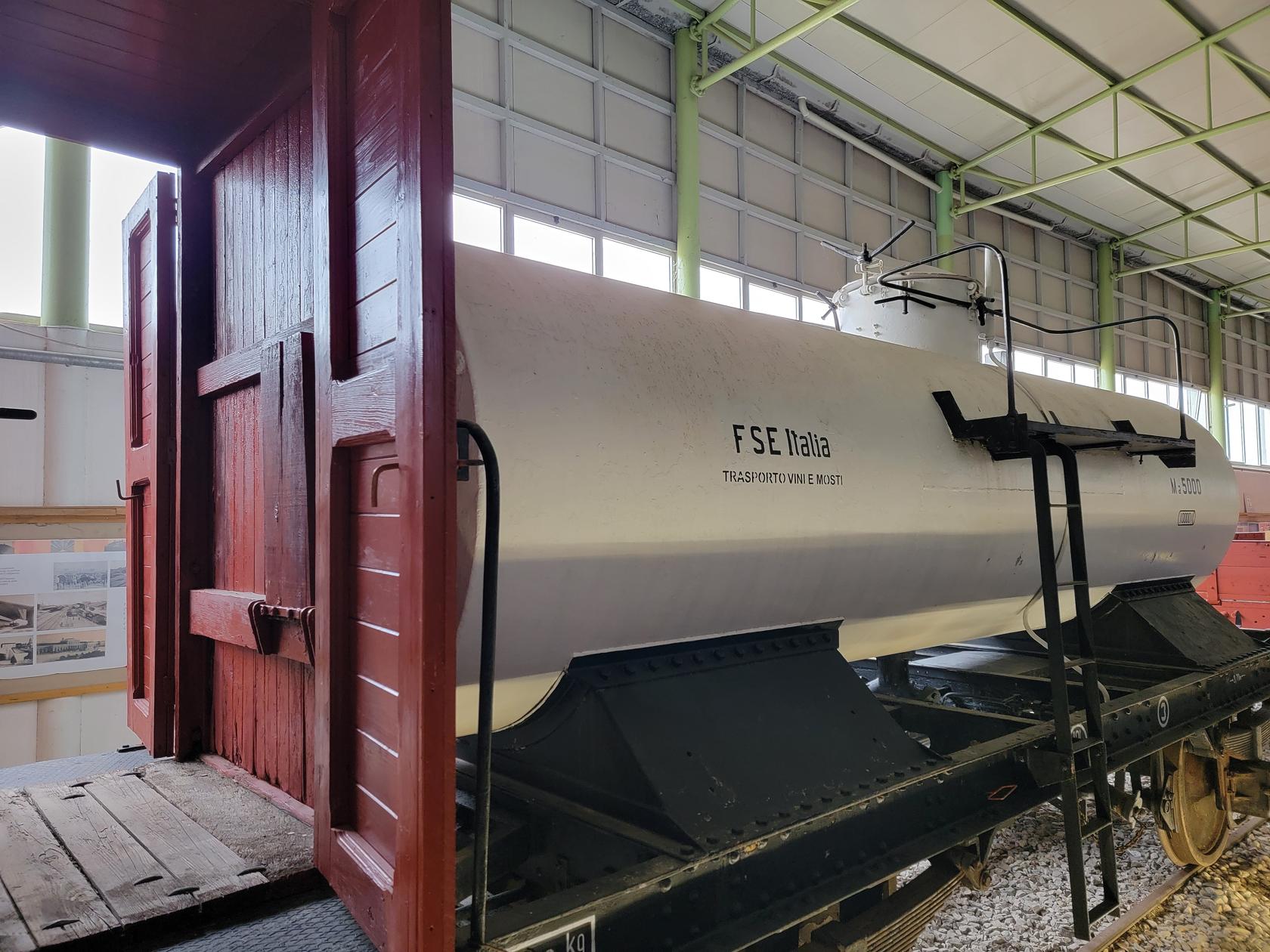
Museo Ferroviario della Puglia – Vessel for Wine, the Carri Merci Chiuso e Cisterna FSE Ma 5000 + F 1402 – Lecce, Italy
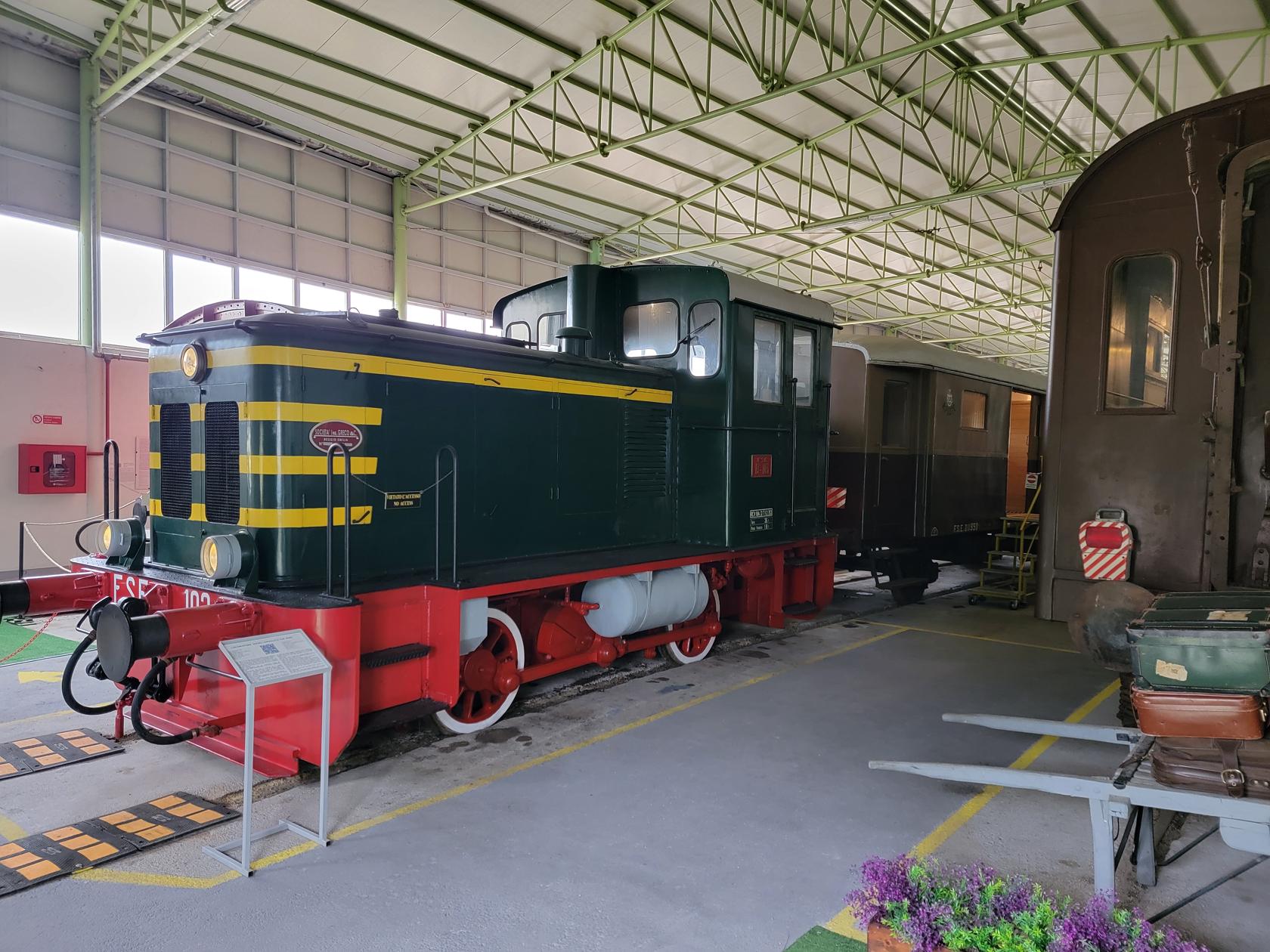
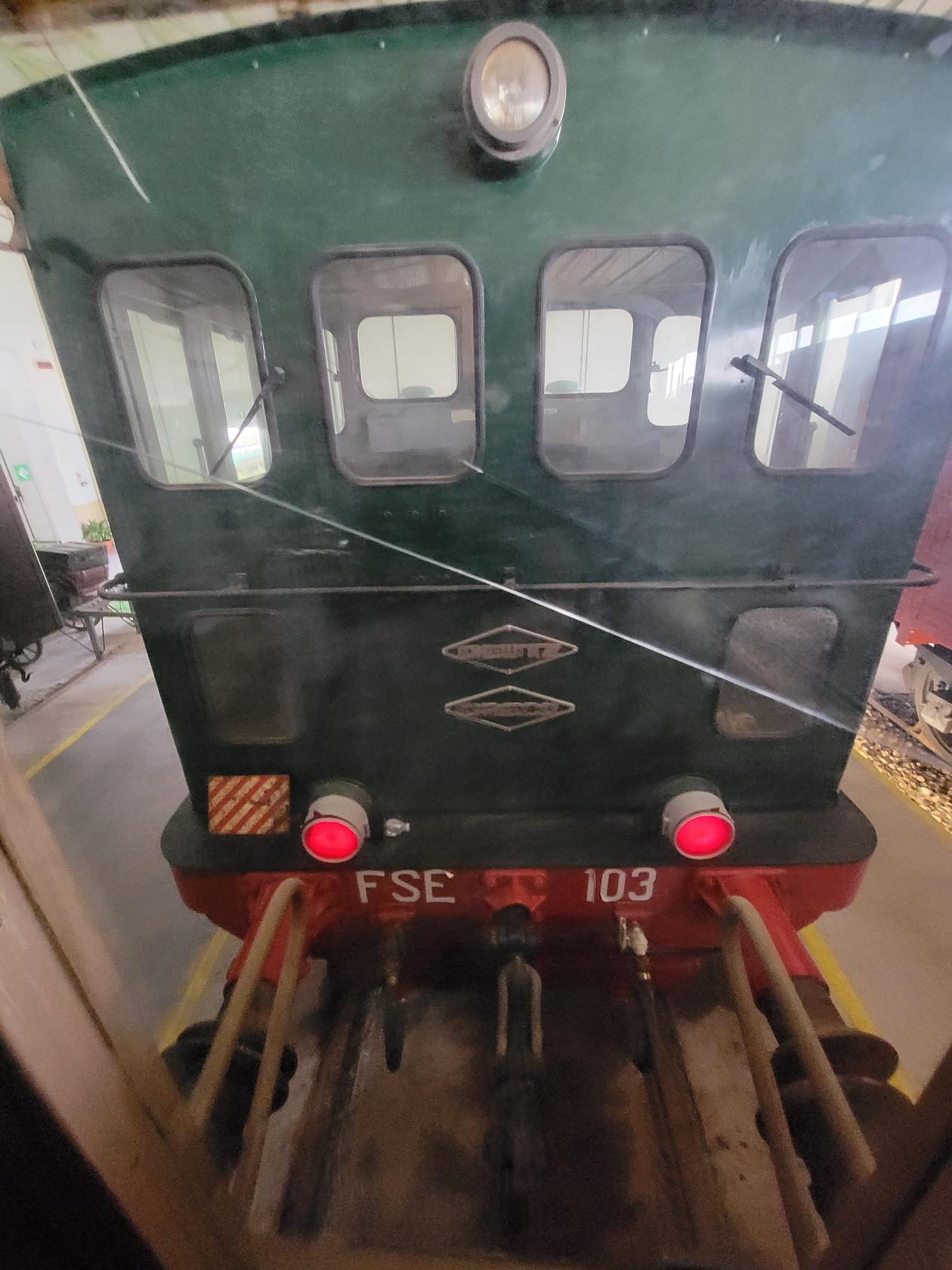
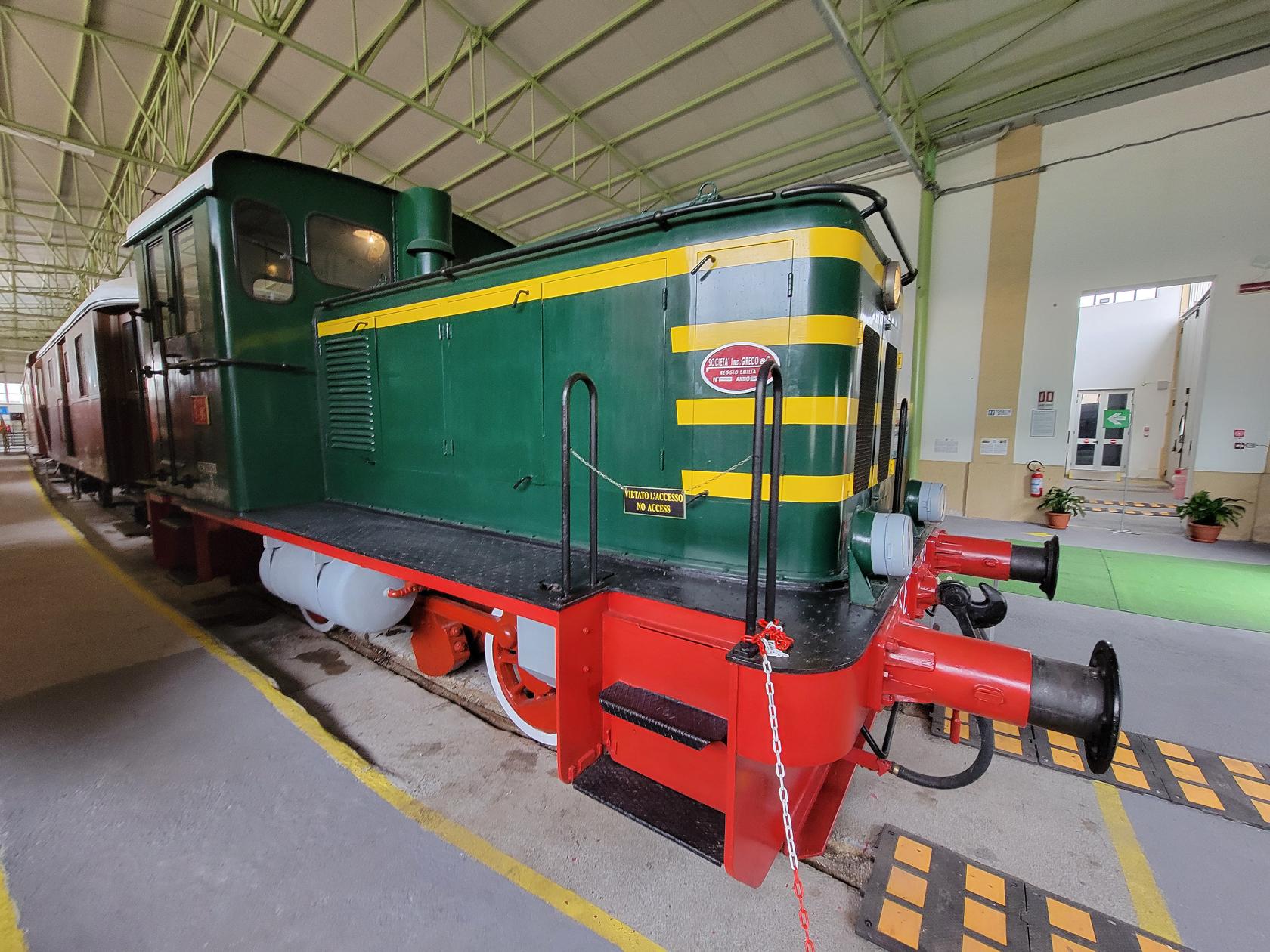
Museo Ferroviario della Puglia – Diesel Engine – Lecce, Italy
Museo Ferroviario della Puglia – Old Machine – Lecce, Italy
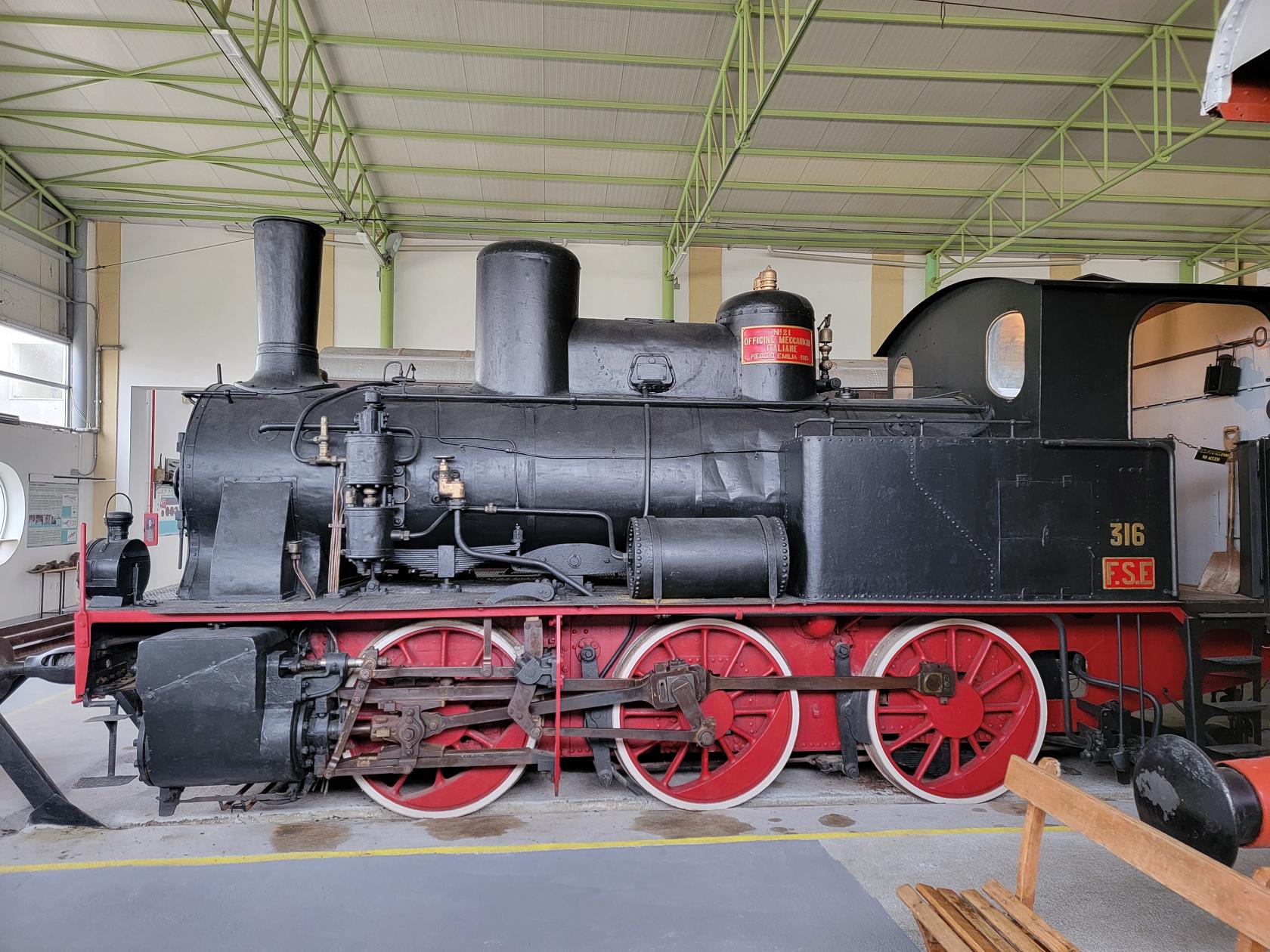
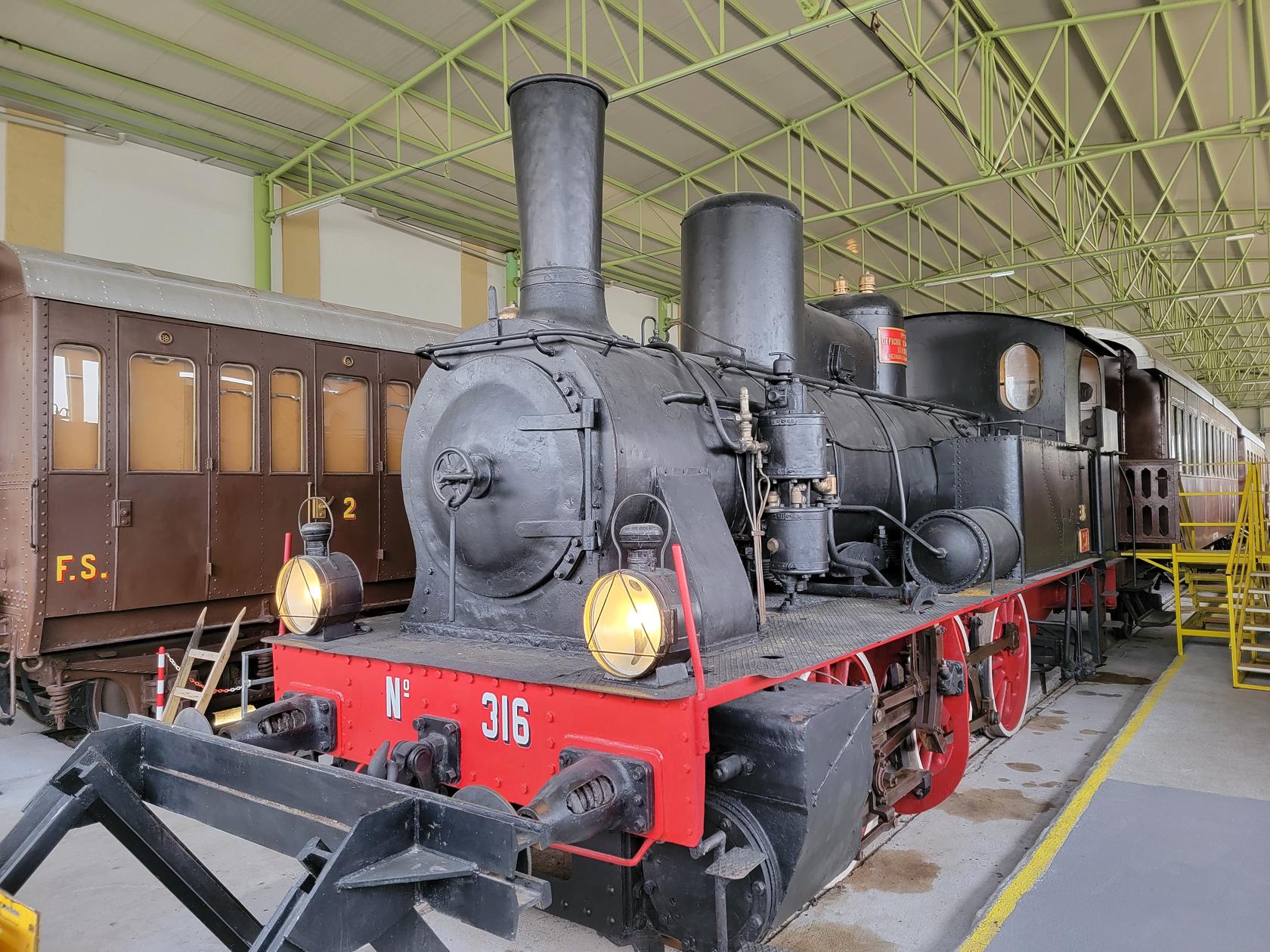
Museo Ferroviario della Puglia – Old Steam Engine, Locomotiva a Vapore FSE N. 316 – Lecce, Italy
Museo Ferroviario della Puglia – Old Steam Engine, Locomotiva a Vapore FSE N. 316 – Lecce, Italy
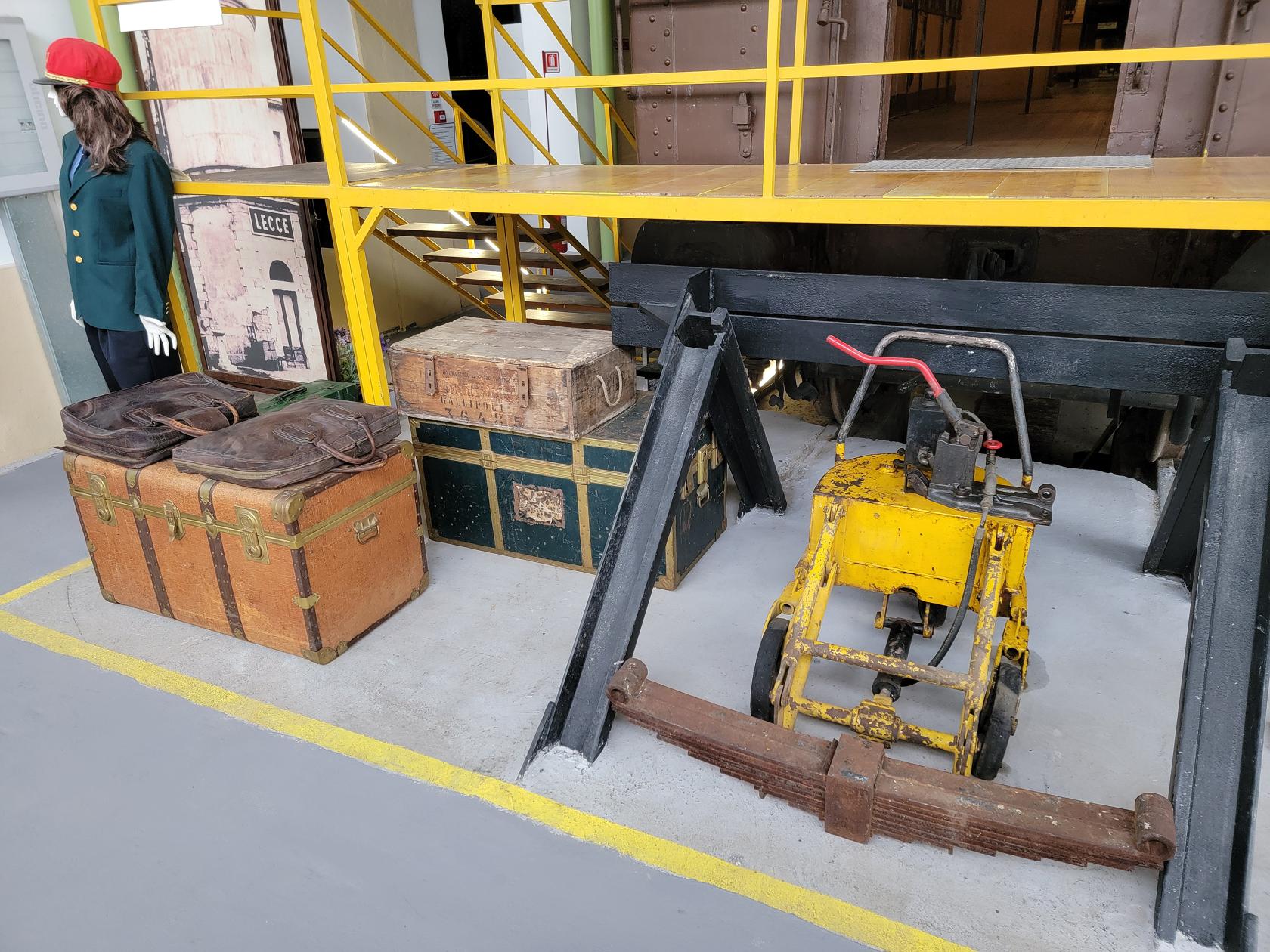
Museo Ferroviario della Puglia – Old Spring, Machine and Baggage – Lecce, Italy
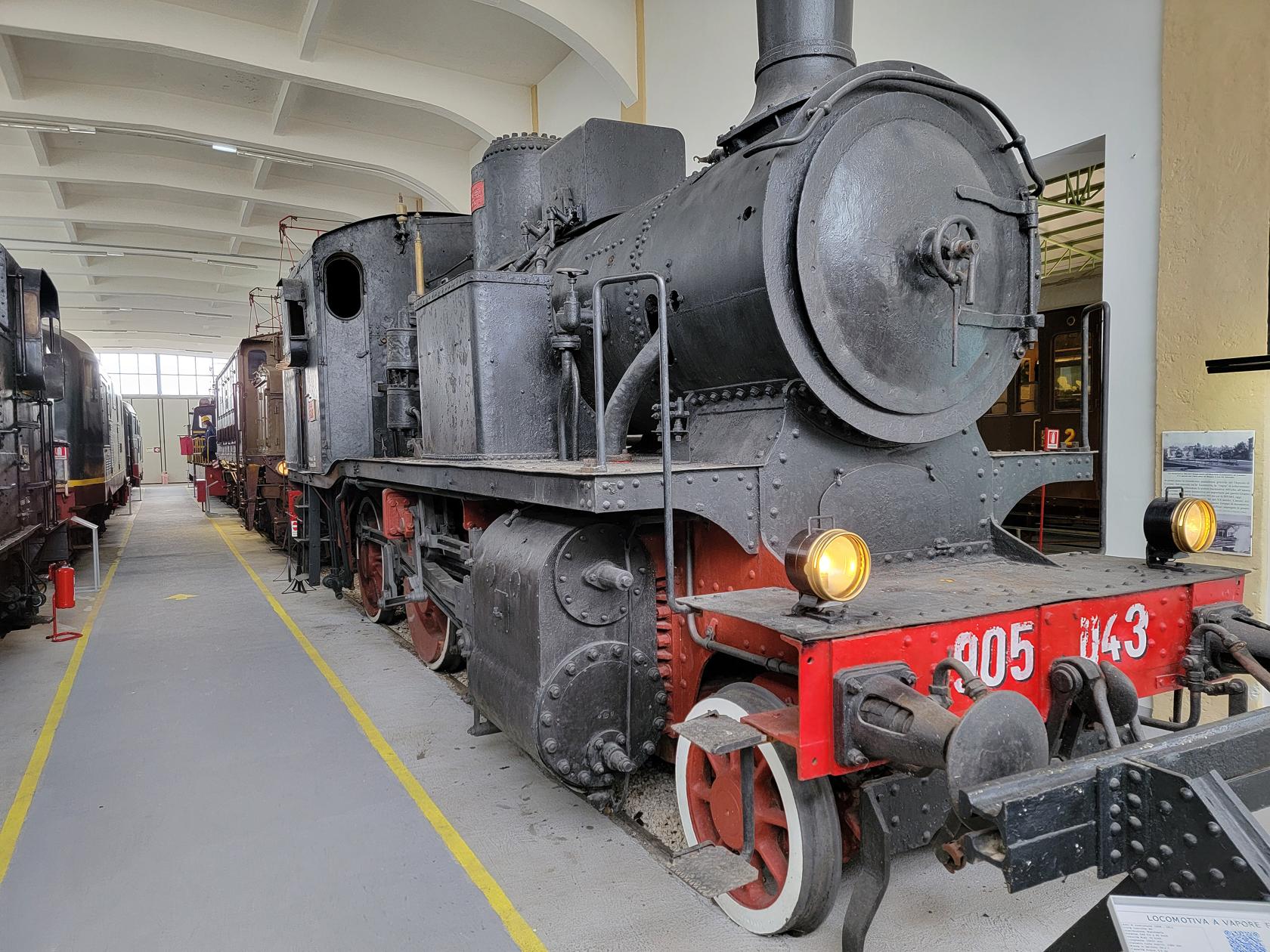
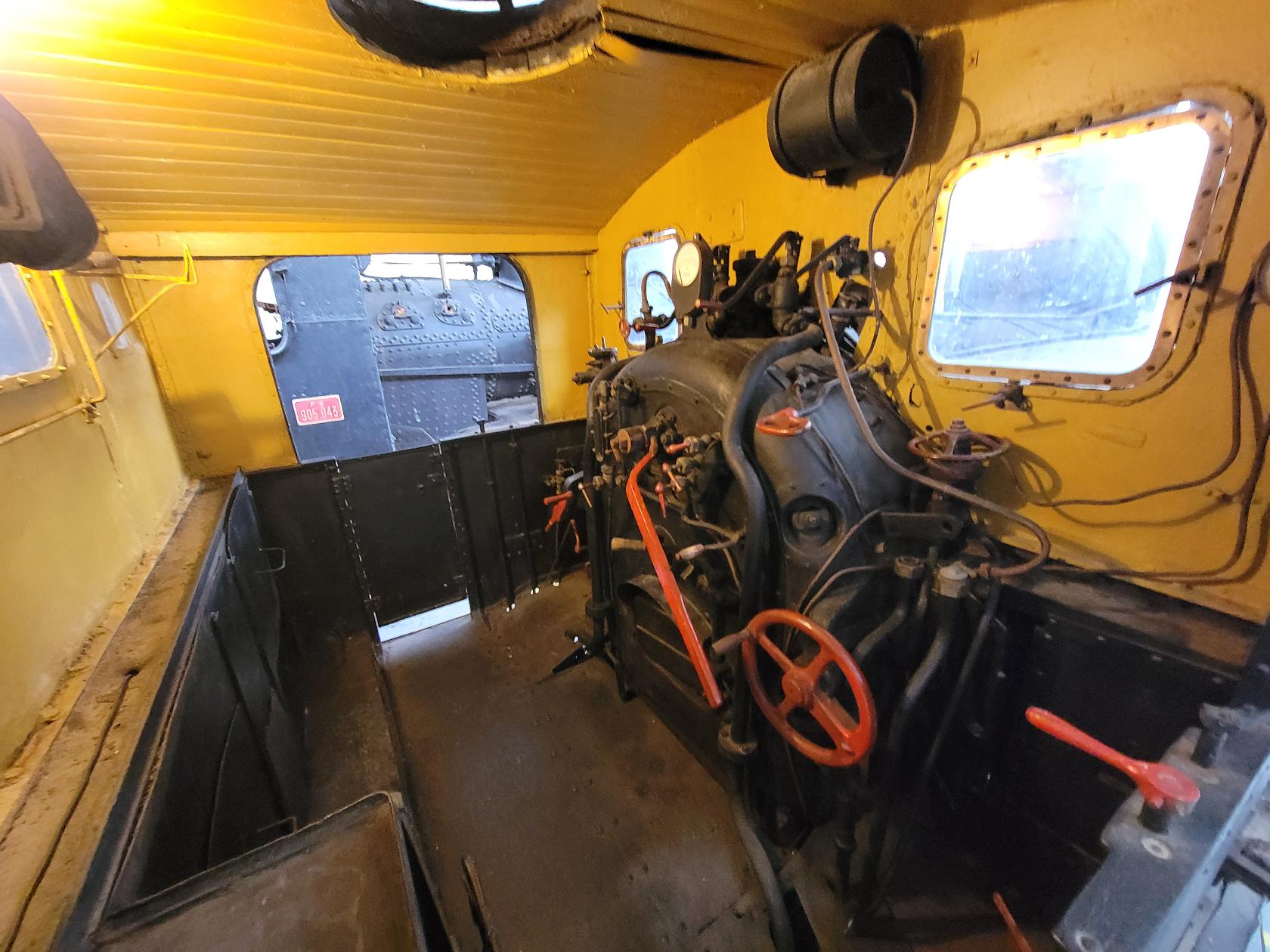
Museo Ferroviario della Puglia – Old Steam Engine, Locomotiva a Vapore FS Gr.905.043 – Lecce, Italy
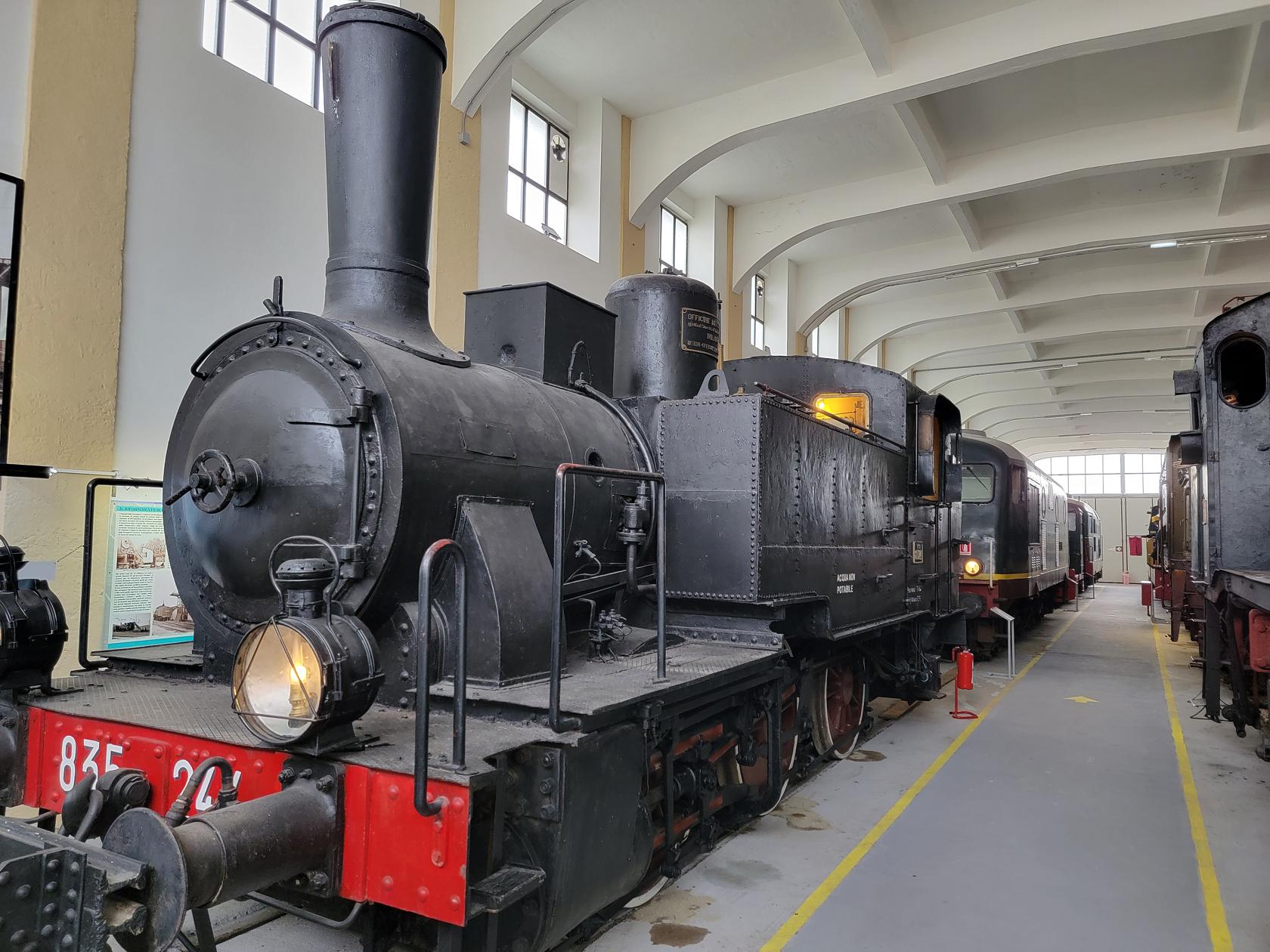
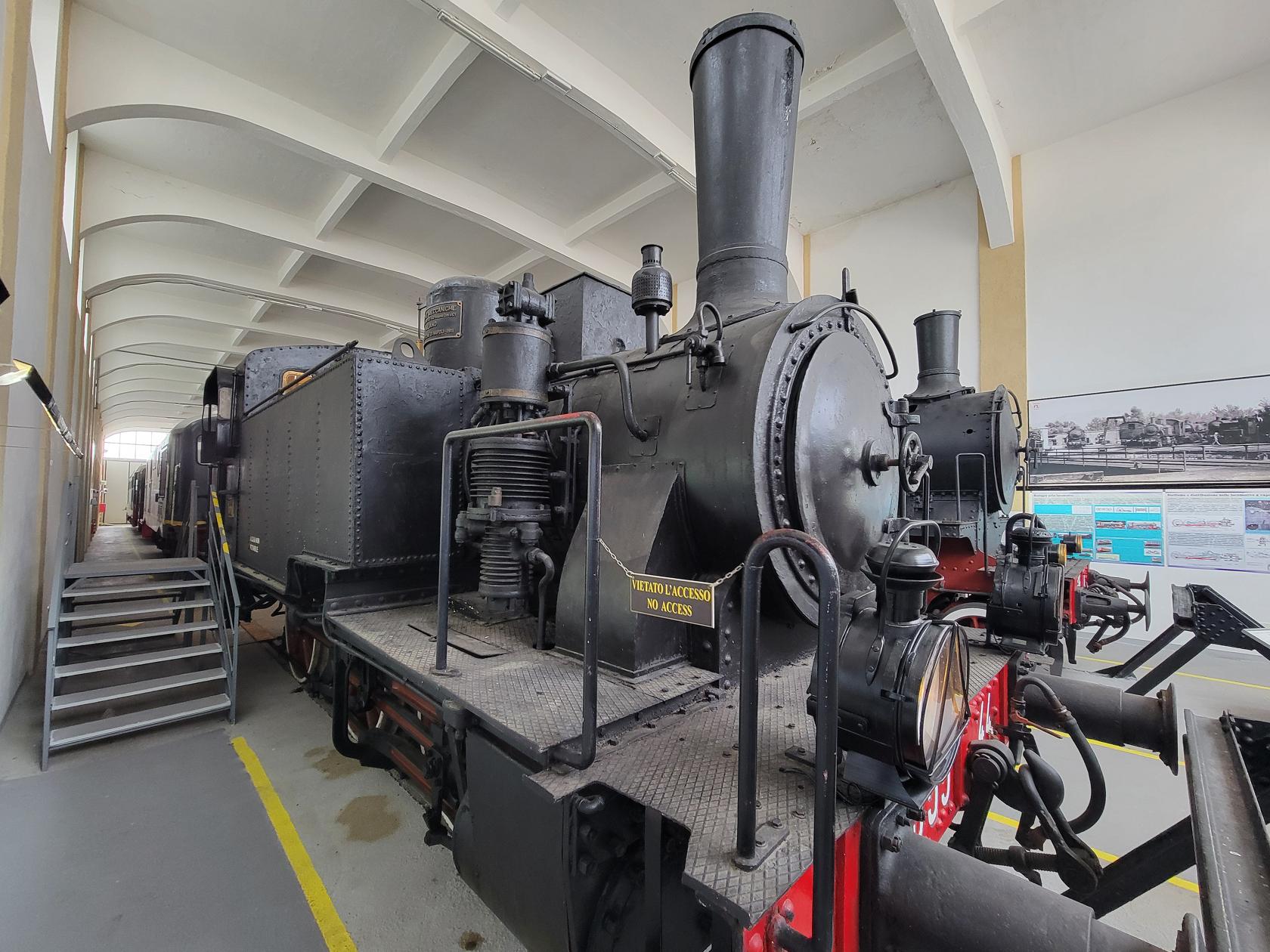
Museo Ferroviario della Puglia – Old Steam Engine, Locomotiva a Vapore FS Gr.835.244 – Lecce, Italy
Museo Ferroviario della Puglia – Old Steam Engine, Locomotiva a Vapore FS Gr.835.244 Boiler – Lecce, Italy
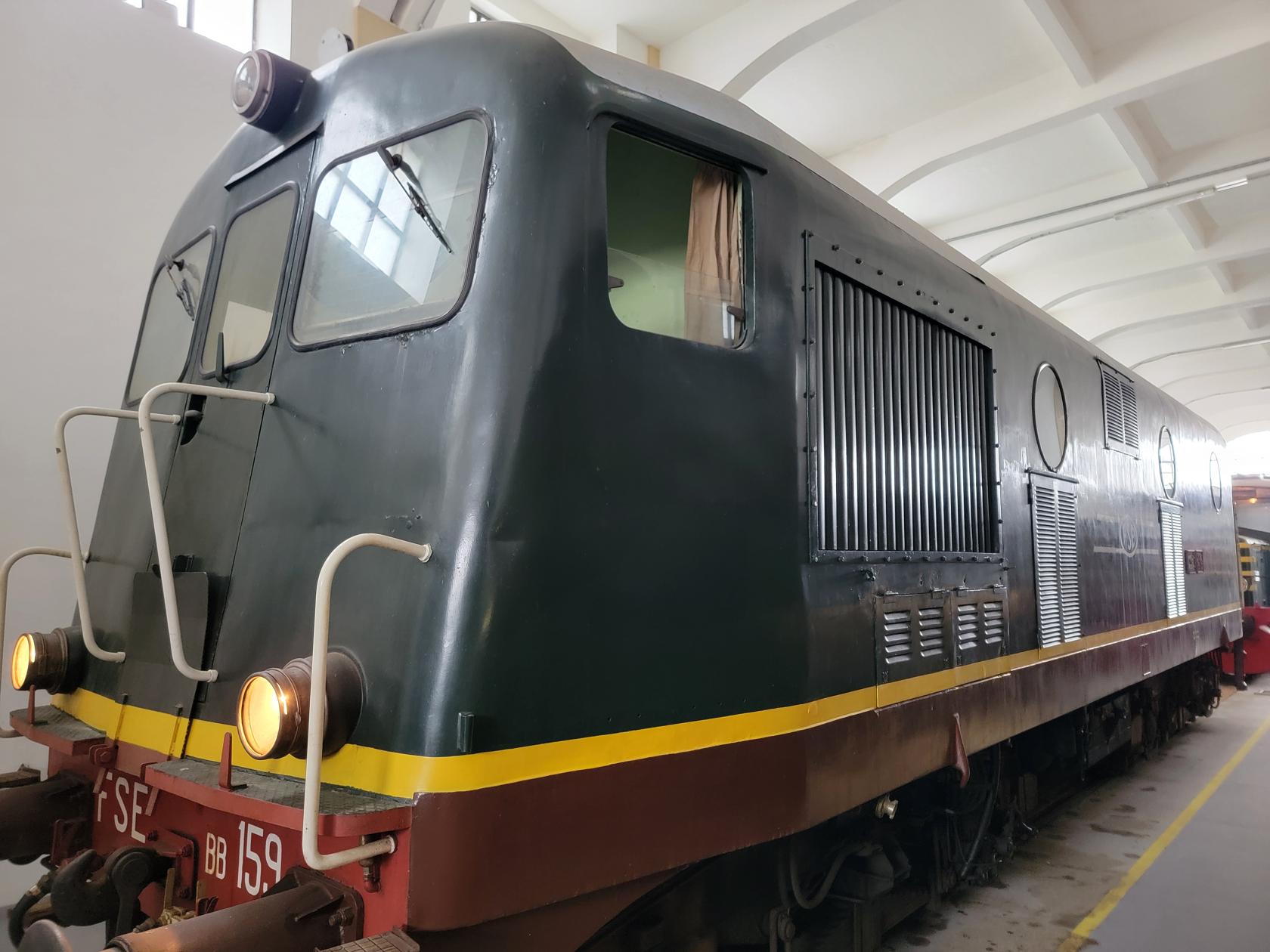
Museo Ferroviario della Puglia – Old Electric Engine, Locomotore Diesel-Elettrico FSE BB 159 – Lecce, Italy
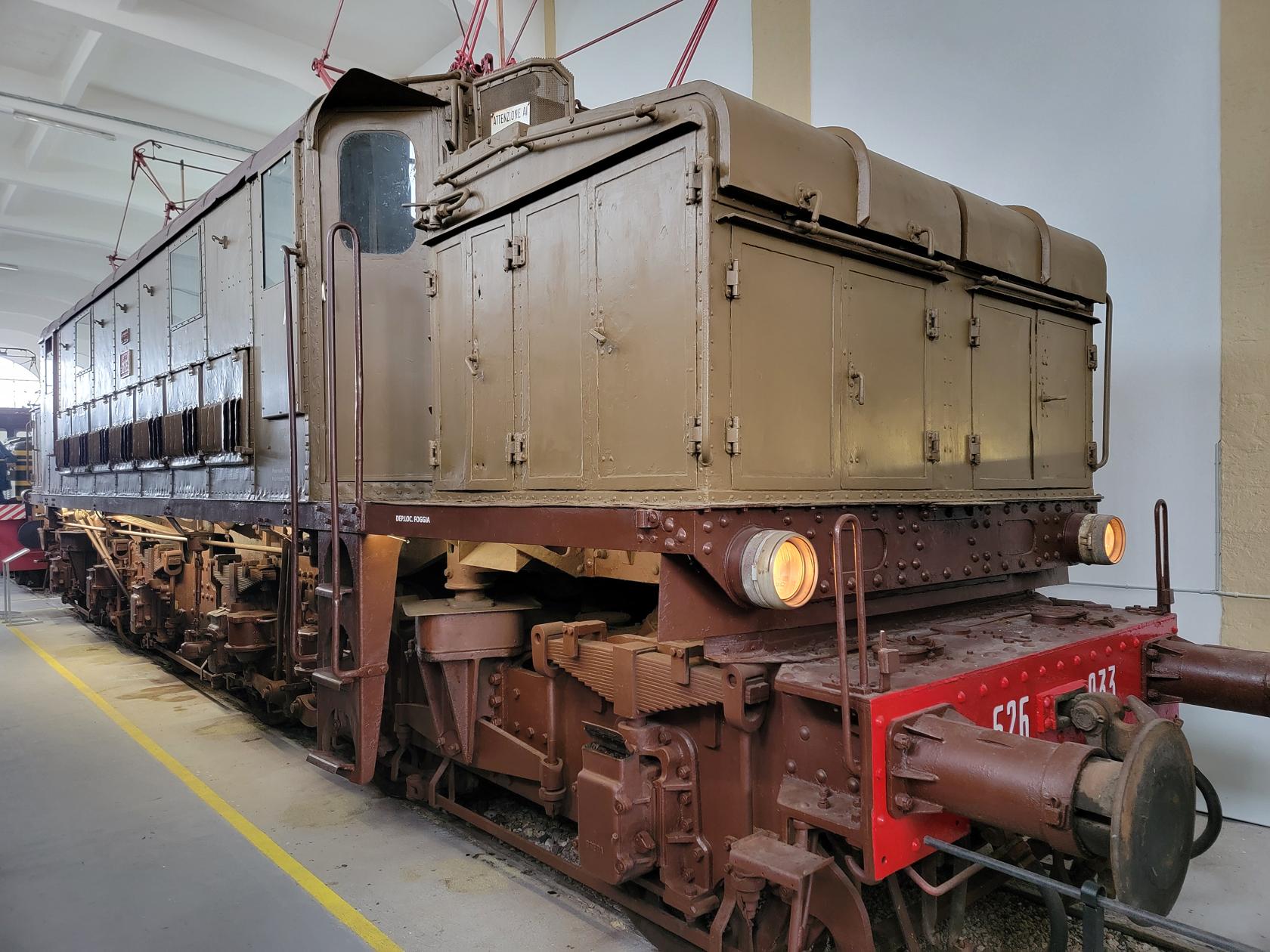
Museo Ferroviario della Puglia – Old Electric Engine, Locomotore Diesel-Elettrico FS E626.033 – Lecce, Italy
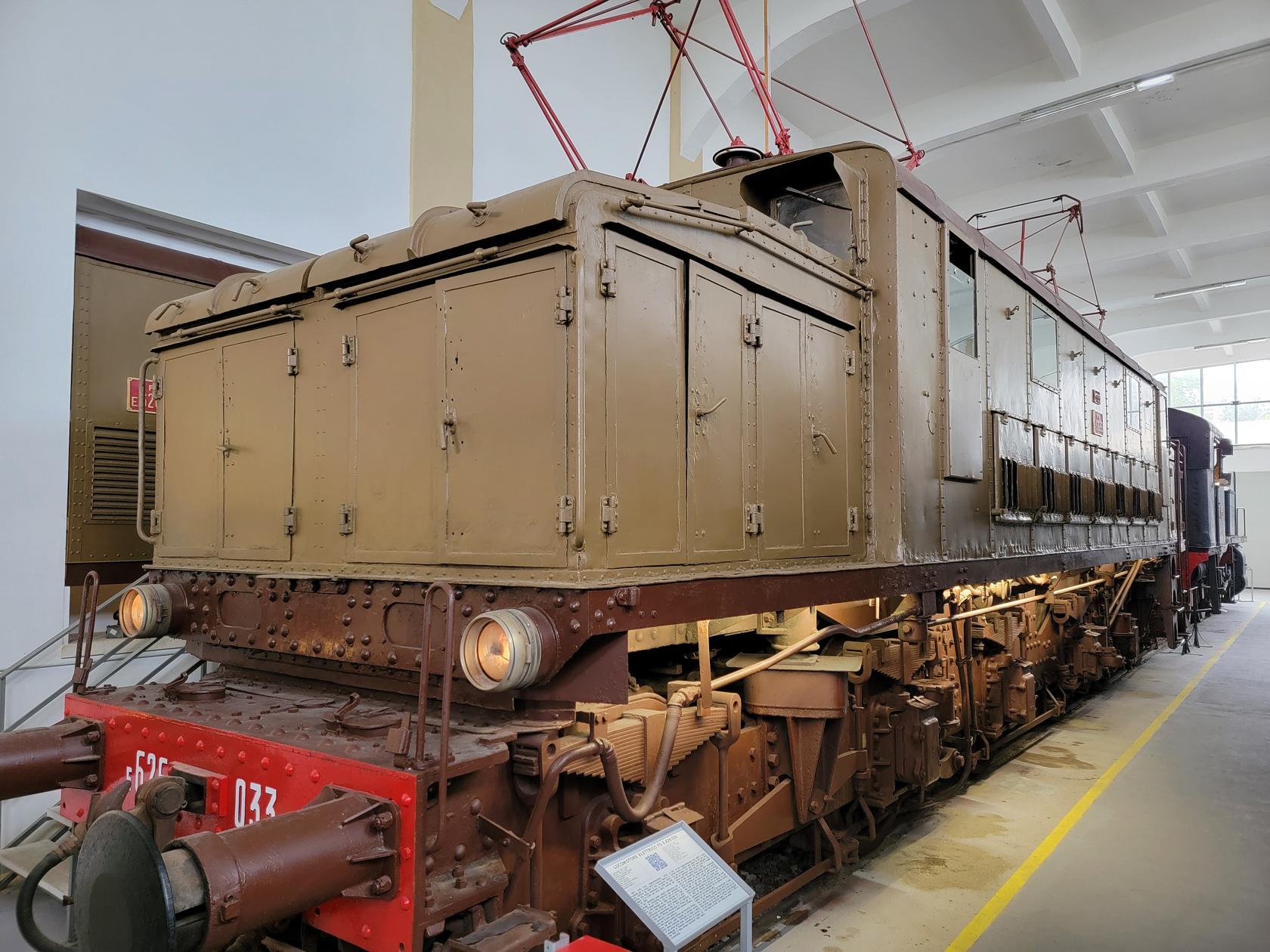
Museo Ferroviario della Puglia – Old Electric Engine, Locomotore Diesel-Elettrico FS E626.033 – Lecce, Italy
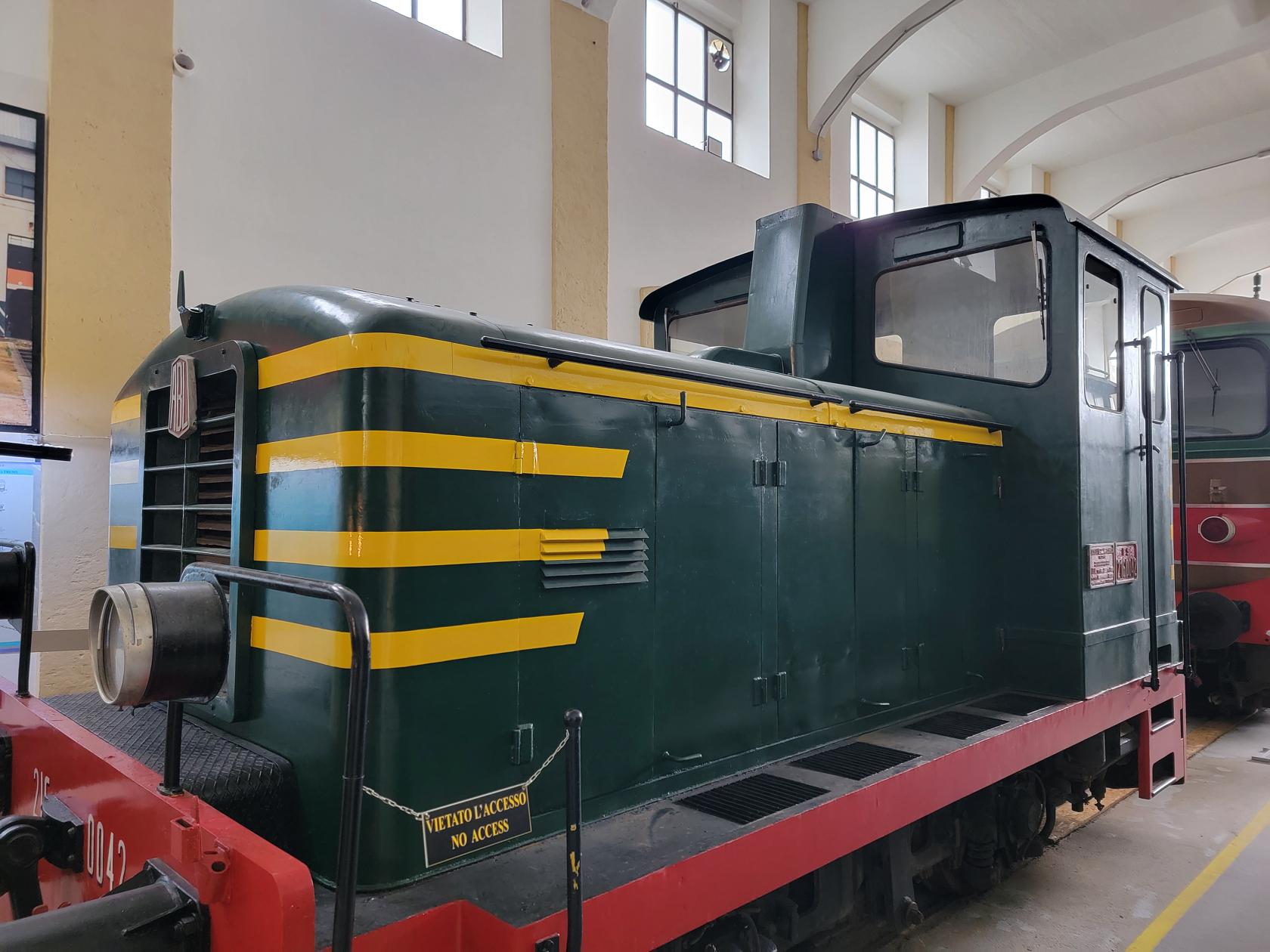
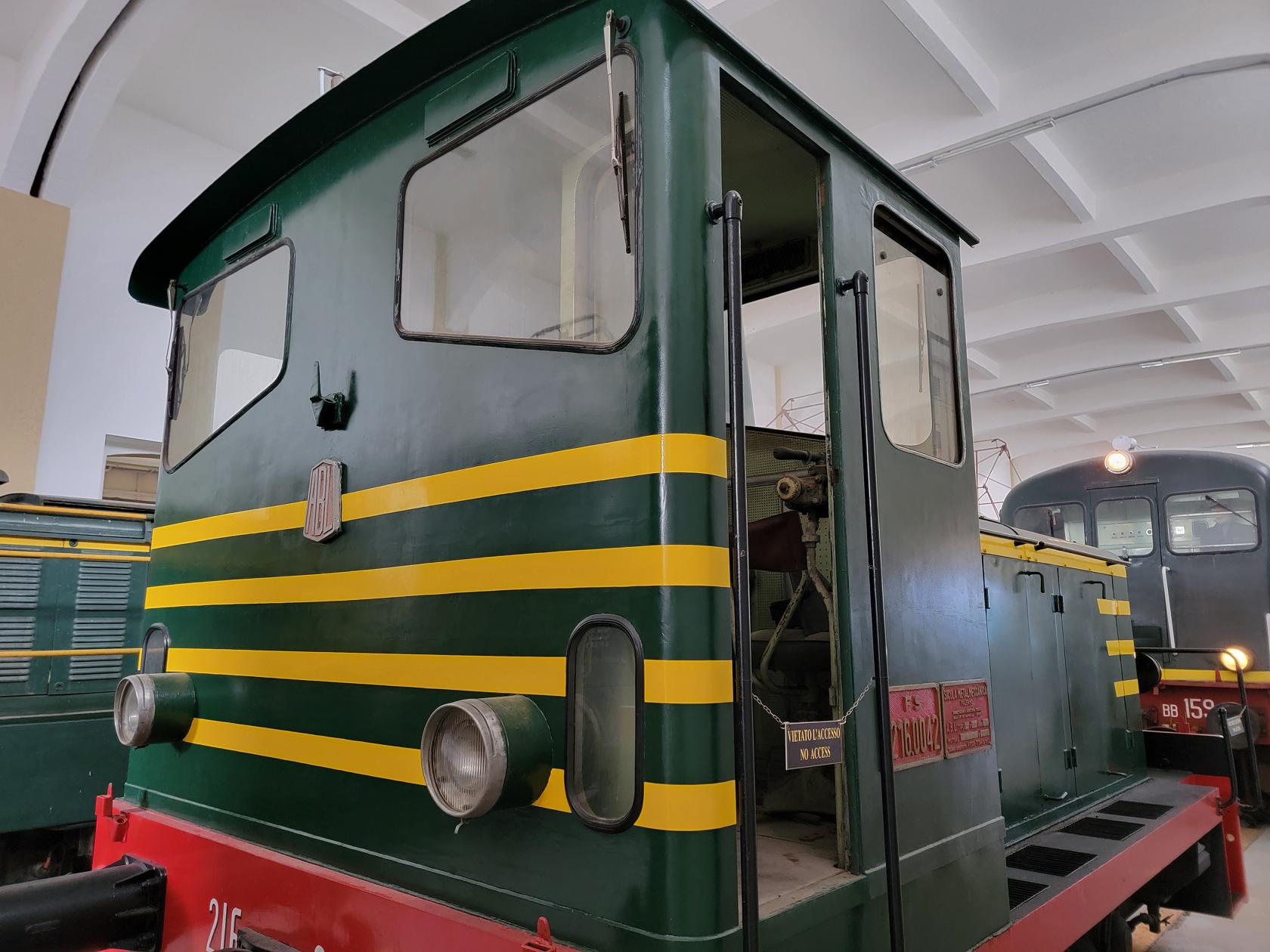
Museo Ferroviario della Puglia – Old Engine, Automotore FS 216.0042 – Lecce, Italy
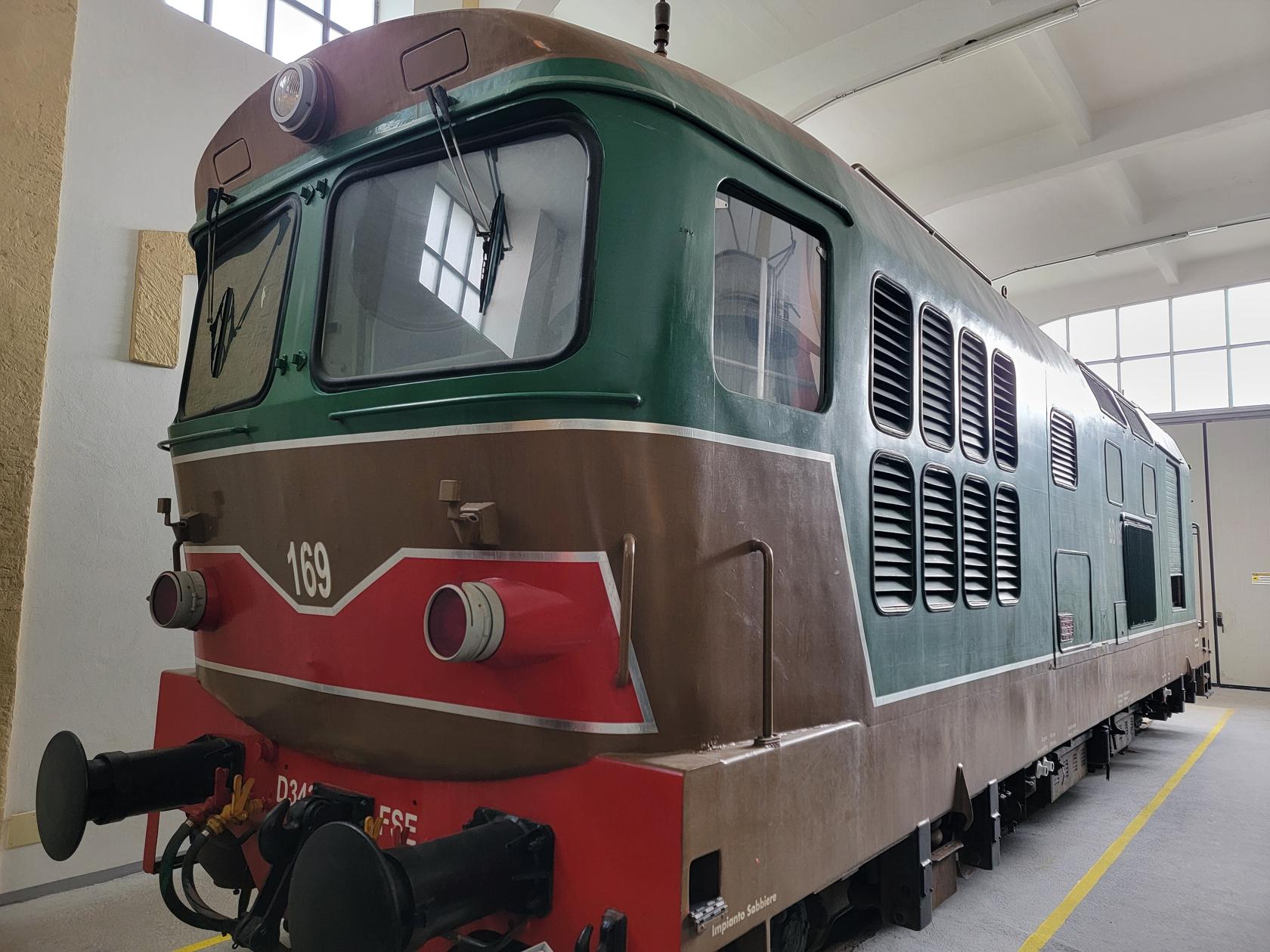
Museo Ferroviario della Puglia – Old Engine, Locomotore Diesel-Ellettrico FSE BB 169 – Lecce, Italy
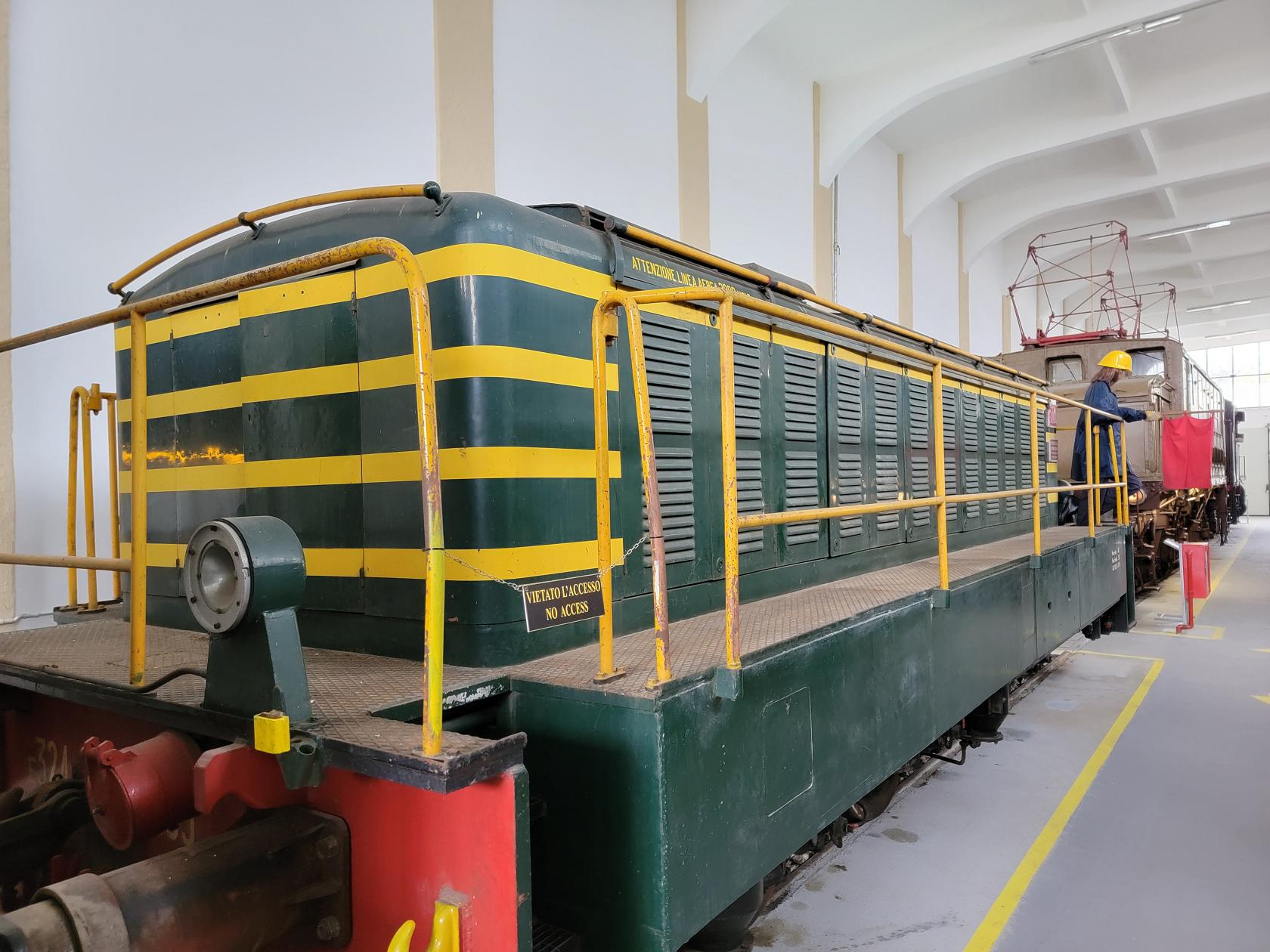
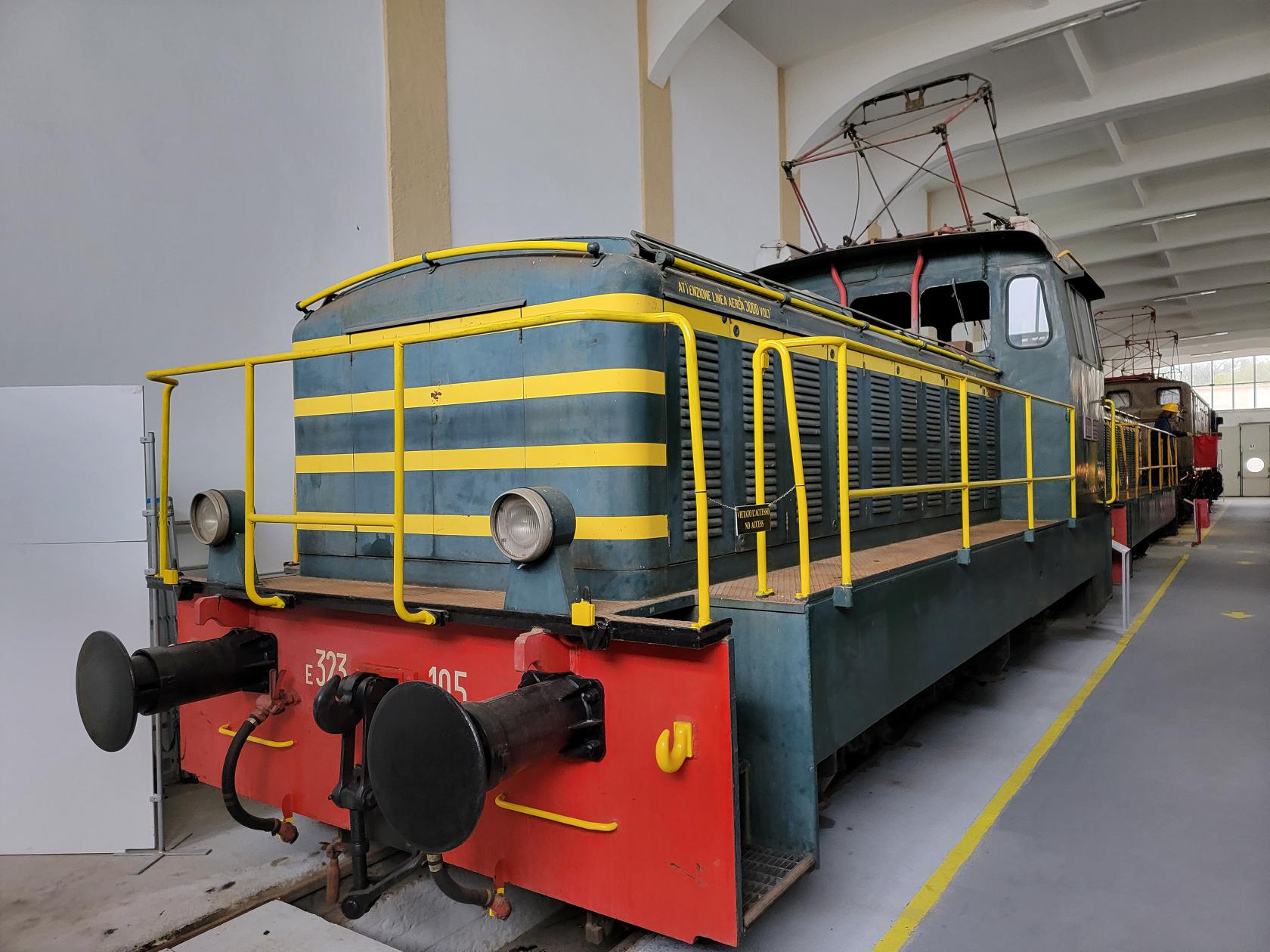
Museo Ferroviario della Puglia – Old Engine, Locomotori Ellettrici FS E.323.105 + E.324.105 – Lecce, Italy
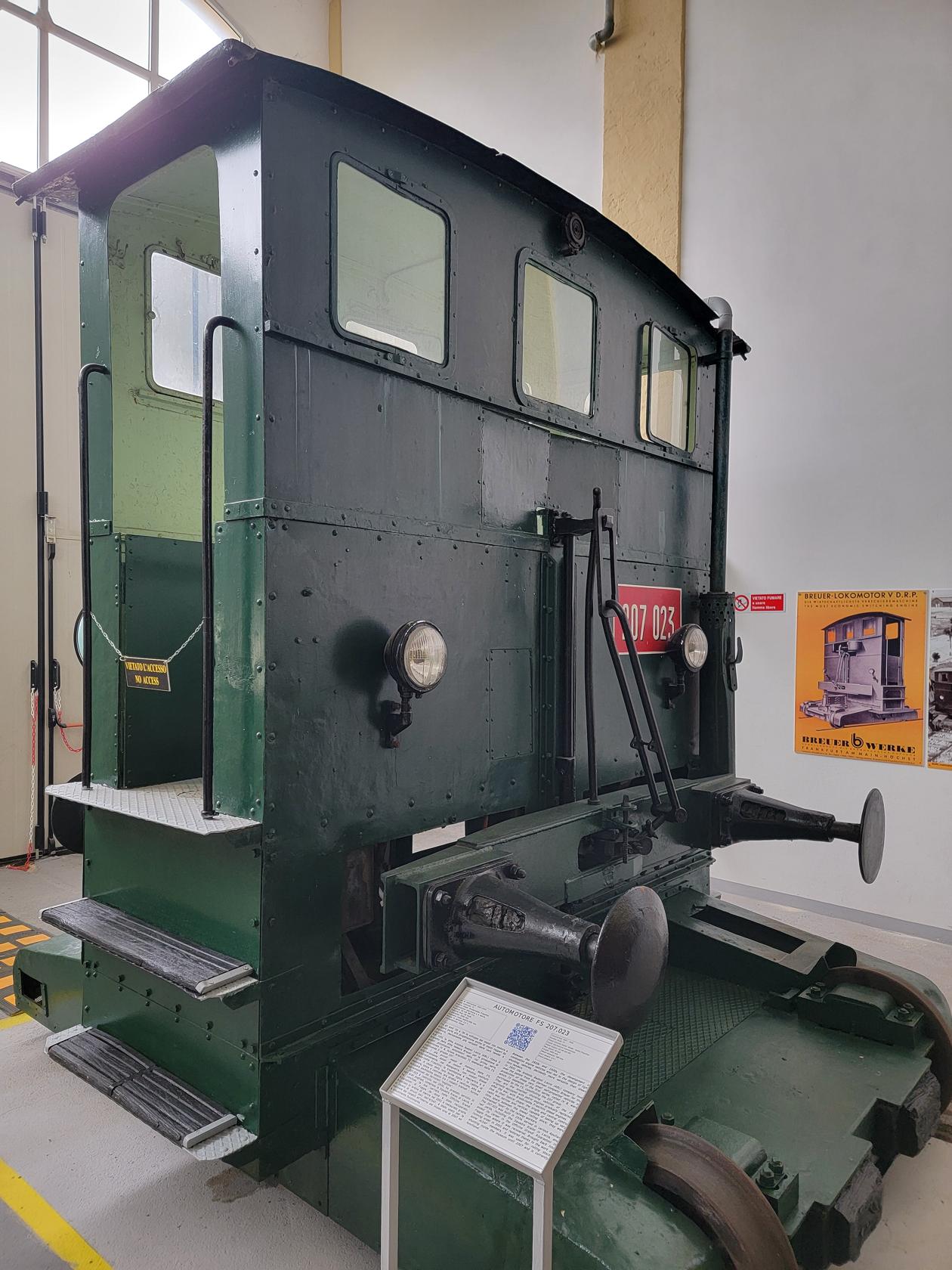
Museo Ferroviario della Puglia – Old Engine, Automotore FS 207.023 – Lecce, Italy
Museo Ferroviario della Puglia – Old Freight Yard Engine – Lecce, Italy
Museo Ferroviario della Puglia – Old Steam Engine, Locomotiva a Vapore FS Gr.835.244 Boiler and Controls – Lecce, Italy
Museo Ferroviario della Puglia – Old Engine, Automotore FS 207.023 – Lecce, Italy
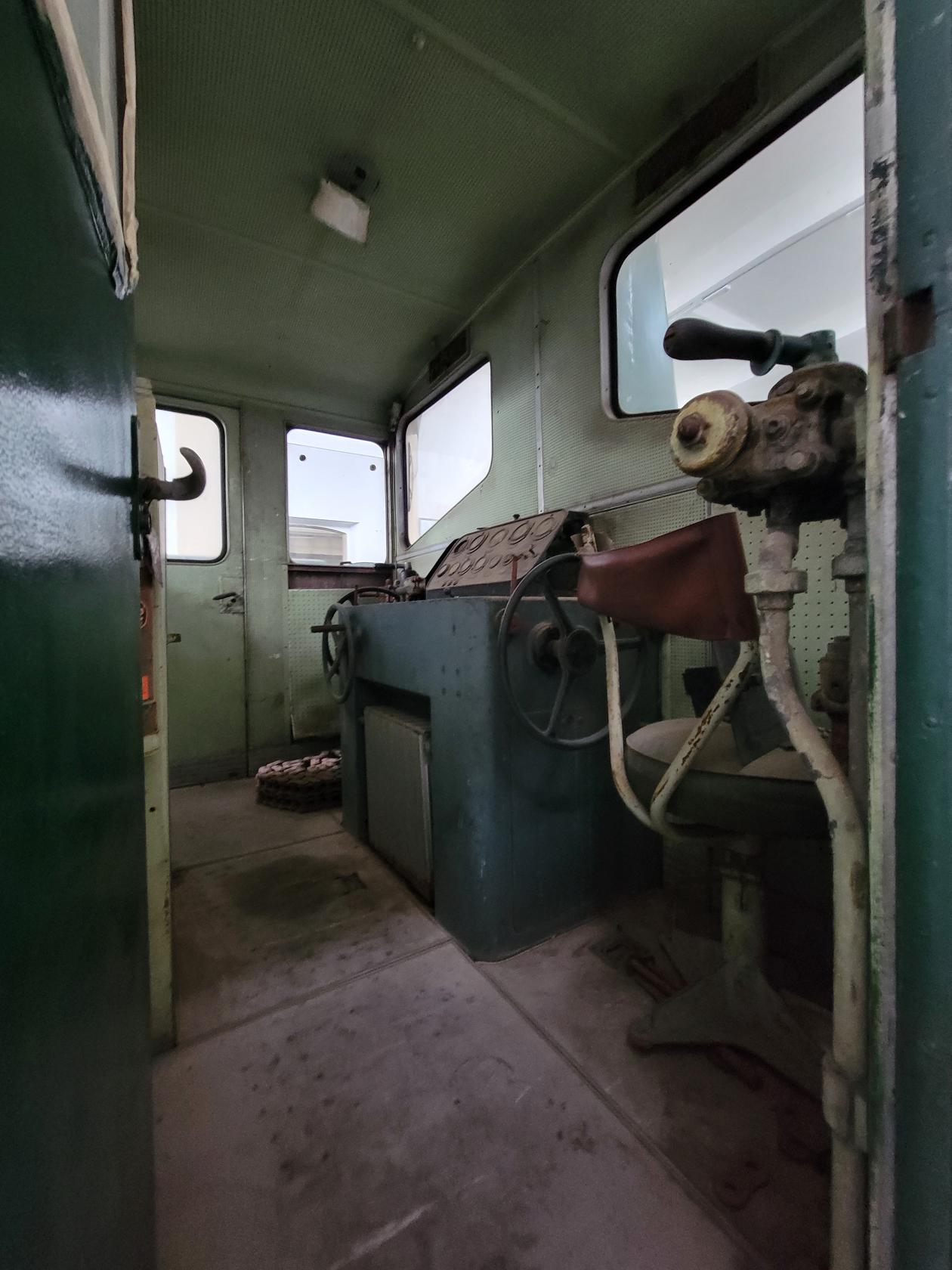
Museo Ferroviario della Puglia – Old Engine, Automotore FS 207.023 Controls – Lecce, Italy
Museo Ferroviario della Puglia – Old Steam Engine, Locomotiva a Vapore FS Gr.835.244 – Lecce, Italy
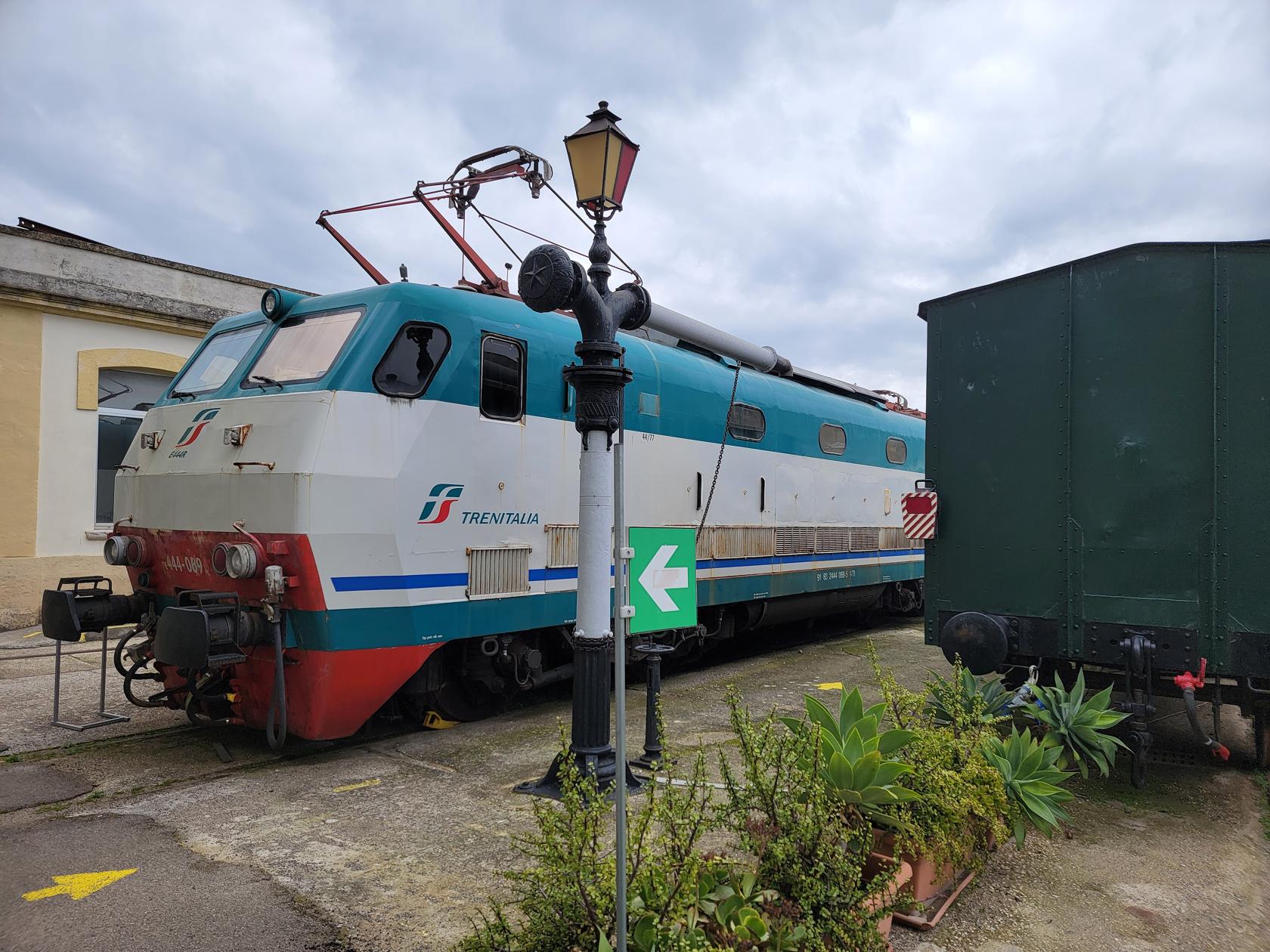
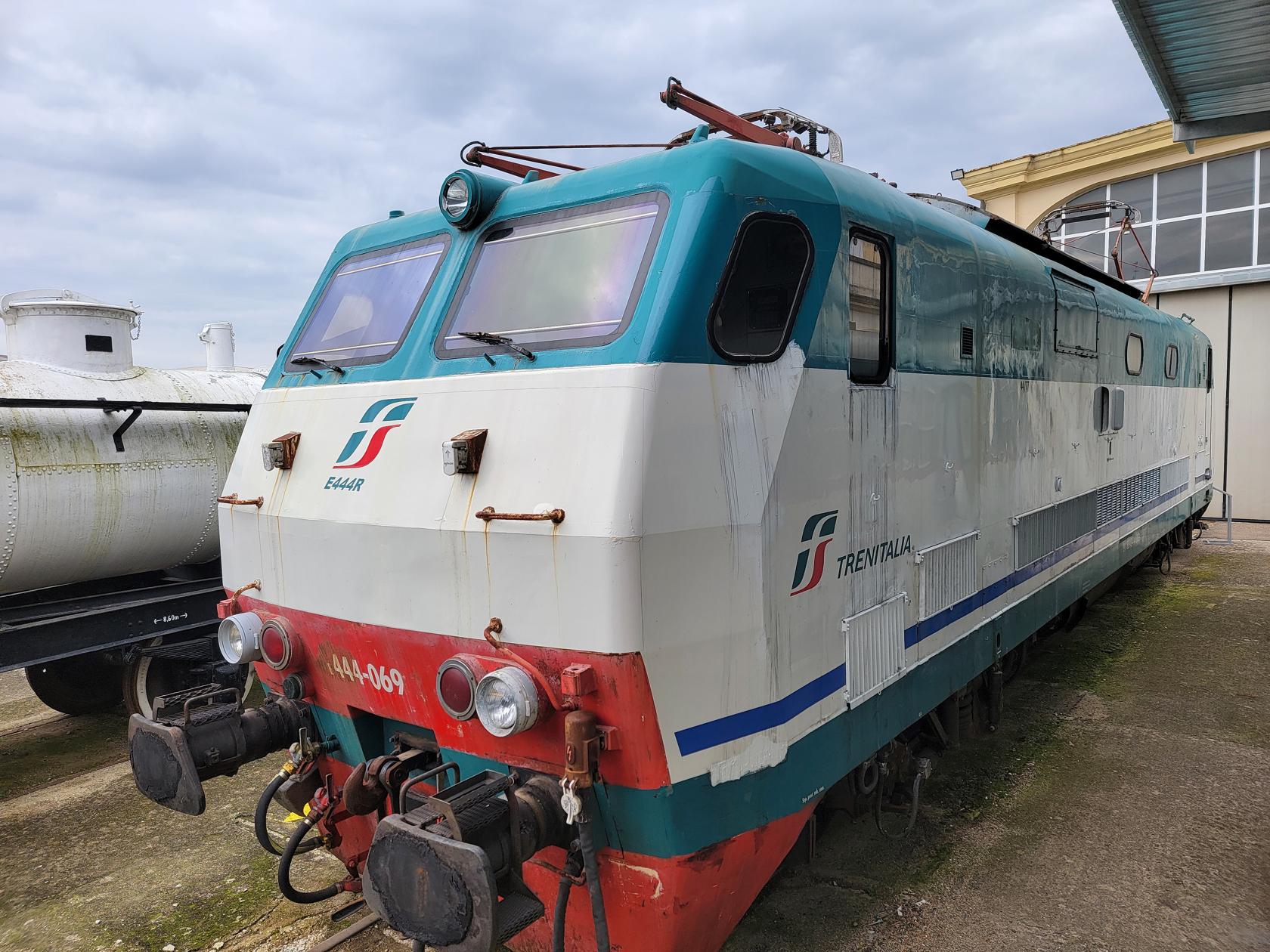
Museo Ferroviario della Puglia – Locomotore Elettrico FS E 444.069 – Lecce, Italy
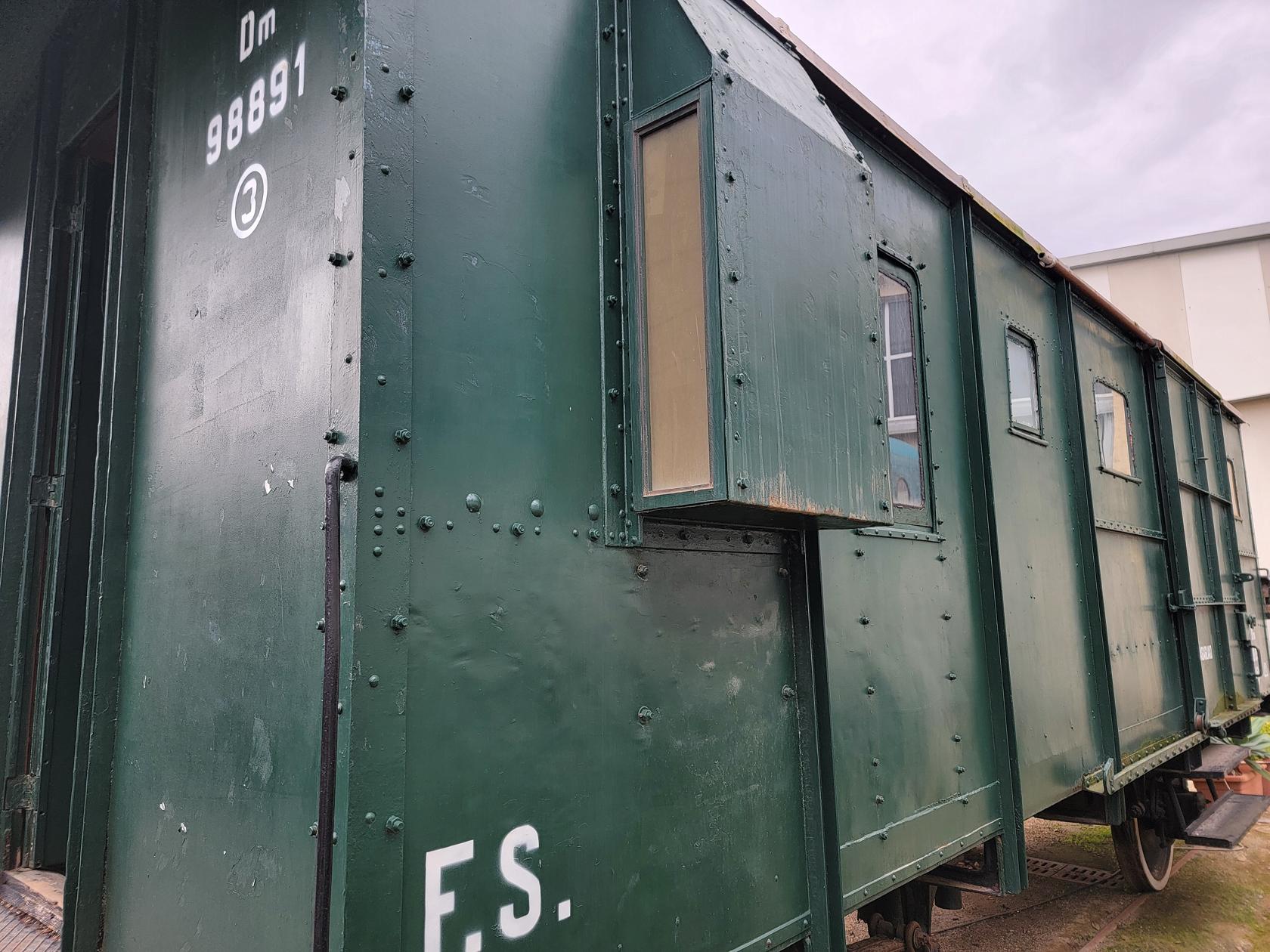
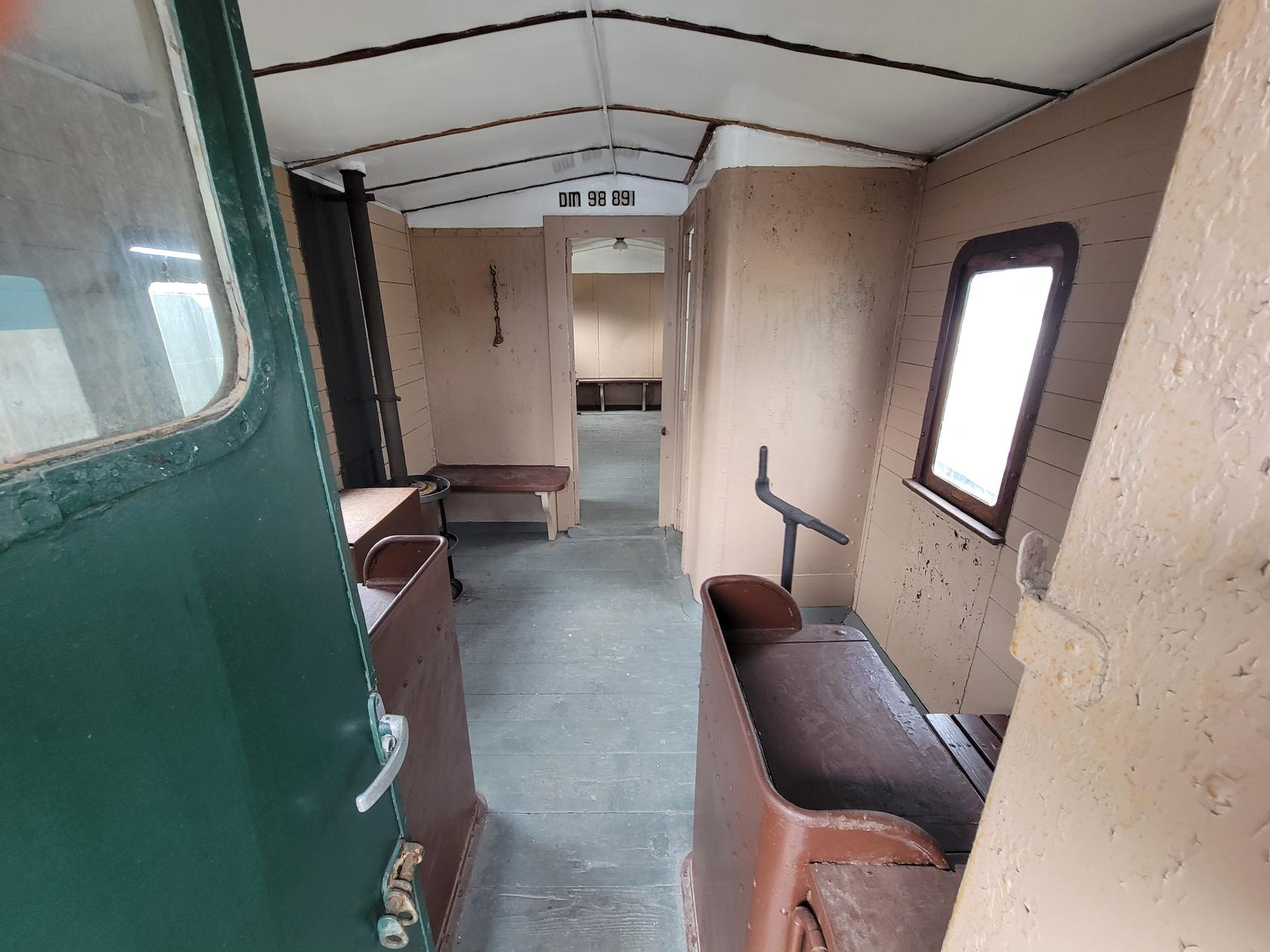
Museo Ferroviario della Puglia – Il “Treno dell’Acqua” FS Dm 98.891 + M 950150 + M 550842 – Lecce, Italy
Museo Ferroviario della Puglia – Il “Treno dell’Acqua” FS Dm 98.891 + M 950150 + M 550842 – Lecce, Italy
Museo Ferroviario della Puglia – Il “Treno dell’Acqua” FS Dm 98.891 + M 950150 + M 550842 – Lecce, Italy
Museo Ferroviario della Puglia – Il “Treno dell’Acqua” FS Dm 98.891 + M 950150 + M 550842 – Lecce, Italy
Museo Ferroviario della Puglia – Carrozze Passeggeri FSE ABz 758 + Bz 614 – Lecce, Italy
Museo Ferroviario della Puglia – Carrozze Passeggeri FSE ABz 758 + Bz 614 – Lecce, Italy
Museo Ferroviario della Puglia – Carrozze Passeggeri FSE ABz 758 + Bz 614 – Lecce, Italy
Museo Ferroviario della Puglia – Carrozze Cellulare FS Kz 48.622 – Lecce, Italy
Museo Ferroviario della Puglia – Carrozze Passeggeri FSE ABz 758 + Bz 614 – Lecce, Italy
Museo Ferroviario della Puglia – Carrozze Cellulare FS Kz 48.622 – Lecce, Italy
Dioramas and other Models
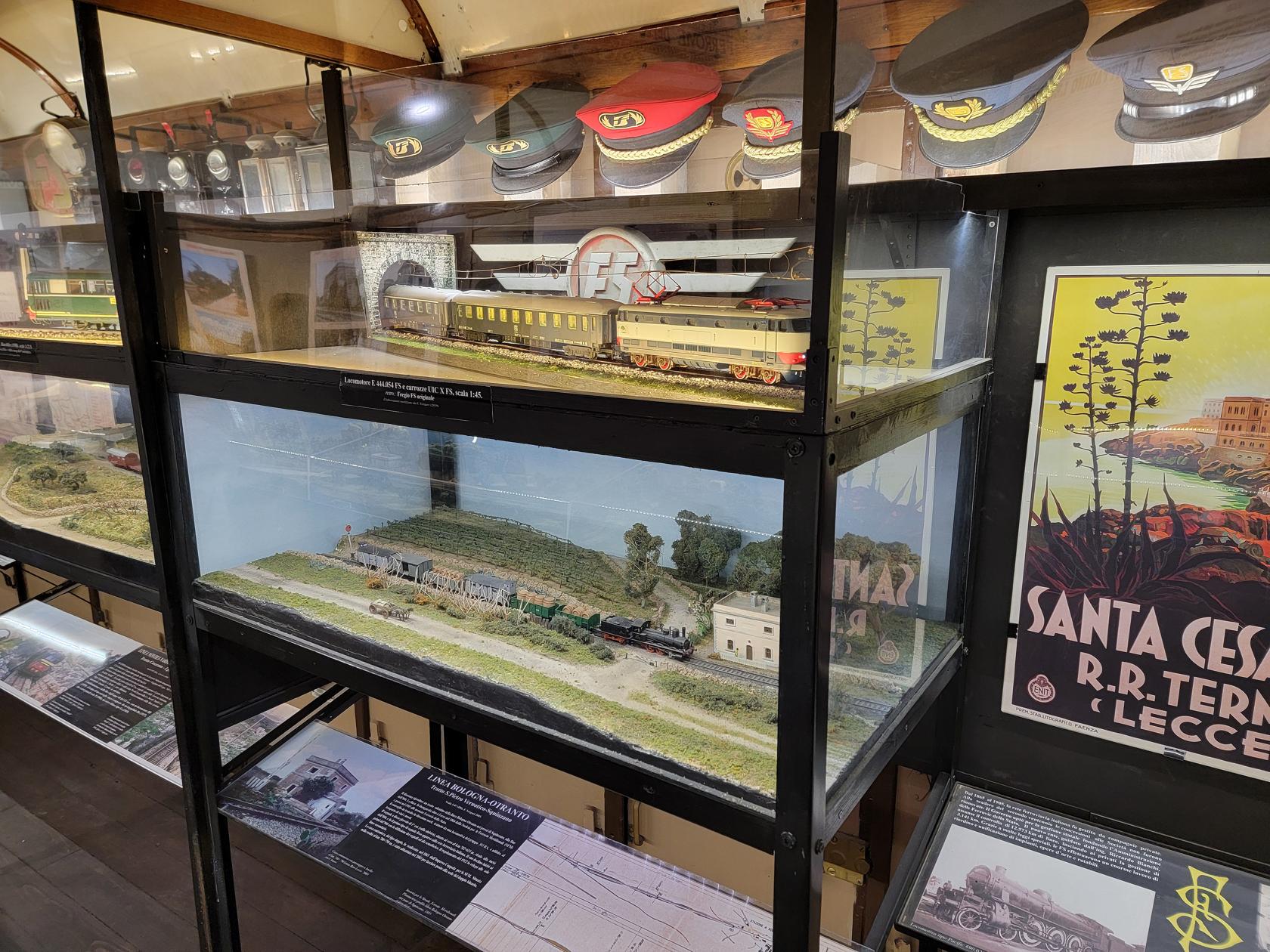
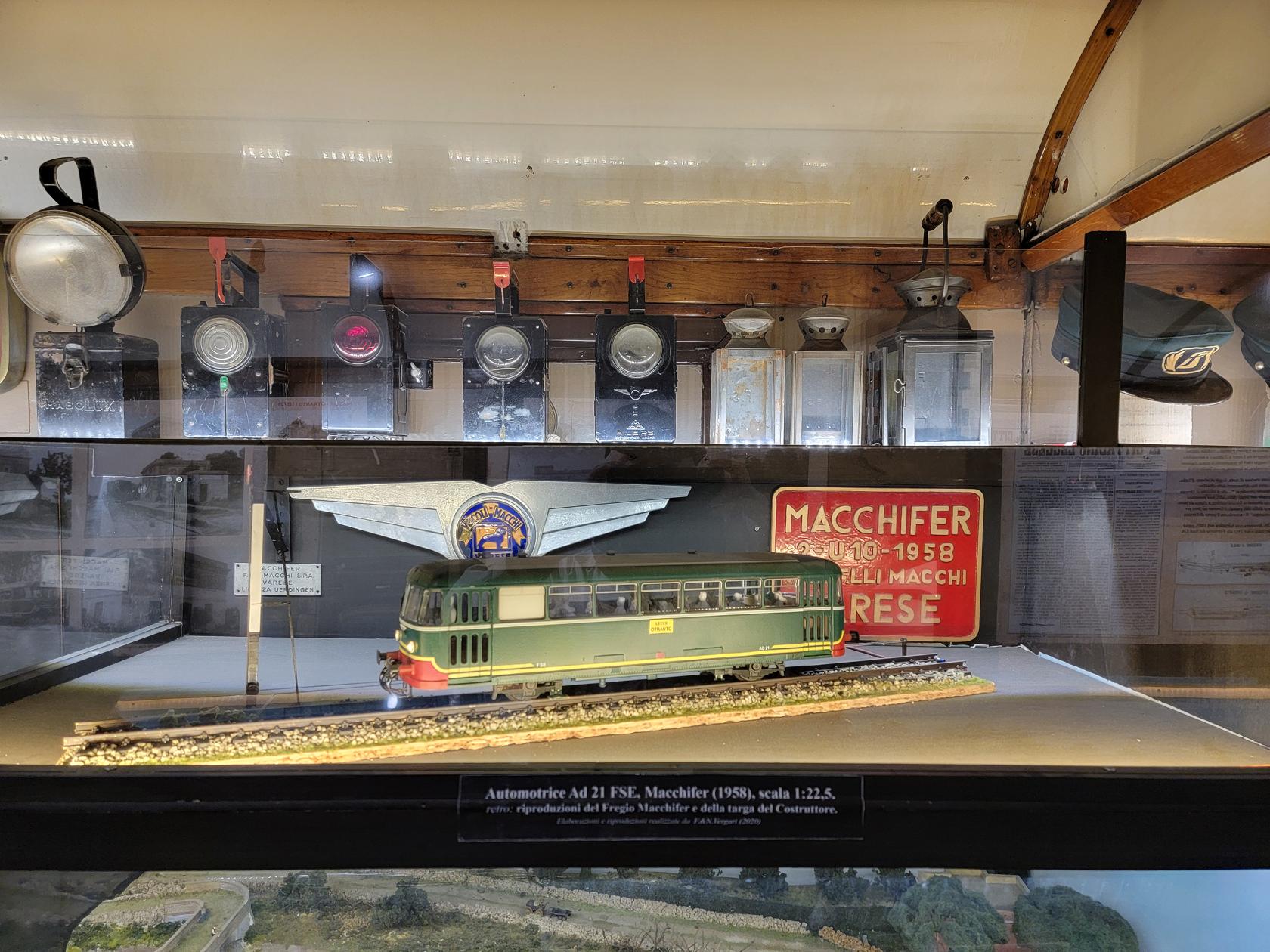
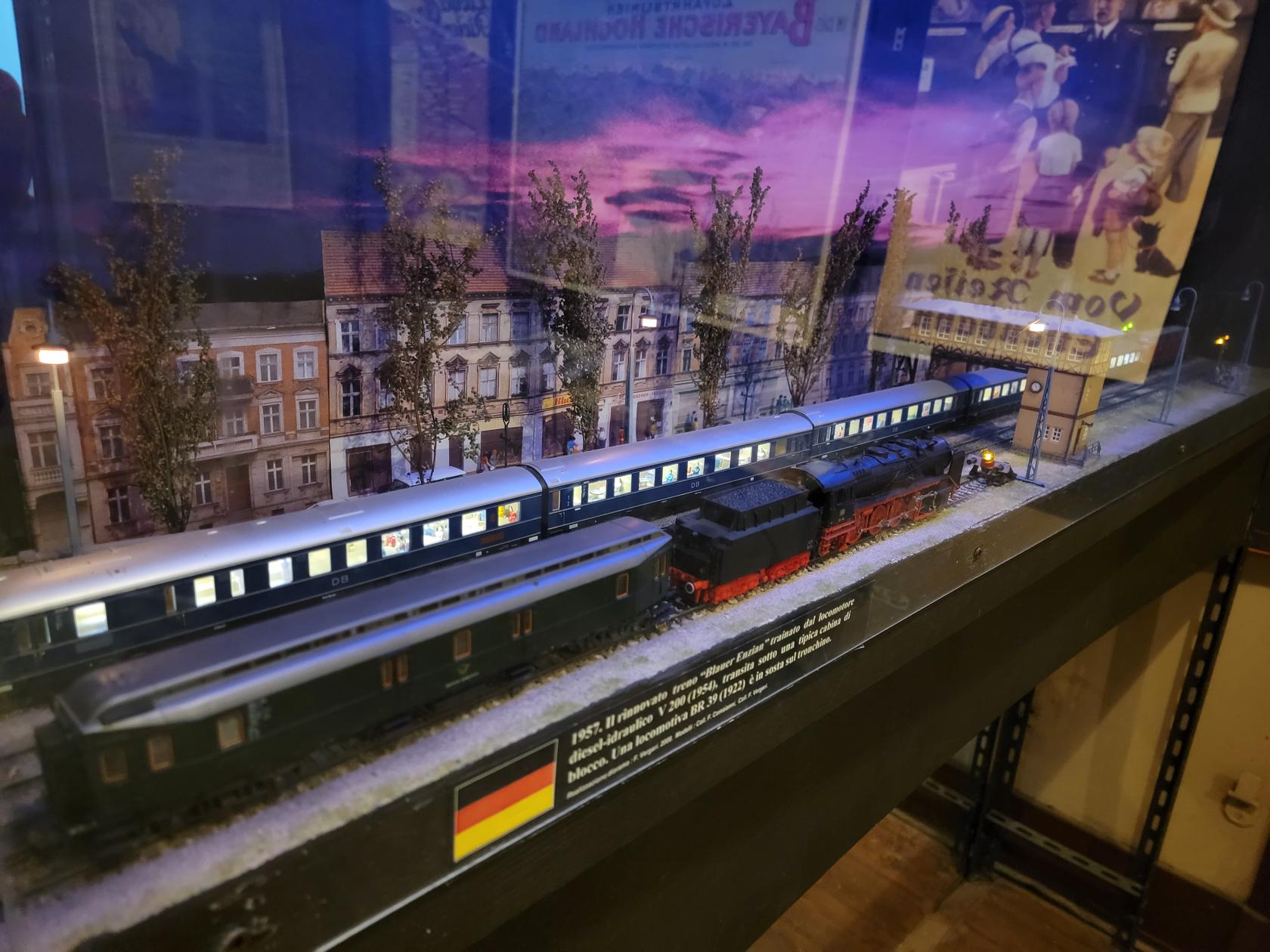
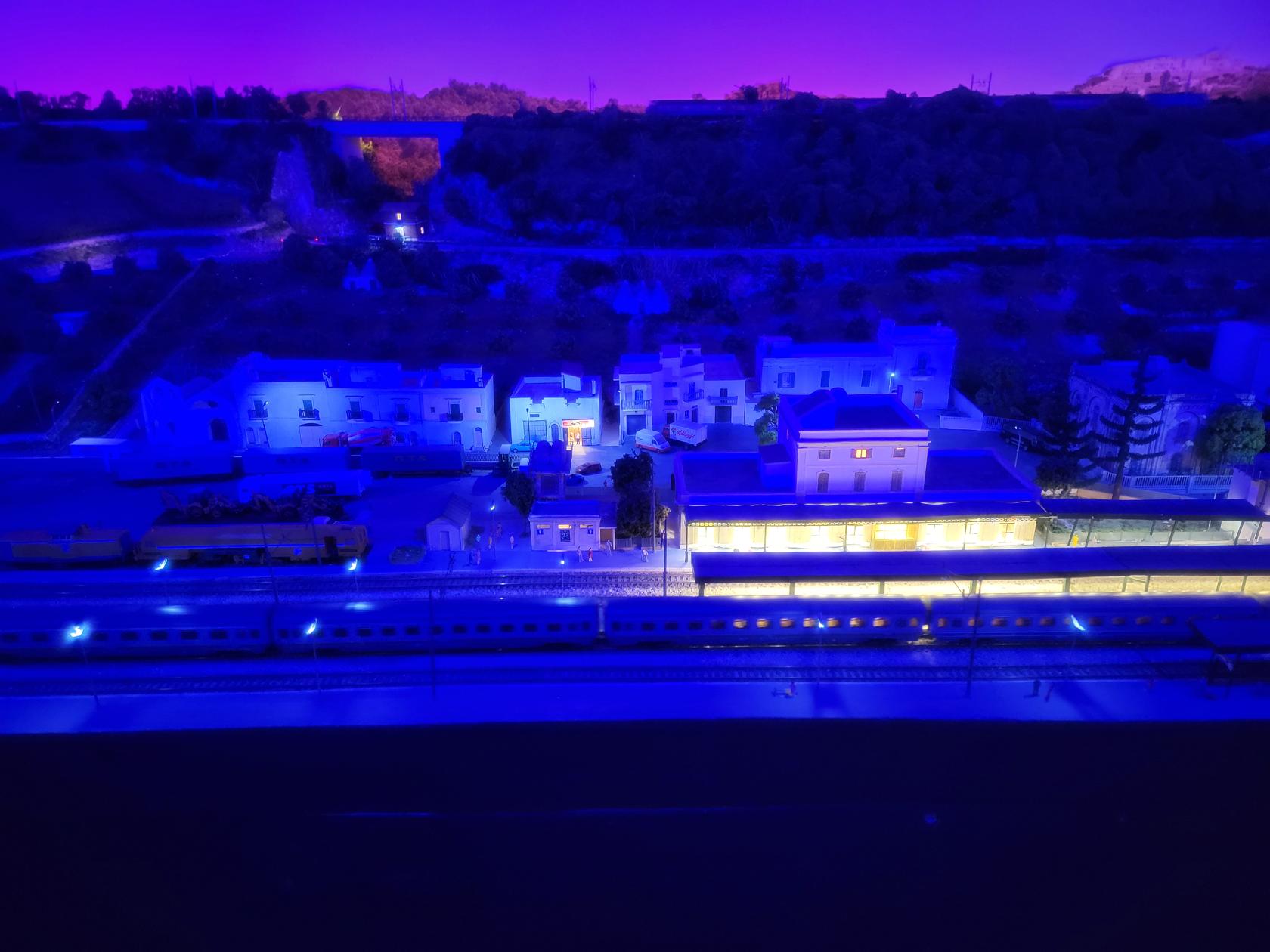
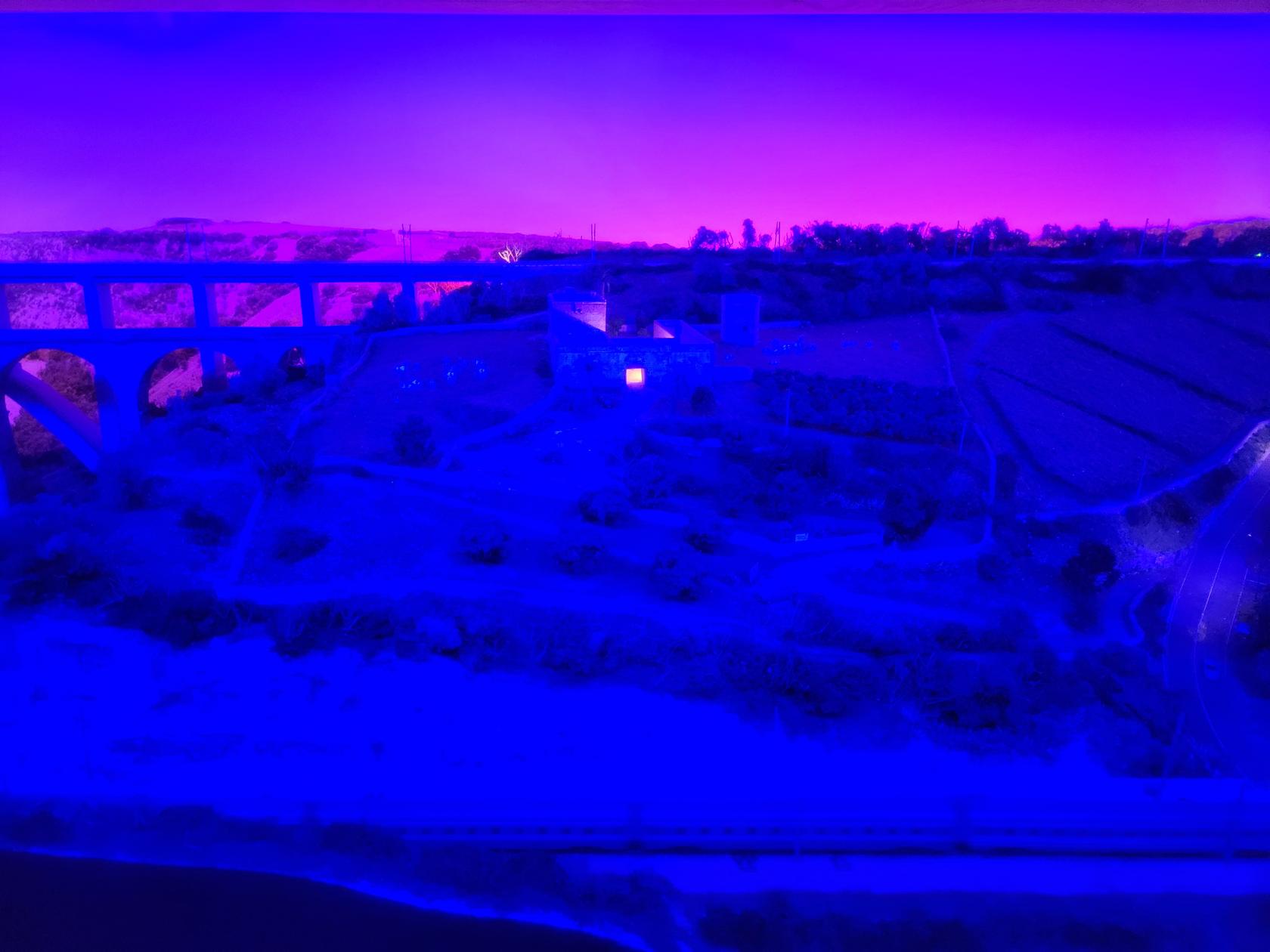
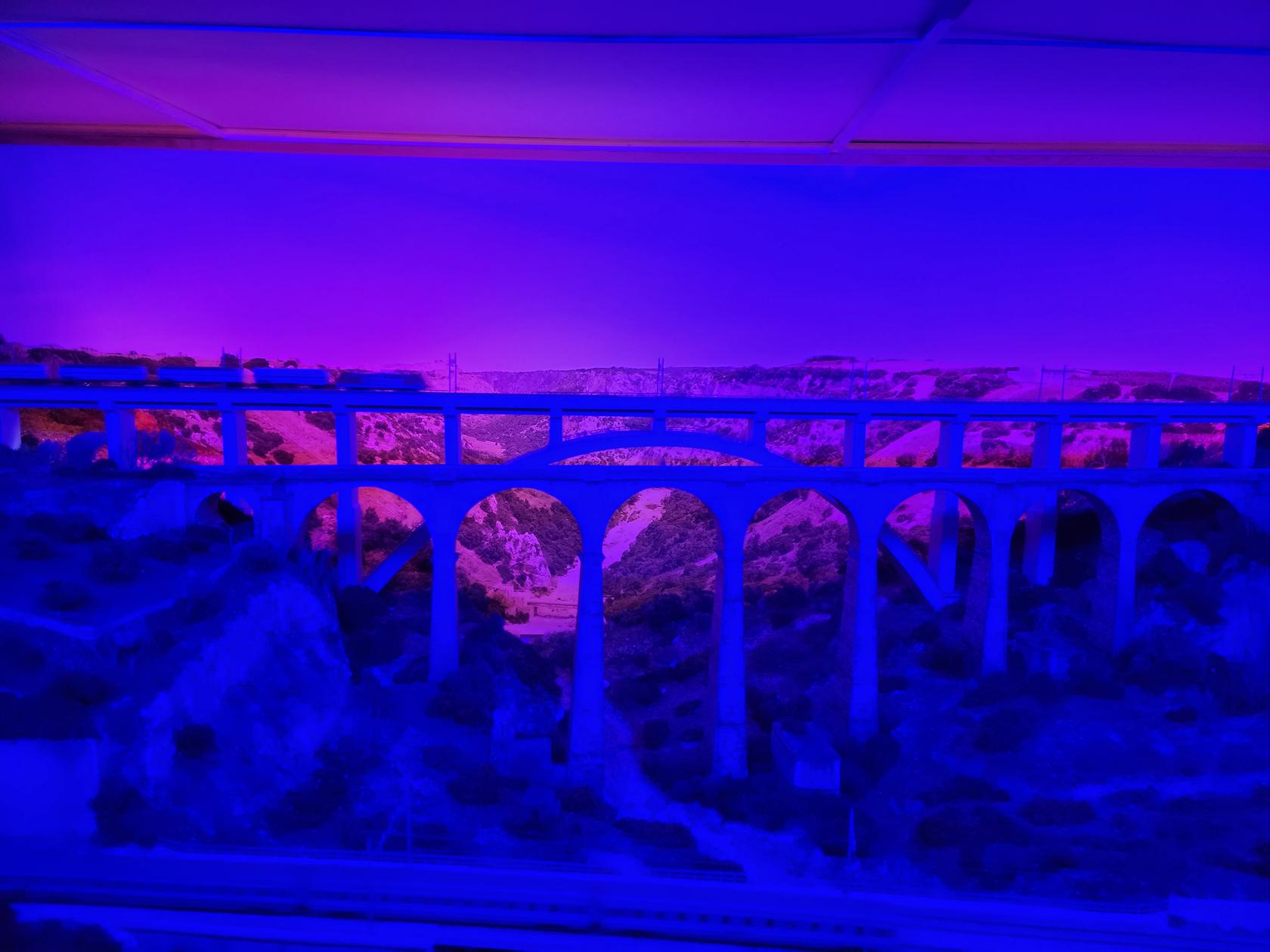
In the later stages of the exhibits, there are numerous large train models, electrified train sets and other dioramas to enjoy. The scale of some of the train sets is impressive and one can immerse oneself in their activity for quite some time.
Museo Ferroviario della Puglia – Models – Lecce, Italy
Museo Ferroviario della Puglia – German Lines – Lecce, Italy
Museo Ferroviario della Puglia – Models – Lecce, Italy
Museo Ferroviario della Puglia – Diorama – Lecce, Italy
Museo Ferroviario della Puglia – Diorama – Lecce, Italy
Museo Ferroviario della Puglia – Diorama – Lecce, Italy
Railroad Communications, Equipment and Forgery
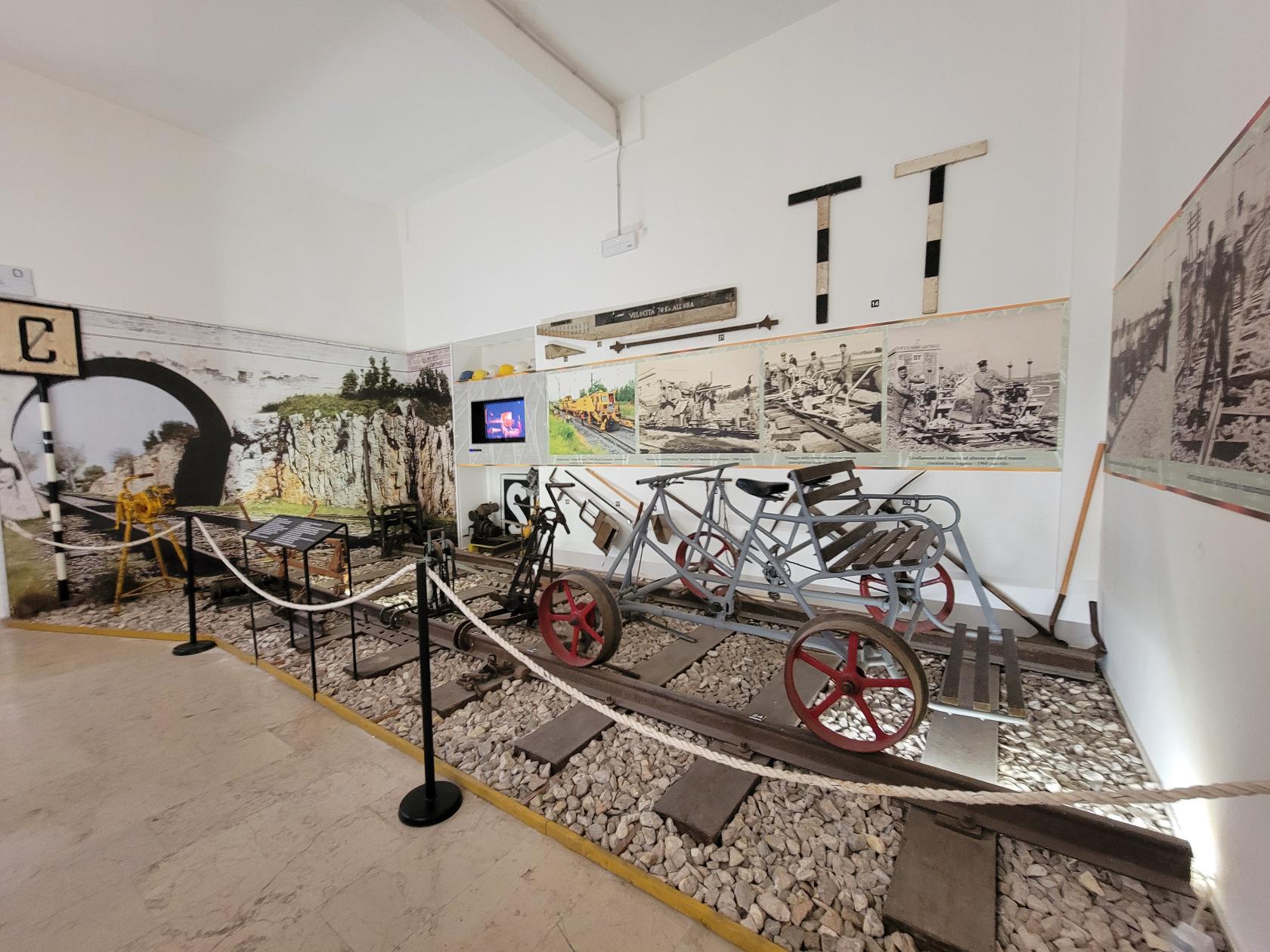
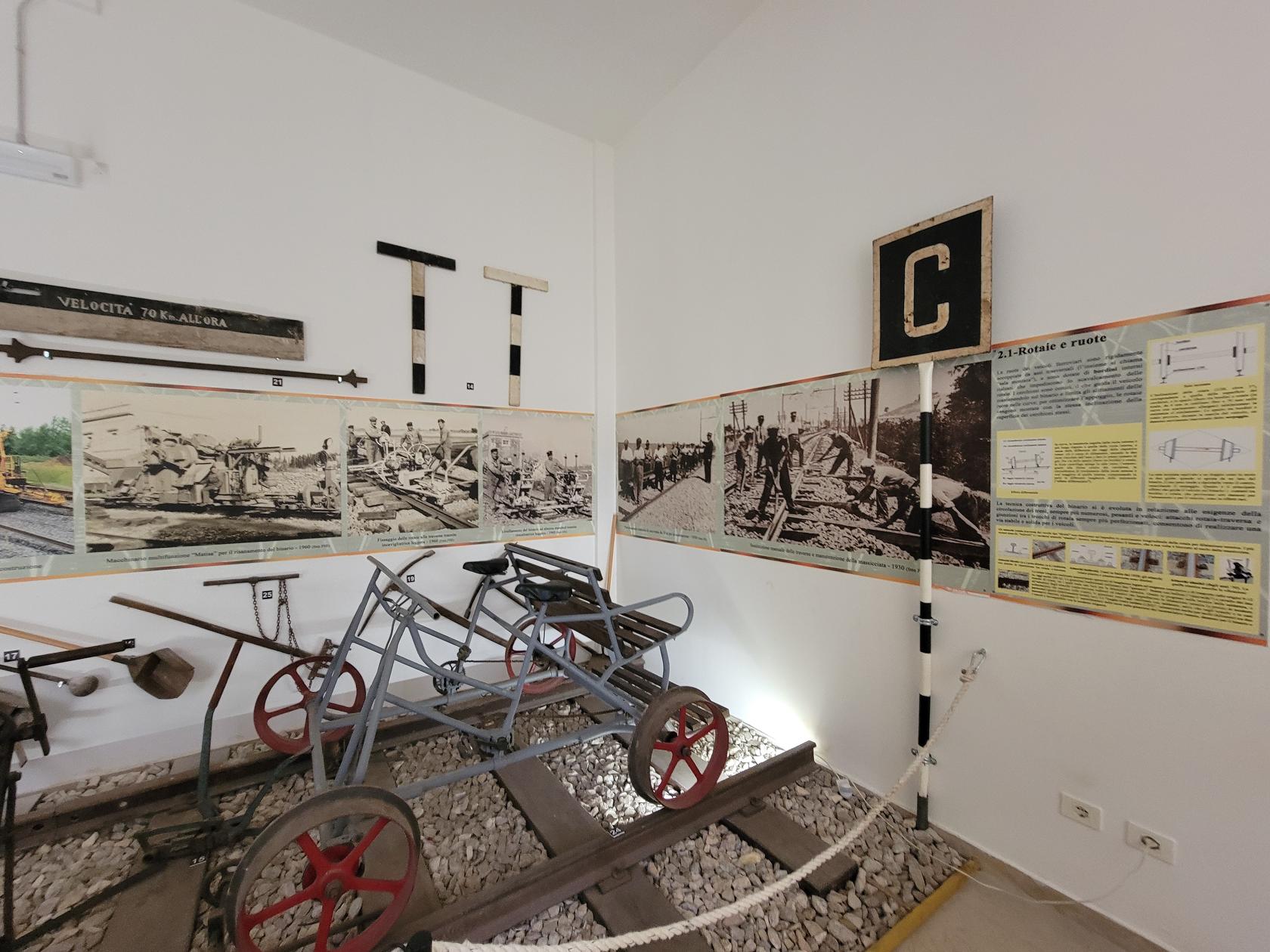
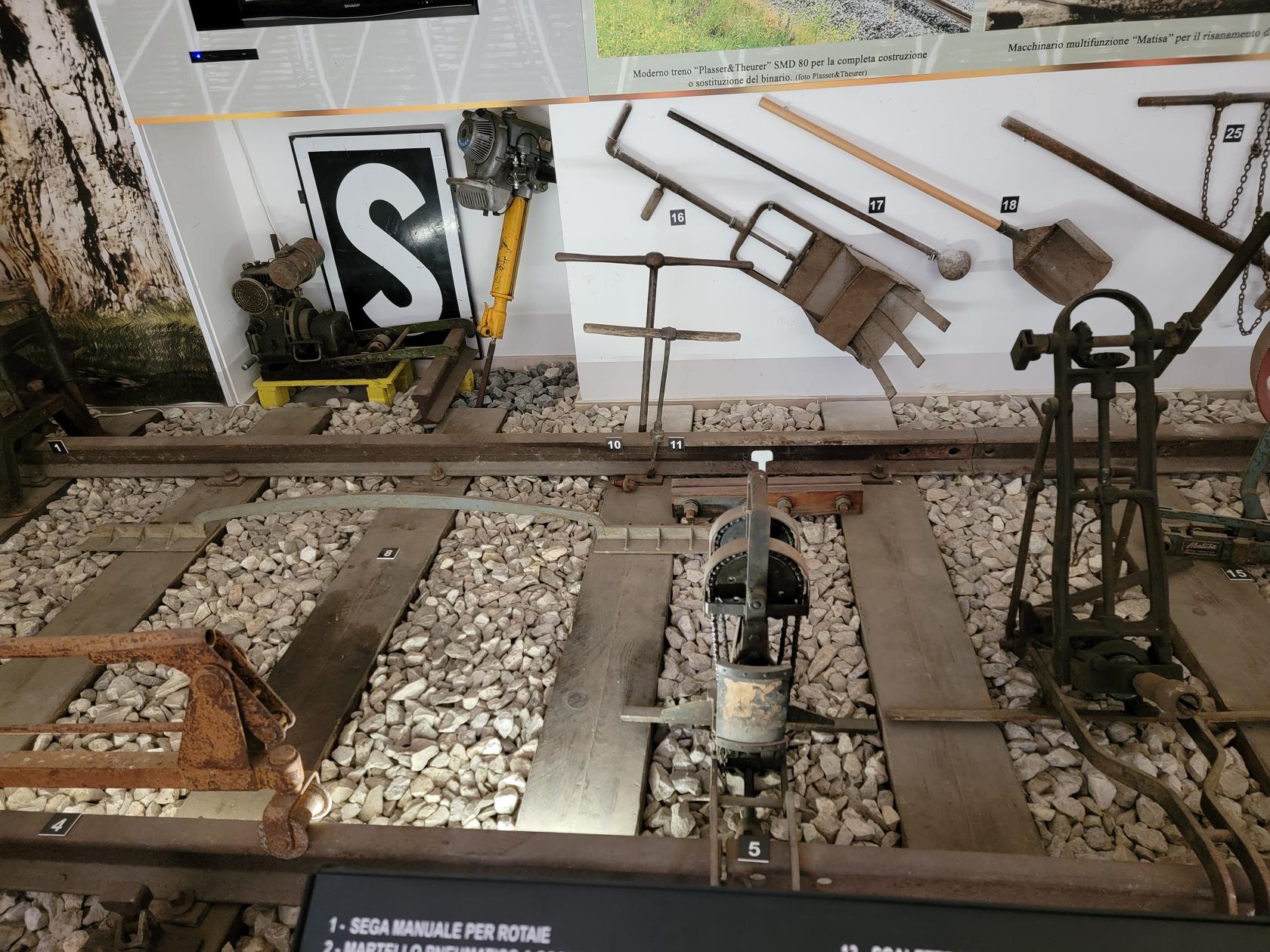
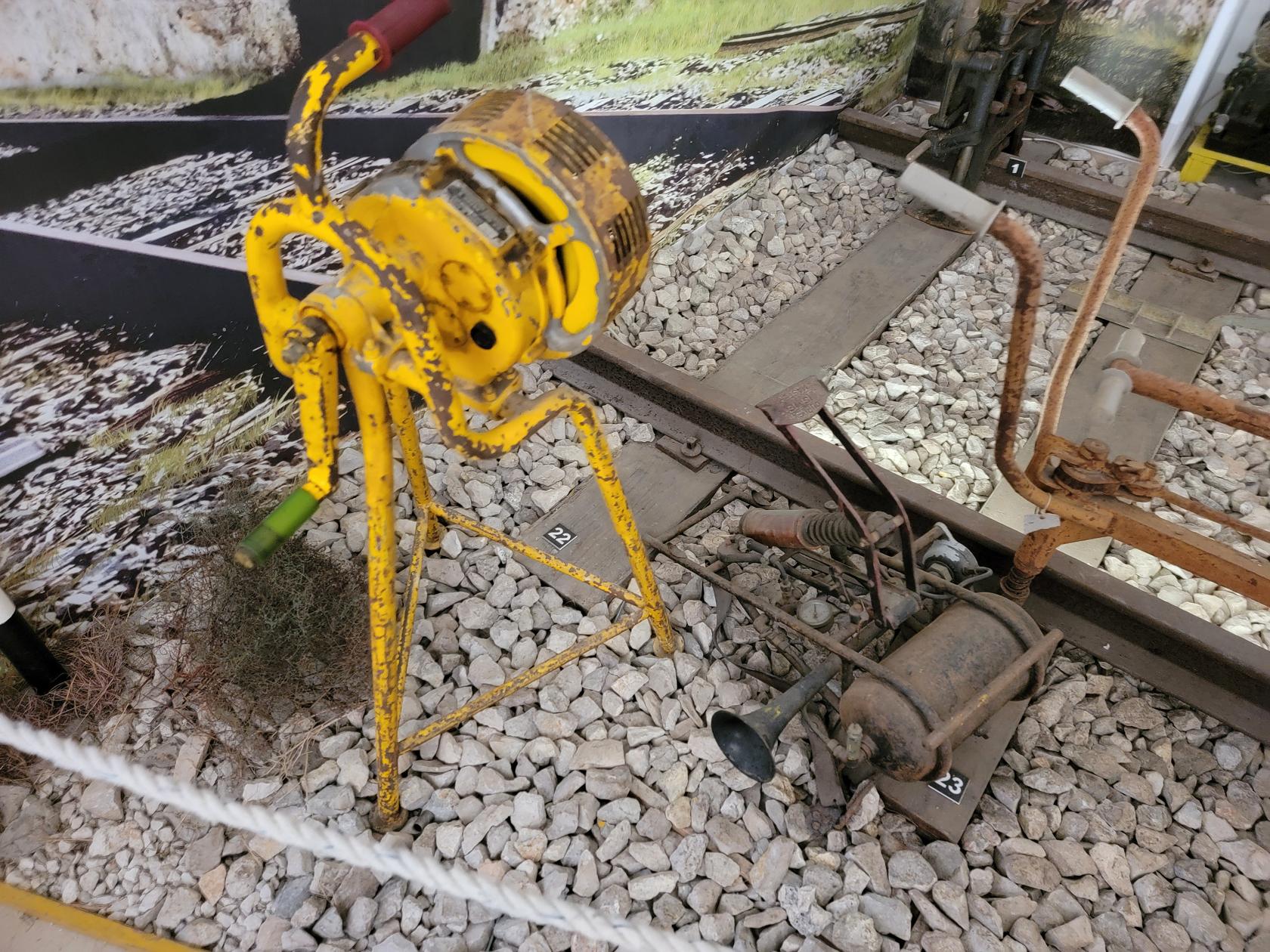
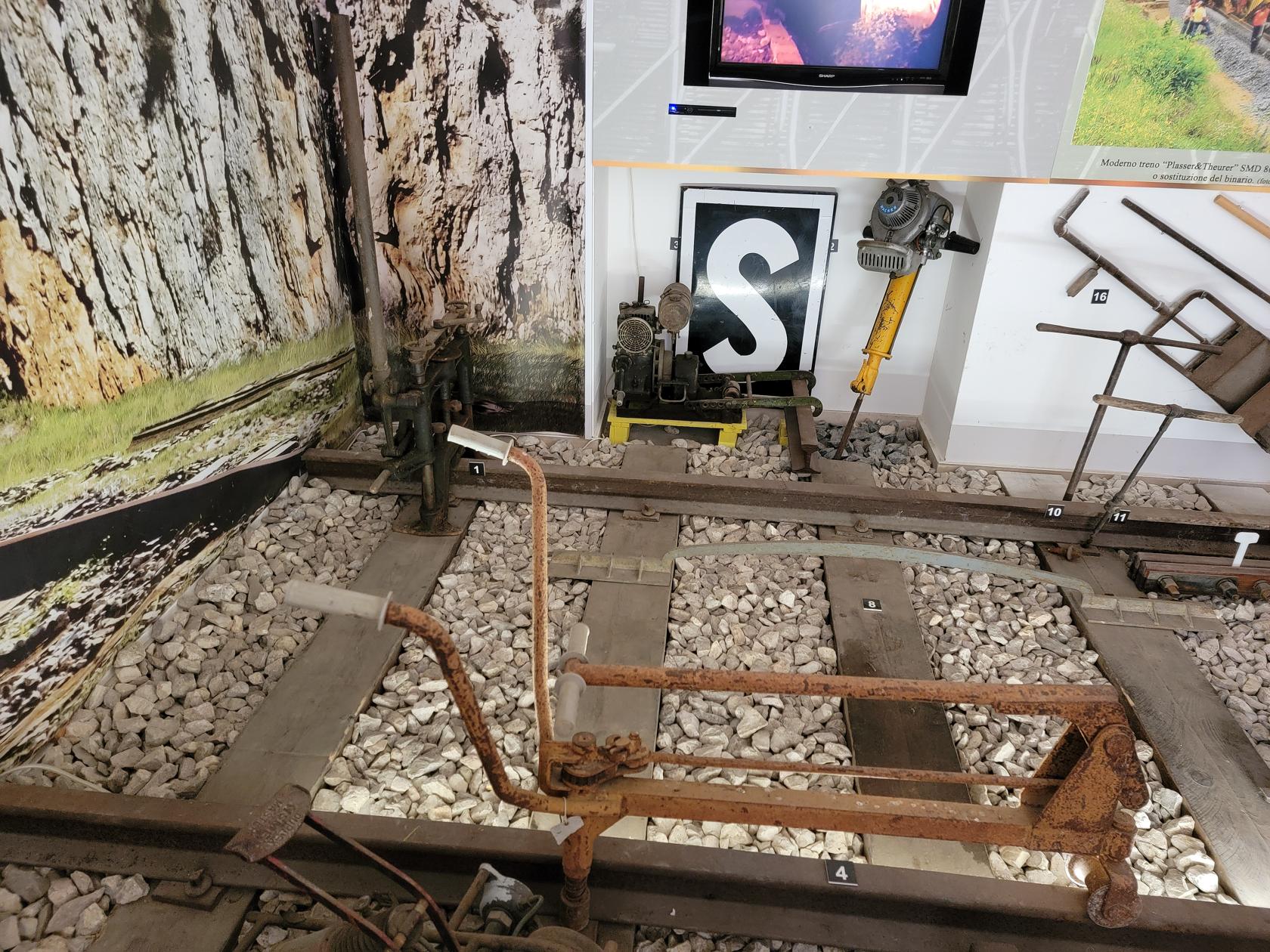
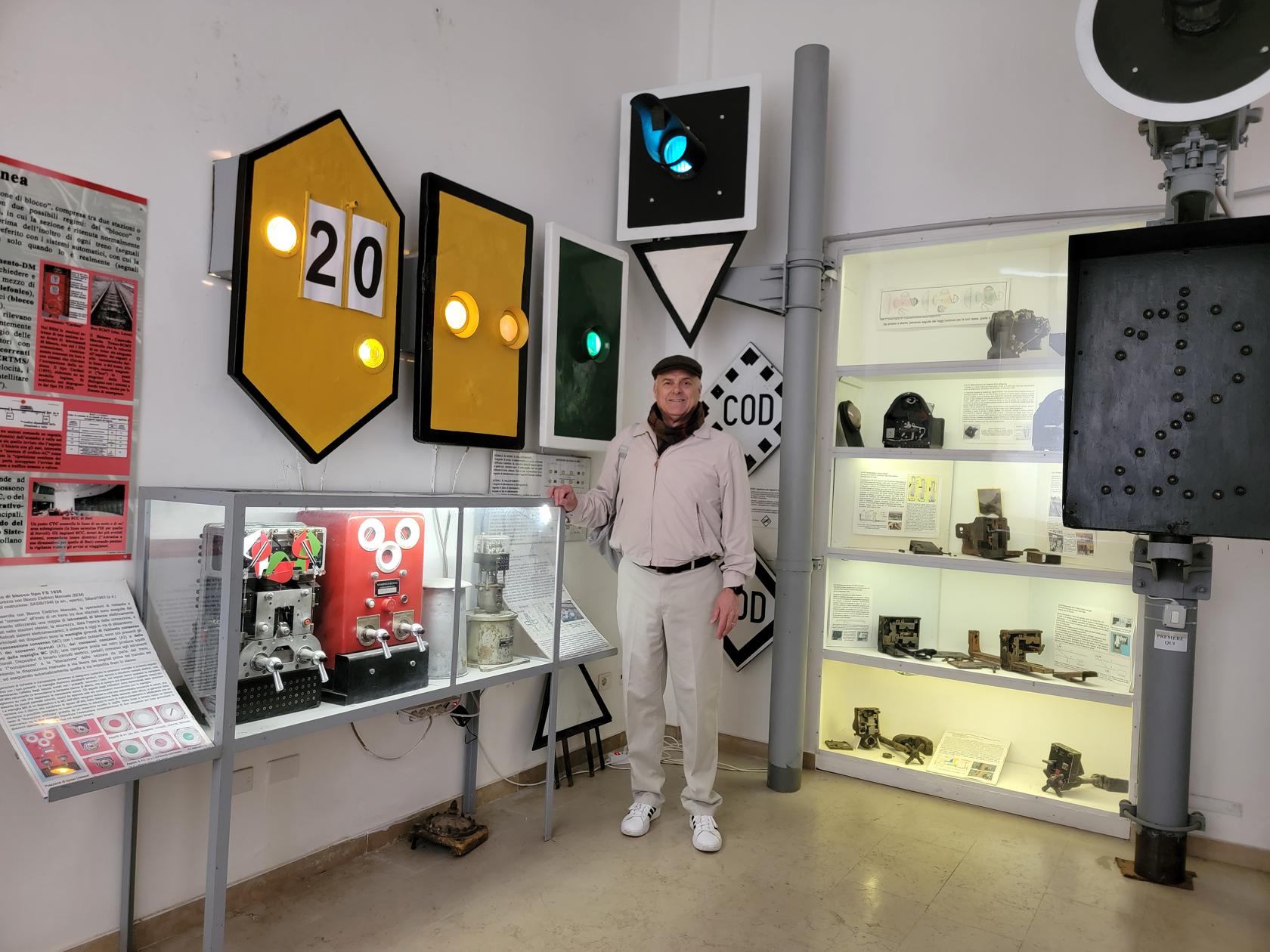
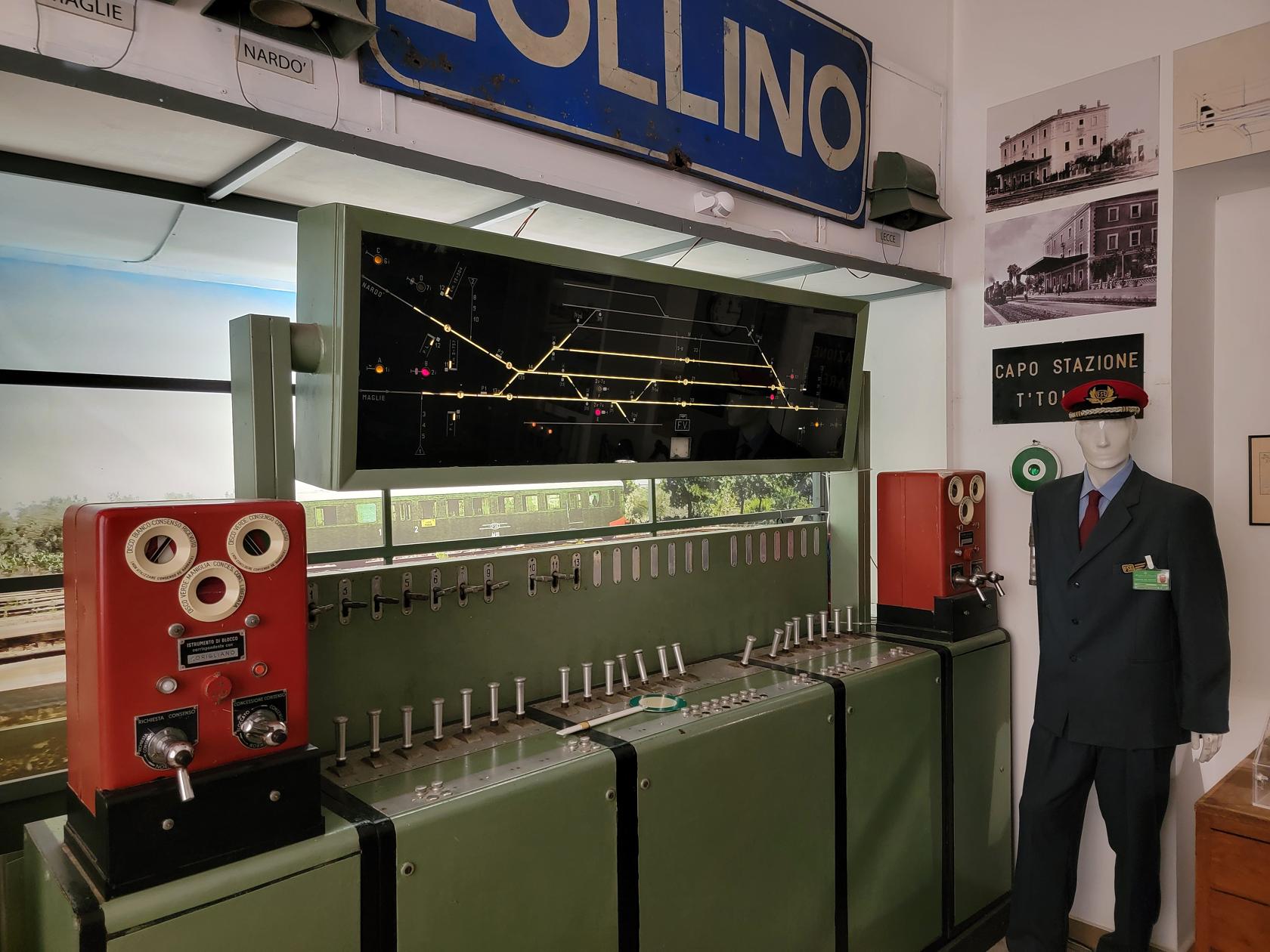
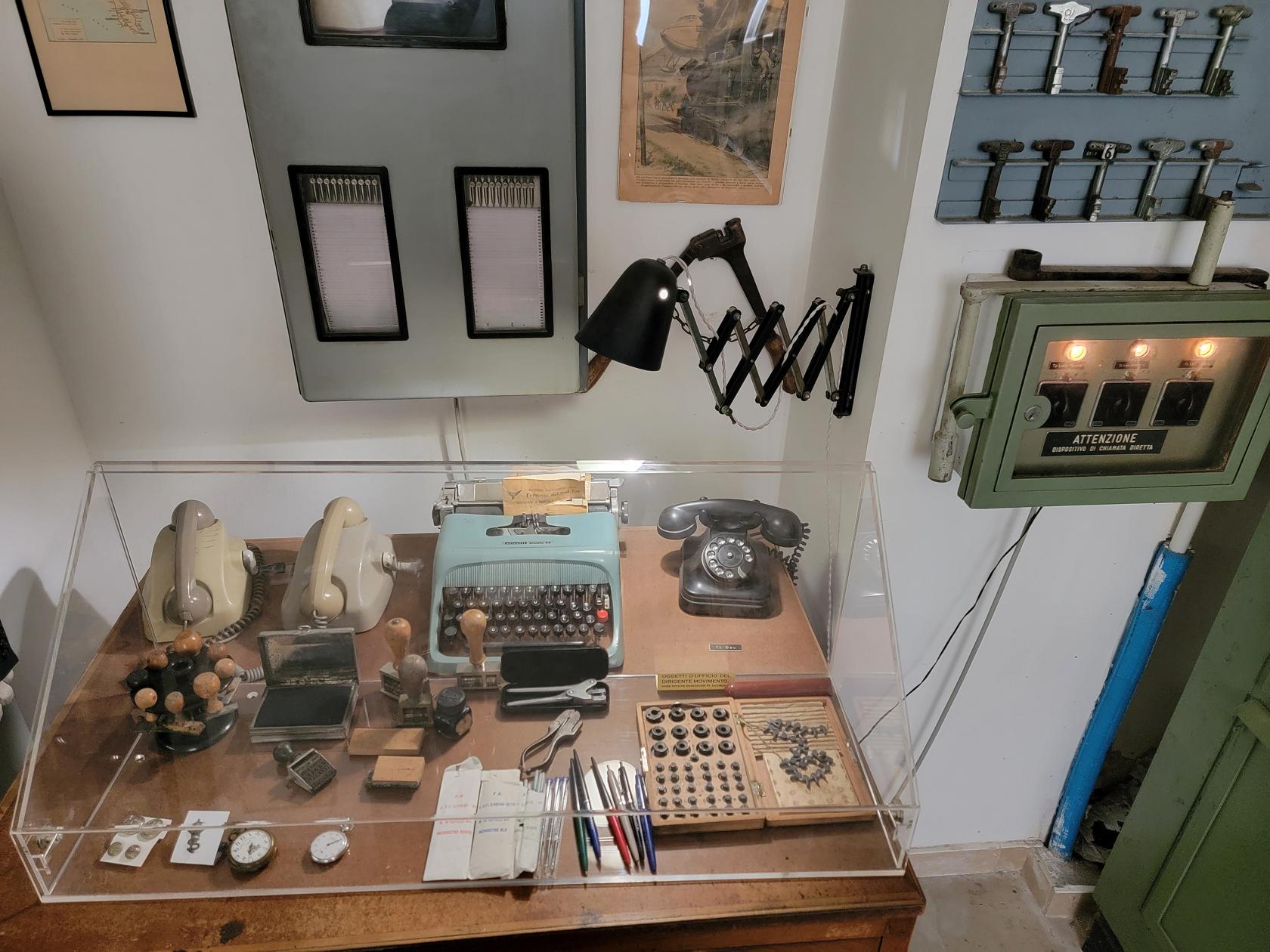
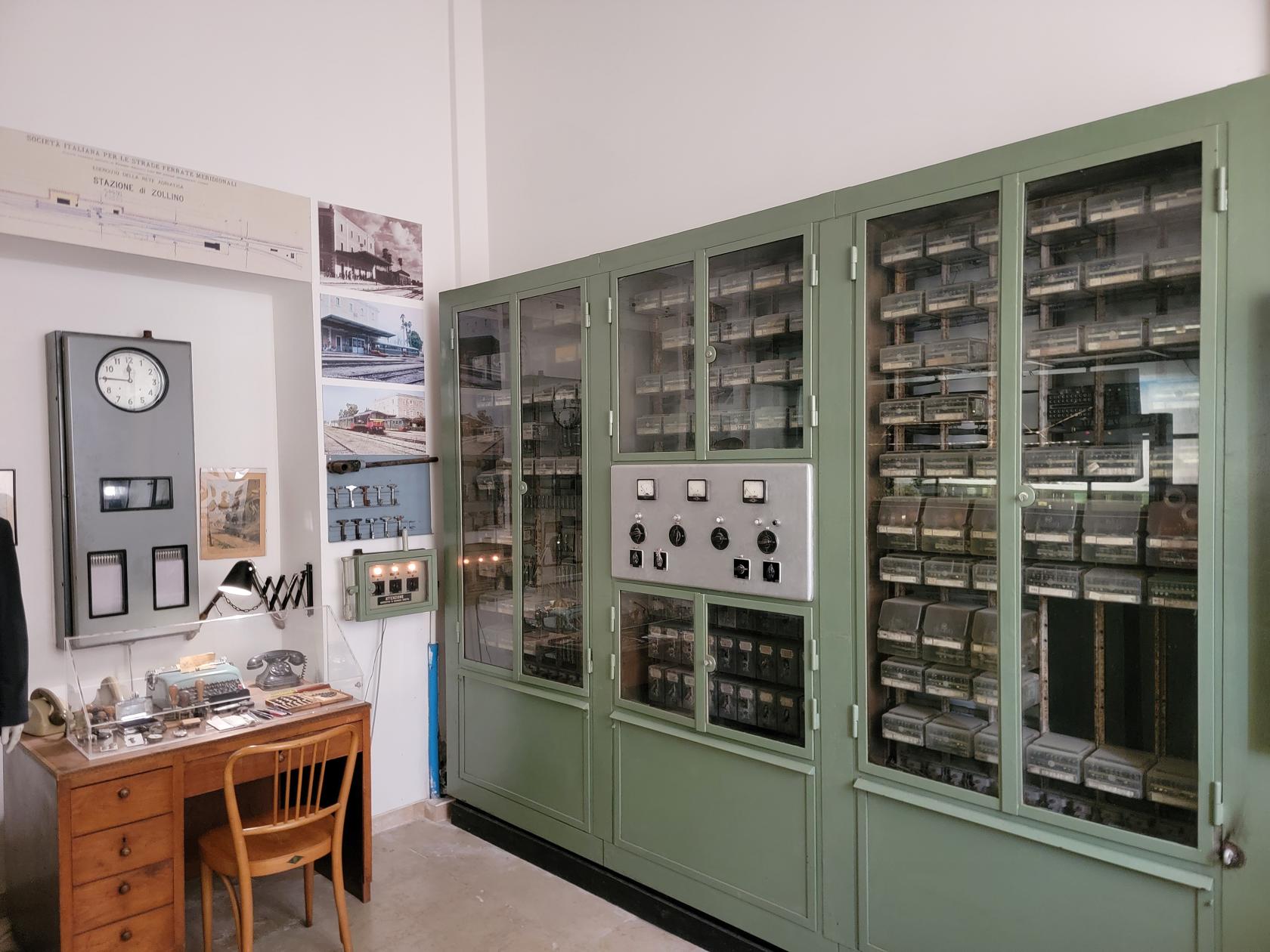
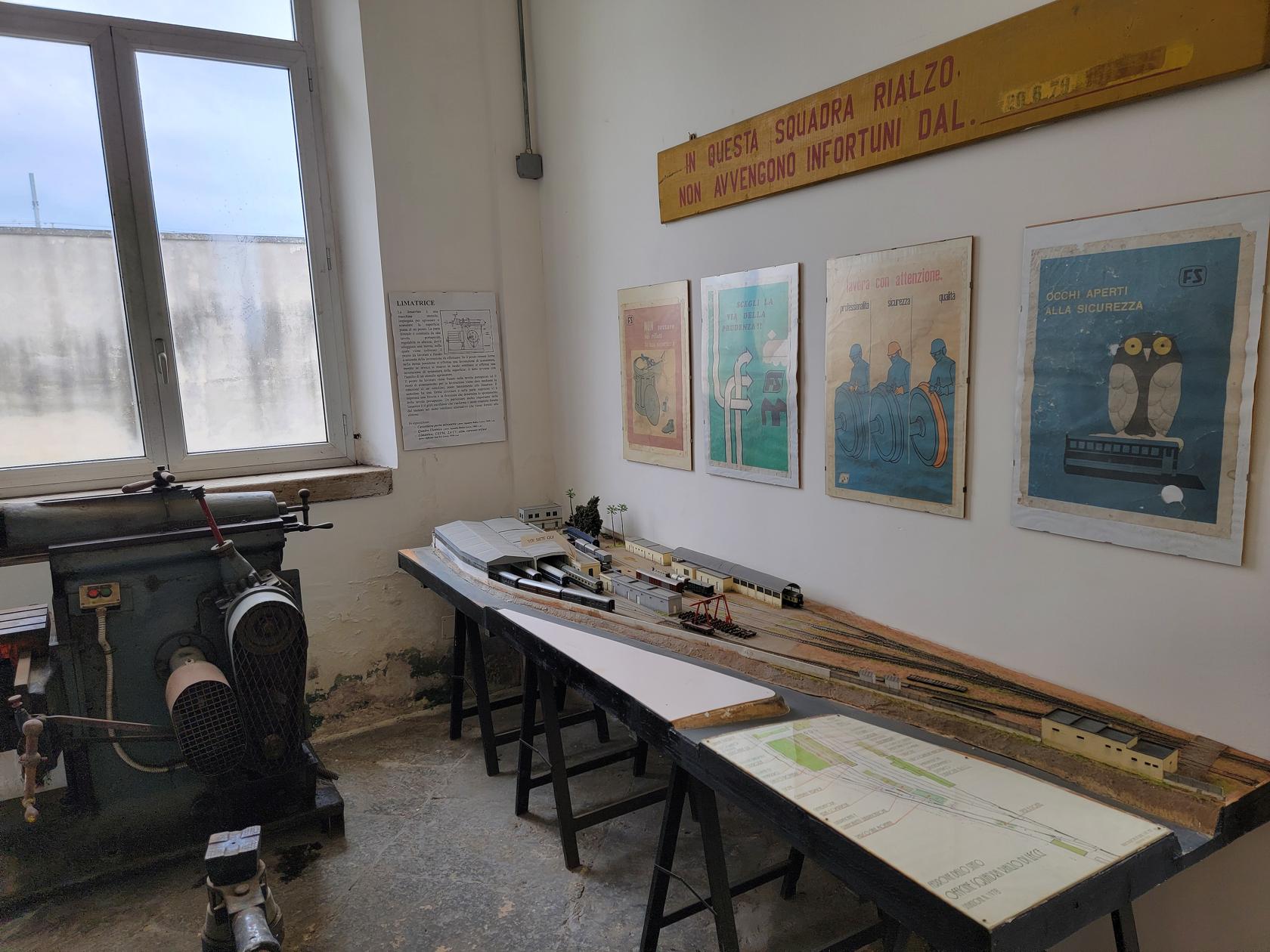
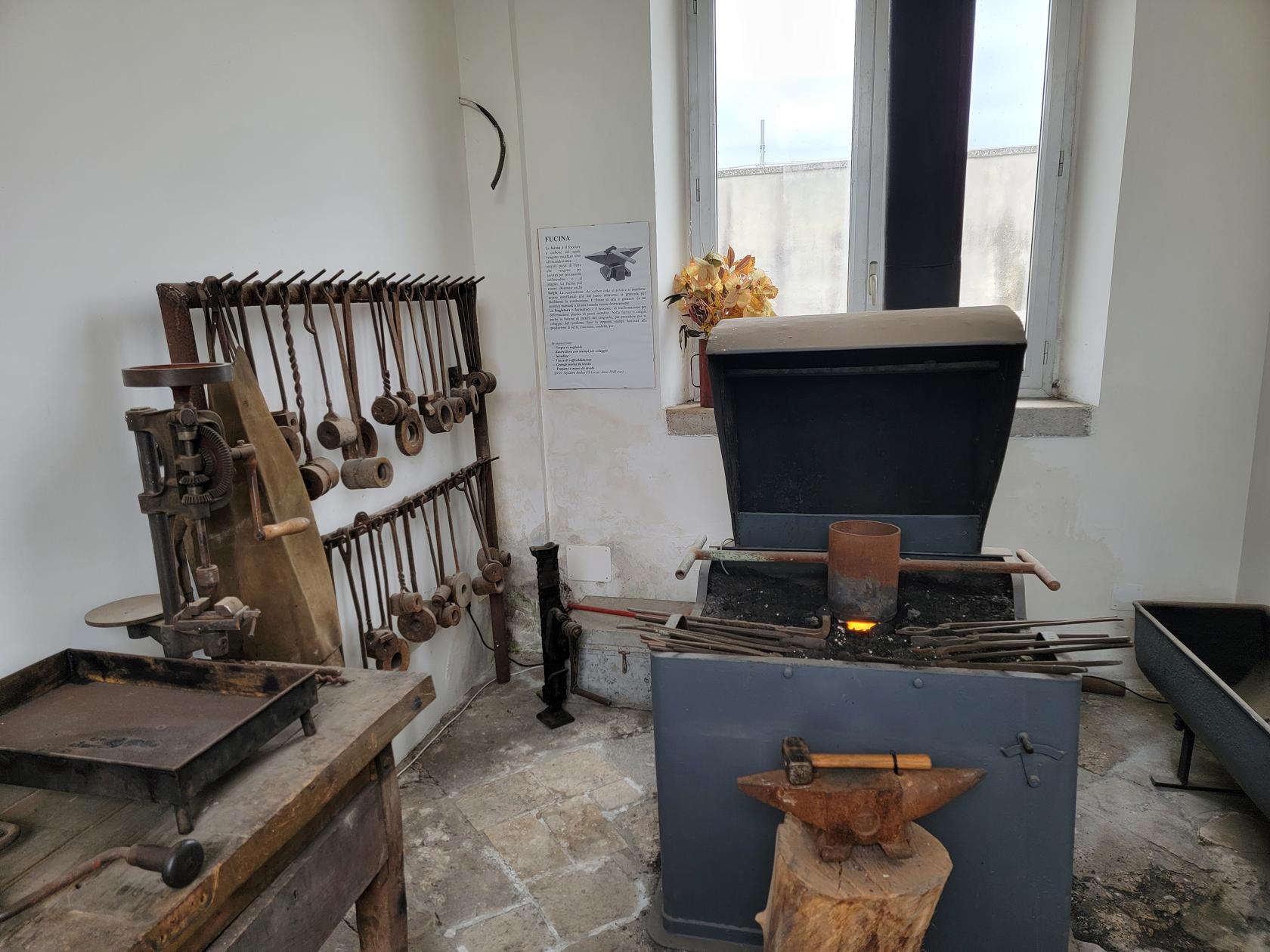
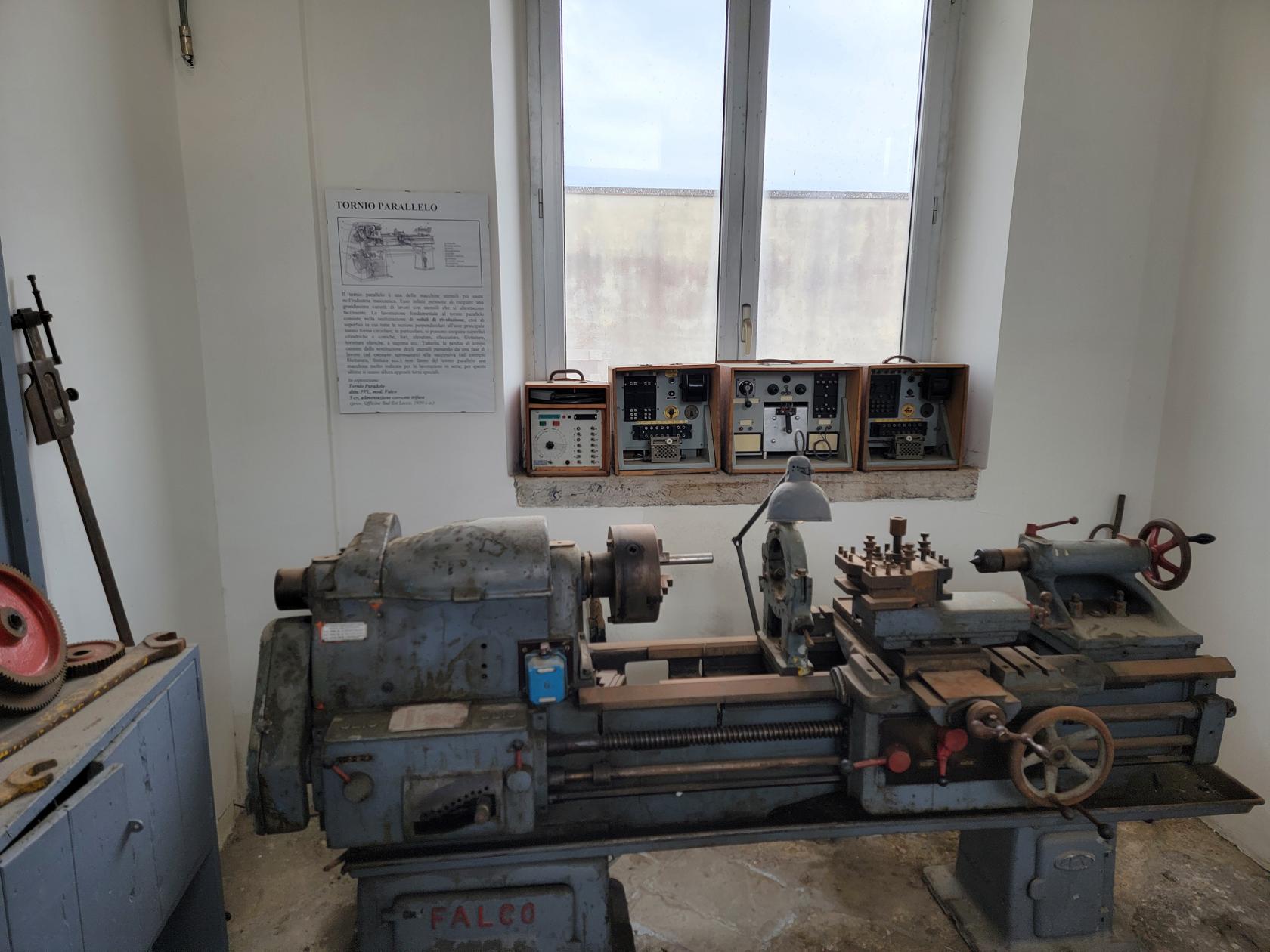
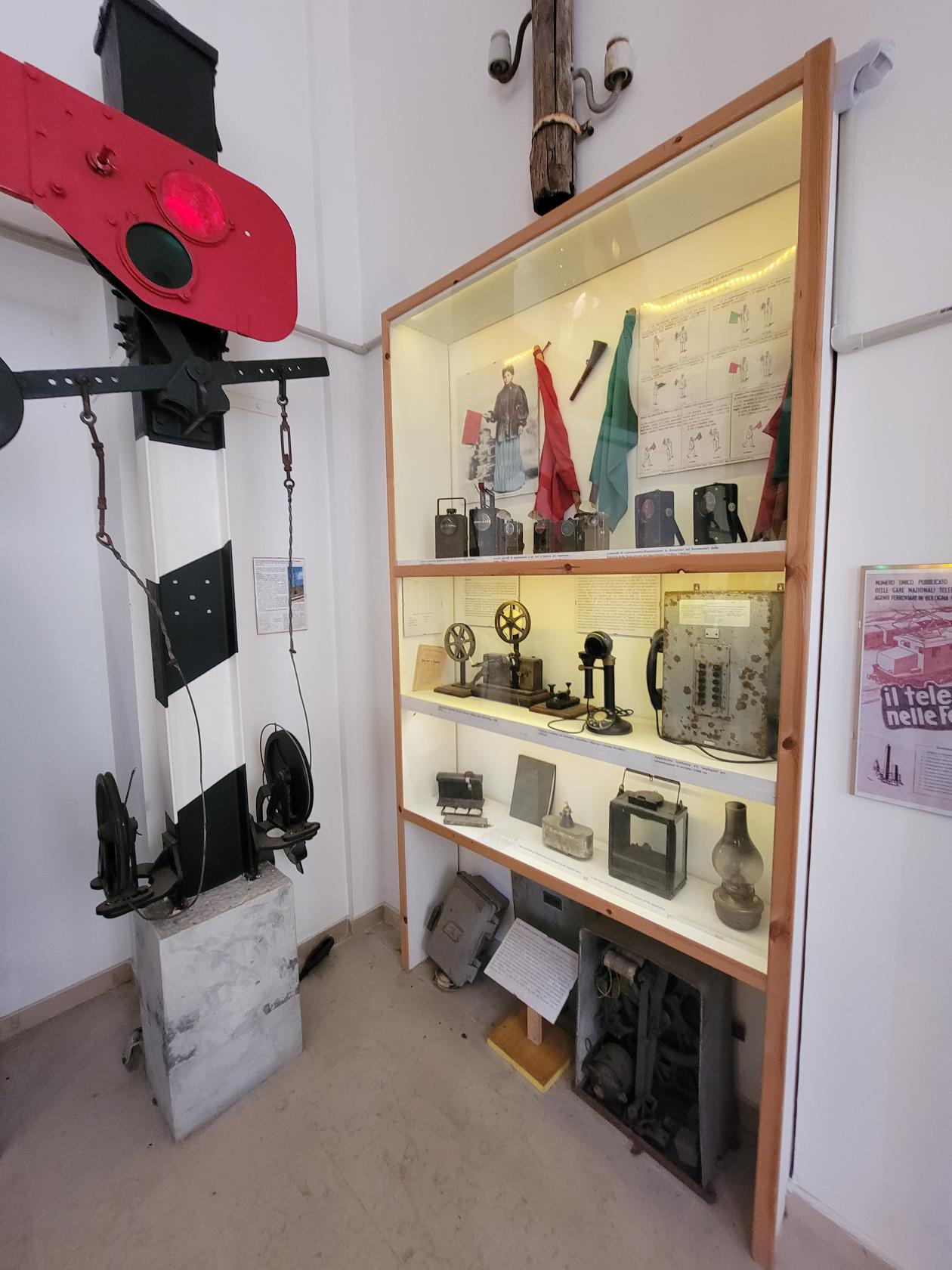
There is a fairly large display on railroad communications from the mid to later twentieth century. Multiple versions of telephony equipment, switch control rooms and even maintenance shops with an old forge.
Museo Ferroviario della Puglia – Models – Lecce, Italy
Museo Ferroviario della Puglia – Devices Used In The Yard – Lecce, Italy
Museo Ferroviario della Puglia – Devices Used In The Yard – Lecce, Italy
Museo Ferroviario della Puglia – Devices Used In The Yard – Lecce, Italy
Museo Ferroviario della Puglia – Devices Used In The Yard – Lecce, Italy
Museo Ferroviario della Puglia – Devices Used In The Yard – Lecce, Italy
Museo Ferroviario della Puglia – Devices Used In The Yard – Lecce, Italy
Museo Ferroviario della Puglia – Devices Used In The Yard – Lecce, Italy
Museo Ferroviario della Puglia – Old Signals, Switches and Signs – Lecce, Italy
Museo Ferroviario della Puglia – Erick enjoying the displays – Lecce, Italy
Museo Ferroviario della Puglia – Erick posing in his uniform – Lecce, Italy
Museo Ferroviario della Puglia – Old Communication Equipement – Lecce, Italy
Museo Ferroviario della Puglia – Old Communication Equipement – Lecce, Italy
Museo Ferroviario della Puglia – Diorama – Lecce, Italy
Museo Ferroviario della Puglia – Blacksmith tools – Lecce, Italy
Museo Ferroviario della Puglia – Old Machine Lathe – Lecce, Italy
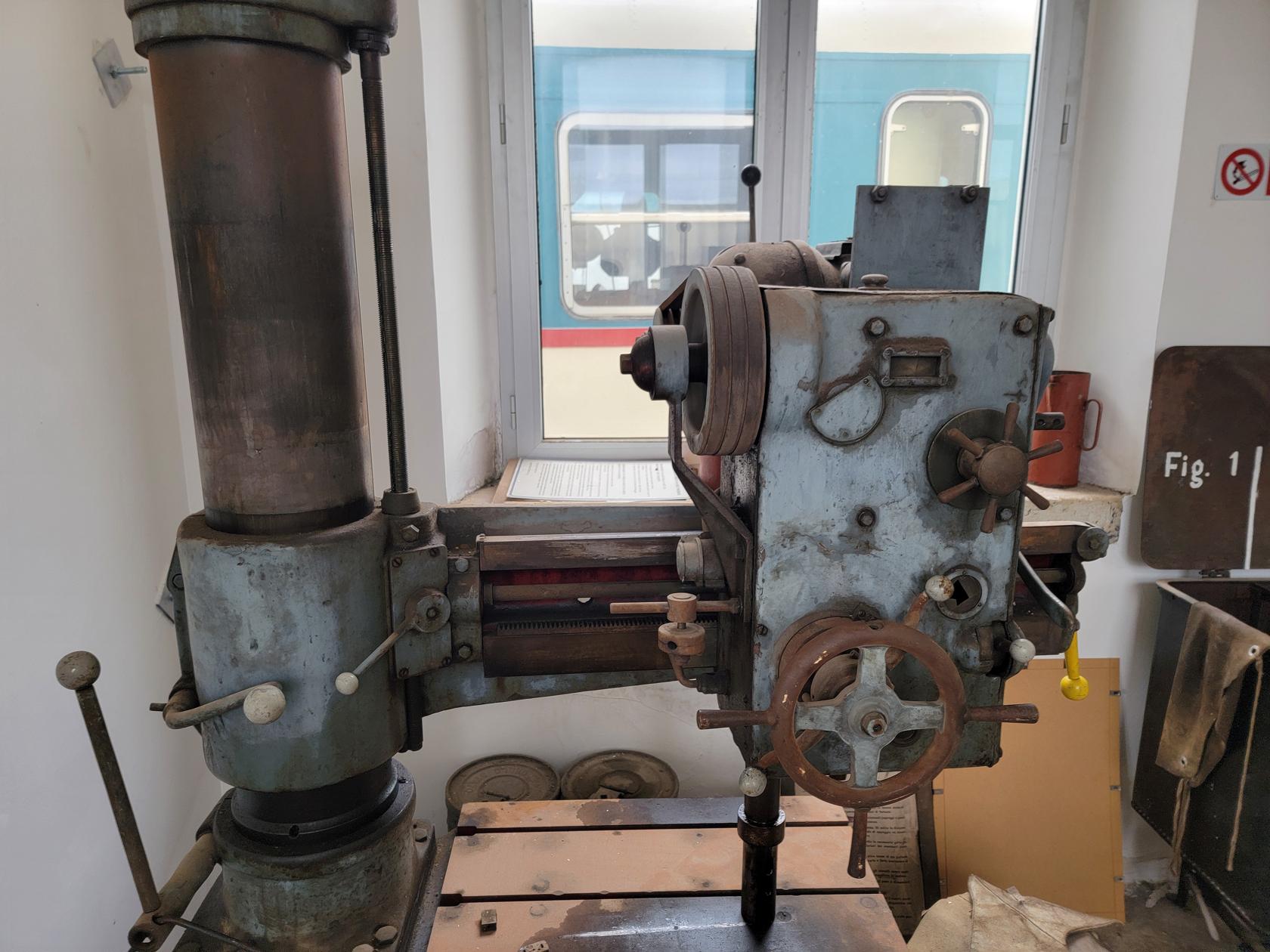
Museo Ferroviario della Puglia – Drill Press – Lecce, Italy
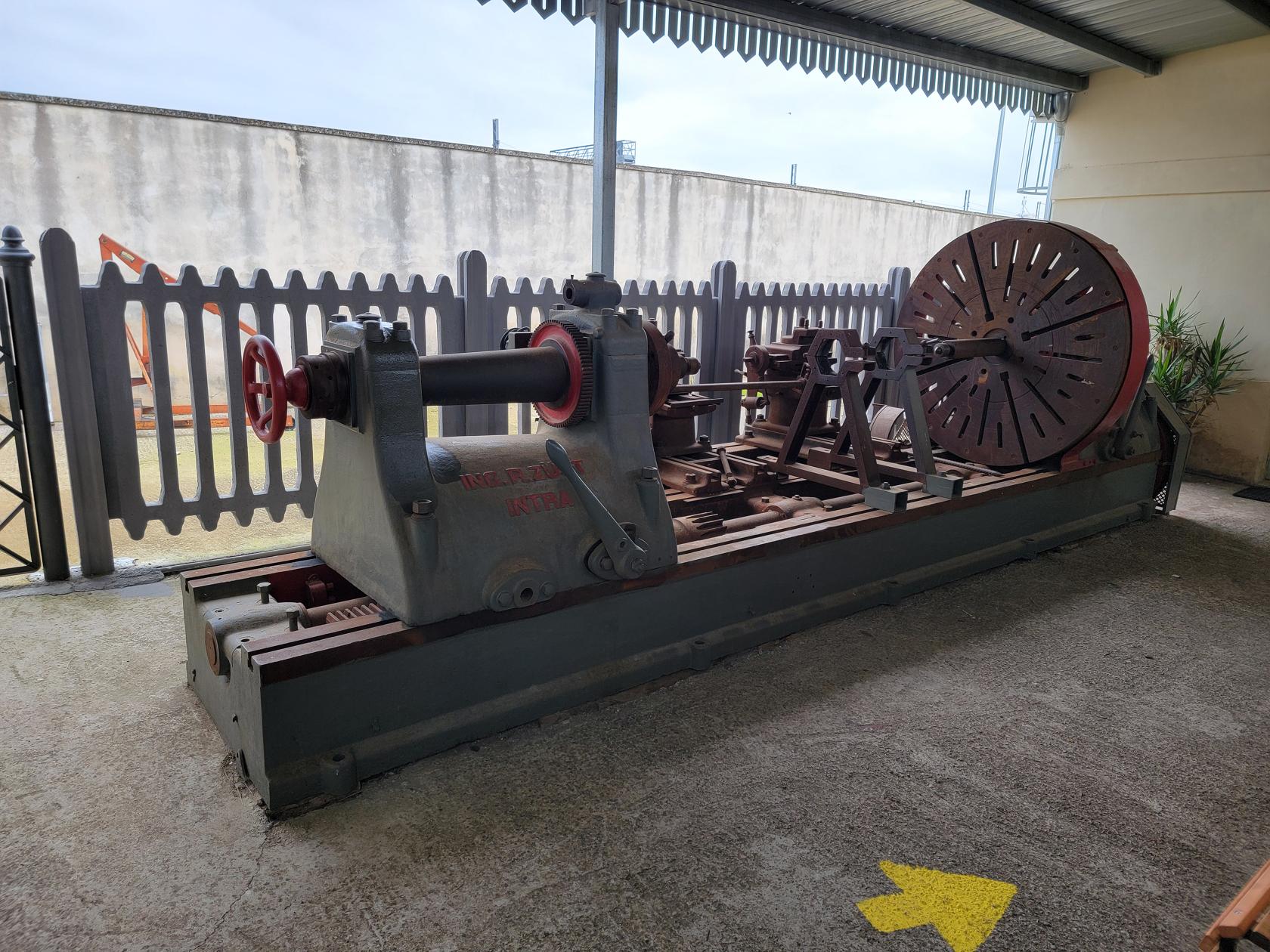
Museo Ferroviario della Puglia – Old Giant Machine Lathe For Resurfacing Wheels And Other Rail Equipment – Lecce, Italy
Museo Ferroviario della Puglia – Old Electric Devices, Radios and Communications – Lecce, Italy
The Museo Ferroviario della Puglia, or Railway Museum of Puglia, is located on Via G. Codacci Pisanelli 3 in Lecce. From the entrance of the castle, it is probably a twenty-five to thirty minute walk along Viale Francesco Lo Re under the railroad underpass and to the right; it is located behind the existing train station of Lecce.
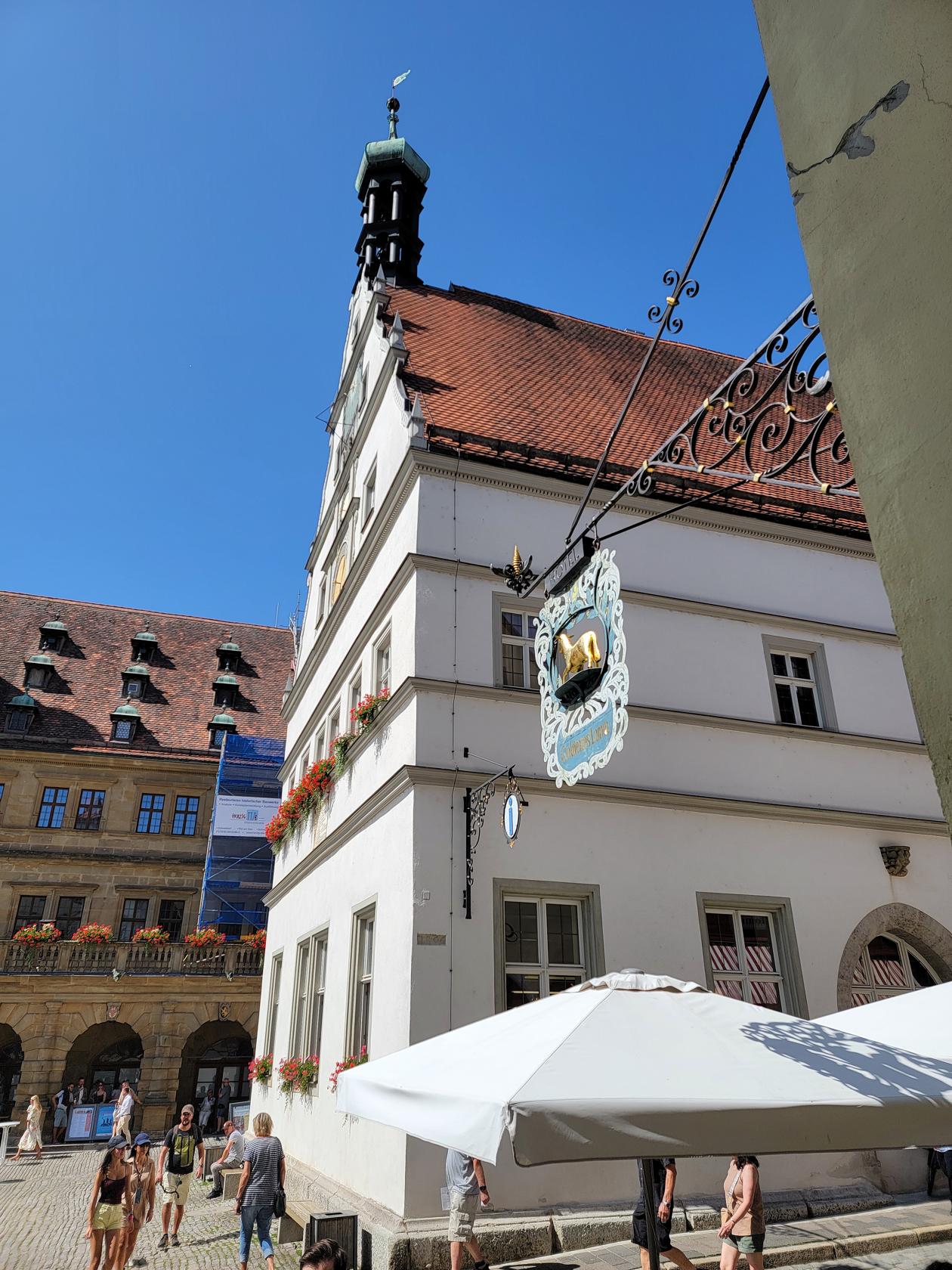
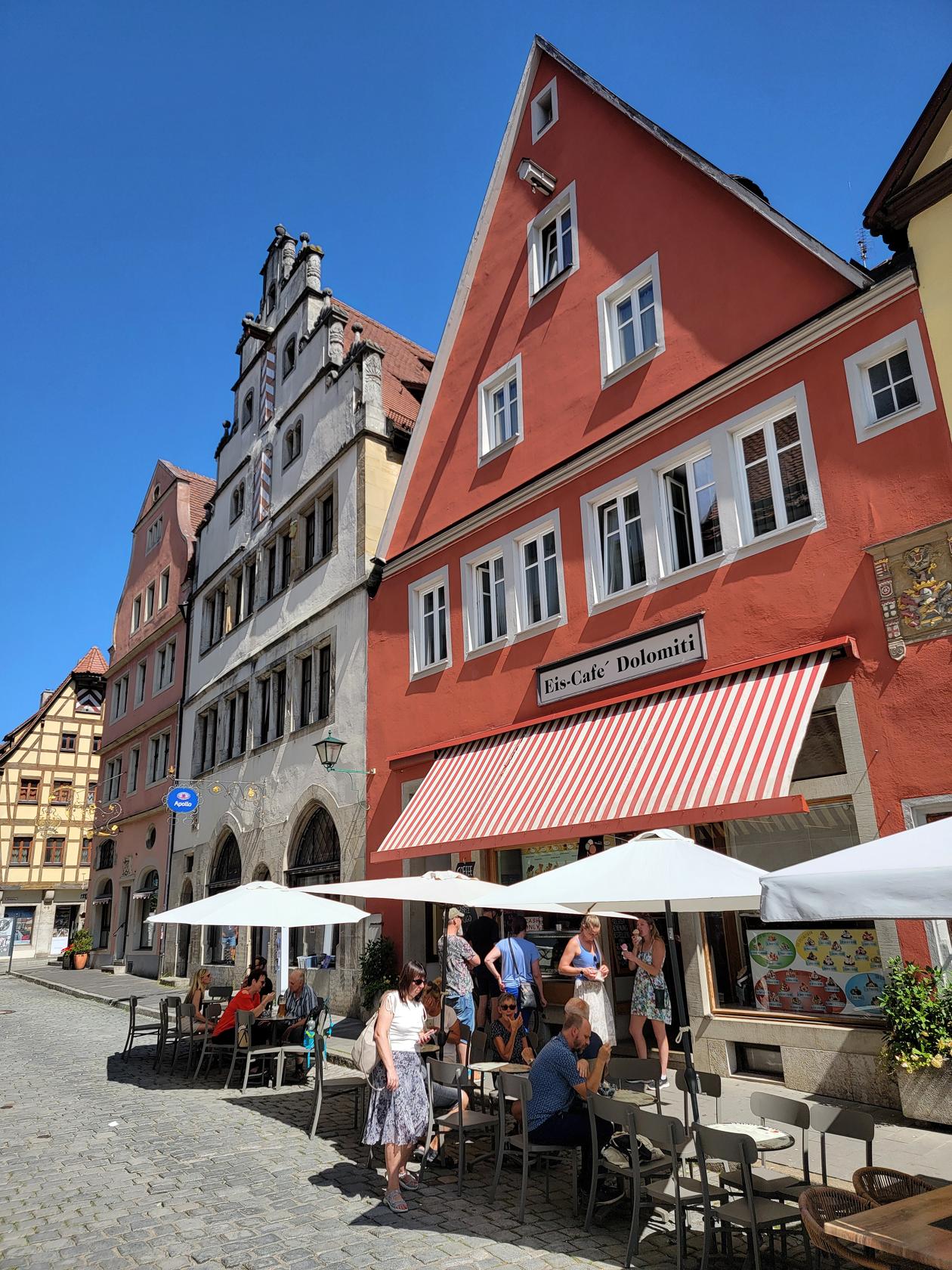
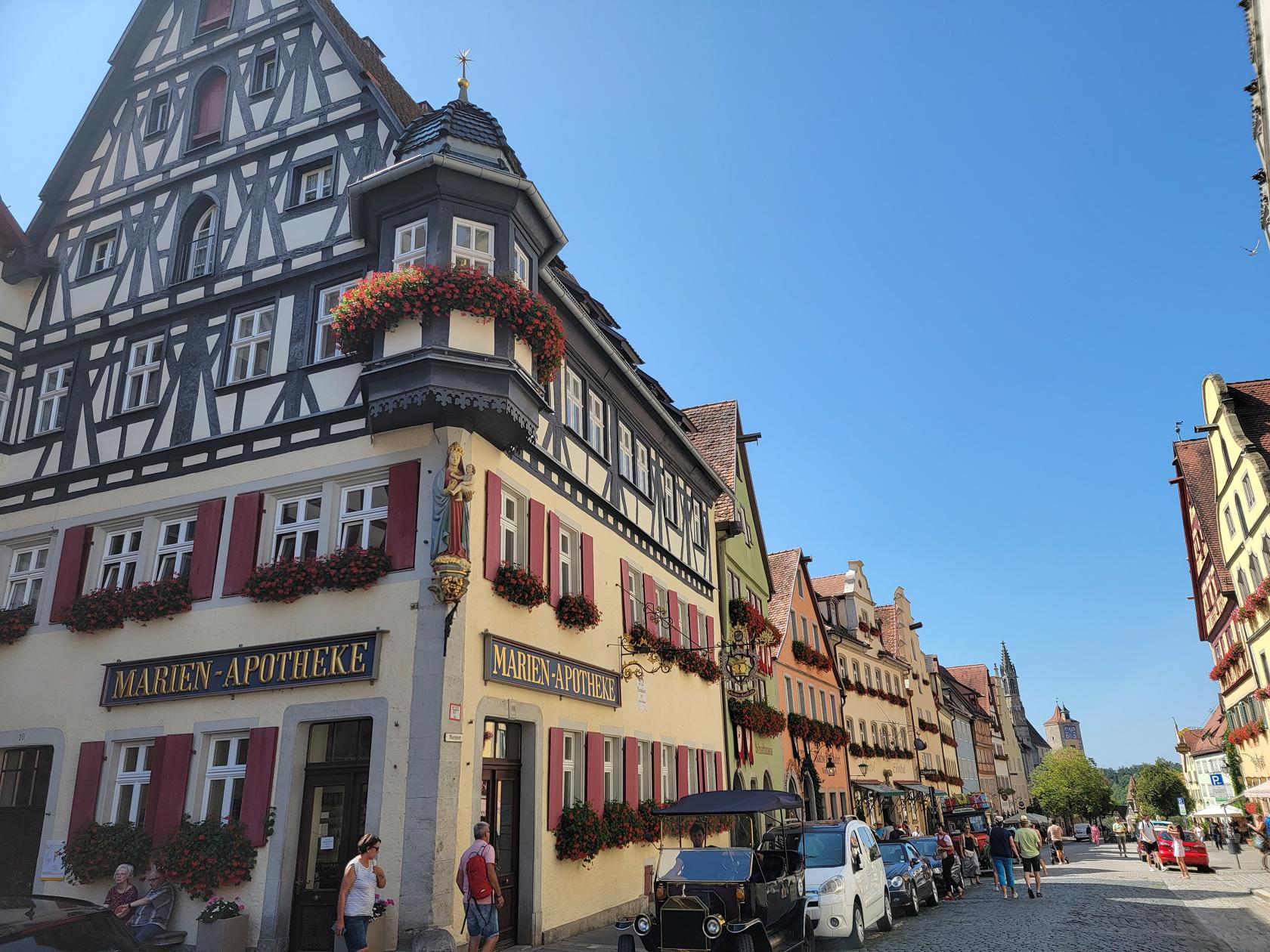
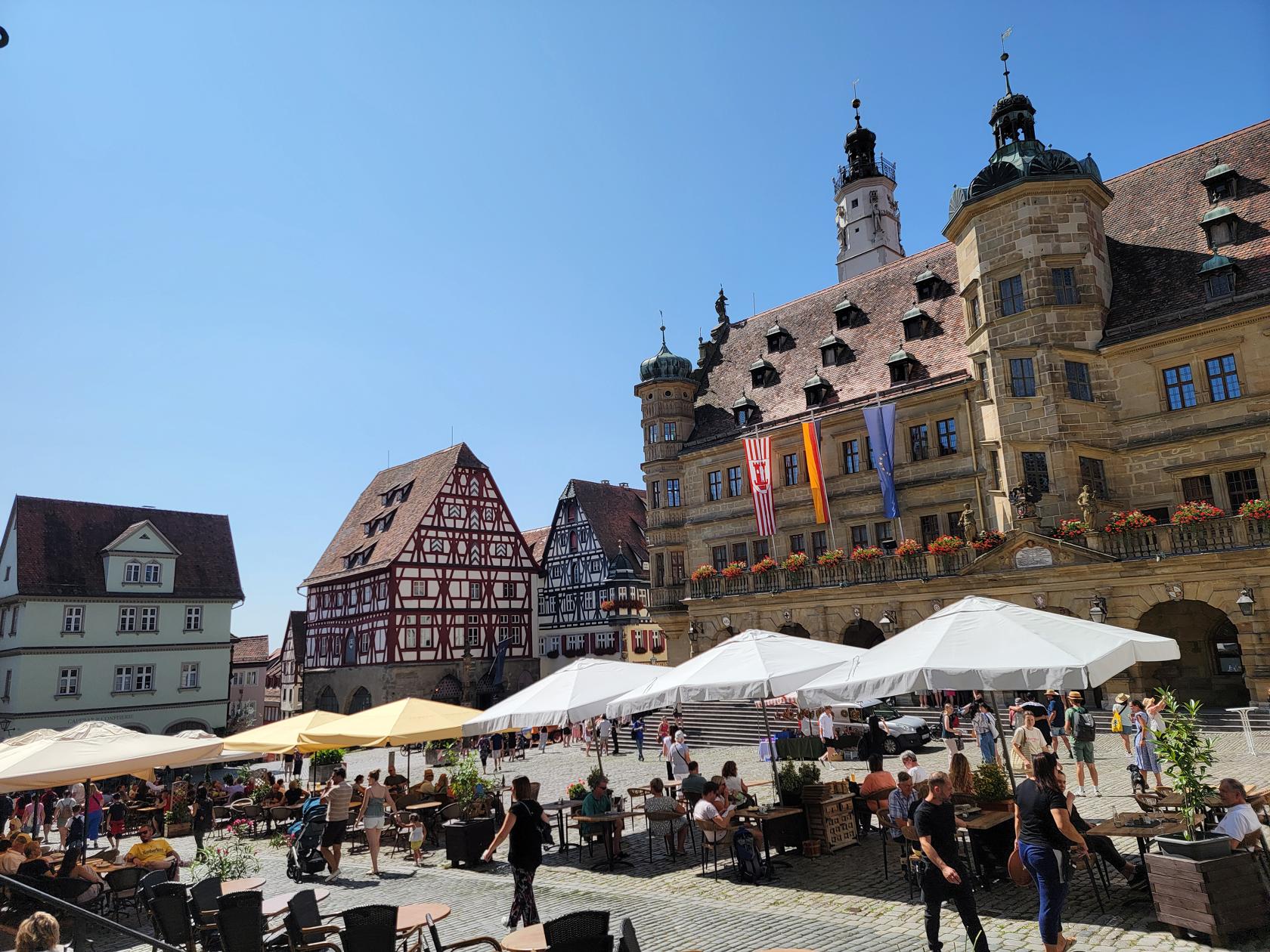
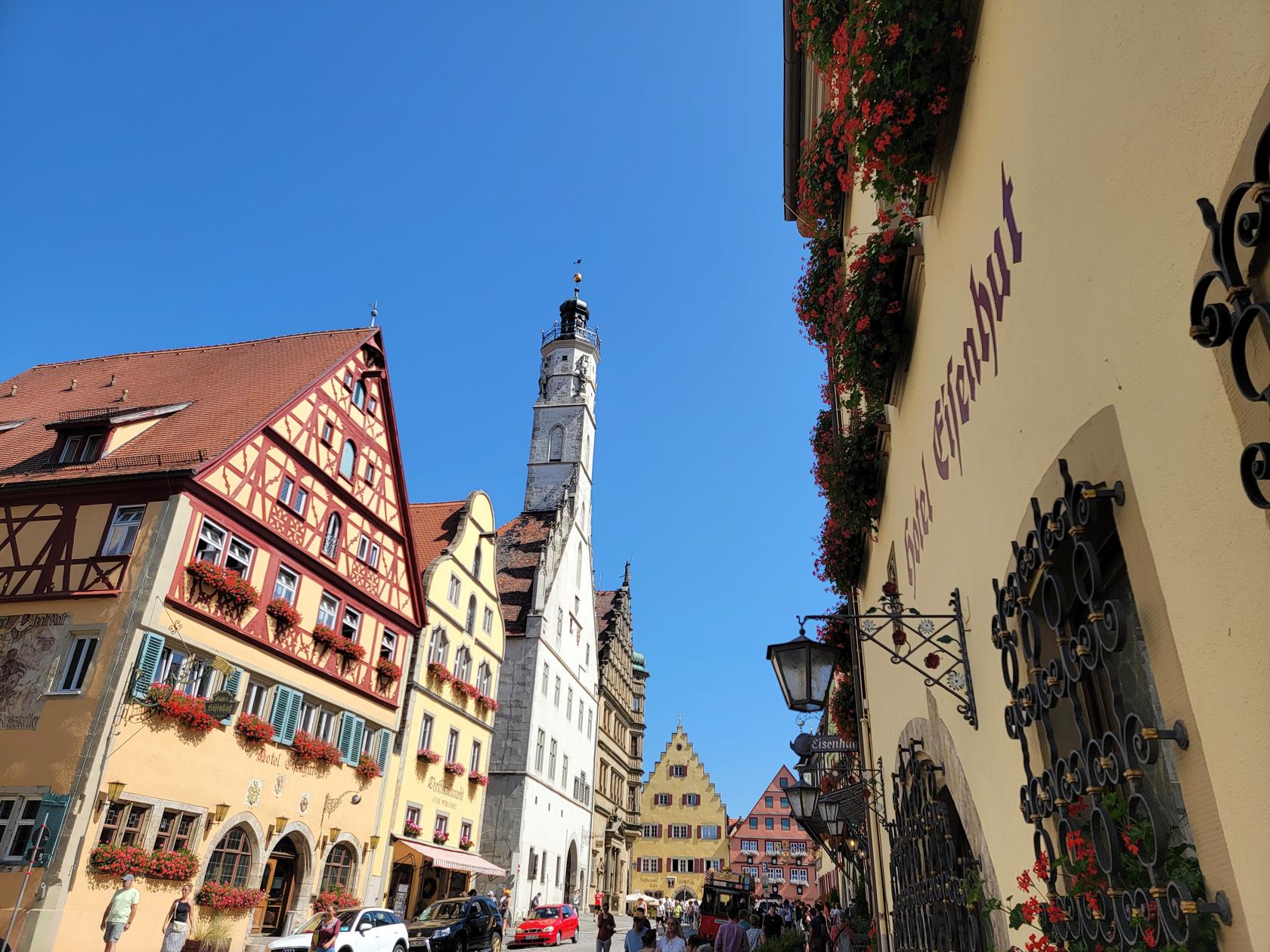
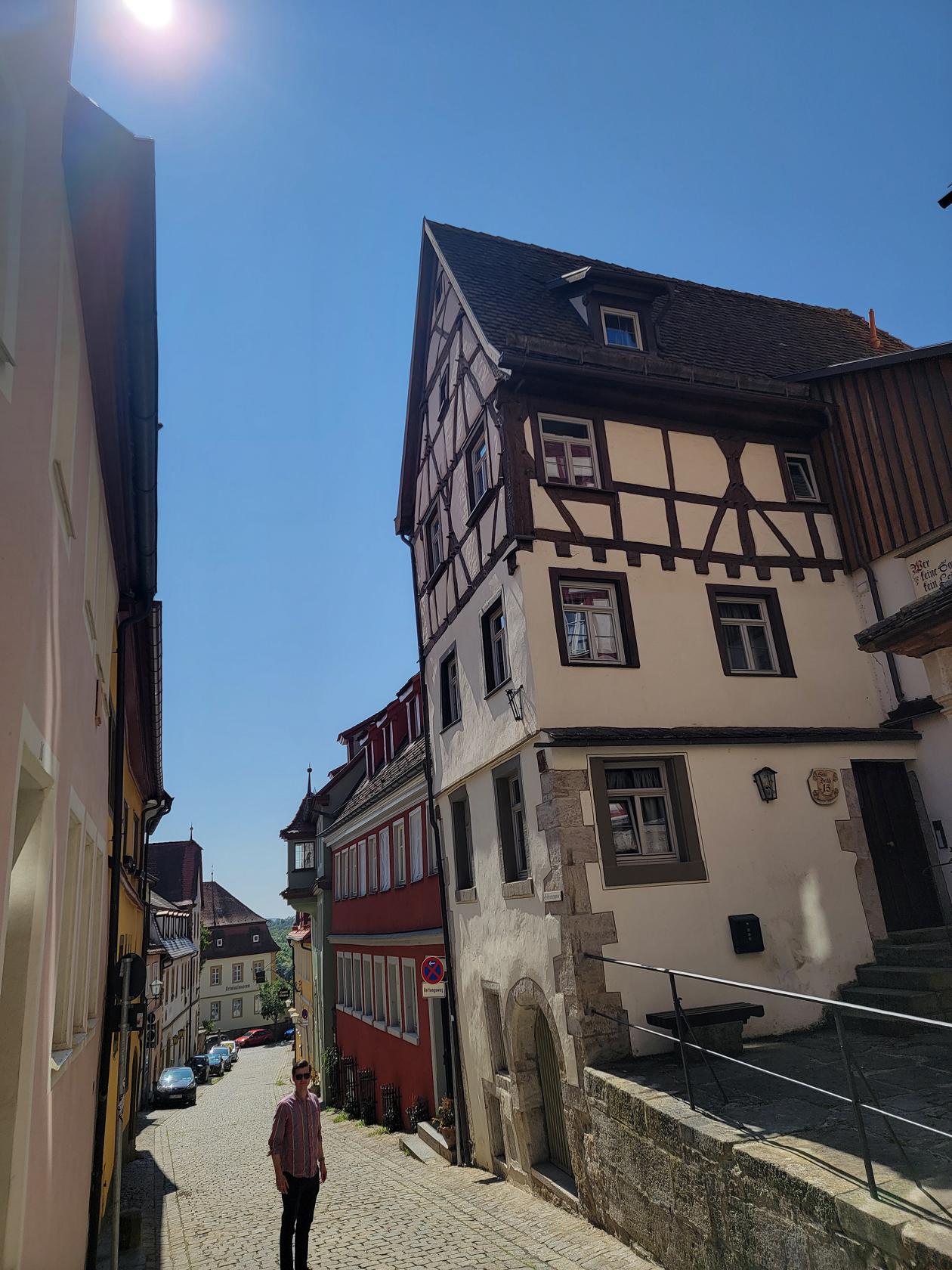
Rothenburg ob der Tauber is not doubt a miracle town amongst towns in Germany. Partially bombed during World War II, it took an American officer and the German commander of the city at the time to spare this town. The results of which, we are able to enjoy this middle-age town as it appears today, forty percent of which was nevertheless destroyed by allied bombing before it was stopped.
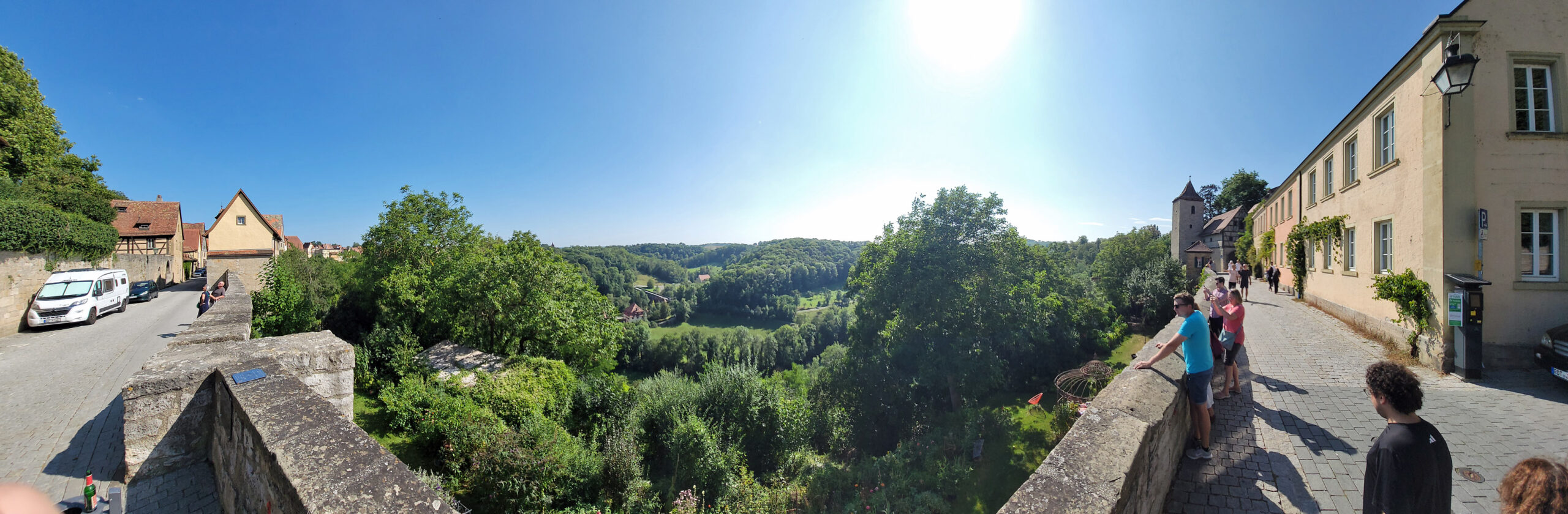
Panorama Tauber river valley – Rothenburg ob der Tauber, Germany
It is located in Bavaria and is about one and a half to two hours drive from the Frankfurt area on the A3 and A7, weather permitting of course. There are several parking areas to choose from for visitors, though we found street parking a block or so further out for free.
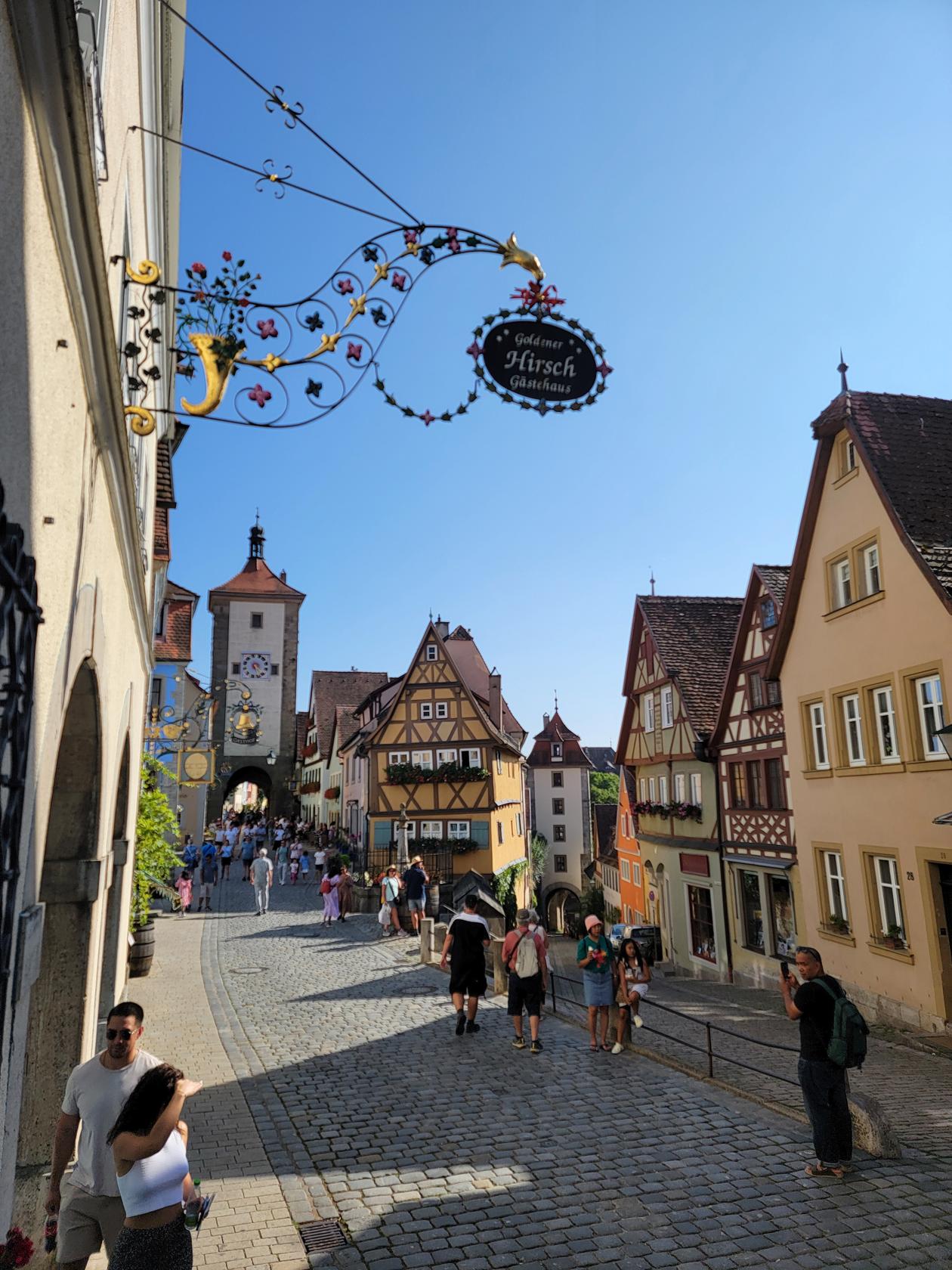
Plönlein with Kobolzeller Steige and Spitalgasse – Rothenburg ob der Tauber, Germany
Rothenburg ob der Tauber
If it weren’t for it’s strange history at the end of World War II, this town would be easily overlooked. Not necessarily by Germans, but definitely by international tourists always looking for some interesting sidebar or reason to visit. Luckily, even on a Saturday, we did not find it all that busy for a tourist destination. We only hope that it will stay that way.
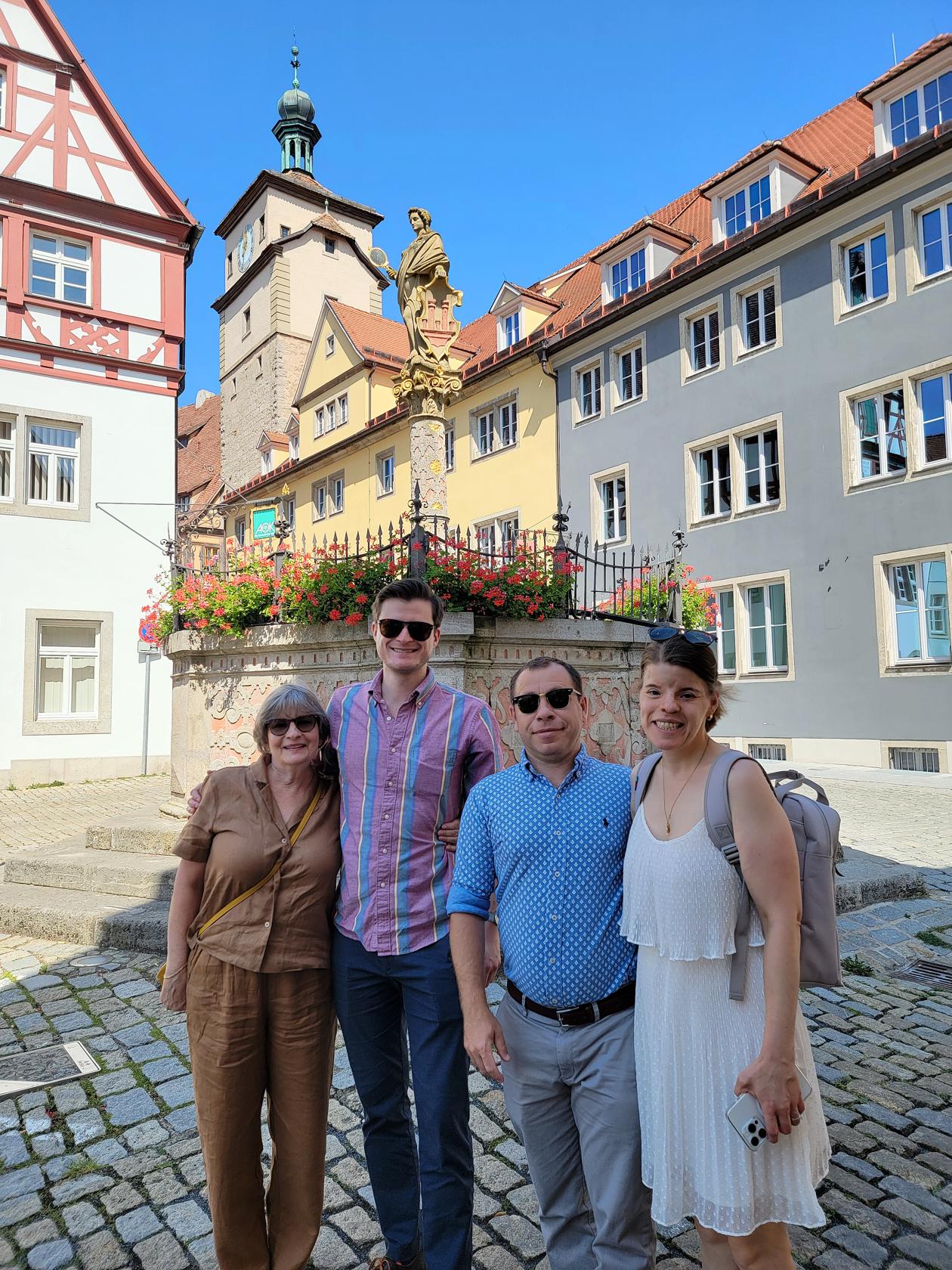
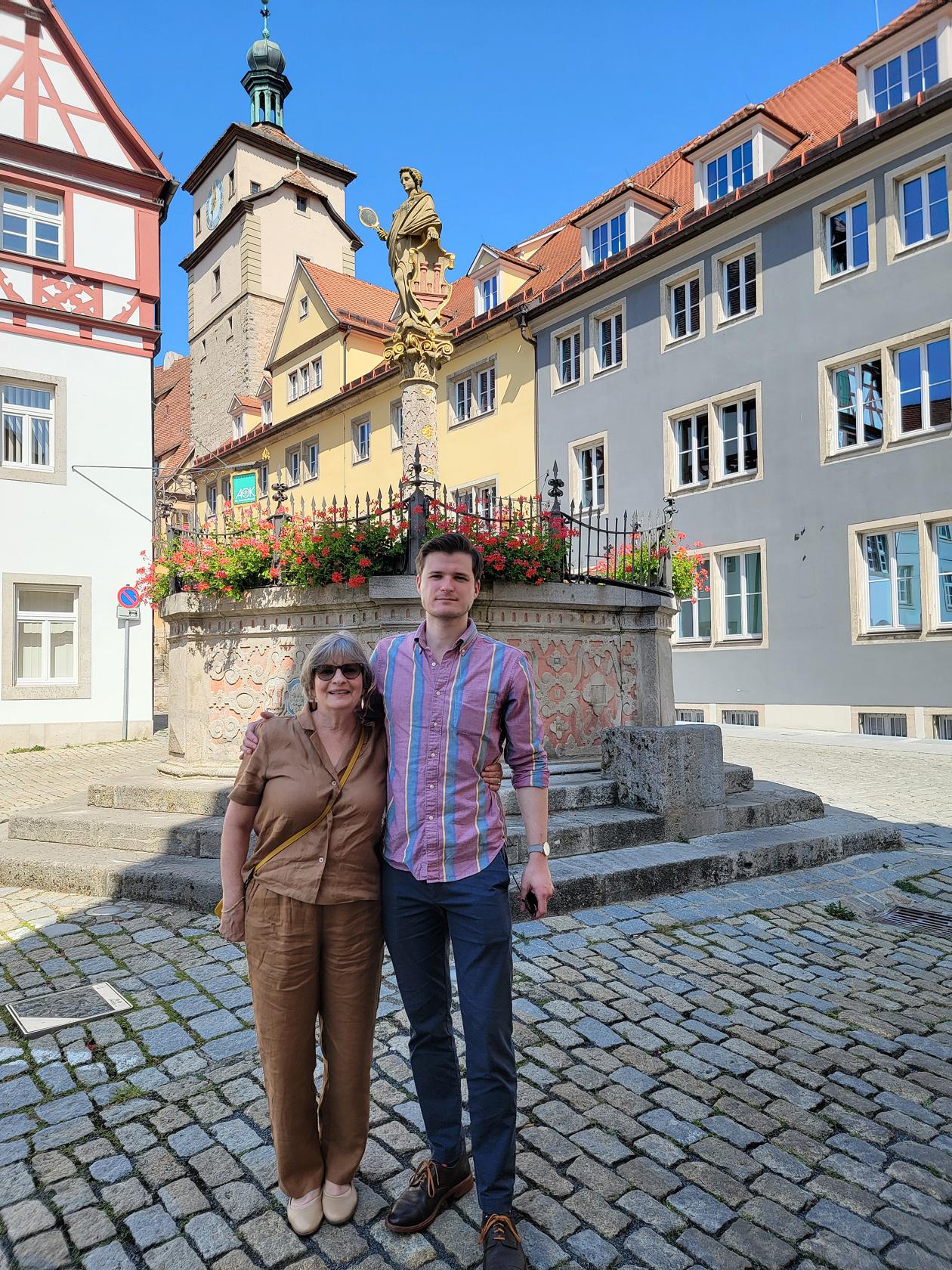
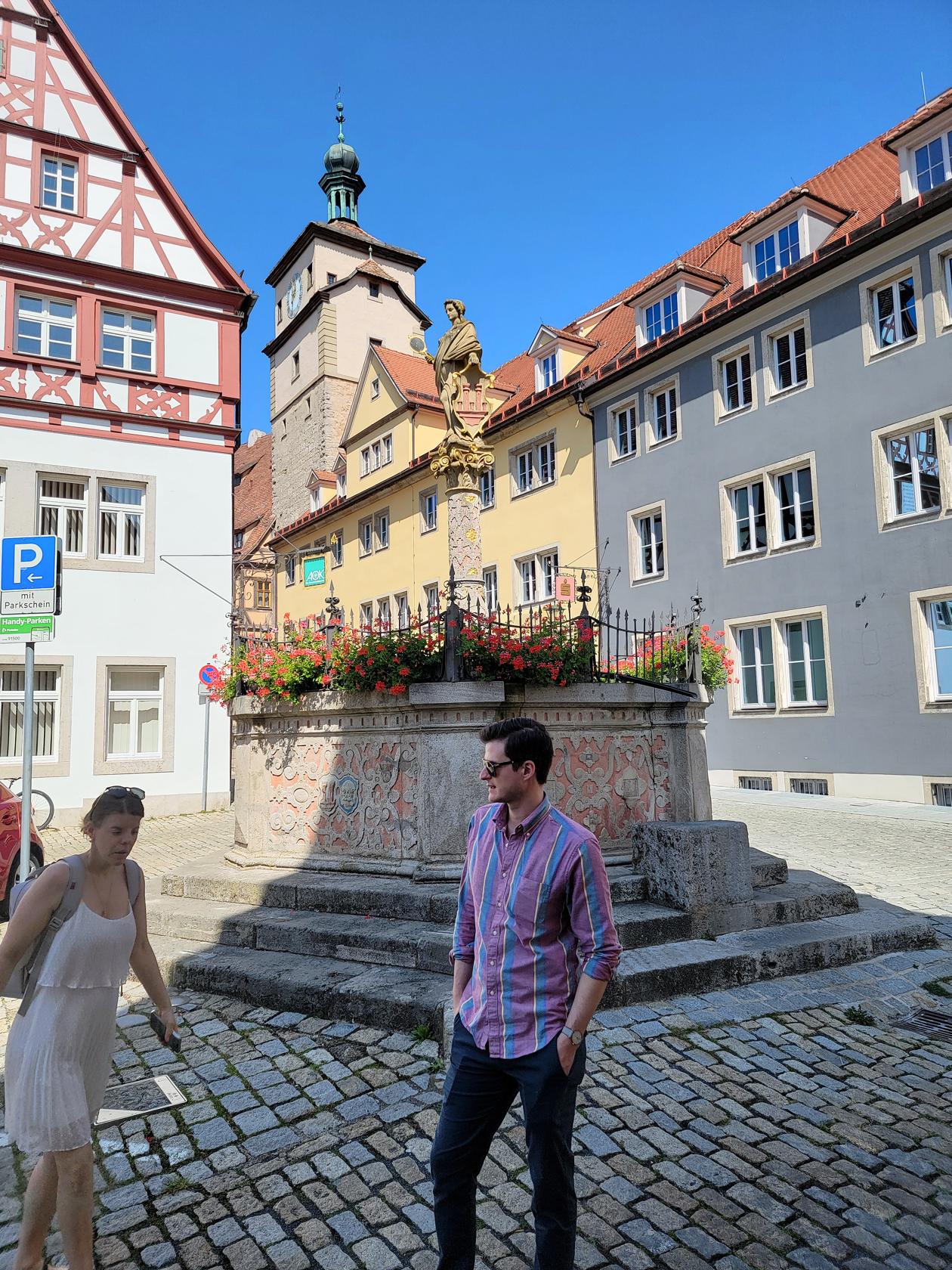
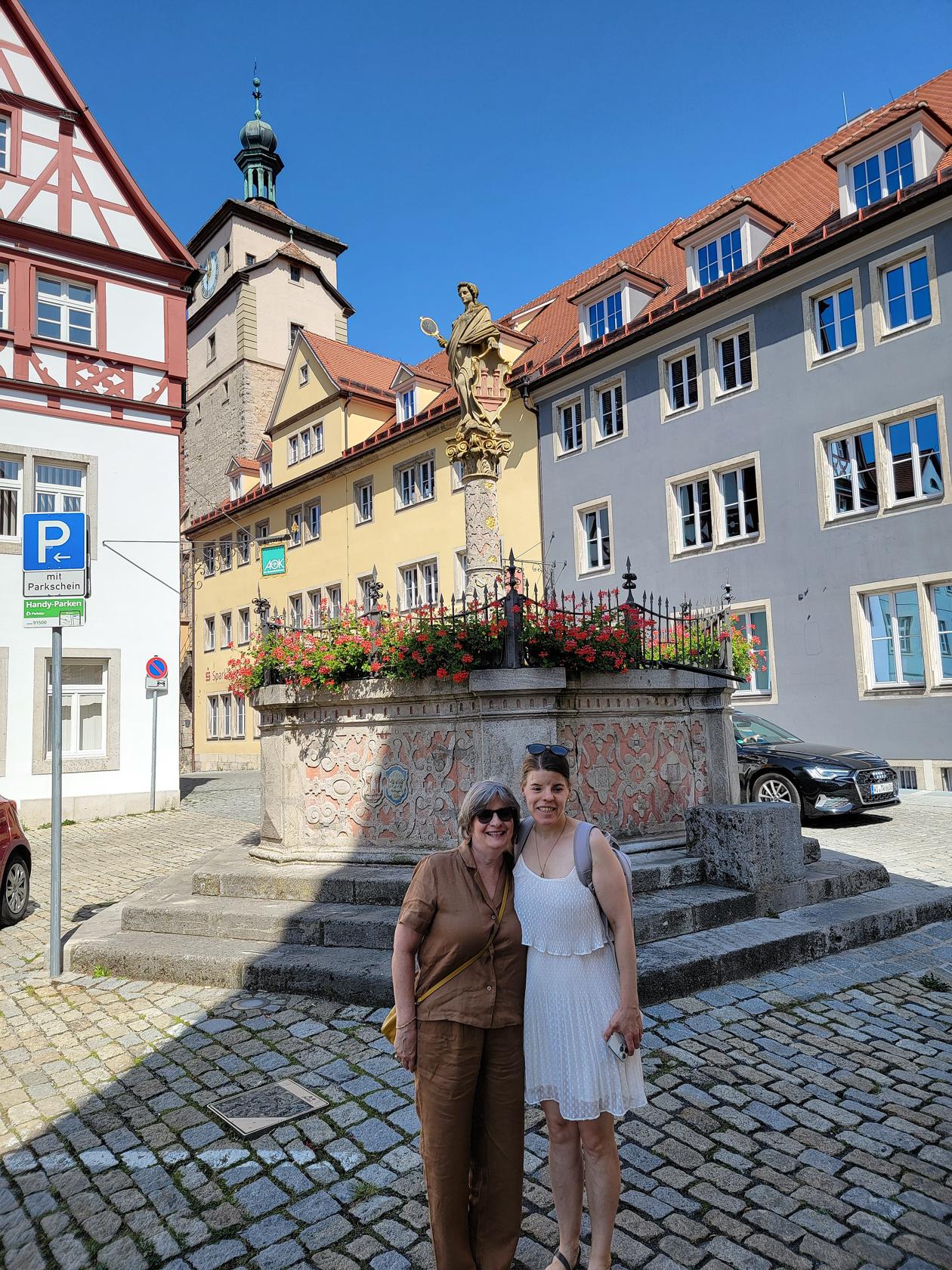
Patti, Dana, Gabi and Ericka – Seelbrunnen – Rothenburg ob der Tauber, Germany
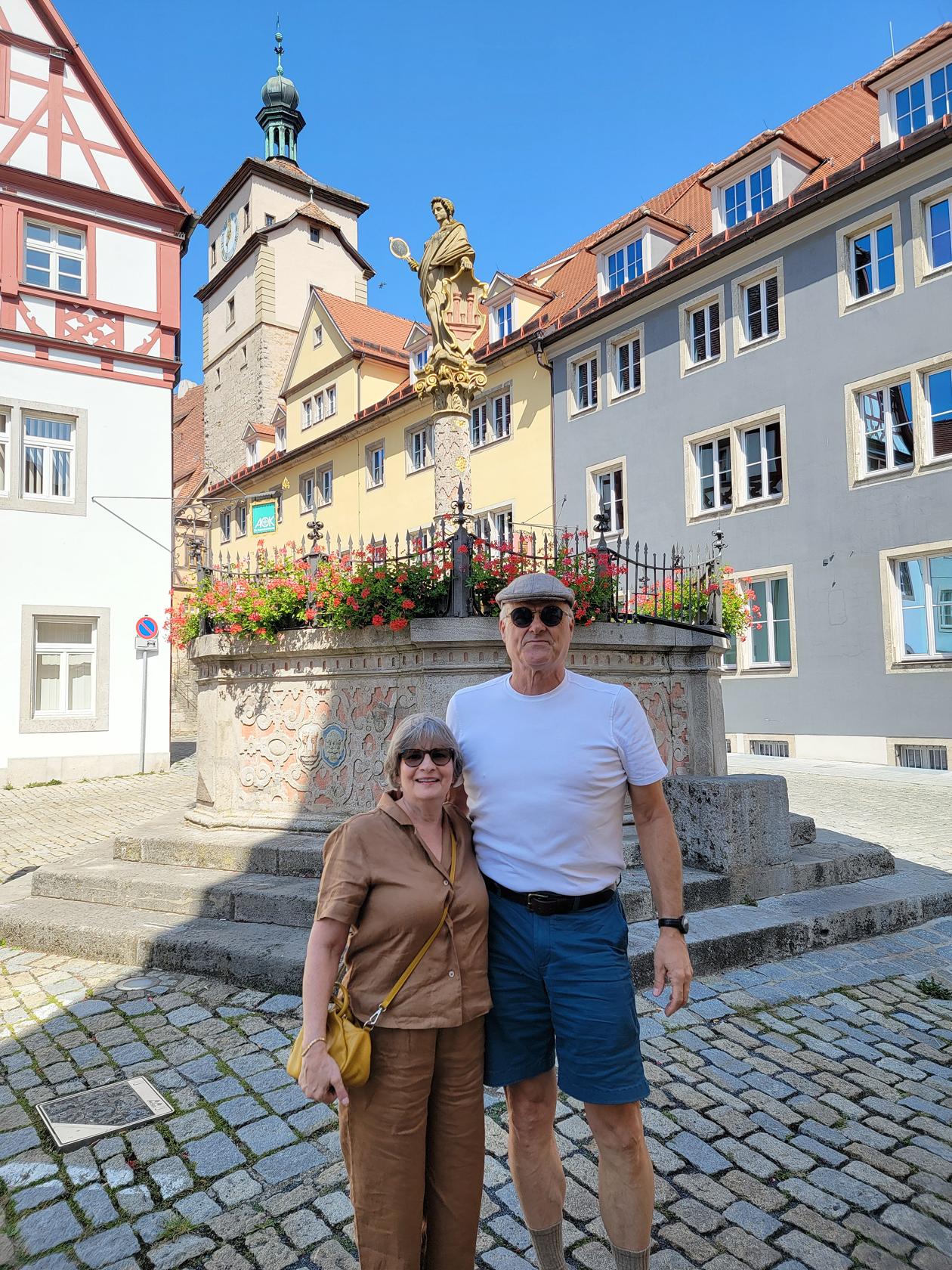
Patti and Erick – Seelbrunnen – Rothenburg ob der Tauber, Germany
Patti and Dana – Seelbrunnen – Rothenburg ob der Tauber, Germany
Ericka and Dana – Seelbrunnen – Rothenburg ob der Tauber, Germany
Patti and Ericka – Seelbrunnen – Rothenburg ob der Tauber, Germany
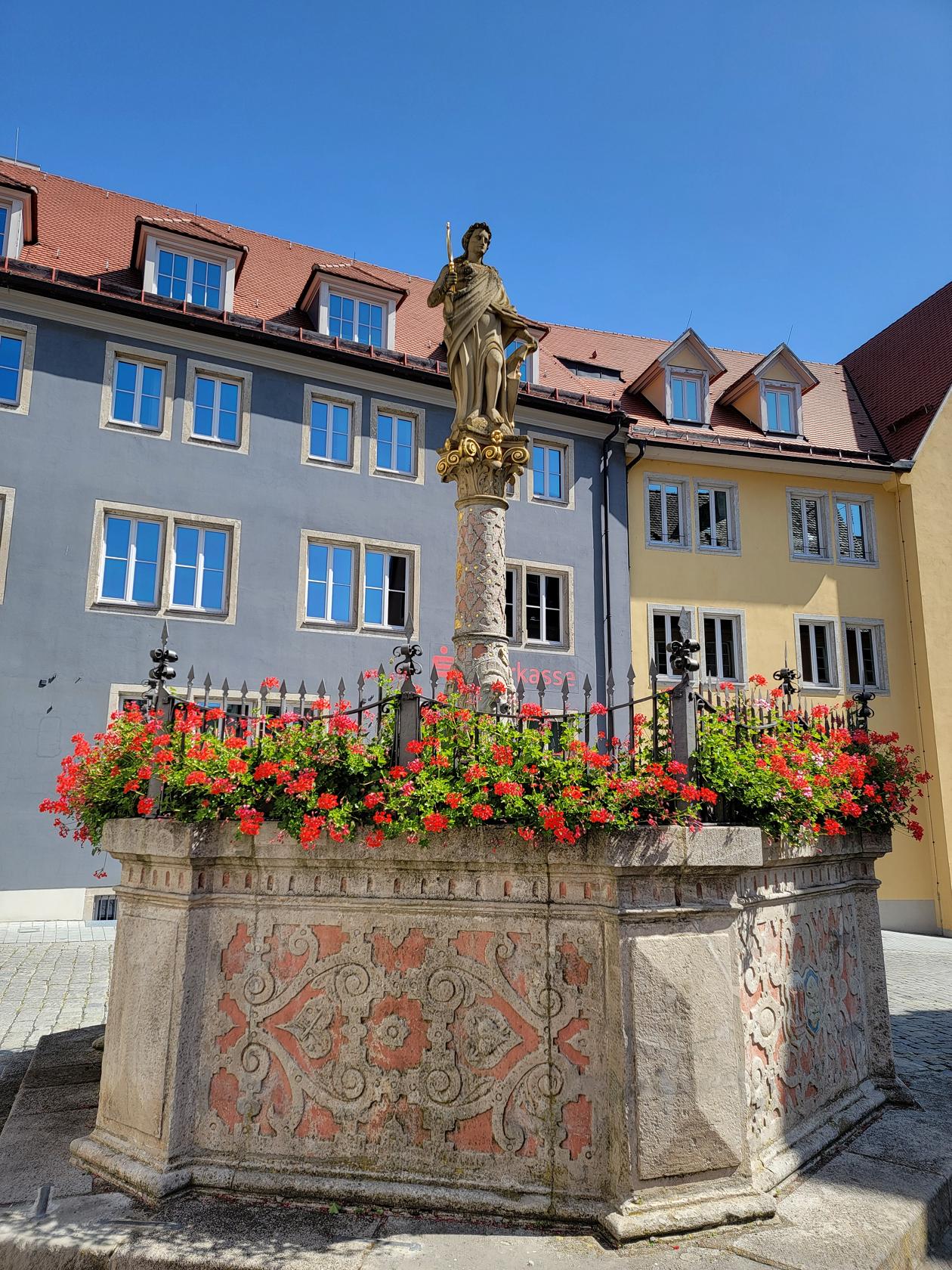
Seelbrunnen – Rothenburg ob der Tauber, Germany
Marktplatz
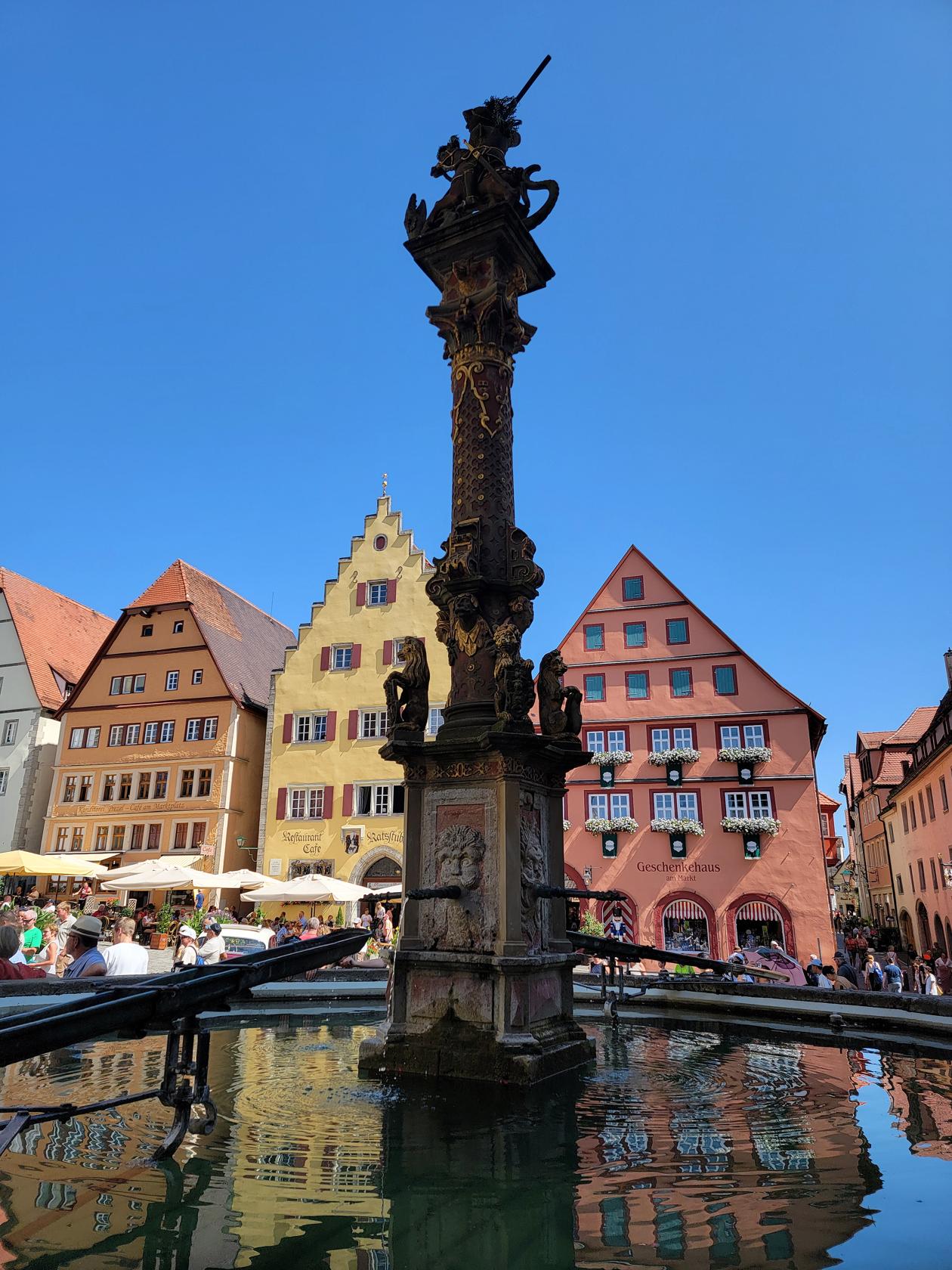
The center square hosts various shops and restaurants, as well as the Town Hall and Ratstrinkstube Clock Tower. Saint George’s fountain can also be found here toward the lower part of the square.
Business shields – Rothenburg ob der Tauber, Germany
Italian Ice place – Rothenburg ob der Tauber, Germany
Spitalgasse with Spitalturm in distance – Rothenburg ob der Tauber, Germany
Marktplatz – Rothenburg ob der Tauber, Germany
Rathausturm – Rothenburg ob der Tauber, Germany
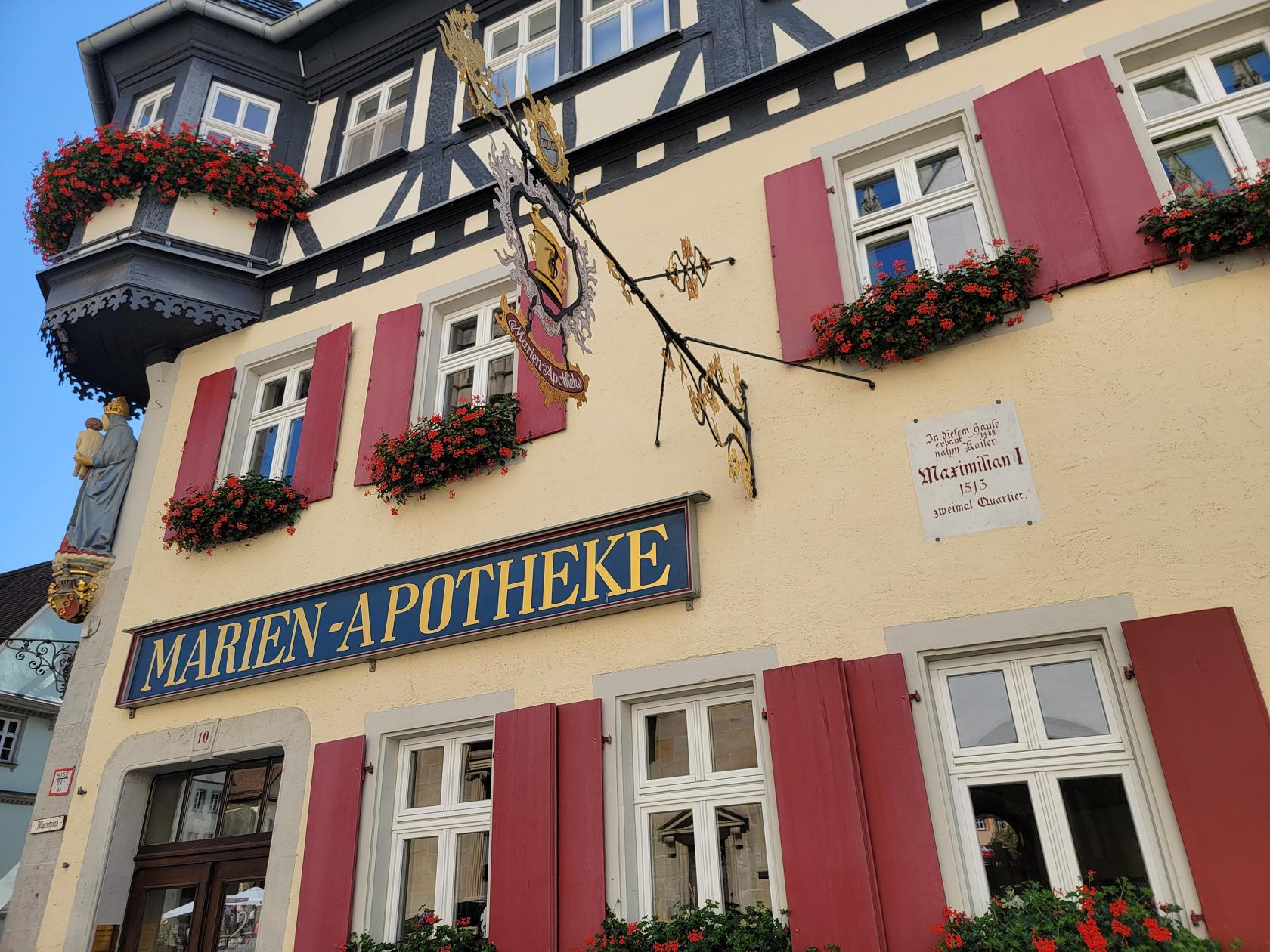
Apotheke shield – Rothenburg ob der Tauber, Germany
St. George fountain – Marktplatz – Rothenburg ob der Tauber, Germany
Dana – Rothenburg ob der Tauber, Germany
Towers
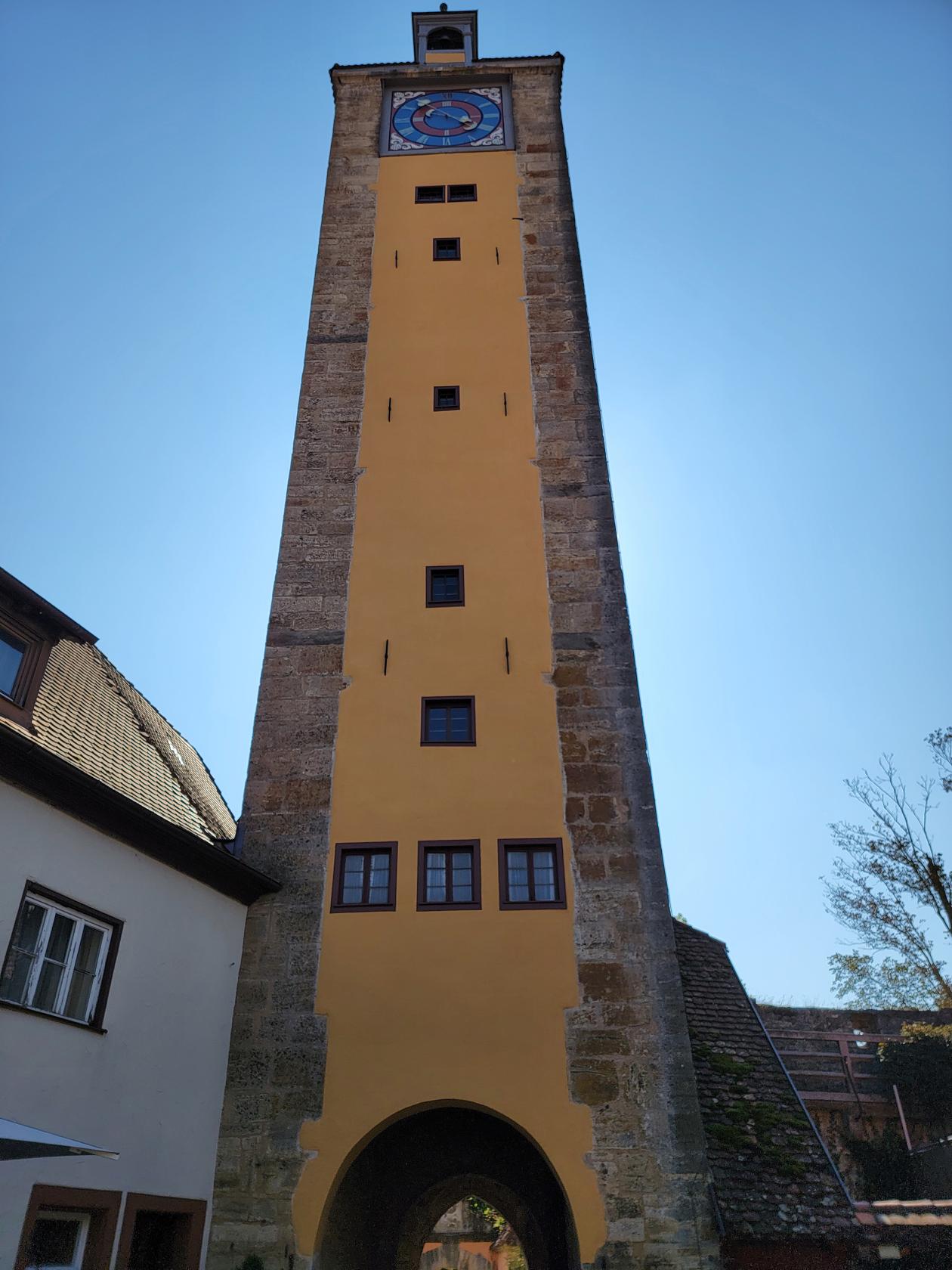
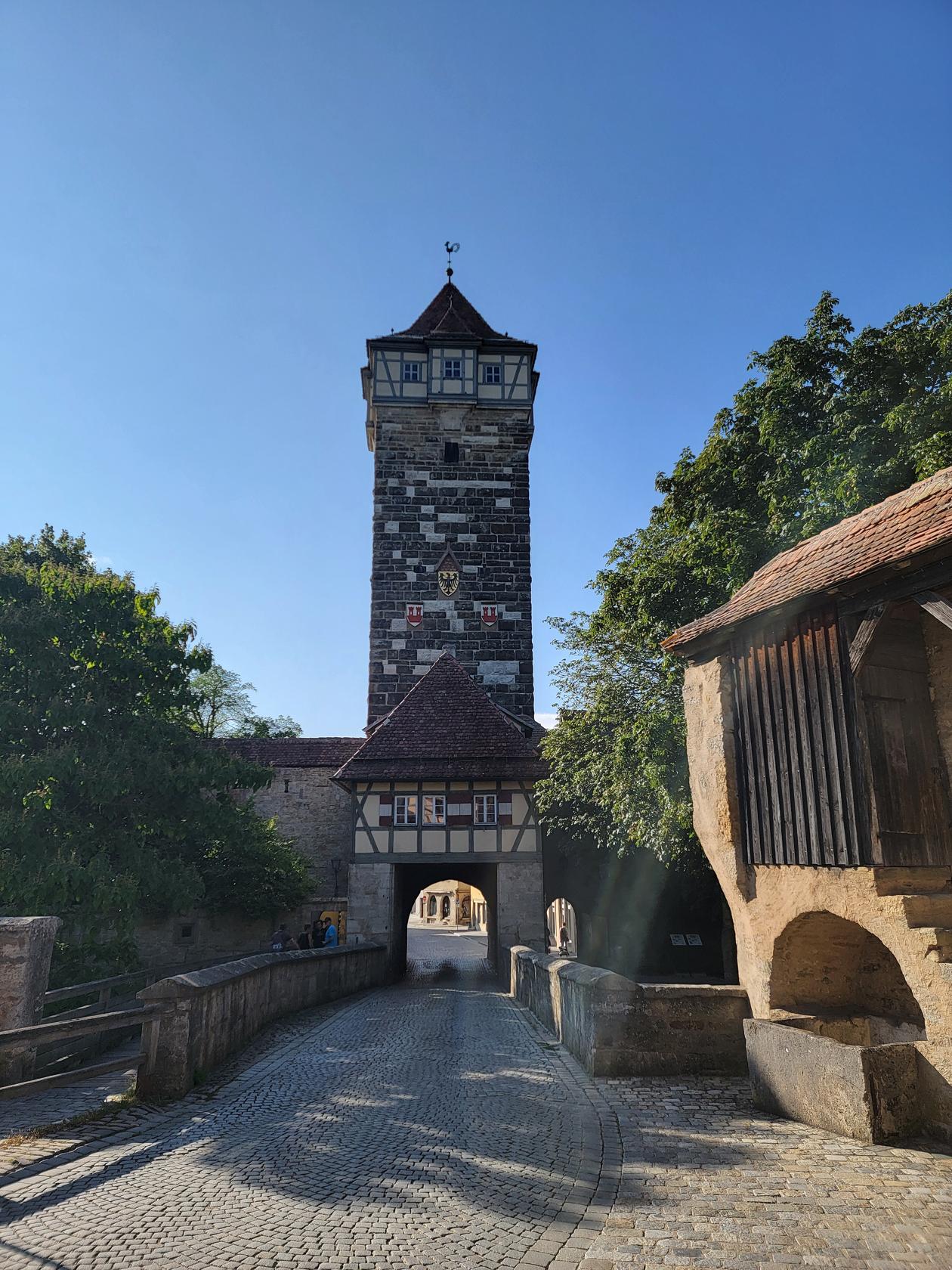
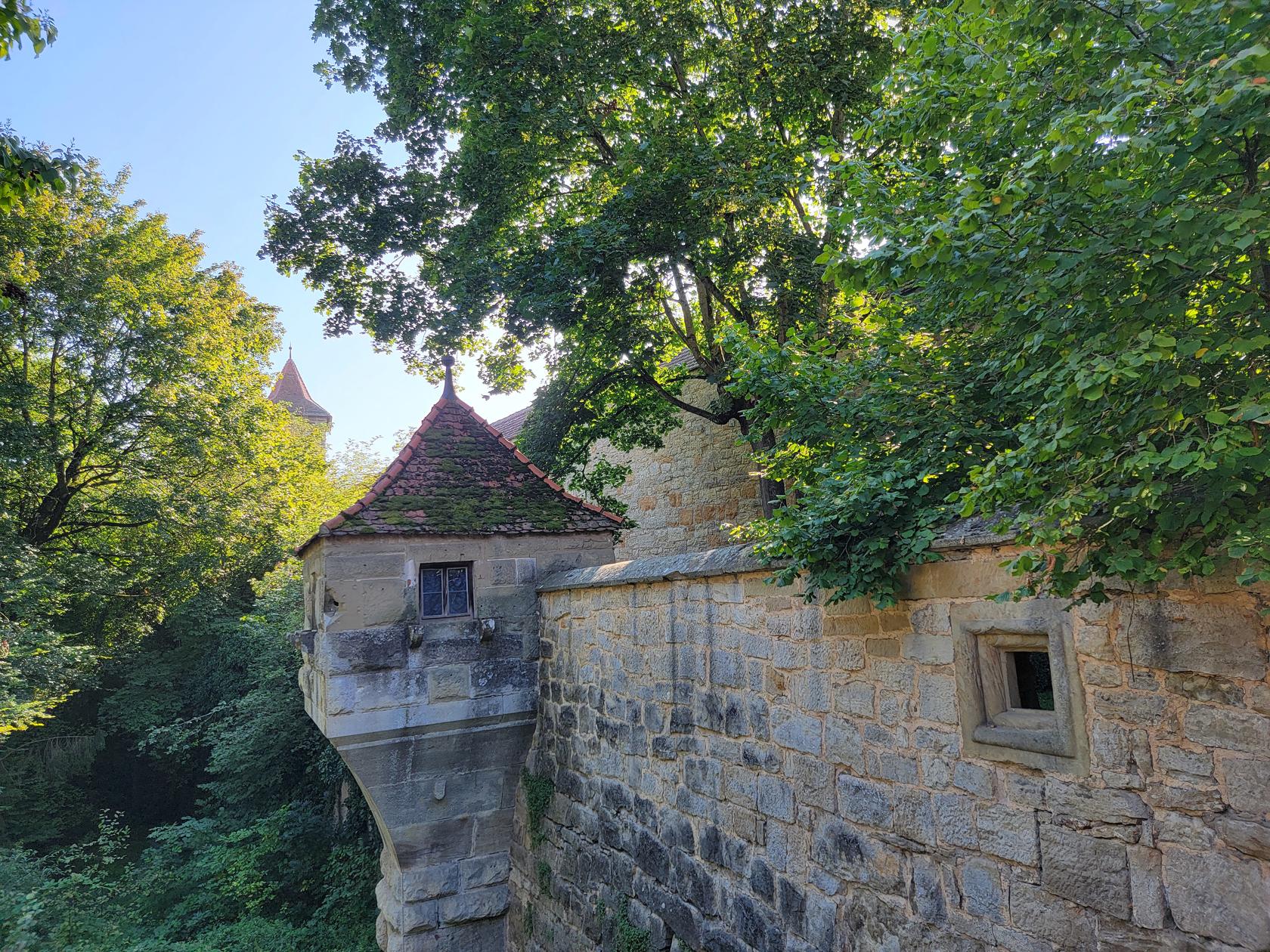
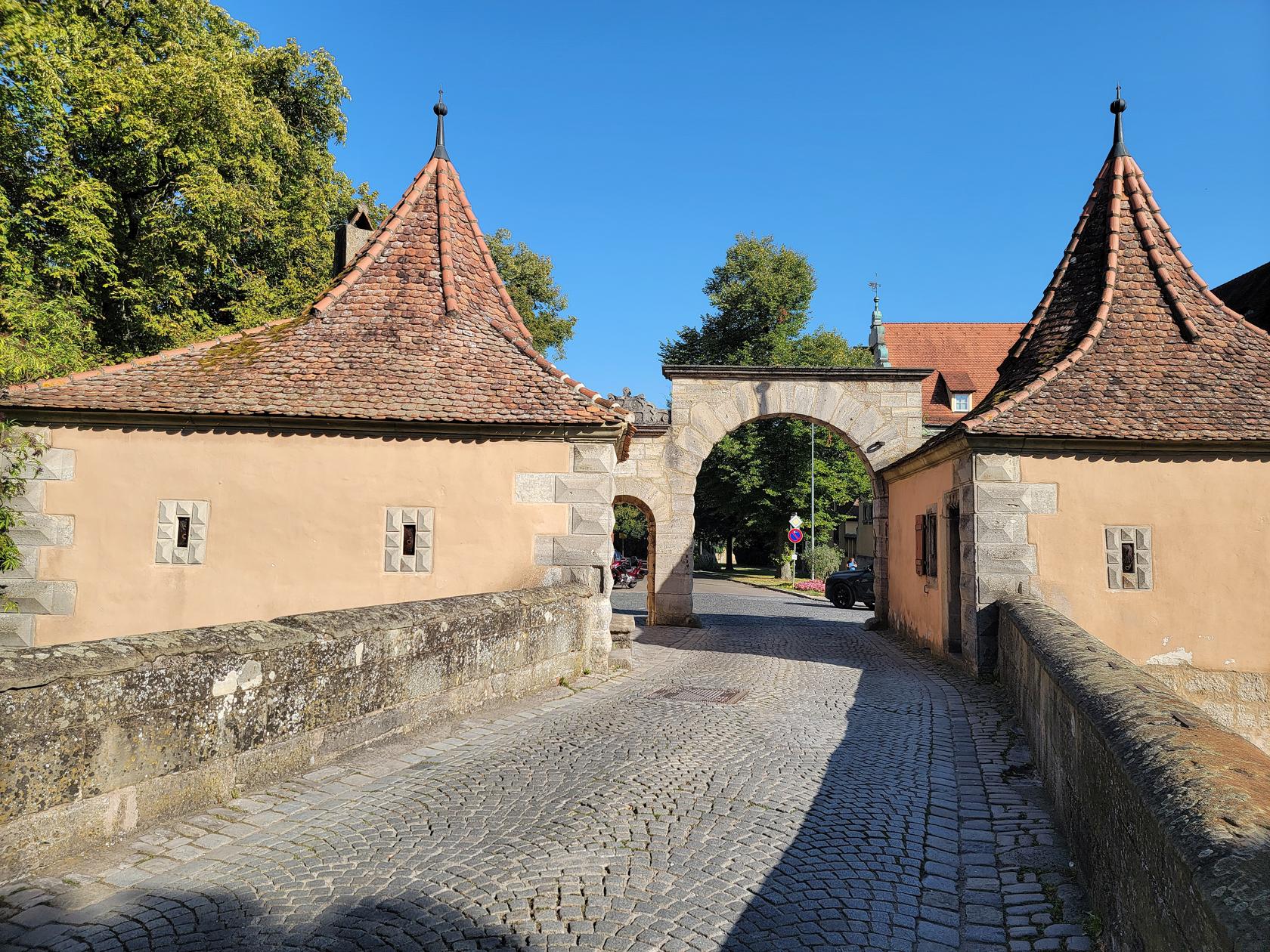
Rothenburg has many towers on all sides of the town, especially on the eastern side. The main entrance towers are of course grander, but the little ones are no less impressive.
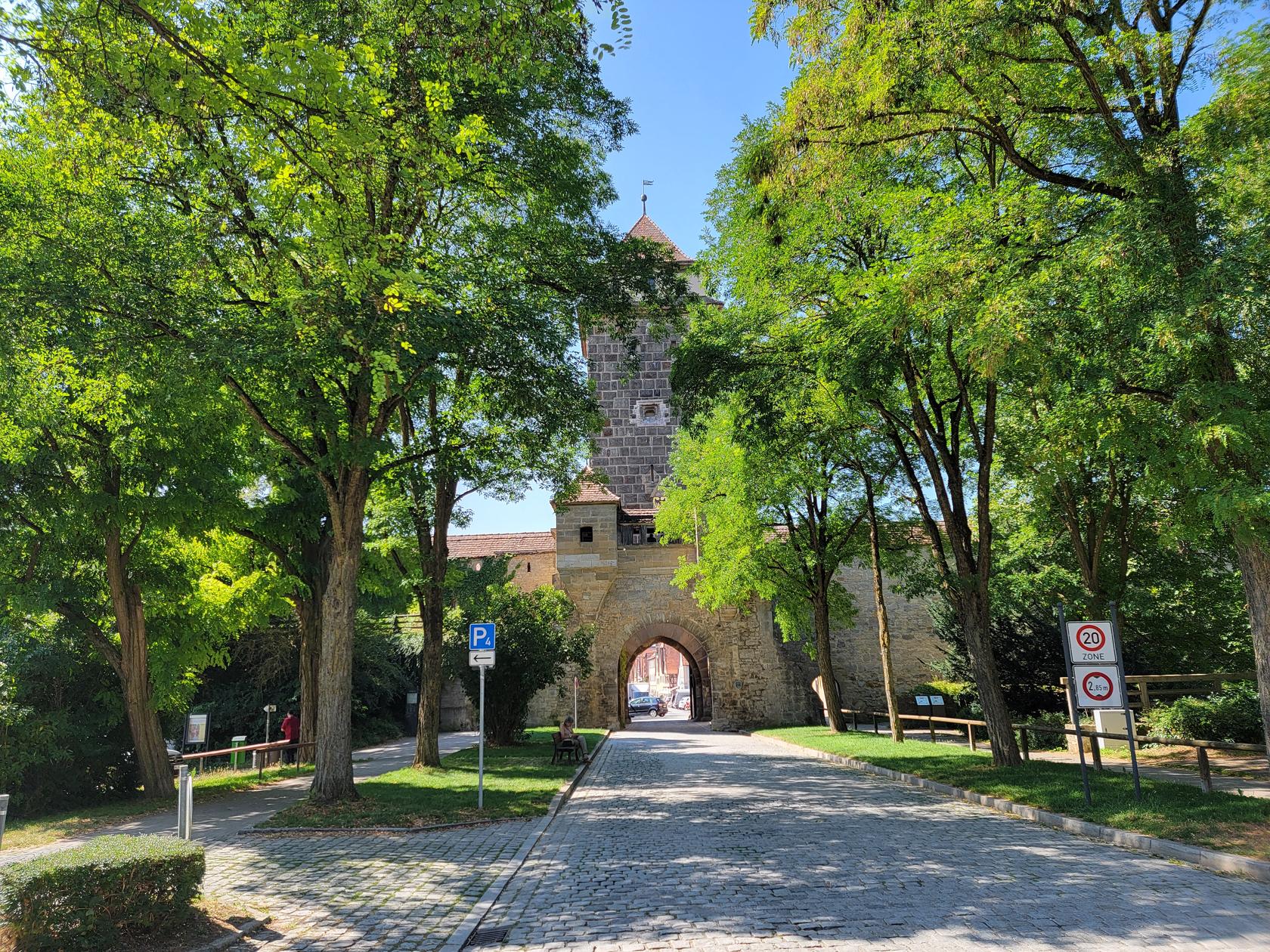
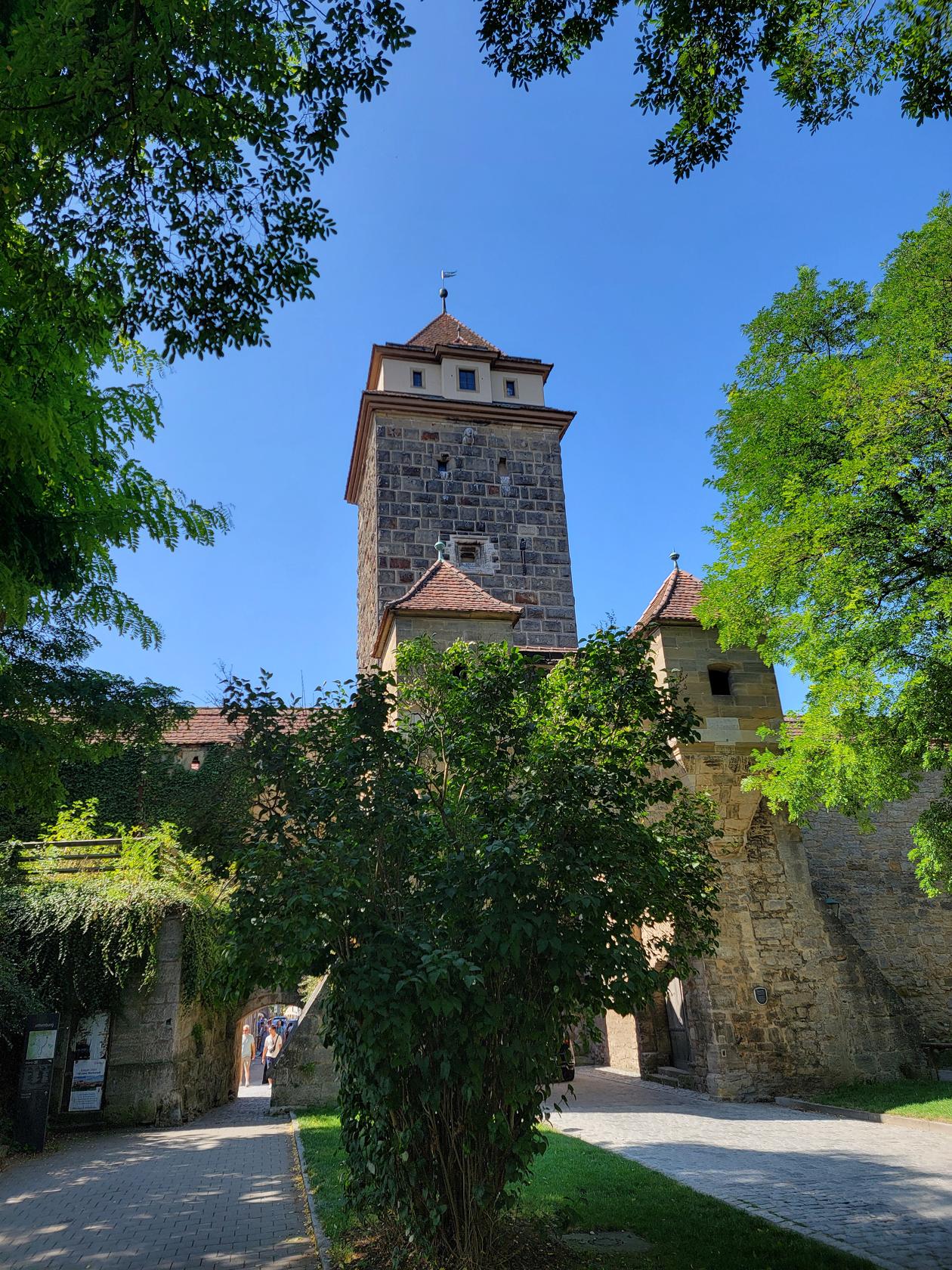
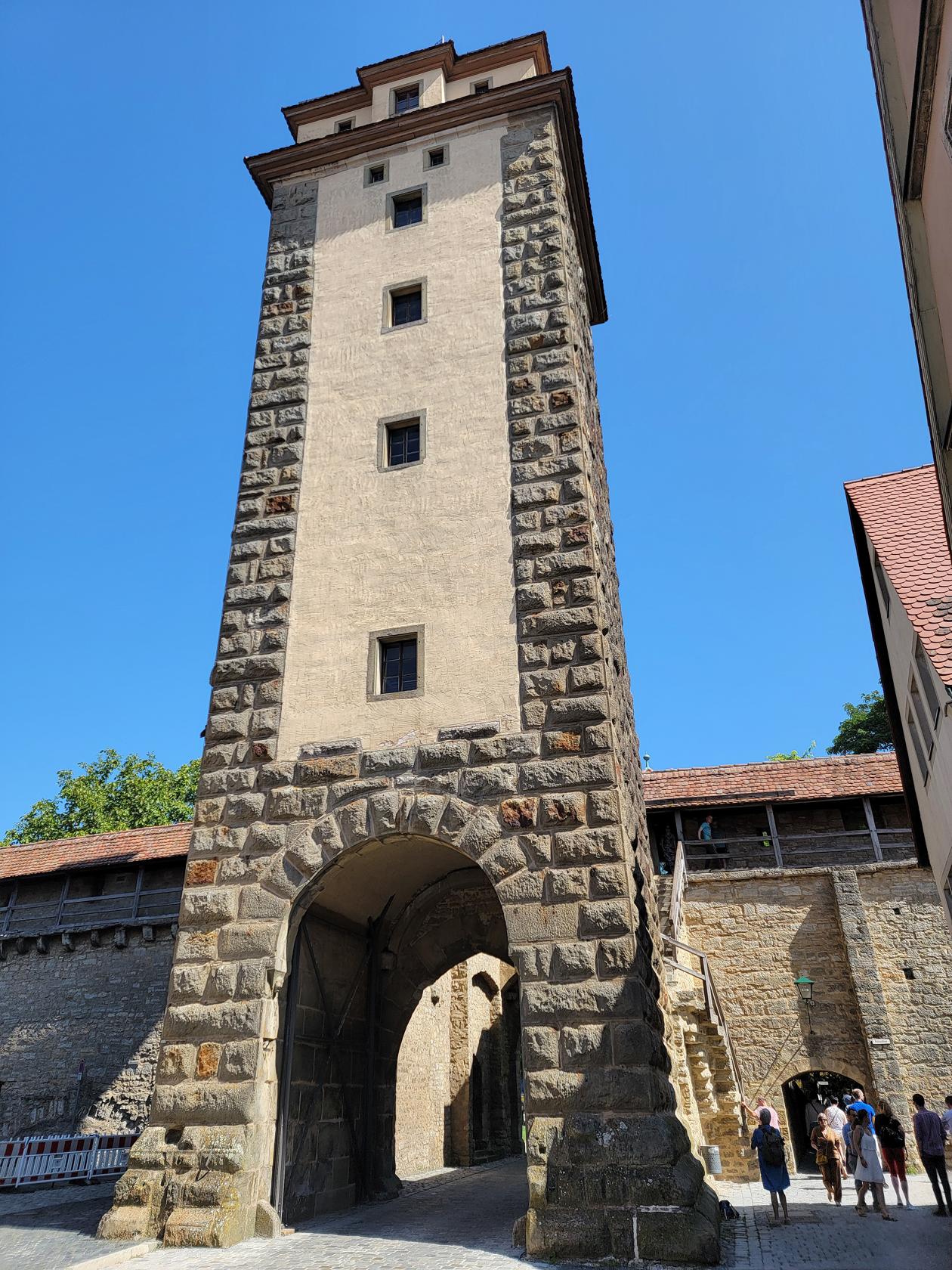
Gallows Gate – Rothenburg ob der Tauber, Germany
Gallows Gate – Rothenburg ob der Tauber, Germany
– Rothenburg ob der Tauber, Germany
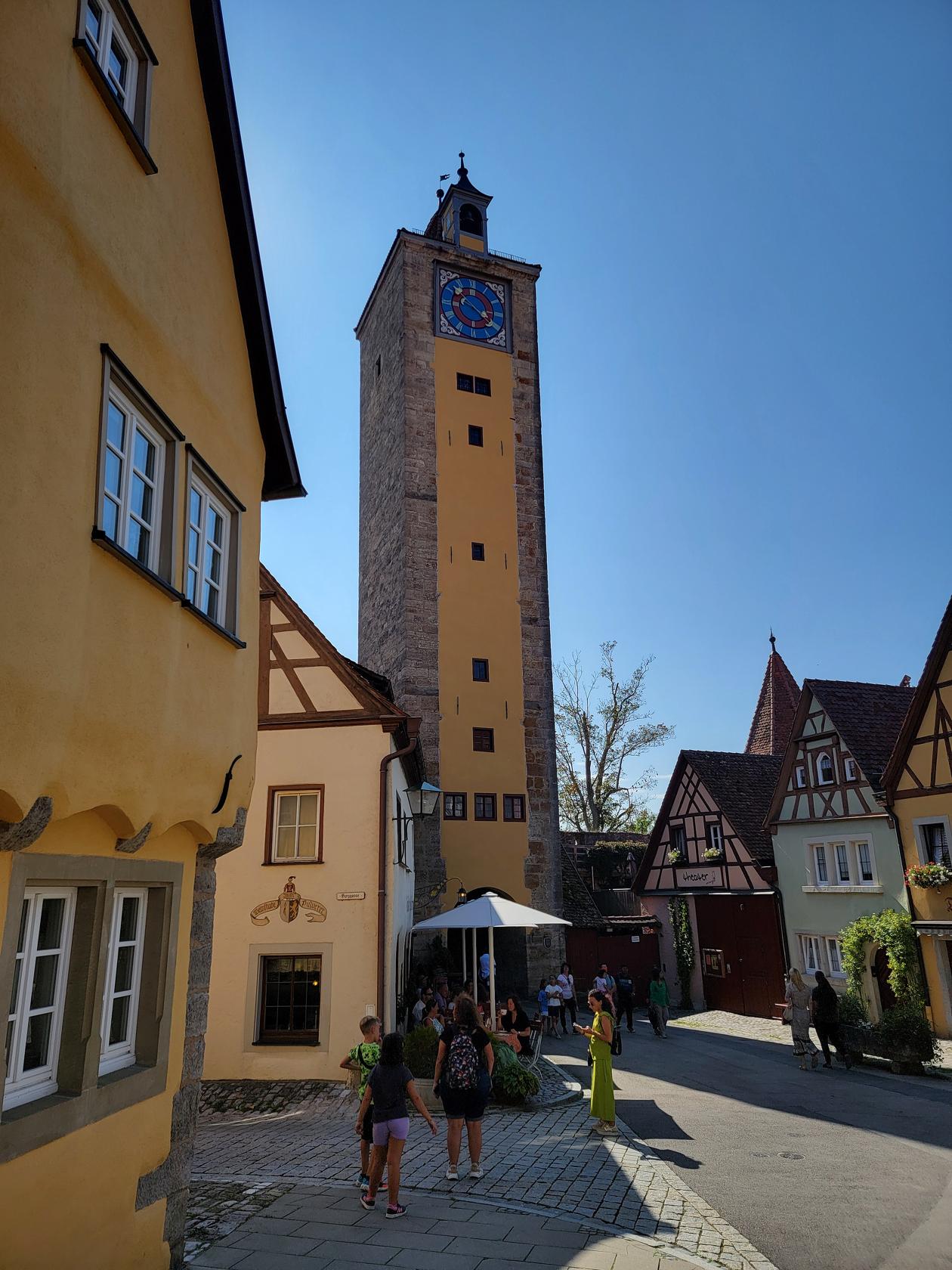
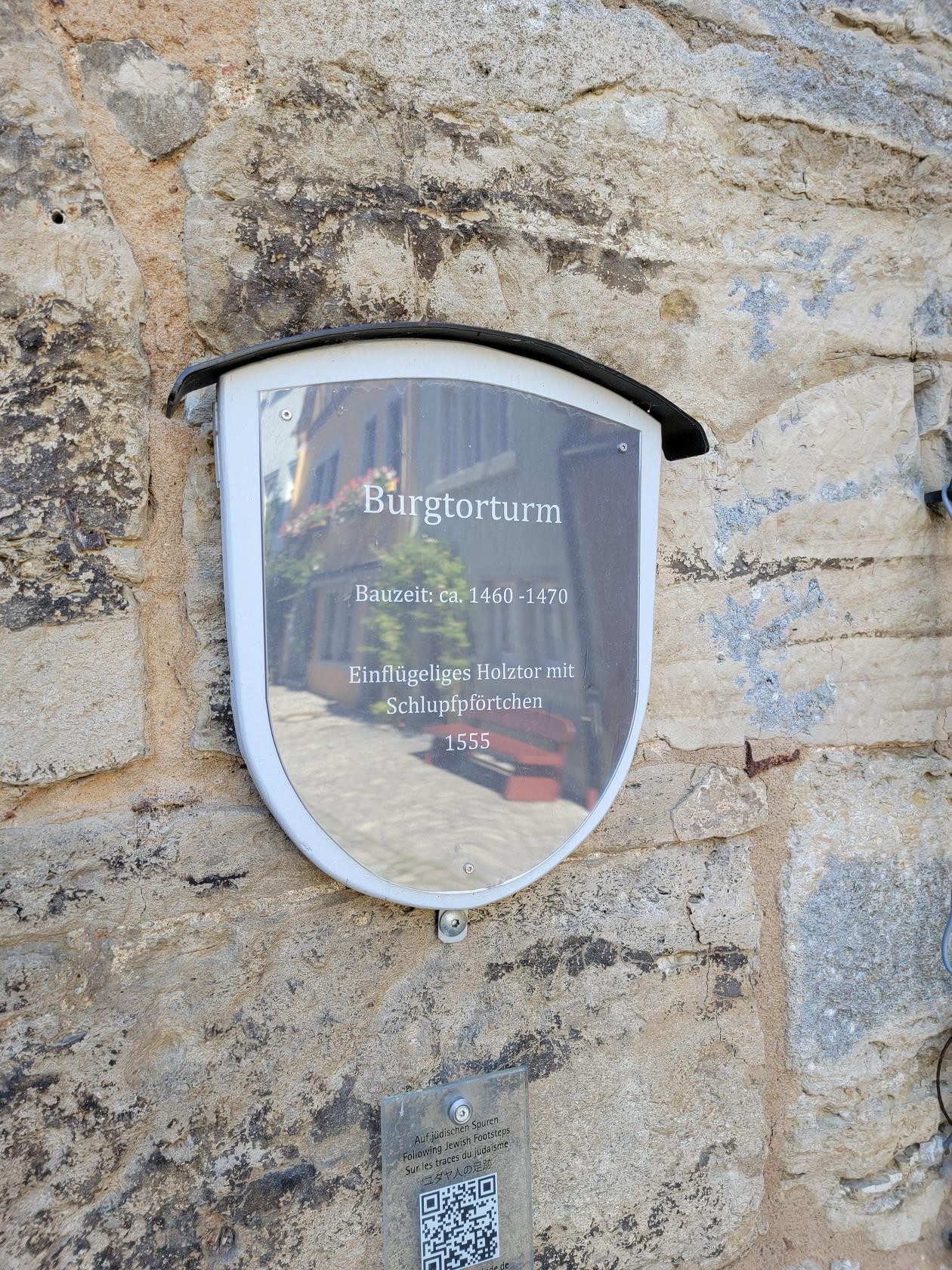
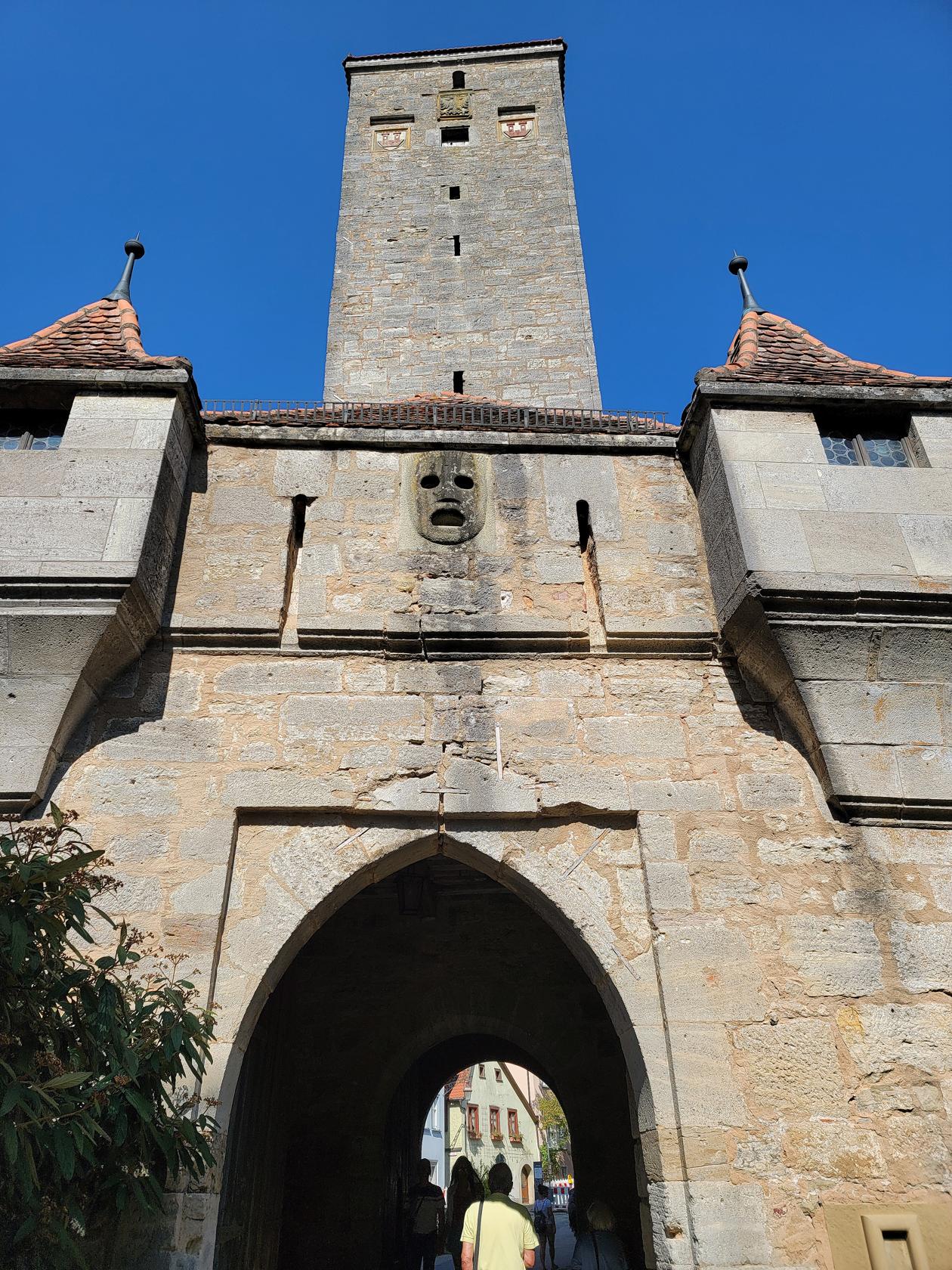
Burgtorturm – Rothenburg ob der Tauber, Germany
Burgtorturm – Rothenburg ob der Tauber, Germany
Burgtorturm – Rothenburg ob der Tauber, Germany
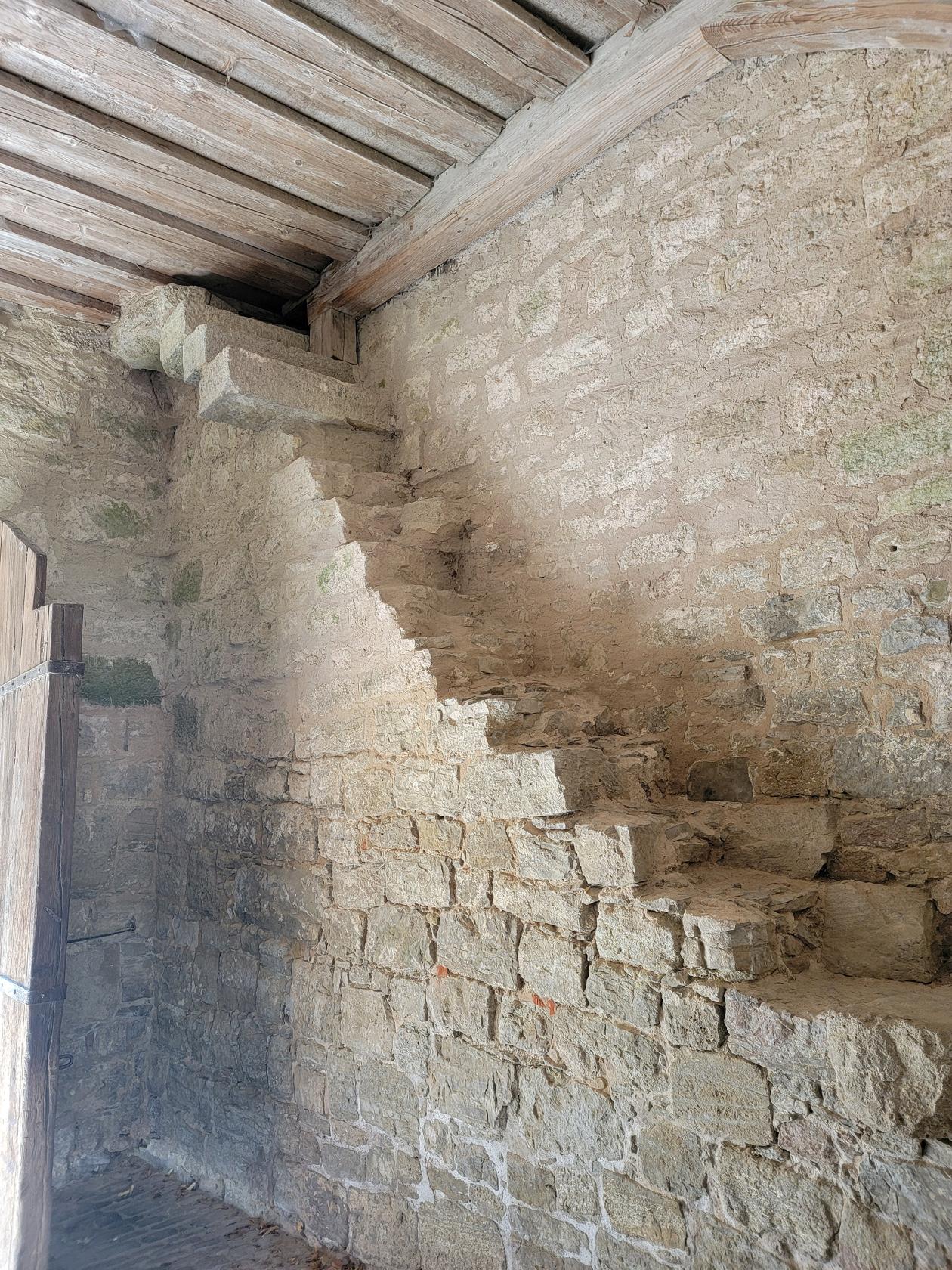
Old unused staircase – Burgtorturm – Rothenburg ob der Tauber, Germany
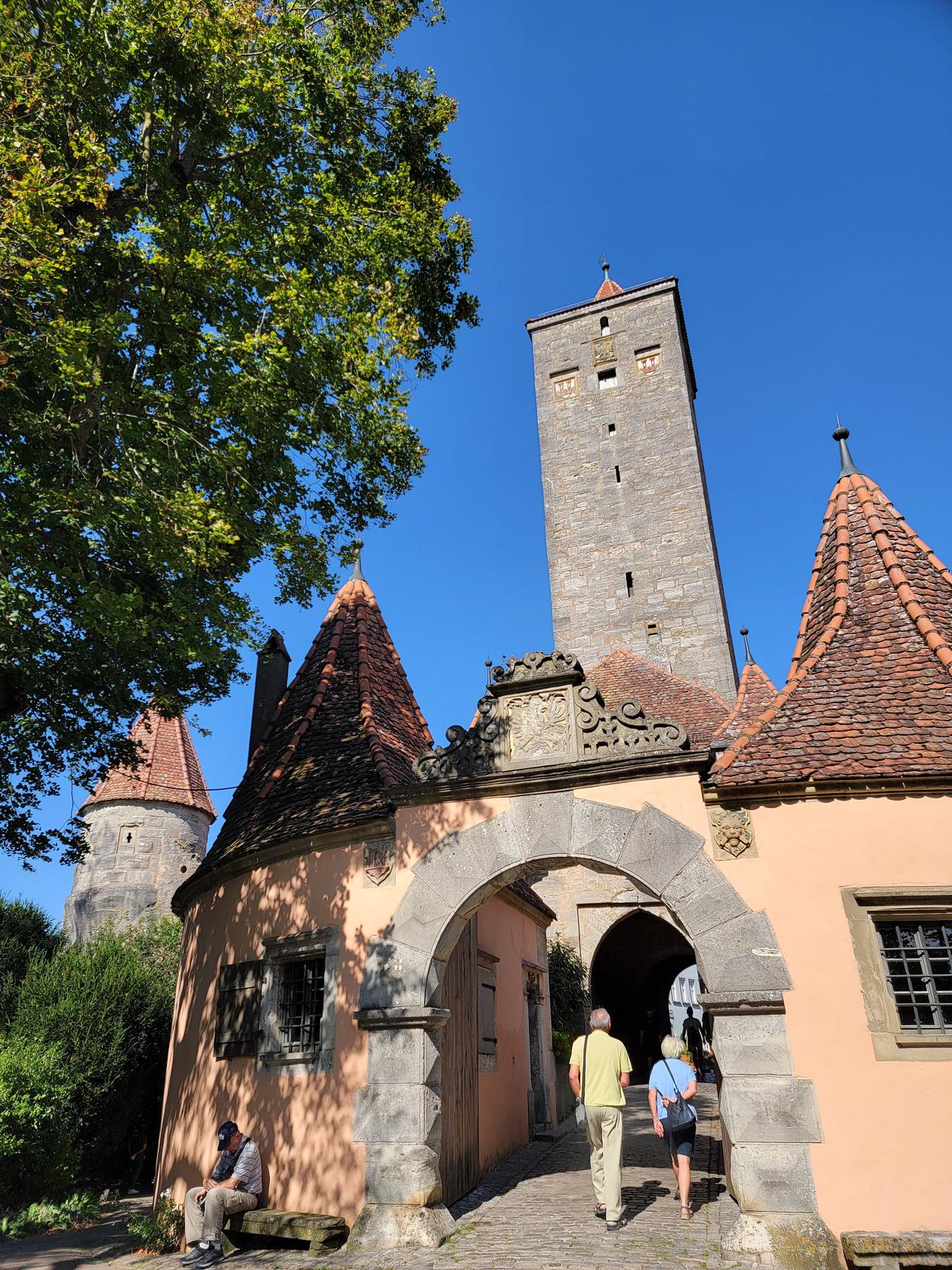
Front and entrance – Burgtorturm – Rothenburg ob der Tauber, Germany
Front and entrance – Burgtorturm – Rothenburg ob der Tauber, Germany
Röderturm – City wall – Rothenburg ob der Tauber, Germany
The City Wall
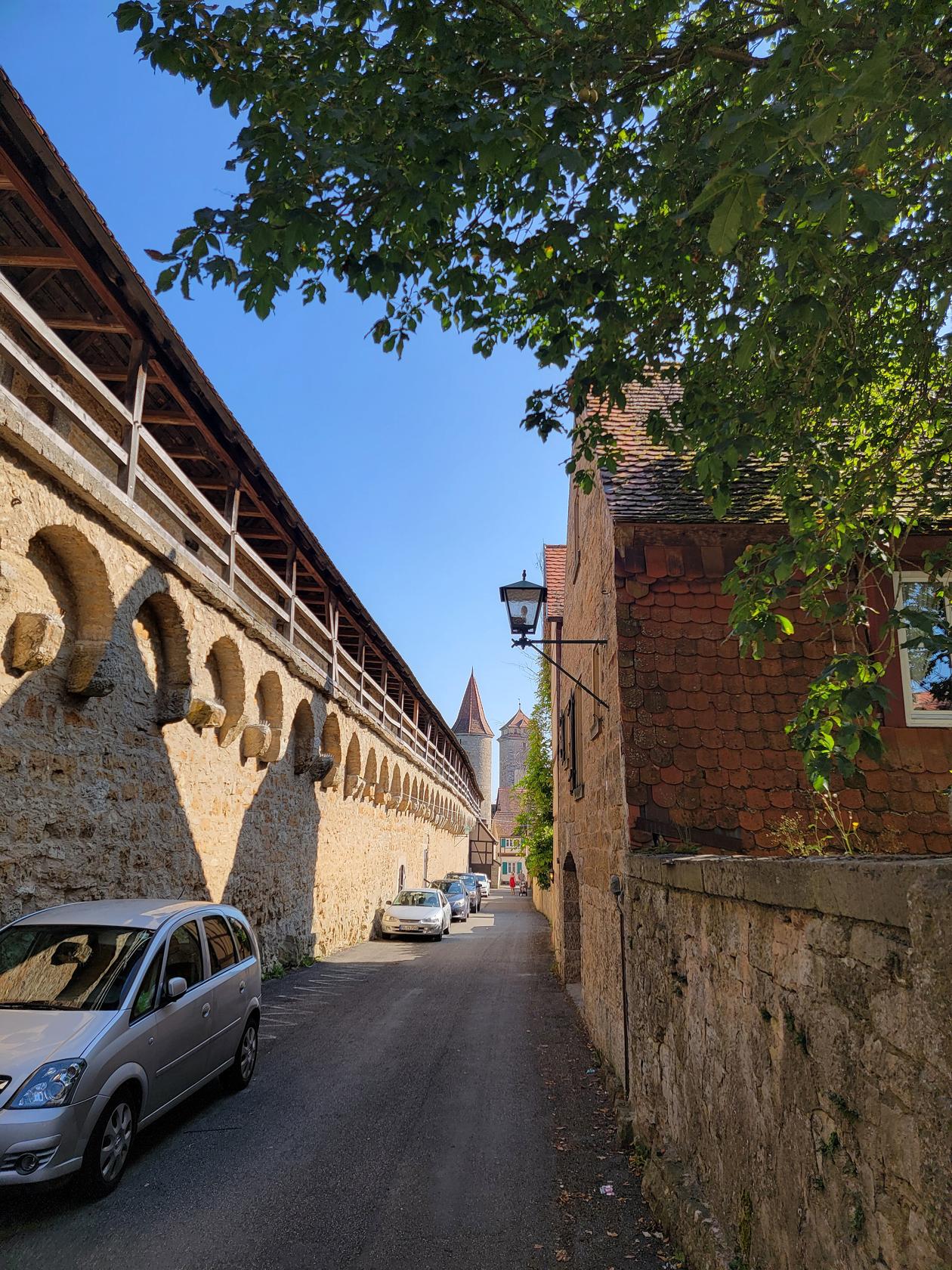
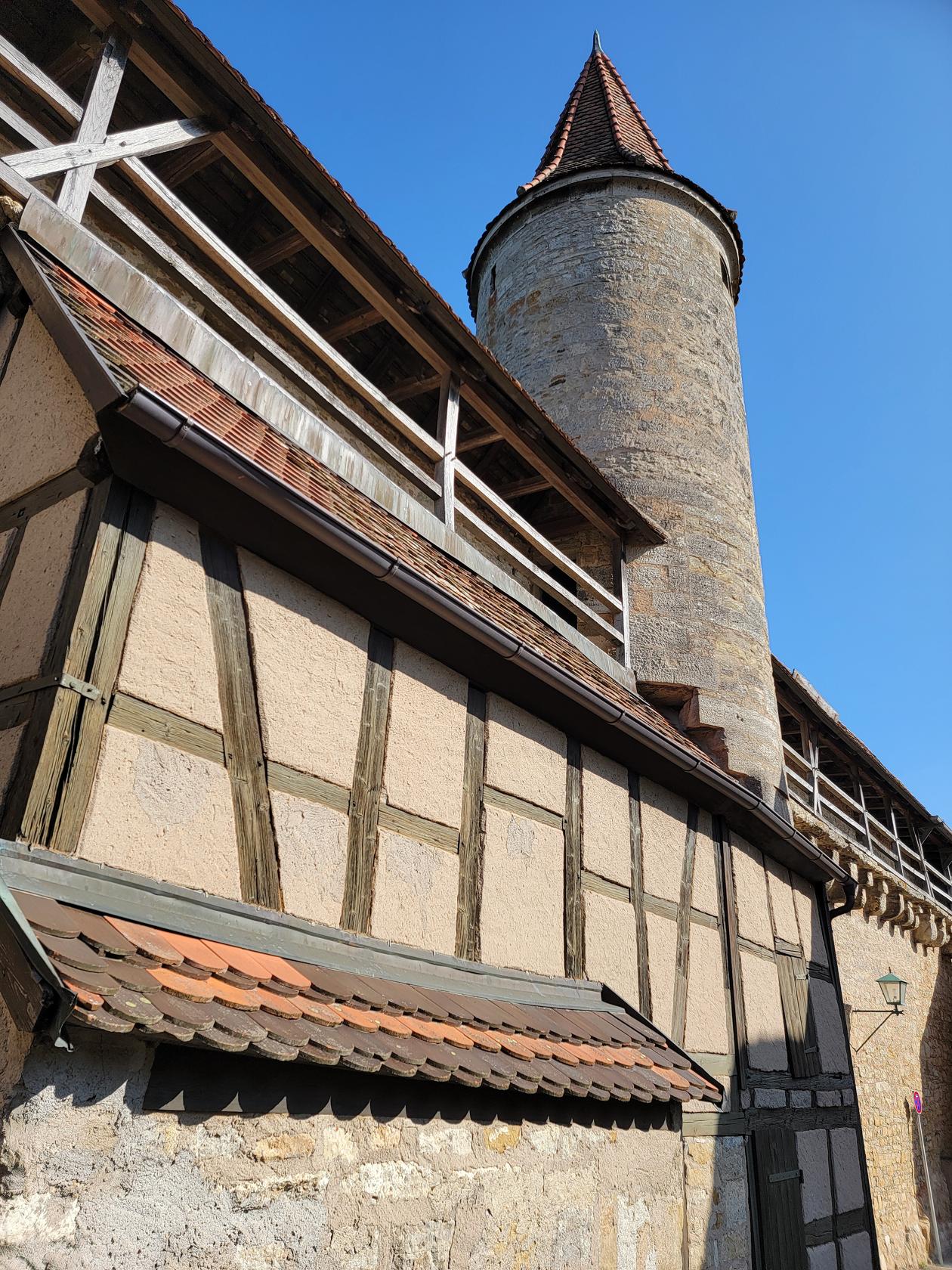
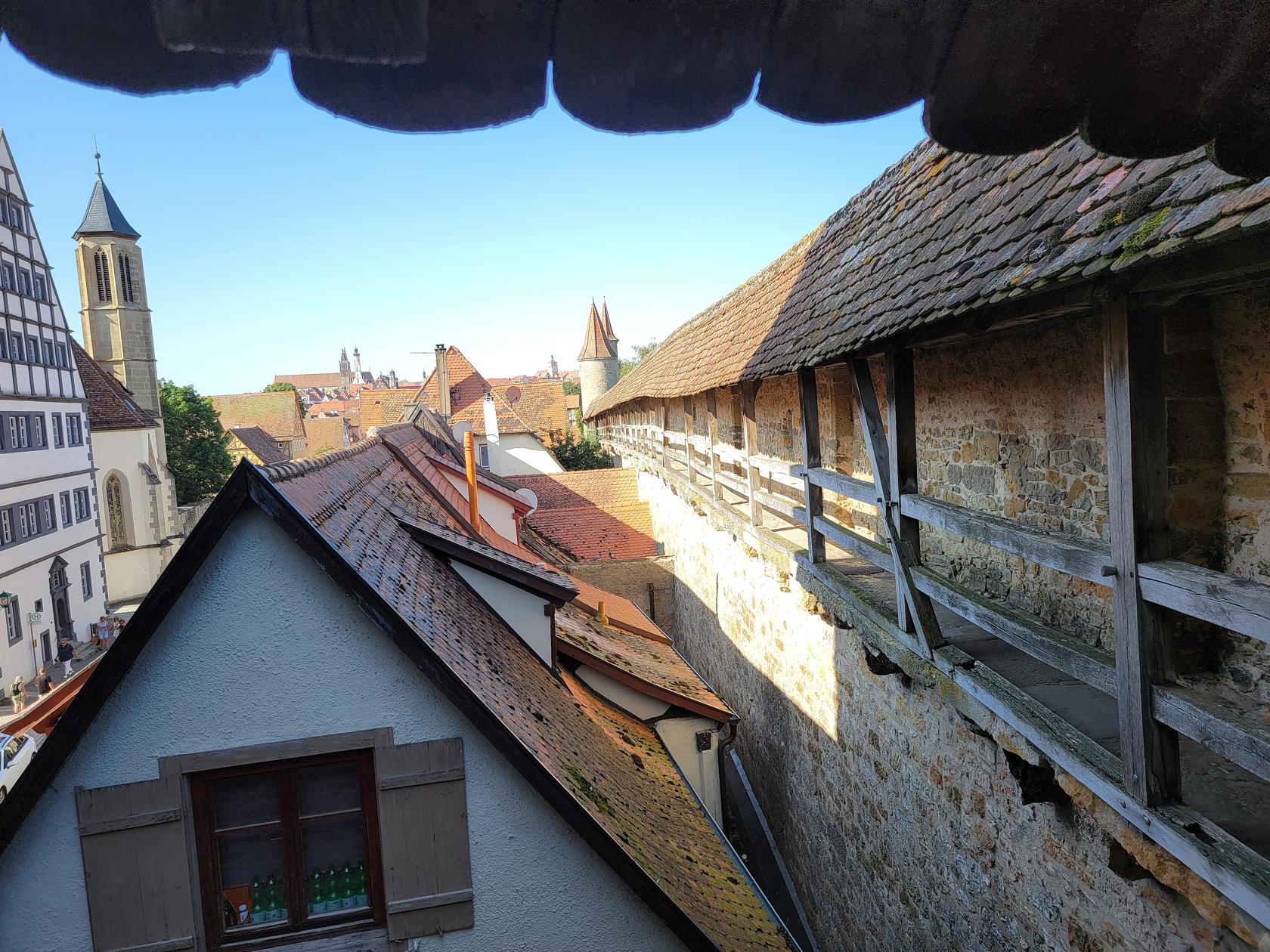
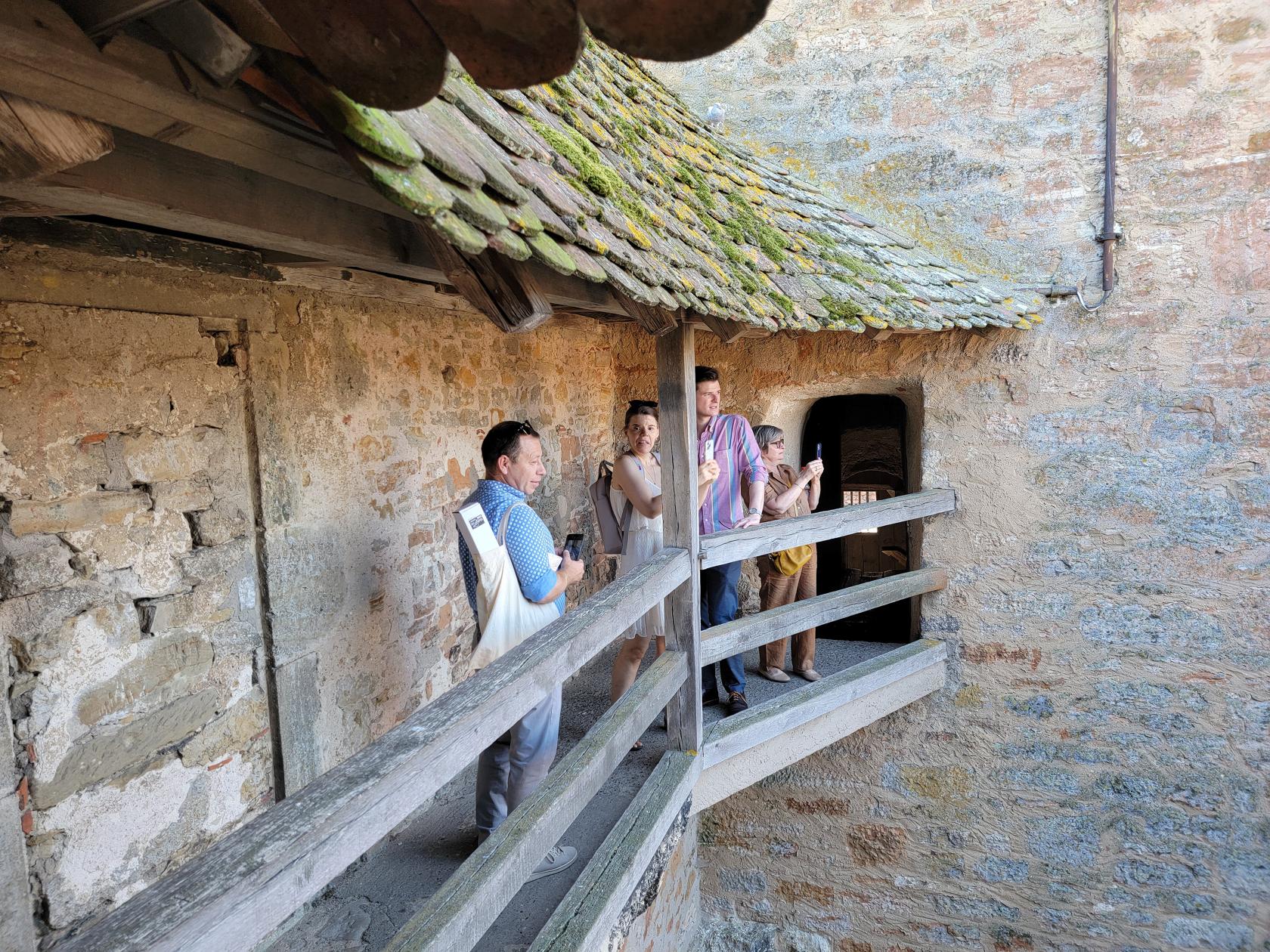
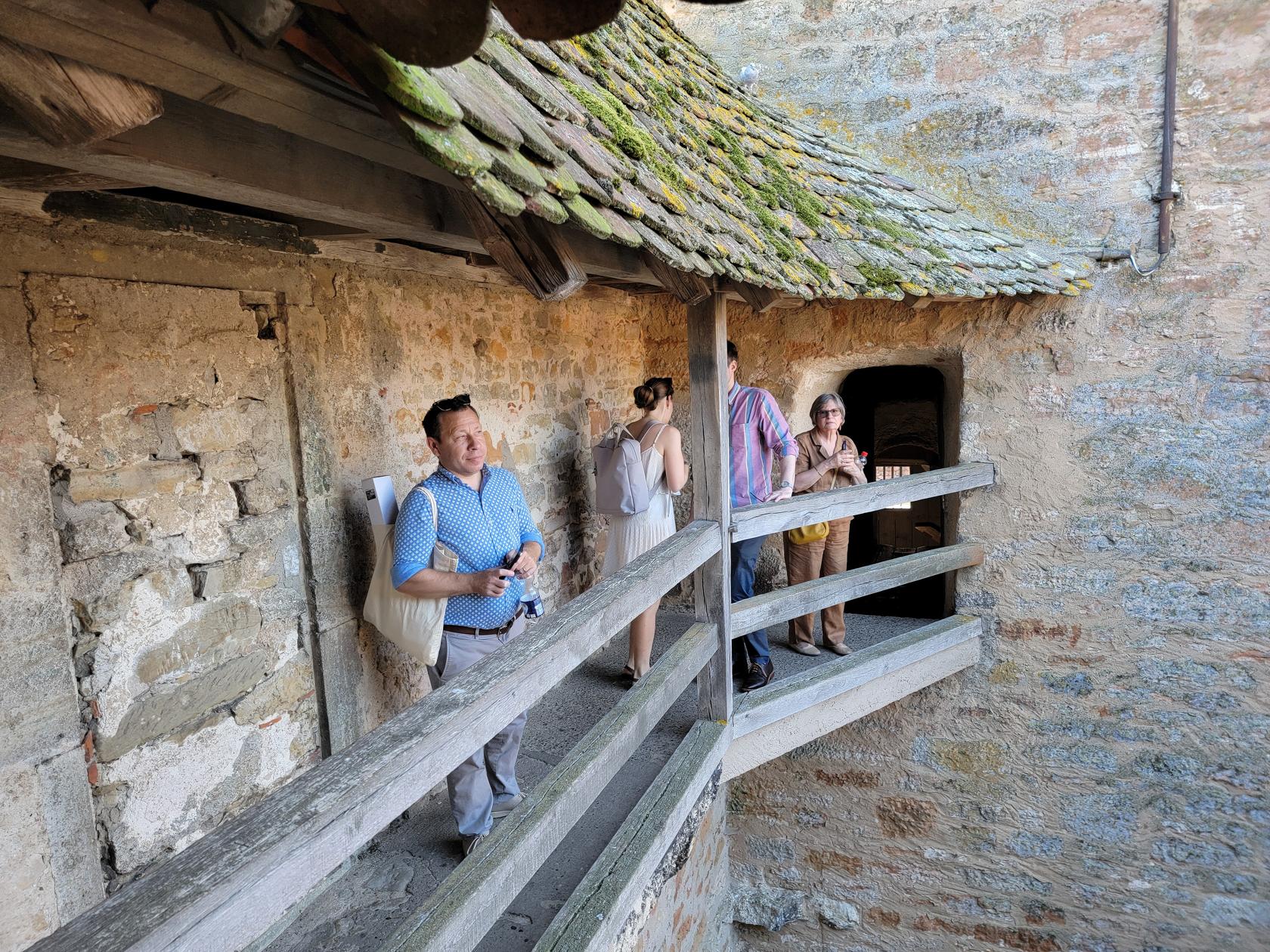
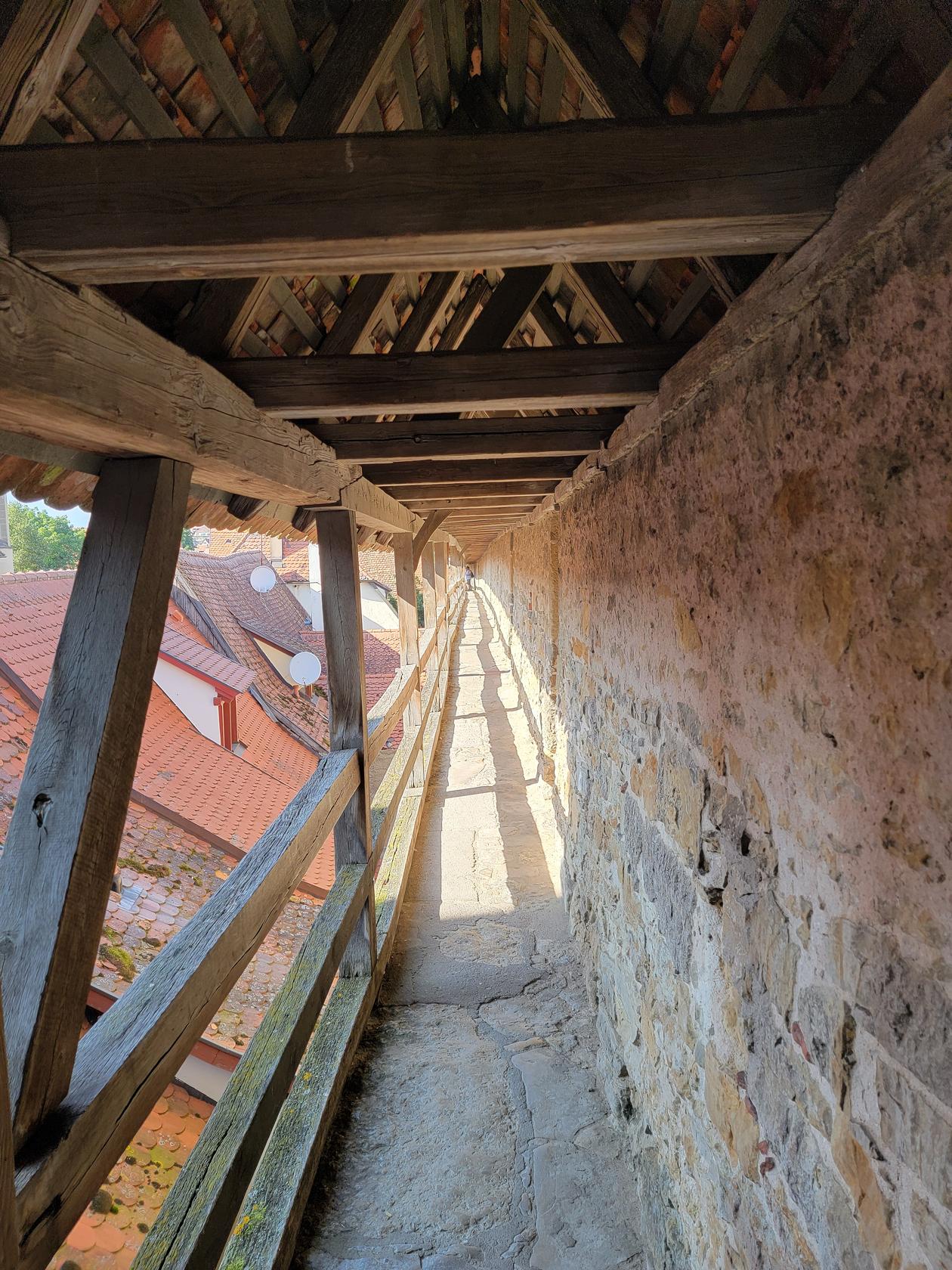
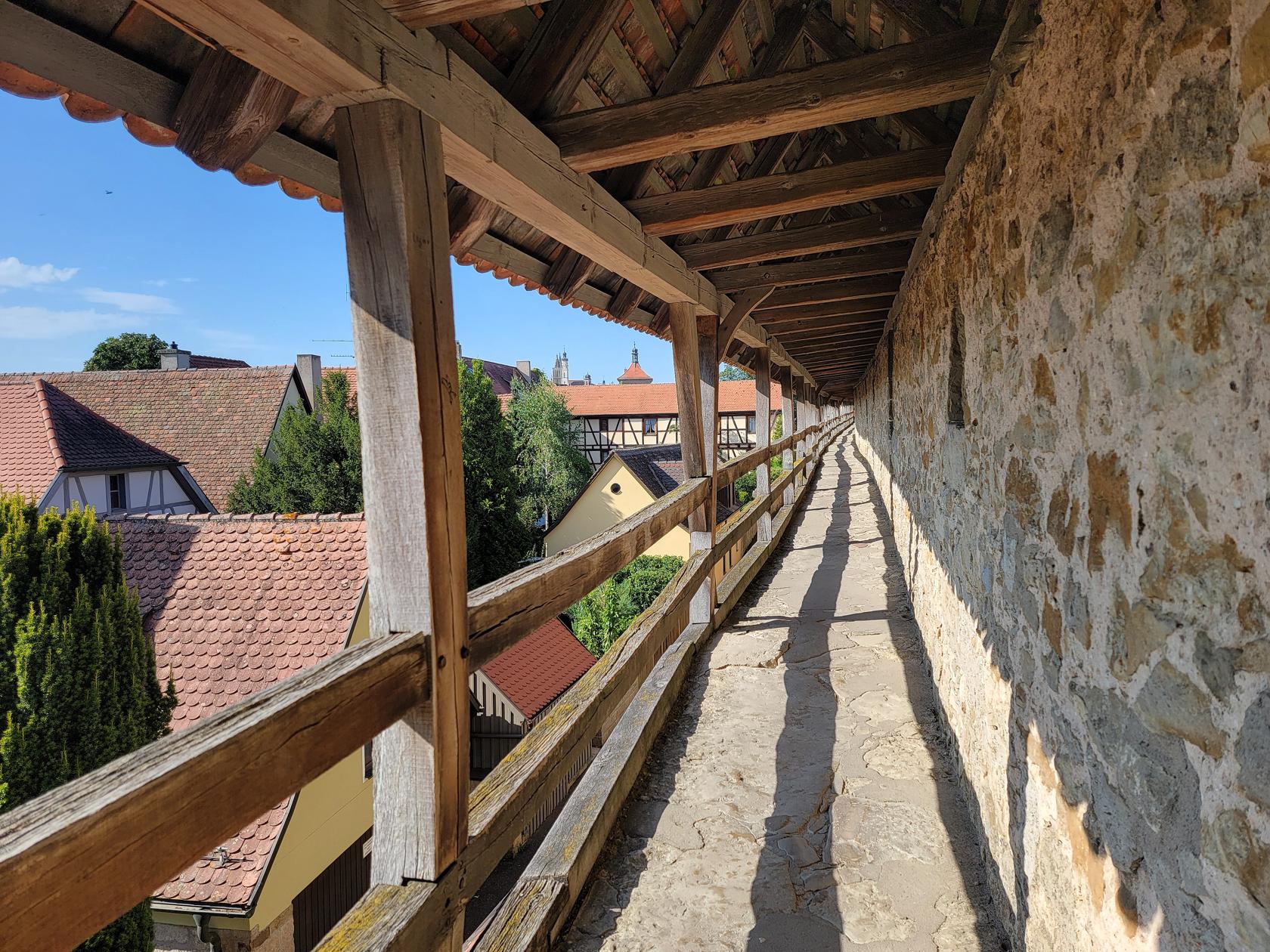
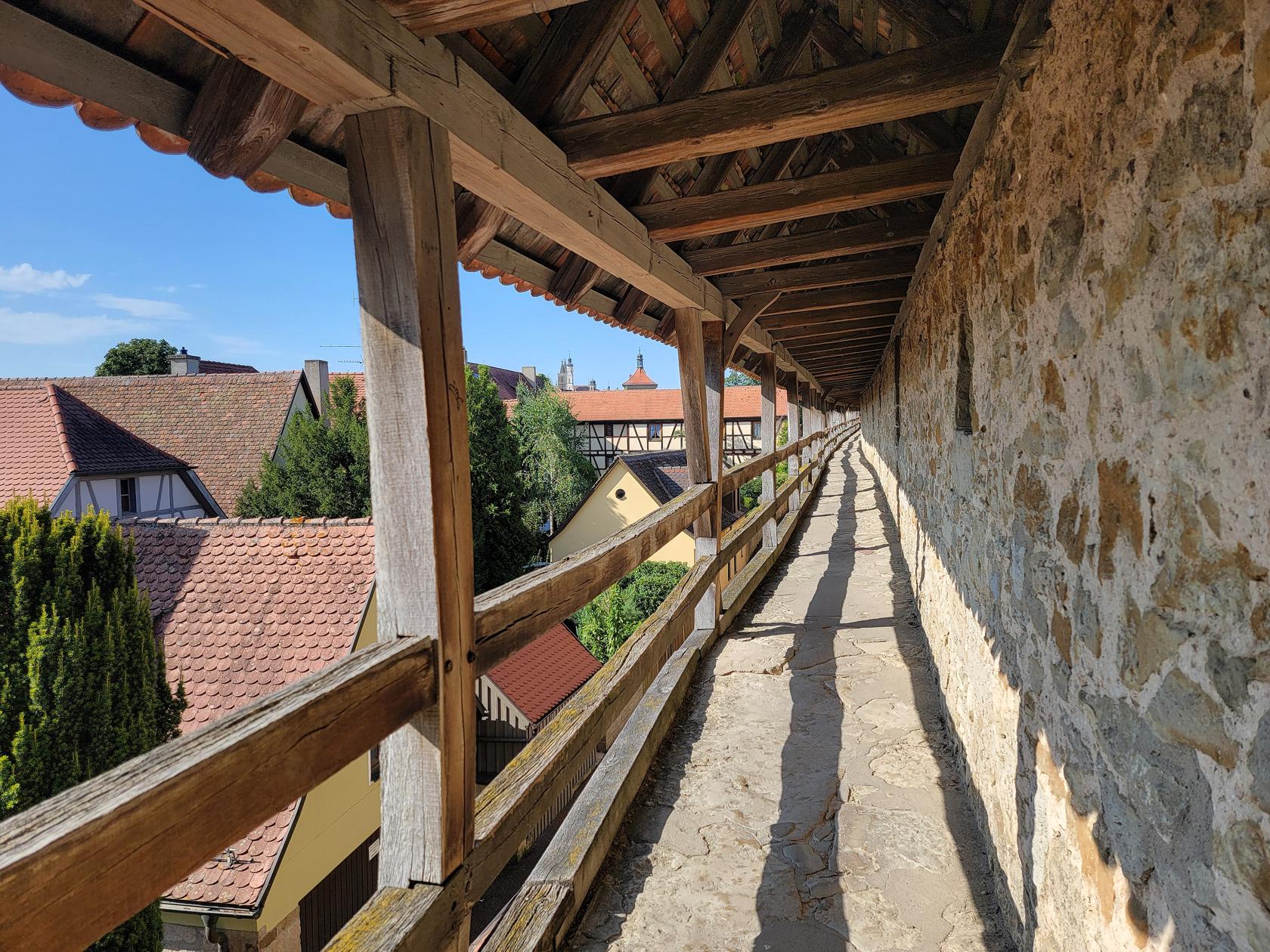
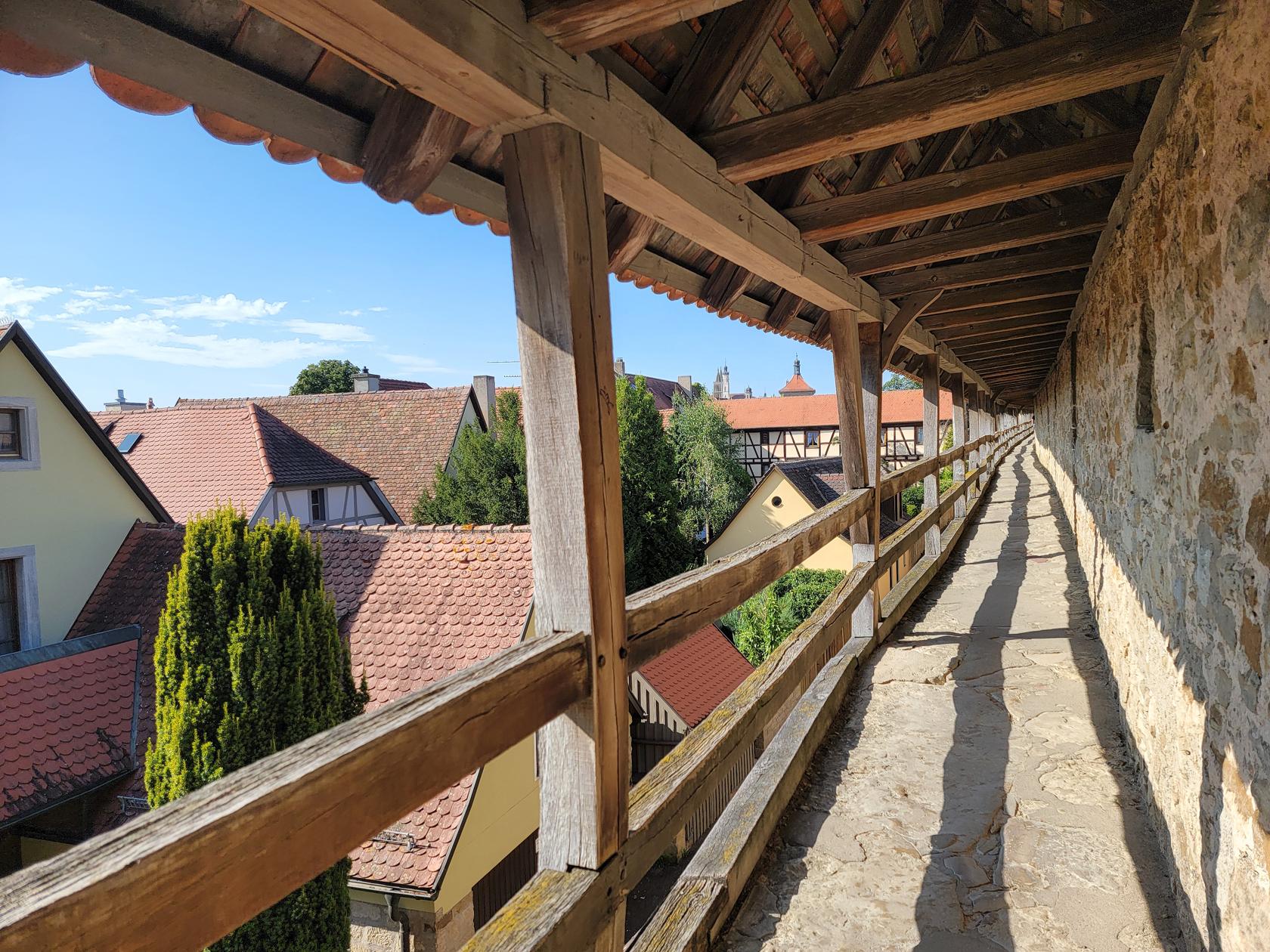
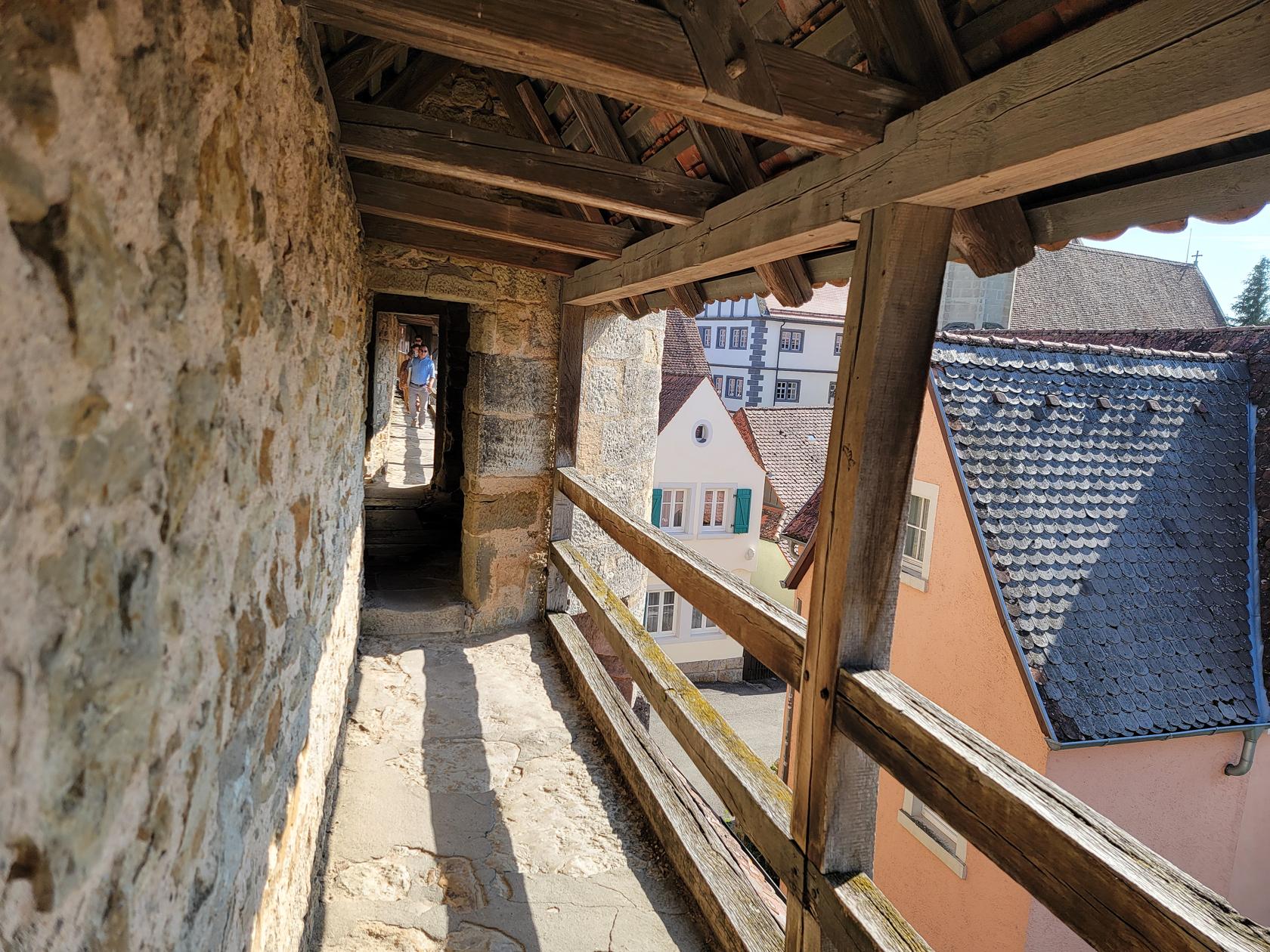
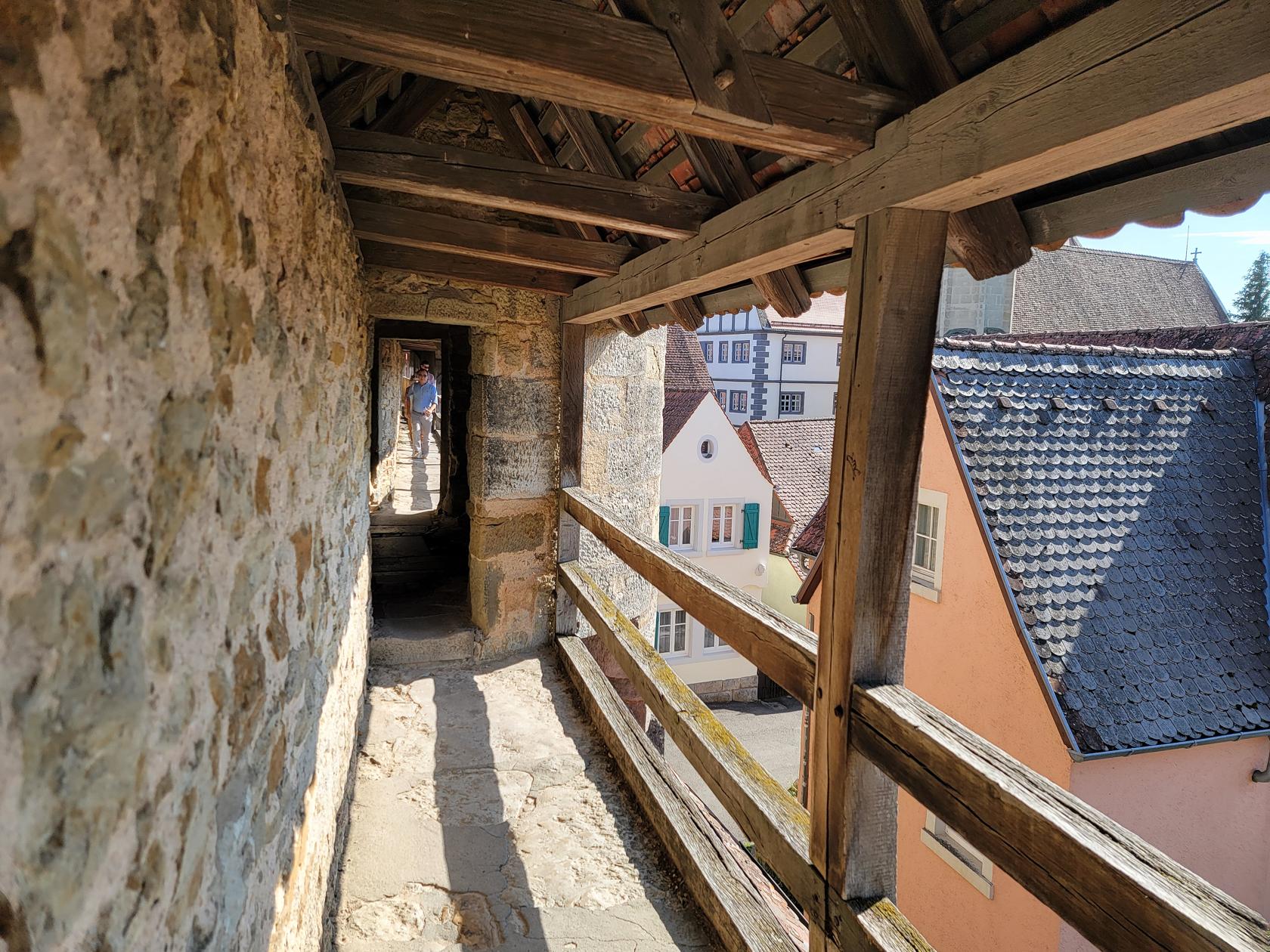
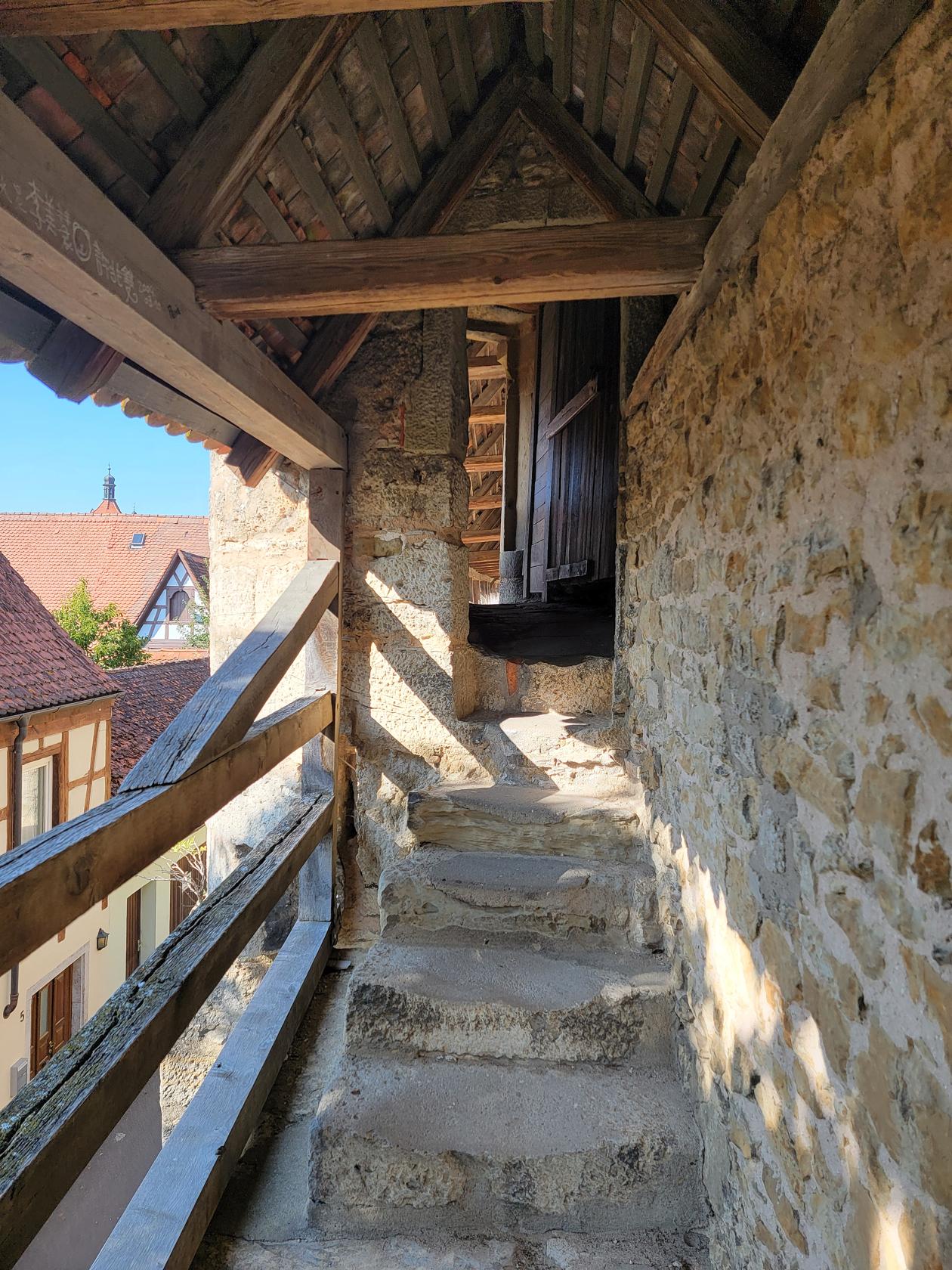
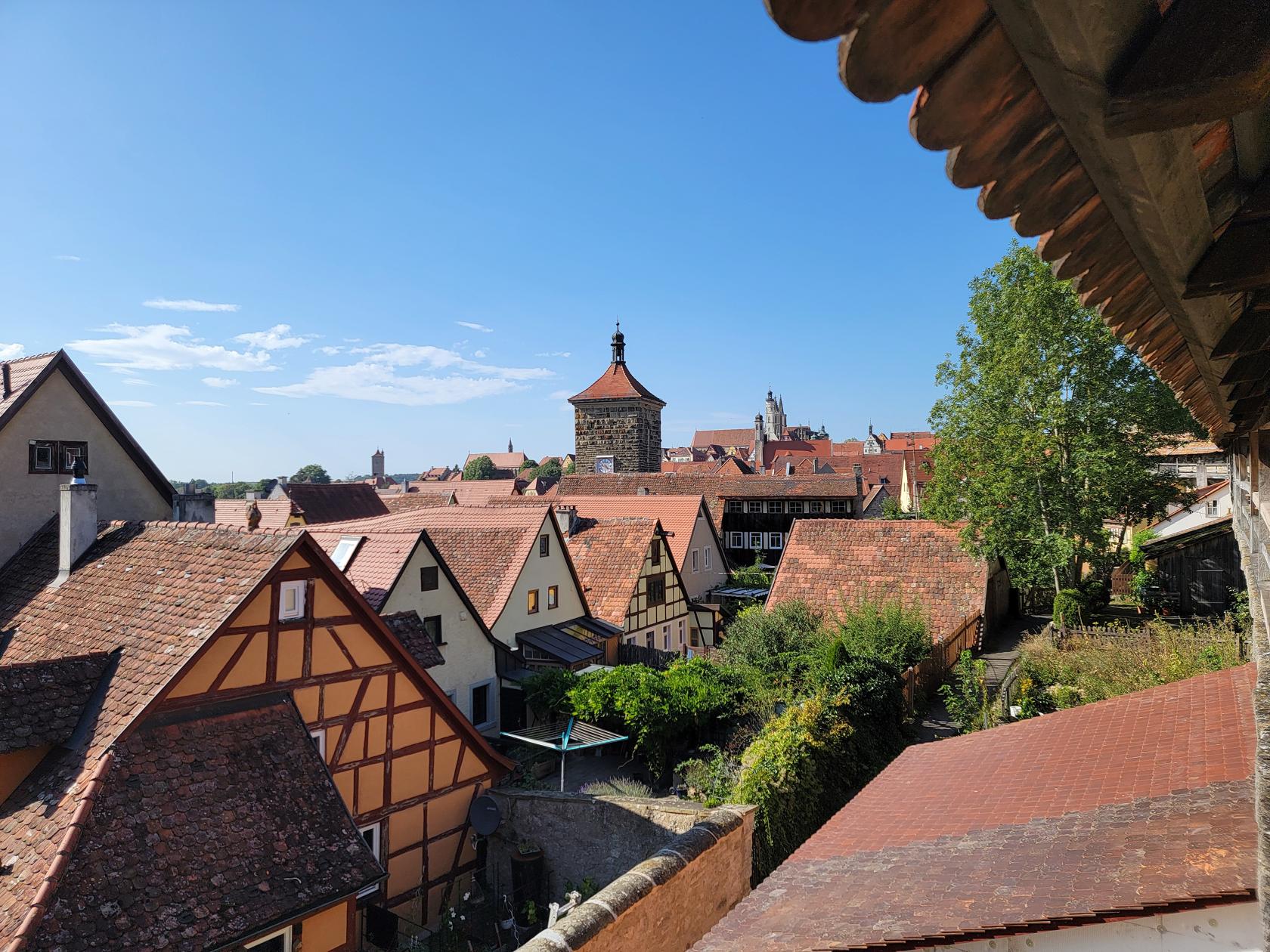
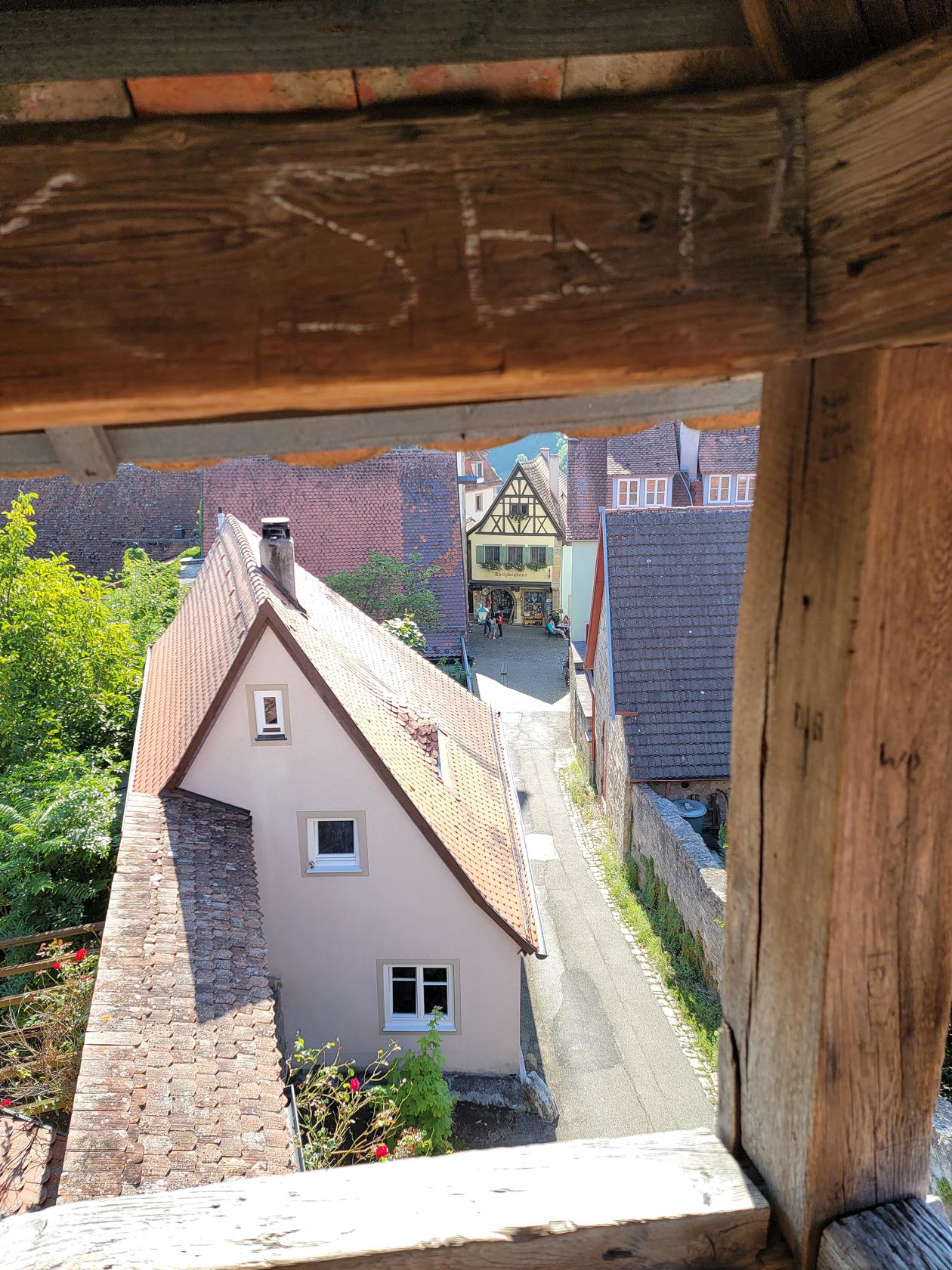
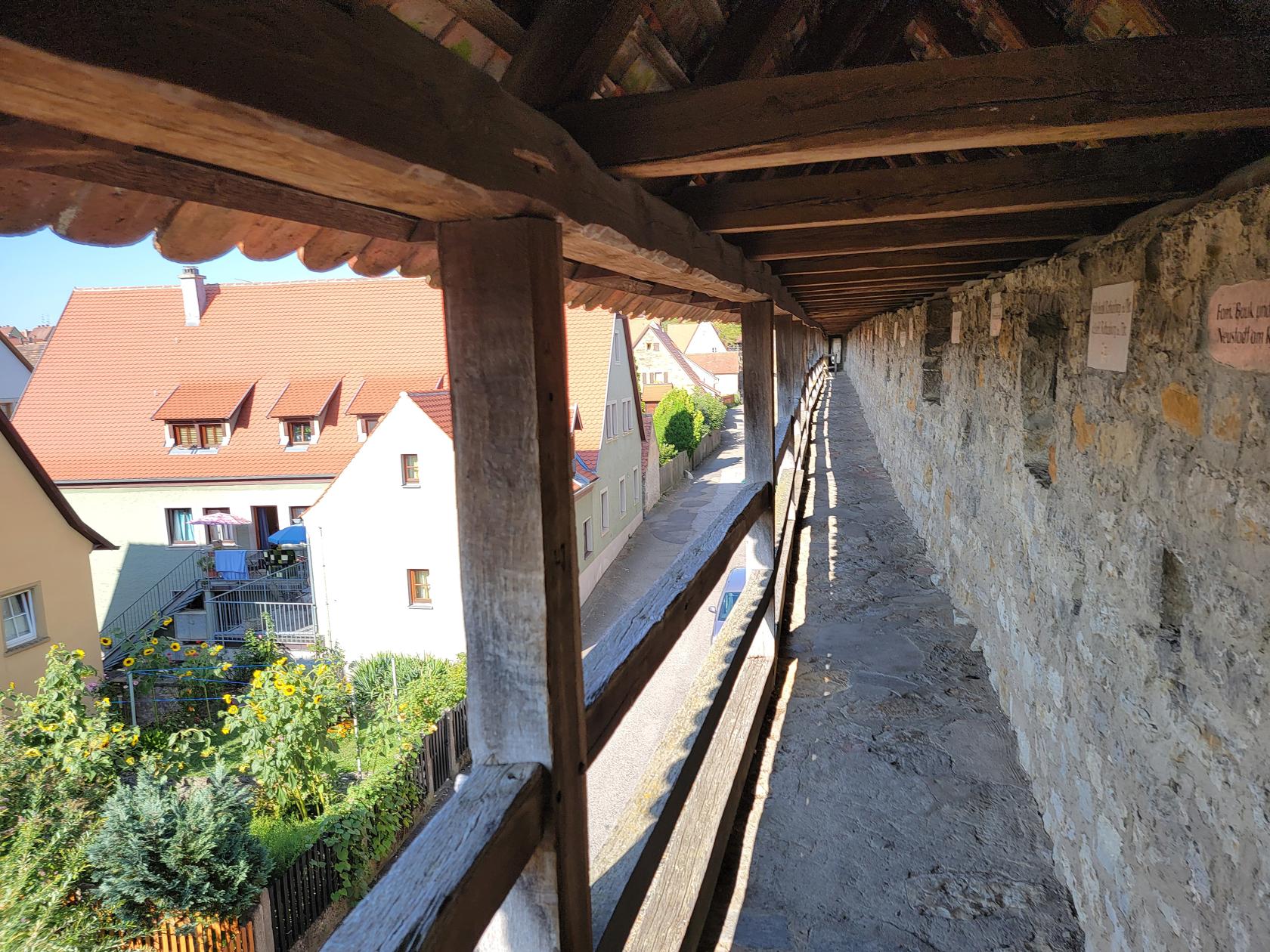
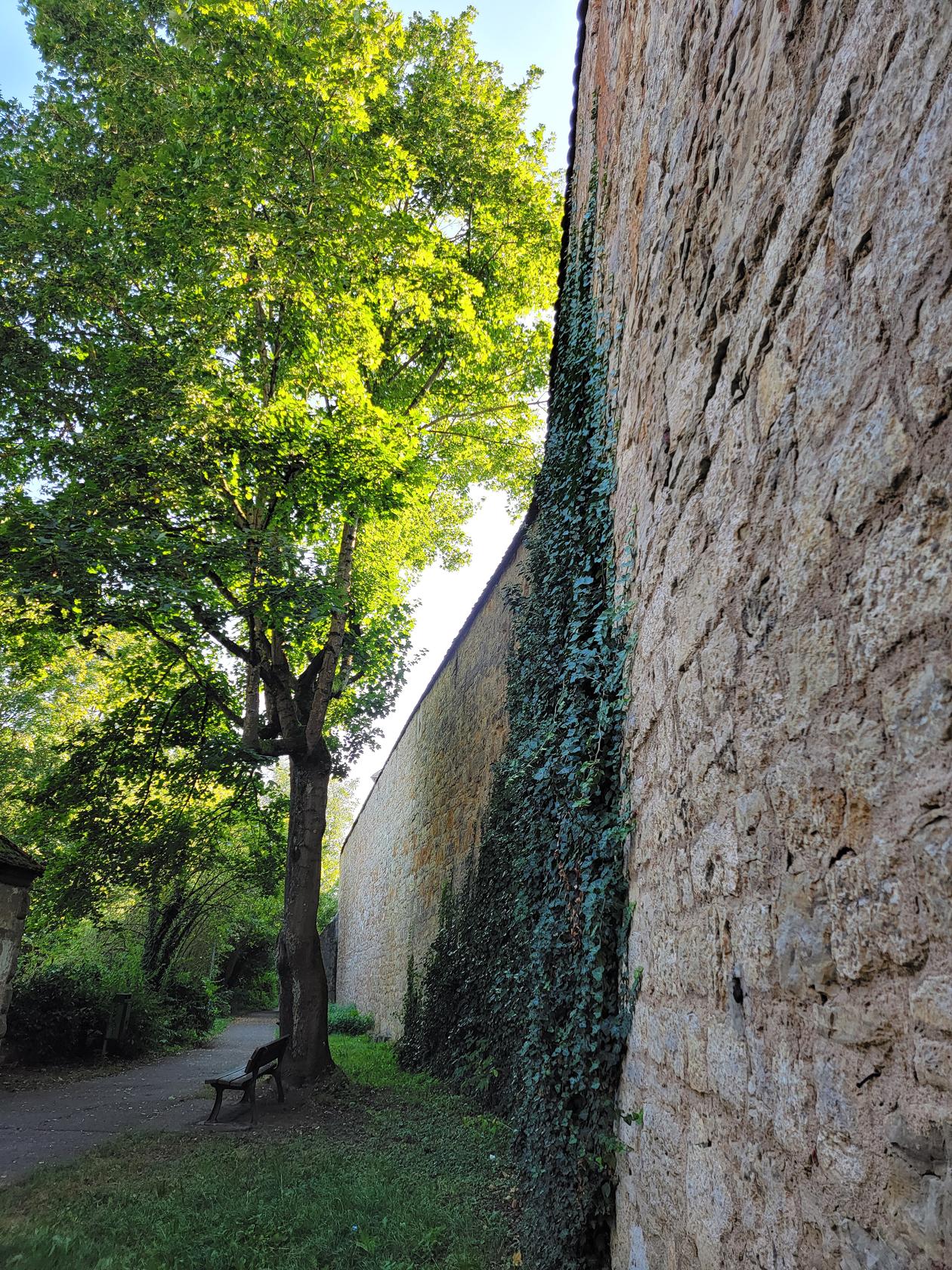
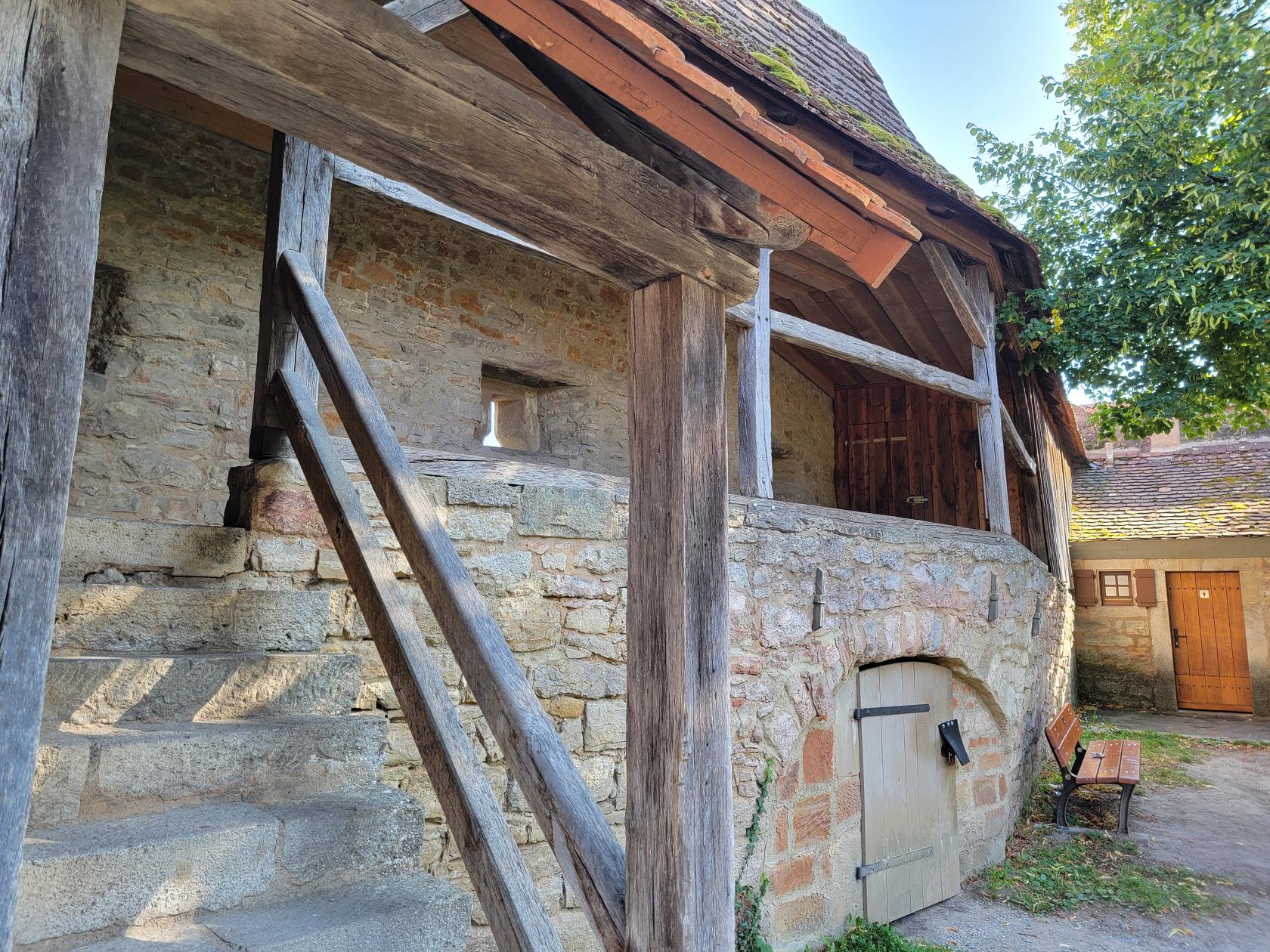
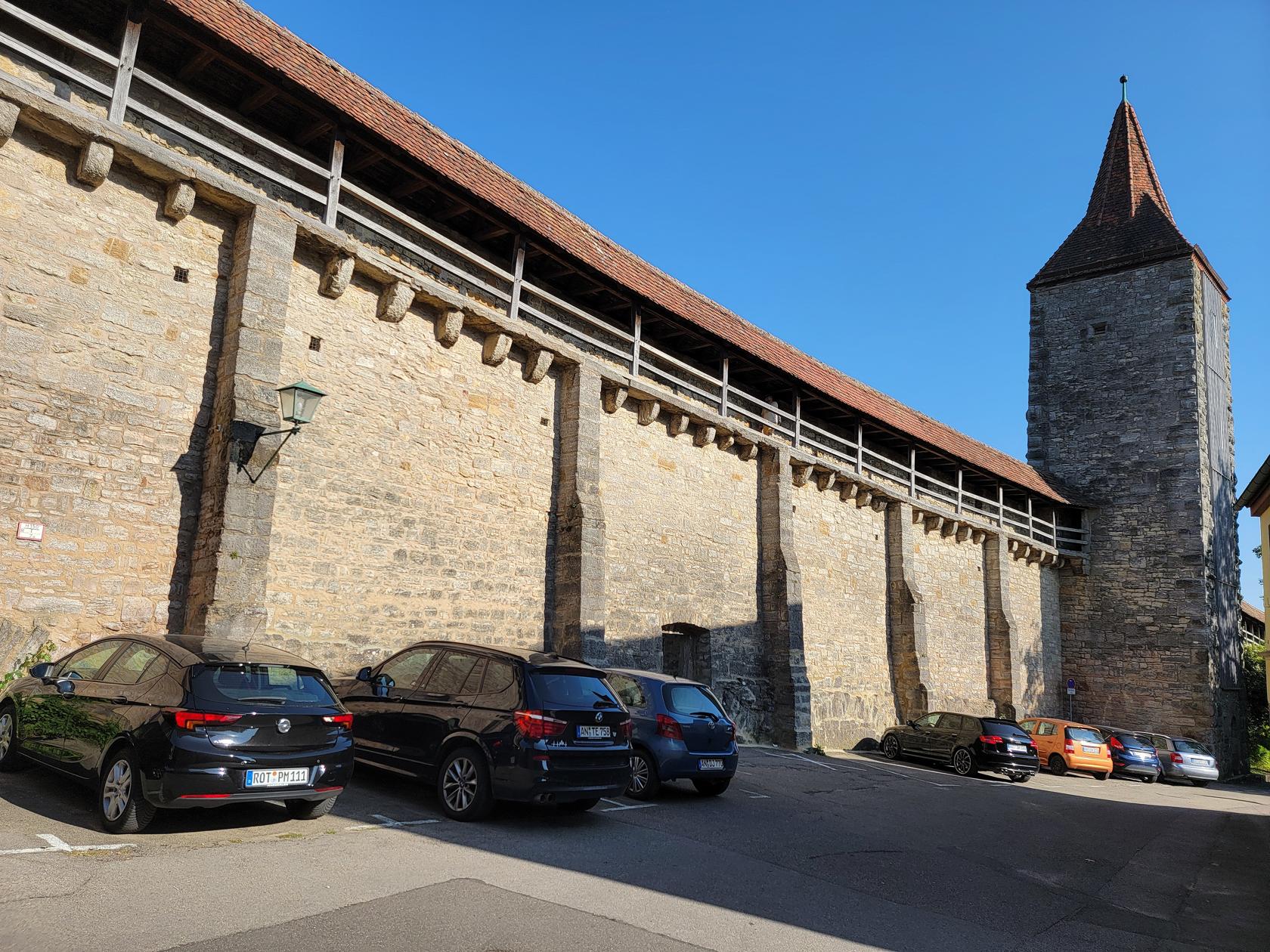
It is one of only three towns in Germany which is still encompassed by a fully intact town wall. The eastern part of the wall, the one which we were actually able to walk on, was mostly repaired after its destruction at the end of the war.
Burgtorturm – Rothenburg ob der Tauber, Germany
Old unused staircase – Burgtorturm – Rothenburg ob der Tauber, Germany
Front and entrance – Burgtorturm – Rothenburg ob der Tauber, Germany
Front and entrance – Burgtorturm – Rothenburg ob der Tauber, Germany
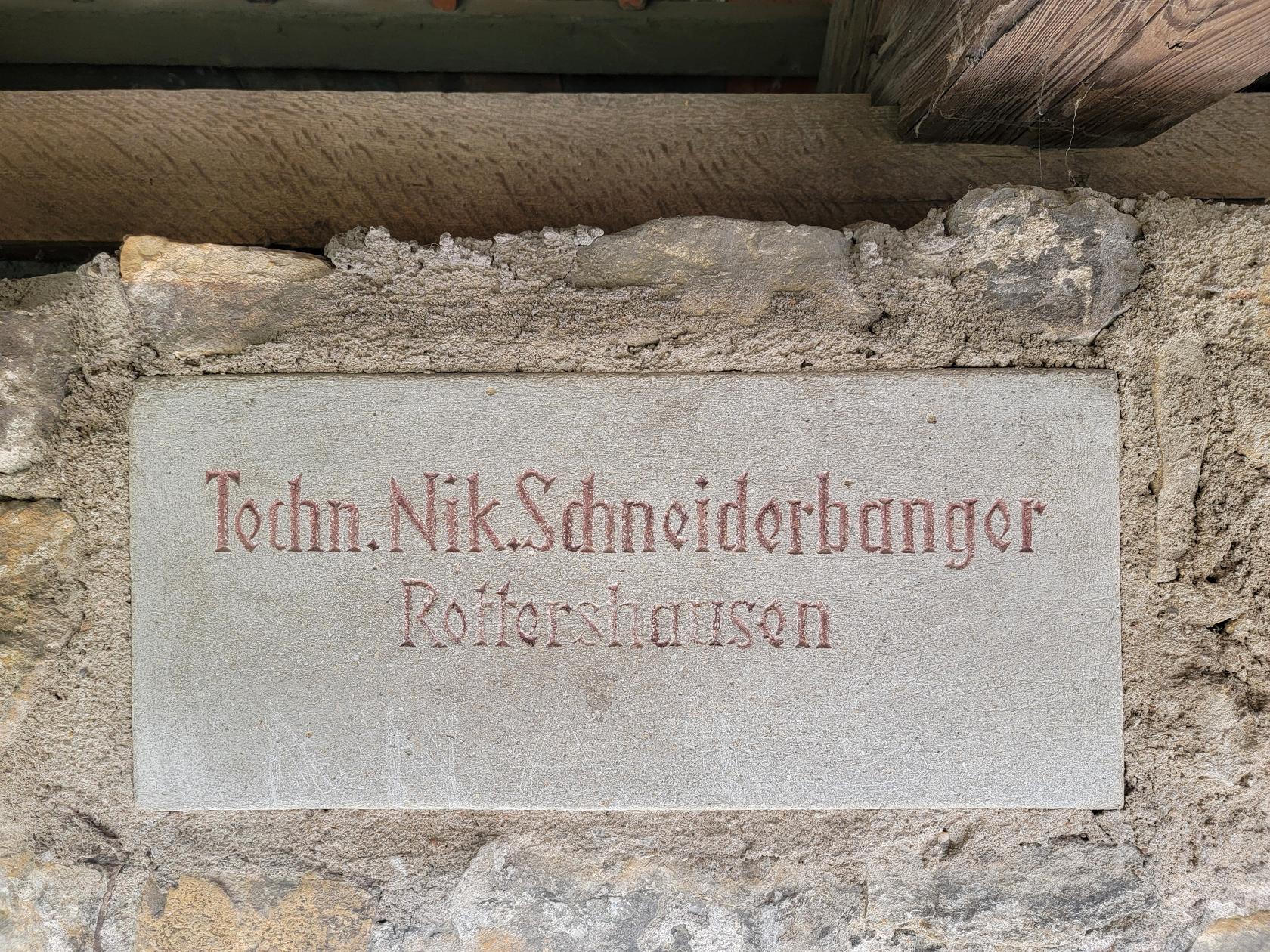
Several parts are boarded up or unreachable, but many people from around the world contributed funds in the effort to reconstruct it, making it possible to enjoy it today. There are several main entry points, Gallows Gate, Thomas Tower and one near Ruckesse Tower, to name a few.
Sterngasse and the city wall – Rothenburg ob der Tauber, Germany
Tower on city wall – Rothenburg ob der Tauber, Germany
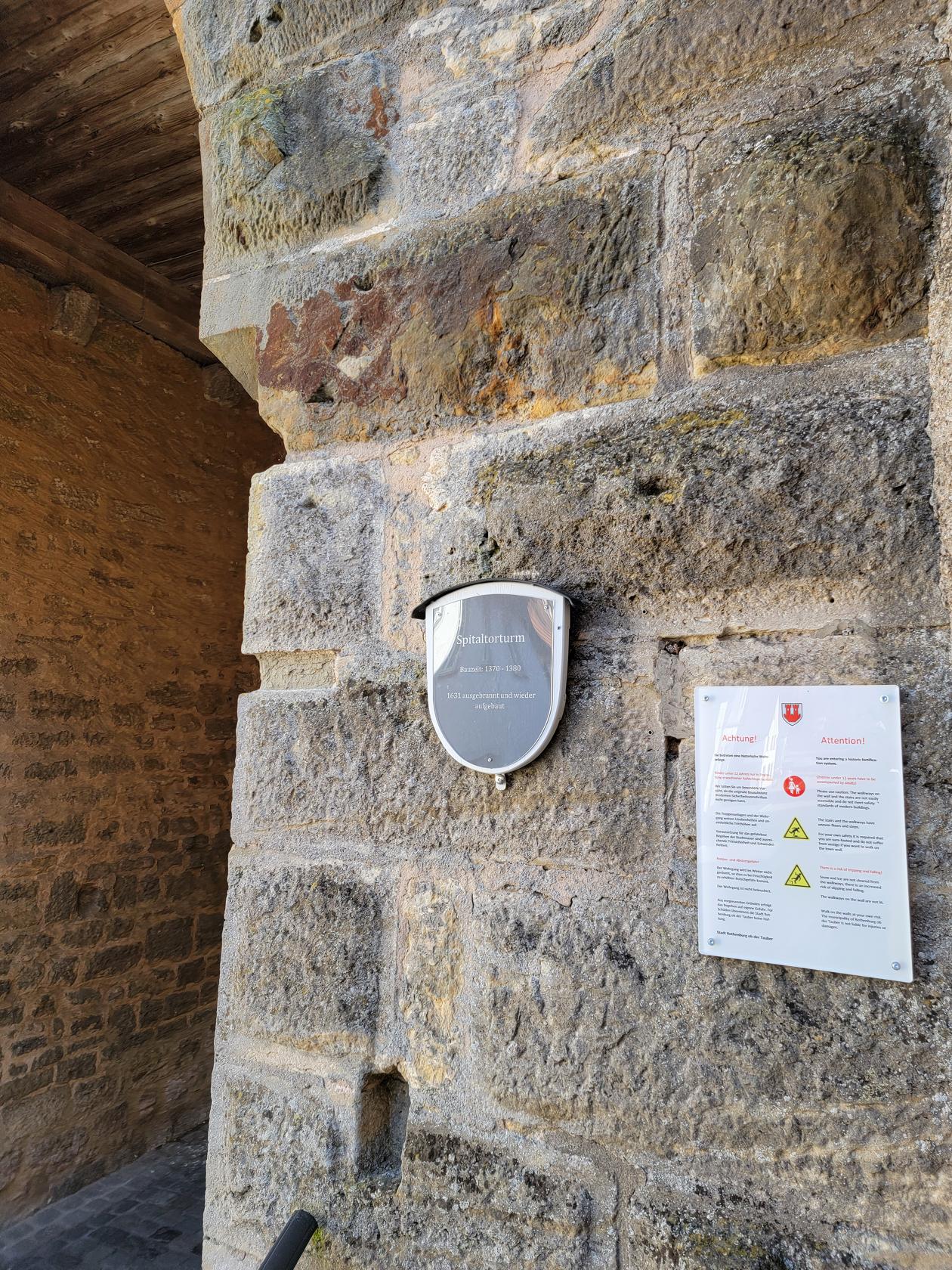
Spitaltorturm – City wall – Rothenburg ob der Tauber, Germany
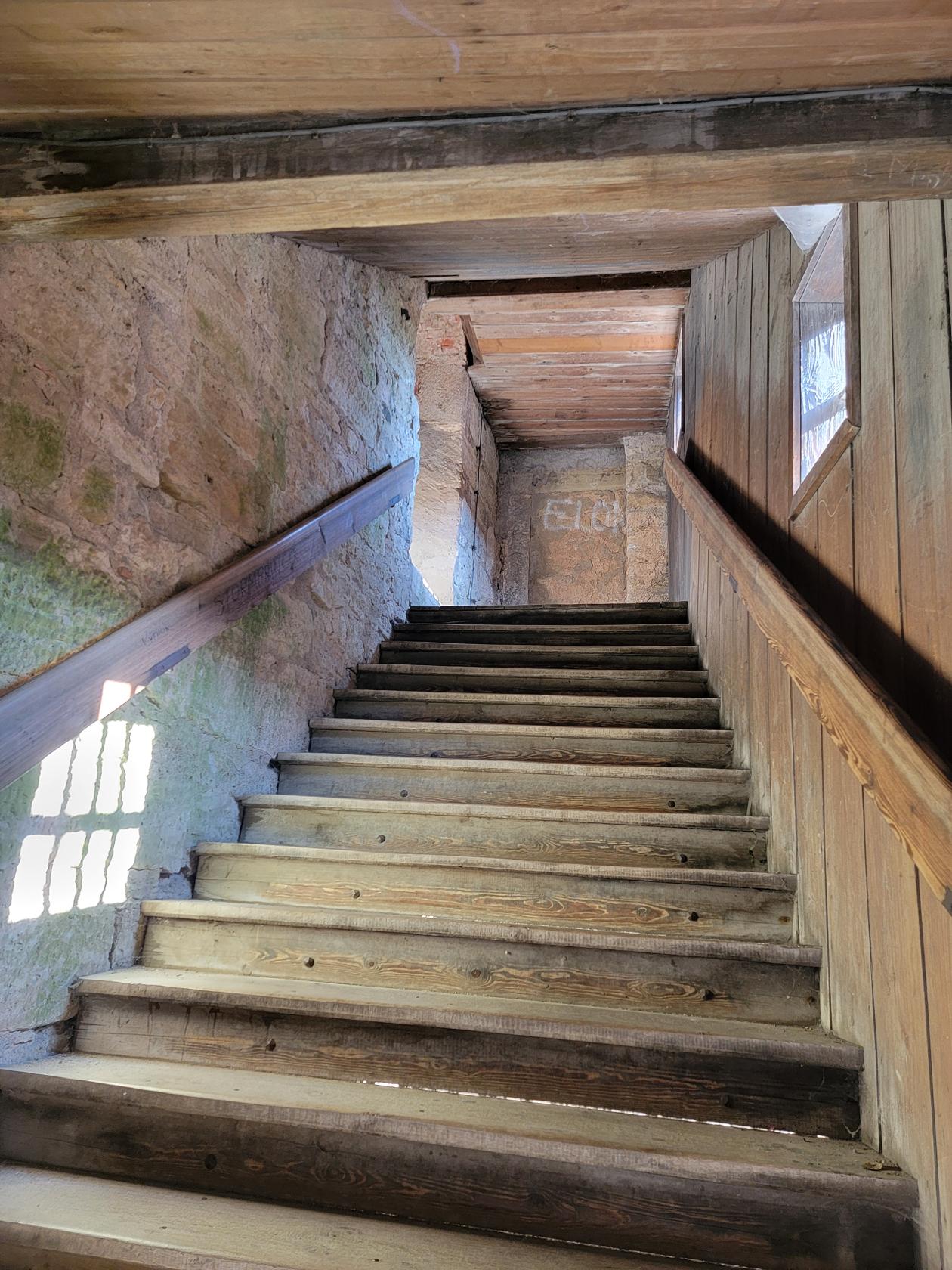
Stairs at entry point – City wall – Rothenburg ob der Tauber, Germany
Narrow entrance – City wall – Rothenburg ob der Tauber, Germany
City wall – Rothenburg ob der Tauber, Germany
Gabi, Ericka, Dana and Patti – City wall – Rothenburg ob der Tauber, Germany
Gabi, Ericka, Dana and Patti – City wall – Rothenburg ob der Tauber, Germany
Wall with removable roof – City wall – Rothenburg ob der Tauber, Germany
City wall – Rothenburg ob der Tauber, Germany
City wall – Rothenburg ob der Tauber, Germany
City wall – Rothenburg ob der Tauber, Germany
City wall – Rothenburg ob der Tauber, Germany
City wall – Rothenburg ob der Tauber, Germany
City wall – Rothenburg ob der Tauber, Germany
Siebersturm – City wall – Rothenburg ob der Tauber, Germany
Donation thank you – City wall – Rothenburg ob der Tauber, Germany
City wall – Rothenburg ob der Tauber, Germany
City wall – Rothenburg ob der Tauber, Germany
City wall – Rothenburg ob der Tauber, Germany
Old guard tower – City wall – Rothenburg ob der Tauber, Germany
Area by Röderturm – City wall – Rothenburg ob der Tauber, Germany
Röderturm – City wall – Rothenburg ob der Tauber, Germany
Motte – Röderturm – City wall – Rothenburg ob der Tauber, Germany
Röderturm gate – City wall – Rothenburg ob der Tauber, Germany
Thomas tower – Rothenburg ob der Tauber, Germany
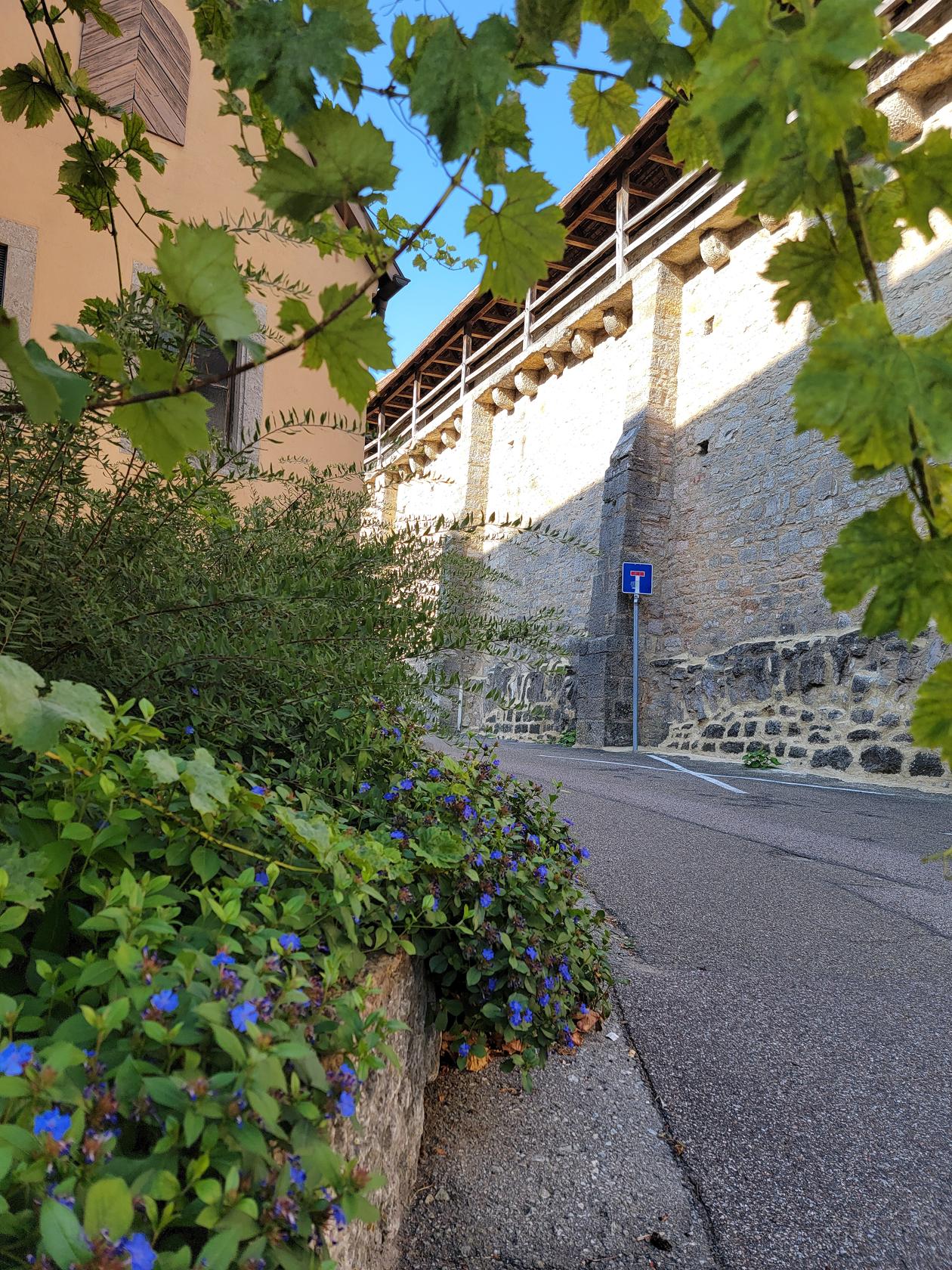
Flowers and grape leaves by City wall – Rothenburg ob der Tauber, Germany
Restaurants
There are many restaurants to choose from in Rothenburg, many of which are located in or near the town square. Luckily, we failed on locating an Italian restaurant that was open, but it is August and the Italians are notorious for taking the entire month off for vacation. That forced to find the amazing place that we did below.
Reichsküchenmeister – Das Herz von Rothenburg
If you are able to obtain a seat in the garden, one of the go to places in Rothenburg for a weekend lunch or early dinner.
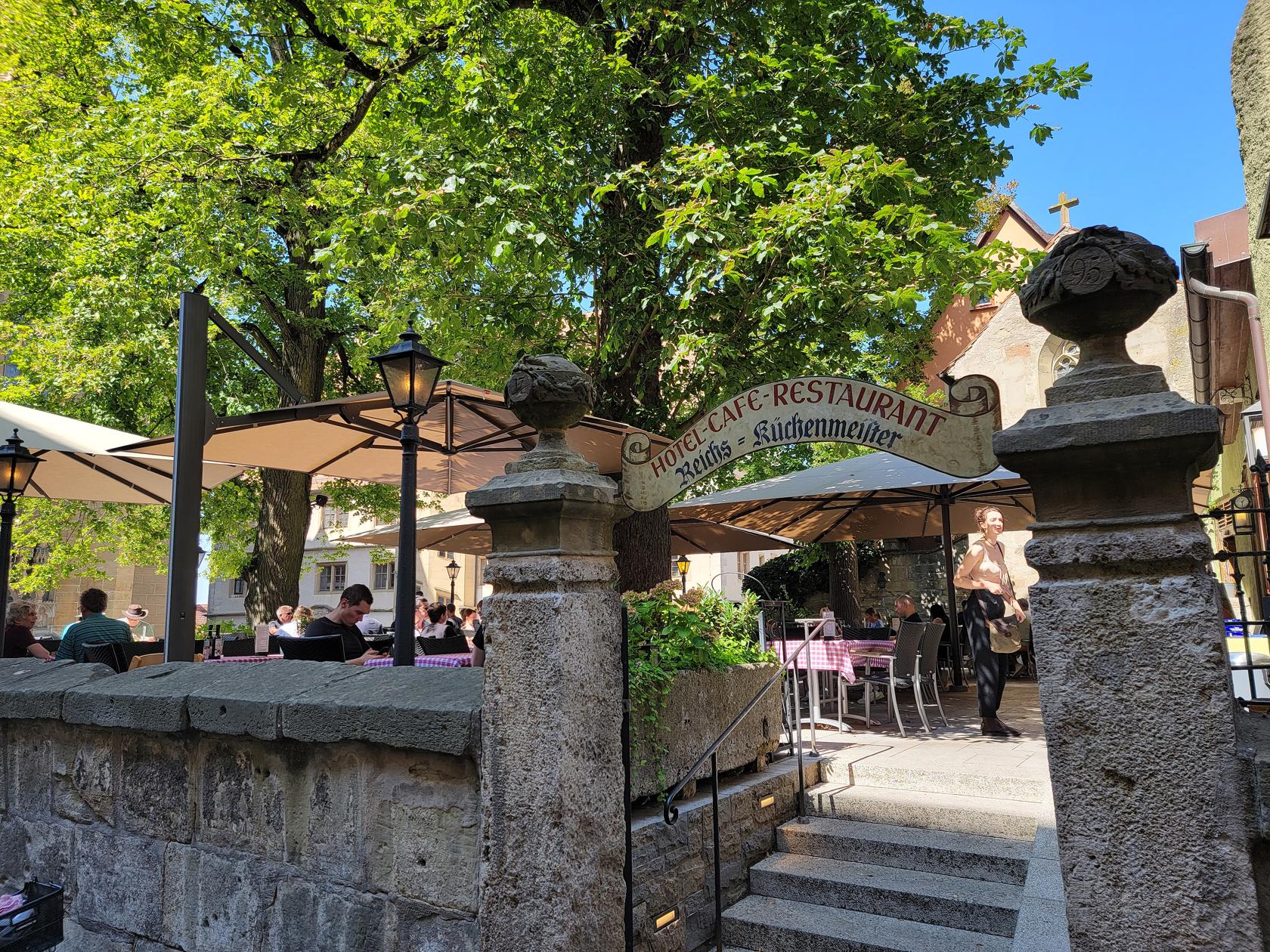
Reichskückenmeisterer – Herz von Rothenburg restaurant – Rothenburg ob der Tauber, Germany
The garden is just amazing, a totally relaxed atmosphere where we were fortunate enough to have a very responsive waiter. The menu is varied enough where one should be able to find something to fit their culinary needs.
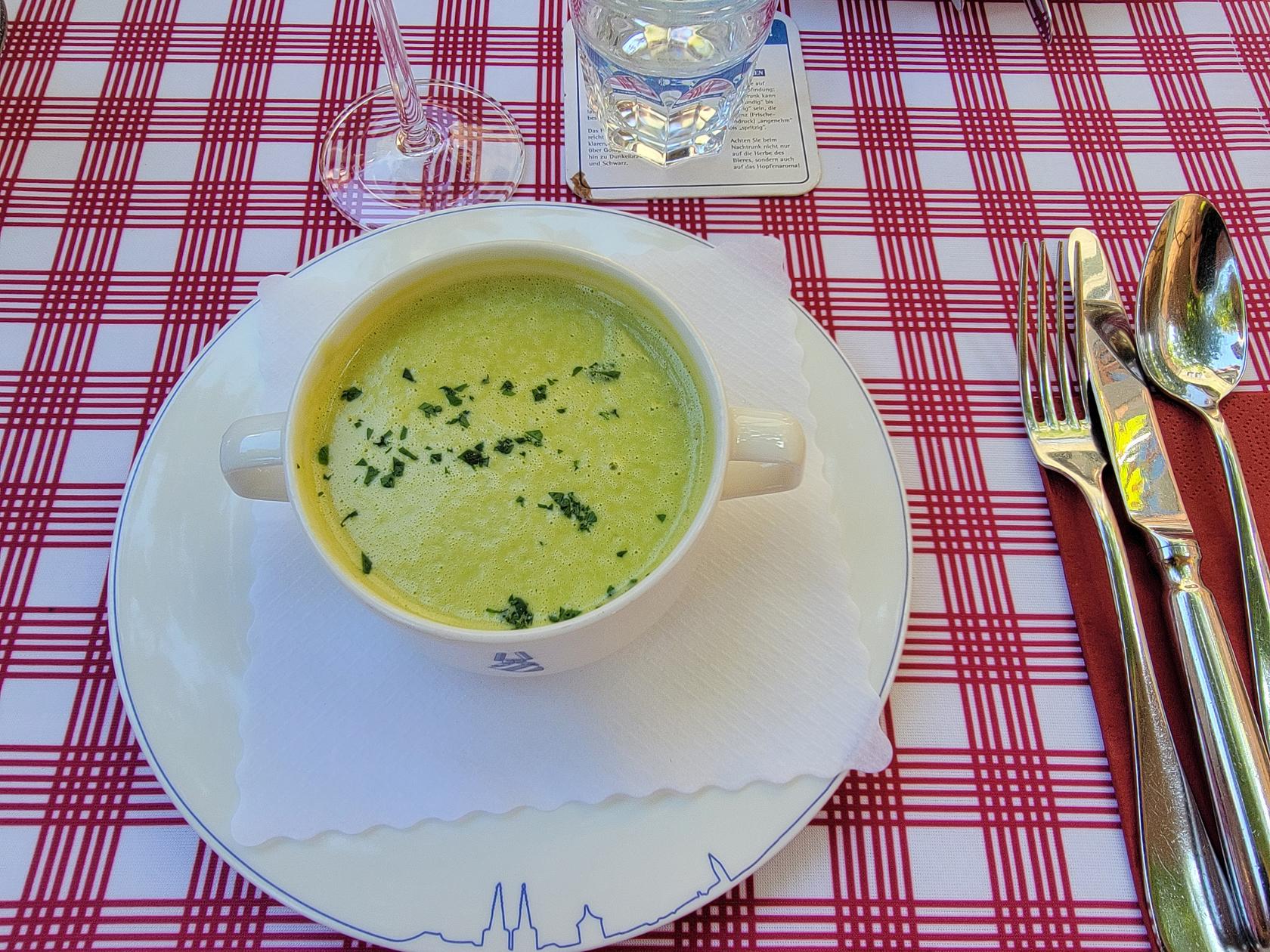
Erbsensuppe – Reichskückenmeisterer – Herz von Rothenburg restaurant – Rothenburg ob der Tauber, Germany
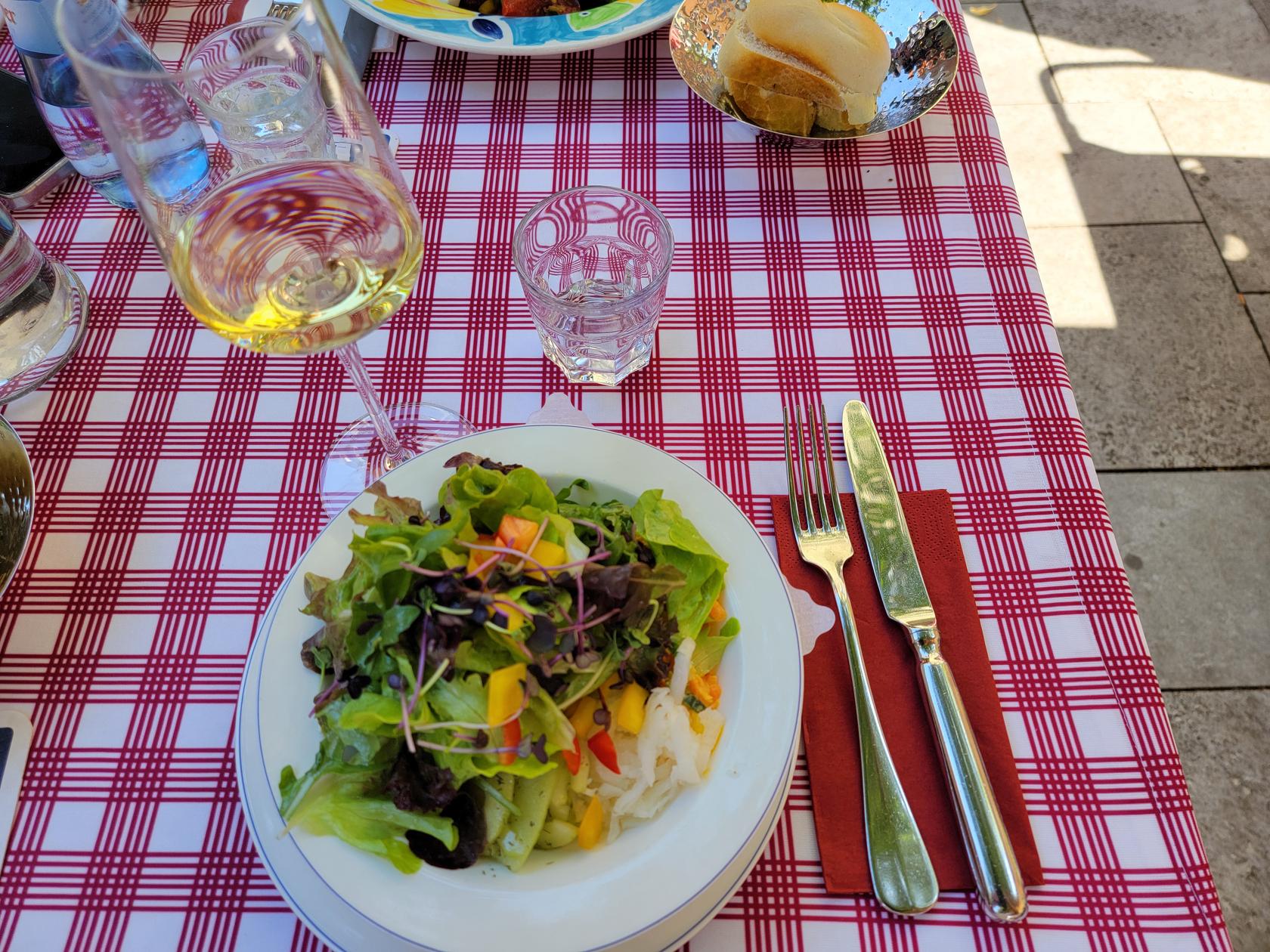
Mixed salad – Reichskückenmeisterer – Herz von Rothenburg restaurant – Rothenburg ob der Tauber, Germany
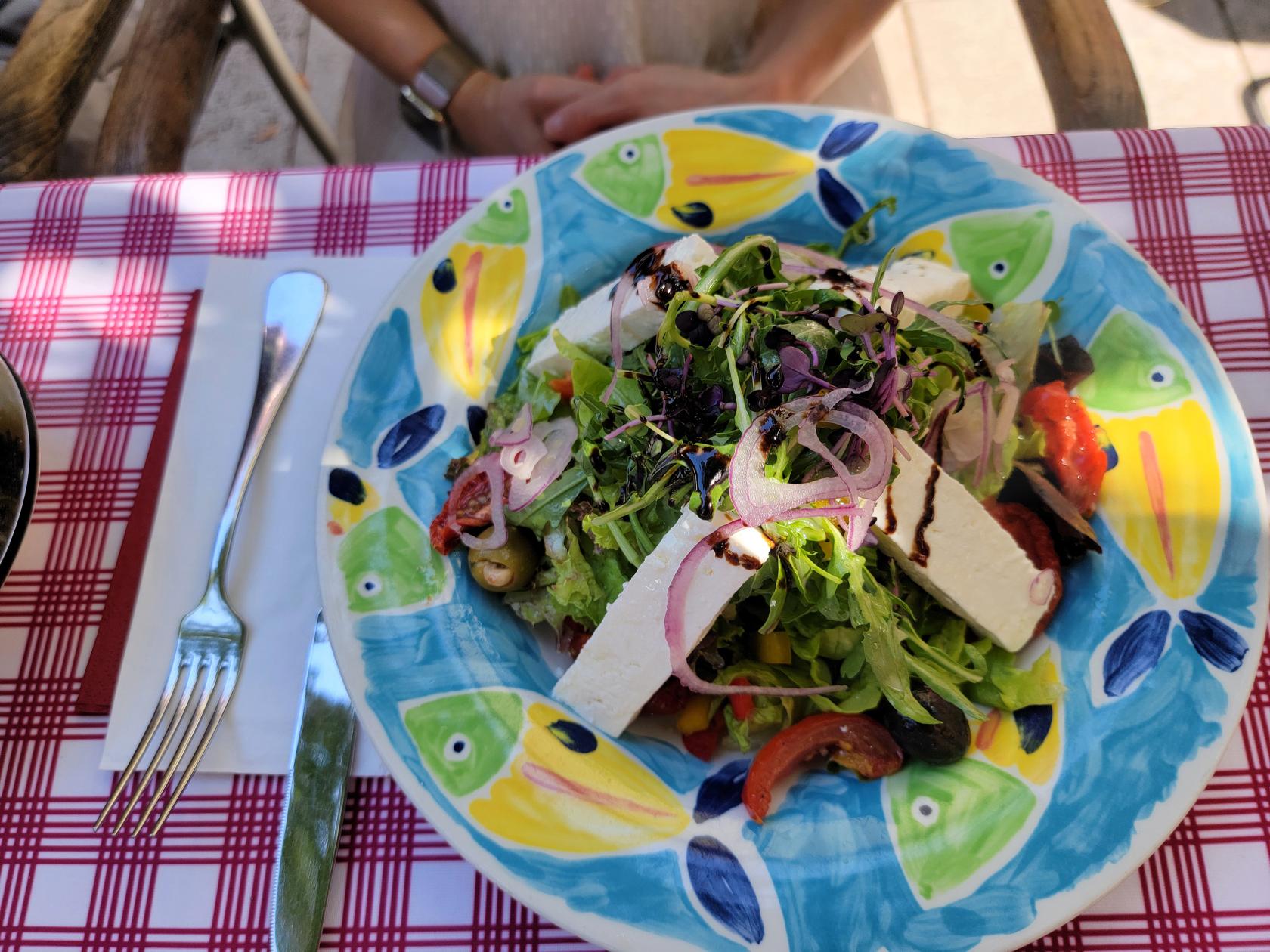
Mixed salad with Feta – Reichskückenmeisterer – Herz von Rothenburg restaurant – Rothenburg ob der Tauber, Germany
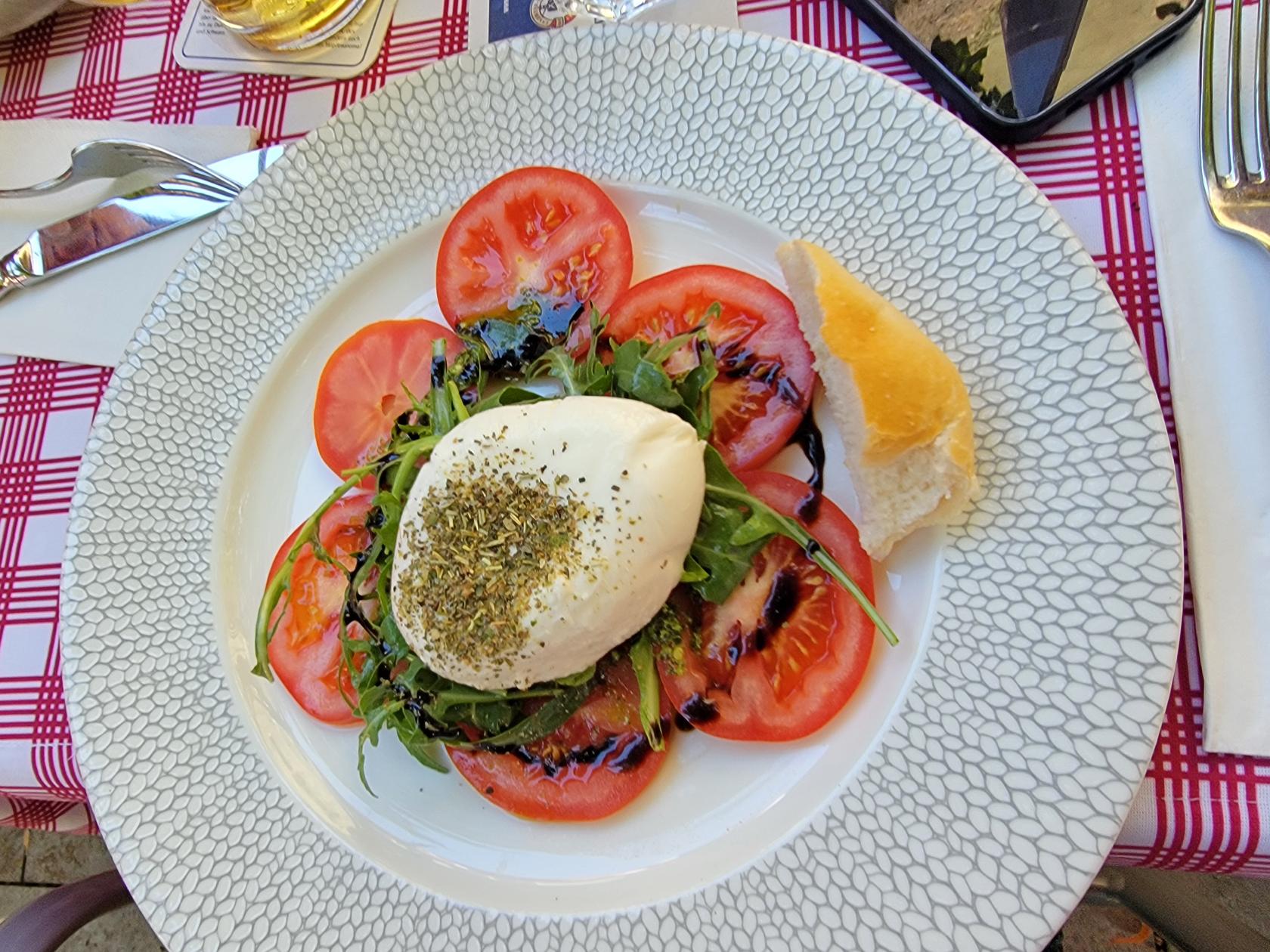
Caprese salad – Reichskückenmeisterer – Herz von Rothenburg restaurant – Rothenburg ob der Tauber, Germany
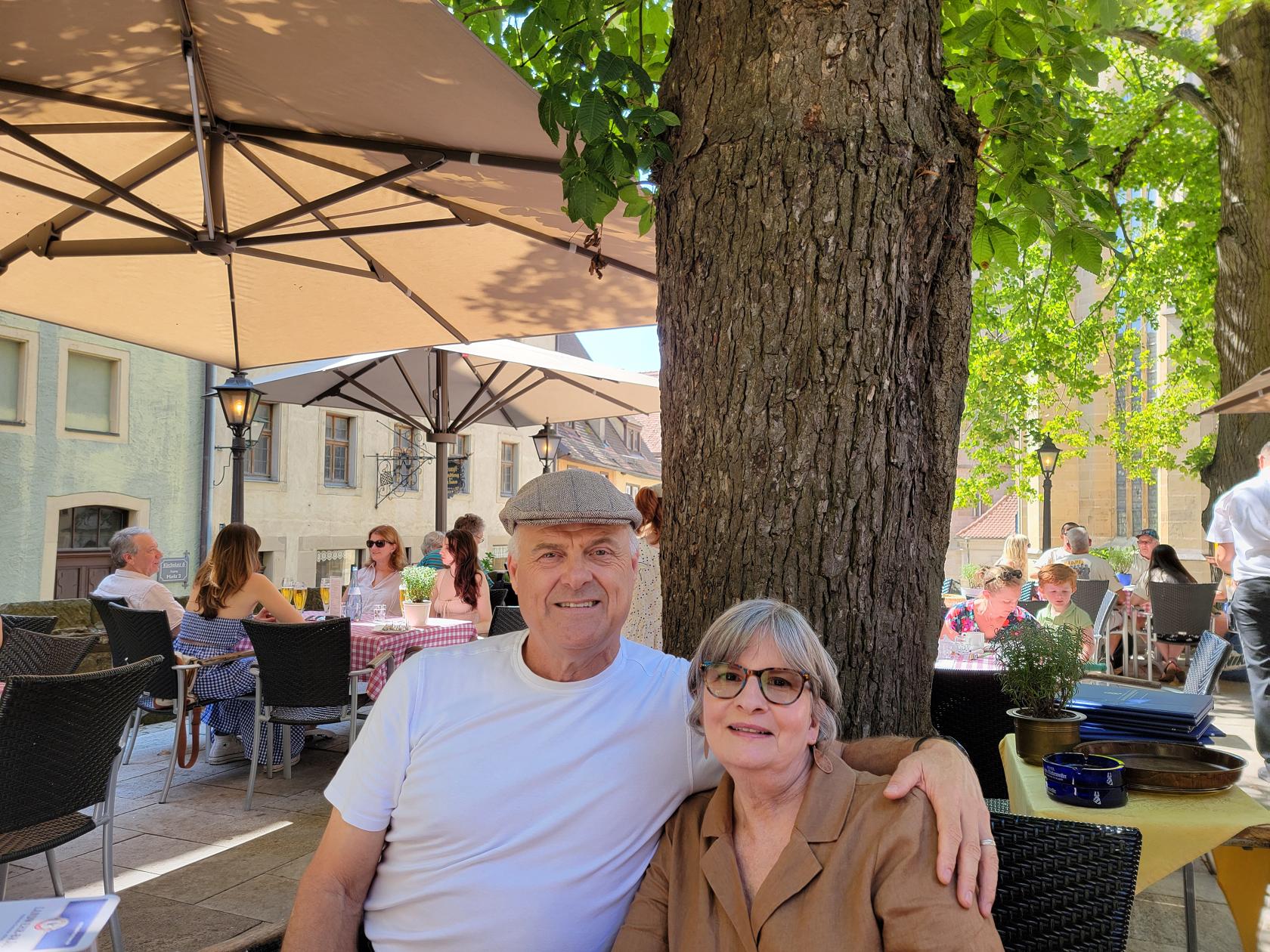
Erick and Patti – Reichskückenmeisterer – Herz von Rothenburg restaurant – Rothenburg ob der Tauber, Germany
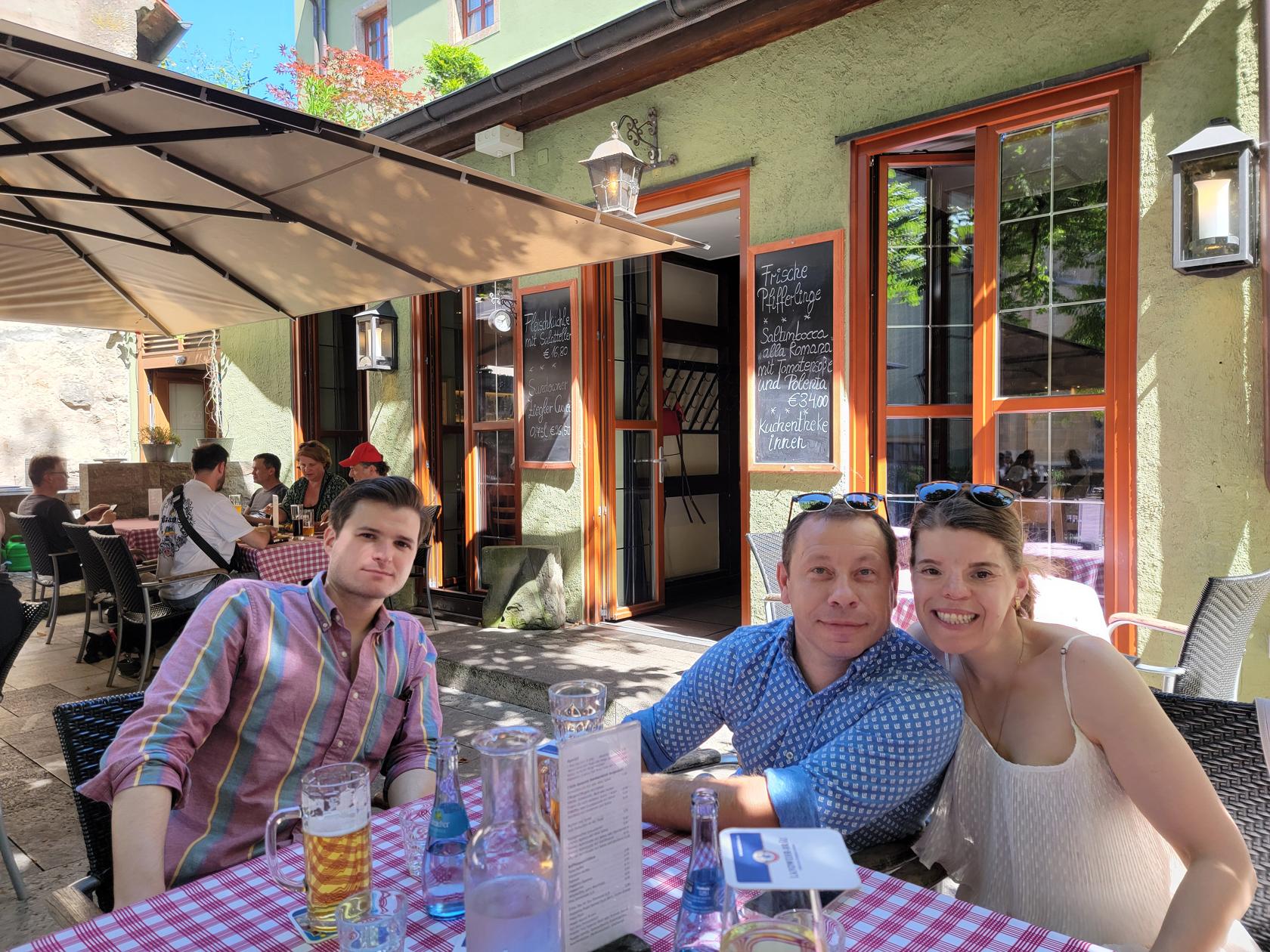
Dana, Gabi and Ericka – Reichskückenmeisterer – Herz von Rothenburg restaurant – Rothenburg ob der Tauber, Germany
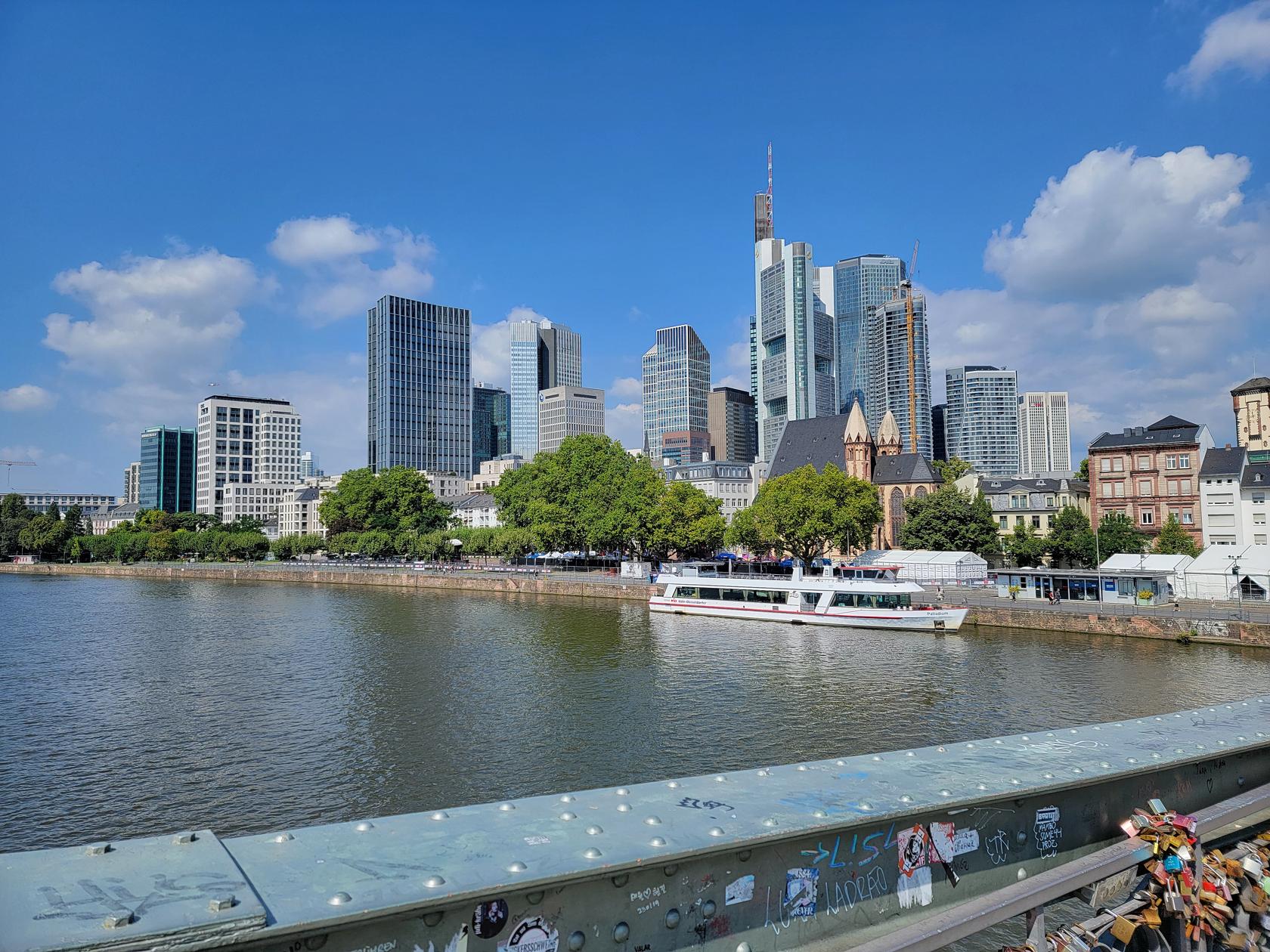
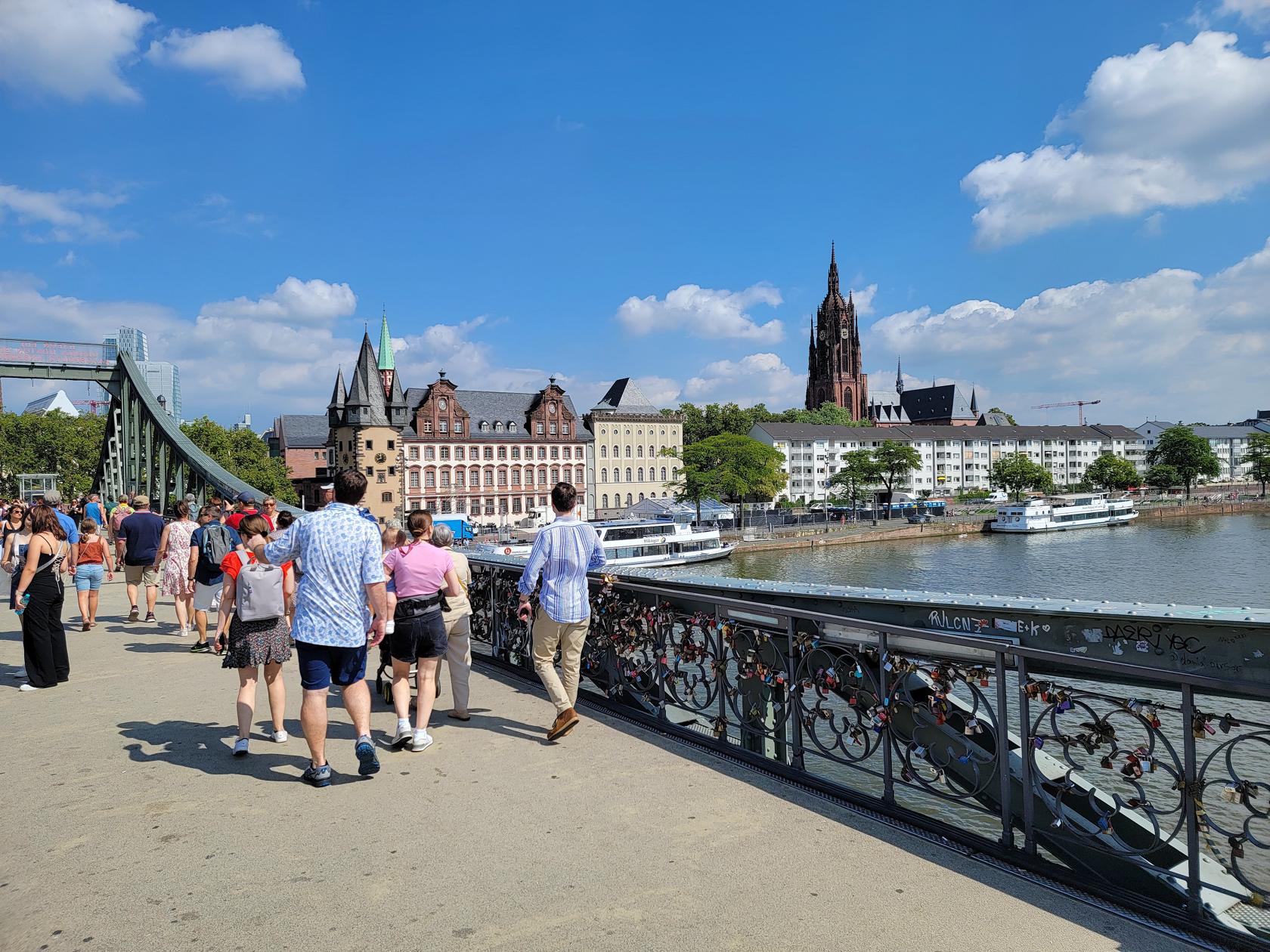
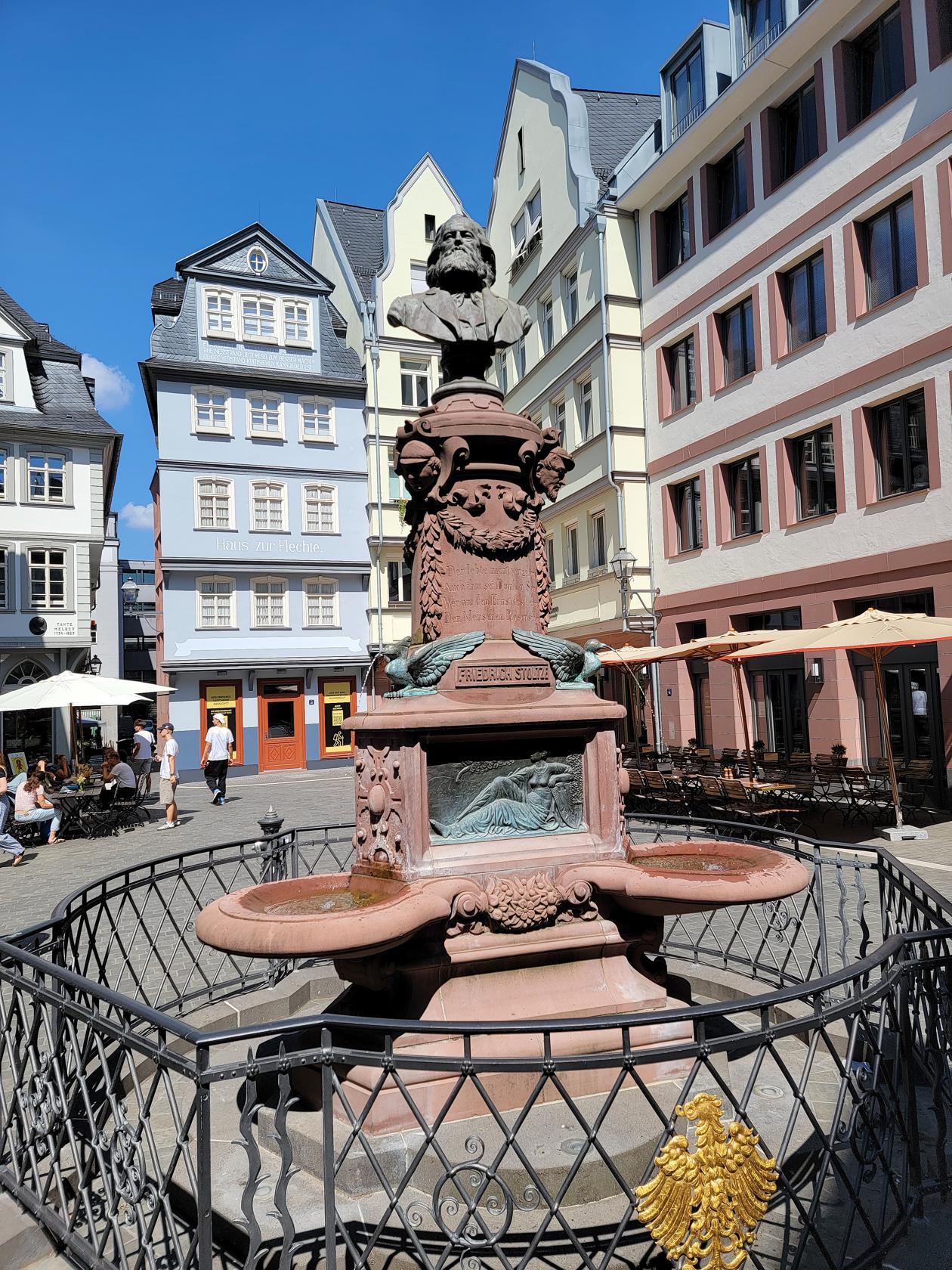
Not having an abundance of time, we decided to stay somewhat local a few times and visit Mainz and Frankfurt, both of which are but a stone’s throw away from Offenbach. Since we have been to both several times, we wanted to show other family members these two cities and will post mostly photographs without a lot of text.
Mainz
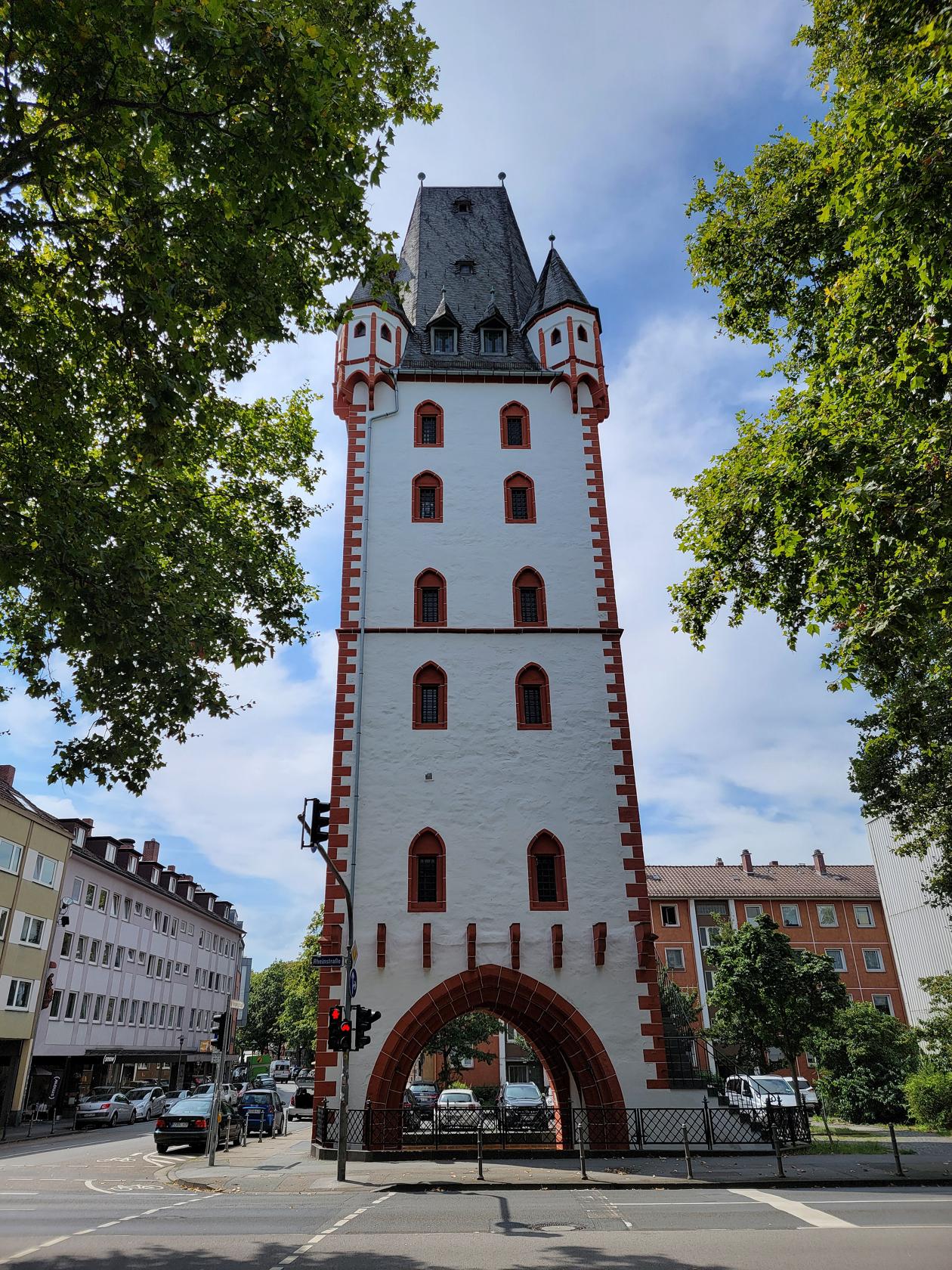
Holzturm of the old city wall – Mainz, Germany
The Wine Gate – Mainz, Germany
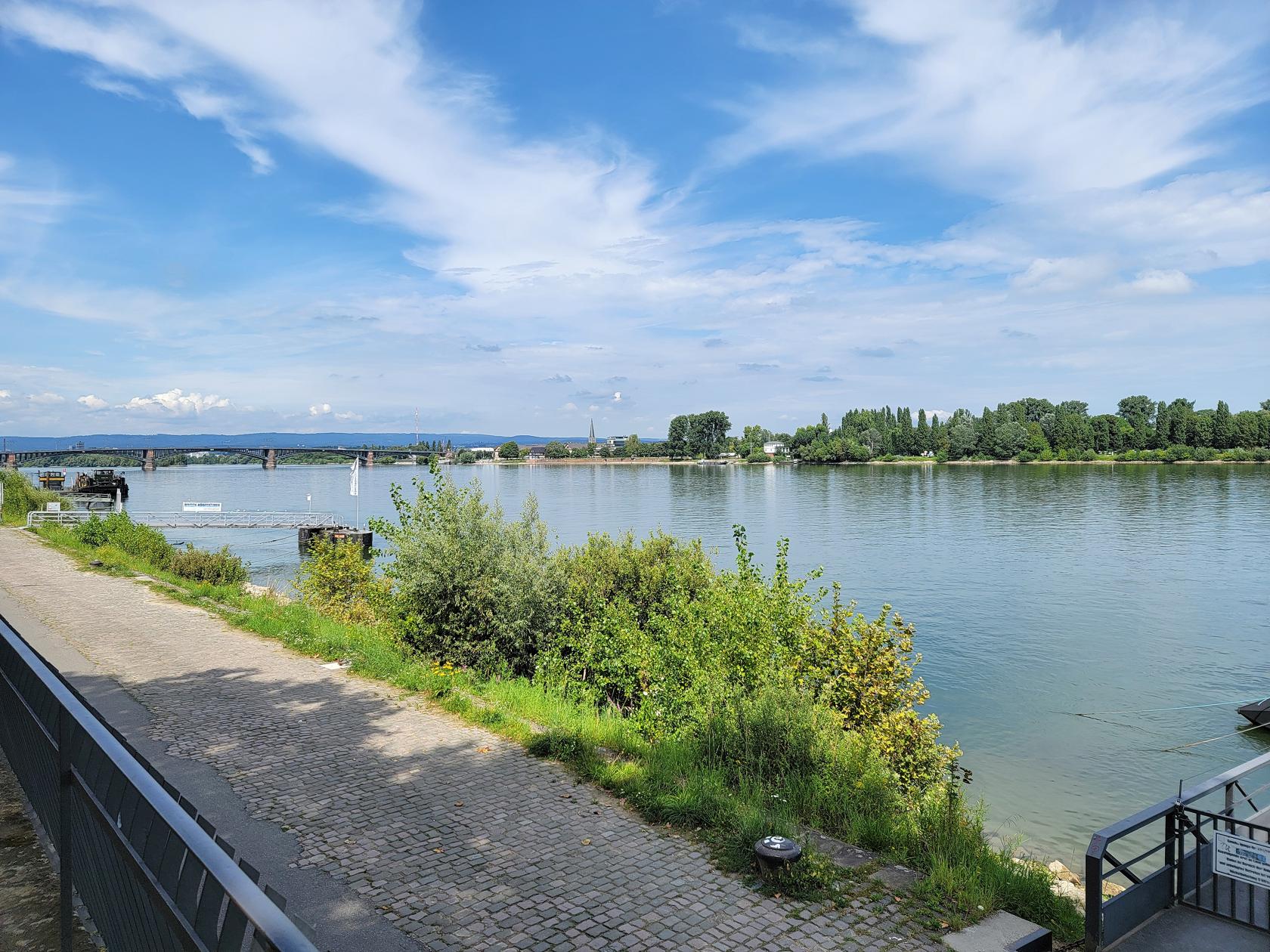
The Rhine river – Mainz, Germany
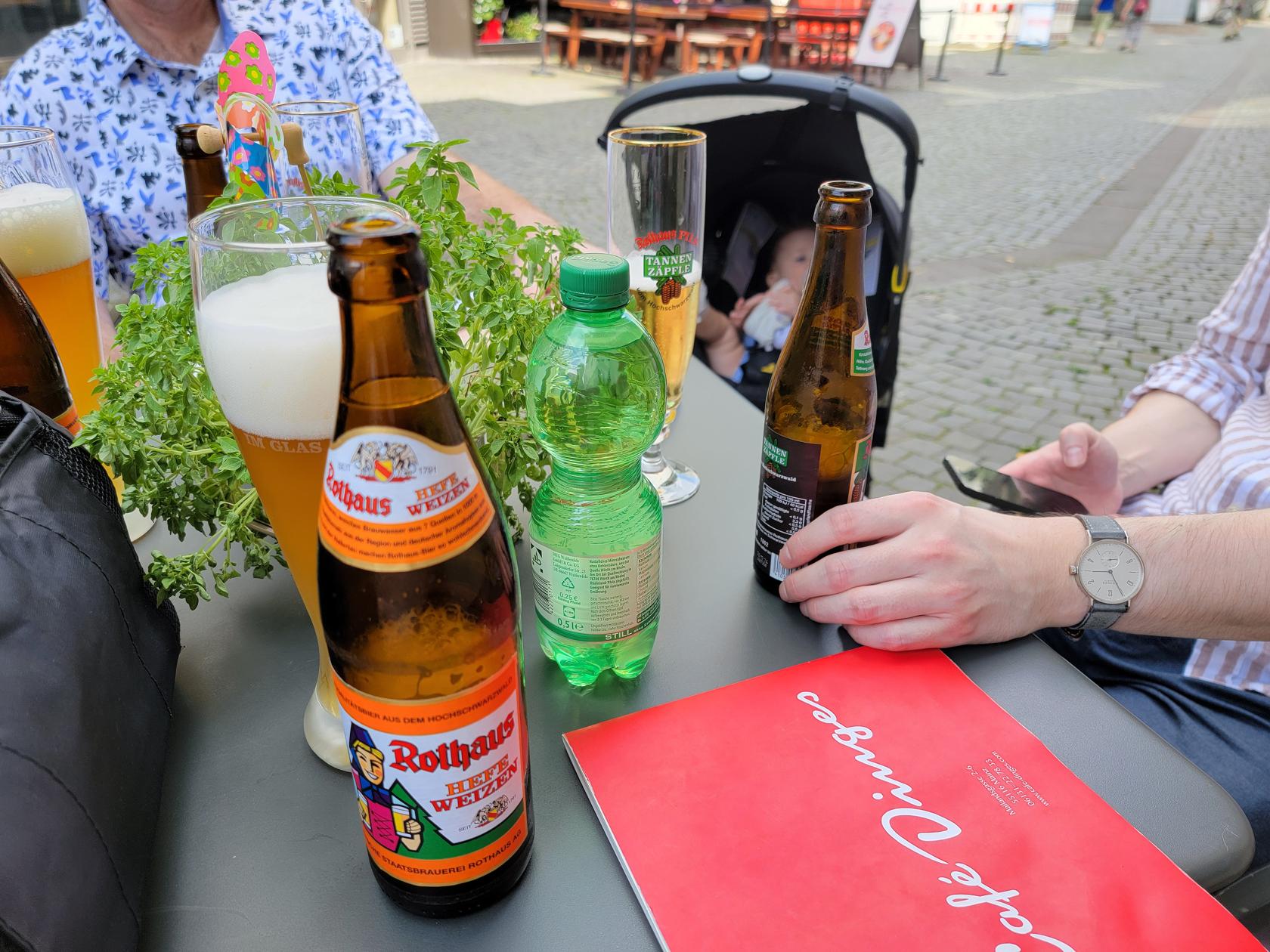
Rothaus – Mainz, Germany
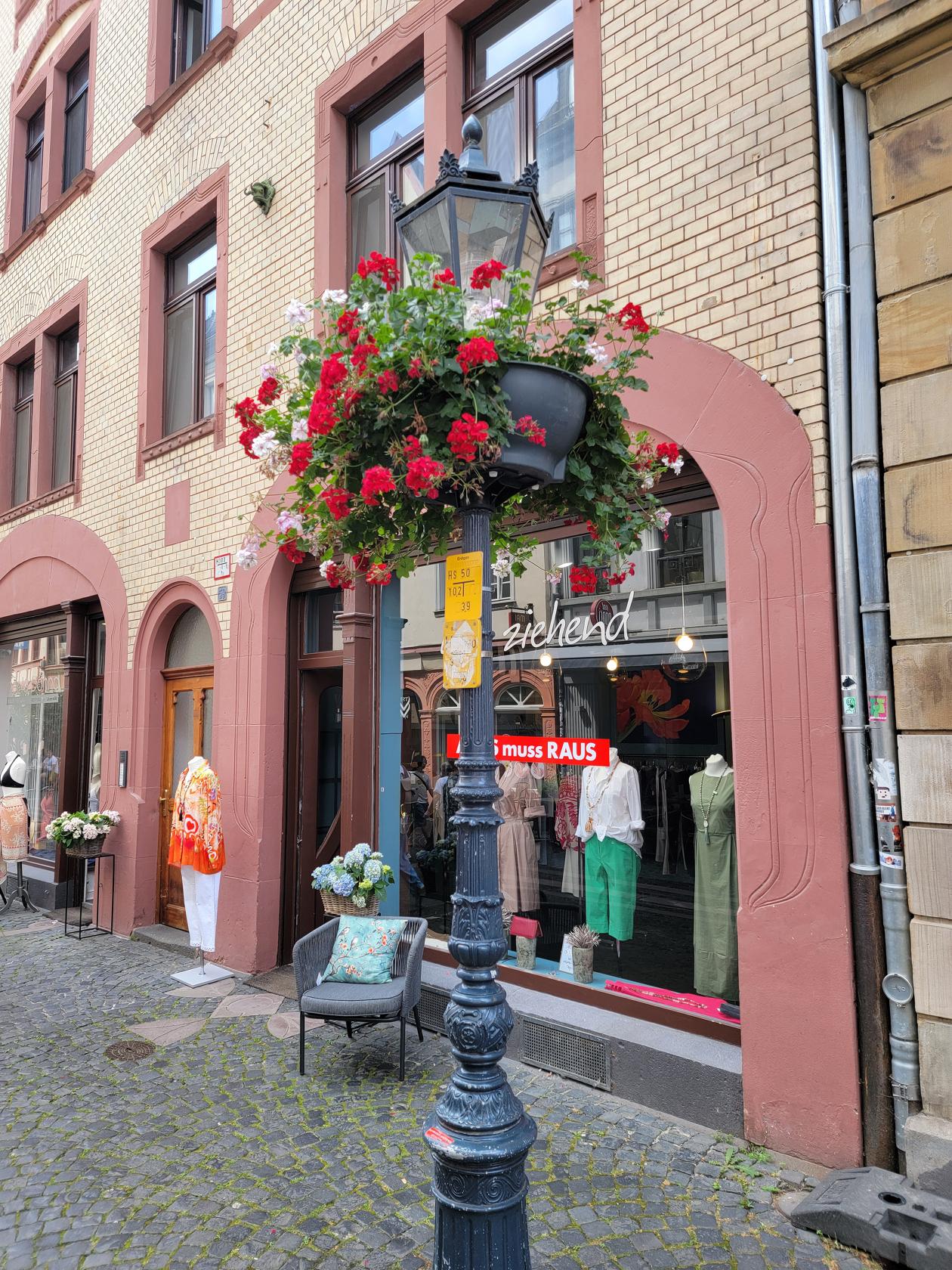
Street flowers – Mainz, Germany
Restaurants
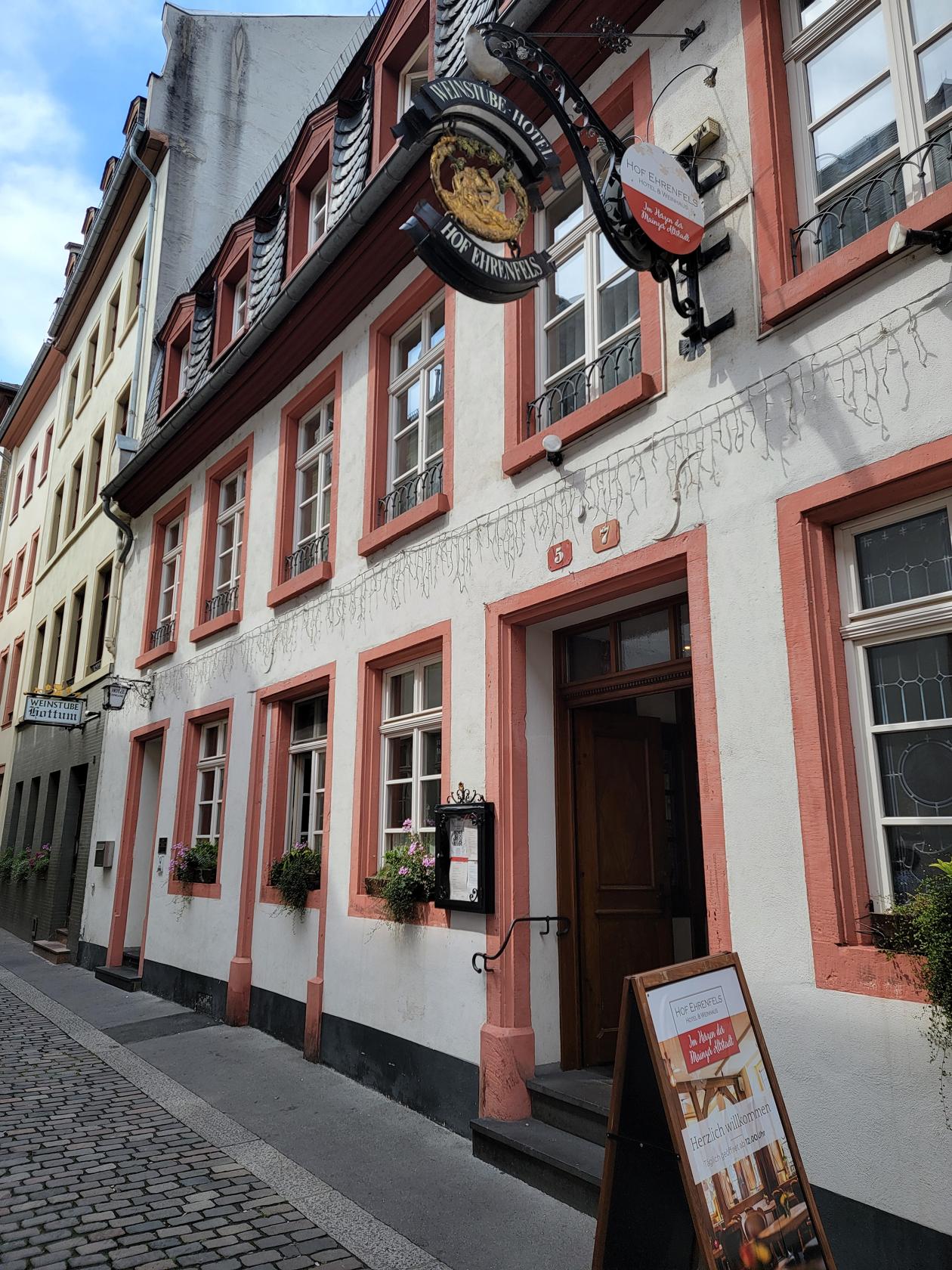
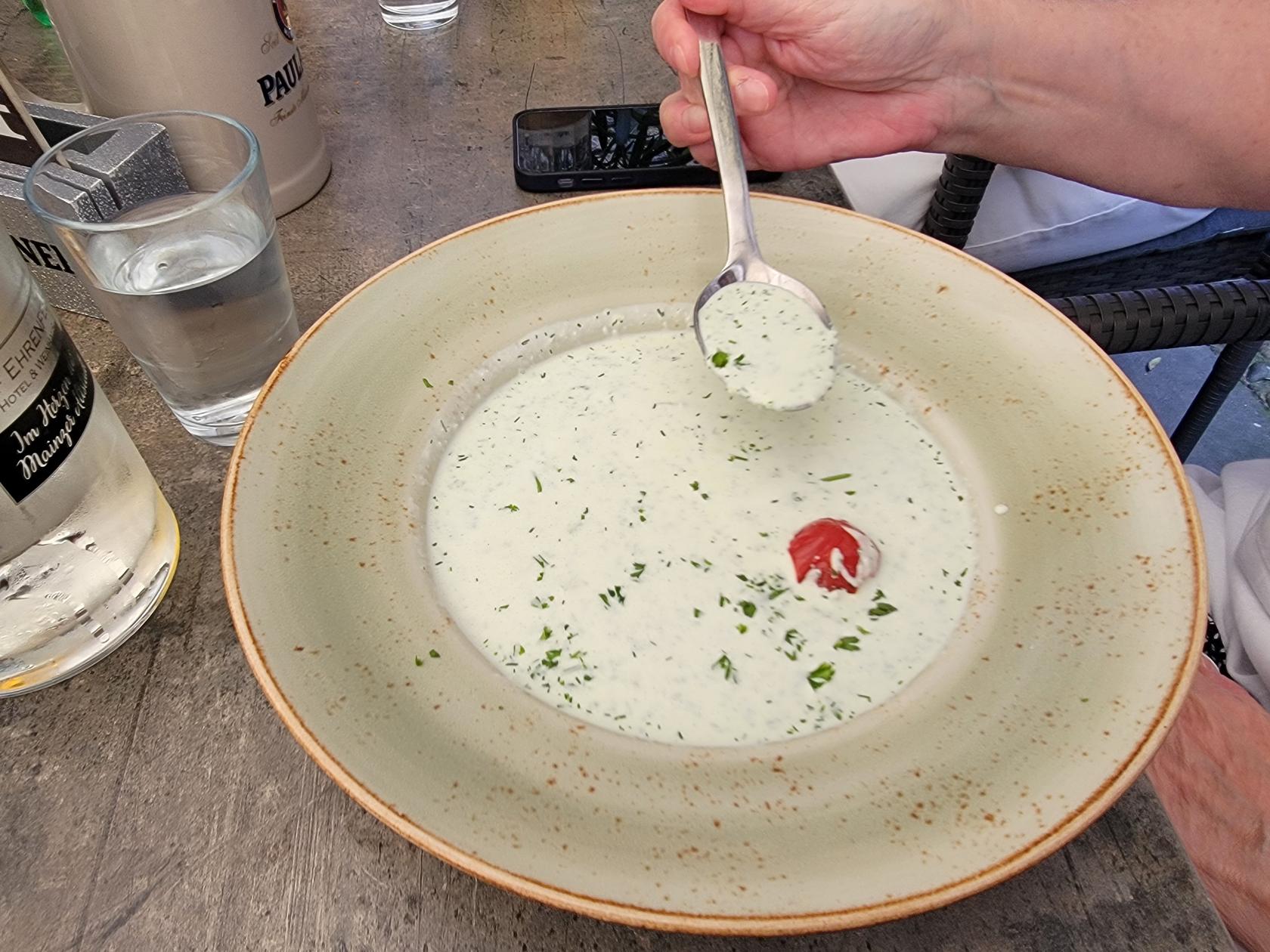
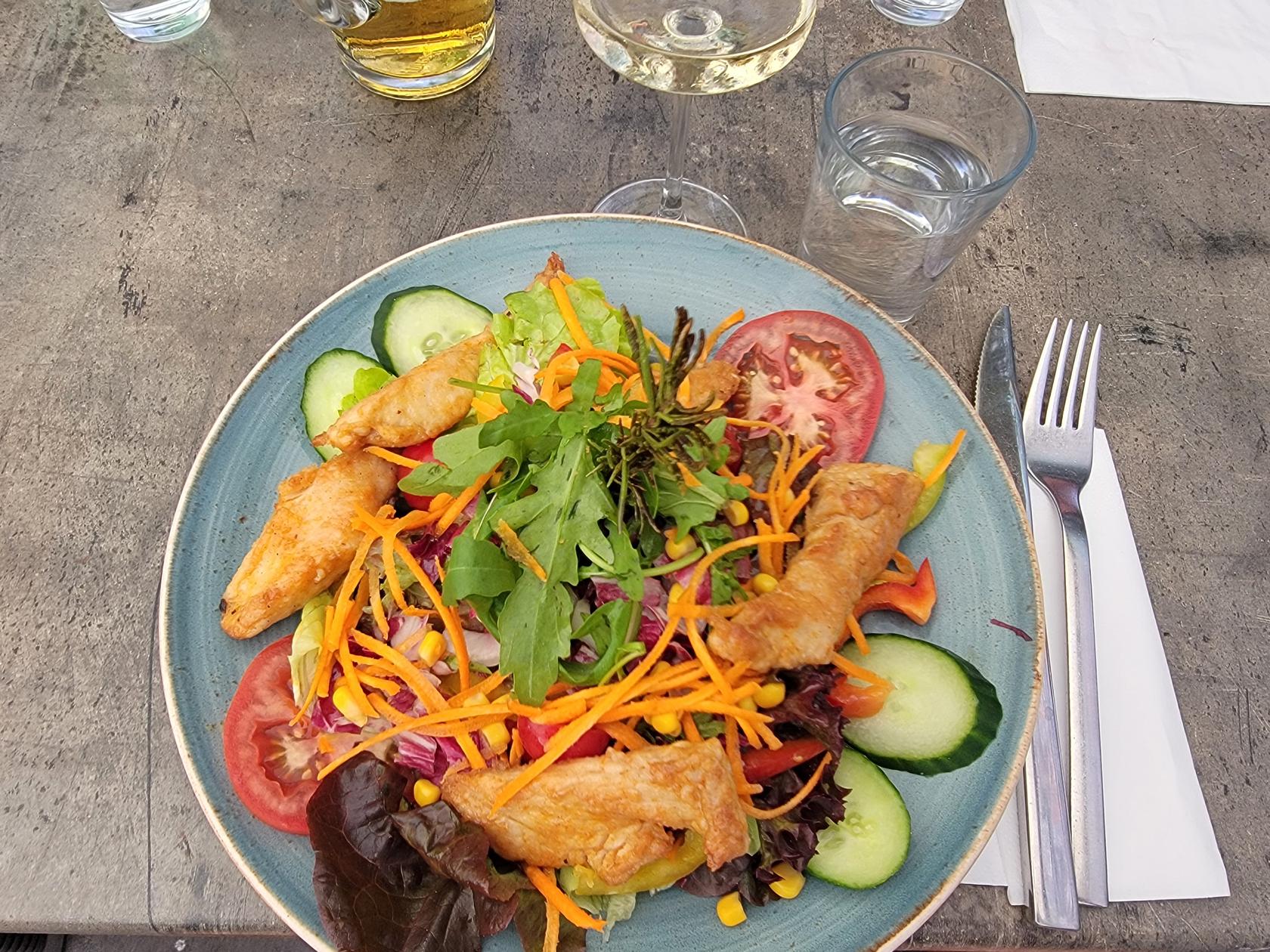
While in Mainz, we stopped at one of our favorite restaurants, or in this case a Wine house (Weinhaus), that our friends Karl Heinz and Isolde Seegräber introduced us to in the course of one of our earlier visits.