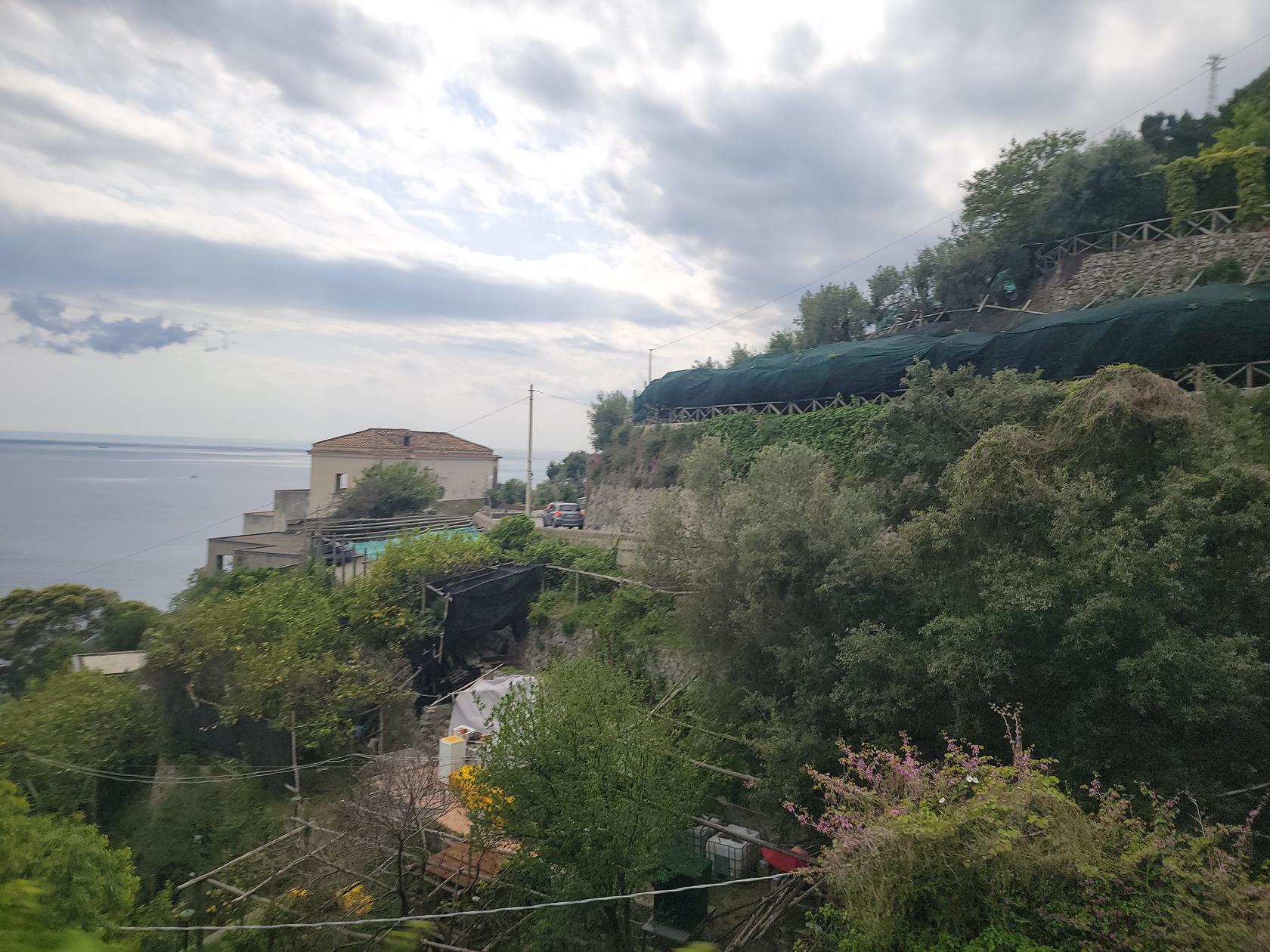
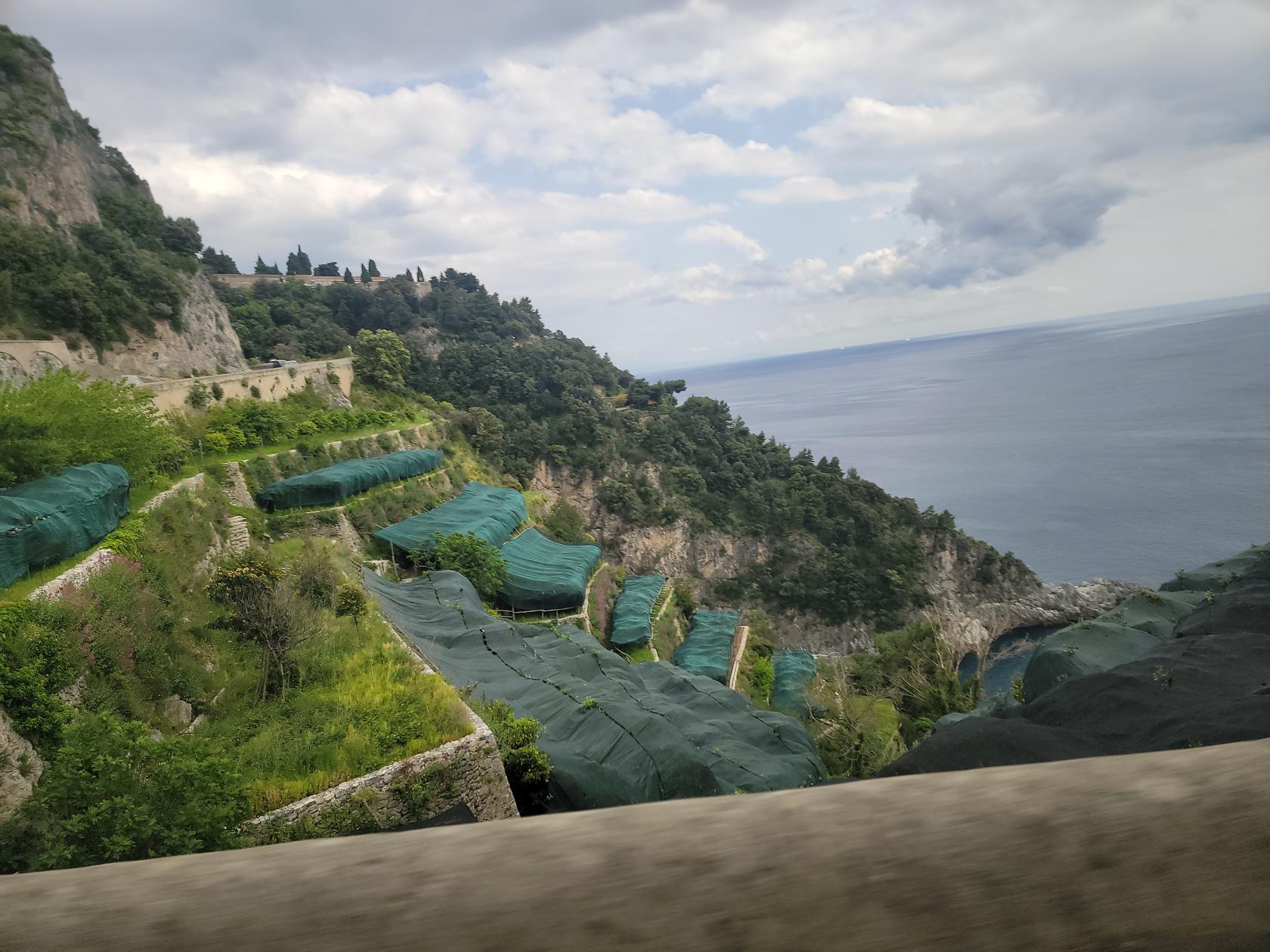
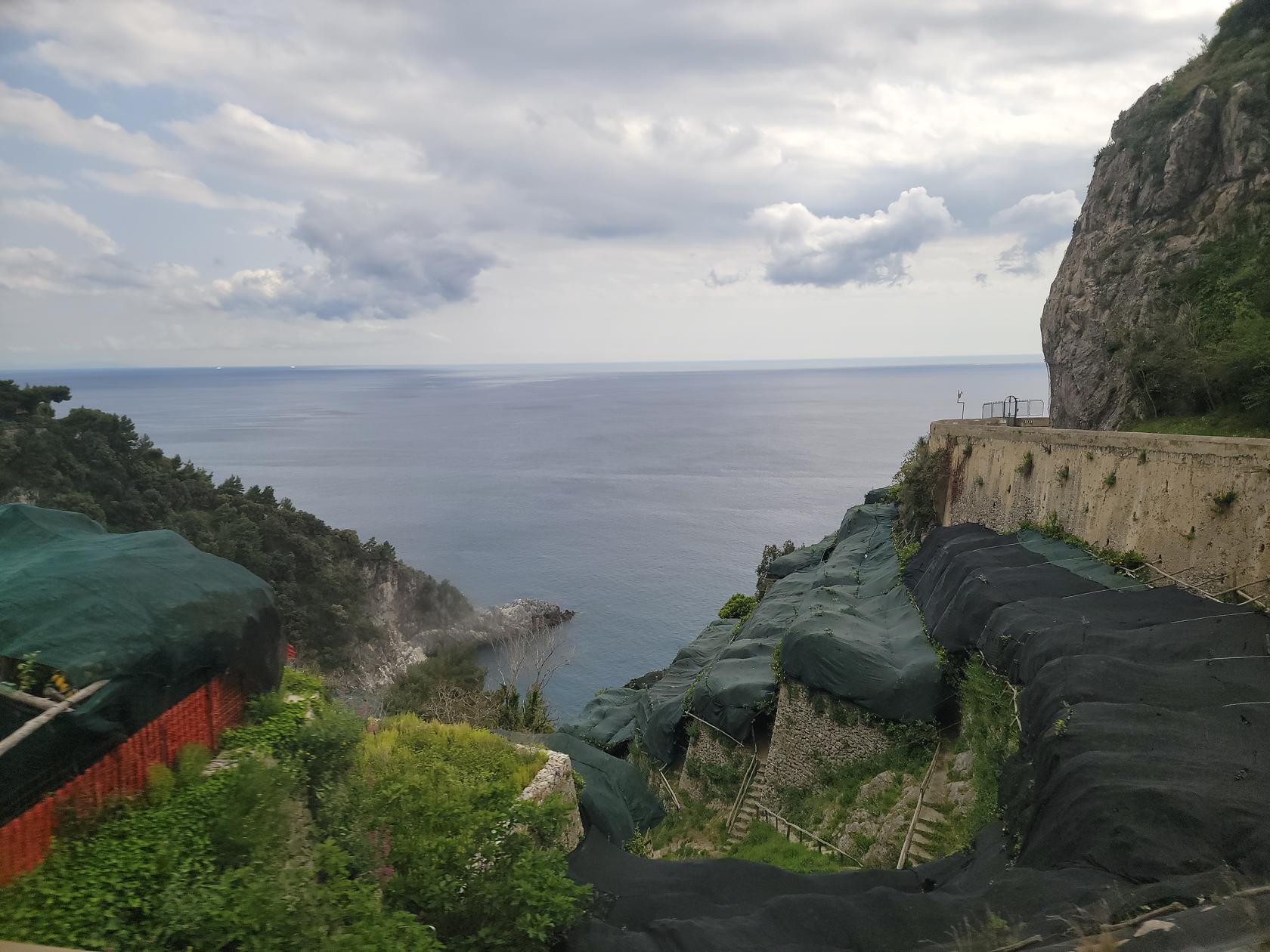
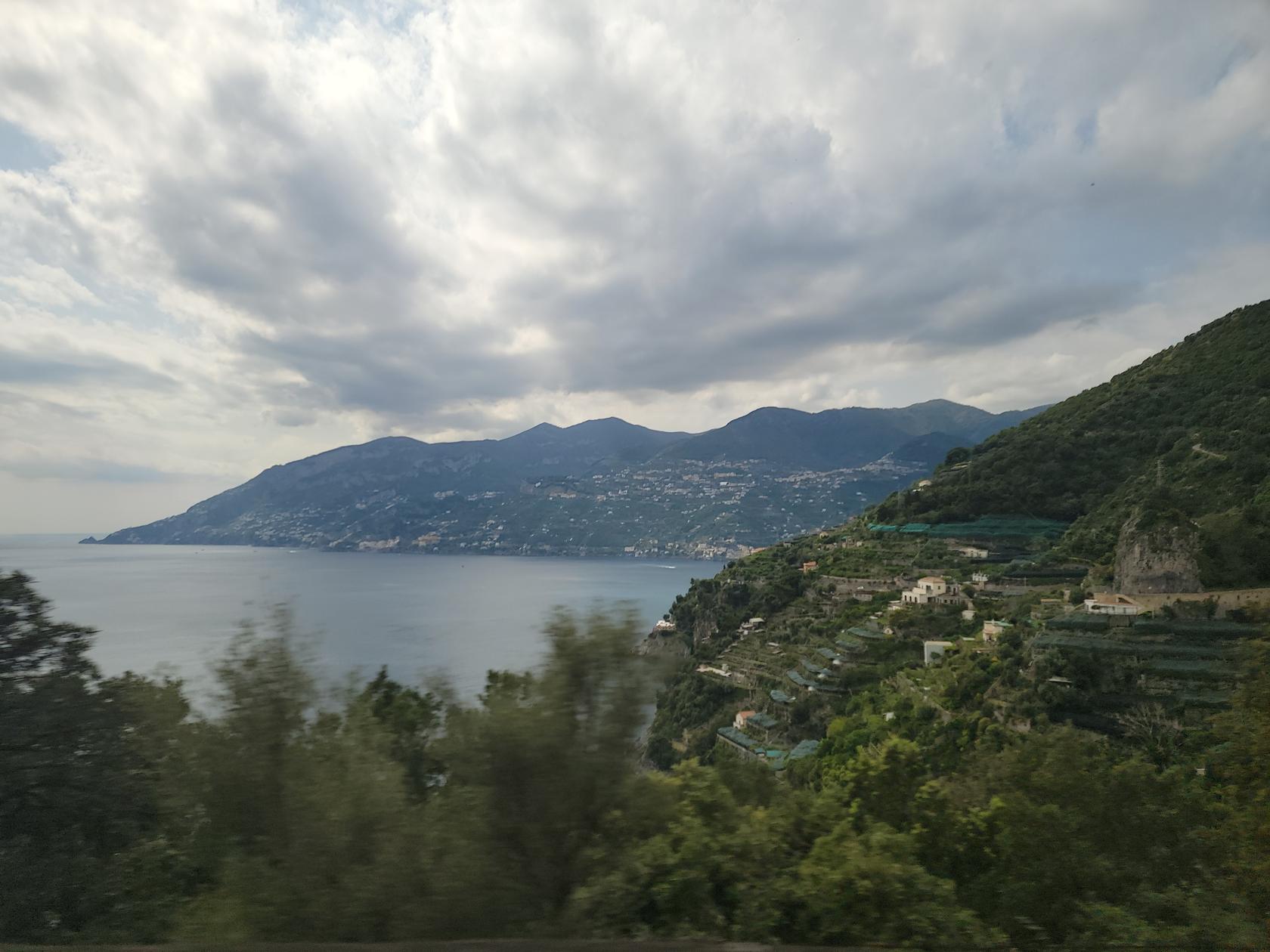
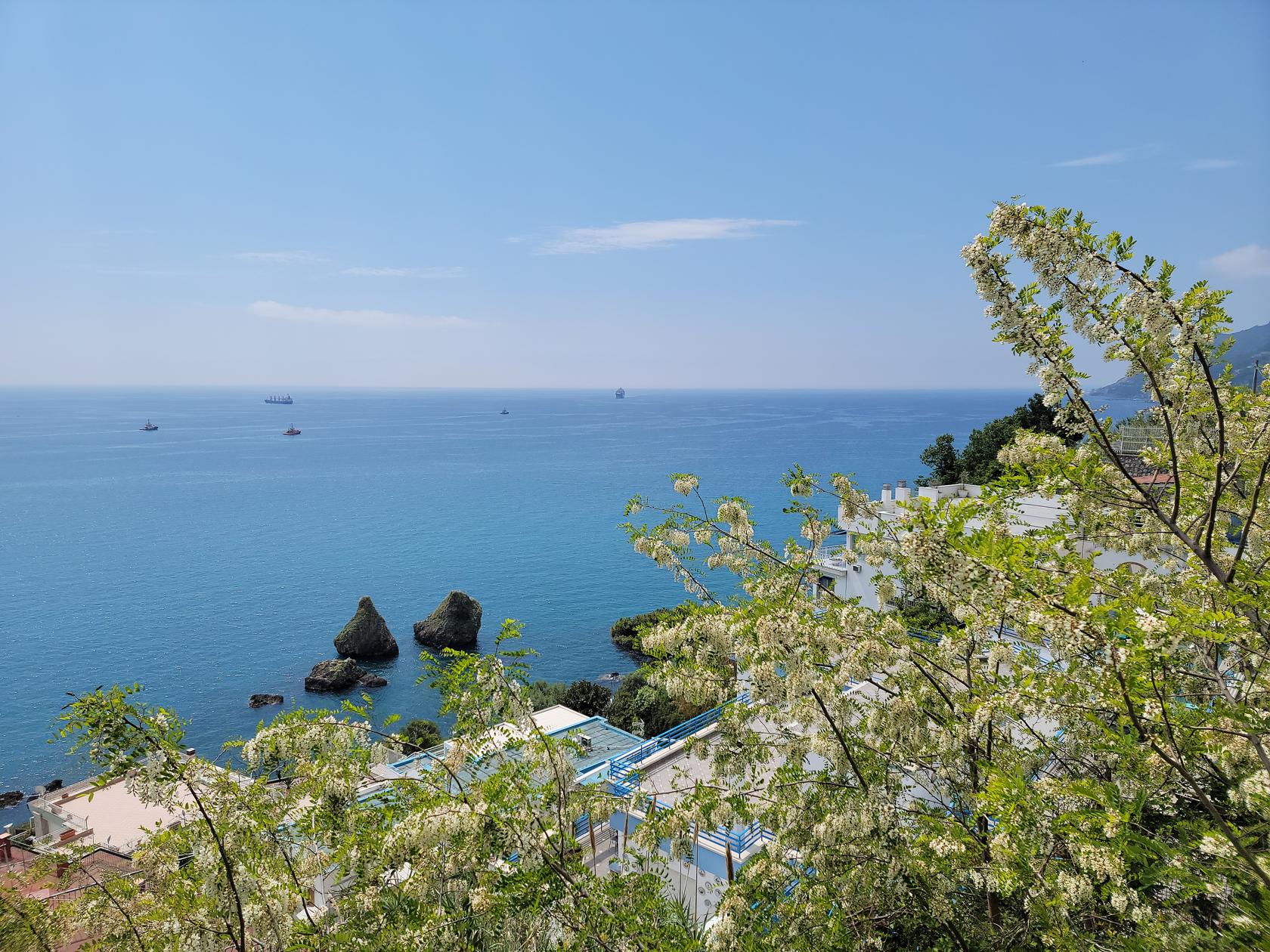
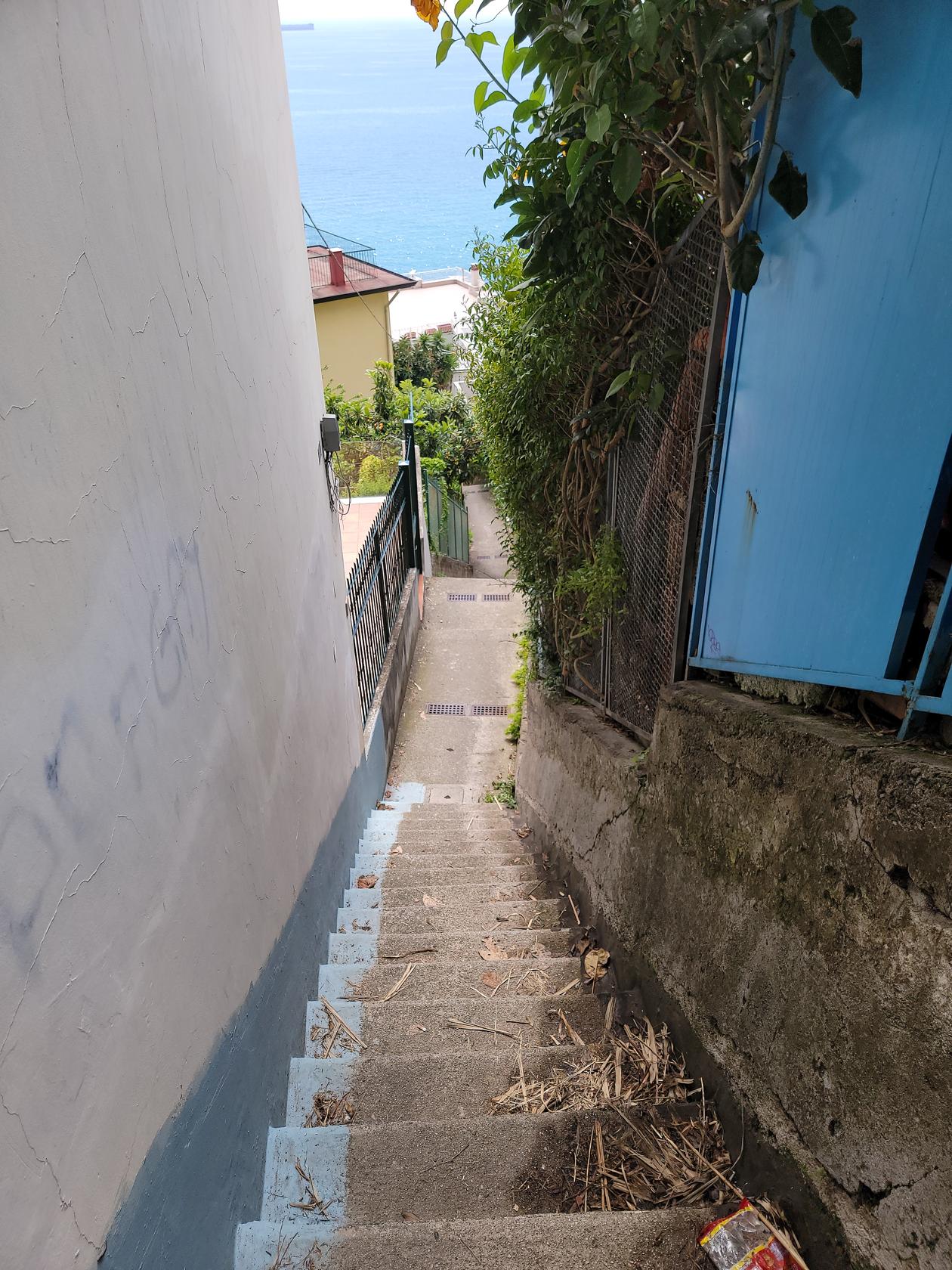
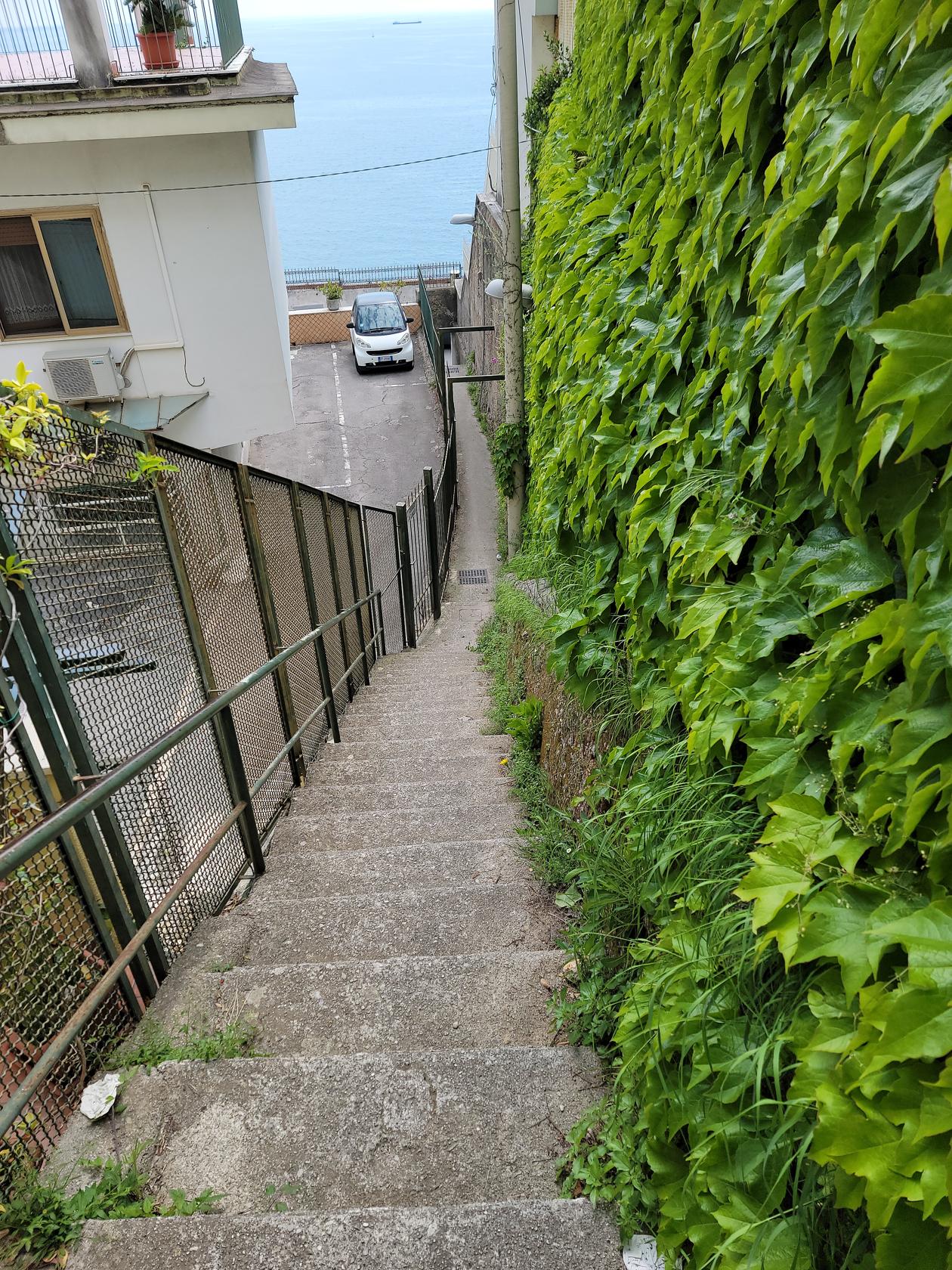
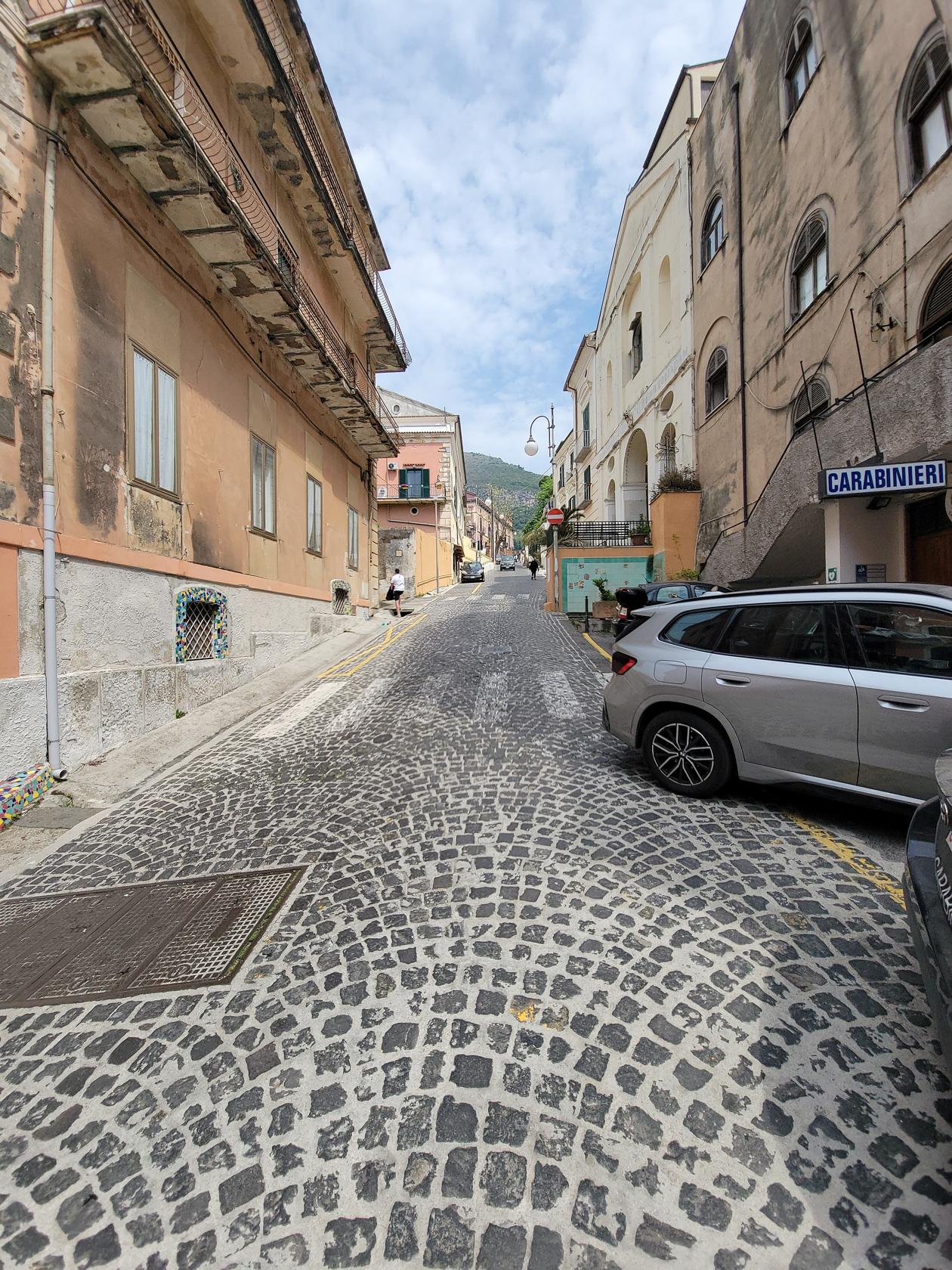
After our week in Naples where we took several days to visit the Amalfi Coast, we headed further south and stopped in Sapri. This was a scheduled visit to break up the trip and offer us a sunny interlude and a bit of repose before continuing to Tropea and later Reggio Calabria.
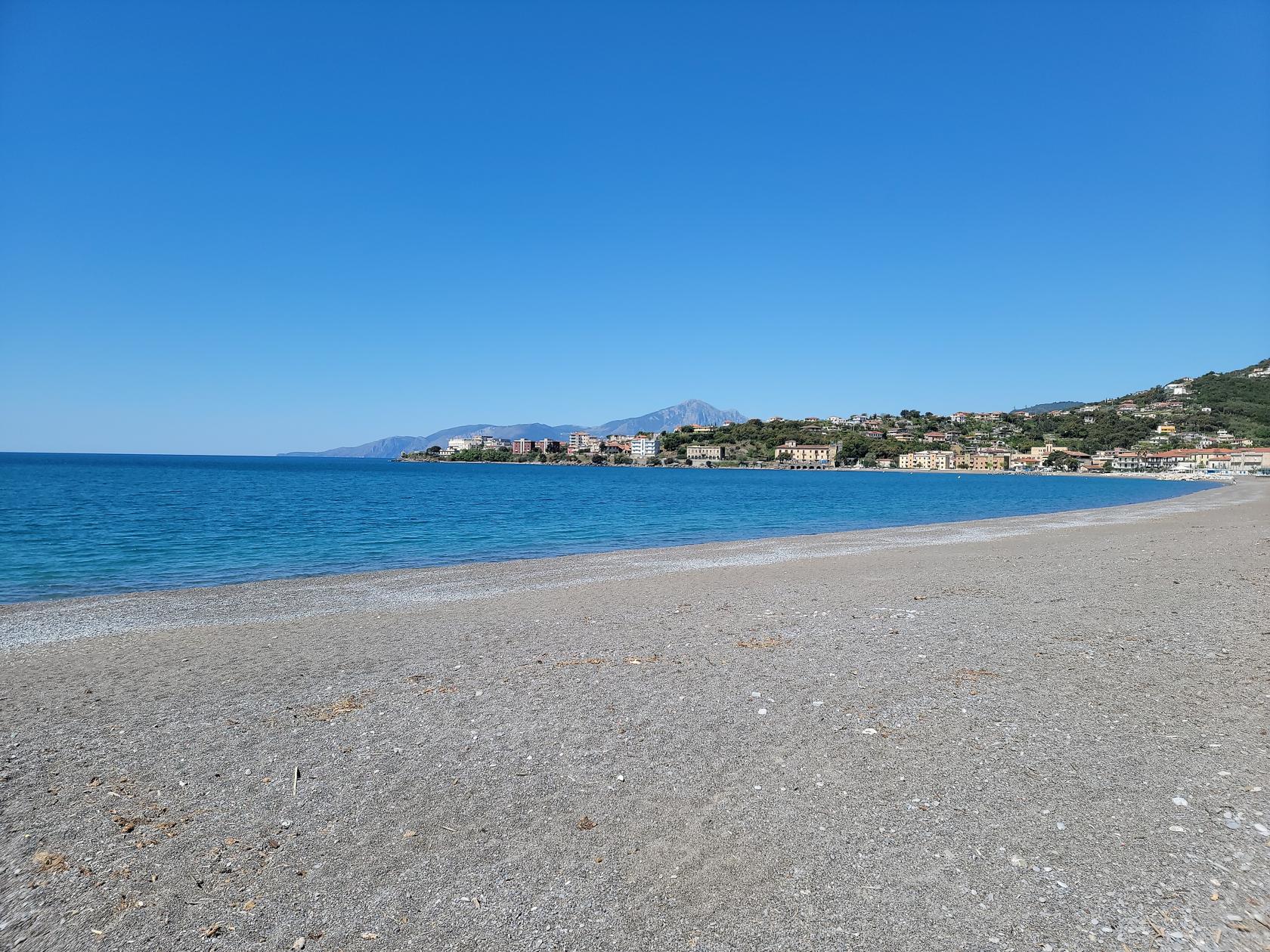
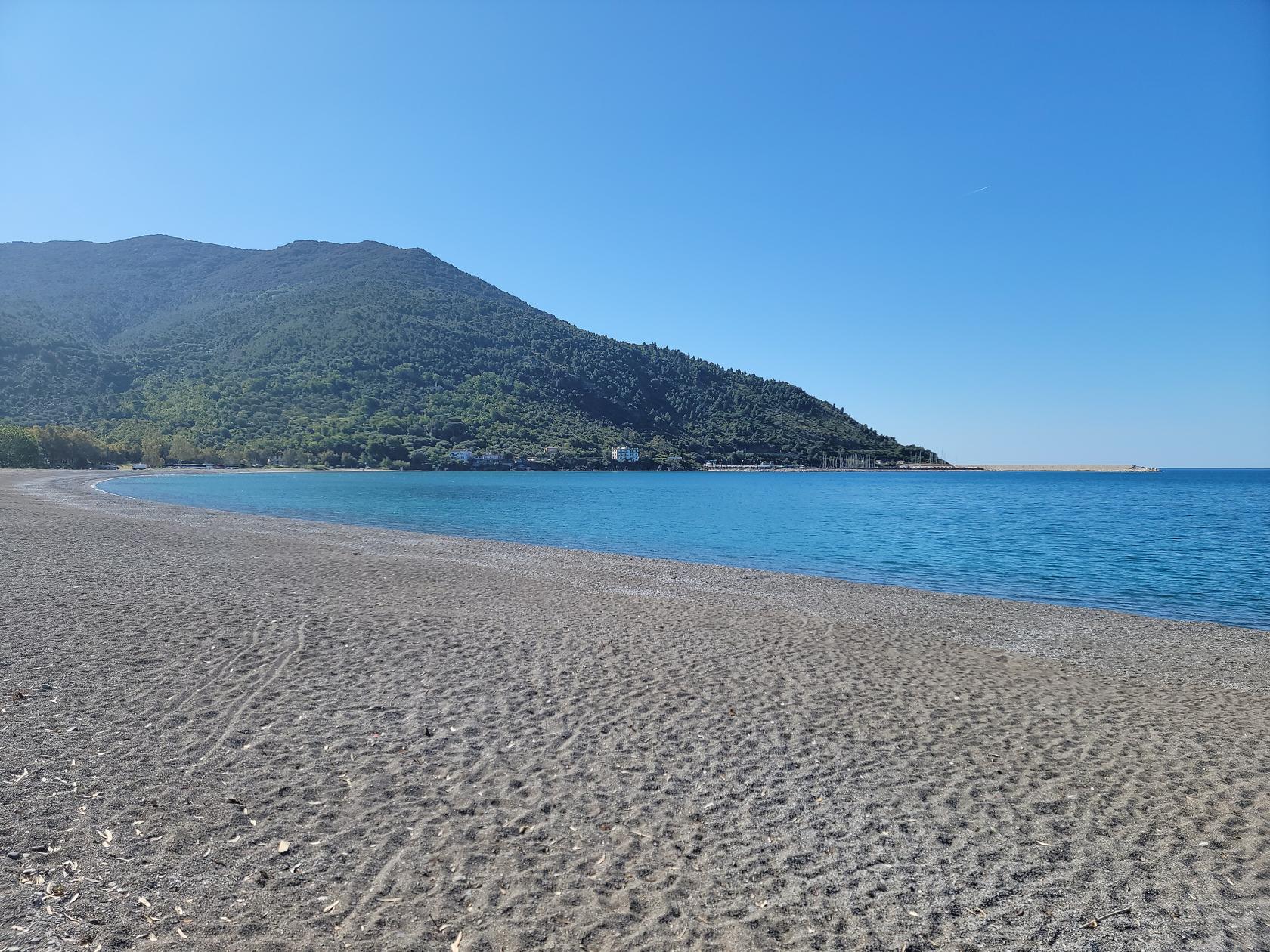
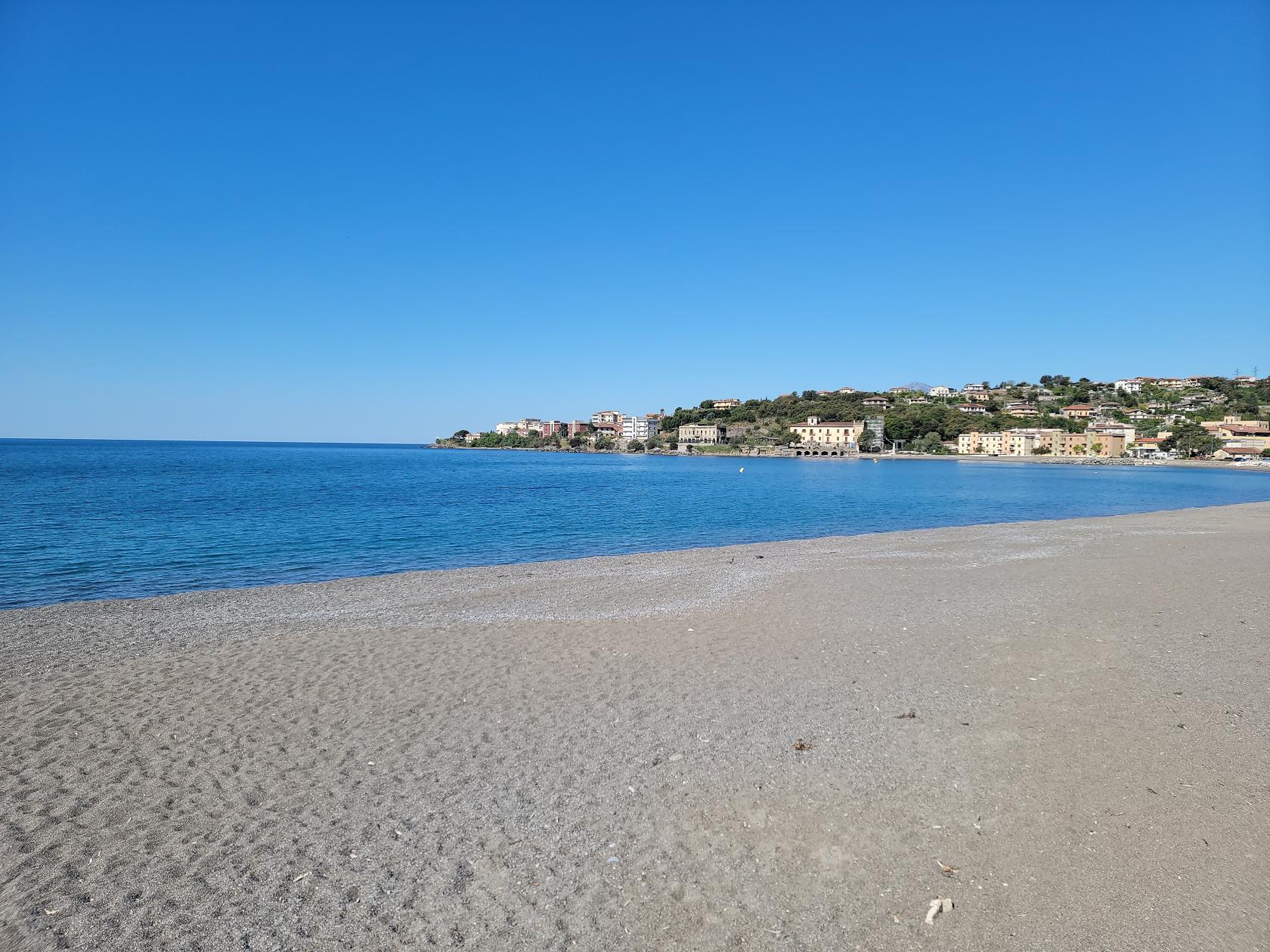
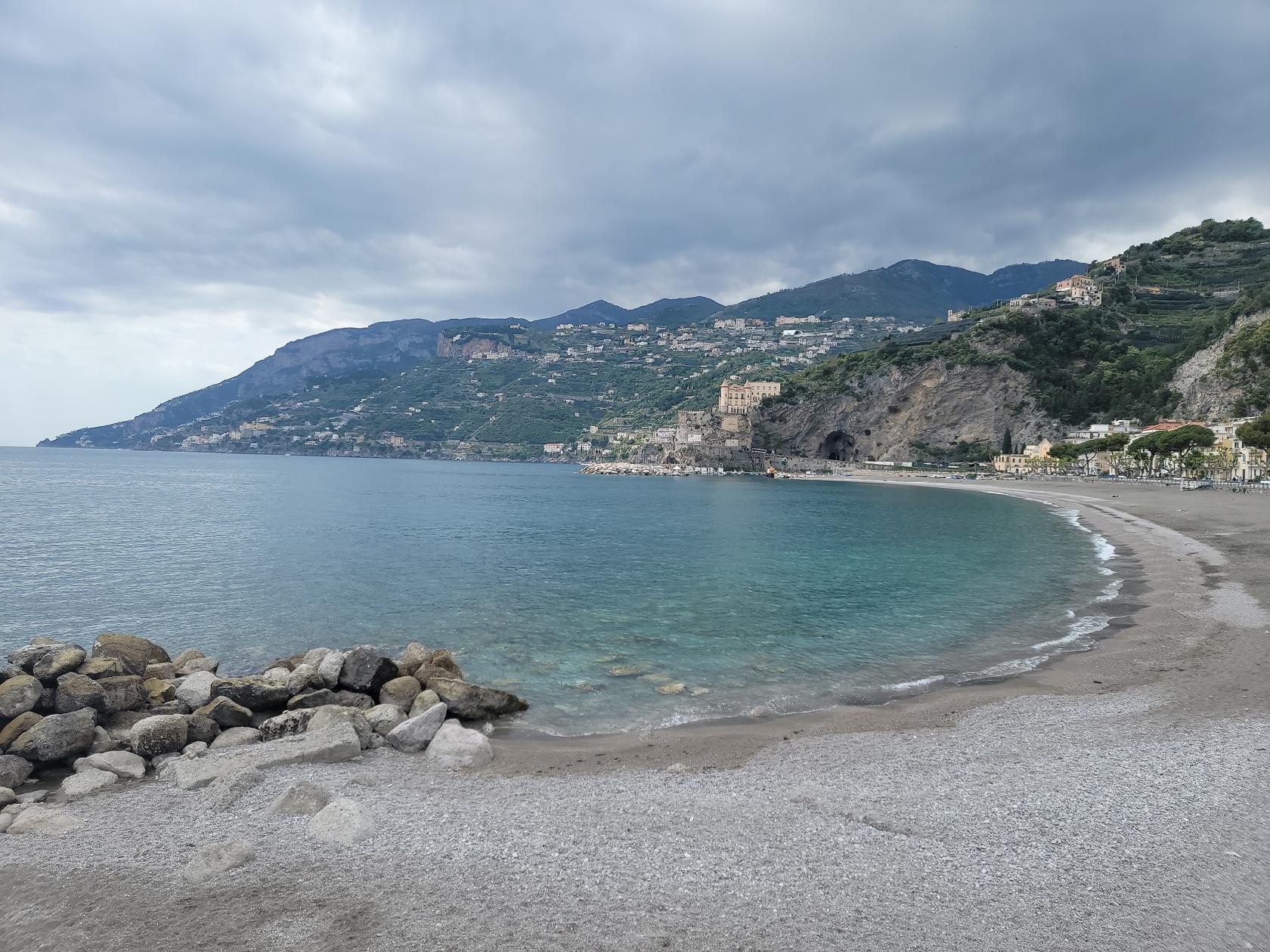
Stoney Beach – Sapri, Italy
Sapri
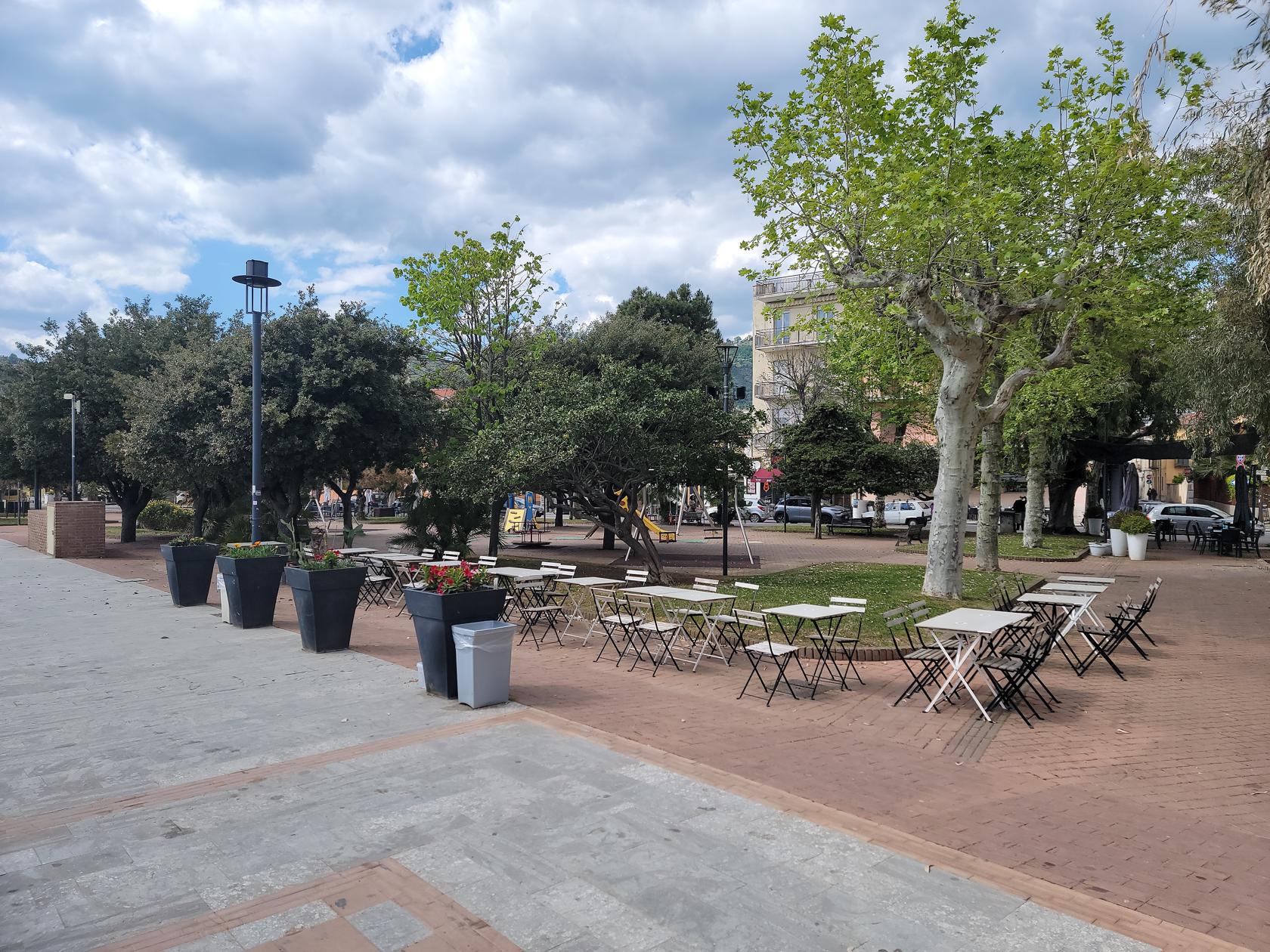
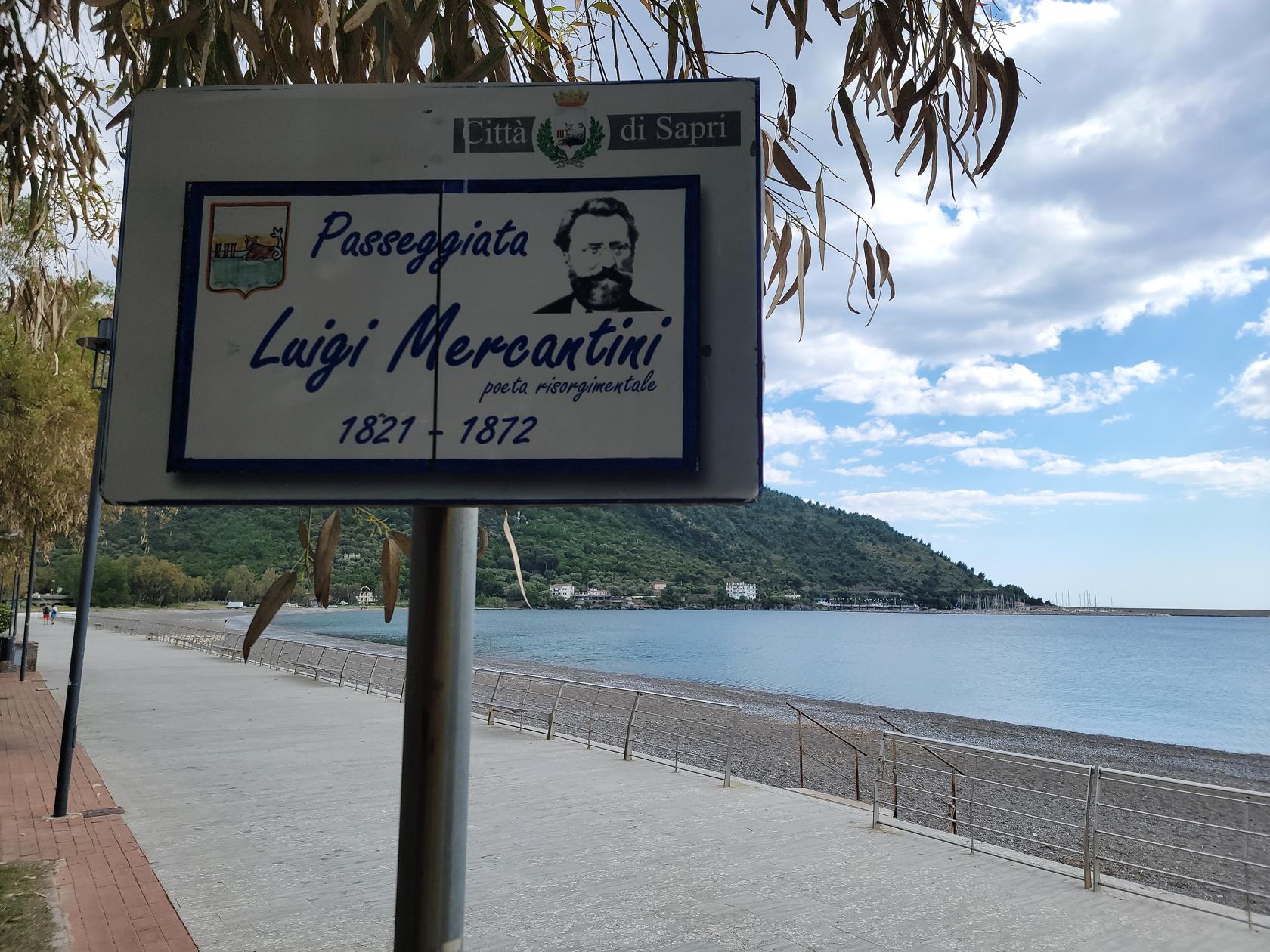
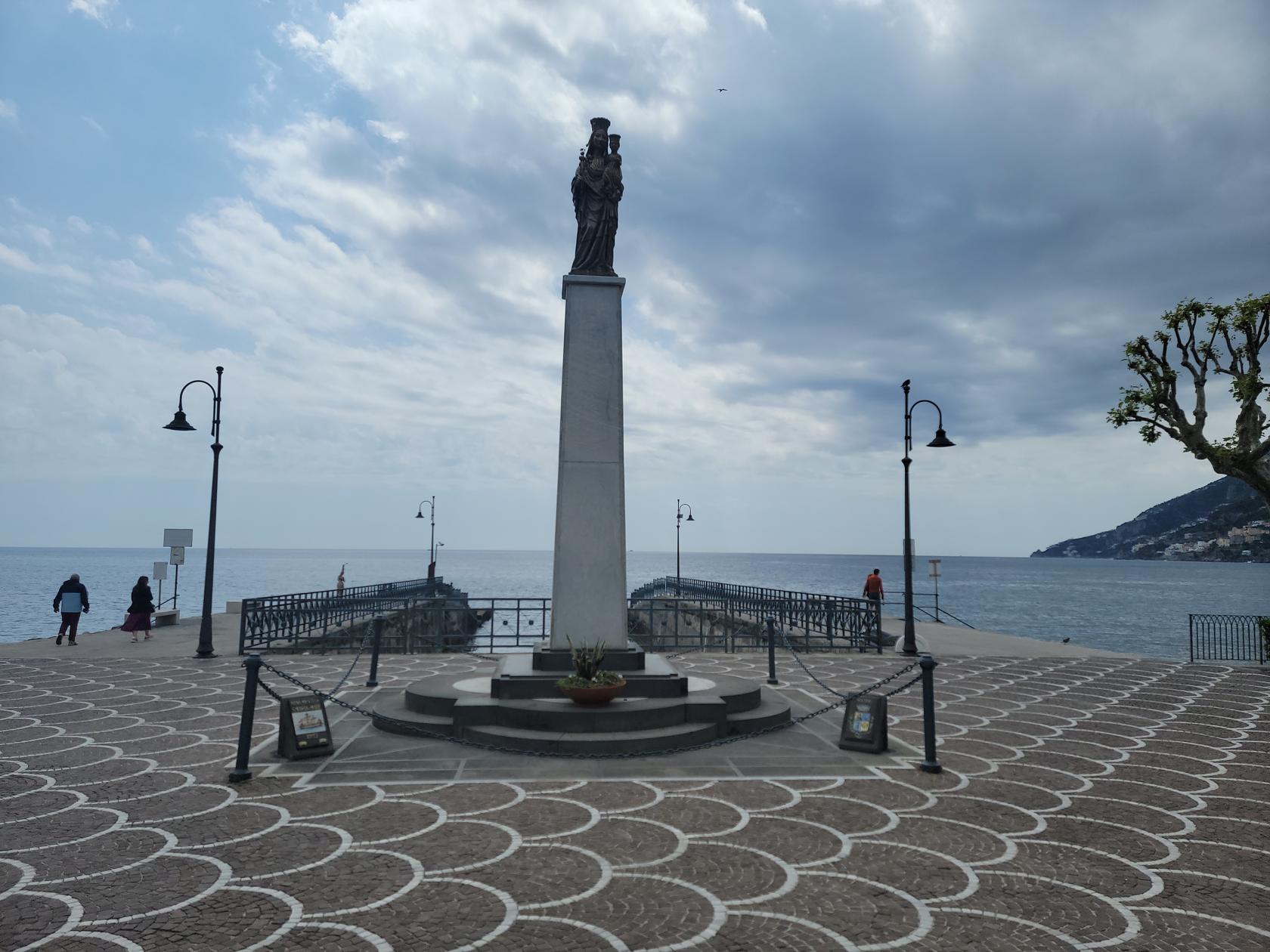
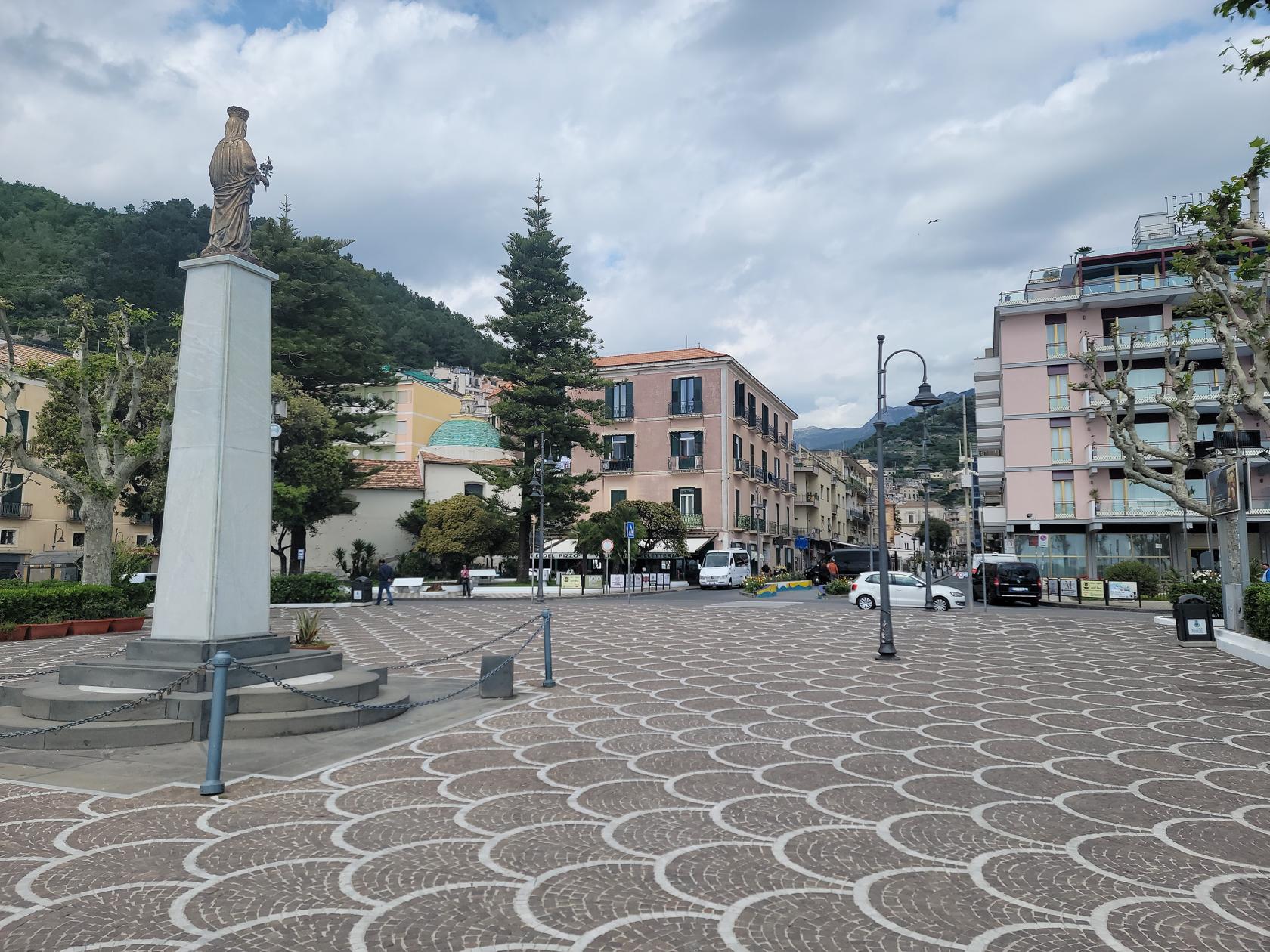
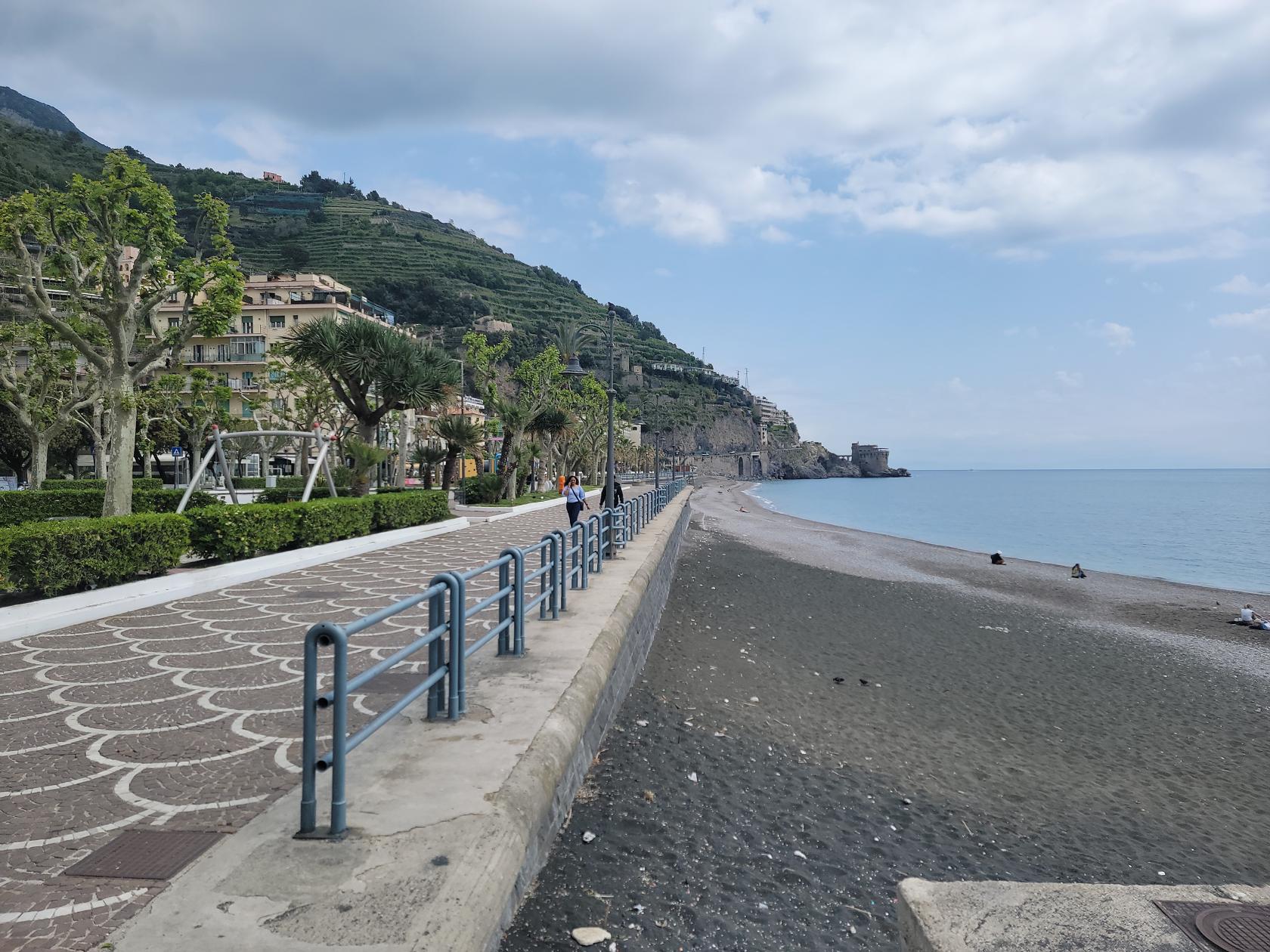
Sapri is a small Italian town that is dominated by its stony beach. While there it was fairly vacant and deviod of other tourists. But there were plenty of restaurants open and we did enjoy that relaxing atmosphere and food.
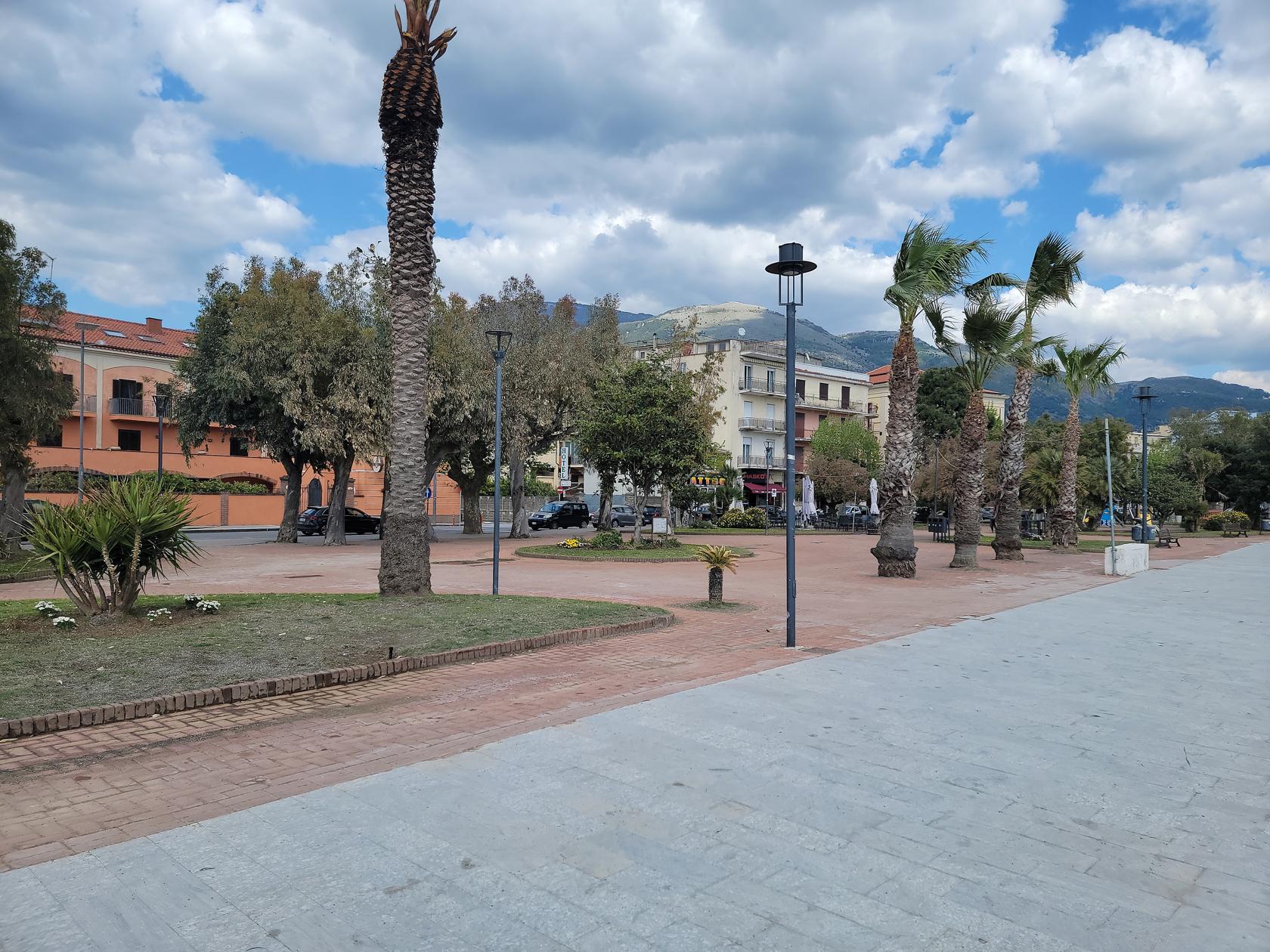
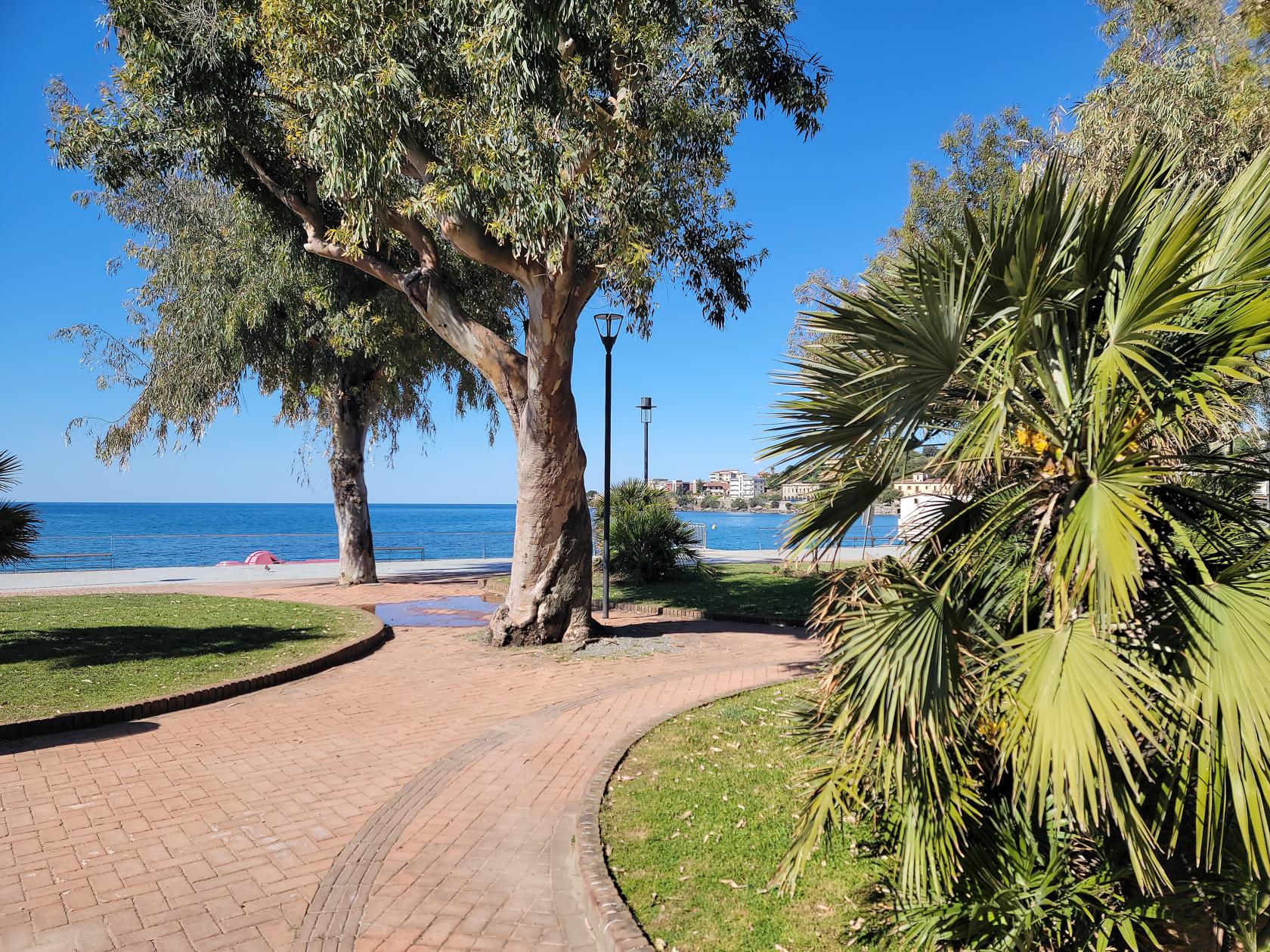
Boardwalk – Sapri, Italy
Boardwalk – Sapri, Italy
Boardwalk or Passeggiata – Sapri, Italy
Boardwalk – Sapri, Italy
Beach – Sapri, Italy
Beach – Sapri, Italy
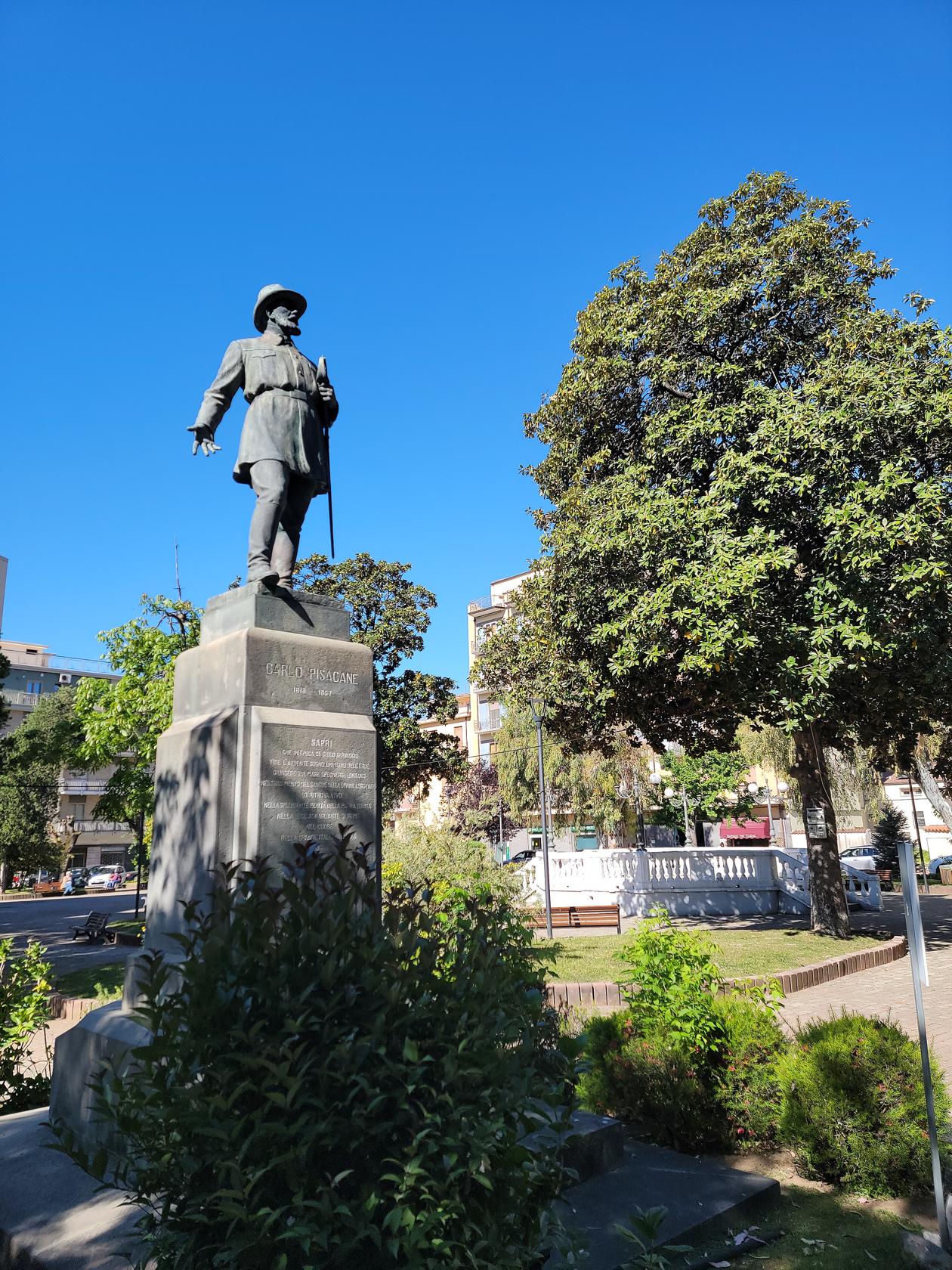
Carlo Pisacane Statue – Sapri, Italy
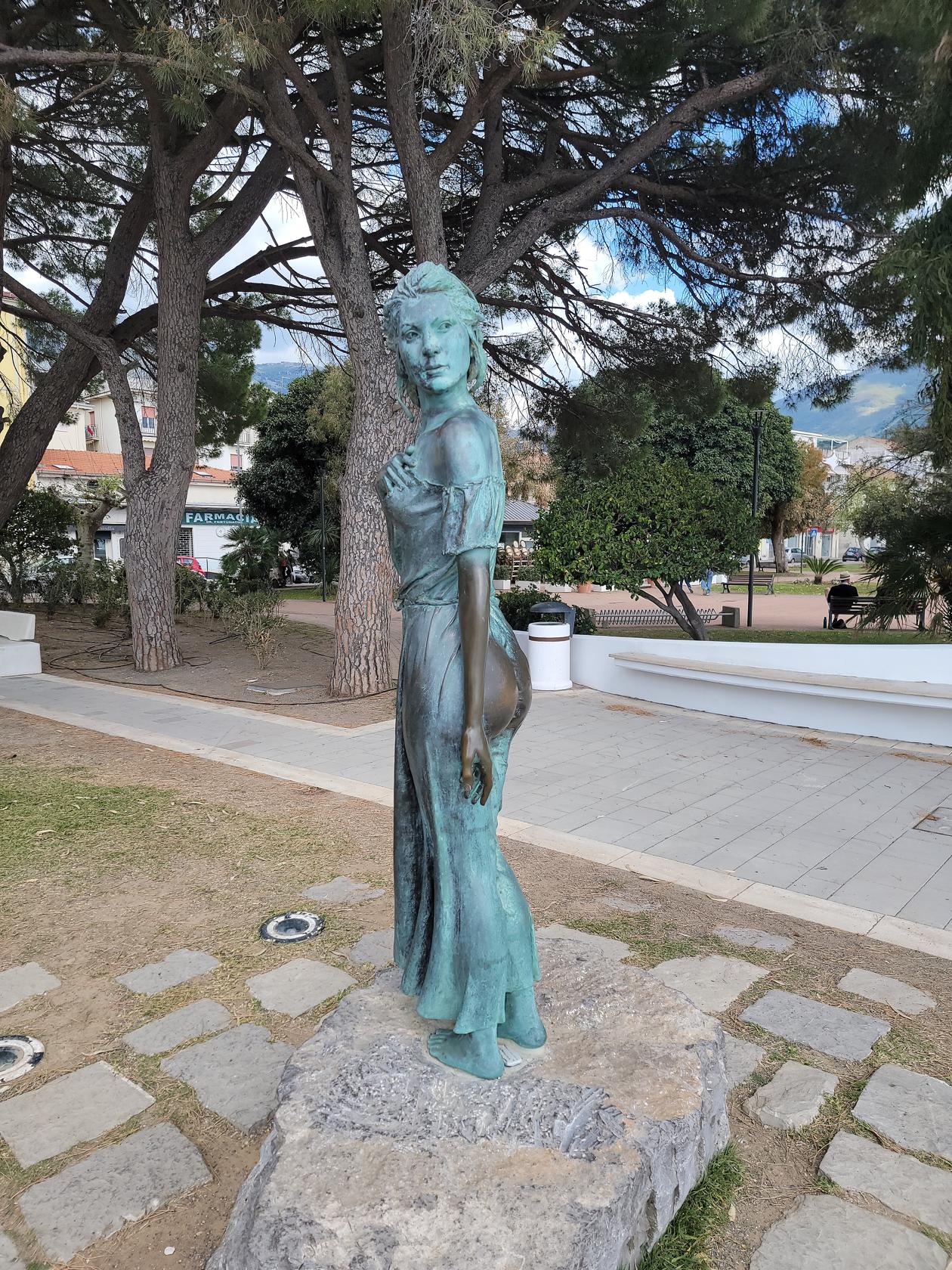
Bronze Girl – Sapri, Italy
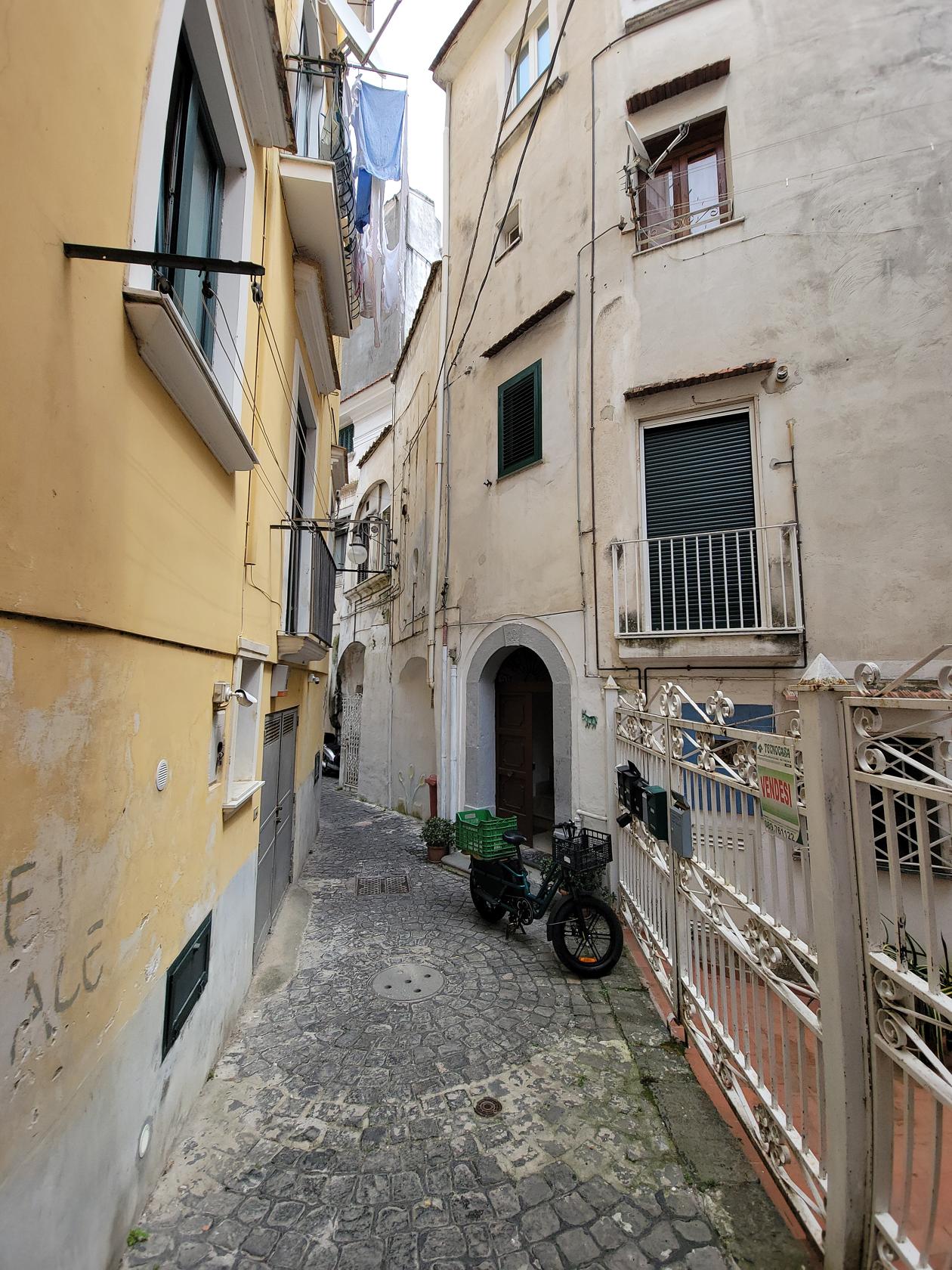
The town itself is nothing to look at, but there are a few spots of interest, all of which were along the coastal area. Situated in the Gulf of Policastro it is surrounded by hills on all three sides. Luckily the train station is a short ten minute walk to and from the beach.
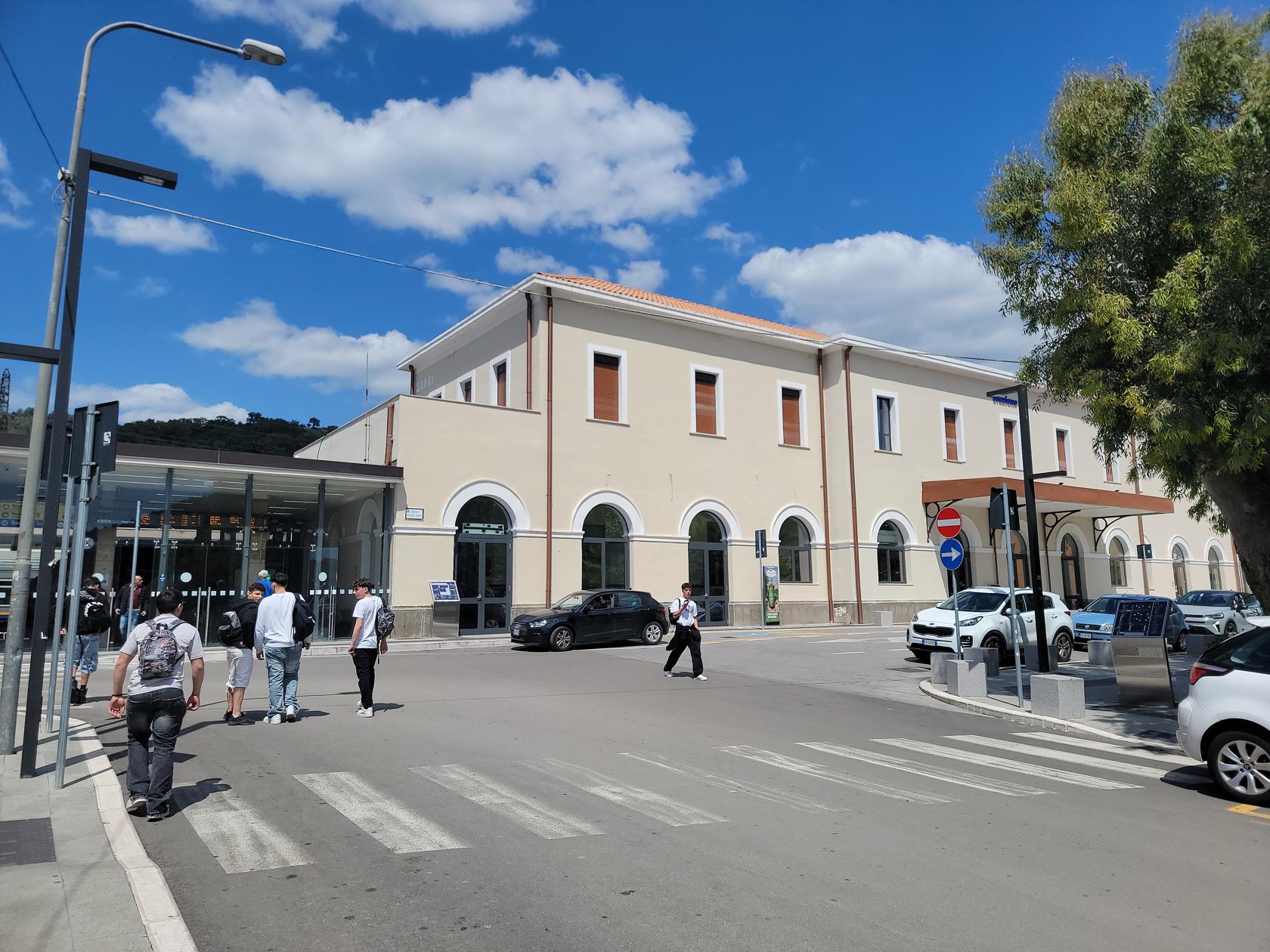
Sapri Train Station – Sapri, Italy
Getting There
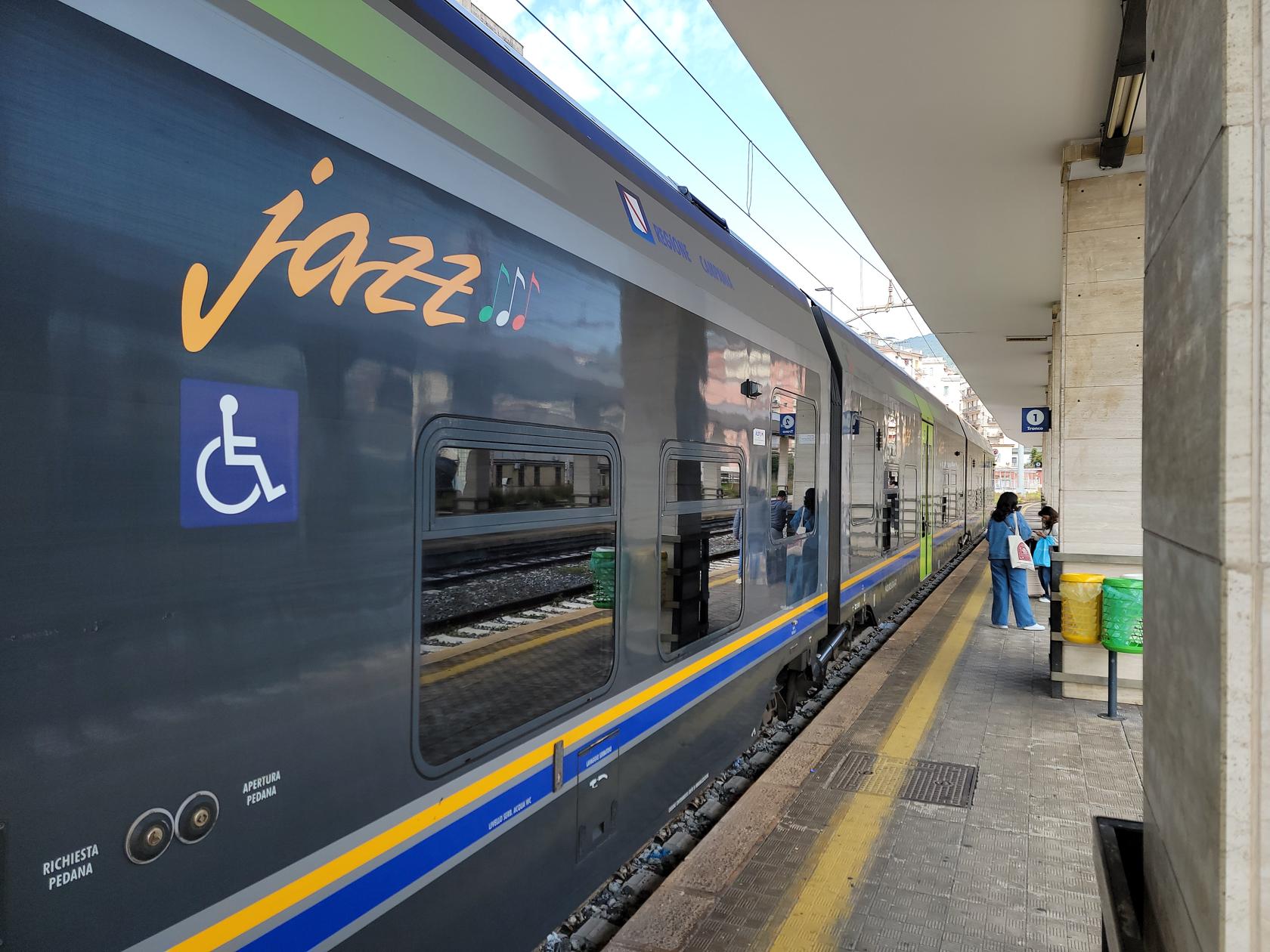
There are several trains that run between Naples and Sapri. Perhaps the most convenient one will be the local, which stops at several points, but offers a bit more flexibility.
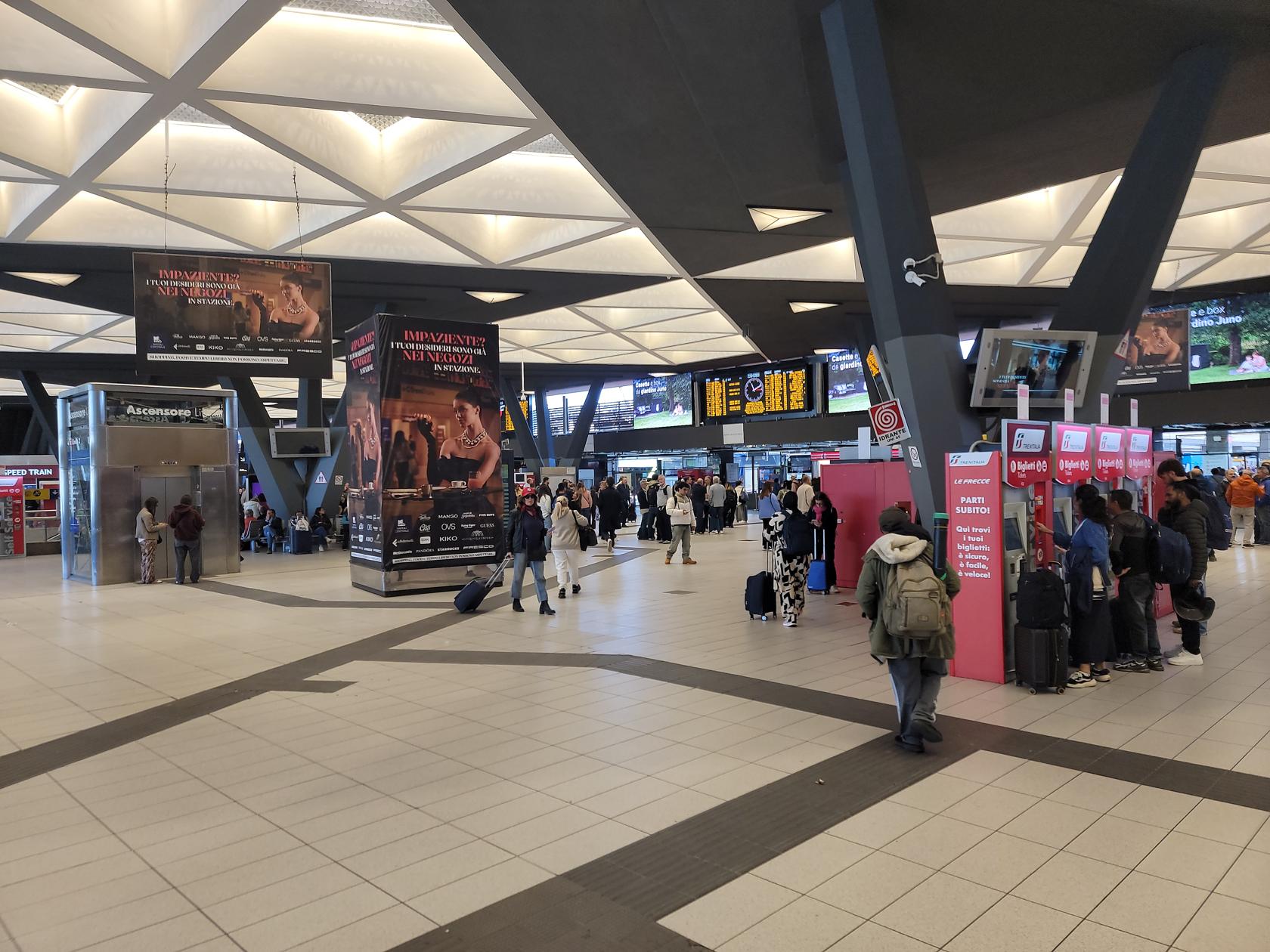
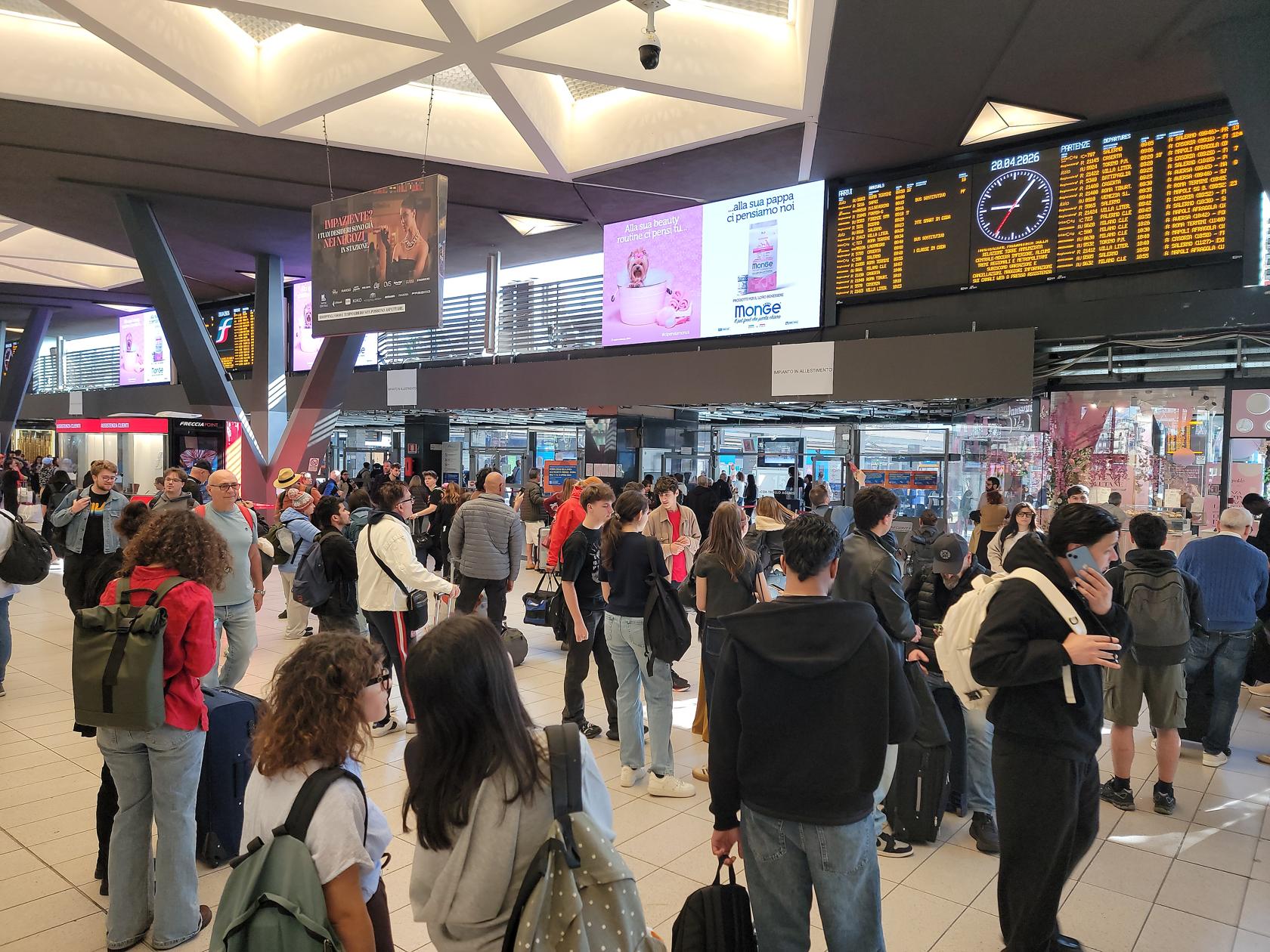
Napoli Centrale – Naples, Italy
Napoli Centrale – Naples, Italy
Napoli Centrale – Naples, Italy
Patti – InterCity Train to Sapri – Naples, Italy
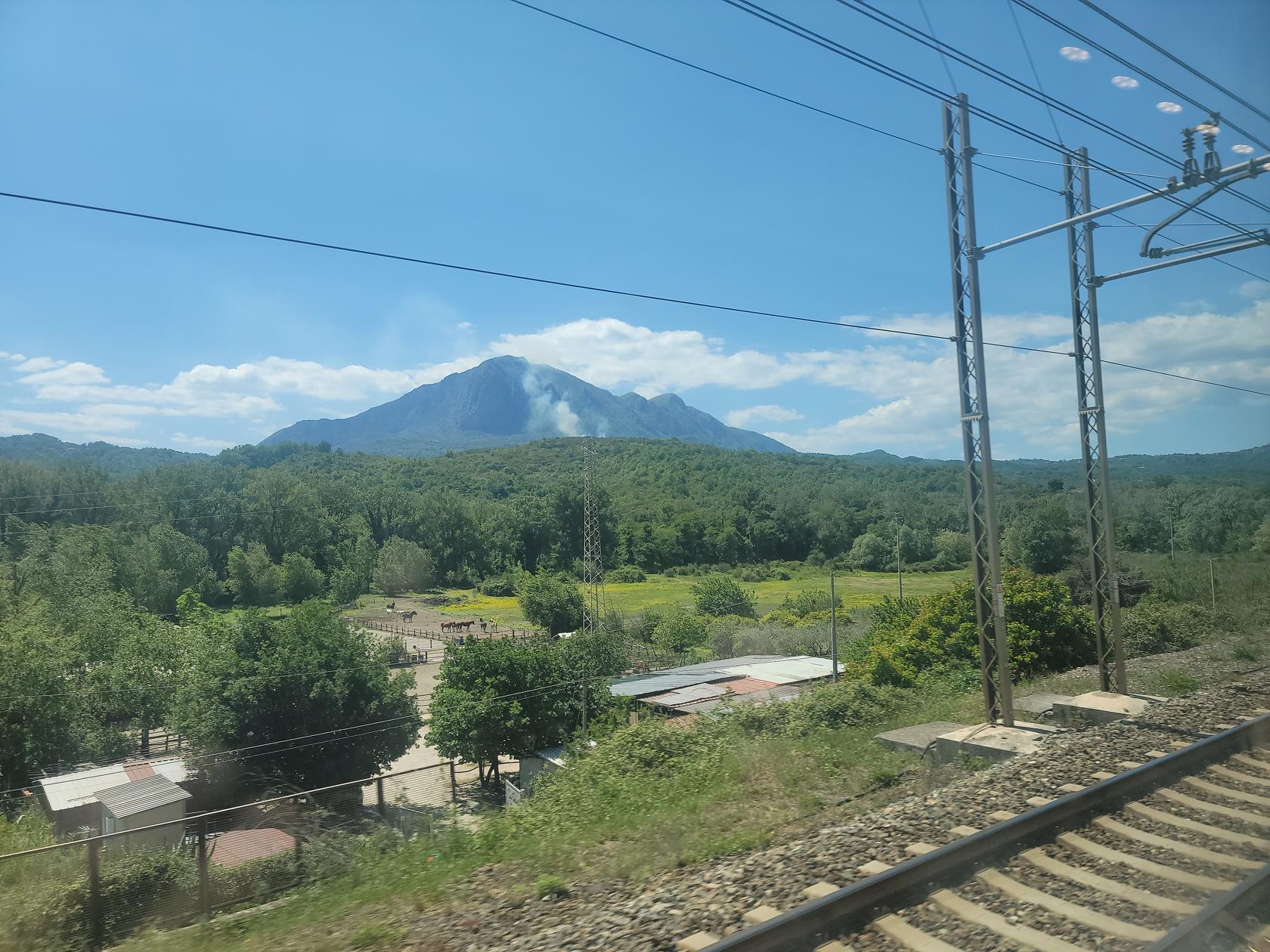
Forest Fire – InterCity Train to Sapri – Naples, Italy
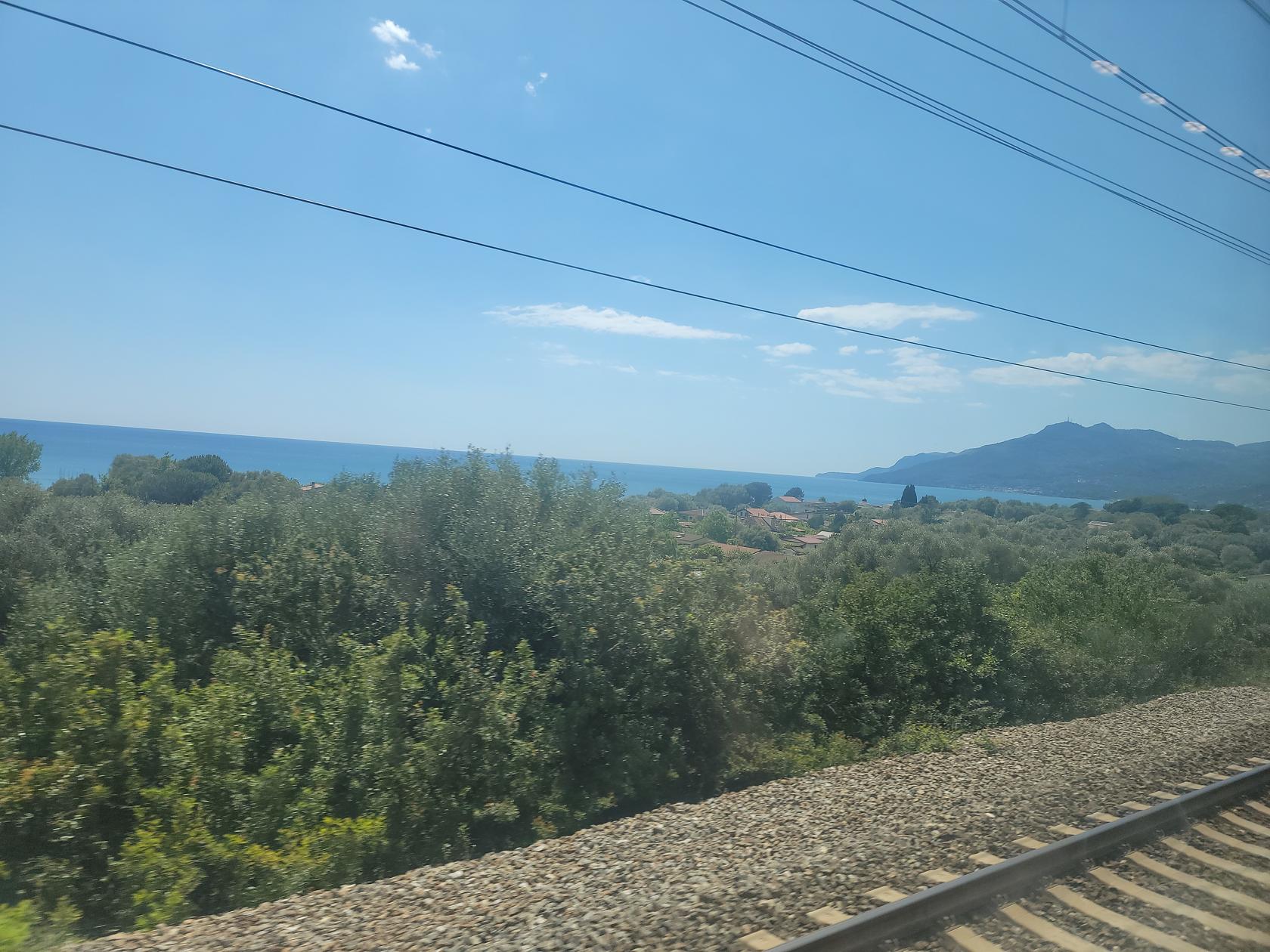
Gulf of Policastro – InterCity Train to Sapri – Naples, Italy
Our Hotel
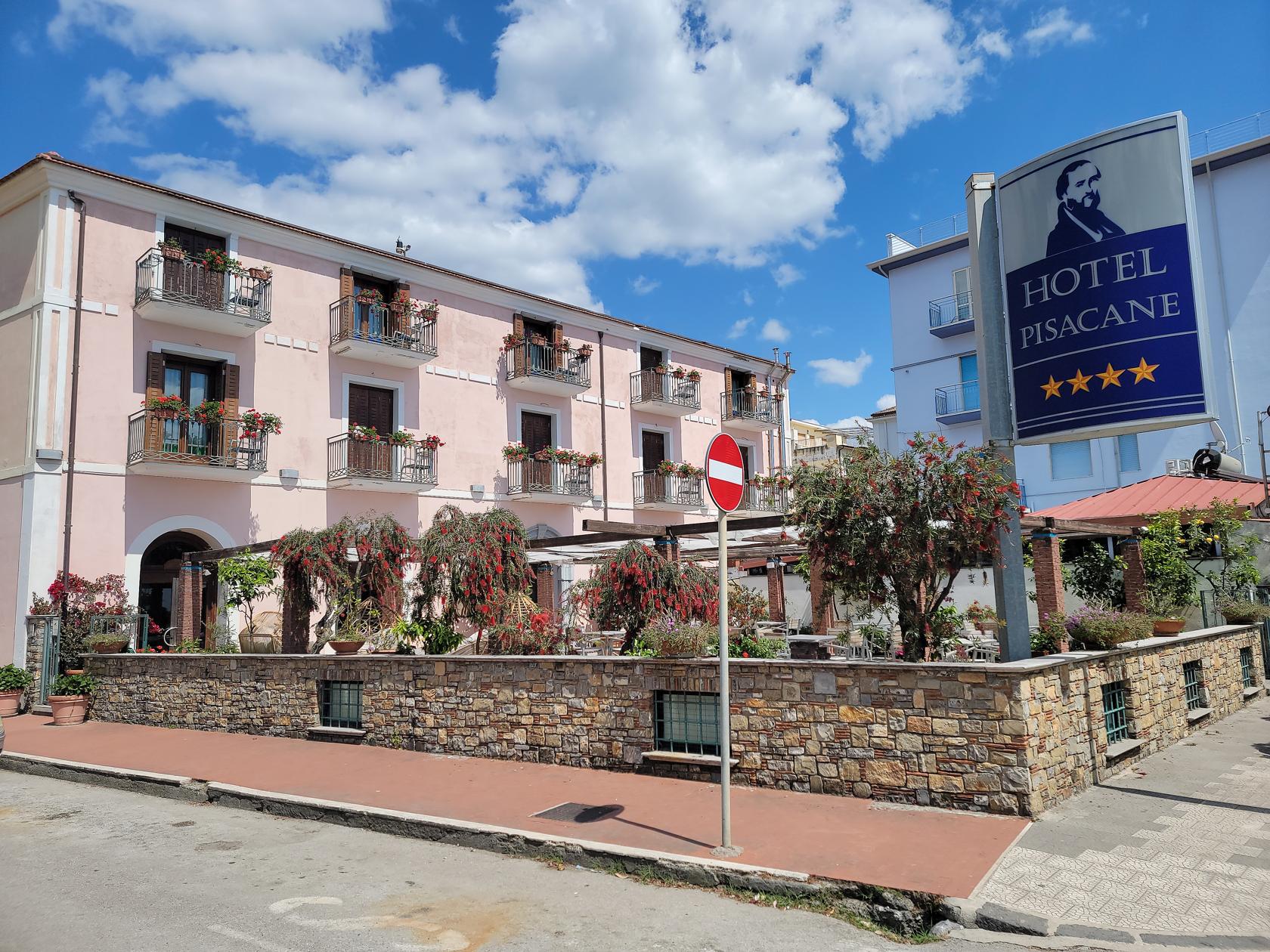
We stayed at the Hotel Pisacane, a small botique style hotel right on the beach. Unfortunately with the exception of breakfast, the restaurant is closed until tourist season which starts in June. Luckily, that did not turn into an issue for us.
Entrance – Hotel Pisacane – Sapri, Italy
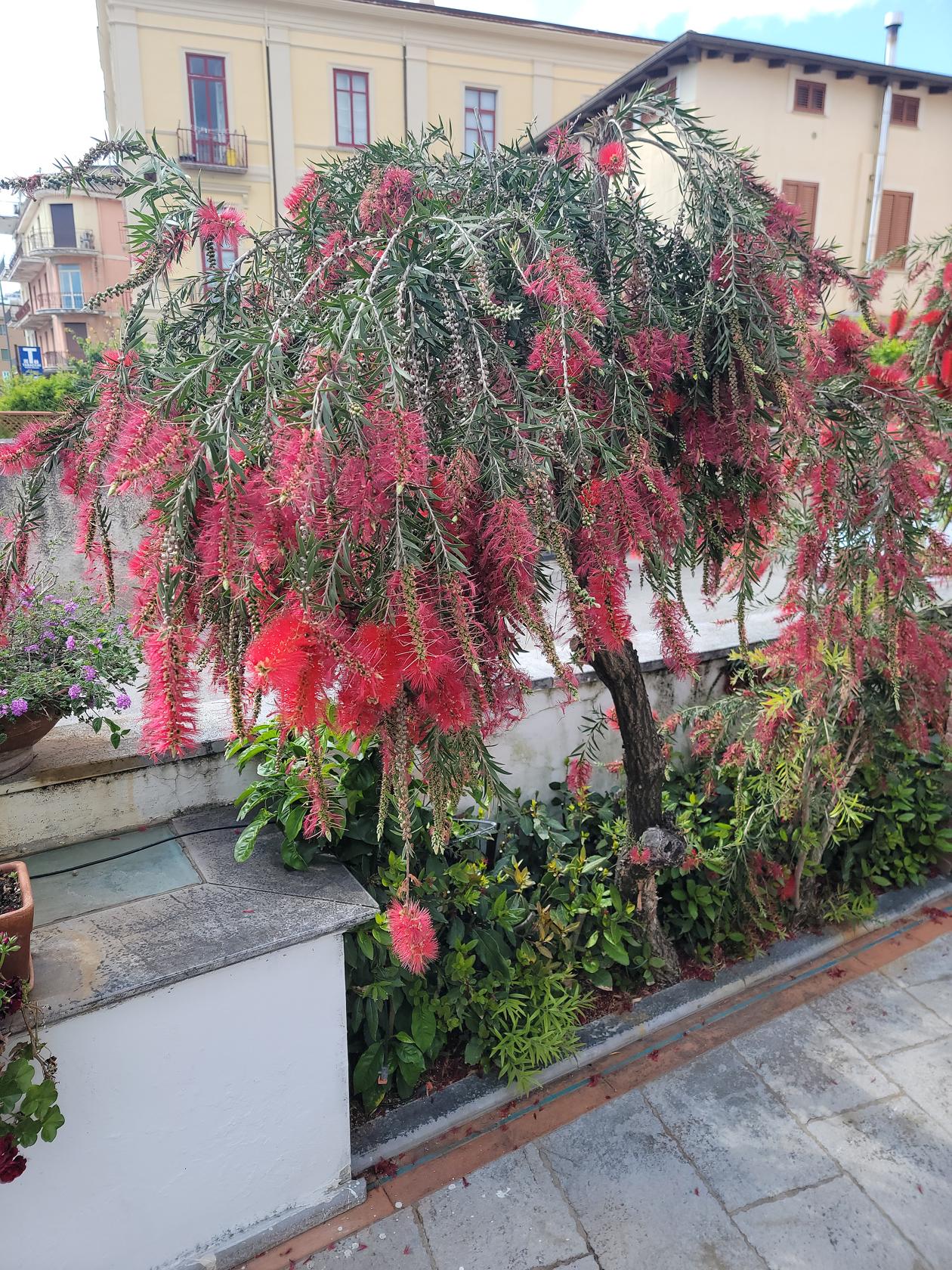
Interesting Tree – Hotel Pisacane – Sapri, Italy
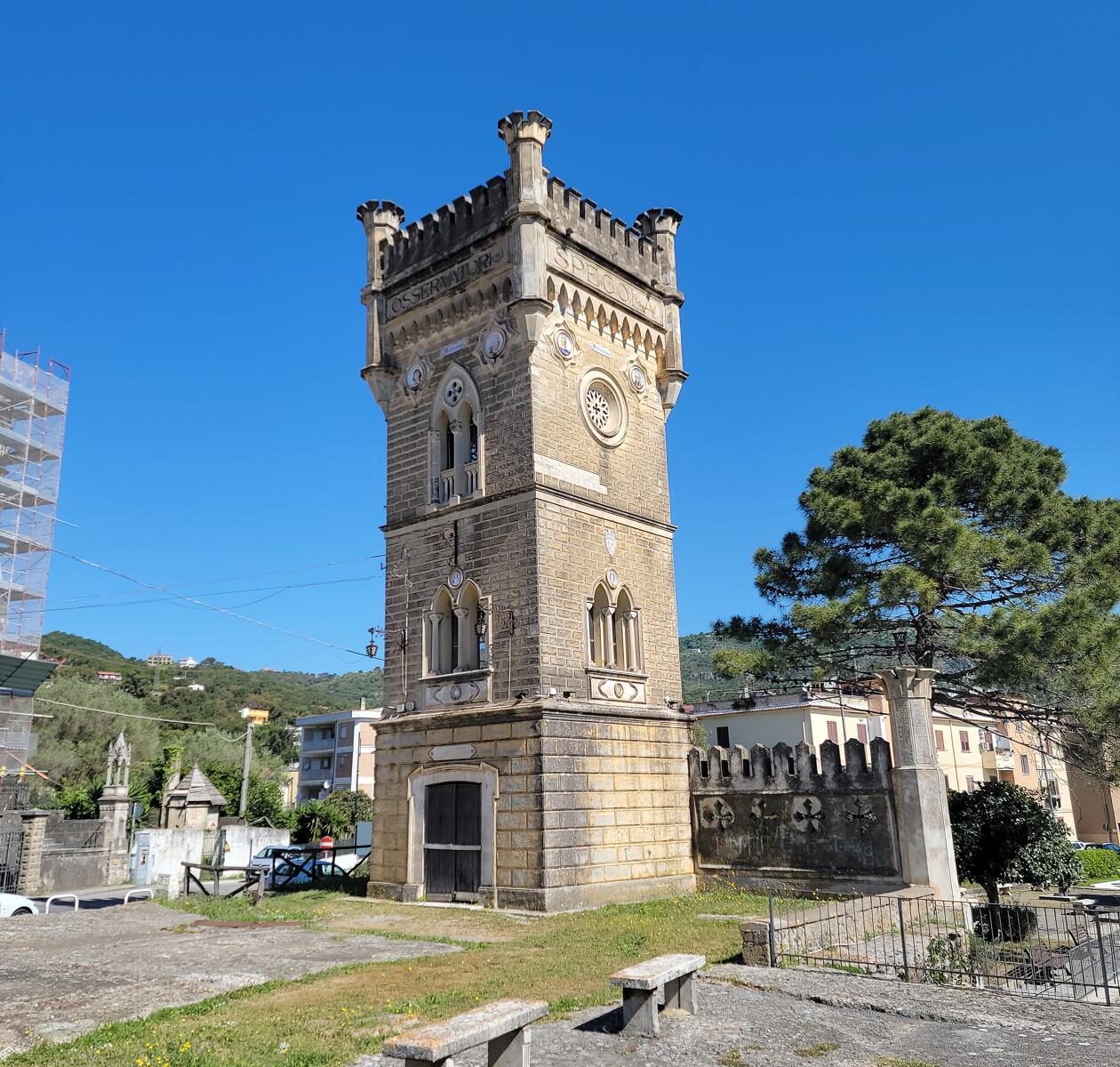
The Observatory
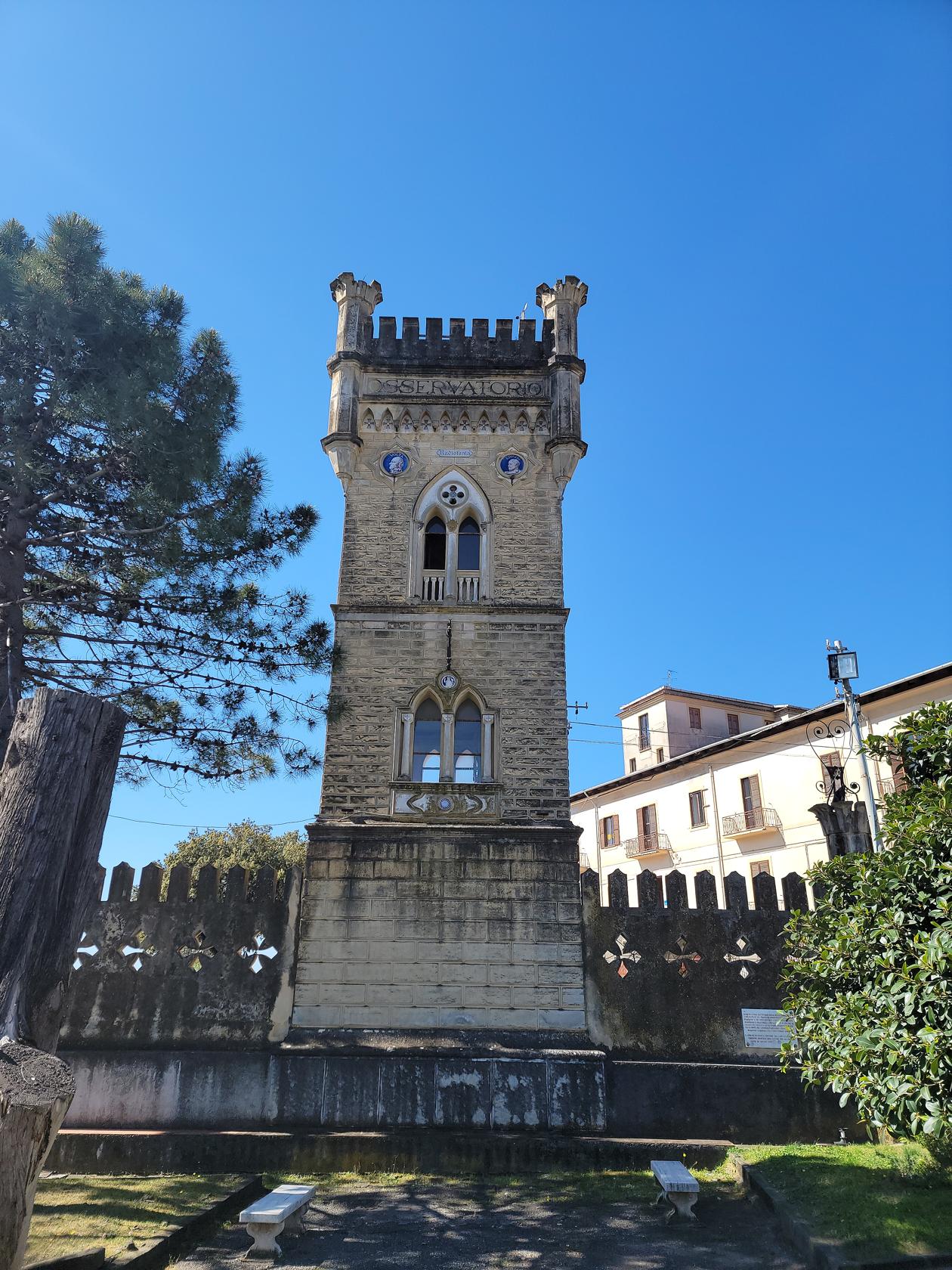
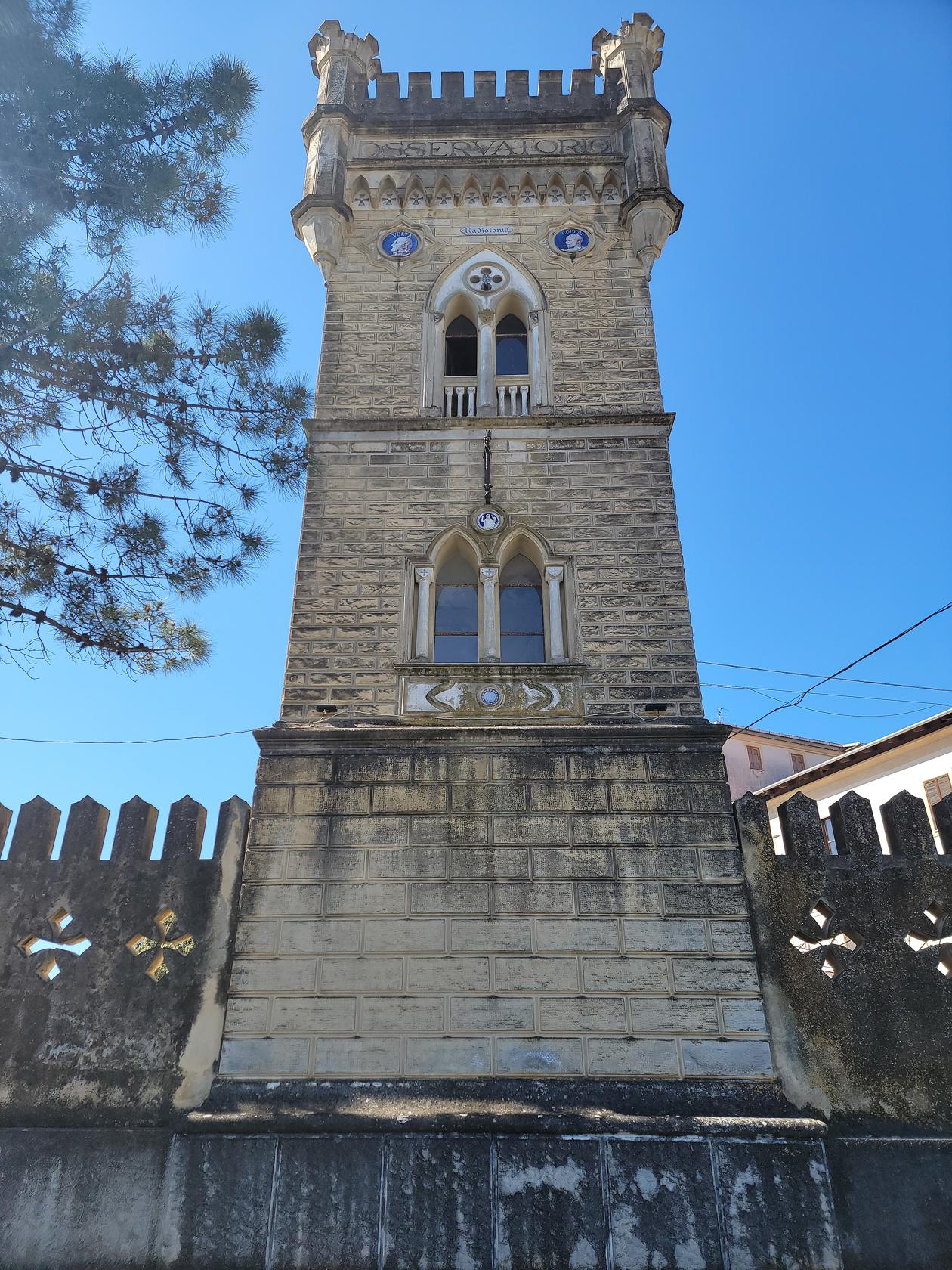
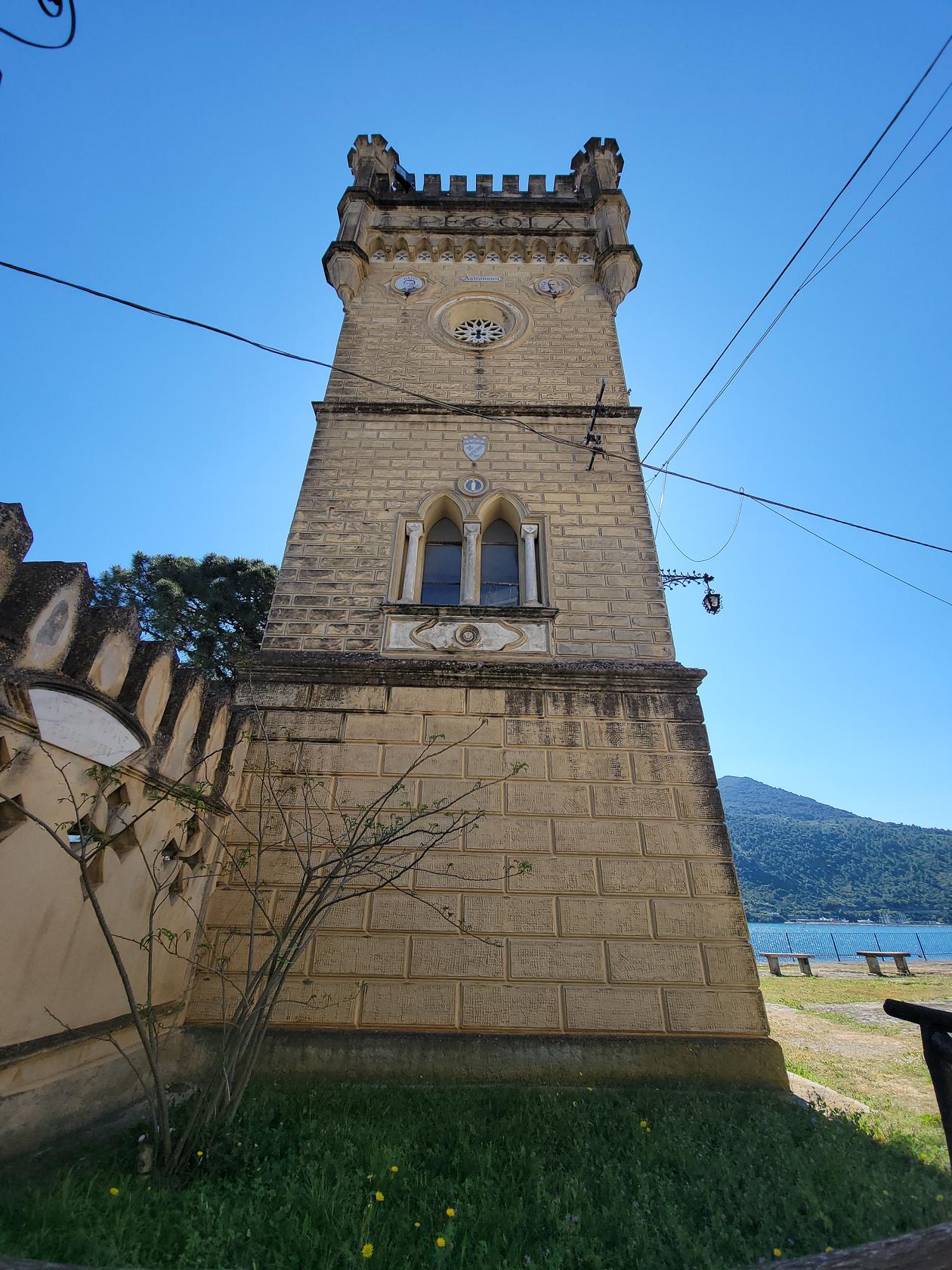
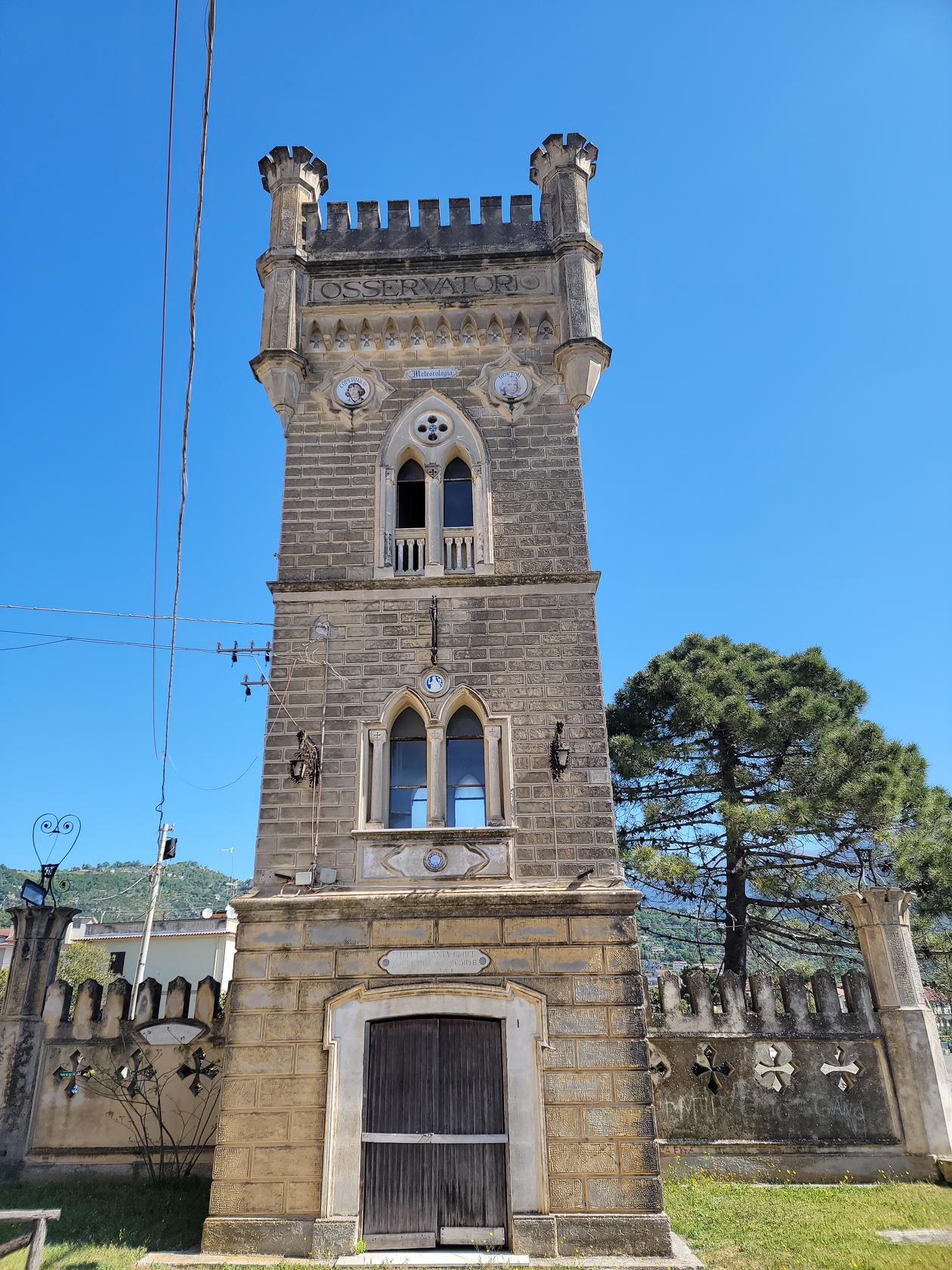
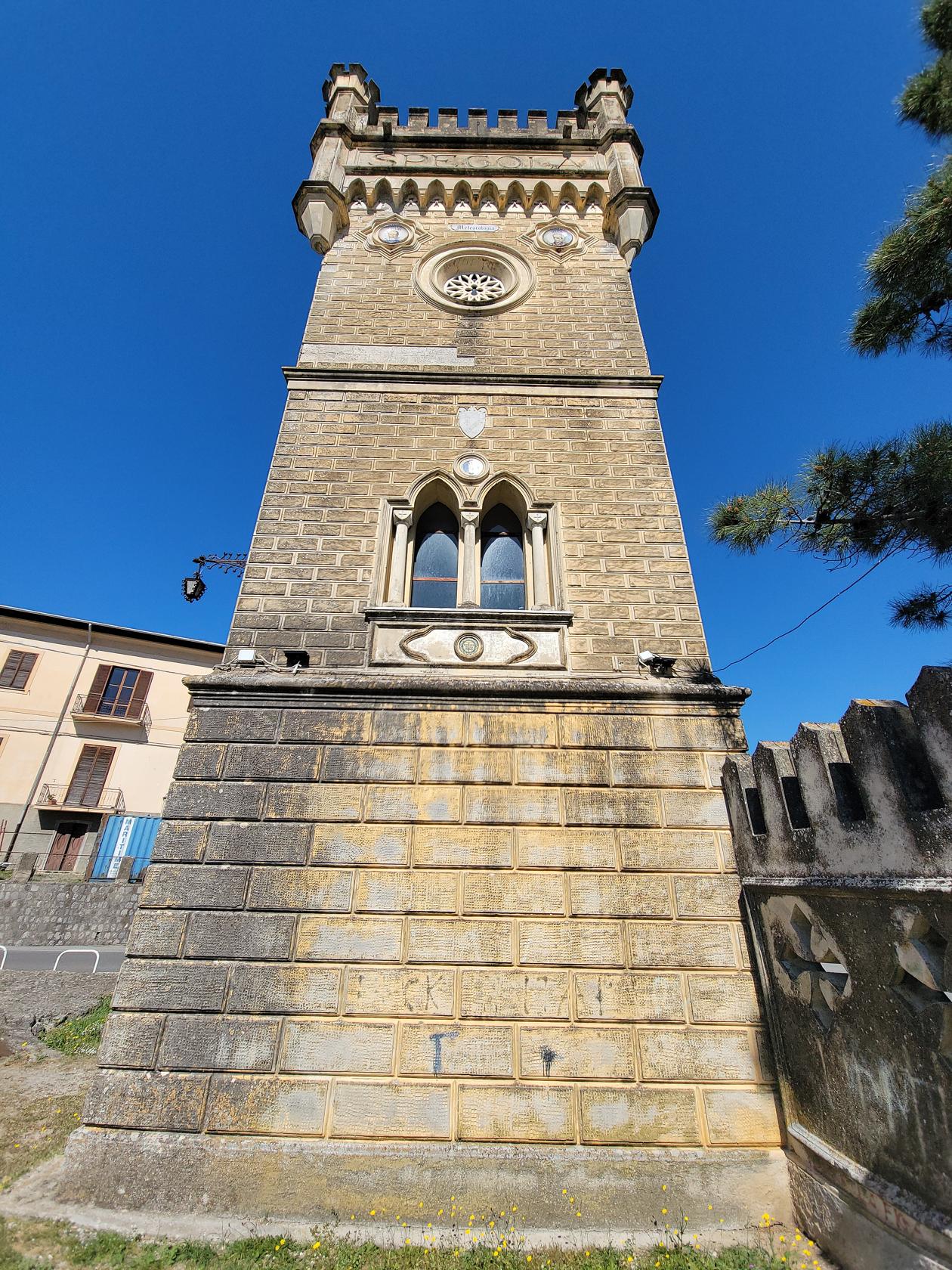
A very tall structure overlooking the Gulf of Policastro. It appears to celebrate eight renowned Italian scientist from astronomy, radio and meterology. It is located on the northern part of the beach, close to the Roman Villa Ruins.
Radio Greats Volta and Edison – Observatory Tower – Sapri, Italy
Radio – Volta and Edison – Observatory Tower – Sapri, Italy
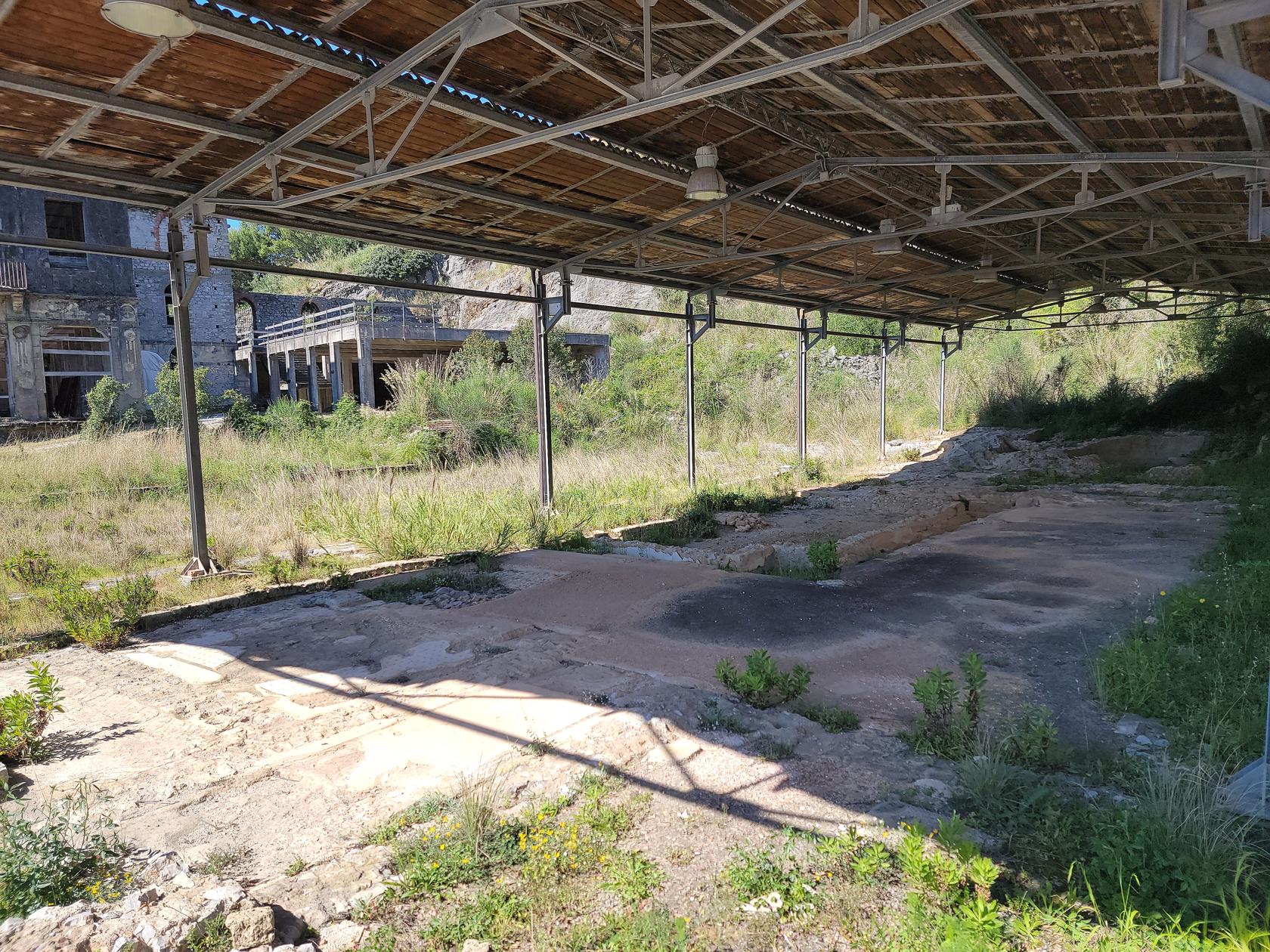
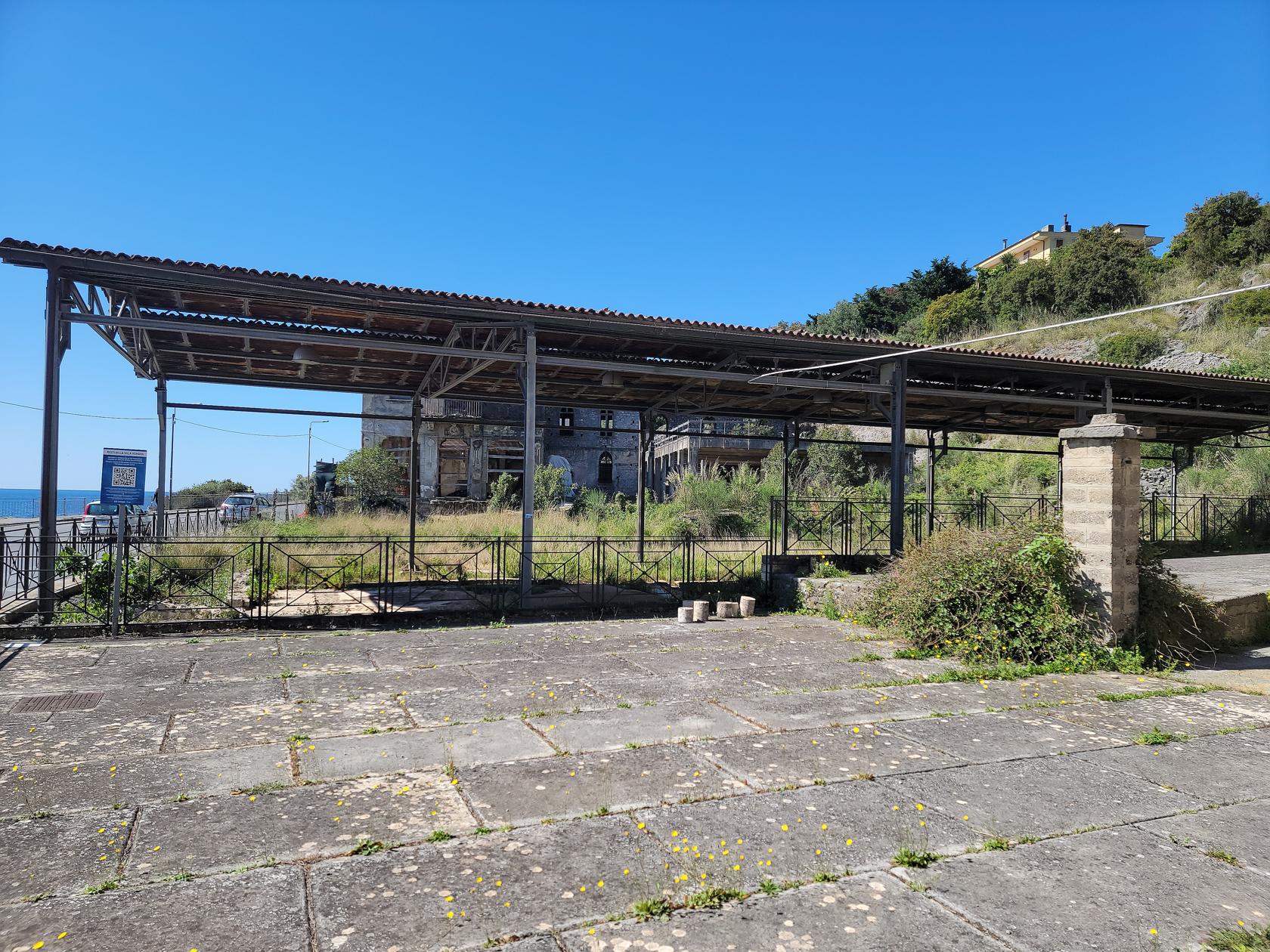
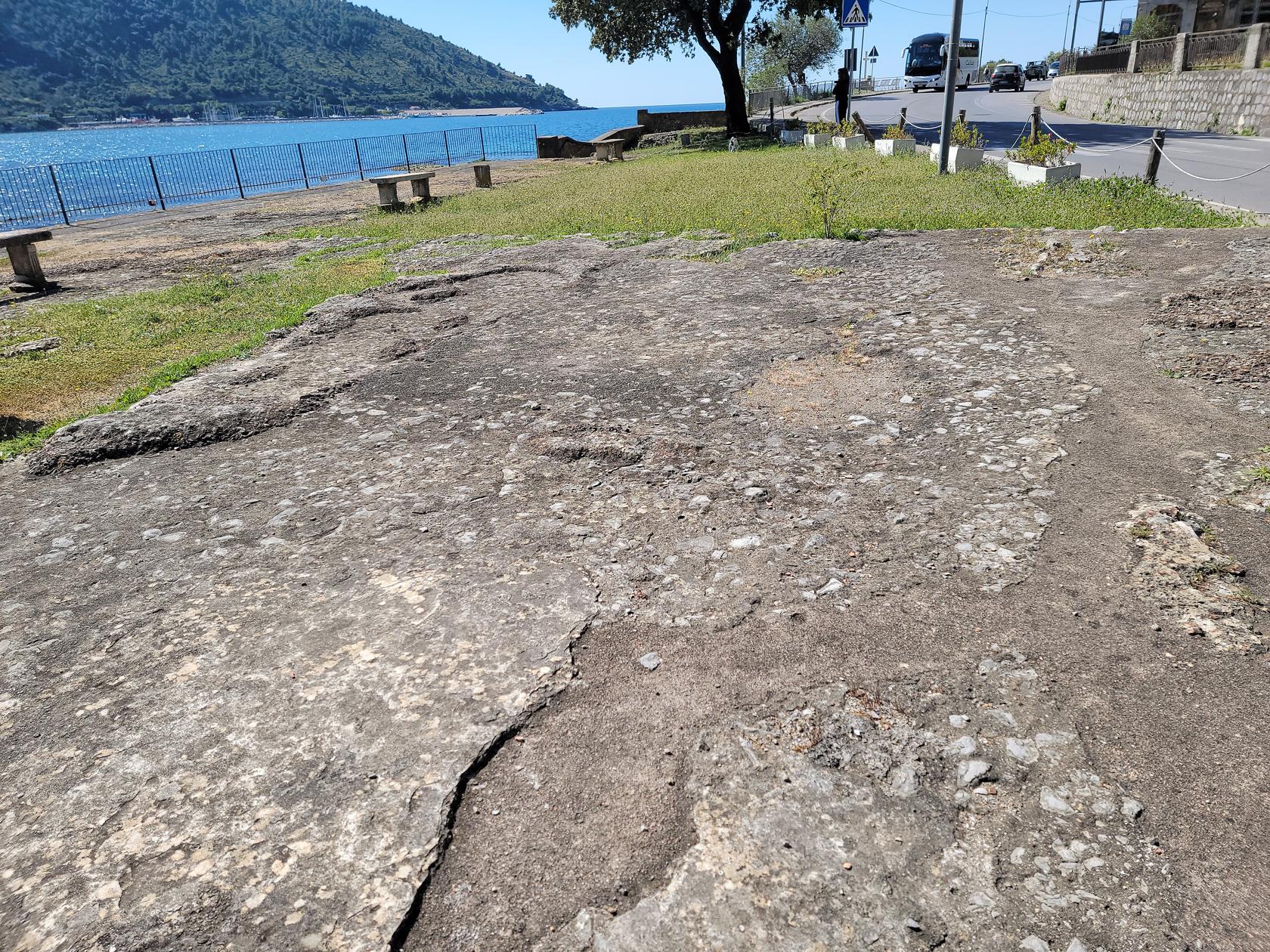
Partially perserved under a canopy, the Roman Villa ruins are also north of town and located close to the observatory. The observatory also has some roman ruins near it that appear to be an old roman cellar or other structure.
Old Villa Romana Ruins – Sapri, Italy
Old Villa Romana Ruins – Sapri, Italy
Old Roman Ruins – Sapri, Italy
Old Roman Ruins – Sapri, Italy
Restaurants
While in Sapri we ate at two good restaurants that were noteworthy. Both of which were for a late lunch. We prefer most of the time to eat a heavier lunch and just skip dinner altogether.
Tintobrace Ristorante
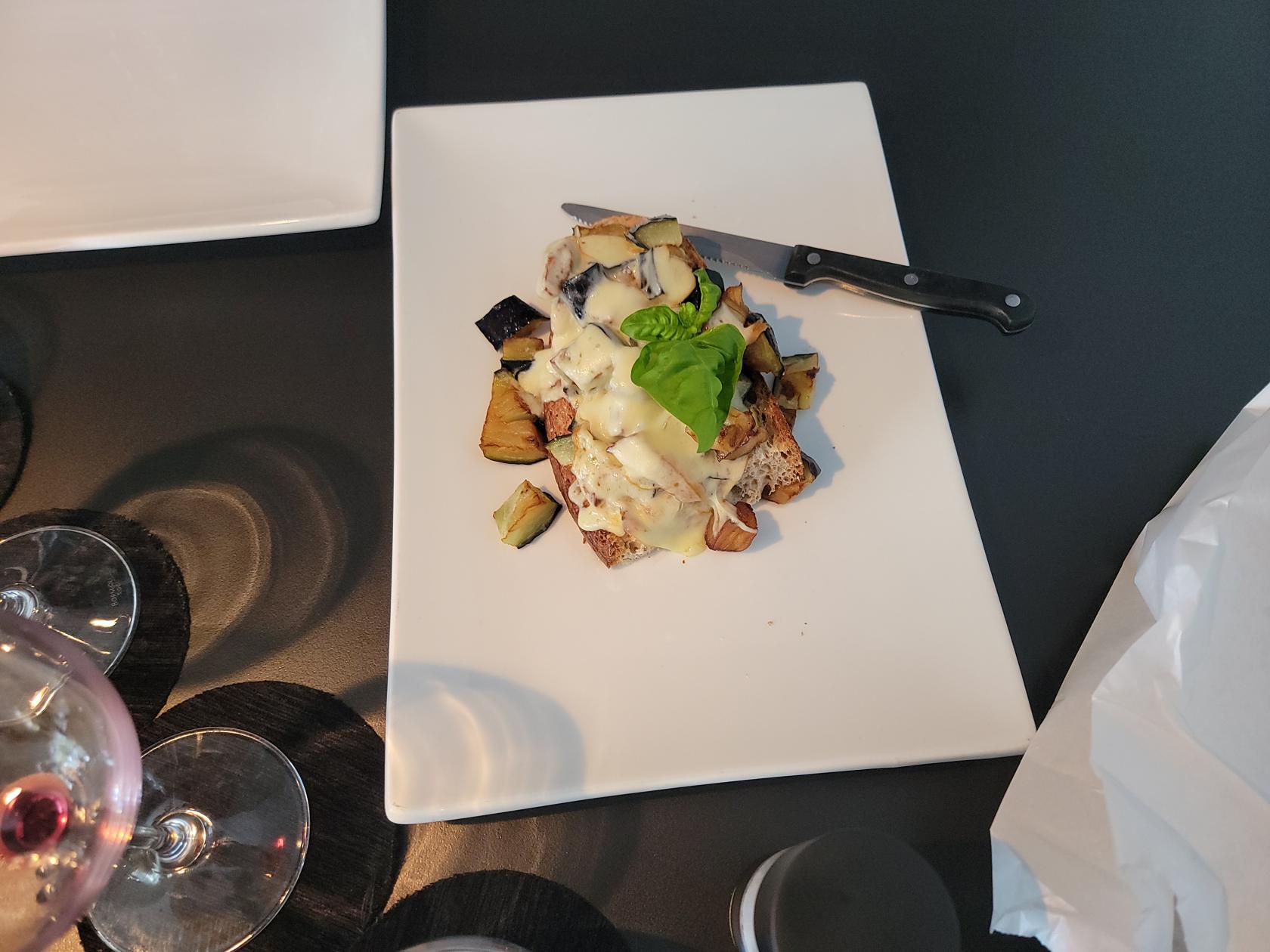
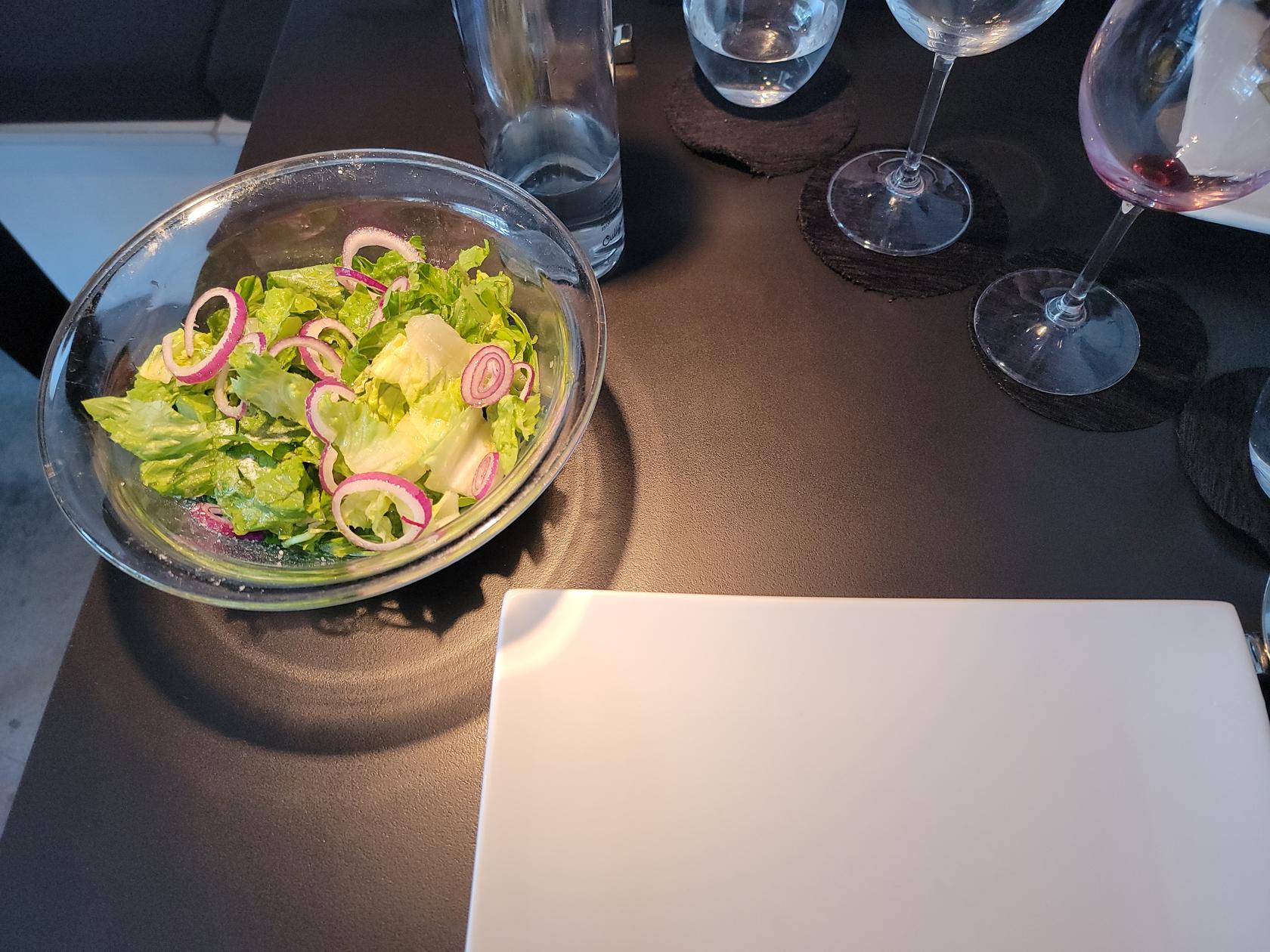
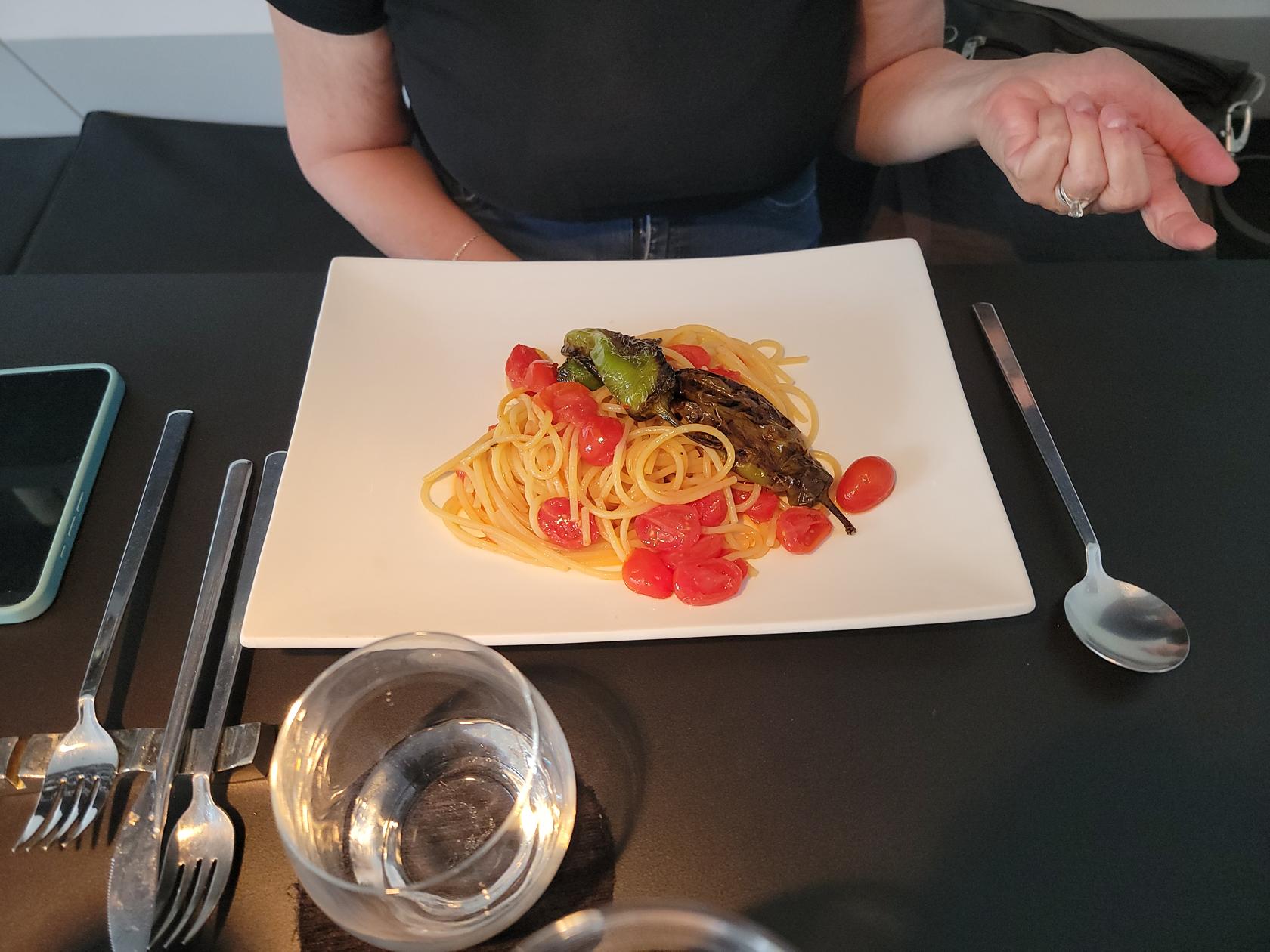
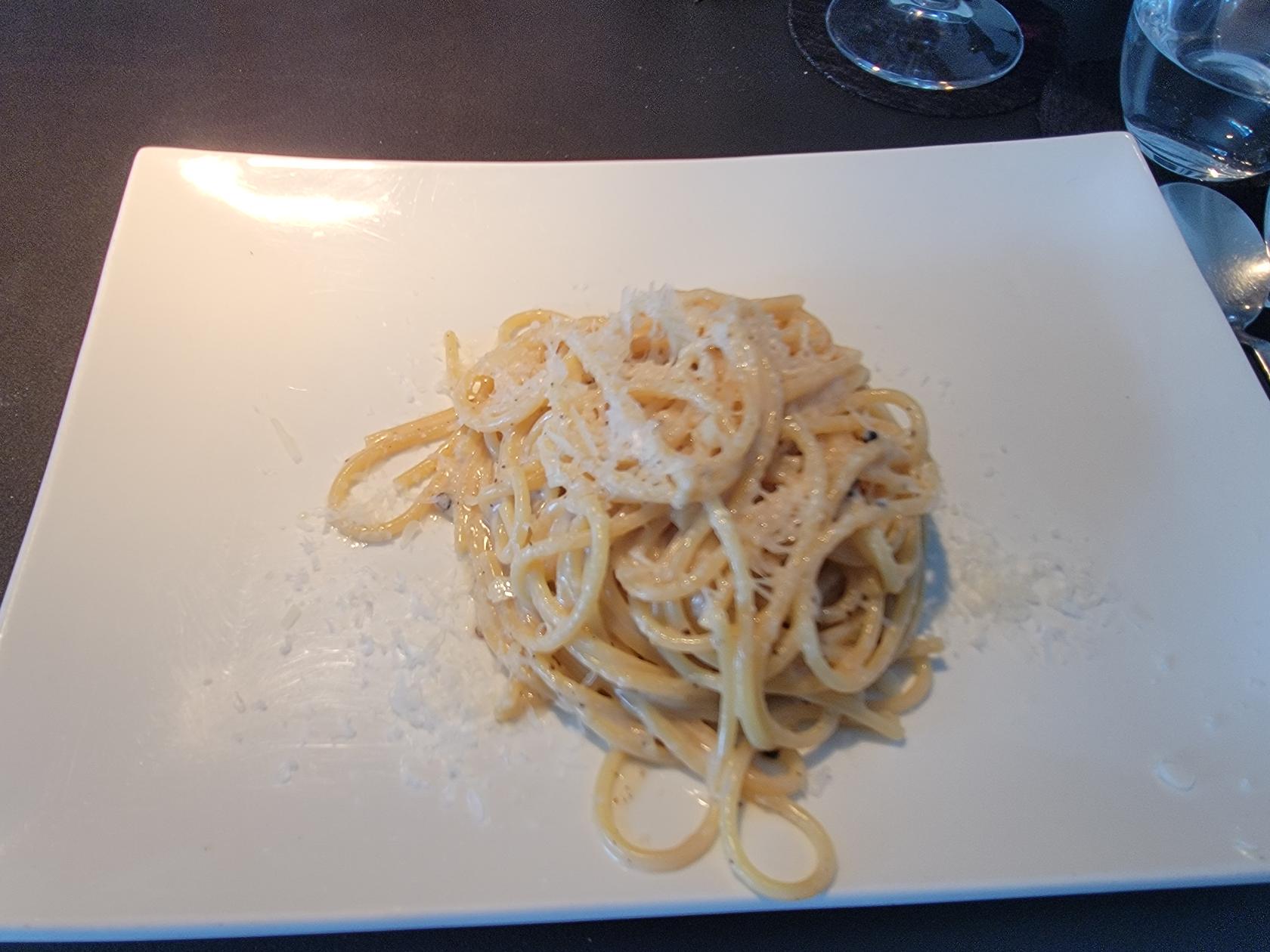
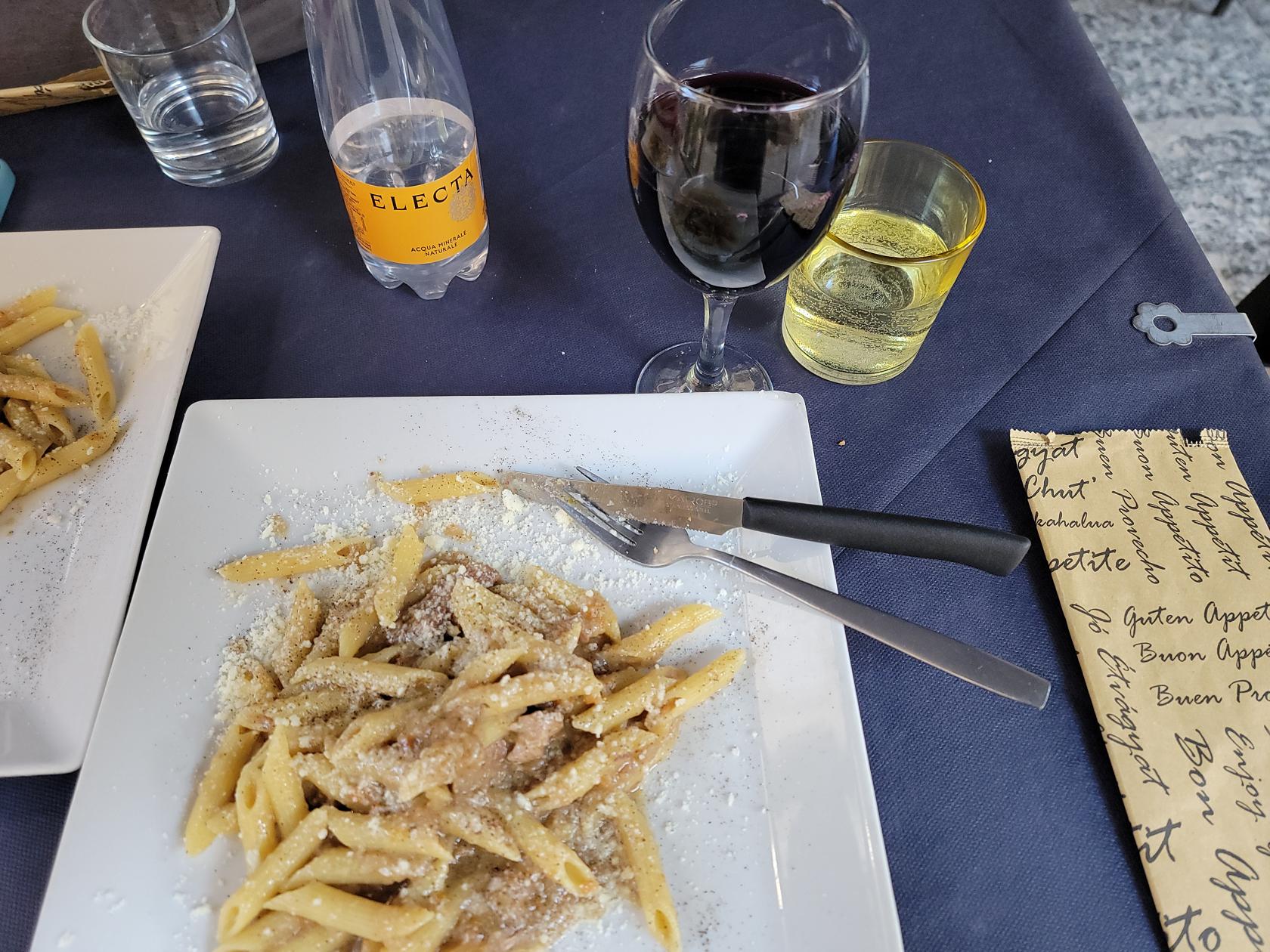
An upscale restaurant that offers Calabrian food and fine selection of local wines by the glass. I would recommend the Cacio and Pepe spaghetti.
Insalata Mista with Onions – Tintobrace Ristorante – Sapri, Italy
Pasta with Tomatoes and Roasted Peppers – Tintobrace Ristorante – Sapri, Italy
Cacio and Pepe Spaghetti – Tintobrace Ristorante – Sapri, Italy
Ristorante Lucifero
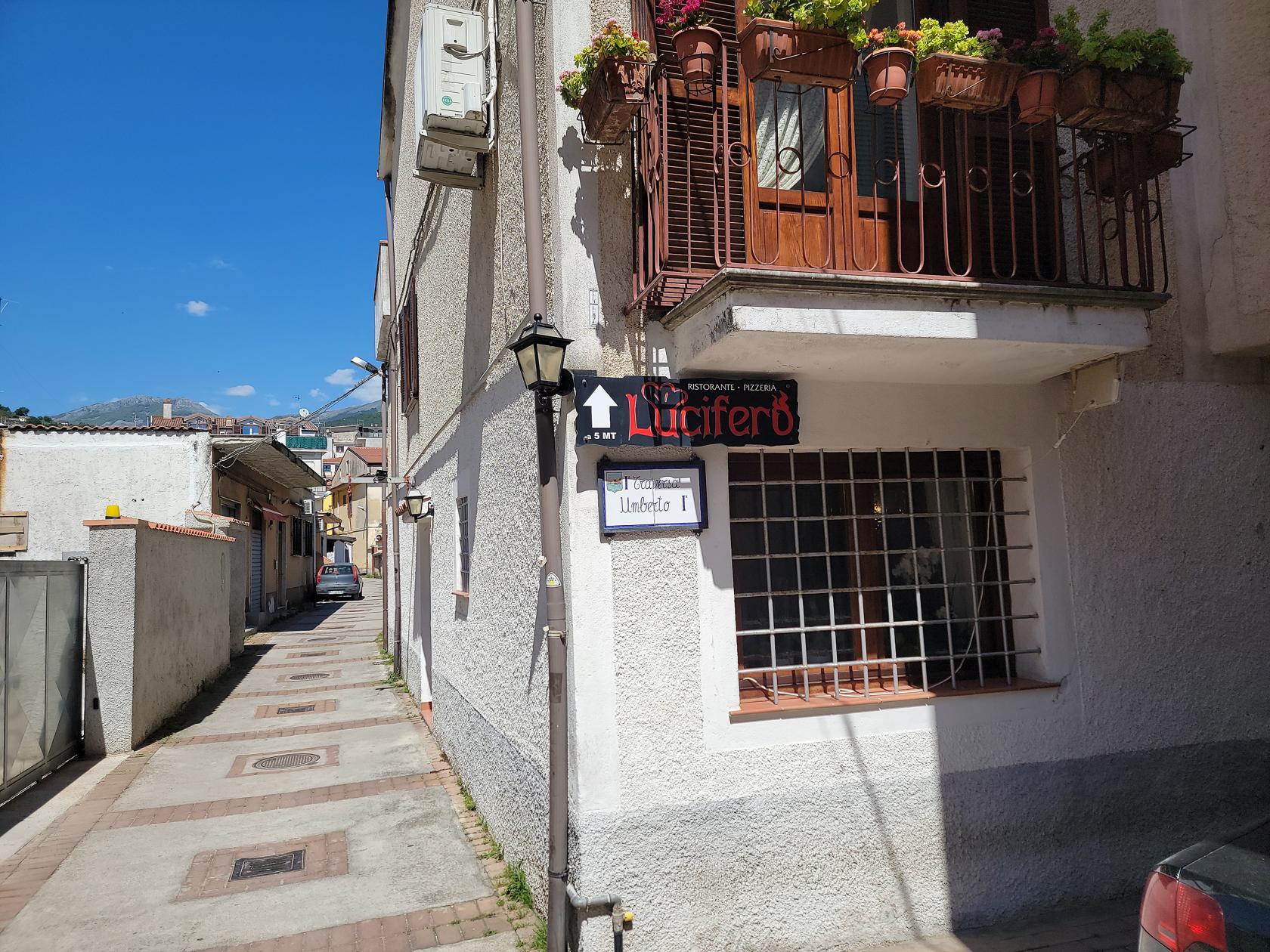
The Ristorante Lucifero is also a pizzeria and has great pizza and pasta specials. It is located in town and not on the beach and is a bit difficult to spot. Therefore, they have added signs along the way to assist.
Sign to Restaurant – Ristorante Lucifero – Sapri, Italy
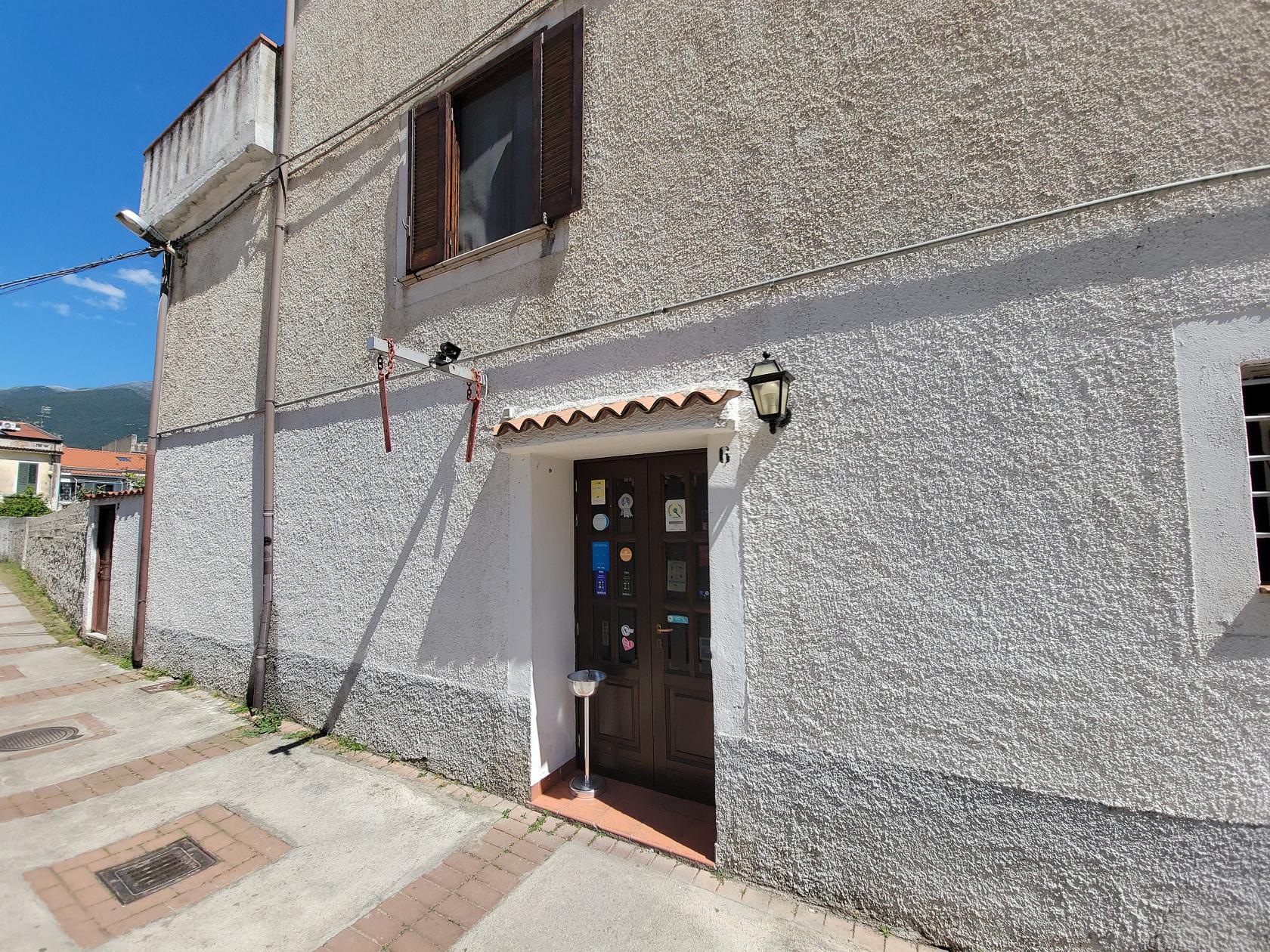
Entrance – Ristorante Lucifero – Sapri, Italy
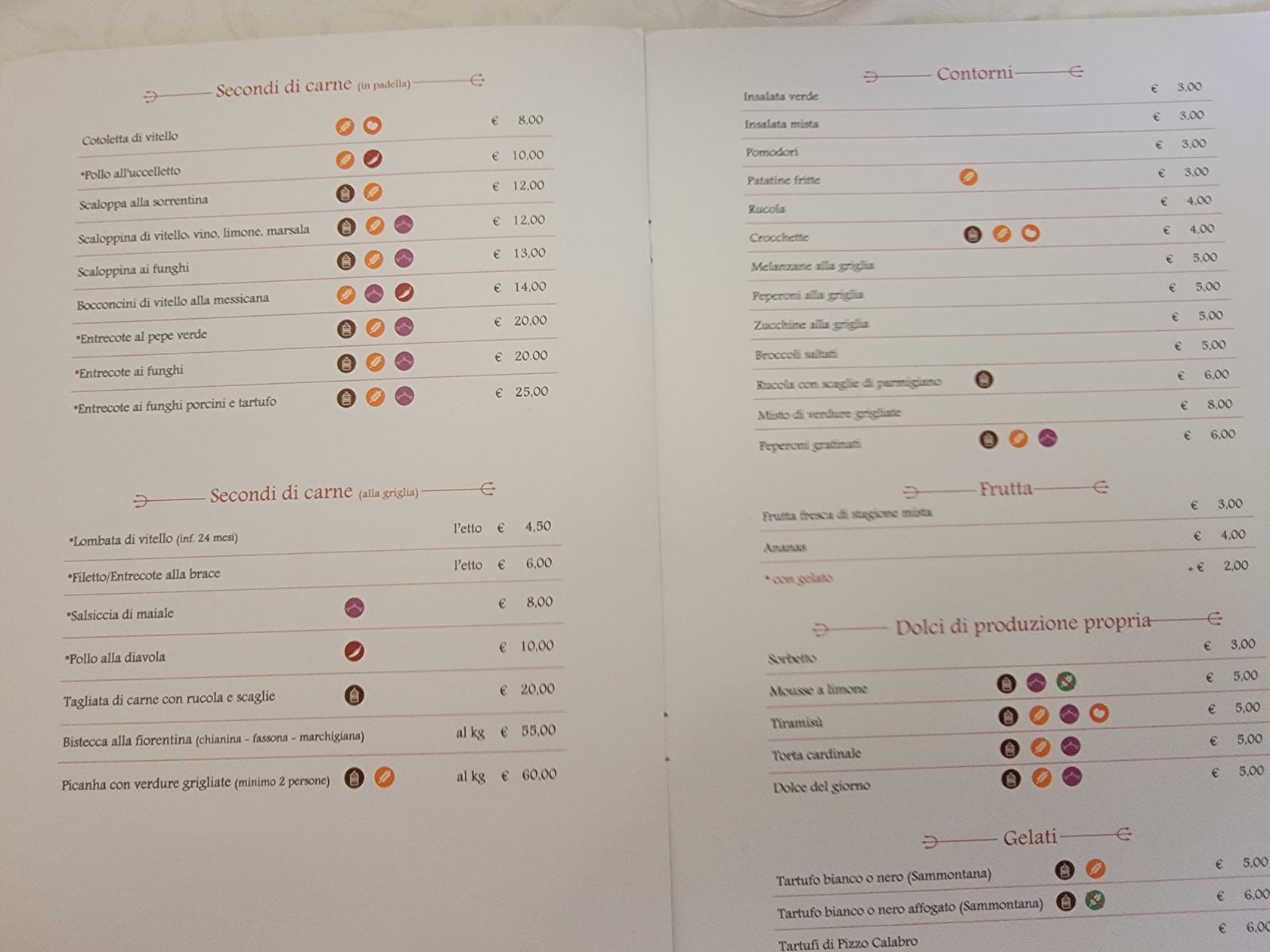
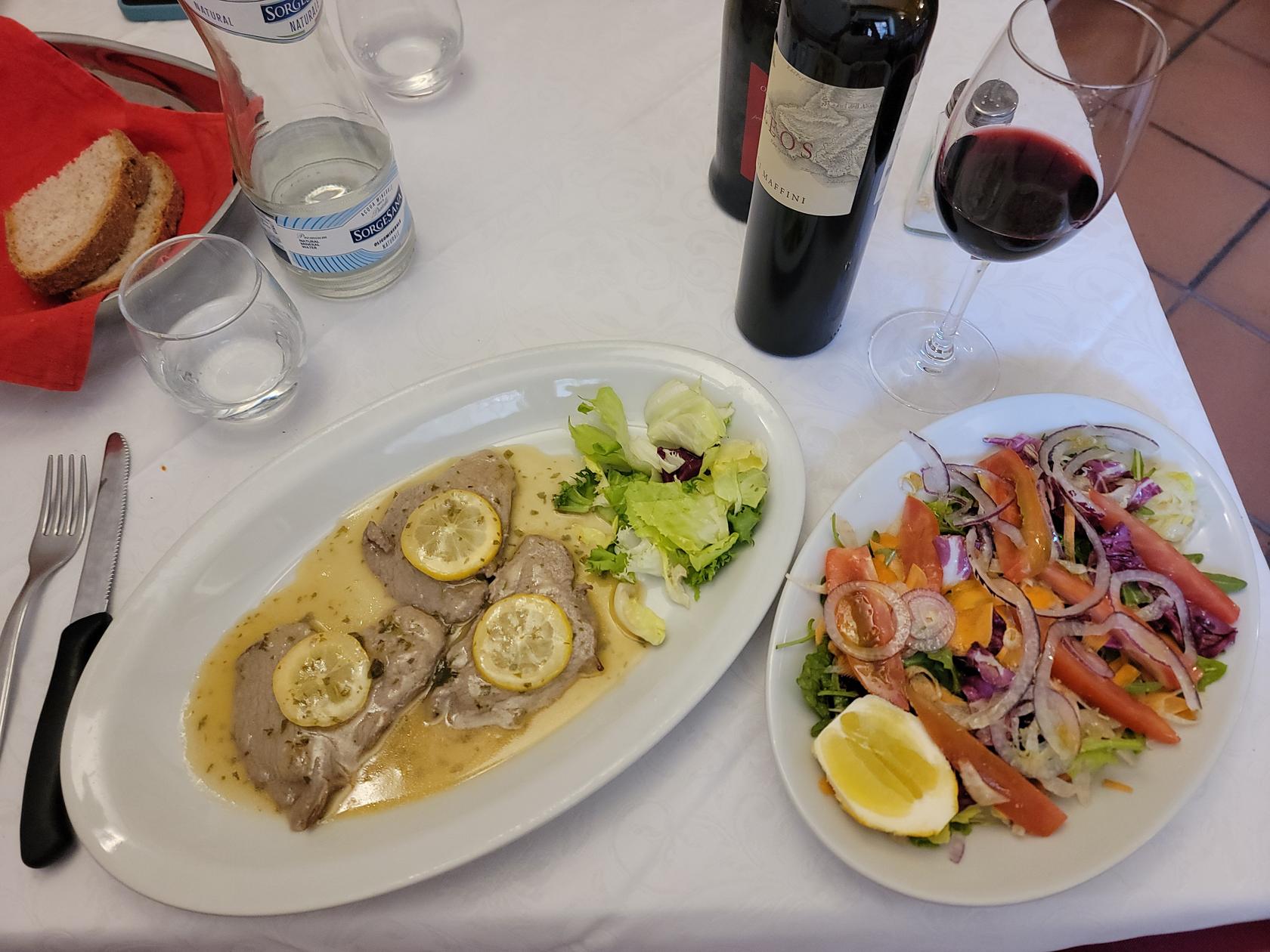
Secondi and Sides – Ristorante Lucifero – Sapri, Italy
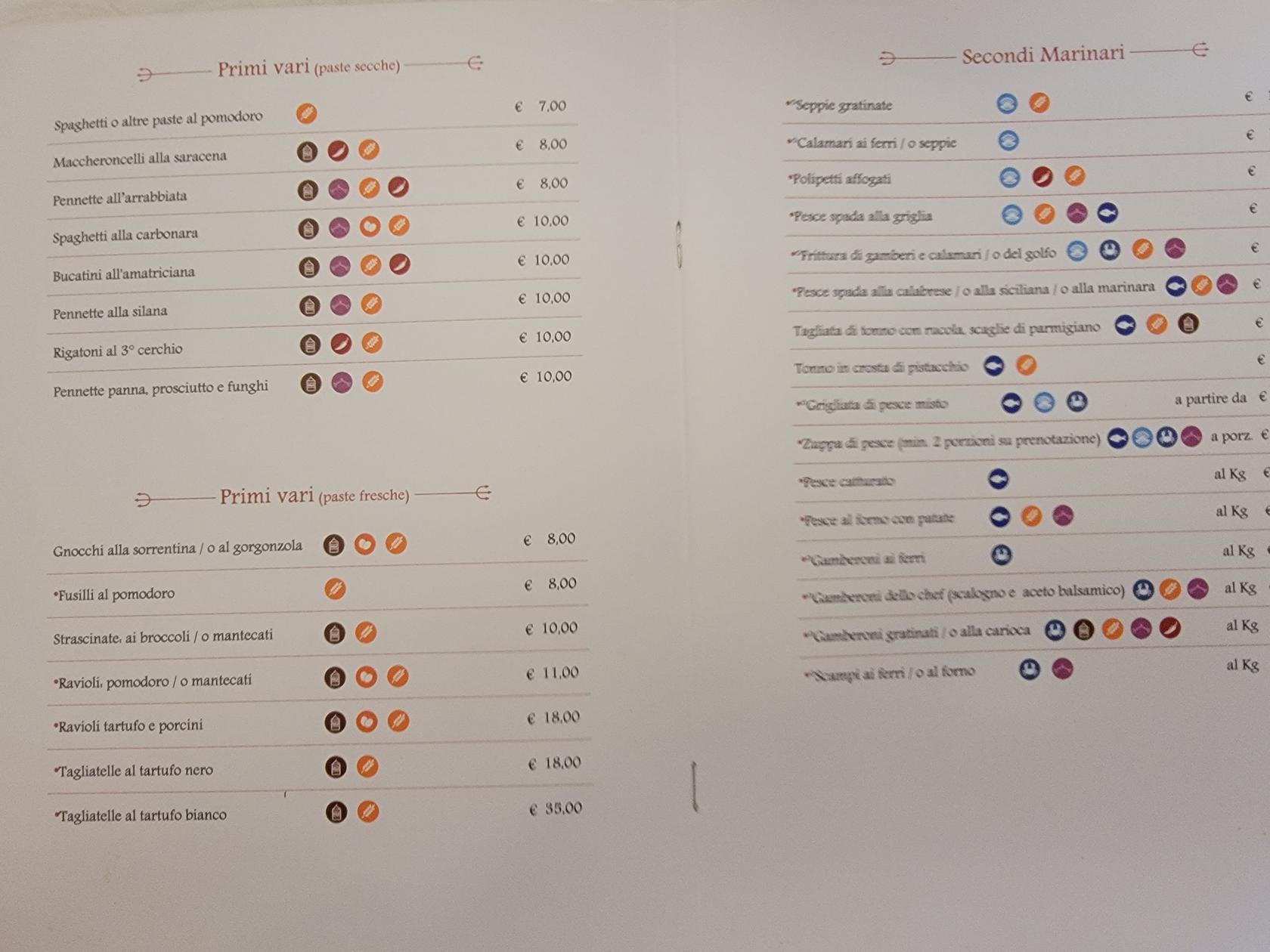
Choose your pasta type, choose your sauce – Ristorante Lucifero – Sapri, Italy
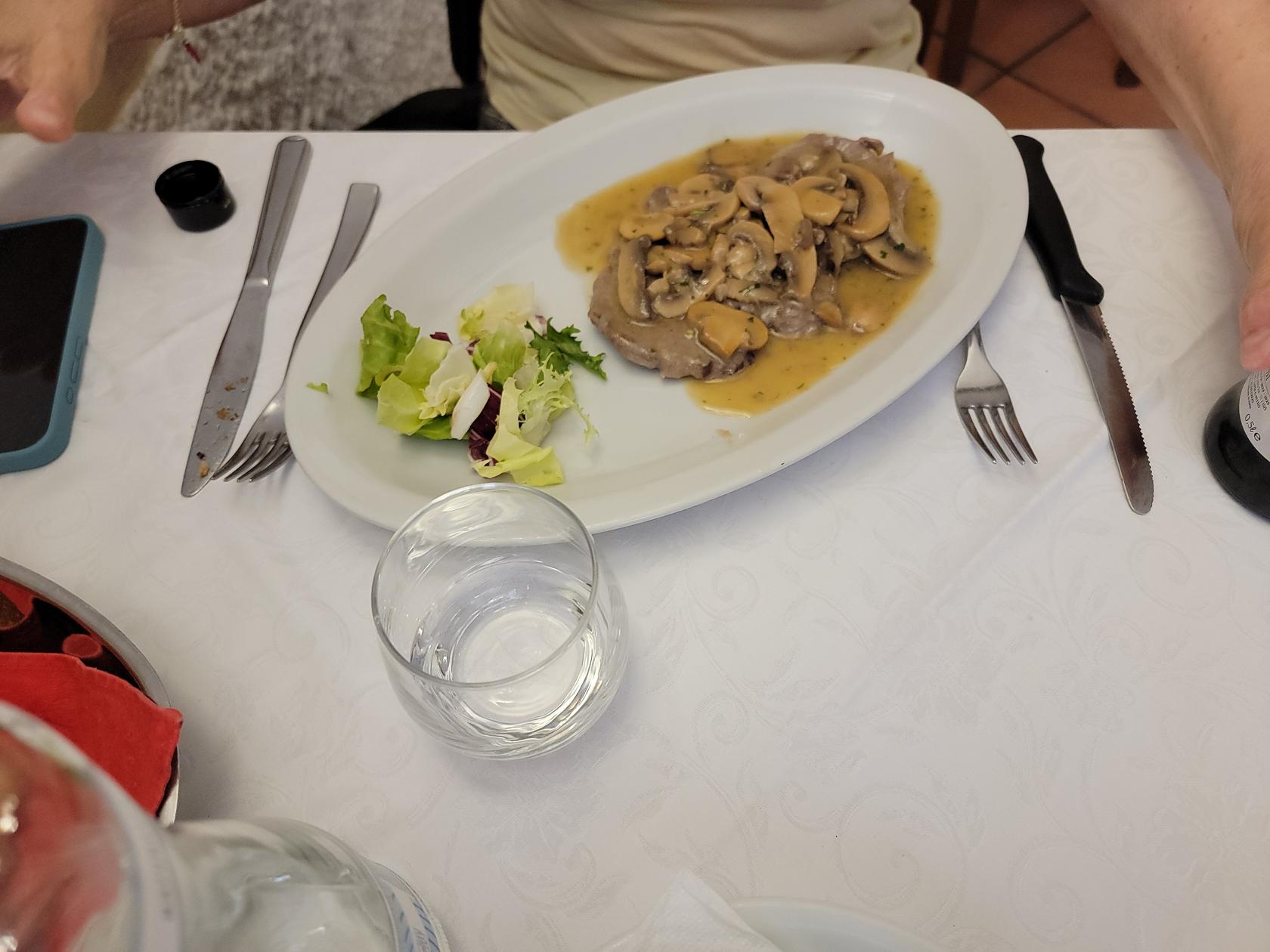
Veal with Mushrooms and Insalata Mista – Ristorante Lucifero – Sapri, Italy
Veal with Mushrooms – Ristorante Lucifero – Sapri, Italy
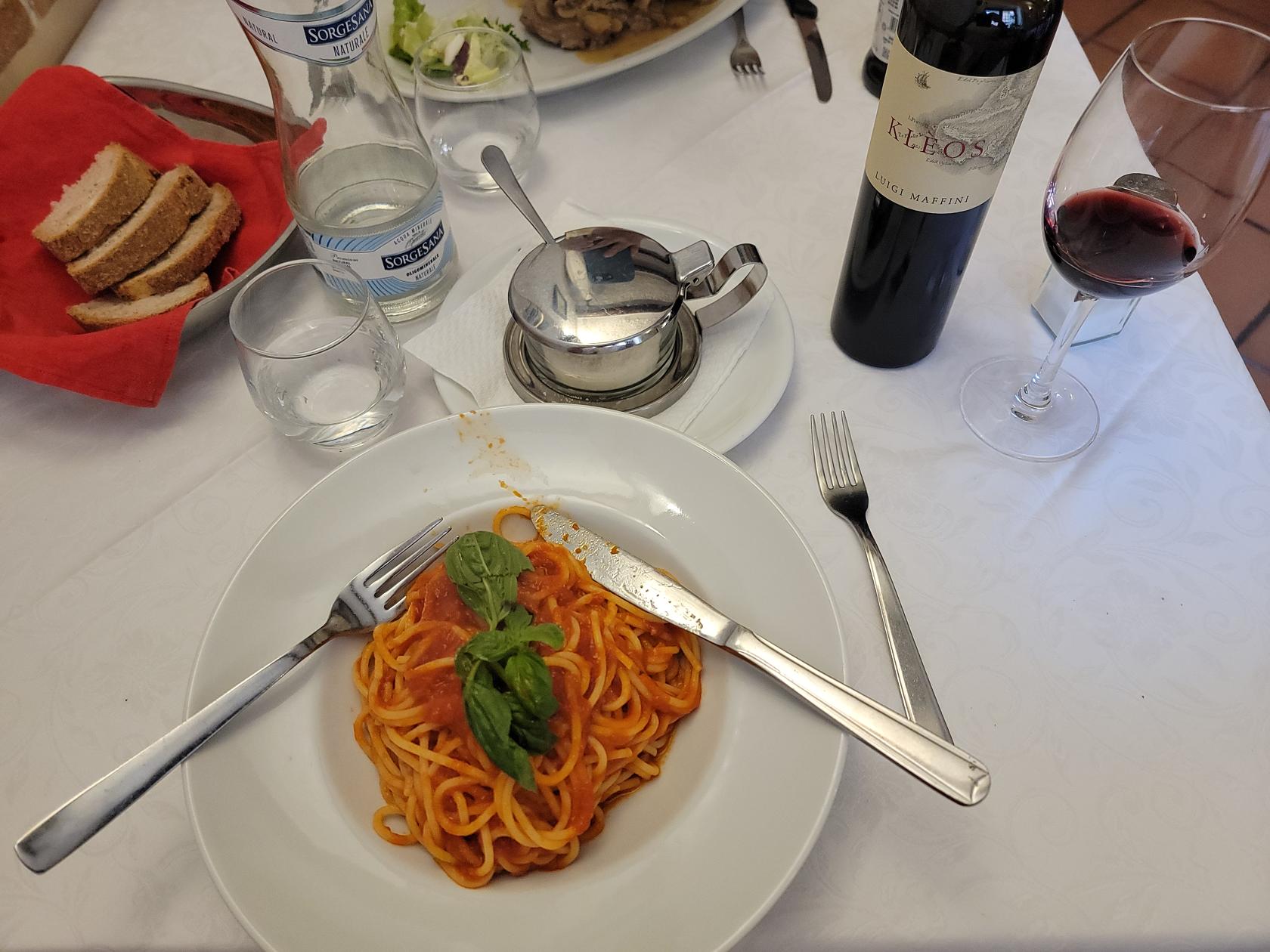
Pasta alla Ragu – Ristorante Lucifero – Sapri, Italy
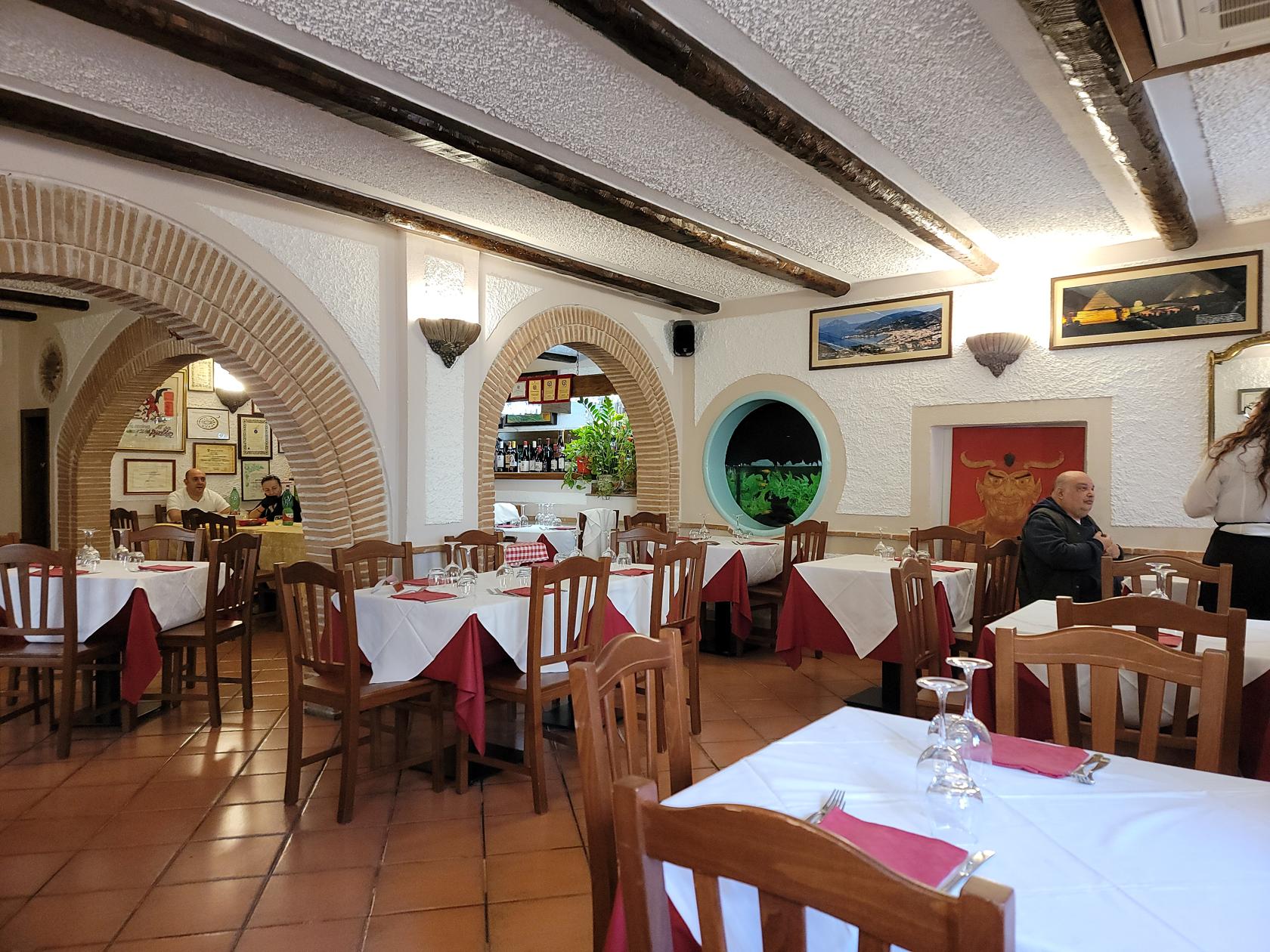
Inside – Ristorante Lucifero – Sapri, Italy
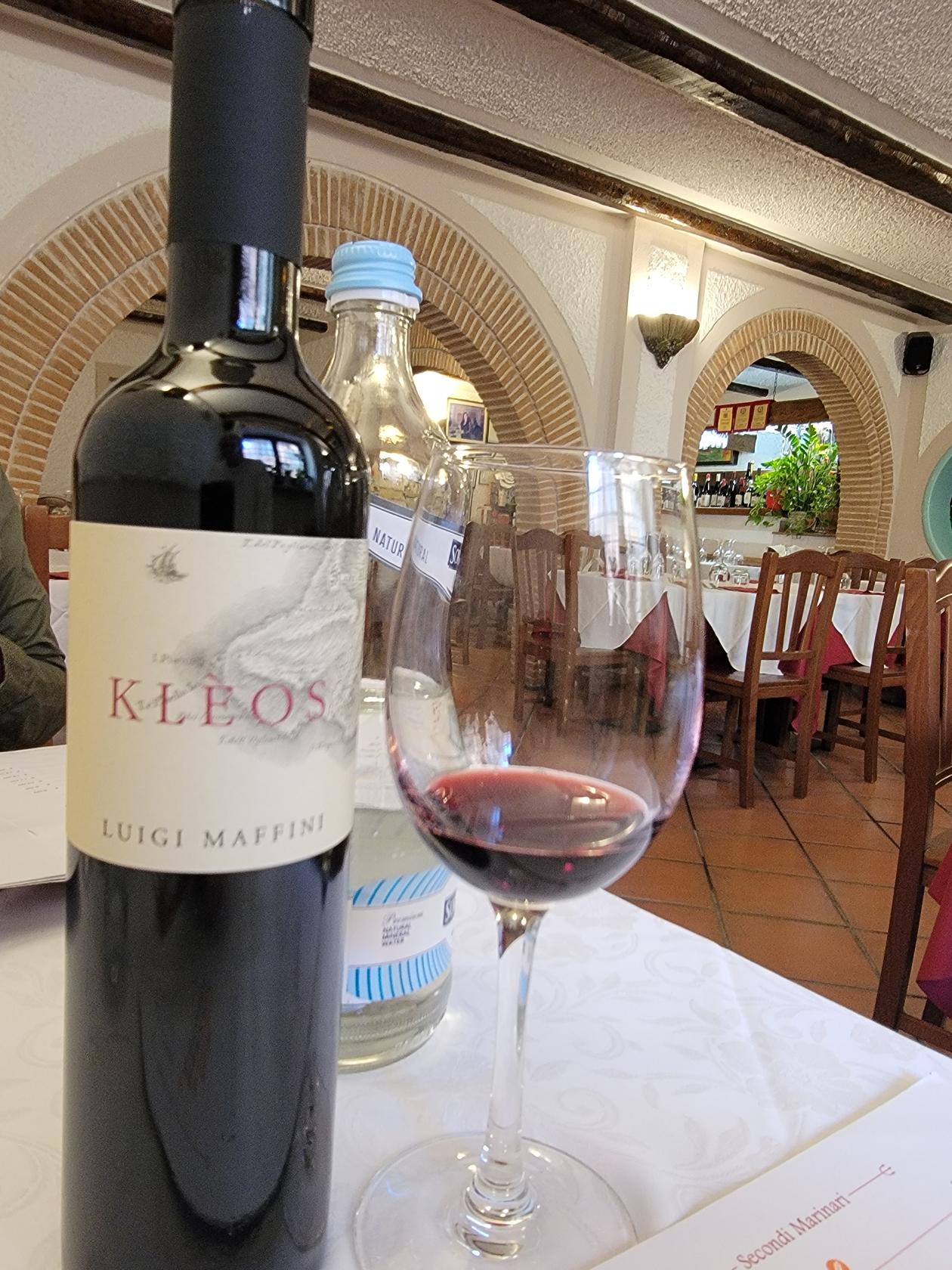
I can commend the Aglianico from Paestum, Italy. Luigi Maffini’s Klèos comes in 50cl bottles and pairs perfectly with pasta and other tomato based dishes. I love Aglianico, it is a deep, clear, ruby wine with hints of plum, berry and dark fruit and is very tasty.
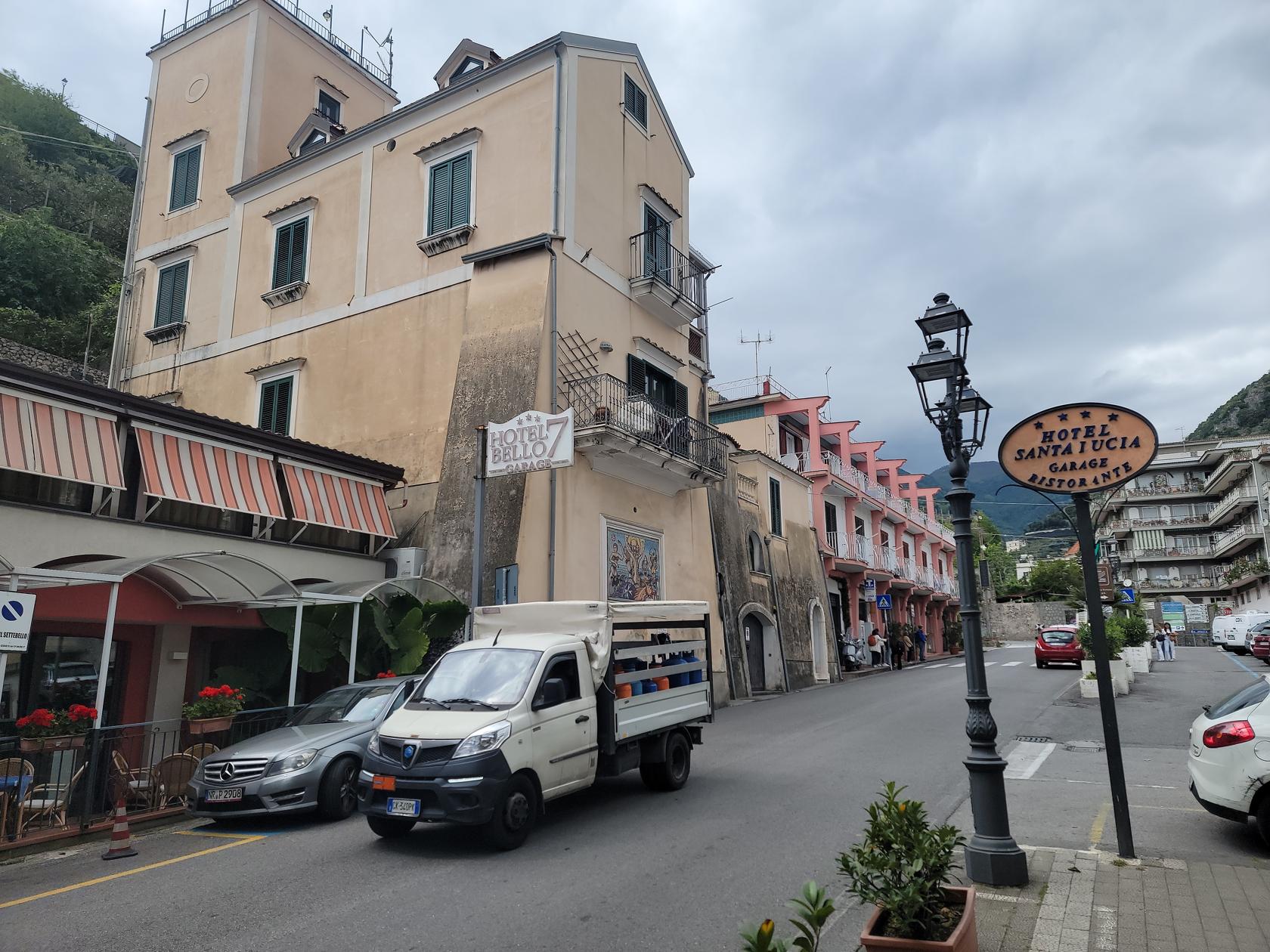
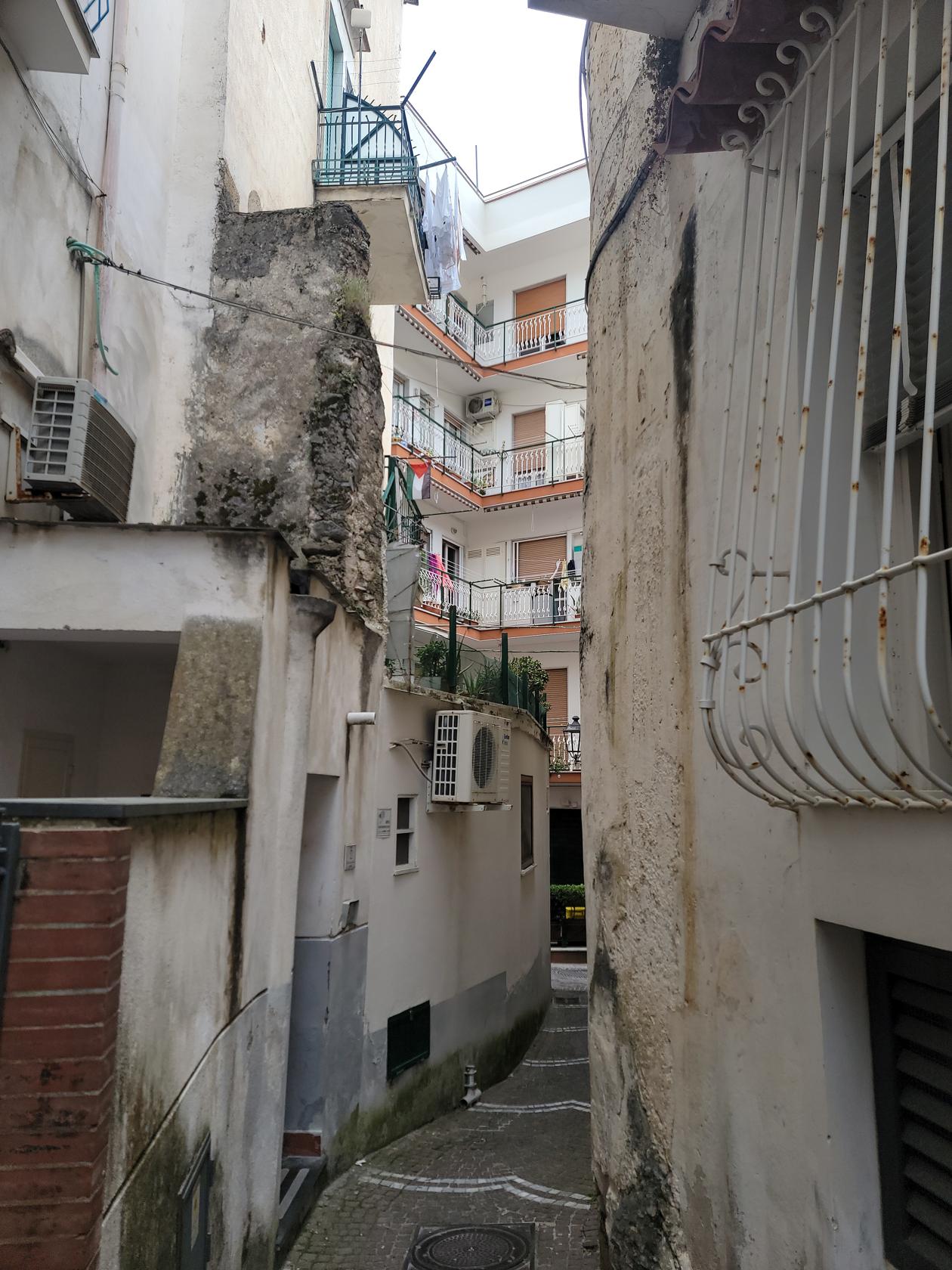
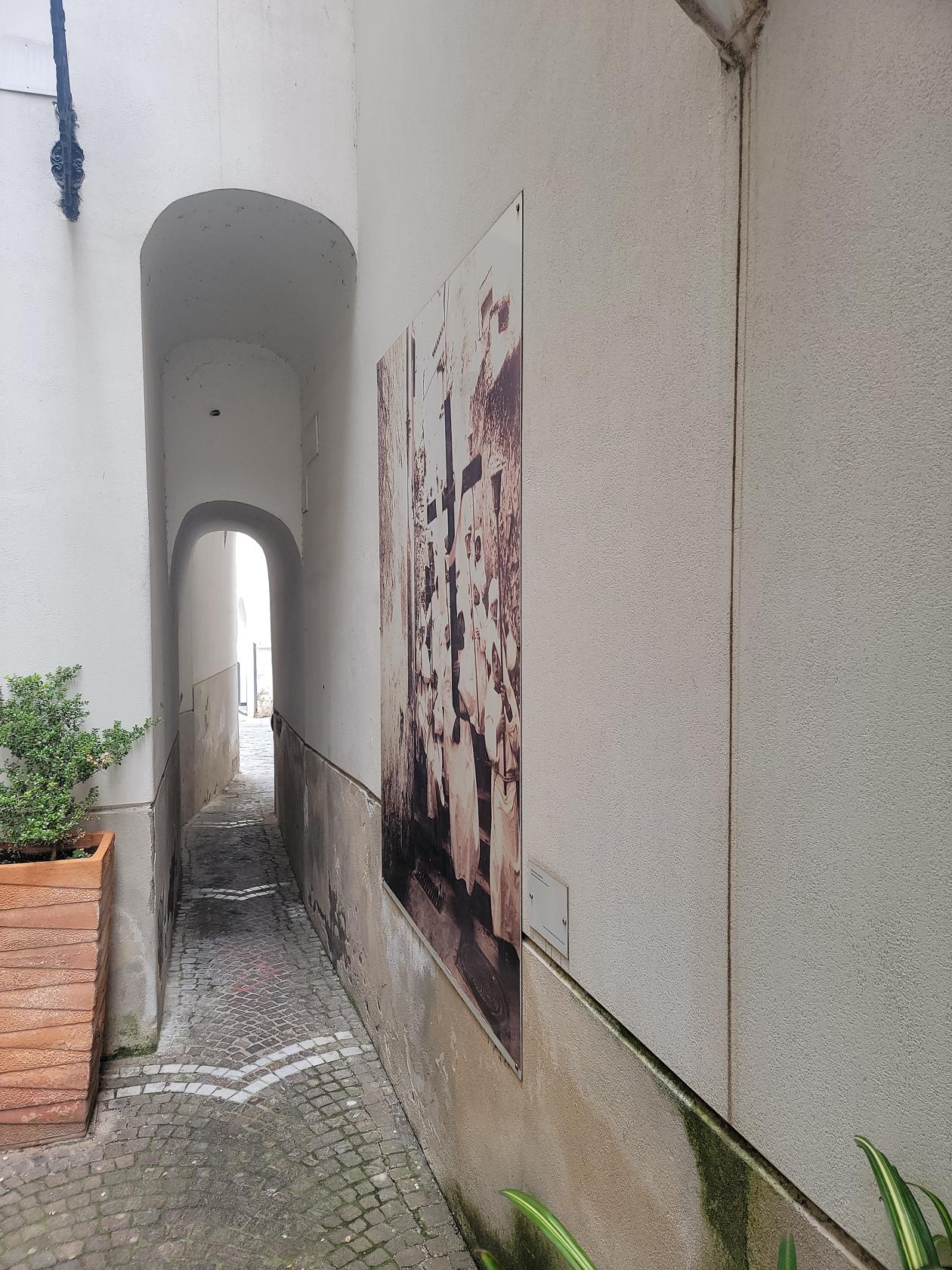
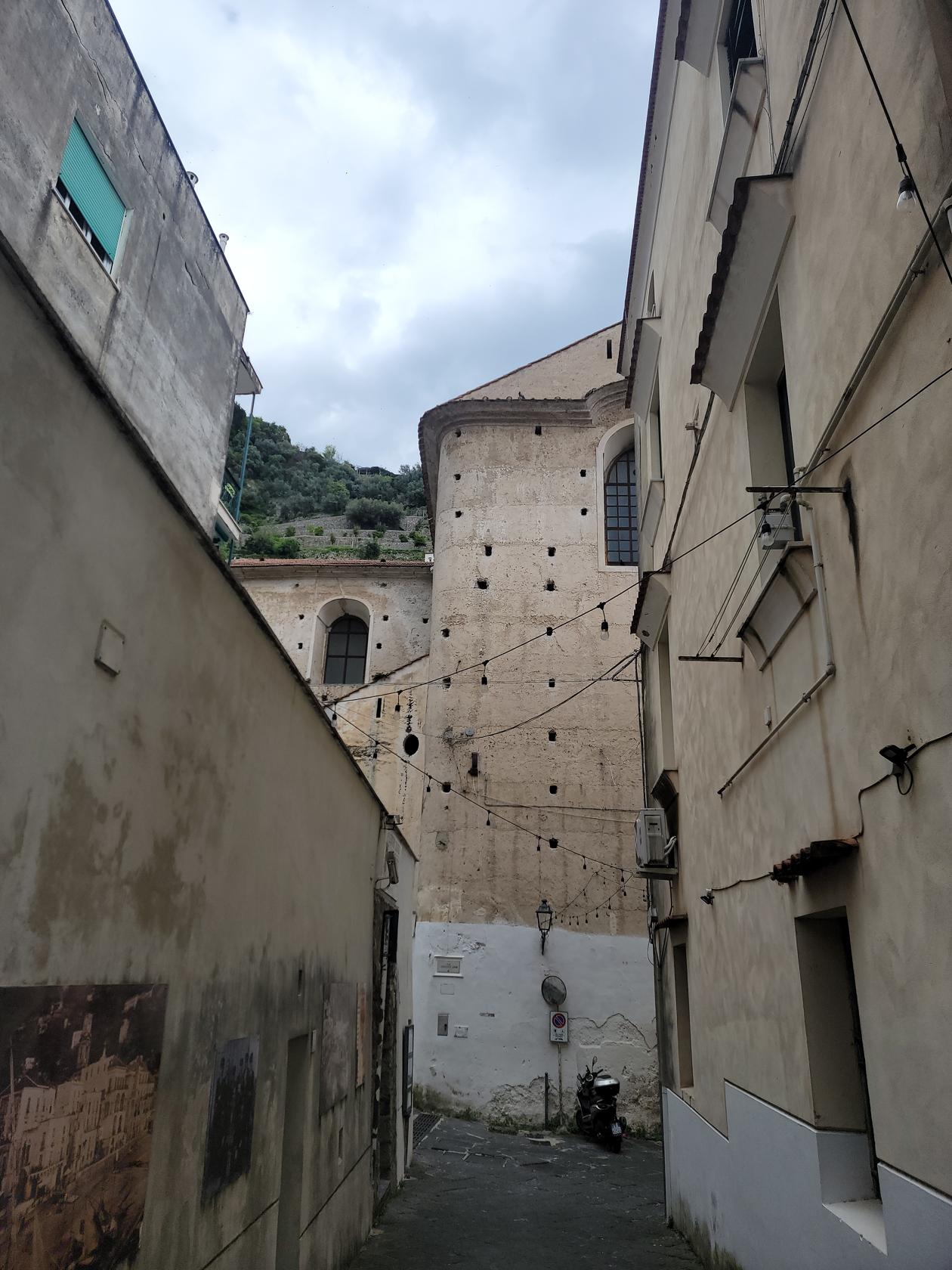
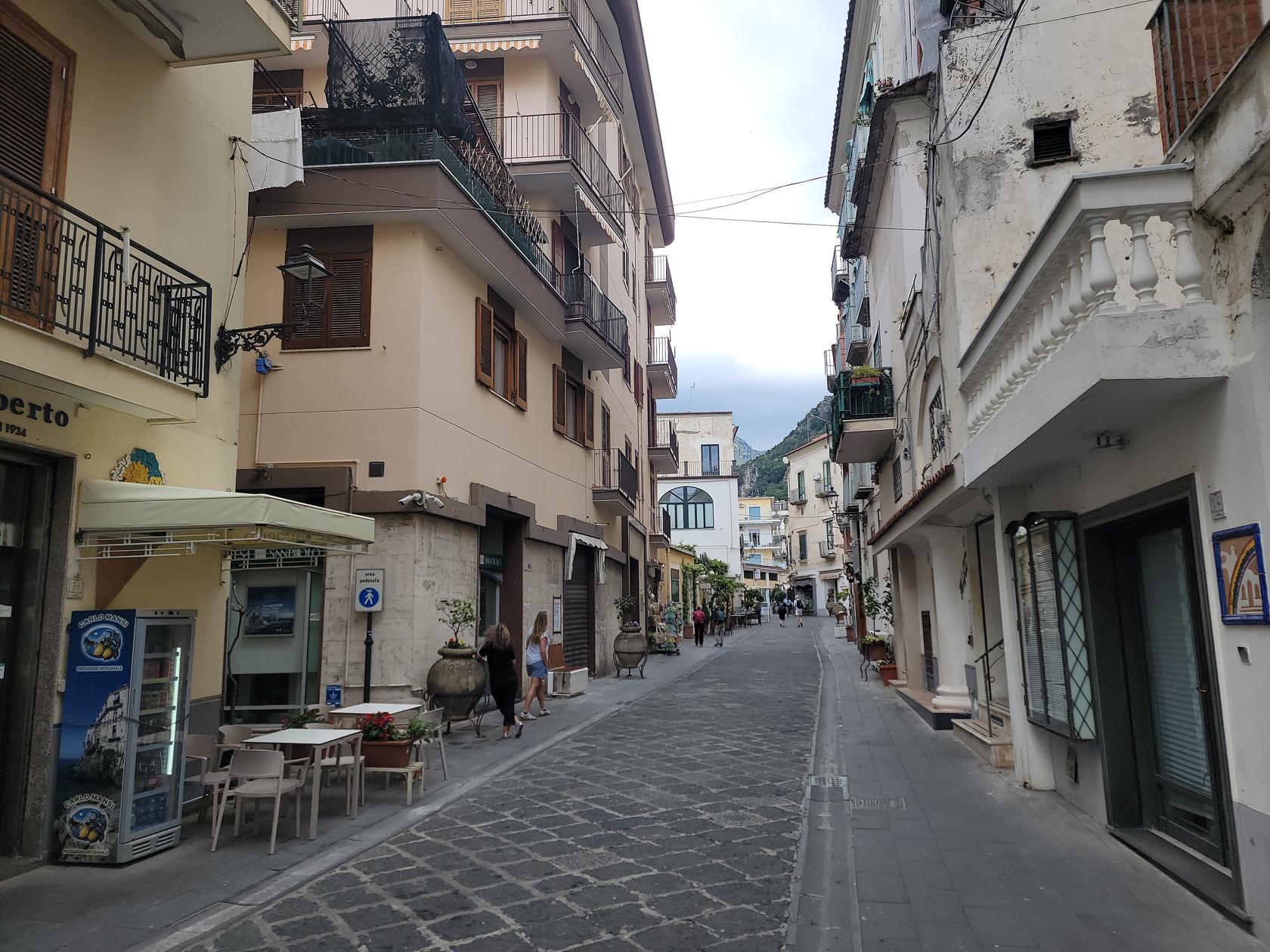
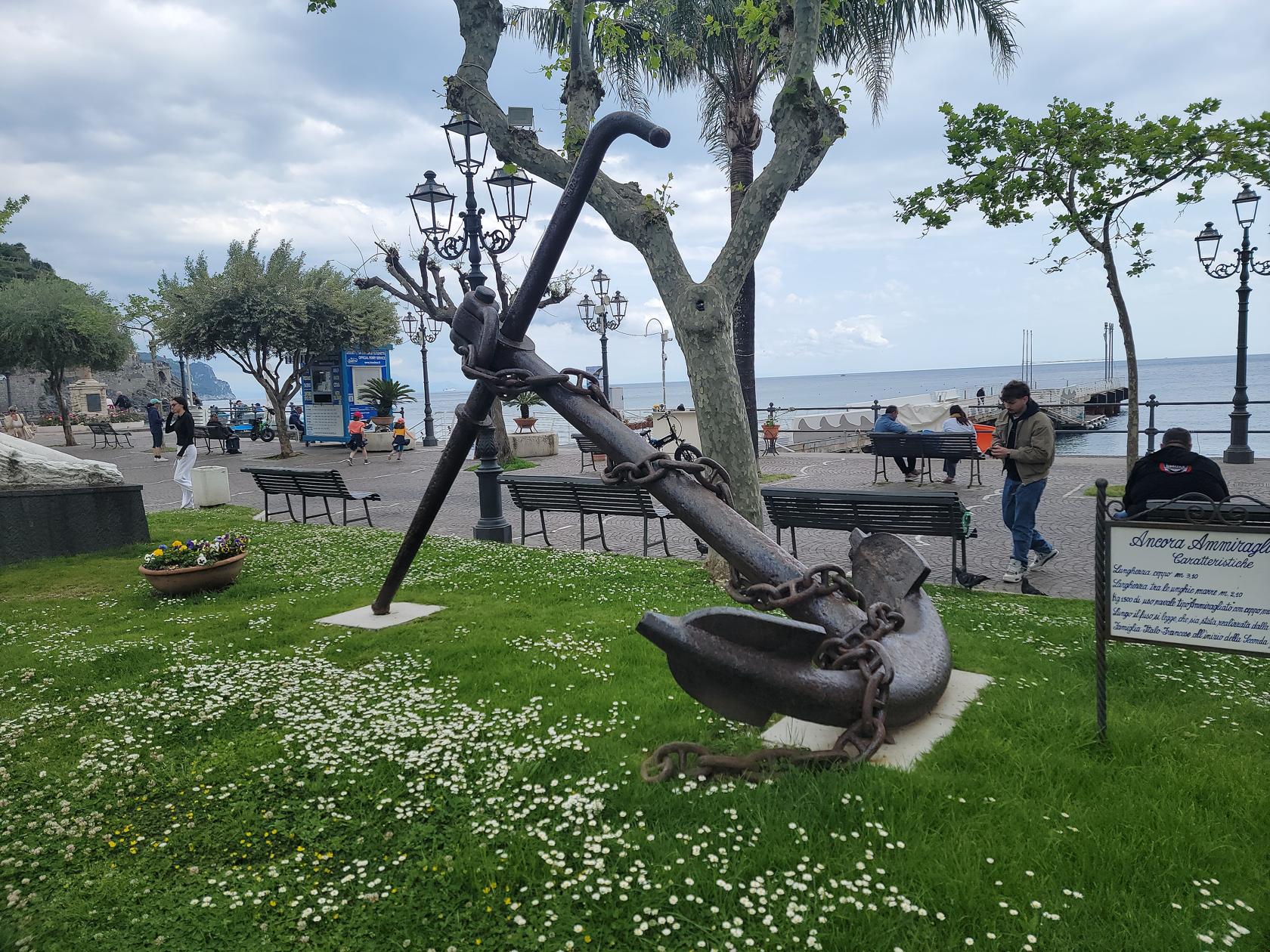
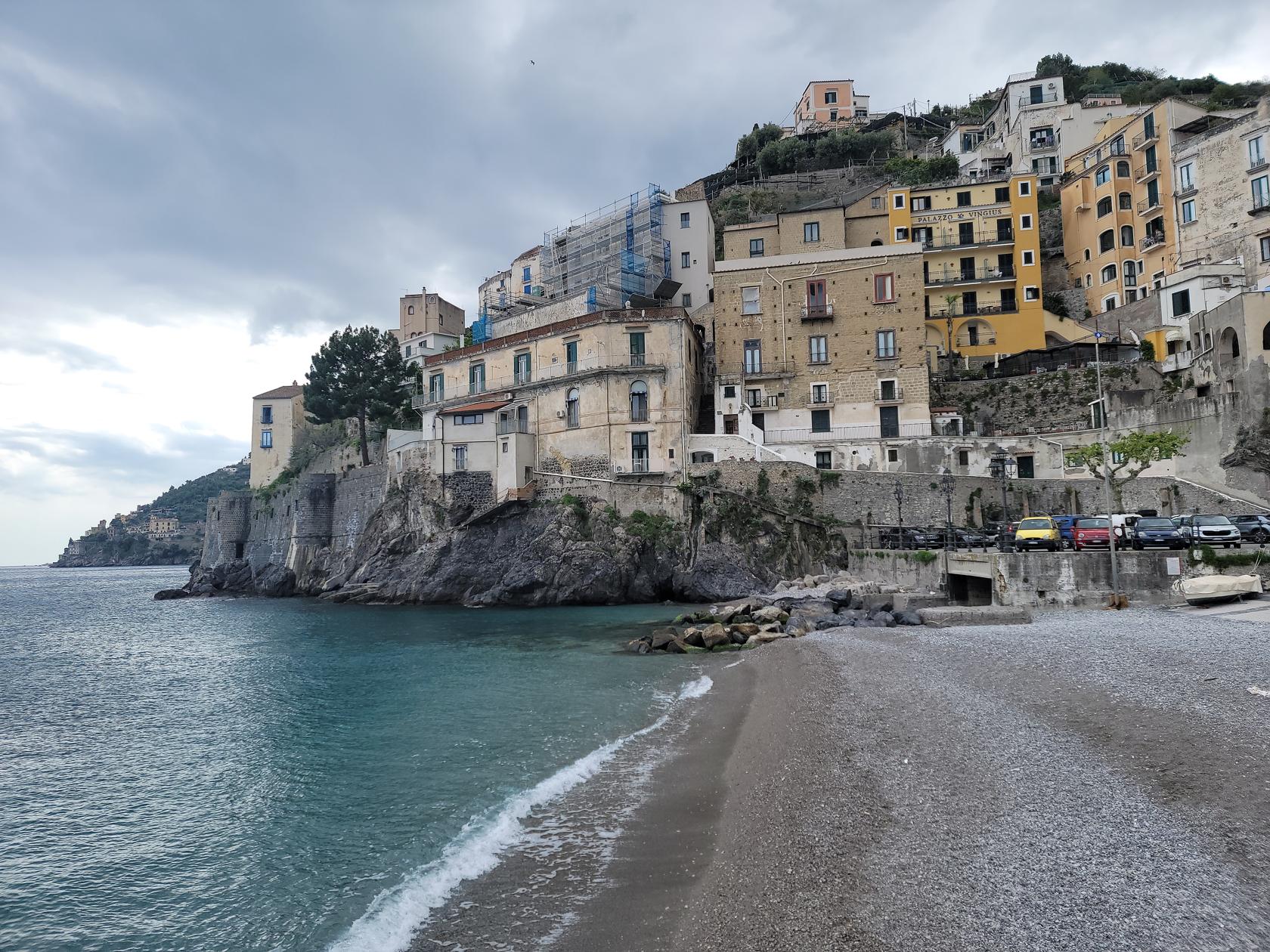
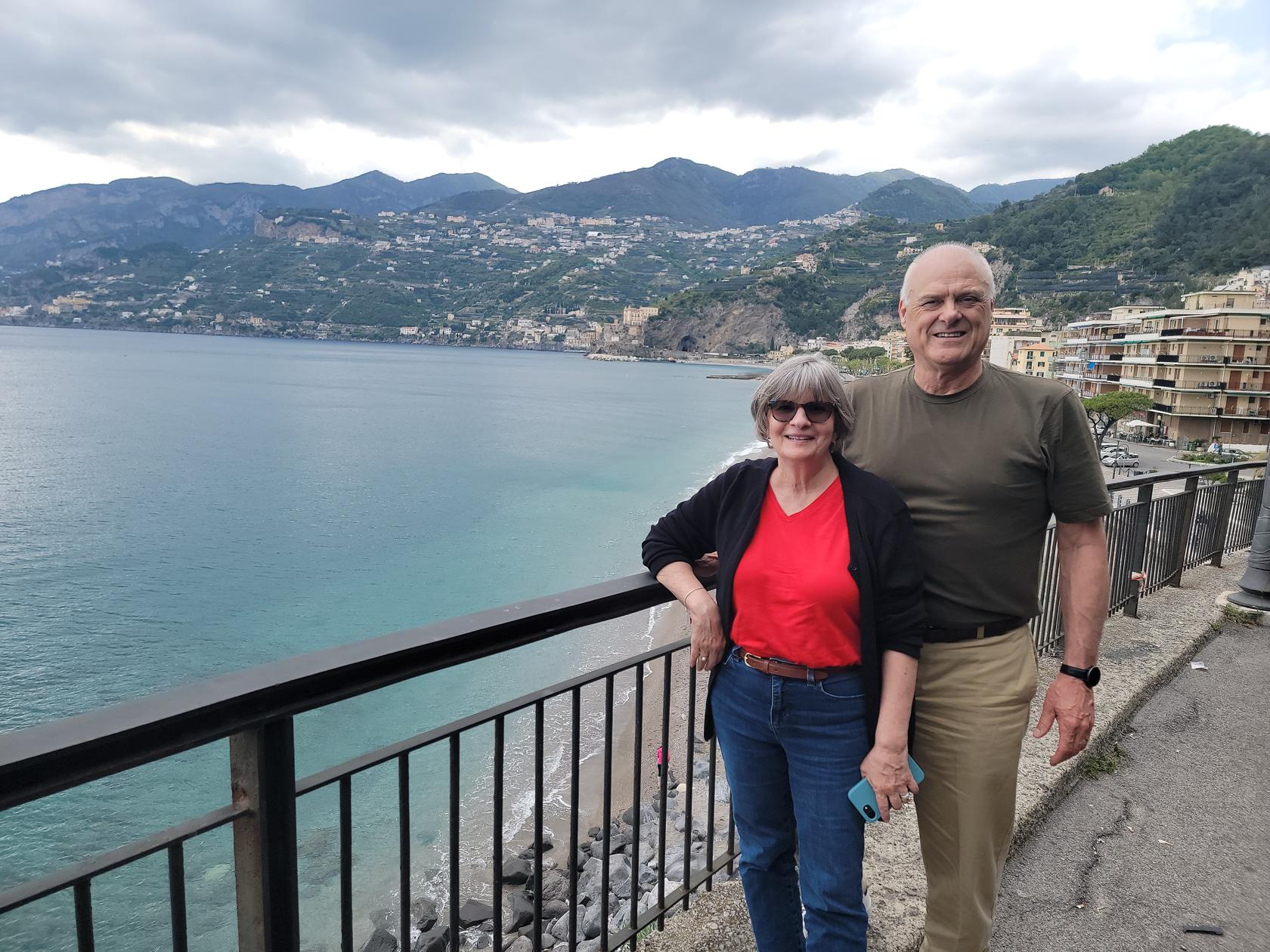
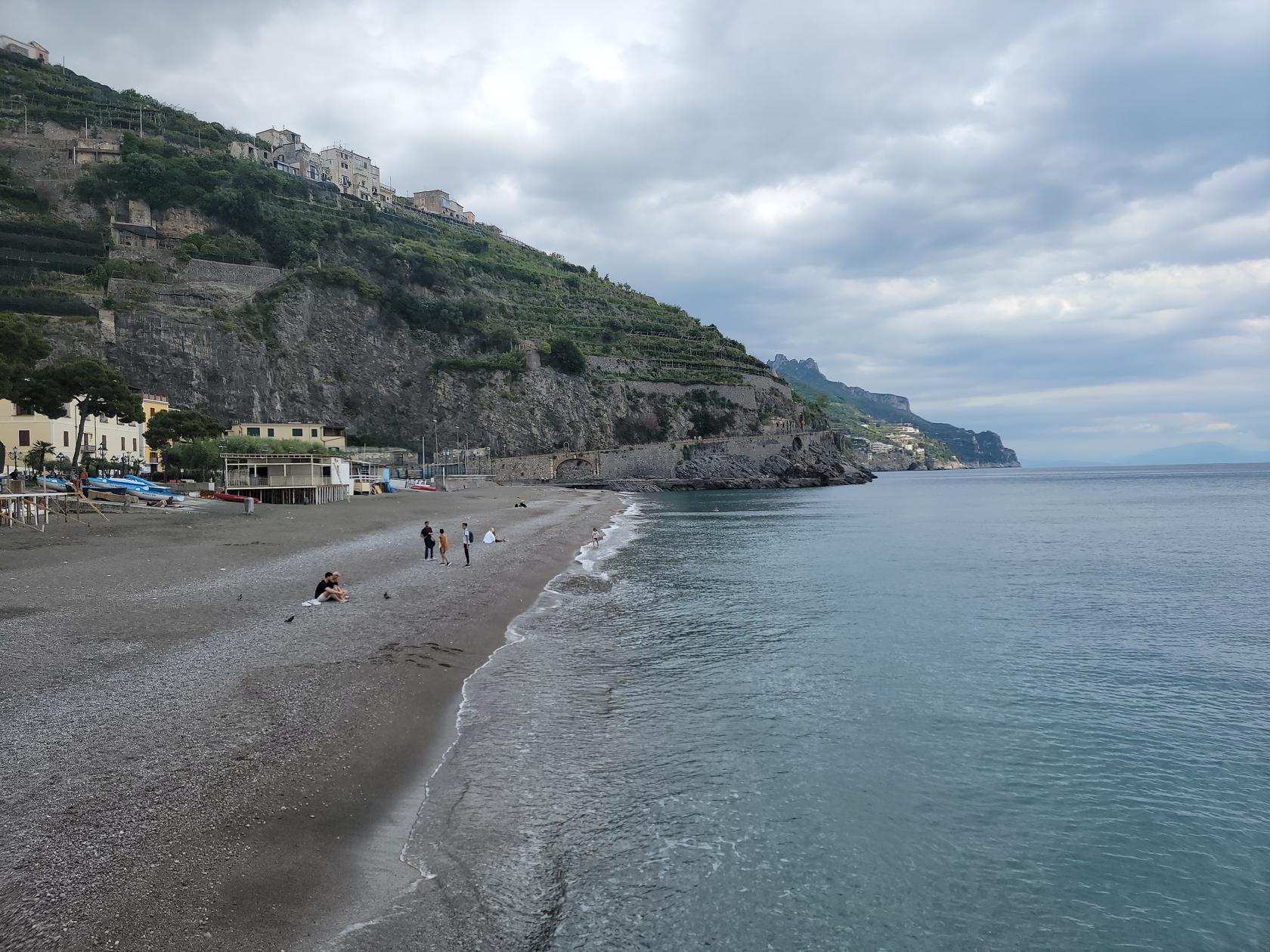
On our second and final day to the Amalfi Coast, we were fortunate enough to enjoy a lemon experience near Tramonti. After our tour and lunch, we visited the other smaller Amalfi towns of Maiori, Minori and finally Cetara. There is not much to see in any of them and may be skipped. Except perhaps for Minori, which if you are looking for a beach spot along the coast, may offer the best option.
Getting There
On our second day we had arranged for the same tour guide that we had the previous day, Mind The Nap tours[1]If you would like to find them, they are on one of the more frequently used social media applications.. Therefore, we took a hired vehicle from Naples to drive once again over the Anti Appenine mountains, via SP2a, to Tramonti and then to the other coastal towns. Returning along the coastal road via Vietri sul Mare and A3.
Coming Into Tramonti – Tramonti, Italy
Tramonti
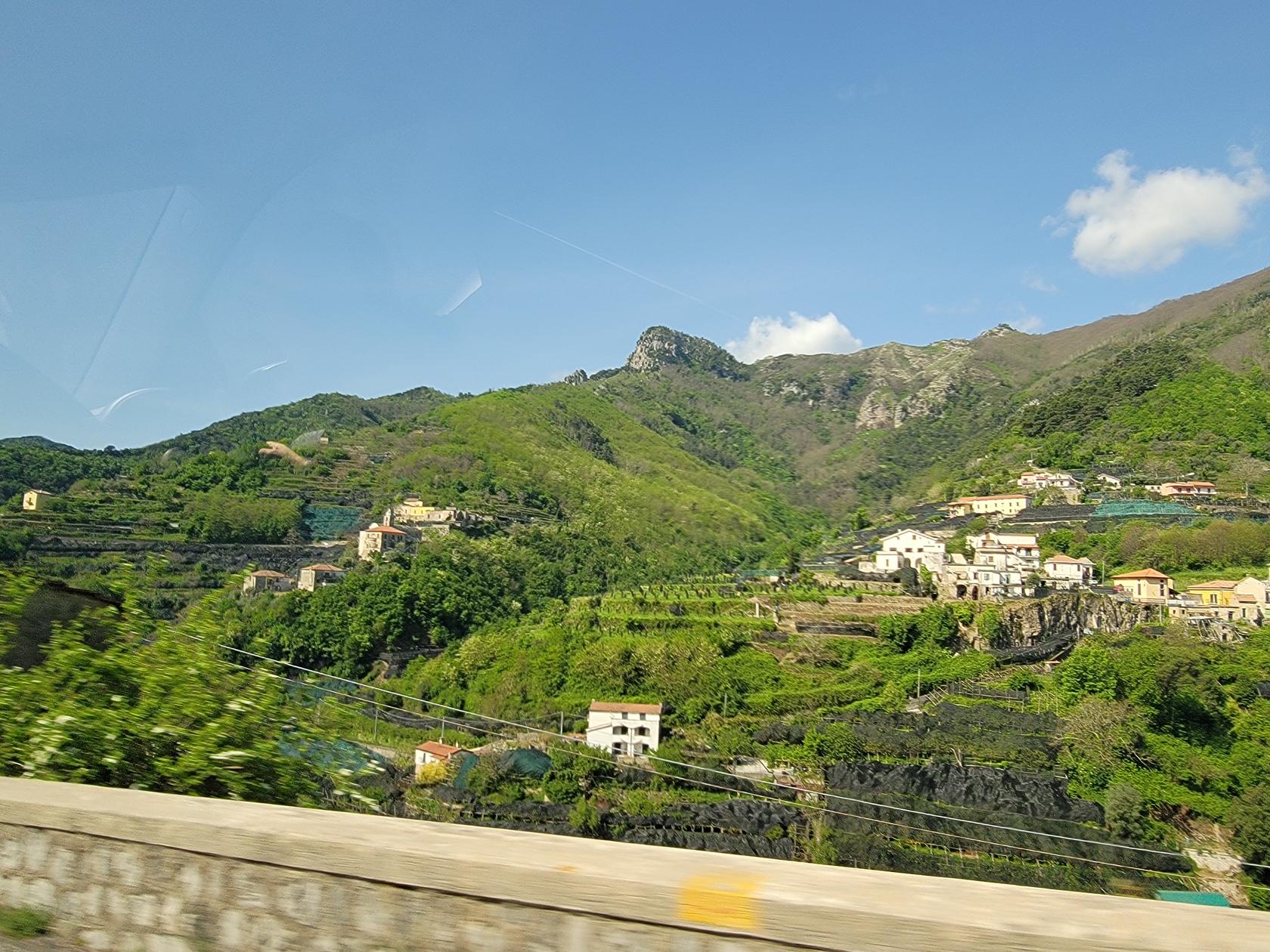
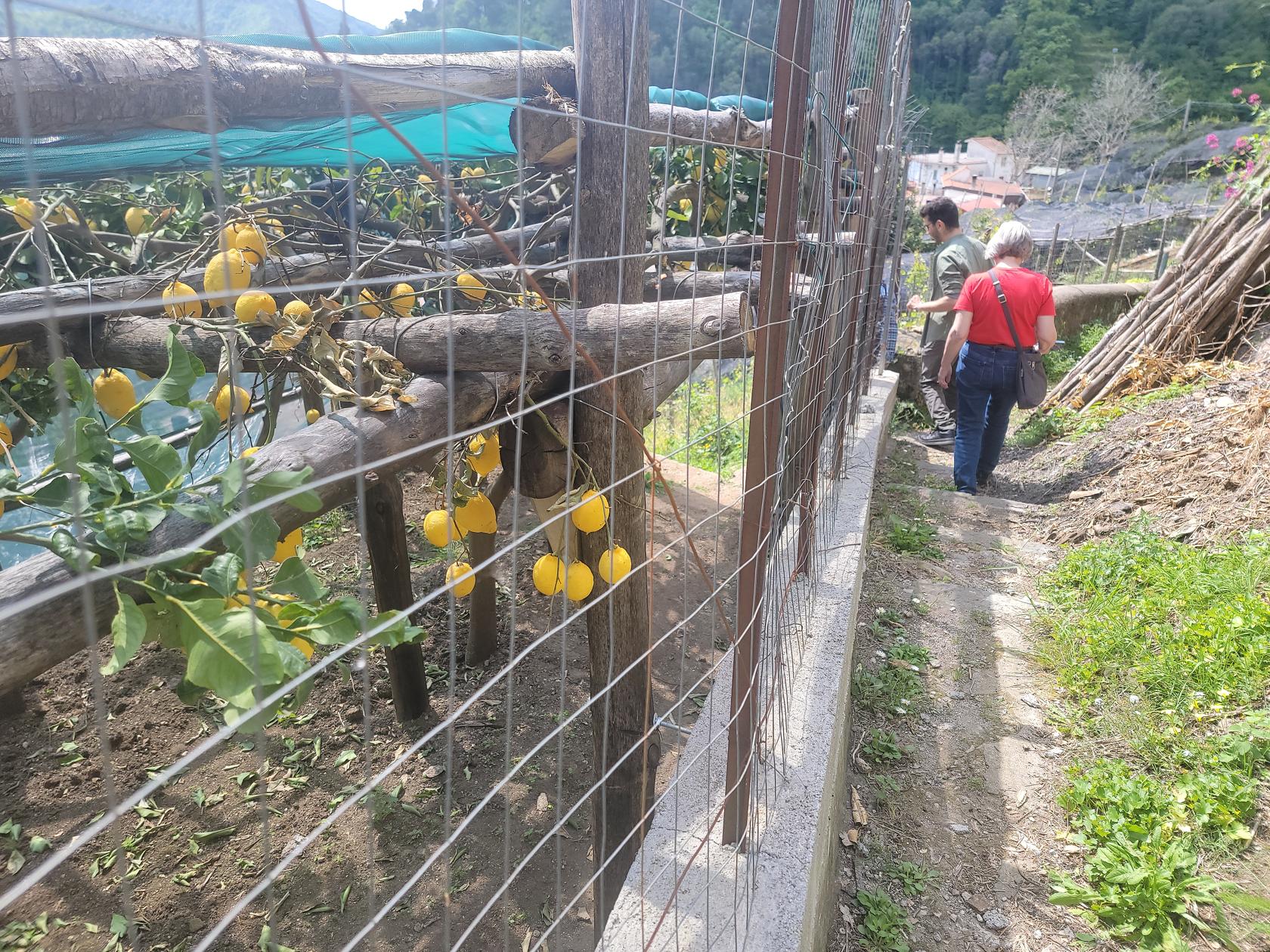
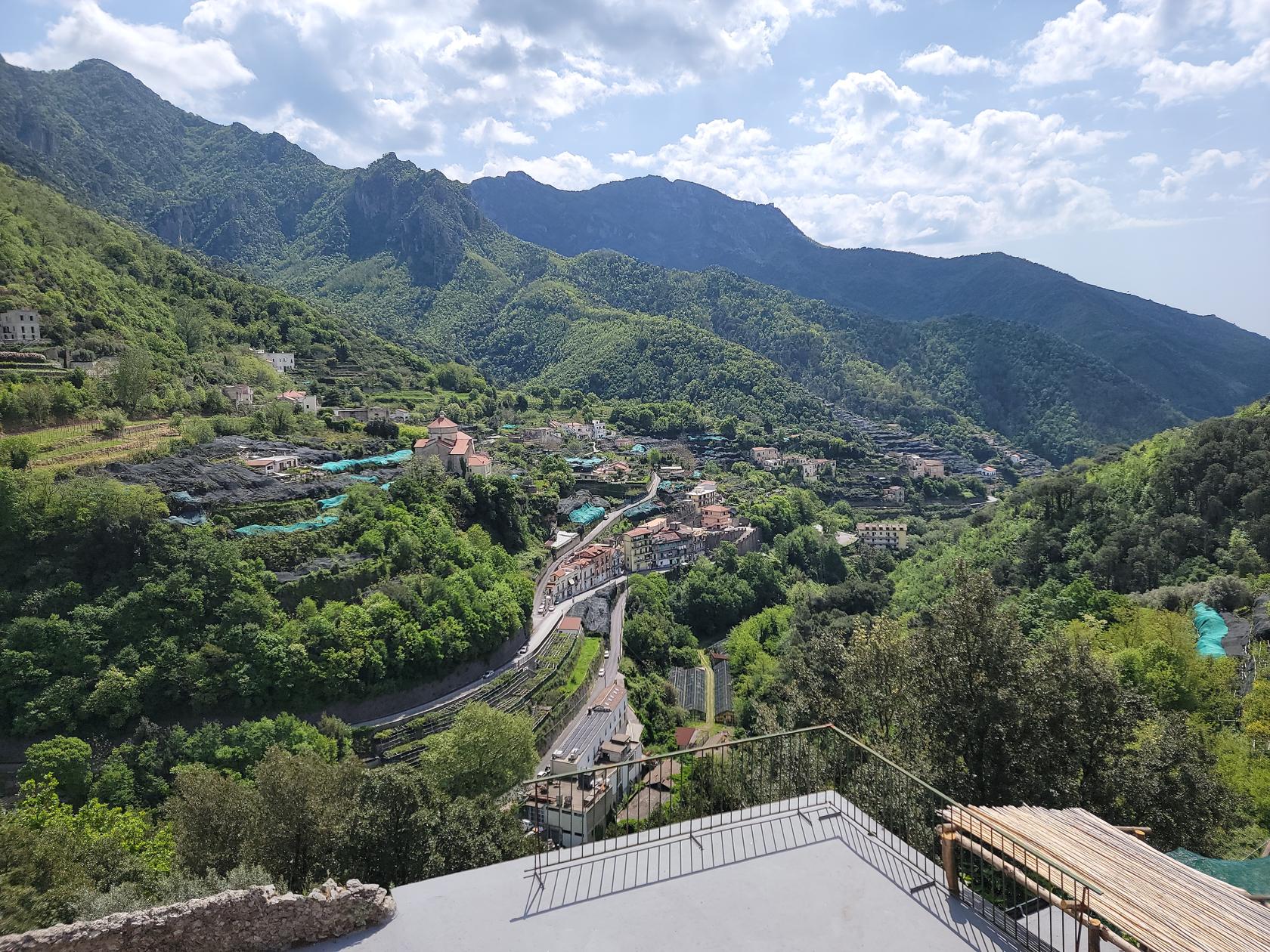
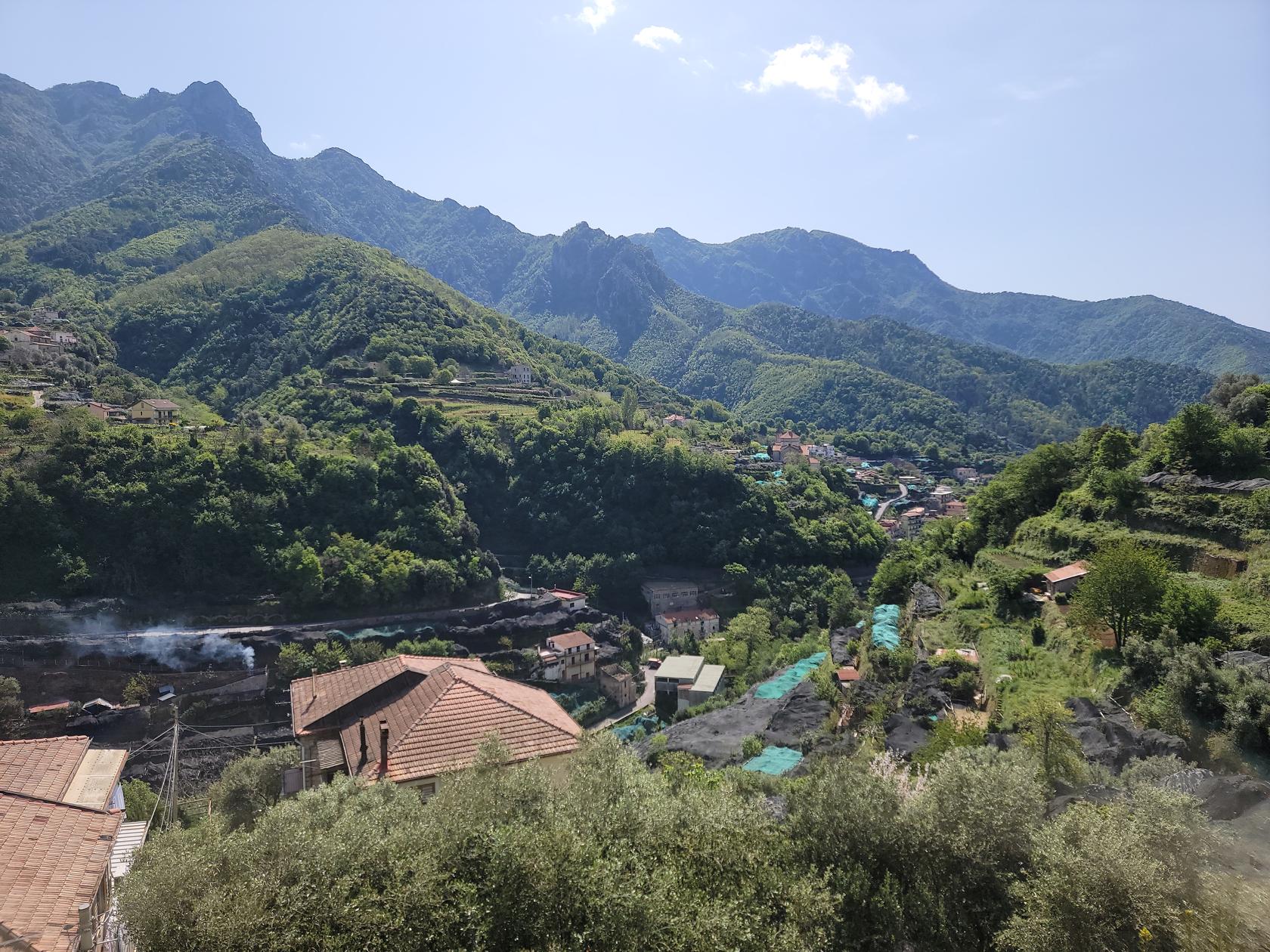
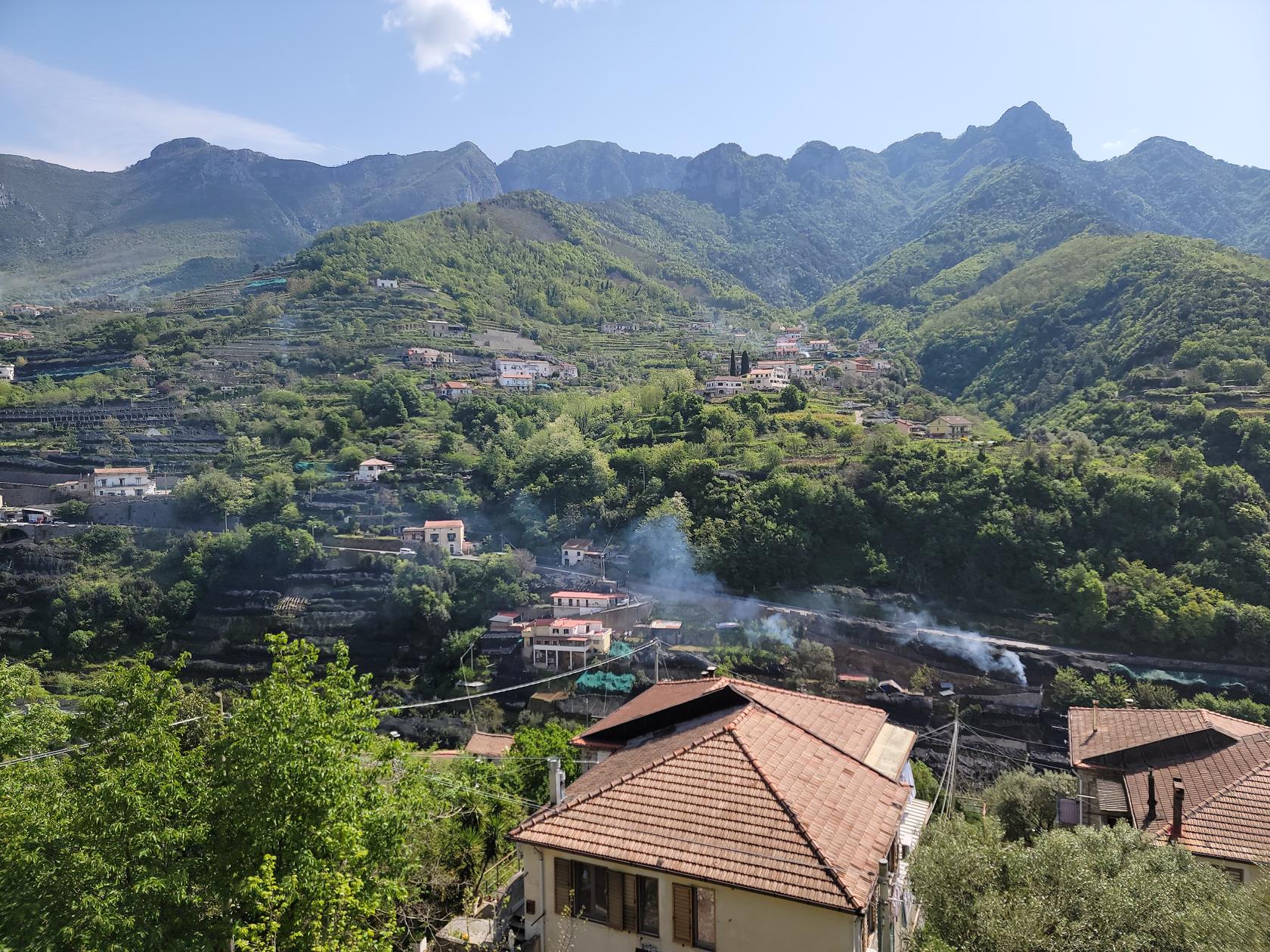
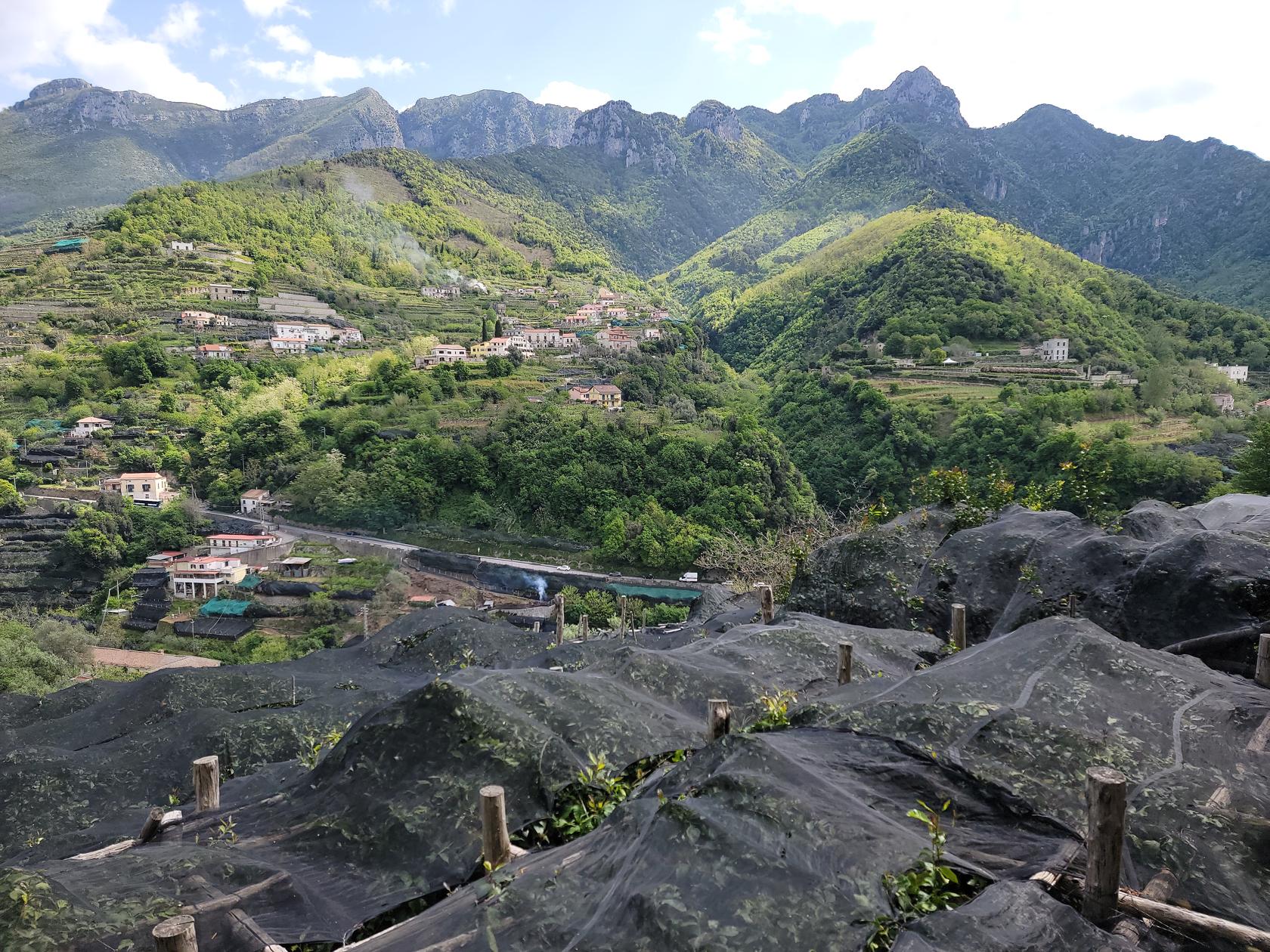
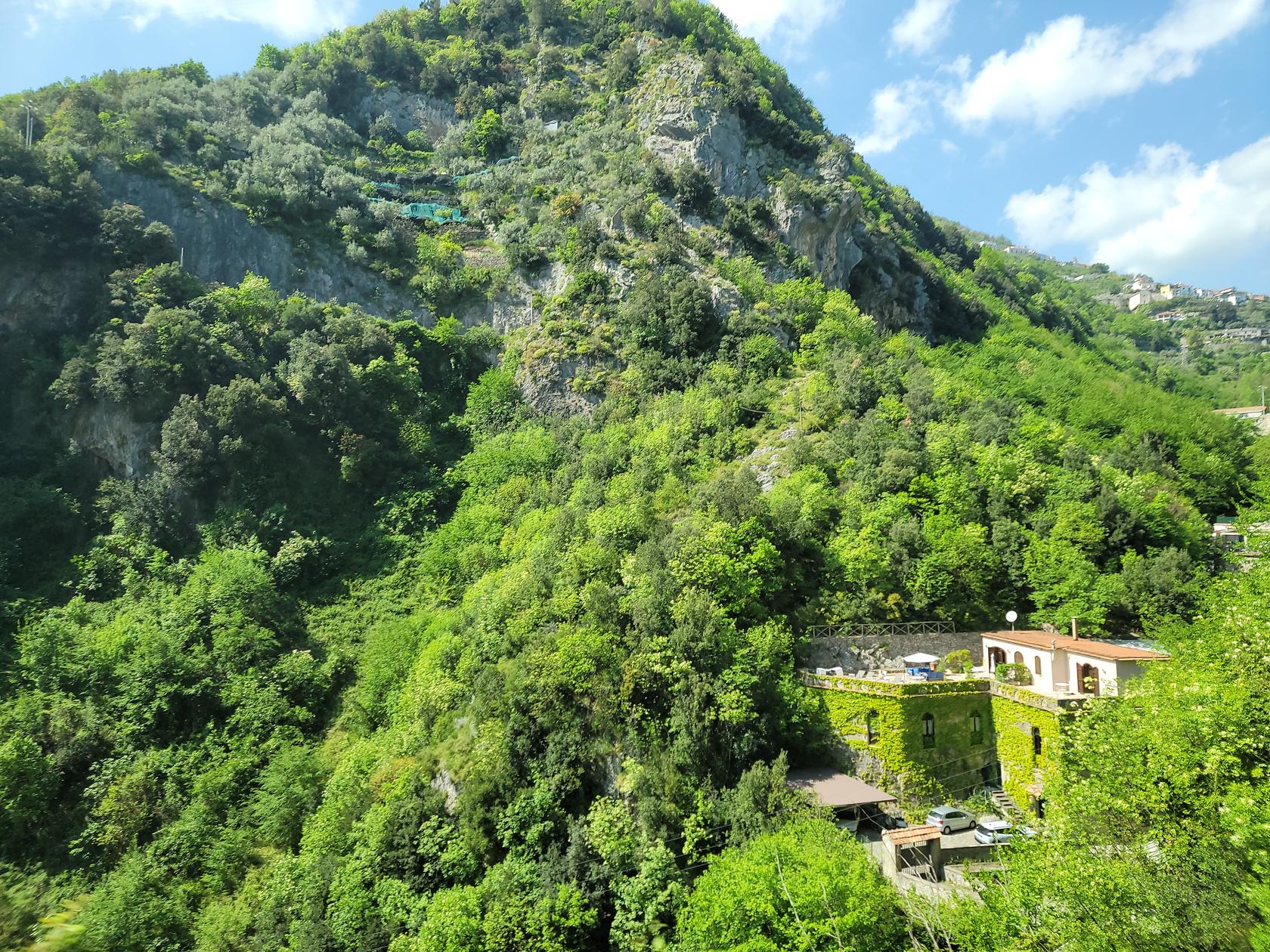
The term for this comune and town literaly means, in between the mountains. As we can attest with the photographs that we took, it definitely is in between the mountains. Our guide explained that the mixture of sun, heat and moisture is excellent for growing lemons in the area and some varieties of grapes.
Azienda Agricola Lemon Experience
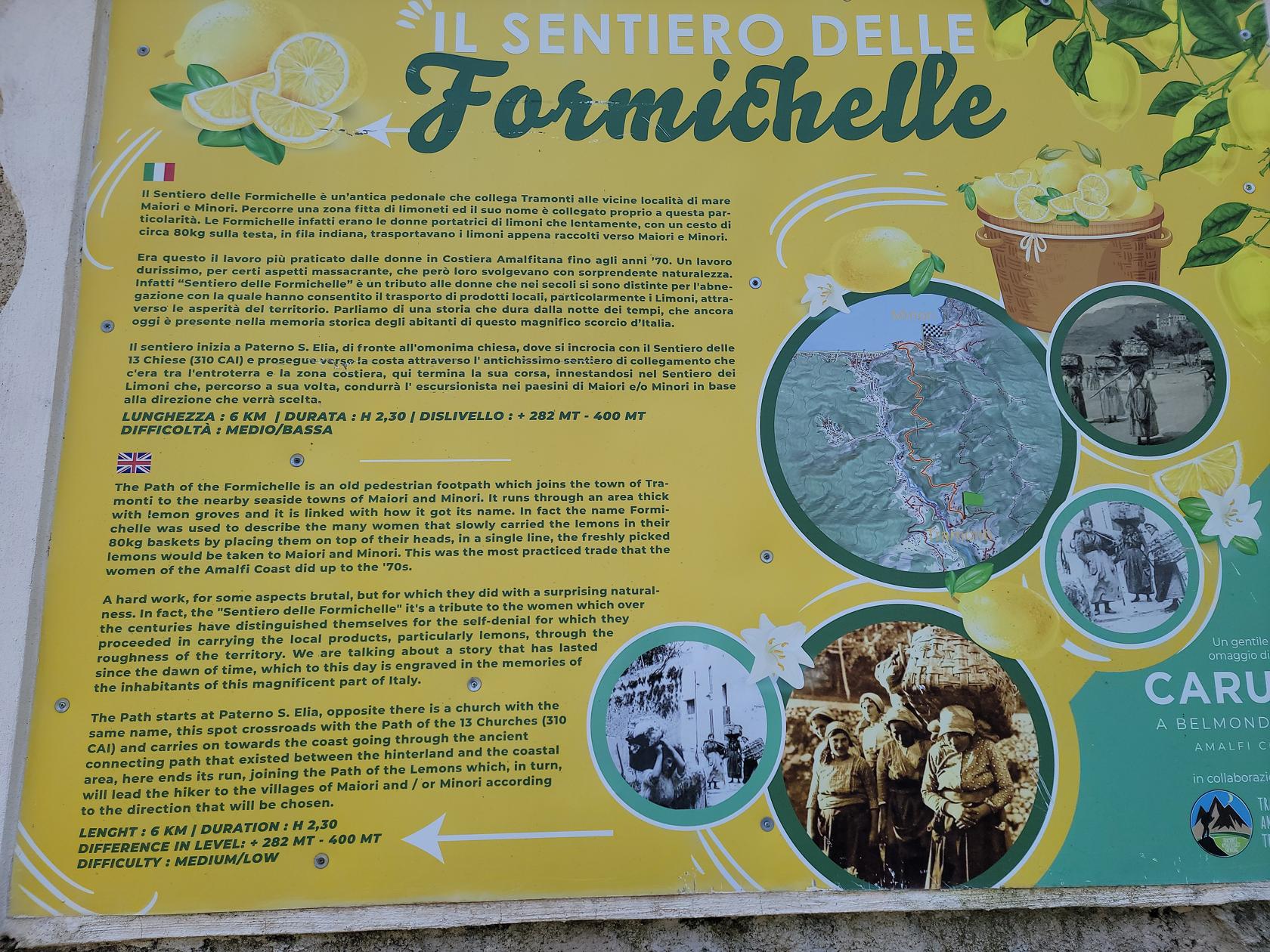
Azienda Agricola Le Formichelle can provide a lemon experience. It is part guided tour, part lunch, with the most complete explanation of lemons you will probably ever experience.
Azienda Agricola Le Formichelle – Tramonti, Italy
Lemon Experience Tour
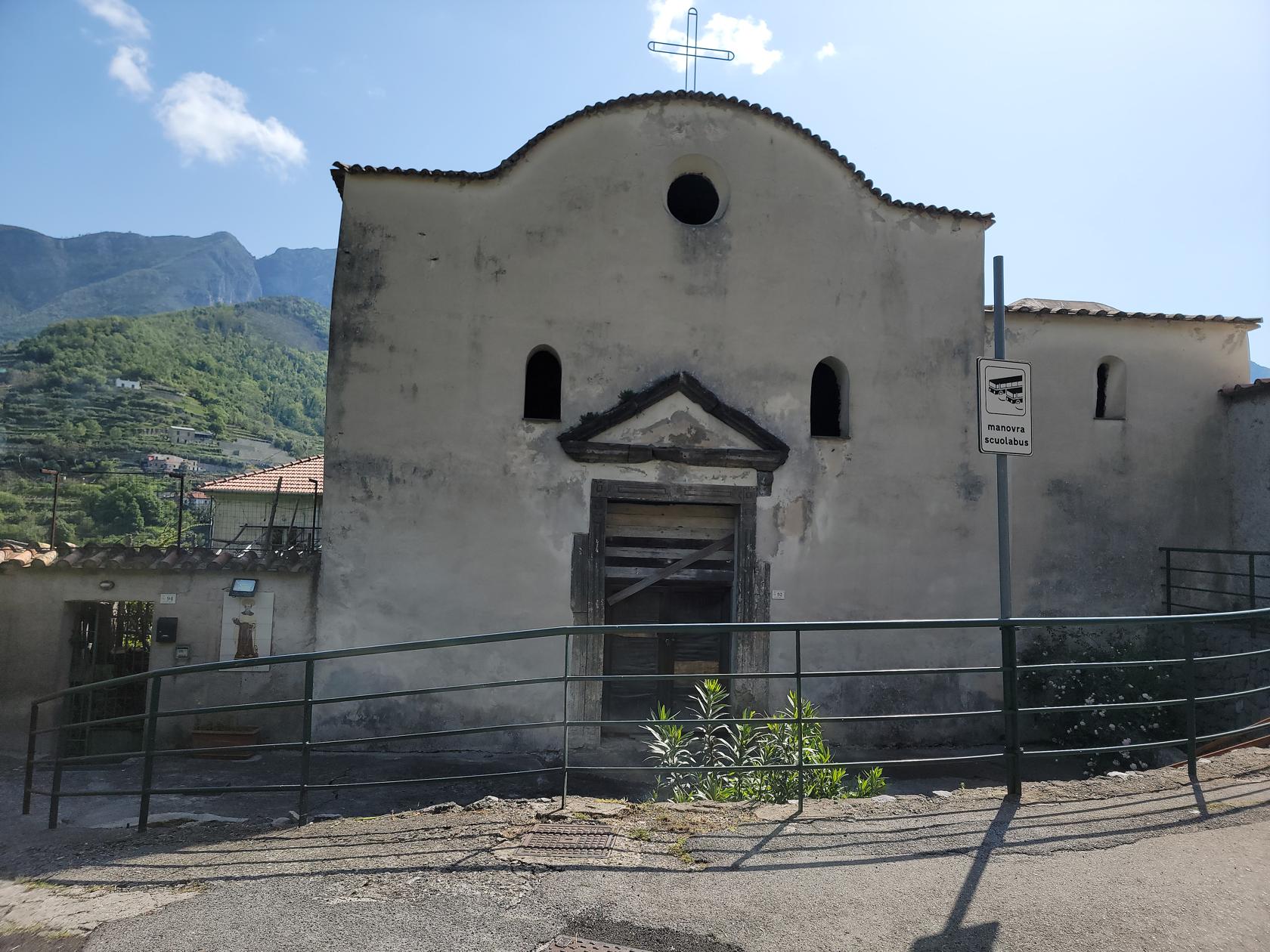
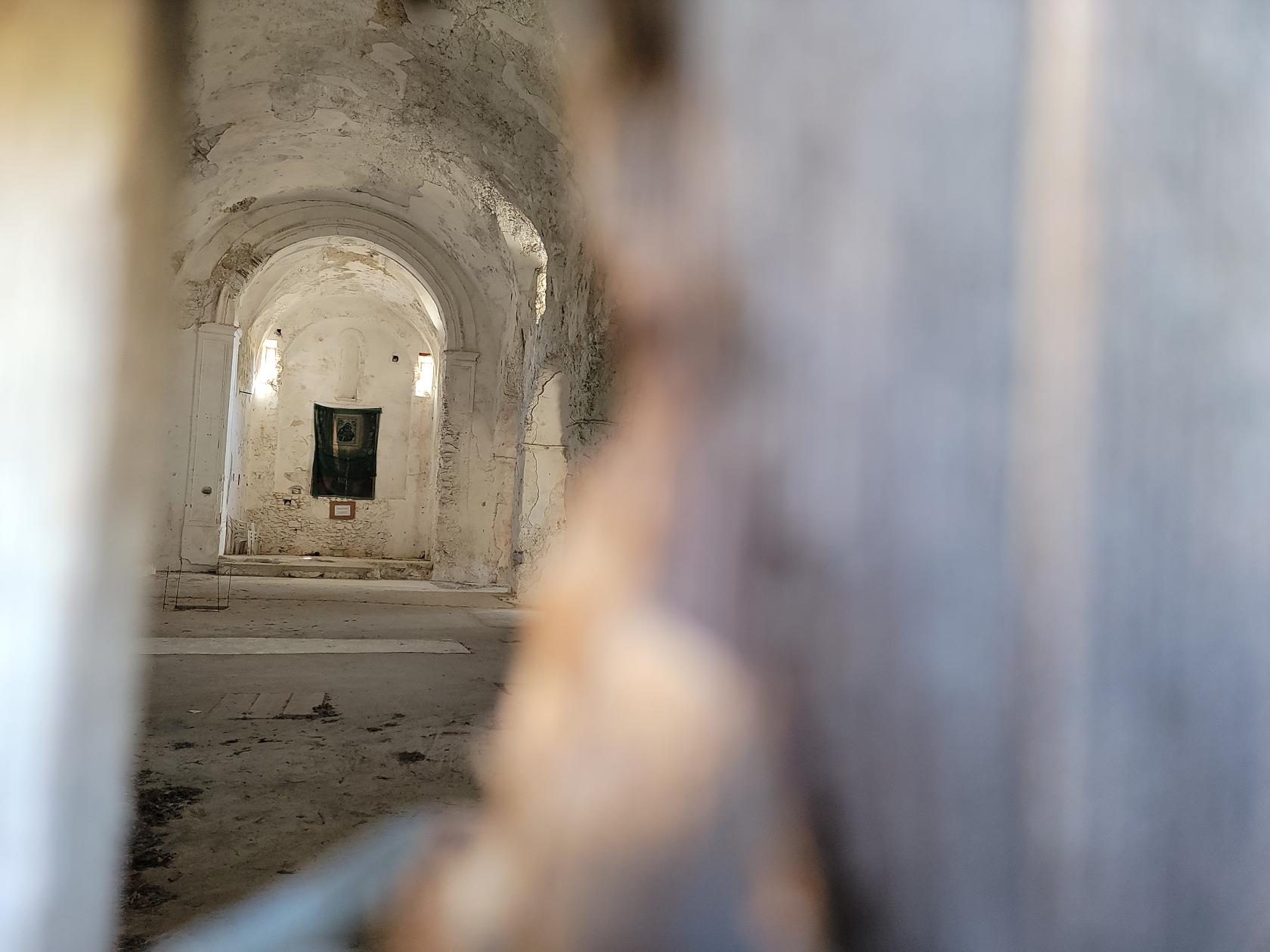
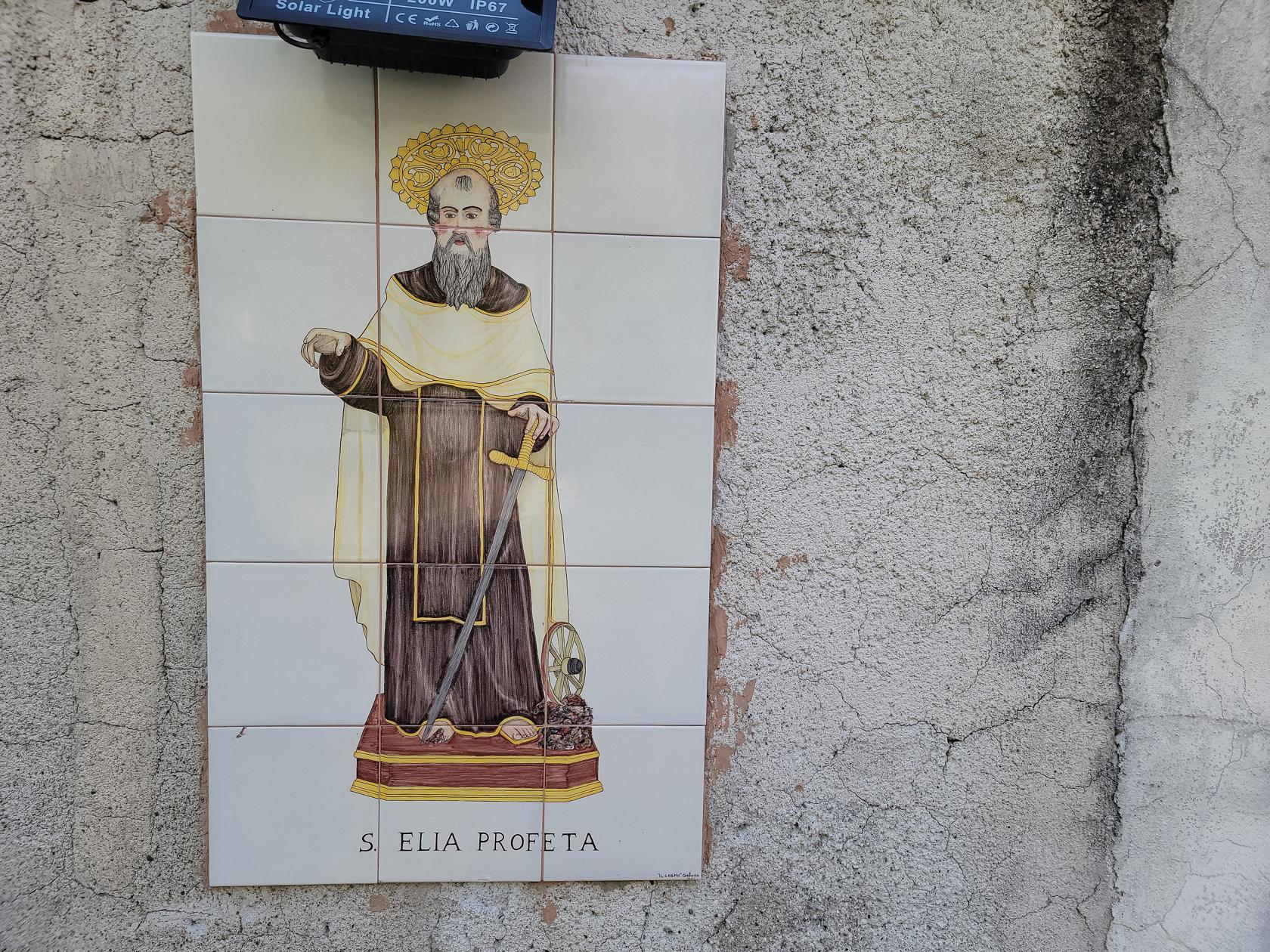
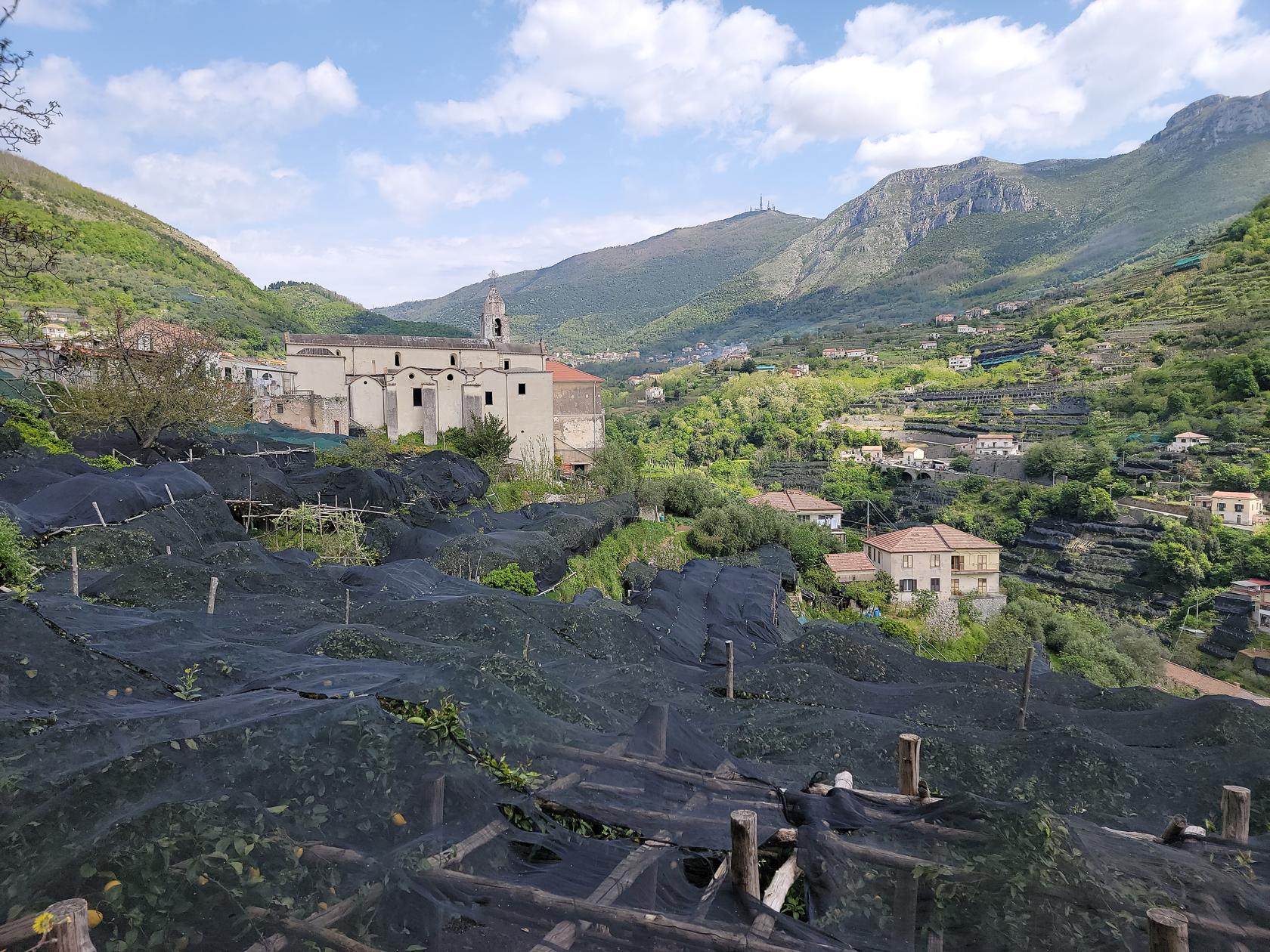
Our tour started out where are tour guide dropped us off, near the small abandoned church of Chiesa parrocchiale S. Elia Profeta in Ferriera, Tramonti.
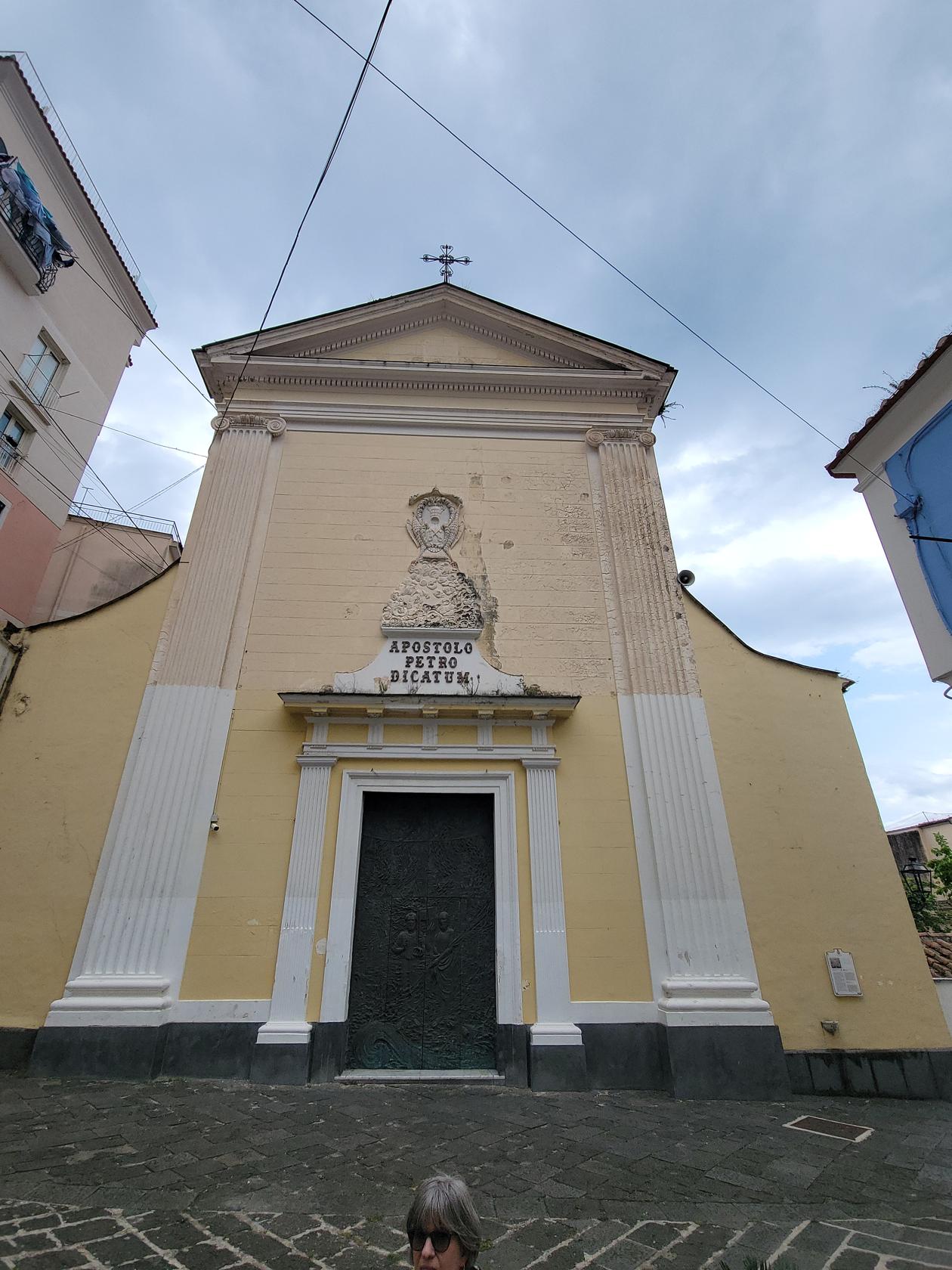
The Parochial Church Of Saint Elia Profeta – Tramonti, Italy
The Parochial Church Of Saint Elia Profeta – Tramonti, Italy
The Parochial Church Of Saint Elia Profeta – Tramonti, Italy
The Parochial Church Of Saint Elia Profeta – Tramonti, Italy
The Parochial Church Of Saint Elia Profeta – Tramonti, Italy
Courtyard – The Parochial Church Of Saint Elia Profeta – Tramonti, Italy
Here our young guide explained in english all the geological, climate and other aspects of lemon growing, while pointing our specific areas between the mountains we were in.
The Surrounding Countryside – Azienda Agricola Le Formichelle – Tramonti, Italy
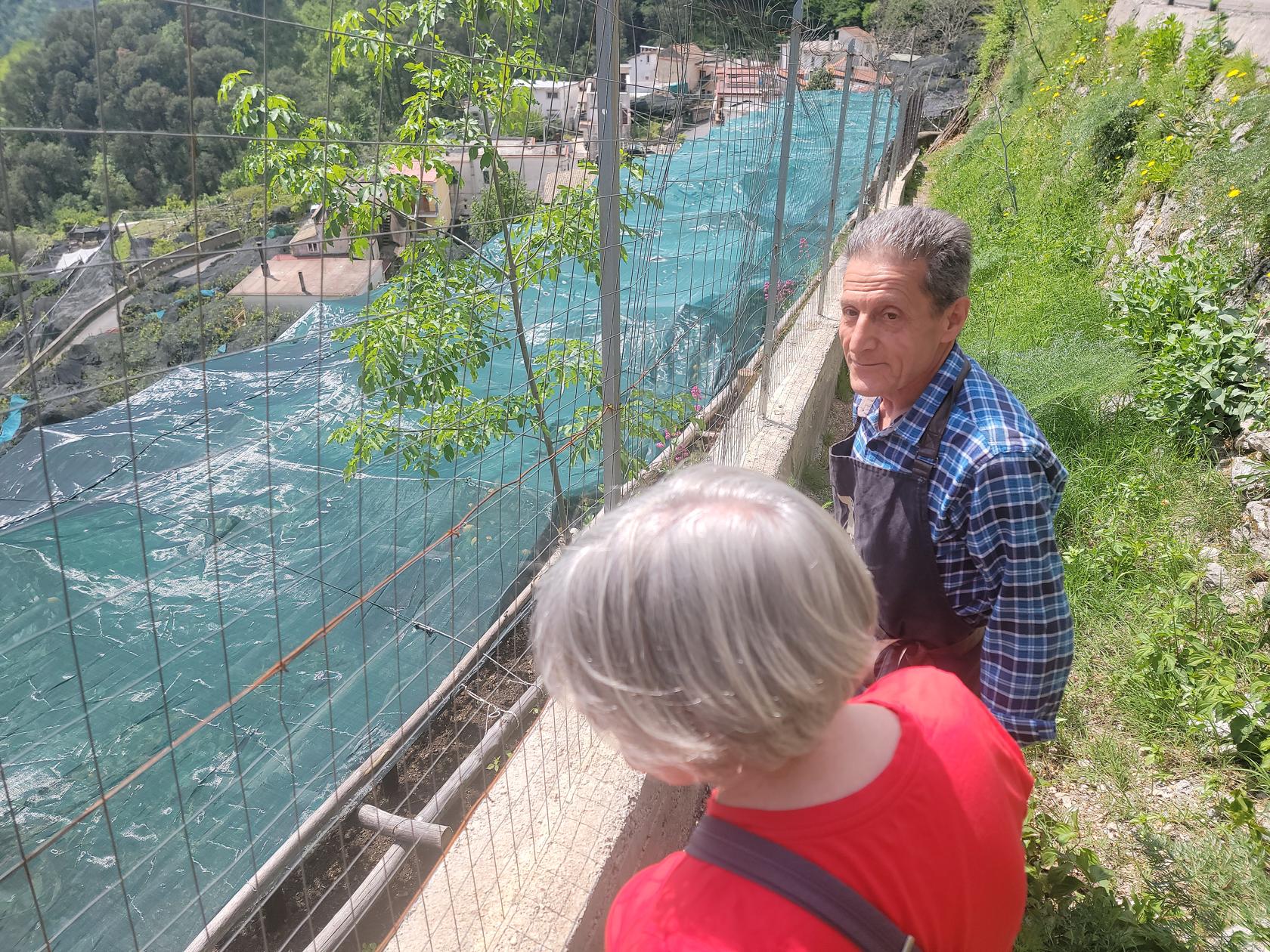
Patti and Ruben – Azienda Agricola Le Formichelle – Tramonti, Italy
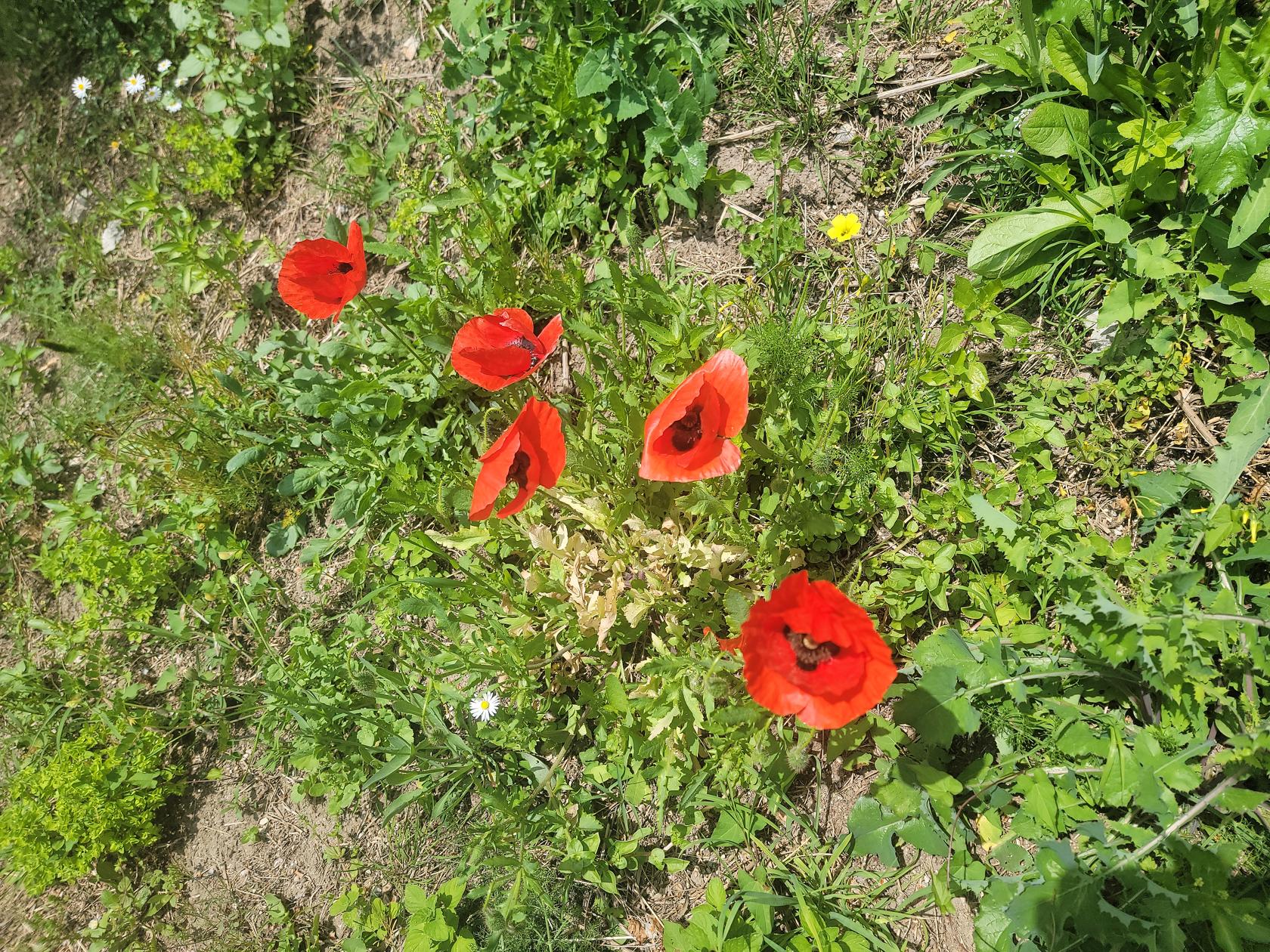
Poppies – Azienda Agricola Le Formichelle – Tramonti, Italy
Alessandro and Patti – Azienda Agricola Le Formichelle – Tramonti, Italy
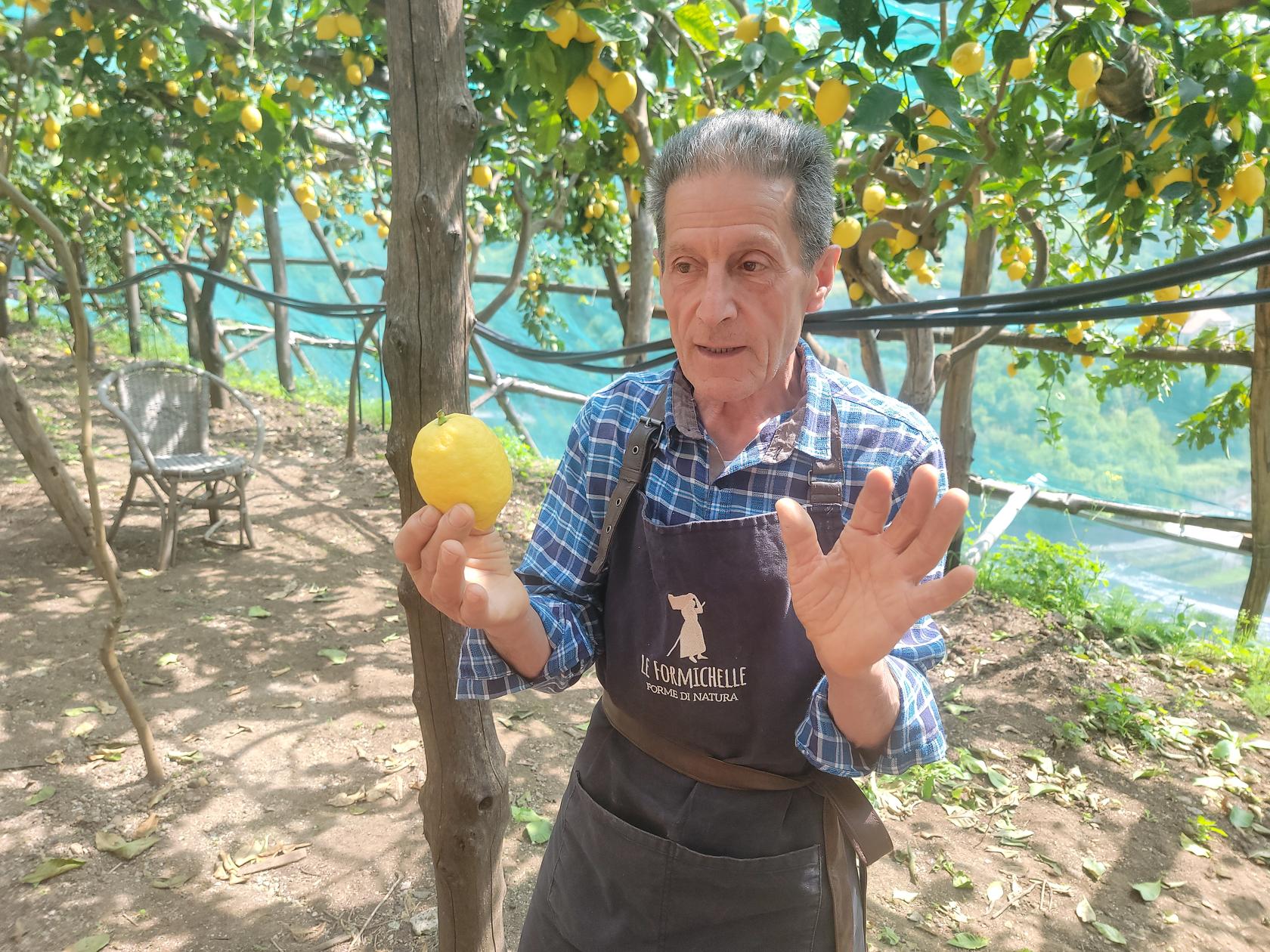
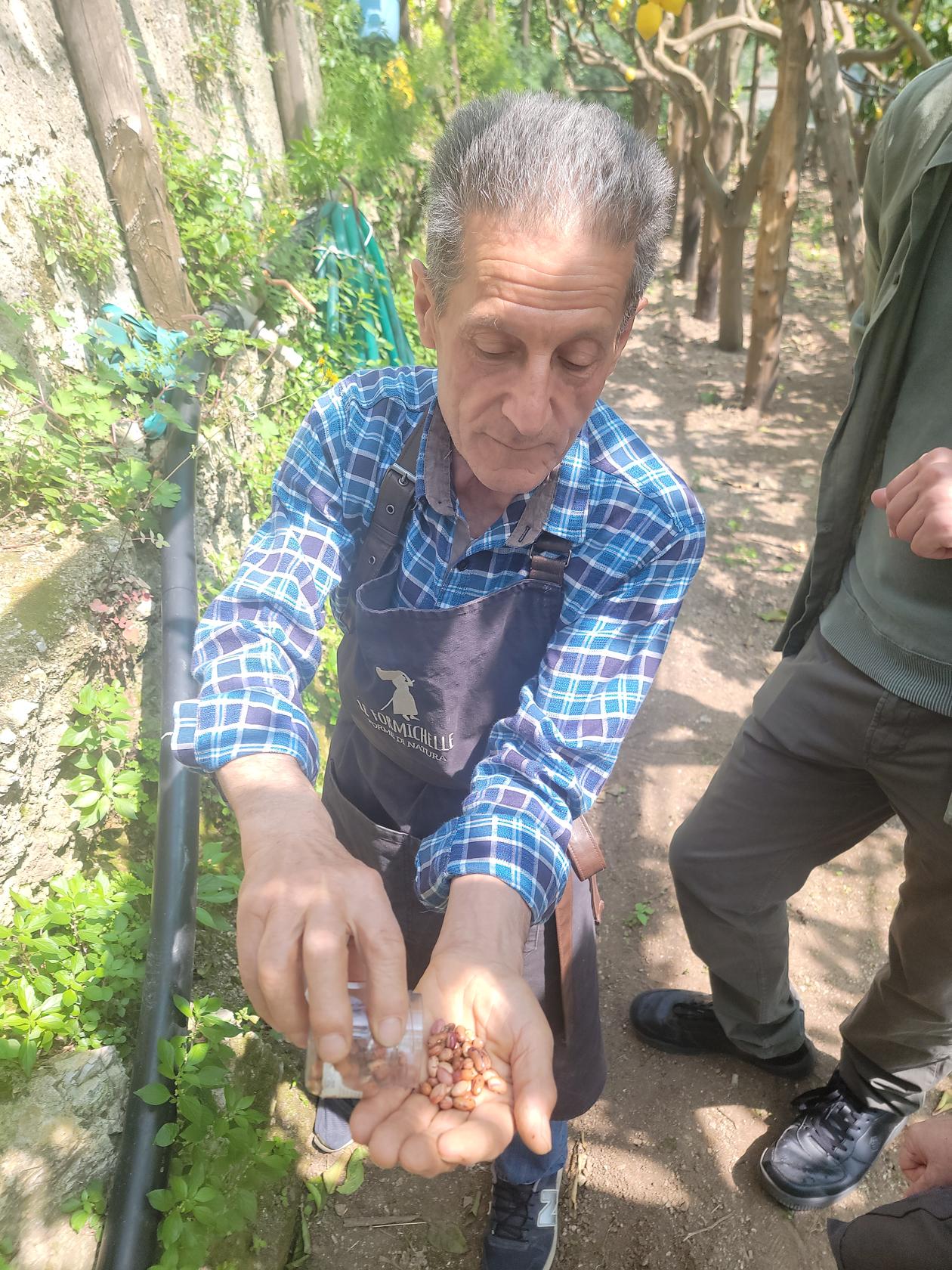
Then he took us to an old man named Ruben, definitely not an Italian name, who explained the horticulture of lemon trees. He showed us how he dries out different kind of seeds from fruit and vegetables that he has raised since he was a child with his father. He is seventy-four years old and does not look a day over sixty.
Ruben Explaining Lemons and Lemon Growing – Azienda Agricola Le Formichelle – Tramonti, Italy
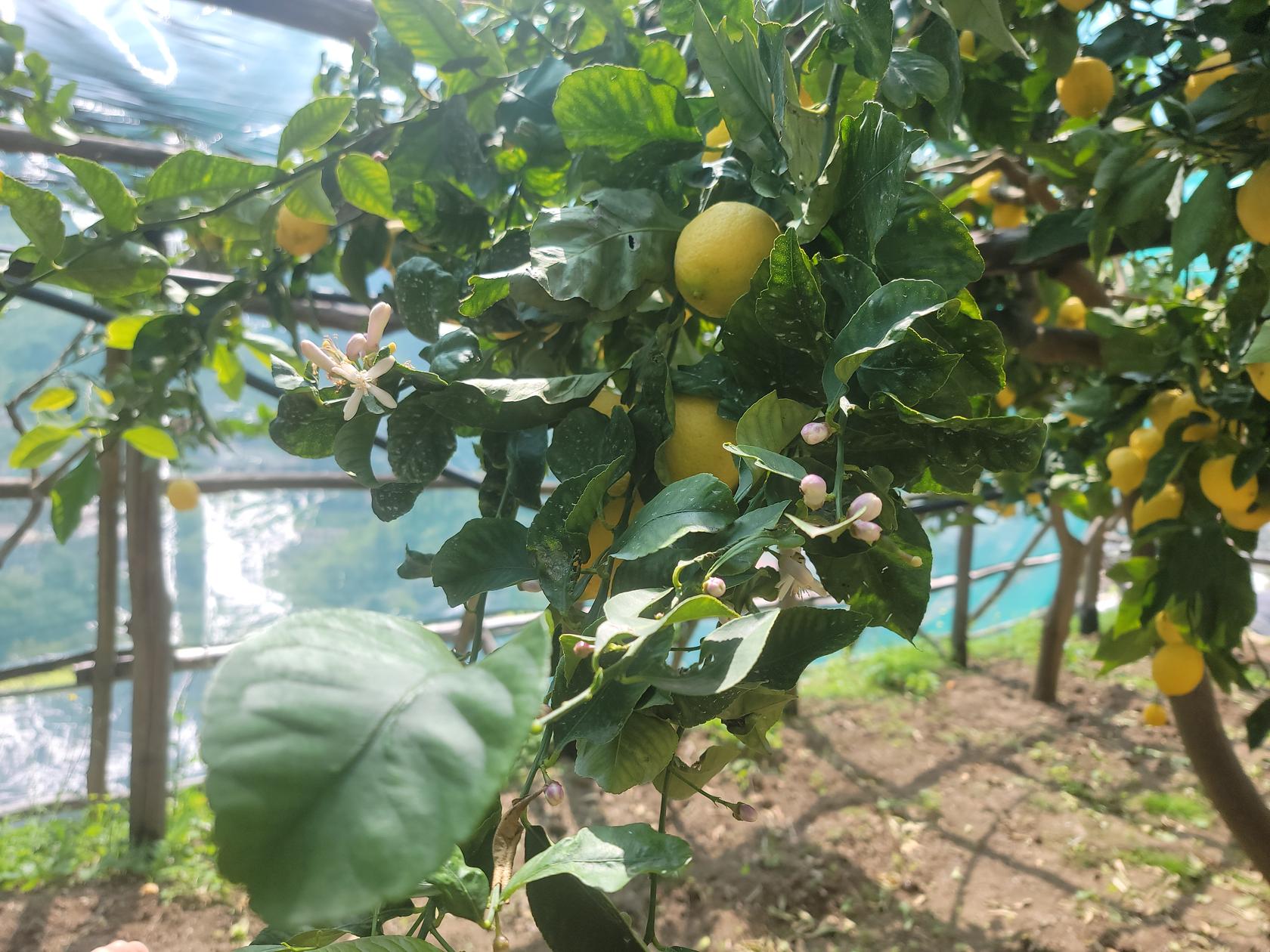
Blossoms, Unripe and Ripe Lemons All On The Same Tree – Azienda Agricola Le Formichelle – Tramonti, Italy
Ruben Seed Drying, The Old Fashion Way – Azienda Agricola Le Formichelle – Tramonti, Italy
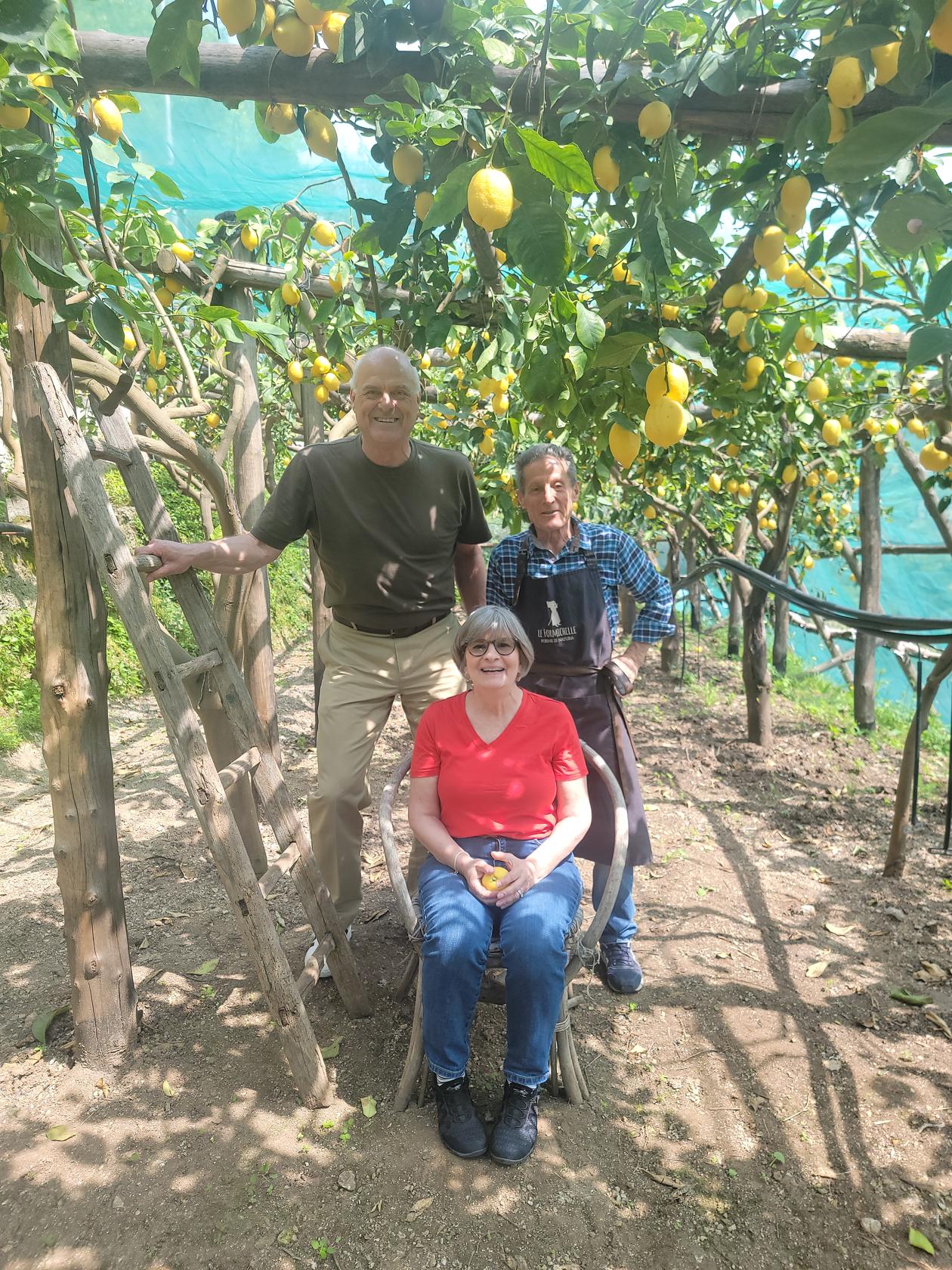
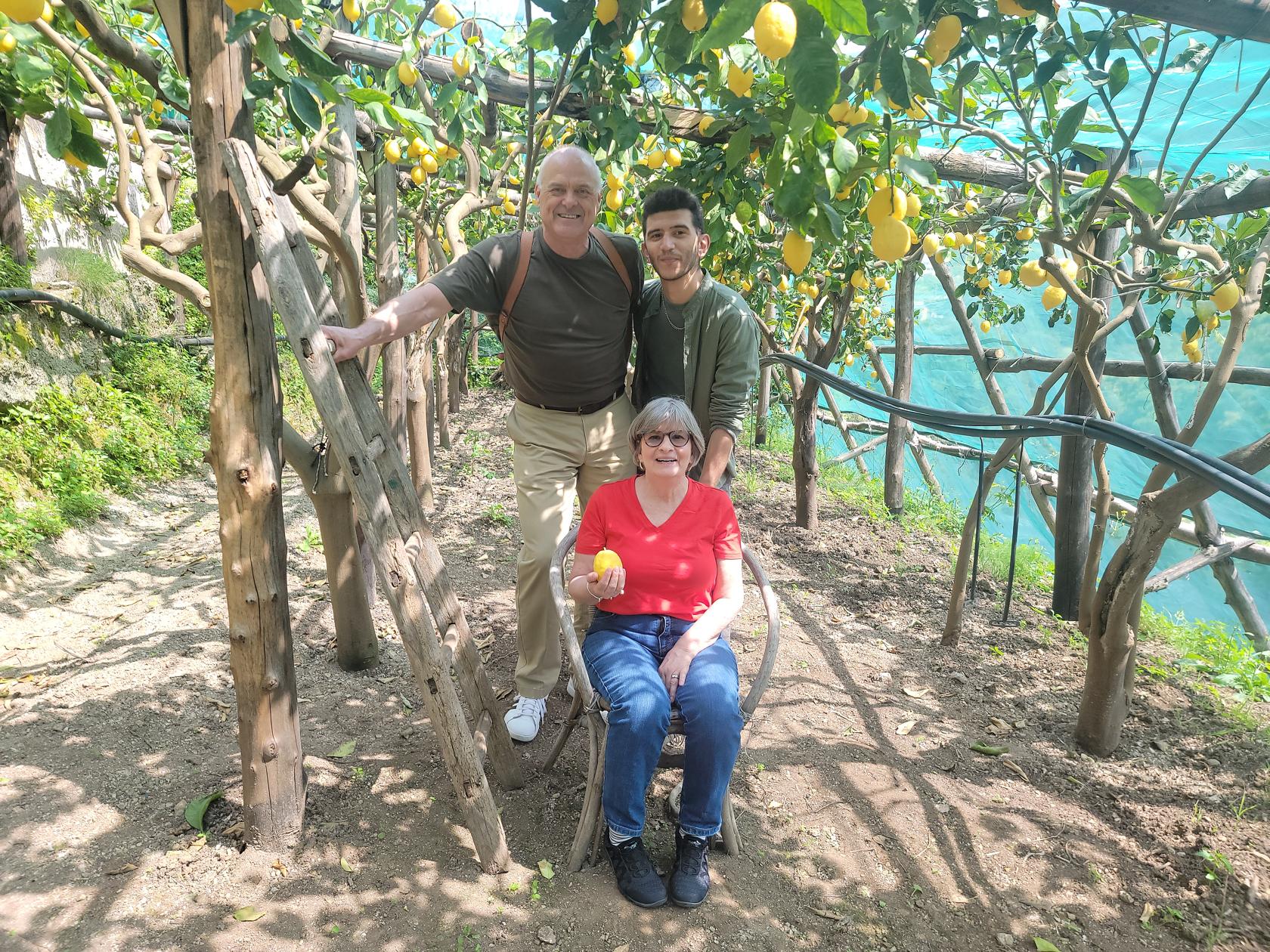
Then we had a cute little photograph session, where he had a small chair strategically placed within his one lemon grove.
Patti, Erick and Ruben – Azienda Agricola Le Formichelle – Tramonti, Italy
Patti, Erick and Alessandro – Azienda Agricola Le Formichelle – Tramonti, Italy
Lemon Experience Luncheon
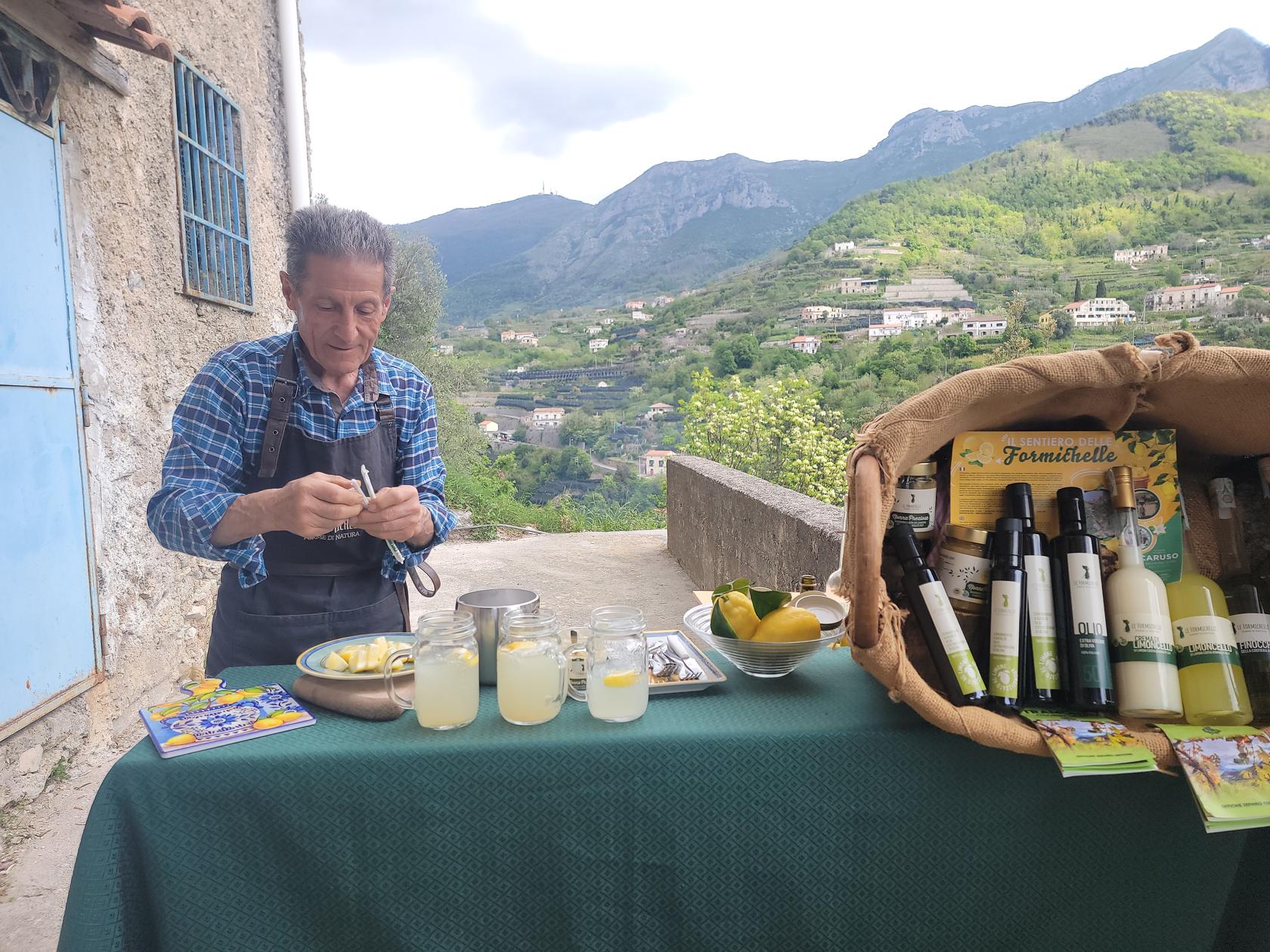
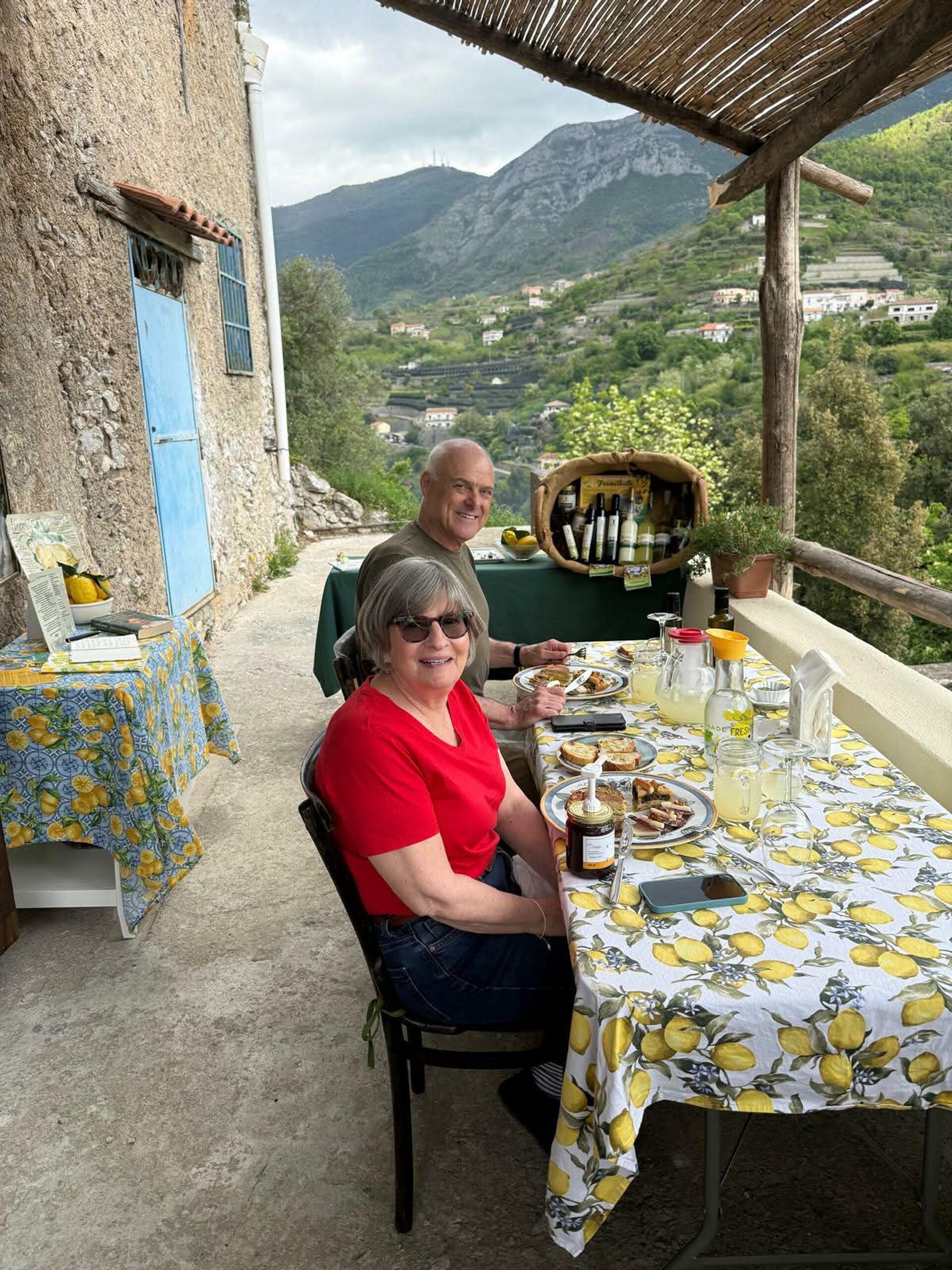
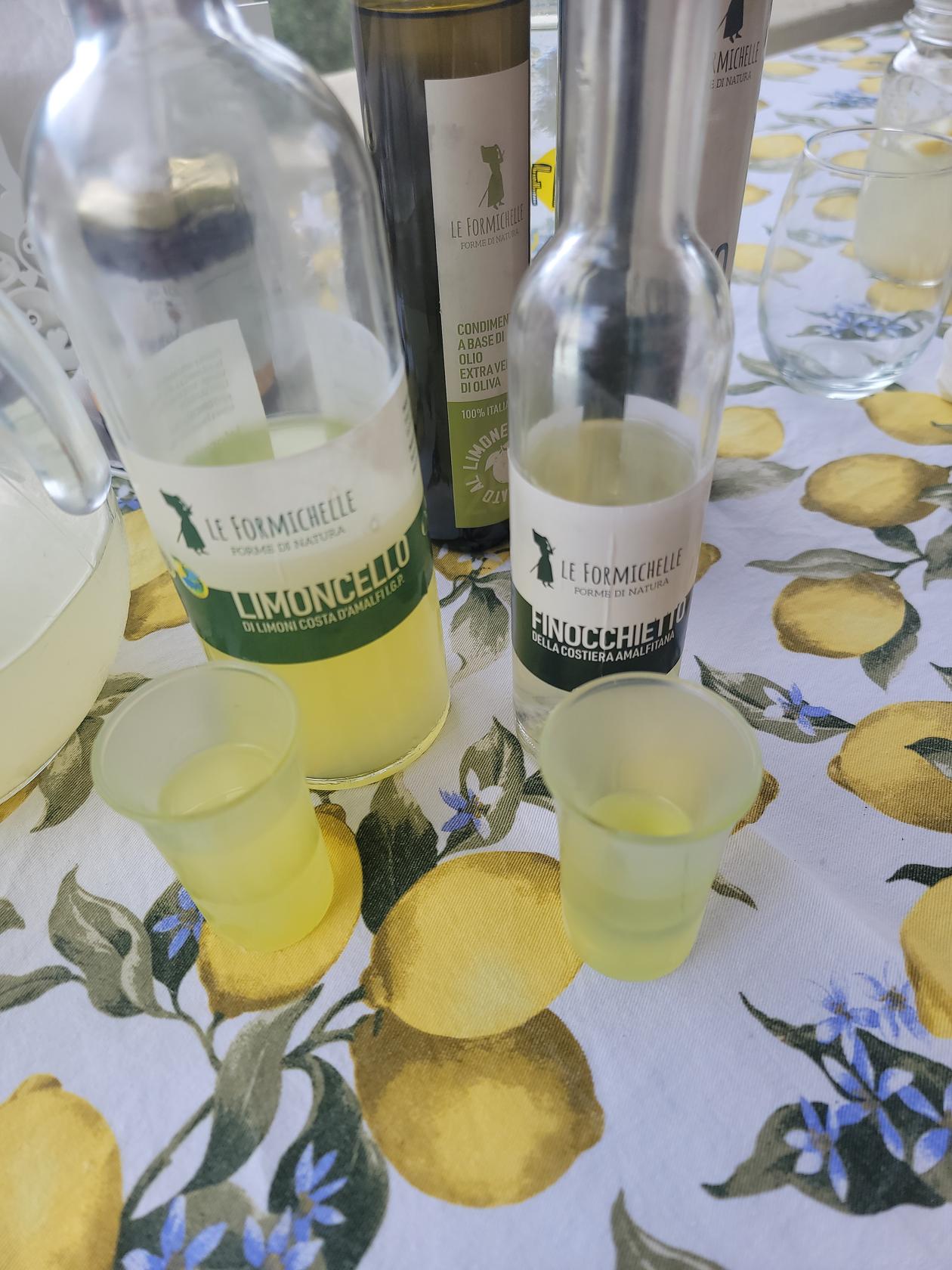
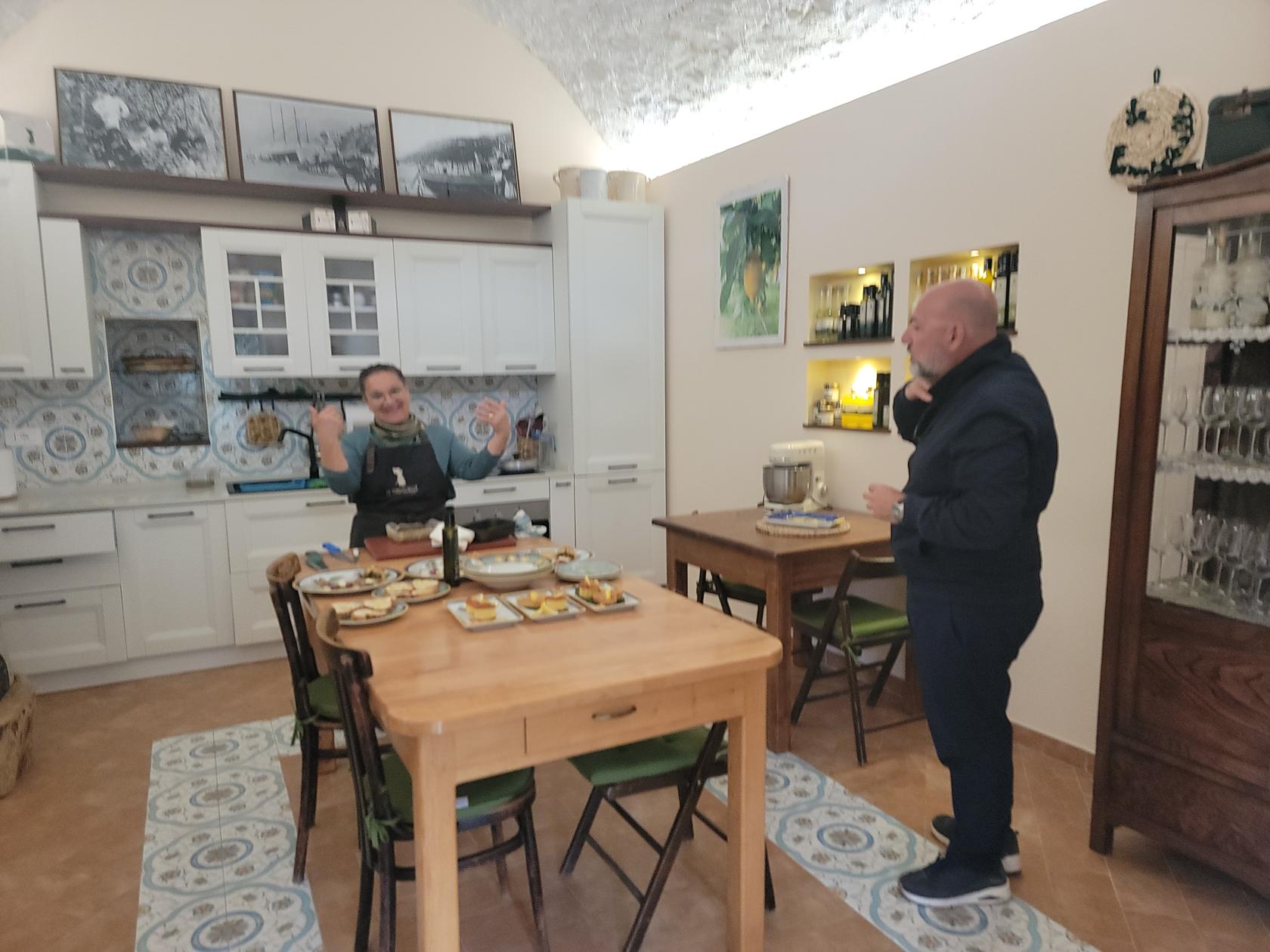
The luncheon was prepared by Ruben’s wife, Luisa. While she cooked inside their small garden house, Ruben prepared for us a Limoncello Spritz for each of us. It was delicious, as well as all the food that was served.
Ruben Making Limoncello Spritz – Azienda Agricola Le Formichelle – Tramonti, Italy
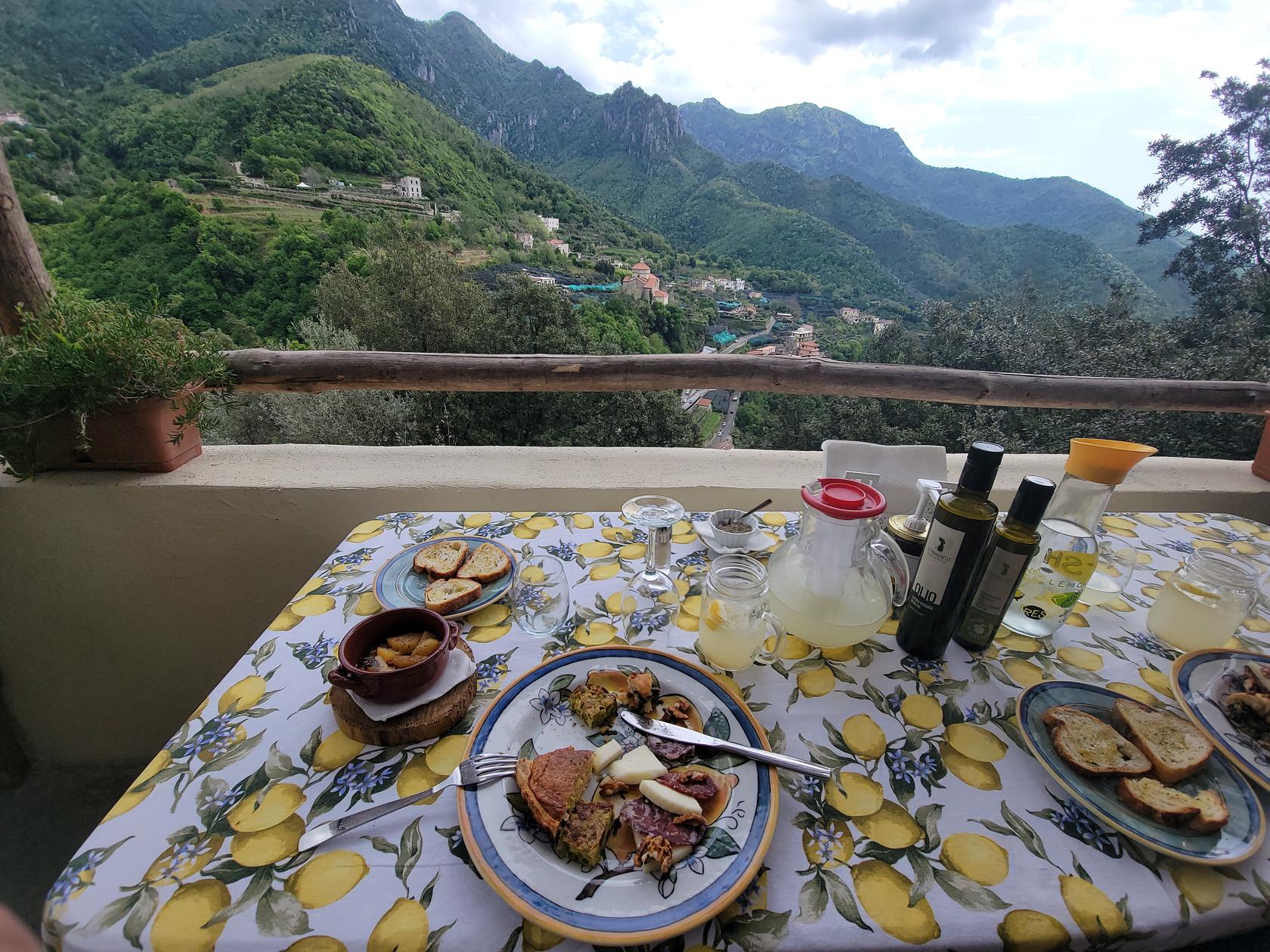
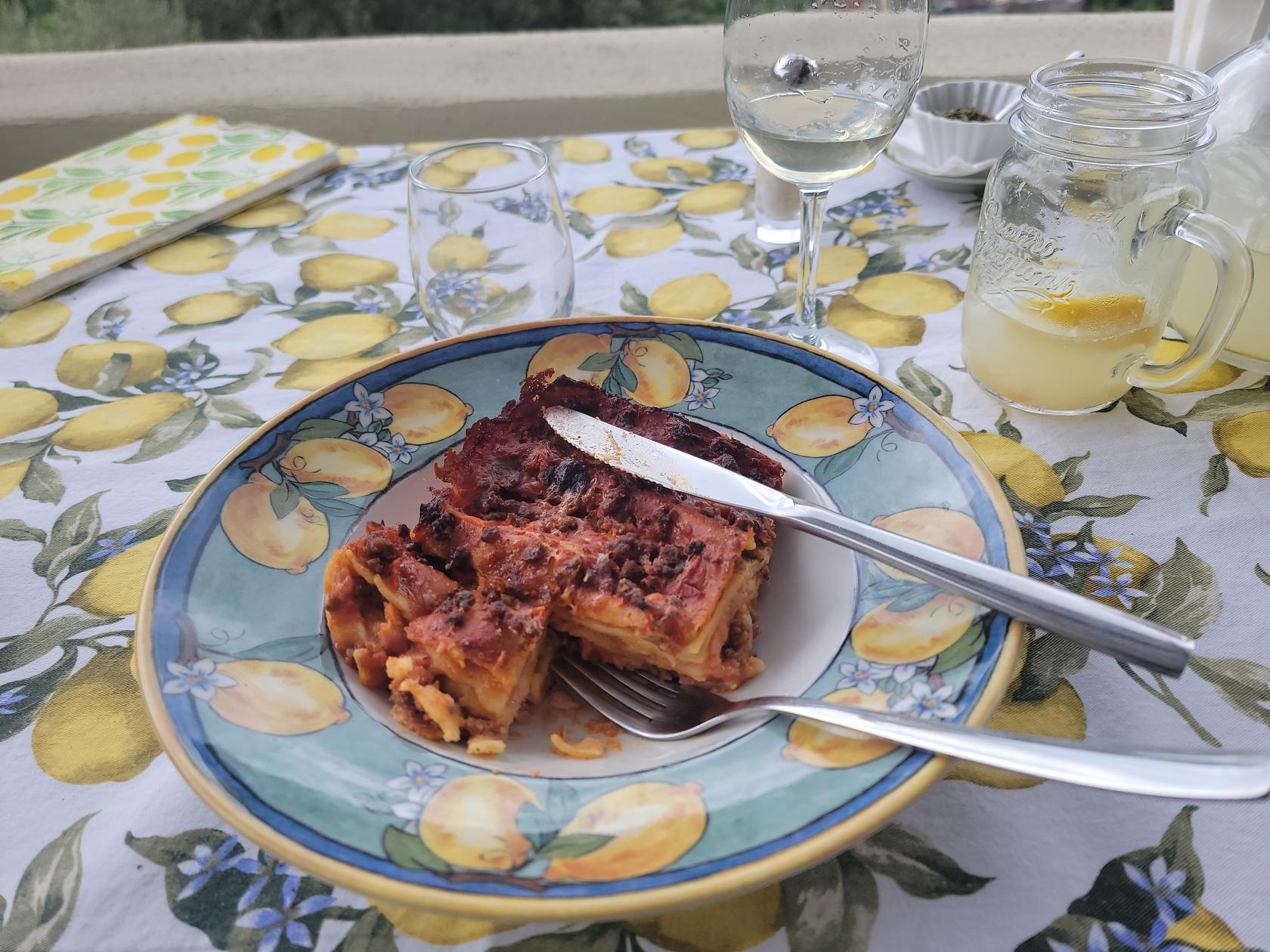
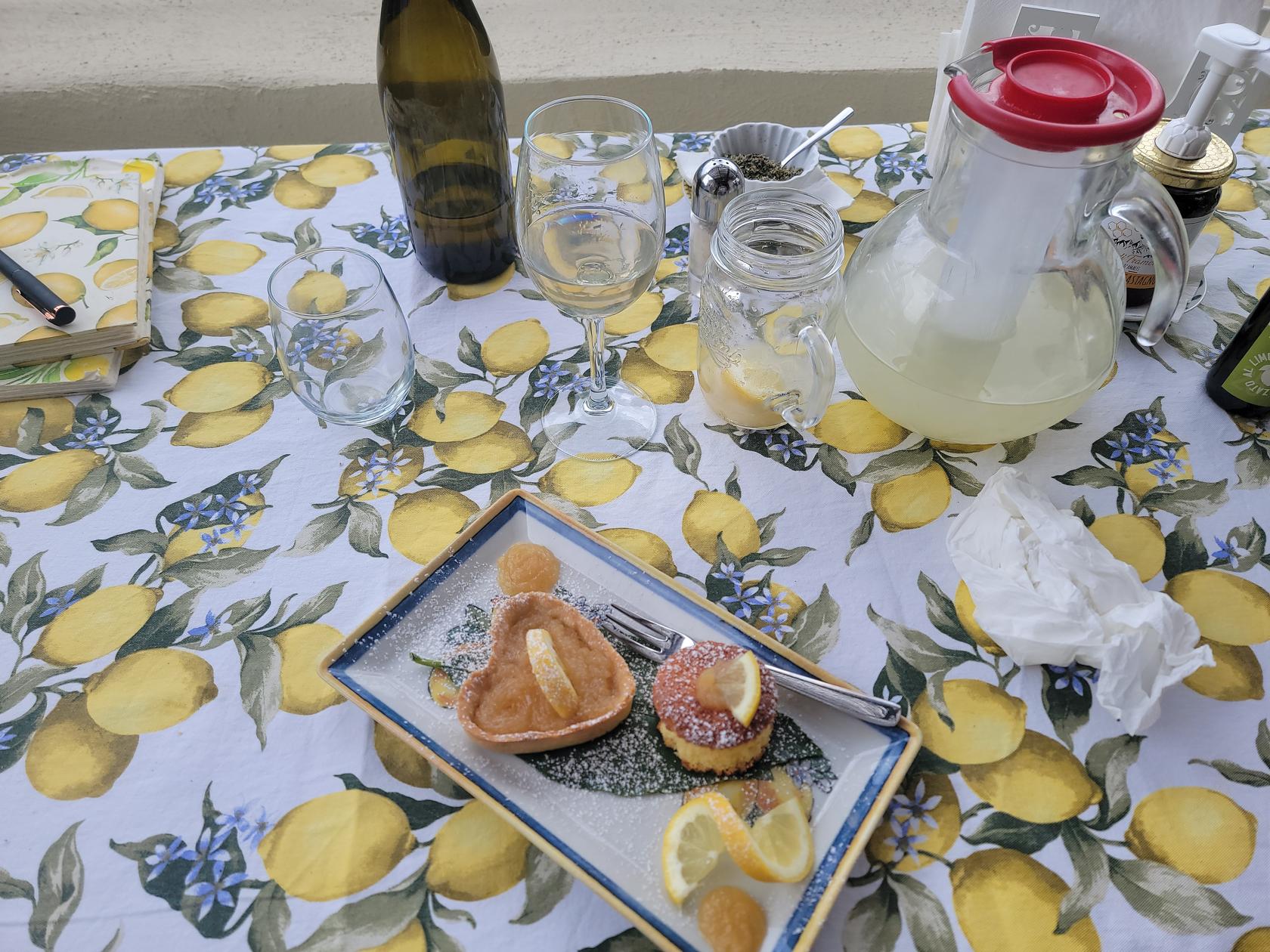
Once we started drinking that, which was made using his own Limoncello, the food started coming out. First the appetizers, then more plentiful food and last a portion of Lasagna.
Real Baked Italian Lasagna With Pancetta – Azienda Agricola Le Formichelle – Tramonti, Italy
Dolci – Azienda Agricola Le Formichelle – Tramonti, Italy
Patti and Erick Enjoying Lunch – Azienda Agricola Le Formichelle – Tramonti, Italy
Le Formichelle Limoncello – Azienda Agricola Le Formichelle – Tramonti, Italy
Luisa And Pasqual In The Kitchen – Azienda Agricola Le Formichelle – Tramonti, Italy
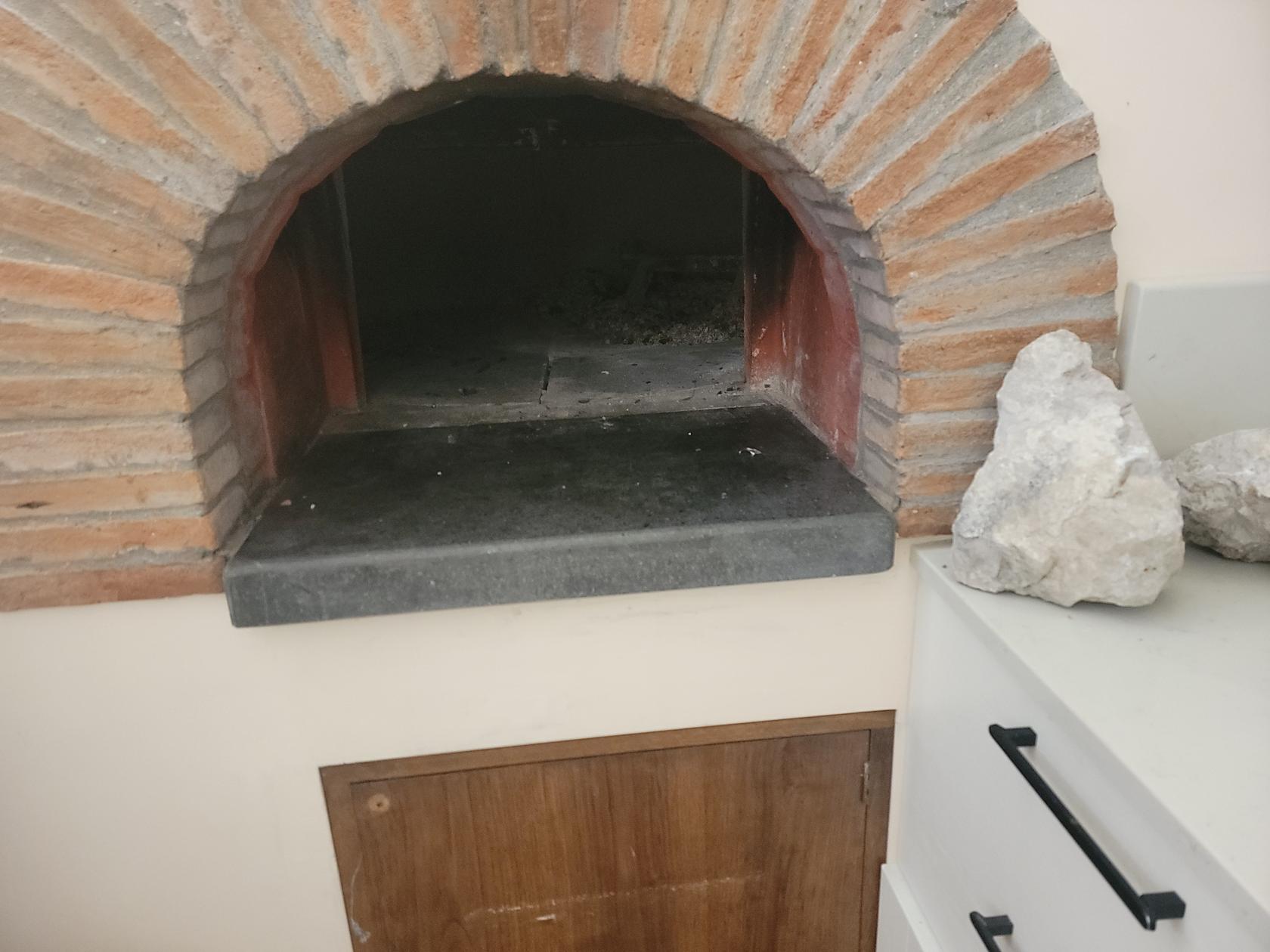
Their Brick Oven – Azienda Agricola Le Formichelle – Tramonti, Italy
Maiori
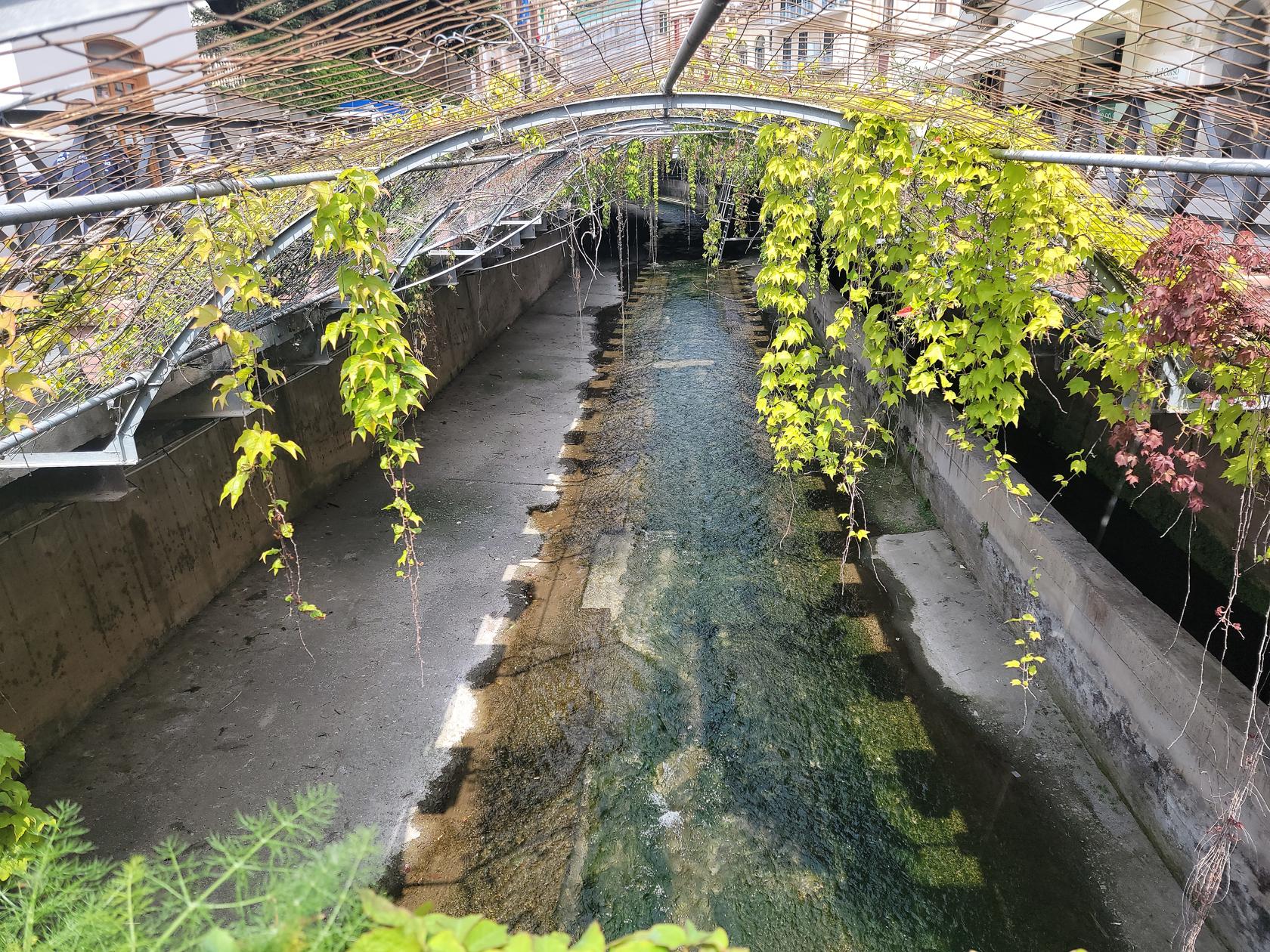
The town of Maiori literally means “major”, after the river which now flows under the Corso Reginna, the river Reghinna Maiori. It has over the years been abbreviated to just Maiori. First founded by the Etruscans, it was later conquered by the Romans, like the rest of Italy.
Saint Mary of the Sea – Maiori, Italy
Town From Beachside – Maiori, Italy
The Beach – Maiori, Italy
The Beach – Maiori, Italy
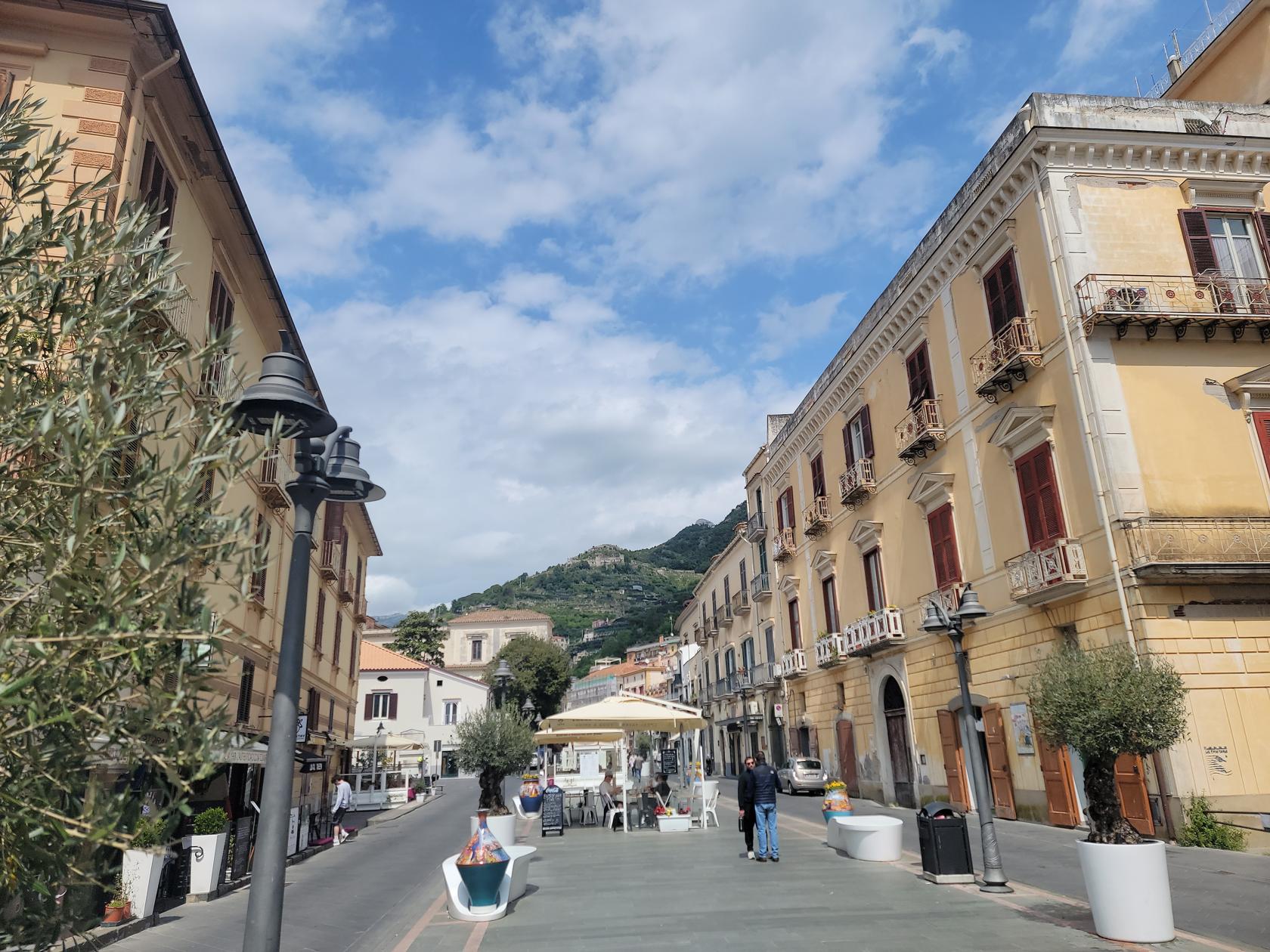
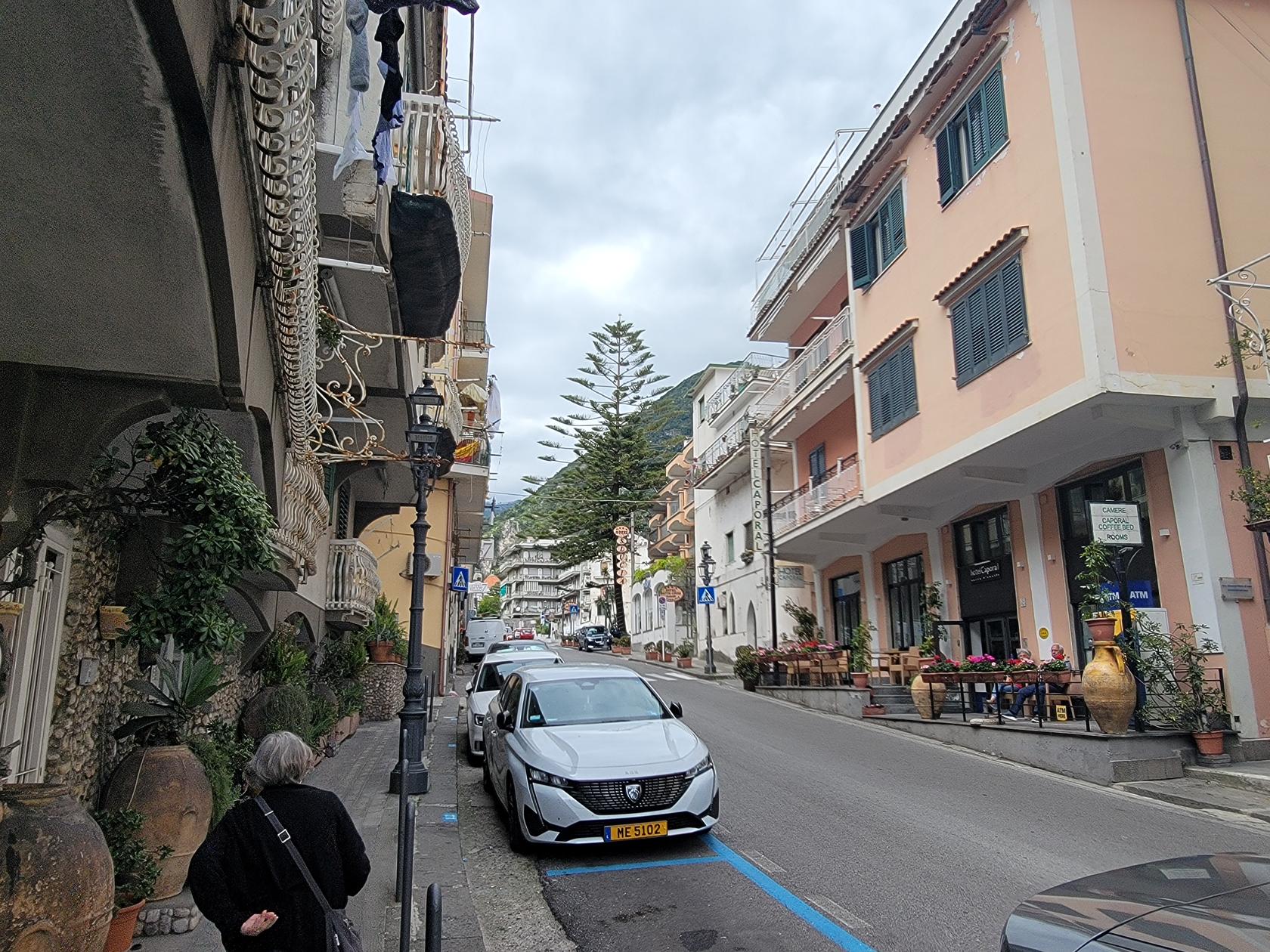
Corso Reginna – Maiori, Italy
Corso Reginna – Maiori, Italy
Palazzo Mezzacapo
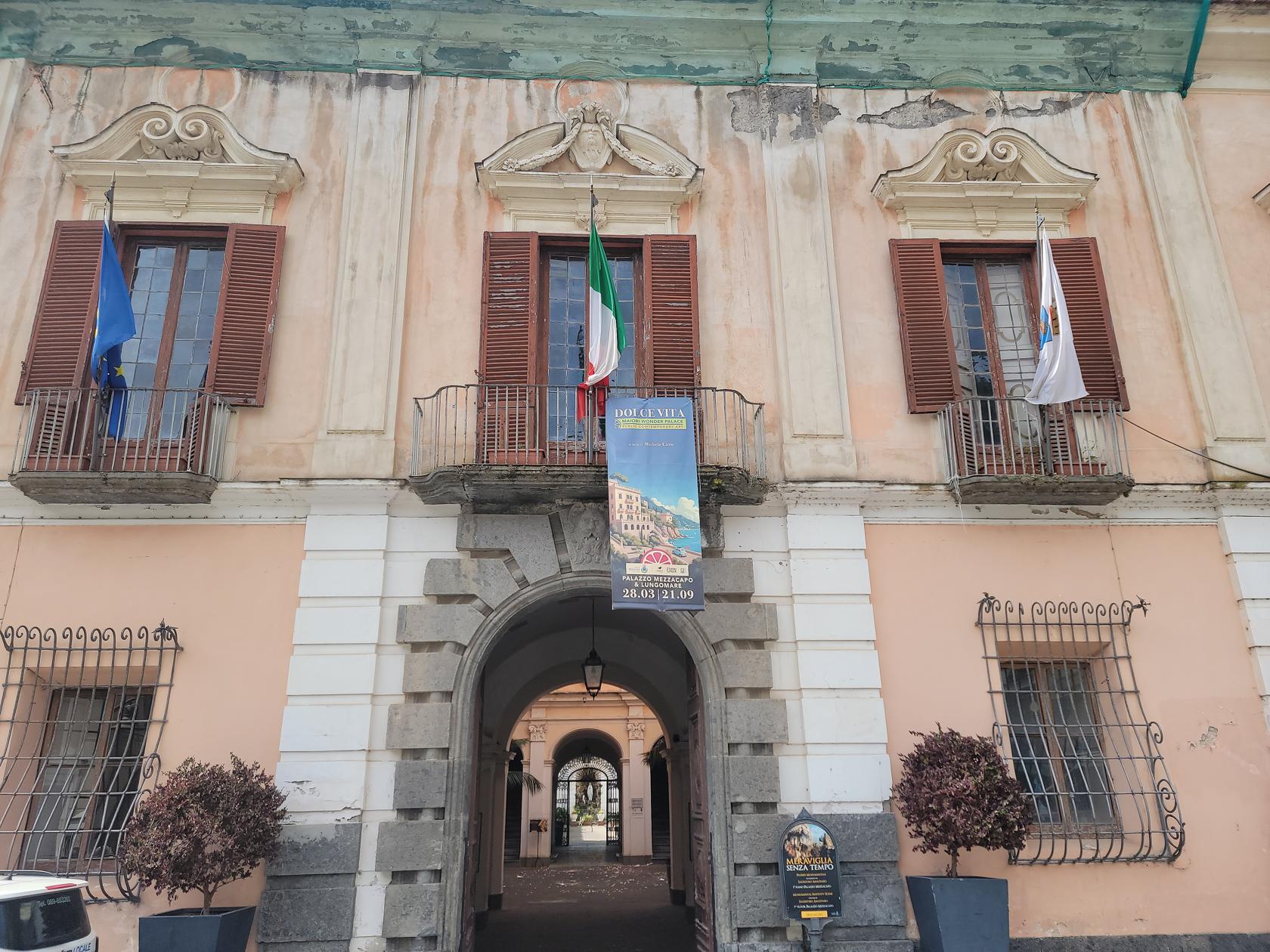
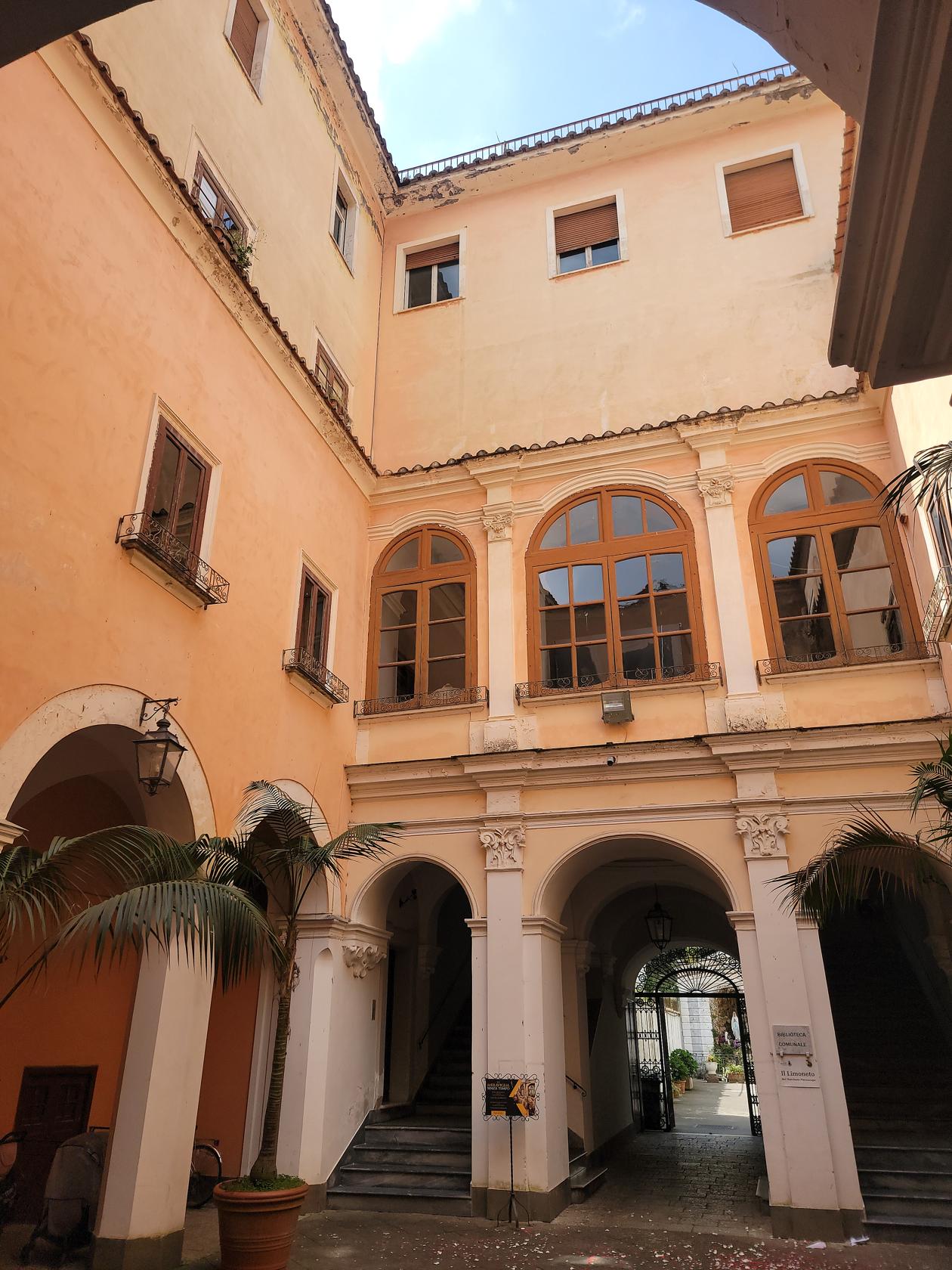
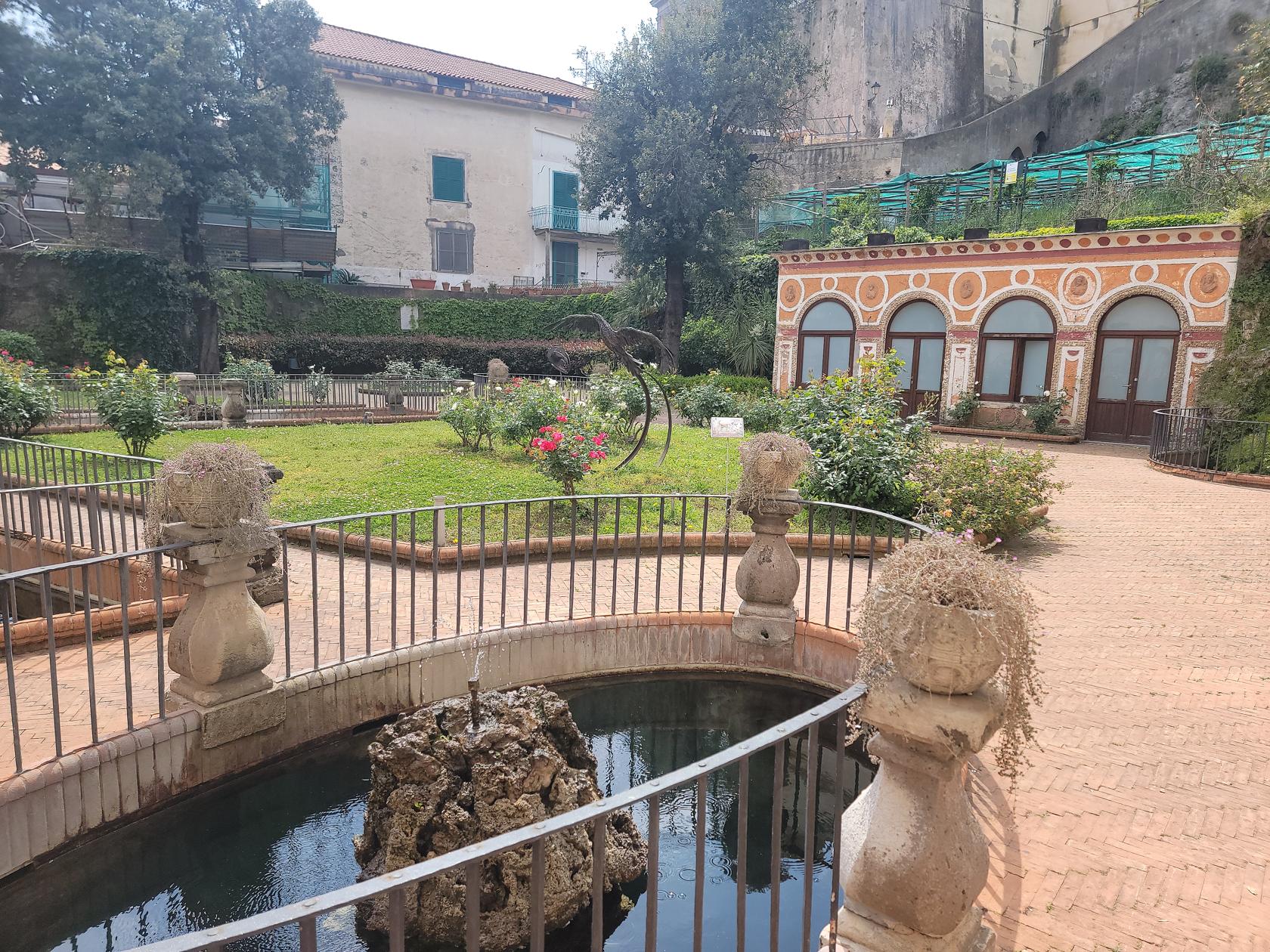
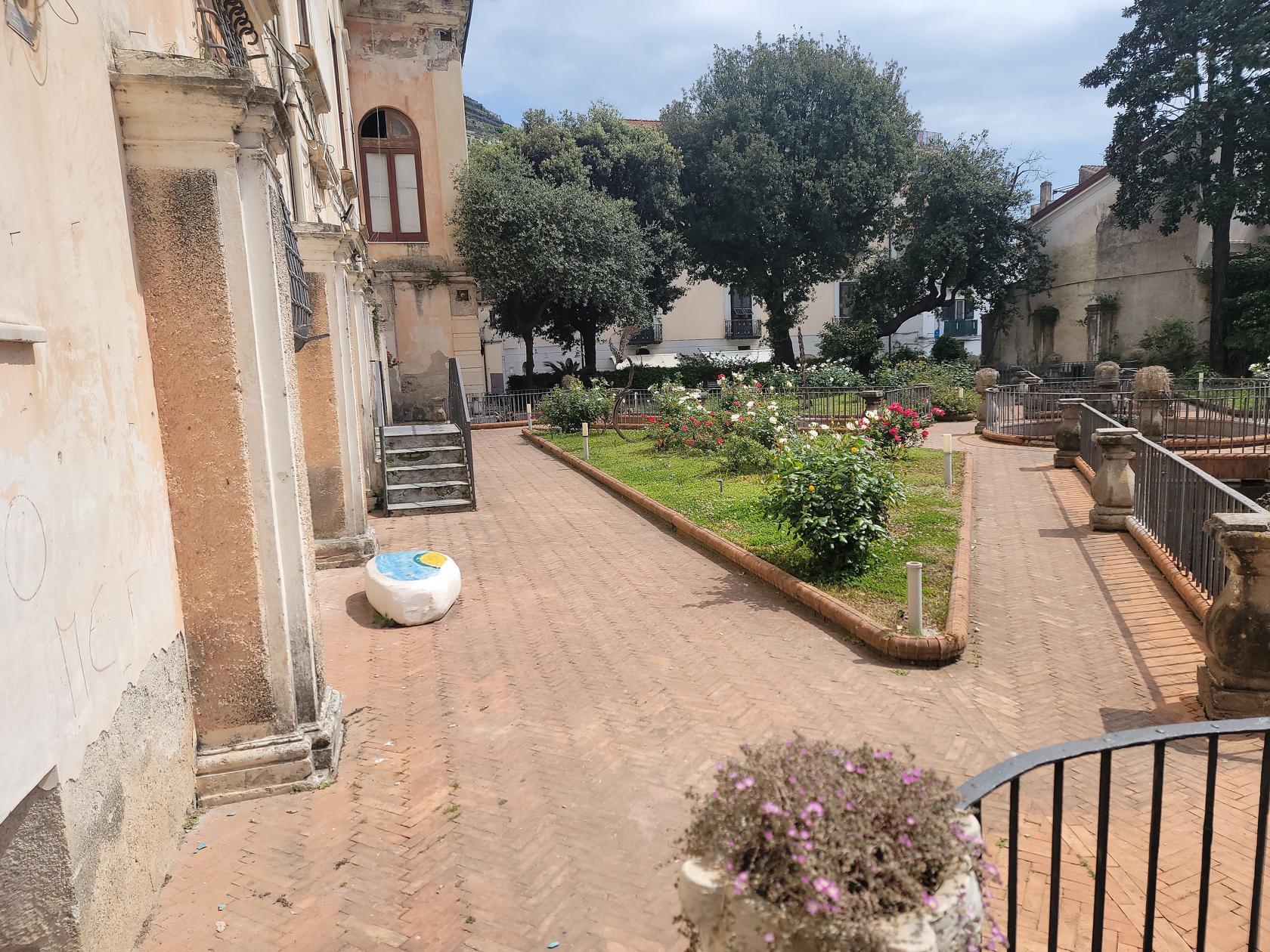
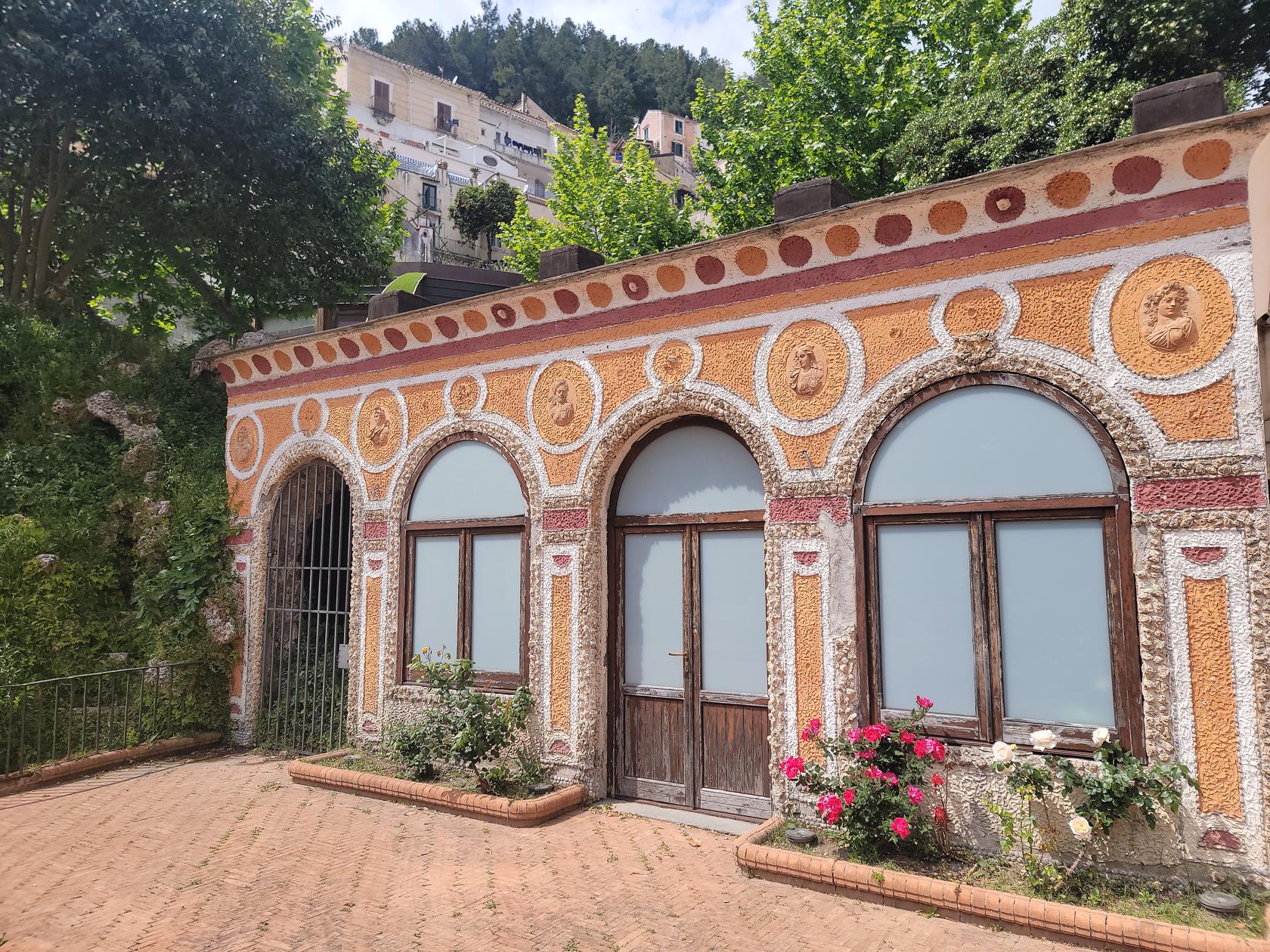
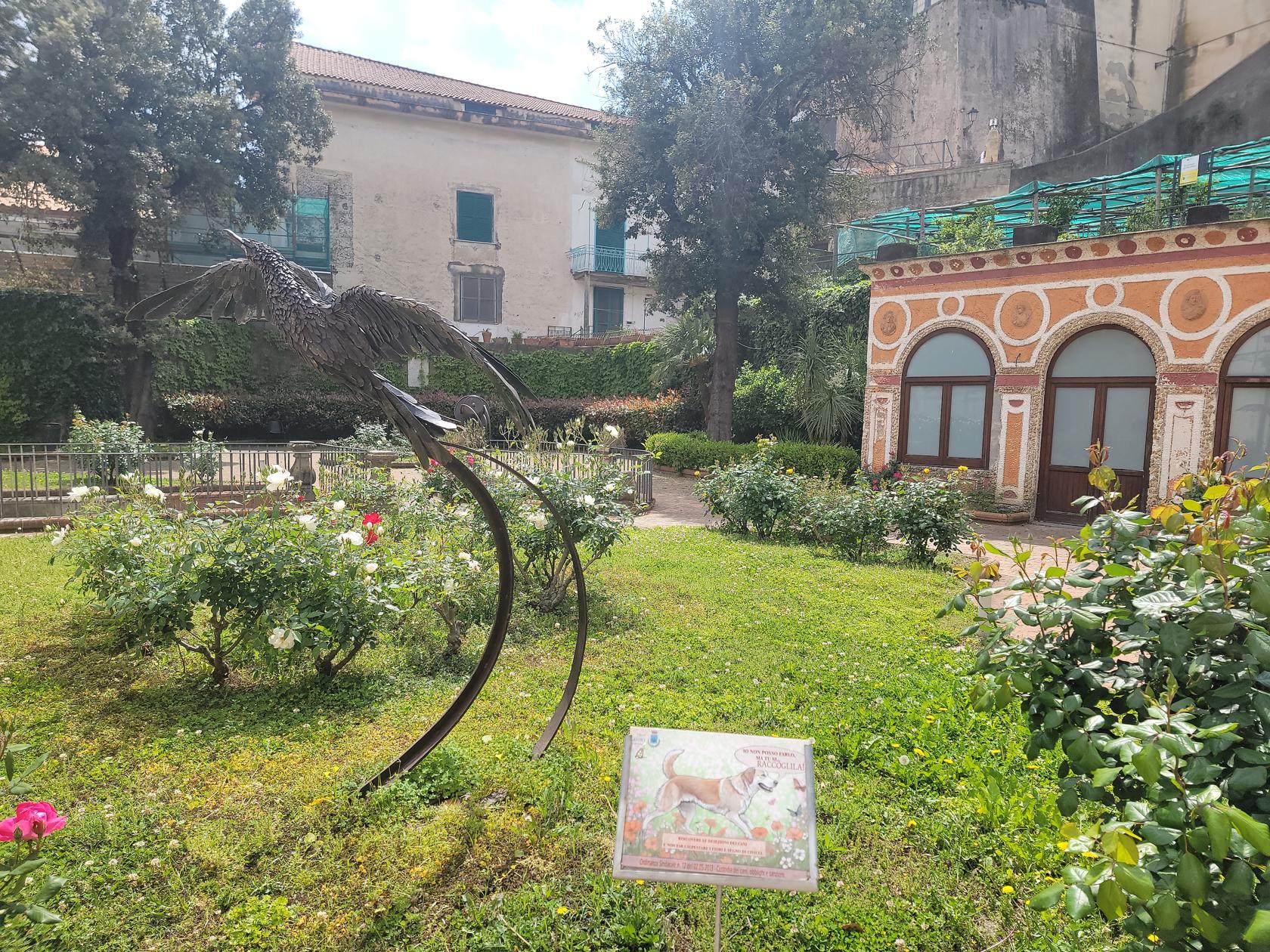
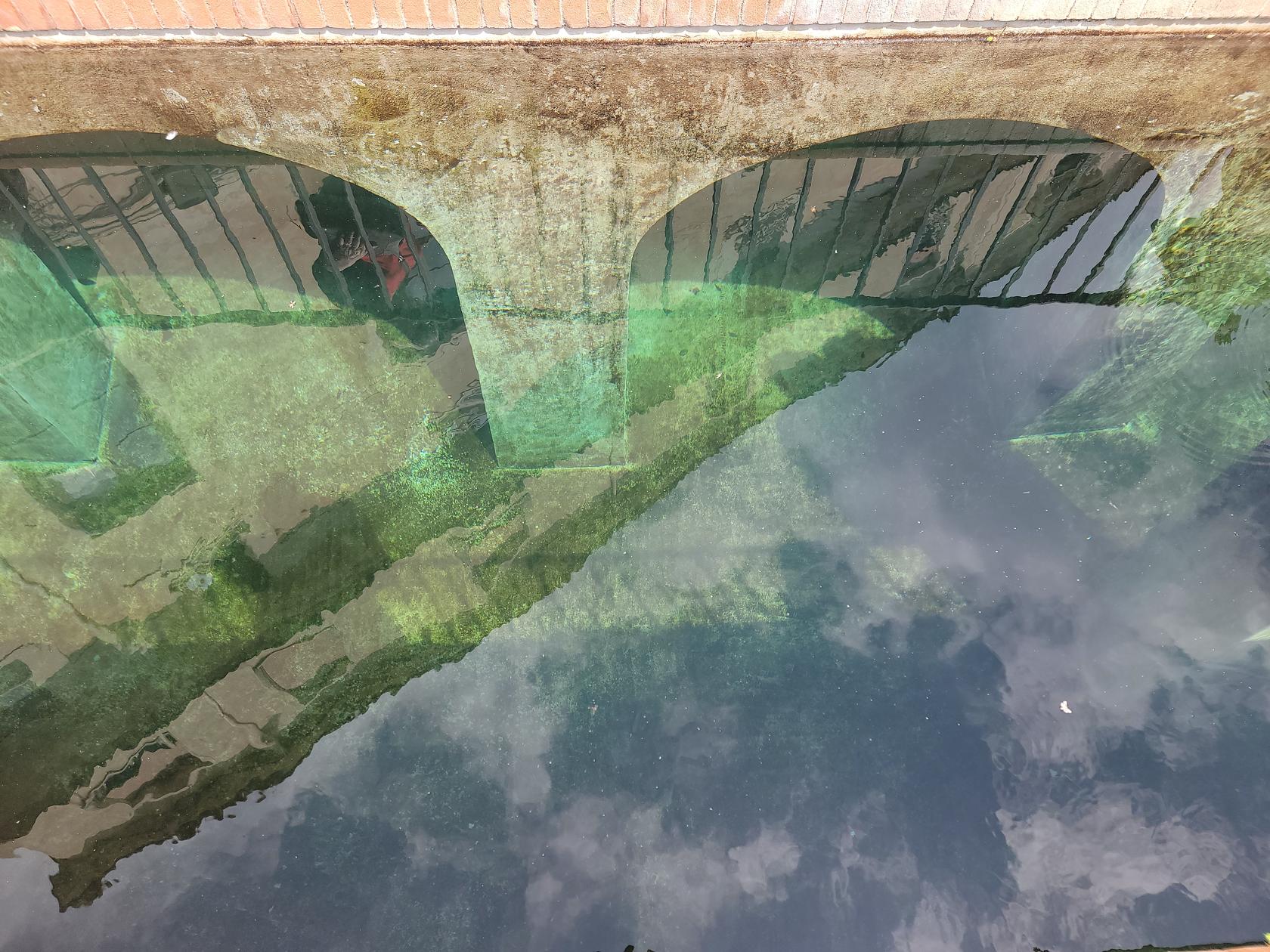
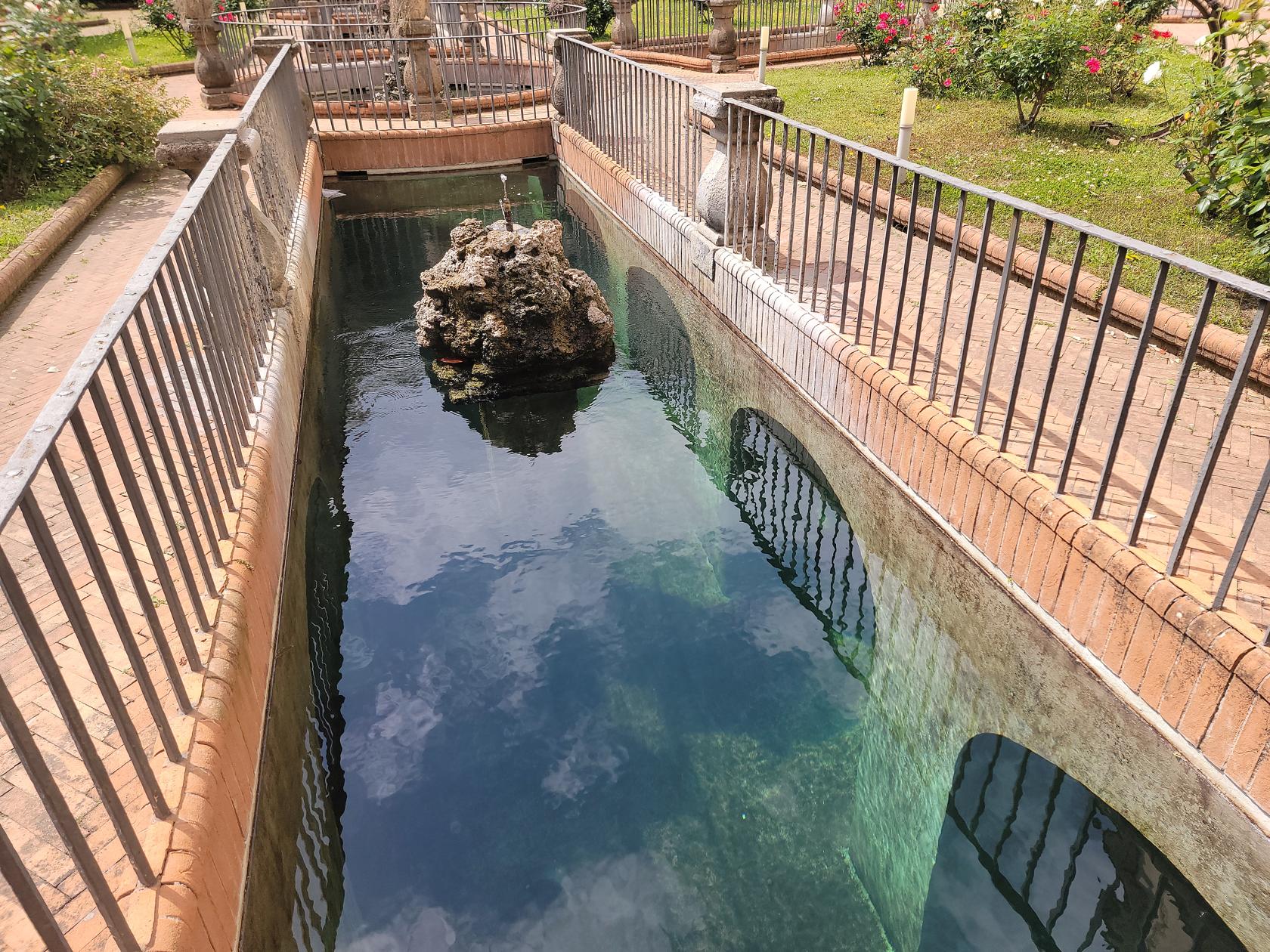
One specific spot to visit would be the Palazzo Mezzacapo, which is situated just off the Corso Reginna in town. It has an very interesting garden with underground vaulted wells.
Palazzo Mezzacapo – Maiori, Italy
Palazzo Mezzacapo – Maiori, Italy
Palazzo Mezzacapo – Maiori, Italy
Palazzo Mezzacapo – Gardens – Maiori, Italy
Palazzo Mezzacapo – Gardens – Maiori, Italy
Palazzo Mezzacapo – Gardens – Maiori, Italy
Palazzo Mezzacapo – Gardens – Maiori, Italy
Palazzo Mezzacapo – Gardens – Maiori, Italy
Palazzo Mezzacapo – Gardens – Maiori, Italy
Minori
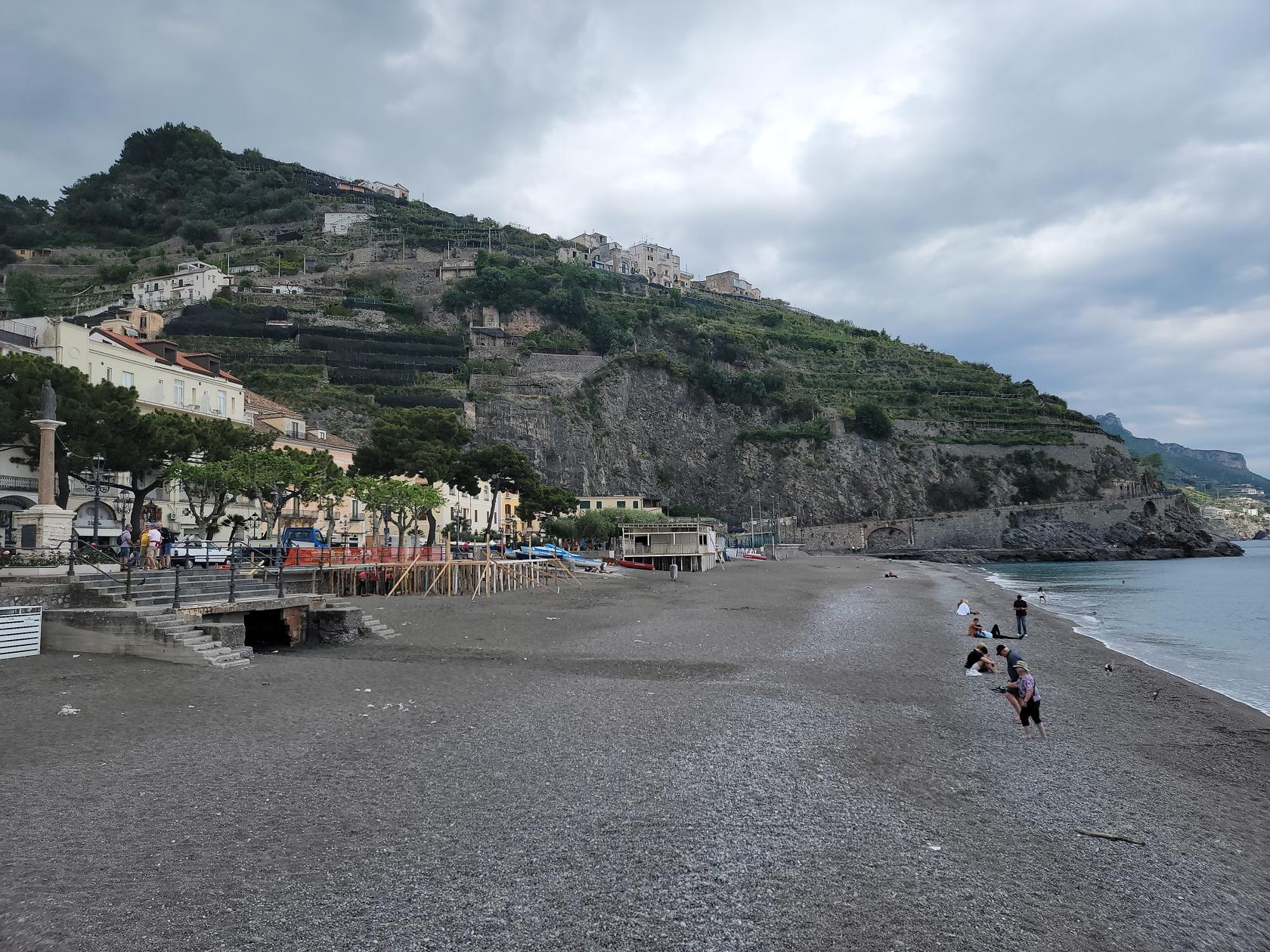
The same is true for the town of Minori, which literally means “minor”, after the river which now flows through it, the Reghinna Minori. The town’s name over the years been abbreviated to just Minori. It’s claim to fame is was used by the Roman high society as a seaside resort. It does have the longest and widest swath of beach on the coast.
Entering Town – Minori, Italy
Main Street SS163 – Minori, Italy
Narrow Alleys – Minori, Italy
Narrow Alleys – Minori, Italy
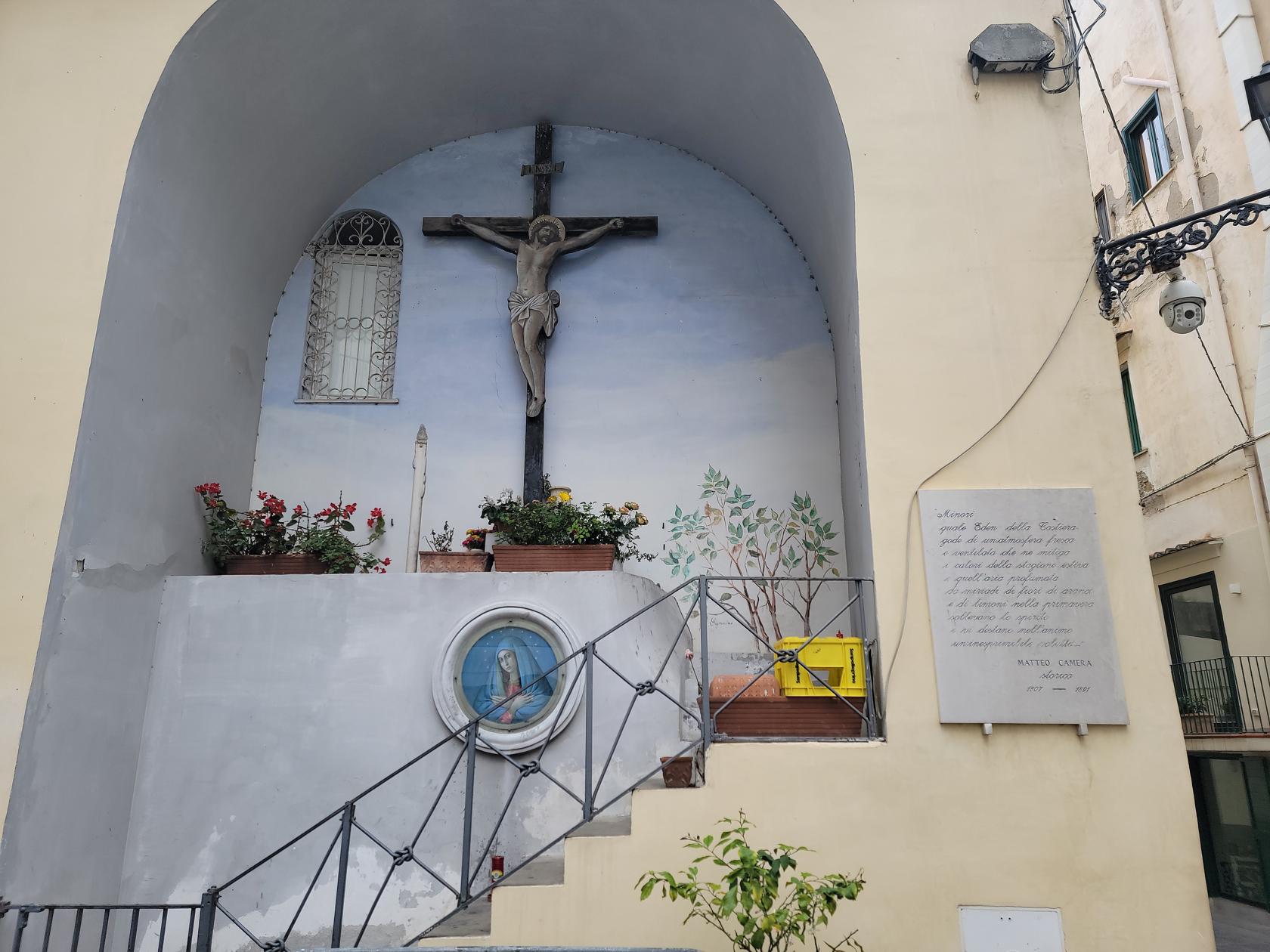
Typical Small Town Alley – Minori, Italy
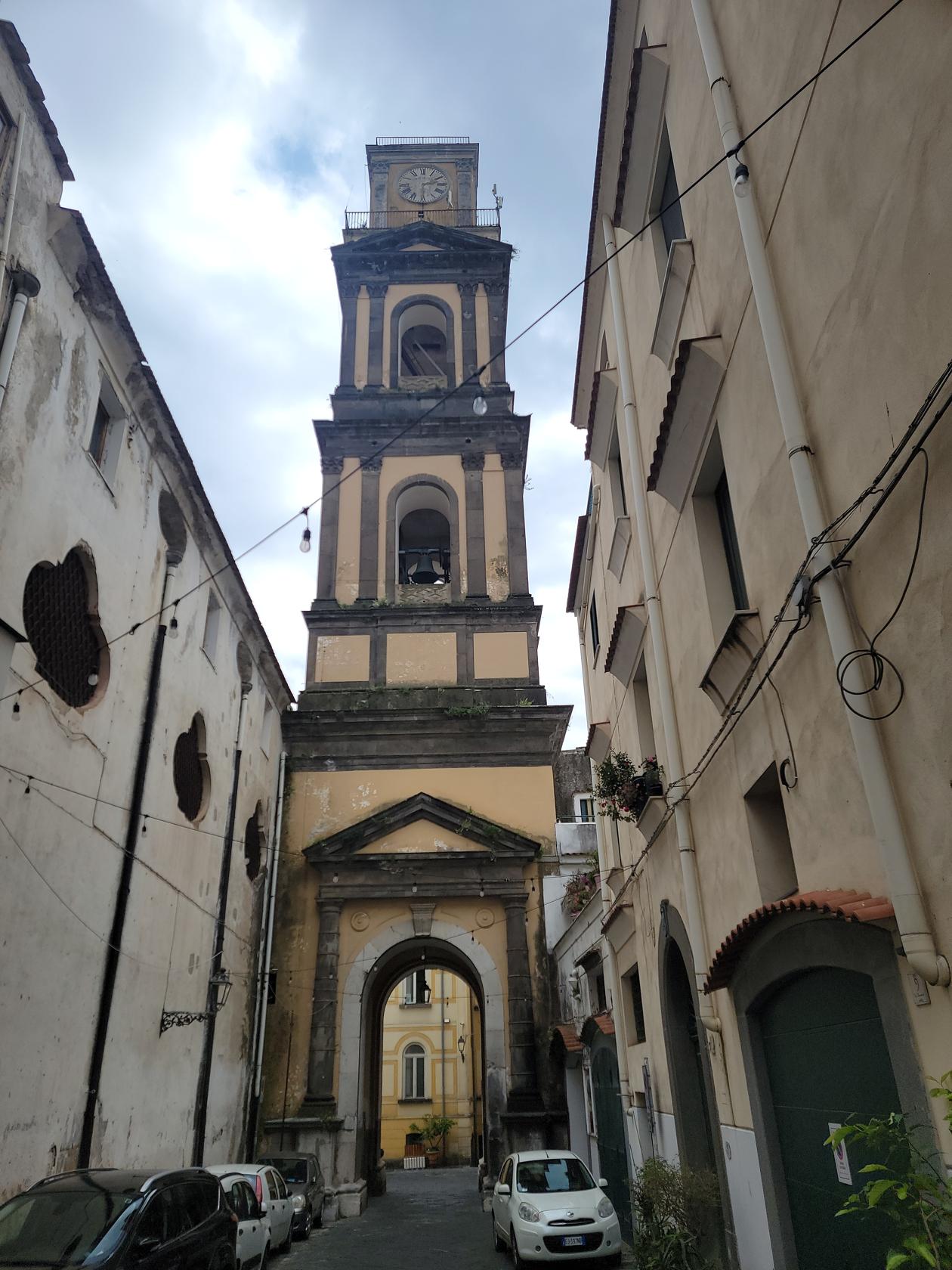
Clock Tower – Minori, Italy
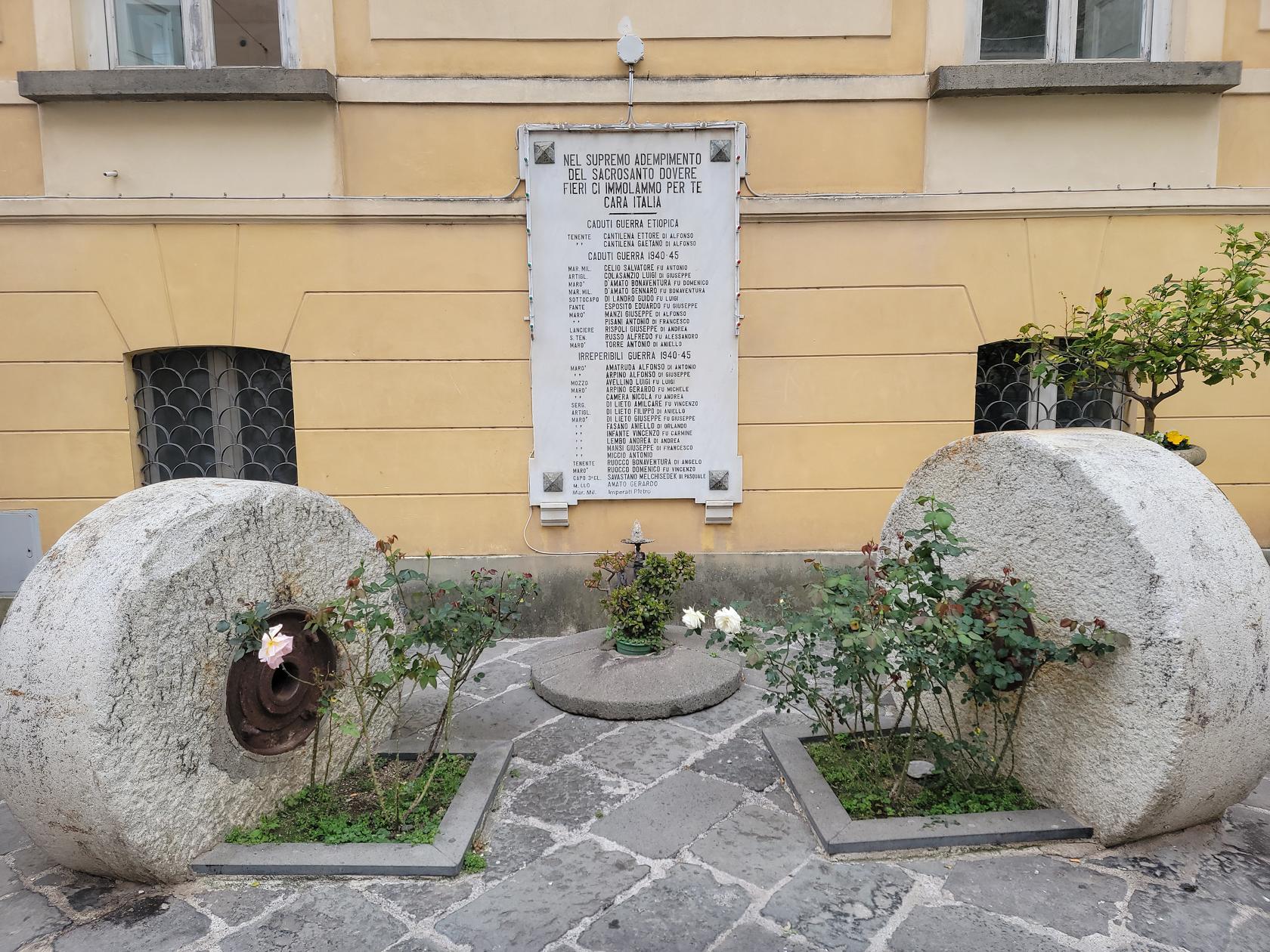
Old Millstones – Minori, Italy
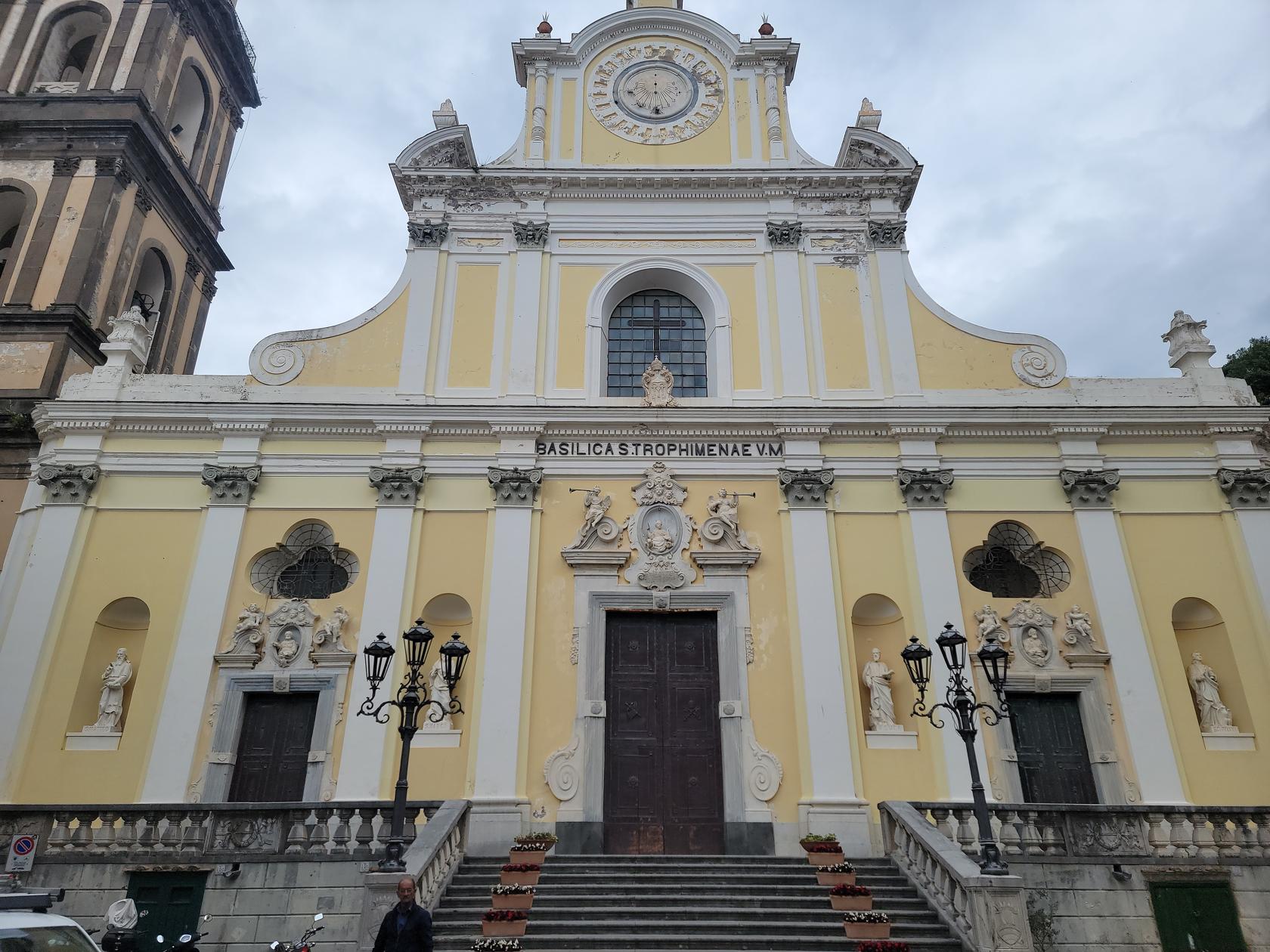
Basilica Saint Trofimena – Minori, Italy
Basilica Saint Trofimena – Minori, Italy
Main Shopping Street – Minori, Italy
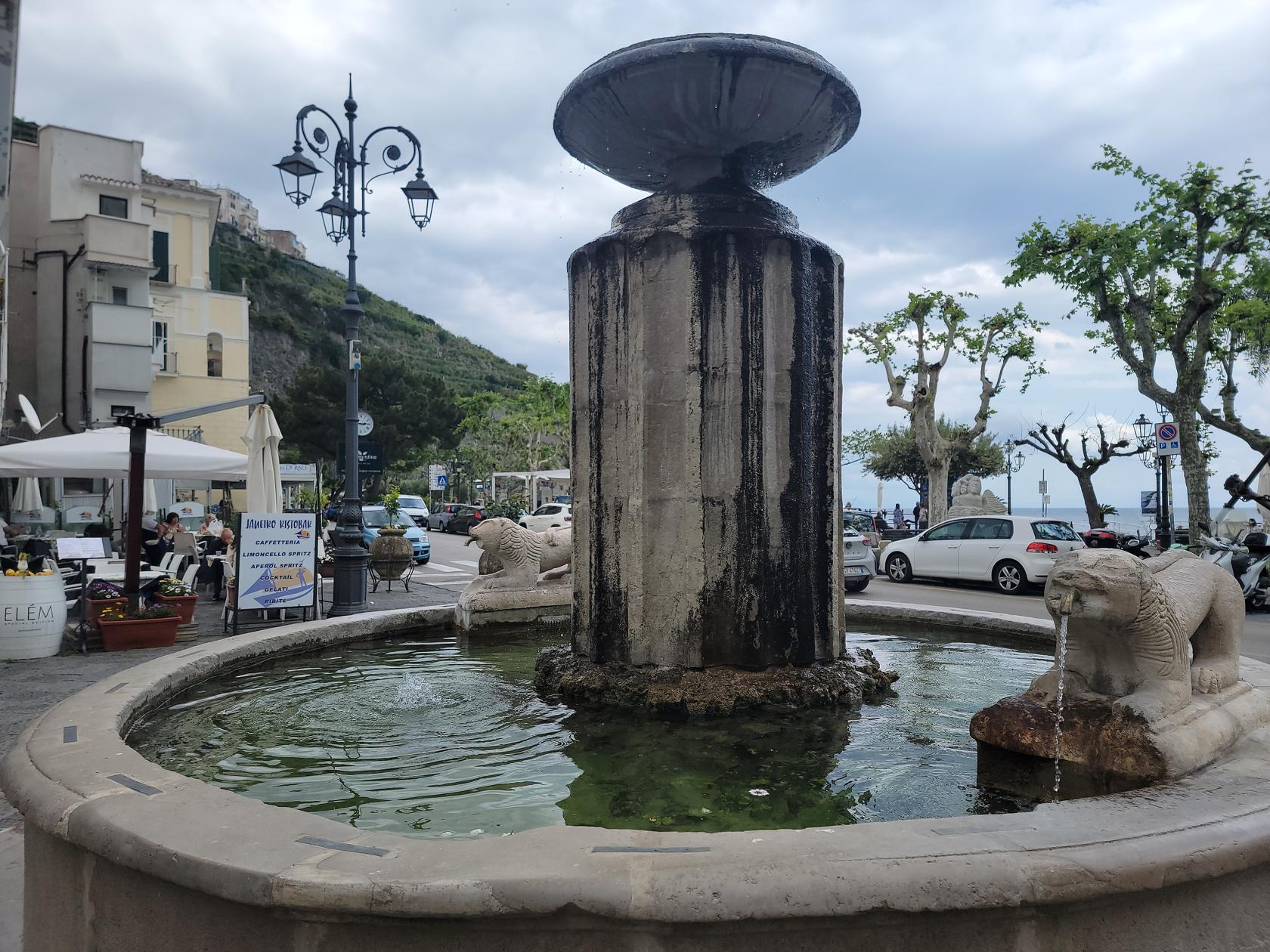
Lion Fountain – Minori, Italy
Beachfront – Minori, Italy
Beach – Minori, Italy
Beach – Minori, Italy
Patti and Erick – Leaving Minori – Minori, Italy
Beach – Minori, Italy
Cetera
This small town was most likely named after the tuna fishermen that used to live there, as well as the fishmongers, or cetari. Its most important feature is one of the larger Amalfi Coast towers, which dot the coastline and were once used for protection by the Amalfi Federation, or Duchy of Amalfi.
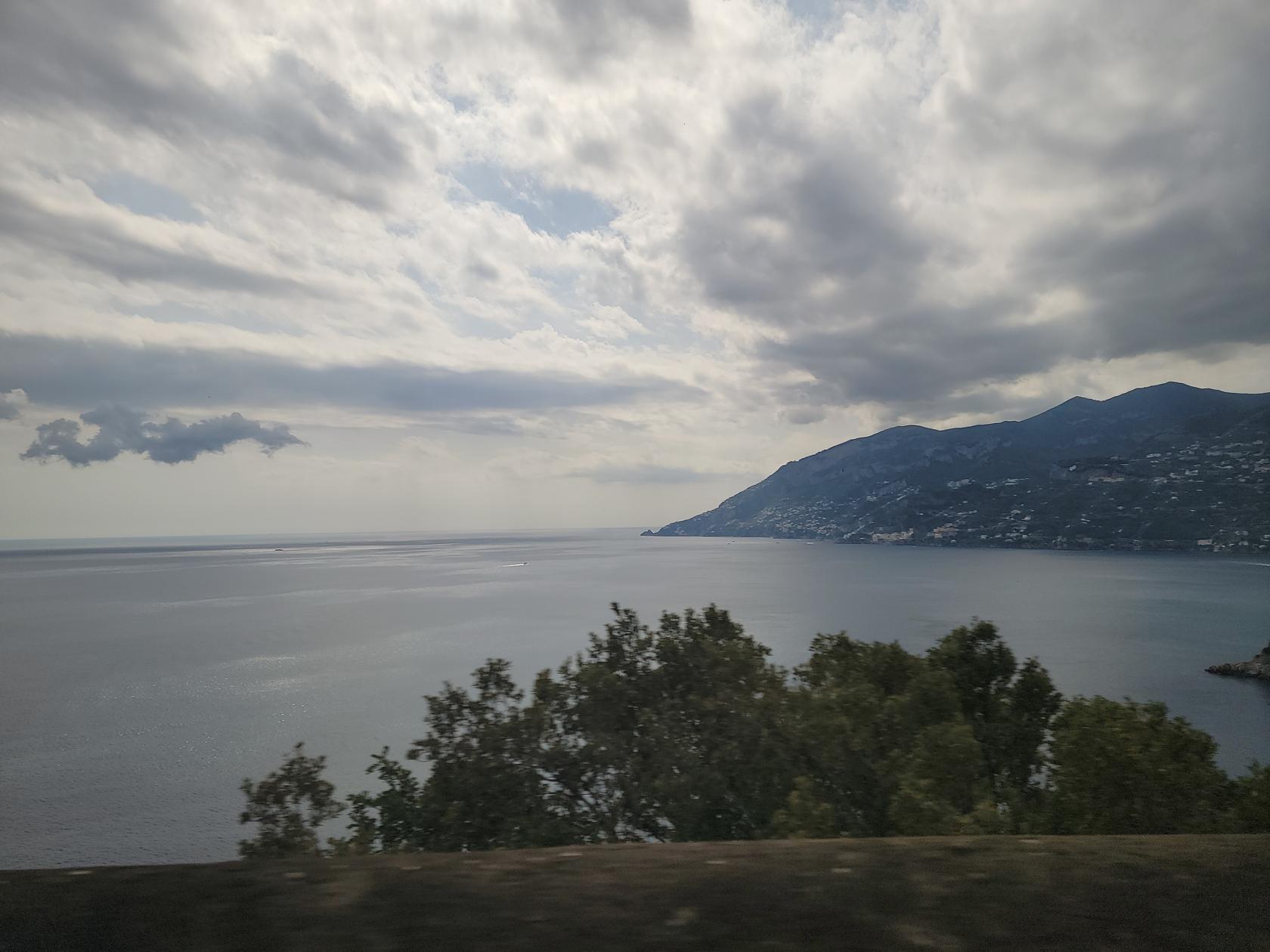
Weather Moving In – Cetara, Italy
Lemon Groves – Cetara, Italy
More Lemon Groves – Cetara, Italy
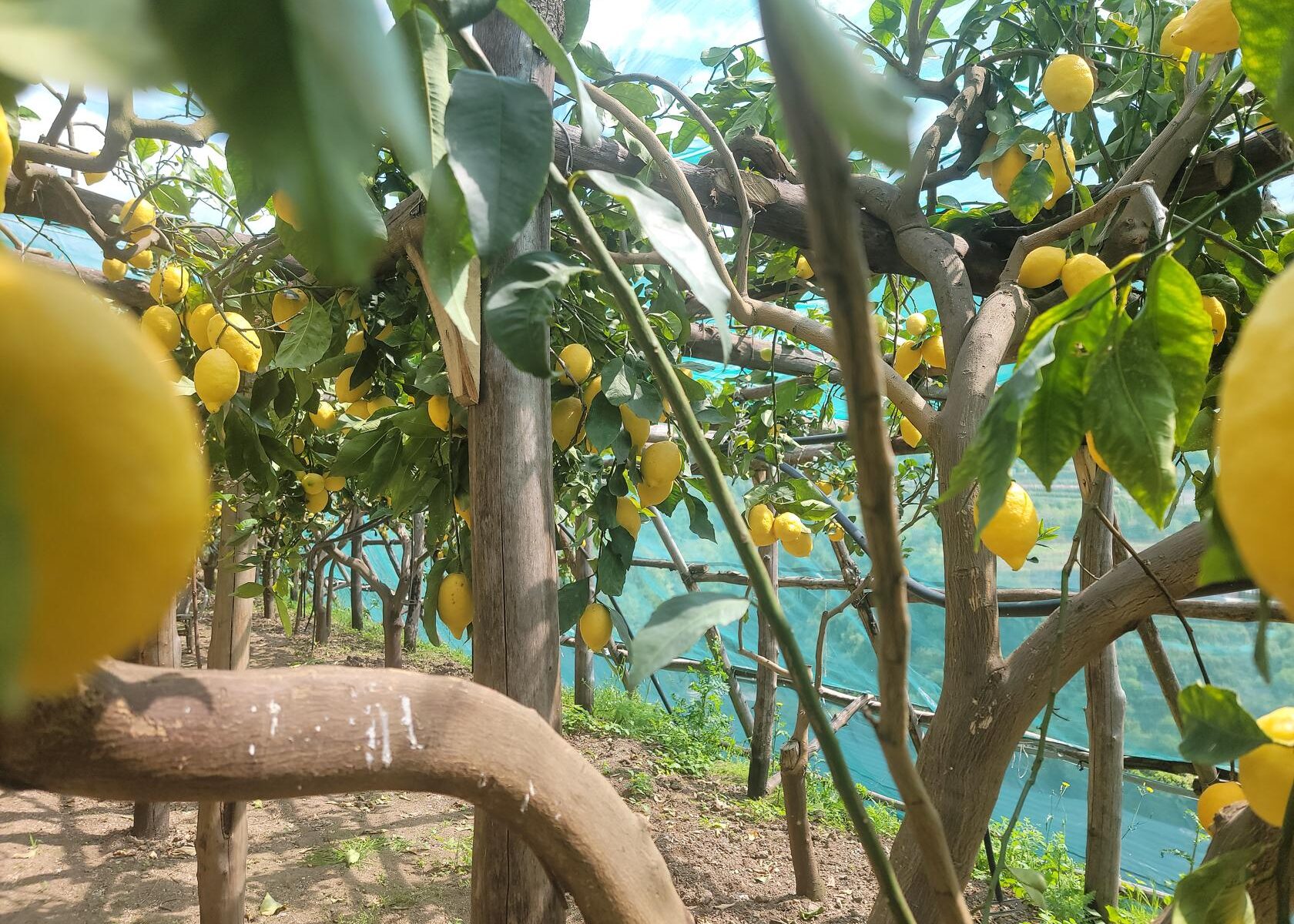
Covered Lemon Trees – Cetara, Italy
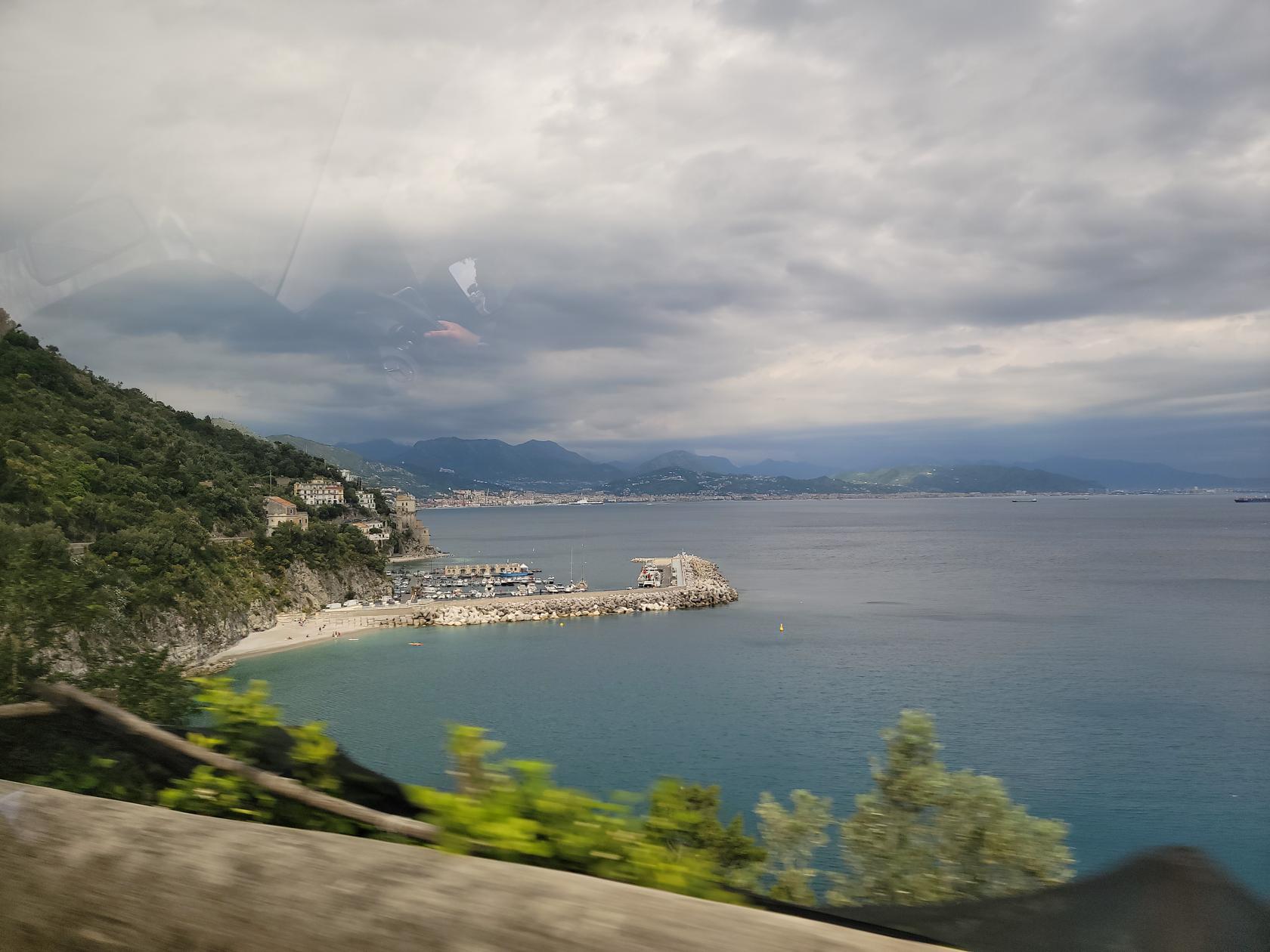
Amalfi Coastline – Cetara, Italy
Amalfi Coast – Cetara, Italy
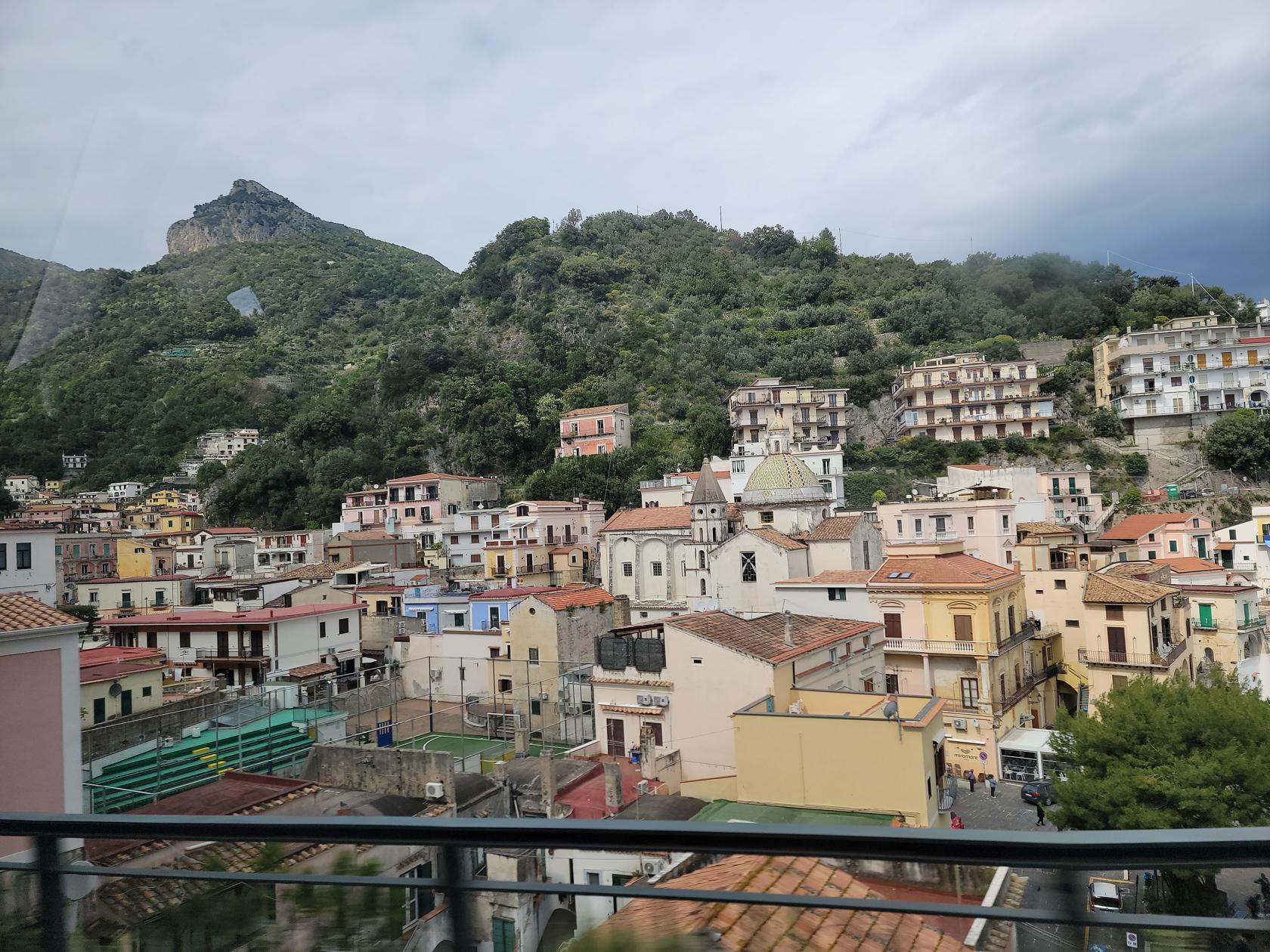
Coming Into Town – Cetara, Italy
Dome Of Saint Peter – Cetara, Italy
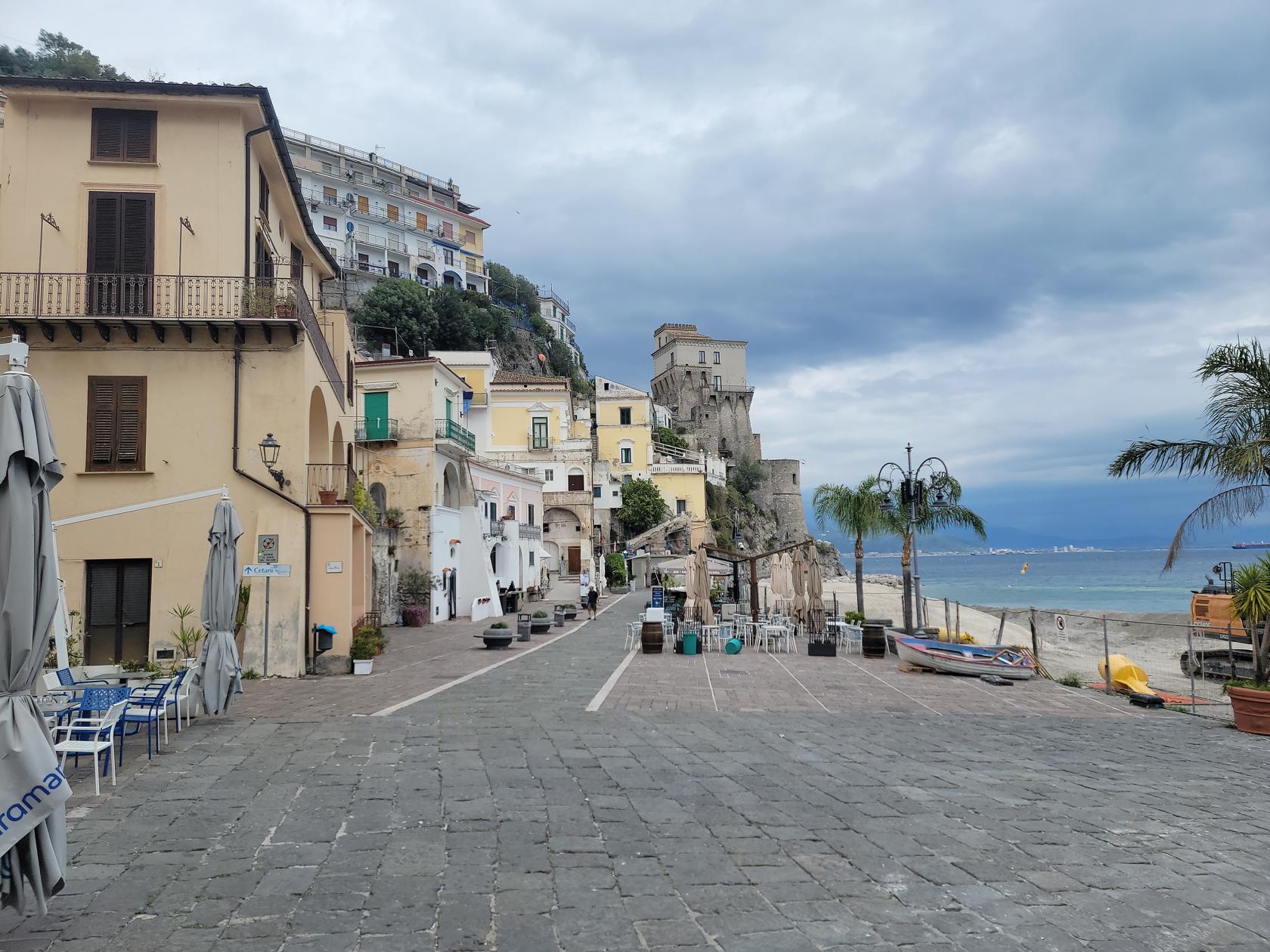
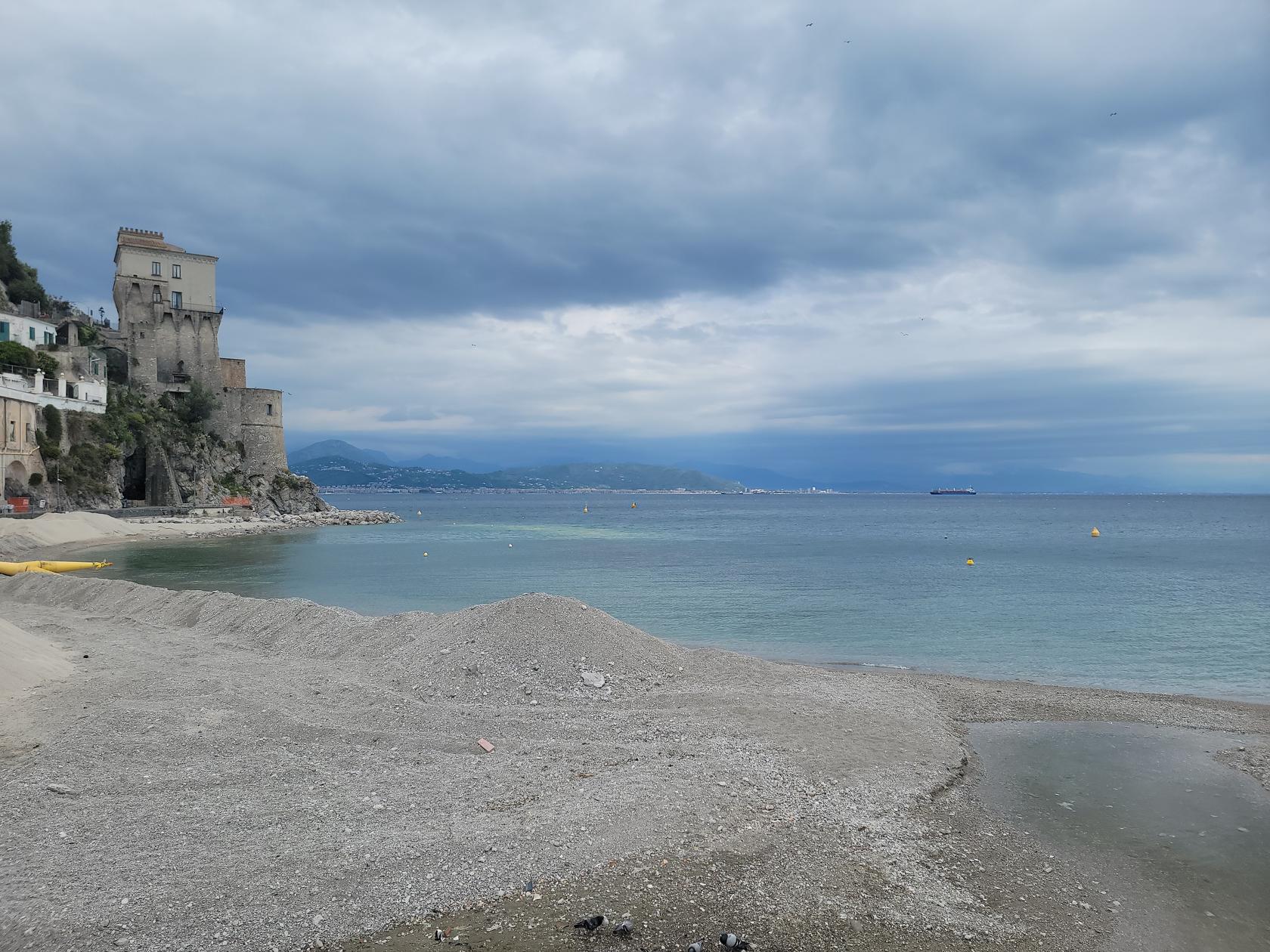
Beach and Tower of Cetara – Cetara, Italy
Beach Restoration – Cetara, Italy
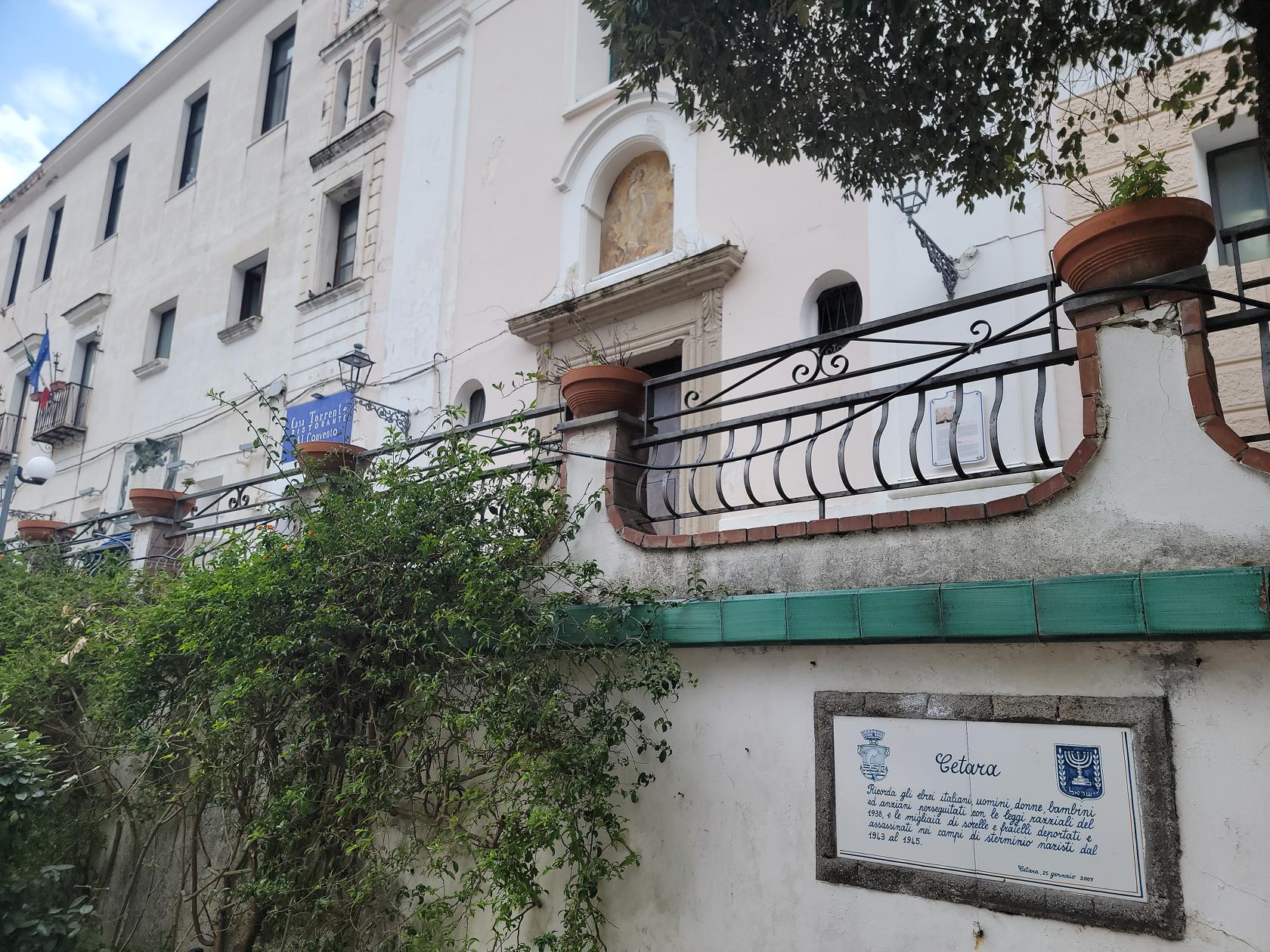
Town Sign – Cetara, Italy
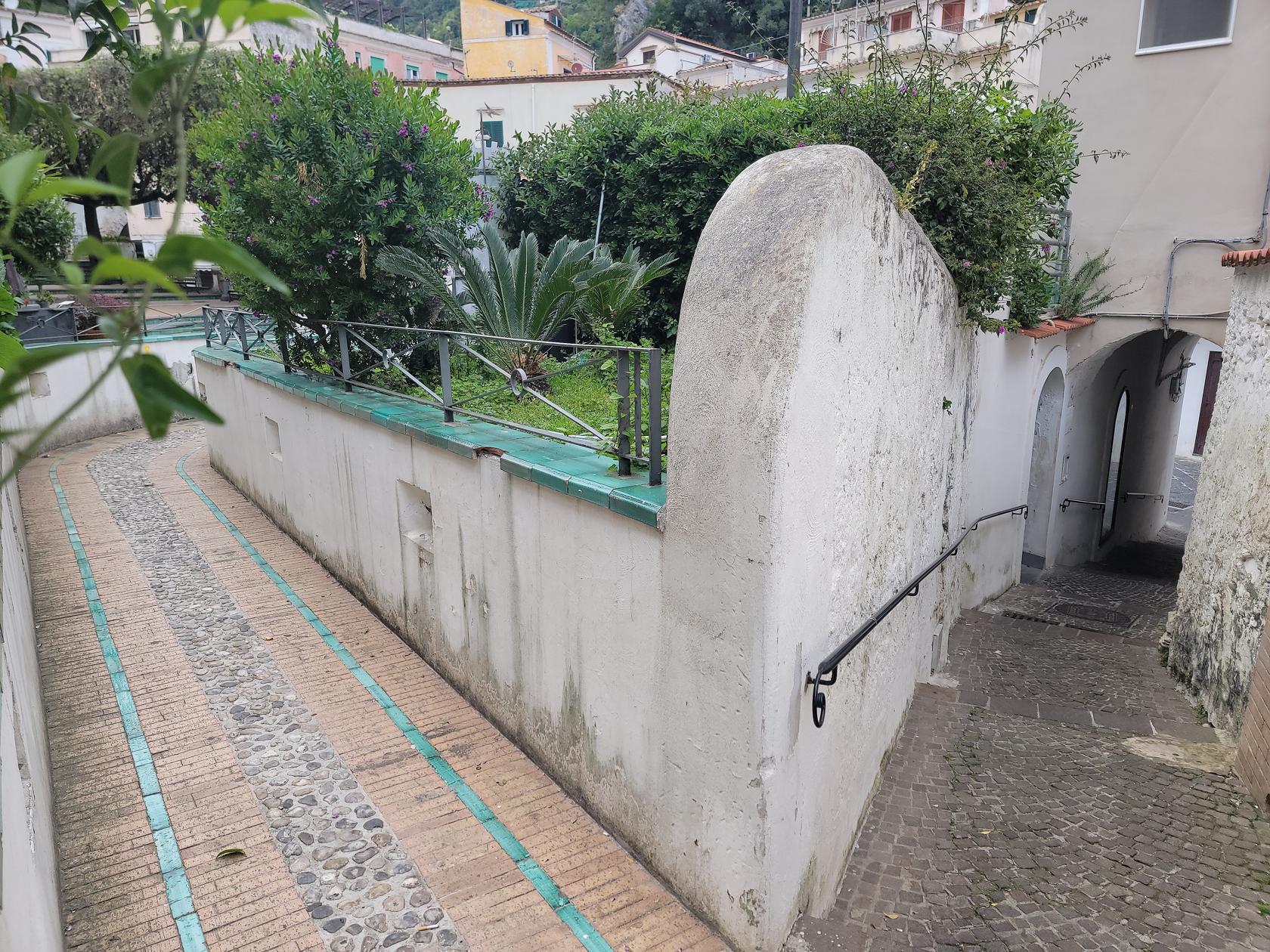
Narrow Walkways – Cetara, Italy
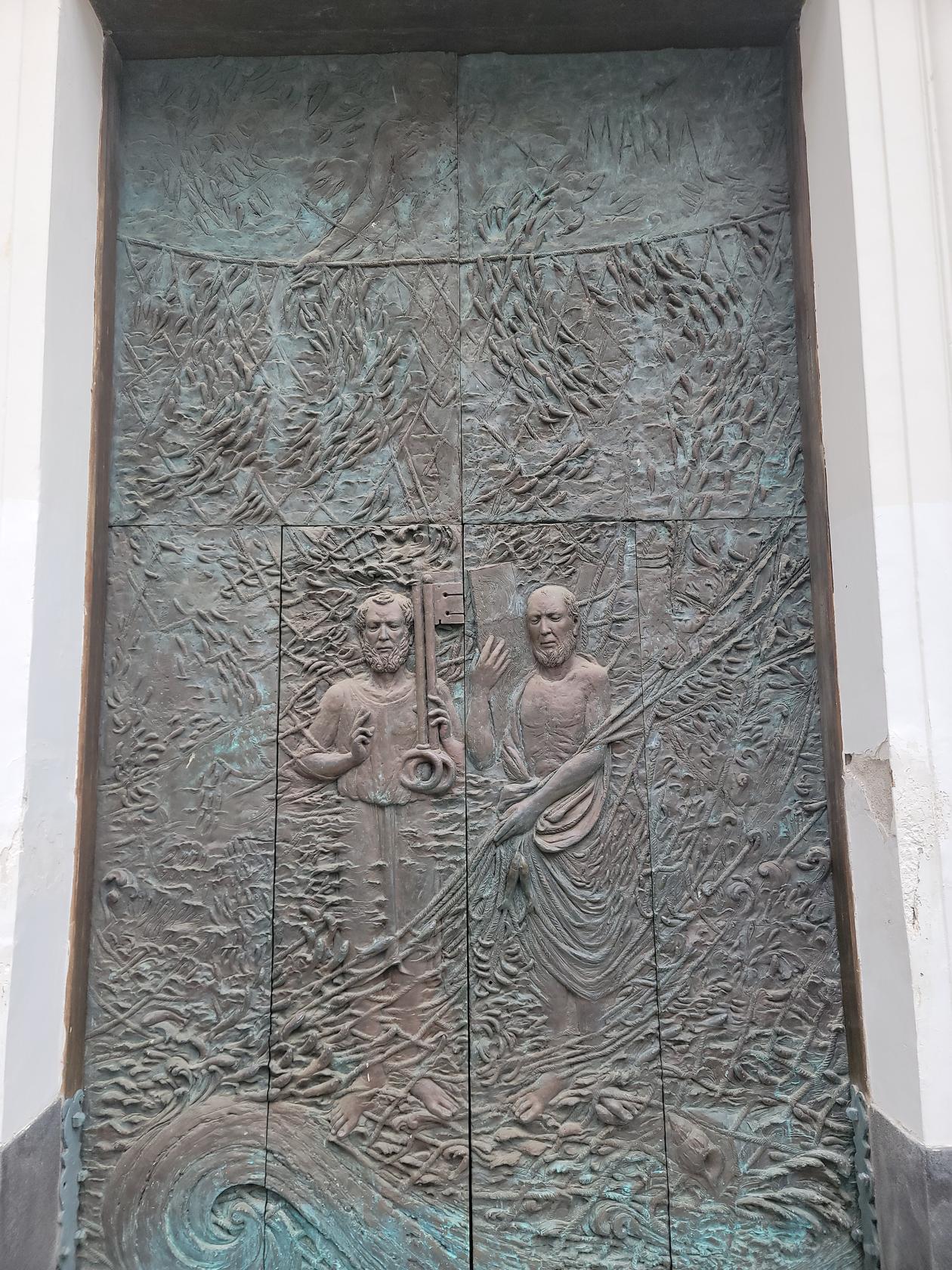
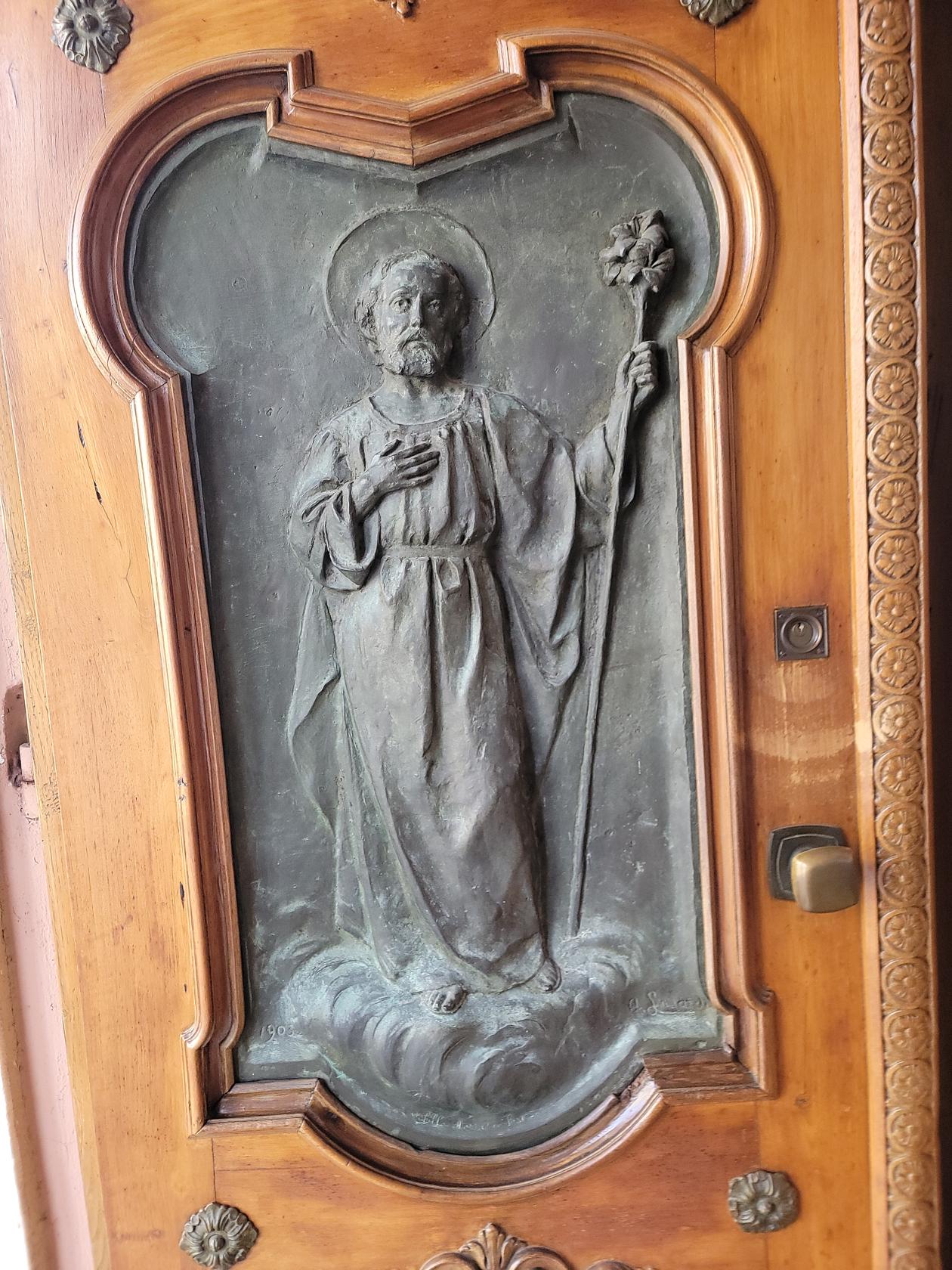
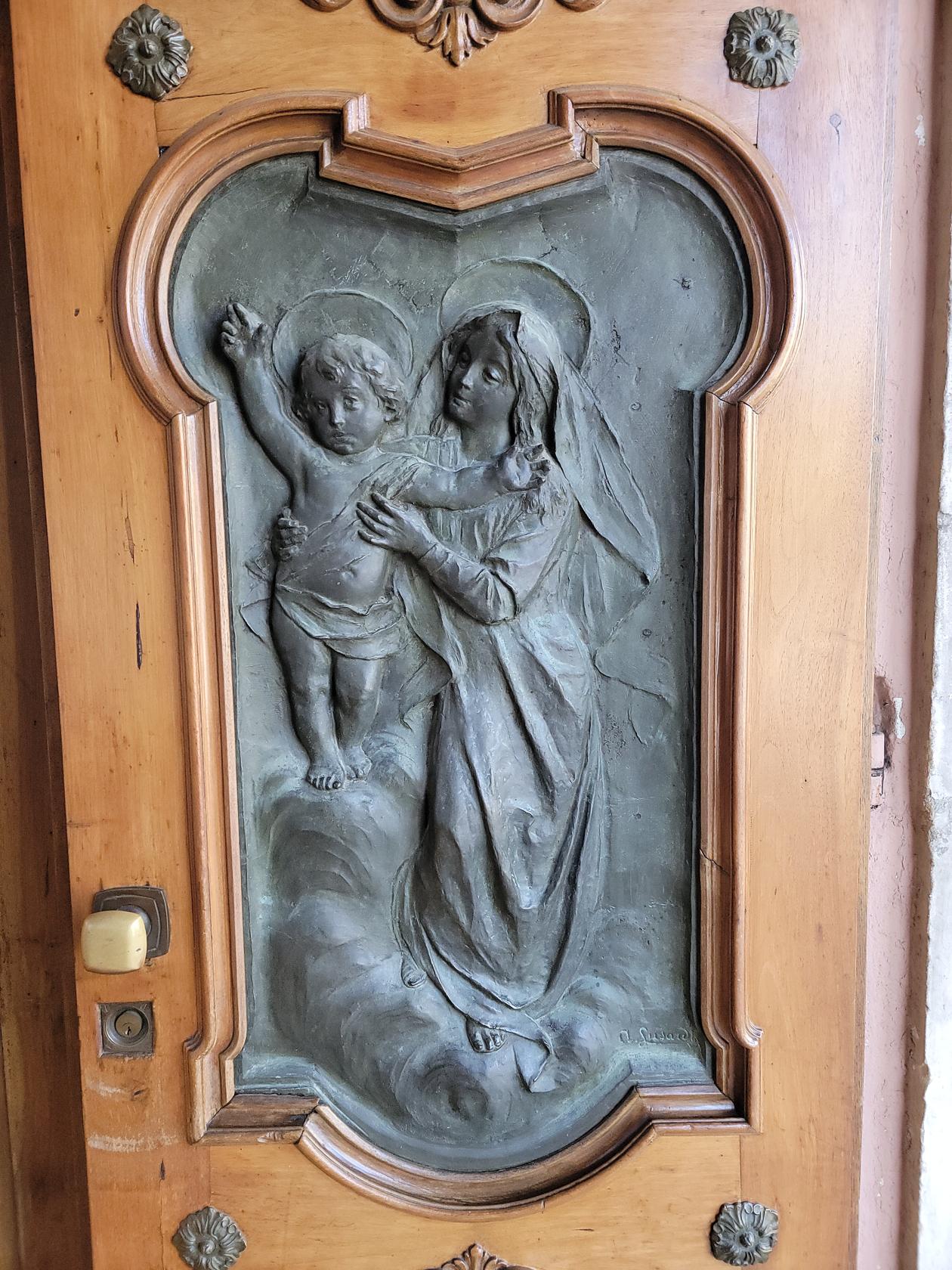
Bronze Doors – Parochial Church of Saint Peter – Cetara, Italy
Entrance – Parochial Church of Saint Peter – Cetara, Italy
In Conclusion
We enjoyed our trip to the Amalfi Coast, overall it was a worthwhile experience. Though I would caution, for me, it did not live up to all of the hype and hyperbole surrounding it as a destination. With some of the towns entertaining cruise ships during the tourist season, it truly could turn into one of the more exasperating places to visit at the wrong time of the calendar year.
Lemon Groves – Tramonti, Italy
Lemon Groves – Tramonti, Italy
The Lemon Groves – The Parochial Church Of Saint Elia Profeta – Tramonti, Italy
In Between Mountains – The Parochial Church Of Saint Elia Profeta – Tramonti, Italy
However, we had amazing weather, perfect temperatures and manageable numbers of tourist. Though some places were not available to us at this time, since they open up in the later May and June timeframes for peak season; this was not a problem for us, since we are not big shoppers. In any case, we would commend a tour, or private tour if you can afford it. Removing the need to drive the winding roads, was alone a big plus for us.
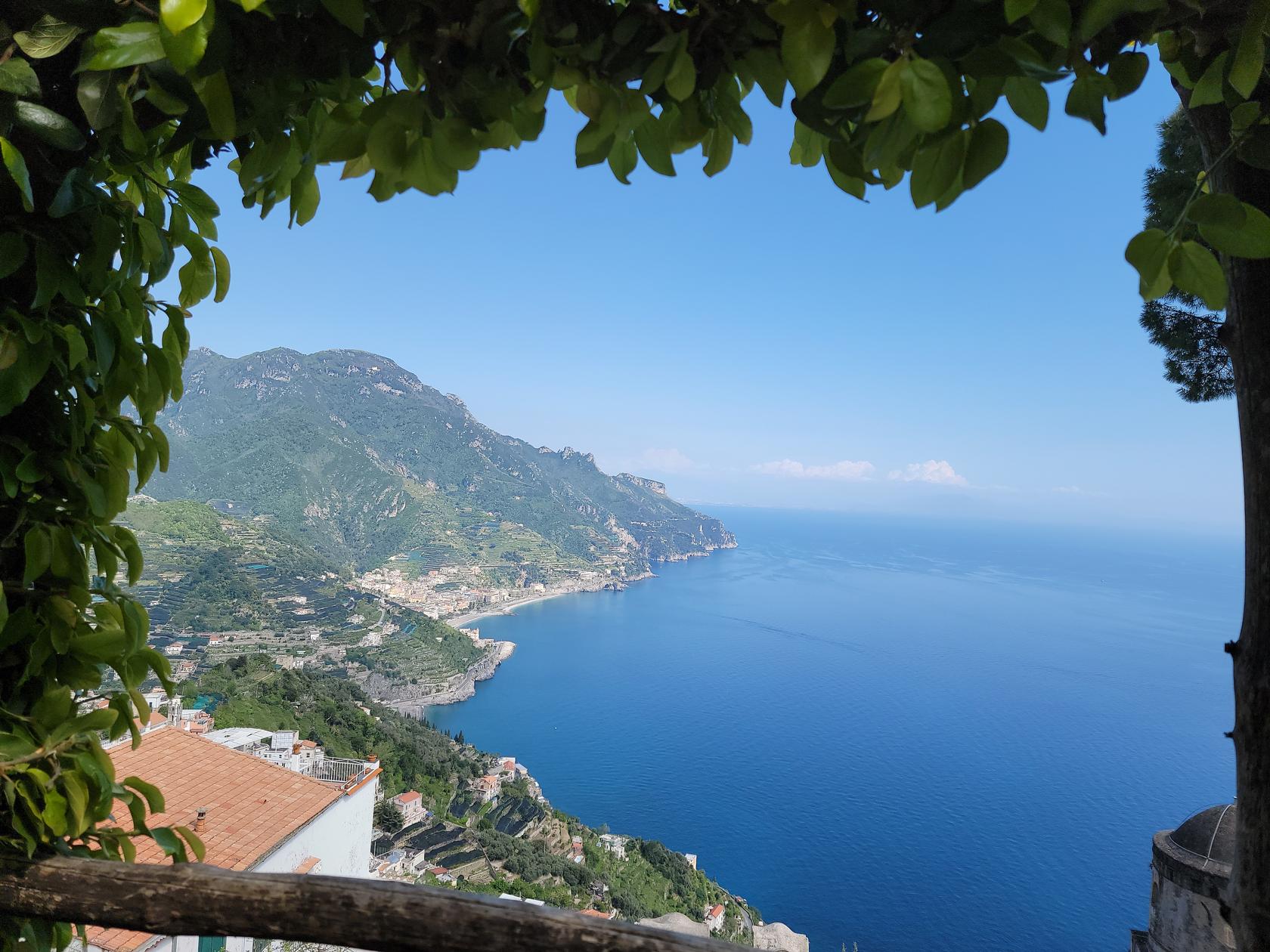
The second part of our first day was filled with visiting the town Amalfi on the eponymouos coast and Ravello, a bit further away from the shore, but still part of the famous coastline. We joined our driver again, who drove the windy and treacherous coastal road between Positano and Amalfi, while we took the ferry to enjoy the coastline.
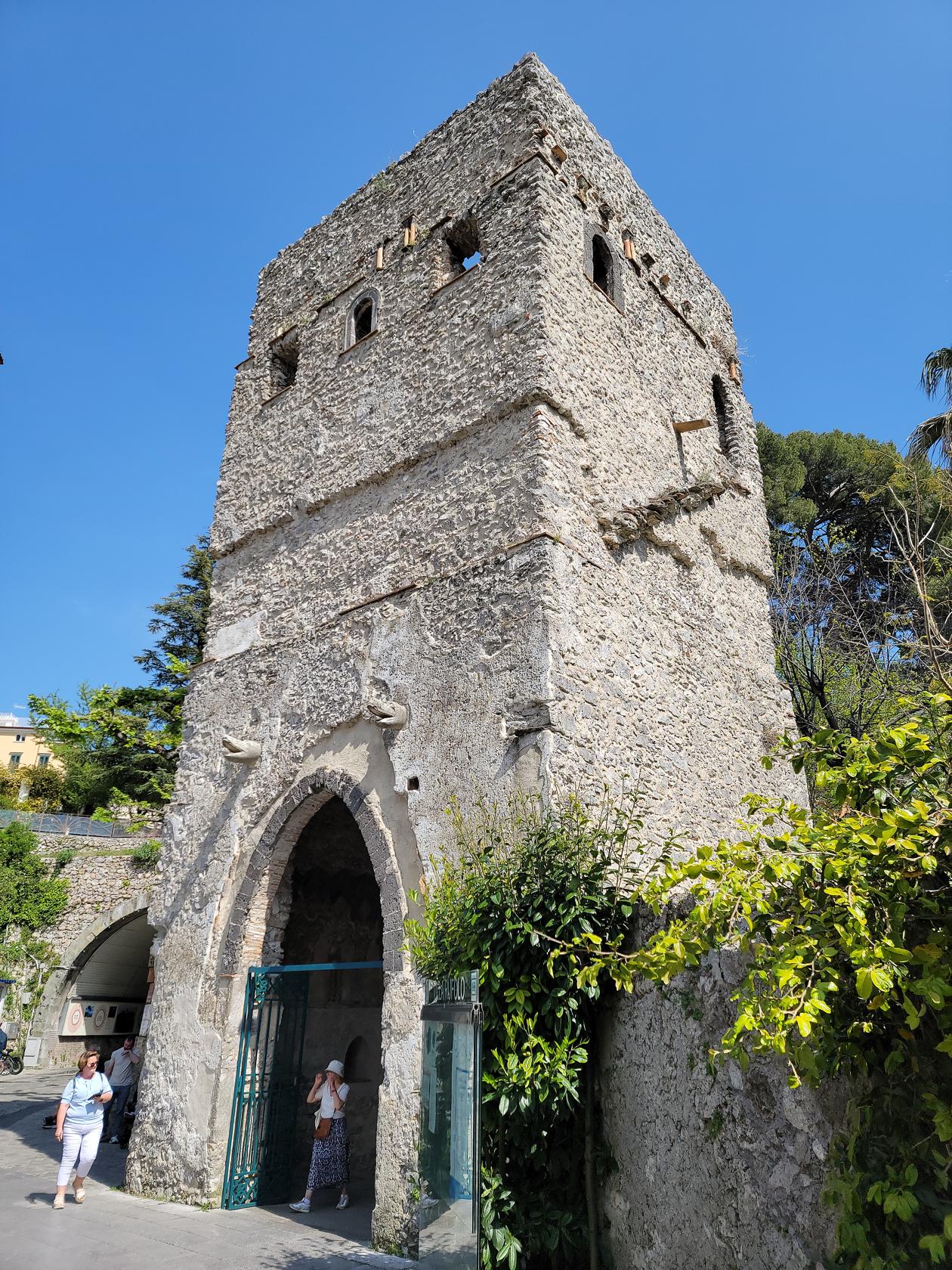
Interesting Entrance Decoration – Villa Rufolo – Ravello, Italy
Getting There
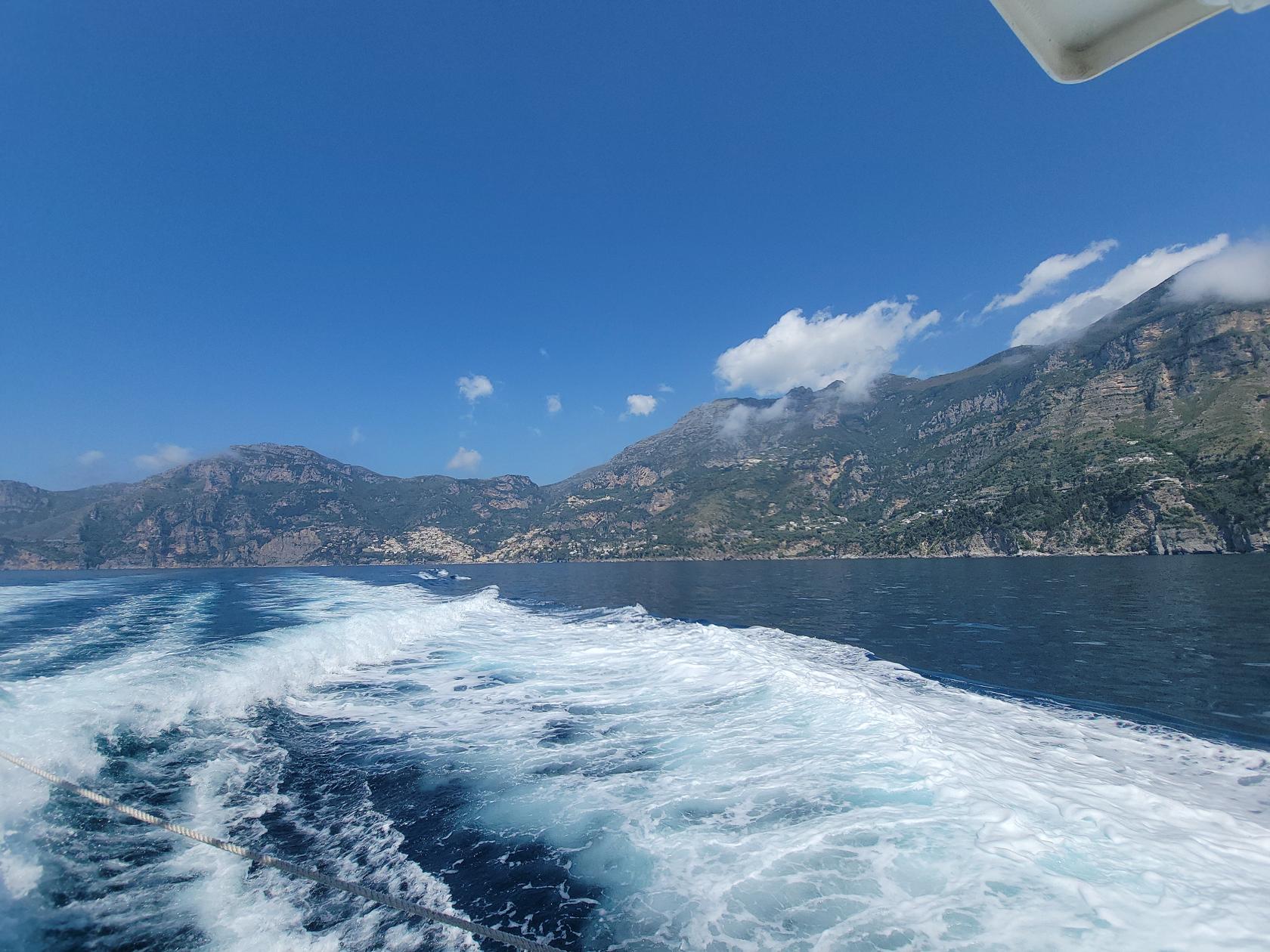
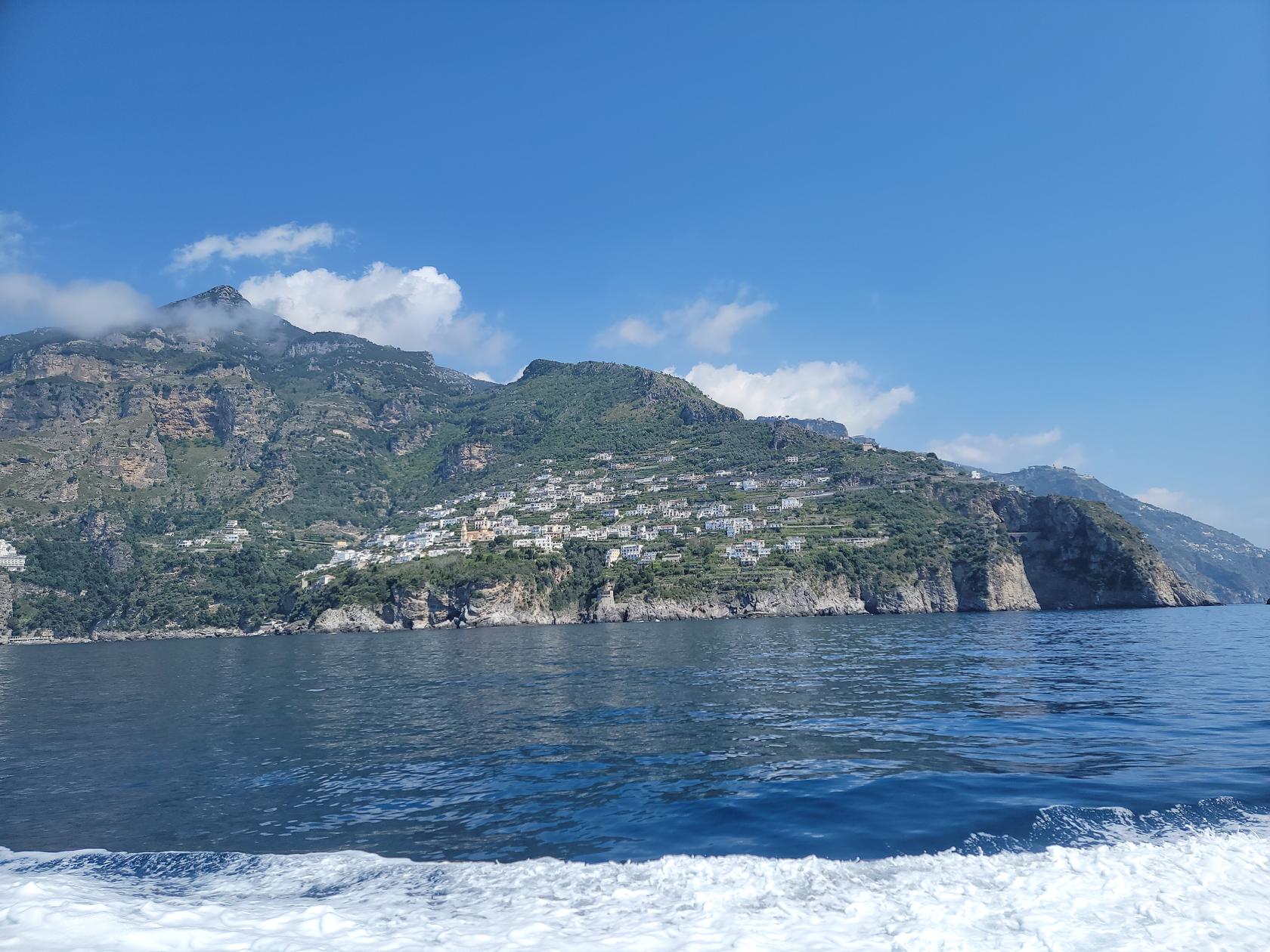
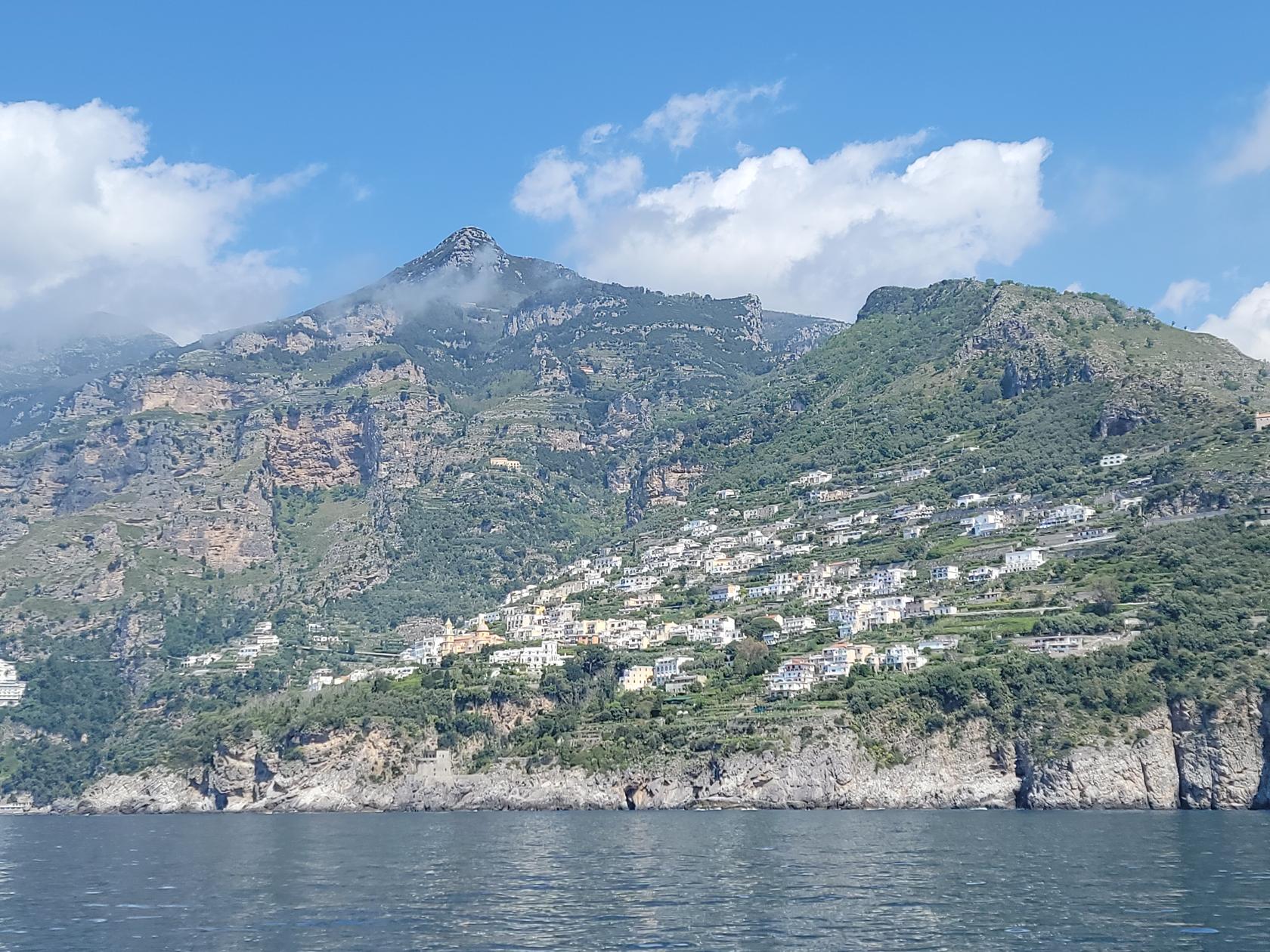
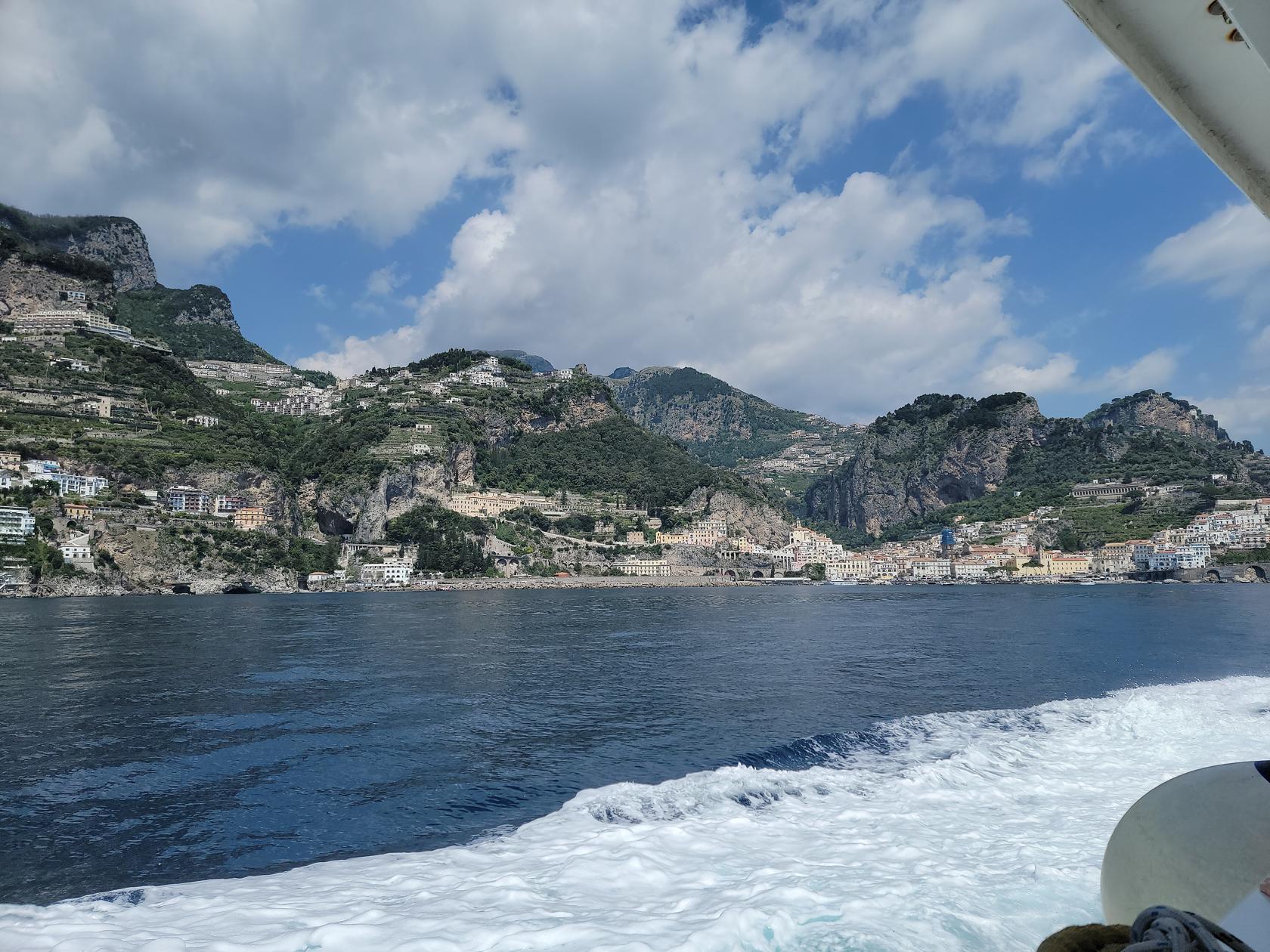
To get to Amalfi, we took the ferry from Positano. It is a thirty minute boat ride along the coast, which when the weather cooperates provides beautiful scenery and a great occasion to take photographs.
Ferry Ride from Positano to Amalfi – Amalfi, Italy
Ferry Ride from Positano to Amalfi – Amalfi, Italy
Ferry Ride from Positano to Amalfi – Amalfi, Italy
Ferry Ride from Positano to Amalfi – Amalfi, Italy
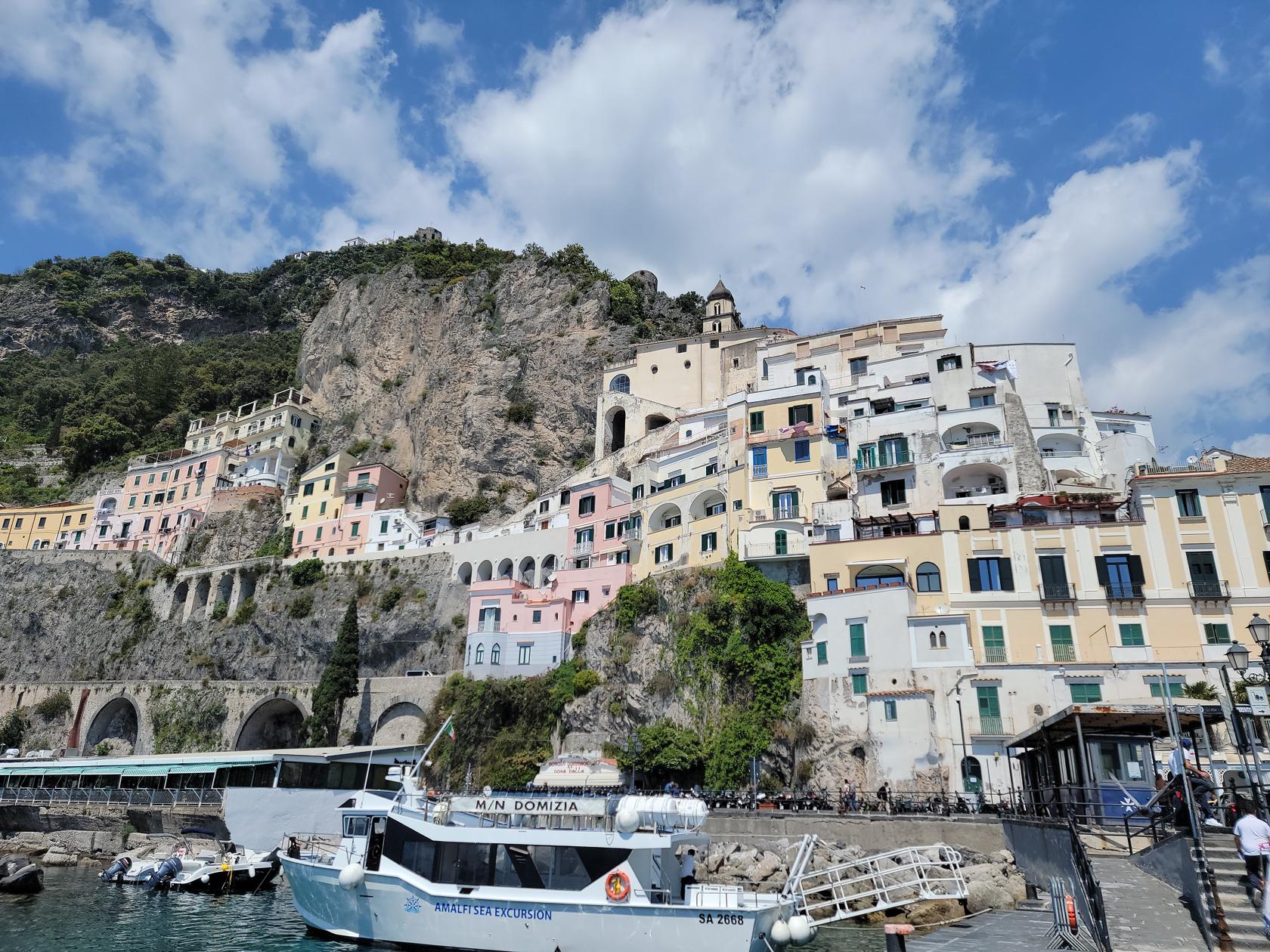
Entering Amalfi – Amalfi, Italy
Dockside at Amalfi – Amalfi, Italy
To get to Ravello from Amalfi, you probably should use or hire a car. Since we were had hired a private tour guide for all day, we used the car to ascend the five kilometers up the coast to the town.
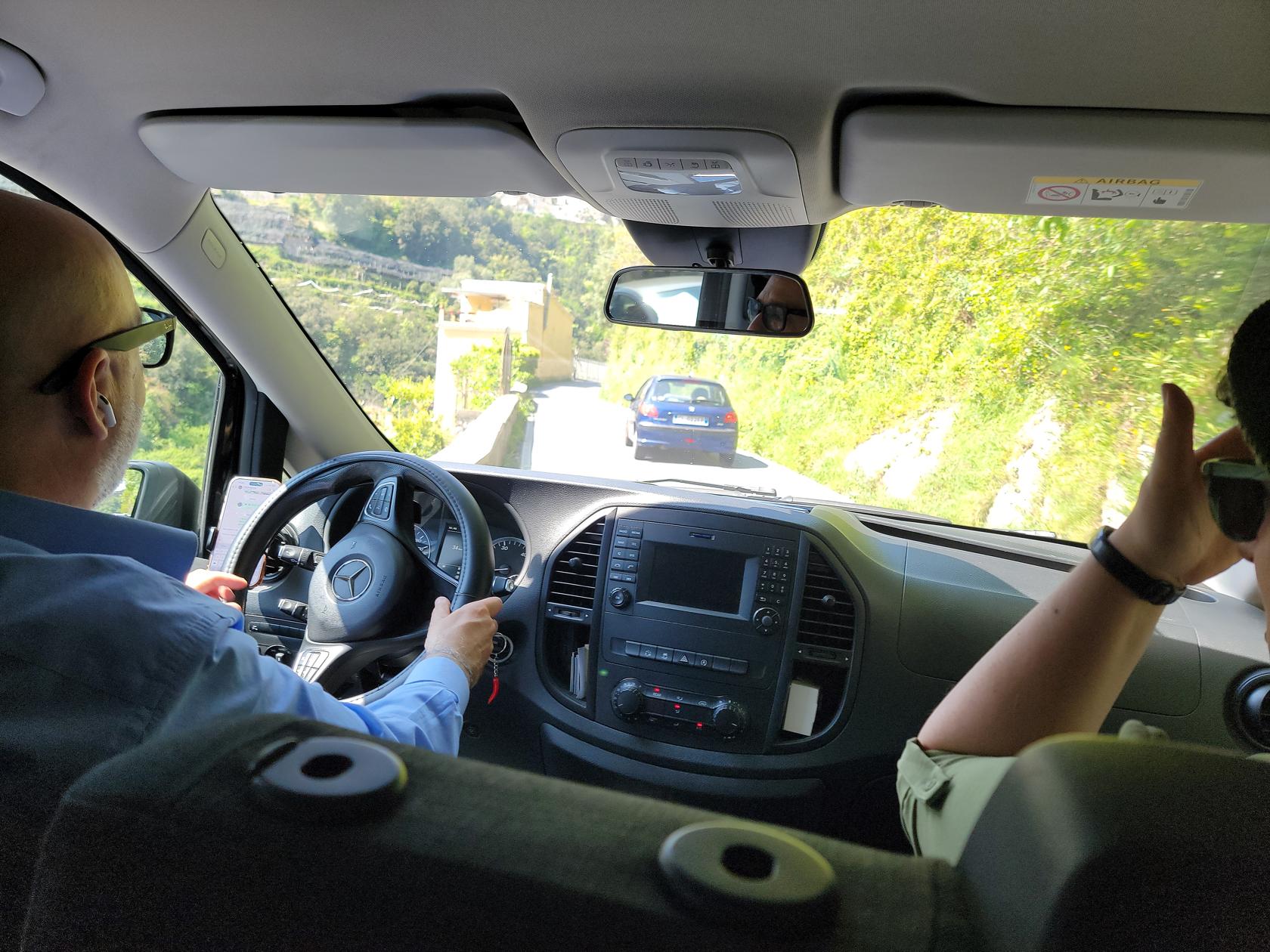
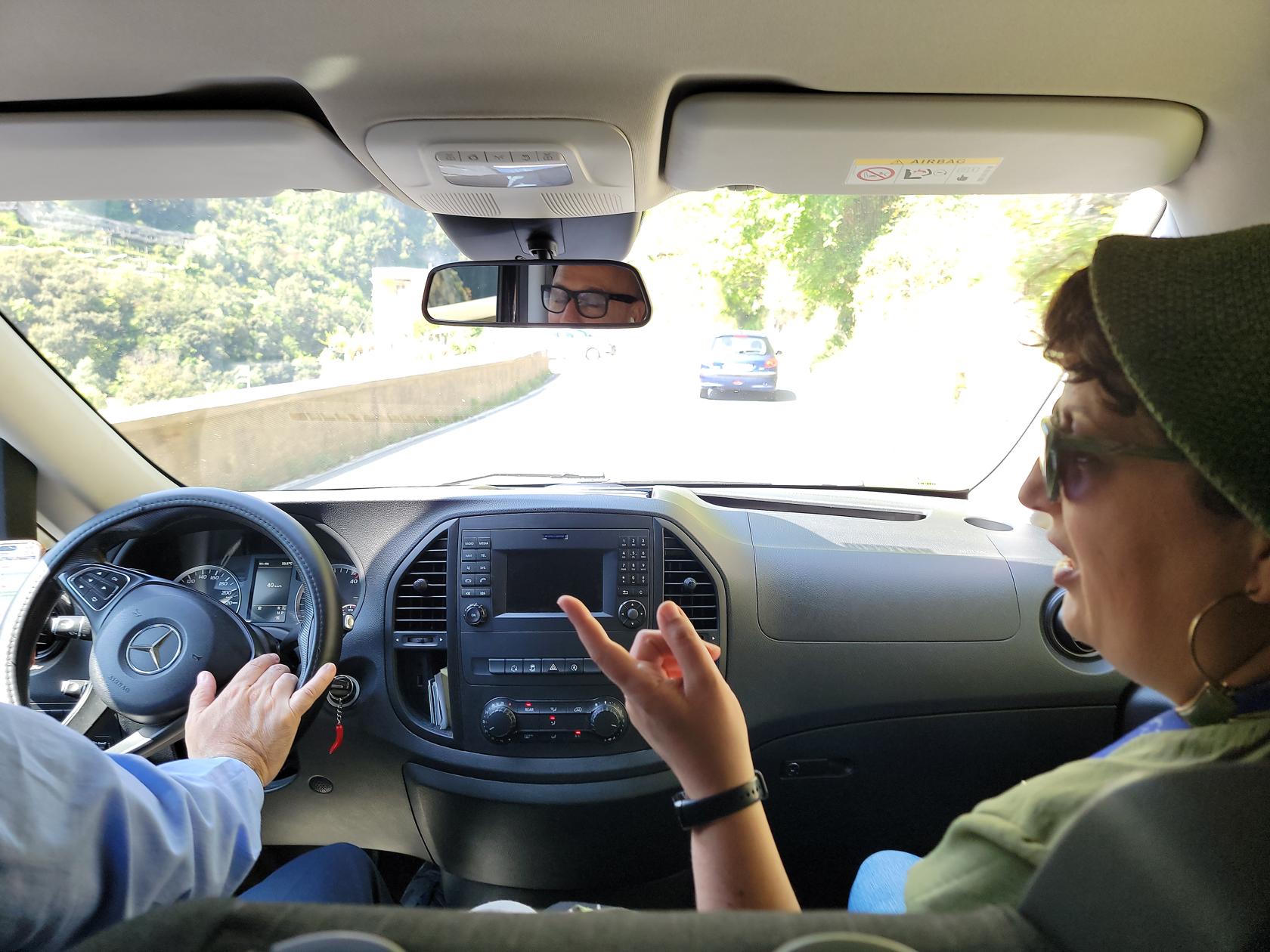
Our Tour Guides Having Typical Italian Discussion While Driving – Pasqual and Federica – Ravello, Italy
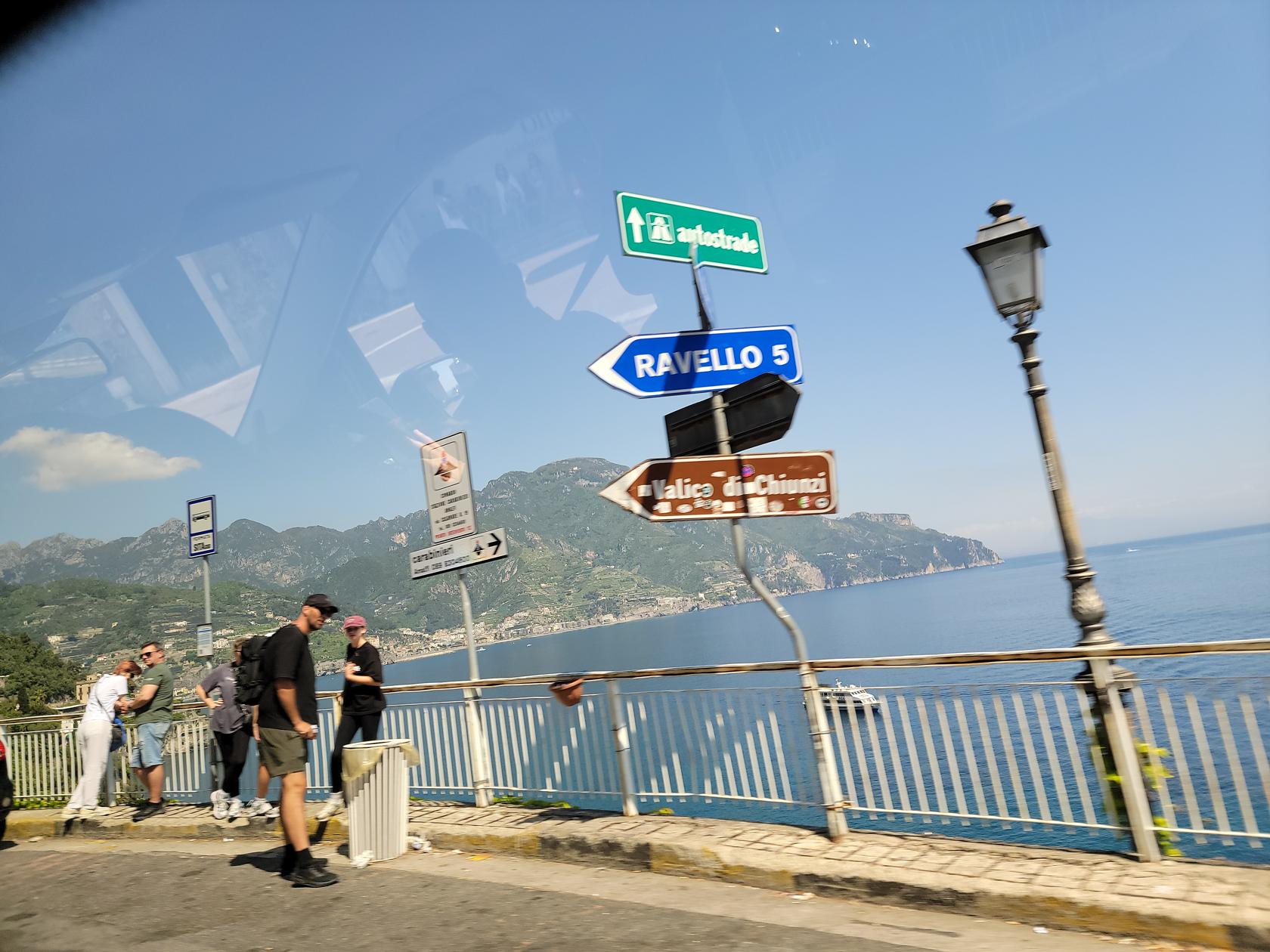
Ravello Next Stop – Leaving Amalfi – Amalfi, Italy
Our Tour Guides Having Typical Italian Discussion While Driving – Pasqual and Federica – Ravello, Italy
The Coast Up To Our Next Stop – Ravello, Italy
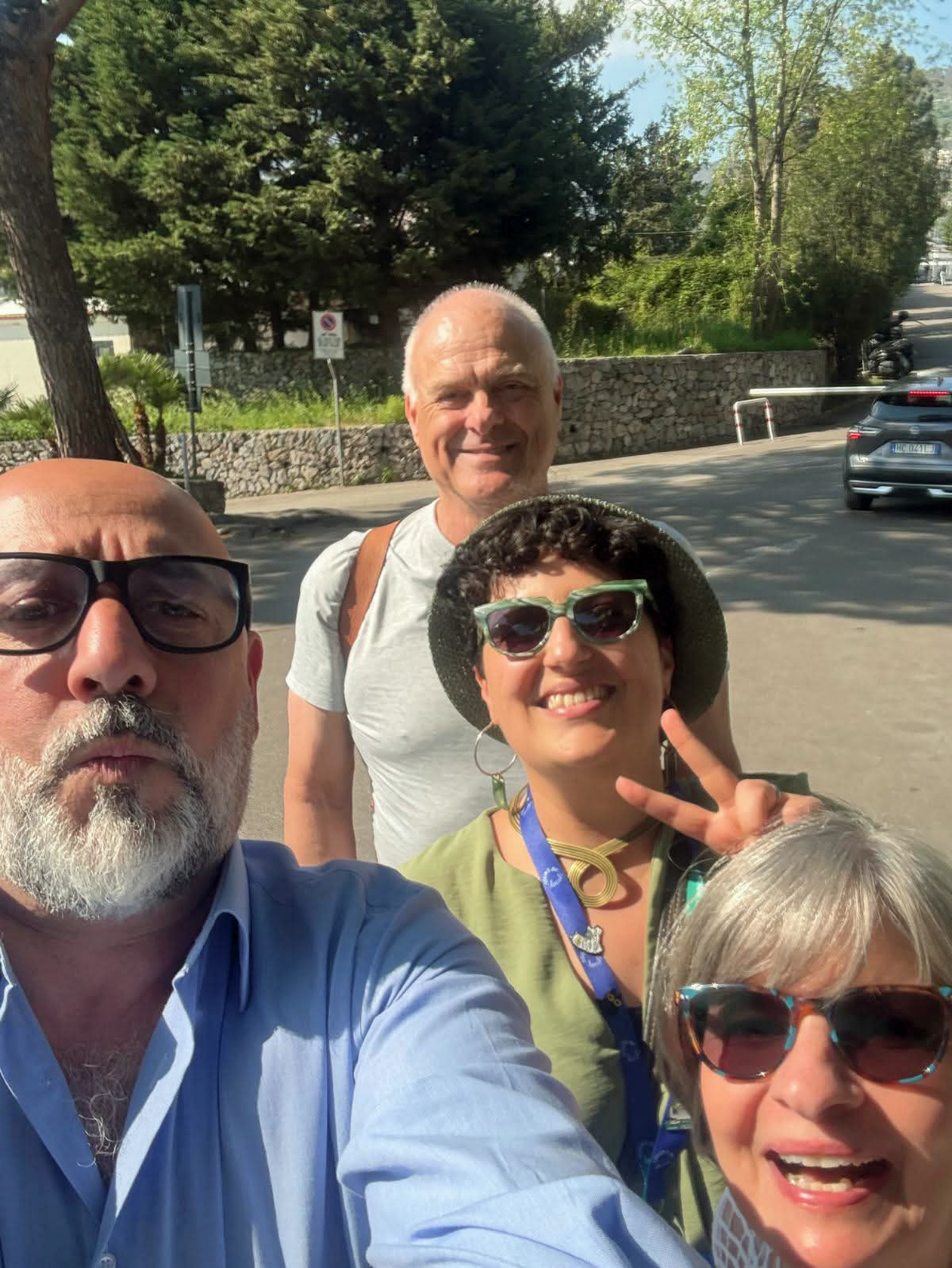
When we arrived, we took a photograph to remember the occasion.
Our Private Tour Group – Driver Pasqual, Tour Guide Federica, Patti and Erick – Ravello, Italy
Amalfi
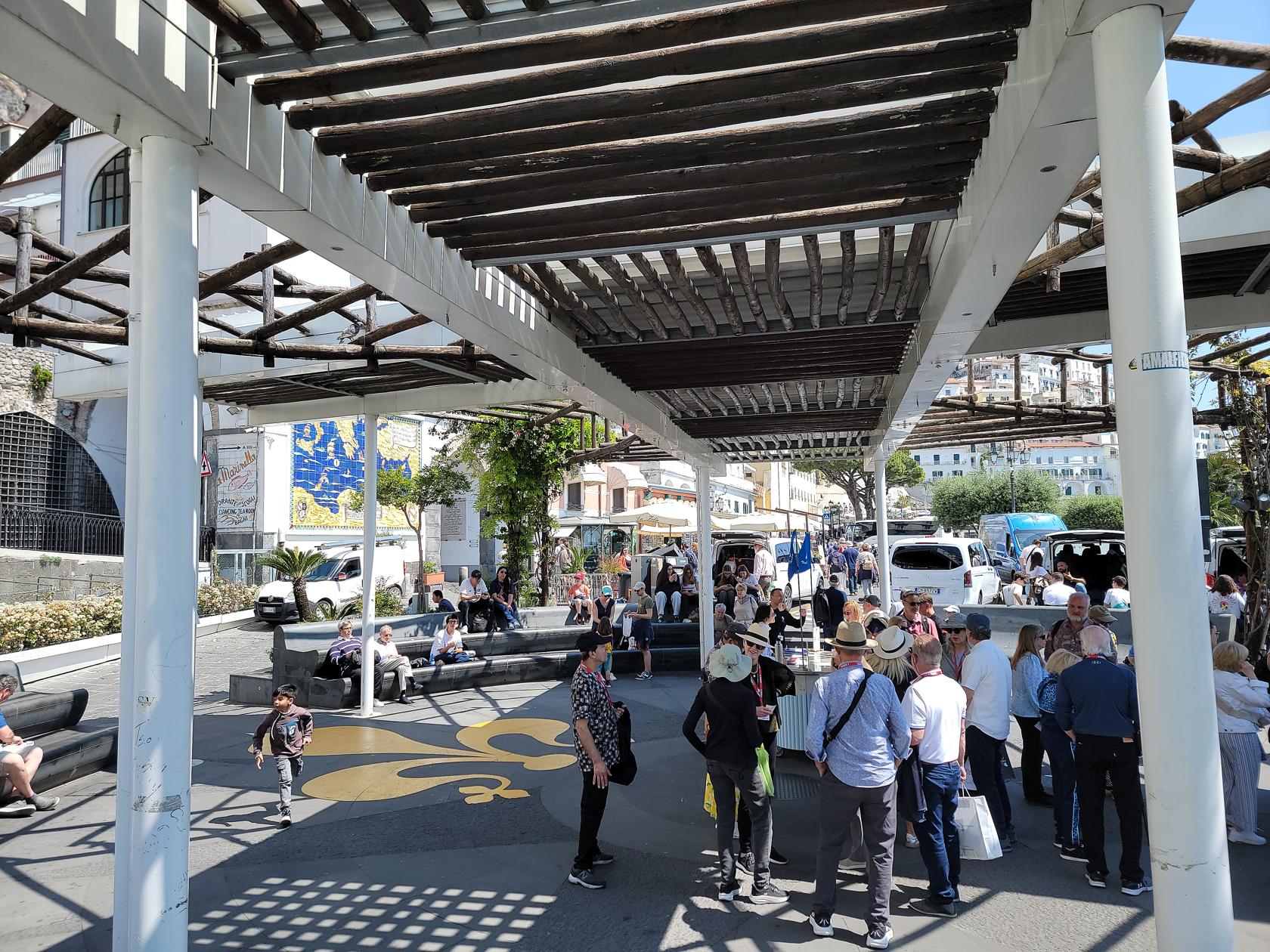
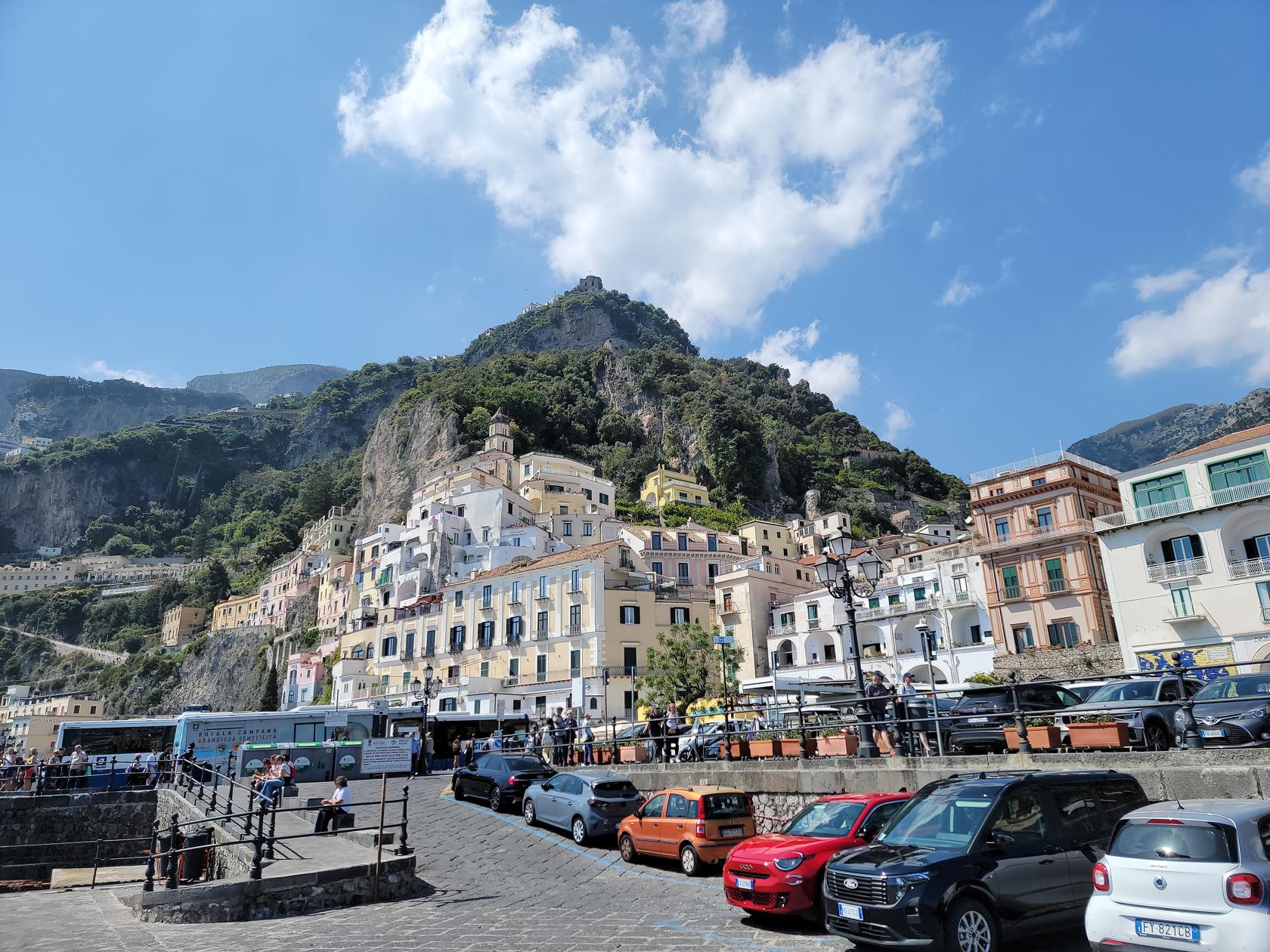
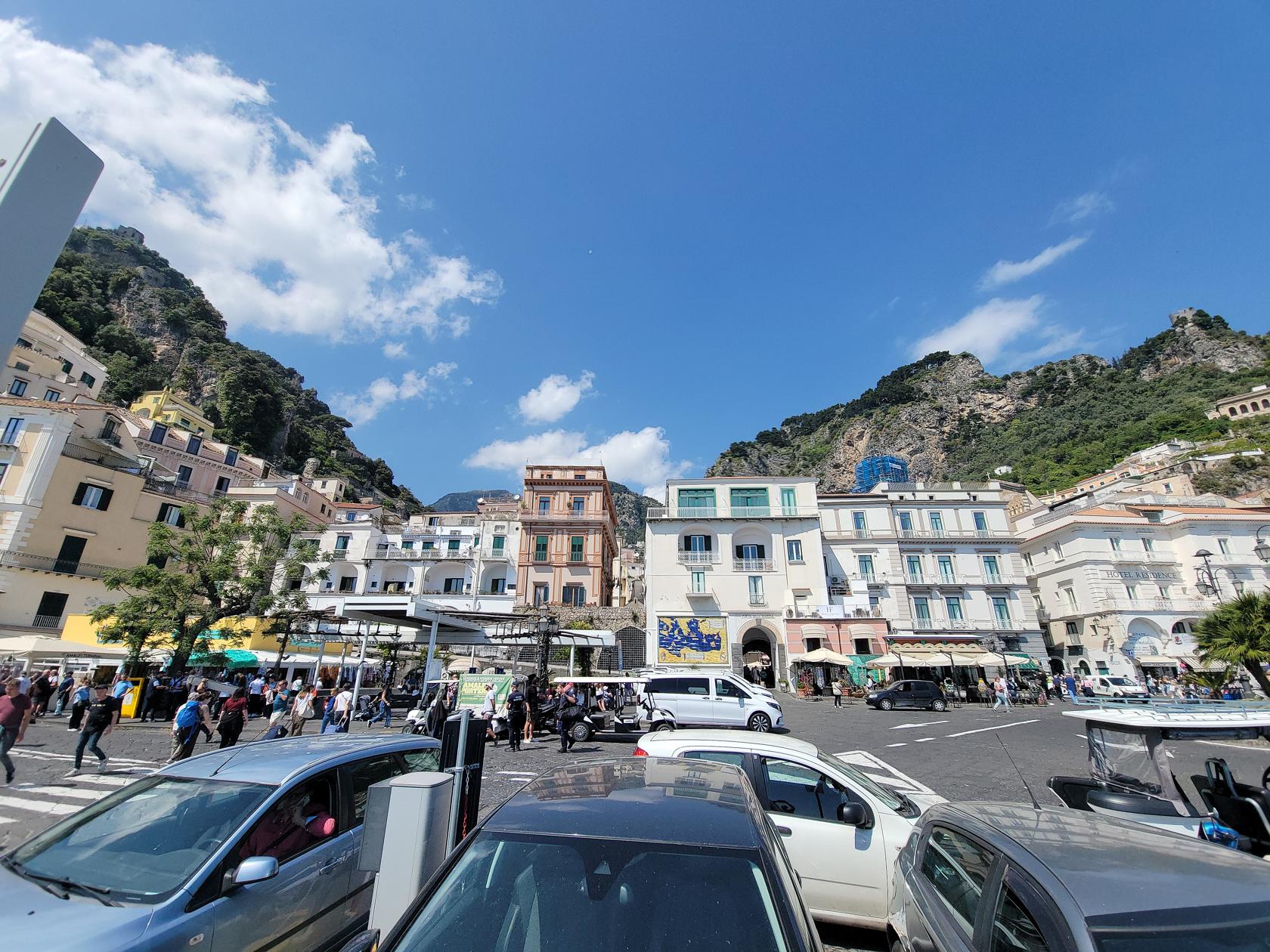
Perhaps fourth best of all the towns along the coast is Amalfi. Some may be surprised, but that is based on our experience of most of the towns. There are many factors for this, including the terrible idea of using part of the waterfront as a parking area, instead of a boardwalk, or even another beach. Therefore, it comes after Positano, Vietri sul Mare[1]this town also has coastal parking, but here it works because it is part of a boardwalk and beach complex. and Ravello.
Amalfi from parking lot – Amalfi, Italy
Amalfi from parking lot – Amalfi, Italy
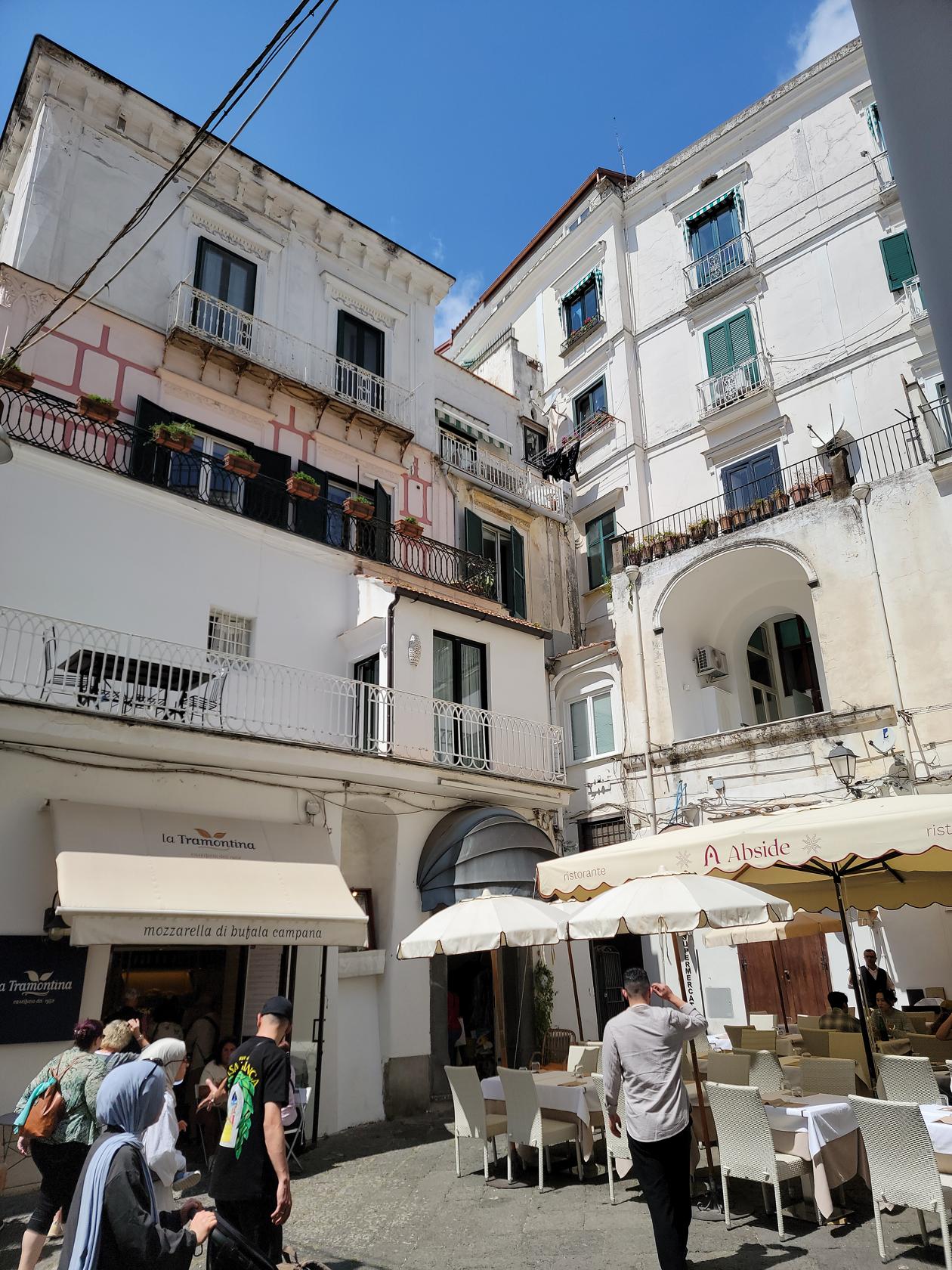
Typical white houses – Amalfi, Italy
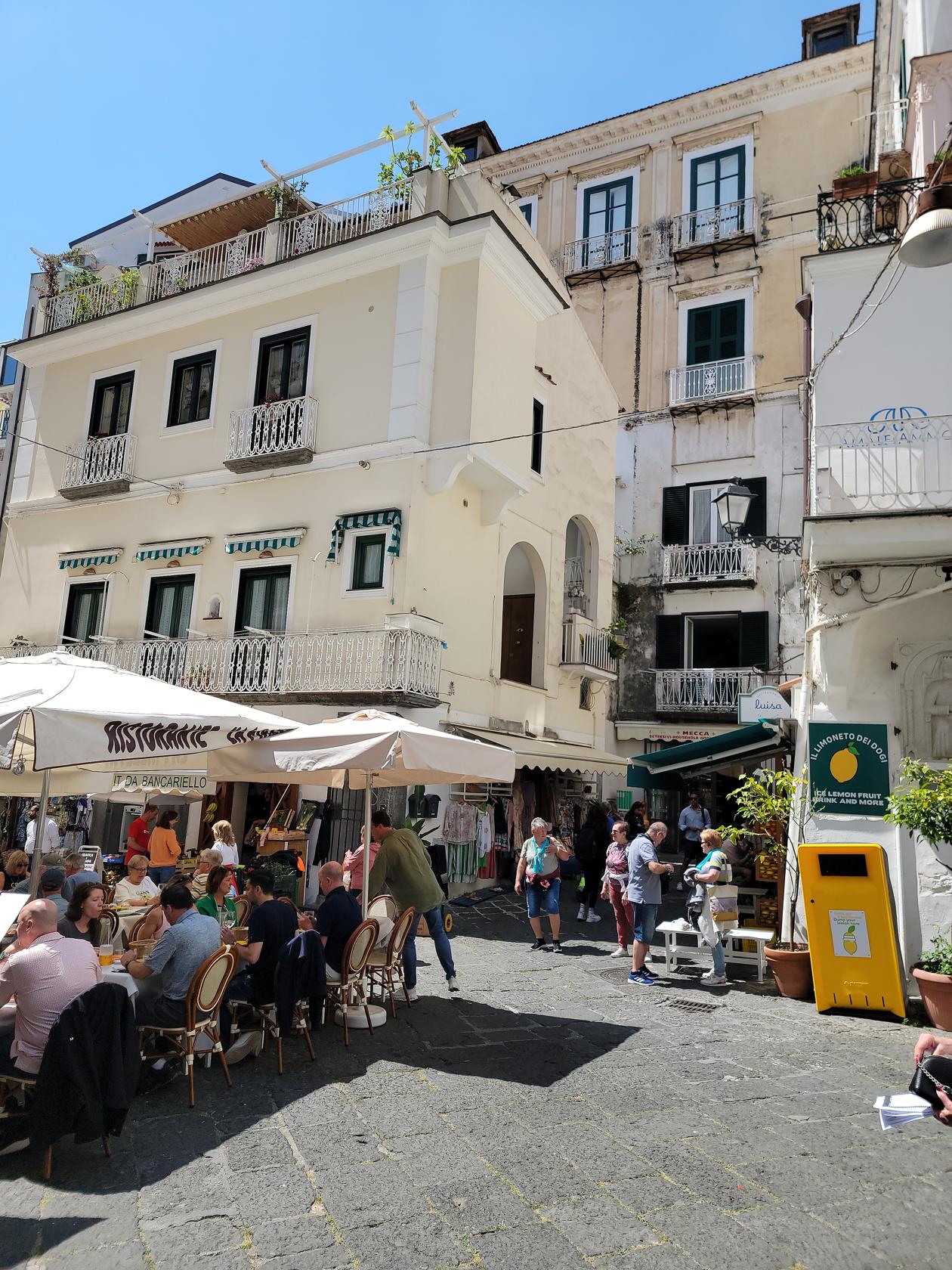
Main Piazza – Amalfi, Italy
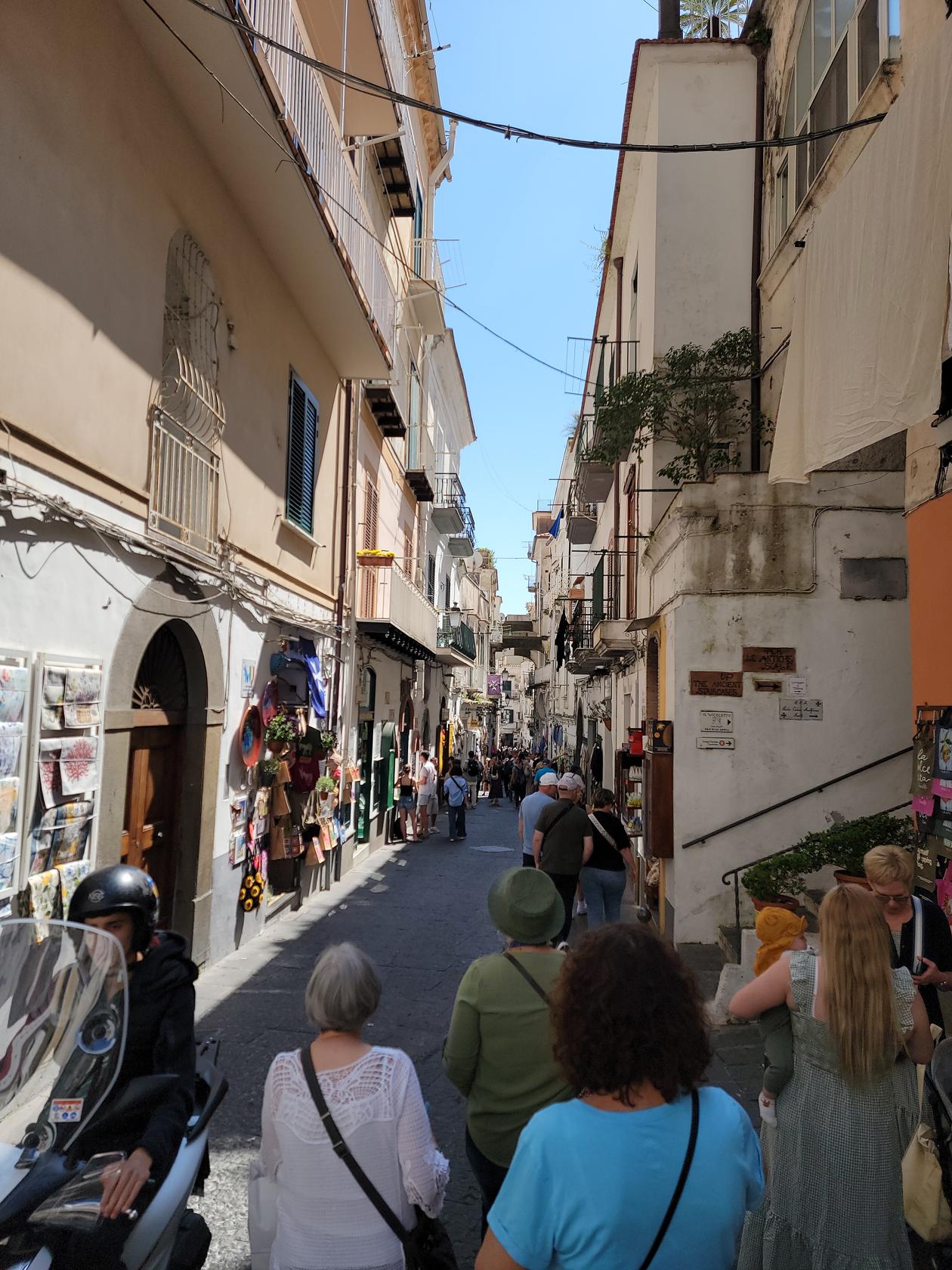
Main shopping street – Amalfi, Italy
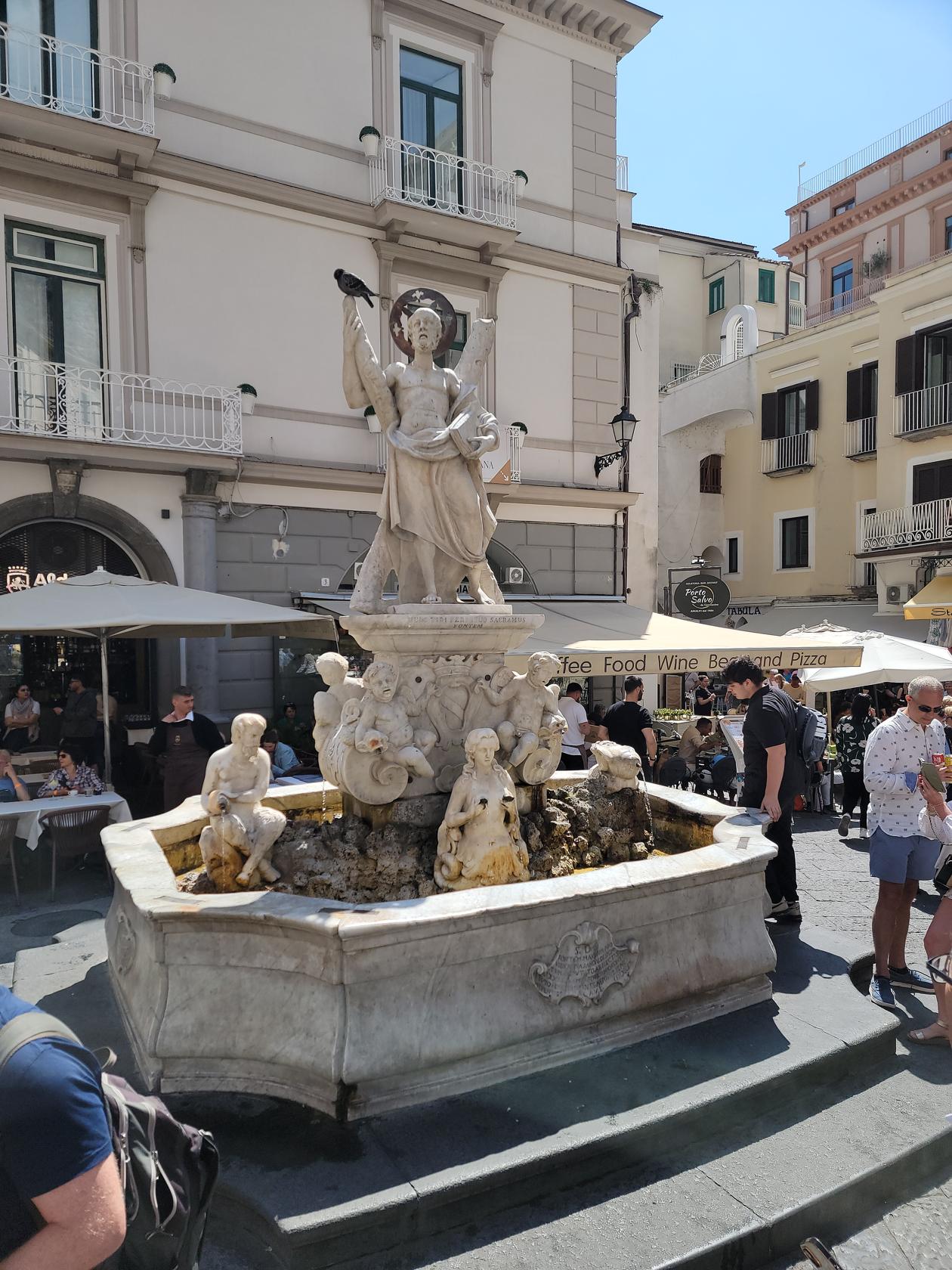
Mermaid fountain – Amalfi, Italy
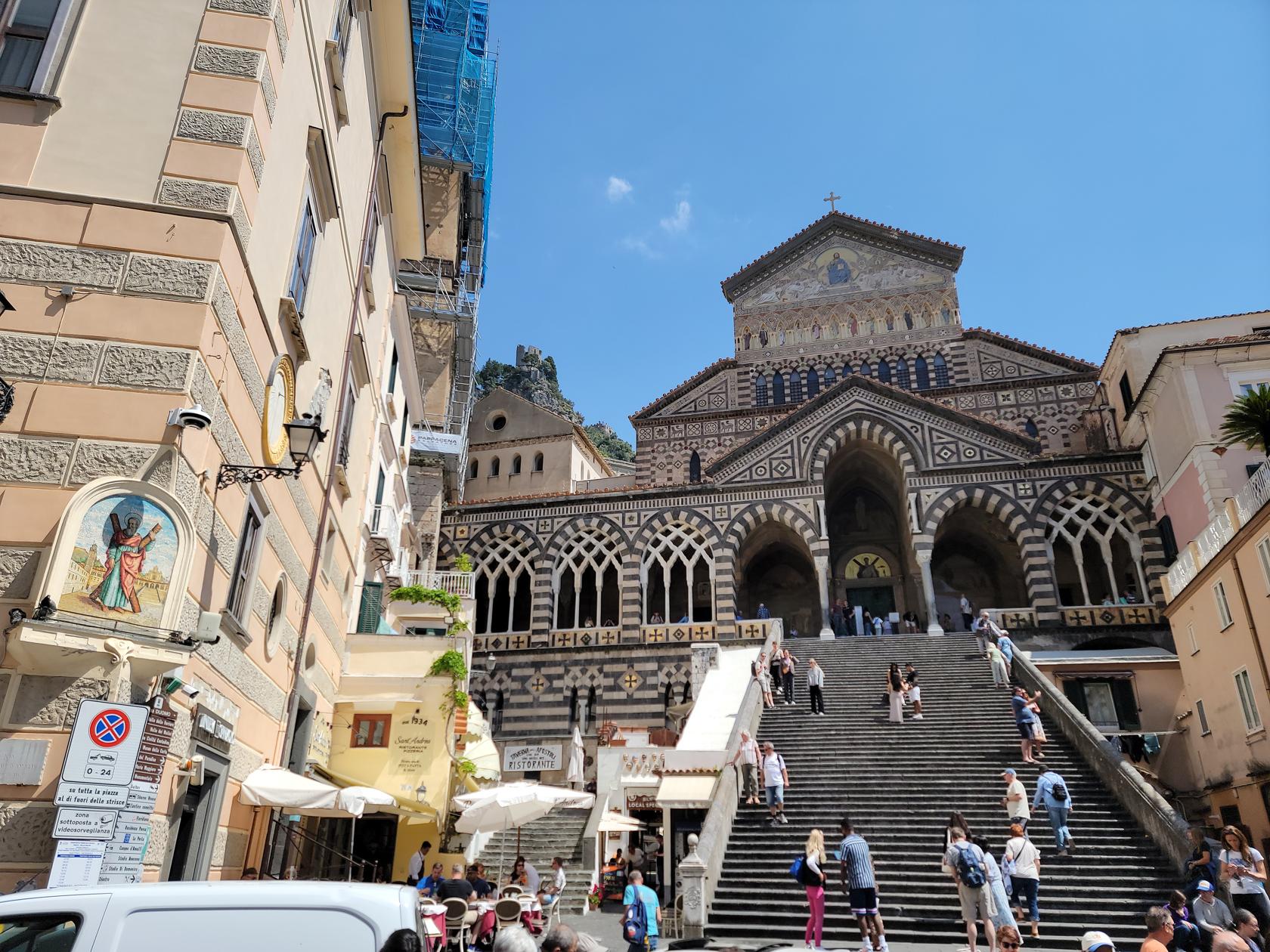
It does have a beautiful cathedral, which unfortunately was closed at the time of our visit.
Cathedral of Saint Andrew the Apostle – Amalfi, Italy
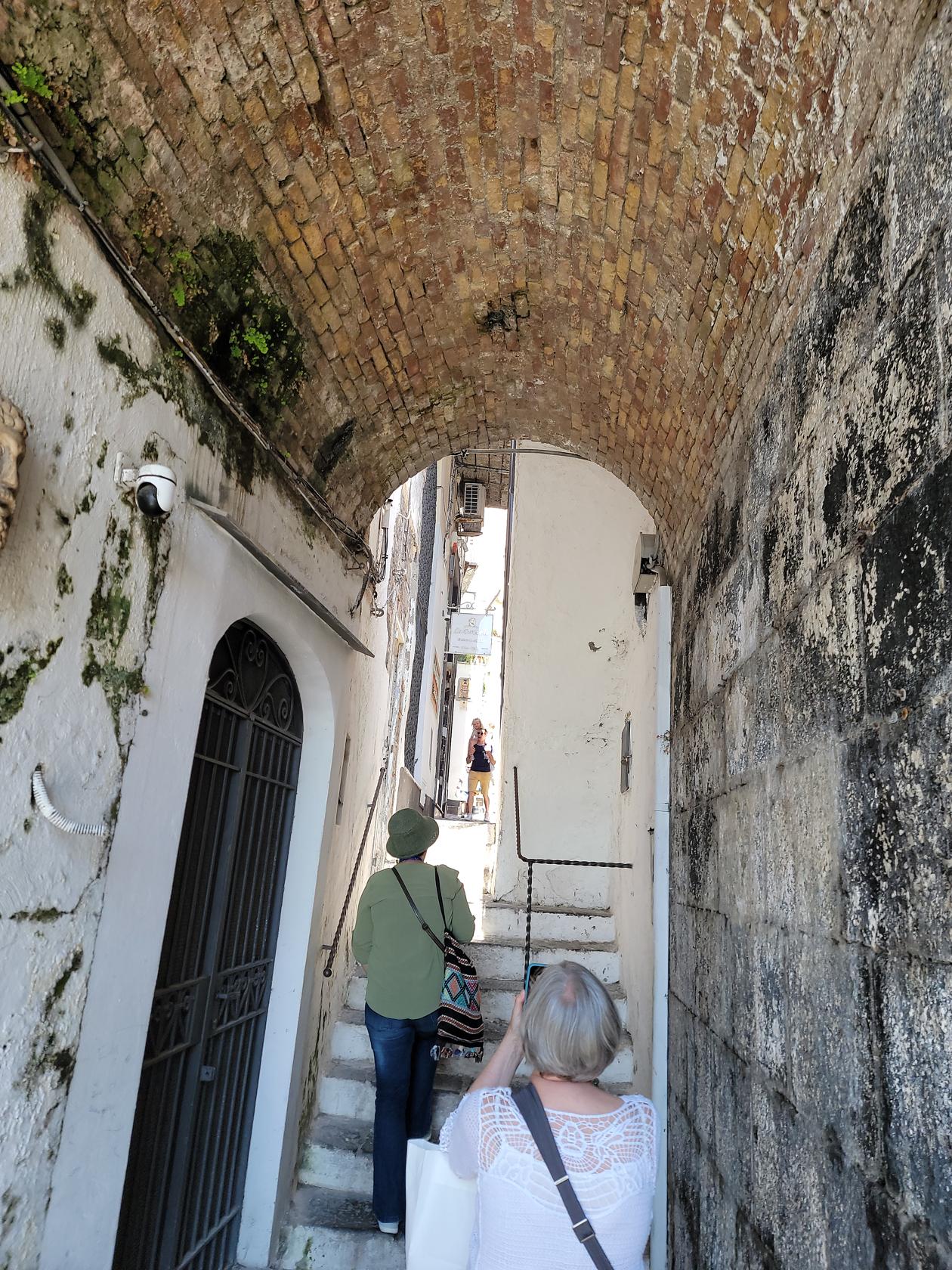
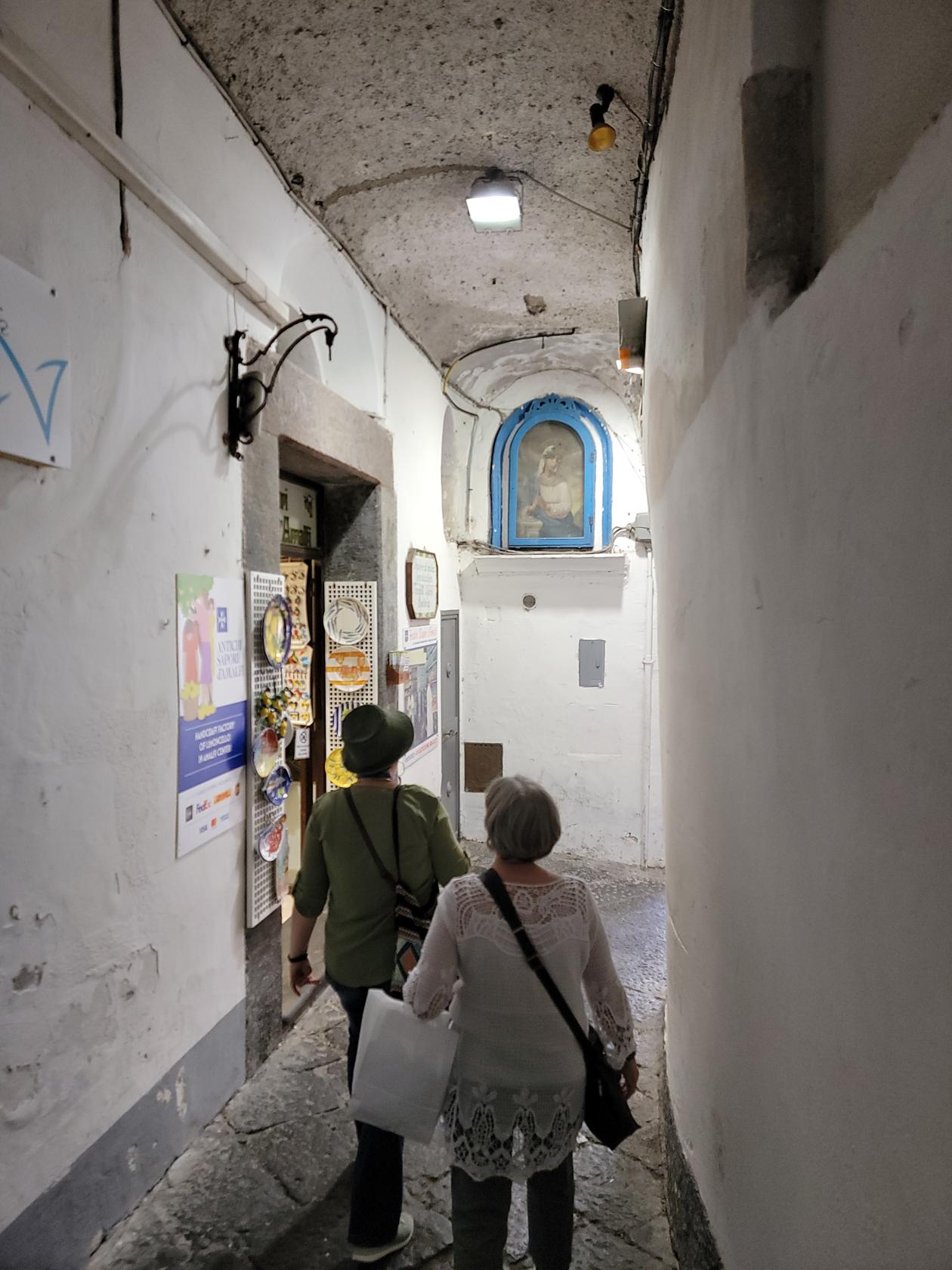
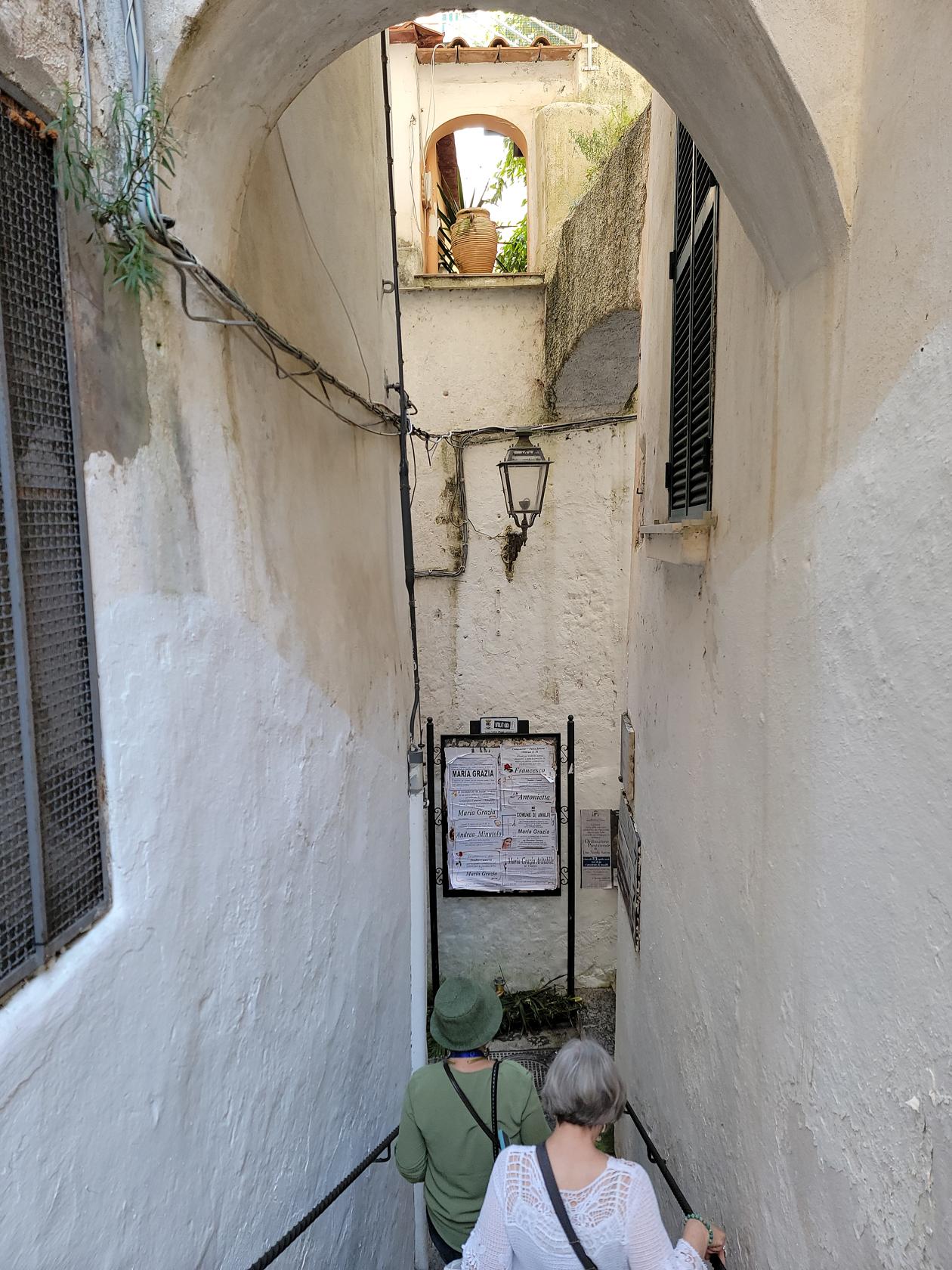
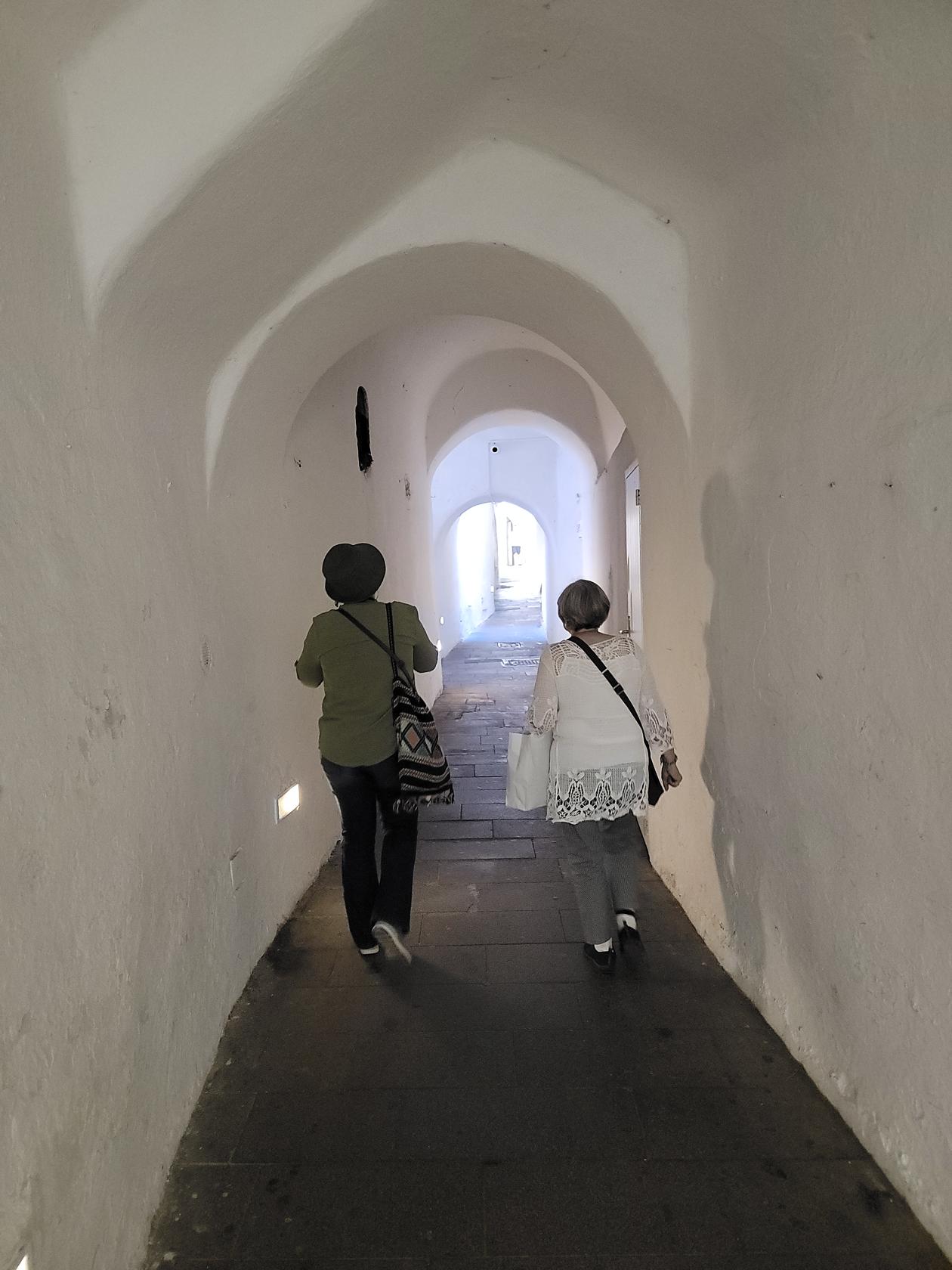
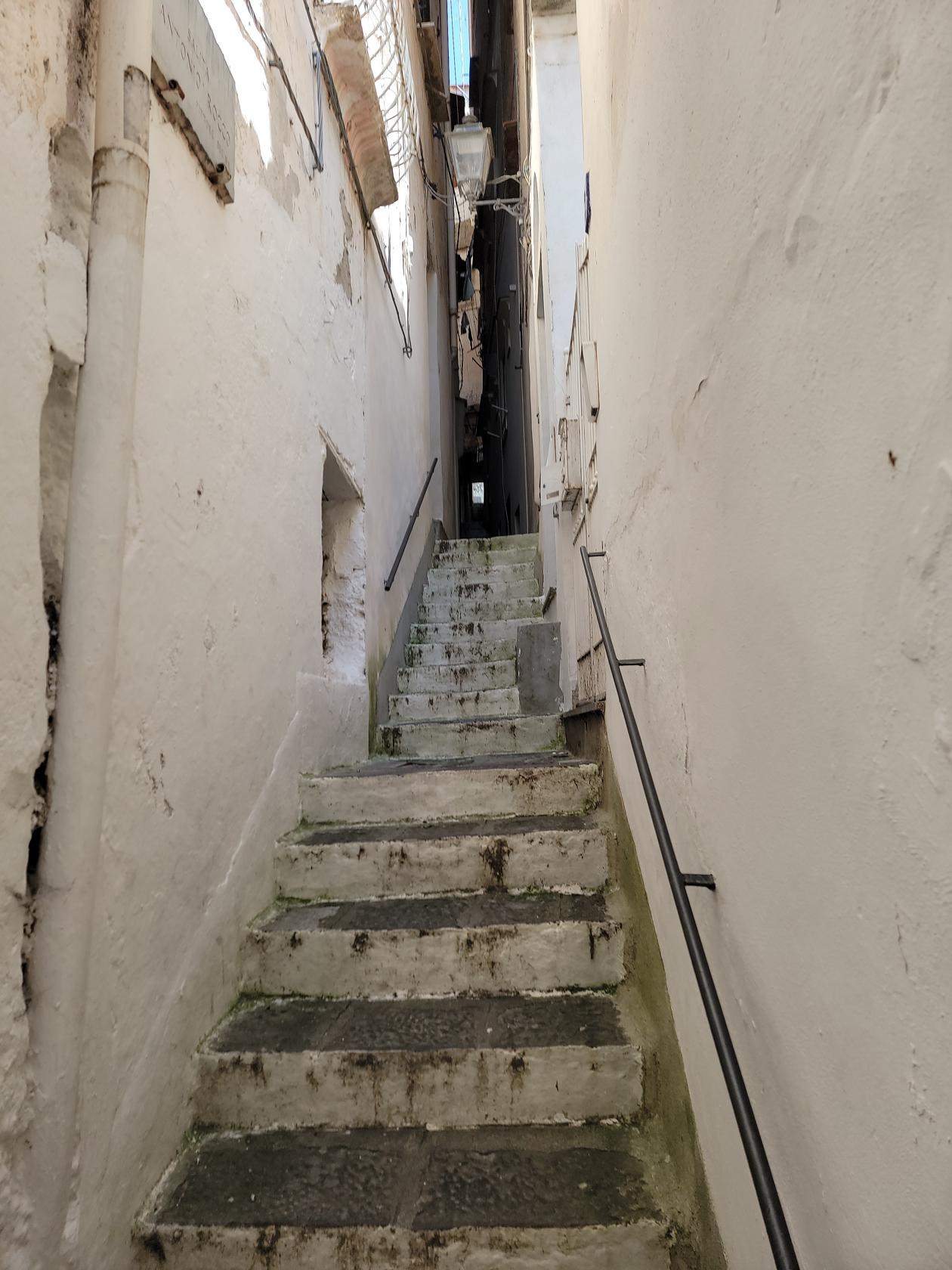
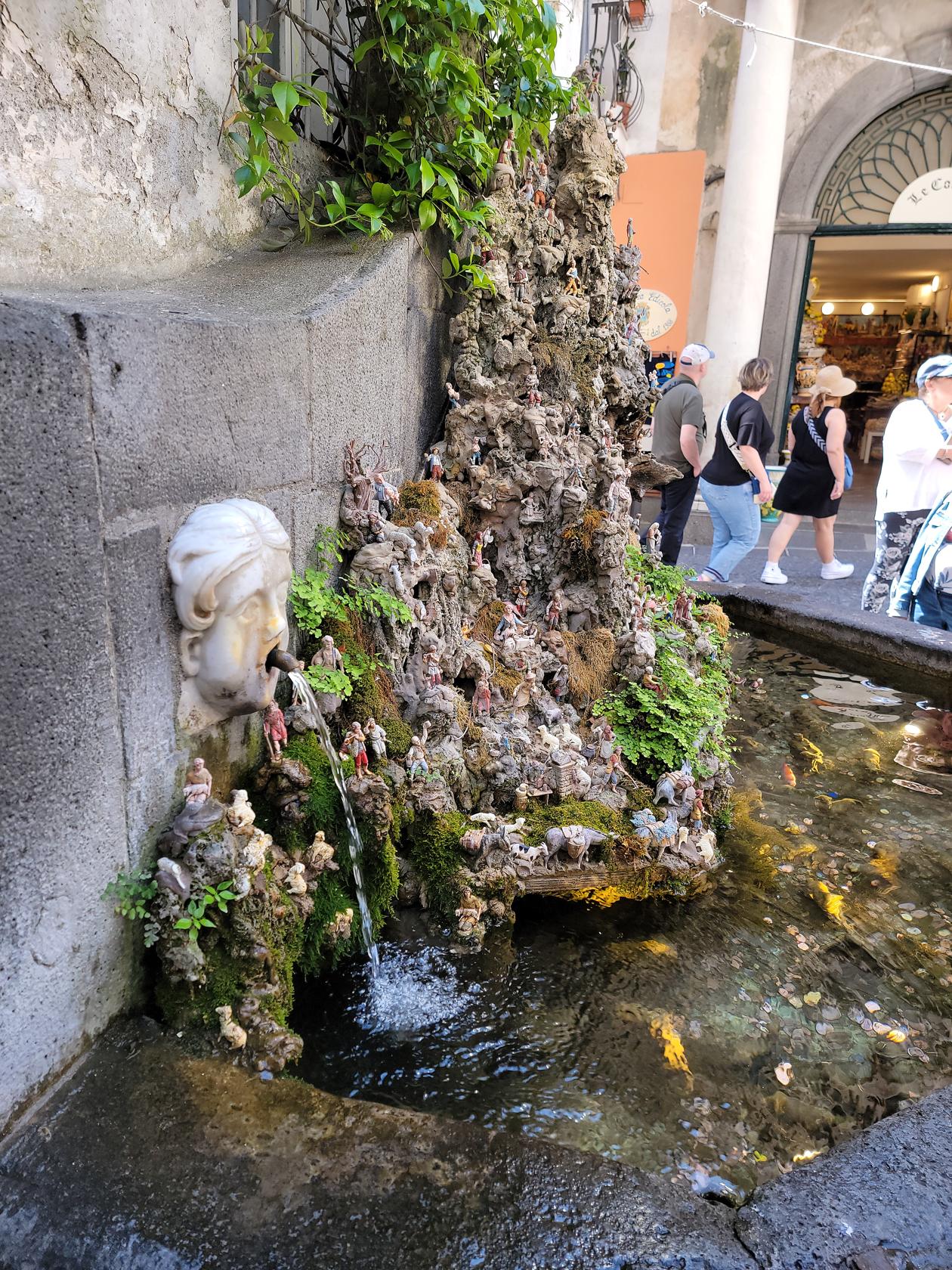
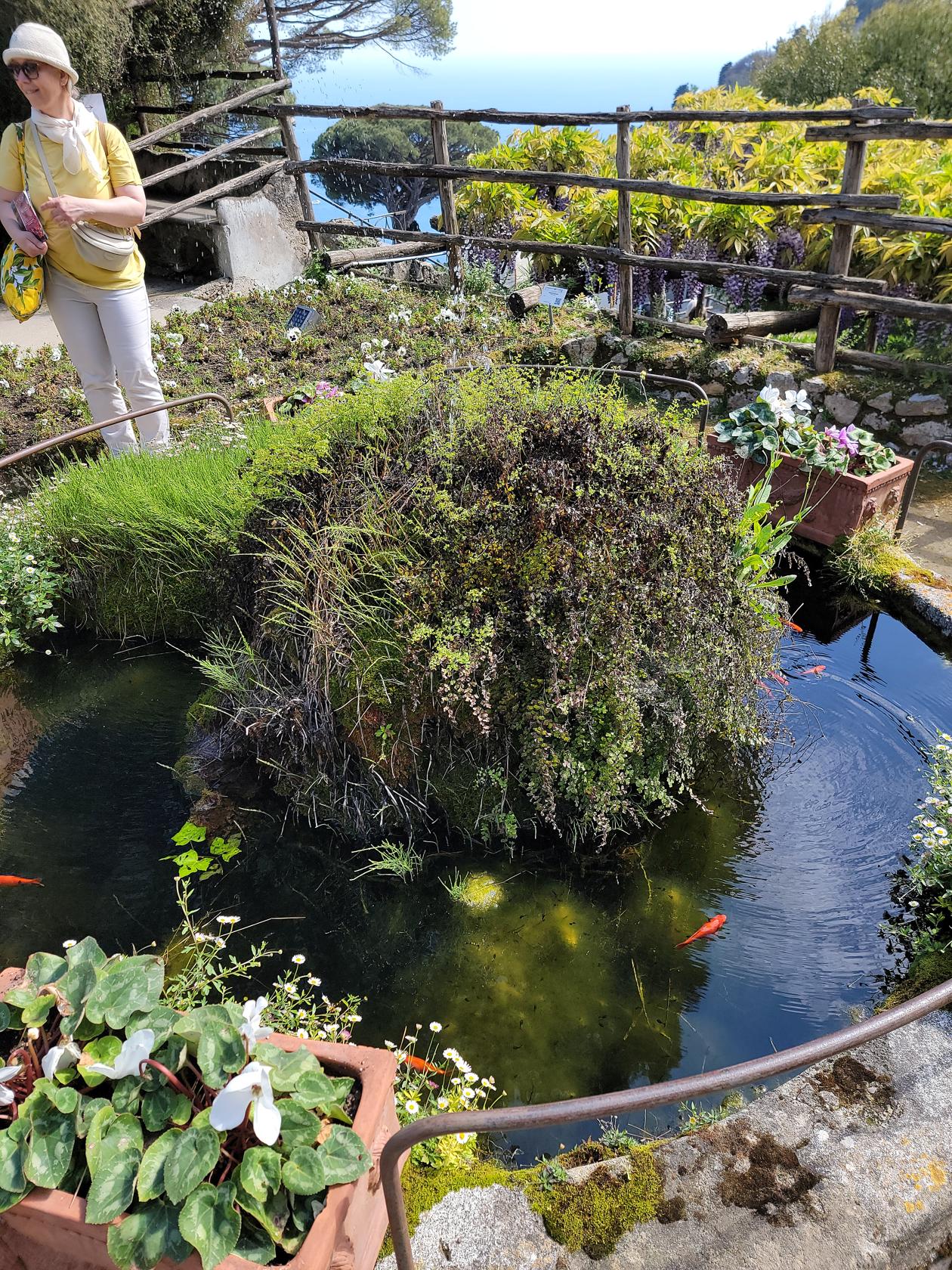
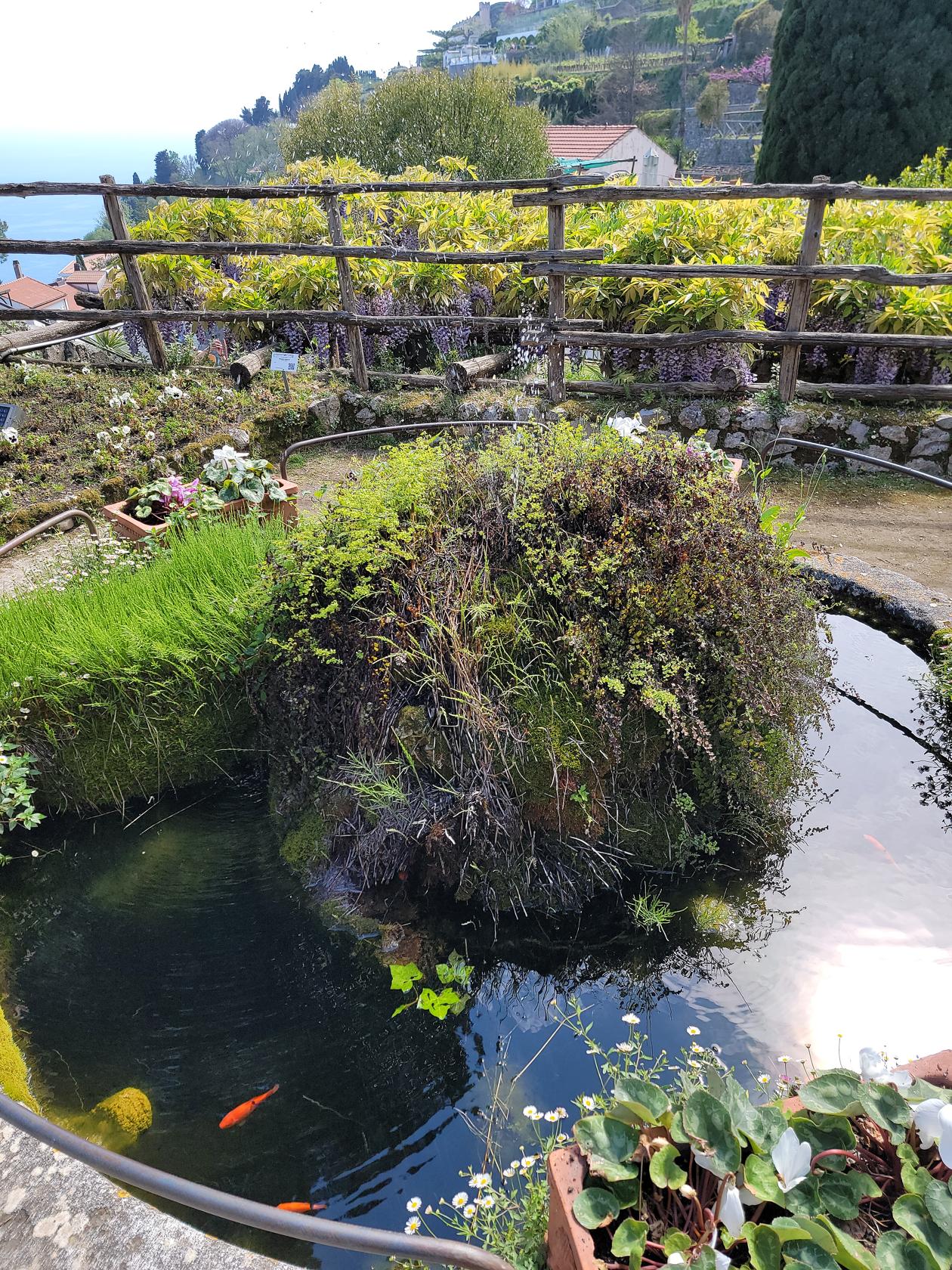
The town has the customary narrow stairs, stairways, alleyways and tunnels, providing a reprieve from the hot summer days for travelers. There are also some interesting fountains in Amalfi, one actually has a cute little diorama built into it of little character, shepards and animals, along with the customary goldfish swimming below.
Narrow stairways – Amalfi, Italy
Narrow alleyways – Amalfi, Italy
More narrow stairs – Amalfi, Italy
Tunnels – Amalfi, Italy
Narrow stairs that go up, up – Amalfi, Italy
Fountain with diorama – Amalfi, Italy
Mermaid fountain – Amalfi, Italy
Ravello
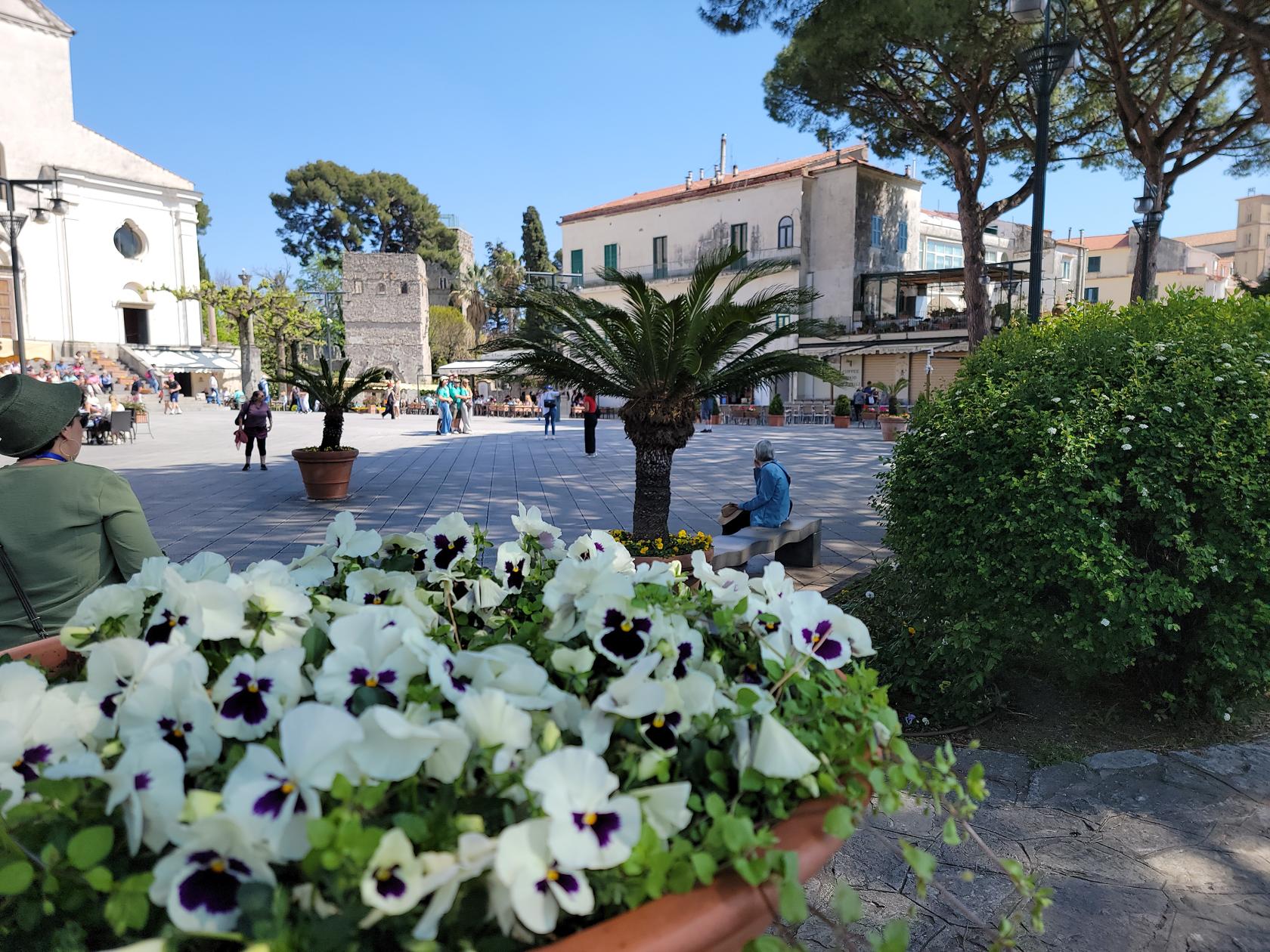
Unlike most other towns along the coast, Ravello kind of stood out. Not only is it more relaxing, since it is obviously visited by fewer people, it is quieter and more laid back. This is most likely due to its smaller size, its elevation and distance from the coast.
Piazza Centrale – Ravello, Italy
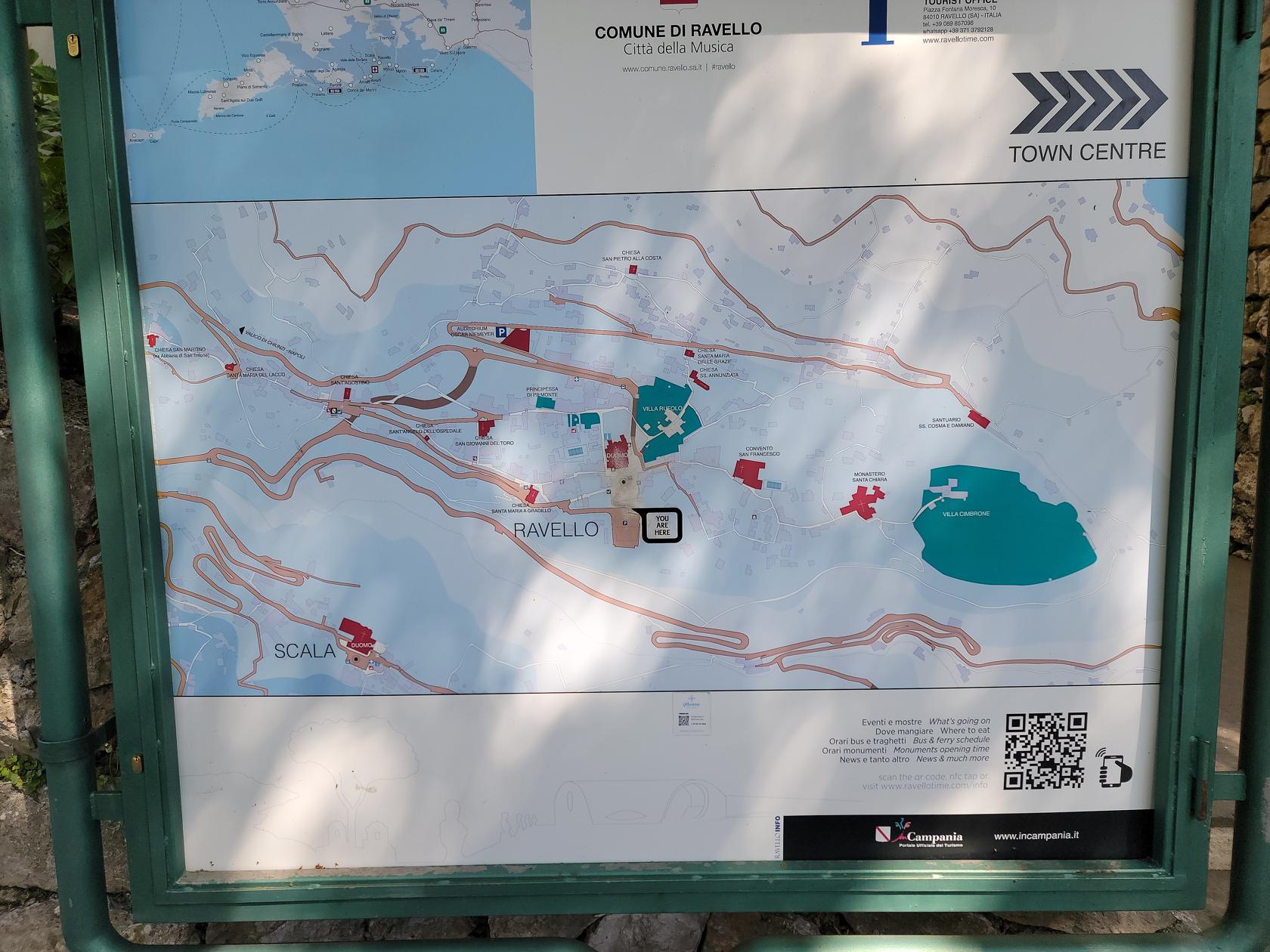
Map Of The Town – Ravello, Italy
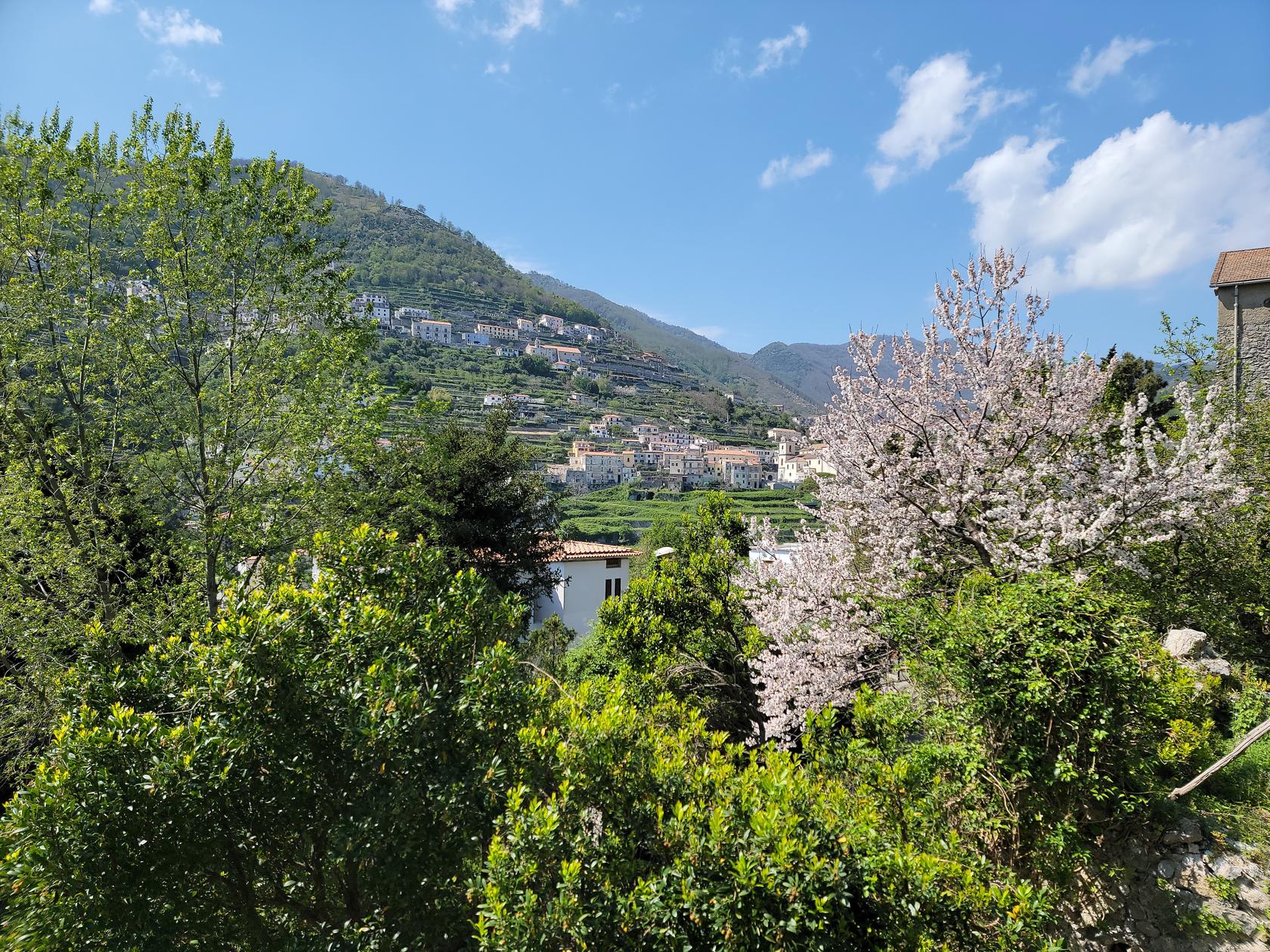
The Countryside – Ravello, Italy
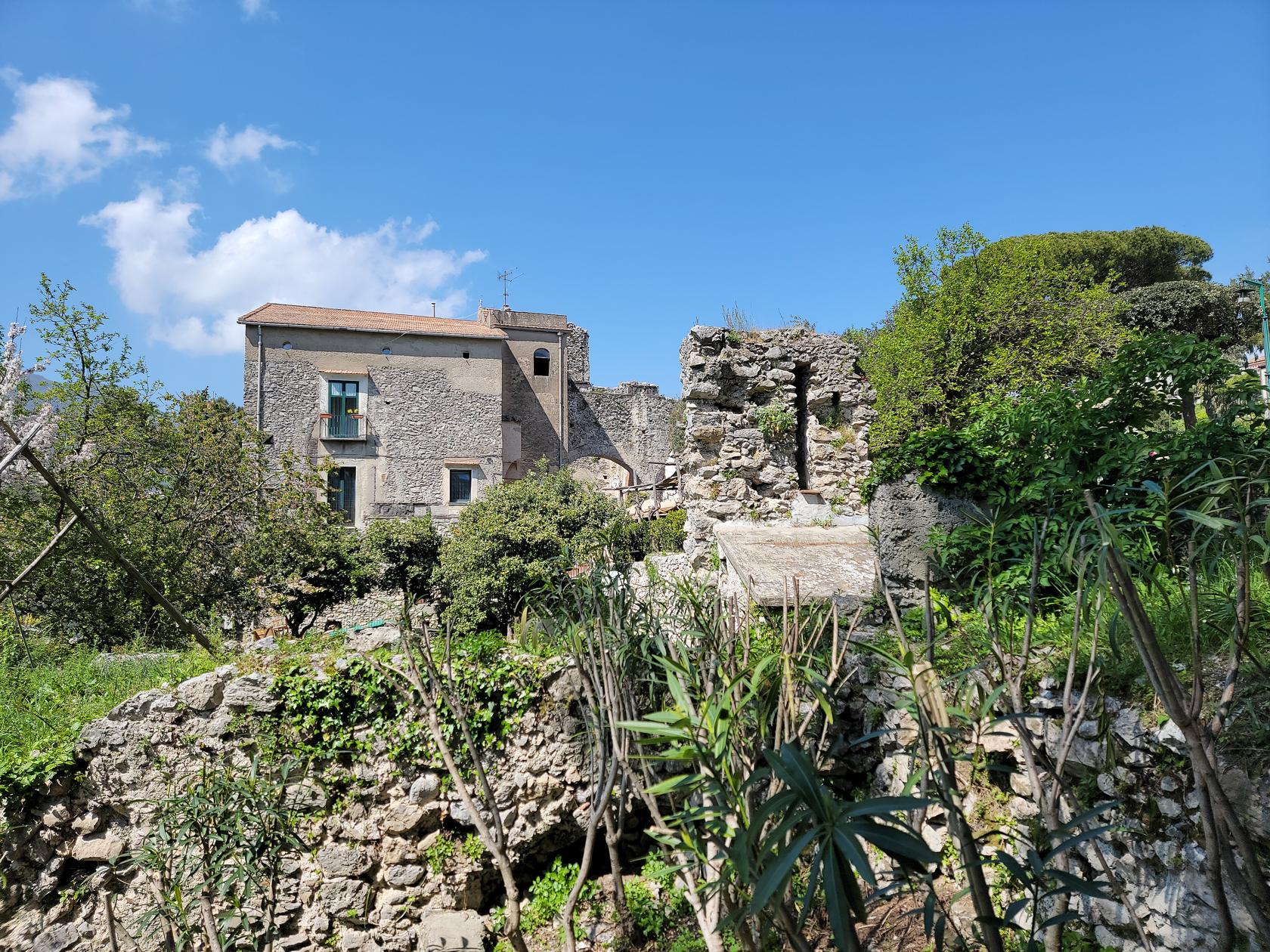
Very Old Buildings – Ravello, Italy
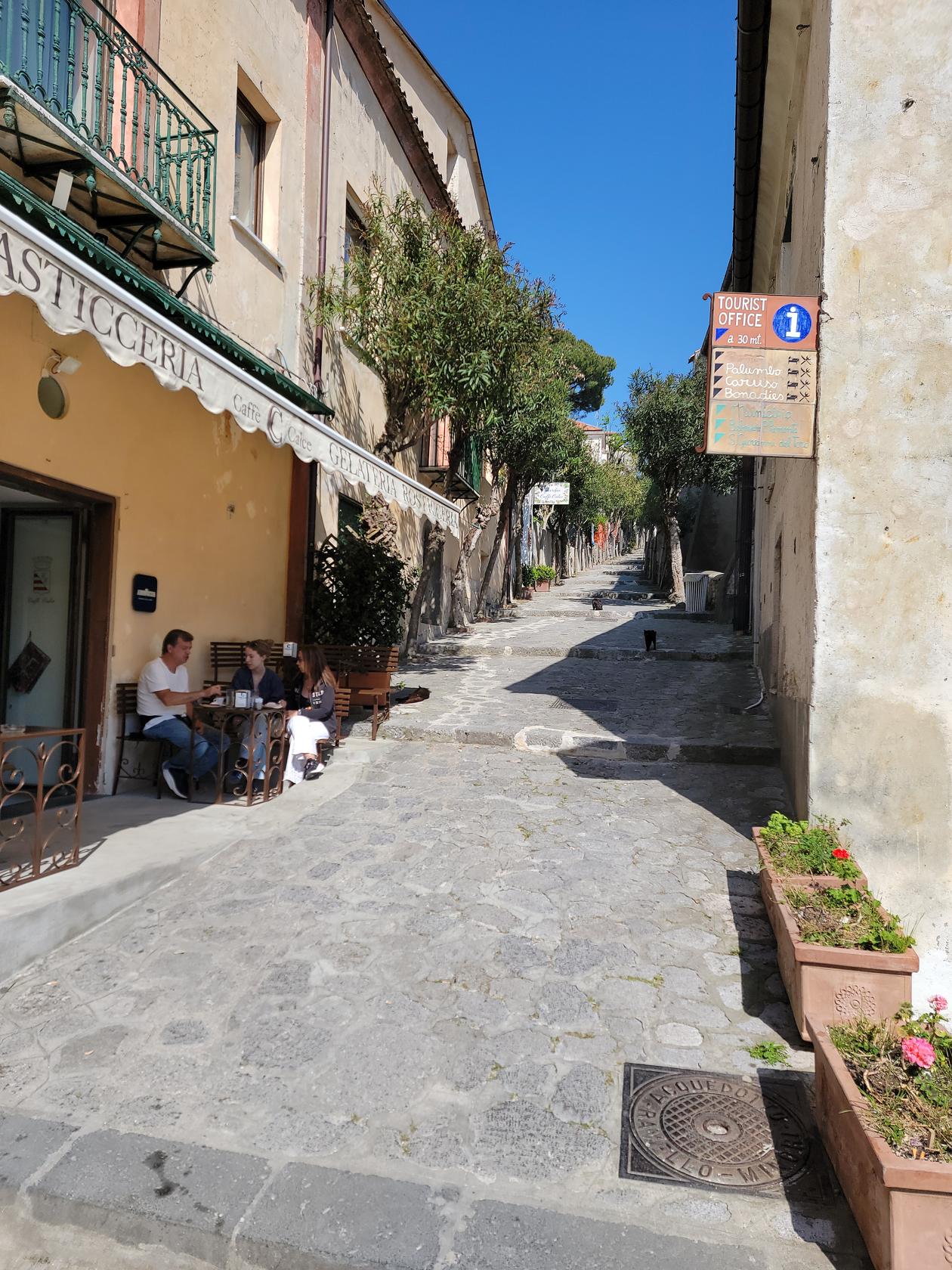
Some find it a better alternative than Amalfi. For one, there are better views from the town, from where visitors can see Amalfi’s classic rocky coastline. Plus the relaxed atmosphere adds to the pleasure, especially if you have time to sit and enjoy a drink, or have a gelato at one of the many artigianale gelaterias in the town.
Gelateria – Ravello, Italy
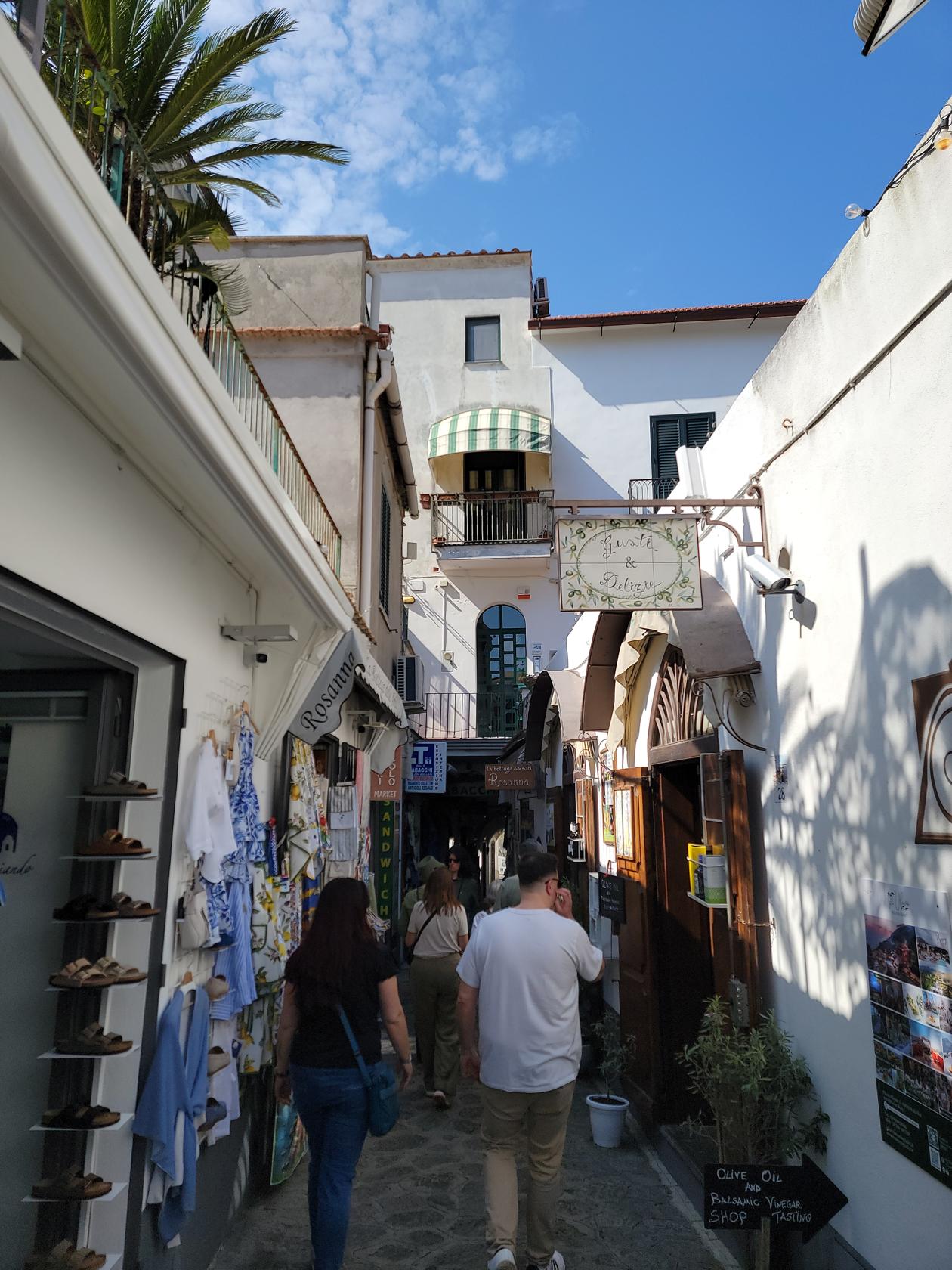
The Narrow Town Streets – Ravello, Italy
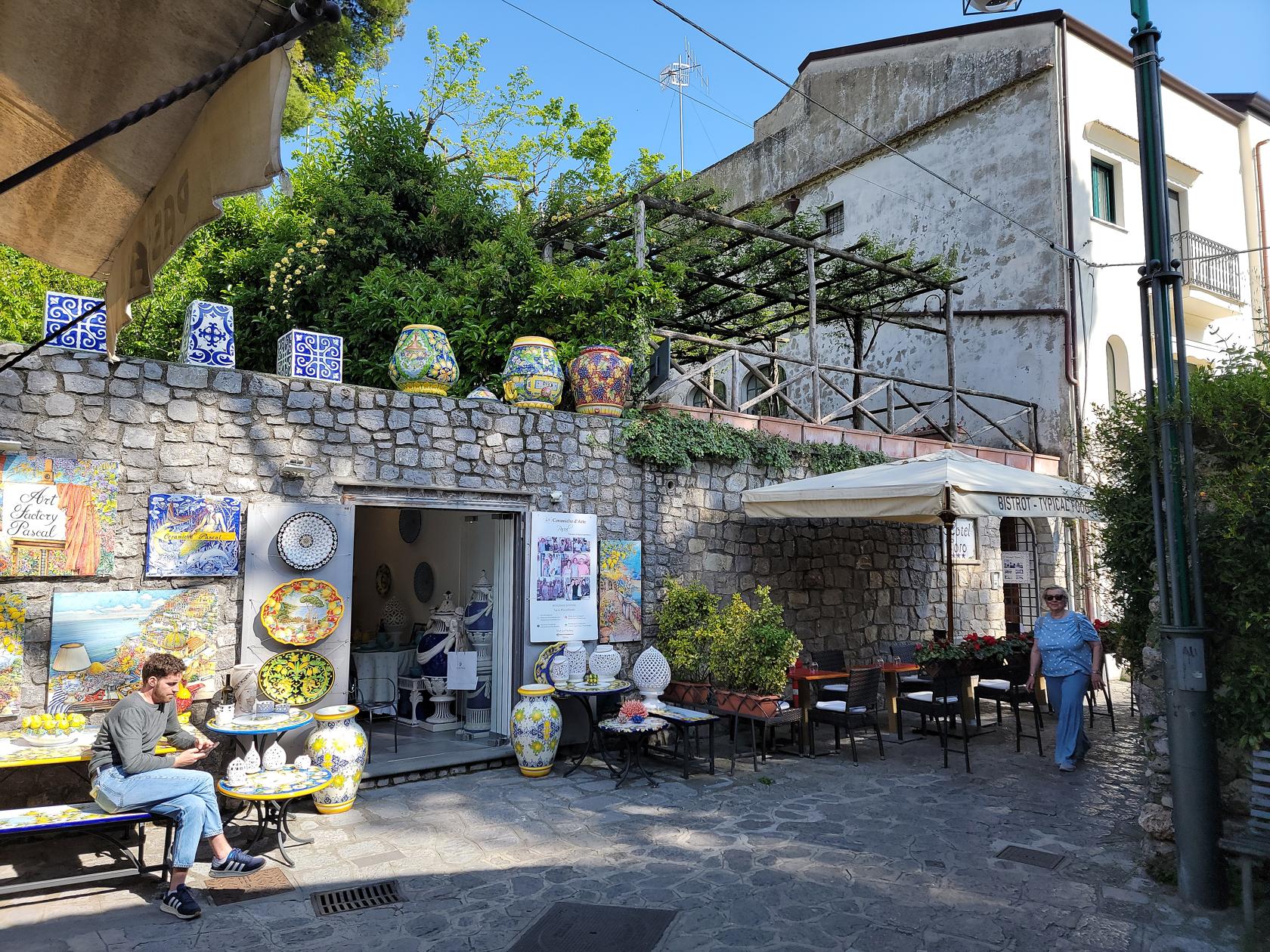
Ceramics And Glass From Coast – Ravello, Italy
Duomo di Revallo
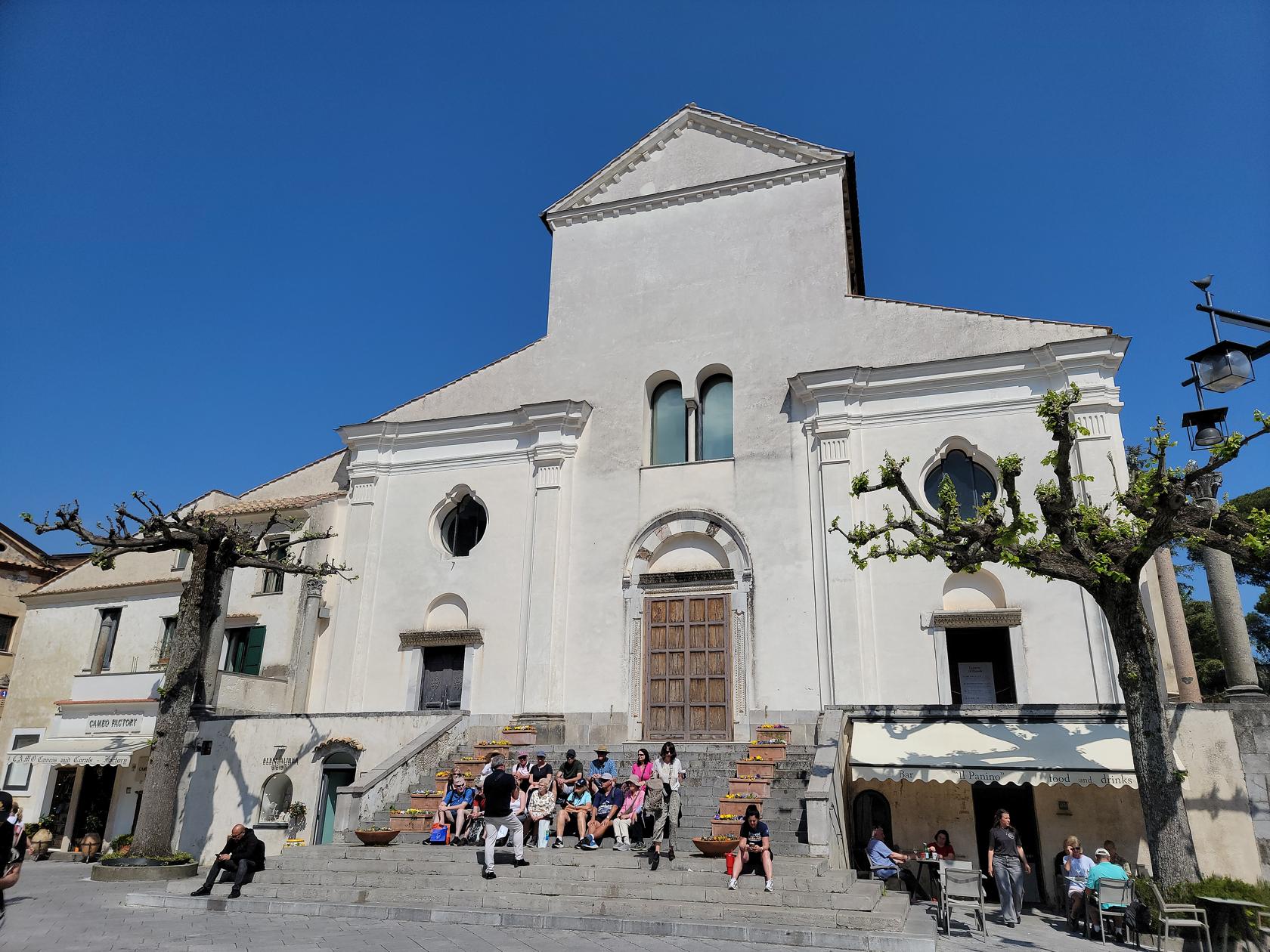
The main church in town is the Duomo di Ravello, which was unfortunately closed while we were visiting, so the interior remains a mystery to us.
Duomo Ravello – Piazza Centrale – Ravello, Italy
Villa Rufolo
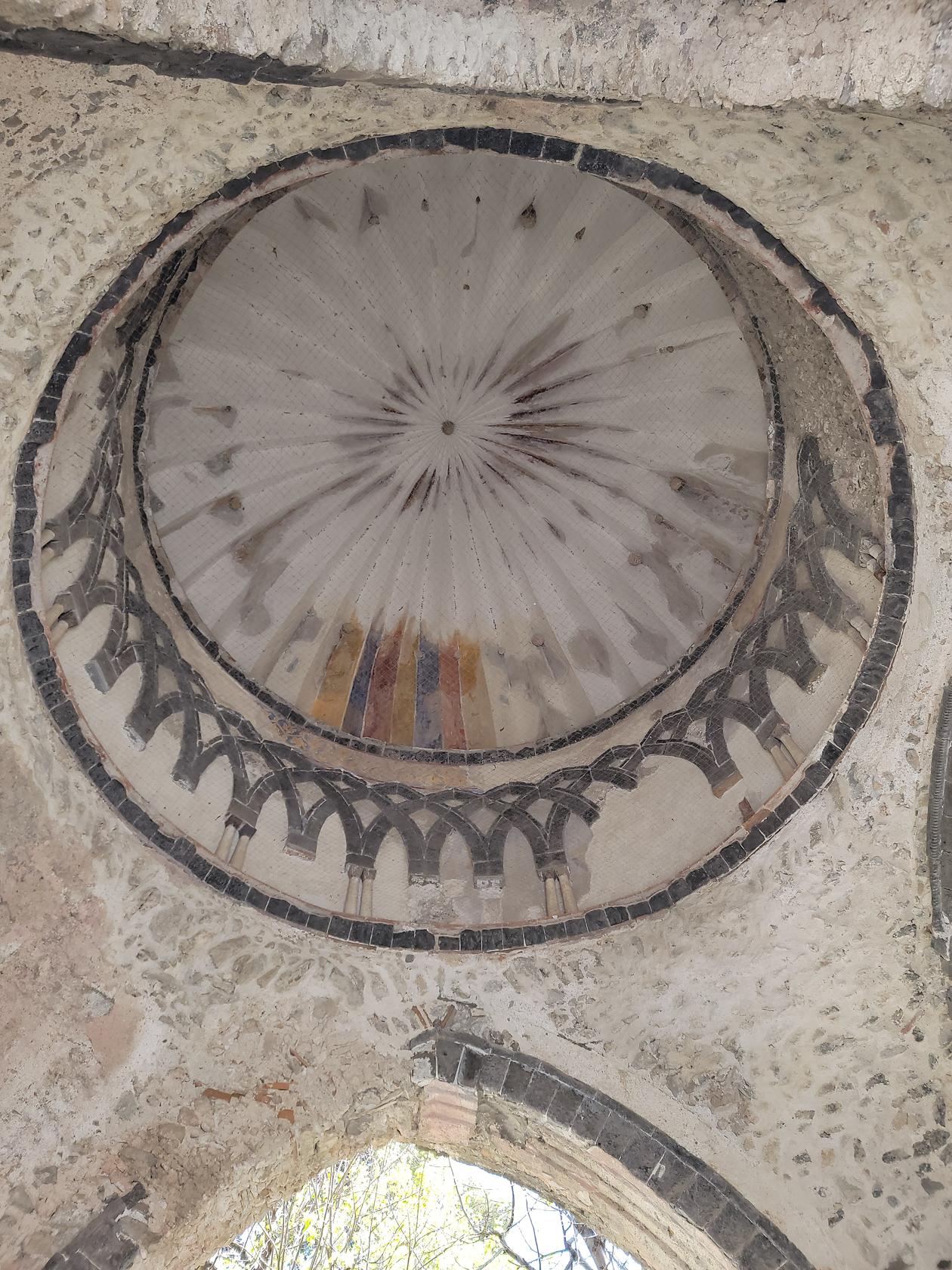
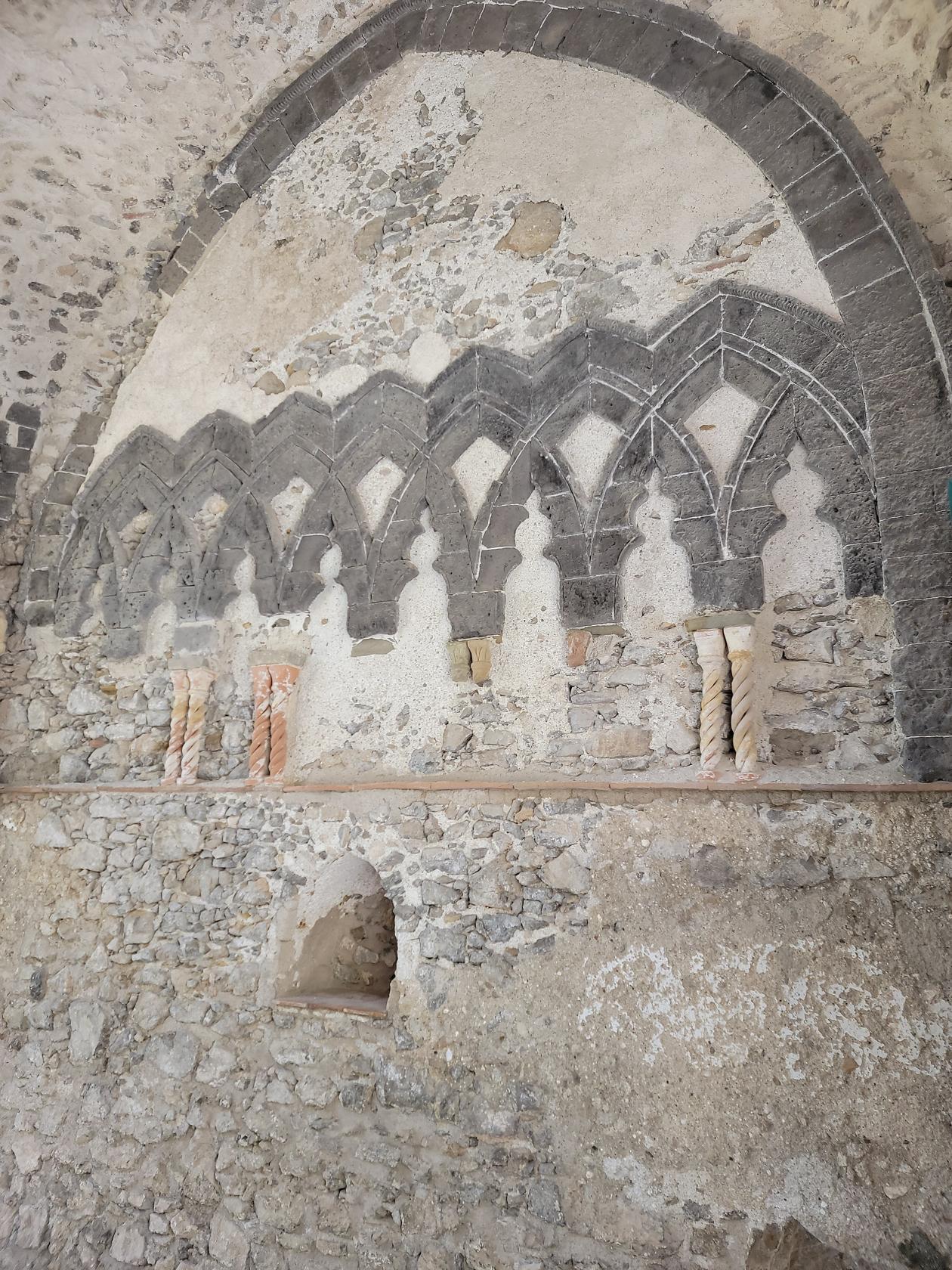
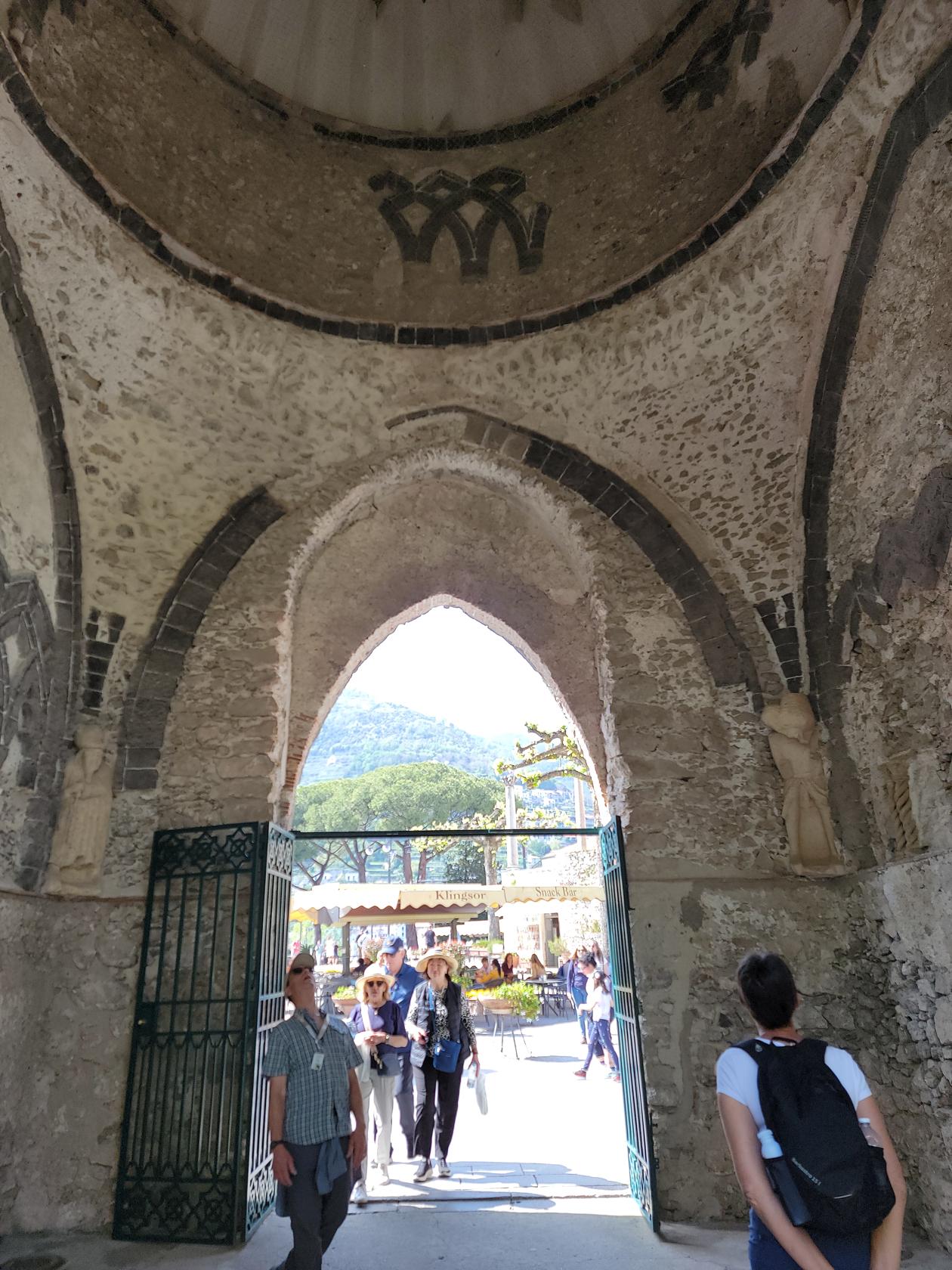
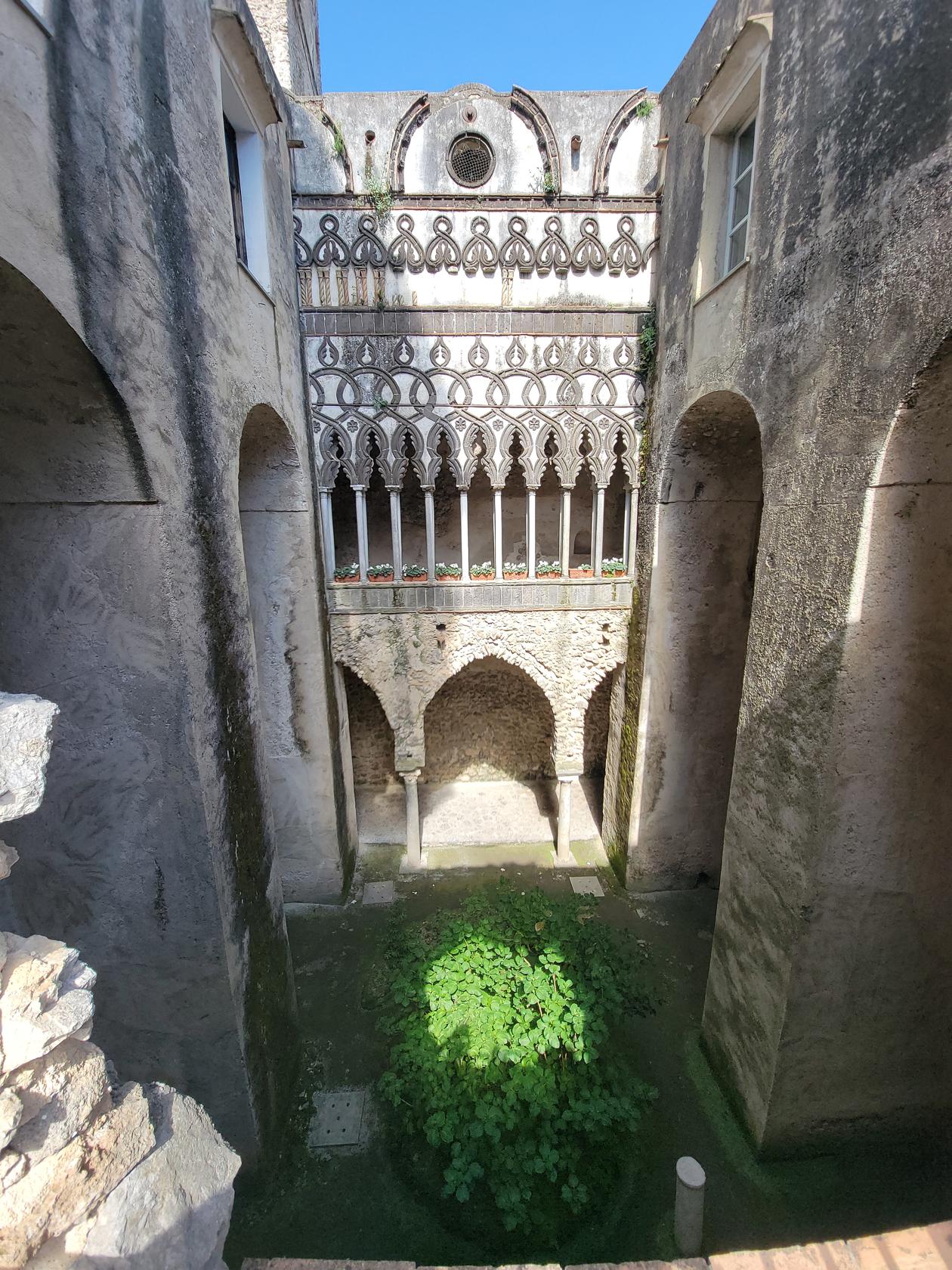
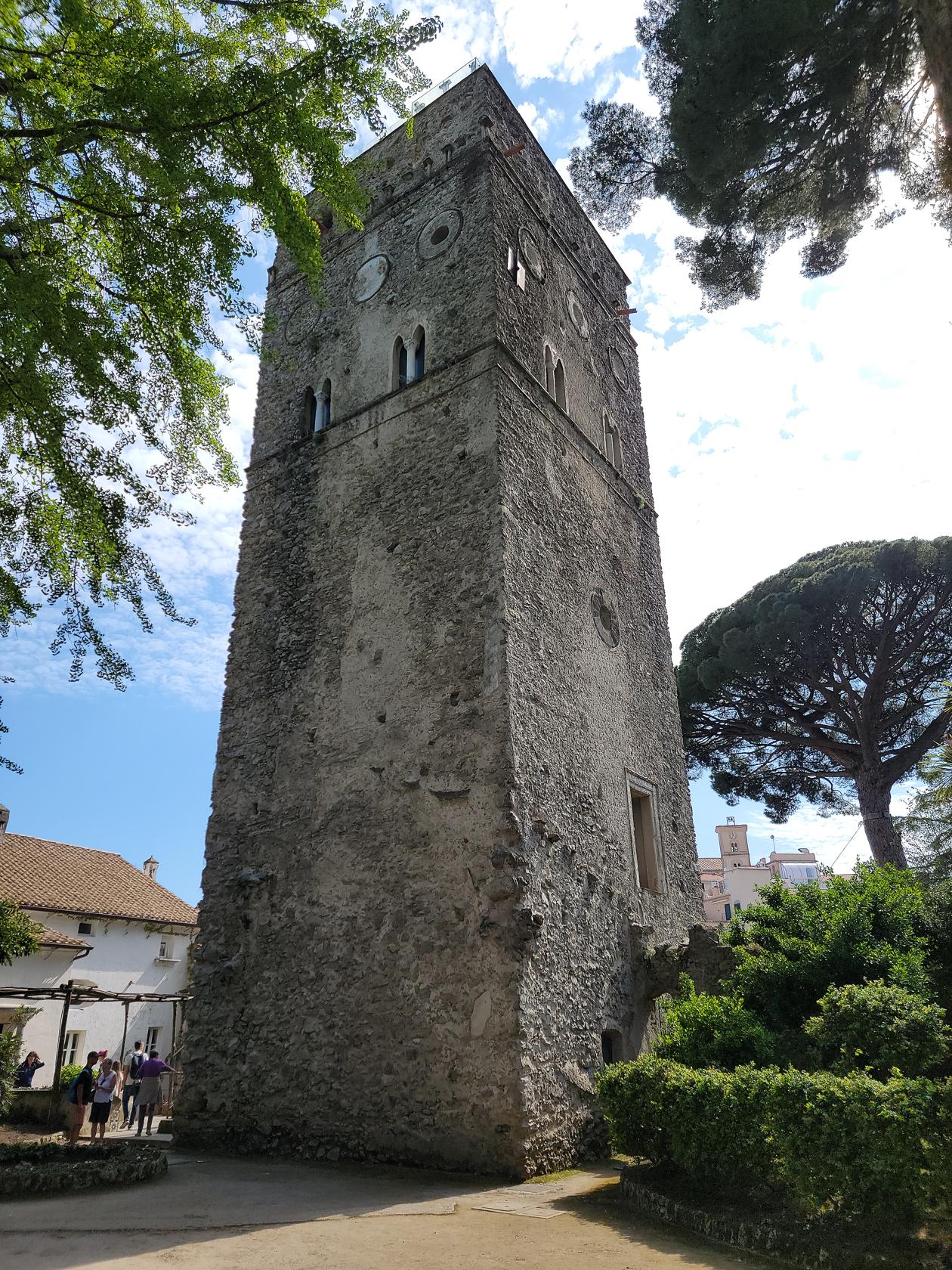
For a small entrance fee you can visit Villa Rufolo in Ravello. The entrance shows some interesting designs and details, that continue in deeper parts of the villa.
Entrance – Villa Rufolo – Ravello, Italy
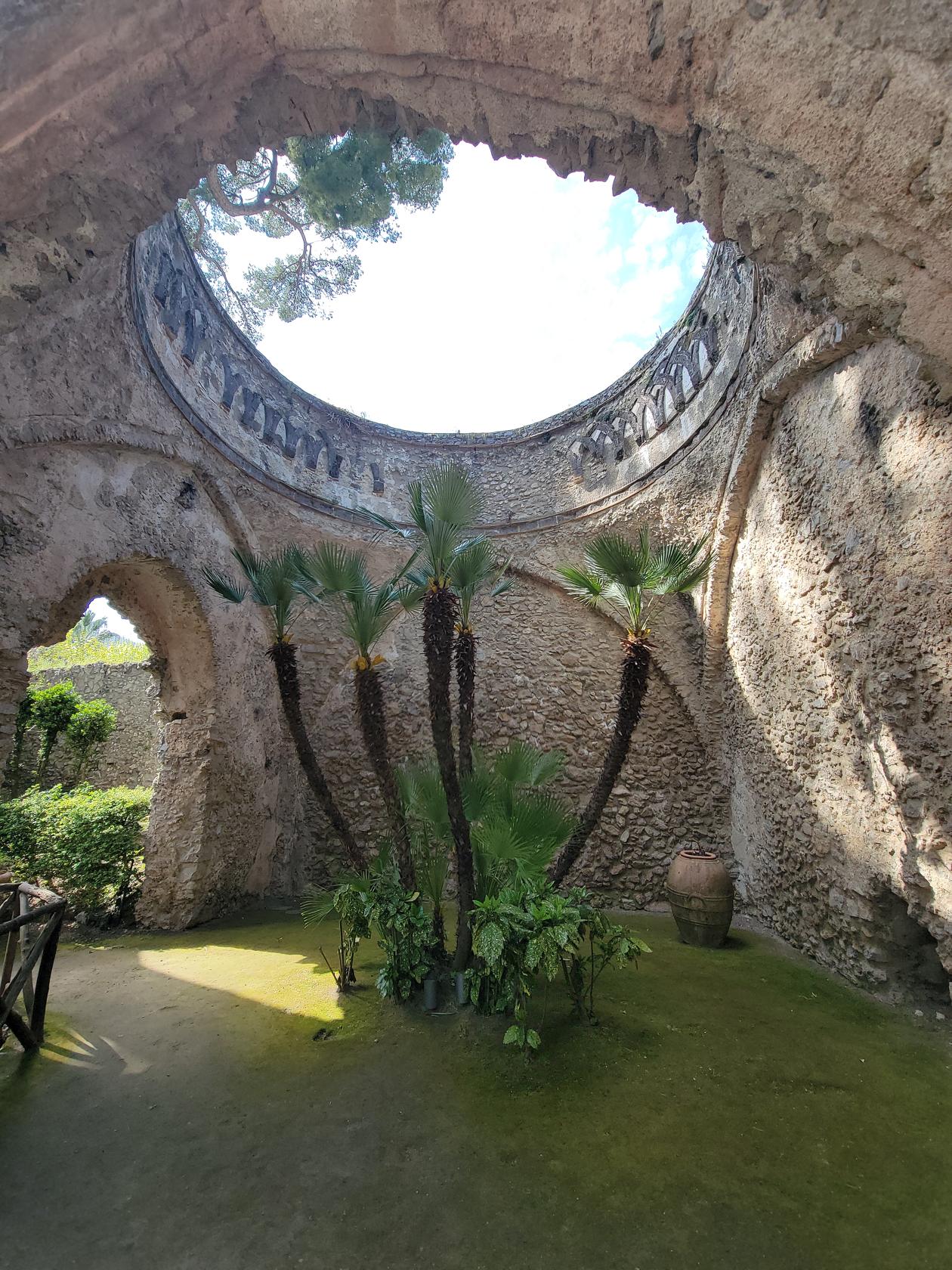
Cupola At Entrance – Villa Rufolo – Ravello, Italy
Details By Entrance – Villa Rufolo – Ravello, Italy
Looking Back Out Of Entrance – Villa Rufolo – Ravello, Italy
In Between The Rooms By Entrance – Villa Rufolo – Ravello, Italy
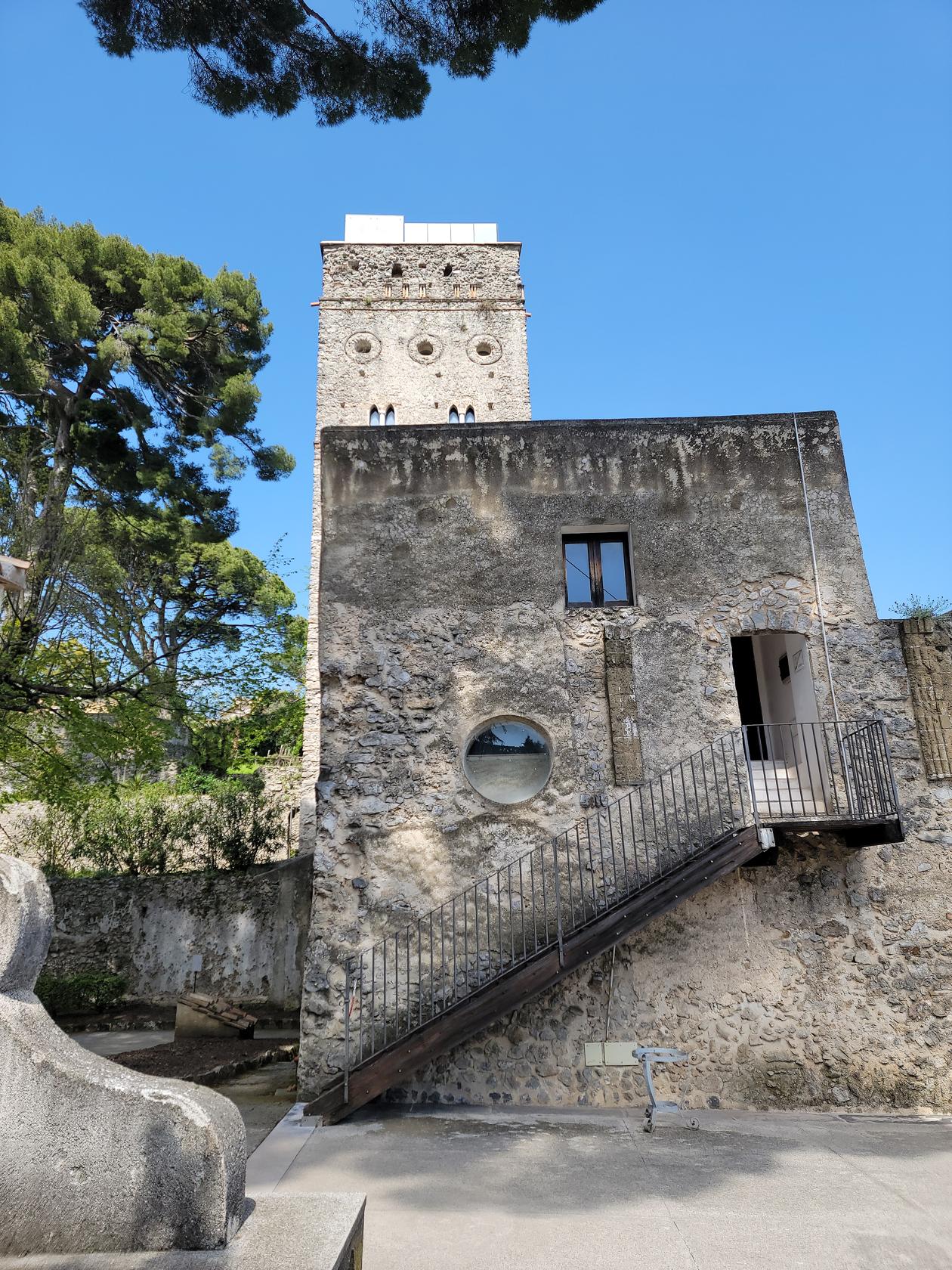
One Of The Towers – Villa Rufolo – Ravello, Italy
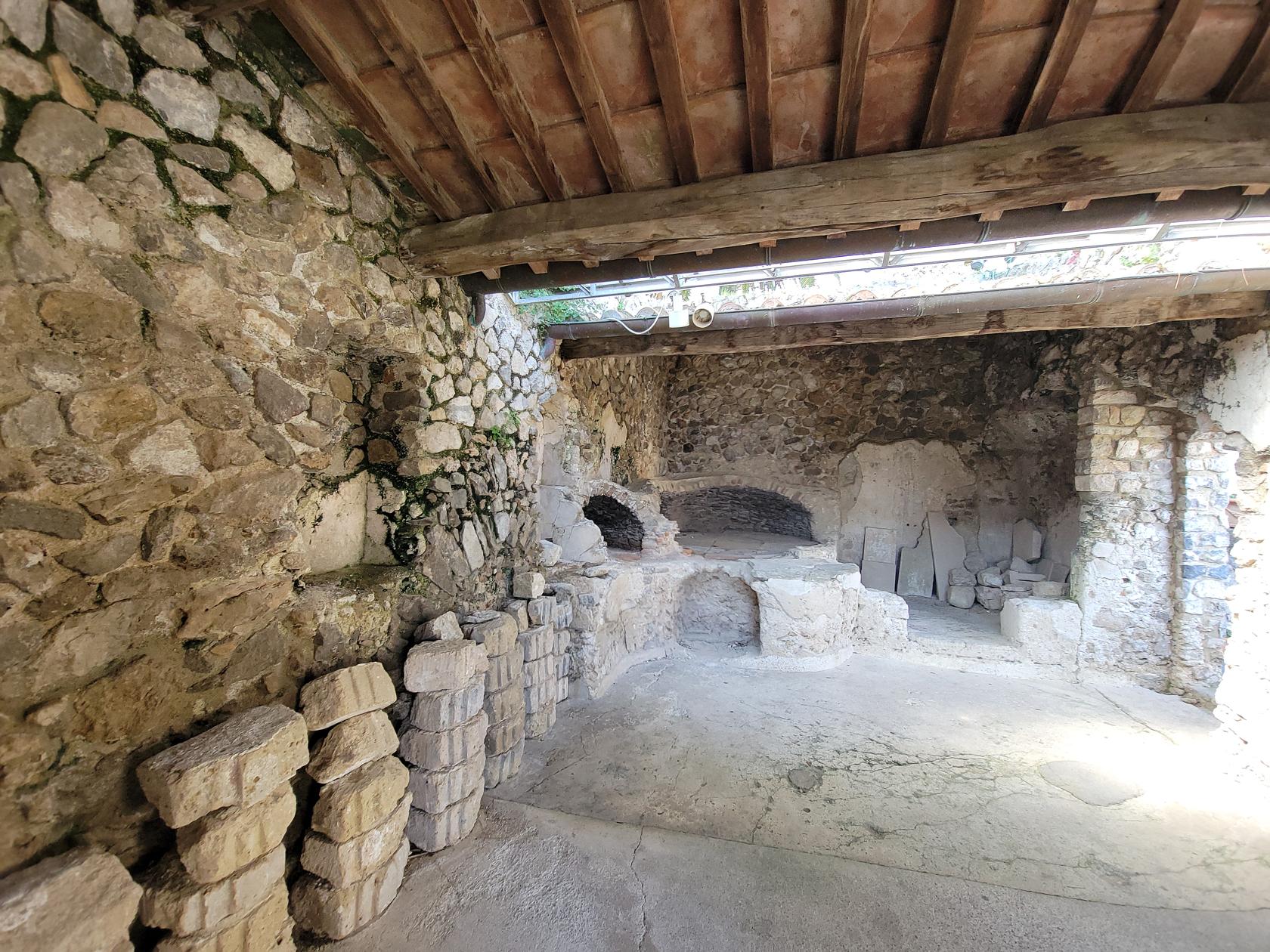
Old Baking And Cooking Ovens – Villa Rufolo – Ravello, Italy
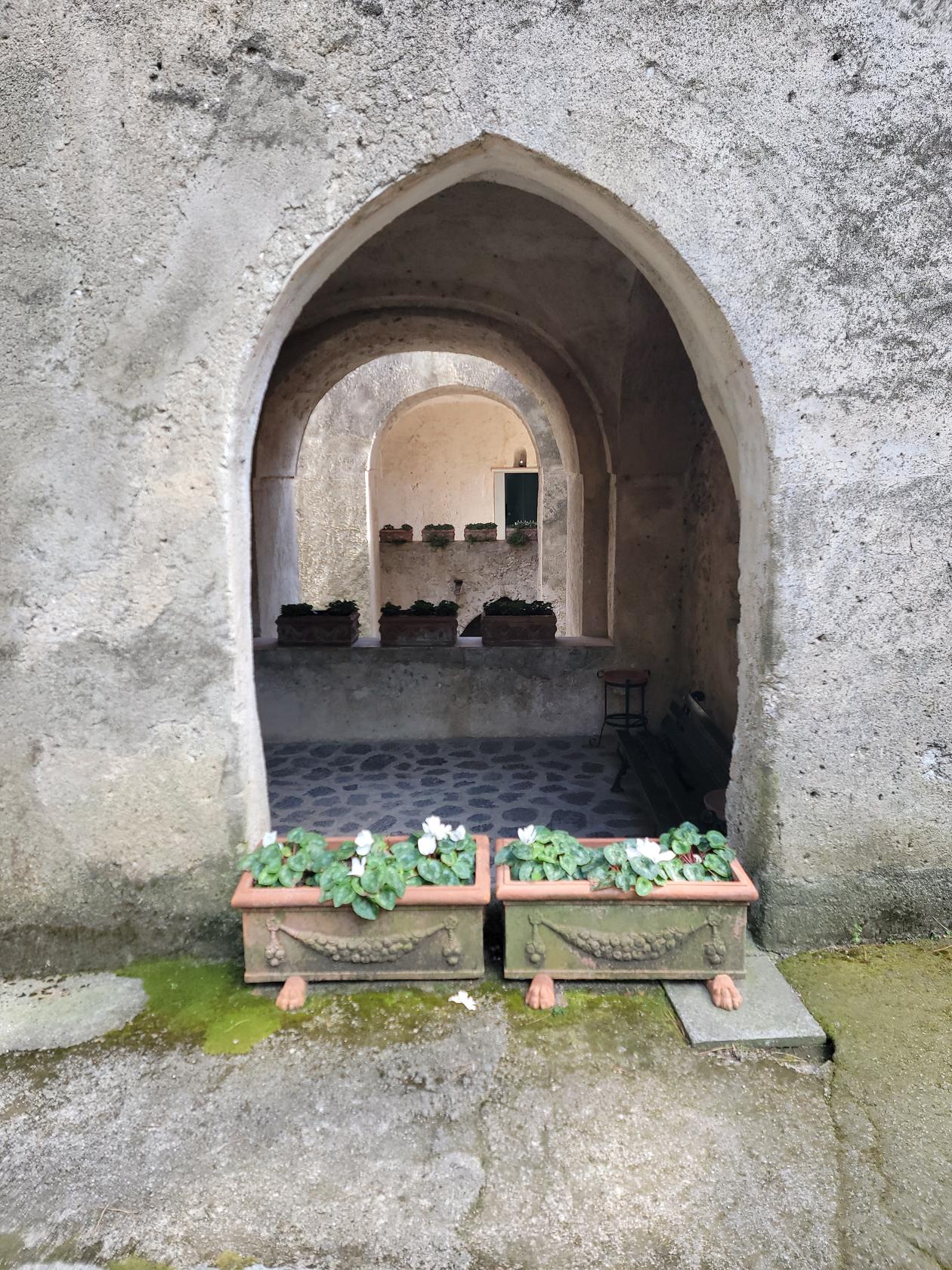
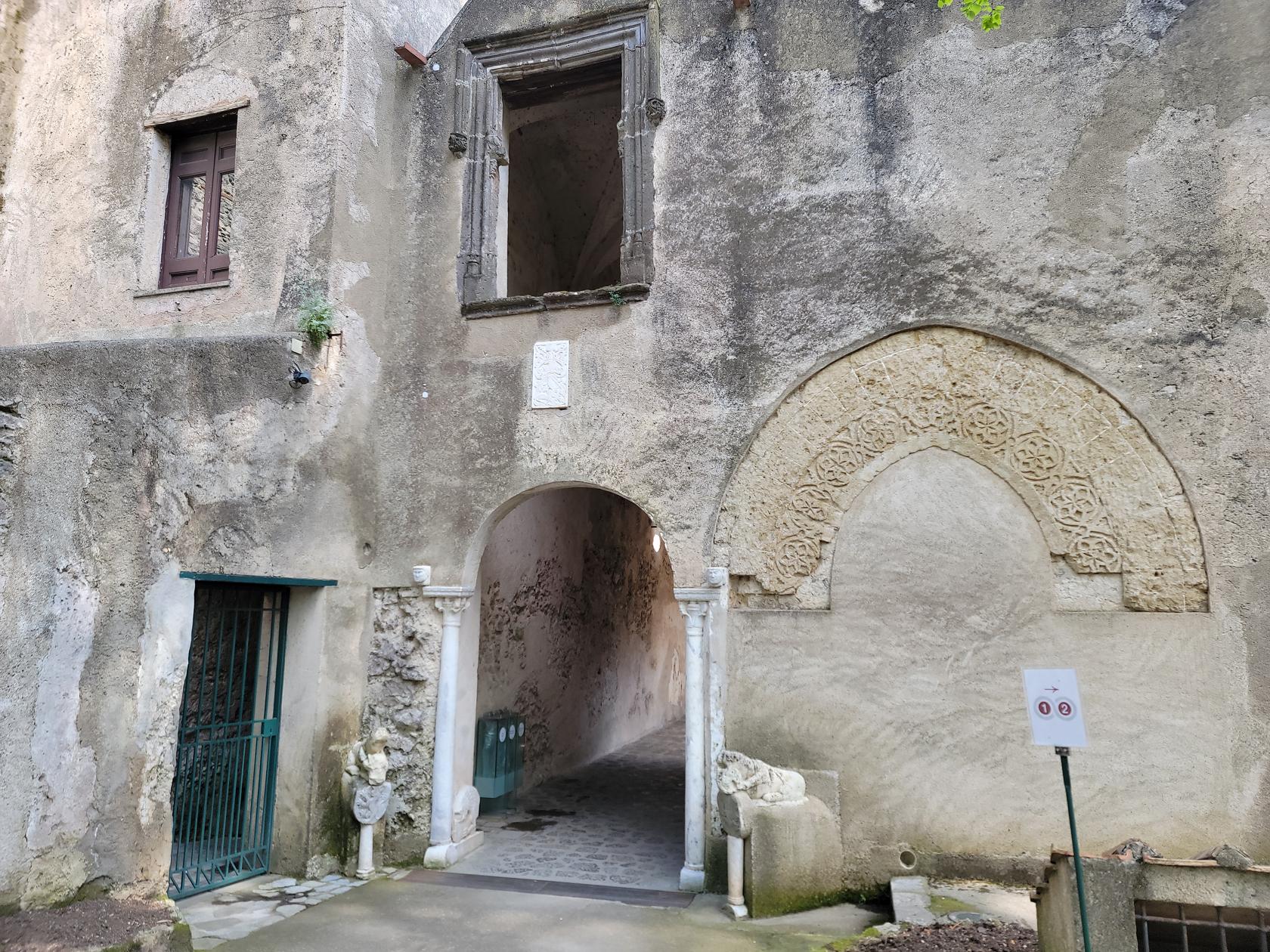
Inside And Some Old Portal Lintel – Villa Rufolo – Ravello, Italy
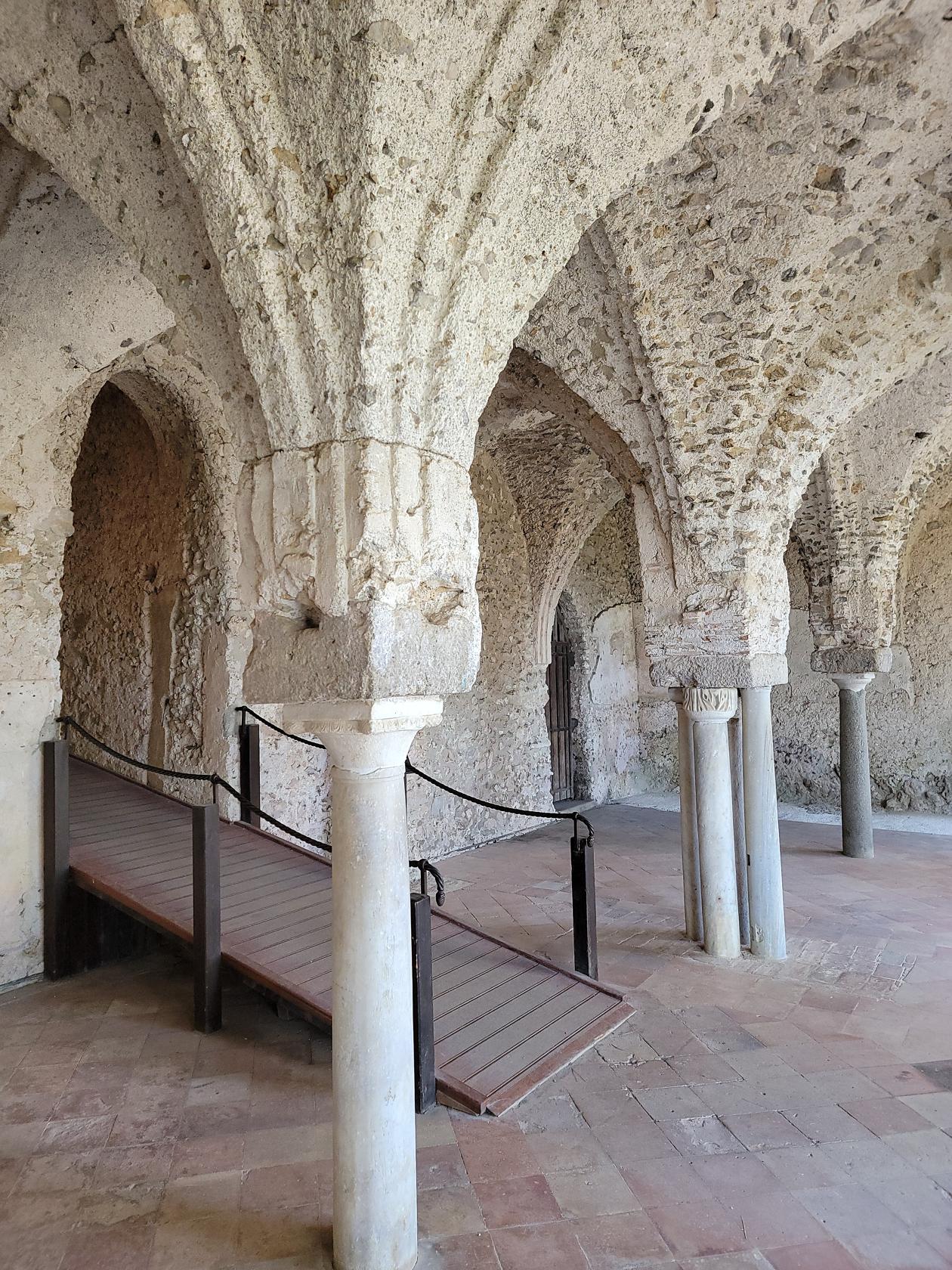
Ornate Design Of Villa Vaulted Areas – Villa Rufolo – Ravello, Italy
Vaulted Area To Gardens – Villa Rufolo – Ravello, Italy
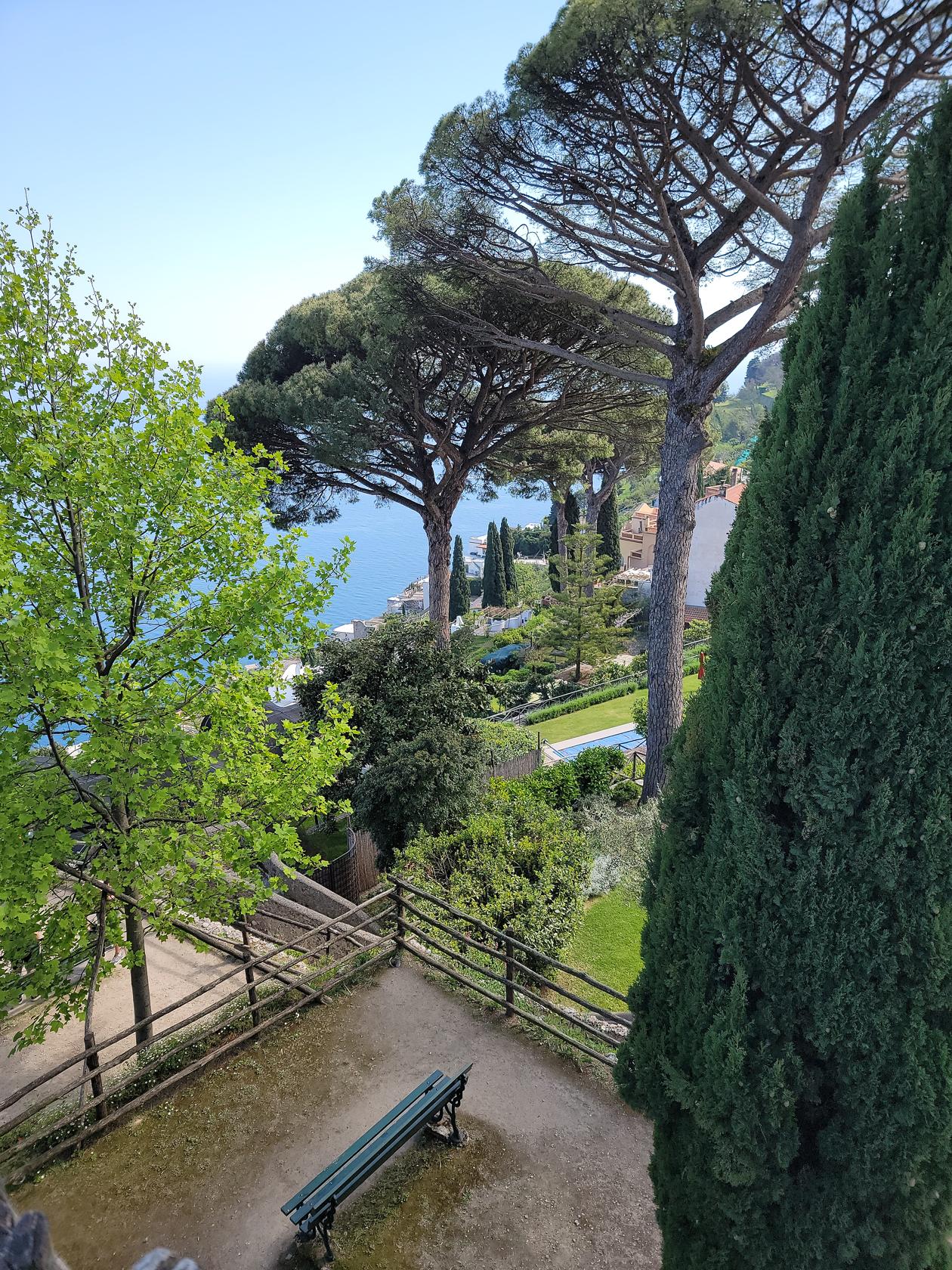
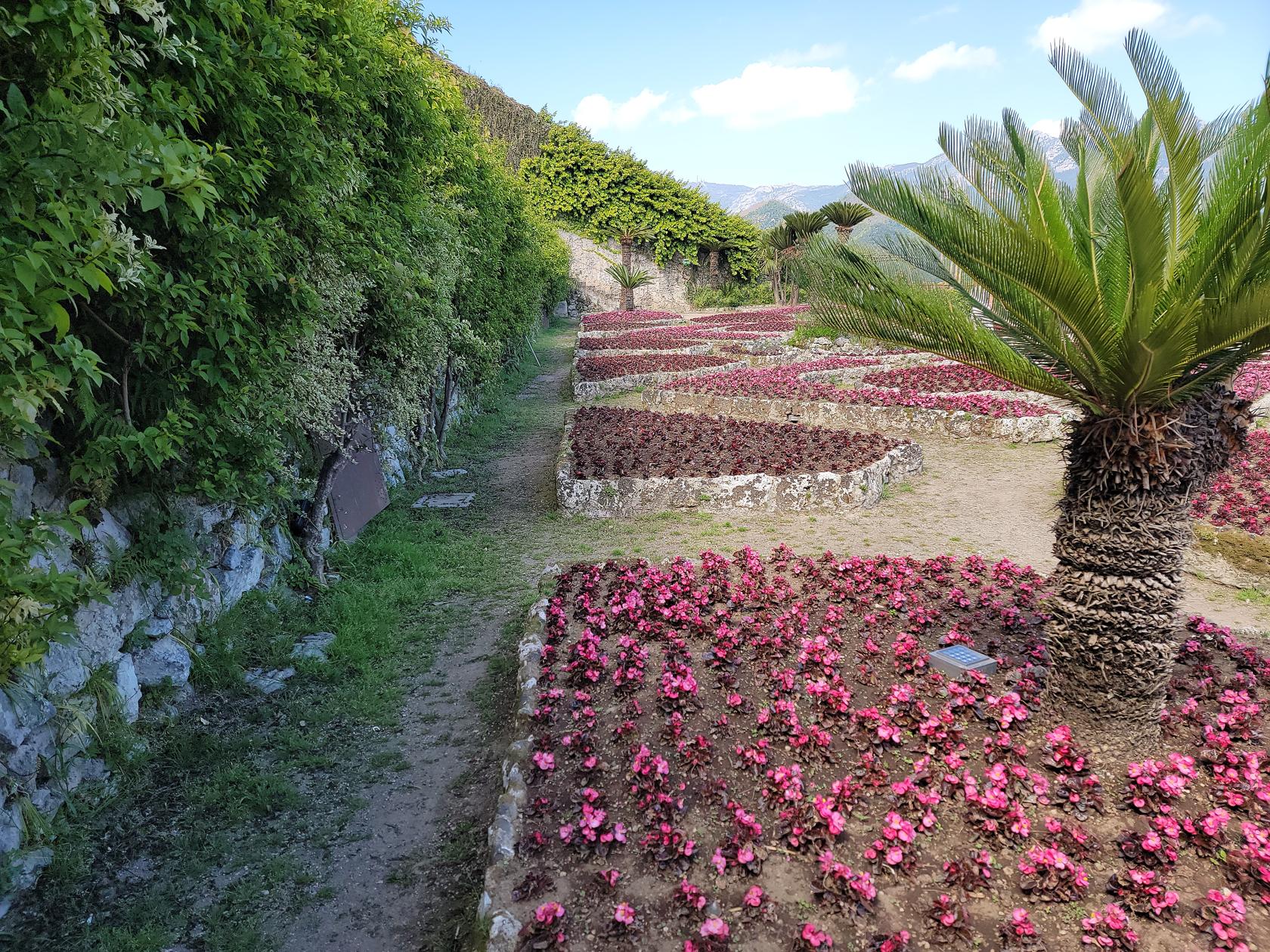
The Gardens – Villa Rufolo – Ravello, Italy
The Gardens – Villa Rufolo – Ravello, Italy
Double Columed Vaulted Area – Villa Rufolo – Ravello, Italy
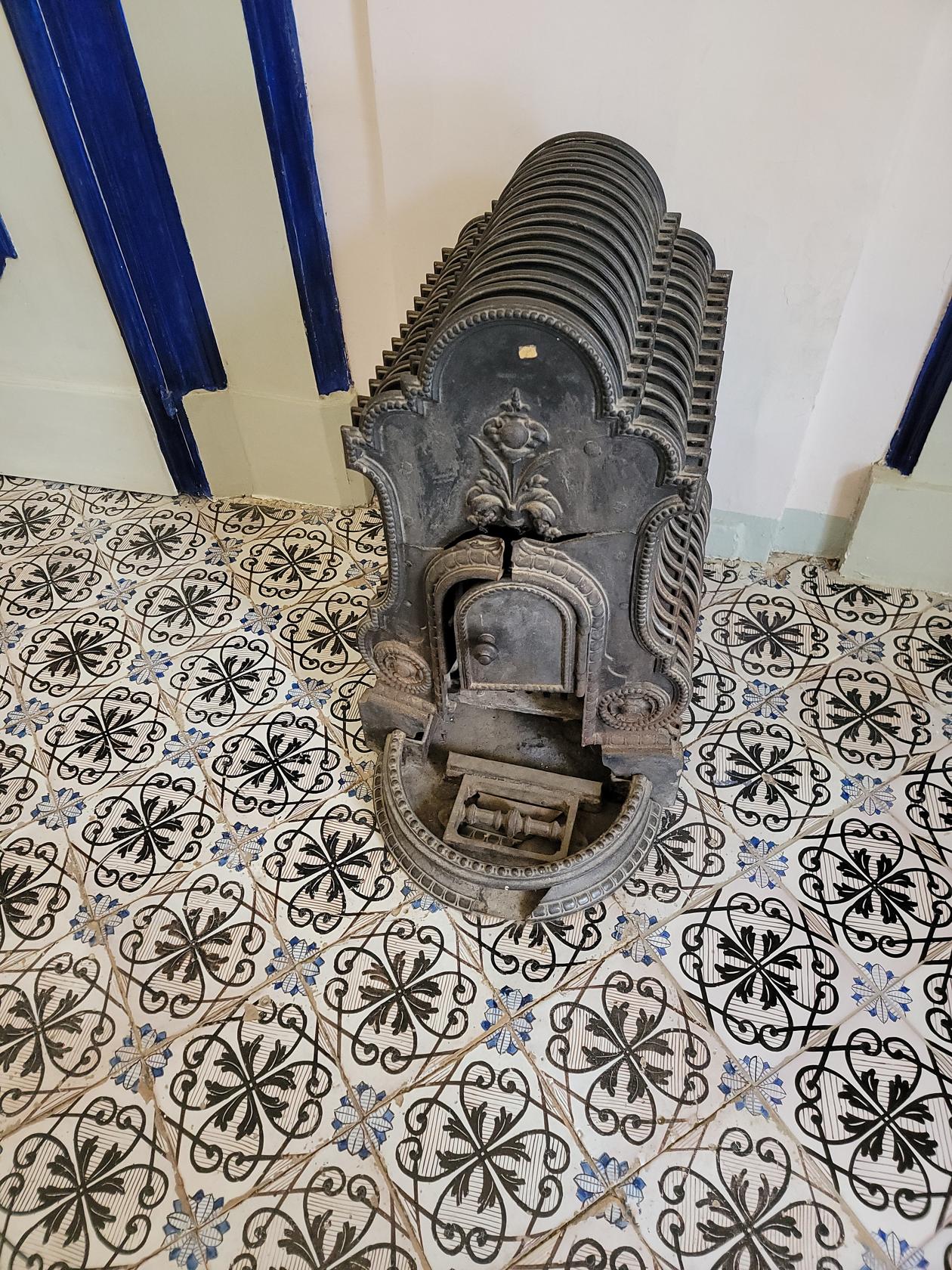
The villa is rather simple, but has some interesting items, like an old stove and a tower. It is kept in relatively fine shape and is a pleasure to walk through.
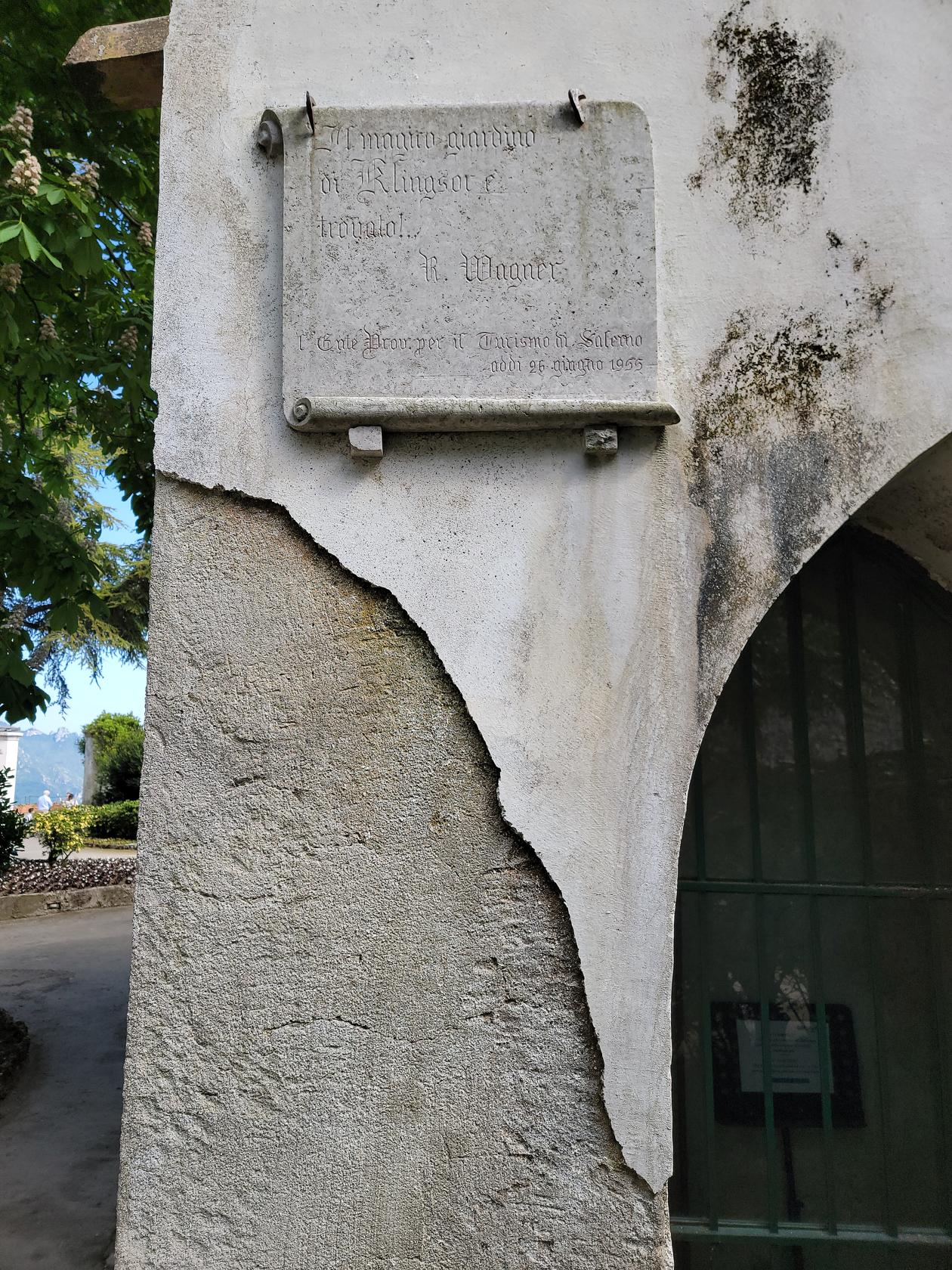
Richard Wagner The Composer Was Here – Villa Rufolo – Ravello, Italy
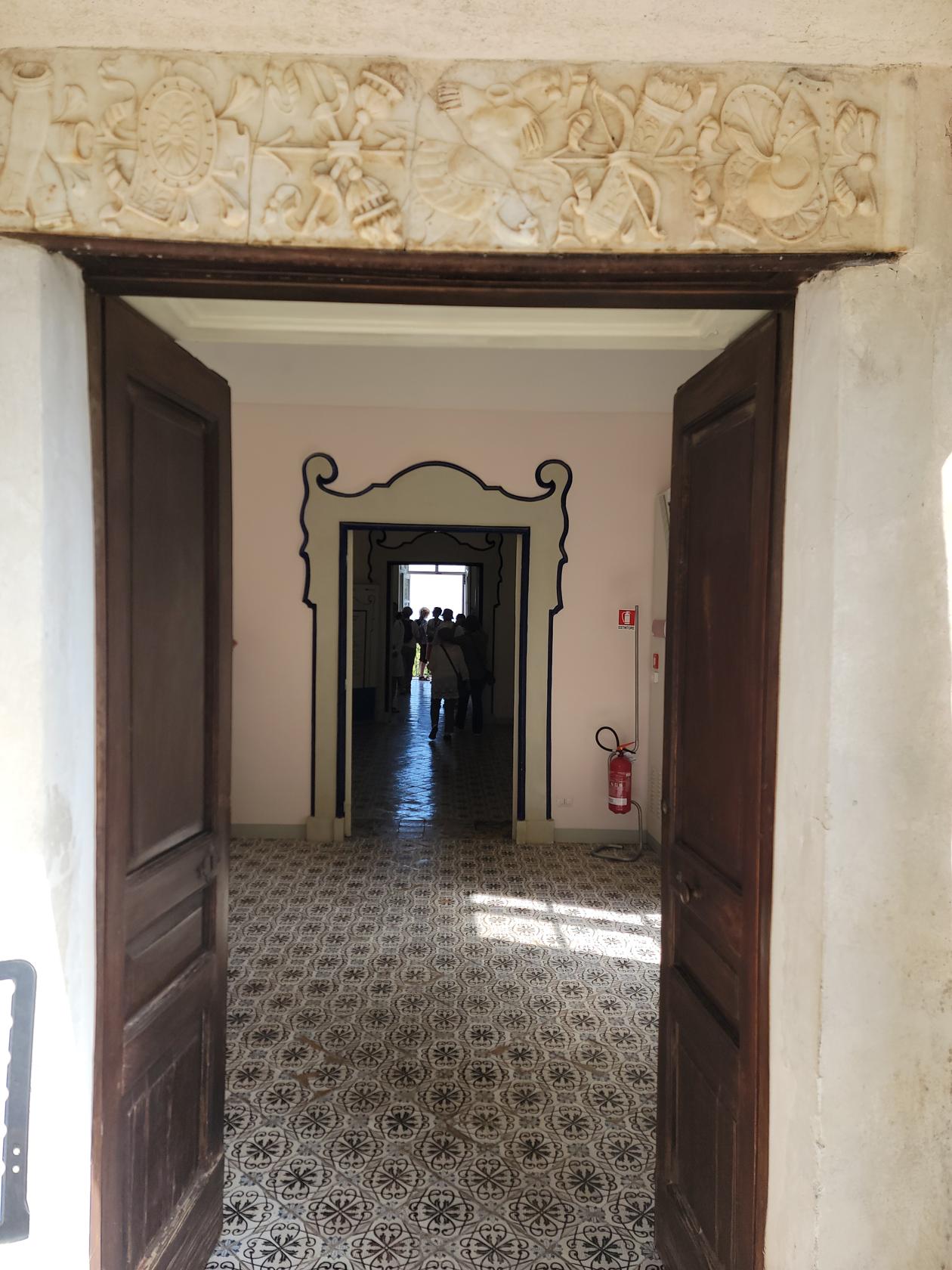
Ornate Lintel And Rooms – Villa Rufolo – Ravello, Italy
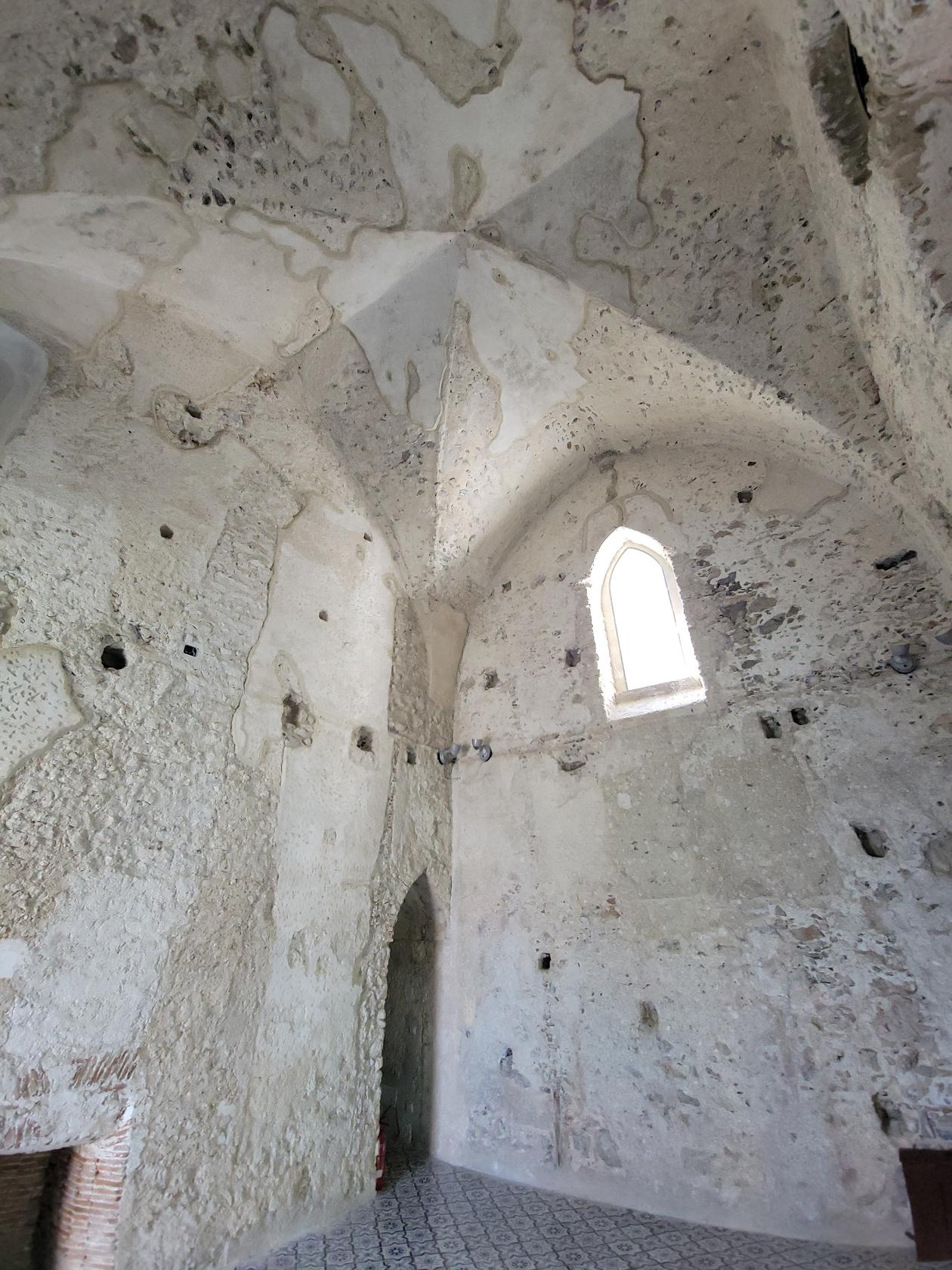
Old Vaulted Ceilings – Villa Rufolo – Ravello, Italy
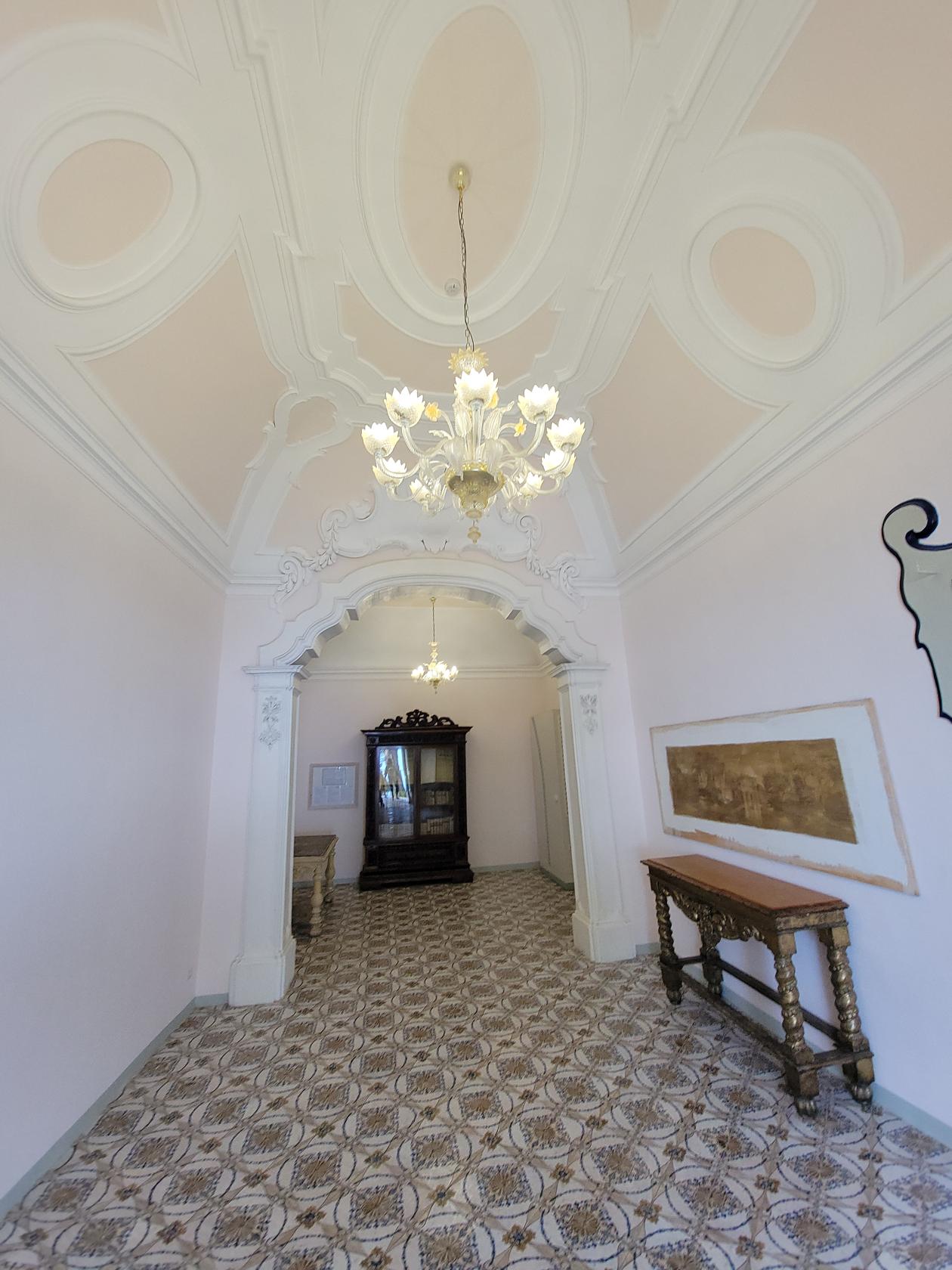
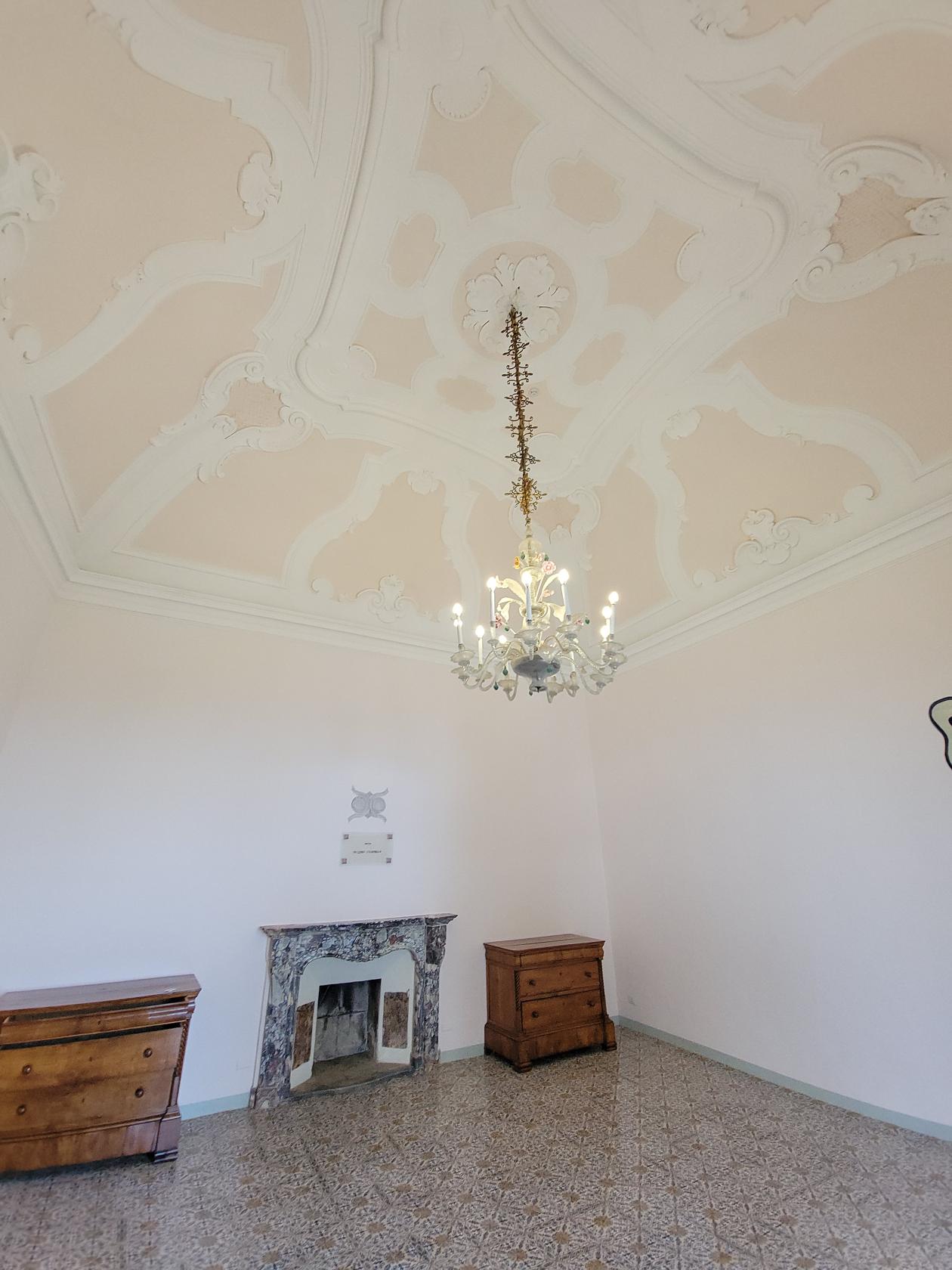
Simple Beautiful With Murano Glass Chandelier – Villa Rufolo – Ravello, Italy
Another Room With Chandelier – Villa Rufolo – Ravello, Italy
Old Iron Stove – Villa Rufolo – Ravello, Italy
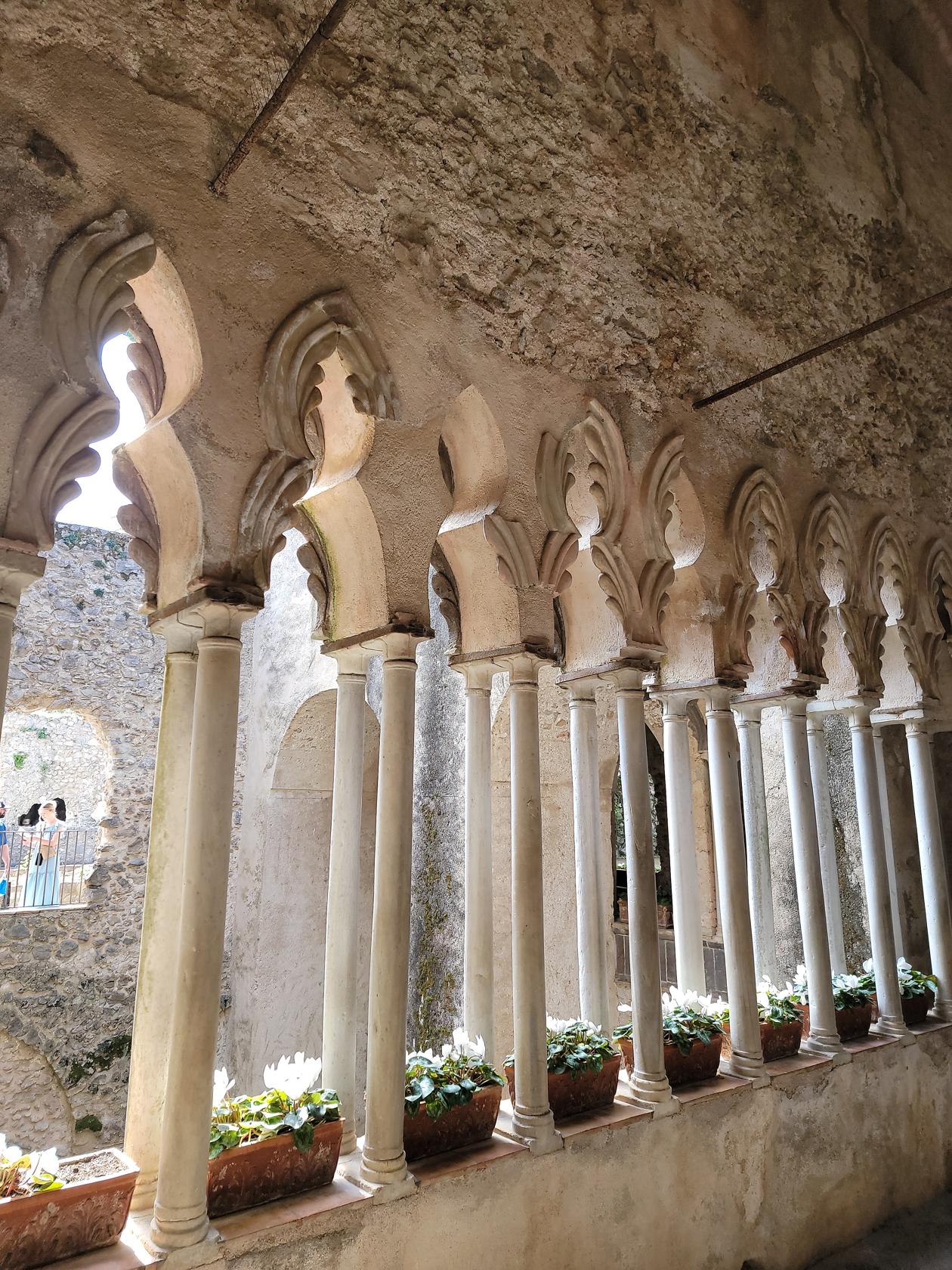
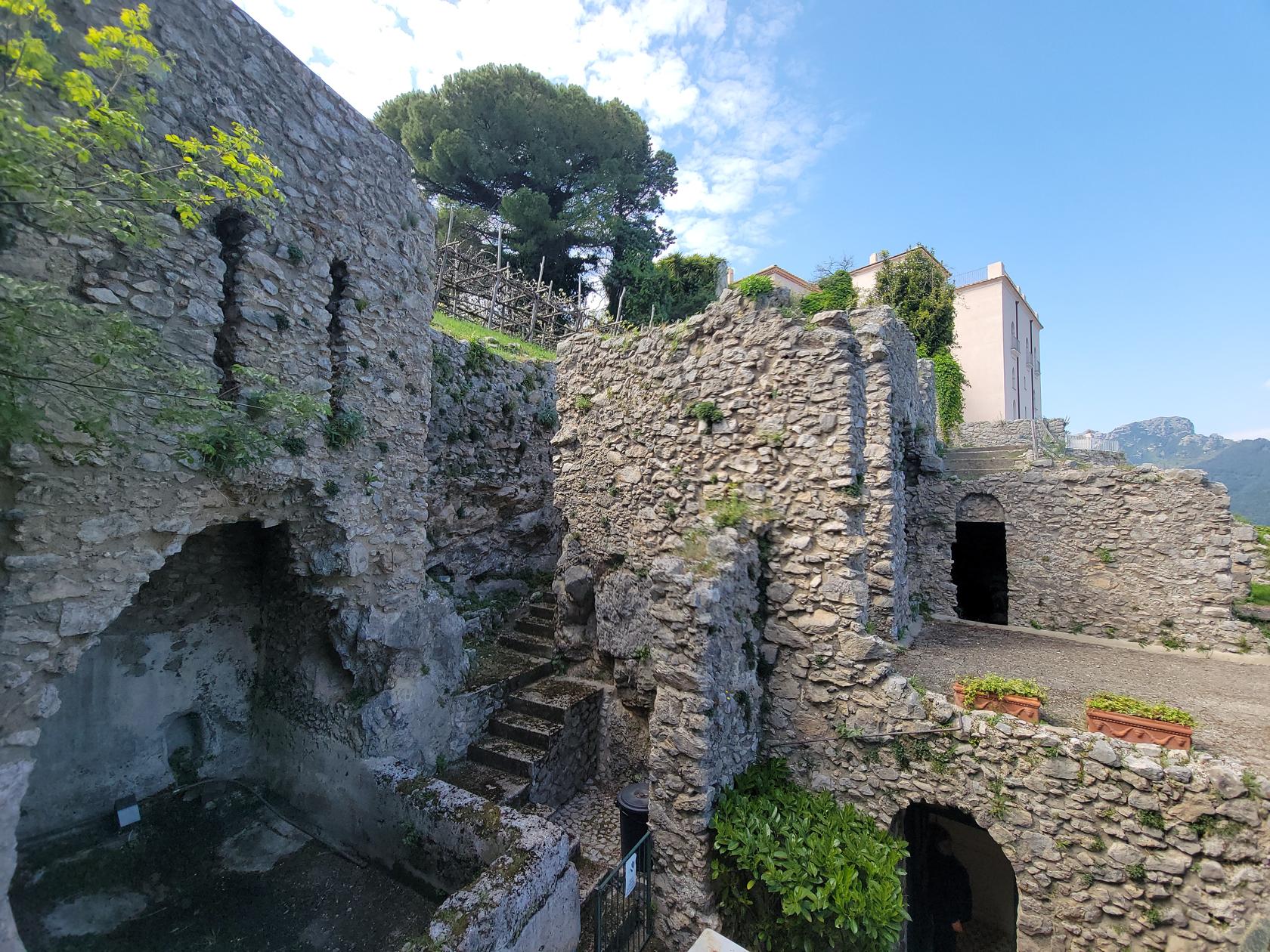
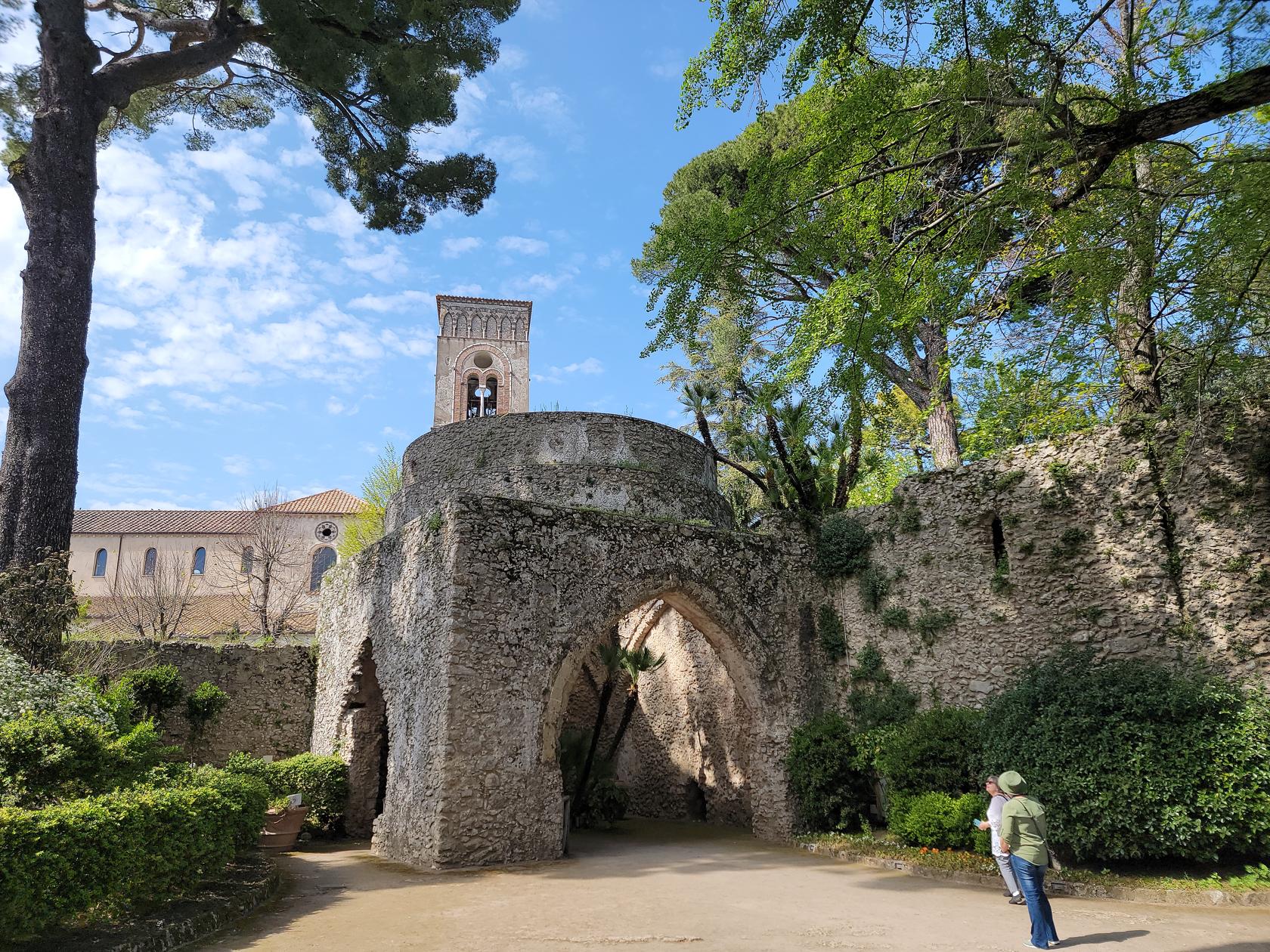
Some of the external structures include a tower, a vaulted building that appears to have been an old chapel and some other old structures near the gardens.
Outer Building – Villa Rufolo – Ravello, Italy
The Tower – Villa Rufolo – Ravello, Italy
Old Stone Walls – Villa Rufolo – Ravello, Italy
Outer Building – Villa Rufolo – Ravello, Italy
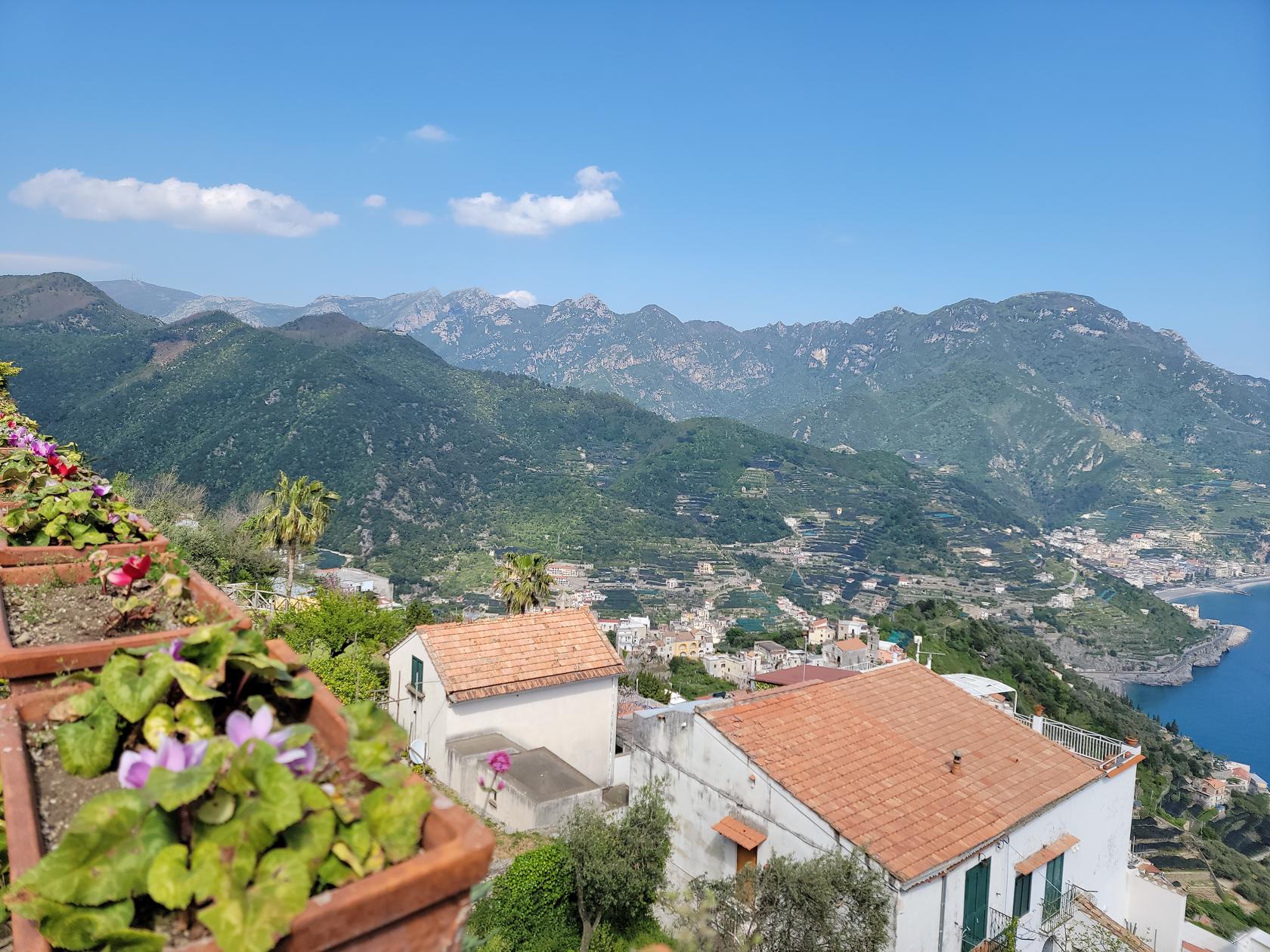
It has a magnificent garden with a beautiful view of the sea. They actually hold concerts from the garden, by extending a stage over the side of the hill, providing a wonderful backdrop for music and other performances.
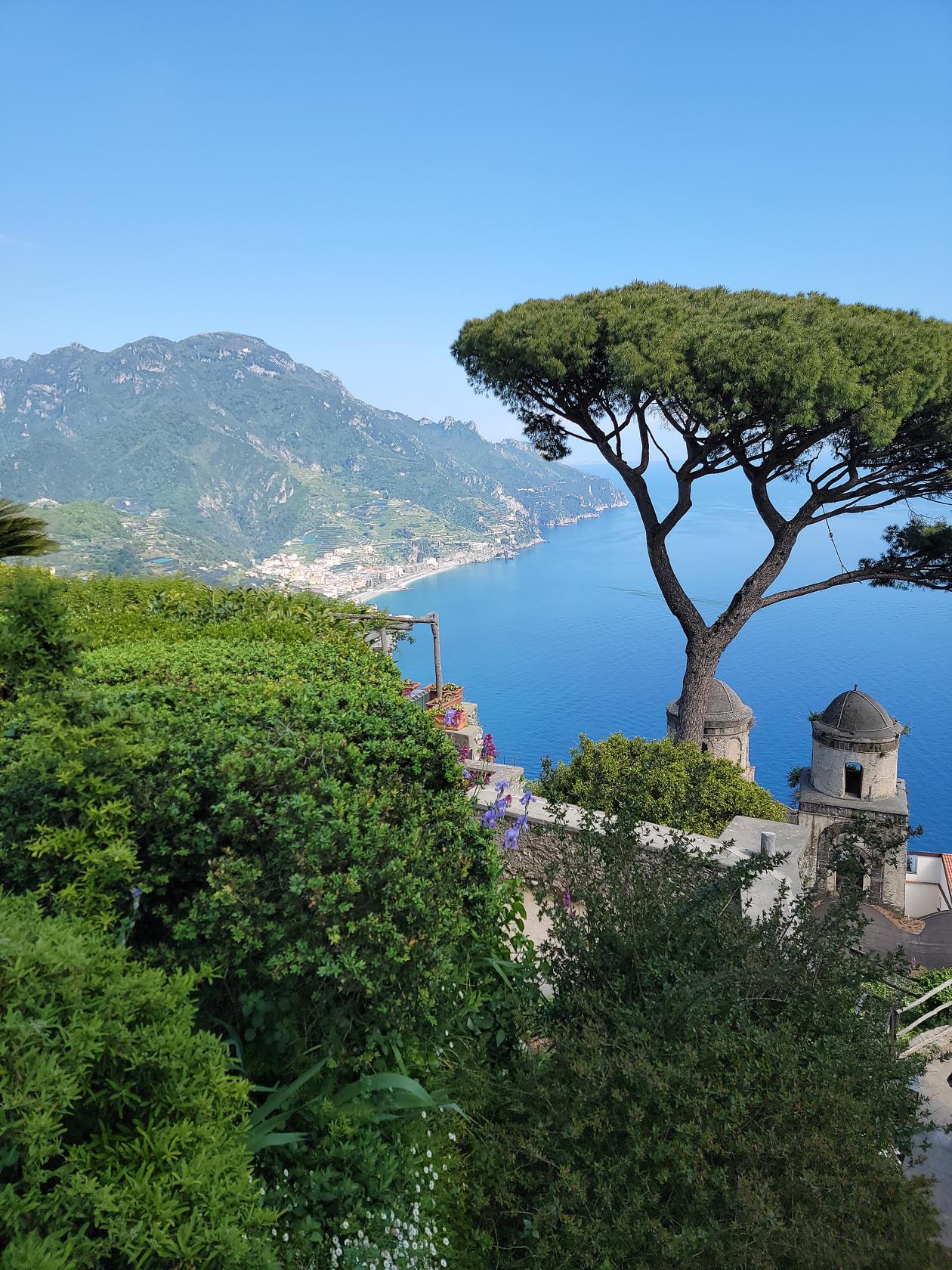
The Coast Looking Toward Vietri sul Mare – Villa Rufolo – Ravello, Italy
The Coast Looking Toward Vietri sul Mare – Villa Rufolo – Ravello, Italy
Church of Saint Mary of Grace – Villa Rufolo – Ravello, Italy
Coastline From The Gardens – Villa Rufolo – Ravello, Italy
The Gardens – Villa Rufolo – Ravello, Italy
Restaurants
As part of our first day at the coast, we stopped in Amalfi for lunch some time after one in the afternoon.
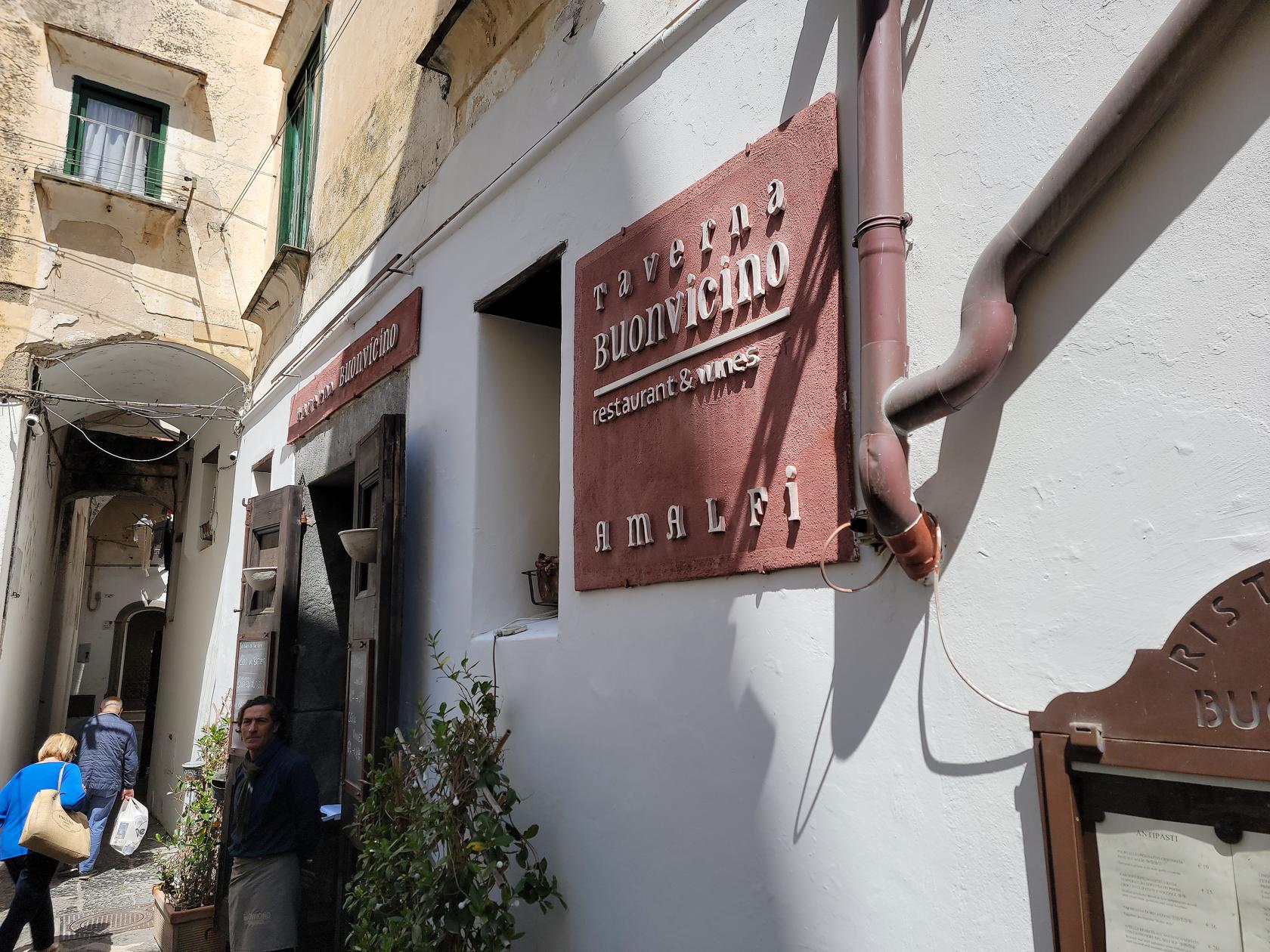
Entrance – Taverna Buonvicino – Amalfi, Italy
Taverna Buonvicino
A very nice restaurant with a beautiful terrace outside, which is off the beaten path, so no worries about hordes of tourist bothering you while eating.
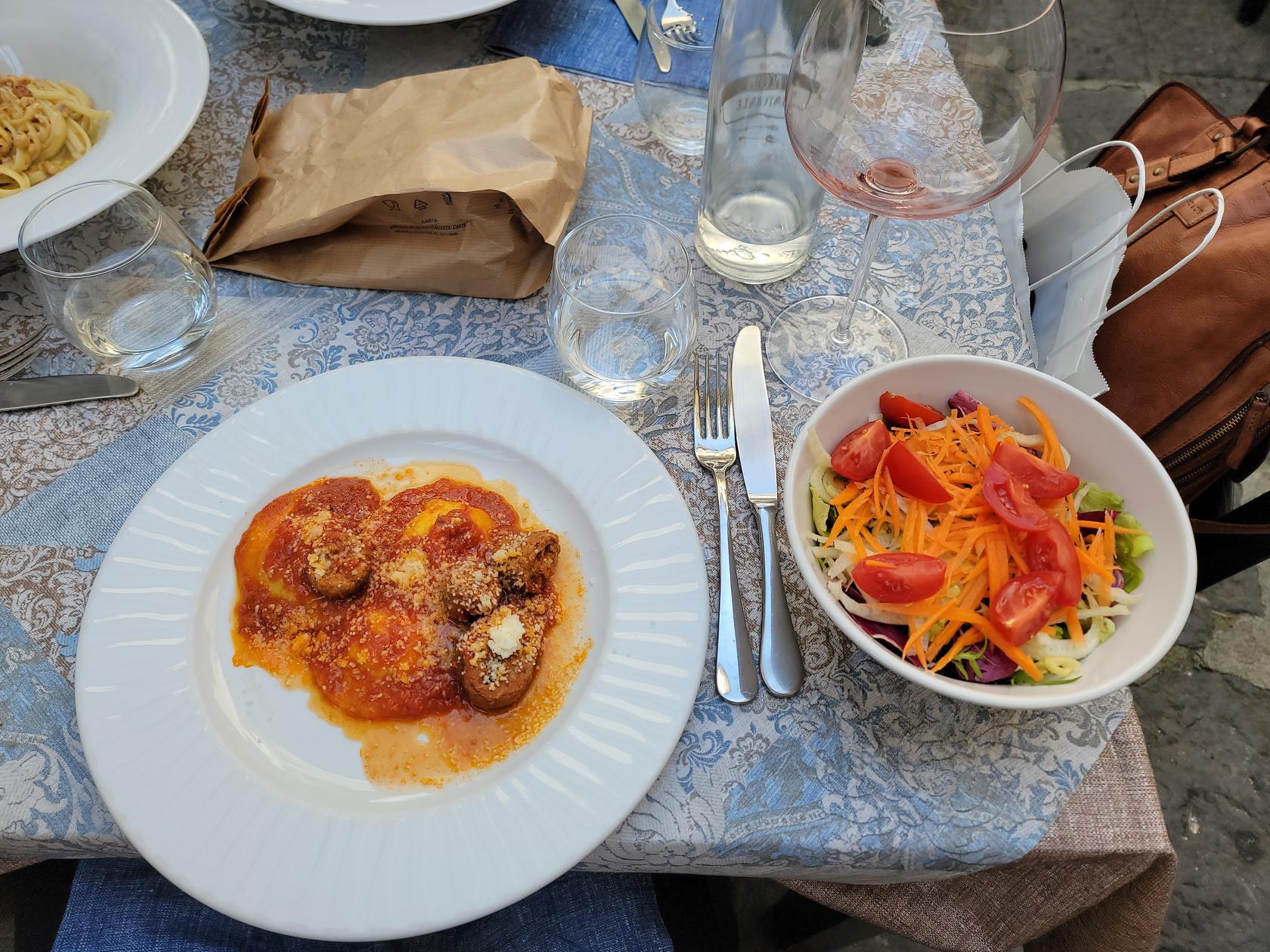
Ravioli and Insalata Mista – Taverna Buonvicino – Amalfi, Italy
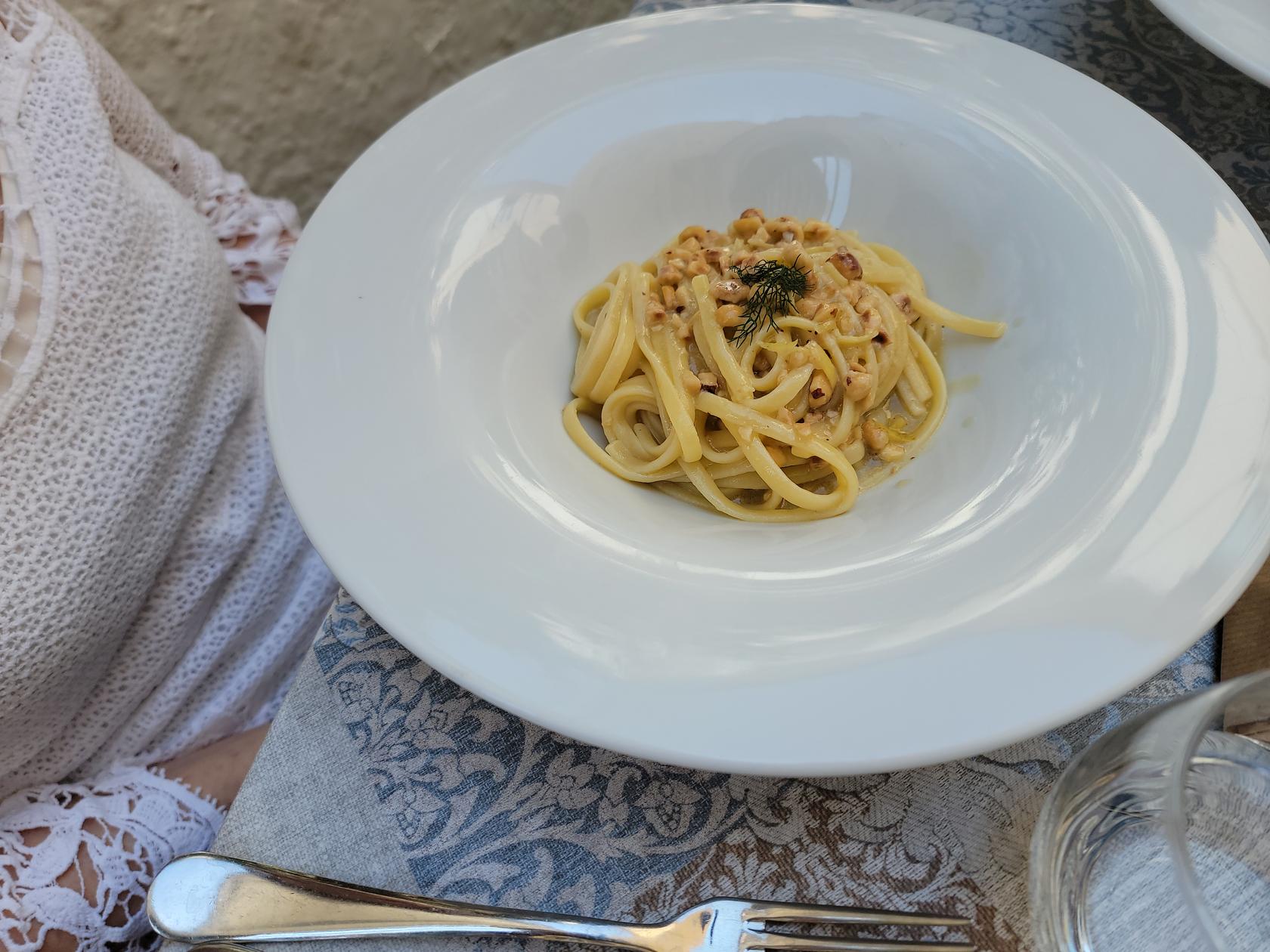
Linguini with anchovy sauce – Taverna Buonvicino – Amalfi, Italy
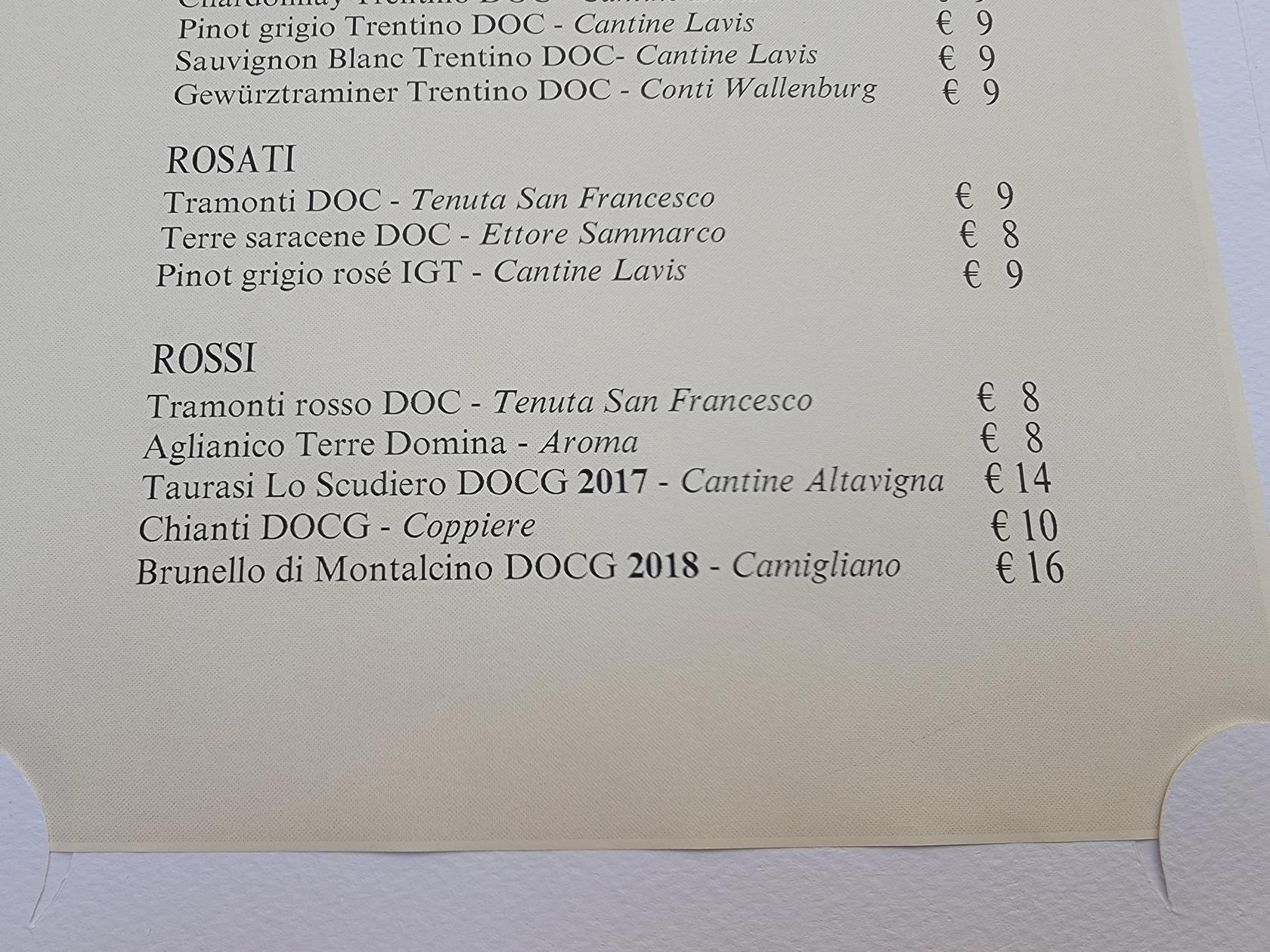
They also have a very good wine list which is stocked with local favorites. I can commend one varietal, Taurasi Lo Scudiero (DOCG), which was exceptionally good.
On our first day to the Amalfi Coast, we were fortunate enough to be able to use the train service to get to Vietri sul Mare. Though in hindsight we probably should have used the longer, though more direct regional service, we opted instead for the faster option and had to change trains three times! Don’t make that mistake.
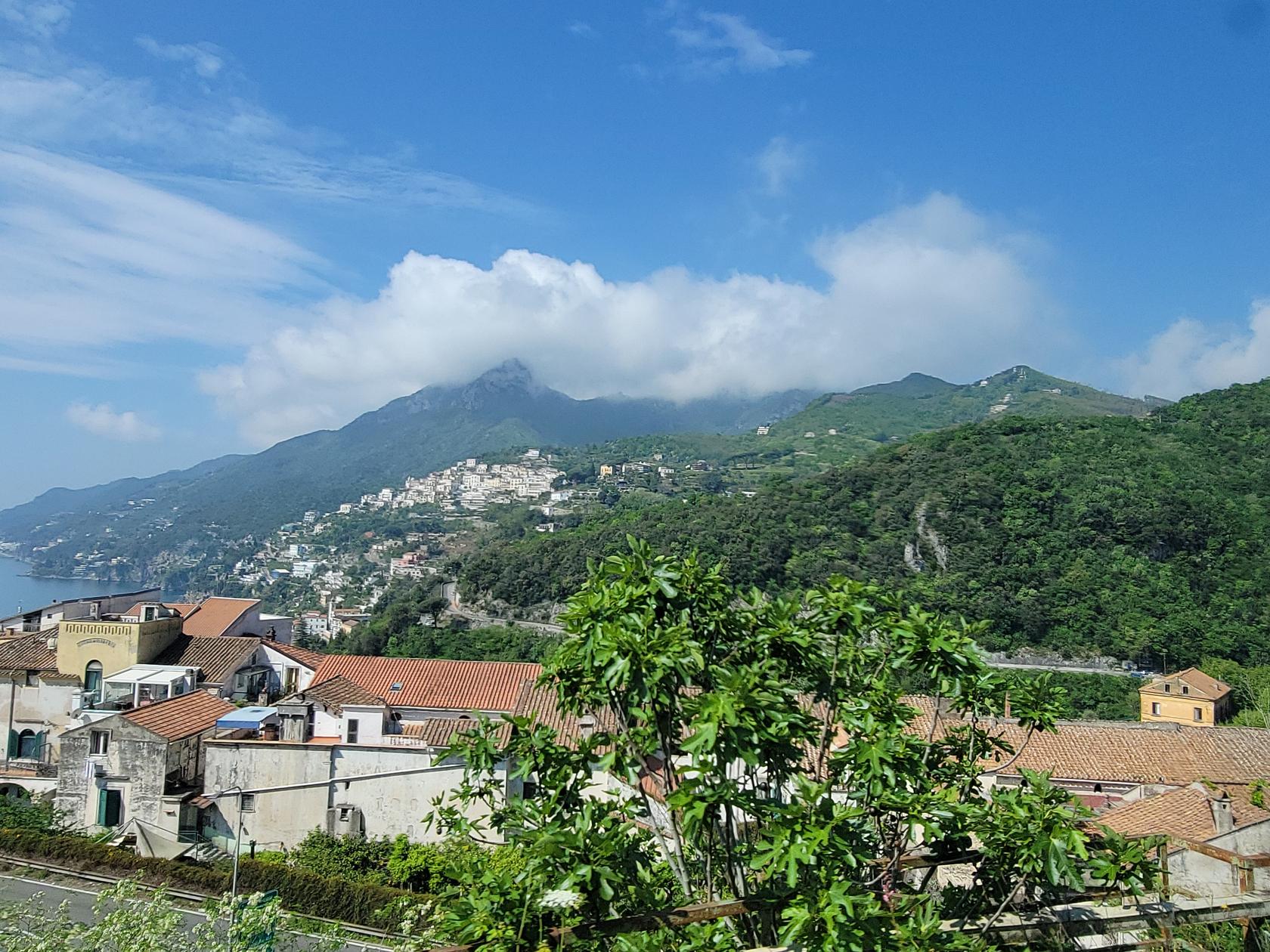
Coast and Mountains – Vietri sul Mare, Italy
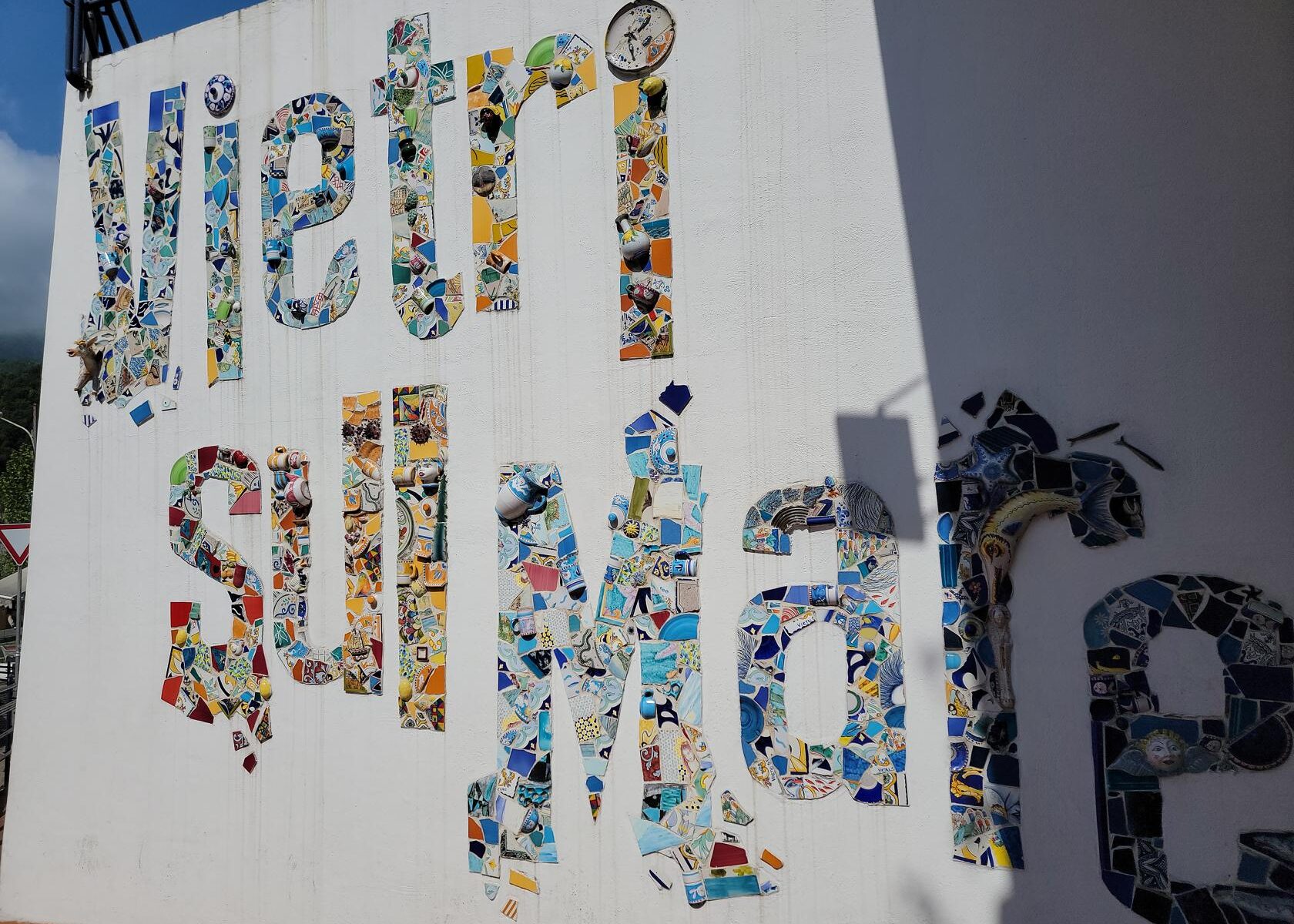
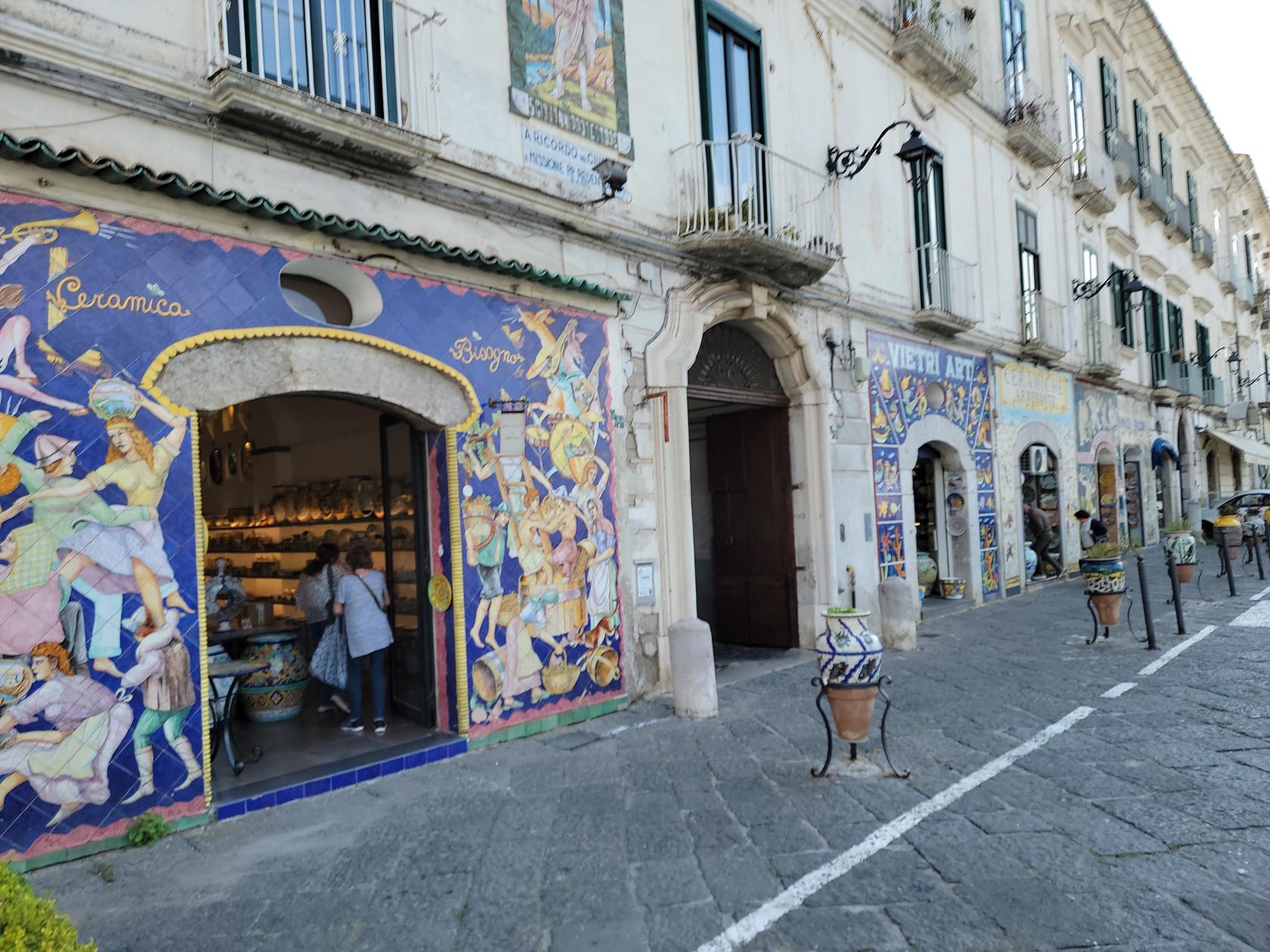
Tiled Store Fronts – Vietri sul Mare, Italy
Vietri sul Mare
Vietri sul Mare is one of the small towns that comprise the Amalfi Coast. It is also known as the gateway to the coast, the rest are accessible only by car, bus or possibly boat, there is no continuing train service beyond Vietri sul Mare.
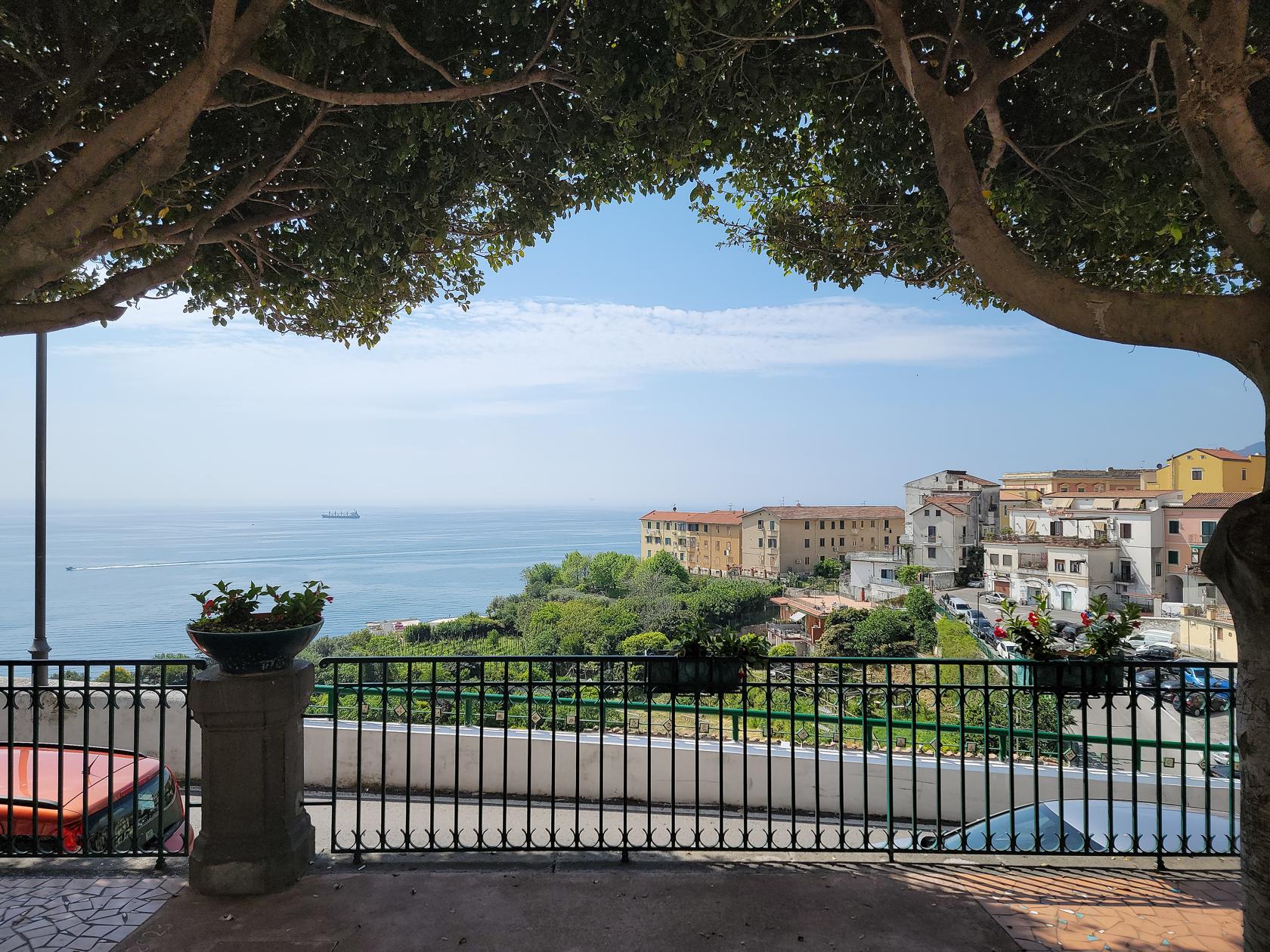
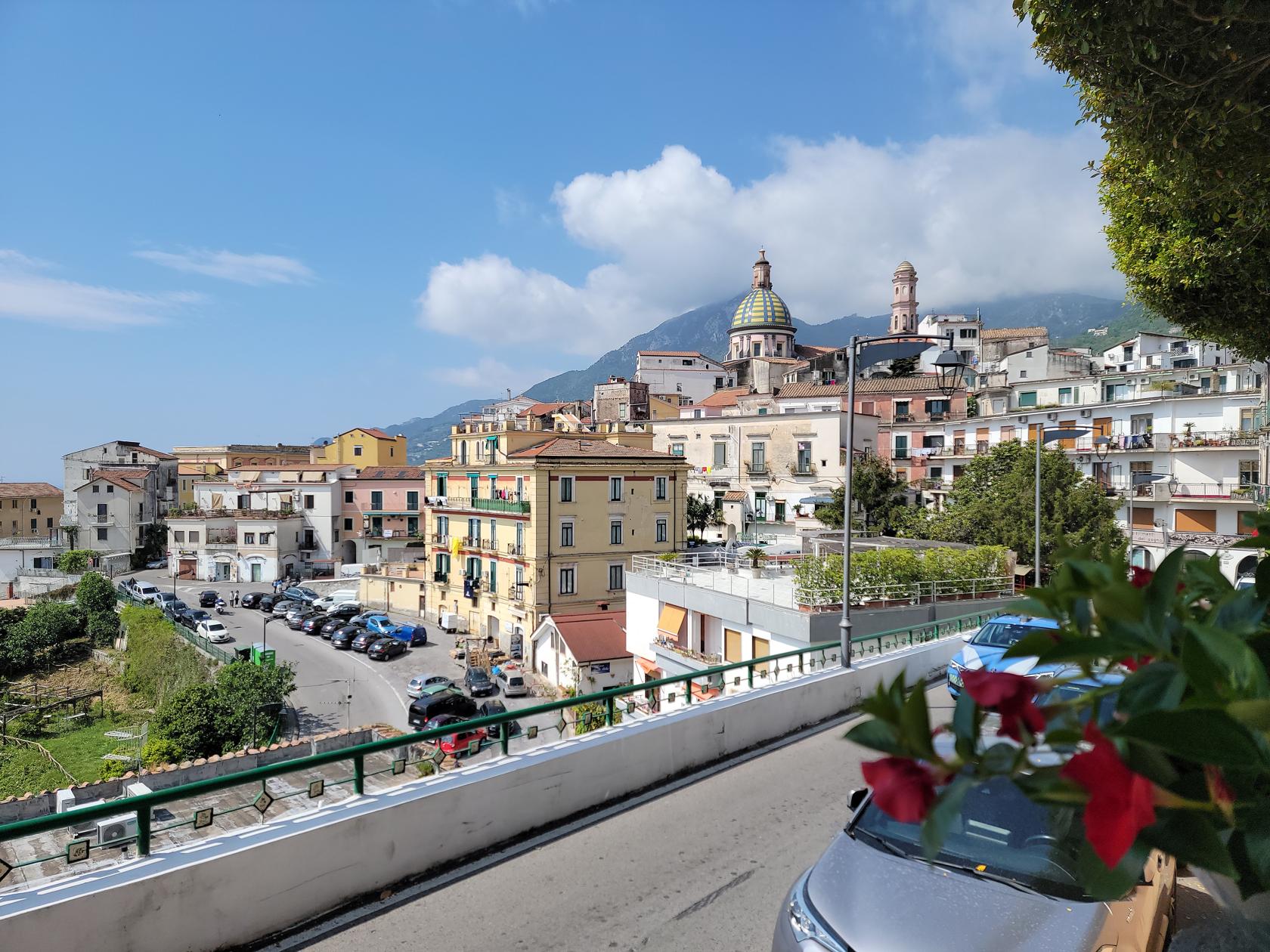
Park and Overlook coming into town – Vietri sul Mare, Italy
The Church’s tiled dome – Vietri sul Mare, Italy
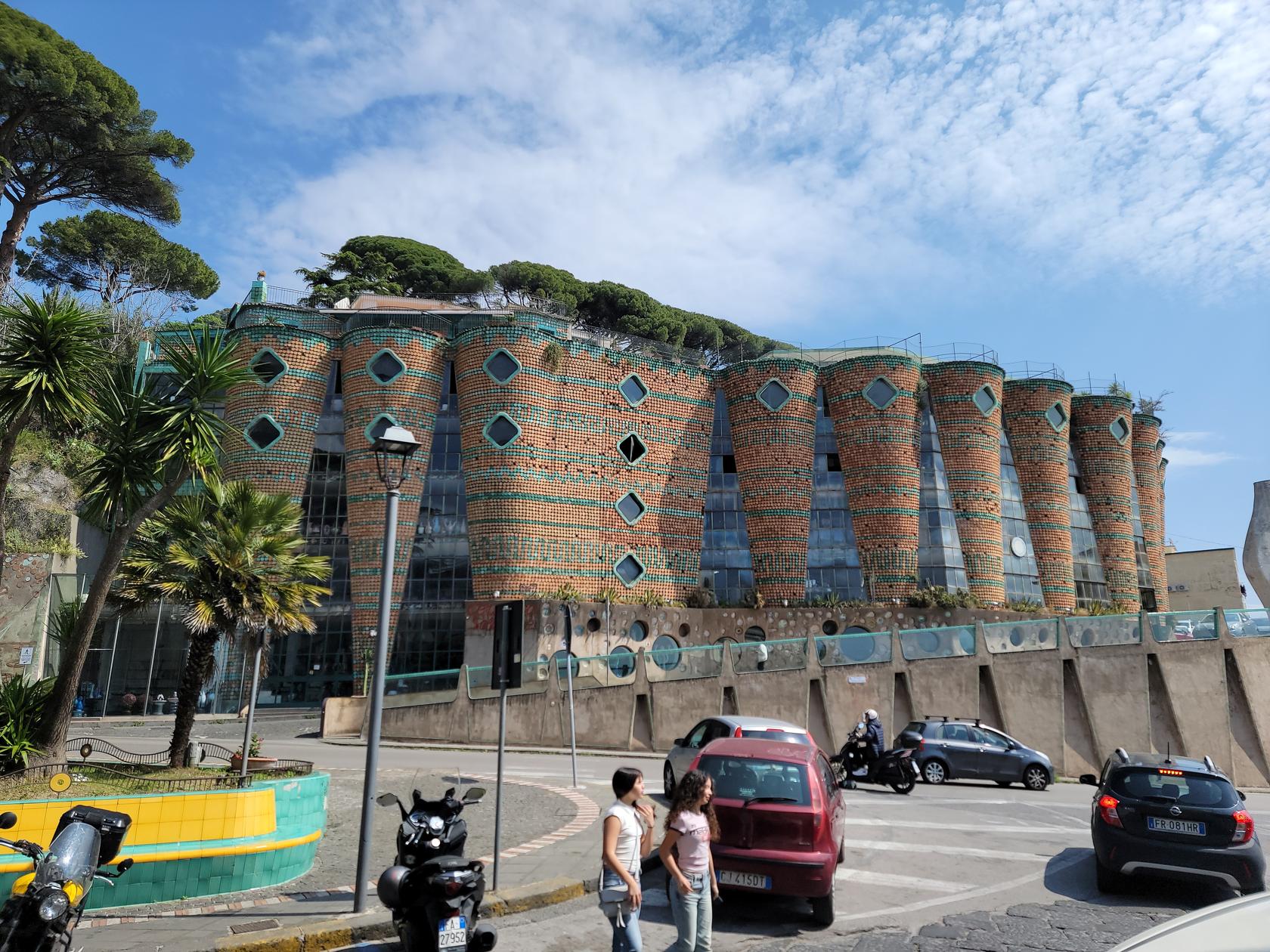
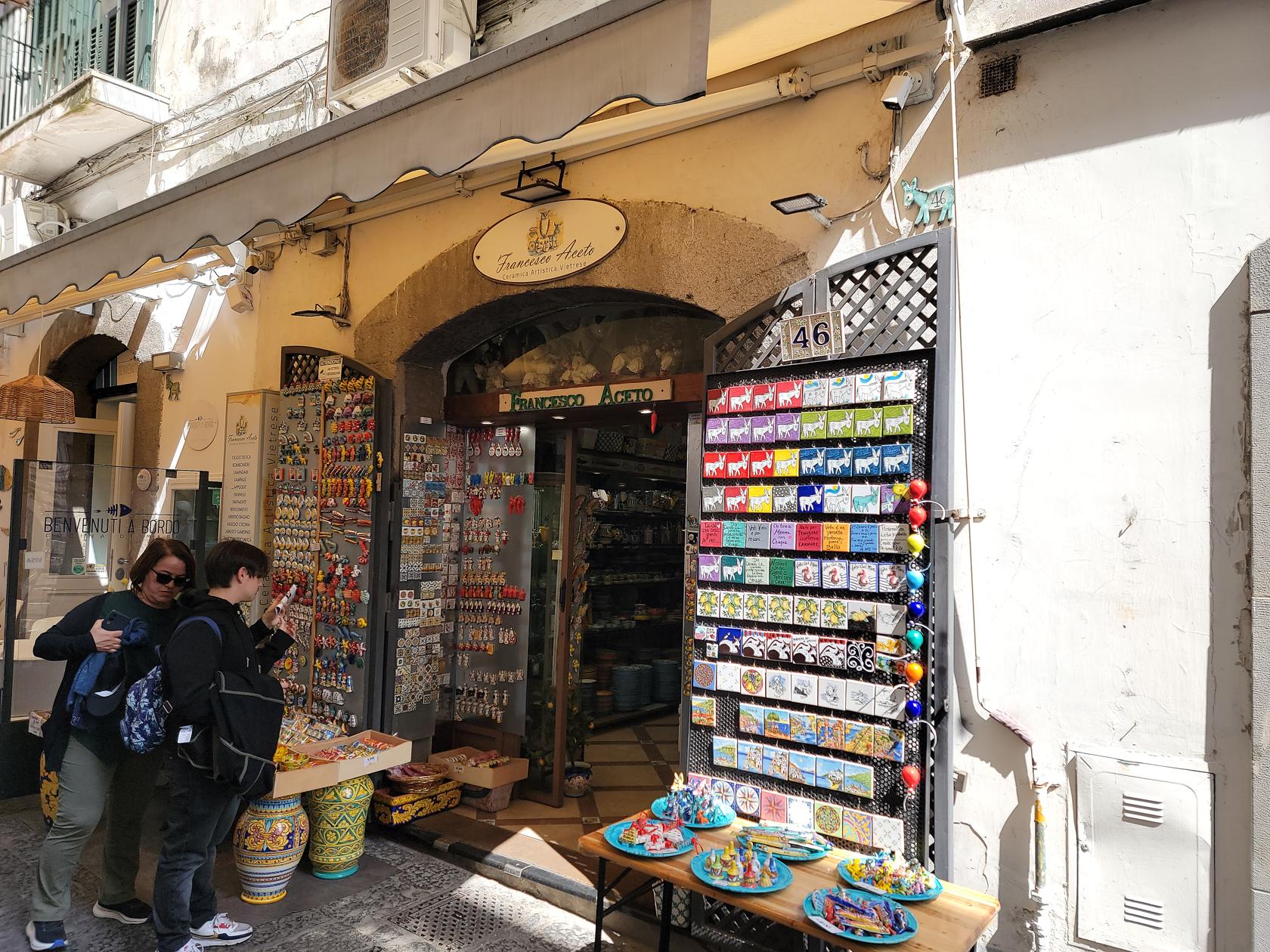
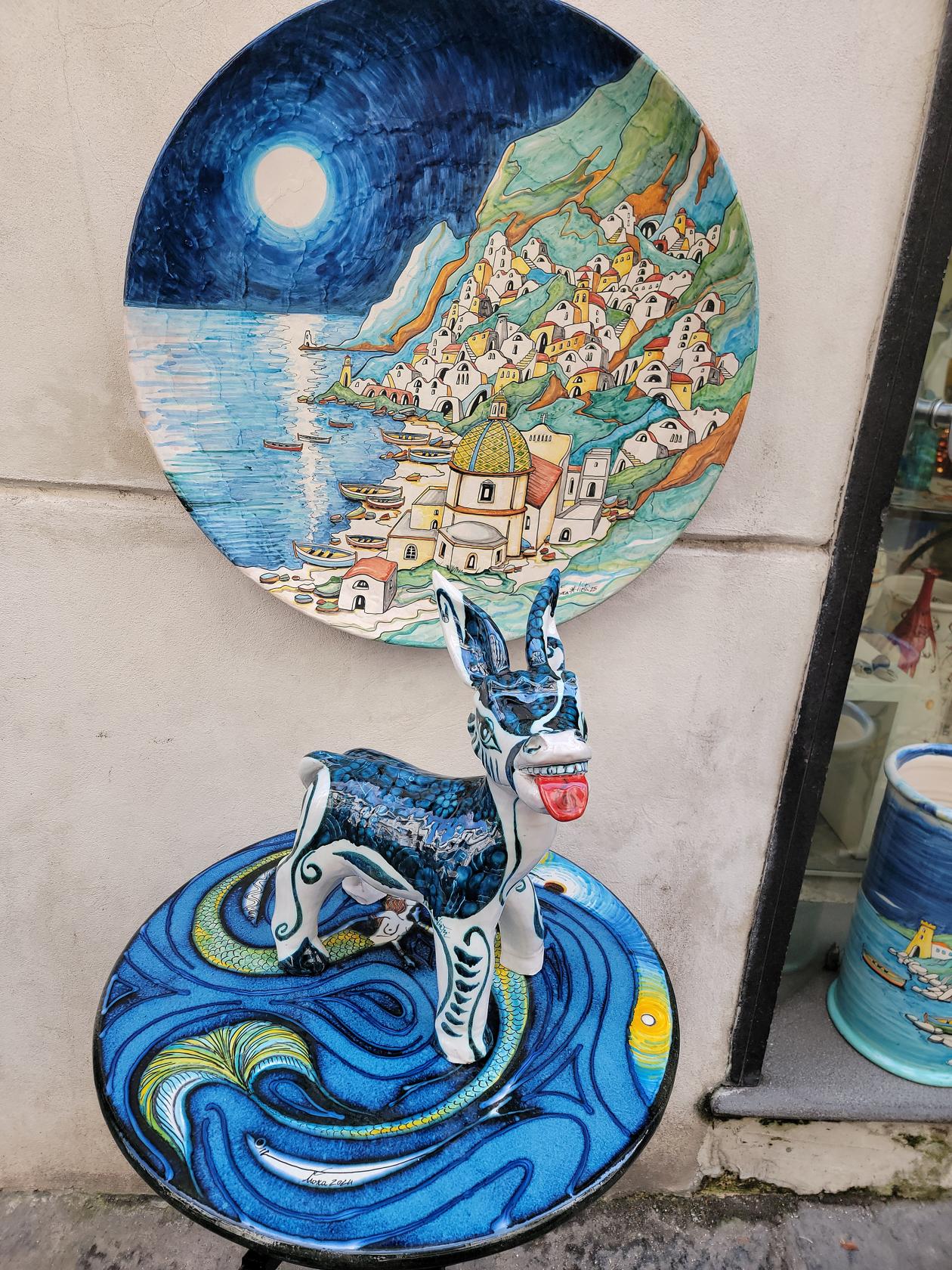
The town is known for its glassware and ceramic factories and shops. Here you will find of plethora of shops selling all sorts of tiles, porcelain and other types of ceramics for use in the house and as decoration.
The old cermic factory – Ceramica Artistica Solimene Vincenzo – Vietri sul Mare, Italy
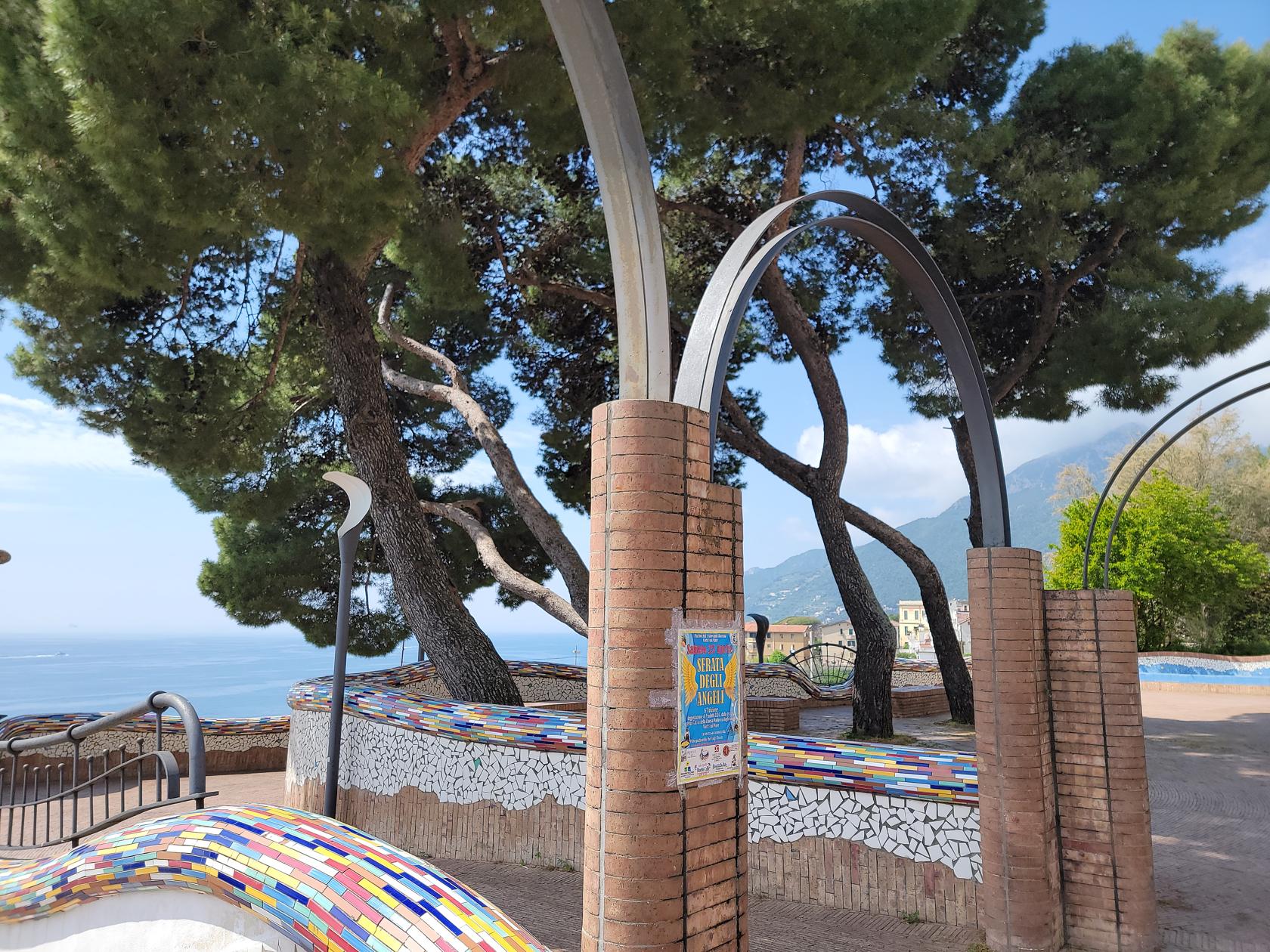
Villa Comunale Vietri sul Mare – Vietri sul Mare, Italy
The town is small enough to easily visit within a day. We only needed a few hours to cover the entire town, even walking down from the train station, which luckily has an elevator to bring you down most of the way. However, it should be noted, you will have to walk several hundred meters downhill to reach the beach and then up again. Like the other coastal towns, it is built on a very steep hillside.
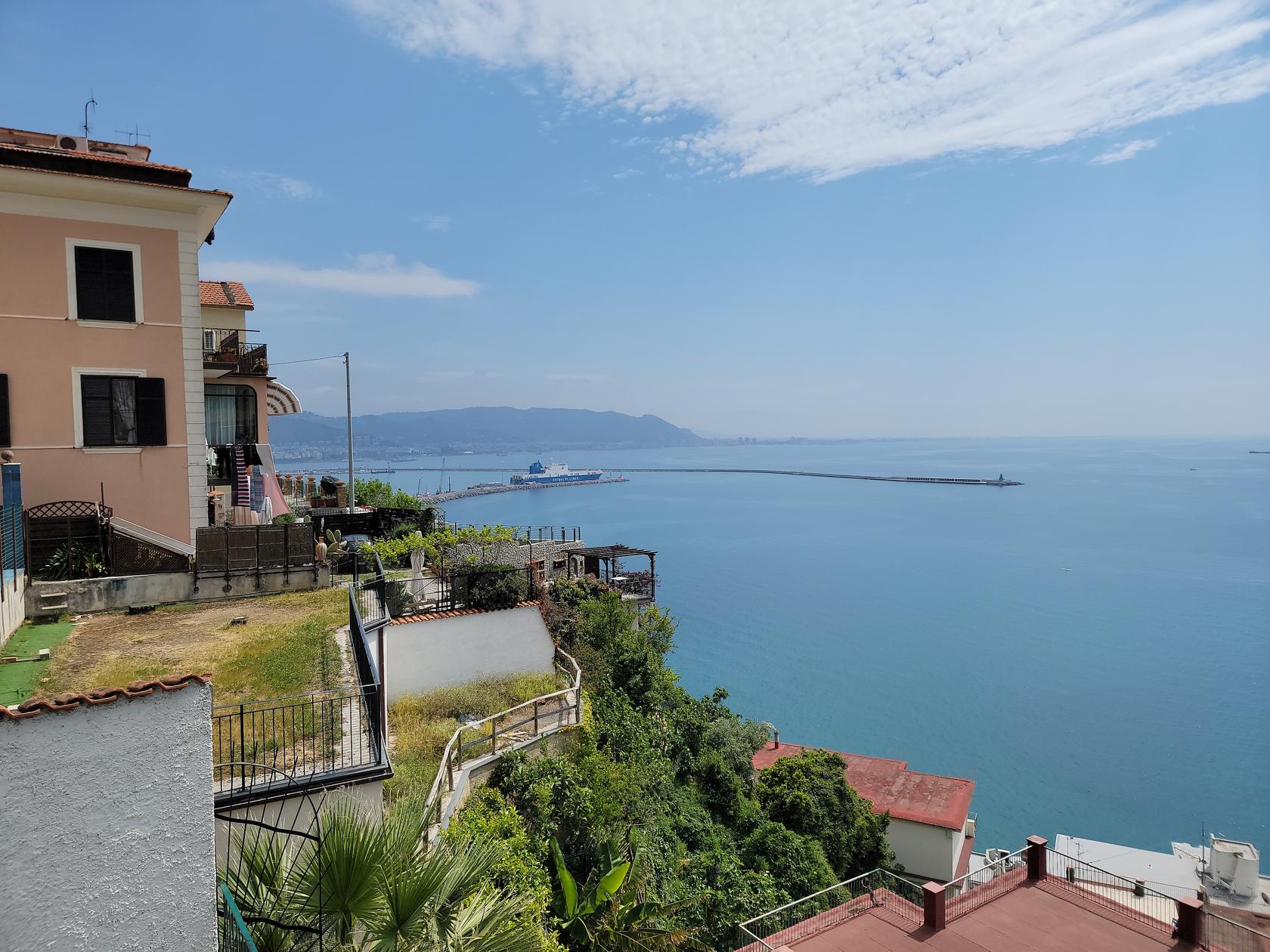
Solerno Container Ship port – Vietri sul Mare, Italy
View of ships – Vietri sul Mare, Italy
Long and narrow stairways – Vietri sul Mare, Italy
Long and narrow stairways – Vietri sul Mare, Italy
Clean Streets – Vietri sul Mare, Italy
Narrow Alleys – Vietri sul Mare, Italy
Getting There
To get to Vietri sul Mare, we had to take two trains from Naples. First, we took a regional train to Napoli Centrale, since the metro was not working. Then we took another train to Solerno. After about a ten minute layover, we took a regional train then to Vietri sul Mare.
Napoli Centrale Station – Naples, Italy
For our return, we decided to take regional train back, since it offered a longer, but more direct option to the Piazza Amadeo station by our hotel, removing the need for us to get off and change trains.
Solerno Station – Solerno, Italy
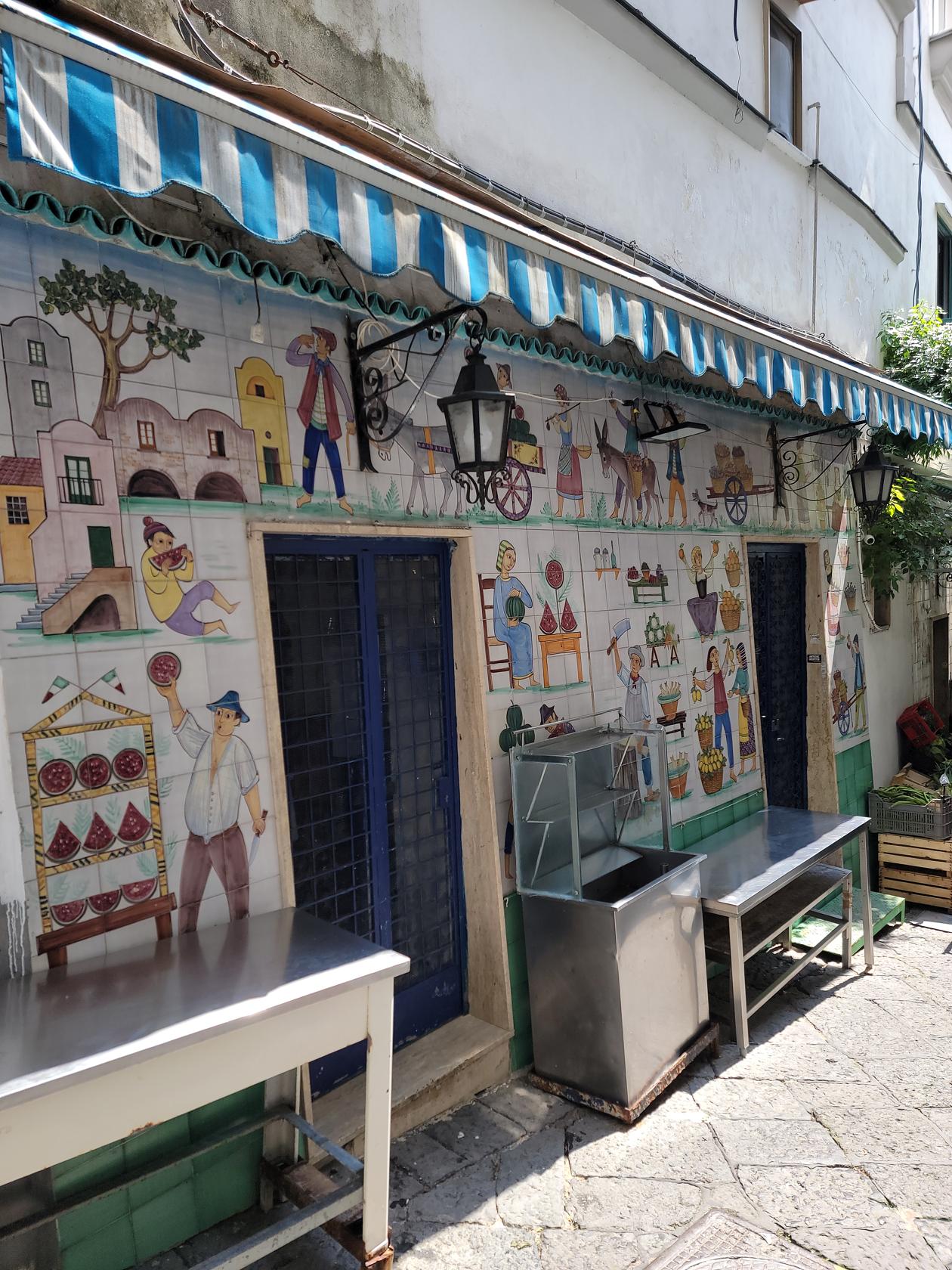
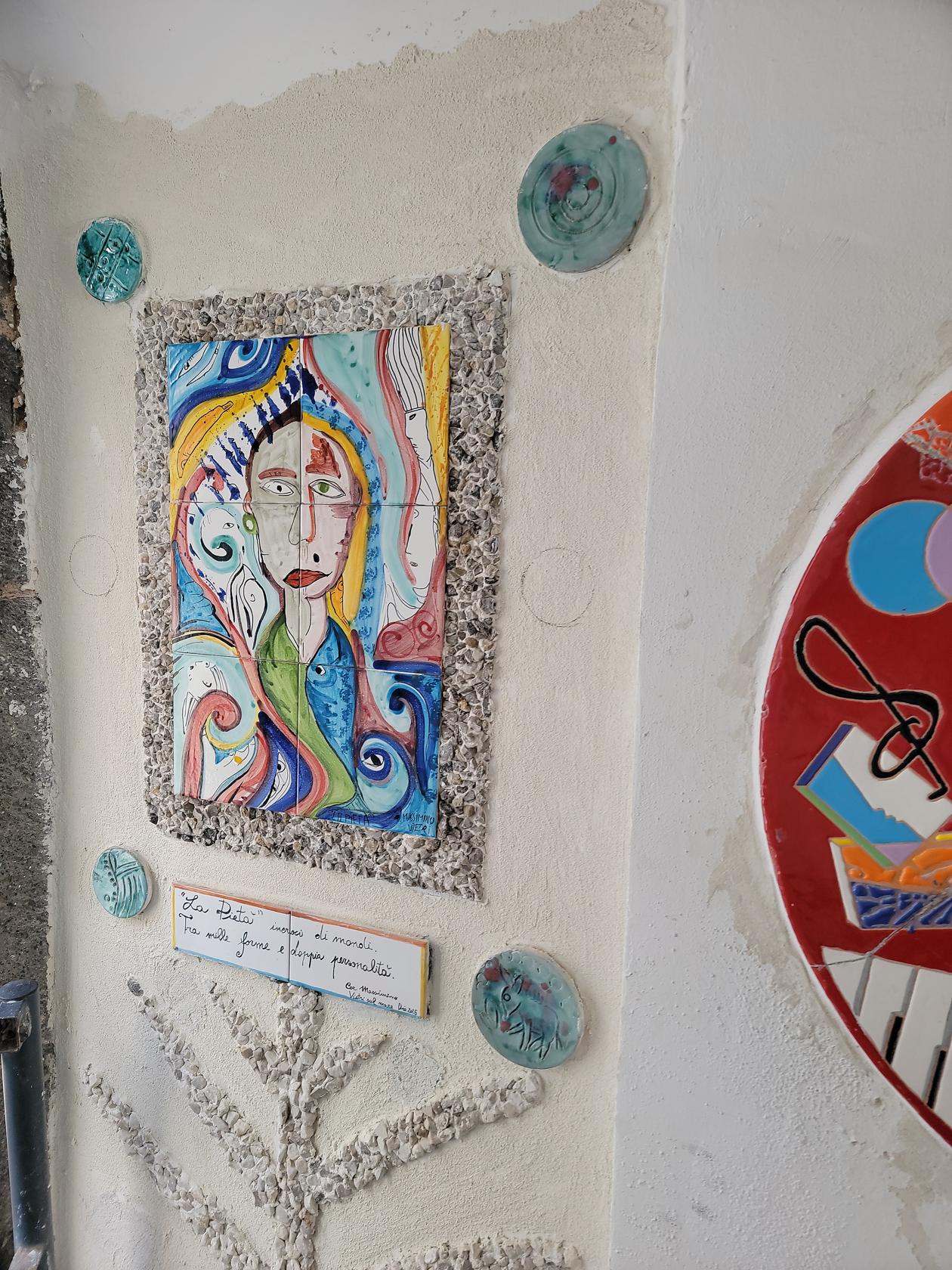
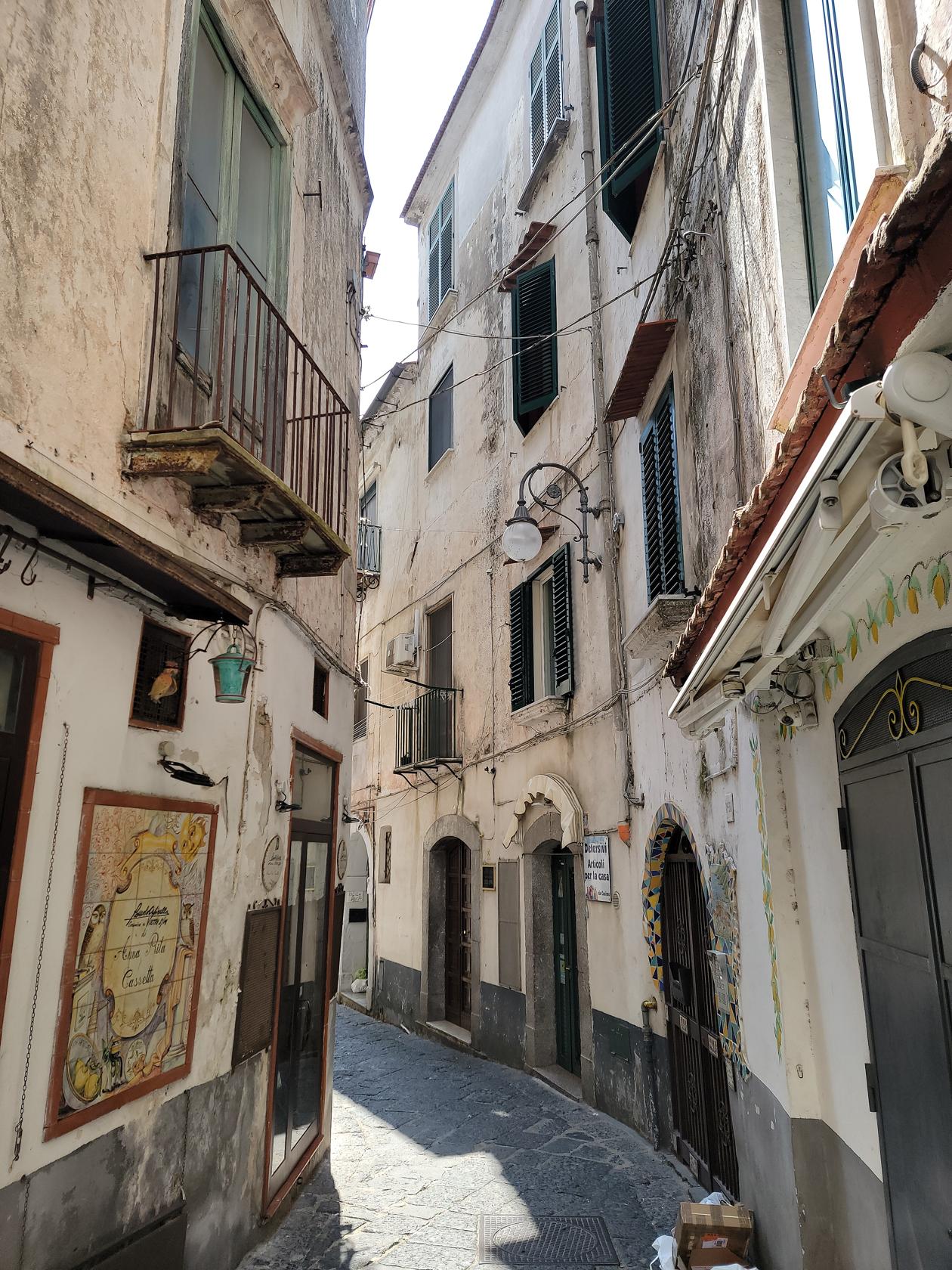
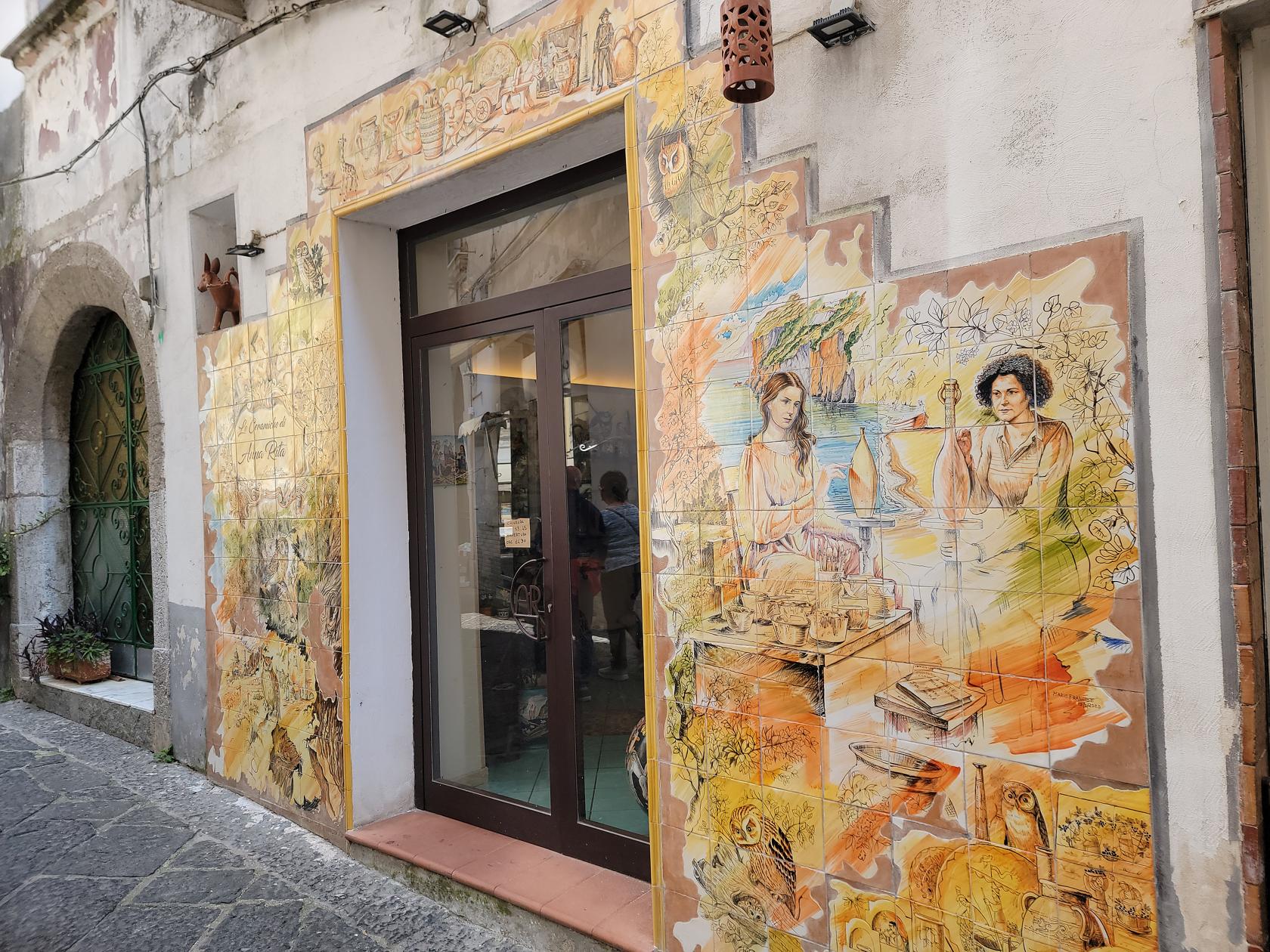
Ceramic Tiled Houses
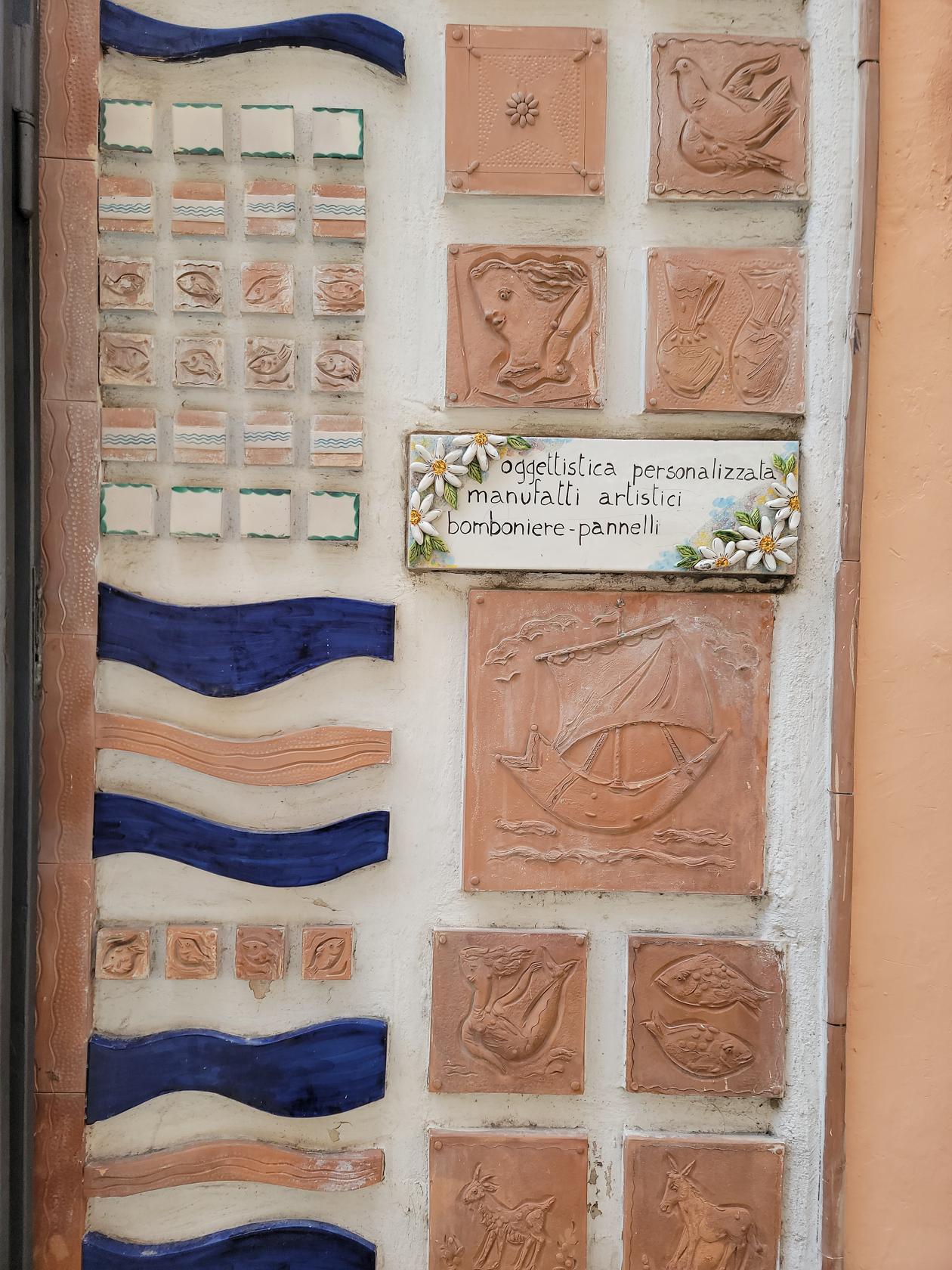
The town is full of tiled shops and buildings. Most of the shop owners tile their entrances as part decoration and part advertisement.
Tiled Store Fronts – Vietri sul Mare, Italy
Tiled Store Fronts – Vietri sul Mare, Italy
Tiled Store Fronts – Vietri sul Mare, Italy
Tiled Store Fronts – Vietri sul Mare, Italy
Tiled Store Fronts – Vietri sul Mare, Italy
Ceramic souvenirs – Vietri sul Mare, Italy
Terracota – Vietri sul Mare, Italy
Ceramics – Vietri sul Mare, Italy
Case Colorate
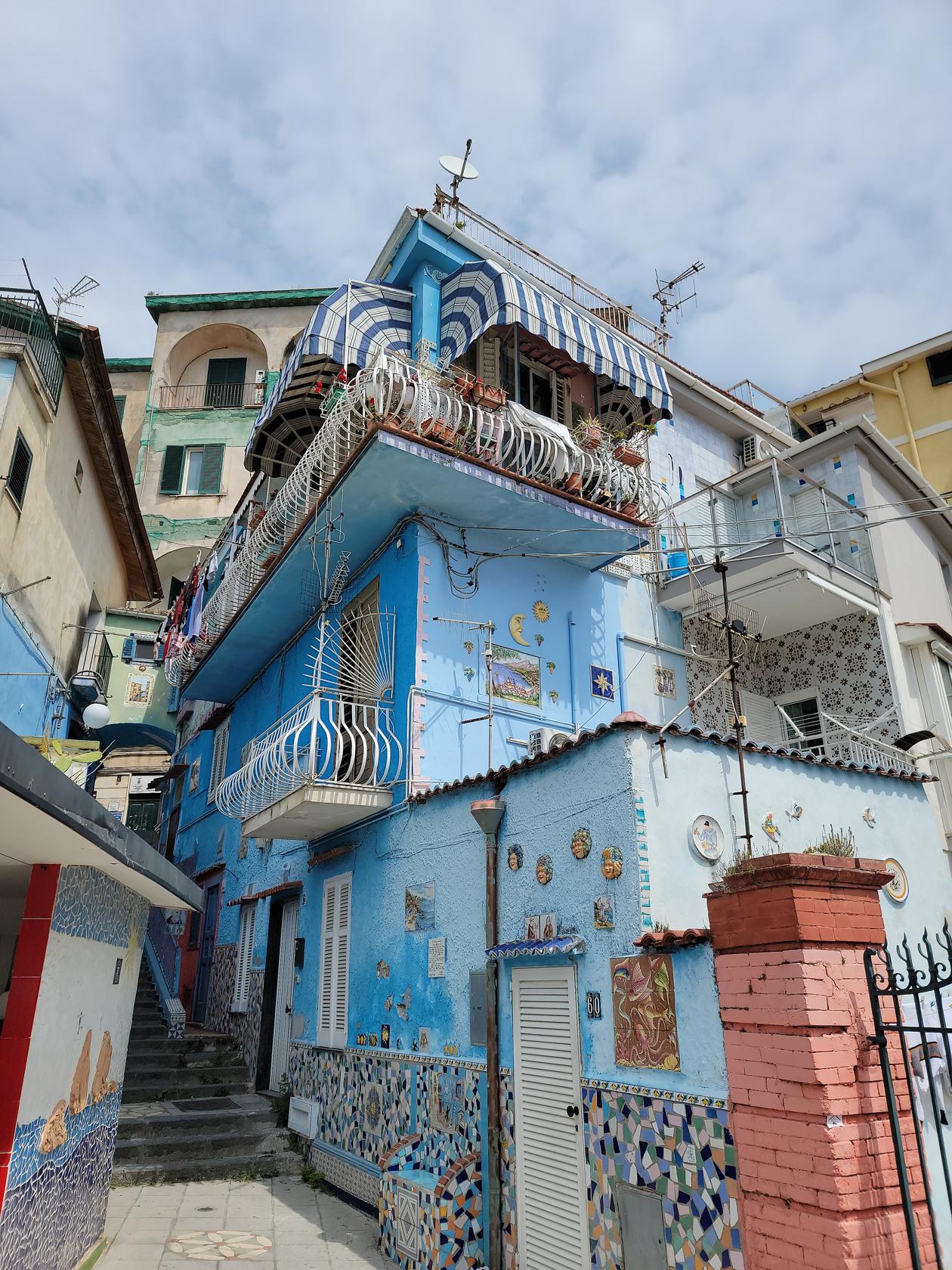
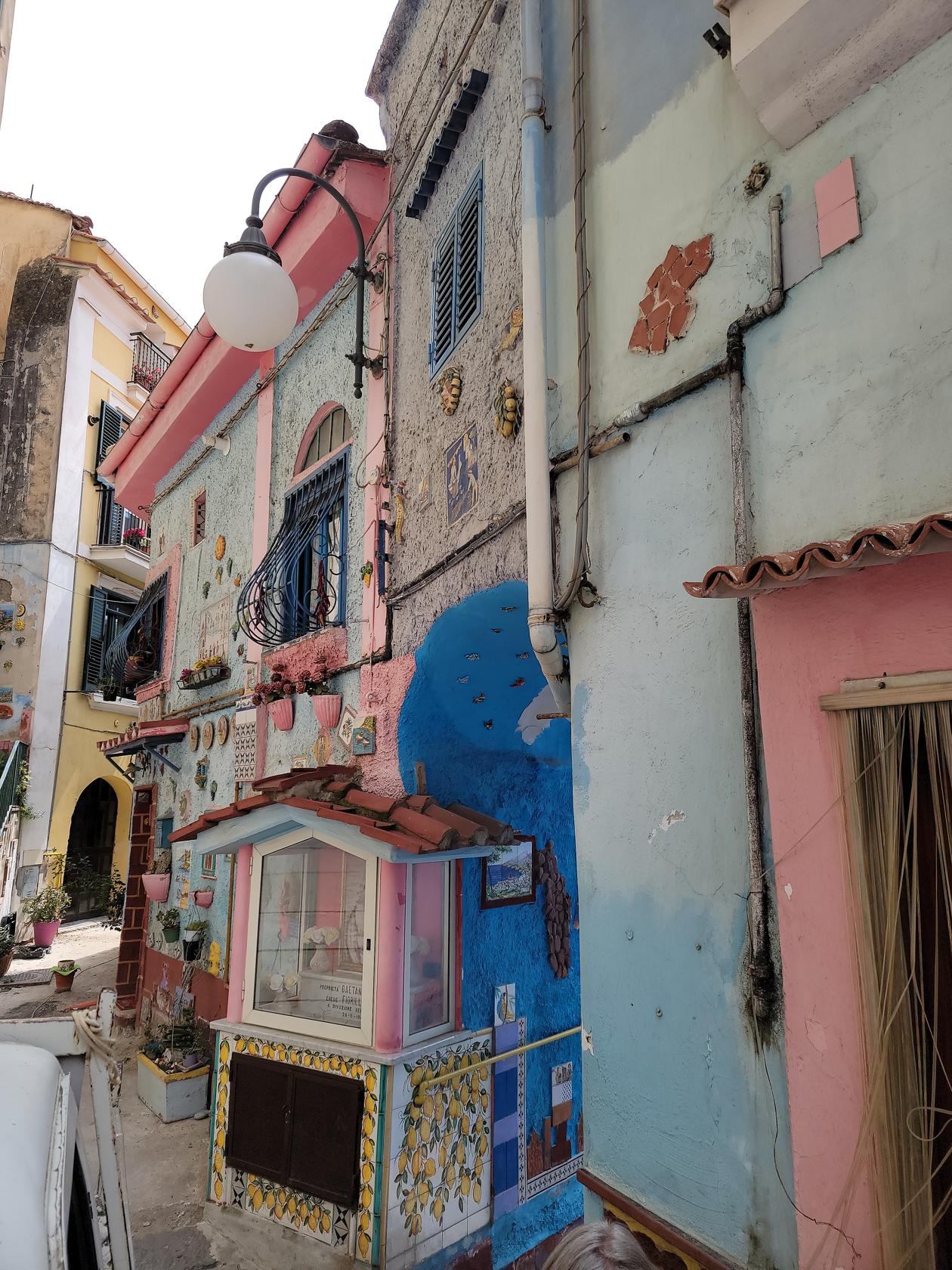
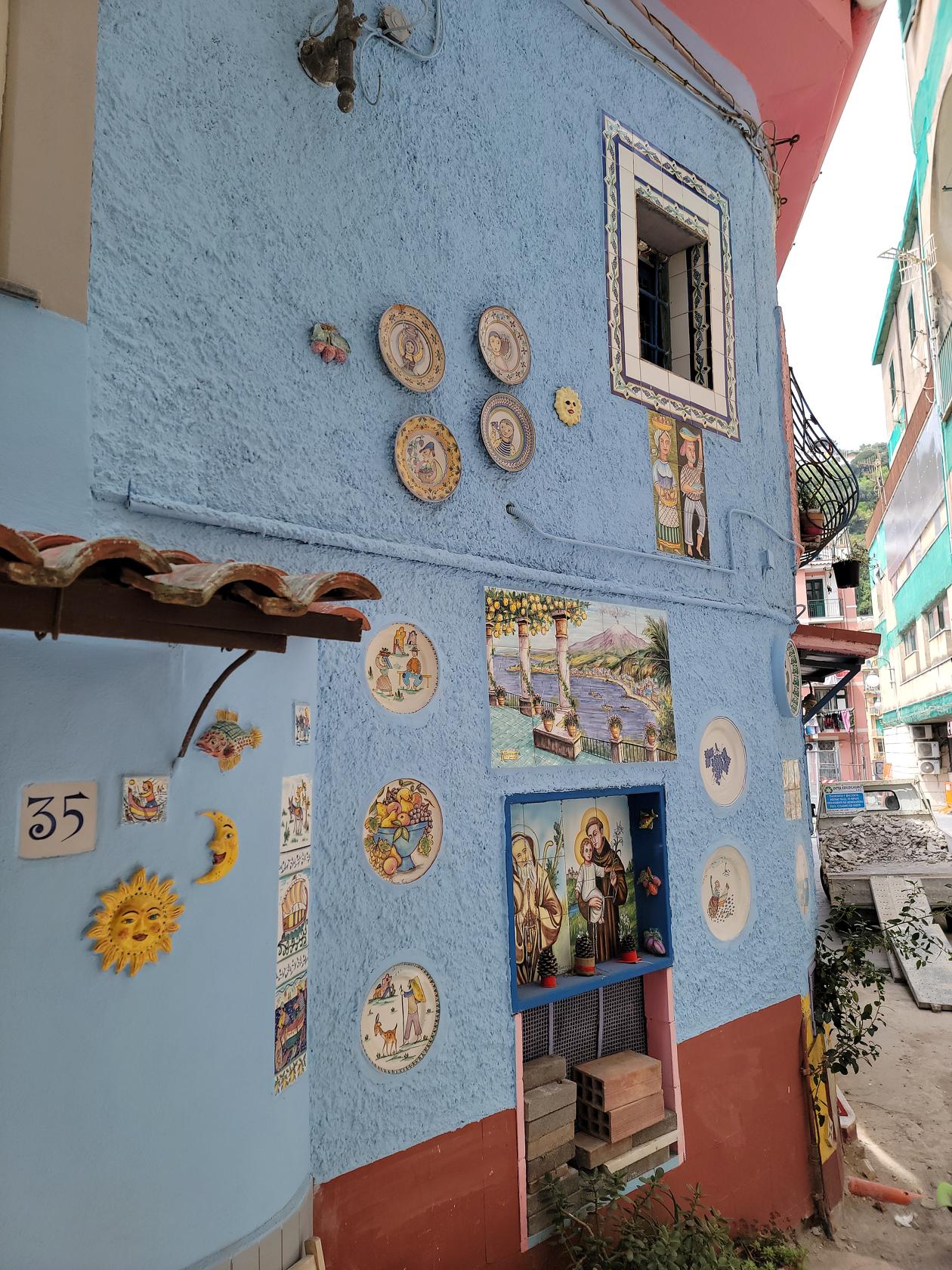
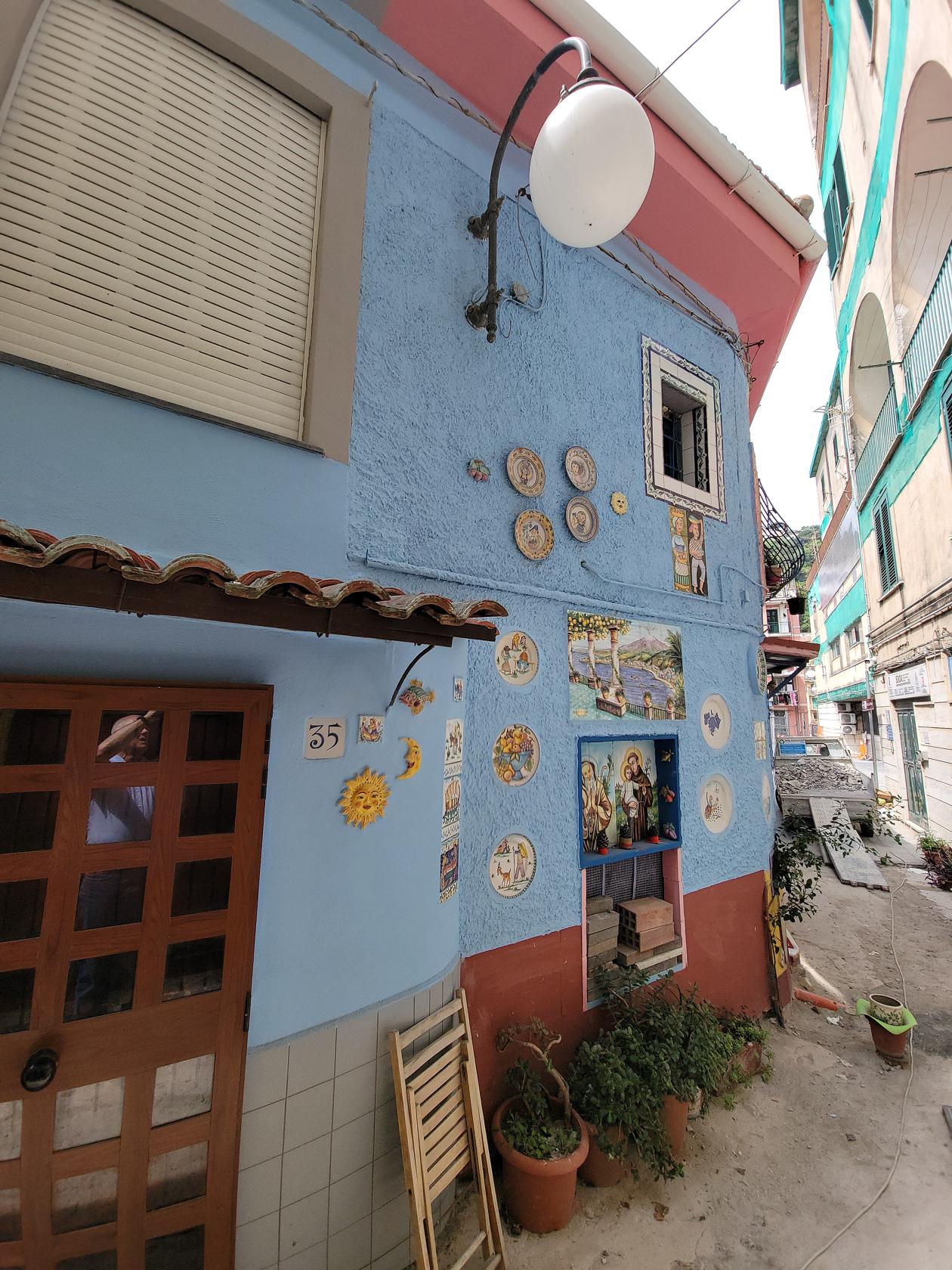
Perhaps the only house specifically known for its on-going construction and colorful use of tiles. Even when we were there, they seem to be embarking on some new expenditure, both inside and out.
Case Colorate – Vietri sul Mare, Italy
Case Colorate – Vietri sul Mare, Italy
Case Colorate – Vietri sul Mare, Italy
Case Colorate – Vietri sul Mare, Italy
Two Brothers
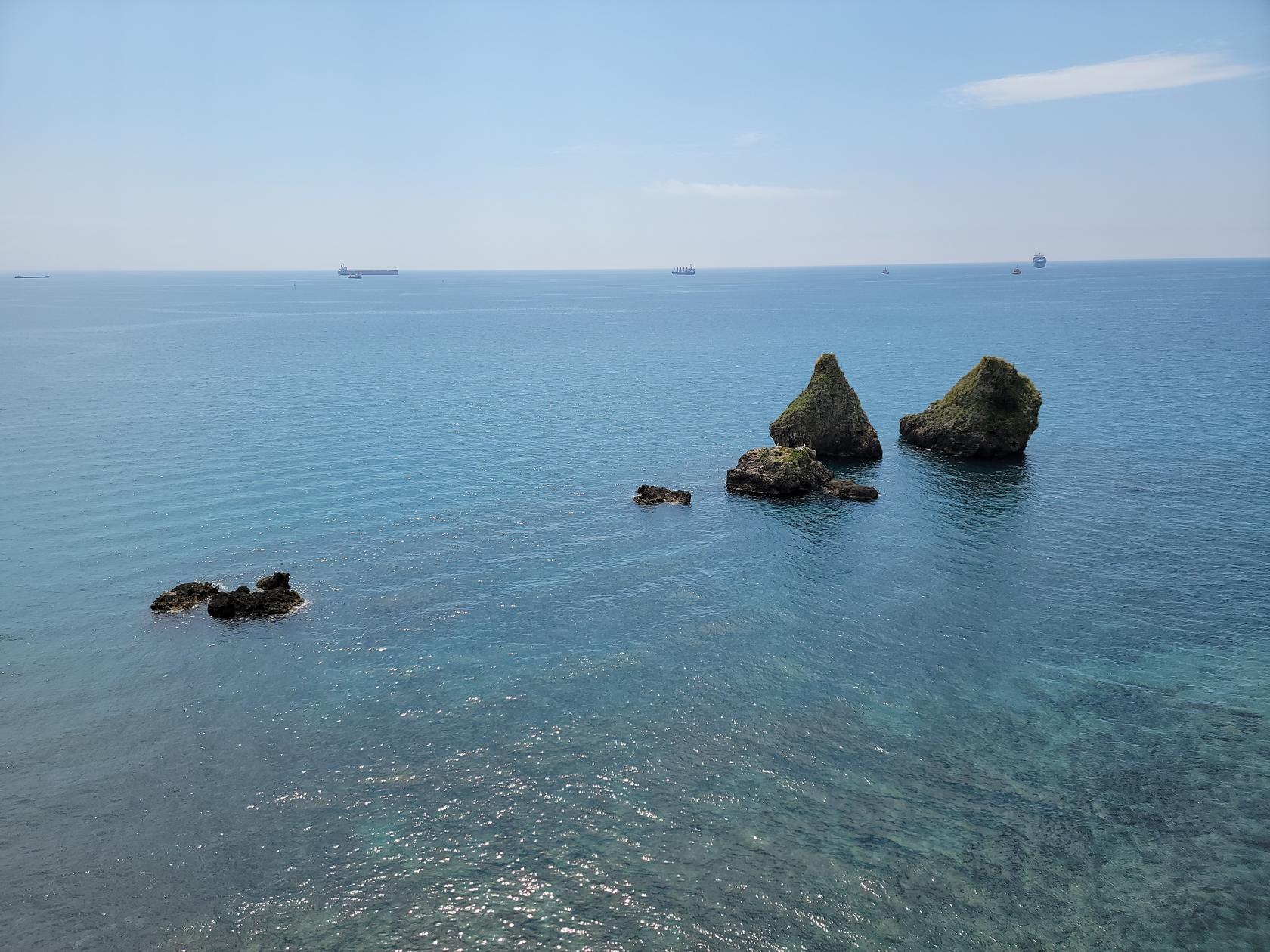
The Two Brothers are apparently from local legend, since when you finally see them, there are not two of them. In any case, it makes for an interesting backdrop for a photograph.
View of ships – Vietri sul Mare, Italy
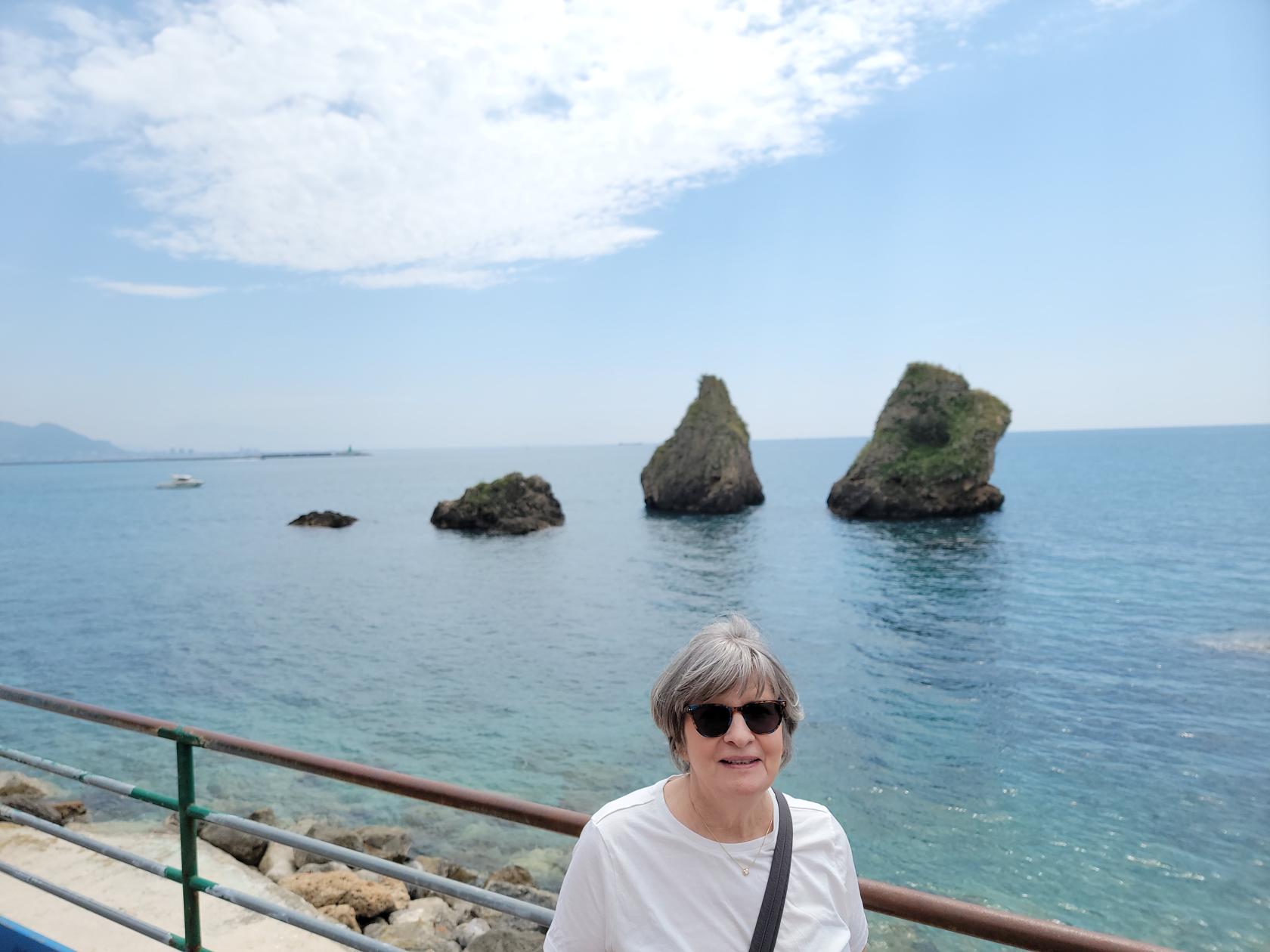
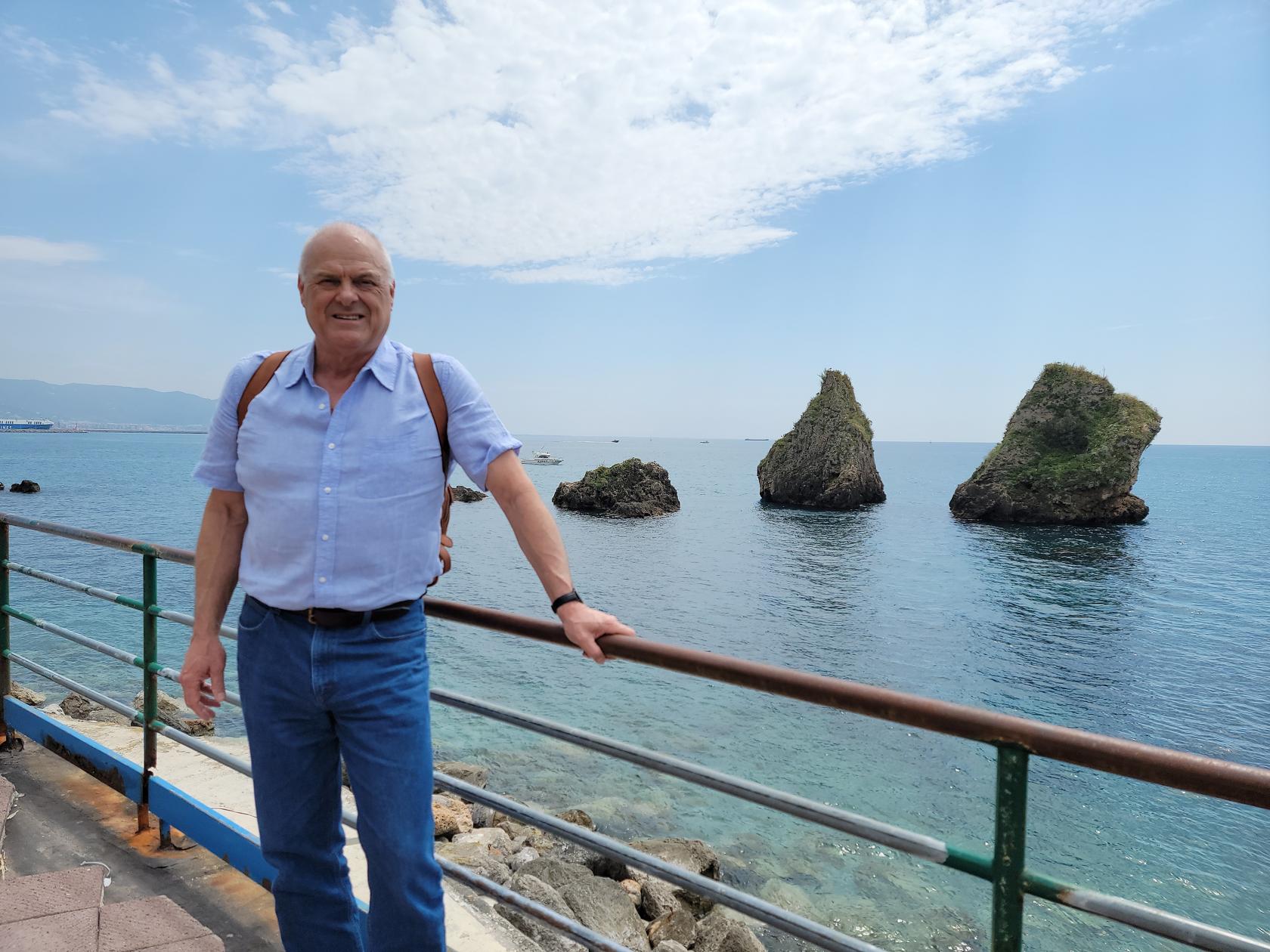
The Two Brothers – Vietri sul Mare, Italy
Patti – The Two Brothers – Vietri sul Mare, Italy
Erick – The Two Brothers – Vietri sul Mare, Italy
Restaurants
Since this was a day trip, we had time for lunch. Although we did have a few restaurants in mind, the following we found serendipitously.
Sole di Vietri
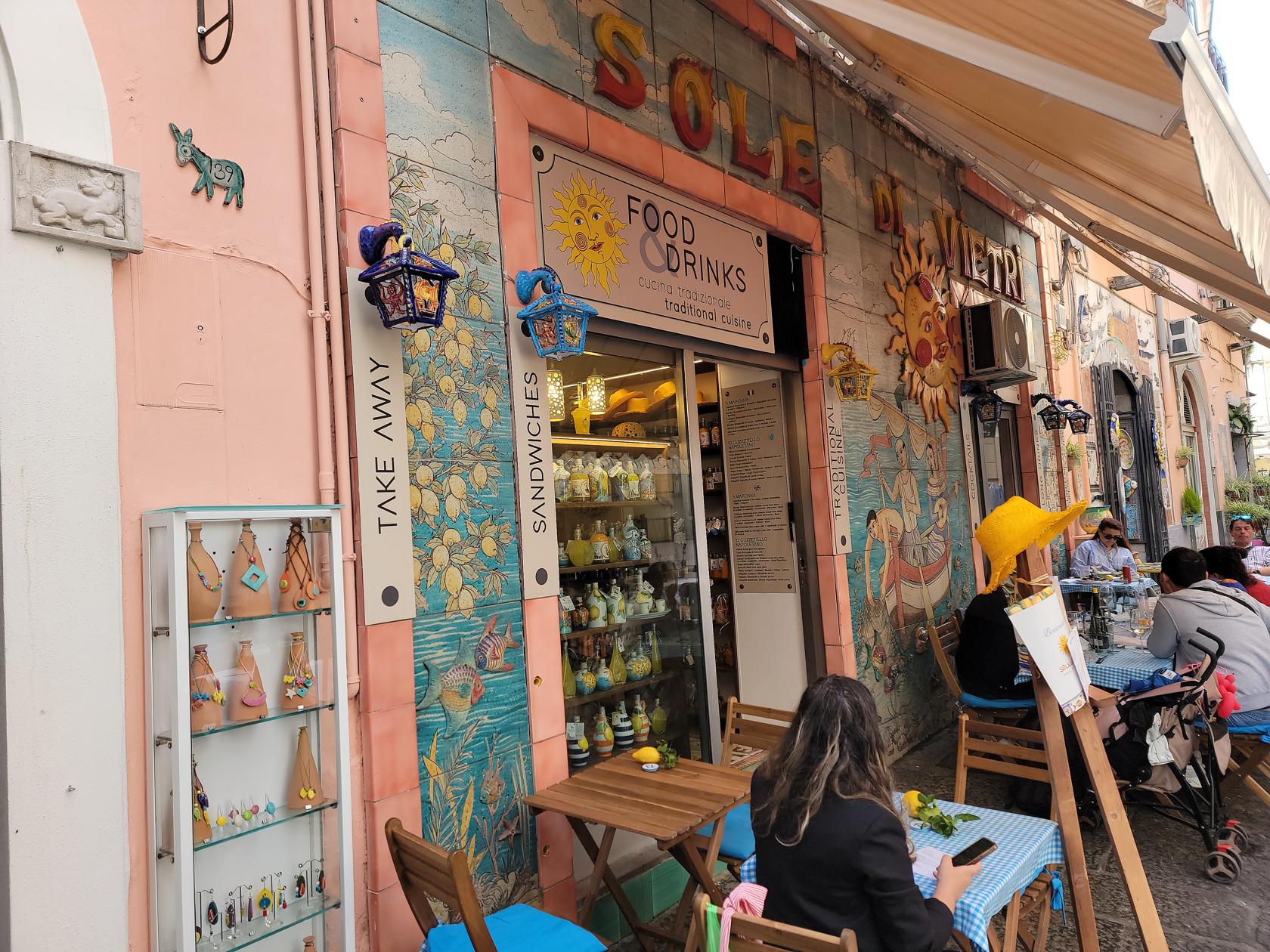
A small restaurant, comparable to a trattoria that serves very good food. Seating outside is limited and might be an issue during the summer months, when it is very busy.
Front – Sole de Vietri Ristorante – Vietri sul Mare, Italy
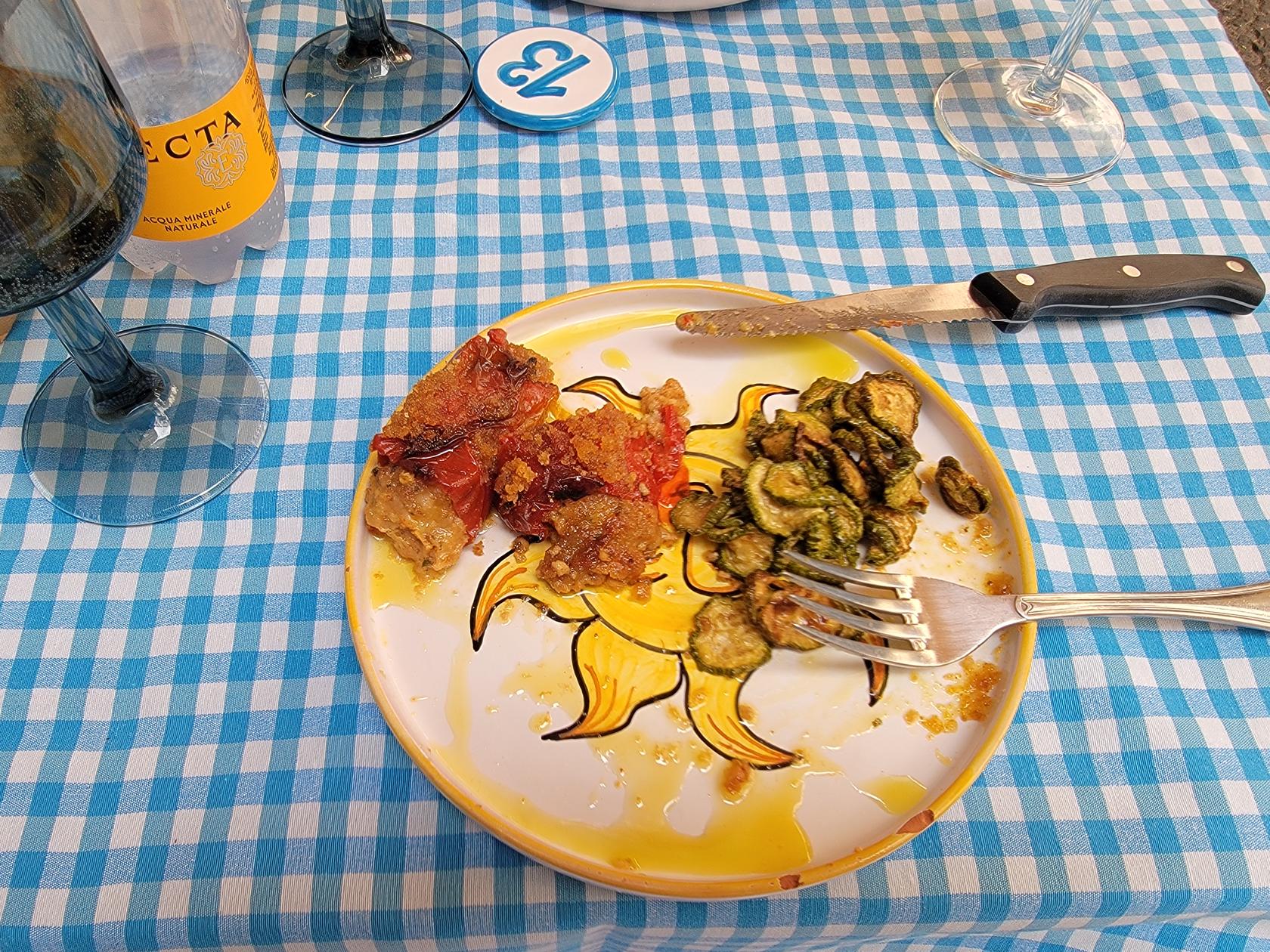
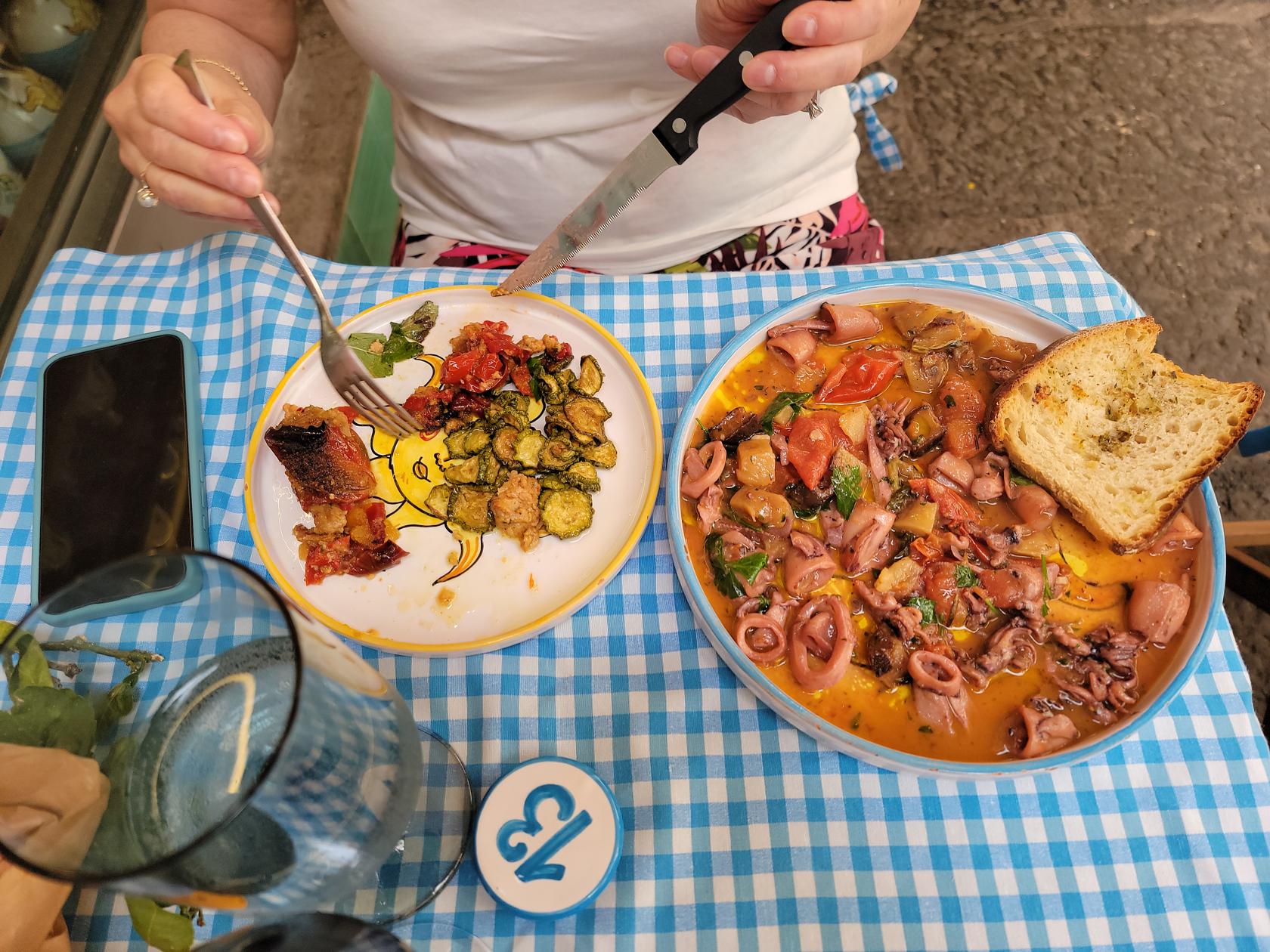
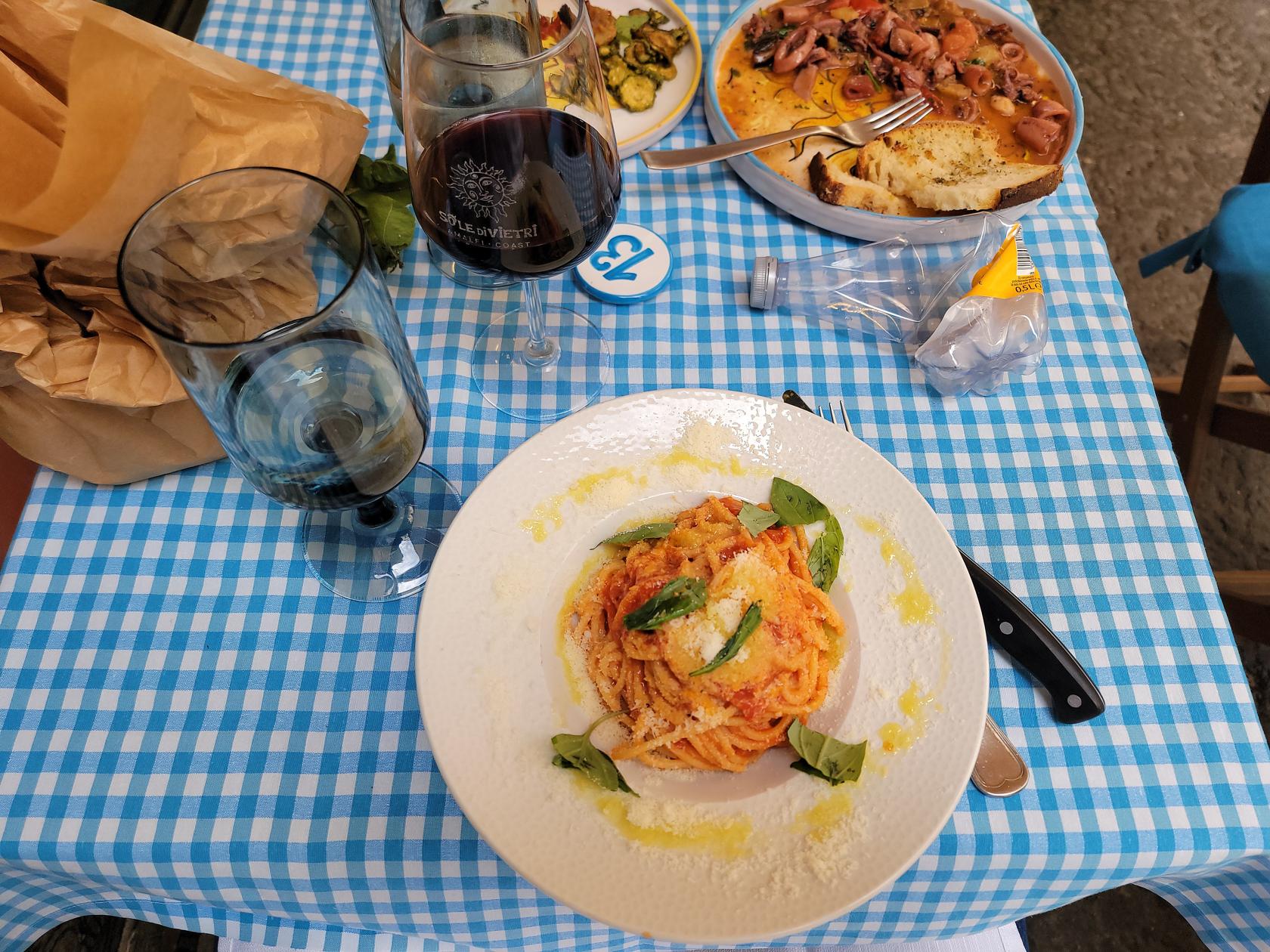
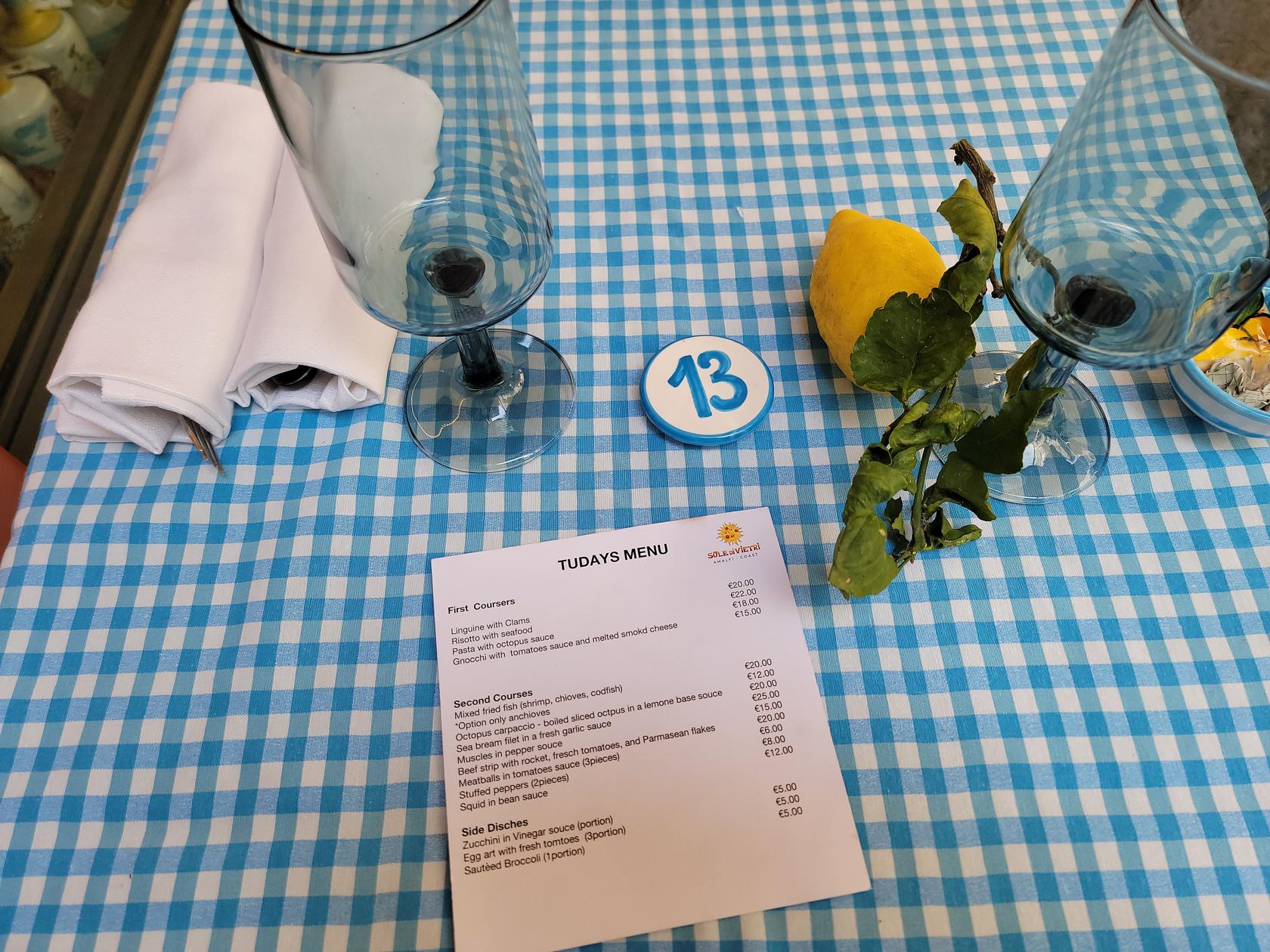
The menu offers daily specials and real home cooking, Italian style. You will find dishes derived from local cuisine, as well as some neopalitan and Italian favorites.
Cold Zucchini with Balsamic and Stuffed Peppers – Sole de Vietri Ristorante – Vietri sul Mare, Italy
Squid with tomatoes and potatoes – Sole de Vietri Ristorante – Vietri sul Mare, Italy
Pasta Fresca – Sole de Vietri Ristorante – Vietri sul Mare, Italy
Our Table and Menu – Sole de Vietri Ristorante – Vietri sul Mare, Italy
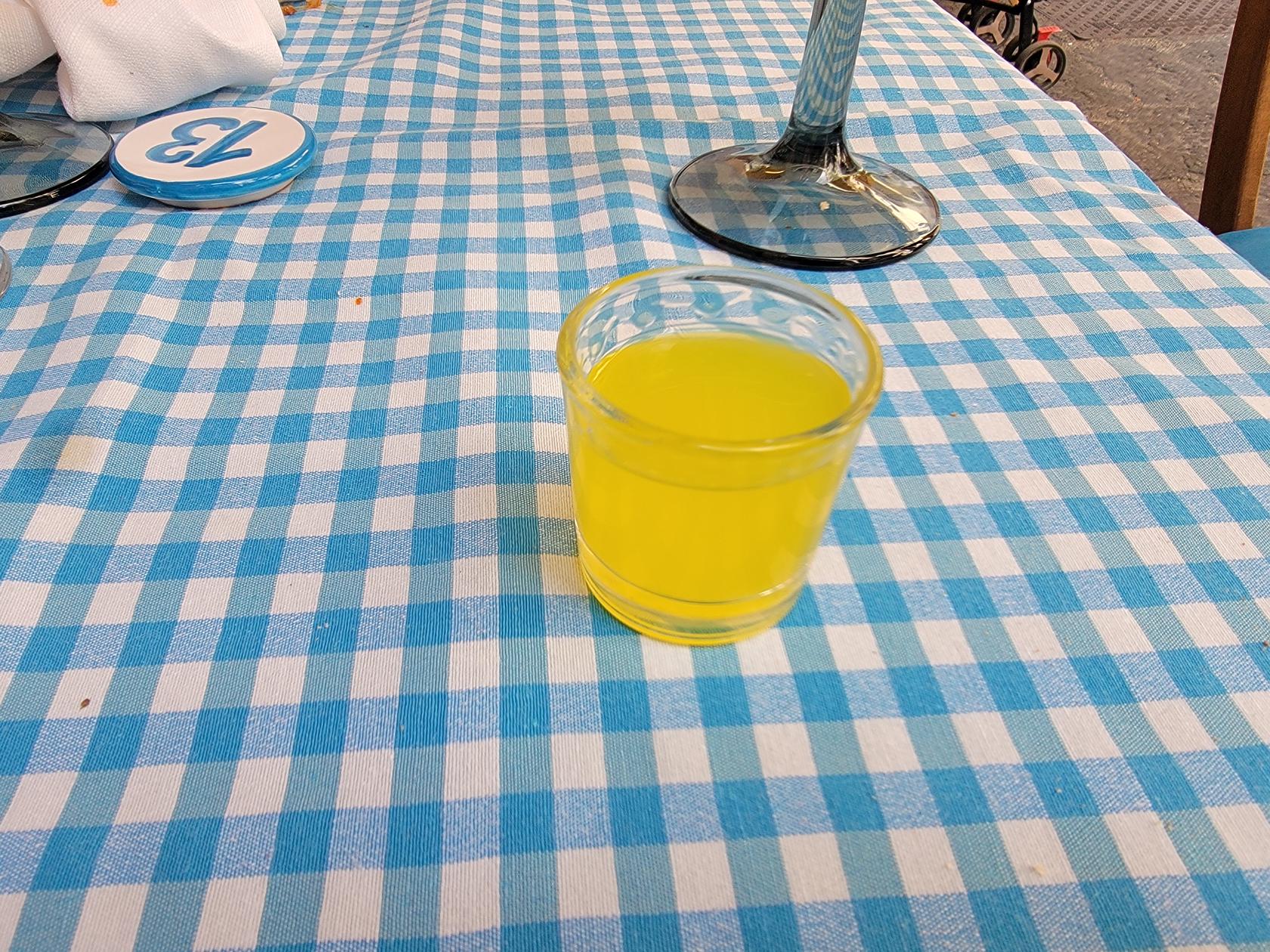
However, all meals should end in a nice glass of Limonchello, a favorite and local specialty.
Limonchello – Sole de Vietri Ristorante – Vietri sul Mare, Italy
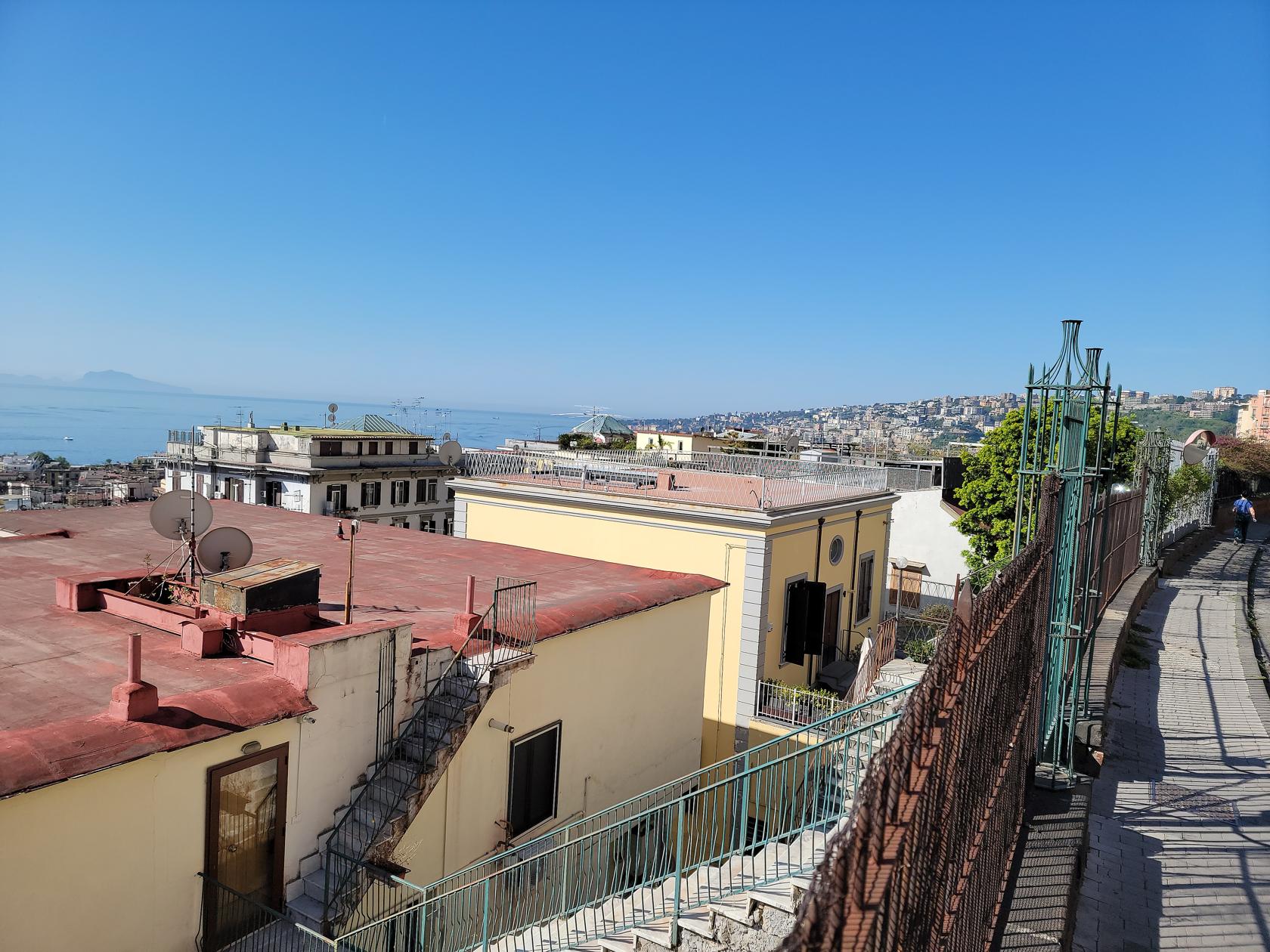
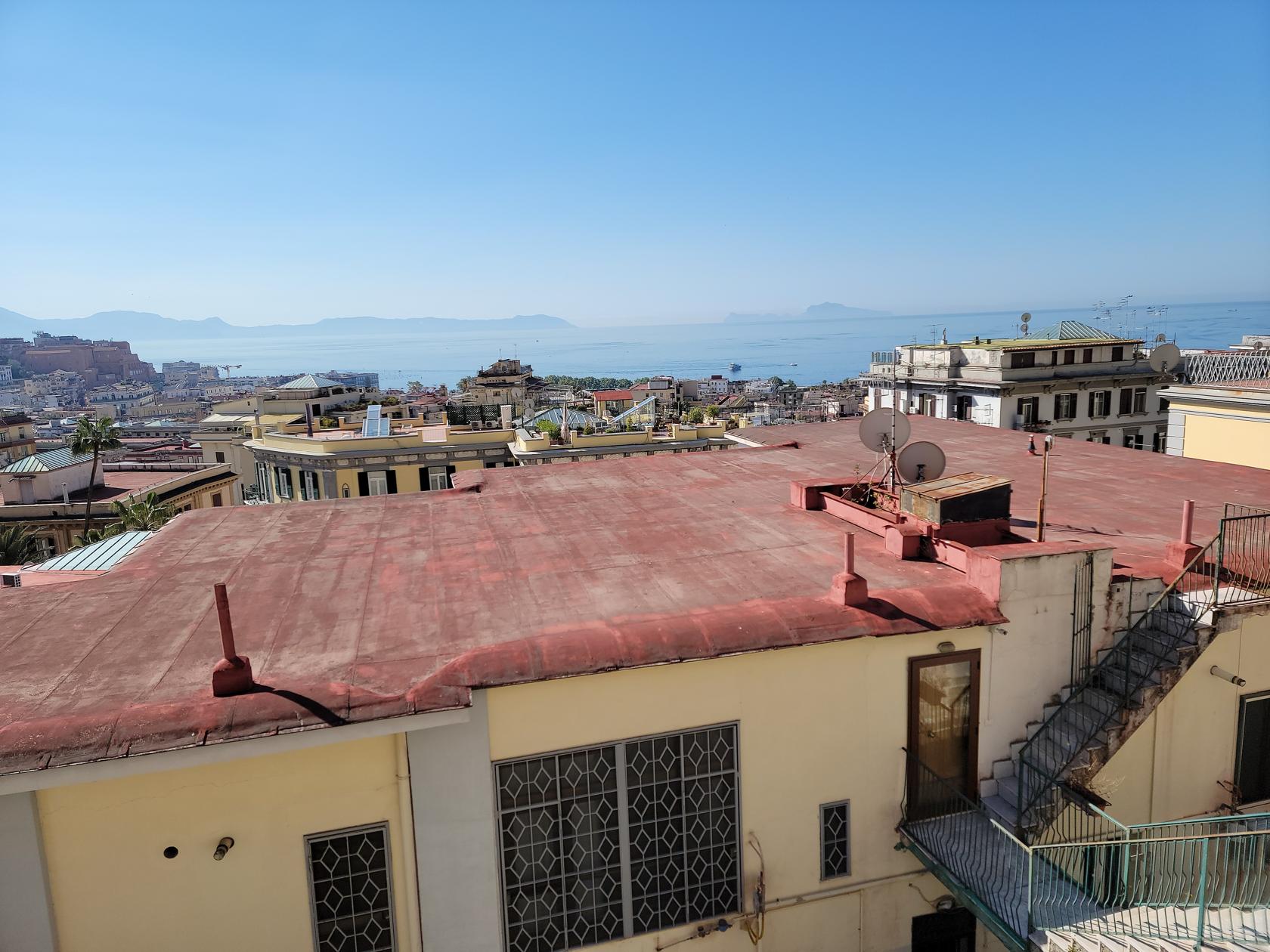
Recently we made a decision to return to Naples, if only to use it as a launch point to visit the Amalfi Coast. It was a brief return to enjoy the food and some of the sites we fell in love with four years ago.
Naples
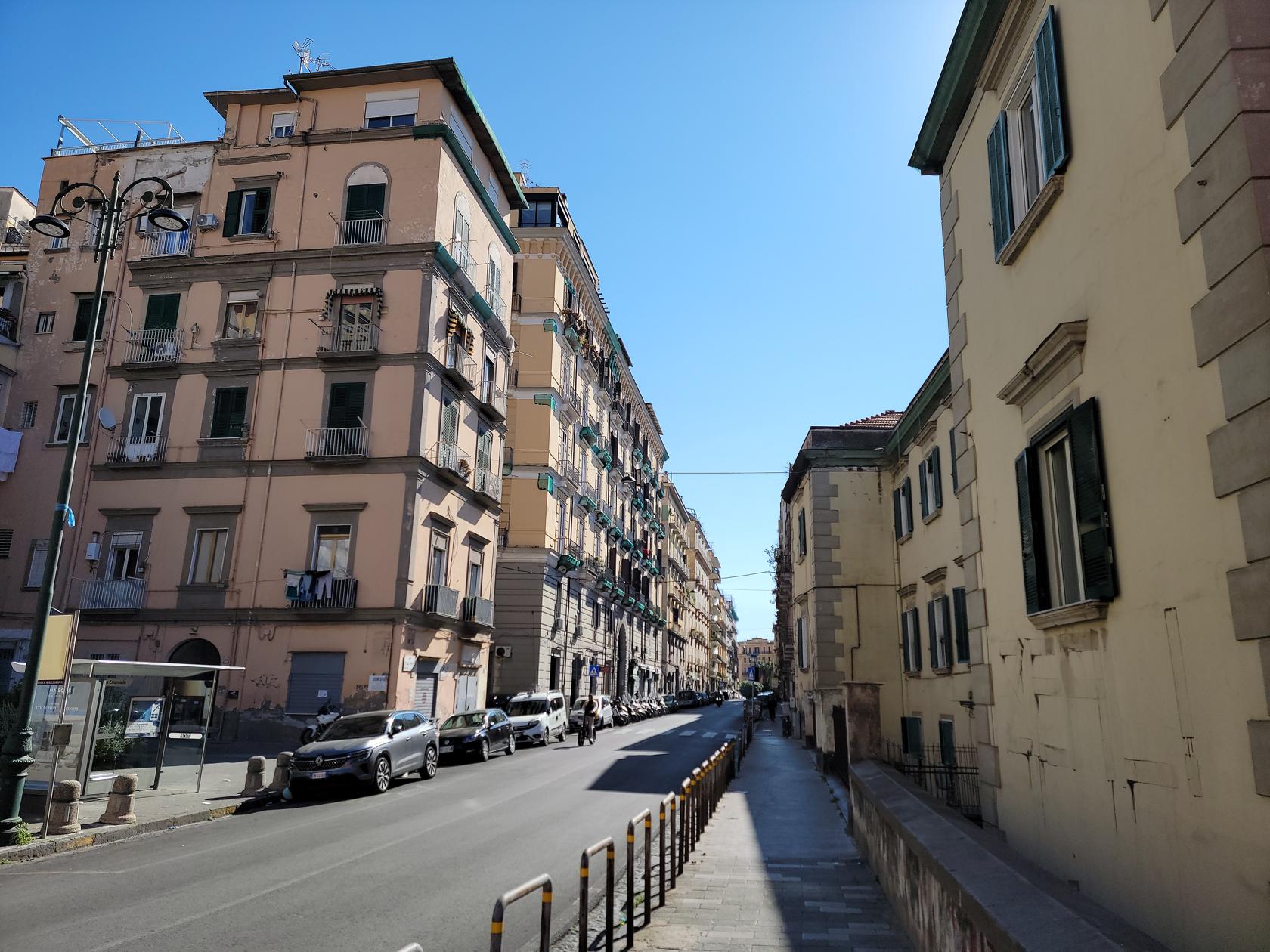
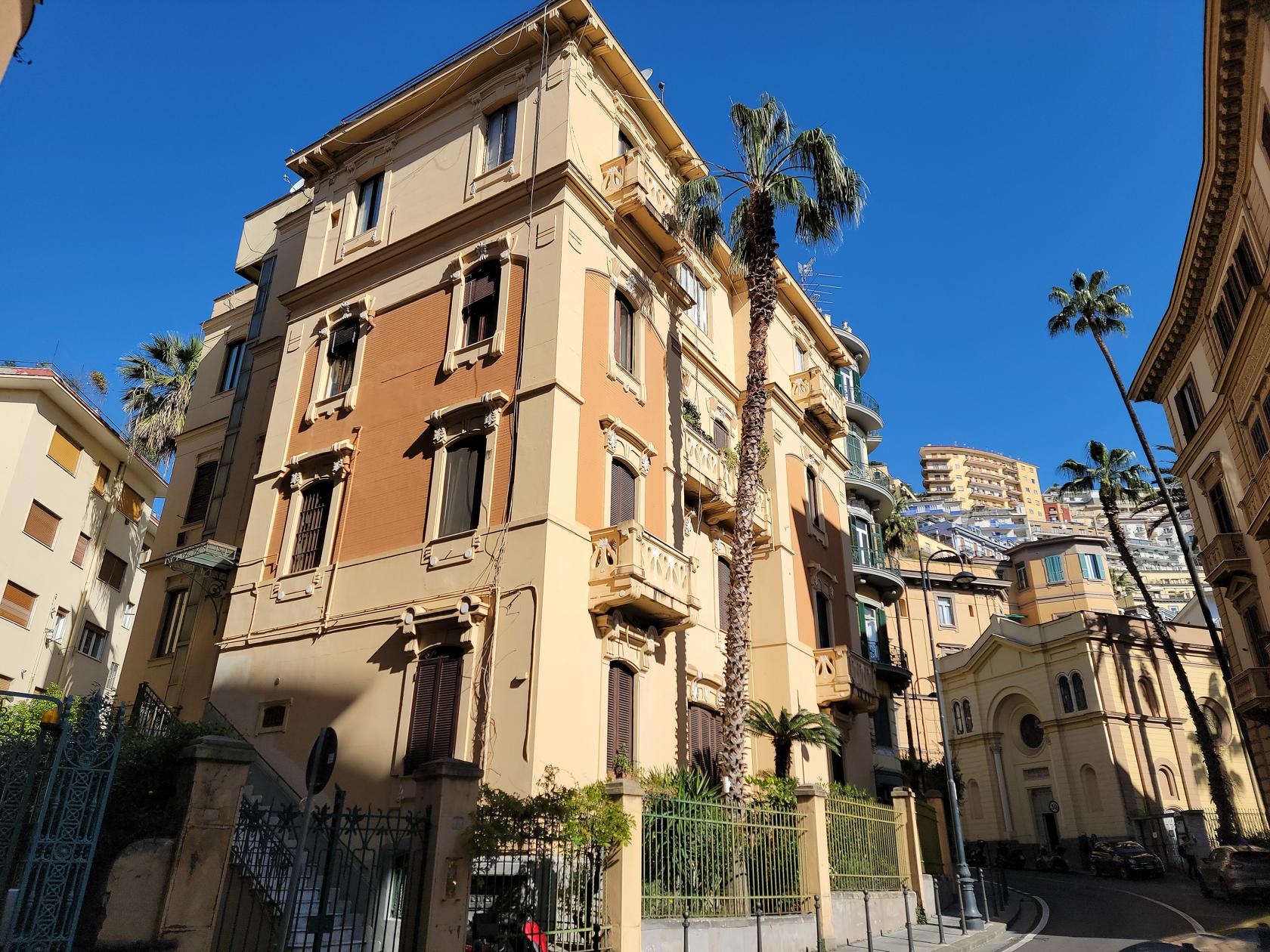
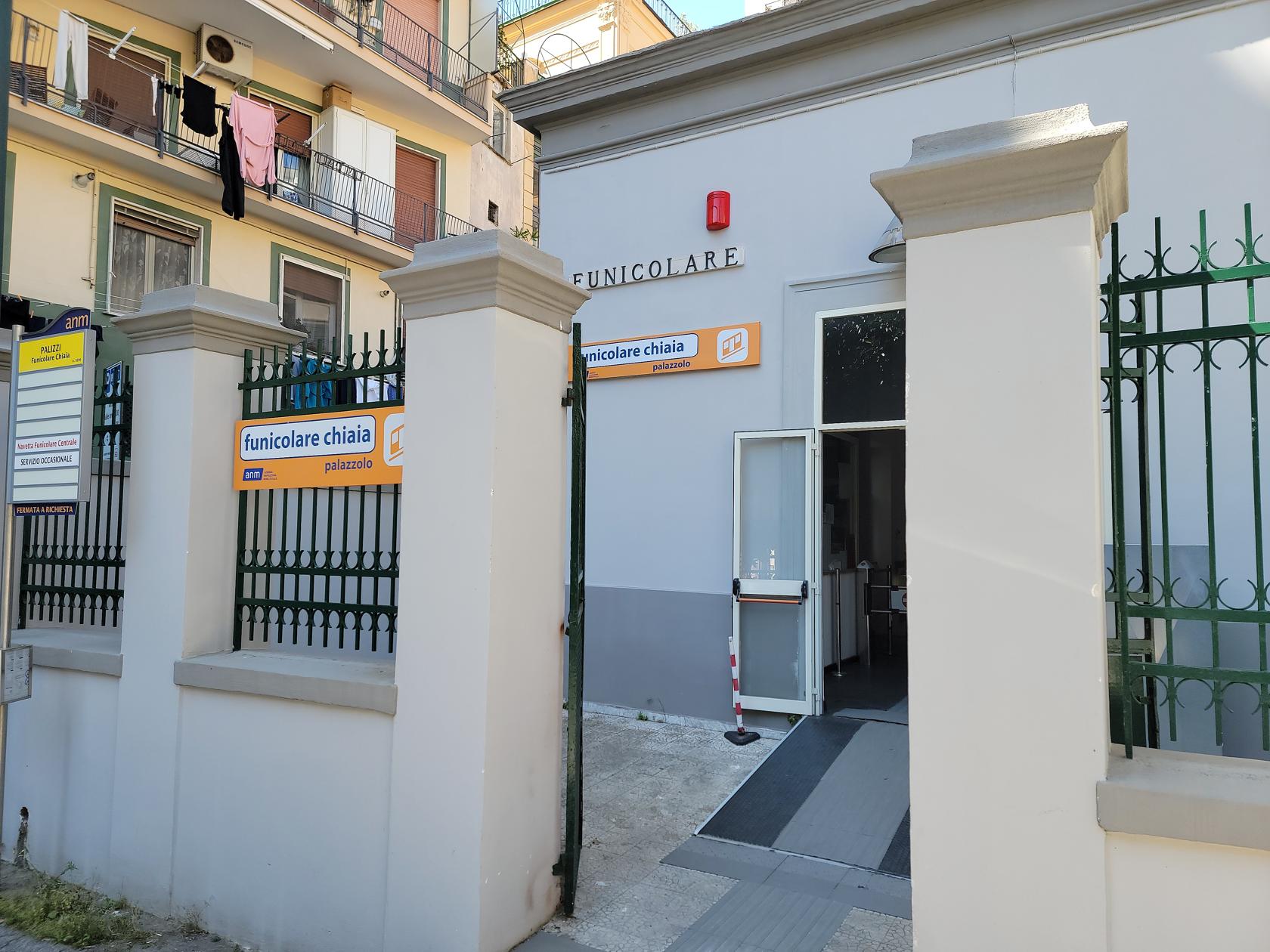
When we travel to Naples, we usually stay in Chiaia. It is an upscale and slightly newer part of Naples that offers a bit more quiet and relief from the tourist activity in the center. It also offers a furnicular to Vomero, which can be used to hop over to the Spanish Quarter, as well as great metro and regional train service.
Chiaia – Naples, Italy
Chiaia – Naples, Italy
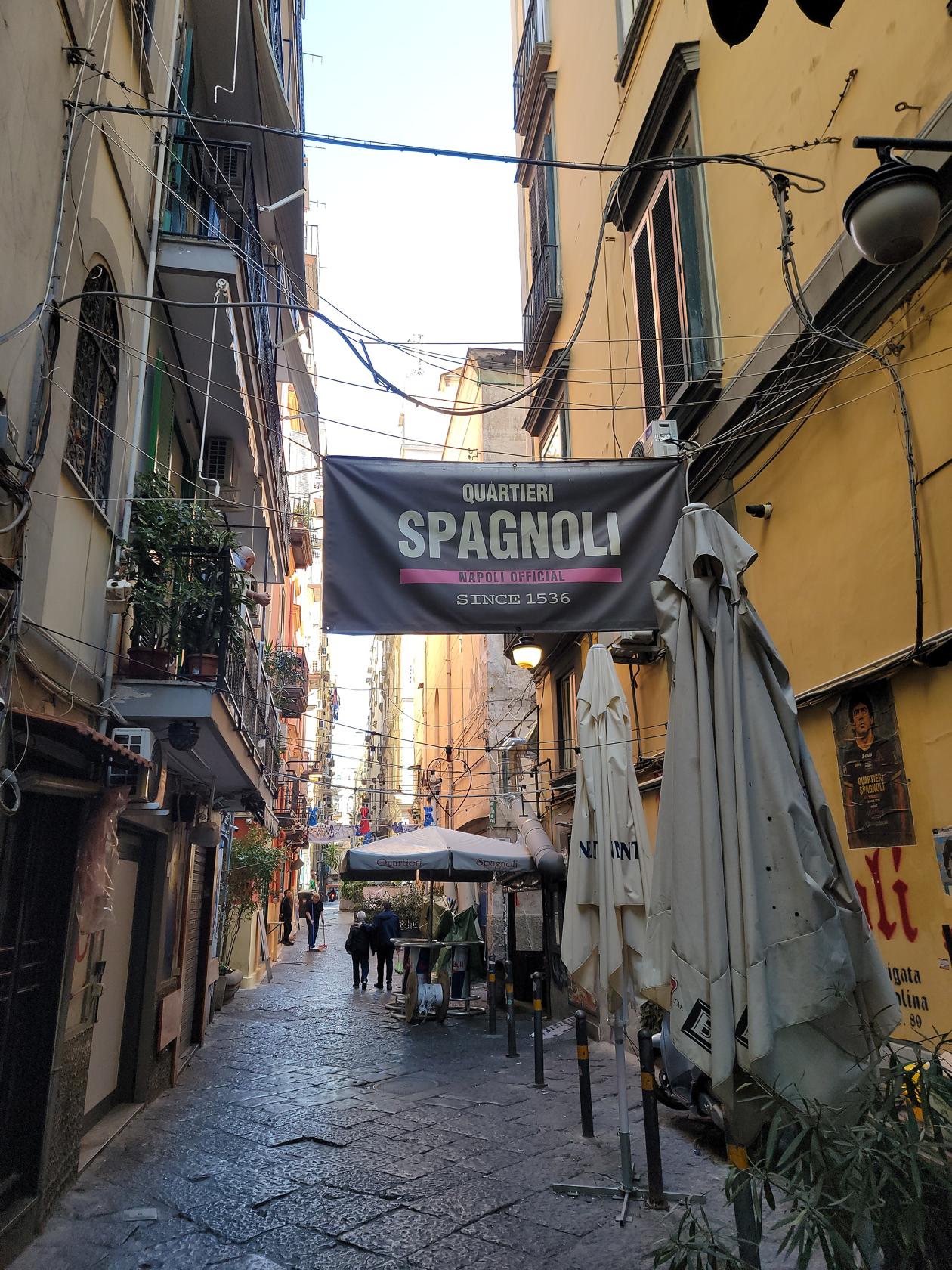
Coming into Spanish Quarter – Naples, Italy
Chiaia – Naples, Italy
Getting There
We took the FrecciaRossa TrenItalia service from Torino’s Porta Nuova. It takes about six hours and makes about just as many stops along the way. We normally purchase or make sandwiches for such trips, so that we may enjoy the trip without getting overly hungry.
Coming into Naples – Naples, Italy
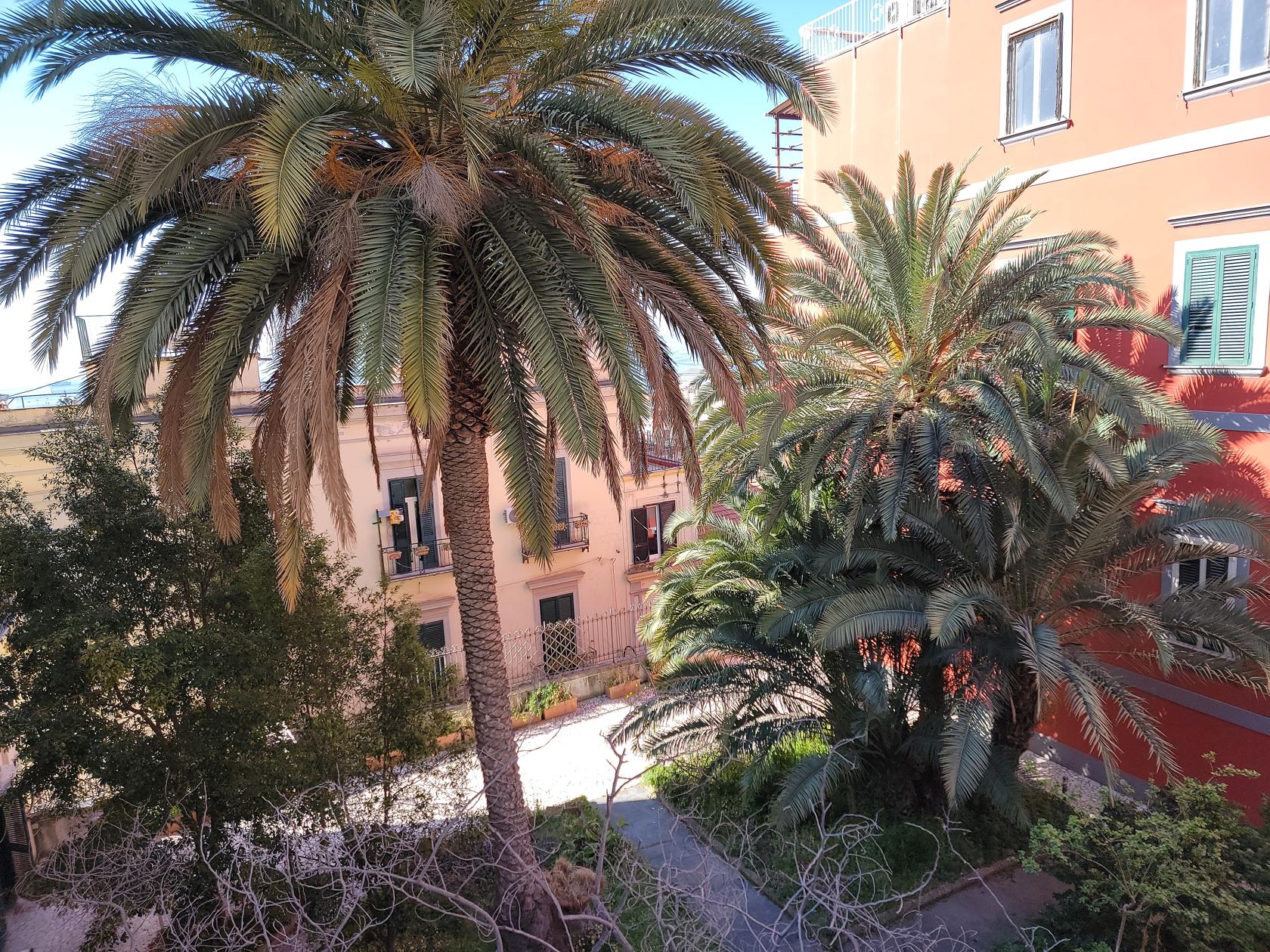
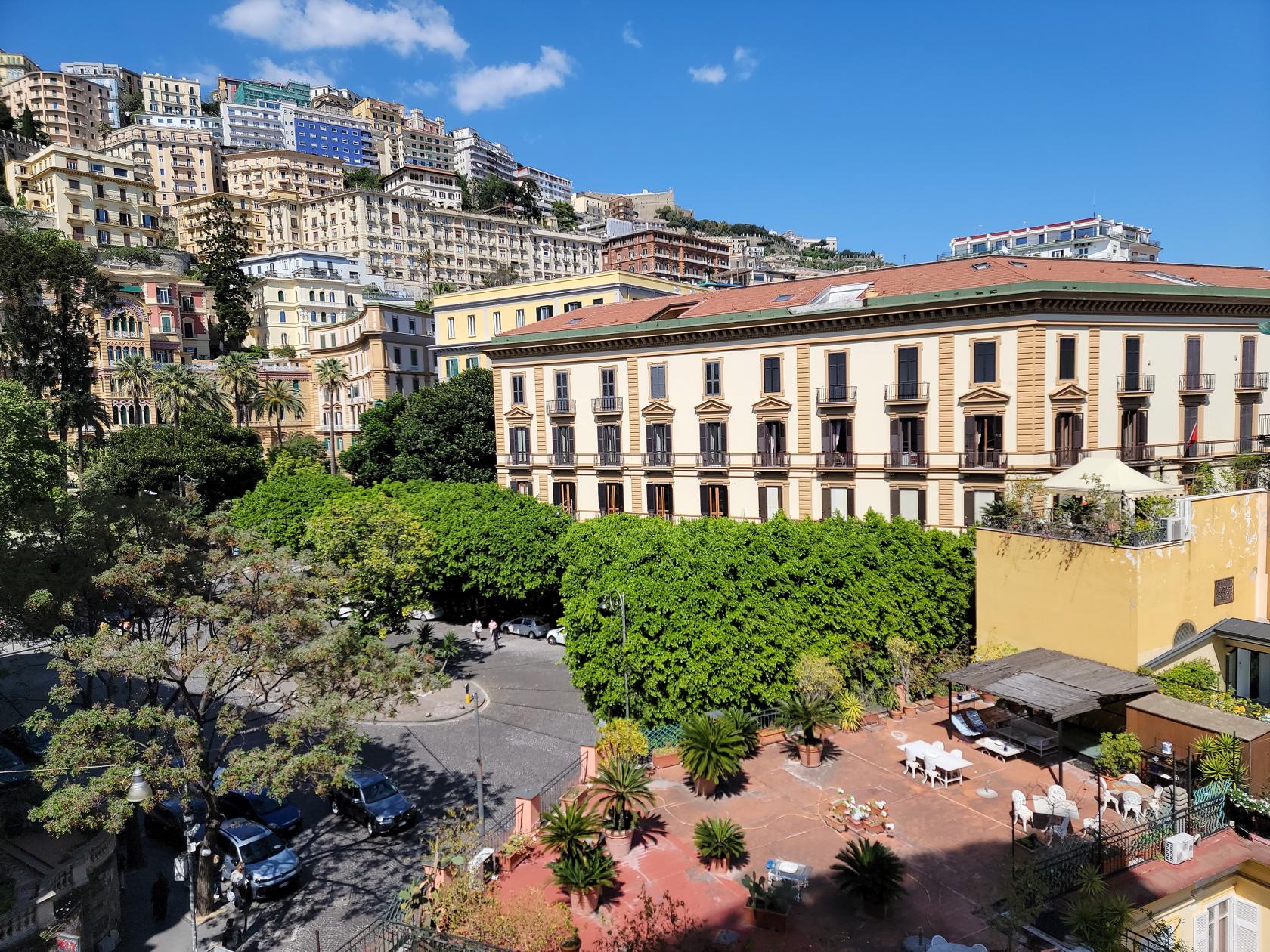
View from our hotel – Pinto Storey – Chiaia – Naples, Italy
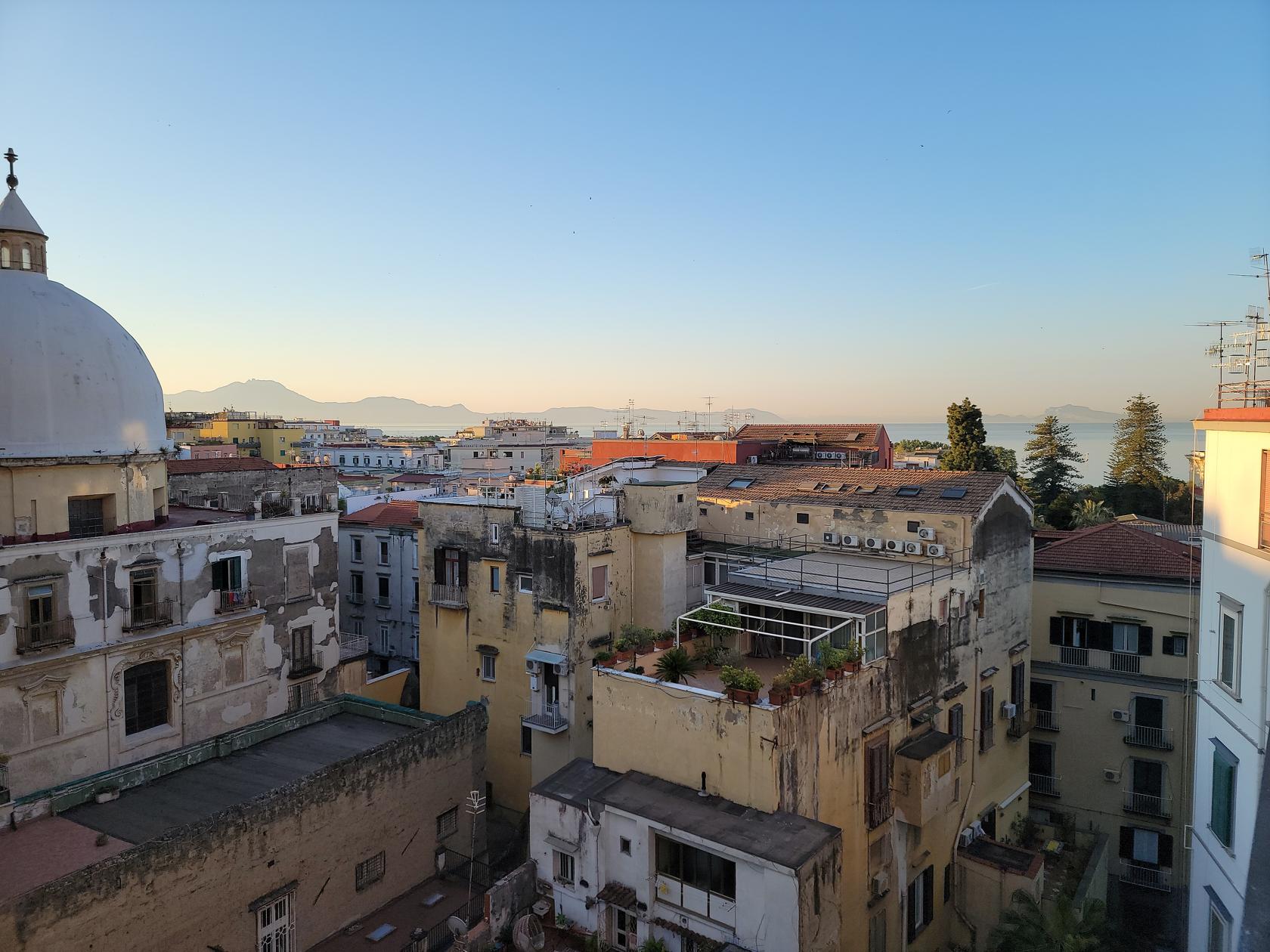
View from our hotel – Pinto Storey – Chiaia – Naples, Italy
Hotel Pinto Storey
Again, we booked the Pinto Storey hotel in Chiaia. A simple, quiet three star hotel occupying one floor by the Piazza Amadeo. It is a very convenient place to stay, because there is the metro and regional train stop in the Piazza, which gives you quick access to the entire city and beyond.
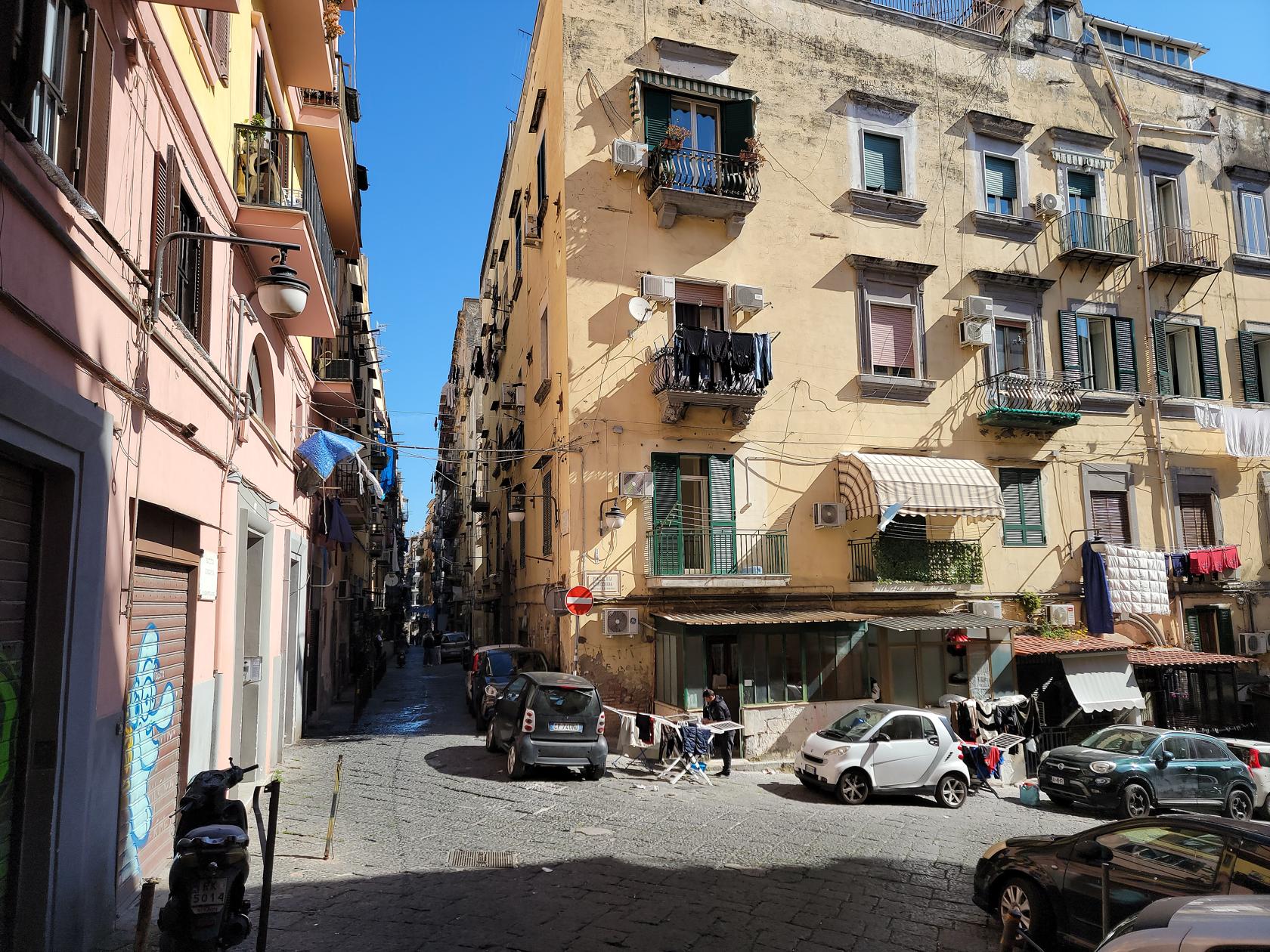
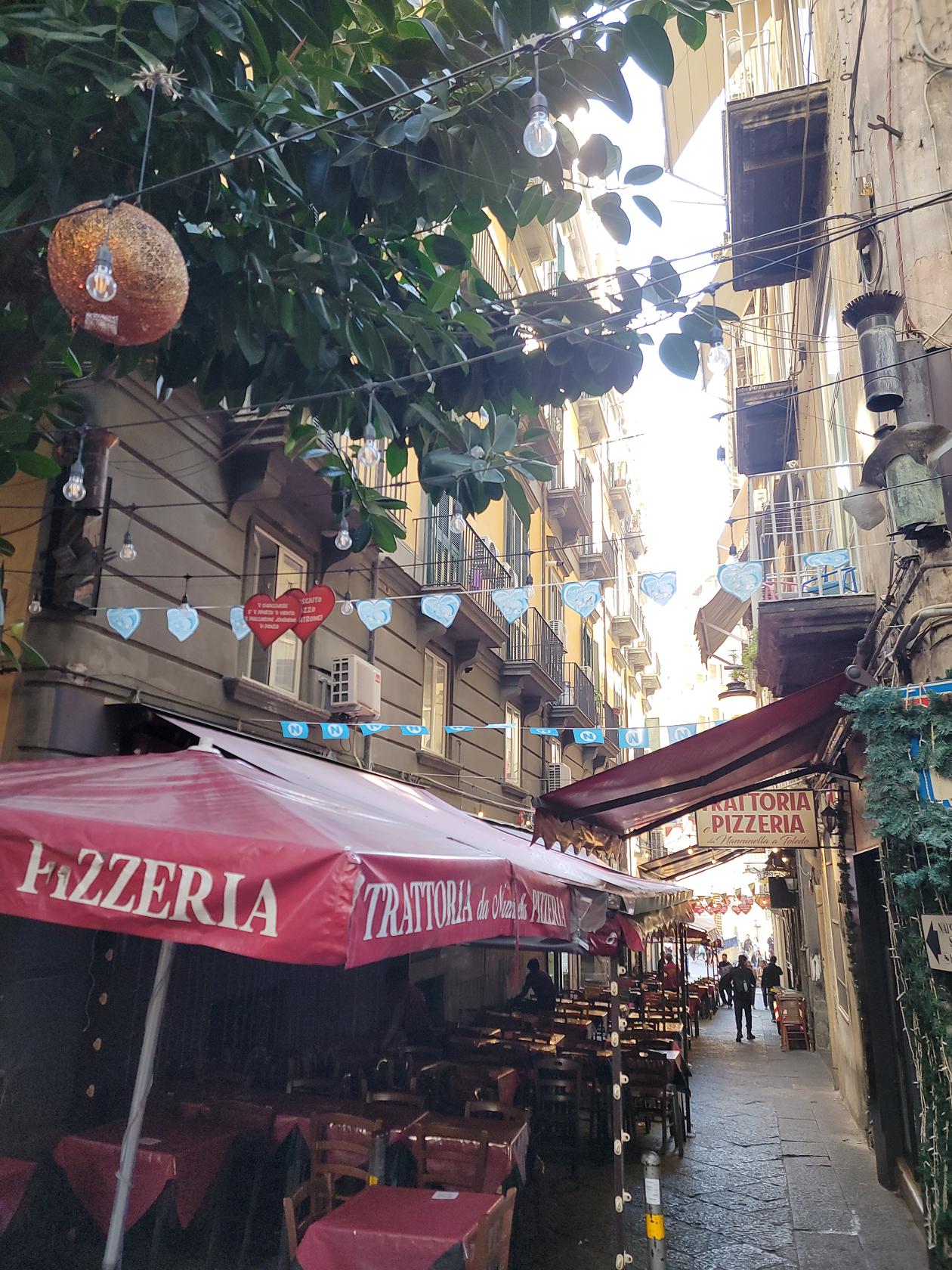
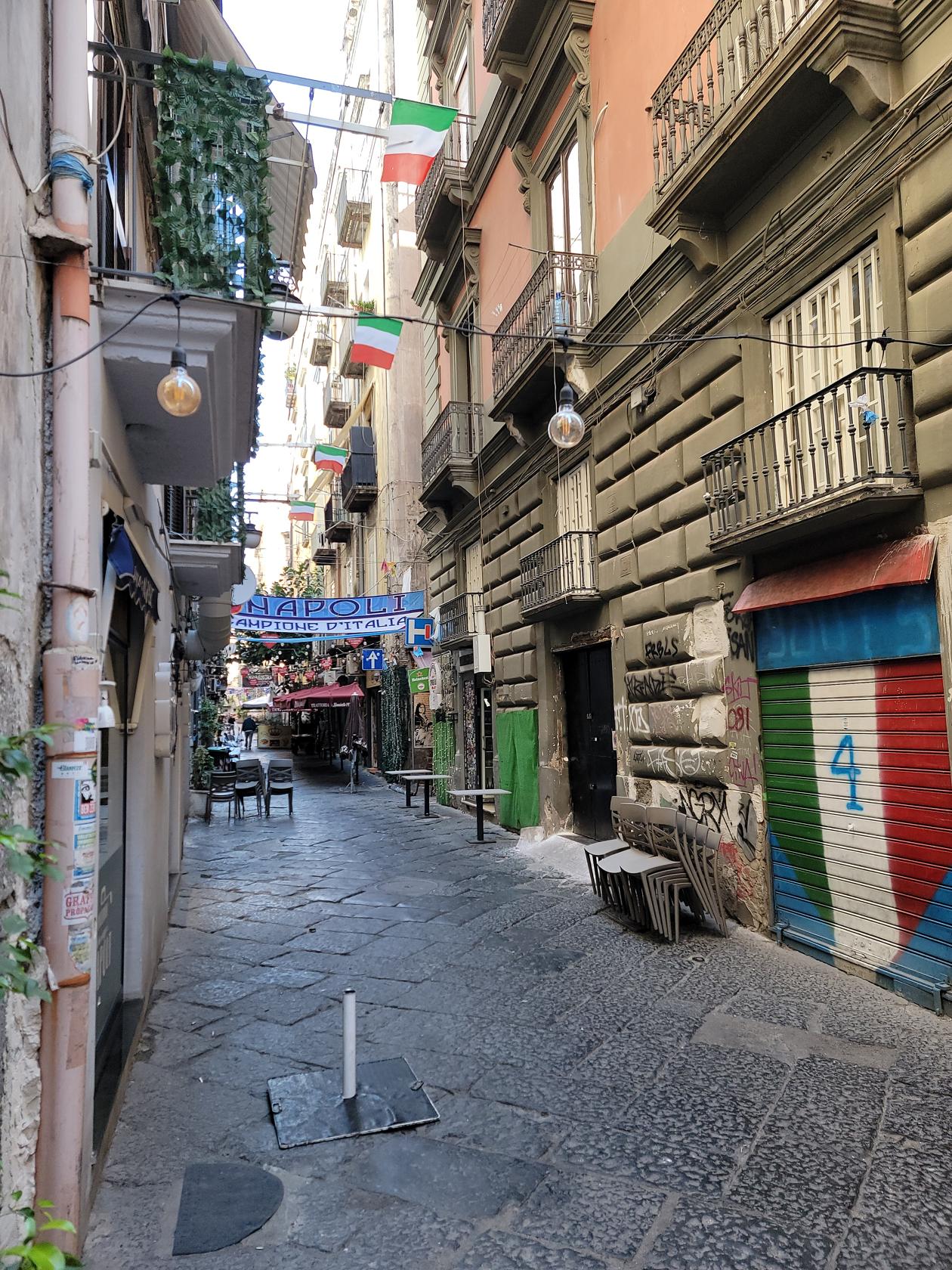
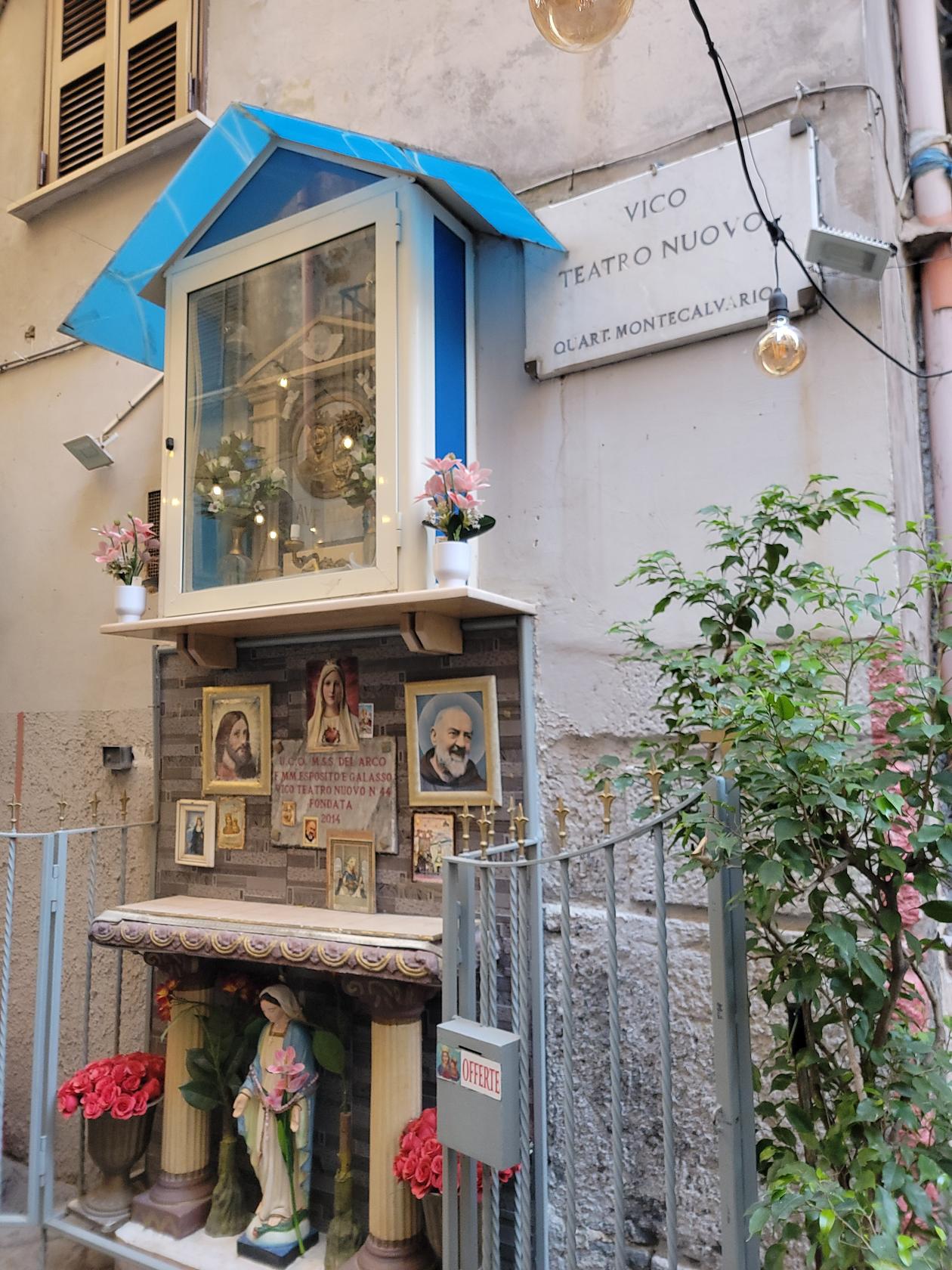
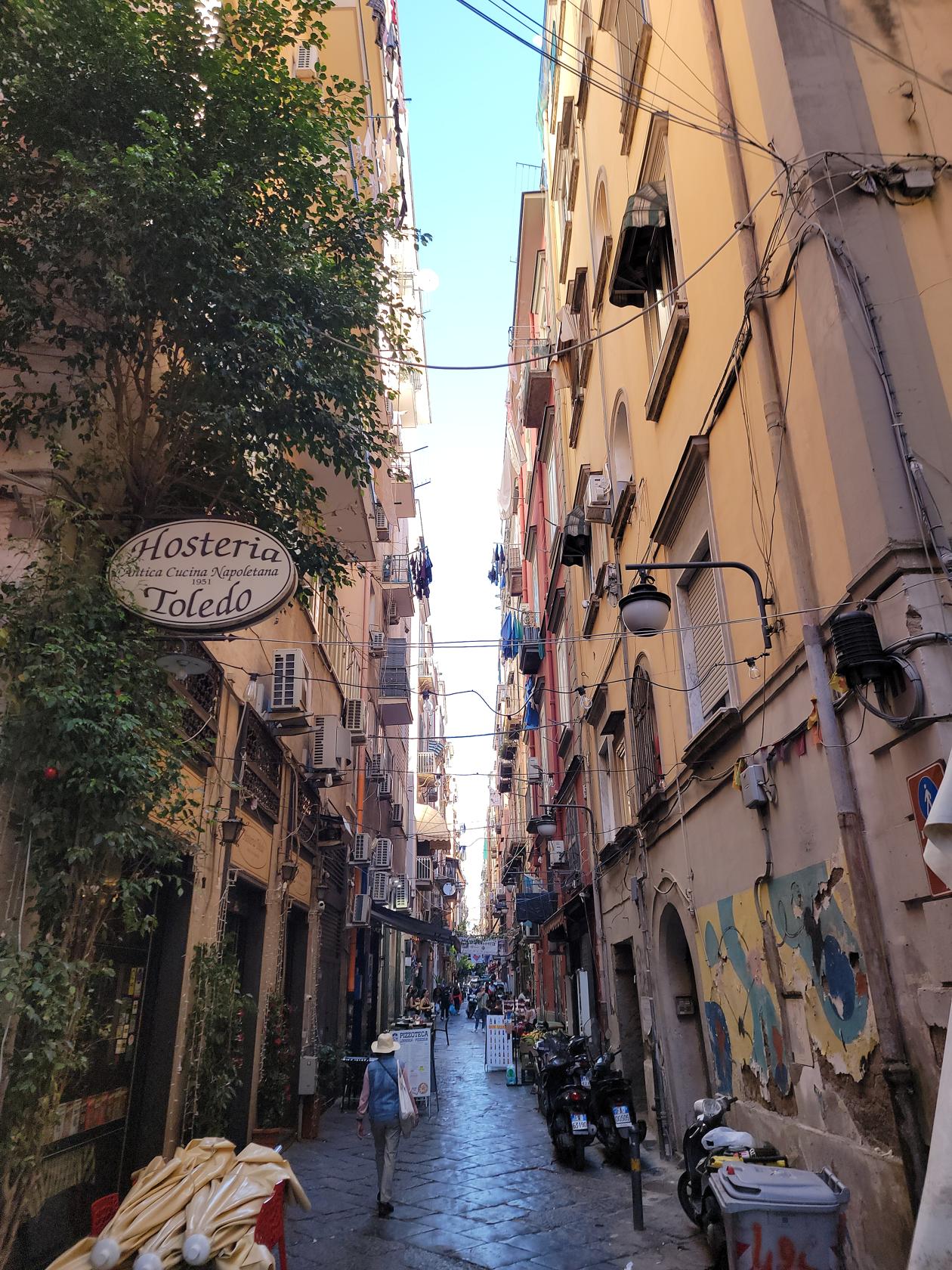
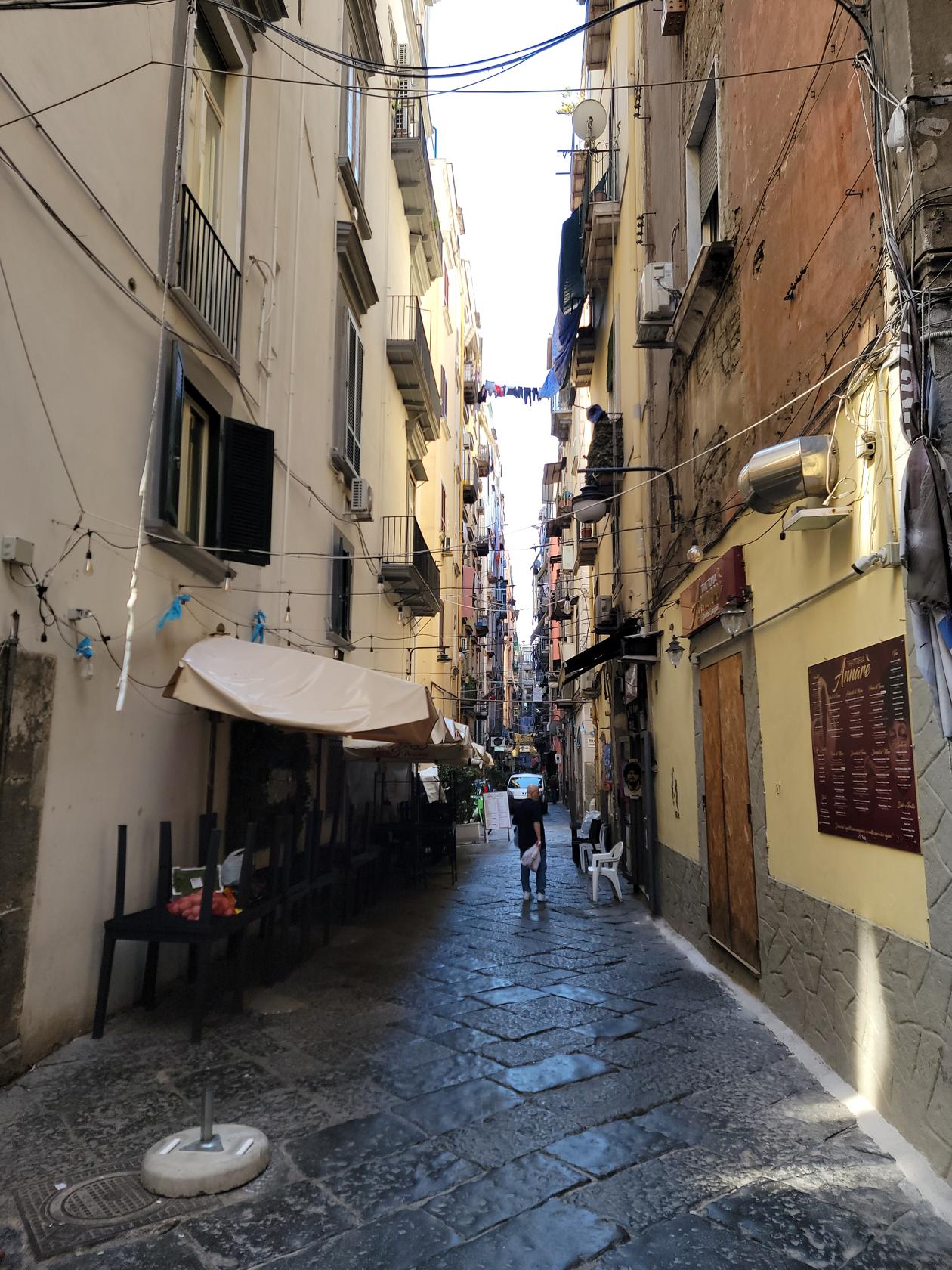
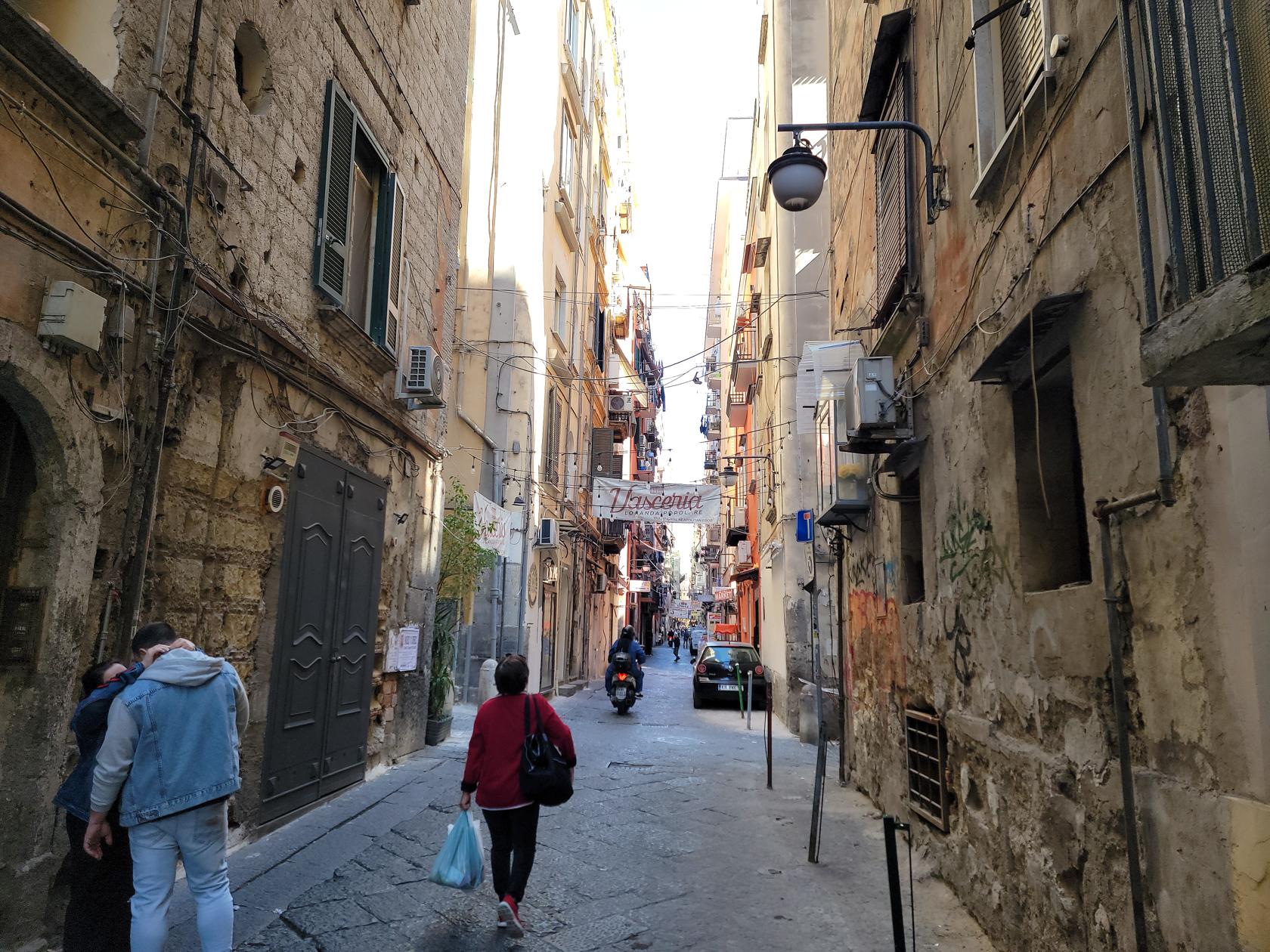
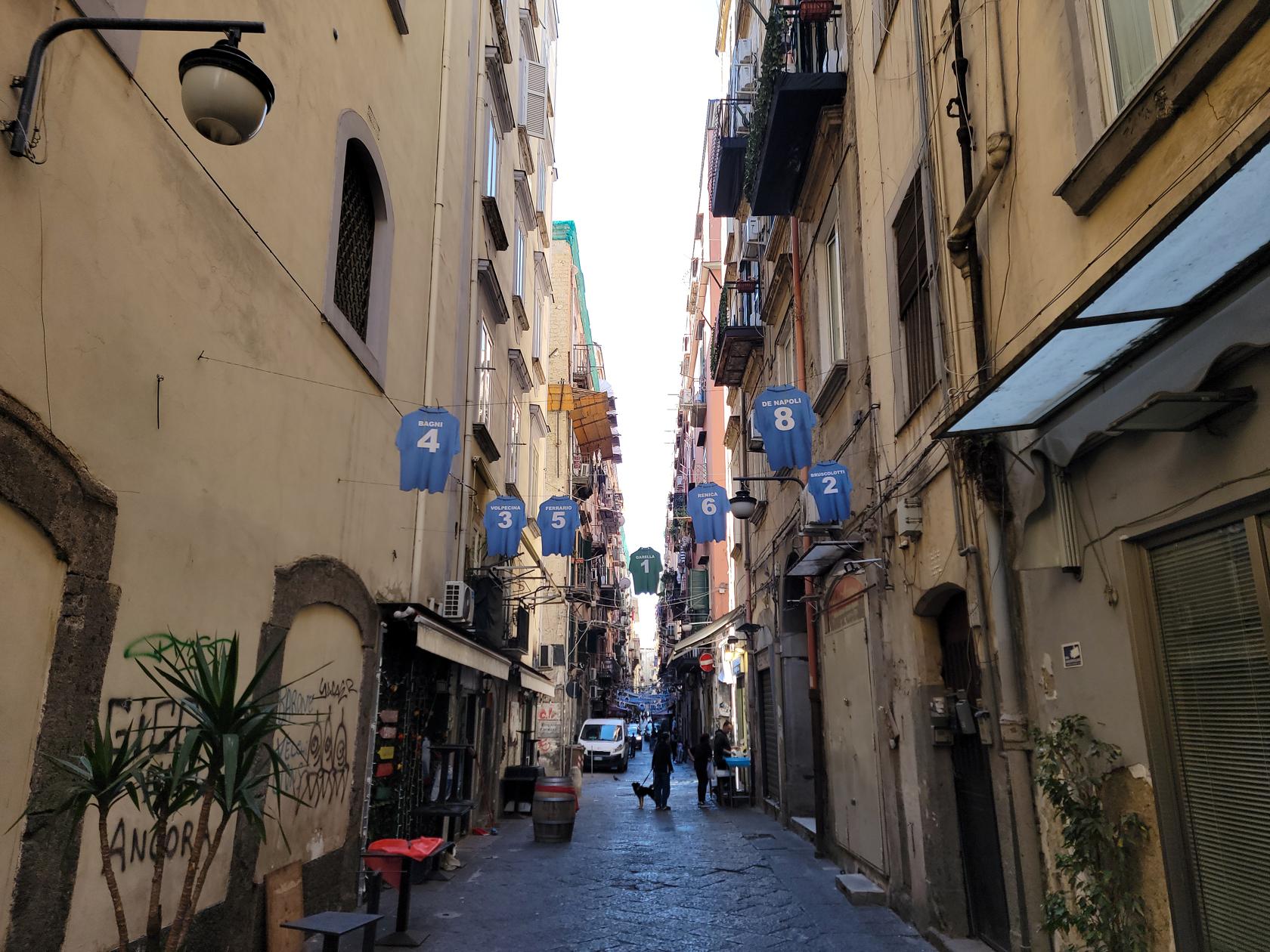
We visited the Spanish Quarter before and see that there is much more activity here now, since we were last here at the end of the pandemic. It is worth a walk through if you have never been here and there seem to be several streets now that have active stores and street vendors on them.
Spanish Quarter – Naples, Italy
Spanish Quarter – Naples, Italy
Spanish Quarter – Naples, Italy
Spanish Quarter – Naples, Italy
Spanish Quarter – Naples, Italy
Spanish Quarter – Naples, Italy
Spanish Quarter – Naples, Italy
Spanish Quarter – Naples, Italy
Centro
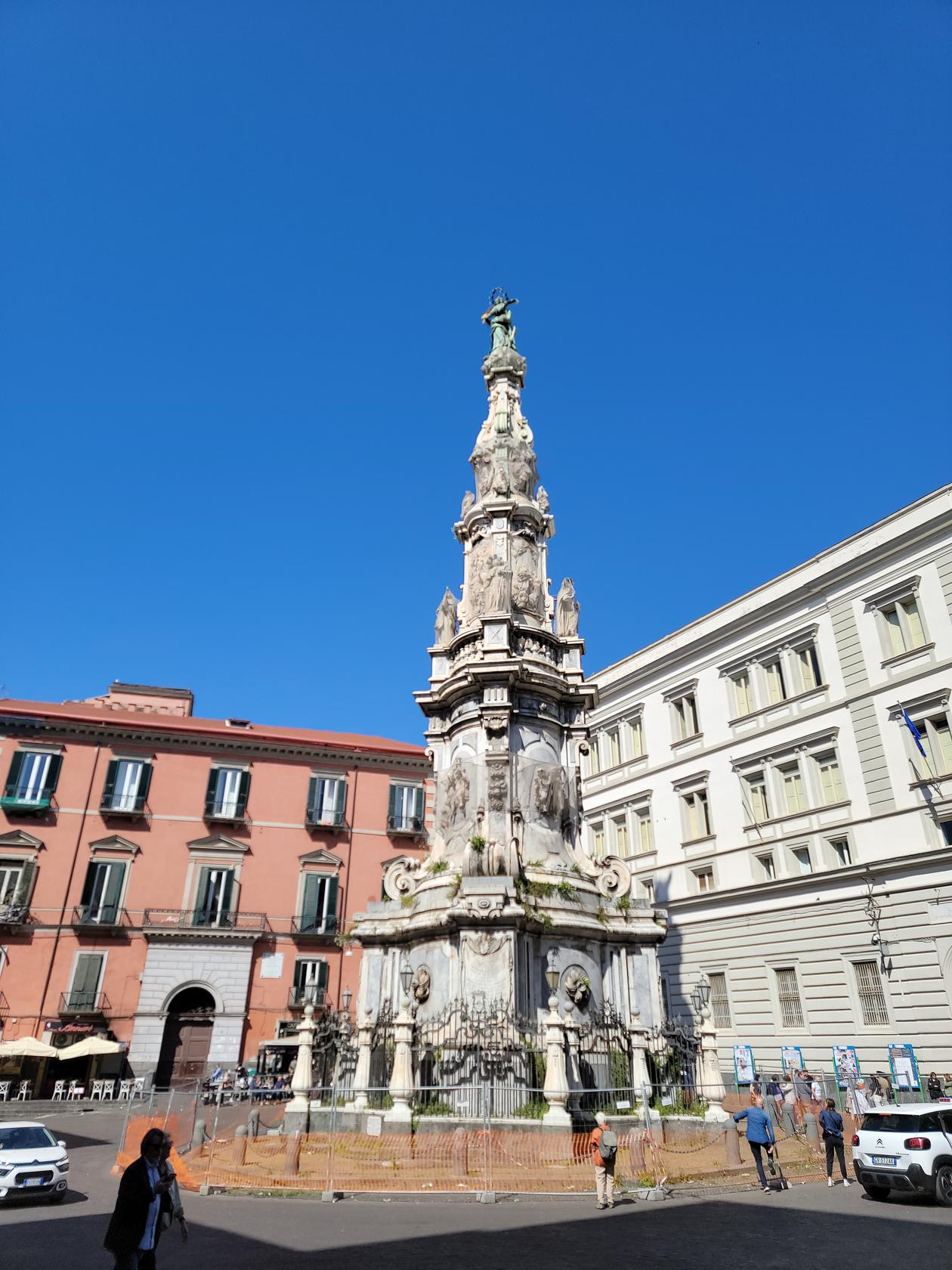
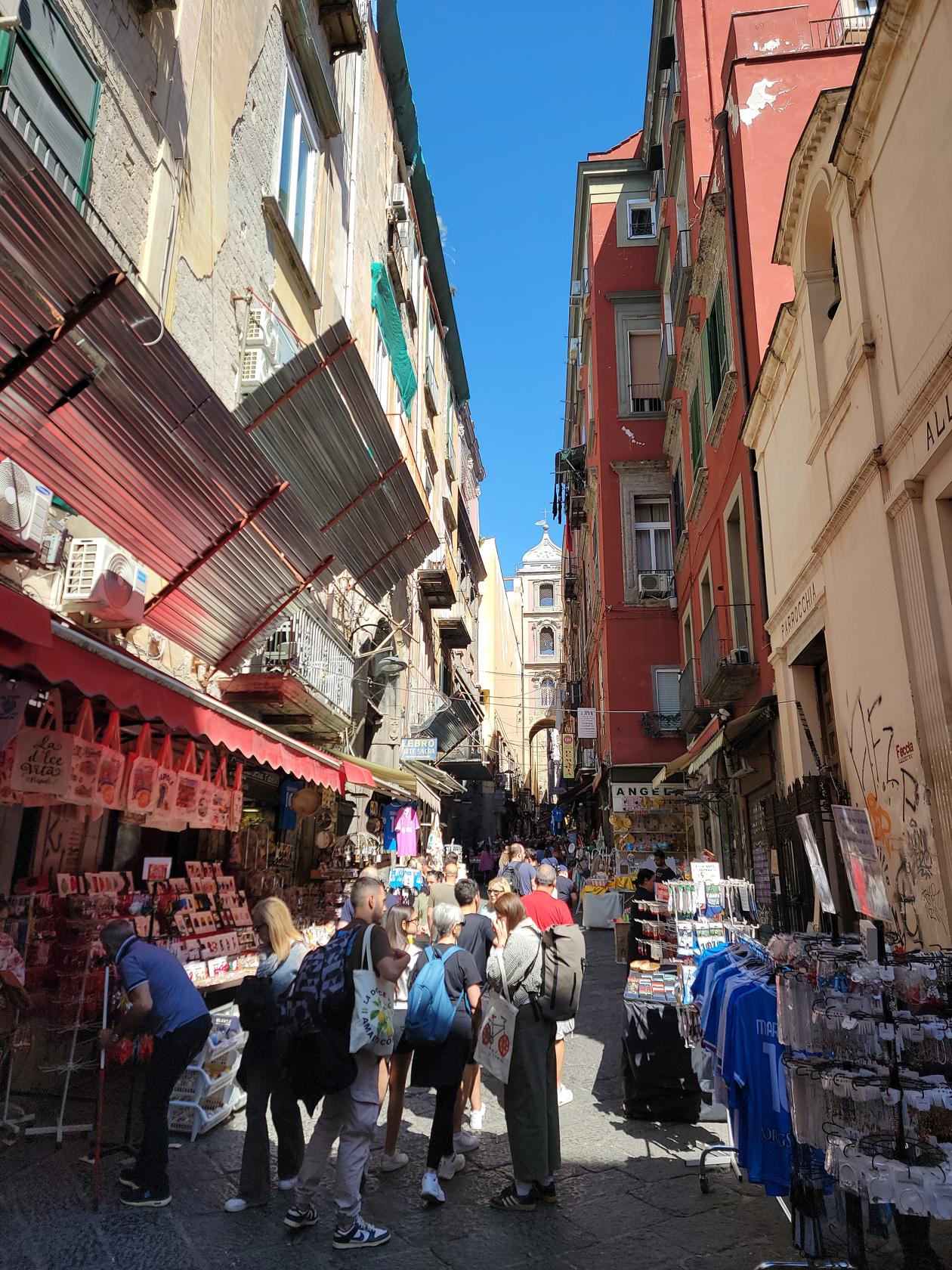
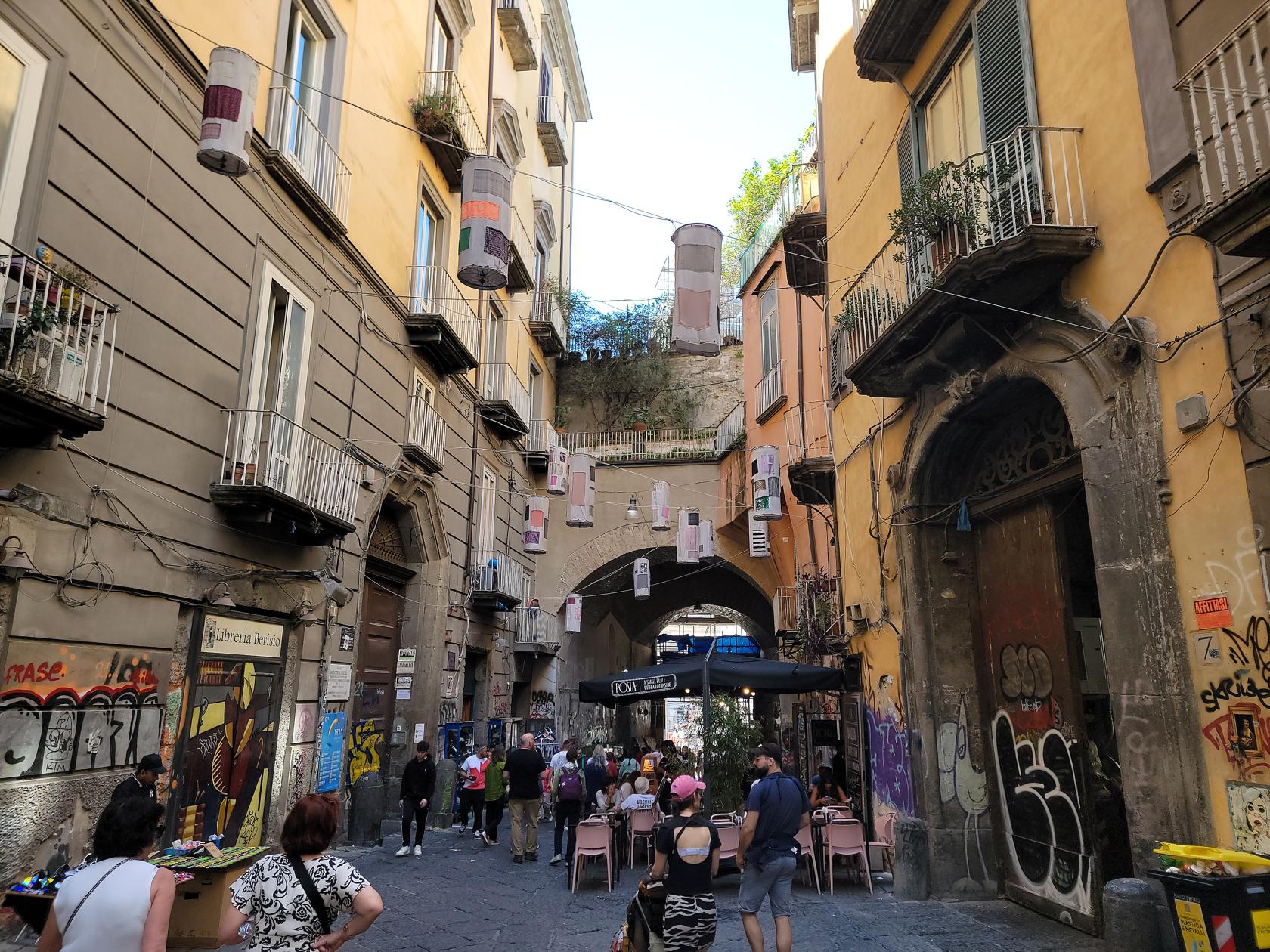
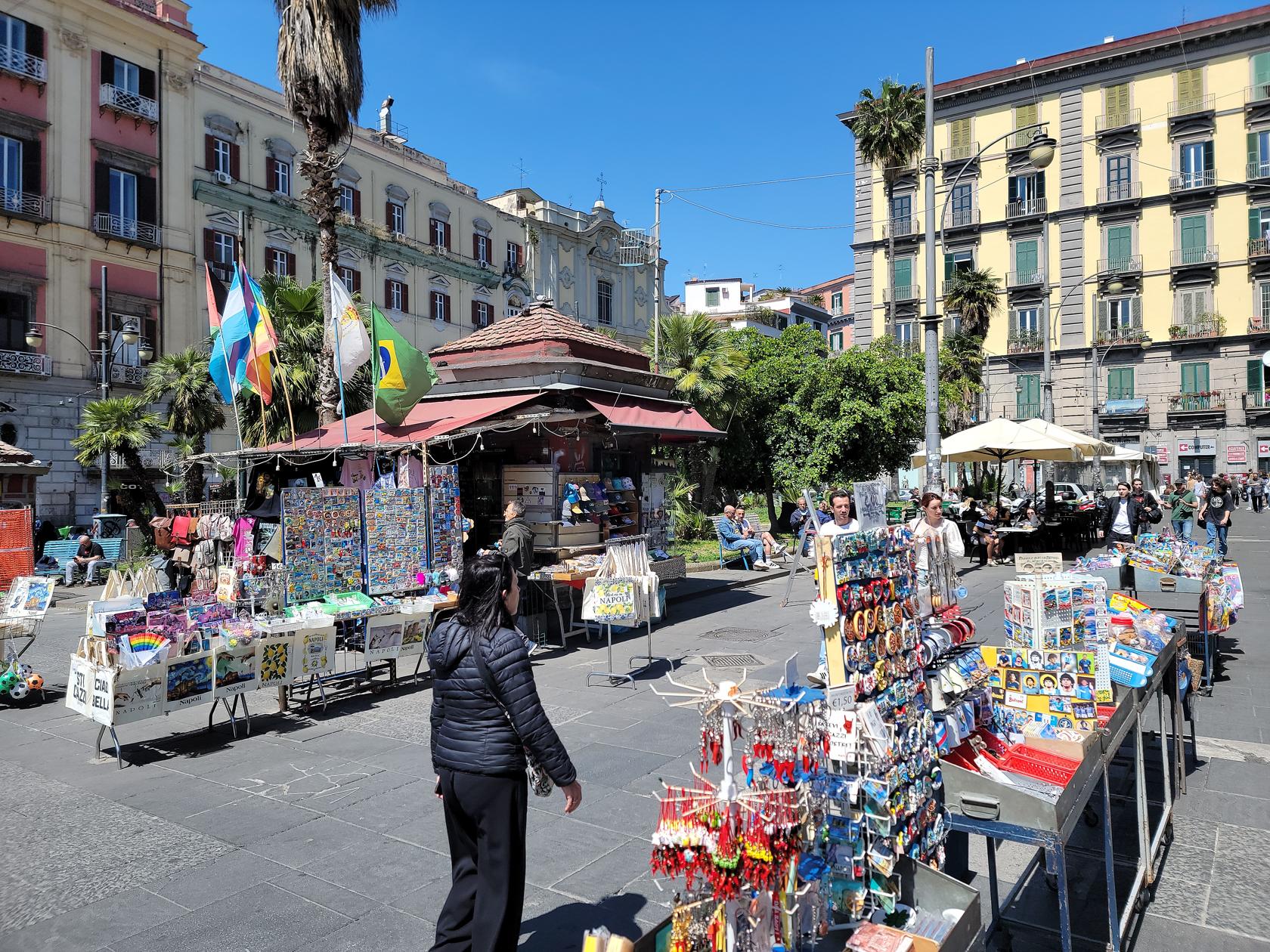
The center part of the city has not changed a bit. The central shopping street is just a busy as when we were here last time. A stroll up the christmas street is also a must if you come for a visit.
Obelisk San Domenico – Naples, Italy
Via Vicaria Vecchia – Naples, Italy
Porta d’Alba – Naples, Italy
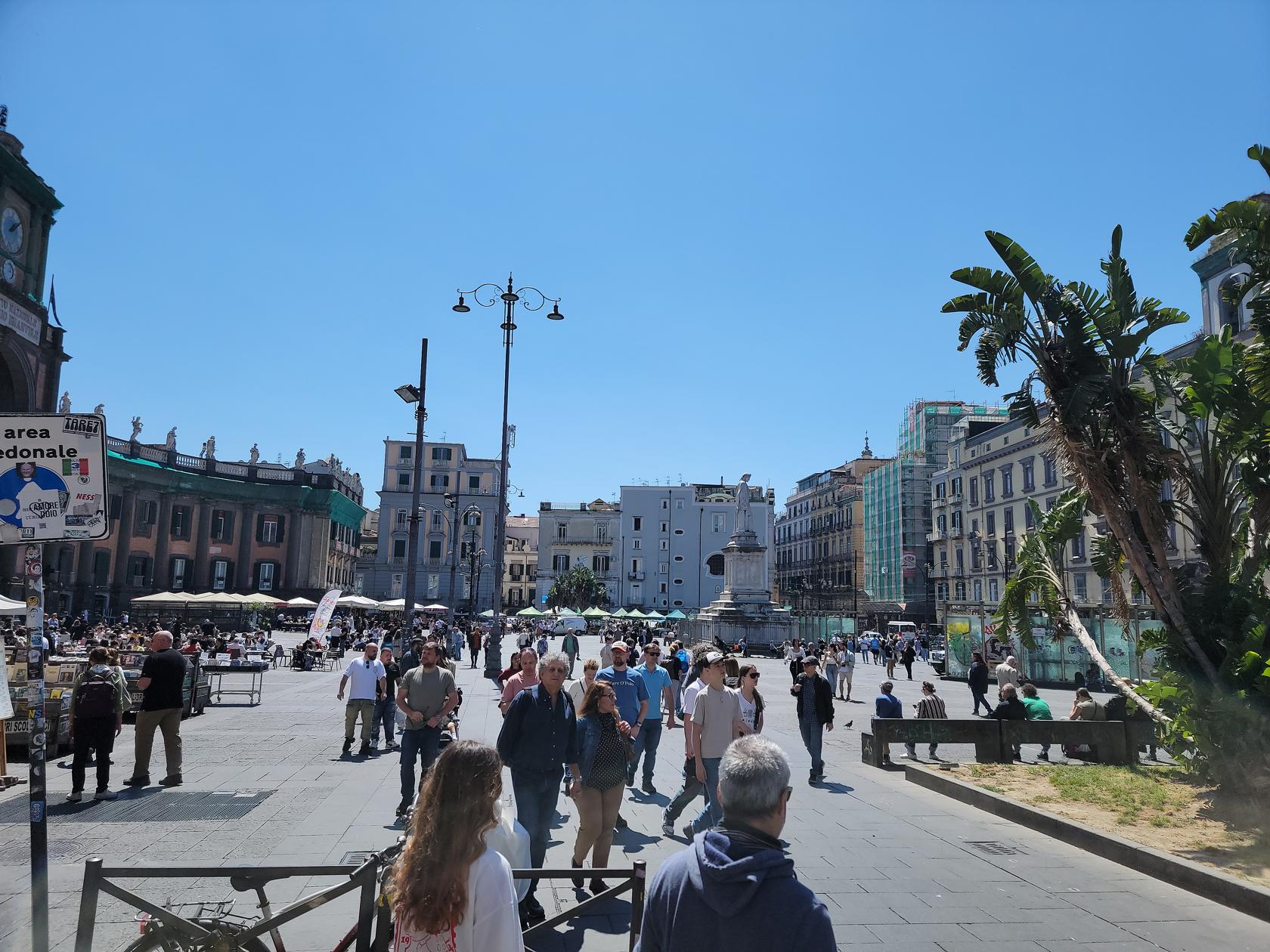
Piazza Dante – Naples, Italy
Piazza Dante – Naples, Italy
Voremo
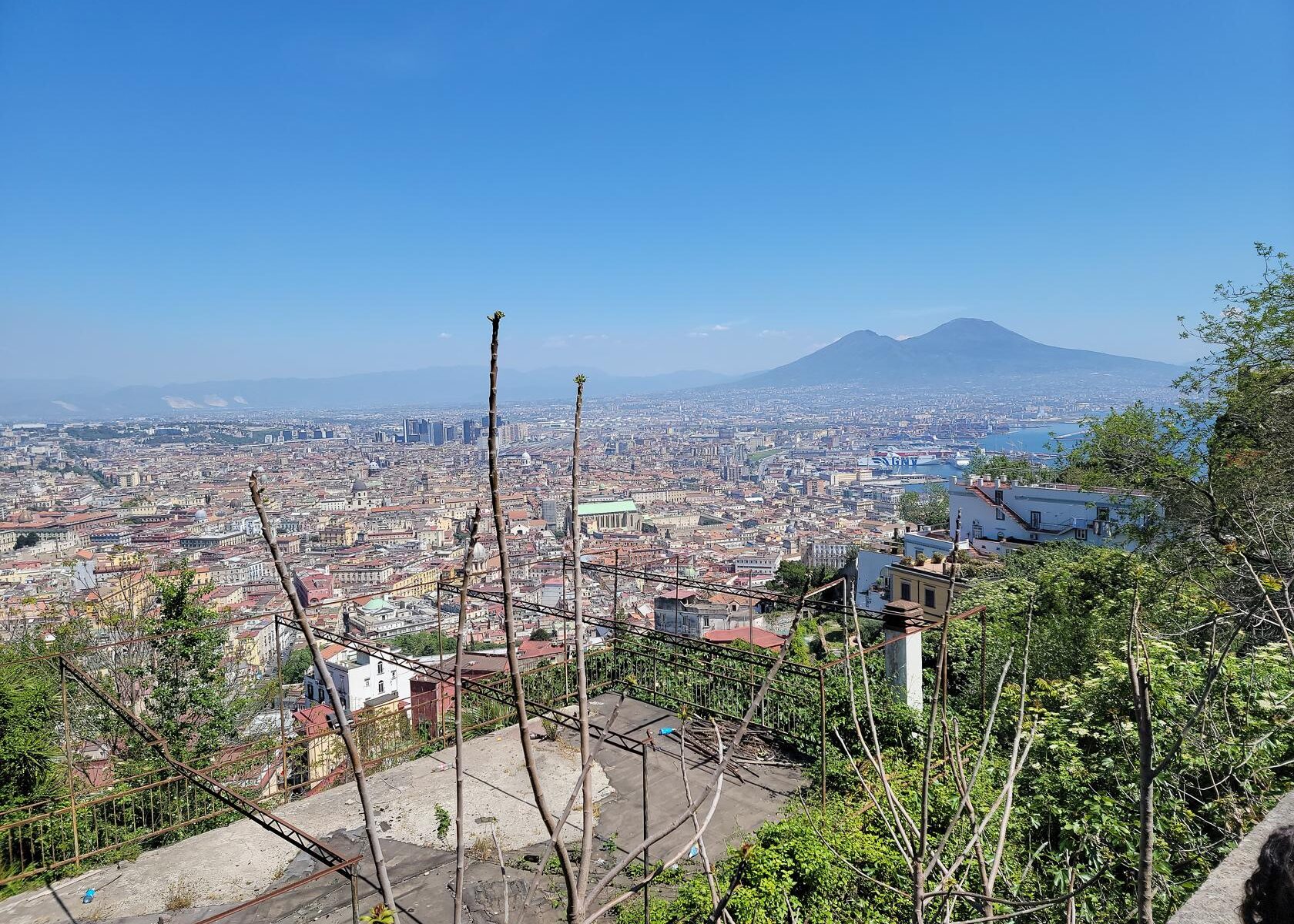
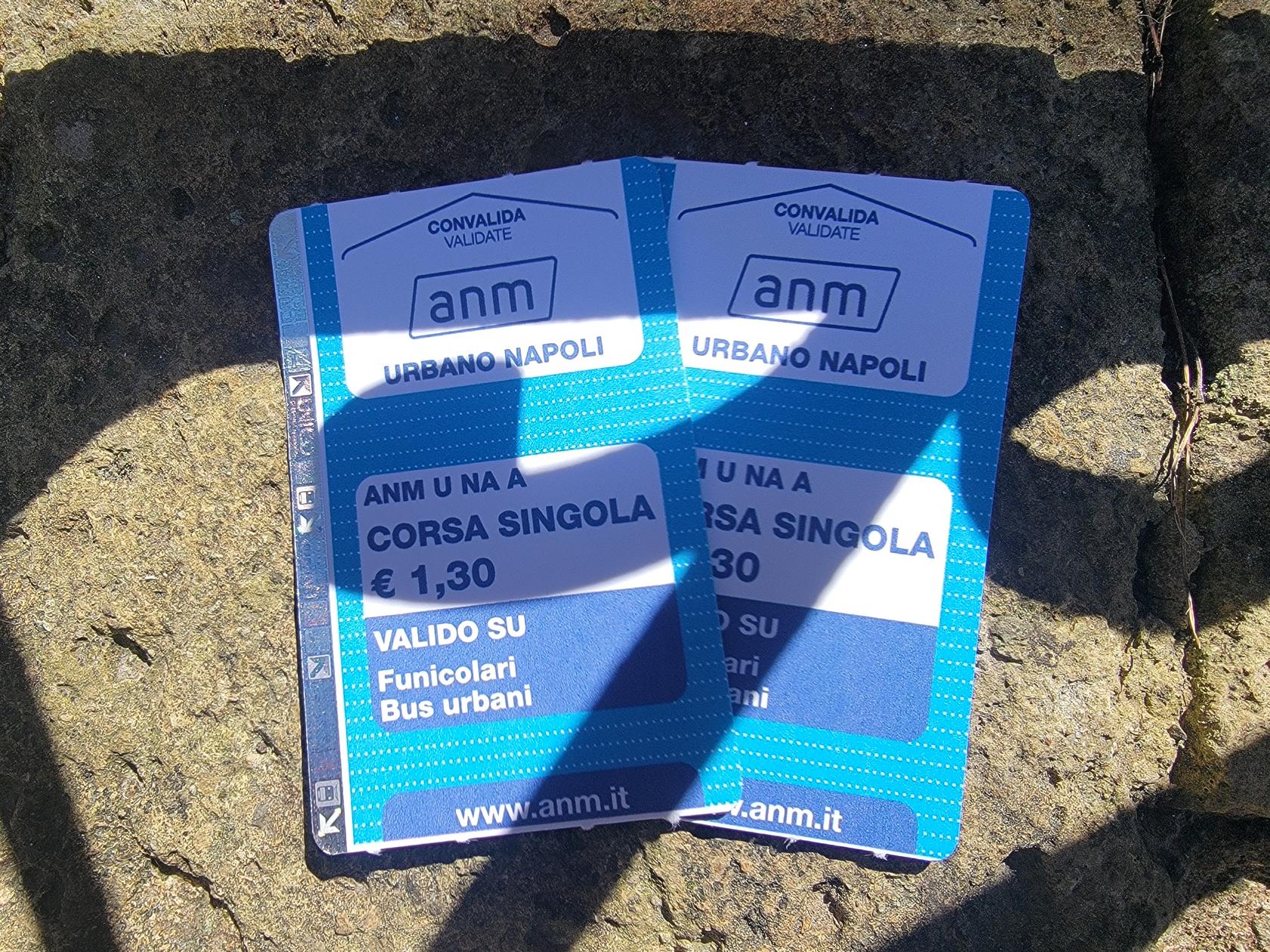
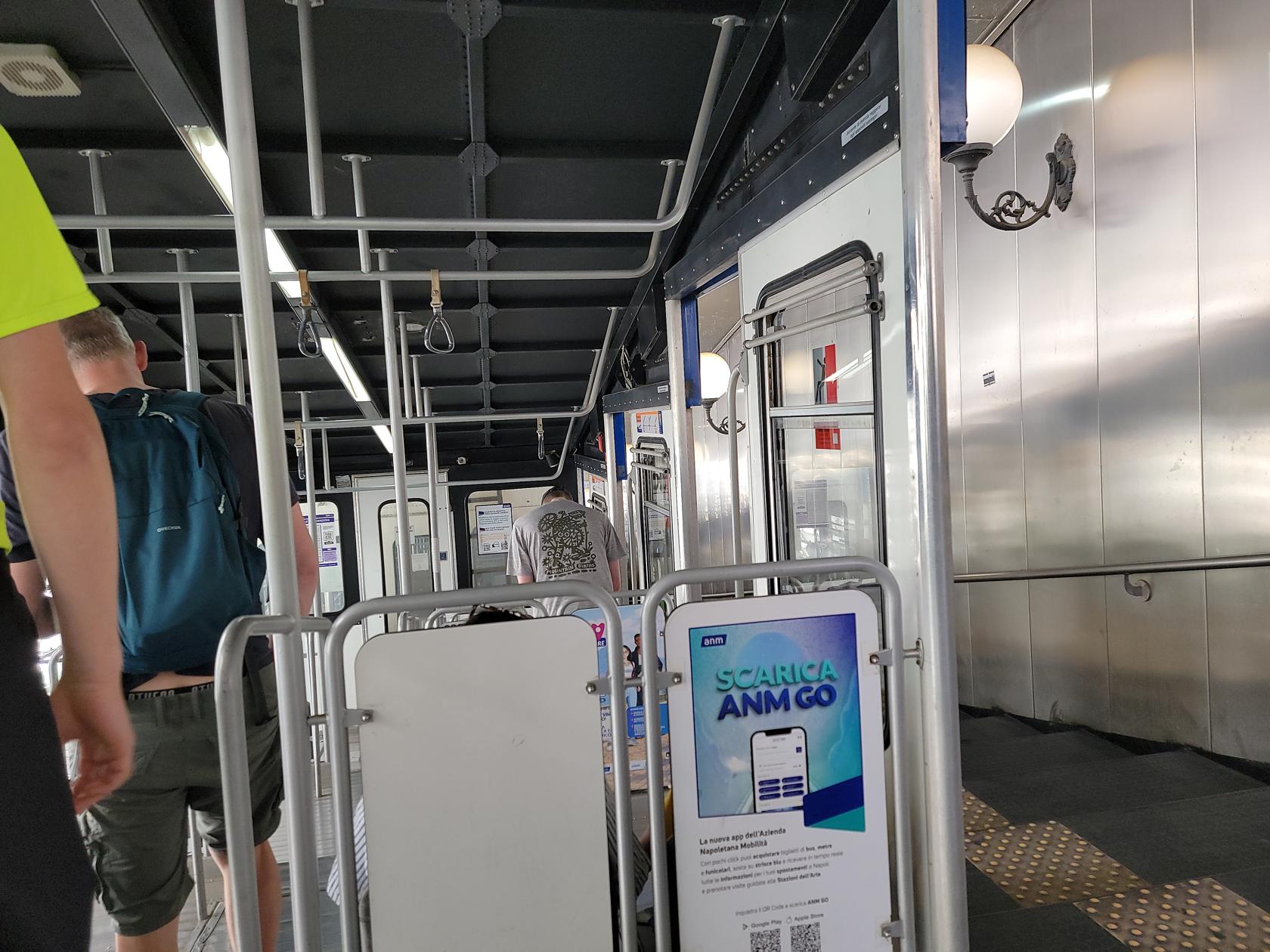
One our way back to Chiaia we took the furnicular up to Voremo to get a few photographs of Monte Somma and Vesuvius. They do not cost much and provide an easy means for getting around the more difficult parts of the city.
Tickets for Two – Vomero – Naples, Italy
Furnicular – Vomero – Naples, Italy
Furnicular – Vomero – Naples, Italy
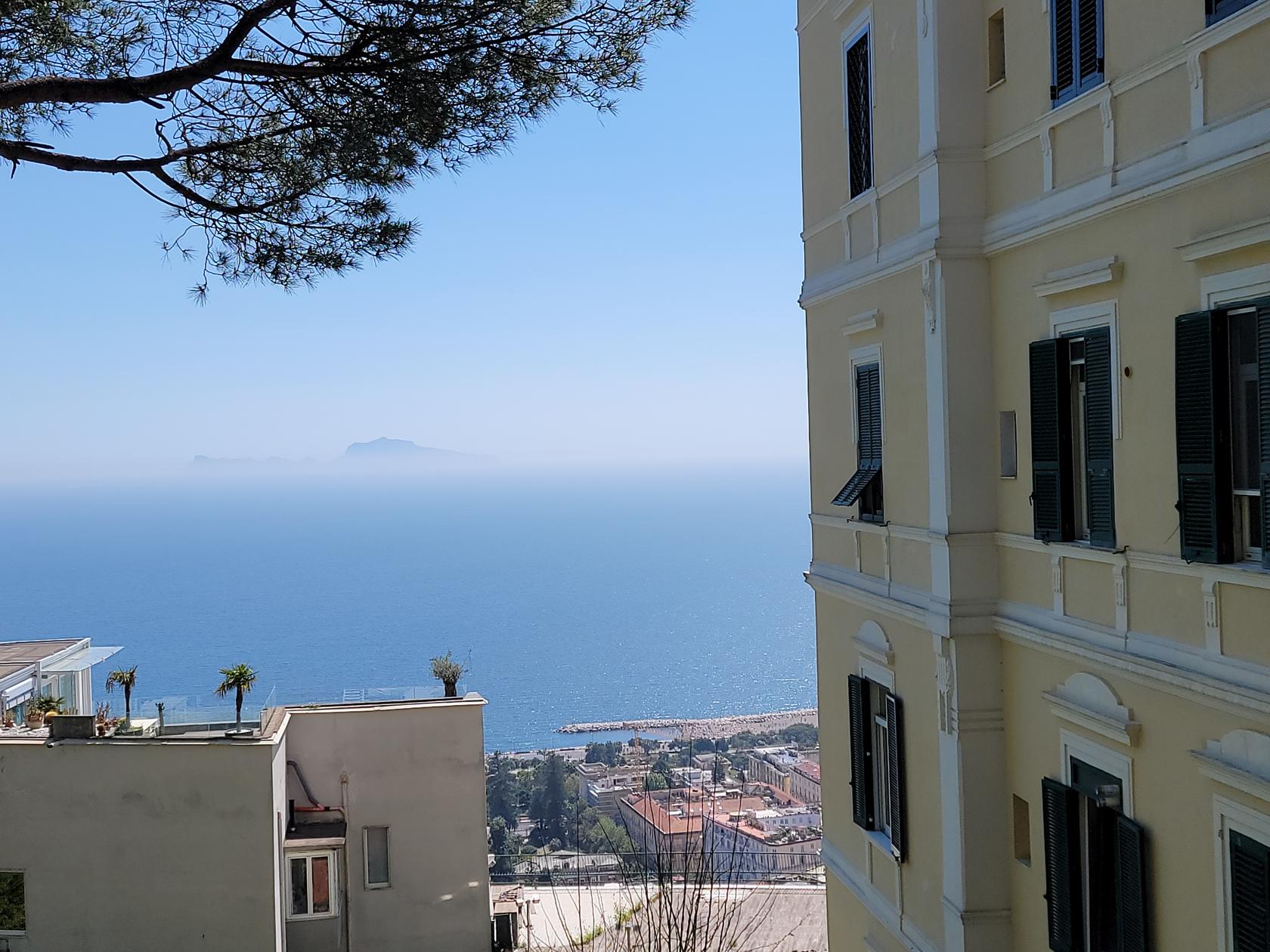
Capri – Vomero – Naples, Italy
Restaurants
We came to Naples having only one restaurant on our list of places we wanted to visit. Any others were based on proximity or a quick search for a place to eat. However, half of the time we were here, we didn’t even eat dinner. Preferring rather to enjoy a large lunch at our day trip destinations instead.
Osteria Pignatelli
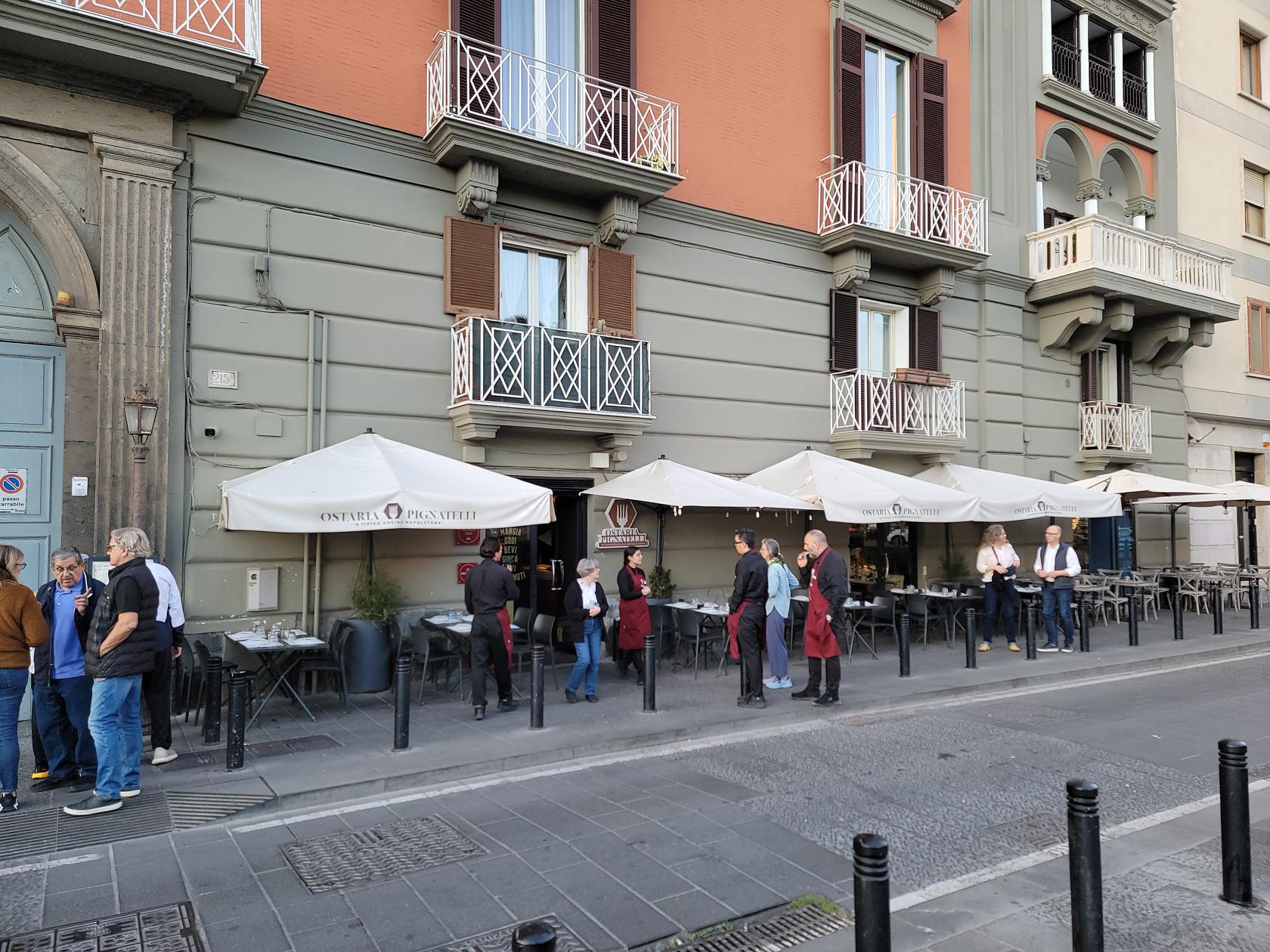
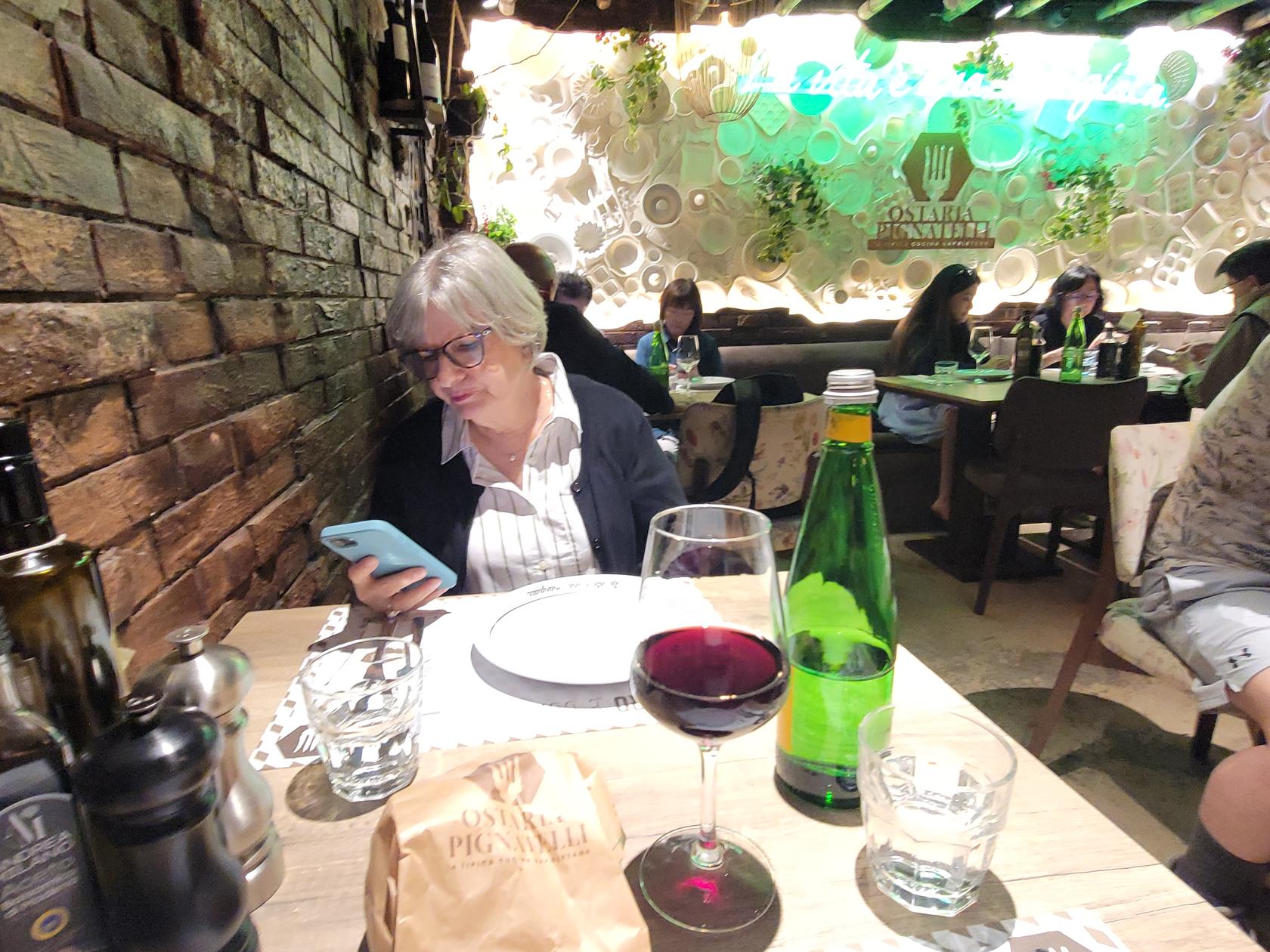
A highly rated restaurant, that for all intents and purposes you should call for a reservation, since it tends to get very busy. The interior is appealing and fairly modern. The food is very good as well. Perhaps not the best I have had in Naples, but equal to the Michelin stars they have earned.
Front – Osteria Pignatelli – Chiaia – Naples, Italy
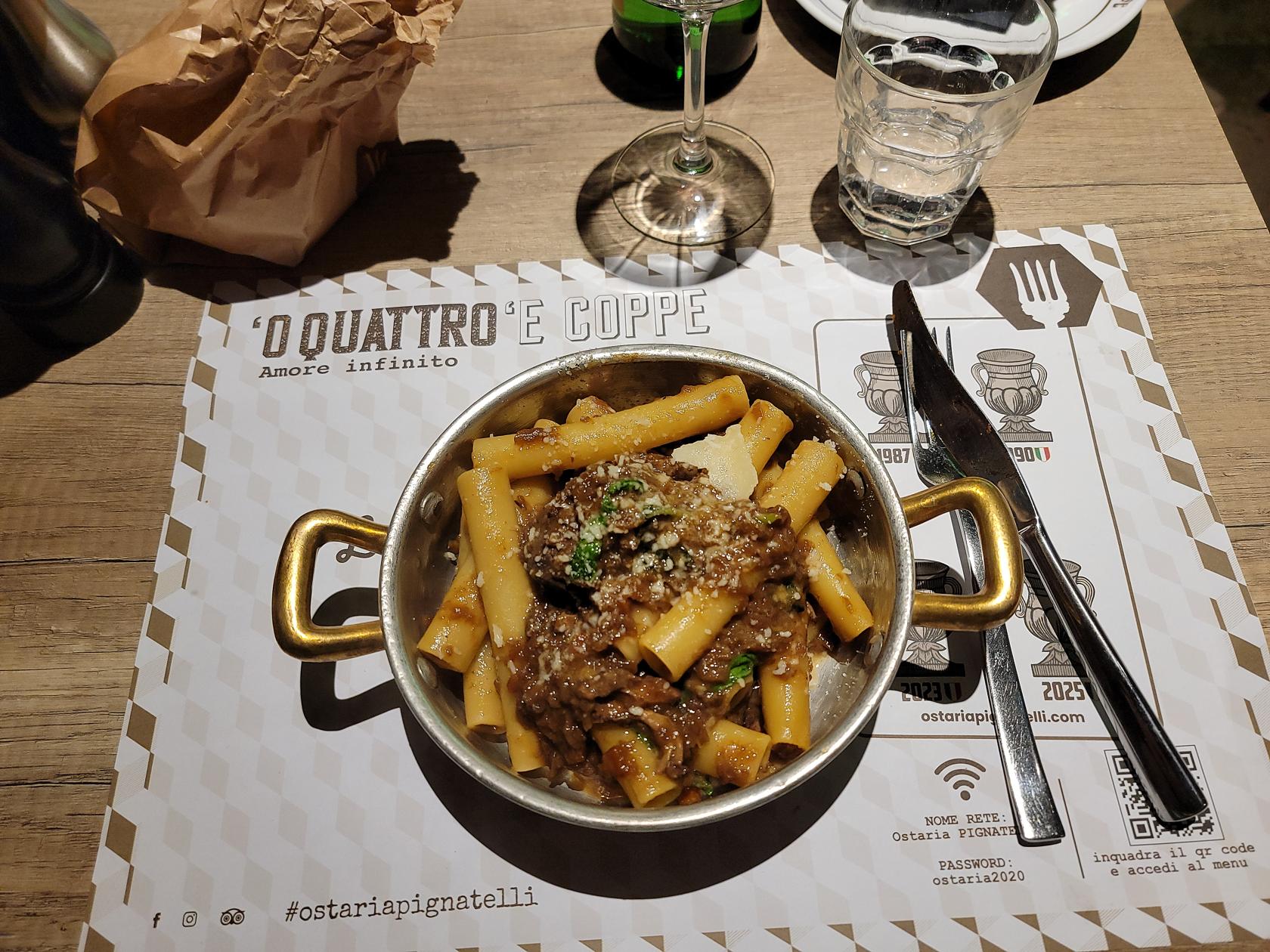
Pasta Genovese – Osteria Pignatelli – Chiaia – Naples, Italy
Portico Pizzeria é Trattoria
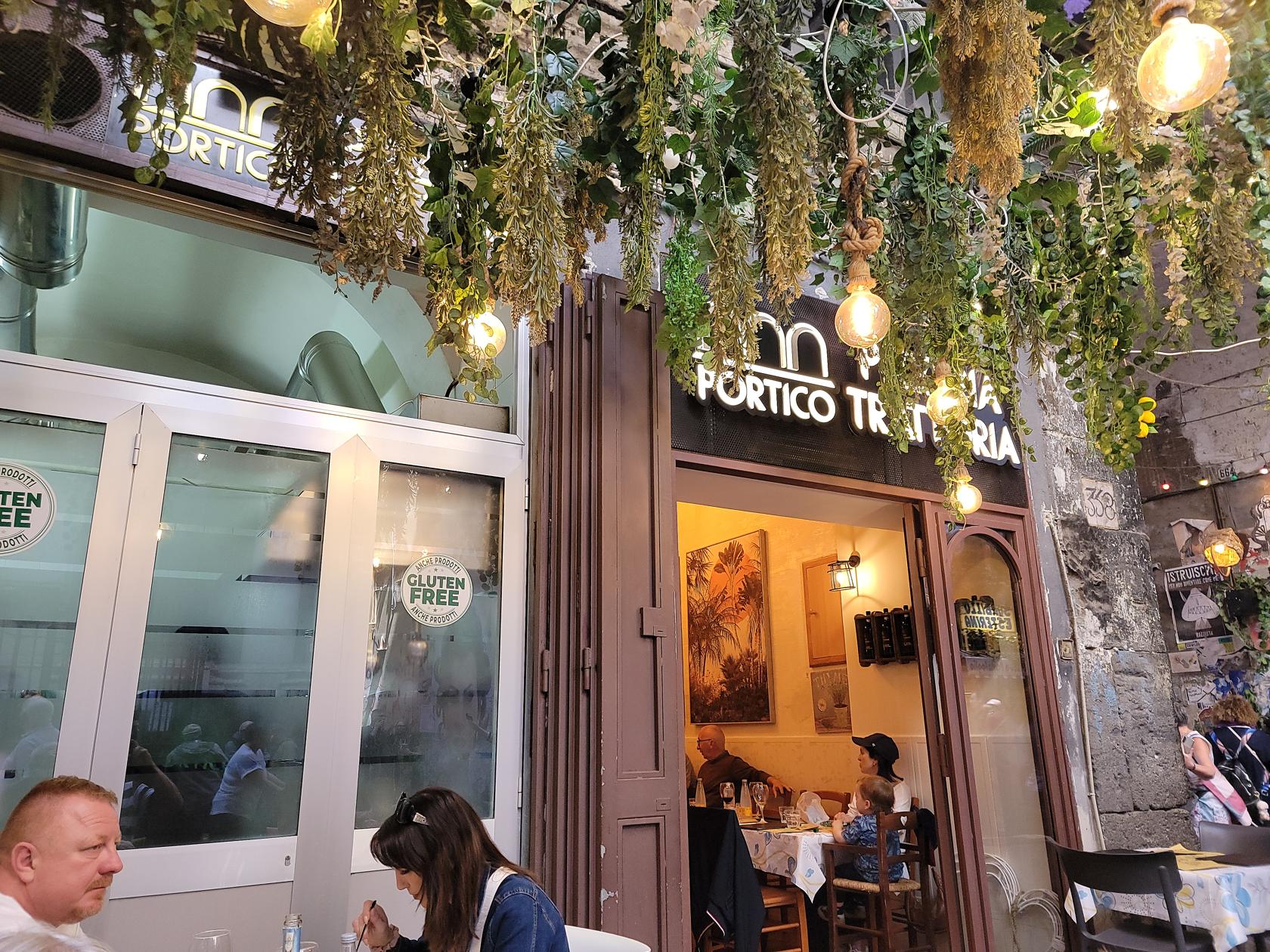
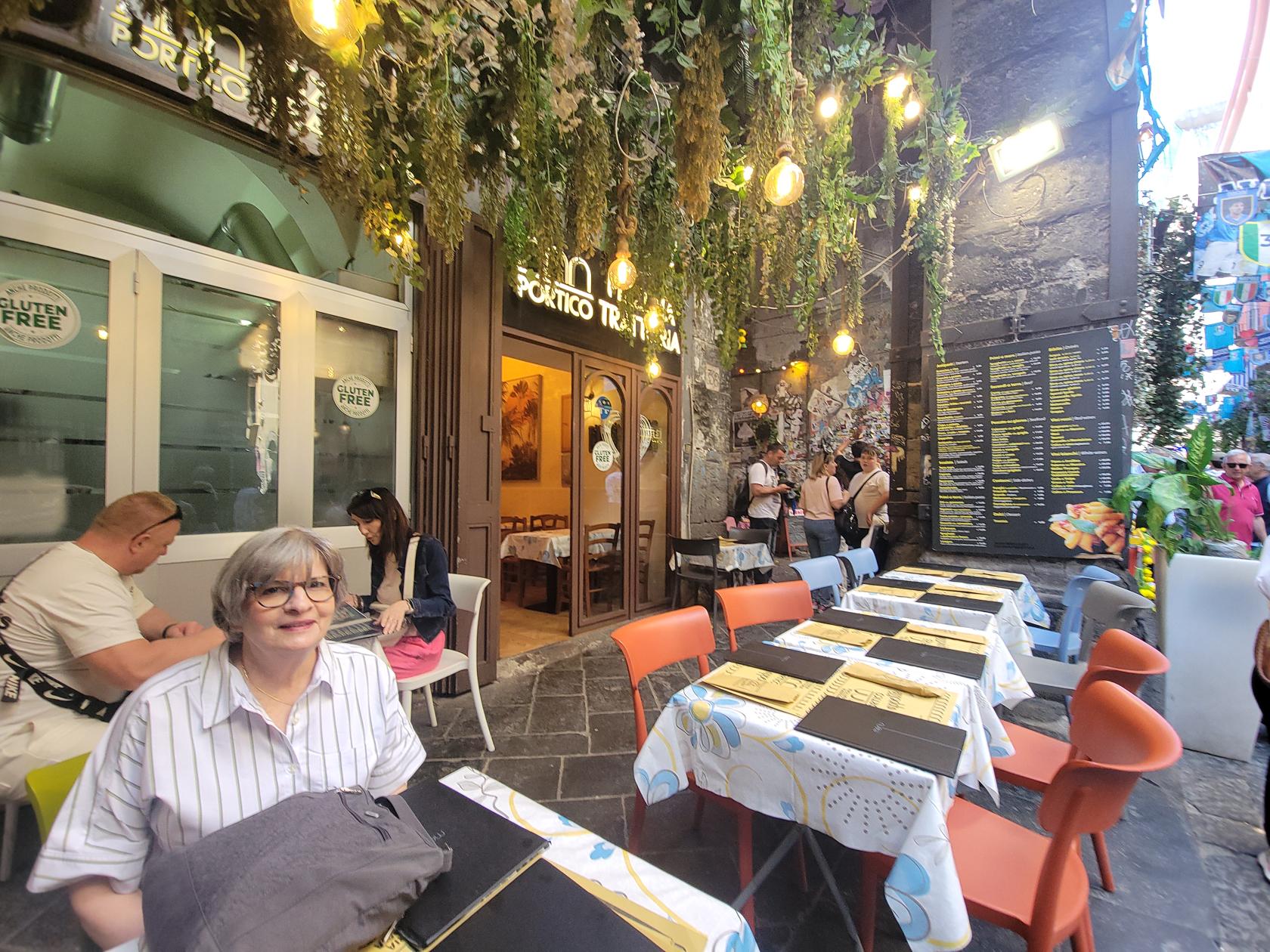
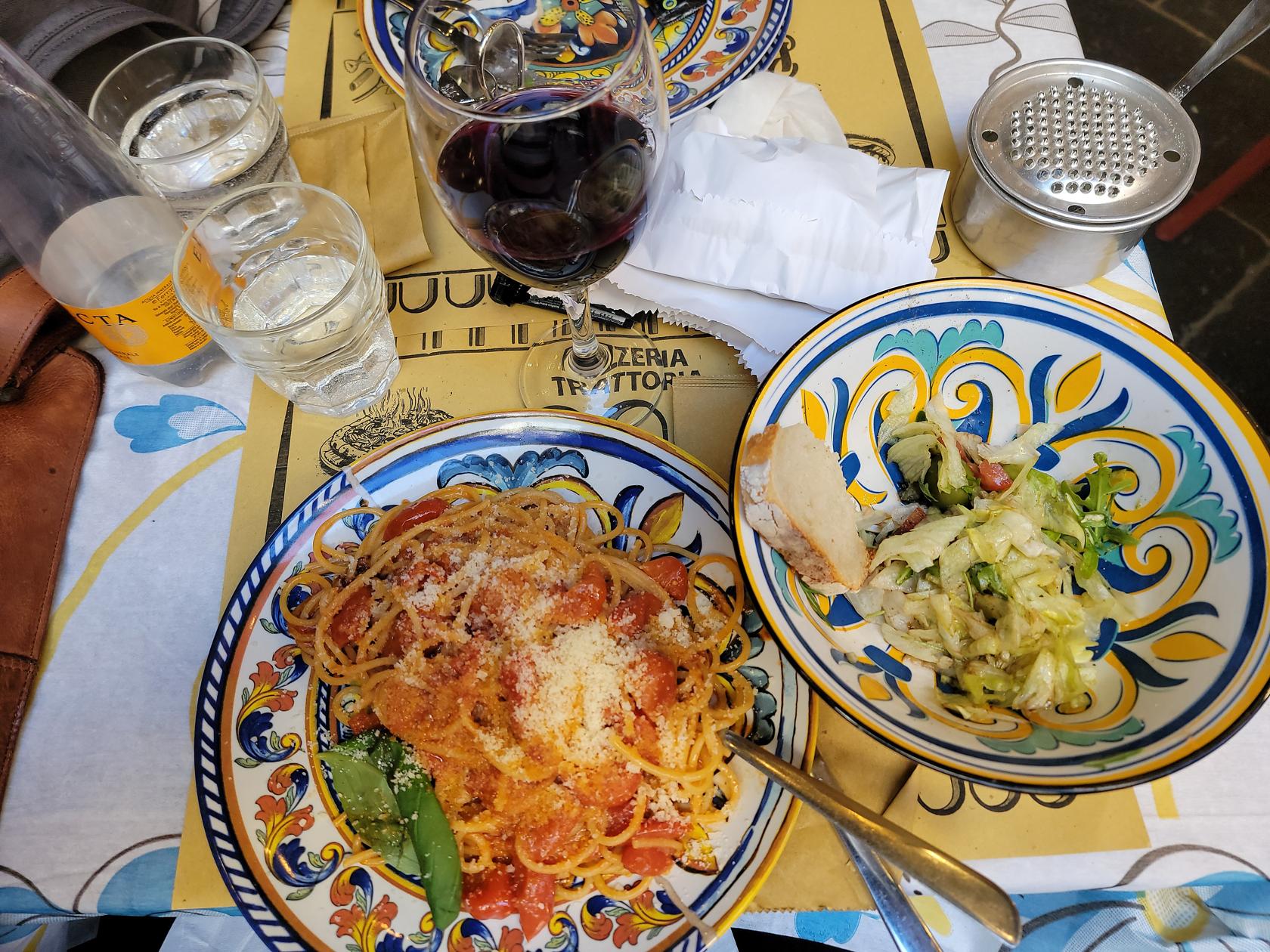
On Via dei Tribunali is the Portico Pizzeria é Trattoria. We stopped here for lunch and enjoyed a nice meal at surprisingly reasonable prices for this part of the city. The service was timely and the food was very good, so it is commendable.
Entrance – Portico Pizzeria e Trattoria – Naples, Italy
Patti – Portico Pizzeria e Trattoria – Naples, Italy
Pasta Fresca and Insalata Mista – Portico Pizzeria e Trattoria – Naples, Italy
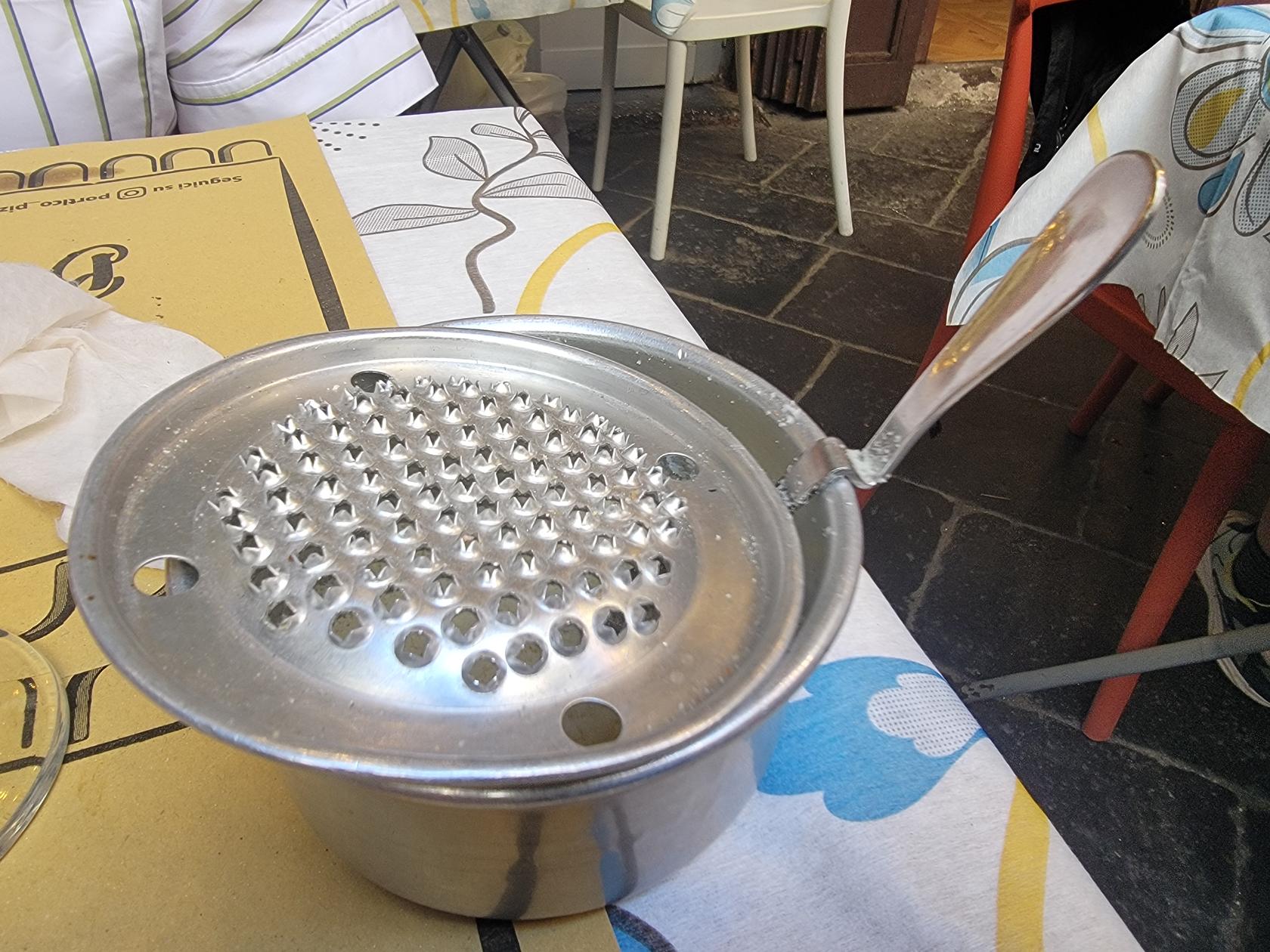
Mozzarella Spoon – Portico Pizzeria e Trattoria – Naples, Italy
Erick – Portico Pizzeria e Trattoria – Naples, Italy
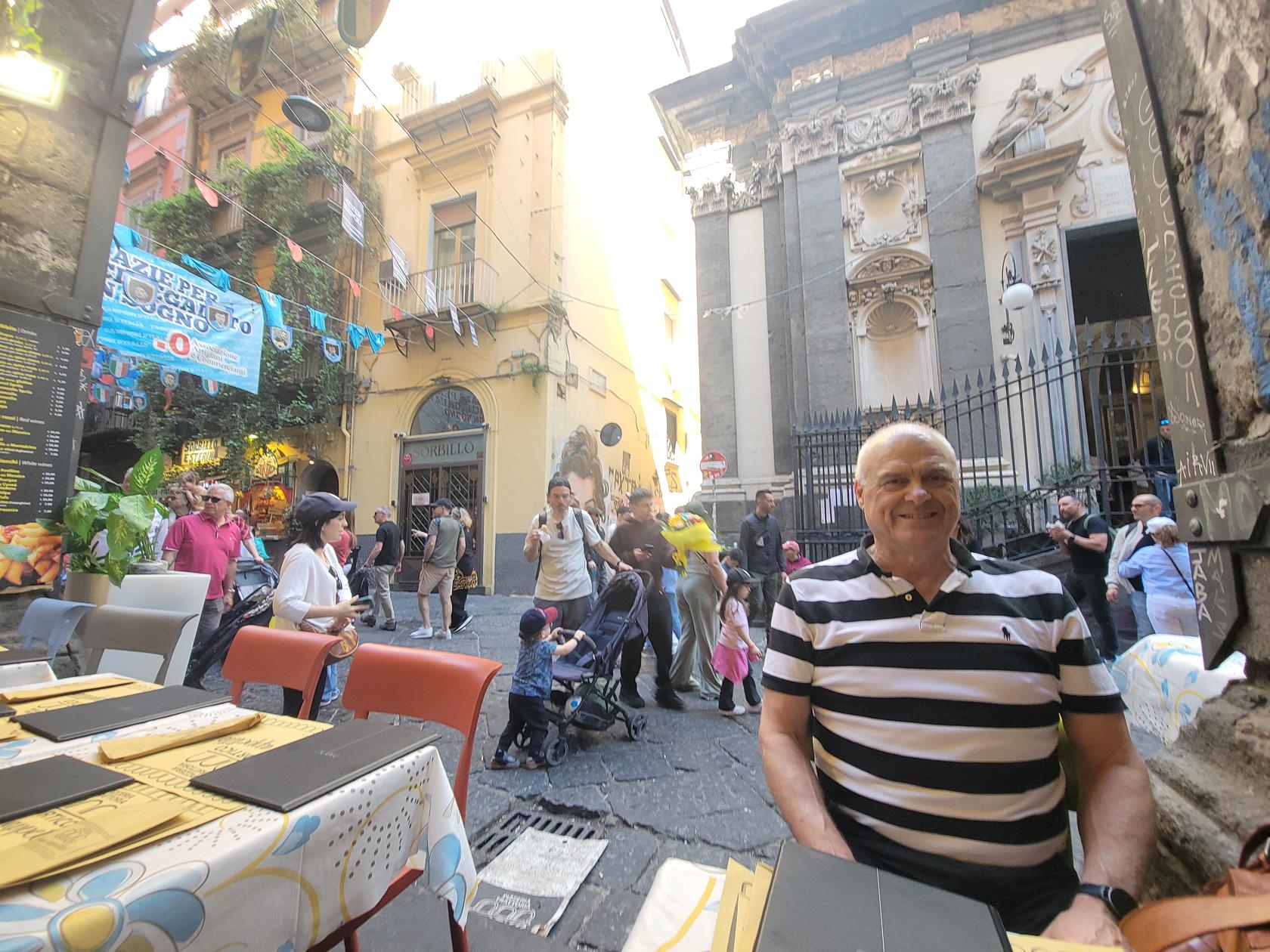
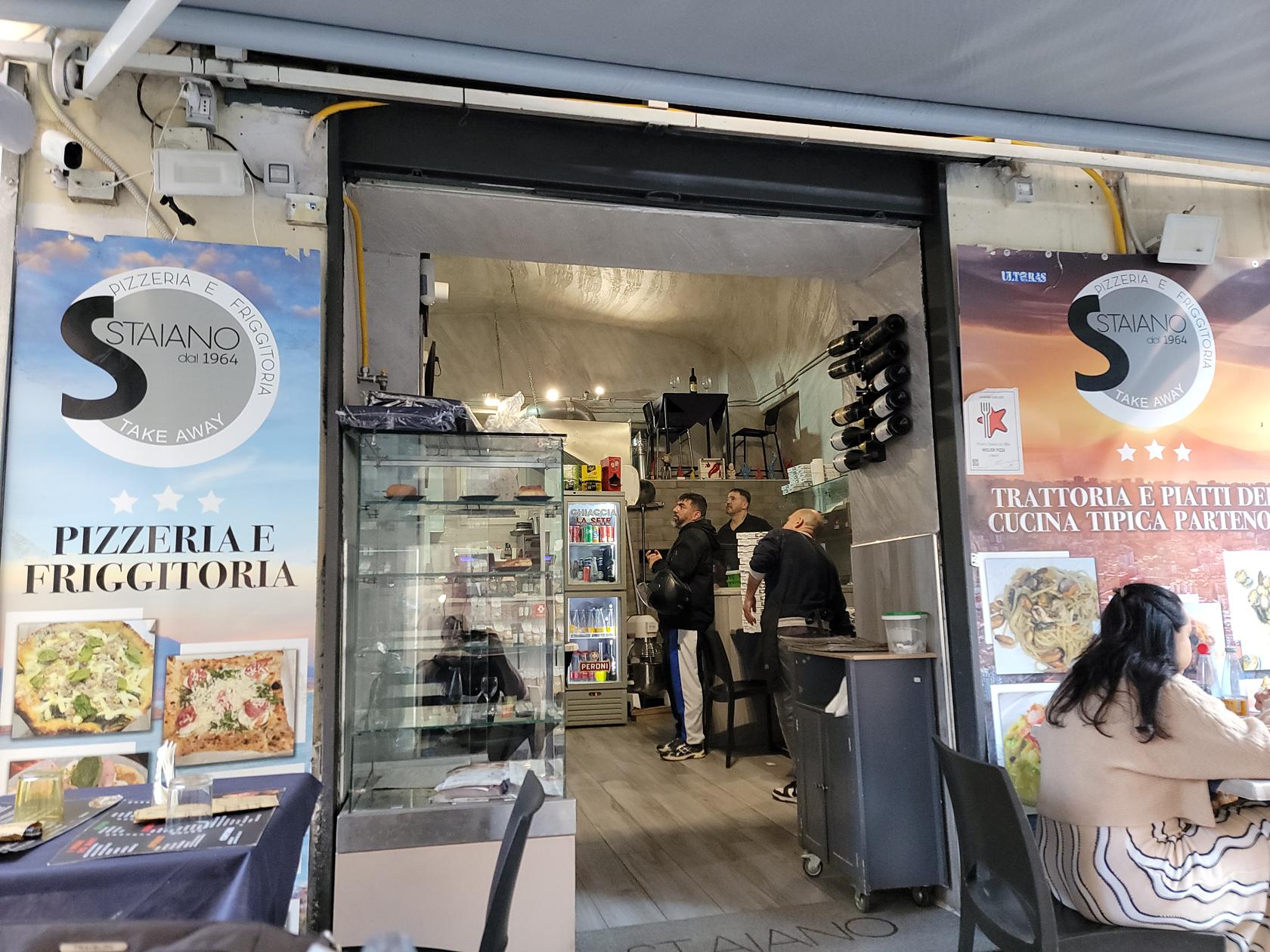
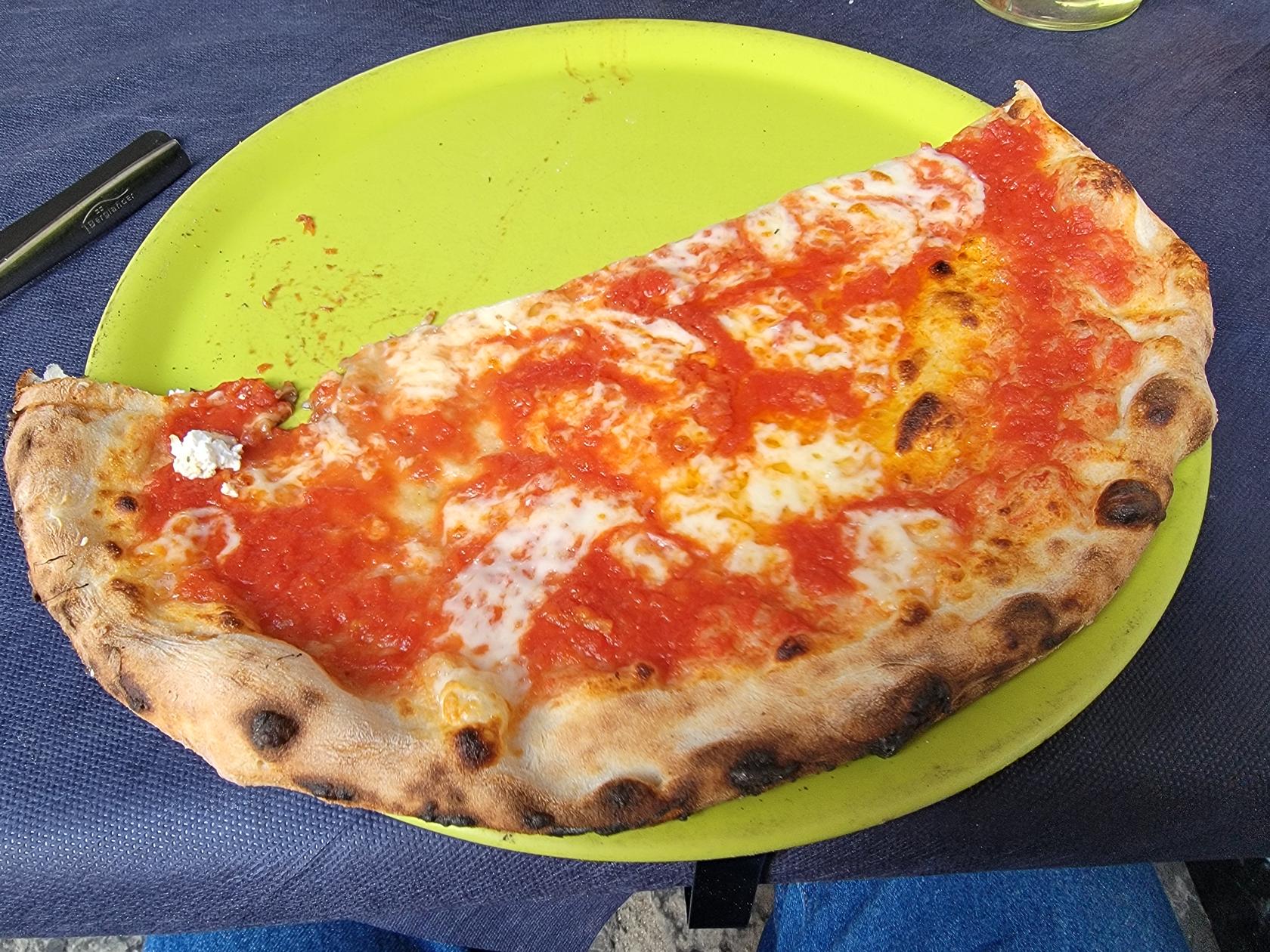
Pizzeria Staiano Dal 1964
This is a small family own trattoria that specializes in pizza. They also have a menu that changes each day, which contains a nice selection of local specialities.
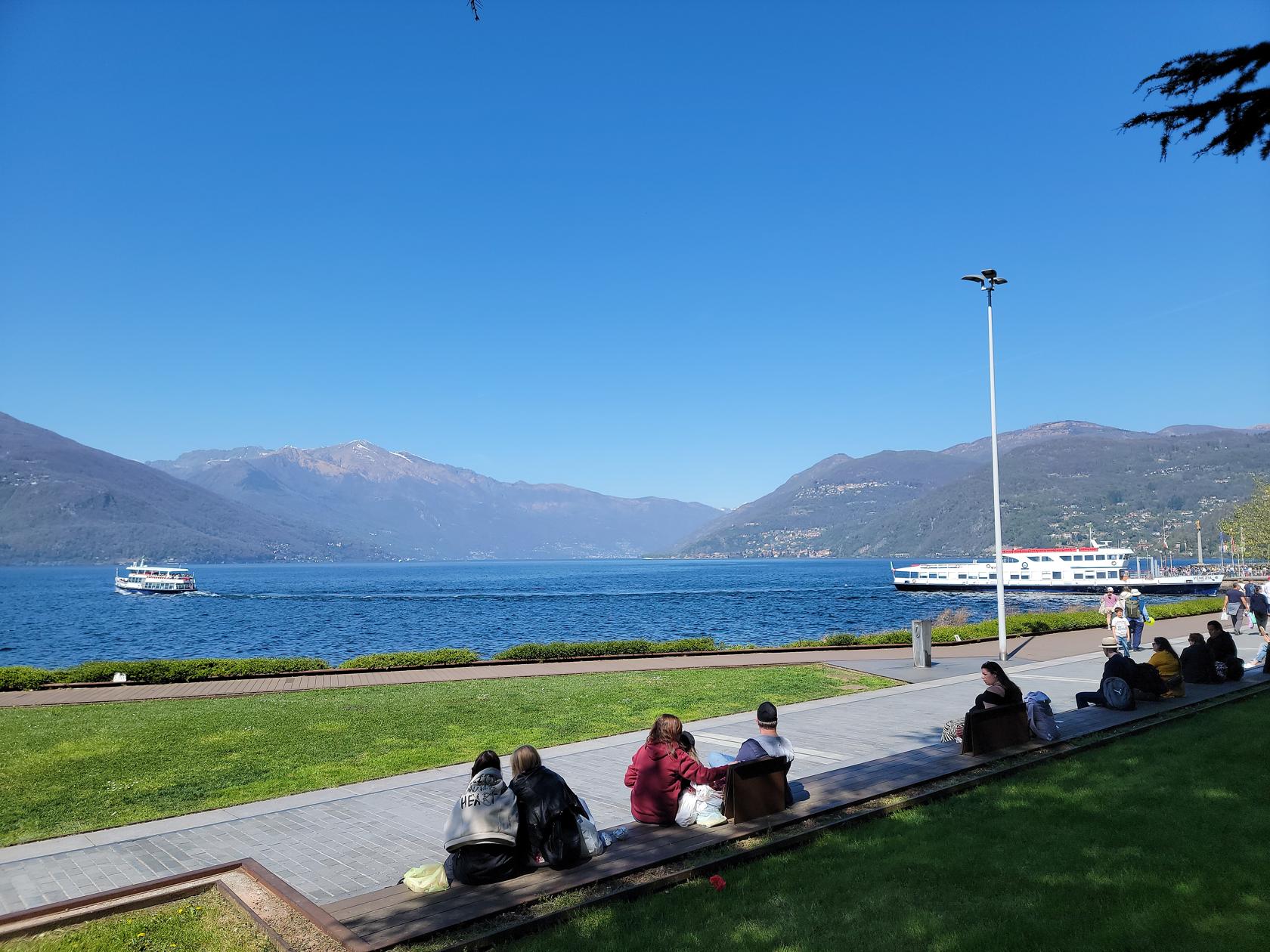
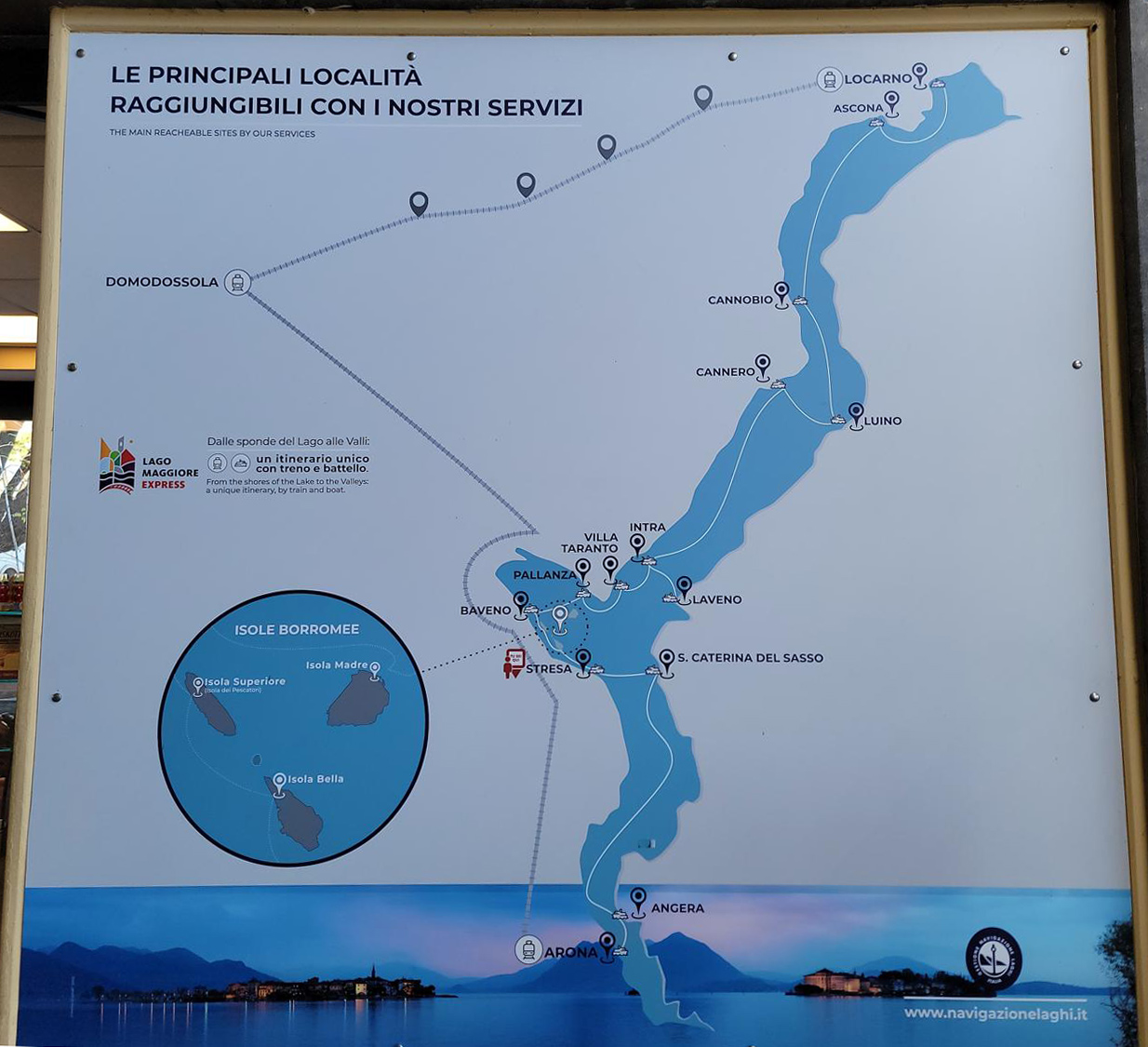
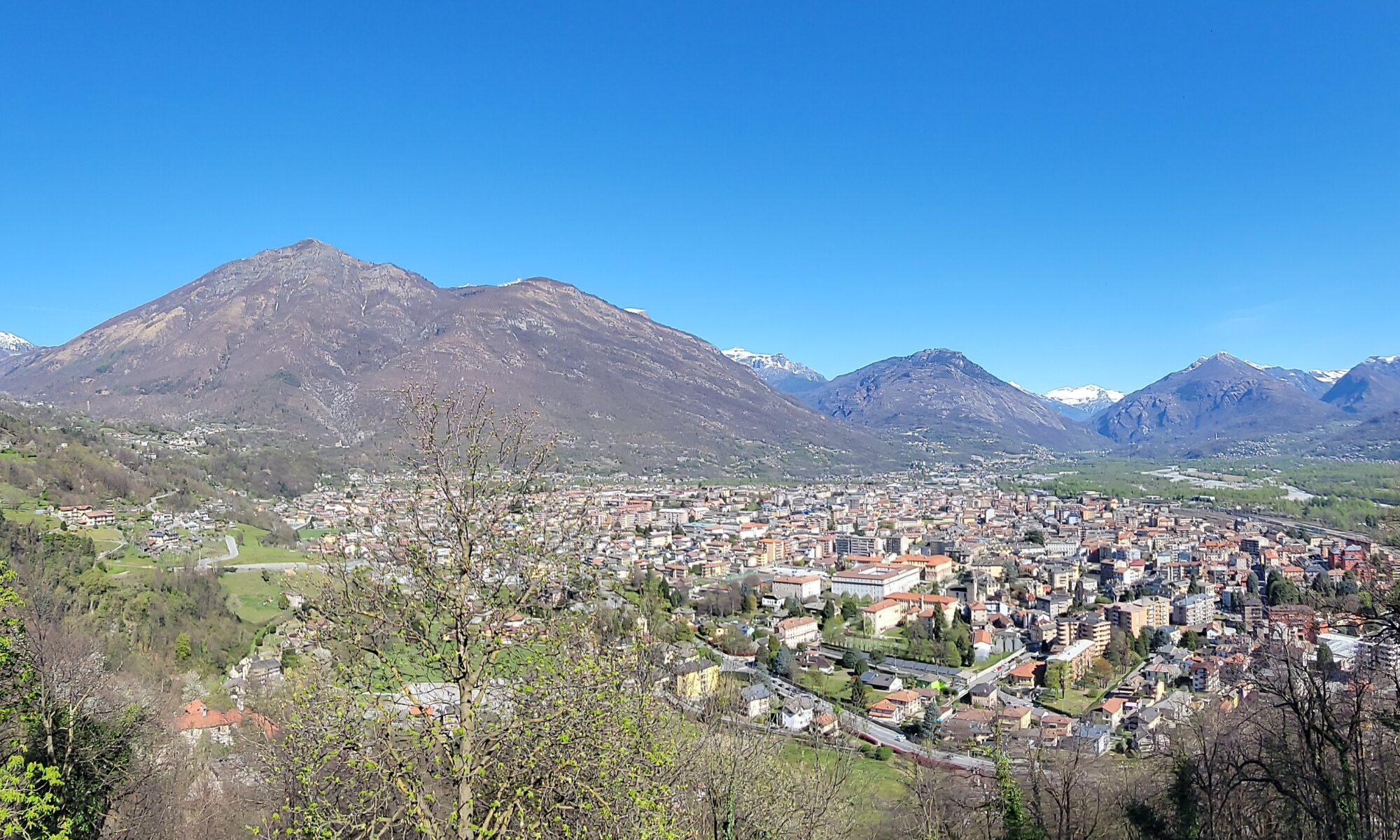
A popular tourist destination for the Swiss, Germans and Netherlanders is the small town of Luino on the northeast end of Lake Maggiore. The boat services on the lake are divided here for destinations north of it and south of it. From the south, especially from Stresa, it is difficult, if not impossible, to arrange a roundtrip to this town except on wednesdays. Even to get here by train is a three to five hour ordeal and roundtrips by rail or bus are all but out of the question. The town is truely lacking service from the southern end of the lake.
Other Boat Leaving – Lake Boat Trip – Luino, Italy
Luino
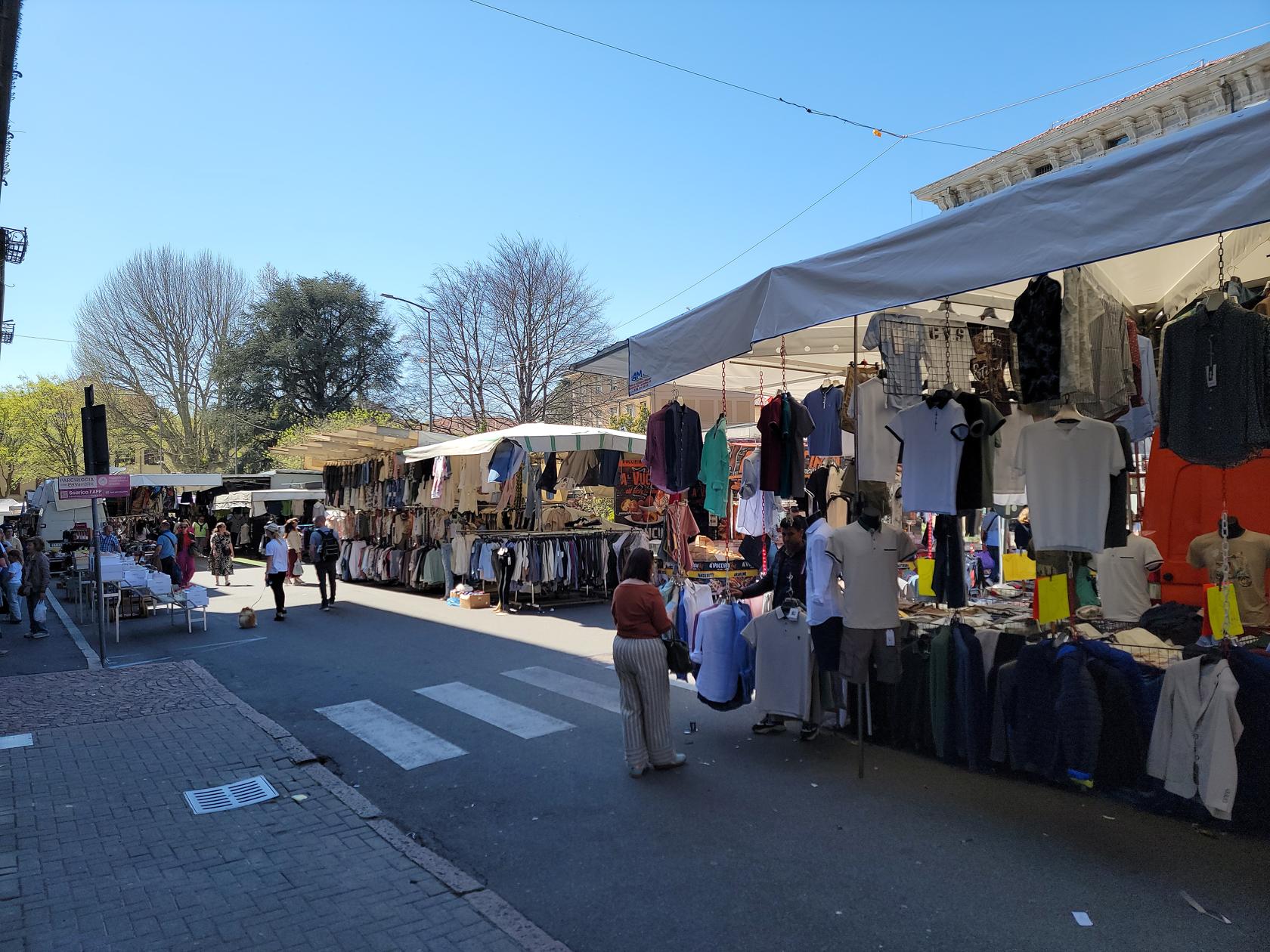
It seems a popular destination for people from the north, who are either staying in Switzerland or the nearby town of Cannobio. It is especially busy on Wednesdays, this is when the town holds its weekly market. [1]Proportedly the largest in Europe, but that is not possible. The one in Turin far eclipses it in size and weekly frequency, being open every day and not just the middle of the week.
Wednesday Market Place – Luino, Italy
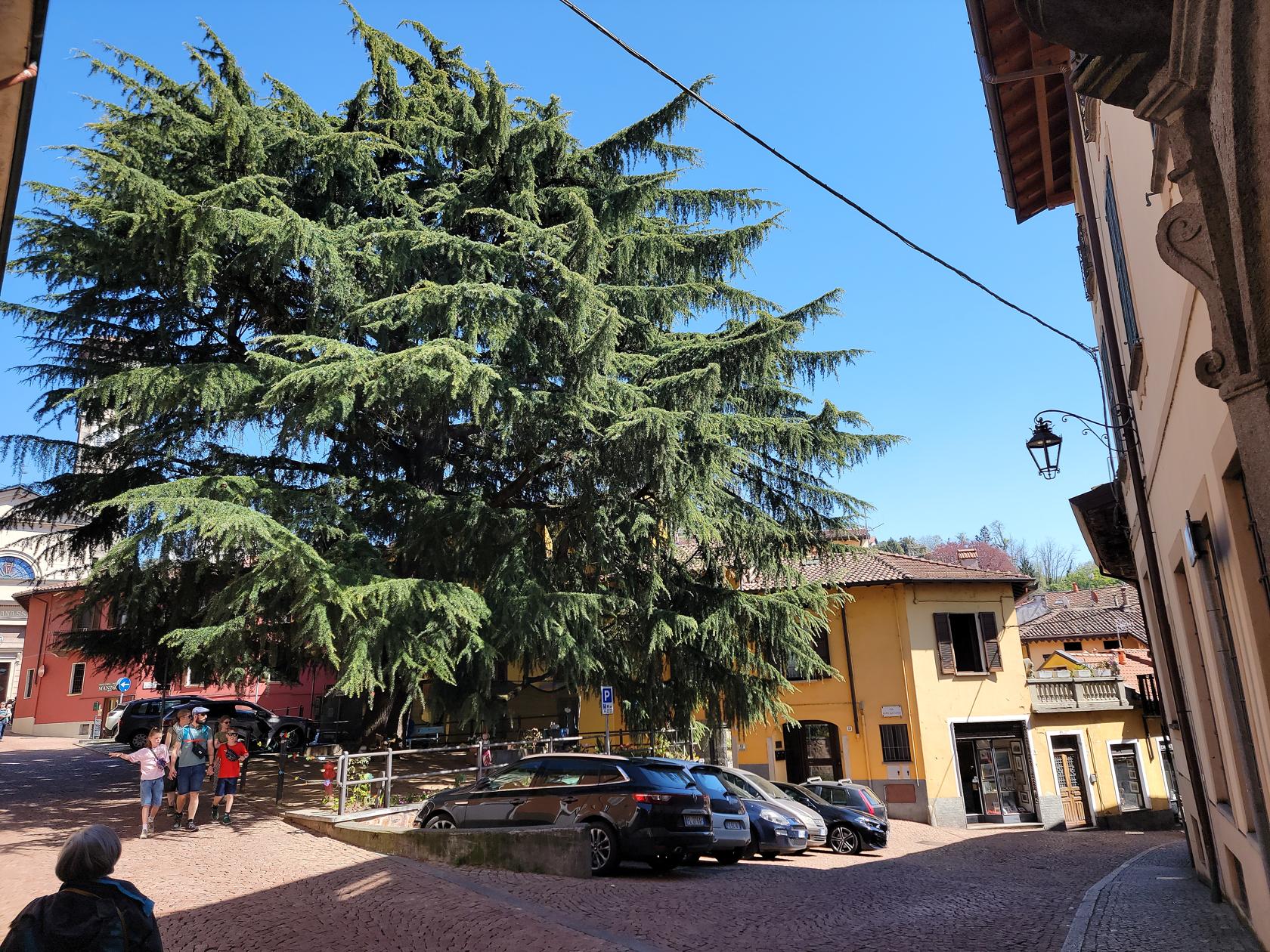
Hemlock Near Church Of Saints Peter And Paul – Luino, Italy
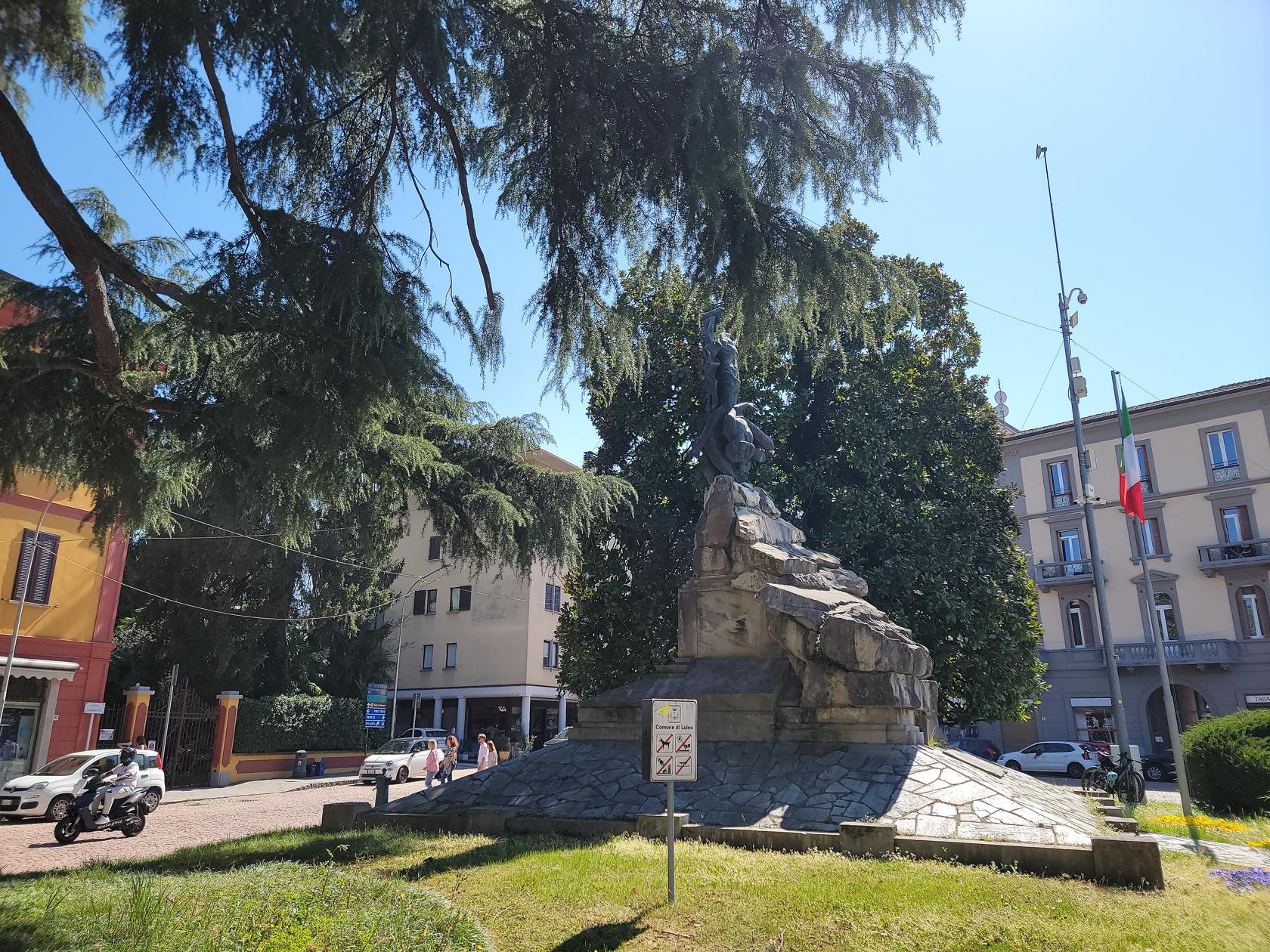
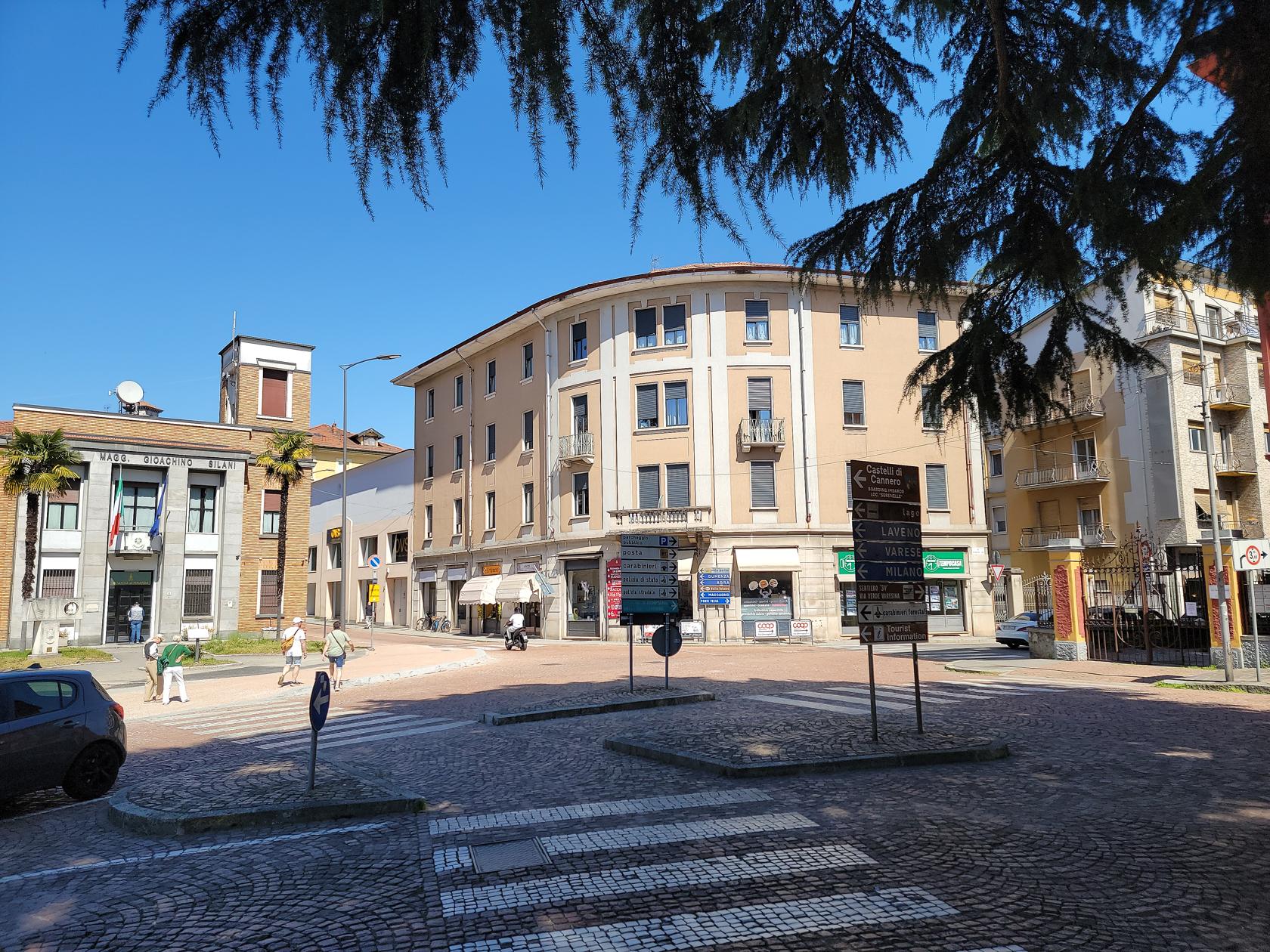
Piazza Risorgimento – Luino, Italy
Piazza Risorgimento – Luino, Italy
At one time the town was heavily industrialized and there were many textile factories here, which accounted for the terrible pollution the lake had to endure for years after its demise. Luckily today, the lake has considerably cleaner water that in the previous century.
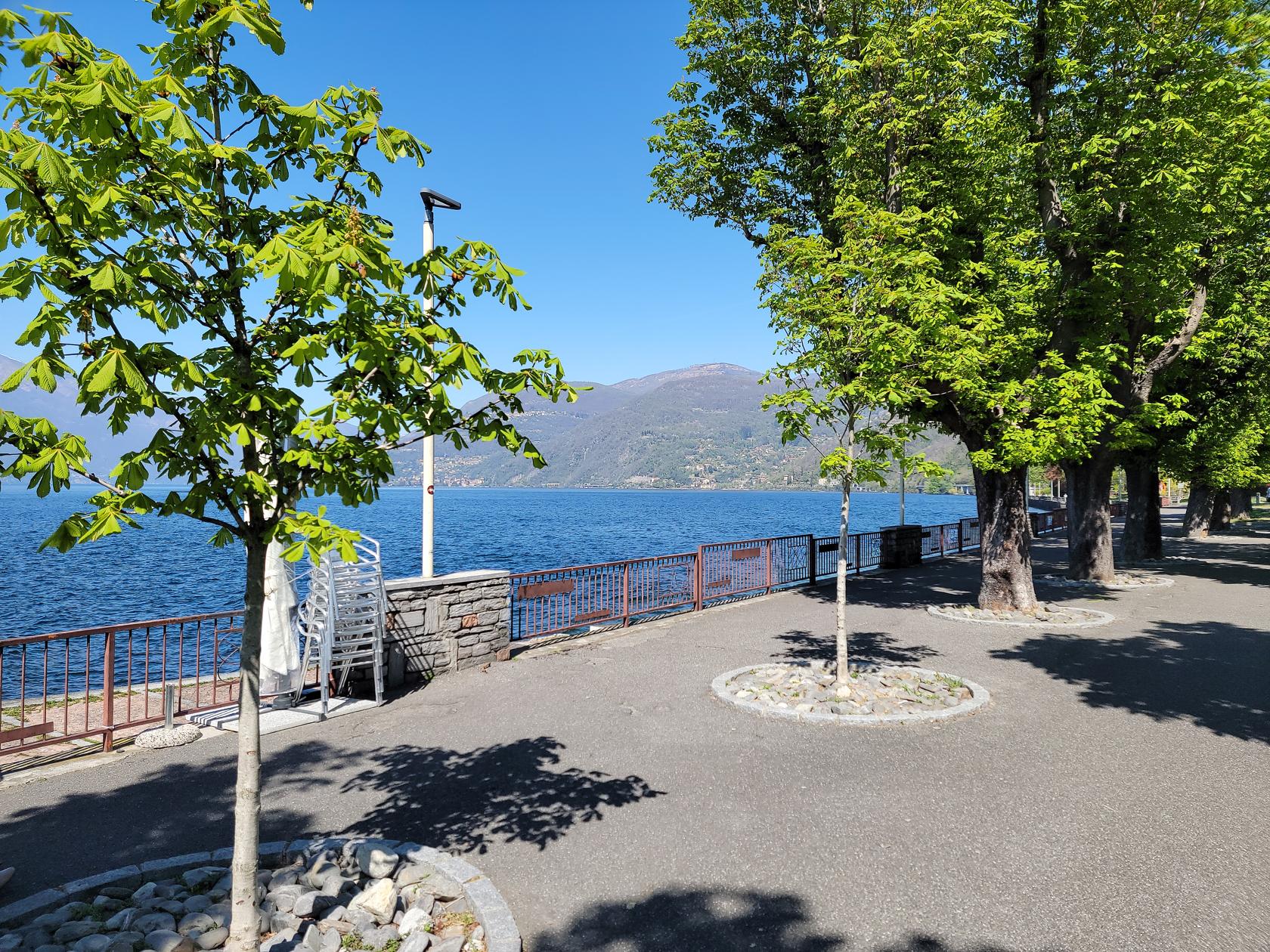
Lungolago – Luino, Italy
Lungolago – Luino, Italy
Lungolago – Luino, Italy
Lungolago – Luino, Italy
Getting There
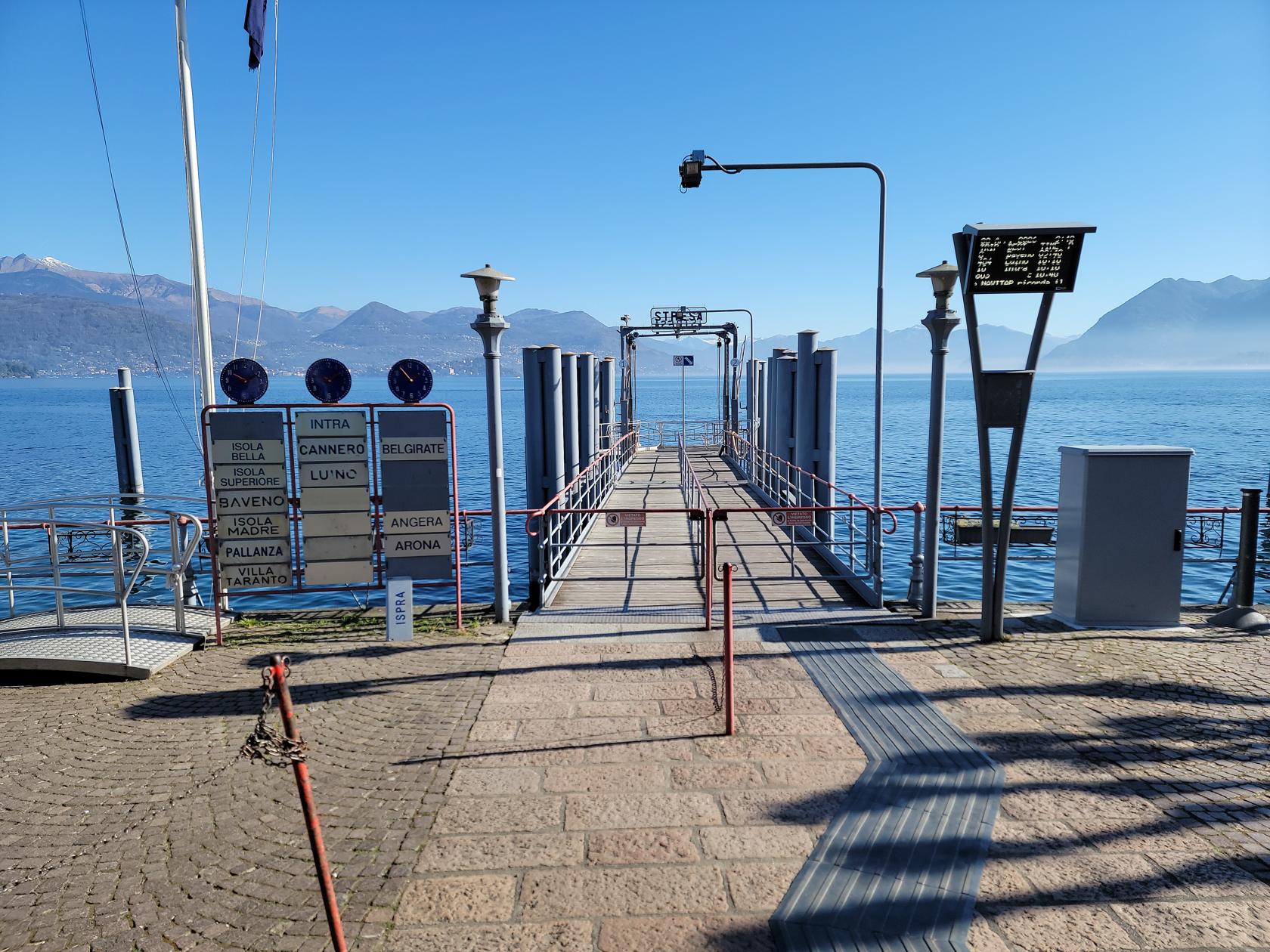
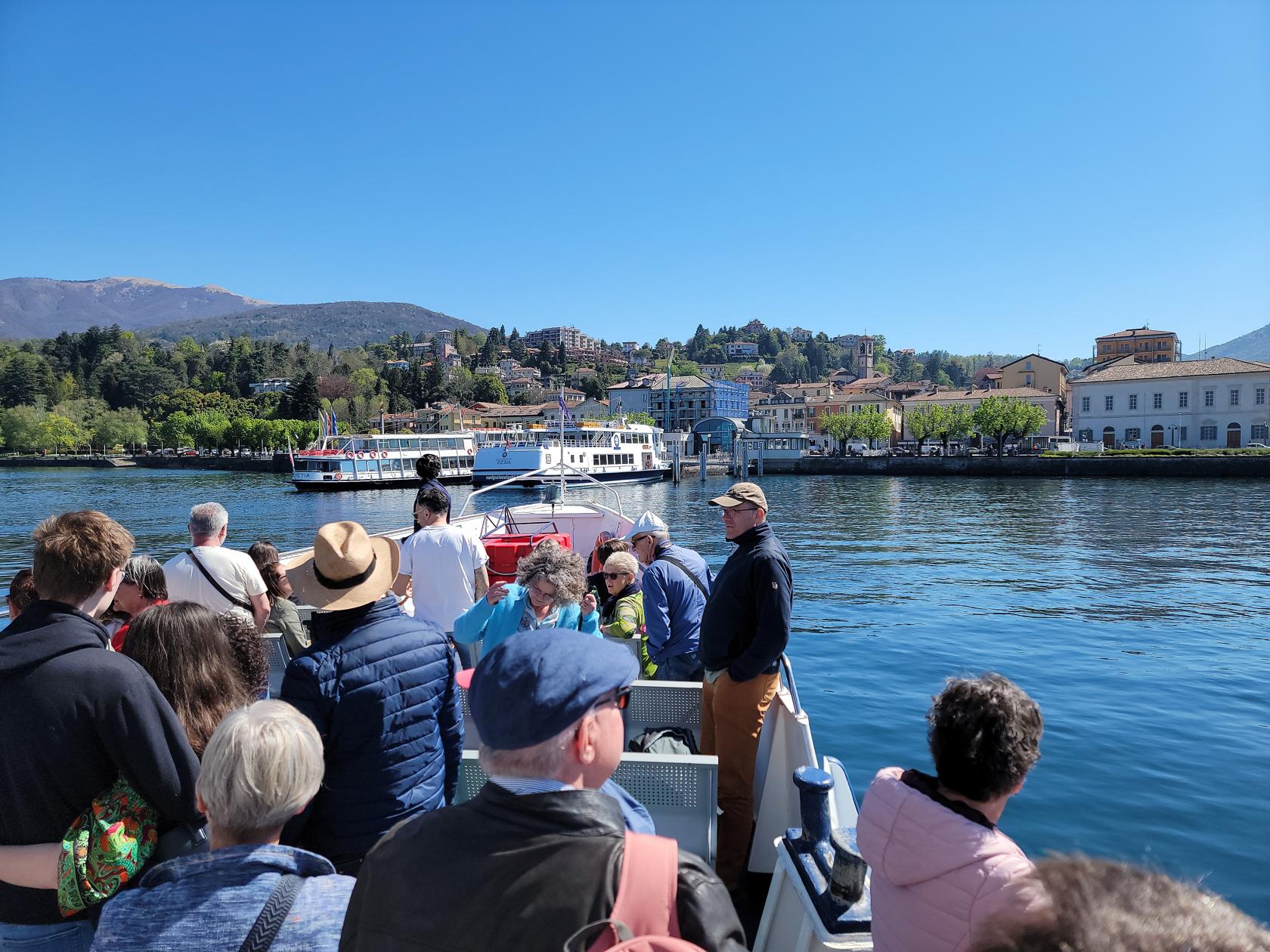
From the north, the map shows all traffic by boat going through Cannobio. From the south, we took the boat from Stresa. From there we stopped a half dozen times before reaching our destination.
Navigation Map – Lake Boat Trip – Luino, Italy
Stresa Boat Dock – Lake Boat Trip – Luino, Italy
It should be noted, if you are traveling from the south and want to go further than Luino, you can, you just may have to change boats in Luino.
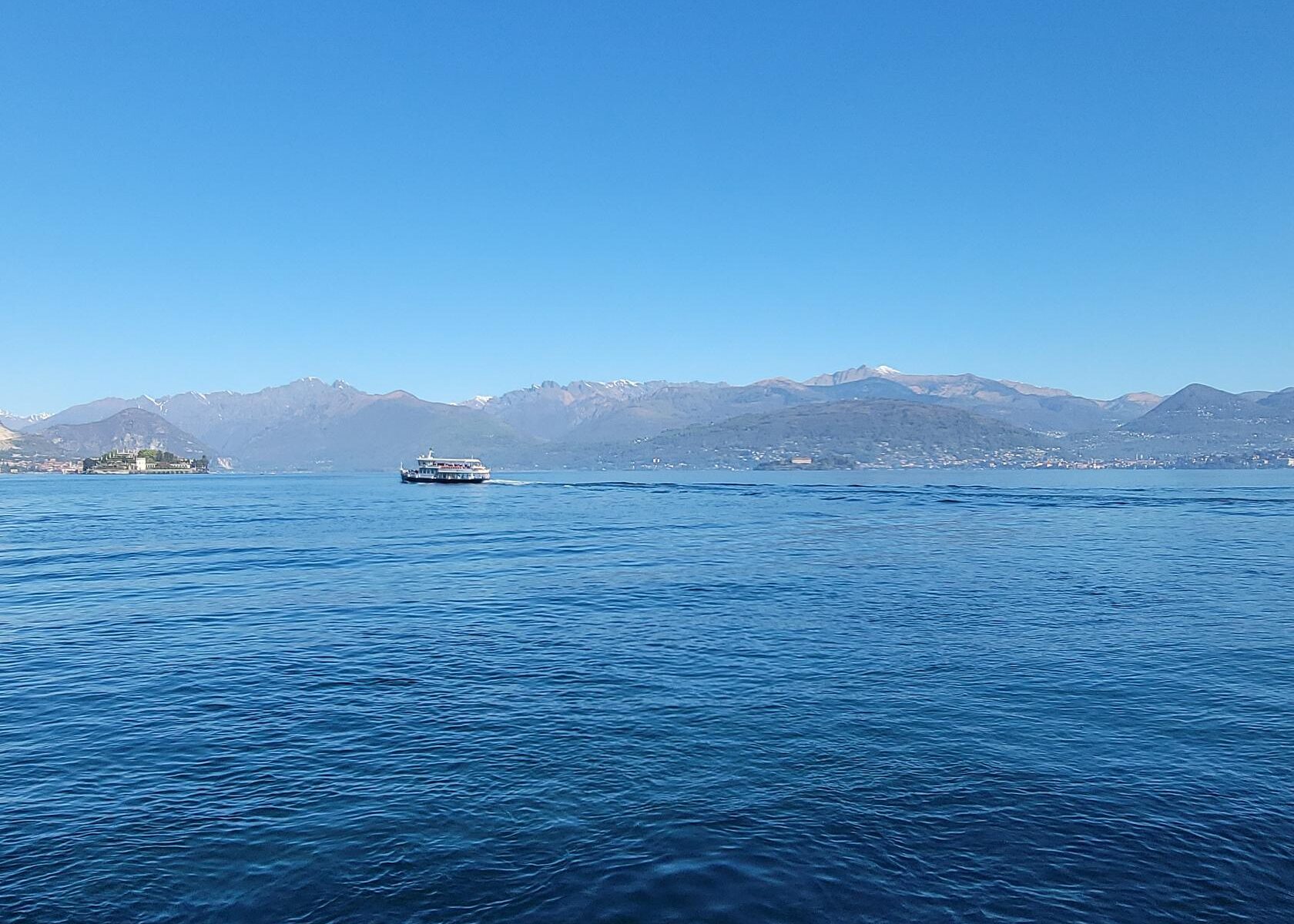
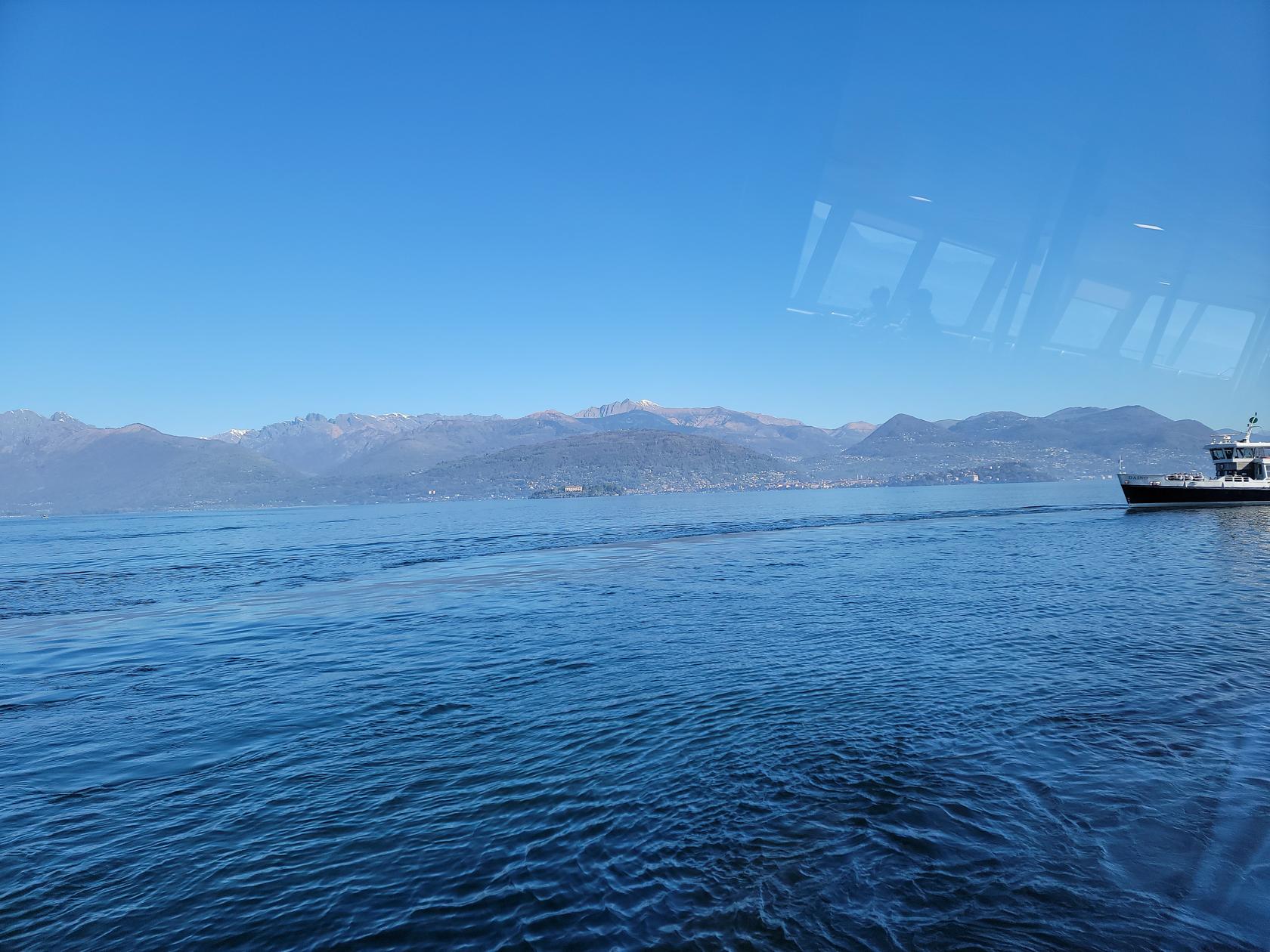
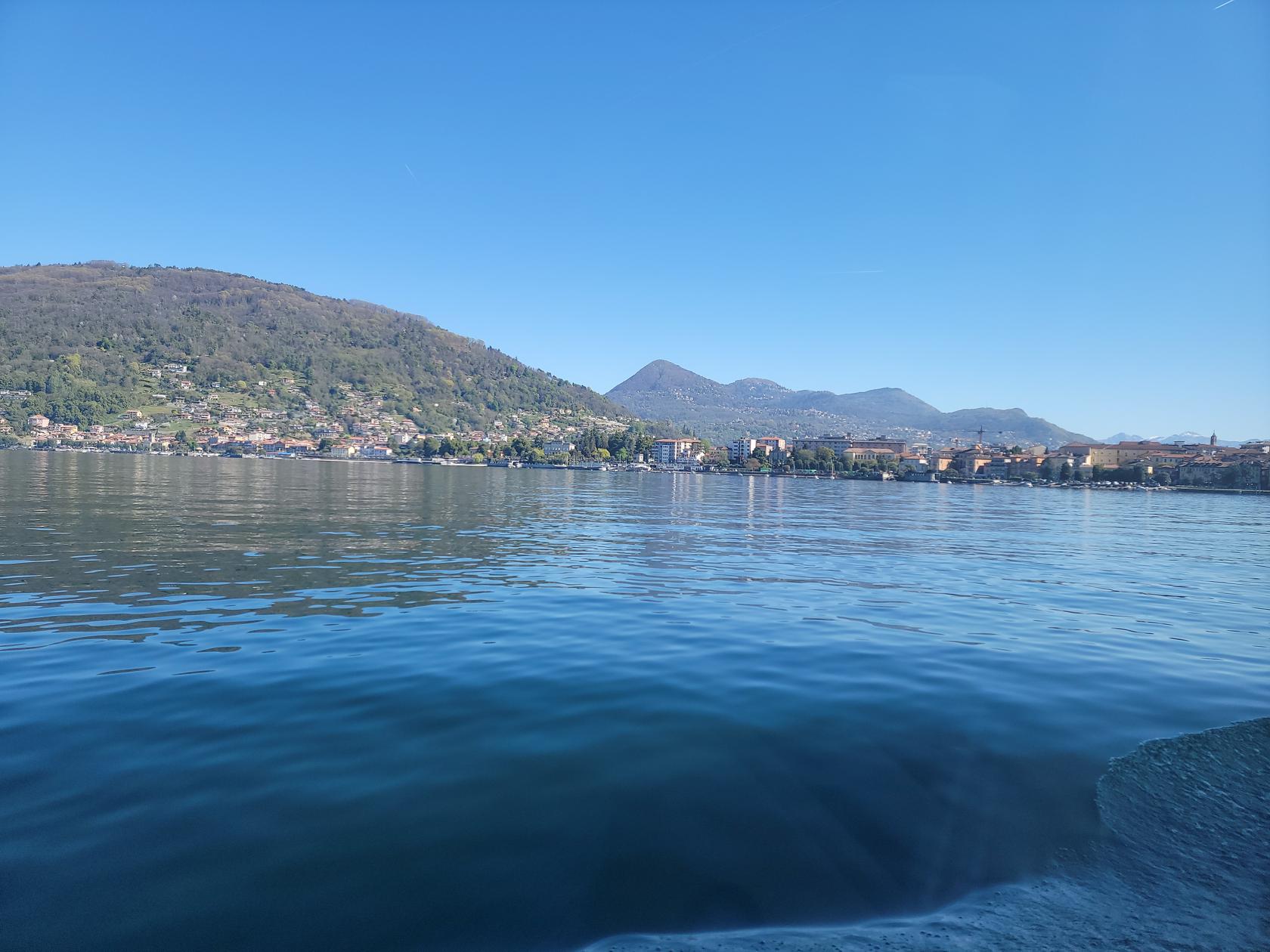
Beautiful Day – Lake Boat Trip – Luino, Italy
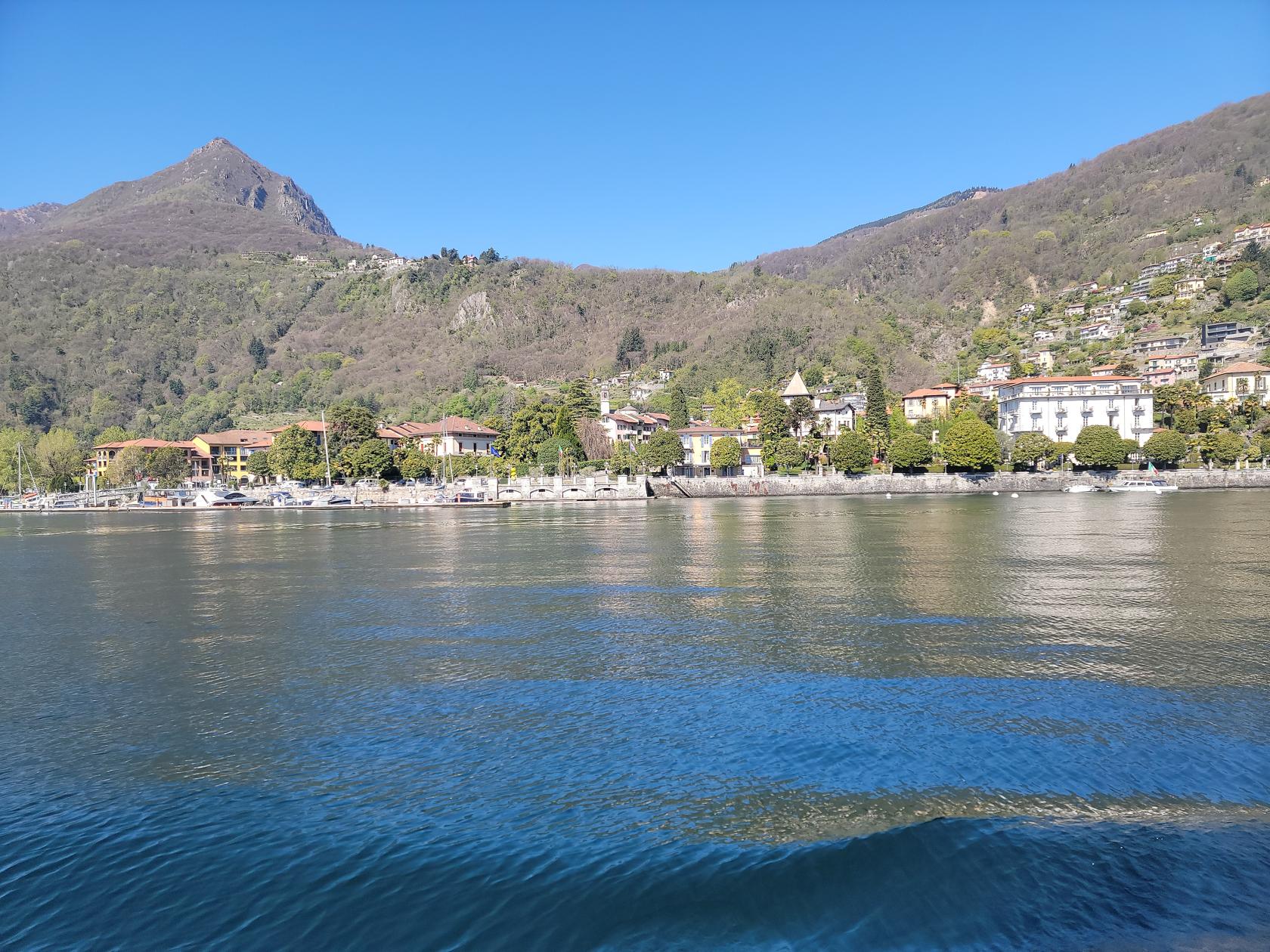
Coming Into Our First Stop – Lake Boat Trip – Luino, Italy
Arriving In Luino – Lake Boat Trip – Luino, Italy
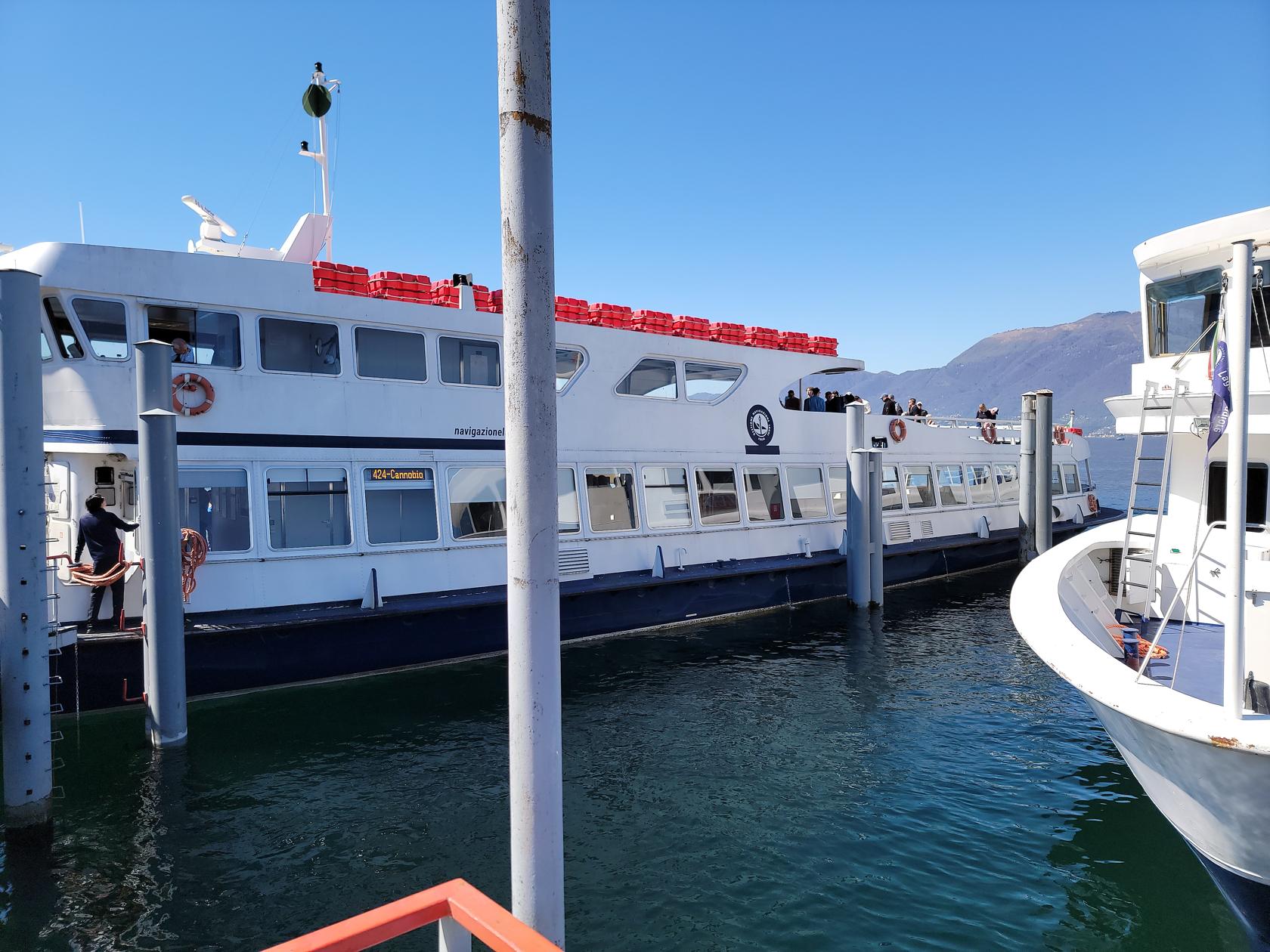
Our Boat – Lake Boat Trip – Luino, Italy
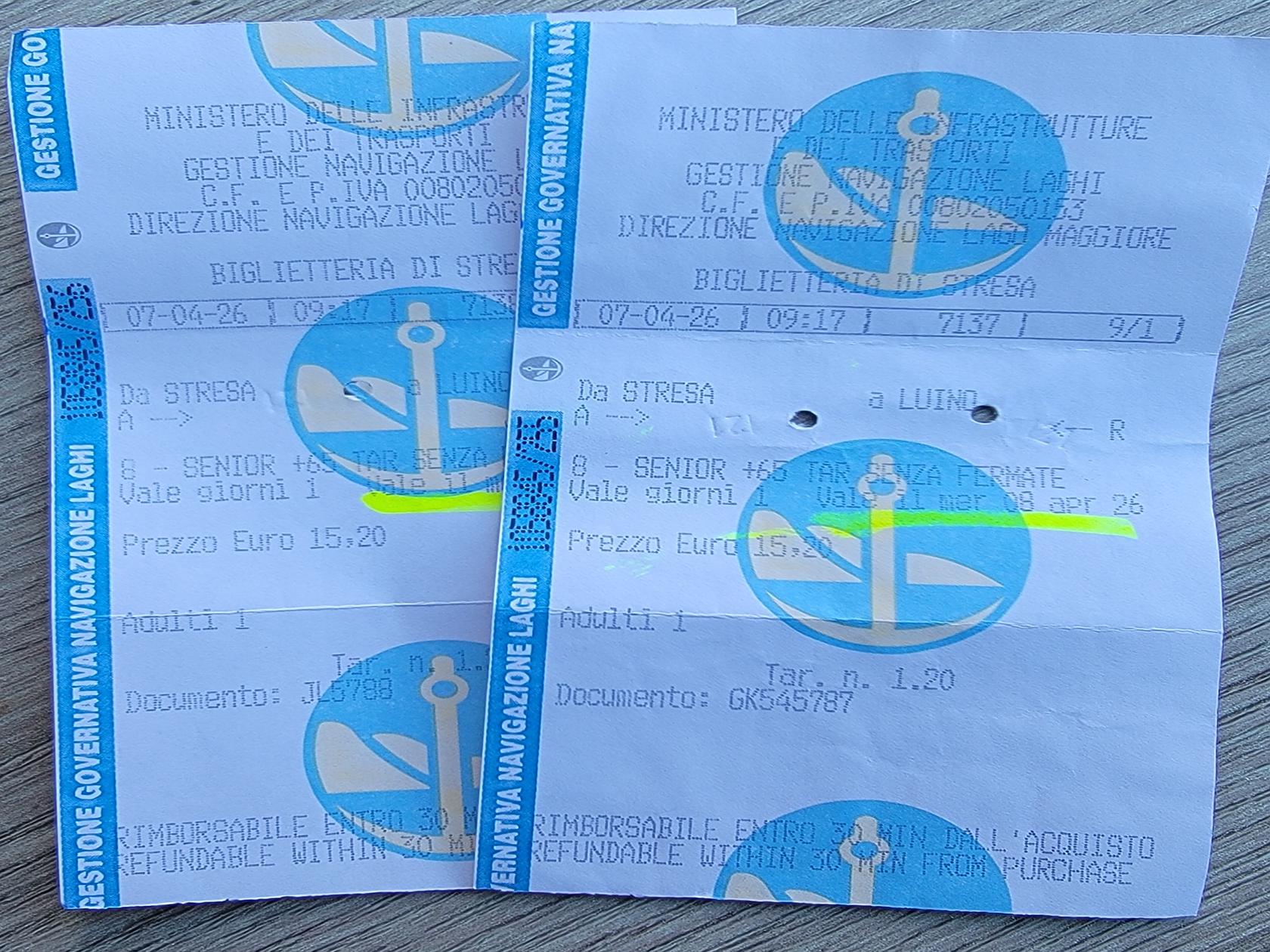
From Stresa the trip is not inexpensive to Luino. For roundtrip tickets it cost us €15.20 per person[2]or about $18 per person.
Tickets For Two – Lake Boat Trip – Luino, Italy
Church of Saints Peter and Paul
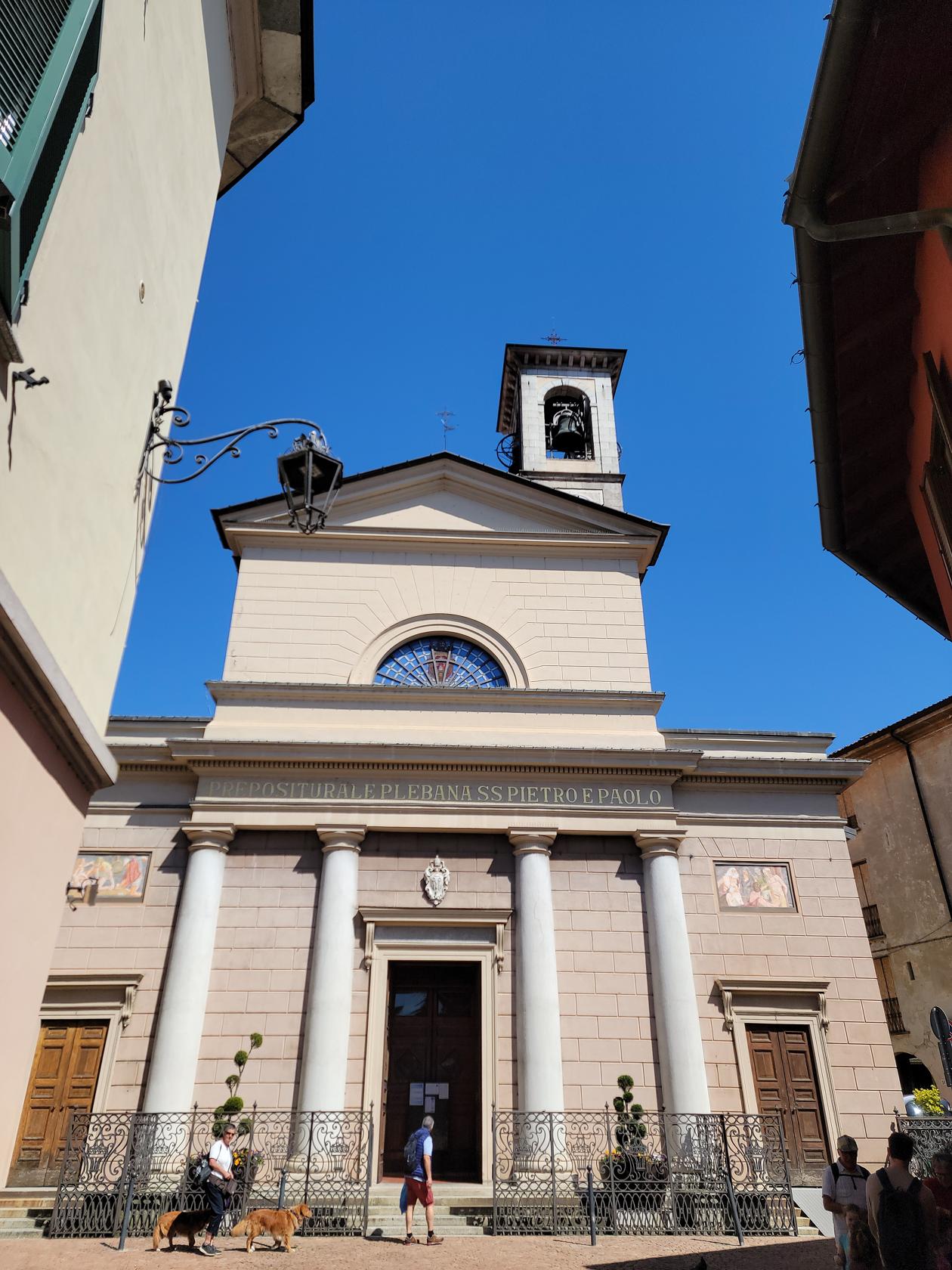
A walk through the town and above most if, you will find the Church of Saints Peter and Paul. An unusual church which looks more like an administrative building than a church.
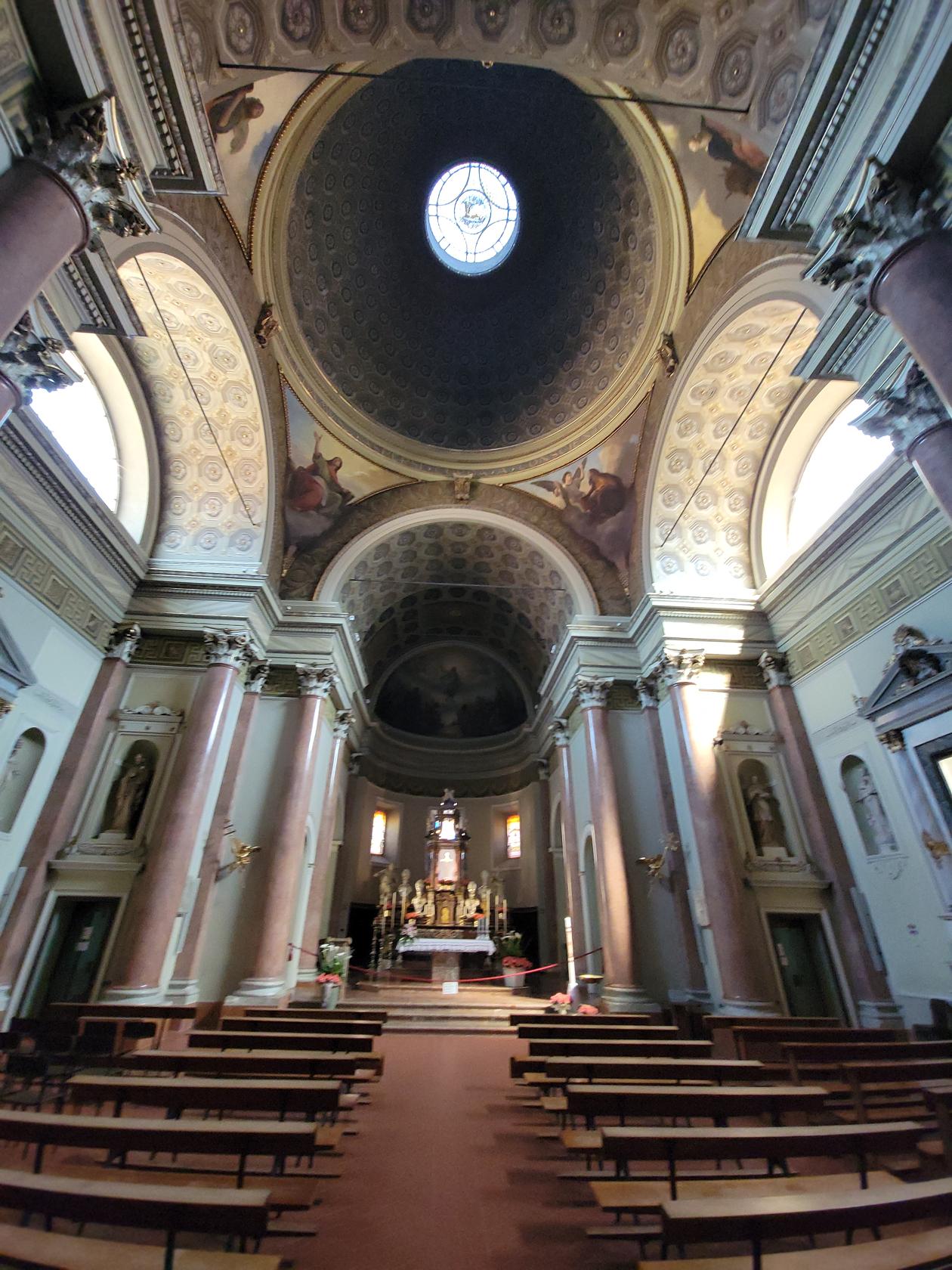
Front And Entrance – Church Of Saints Peter And Paul – Luino, Italy
The inside does have some marble, but the rest of the nave and ceiling are painted in the style trompe-l’œil, giving the impression of relief where none really exists.
Nave – Church Of Saints Peter And Paul – Luino, Italy
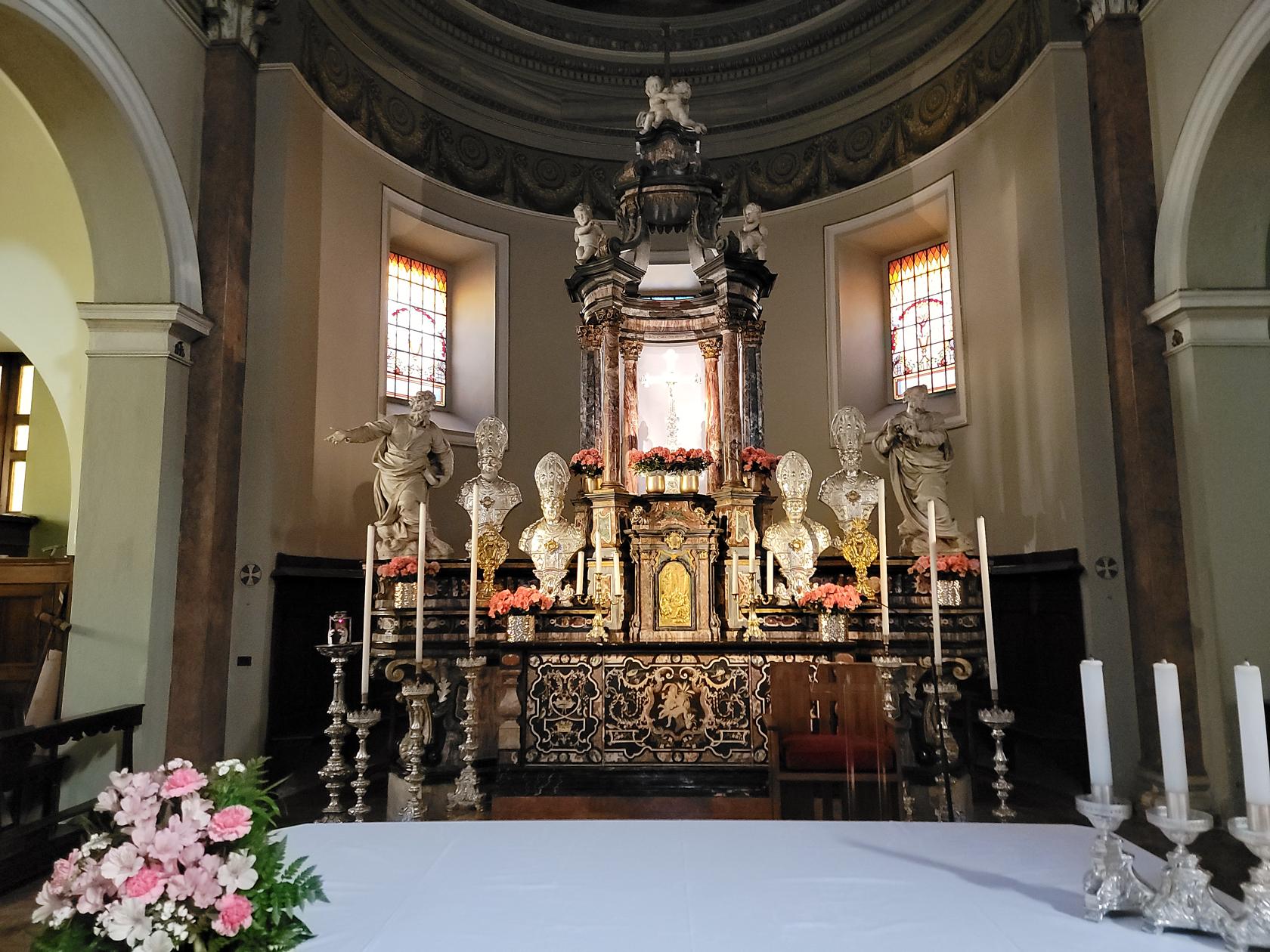
Altar – Church Of Saints Peter And Paul – Luino, Italy
Restaurants
When we arrived in Luino, we only had three hours before our boat trip back, so we had to make good use of our time. Subsequently, we looked for a place to eat first and chose the Trattoria da Elia e Ugo.
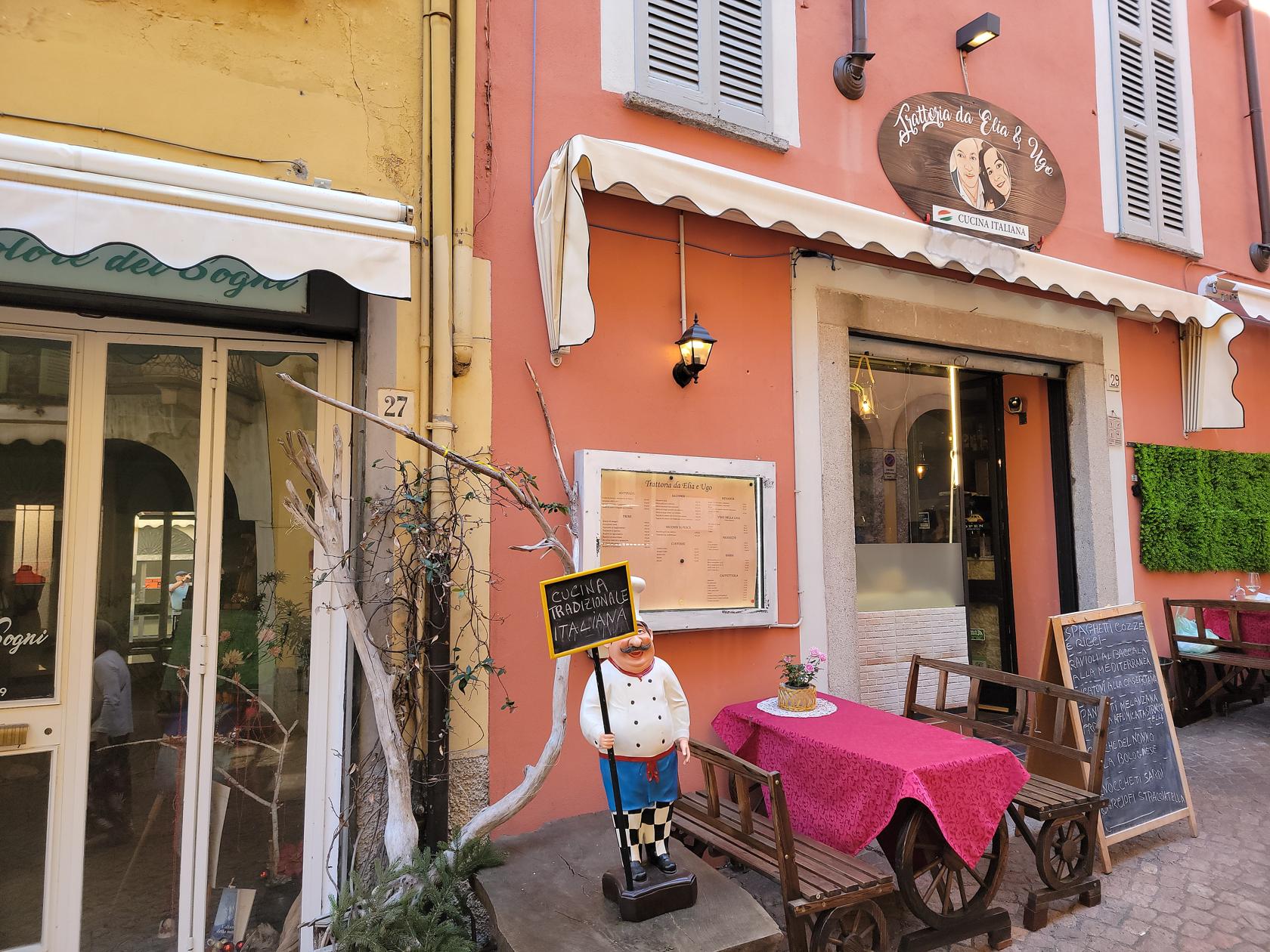
Front – Trattoria da Elia e Ugo – Via Felice Cavallotti – Luino, Italy
Trattoria da Elia e Ugo
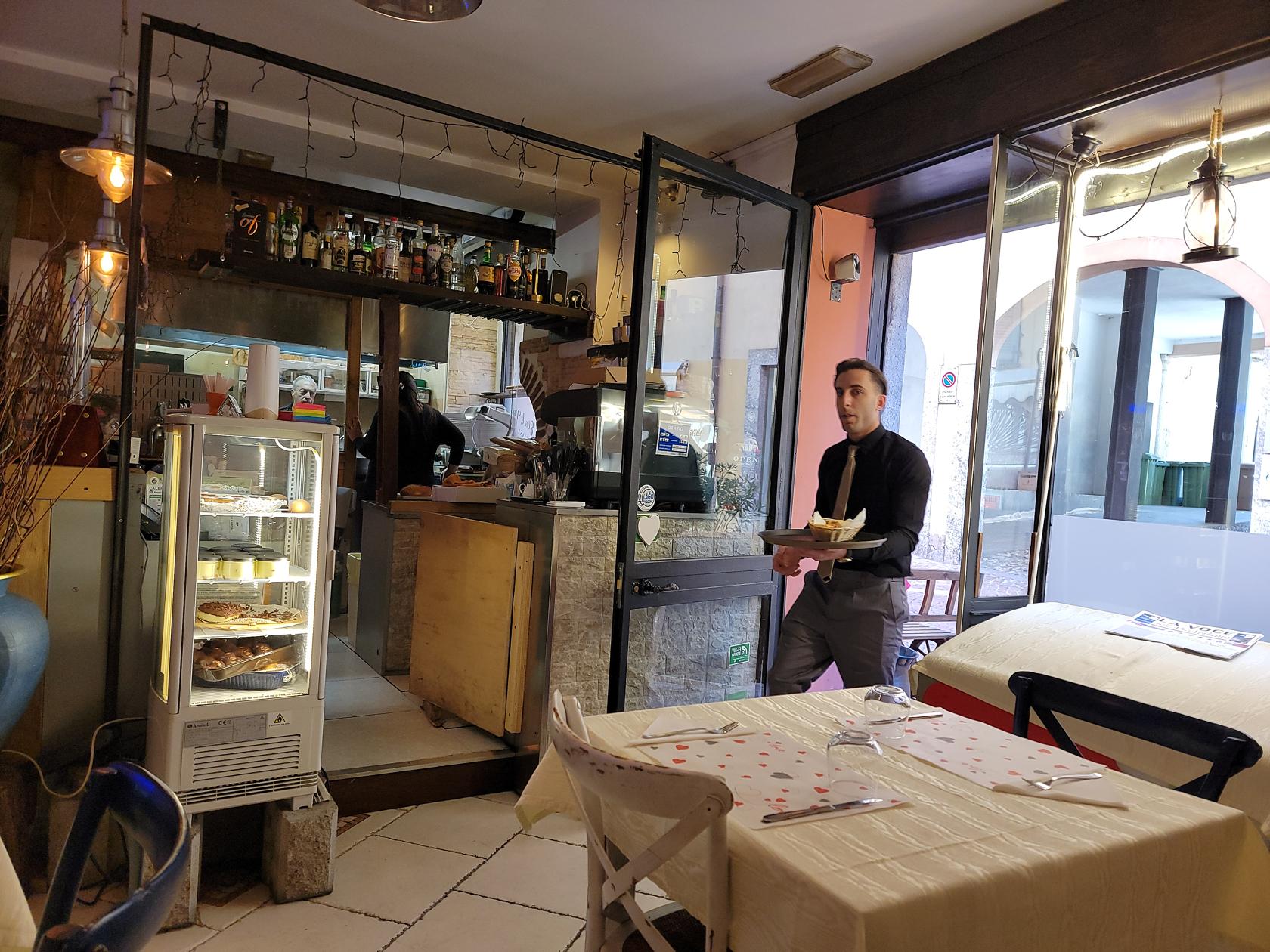
A small restaurant that caters to locals and tourists alike. They speak very good english, so there should be no problem with the language; they are even willing to look words up in order to make sure they have the correct word.
Entrance – Trattoria da Elia e Ugo – Via Felice Cavallotti – Luino, Italy
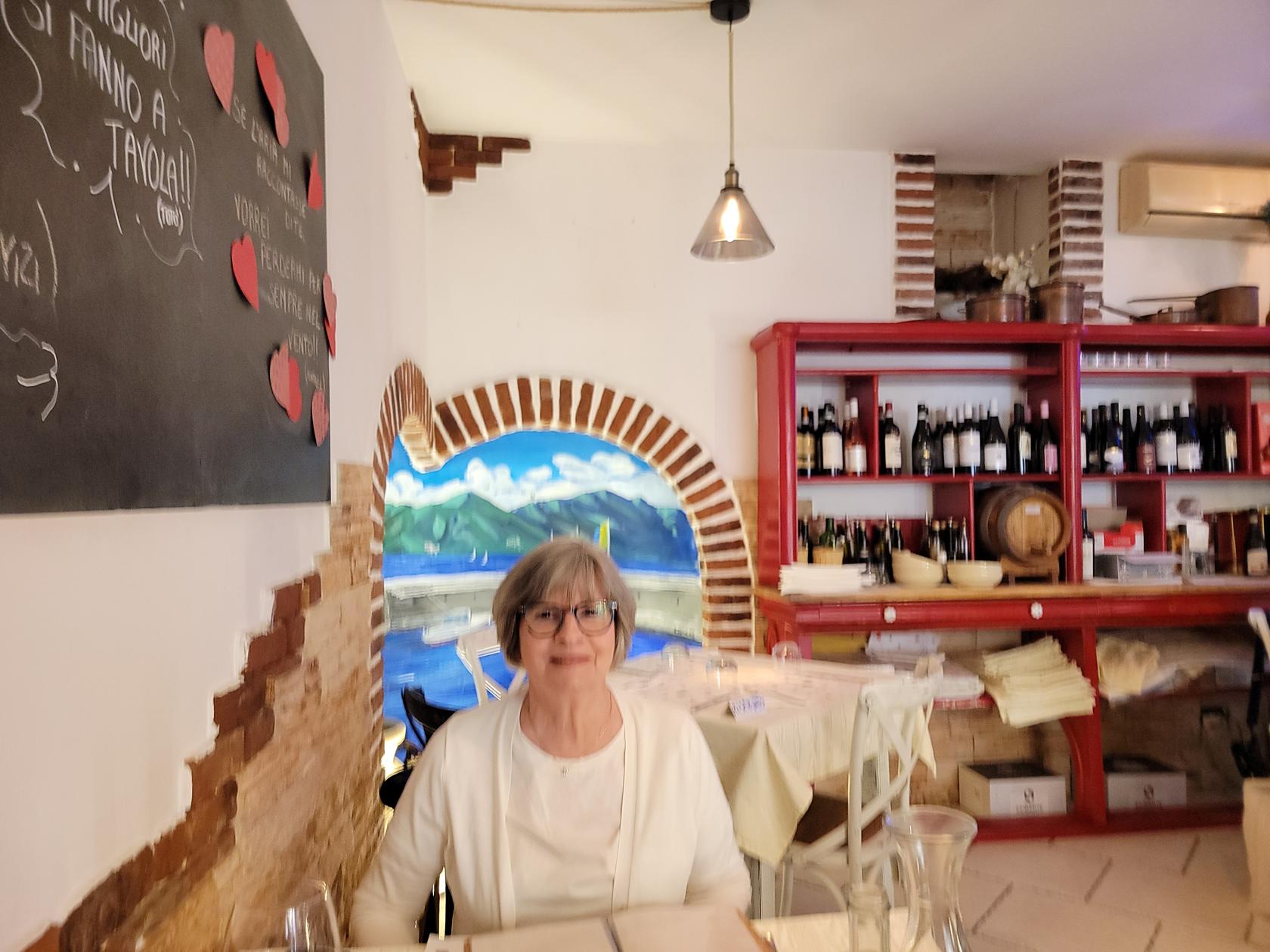
Patti – Trattoria da Elia e Ugo – Via Felice Cavallotti – Luino, Italy
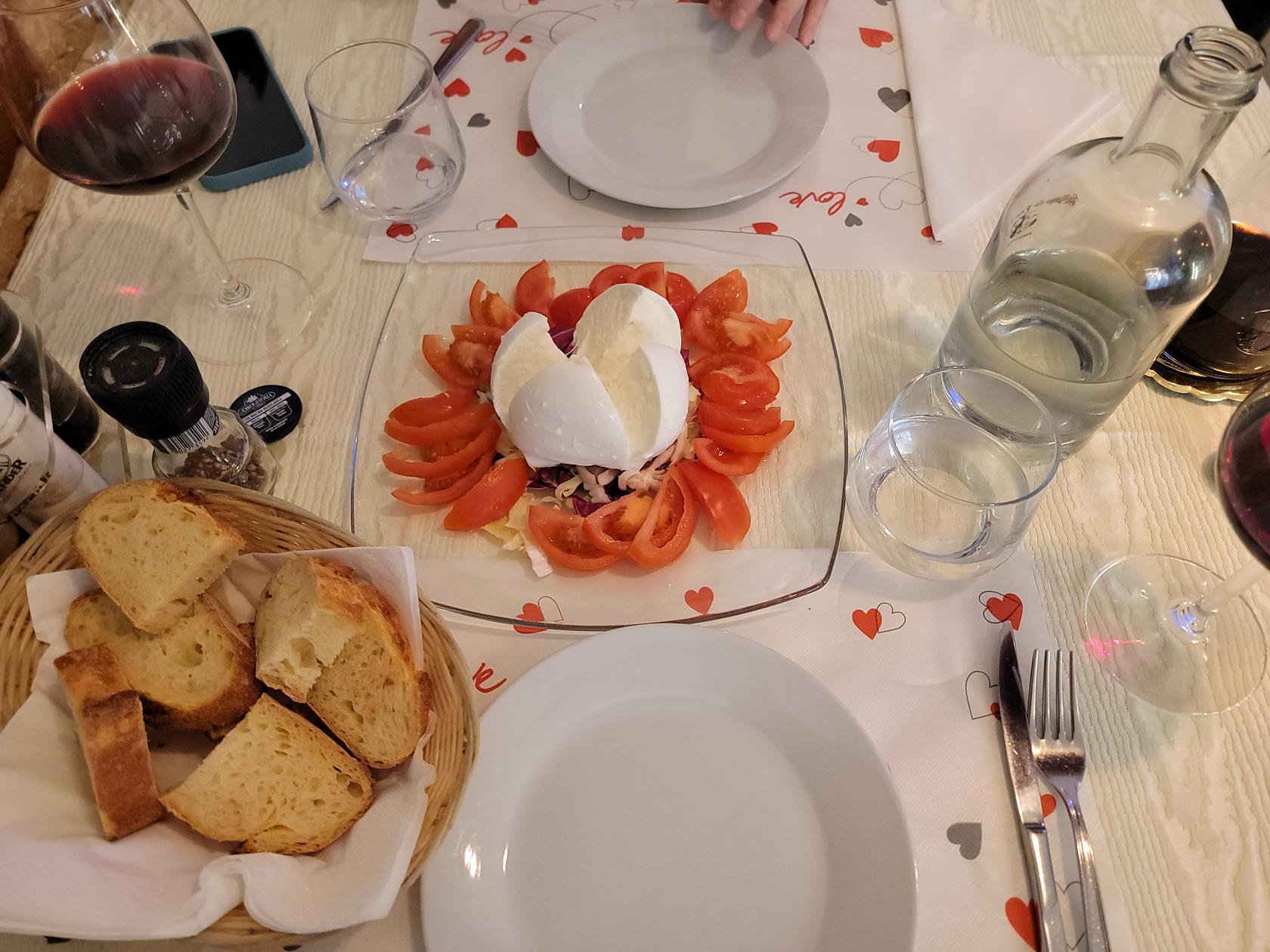
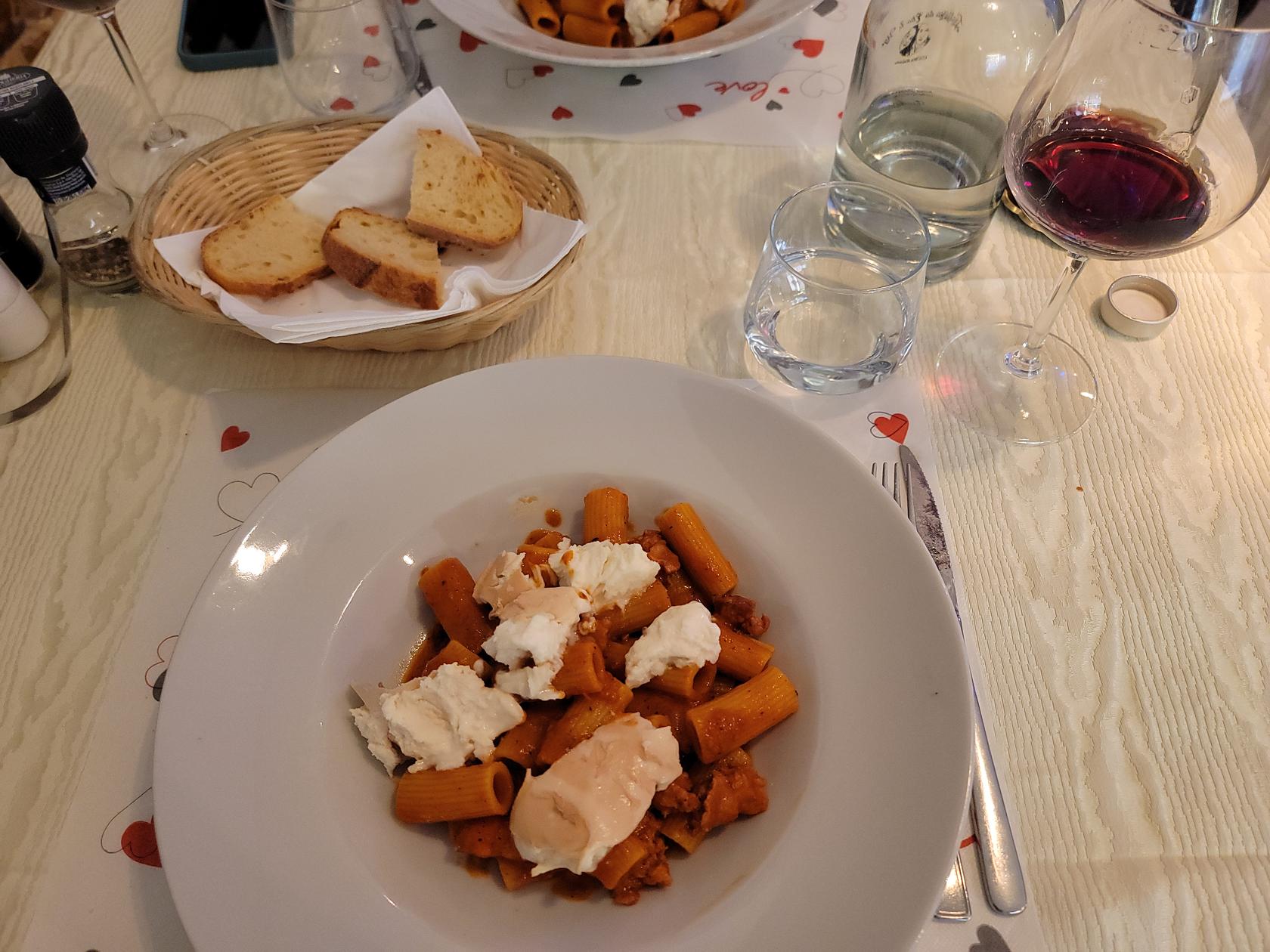
The food is very good and well portioned. The caprese is rather large and good enough for two. The pasta dishes are also fairly large and well seasoned.
Caprese – Trattoria da Elia e Ugo – Via Felice Cavallotti – Luino, Italy
Pasta Special – Trattoria da Elia e Ugo – Via Felice Cavallotti – Luino, Italy
Aside from the popular marketplace on wednesdays and the odd historical monument, there really is not much to see in Lunio. Coming from the south, it can only be commended for the odd day trip with lunch as the primary reason for the expedition, since it is rather far away and the boat service only runs roundtrip on wednesday, so plan accordingly.
Proportedly the largest in Europe, but that is not possible. The one in Turin far eclipses it in size and weekly frequency, being open every day and not just the middle of the week.
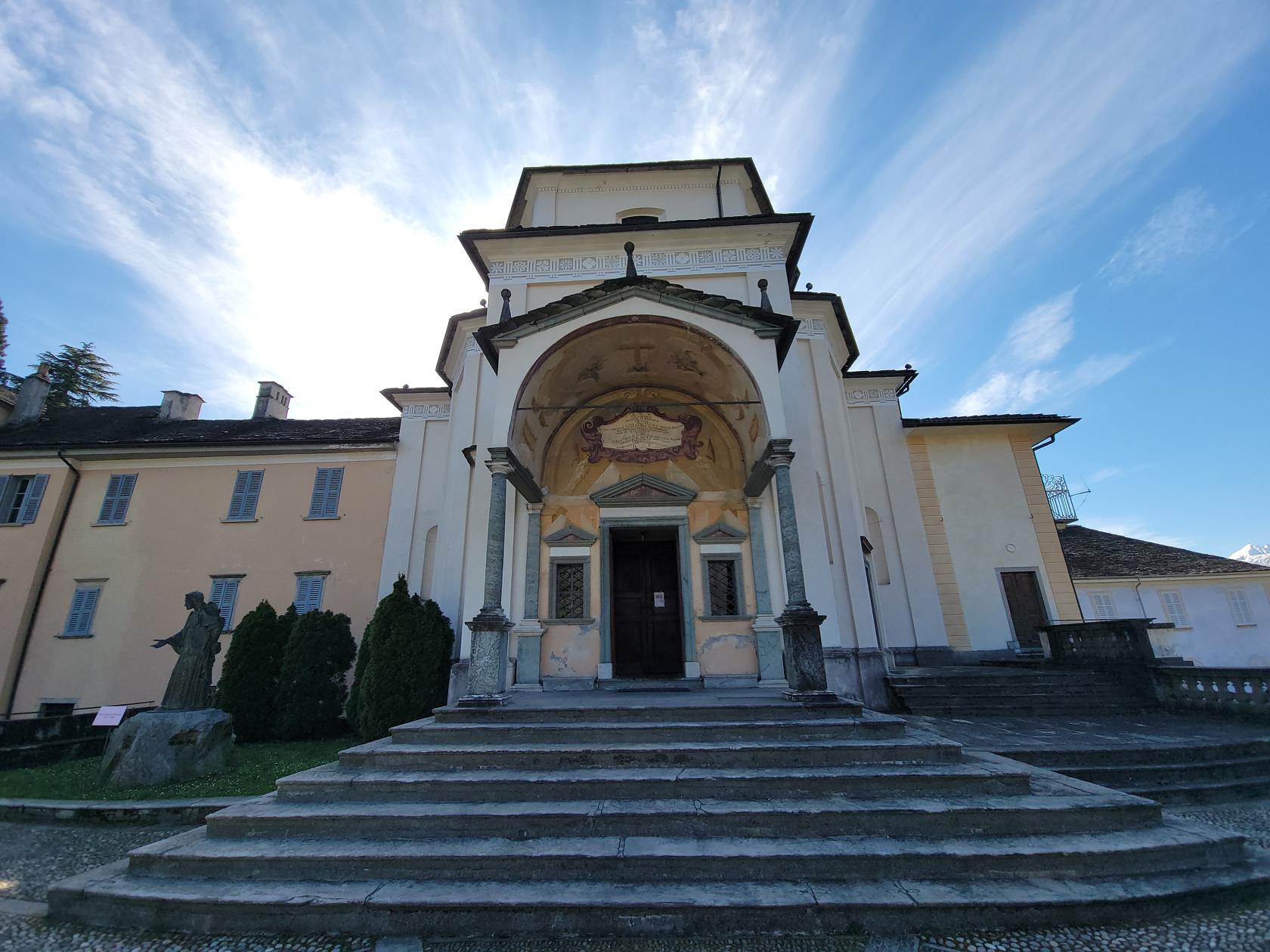
Kind of by luck and definitely by accident, we made our own religious pilgrimage on Easter Sunday. Our pre-planned trip was always to visit Domodossola, but only included our walk up the Via Calvario as an aside, or suggestion, if we had time. It ended up being the perfect event on a near perfect day, at least with respect to the weather.
Domodossola
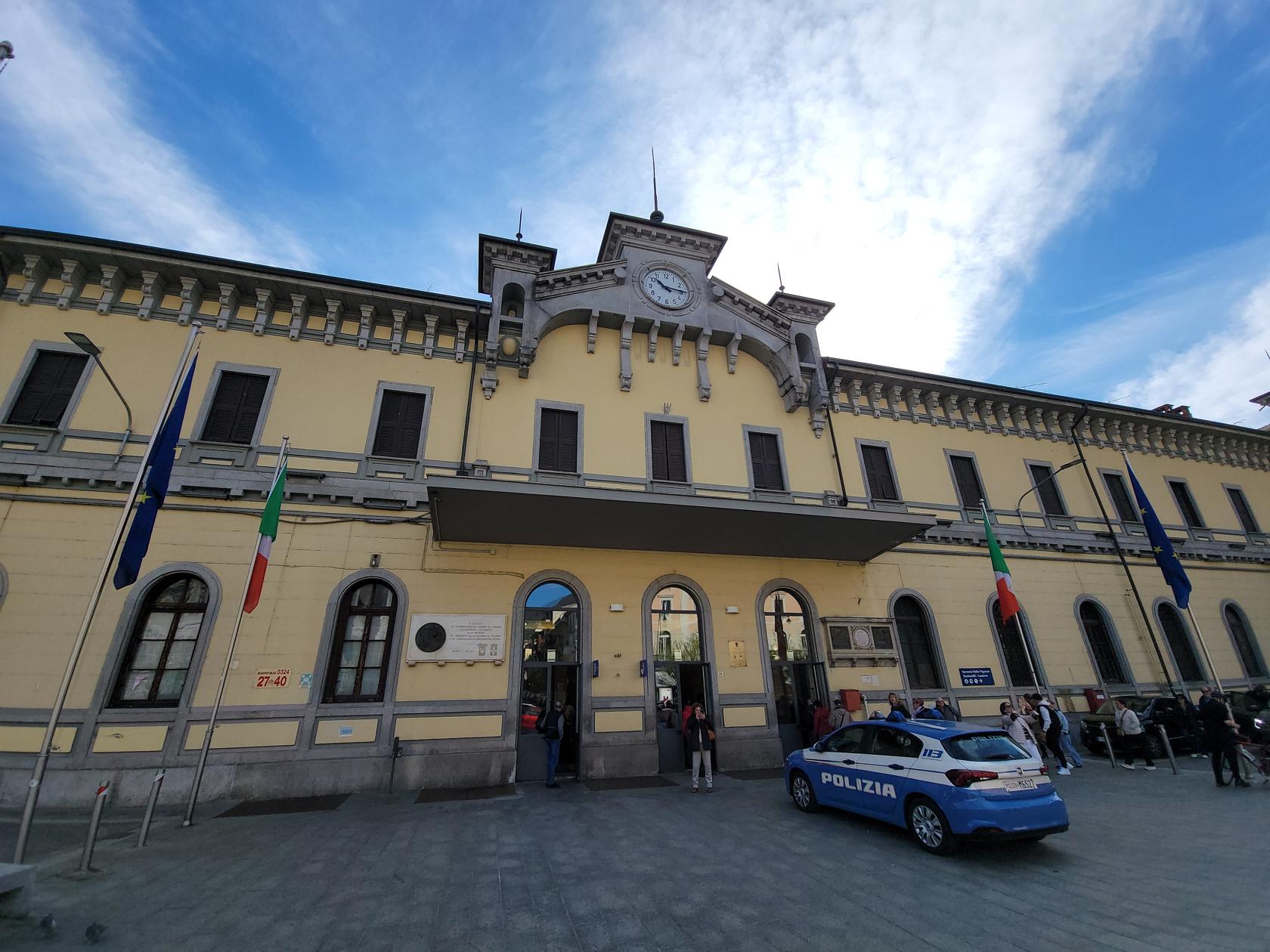
A large city at the top edge of Italy with Switzerland. It is the last stop on the train line from Italy into its neighboring country. It is an odd mix of new with some very old parts. The streets are very clean and well maintained. Some of the buildings date back to Columbus’ day and actually look it.
Via Giovanni Capis – Domodossola, Italy
Entrance – Collegiata dei Santi Gervaso e Protaso – Via Giovanni Capis – Domodossola, Italy
Nave – Collegiata dei Santi Gervaso e Protaso – Via Giovanni Capis – Domodossola, Italy
Narrow Streets – Domodossola, Italy
The city has the usual fountains and piazzas. Since it was a holiday, all museums and other tourist related buildings and facilities were closed. However, we did find some shops and restaurants that would normally be closed on a Sunday, open.
Piazza Fountana – Domodossola, Italy
One Of The Main Streets – Domodossola, Italy
Buildings Of All Shapes And Sizes – Domodossola, Italy
Very Old Building – Domodossola, Italy
Beautifully Cobbled Streets – Domodossola, Italy
Pretty Architecture – Domodossola, Italy
Getting There
We took one of the Regional Express trains from Stresa and we were there within a half an hour. Unexpectedly, we were stopped by police inside the train station after we got off the train. I guess it was probably because there were no other IC or EC trains going into Switzerland, so they had nothing better to do. They asked me for my travel documents and luckily I had my new wallet sized US passport. They took a photograph of it, exclaimed that it was the first time they saw one and let me pass. My wife told them all she had was a driver’s license, but the quickly looked at her and said no problem, go through. Yeah, they don’t profile in Italy. So, if you are traveling close to the Swiss border in Italy, bring your passport and travel documents, you never know, you might be stopped!
On Our Way To Domodossola – Train Station – Stresa, Italy
Train Station – Domodossola, Italy
Train Station – Domodossola, Italy
Streets – Domodossola, Italy
Monte Calvario
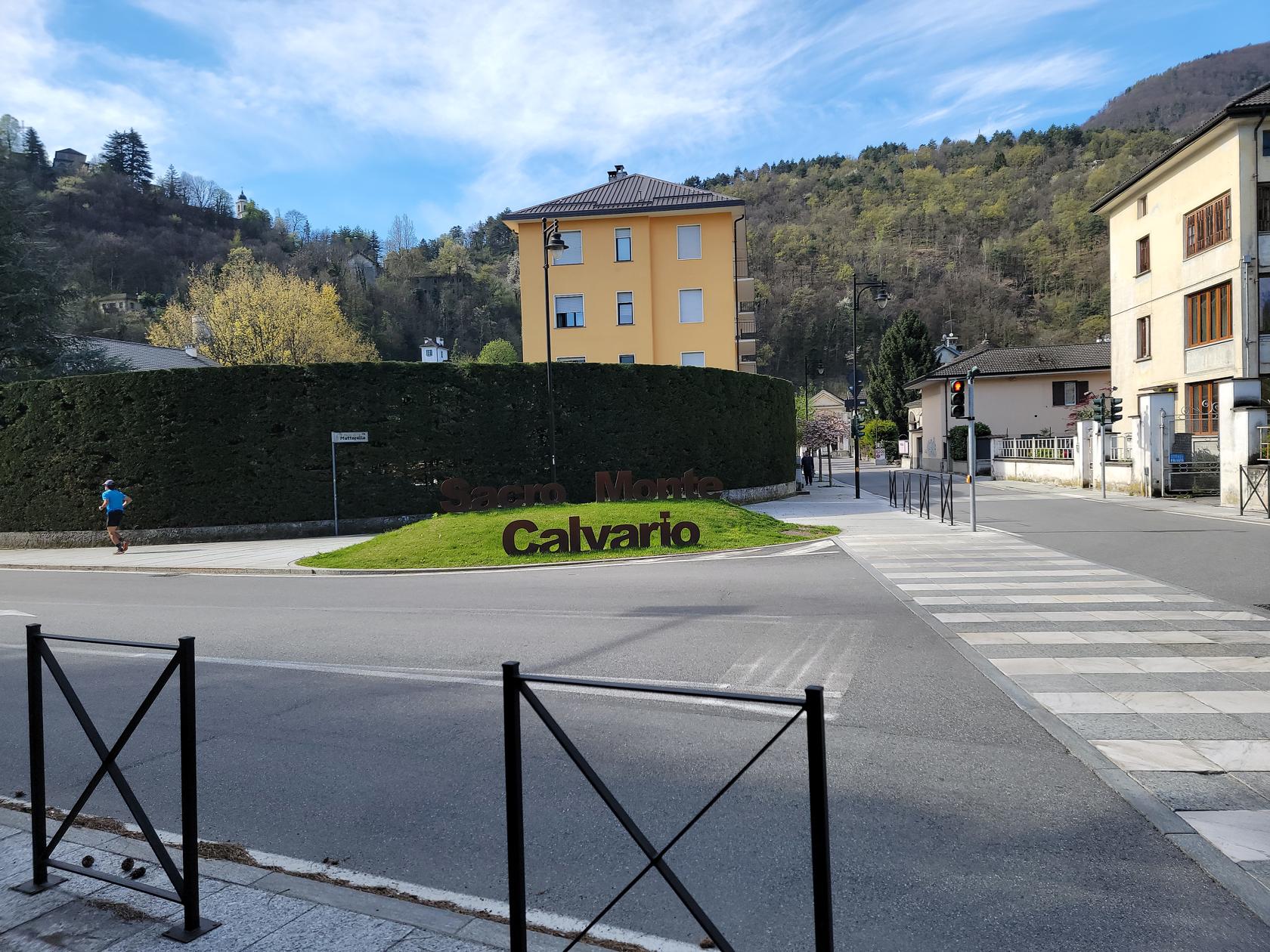
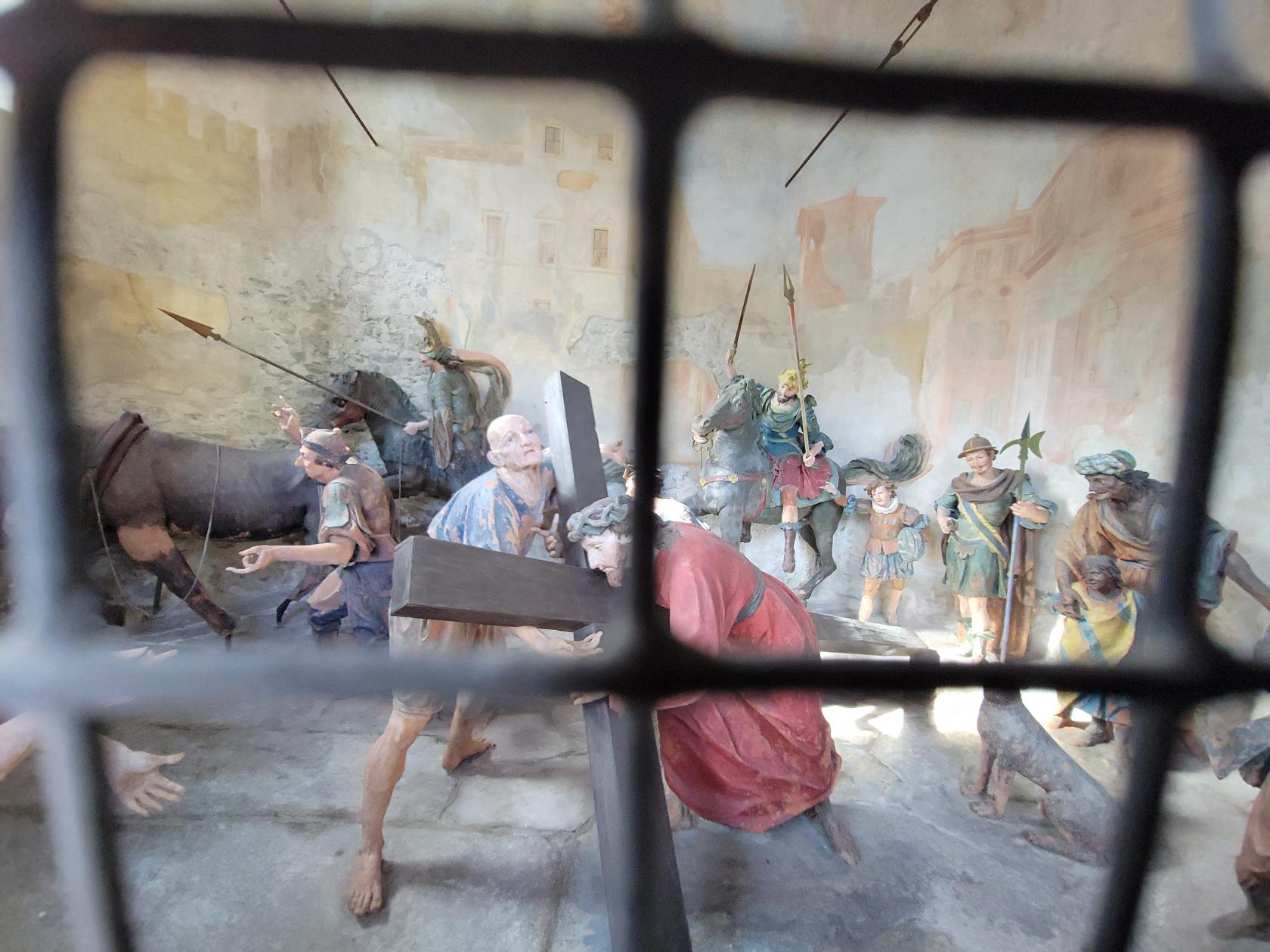
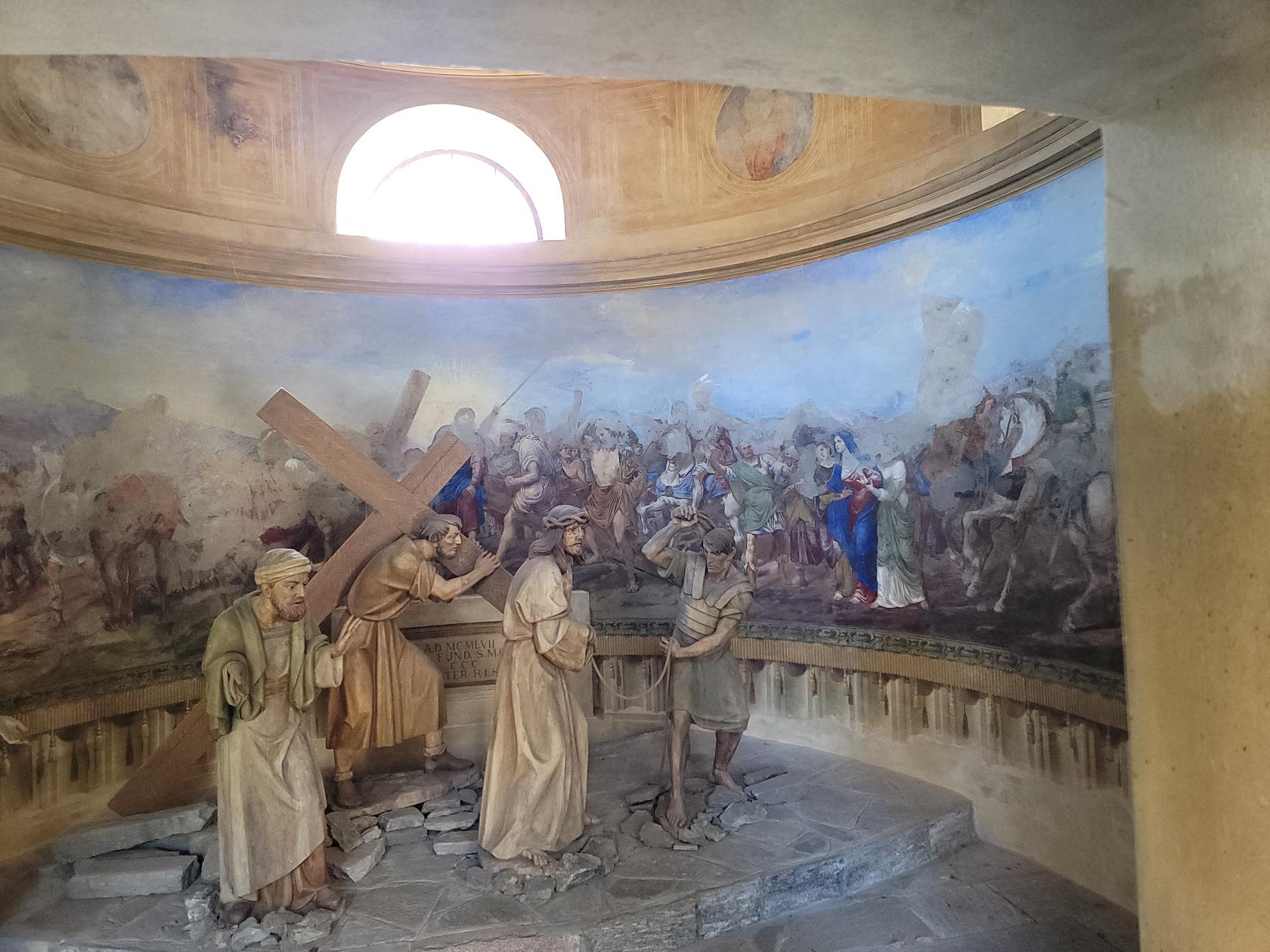
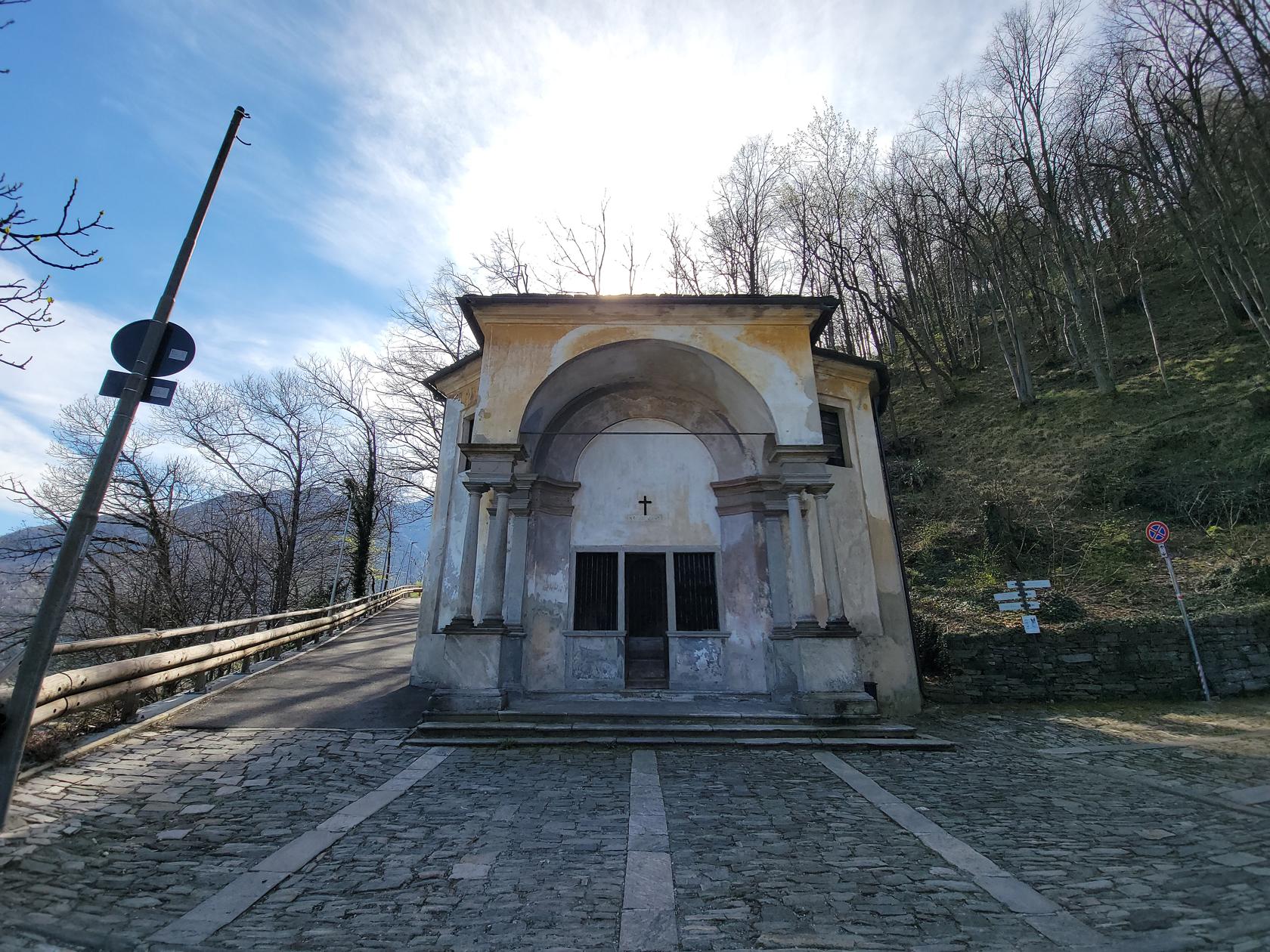
To see the fifteen chapels and stations of the cross, you have to climb Monte Calvario. You arrive at the mount by the Via Calvario, a street which can be found off the Via Matterella.
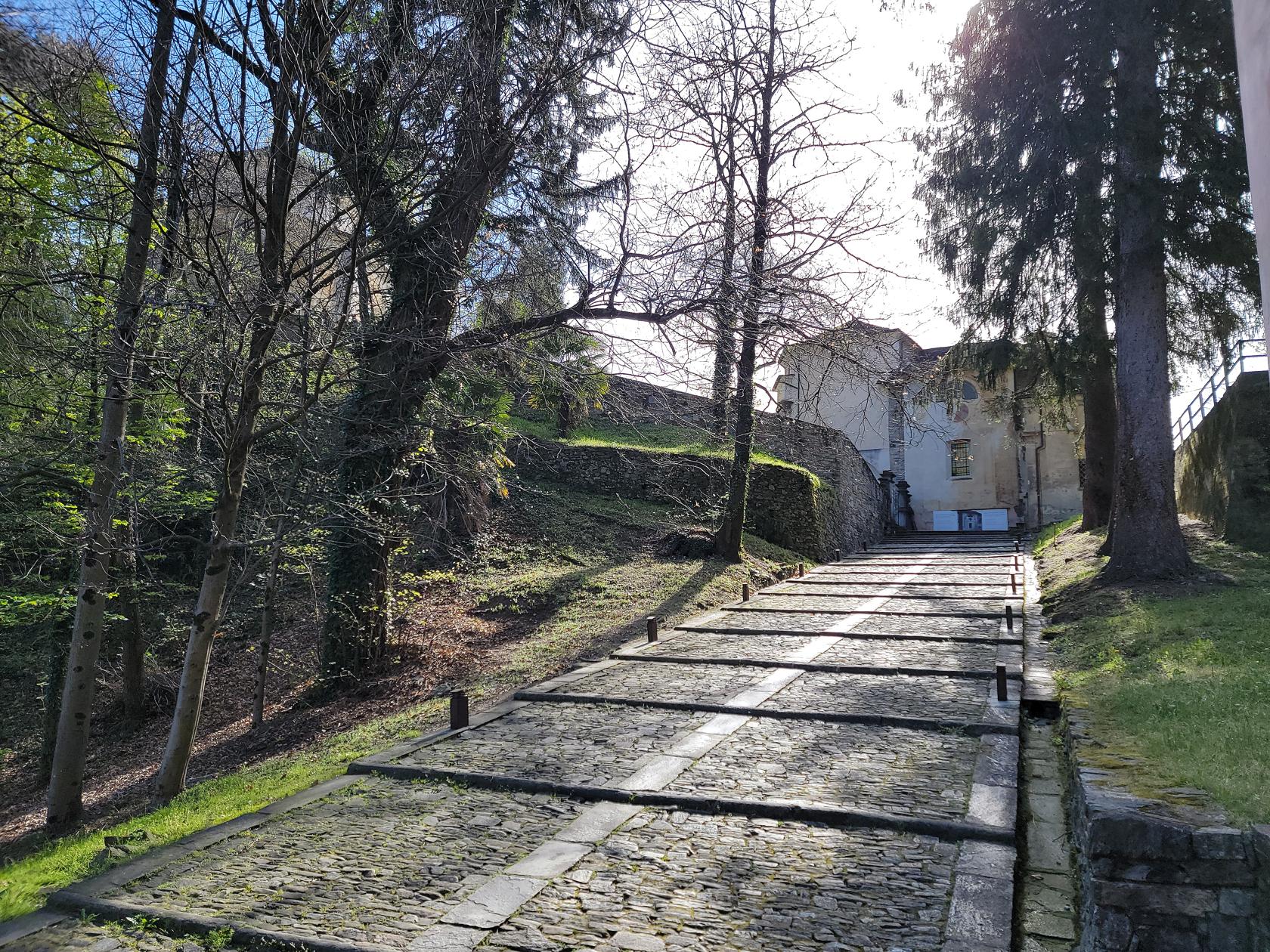
Via al Calvario – Domodossola, Italy
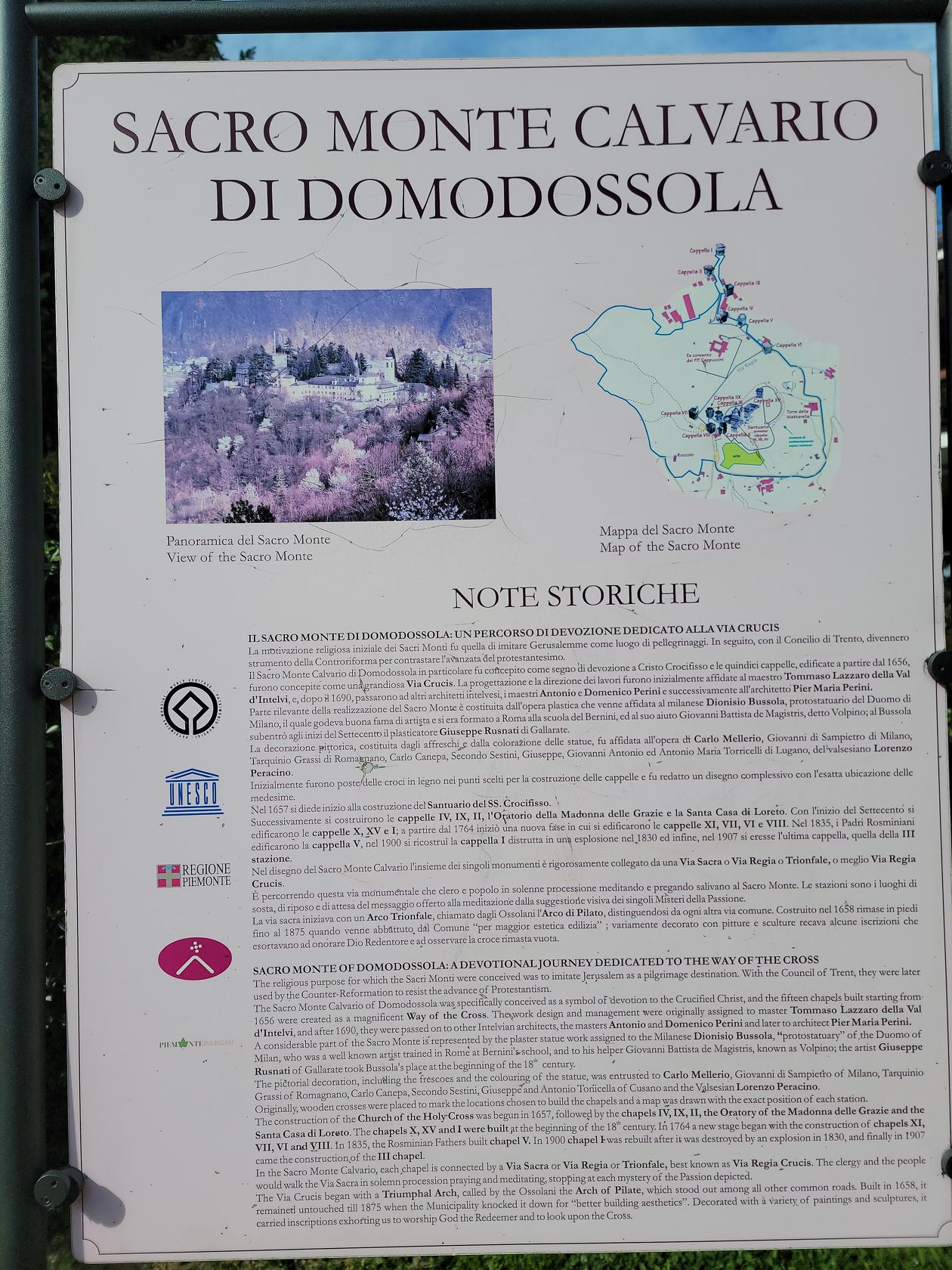
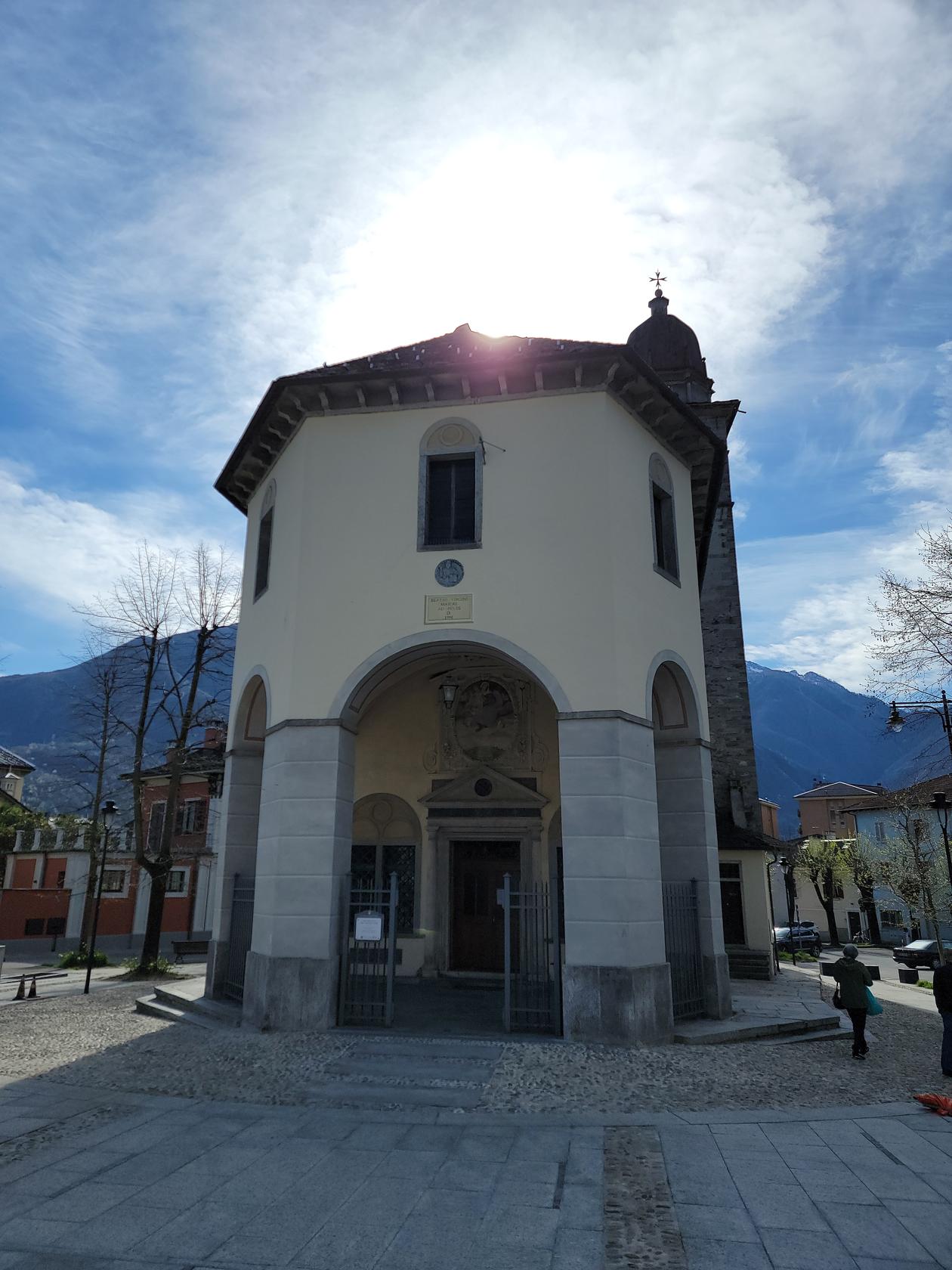
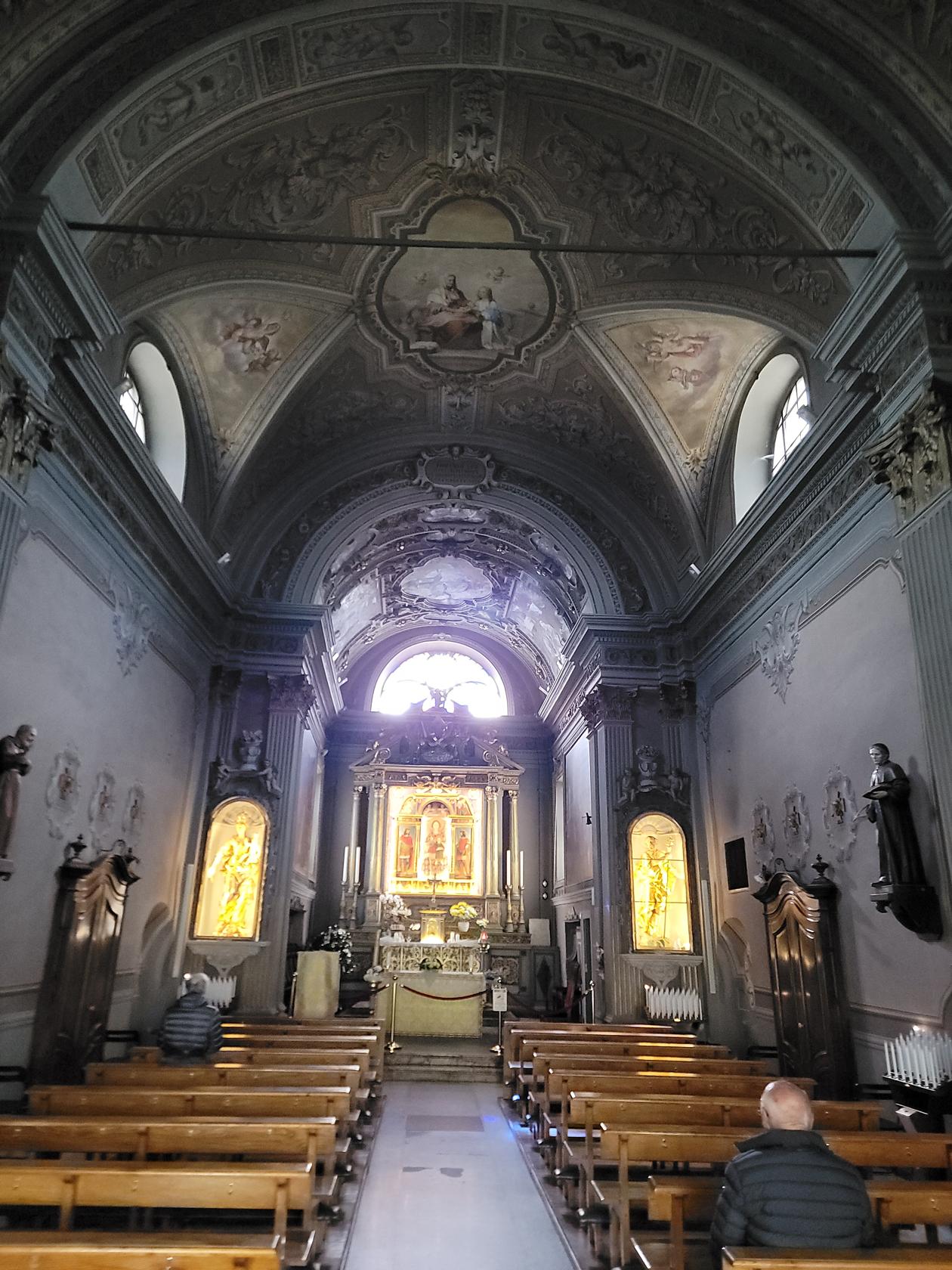
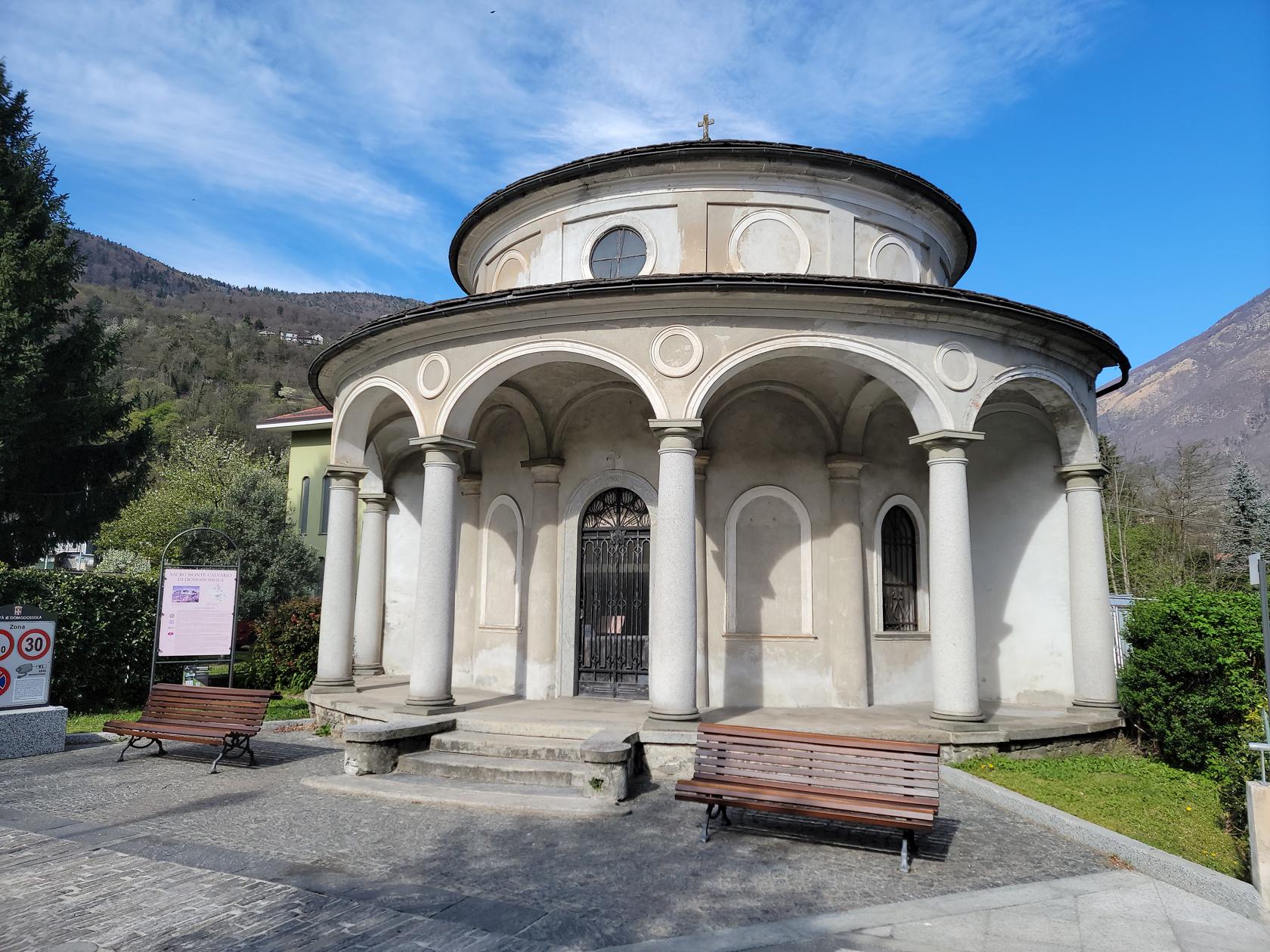
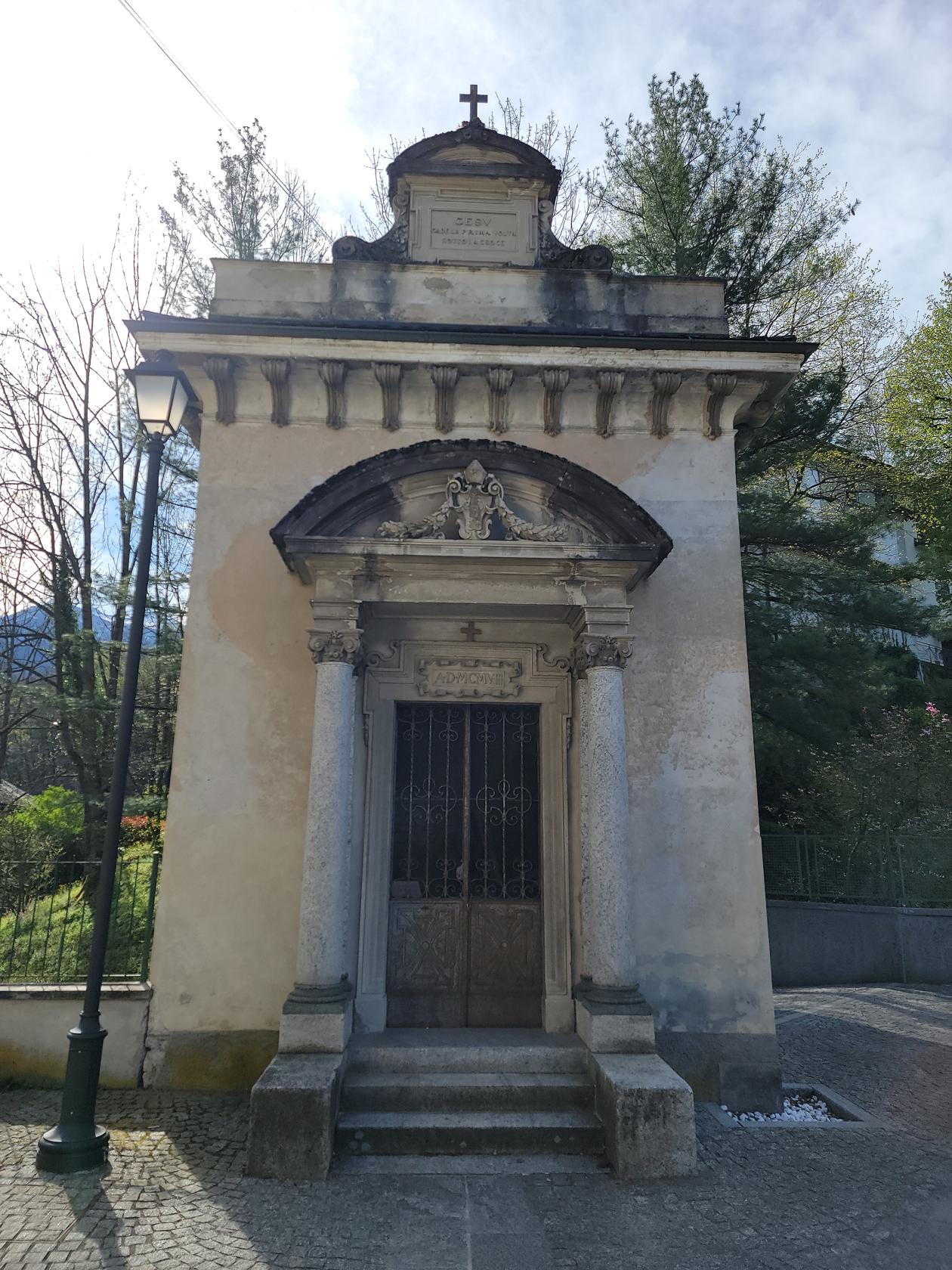
The first thing you will see is a small church or chapel with a large sign explaining the origins, history and design of the entire idea.
Church – Via al Calvario – Domodossola, Italy
Church – Via al Calvario – Domodossola, Italy
Doors on the Church – Via al Calvario – Domodossola, Italy
Doors on the Church – Via al Calvario – Domodossola, Italy
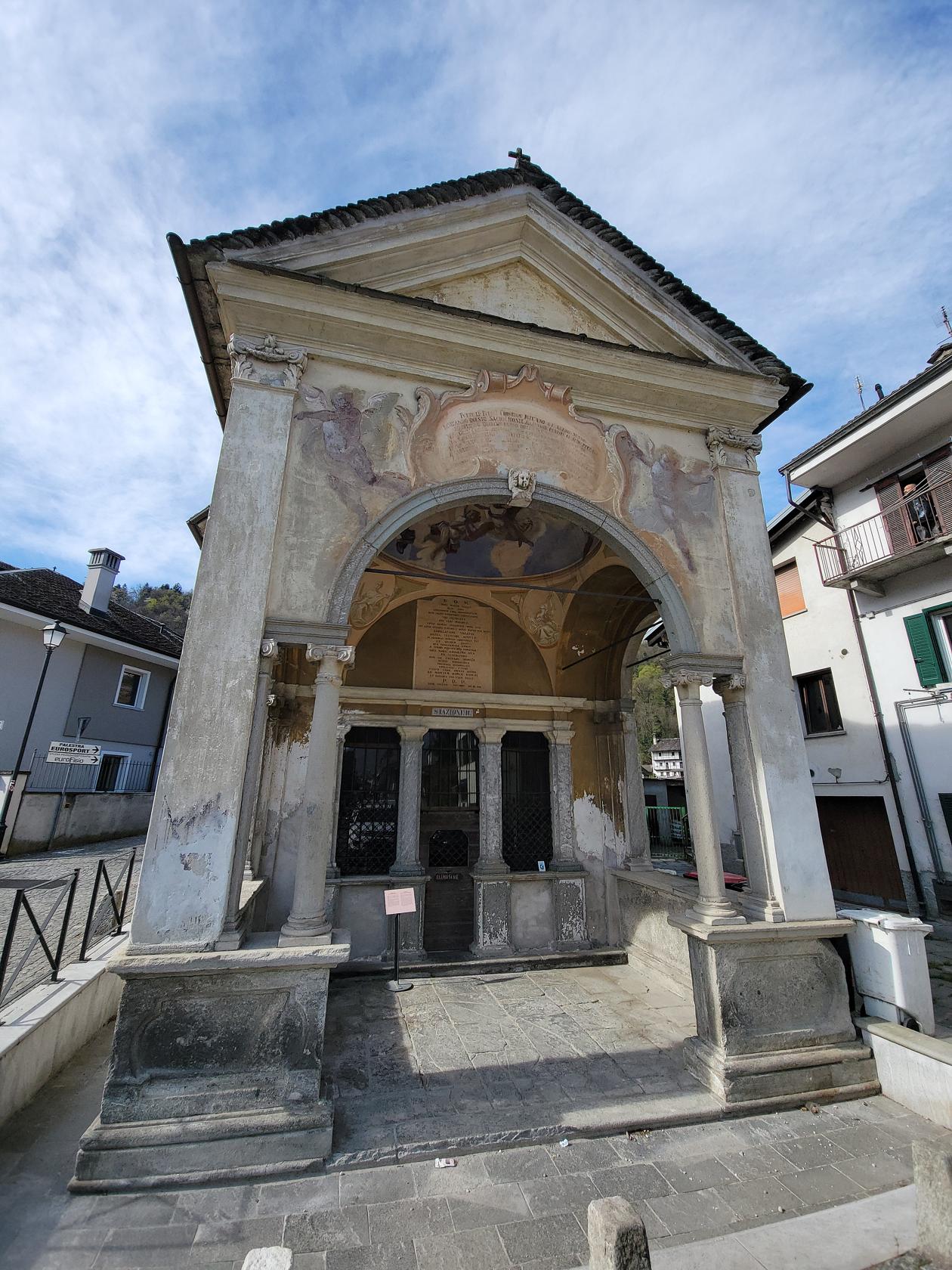
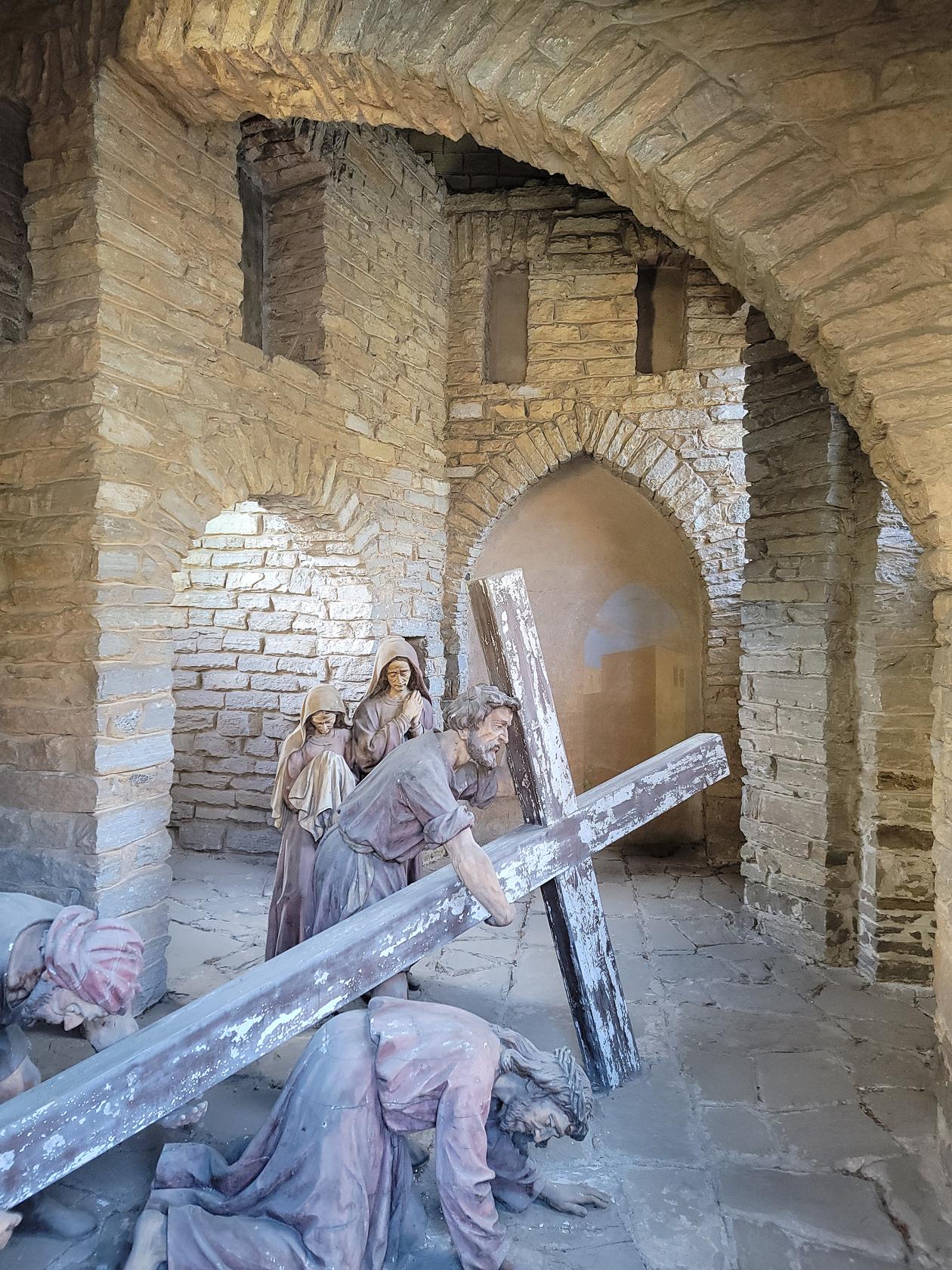
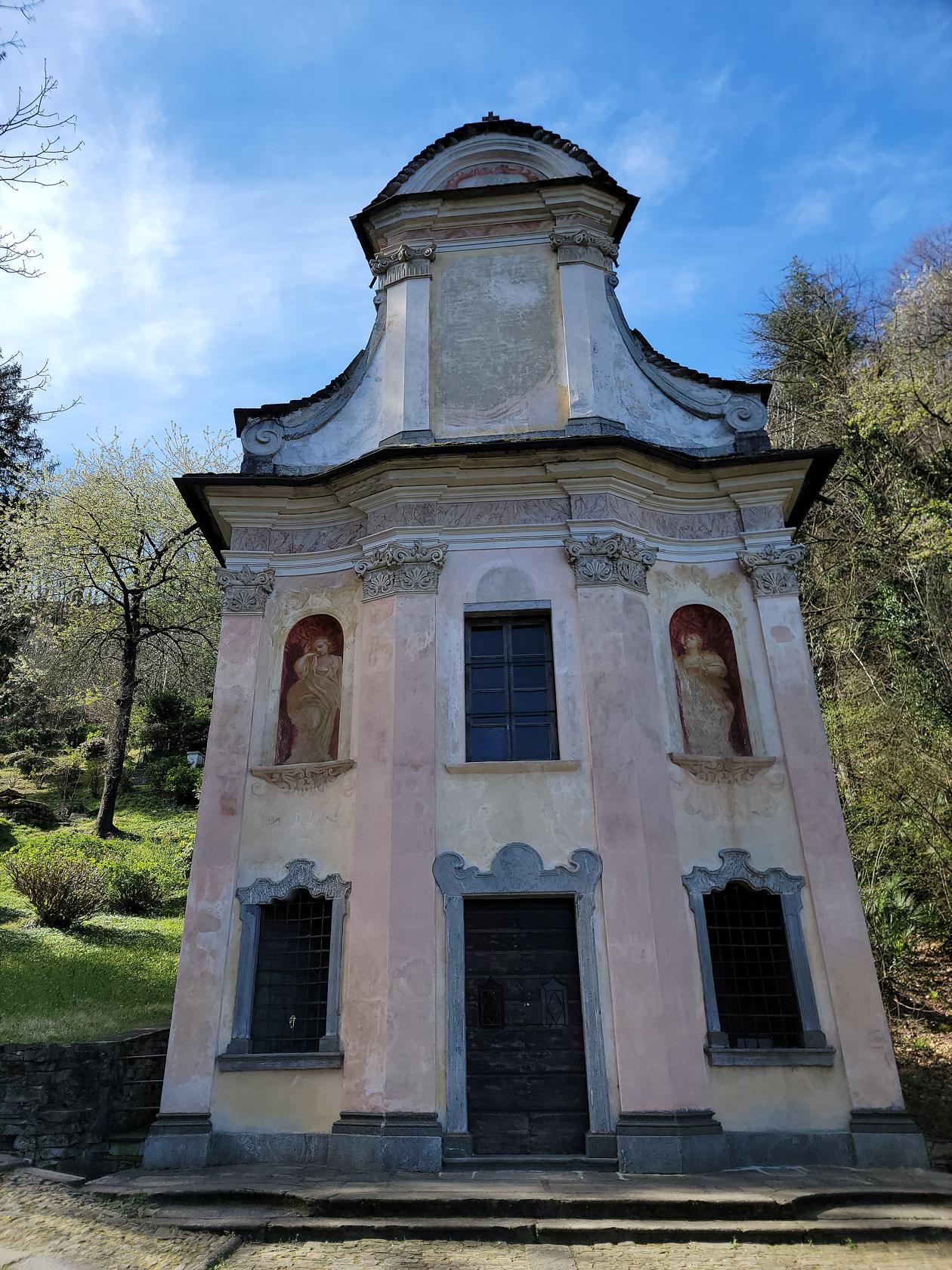
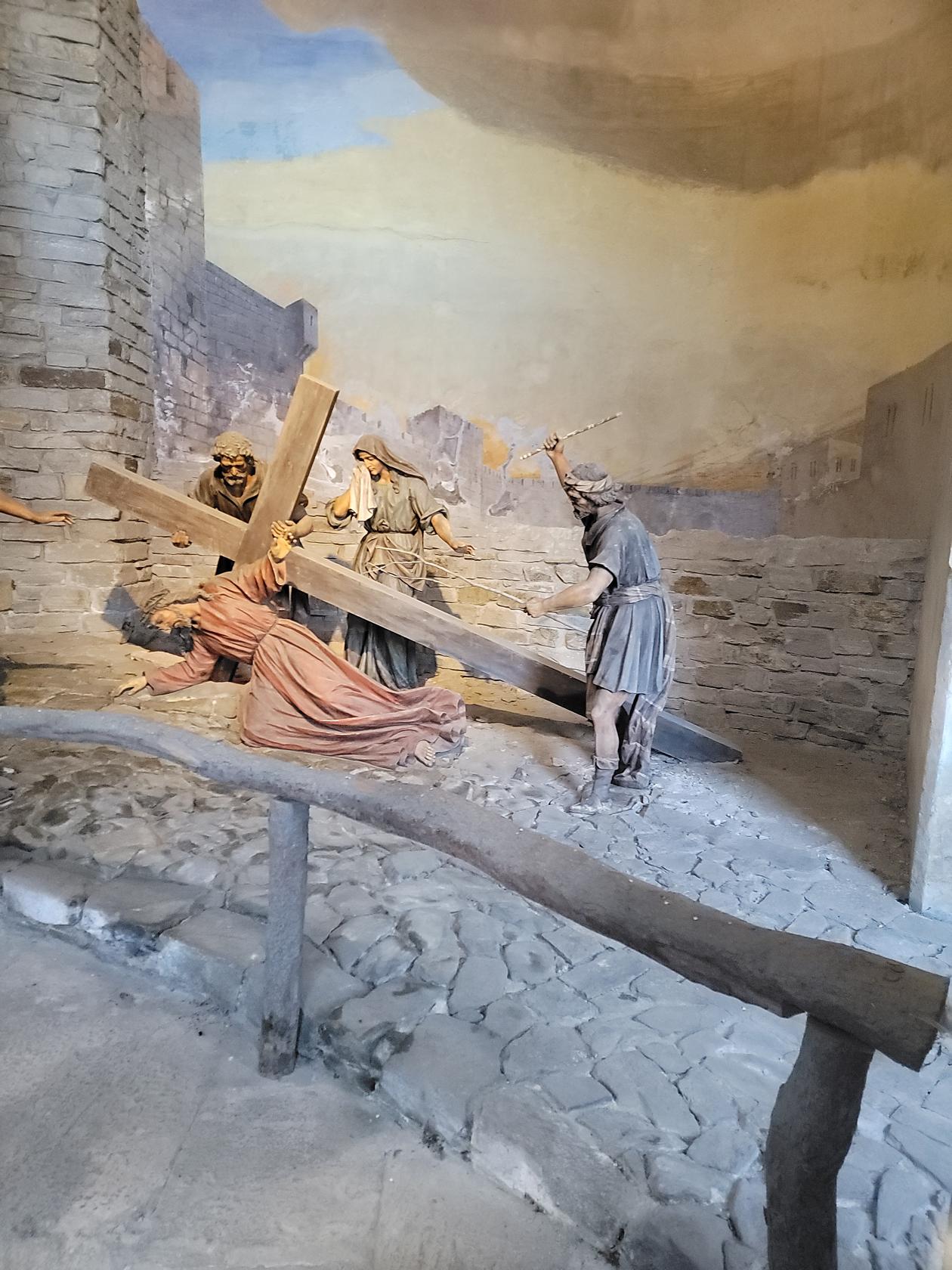
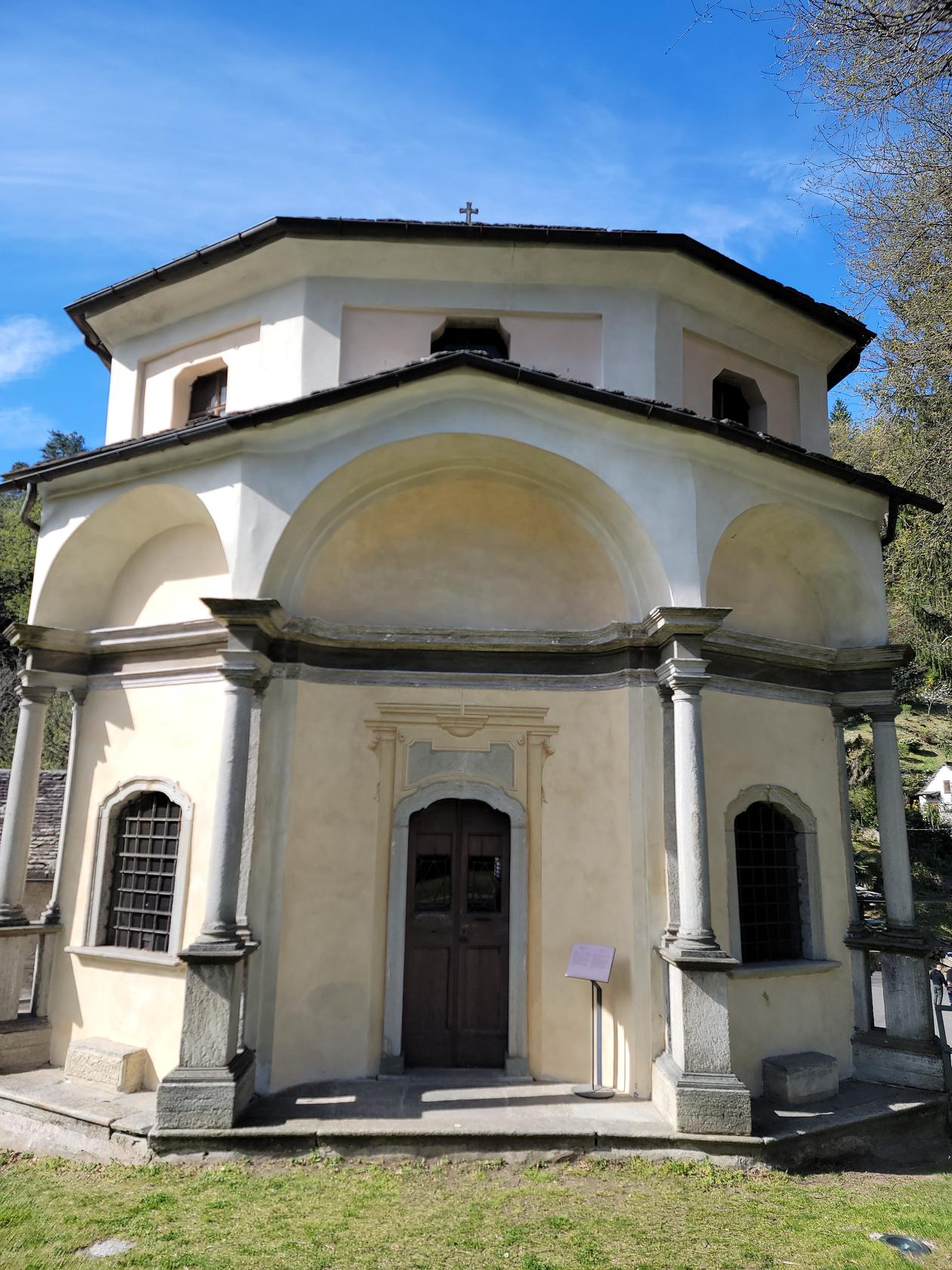
A bit further down this road will be the start of the Via Calvario. At first, the first four chapels come fast and furious.
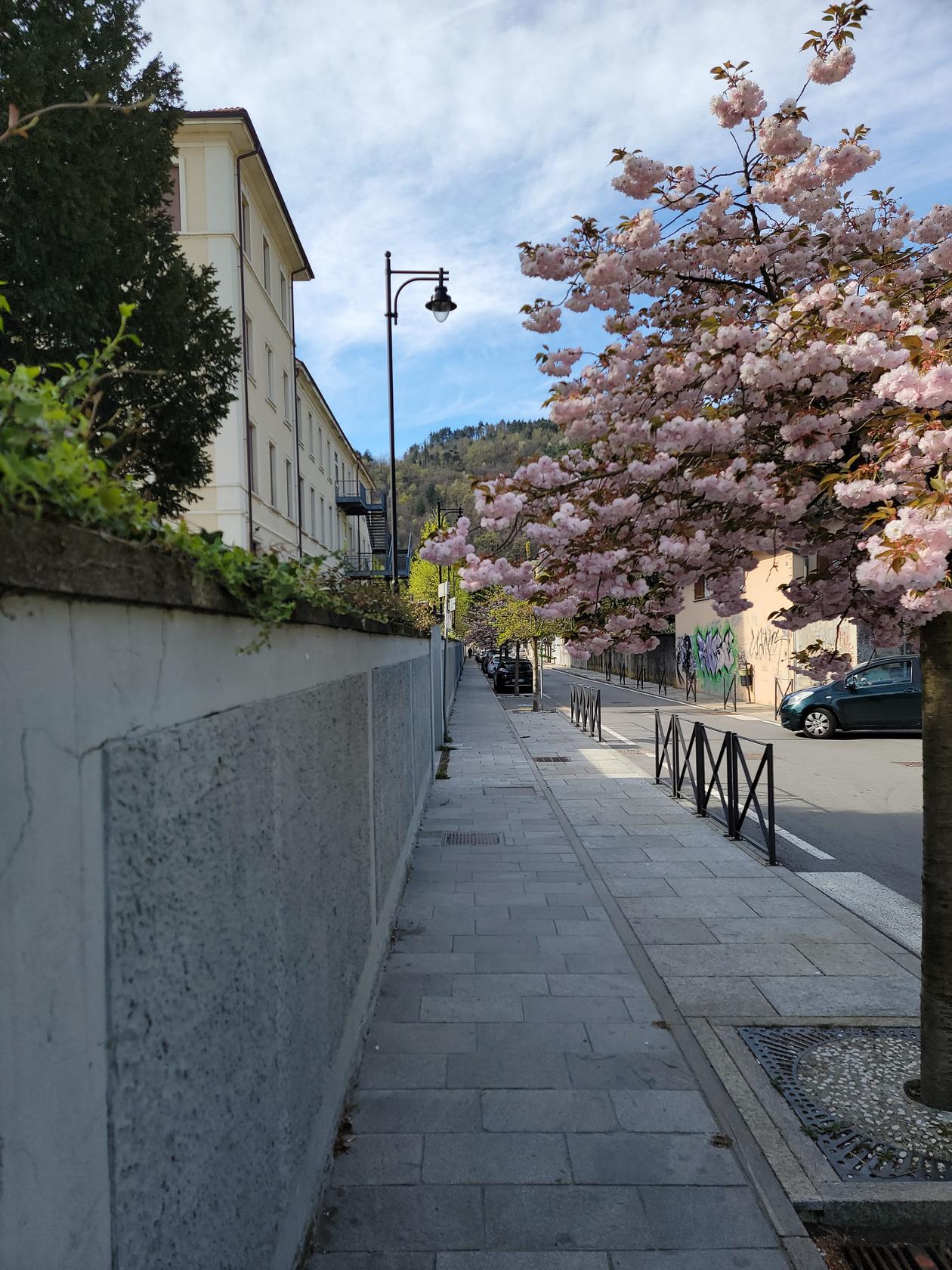
Cherry Trees – Via al Calvario – Domodossola, Italy
Crossing to Monte Calvario – Via al Calvario – Domodossola, Italy
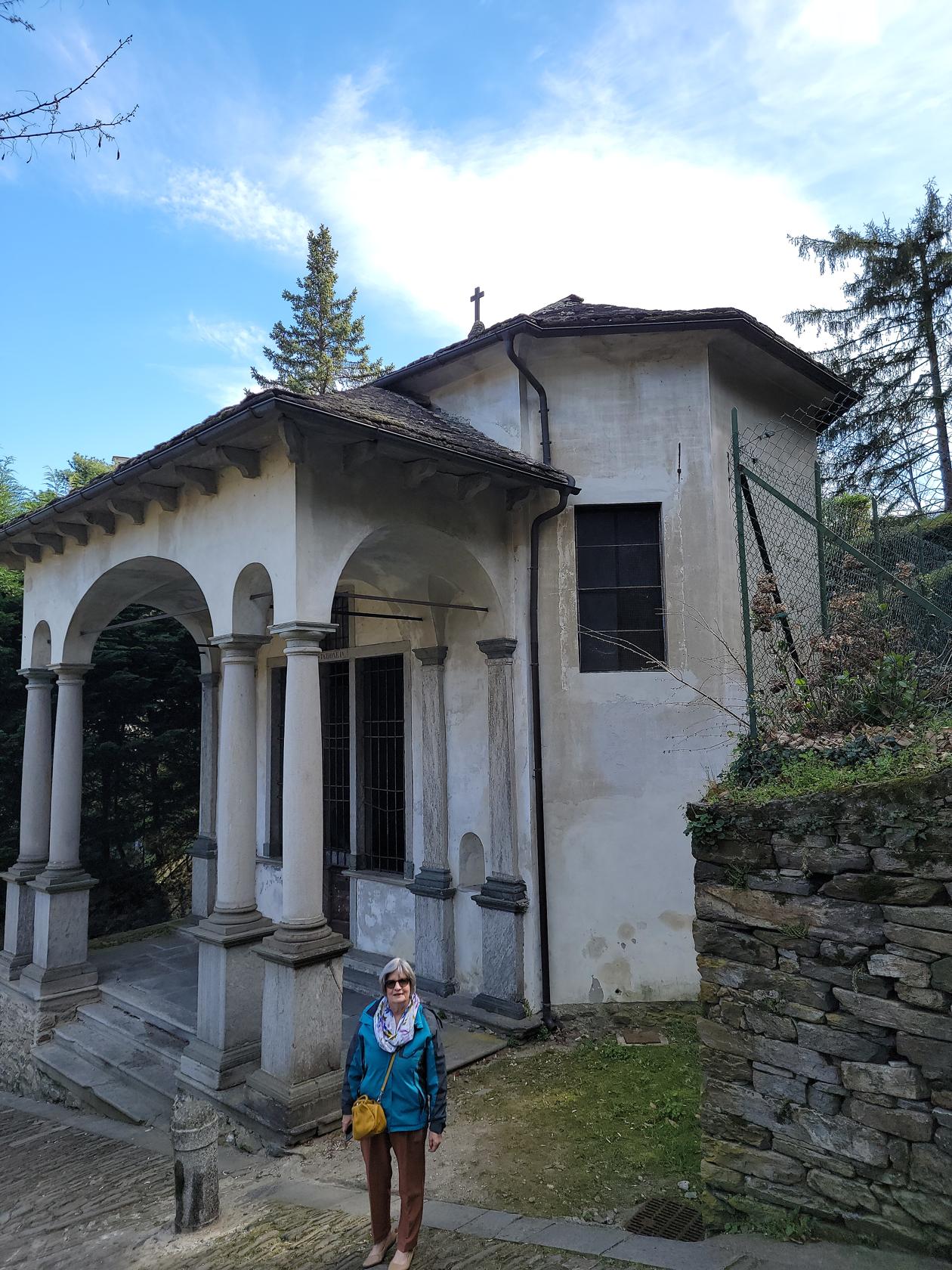
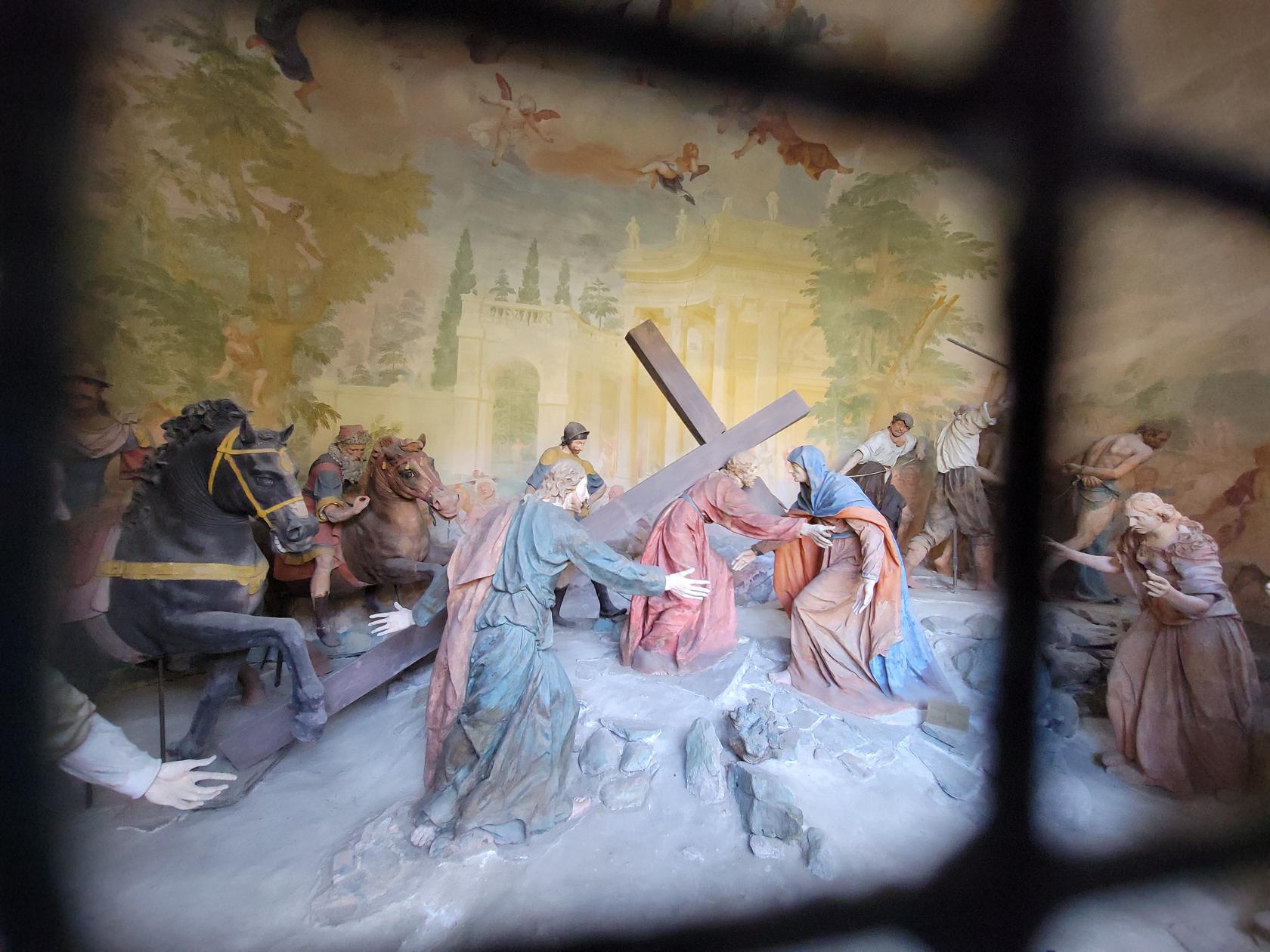
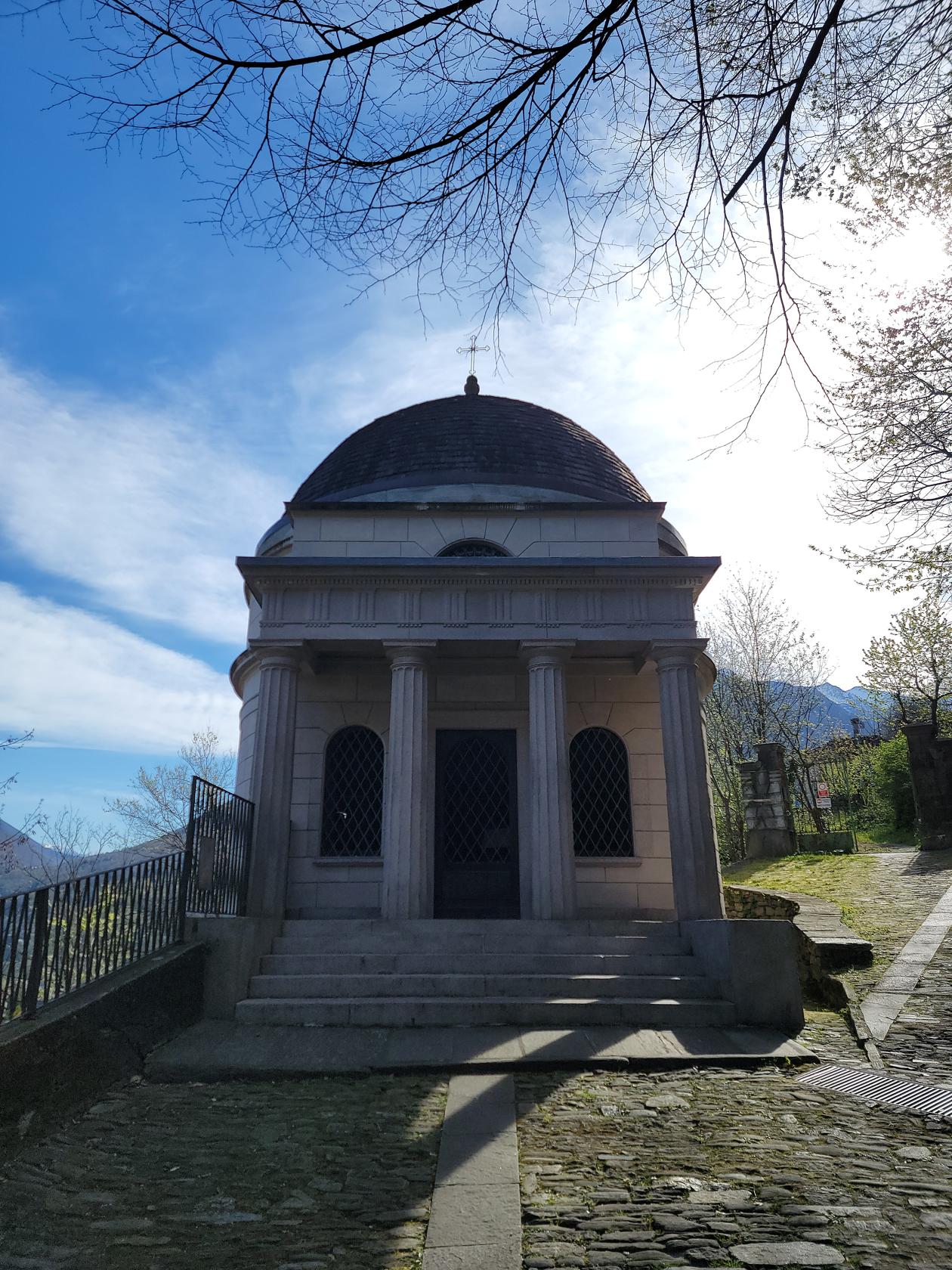
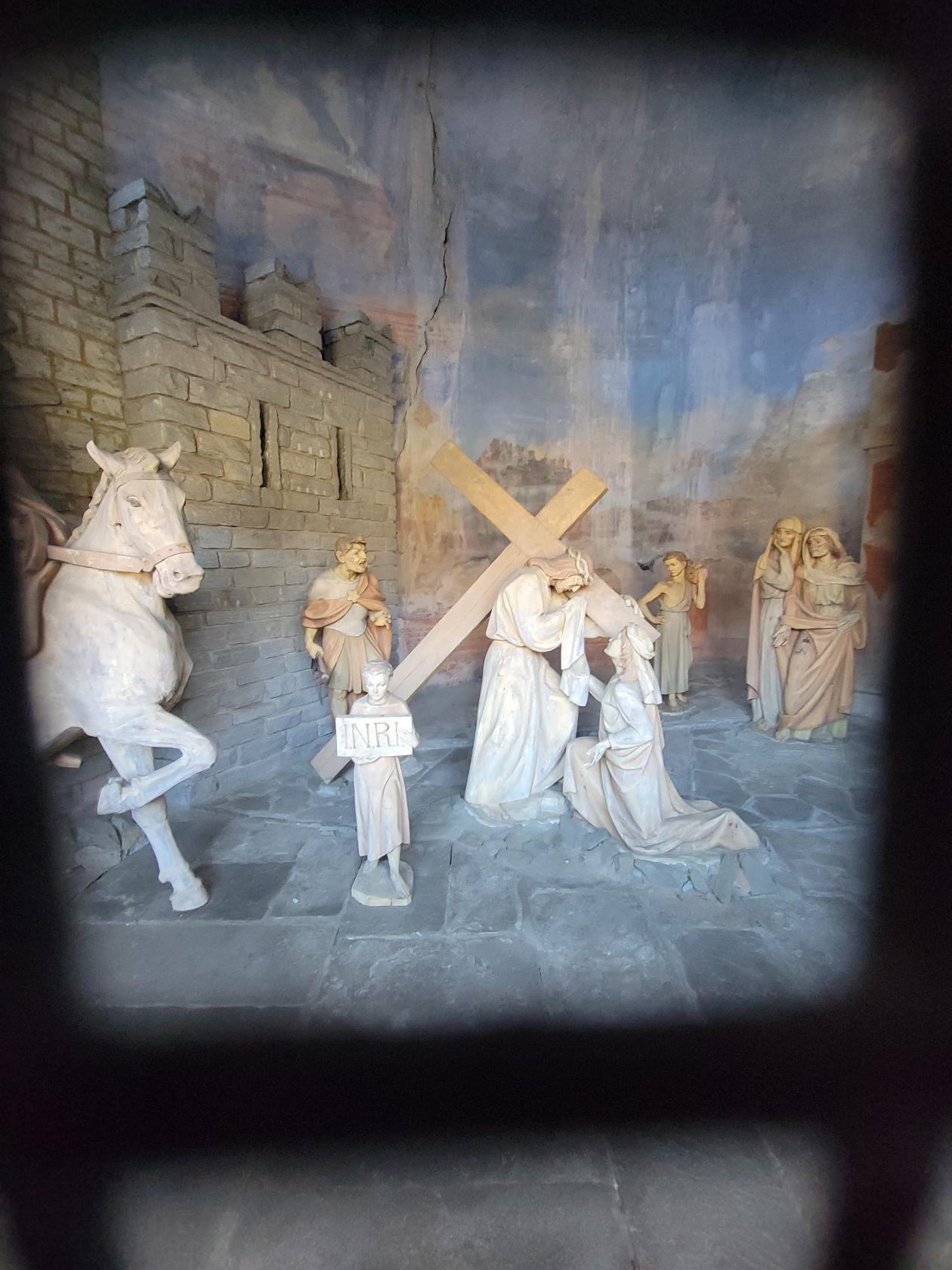
Chapel – First Station – Via al Calvario – Domodossola, Italy
Mountains – Via al Calvario – Domodossola, Italy
Chapel – Second Station – Via al Calvario – Domodossola, Italy
Chapel – Second Station – Via al Calvario – Domodossola, Italy
Chapel – Third Station – Via al Calvario – Domodossola, Italy
Chapel – Third Station – Via al Calvario – Domodossola, Italy
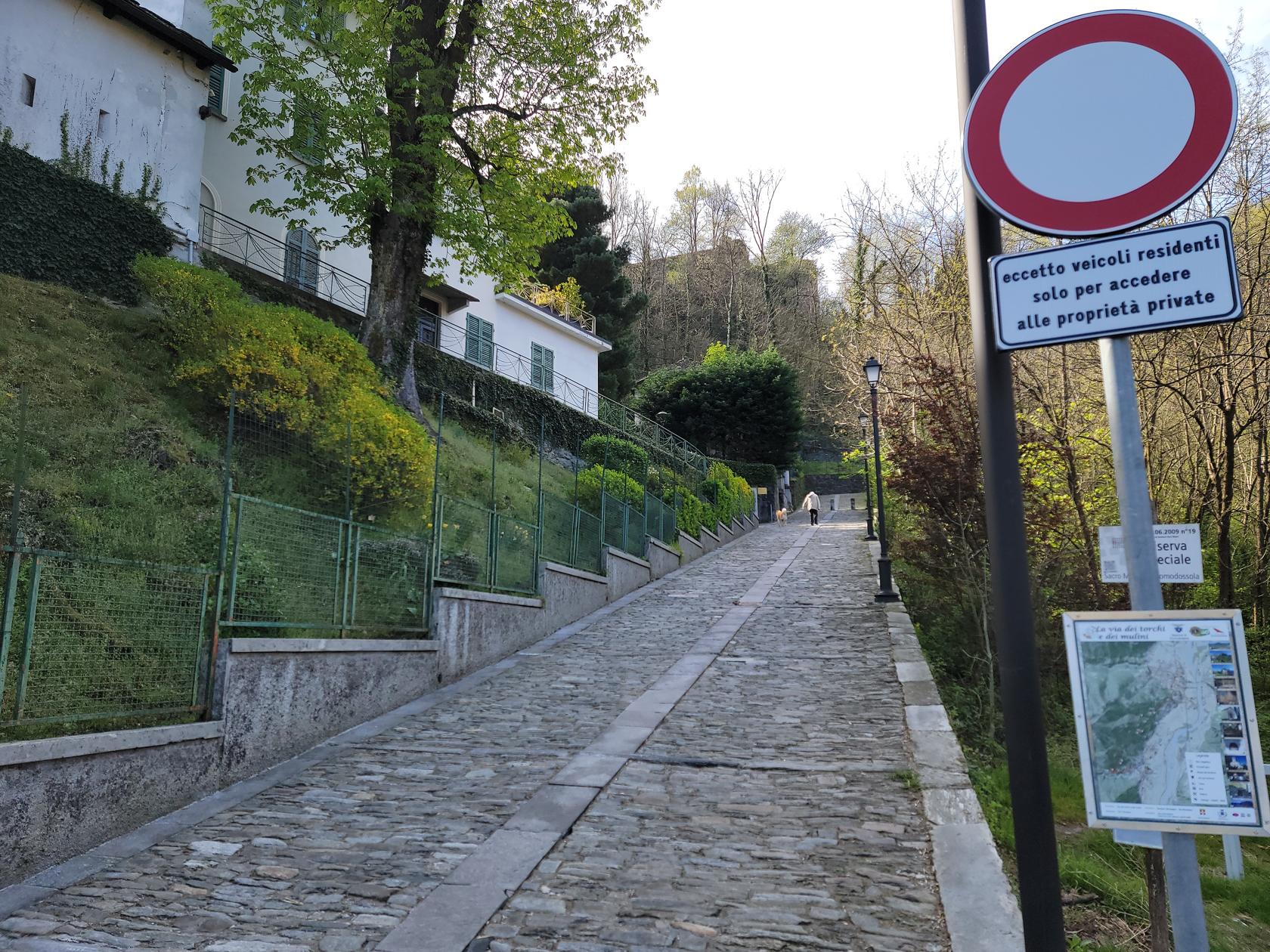
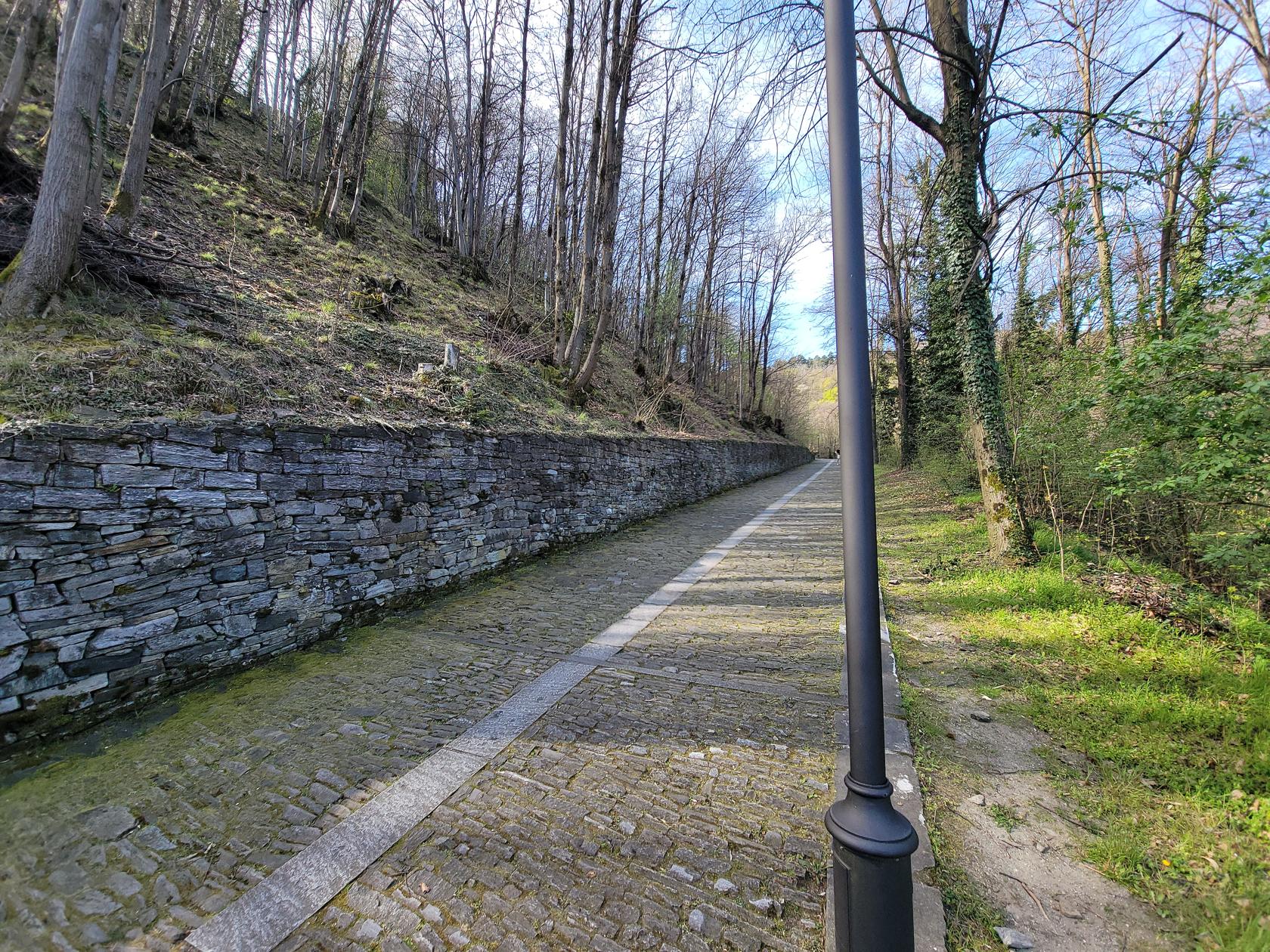
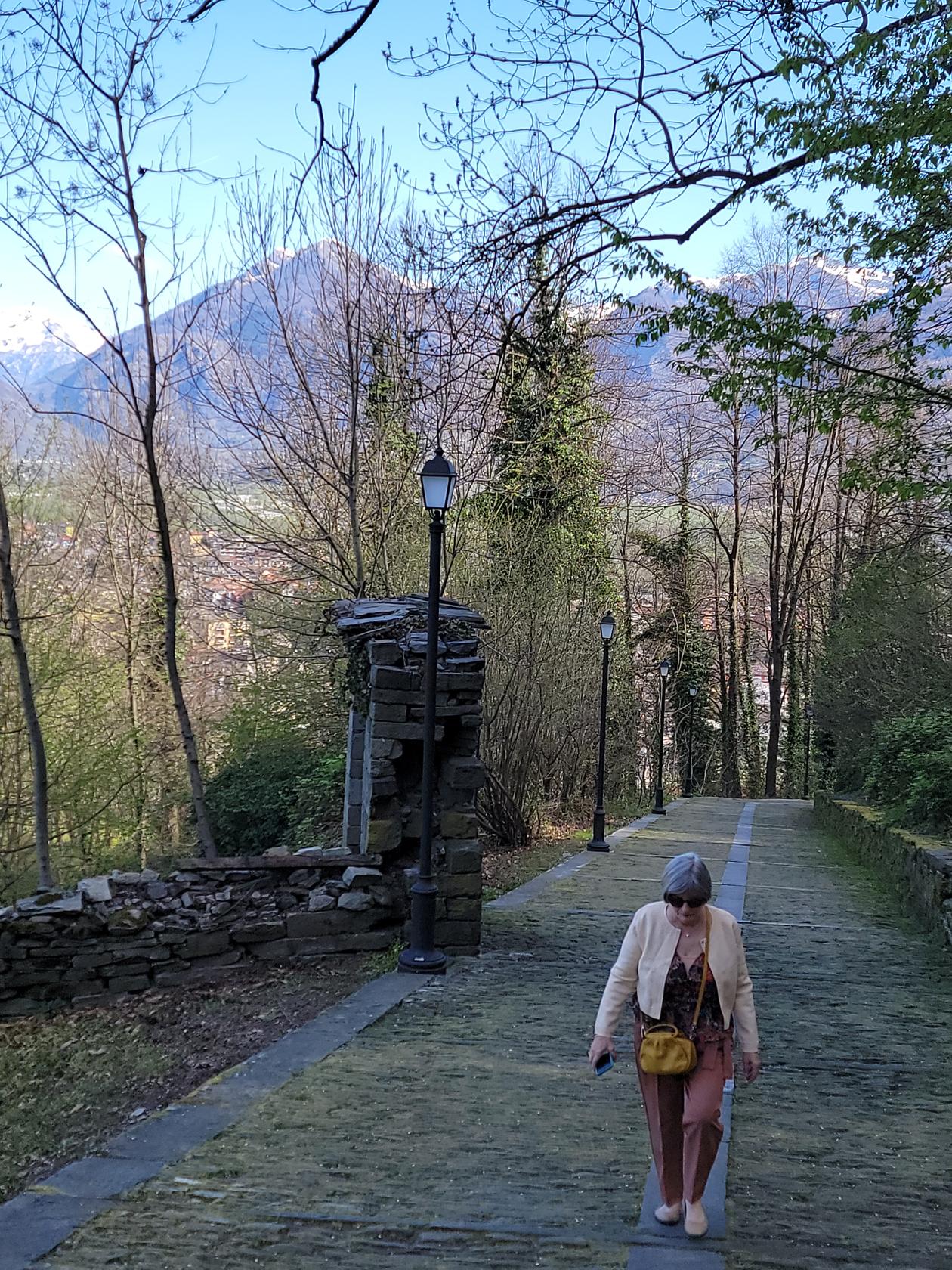
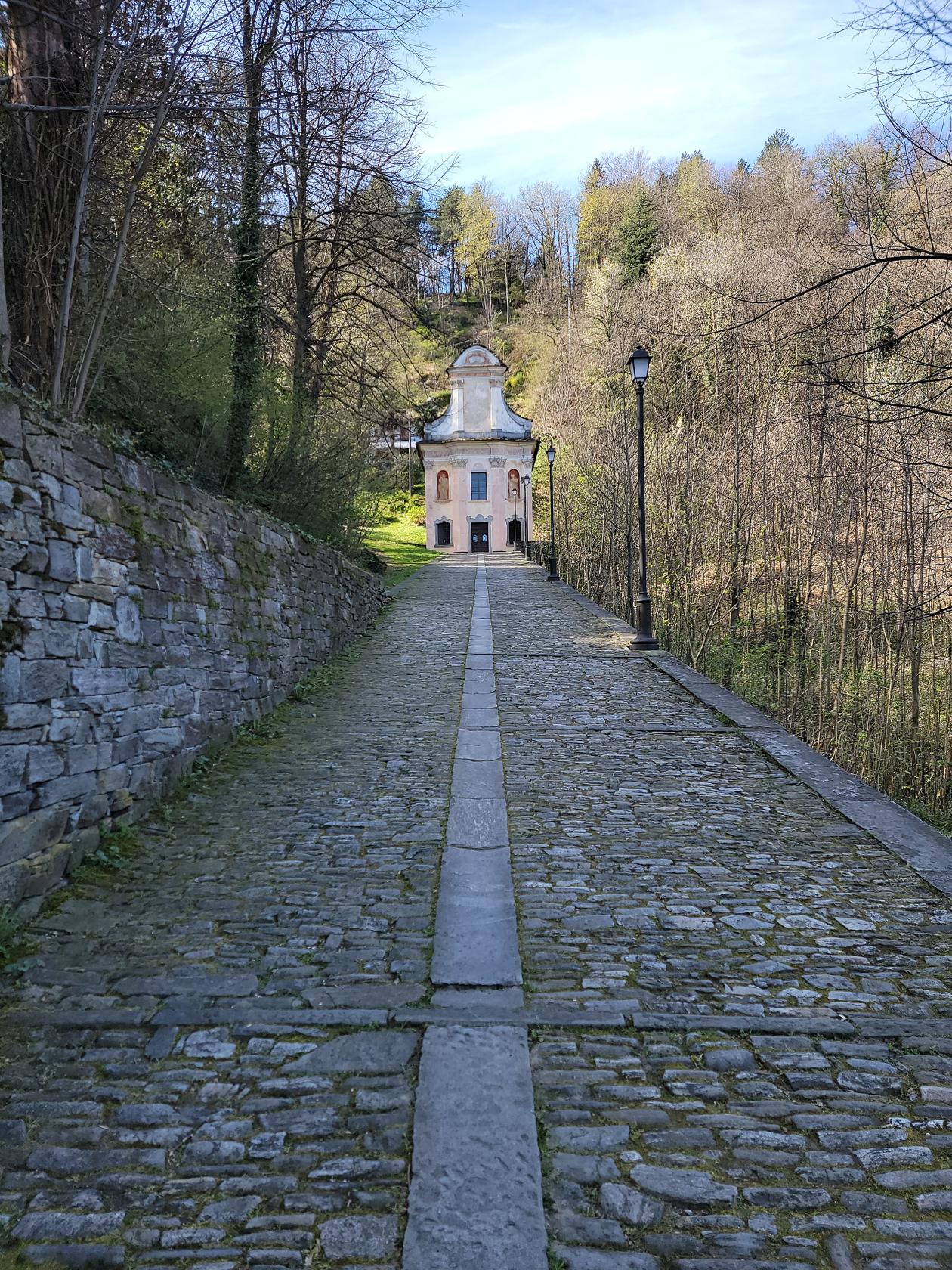
Once the road starts to incline, it might be better to walk on the flat pavement stones in the middle, or the outer edges if you have to, because after a short while the vertically set stones will take a toll on your feet.
The Long Way Up – Via al Calvario – Domodossola, Italy
Chapel – Fourth Station – Via al Calvario – Domodossola, Italy
Chapel – Fourth Station – Via al Calvario – Domodossola, Italy
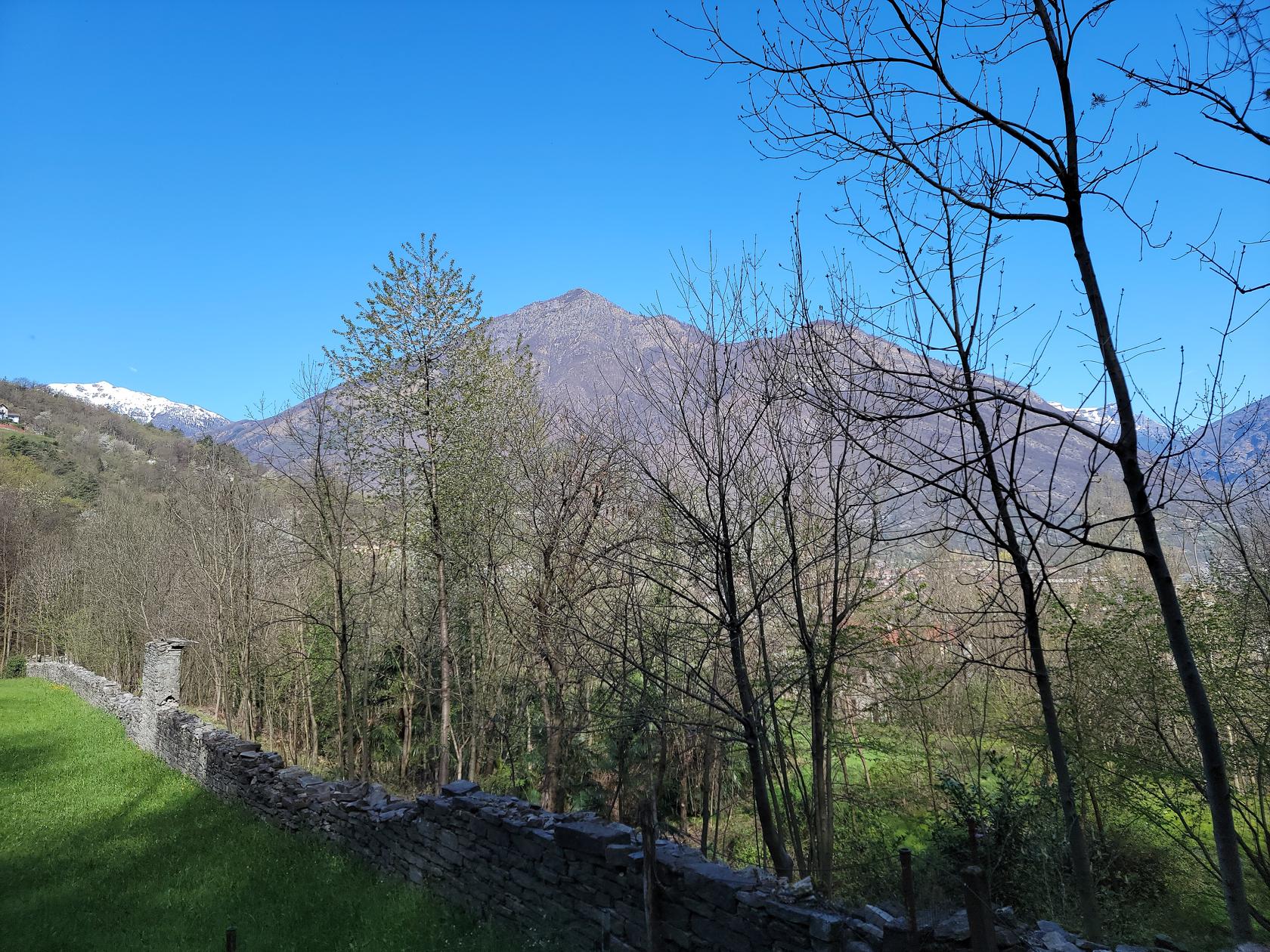
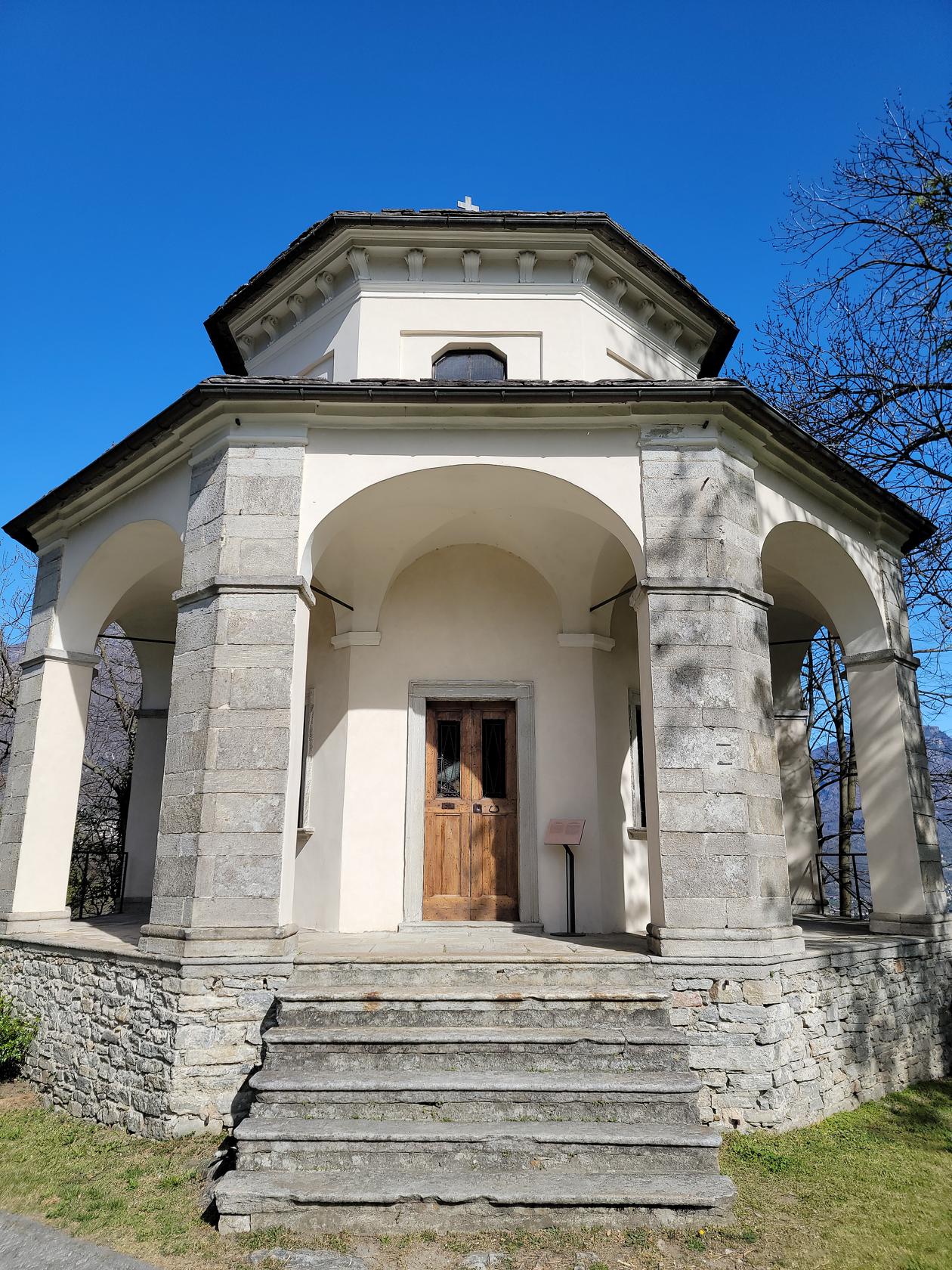
Then the incline increases and it takes a bit longer to get to the next four. But, our weather was extremely pleasant, sunny and in the middle sixty degrees Fahrenheit.
Chapel – Fifth Station – Via al Calvario – Domodossola, Italy
Chapel – Sixth Station – Via al Calvario – Domodossola, Italy
Chapel – Fifth Station – Via al Calvario – Domodossola, Italy
Chapel – Sixth Station – Via al Calvario – Domodossola, Italy
Climb To The Seventh Station – Via al Calvario – Domodossola, Italy
Mountains In Early Spring – Via al Calvario – Domodossola, Italy
Patti – Via al Calvario – Domodossola, Italy
Chapel – Seventh Station – Via al Calvario – Domodossola, Italy
Chapel – Seventh Station – Via al Calvario – Domodossola, Italy
Chapel – Seventh Station – Via al Calvario – Domodossola, Italy
Final Stairs To The Top – Via al Calvario – Domodossola, Italy
The Town With Mountains Behind – Via al Calvario – Domodossola, Italy
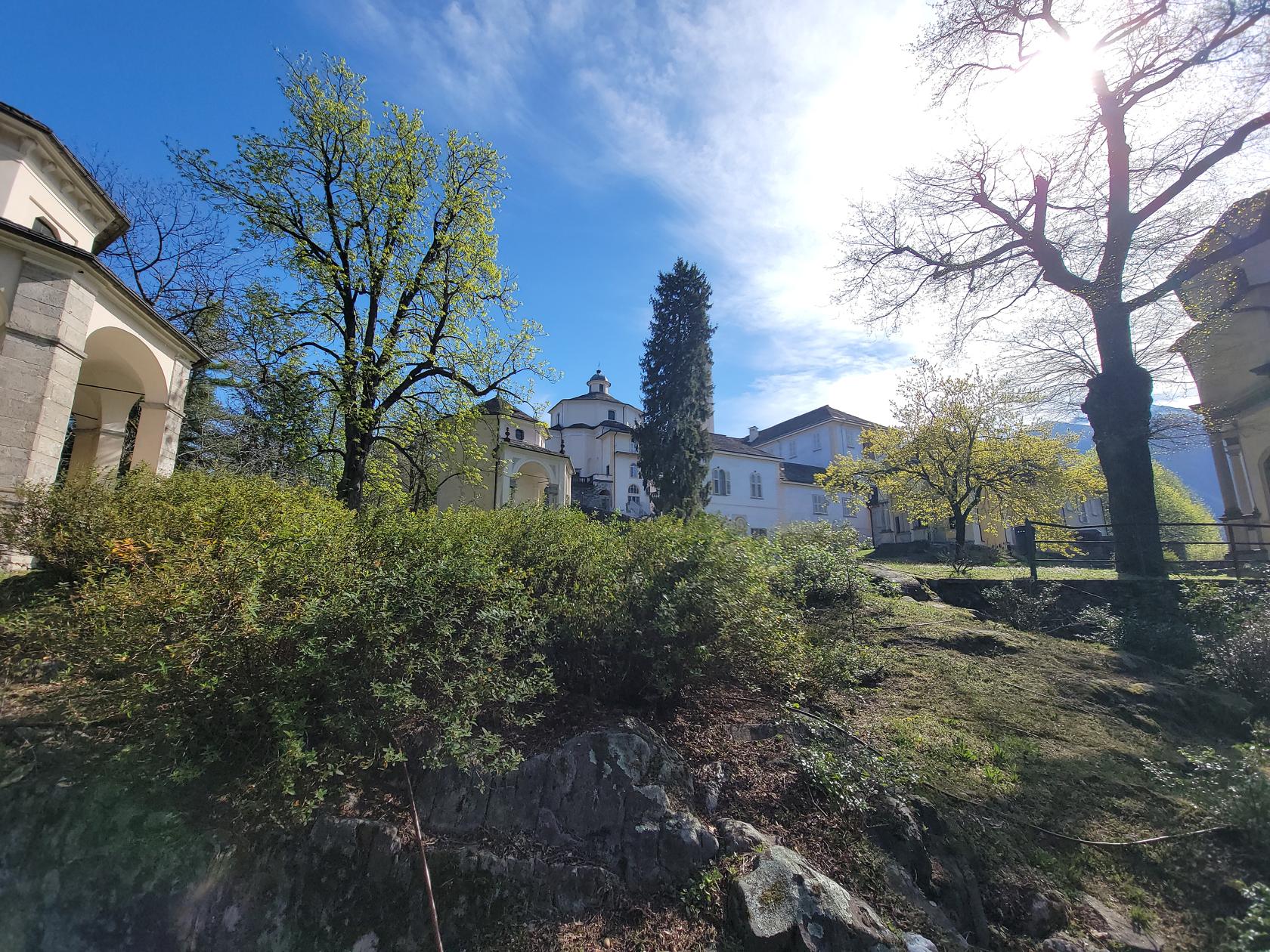
Grounds On Top – Via al Calvario – Domodossola, Italy
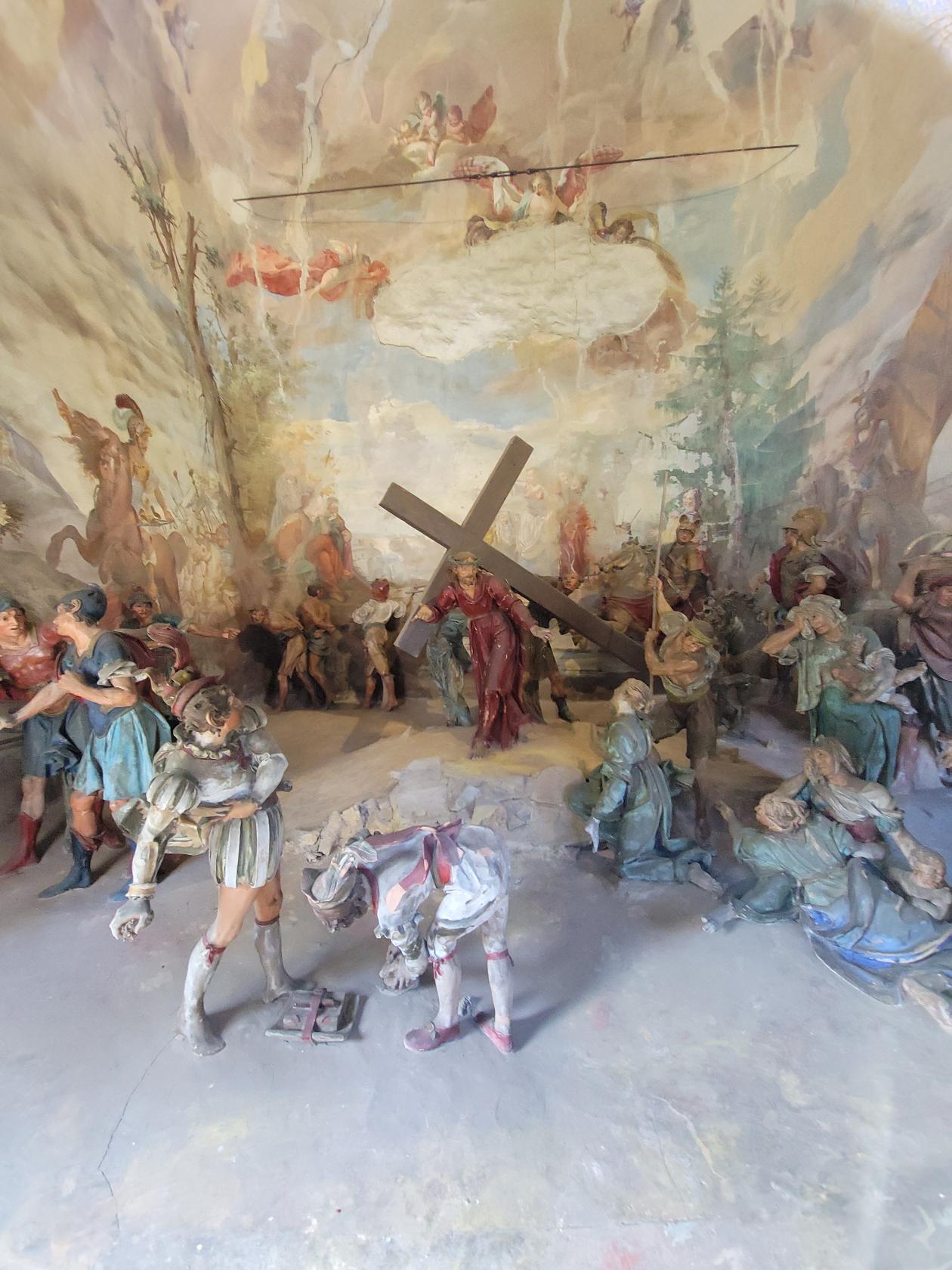
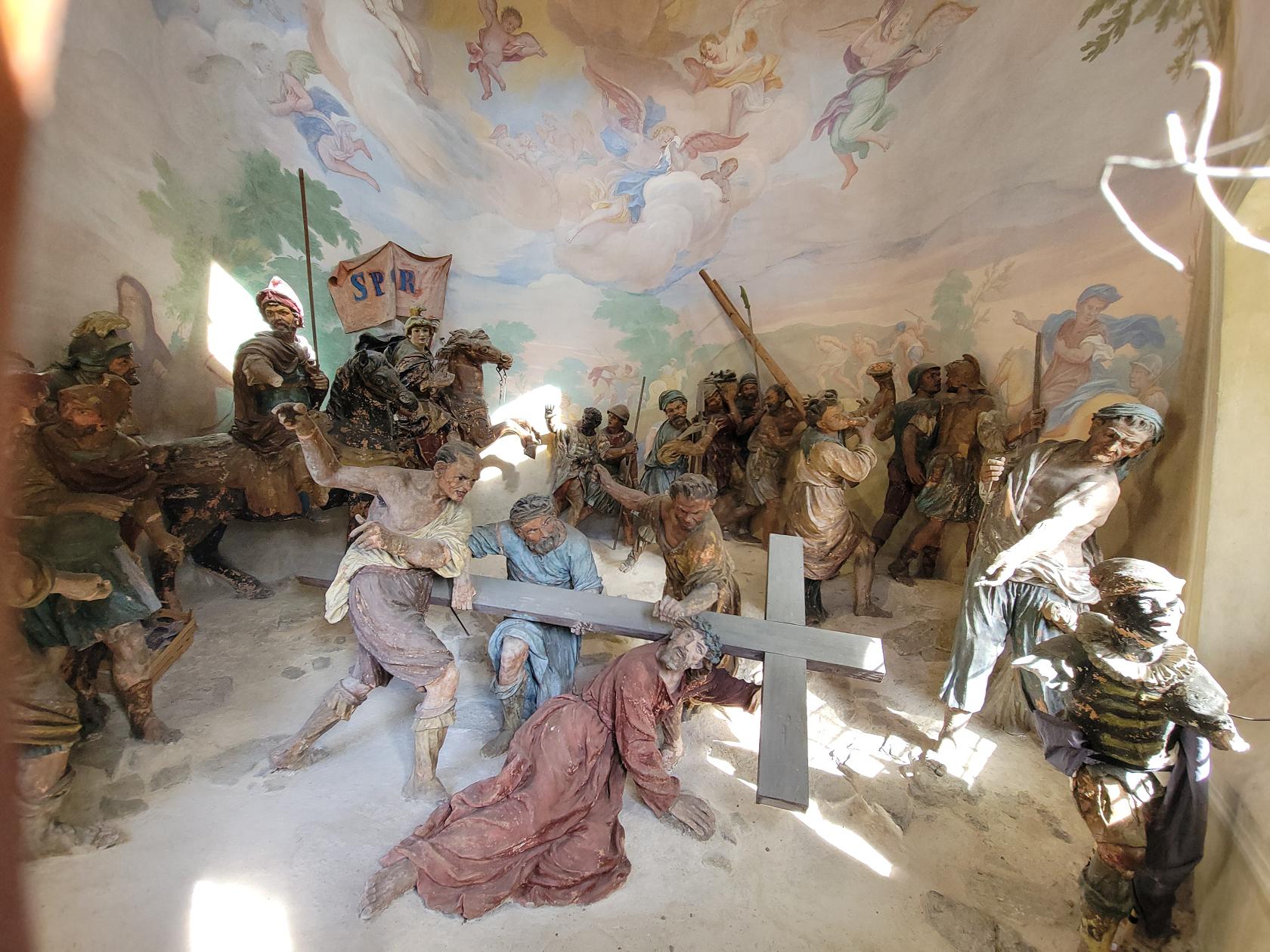
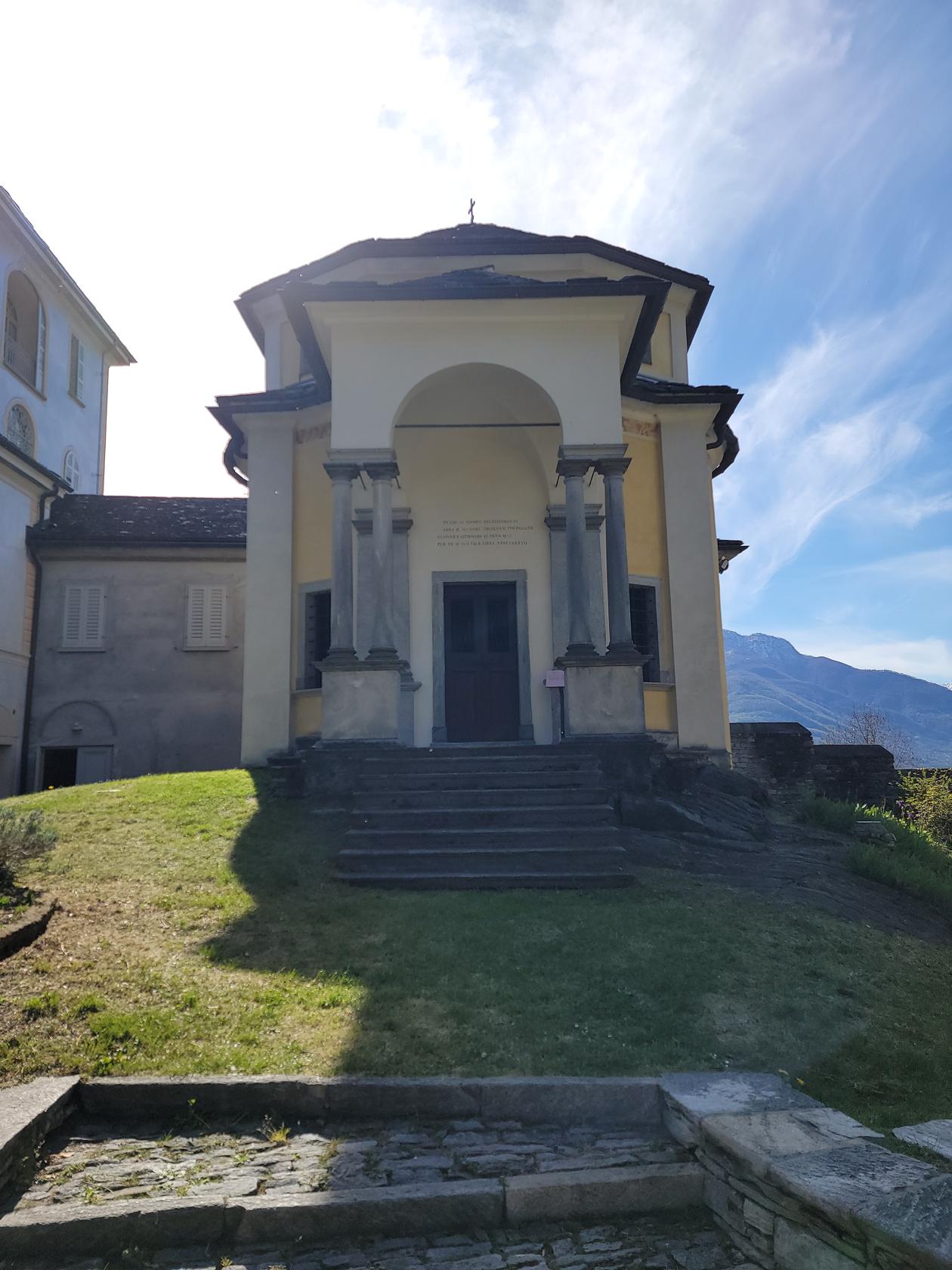
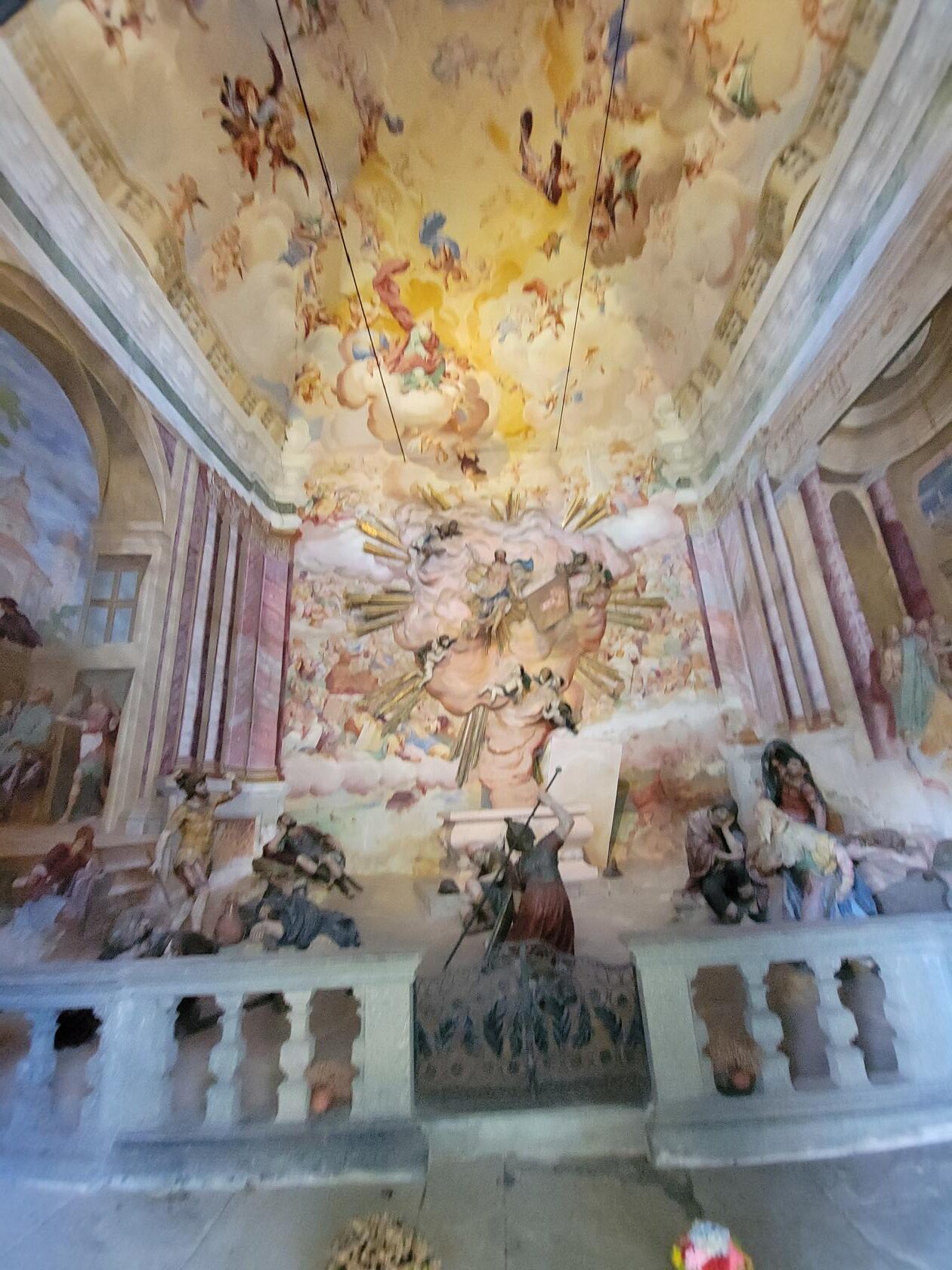
Once you have reached the eigth station, you are more on less on the top of the mount. Here you will find the remaining four, eight, nine, ten and eleven.
Chapel – Eigth Station – Via al Calvario – Domodossola, Italy
Chapel – Eigth Station – Via al Calvario – Domodossola, Italy
Chapel – Ninth Station – Via al Calvario – Domodossola, Italy
Chapel – Ninth Station – Via al Calvario – Domodossola, Italy
Chapel – Tenth Station – Via al Calvario – Domodossola, Italy
Chapel – Tenth Station – Via al Calvario – Domodossola, Italy
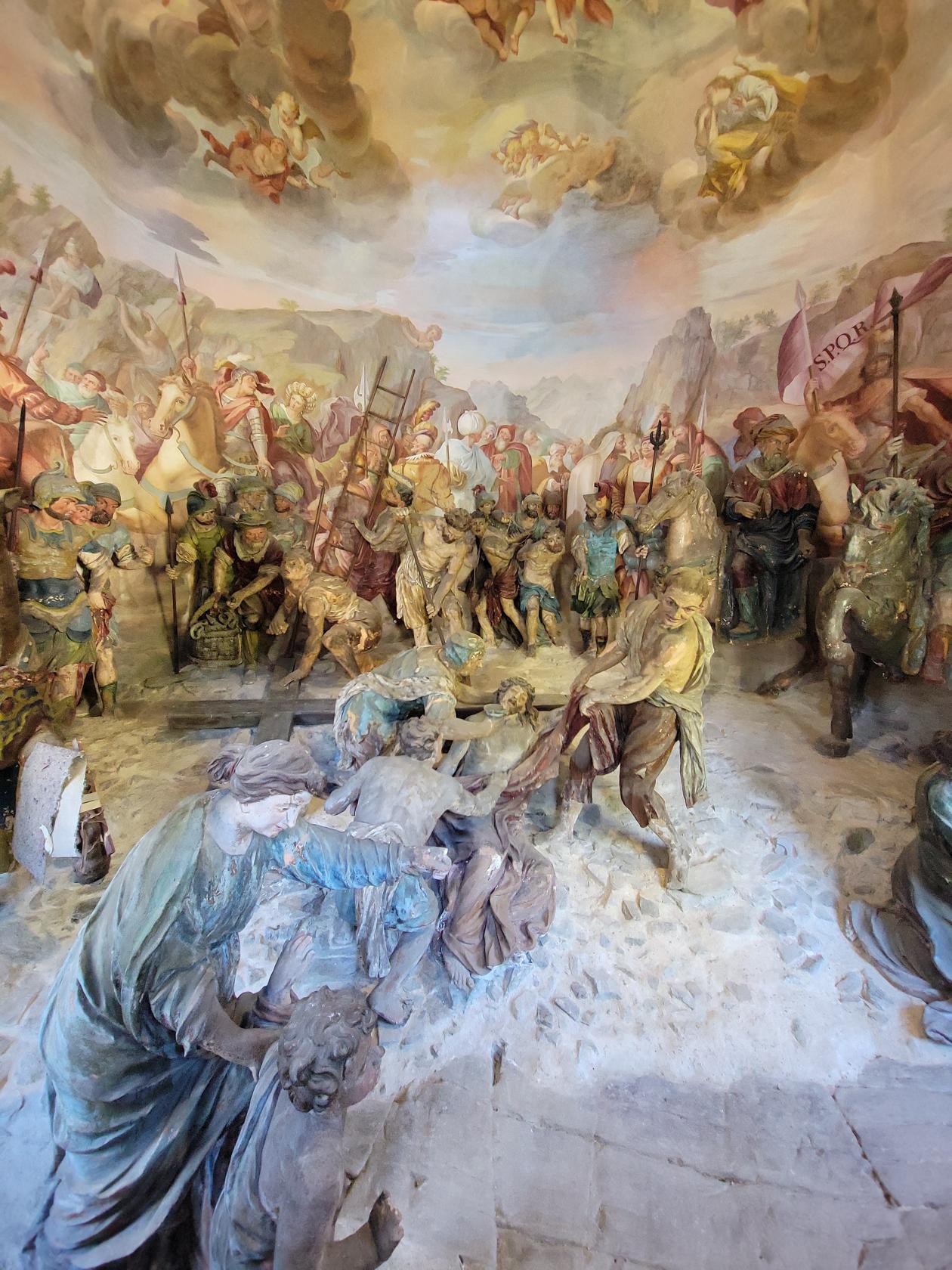
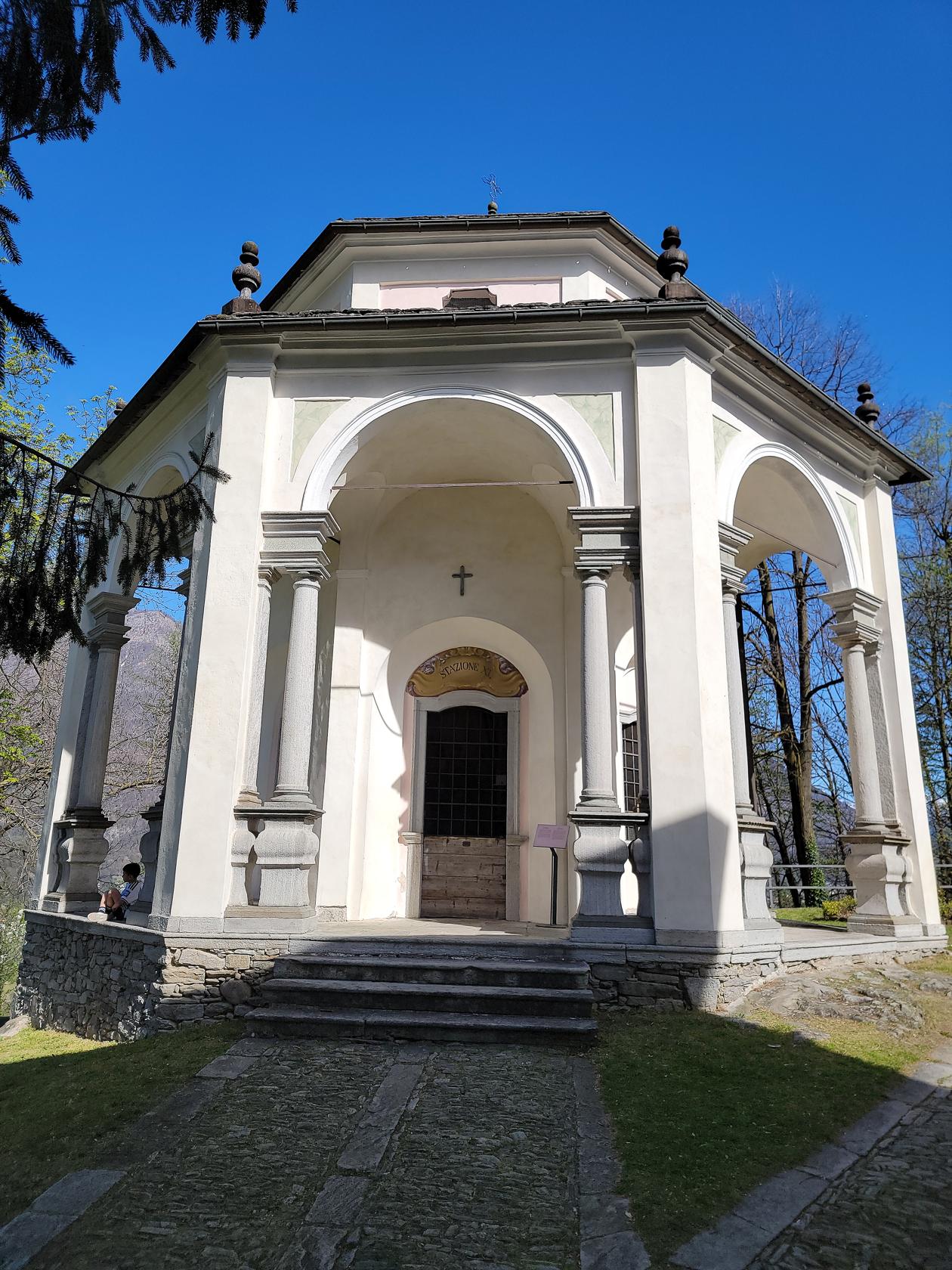
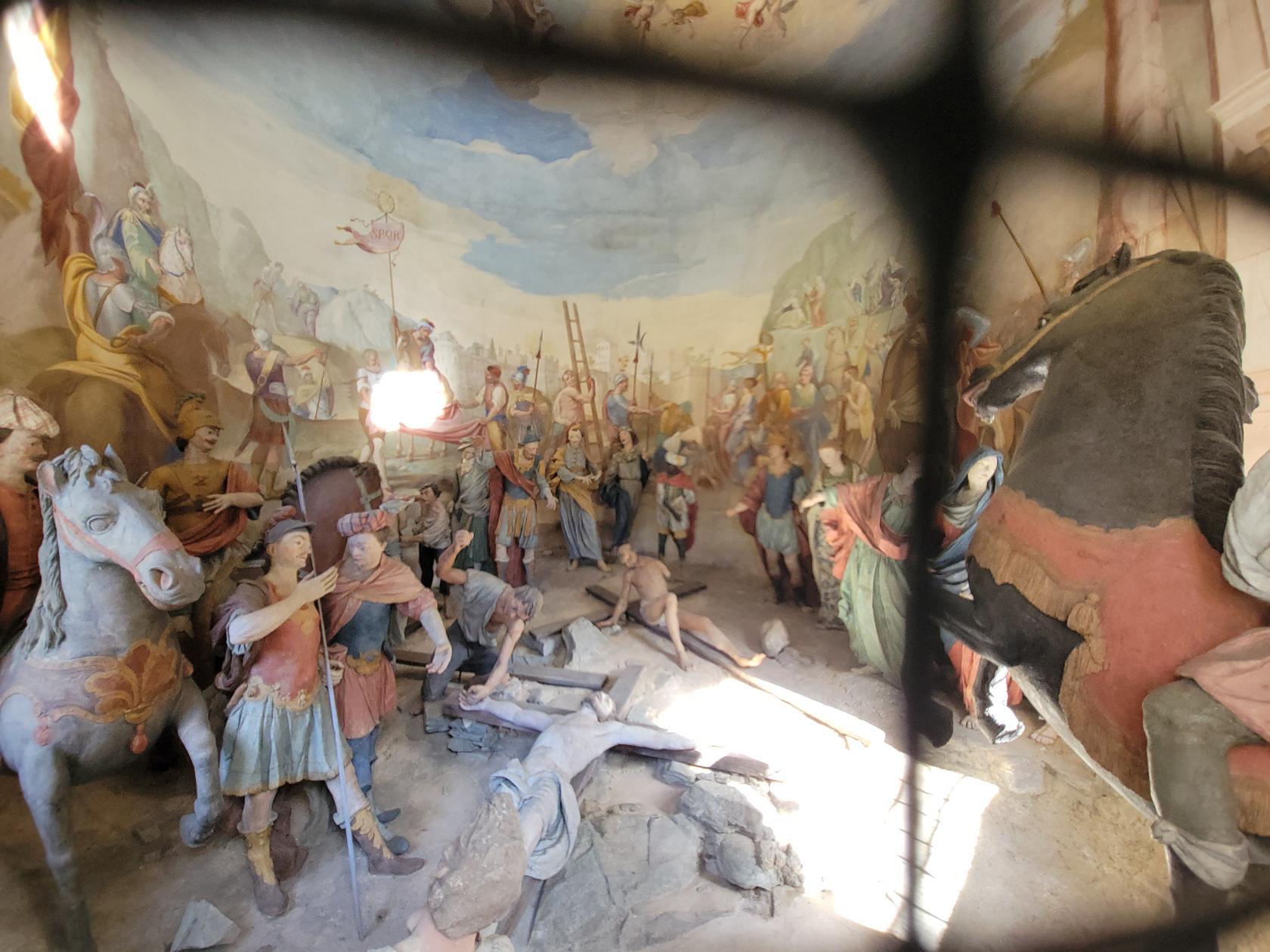
Chapel – Eleventh Station – Via al Calvario – Domodossola, Italy
Chapel – Eleventh Station – Via al Calvario – Domodossola, Italy
The twelfth and thirteenth are actually in the Church of the Holy Crucifix. A beautiful little church and chapel with real candles that may be lit for prayers.
Church Del SS Crocifisso – Via al Calvario – Domodossola, Italy
Church Del SS Crocifisso – Twelfth And Thirteenth Station – Via al Calvario – Domodossola, Italy
Church Del SS Crocifisso – Twelfth And Thirteenth Station – Via al Calvario – Domodossola, Italy
Church Del SS Crocifisso – Twelfth And Thirteenth Station – Via al Calvario – Domodossola, Italy
The remaining stations are outside again. We only managed to find the fifteenth station, since it is right next to an overview of the city. The other, was below by the cafe, which we had no interest at that point in visiting.
Chapel – Fifteenth Station – Via al Calvario – Domodossola, Italy
Chapel – Fifteenth Station – Via al Calvario – Domodossola, Italy
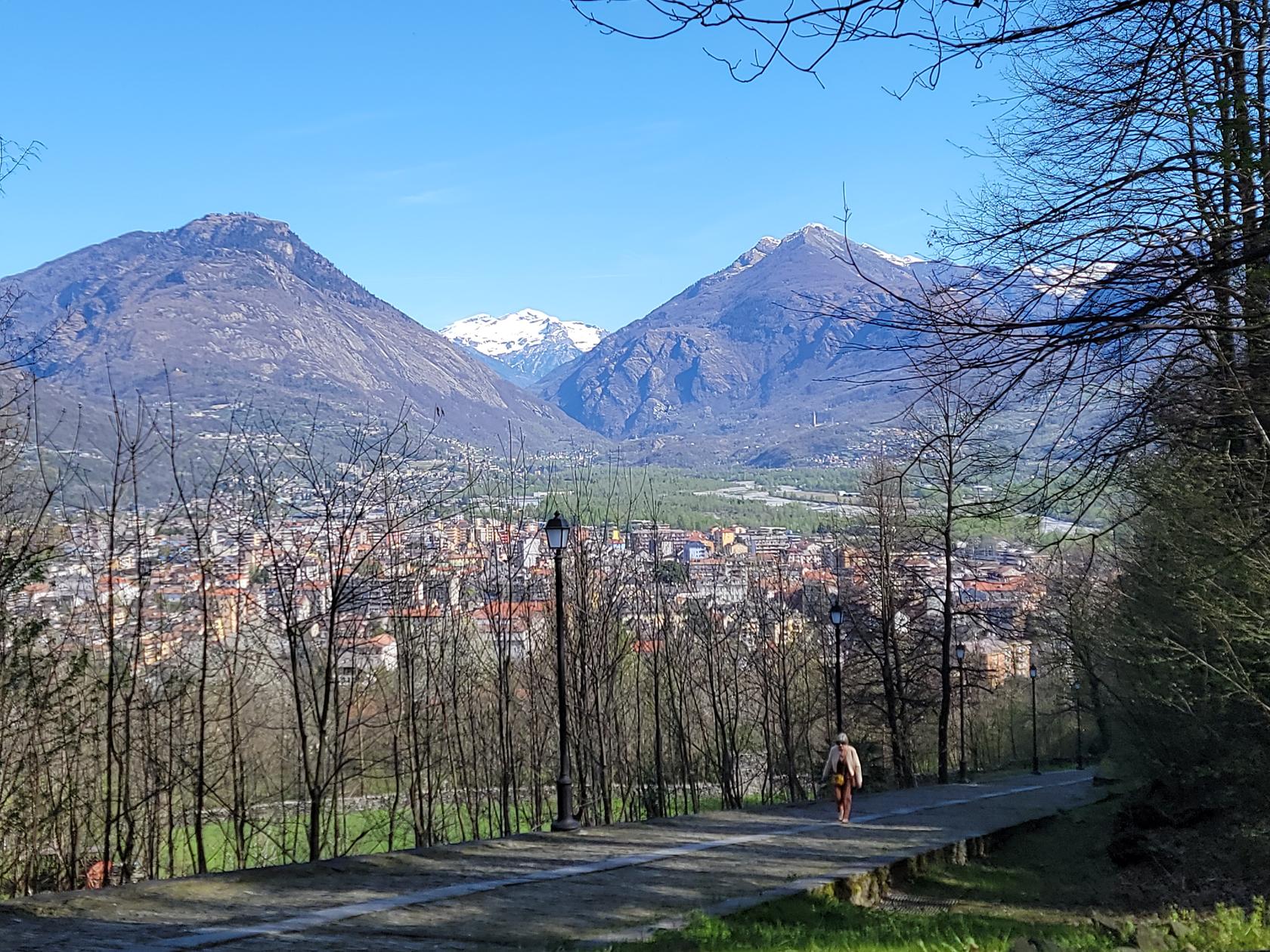
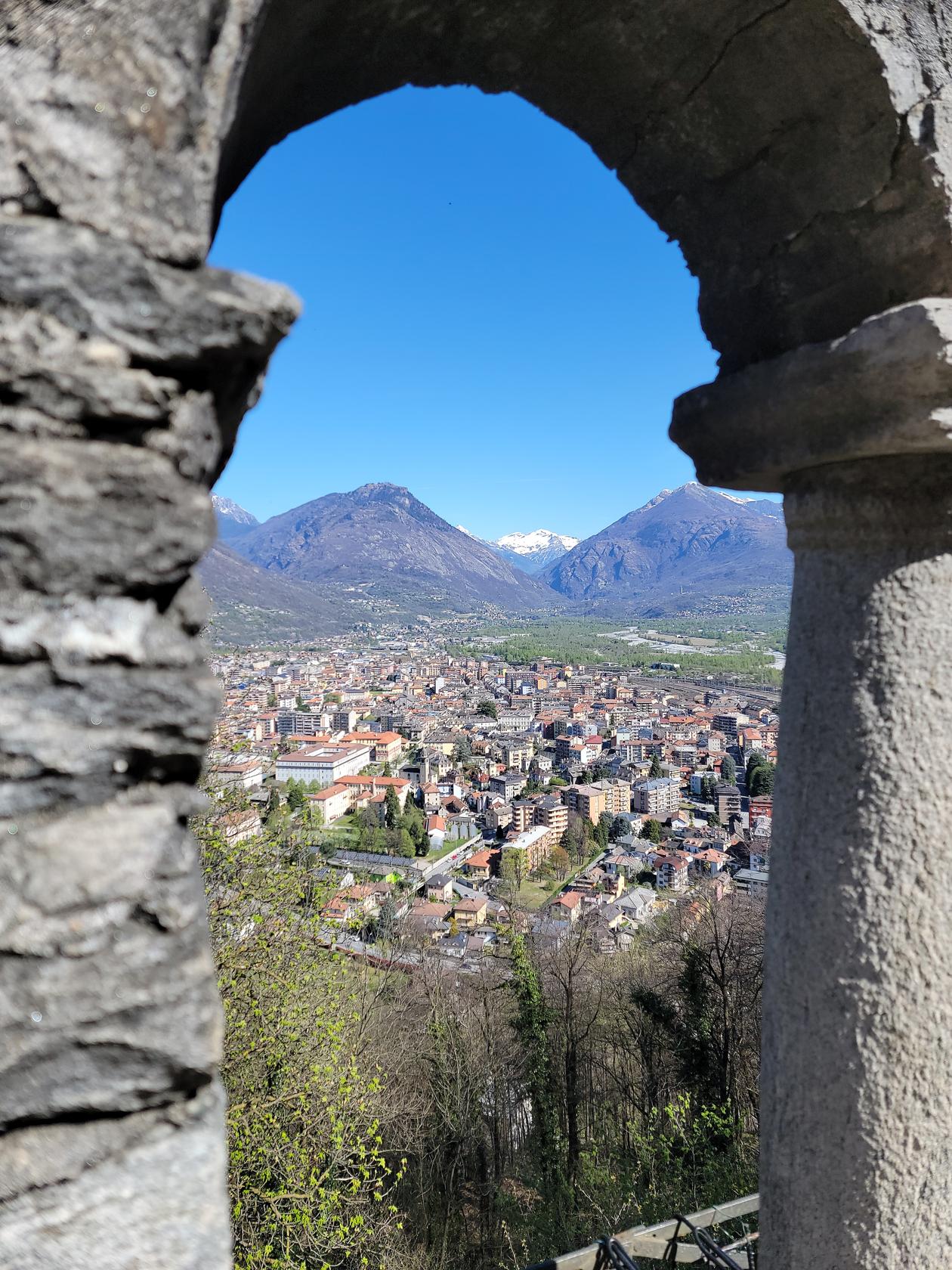
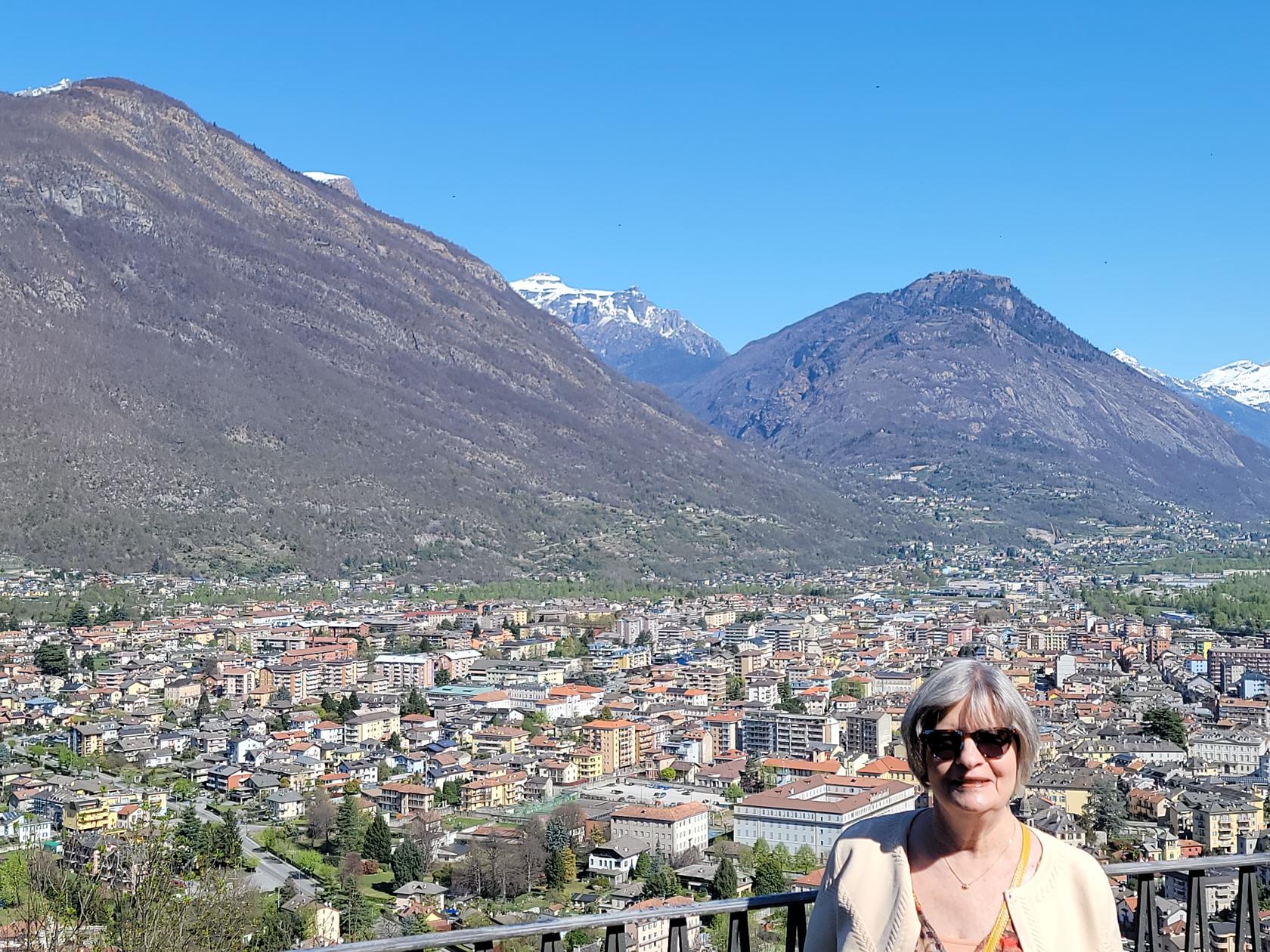
View Of Domodossola And Mountains – Via al Calvario – Domodossola, Italy
Patti – Domodossola And Mountains – Via al Calvario – Domodossola, Italy
Restaurants
After walking the city for about an hour, we found a bistro for lunch. We only order salads and cannot say much about the quality of their steak, which seems to be their primary offering. However, had we known better, there was a quaint little Osteria not far from there that was actually serving an Easter dinner, with lamb and all usual italian side dishes. Oh well, our loss.
With this post we will note that we have seen a marked increase in restaurant prices. Not only for food, but drinks as well. Perhaps not exspensive as the States, but they are getting up there.
Restaurant Bistro Steak House
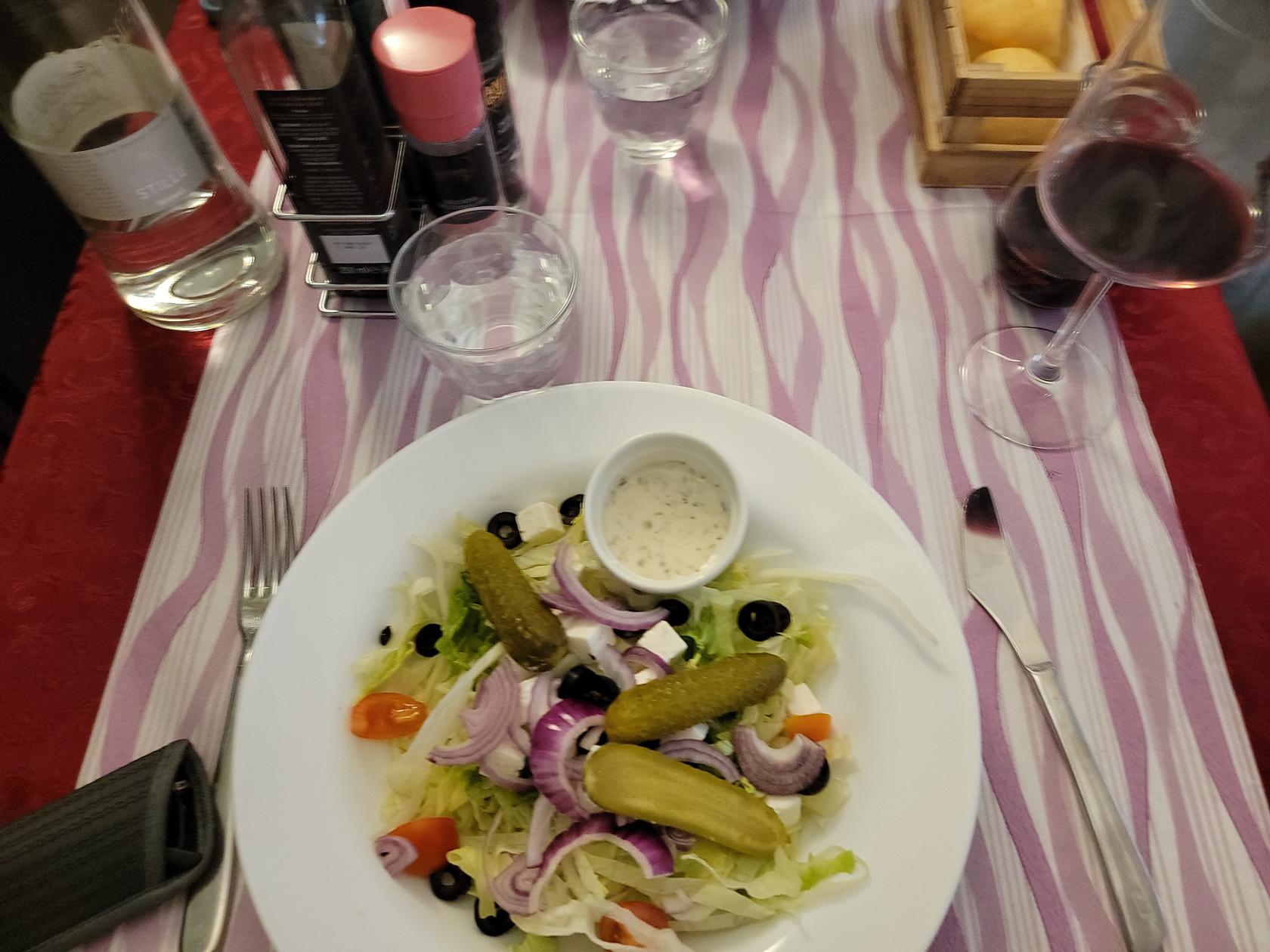
As a Insalata Greco goes, they were okay. About medium in size and they didn’t have a lot of Feta cheese on them, so the owner is a bit cheap. But the food was okay and not terribly expensive. I would say, if you have time, find somewhere else, but the food is fine otherwise, though you may find the service more than lacking, especially after you receive your food.
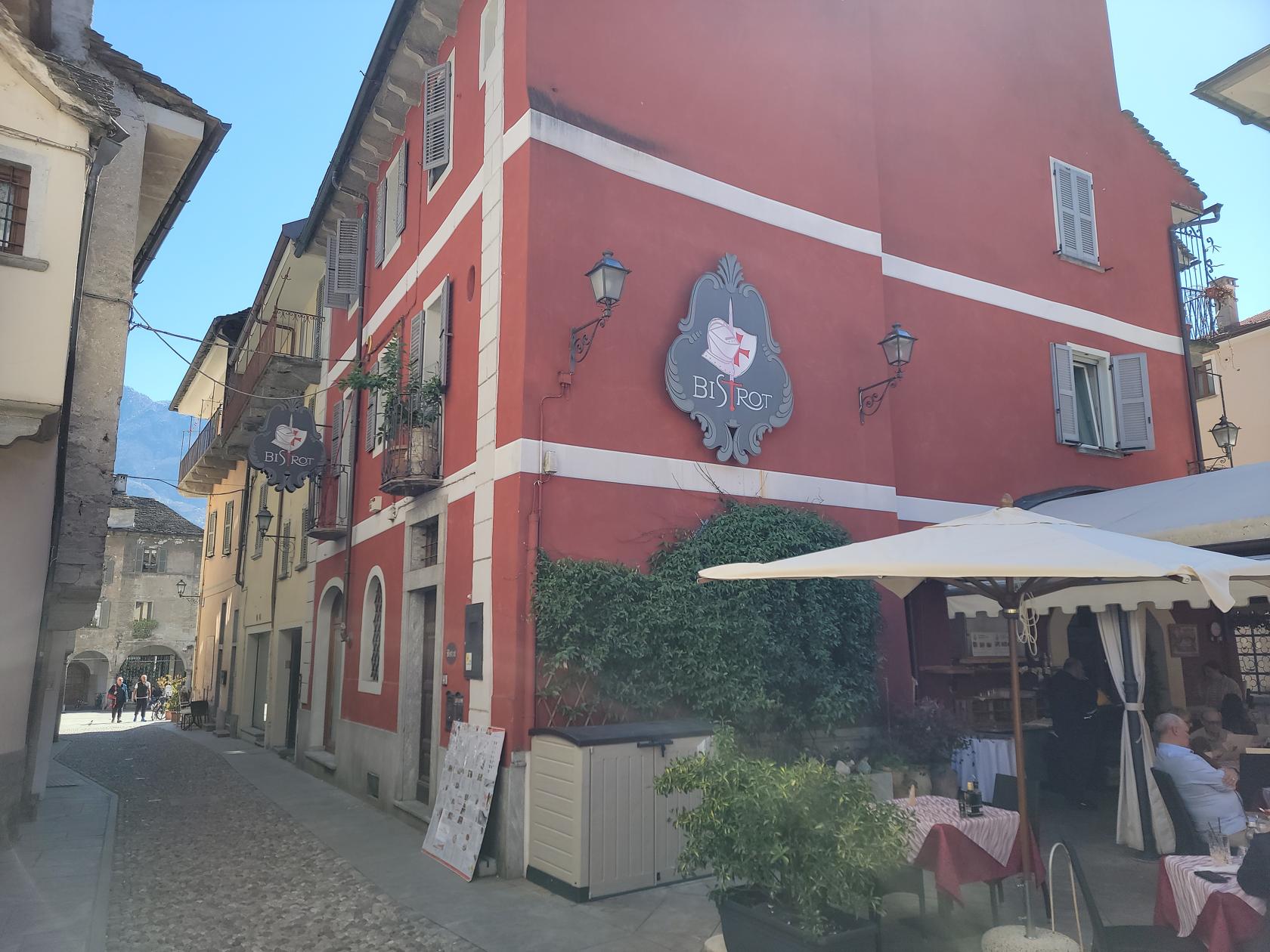
Entrance – Bisto Steak House – Domodossola, Italy
Insalata Mista – Bisto Steak House – Domodossola, Italy
Another good tip, at least for here, but we have seen it elsewhere too. If you are done and have already told them so, get up and go to the bar (Cassa) and pay, don’t wait for them to come back. You may sprout some new grey hairs if you do.
Enjoying the beautiful weather in Turin, we looked at each other one day and exclaimed it was time to go somewhere local again. Seeing a weather prediction of rain about a week and half out, we decided to travel to Stresa and Lake Maggiore for our Easter weekend. Little did we know, everyone else in Italy, France and Germany was thinking the same thing! So be warned, Easter may be a very busy weekend on the lake.
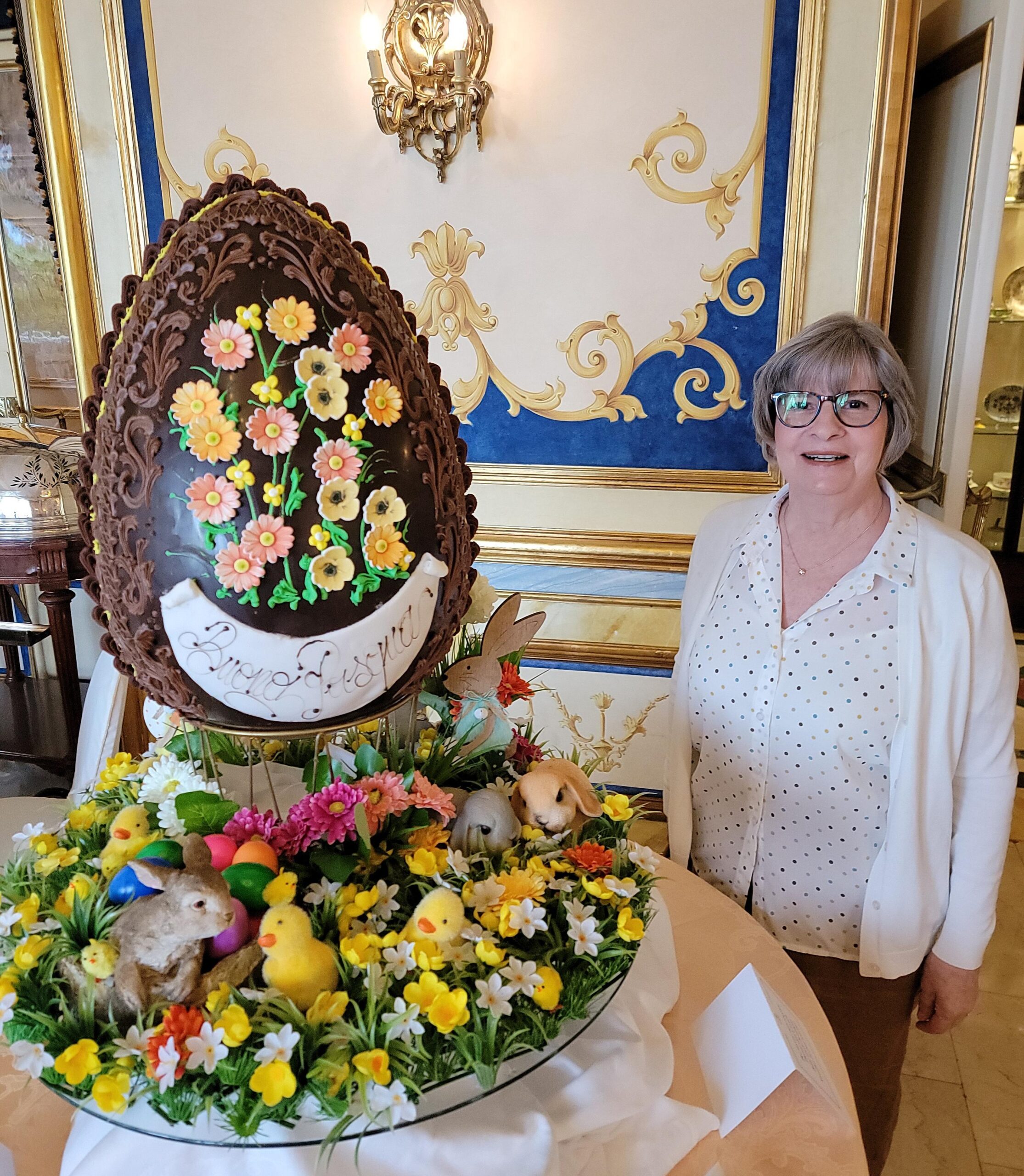
Patti and the giant Easter Egg – Easter – Regina Palace Hotel – Stresa, Italy
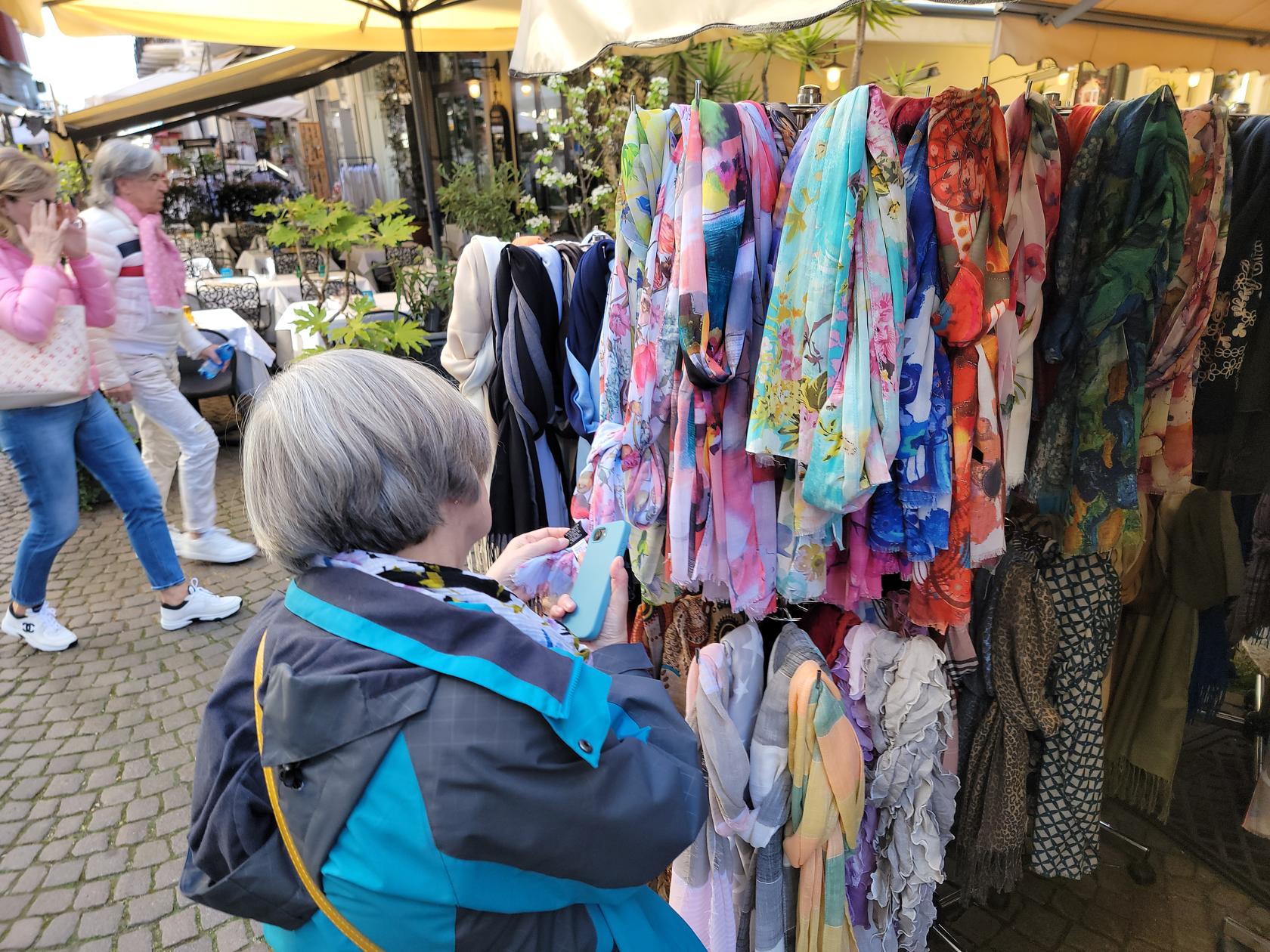
Patti Browsing Scarfs – Stresa, Italy
Stresa
We have been in Stresa before and enjoyed it thoroughly the last time. We rebooked the same hotel for five nights and left Turin, destined for new adventures in this beautiful lake area.
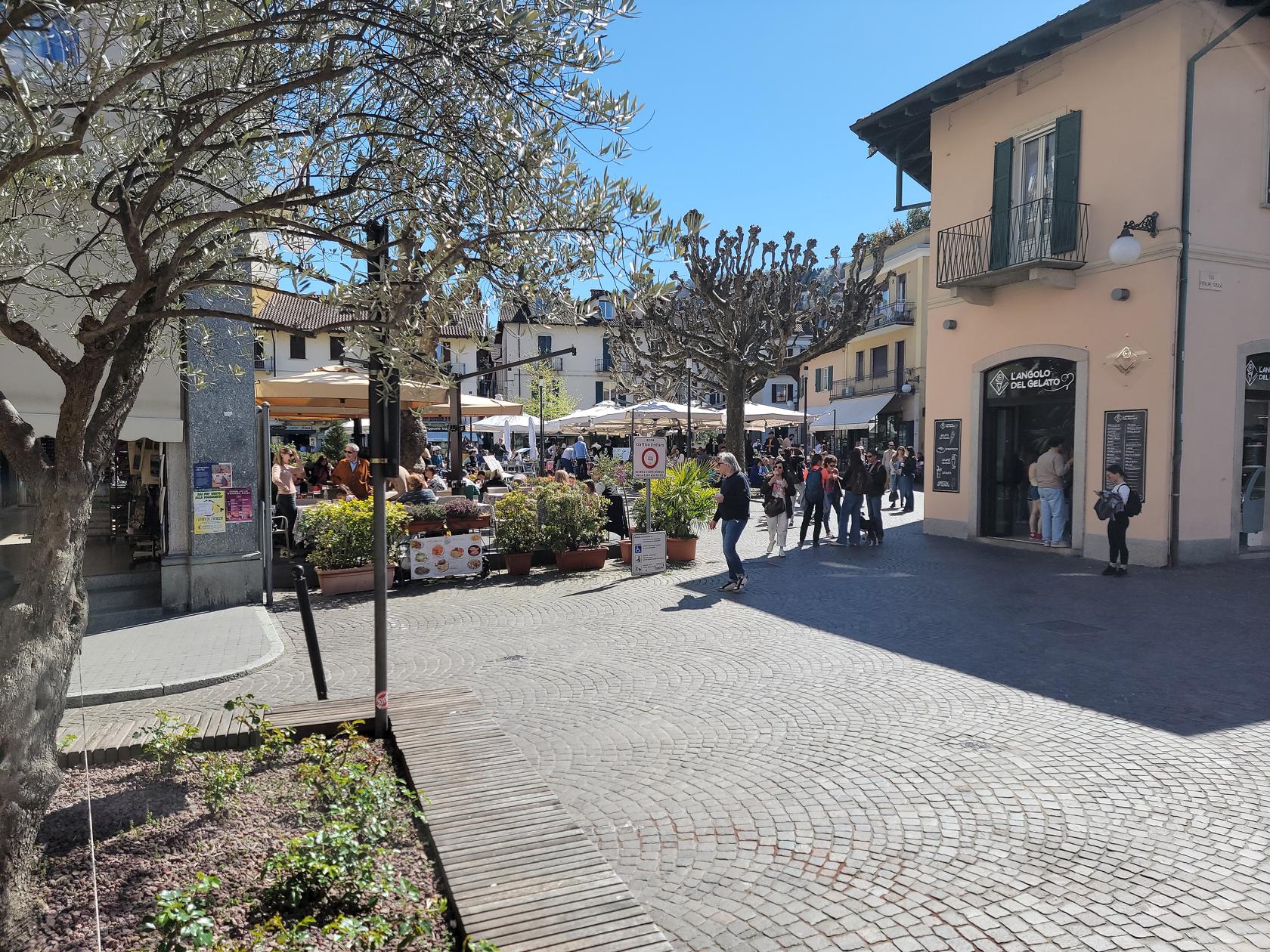
Piazza Luigi Cardona – Stresa, Italy
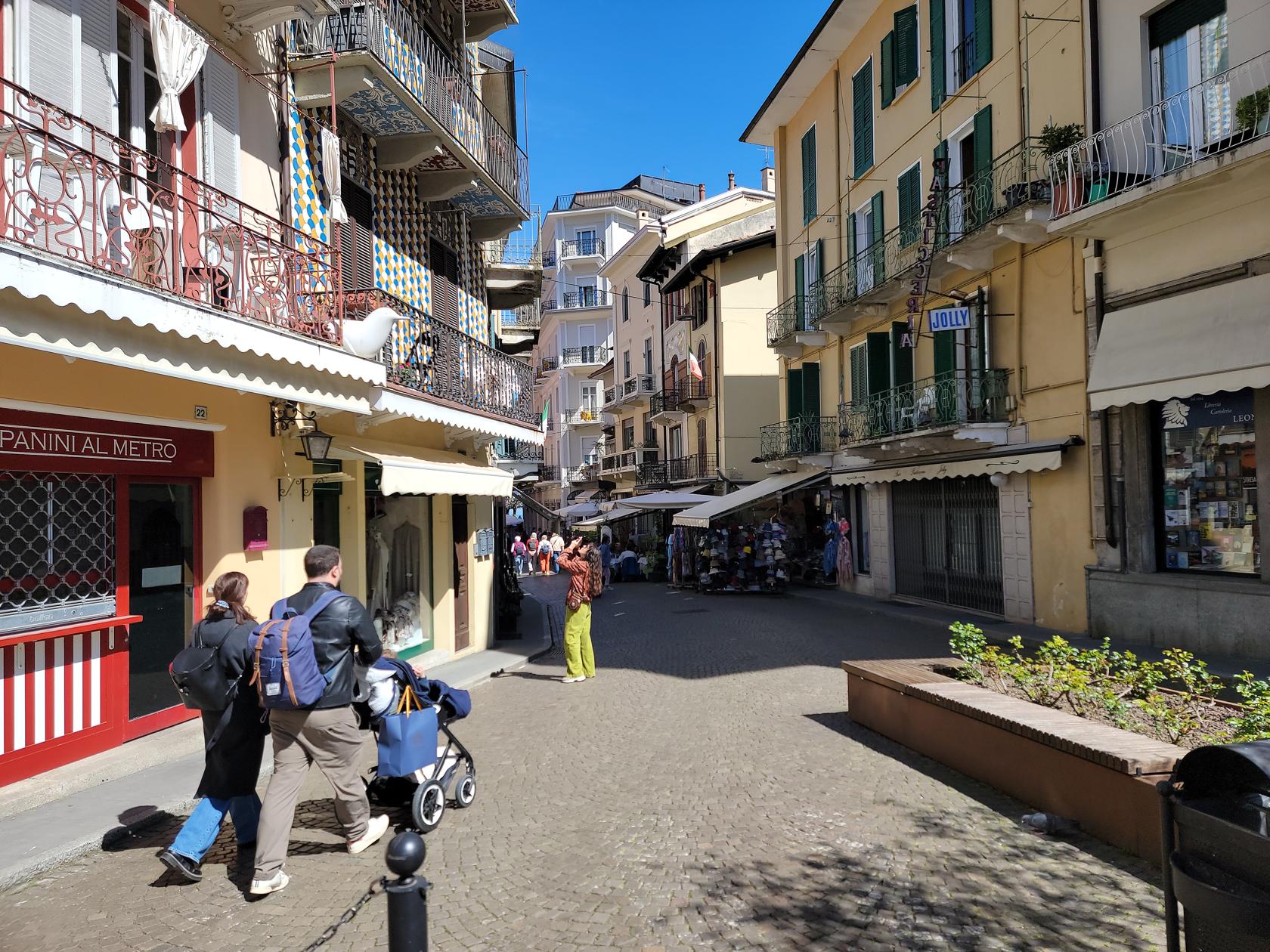
Via Principe Tomaso – Stresa, Italy
Getting There
From Turin we took the Freccia Rossa from Torino Porta Nuovo to Milan Rho-Fiera and then one of the Regional Express trains to Stresa for a total trip time of about two hours.
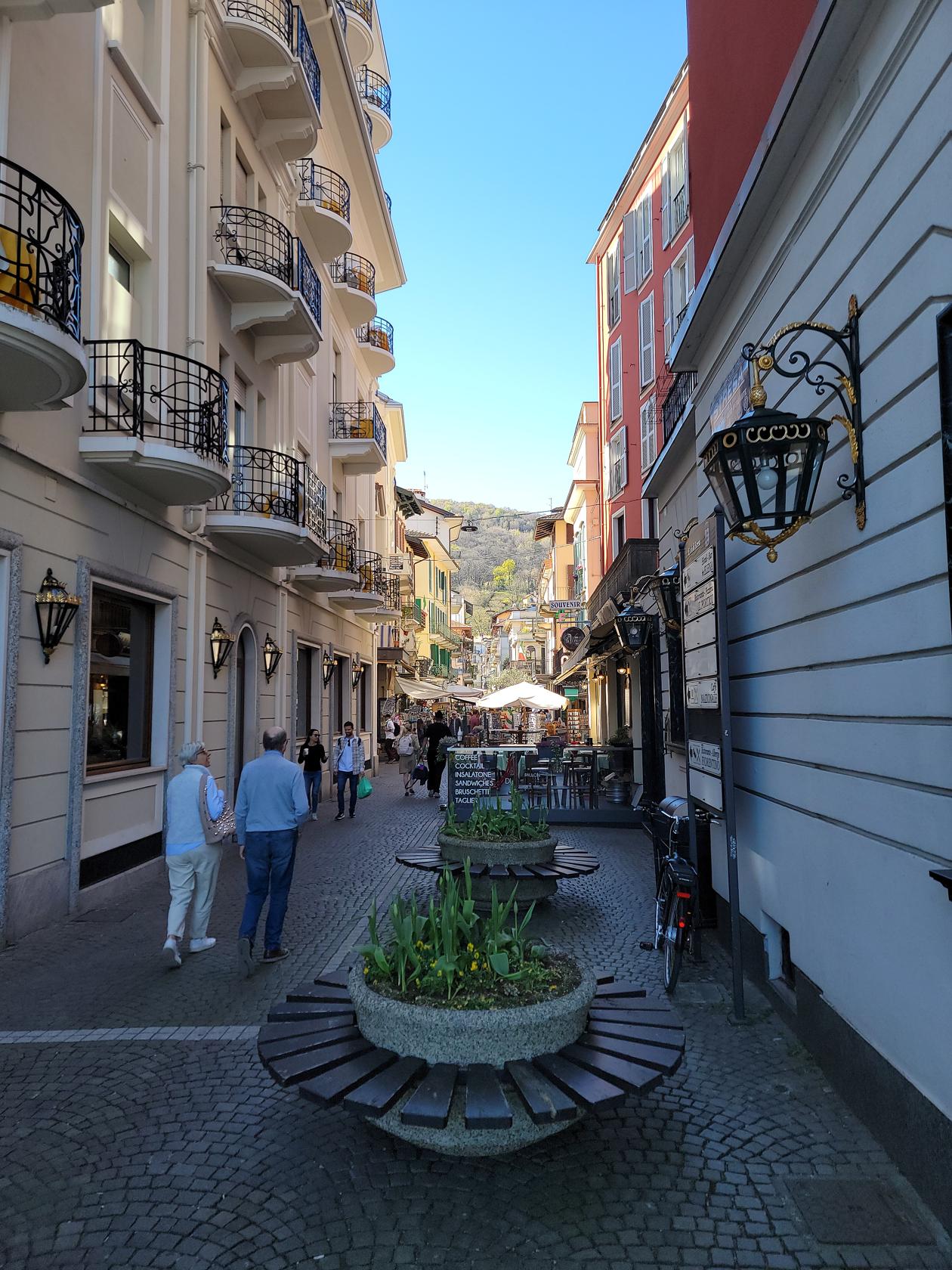
The City Streets – Stresa, Italy
Where We Stayed
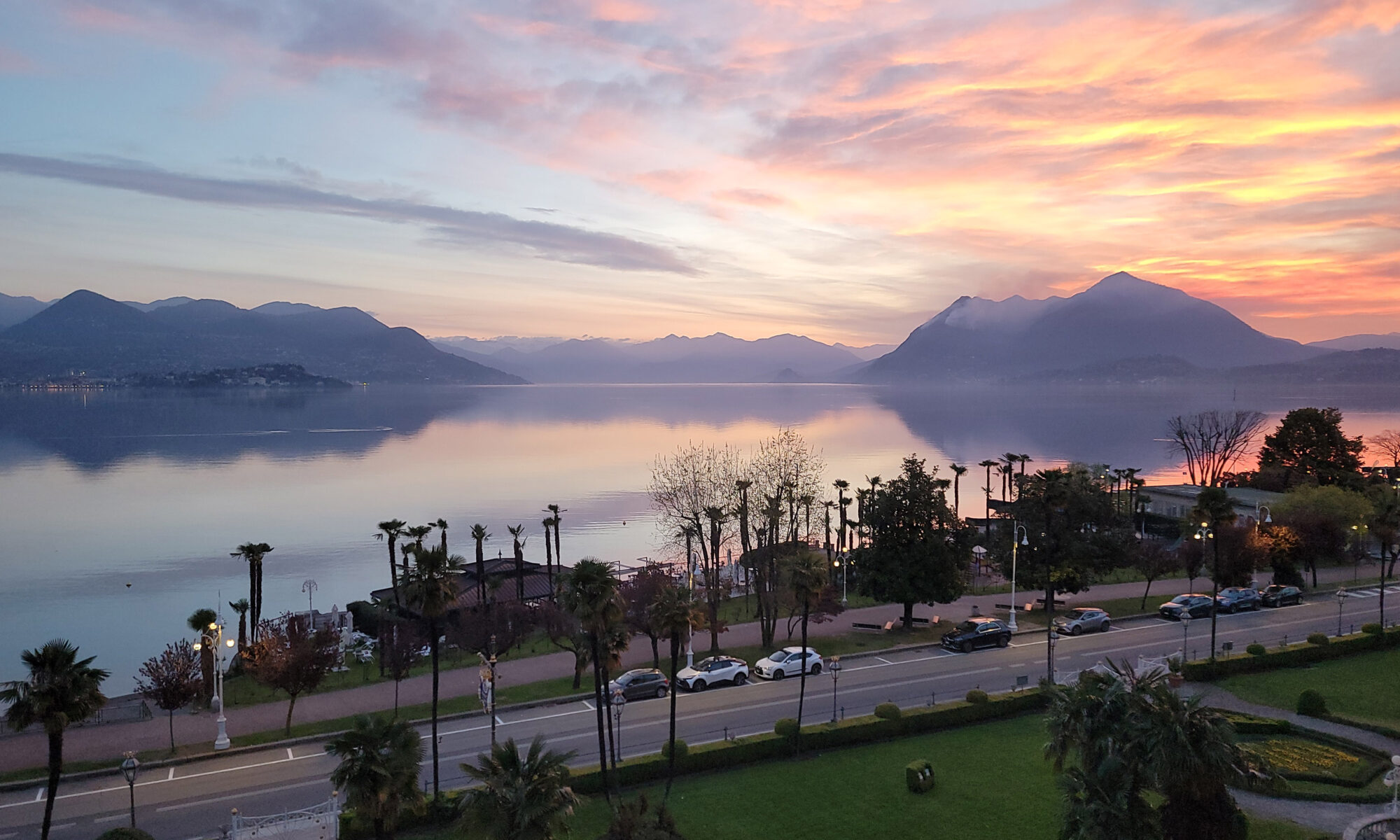
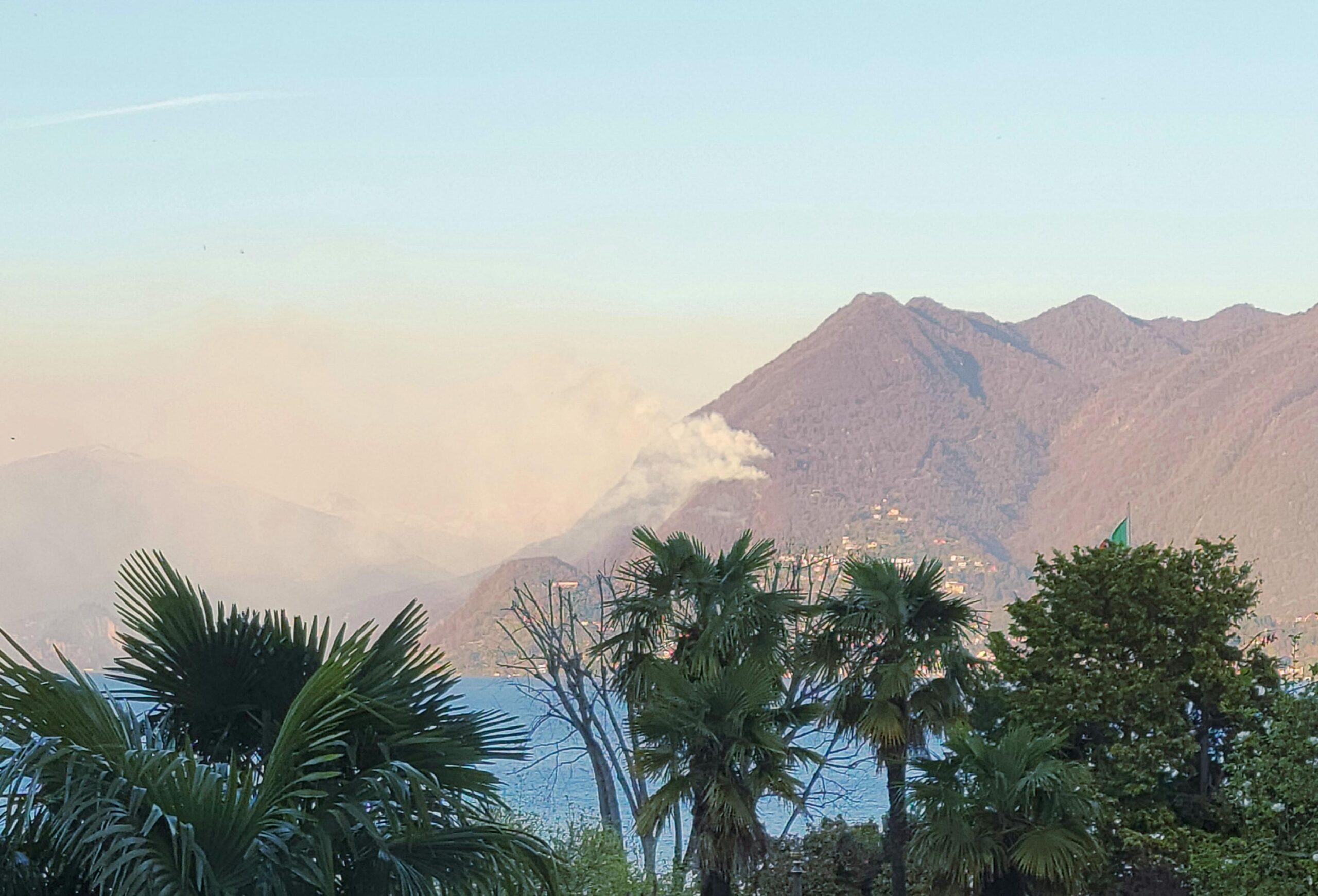
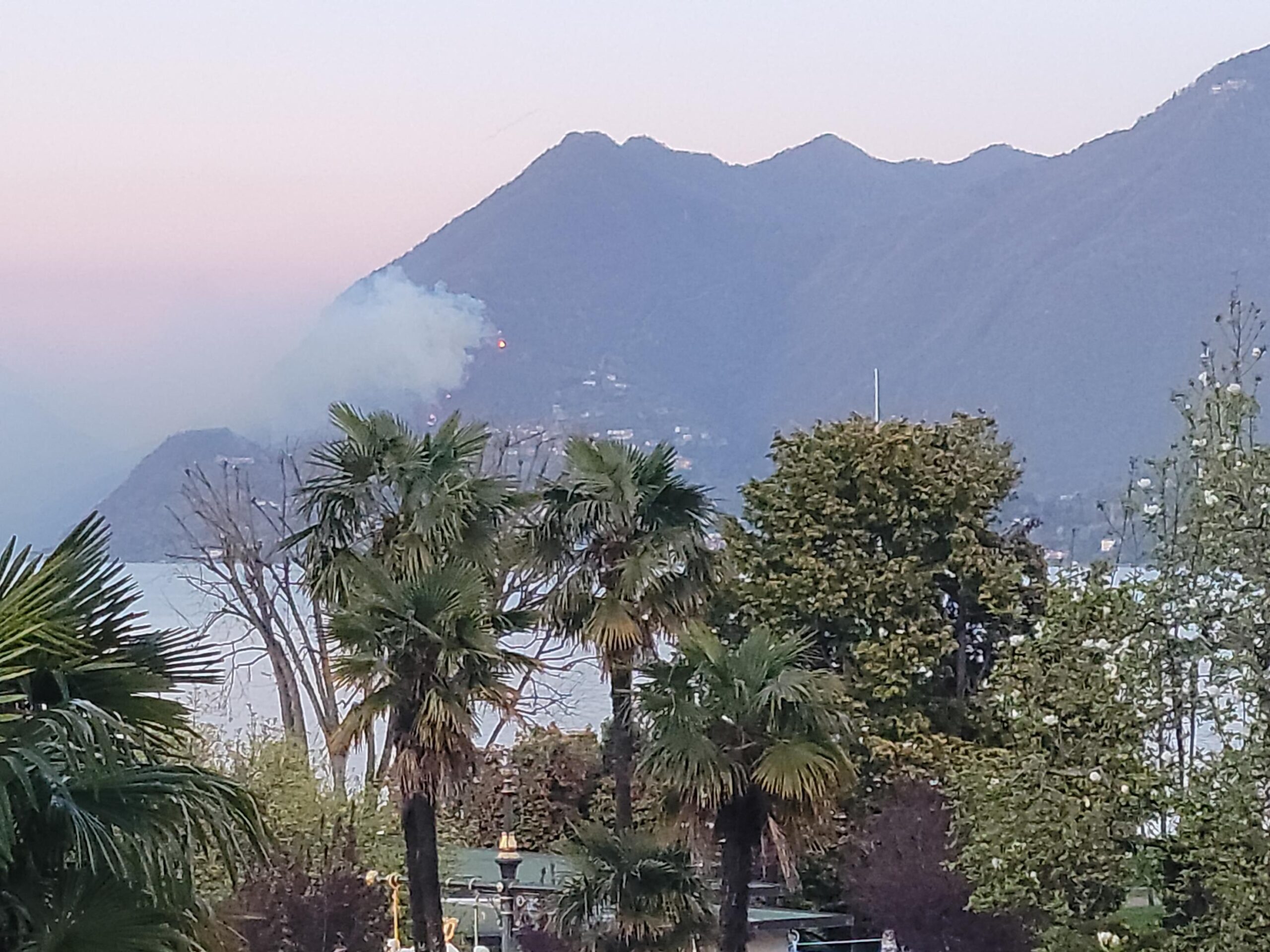
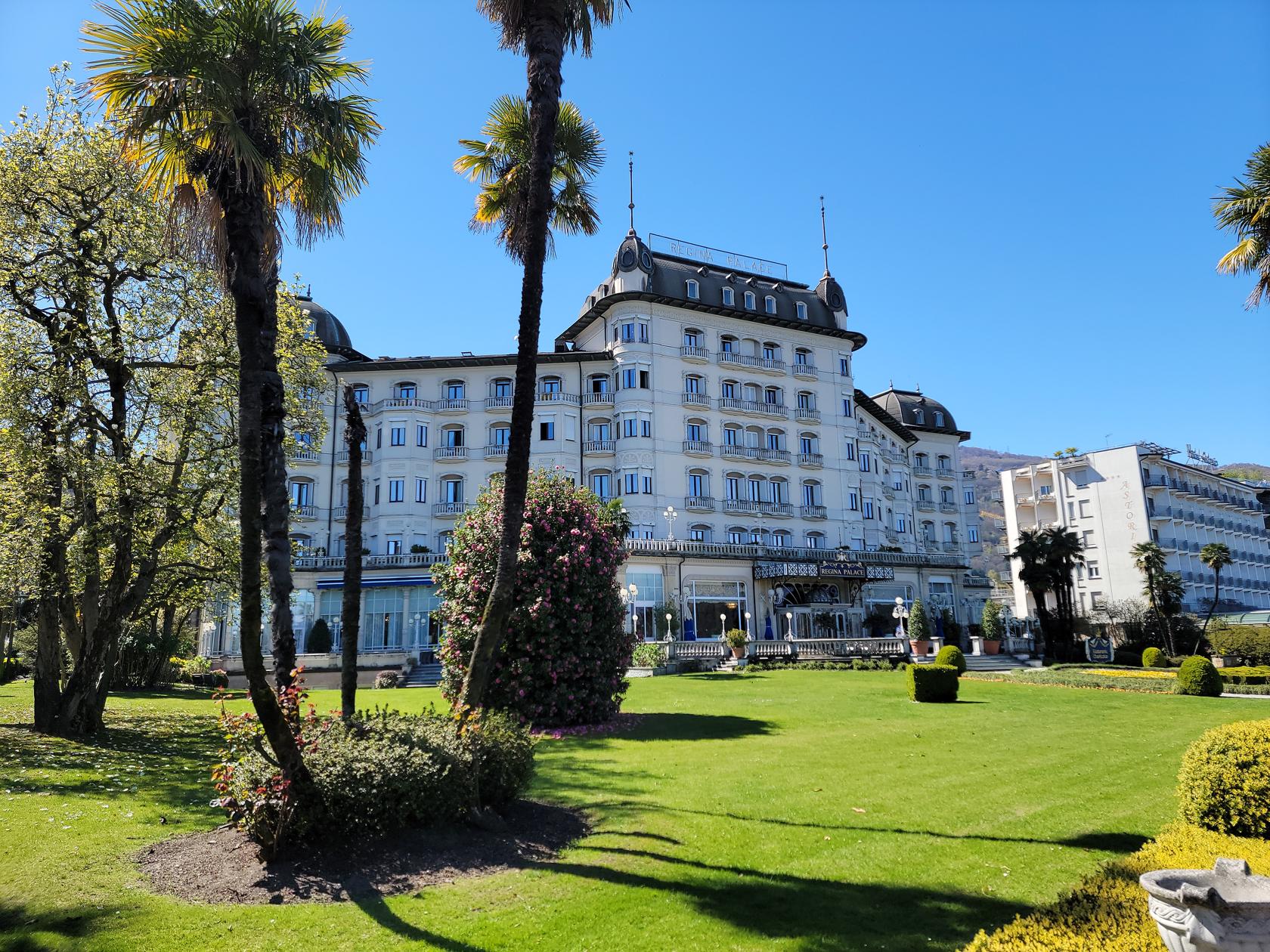
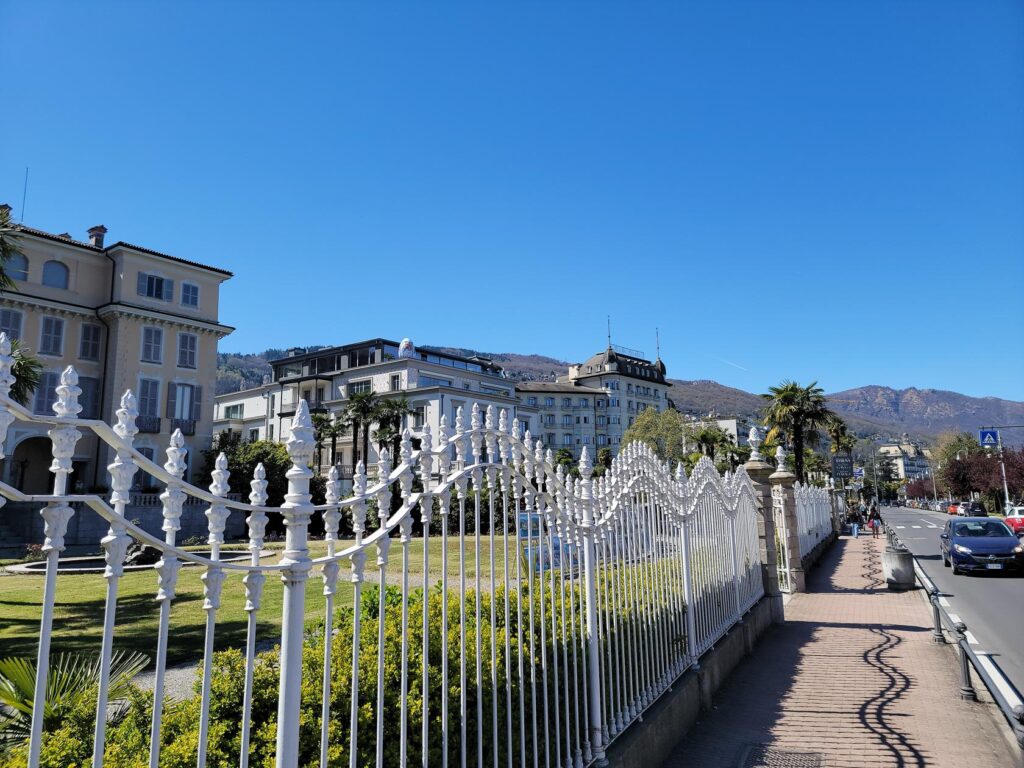
We stayed at the Regina Palace Hotel again, since we had such a good time on our previous visit. From there we were able to witness a forest fire that broke out on the other side of the lake. It burned for two days and was finally put out with the help of helicopters.
Forest Fire In Laveno – Stresa, Italy
Forest Fire In Laveno – Stresa, Italy
Regina Palace Hotel
Unfortunately, our booking put us in a rather large room, number 115, which was located right above the bar and almost directly in front of the main stairwell. The noise on our first evening was ridiculous and I did not get to sleep until some time after twelve.
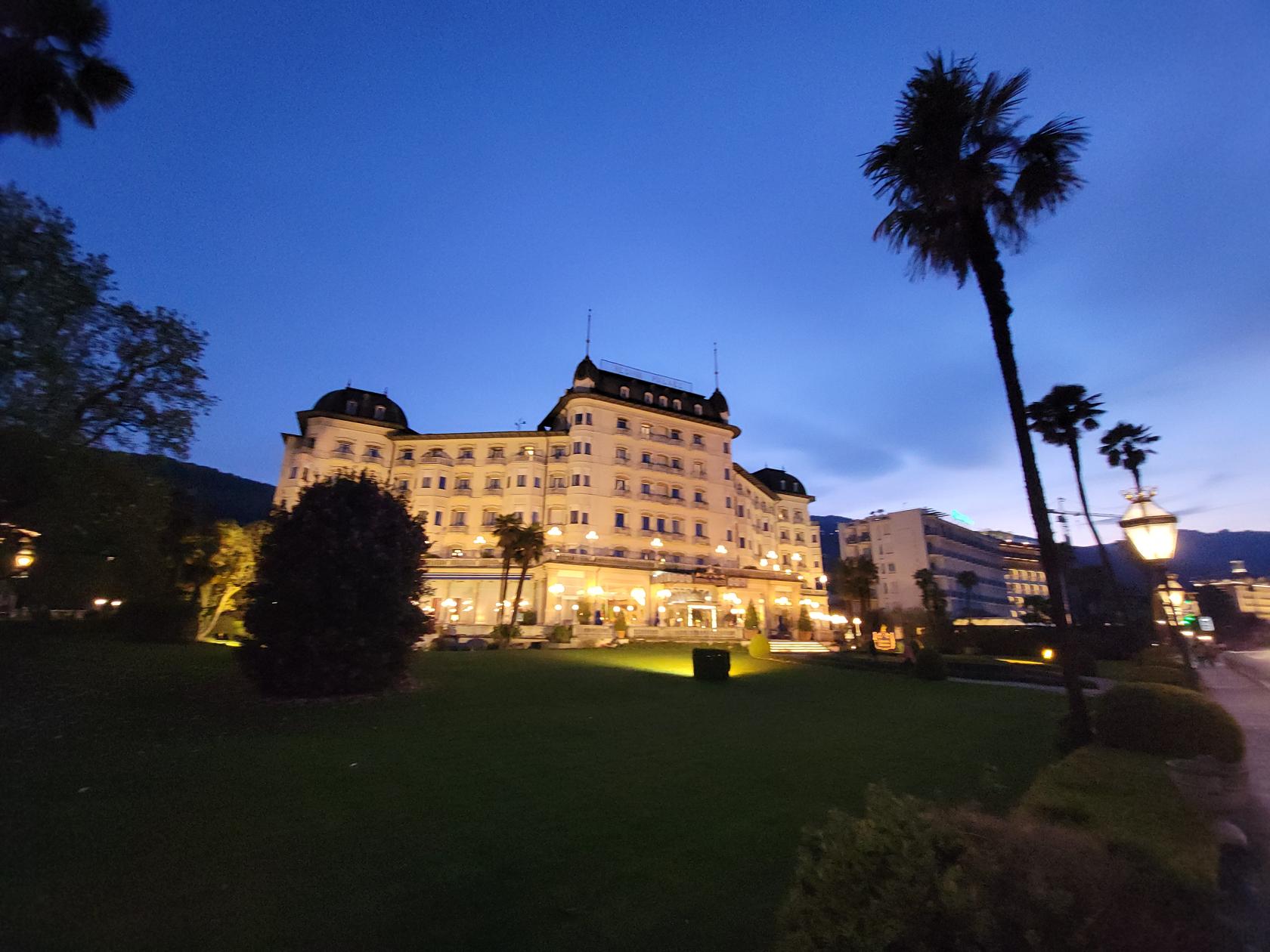
Regina Palace Hotel – Corso Umberto I – Stresa, Italy
Regina Palace Hotel – Corso Umberto I – Stresa, Italy
Regina Palace Hotel – Corso Umberto I – Stresa, Italy
The bar plays music from seven in the evening until midnight, and the later it got, the louder it got. So the next morning, I had our room moved to one of the extremities of the hotel, which was much quieter and overall much more enjoyable.
Corso Umberto I – Stresa, Italy
Regina Palace Hotel – Corso Umberto I – Stresa, Italy
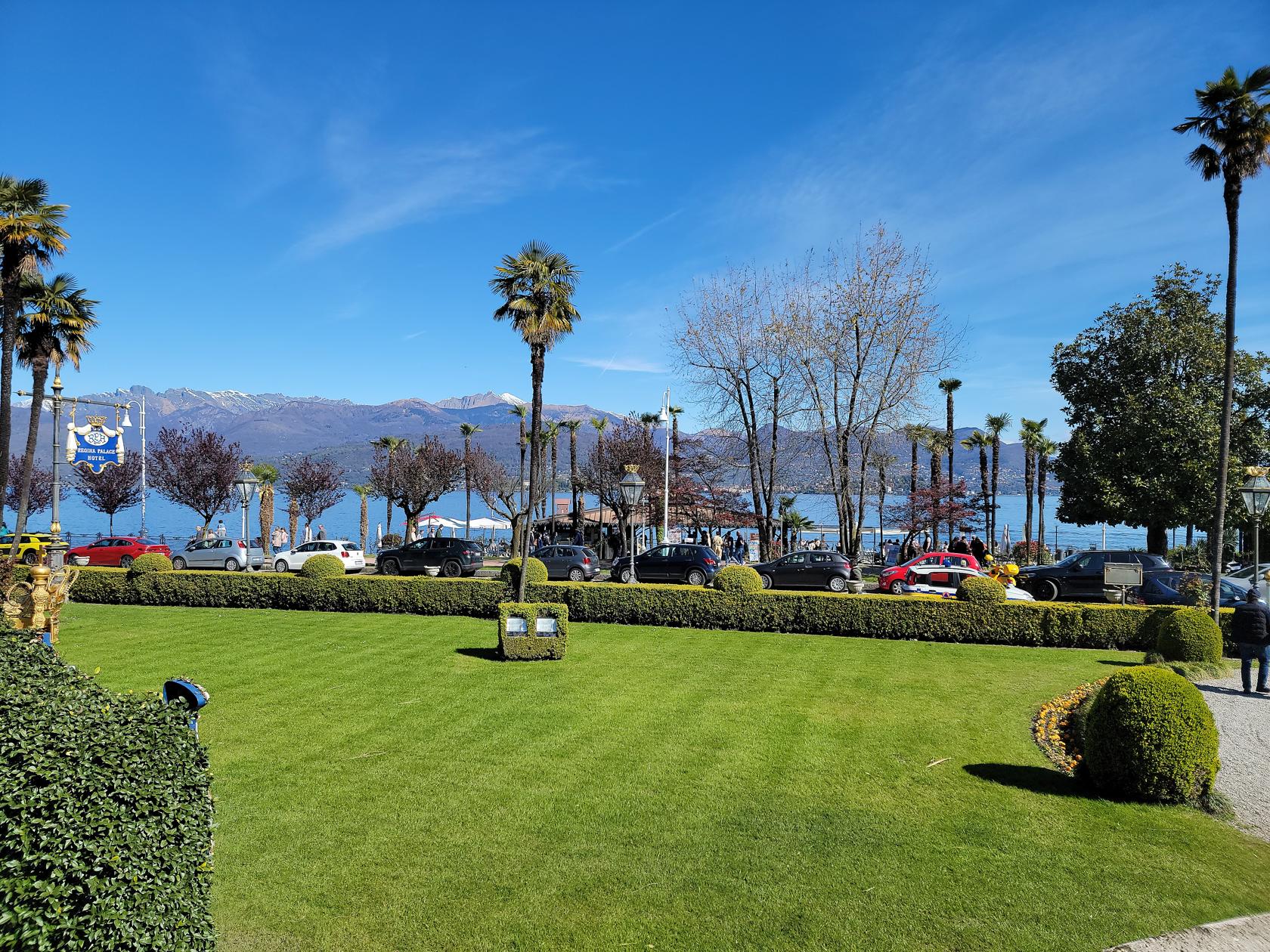
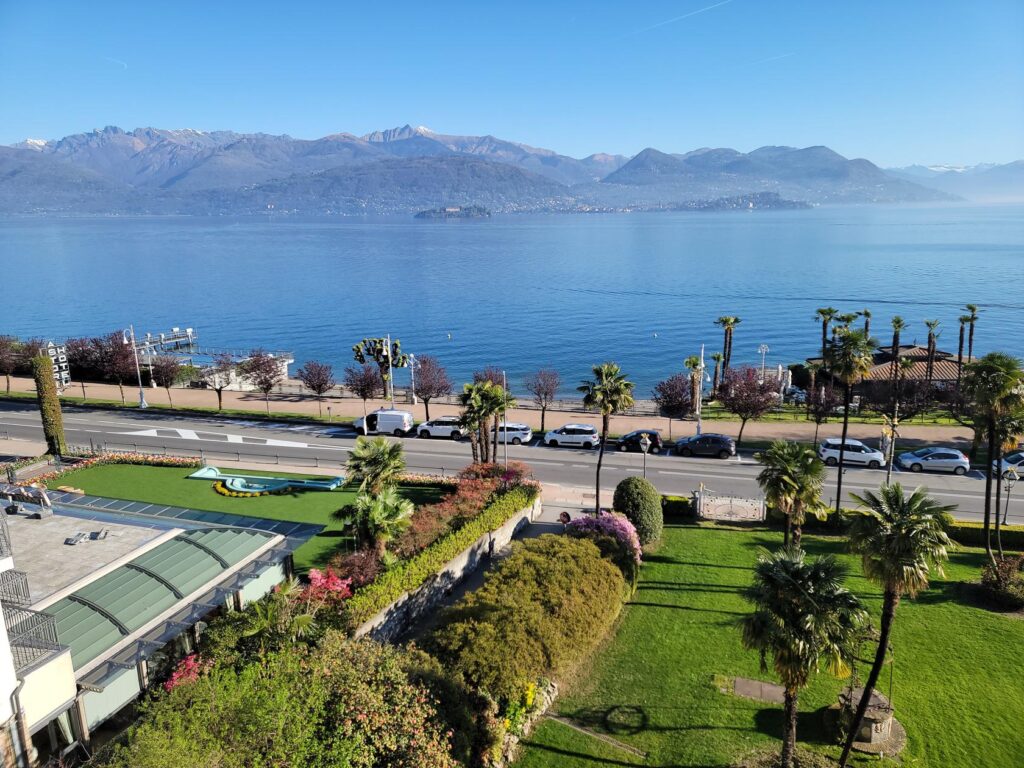
Regina Palace Hotel – Afternoon View – Stresa, Italy
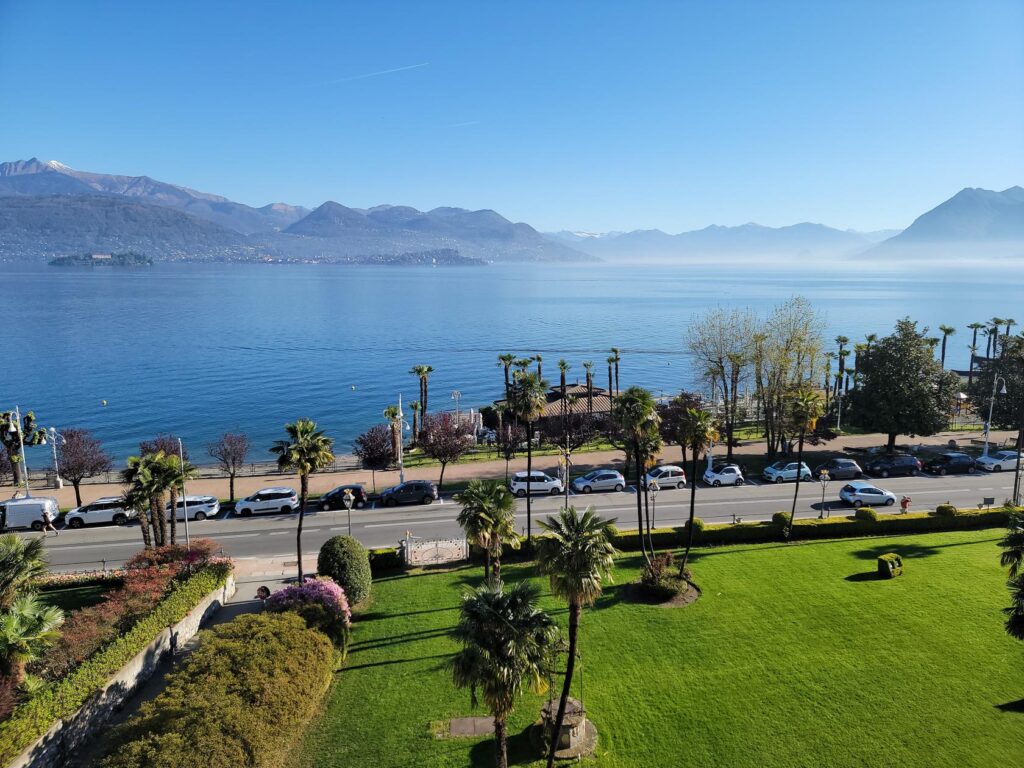
Regina Palace Hotel – Afternoon View – Stresa, Italy
Lungolago
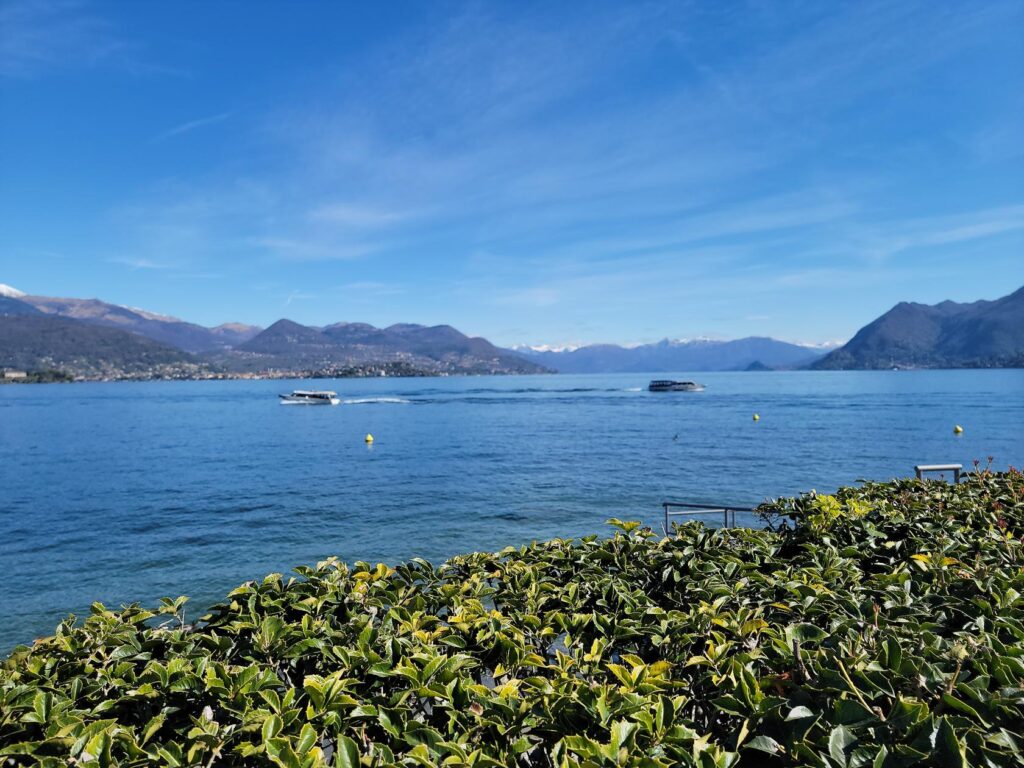
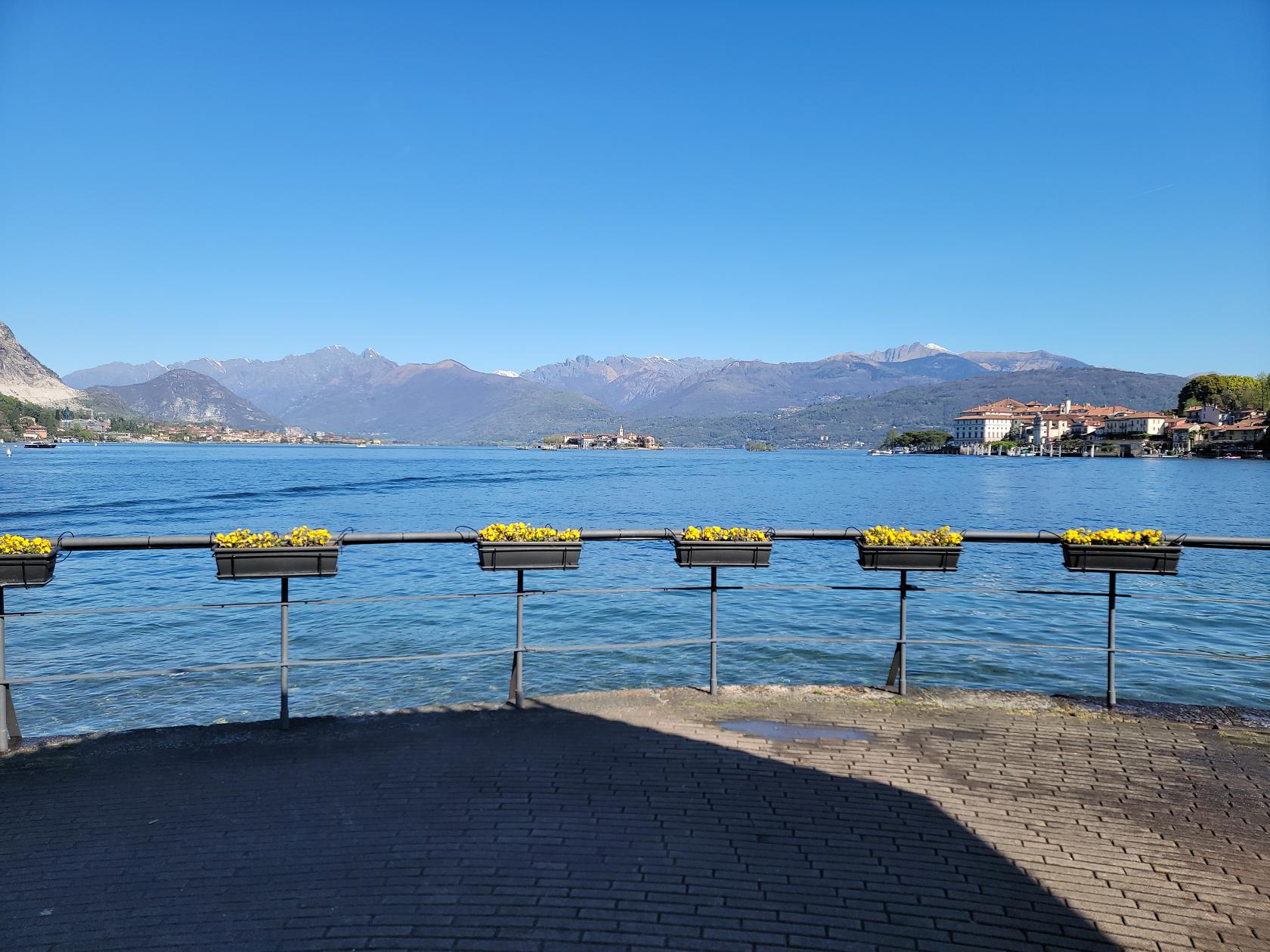
Stresa has a beautiful boardwalk along the lake. It winds its way along the western side, all the way down to Piazzale Lido, another boat launch on the lake. There is only one short stretch you have to walk along the road, which is where the Borromeo estates are located, since they have complete lake access. Other than that, it’s a fine walk to enjoy the view and take photographs.
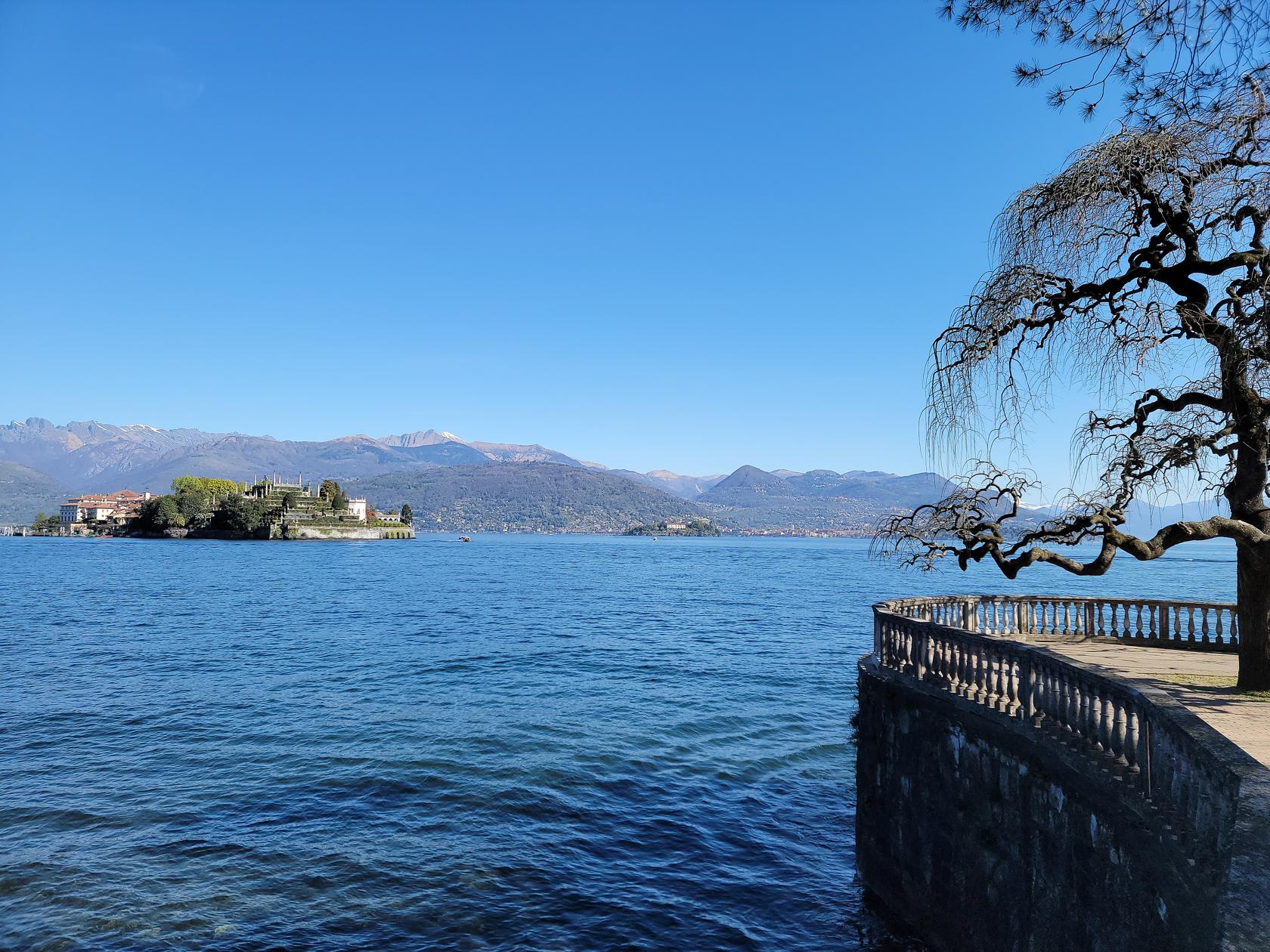
Lungolago – Isola Bella – Stresa, Italy
Lungolago – Isola Bella and Pescatore – Stresa, Italy
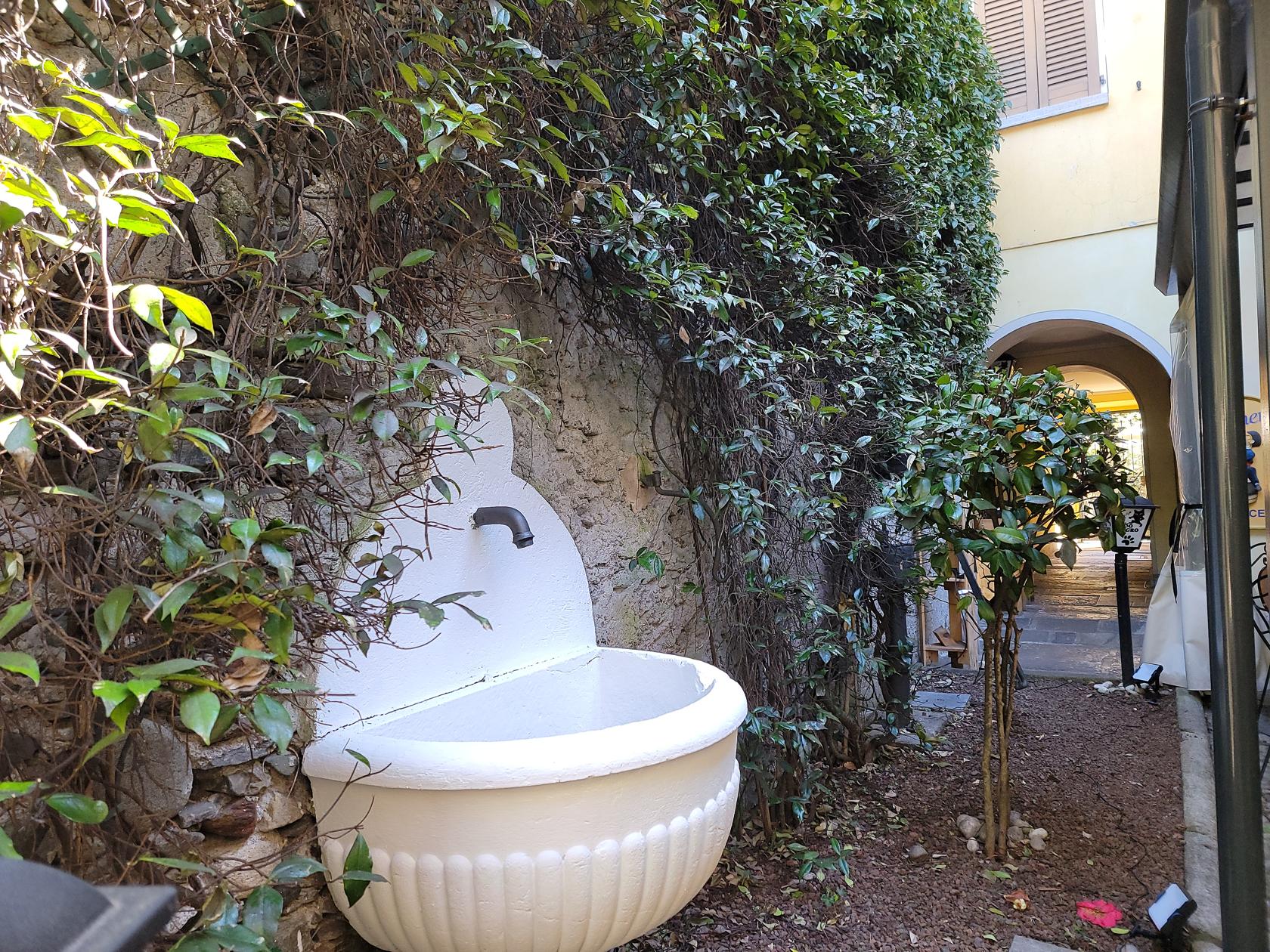
Water Fountain – Stresa, Italy
Restaurants
Since we have been to Stresa before, our concentration was more on day trips from the location, rather than visiting the city itself. However, we were able to enjoy some restaurants and cafes while we were here.
Il Vicoletto Ristoranti
A typical italian restaurant that serves fine food. The service is good and the meals are well portioned and taste great.
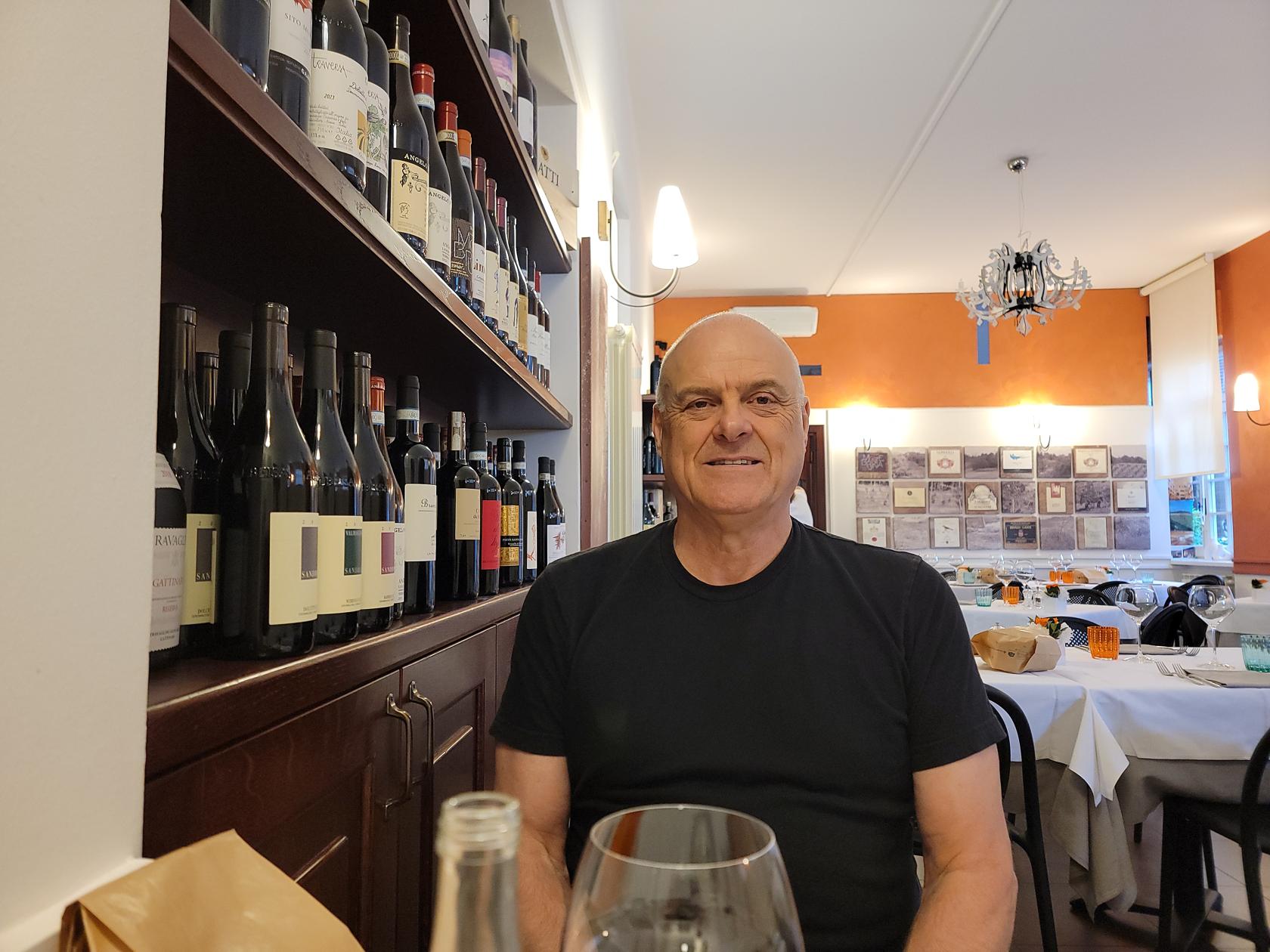
Patti – Il Vicoletto Ristoranti – Stresa, Italy
Menu – Il Vicoletto Ristoranti – Stresa, Italy
Erick – Il Vicoletto Ristoranti – Stresa, Italy
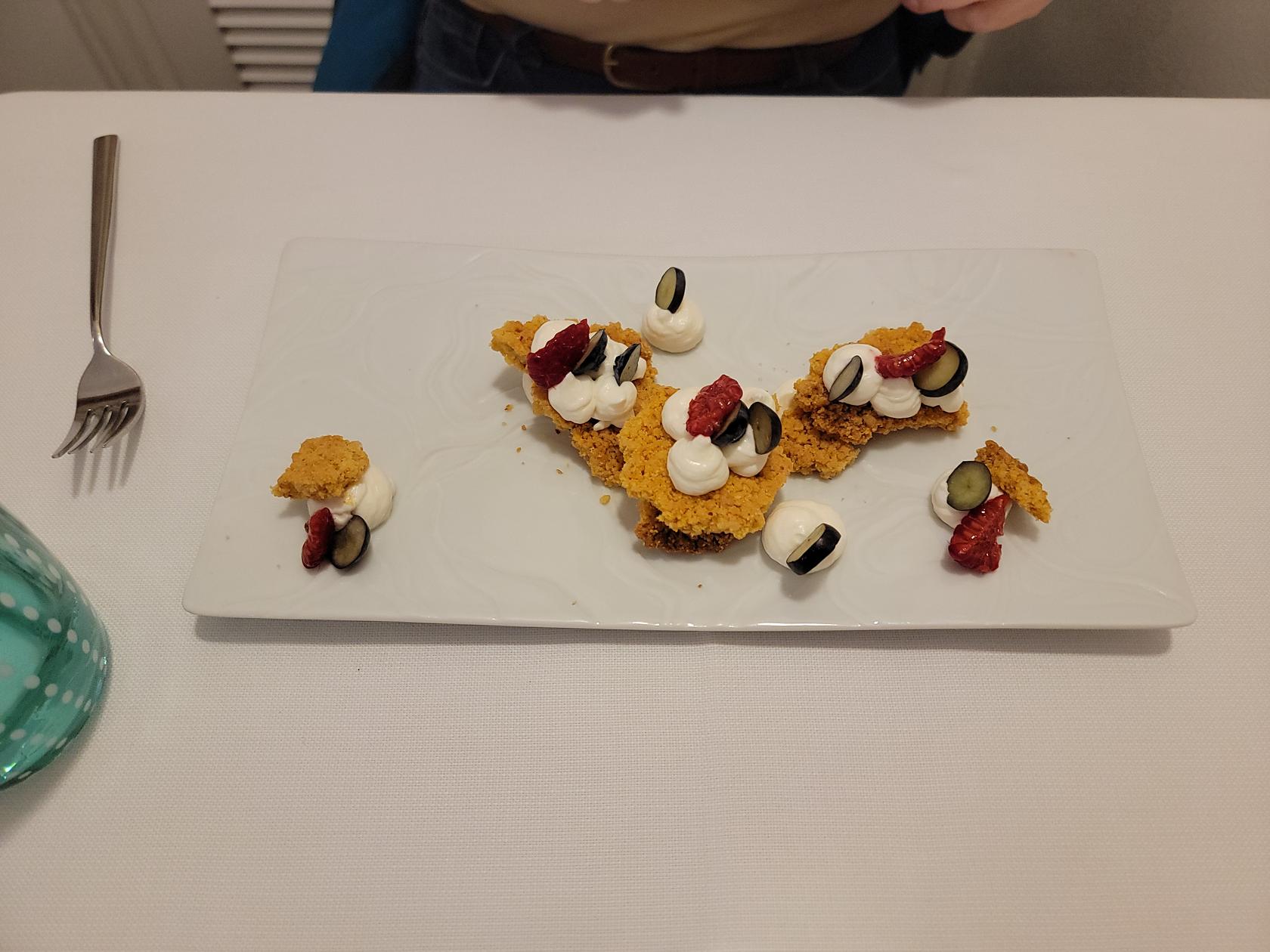
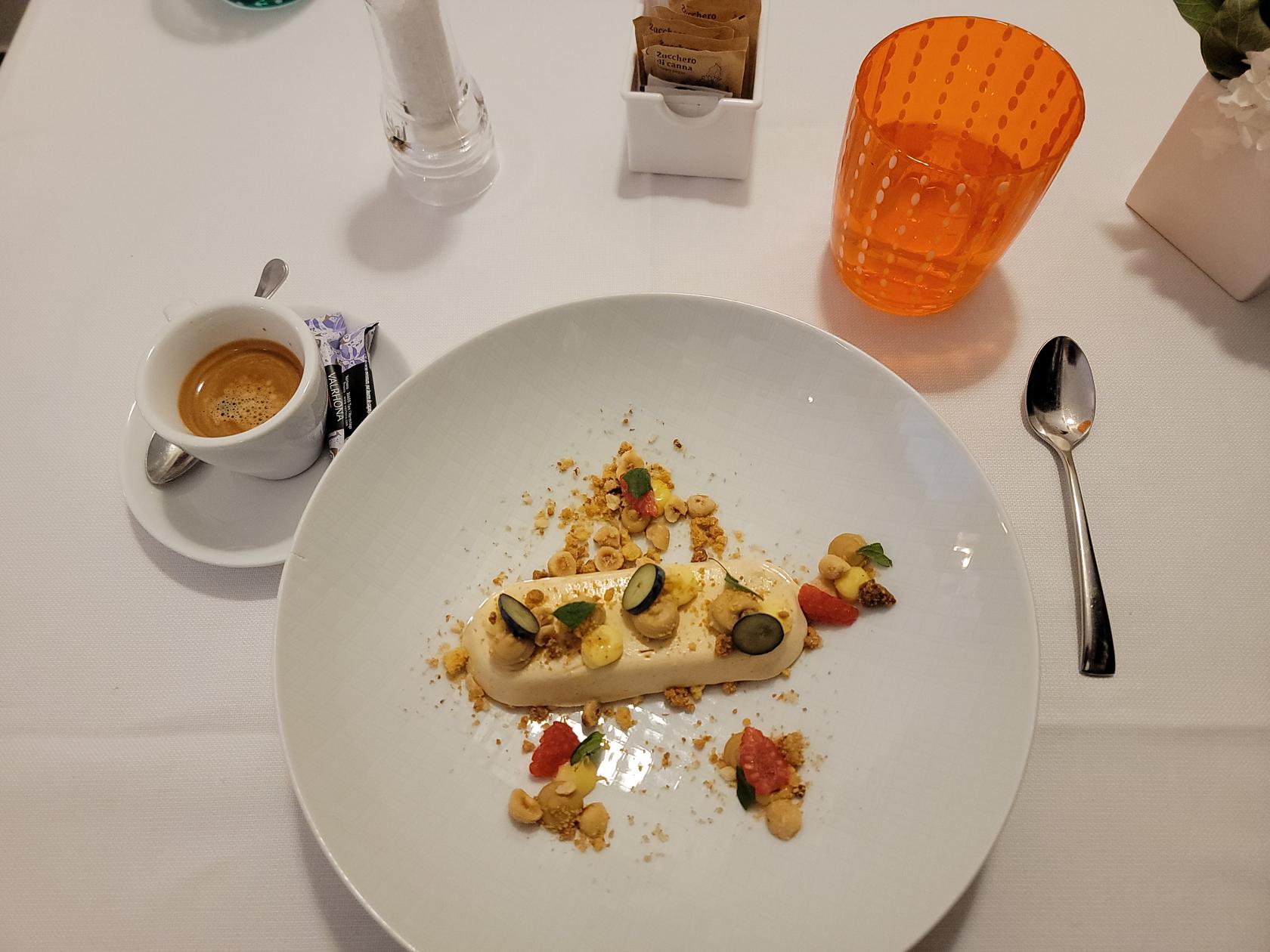
The desserts are exceptional, from the Almond Torte to the Panna Cotta, and commendable.
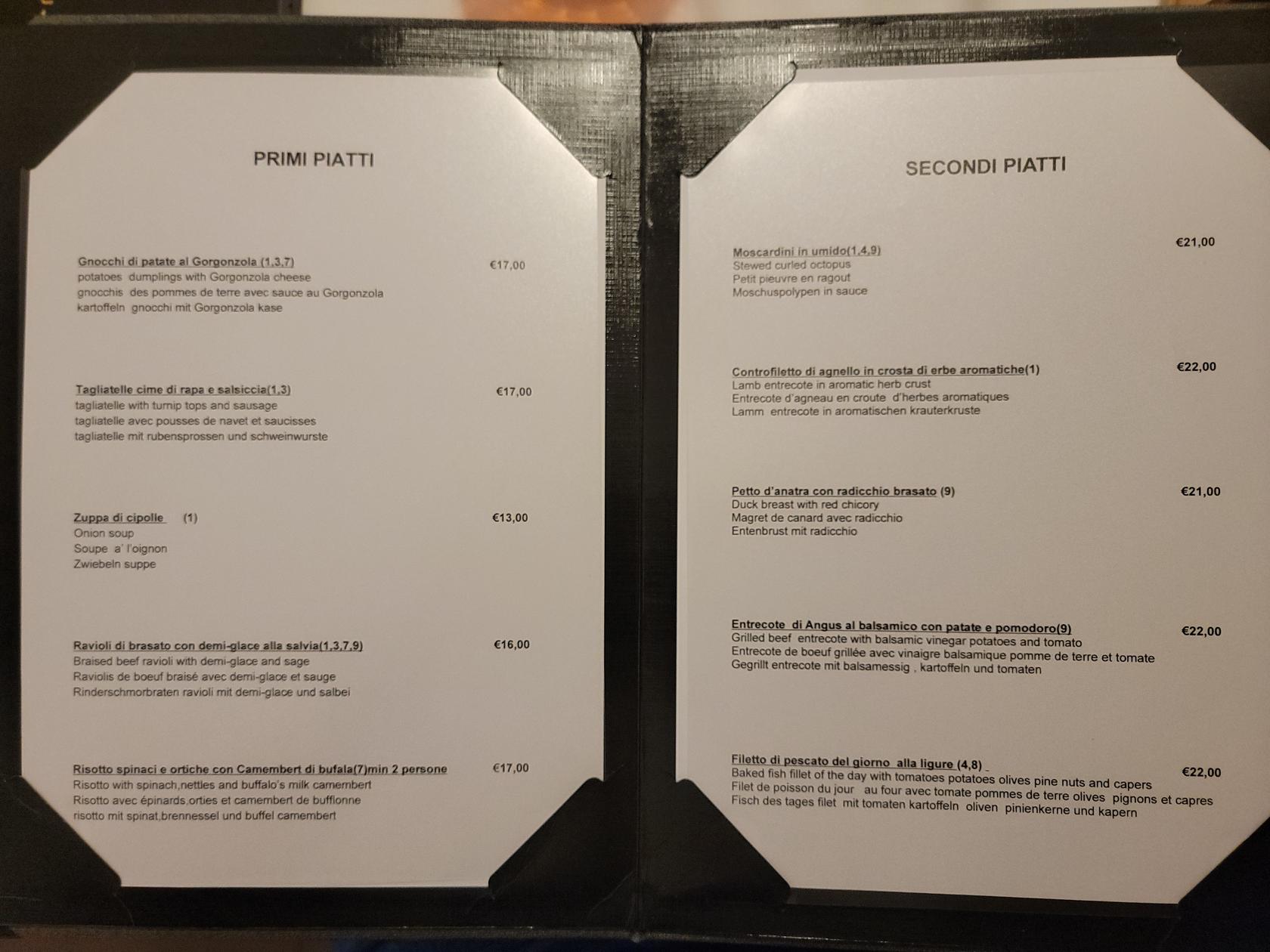
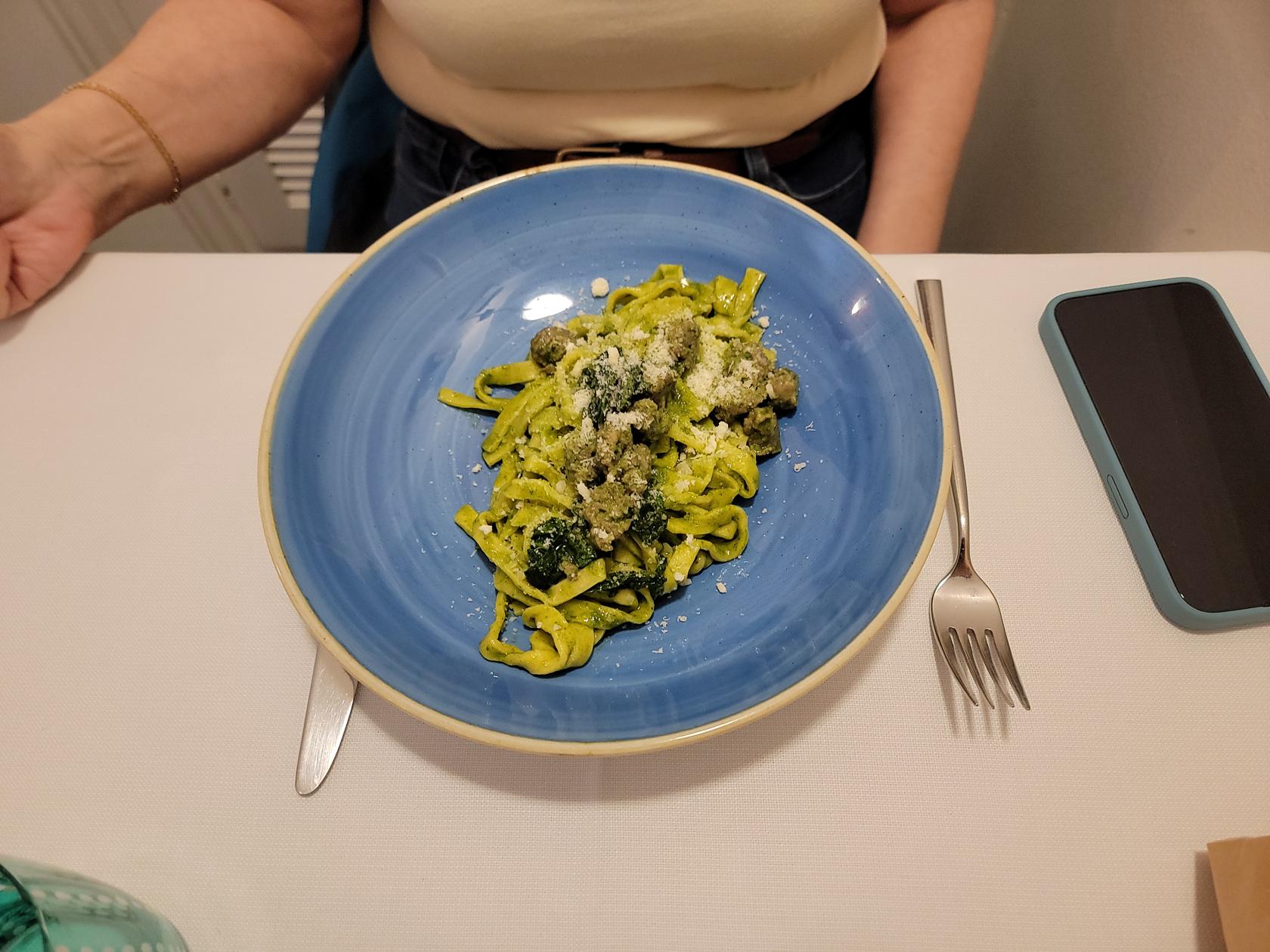
Tagliatelli with Broccoli Rabe and Sausage – Il Vicoletto Ristoranti – Stresa, Italy
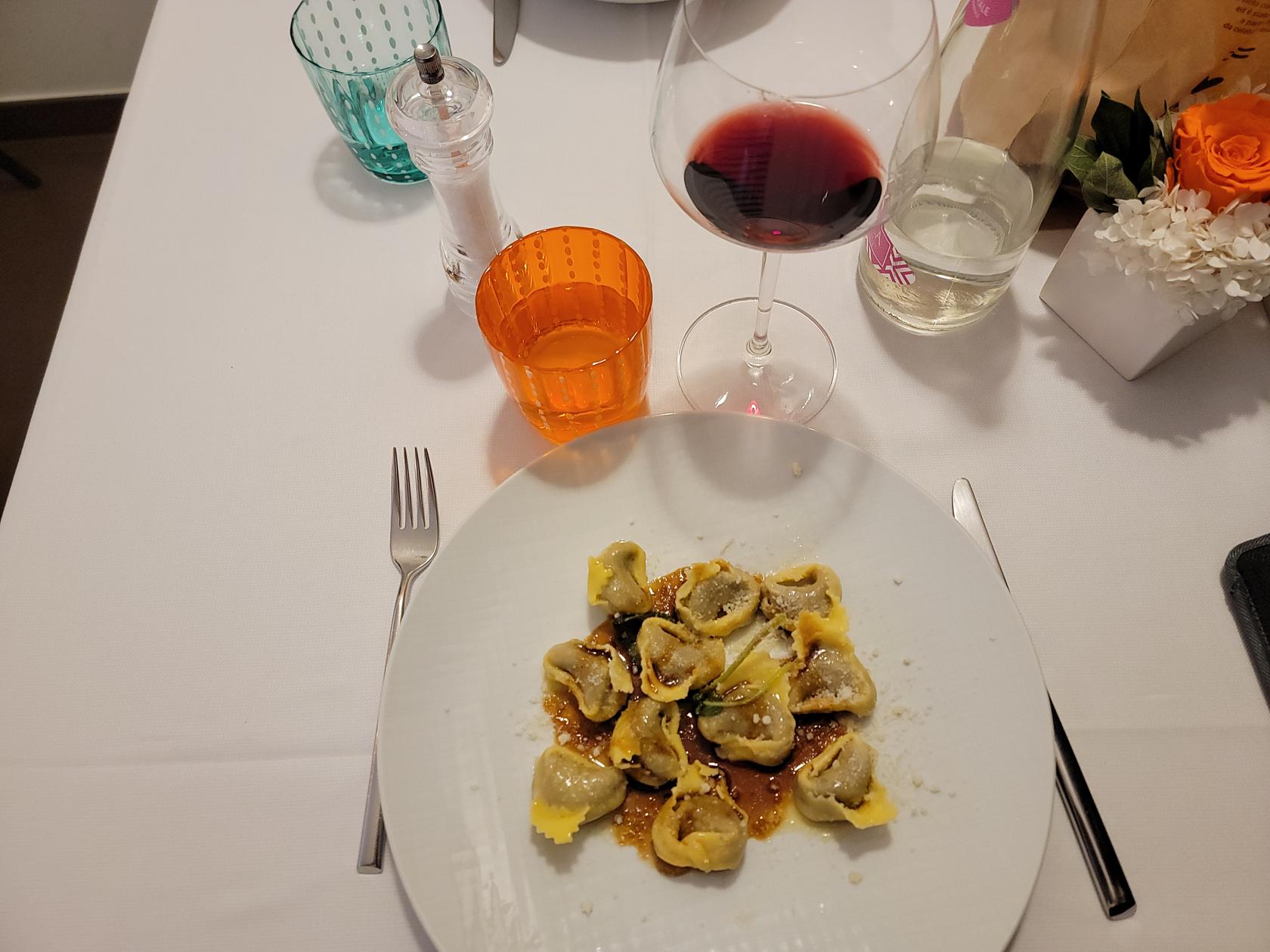
Plin Sugo and Sage – Il Vicoletto Ristoranti – Stresa, Italy
Almond Torte – Il Vicoletto Ristoranti – Stresa, Italy
Panna cotta al Mojto – Il Vicoletto Ristoranti – Stresa, Italy
Al Buscion
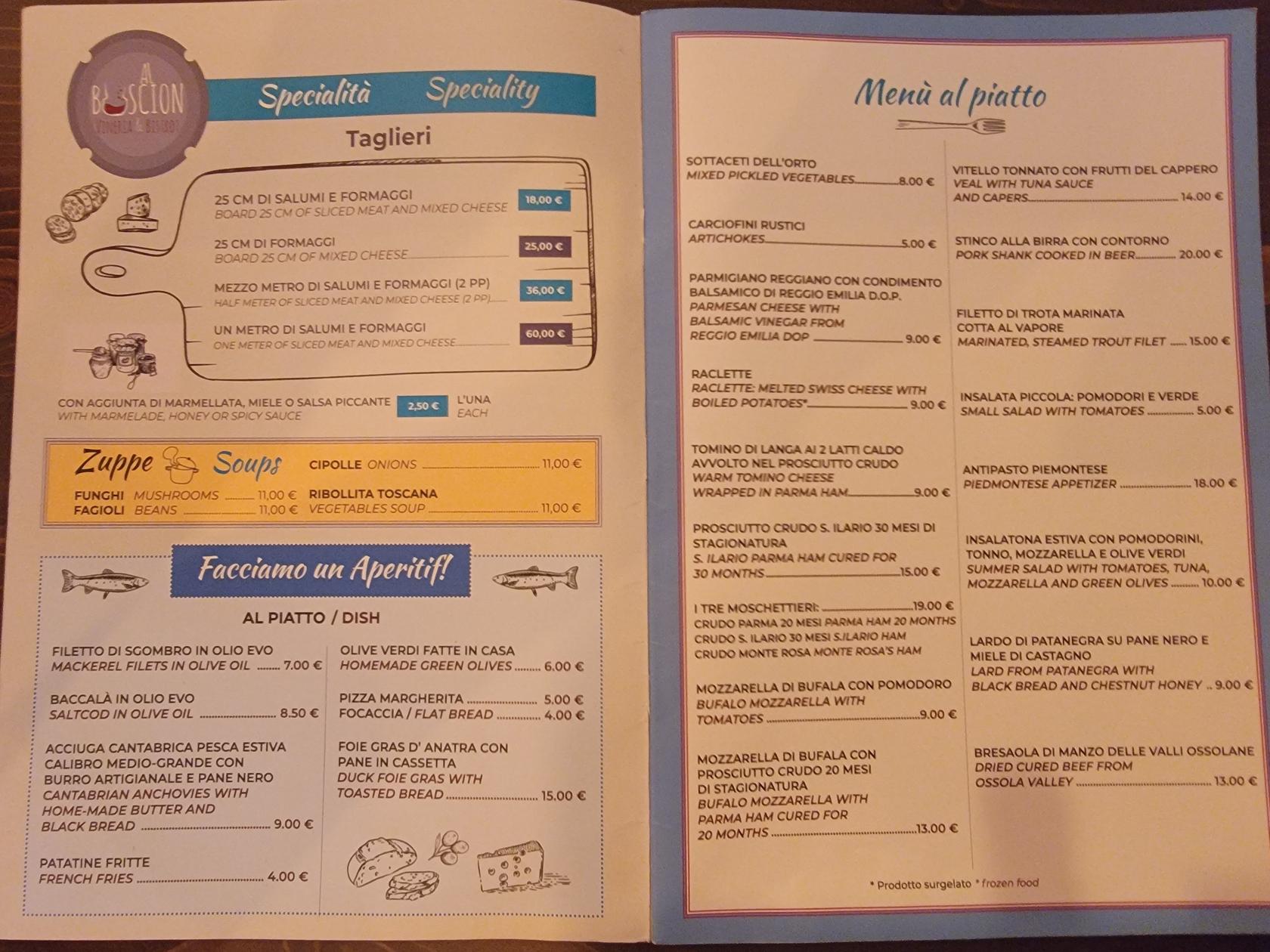
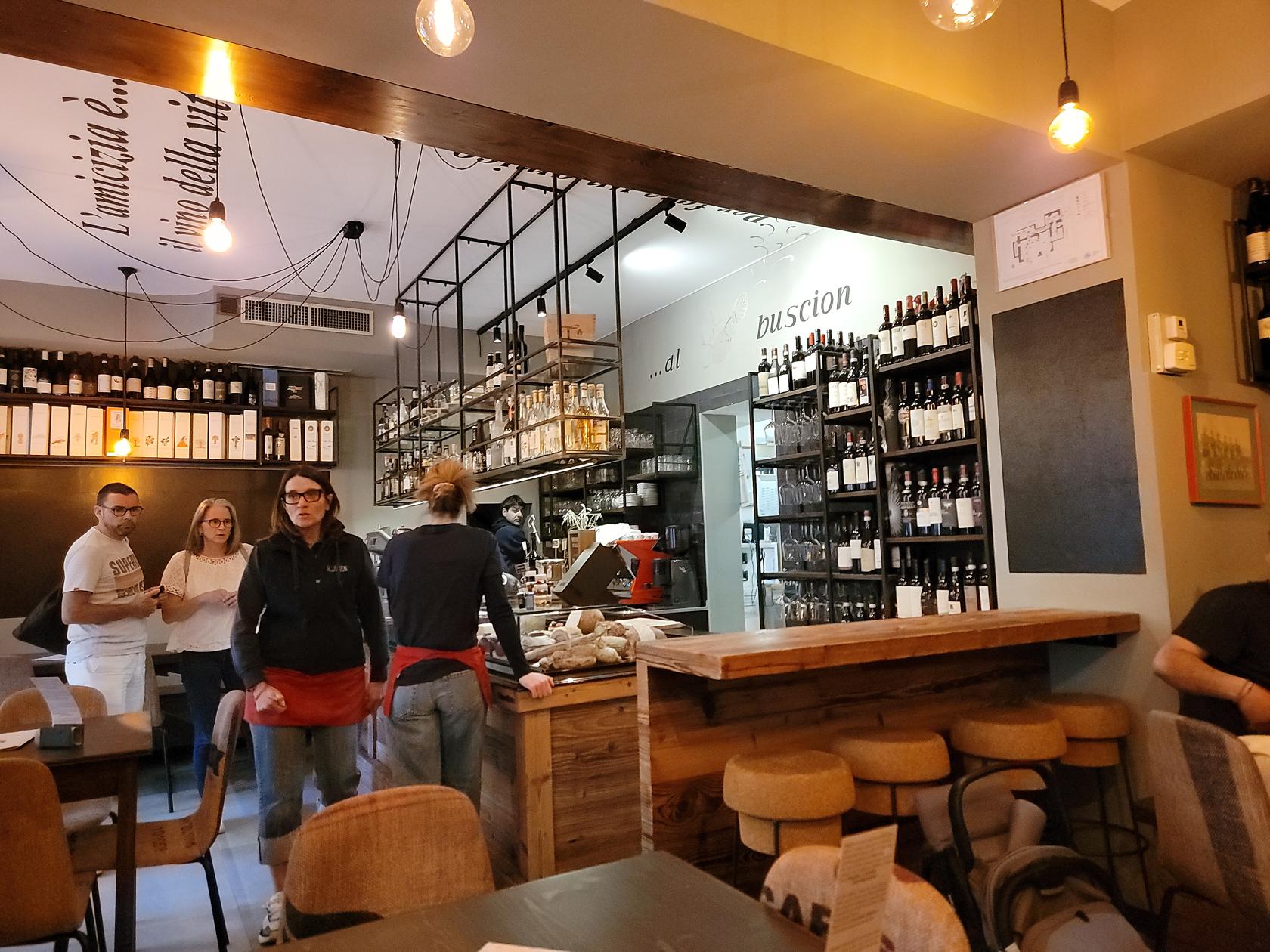
More of a cafe or bistro, this little place has something for everyone. It is one of the few places in Stresa, where you will find more than one kind of soup being served. It is more known for its charcuterie boards and paninis, than anything else, though we never had the chance to order one.
Menu – Al Buscion Cafe – Stresa, Italy
Inside – Al Buscion Cafe – Stresa, Italy
La Piola
If you like finer dining, then look no further than La Piola.
Patti – La Piola Cafe – Stresa, Italy
Inside – La Piola Cafe – Stresa, Italy
We thoroughly enjoyed the food here, though we didn’t order any dessert. The pasta dish was excellent and very tasty, and Patti enjoyed here Chicken Cutlet as well.
Filetto of Chicken – La Piola Cafe – Stresa, Italy
Spaghetti – La Piola Cafe – Stresa, Italy
El Gato Negro Cafe
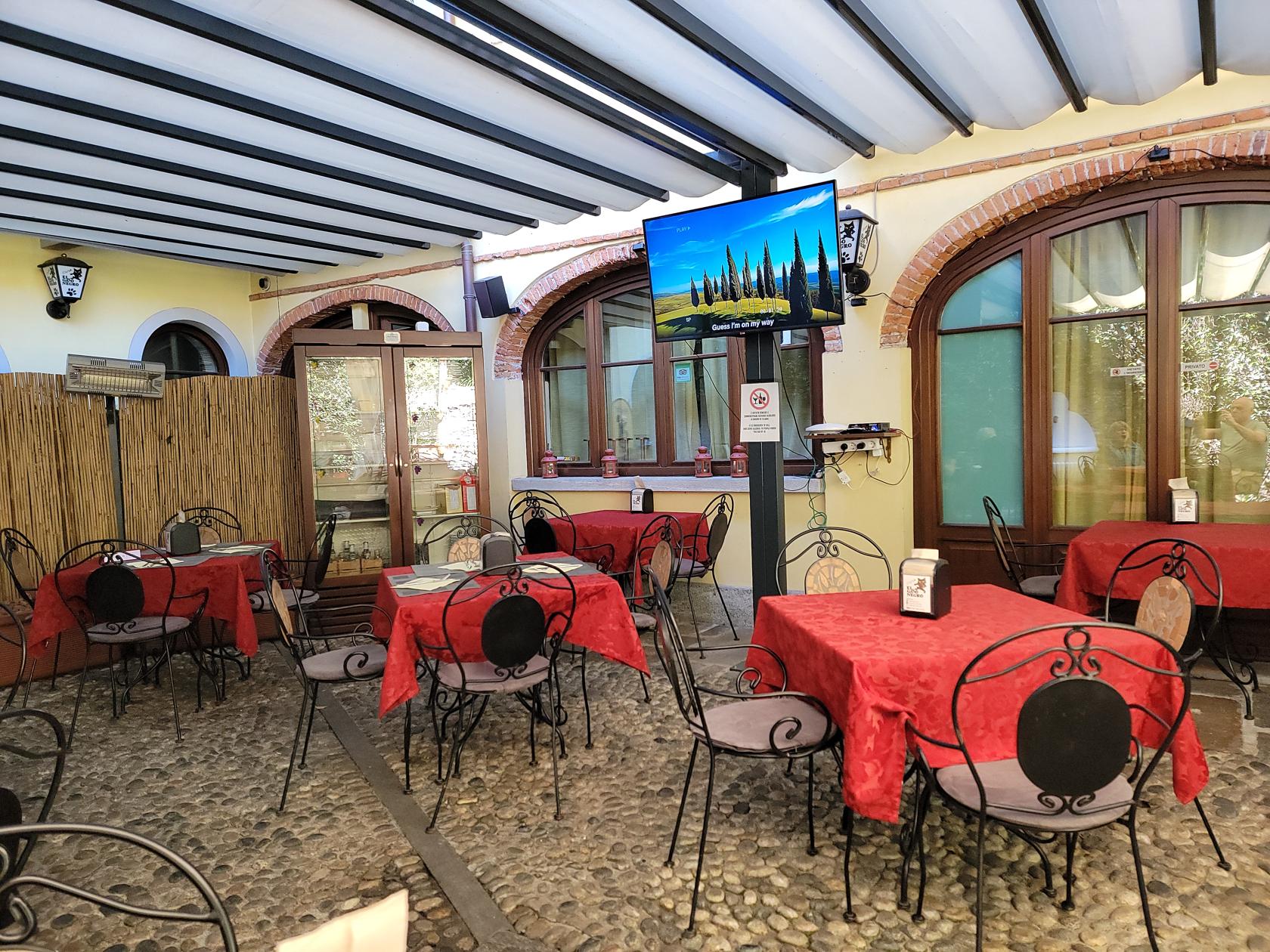
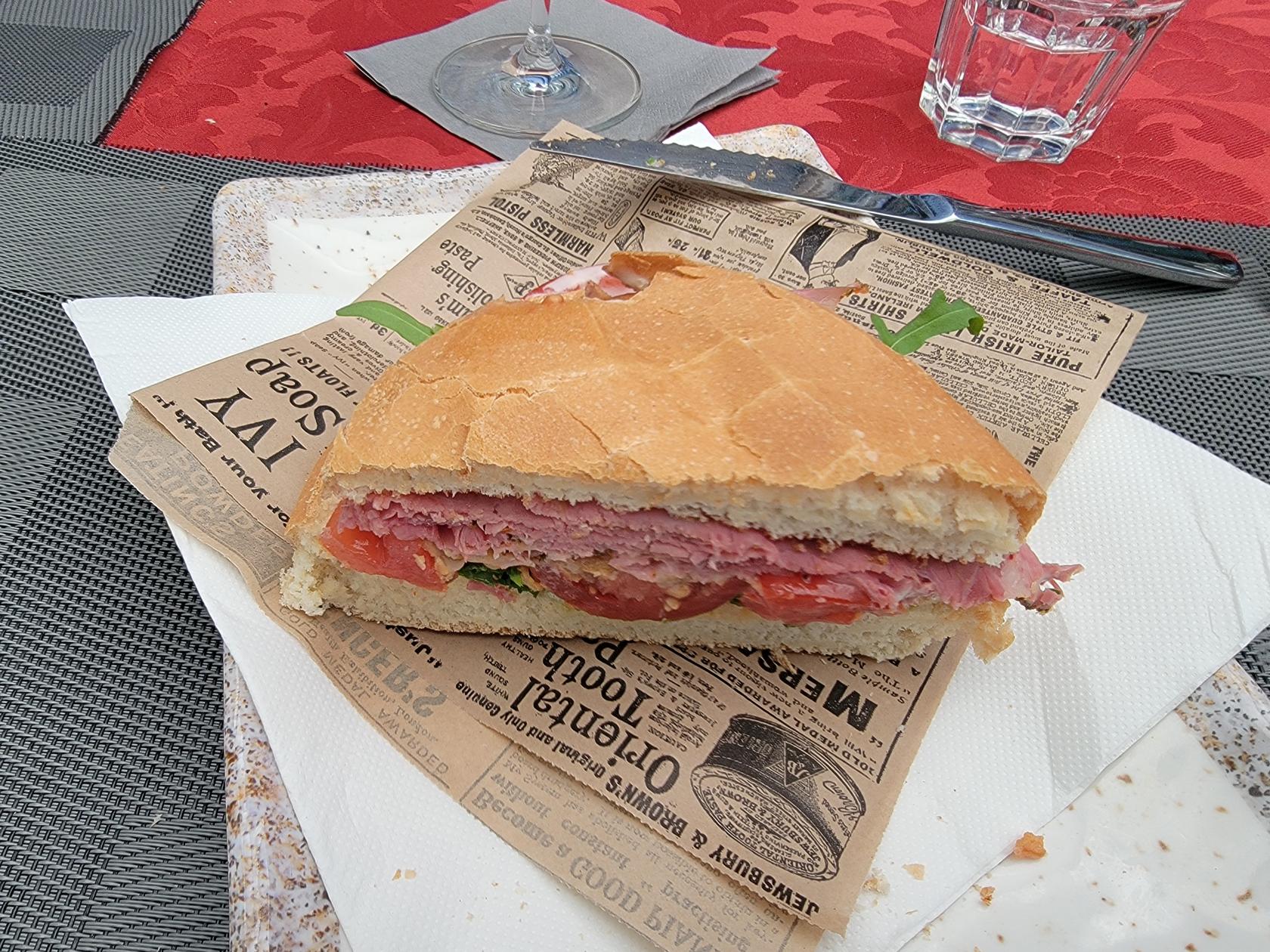
We stopped at El Gato Negro for a late lunch and glad we did. They have very tasty soups, salads and sandwiches at very reasonable prices. The pastrami sandwich, though not like pastrami in the States, was delicious. It had an exceptional dressing on it that complimented the tomatoes, lettuce and pastrami to perfection.
Terrace – El Gato Negro Cafe – Stresa, Italy
Pastrami sandwich – El Gato Negro Cafe – Stresa, Italy
Il Centrale
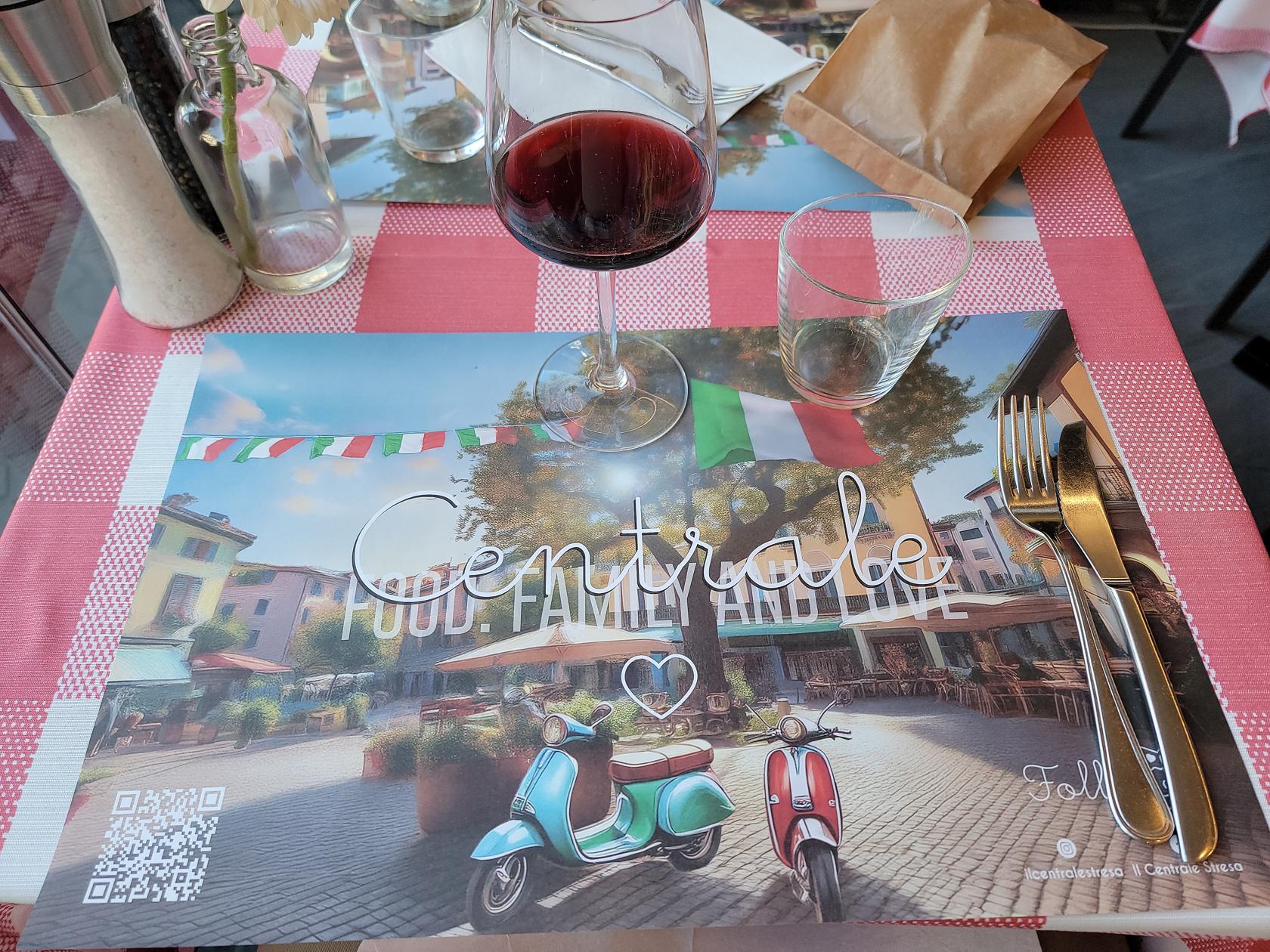
Though inside the city a bit, it is more of a tourist trap restaurant than any of the other ones we have patronized. If you are looking for something to eat, you cannot go wrong here, but it is definitely nothing special.
Placesetting – El Gato Negro Cafe – Stresa, Italy
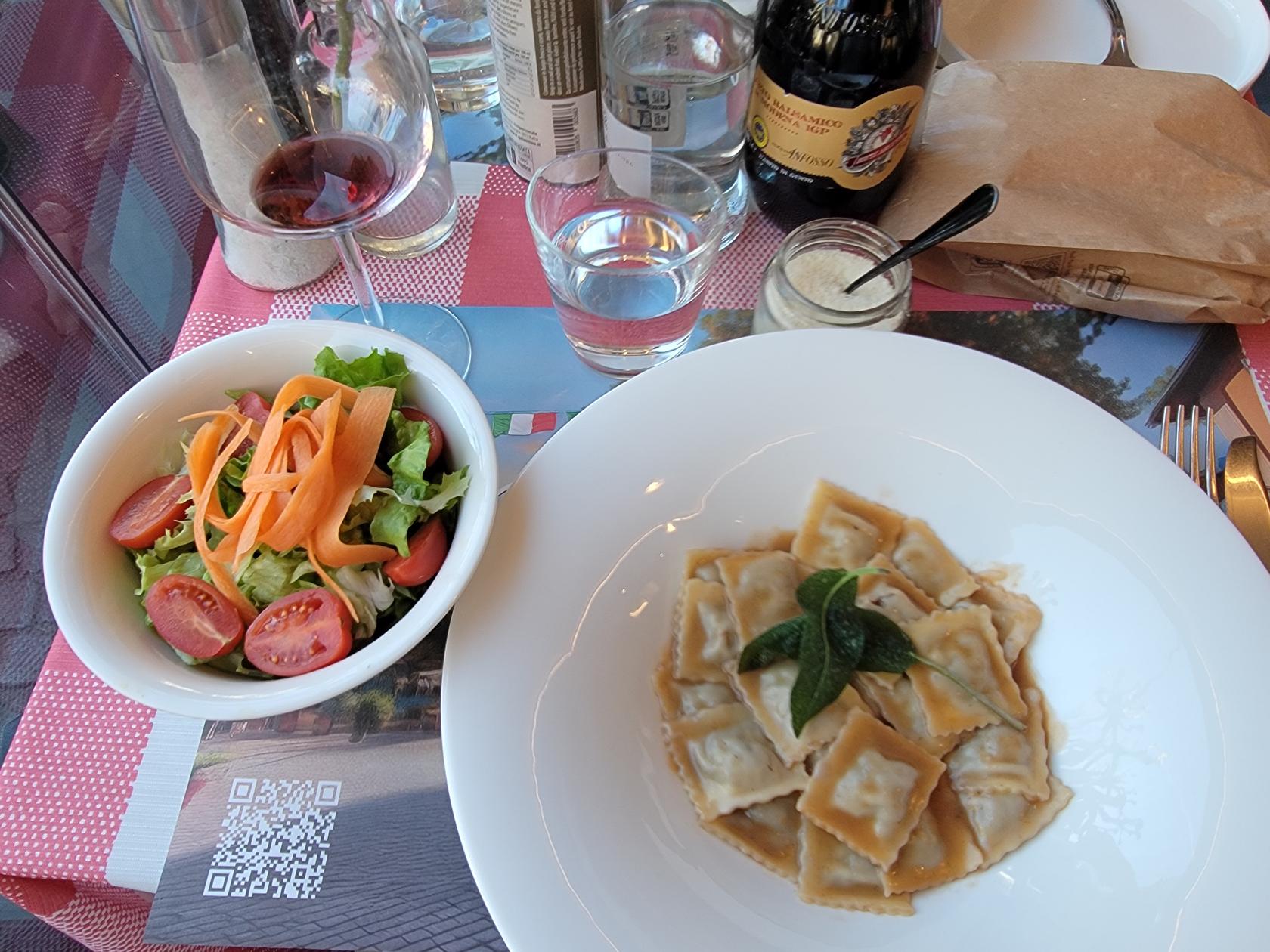
The food is okay and the service is a bit slow. But for what you get, we found them a bit pricey and the coperto[1]This is a cover charge in Italy. It is suppose to offset the fee of table linens, cutlery, napkins, etc., and is applied unevenly throughout the country. It will most often be found in tourist areas, … Continue reading was a bit high for our liking.
Plin al sugo and Salad – Il Centrale – Stresa, Italy
This is a cover charge in Italy. It is suppose to offset the fee of table linens, cutlery, napkins, etc., and is applied unevenly throughout the country. It will most often be found in tourist areas, where the establishments can get away with charging it. If so, DO NOT leave a tip, you’re covered.
A former eminent place where most woolen products came from in Italy is the city of Biella. As far back as the thirteenth century, the city has been known for its fine wool fabrics and products. However, with the recent globalization of products and competition of the early twenty-first century, many of the factories and businesses associated with that industry have gone away, creating what some might term – the woolen woes.
Waiting for Tram 13 – Vittoria Veneto Piazza – Turin, Italy
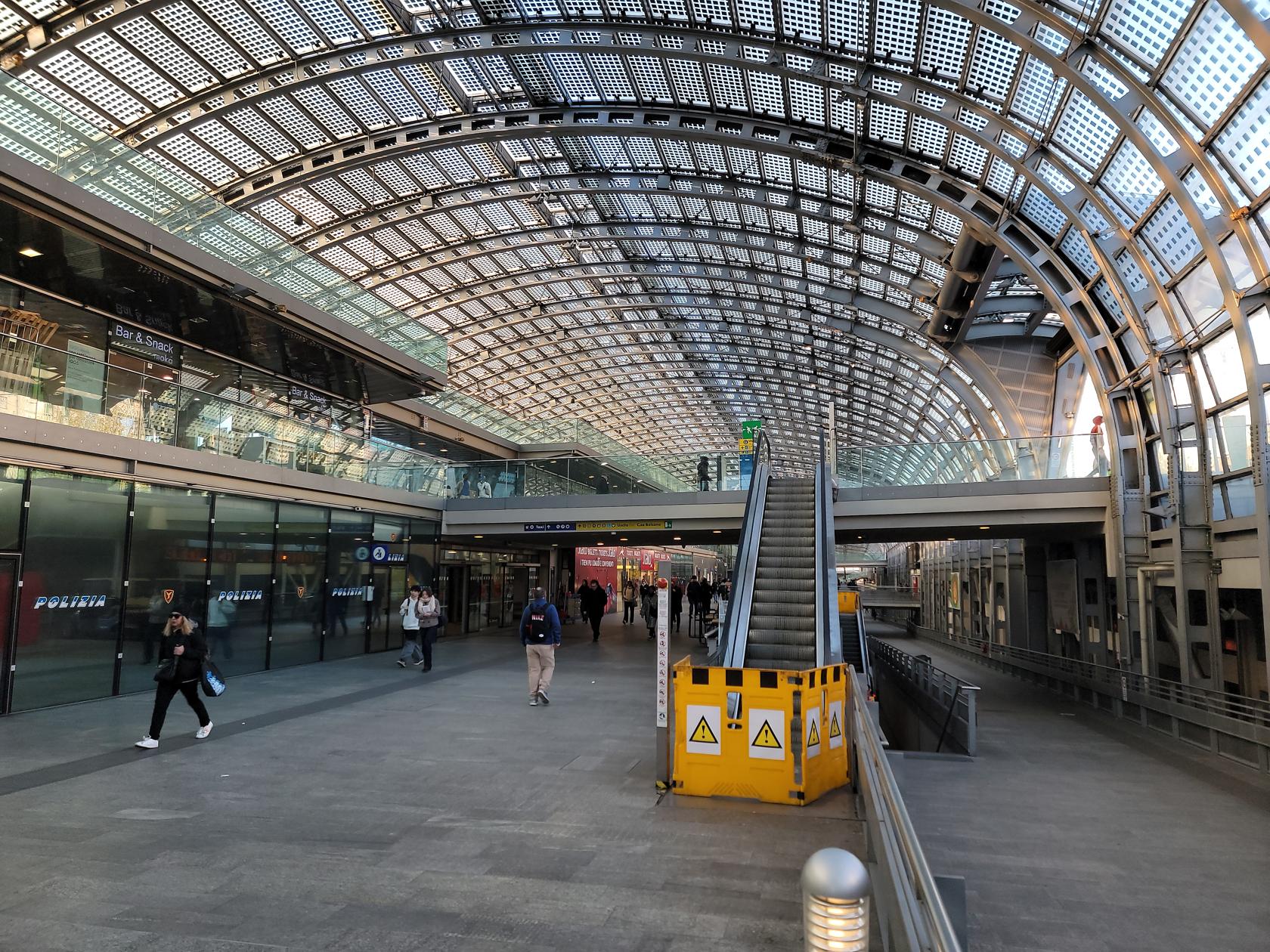
Torino Porta Susa Train Station – Turin, Italy
Torino Porta Susa Train Station – Turin, Italy
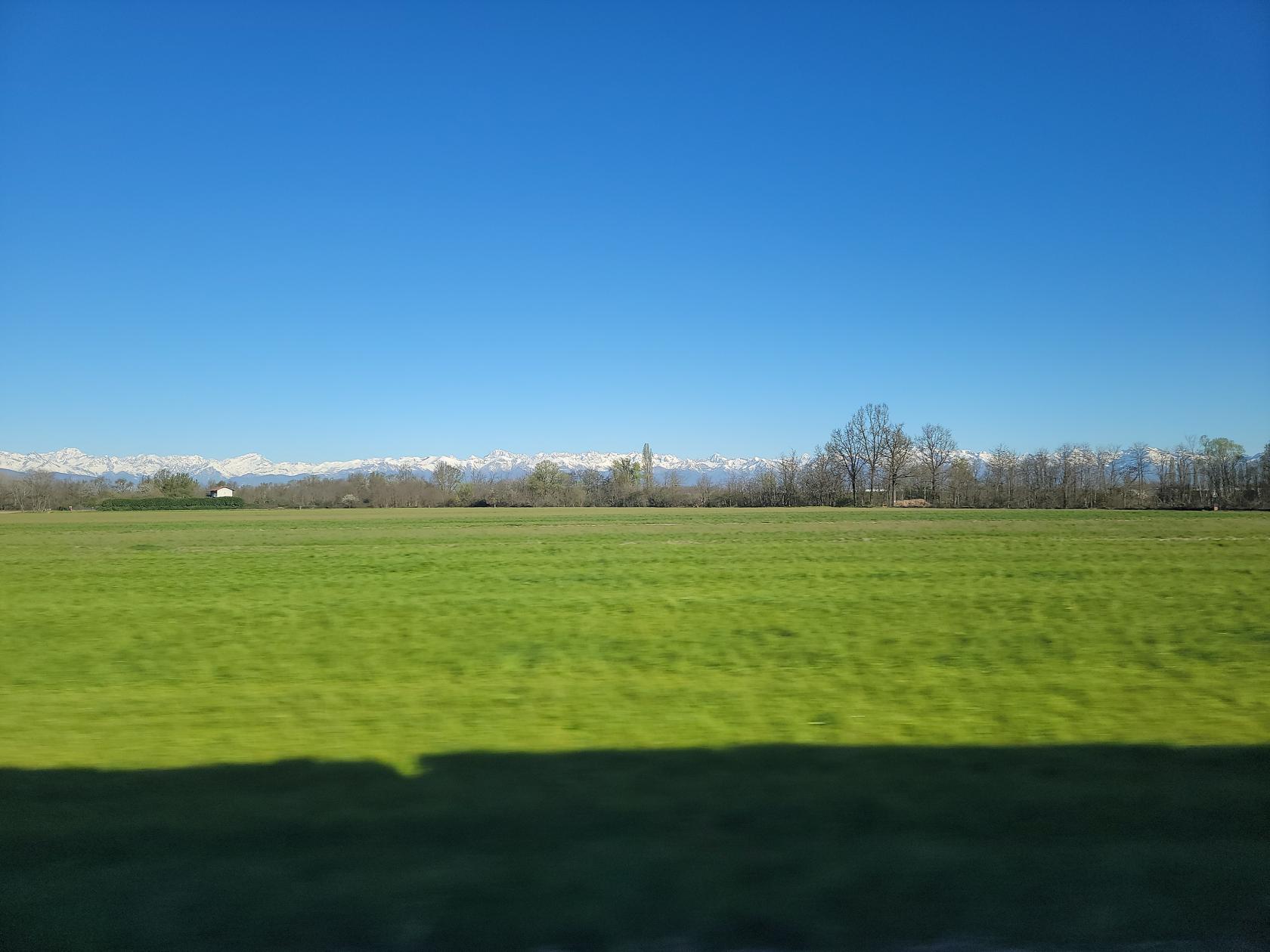
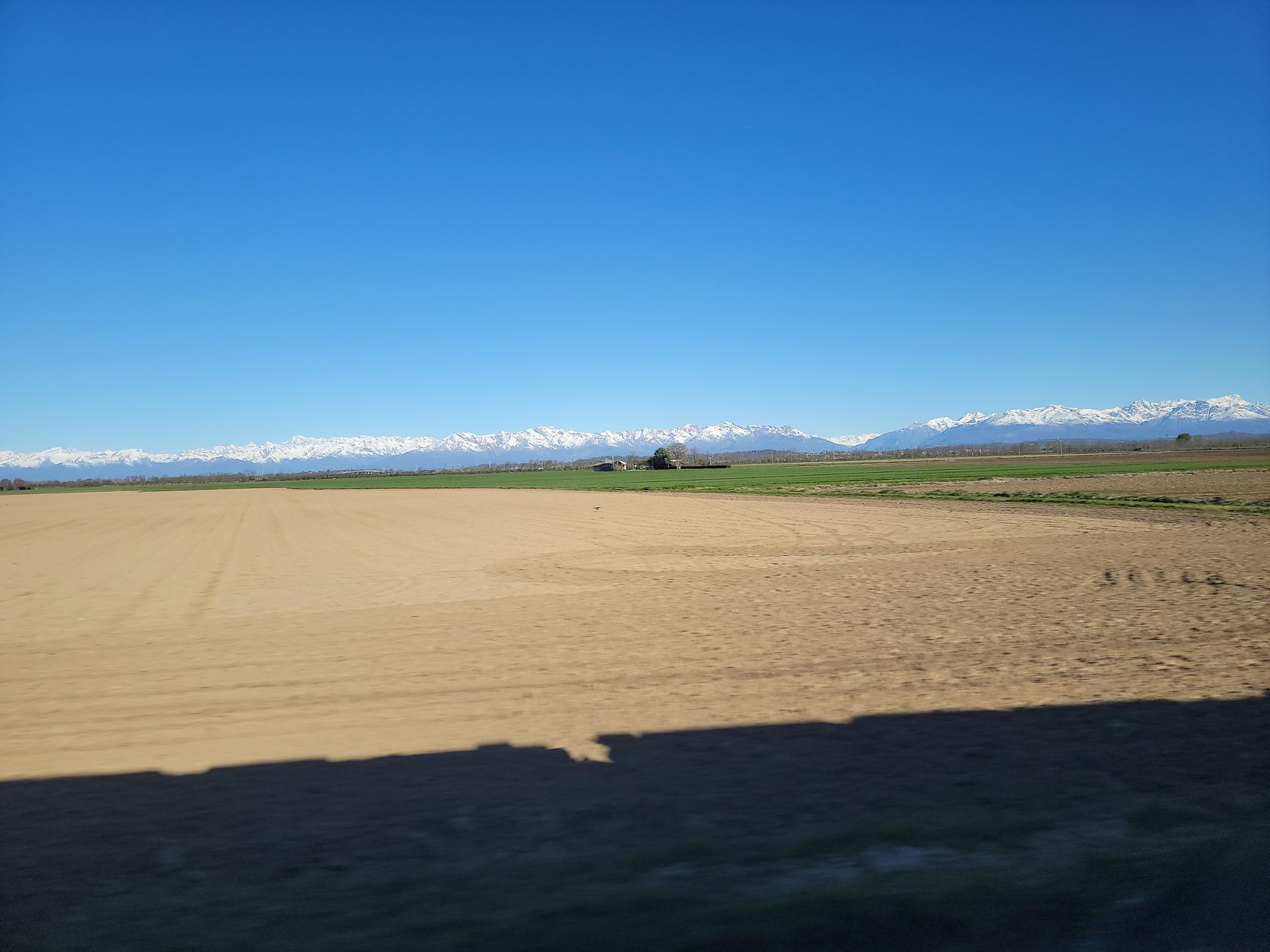
The Alps From Our Train To Biella – Turin, Italy
The Alps From Our Train To Biella – Turin, Italy
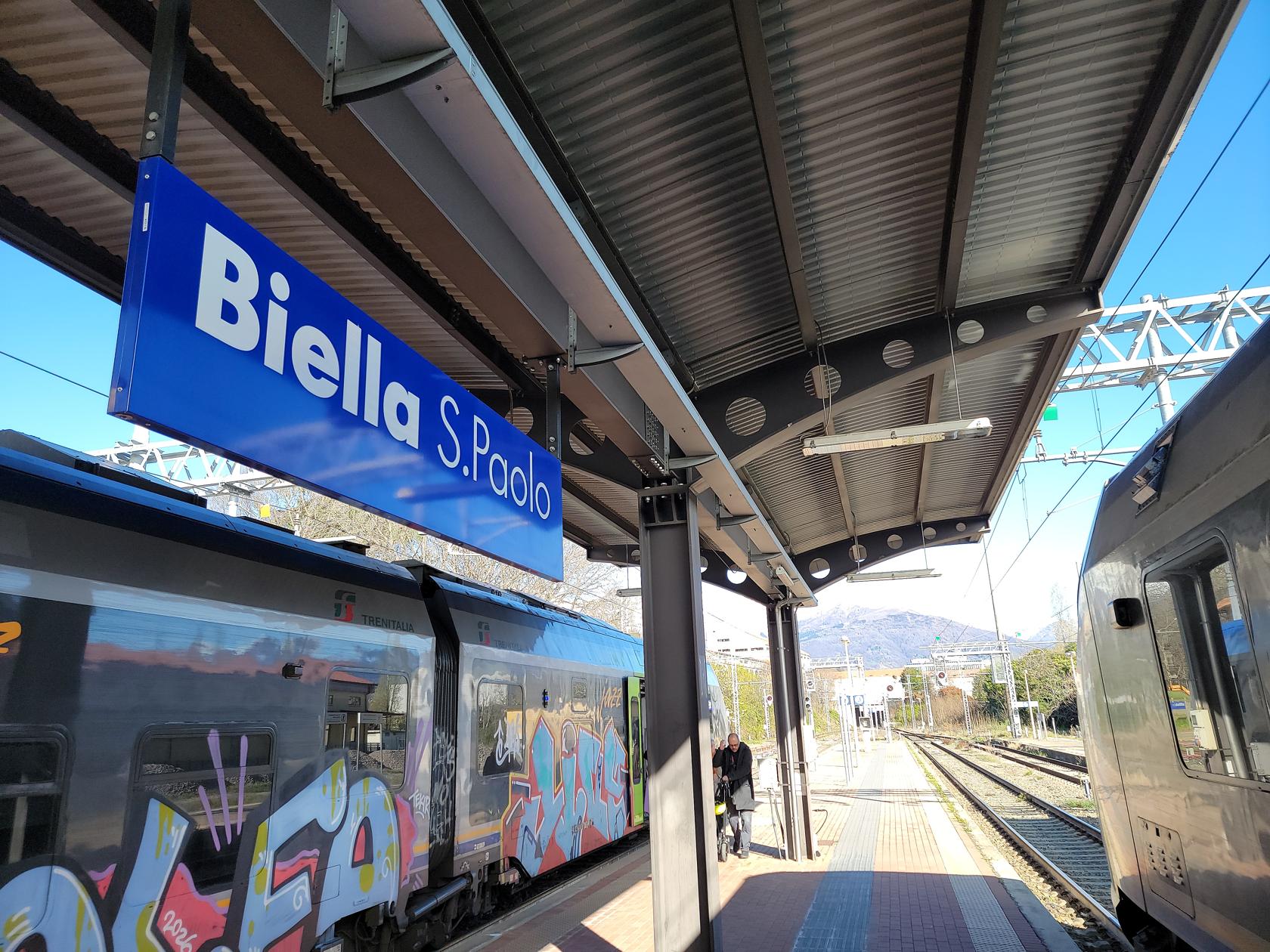
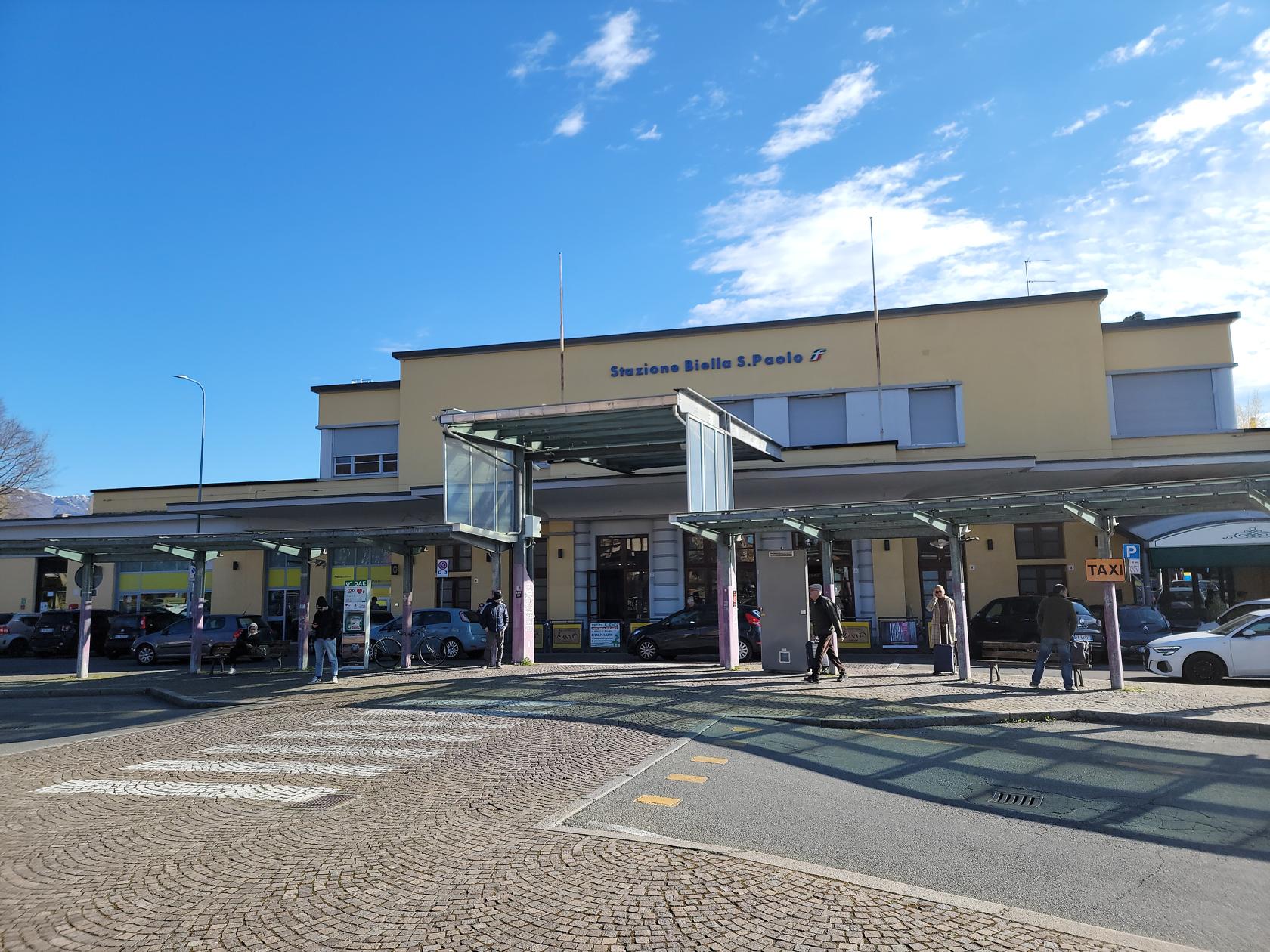
Biella San Paolo Train Station – Biella, Italy
Biella
The city sits at the foot of the eponymous mountain range of the Biellese Alps. It has been so affected by the wool industry’s decline and other issues, that it is considering cutting back on some municipal services, including the possible cessation of the funicular, or the Funicolare del Piazzo, which was severely damaged by past weather events.
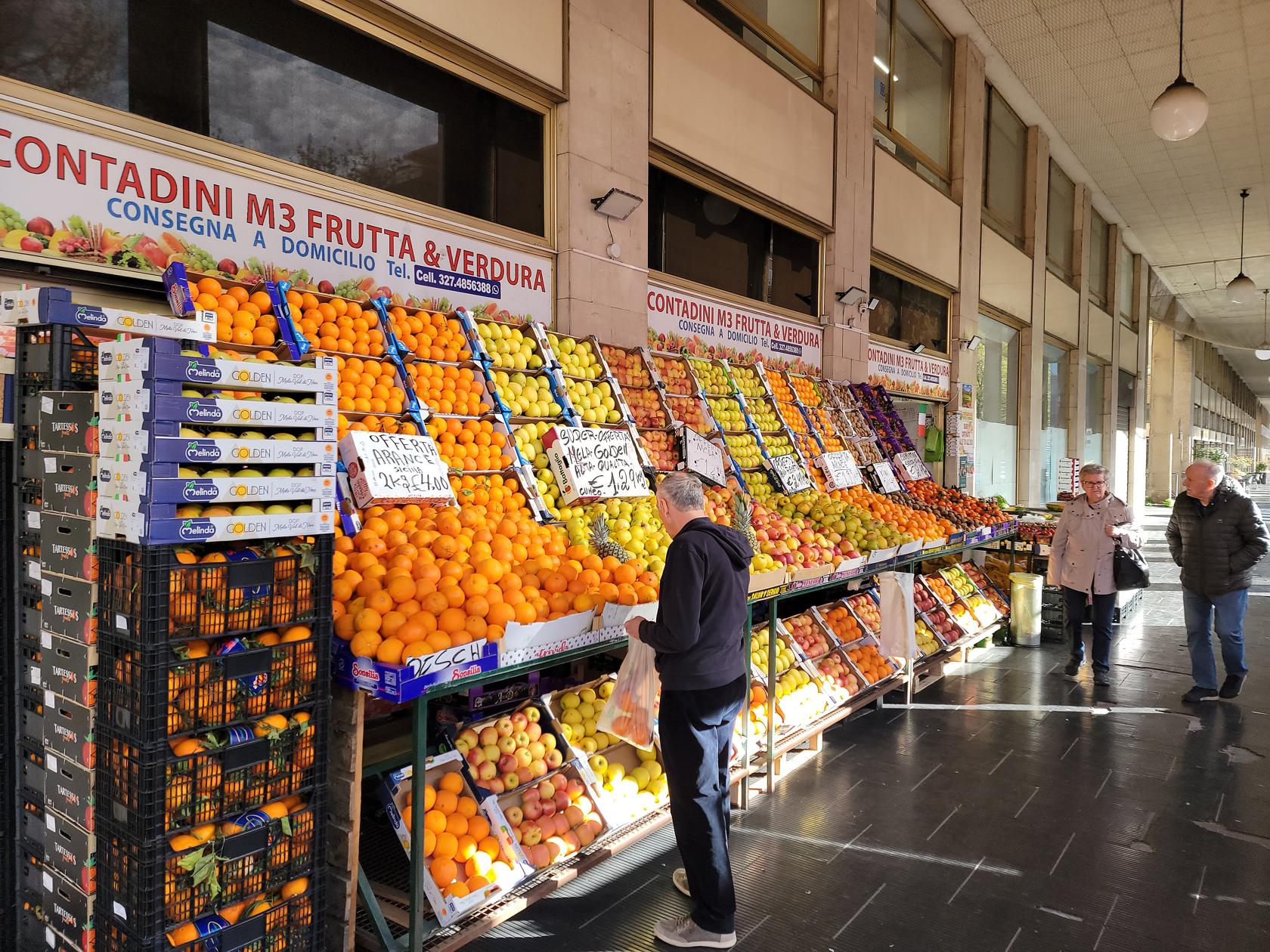
Outdoor Market – Biella, Italy
Getting There
We took the train from Turin’s Porta Susa to Biella. It is easy and very cost effective and only takes about an hour.
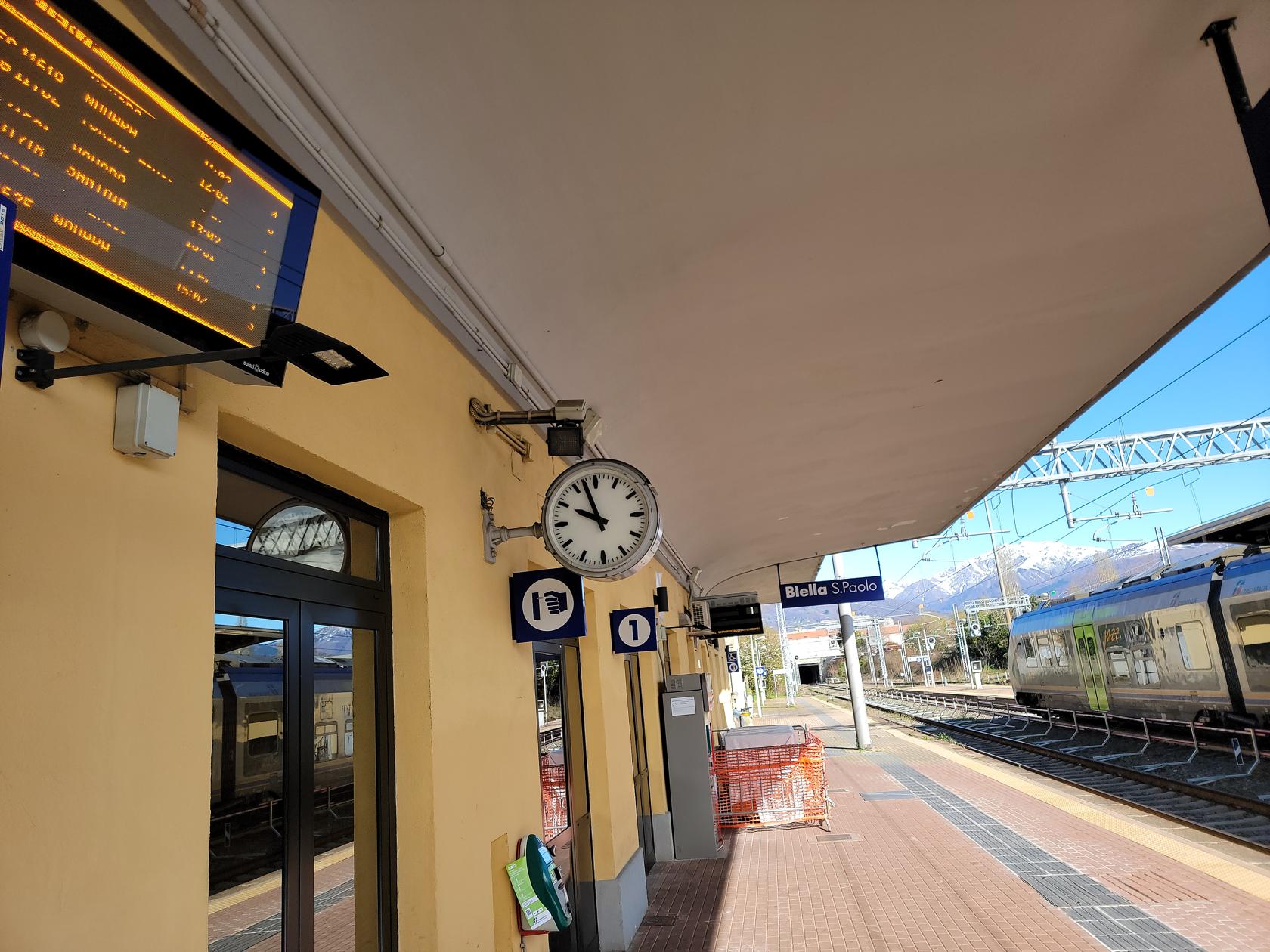
Biella San Paolo Train Station – Biella, Italy
Biella San Paolo Train Station – Biella, Italy
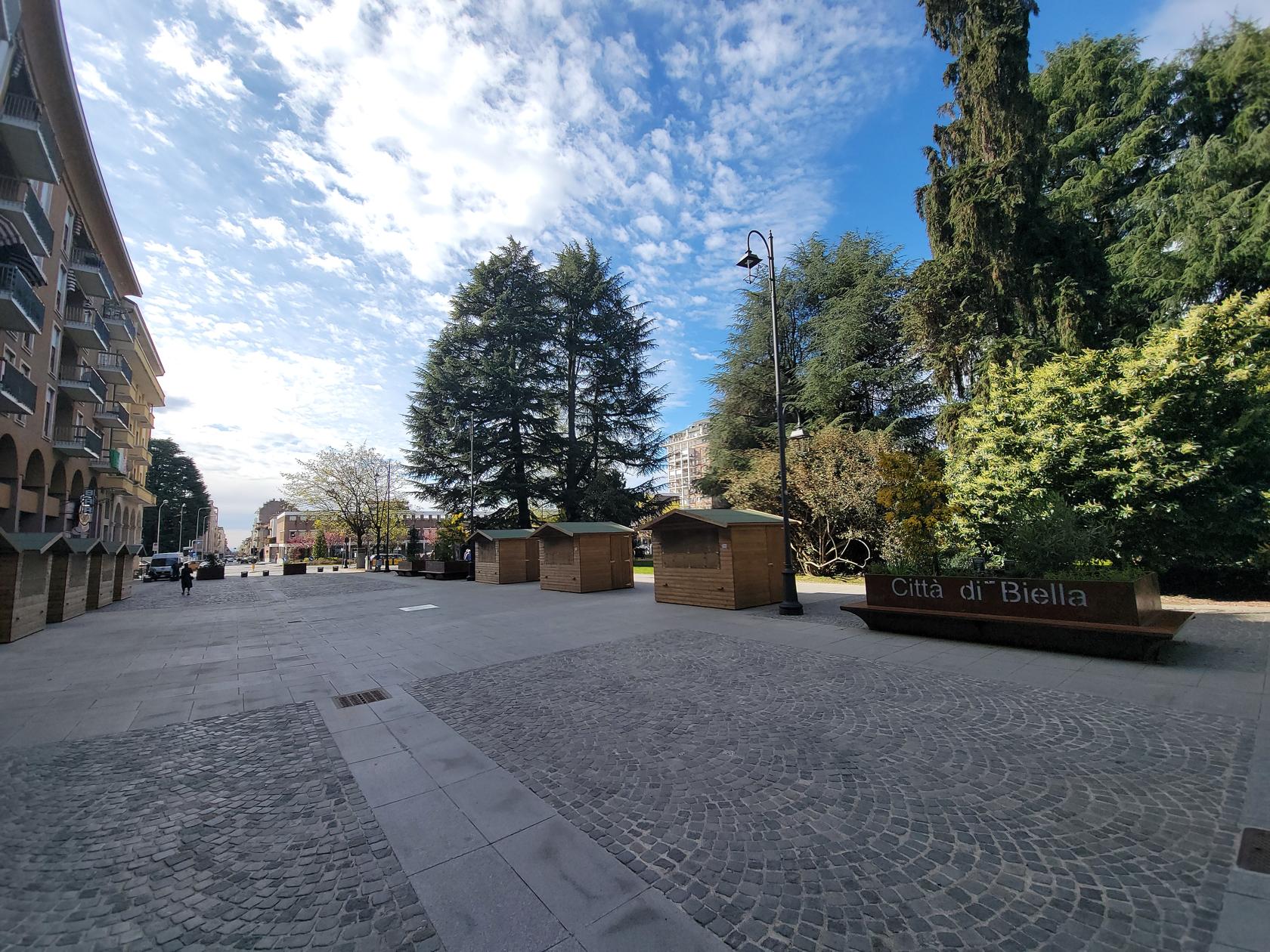
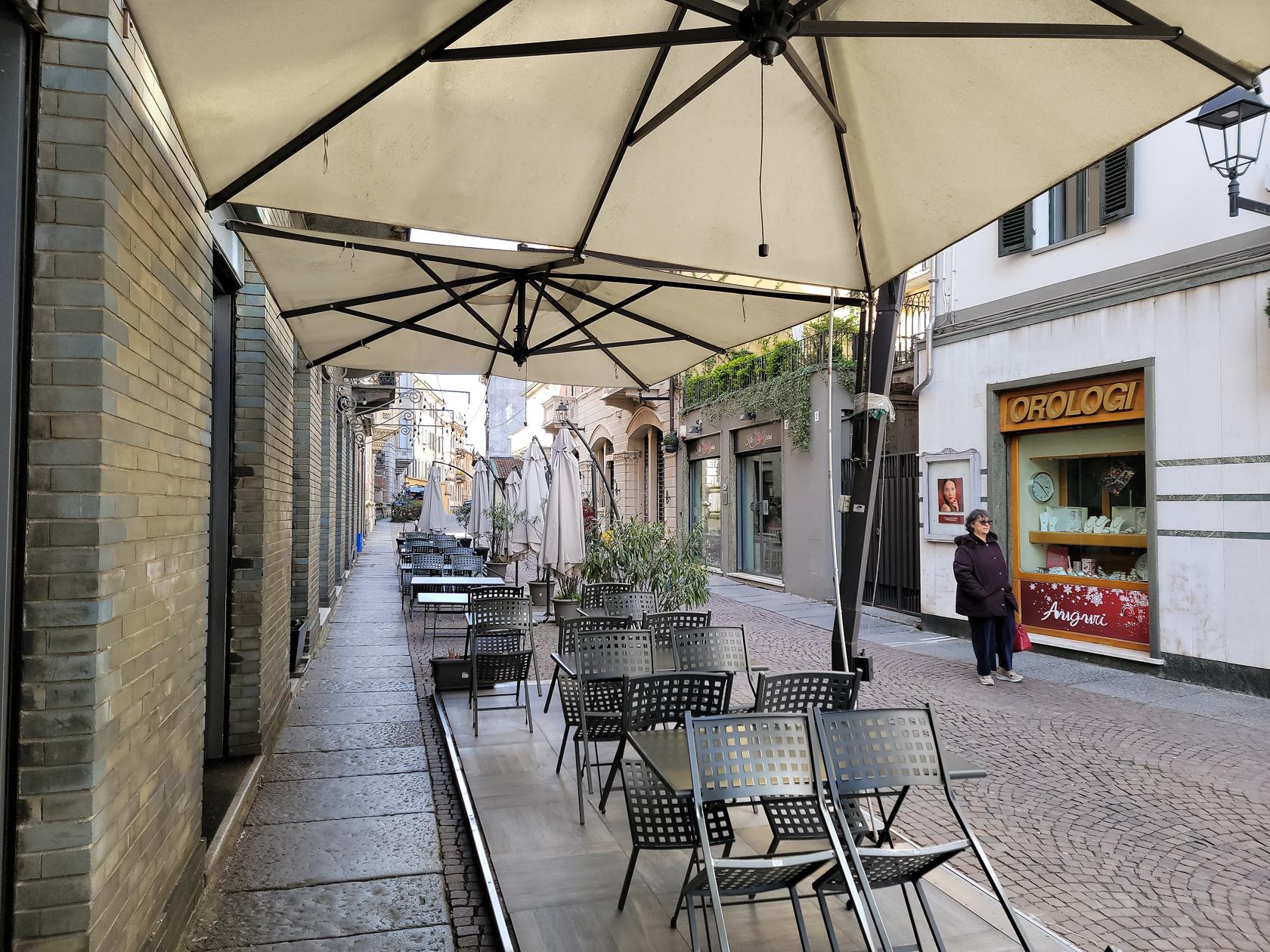
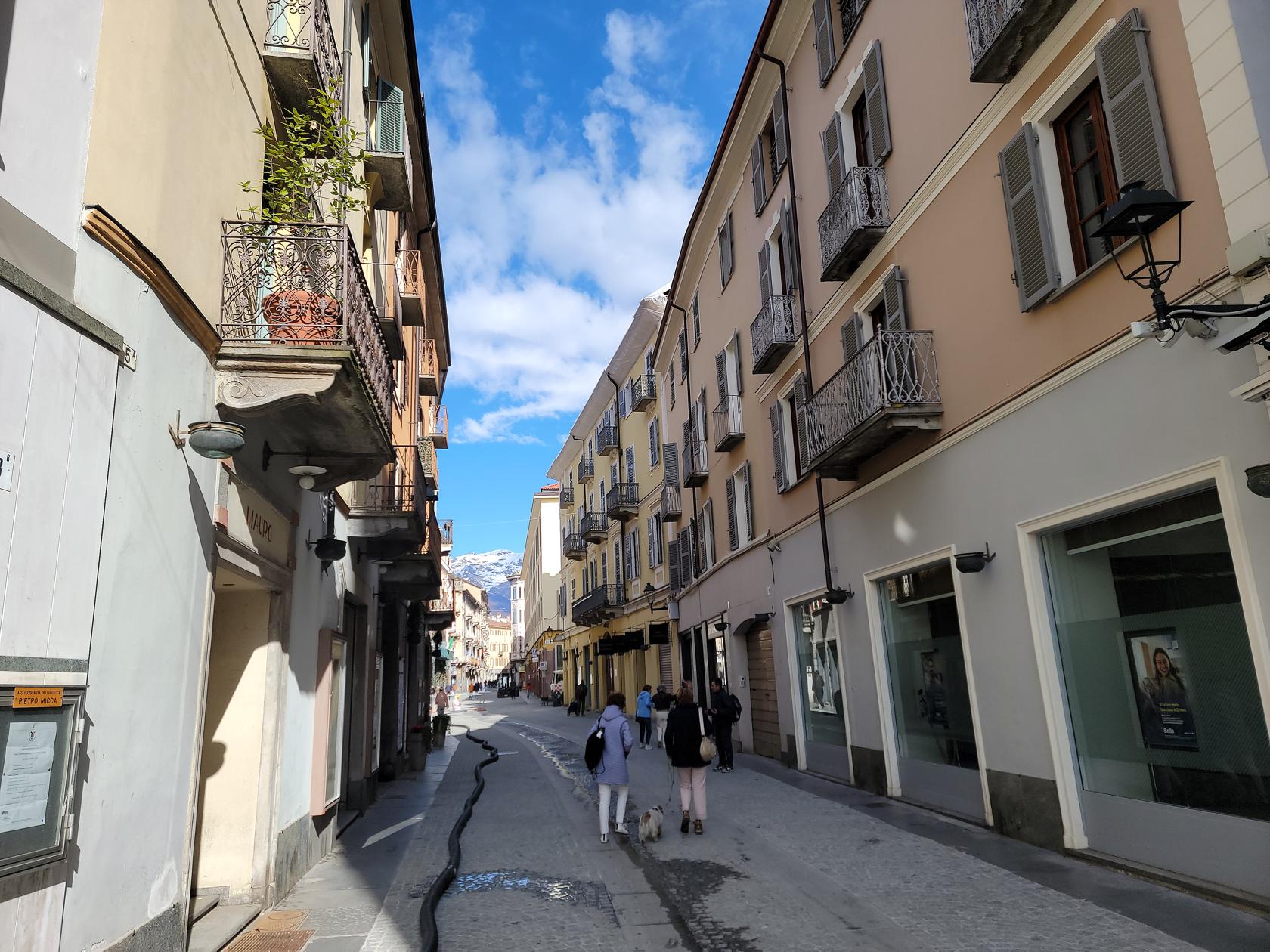
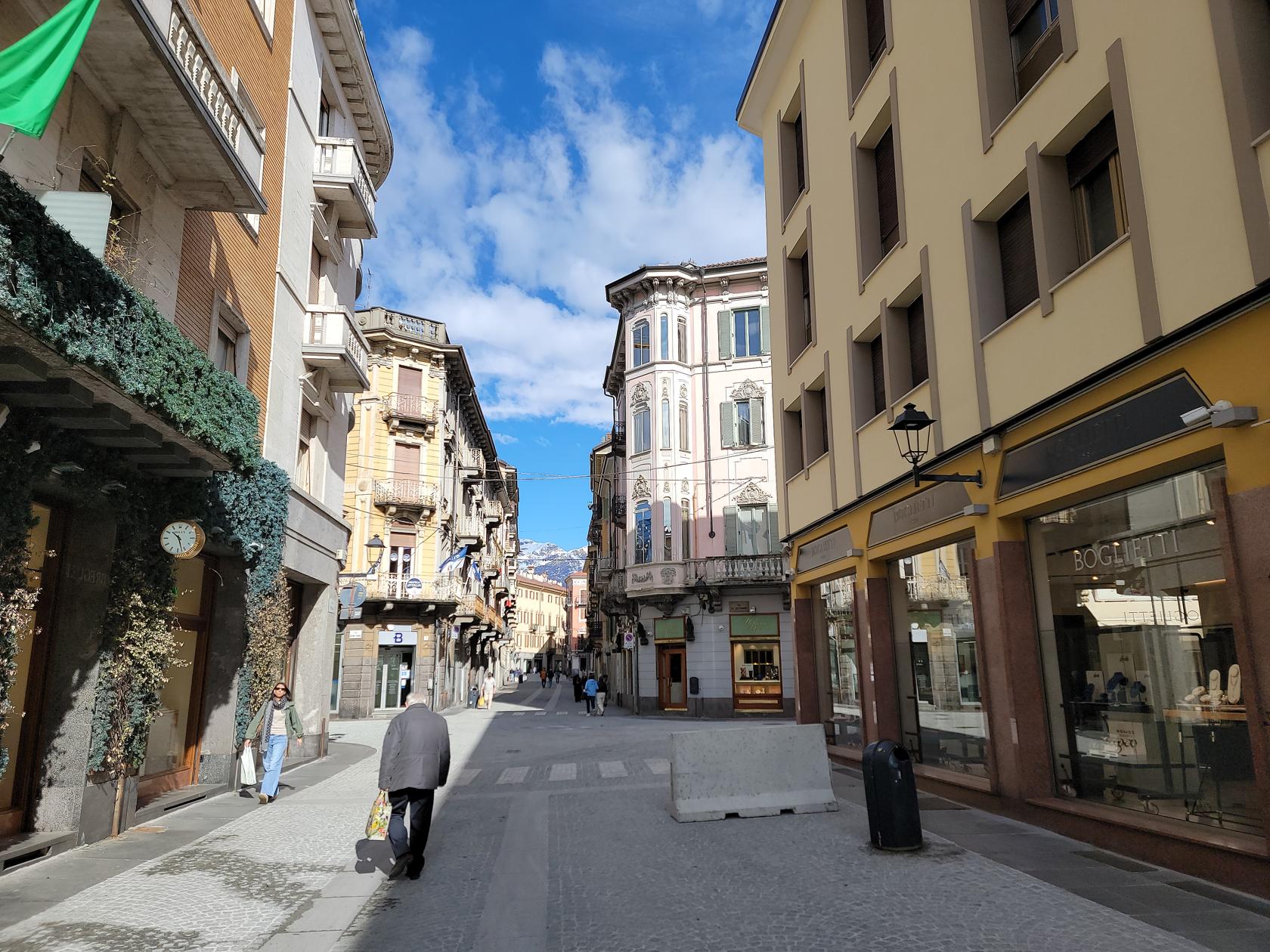
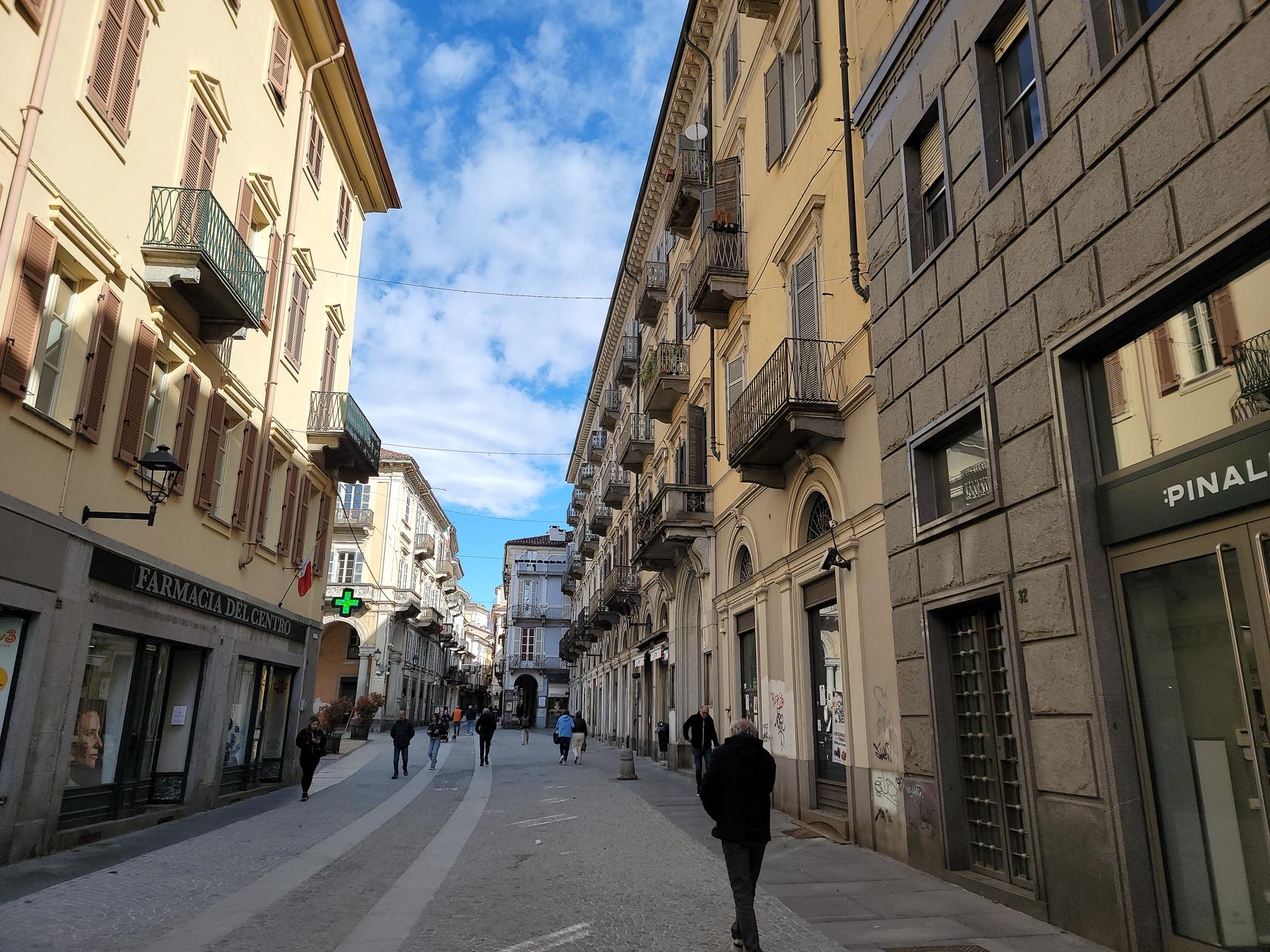
Though a very liveable city, it is fairly quiet, but we found lacking in some amenities. It is also not a very pretty city, it had many empty stores while we were here and many buildings appeared to have maintenance issues. However, if you did not stray far from the main street of Via Italia you wouldn’t notice.
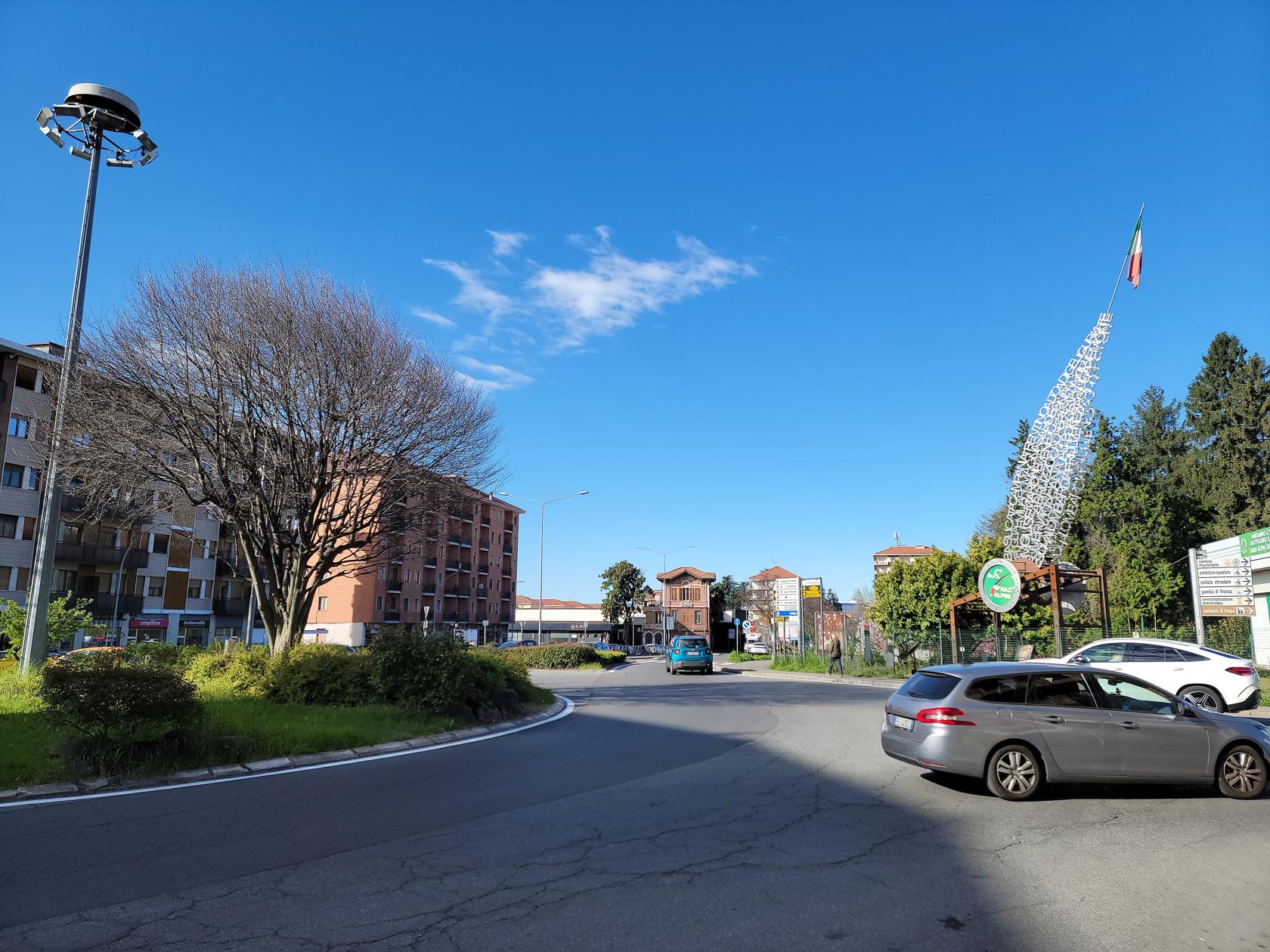
Entering Town – Biella, Italy
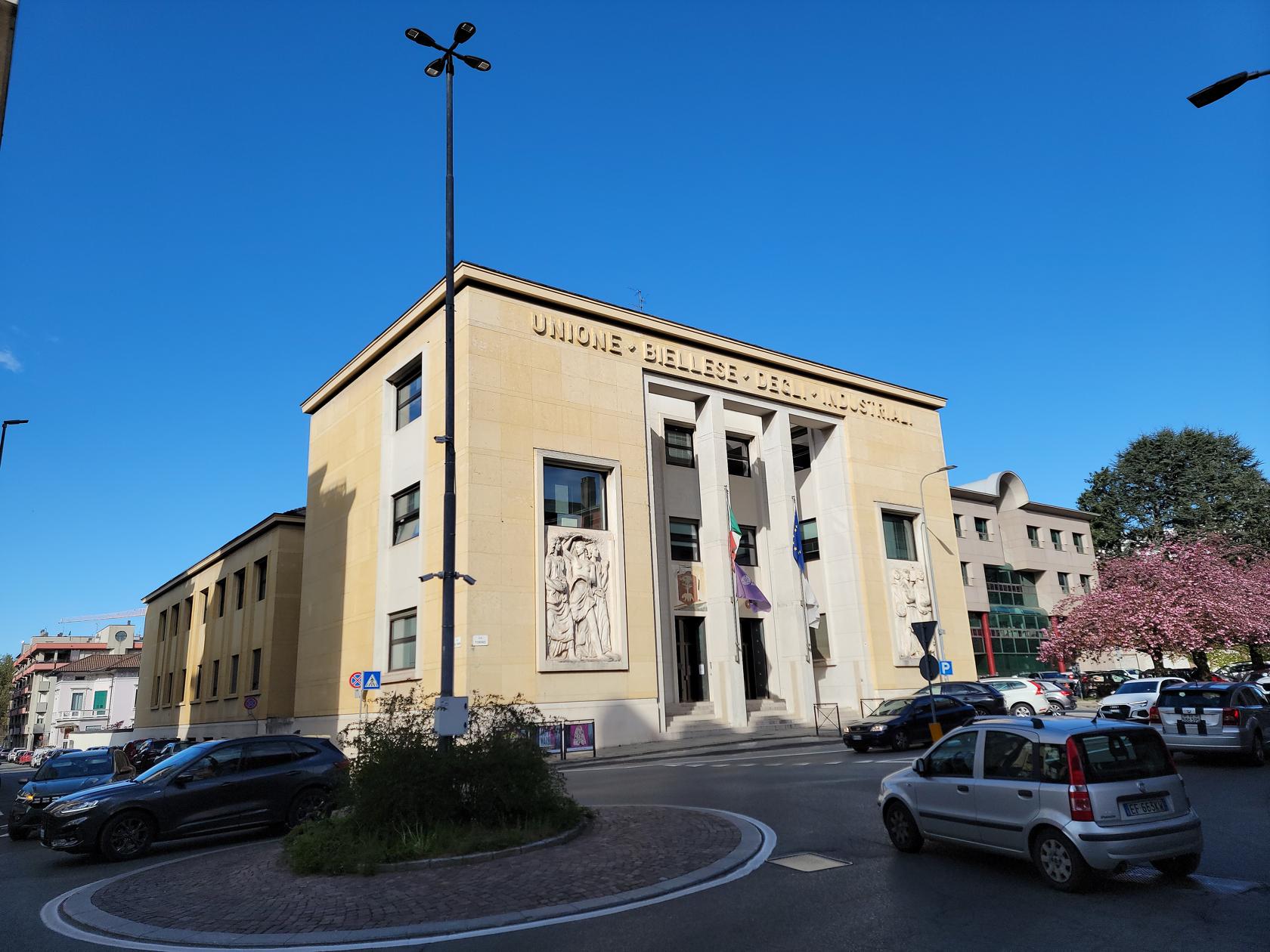
Typical Fascist Period Building – Via Torino – Biella, Italy
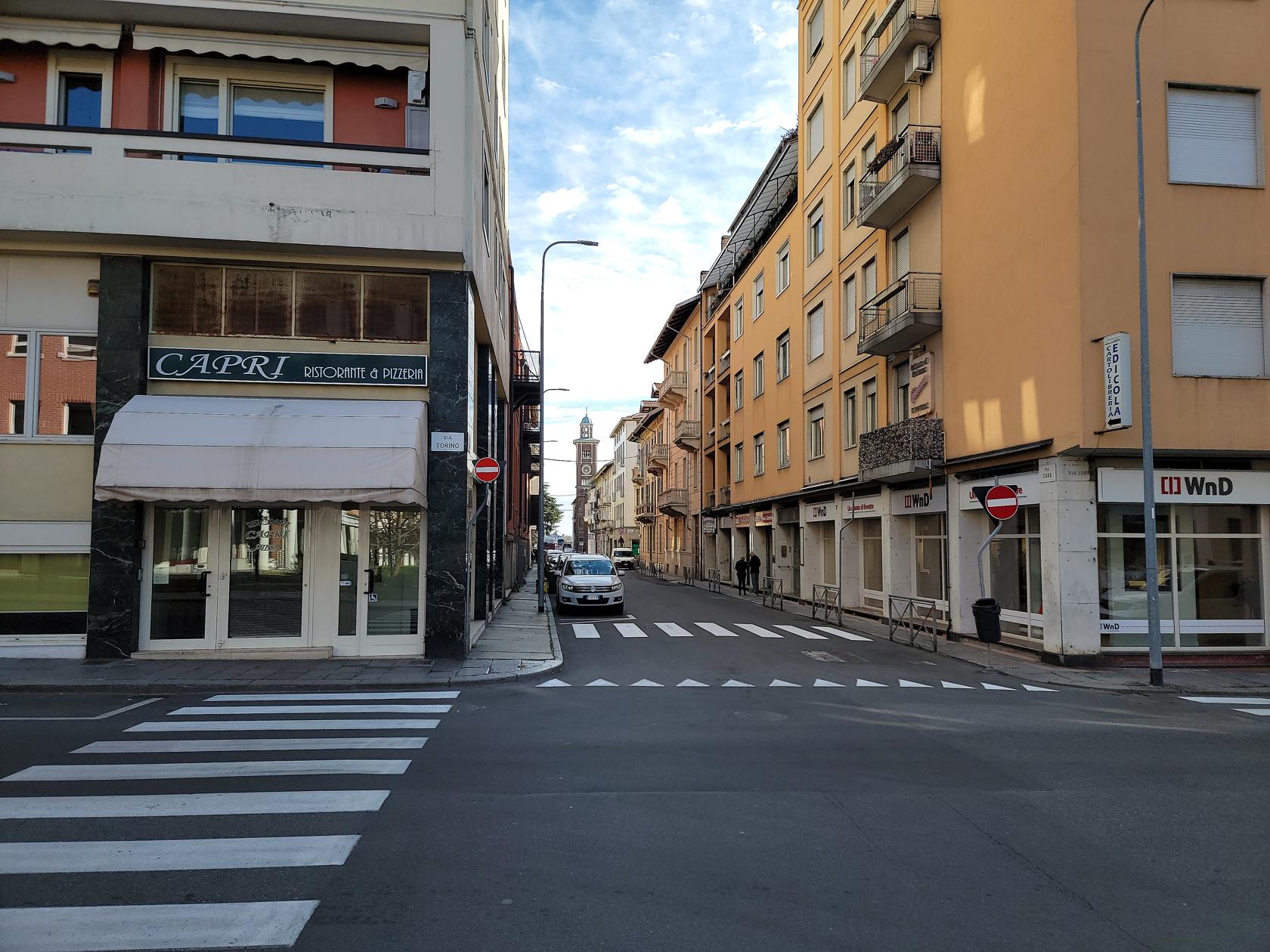
San Paolo Church Tower – Via Torino – Biella, Italy
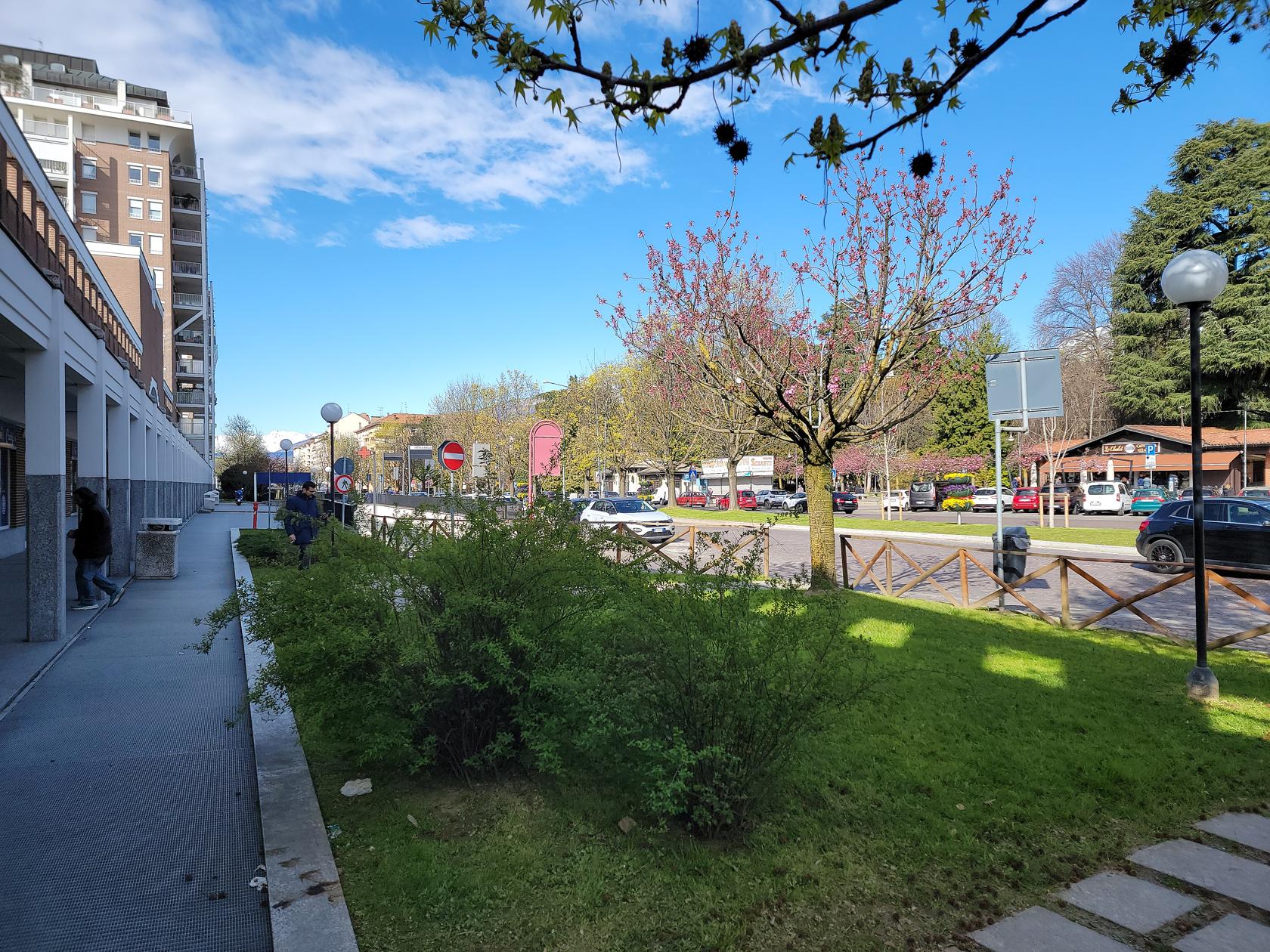
SP338 – Biella, Italy
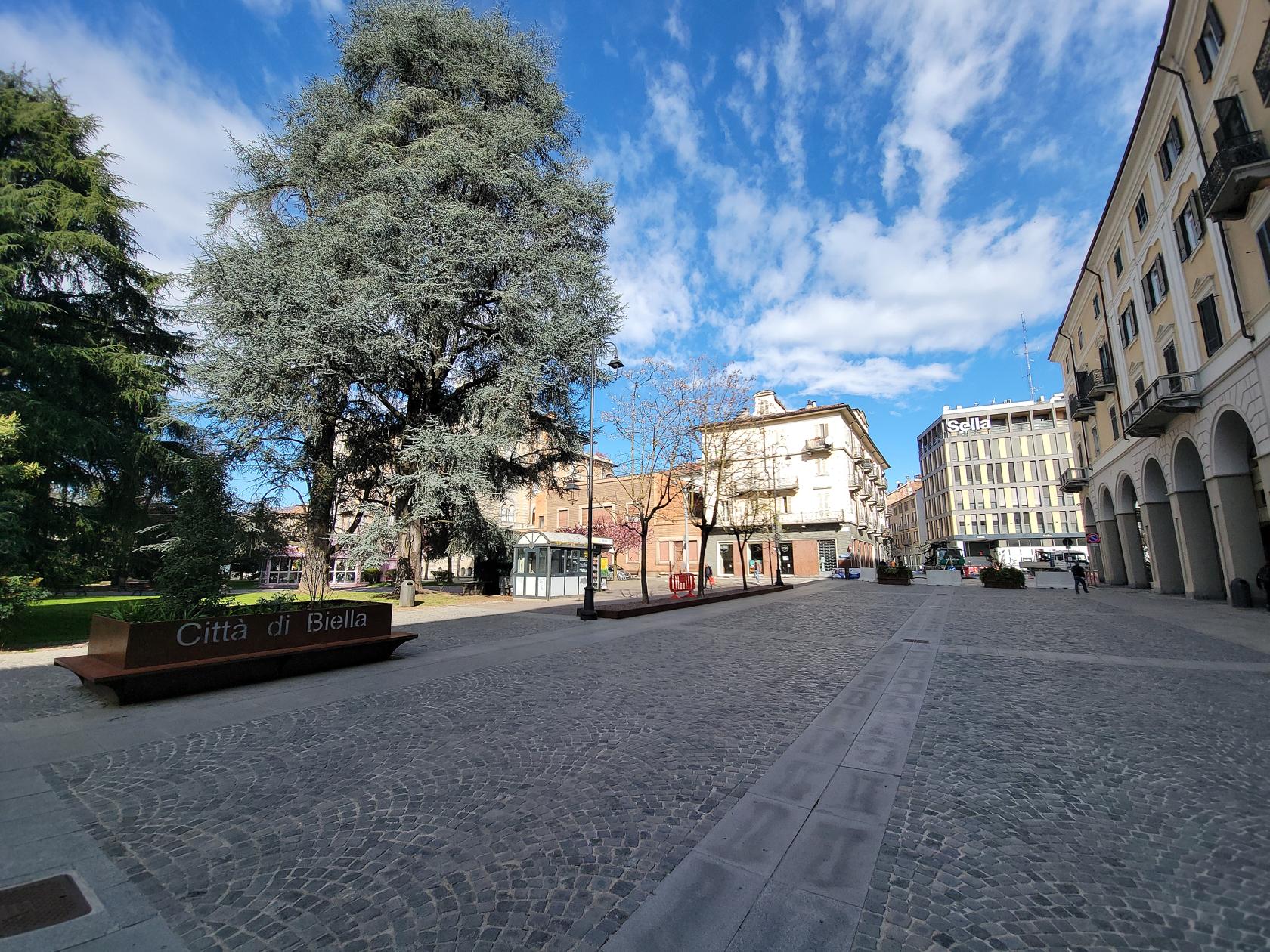
Zumaglini Park – Via Italia – Biella, Italy
Zumaglini Park – Via Italia – Biella, Italy
Via Italia – Biella, Italy
Via Italia – Biella, Italy
Via Italia – Biella, Italy
Via Italia – Biella, Italy
Via Italia – Biella, Italy
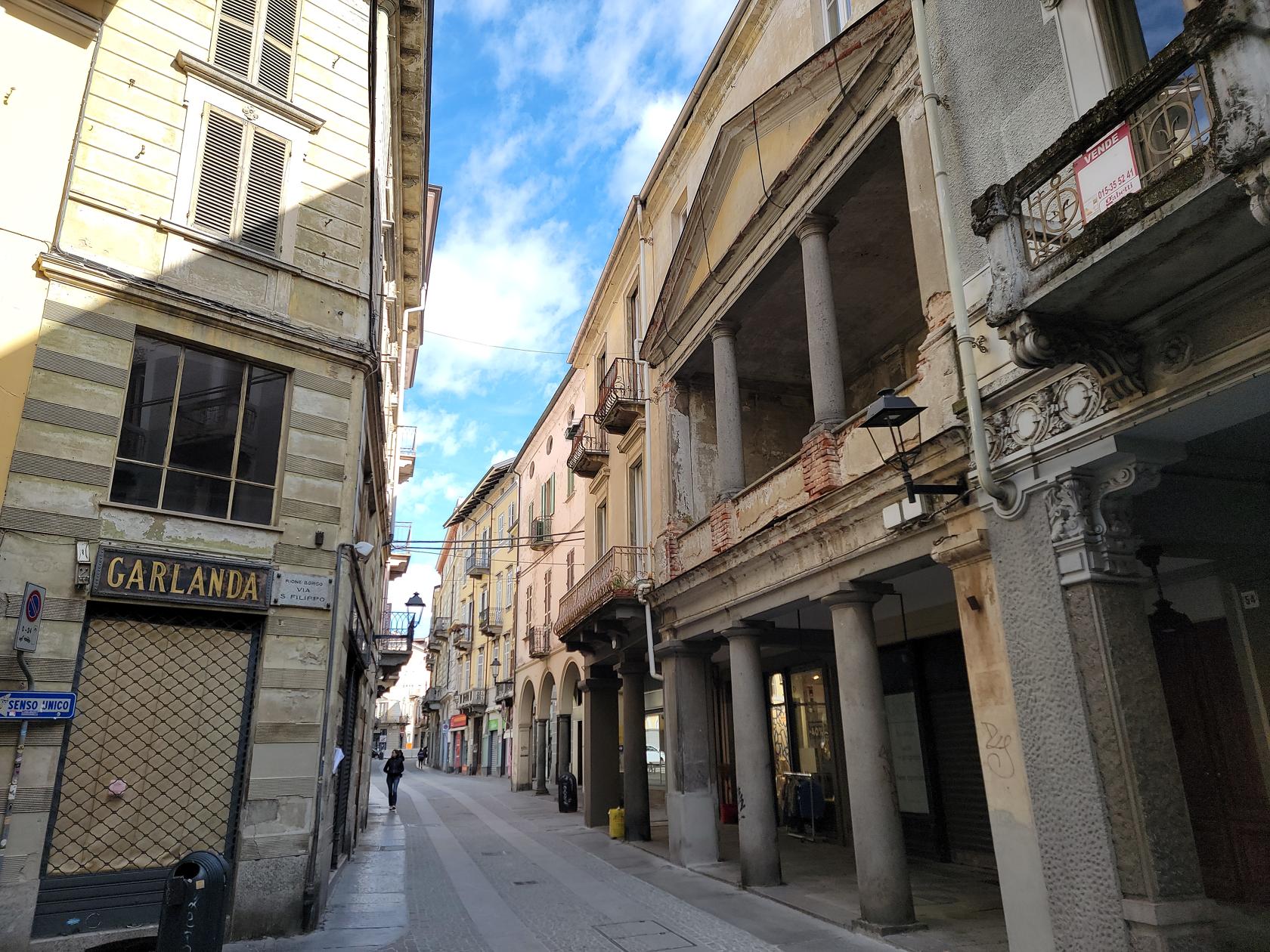
Old Building – Via S. Filippo and Via Italia – Biella, Italy
Piazza Biella
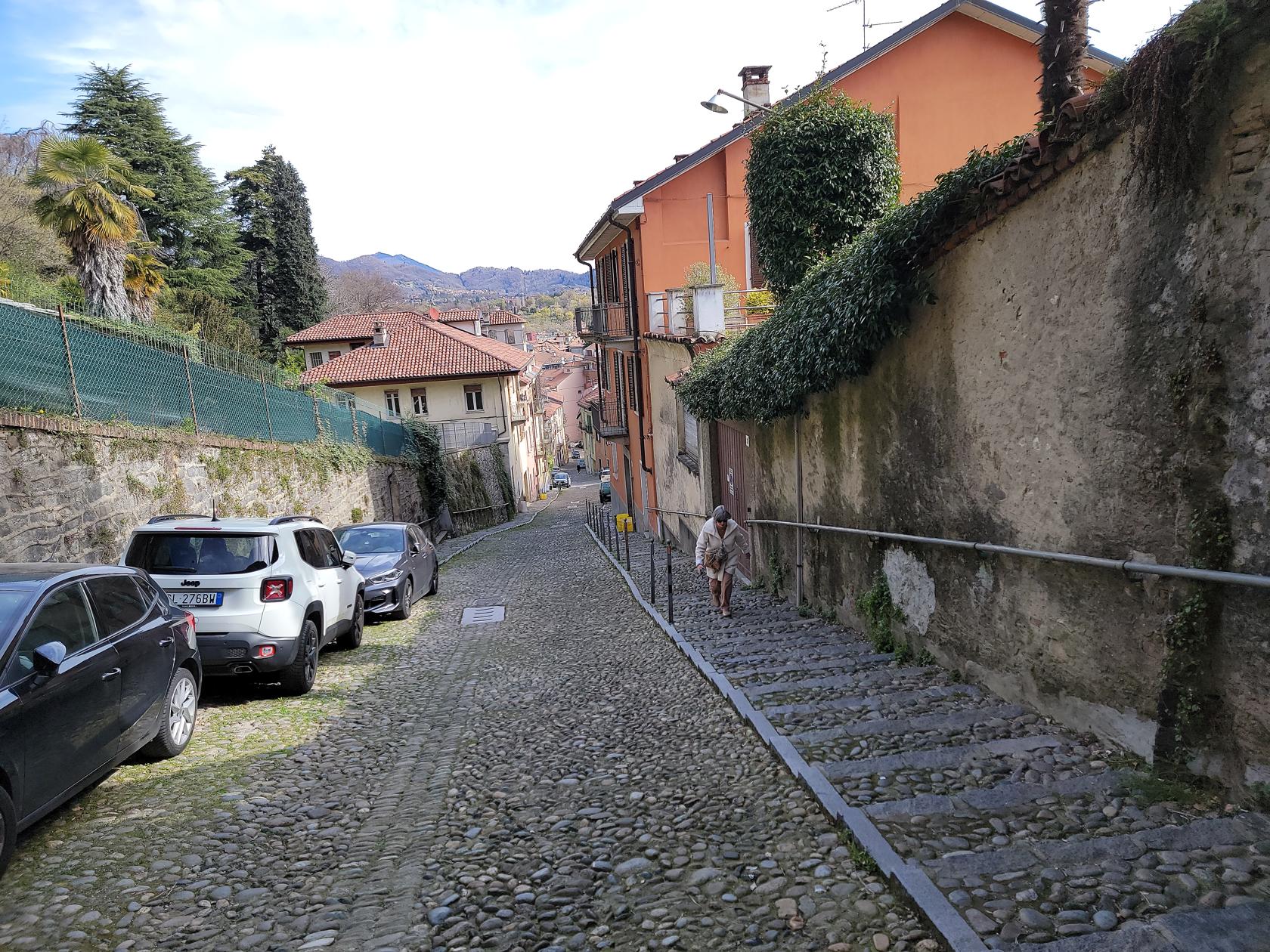
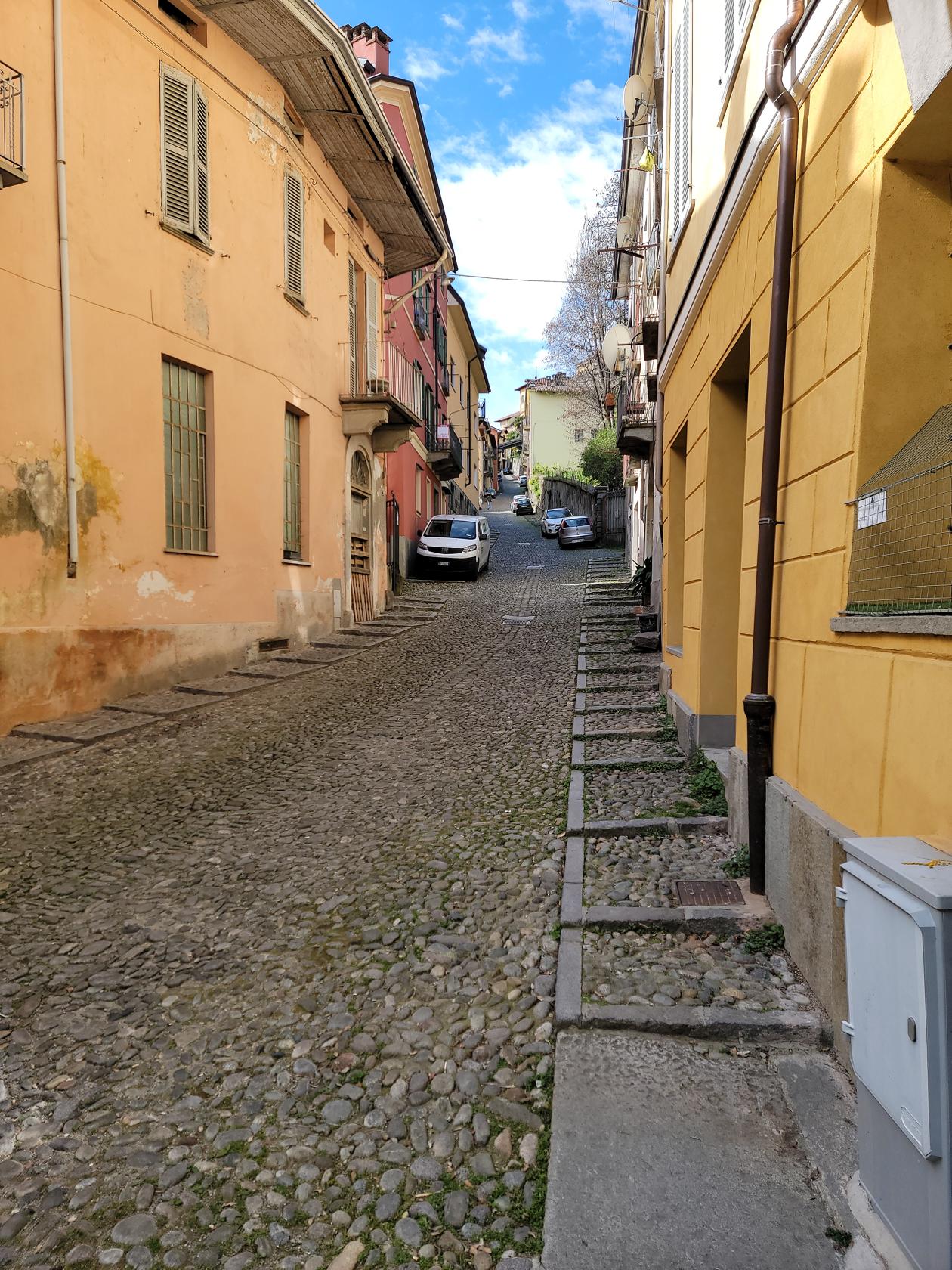
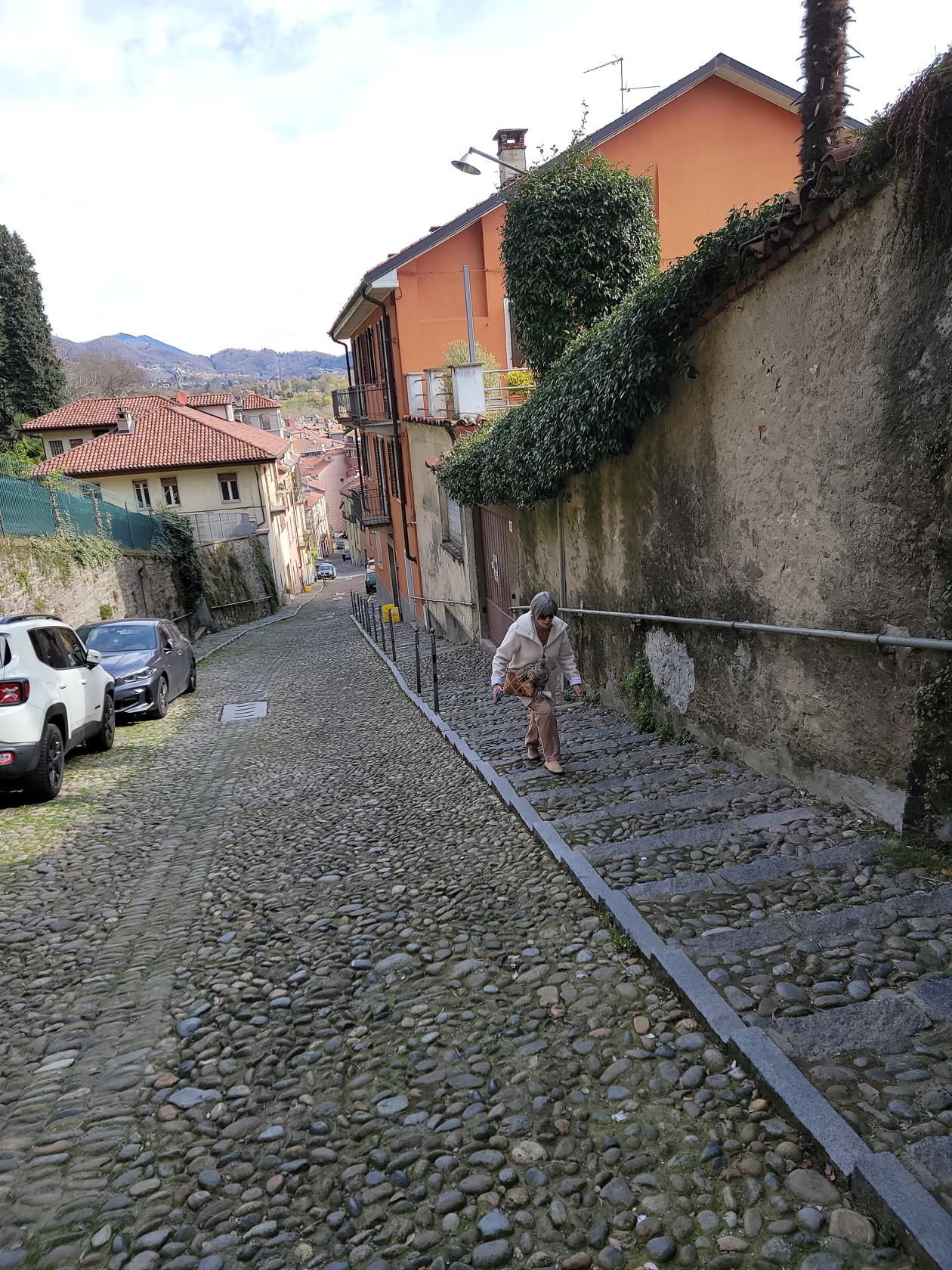
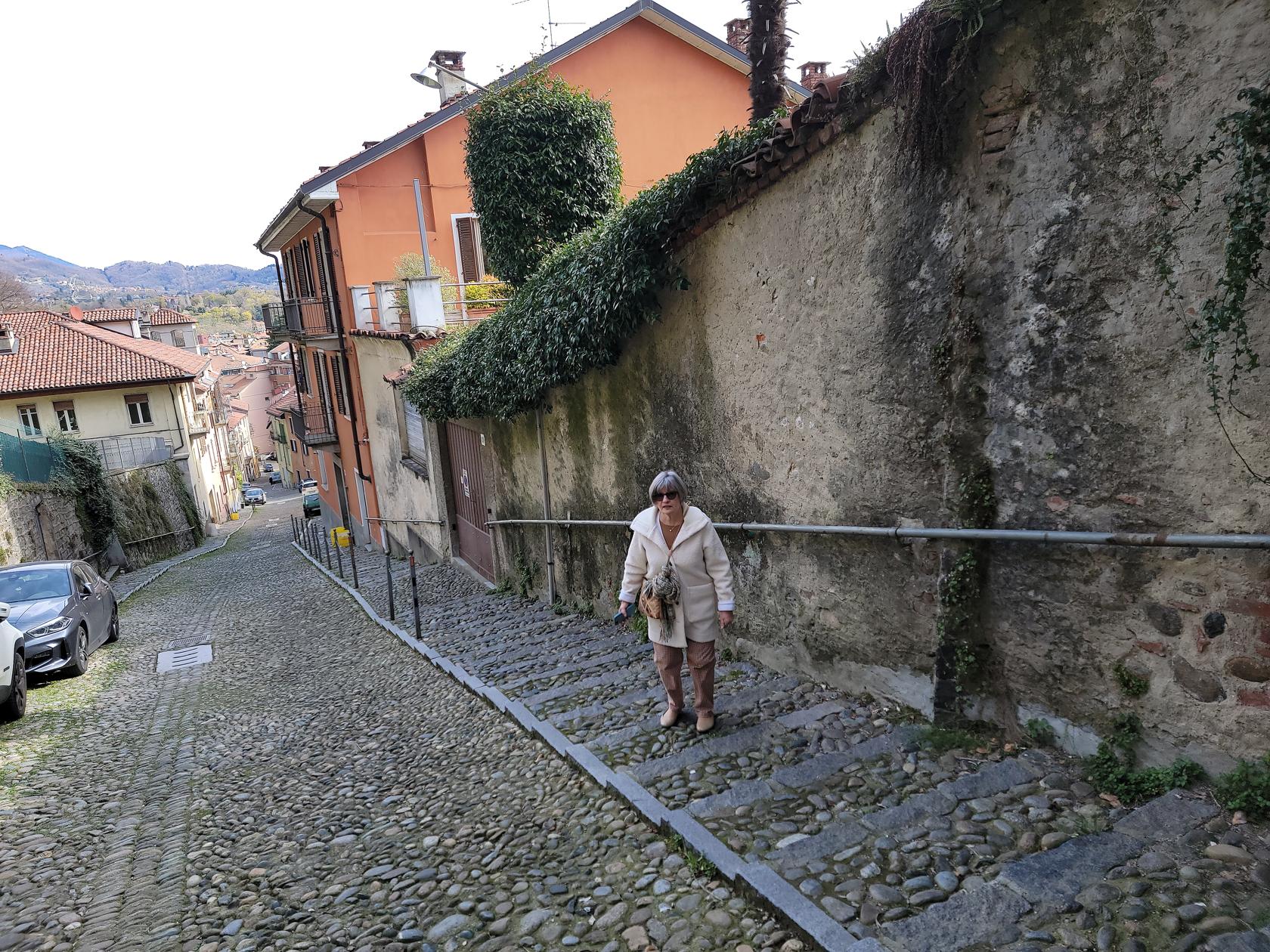
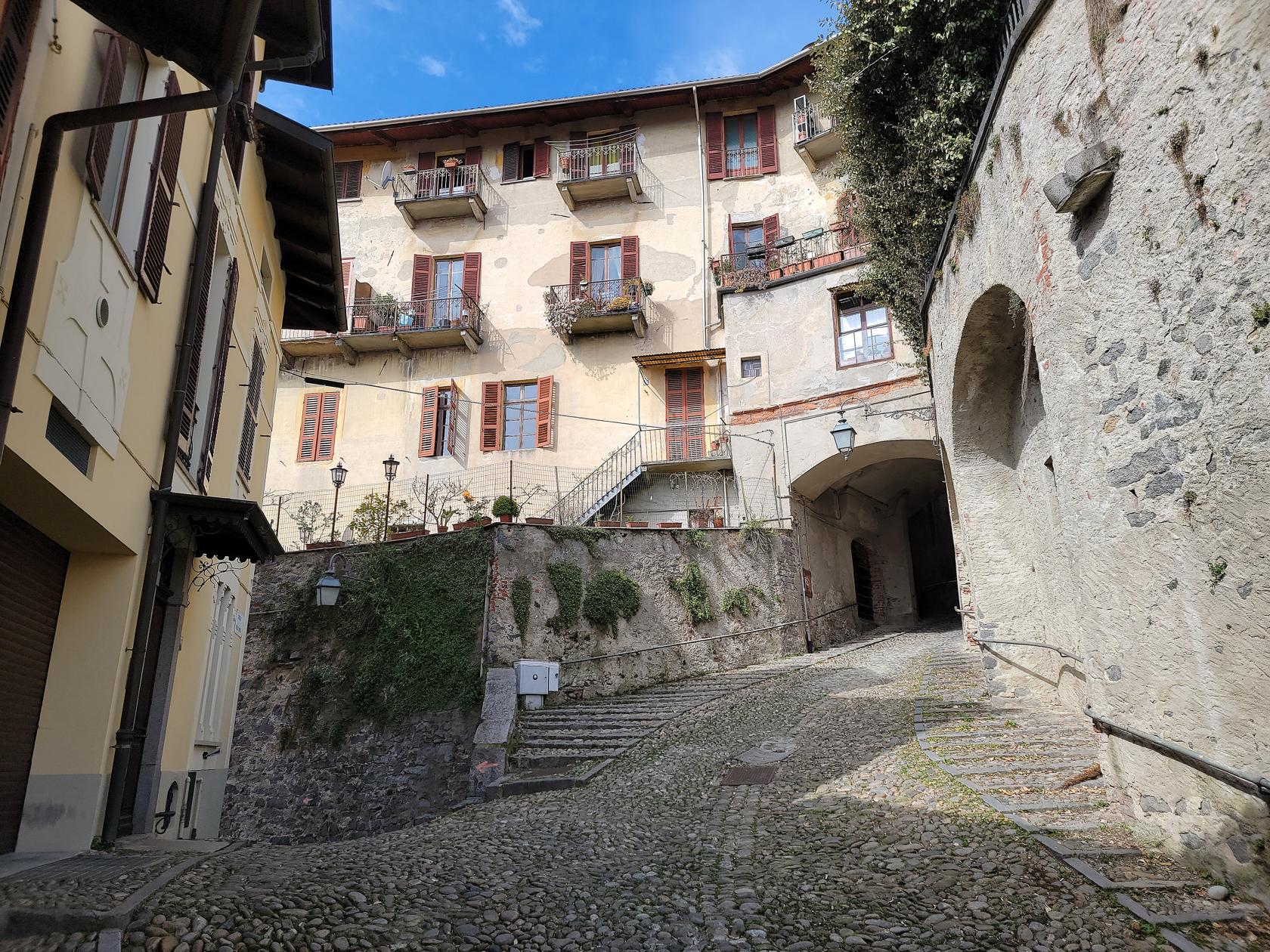
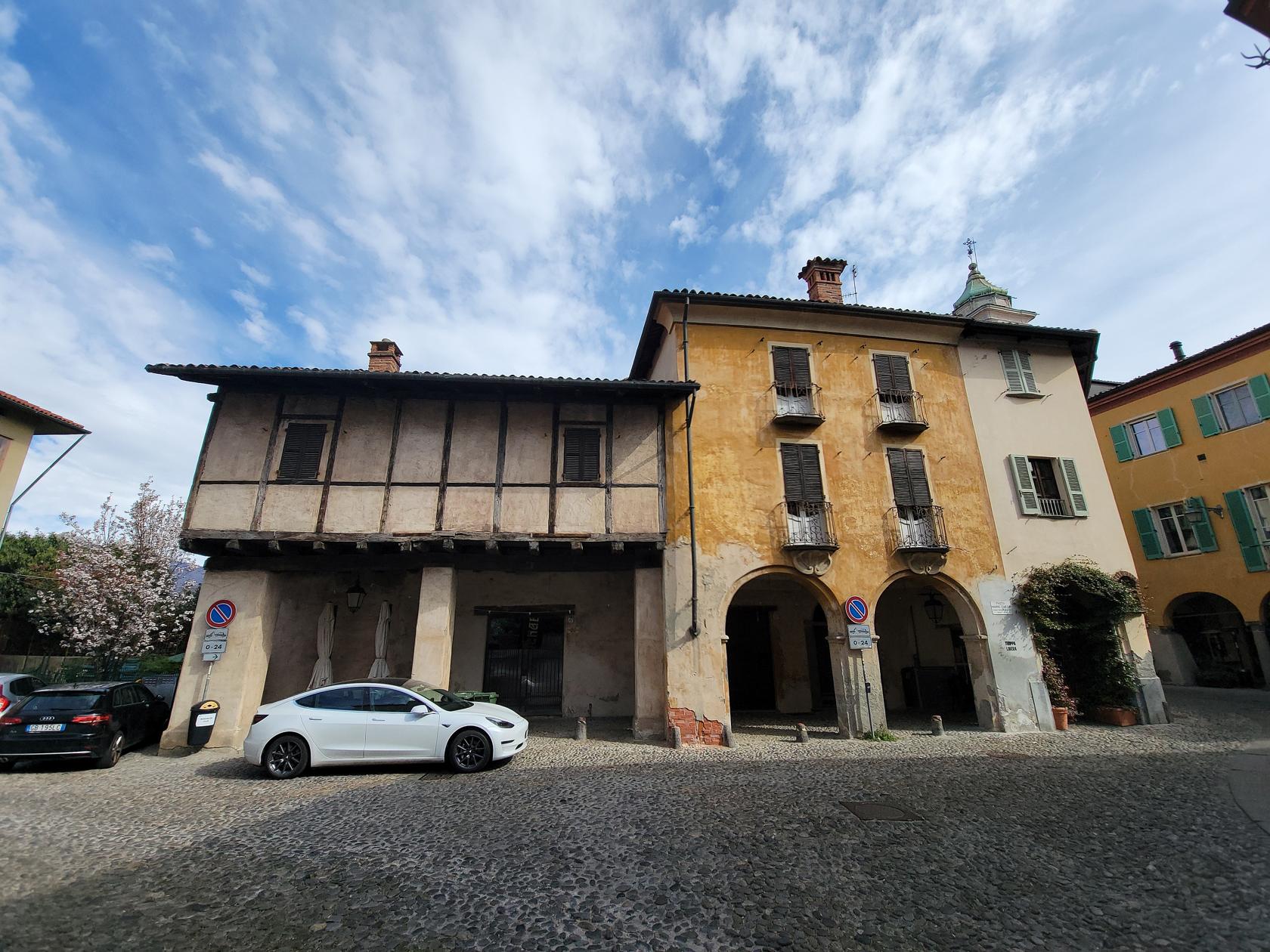
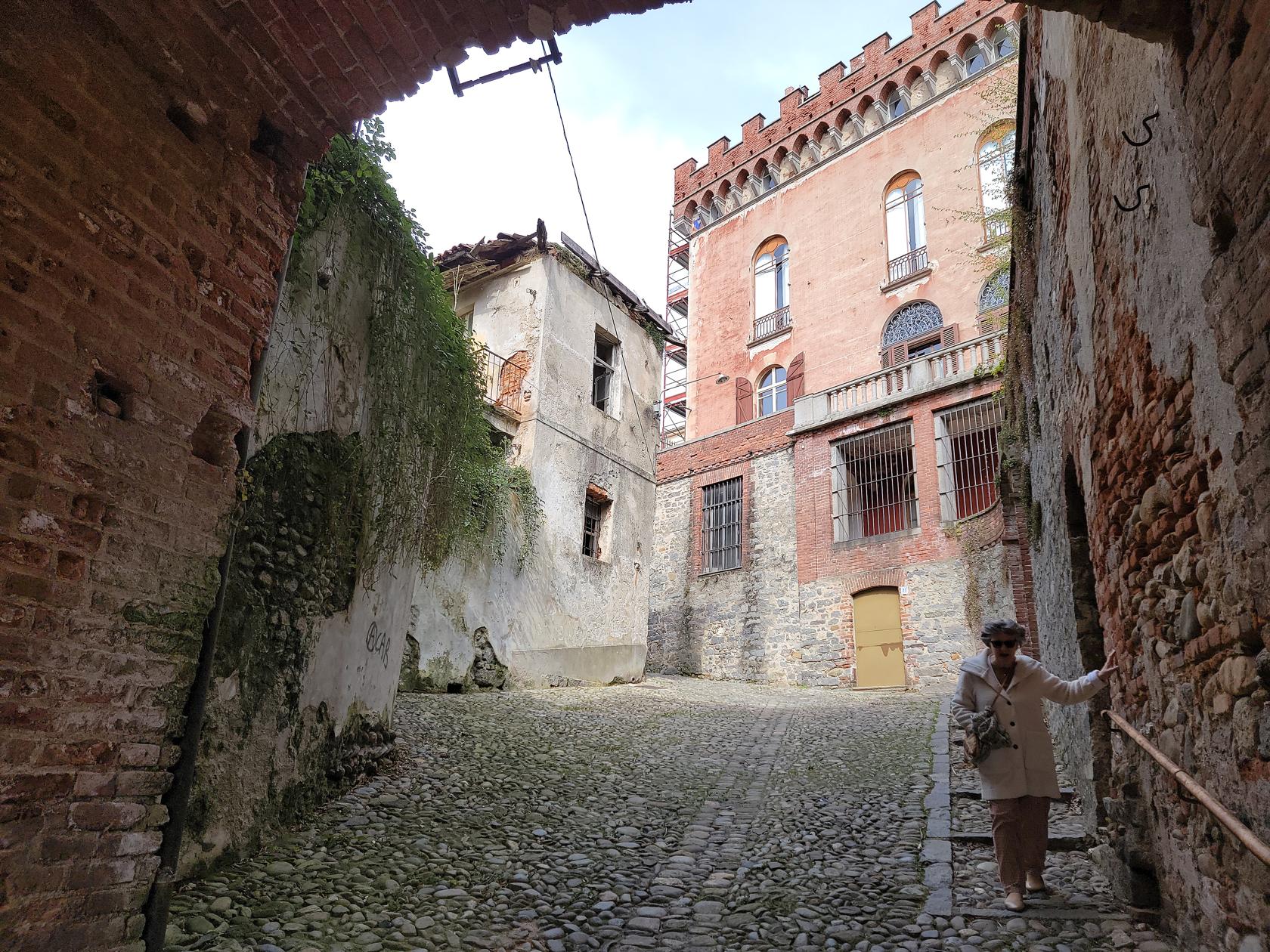
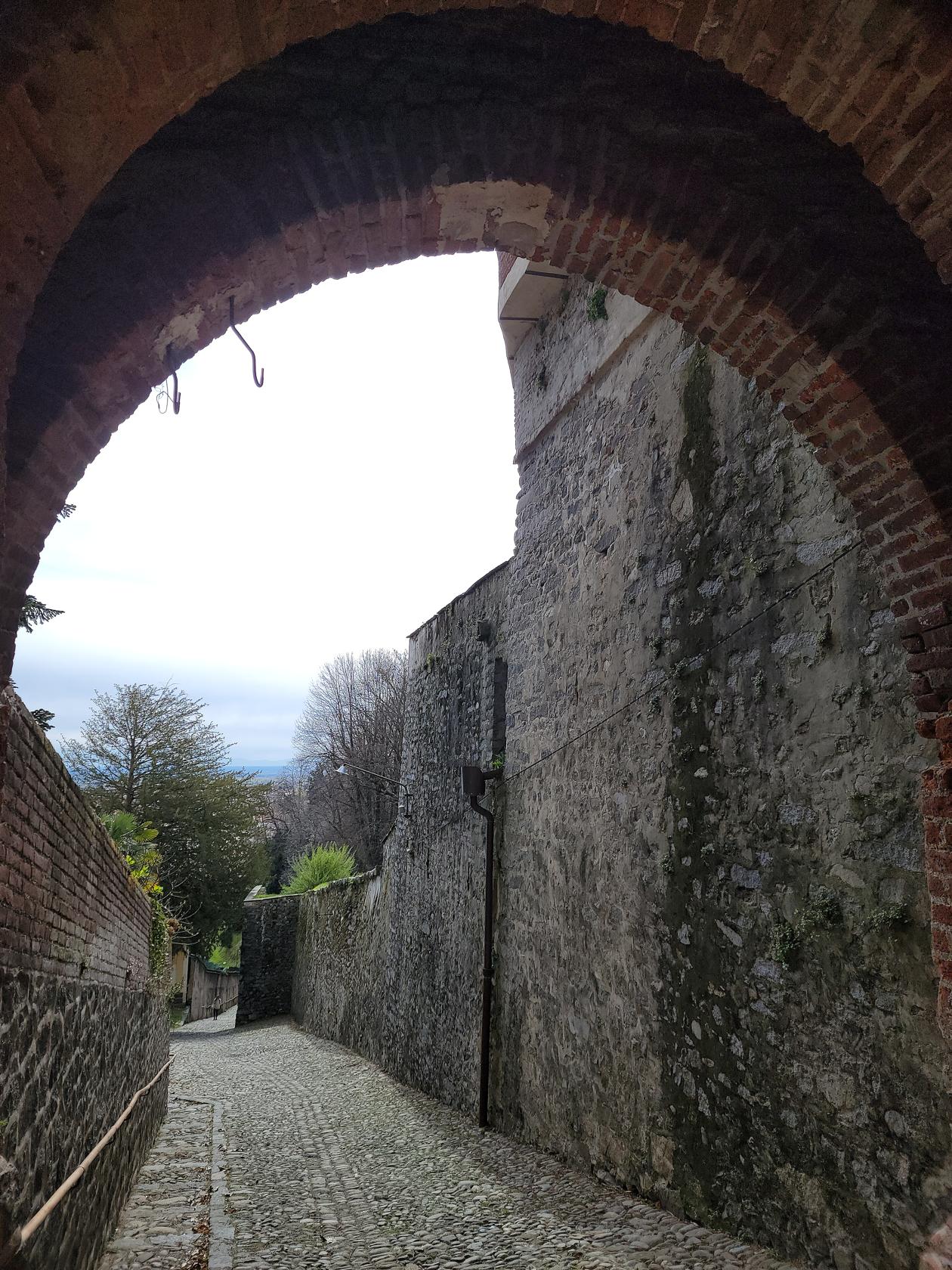
On the west side of the city, on top of the hill, is the Piazza Biella. A fifteen to twenty minute walk up the Costa del Piazza will bring you to the upper part of town. The cobbled street is a bit treacherous, so take care, especially if the weather is bad, the stones are quite slippery, even when dry.
Via Cerino Zegna – Biella, Italy
Patti – Costa del Piazzo – Biella, Italy
Costa del Piazzo – Biella, Italy
Patti – Costa del Piazzo – Biella, Italy
Patti – Costa del Piazzo – Biella, Italy
Costa del Noci – Costa del Piazzo – Biella, Italy
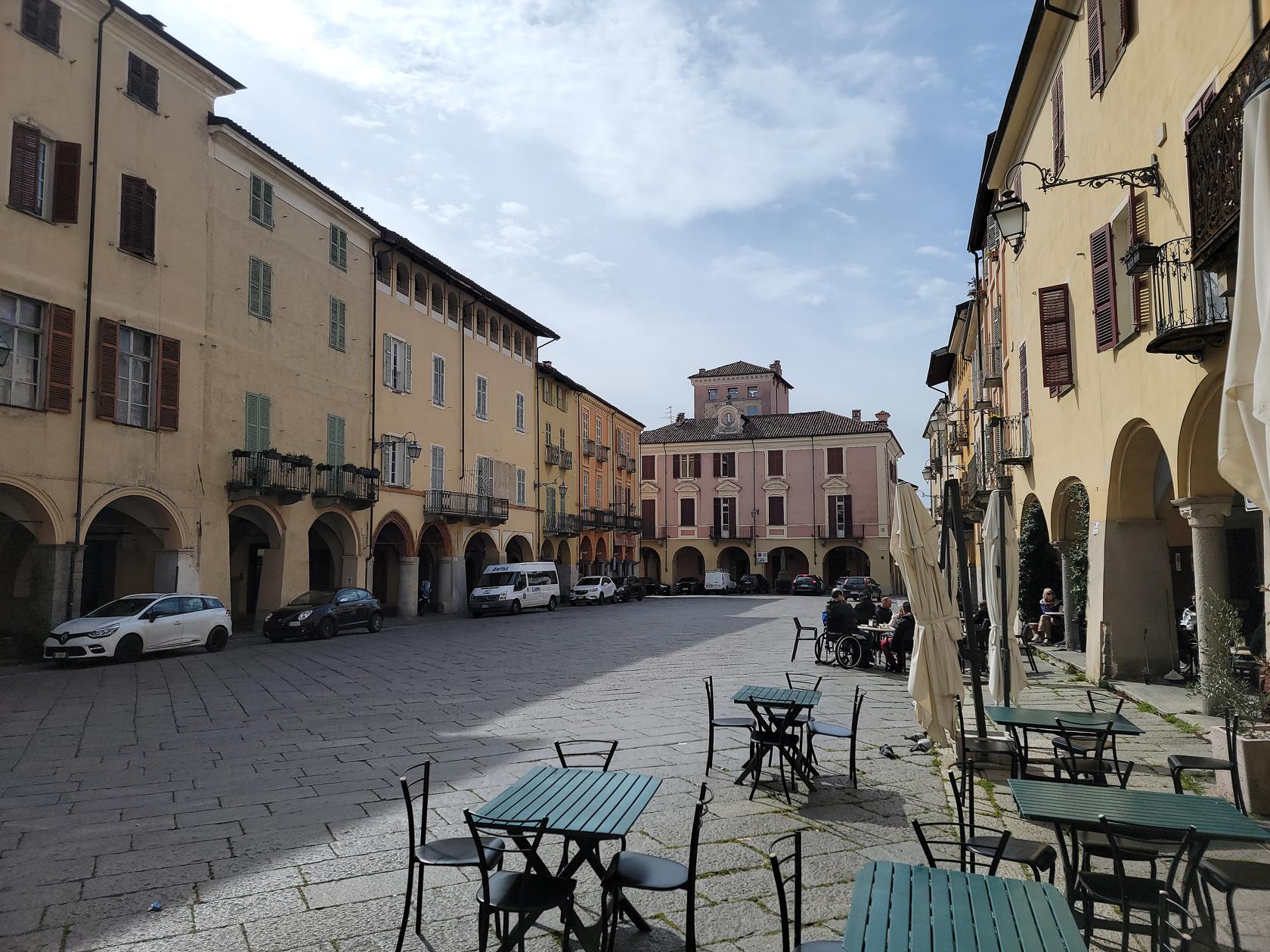
Here you will find the Piazza Biella, which has a few cafes and bars to enjoy. Aside from that, it is very quiet.
Piazza Biella – Biella, Italy
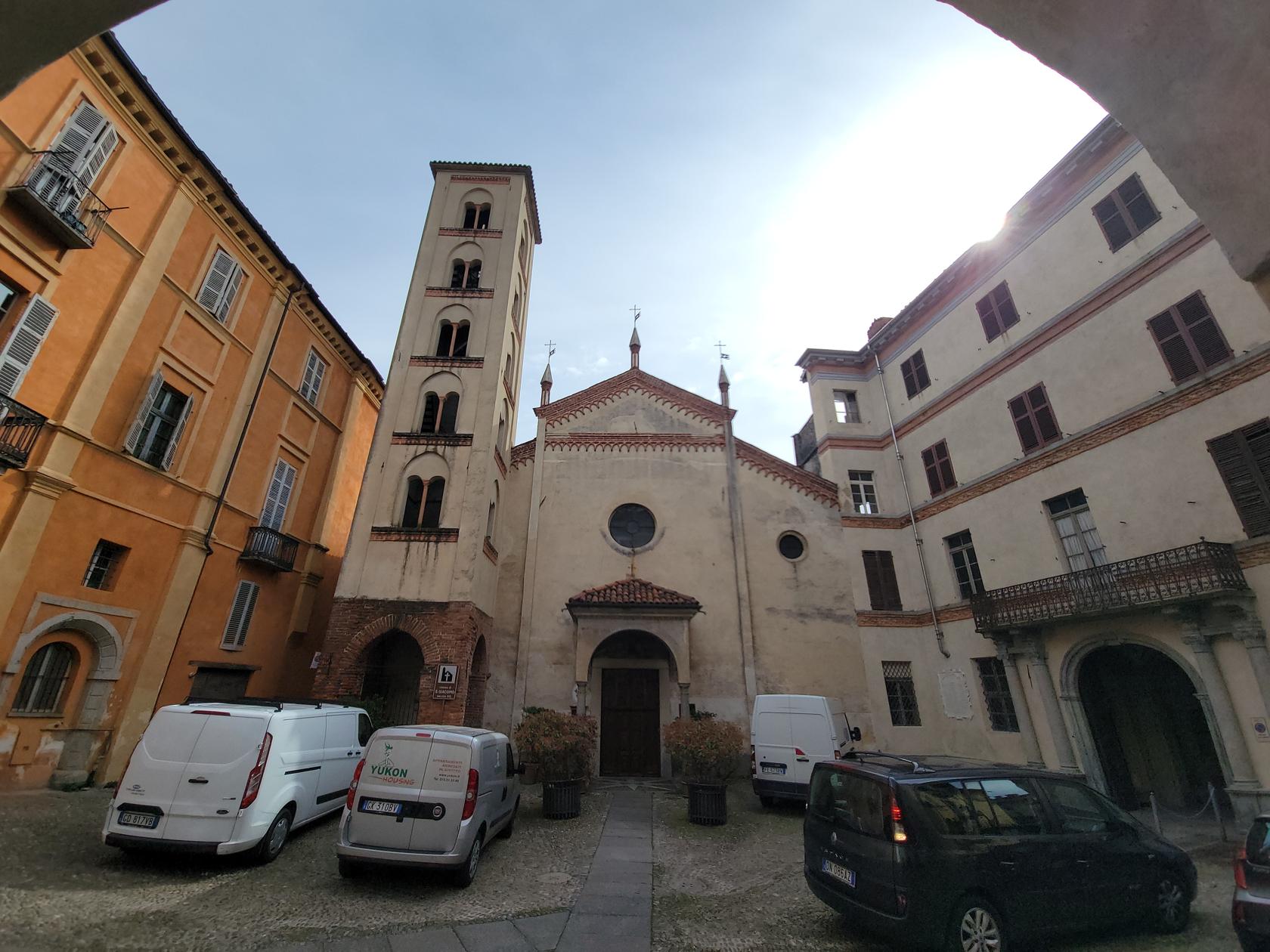
Church of San Giacomo – Piazza Biella – Biella, Italy
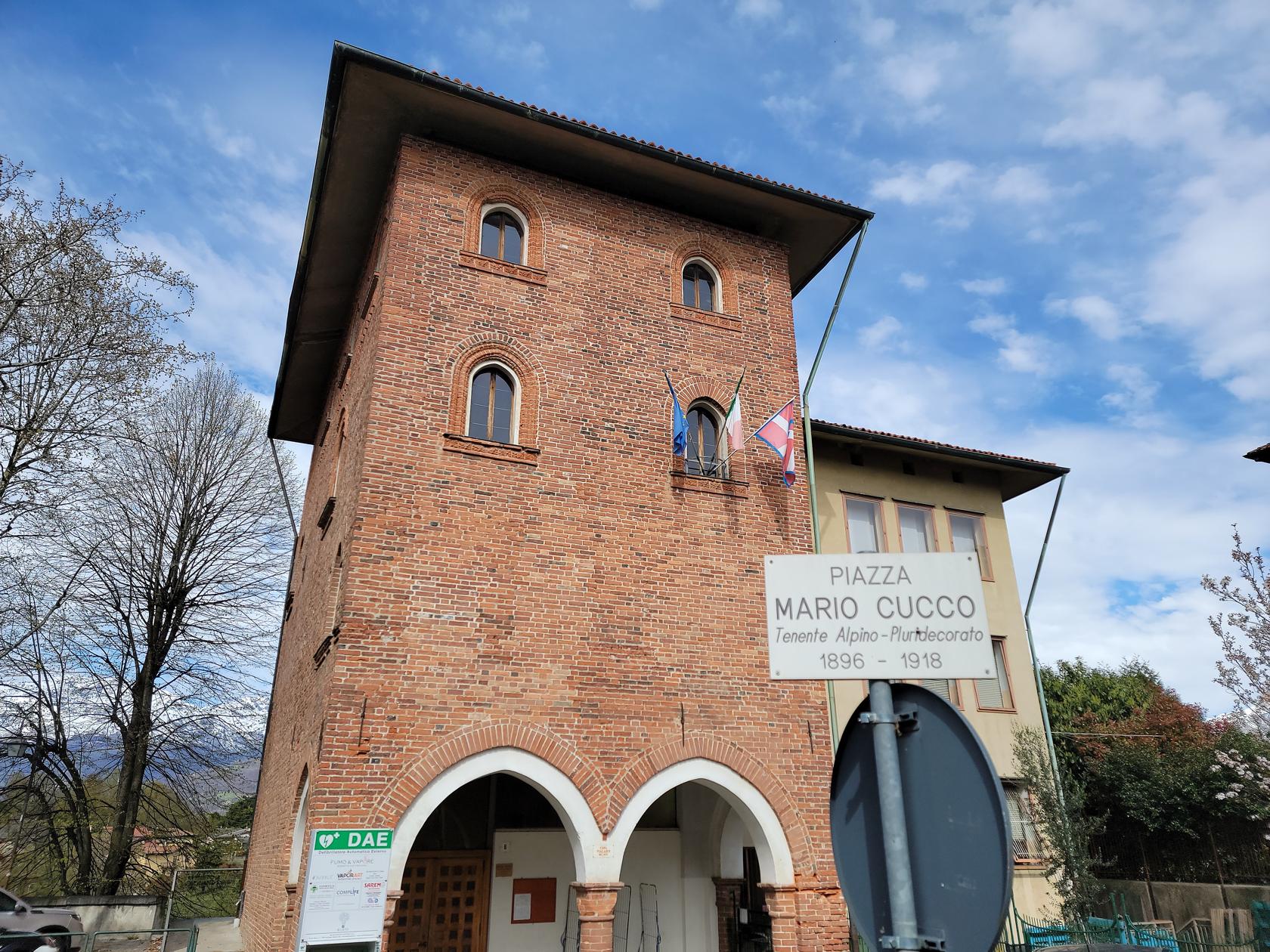
Close by is the Piazza Mario Cucco, from where you will be able to get a fantastic view of the Biellese Alps.
Piazza Mario Cucco – Biella, Italy
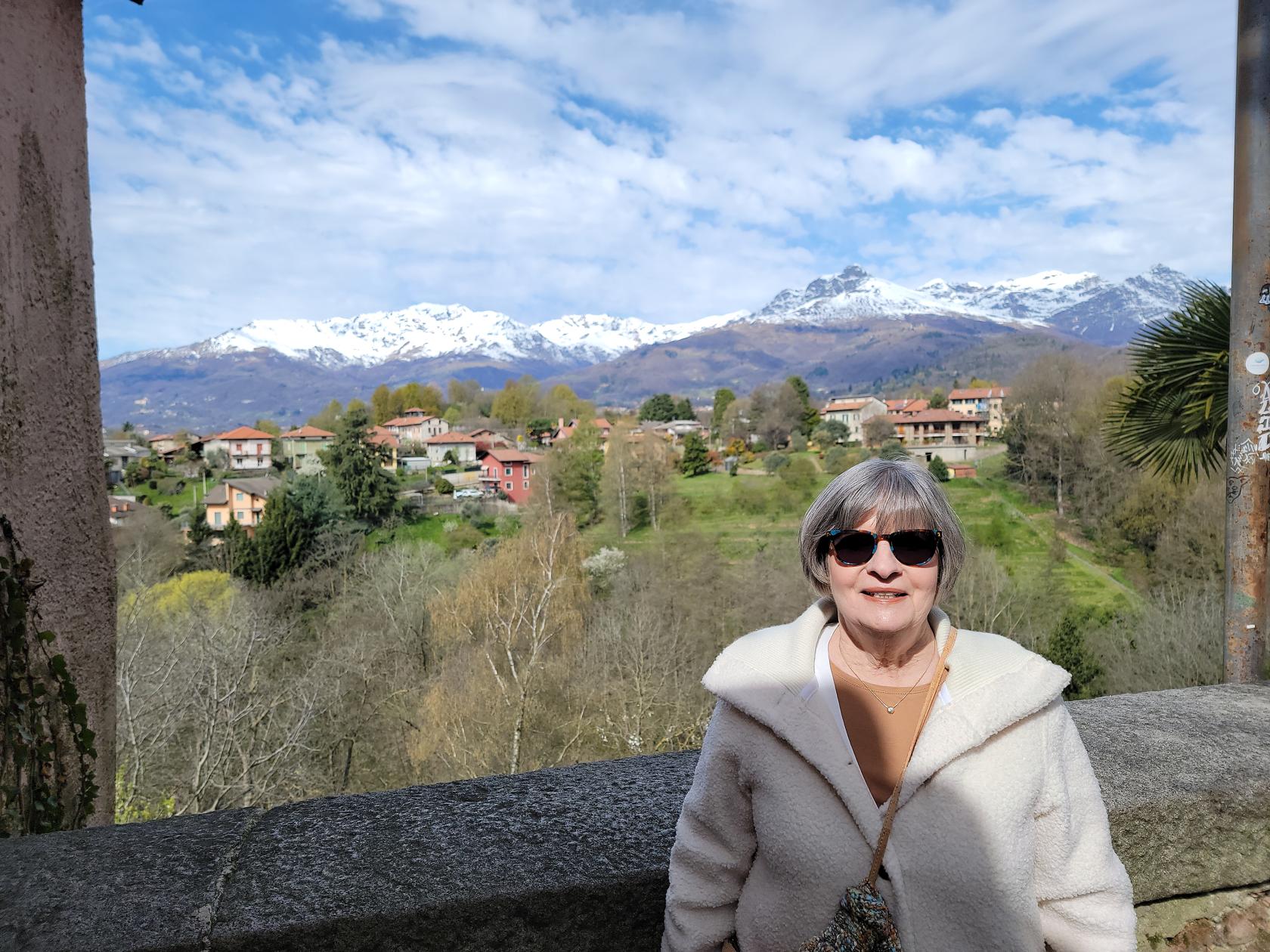
Patti With The Alps In Background – Piazza Mario Cucco – Biella, Italy
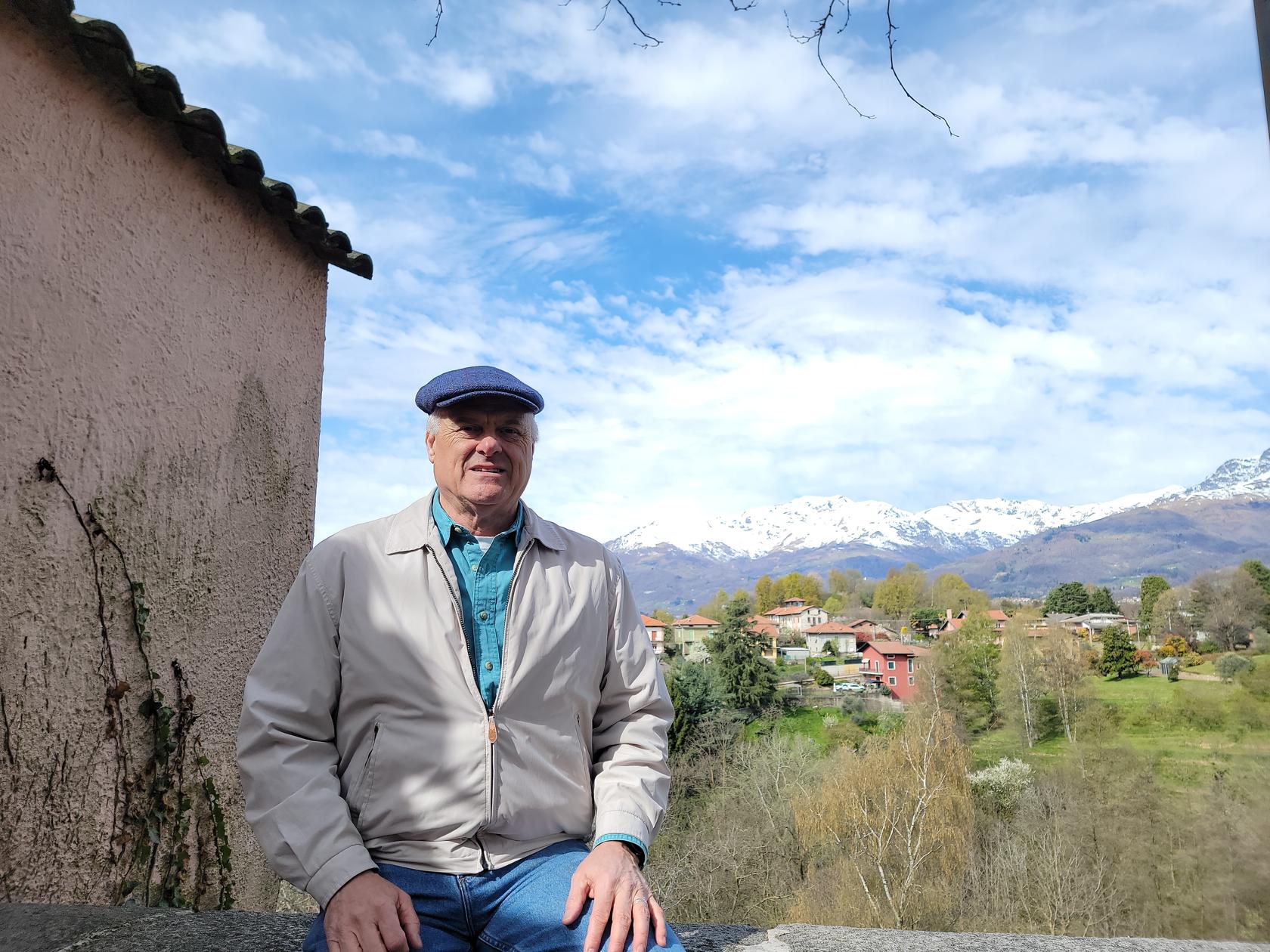
Erick With The Alps In Background – Piazza Mario Cucco – Biella, Italy
Piazza Mario Cucco – Biella, Italy
Piazza Mario Cucco – Biella, Italy
Old Buildings – Piazza Mario Cucco – Biella, Italy
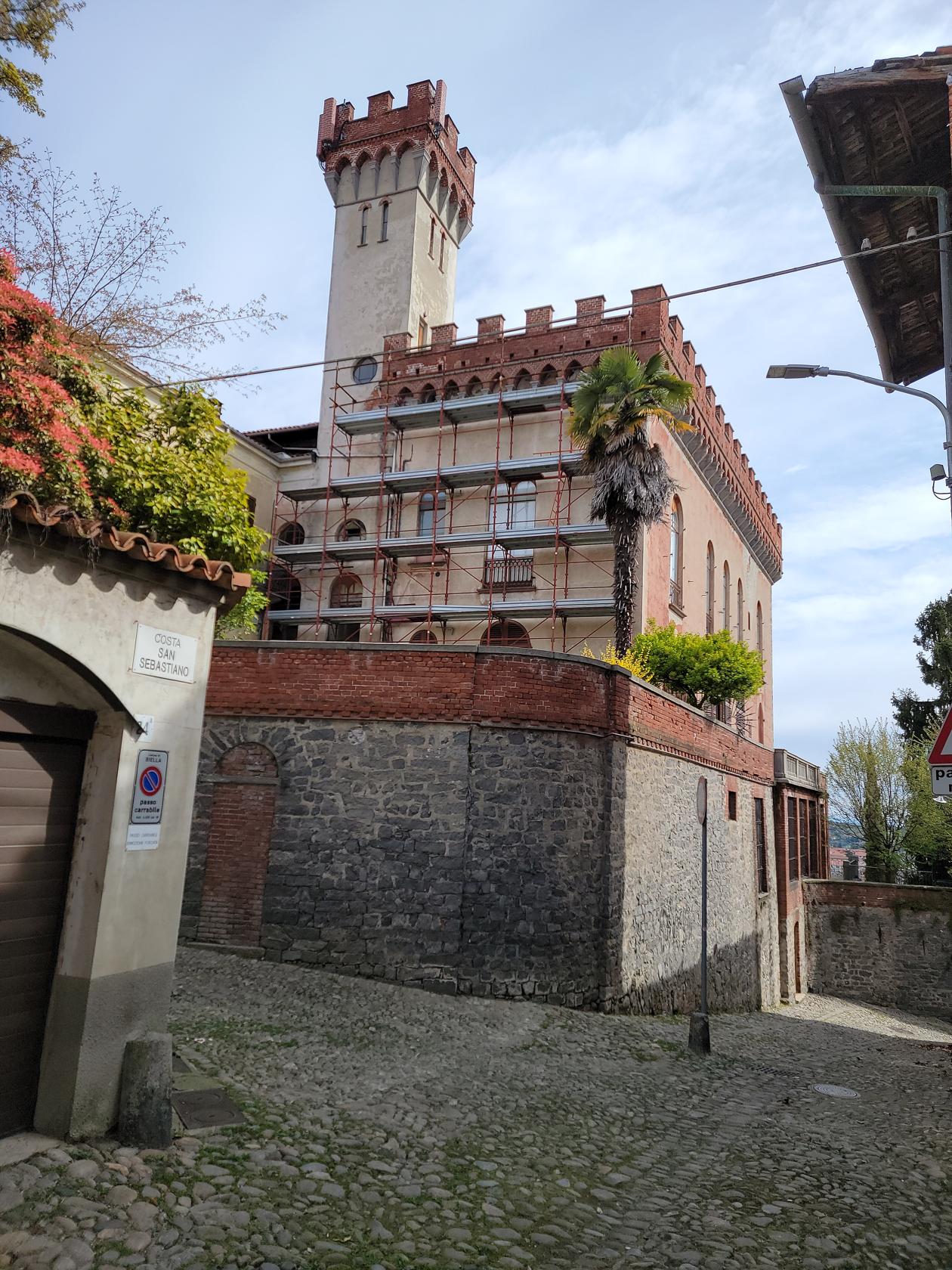
One the way down, we took the Costa San Sebastiano, which led us directly to the Basilica of San Sebastiano in Biella.
Patti – Costa San Sebastiano – Biella, Italy
Costa San Sebastiano – Biella, Italy
Costa San Sebastiano – Biella, Italy
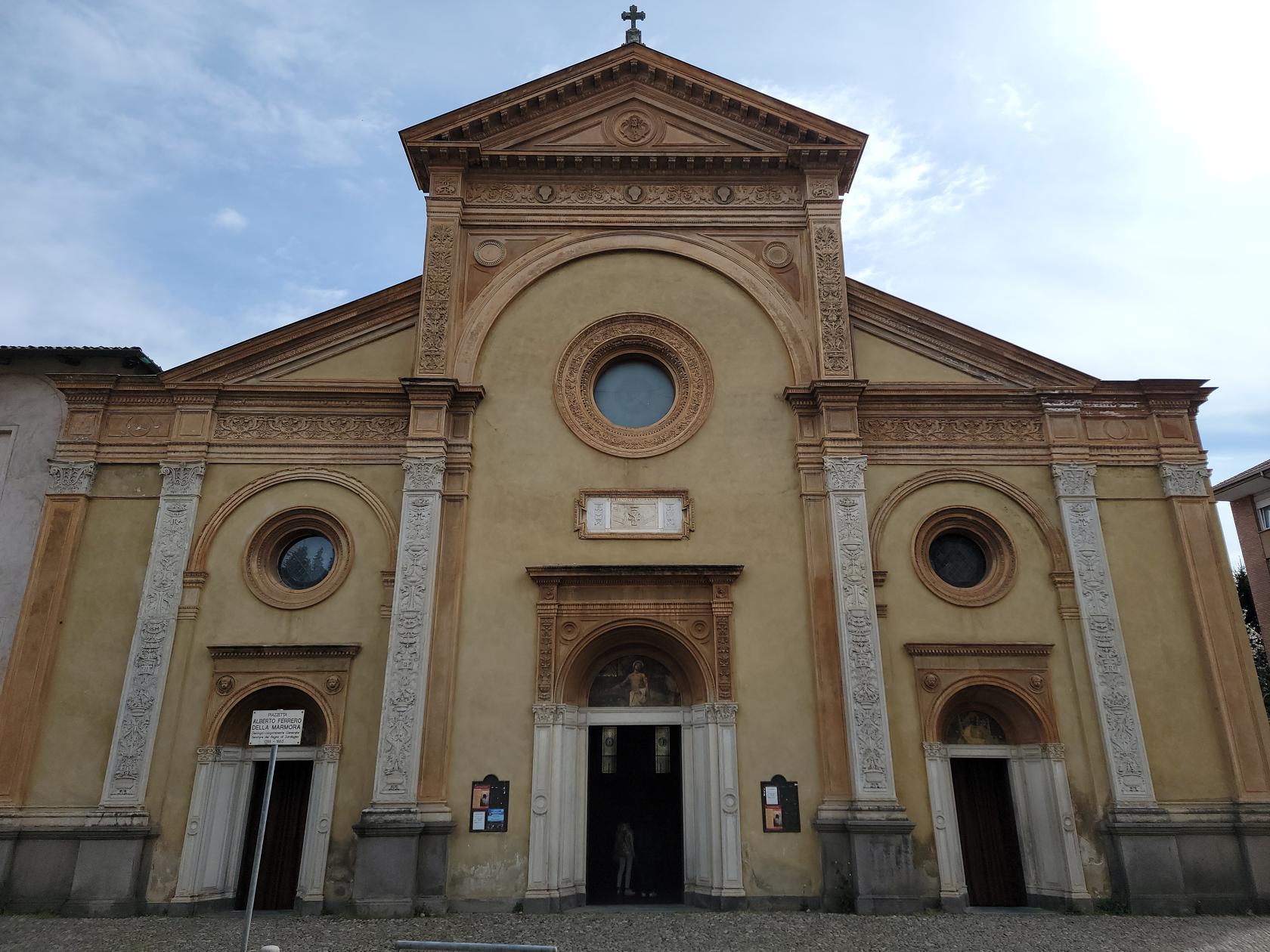
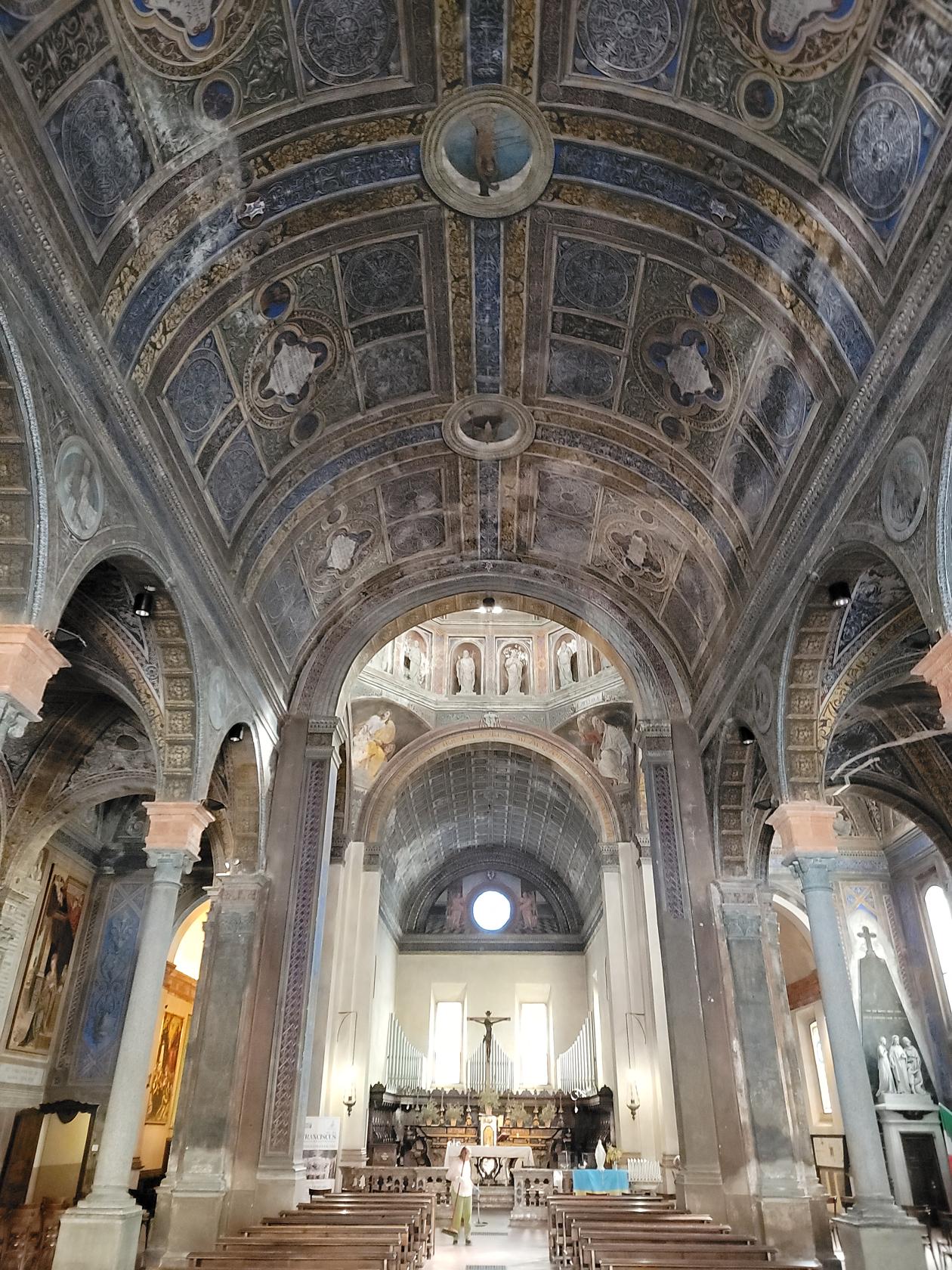
Basilica Biella
The Basilica of San Sebastiano, together with the monastery of San Girolamo, stands as the pinnacle of the Biella Renaissance. Commissioned and funded by Sebastiano Ferrero, it featured artists from the Lombardy region for its masonry work. The church’s foundation stone was laid in 1500, and in honor of the patron, it was dedicated to San Sebastiano. The construction was overseen by Maestro Eusebio, who was present during the laying of the foundation stone. By 1504, the church’s walls were already finished, but it wasn’t consecrated until 1540 by Monsignor Guglielmo di Gattinara, the Bishop of Nicomedia.
Entrance – Basilica San Sebastiano – Biella, Italy
Interior – Basilica San Sebastiano – Biella, Italy
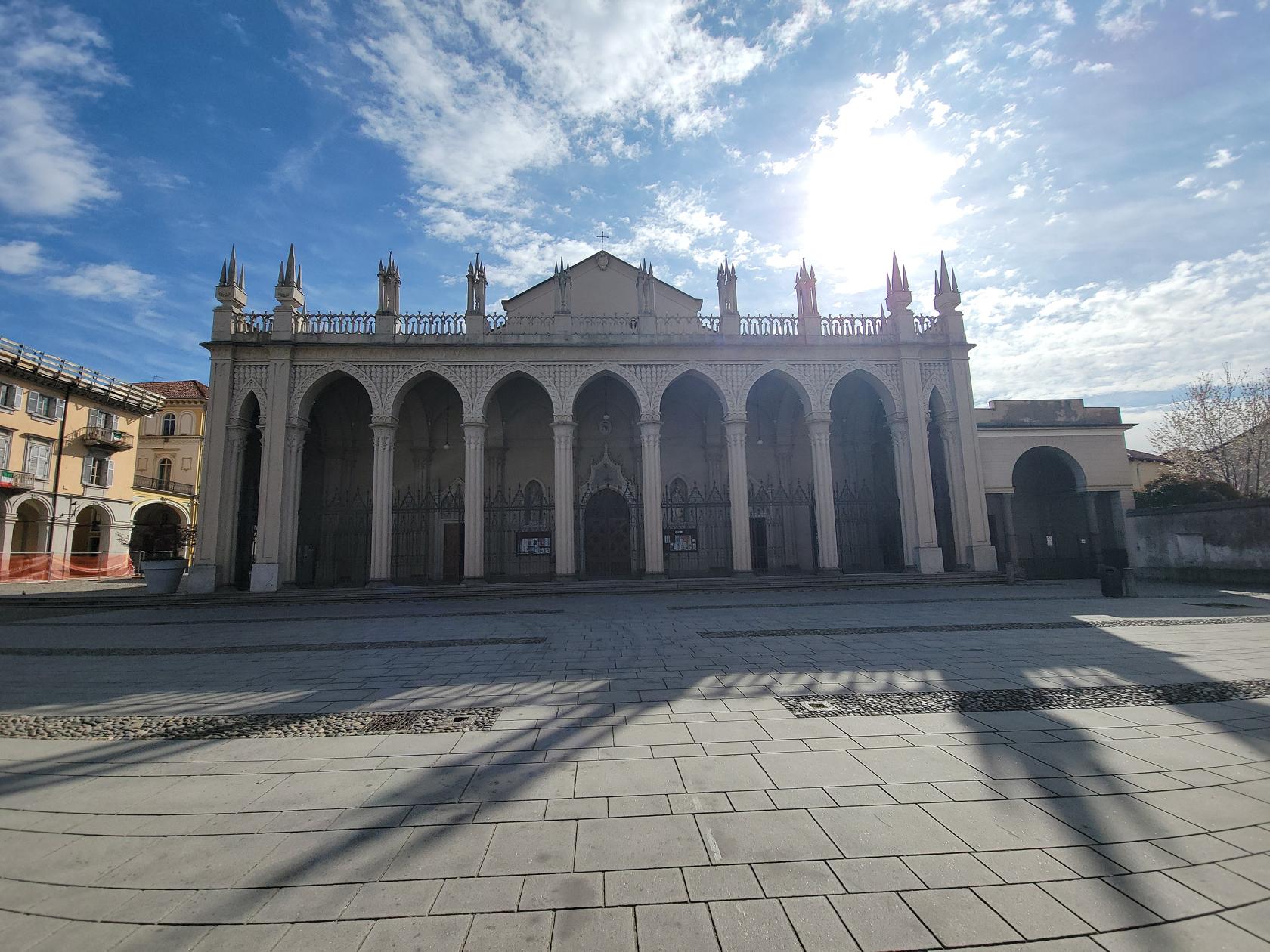
Cathedral of Biella
From the outside the Biella Cathedral, or Cathedral of Saint Stefano Protomartire, might almost remind one of a mosque, if it weren’t for the cross on the apex of the roof.
Entrance and Front – Cathedral of Saint Mary Assunta – Biella, Italy
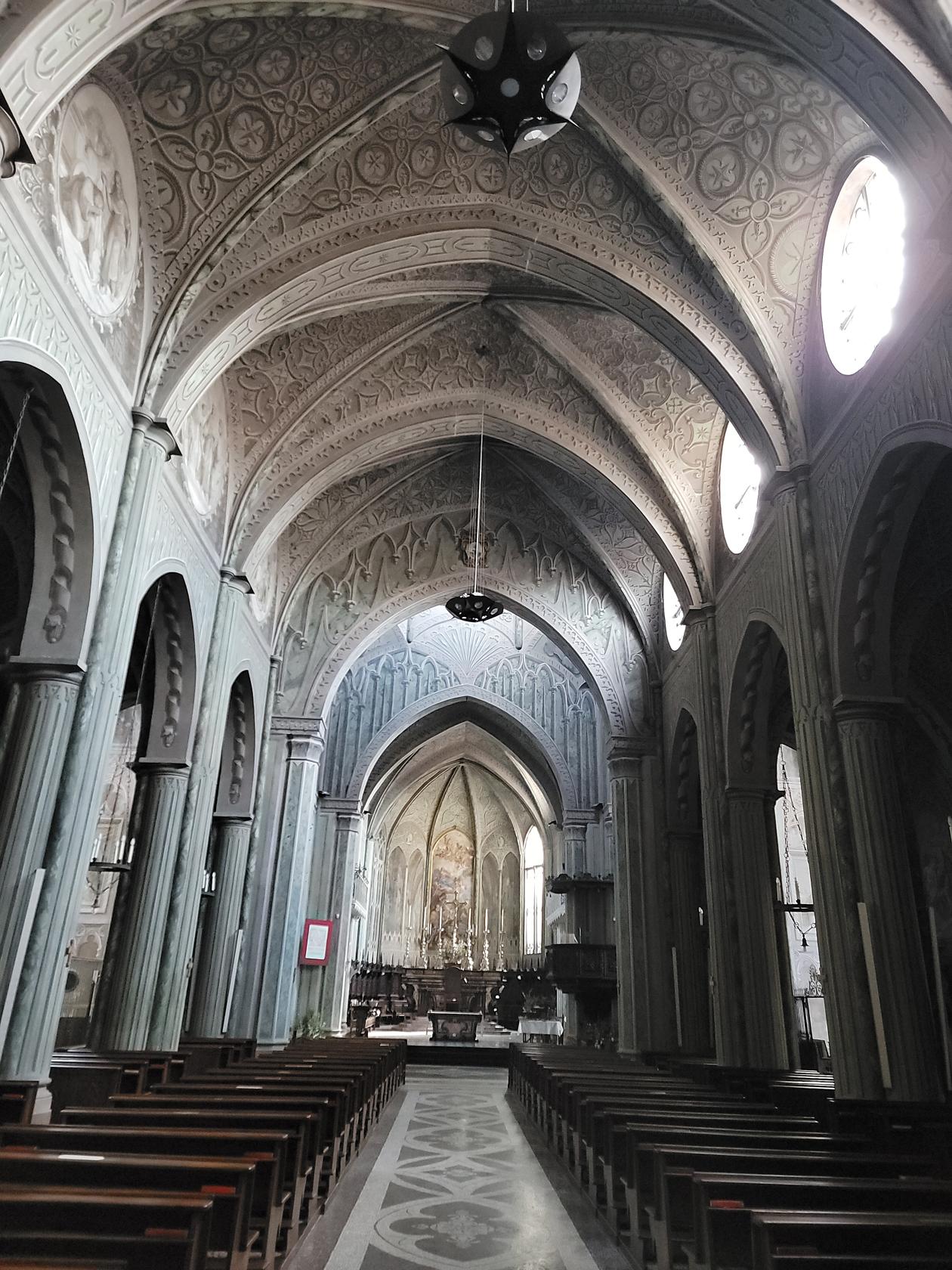
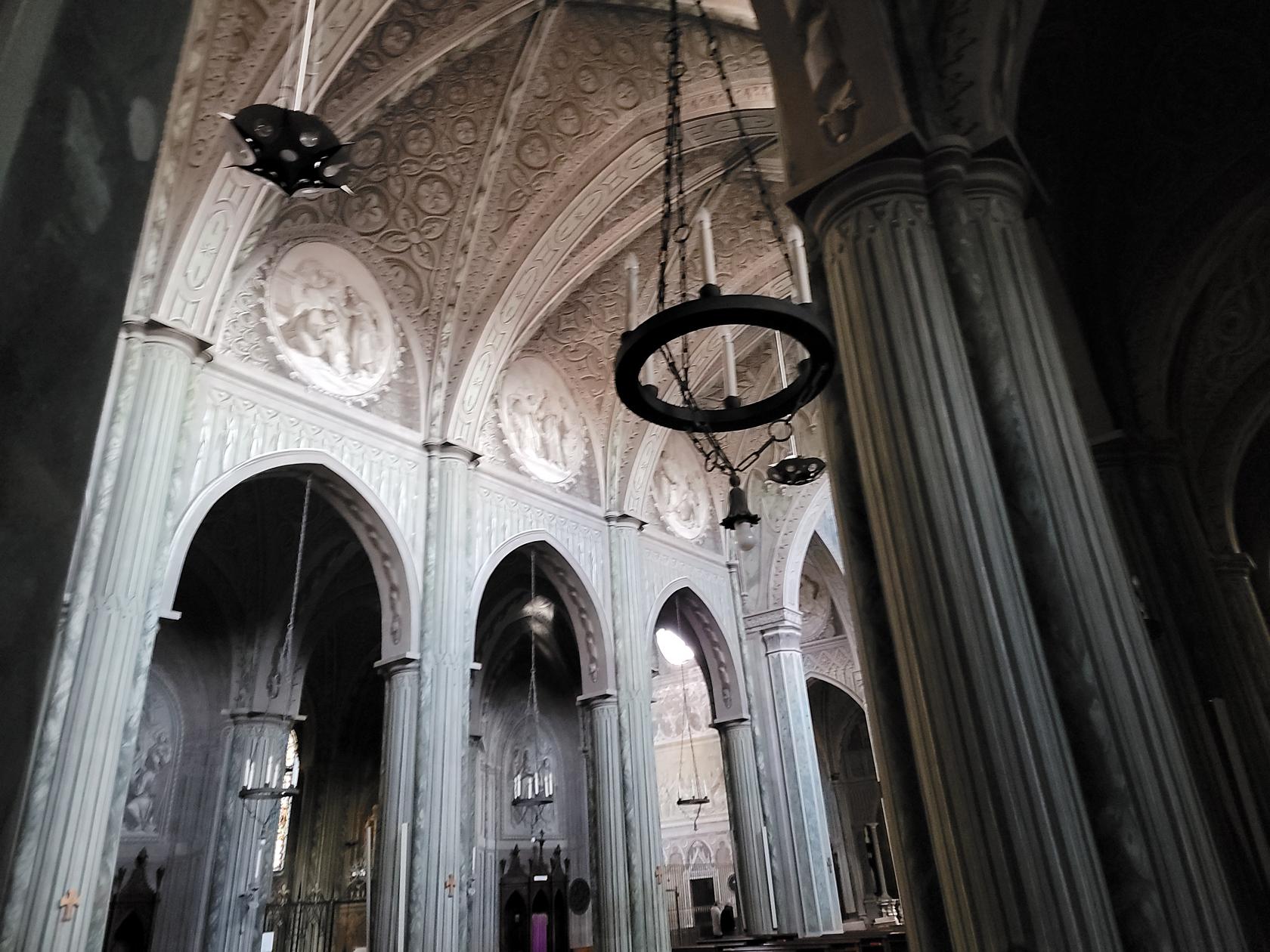
However, from the inside there is no mistaking it for anything other than a catholic cathedral. Interestingly, the interior contors of the colums and relief of the ceiling are all a visual illusion and one of the best examples of trompe-l’œil. This is where the intricate details are painted on the existing stone, plaster or masonry to mimick definition or relief, when in fact there is none.
Interior – Cathedral of Saint Mary Assunta – Biella, Italy
Interior – Cathedral of Saint Mary Assunta – Biella, Italy
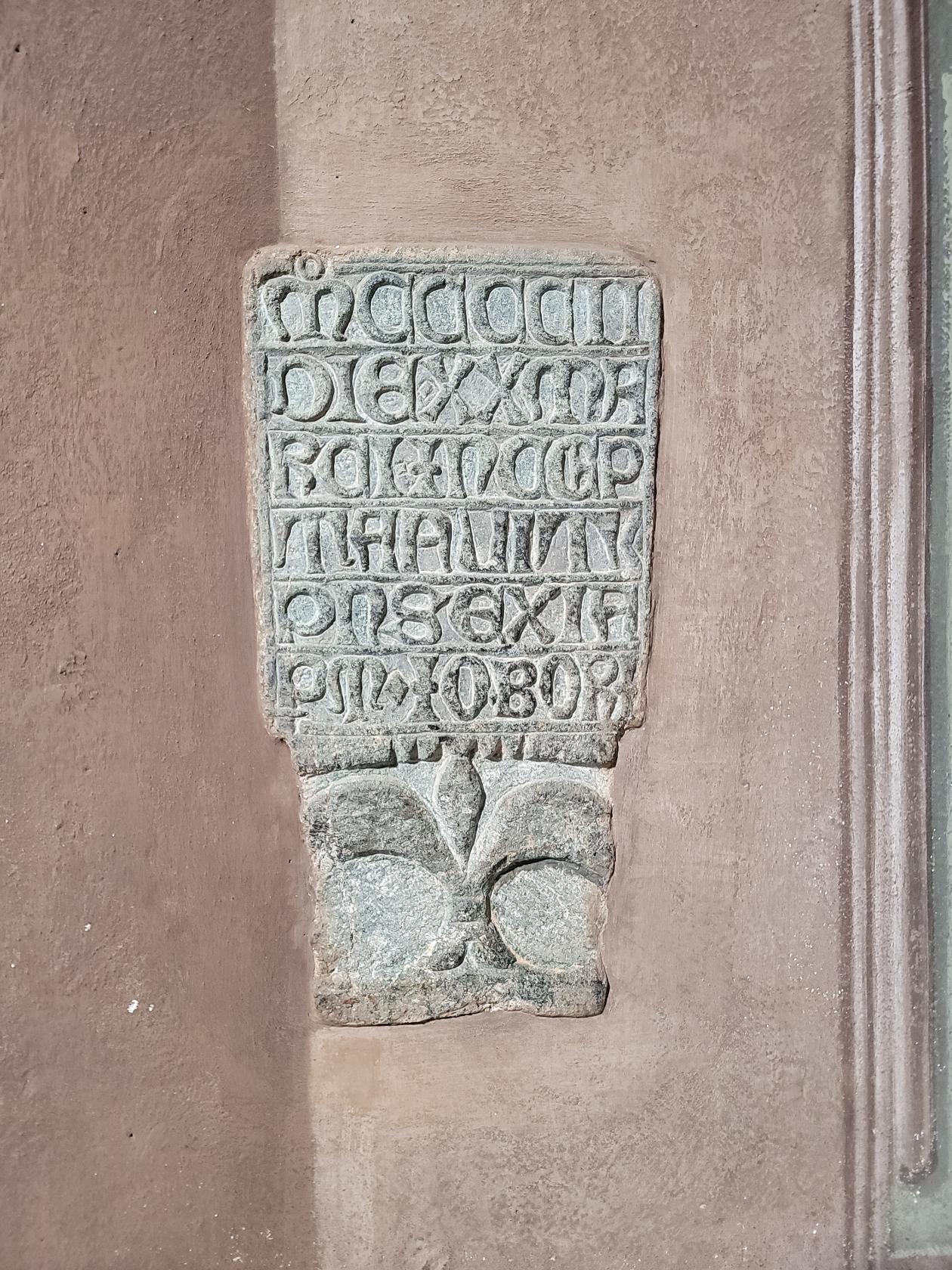
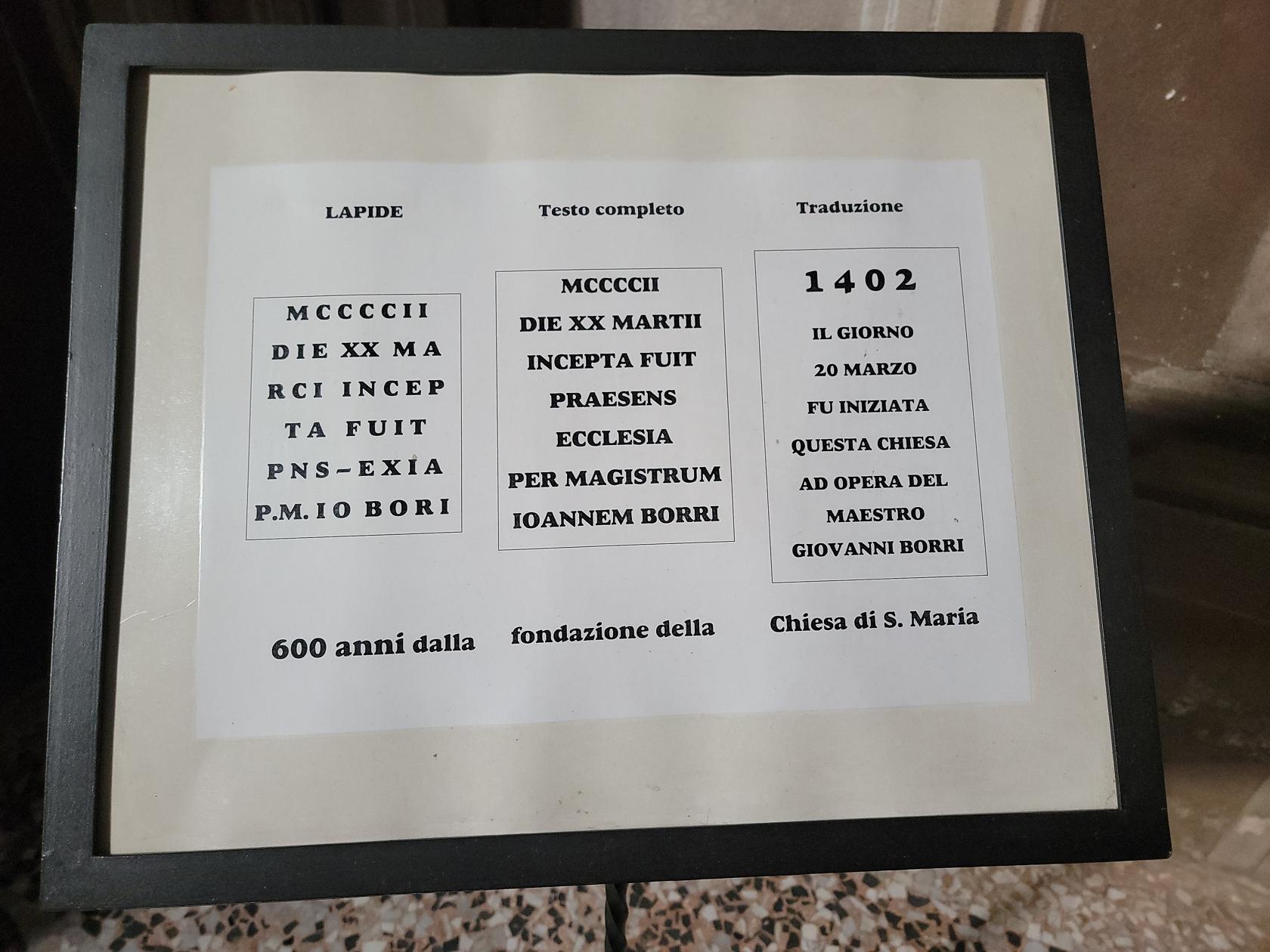
If you look carefully you may find the original first foundation stone for the church, that is before it became of cathedral. It was set in the early fifteenth century and has been interpreted, first from the ancient latin, then into modern italian.
Foundation Stone – Cathedral of Saint Mary Assunta – Biella, Italy
The english translation would say, “1402, today on the 20th of March, construction of this church was begun by master Giovanni Borri.”
Foundation Stone Interpretation – Cathedral of Saint Mary Assunta – Biella, Italy
Biella Baptistery
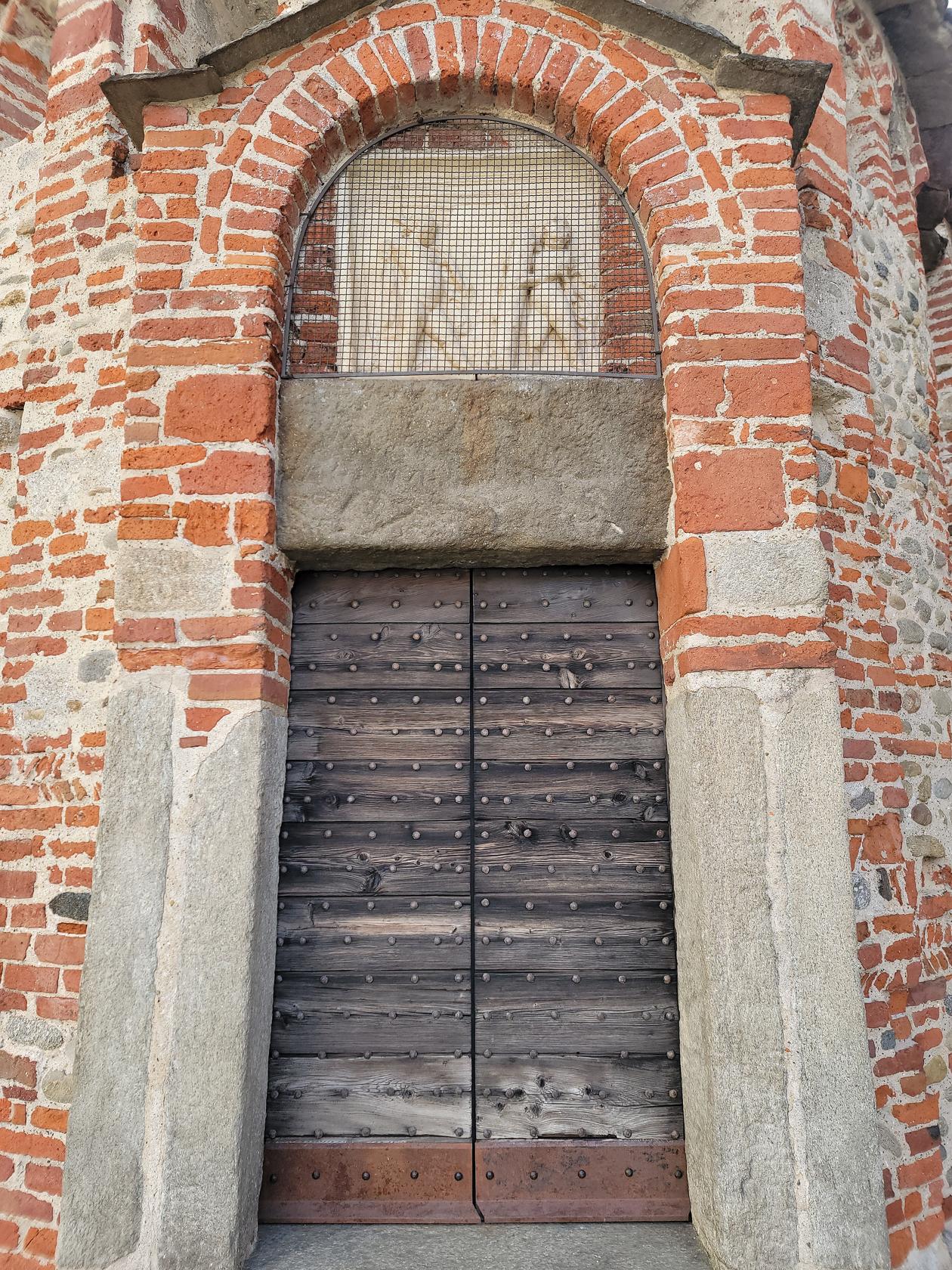
Extremely close by the cathedral is the Baptistery of John the Baptist. Unfortunately, no entry is allowed. But a quick look of the outside and it is clear that it is a fairly old building.
Baptistry of John the Baptist – Via Battistero – Biella, Italy
Baptistry of John the Baptist – Via Battistero – Biella, Italy
Baptistry of John the Baptist – Via Battistero – Biella, Italy
Church of the Santissima Trinity
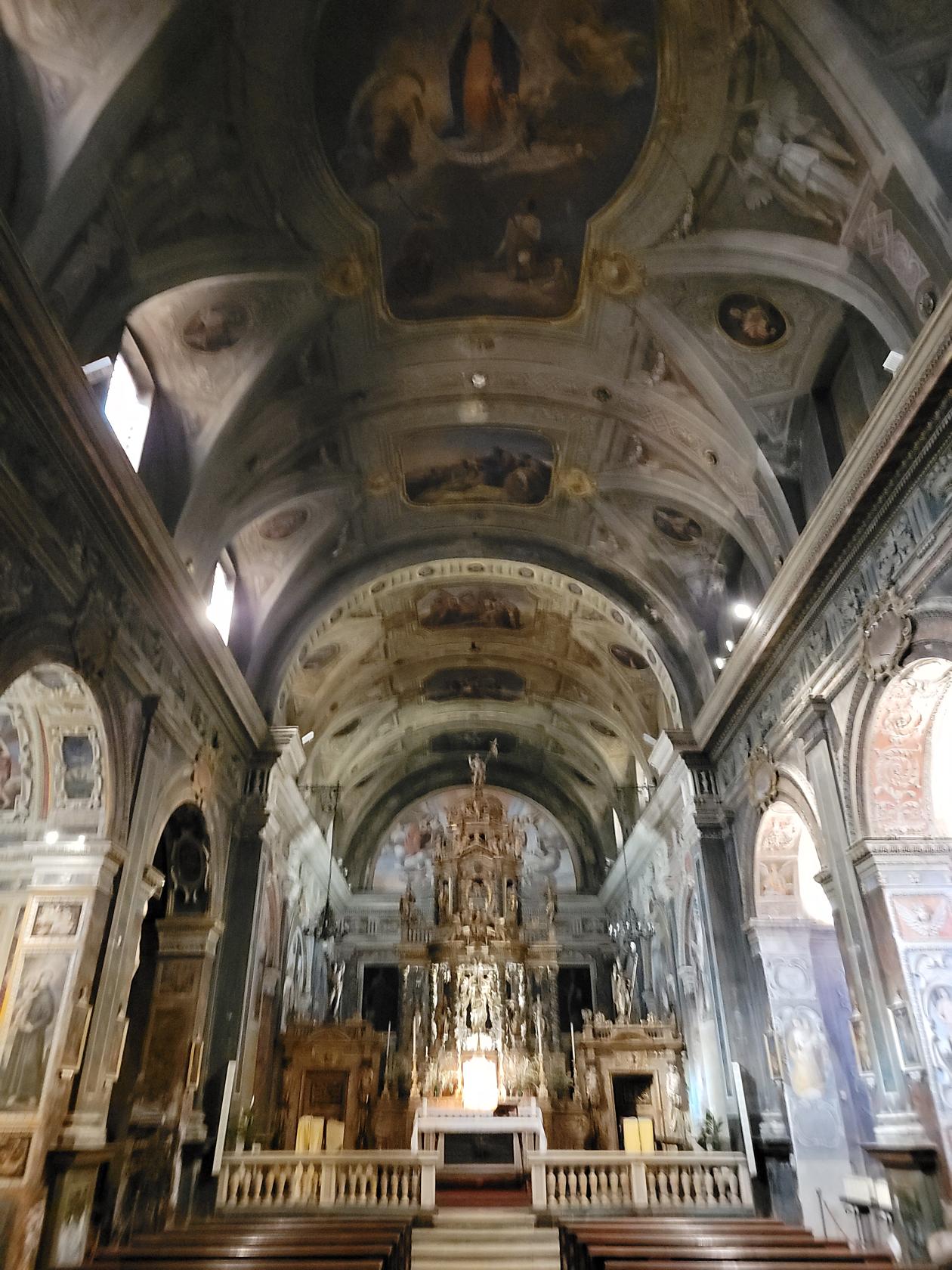
Directly off the Via Italia is the small church of Santissima Trinity. It has high vaulted ceilings with frescoes and a very ornate altar. Here again, the relief is mostly done using paint.
Church of the Santissima Trinity – Via Italia – Biella, Italy
Church of the Santissima Trinity – Via Italia – Biella, Italy
Church of the Santissima Trinity – Via Italia – Biella, Italy
Restaurants
Since this was a day trip, we only had time to enjoy lunch. At first we had some difficulty and our first choice, the higly rated L’Arrugginita on the upper side of town, was completely booked. Then we mistakenly sat down in what we thought was a neapolitan pizzeria, which turned out to actually be a poke bowl bistro. Then finally we found Ristorante Il Salotto.
Ristorante Il Salotto
A very fine place for lunch, Il Salotto offers a tasty fixed priced menu at €17 for pasta (primi only), or €24 for the two course lunch (primi and secundi). For the extra seven euros a piece, we were able to order two primi pasta dishes and two secundi meat dishes, with bread, a glass of wine and water for total of €51.
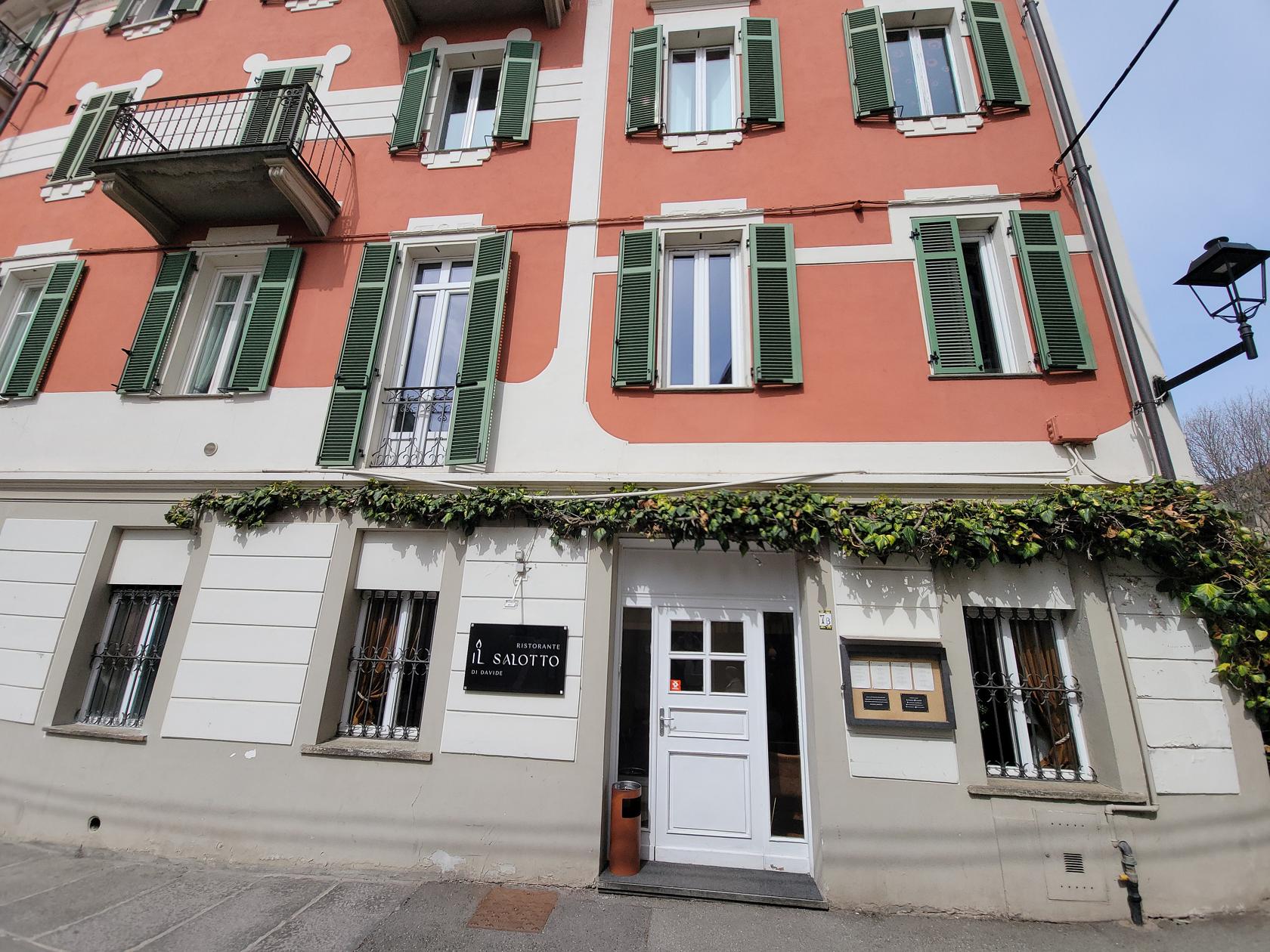
Entrance – Ristorante Il Salotto – Biella, Italy
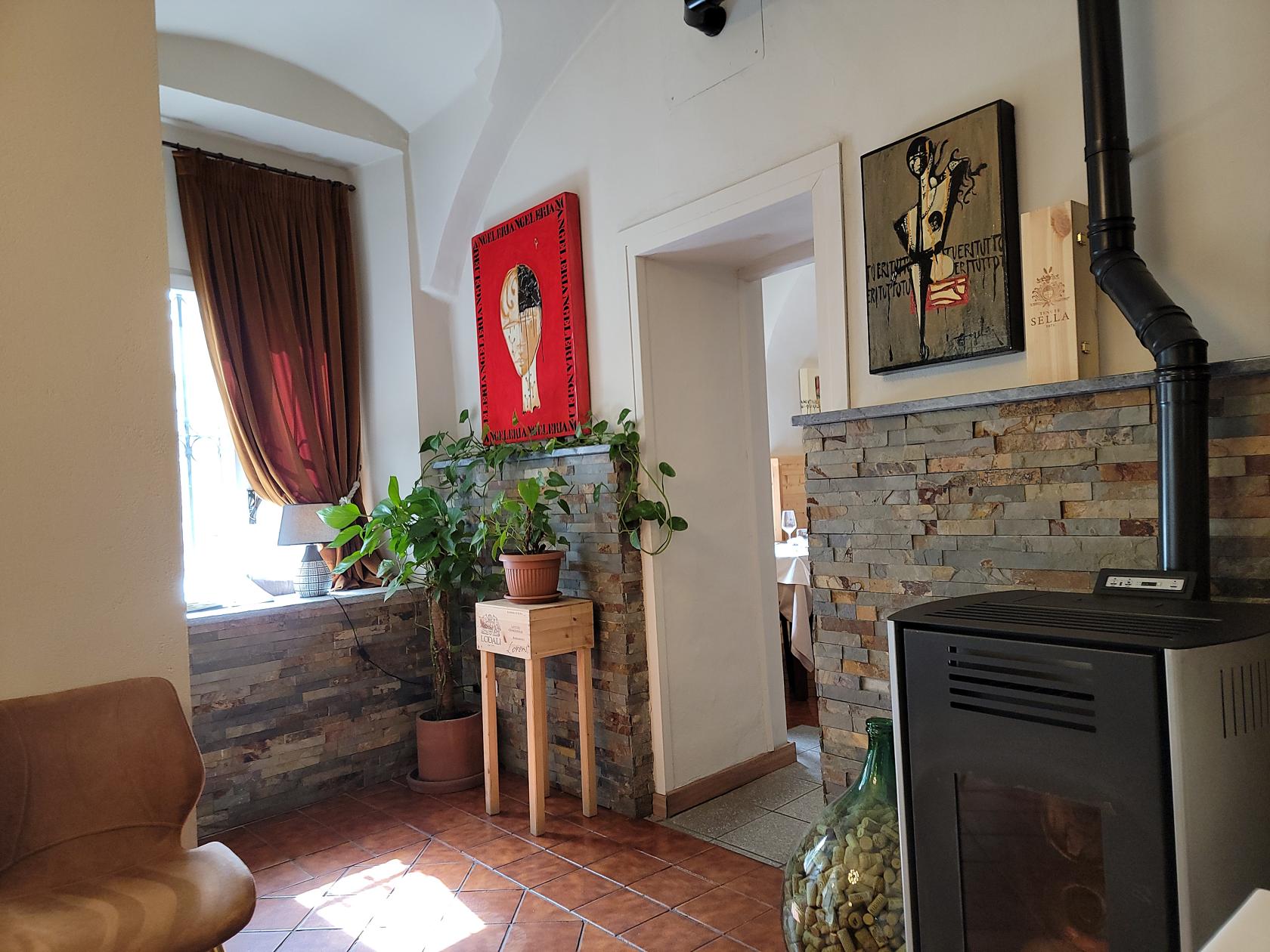
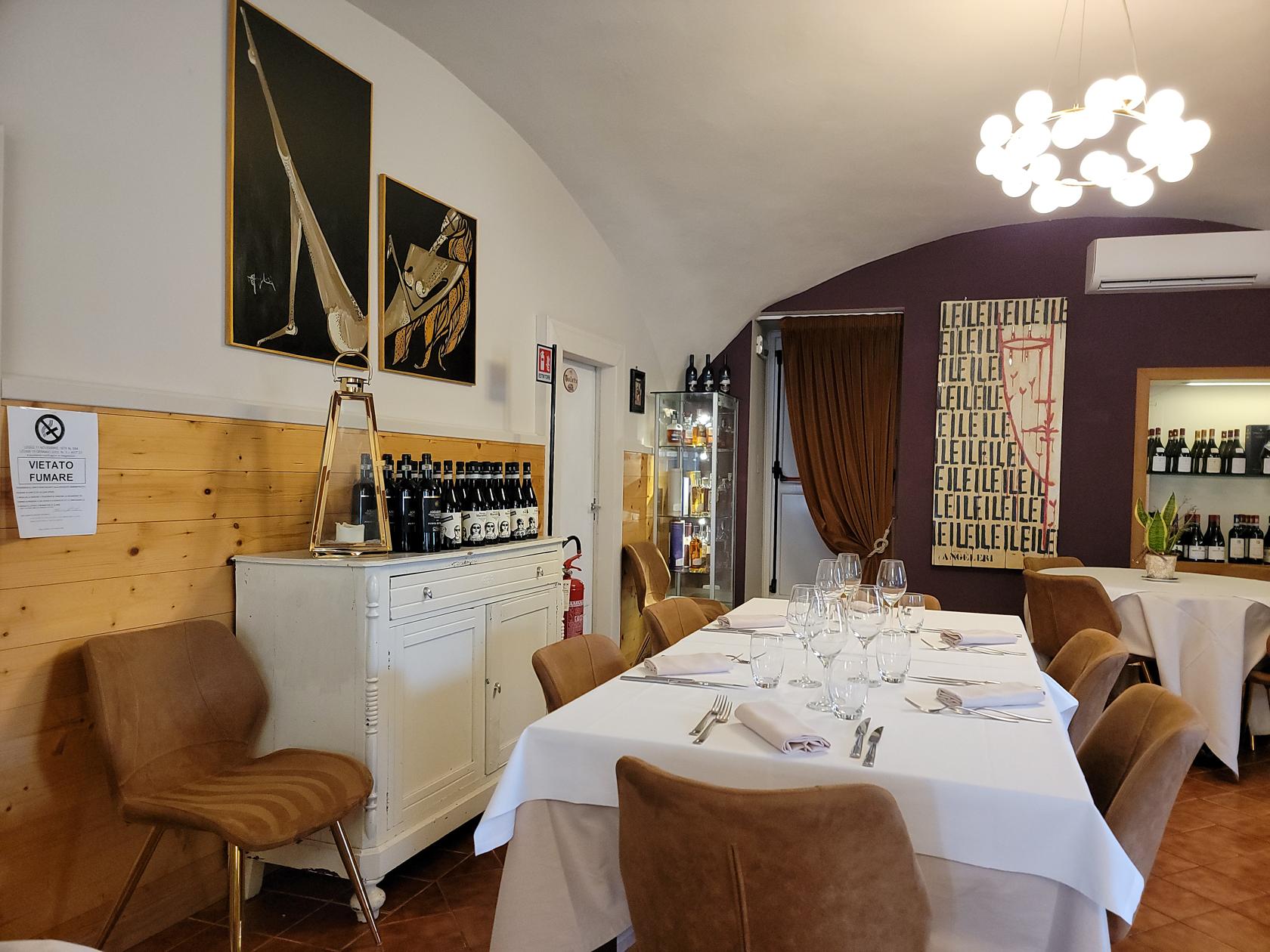
Interior – Ristorante Il Salotto – Biella, Italy
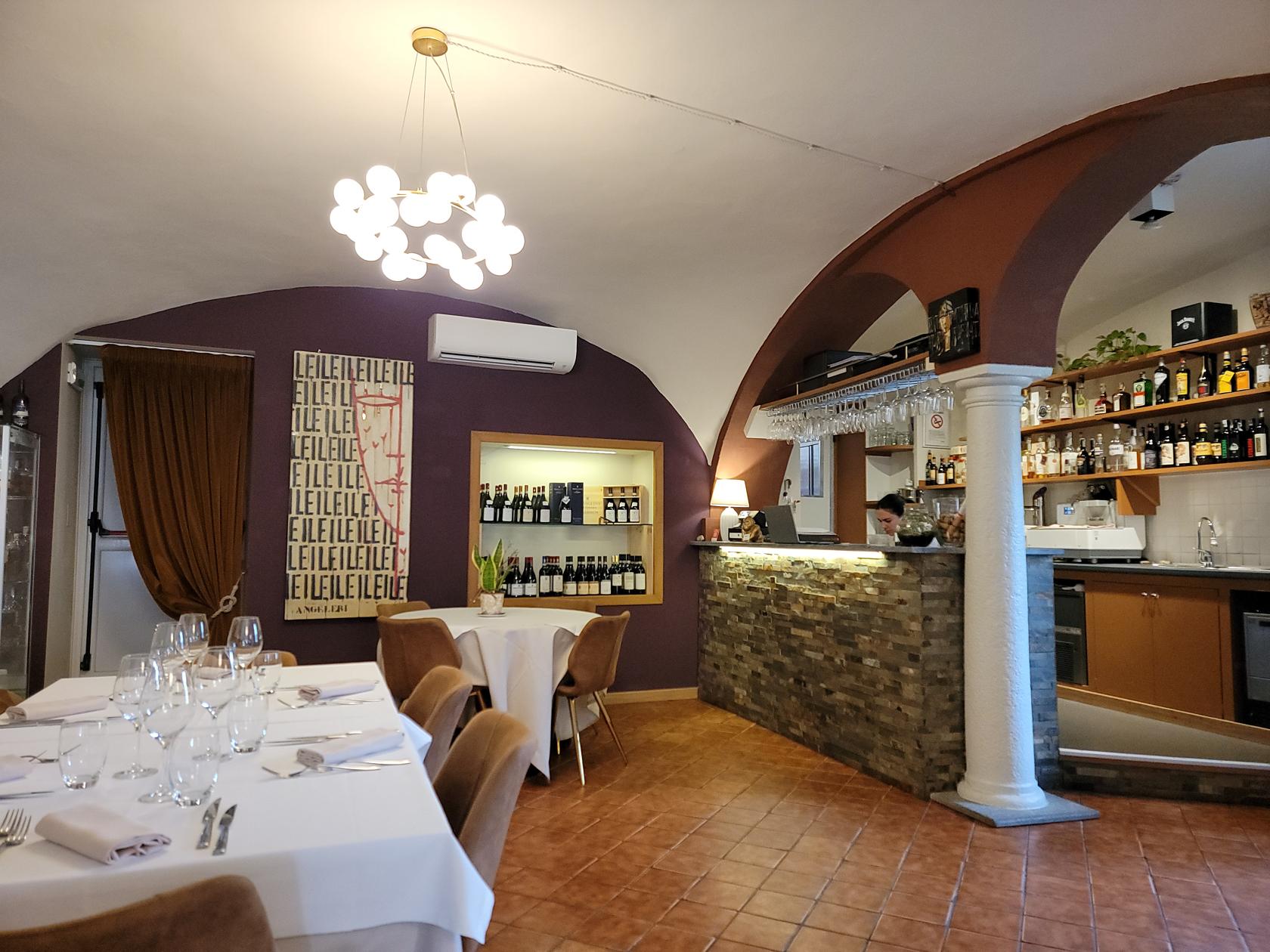
Interior – Ristorante Il Salotto – Biella, Italy
Interior – Ristorante Il Salotto – Biella, Italy
The food was excellent, as was the service and decor. If you are ever in Biella, definitely one of the places to eat.
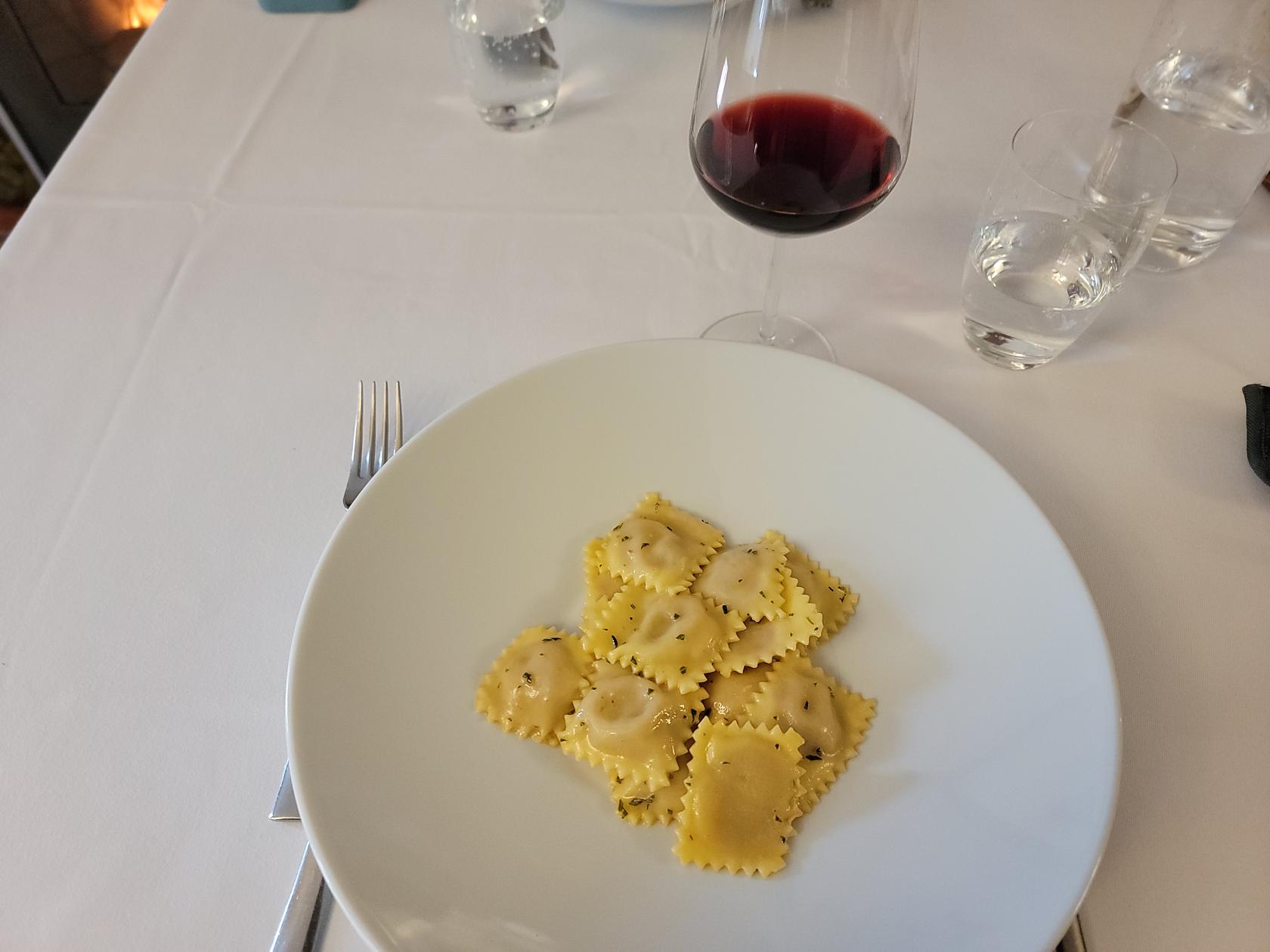
Ravioli with Cabbage and Meat – Ristorante Il Salotto – Biella, Italy
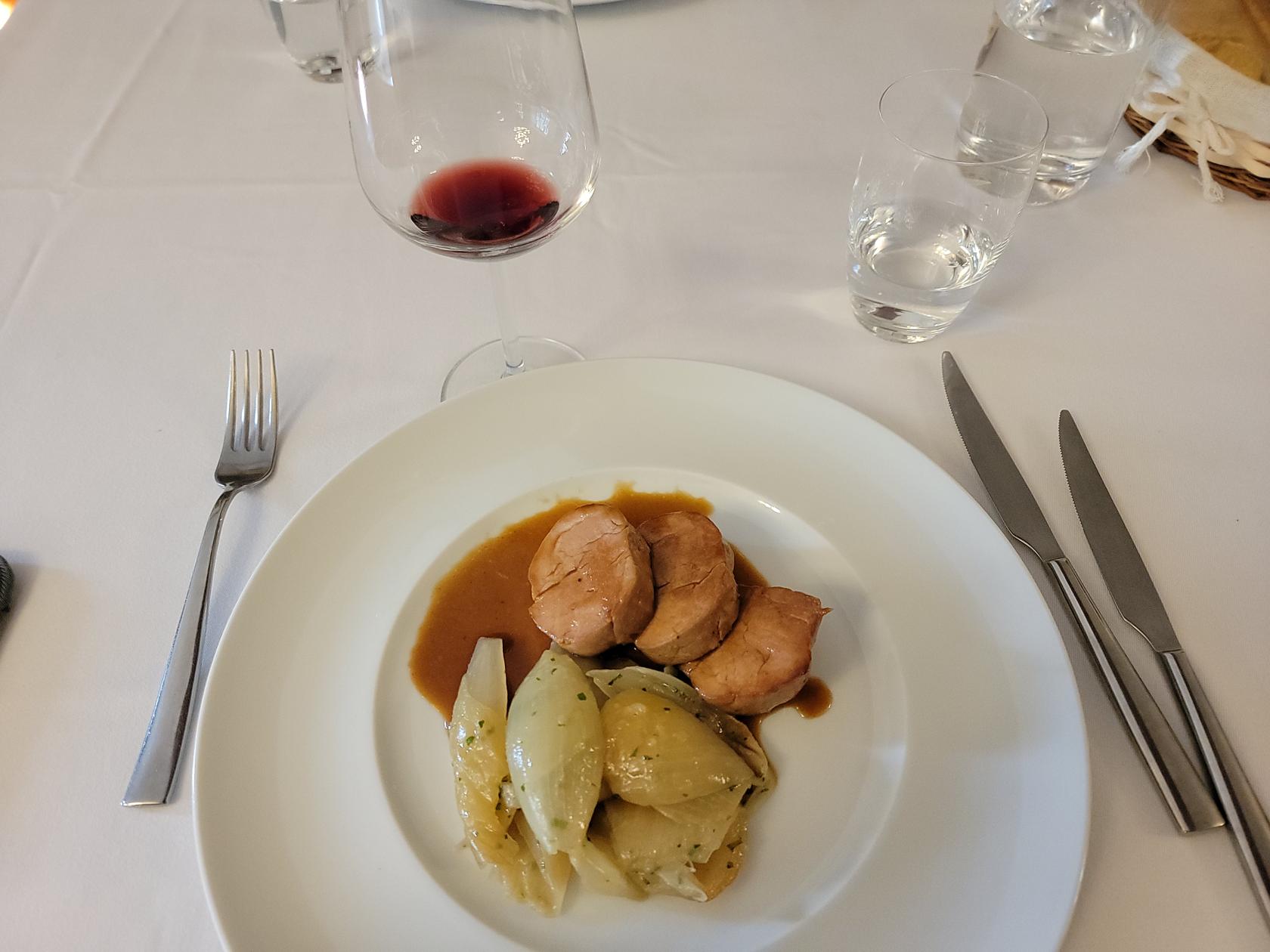
Pork Tenderloin in sauce with pickled onions – Ristorante Il Salotto – Biella, Italy
On the border of Hesse and Bavaria, in the Odenwald, is the town of Michelstadt. It’s curious, because its name contains within it a word that most english speaking people would think it should be a city, when in fact, the germans use the denotation for both town and city. Technically, it is considered a Kleinstadt, or small city, or what we call a town and should carry the stadt on the end of its name.
Michelstadt
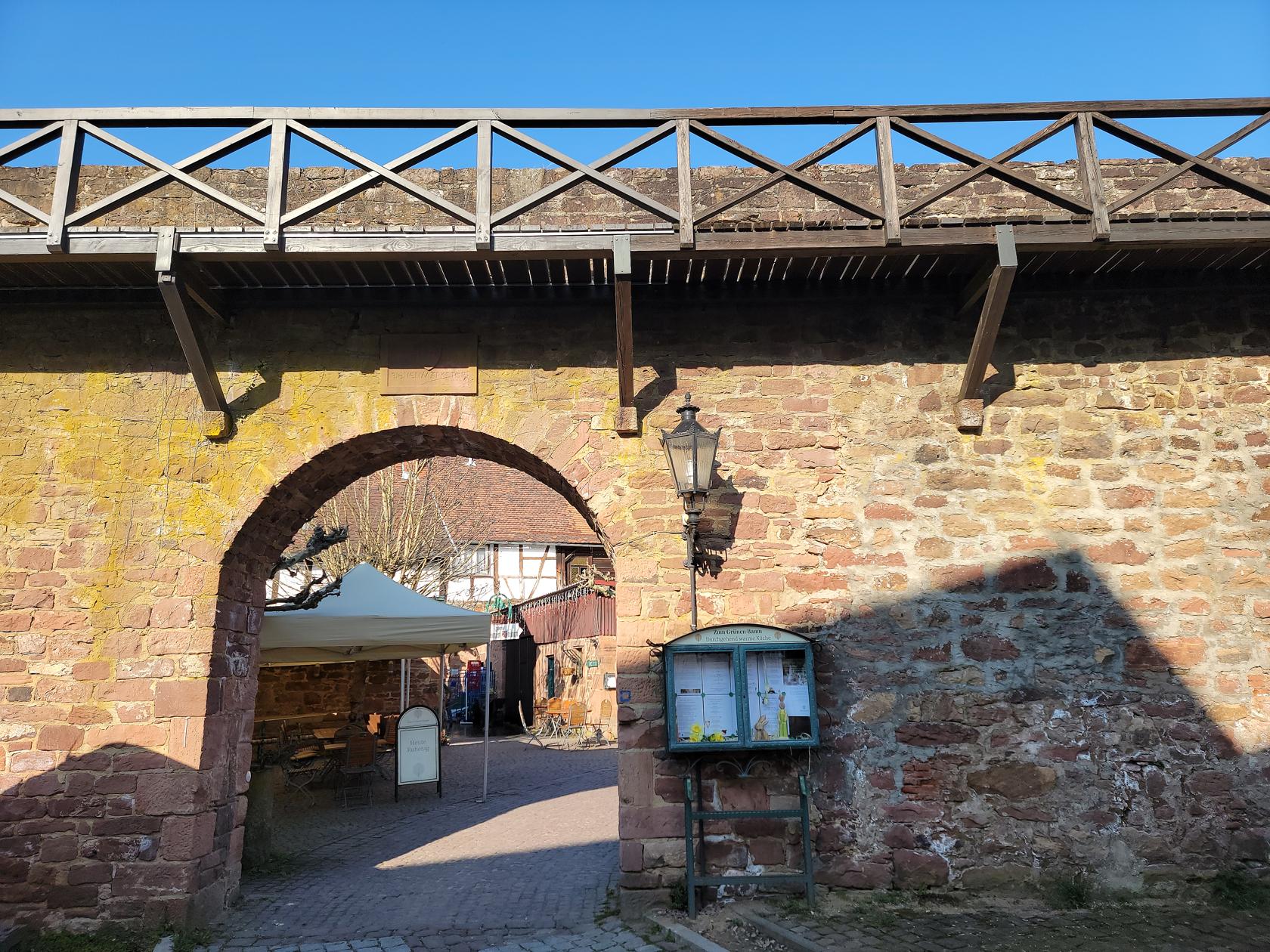
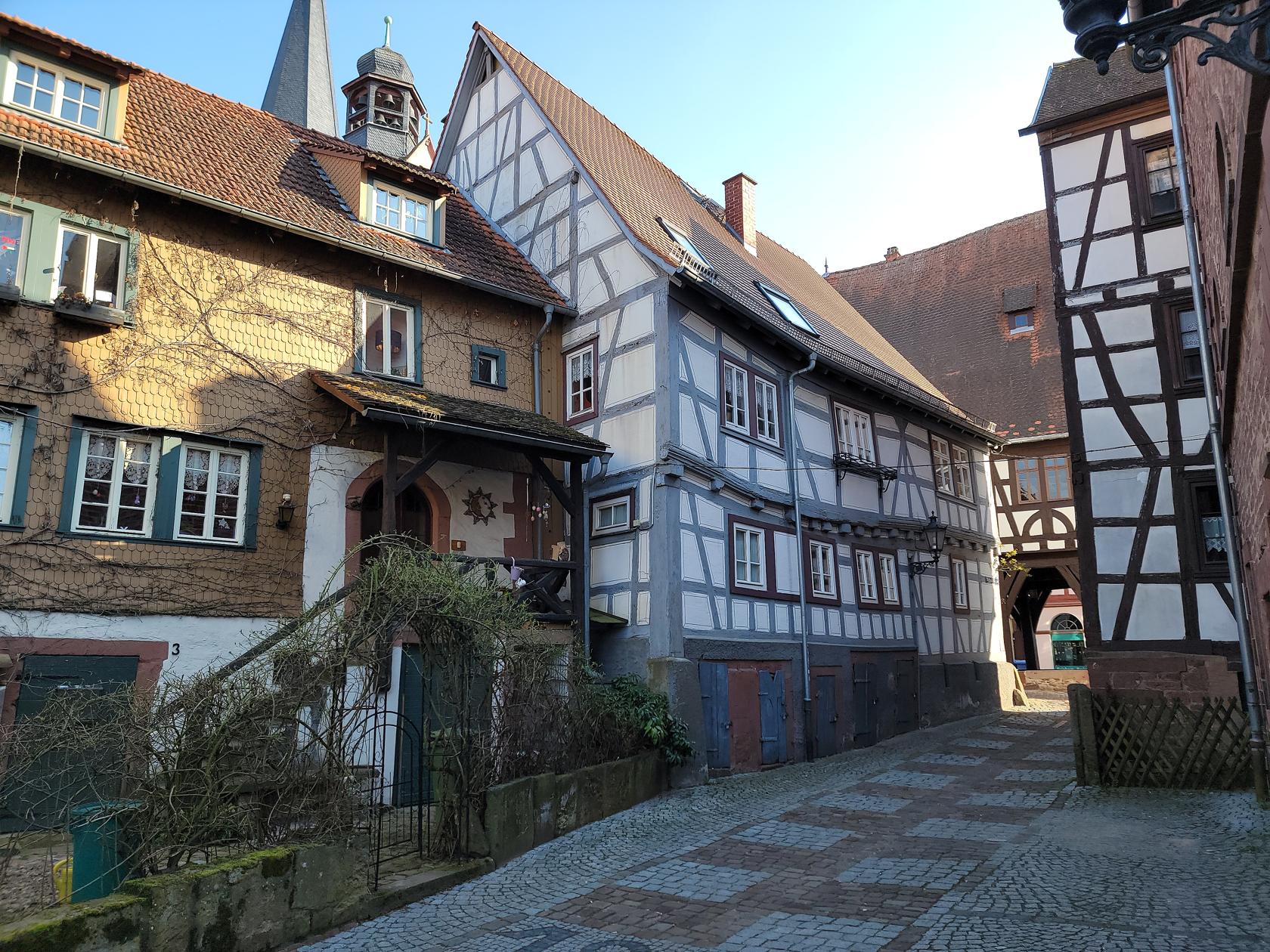
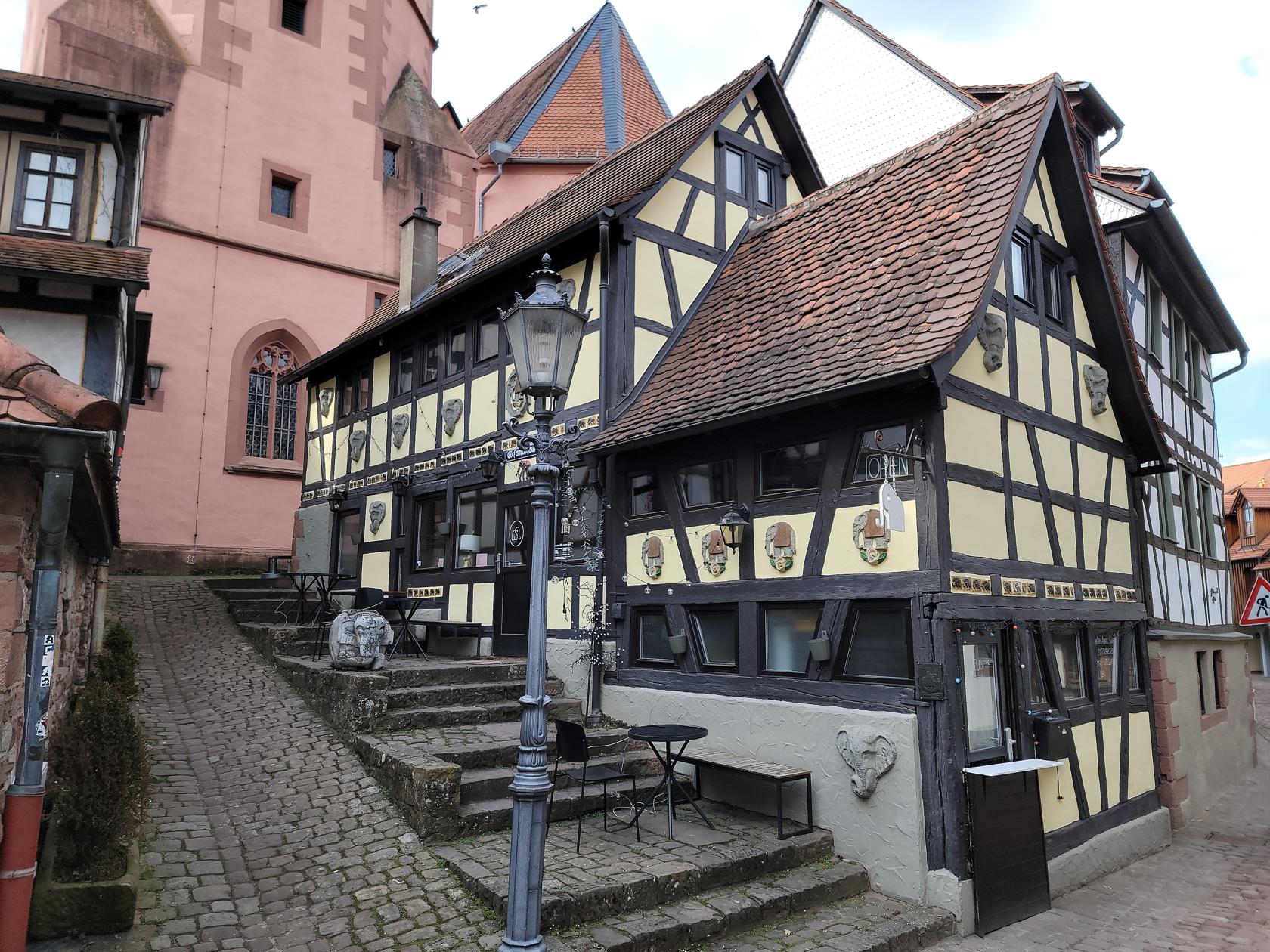
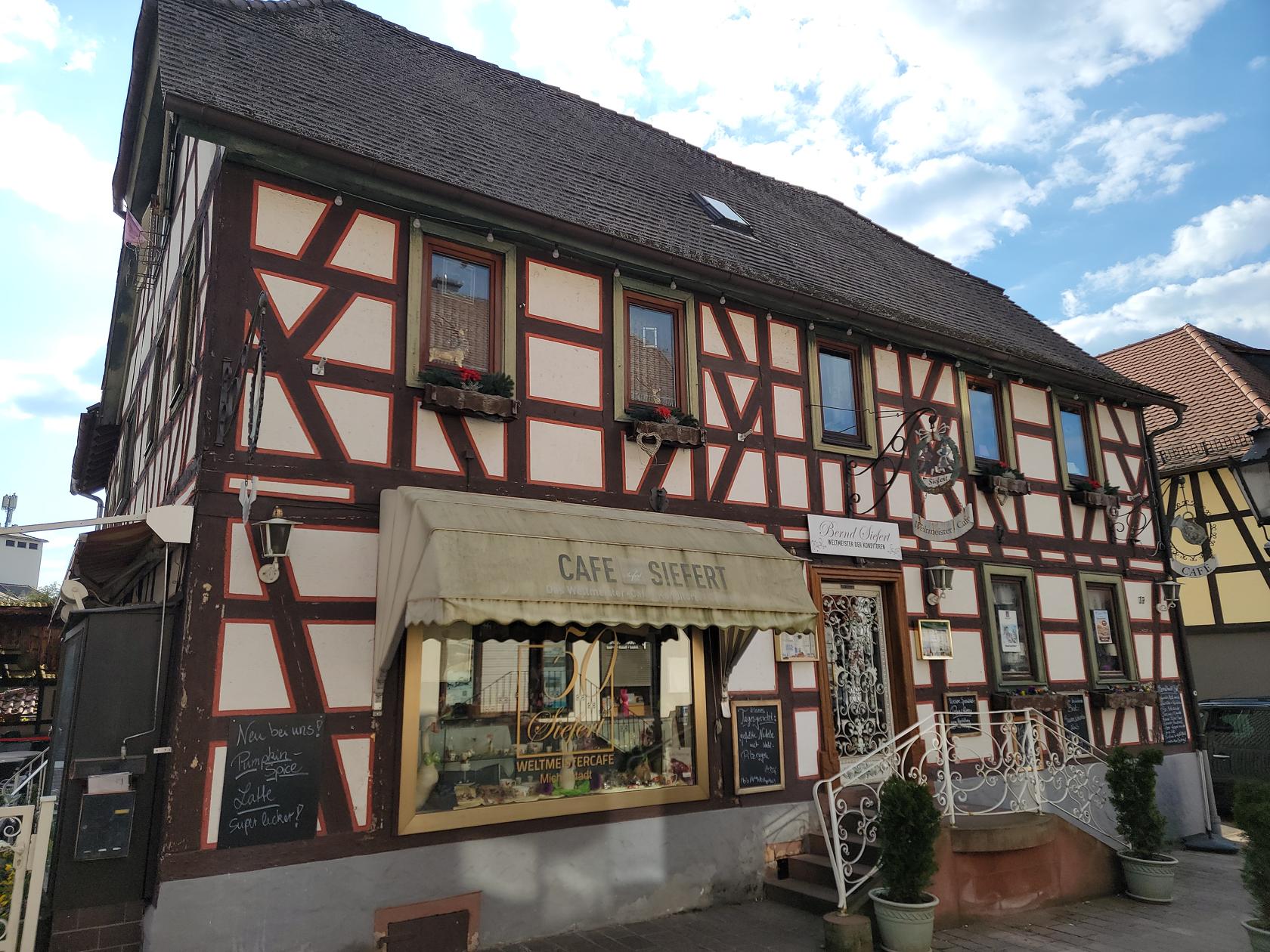
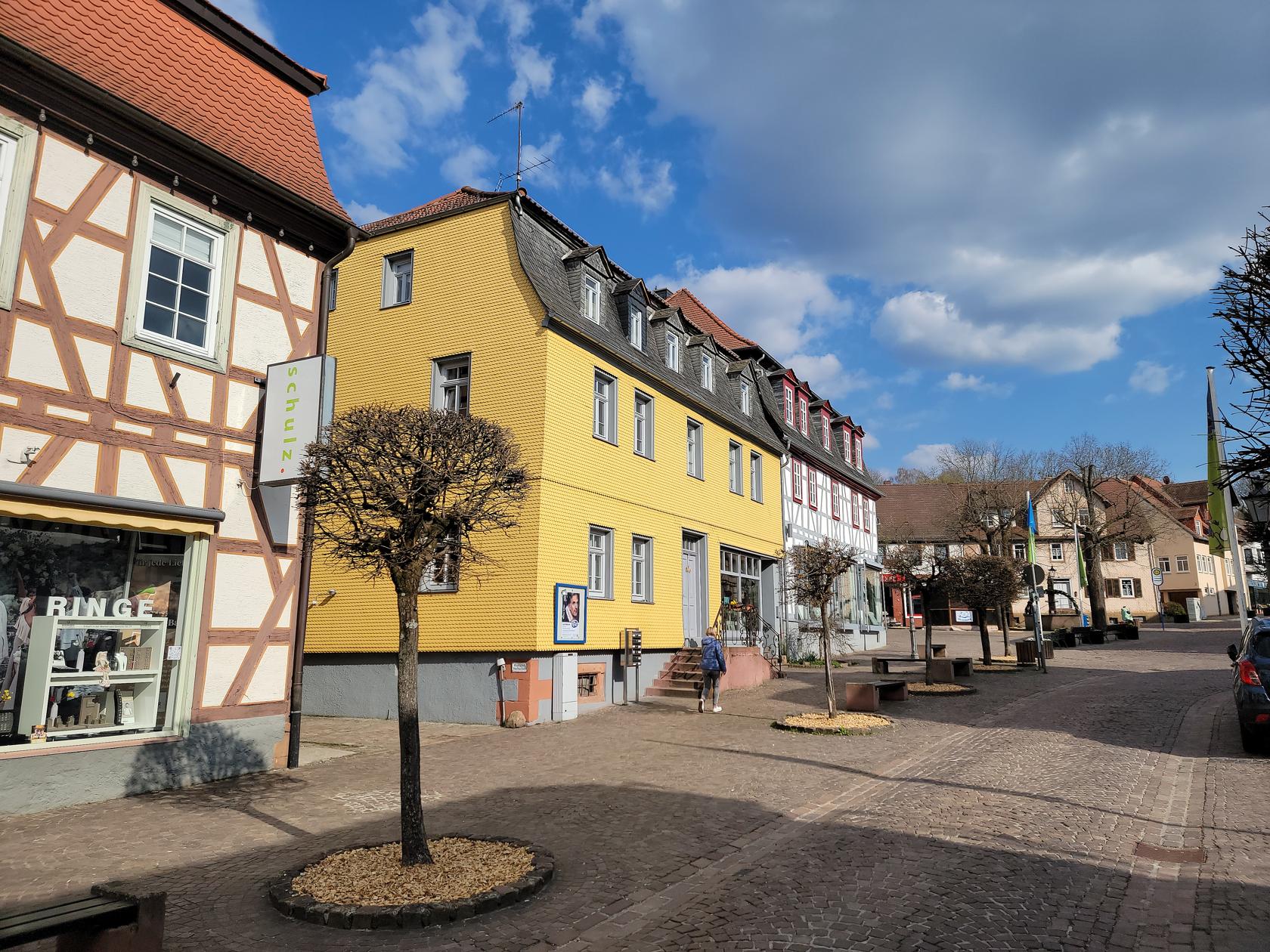
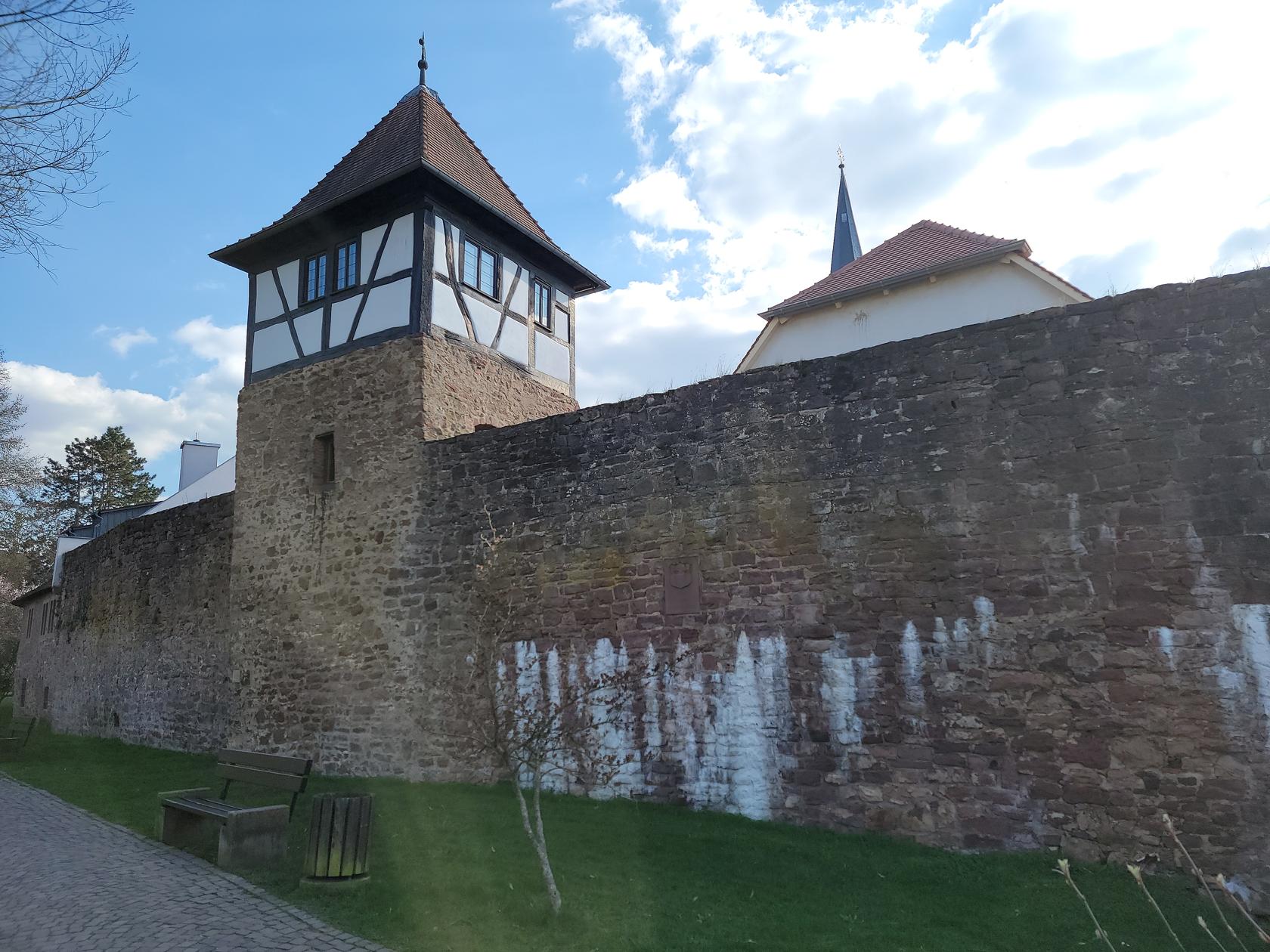
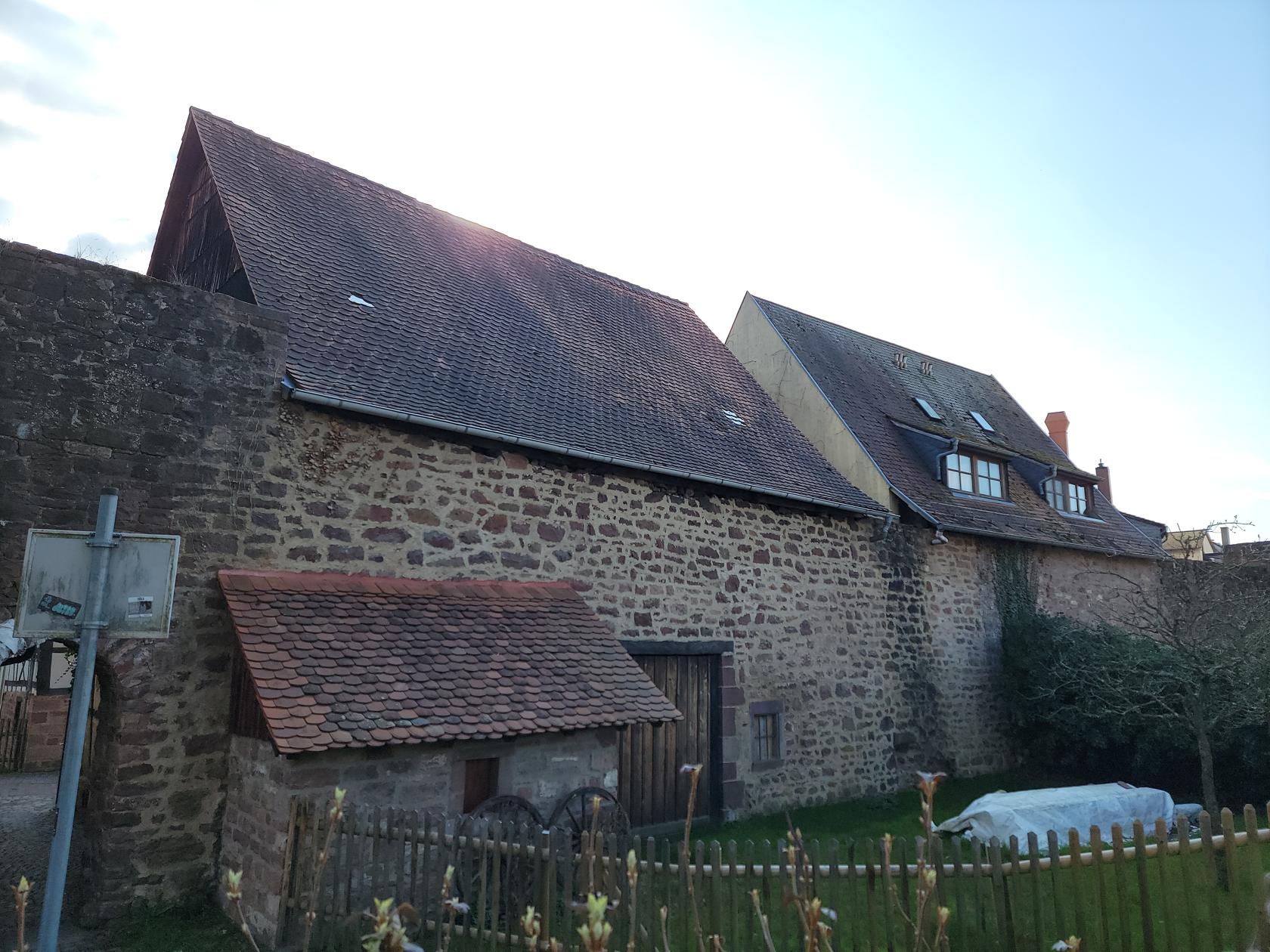
The town is one of the oldest within what is called the inner Odenwald. There has been some sort of settlement there ever since the eighth century. Like other small towns of this nature, its layout has a certain lazy circle about it, indicating it was protected by some kind of fortification or wall. Evidence of this can be found on Kellerbergstraße, where part of the wall remains, and Mauerstraße where it can be seen in its former glory.
Stadtgäßchen and Stadtmauer – Mauerstraße – Michelstadt, Germany
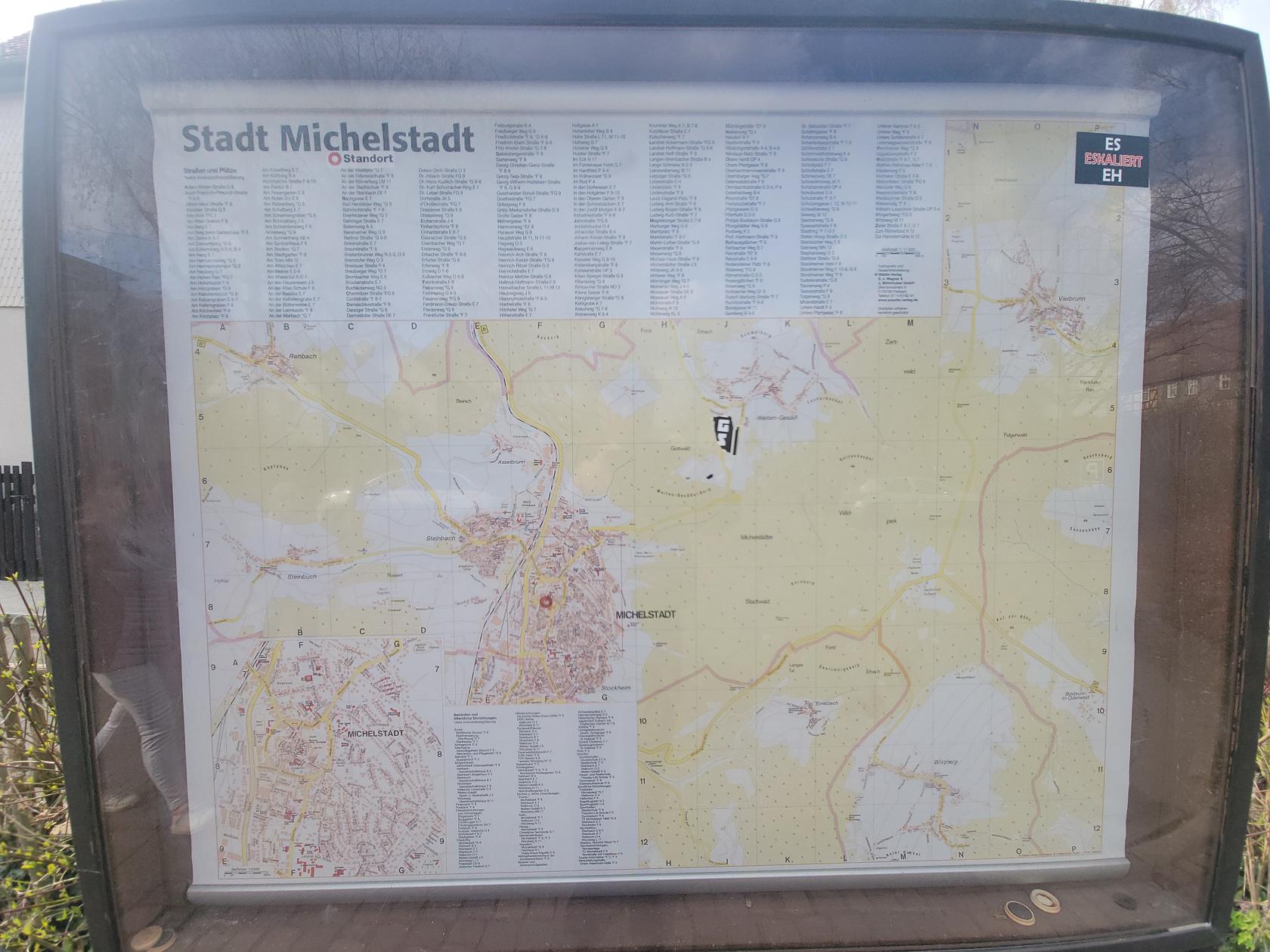
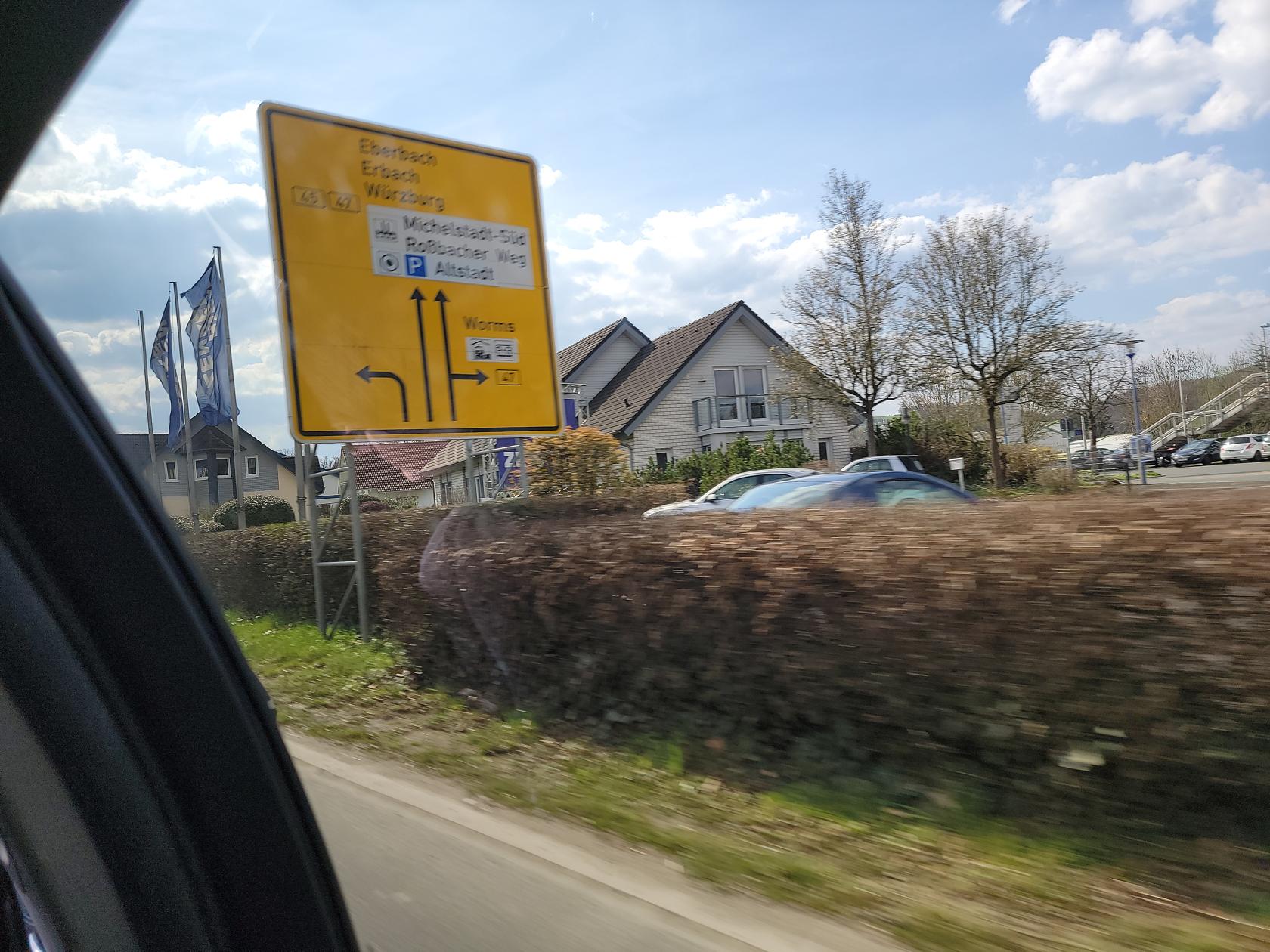
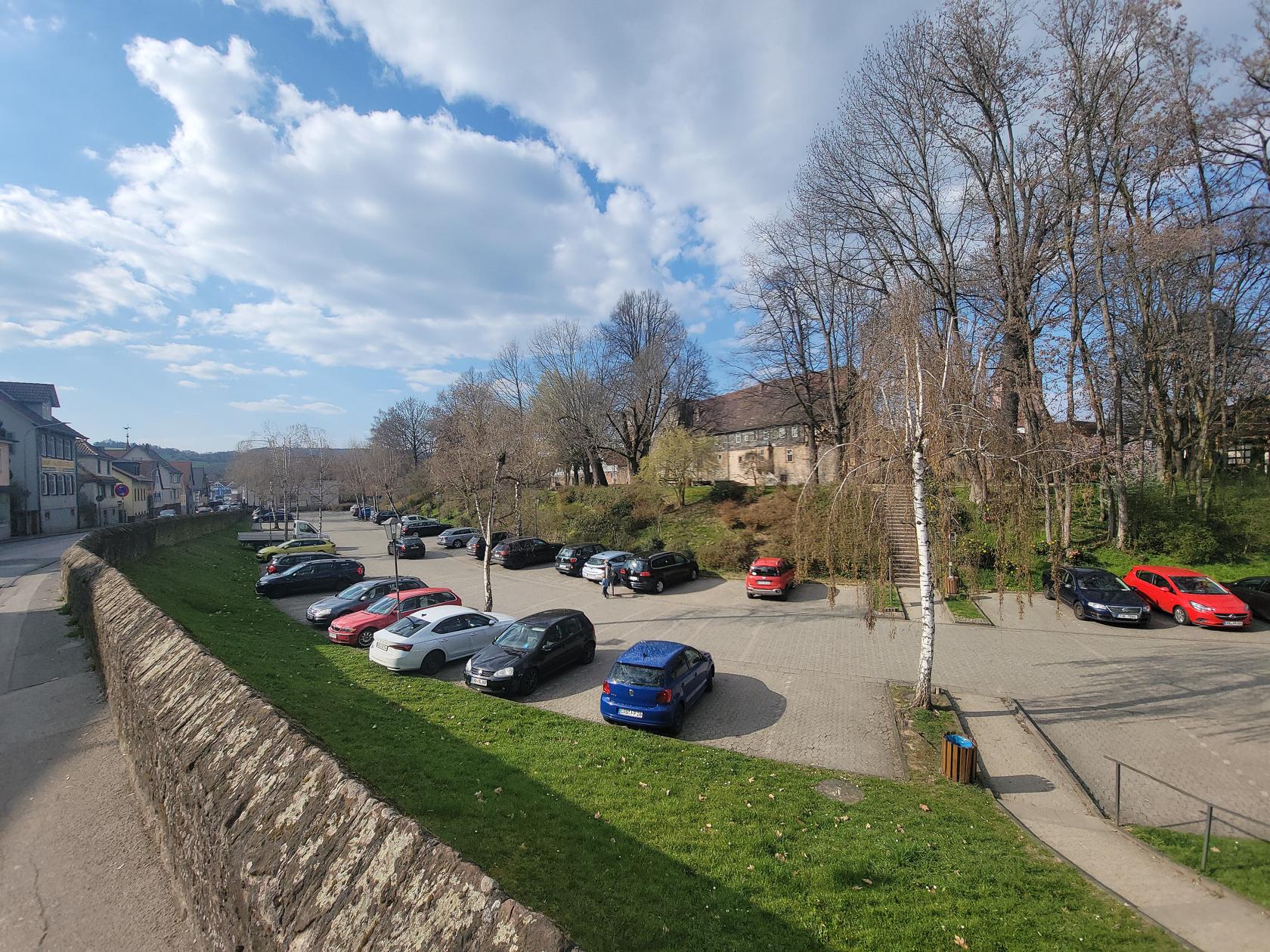
To get to Michelstadt you will take either the 45 or 47 from the north or the south. On the north of town is a very large parking area which we used, conveniently located close to the town’s center.
Rte. 45 – Michelstadt, Germany
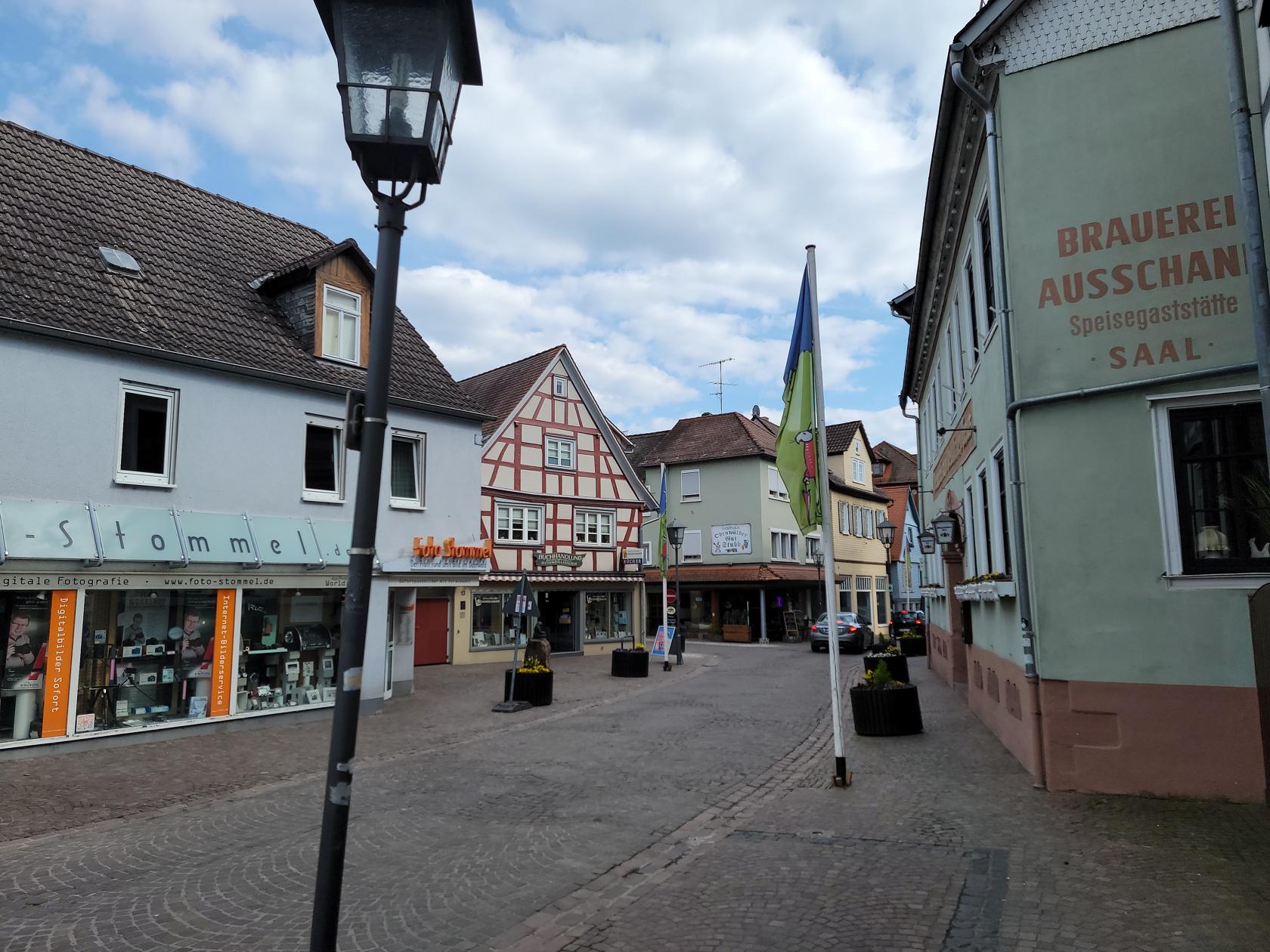
Bahnhofstraße – Michelstadt, Germany
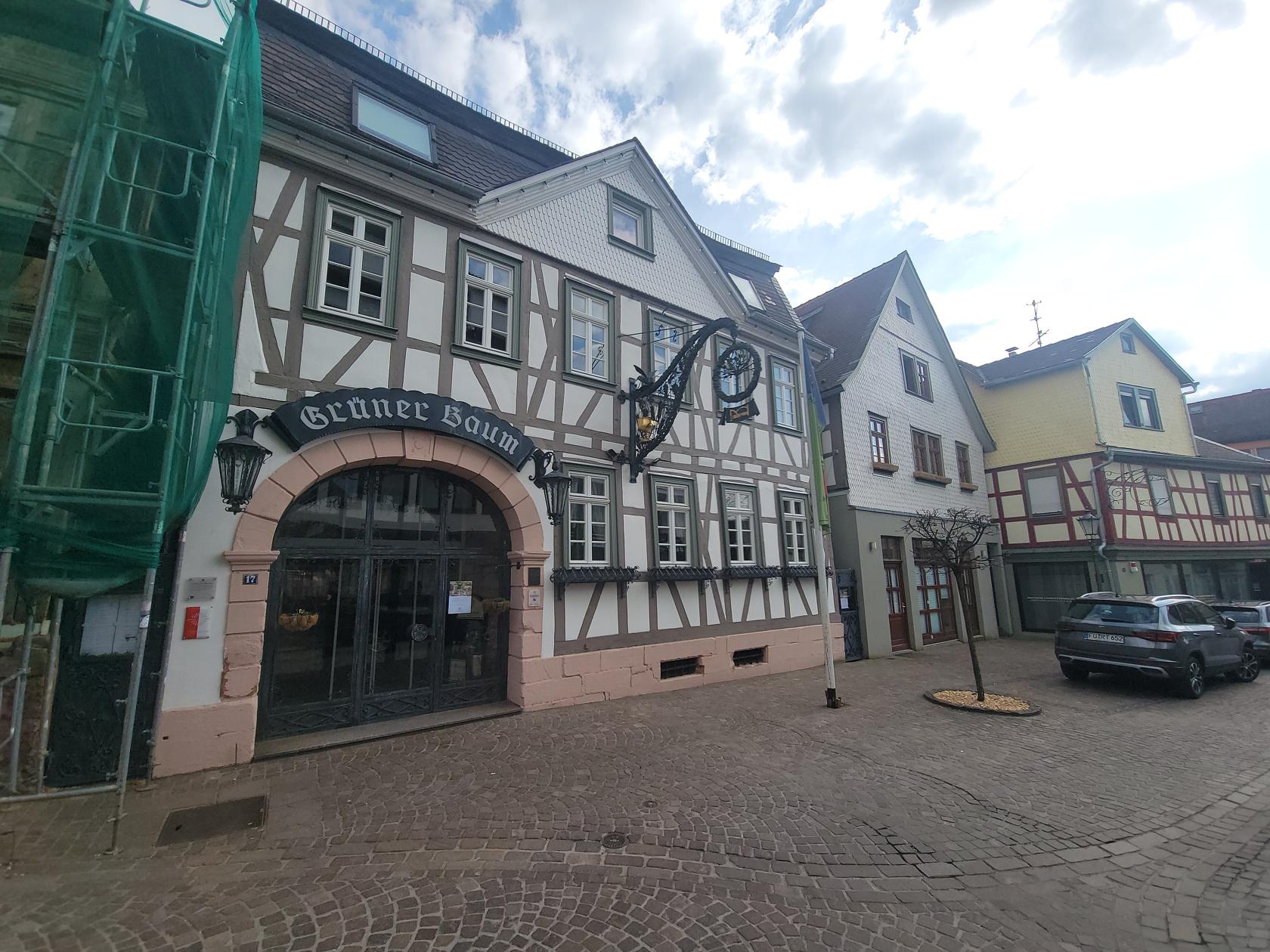
Zum Grüner Baum – Großer Gasse – Michelstadt, Germany
Oberer Pfarrgasse – Michelstadt, Germany
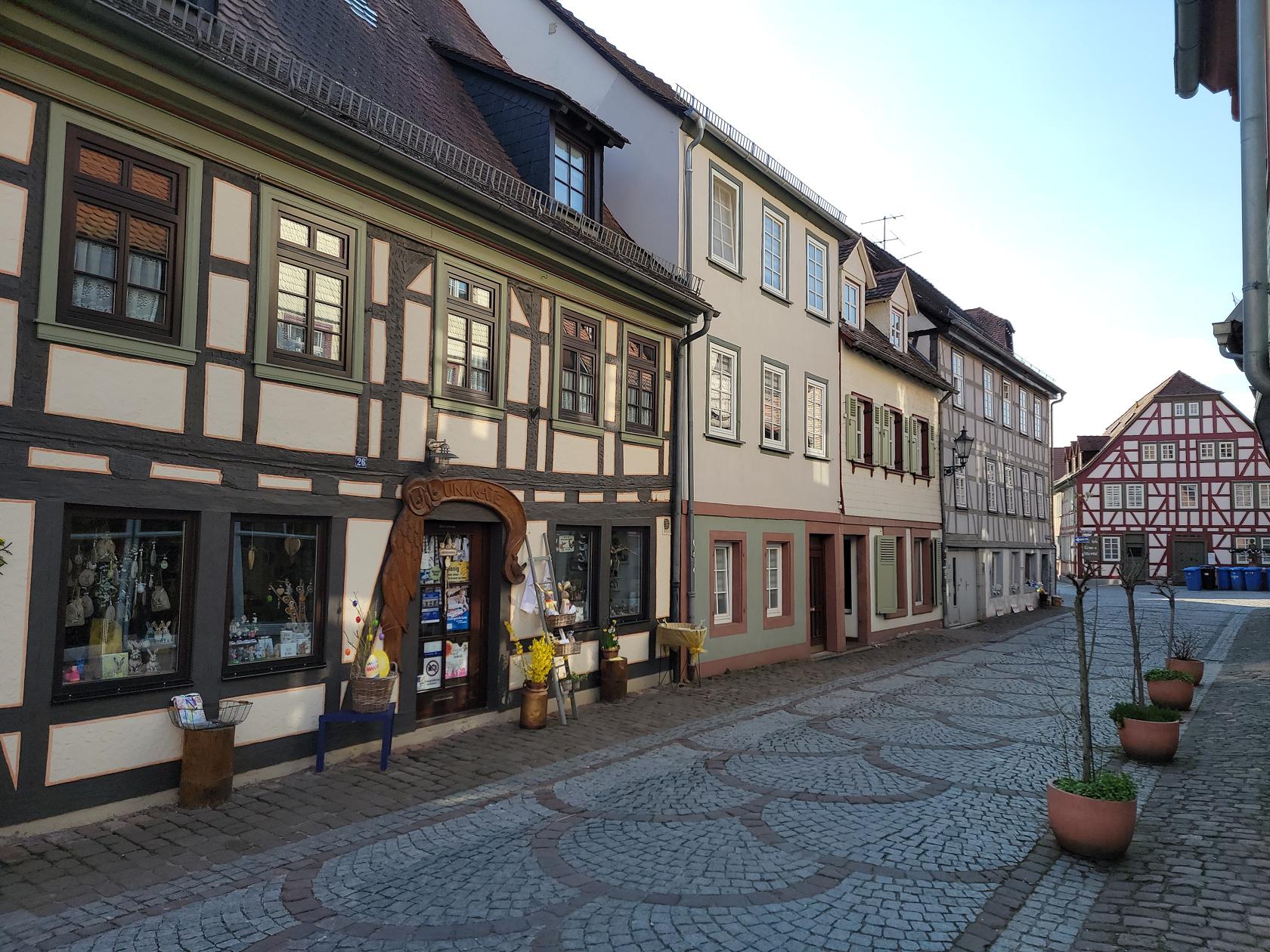
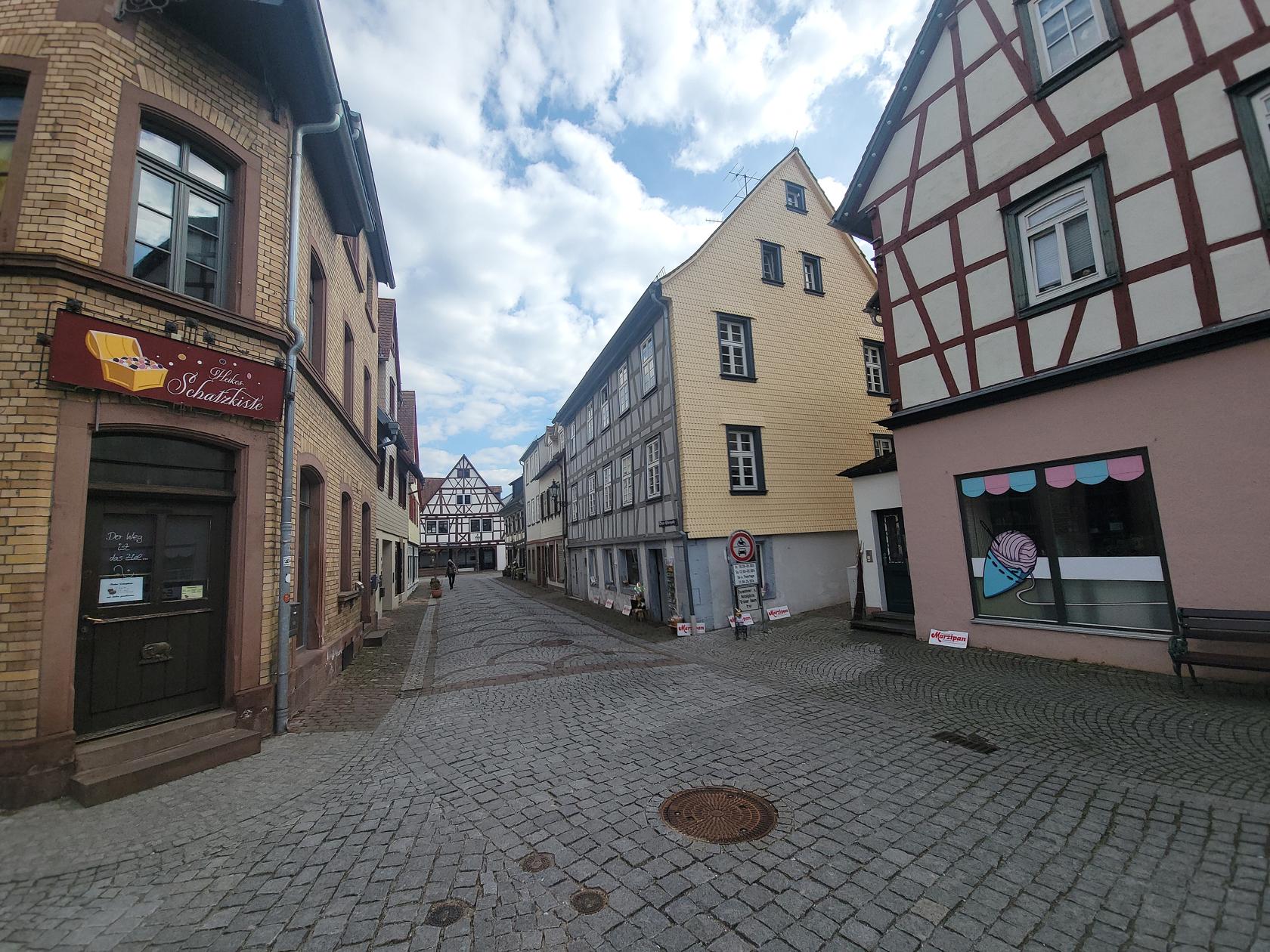
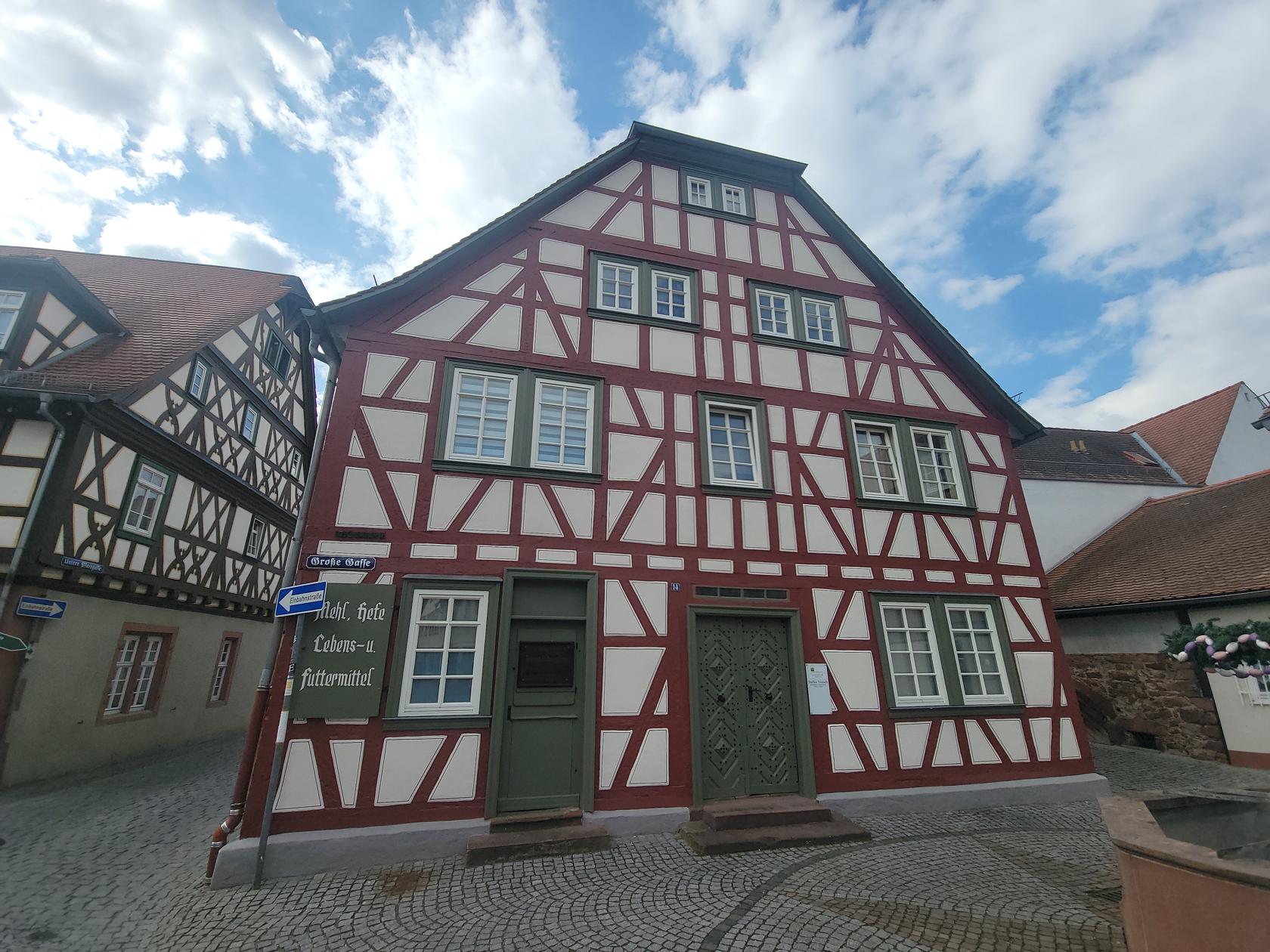
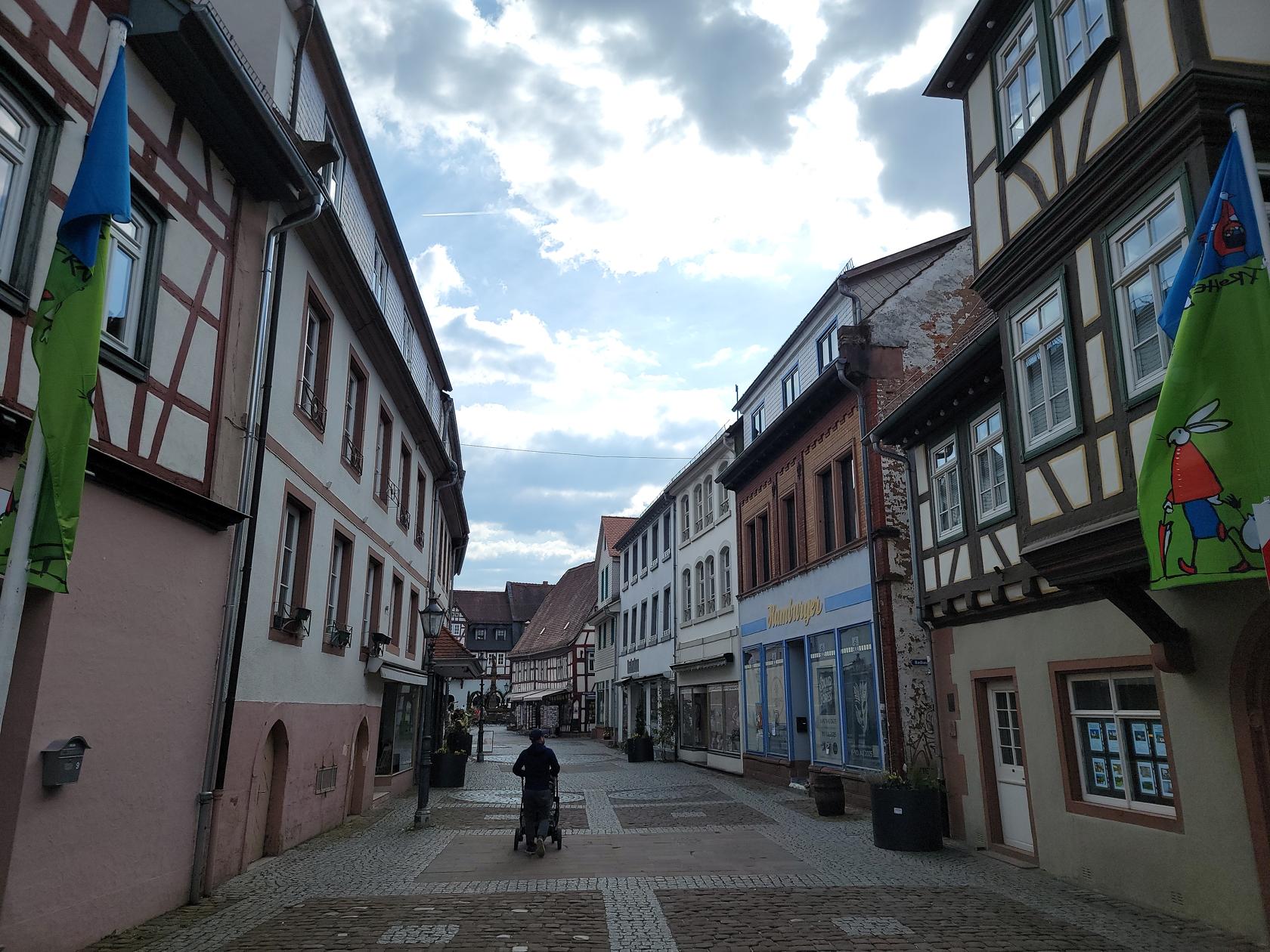
Große Gasse – Michelstadt, Germany
Große Gasse – Michelstadt, Germany
Town Hall
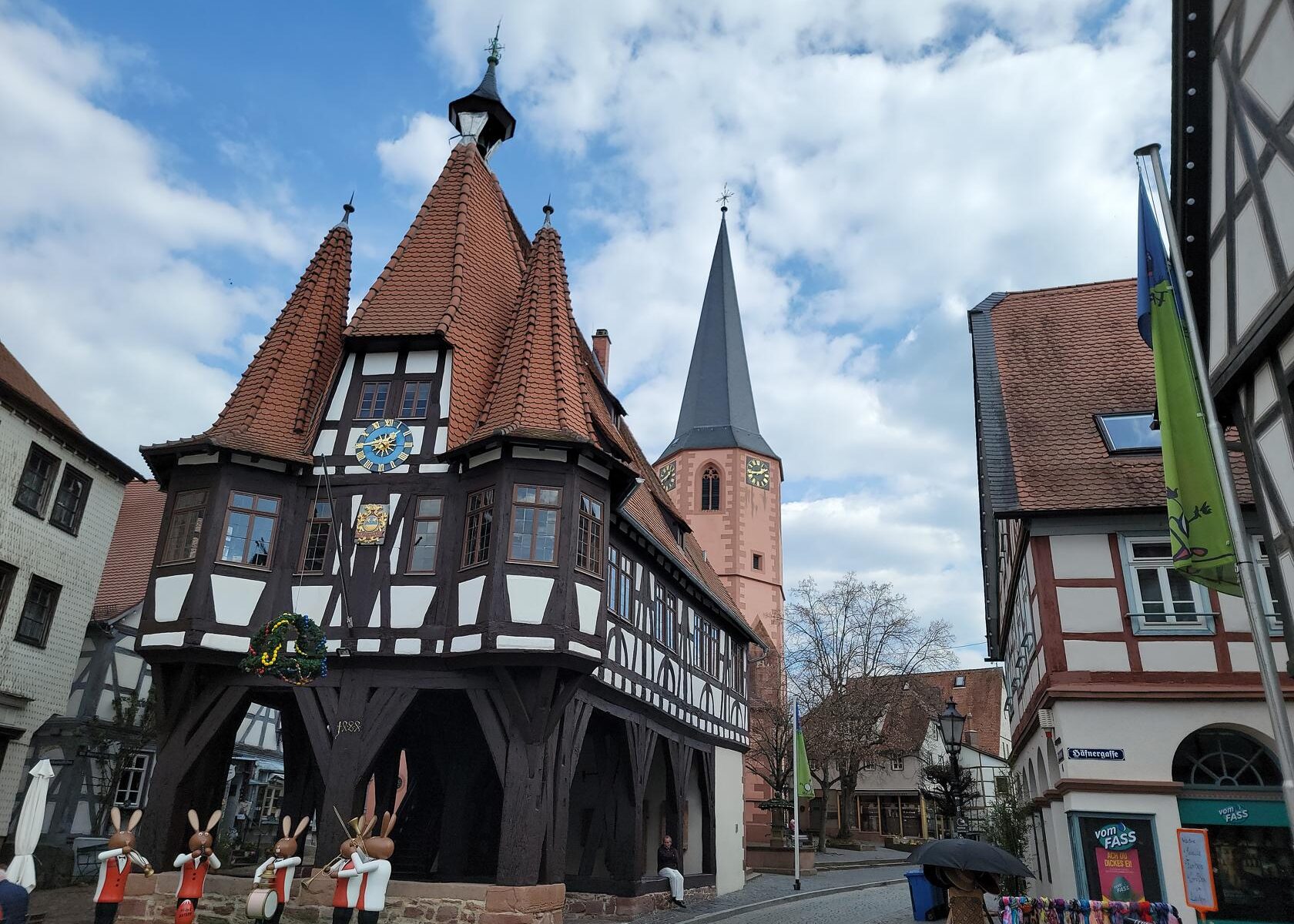
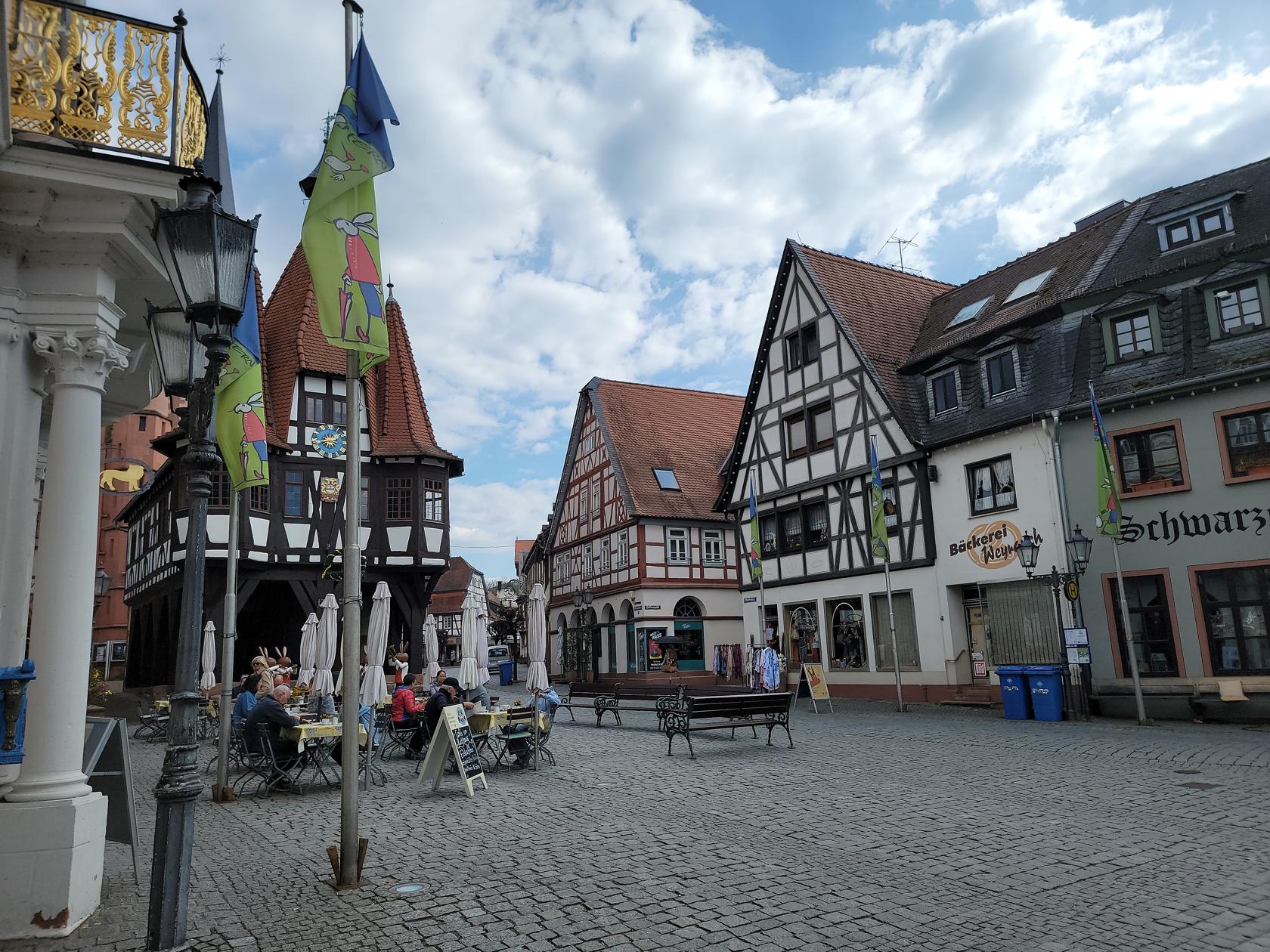
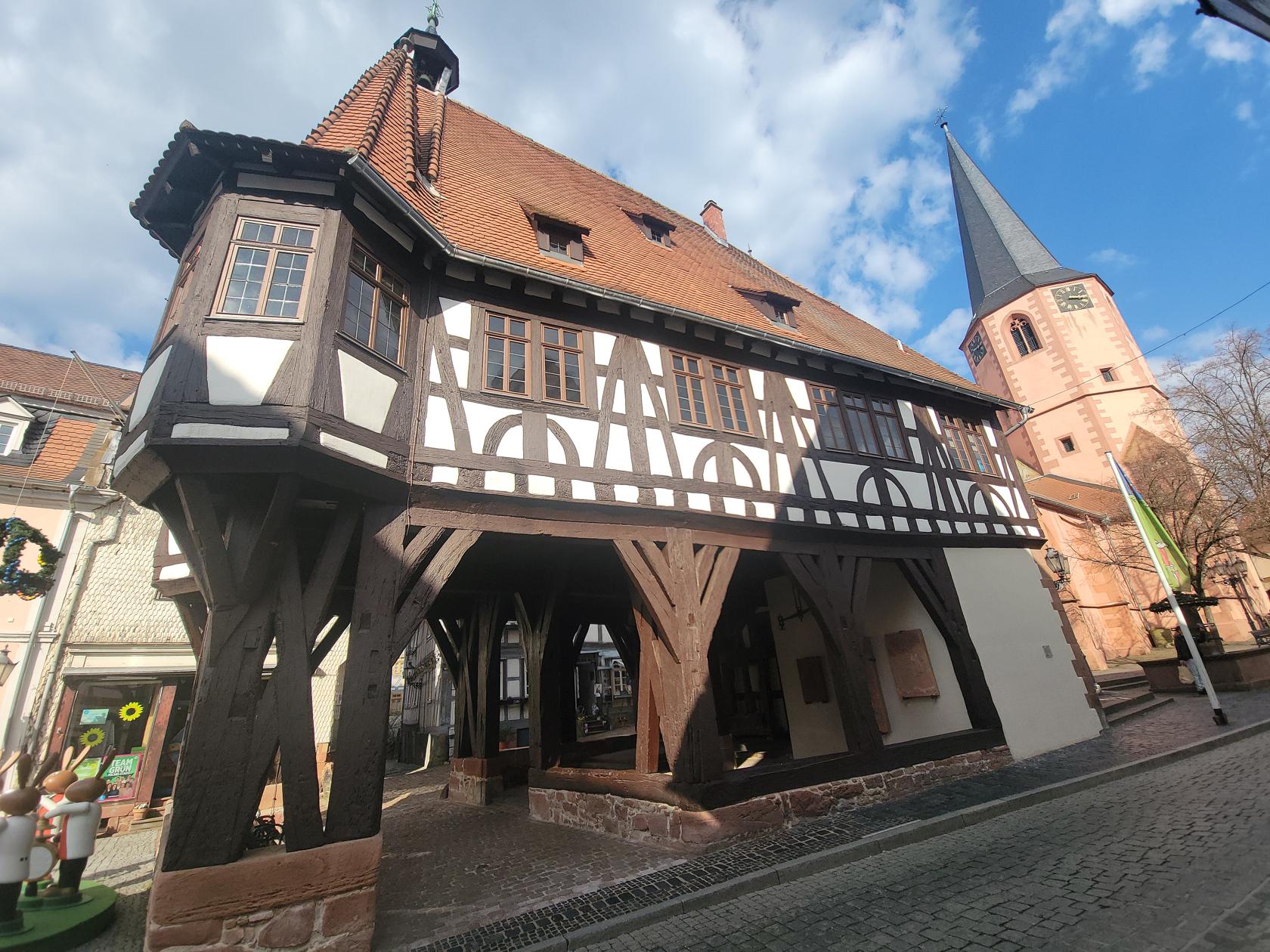
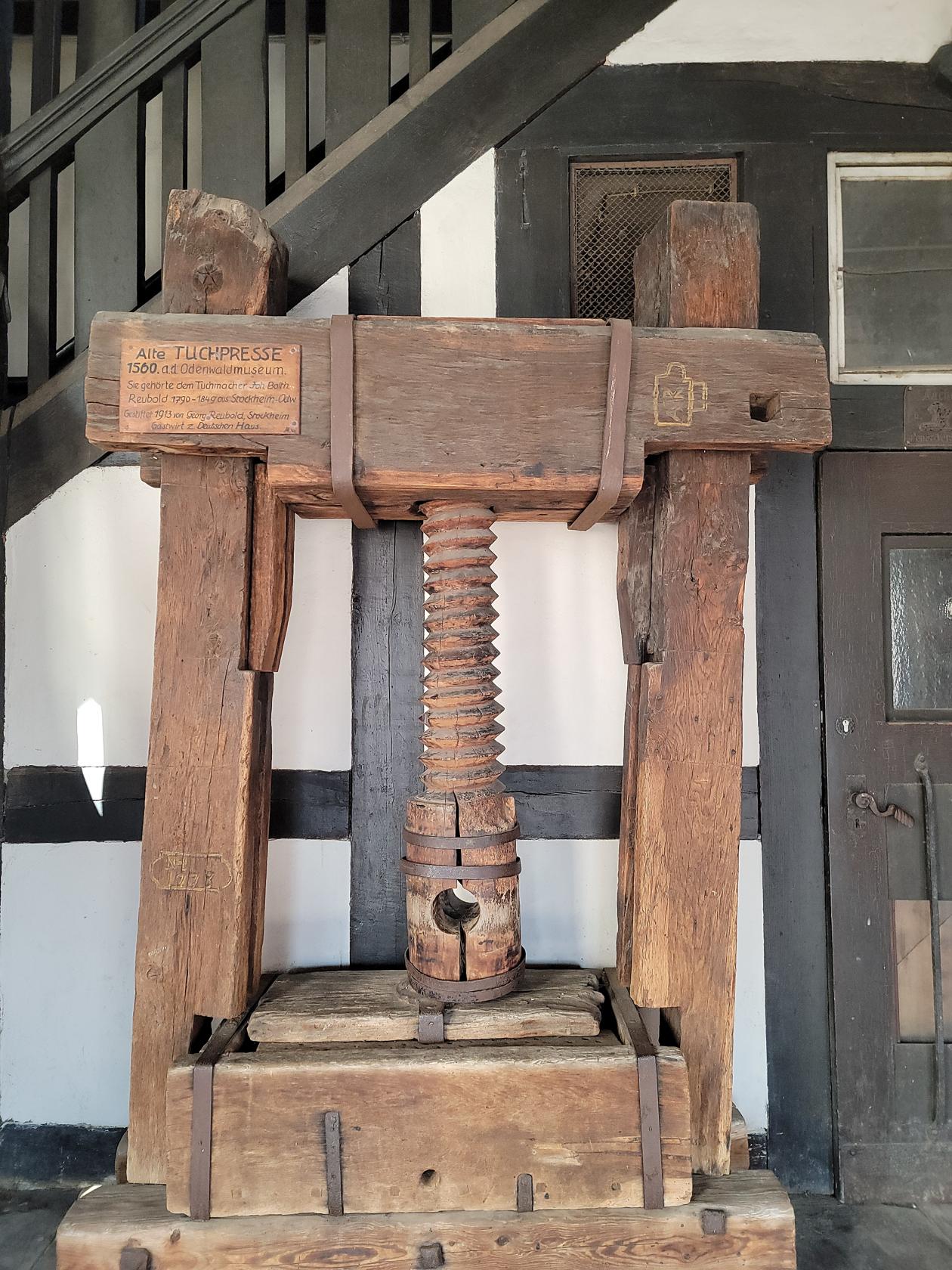
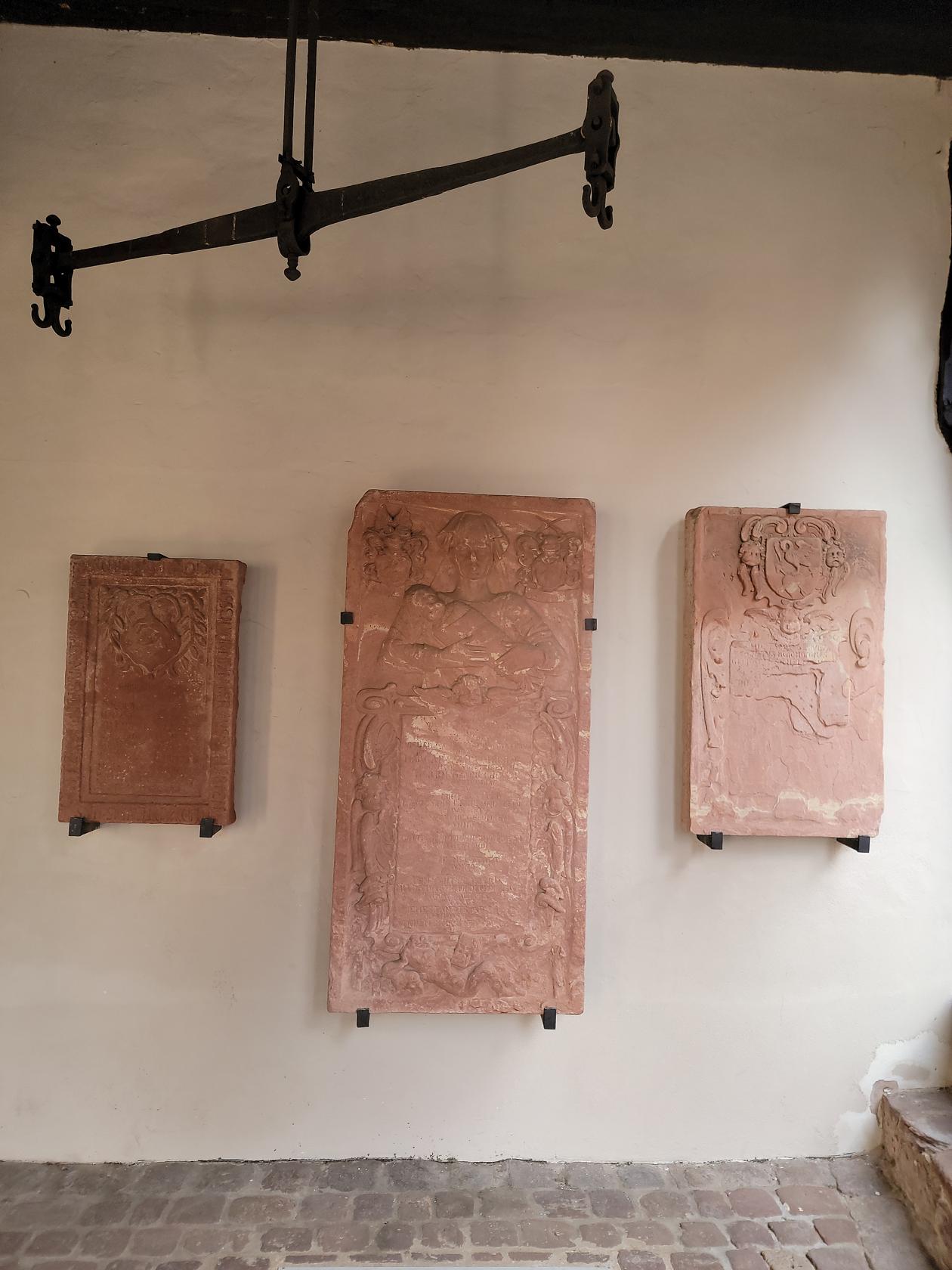
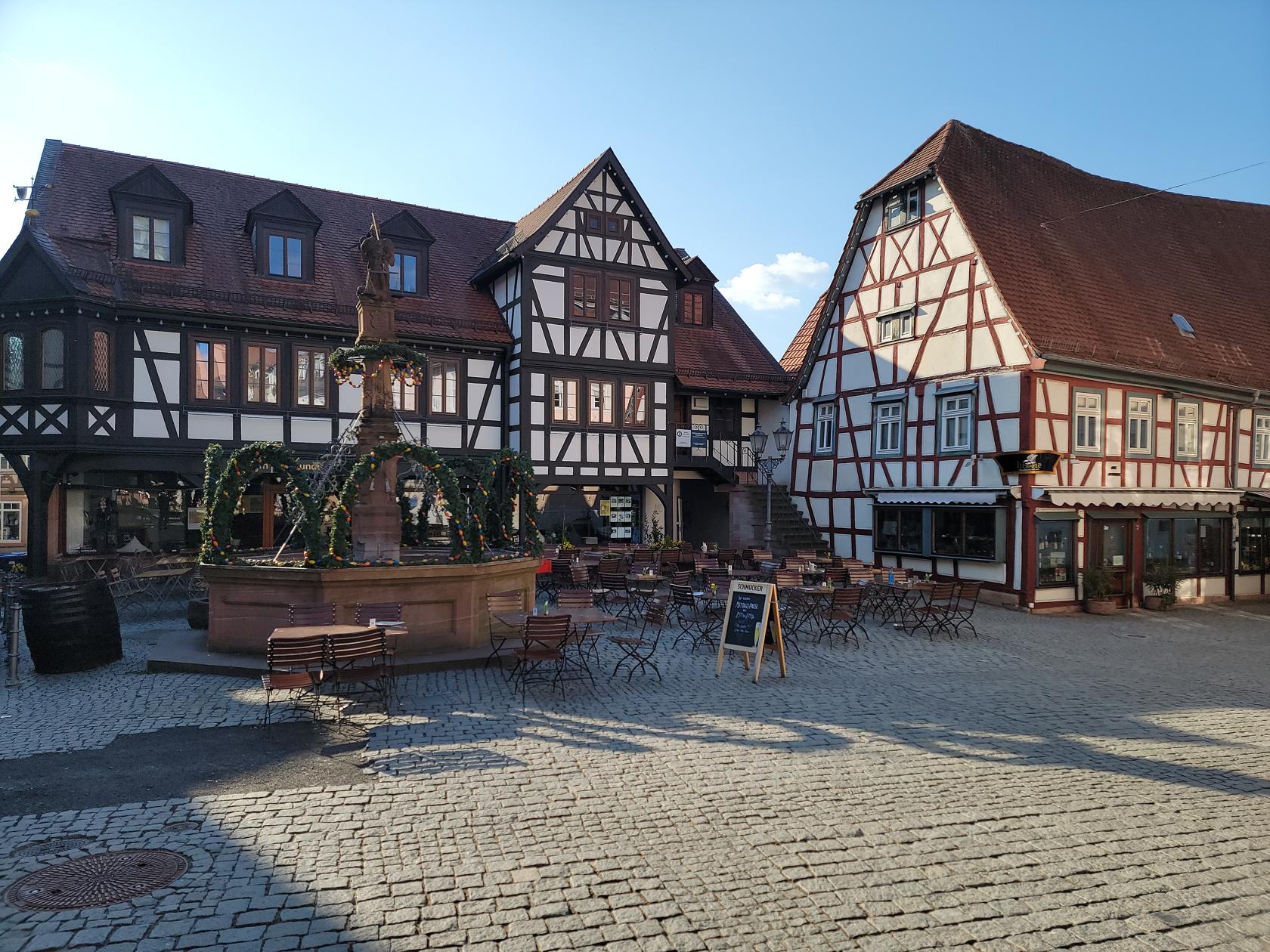
The Town Hall, or Rathaus, is one of the more prominent buildings in the town. It stands a bit off-center in the Marktplatz and has an old press, a scale and other items associated with the buildings history in the open area underneath it.
Marktplatz – Michelstadt, Germany
Altes Rathaus – Marktplatz – Michelstadt, Germany
Altes Rathaus – Marktplatz – Michelstadt, Germany
Altes Rathaus – Marktplatz – Michelstadt, Germany
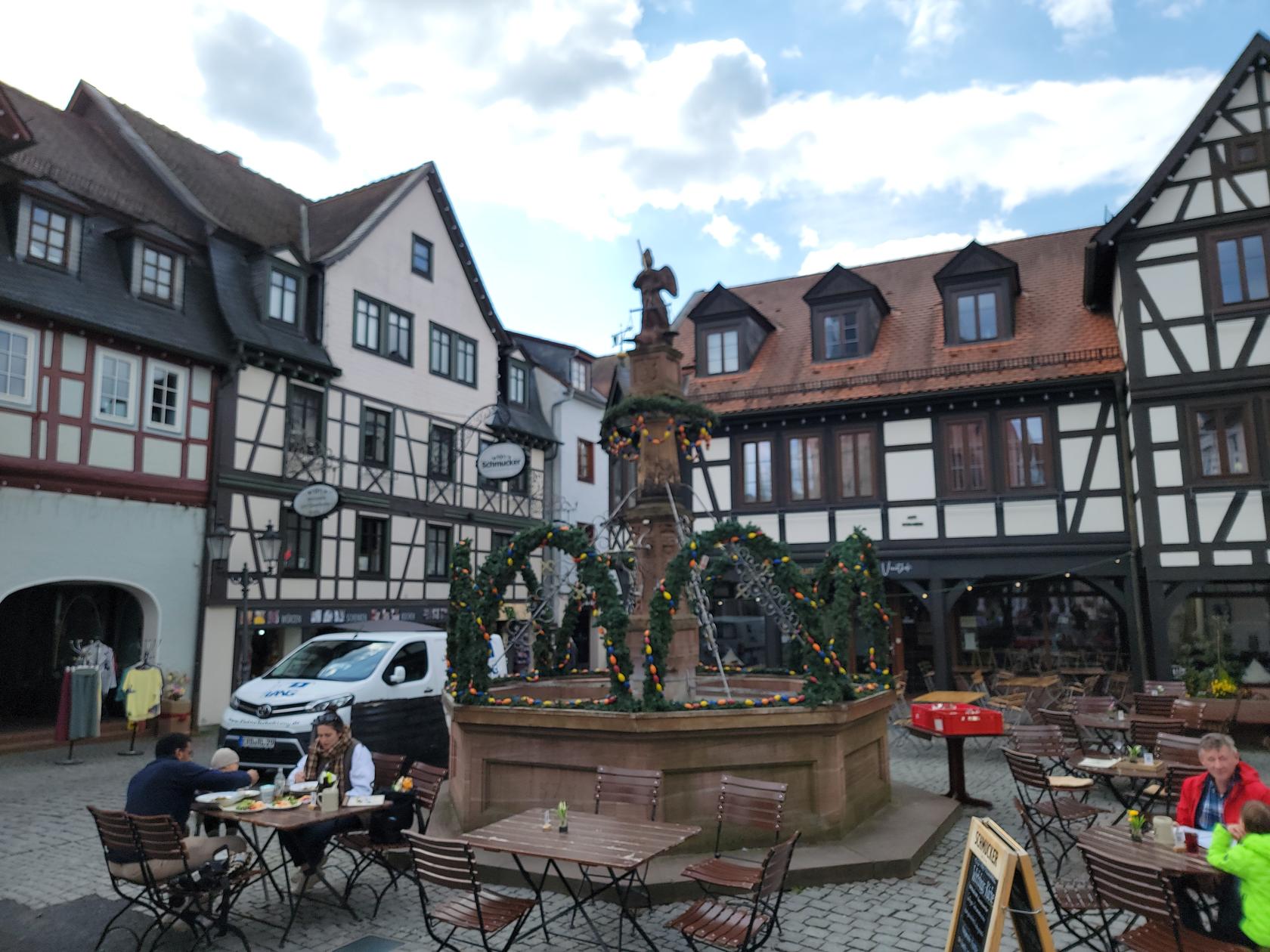
The Marktplatz contains a main foutain, which the town appears to decorate for holidays and other occasions.
Marktbrunnen – Marktplatz – Michelstadt, Germany
Marktbrunnen – Marktplatz – Michelstadt, Germany
Löwenhof – Marktplatz – Michelstadt, Germany
Marktplatz – Michelstadt, Germany
Marktplatz – Michelstadt, Germany
Marktplatz – Michelstadt, Germany
Michelstadt Fortress
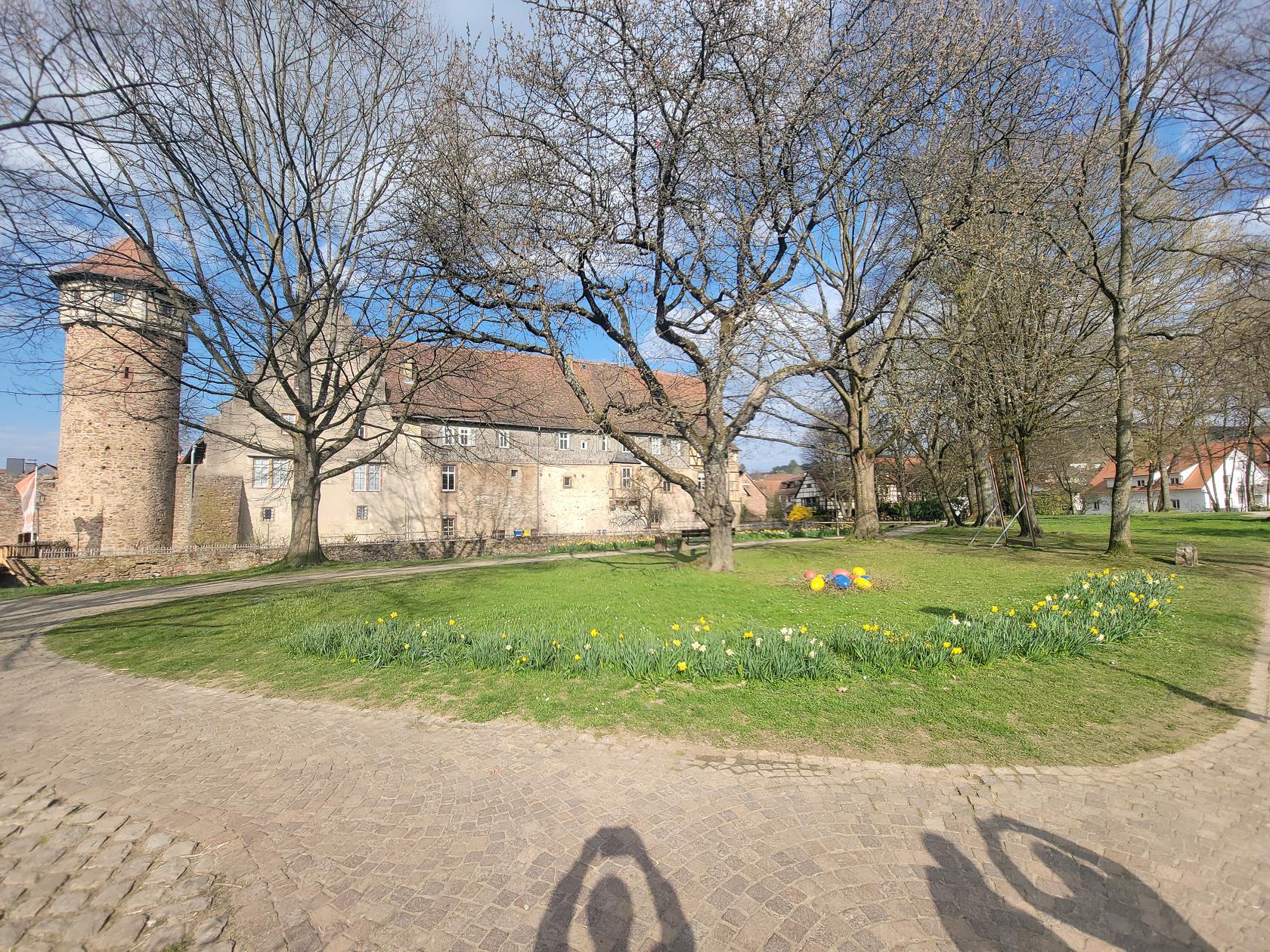
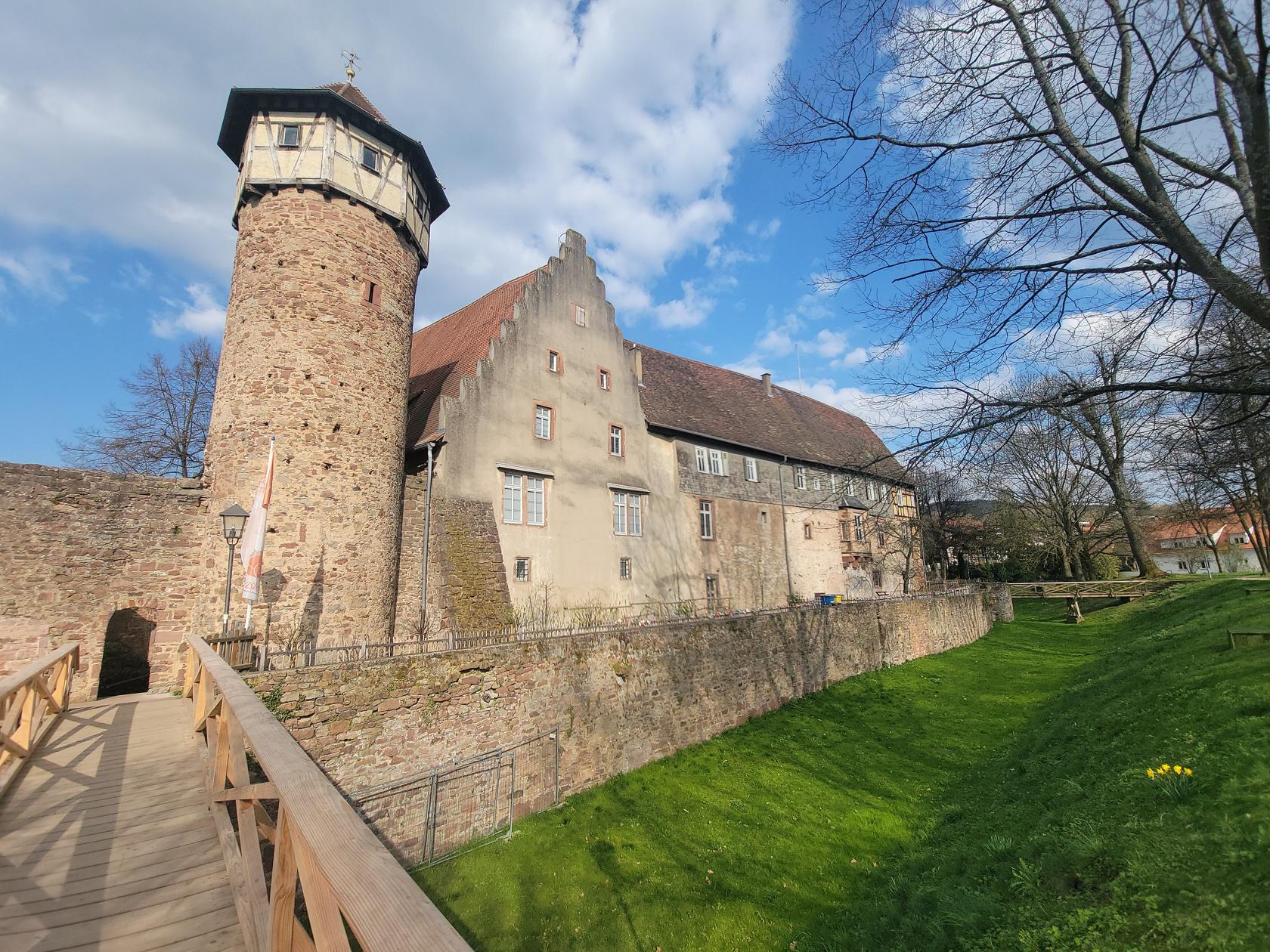
The Michelstadt Fortress, or Burg Michelstadt, is probably more of a stronghold than any castle or fortress. Though it sits on a high wall with a moat, it is not as impressive as other german castles or fortresses. Today it houses a mill museum, which unfortunately was not open at the time of our visit.
Old Wall – Kellerbergstraße – Michelstadt, Germany
Diebsturm and Museum – Kellerbergstraße – Michelstadt, Germany
Diebsturm
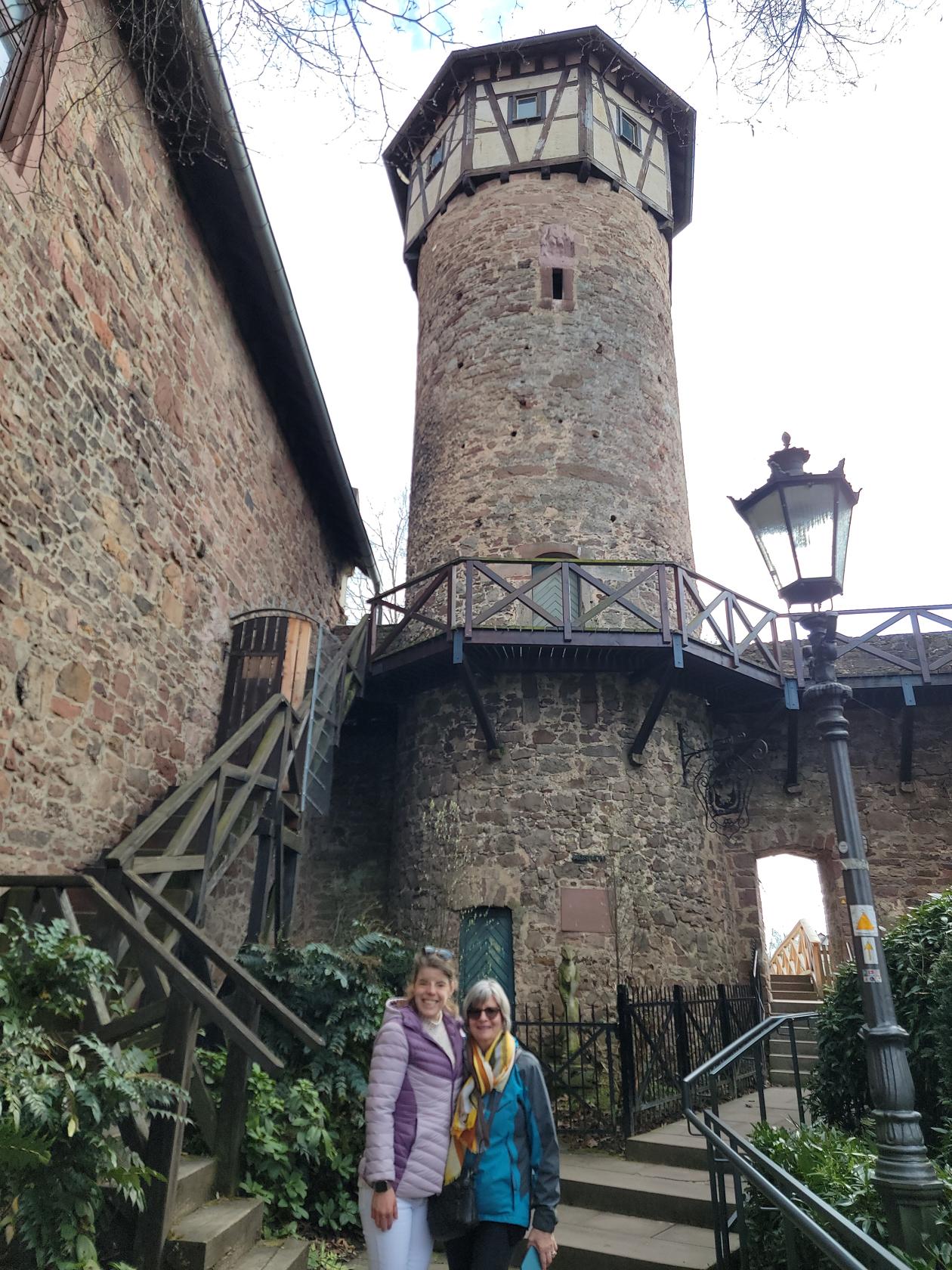
The Diebsturm, or Thieves’ Tower, is part of and sits next to Burg Michelstadt. The sump or cellar of the tower was used as a prison starting sometime in the early fourteenth century. Prisoners were lowered down on a rope into the cellar to wait our their term. It is one of the more prominent features of the town.
Diebsturm and Museum – Kellerbergstraße – Michelstadt, Germany
Ericka and Patti – Diebsturm – Marktplatz – Michelstadt, Germany
Dr. I. E. Lichtigfeld Museum
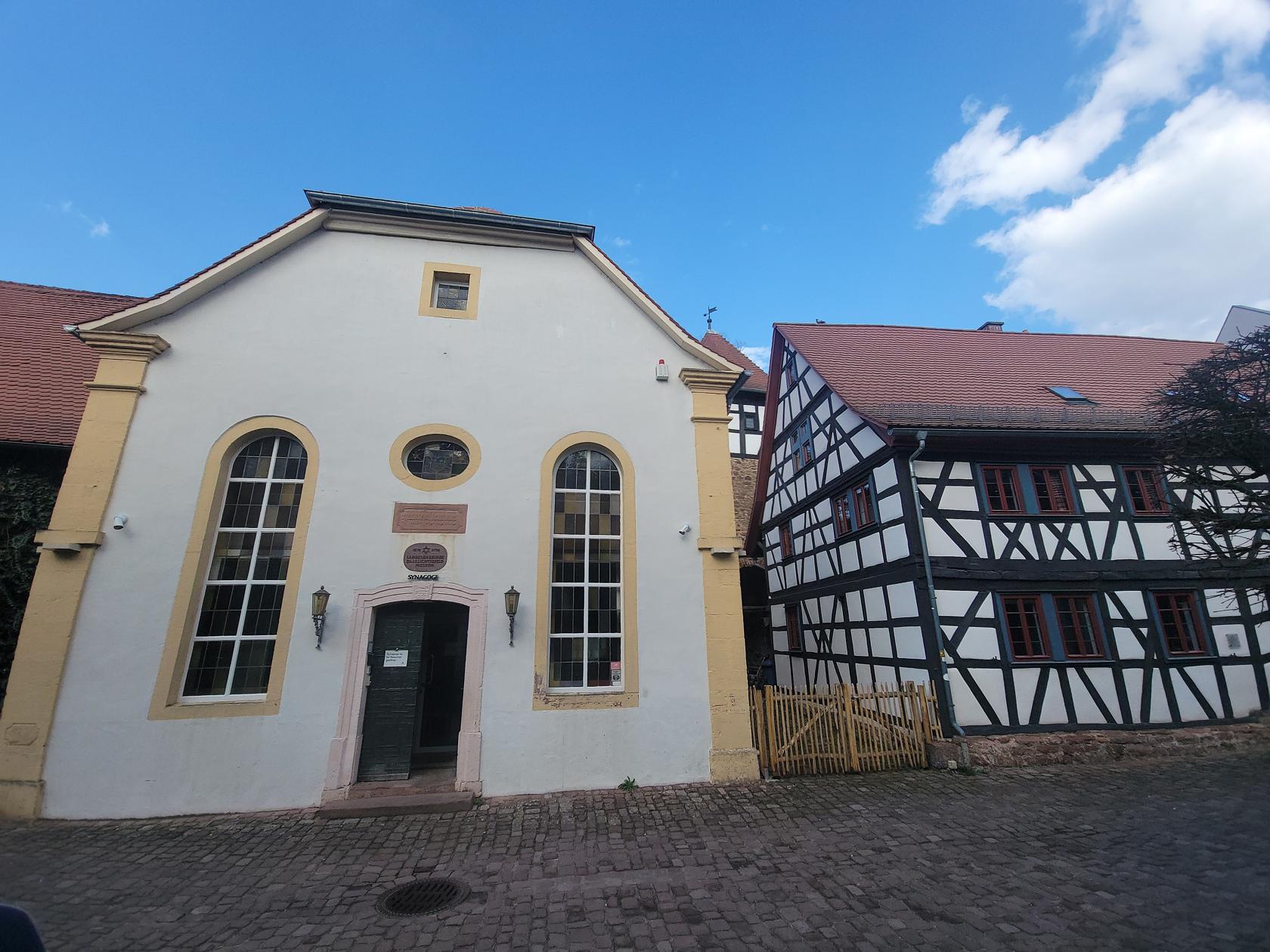
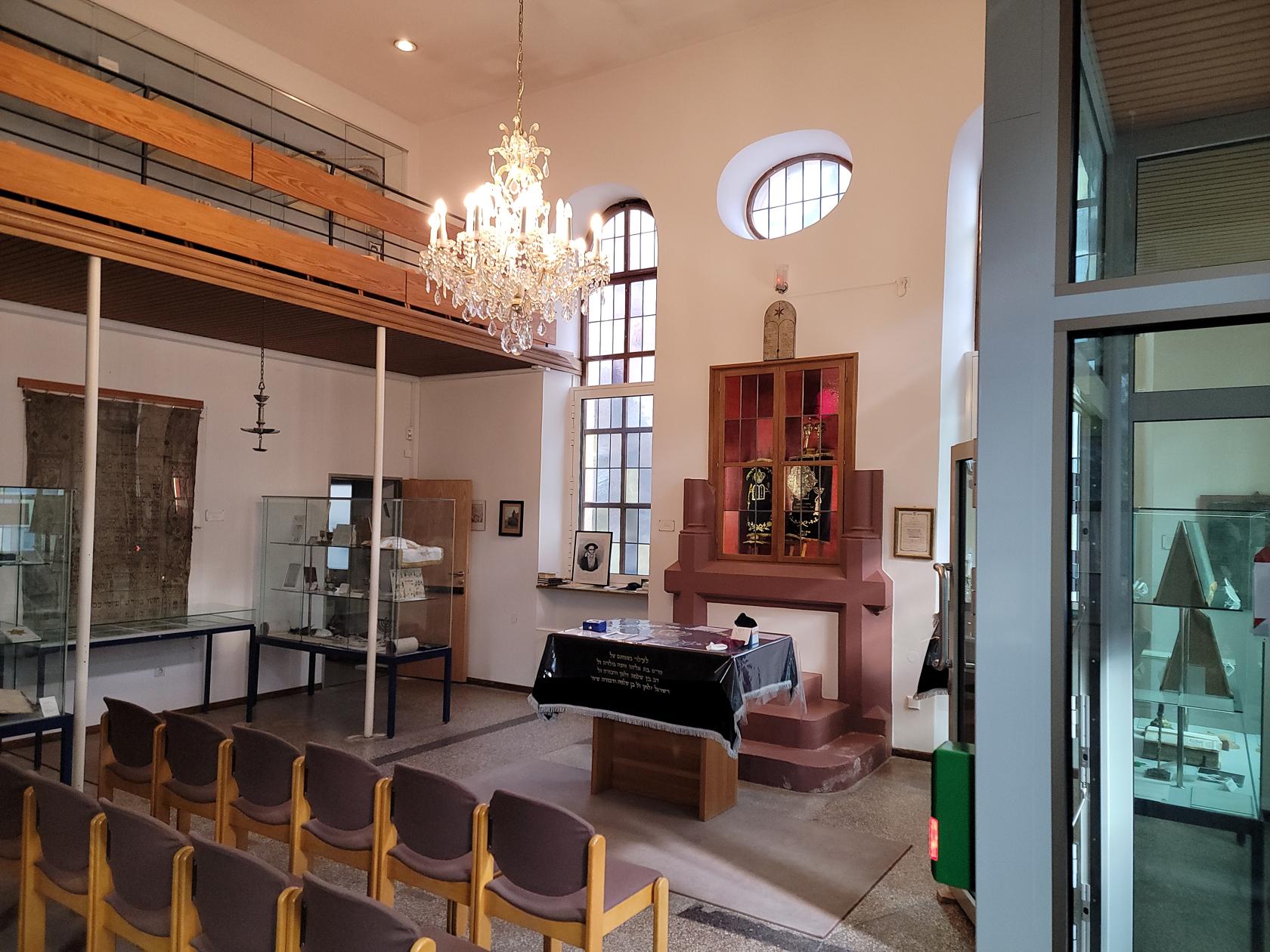
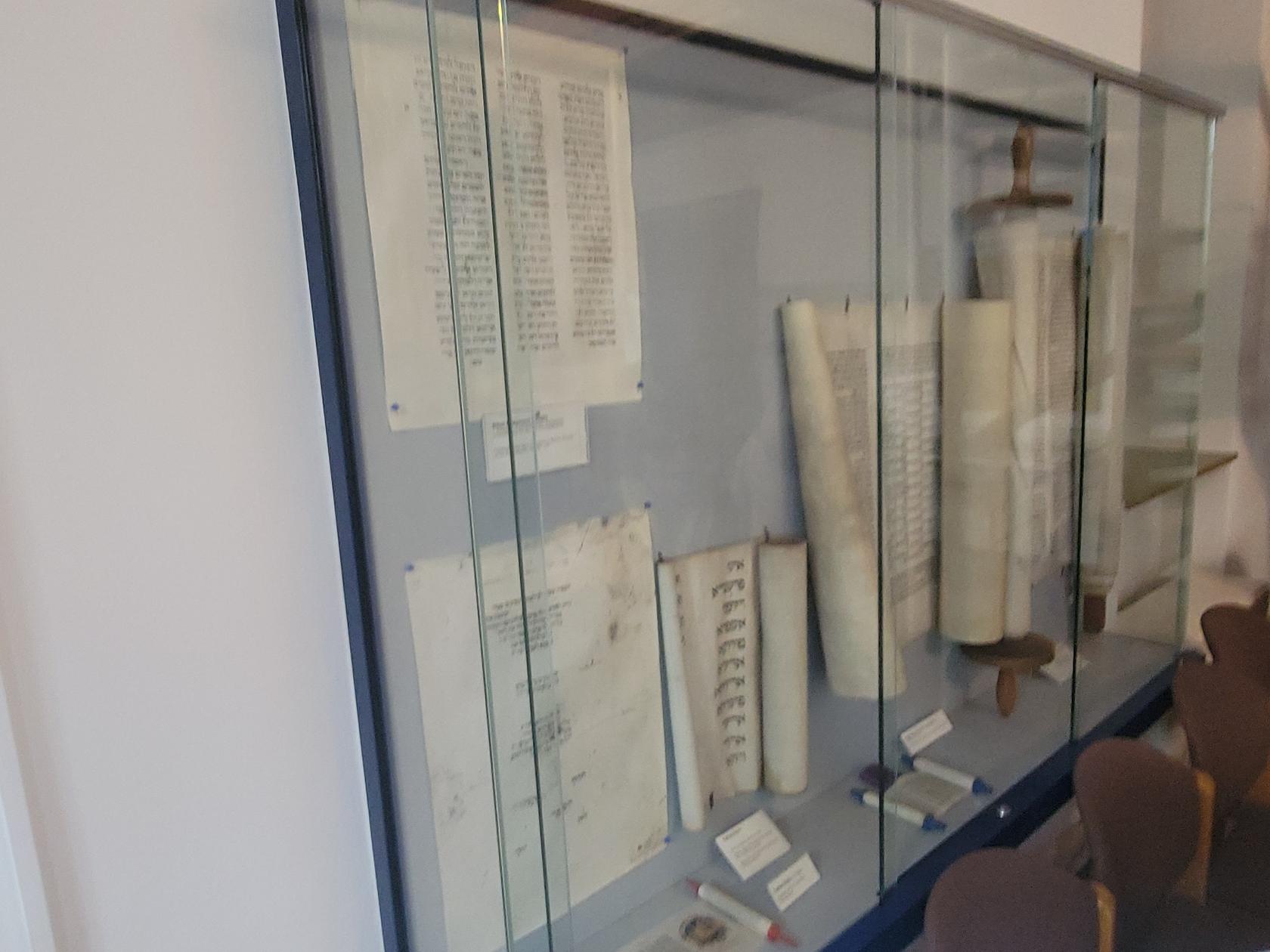
This museum preserves the jewish past of the town, neatly preserved in the former Synagoge Michelstadt that was destroyed during the prelude to the second world war.
Dr. I. E. Lichtigfeld Museum – Mauerstraße – Michelstadt, Germany
Here one can get a sense of the small jewish population that used to inhabit the town, which also has numerous Stolpersteine[1]these are small brass memorials laid in the ground for jews and people who were killed, deported or driven to suizide commemorating the people of the town that lost their lives. They can be found throughout Germany and parts of Europe.
Dr. I. E. Lichtigfeld Museum – Mauerstraße – Michelstadt, Germany
Dr. I. E. Lichtigfeld Museum – Mauerstraße – Michelstadt, Germany
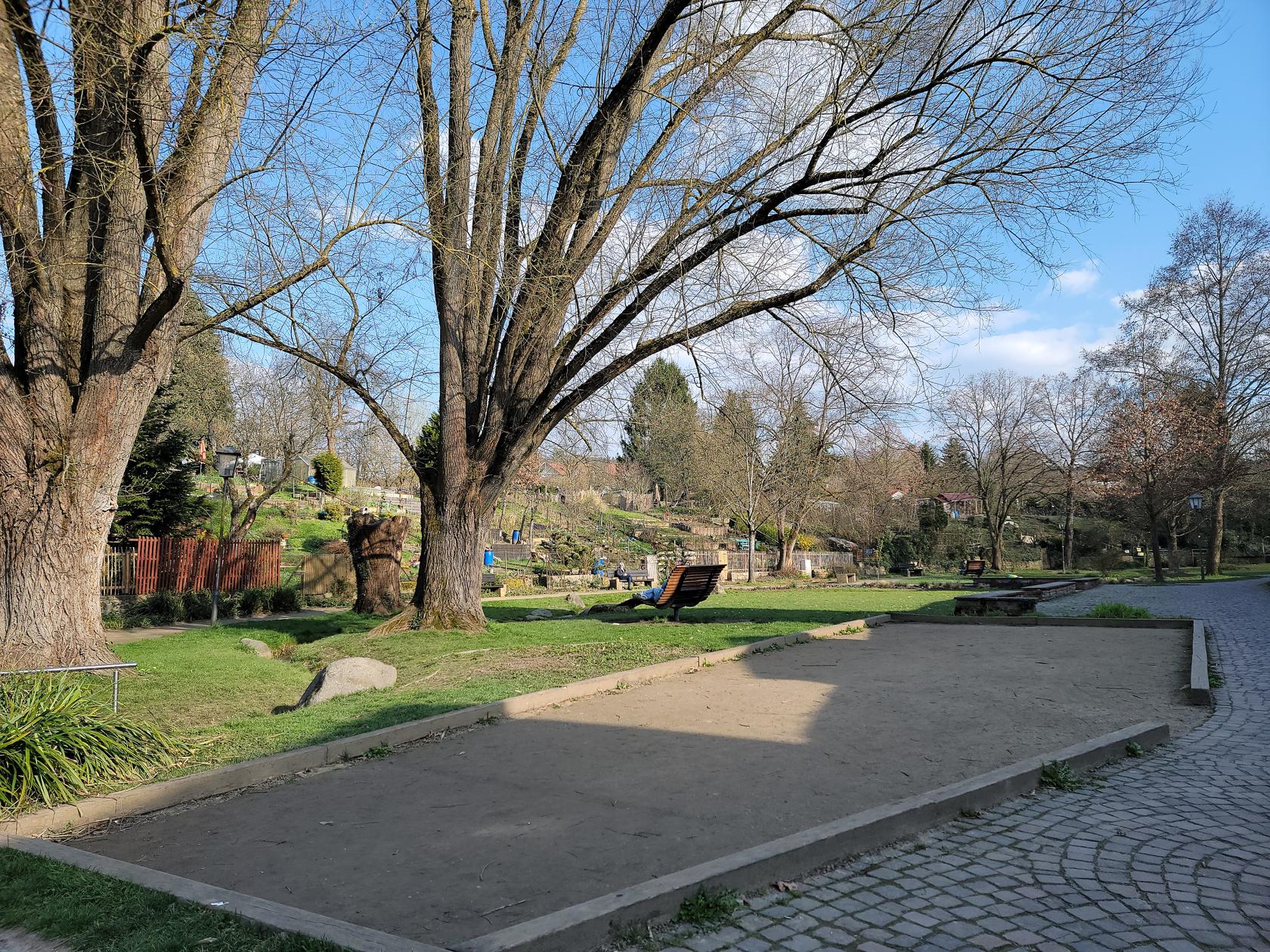
The museum also backs up to the old town wall and has a nice little park, where one can quietly sit and enjoy the weather.
Dr. I. E. Lichtigfeld Museum – Alter Stadtmauer – Michelstadt, Germany
Dr. I. E. Lichtigfeld Museum – Alter Stadtmauer – Michelstadt, Germany
Dr. I. E. Lichtigfeld Museum – Park – Michelstadt, Germany
Restaurants
Due to its size, there is not much to choose from, but there are a few restaurants in the Marktplatz. We chose a brewery close to the edge of town for lunch.
Michelstädter Rathausbräu
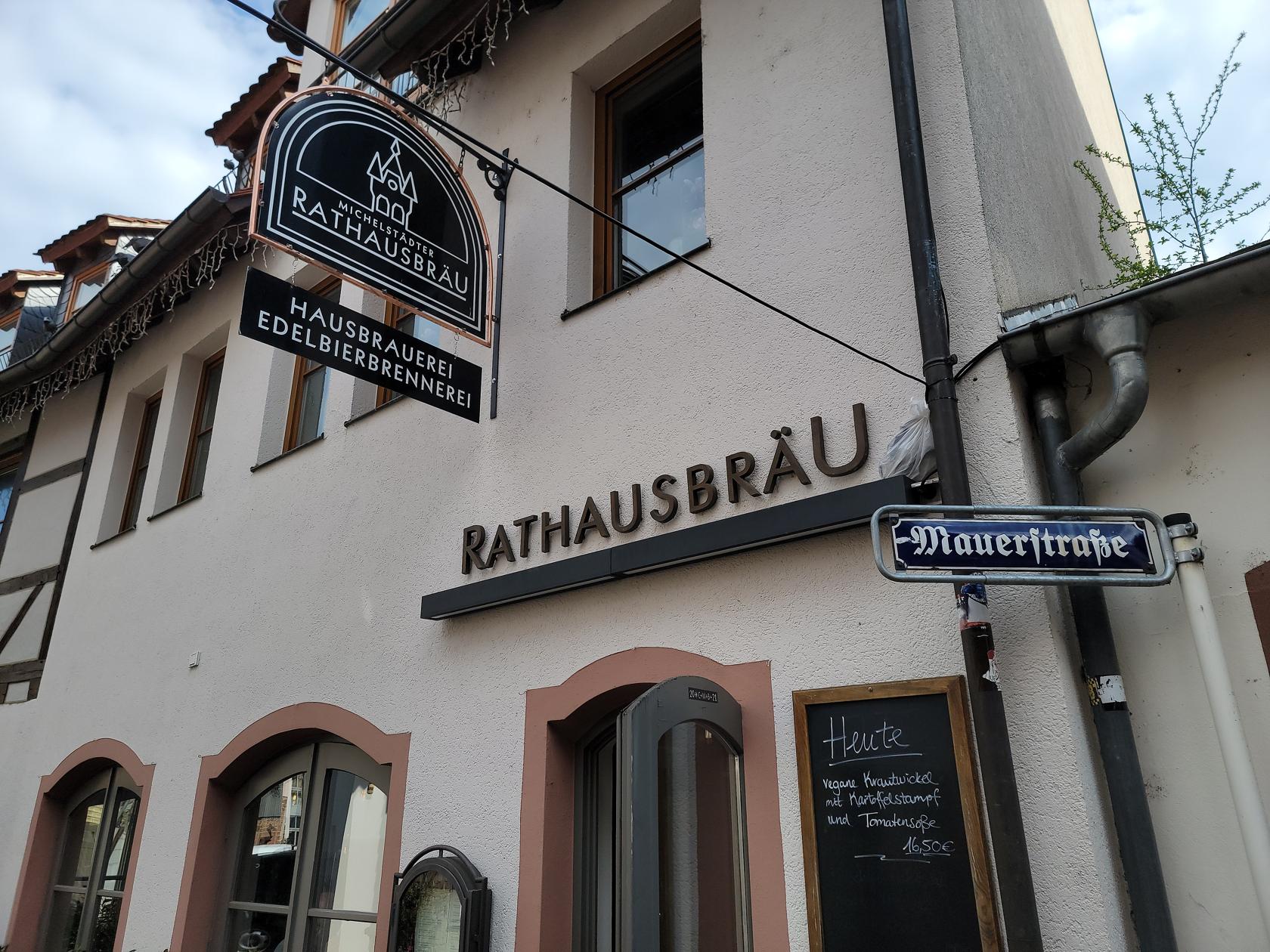
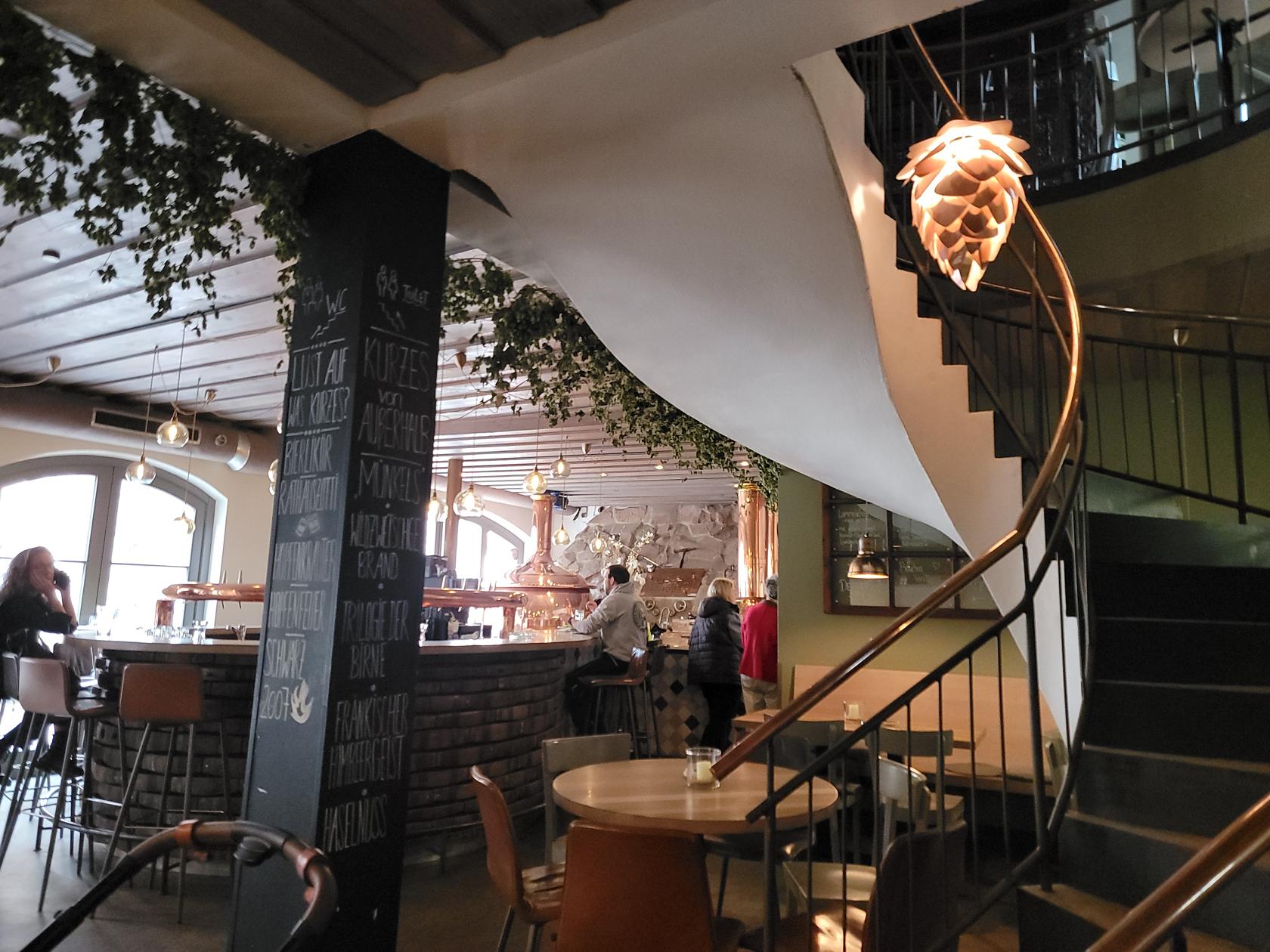
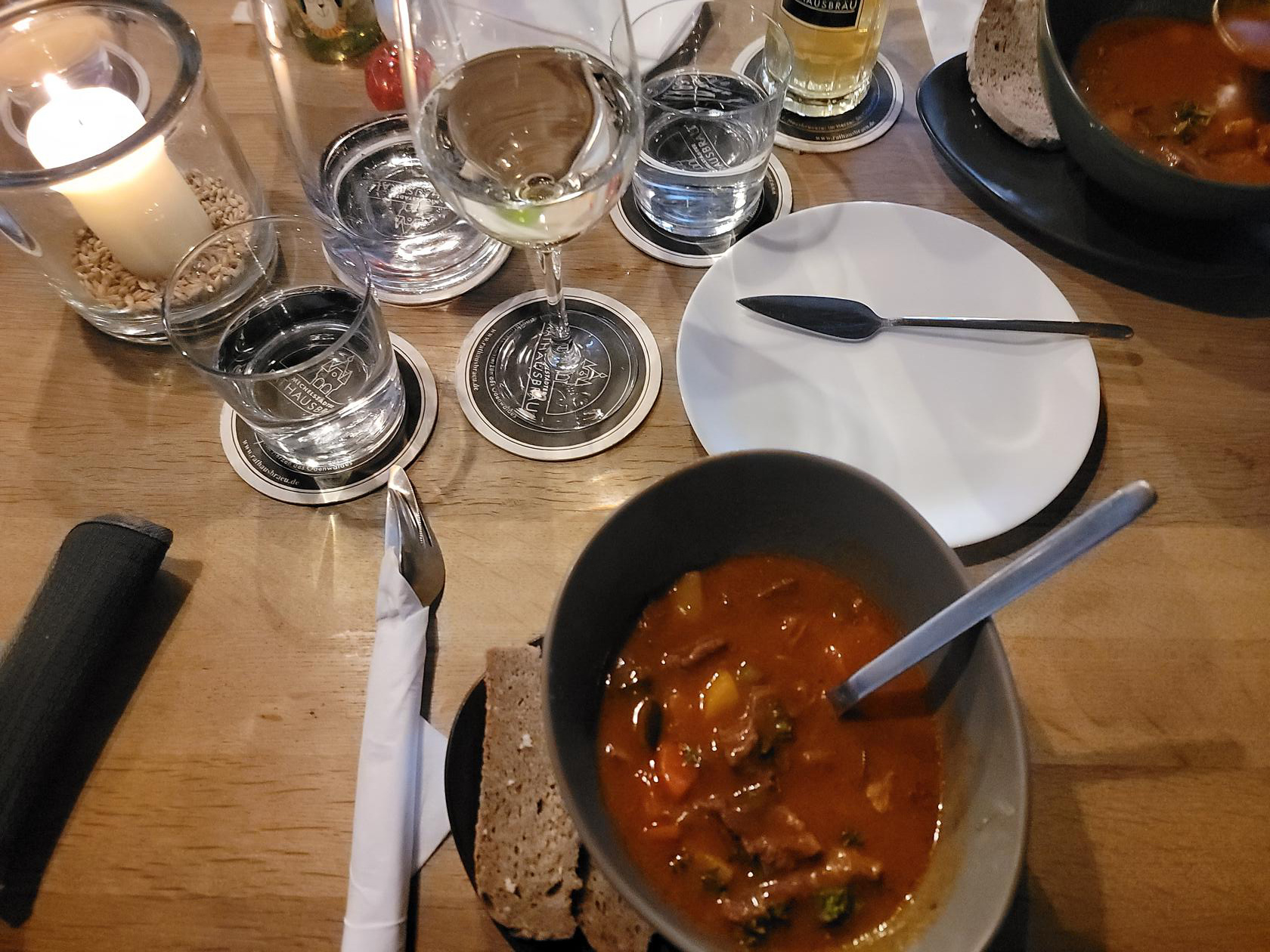
The Michelstädter Rathausbräu is a brewery and restaurant. It serves good food typical of the area. They don’t speak much english, so be prepared to whip out your translation guide or phone. However, the food is very good and they have their own brew on tap.
Rathausbräu Restaurant and Brewery – Mauerstraße – Michelstadt, Germany
Rathausbräu Restaurant and Brewery – Mauerstraße – Michelstadt, Germany
Rathausbräu Restaurant and Brewery – Mauerstraße – Michelstadt, Germany