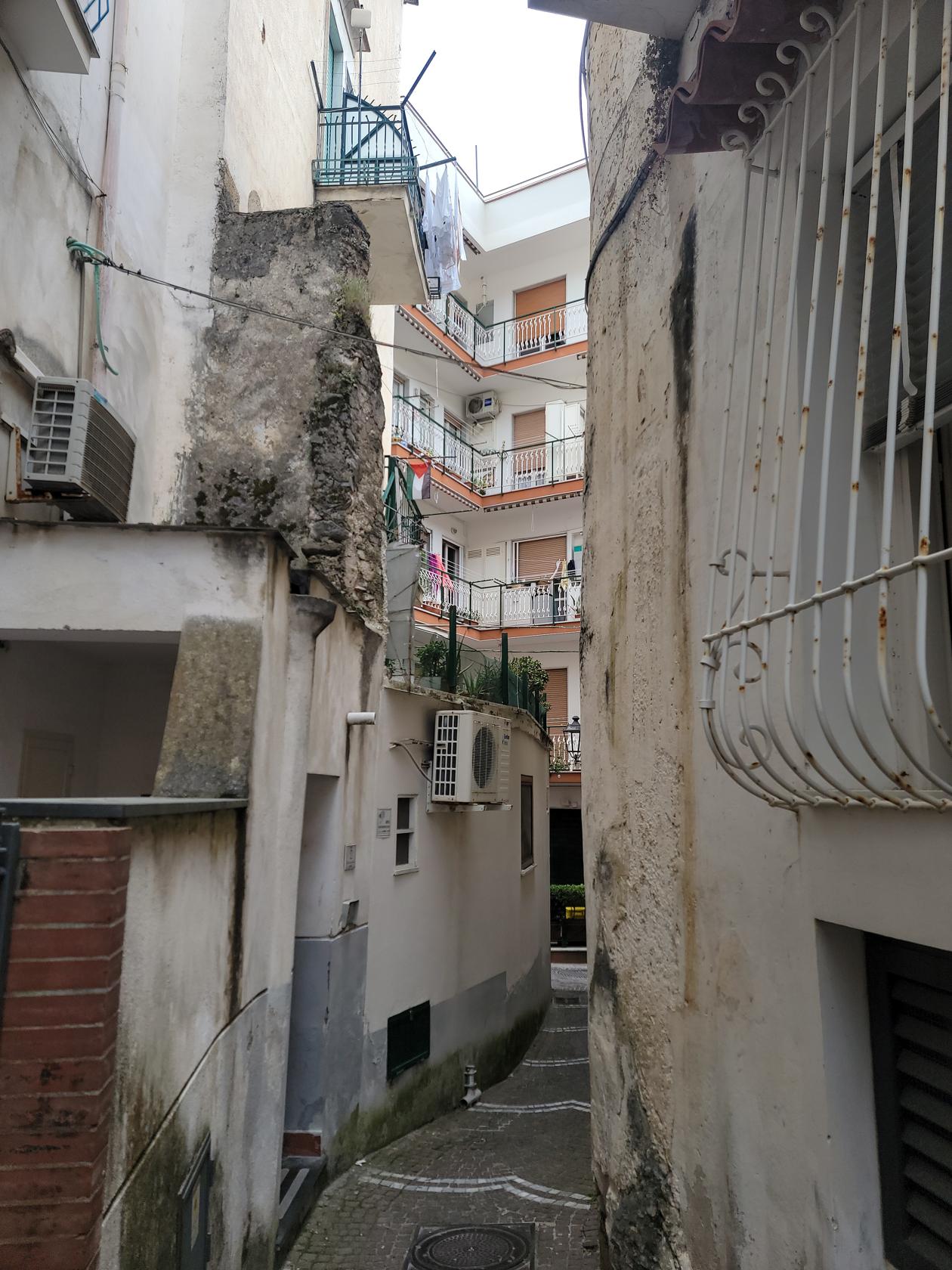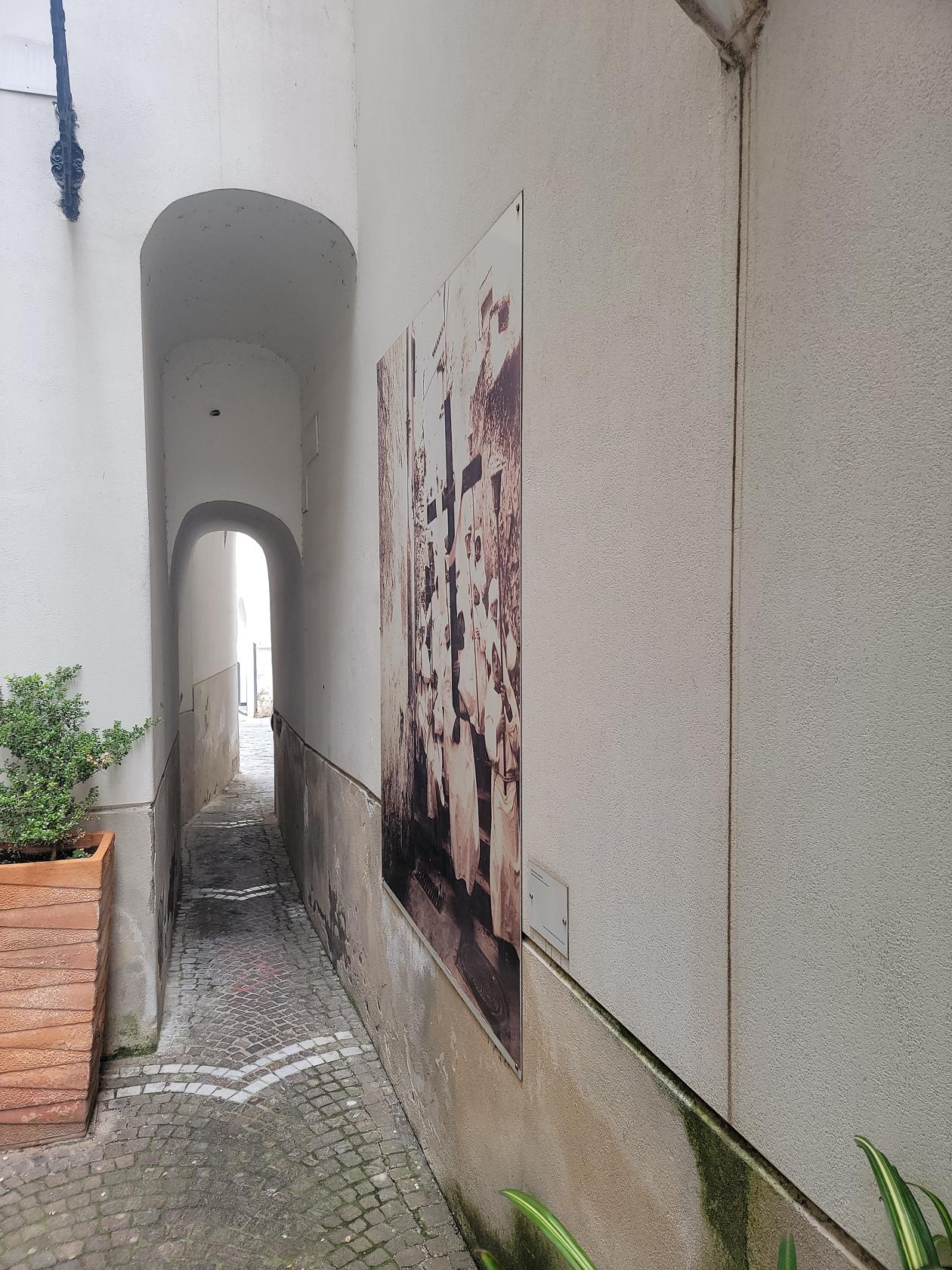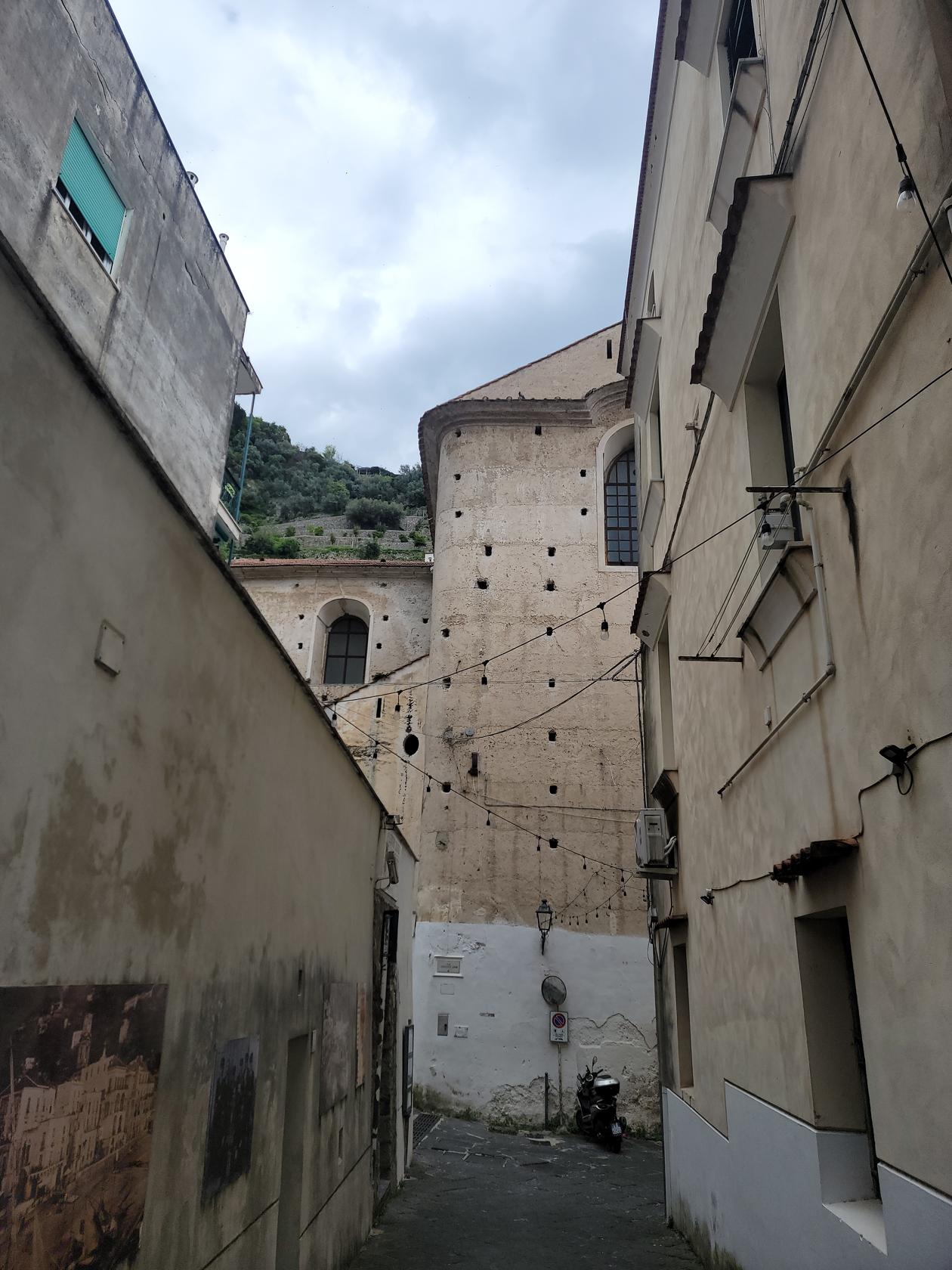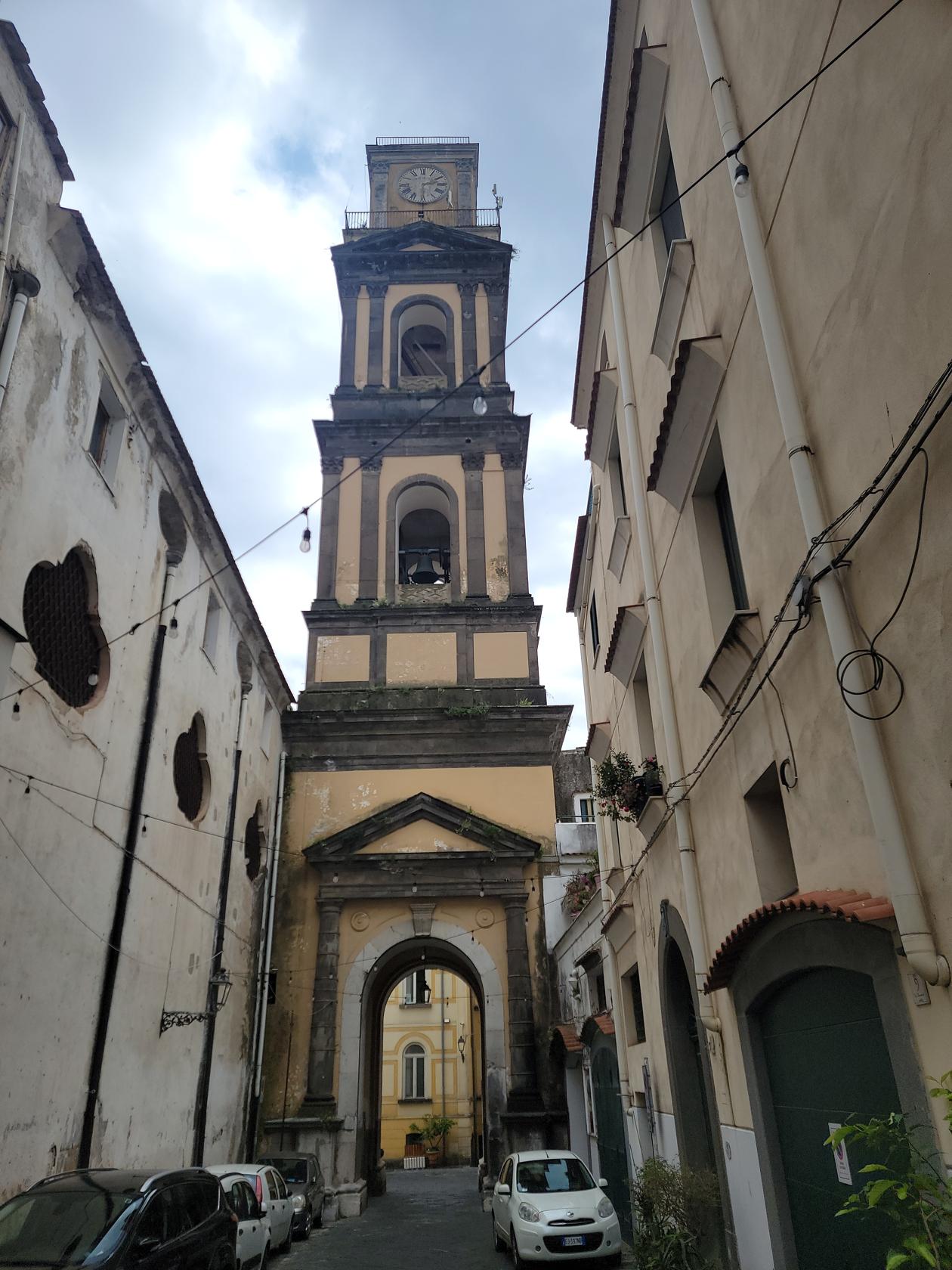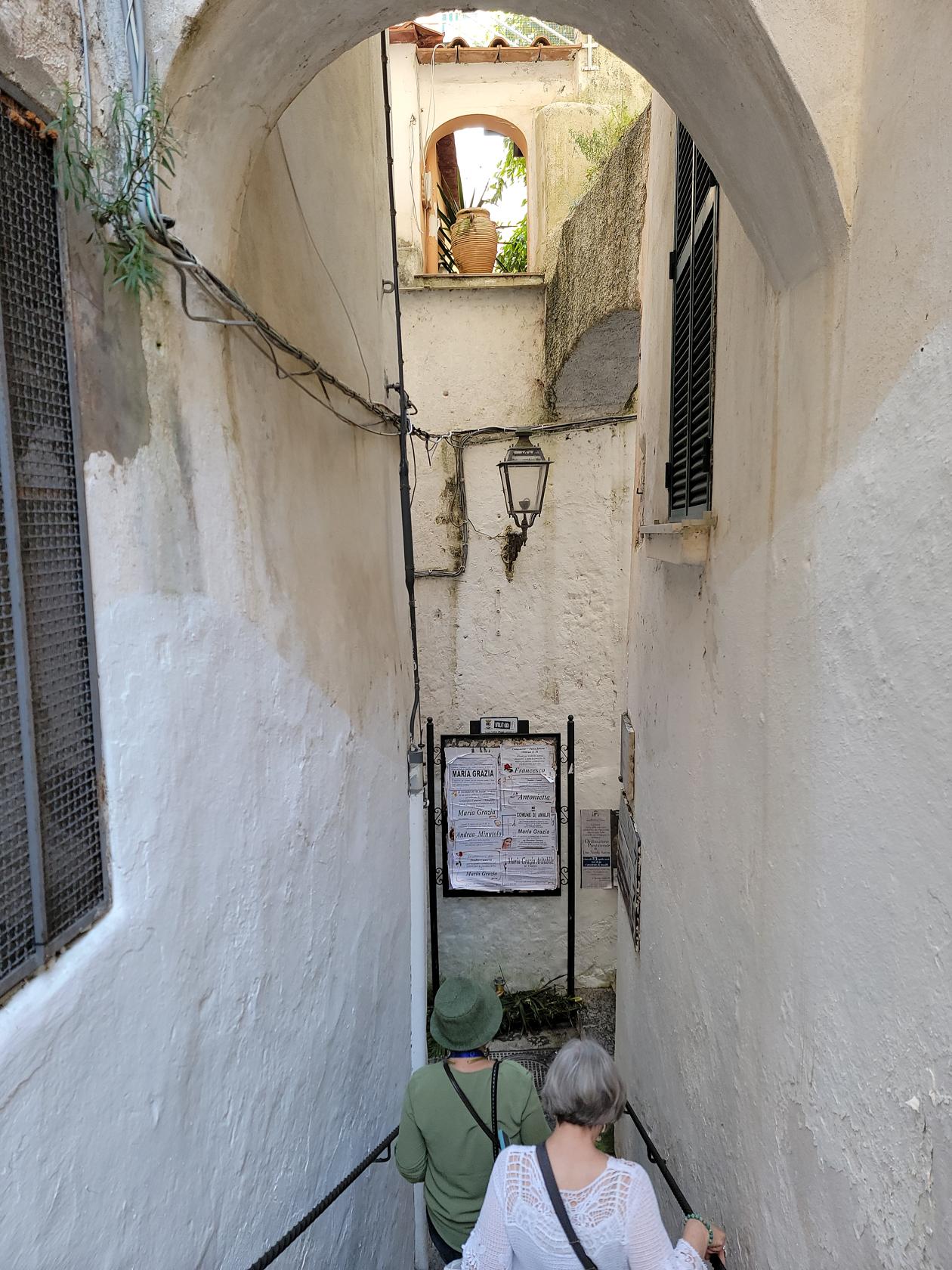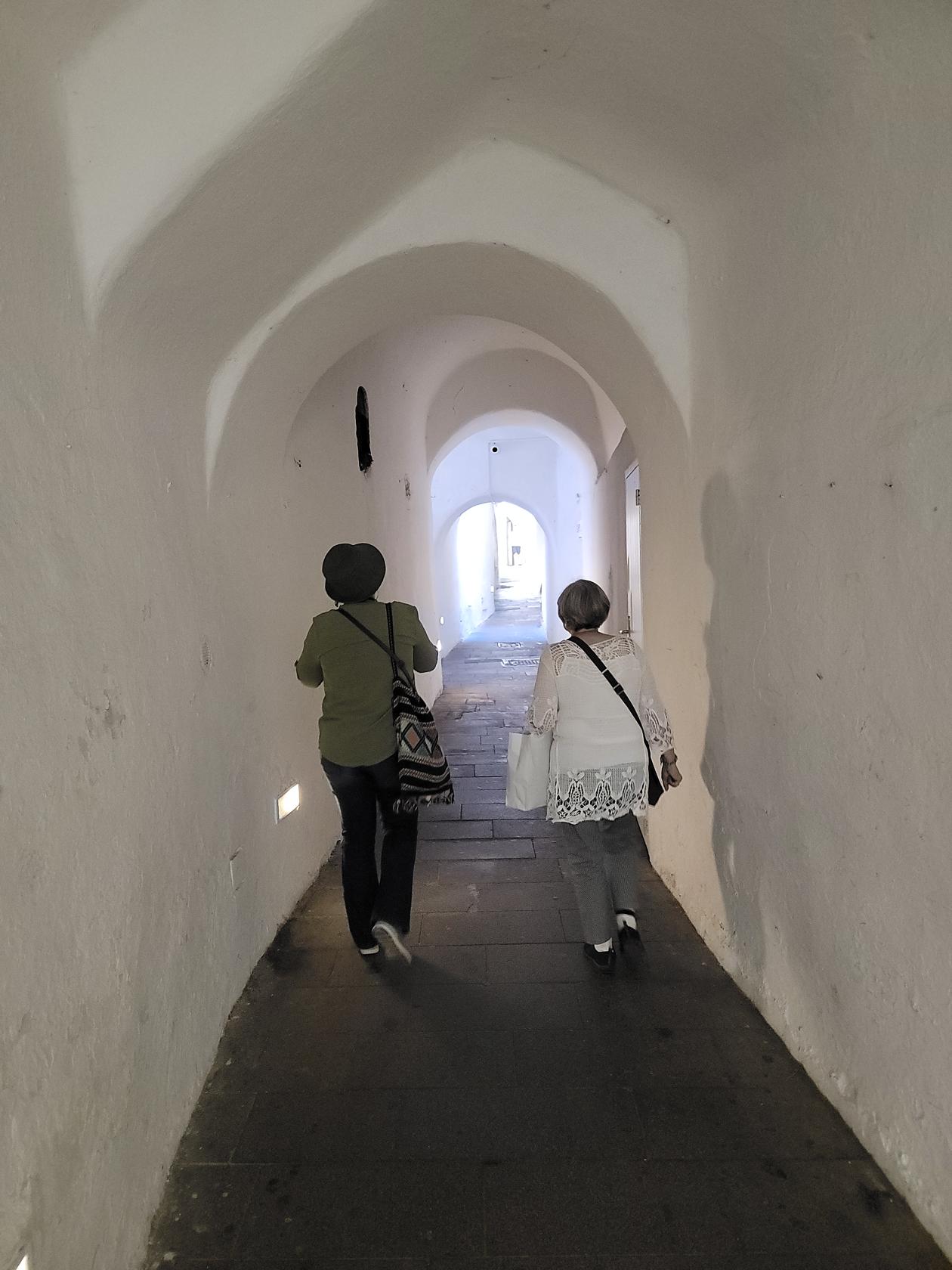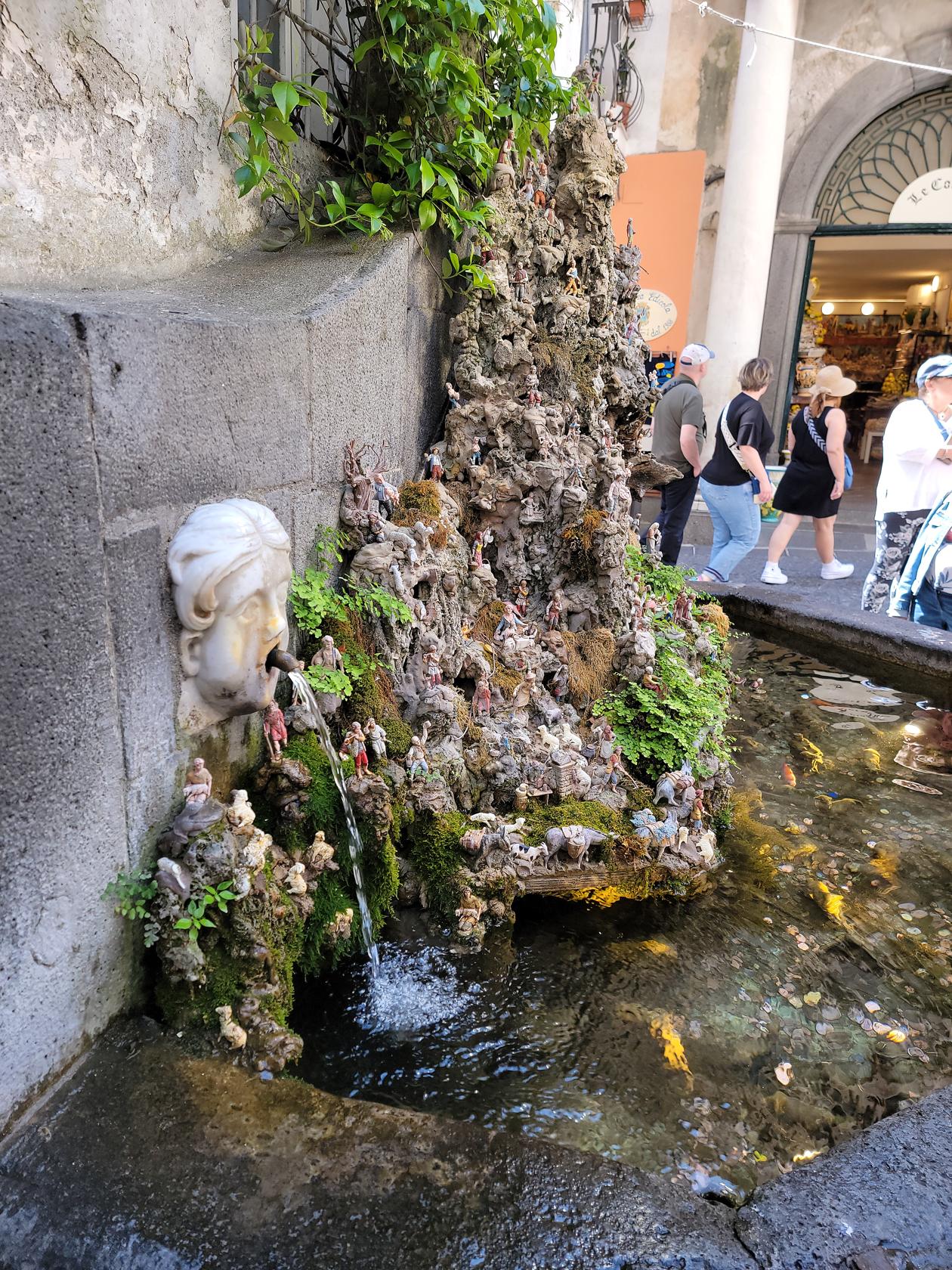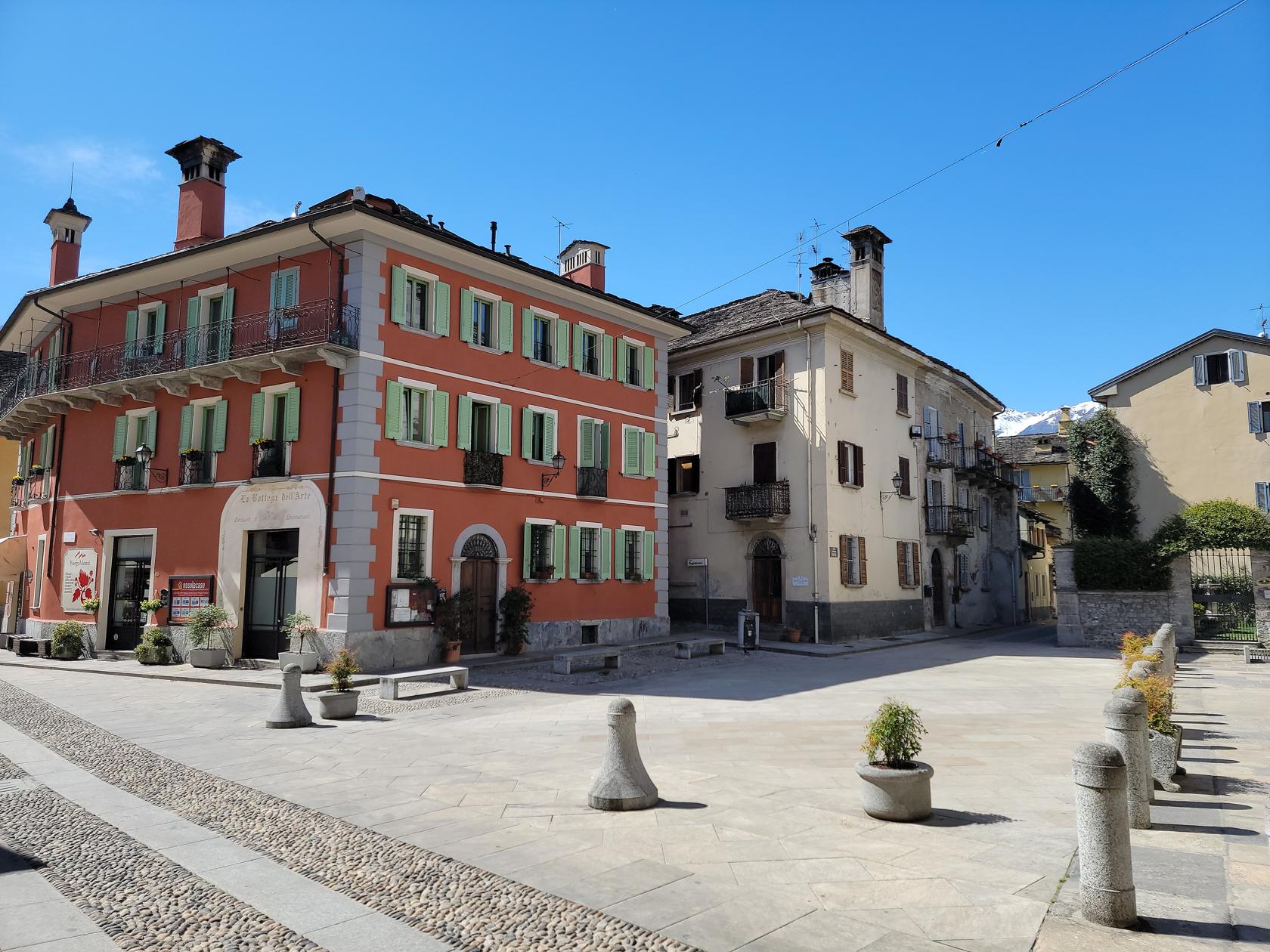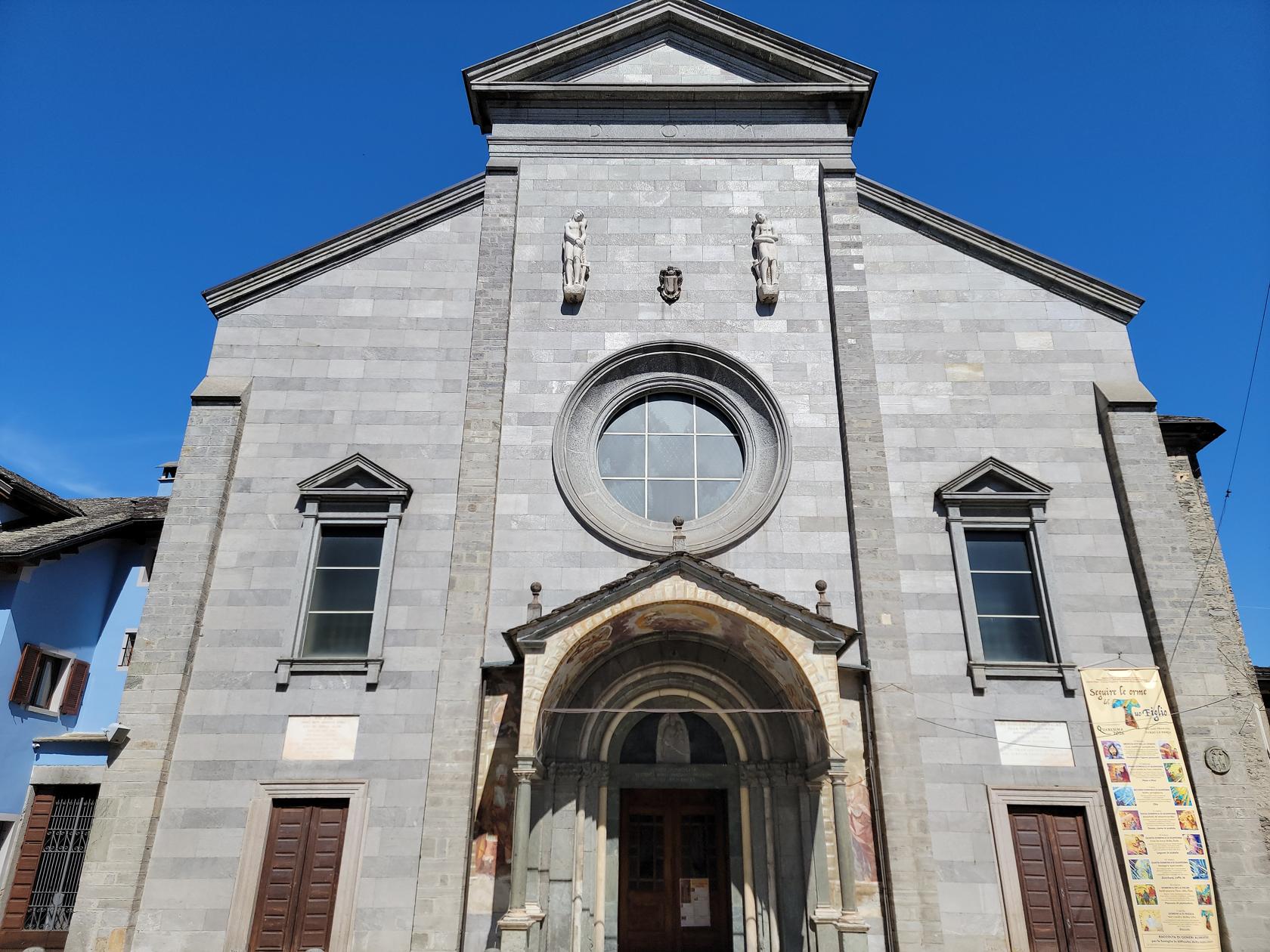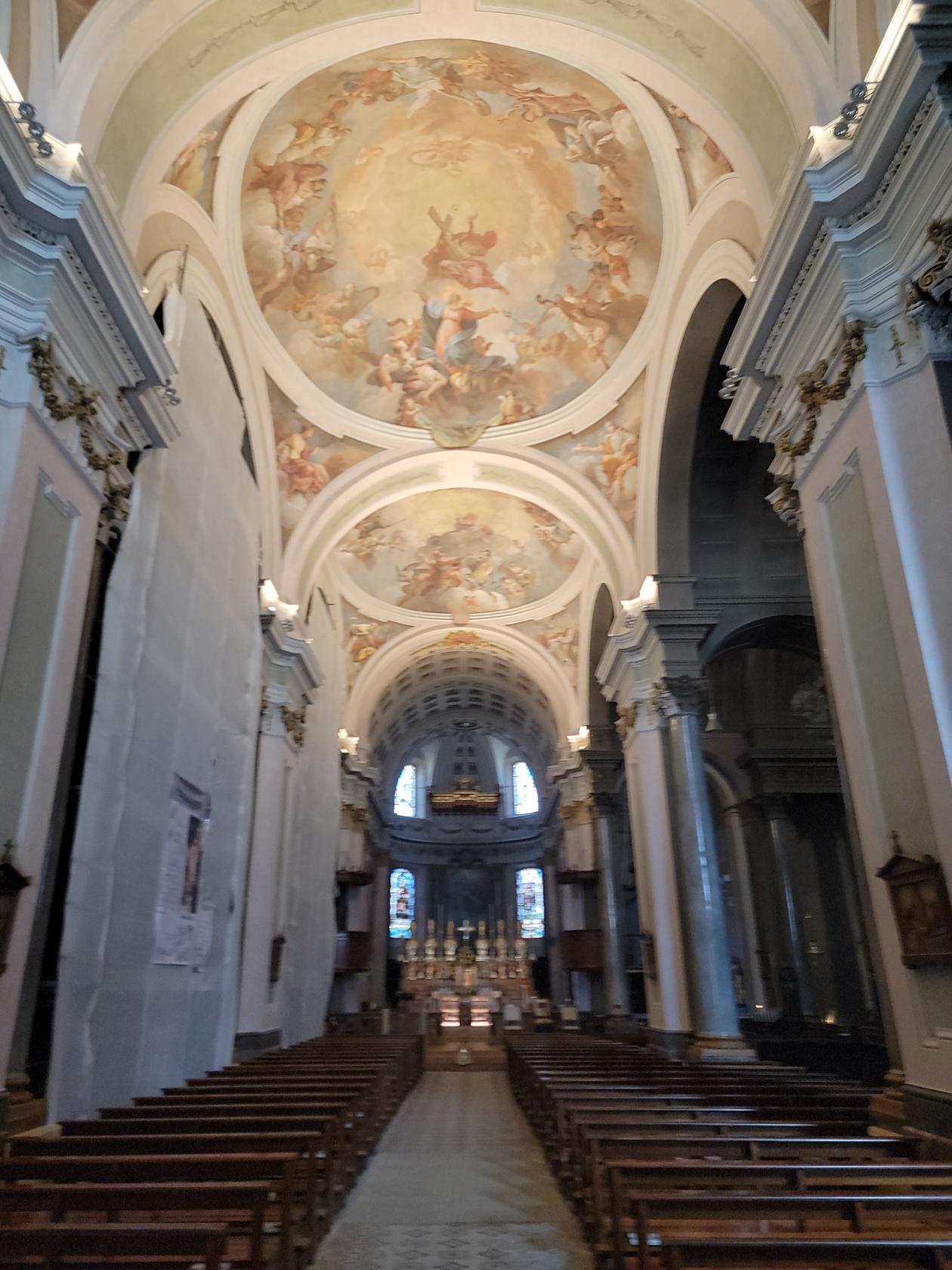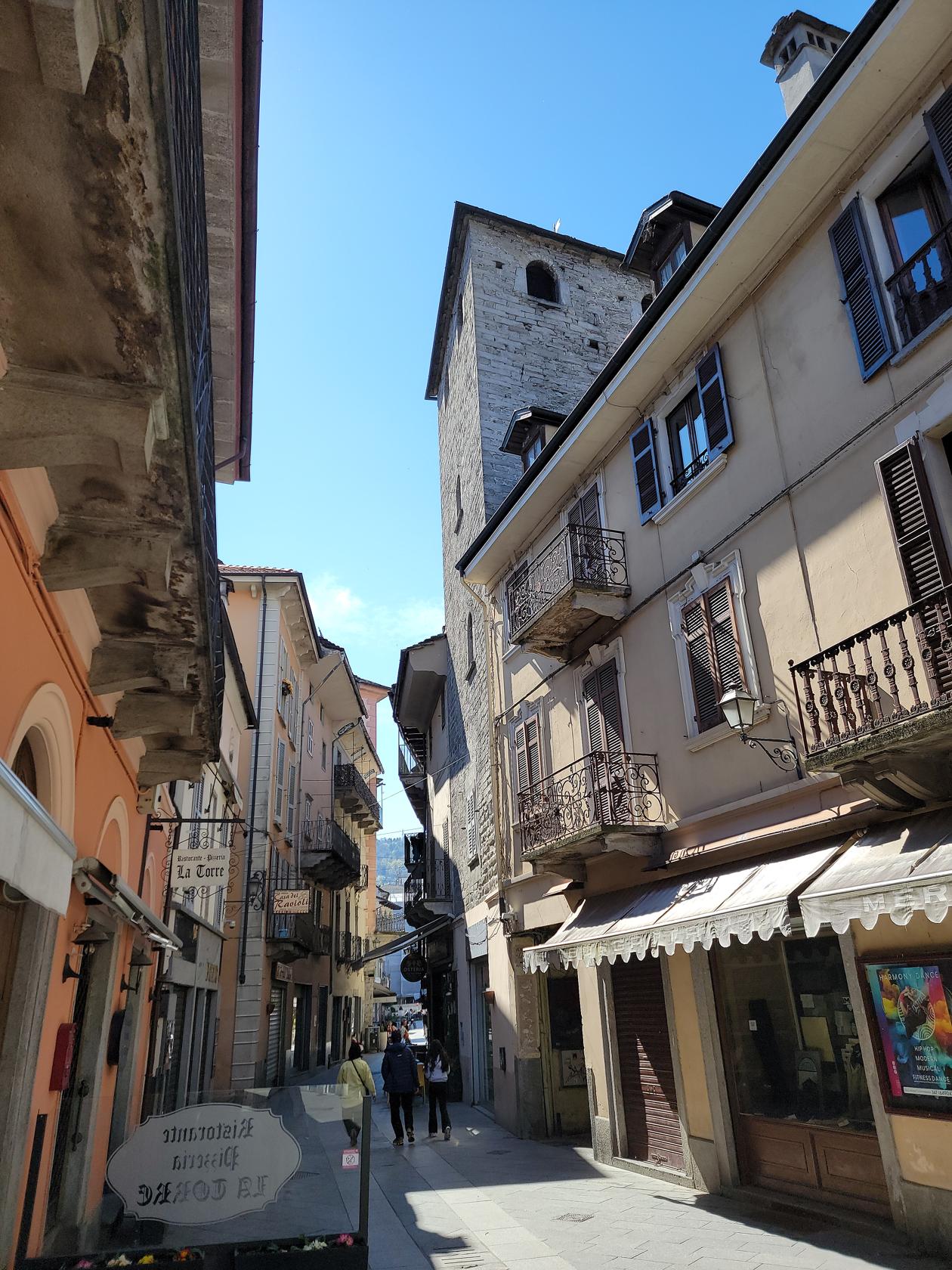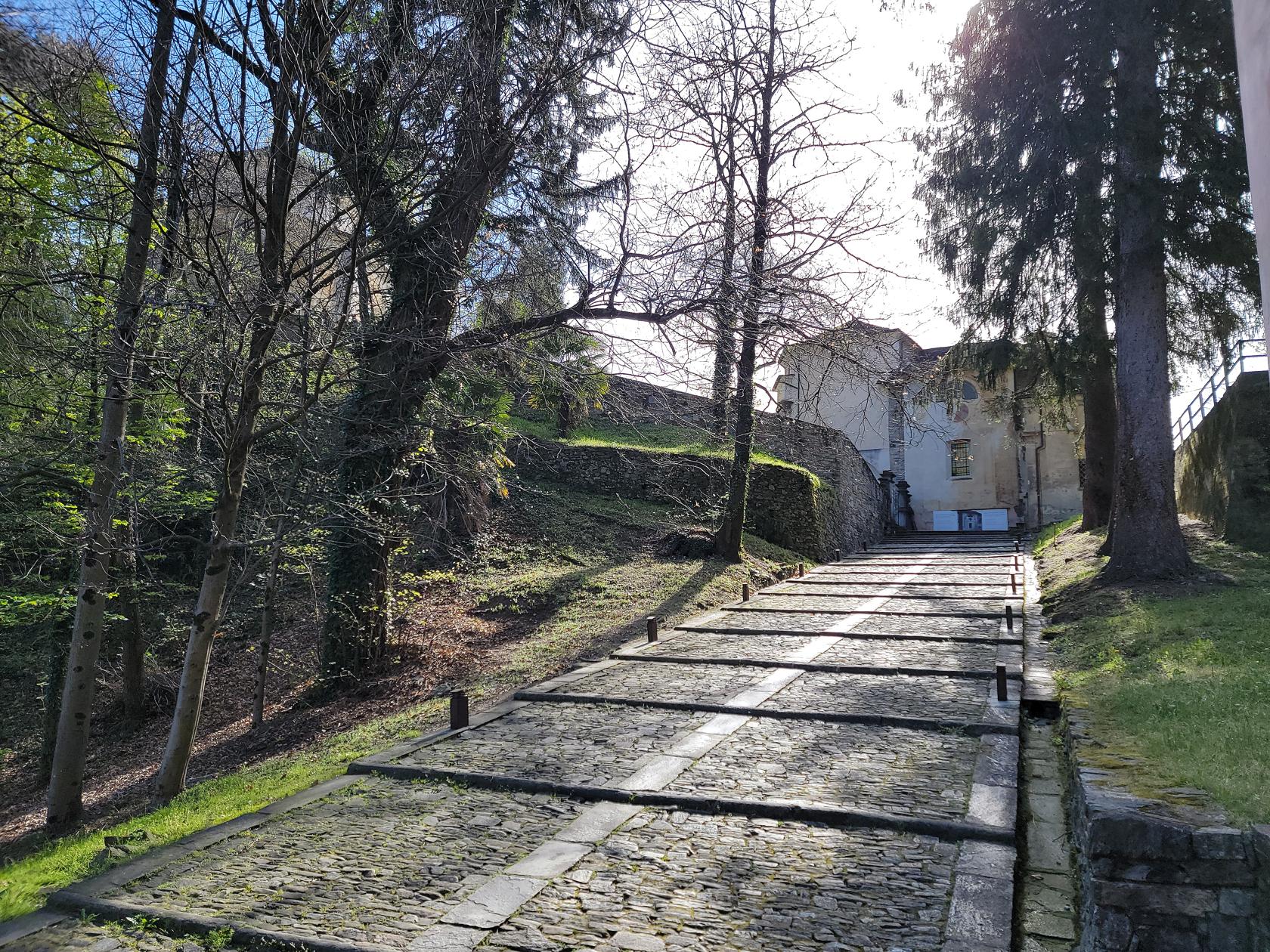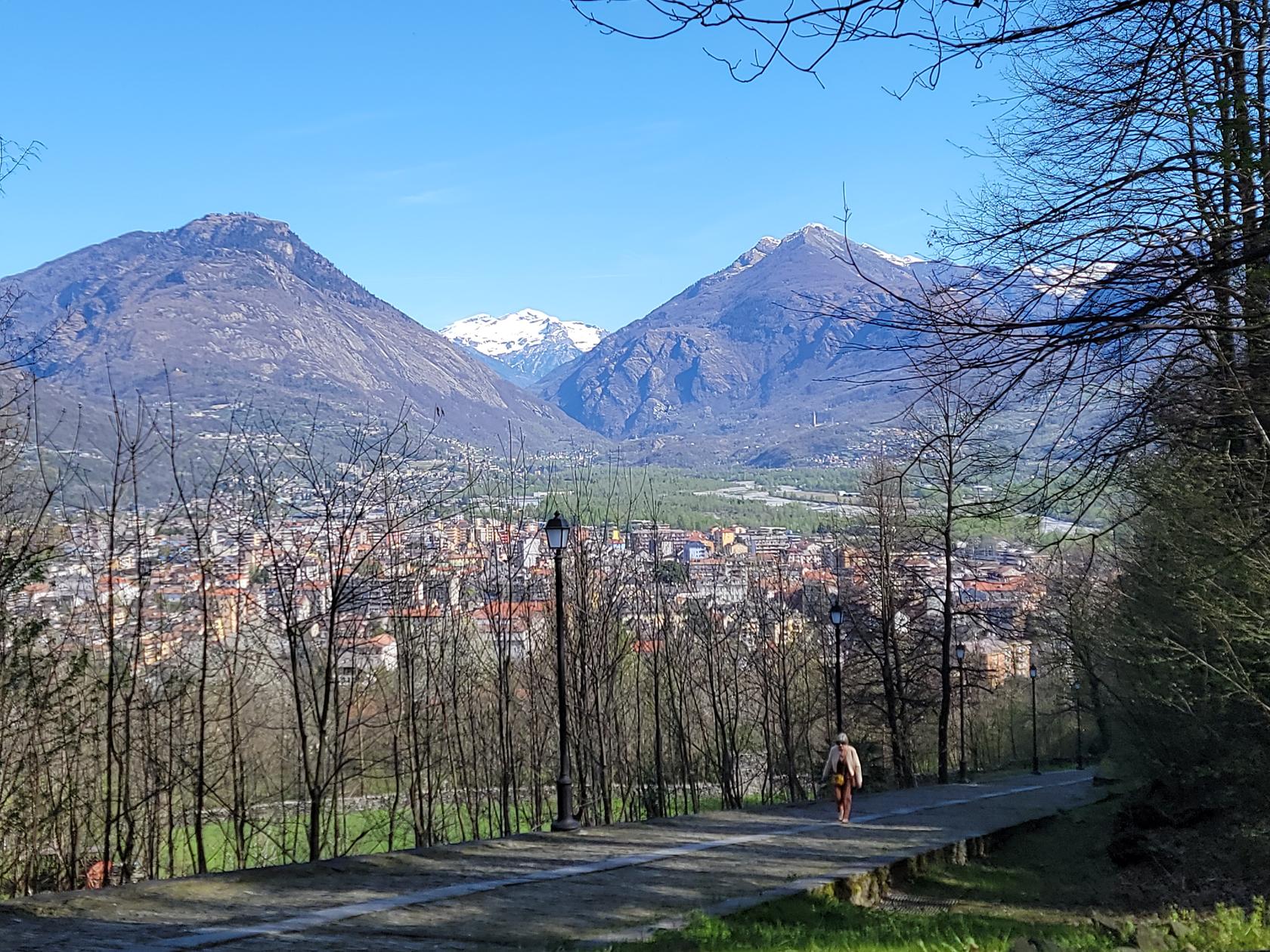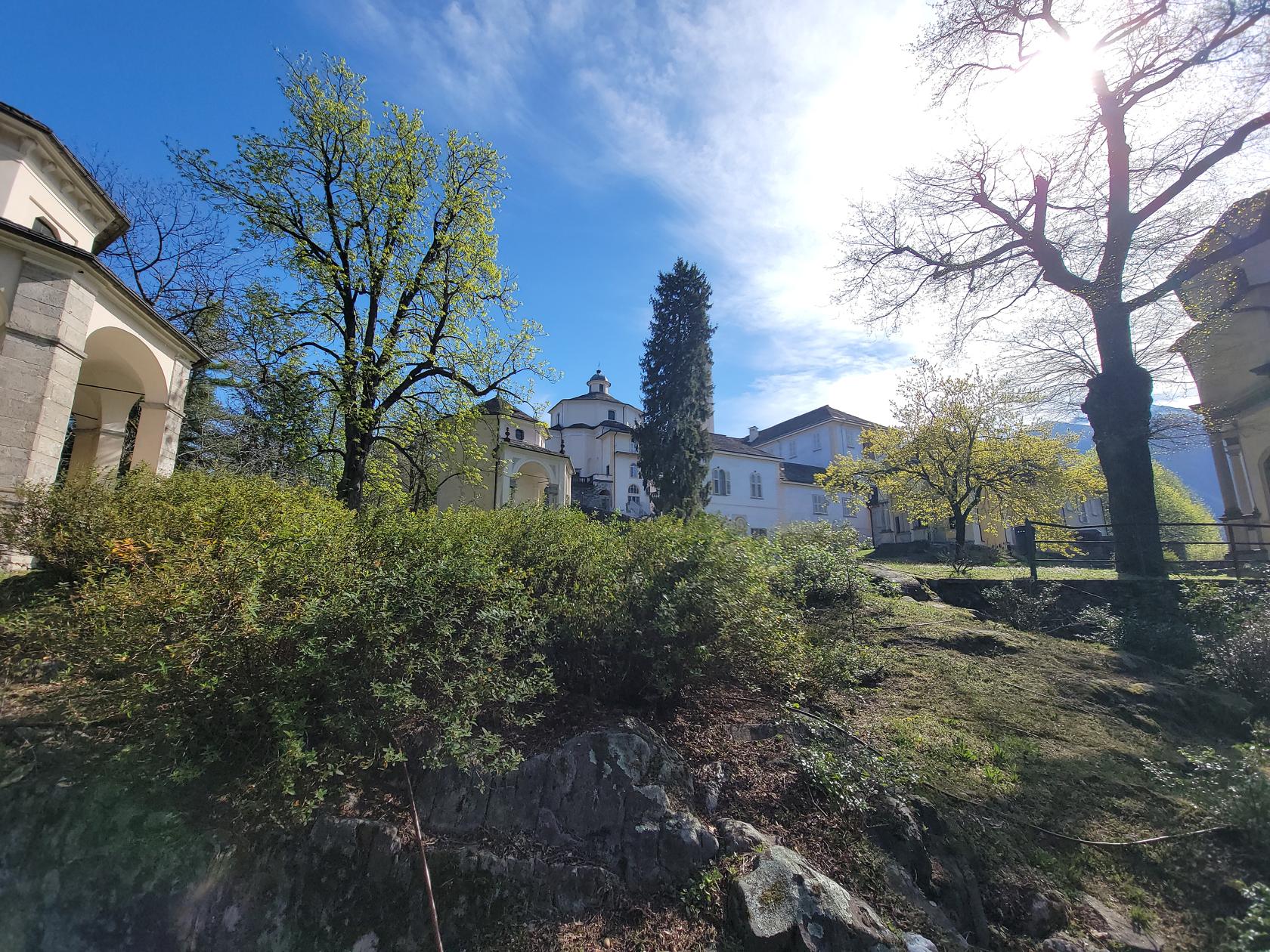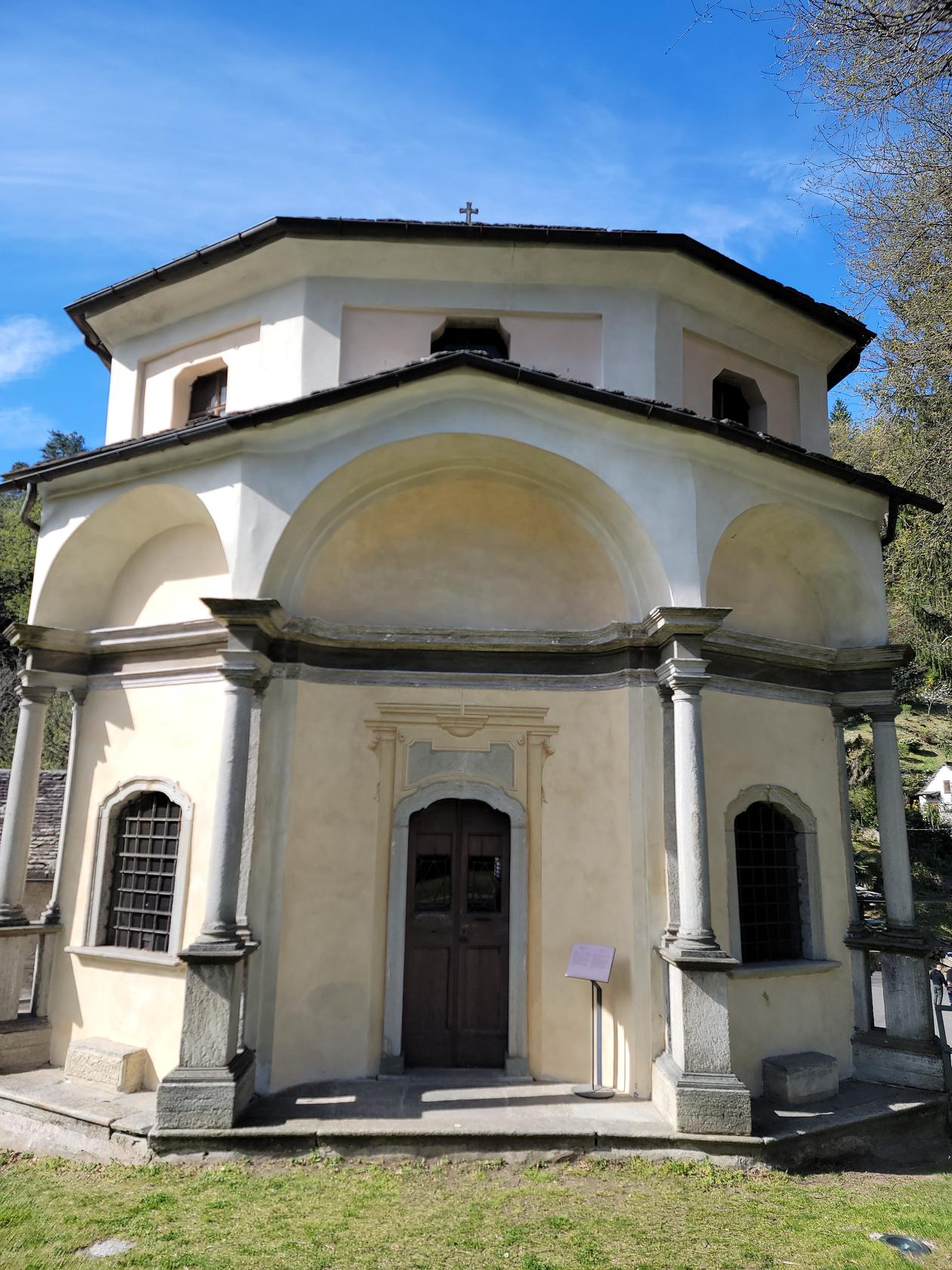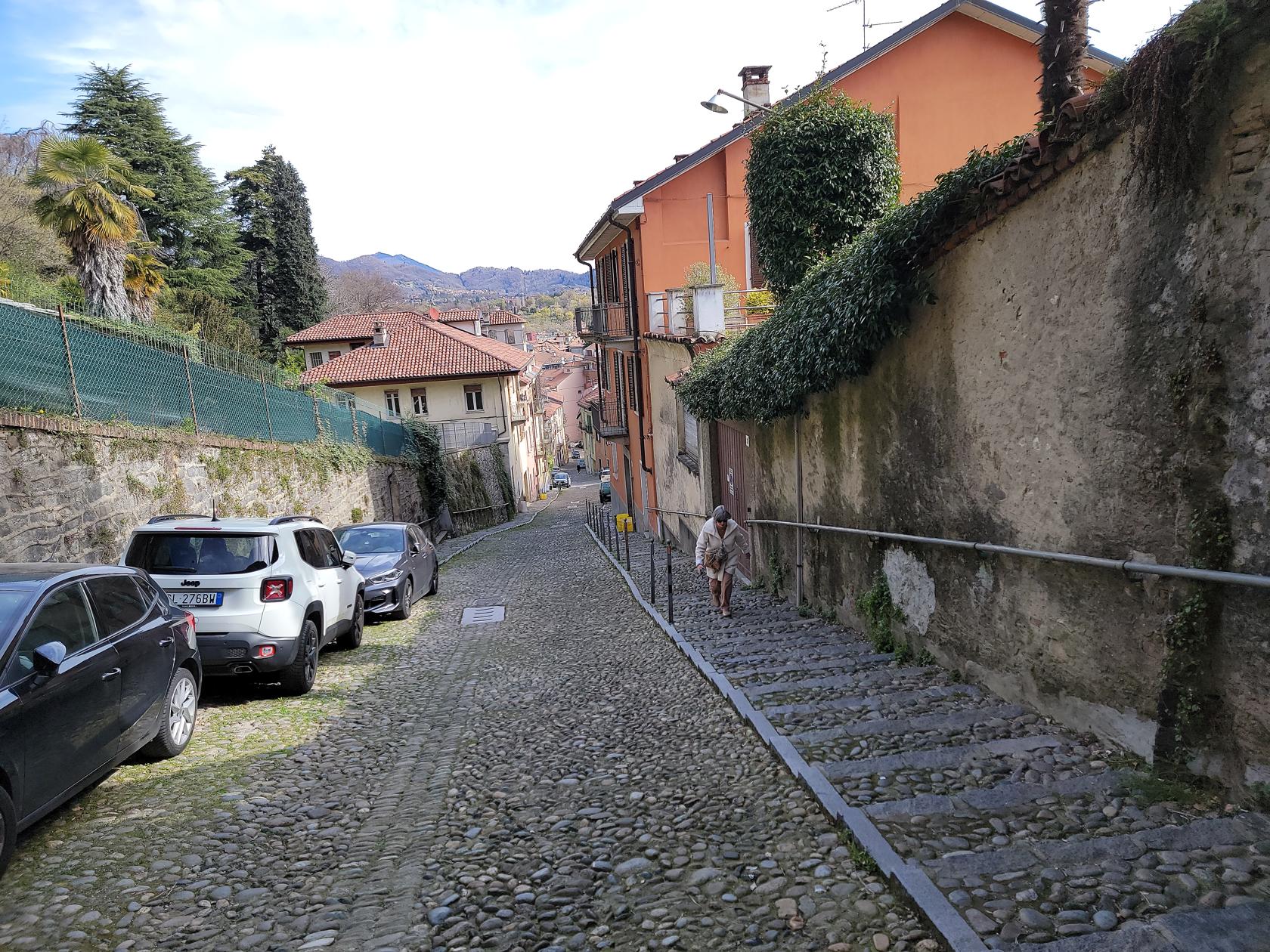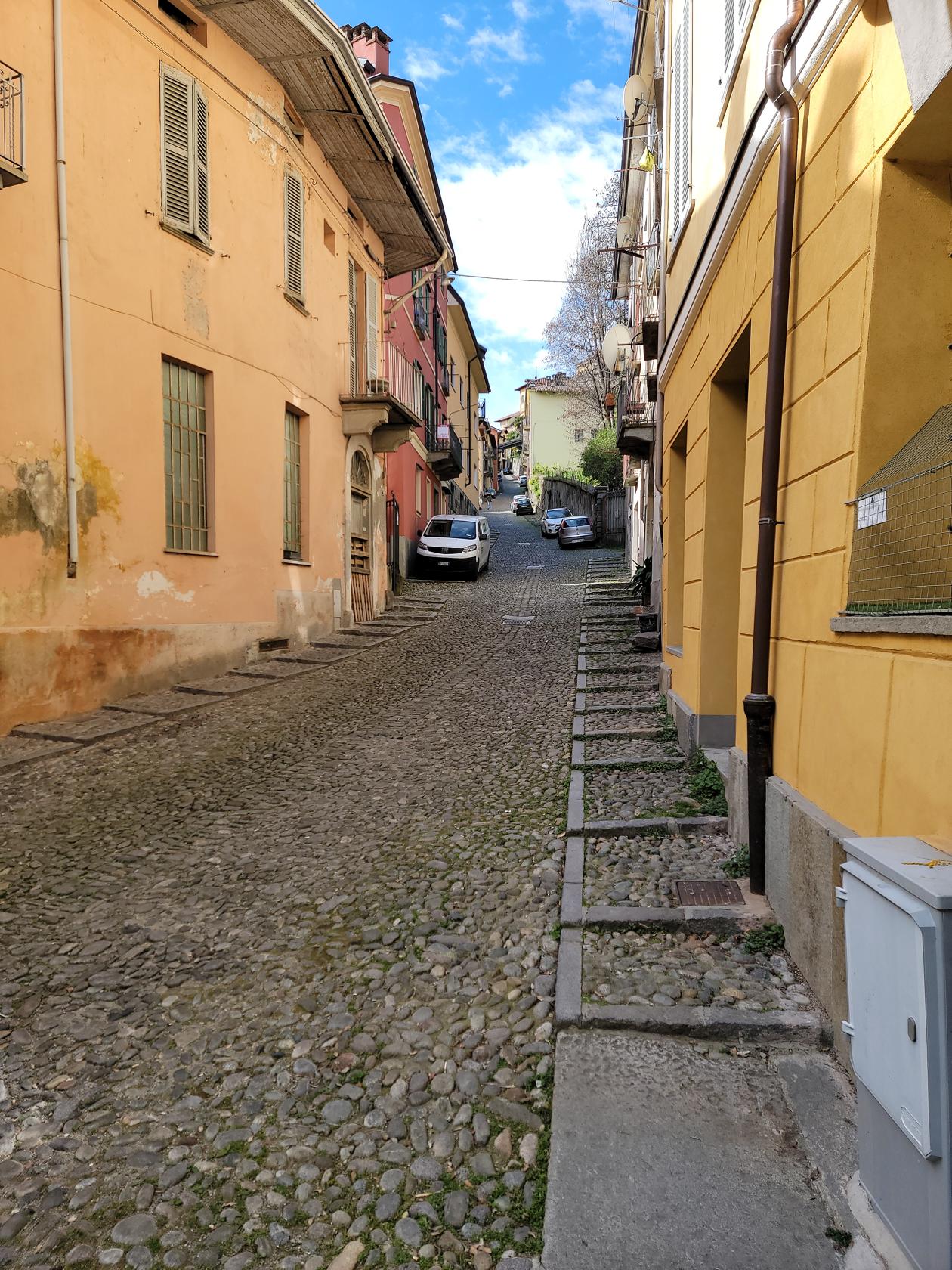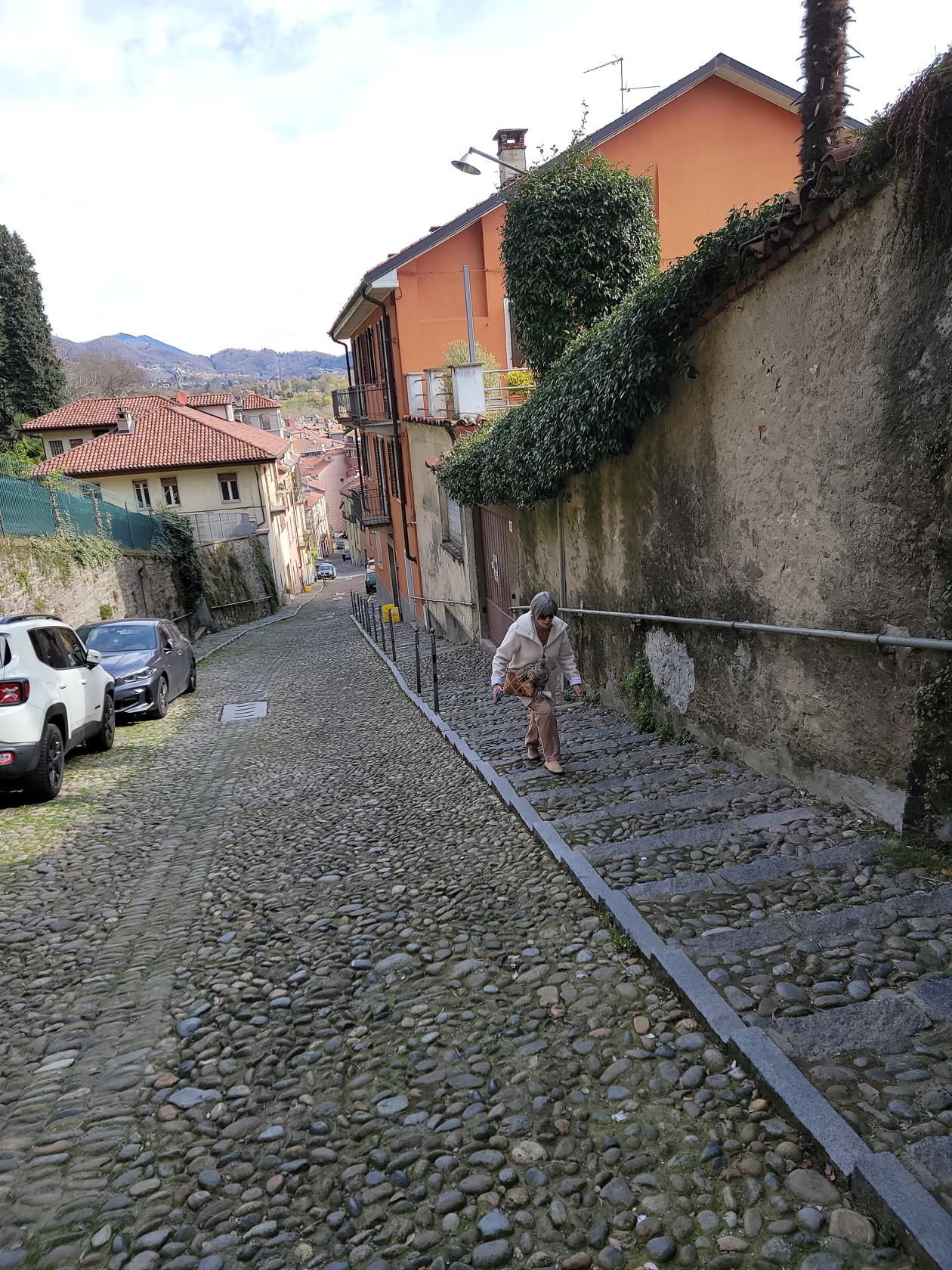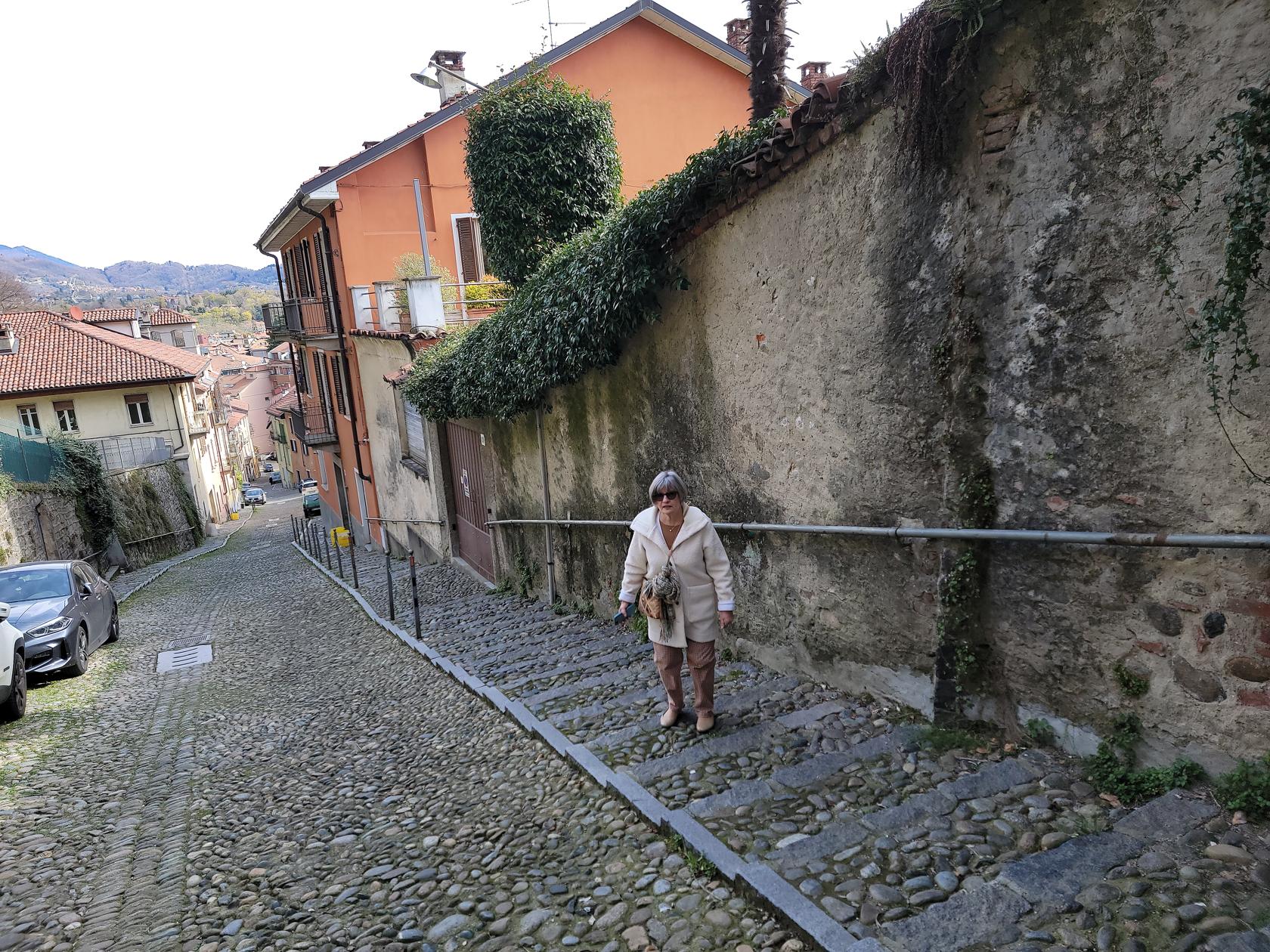
On the border of Hesse and Bavaria, in the Odenwald, is the town of Michelstadt. It’s curious, because its name contains within it a word that most english speaking people would think it should be a city, when in fact, the germans use the denotation for both town and city. Technically, it is considered a Kleinstadt, or small city, or what we call a town and should carry the stadt on the end of its name.
Michelstadt
The town is one of the oldest within what is called the inner Odenwald. There has been some sort of settlement there ever since the eighth century. Like other small towns of this nature, its layout has a certain lazy circle about it, indicating it was protected by some kind of fortification or wall. Evidence of this can be found on Kellerbergstraße, where part of the wall remains, and Mauerstraße where it can be seen in its former glory.
Stadtgäßchen and Stadtmauer – Mauerstraße – Michelstadt, Germany
To get to Michelstadt you will take either the 45 or 47 from the north or the south. On the north of town is a very large parking area which we used, conveniently located close to the town’s center.
Rte. 45 – Michelstadt, Germany
Bahnhofstraße – Michelstadt, Germany
Zum Grüner Baum – Großer Gasse – Michelstadt, Germany
Oberer Pfarrgasse – Michelstadt, Germany
Große Gasse – Michelstadt, Germany
Town Hall
The Town Hall, or Rathaus, is one of the more prominent buildings in the town. It stands a bit off-center in the Marktplatz and has an old press, a scale and other items associated with the buildings history in the open area underneath it.
Marktplatz – Michelstadt, Germany
Altes Rathaus – Marktplatz – Michelstadt, Germany
The Marktplatz contains a main foutain, which the town appears to decorate for holidays and other occasions.
Marktbrunnen – Marktplatz – Michelstadt, Germany
Löwenhof – Marktplatz – Michelstadt, Germany
Marktplatz – Michelstadt, Germany
Michelstadt Fortress
The Michelstadt Fortress, or Burg Michelstadt, is probably more of a stronghold than any castle or fortress. Though it sits on a high wall with a moat, it is not as impressive as other german castles or fortresses. Today it houses a mill museum, which unfortunately was not open at the time of our visit.
Old Wall – Kellerbergstraße – Michelstadt, Germany
Diebsturm and Museum – Kellerbergstraße – Michelstadt, Germany
Diebsturm
The Diebsturm, or Thieves’ Tower, is part of and sits next to Burg Michelstadt. The sump or cellar of the tower was used as a prison starting sometime in the early fourteenth century. Prisoners were lowered down on a rope into the cellar to wait our their term. It is one of the more prominent features of the town.
Diebsturm and Museum – Kellerbergstraße – Michelstadt, Germany
Ericka and Patti – Diebsturm – Marktplatz – Michelstadt, Germany
Dr. I. E. Lichtigfeld Museum
This museum preserves the jewish past of the town, neatly preserved in the former Synagoge Michelstadt that was destroyed during the prelude to the second world war.
Dr. I. E. Lichtigfeld Museum – Mauerstraße – Michelstadt, Germany
Here one can get a sense of the small jewish population that used to inhabit the town, which also has numerous Stolpersteine[1]these are small brass memorials laid in the ground for jews and people who were killed, deported or driven to suizide commemorating the people of the town that lost their lives. They can be found throughout Germany and parts of Europe.
Dr. I. E. Lichtigfeld Museum – Mauerstraße – Michelstadt, Germany
The museum also backs up to the old town wall and has a nice little park, where one can quietly sit and enjoy the weather.
Dr. I. E. Lichtigfeld Museum – Alter Stadtmauer – Michelstadt, Germany
Dr. I. E. Lichtigfeld Museum – Park – Michelstadt, Germany
Restaurants
Due to its size, there is not much to choose from, but there are a few restaurants in the Marktplatz. We chose a brewery close to the edge of town for lunch.
Michelstädter Rathausbräu
The Michelstädter Rathausbräu is a brewery and restaurant. It serves good food typical of the area. They don’t speak much english, so be prepared to whip out your translation guide or phone. However, the food is very good and they have their own brew on tap.
Rathausbräu Restaurant and Brewery – Mauerstraße – Michelstadt, Germany
The one unique feature this city has over others that we have visited are its Bächle, or small streams or runnels that network themselves through most city streets. Though in the past they were used for waste disposal and fire suppression, their contemporary revision is much cleaner and used more for fun than anything functional.
Freiburg im Breisgau
The city lays on the lower west side of the Schwarzwald, or the Black Forest. It is an odd mixture of contemporary and renovated old buildings, but appears to be very liveable. They have an active tram system and local buses, though the residents do appear to enjoy walking for the most part.
Kaiser-Josephstraße – Freiburg im Breisgau, Germany
Old Freiburger Zeitung Building – Kaiser-Josephstraße – Freiburg im Breisgau, Germany
Zum Meijerhof Restaurant Building – Grünwälderstraße – Freiburg im Breisgau, Germany
Getting There
It is almost necessary to use the A5 to reach the city, though I imagine there might be other ways as well. We entered from the north, via Europaplatz, where we found adequate parking nearby. Europaplatz offers access to the tram system and might be a good starting point for those not wishing to walk.
Habsburgerstraße – Europaplatz – Freiburg im Breisgau, Germany
Friedrichring – Freiburg im Breisgau, Germany
Kaiser-Josephstraße – Monument – Europaplatz – Freiburg im Breisgau, Germany
Kaiser-Josephstraße – Freiburg im Breisgau, Germany
The Bächle
The Bächle[1]the term is Bächlein in german are on most streets, at least in the older parts of the city. As a child, if you’ve ever had the occasion to play in a small stream or ditch, then you would just love Freiburg im Breisgau. They sure delight the city children. The city appears to be very child friendly and they even sell little boats on a string for children to play with in the Bächle.
Bächle – Freiburg im Breisgau, Germany
Ericka, Vlad and Gabi – Bächle – Freiburg im Breisgau, Germany
Bächle – Freiburg im Breisgau, Germany
Schwabentor
The Schwabentor, or Swabian Gate, is the most recent gate to the city and is located on Herrenstraße, another street which has a Bächle.
Oberlindenbrunnen and Schwabentor – Herrenstraße – Freiburg im Breisgau, Germany
Herrenstraße – Freiburg im Breisgau, Germany
Freiburger Münster
The first bricks for the large gothik style Freiburger Münster, or Münster Unserer Lieben Frau, were laid around 1146. After several incantations as a small unassuming church through 1260, the church was redesigned with new importance in the late 1200s. It wasn’t until the late 1400s that it attained is final form one can see today.
Freiburger Münster Cathedral – Freiburg im Breisgau, Germany
Münsterplatz And Merchant’s Hall
The Münsterplatz is adjacent to the cathedral and includes several city buildings and businesses.
Münsterplatz – Freiburg im Breisgau, Germany
One historic building that stands out in Münsterplatz is the Historisches Kaufhaus, or Merchant’s Hall. With its striking red exterior it is impossible to miss and the result of contemporary renovations, having suffered bomb damage and other design changes throughout the years. The facade today is adorned with replicas of Holy Roman Emperors and an Archduke, who did not become emperor because he died before his father and didn’t inherit all of his father’s titles.
Merchants Hall – Münsterplatz – Freiburg im Breisgau, Germany
Augustinerplatz
Though not much to look at the Augustinerplatz is where the museum and several other important government buildings are located, including for us ironically, the Italian Consulate.
Augustinerplatz – Freiburg im Breisgau, Germany
Gerberau – Augustinerplatz – Freiburg im Breisgau, Germany
Museum – Augustinerplatz – Freiburg im Breisgau, Germany
Connecting Augustinerplatz to Kaiser-Josephstraße is Gerberau street.
Gerberau – Freiburg im Breisgau, Germany
Martinstor
A major gate in the city, aside from the swabian gate, or Scwabentor, is Martinstor. Located on Kaiser-Josephstraße, more or less in the center of town, the tower stands above all the other buildings. The street runs directly through the tower, like in many other walled cities in Germany and delineates the old city from its newer parts.
Martinstor – Kaiser-Josephstraße – Freiburg im Breisgau, Germany
Restaurants
For our day trip we chose to have chinese or japanese and found a nice modern place that opened in the remains of the old Laubfrosch restaurant.
Unkai
If you are looking for either chinese or japanese cuisine look no further than Unkai Asian Fusion.
Unkai Restaurant – Kaiser-Josephstraße – Freiburg im Breisgau, Germany
The decor inside is decidedly modern and the staff is very attentive to your needs, especially if that has to do with children.
Unkai Restaurant – Kaiser-Josephstraße – Freiburg im Breisgau, Germany
Anyone walking through the idealic and picturesque city of Colmar, France will notice the abundance of timber and sandstone used in it’s buildings. From simple timber framed houses, to large churches built almost entirely of sandstone.
Colmar
The city of Colmar has benefited from both French and German influences, especially with it’s architecture. This is what makes it such an interesting place to visit. Not only have many of the structures survived the many wars between the two countries, the population has seemed to have taken care of them down through the centuries.
Getting There
From Frankfurt you can the A5, which I believe is only designated a 5 now. We took it and then cut over to France at Strasbourg and took the A35 down. If you take that route you get to enjoy the Statue of Liberty.
Statue of Liberty – 33 Route de Strasbourg – Colmar, France
Timber Houses
The city is repleat with Fachwerkhäuser, or timber houses. Many dating back many centuries and showing their age.
Timber House – Colmar, France
La Petite Venise – Colmar, France
Timber Houses – Colmar, France
Rue des Marchands – Colmar, France
Croisement Rue des Marchands, Grand Rue – Colmar, France
It is essential to visit the Grand Rue, which is the main shopping street of the city. Here you can shop and dine and explore the many facets of Colmar.
Rue Vauban – Colmar, France
Grand Rue – Colmar, France
The Rue Vauban is also an important thoroughfare to visit and is itself decorated with many of the timber houses that adorn other parts of the city.
Old Timber House 1562 – Rue Vauban – Colmar, France
Rue Vauban – Colmar, France
21 Rue Vauban – Colmar, France
Another must-see street is the Rue de Tetes. Here you can find the Maison des Tetes which was built in 1609 by Anton Burger, who later became the mayor of the city. The building owes its name to the many masks and grimacing faces that adorn its exterior. The figure on the top of the three-story oriel is of the twentieth century barrel-maker Auguste Bartholdi, at which time the building was used as a wine exchange.
Maison des Tetes – Rue des Tetes – Colmar, France
Rue des Tetes – Colmar, France
Maison des Tetes – Rue des Tetes – Colmar, France
Timber Houses – Rue des Tetes – Colmar, France
Place Martyrs de la Resistance – Rue des Tetes – Colmar, France
La Petite Venise
They call it the small Venice, but not really, it’s just one canal and it only goes about one block. It is a very pretty area and is worth a stop if you are in the area.
La Petite Venise – Colmar, France
Gabi and Ericka – La Petite Venise – Colmar, France
There is a gondala ride you can take, if you cannot enjoy the real thing.
The interior is spacious and maintains a typical cathedral design, with an apse, altar and transept. Over the entrance is located a very large organ, which is accessed by a spiral staircase located in one of the corners.
Colmar has numerous restaurants and cafes catering to most tastes. However, we would recommend trying the alsatian food, an interesting mixture of french and german cuisine.
Le Fer Rouge
Le Fer Rouge is a true alsatian restaurant and serves good food. This was our first food stop in Colmar and we thoroughly enjoyed it.
Le Fer Rouge Restaurant – Entrance – Rue des Marchands – Colmar, France
I ordered the Schweinhaxen, or roasted pig shank, and it was delicious. It was marinated in a semi-sweet french sauce that was just outstanding. The Schwarzwälderkirchetorte, or Black Forest Cake, however was not that good. The creme was a bit stiff and the cherries lacked a rich taste, one expects from this dessert; a true dissappointment.
Le Fer Rouge Restaurant – Menu – Rue des Marchands – Colmar, France
Patti, Ericka and Vlad – Le Fer Rouge Restaurant – Rue des Marchands – Colmar, France
Le Fer Rouge Restaurant – Schweinshaxe with Honey, Thyme and Potatoes, Bread – Rue des Marchands – Colmar, France
Le Fer Rouge Restaurant – Stuffed Meat Beef with Mixed Greens – Rue des Marchands – Colmar, France
Le Fer Rouge Restaurant – Rue des Marchands – Colmar, France
Le Fer Rouge Restaurant – Schwarzwälder Kirschtorte, Black Forest Cake – Rue des Marchands – Colmar, France
Brasserie Chez Hansi
The Brasserie Chez Hansi is another alsatian restaurant with a simple atmosphere.
Chez Hansi – Menu – Colmar, France
Chez Hansi – Inside – Colmar, France
The menu is easy to intepret and there appears to be something for everyone’s taste. I would commend however the Sauerkraut and Würste platter, it was excellent.
Chez Hansi – Flammkuchen (Pizza?) – Colmar, France
Chez Hansi – Chicken and Spätzle – Colmar, France
Chez Hansi – Sauerkraut Platter with Würst and Potatoes – Colmar, France
Le Bistrot des Copains
Last, and definitely least, is the Le Bistrot des Copains. It has a very average rating and you will find it is well deserved. The food is okay, nothing to write home about for sure. The service is adequate and they do try to help you with any requests. This restaurant would fall into the tourist trap category, if such a thing exists. It is well attended, but it perplexes me why.
It’s been some time since our last visit to Strasbourg, France. So when the opportunity arose to stop there, just for lunch, we jumped at the idea, since it is one of our favorite cities in France.
Strasbourg
The town has not changed much since we were last here, though that was during the summer. The weather however was great, a bit cool but sunny and pleasant. We stopped on our way to Colmar and enjoyed some of the city sights while we walked to our restaurant destination.
Place de la Grande Boucherie – Strasbourg, France
Rue des Bouchers – Strasbourg, France
Restaurants
Le Gruber
Previously known as Zum Alten Strassburg, Le Gruber offers typical Alsatian cuisine, which is a mixture of french and german. The interior is comfortable and very nice.
Le Gruber Restaurant – Main Entrance – Strasbourg, France
Le Gruber Restaurant – Menu – Strasbourg, France
Le Gruber Restaurant – Inside – Strasbourg, France
Le Gruber Restaurant – Patti and Ericka – Strasbourg, France
The food was very good and reasonably priced. I found the potato casserole especially enjoyable and very tasty, though with the Muenster cheese on it, a bit filling.
Le Gruber Restaurant – French Onion Soup – Strasbourg, France
Le Gruber Restaurant – Fish special with noodles – Strasbourg, France
Le Gruber Restaurant – Potato Gratin – Strasbourg, France
Le Gruber Restaurant – Gabis Fried Potato Pancake with Bibaleskaes, Ham and Salad – Strasbourg, France
Le Gruber Restaurant – Potato Casserole and Salad – Strasbourg, France
Built around the ancient remains of an old RomanCastrum, Seligenstadt is one of Germany’s oldest towns. The Romans established a fortified encampment around the second century and maintained it for over a hundred and fifty years. Some time in the mid third century the germanic tribes repeatedly attacked the castrum, forcing the Romans to withdraw across the Rhine river, leaving a pile of rubble behind. Some time afterwards it was known as Obermühlheim and some of the earliest buildings in Seligenstadt are dated to the seventh century and are still standing.
Wendelinuskapelle – Seligenstadt, Germany
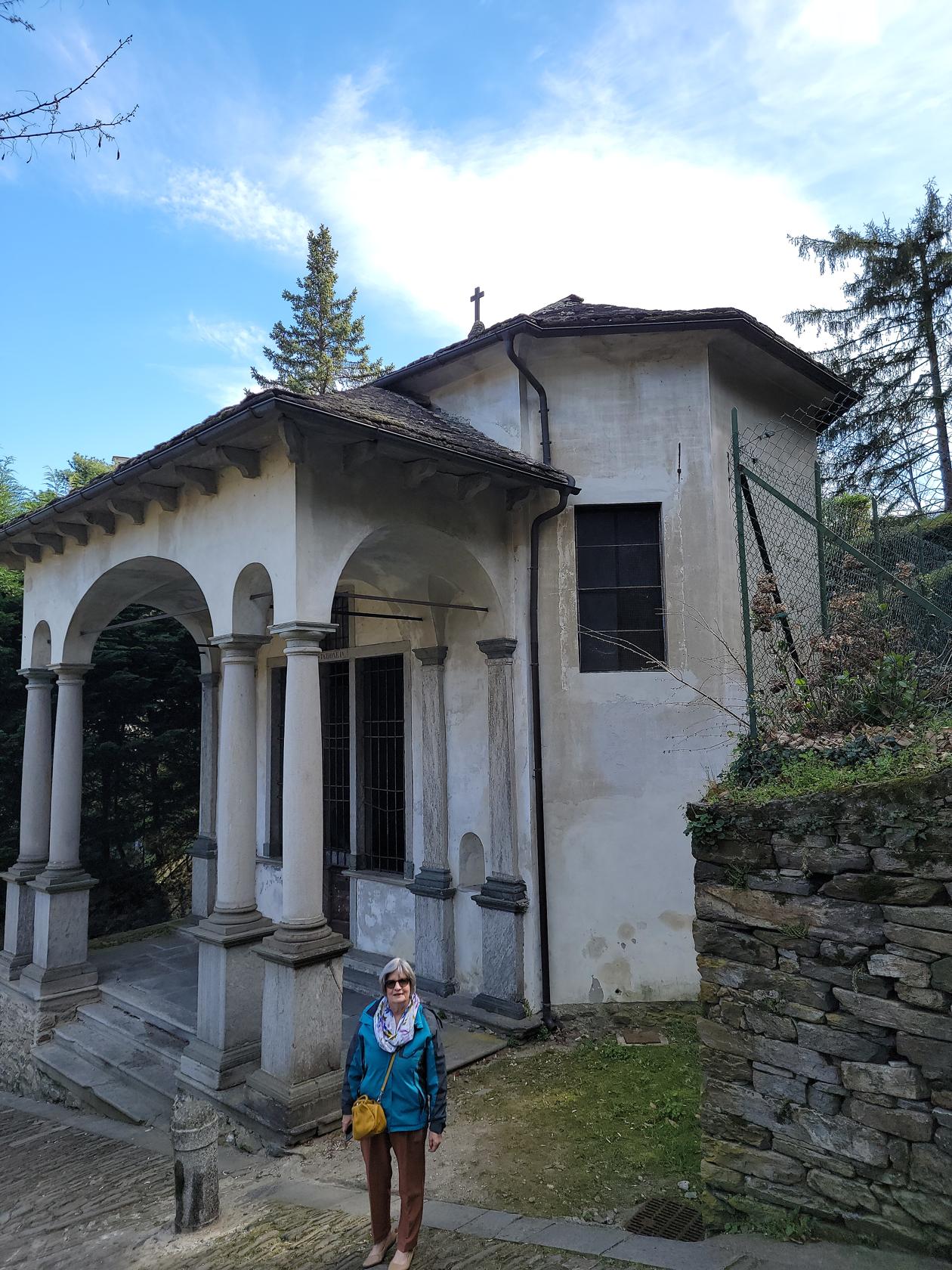
A stone’s throw from one of the public parking places is the Wendelinuskapelle. A small chapel honoring Saint Wendel, patron saint of farmers and shepards. Built in the late 1800s it stands on the place of a former Heiligenhäuschen. The Baroque doorway is some 160 years older than the chapel itself and was taken from the west portal of the Seligenstadt Basilica, when it was renovated in 1868. The inside is rather plain and in need of some repair.
Seligenstadt
The three main attractions in this town are the Benedictine Monastery, the Einhard-Basilika and the town’s Marktplatz, or marketplace. One can also find along the Große Maingasse a ferry crossing that crosses the Main river, which separates Hesse from Bavaria.
Mainfähre – Seligenstadt, Germany
For the most part the town appears to have been saved from the ravages of war. Many of the original timber houses still stand and many have historical markers on them, giving the passer-by a brief history of the structure before them.
Timber Houses – Kleine Rathausgasse 10 – Seligenstadt, Germany
Timber Houses – Kleine Rathausgasse 5 – Seligenstadt, Germany
Benedictine Monastery
The monastery, which was established by the Benedictines in 815, houses a museum now and a beautifully maintained garden overlooking the Main river.
Former Benedictine Abbey – History – Seligenstadt, Germany
Former Benedictine Abbey – Entrance – Seligenstadt, Germany
Former Benedictine Abbey – Gardens – Seligenstadt, Germany
Former Benedictine Abbey – Gardens and Church – Seligenstadt, Germany
Einhard-Basilika
Though started in the early ninth century as the Saint Marcellinus and Petrus church, it is currently known as the basilica of Einhard, who was one of Charlemagne’s closest friends and advisors. The facade of the church is neo-roman, though there are several other styles of note, including early gothic.
Einhard-Basilika and former Benedictine Abbey – Entrance – Seligenstadt, Germany
Marktplatz
While we were visiting, a political infomation event was being held in the marketplace, which includes the Rathaus. The area is surrounded by quaint little shops, cafes and government buildings.
Marketplace – Seligenstadt, Germany
Marktplatz – Seligenstadt, Germany
Restaurants
The weather was cold, cloudy and wet, typical for this time of year. So, when it was time it was essential to find a warm place with good food, so Italian with a pizza oven sounded about right.
Ristorante & Pizzeria 1744
A modern restaurant with a surprisingly large staff was able to accomodate us for lunch. I would expect that during busier times, reservations might be recommended.
The food was excellent. We tried the soups and main pasta dishes, which most people around us seem to favor; so we cannot really speak about the quality of the pizza. They also have traditional italian coffee and other after dinner amenities.
Ristorante & Pizzeria 1744 – Menu – Seligenstadt, Germany
The last time we were in Luzern was in 2020. We came back at the behest of other family members who wanted to visit it for a day and to also check out the wonderful hands-on transportation museum. We therefore made a Tagesausflug, or day trip, from Zürich to Luzern just to see the museum.
Getting There
From Zürich HBf, we took the regional train IR70, which only takes about forty minutes to Luzern. With the half fare card, it only cost us 13.50 Francs round-trip, per person. Luzern train station is right by the confluence of the lake and the river, so it drops you right in the heart of town.
Luzern, or Lucerne depending upon your preferred spelling, is a beautiful little city on the banks of the Vierwaldstättersee, or Lake Lucerne. It is bisected by the Reuss River, which in earlier times not only had several mills along it, it was also used to generate electricity for the city when one of the old mills was converted to a hydro-power station.
Reuss River – Luzerne, Switzerland
Pfistergasse – Luzerne, Switzerland
Hofkirche St. Leodegar – Luzerne, Switzerland
Allenwindenturm – Luzerne, Switzerland
Weggisgasse – Luzerne, Switzerland
Mühlenplatz – Luzerne, Switzerland
Fountain – Luzerne, Switzerland
Reusssteg-Brunnen – 1547 – Luzerne, Switzerland
The Bridges
The most interest sight in the city are its bridges. The Kapellbrücke, or Chapel Bridge, was originally a fortification, but is now a tourist attraction that almost burnt down in 1993. The paintings that adorn it, and it sister bridge the Spreuerbrücke, are still being restored after the fire and years of neglect.
Spreuerbrücke and Nadelwehr – Luzerne, Switzerland
Baslertor – Spreuerbrücke – Luzerne, Switzerland
Spreuerbrücke – Luzerne, Switzerland
Spreuerbrücke – Nadelwehr und Jesuitenkirche (hinten) – Luzerne, Switzerland
Museum Of Transportation
The Verkehrshaus der Schweiz, the Swiss Museum of Transport, is a hands-on museum for people of all ages, but mainly geared toward school children. Even for adults, there are some very interesting and historical items to see, let alone a good record of Switzerland’s contribution in the area of transportation.
Verkehrshaus der Schweiz – Main Entrance – Luzerne, Switzerland
Verkehrshaus der Schweiz – Swiss Airline DC3 – Luzerne, Switzerland
The museum is divided into themes, from planes, to trains and automobiles, they even have a brief but interesting exhibit on bicycles and their history in Switzerland.
Verkehrshaus der Schweiz – Swiss Air Exhibits – Luzerne, Switzerland
Verkehrshaus der Schweiz – Swiss Maritime Exhibits – Luzerne, Switzerland
Verkehrshaus der Schweiz – Swiss Automobile Exhibits – Luzerne, Switzerland
Verkehrshaus der Schweiz – Swiss Bicycle Exhibits – Luzerne, Switzerland
Verkehrshaus der Schweiz – Swiss Automobile Exhibits – Luzerne, Switzerland
Verkehrshaus der Schweiz – Swiss Air Exhibits – Luzerne, Switzerland
Verkehrshaus der Schweiz – Swiss Railroad Exhibits – Luzerne, Switzerland
Restaurants
We visited on Sunday, so our restaurant choices were rather limited. Sunday in most of Europe is the day of the week that families go out to eat and many normally have reservations for a late day lunch. Most of the establishments along the Rathausquai, Reusssteg and Bahnhofstrasse were busy, but off the beaten path we managed to find something.
Restaurant Fritschi
Tucked away and located Sternenplatz is the Restaurant Fritschi. It offers mostly swiss cuisine, but there are some simpler dishes, if you are not too hungry or prefer not to eat a heavy lunch.
Restaurant Fritschi – Chicken and Salad- Luzerne, Switzerland
Restaurant Fritschi – Schnitzel and Fries- Luzerne, Switzerland
Santa Lucia Ristorante
When we returned to Zürich, we ate at Santa Lucia Ristorante. This restaurant can get very busy, so it is probably a good idea to have reservations. They do however have a downstairs, which is where we were seated; there you can actually witness them making your pizza. They have many other specialities on the menu, so finding something delicious to try should not be a problem.
Santa Lucia Ristorante – Inside – Luzerne, Switzerland
Grüezi! After our travels in the interior of Switzerland, we spent a few days in Zürich prior to our return. The decision was one out of convenience, since Zürich airport was the closest offering international travel back to the states.
Getting There
Since we were starting from Wengen, we had to take the the Wengneralpenbahn to Lauterbrunnen and then the Berner Oberlandbahn from there to Interlaken Ost. From Interlaken Ost to Bern we still had free fare with our Oberlandbahn passes, so we only had to book first class tickets from there to Zürich. Then we purchased seat reservations for the entire trip using the Swiss Half Fare card.
Wengneralpenbahn – New Snow in Lauterbrunnen Valley – Wengen, Switzerland
A word about the Swiss Half Fare card and Berner Oberlandbahn pass. If you are only passing through the region it probably does not pay to get these, the initial cost is rather high. However, if you are staying in the region for an extended period of time and plan on traveling within it, then it definitely pays for itself.
Train Trip to Zürich – Thunersee, Switzerland
Zürich
A modern city by any standard, it is situated on the eponymous lake and also enjoys the dissection of the Limmat and Sihl rivers, as well as a canal and several minor streams.
Schanzengraben – Zürich, Switzerland
Market – Zürich, Switzerland
Bahnhofstrasse – Zürich, Switzerland
The Altstadt, or old city, is partially on a small island, being bounded by the lake, the Limmat river and the Schanzengraben canal, the remaining part lieing to the east of the Limmat, which at one time had also been bounded by the Sielengraben and Hirschengraben moats (which have both been filled in).
The Münsterhof, Münsterbrücke and the Limmatquai are probably the must see places for this city. There are plenty of restaurants in and around this area, as well as shops and other places of business.
We both felt that Zürich as a destination in itself does not offer much, but it is definitely worth of few days in your schedule if you are just passing through the area.
Limmat River – Zürich, Switzerland
Zürichersee – Zürich, Switzerland
Limmat River – Zürich, Switzerland
Limmat River At Night – Zürich, Switzerland
Grüezi – Zürich, Switzerland
Hotels
Hotel Glärnischhof
The Hotel Glärnischhof is situated close the Schanzengraben canal and the Zürichersee, or Lake Zurich. It provides a good location to the old city, as well as the lake for relaxing strolls, boat rides and other forms of entertainment. We did not find many restaurants in the area, so we did have to walk into the old city center each night for dinner.
Hotel Glärnischhof – Main Entrance – Zürich, Switzerland
Hotel Glärnischhof – Side – Zürich, Switzerland
Hotel Glärnischhof – Lobby – Zürich, Switzerland
Restaurants
Zeughauskeller
The Zeughauskeller Restaurant has exactly that, a bunch of military junk and oddities in a building, hanging from the walls or ceiling. It provides interesting things to look at while you are eating your sausages and drinking your beer.
Zeughauskeller Restaurant, Bahnhofstrass, In Gasse – Main Entrance – Zürich, Switzerland
As for sausage, they make it locally and sell some of it by the meter, apparently to go along with that liter of beer (ein Maß) you are going to order. We were even witness to a bit of excitement when the kitchen staff had a small mishap near our table and they gave me a coupon for 20 Swiss Francs for the disturbance. I graciously accepted it using my poor German.
Zeughauskeller Restaurant – Sausage By The Meter – Zürich, Switzerland
Zeughauskeller Restaurant – Jason – Ein Maß Bier Bitte – Zürich, Switzerland
Along the northern banks of the Thunersee, or Lake Thun, about thirty minutes from Interlaken you will find the caves of Saint Beatus. Though not as grand as some of the other caves we have seen, they are still worth visiting and at 13.50 Swiss Francs for entry per person, they are fairly reasonable to afford.
Tickets For Two – Saint Beatus Höhlen, Switzerland
Wengneralpenbahn – Lauterbrunnen Valley – Wengen, Switzerland
Once we arrived in Interlaken Ost, there was a short walk to the other side of town, Interlaken West train station, to wait for Bus 21 which took us directly to the caves of Saint Beatus and later back. Again, we purchased the Oberlander Pass, so there were no charges for this ride which is normally around 9 Swiss Francs for a round trip.
Bus Ride to Saint Beatus Höhlen – Thunersee – Interlaken Ost, Switzerland
Interlaken
Since our bus was leaving from the other side of town, we had plenty of time to wander through the town and bit and enjoy some of its charm. The river Aare runs between Lake Thun and Lake Brienz here and the parks along it are understandably decorated to make it the perfect backdrop for photographs.
Patti – Aare River – Interlaken Ost, Switzerland
Höhematte Park – Interlaken Ost, Switzerland
Saint Beatus Höhlen
When you arrive at Saint Beatus Höhlen, or caves, you are welcomed with a large waterfall. This swift moving water which comes from the upper watershed area and quickly moves through the rocks towards it destination in Lake Thun, is responsible for carving out the long necklace of caves that you are able to hike.
Bus Stop – Main Entrance – Saint Beatus Höhlen, Switzerland
Main Entrance – Saint Beatus Höhlen, Switzerland
It is damp, wet and a bit chilly in the caves so bring something a little warm. The overall duration of the walk through the caves is about forty minutes or so, depending on how much time you stop to take photographs.
Self Guided Tour – Saint Beatus Höhlen, Switzerland
When you finally exit the caves there is a nice refreshment stand where you may purchase food and drinks, at the customary inflated prices.
Patti and Ericka – Saint Beatus Höhlen, Switzerland
Restaurants
Upon our return to Wengen we had dinner reservations at the Lecker Asia Restaurant, our break from the local cuisine.
Lecker Asia Restaurant
Lecker in German means tasty and the food here is definitely tasty. A good break from the fusion of French and German cuisines that we have been eating all week. It is a small restaurant with limited seating, so reservations is a must, since it does get full quickly during dinner time.
Lecker Asia Restaurant – Inside – Wengen, Switzerland
All the food was very good and spiced to your taste, without any unnecessary salt or MSG to worry about. Even though we were seven people with one baby and one toddler, they were still able to accommodate us.
Lecker Asia Restaurant – Chinese Food – Wengen, Switzerland
With the weather breaking a bit and having a spare day with not much to do, we decided to take a trip to Grindelwald. This is another small ski and tourist town in the Grindelwald Valley on the other side of Männlichen, a sub alpine mountain that divides the two towns.
Getting There
The most direct route for us from Wengen was the Luftseilbahn up the Männlichen, a five or ten minute walk, and then the Gondola ride to Grindelwald. Since the route is part of the Oberlander Pass we were covered and did not have to purchase a round trip ticket at 66 Swiss Francs per person.
For Patti and I there wasn’t much to see that we hadn’t already, having been here in 2020. The main street hasn’t changed much, with the exception of a few new small municipal changes here and there.
Main Street – Grindelwald, Switzerland
Patti and Dana – Main Street – Grindelwald, Switzerland
Stählisboden – Grindelwald, Switzerland
Grindelwald Grund – Grindelwald, Switzerland
My main reason for even coming here again was the view of the mountains. From Grindelwald they are impressive, well at least on a clear day.
Wetterhorn – Grindelwald, Switzerland
Ostegg – Grindelwald, Switzerland
Restaurants
Alpenkräuter Bären Restaurant
After we had returned from our day trip we had reservations at the Alpenkräuter Bären Restaurant for dinner. This is a restaurant that prides itself on including and serving items that come from nature, especially natural herbs and spices from the alpine regions.
Alpenkräuter Bären Restaurant – Main Entrance – Wengen, Switzerland
It was definitely more laid back than other restaurants and had the familial feel to it. So if you are looking for real local cooking that is exceptional, this would be a great pick.
Since the weather had been on the inclement side, what better place to visit than Lauterbrunnen, from where at least eight waterfalls of note may be seen.
Staubbach Falls – Main Street – Lauterbrunnen, Switzerland
Getting There
From Wengen we took the Wengernalp Railway using our Oberlander Pass, since it covers travel in this region and Lauterbrunnen is the end station on this line.
Lauterbrunnen
Lauterbrunnen is again a typical alpine resort town with one main street dotted with shops and little else. It is the town you park you vehicle if you are staying in Wengen (since no vehicles are allowed).
Main Street – Lauterbrunnen, Switzerland
The main street leads through the town from the train station and continues all the way to the end of the valley, however only after many name changes along the way.
Mettelnalp – Lauterbrunnen, Switzerland
Schiltwaldbachfall – Village Reformed Church – – Lauterbrunnen, Switzerland
Staubbach Falls – Spiss – Lauterbrunnen, Switzerland
Mettlenalp – Spiss – Lauterbrunnen, Switzerland
Staubbach Falls – Spiss – Lauterbrunnen, Switzerland
Almenhubel – Spiss – Lauterbrunnen, Switzerland
Once outside town the road narrows a bit, but offers a good path to have a long lazy hike down the valley. Cars are few, even though there are several camping sites along the way and parking lots for vehicles.
Staubbach Falls – Main Street – Lauterbrunnen, Switzerland
Buchenbachfall – Spiss – Lauterbrunnen, Switzerland
Almenhubel – Spiss – Lauterbrunnen, Switzerland
Staubbach Falls – Spiss – Lauterbrunnen, Switzerland
The Weisse Lütschine river flows the length of the valley as it gathers up many small tributaries that add to its volume along the way. During our walk you could hear its constant roar in the background.
Mettlenalp – Spiss – Lauterbrunnen, Switzerland
Buchenbachfall – Spiss – Lauterbrunnen, Switzerland
Restaurants
Once we returned to Wengen, we had reservations and ate dinner at the following restaurant.
Berghaus Restaurant
This resort and hotel restaurant is small and offers traditional German and Swiss dishes. The author can recommend the Apple Strudel, it was very tasty, not ruined by sugar like in the States.
Berghaus Restaurant – Main Entrance – Wengen, Switzerland
Berghaus Restaurant – Herb Soup – Wengen, Switzerland
Berghaus Restaurant – Schnitzel With Fries – Wengen, Switzerland