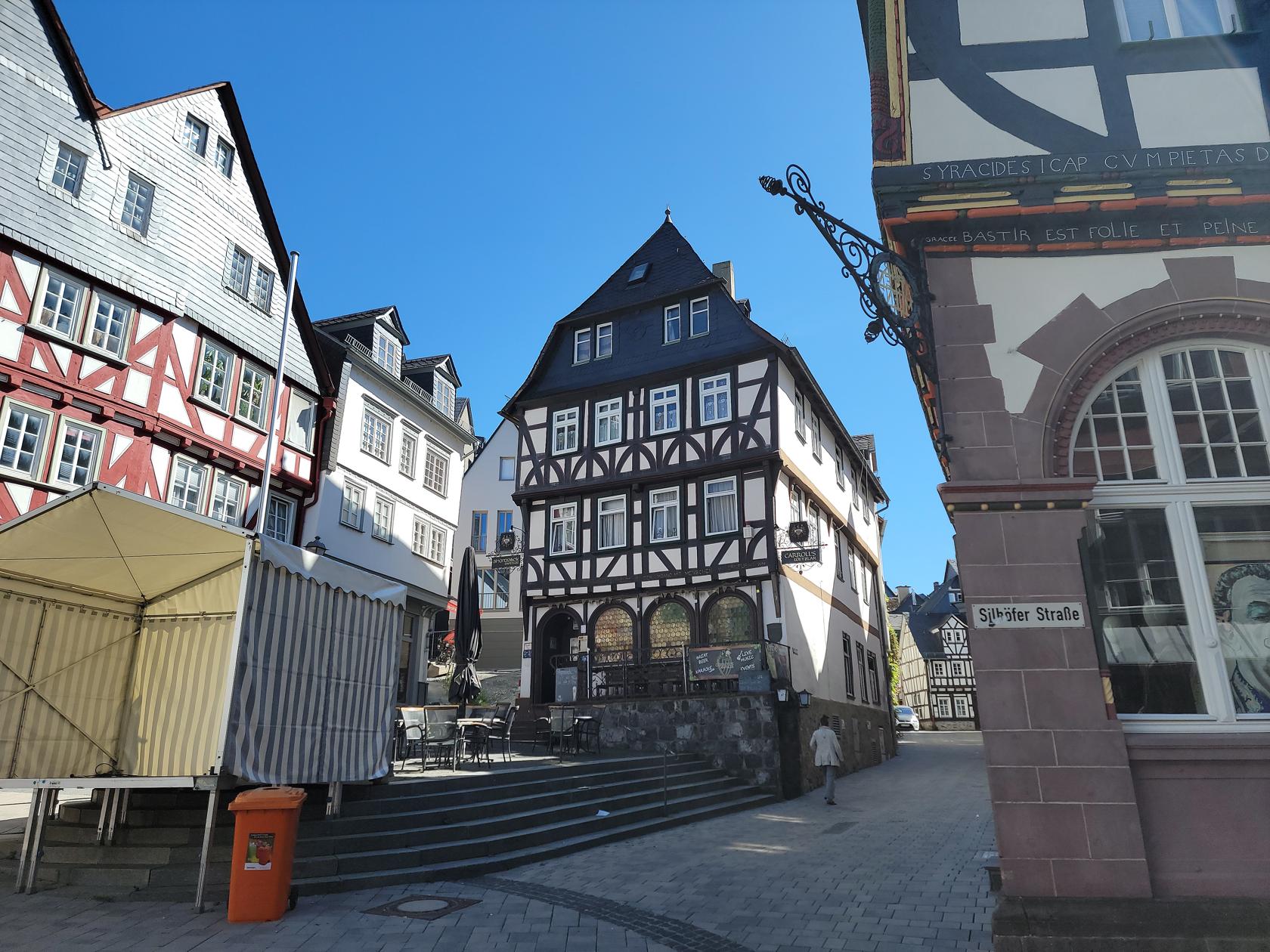
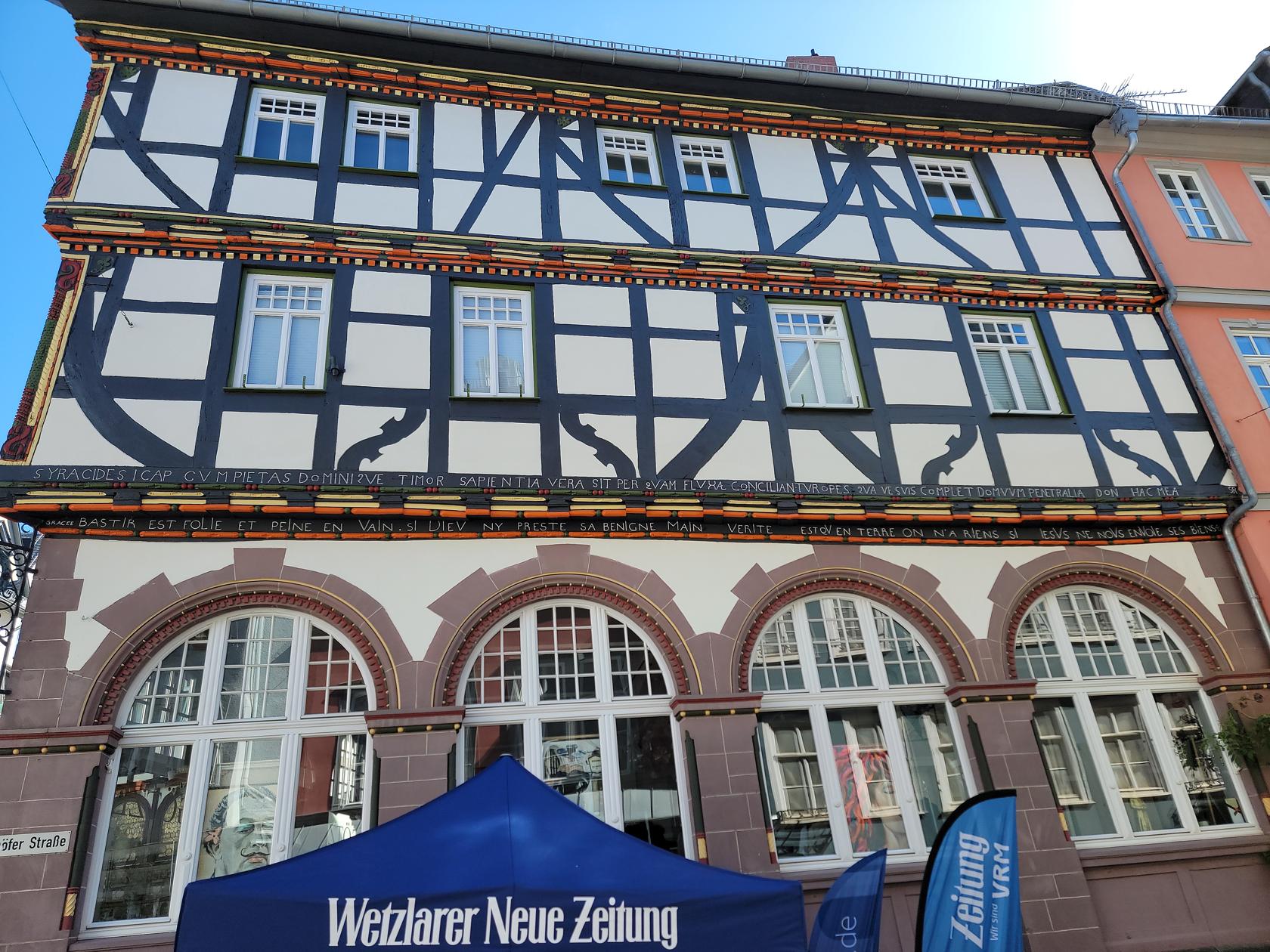
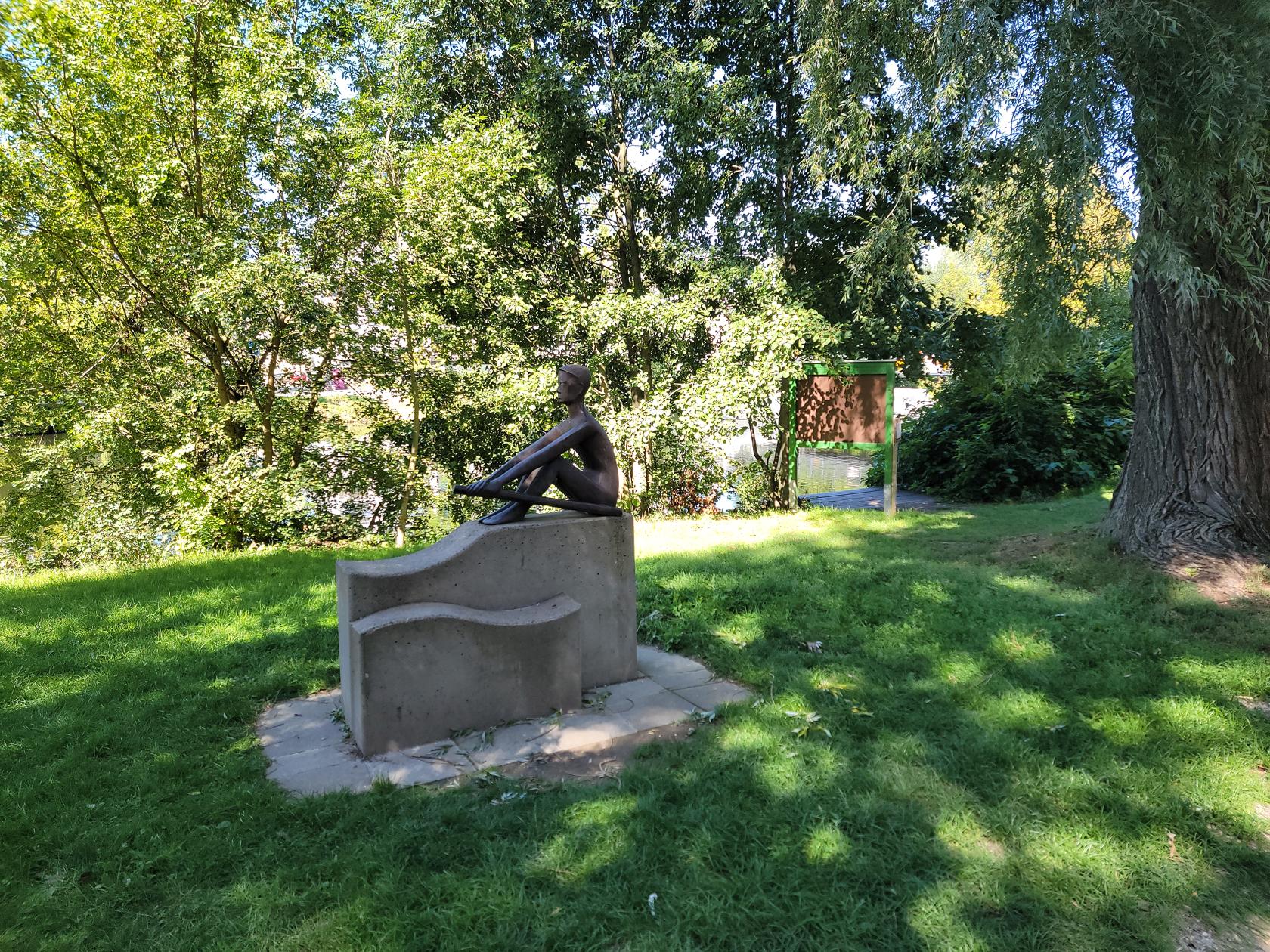
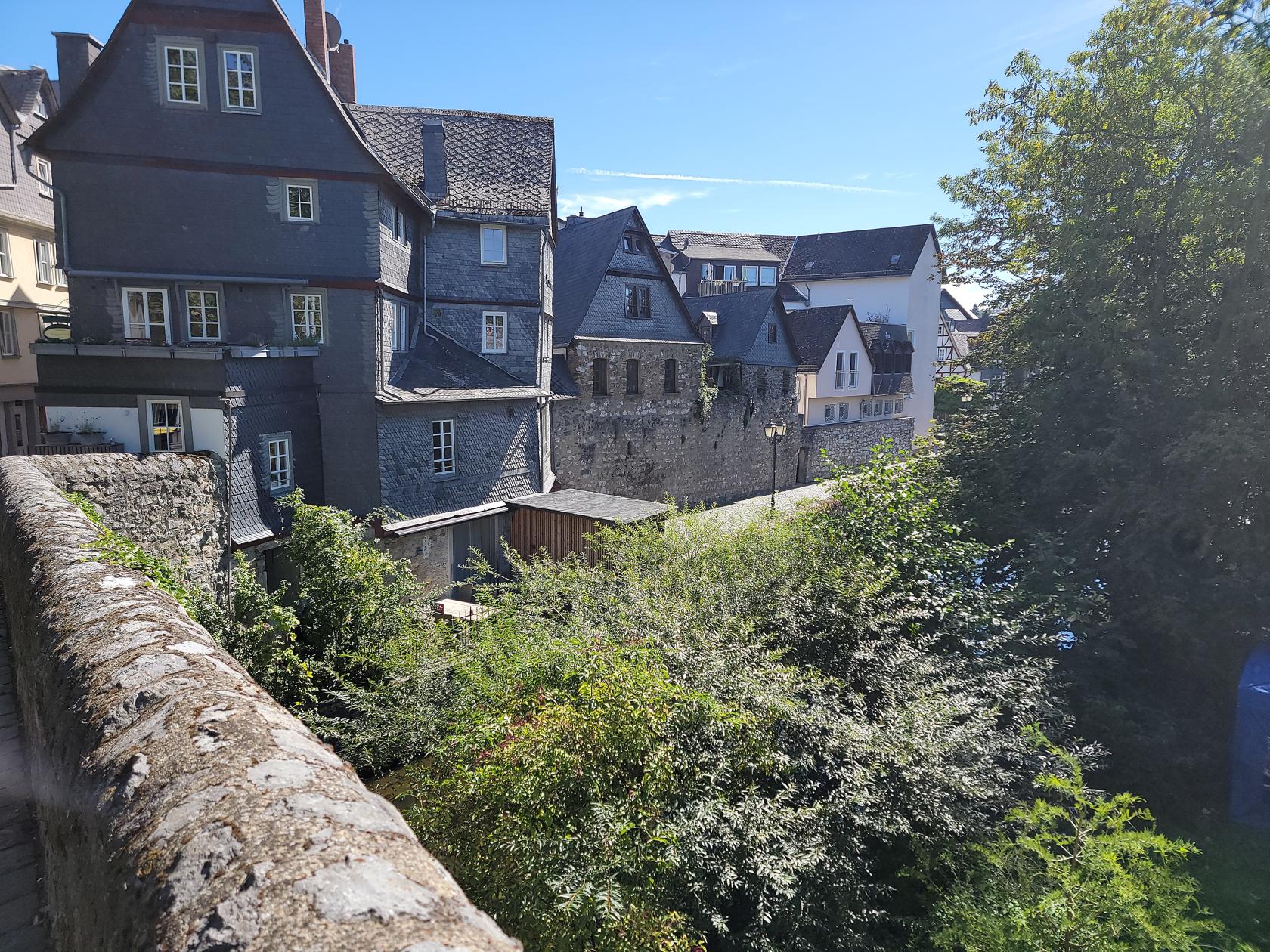
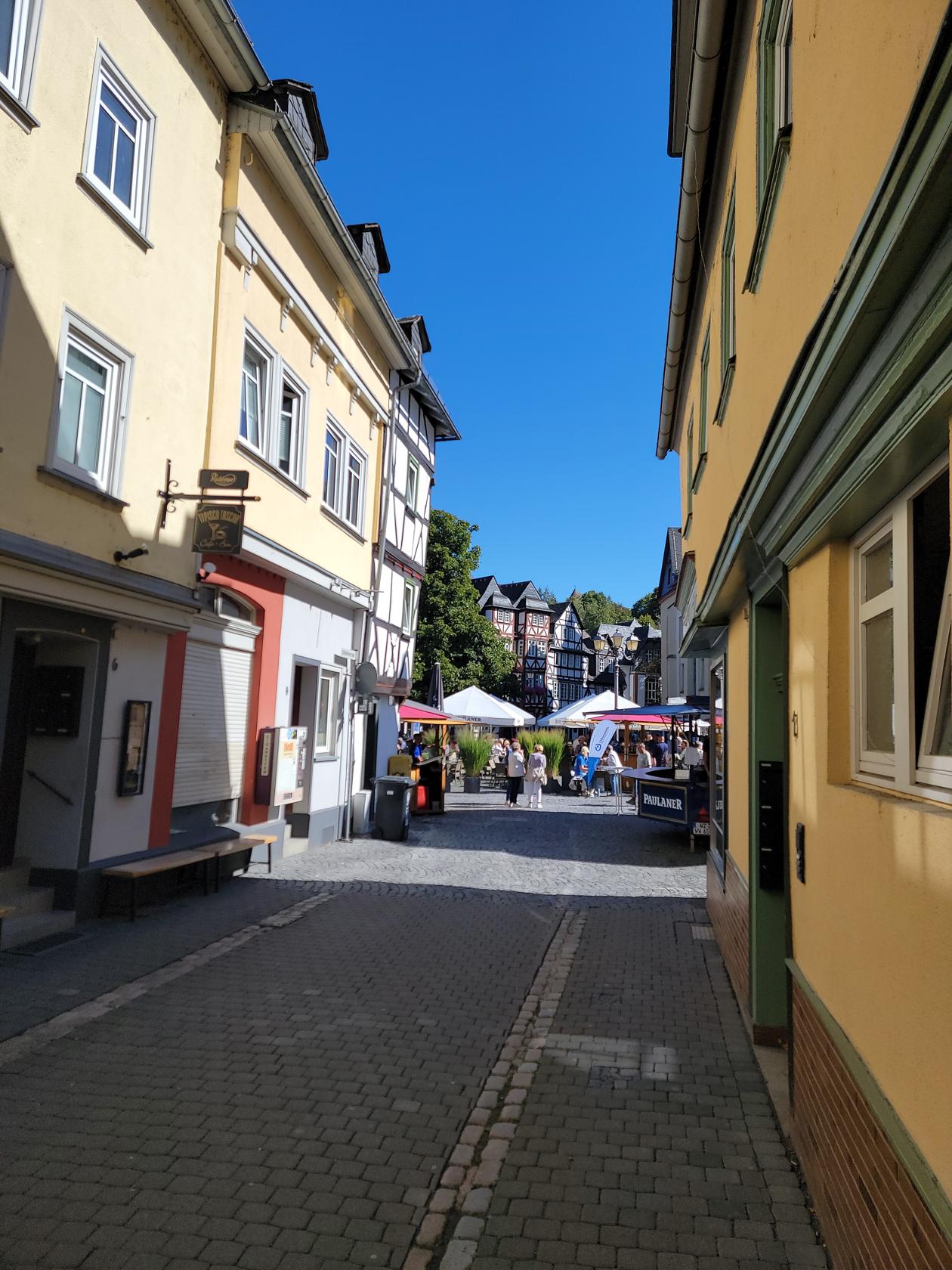
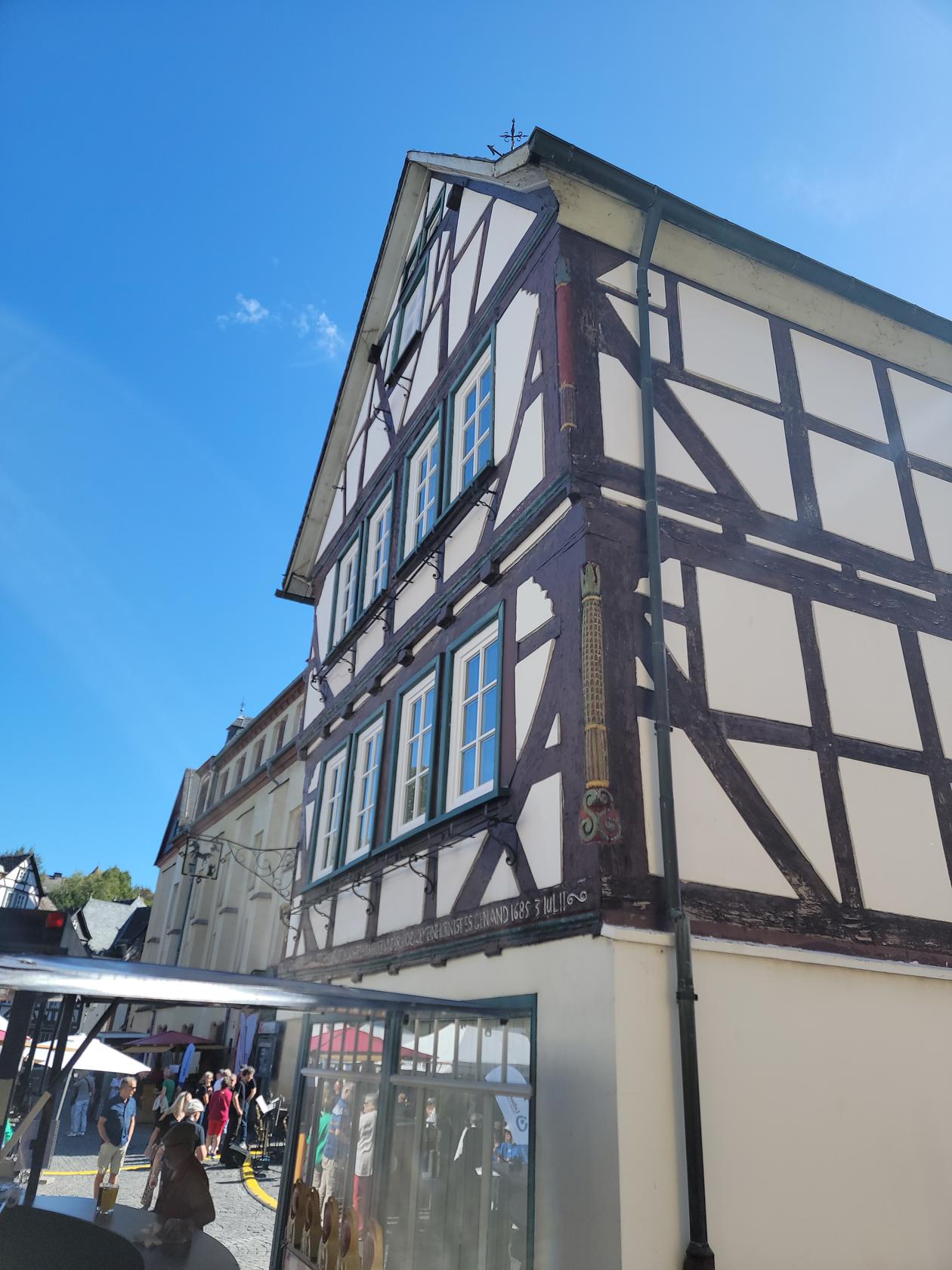
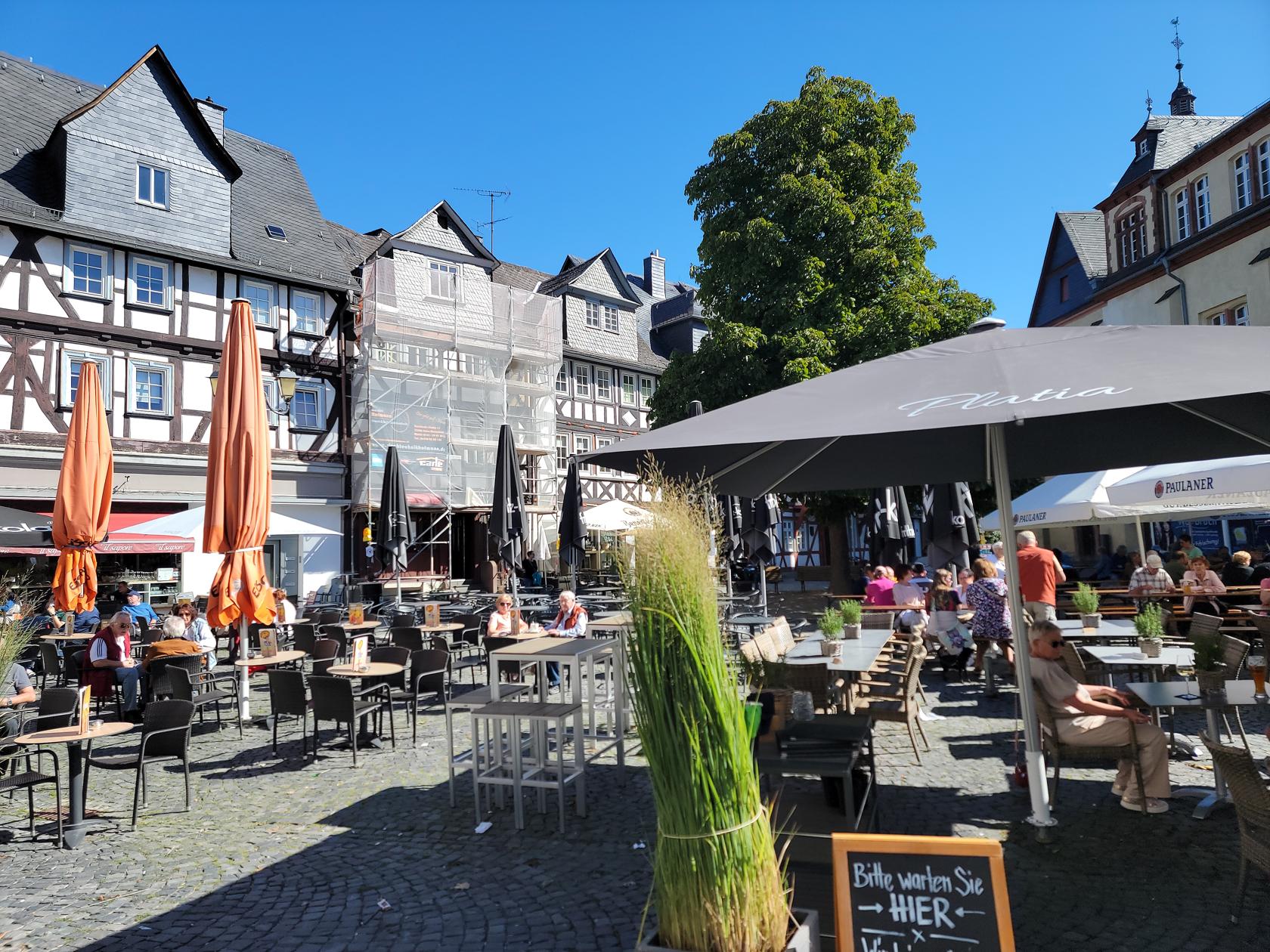
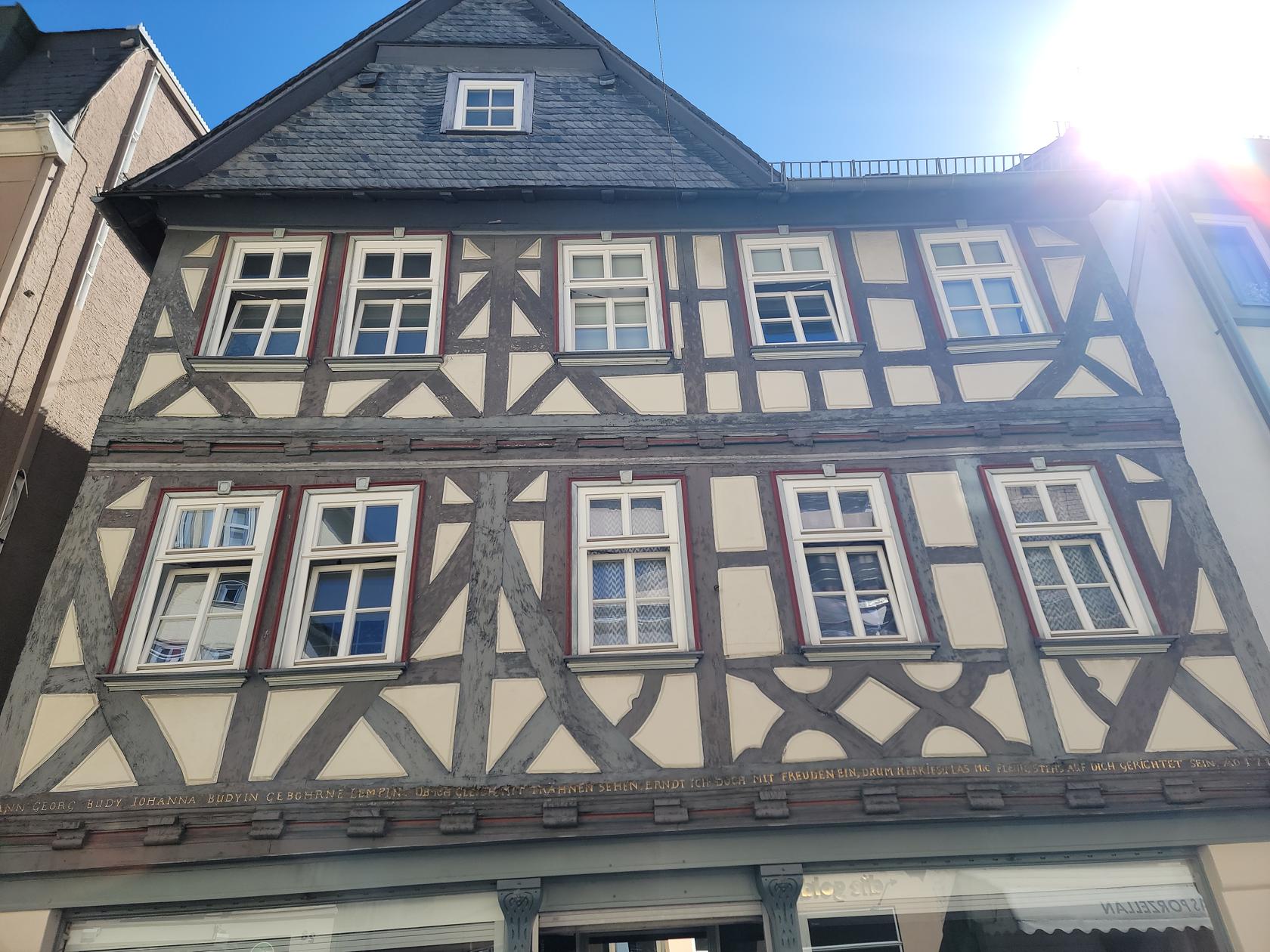
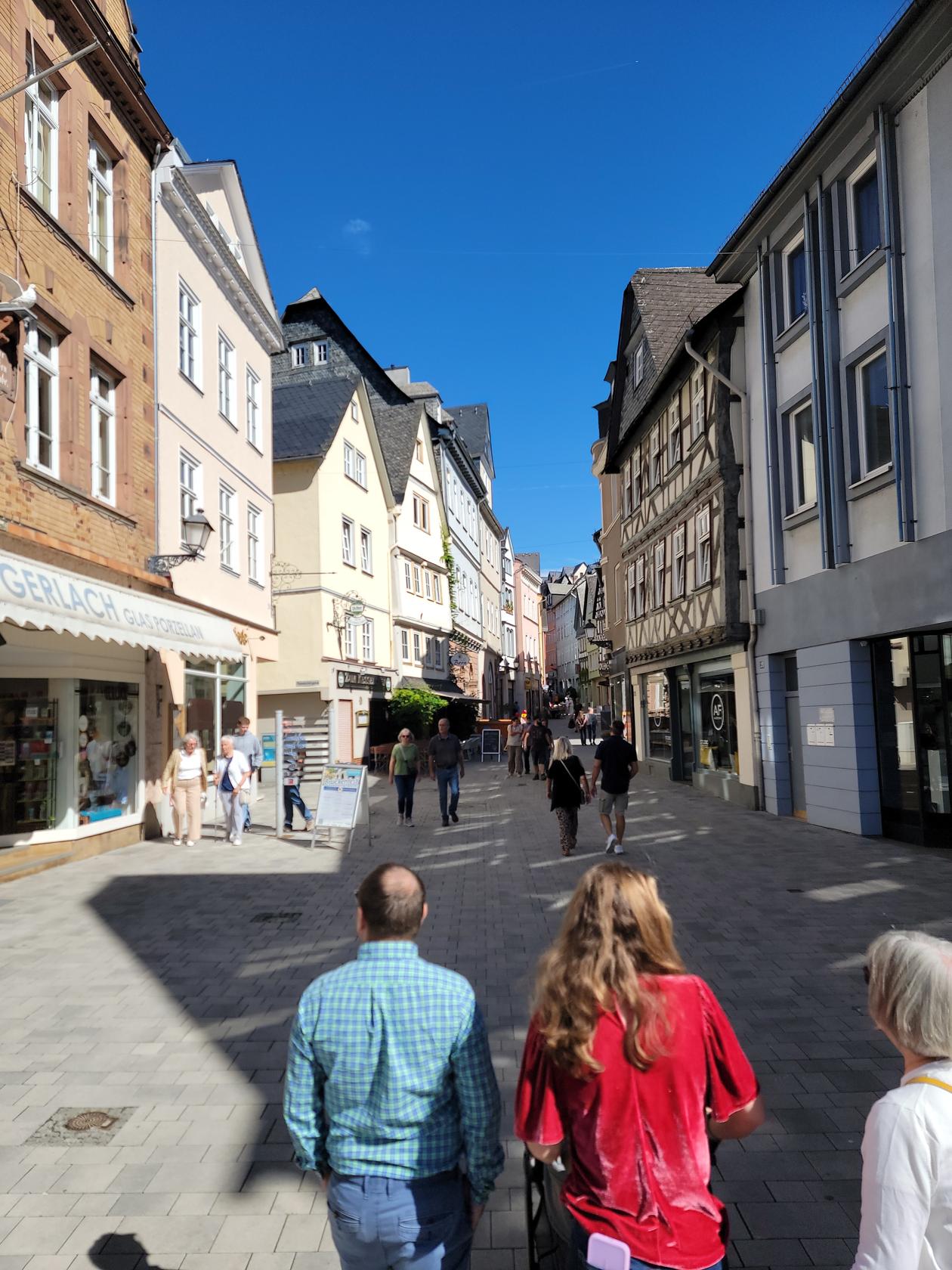
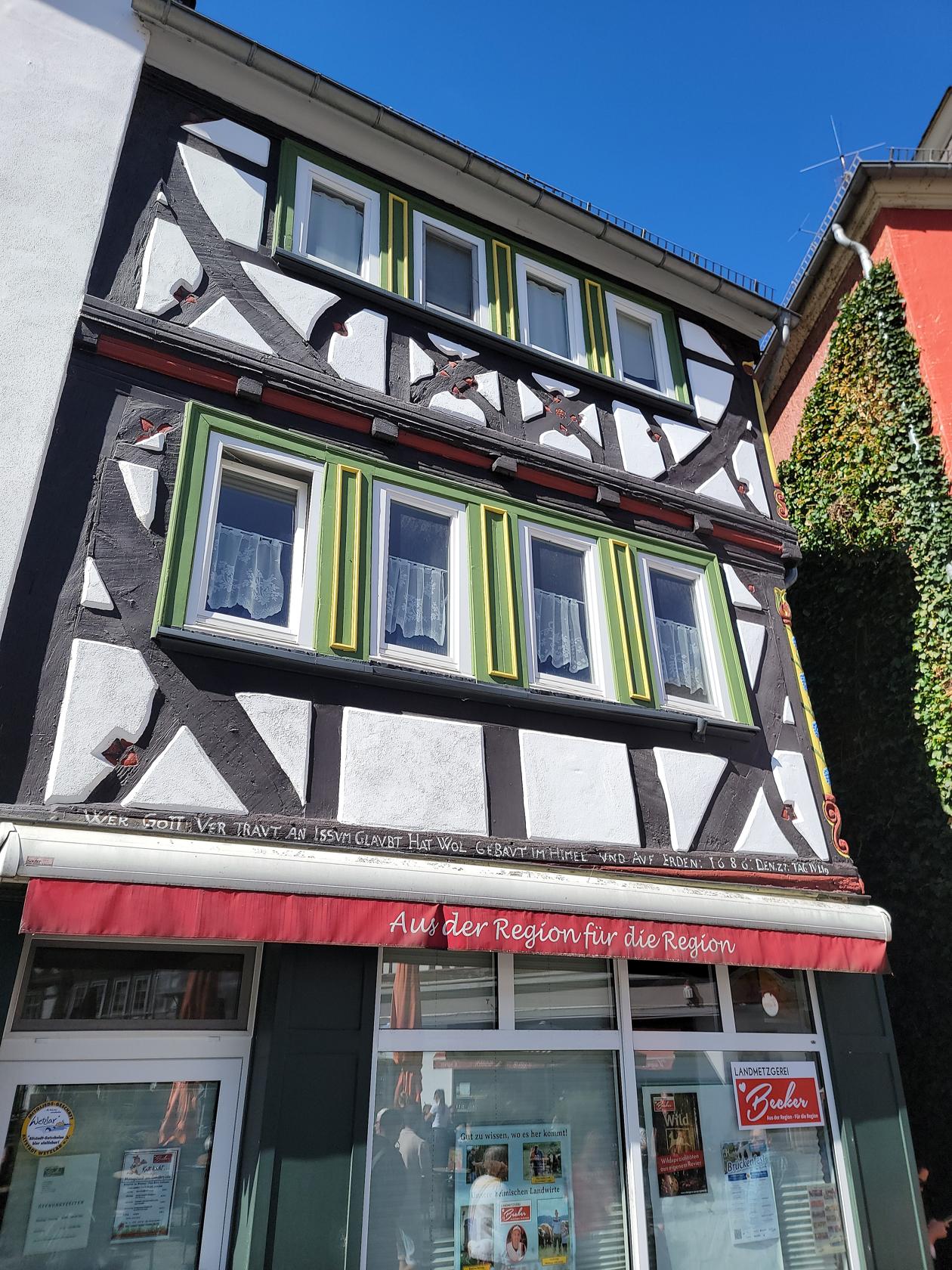
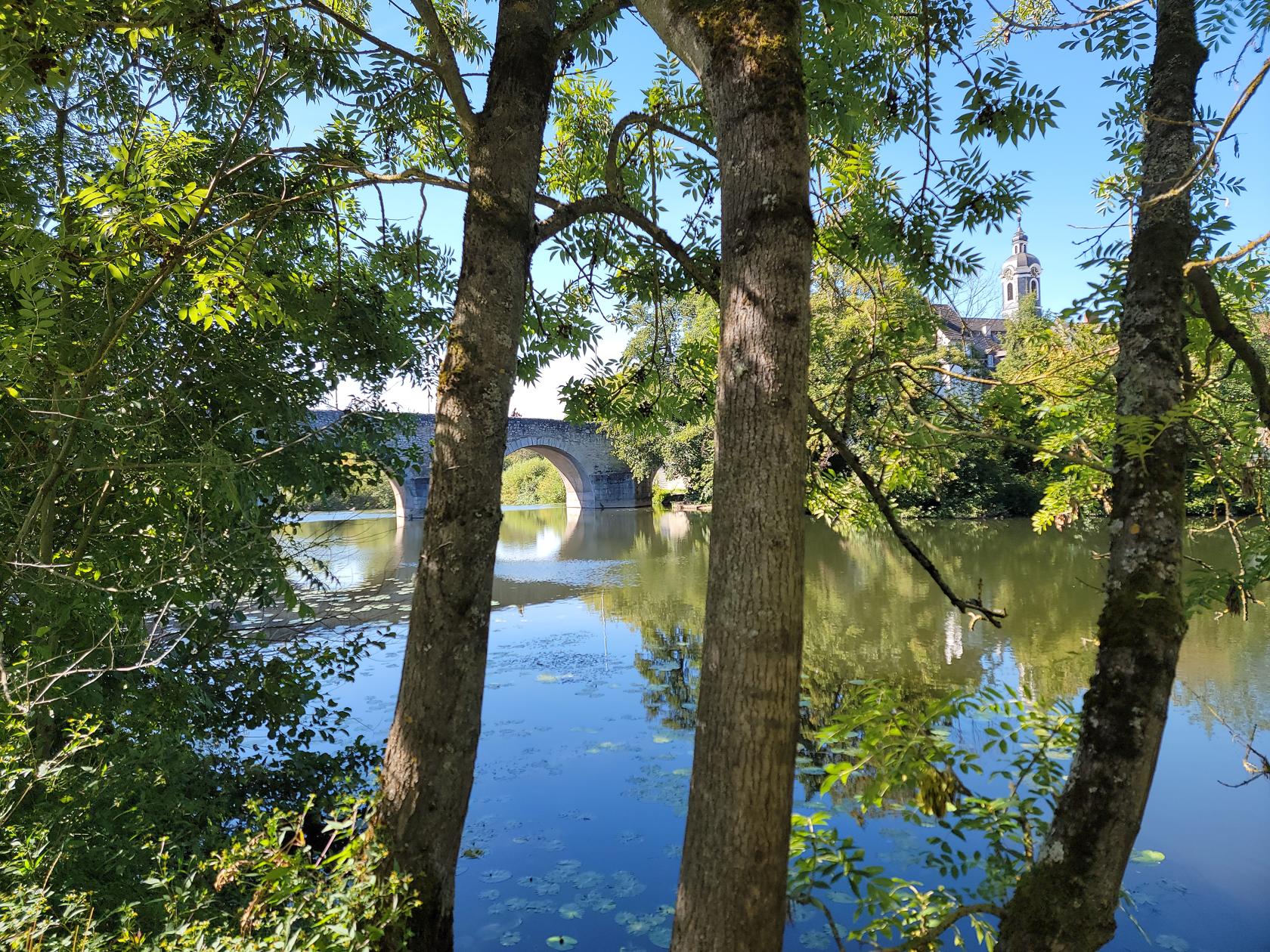
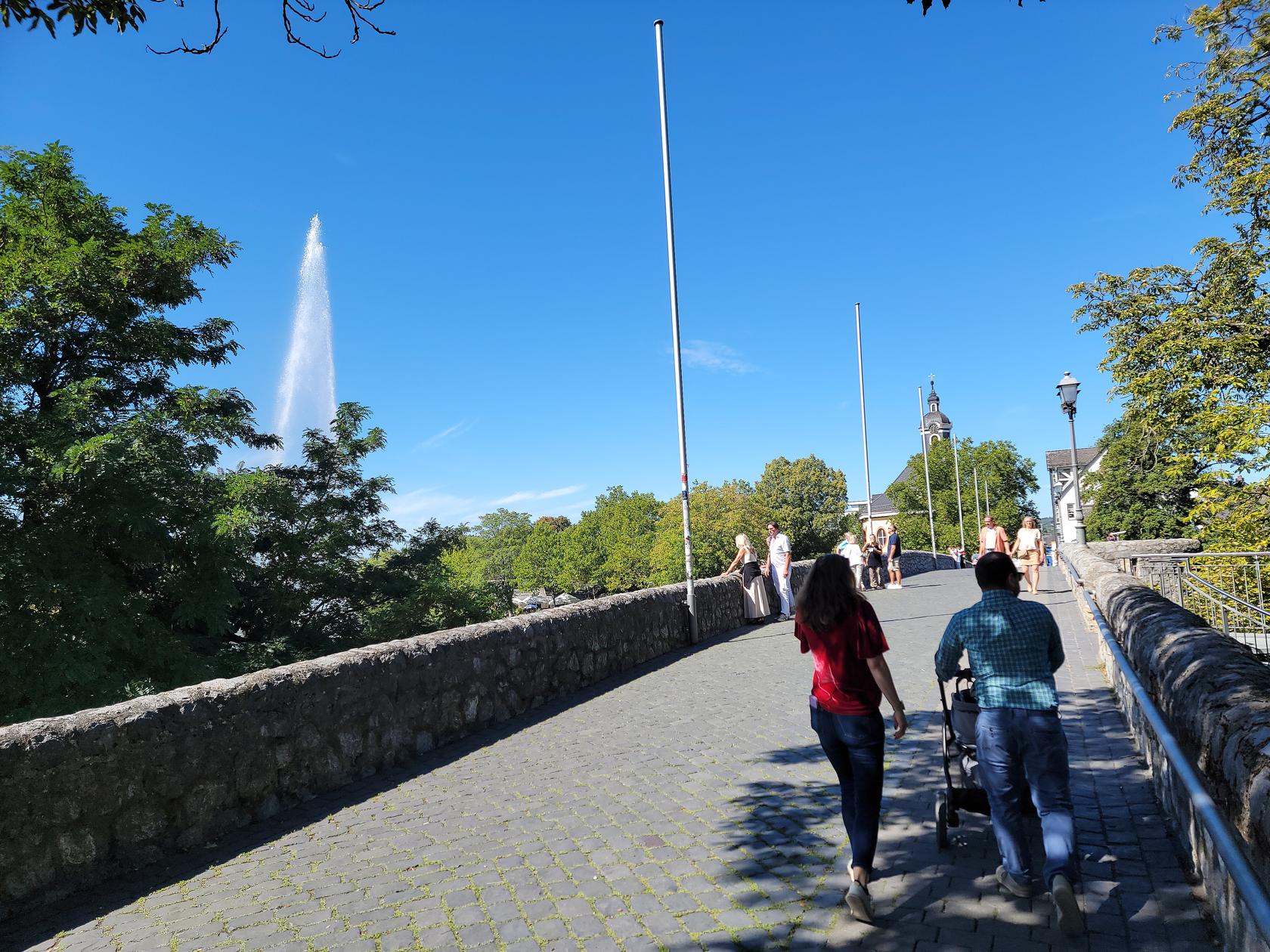
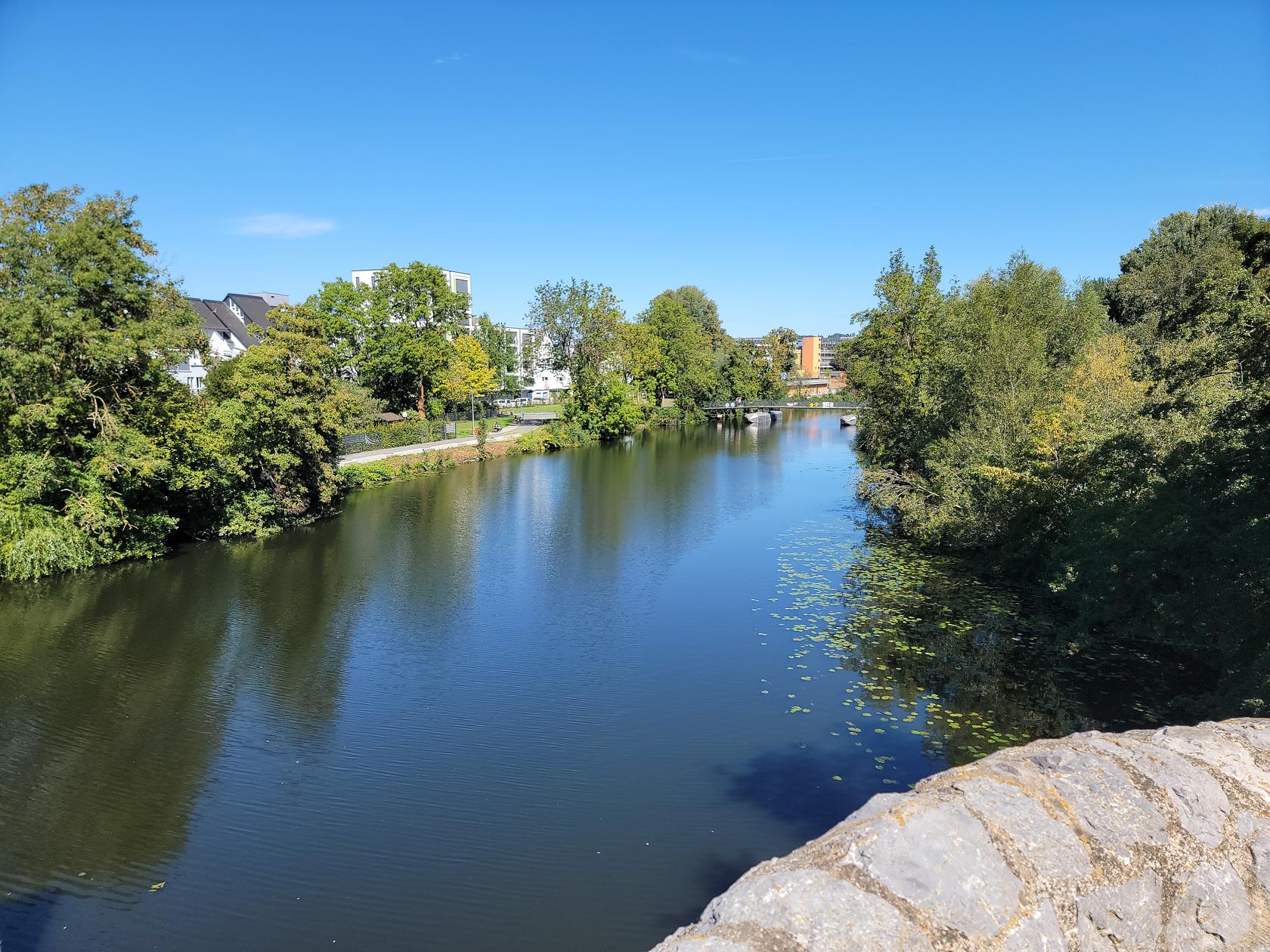
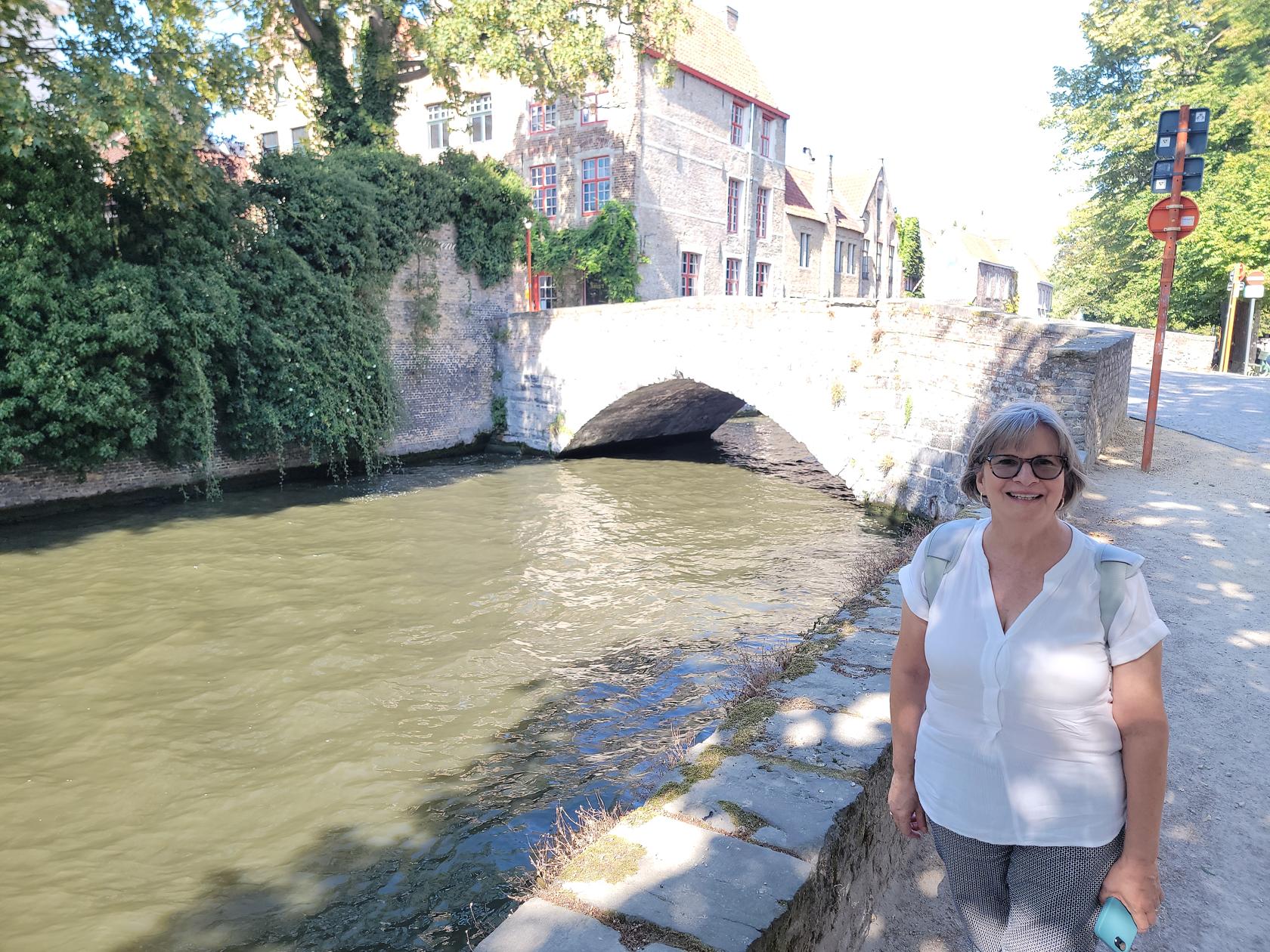
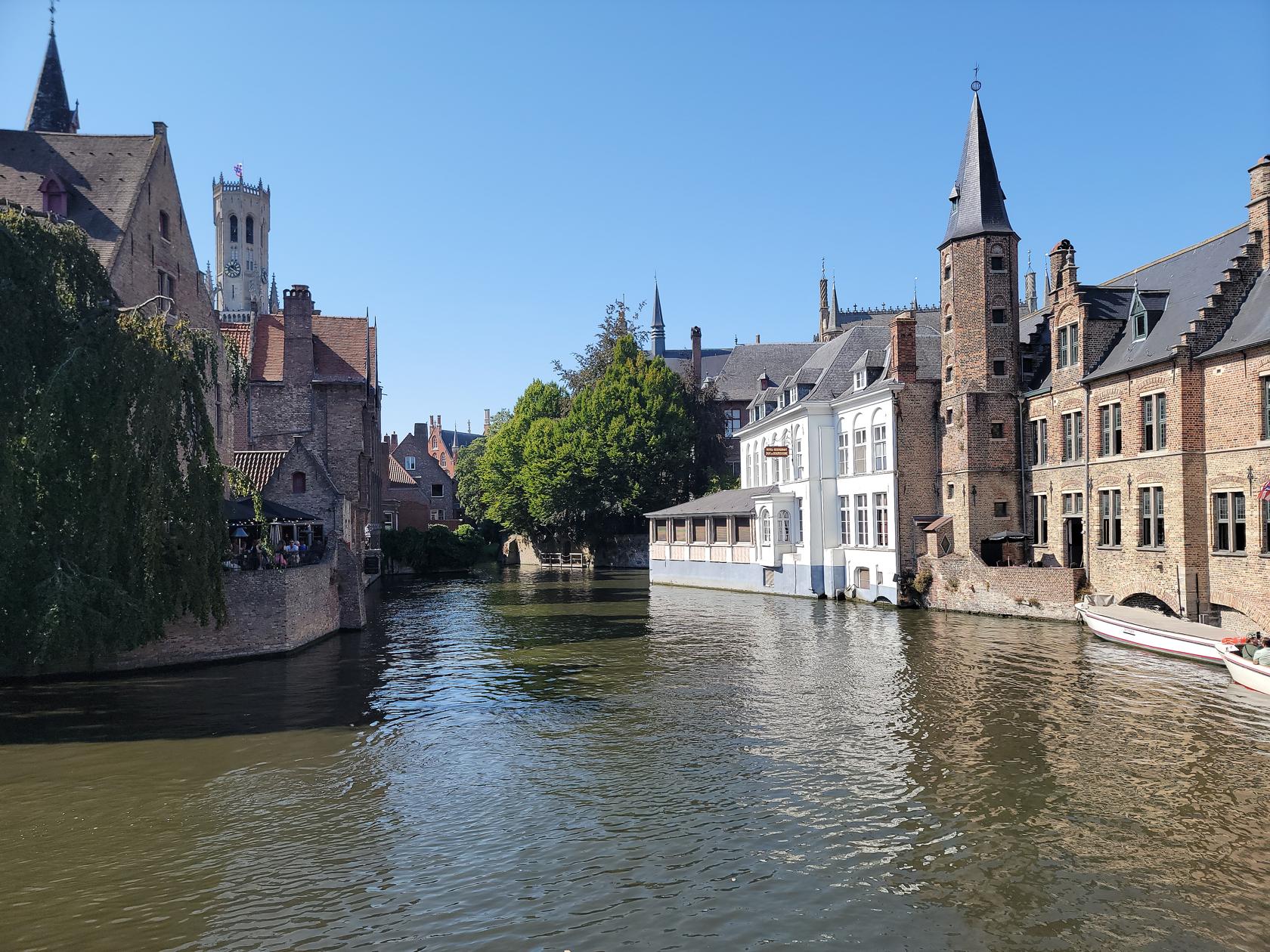
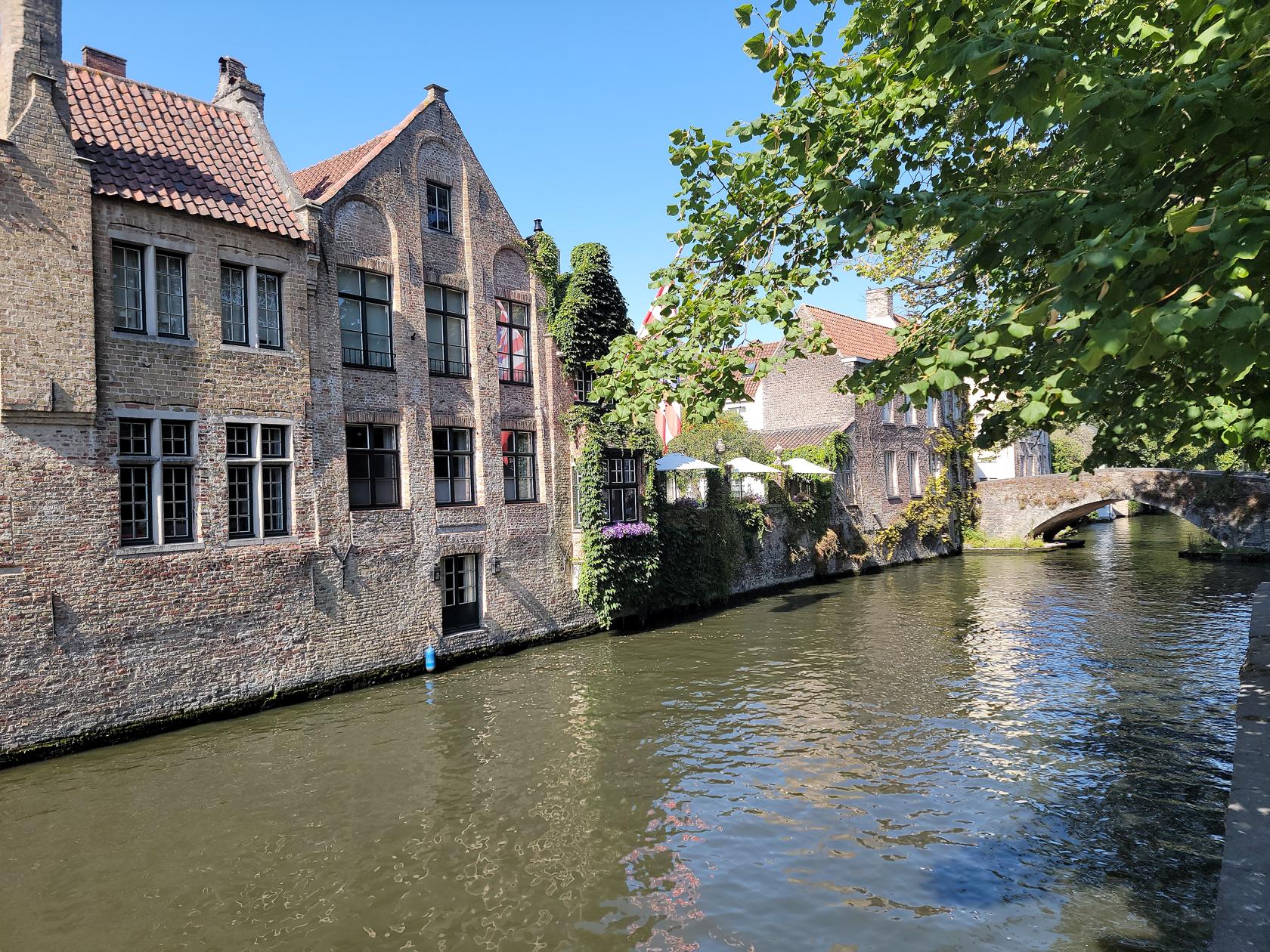
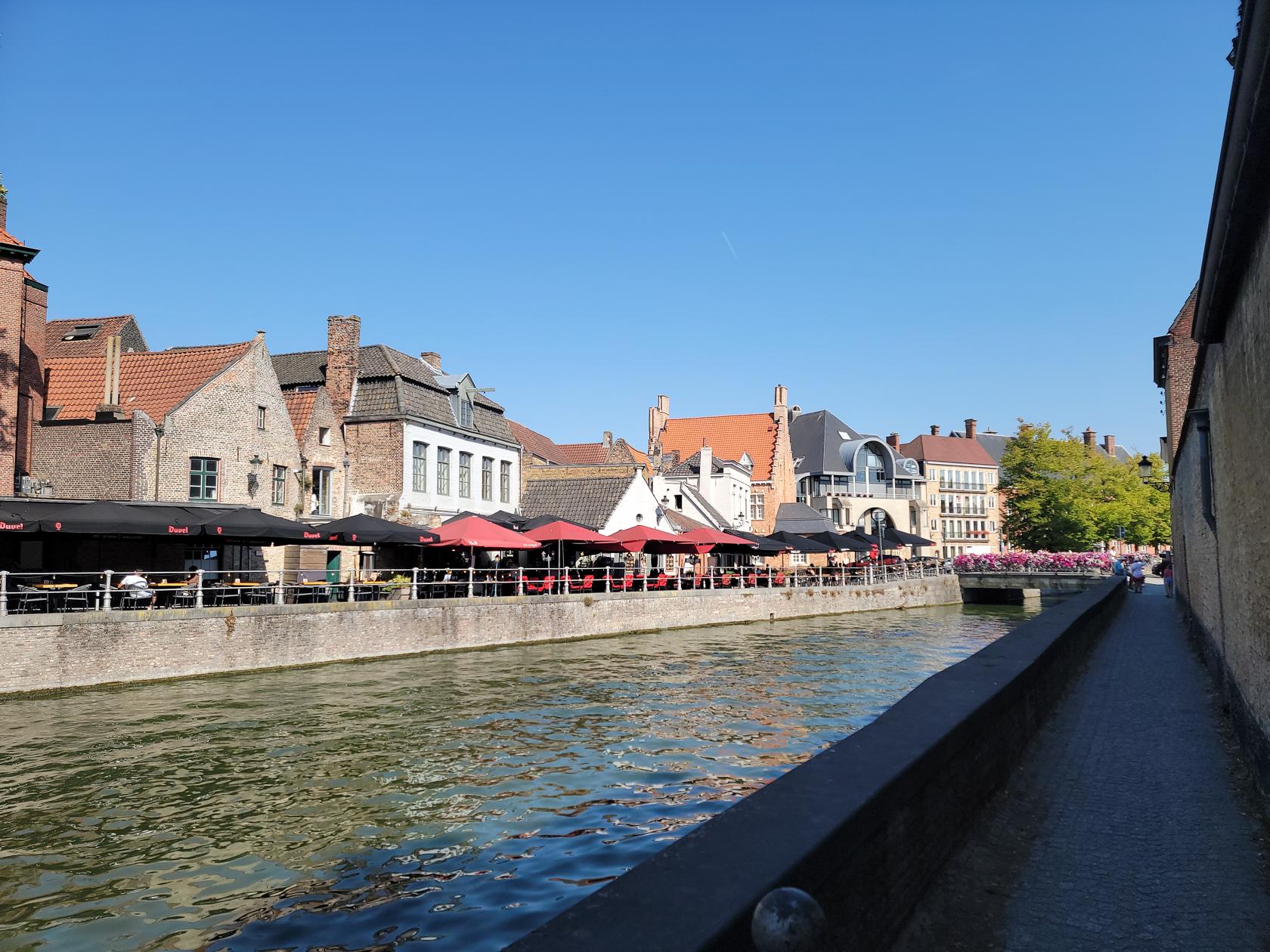
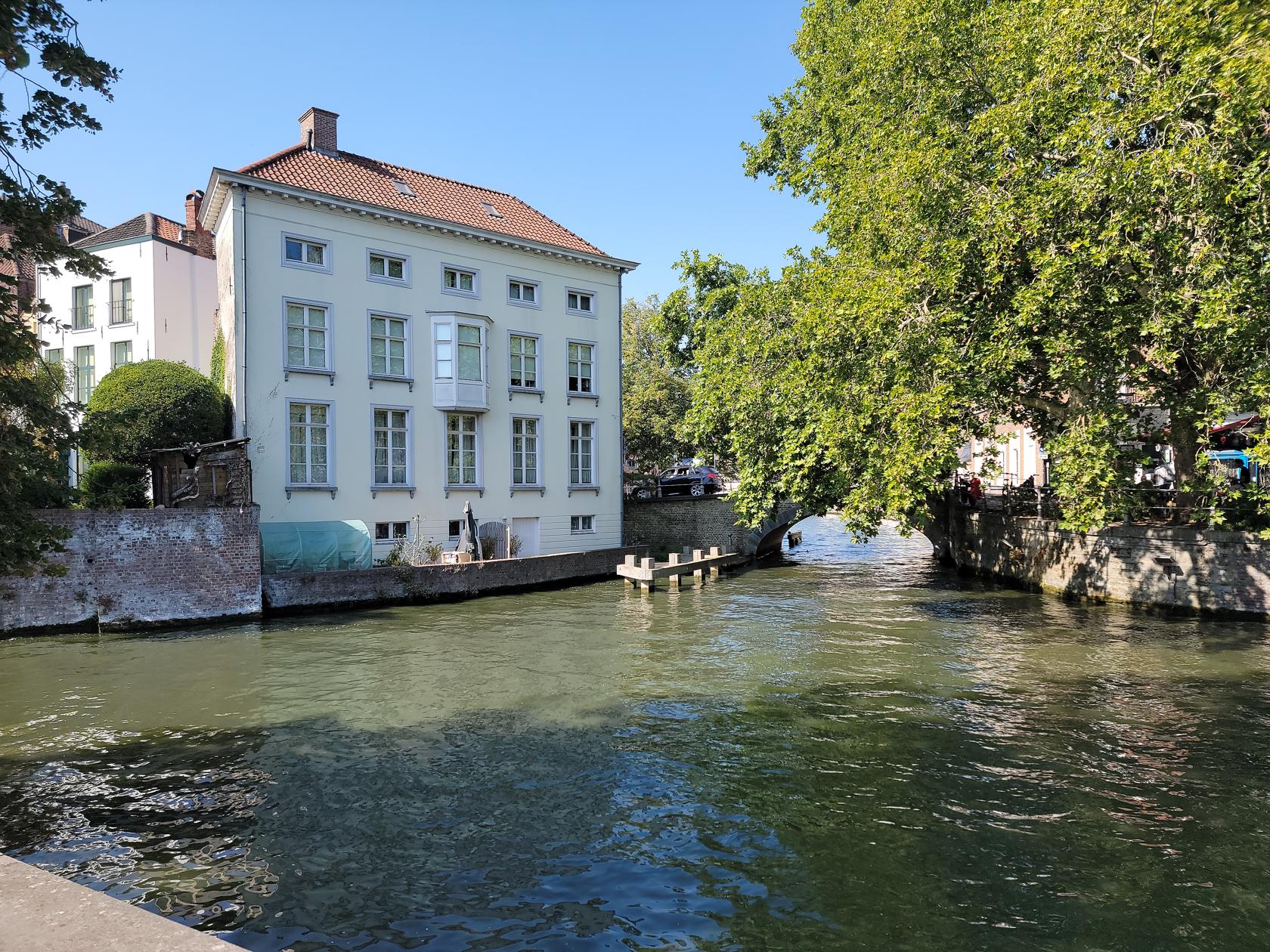
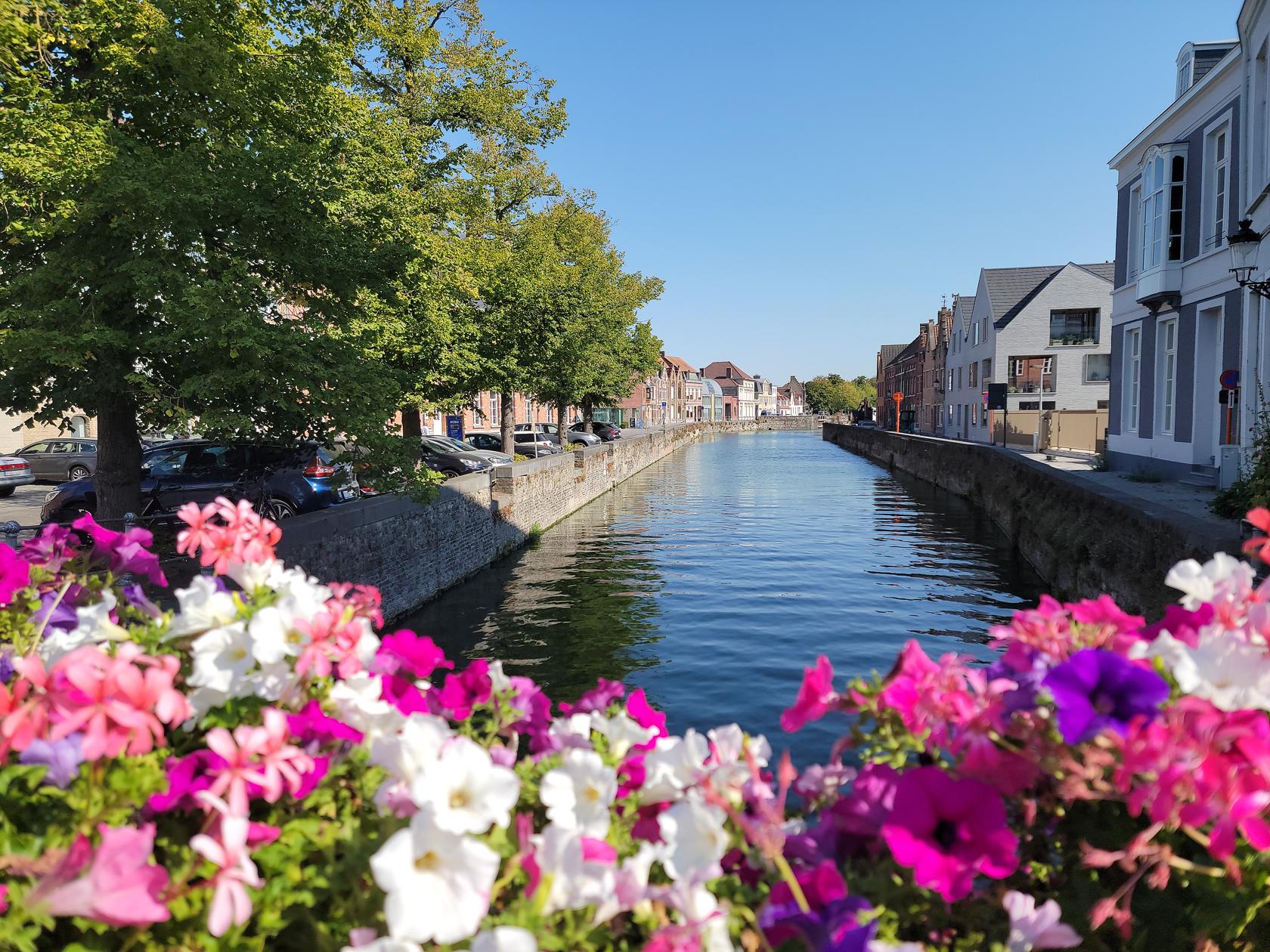
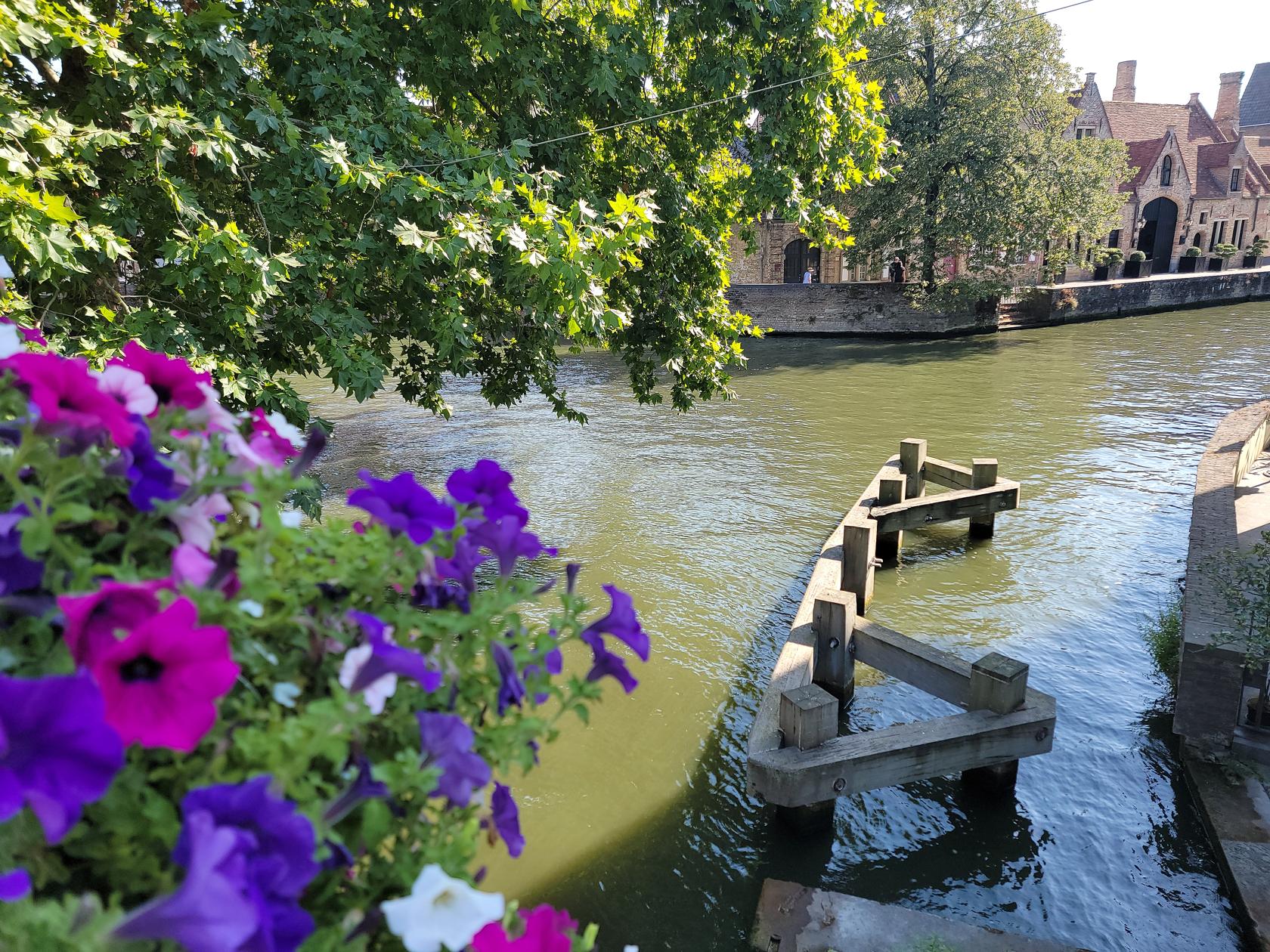
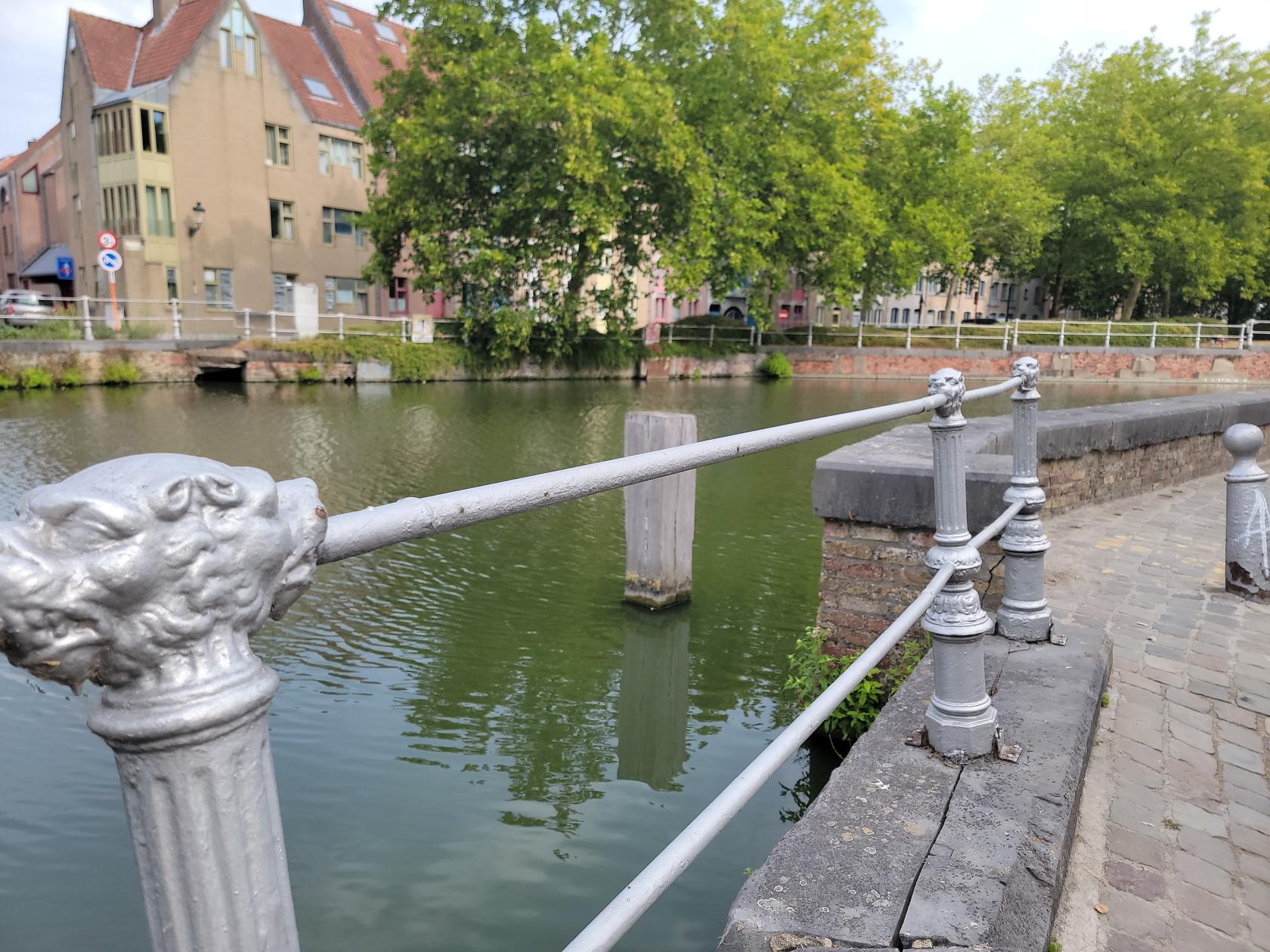
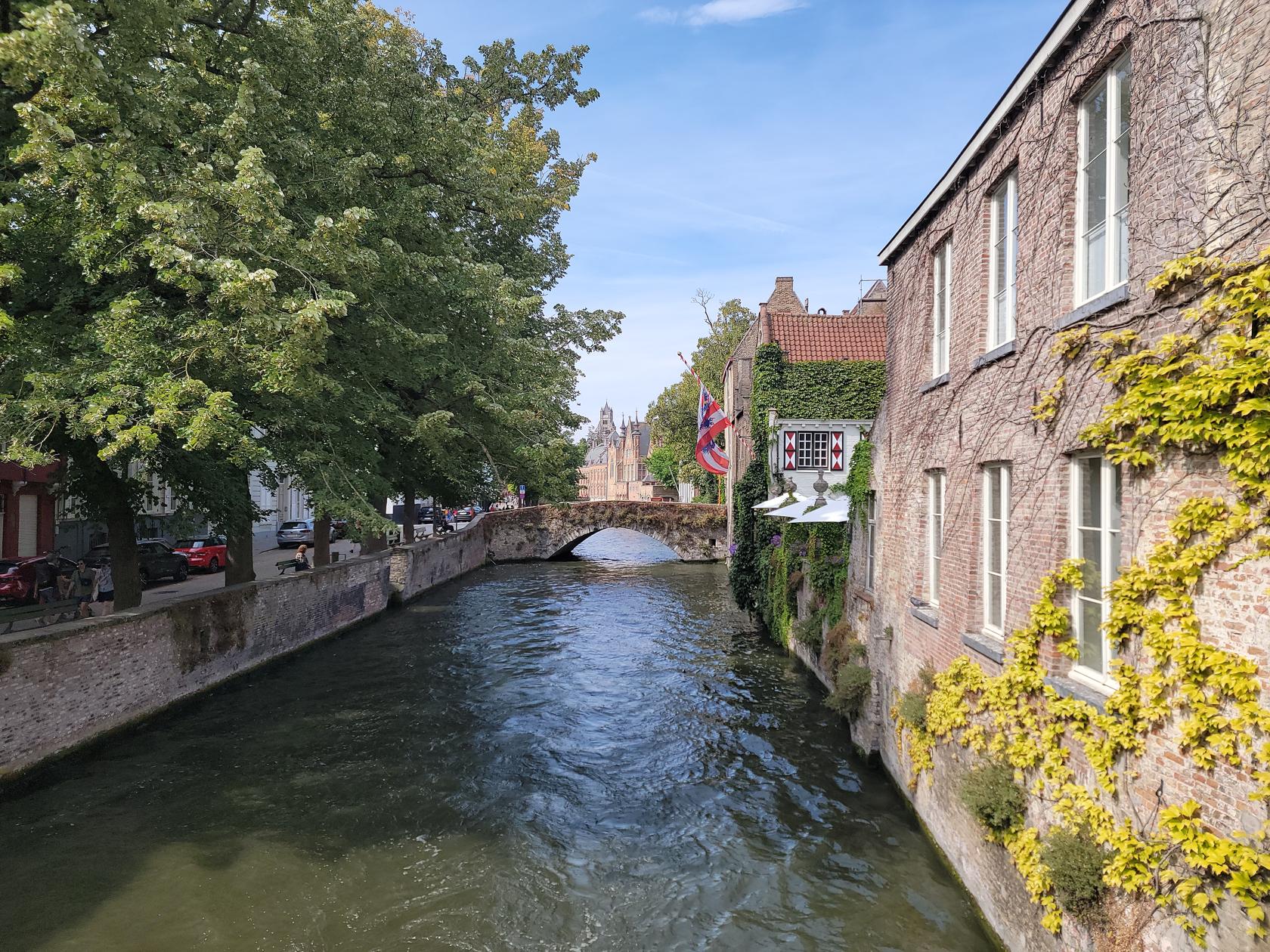
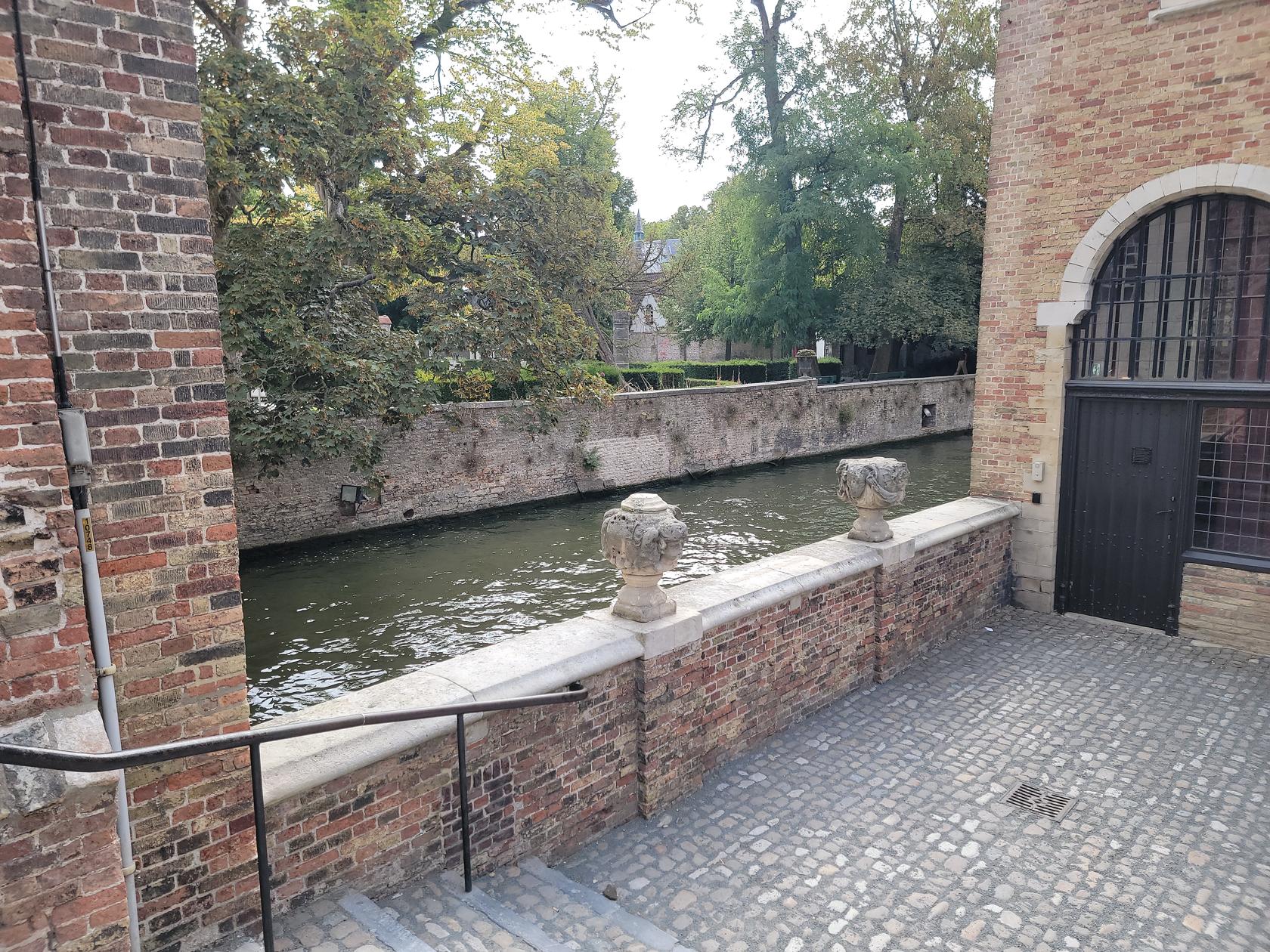
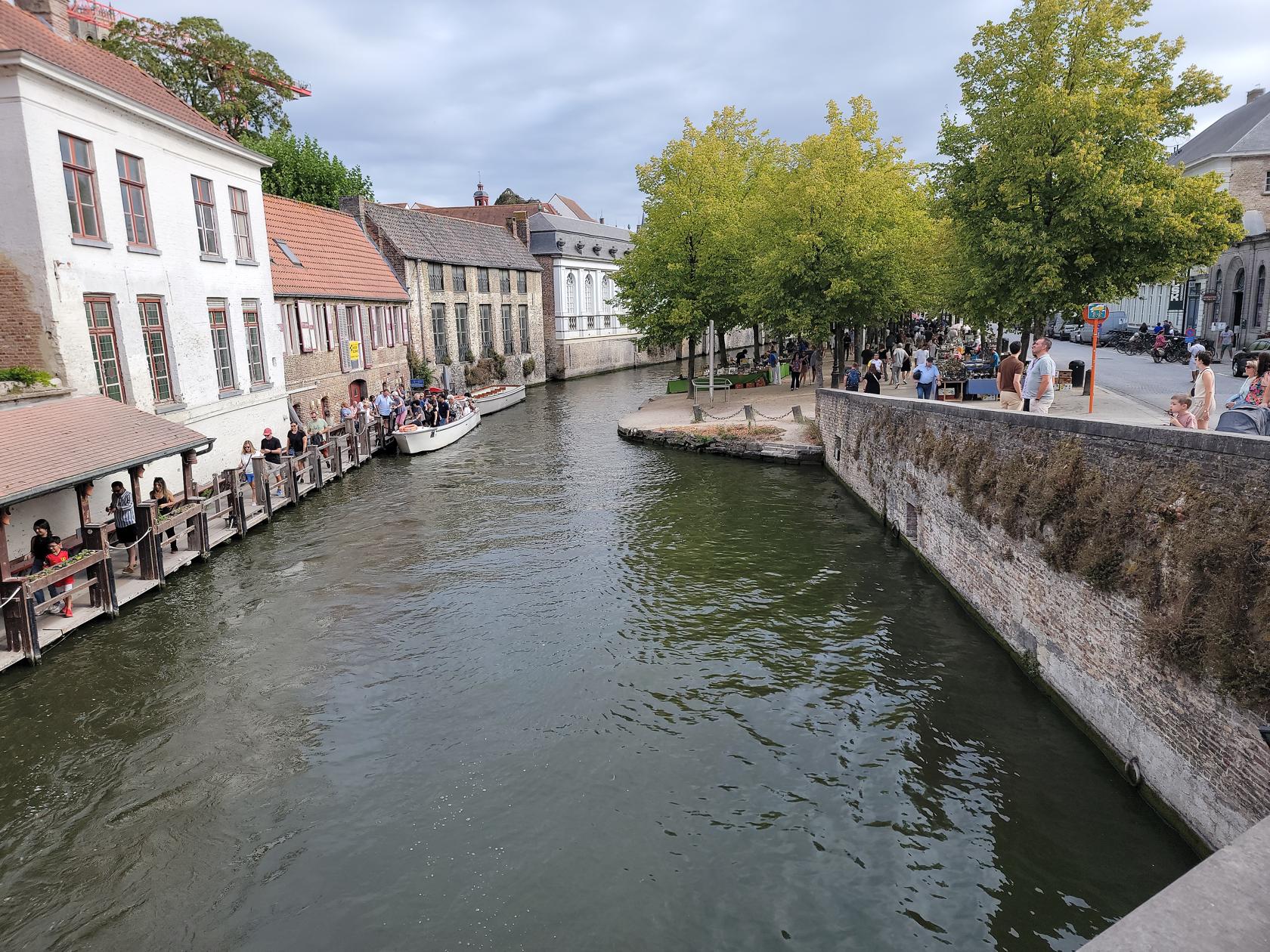
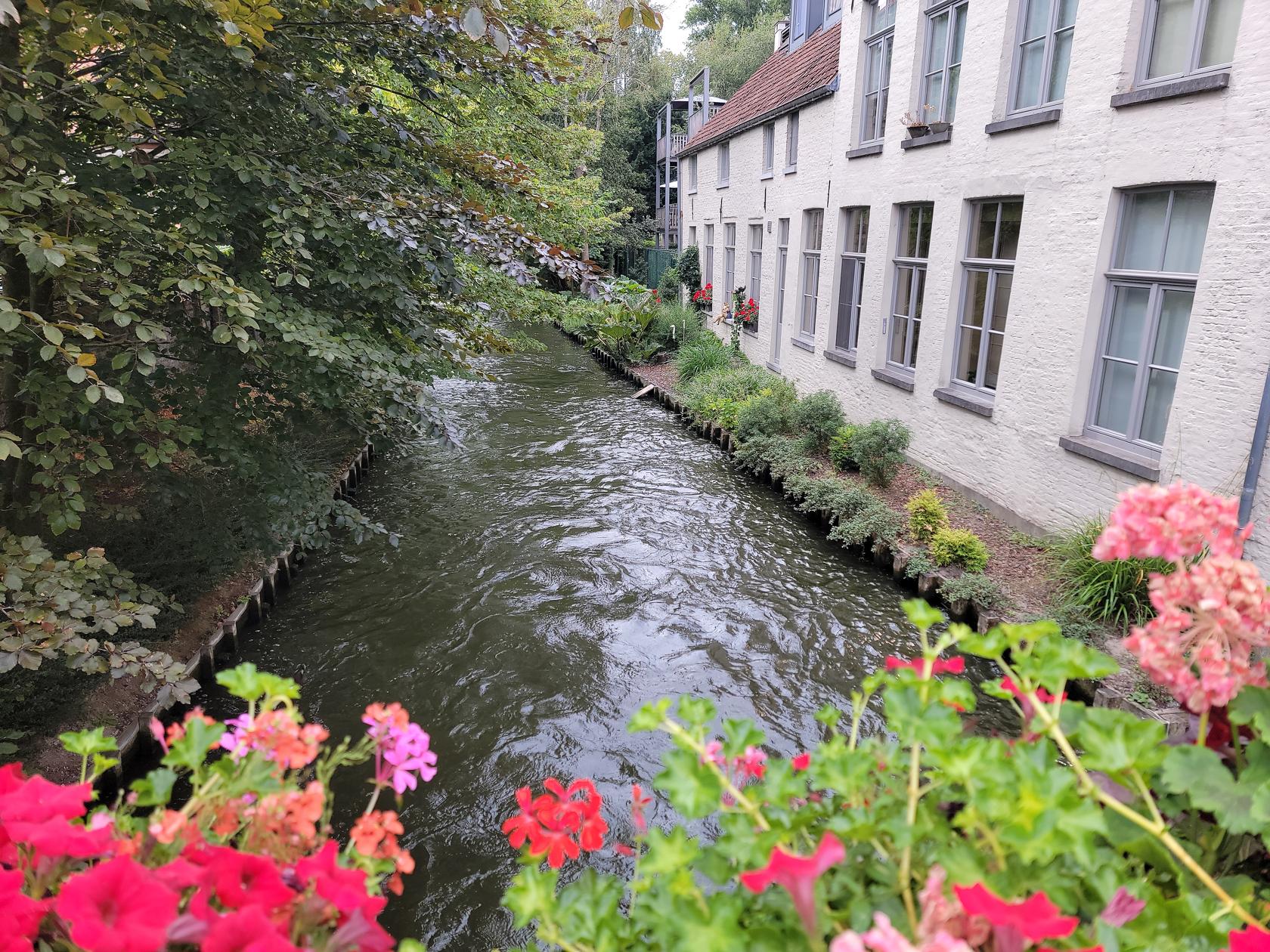
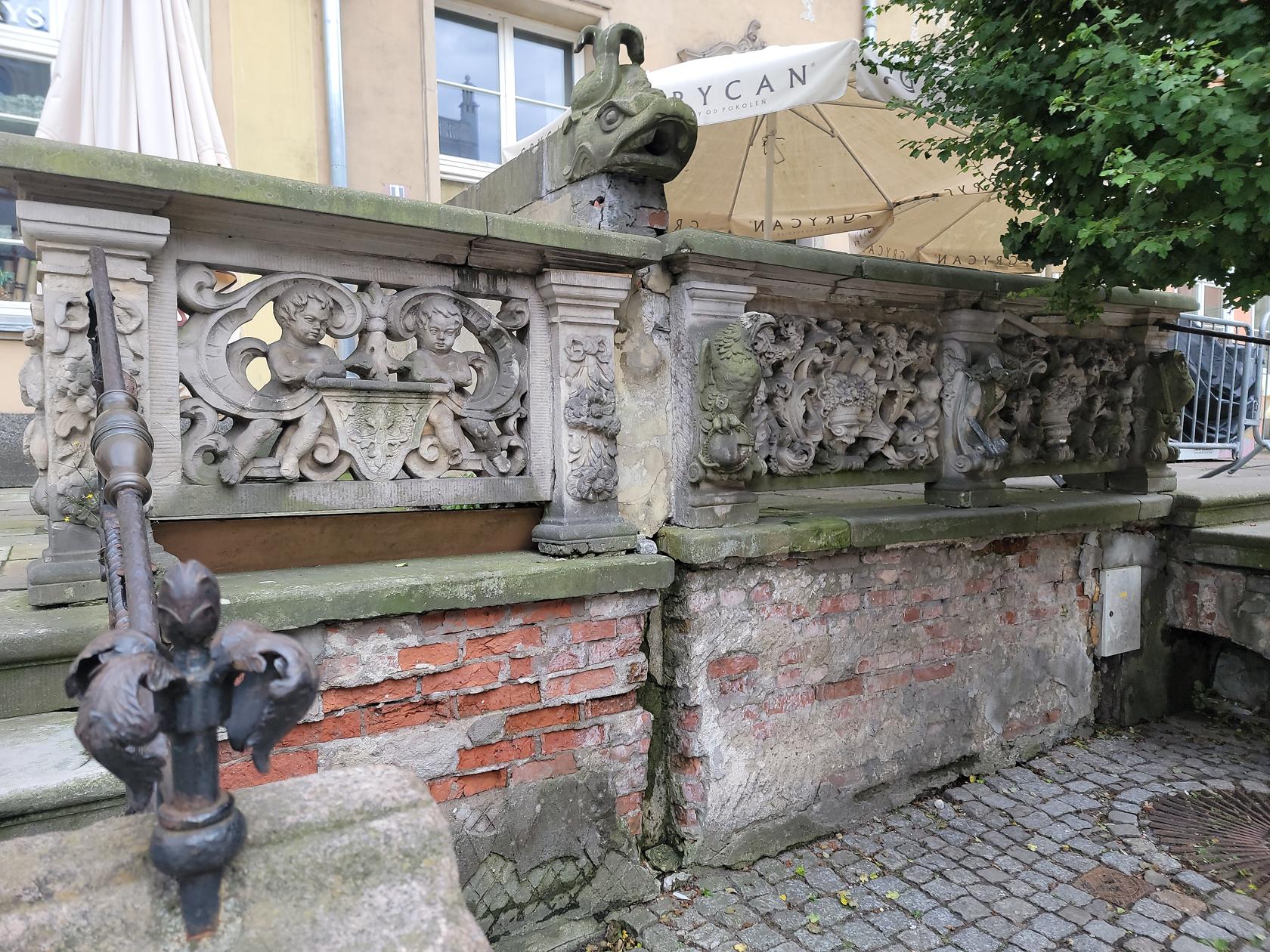
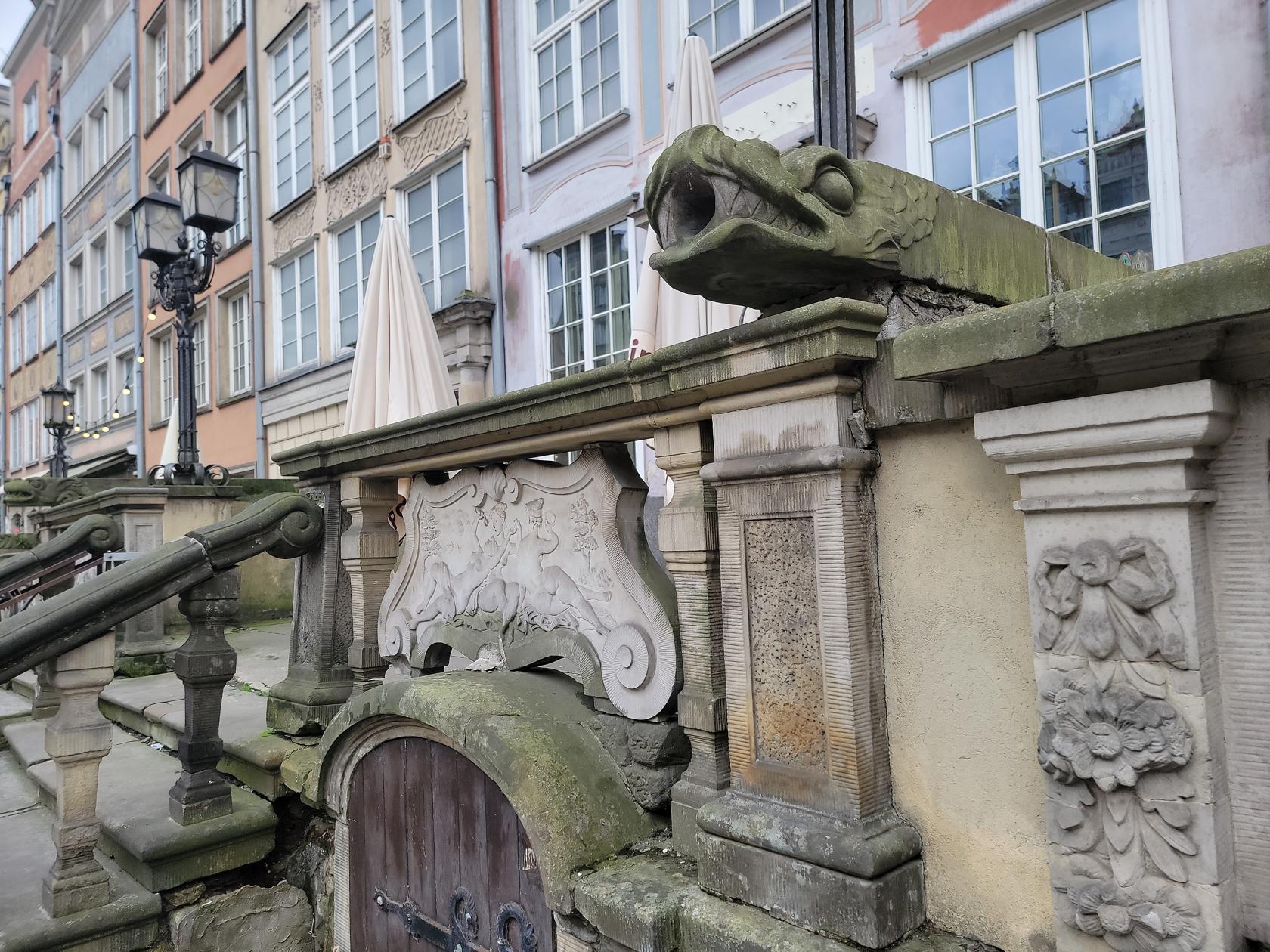
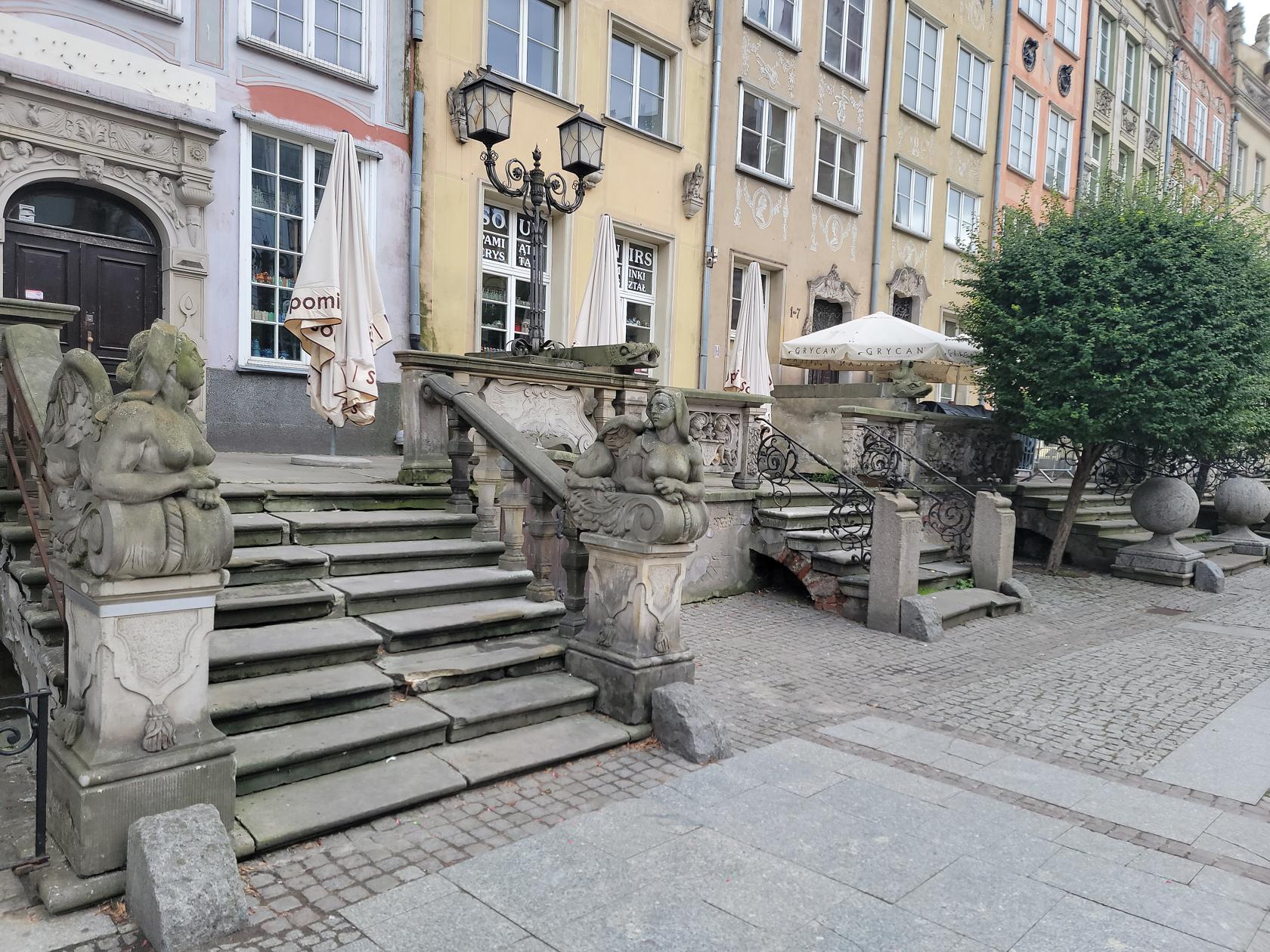
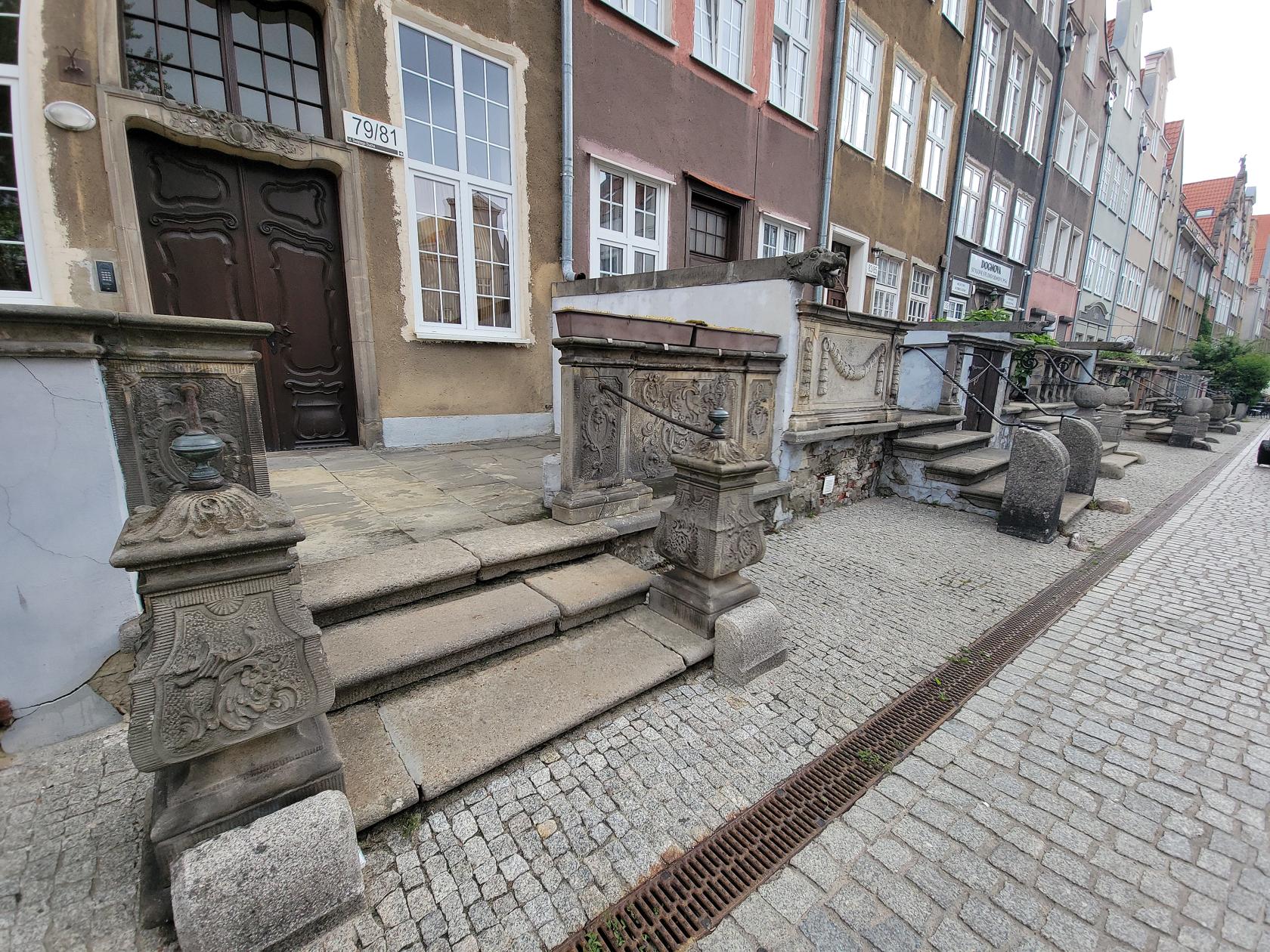
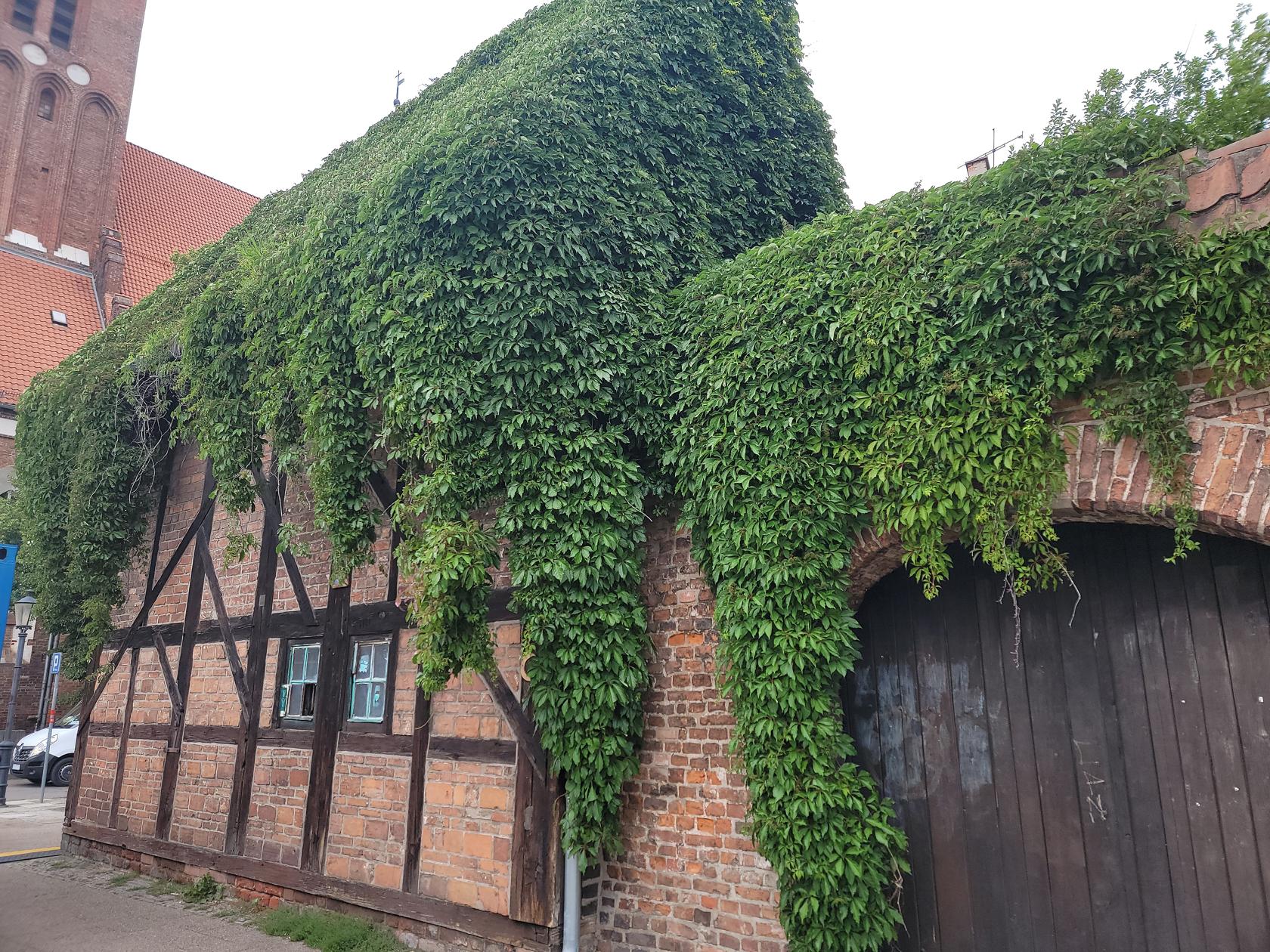
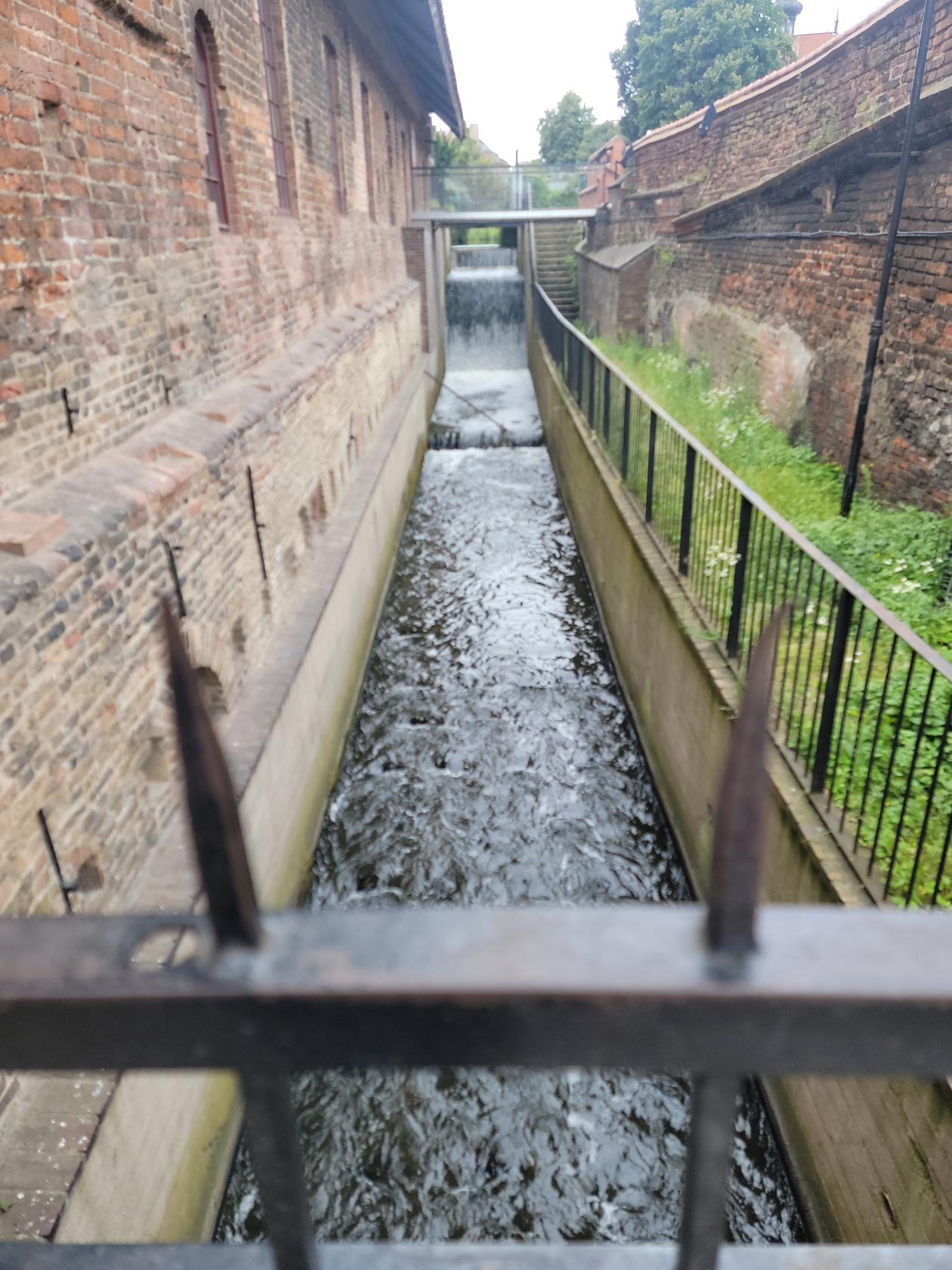
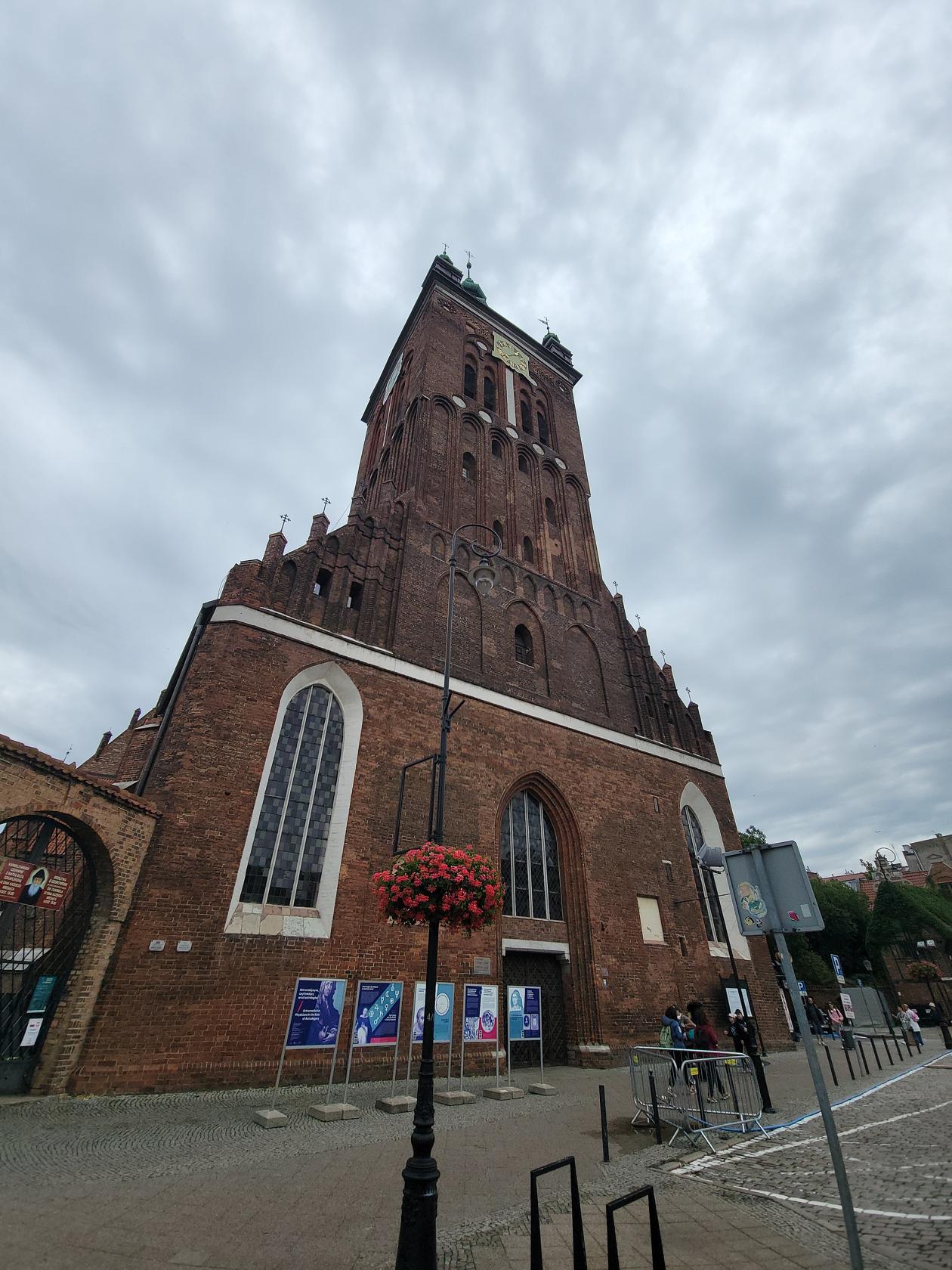
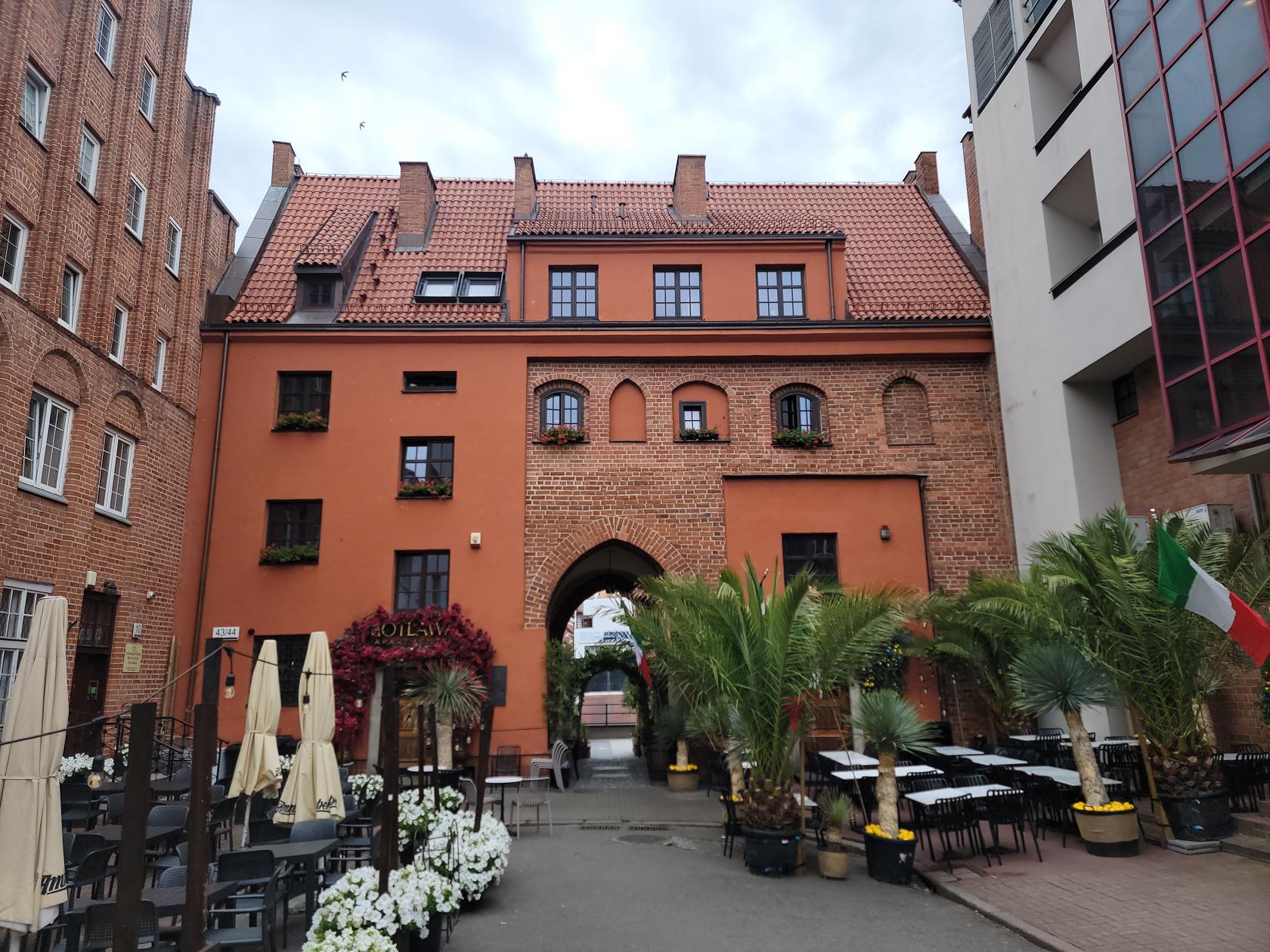
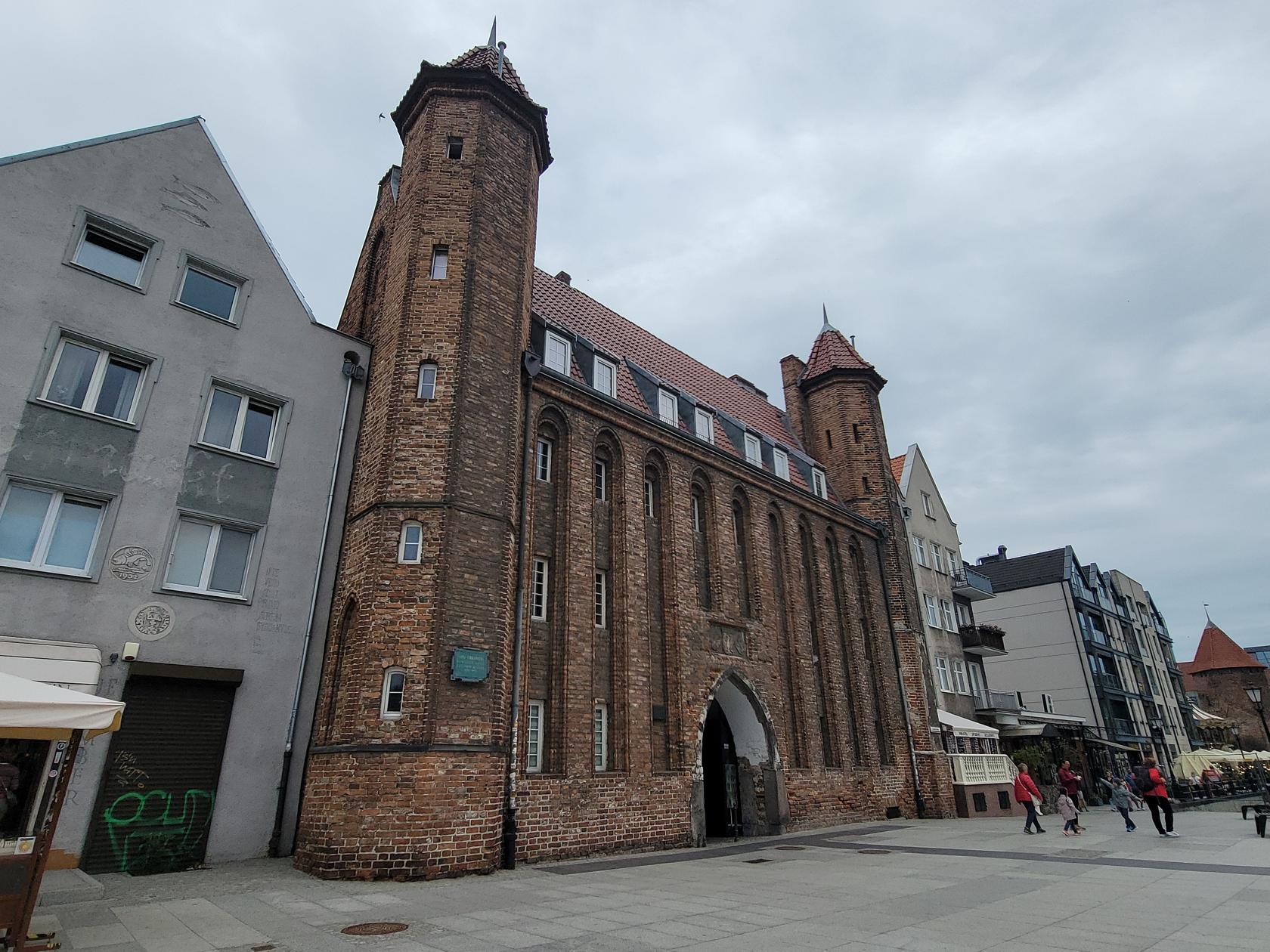
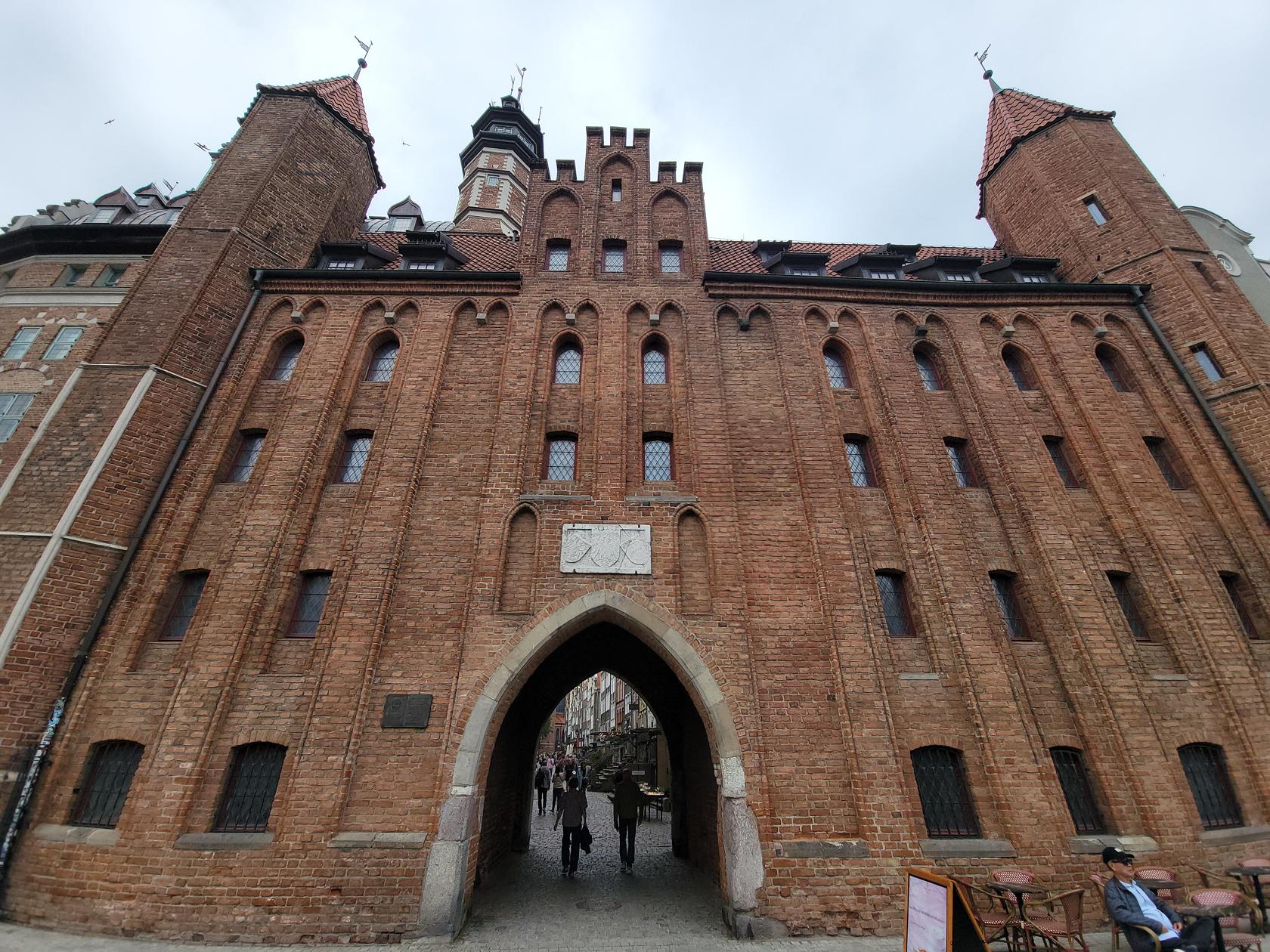
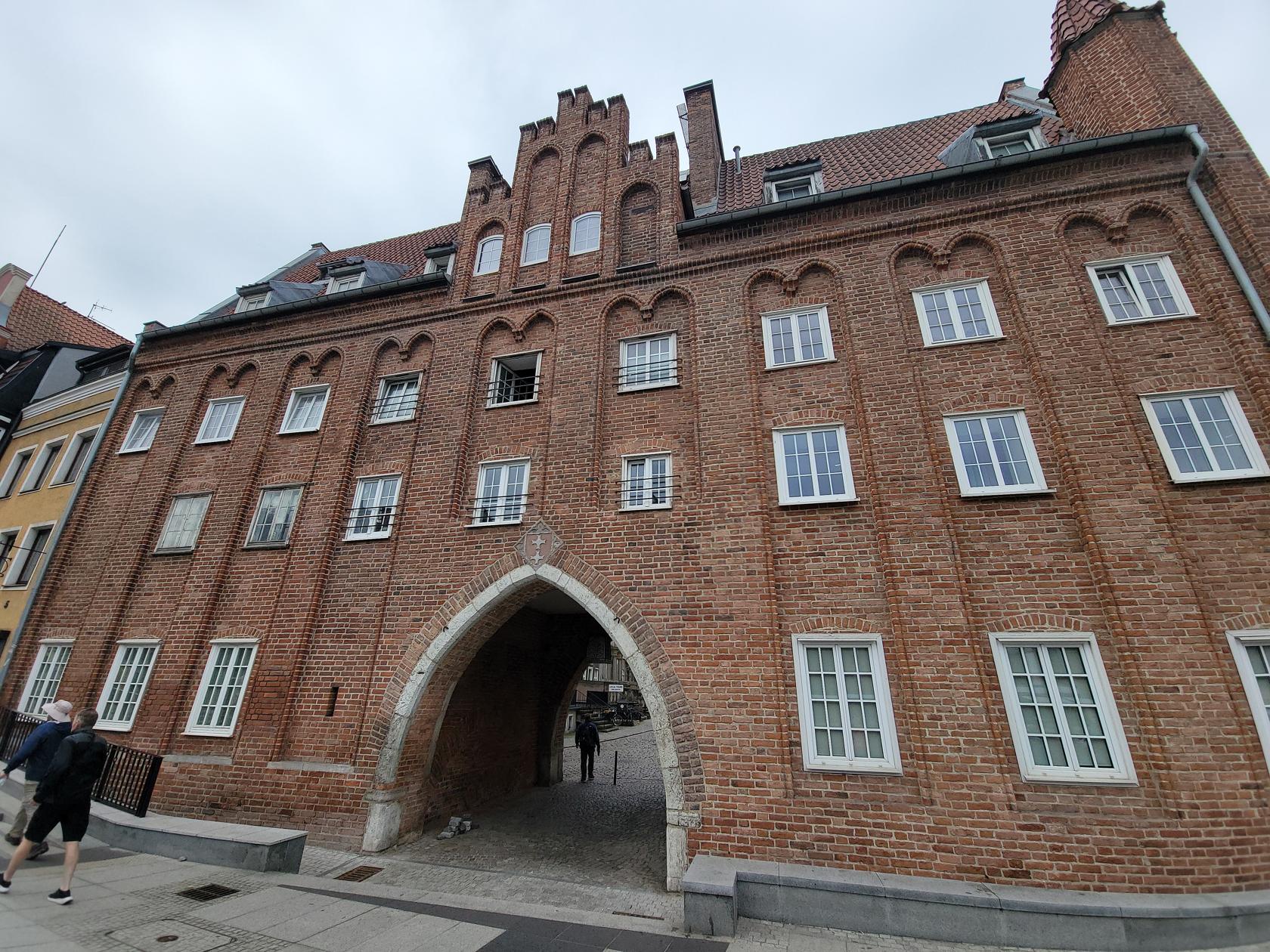
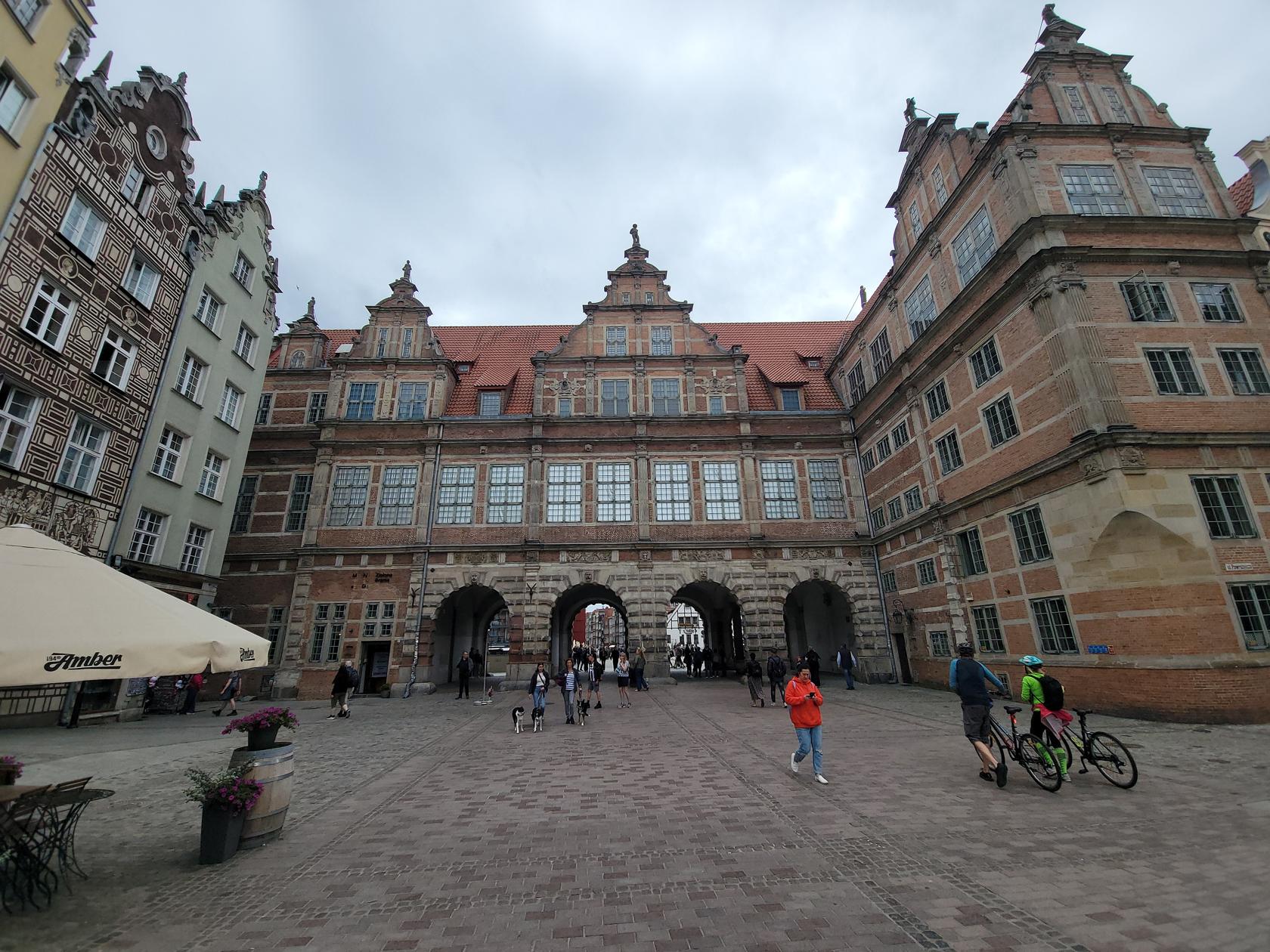
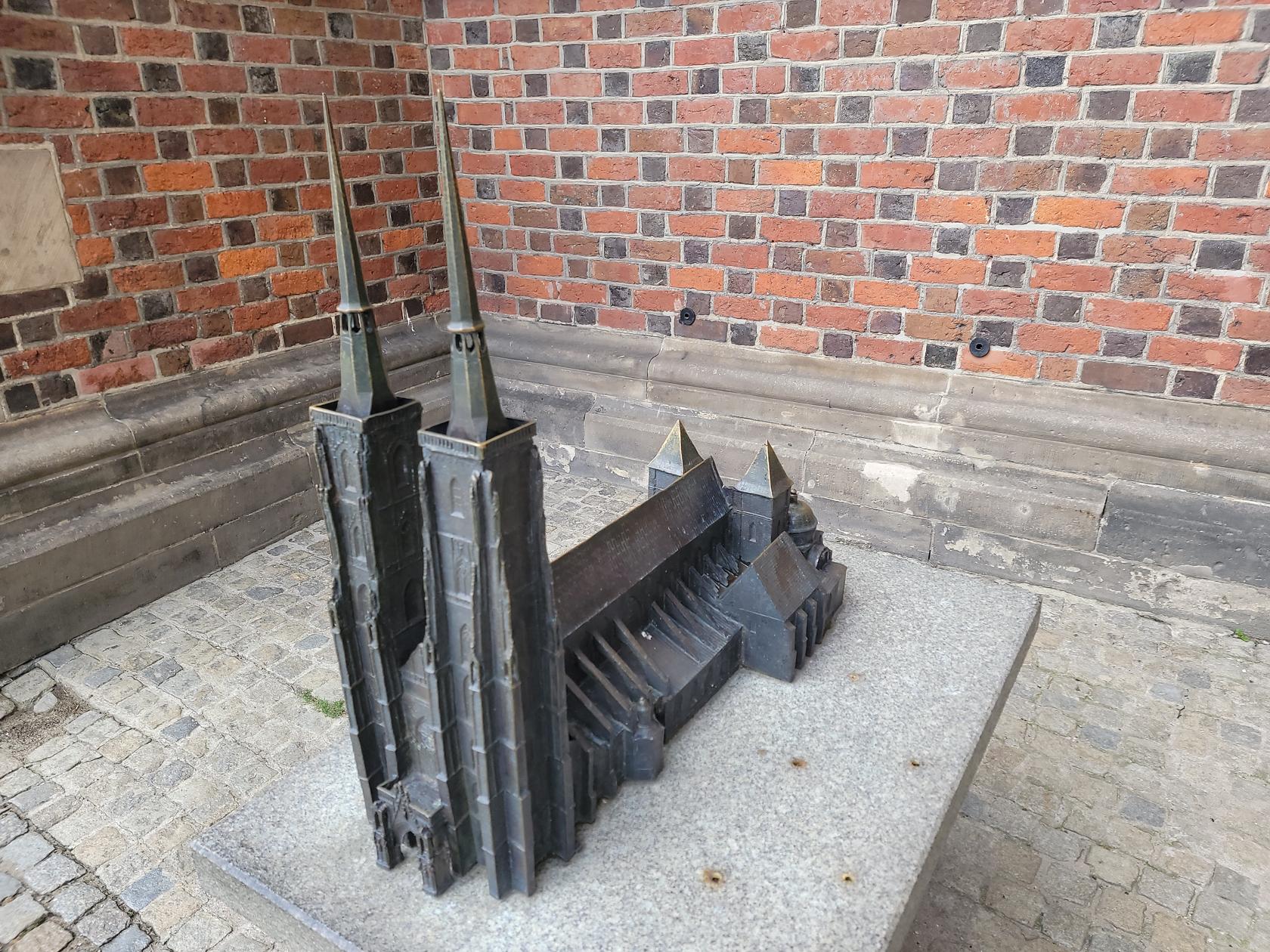
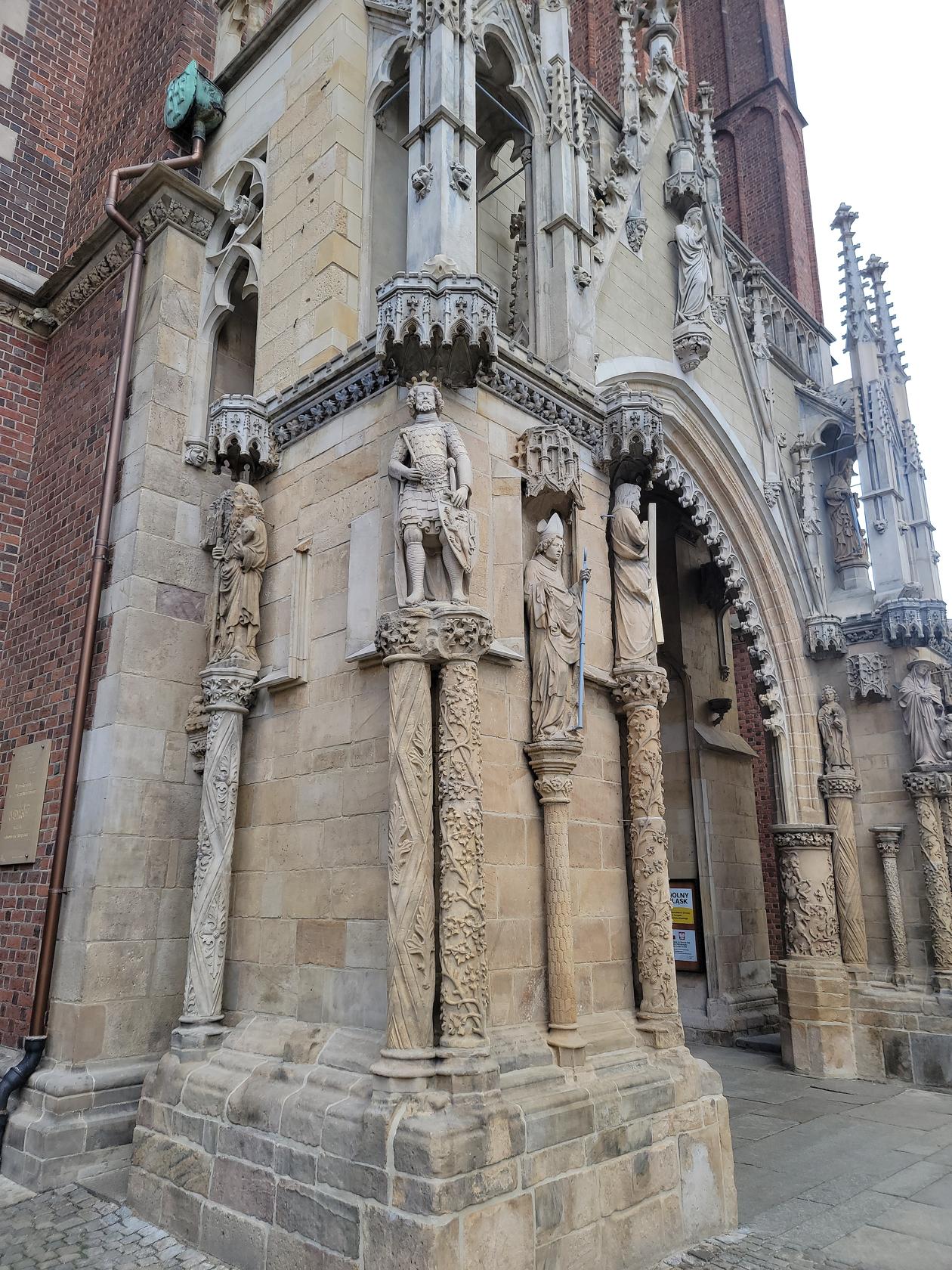
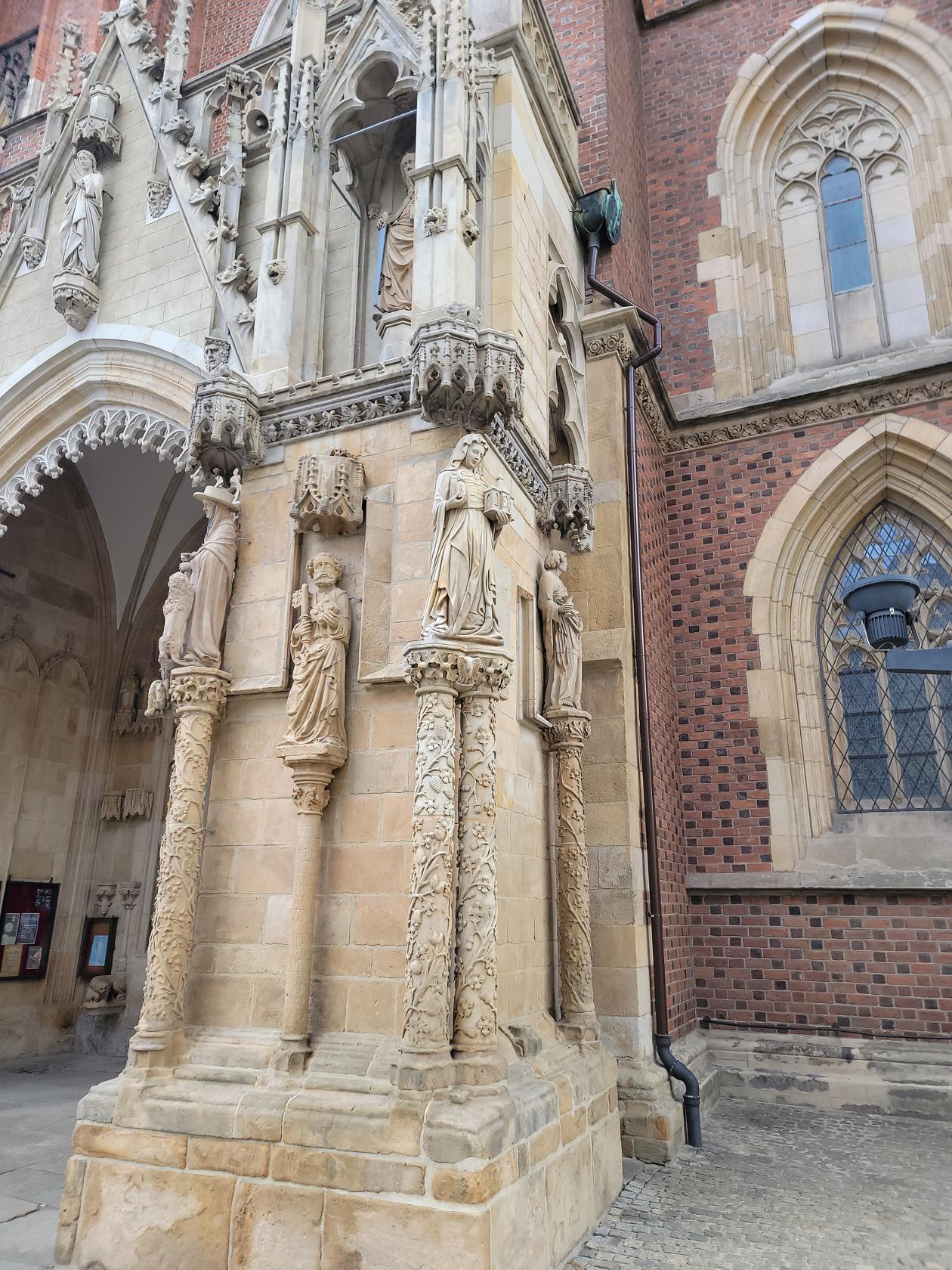
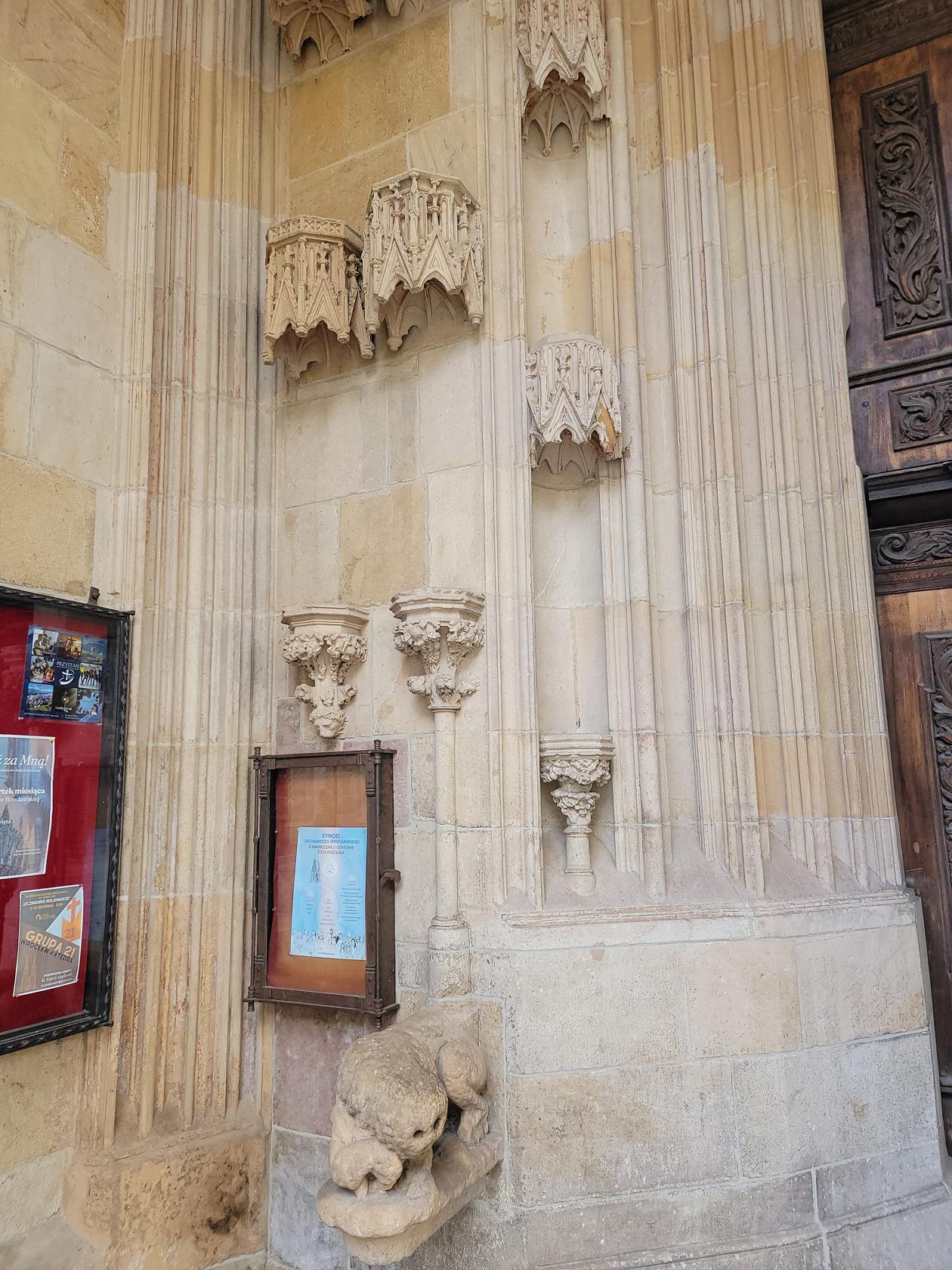
The old town of Wetzlar, Germany, is an old free imperial city whose claim to fame is the seat of the Imperial Supreme Court. It is a favorite among the locals and during this time of year they hold weekend festivities with bands and other attractions. It’s a good destination for a weekend day-trip.
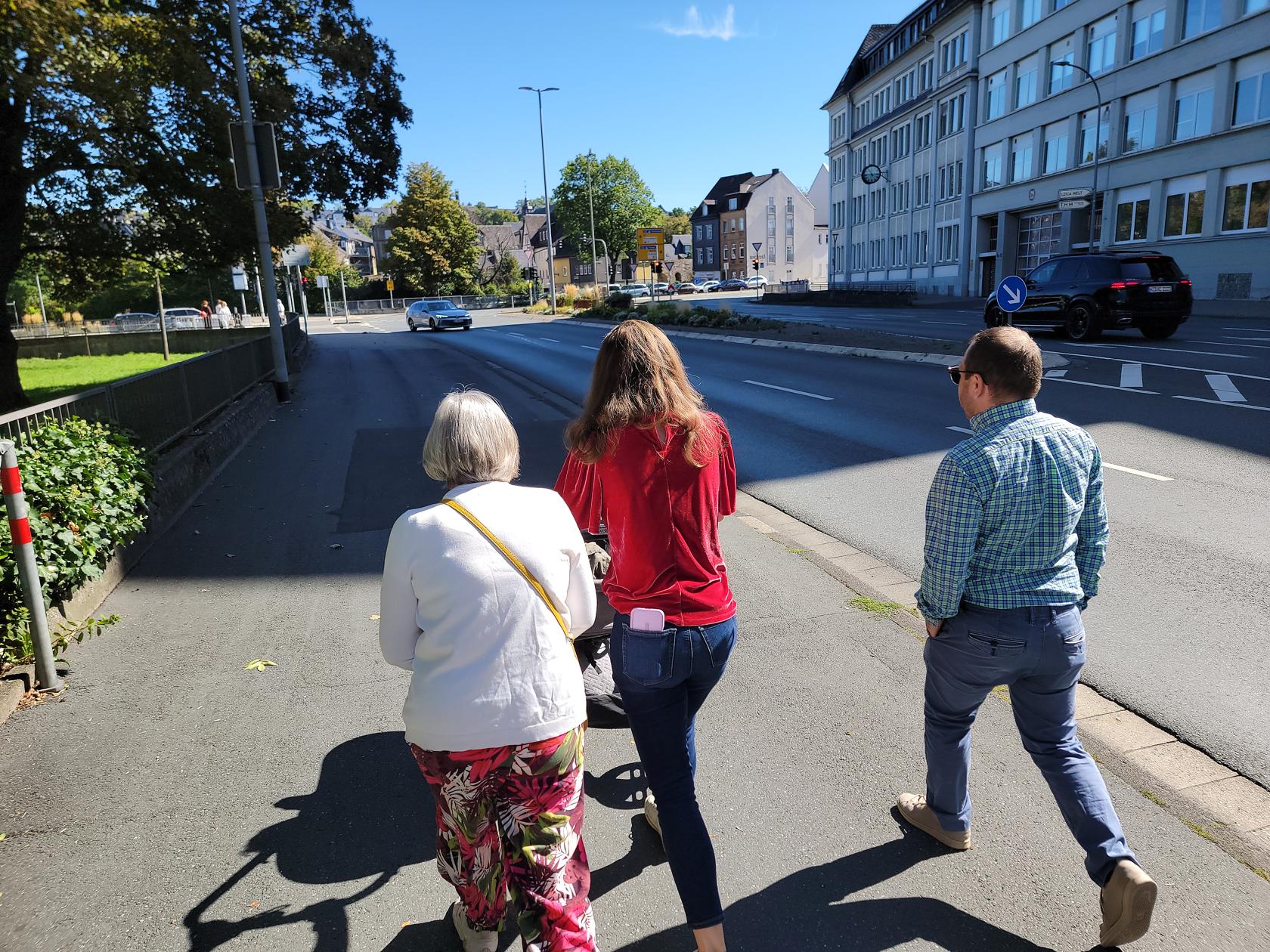
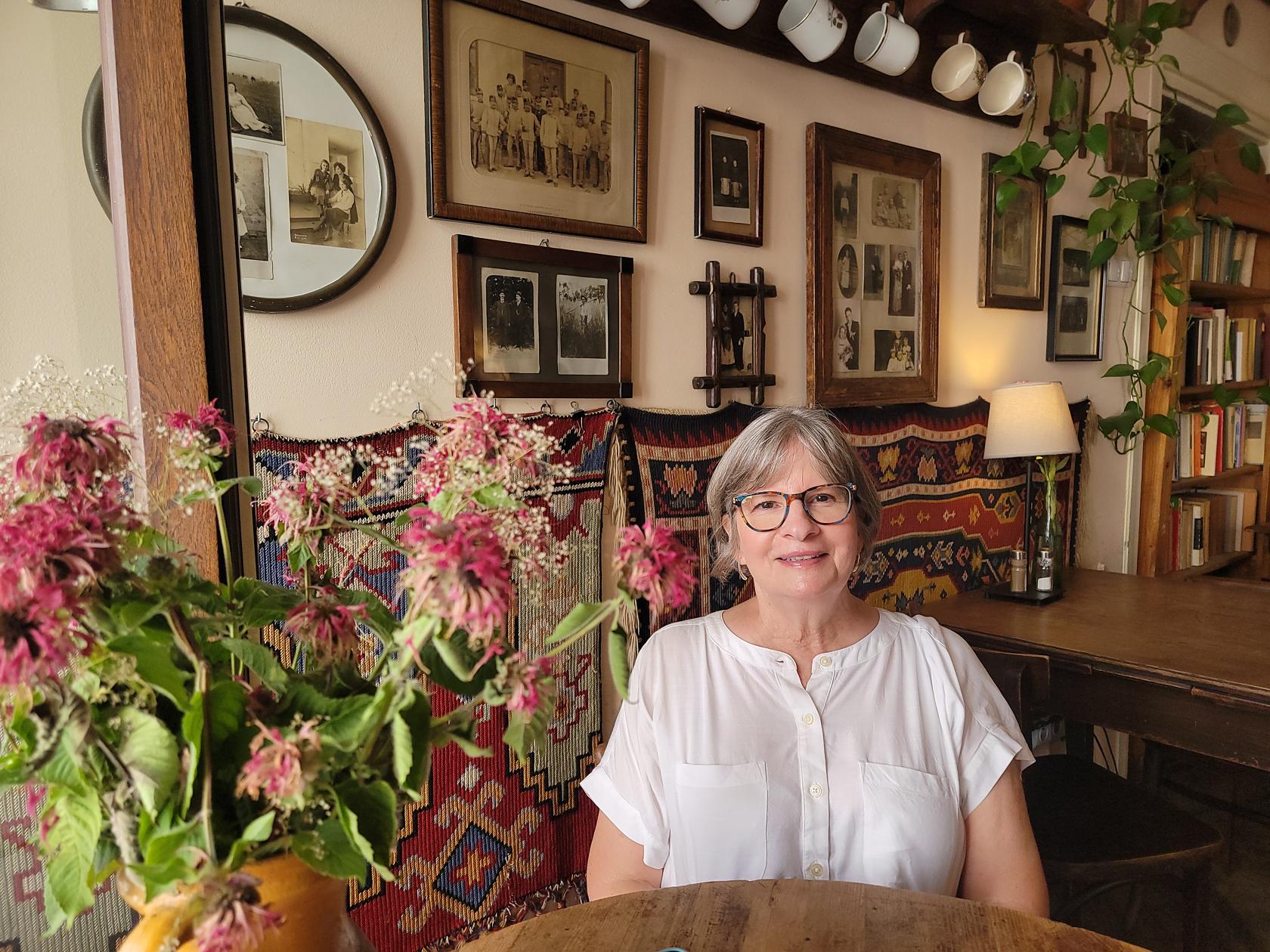
Patti, Ericka and Gabi – Going to the Altstadt – Wetzlar, Germany
Wetzlar
Located on the Lahn River, Wetzlar is a fan favorite for canoist, kayakers and other non-motor boat enthusiasts. The waterfront has a small boat launch that eases entry to the Lahn for people who come to enjoy the fast running white water. Rentals are available in town for those that do not own their own equipment. The town is also a mecca for cyclists and there are several places in town where bike rentals are offered.
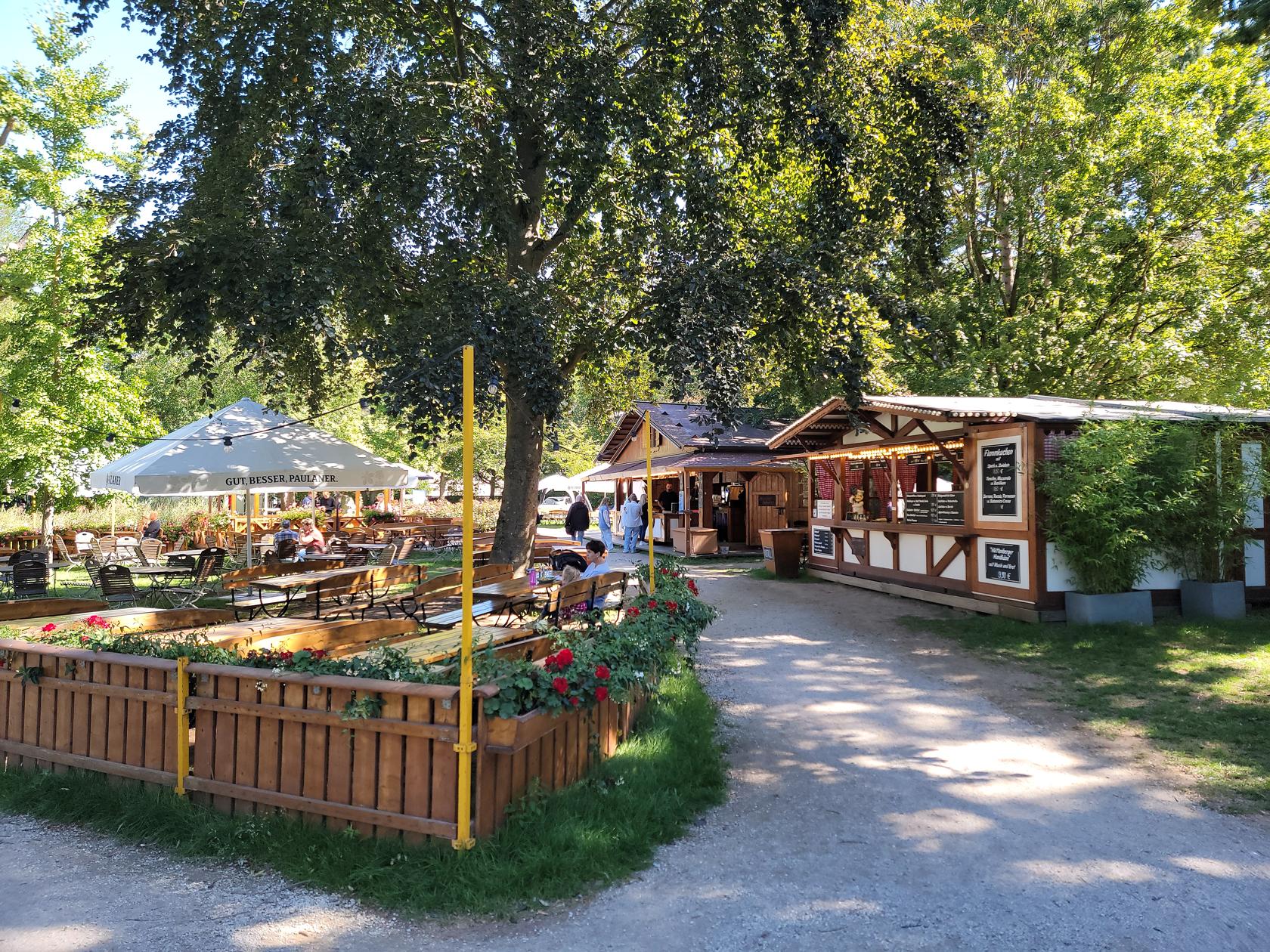
The town itself has a few main squares that setup for weekend festivities, the Schillerplatz, the Eisenplatz and less so the Domplatz. There is also the area along the Mühlgraben that is lined with Biergarten and other stalls where food and beverages can be purchased, as you walk lazily through area along the river.
Entering Schillerplatz – Wetzlar, Germany
Schillerplatz – Wetzlar, Germany
Schillerplatz – Wetzlar, Germany
Silhöferstrasse – Wetzlar, Germany
Silhöferstrasse – Wetzlar, Germany
Schillerplatz – Wetzlar, Germany
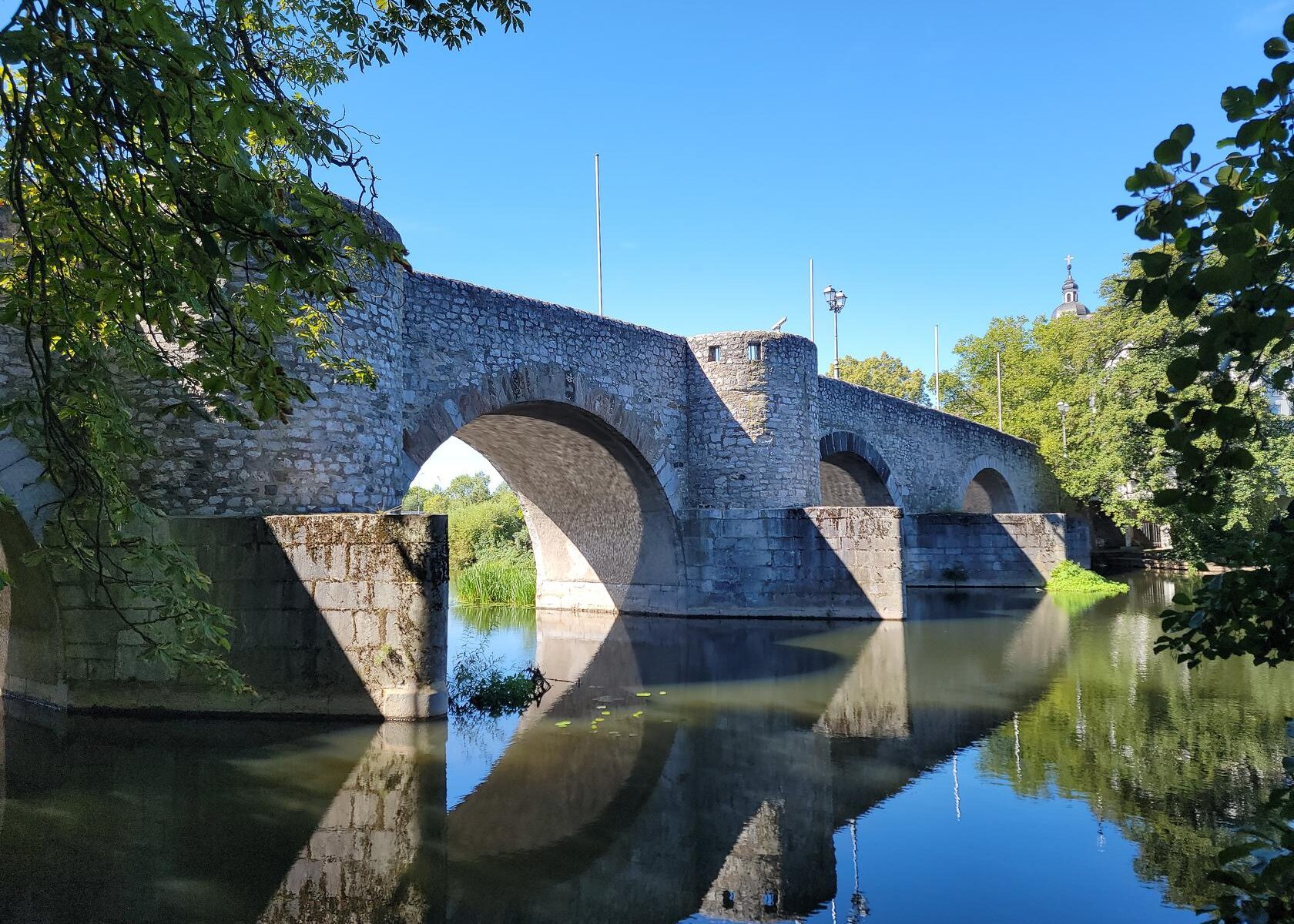
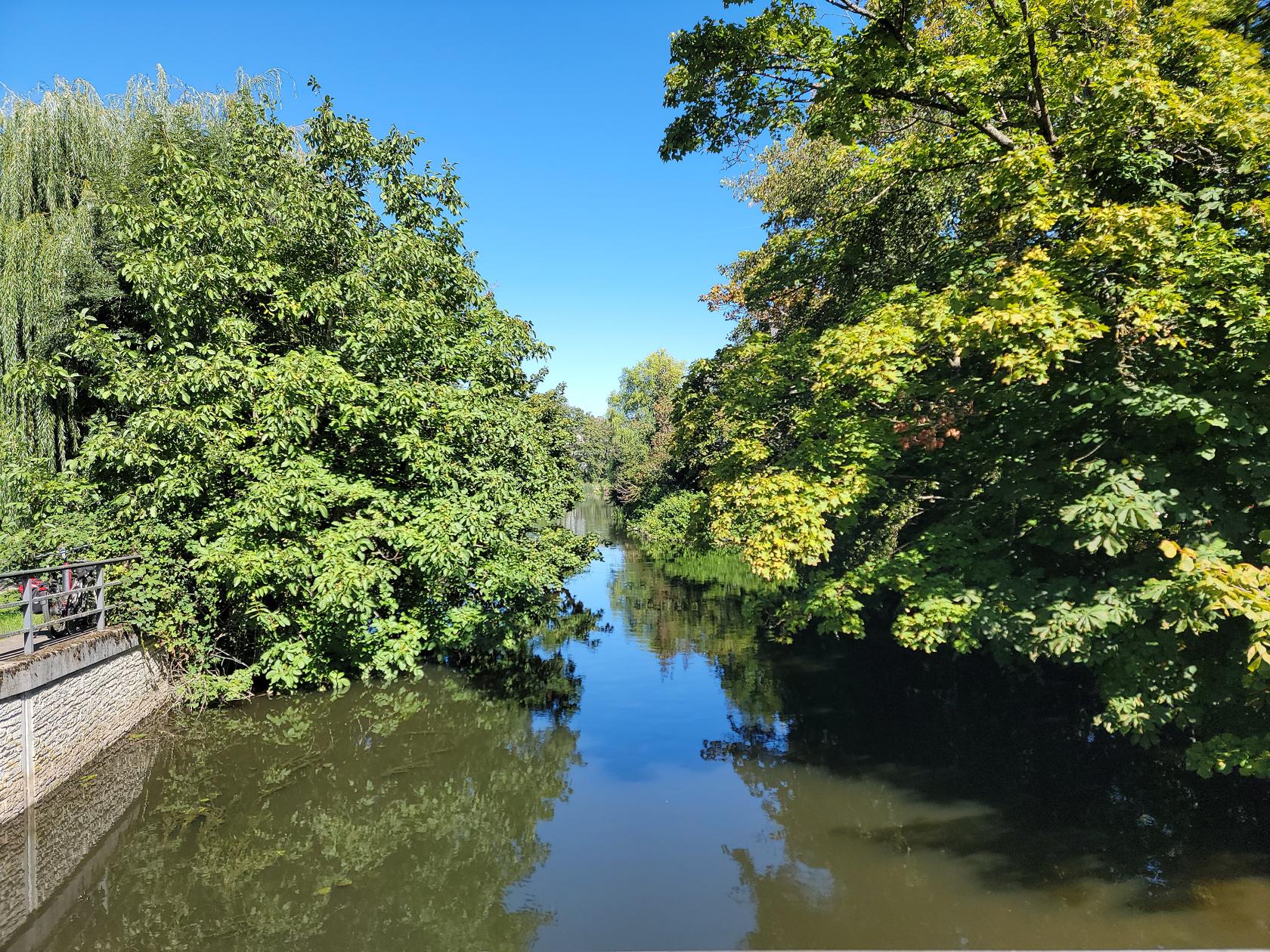
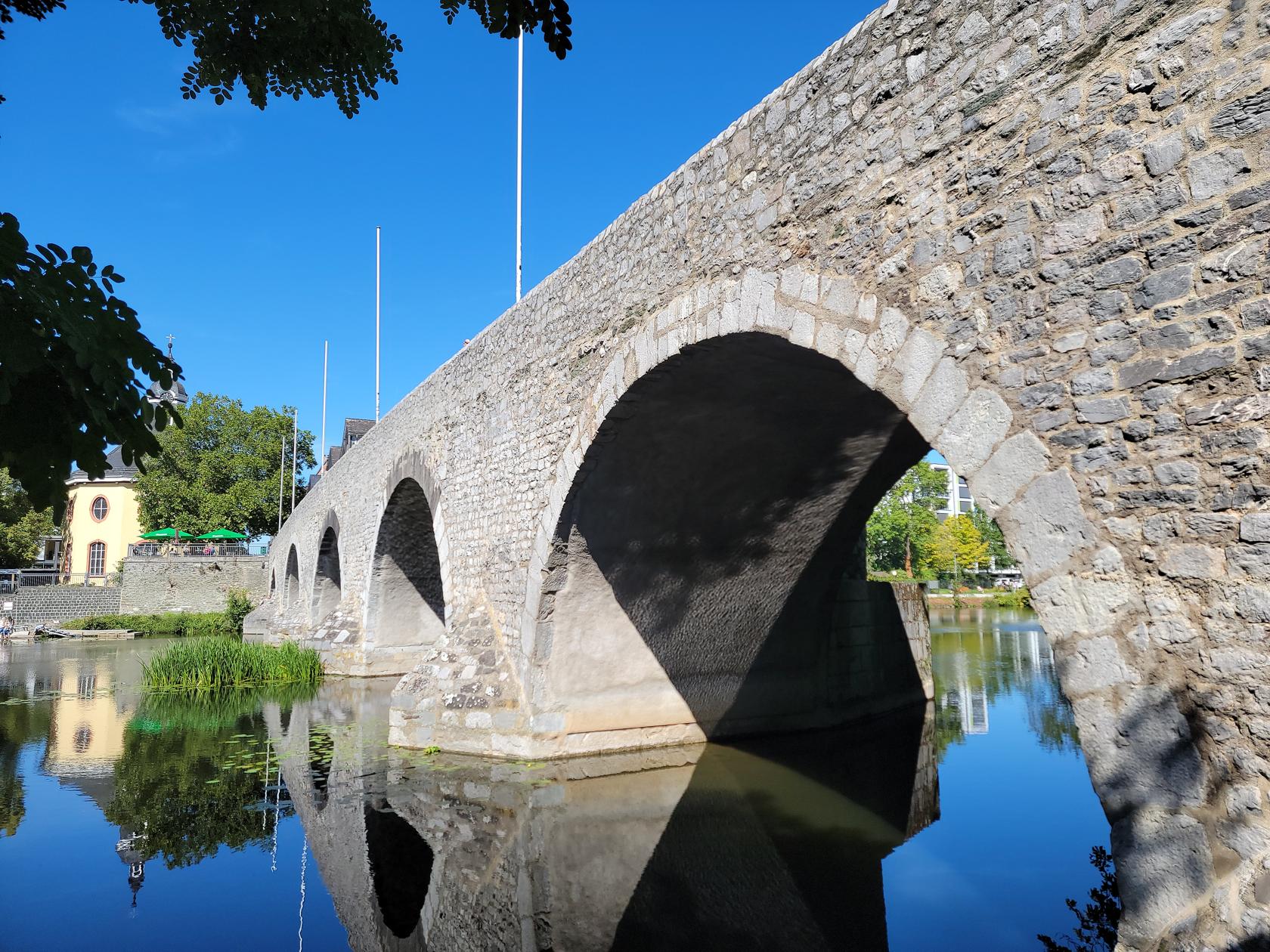
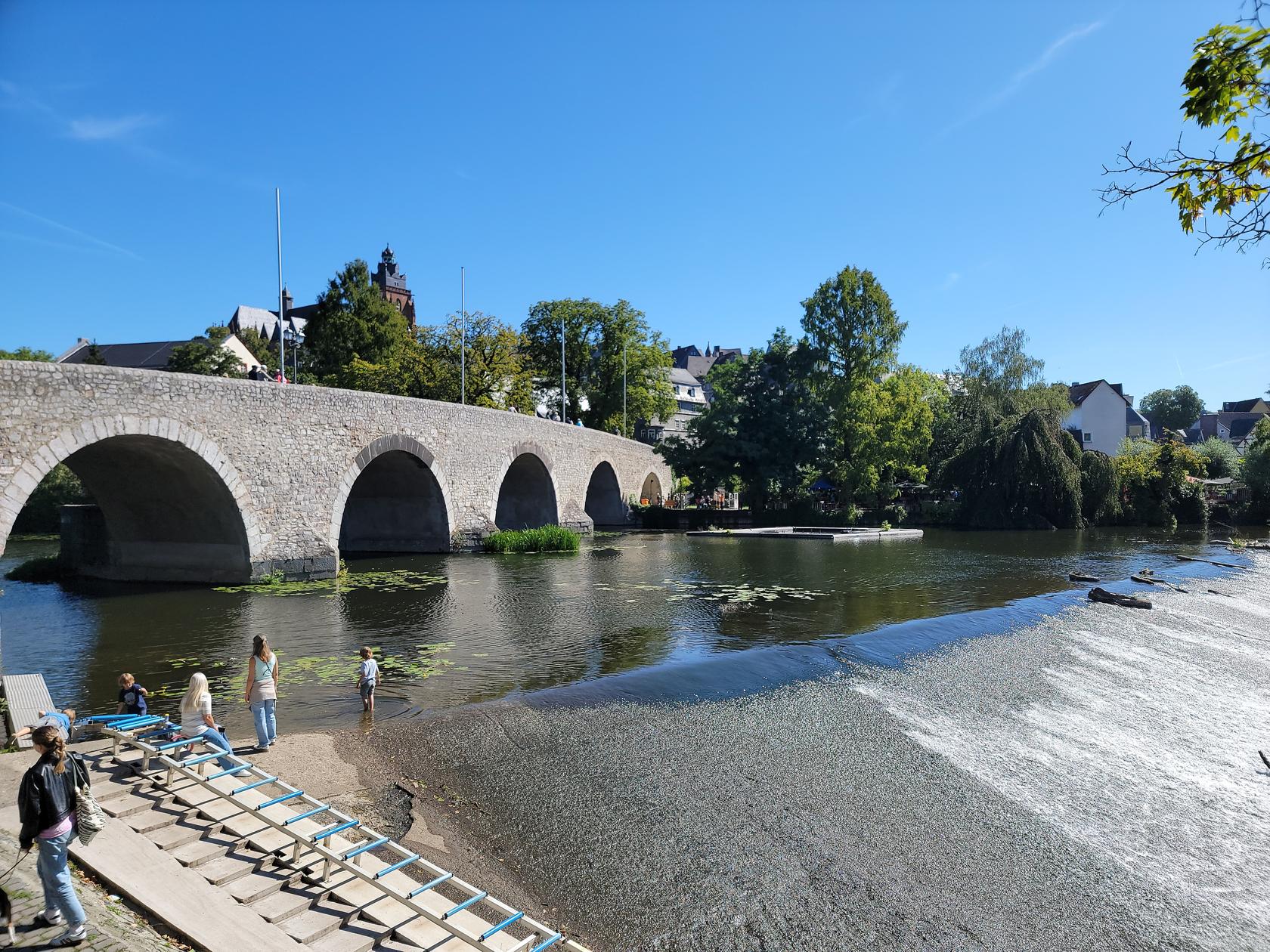
The Alte Lahnbrücke spans the Lahn River about at the midpoint of the old town, connecting the Eisenmarkt with the Neustadt on the other side of the river. Here you will also find several Biergarten, a playground for children and outside seating to enjoy the atmosphere in this lovely little town.
Alte Lahnbrücke – Lahn River – Wetzlar, Germany
Alte Lahnbrücke – Lahn River – Wetzlar, Germany
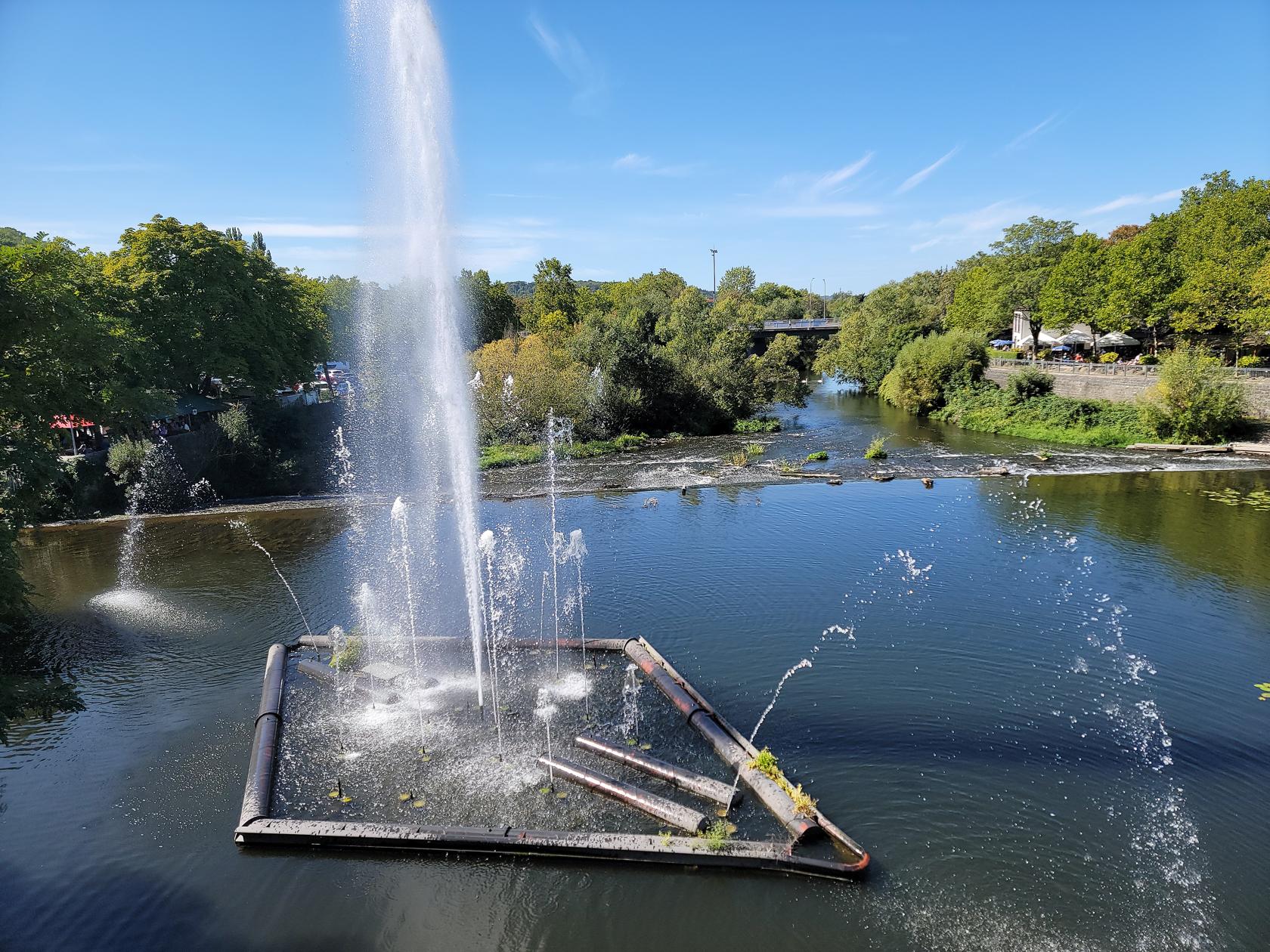
Wasserorgel – Alte Lahnbrücke – Lahn River – Wetzlar, Germany
Lahn River – Wetzlar, Germany
Alte Lahnbrücke – Lahn River – Wetzlar, Germany
Alte Lahnbrücke – Lahn River – Wetzlar, Germany
Getting There
Wetzlar is about a thirty to forty minute drive north of Frankfurt am Main on the A5 and off the A45. It should be noted that at the time of this writing the A5 has some construction that will slow your travels down somewhat, but all-in-all it wasn’t too bad. The city also has a train stop, so that is always an option.
Churches And Cathedrals
Wetzlar Dom
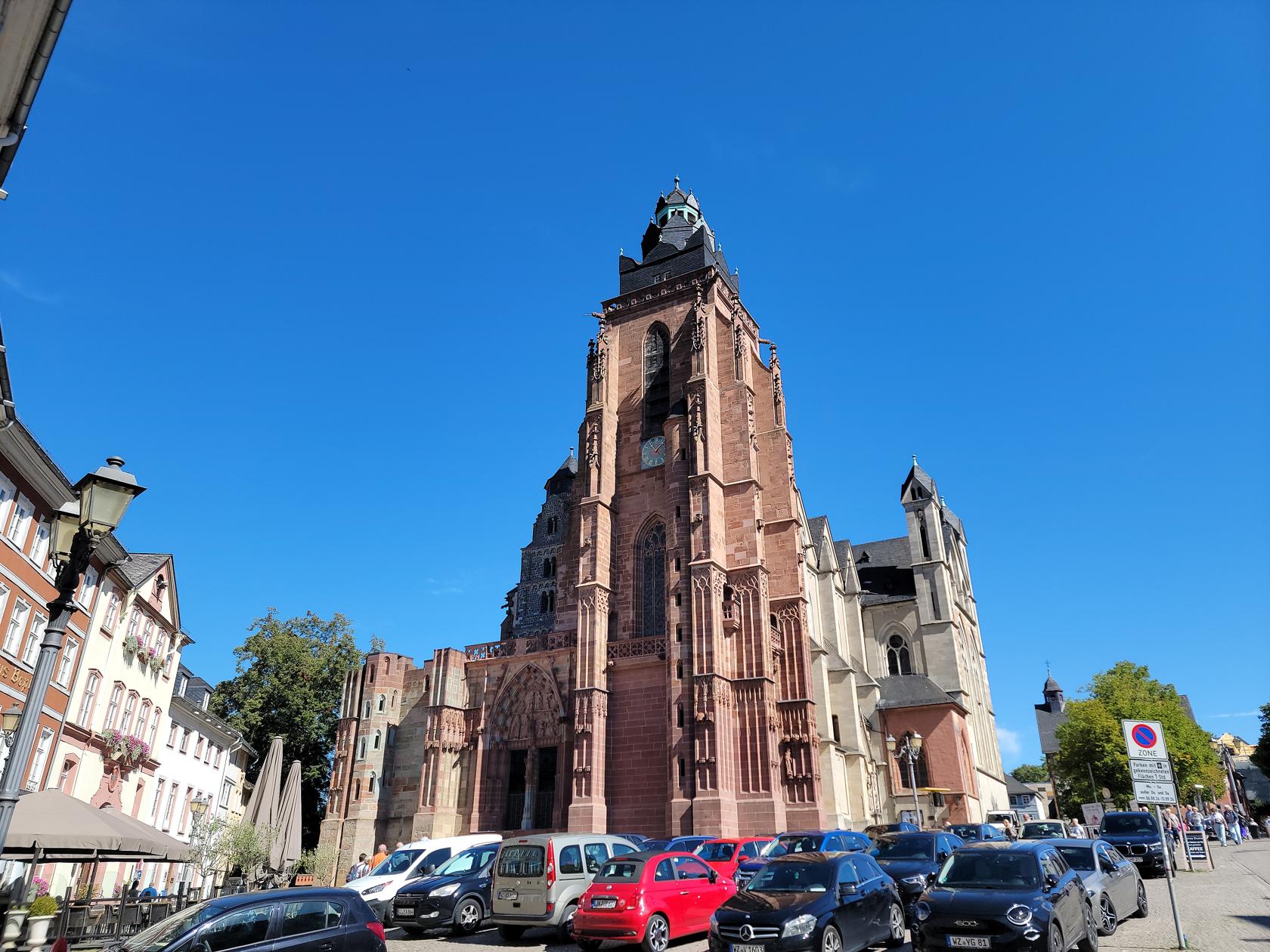
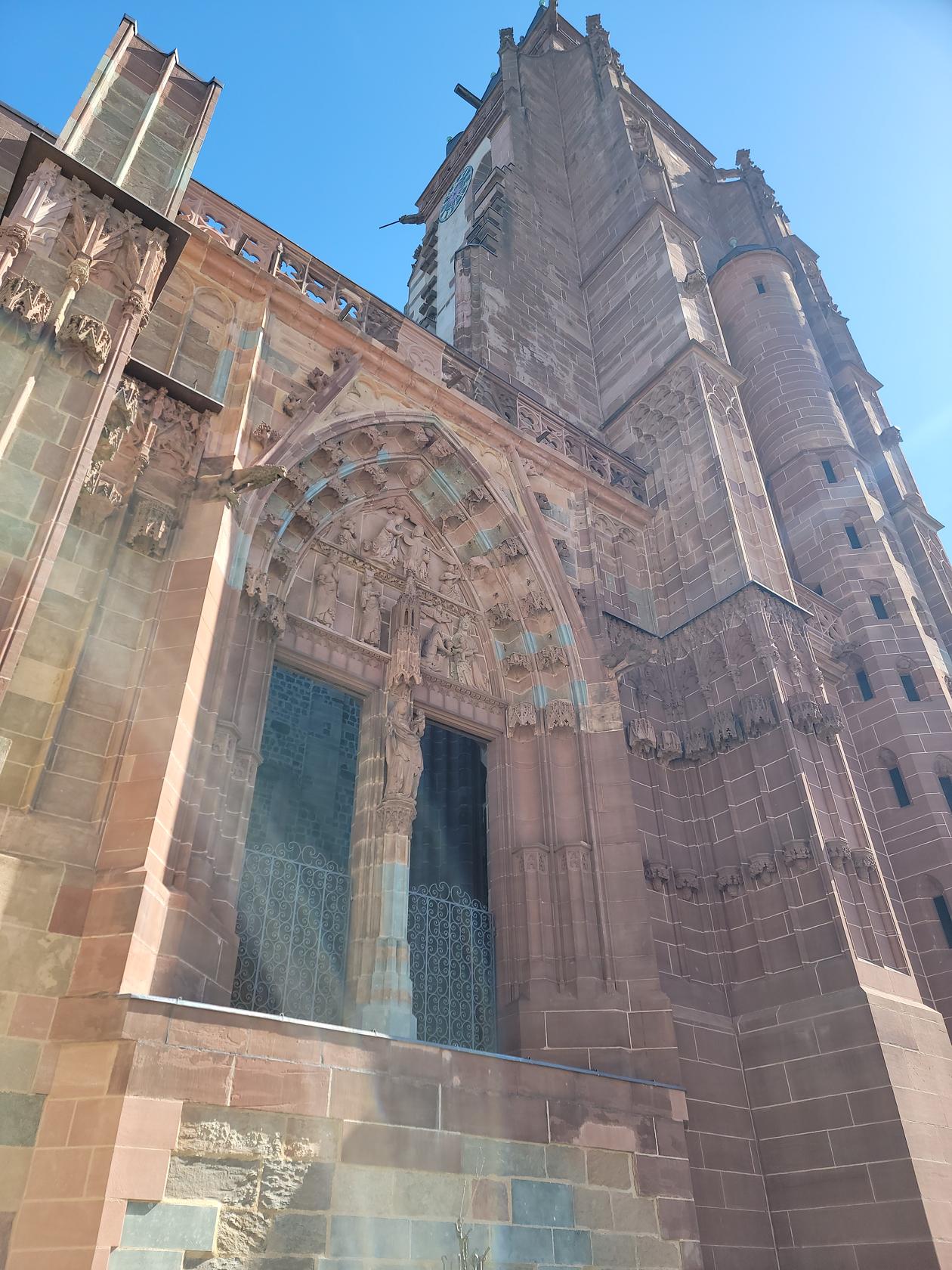
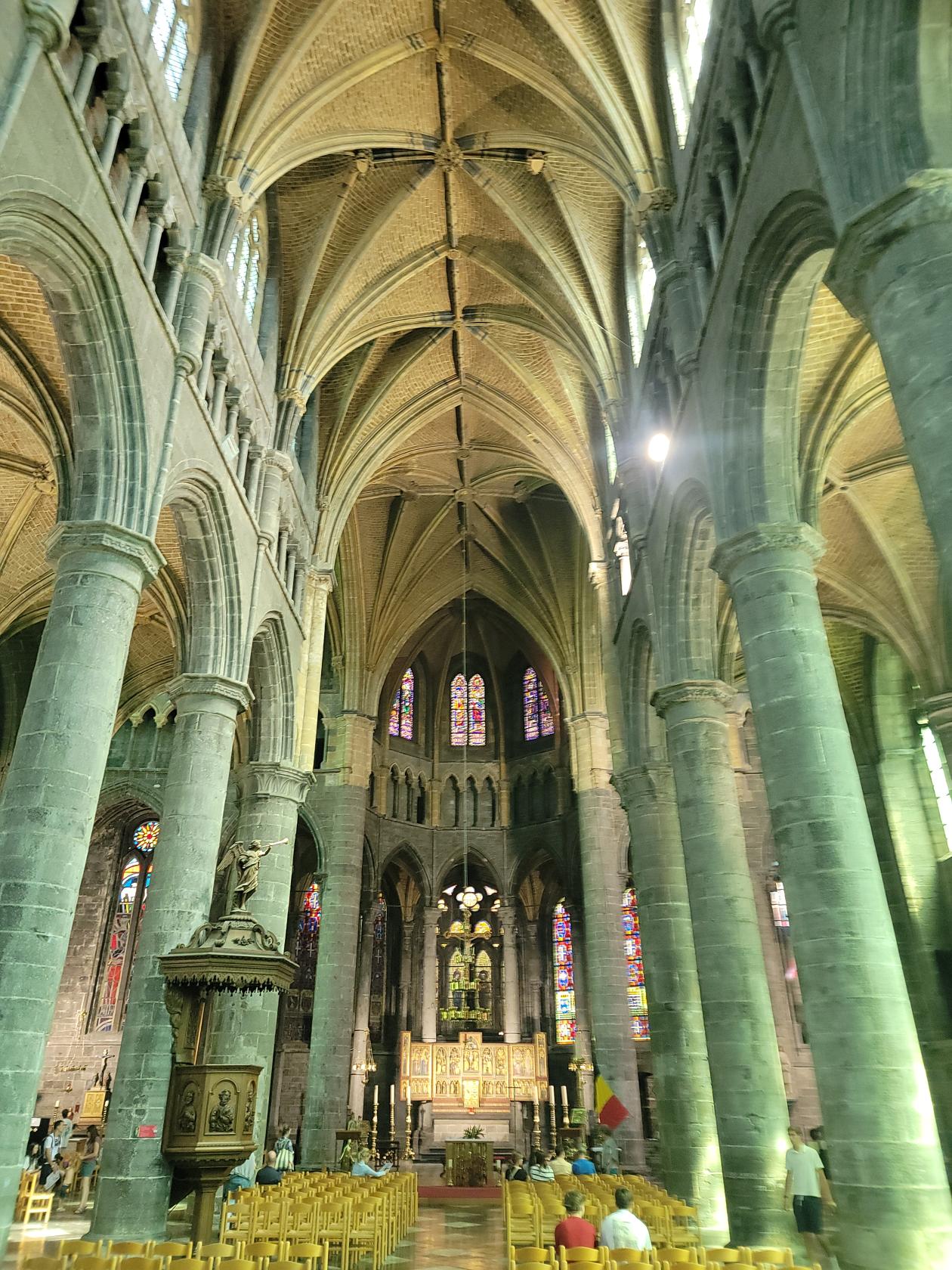
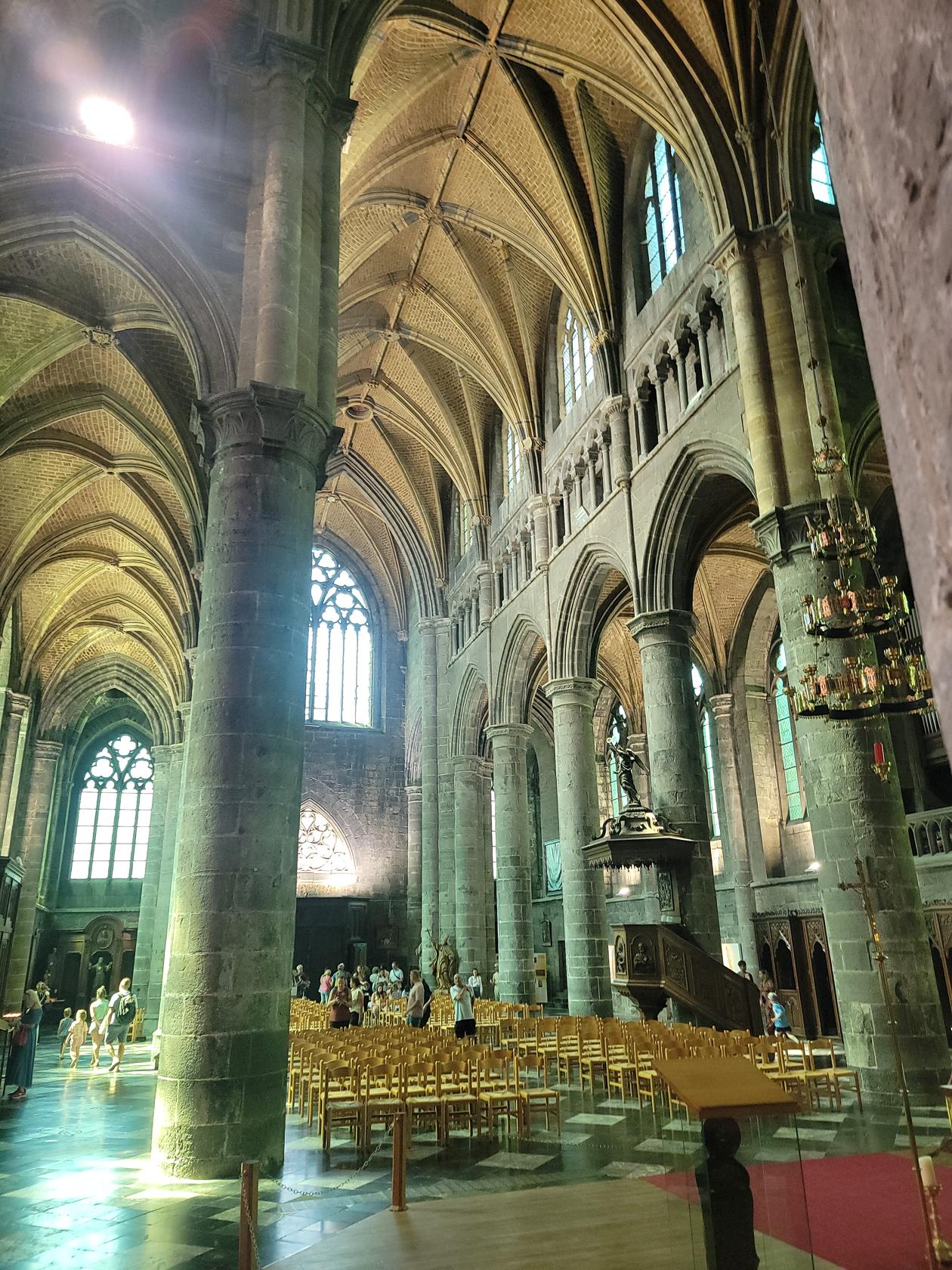
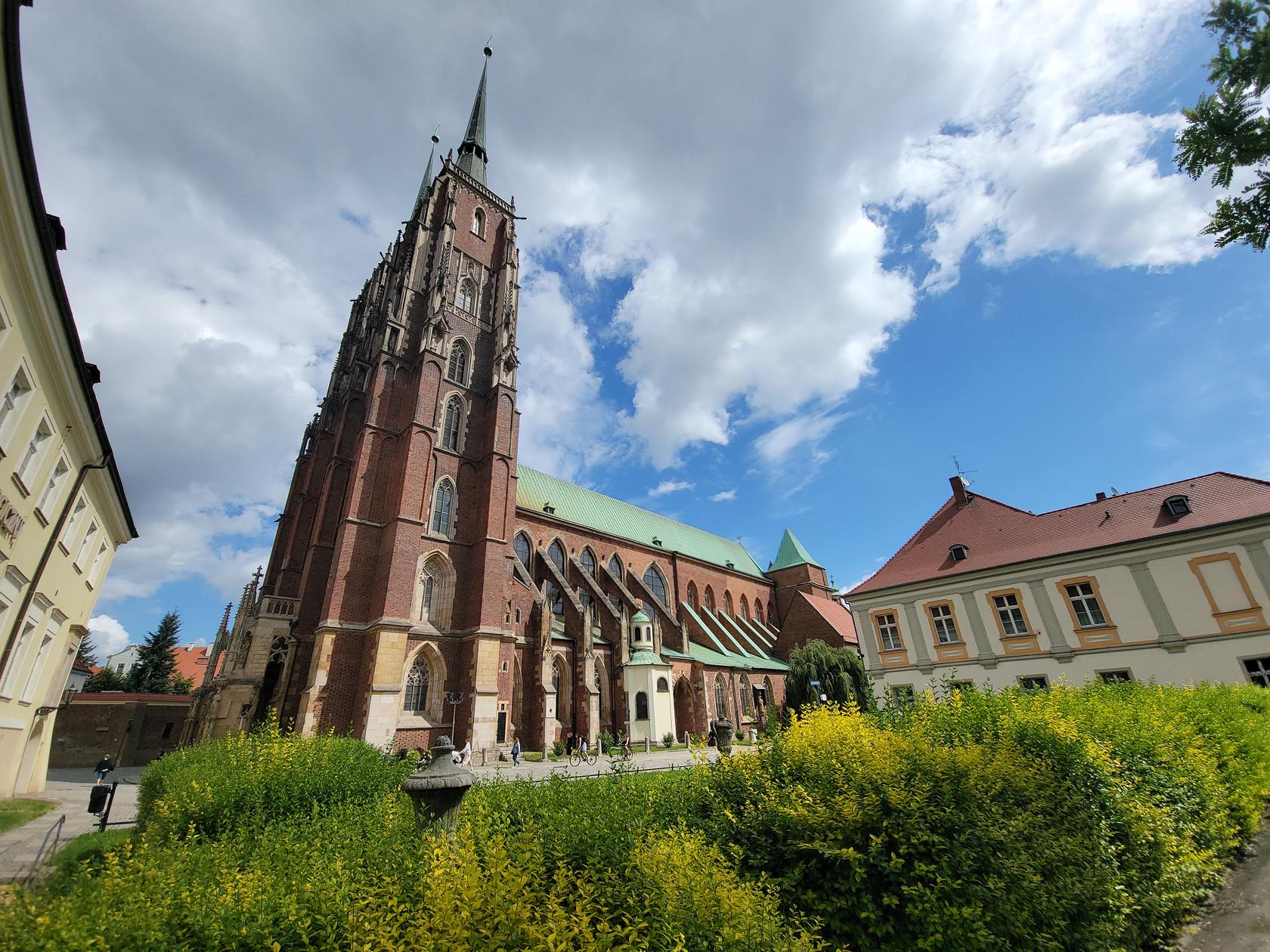
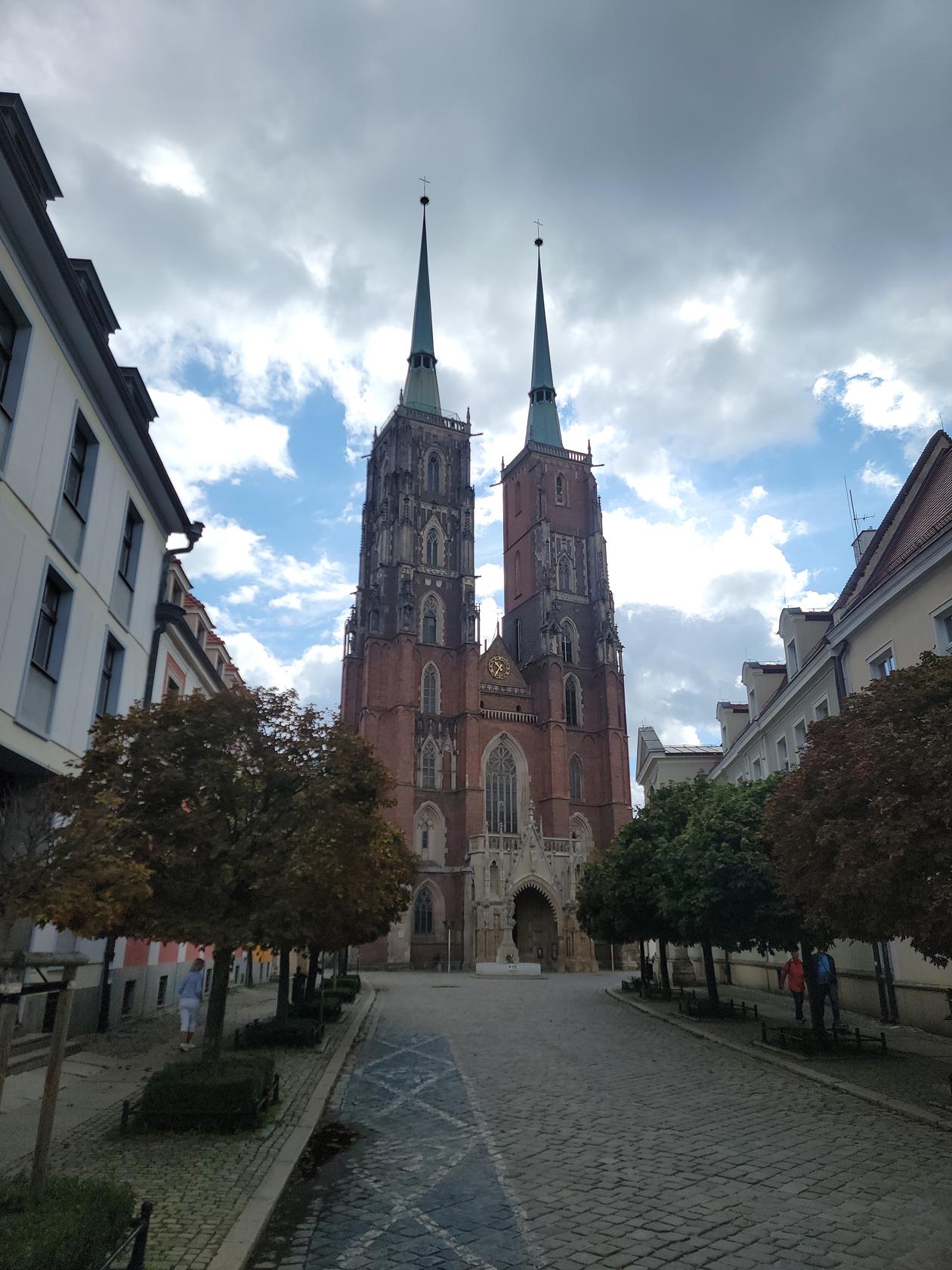
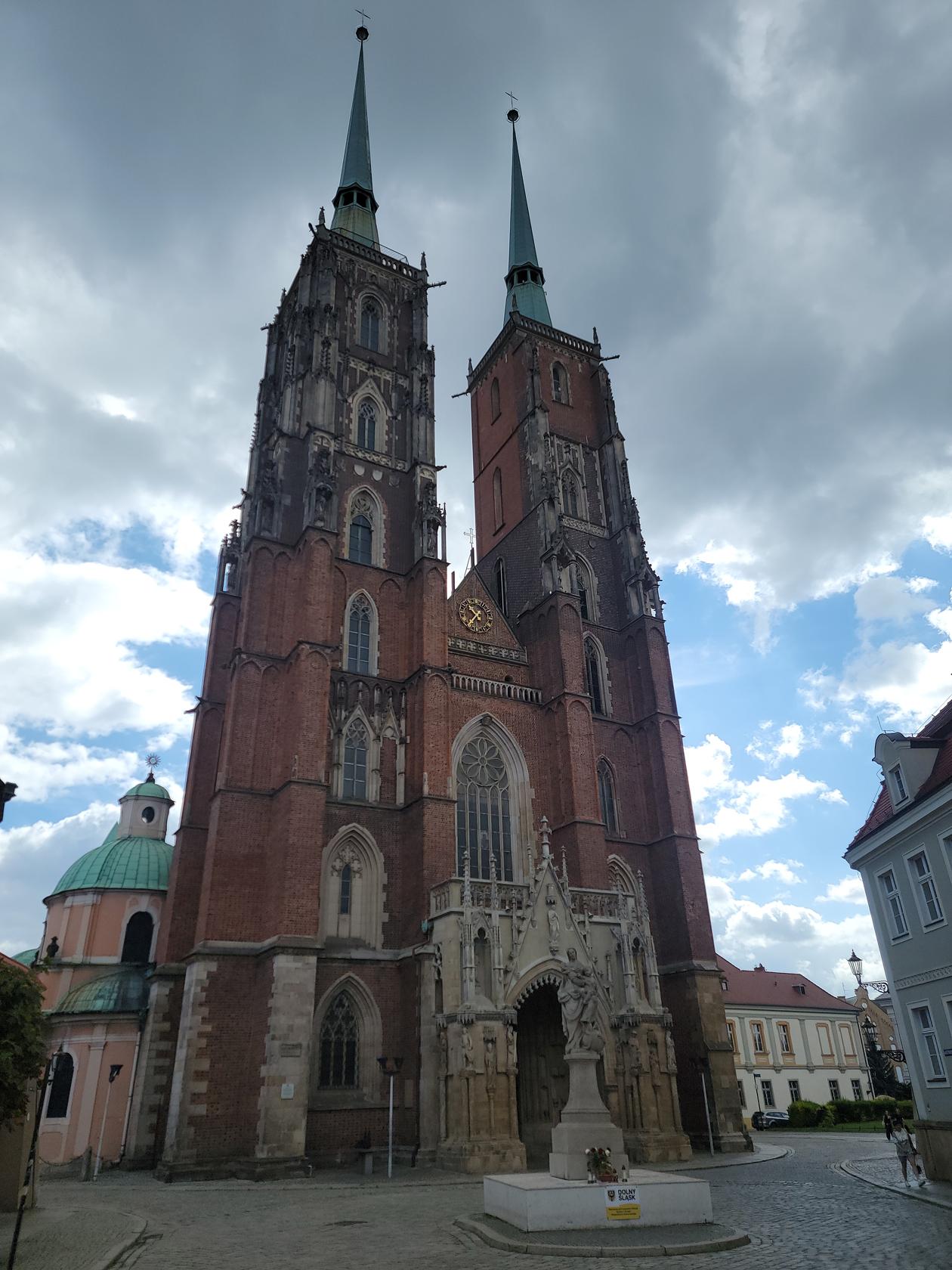
The Wetzlar Dom, or Cathedral of Saint Mary, is a shared catholic and protestant of medieval character. A mixture of Romanesque and Gothic styles, it was never finished and suffered from severe bomb damage during the last war. Several areas of the cathedral were never repaired properly, including the main entrance and the spire, which from a distance looks rather awkward.
Front – Wetzlar Dom – Wetzlar, Germany
Fake Facade and Tympanum – Wetzlar Dom – Wetzlar, Germany
Restaurants
Paulaner Wirtshaus Wetzlar
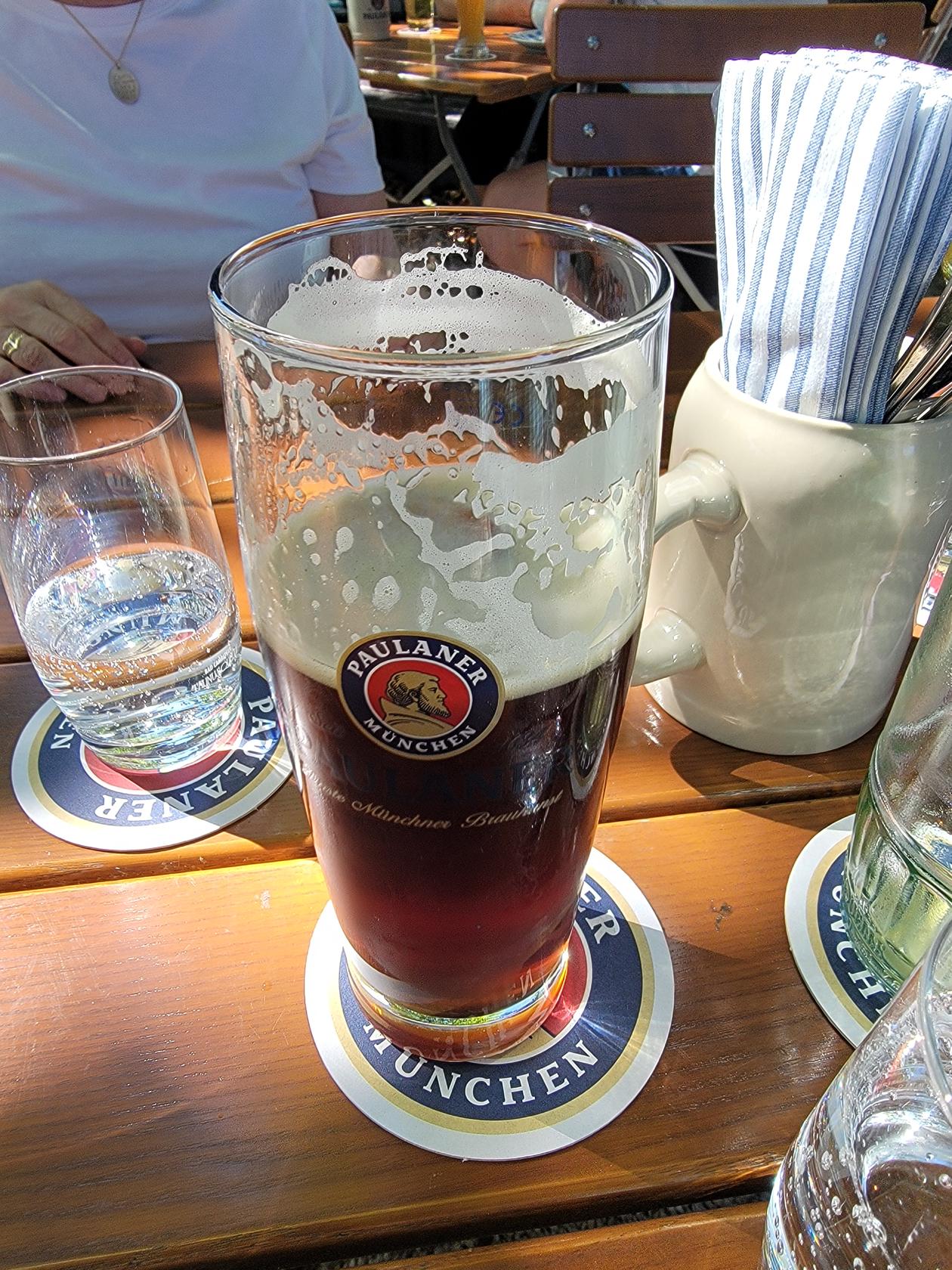
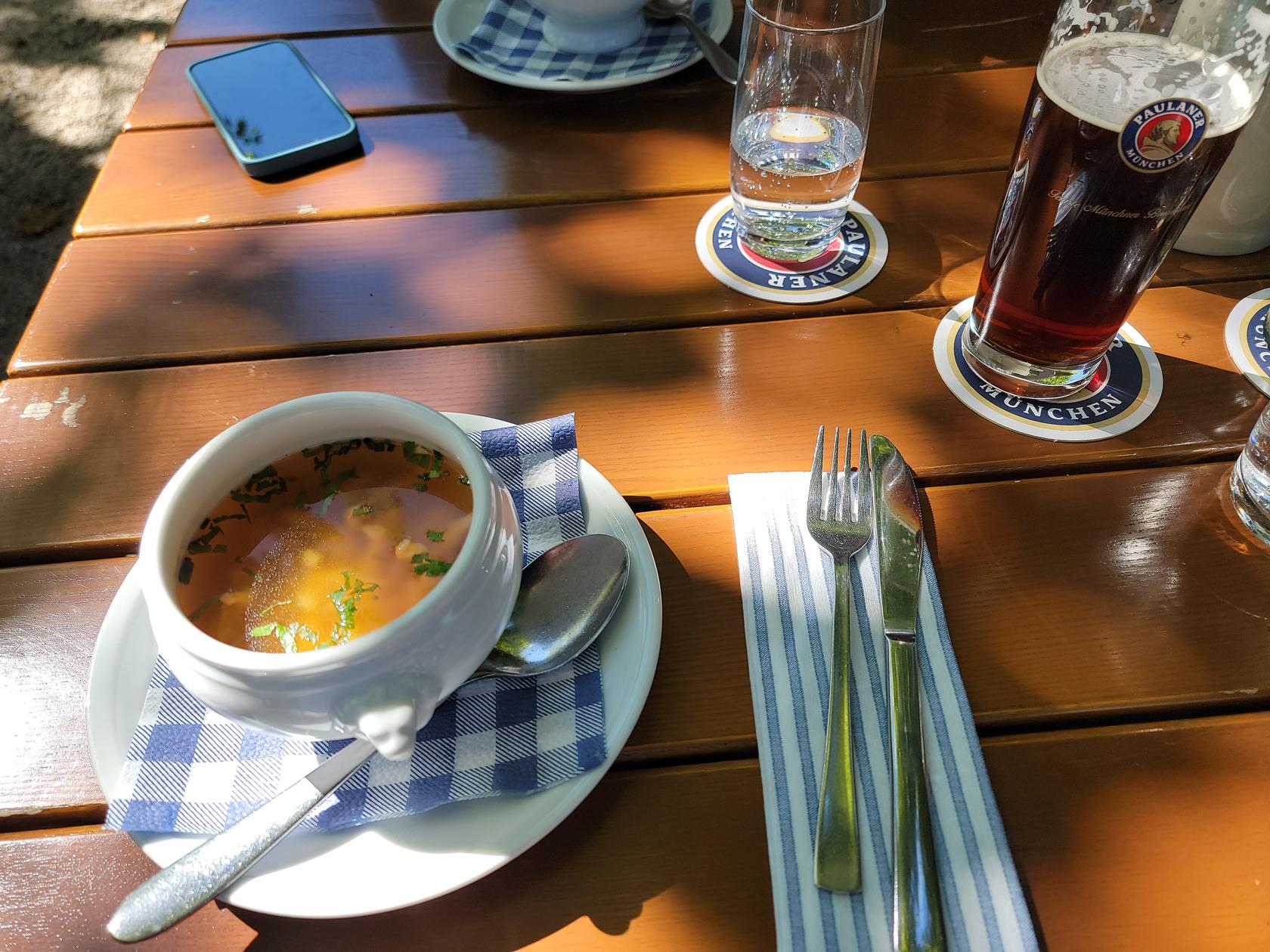
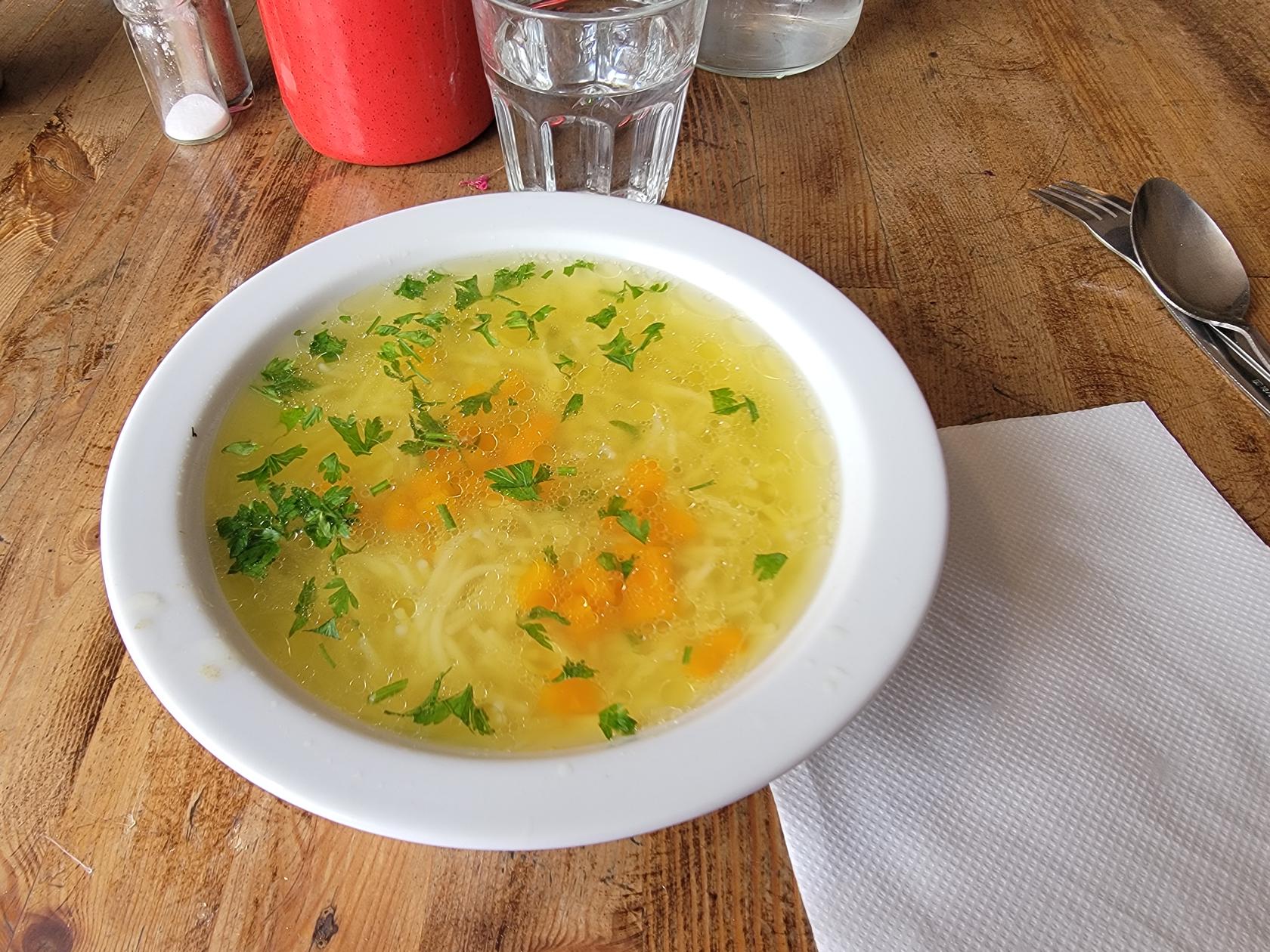
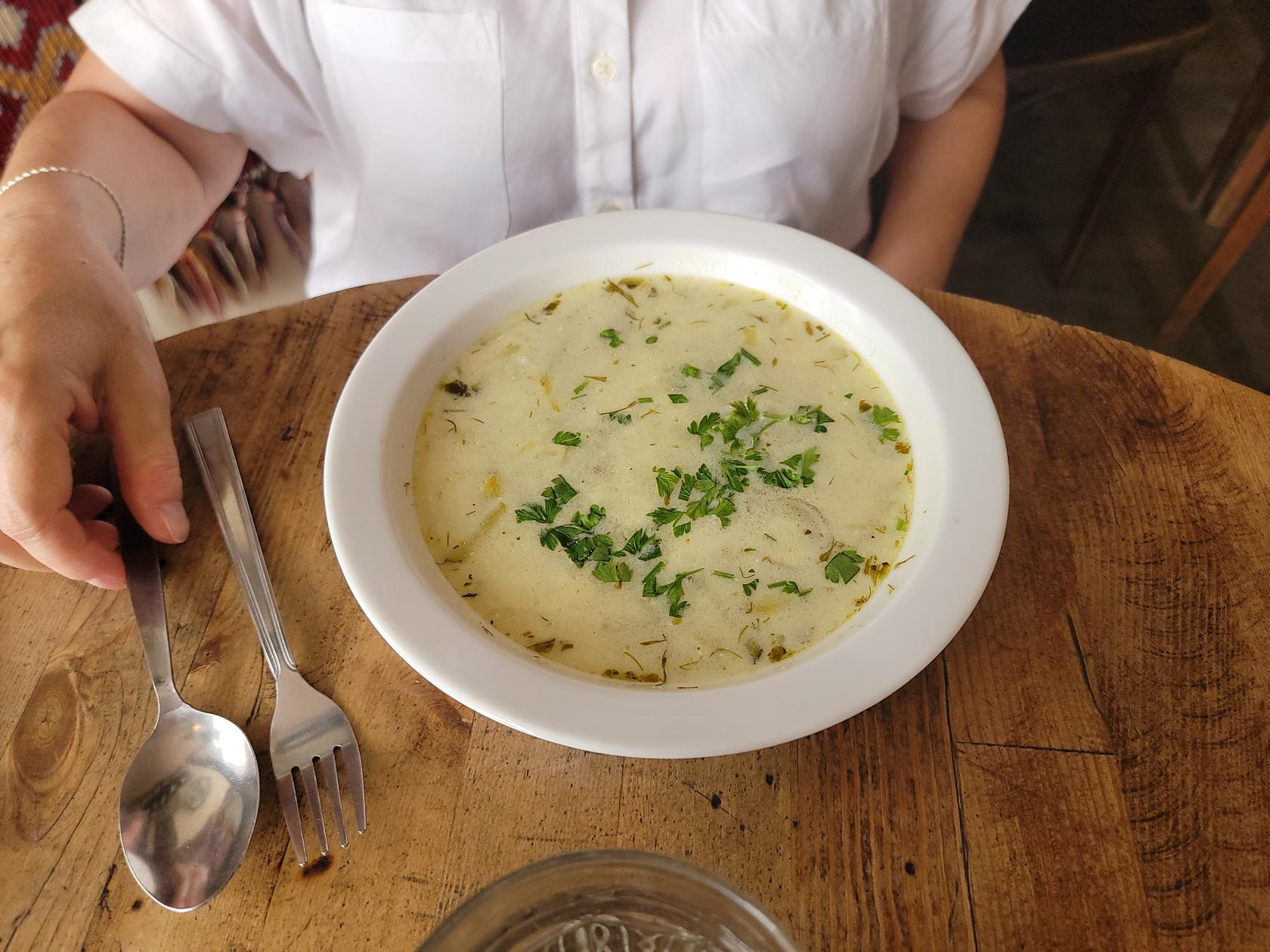
Located am Haarplatz, the Paulaner Wirtshaus Wetzlar is an excellent choice for food. Located near the Wehr on the Lahn, you can hear the rapids as you enjoy a nice glass of beer on a warm day and the food, which is a mixture of Bavarian and Swabian cuisines. You can actually order a soup with Spätzle in it!
Menu – Wirtshaus Wetzlar – Am Haarplatz – Lahn River – Wetzlar, Germany
Beer – Wirtshaus Wetzlar – Am Haarplatz – Lahn River – Wetzlar, Germany
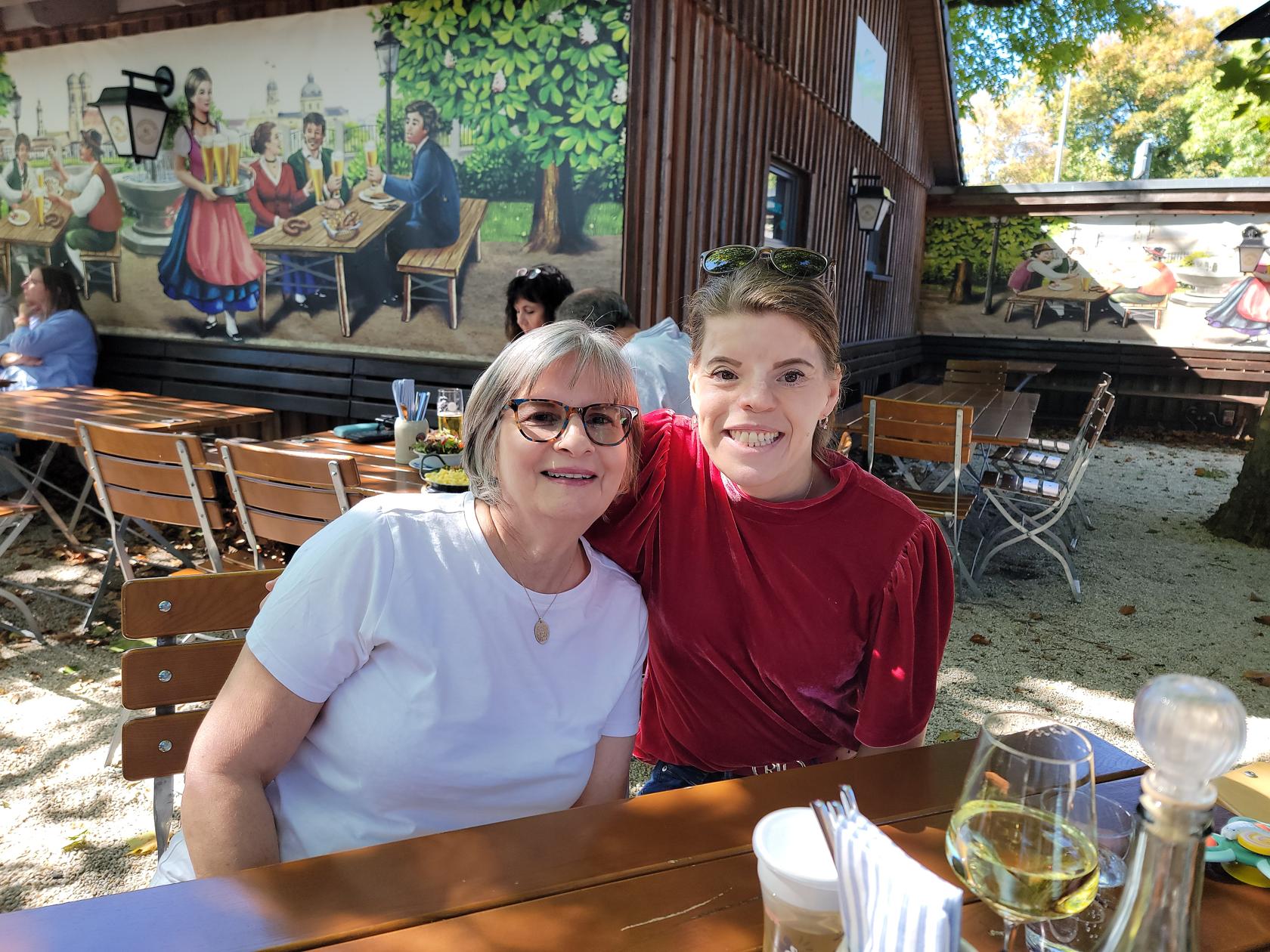
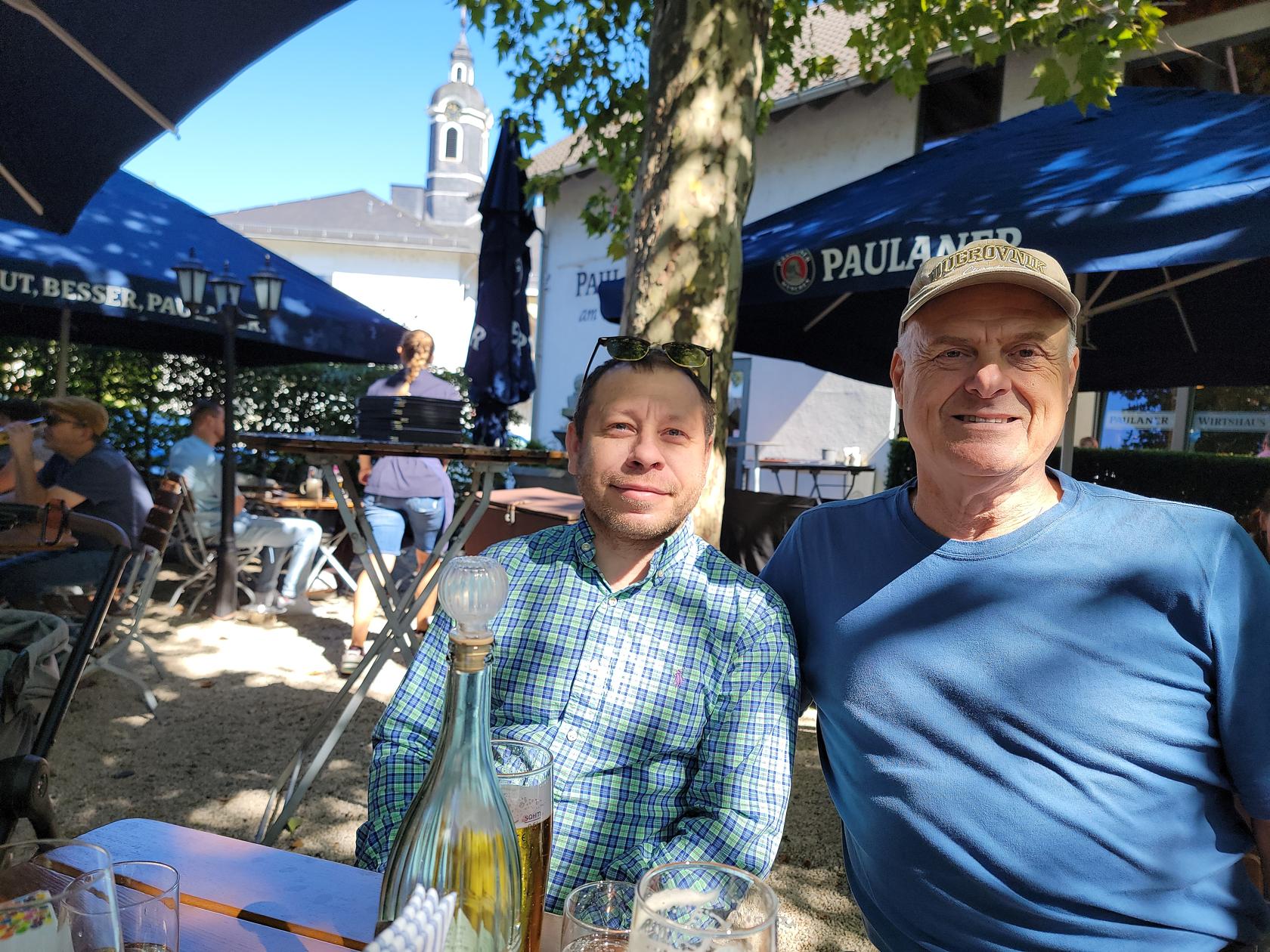
Patti and Ericka – Wirtshaus Wetzlar – Am Haarplatz – Lahn River – Wetzlar, Germany
Gabi and Erick – Wirtshaus Wetzlar – Am Haarplatz – Lahn River – Wetzlar, Germany
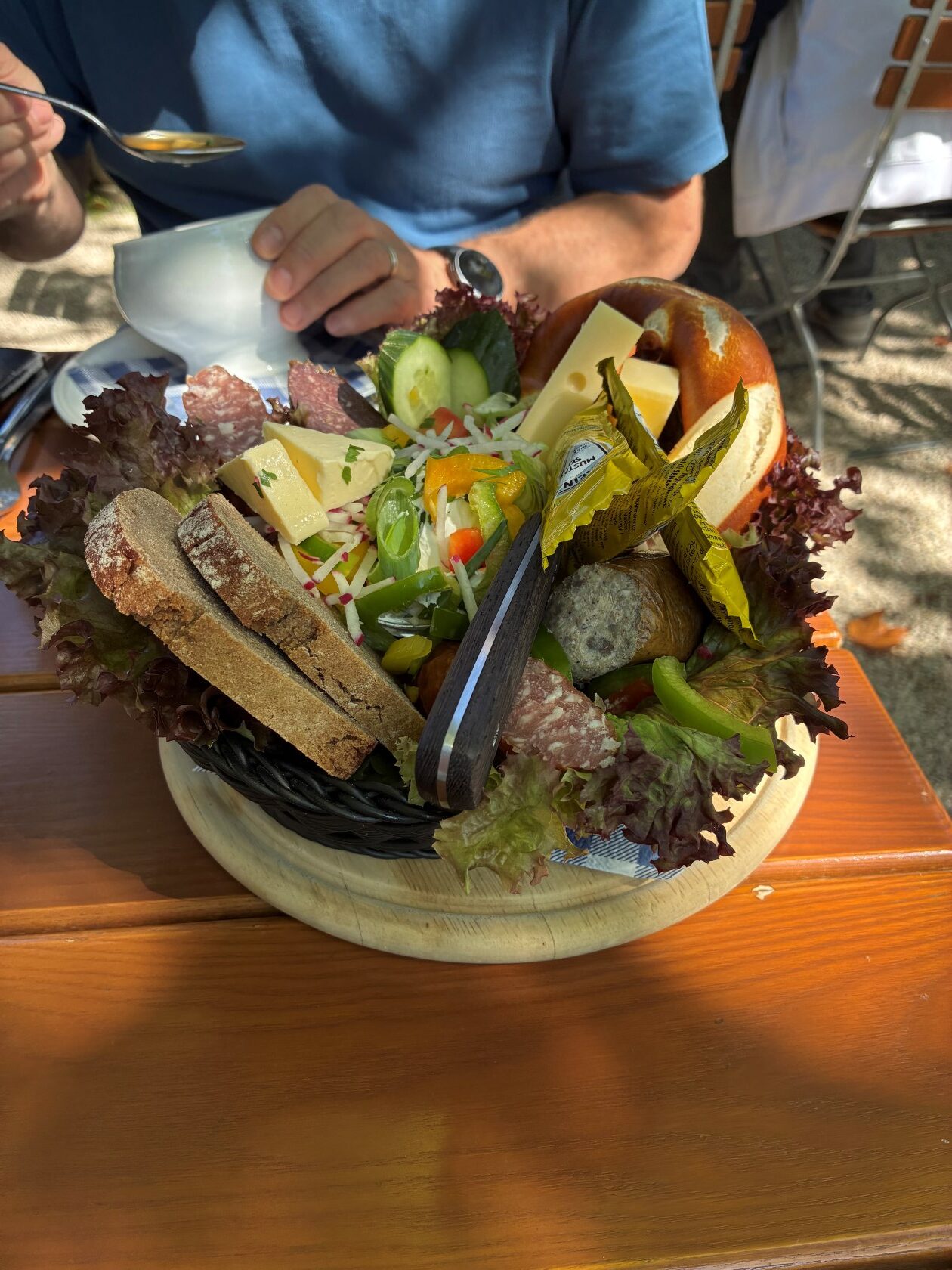
Soup with Spätzle – Wirtshaus Wetzlar – Am Haarplatz – Lahn River – Wetzlar, Germany
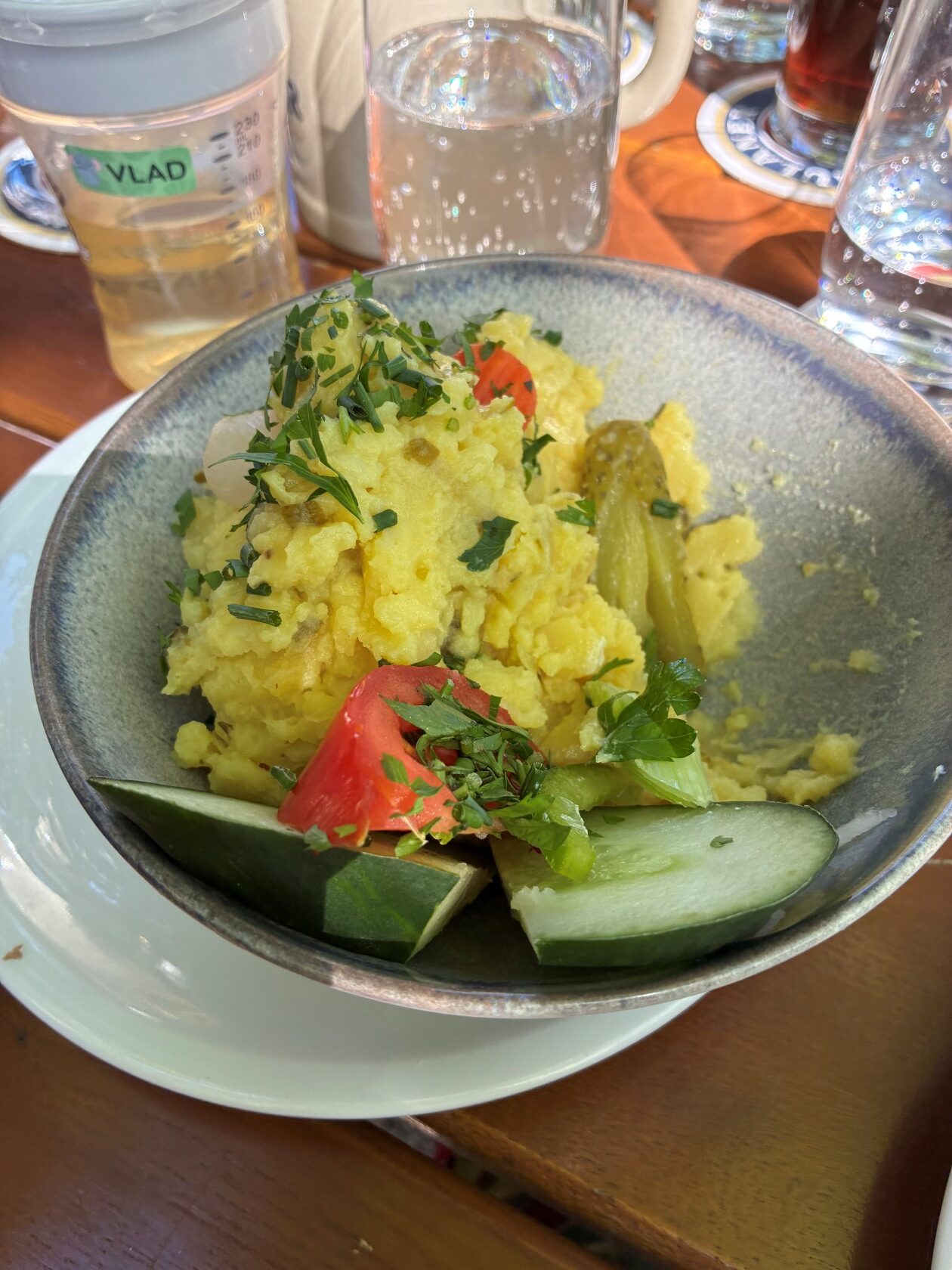
Kartoffelsalat – Wirtshaus Wetzlar – Am Haarplatz – Lahn River – Wetzlar, Germany
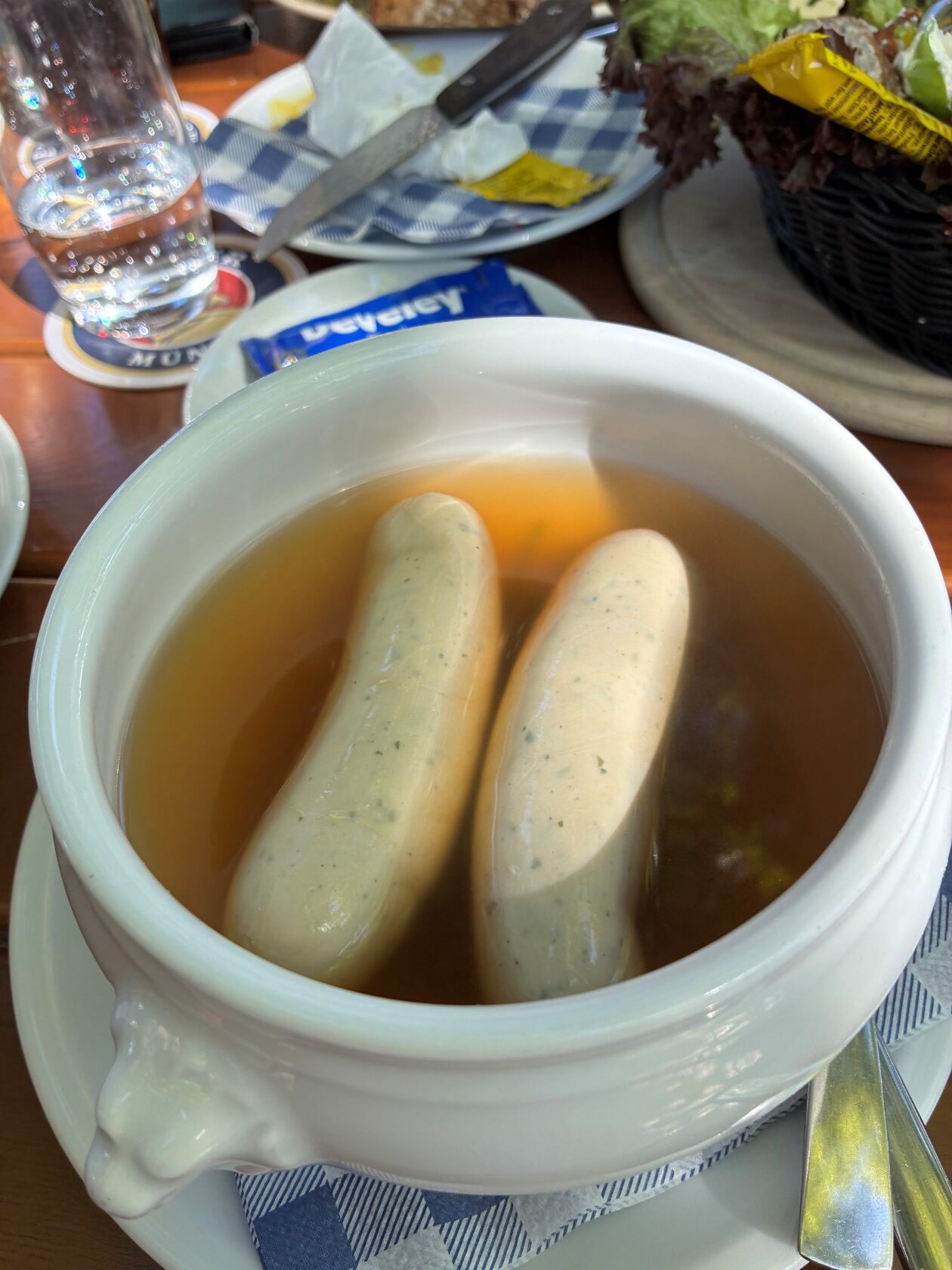
Weisswurst in Broth – Wirtshaus Wetzlar – Am Haarplatz – Lahn River – Wetzlar, Germany
Brotkorb – Wirtshaus Wetzlar – Am Haarplatz – Lahn River – Wetzlar, Germany
Aside from the fact that there are only so many fries, waffles and chocolates that one can eat, we have yet come across the fabled brussel sprout in this capitol city. It’s not like we haven’t looked, but like all other things Belgian, it is mysterious, especially when it comes to cuisine, the city’s signature veggie, or better yet, service.
Brussels
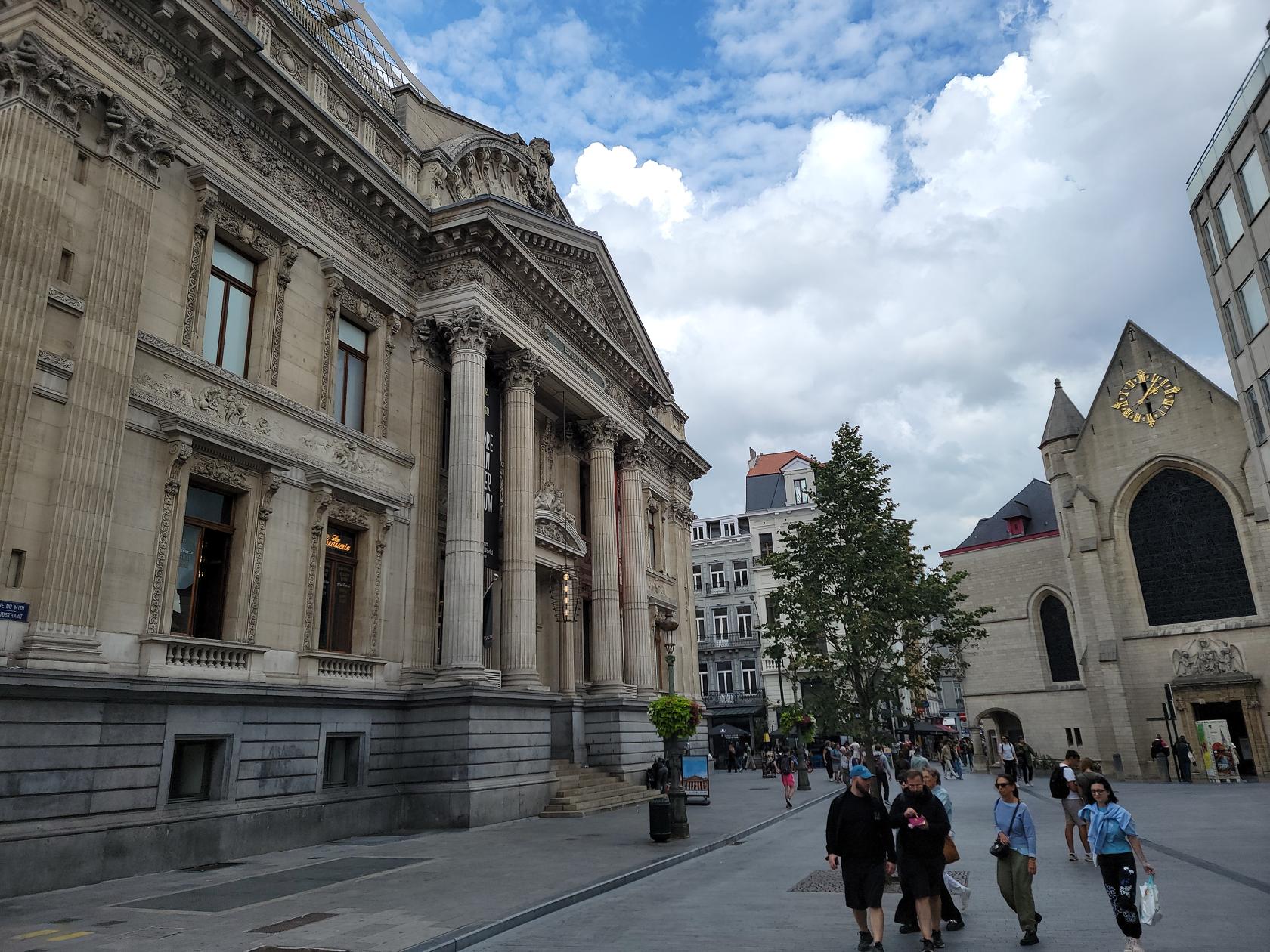
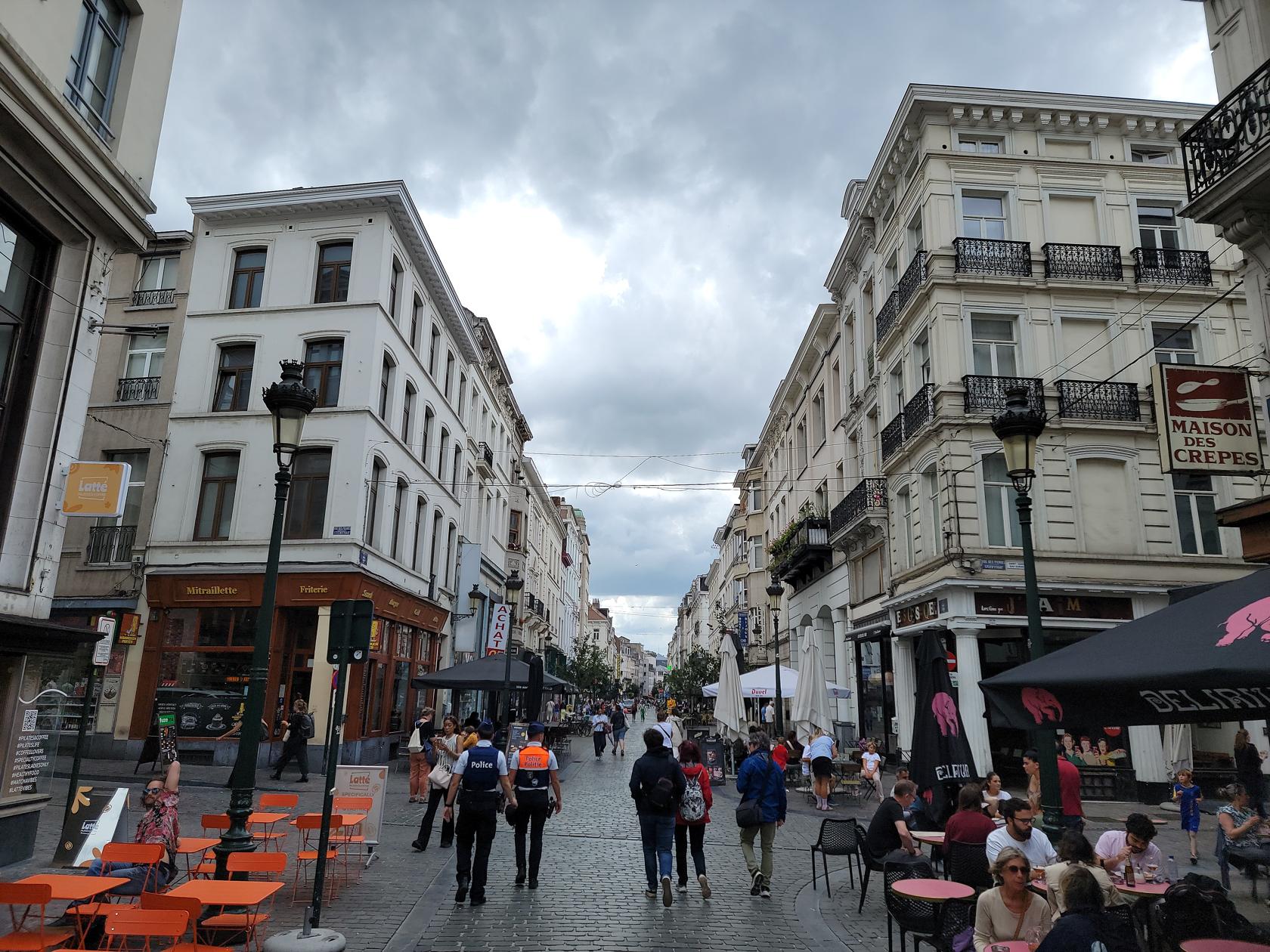
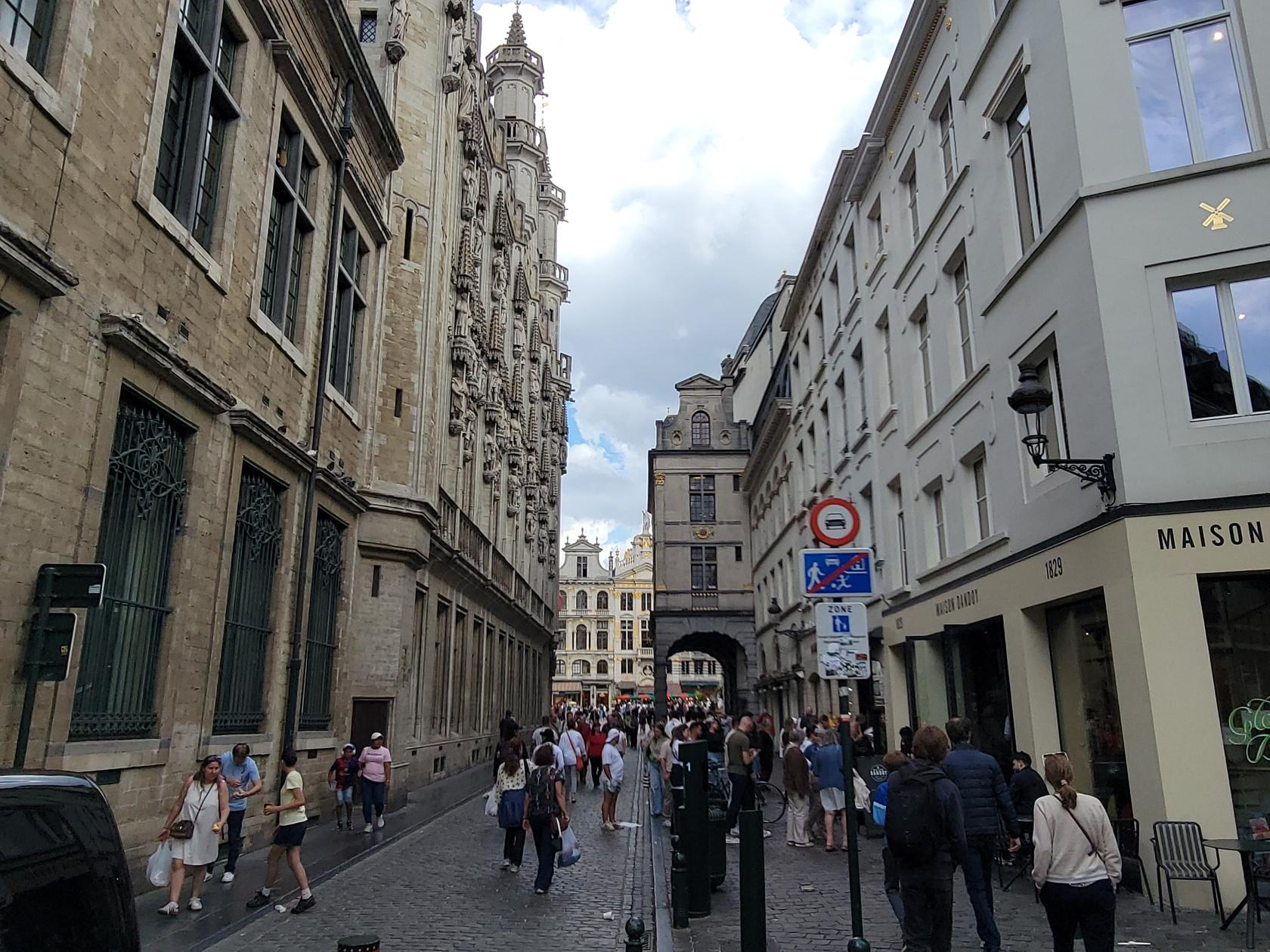
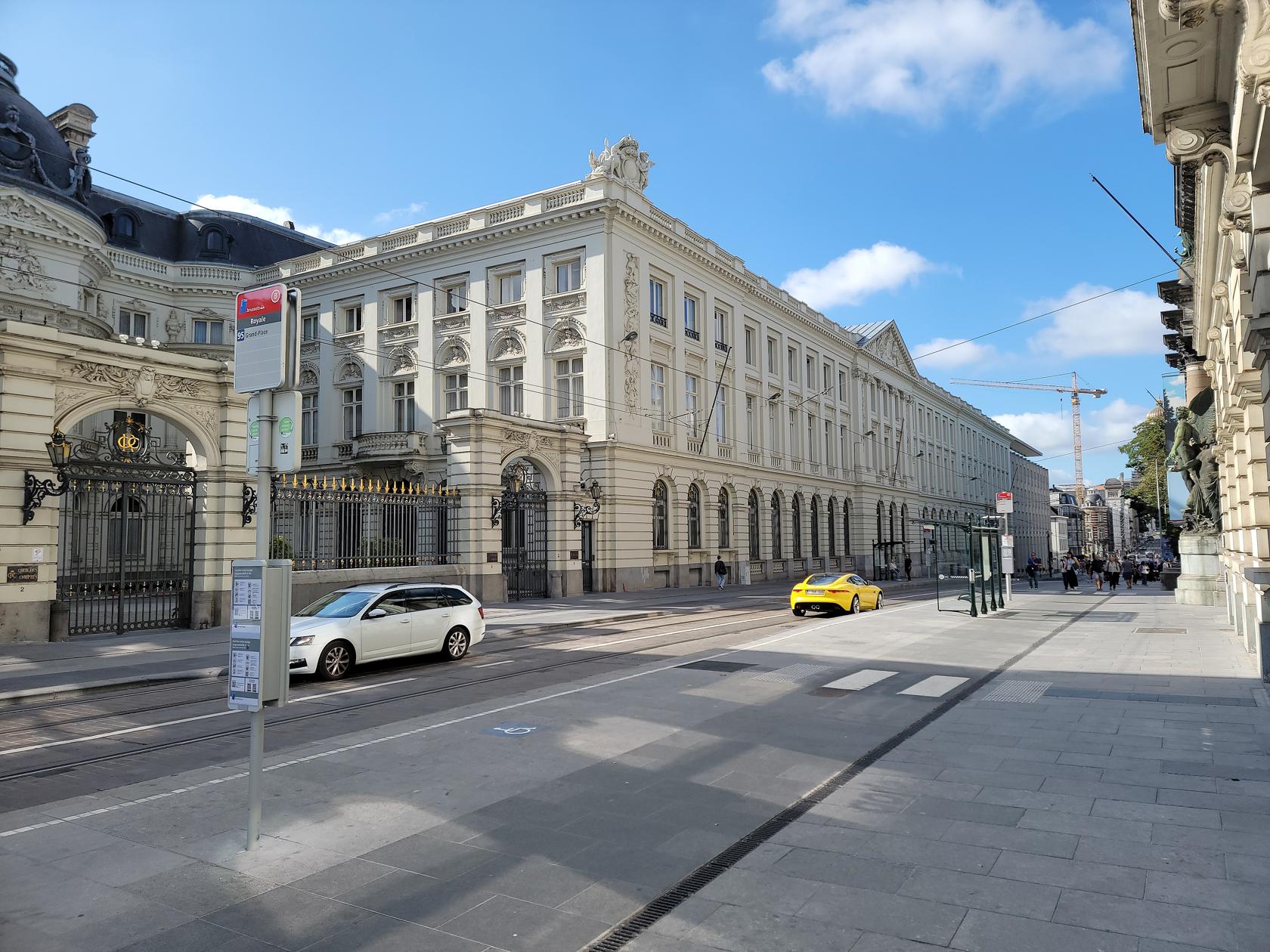
The historic city of Brussels proper exists within what the locals call the pentagon, or the inner loop or road that used to contain the city wall. Within it, the visitor will again experience dramatic shifts between old and new, one with which the Belgians have obviously condoned or perhaps accepted through a complacent myopia. The juxtaposition of some of the most modern buildings one will ever see are here, french provincial alongside gothic alongside some post-modern nonesense is common and most striking, if not down right unpleasant.
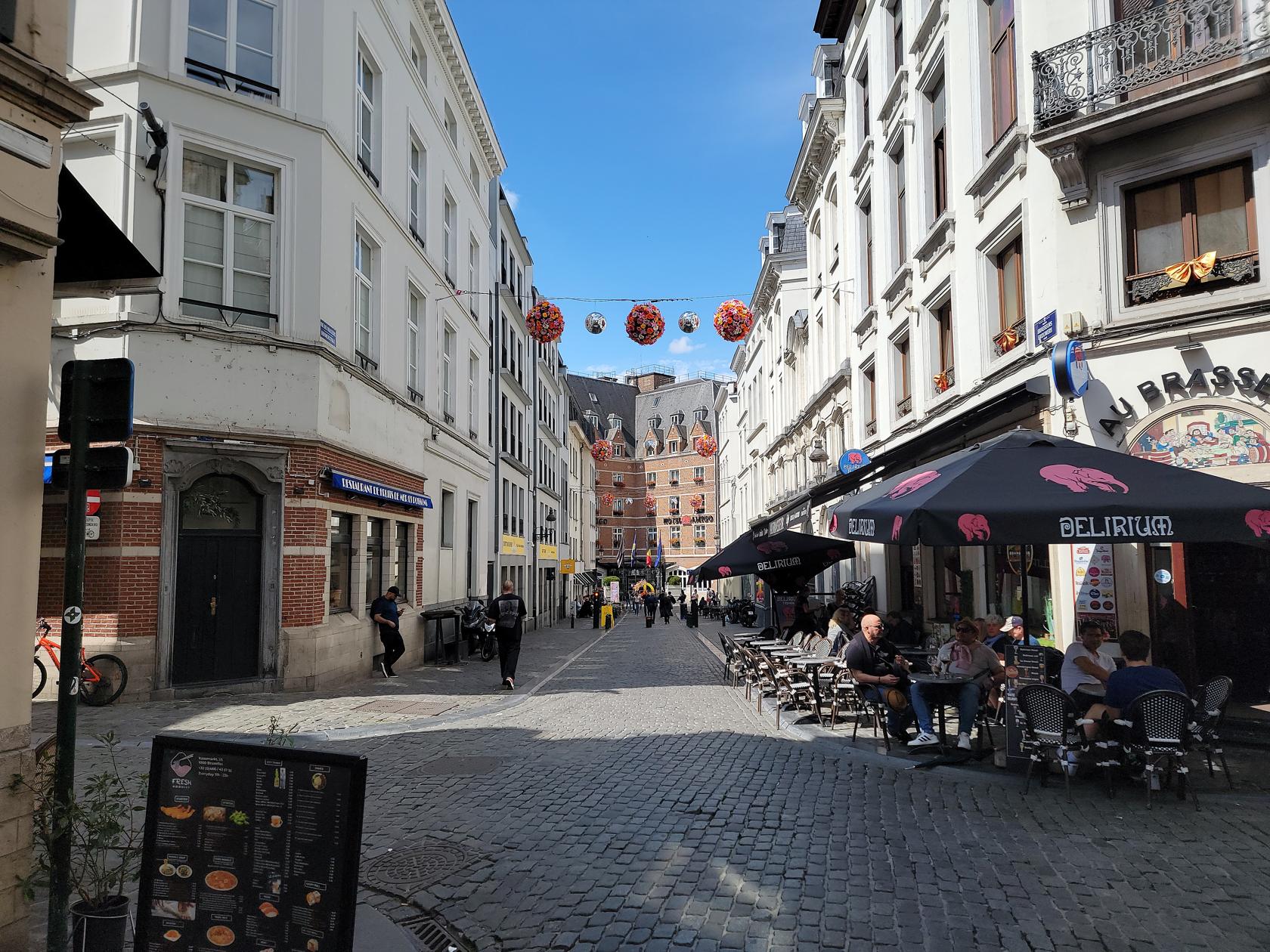
Rue des Brasseures – Brussels, Belgium
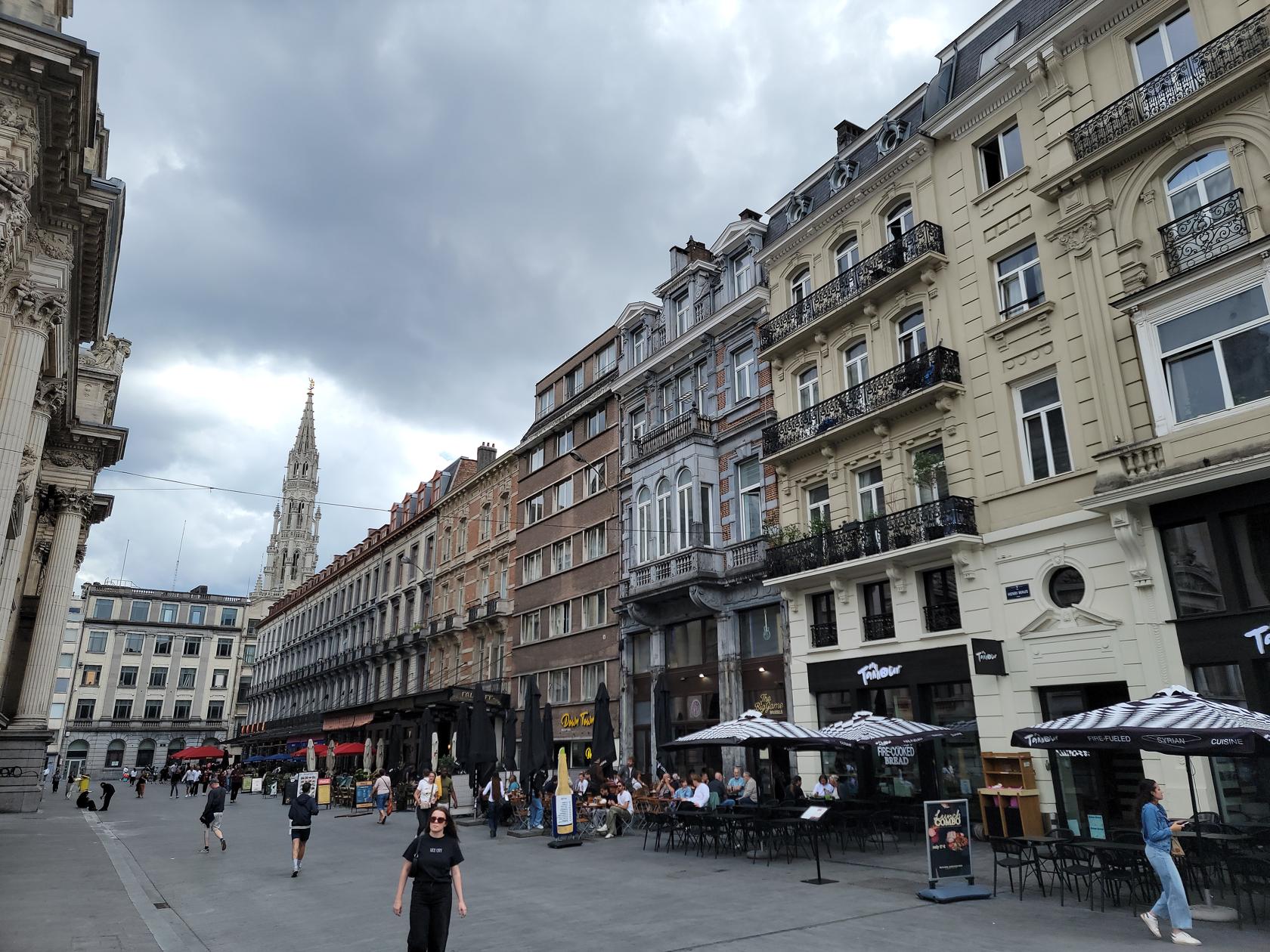
Rue Henri Maus – Brussels, Belgium
Brussels Stock Exchange – Brussels, Belgium
Rue di Midi – Brussels, Belgium
Rue Charles Buls – Brussels, Belgium
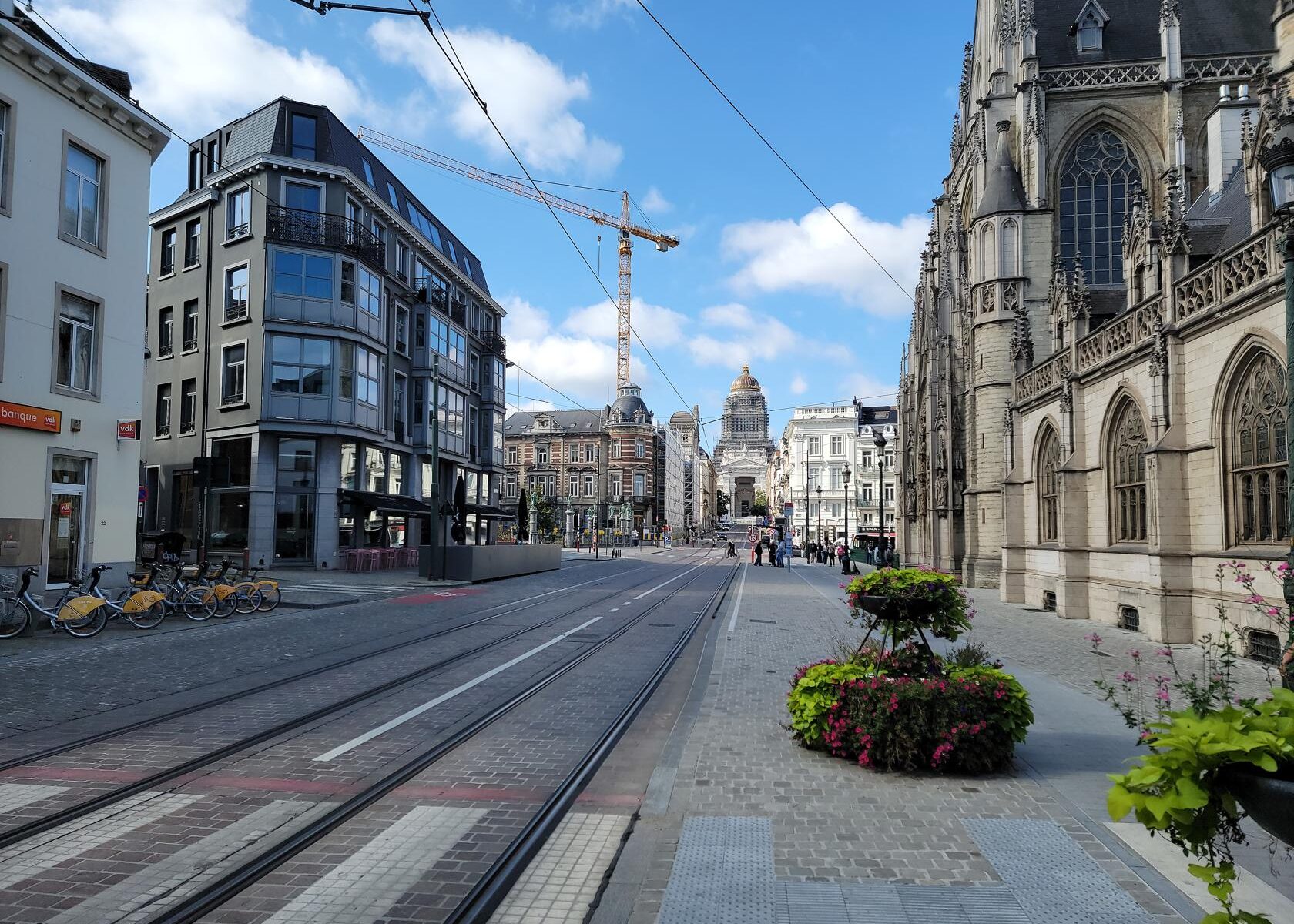
Rue de le Regence – Brussels, Belgium
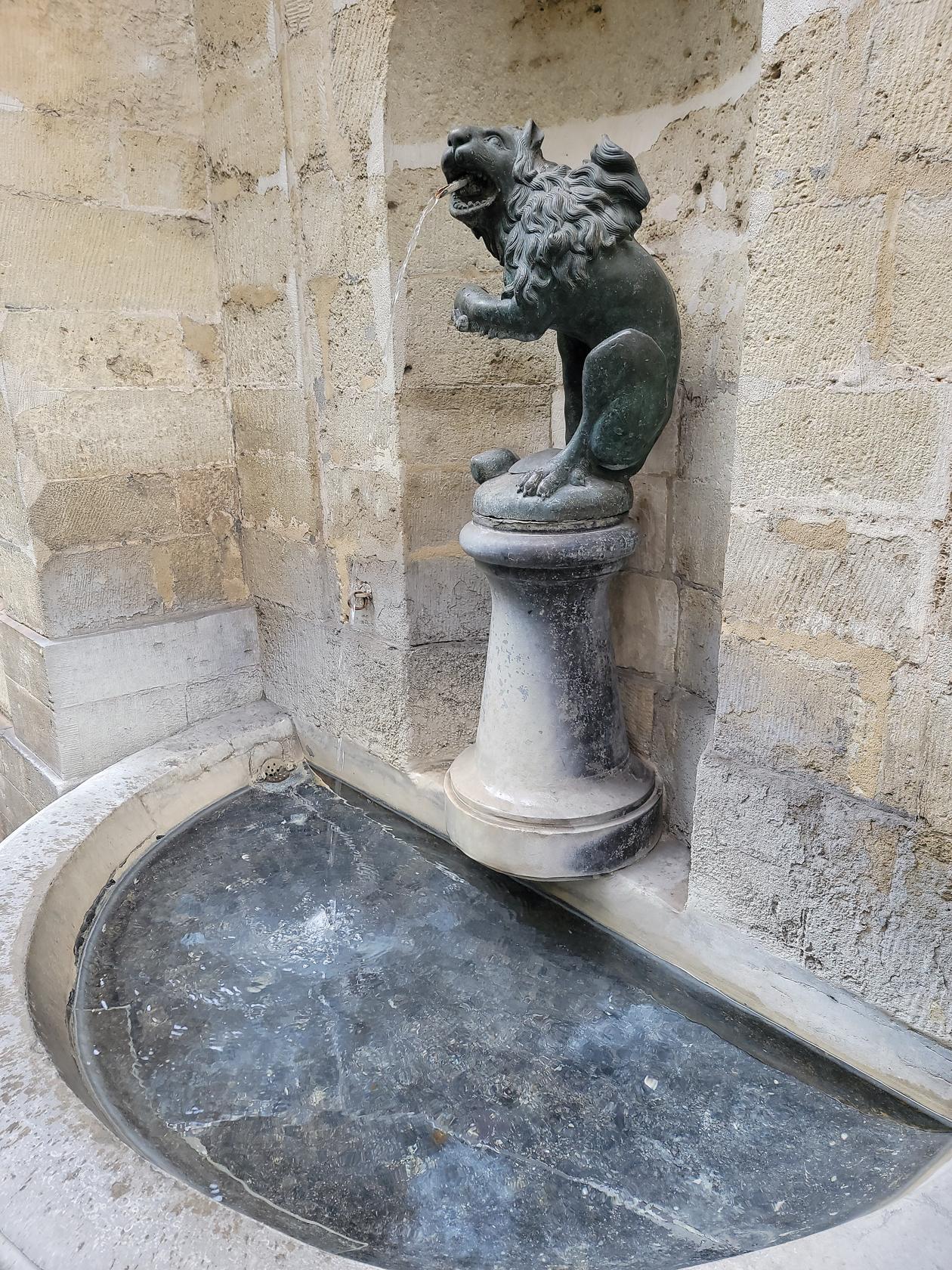
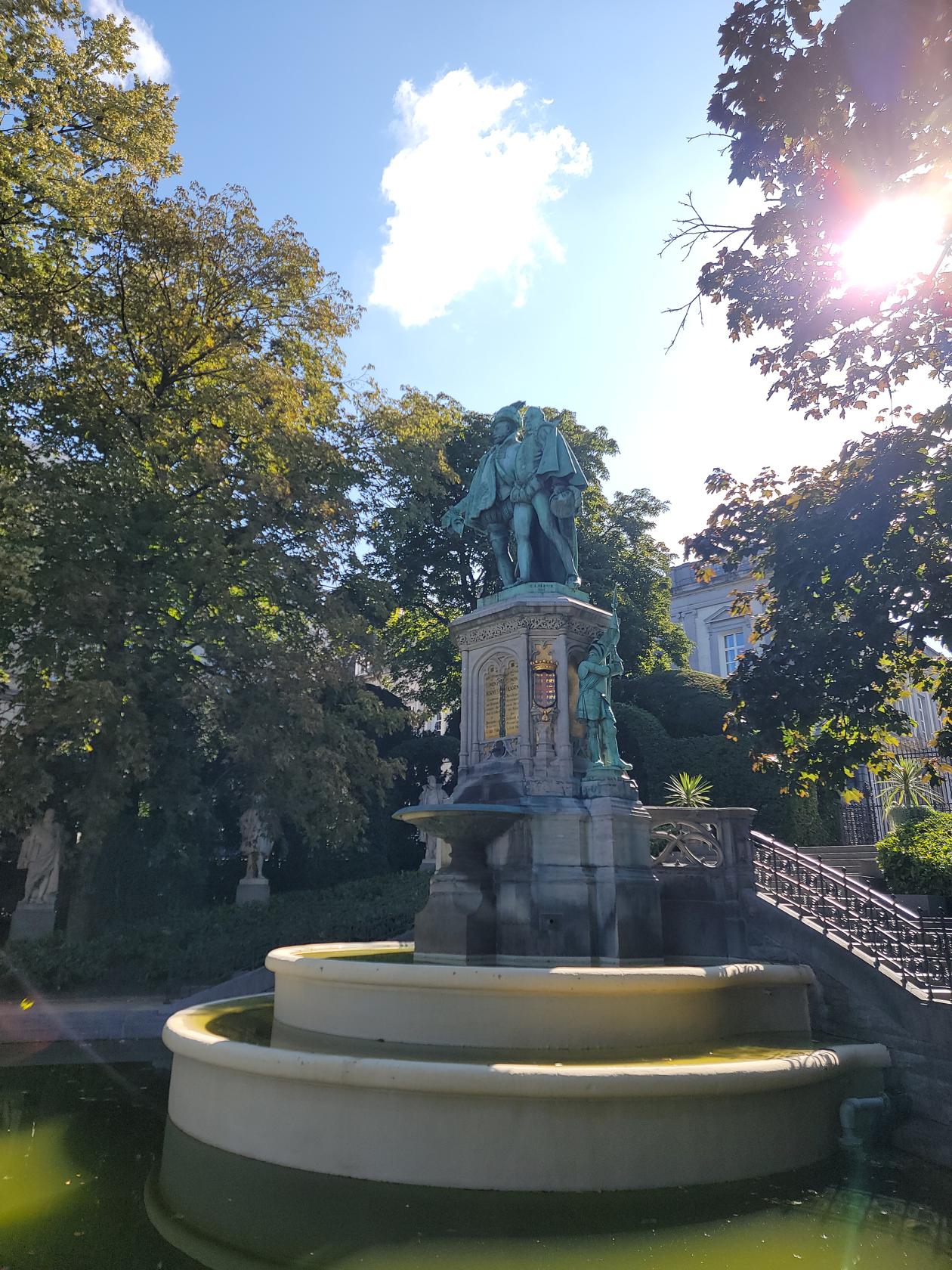
Fountain – Brussels, Belgium
Rue Charles Buls – Brussels, Belgium
Getting There
From Gent we took the InterCity train second class from the Sint Pierre Station, since it offered a direct service with a total travel time around thirty-five minutes. Because of the short distance, second class is more than convenient and you don’t have to drag your luggage up a flight a spiral stairs to get to it, what a poor design!
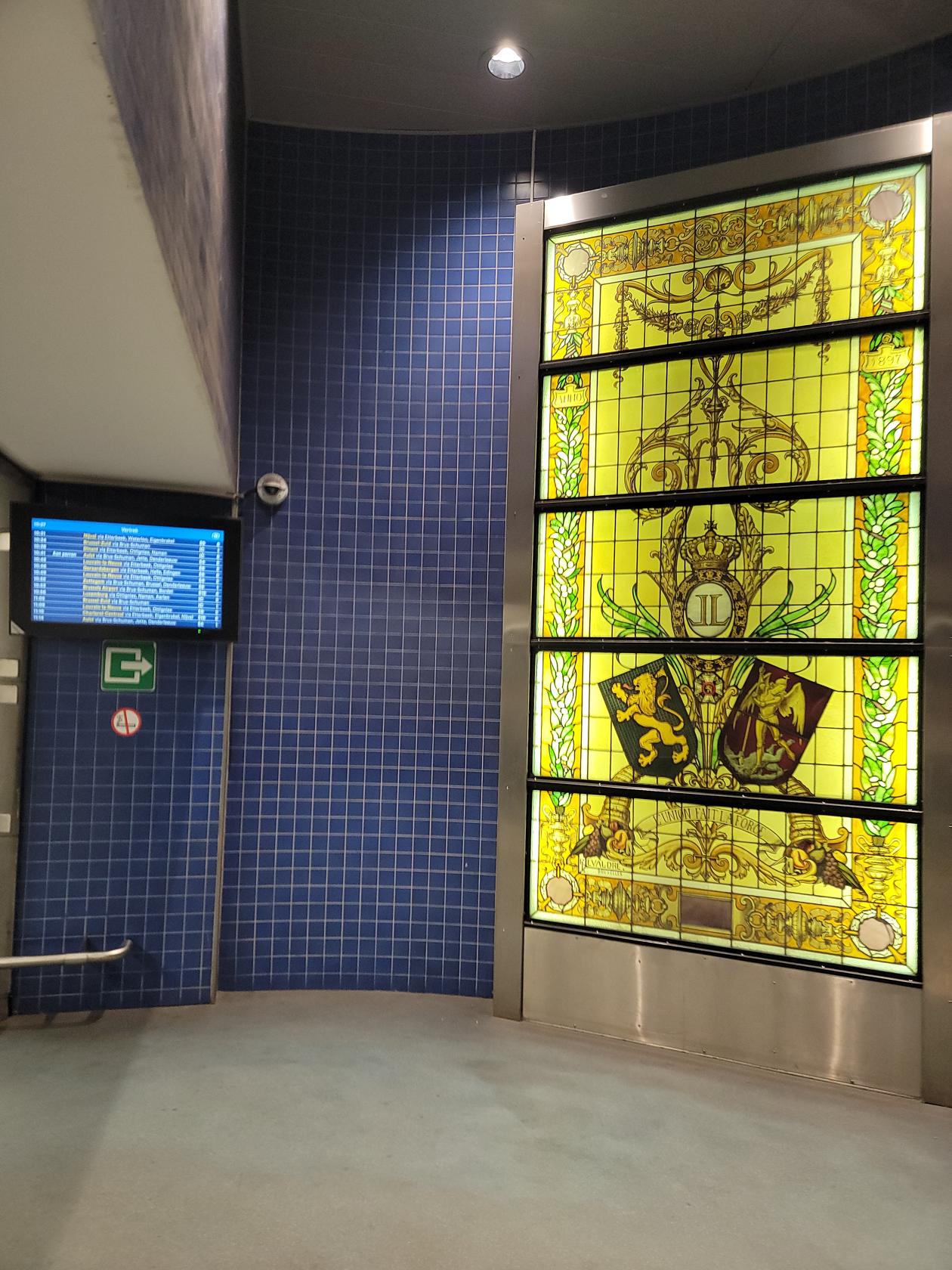
Sint Pierre Train Station – Gent, Belgium
Sint Pierre Train Station – Gent, Belgium
Hotel Warwick
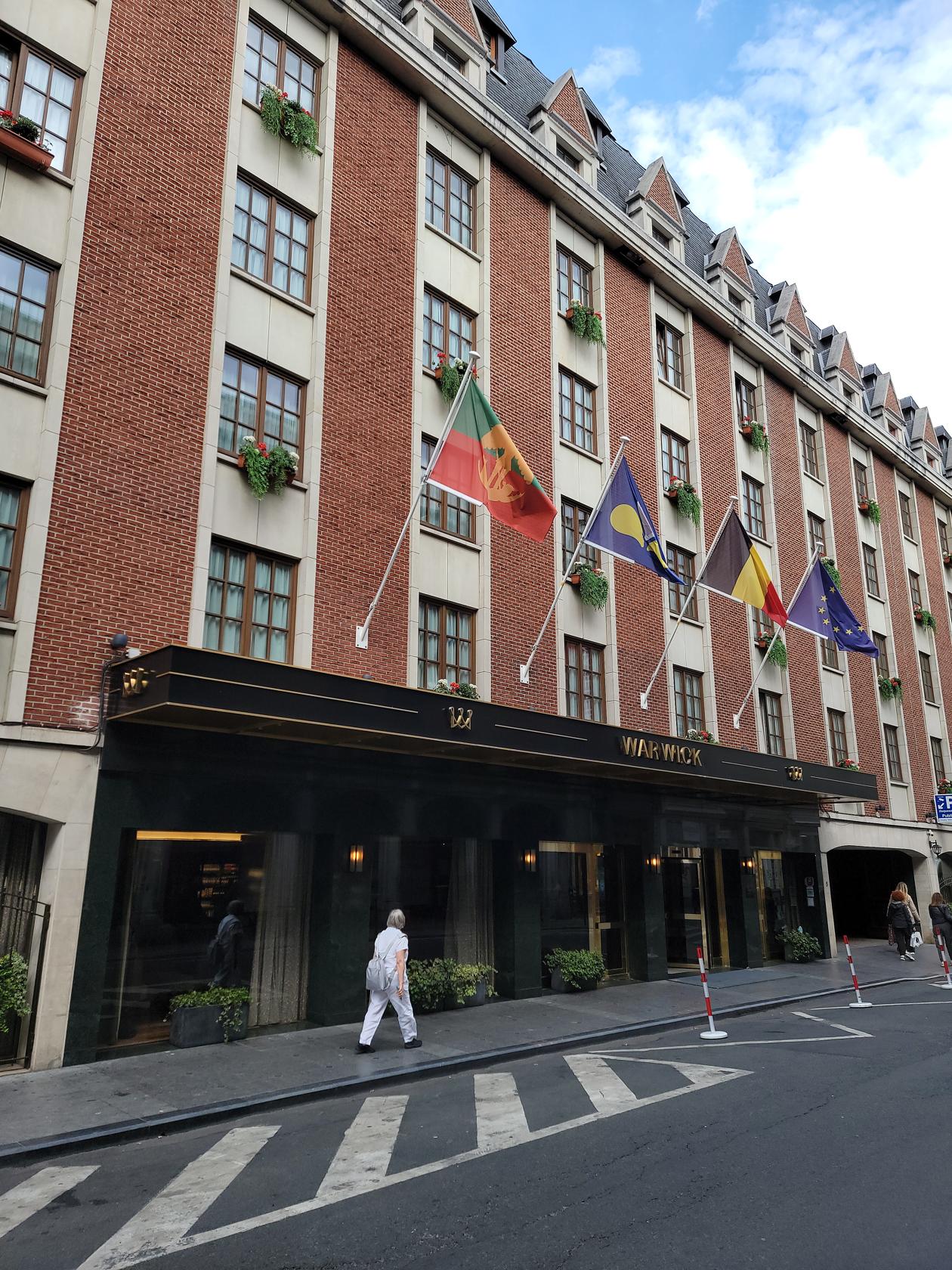
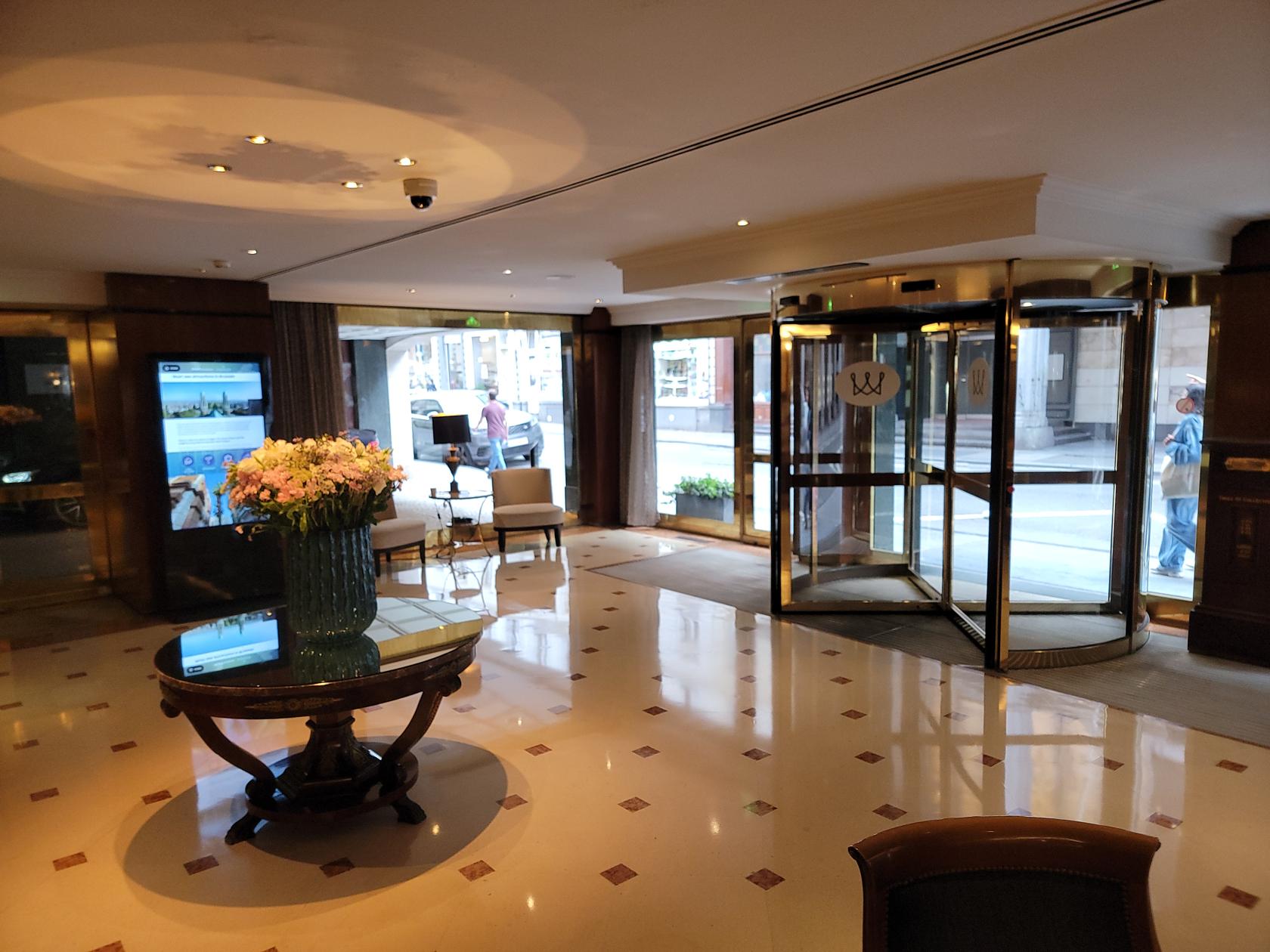
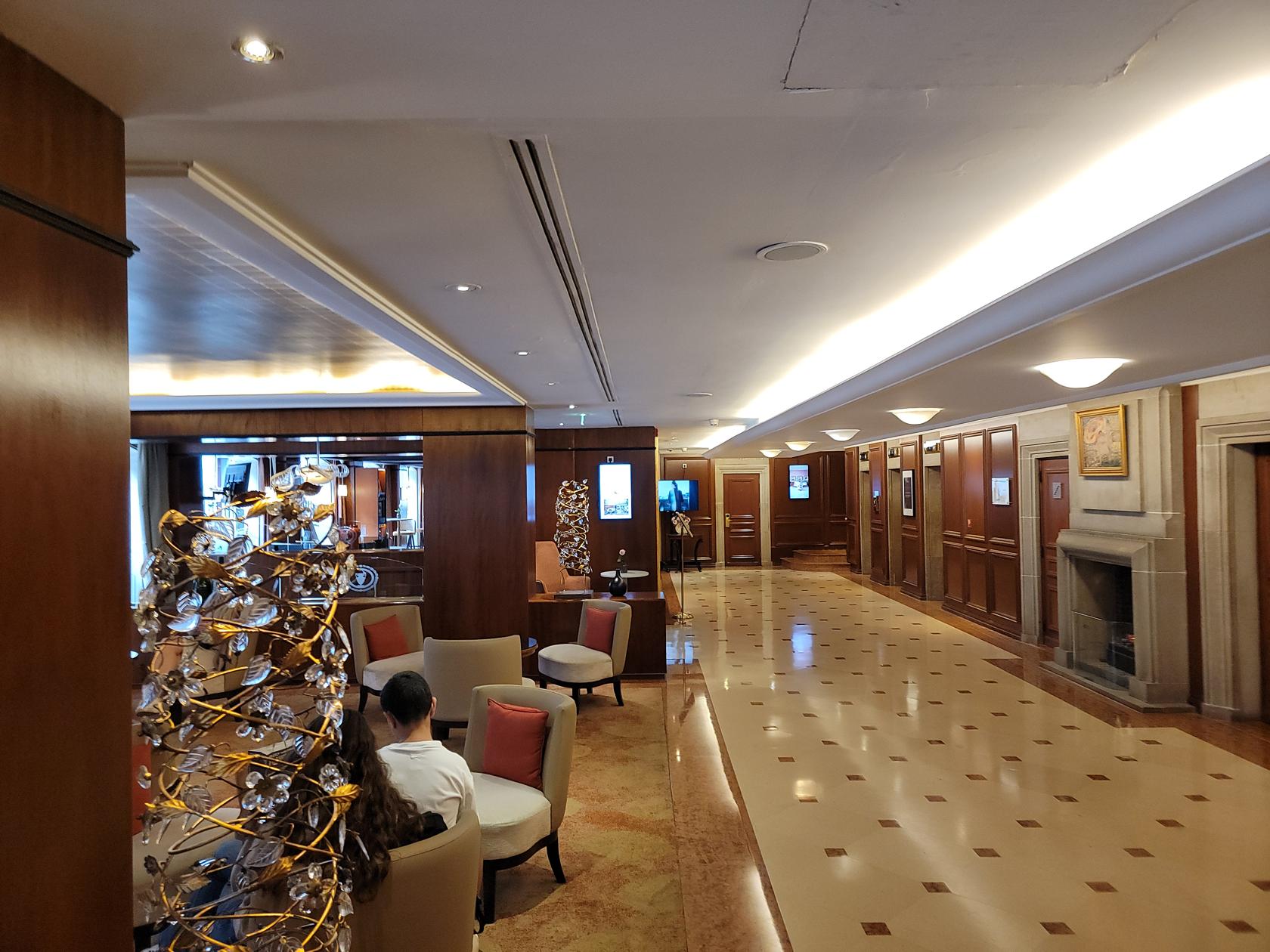
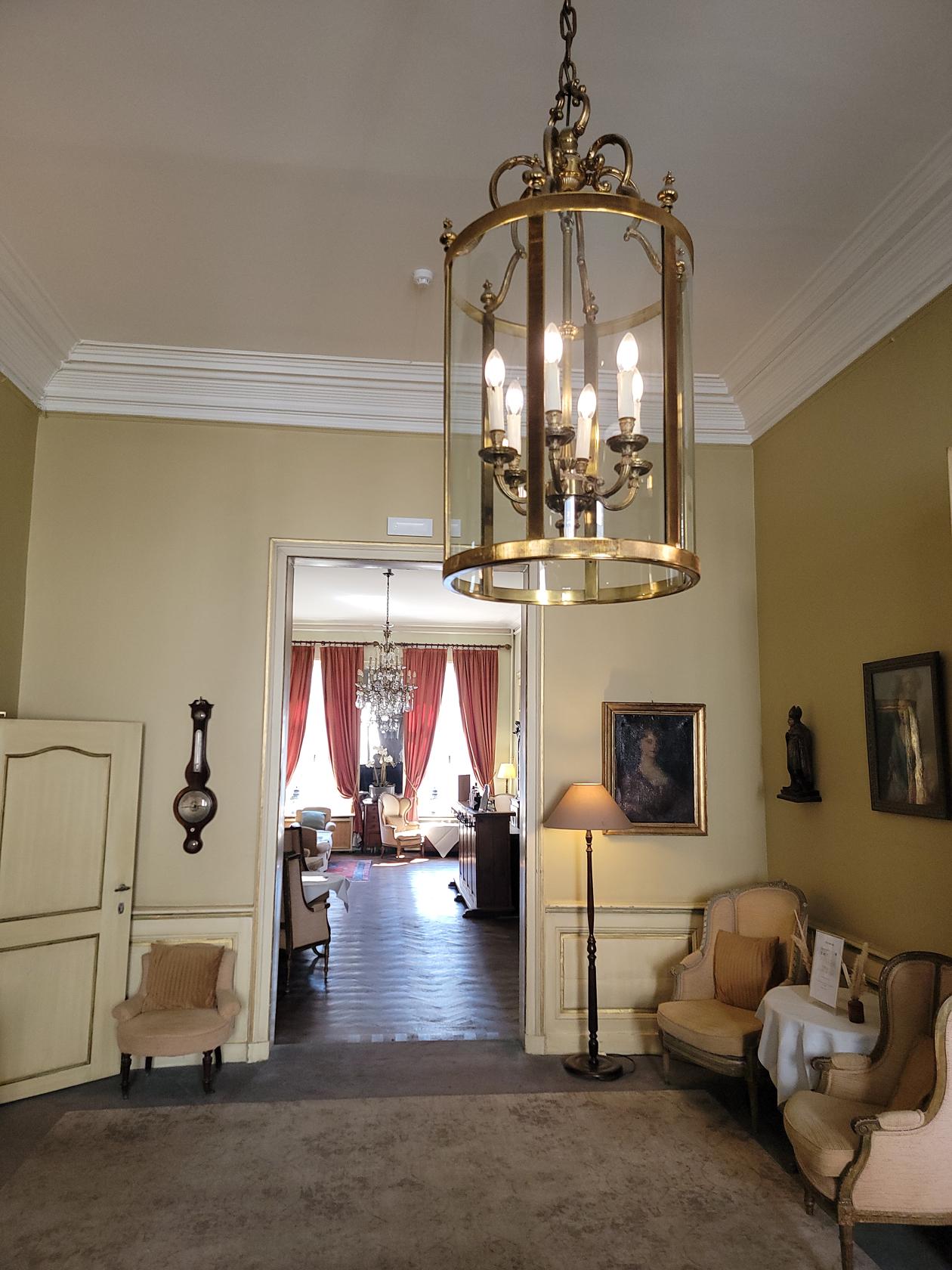
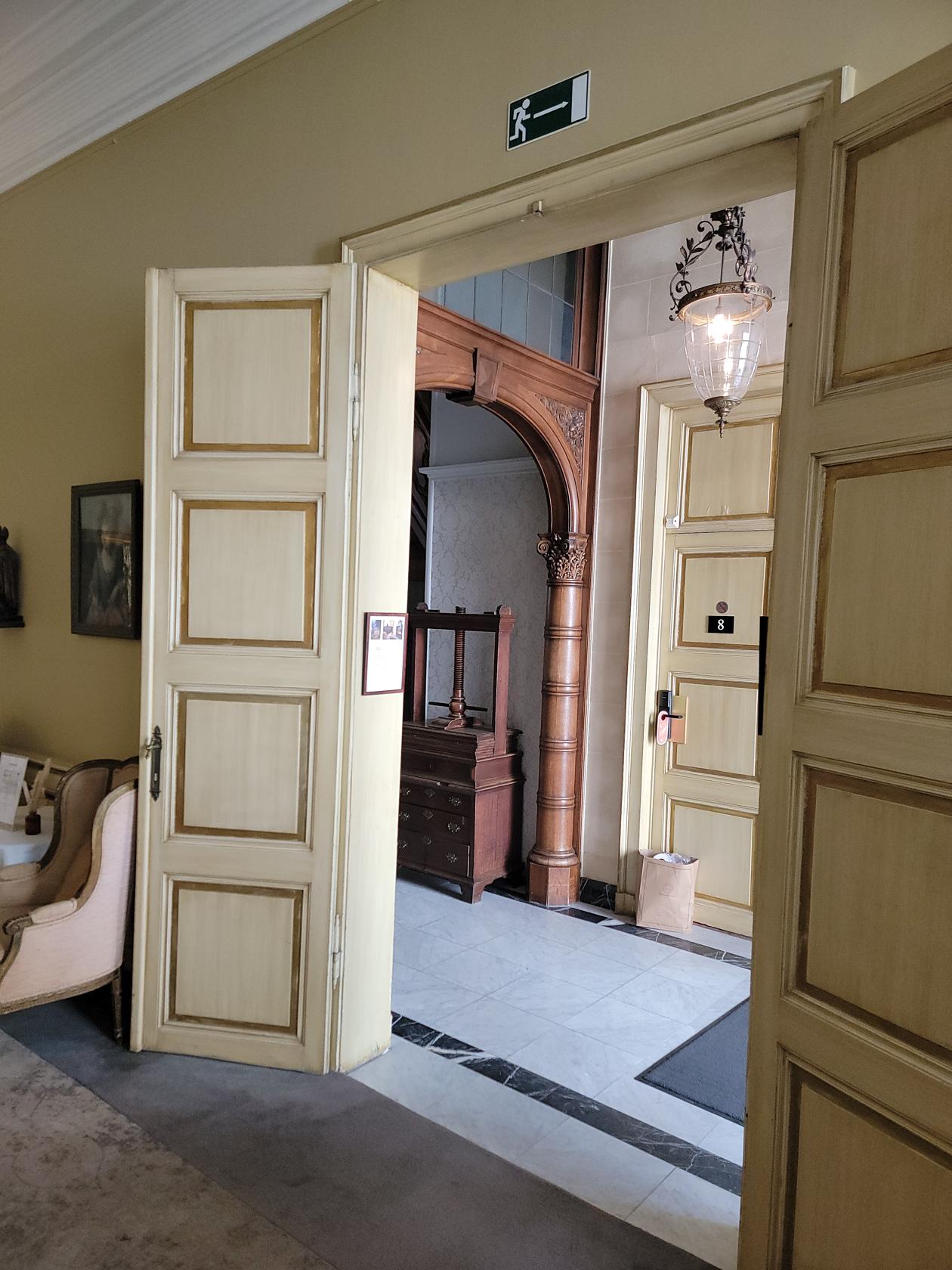
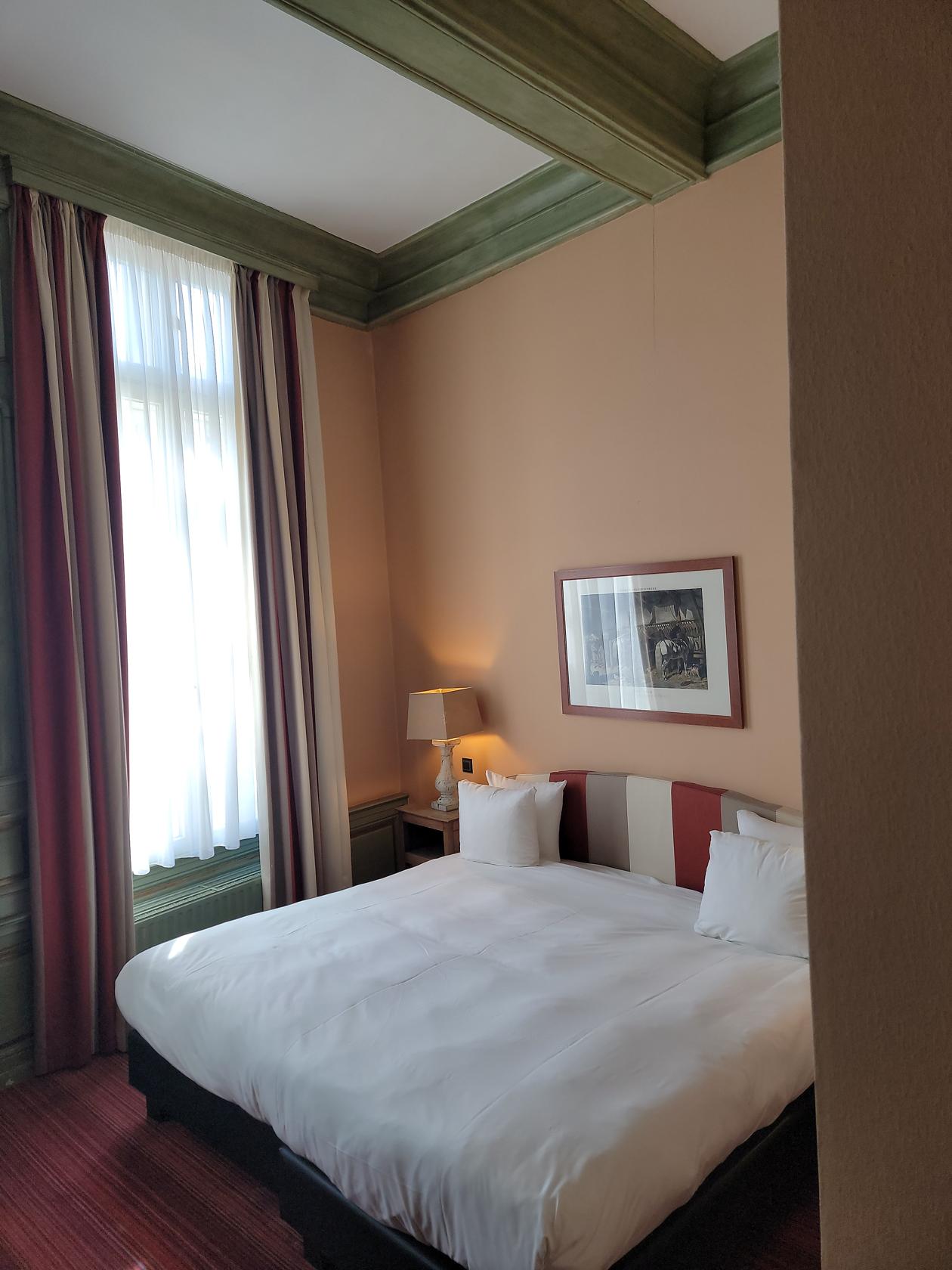
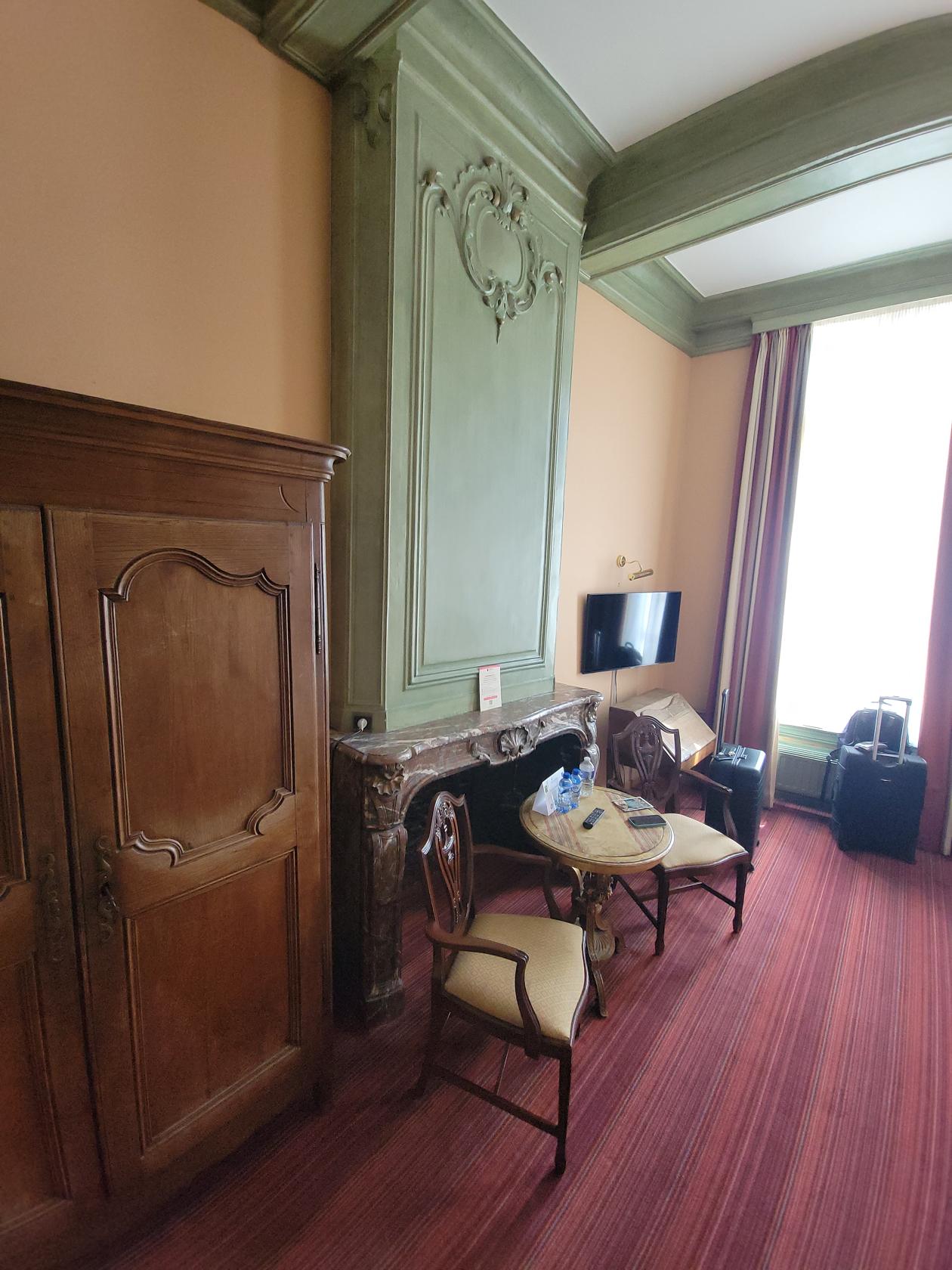
We stayed at the Warwick on Rue Duquesnoy, very close to the train station, so very convenient for travelers. It is a four star and has very good ammenities. Though the bathrooms seem like they could use some care.
Entrance – Warwick Hotel – Brussels, Belgium
Lobby – Warwick Hotel – Brussels, Belgium
Lobby – Warwick Hotel – Brussels, Belgium
Grand Place
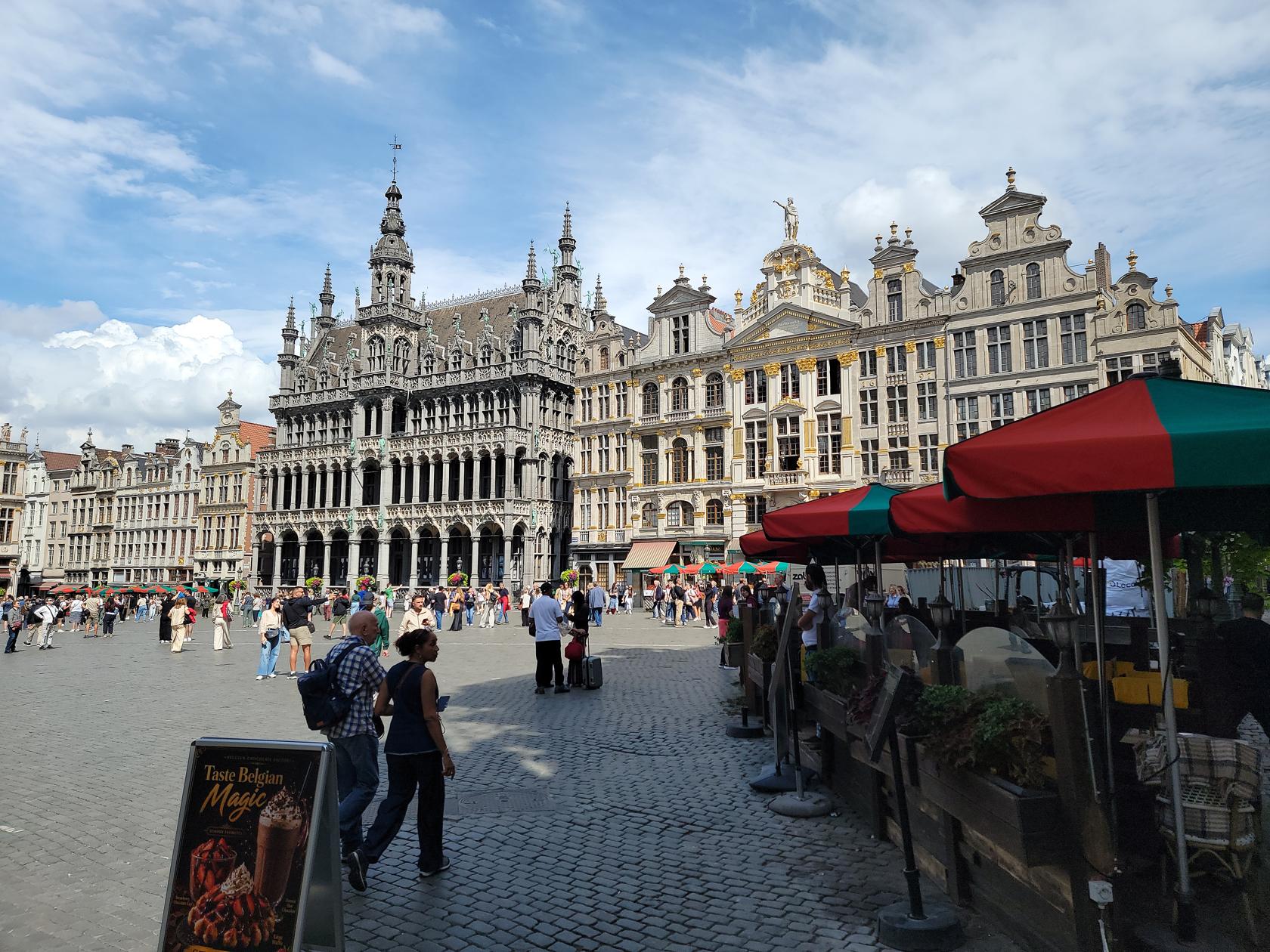
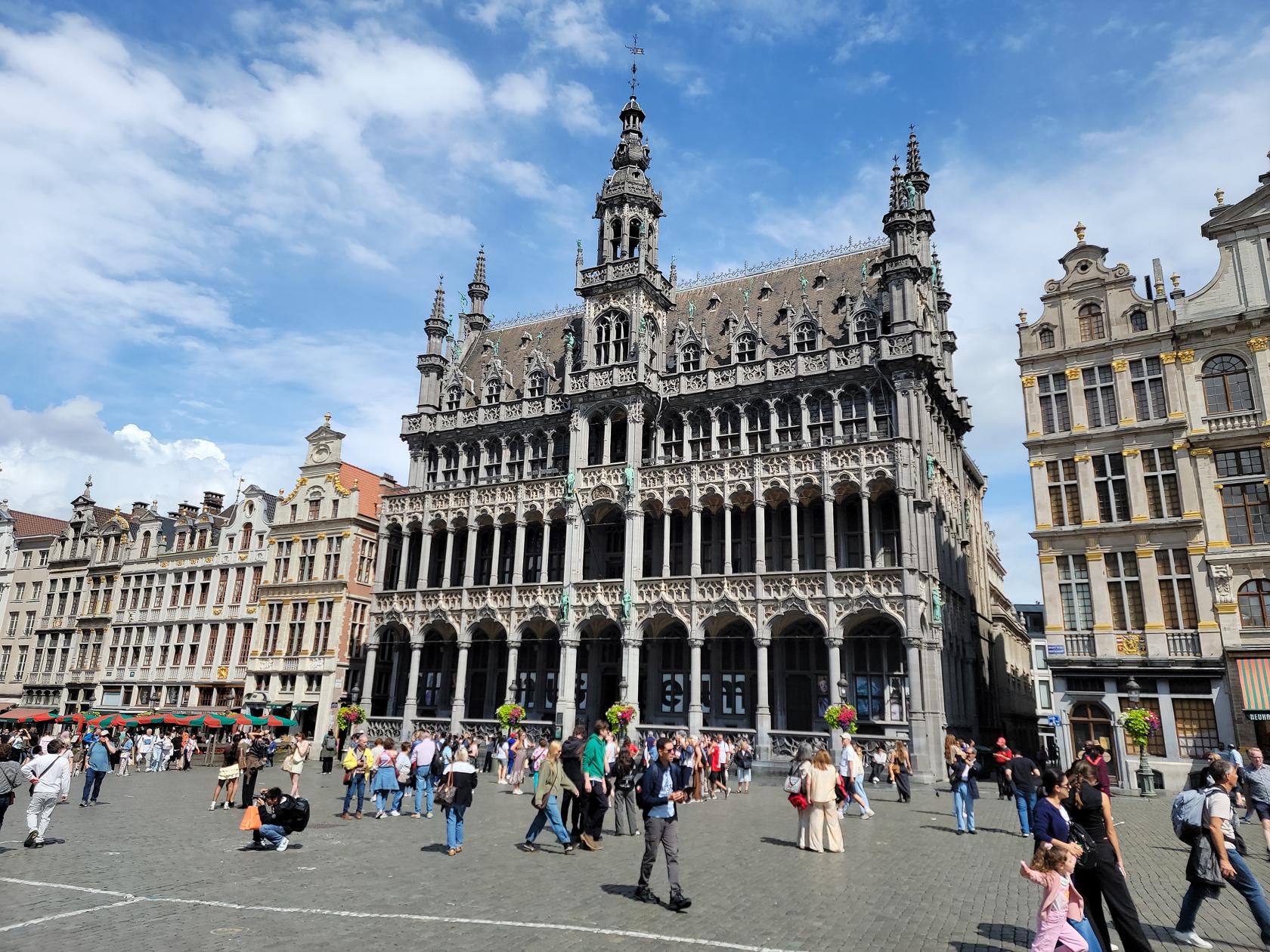
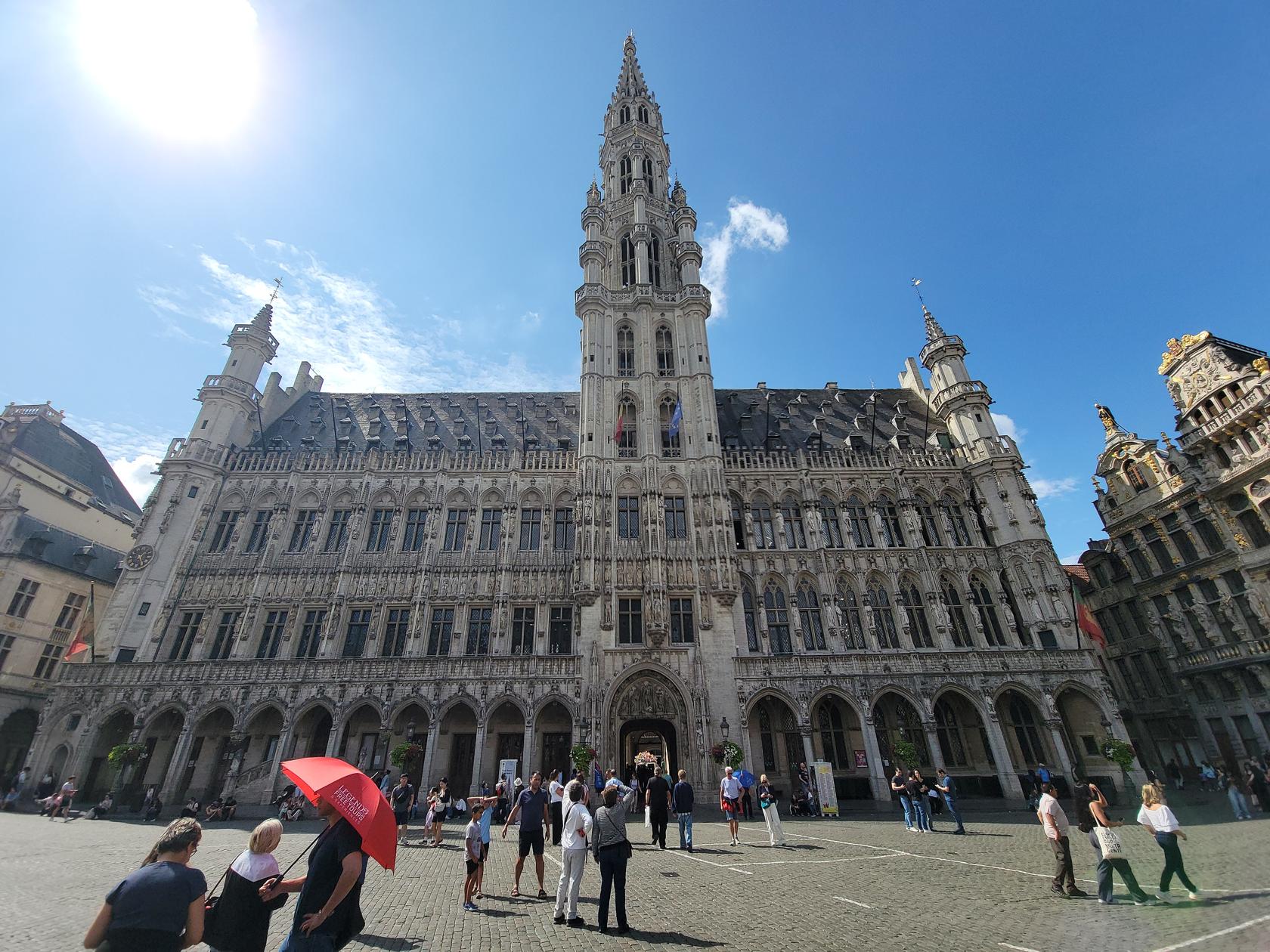
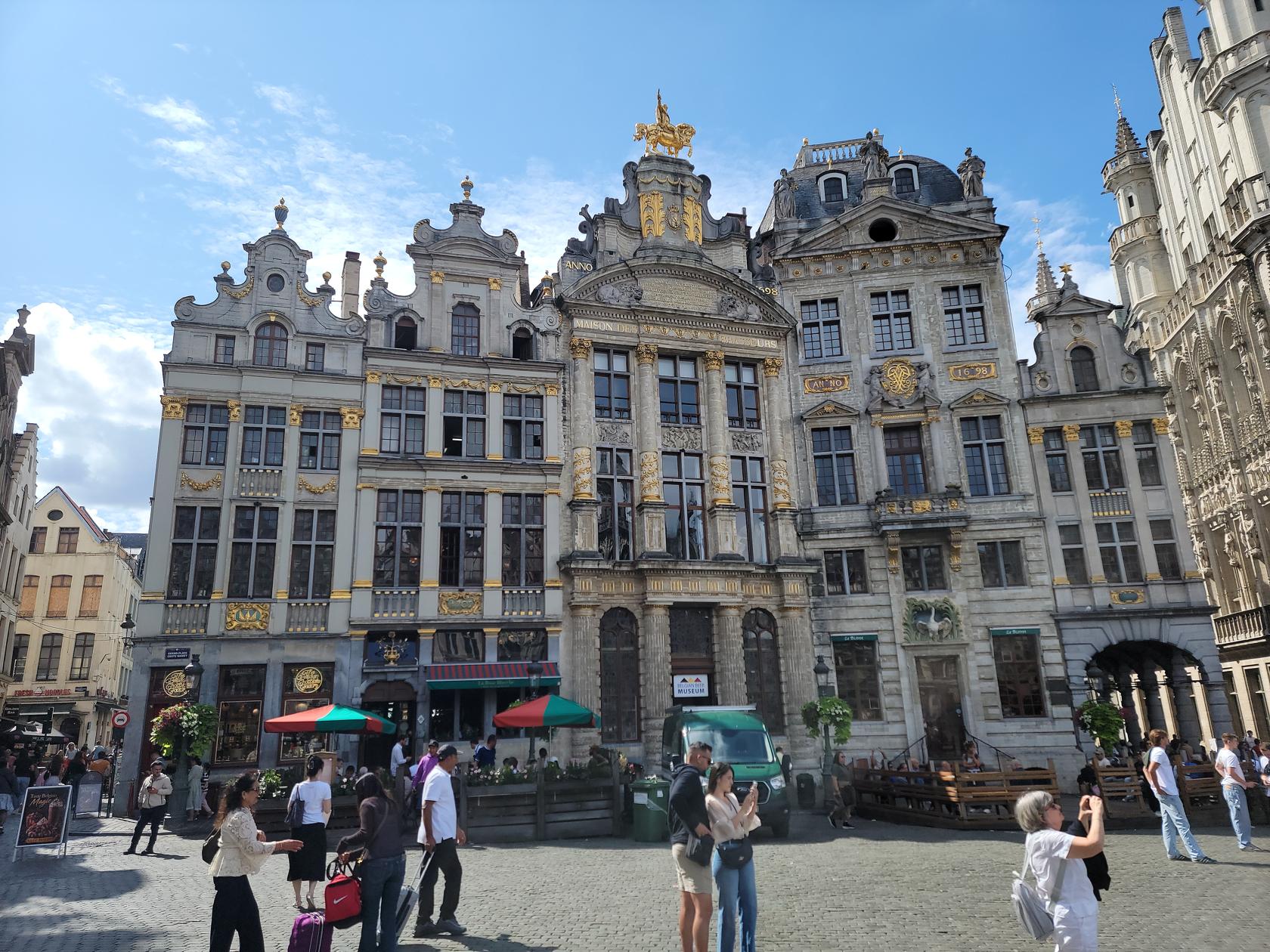
The main square in Brussels is the Grand Place. This is where some of the more important historical buildings will be found. It is flanked on the two major sides by the Brussels Town Hall and across from it the Brussels City Museum.
Brussels City Museum – Grand Place – Brussels, Belgium
Brussels City Museum – Grand Place – Brussels, Belgium
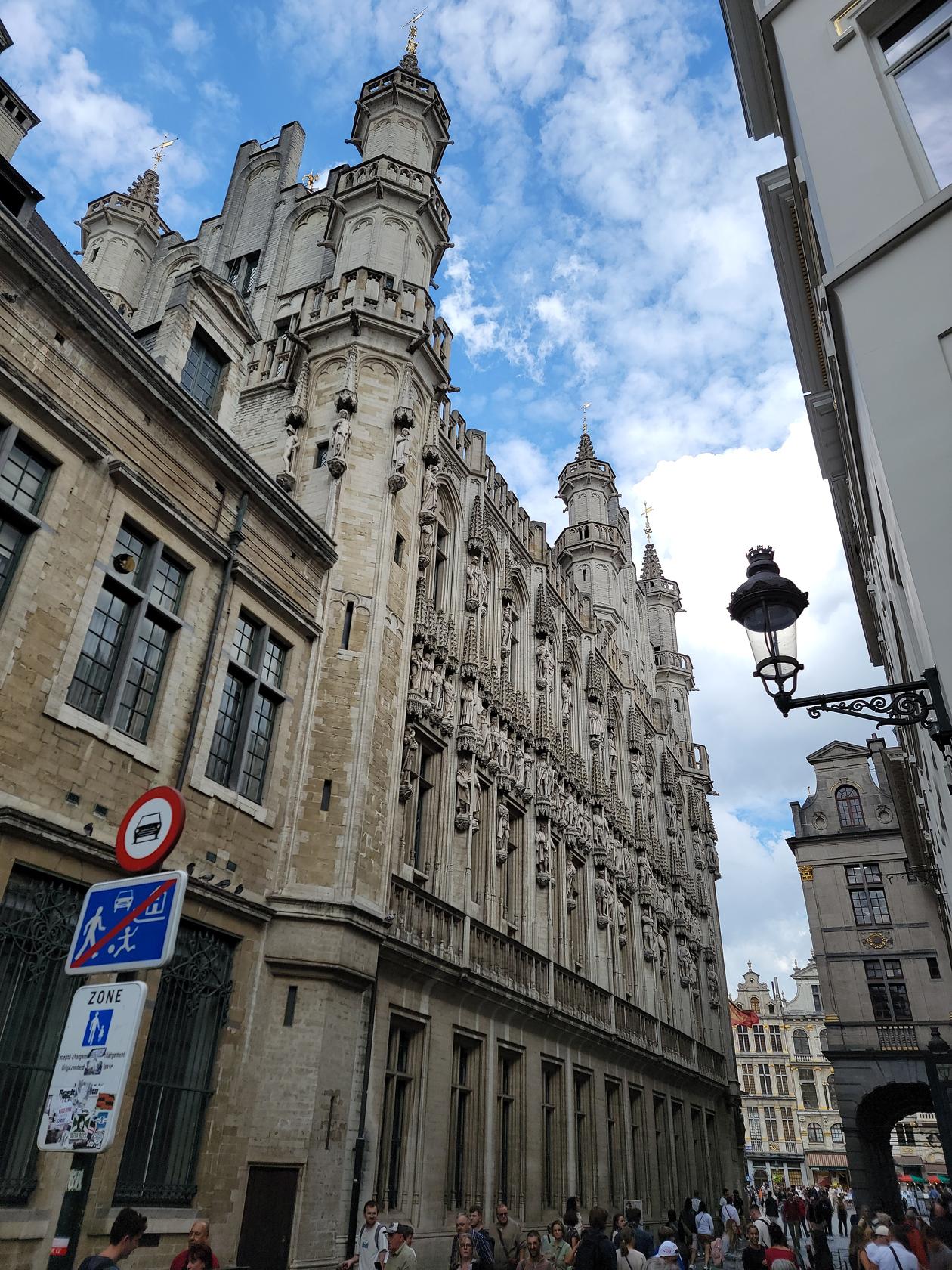
Brussels Town Hall – Grand Place – Brussels, Belgium
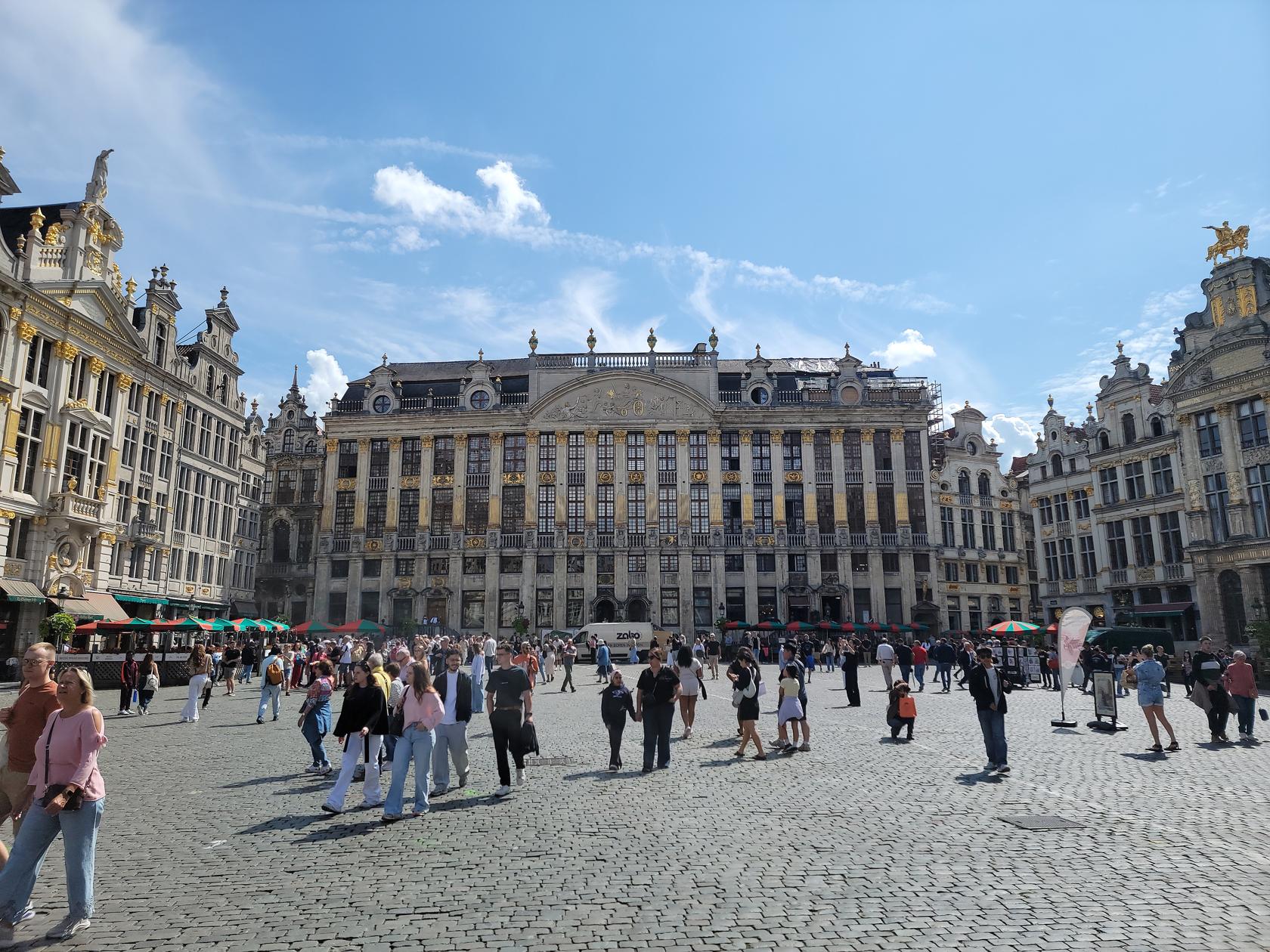
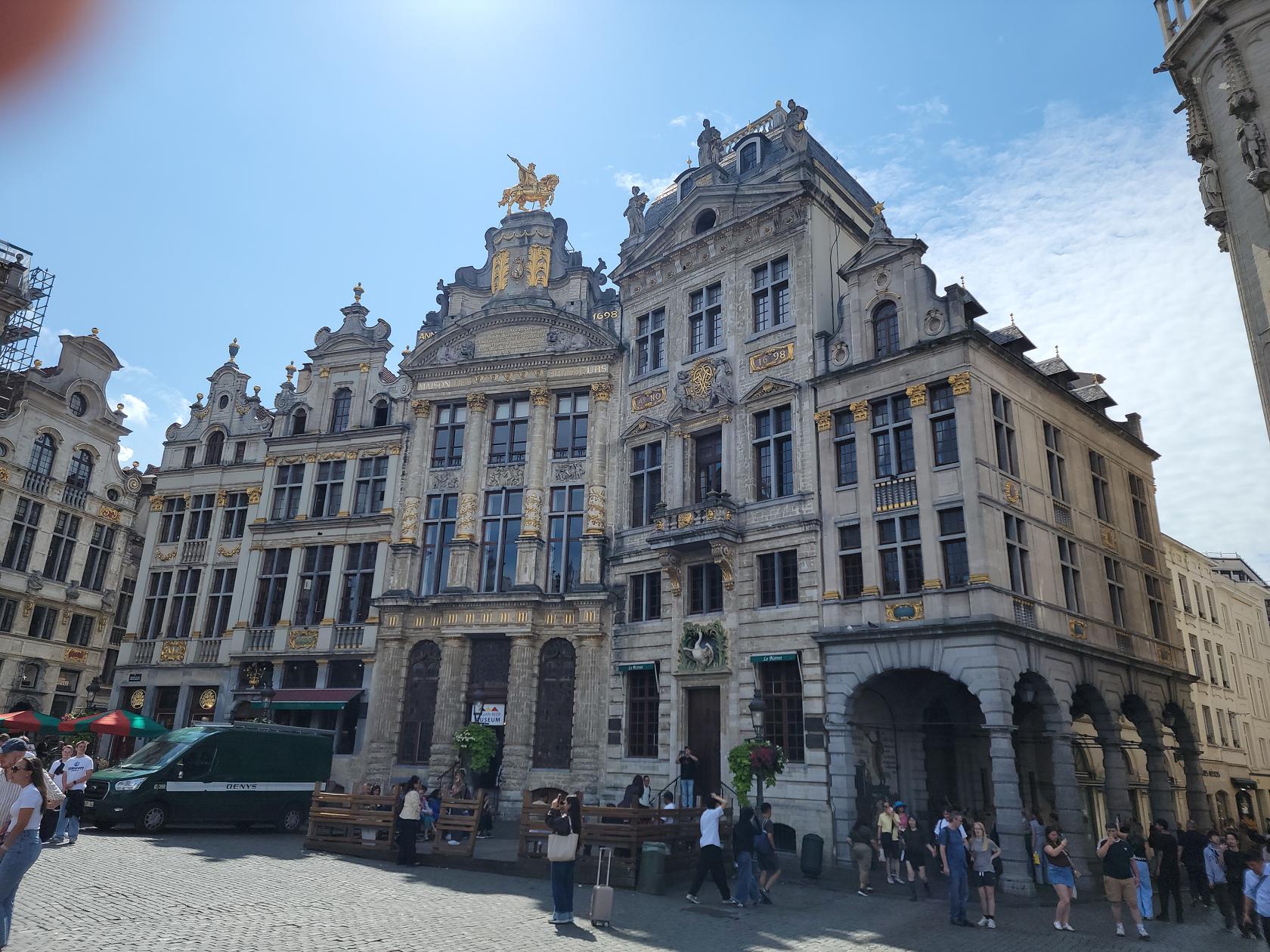
Maison des Ducs de Brabant – Grand Place – Brussels, Belgium
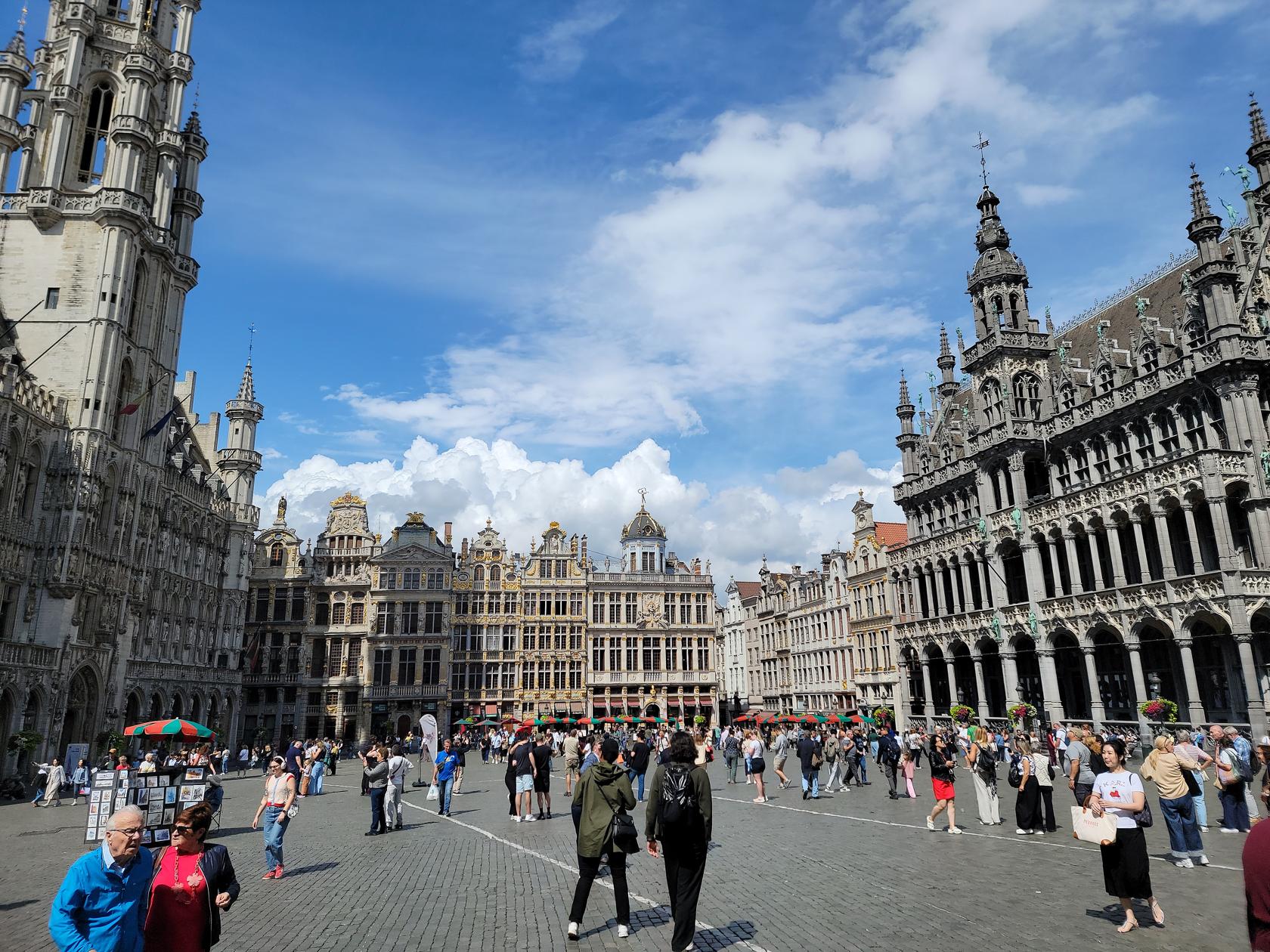
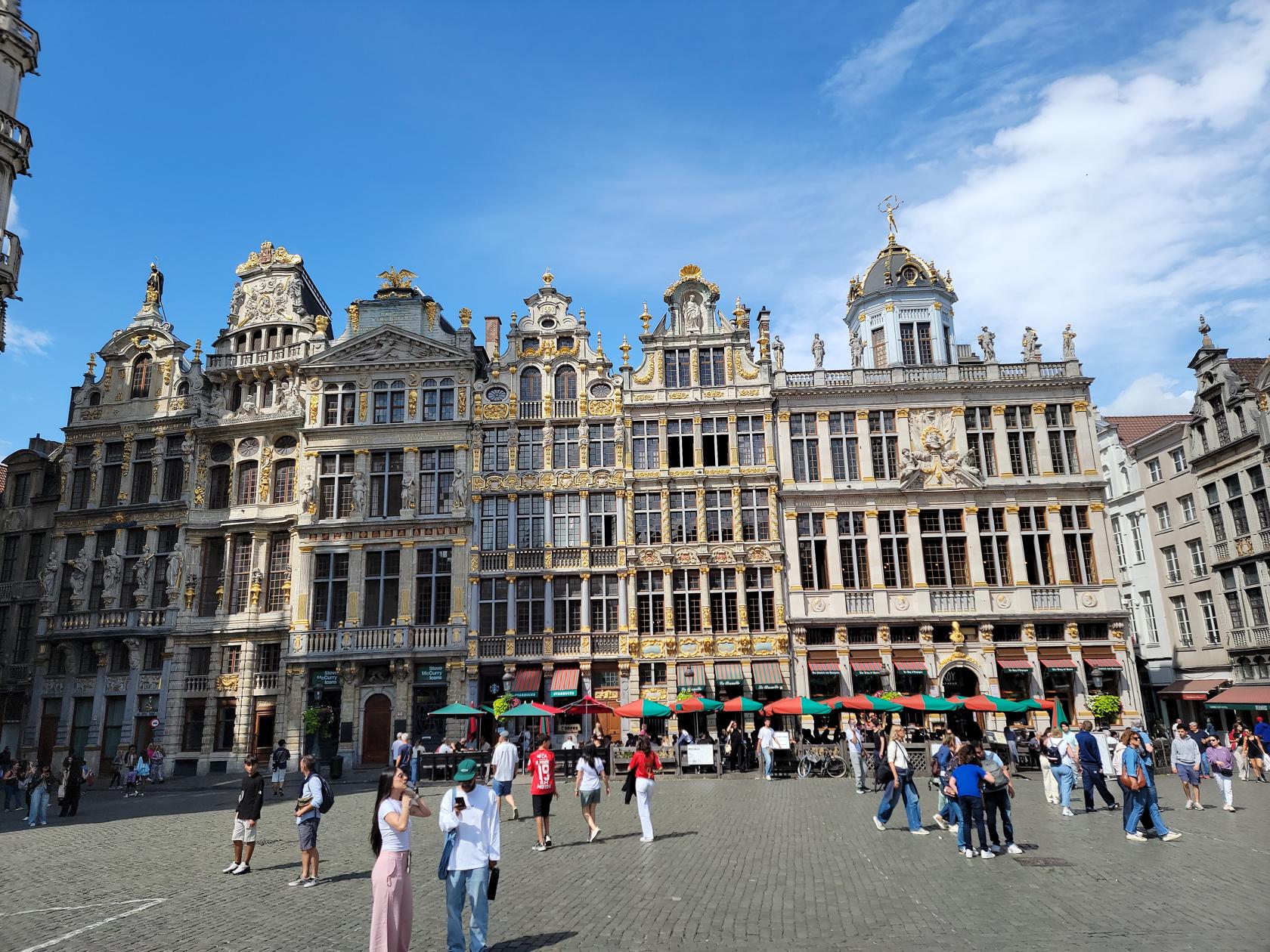
The other two sides have most of the cafes and restaurants with outside seating.
Market Square – Grand Place – Brussels, Belgium
Market Square – Grand Place – Brussels, Belgium
Market Square – Grand Place – Brussels, Belgium
La Maison du Cygne – Grand Place – Brussels, Belgium
The Kleine Zavelsquare
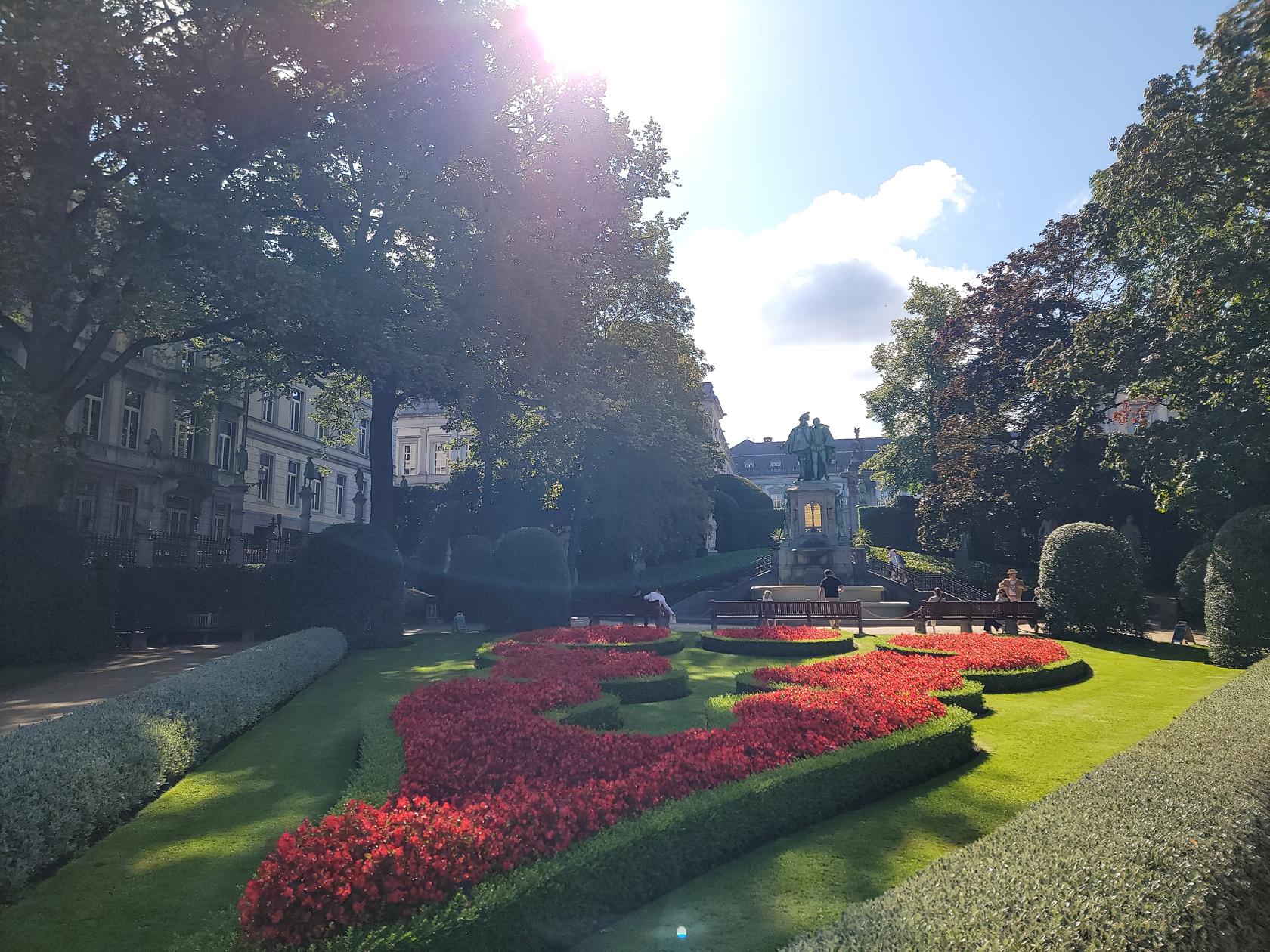
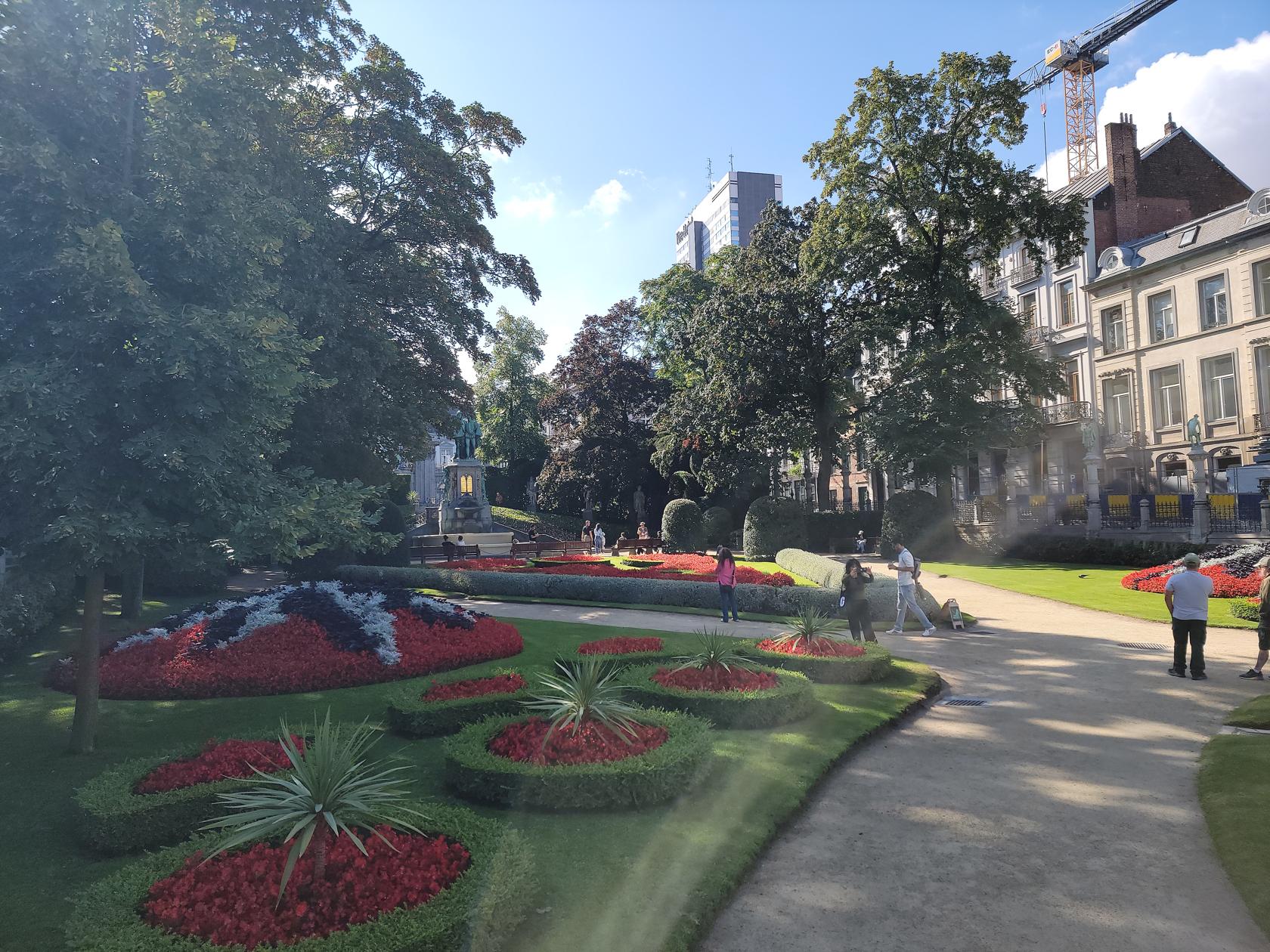
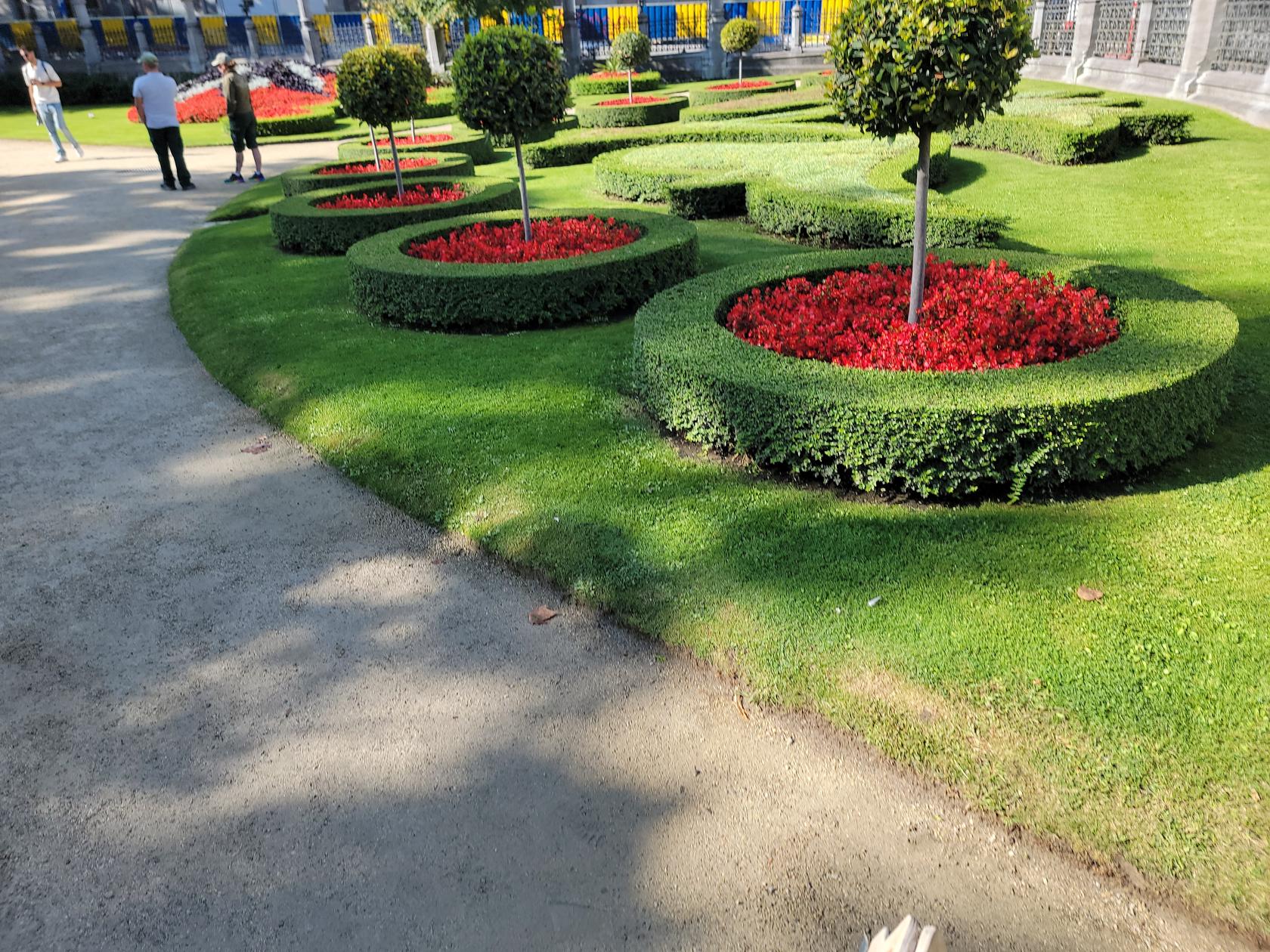
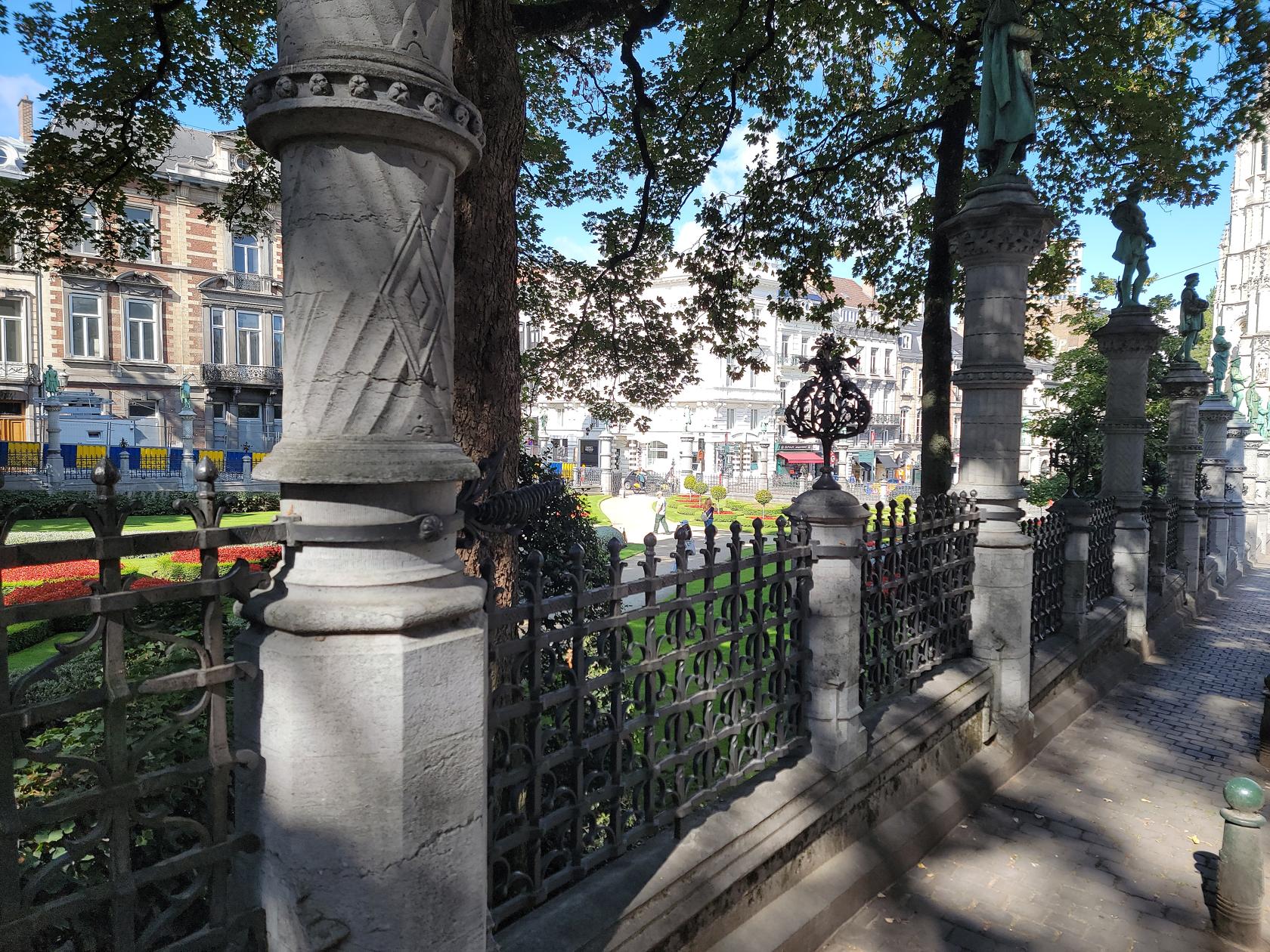
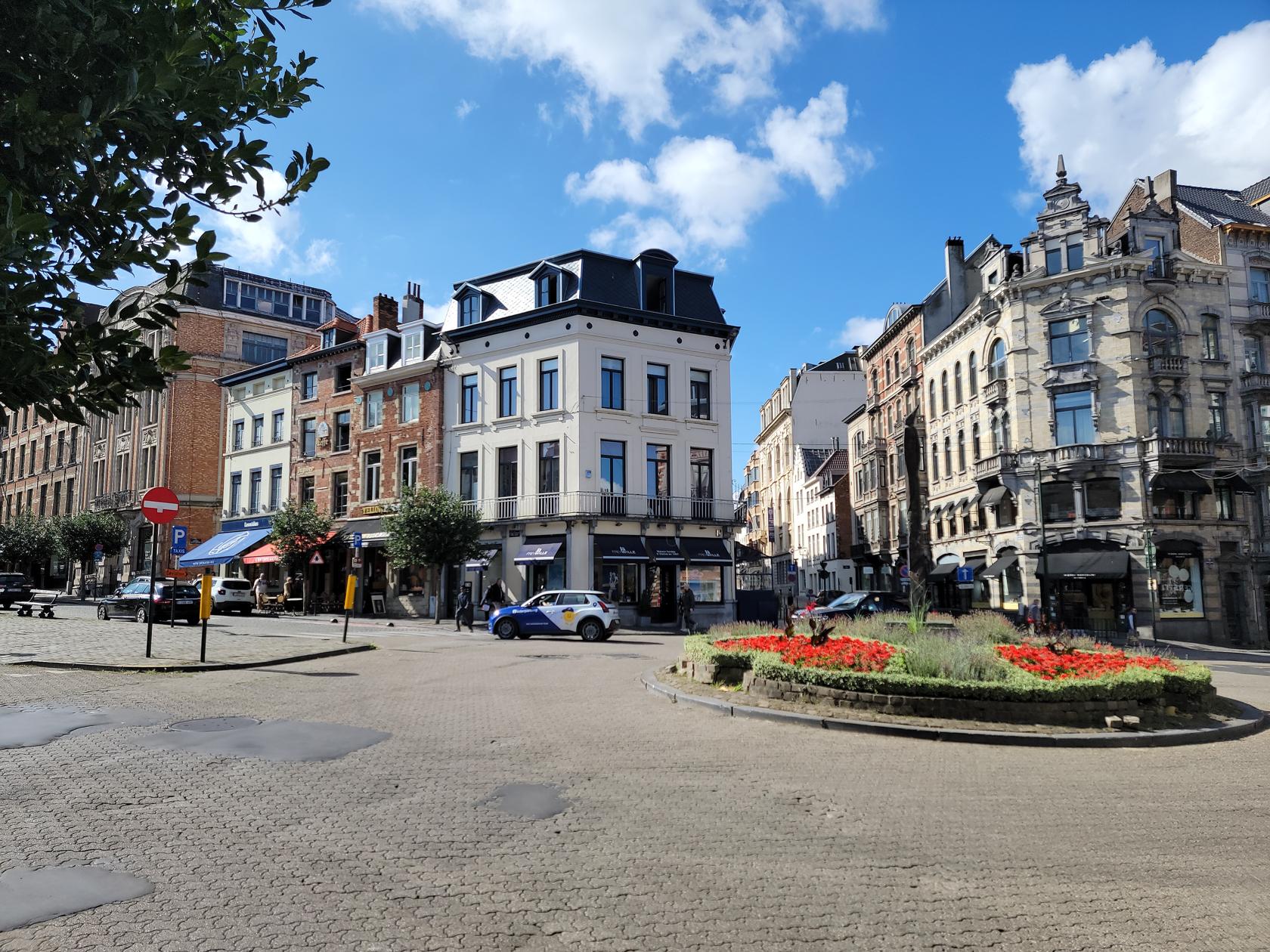
A rather equisite example of gardening may be found at the Kleine Zavelsquare off the Rue de la Regence and across the street from Notre Dame Of The Victories Sablon. Also known as the Sablon, it is one of the more expensive districts in the city, with a concentration of antique and other dealers owning shops in the area.
Kleine Zavelsquare – Brussels, Belgium
Kleine Zavelsquare – Brussels, Belgium
Kleine Zavelsquare – Brussels, Belgium
Kleine Zavelsquare – Brussels, Belgium
Kleine Zavelsquare – Brussels, Belgium
Kleine Zavelsquare – Brussels, Belgium
Garden Of The Mount Of Arts
Here you will find different buildings and other architectural elements of interest, including a park and other unique buildings.
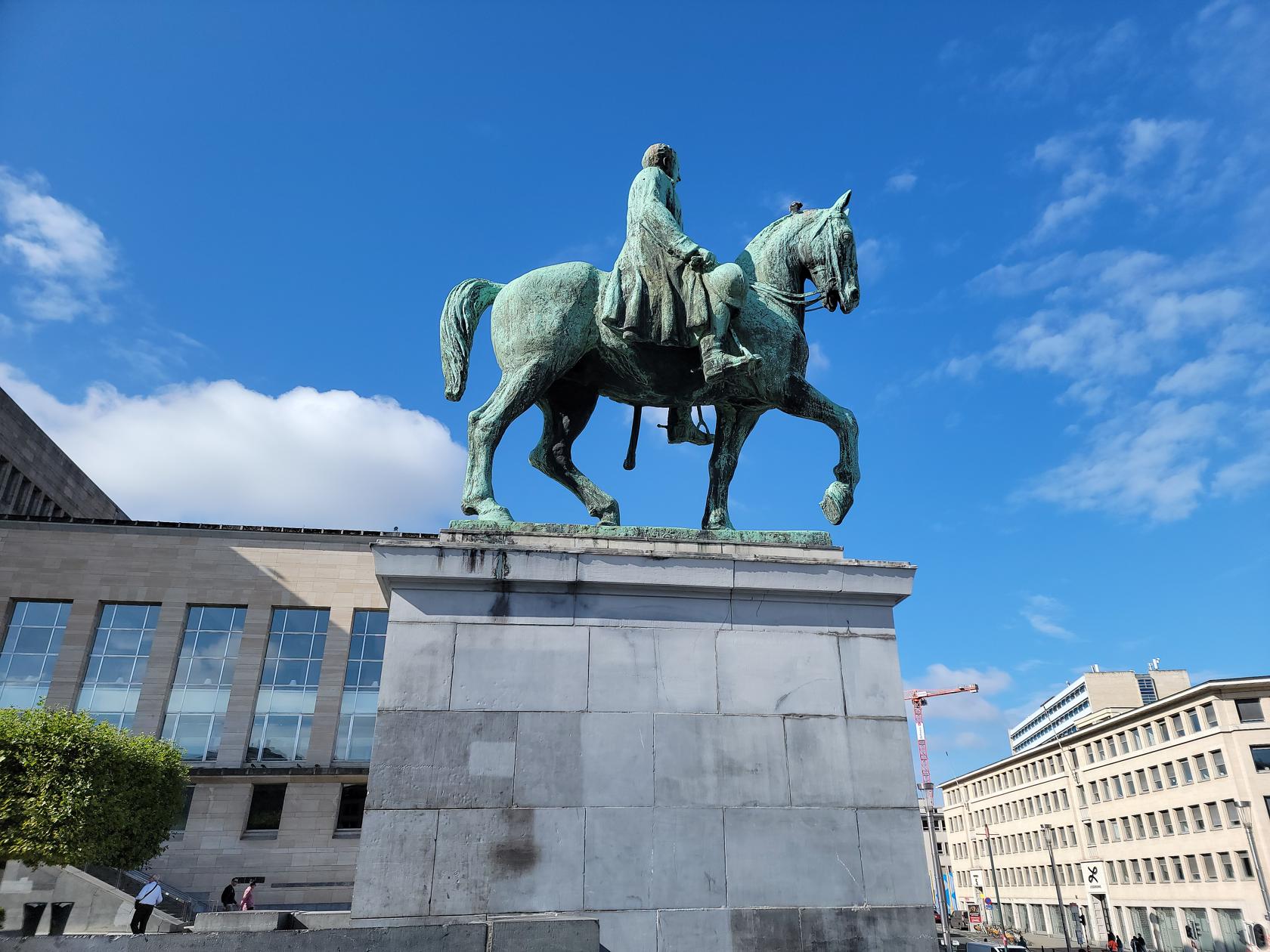
Statue du Roi Albert 1er – Garden of the Mount of the Arts – Brussels, Belgium
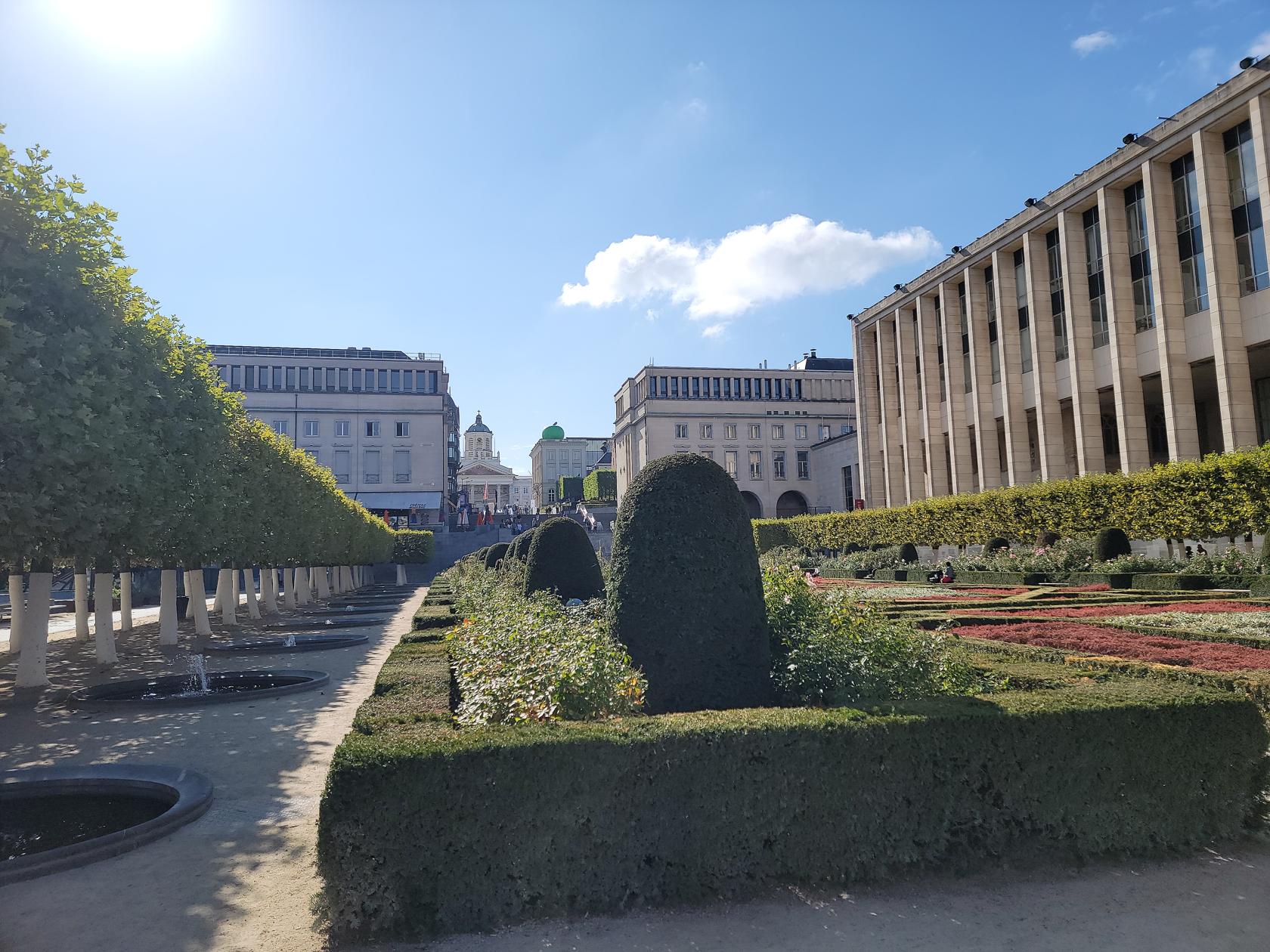
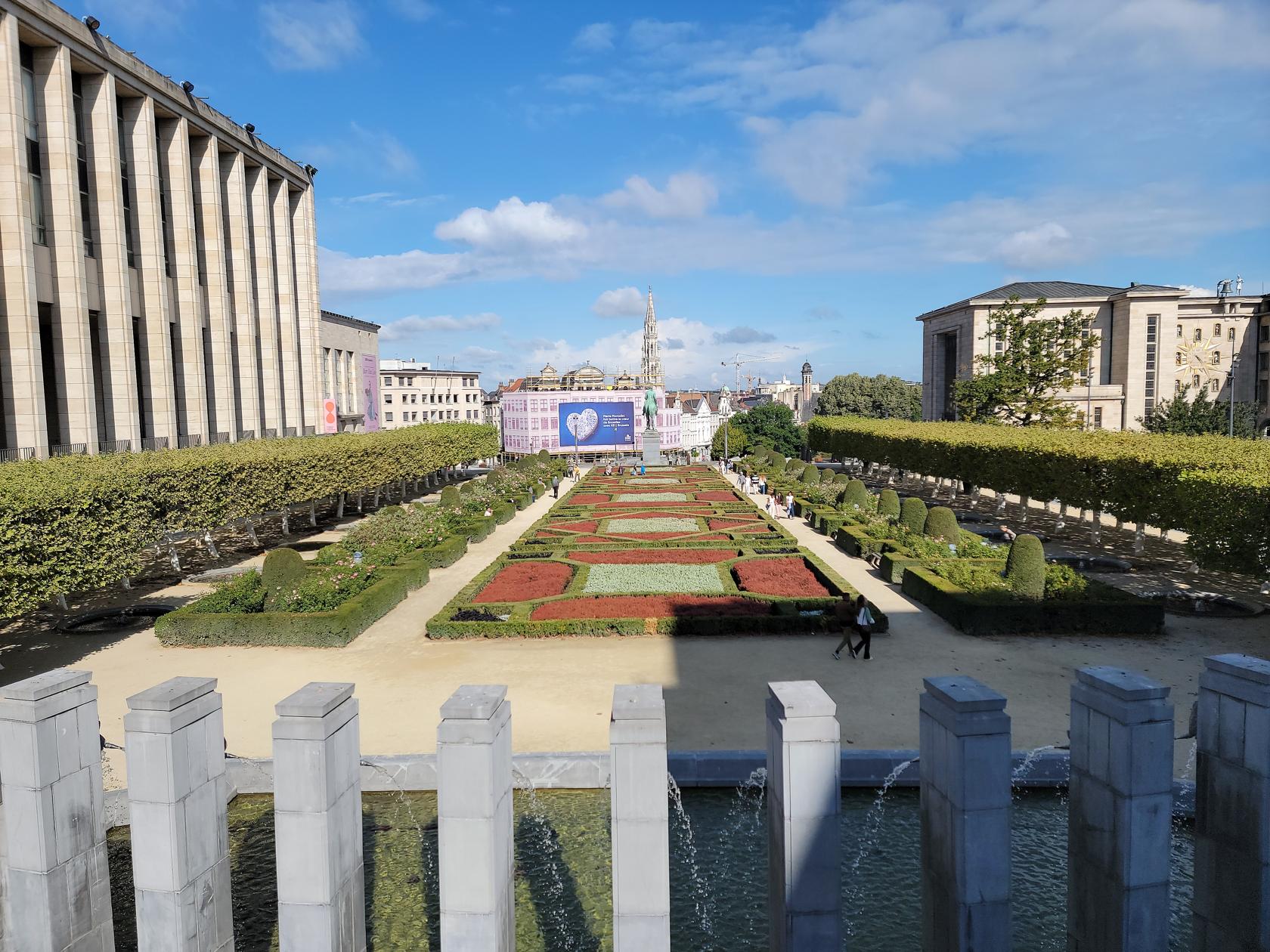
Garden of the Mount of the Arts – Brussels, Belgium
Garden of the Mount of the Arts – Brussels, Belgium
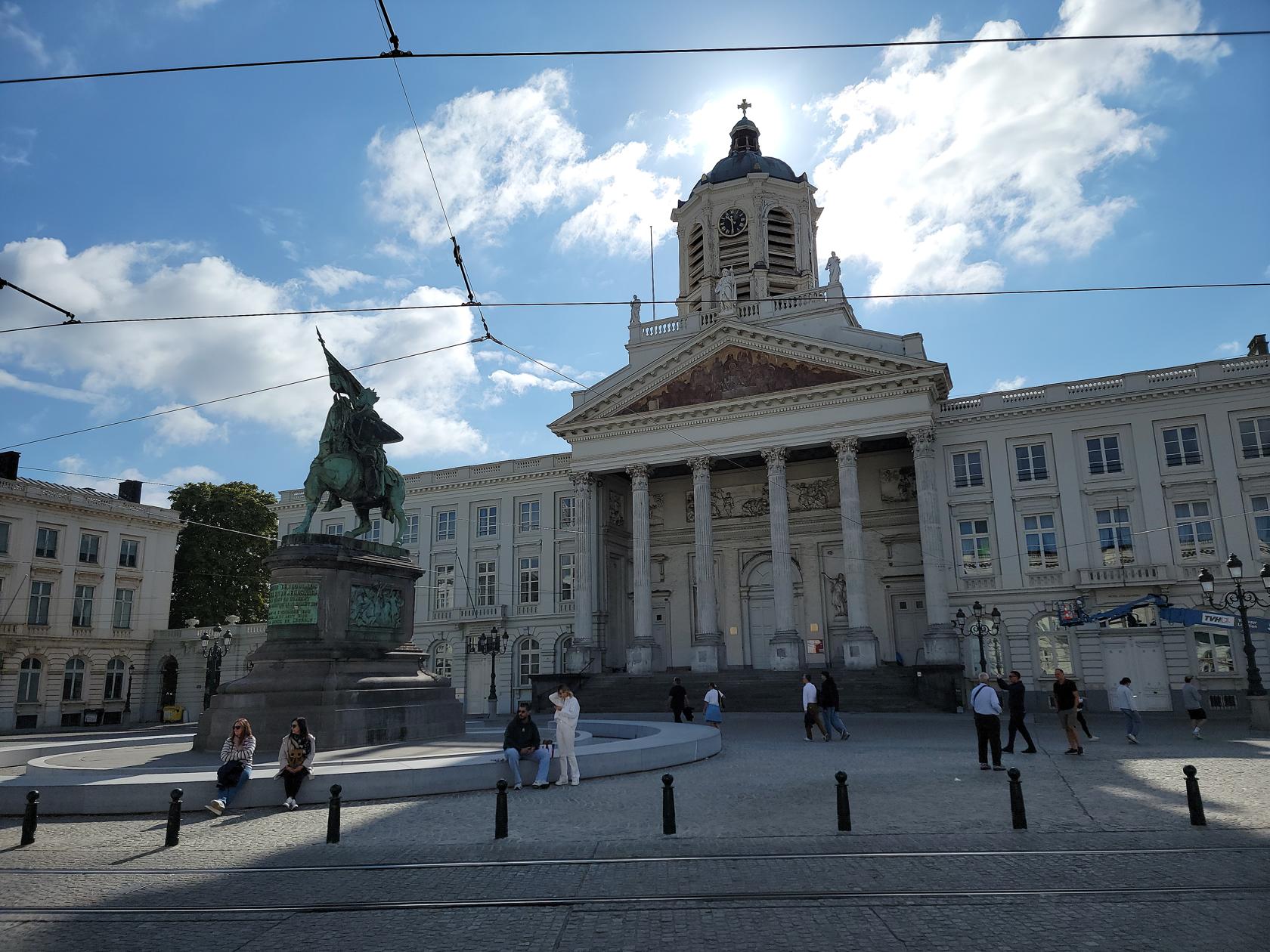
Konigsplein – Brussels, Belgium
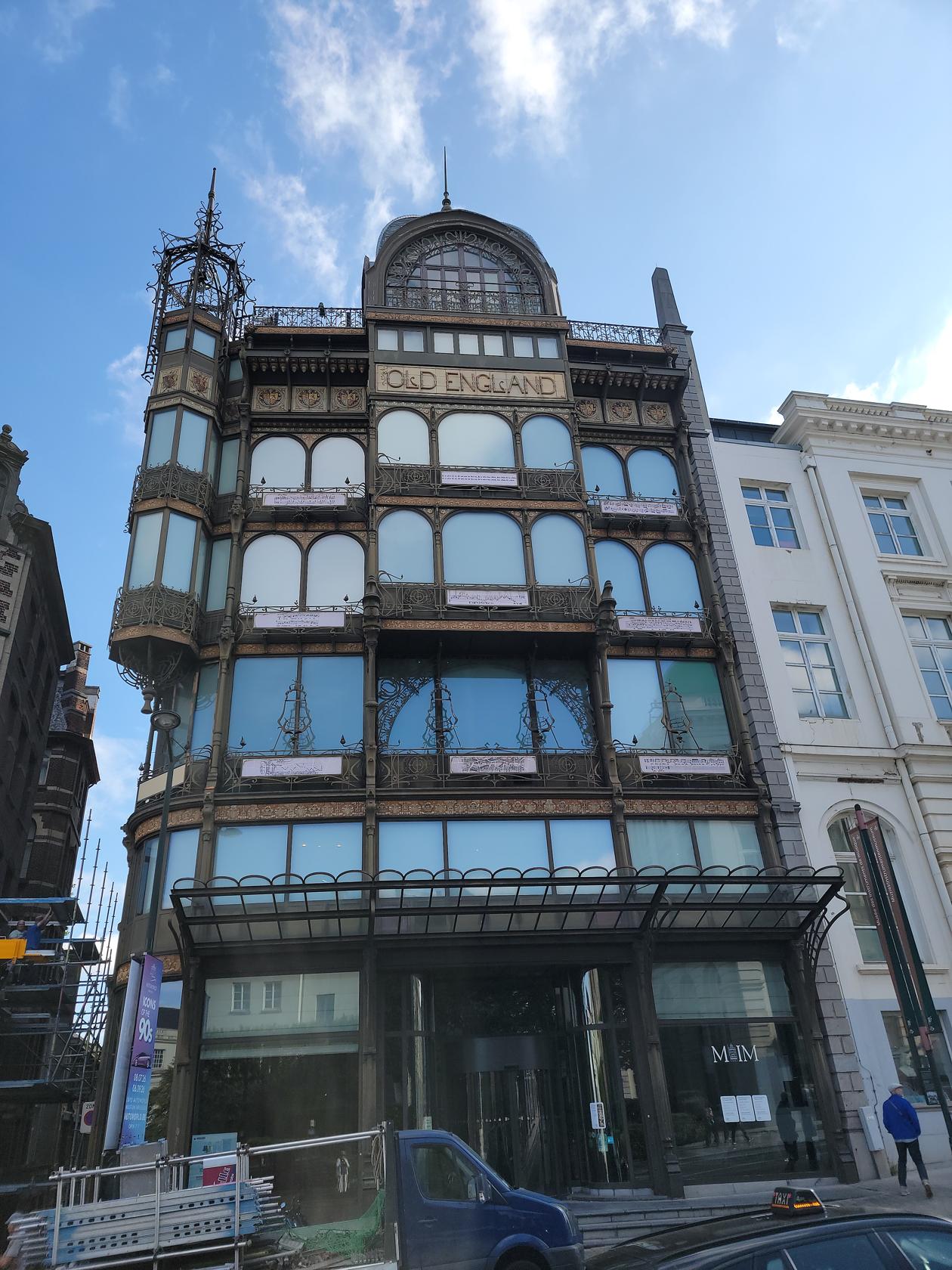
Musical Instrument Museum – Brussels, Belgium
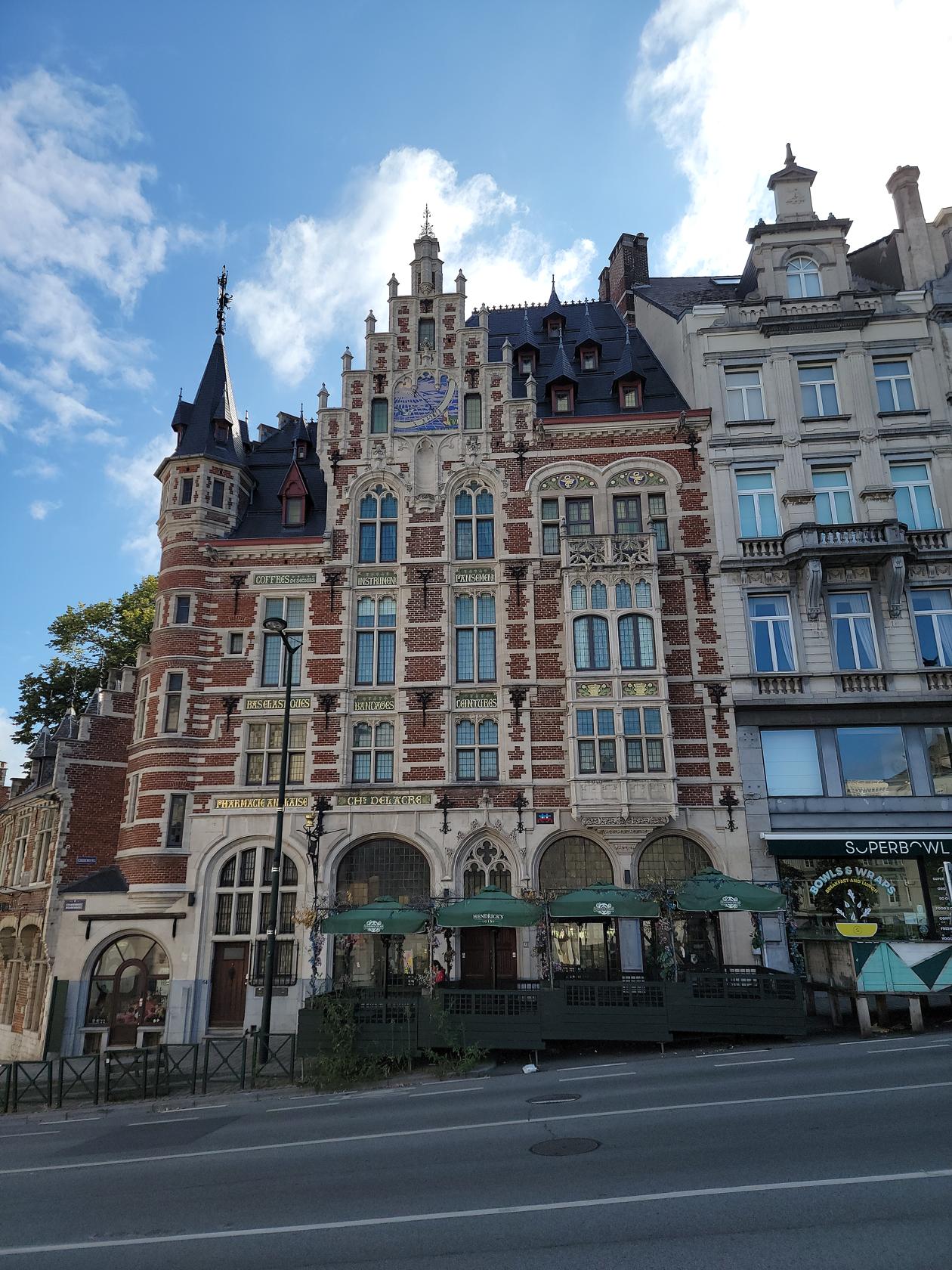
Pharmacy Del Acre – Brussels, Belgium
Other Areas Of The City
Here are some photographs from other parts of the city, to get an idea of what the overall picture looks like in this city.
Grand Sablon – Brussels, Belgium
Grand Sablon – Brussels, Belgium
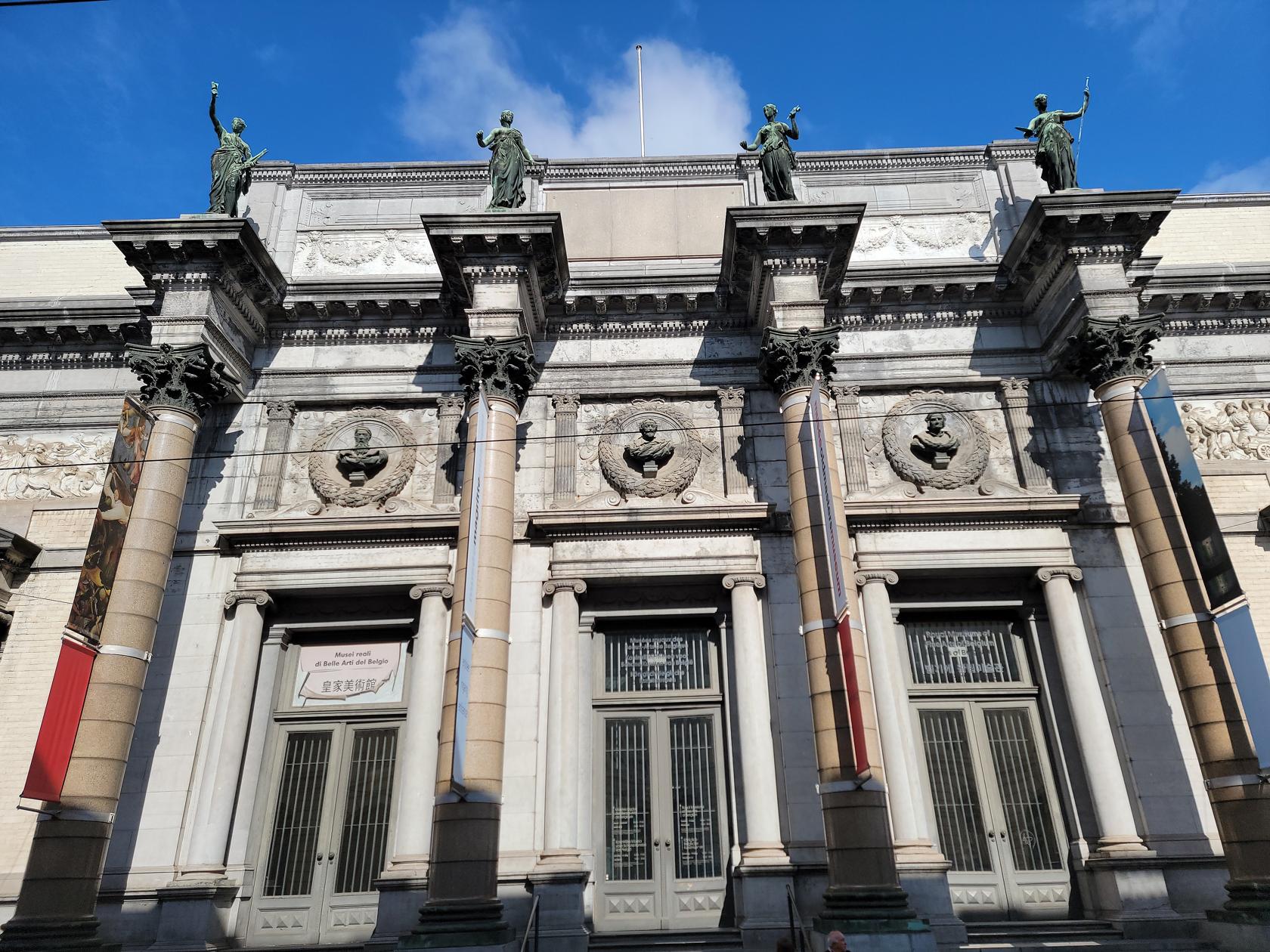
Belgium Royal Museums of Fine Arts – Rue de le Regence – Brussels, Belgium
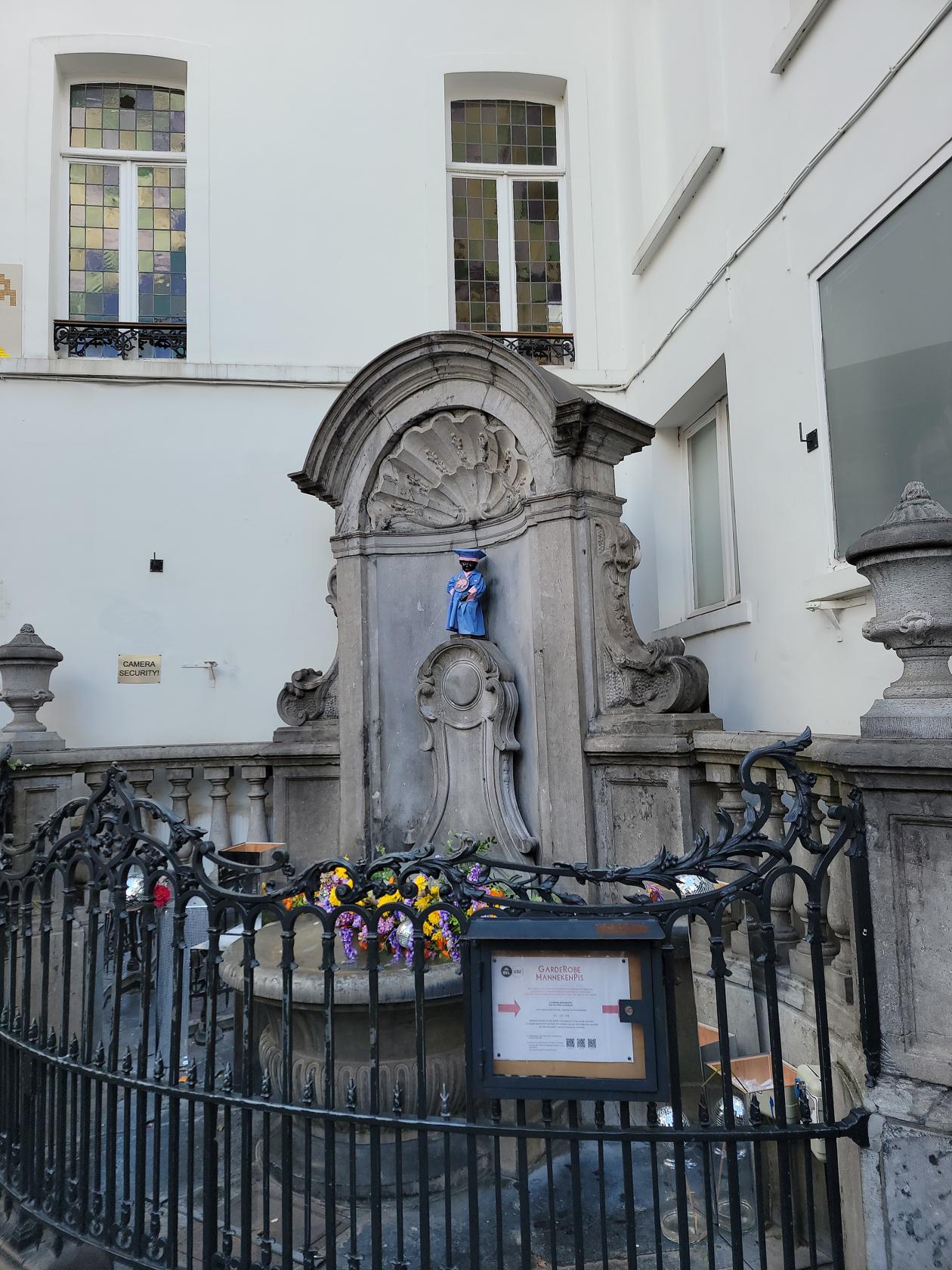
Manneken Pis – Brussels, Belgium
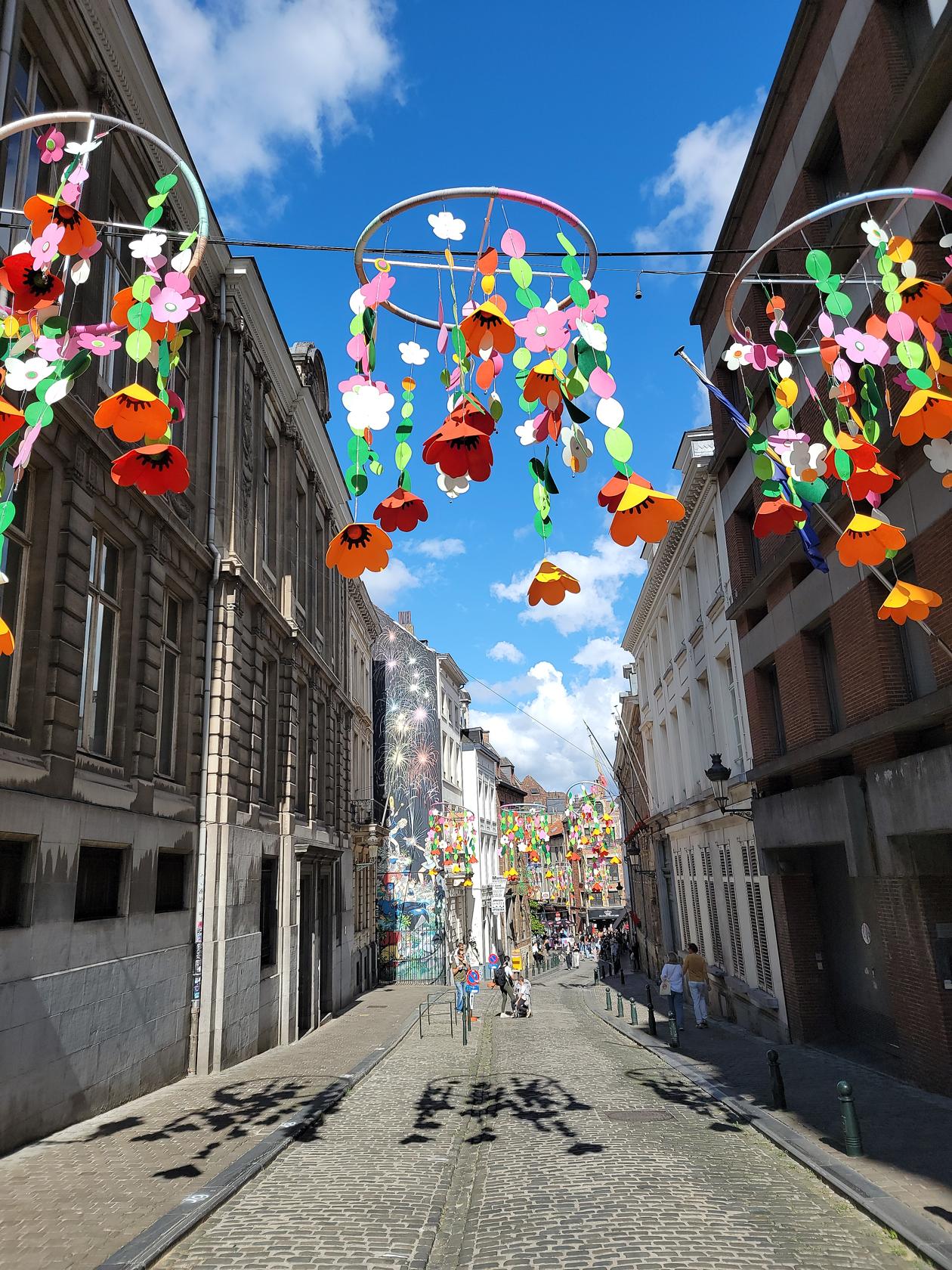
Street Decorations – Brussels, Belgium
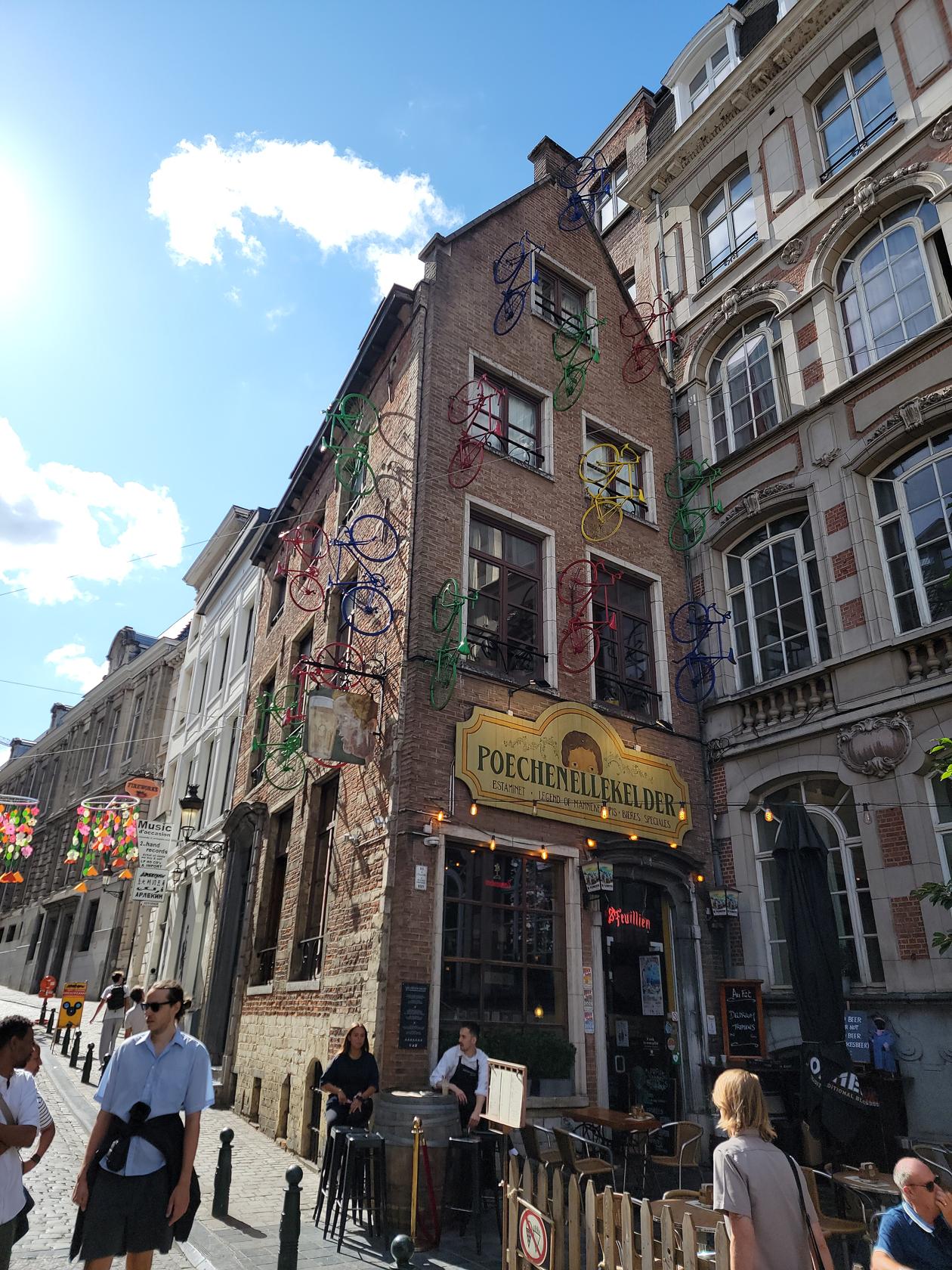
Bicycle House – Brussels, Belgium
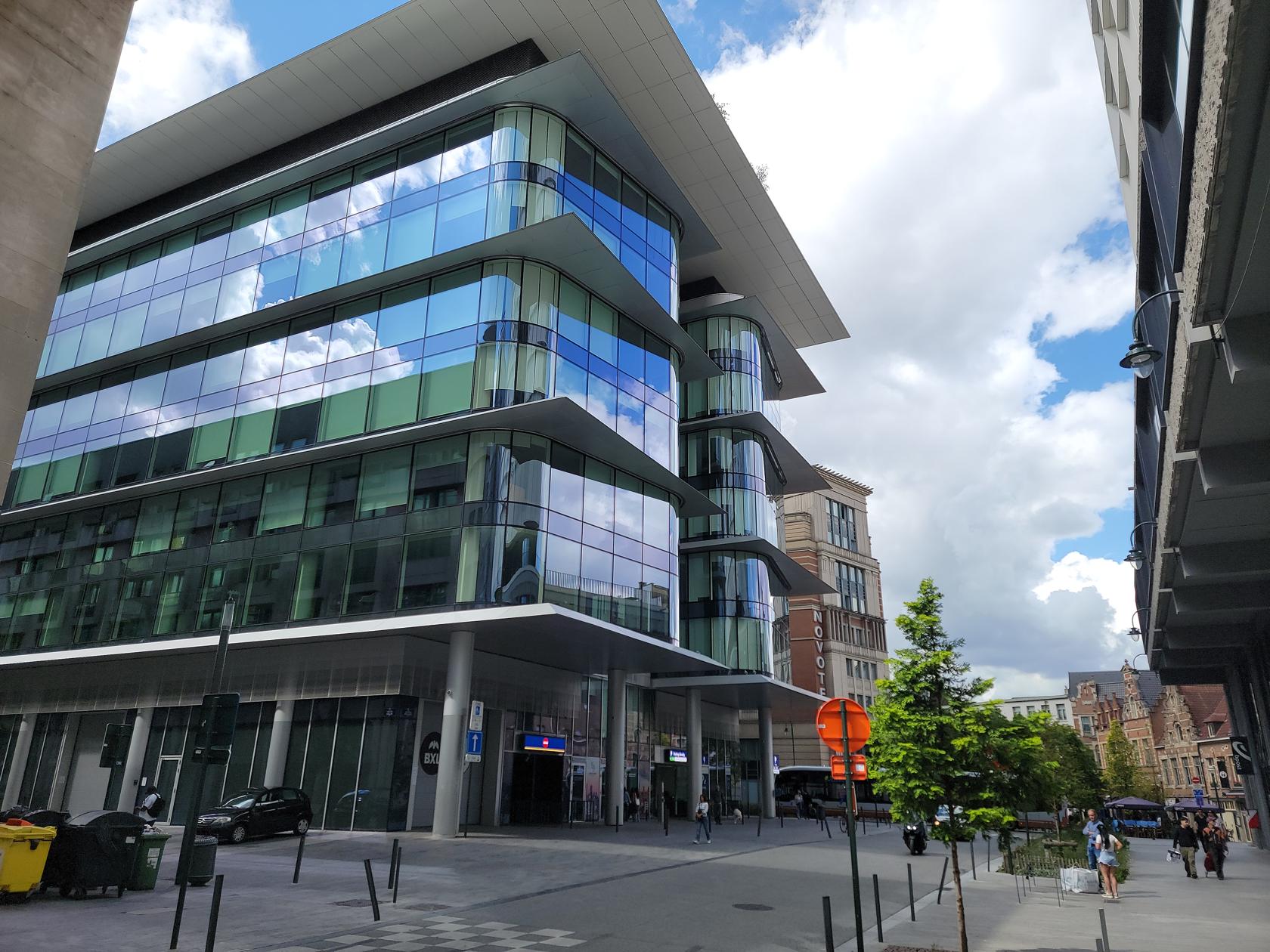
Modern Buildings – Brussels, Belgium
Blvd Adolphe Max – Brussels, Belgium
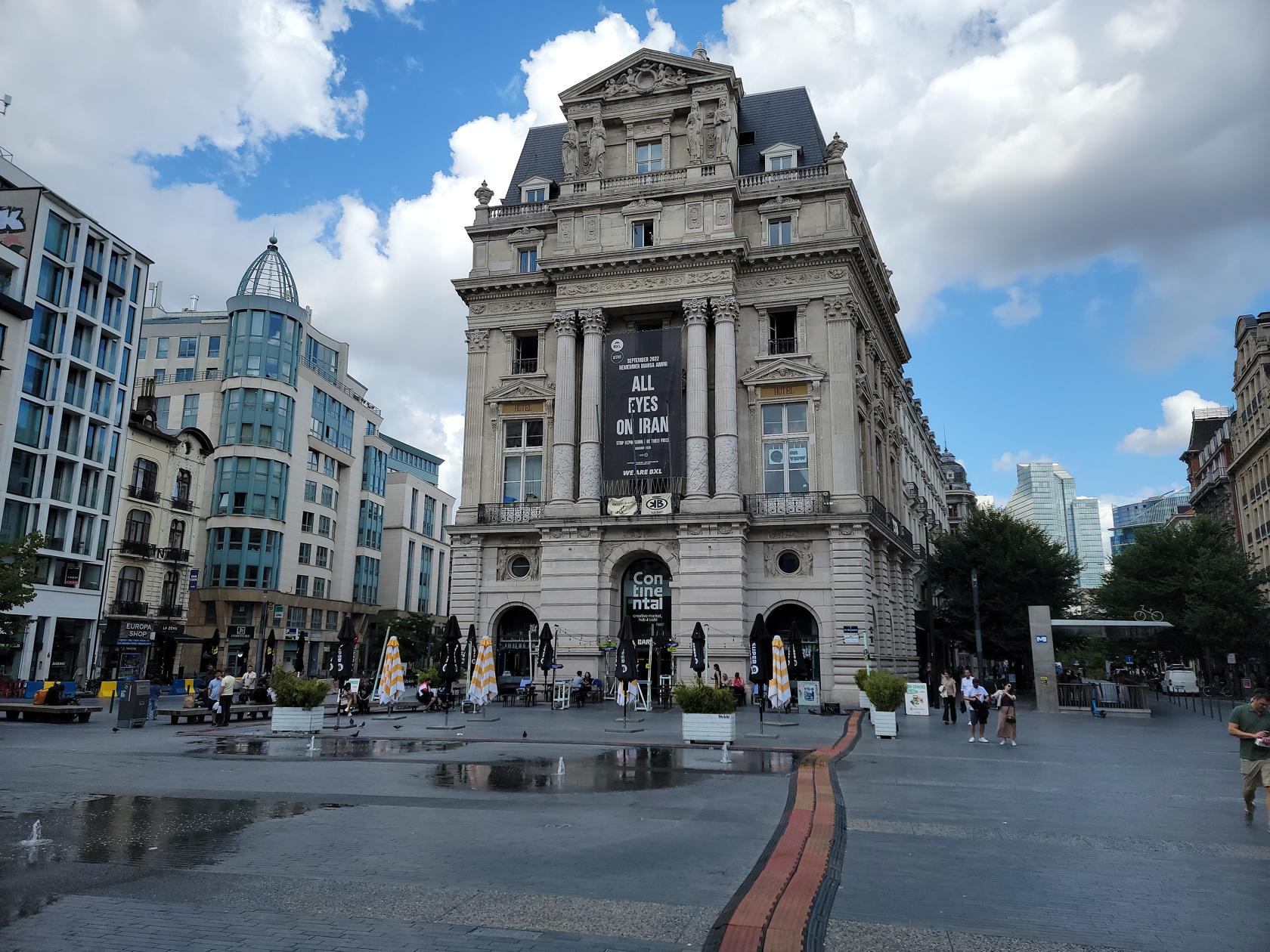
Place De Brouckère – Brussels, Belgium
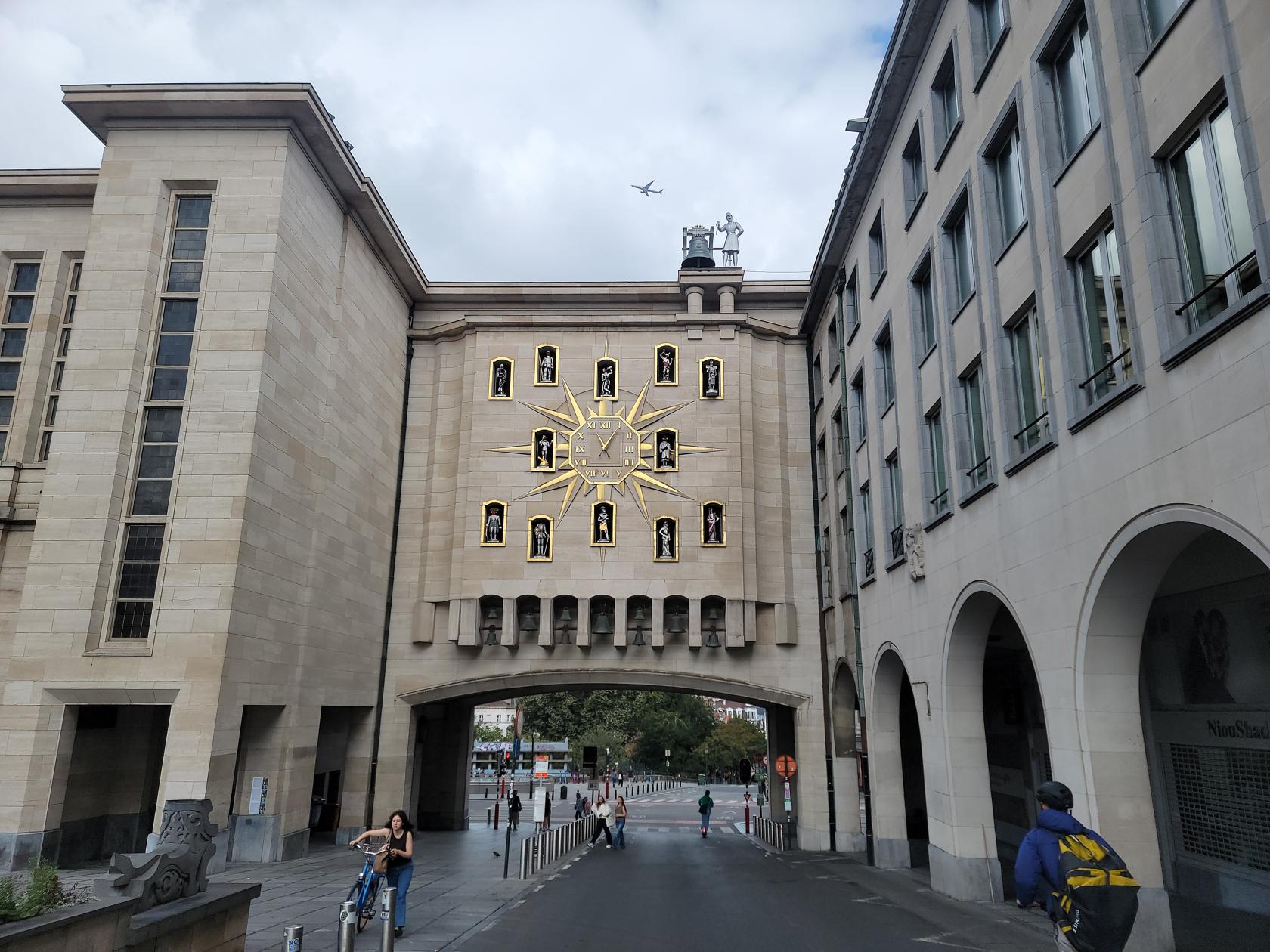
Jacquemart Clock – Brussels, Belgium
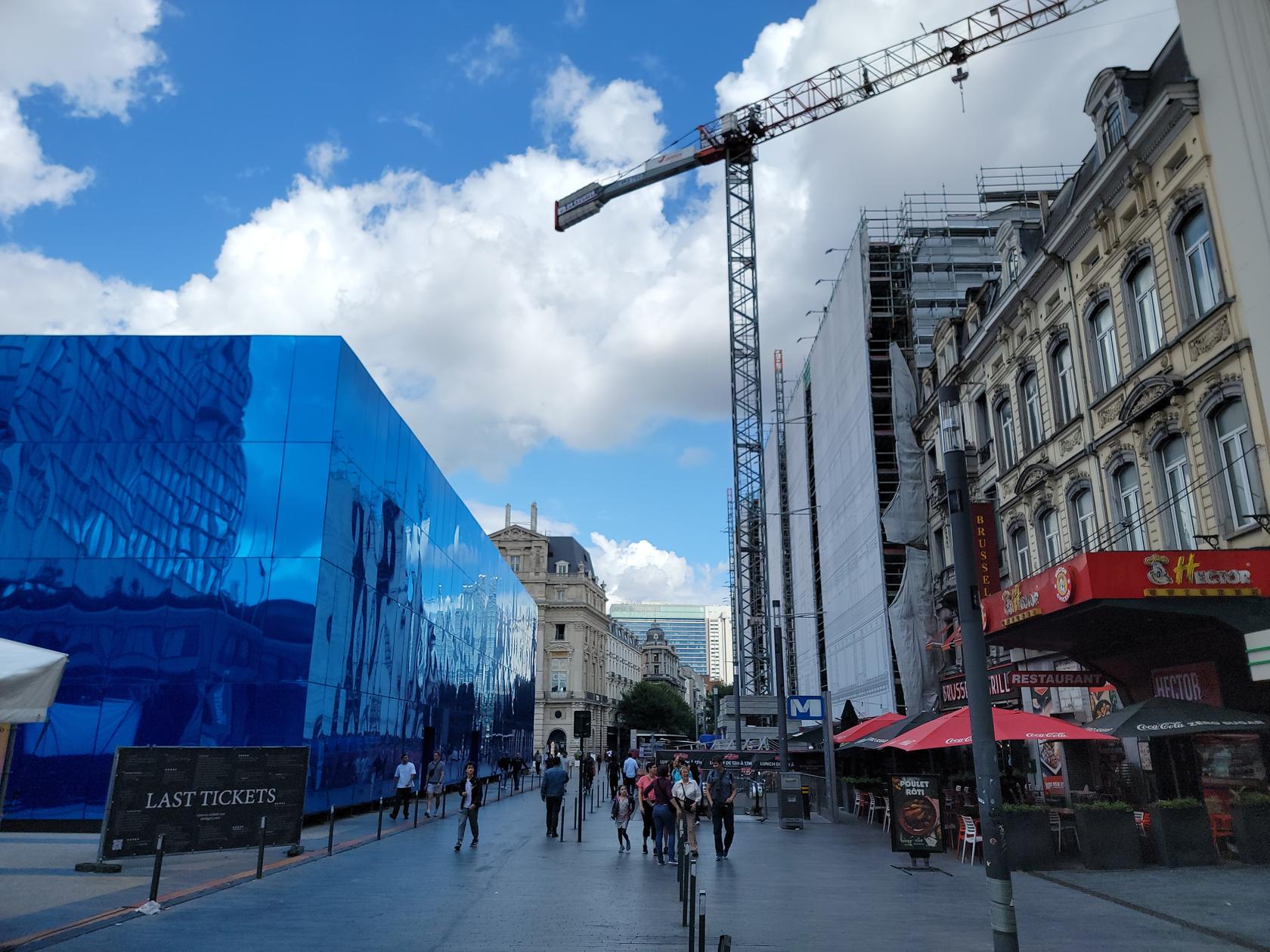
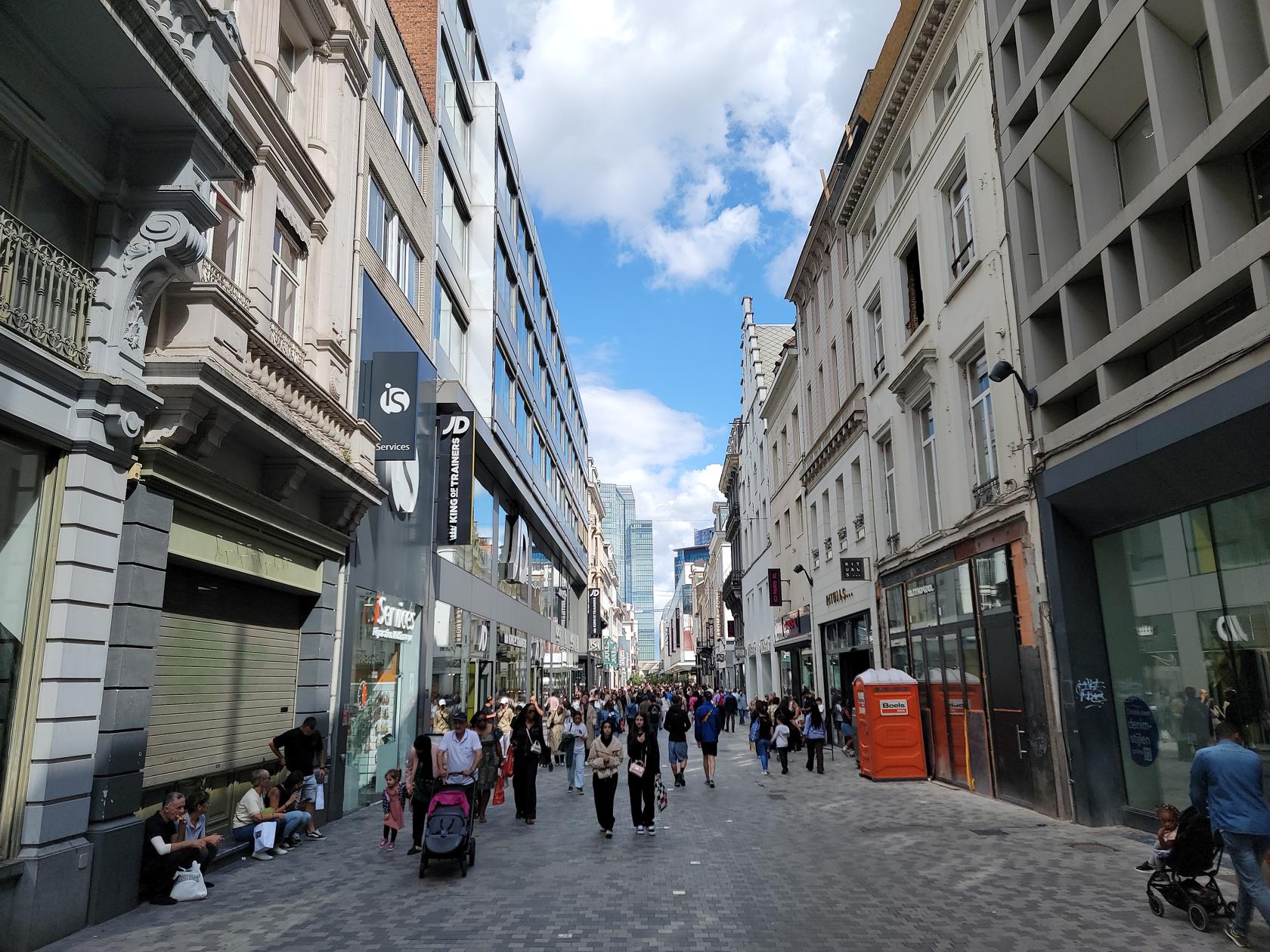
Rue Neuve – Brussels, Belgium
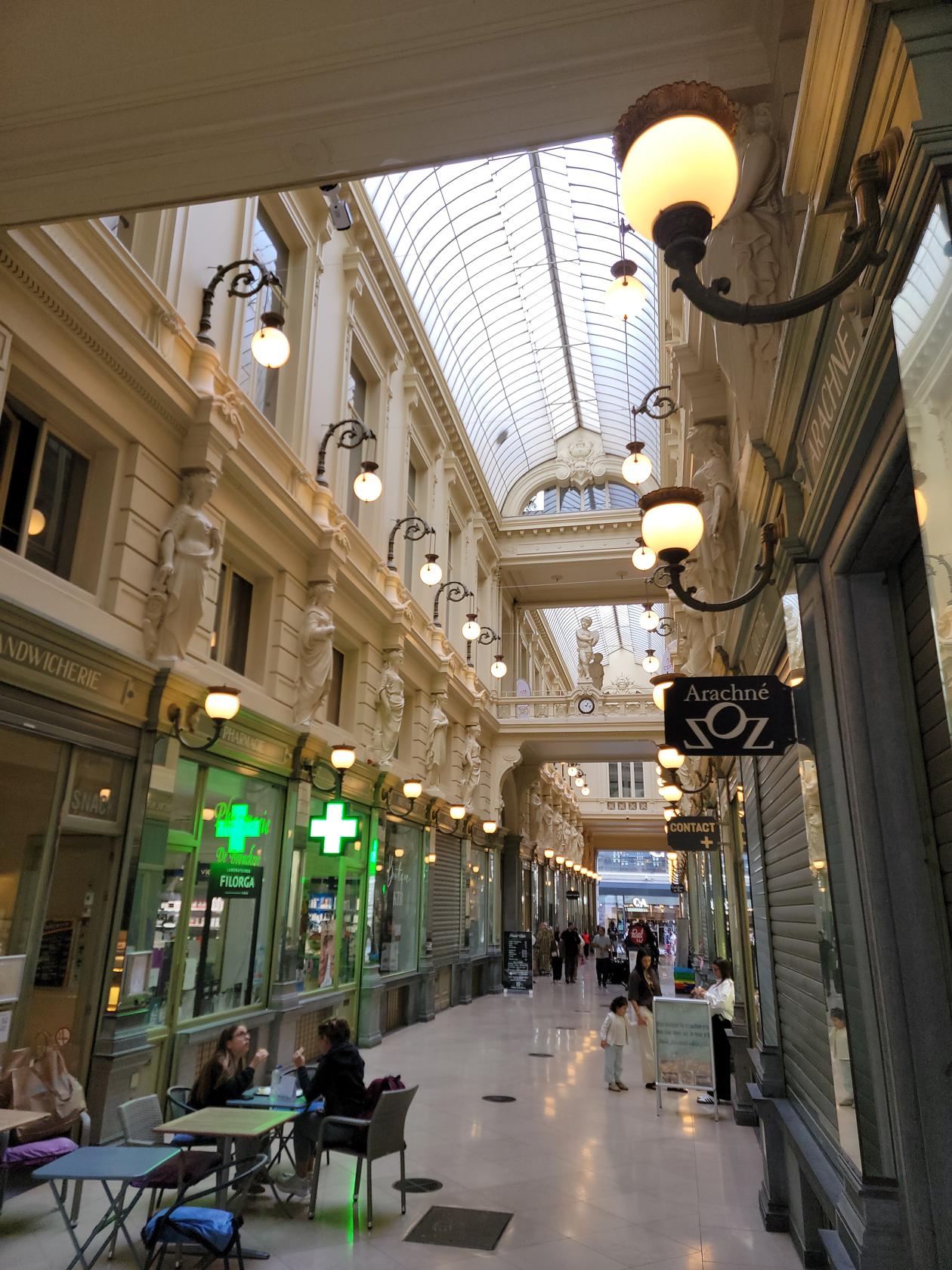
Passage du Nord – Brussels, Belgium
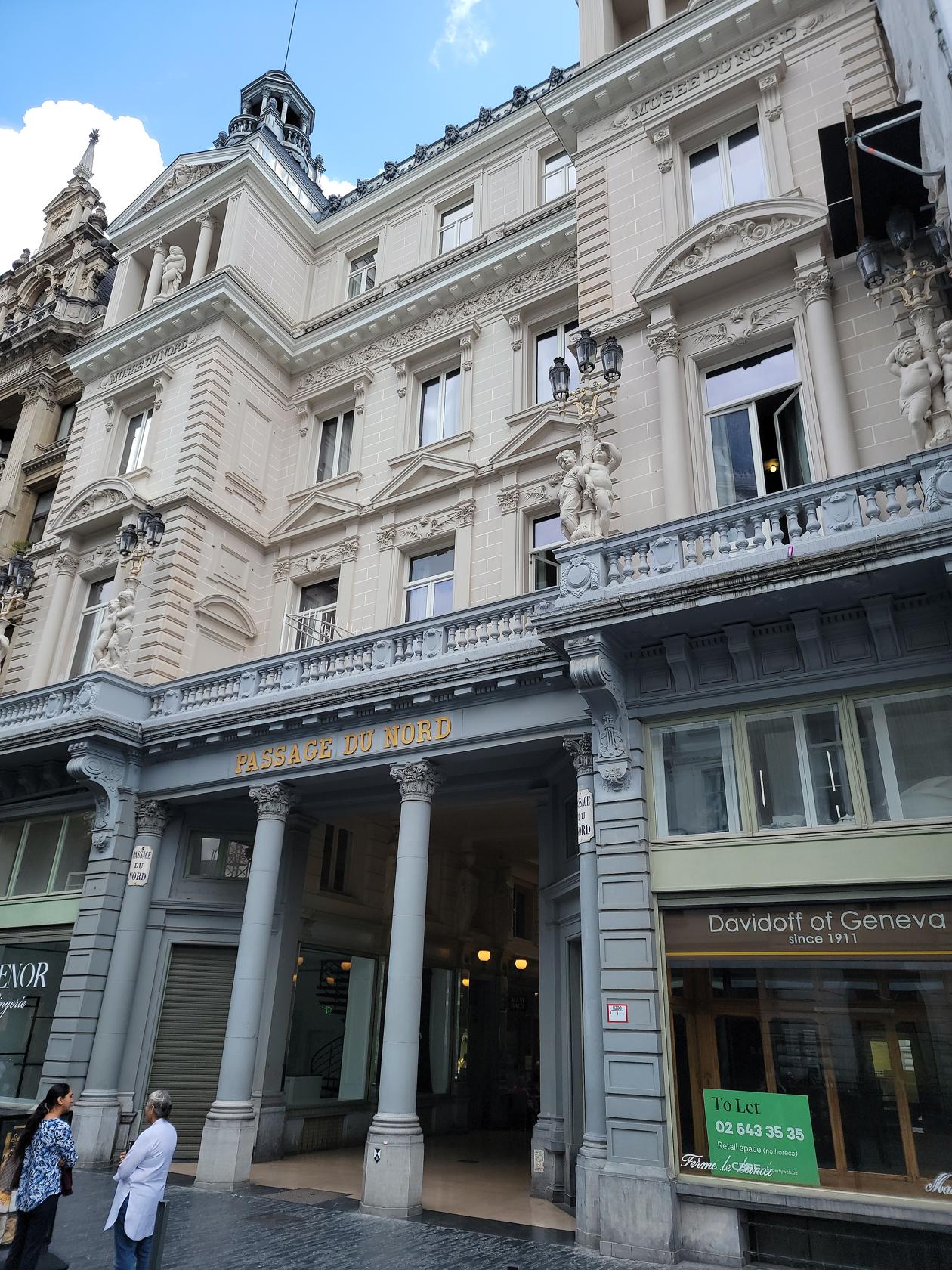
Passage du Nord – Brussels, Belgium
Churches And Cathedrals
Saint Catherine Catholic Church
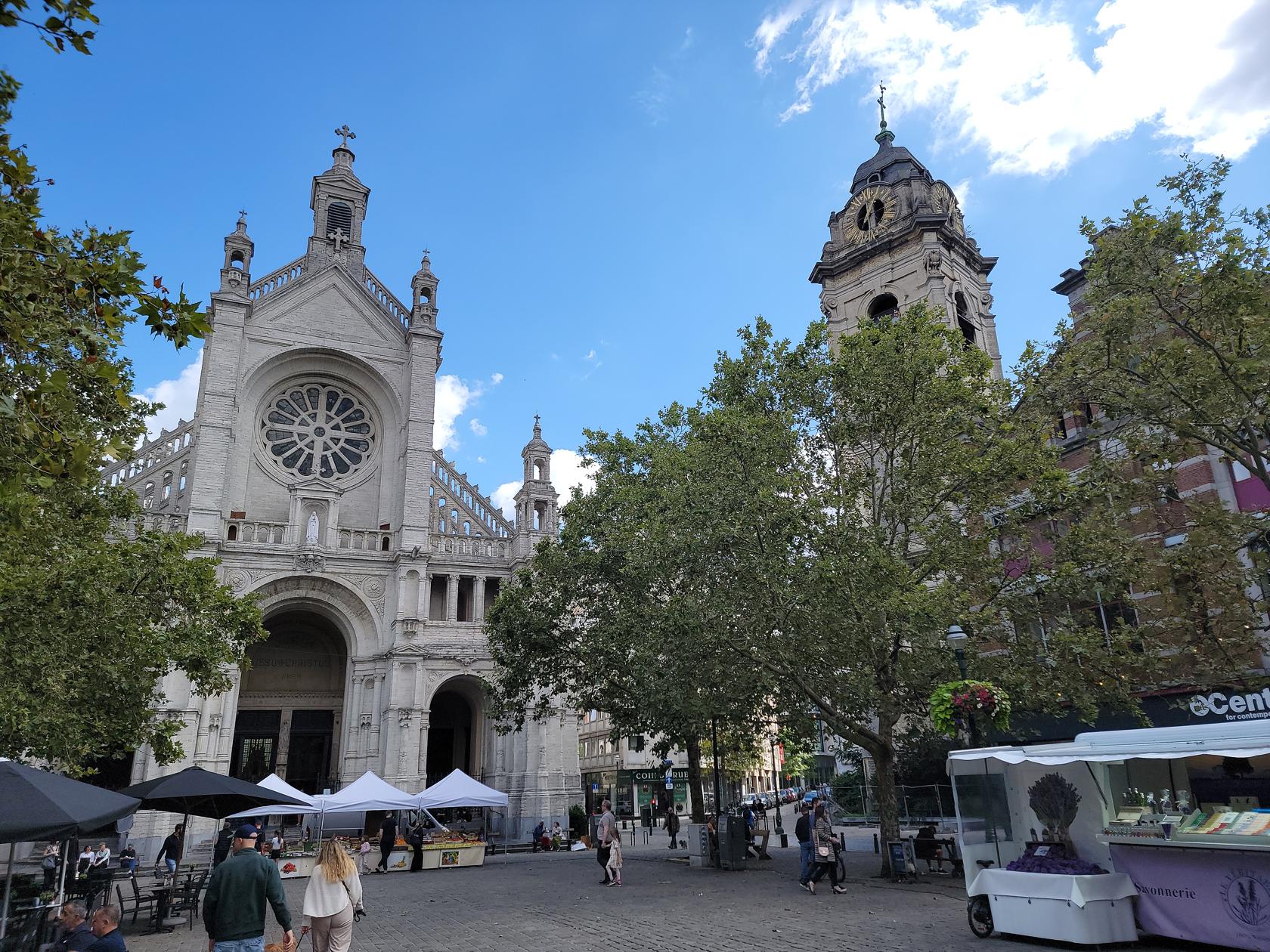
The Church of Saint Catherine is a Gothic church with Renaissance and Baroque elements. It clock tower, the Old Saint Catherine’s clock tower is actually a remnant of the former church which was destroyed. The church sports flying buttresses and gargoyles on the outside and shows heavy influences from churches in Paris, France.
Entrance – Church of Saint Catherine – Brussels, Belgium
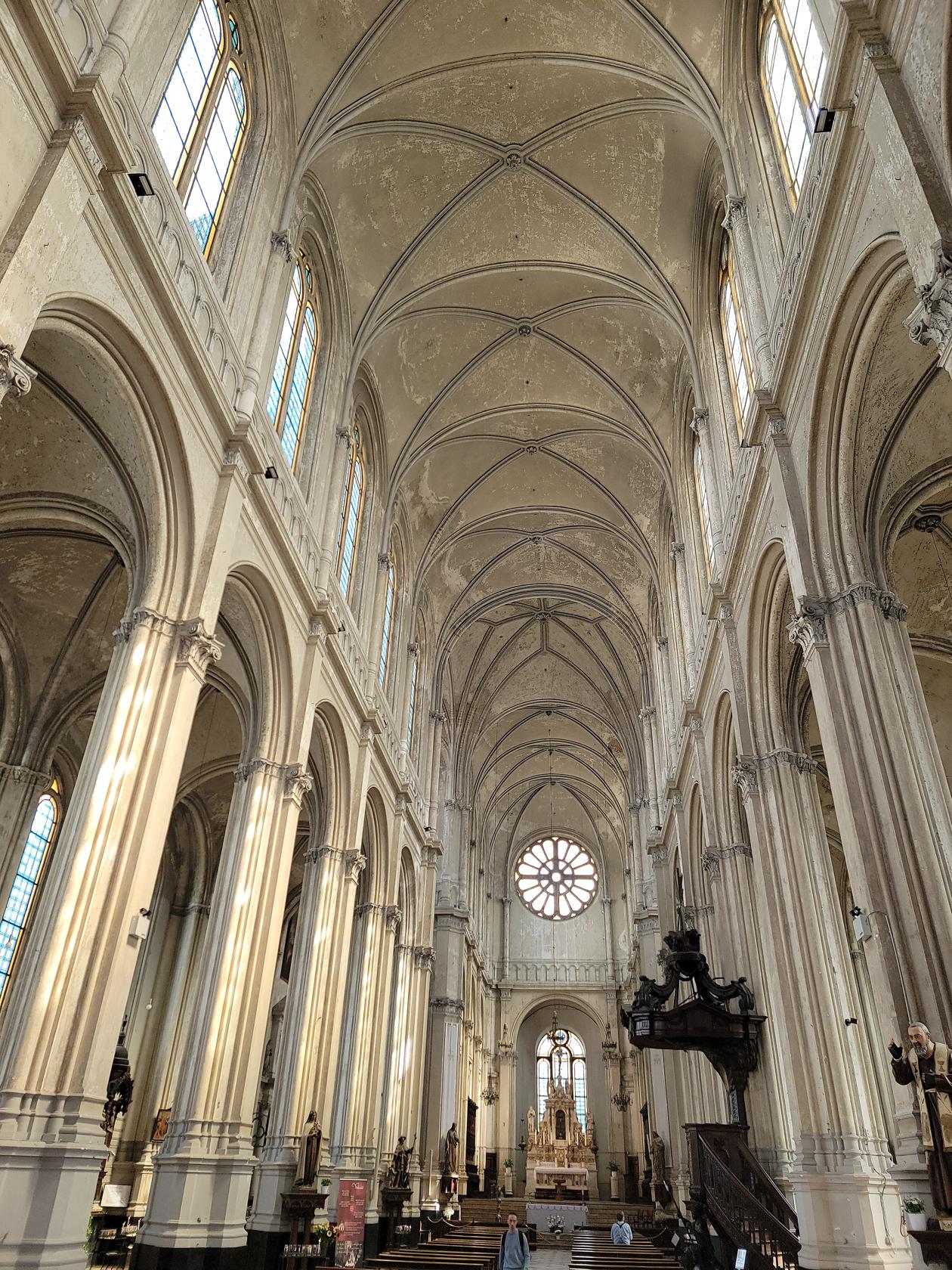
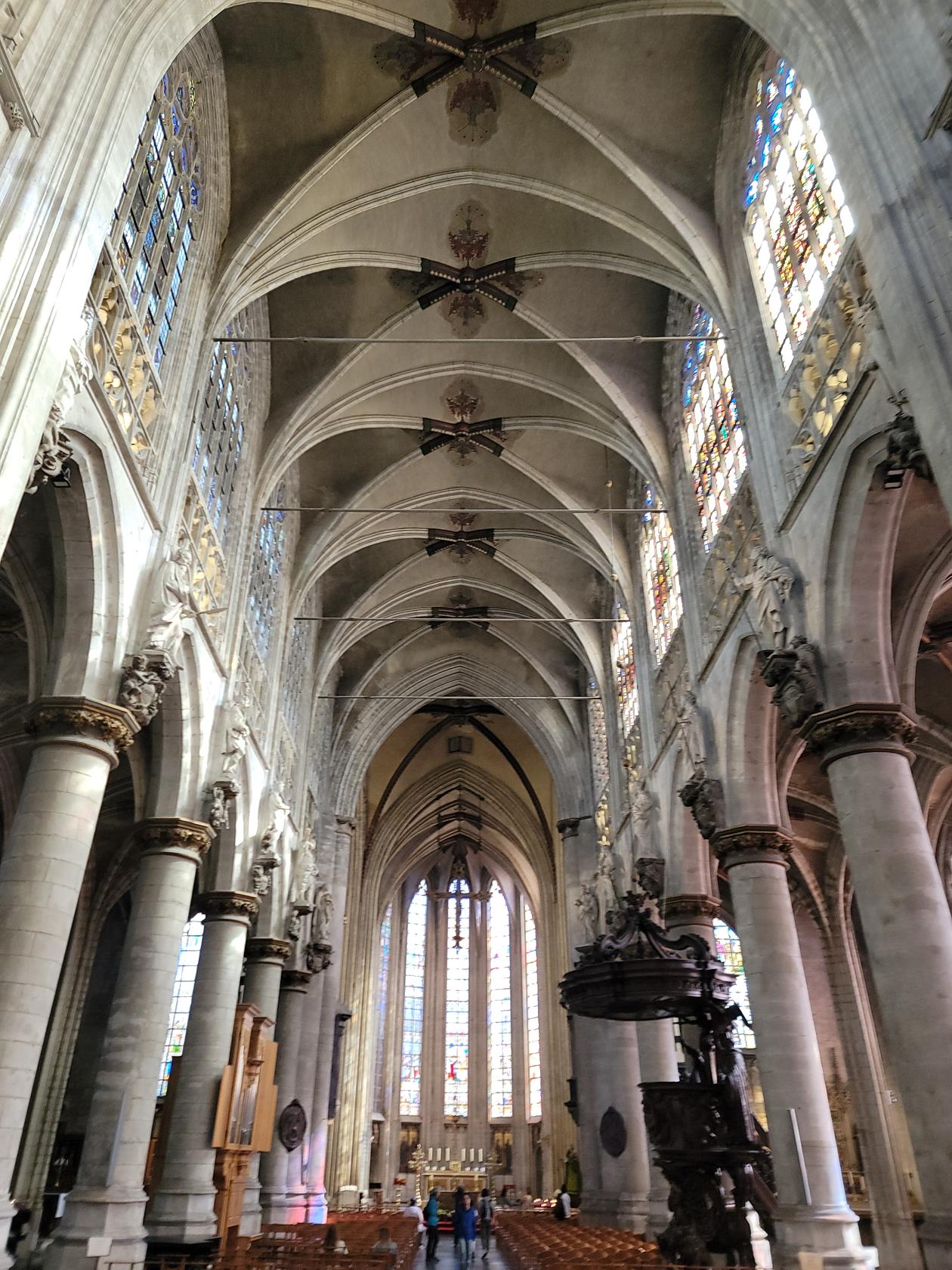
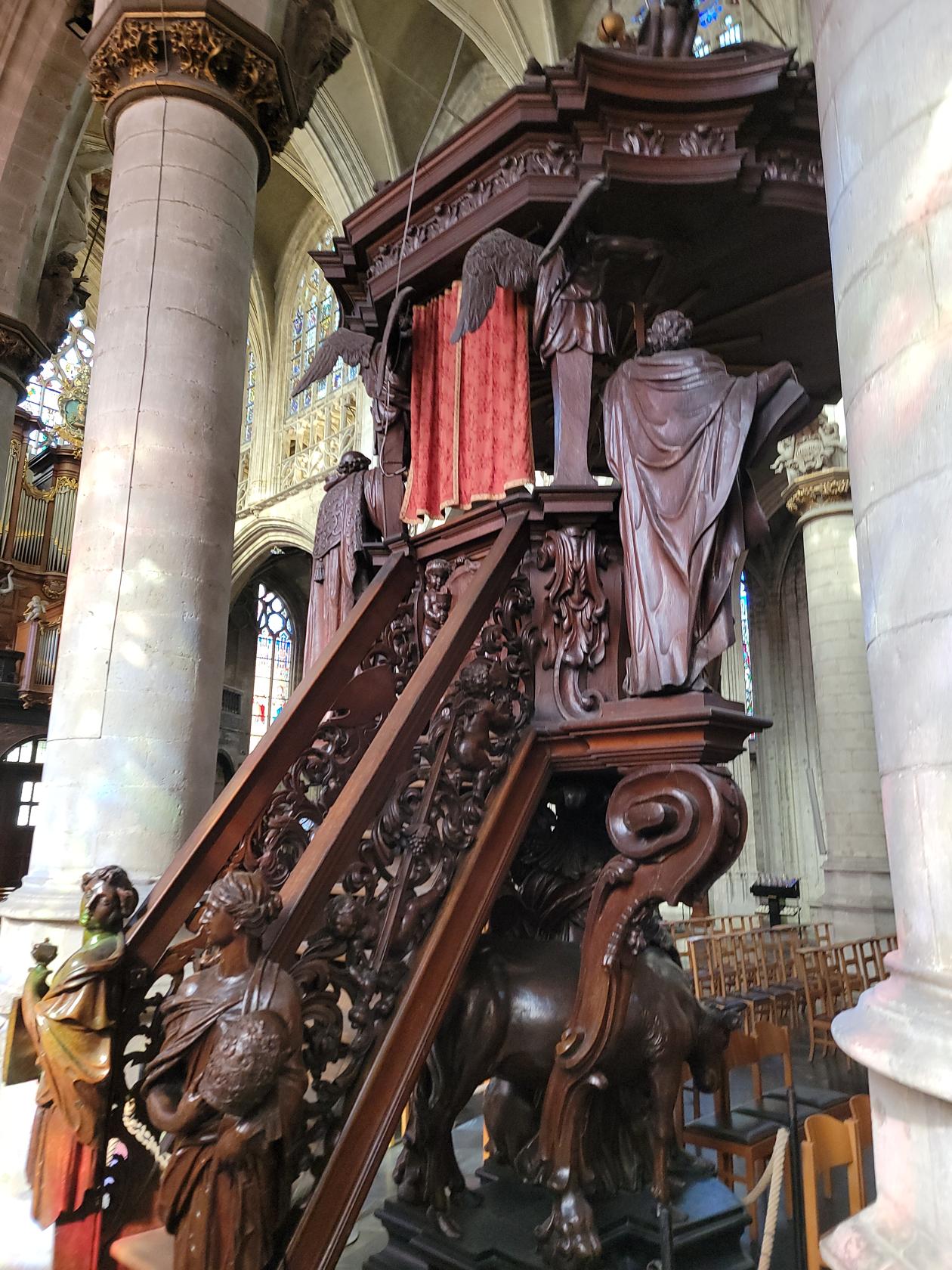
The interior has an enormous wooden pulpit, like other churches and cathedrals in Belgium. The nave, aisle and transept are typical and the glass work unassuming.
Nave – Church of Saint Catherine – Brussels, Belgium
Notre Dame Of The Victories Sablon
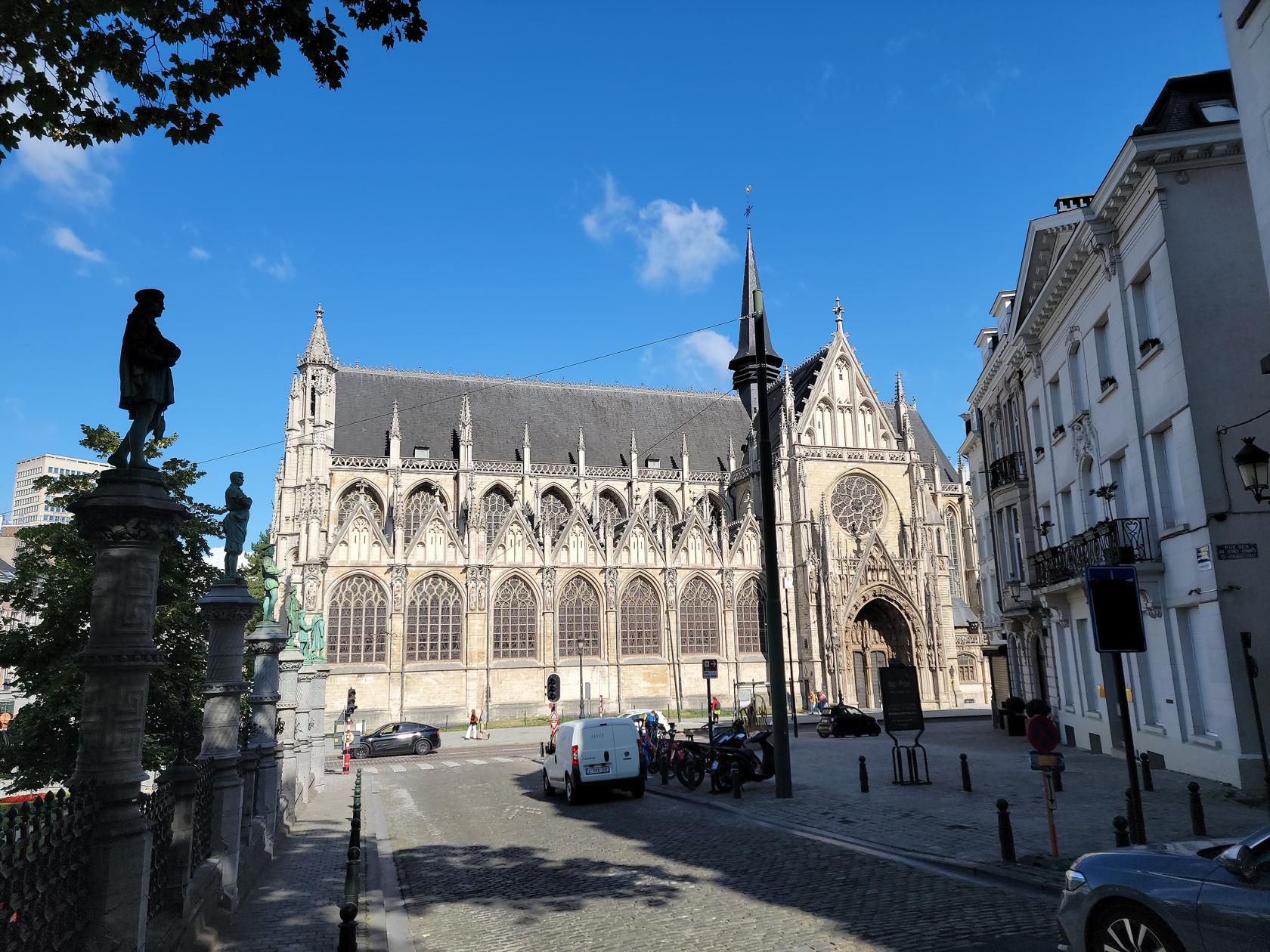
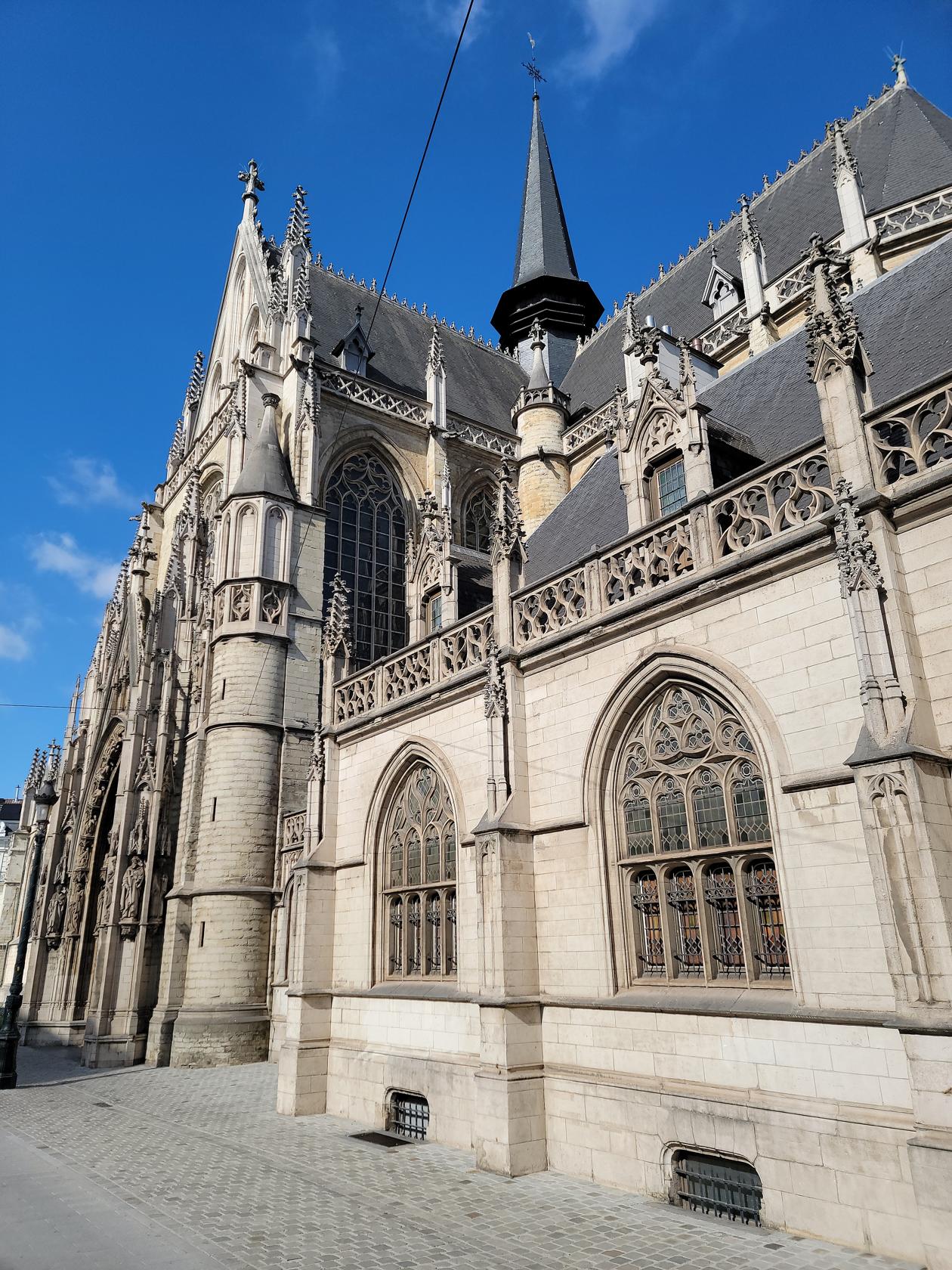
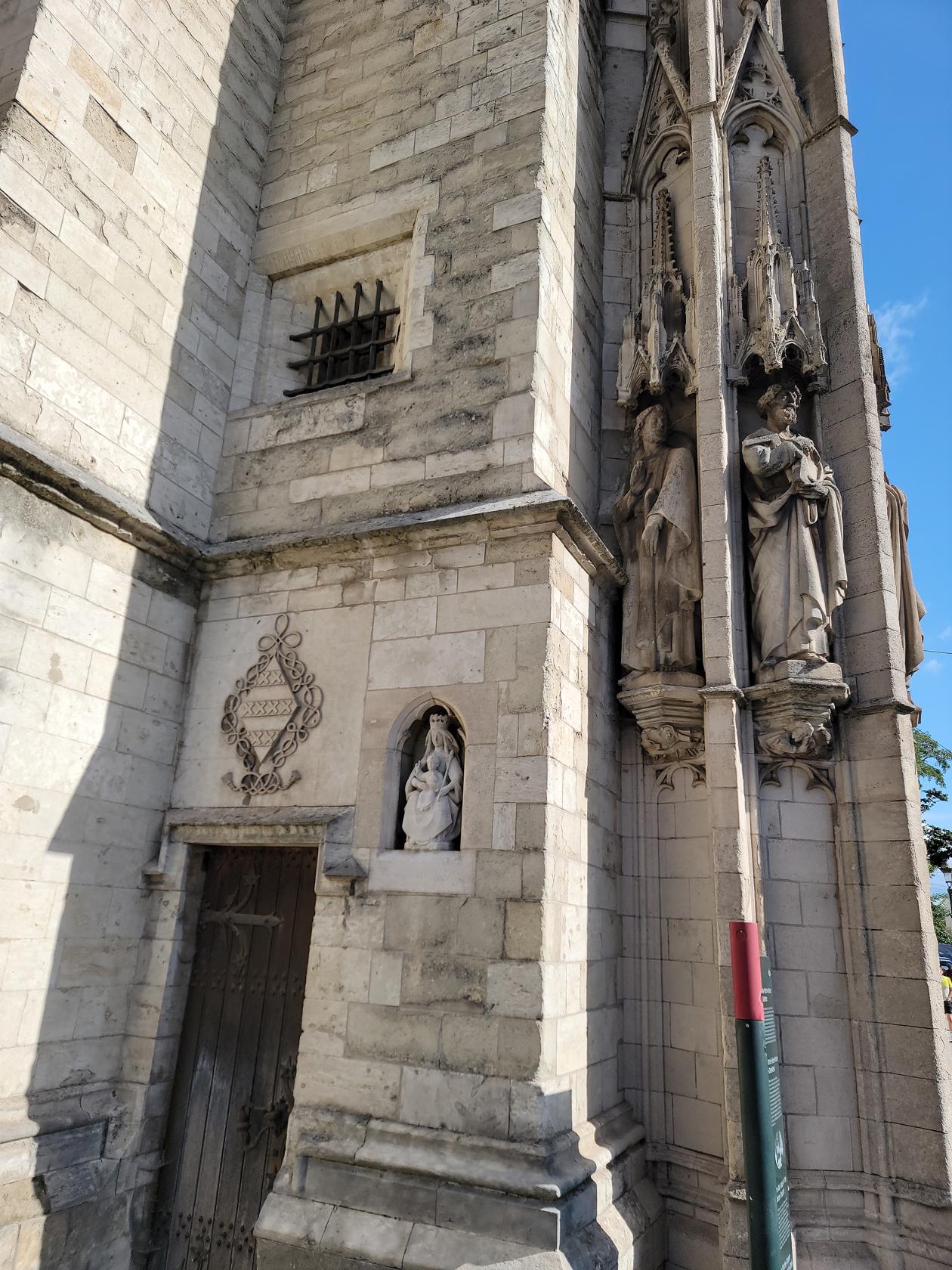
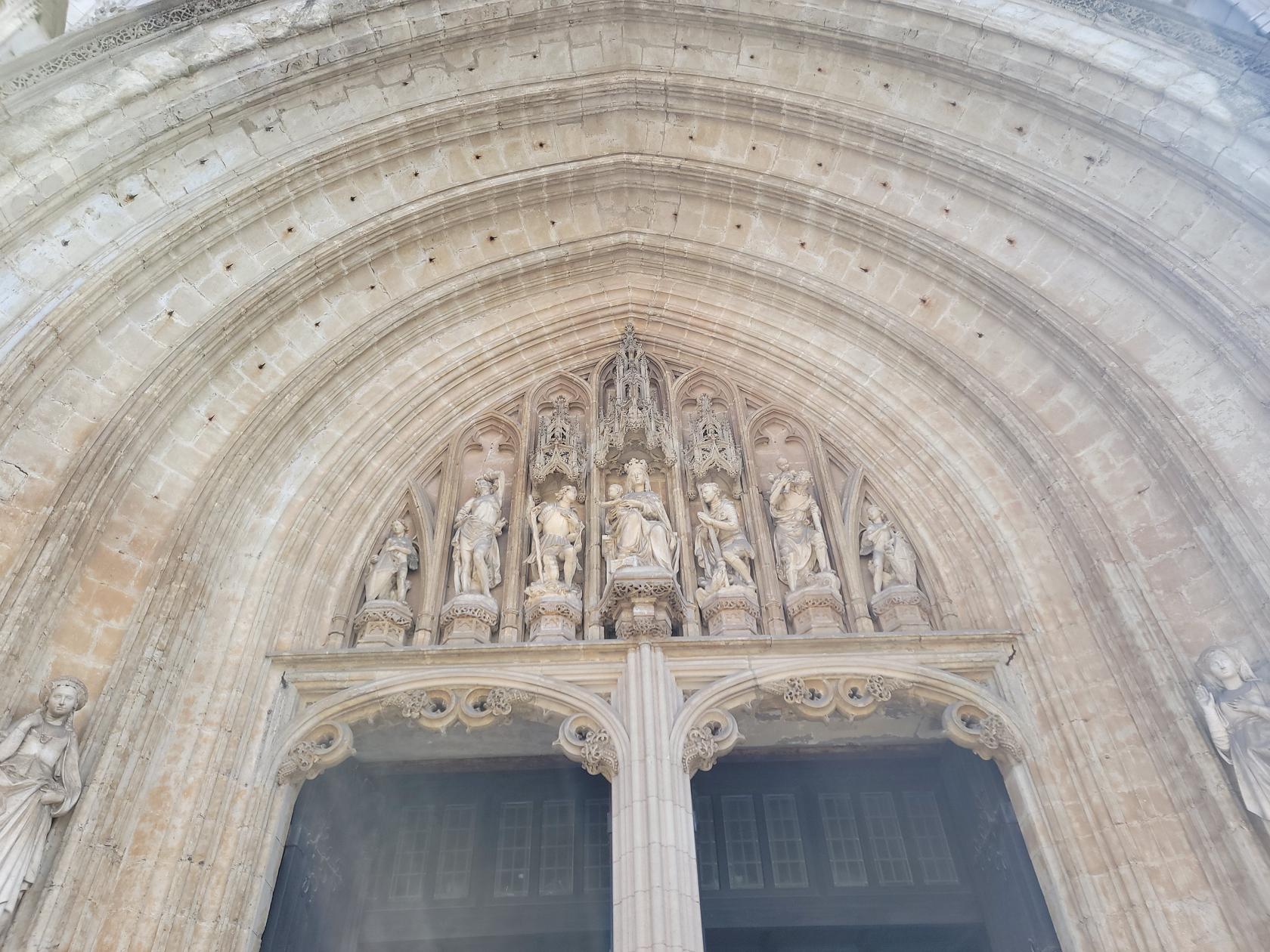
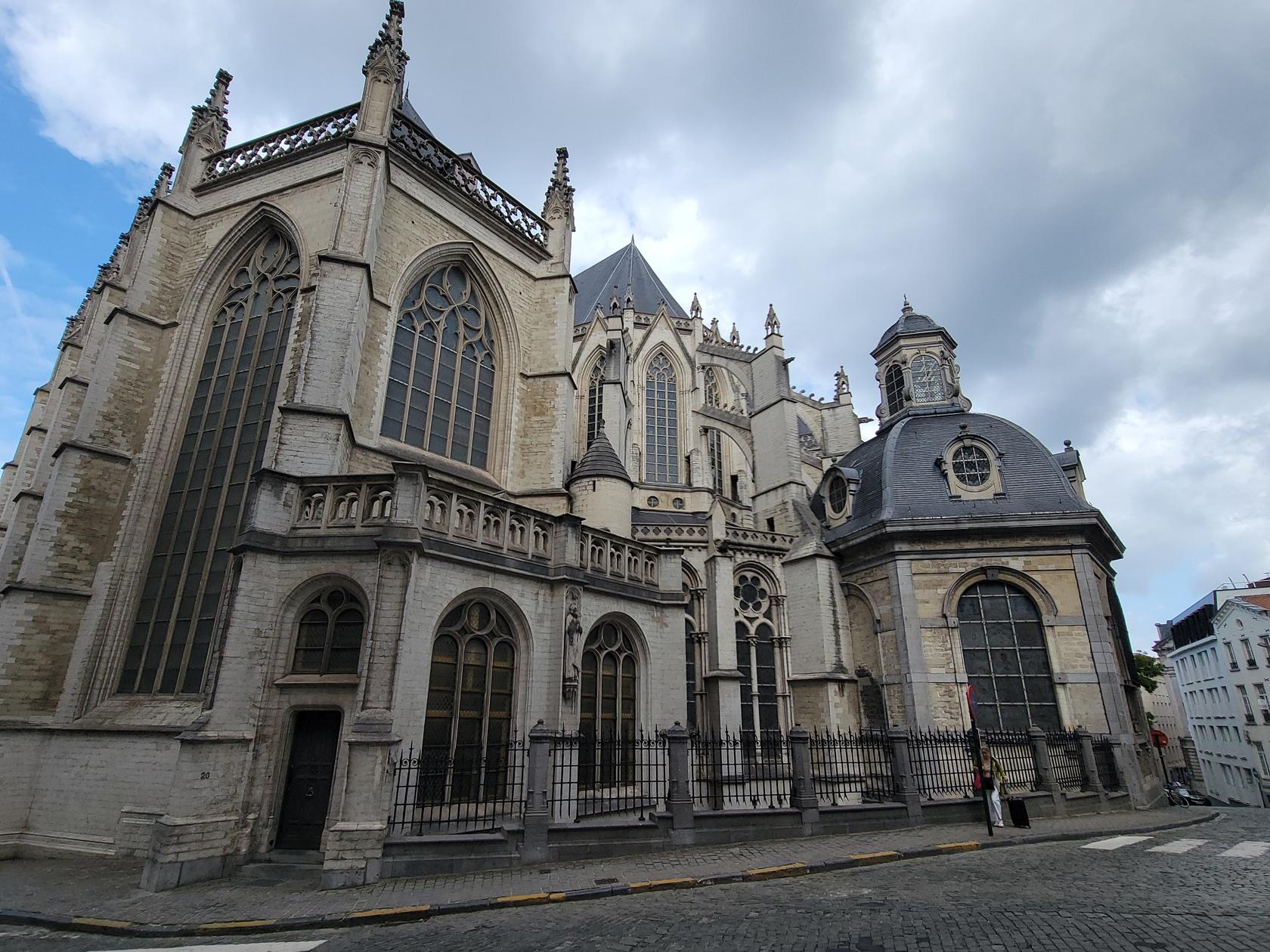
The one church that should be on your itinerary when in Brussels is Notre Dame Of The Victories Sablon. The interior of this church is just breathtaking. The exterior, due to its proximity to the street, is difficult to get a perception of aside from it beautiful typanum at the entrance.
Outside – Church of Notre Dame of the Victories Sablon – Brussels, Belgium
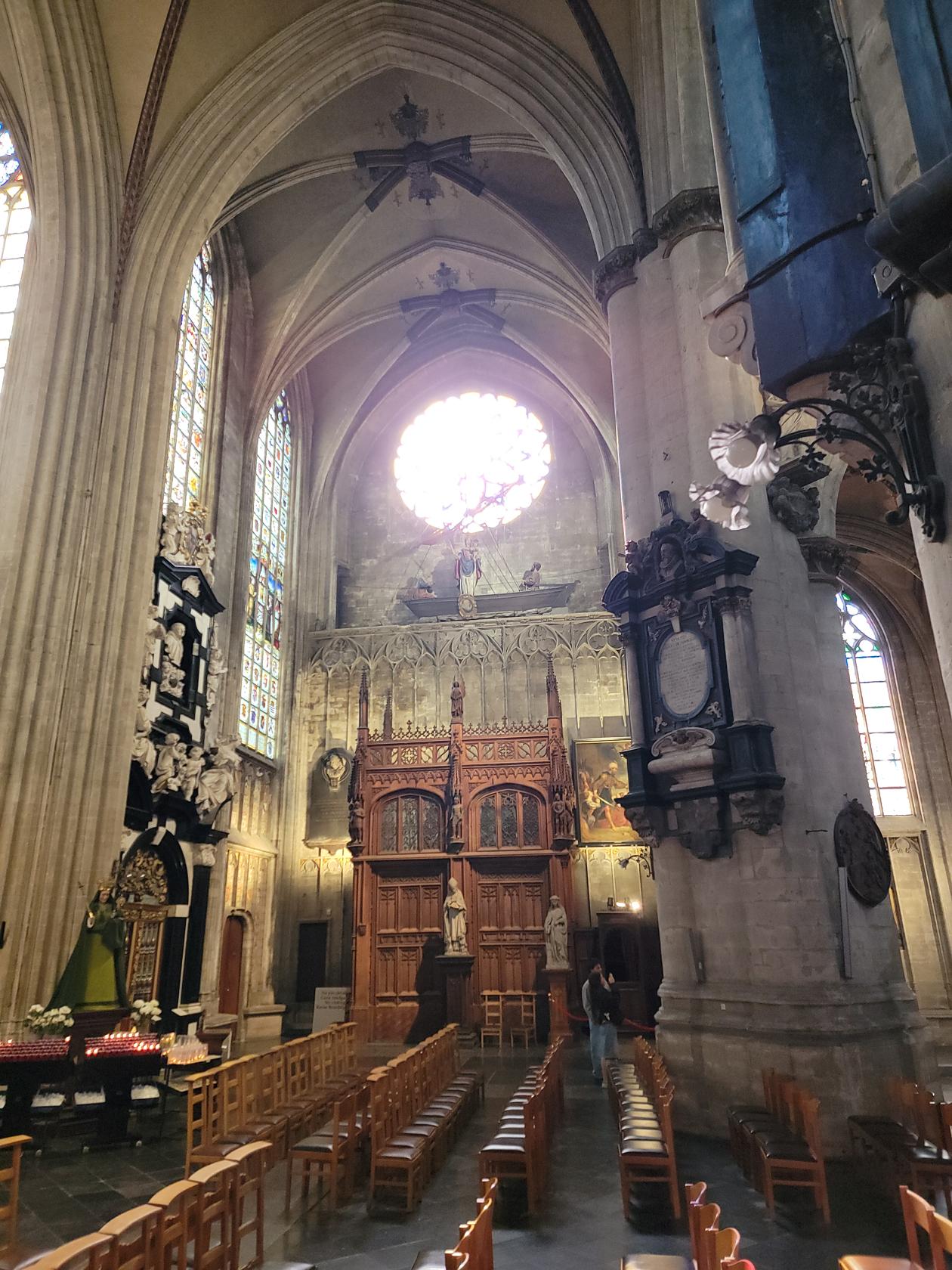
Right Transept Rose Window – Church of Notre Dame of the Victories Sablon – Brussels, Belgium
Stained Glass – Church of Notre Dame of the Victories Sablon – Brussels, Belgium
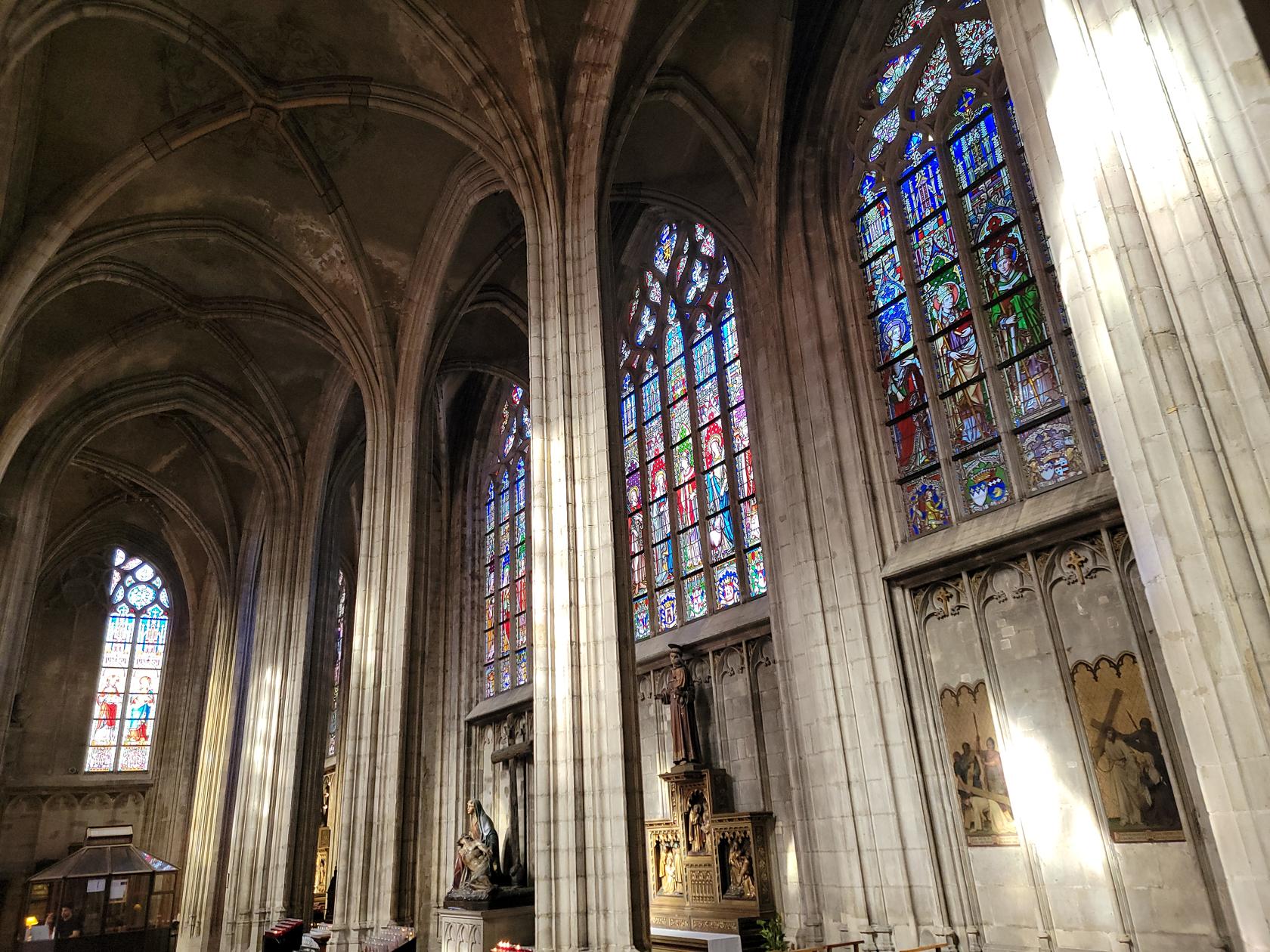
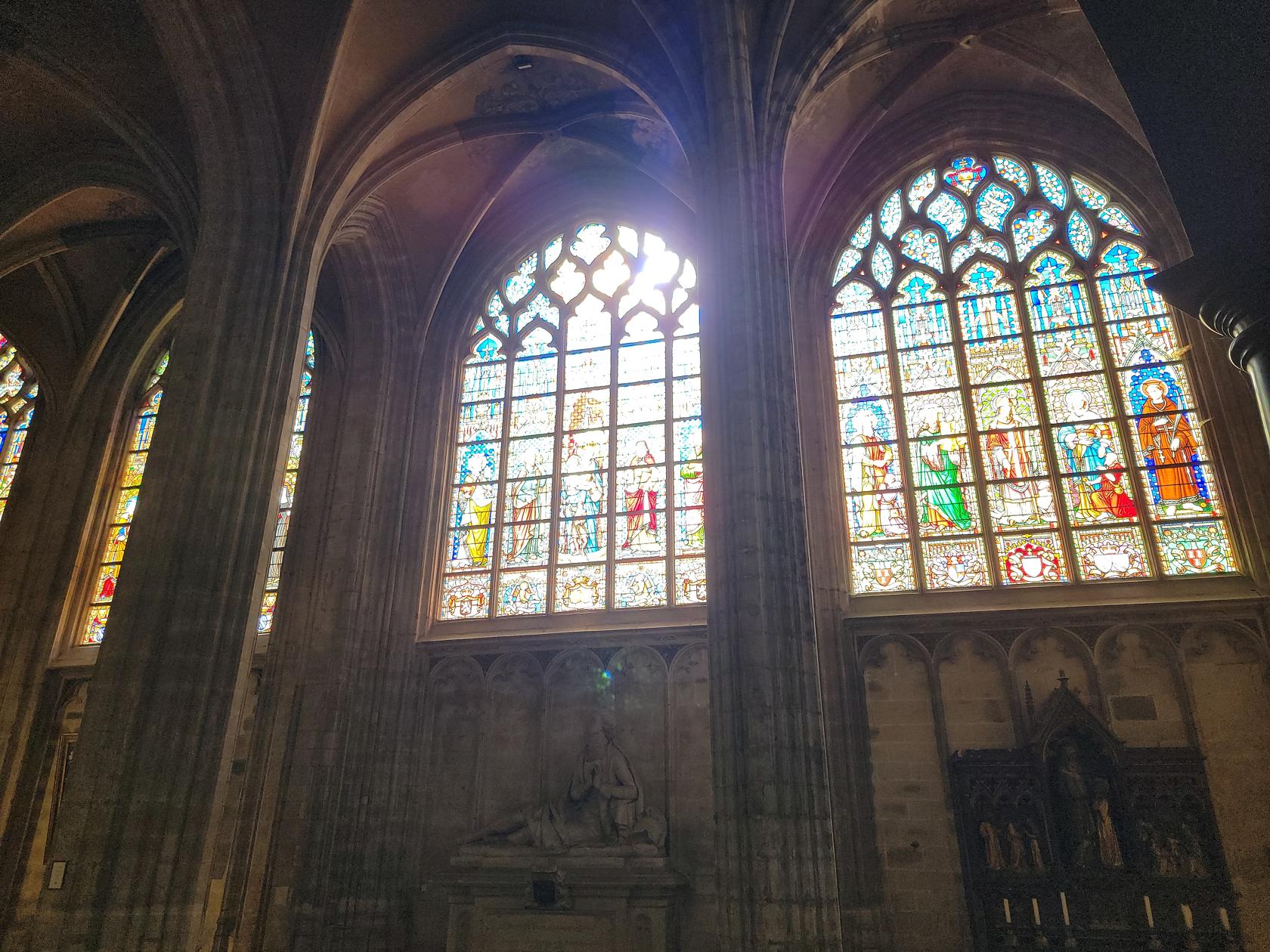
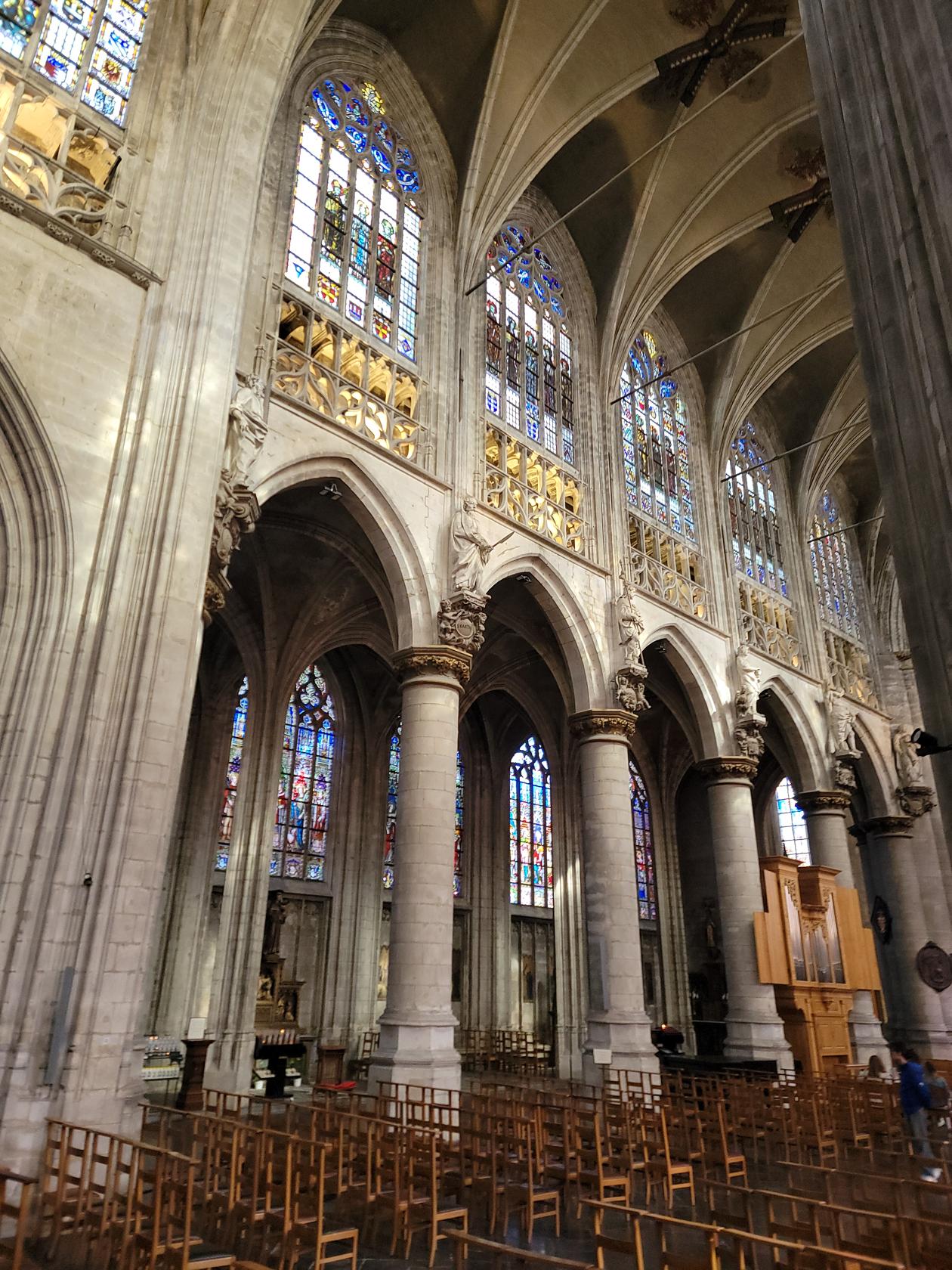
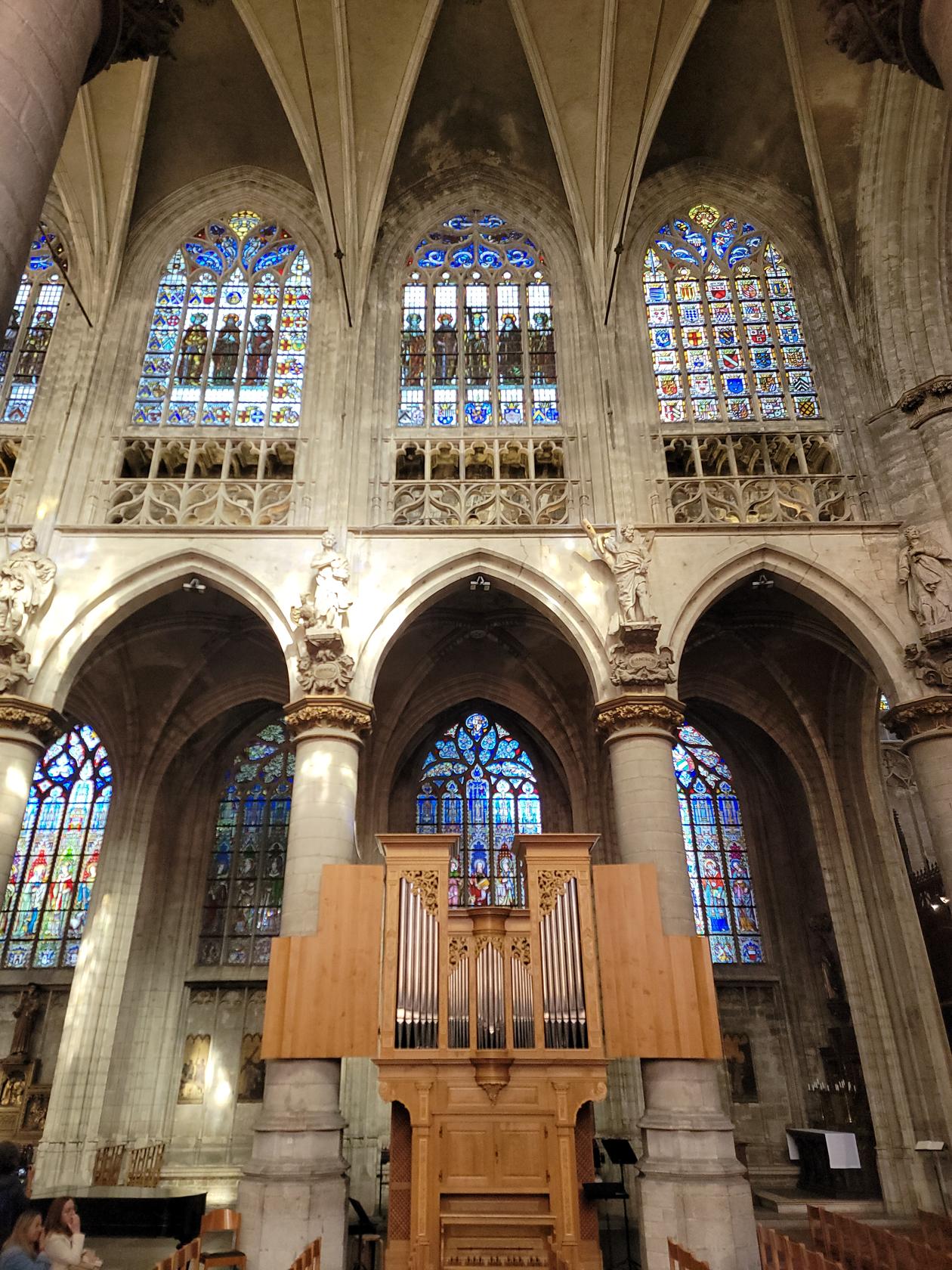
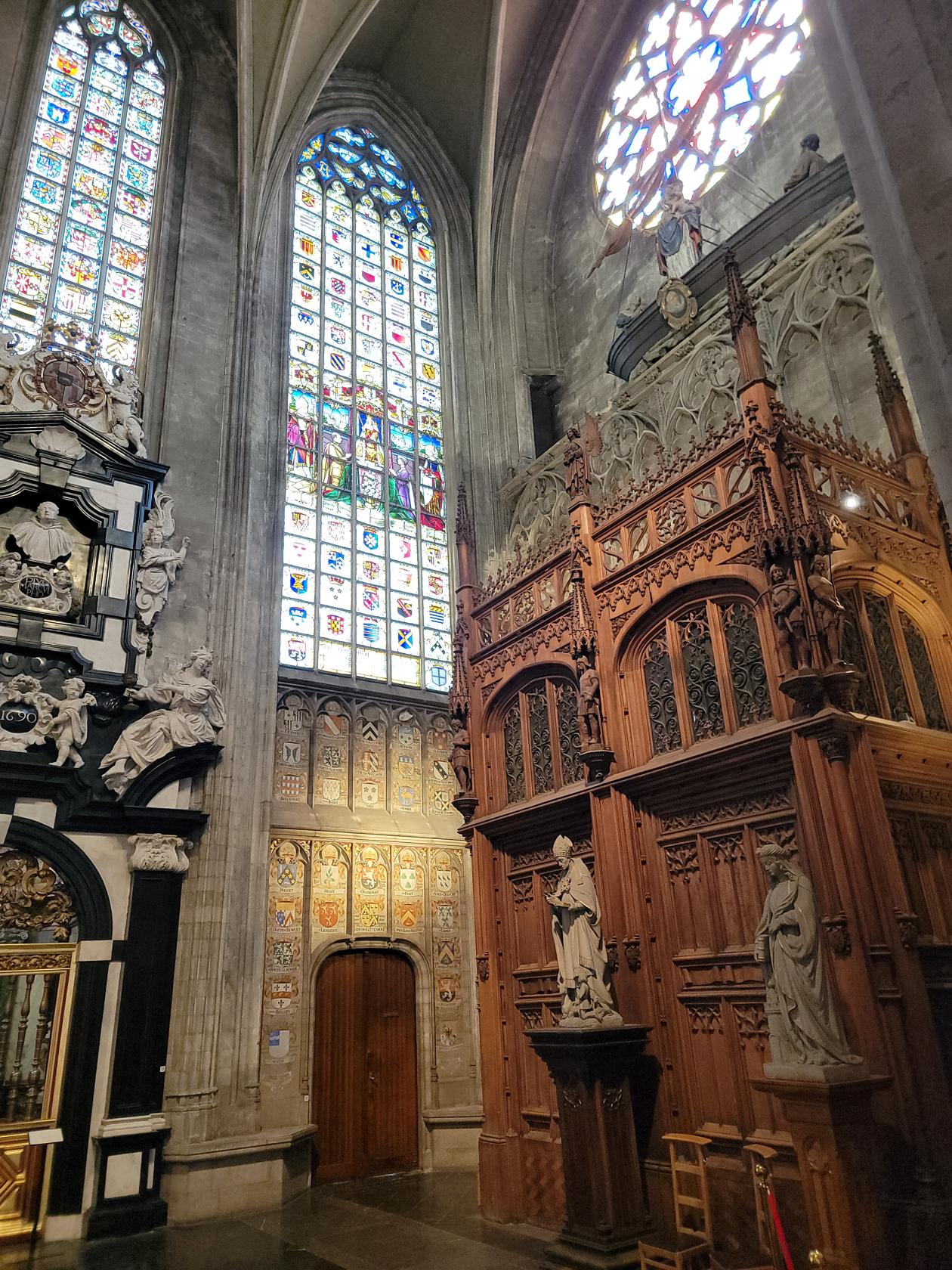
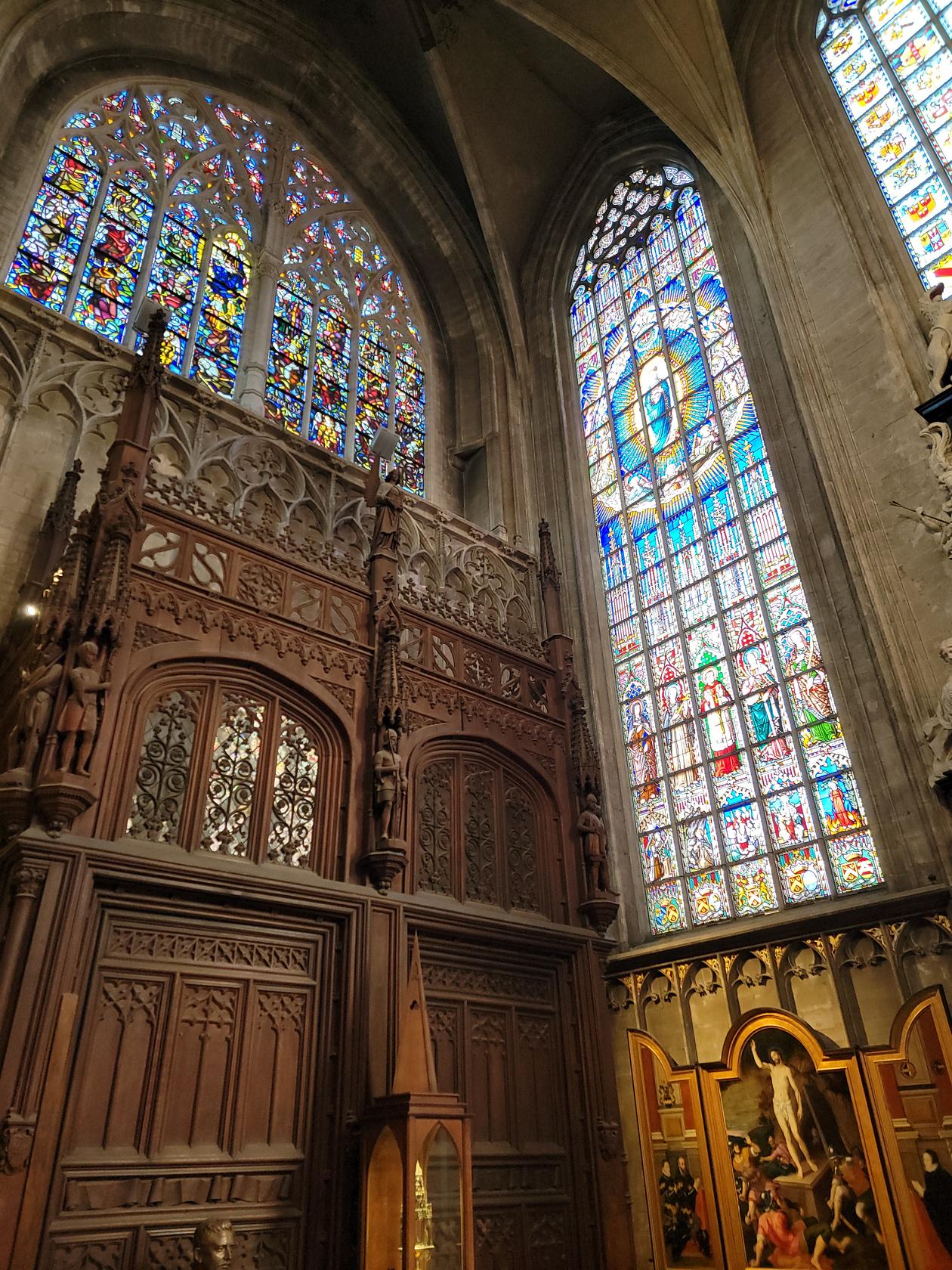
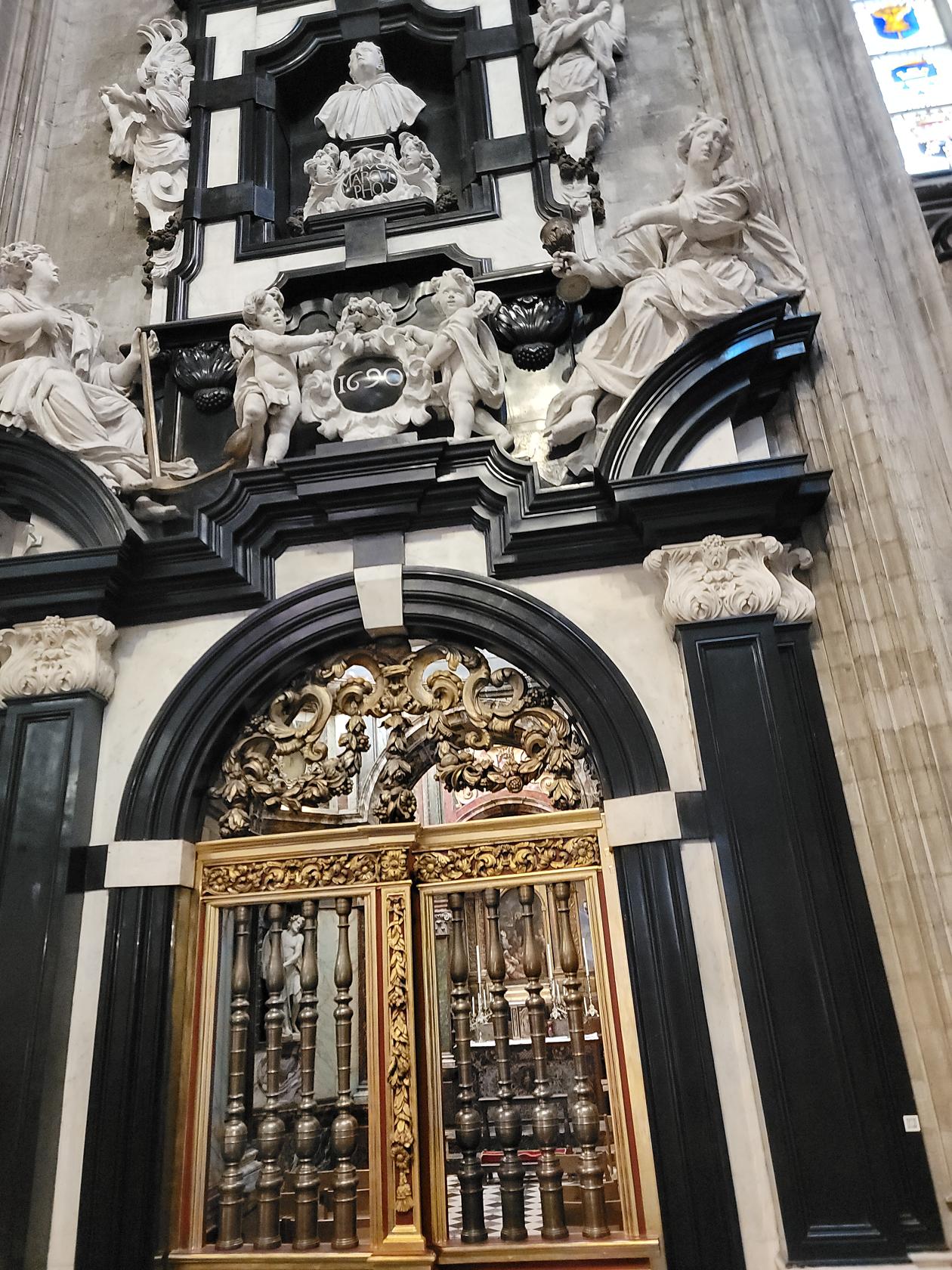
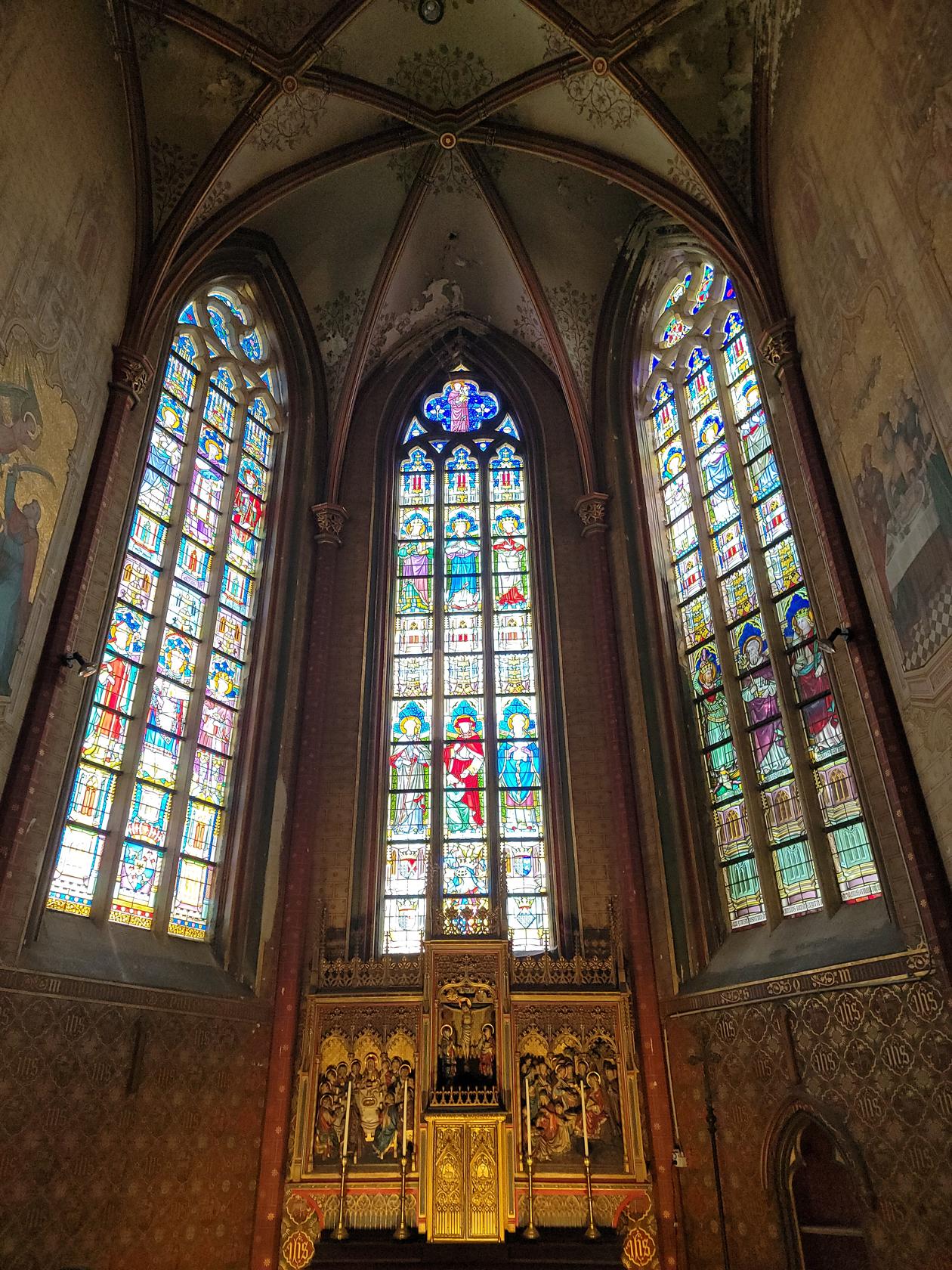
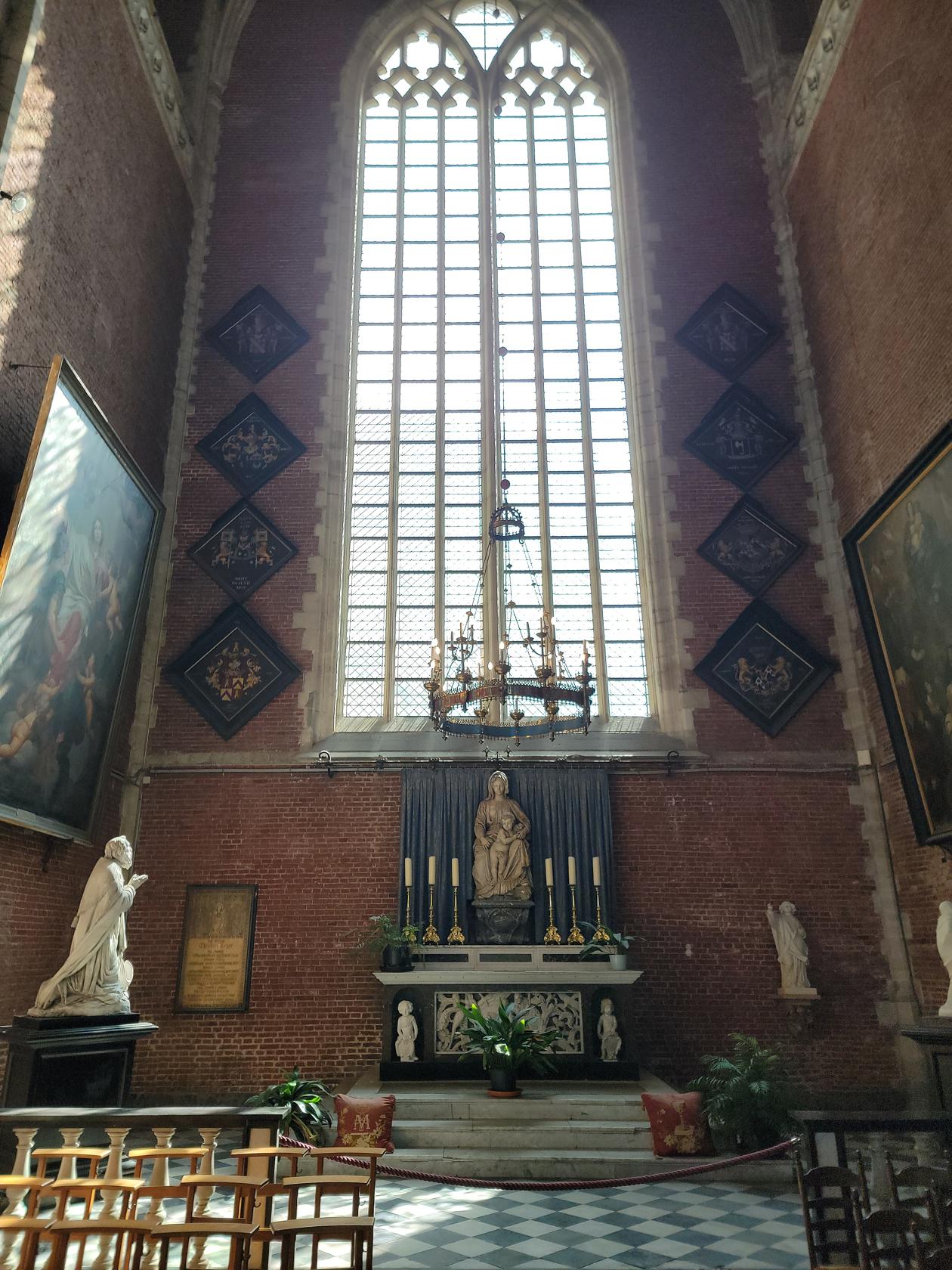
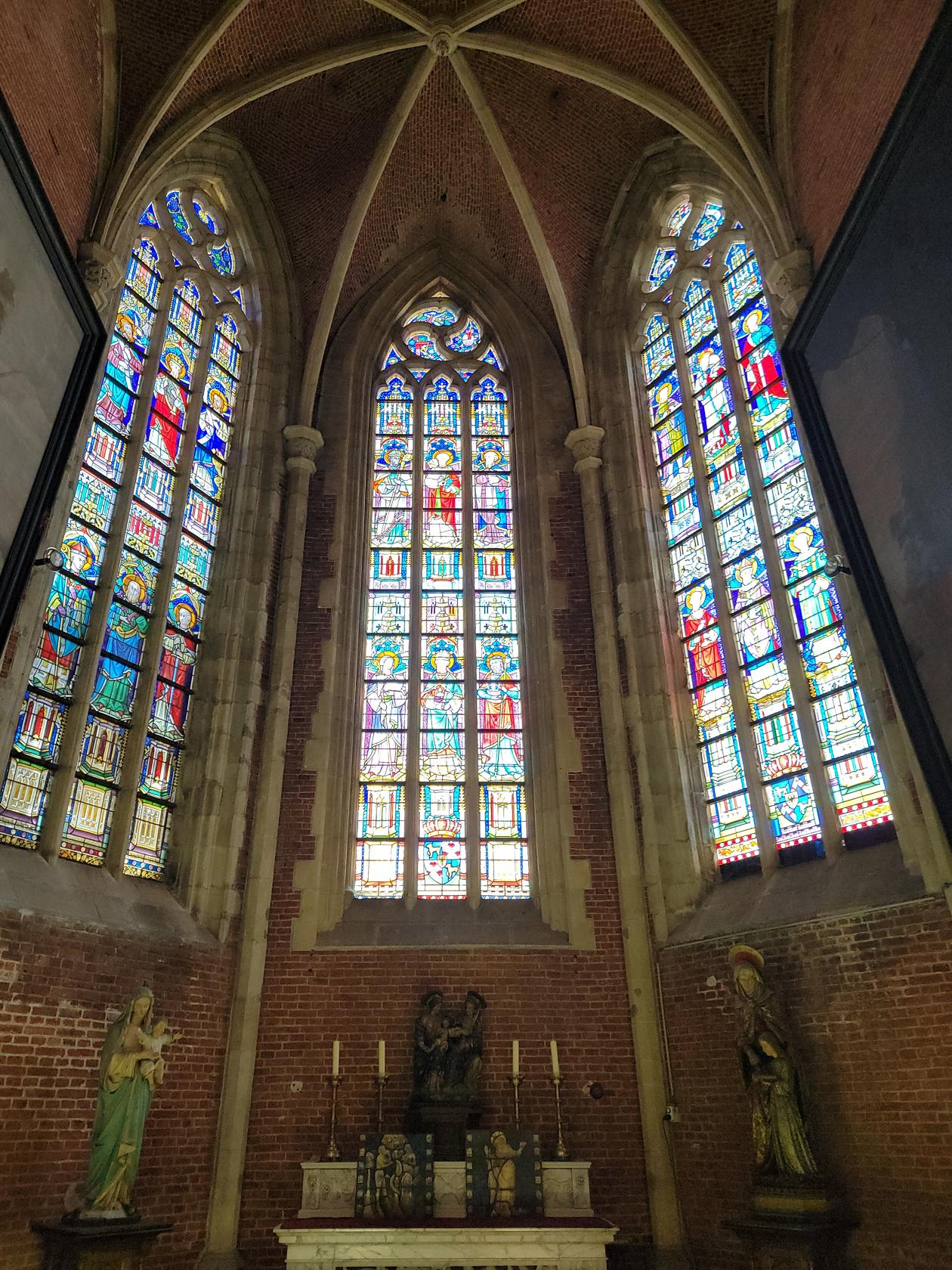
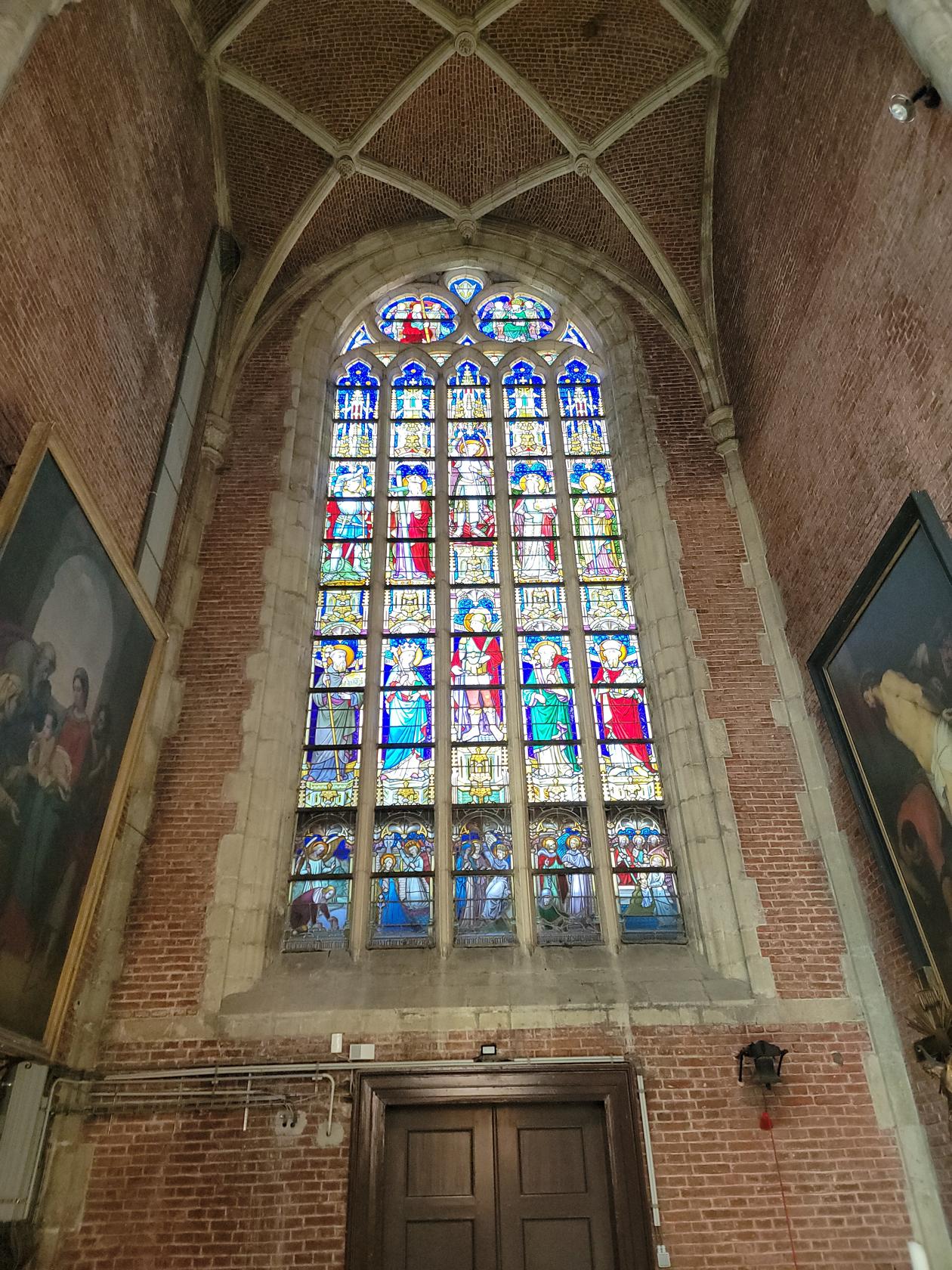
The interior is complete with wooden pulpit and stained glass. Both aisles, the transepts and apse are all decorated with equisite stained glass, the right transept having a beautiful rose window. This church definitely benefitted from all the rich patrons and nobility whos names are strewn throughout the stained glass and on some walls.
Outside – Church of Notre Dame of the Victories Sablon – Brussels, Belgium
Outside Relief – Church of Notre Dame of the Victories Sablon – Brussels, Belgium
Tympanum – Church of Notre Dame of the Victories Sablon – Brussels, Belgium
Aisle – Church of Notre Dame of the Victories Sablon – Brussels, Belgium
Nave – Church of Notre Dame of the Victories Sablon – Brussels, Belgium
Nave Stained Glass – Church of Notre Dame of the Victories Sablon – Brussels, Belgium
Organ and Nave Stained Glass – Church of Notre Dame of the Victories Sablon – Brussels, Belgium
Pulpit – Church of Notre Dame of the Victories Sablon – Brussels, Belgium
Rose Window in Transept – Church of Notre Dame of the Victories Sablon – Brussels, Belgium
Left Transept Windows – Church of Notre Dame of the Victories Sablon – Brussels, Belgium
Side Chapel – Church of Notre Dame of the Victories Sablon – Brussels, Belgium
Side Chapel – Church of Notre Dame of the Victories Sablon – Brussels, Belgium
Altar and Apse – Church of Notre Dame of the Victories Sablon – Brussels, Belgium
Side Altar – Church of Notre Dame of the Victories Sablon – Brussels, Belgium
Saint Michael And Saint Gudula Cathedral
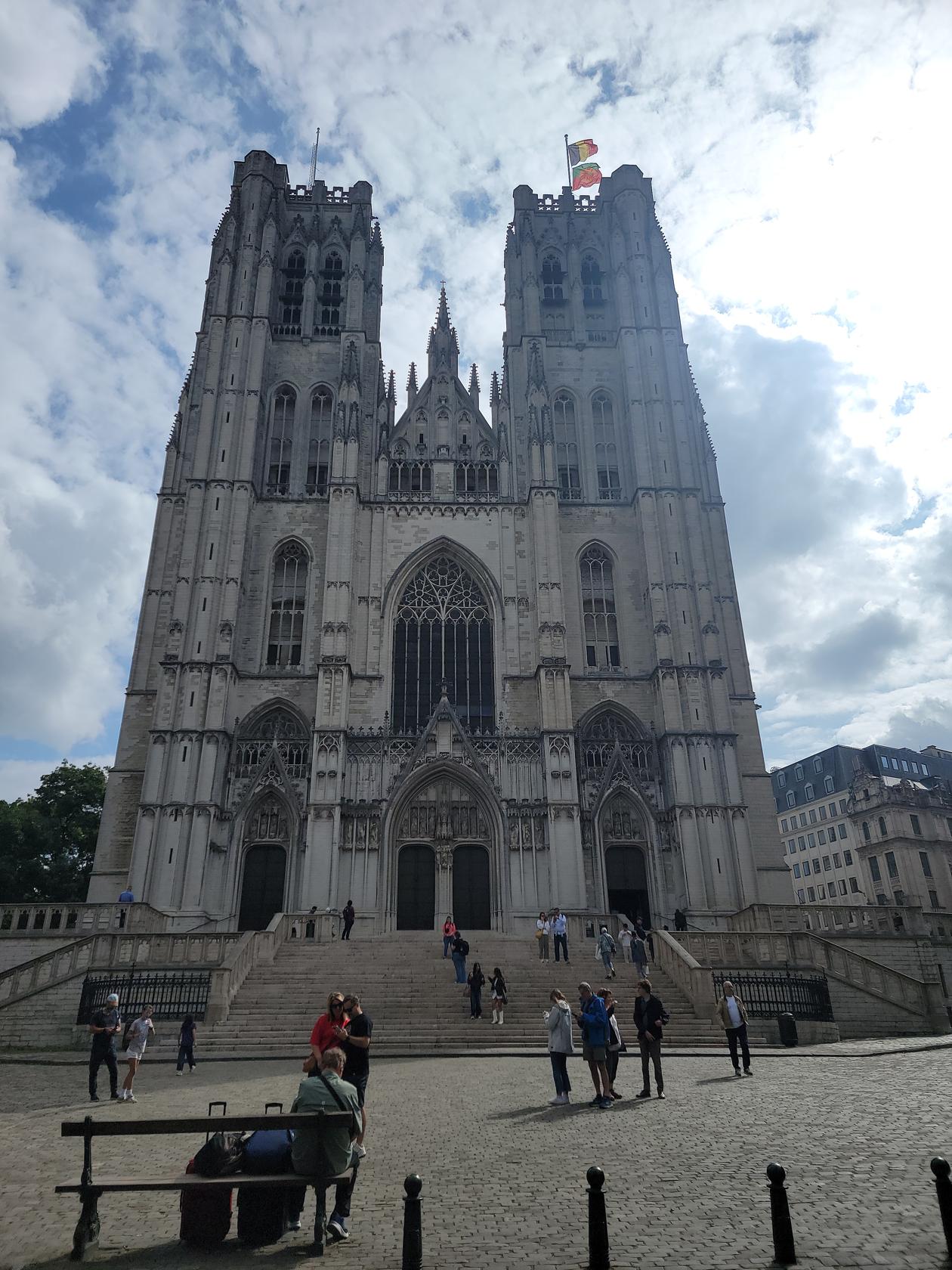
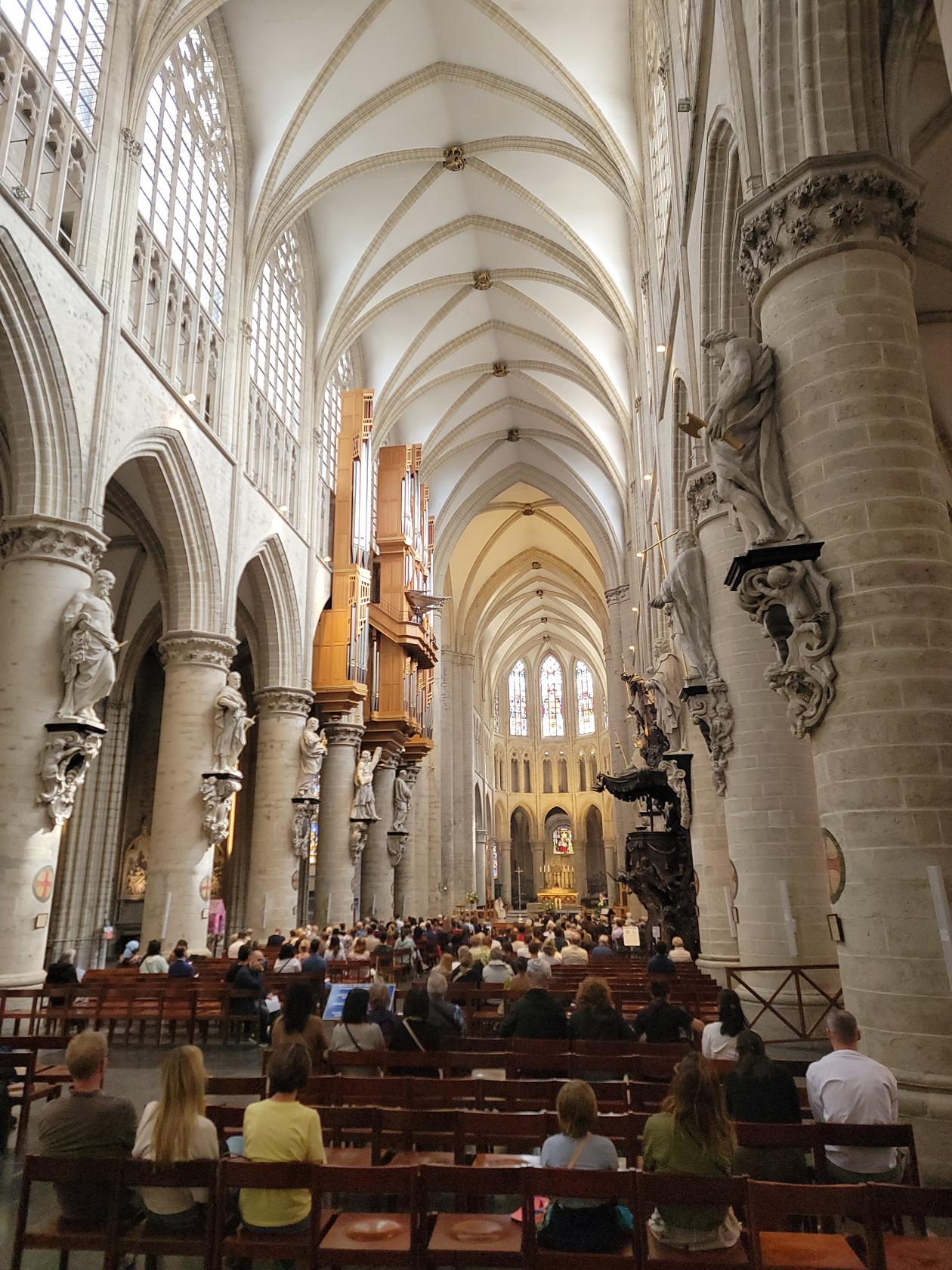
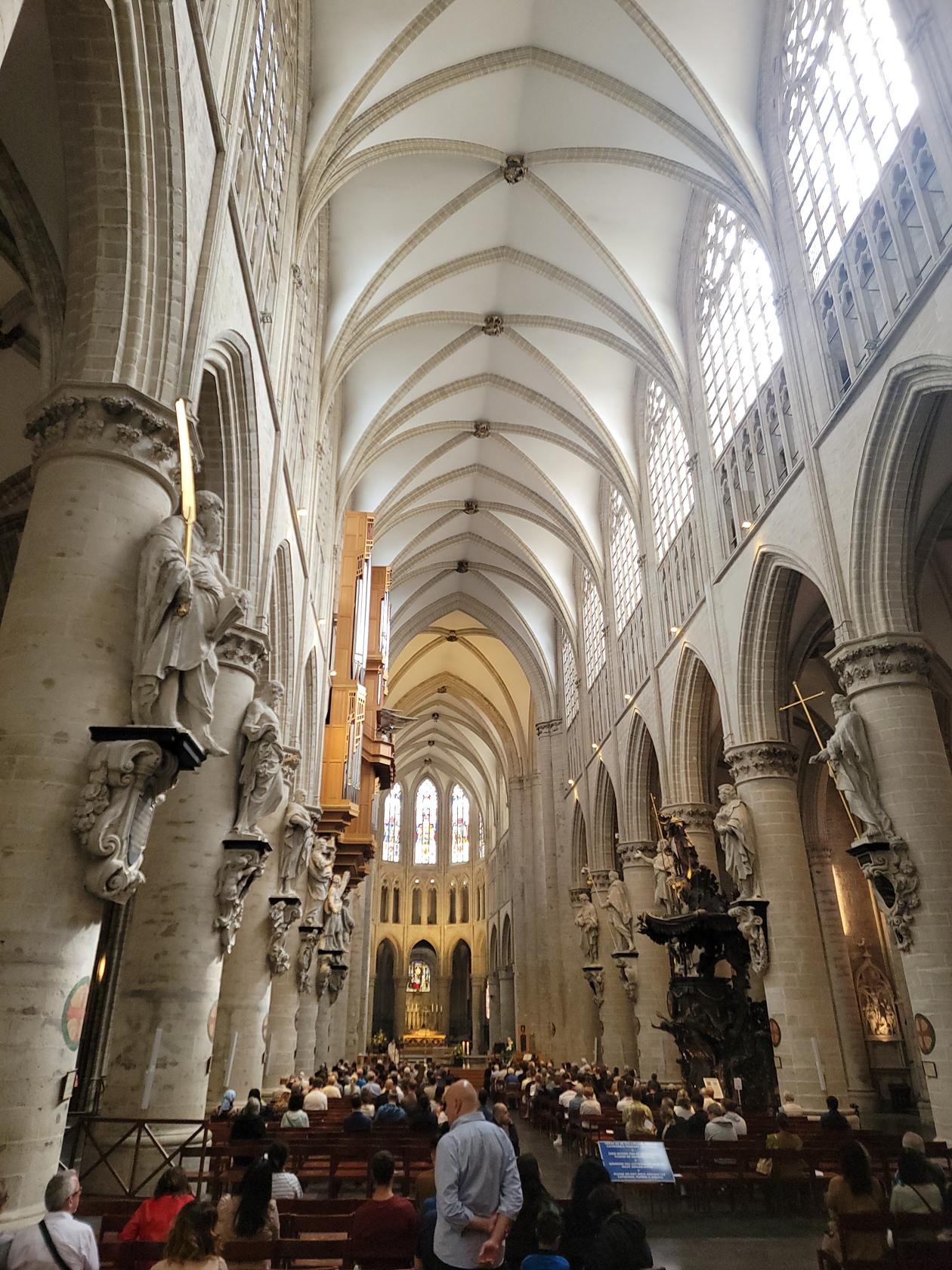
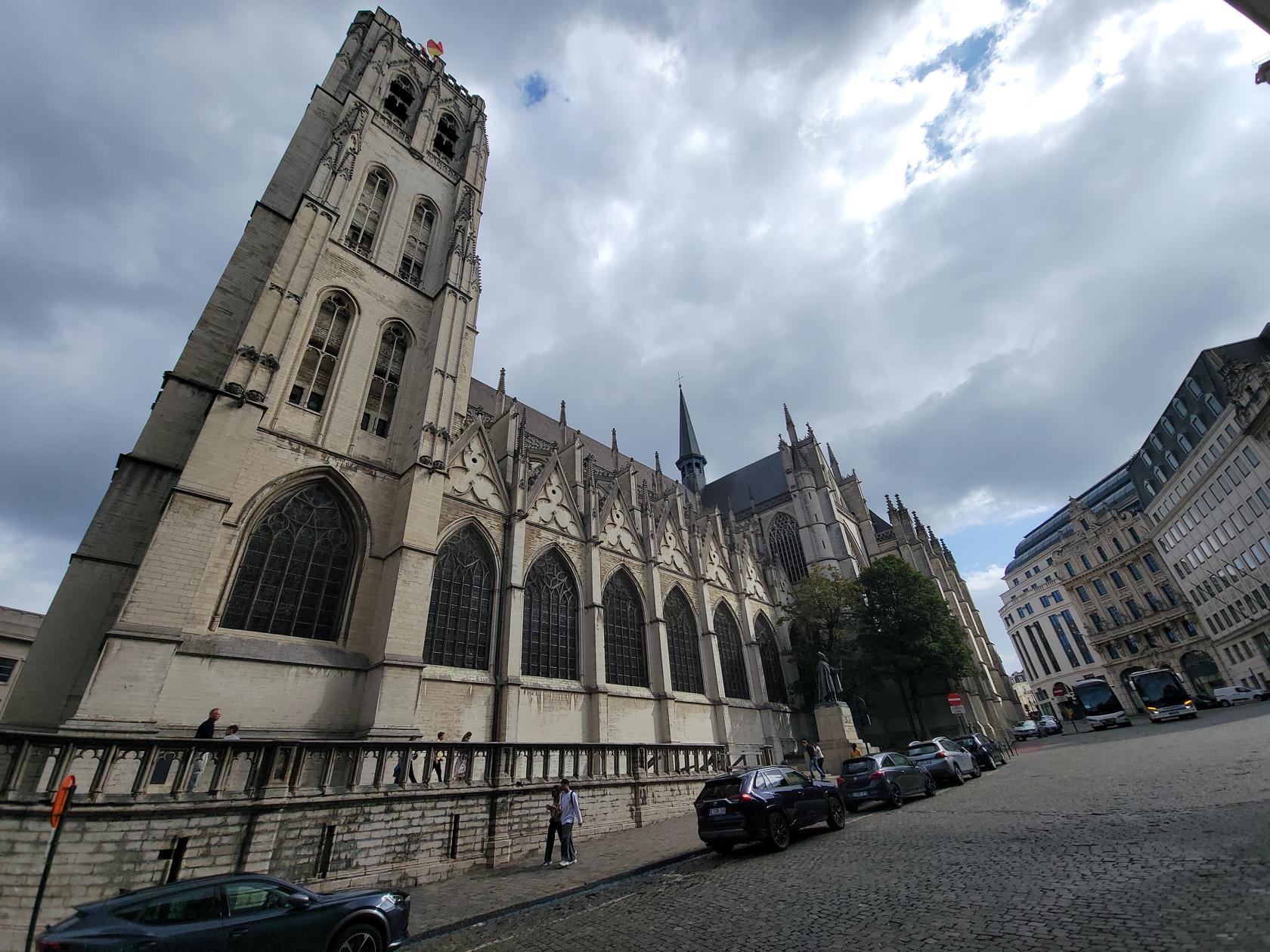
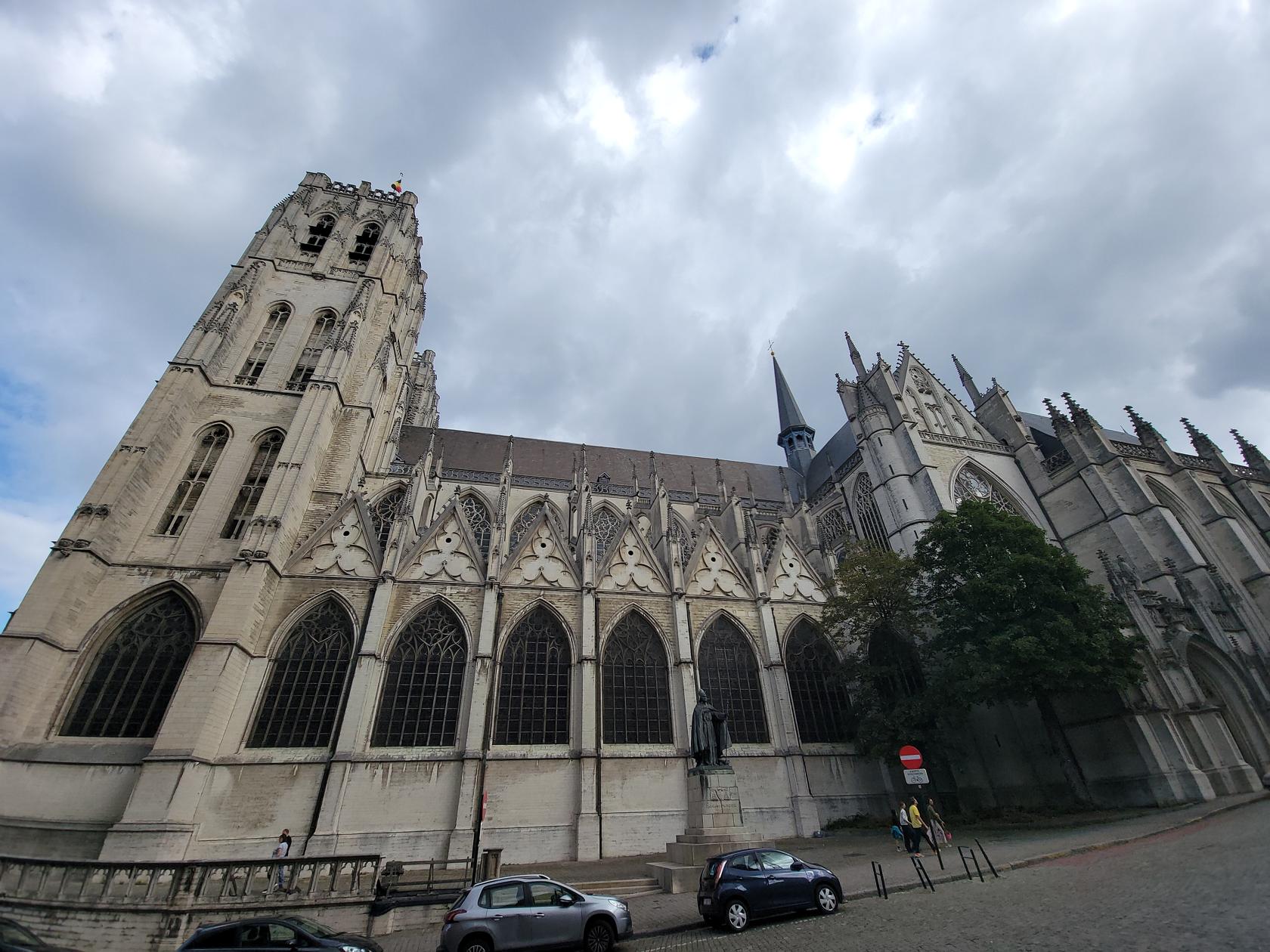
Further out from the frantic inner core of the city and closer to the train station is Saint Michael’s And Saint Gudula’s Cathedral. Though we were able to take a photograph outside and few quick photographs of the nave inside, mass was being held at the time and we could not walk freely throughout the church as we normally would.
Entrance – Saint Michael and Saint Gudula Catholic Cathedral – Brussels, Belgium
Nave – Saint Michael and Saint Gudula Catholic Cathedral – Brussels, Belgium
Nave – Saint Michael and Saint Gudula Catholic Cathedral – Brussels, Belgium
Side View – Saint Michael and Saint Gudula Catholic Cathedral – Brussels, Belgium
Side View – Saint Michael and Saint Gudula Catholic Cathedral – Brussels, Belgium
Rear View – Saint Michael and Saint Gudula Catholic Cathedral – Brussels, Belgium
Restaurants
When eating in Belgiun you must be prepared for the highs and the lows, and then in some cases being frustrated beyond your wits. It may even make sense prior to leaving to sign up for one of the many *A (Anonymous) courses or a therapy session in your area, when you return you may need it.
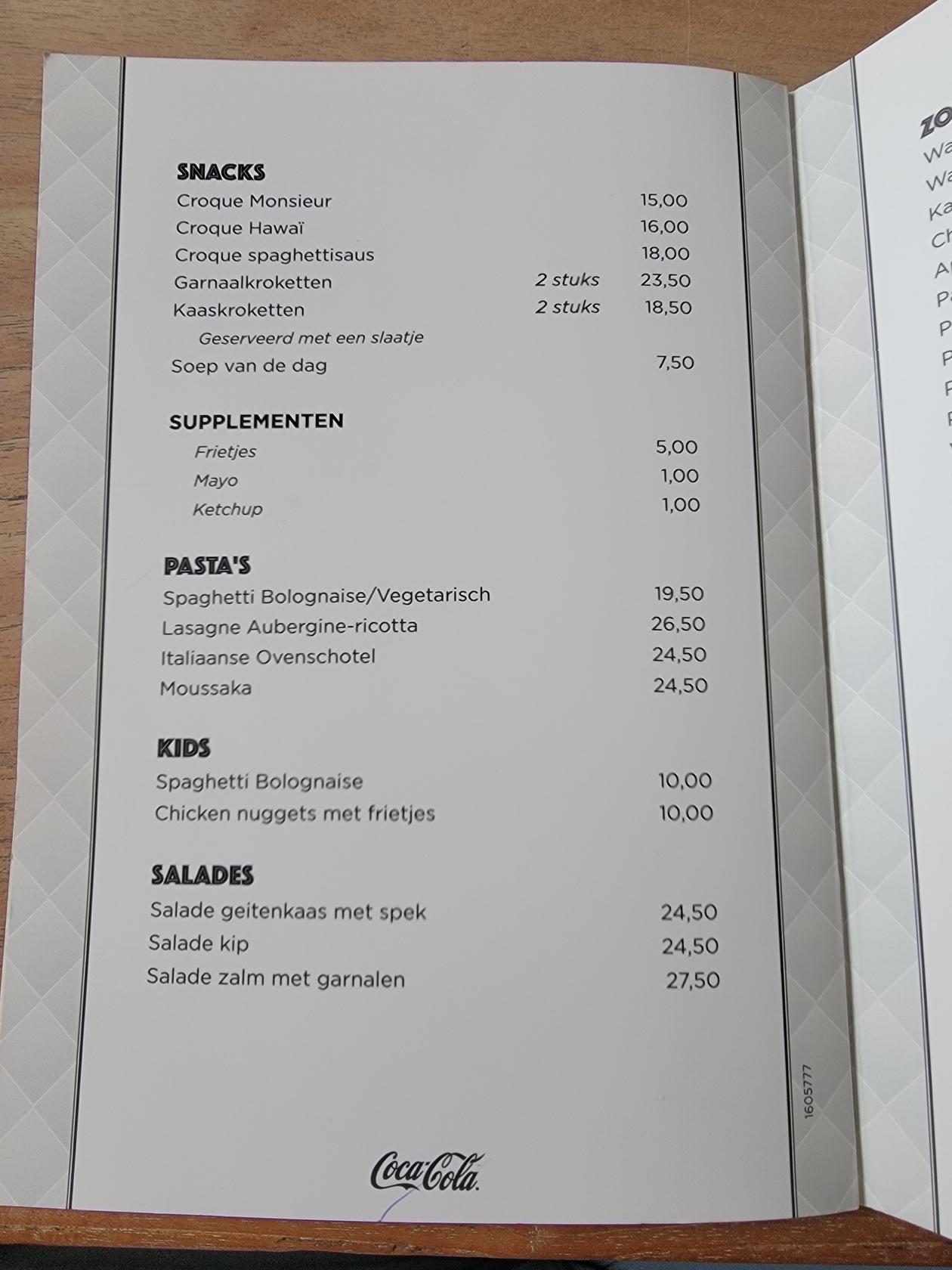
Just as with other cities in Belgium, restaurants in tourist areas in Brussels offer essentially the same items, all for practically the same over-inflated prices. So try to venture further out and you might be rewarded with other cuisine, though this author doubts it; the food will be the same but perhaps at a somewhat cheaper price. For example, for what we call a simple ham and cheese pannini in the States, they call it something fancy “Croque Monsieur” and charge 25€. Lastly, do NOT leave a tip, for anyone, even if you struggle with your decision. The food is expensive enough and they get paid a good wage waiting tables, as is evident by their dismissive attitudes once you have ordered. Some expect it, to which I say, “Yeah, I don’t think so.”
The Blue Restaurant
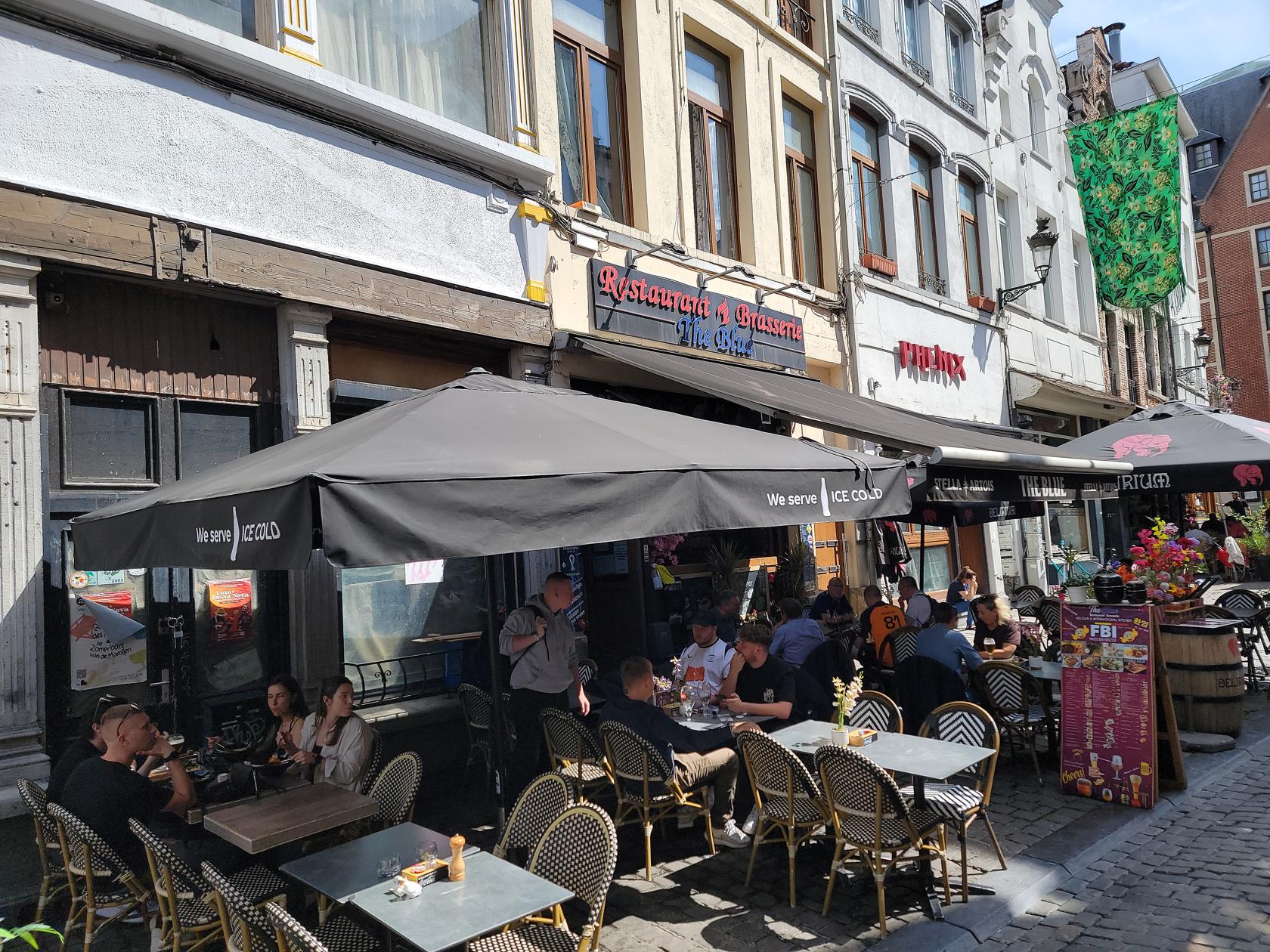
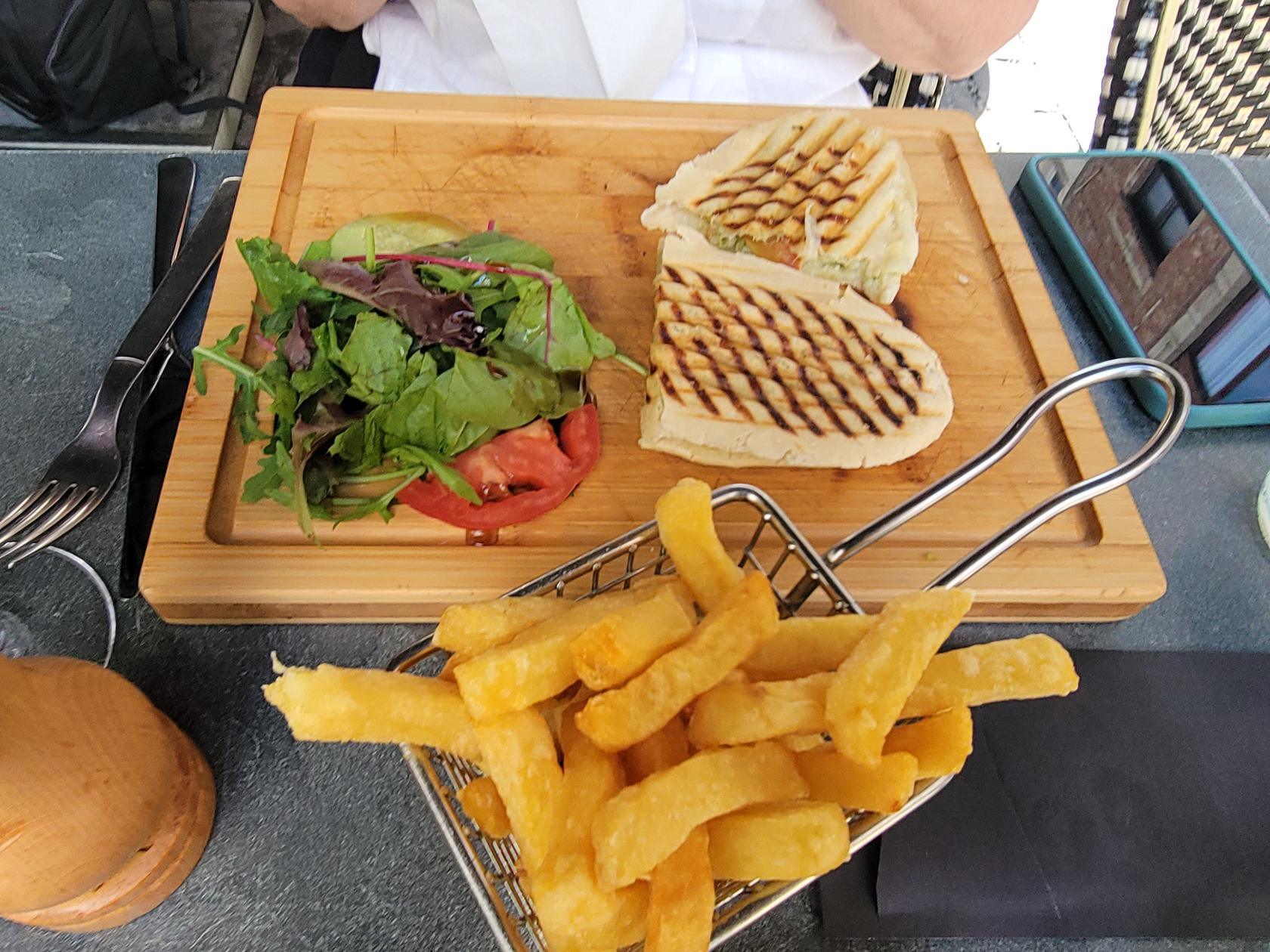
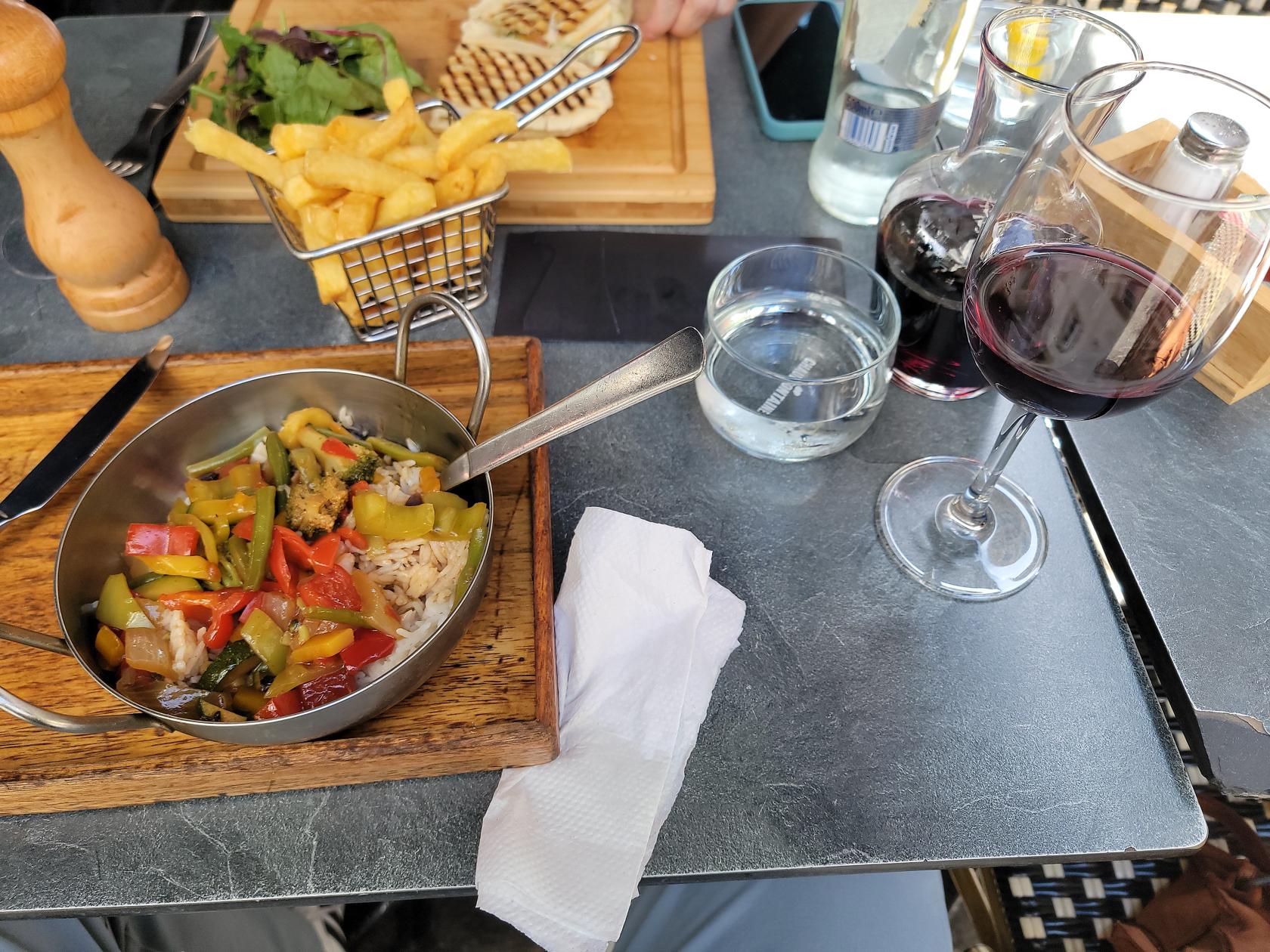
Suffering from inflated ratings and not too far from our hotel is the Blue Restaurant, a tourist trap with a wide variety of foods to choose from and an over-priced menu. We stopped for lunch, only because we were still unfamiliar with the city and we were hungry. Our dishes were simple and tasted okay, but not worth the expense.
Entrance – The Blue Restaurant – Rue de l’Homme Chretien – Brussels, Belgium
Panini with Fried – The Blue Restaurant – Rue de l’Homme Chretien – Brussels, Belgium
Vegetable Stir-Fry – The Blue Restaurant – Rue de l’Homme Chretien – Brussels, Belgium
Lloyd Coffee Eatery
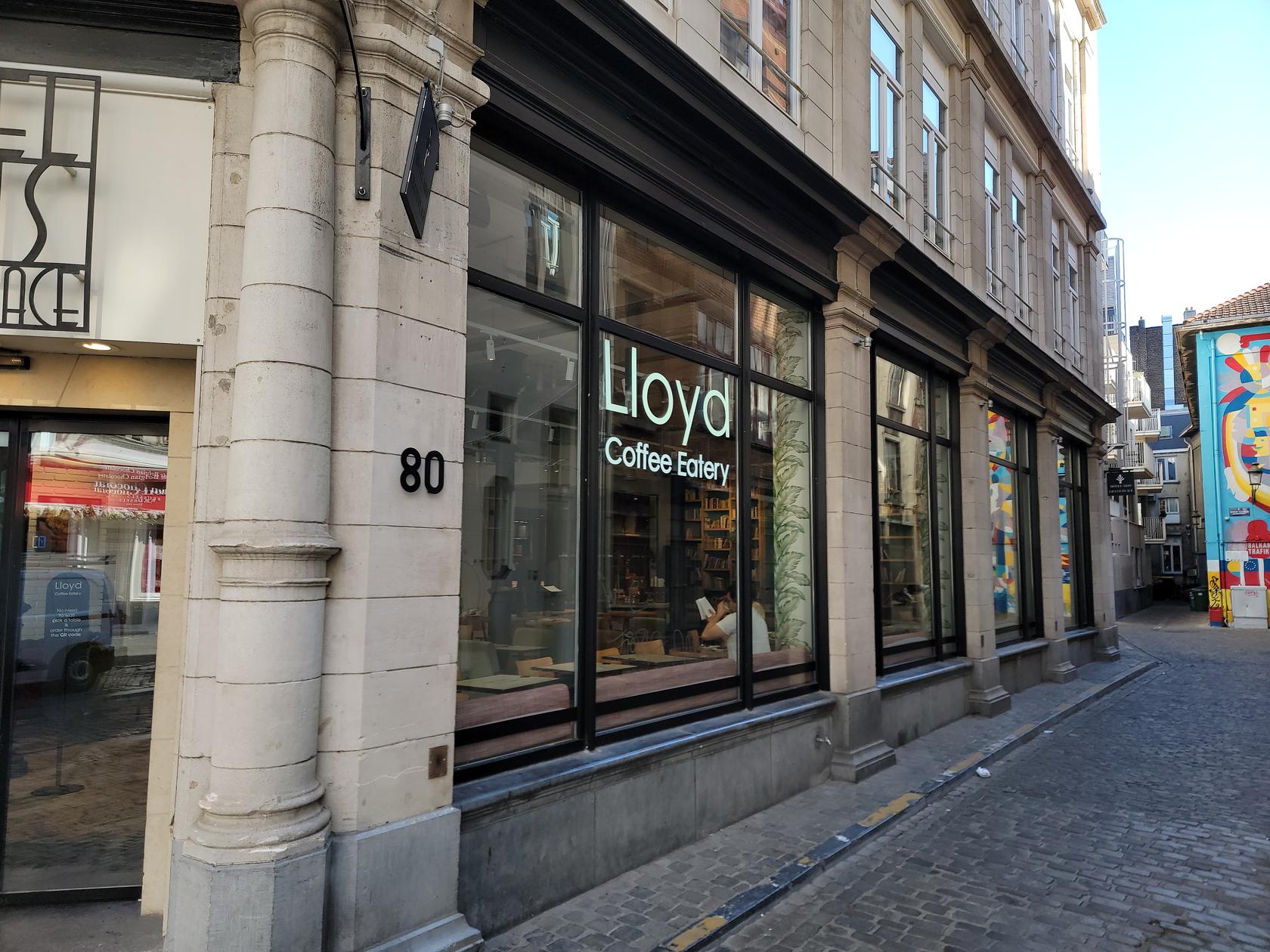
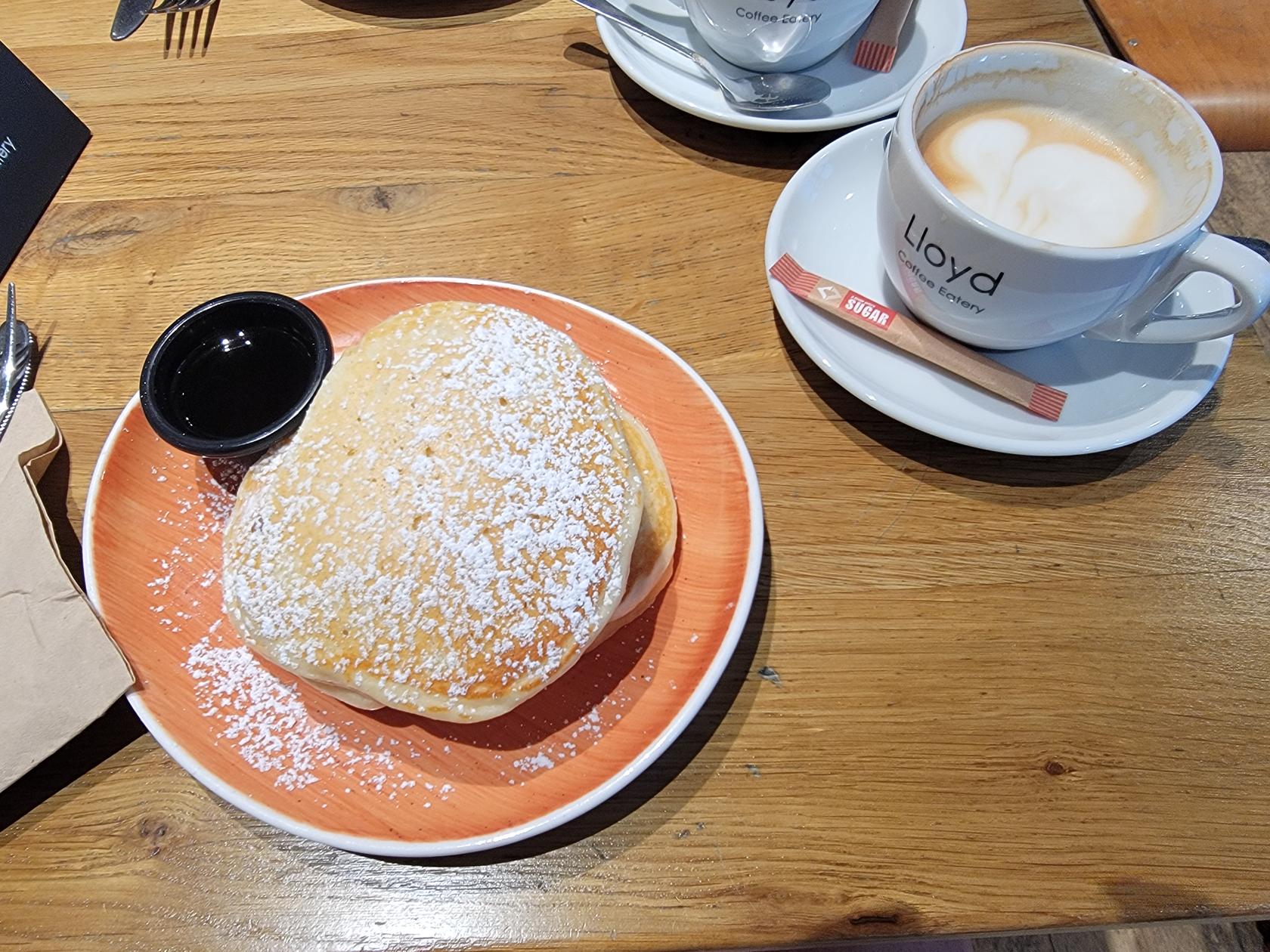
Contained within a hotel by the same name, Lloyd is a pretty reasonable place to get a brioche and coffee. The seating is a bit tricky, since they have separate seating for hotel guests and clientel from outside. But once that is figured out the process is rather straightforward and their pancakes are pretty good.
Pancakes with Syrup – Lloyd Coffee Eatery – Brussels, Belgium
De Pistolei
This is a sandwich shop and perhaps one of the more reasonable places to grab something to eat, if your are on the go, or just to take back to your room. Not sure I would eat-in, we heard they actually charge more, so if you don’t have to, don’t.
The menu has a good mix of sandwiches and panini to choose from, both hot and cold. However, when we tried to order soup, “No sorry, no soup, not winter yet, next week.”, even though winter is not next week. However it remains on the menu anyway during other times of the year, perhaps as a conversation starter? Then we tried to order our sandwiches, the menu states there are two sizes, Pistolet or Baguette; “No sorry, no Pistolet, come back tomorrow.” Often times I wonder if it wouldn’t be easier, just to ask what they do have on the menu and then start from that point and work Belgian Backwards.
Norma Trattoria
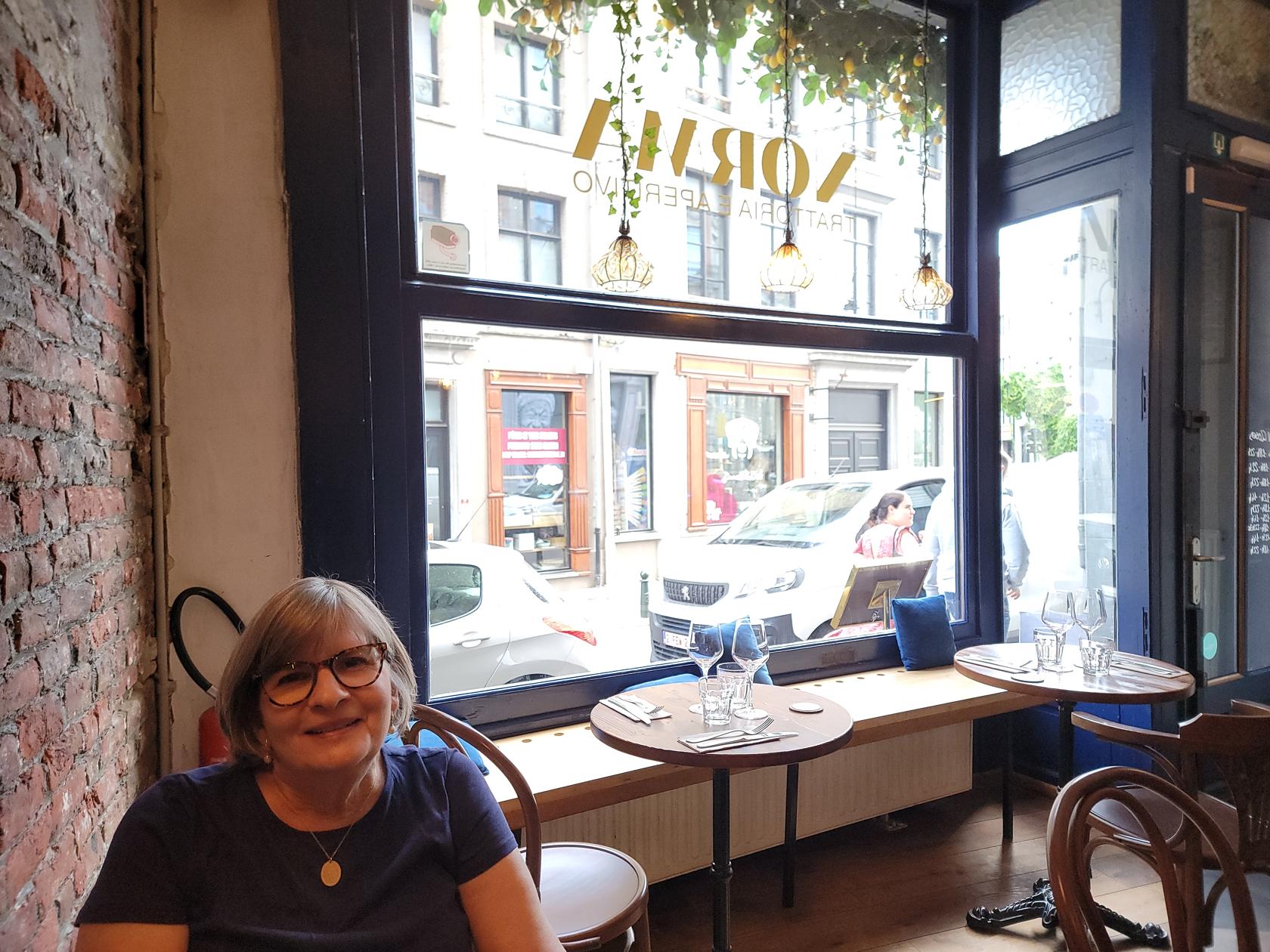
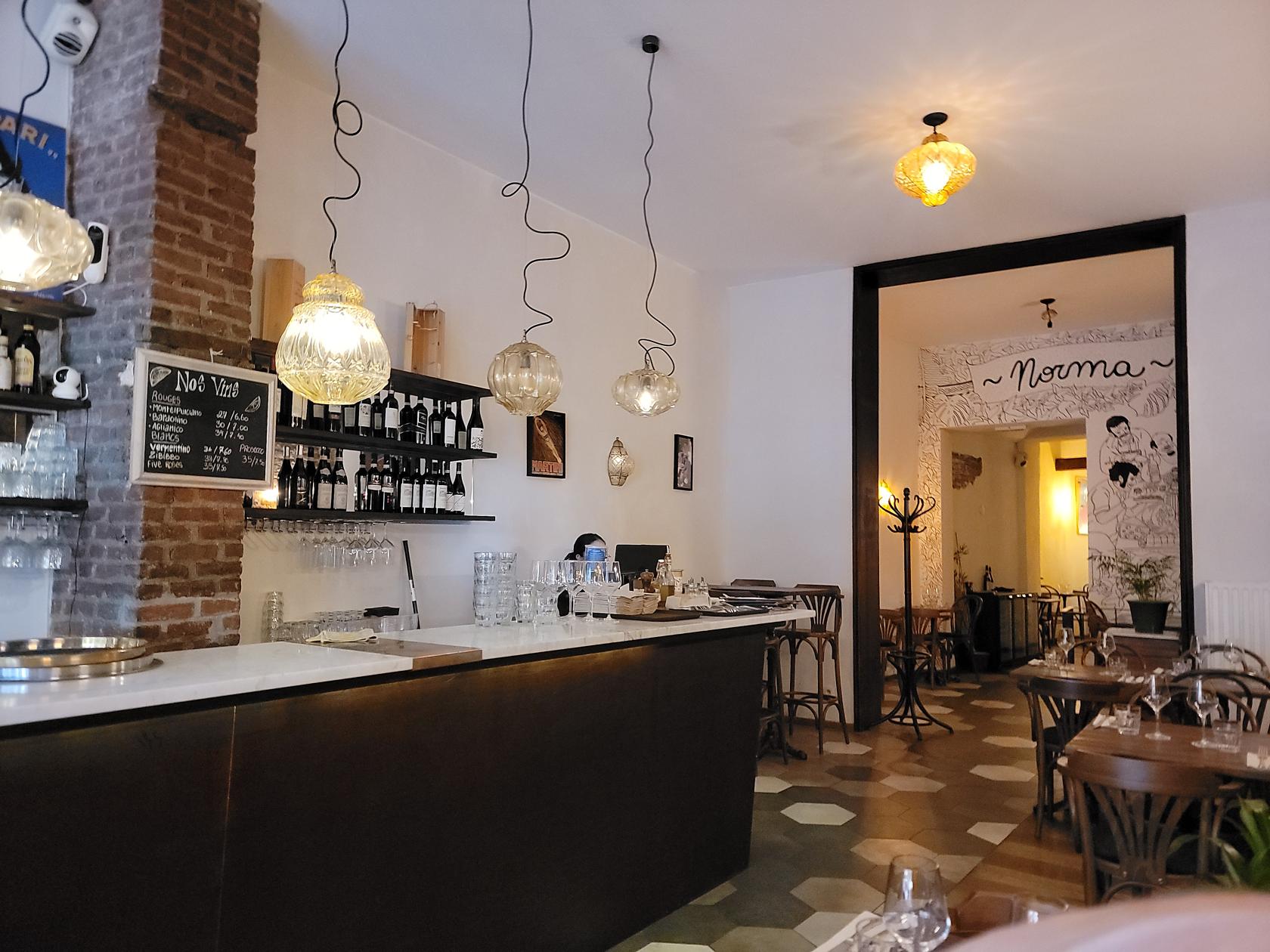
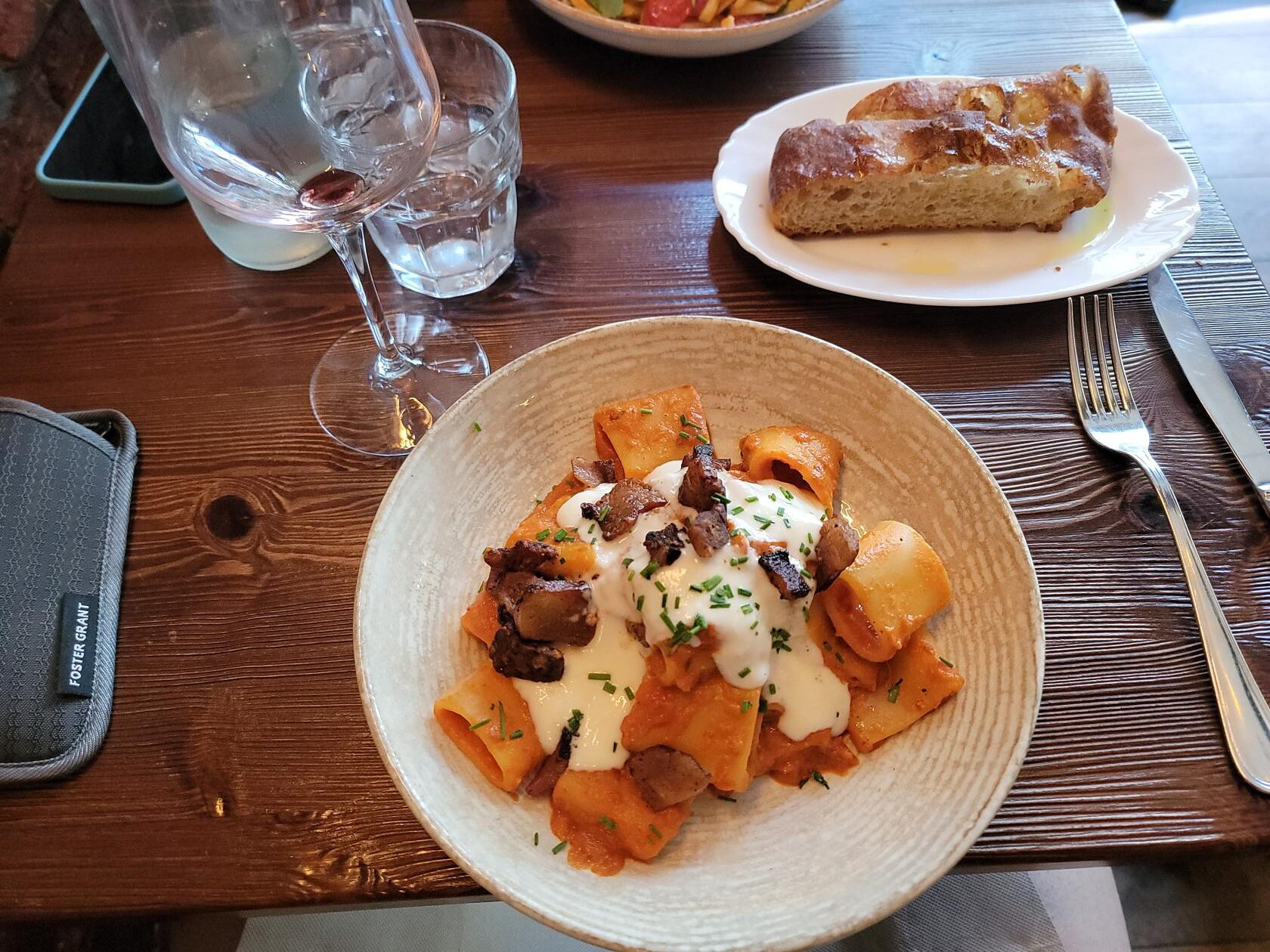
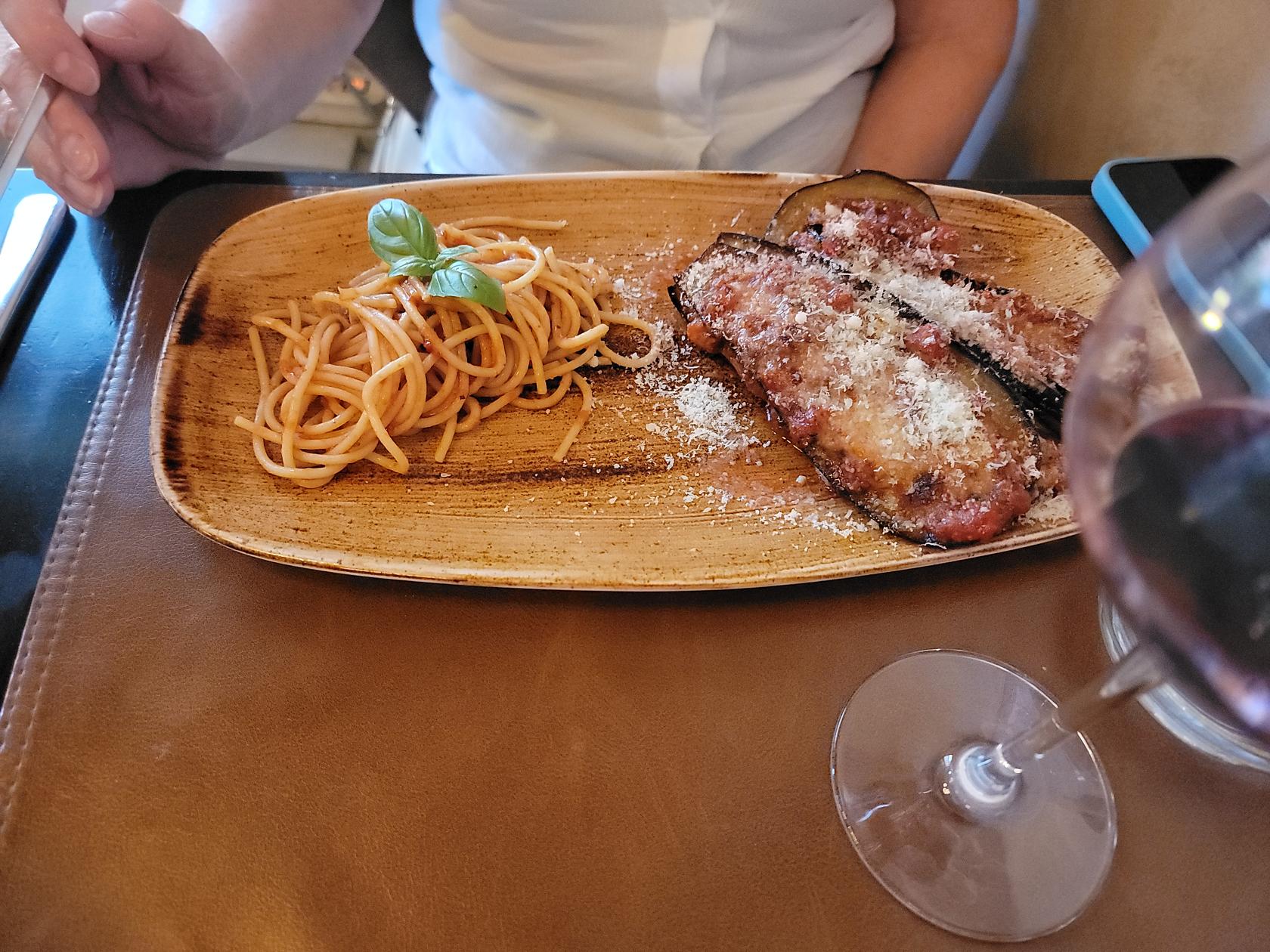
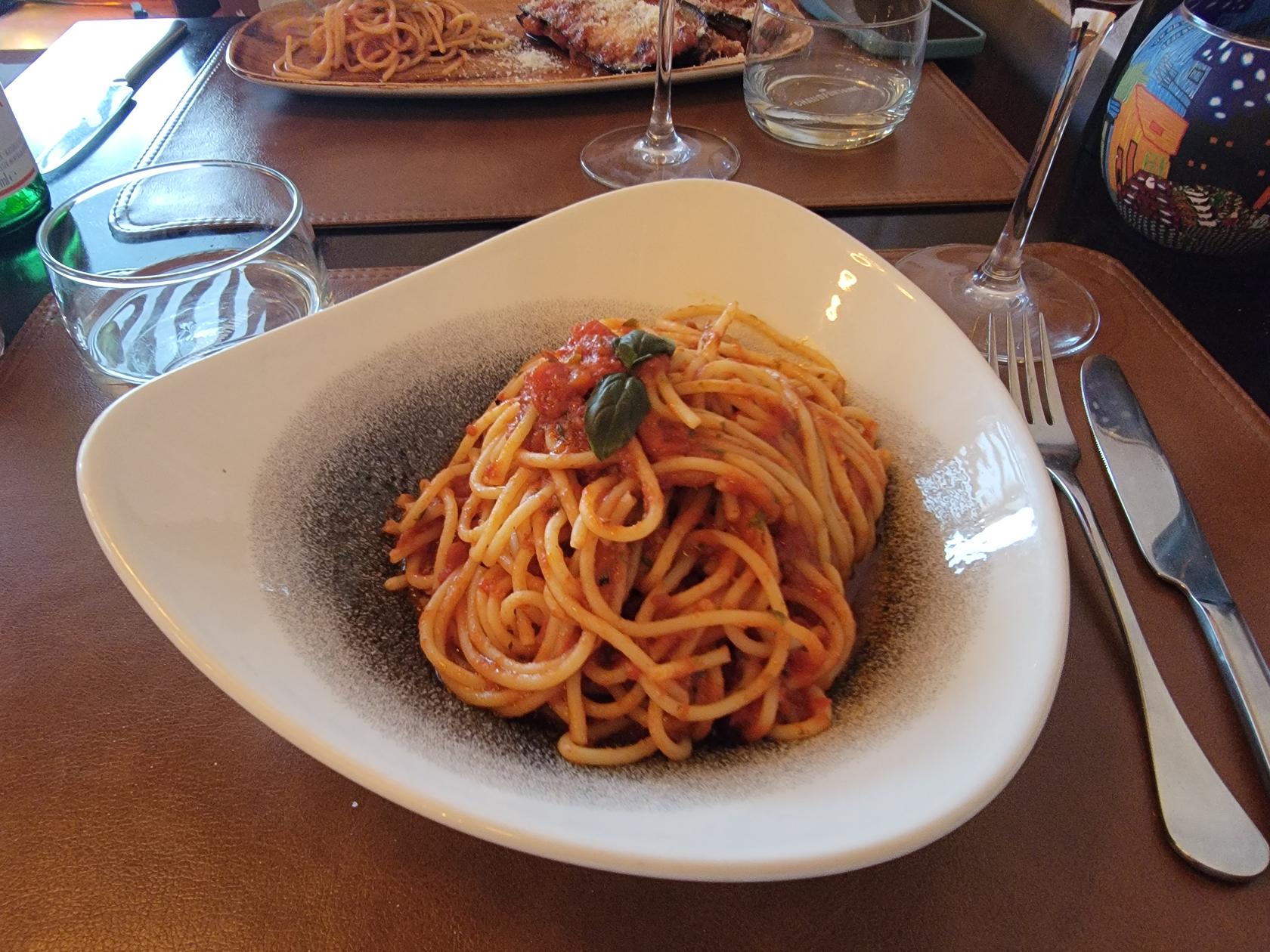
The Italian restaurant Norma Trattoria is a good break from the hectic city center and offers a restricted menu of select items. The Scialatielli and Mezze Maniche were both commendable. It is kind of out of the way, located on Rue des Chartreux, but then there no crowds and it was very quiet.
MEZZE MANICHE – red peppers and sundried tomato sauce, smoked provolone cheese, crispy pork – Norma Trattoria – Brussels, Belgium
Nüetnigenough
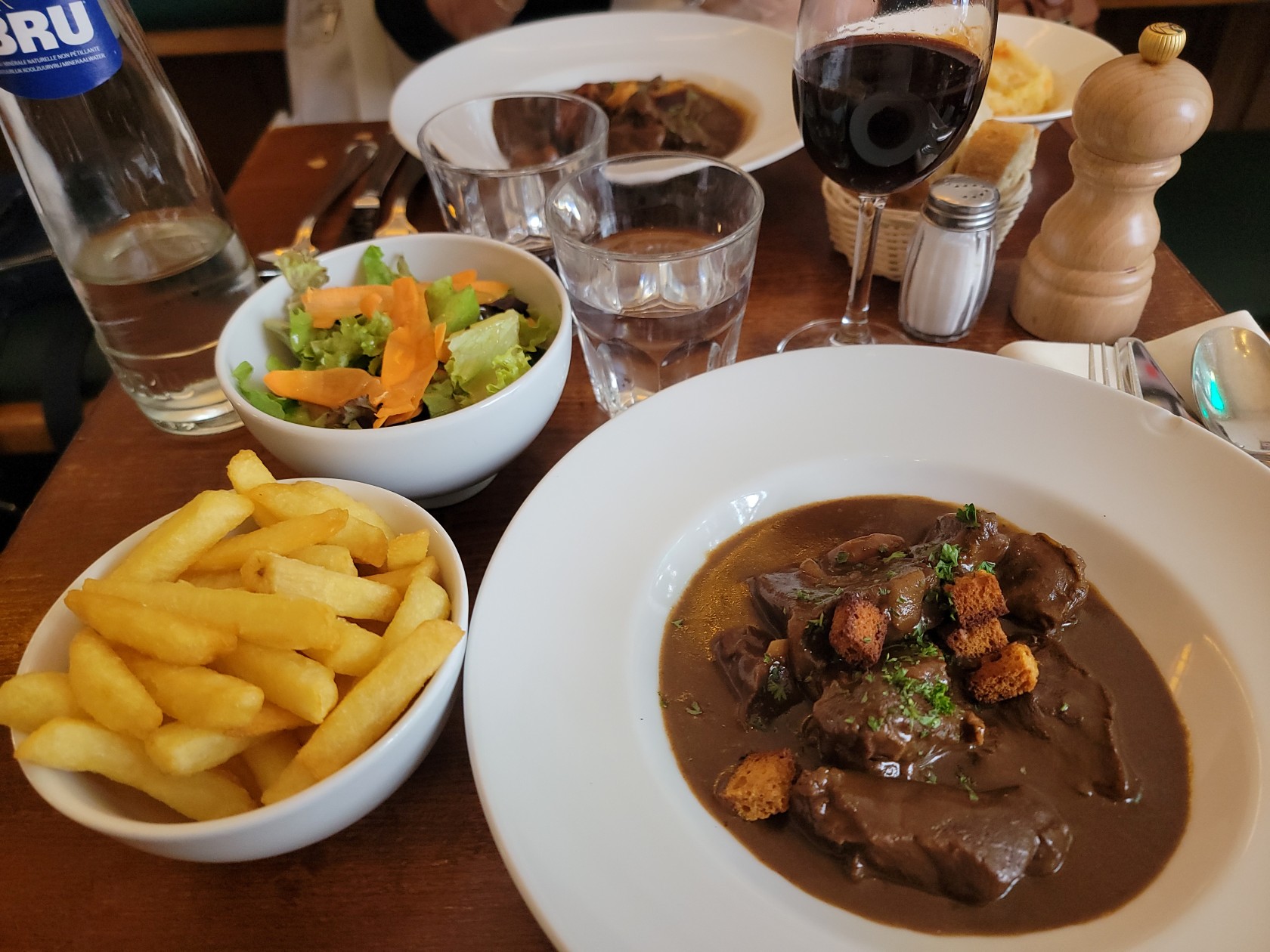
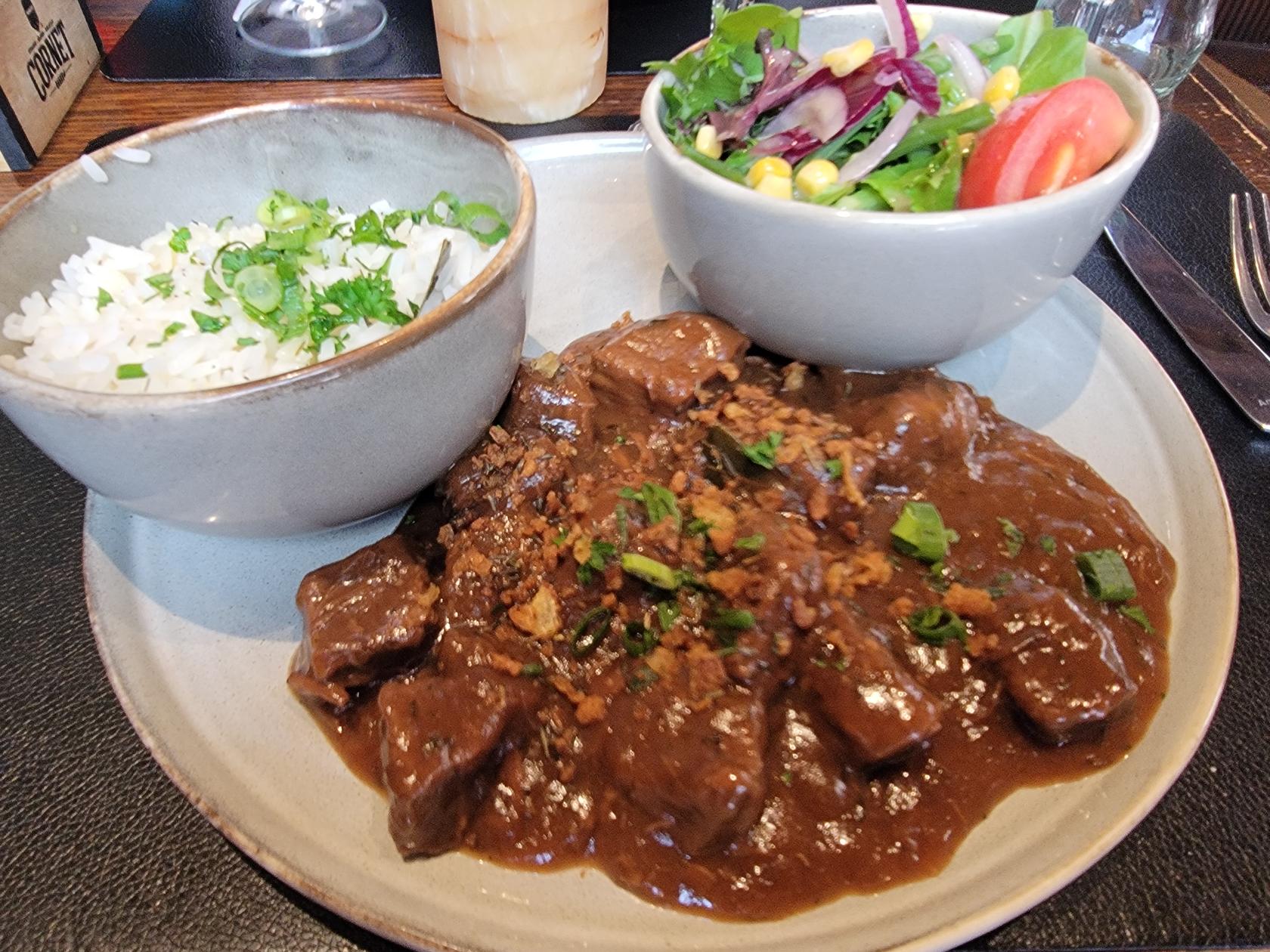
The restaurant named Nüetnigenough, which apparently in a wierd twist of Luxemburgerisch and English (or perhaps flemish), means “Good Night Enough.” This about sums it up, Good Bye, Good Night, Good Riddens Not Good Enough! If you are not a Francophone or Belgian, it is not worth the visit. This is the abode of an angry four-eyed francophone troll who’s behavior was rude and boorish. Upon entering we where explicitly told to sit at a specific table and when I hung my small backpack on the back of the chair, she exclaimed in her english, “For everyone’s safety!”, grabbed the bag and shoved it under the bench where my wife was sitting in one swift motion. Never suffering fools, I quickly exclaimed, “Excuse me, you do not touch other people’s property!” Then I asked her to retrieve it immediately, which she did. I then politely asked if putting it on the bench next to my wife was okay. To which she retorted, “Yes, I am NOT SERVING YOU!” She spun around like the witch she is and went back to the kitchen. All my wife could think was, Thank God. For some time we looked at each other perplexed and thought, oh well, should we leave? But we waited and got another waiter who was very professional. We ordered the Beef Stew, which was okay and stuck it out. Our check was kind of high, 30-40€/person.
Beef Stew – Nüetnigenough – Brussels, Belgium
Conclusion
The interchange in the Belgian restaurant above, with the caveat that it is perhaps owned by Luxemburgers, still of sums up our trip to Belgium. I do not know if it is a government thing, an overall perception of Outsiders, a status thing, or most possibly a francophone thing of just having a nasty, rude, dismissive French/Belgian attitude. All I can say is, it infects everyone here and we have found it to be pervasive. They are just very unpleasant, rude is probably not harsh enough. Not only in Brussels, but throughout the country. We traveled from Dinant, to Brugge, to Gent and finally Brussels and found the same deep seated, vile distaste for outsiders.
My recommendation would be, if you come to visit Belgium, visit Brugge and leave, as quickly as possible. Aside from the fact that there is not much to see in this country to begin with, the people do not want you here, they do not want to interact with you, they do not want your business and therefore should not enjoy any fruits of tourism. I think the affects are already being felt in Dinant which appears to be dying, so be it. Let the EU folk keep them alive. We will not be returning, not even to fly through the godforsaken place! I thought France had an issue with outsiders, Belgium has definitely taken first place in my book.
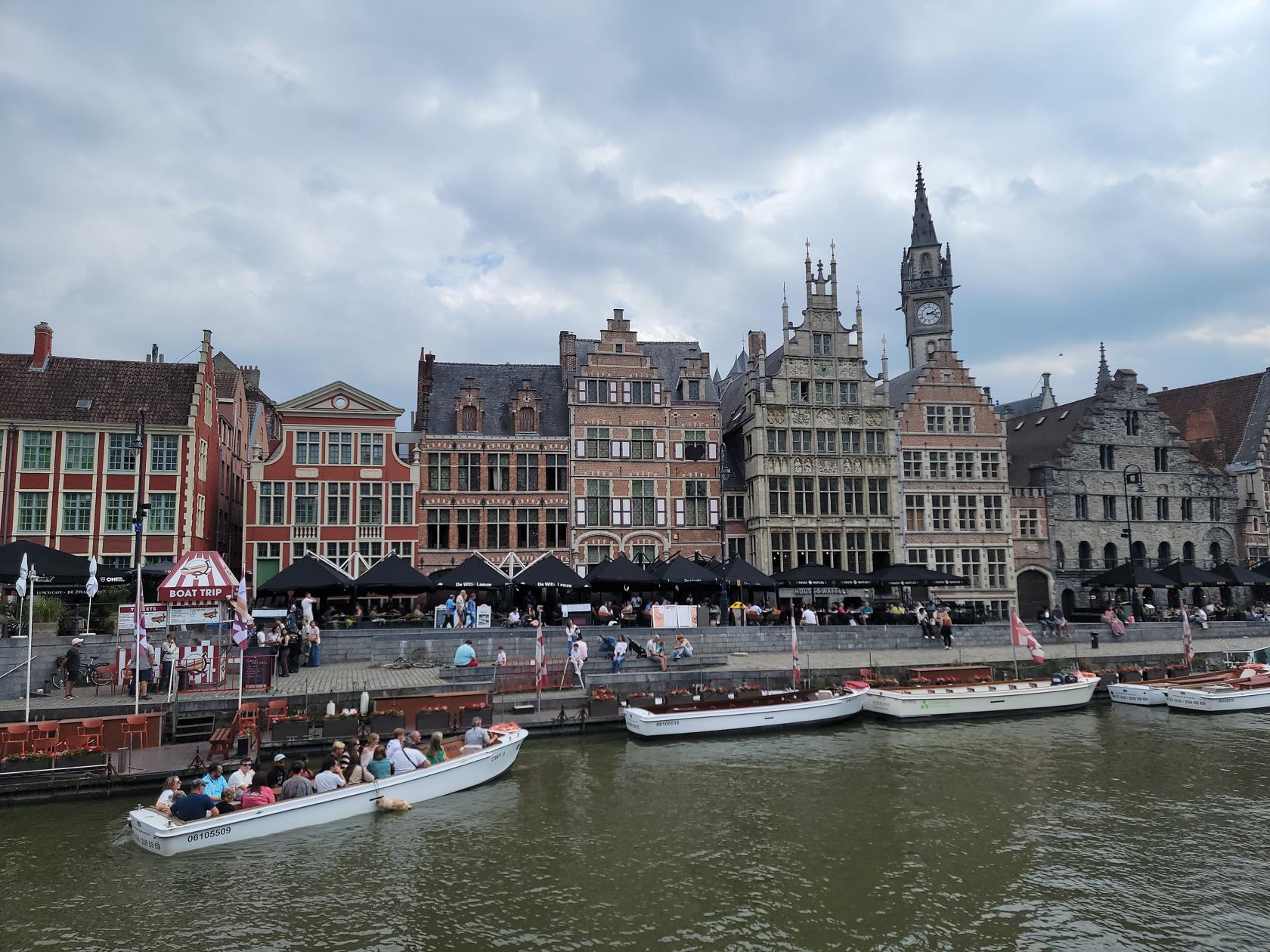
At the confluence of the rivers Leie and Scheldt is the city of Gent. However, with such an intricate system of canals, it is difficult to denote a river from a canal when walking the ancient city. It is probably only important to note that the system of waterways enabled the city to trade goods all along the northern European continent. At its economic height, the city became rich and an important trading partner with the Hanseatic League, which more or less ruled trade along that same line of coast.
Graslei – Grasbrug – Gent, Belgium
Gent
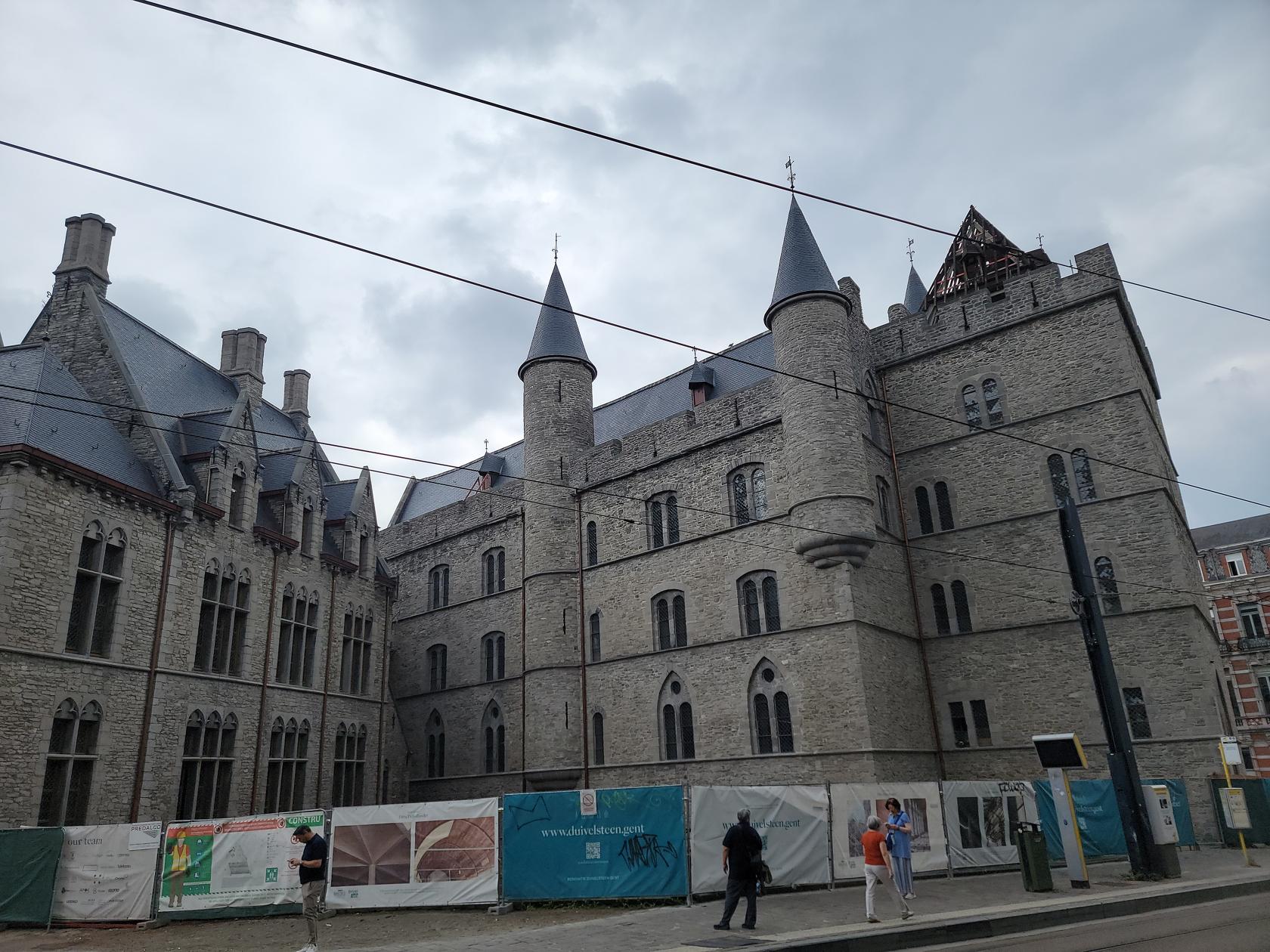
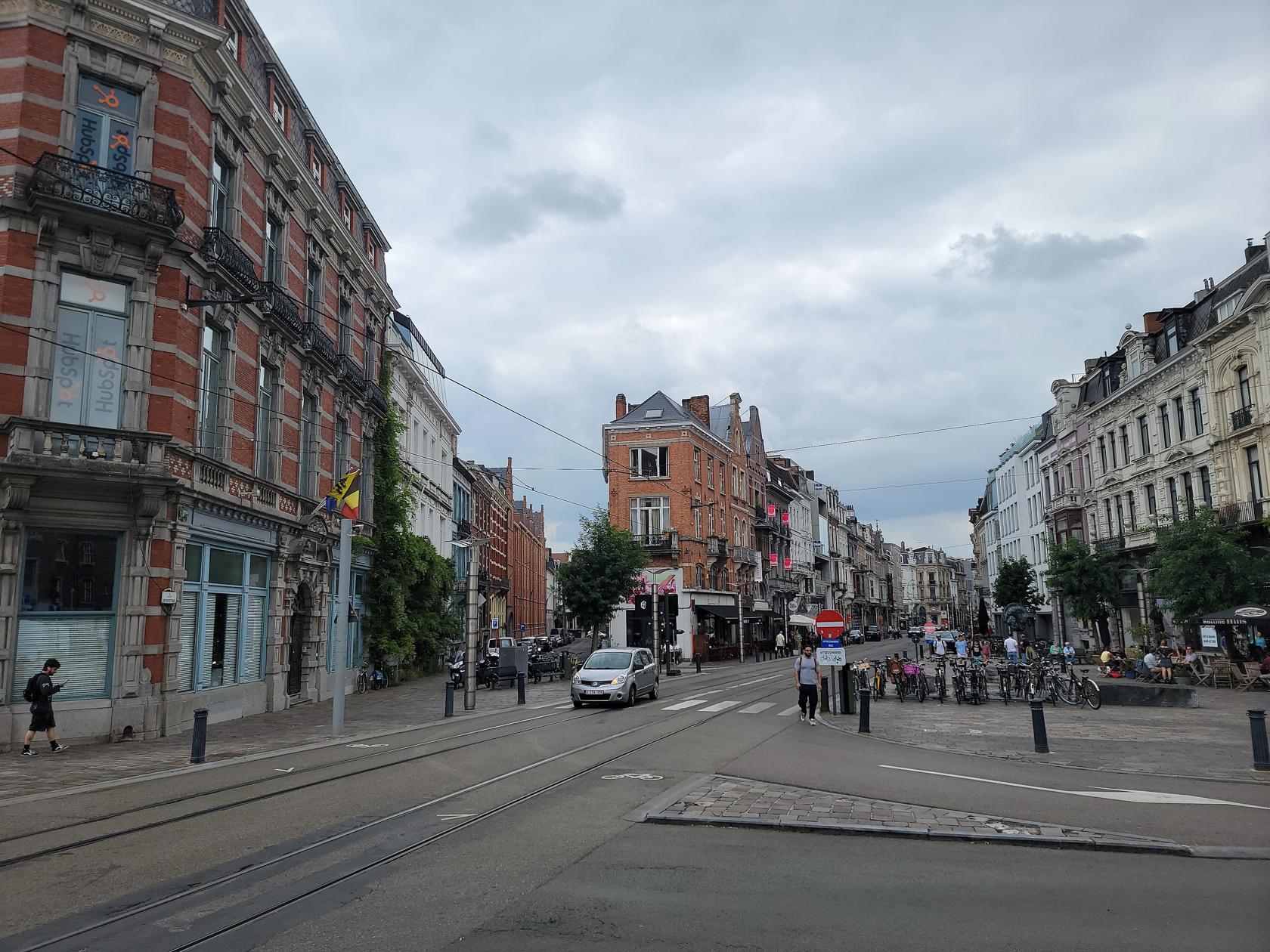
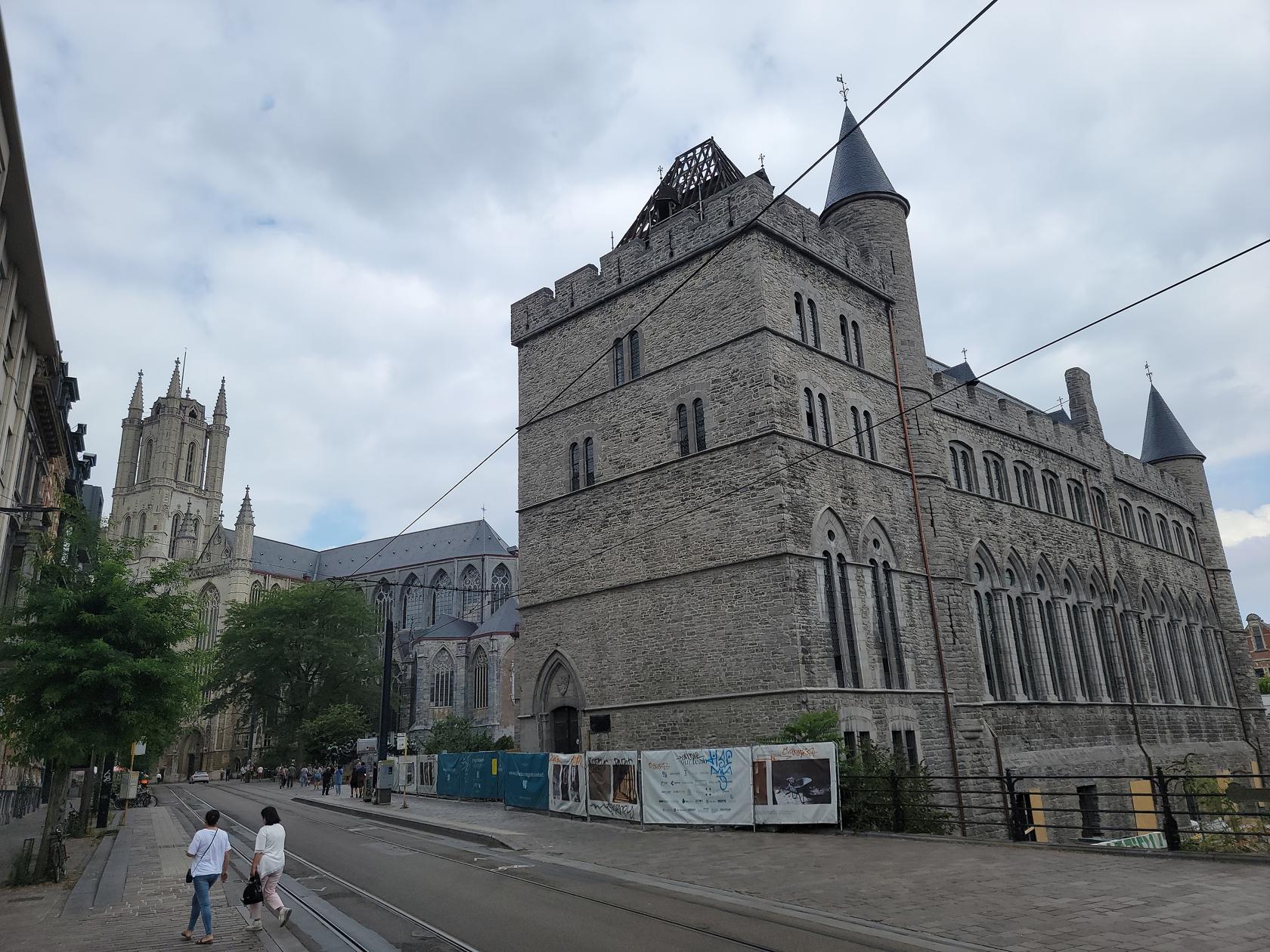
The contemporary city of Gent is a confusing mix of old and new. It appears that the citizens of Gent do not make building decisions on historical estetic. Therefore, you will often find modern, boxey and bland buildings next to the older architectures, which are a bit bland in and of themselves, but maintain artistic quality to them the newer buildings lack.
Geeraard de Duivelsteen – Gent, Belgium
Vlaanderanstraat – Gent, Belgium
Geeraard de Duivelsteen – Gent, Belgium
De Oogappel – Gent, Belgium
Lakenhalle – Gent, Belgium
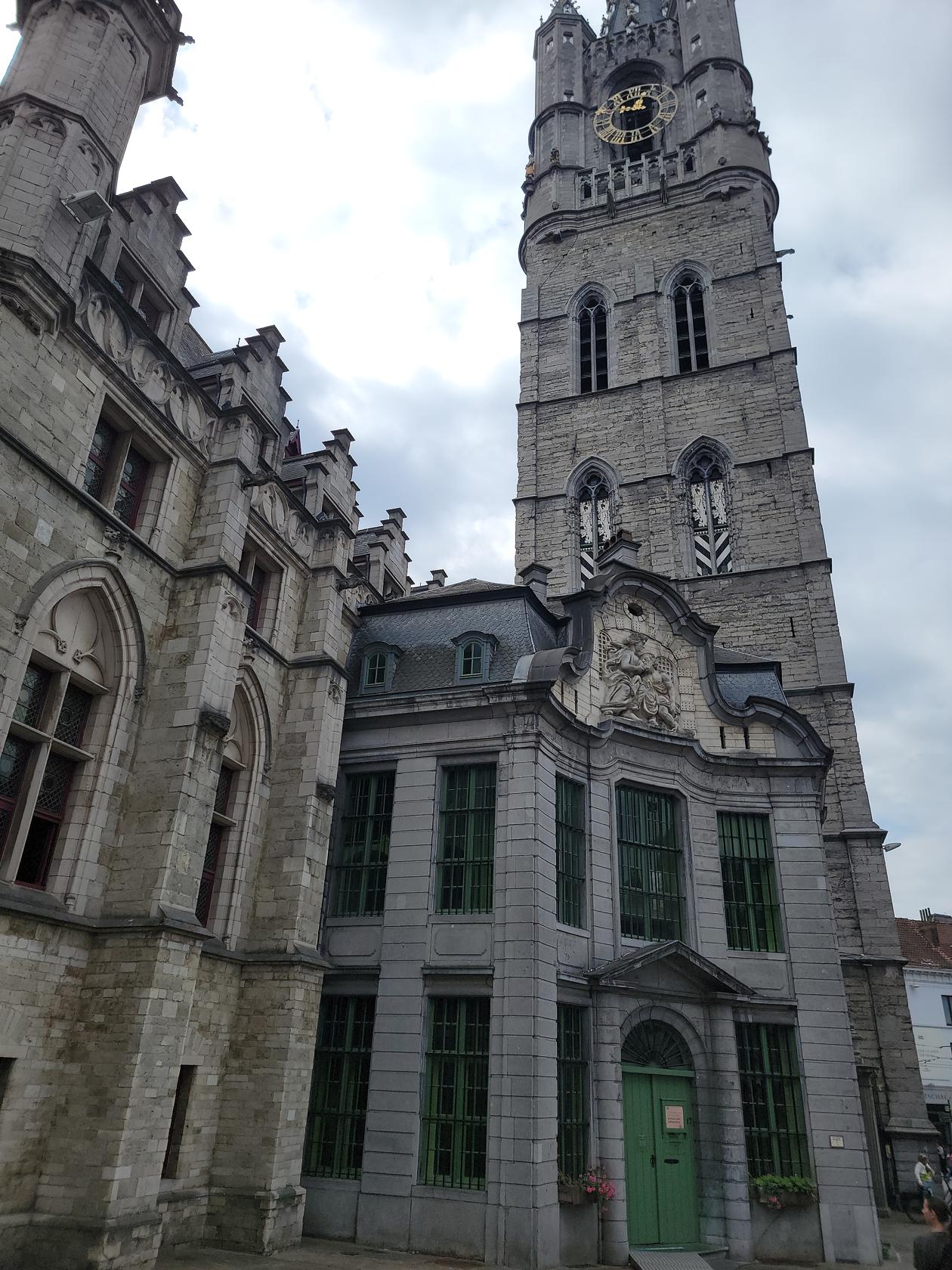
Lakenhalle and Belfry – Gent, Belgium
City Hall – Gent, Belgium
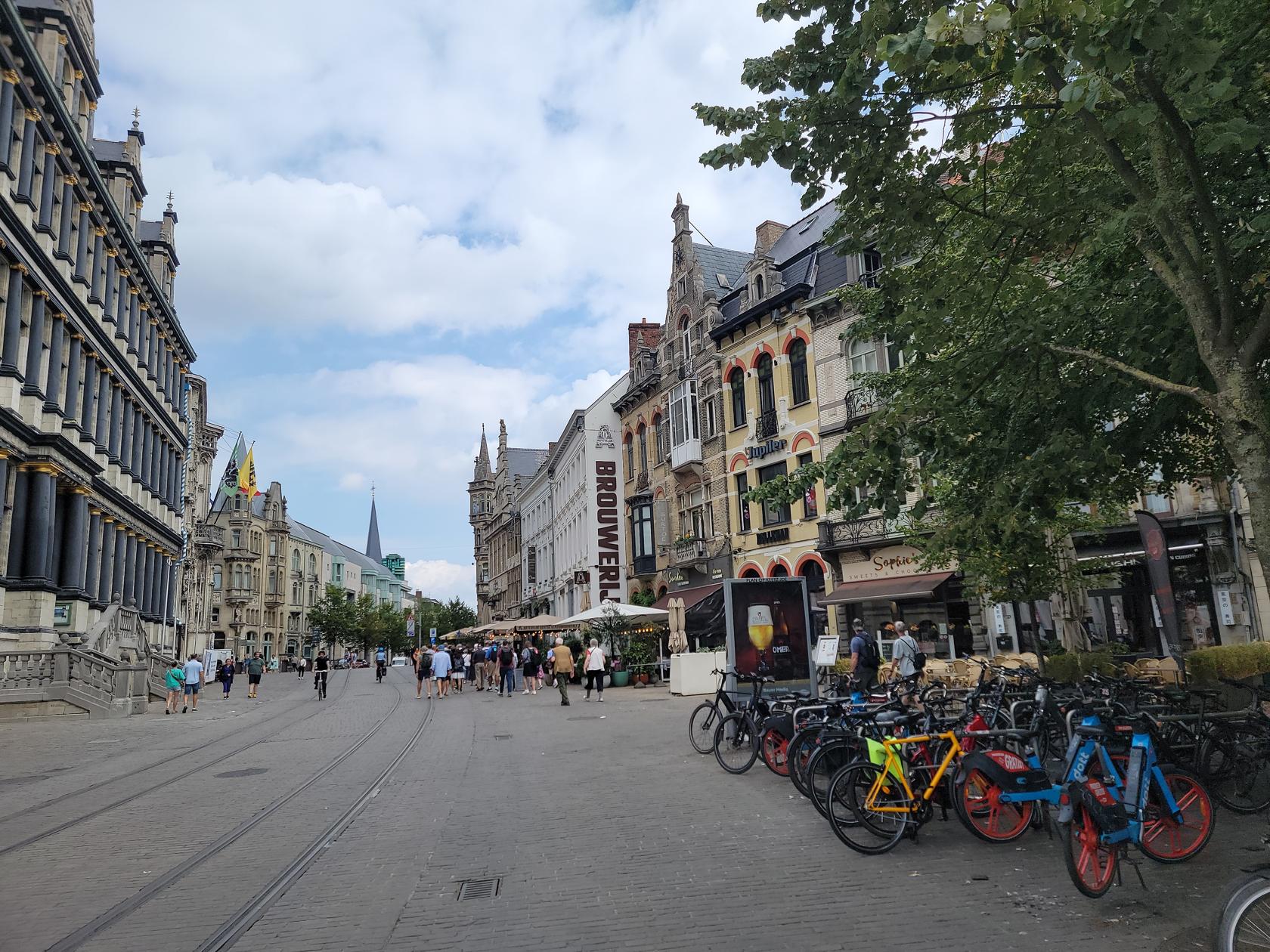
Belfortstraat – Gent, Belgium
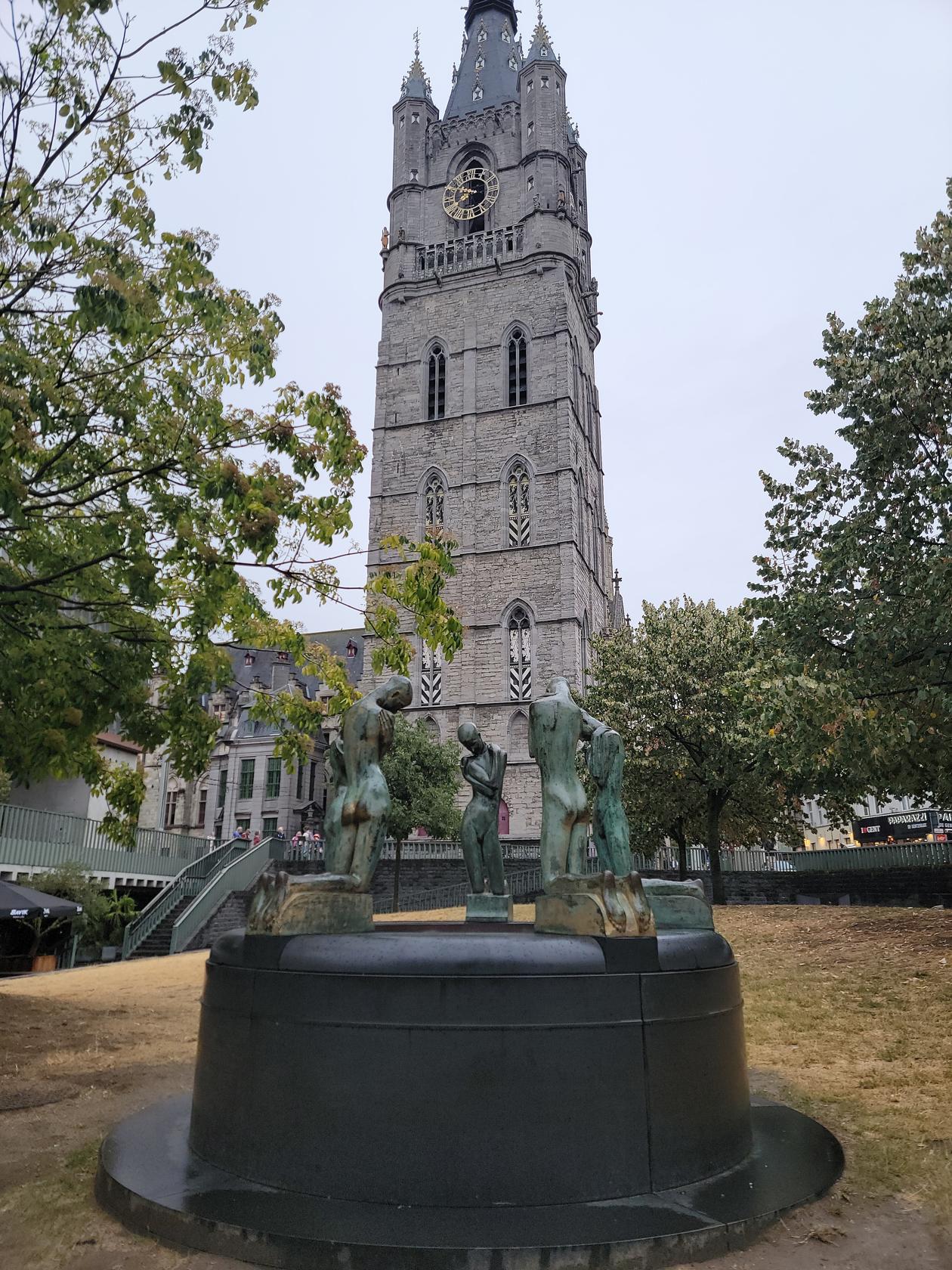
Mammelokker and Belfry – Gent, Belgium
Belfortstraat – Gent, Belgium
Getting There
From Brugge we took the InterCity train to Dampoort train station, a dismal if almost forgotten stop (from the looks of it) on the Flemish rail system. It is actually interesting to note that it is so forgotten, you must use a phone application to call a taxi or use the bus system, since there is no line of taxis outside waiting to help you with your travels. Hence, from there we walked the twenty-five to thirty minutes with luggage in tow to our hotel in the center of town.
River Leie Waterfront
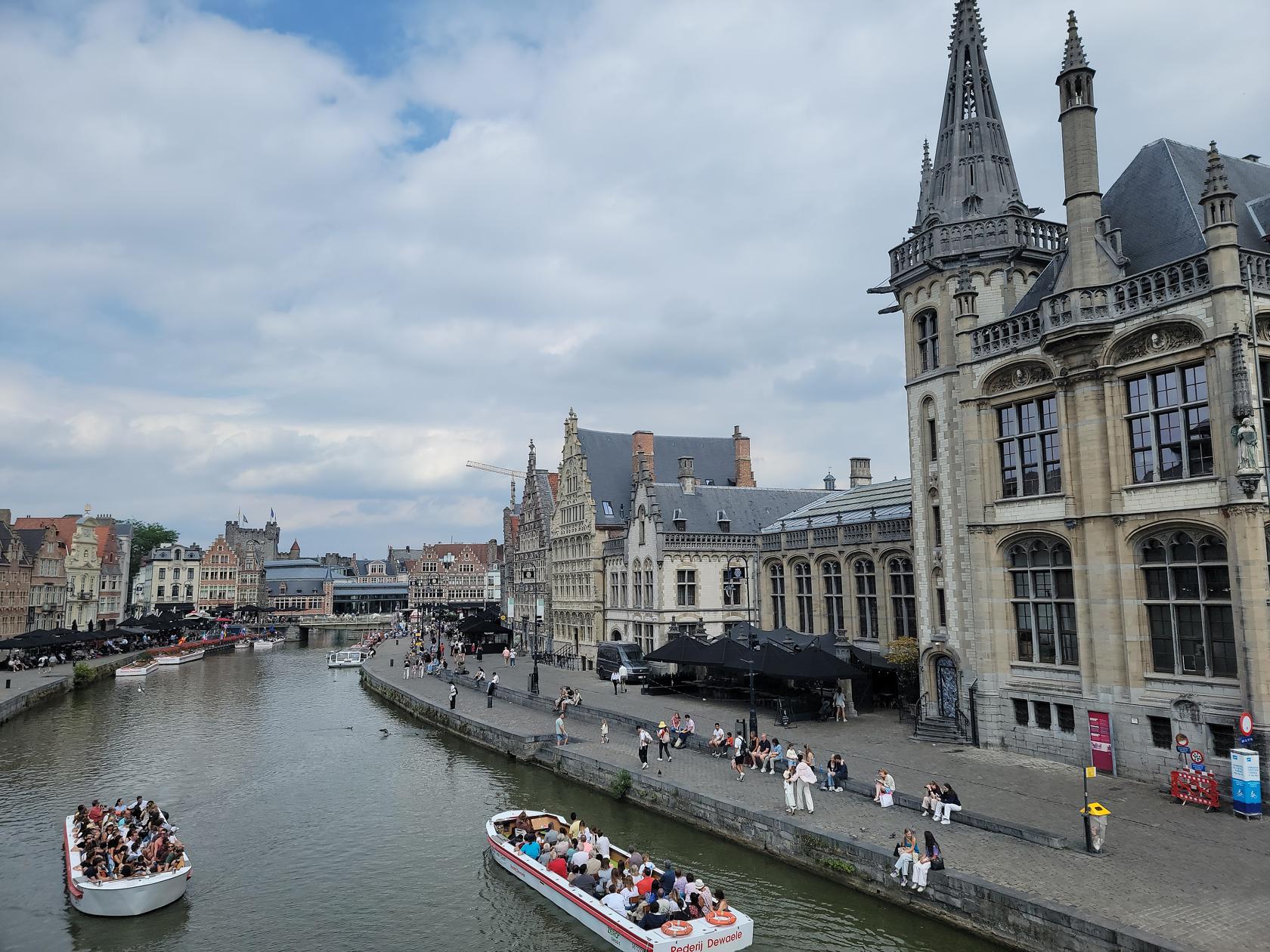
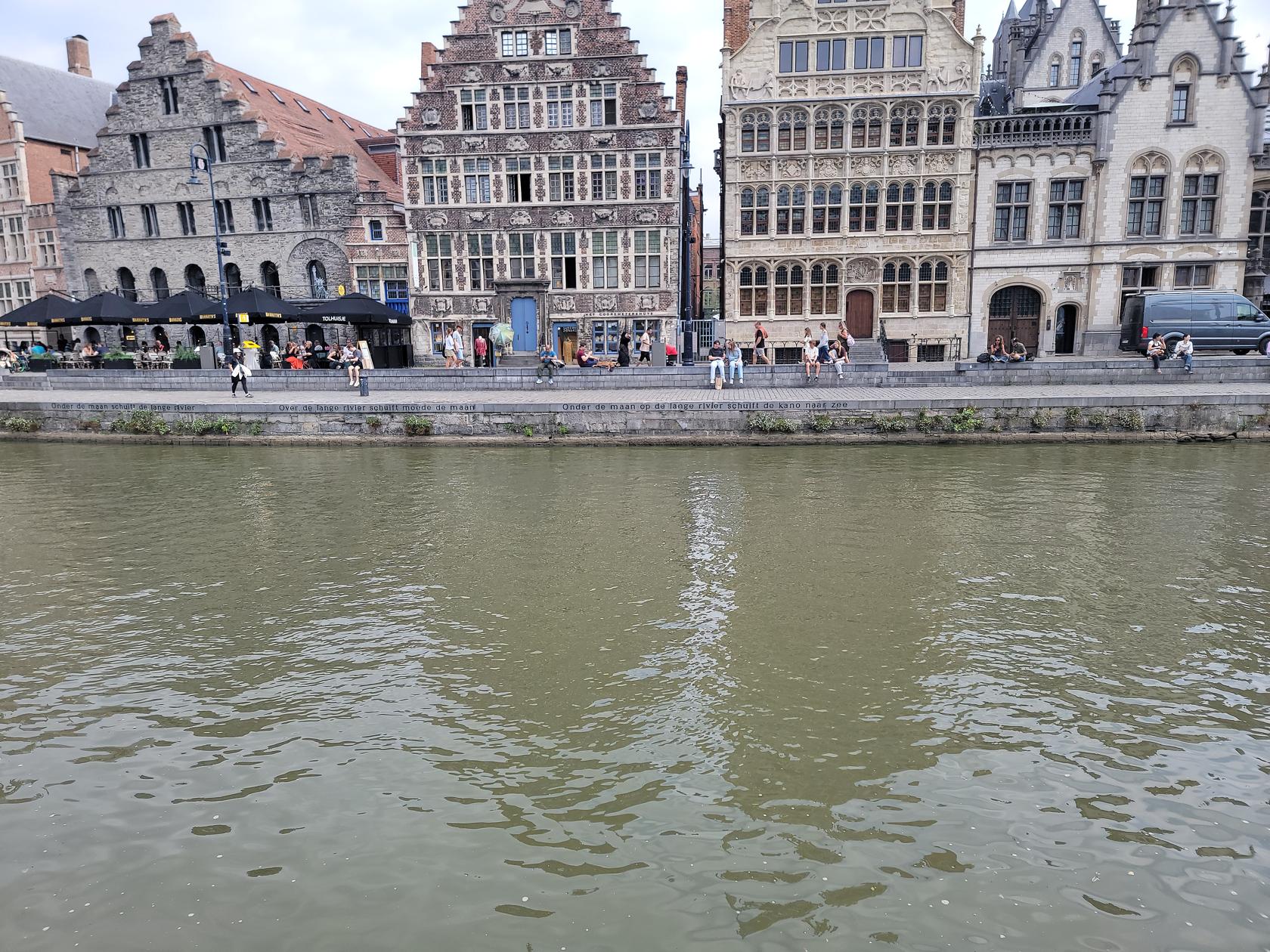
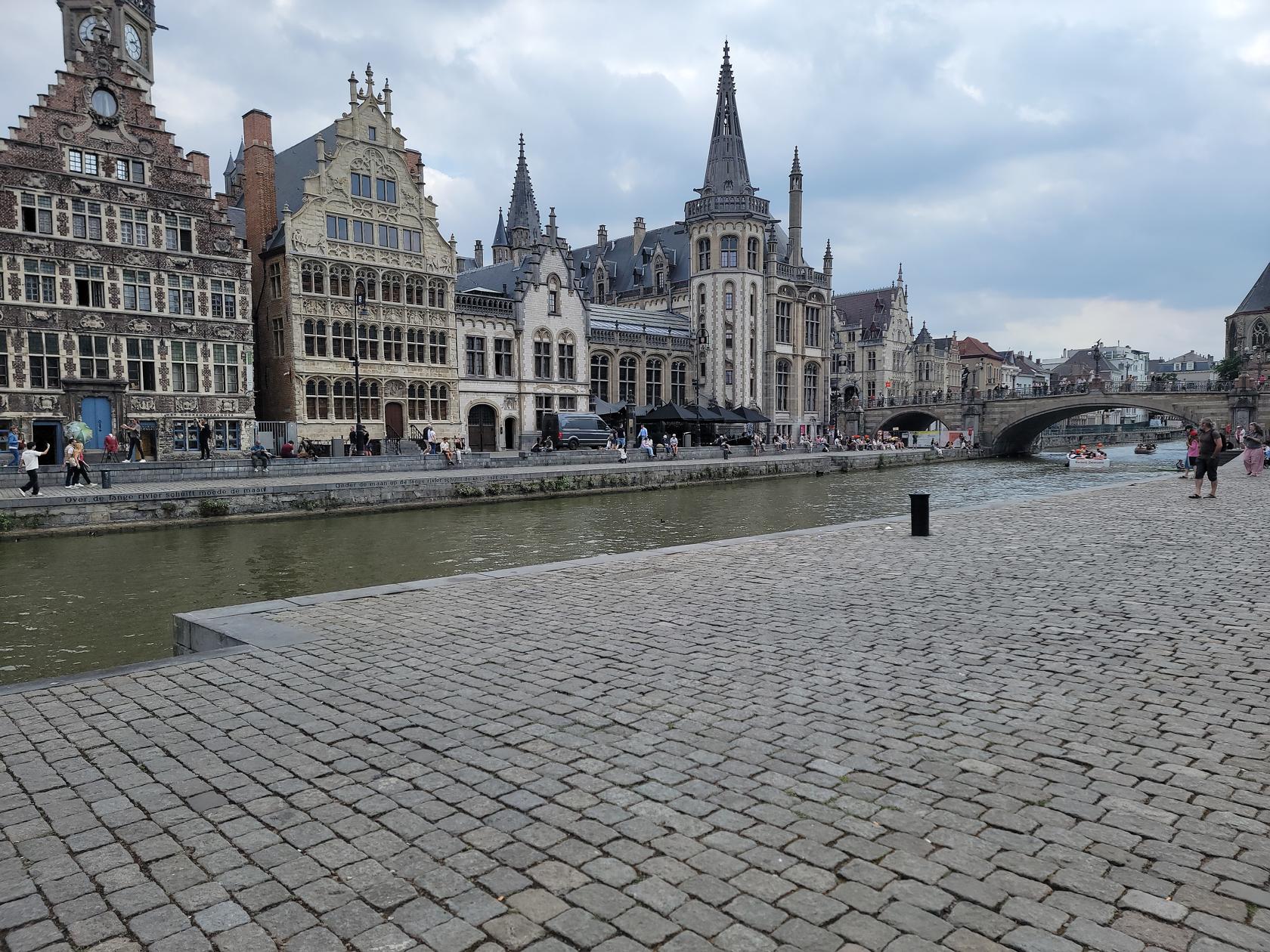
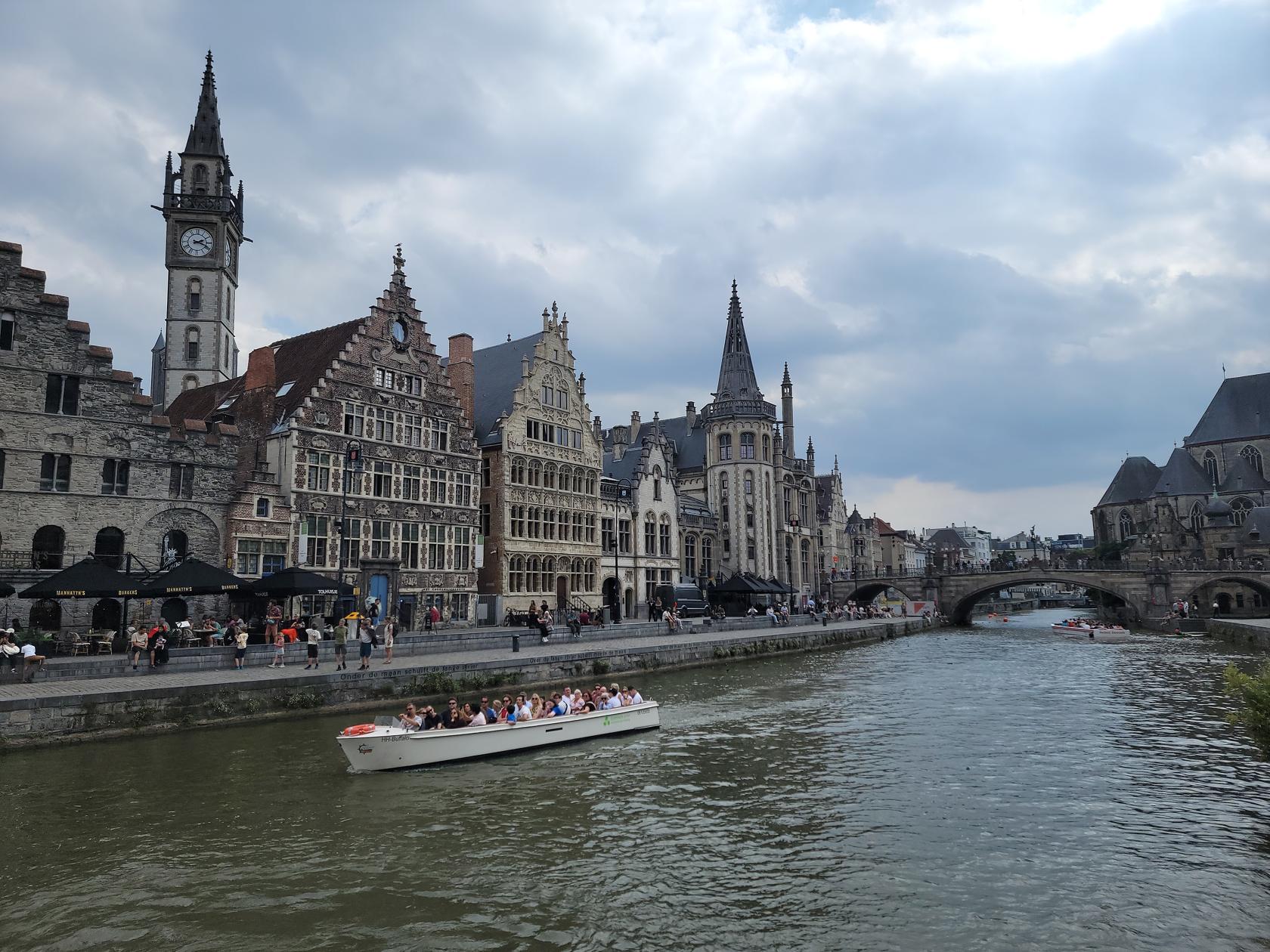
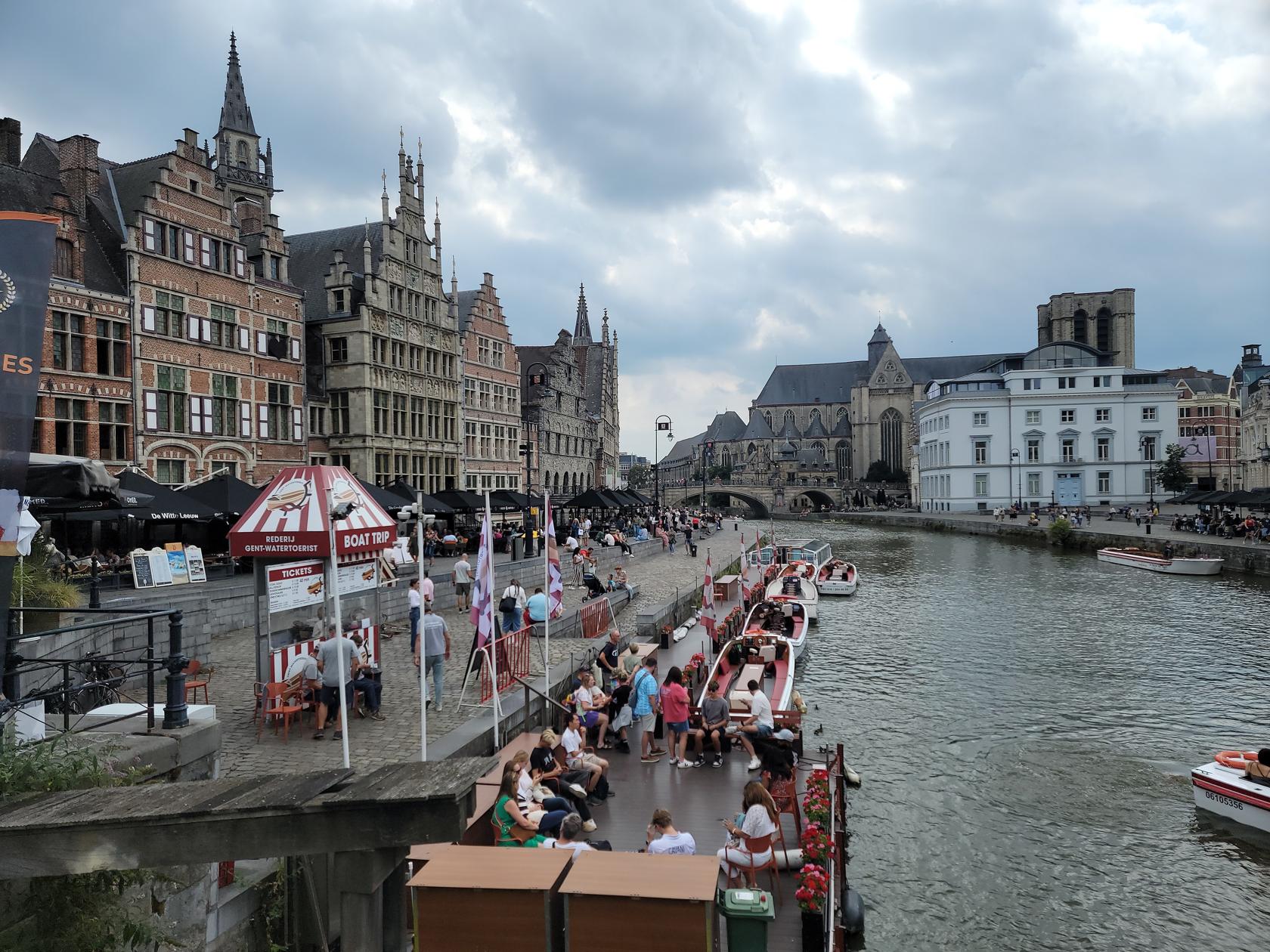
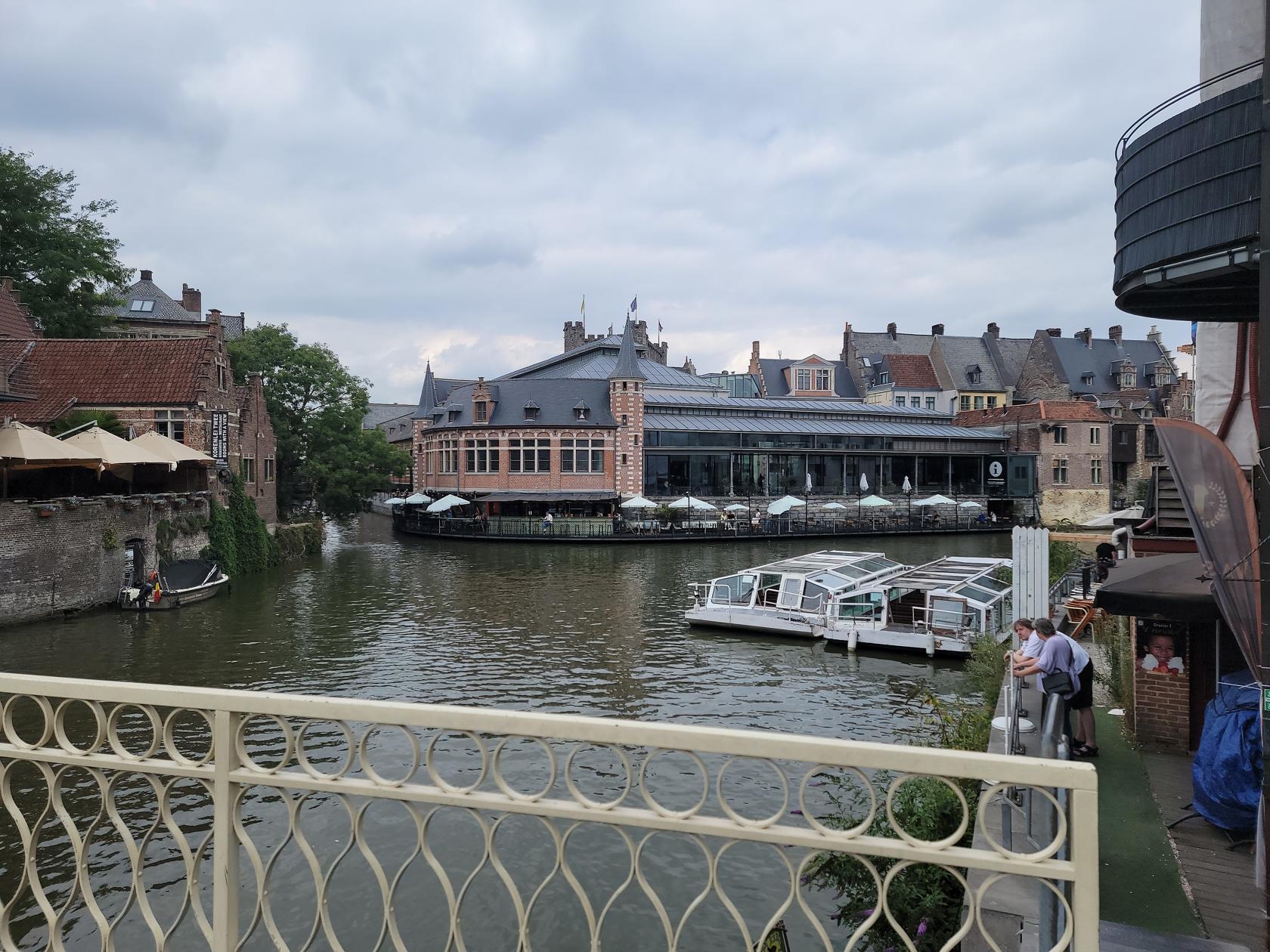
Cutting through the city is the canal of the Leie River. It separates the Kronenlei and the Graslei, the waterfront houses on either side or banks of the canal.
Graslei – Leie Canal – Gent, Belgium
Graslei – Leie Canal – Gent, Belgium
Graslei – Leie Canal – Gent, Belgium
Graslei – Grasbrug – Gent, Belgium
Leie Canal – Grasbrug – Gent, Belgium
Leie Canal – Grasbrug – Gent, Belgium
Ibis Hotel Centrum
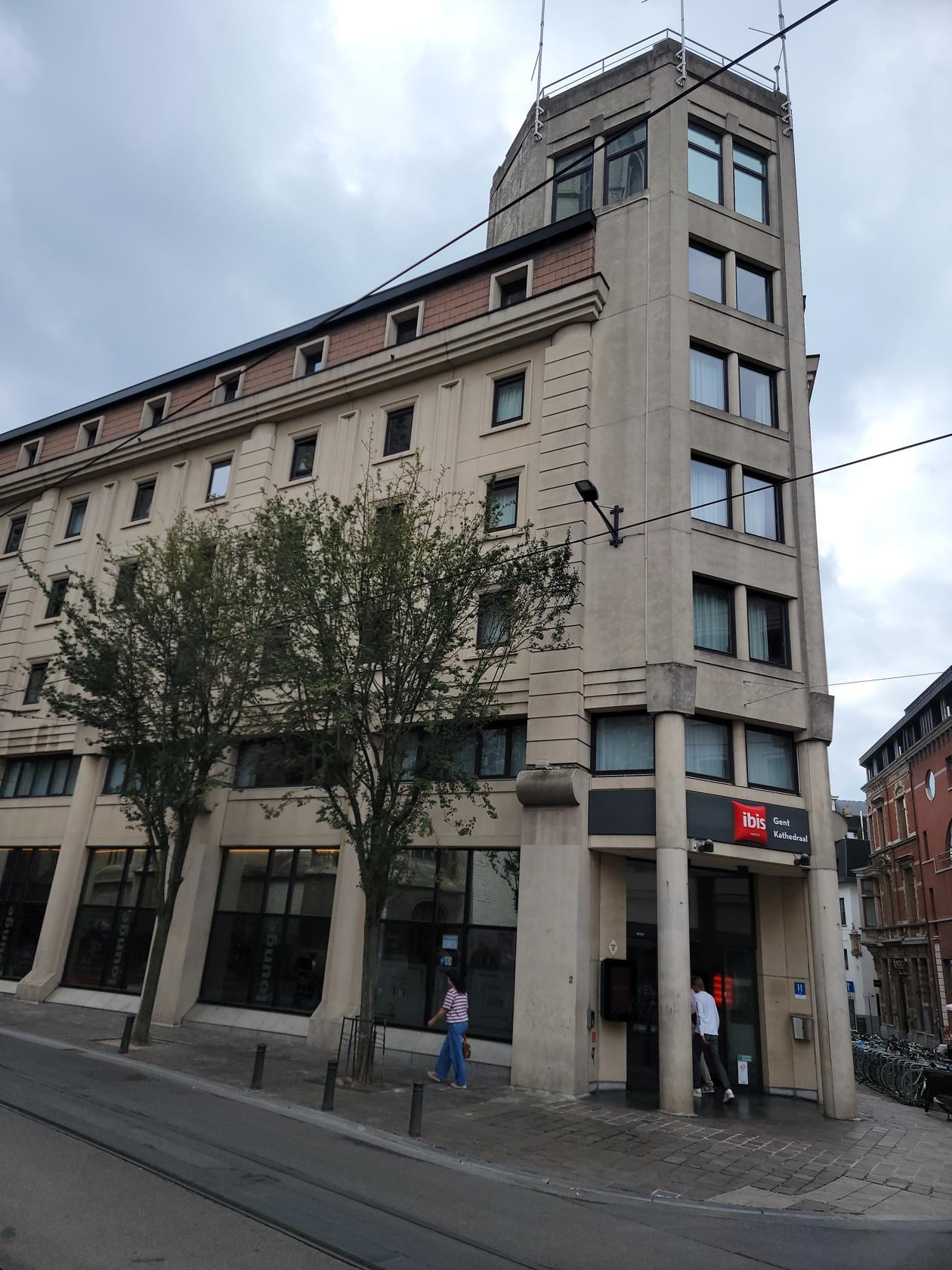
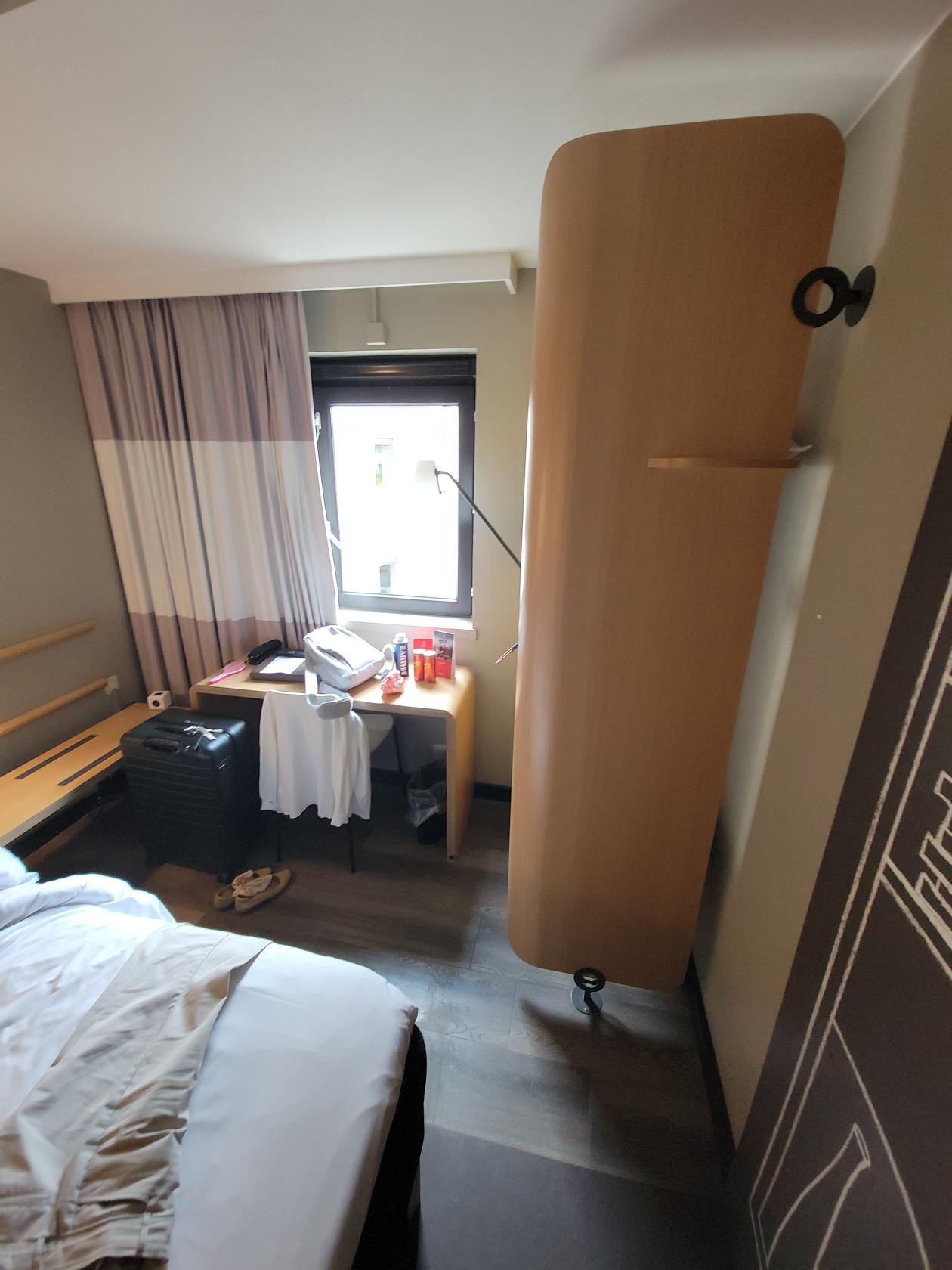
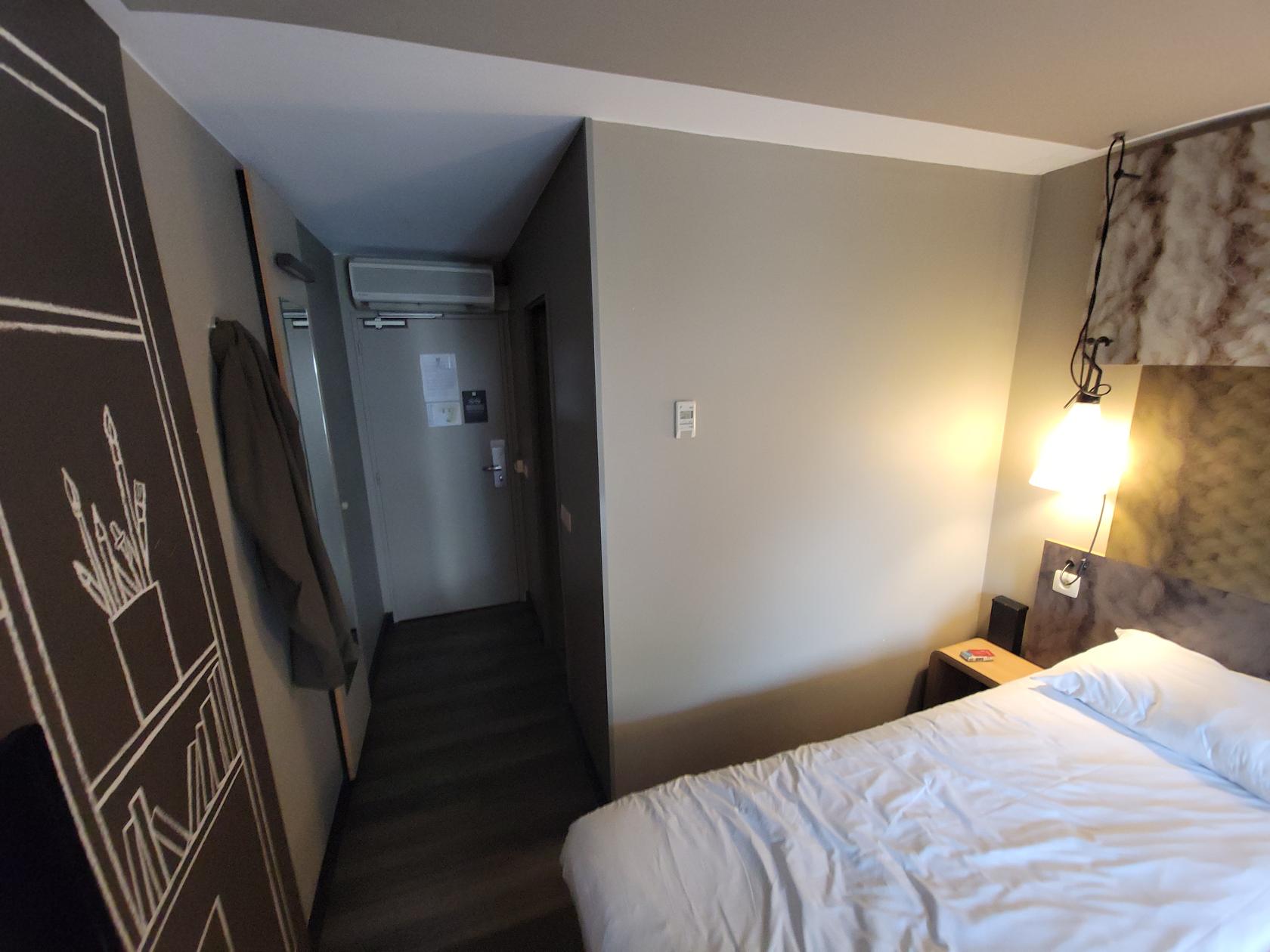
Situated right next to the Cathedral of Saint Bavo is the Ibis Hotel Centrum. A step above the Flemish Dinant version. Here you are able to get more towels if you so choose and they offer free water each day. The biggest problem with this hotel is they call it a room, but there isn’t any room, it is VERY small.
Entrance – Ibis Hotel Centrum – Gent, Belgium
Room – Ibis Hotel Centrum – Gent, Belgium
Room – Ibis Hotel Centrum – Gent, Belgium
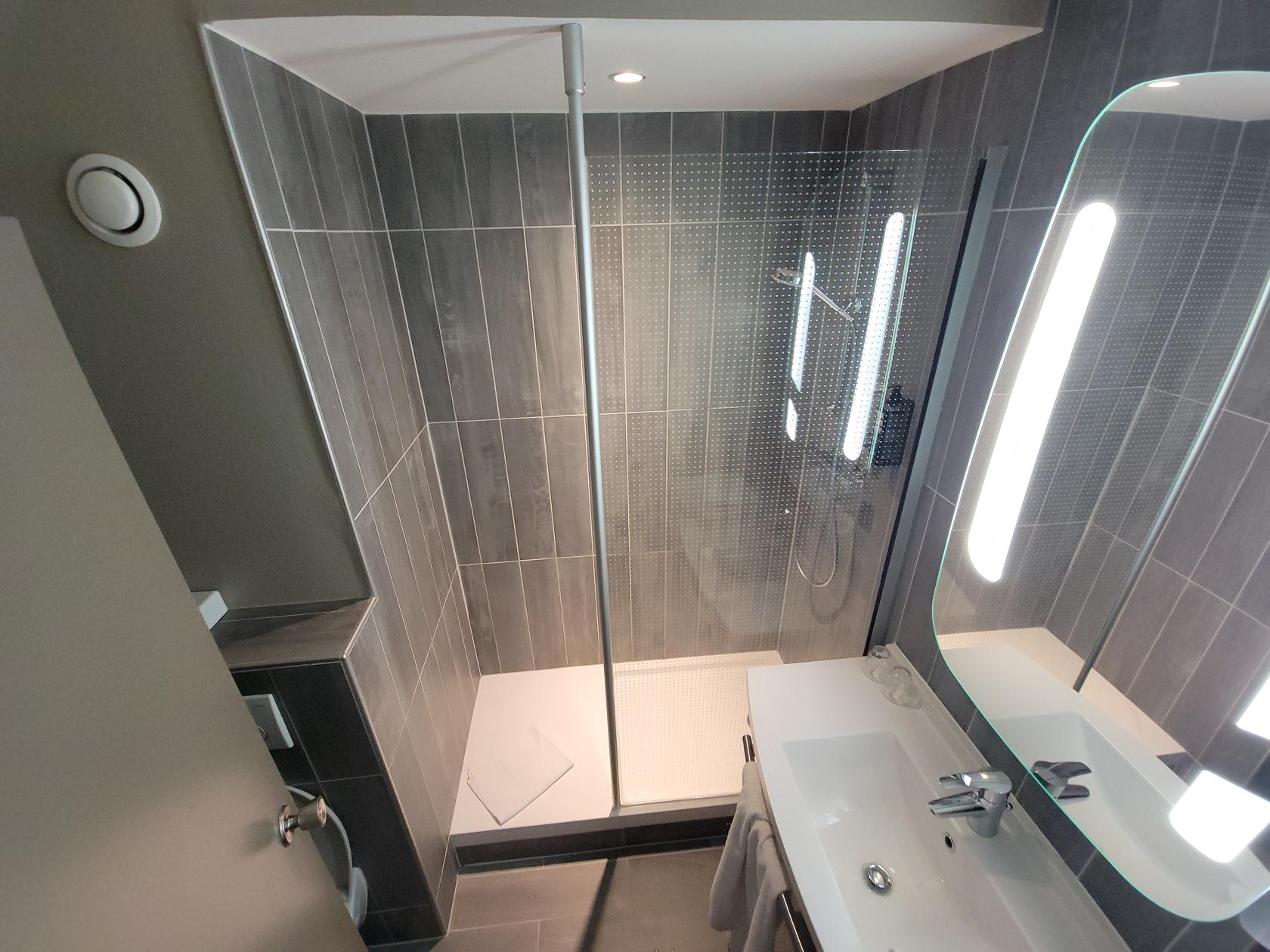
Bathroom – Ibis Hotel Centrum – Gent, Belgium
Gravensteen – Castle Of The Counts
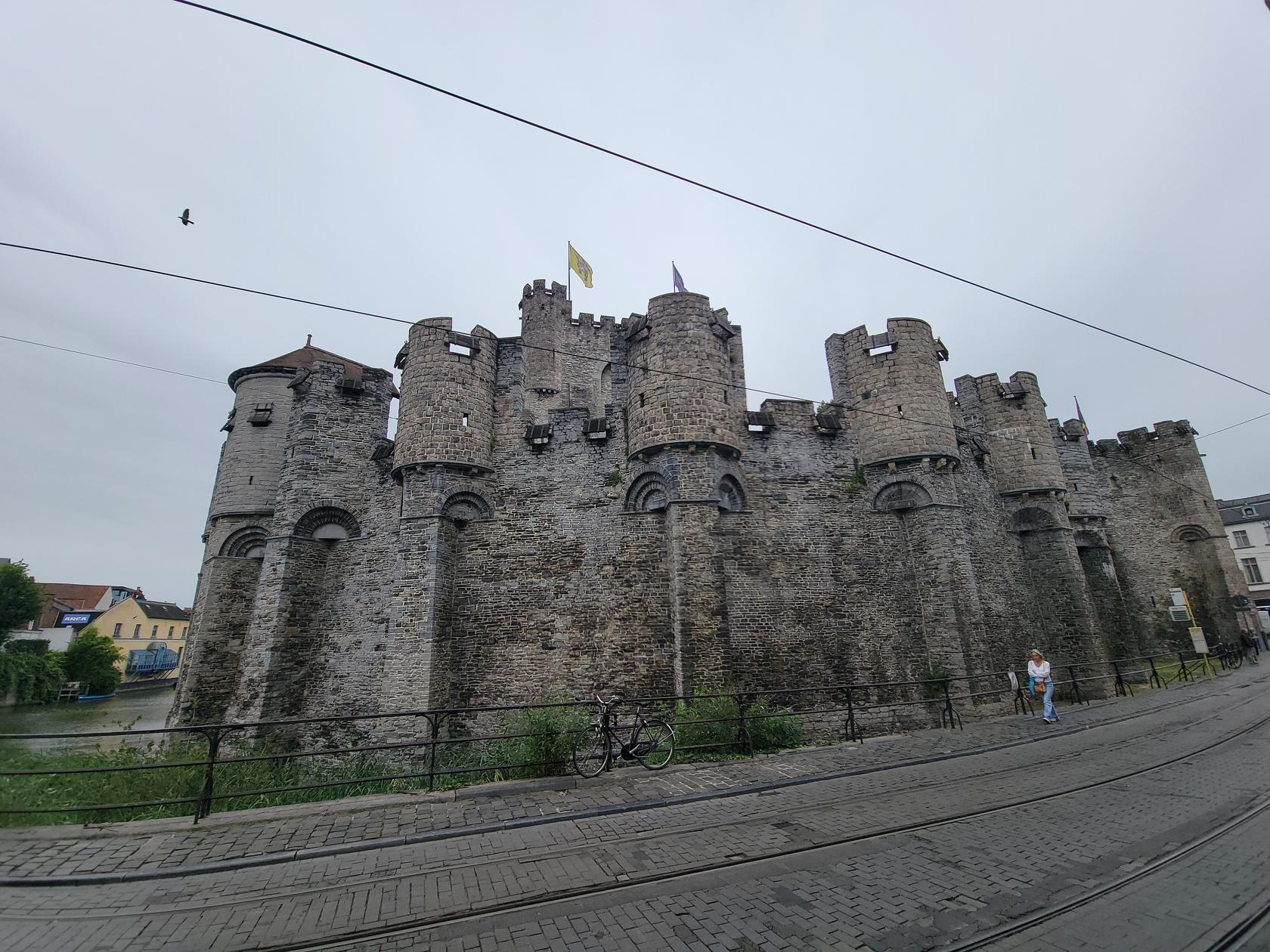
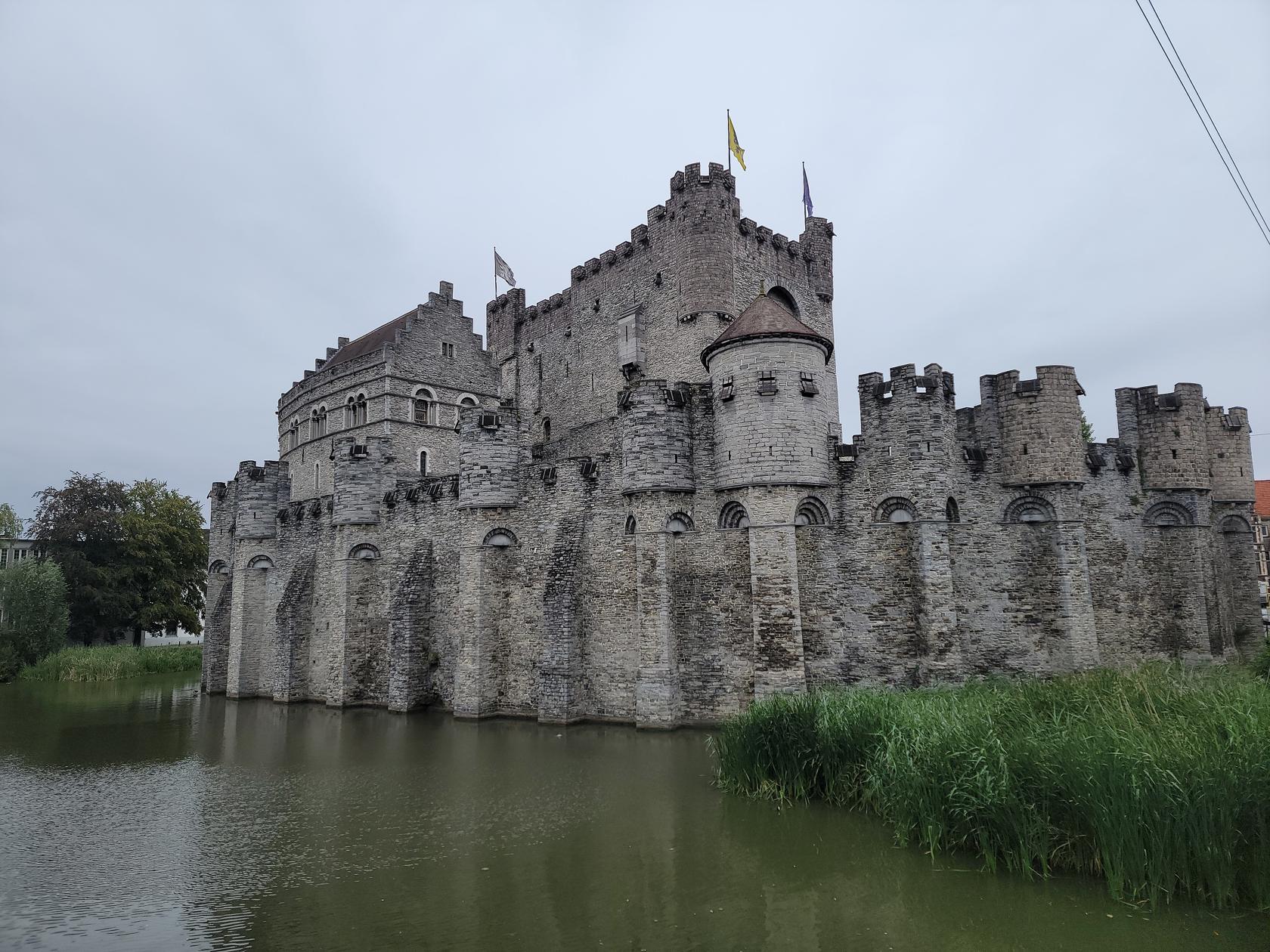
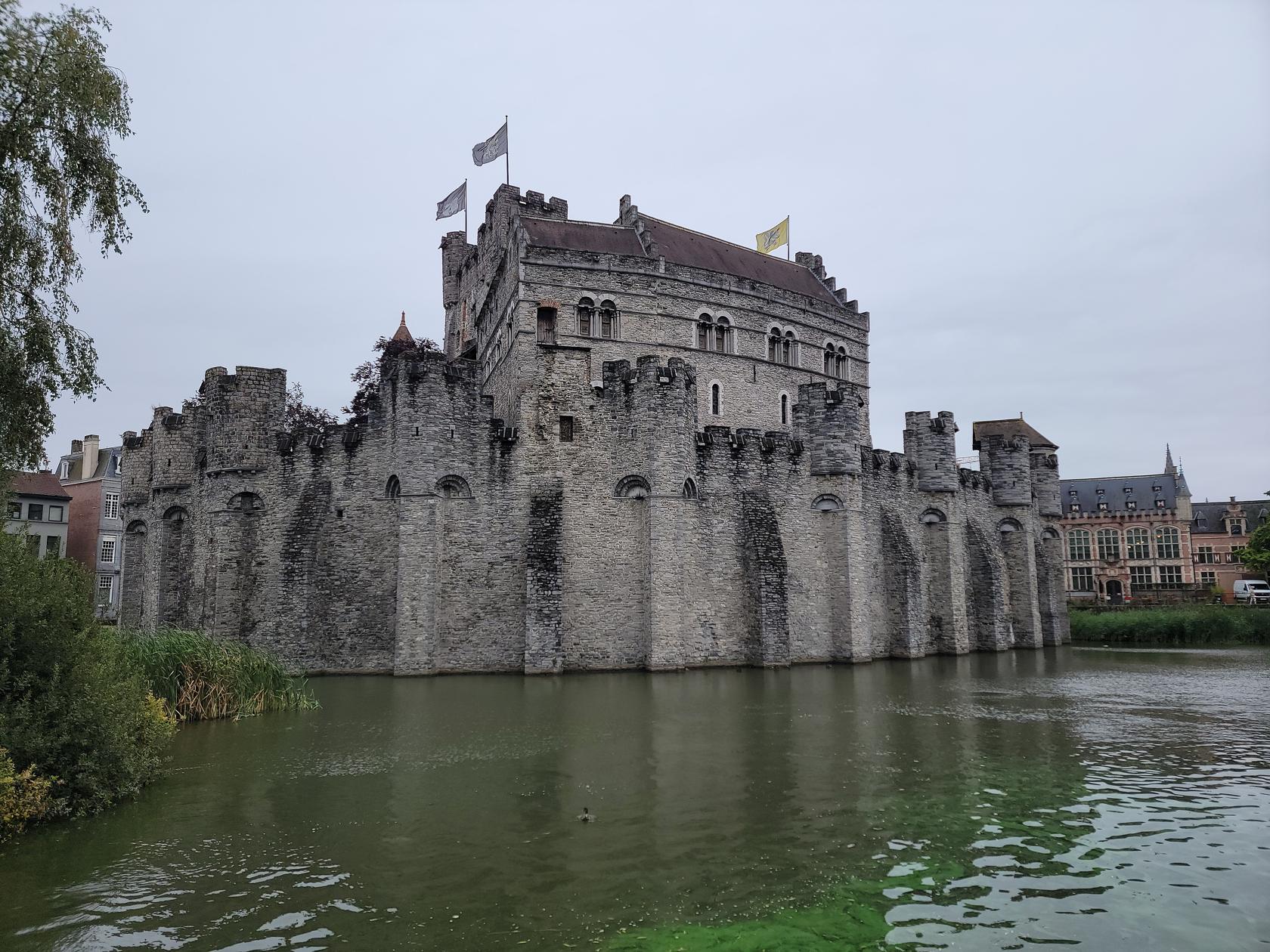
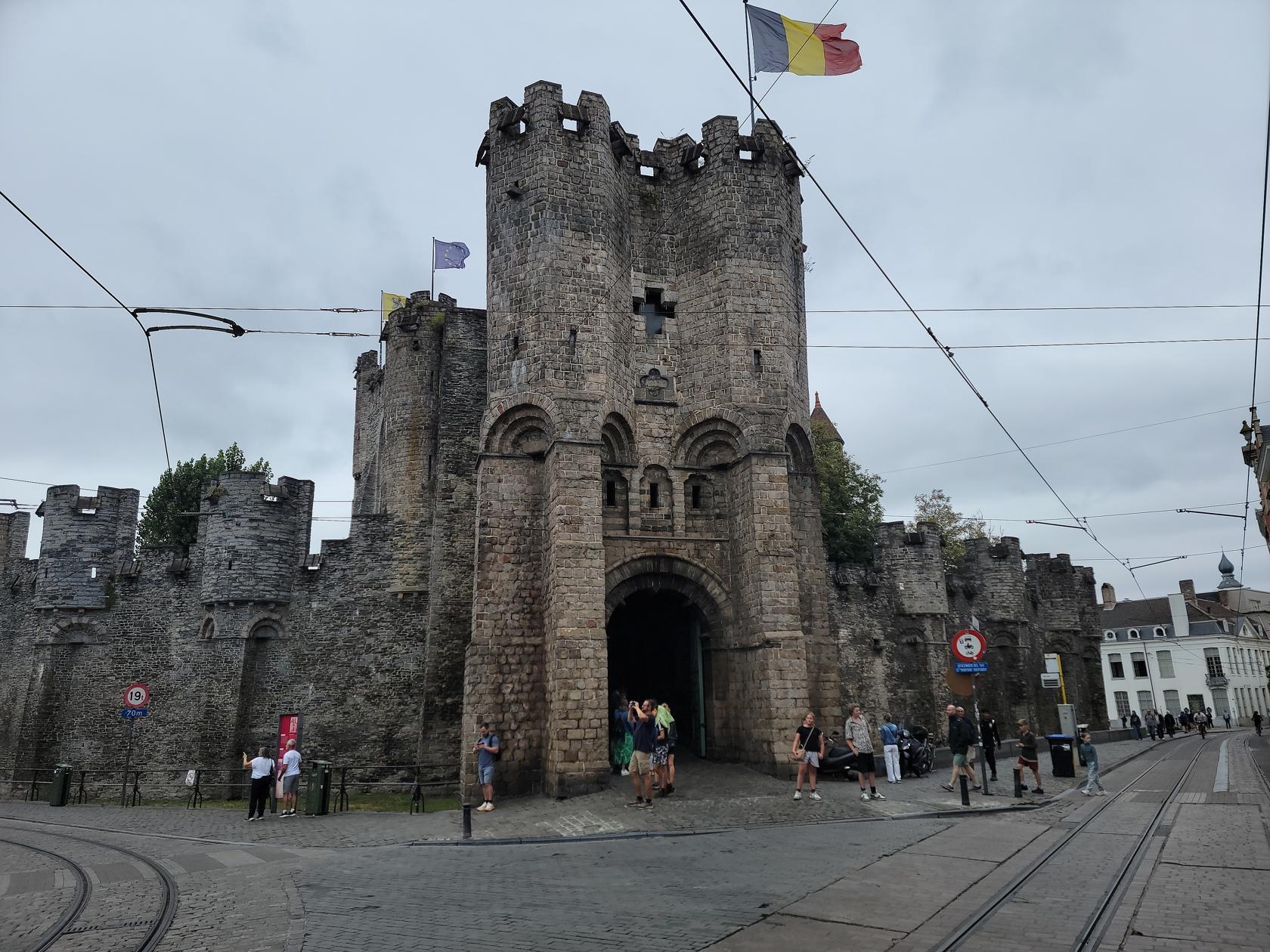
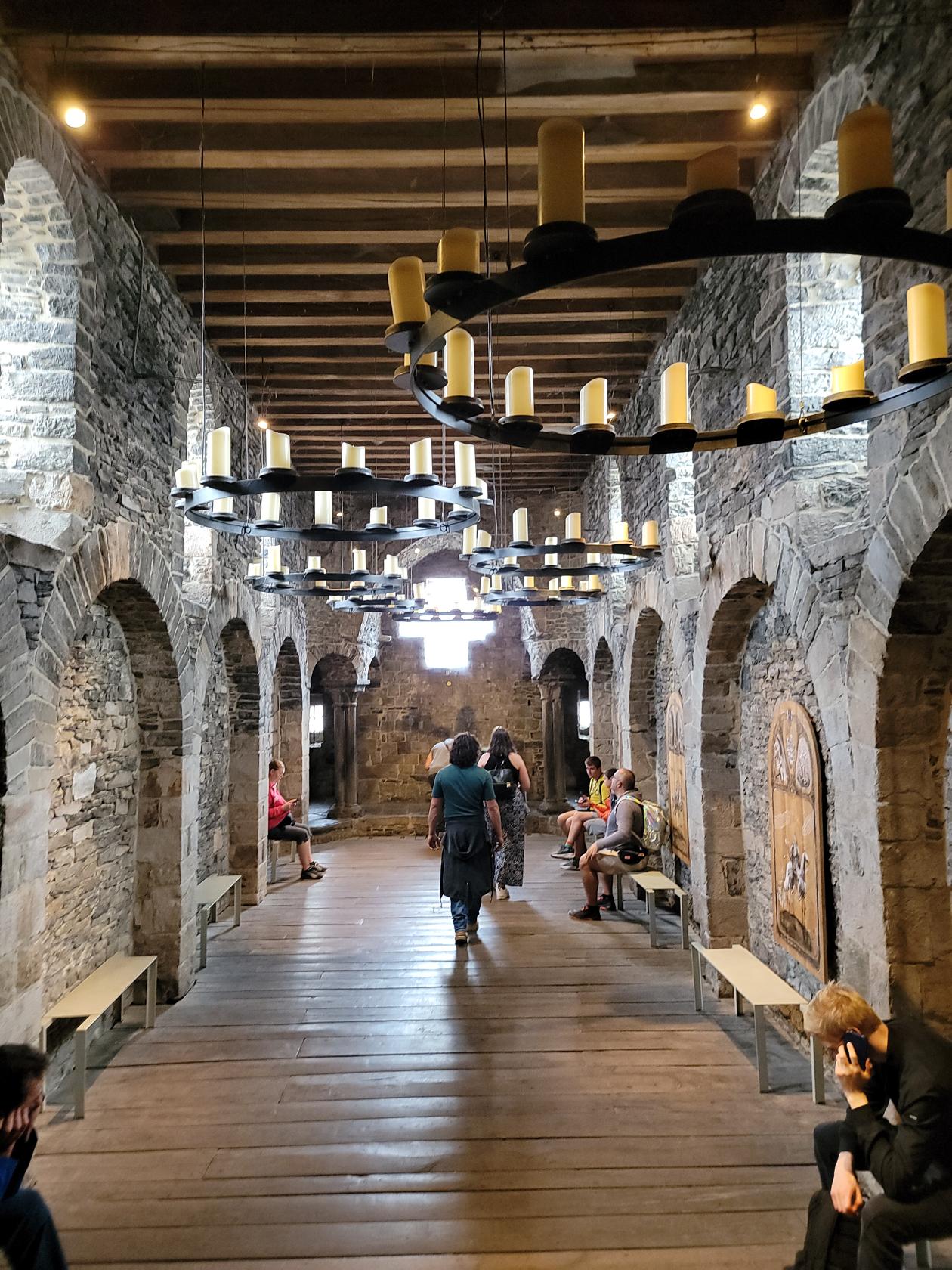
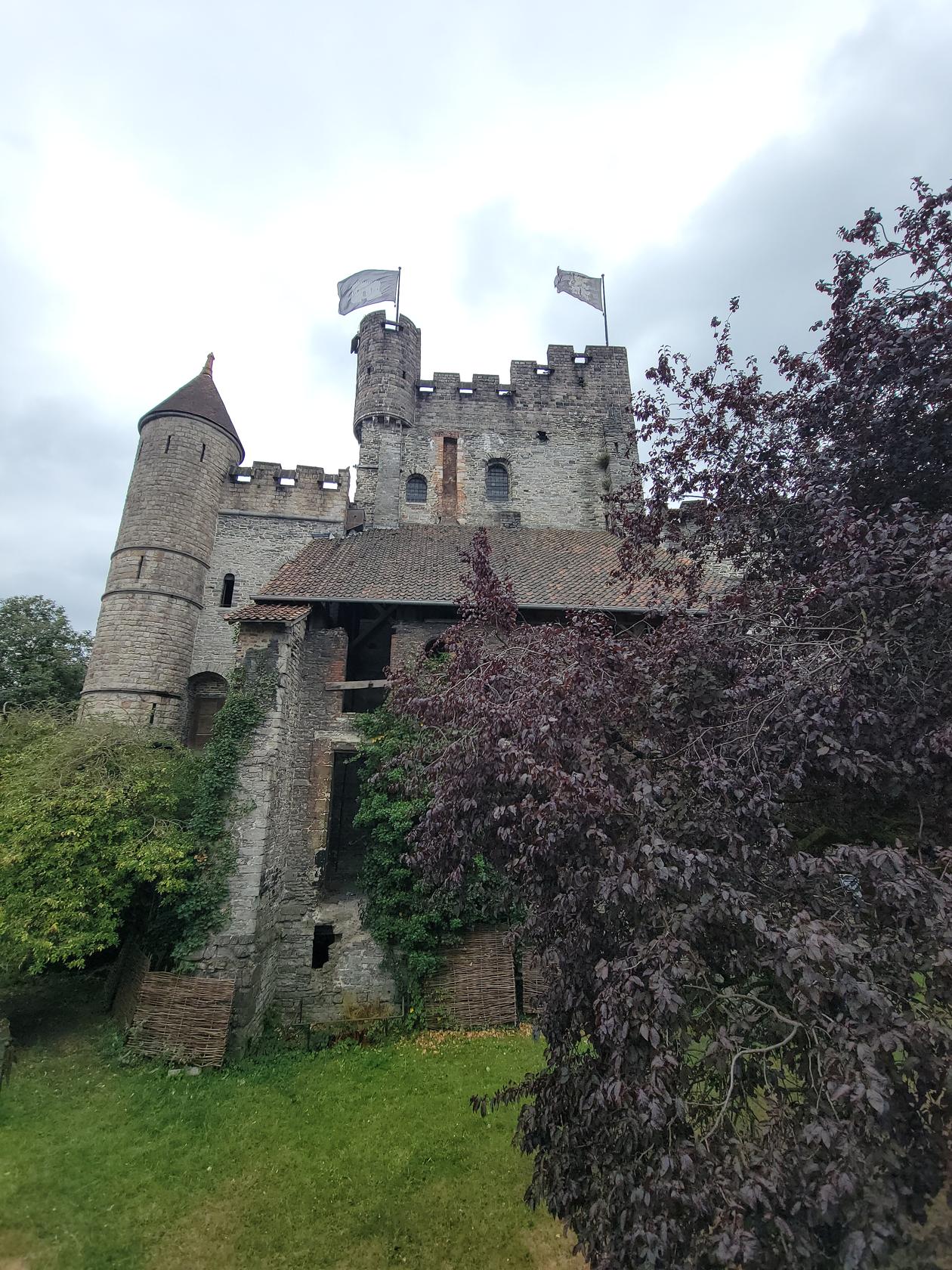
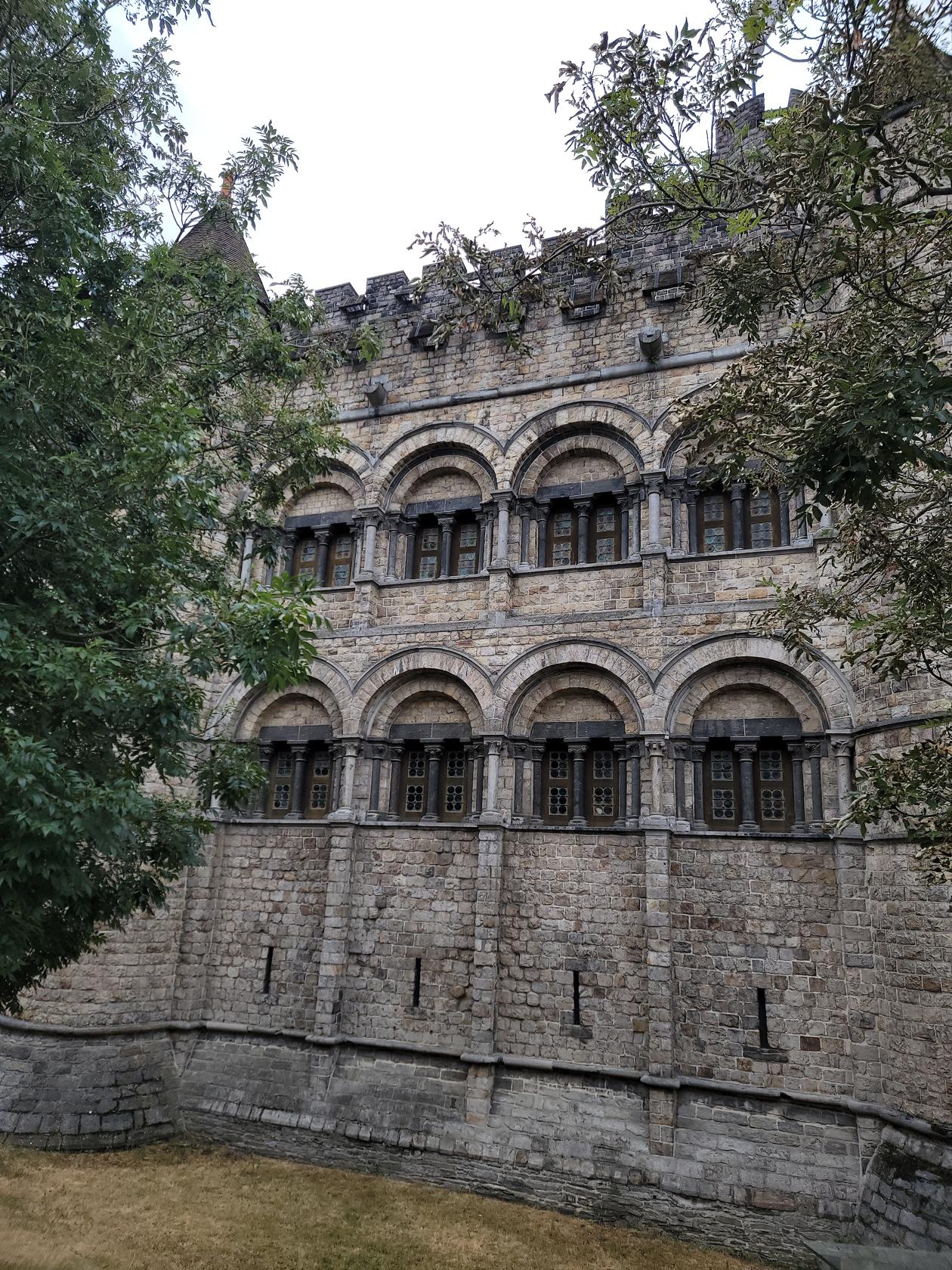
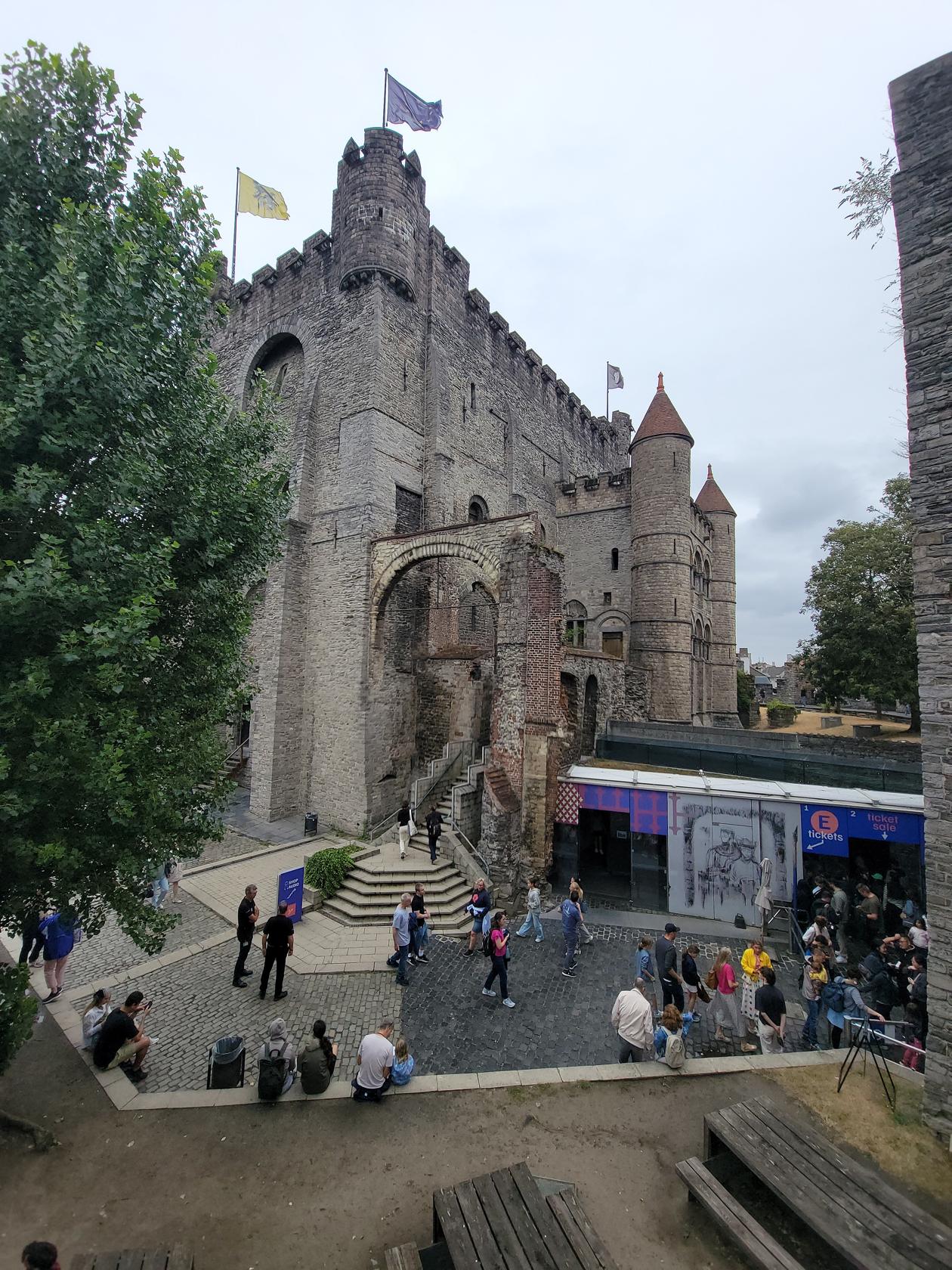
The Castle of the Counts, from the Counts of Flanders building it, is centrally located on the Lieve where it joins the Leie by the Groetenmarkt. It is a typical medieval fortress which contains the usual battlements, parapets and keep. Almost the entire is reconstructed after it was sold and repurposed for other industrial needs in the city. It was later bought back by the city and turned into a tourist item after much work.
Southwest Side – Castle of the Counts – Gravensteen – Gent, Belgium
West Side – Castle of the Counts – Gravensteen – Gent, Belgium
Northwest Side – Castle of the Counts – Gravensteen – Gent, Belgium
Entrance – Castle of the Counts – Gravensteen – Gent, Belgium
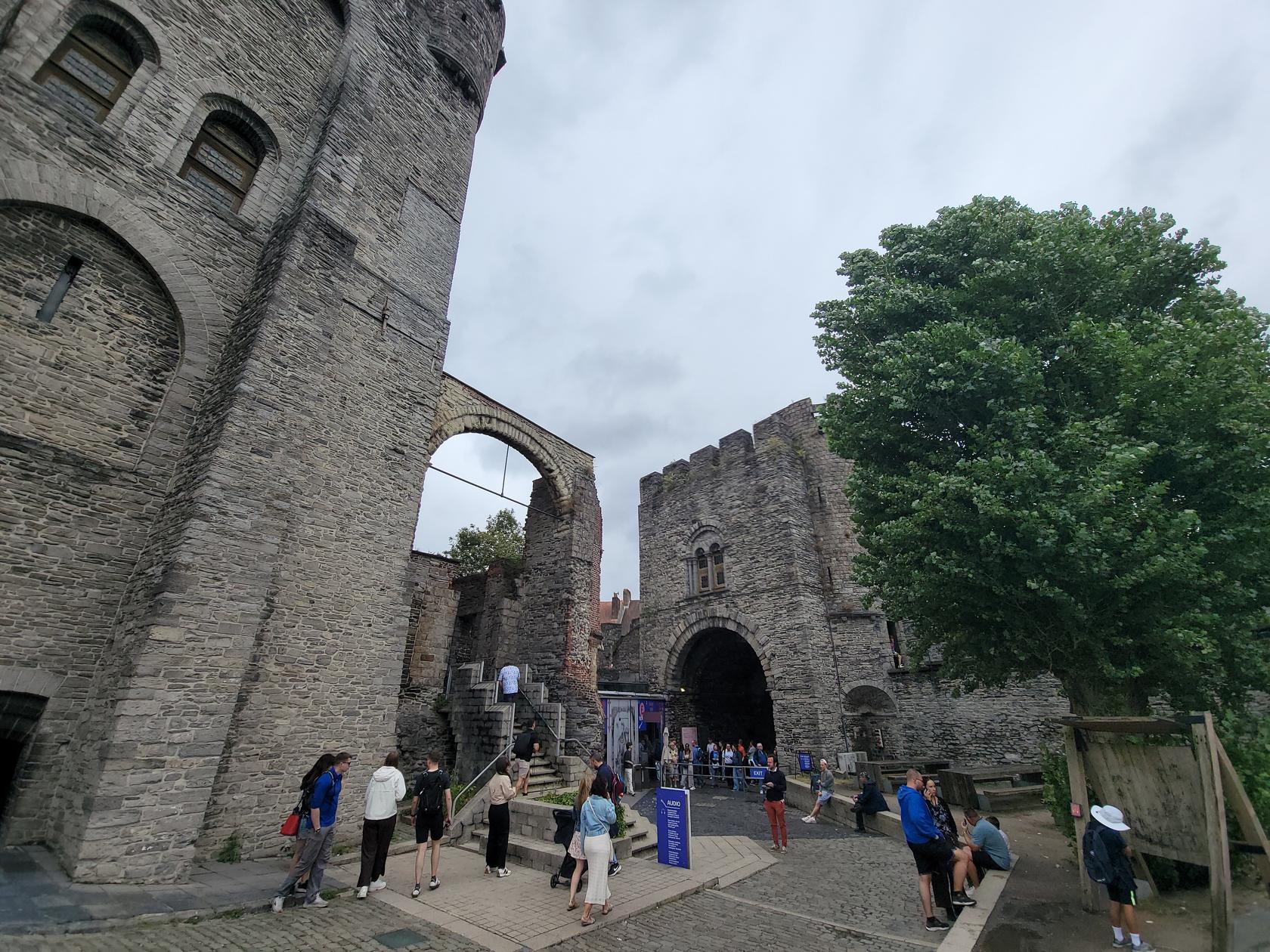
Inside – Castle of the Counts – Gravensteen – Gent, Belgium
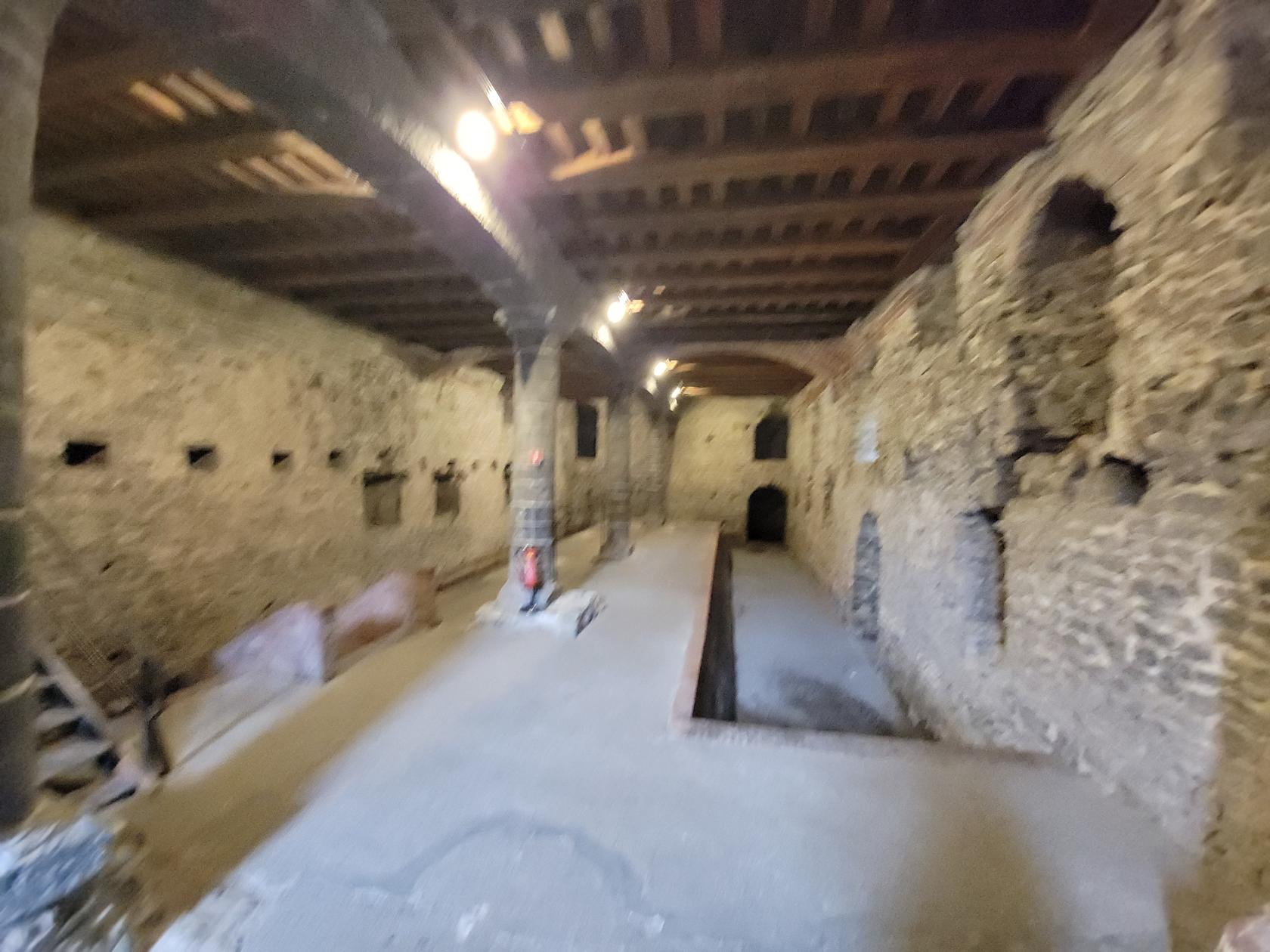
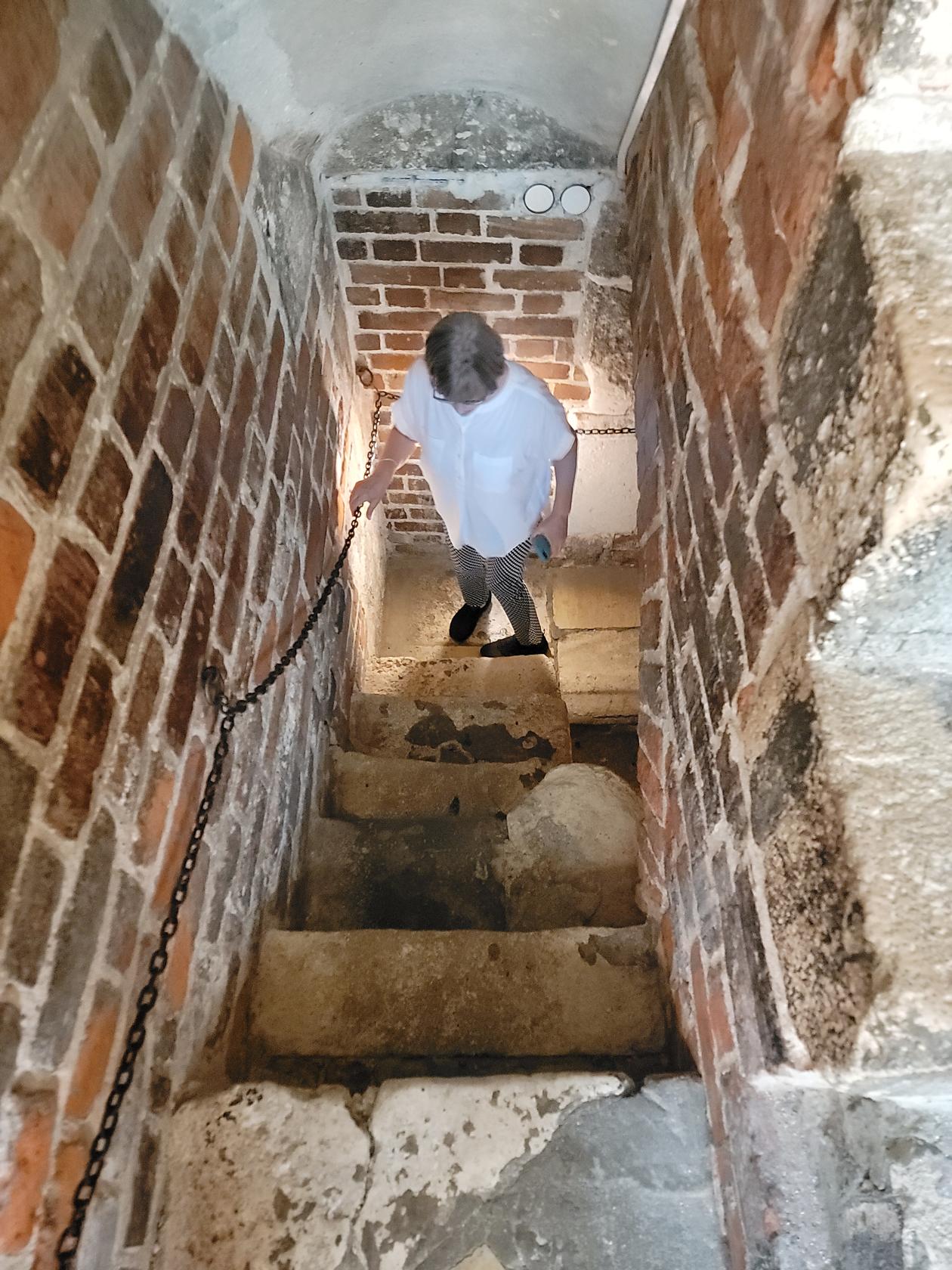
Cellar and Main Keep – Castle of the Counts – Gravensteen – Gent, Belgium
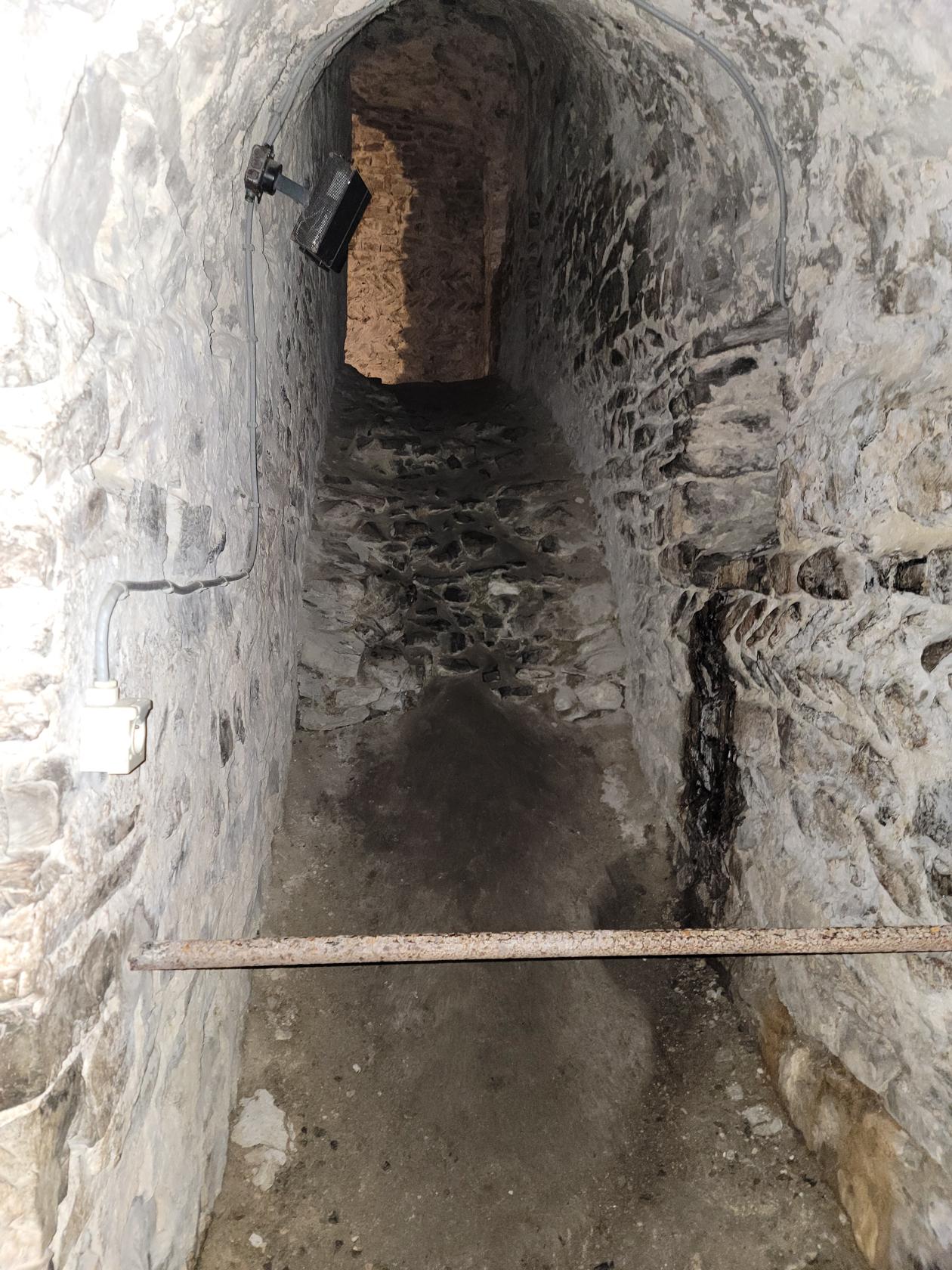
Cellar Stairs – Castle of the Counts – Gravensteen – Gent, Belgium
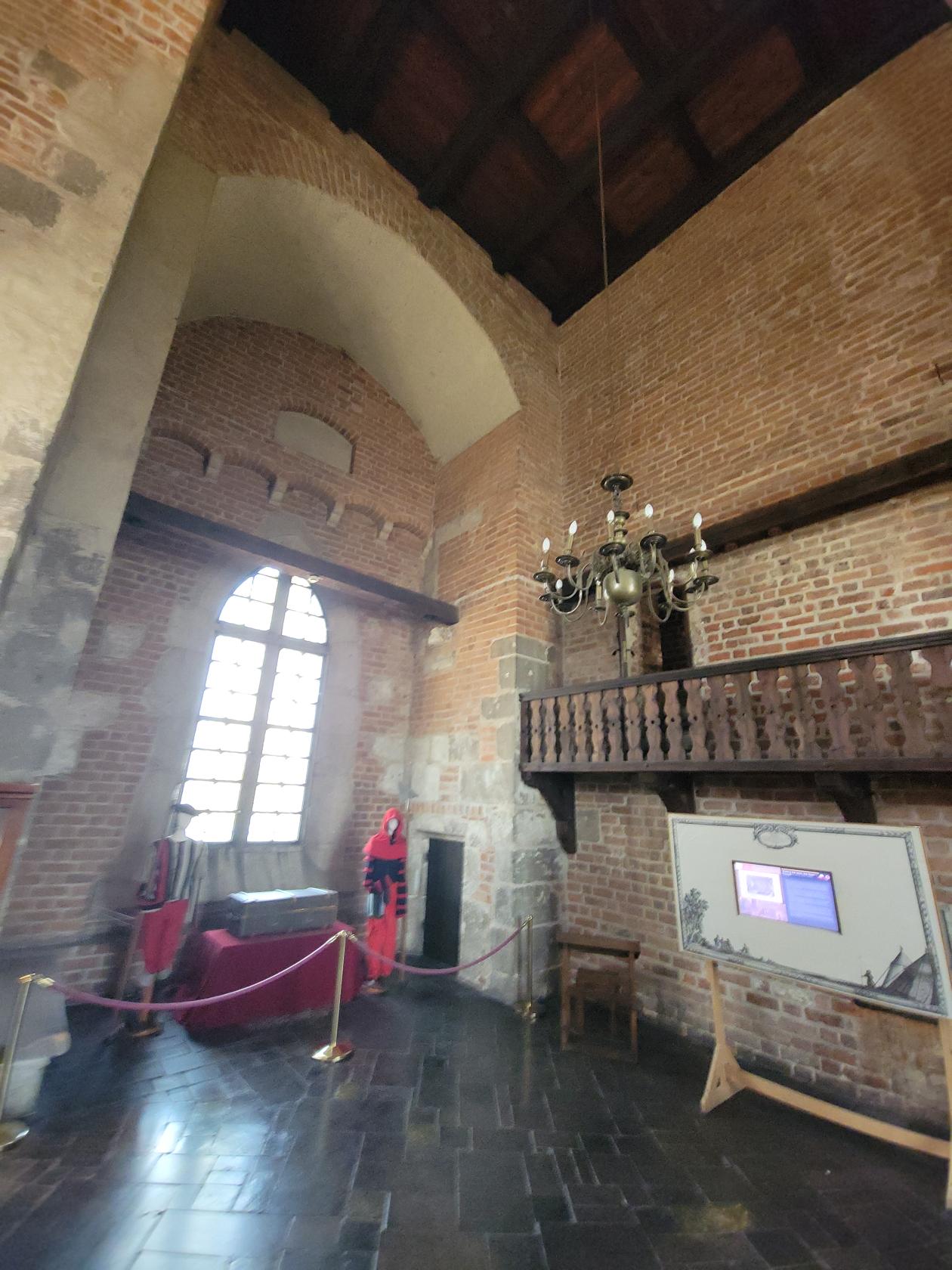
Keep Room – Castle of the Counts – Gravensteen – Gent, Belgium
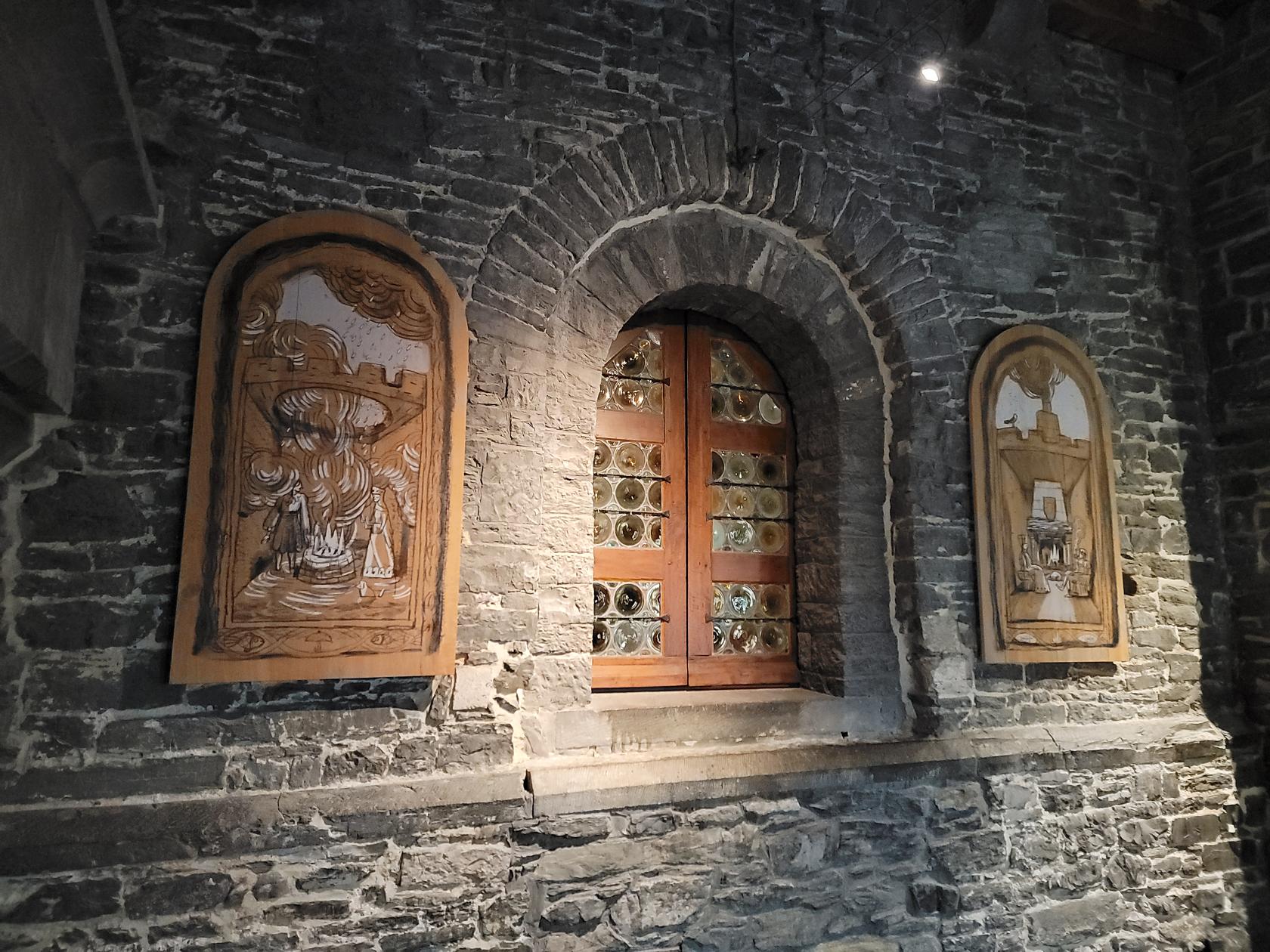
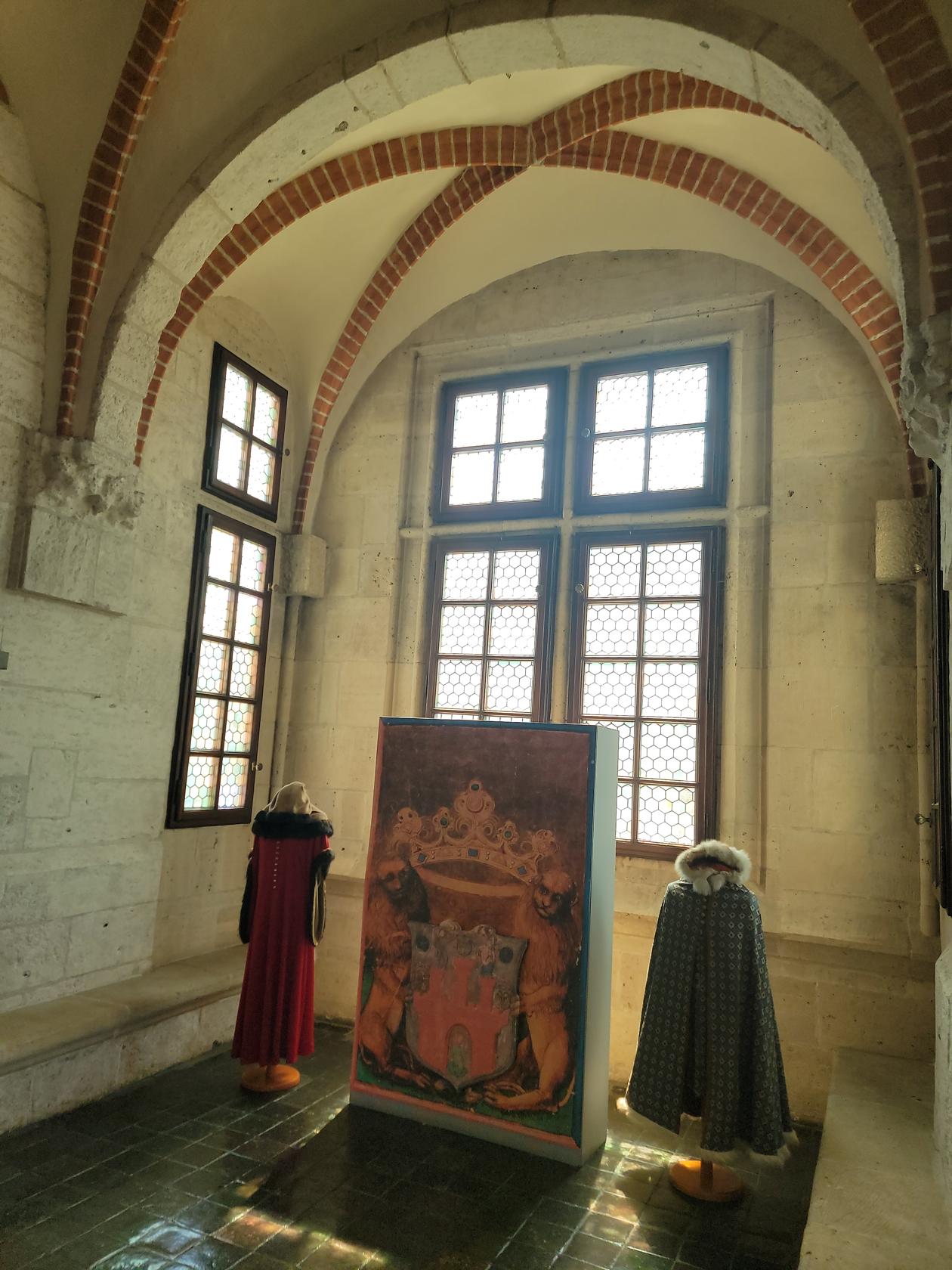
Windows – Castle of the Counts – Gravensteen – Gent, Belgium
Hall – Castle of the Counts – Gravensteen – Gent, Belgium
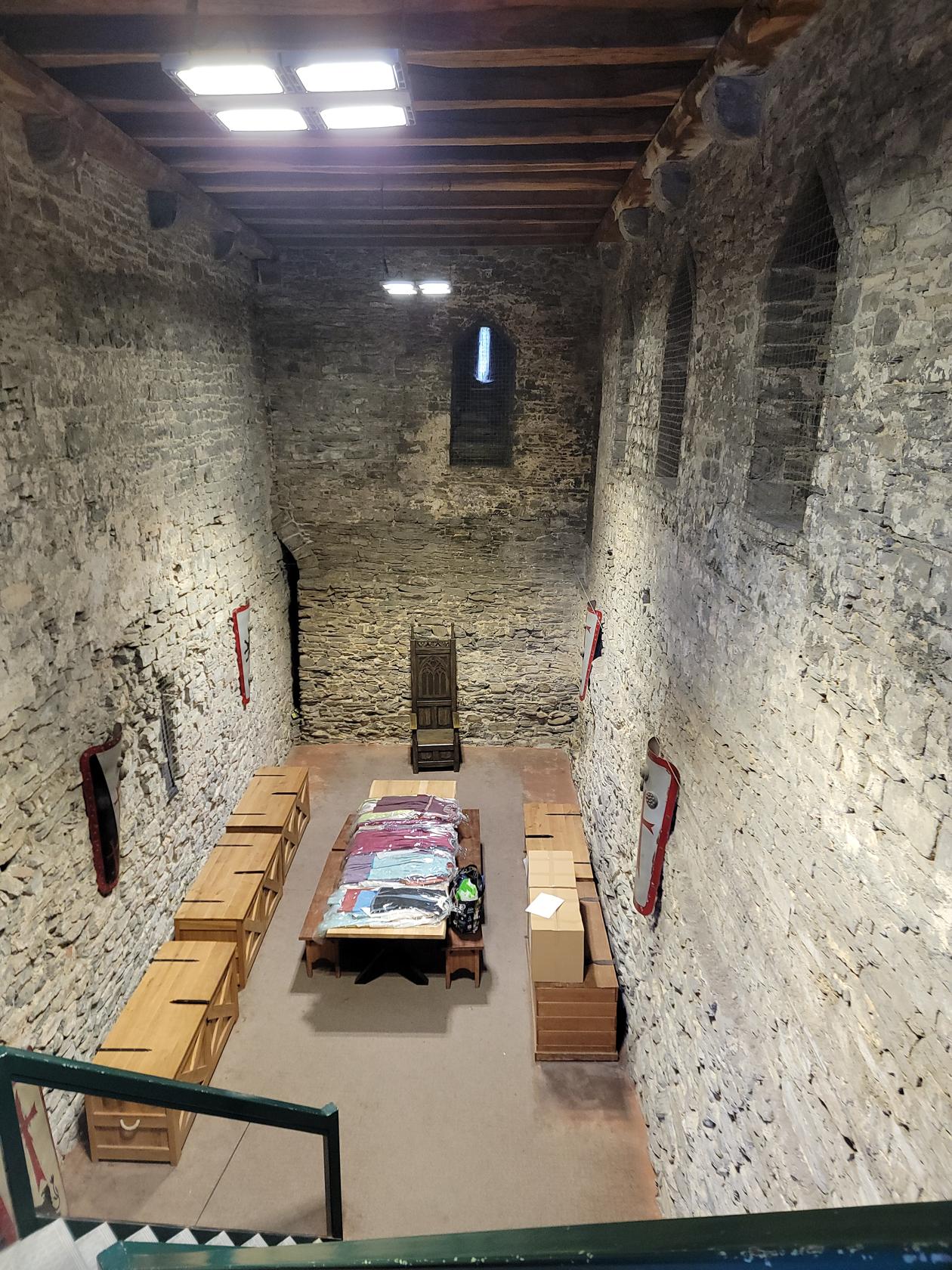
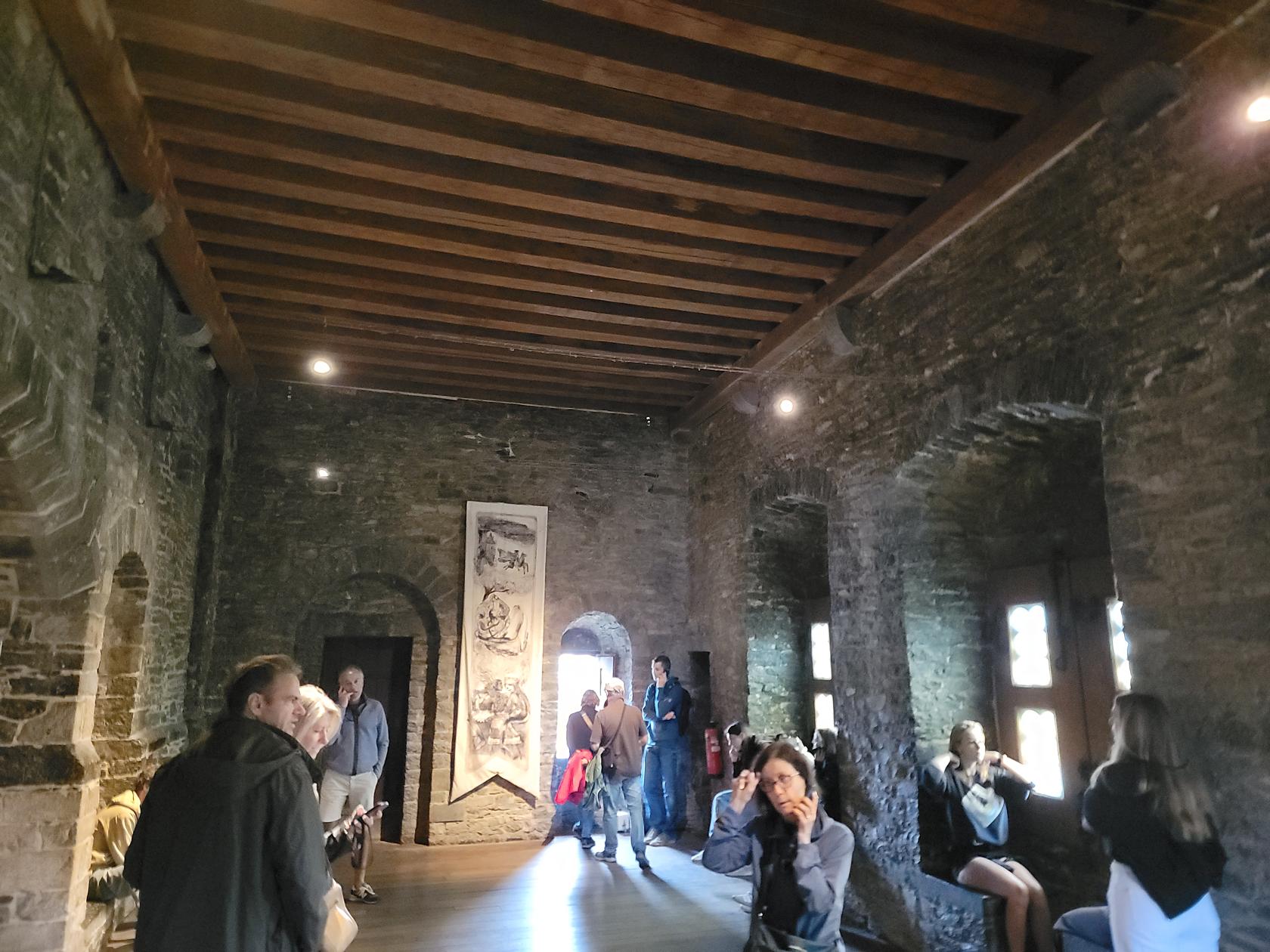
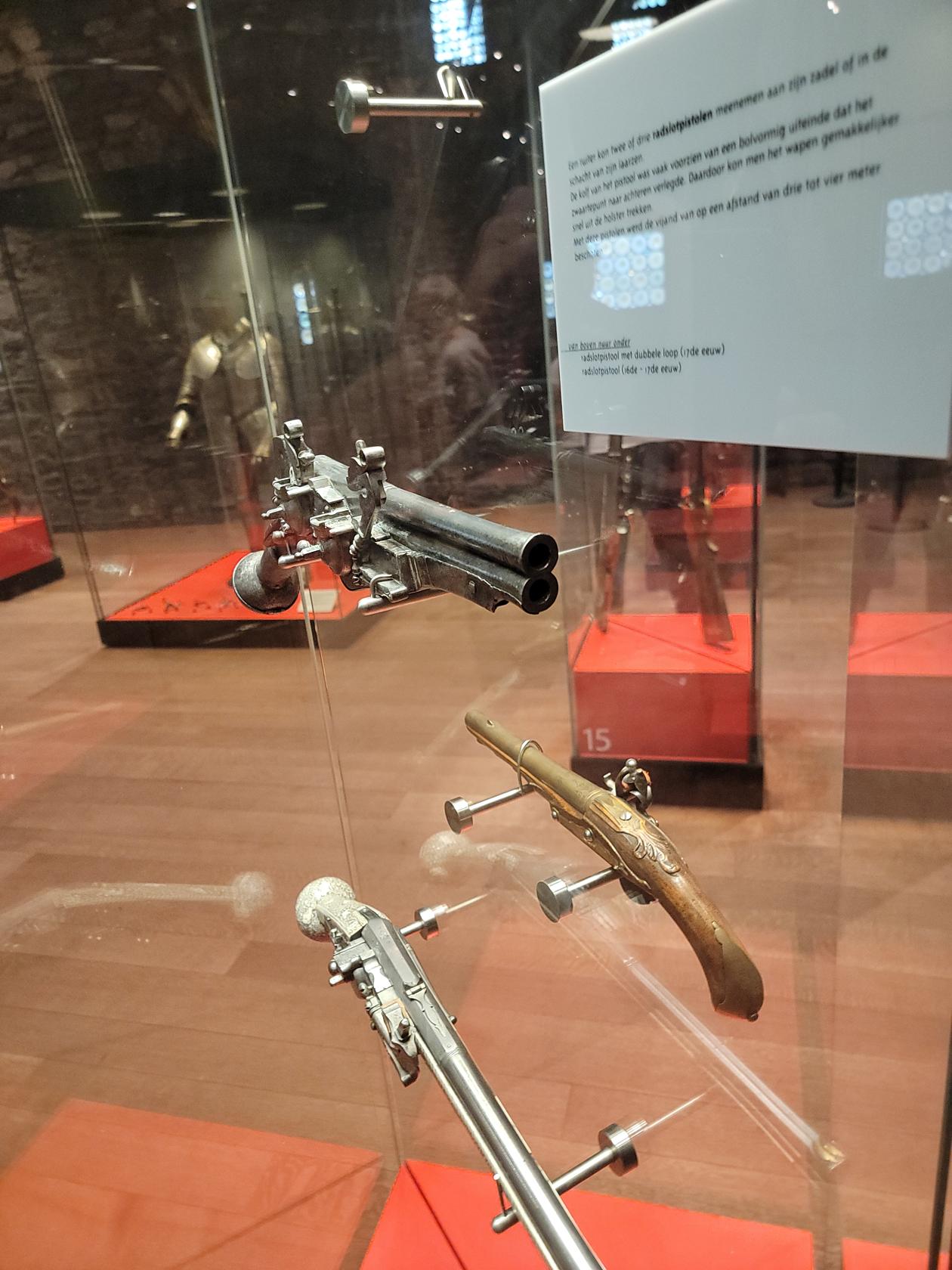
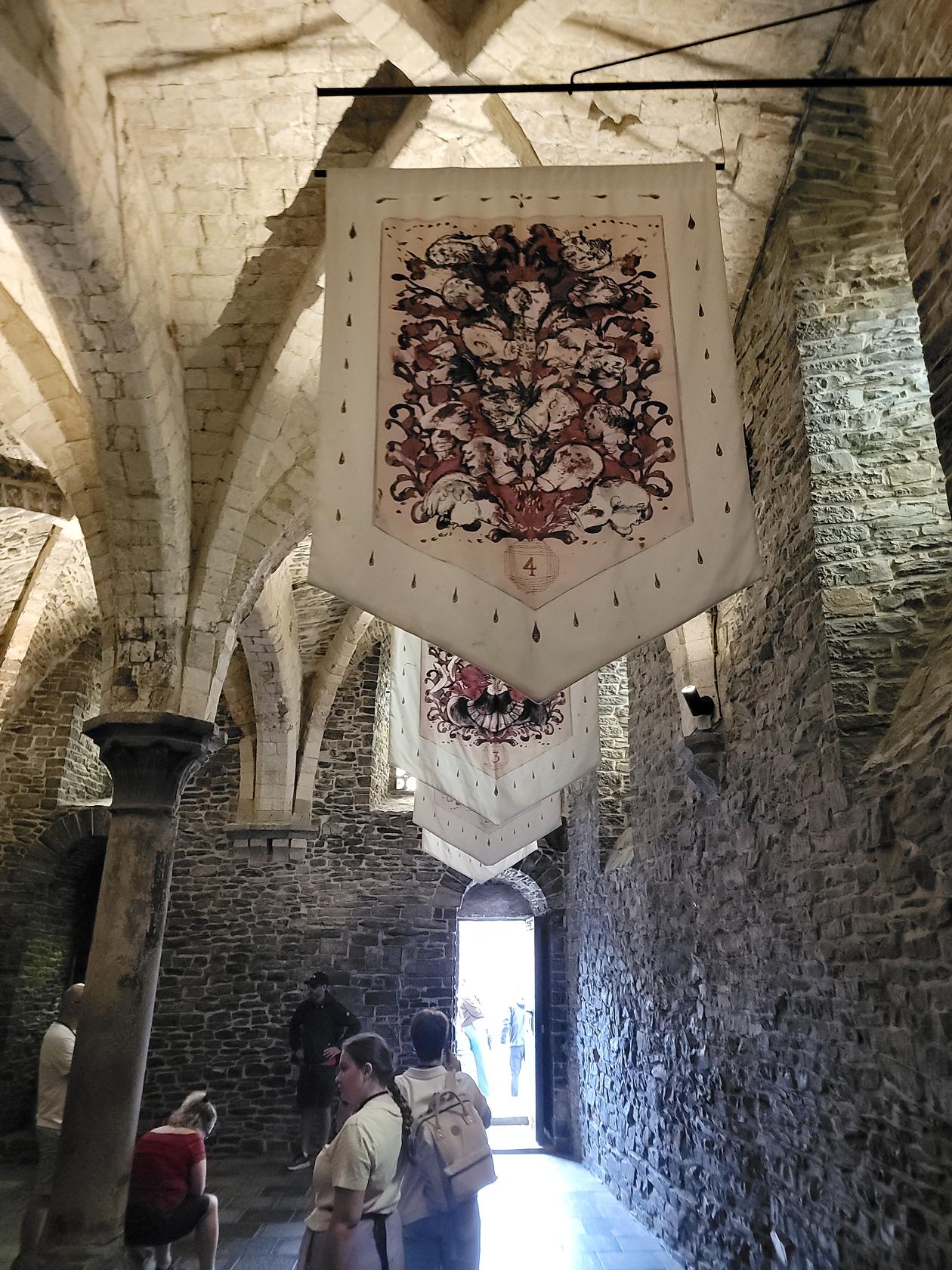
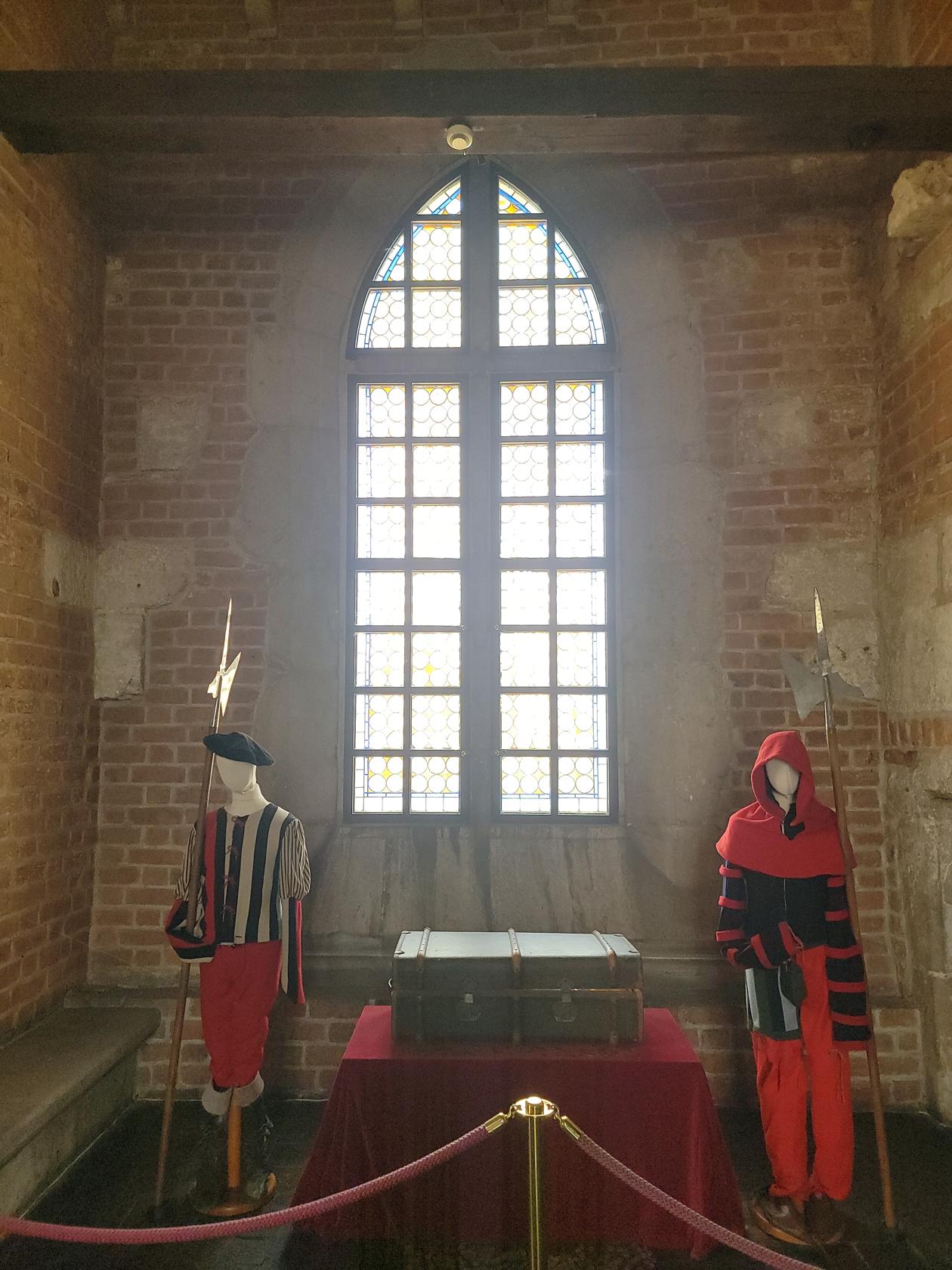
It is however sparsely outfitted with relics or exhibits. There is one room that contains period weaponry that was used during those time. But most of the rooms have sketched wall hangings and in some cases flags adorning the ceiling, but aside from those, no furniture or other trappings. It is therefore advised to purchase the headset and indulge in the one hour walk-through tour of the castle.
Windows – Castle of the Counts – Gravensteen – Gent, Belgium
Hall – Castle of the Counts – Gravensteen – Gent, Belgium
Exhibits of Weaponry – Castle of the Counts – Gravensteen – Gent, Belgium
Large Upper Room – Castle of the Counts – Gravensteen – Gent, Belgium
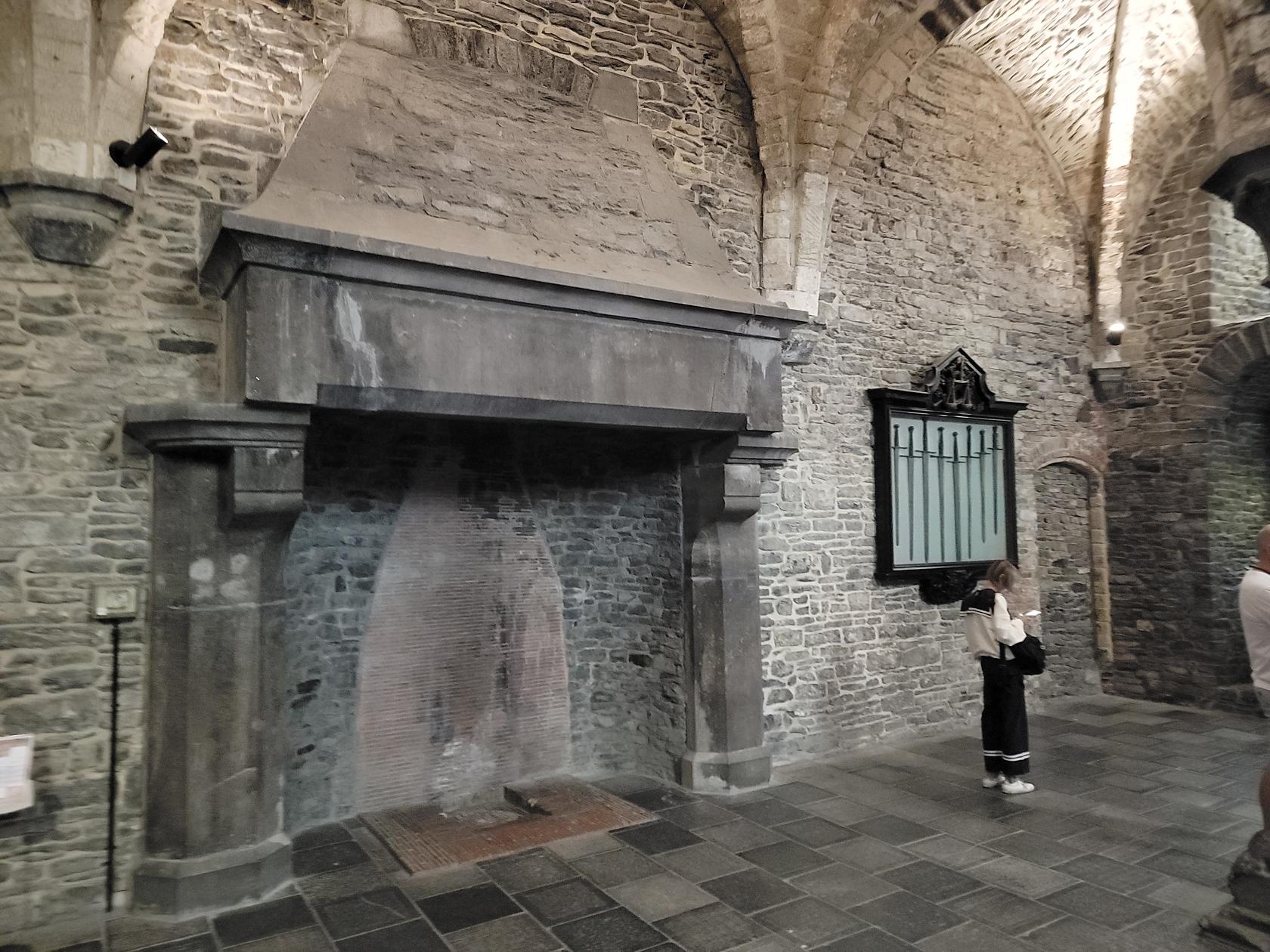
Large Upper Room Fireplace – Castle of the Counts – Gravensteen – Gent, Belgium
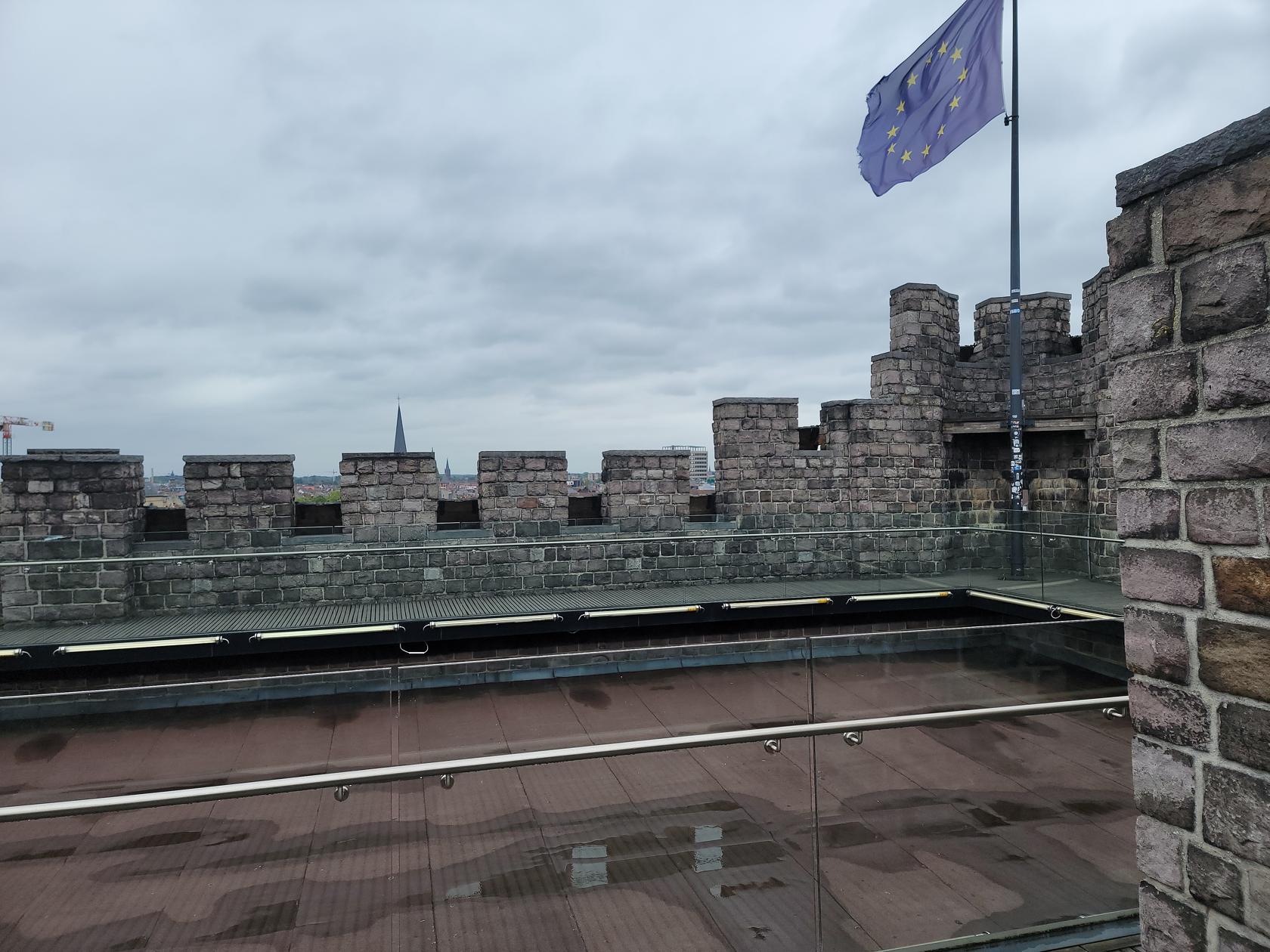
Roof – Castle of the Counts – Gravensteen – Gent, Belgium
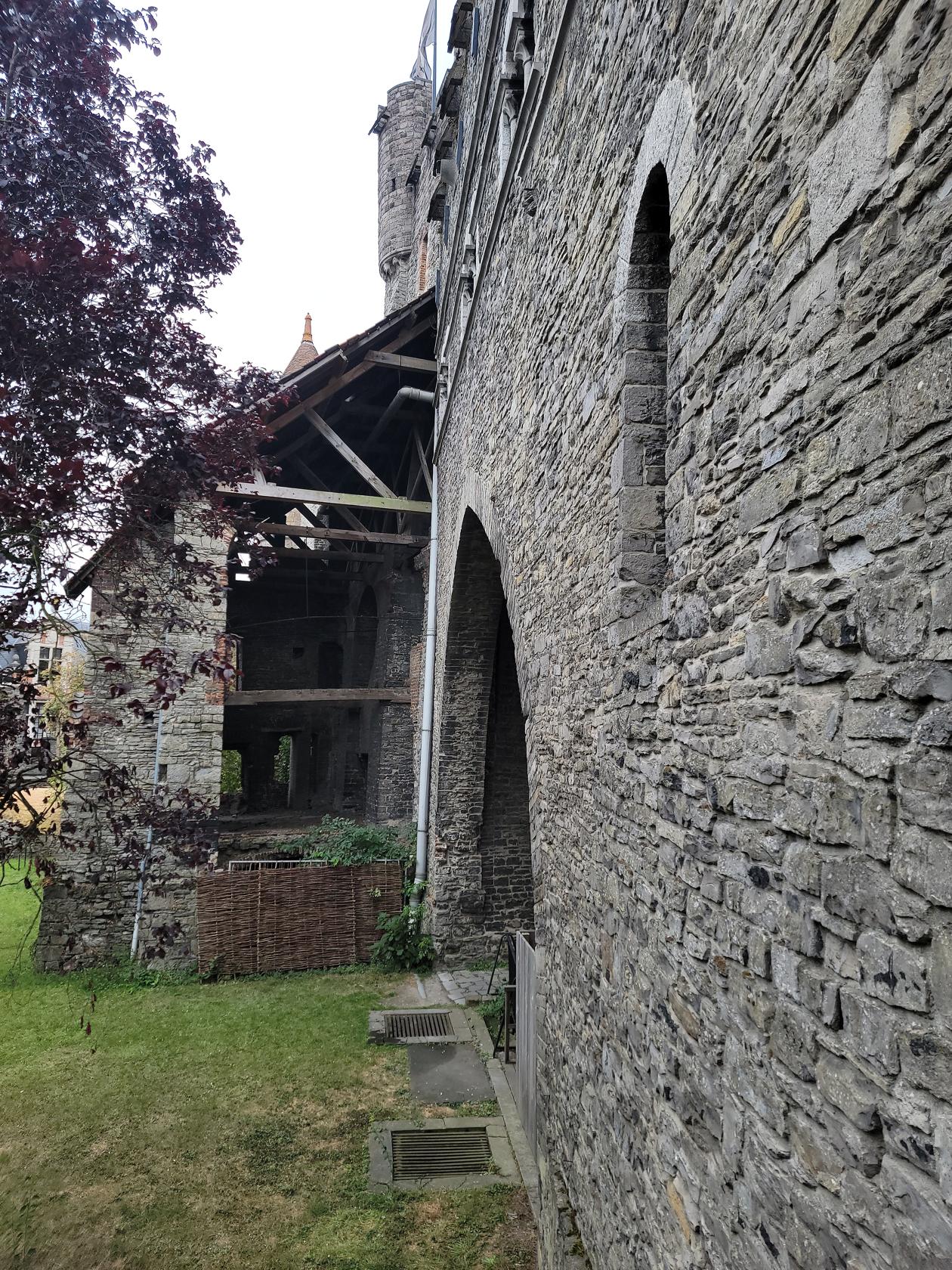
Some Disrepair – Castle of the Counts – Gravensteen – Gent, Belgium
Reception Hall – Castle of the Counts – Gravensteen – Gent, Belgium
Outside – Castle of the Counts – Gravensteen – Gent, Belgium
Outside View – Castle of the Counts – Gravensteen – Gent, Belgium
Cellar Stairs – Castle of the Counts – Gravensteen – Gent, Belgium
Main Entrance and Ticket Office – Castle of the Counts – Gravensteen – Gent, Belgium
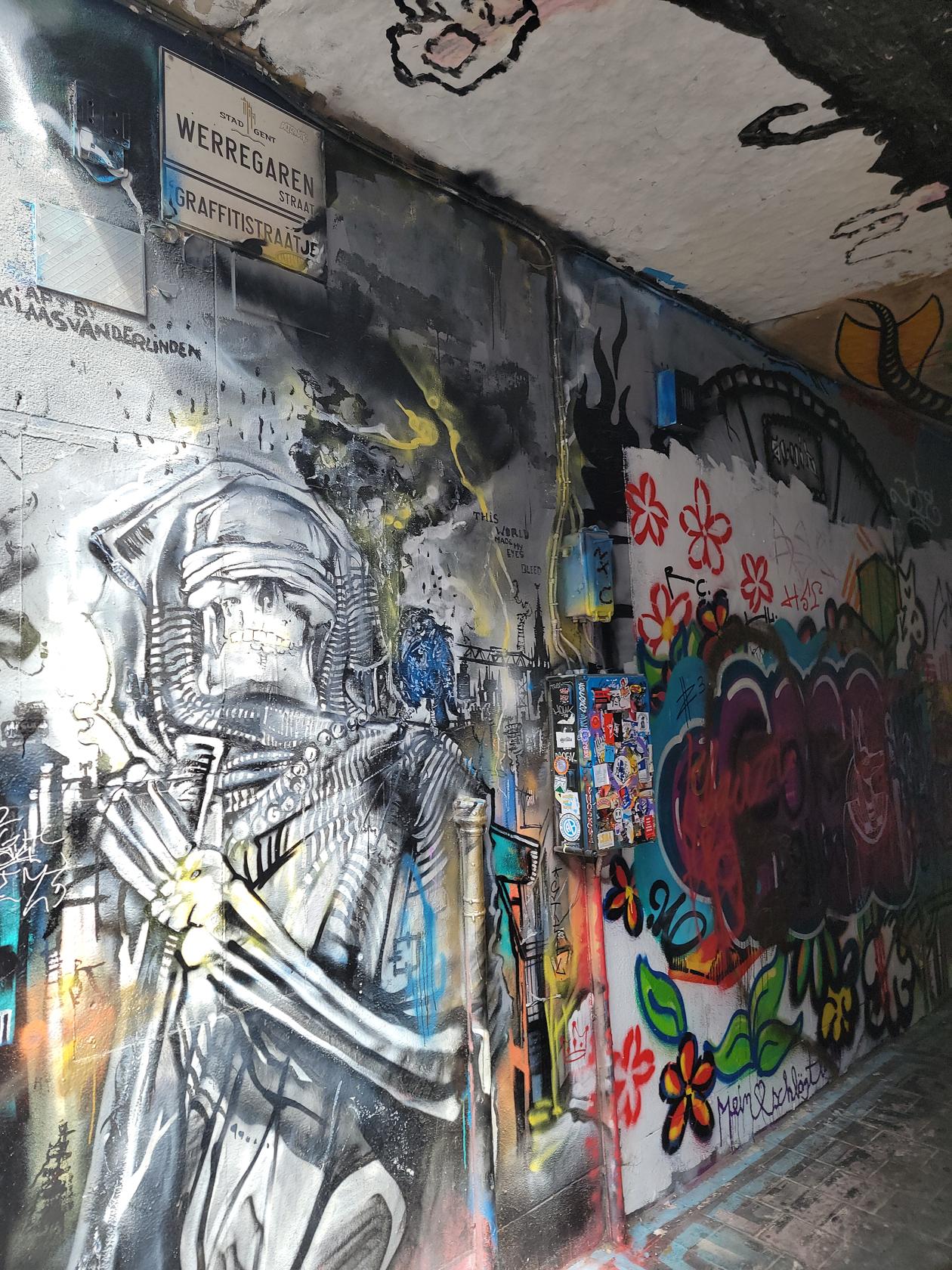
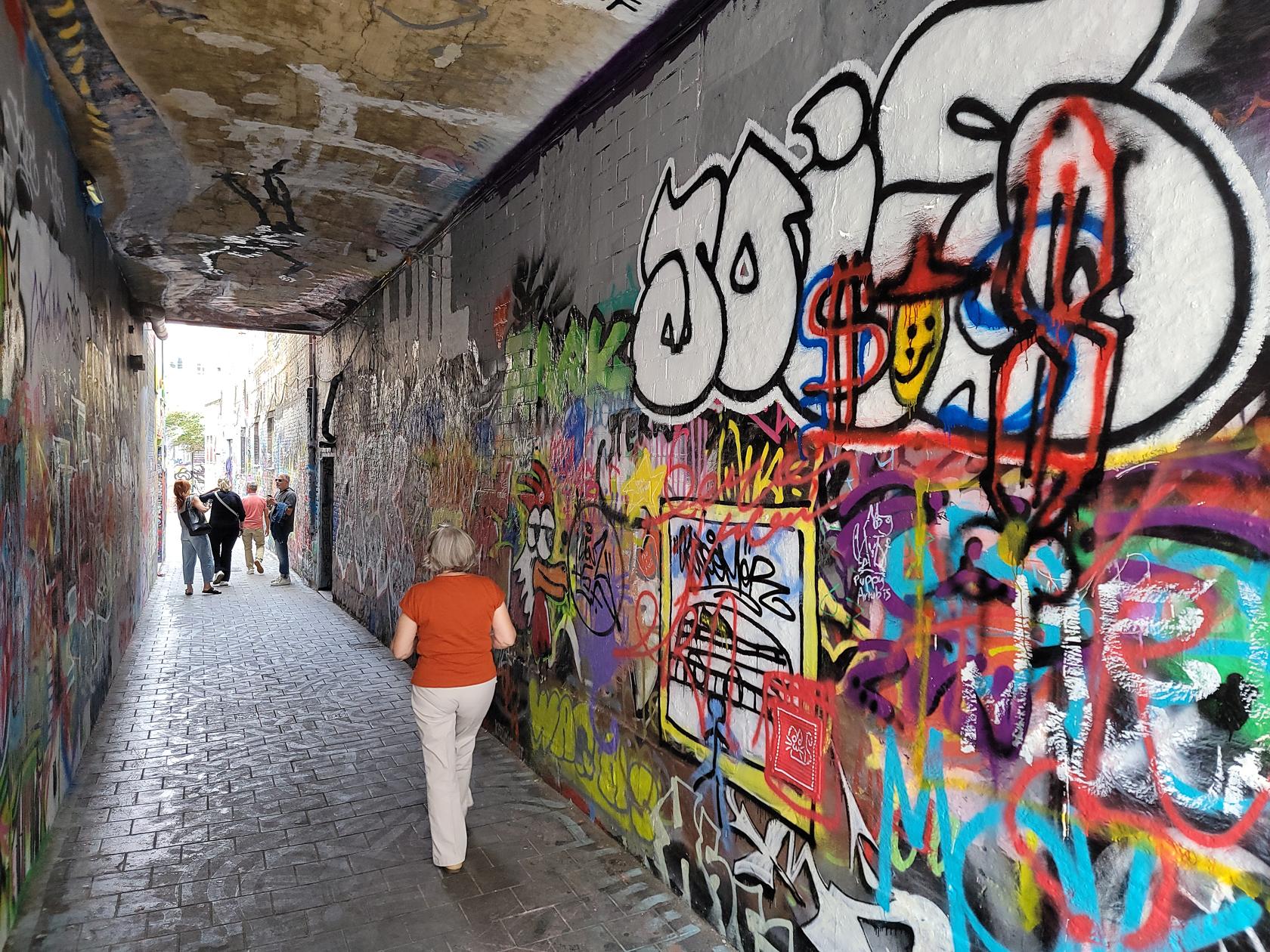
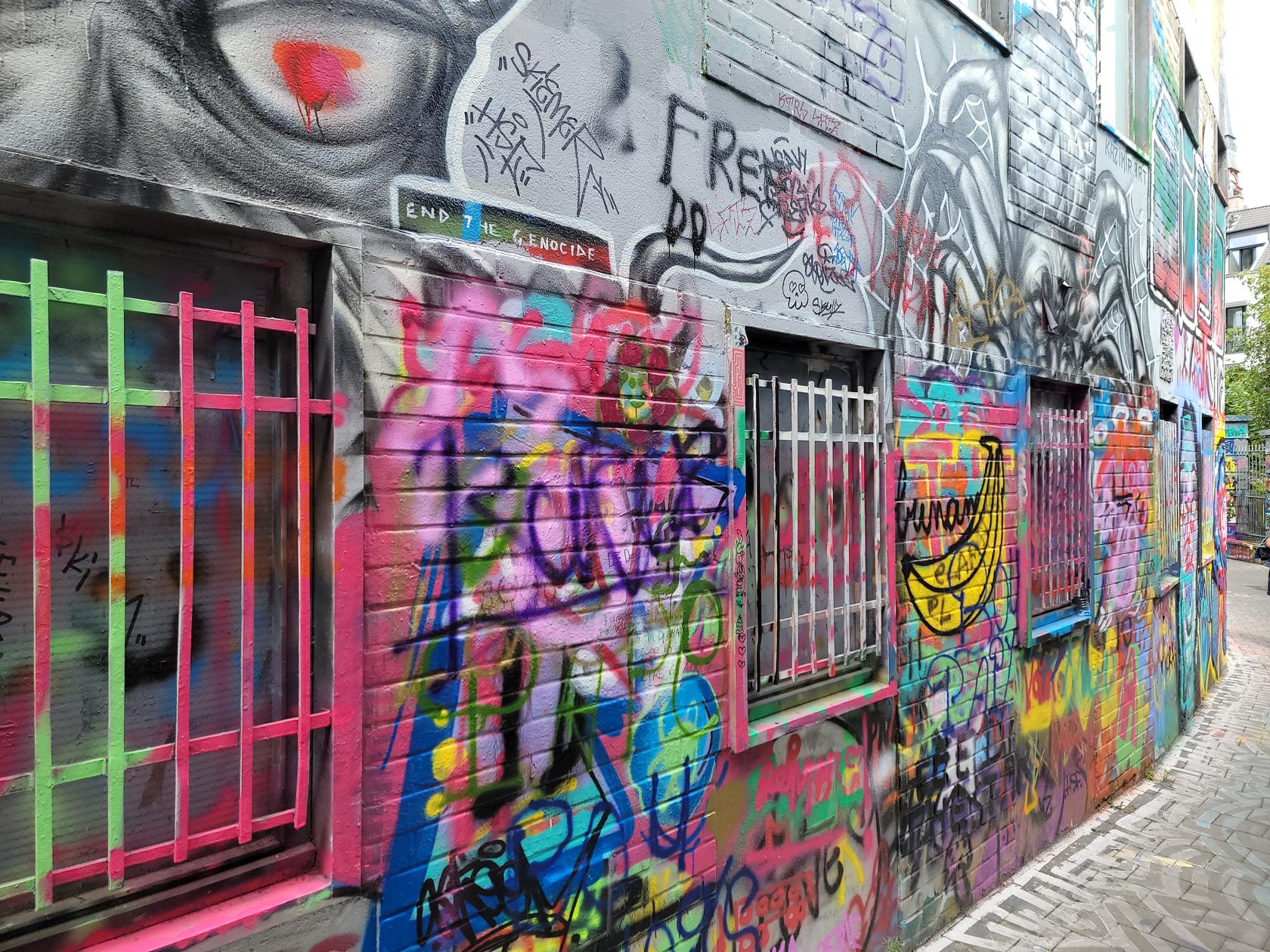
Graffiti Street
Another narrow street in another city dedicated to the local fauna getting their adolescent artistic urges out. Though a few examples are extraordinary, most of it was just colorful wasted paint.
Graffiti Street – Werregarenstraat – Gent, Belgium
Graffiti Street – Werregarenstraat – Gent, Belgium
Graffiti Street – Werregarenstraat – Gent, Belgium
Other Sights And Monuments
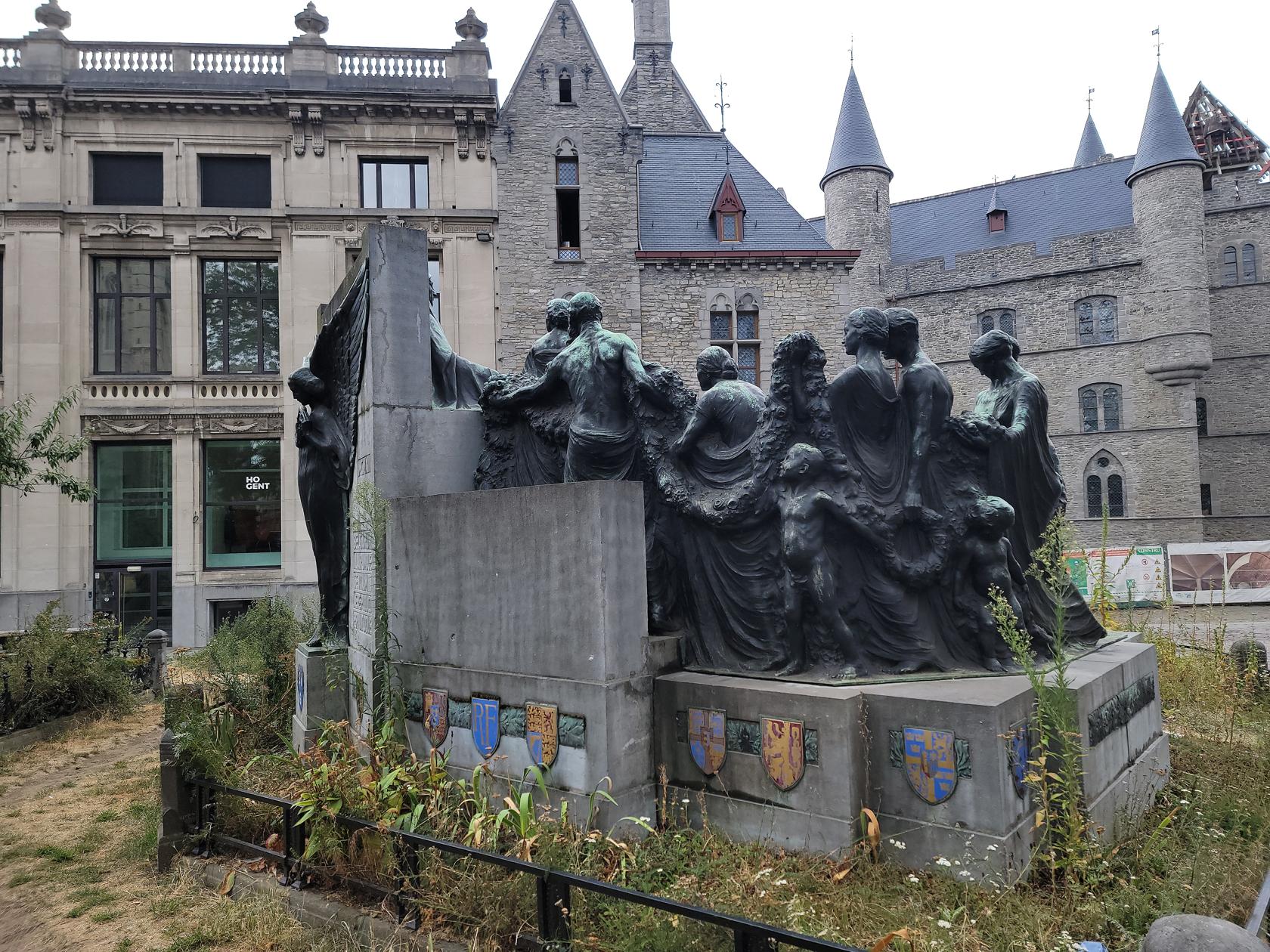
There are many other sights and monuments throughout the city that speak of the city’s history. For example the old Rabot, or ancient gate to the city.
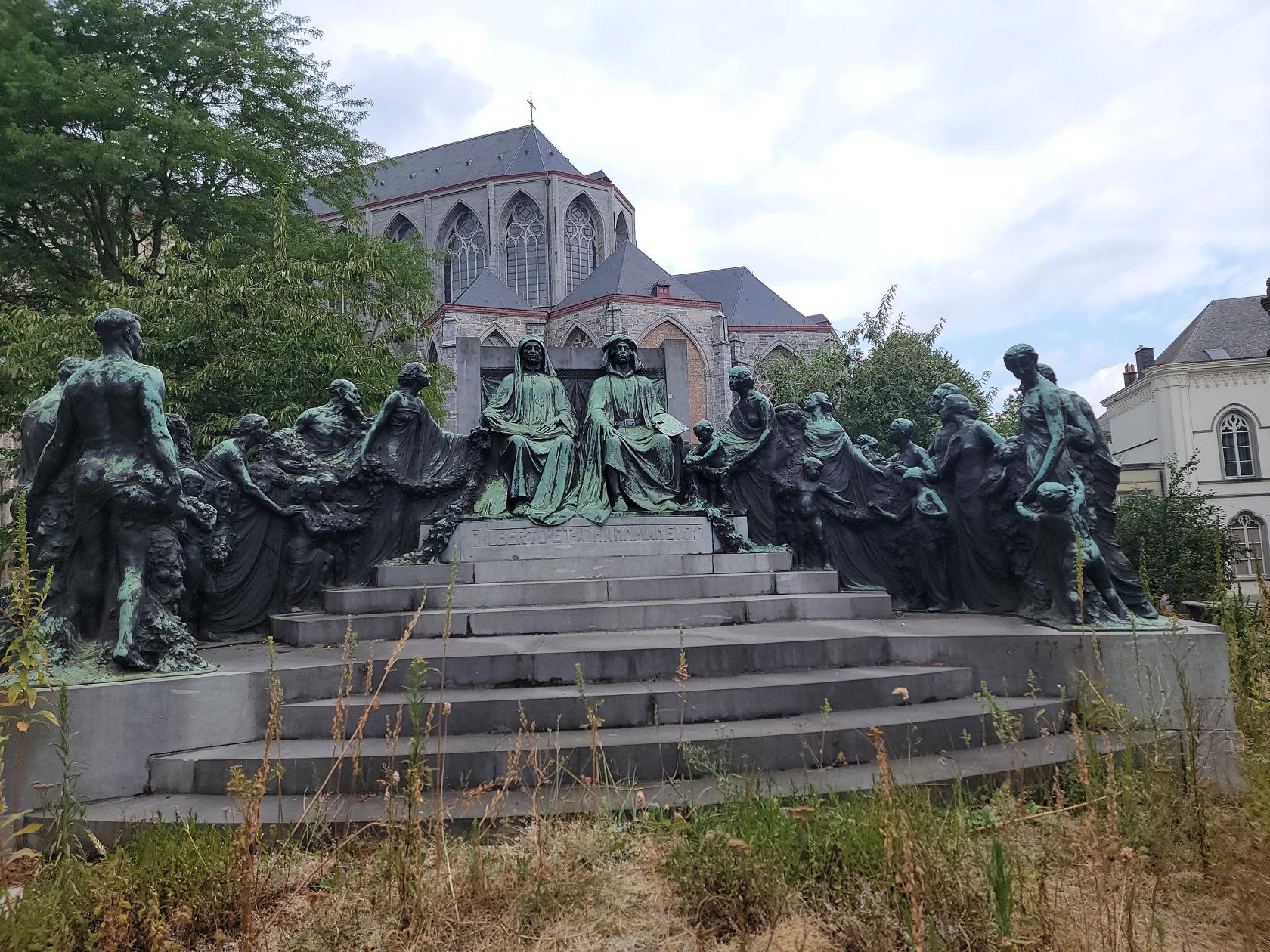
Van Eyck Brothers Monument – Gent, Belgium
Van Eyck Brothers Monument – Gent, Belgium
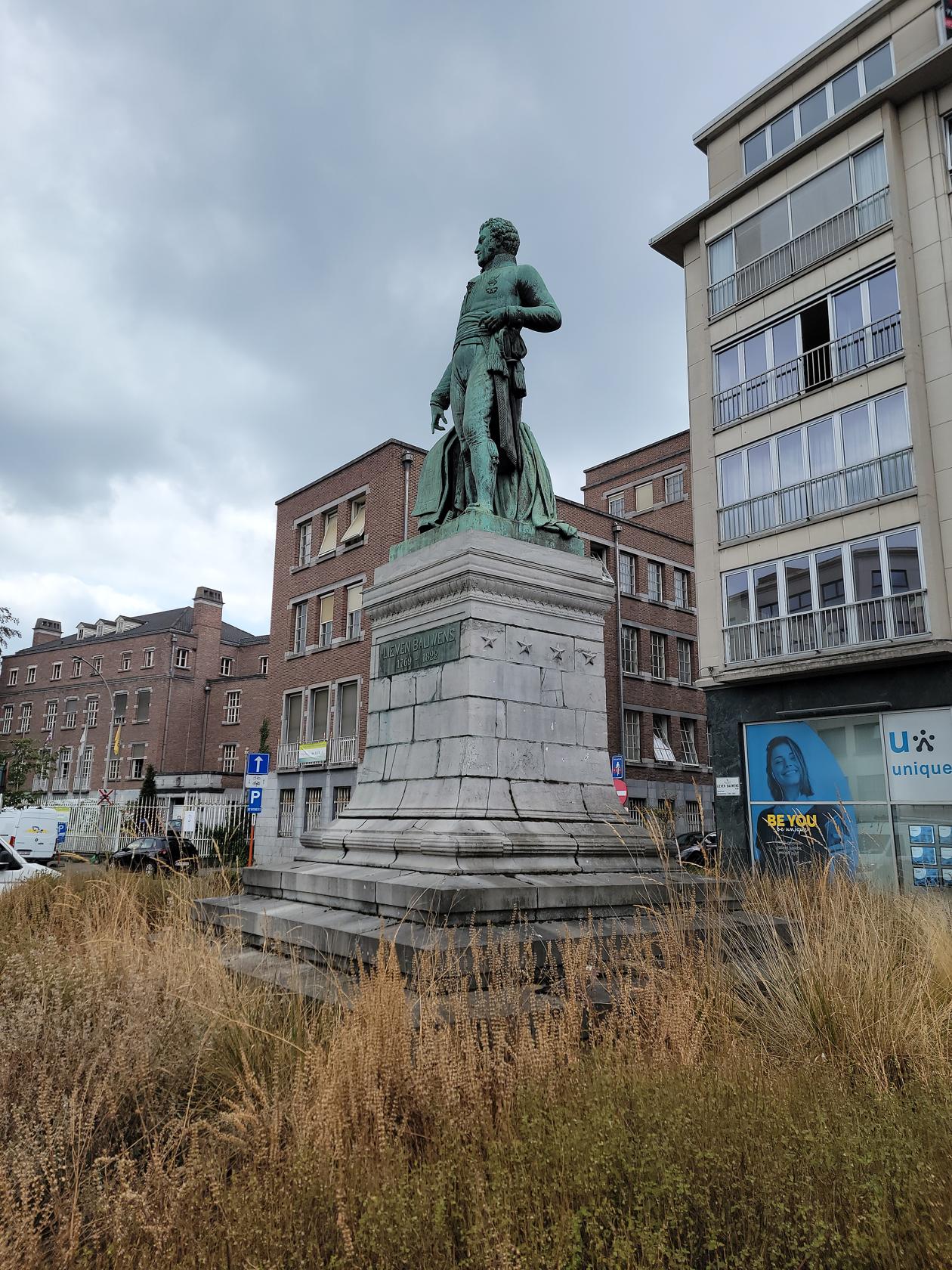
Lieven Bauwen’s Monument – Gent, Belgium
Lakenhalle and Belfry – Gent, Belgium
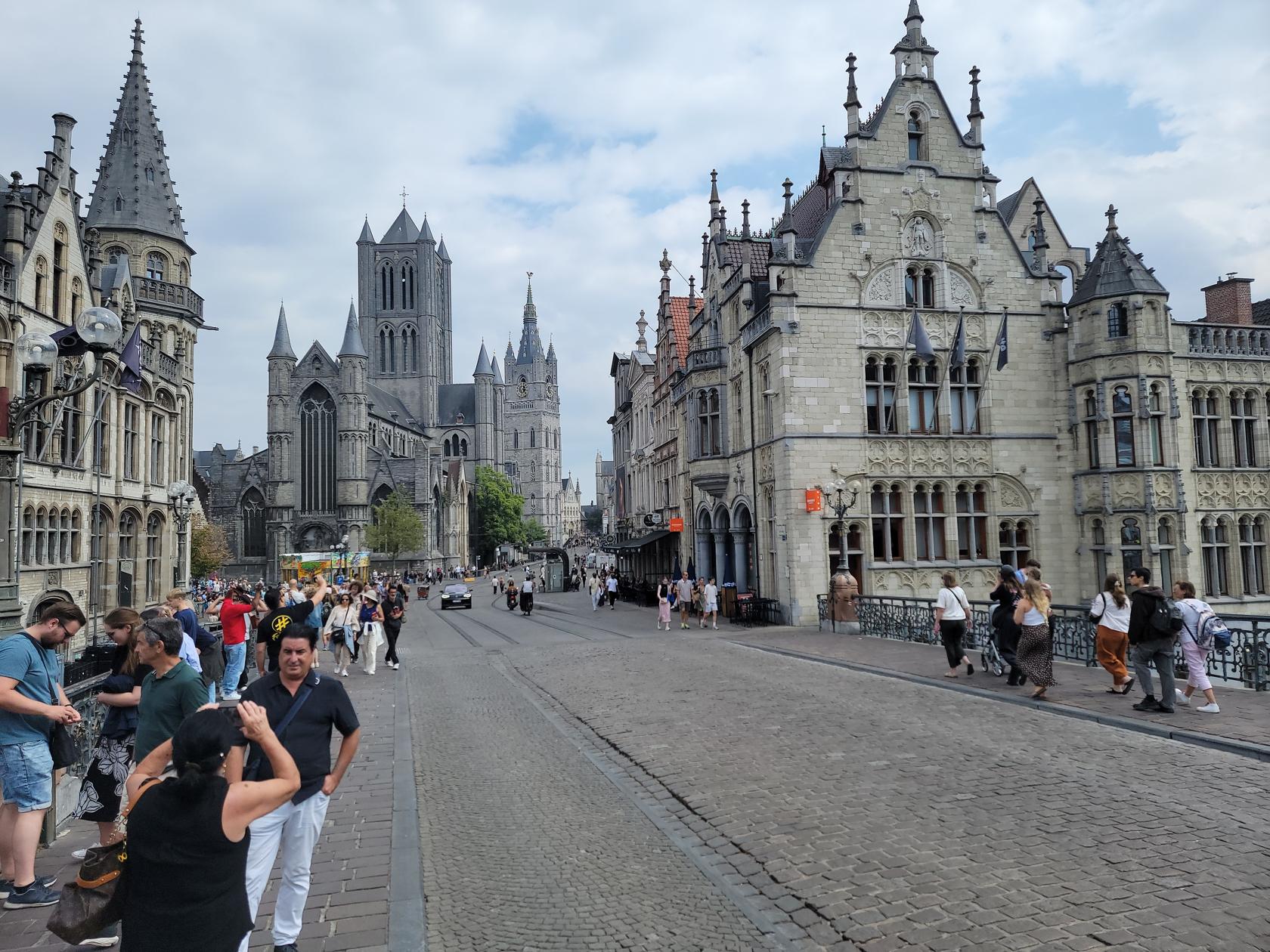
Saint Nicholas’ Church – Saint Michel’s Bridge – Gent, Belgium
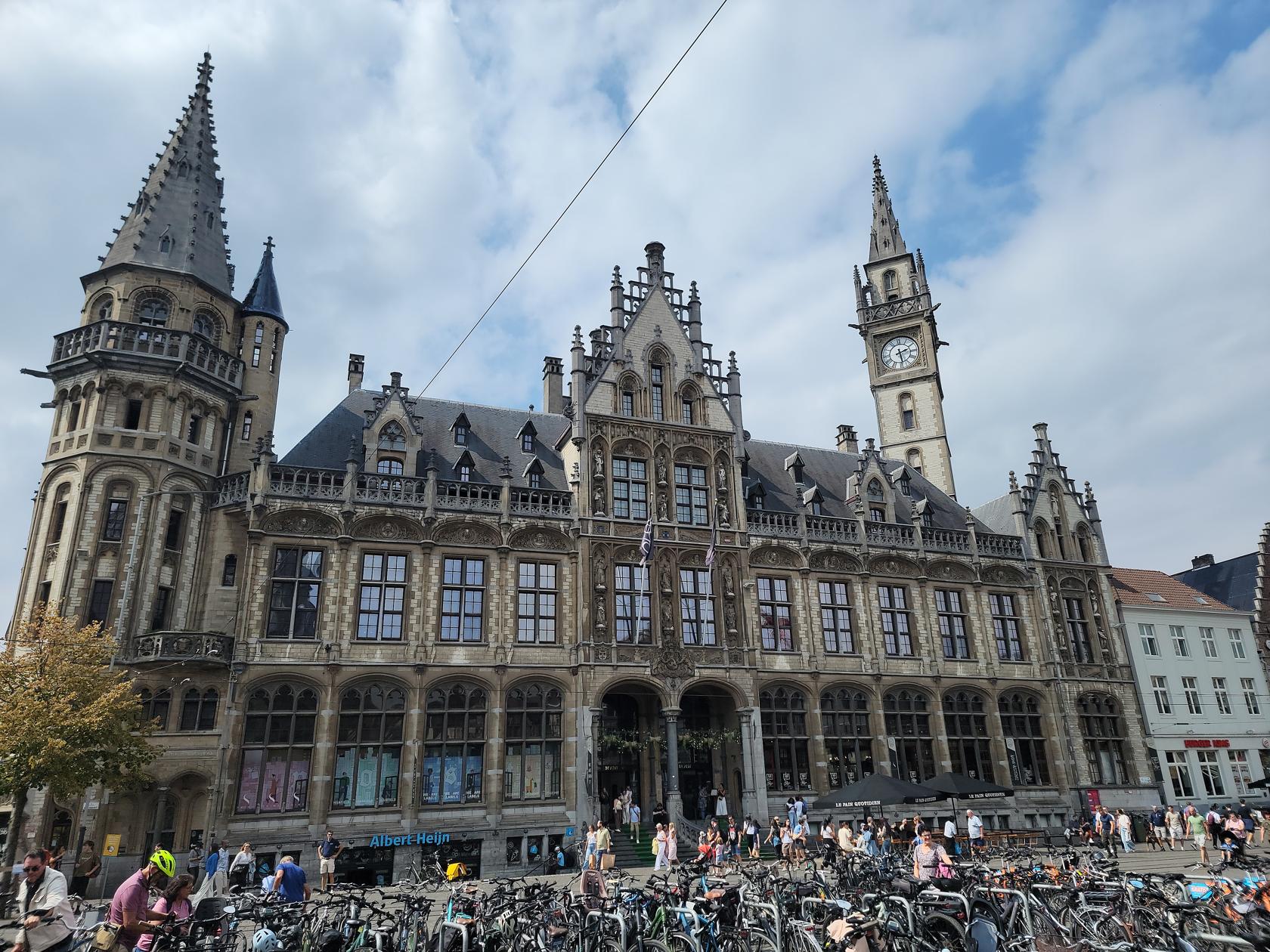
Old Post Office – Kroenenmarkt – Gent, Belgium
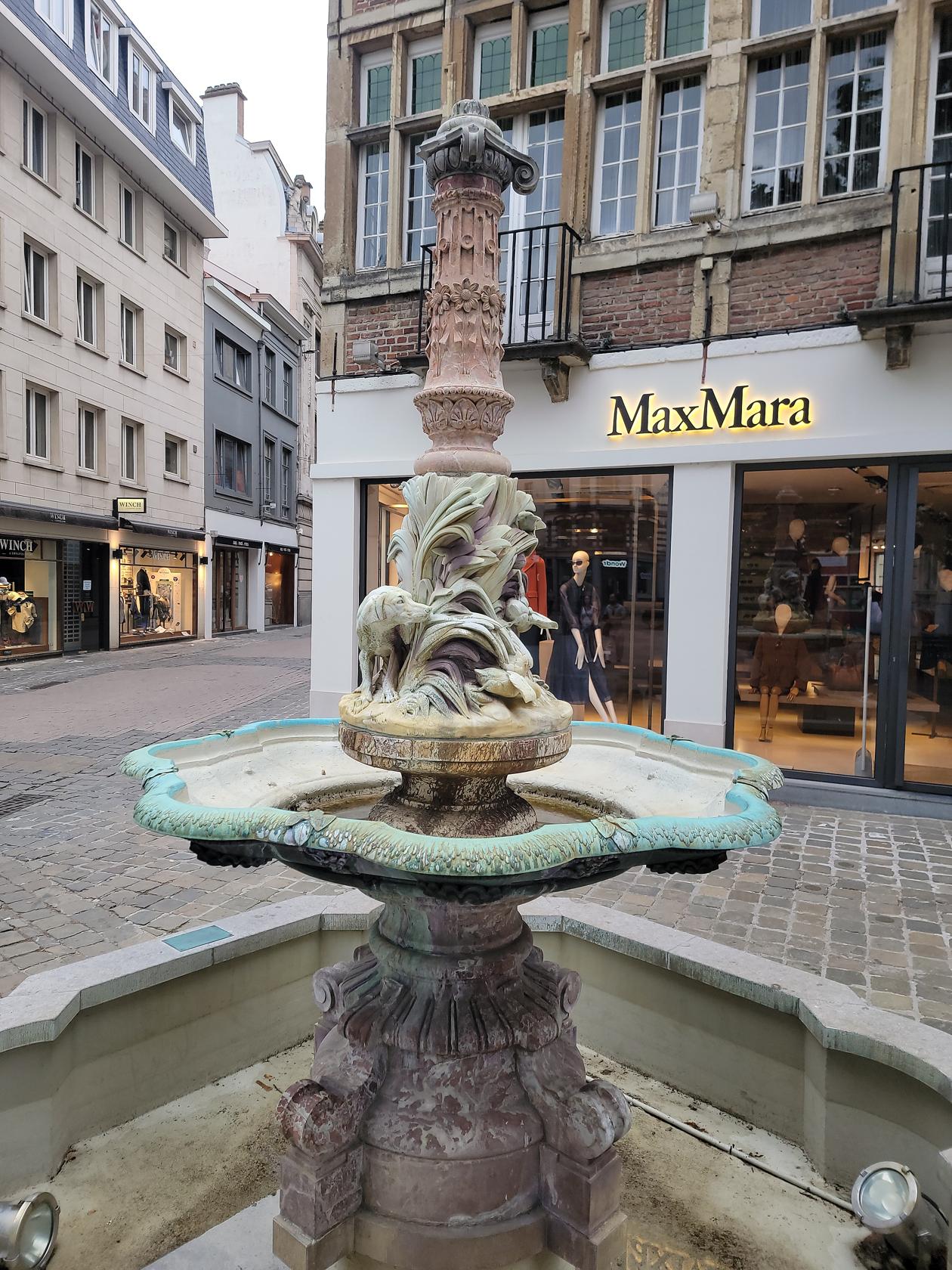
Fontein – Gent, Belgium
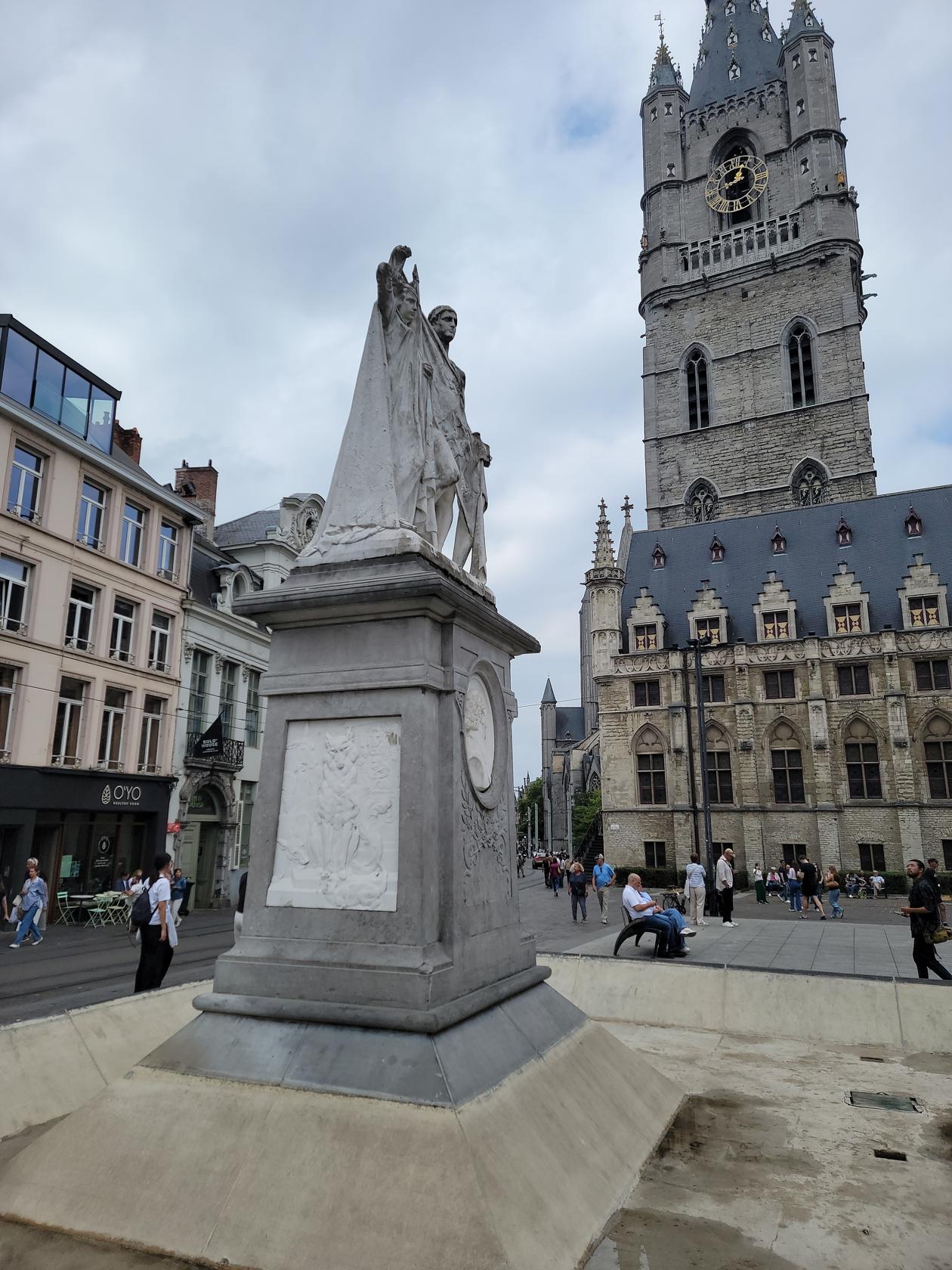
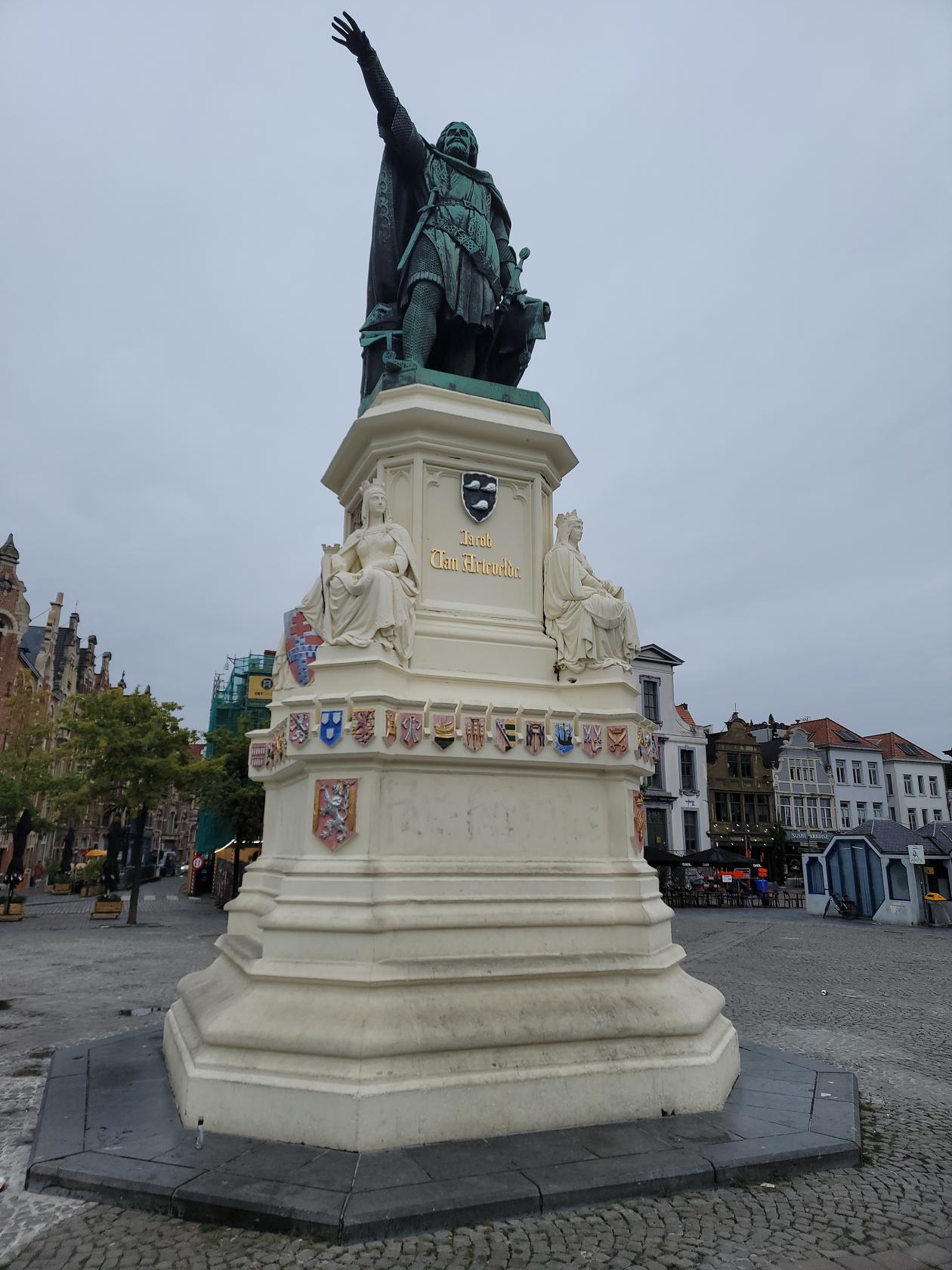
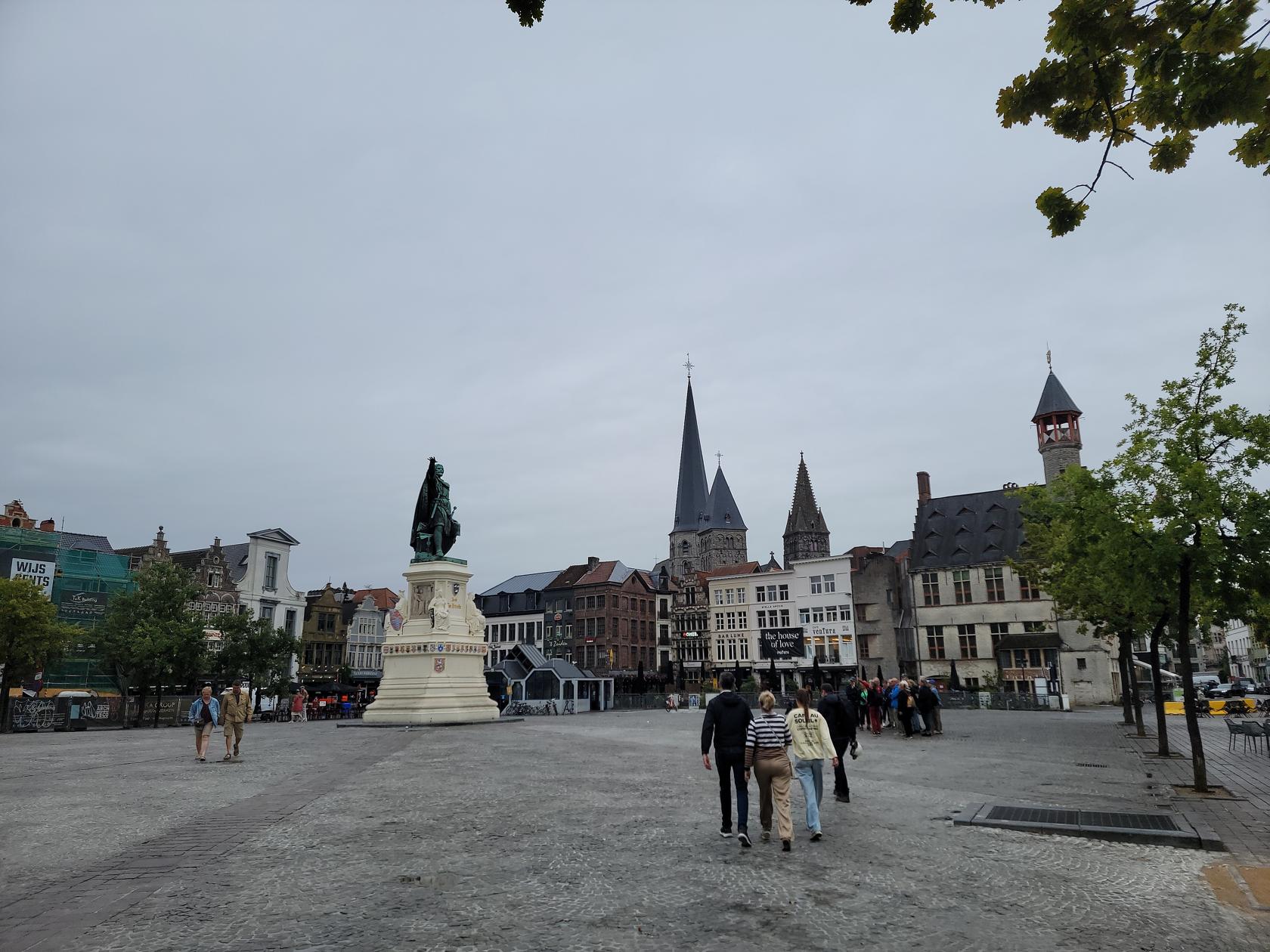
Jacob van Artevelde Monument – Vrijdagmarkt – Gent, Belgium
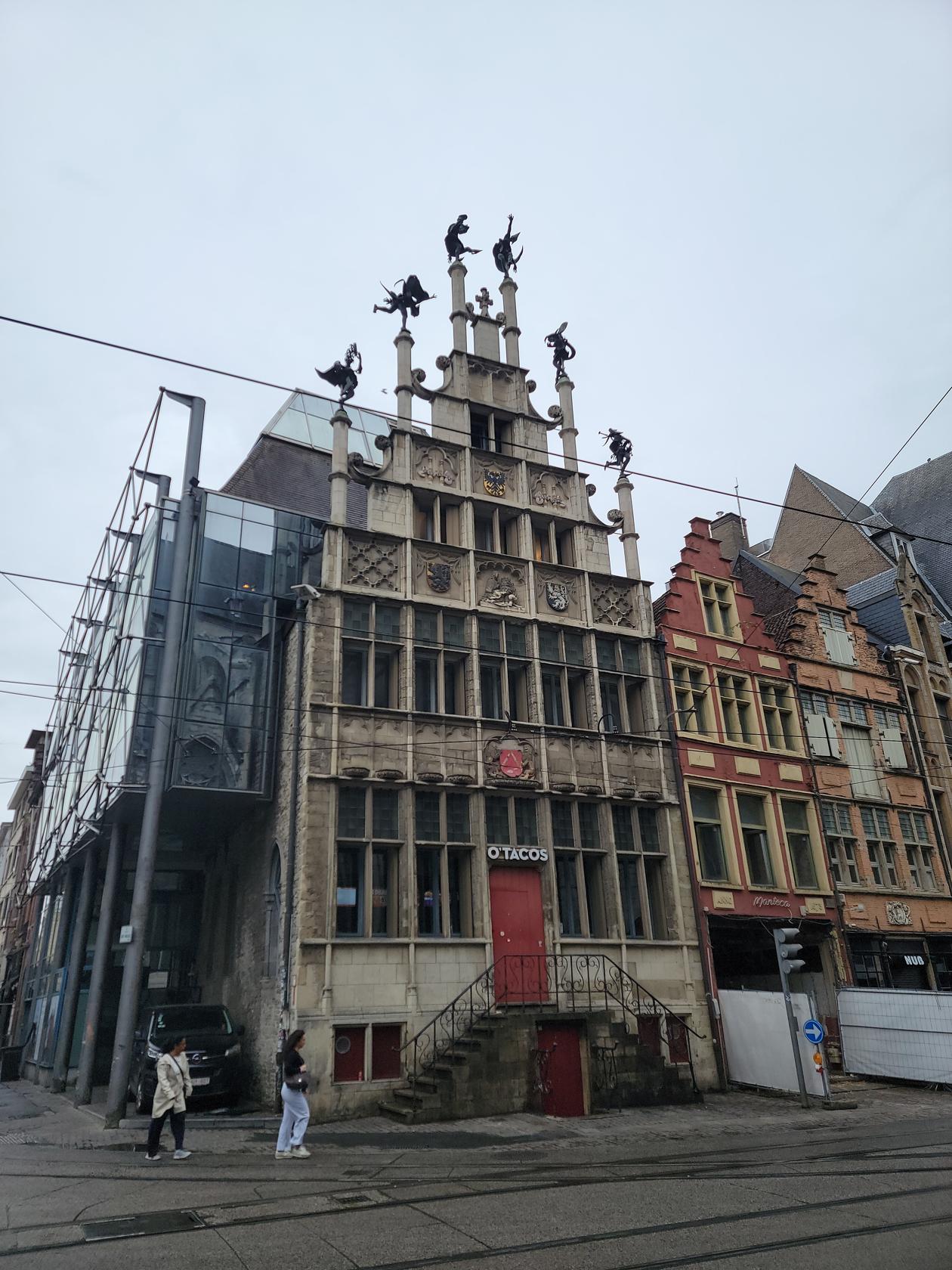
Metselaarhuis – Gent, Belgium
Fontein der Geknielden – Gent, Belgium
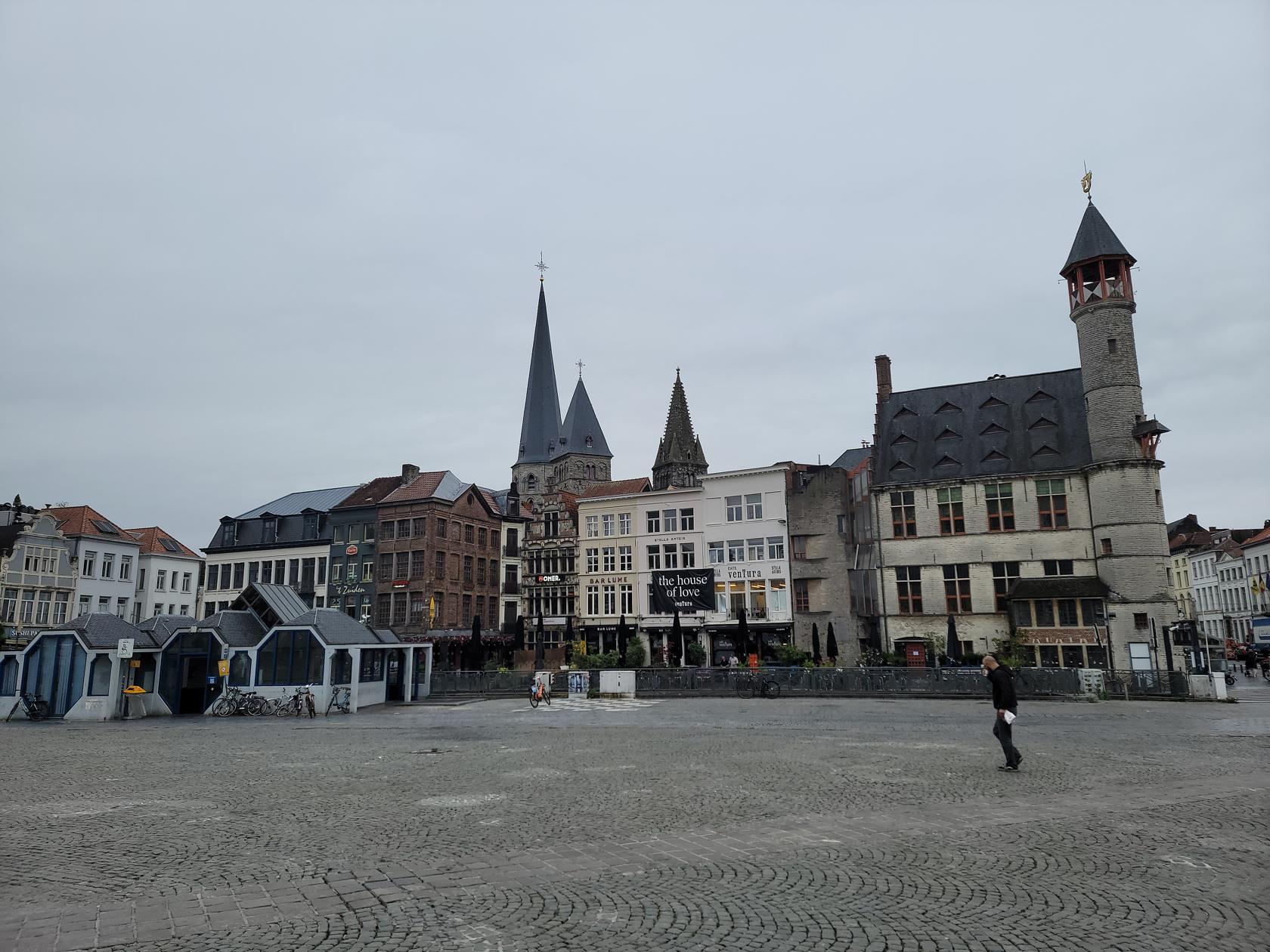
Vrijdagmarkt – Gent, Belgium
Vrijdagmarkt – Gent, Belgium
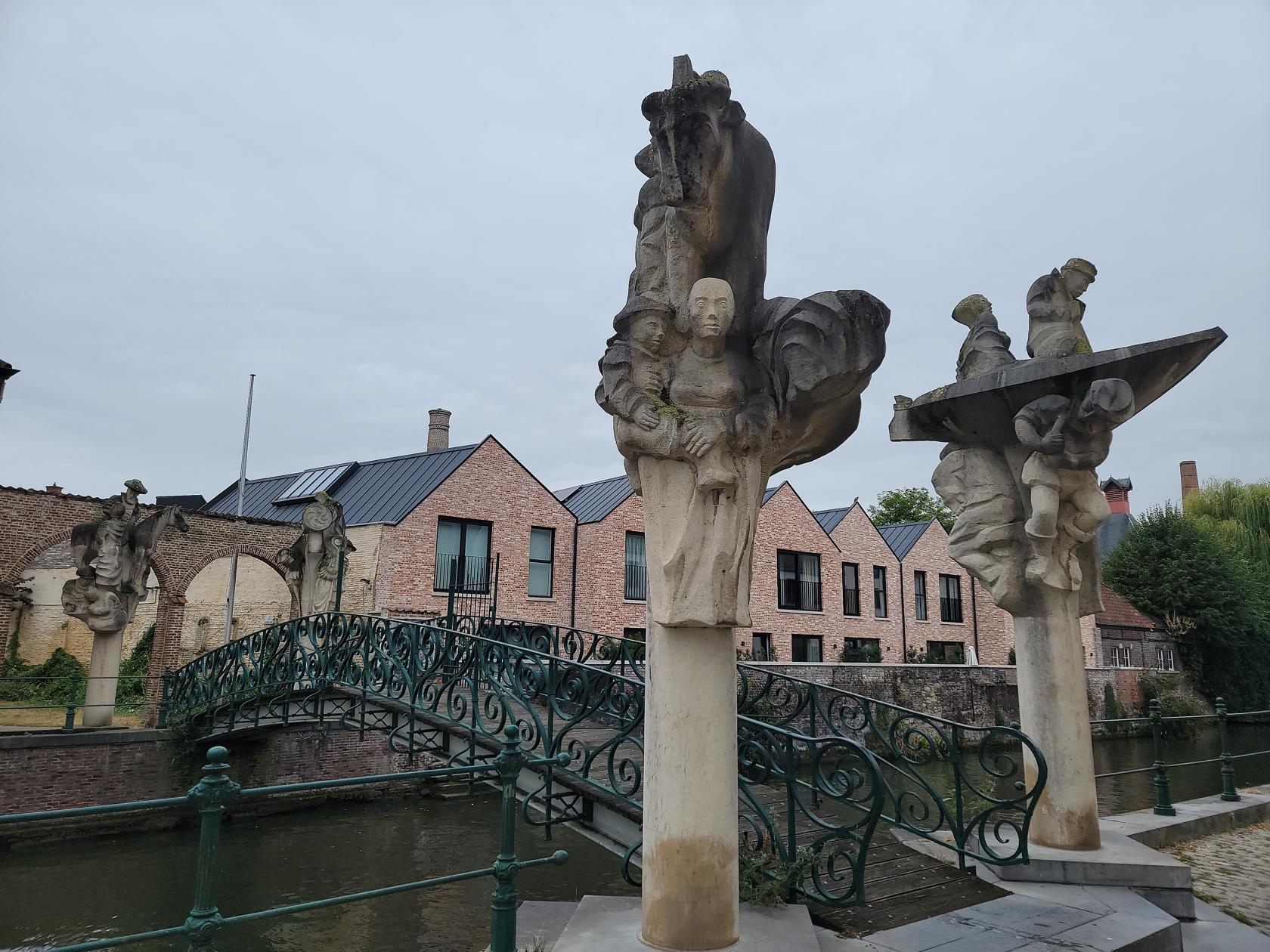
Bridge of Imperial Delights – Lieve Canal – Gent, Belgium
Rabot – Lieve Canal – Gent, Belgium
Sire van Maldegem – Sint Veerleplein – Gent, Belgium
Antigua Lonja de Pescado Oude Vismijn – Sint Veerleplein – Gent, Belgium
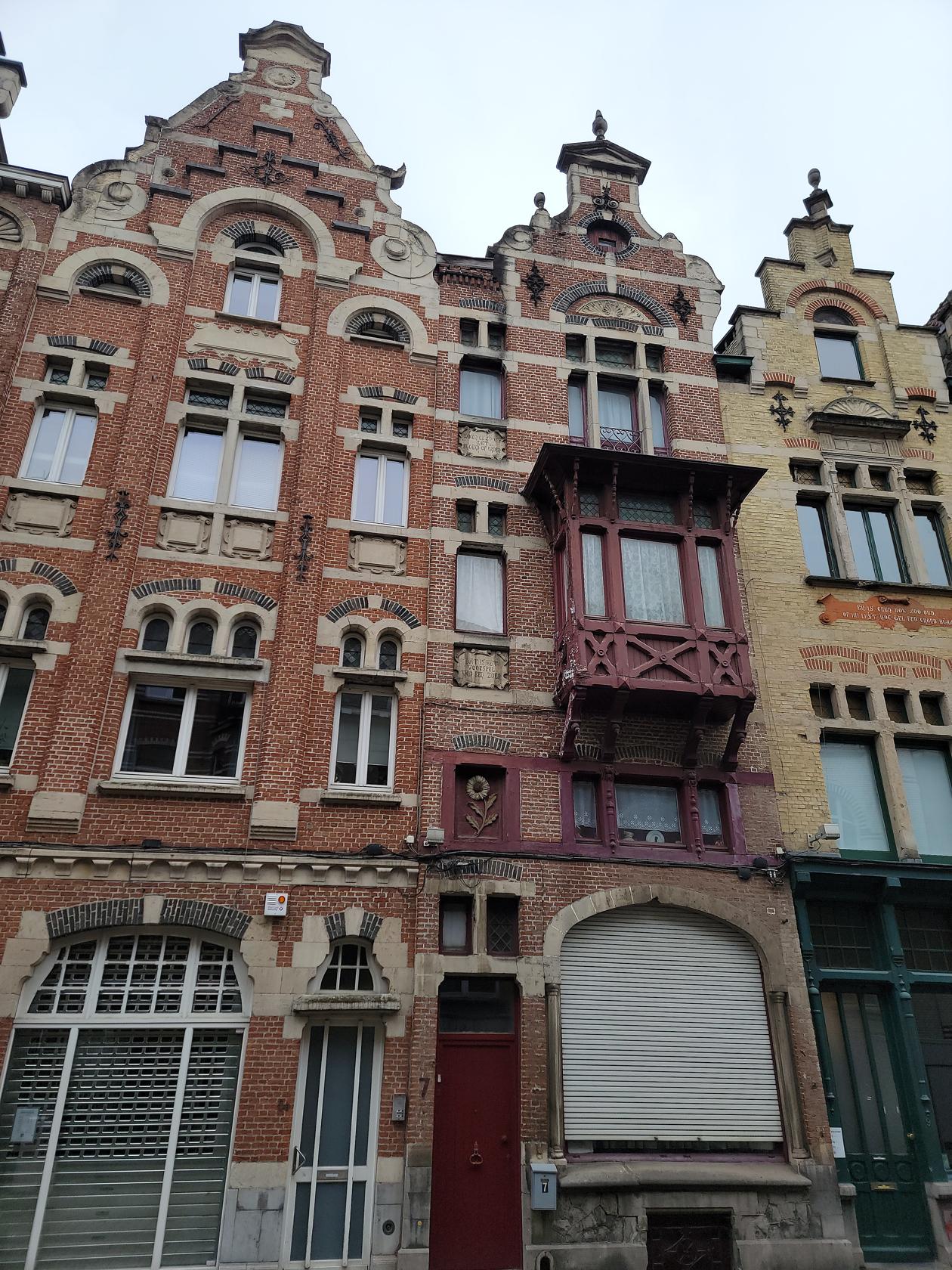
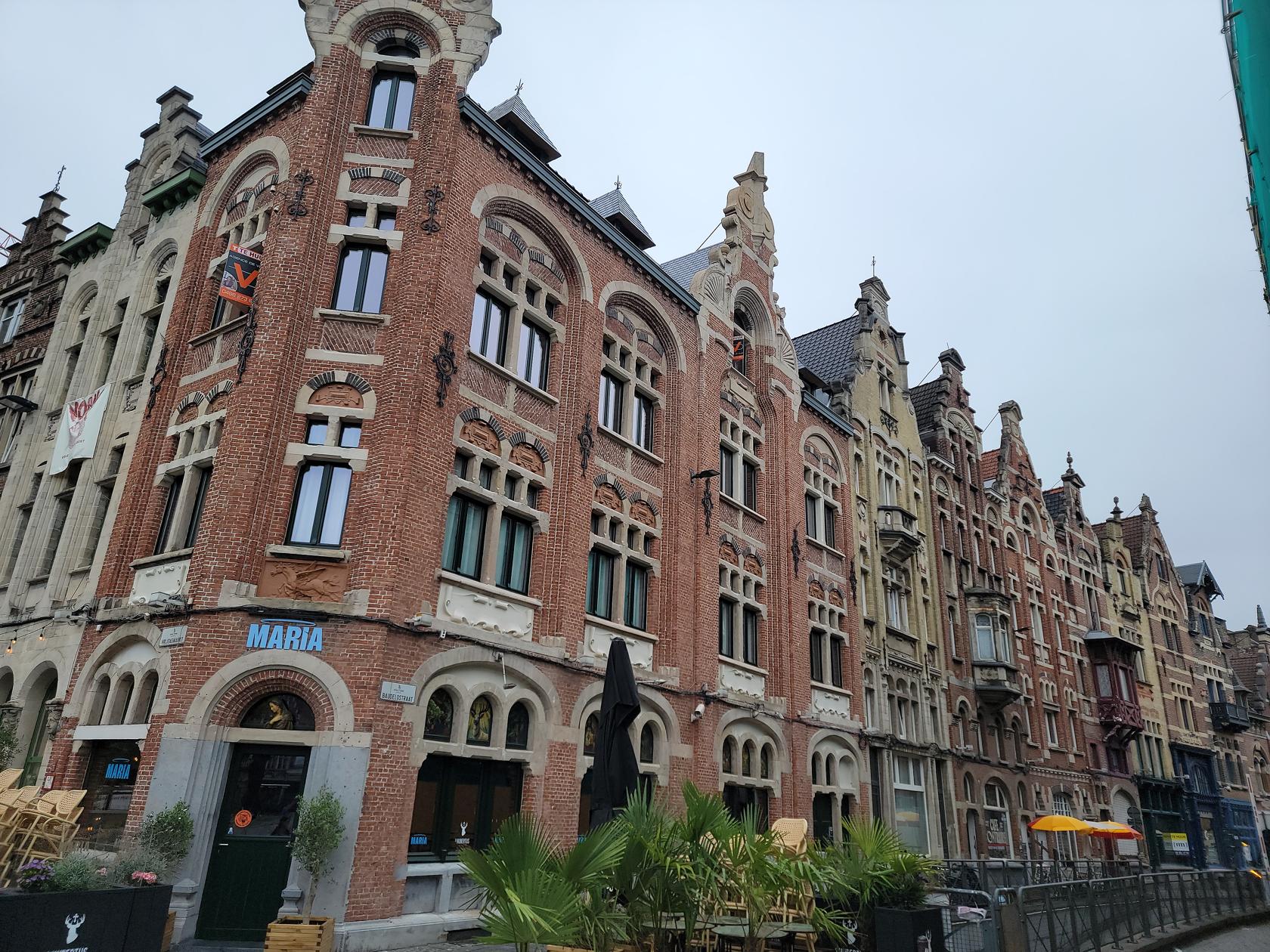
Eclectic House Row – Baudelostraat – Gent, Belgium
Eclectic House Row – Baudelostraat – Gent, Belgium
Eclectic House Row – Baudelostraat – Gent, Belgium
Churches And Cathedrals
There are two cathedrals in Gent, each one has its unique charm. There are also a number of churches that may also be visited, but times are restricted and you must check the schedules.
Saint Nicholas Church
More in the center of town and off the Korenmarkt is Saint Nicholas’ church of Christmas fame. An obviously underused and underkept church in the vicinity which is mostly grey outside and inside. There are many things boarded up when we visited, though no active renovations appeared to have been started. It is actually quite a shame since this is one of the oldest buildings in the city and one of the oldest churches which was built in the Scheldt Gothic style, which is uncommon.
Outside – Saint Nicholas’ Church – Gent, Belgium
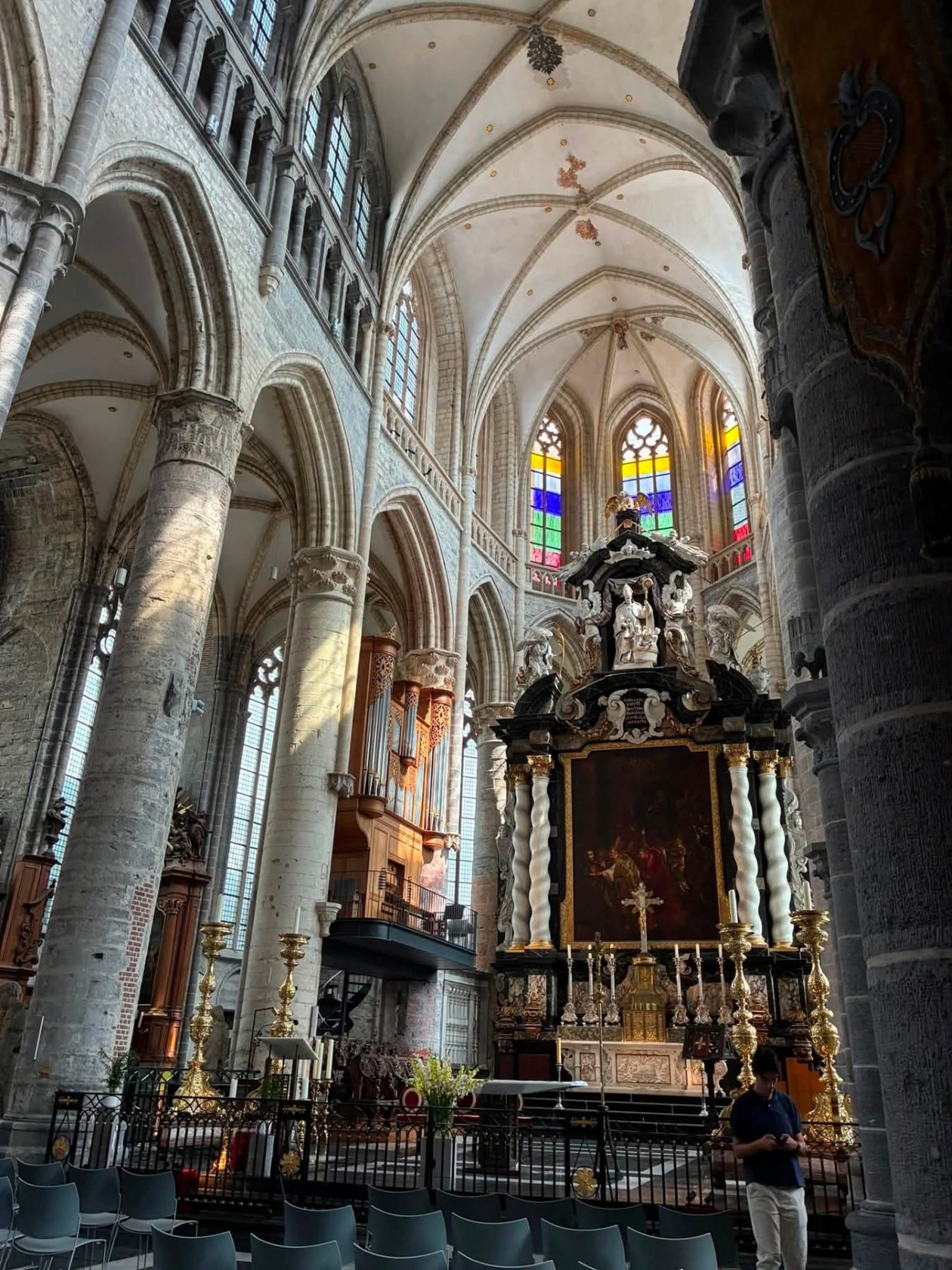
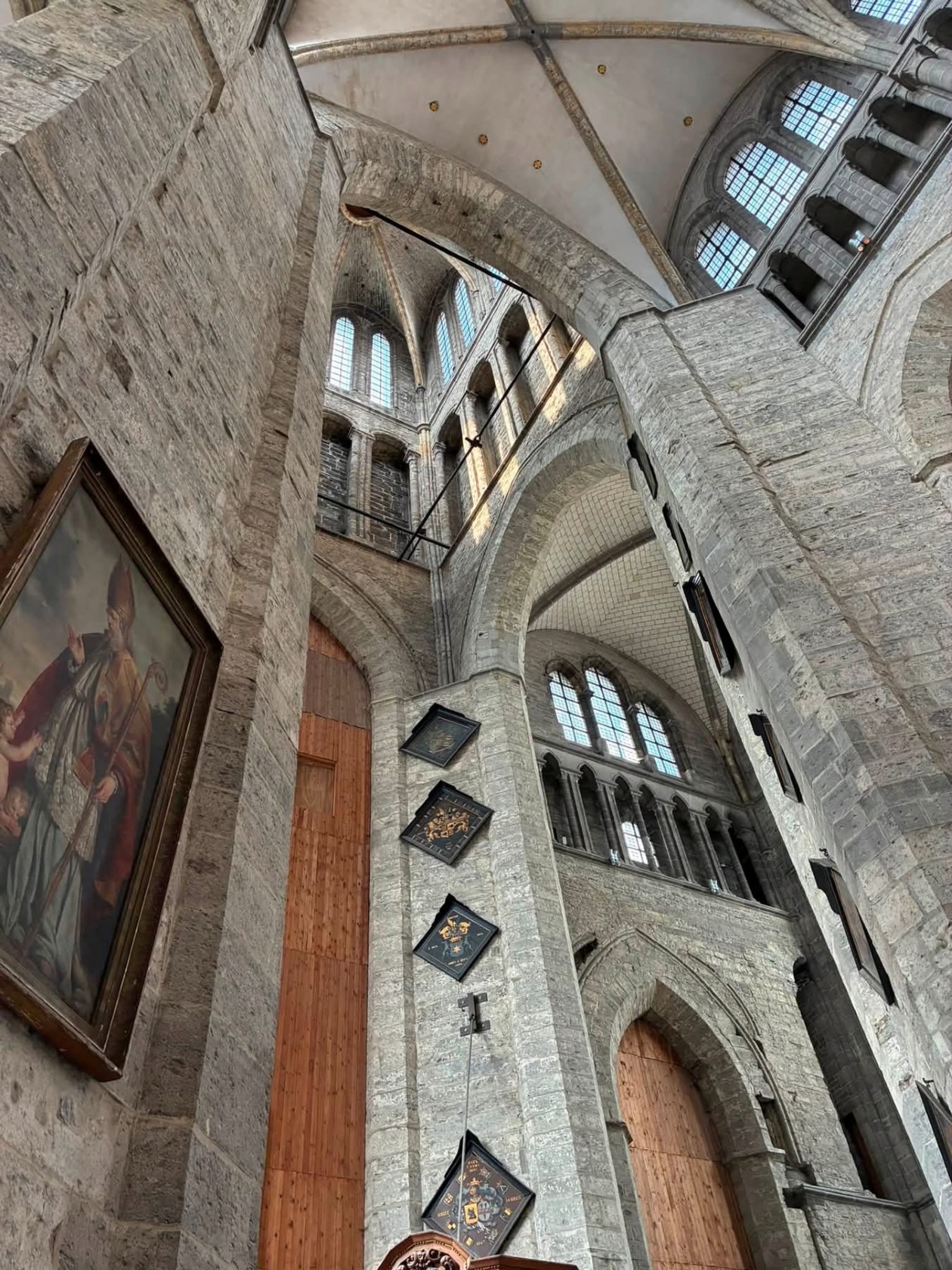
Nave – Saint Nicholas’ Church – Gent, Belgium
Cross – Saint Nicholas’ Church – Gent, Belgium
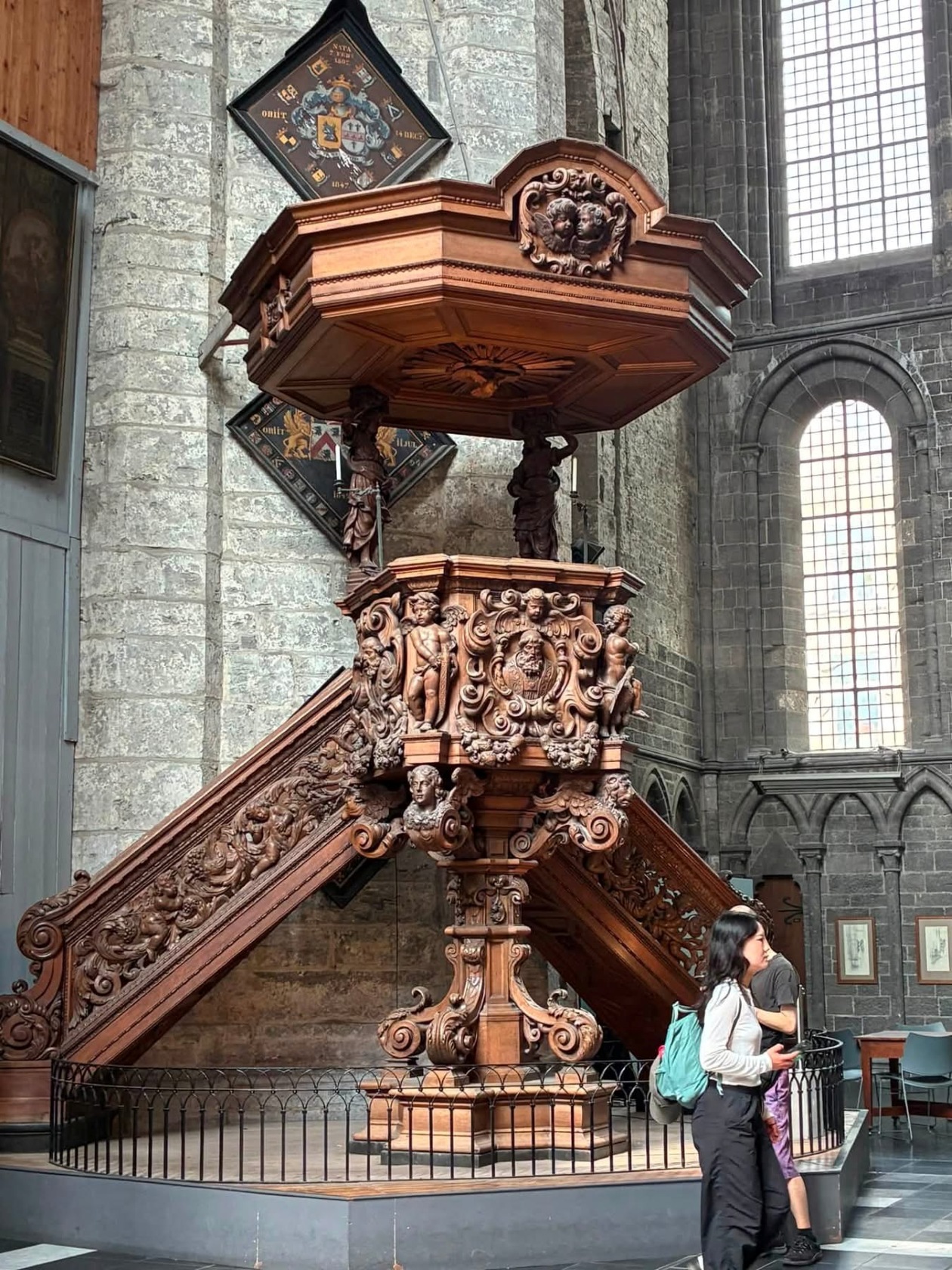
Pulpit – Saint Nicholas’ Church – Gent, Belgium
Saint Bavo’s Cathedral
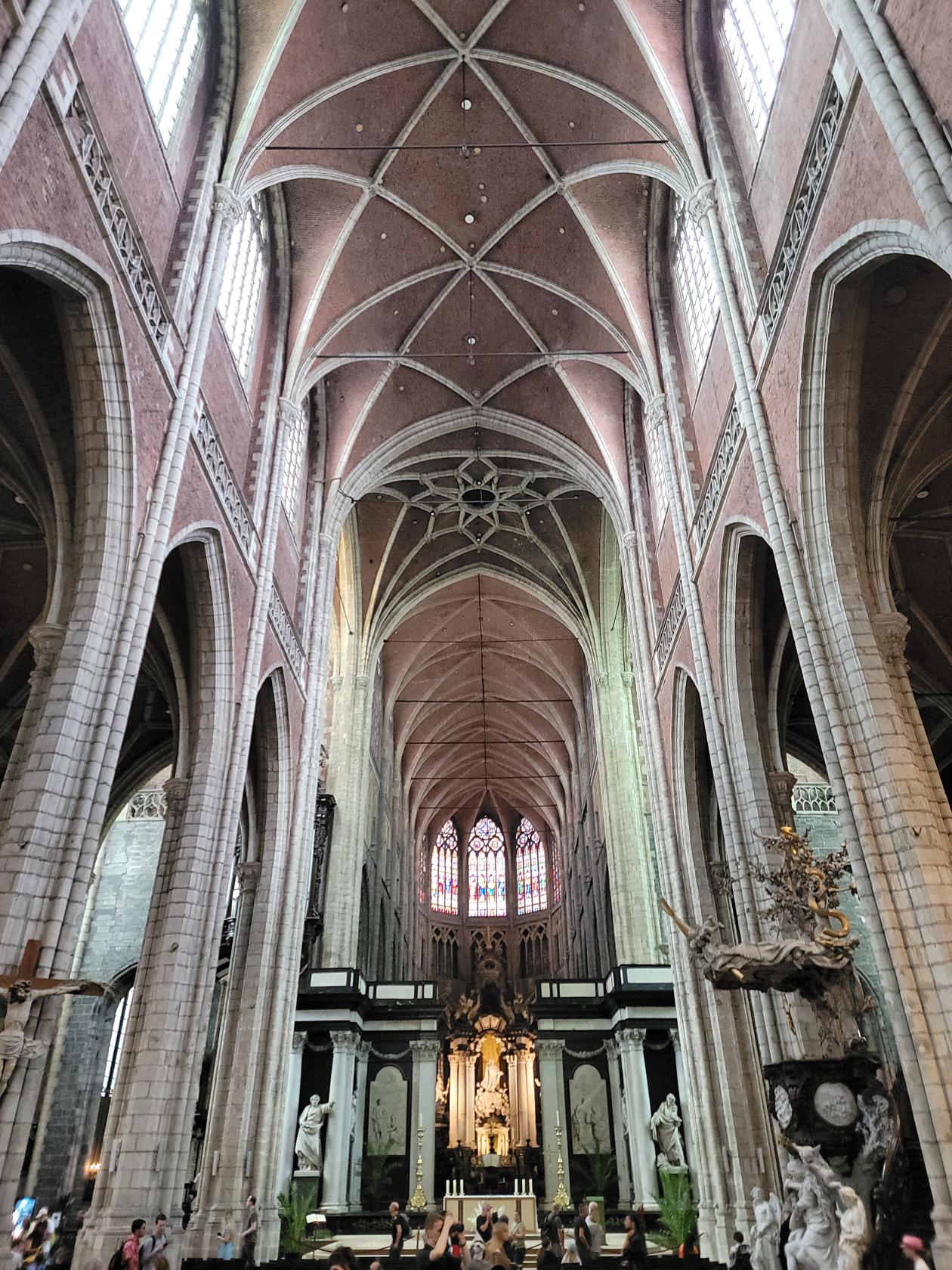
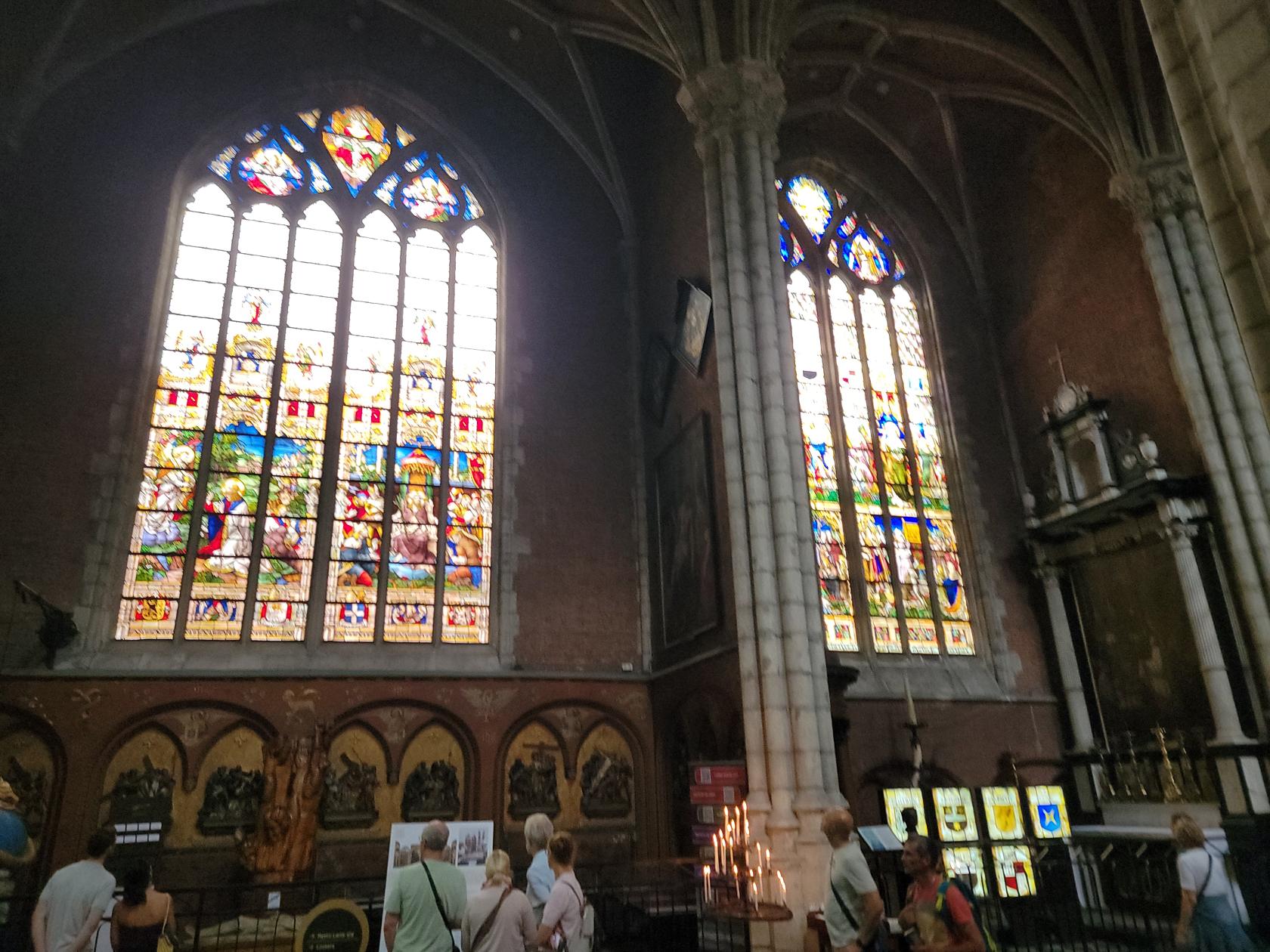
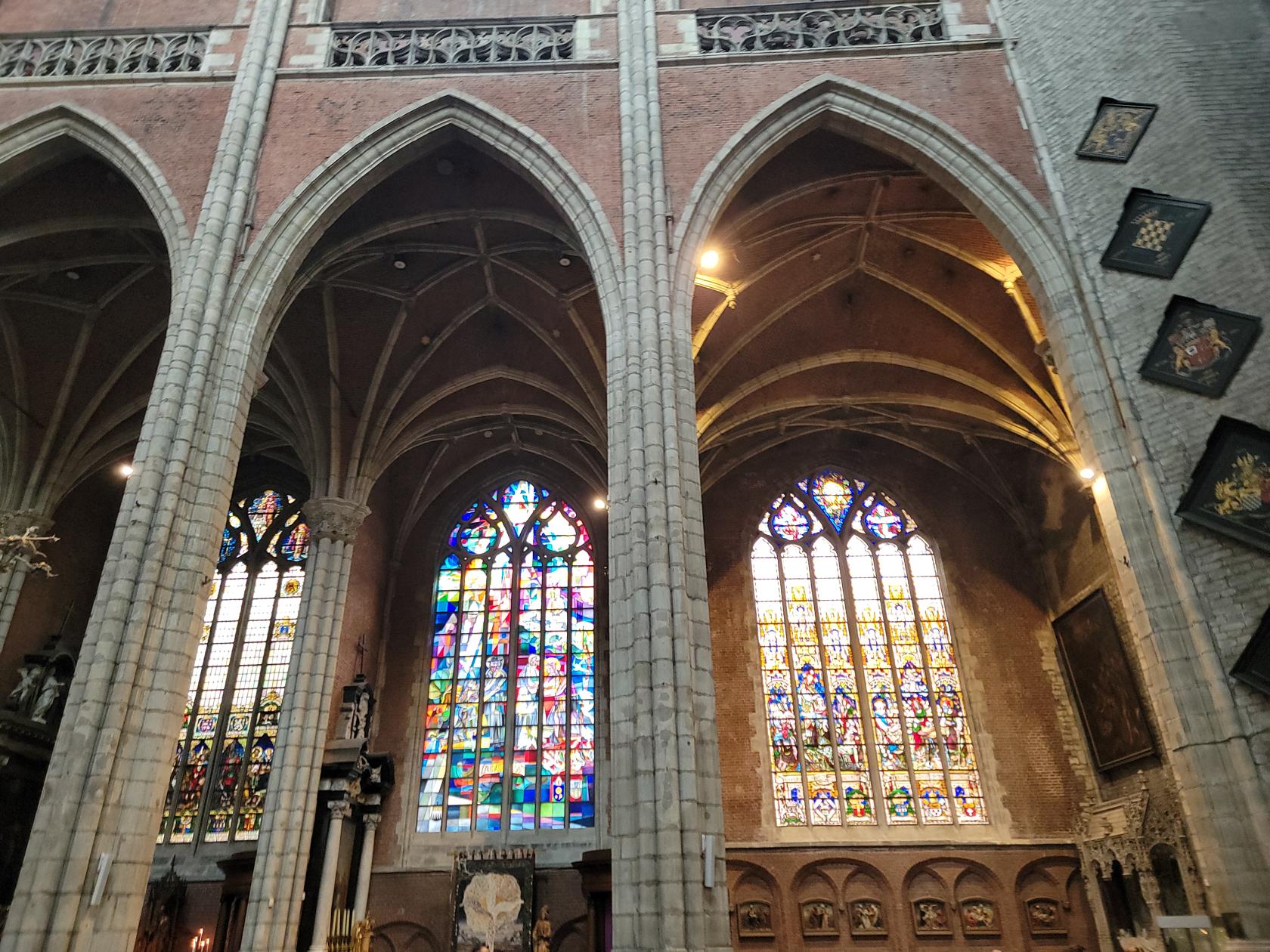
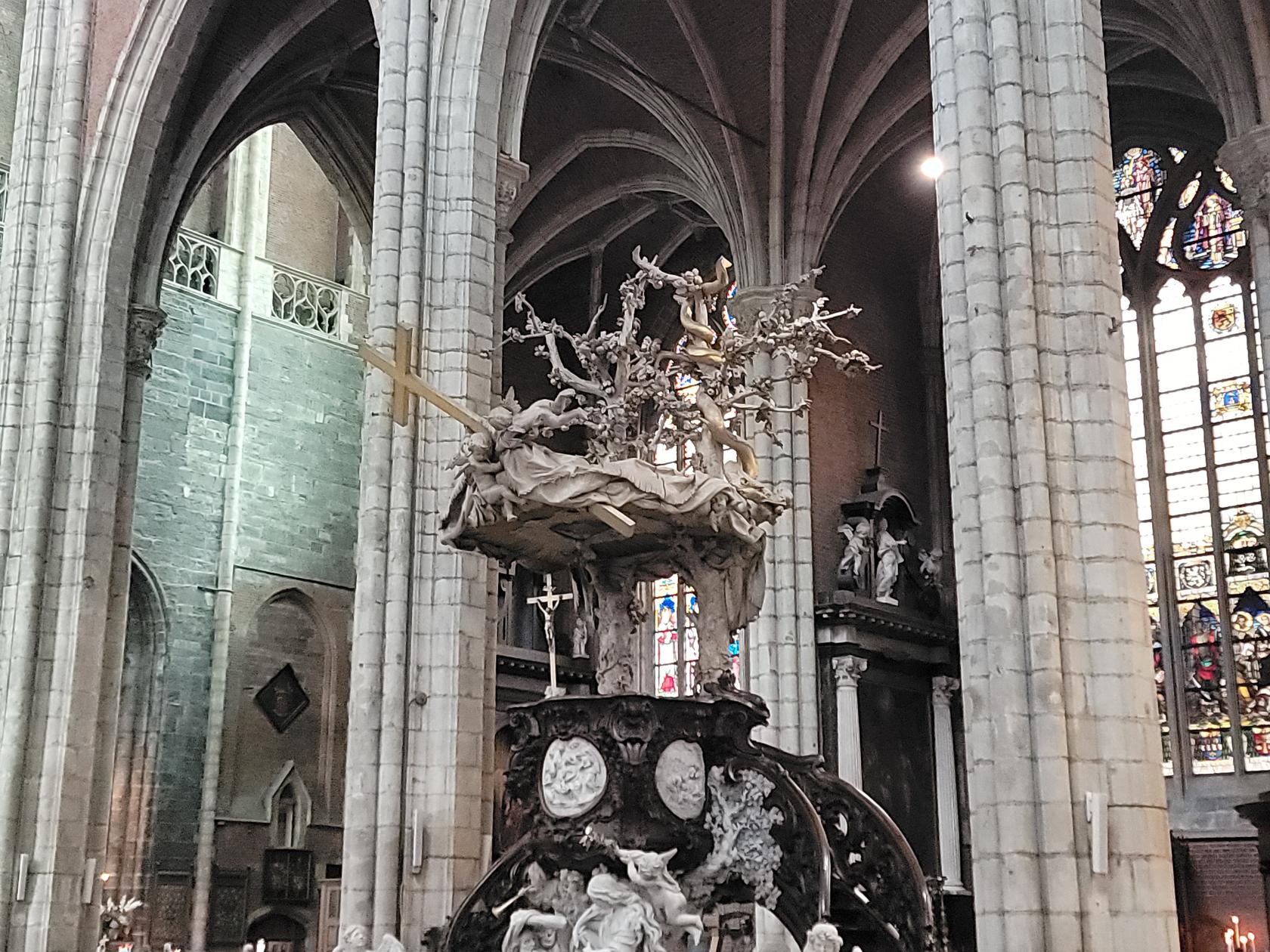
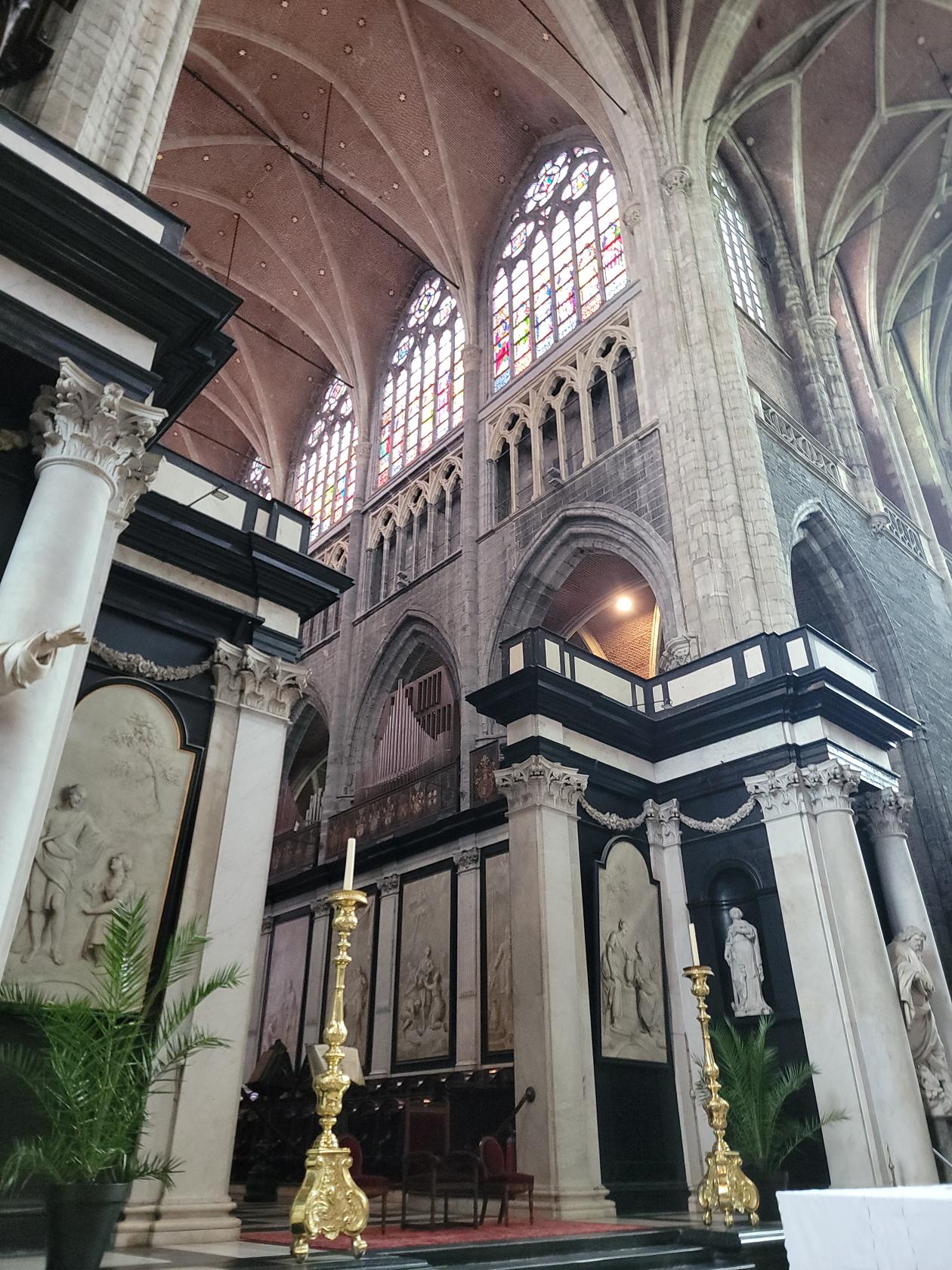
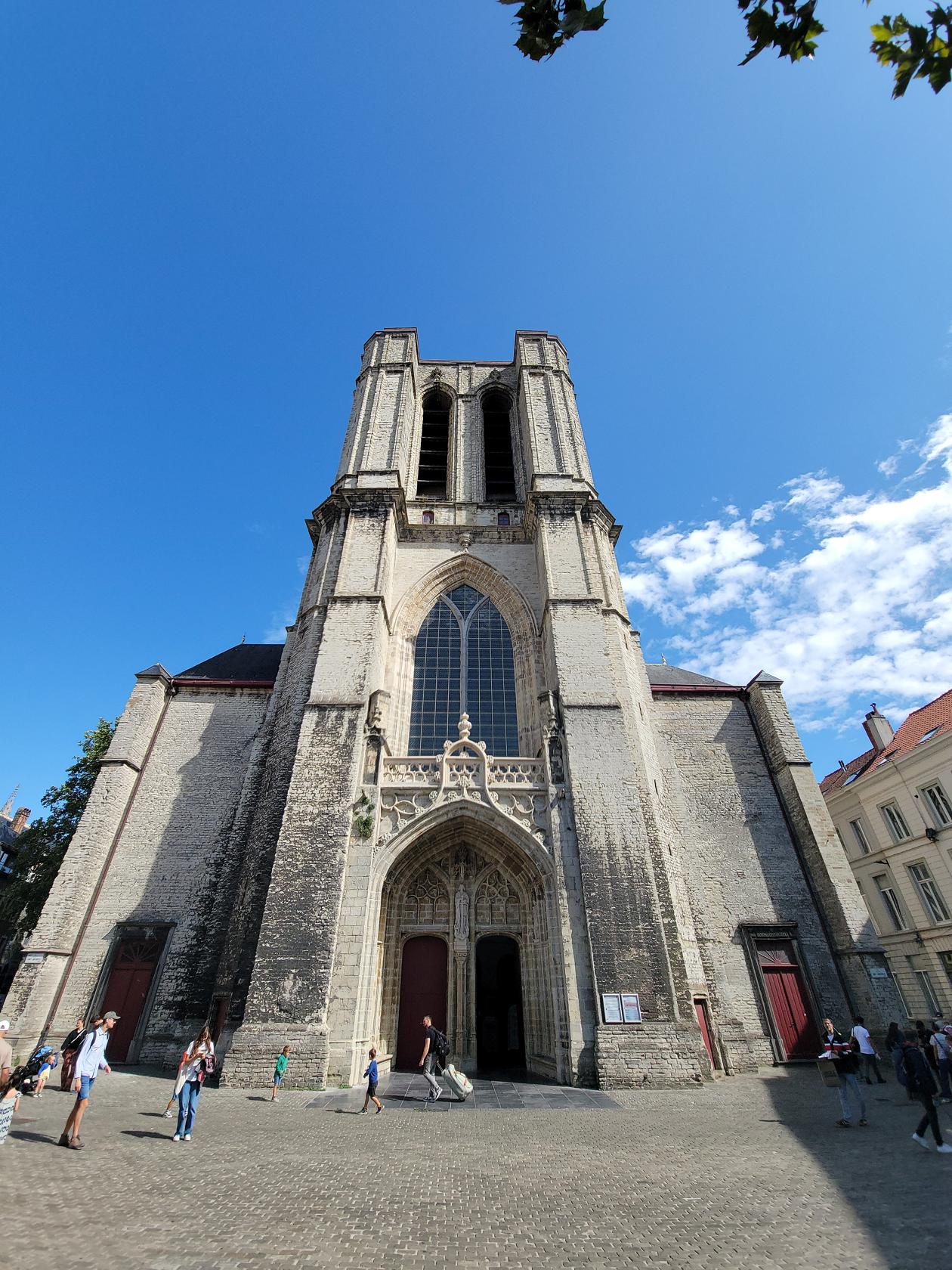
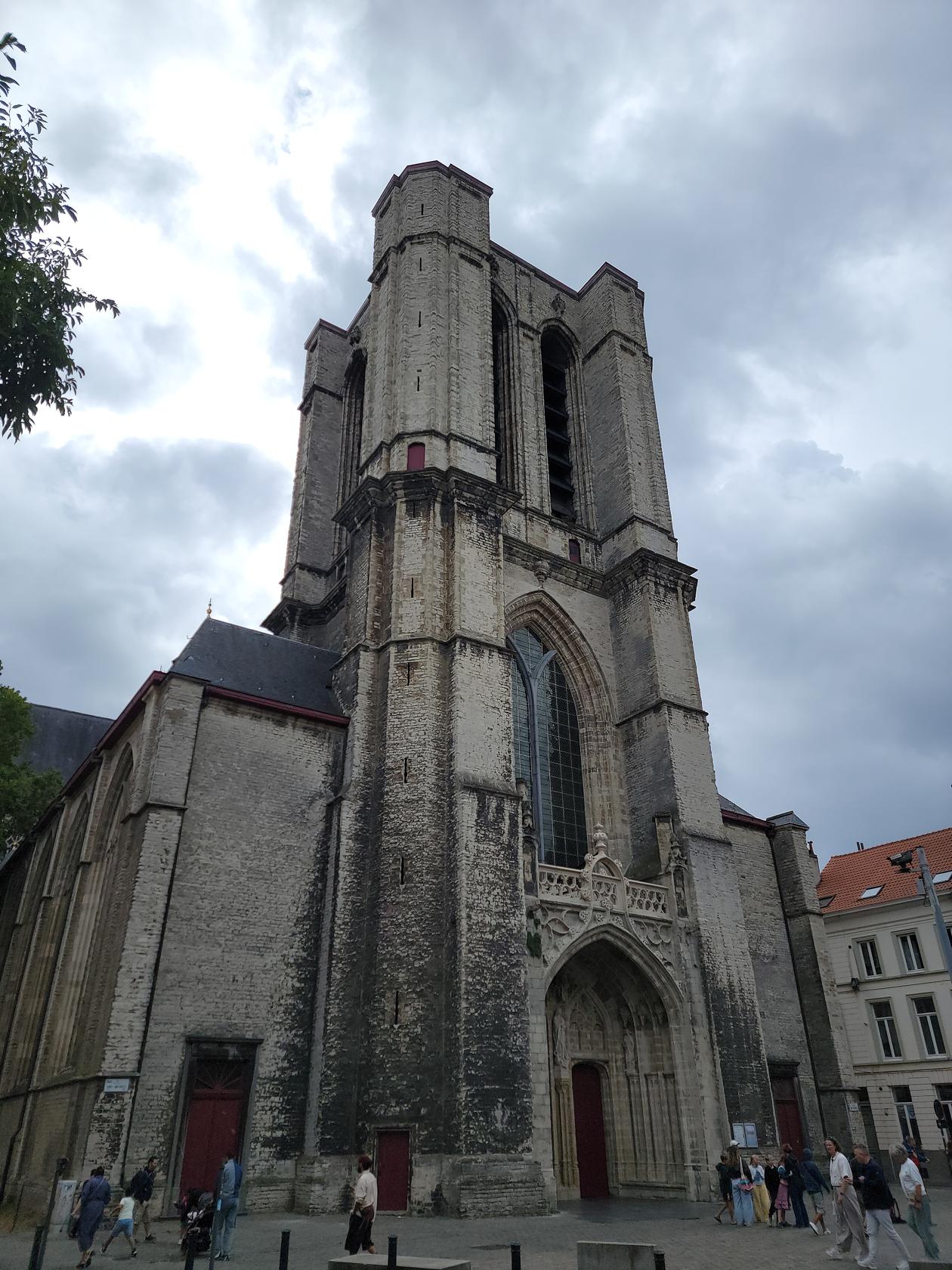
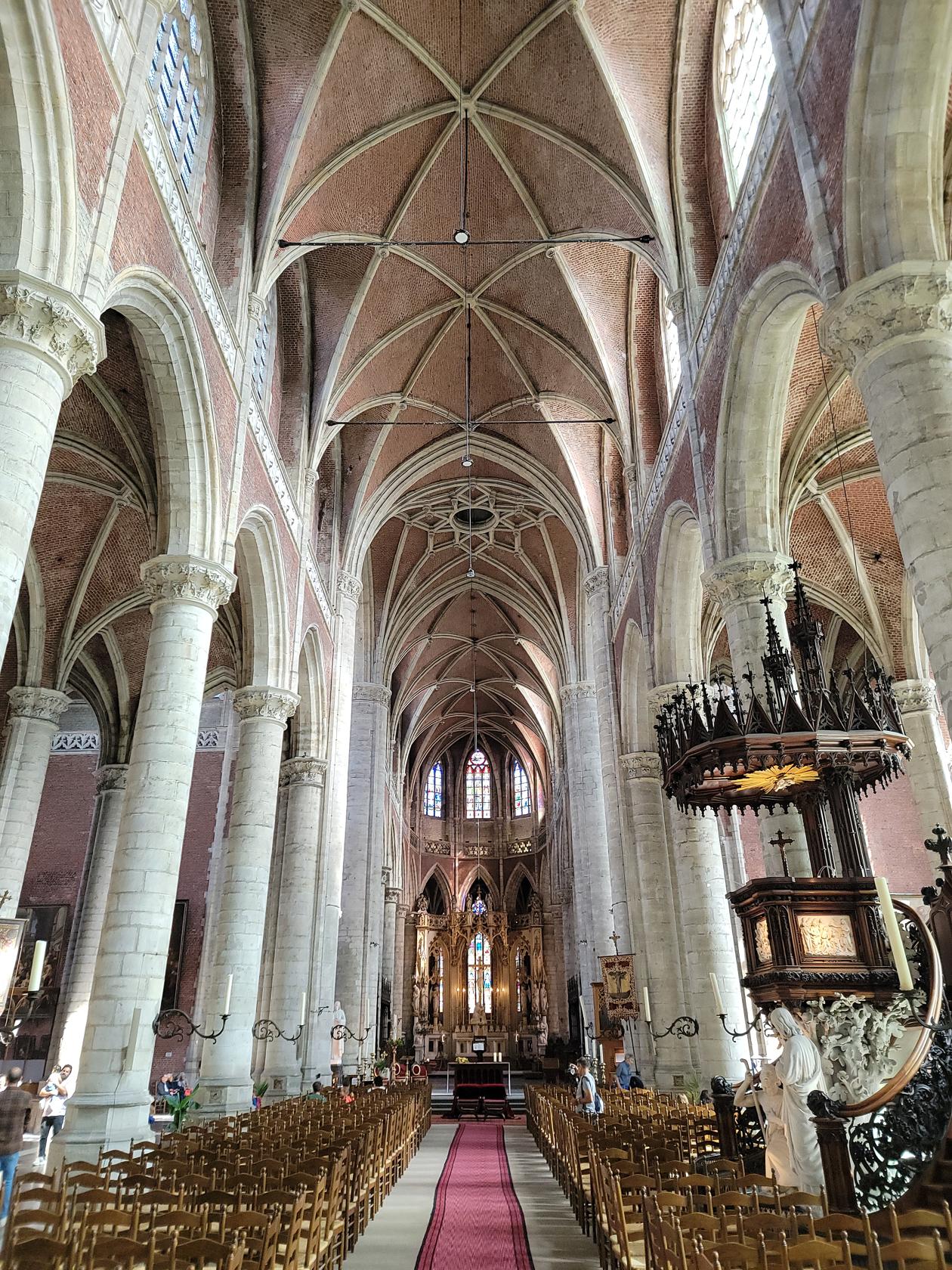
Saint Bavo’s Cathedral is perched on the small hill just off-center to town and across the street from our hotel. It is of typical cathedral design and has a very interest ambulatory and apse, which of course you have pay to go in and see, don’t underestimate the Belgian clergy on how to make a buck.
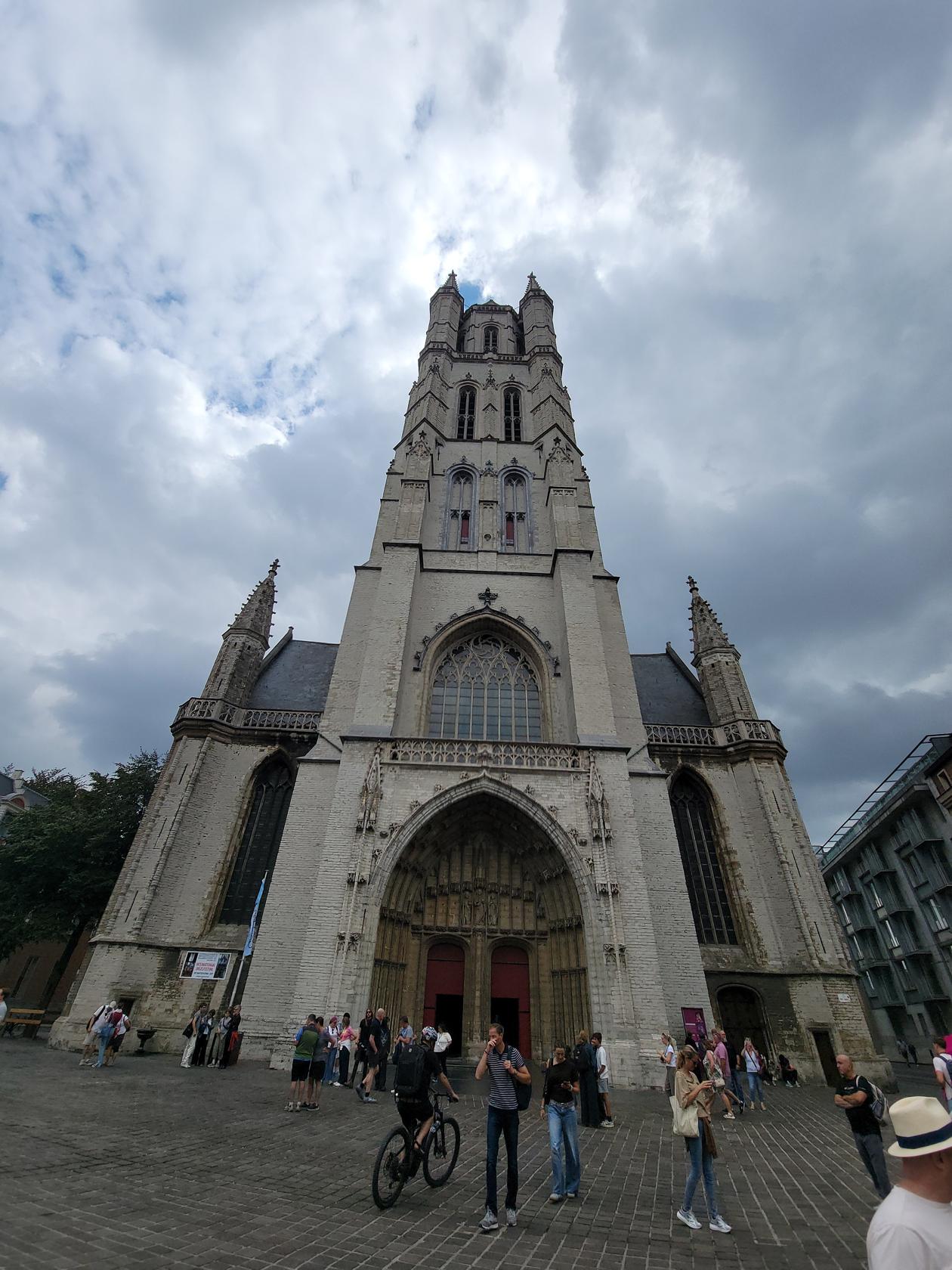
Entrance – Saint Bavos Cathedral – Gent, Belgium
Nave – Saint Bavos Cathedral – Gent, Belgium
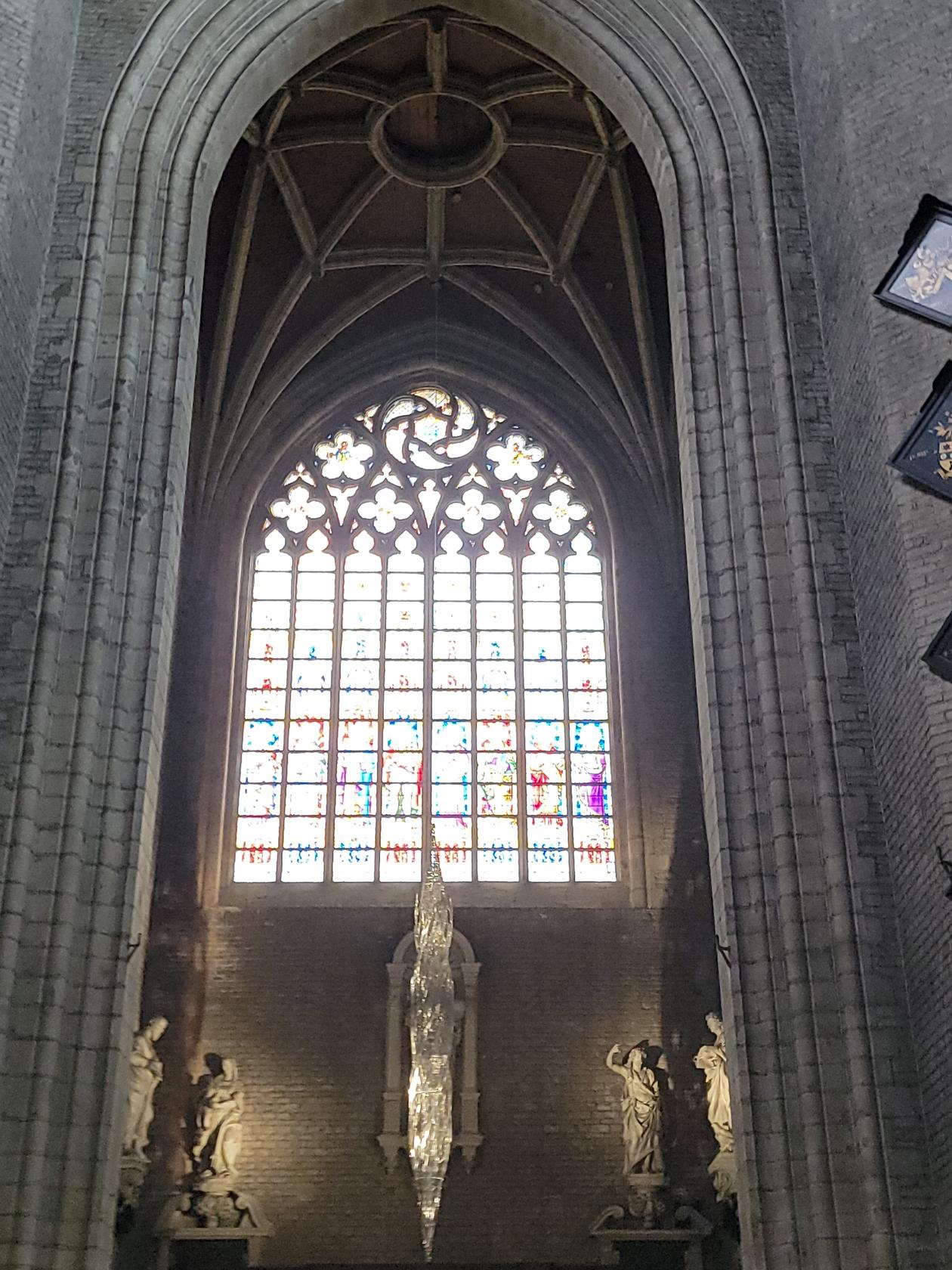
Windows – Saint Bavos Cathedral – Gent, Belgium
Stained Glass – Saint Bavos Cathedral – Gent, Belgium
Pulpit – Saint Bavos Cathedral – Gent, Belgium
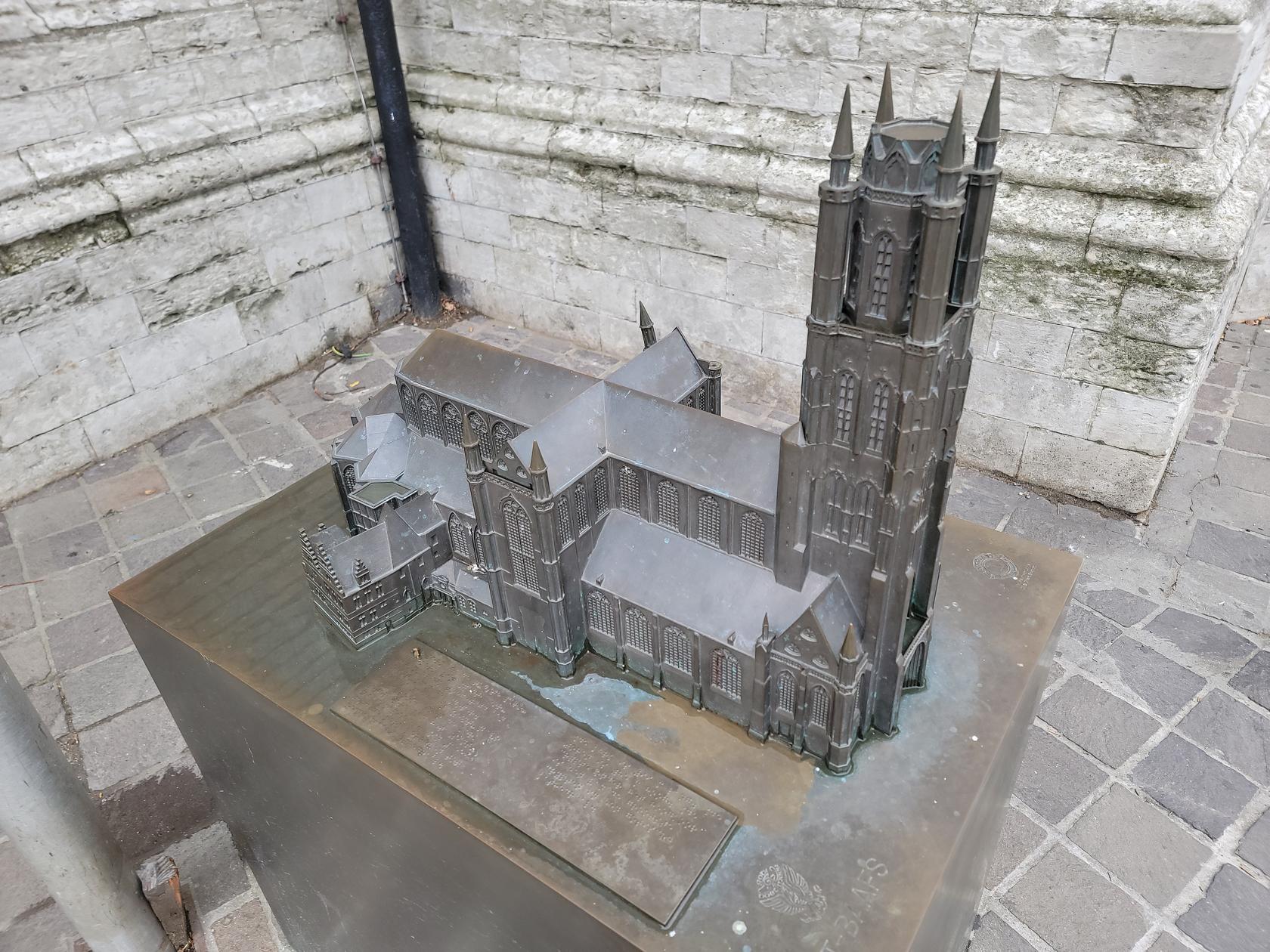
Bronz Model – Saint Bavos Cathedral – Gent, Belgium
Stained Glass Transept – Saint Bavos Cathedral – Gent, Belgium
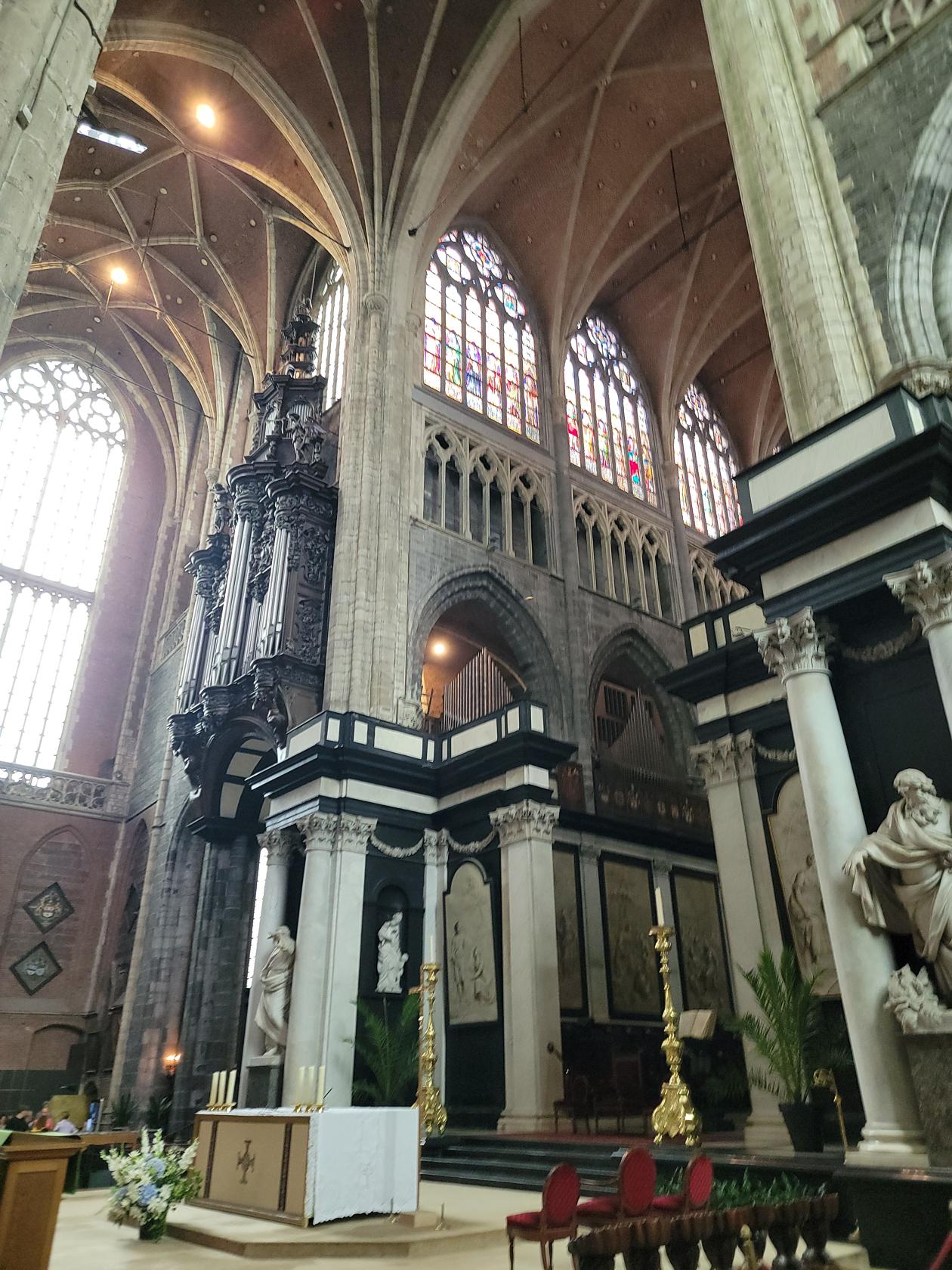
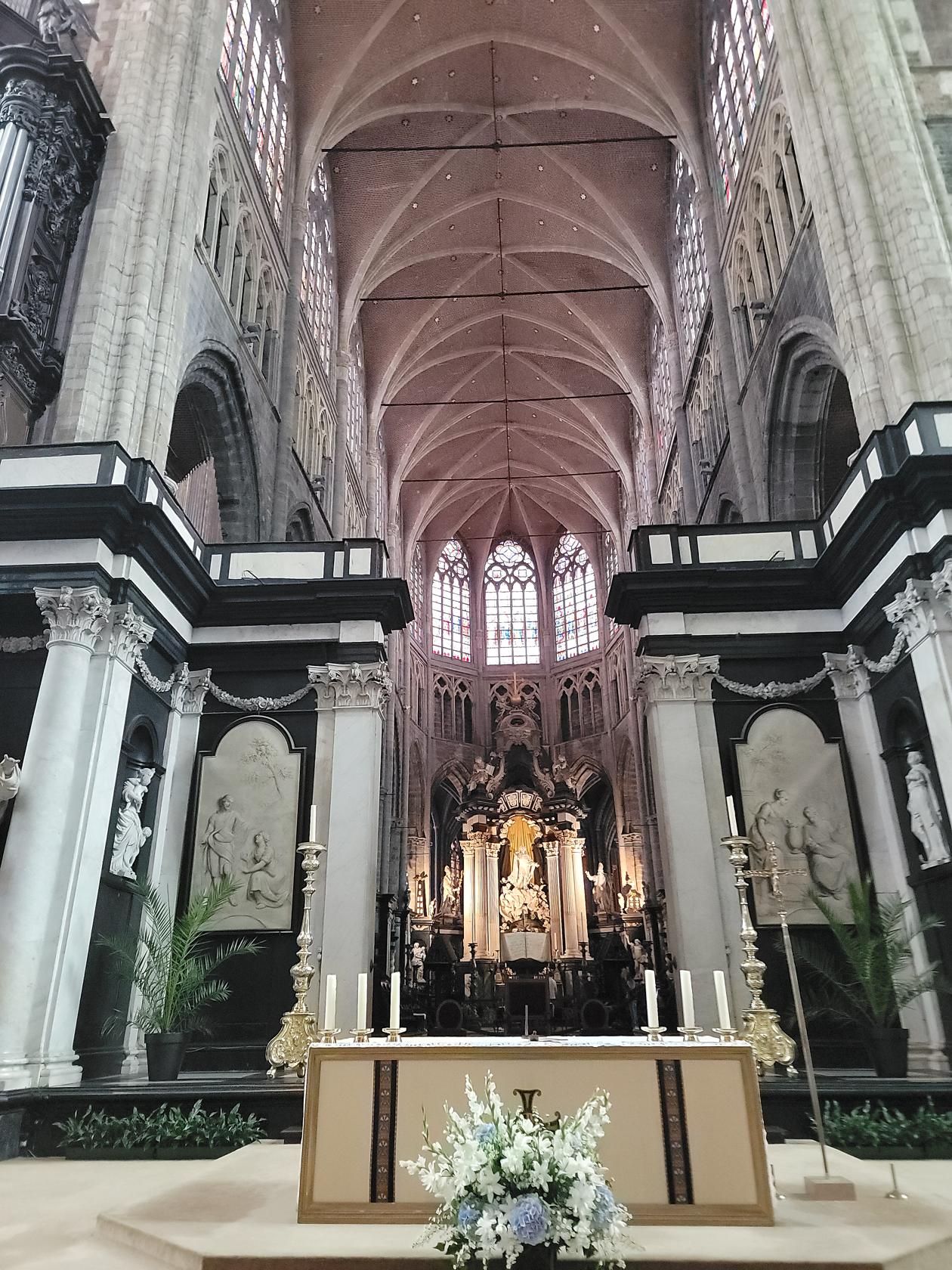
Altar at the Cross – Saint Bavos Cathedral – Gent, Belgium
Altar – Saint Bavos Cathedral – Gent, Belgium
Windows in Ambulatory – Saint Bavos Cathedral – Gent, Belgium
Saint Michel’s Cathedral
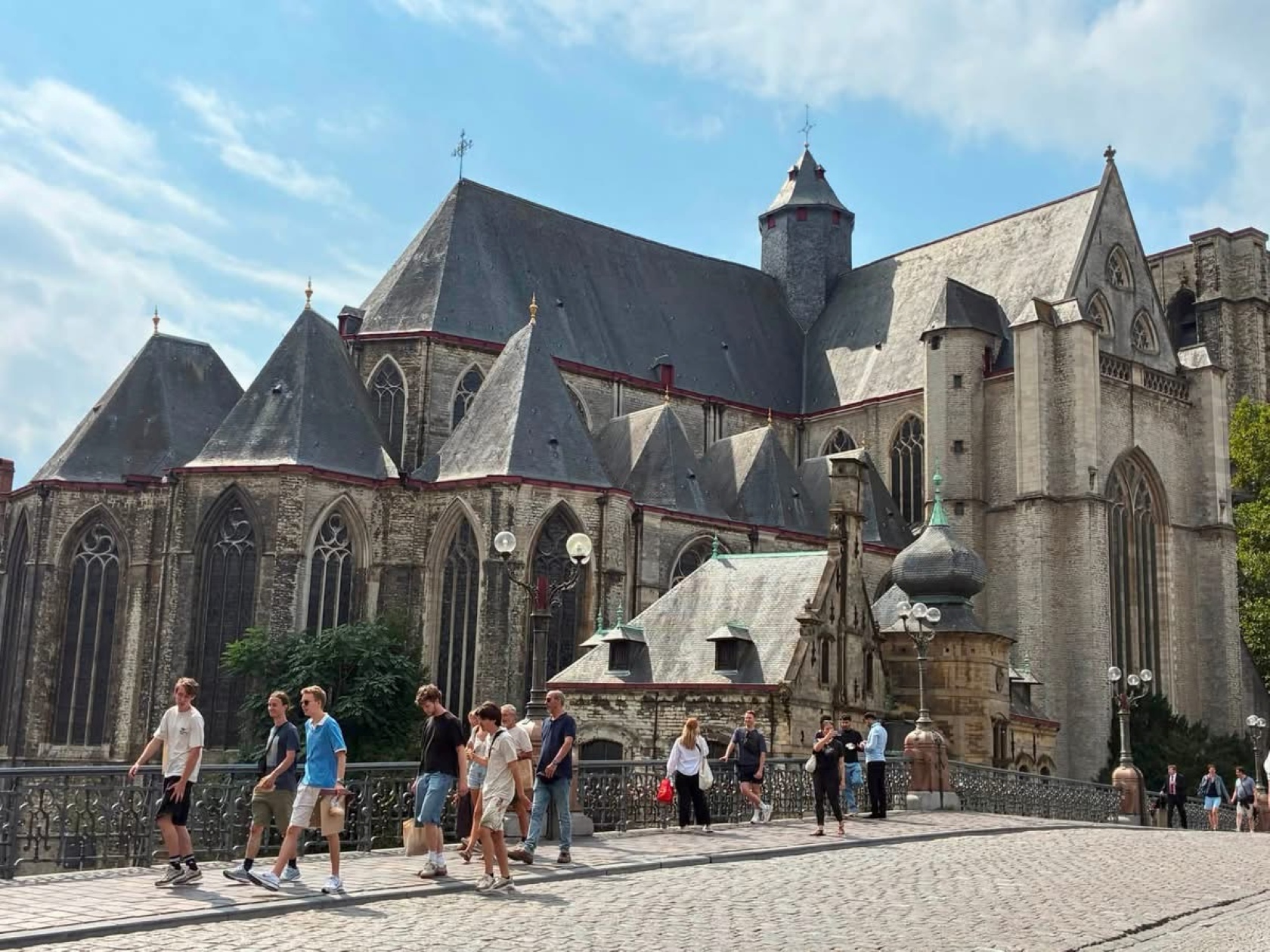
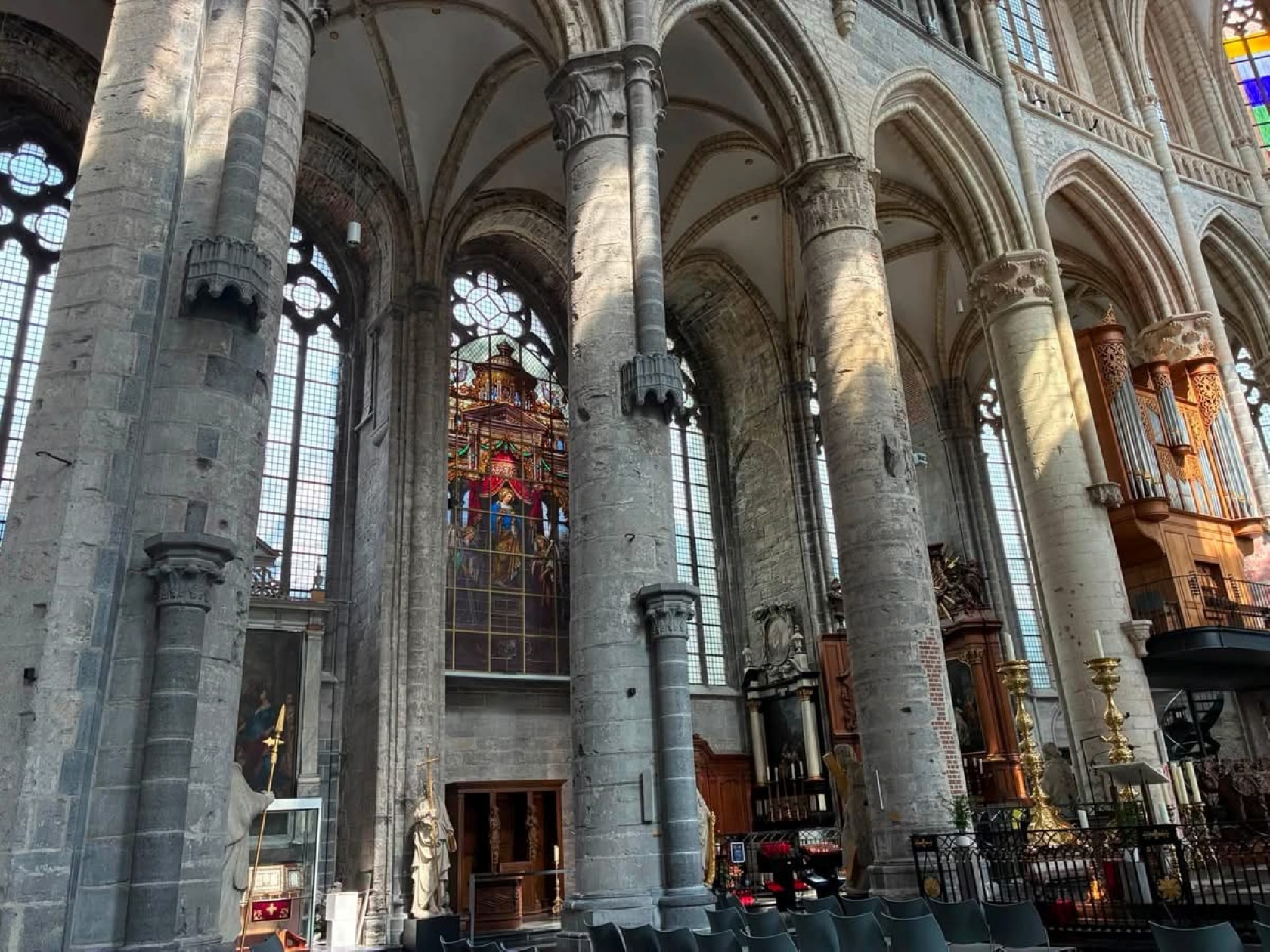
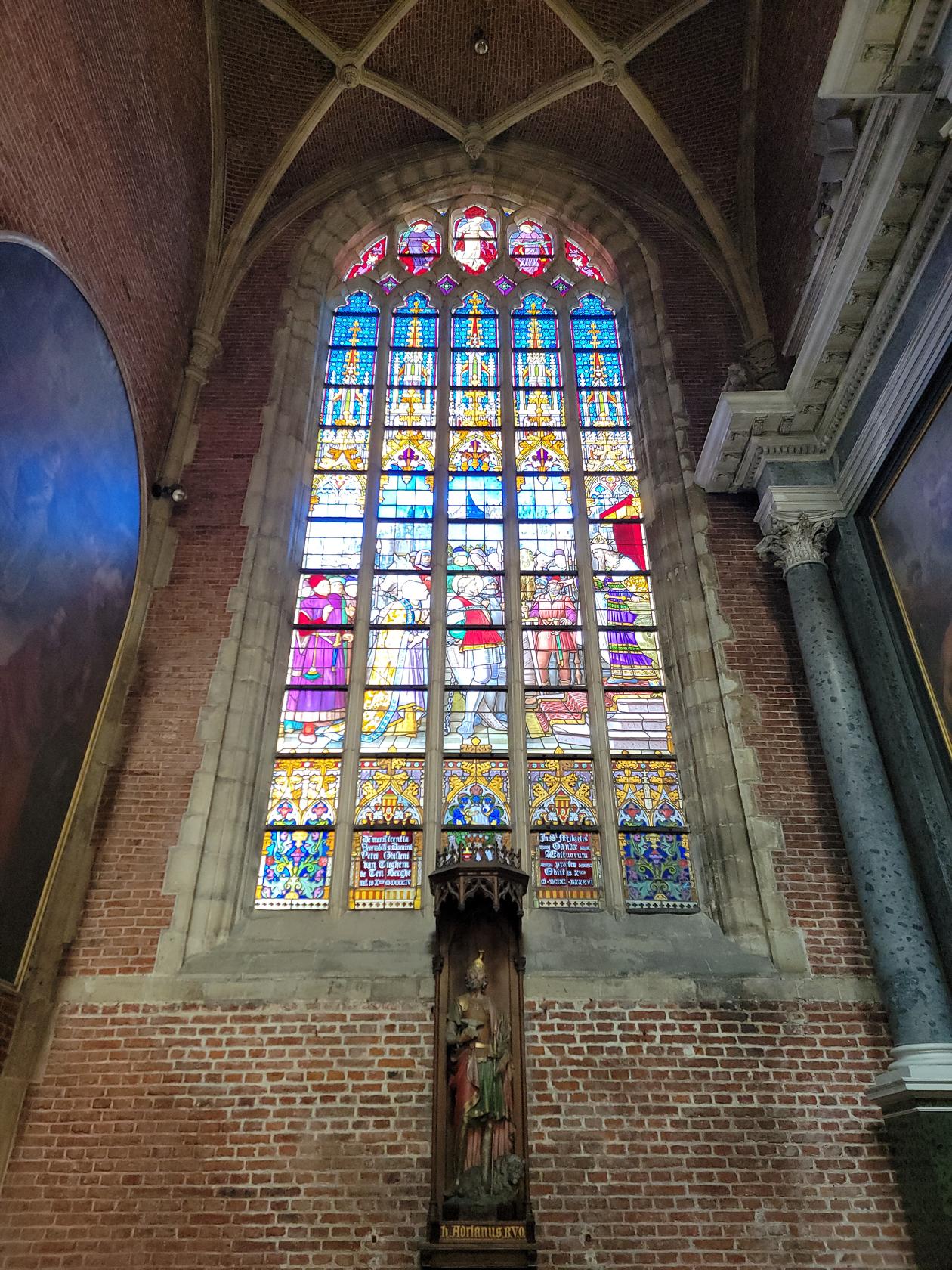
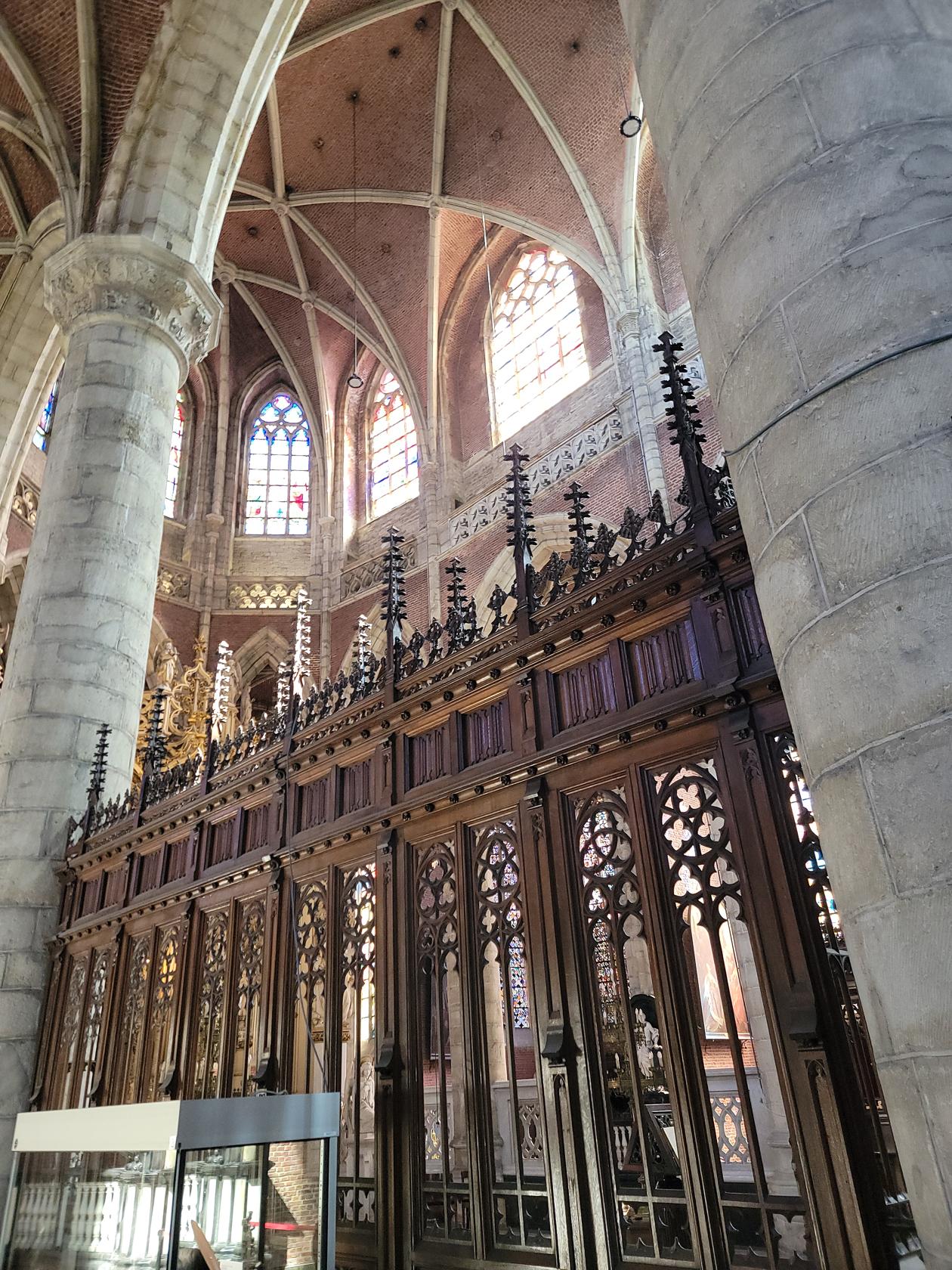
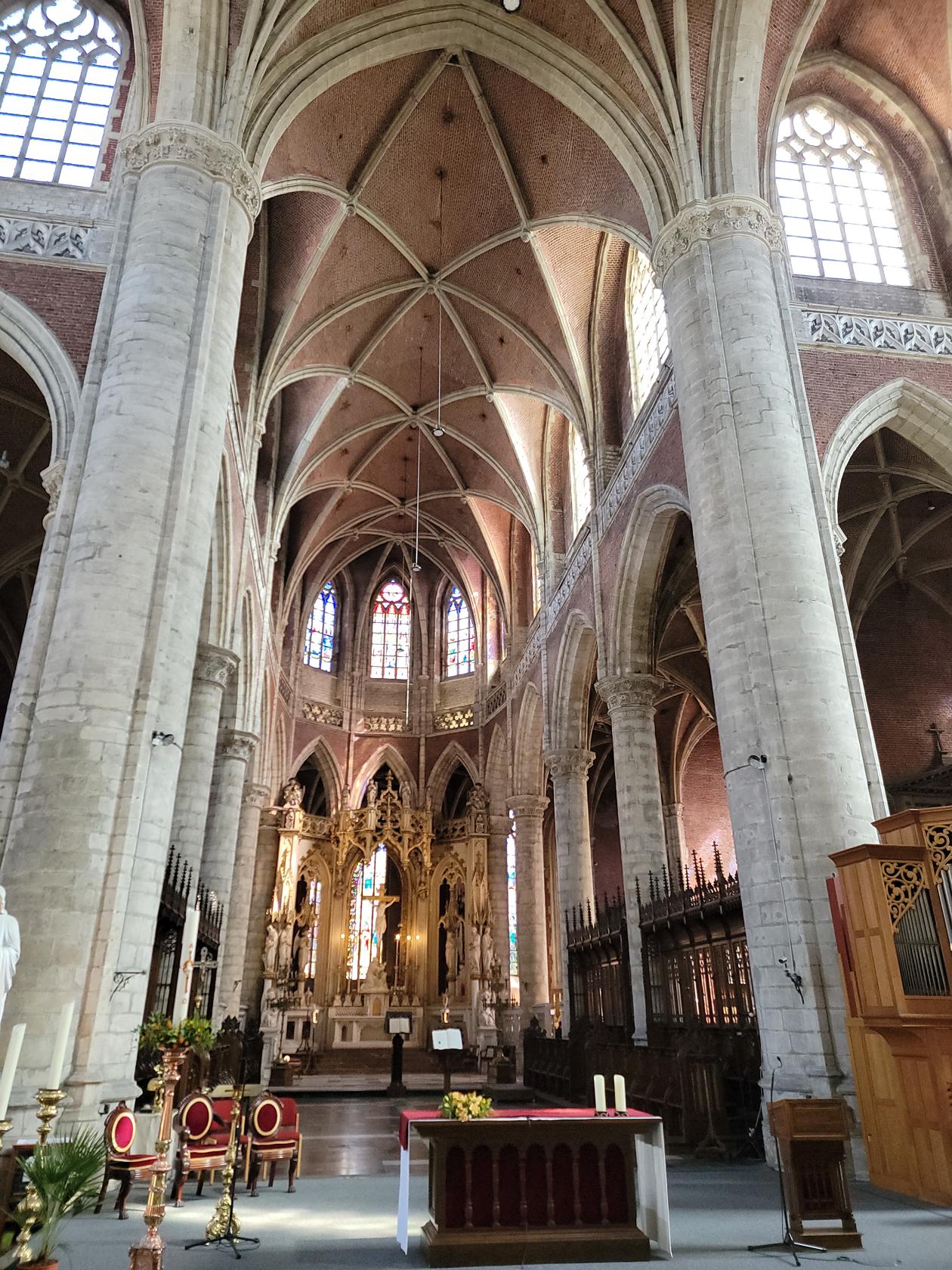
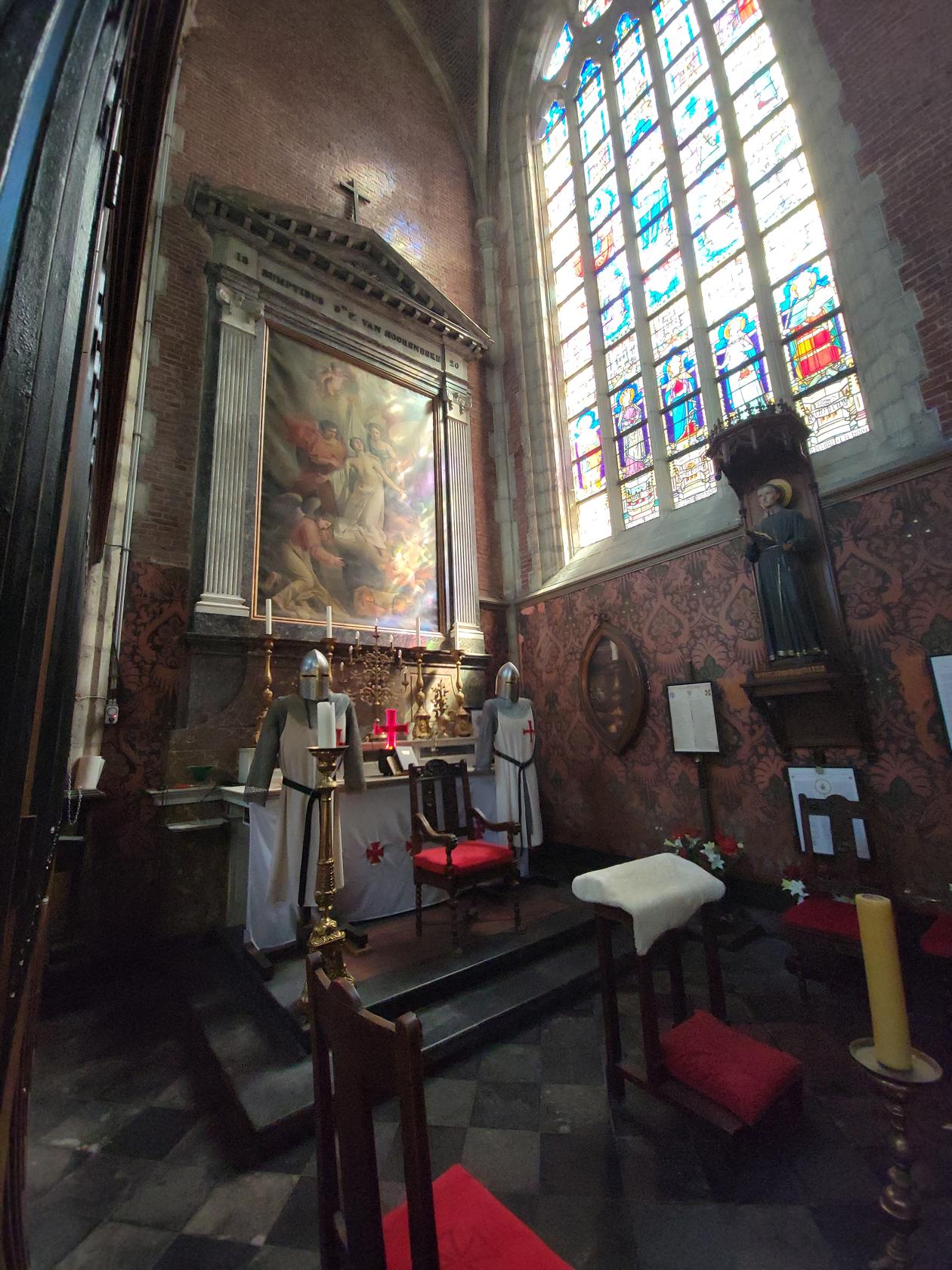
Located on Leie River and by the eponymous bridge is Saint Michel’s Cathedral. Though practically none of the original cathedral’s interior remains, its reconstruction through the twentieth century completely restored the Gothic elements it once had.
Entrance – Saint Michel’s Church – Gent, Belgium
Entrance – Saint Michel’s Church – Gent, Belgium
Nave – Saint Michel’s Church – Gent, Belgium
Organ – Saint Michel’s Church – Gent, Belgium
Stained Glass – Saint Michel’s Church – Gent, Belgium
Stained Glass – Saint Michel’s Church – Gent, Belgium
Stained Glass – Saint Michel’s Church – Gent, Belgium
Stained Glass – Saint Michel’s Church – Gent, Belgium
Side Chapel – Saint Michel’s Church – Gent, Belgium
Stained Glass – Saint Michel’s Church – Gent, Belgium
Stained Glass – Saint Michel’s Church – Gent, Belgium
Stained Glass – Saint Michel’s Church – Gent, Belgium
Ambulatory – Saint Michel’s Church – Gent, Belgium
Altar – Saint Michel’s Church – Gent, Belgium
Knights Templar Chapel – Saint Michel’s Church – Gent, Belgium
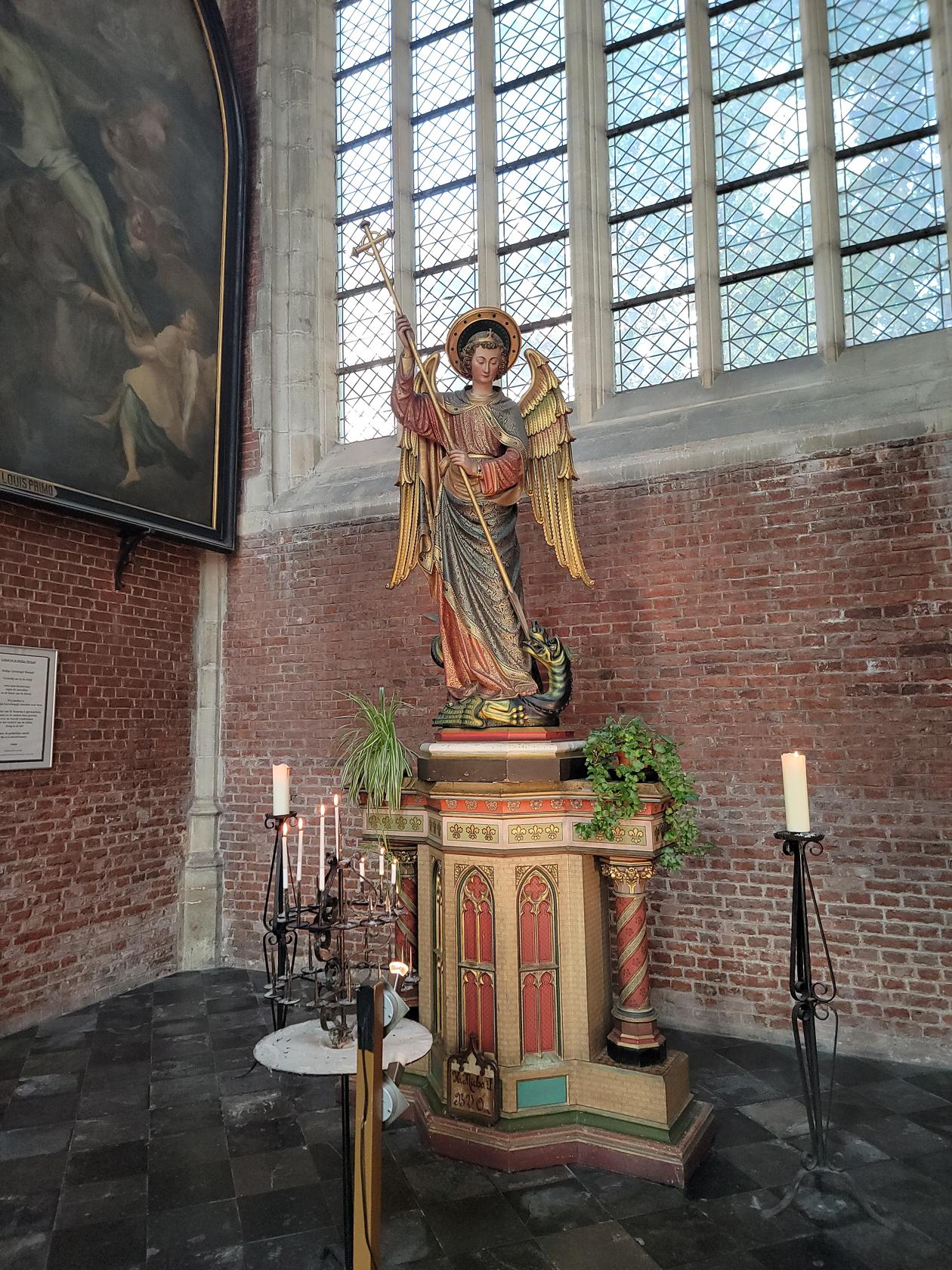
Saint Michel Statue – Saint Michel’s Church – Gent, Belgium
Saint Jacob’s Church
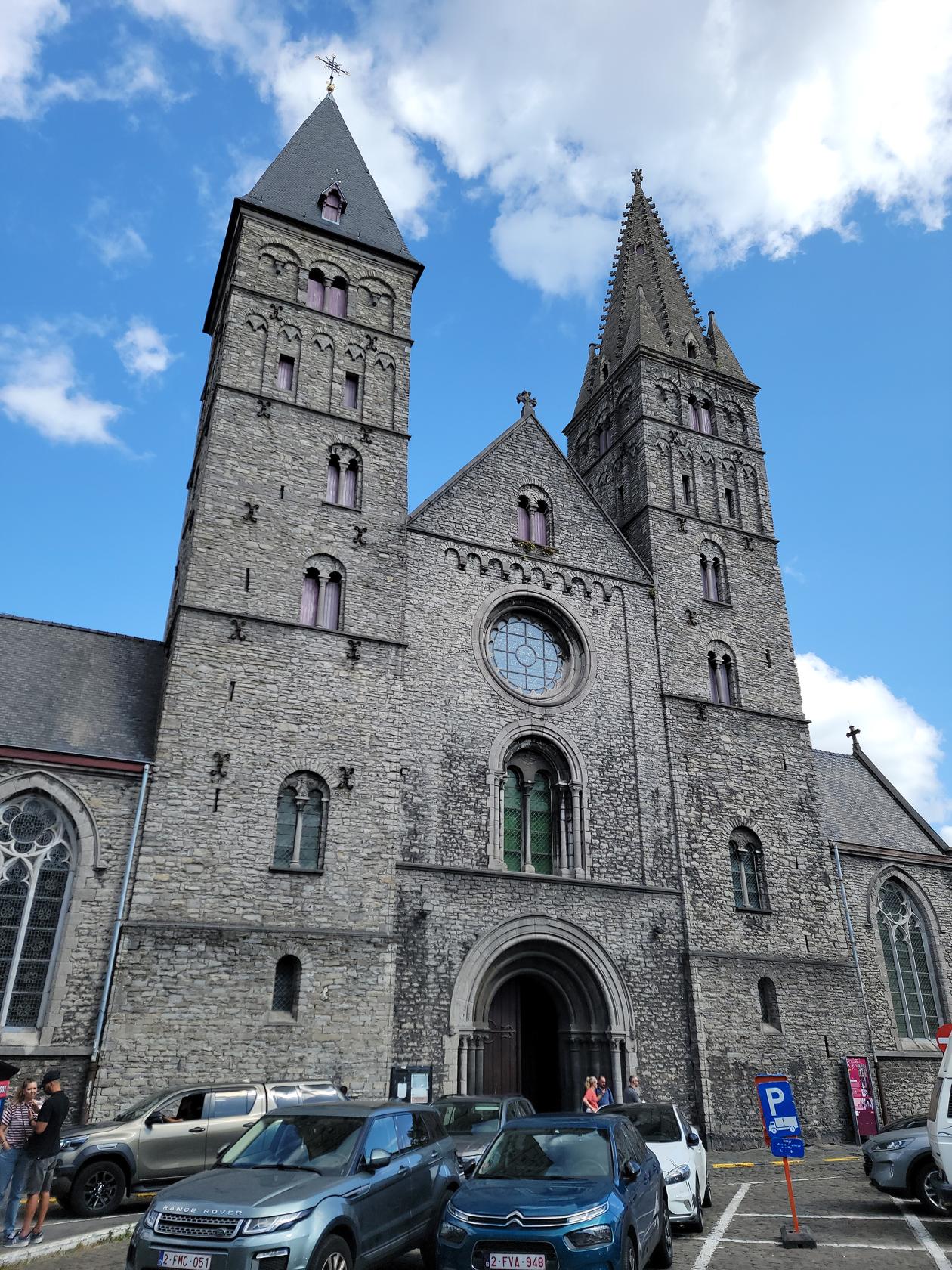
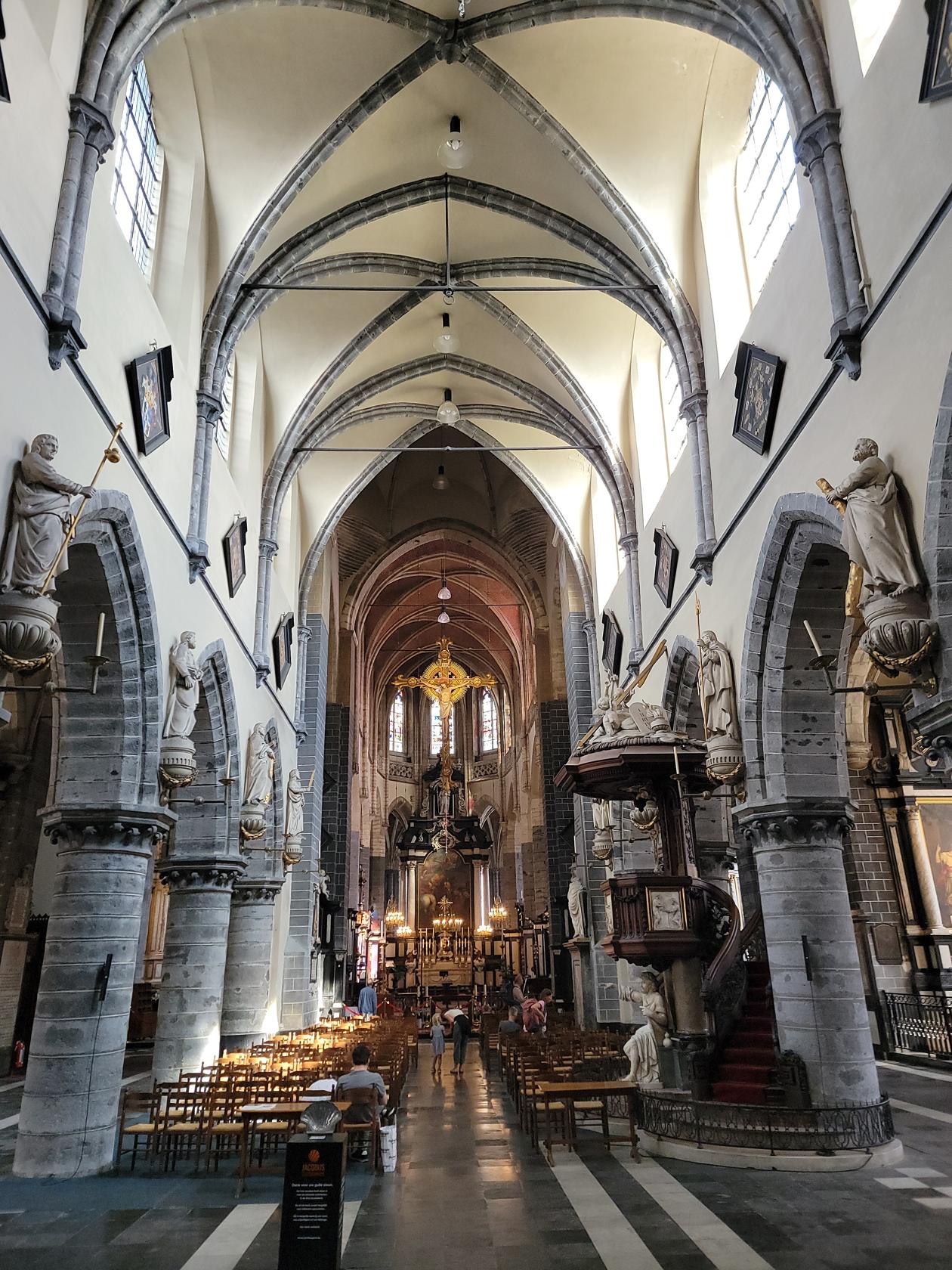
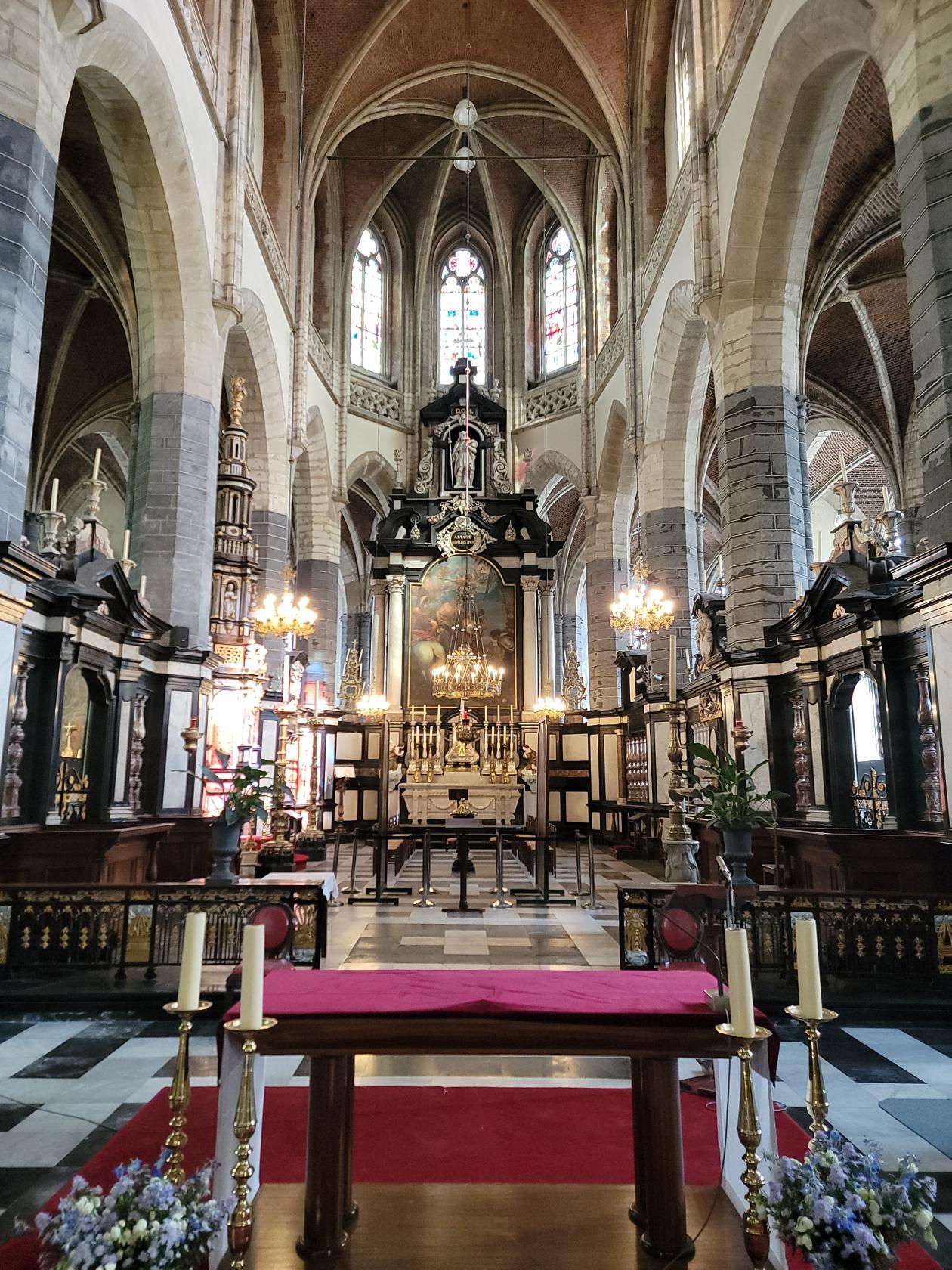
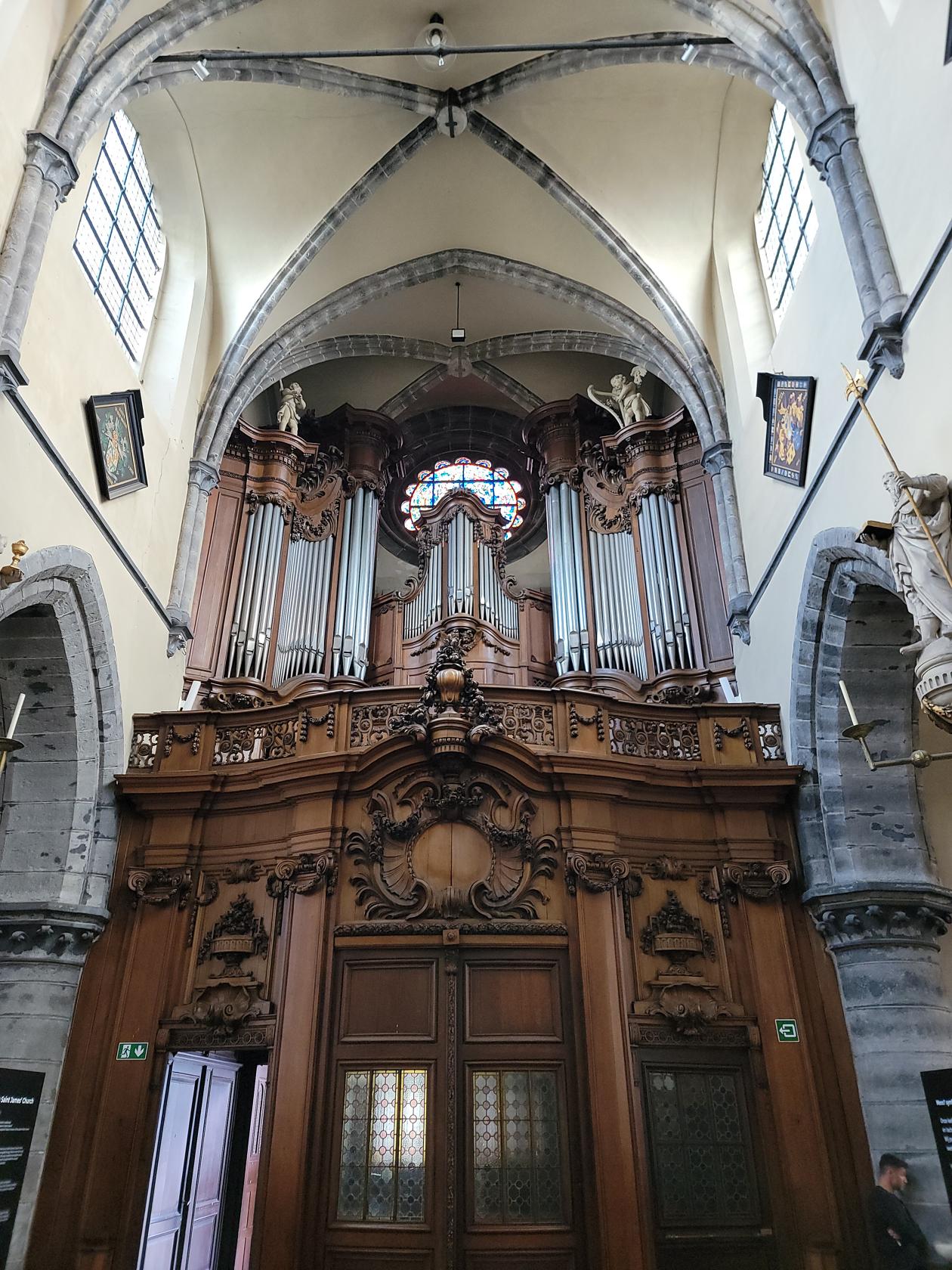
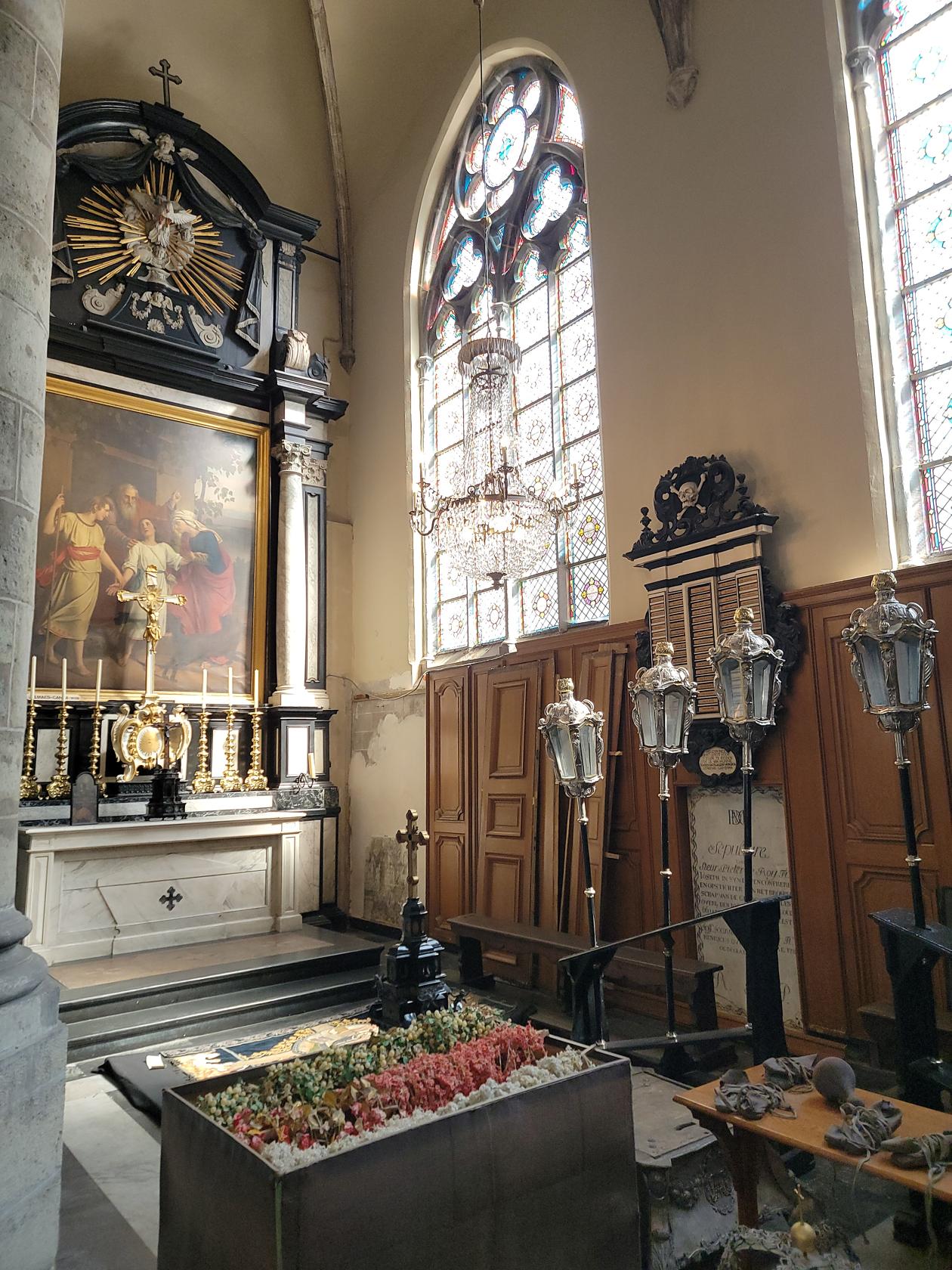
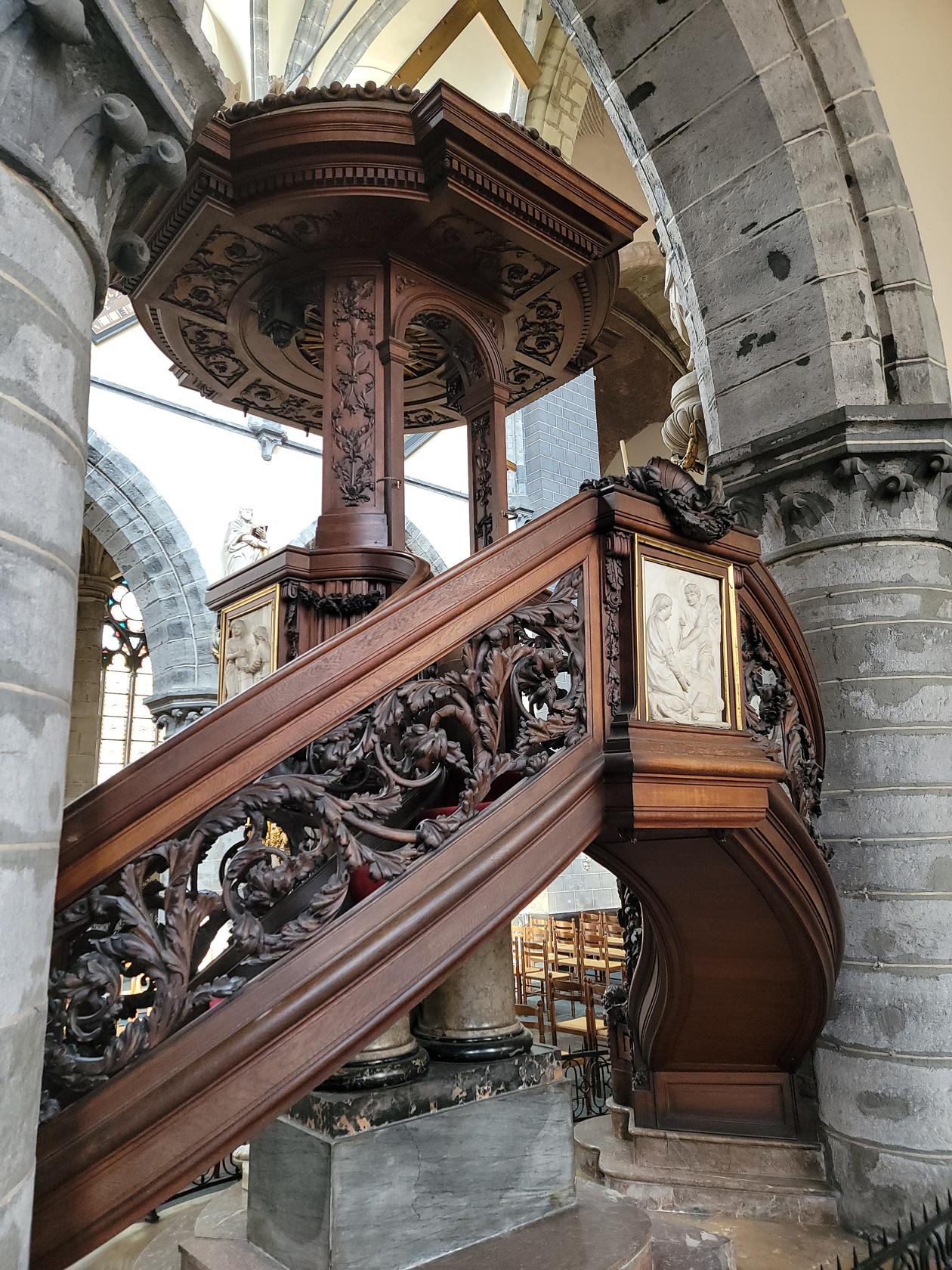
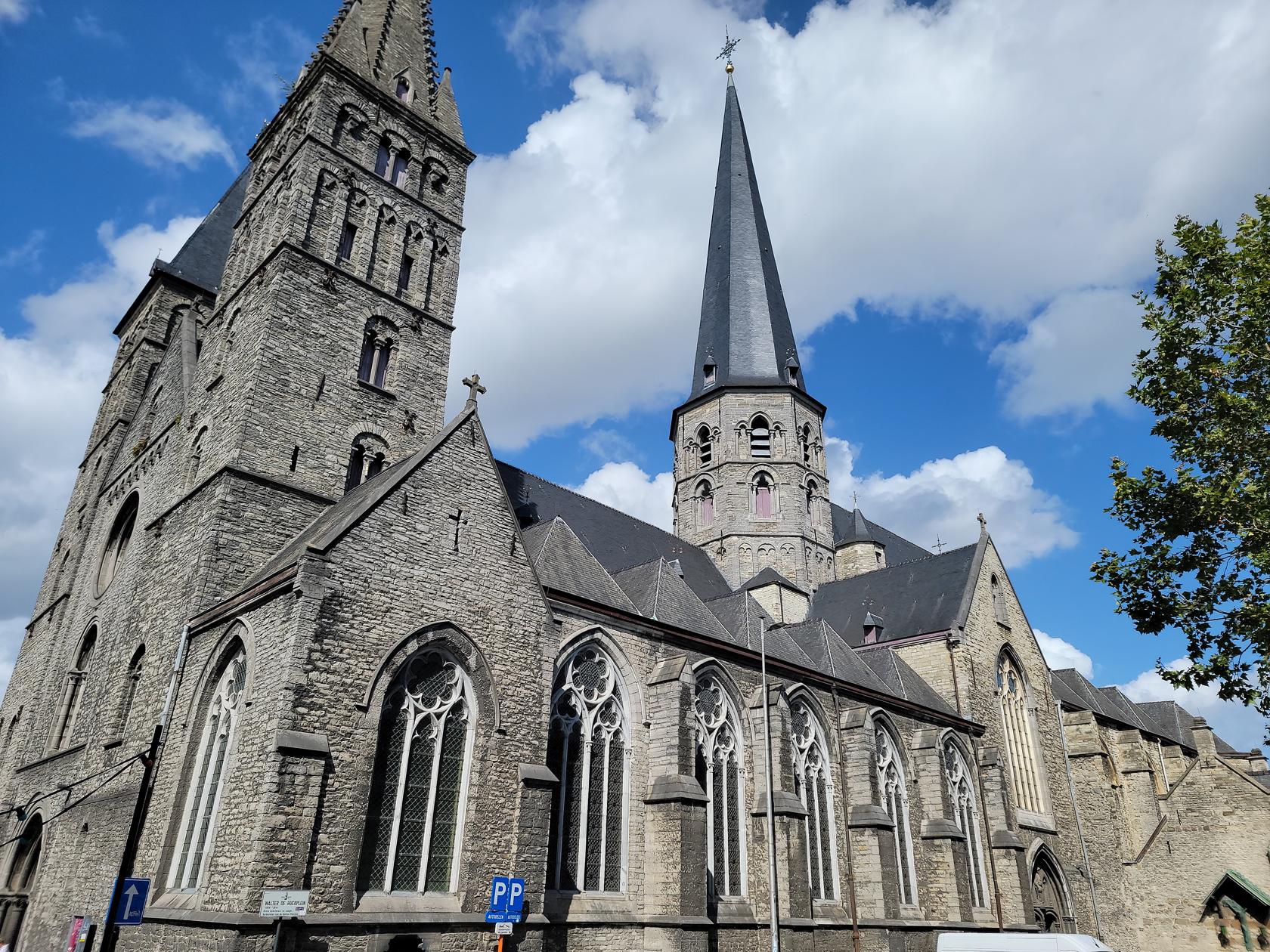
An out of the way church beyond the Vrijdagmarkt is Saint Jacob’s Catholic Church and is an example of French Romanesque style. The interior over time has gone through many other styles, including Gothic and Baroque, only to settle on the neo-Romanesque and neo-Gothic styles we see today.
Entrance – Saint Jacob’s Church – Gent, Belgium
Nave – Saint Jacob’s Church – Gent, Belgium
Altar – Saint Jacob’s Church – Gent, Belgium
Organ – Saint Jacob’s Church – Gent, Belgium
Side Chapel – Saint Jacob’s Church – Gent, Belgium
Pulpit – Saint Jacob’s Church – Gent, Belgium
Side View – Saint Jacob’s Church – Gent, Belgium
Restaurants
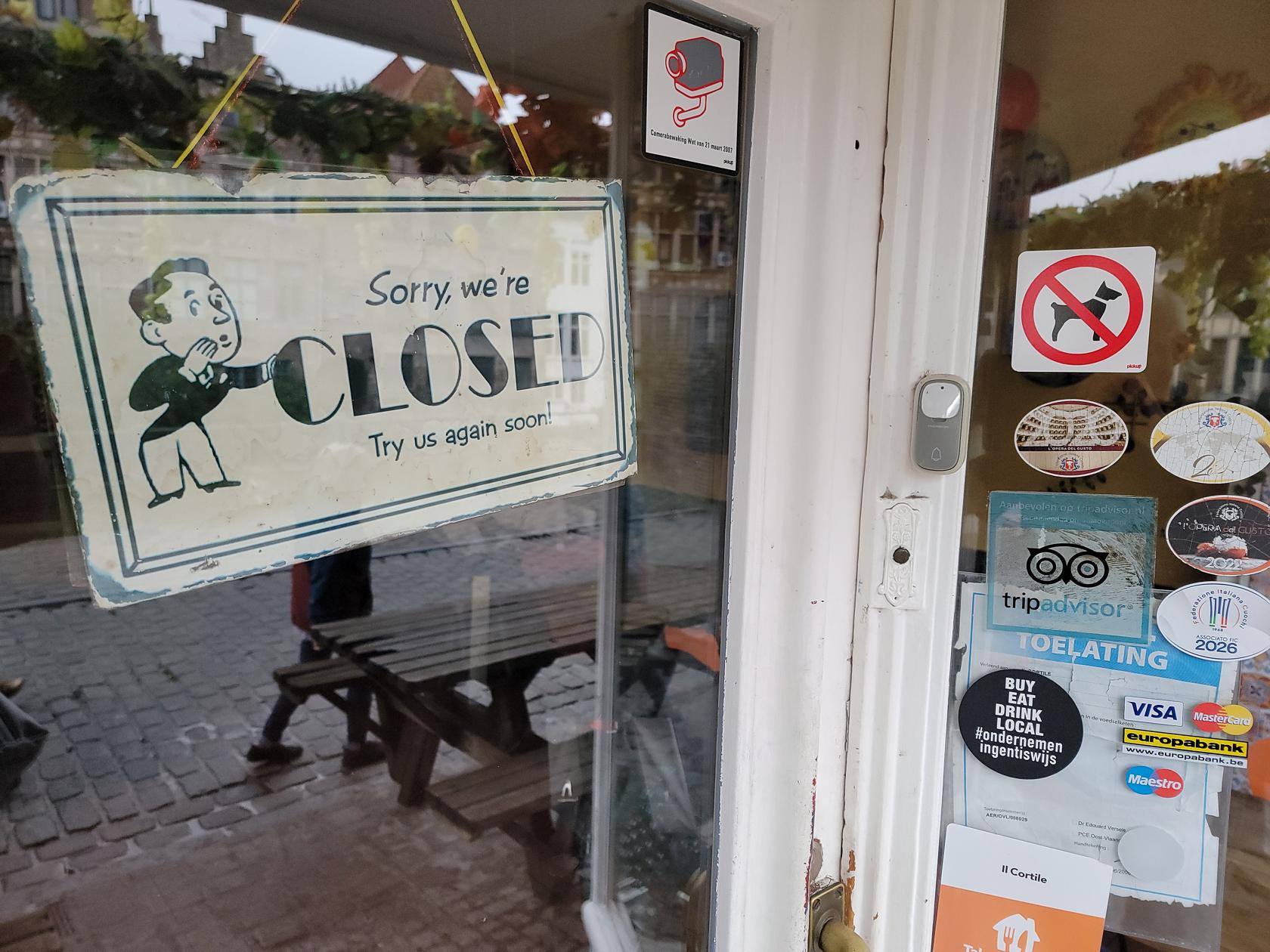
I still do not know what it is, but restaurants in Belgium are a hit and miss adventure. Never in our travels have we come across three separate towns or cities in any country where you really have no idea what to expect heading out for lunch or dinner. The most common issue is after walking ten minutes to get there you find it is closed and perhaps not just for the evening, it may be closed for good; it’s often hard to tell some times.
Typical Encounter We’re Closed – Gent, Belgium
So far our experience with food and restaurants in Belgium is: the service is often lacking, the food is okay, cleaniness, the restaurant itself is often closed (especially in the middle of the week, which of course must be due to some other economic force.)
Trattoria Della Mamma
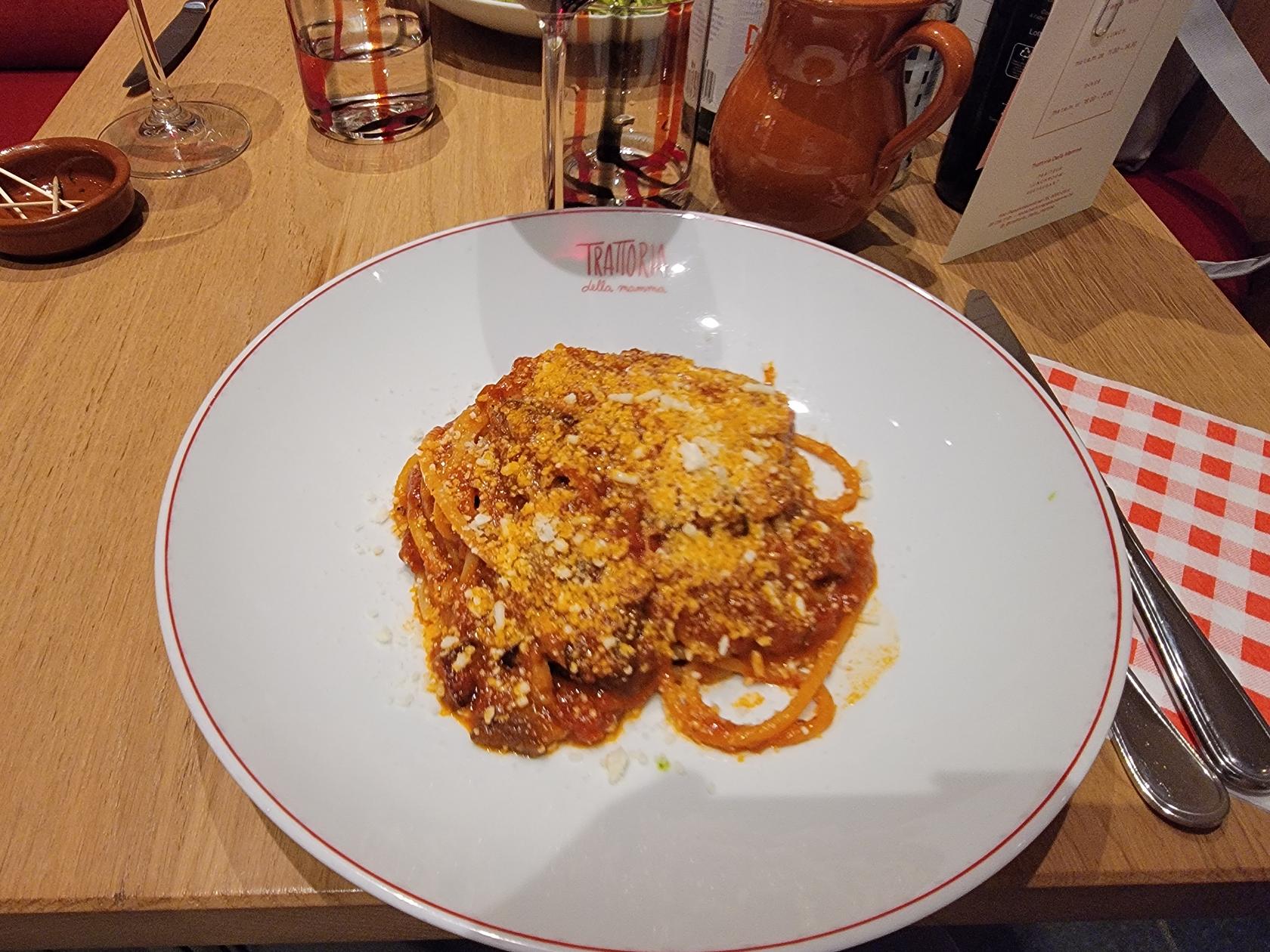
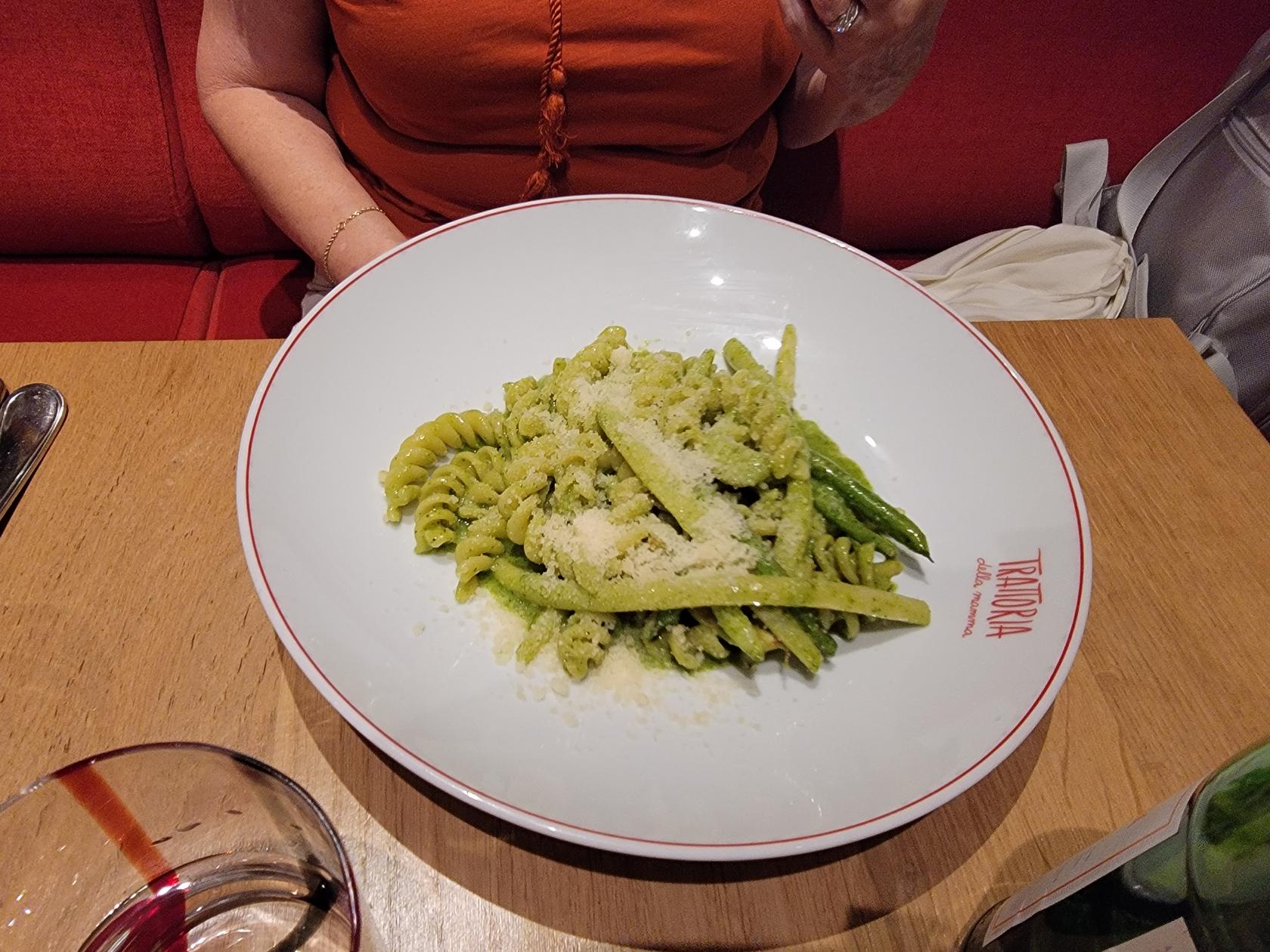
One of the better restaurants in Gent and it is reflected in the price you pay for items on the menu. It has a modern welcoming atmosphere and they are fairly attentive with the service. The food was tasty and the house wine was enjoyable.
Spaghetti Bolognese – Trattoria della Mamma – Gent, Belgium
Fuselli with Pesto and Bean – Trattoria della Mamma – Gent, Belgium
Porta Alta
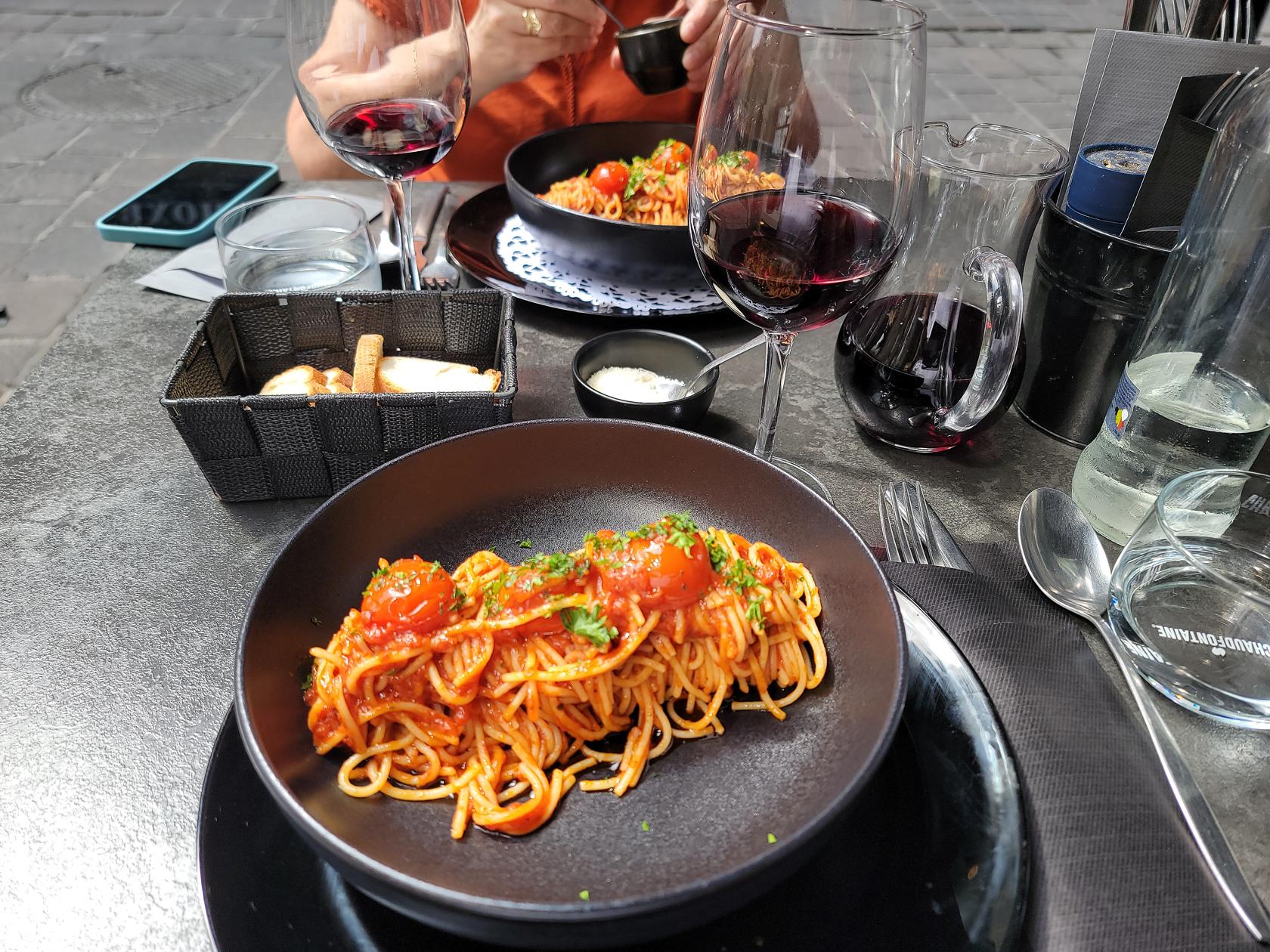
A non-italian Italian restaurant, that is, it serves italian food but is not run by italians. We ate here for lunch and it was okay, nothing to write home about and the price was fair.
Spaghetti Napoletano – Porta Alta – Gent, Belgium
Tashun Chinese Restaurant
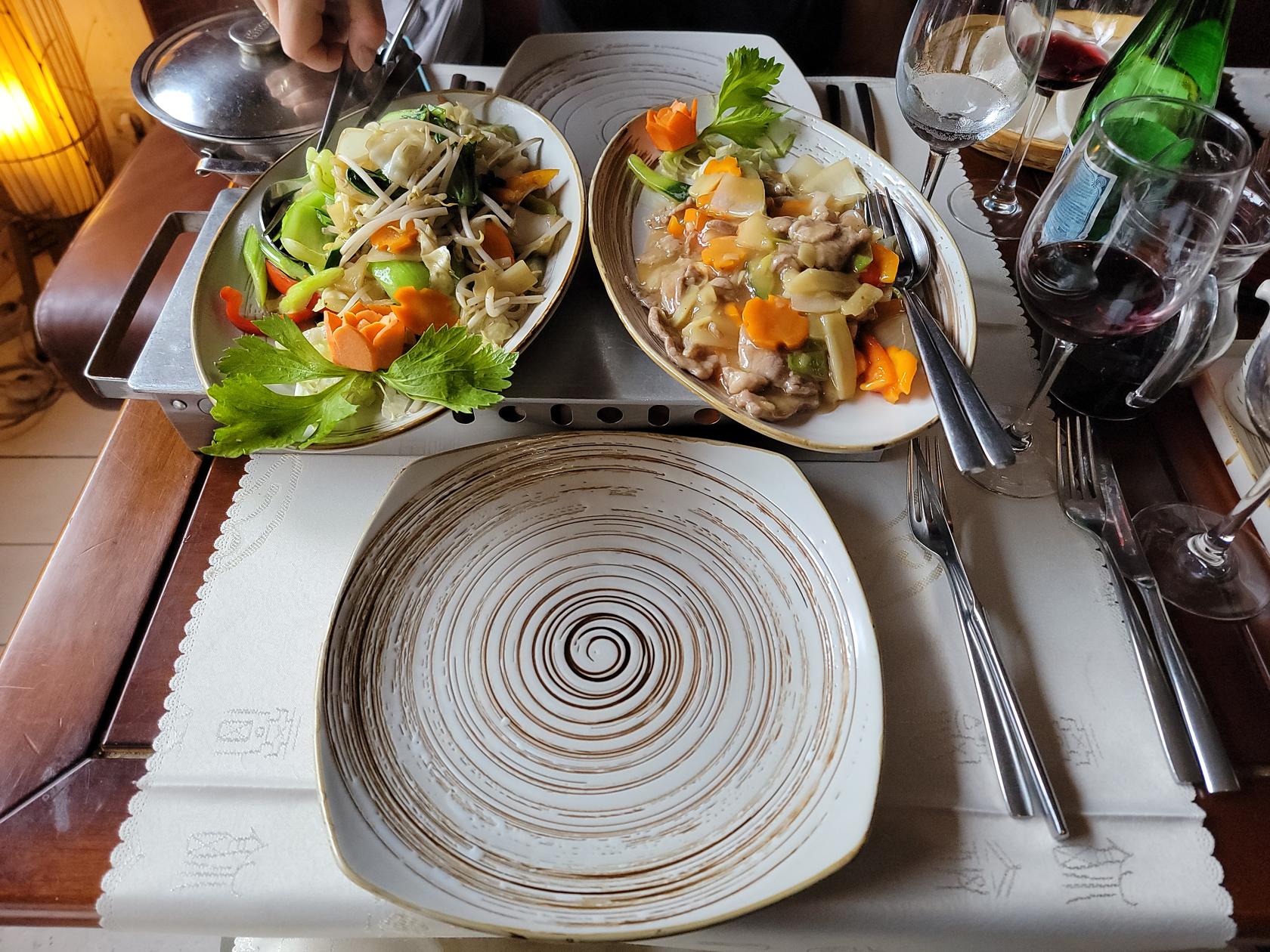
A restaurant that has seen better days, though the food is freshly made and remains quite enjoyable. It does not seem to be frequented to often and may be suffering from the same malady all restaurants are suffering from, the price of food. I can commend the Pork with Vegetable dish, it was quite tasty because of the pork and made an excellent sauce.
Shingle – Tashun Chinese Restaurant – Gent, Belgium
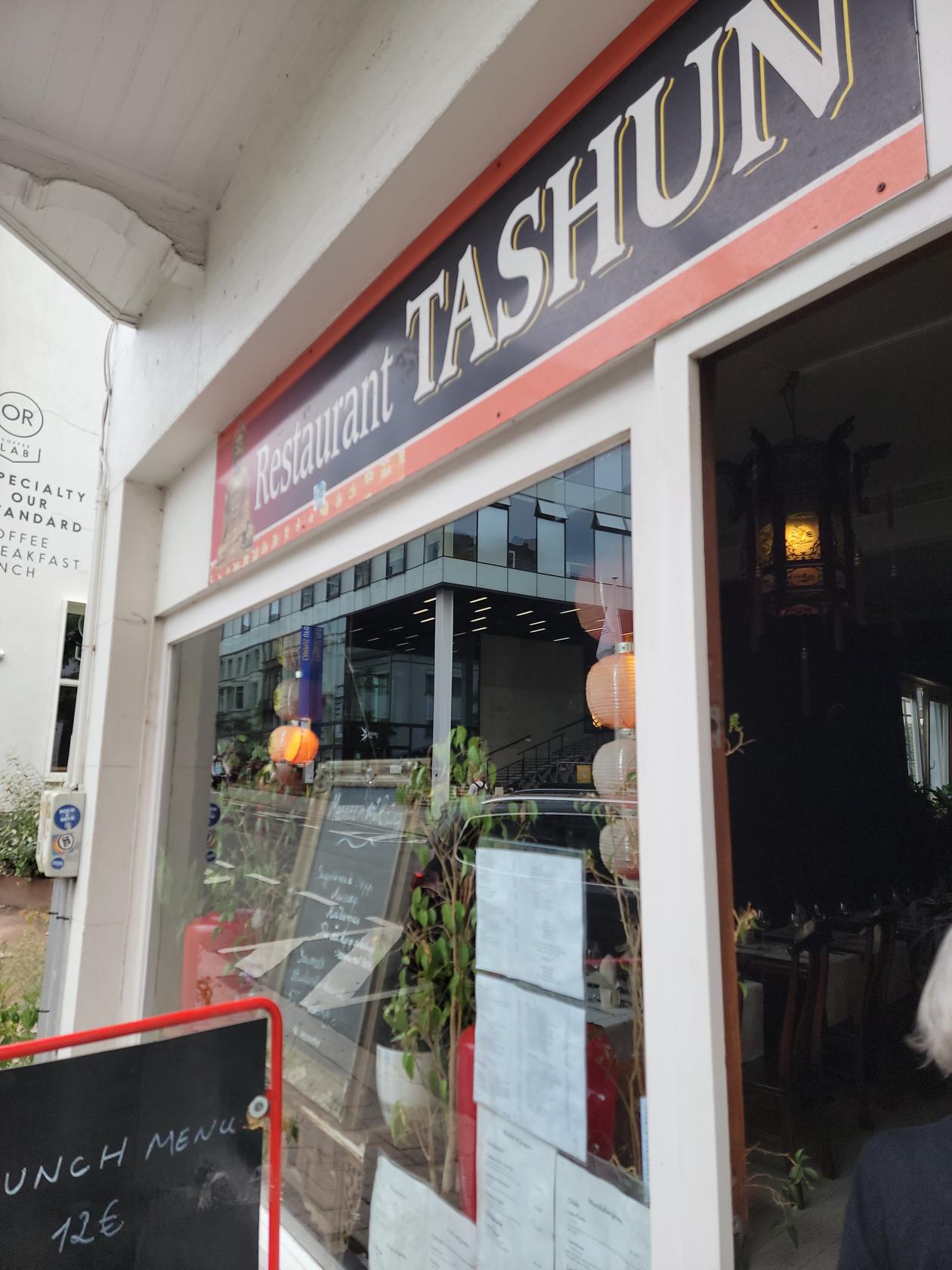
Entrance – Tashun Chinese Restaurant – Gent, Belgium
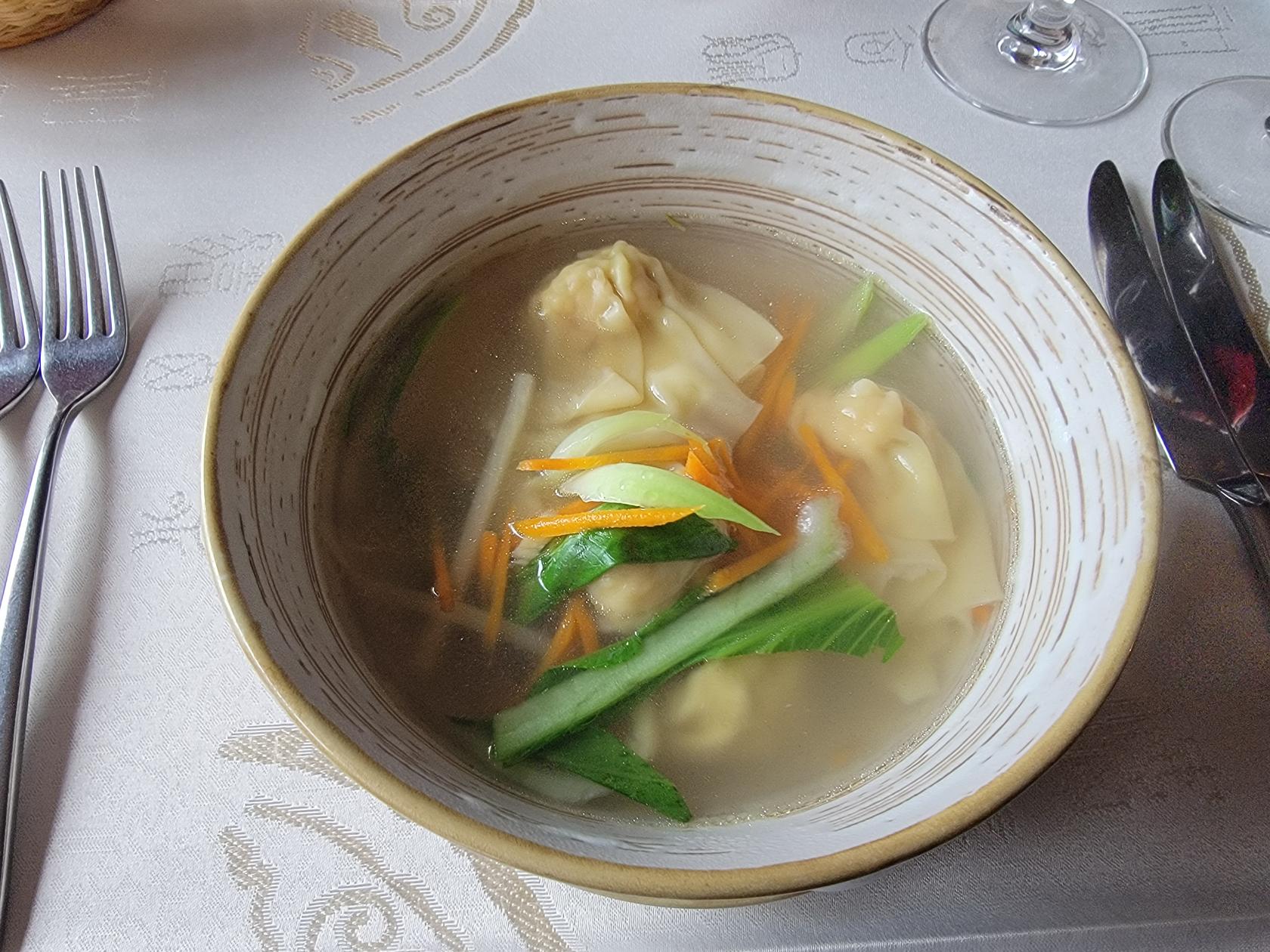
Wonton Soup – Tashun Chinese Restaurant – Gent, Belgium
Stir-Fry Vegetables and Stir-Fry Pork with Vegetables – Tashun Chinese Restaurant – Gent, Belgium
Inside – Tashun Chinese Restaurant – Gent, Belgium
Da Adriano
We wanted pizza and ended up here because our first choice was CLOSED. The waiter wasn’t not happy to see us, since he was the only one waiting tables and they needed to be cleaned. However, after 10 minutes we were seated (we stood by the table waiting for it to be cleaned as he directed.) After that, it was not too bad, we shared a pizza which was good and some wine and had an enjoyable meal. However, we noticed that when people entered, he was very selective about who he seated, not sure what was going on there, but be prepared if you visit this establishment.
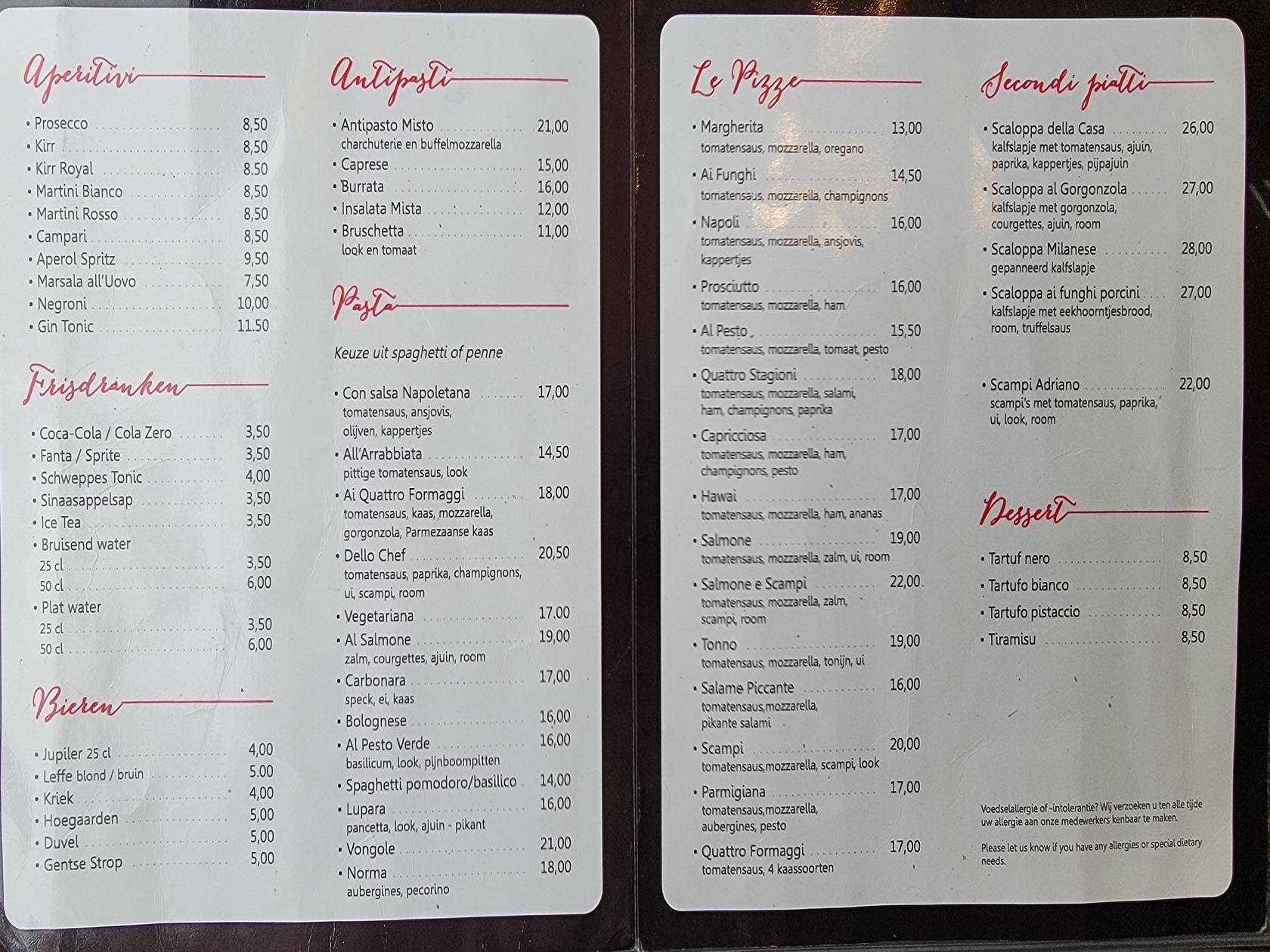
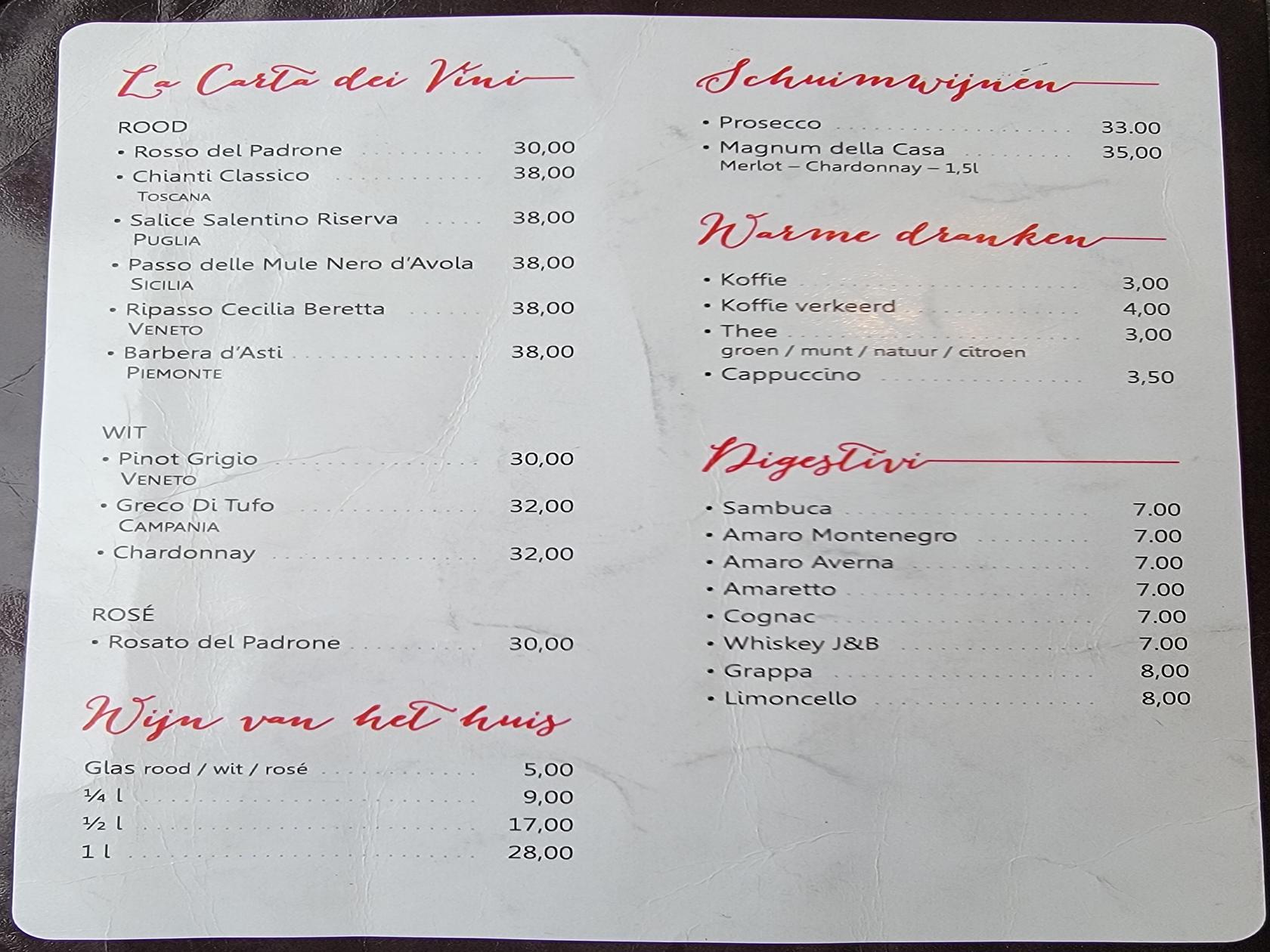
Menu – Da Adriano Restaurant – Gent, Belgium
Menu – Da Adriano Restaurant – Gent, Belgium
Menu – Da Adriano Restaurant – Gent, Belgium
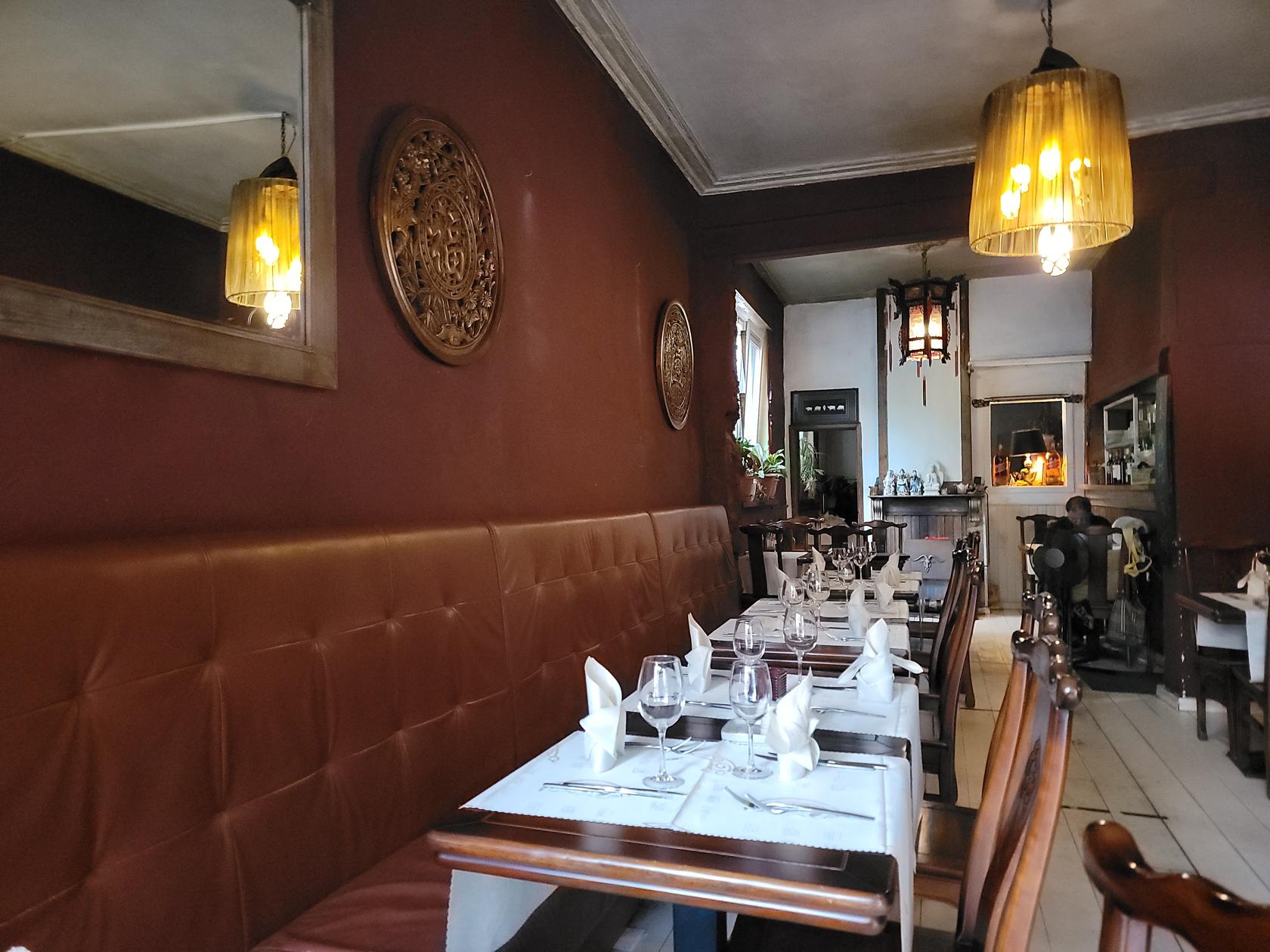
Inside – Da Adriano Restaurant – Gent, Belgium
Sorelle
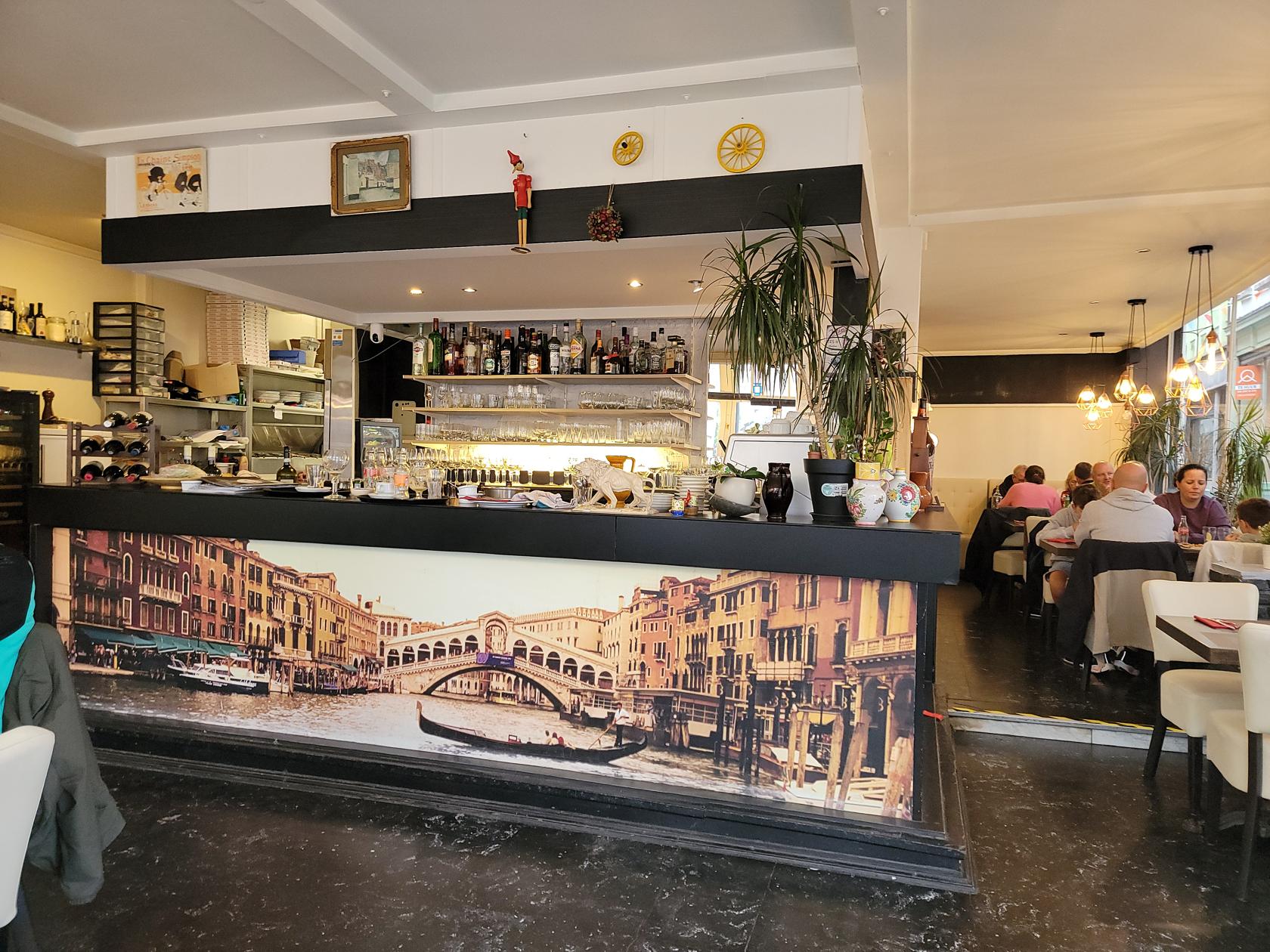
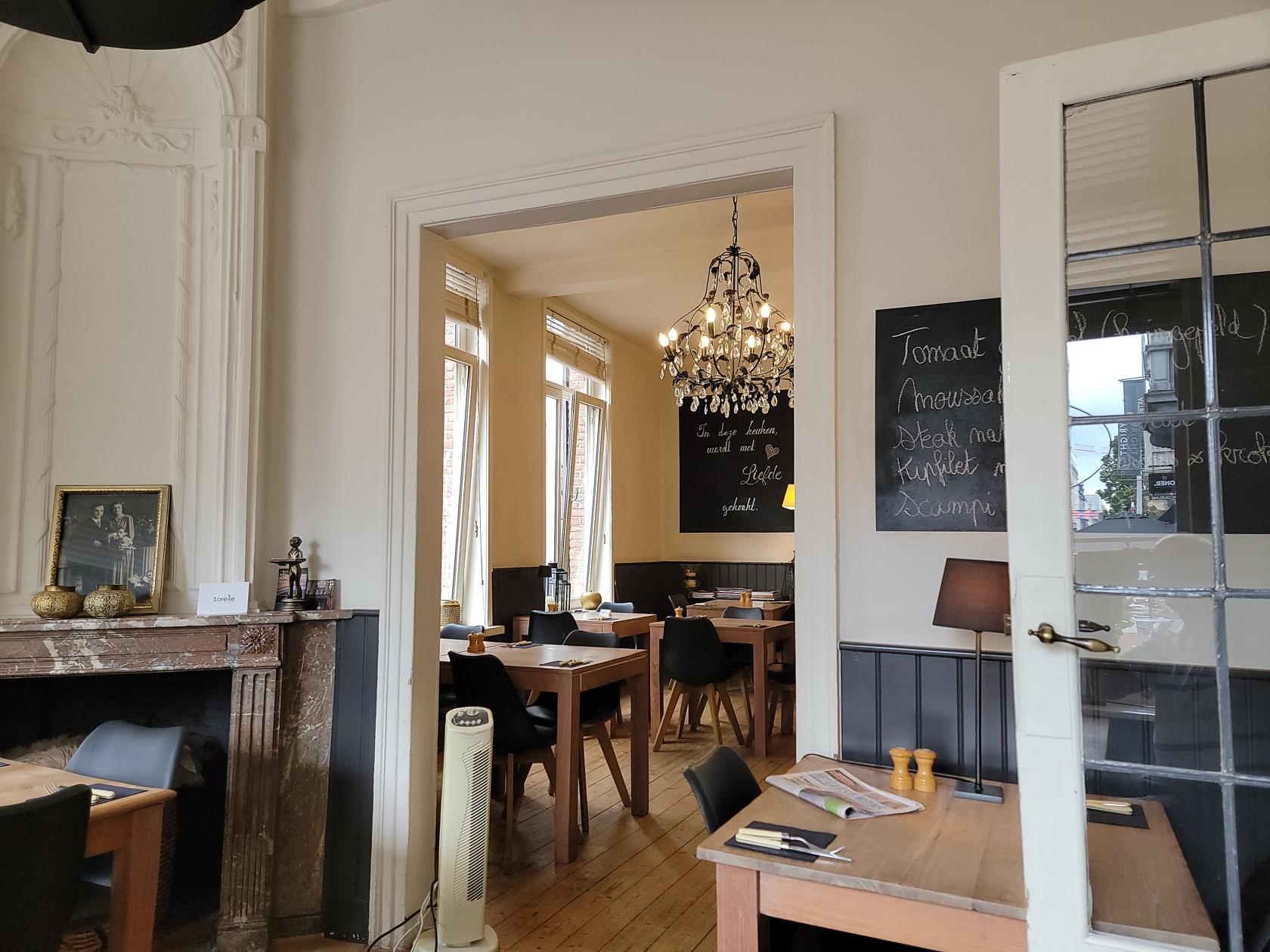
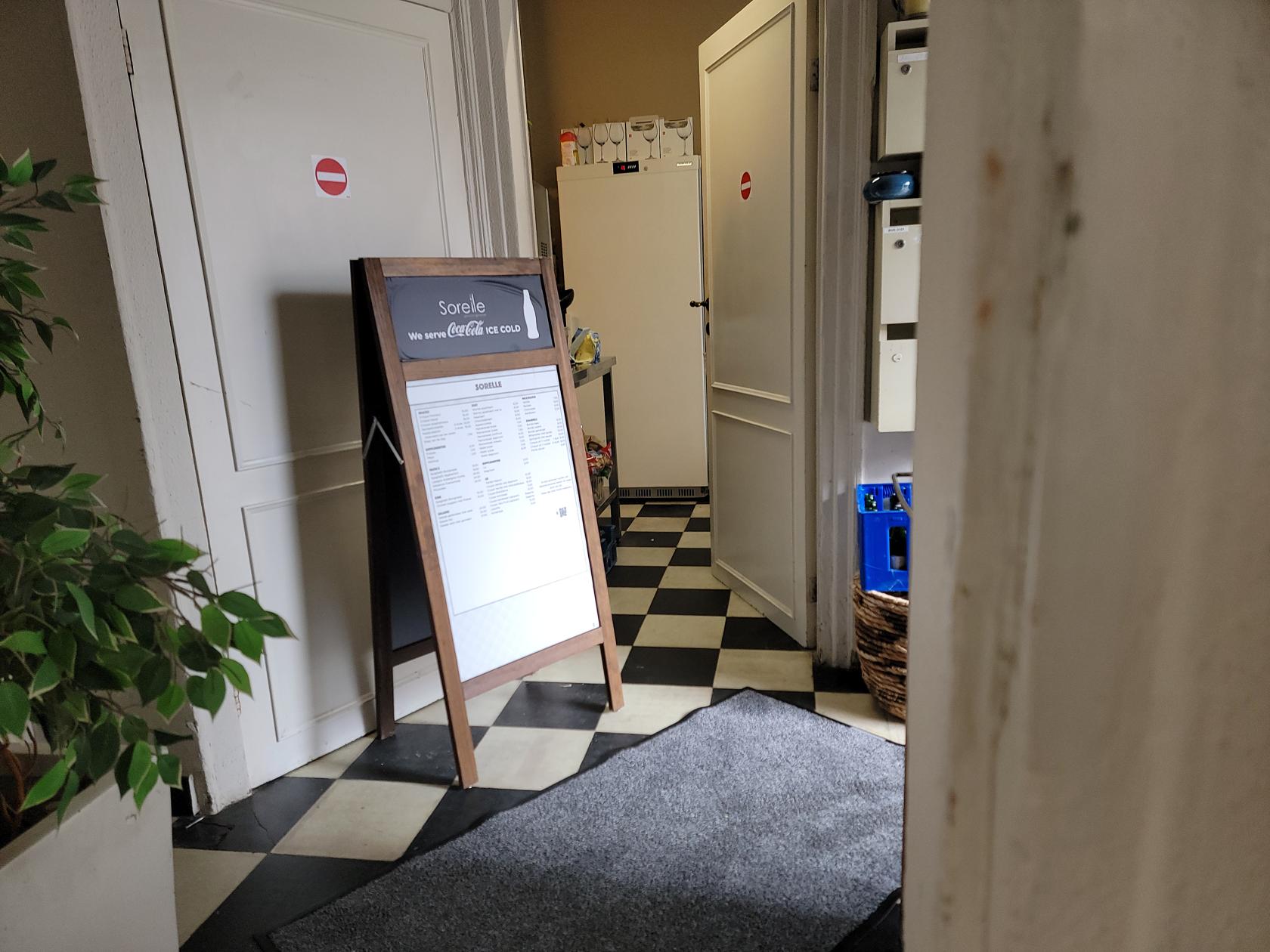
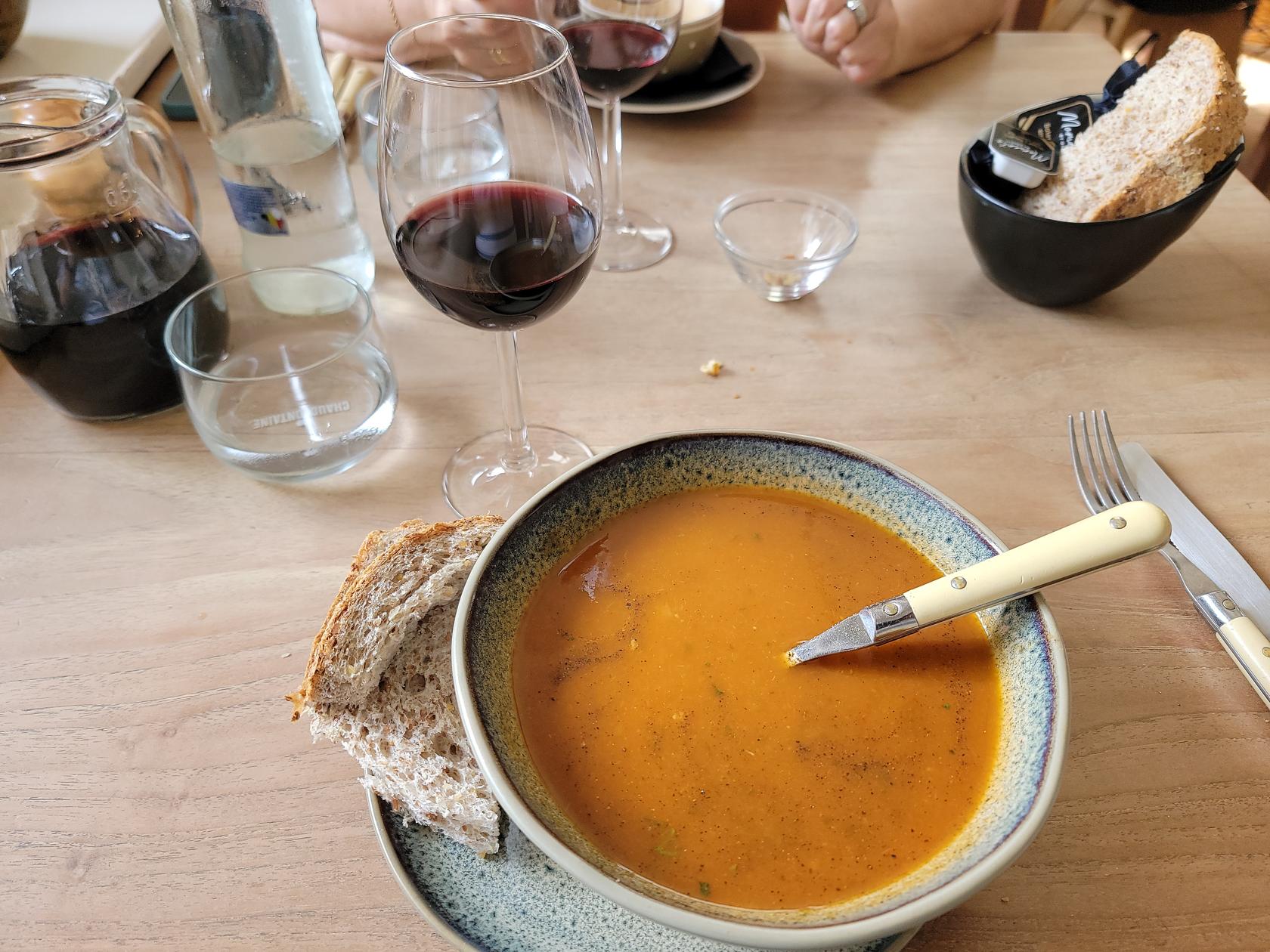
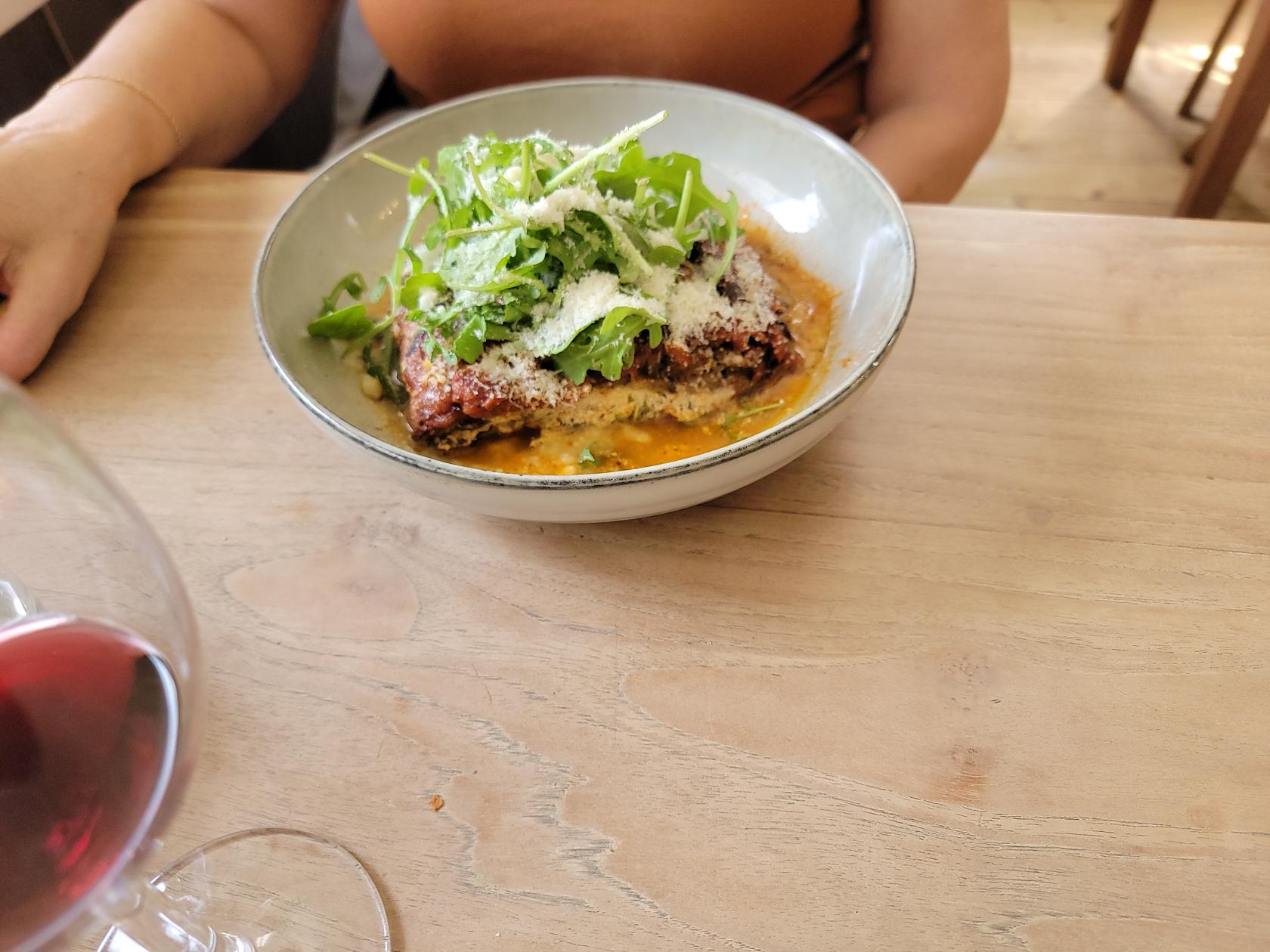
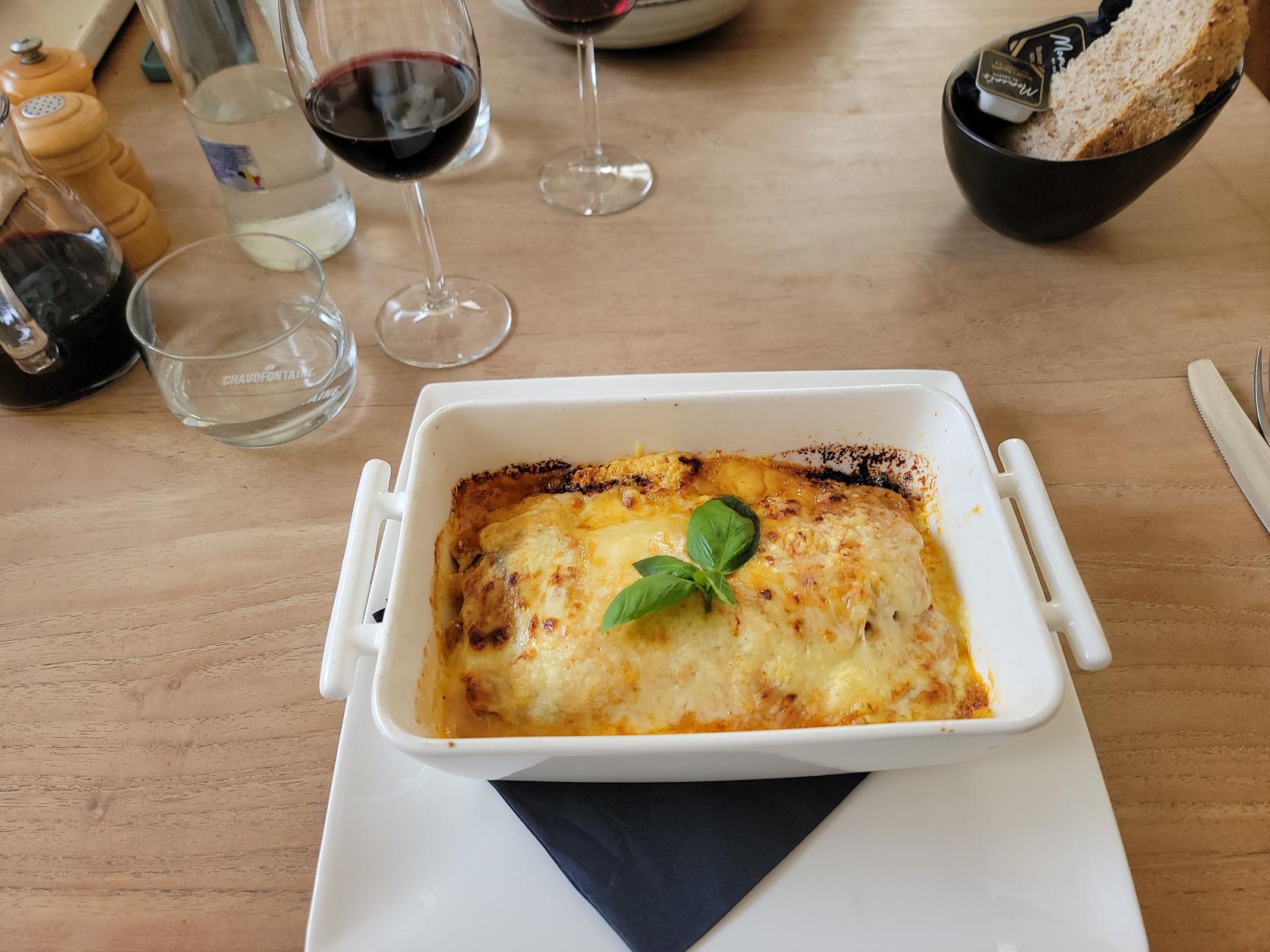
An Italian fusion style restaurant is Sorelle, or the sisters, on Onderbergen. A renovated house with an inviting charm and staff, Sorelle has a short menu which is not short on taste. The tomato soup and baked Italian Casserole with vegetables and tagliatelle is very good. Their selection for house red wine was also very good, a clean crisp taste, not sour with a good finish. They of course have other Belgian leaning dishes and desserts for local tastes, if you choose to go that route.
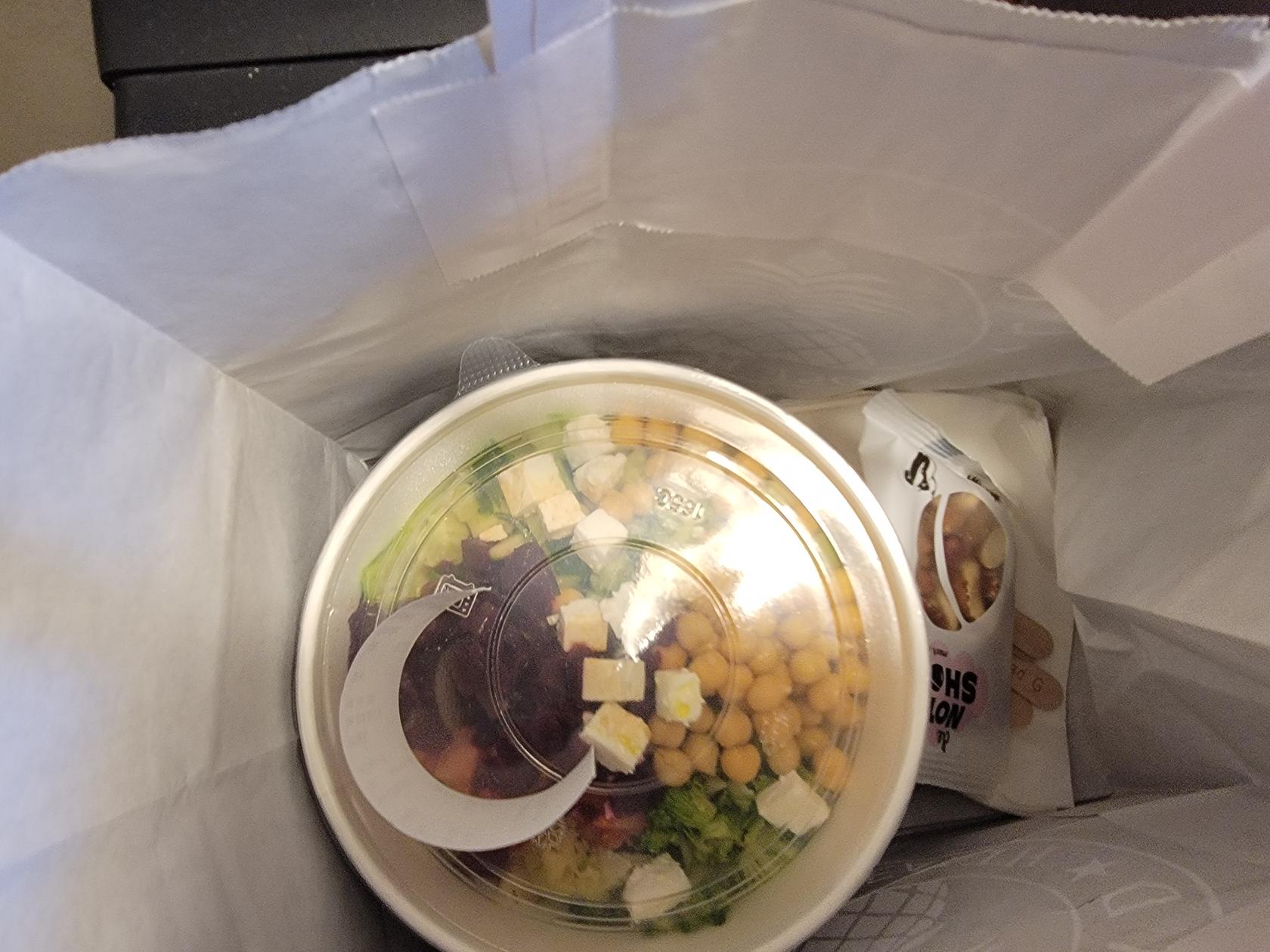
A mexican themed restaurant that specializes in salads and other tasty mexican dishes. We came here to get take-out on our last evening in Gent, since we had a rather heavy lunch at Sorelle. So if you are looking for some a bit less expensive you may want to stop here.
Takeout – Luxalad Restaurant – Gent, Belgium
Make Your Own – Luxalad Restaurant – Gent, Belgium
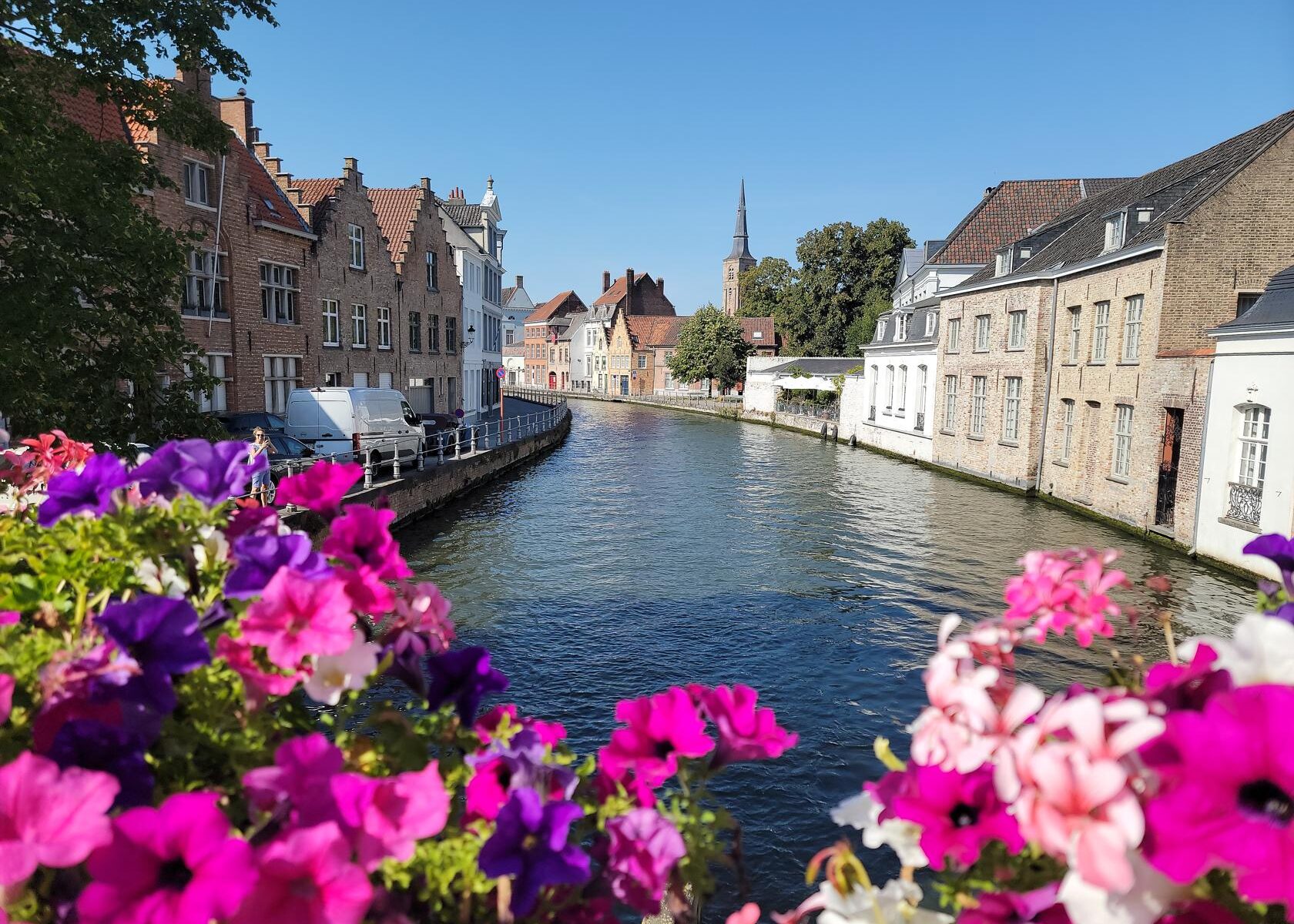
Commonly referred to as the Venice of the North, Brugge, or Bruges (it also goes by many other names), is riddled with canals and hence bridges to get over them. However, its toponym is actually not derived from a french or belgian form for the word ‘bridge’, but rather more likely a Scandinavian word that denoted a quay or jetty.
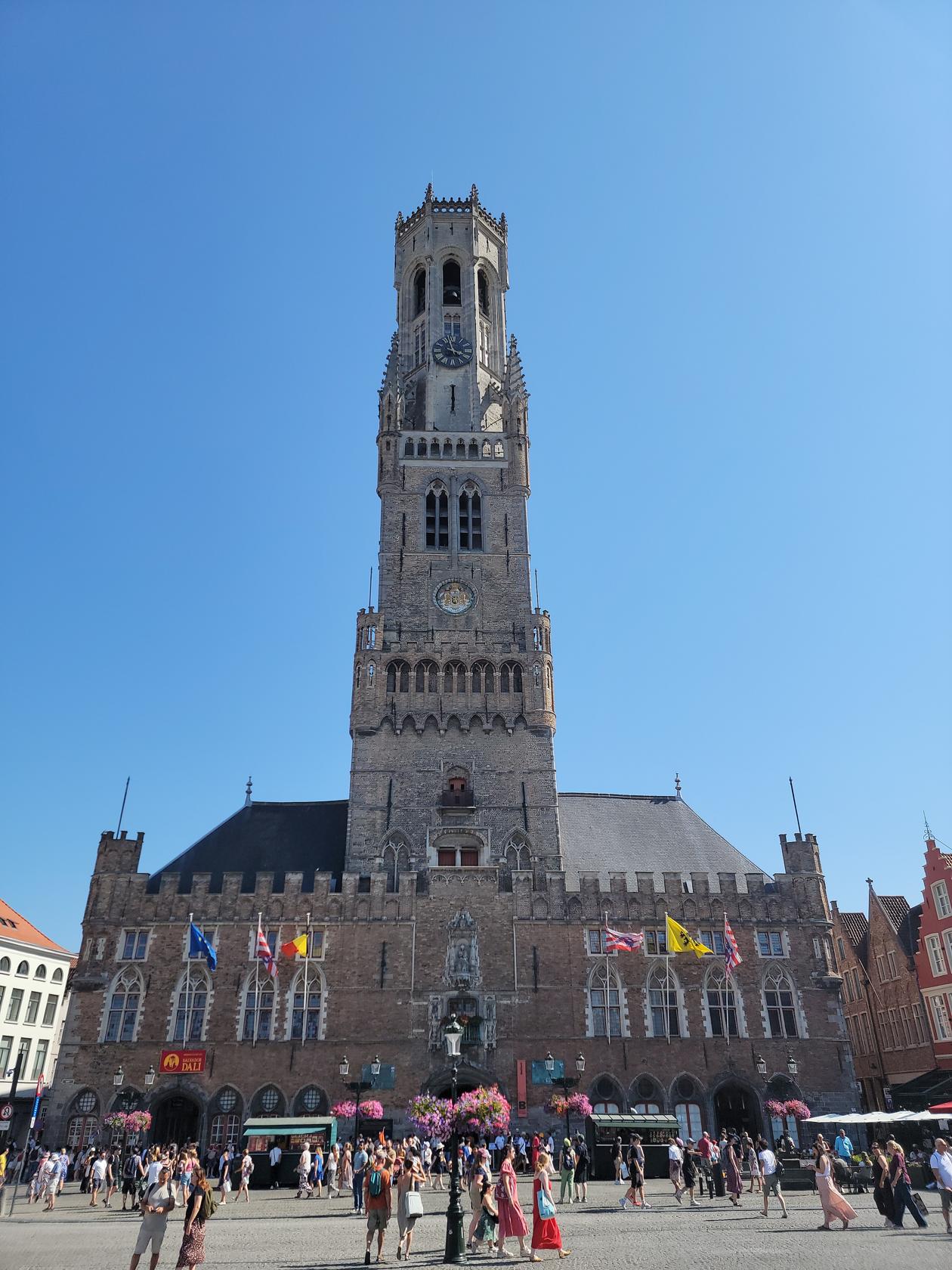
Belfort – Grand Marktplatz – Brugge, Belgium
Brugge
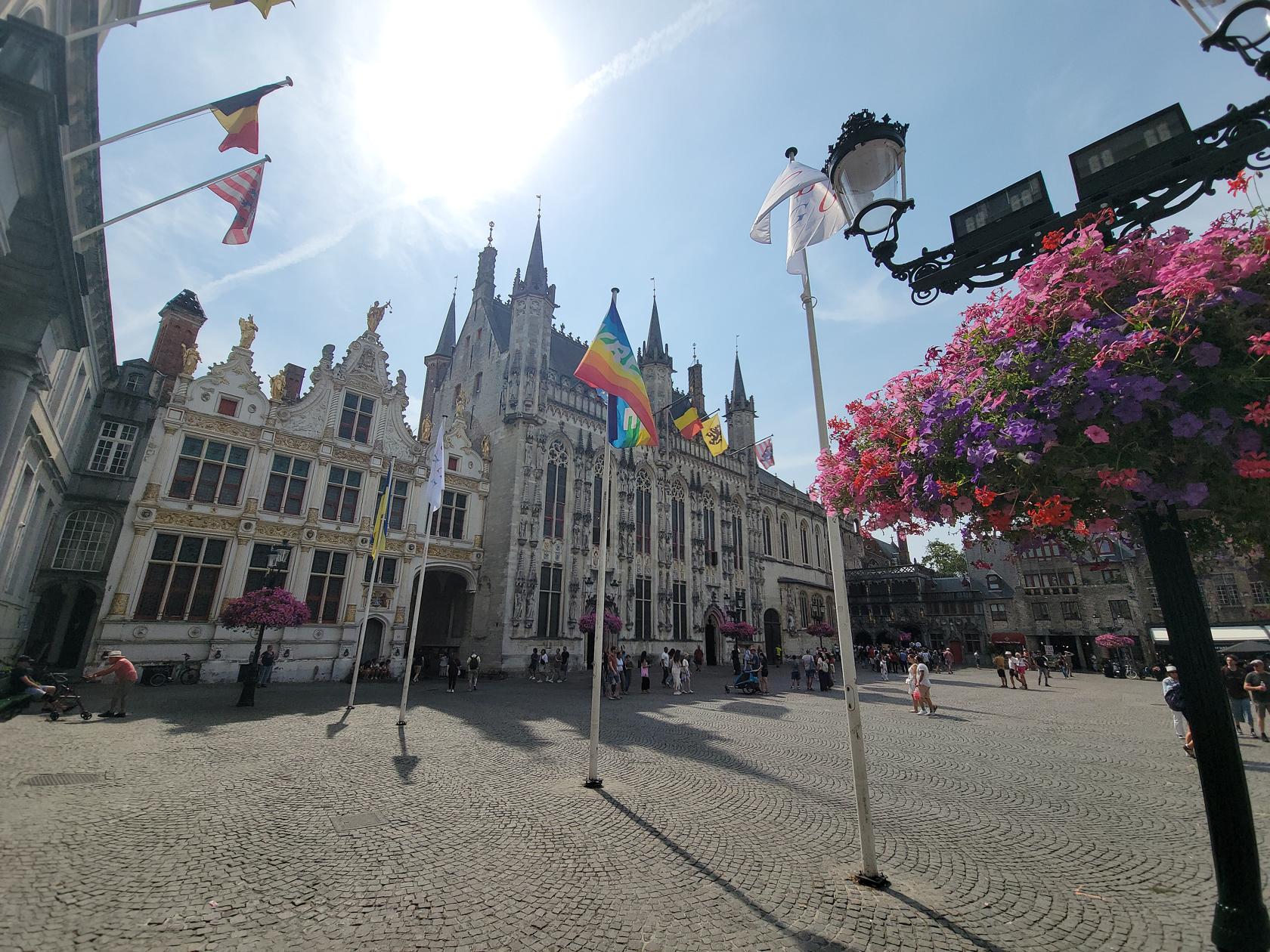
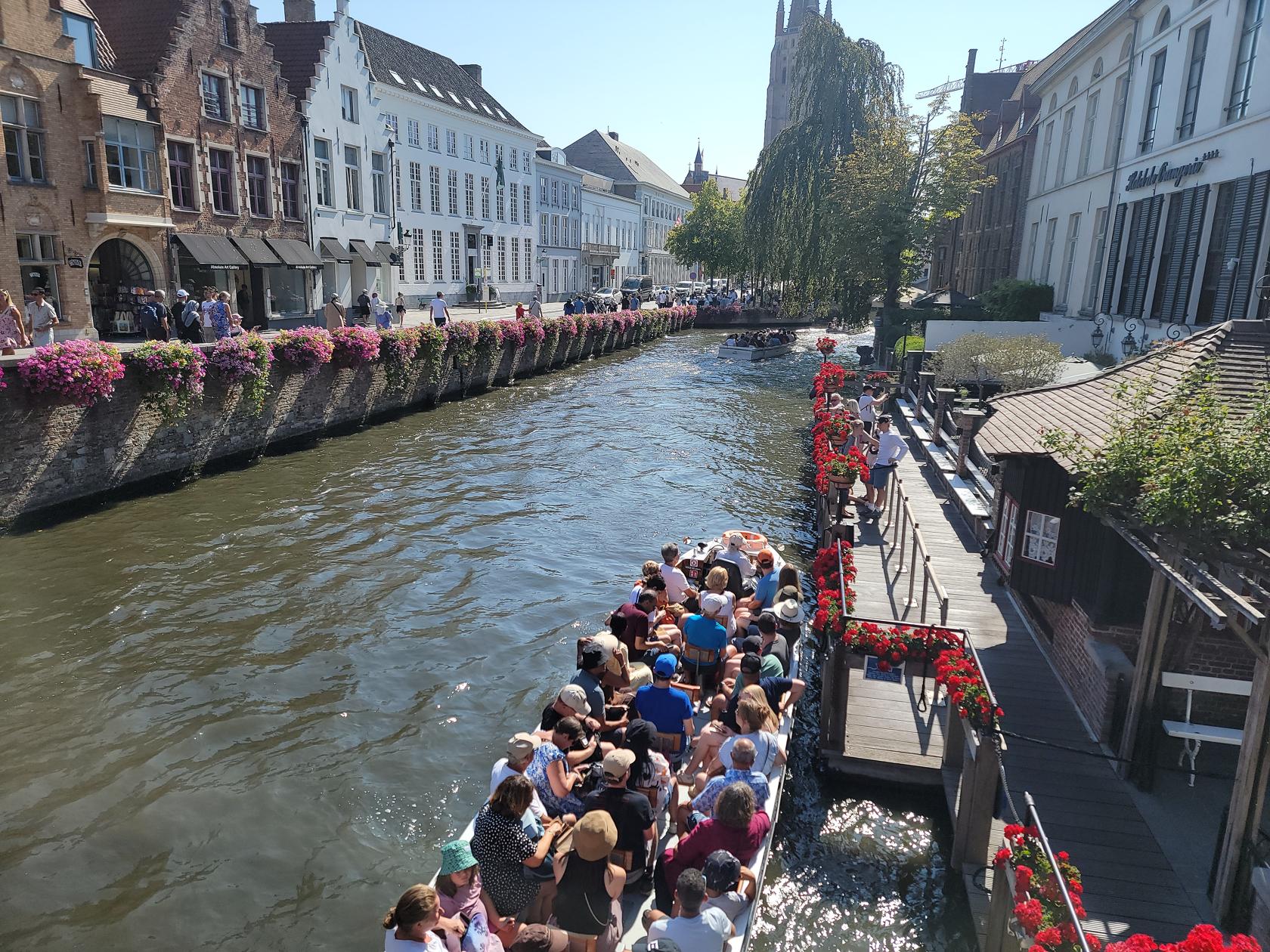
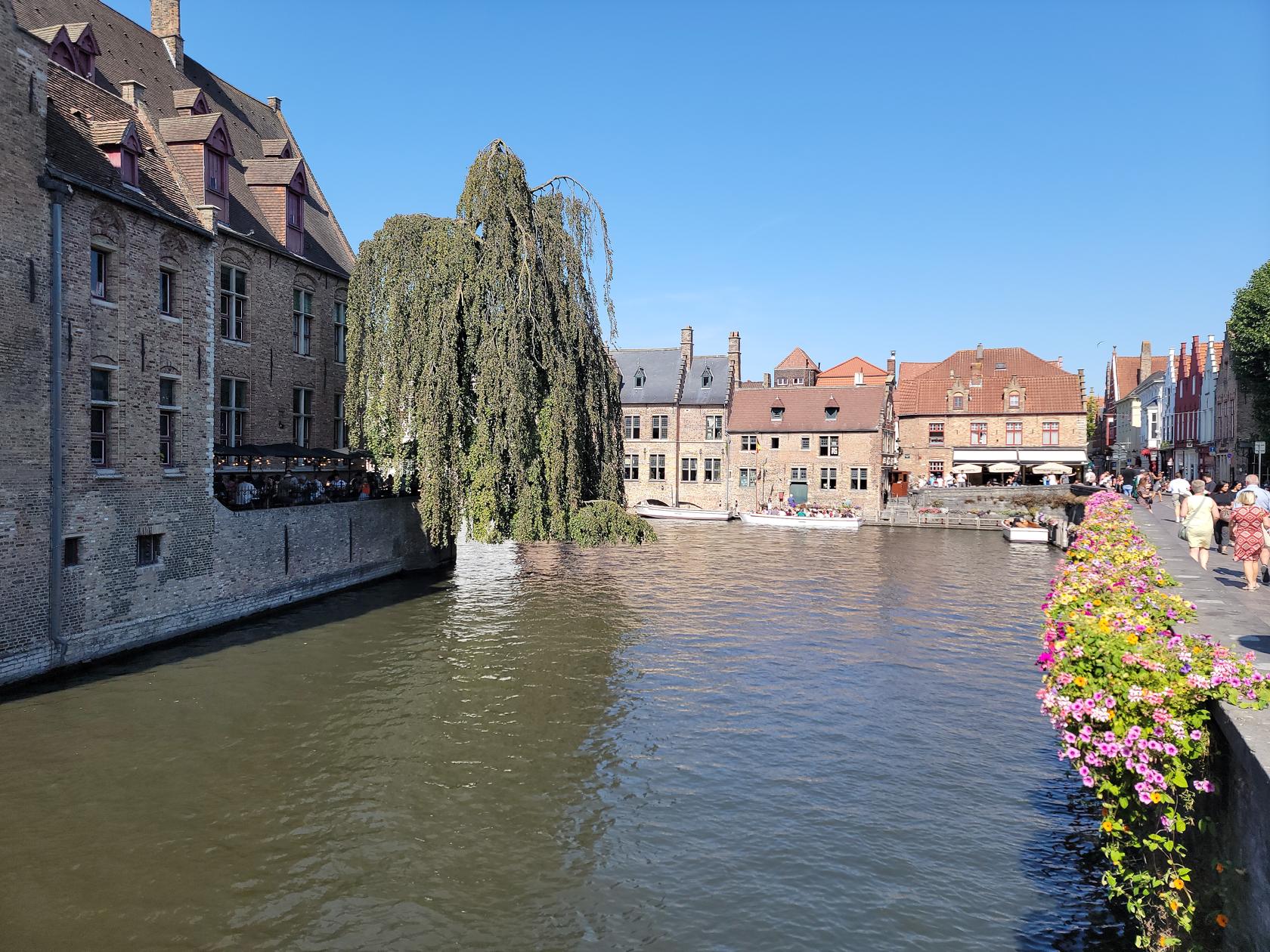
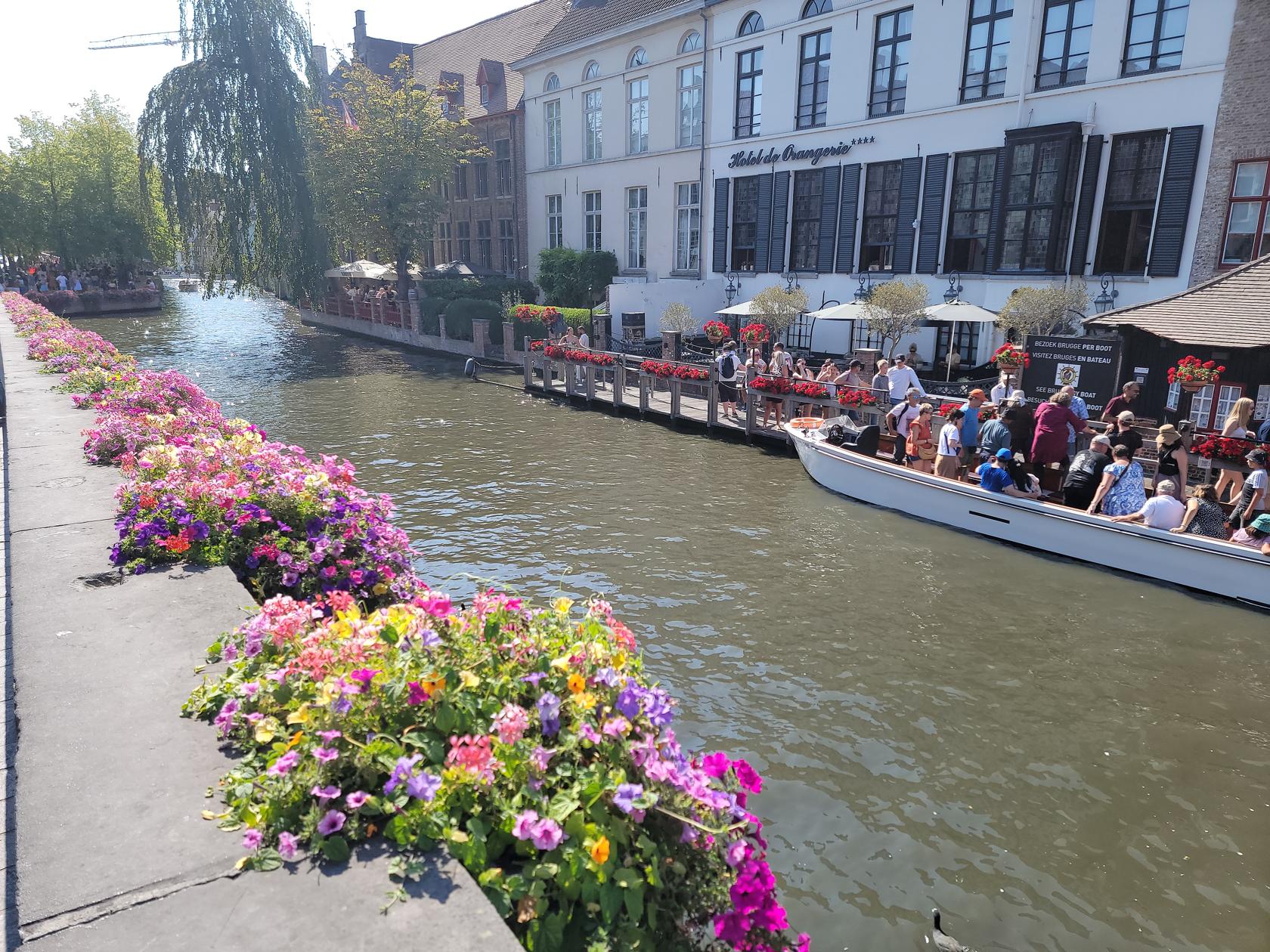
Tucked into the country, not too far from the coast is the small city of Brugge. Connected to the coast by a canal, which has tendrils all through the city, Brugge is a major tourist spot within Belgium and during the summer can get quite busy. The main throng of tourists seems to follow the Dijver canal from the south where there is parking, up to the Market Square and along to the De Burg and its religious attraction.
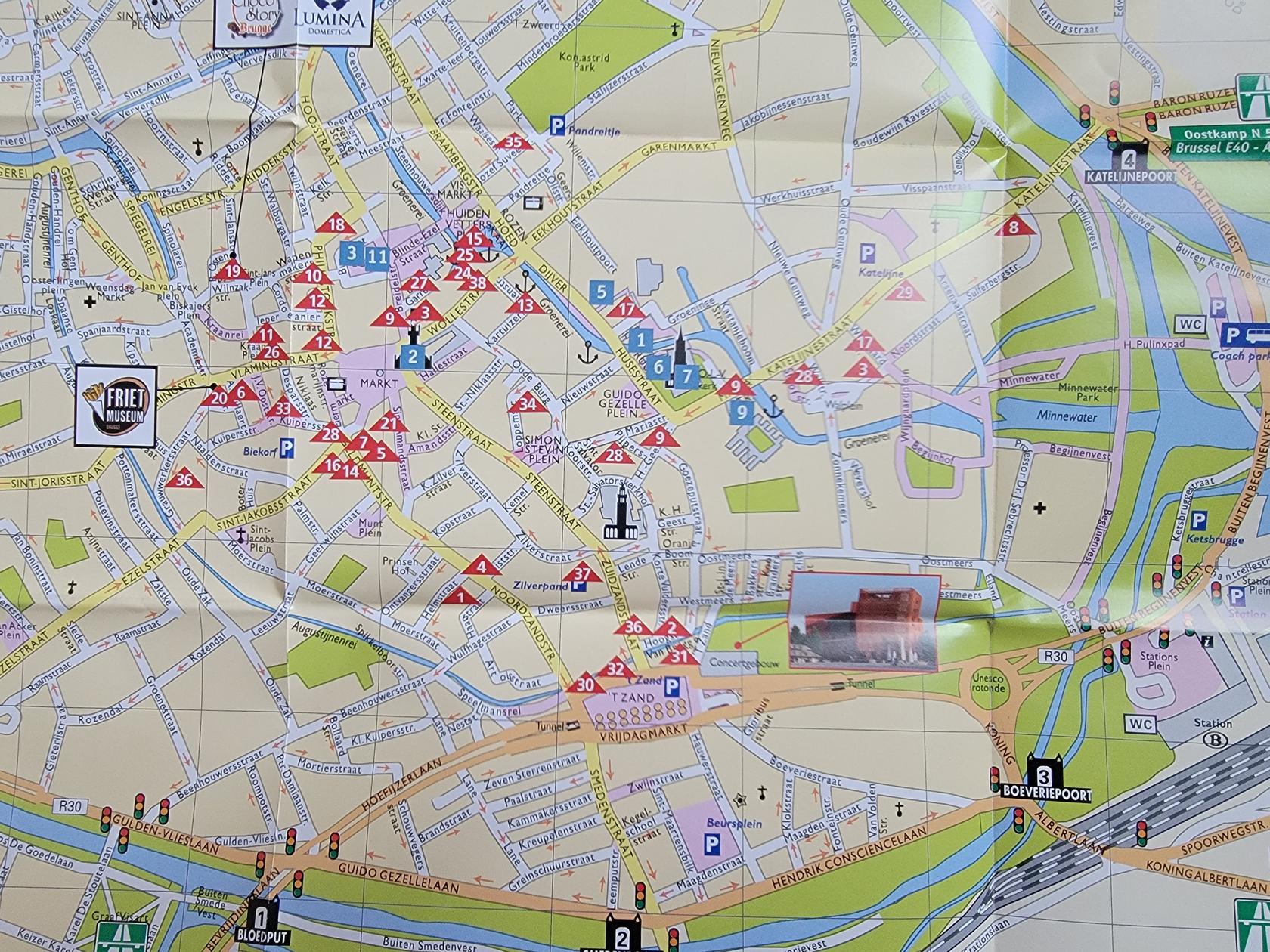
Map – Brugge, Belgium
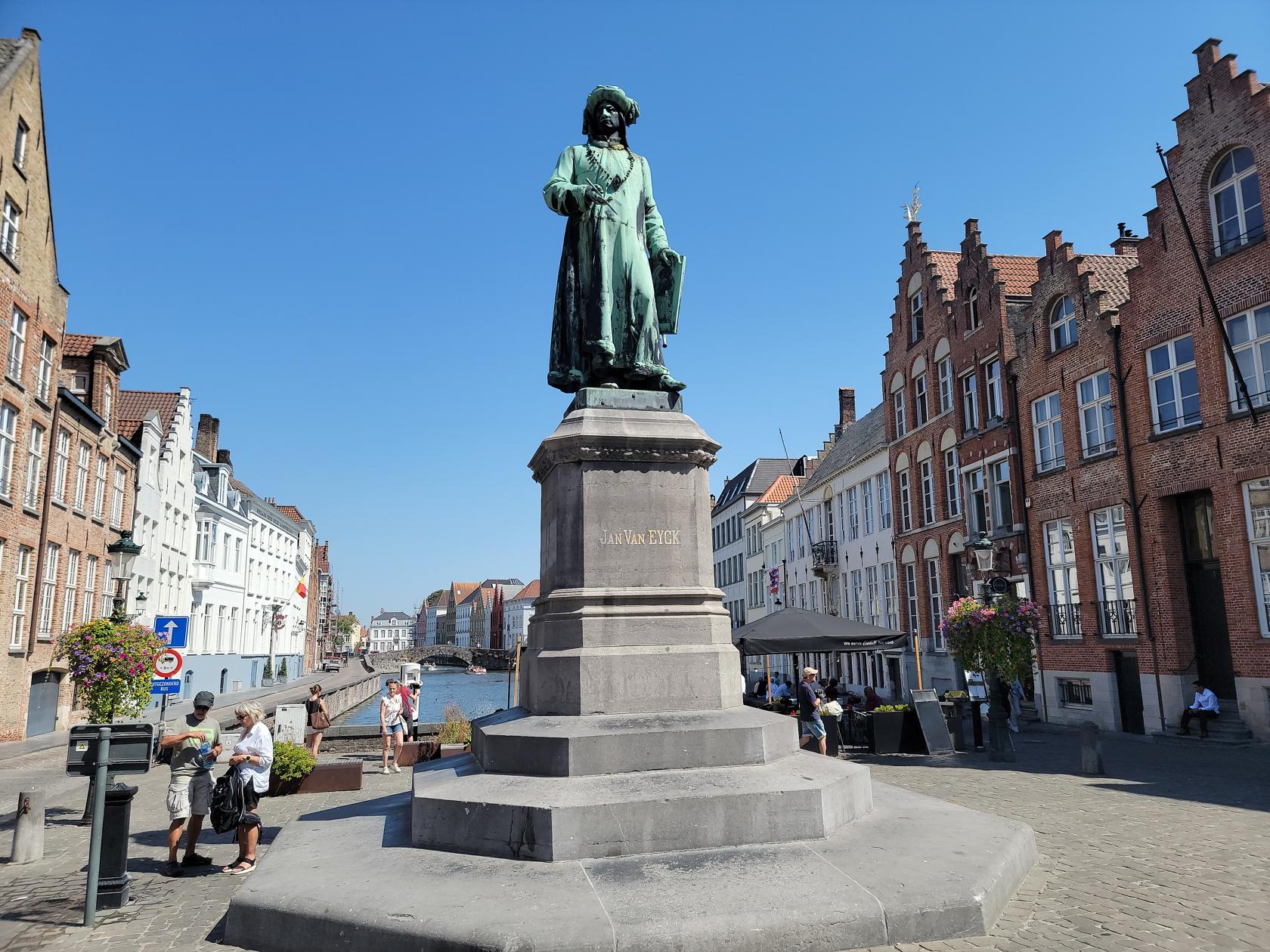
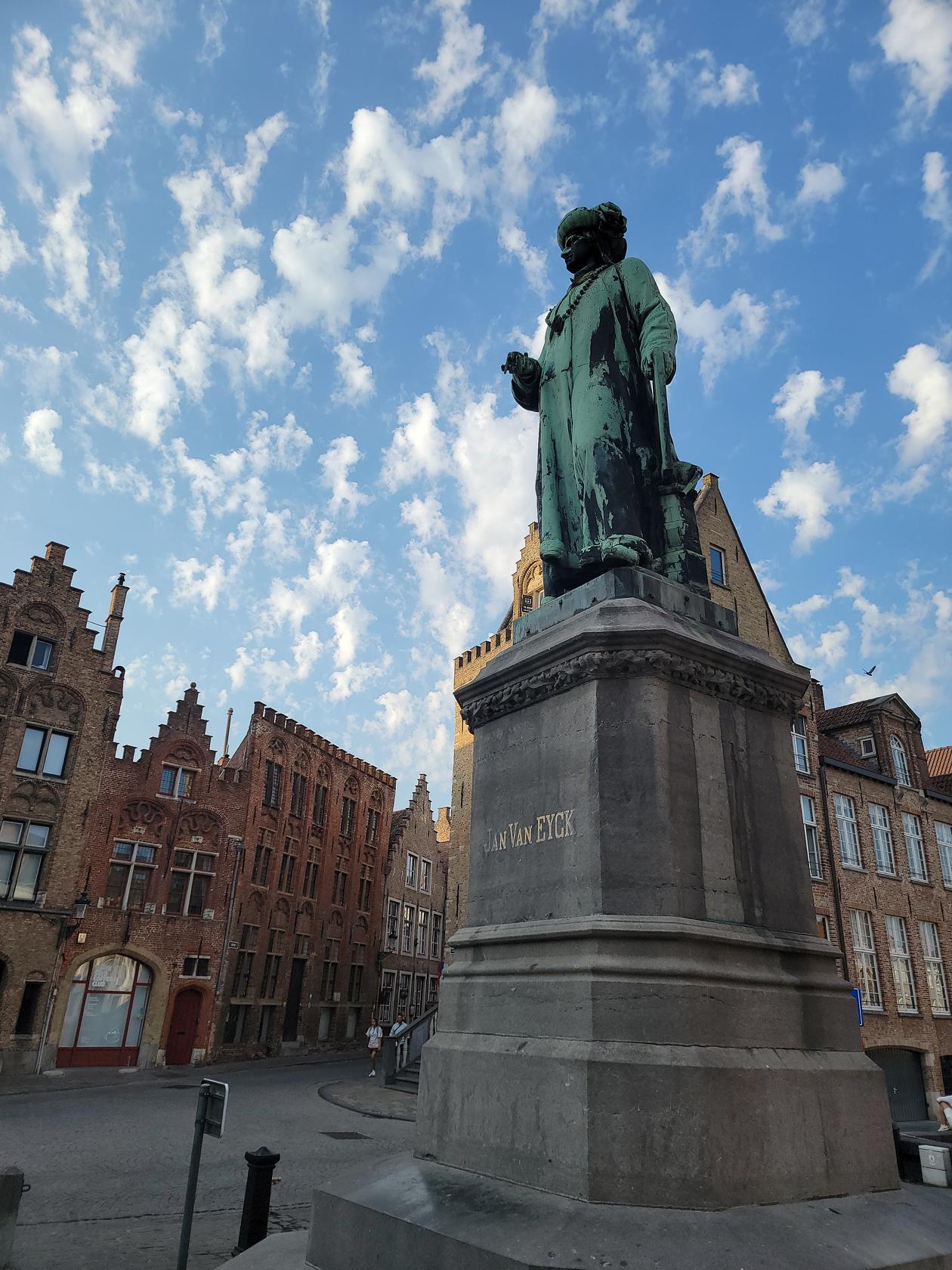
Jan Van Eyck Statue – Brugge, Belgium
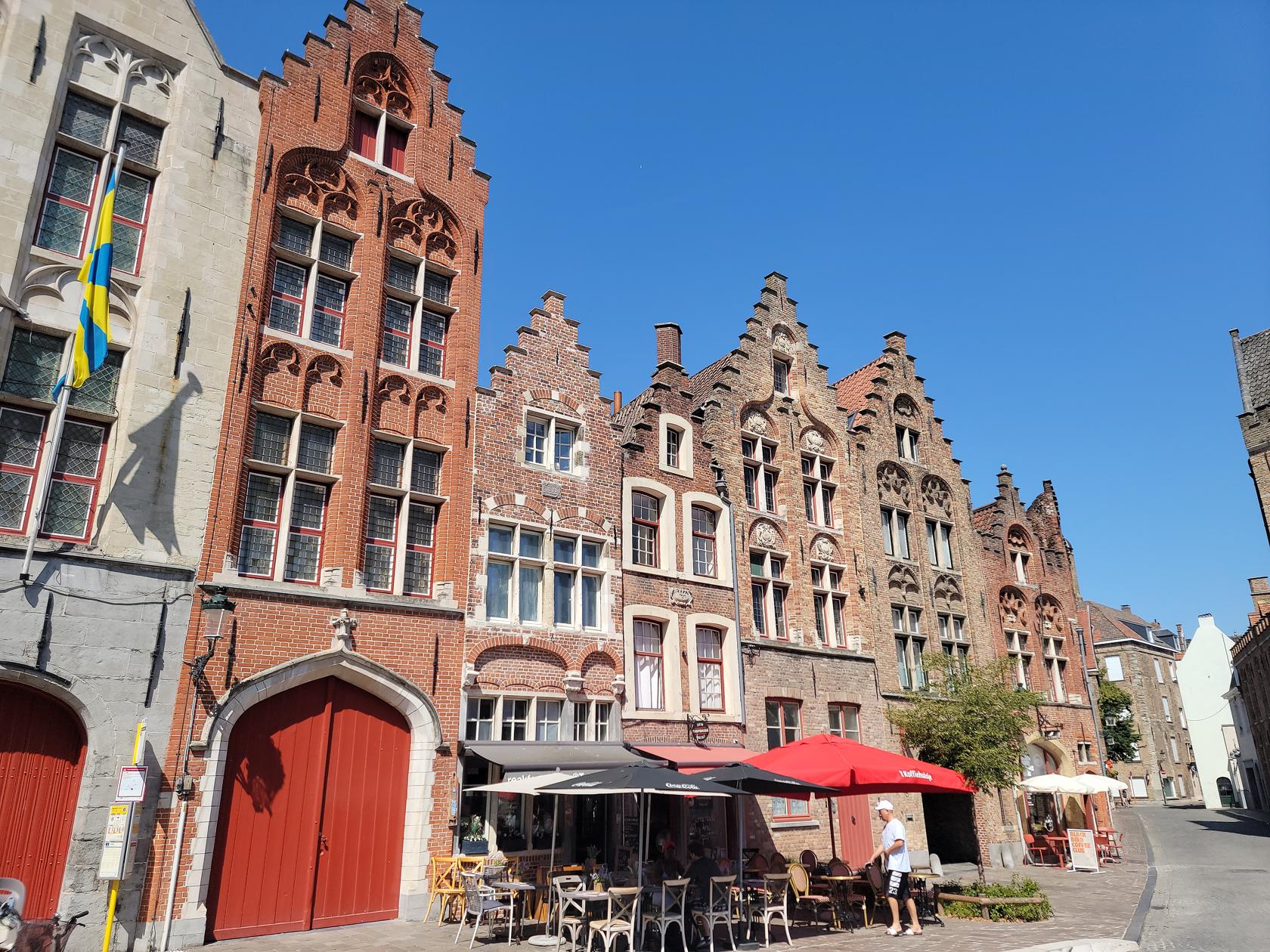
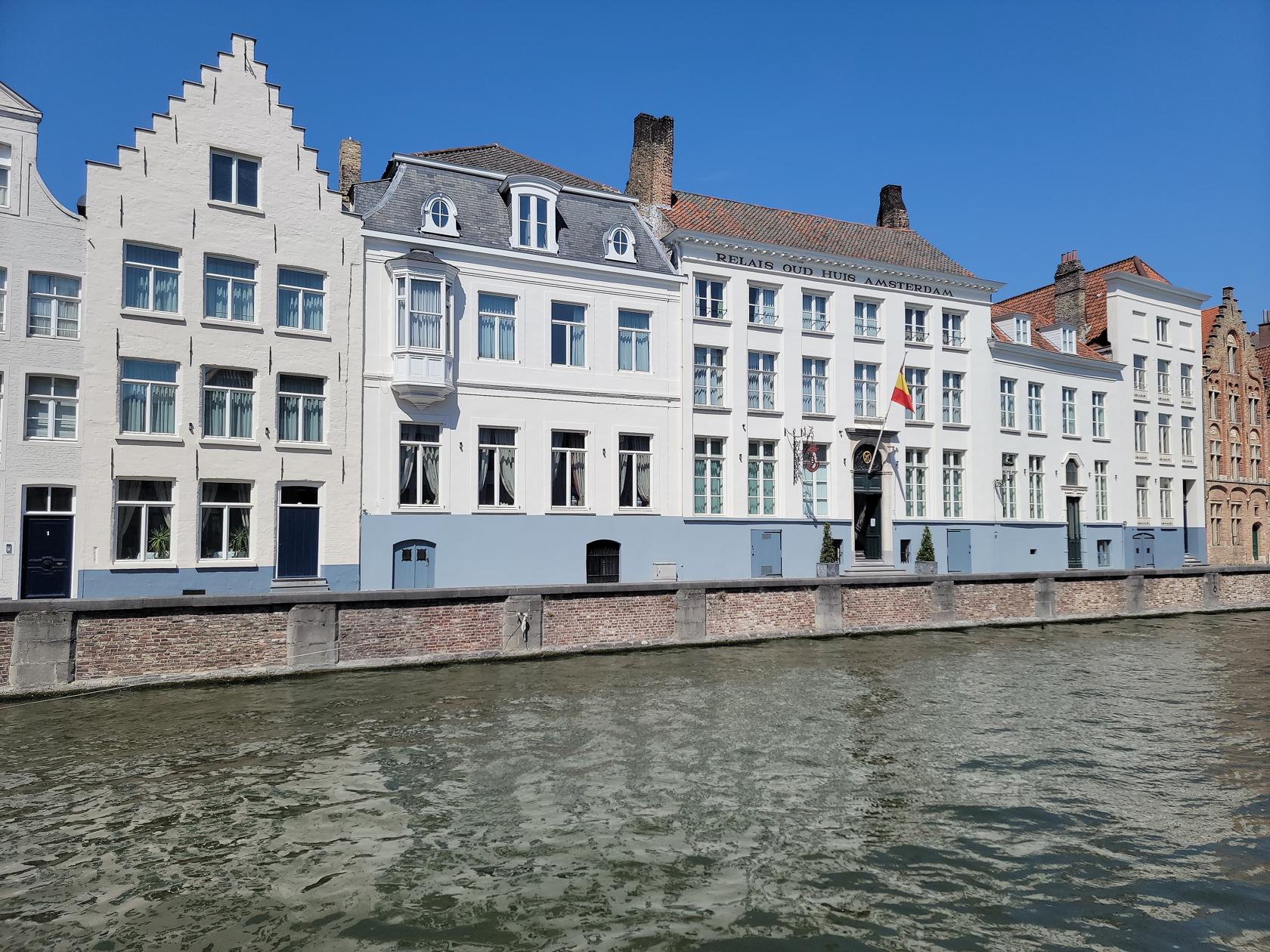
Typical Street – Brugge, Belgium
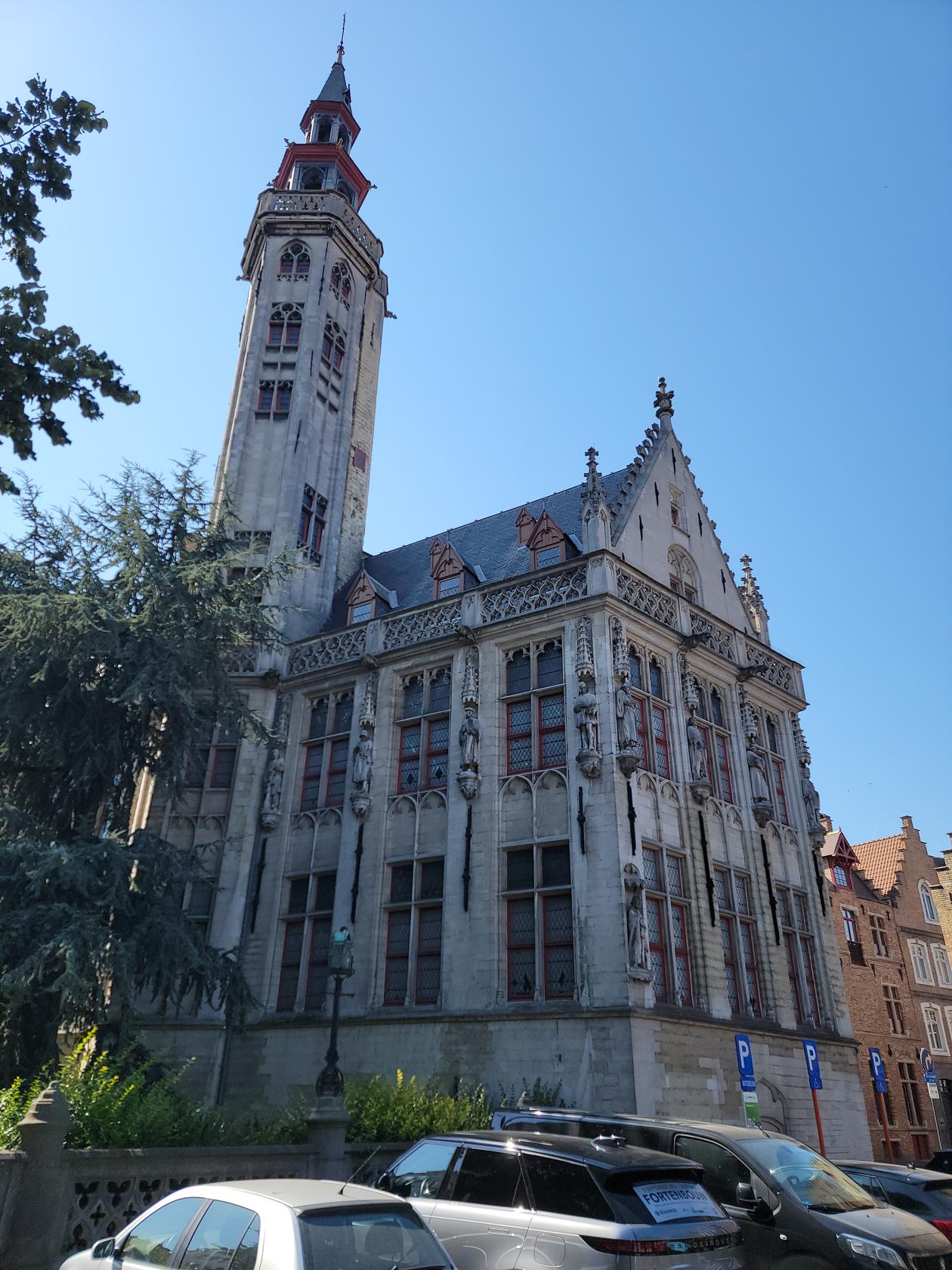
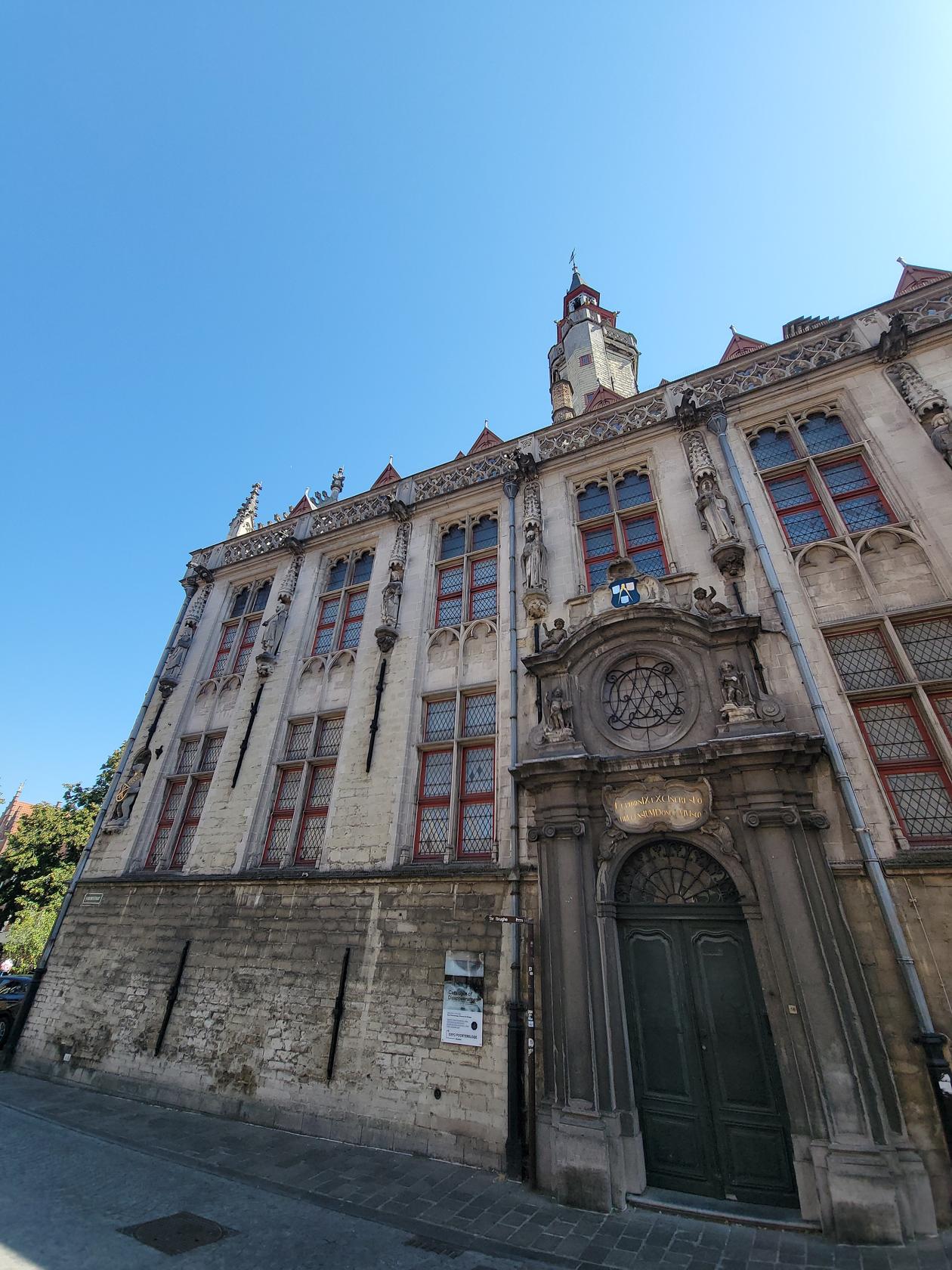
Burgher’s Lodge – Brugge, Belgium
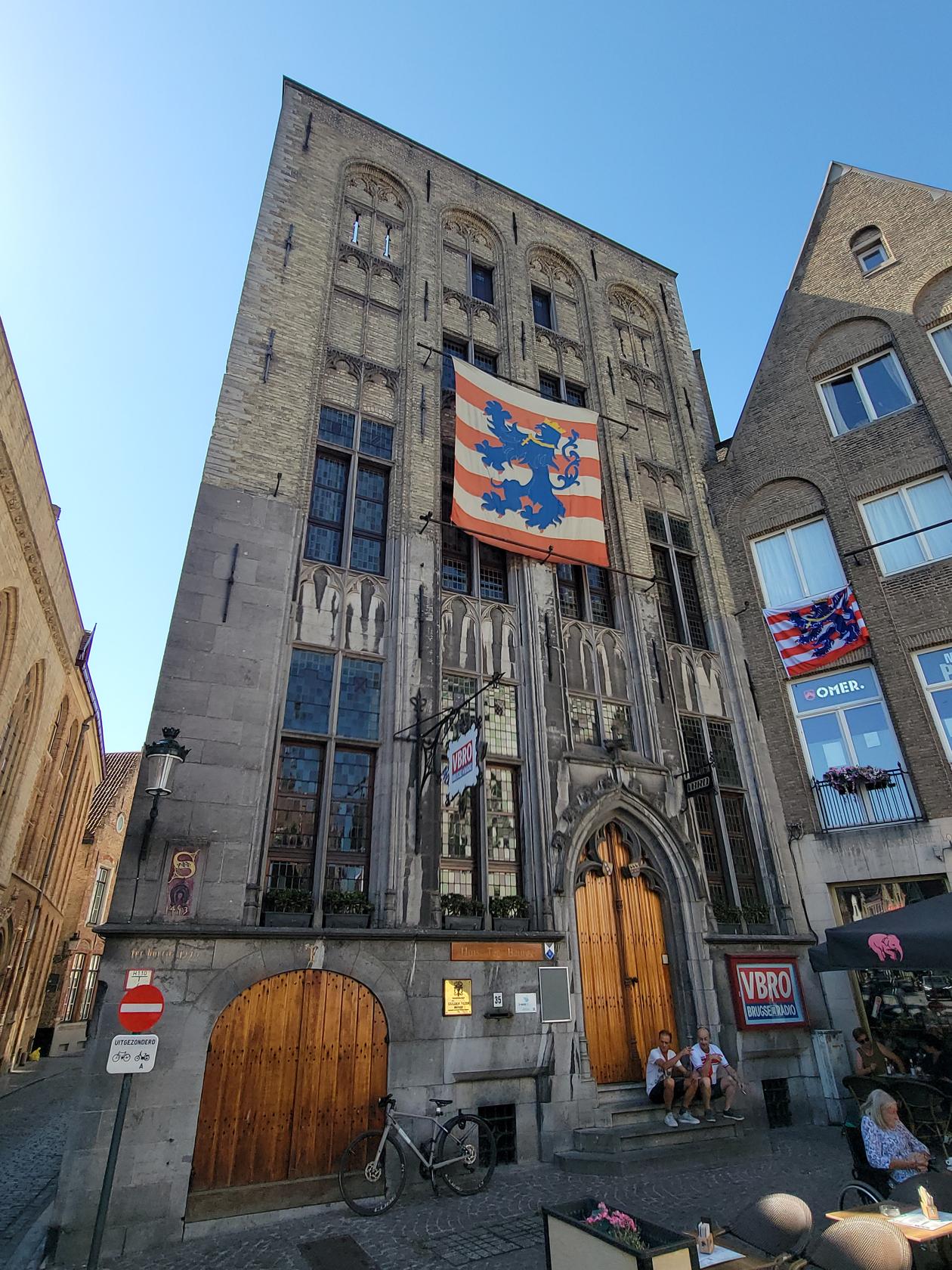
Huis Ter Beurze – Brugge, Belgium
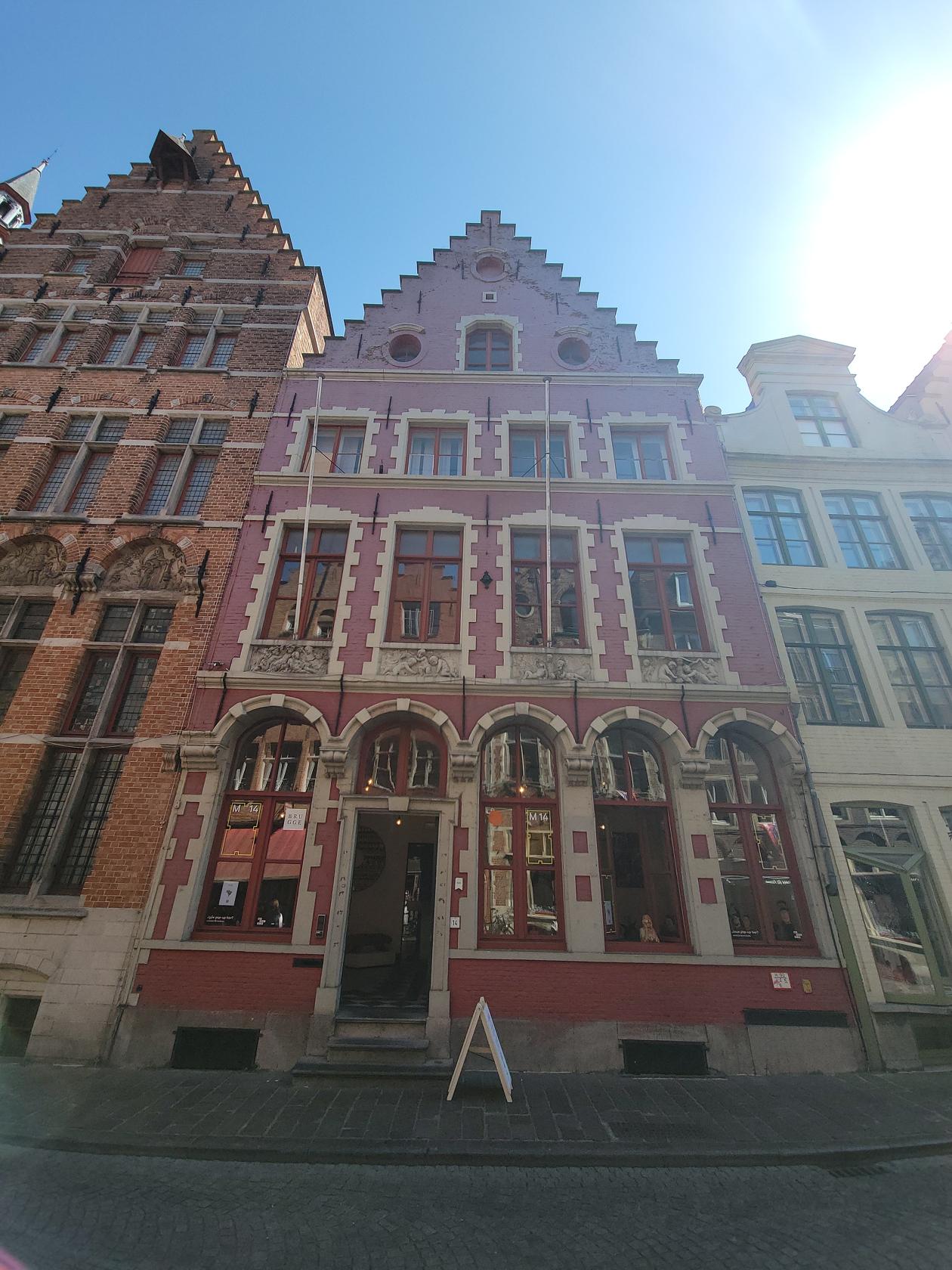
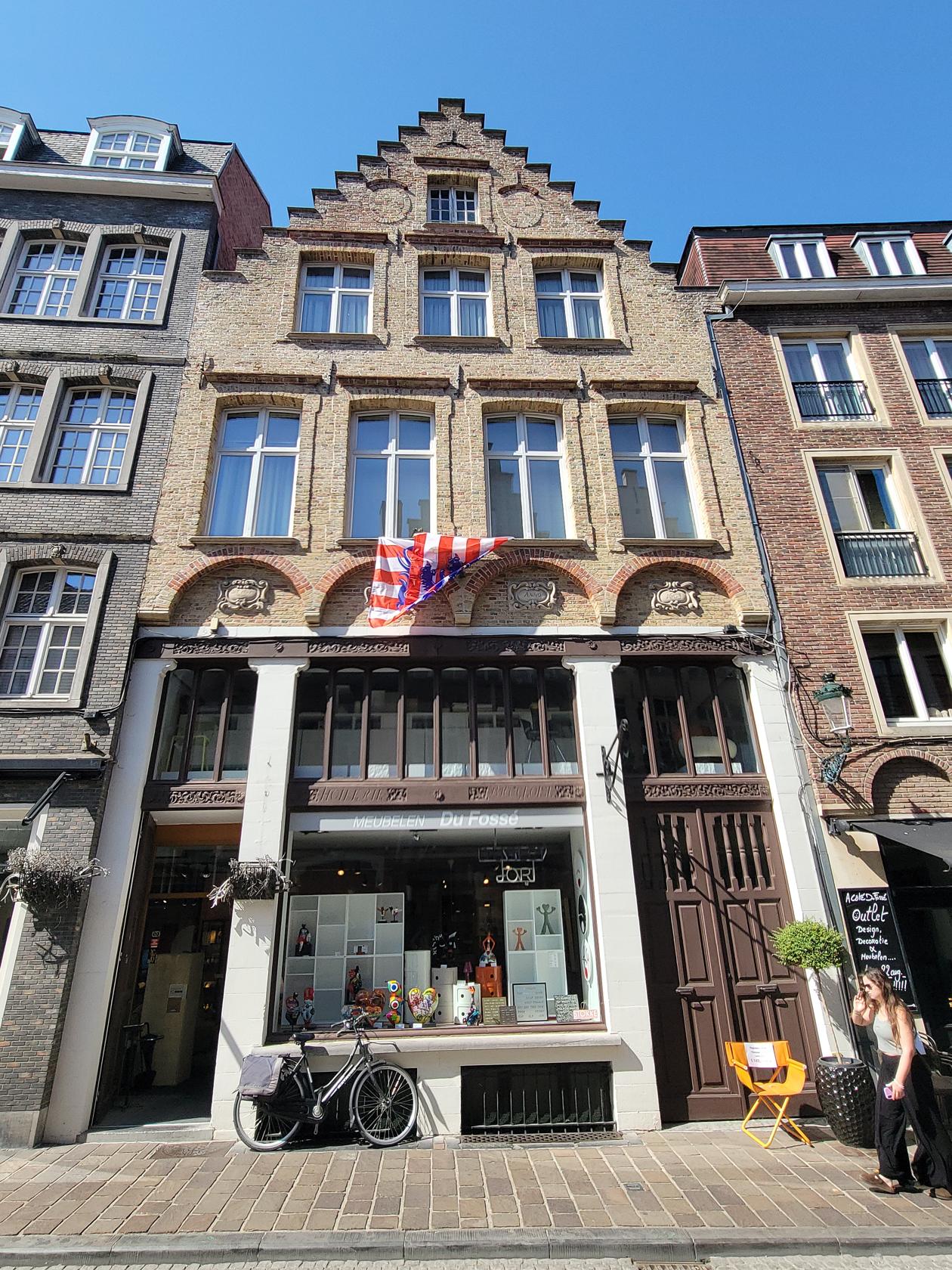
Historic House – Brugge, Belgium
Historic House – Brugge, Belgium
Burgher’s Lodge – Brugge, Belgium
Jan Van Eyck Statue – Jan Van Eyckplein – Brugge, Belgium
Getting There
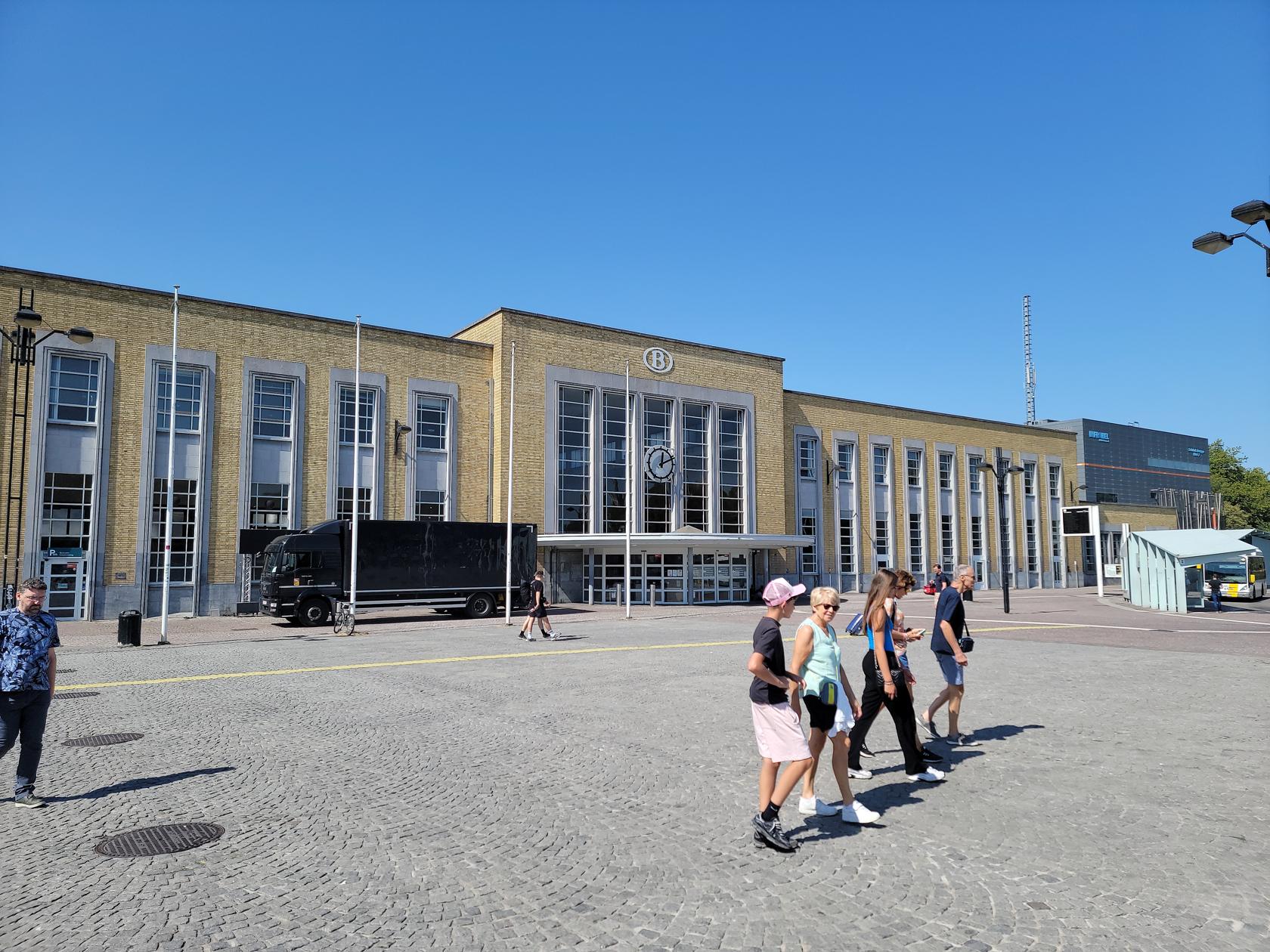
Probably most people use their car, but to the south there is also a place where we discovered the buses park, so that is another often use mode of transportation. We naturally used the train system, which from Dinant required two changes. The last change to Brugge itself was on the InterCity (IC) line and accommodates both first and second classes, though in a rather strange way. In case, we arrived at the main train station in Brugge, which oddly enough no longer has a functioning main entrance, so you must use the side entrance to the left.
Main Train Station – Brugge, Belgium
It should be noted that in Belgium, cars marked with a 1 with a 2 below it, indicate the train has first class upstairs and second class below. Others with just a 2 indicate second class only. Still others that appear old and with no markings indicate no ammenities, not even air conditioning. We found this out the hard way, not knowing signage. Luckily the seats were very comfortable and it wasn’t too warm, though I wouldn’t like to repeat the experiment.
Main Train Station – Brugge, Belgium
Hotel Martin’s Relais
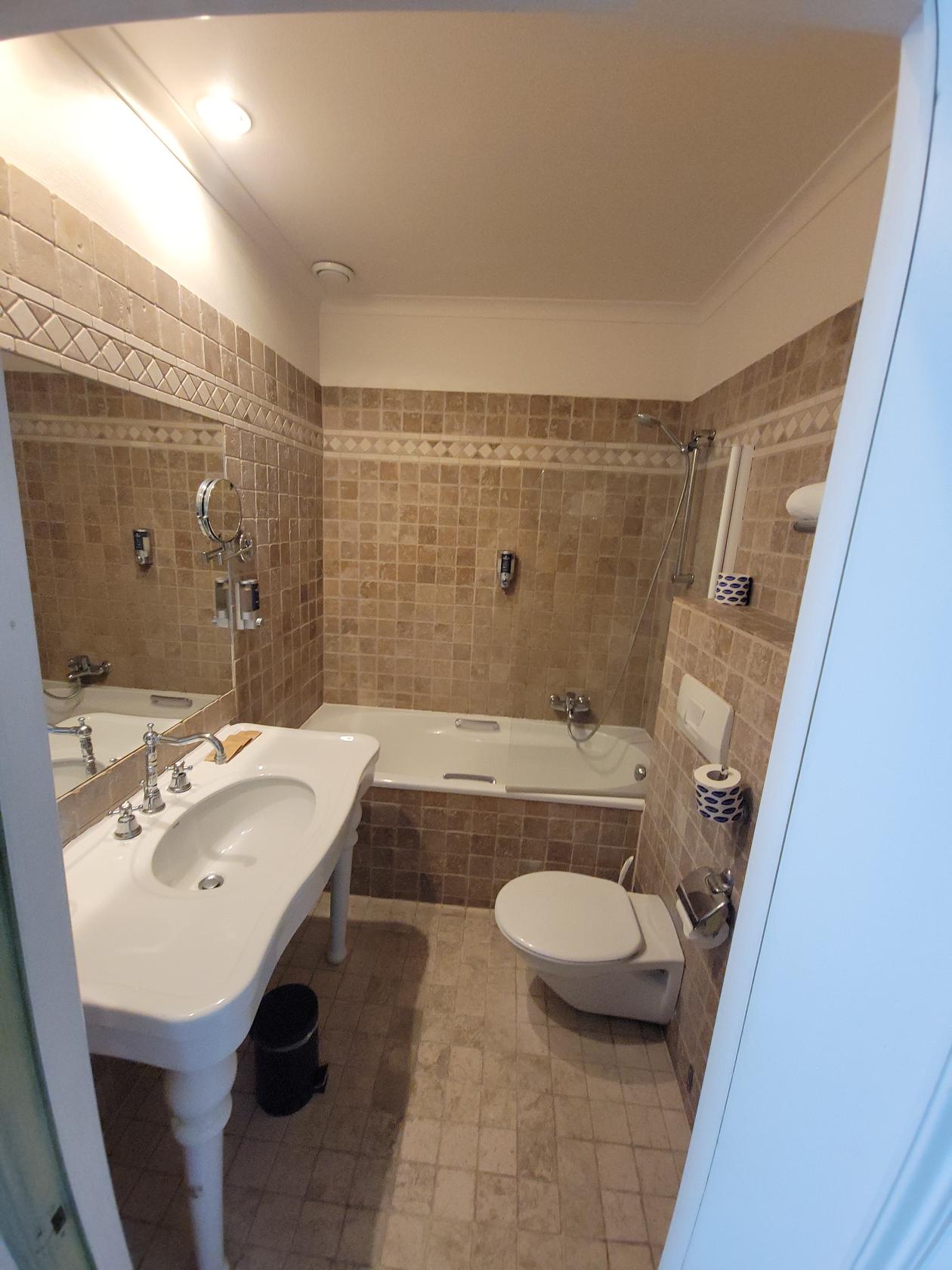
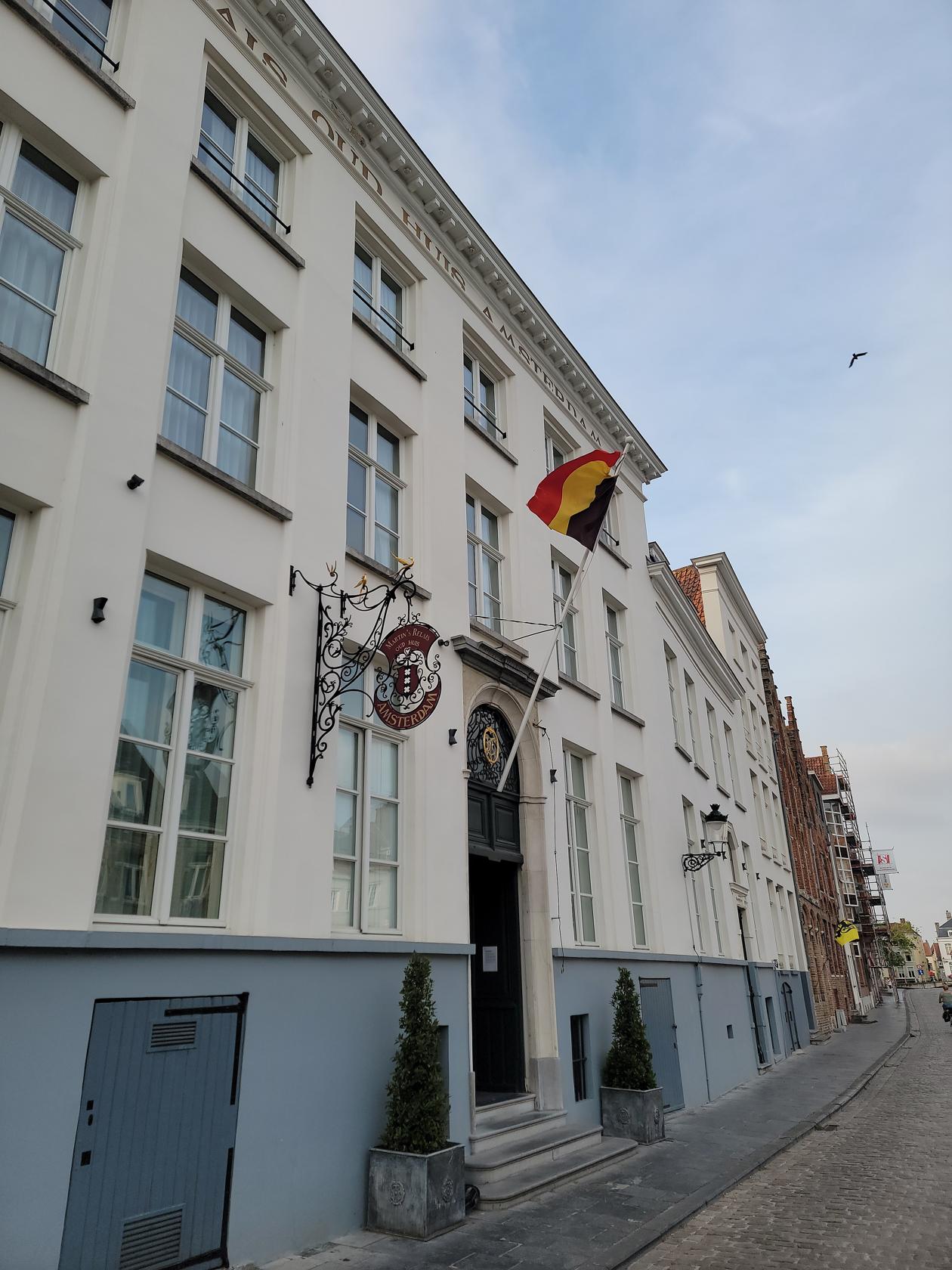
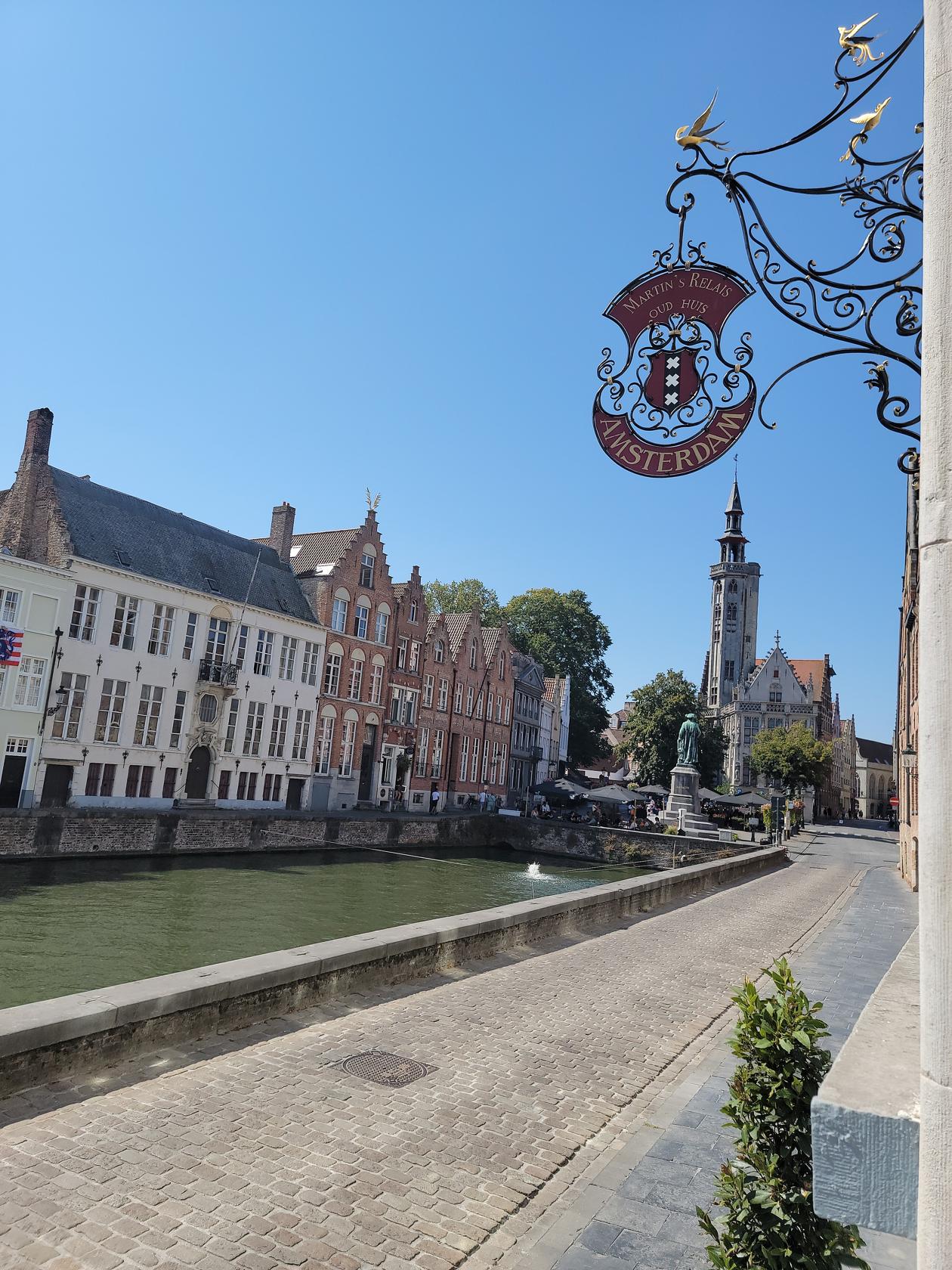
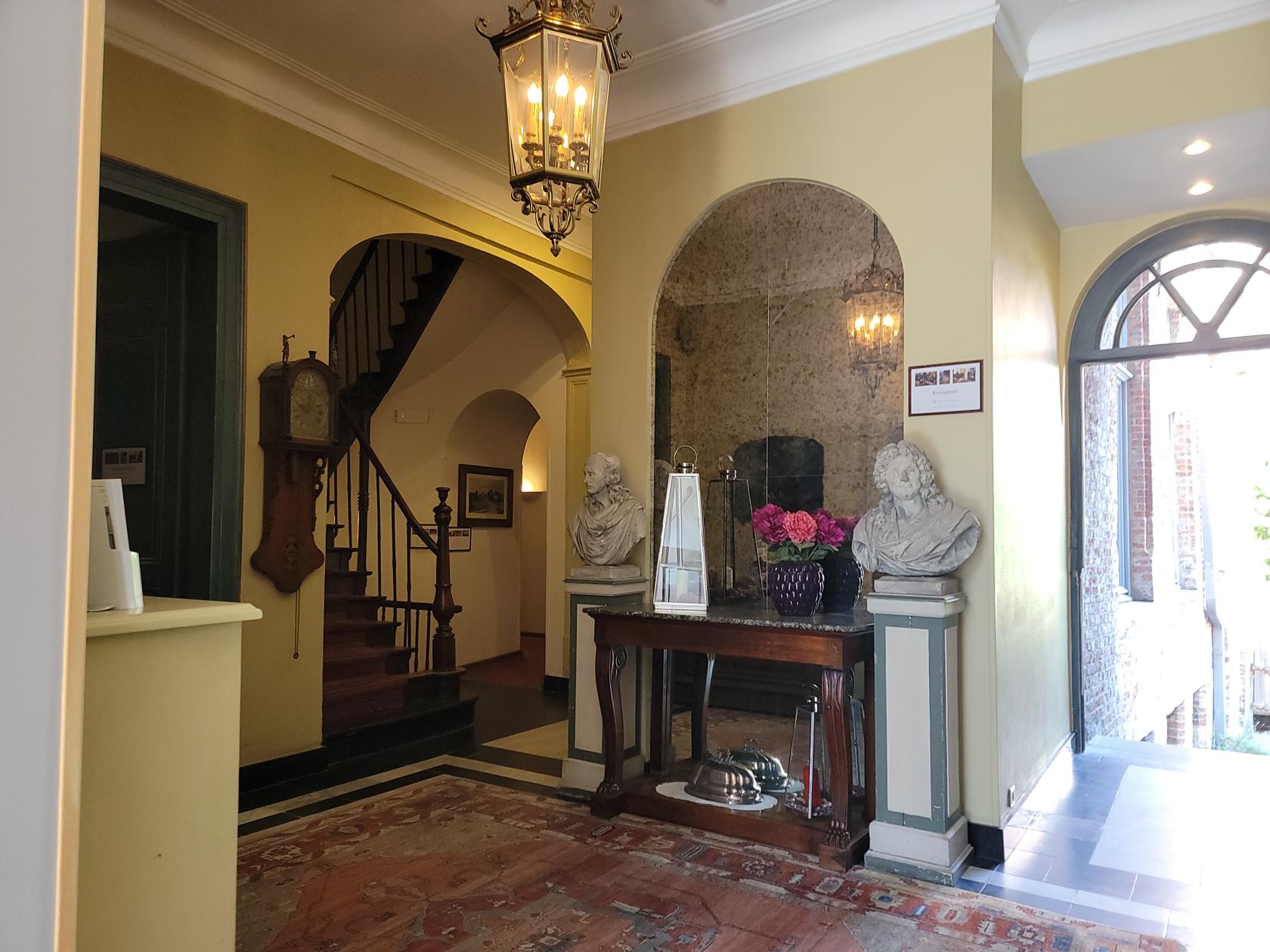
We stayed at a boutique hotel to the north east of the old town and on one of the canals. The hotel Martin’s Relais is a quaint and quiet retreat from the city, though the area in and around it are actually not that noisy. The service is of course first rate and the rooms are cosy and very comfortable, especially the air-conditioning on a warm day.
Martin’s Relais Hotel – Brugge, Belgium
Salon – Martin’s Relais Hotel – Brugge, Belgium
Main Entrance Foyer – Martin’s Relais Hotel – Brugge, Belgium
Our Room – Martin’s Relais Hotel – Brugge, Belgium
Our Room – Martin’s Relais Hotel – Brugge, Belgium
Bathroom – Martin’s Relais Hotel – Brugge, Belgium
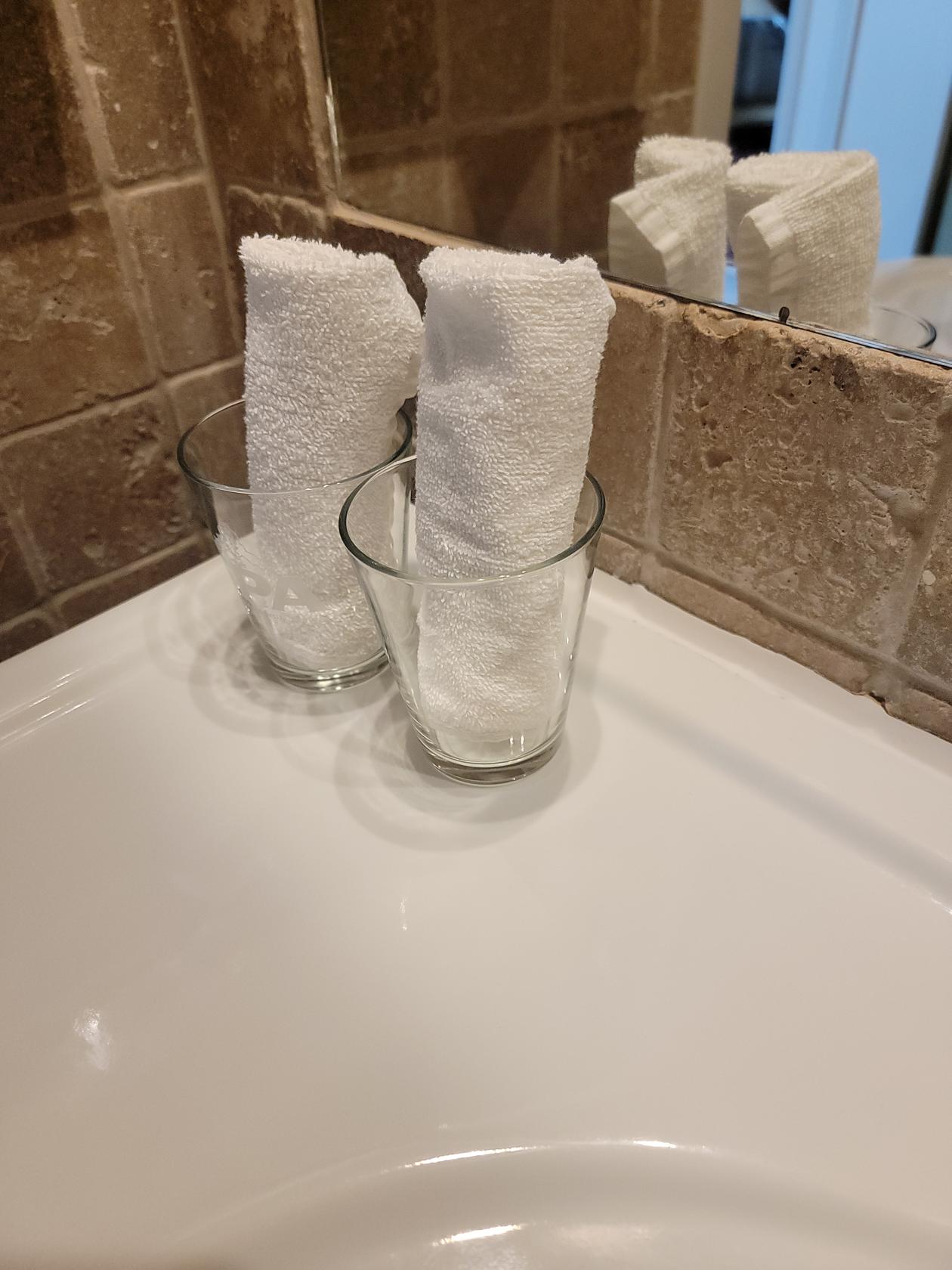
Washclothes? – Martin’s Relais Hotel – Brugge, Belgium
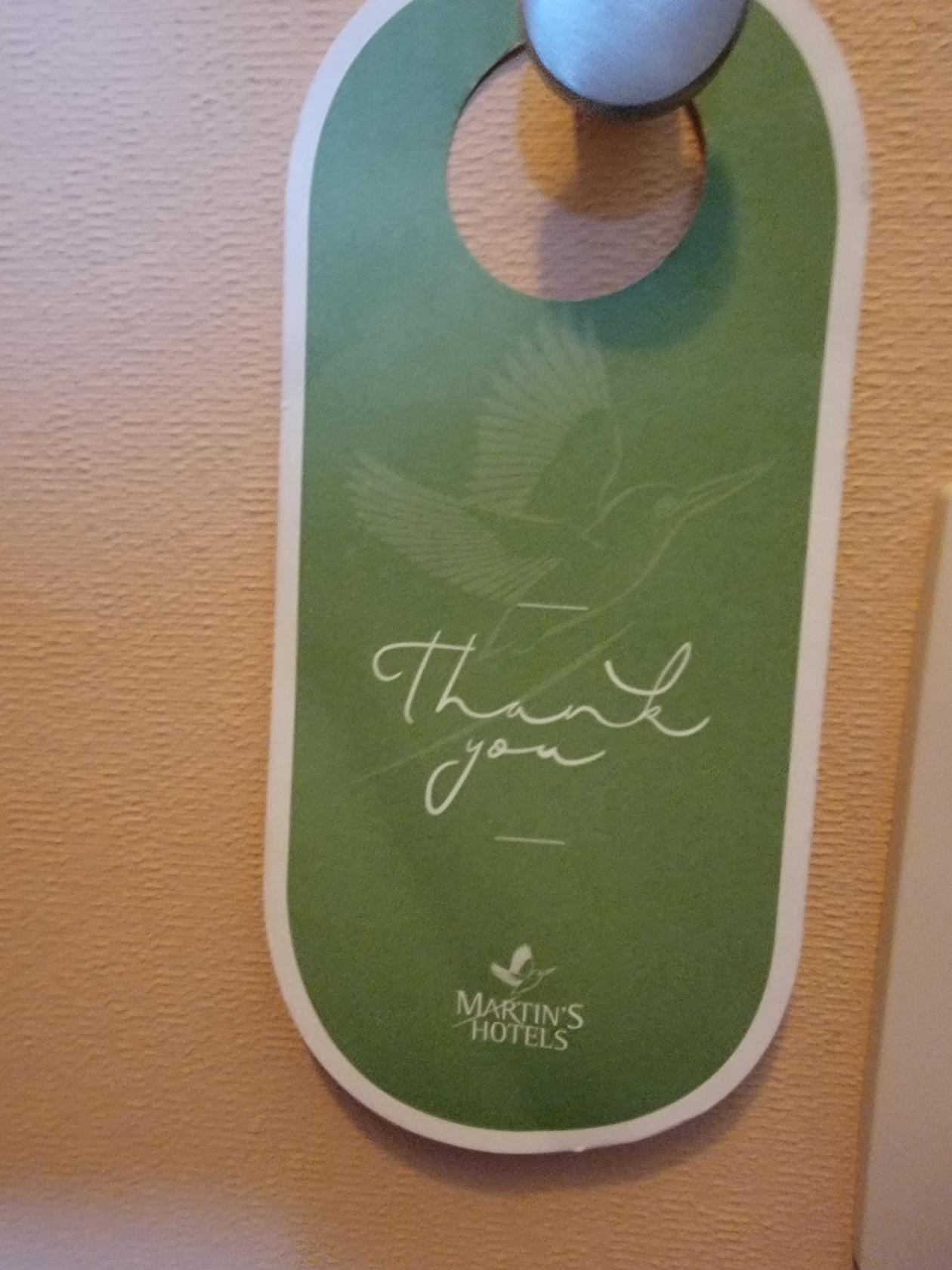
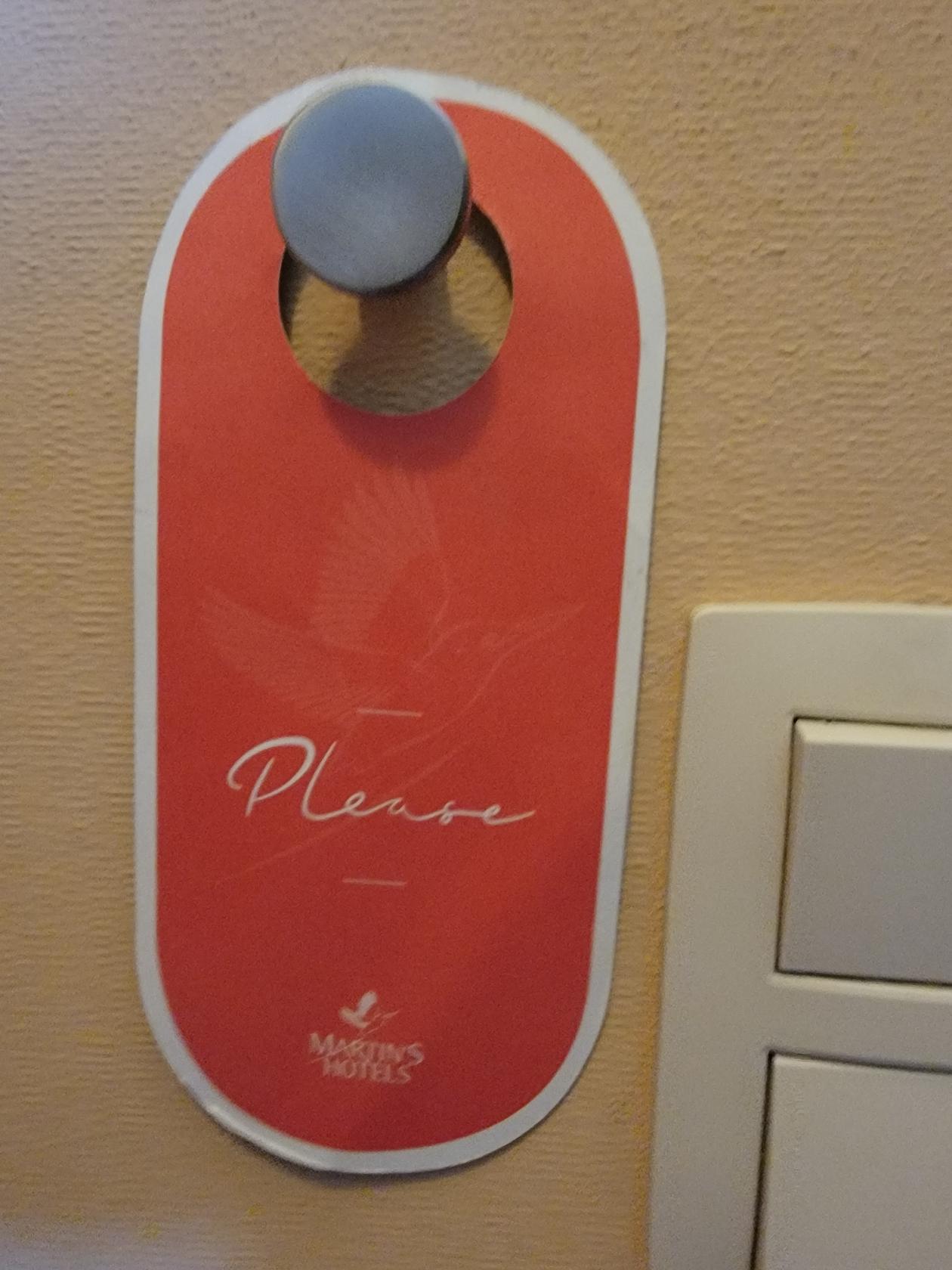
However, everything in Belgium comes with a strange Belgian twist. We could not determine the function of the door signs until we went to the desk to get our confusion cleared up. Perhaps it was somewhere lost in translation, but one says, “Thank You” in green and the other “Please” in red. You too should not get caught up in trying to figure out why they use Please and Thank You, the conotations are endless and it will just end up hurting your head. They actually tried to explain it to me and I just got more confused. The key is the color, green to enter and do the room up, red do not enter.
Thank You – Martins Relais Hotel – Brugge, Belgium
Back Entrance – Martins Relais Hotel – Brugge, Belgium
Please – Martins Relais Hotel – Brugge, Belgium
Back Entrance – Martin’s Relais Hotel – Brugge, Belgium
Foyer – Martin’s Relais Hotel – Brugge, Belgium
Churches And Cathedrals
There of course plenty of Catholic churches in Brugge. However, they all appear to be keen on making money and not very welcoming otherwise.
City Hall – Brugge, Belgium
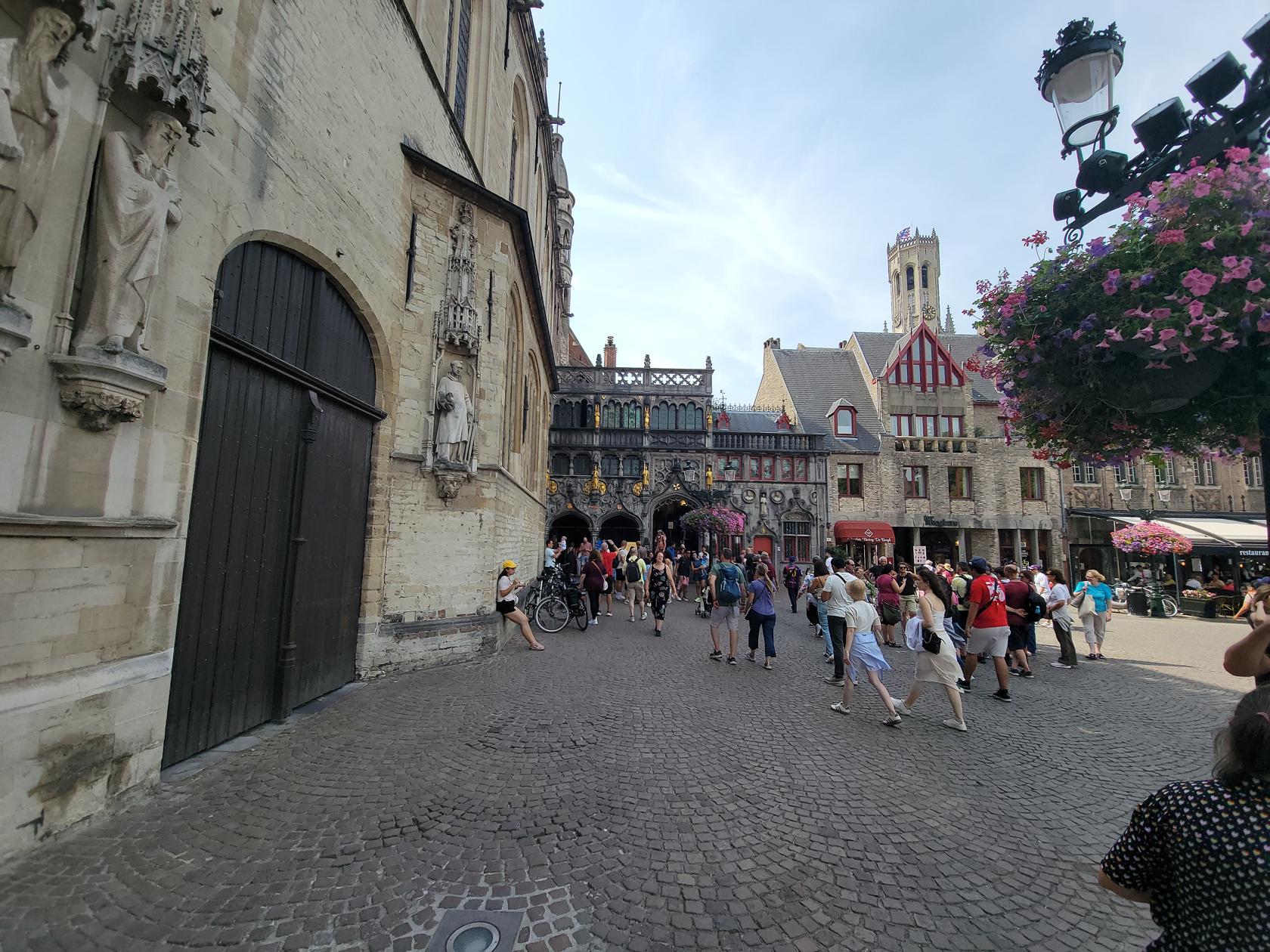
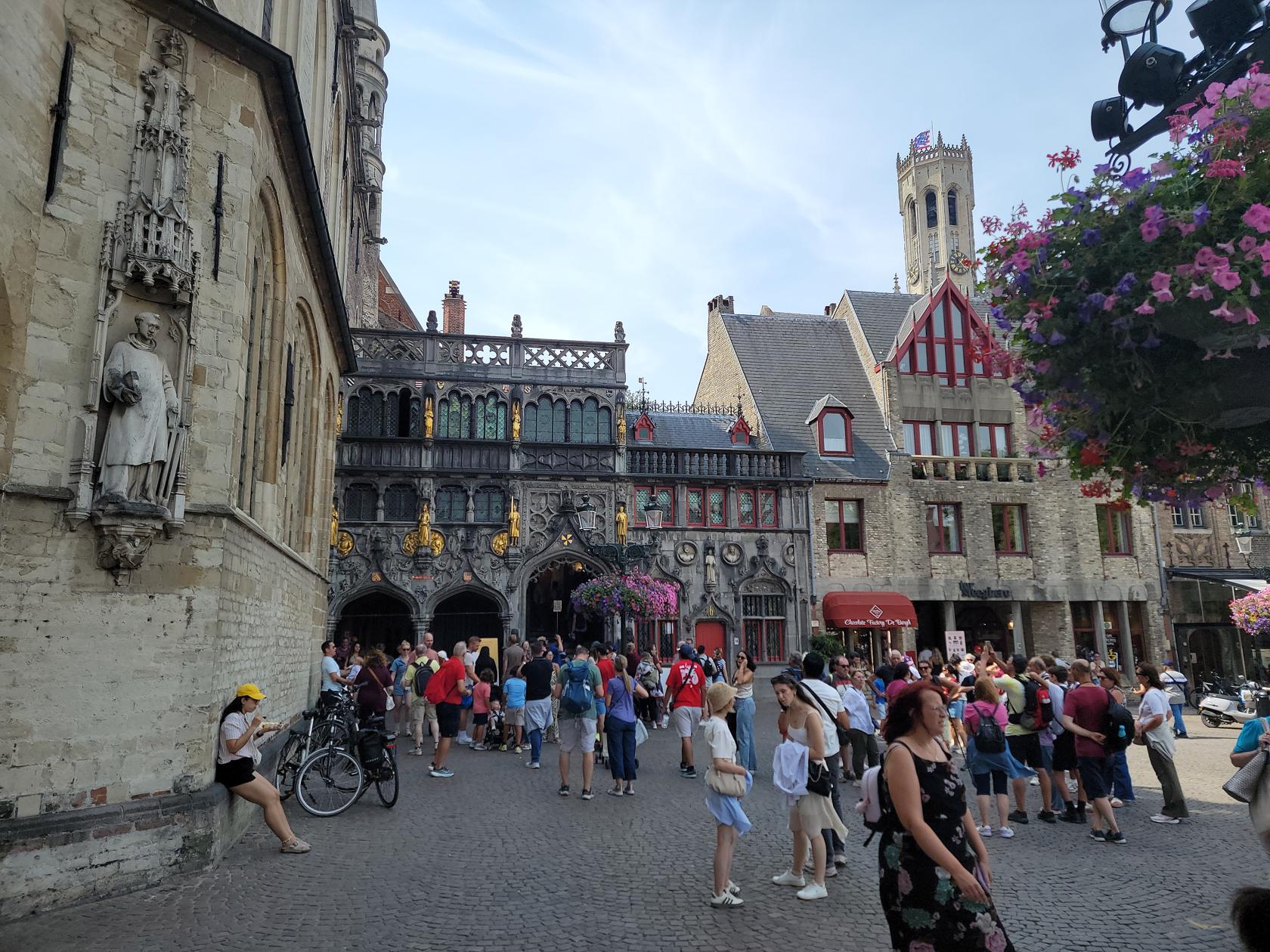
Basilica Of The Holy Blood
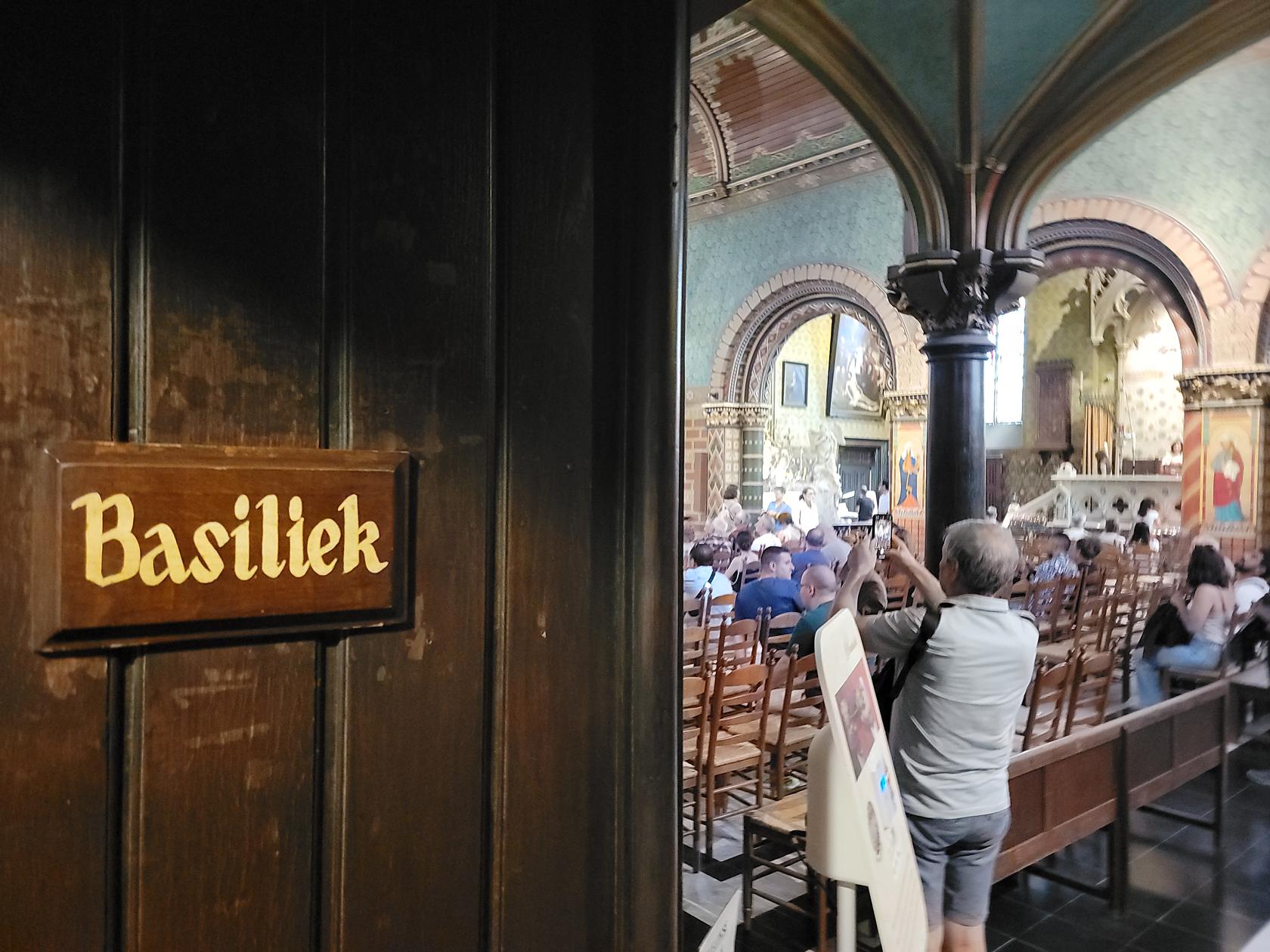
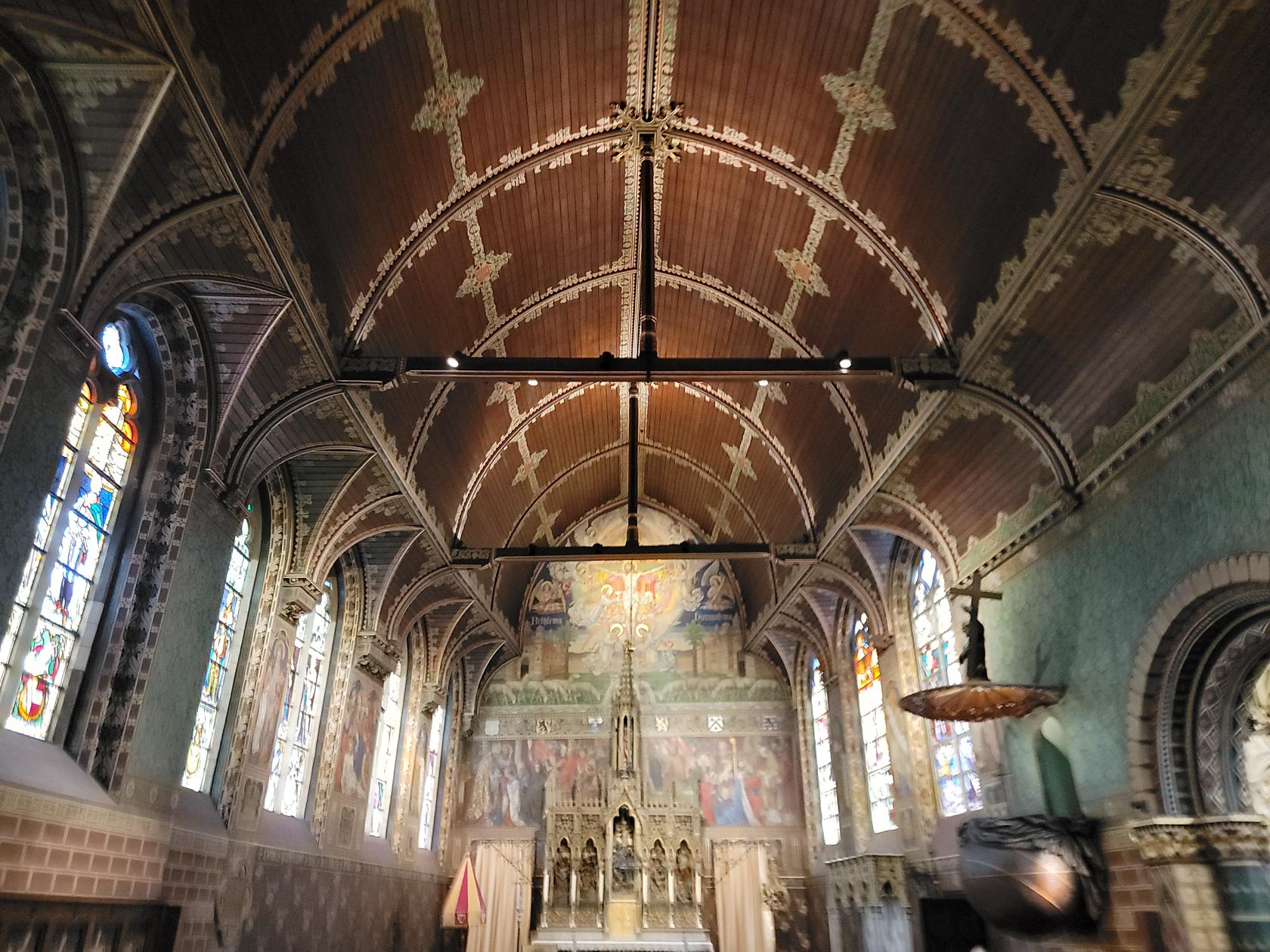
The Basilica of the Holy Blood is a small church stuck in the corner Der Burg plaza and next to City Hall. It is nice inside, but there are better examples of basilicas in other countries. Again, the interior and the establishment seems more keen on taking in as much money as possible, even though entry to the church is free.
Entrance – Basilica of the Holy Blood – Brugge, Belgium
Entrance – Basilica of the Holy Blood – Brugge, Belgium
To see the holy blood, which frankly cannot be the blood of Christ since there is no scientific way it could have survived two thousand years. Like the Shroud of Turin, someone is pulling another fast one on the faithful in order to make money. So, in order to see it, there is a long procession up a small dias. It is contained in a small glass cylinder, ostensibly blood on a rag containing his blood. You look at it, and then they expect a ‘contribution’. Luckily the red velure rope was put across the stairwell before we got there and we didn’t have to make the decision whether to see it or not.
Entry – Basilica of the Holy Blood – Brugge, Belgium
Nave – Basilica of the Holy Blood – Brugge, Belgium
Canals And Bridges
There are 54 bridges that span the network of canals that invade Brugge. Walking along any one of the canals one would normally come across a bridge within a kilometer. Most are strategically located and about half of them support cars and trucks, even in the center of town. Those that are pedestrian only are obvious.
The city has several gates around the city, though vestiges of the old city wall are difficult to find.
Zoonekemeers Gate – Brugge, Belgium
Zoonekemeers Gate – Brugge, Belgium
Zoonekemeers Gate – Brugge, Belgium
Kruispoort Gate – Brugge, Belgium
Kruispoort Gate – Brugge, Belgium
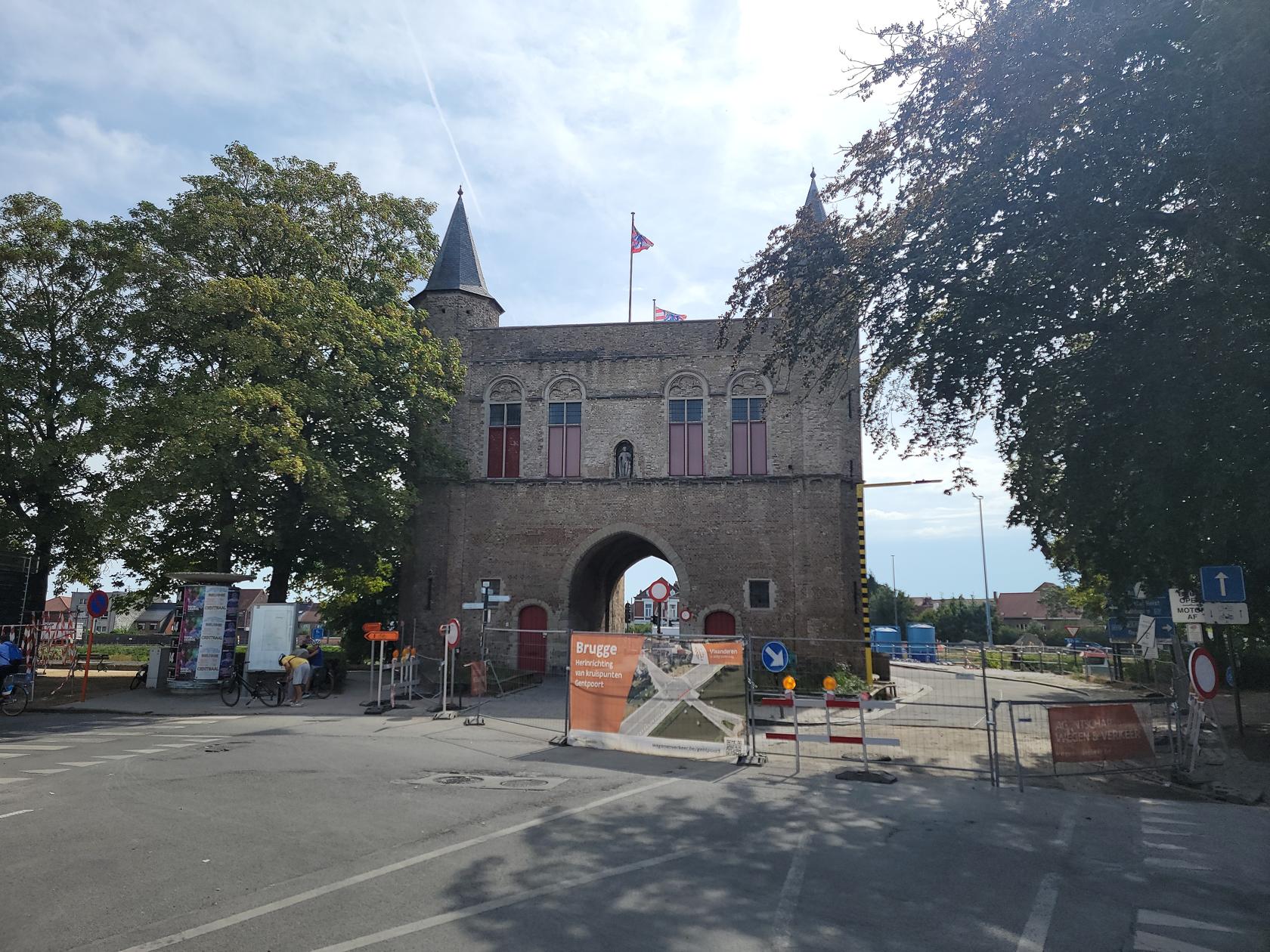
Gentpoort – Brugge, Belgium
Windmills
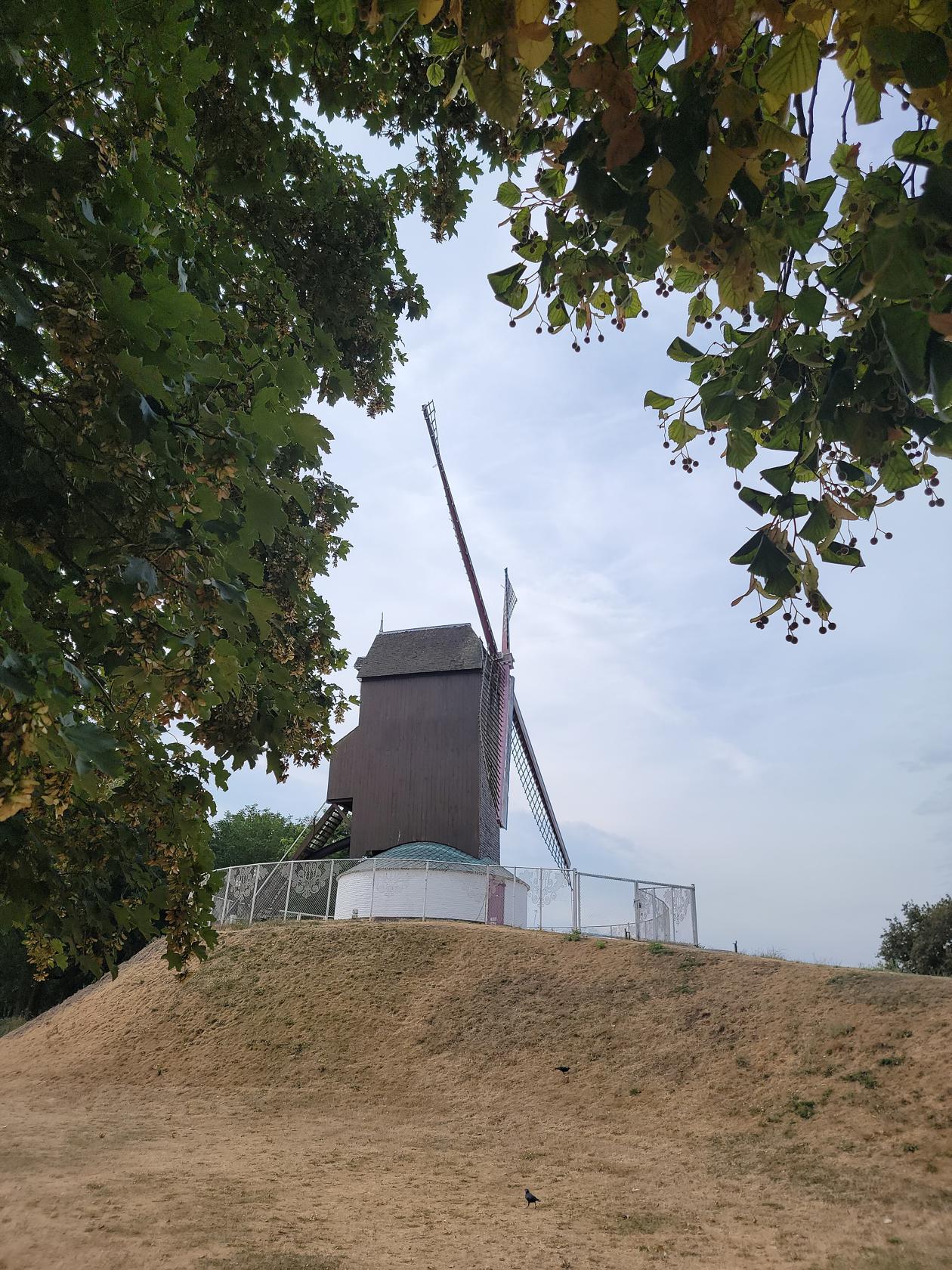
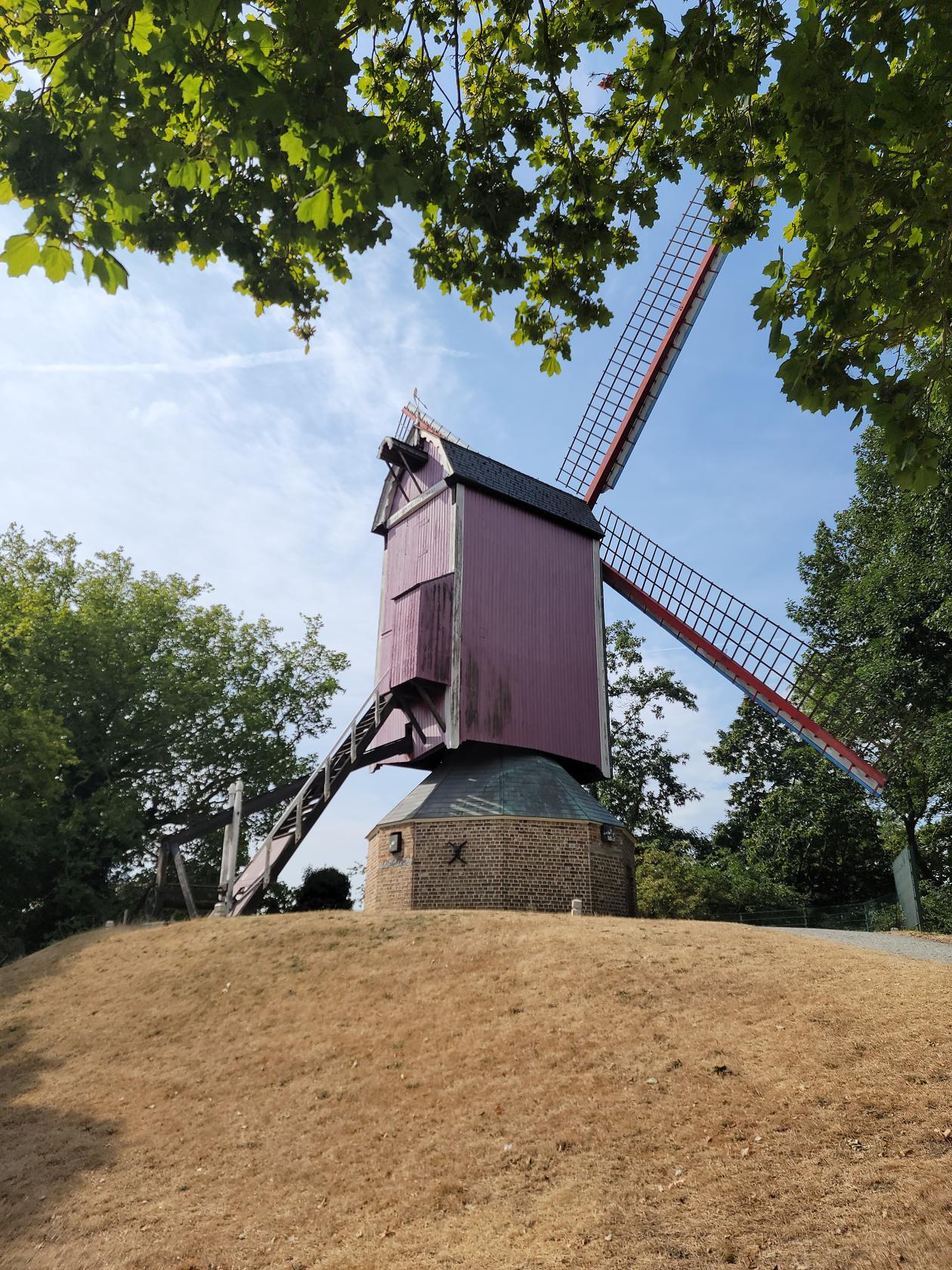
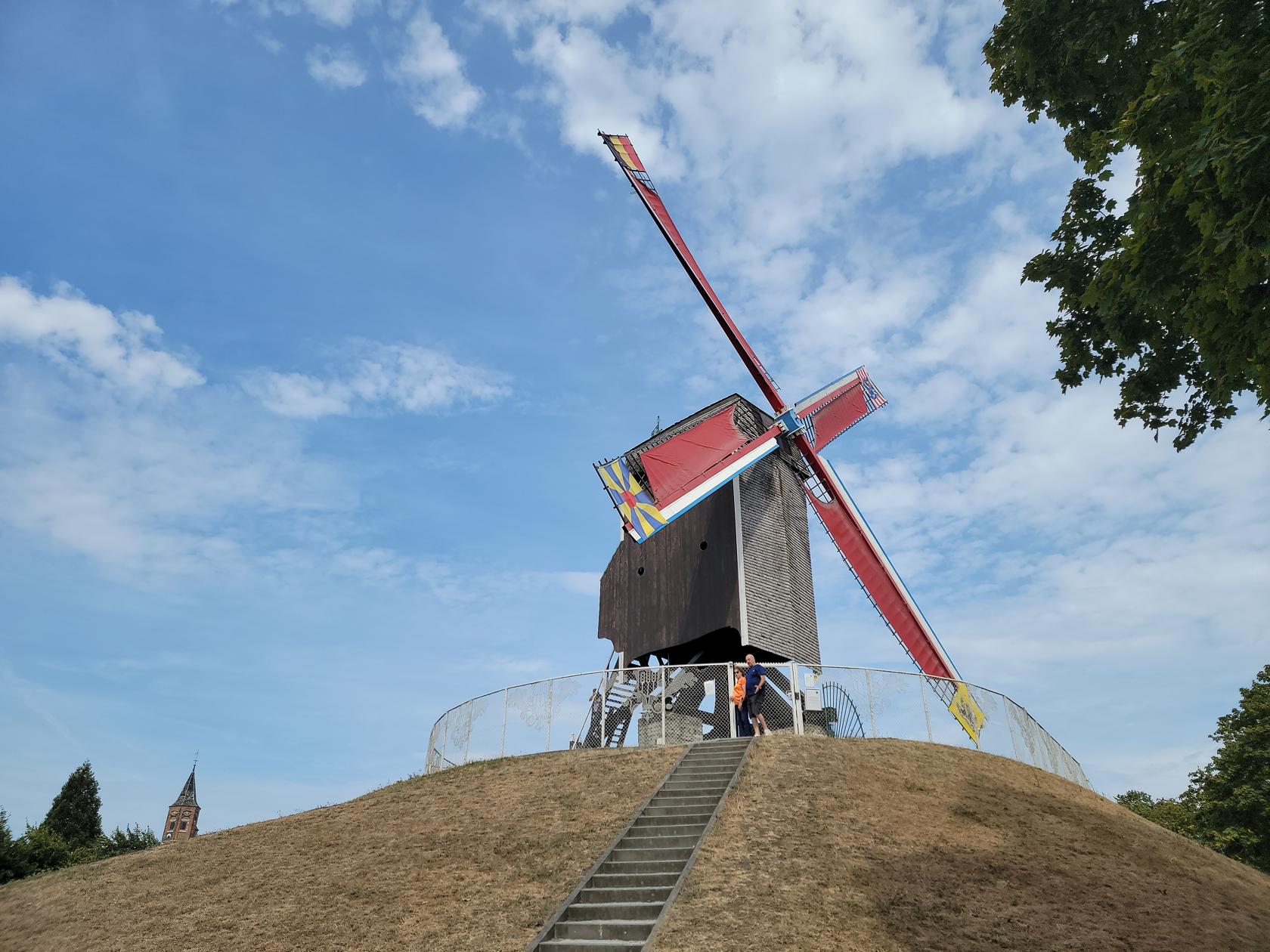
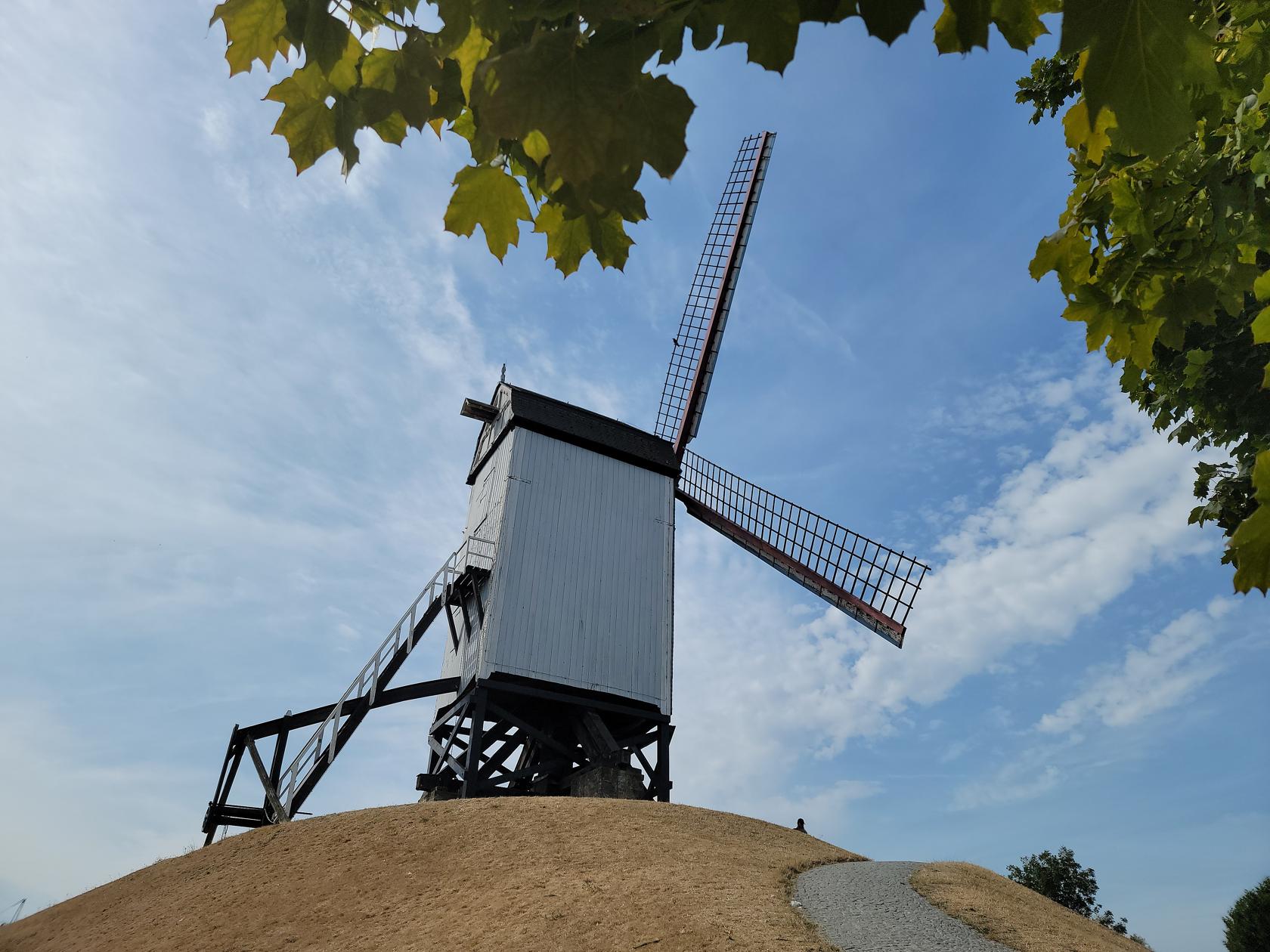
There are a number of windmills that can be seen in Brugge. Most of the ones that we saw were on the north east side of the city along the Kruisvest. At the time, only one was outfitted and functioning. However, it has been noted that all of them are still serviceable. All of them are named!
Koelewei Mill – Brugge, Belgium
The New Parrot Windmill – Brugge, Belgium
Sint-Jans Windmill – Brugge, Belgium
Bonne-Chière Mill – Brugge, Belgium
Great Market Place
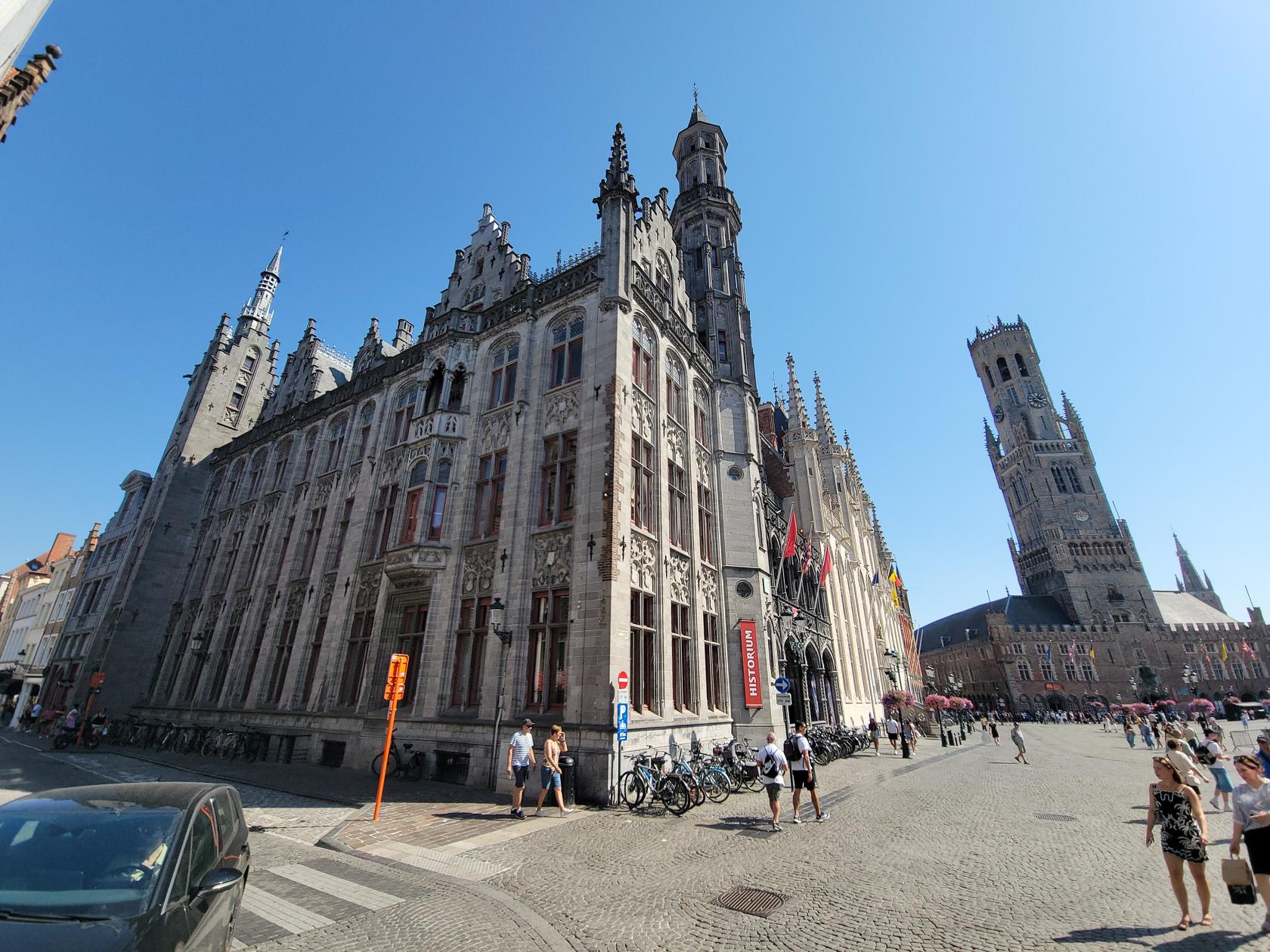
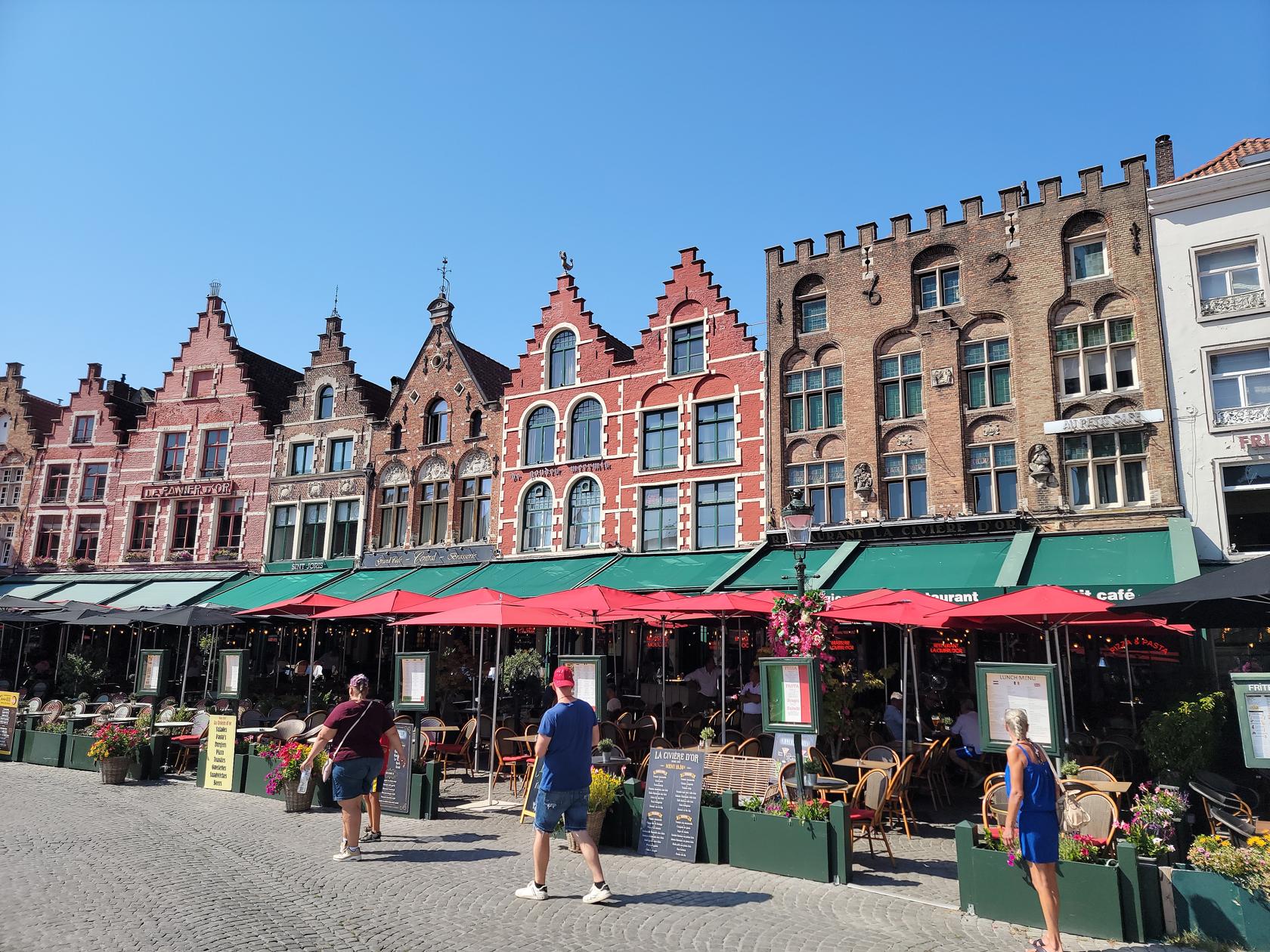
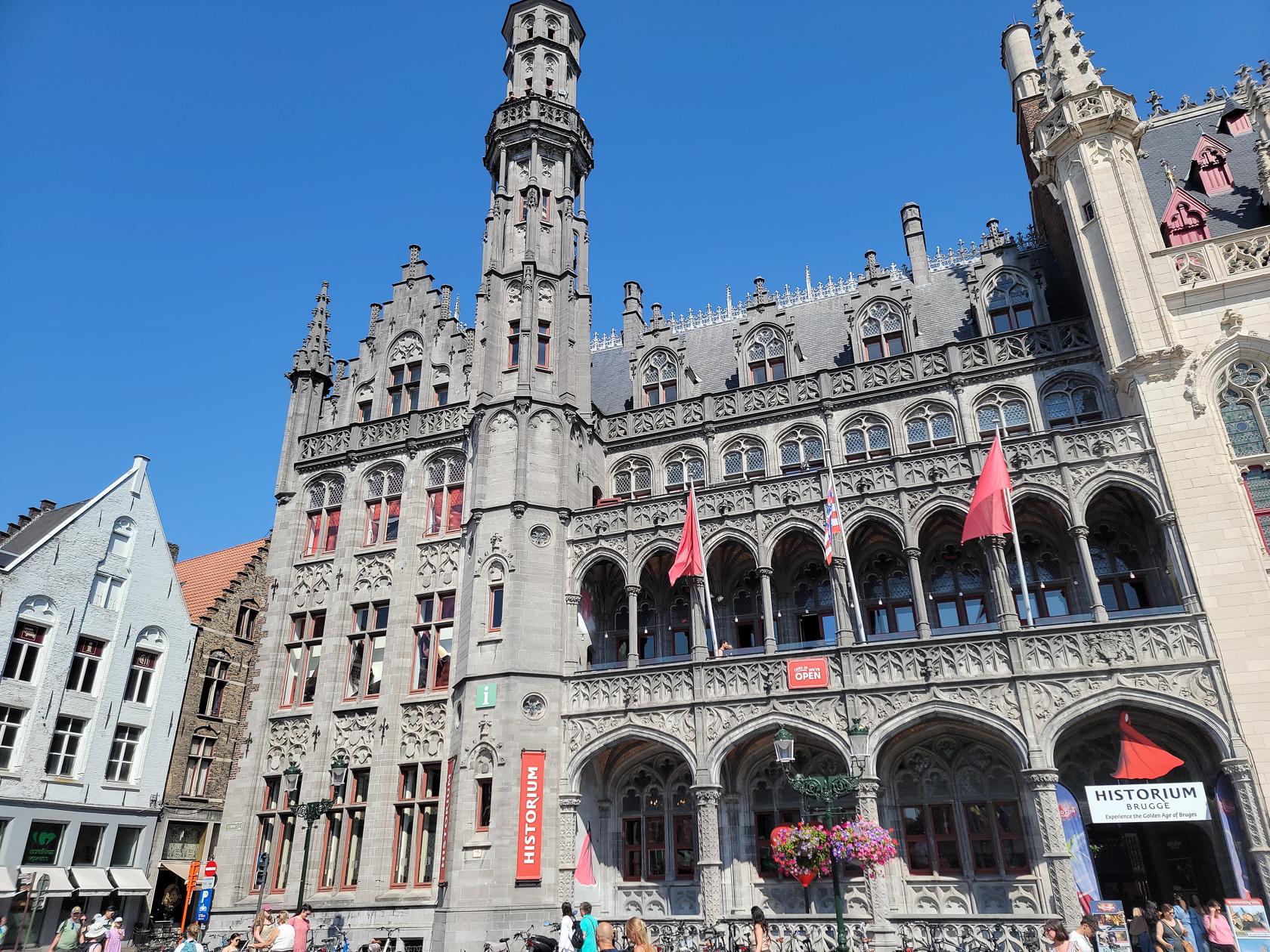
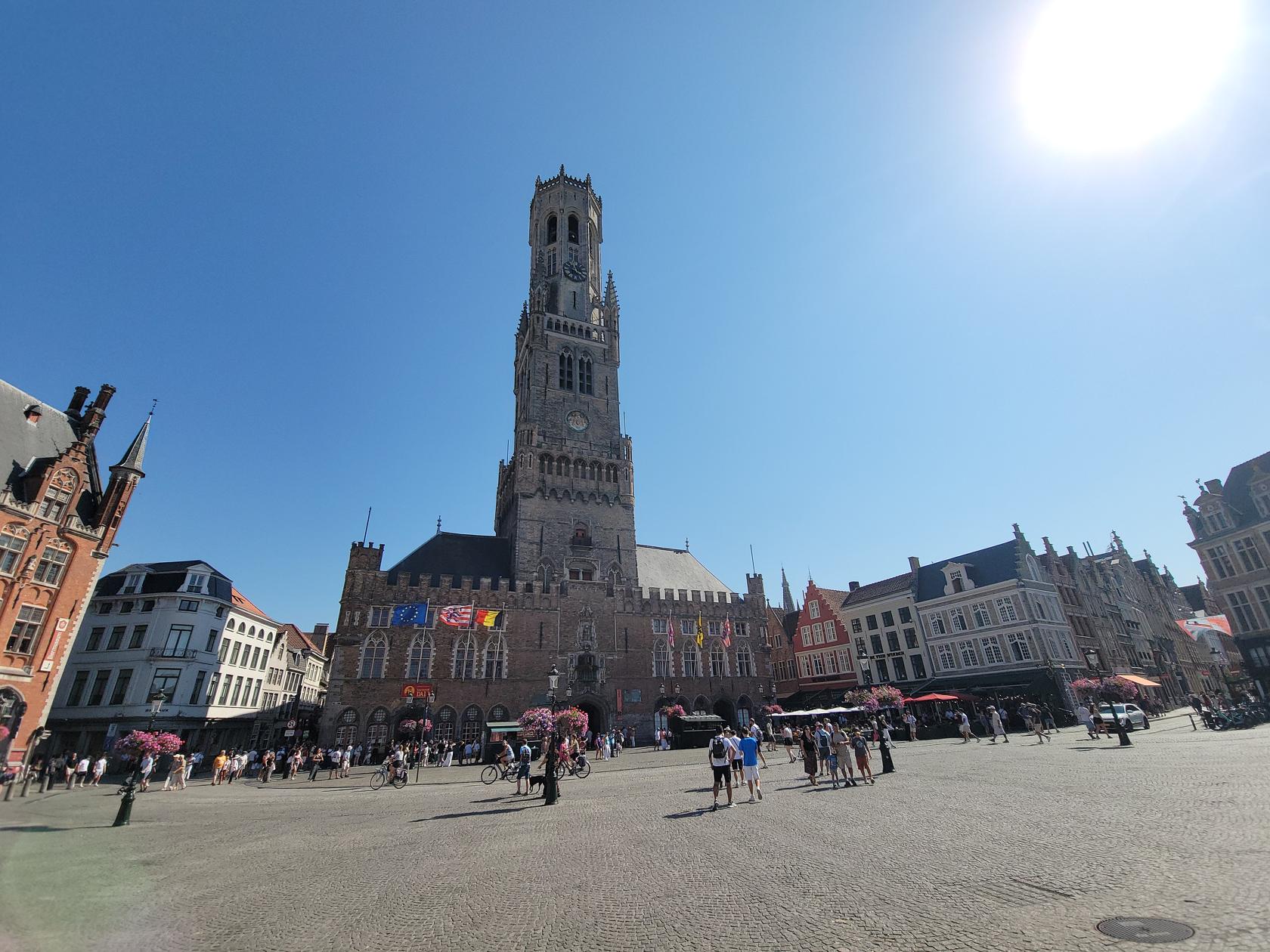
The Markt, or Great Market Place, is the center of attraction and noteworthy for the Belfry. The Belfry tower is rather large for the space and for a fee may be ascended. We chose not to, even though the eponymous movie made in 2008 almost beckons one to ascend the stairs.
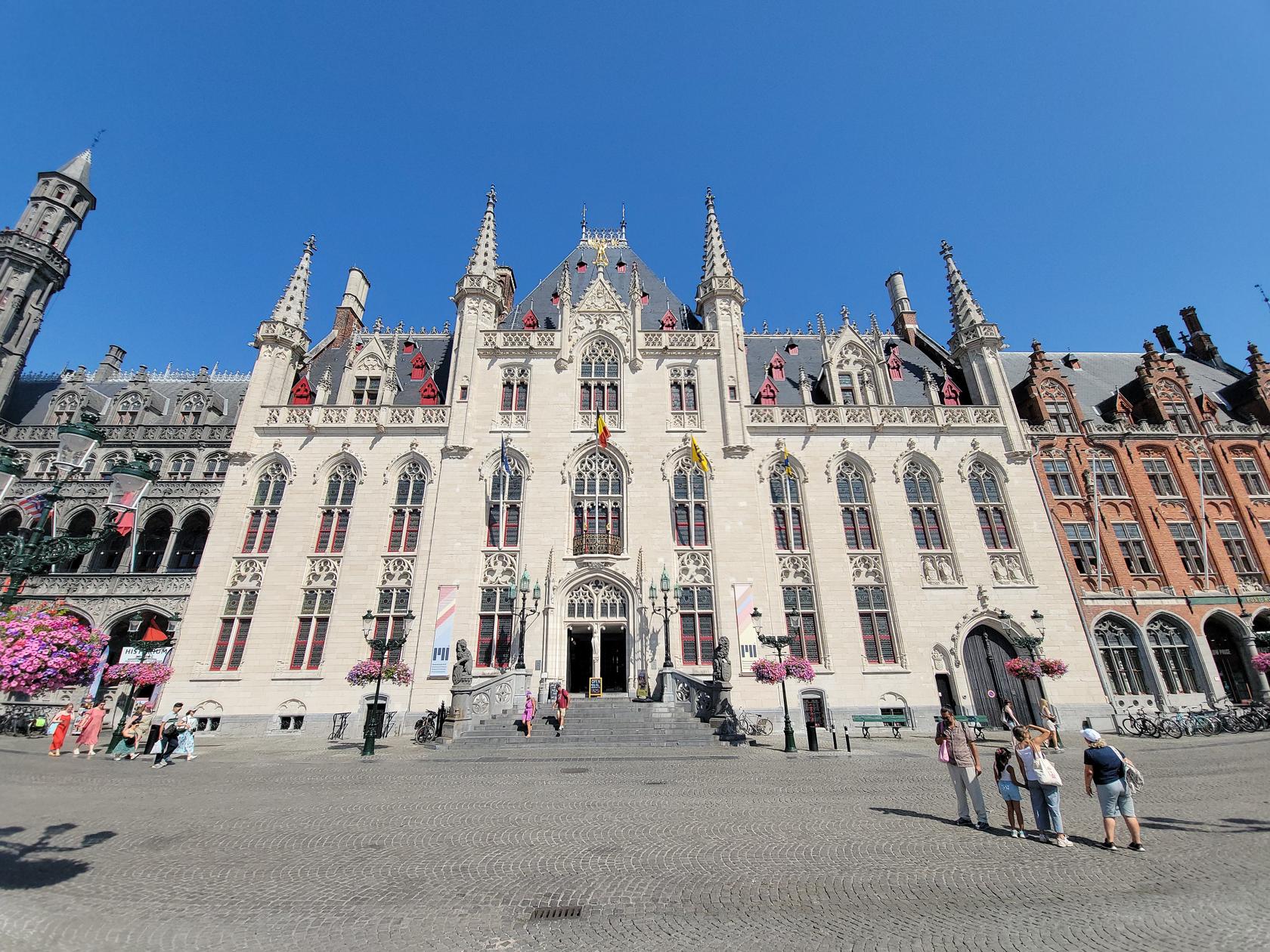
Provincial Hof – Grand Marktplatz – Brugge, Belgium
House and Restaurants – Grand Marktplatz – Brugge, Belgium
Provincial Hof – Grand Marktplatz – Brugge, Belgium
Provincial Hof – Grand Marktplatz – Brugge, Belgium
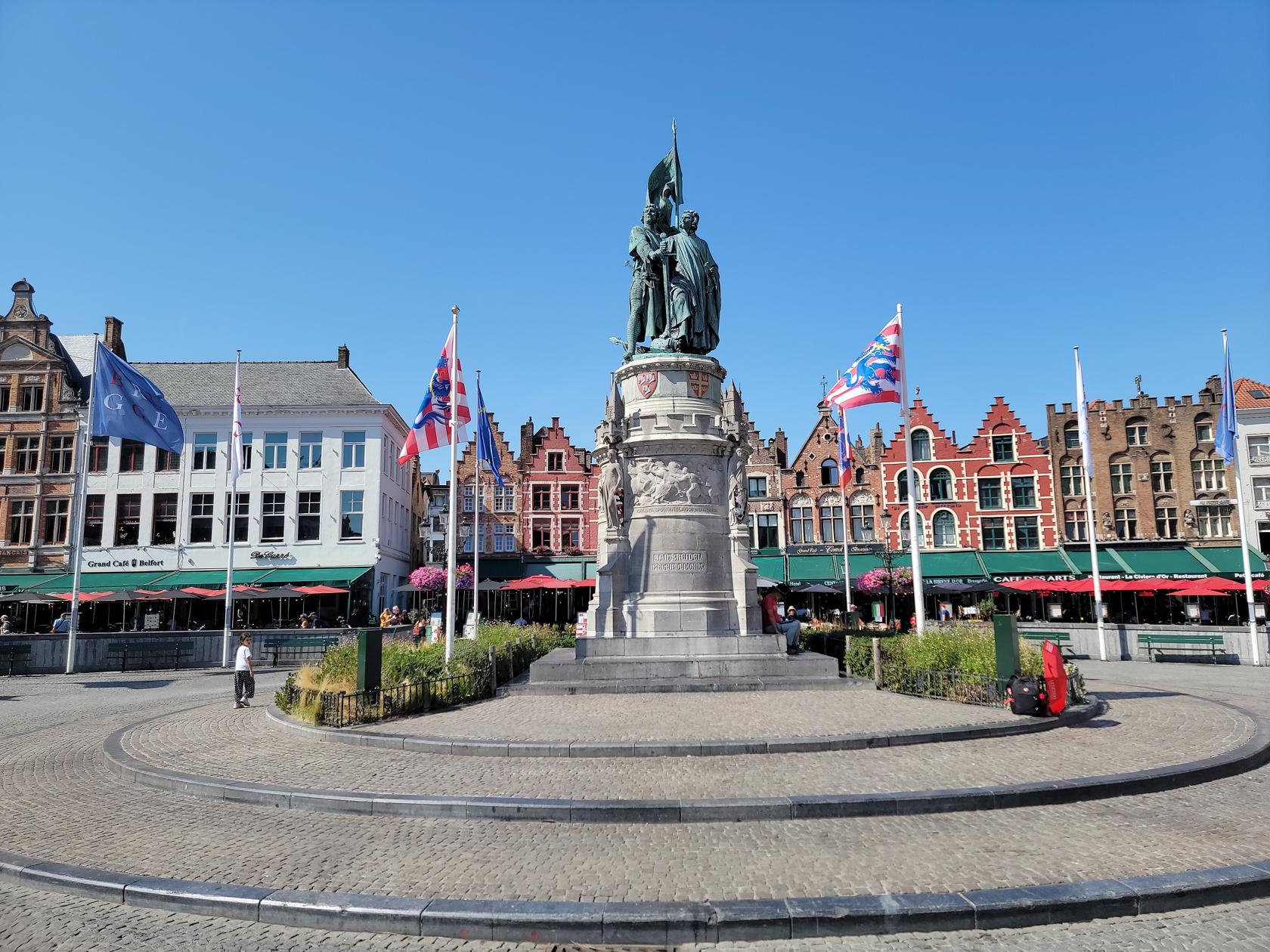
Pieter de Coninck en Jan Breydel – Grand Marktplatz – Brugge, Belgium
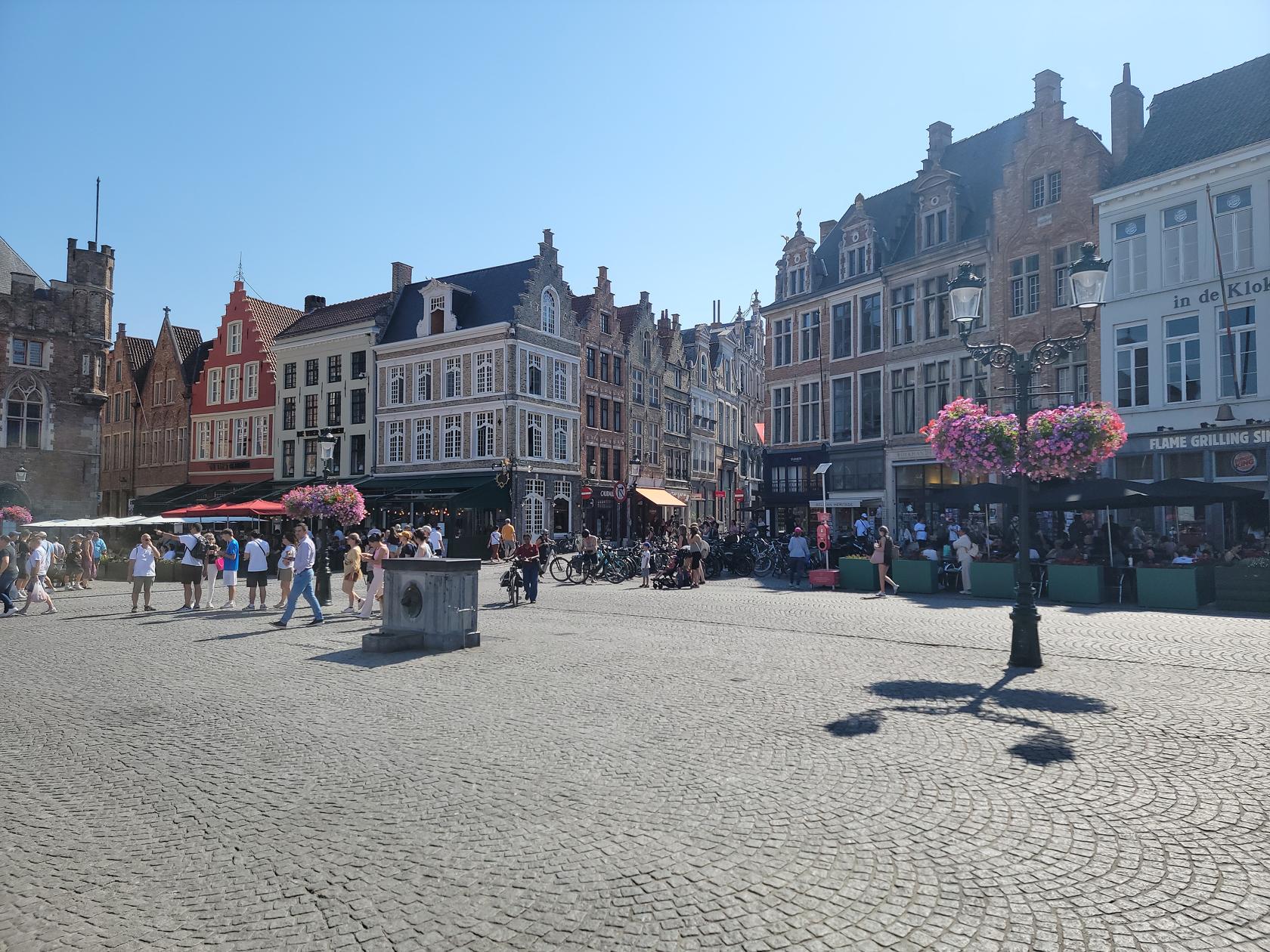
Grand Marktplatz – Brugge, Belgium
Belfort – Grand Marktplatz – Brugge, Belgium
Grand Marktplatz – Brugge, Belgium
Restaurants
We made reservations at a few restaurants prior to our arrival, though in both cases they probably weren’t necessary. In most cases you should have no problem finding a place to eat. Wether you will like it or not, well that’s another matter.
@Tattie’s
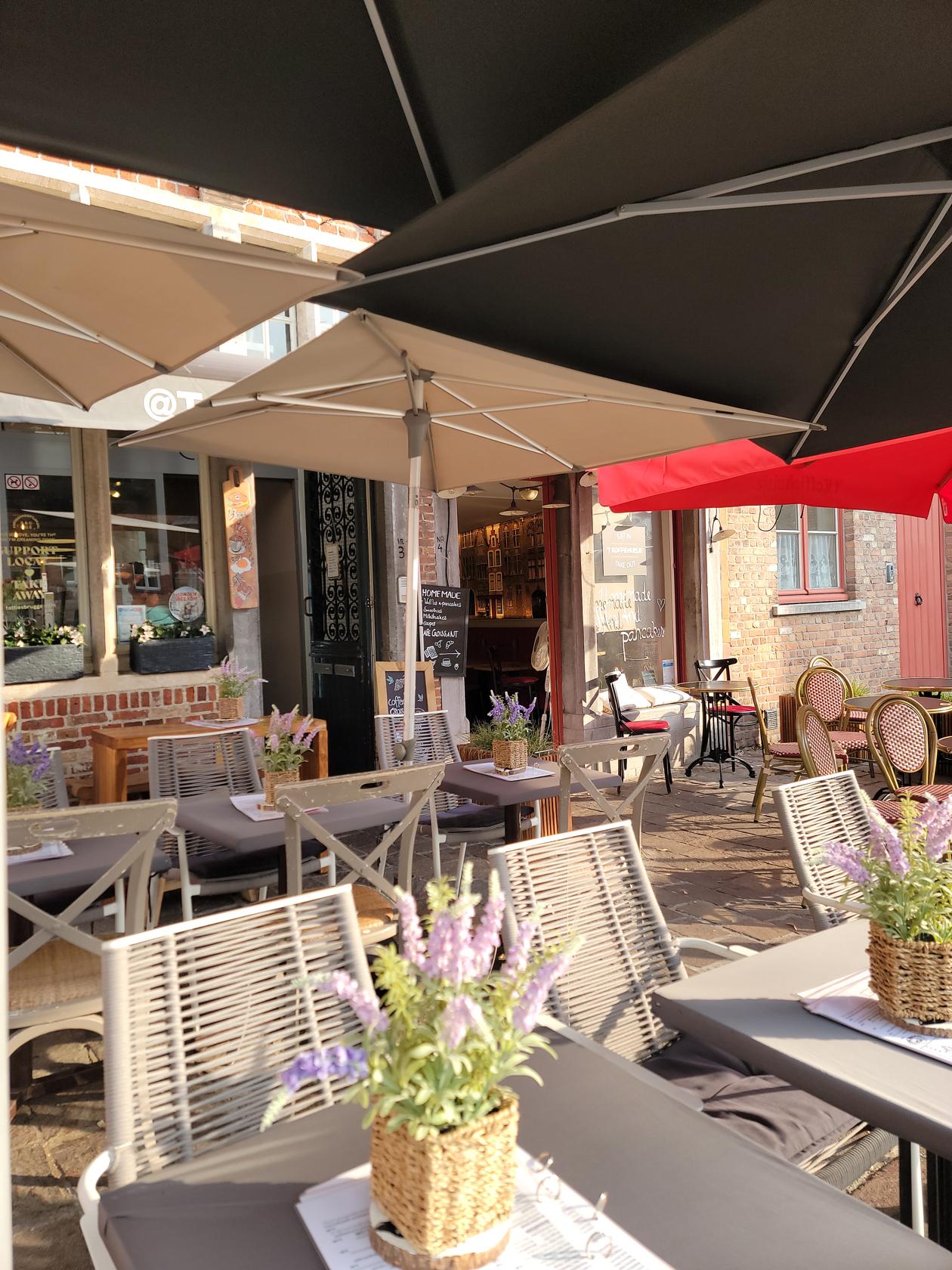
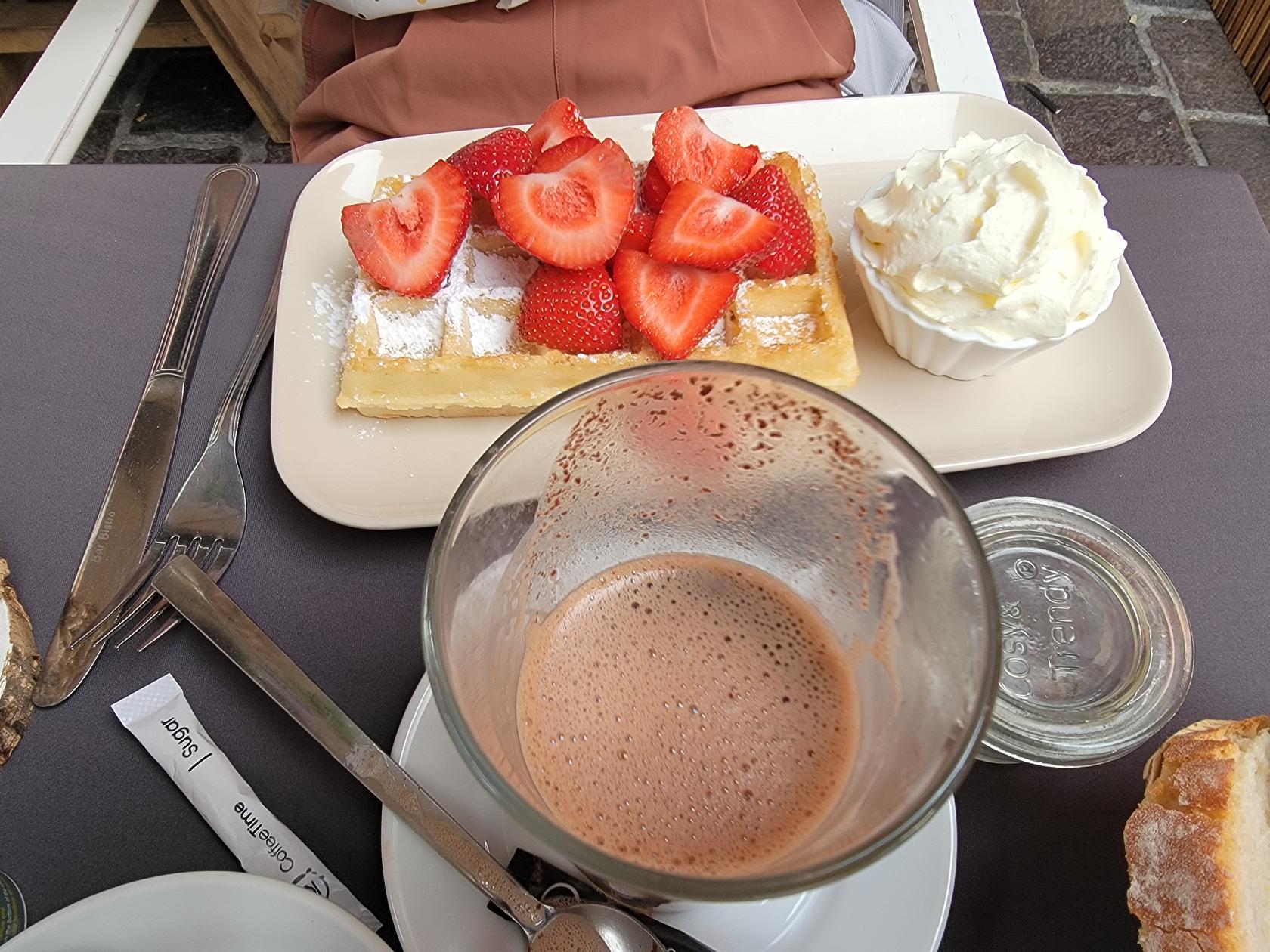
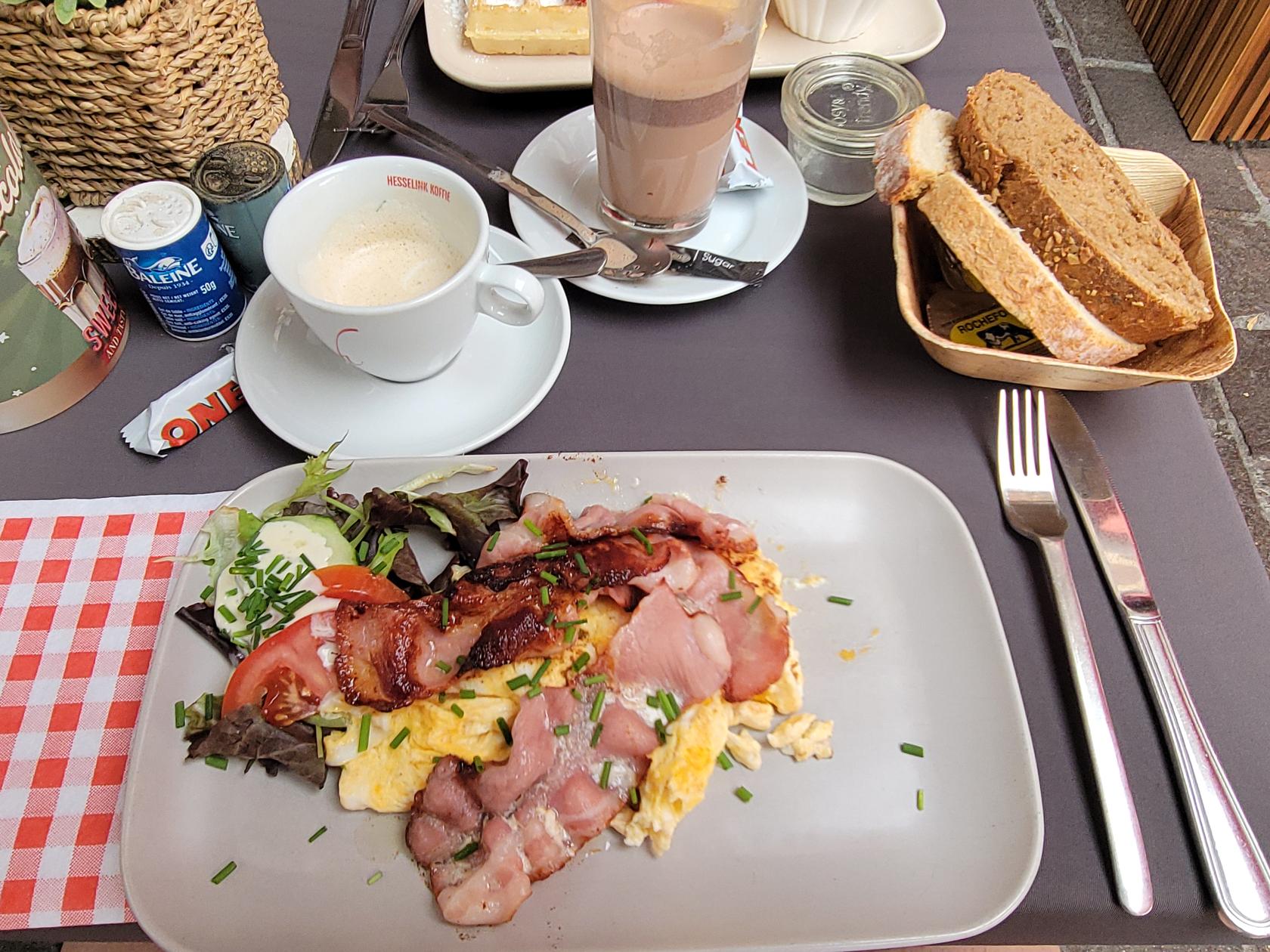
Don’t let the name @Tatties confuse you, it’s a small coffee and breakfast place with an attitude. These women know how to run a business, and in Belgium too! Not only did they sit us before they were actually opened, they also took our order and served us faster than most places in the States! Not only is the service here great, the food is modestly priced, they have an excellent menu for breakfast and the food is delicious. Highly recommended.
Outside Seating – Tatties – Brugge, Belgium
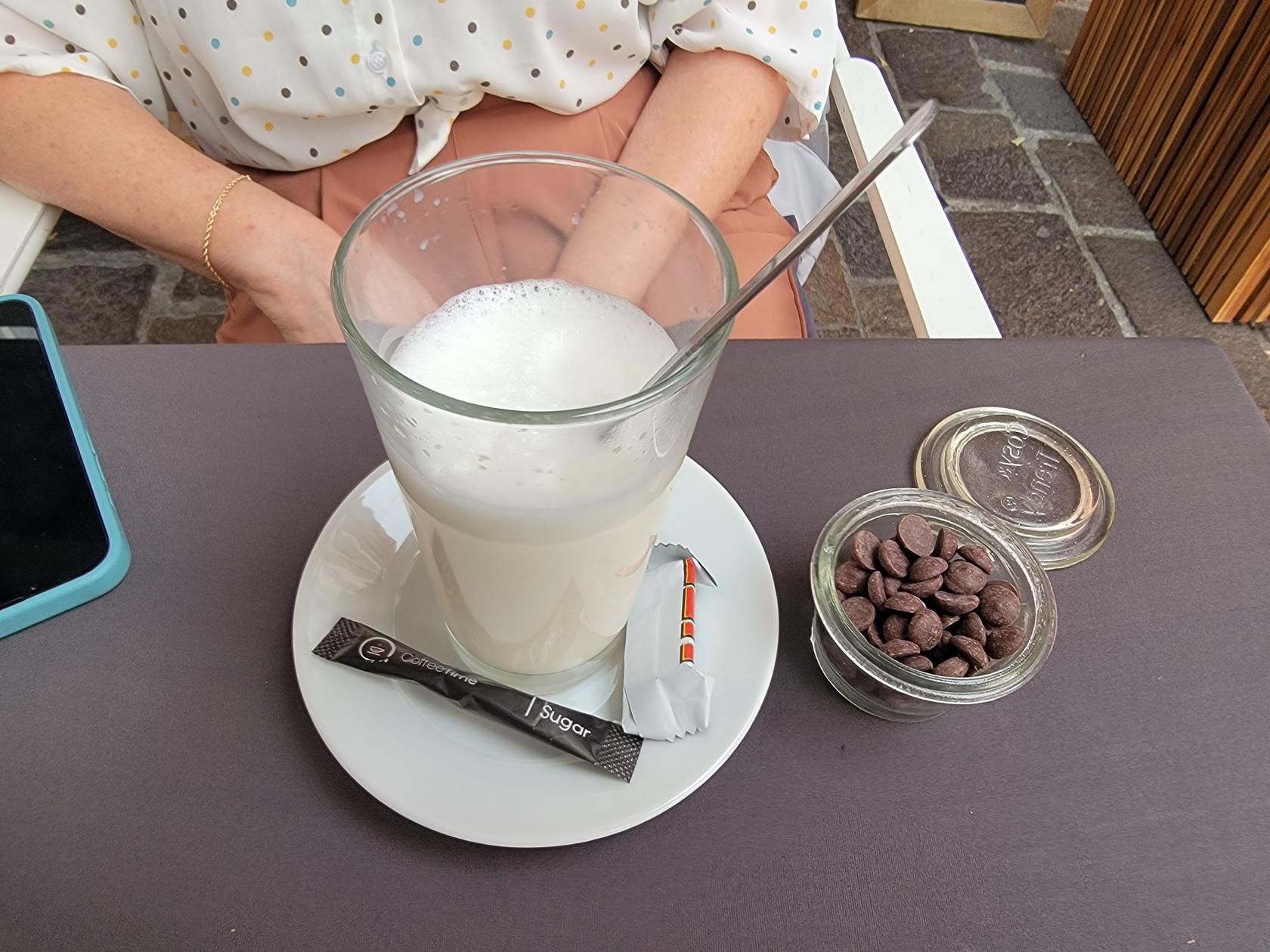
Hot Milk that will be Hot Cocoa – Tatties – Brugge, Belgium
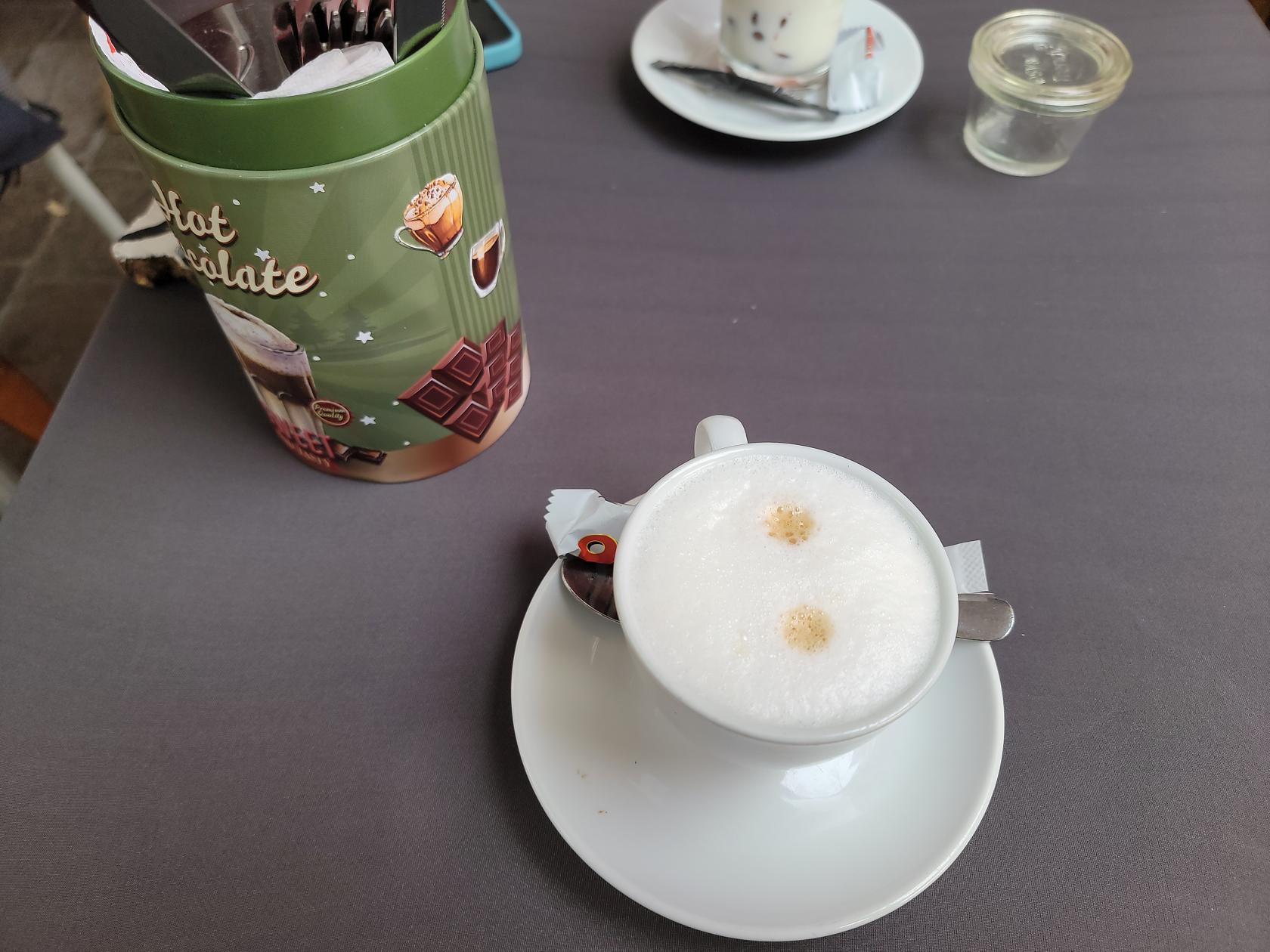
Cappucino – Tatties – Brugge, Belgium
Belgian Waffles, Strawberries and Cream – Tatties – Brugge, Belgium
Scrambled Eggs and Bacon – Tatties – Brugge, Belgium
Willa Bruch & Coffee Shop
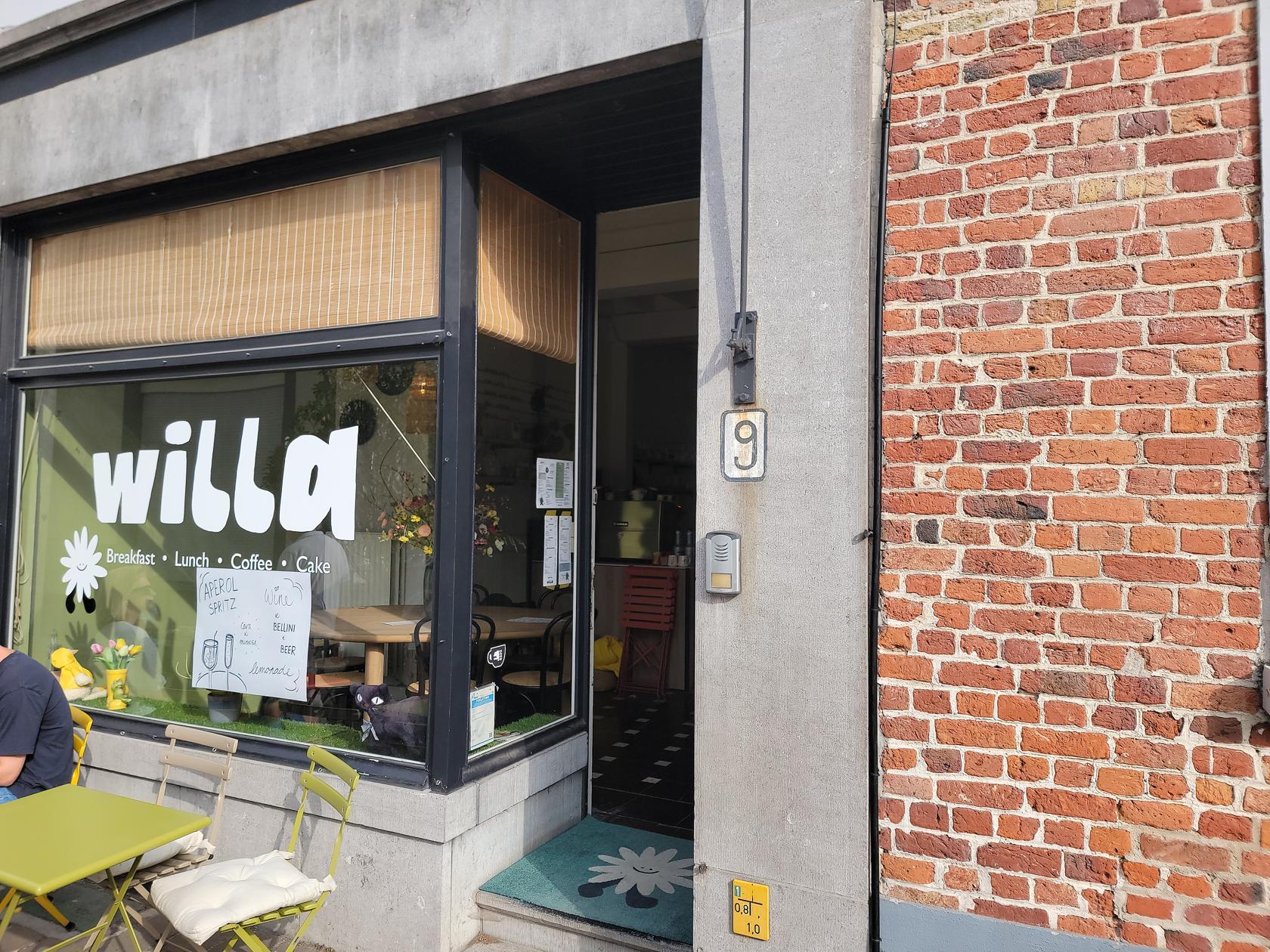
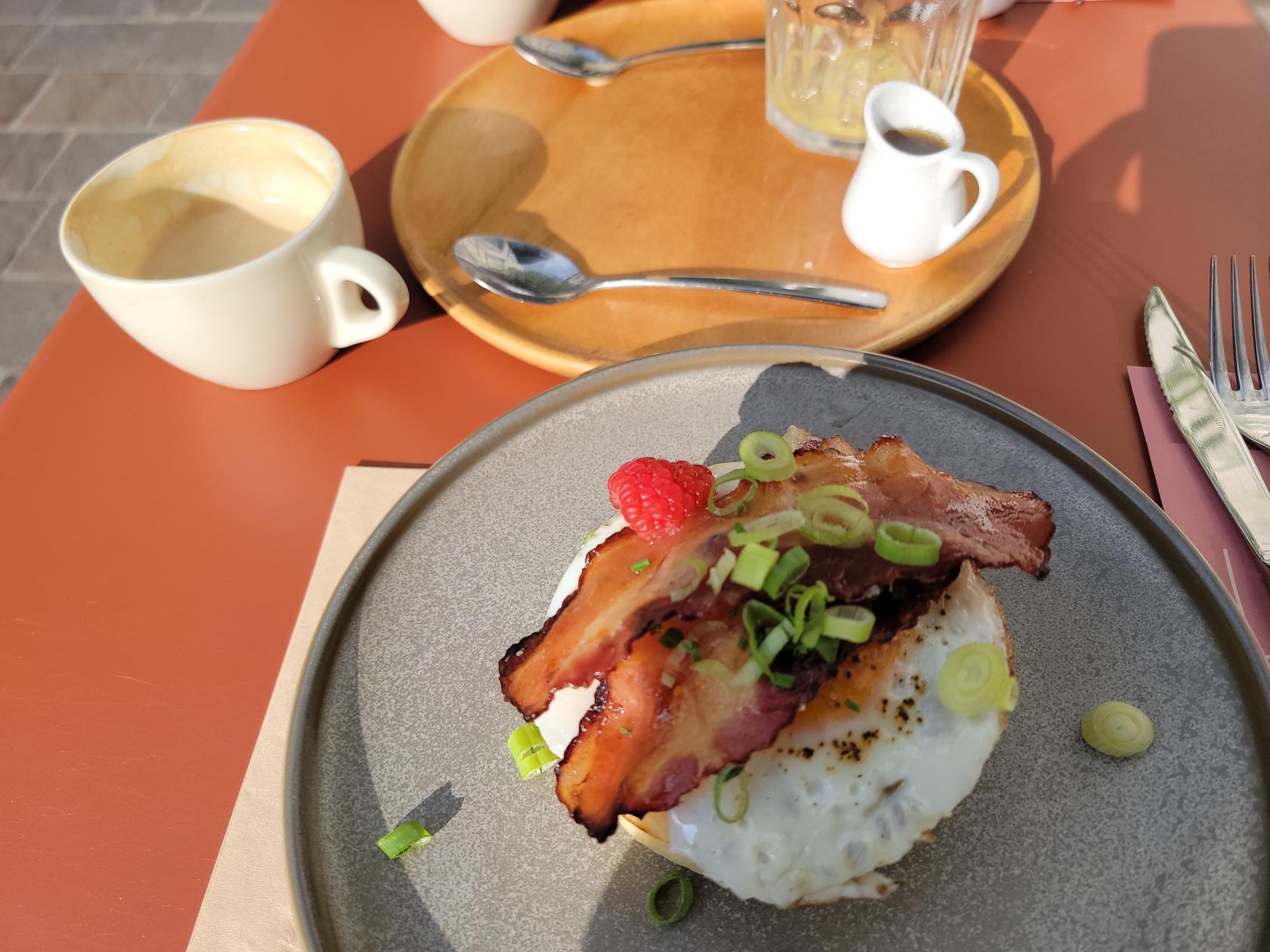
Another great place for breakfast is Willa’s. Though not punctual as Tatties, they open at 9AM and probably won’t seat or take your order until five or ten after. However, once they do get going the staff is pretty good. The food and prices are also in line with Tatties, though they serve a stack of pancakes, with a sunnyside egg and bacon strips on top that is difficult to beat.
Entrance – Willa Brunch and Coffee Cafe – Brugge, Belgium
Pancakes, Egg and Bacon – Willa Brunch and Coffee Cafe – Brugge, Belgium
Bella Italia Ristorante
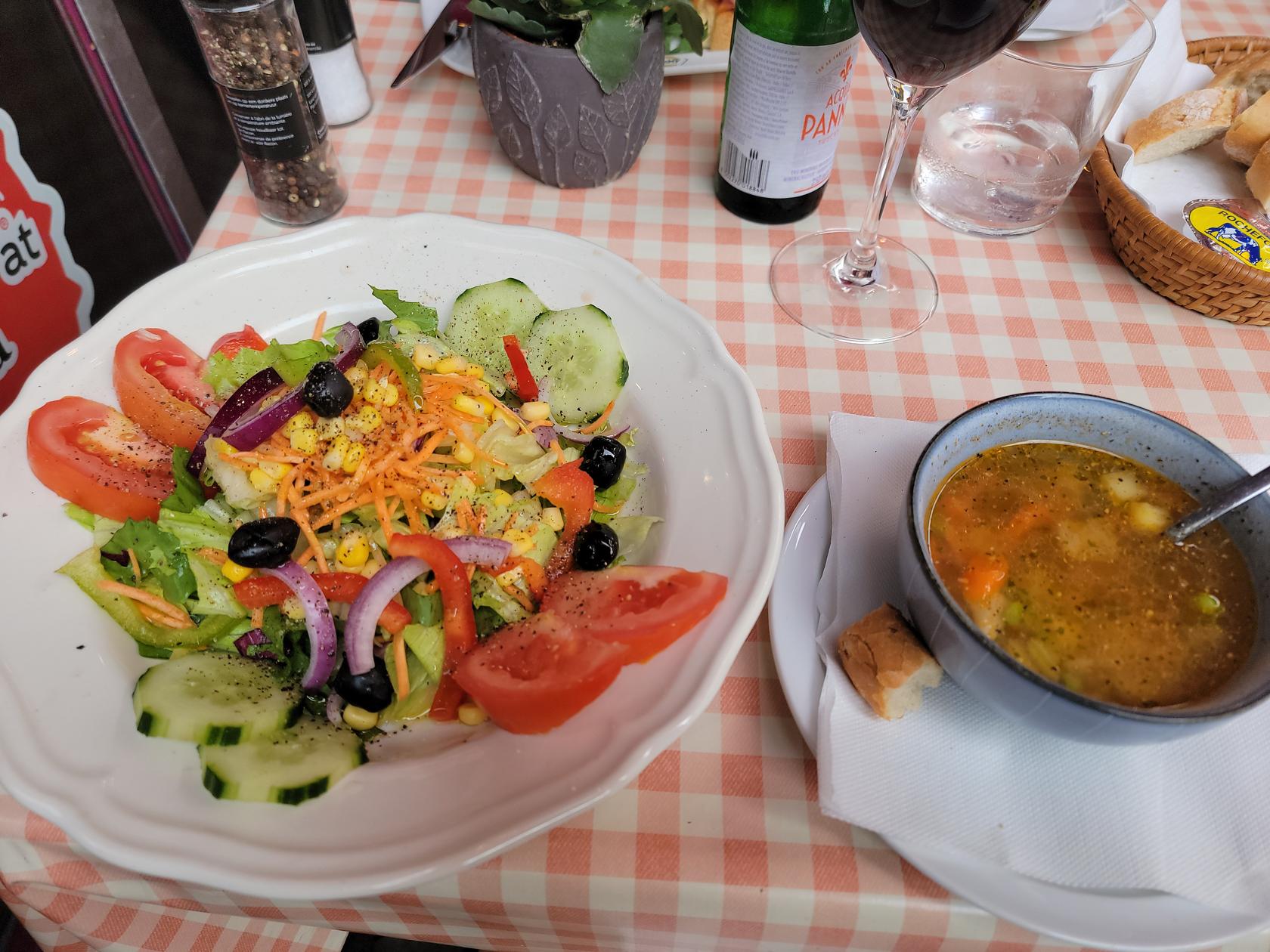
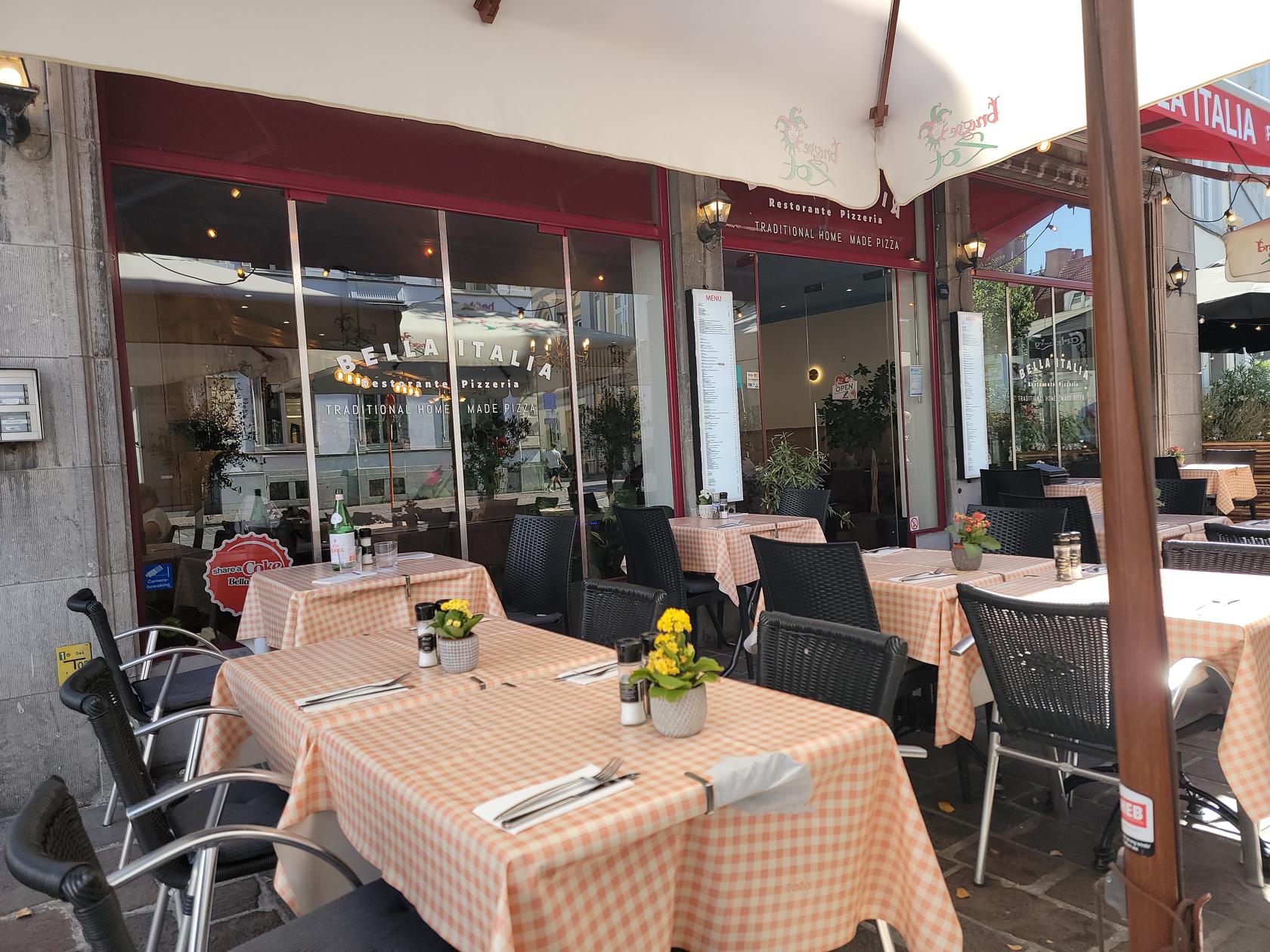
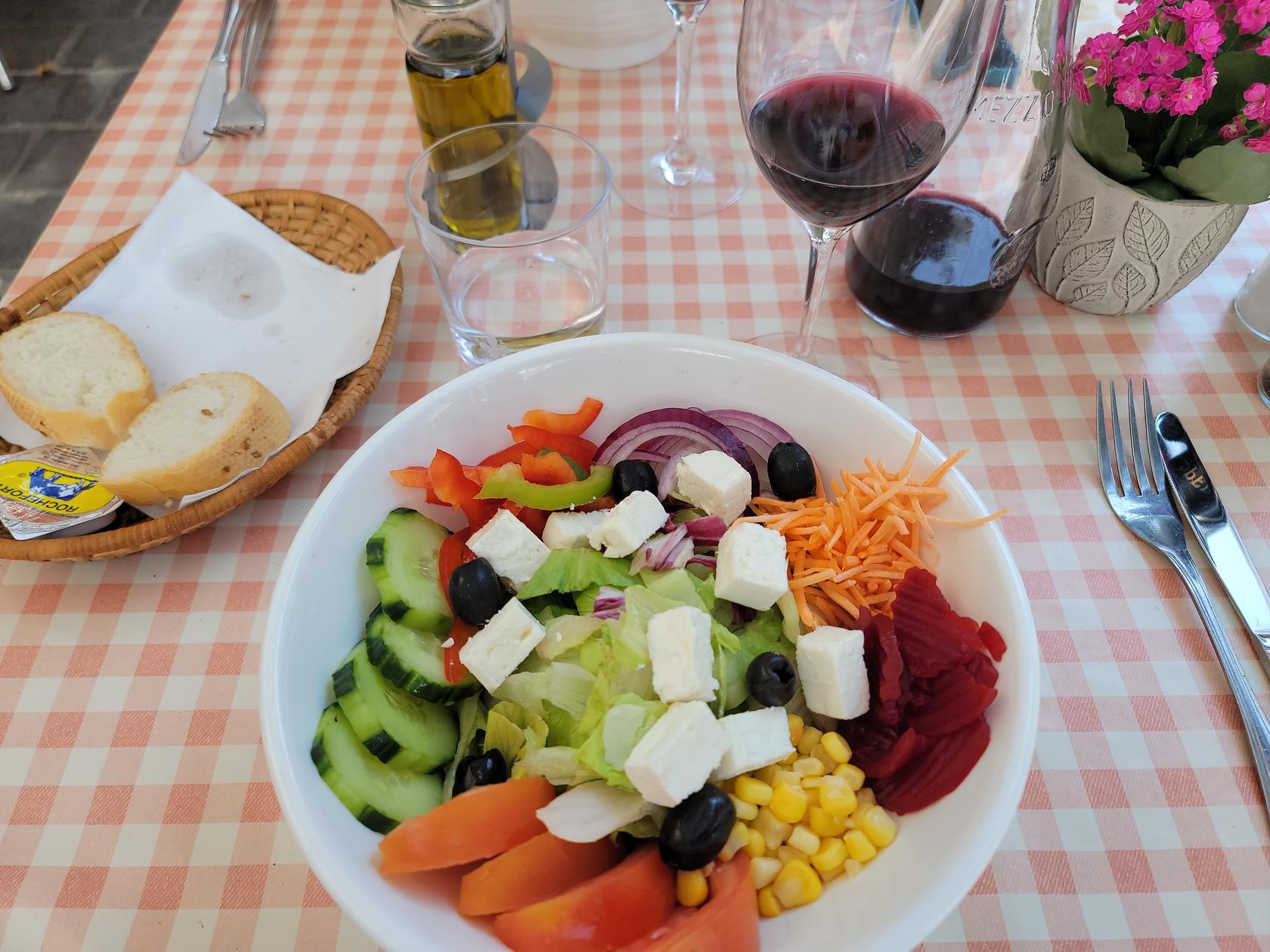
When in doubt, go Italian. This was one of the few restaurants in Belgium which actually had good food and good service. We went here more than once and tried different items on the menu, they actually have five different salads to choose from on their menu. The pita pizza as a side bread basket for ten euroes is worth every penny. It is thin, crunchy on the sides and sprinkled with parsley and olive oil, a great addition to a salad for lunch.
Mixed Salad and Minestrone – Bella Italia – Brugge, Belgium
Outdside Seating – Bella Italia Ristorante – Brugge, Belgium
Greek Salad – Bella Italia Ristorante – Brugge, Belgium
Trattoria Murano
Another italian restaurant, though not as good as Bella Italia, is this trattoria. Here we both had the pasta which was tasty. We just found the poor lady that was serving everyone in need of help, so service was not as punctual as expected, though in line with what we have seen throughout Belgium.
Restaurant Diligence
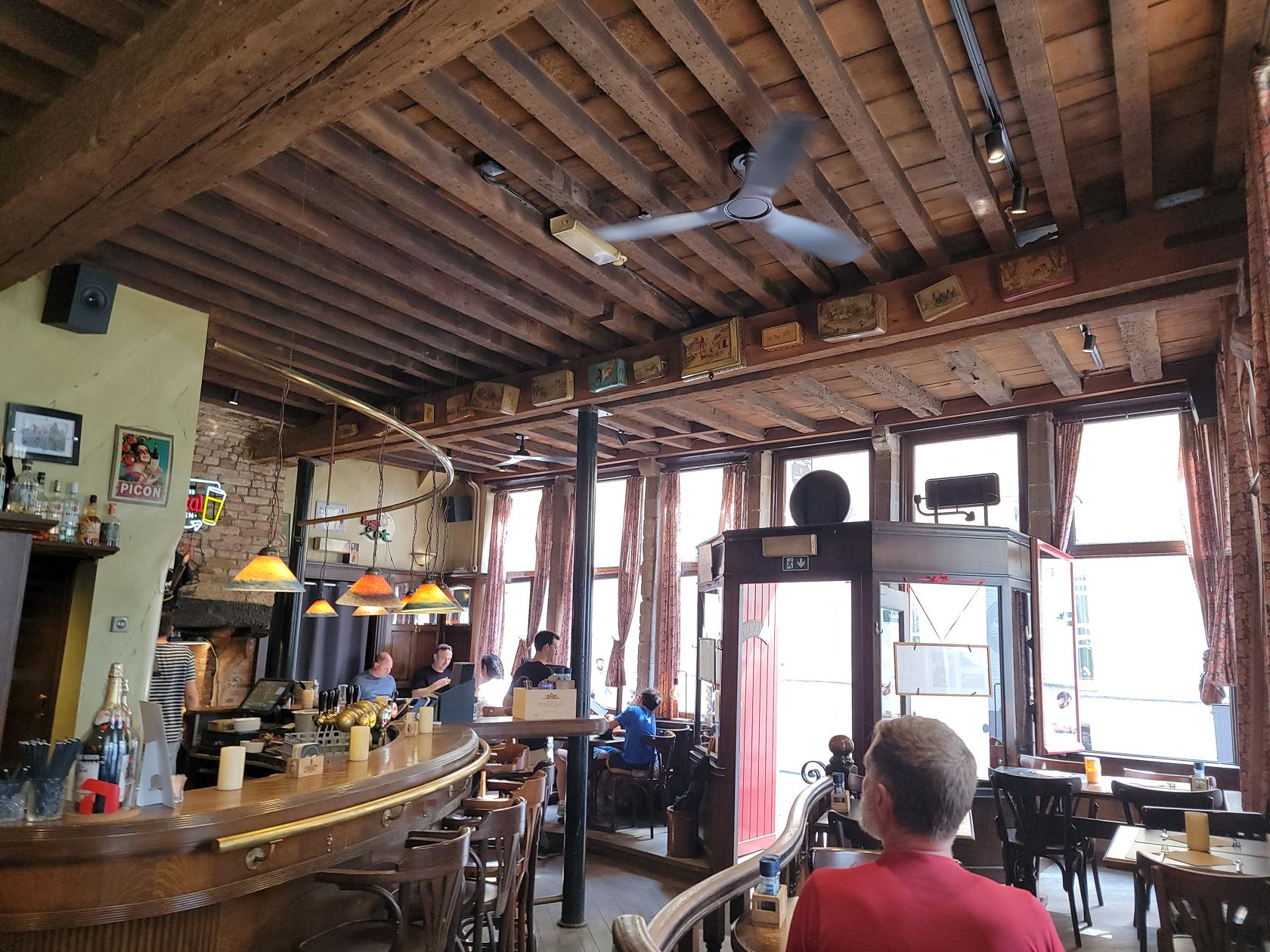
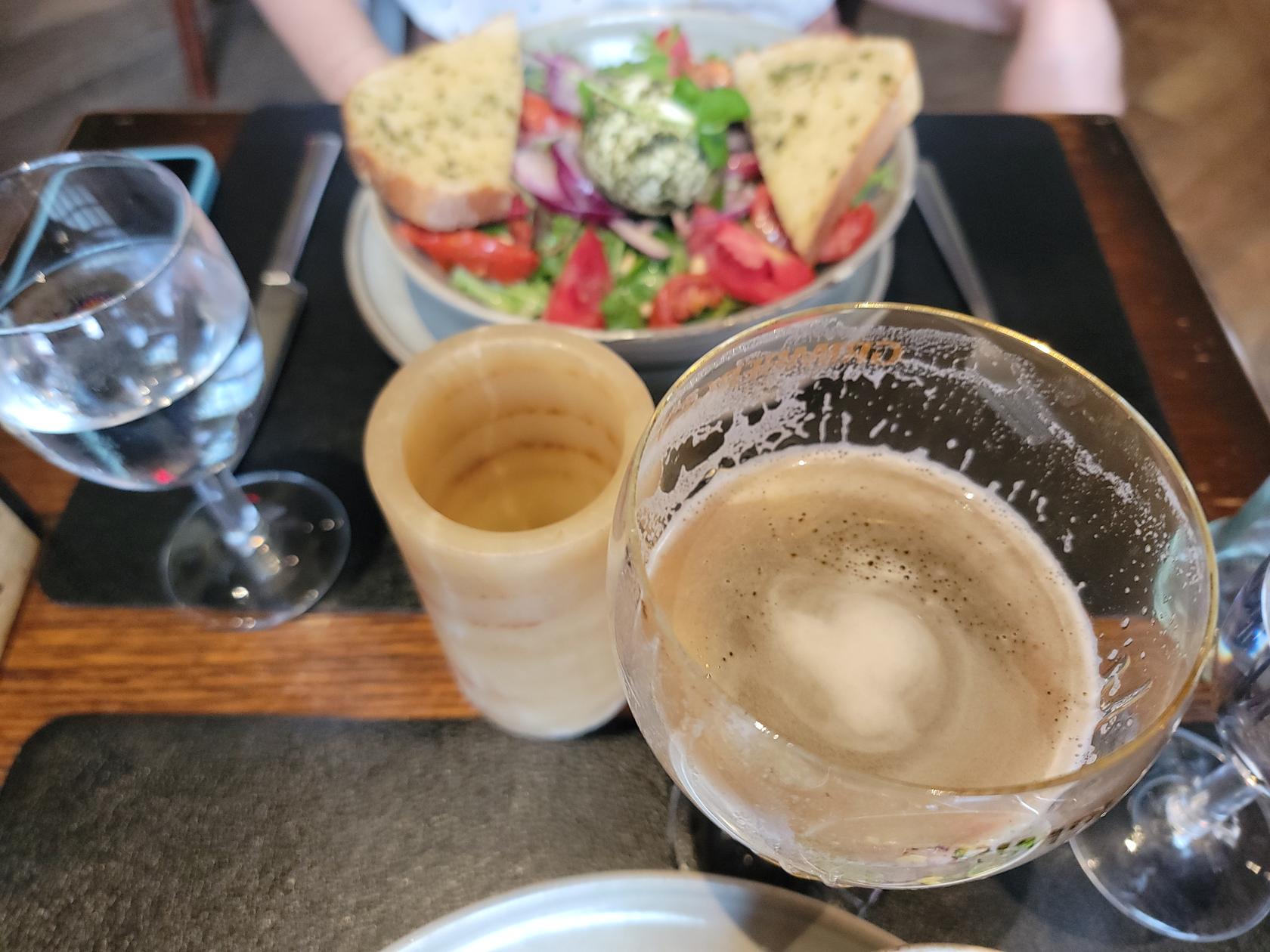
This place is more like an upscale bar that serves food. The menu is all over the place, but if you stare long enough you will find something to order. The beef stew was good, though I went with the rice option instead of the typical fries option. Again, expect service here to be a bit slow, though not terribly so.
Inside – Diligence Restaurant – Brugge, Belgium
Salad and Beer – Diligence Restaurant – Brugge, Belgium
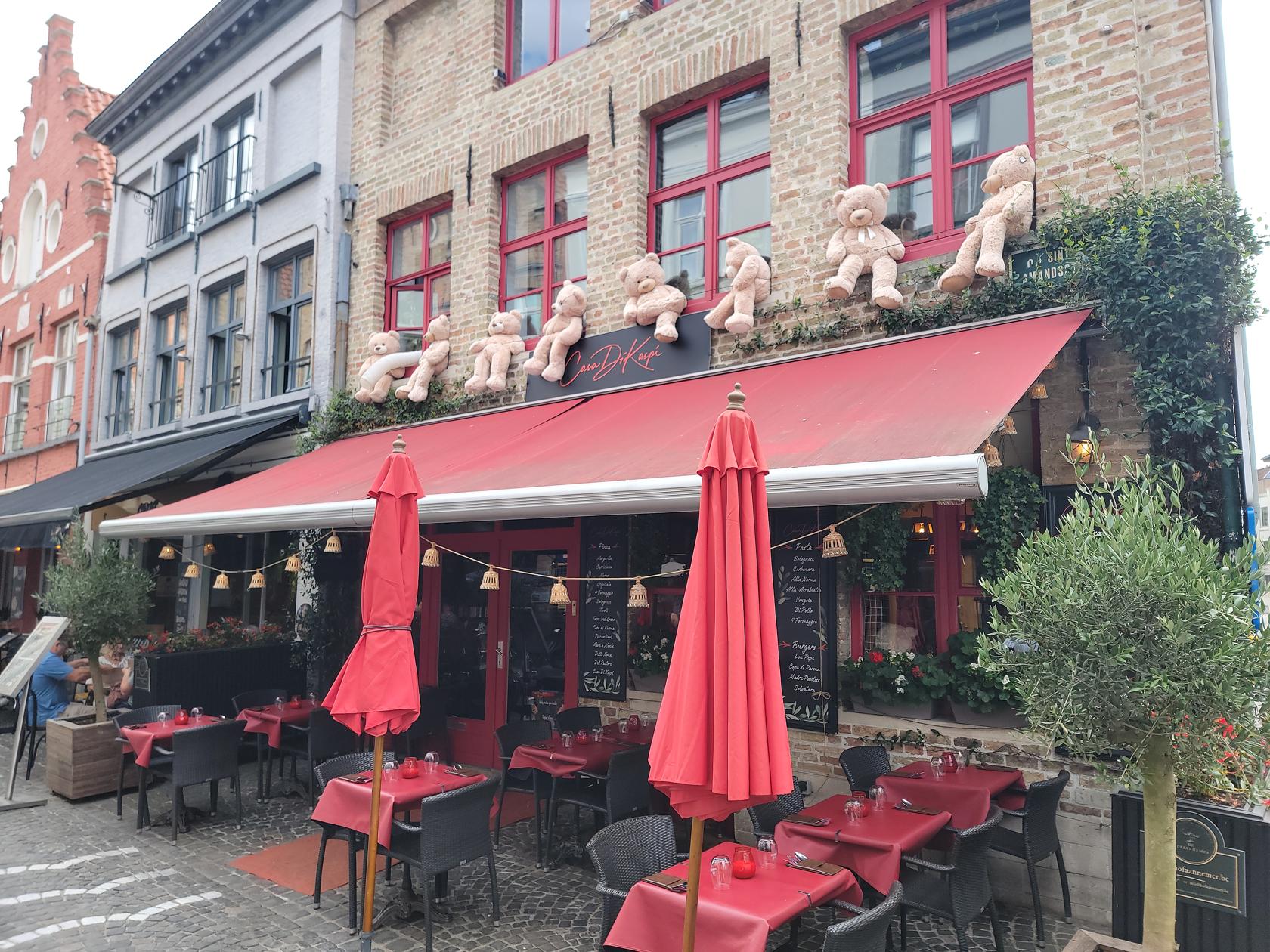
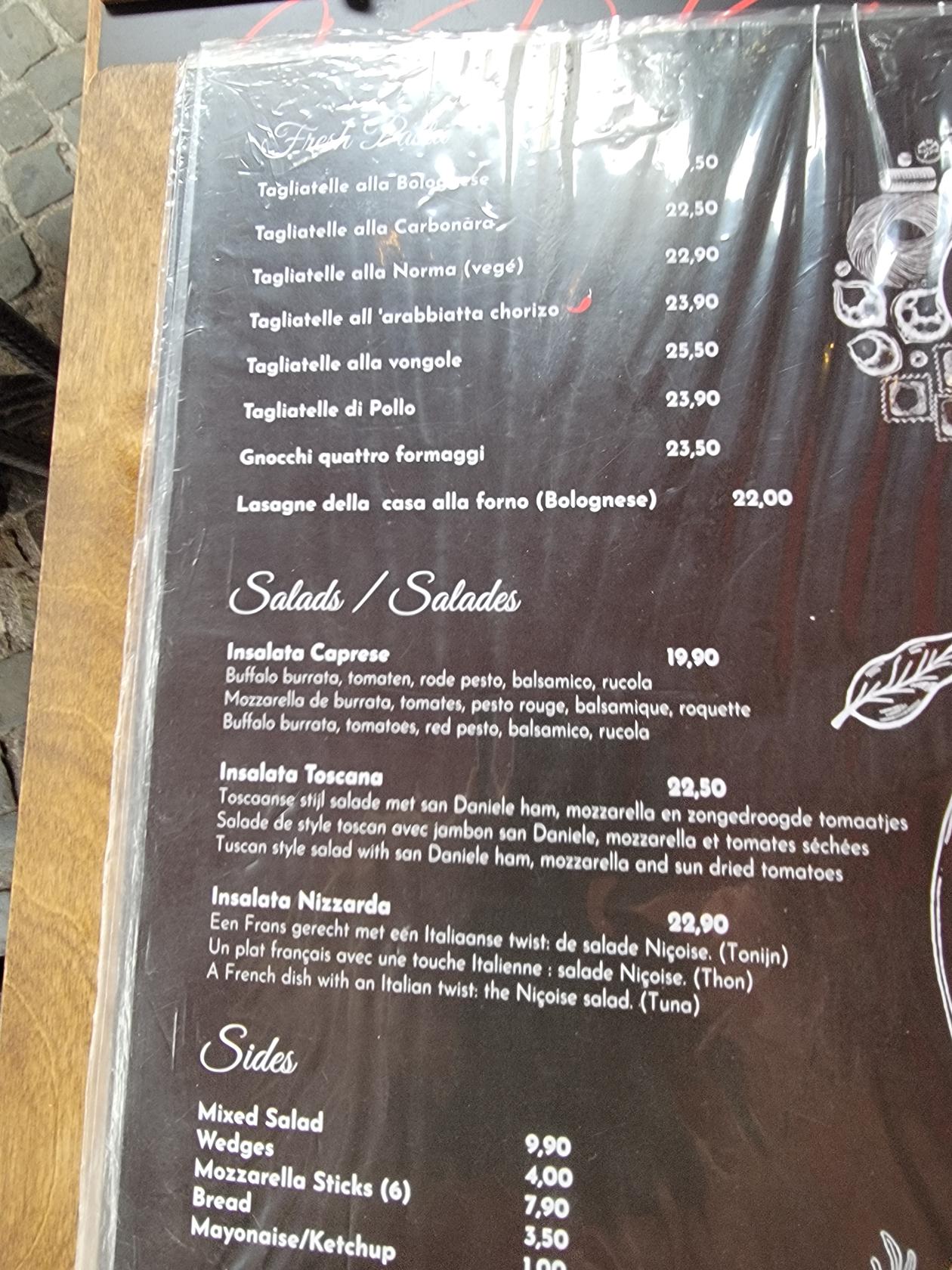
The Case di Kaspi was one of those restaurants we actually reserved a place for lunch, though in retrospect it wasn’t necessary. They serve Italian cuisine and for the most part it was okay. Though for the price I would think you could get the same thing at Bella Italia for less, see the menu below. The service was typical of other Belgian restaurants, a bit slow and unattentive.
Entrance – Casa Di Kaspi Restaurant – Brugge, Belgium
Sign – Casa Di Kaspi Restaurant – Brugge, Belgium
Menu – Casa Di Kaspi Restaurant – Brugge, Belgium
Frituur de Gentpoorte
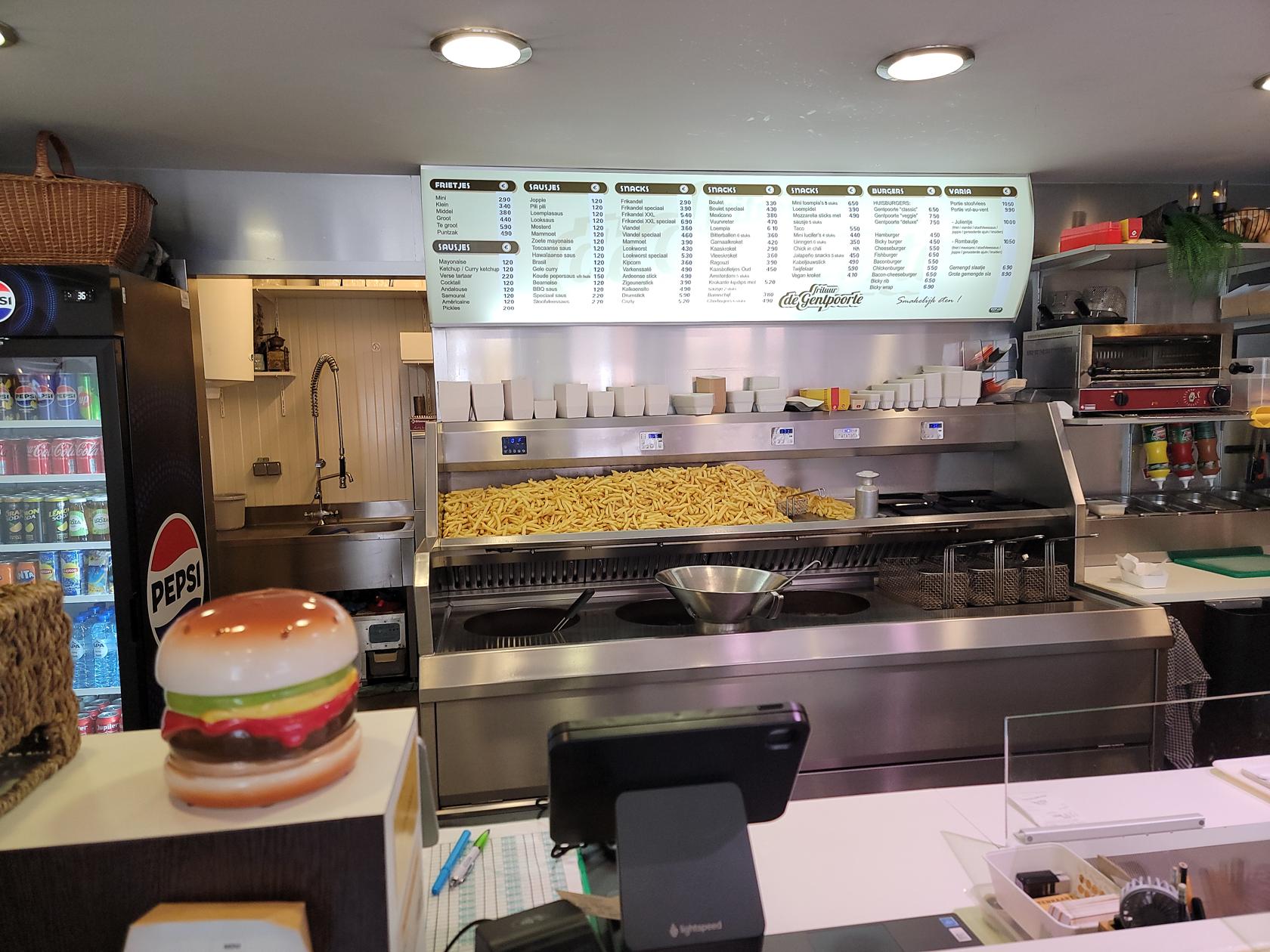
Upon many recommendations we were told that the French Fries, or just Fries or Frituur in Belgium, are a must experience. So, we chose one of the more ostensibly good places that people rave about on the internet and went to Frituur de Gentpoorte.
Frituur de Gentpoorte – Brugge, Belgium
We purchased the small (klein) take-away basket of fries with no sauces, since we thought that if their fries are so good they don’t need sauce. We were WRONG. They are actually not that great, at least not without the sauce they sell, cost: 1-2€ for one of those small little plastic containers. So, the deal really is, they are actually not selling fries, but sauce. The potatoes in the States have them beat by far (think Five Guys Cut Fries). Though it is cheap and filling, you probably will regret later when all those carbs settle in and give you a stomach ache. We threw half our basket out. However, if you are so inclined, Enjoy!
After a number of other trips this year we finally decided to visit Belgium for two weeks. The weather in Turin has been abnormally hot and humid since early June and like our trip to Poland, we were looking for some respite. Unfortunately, not only did we find the weather a bit abnormal, but a few other things as well.
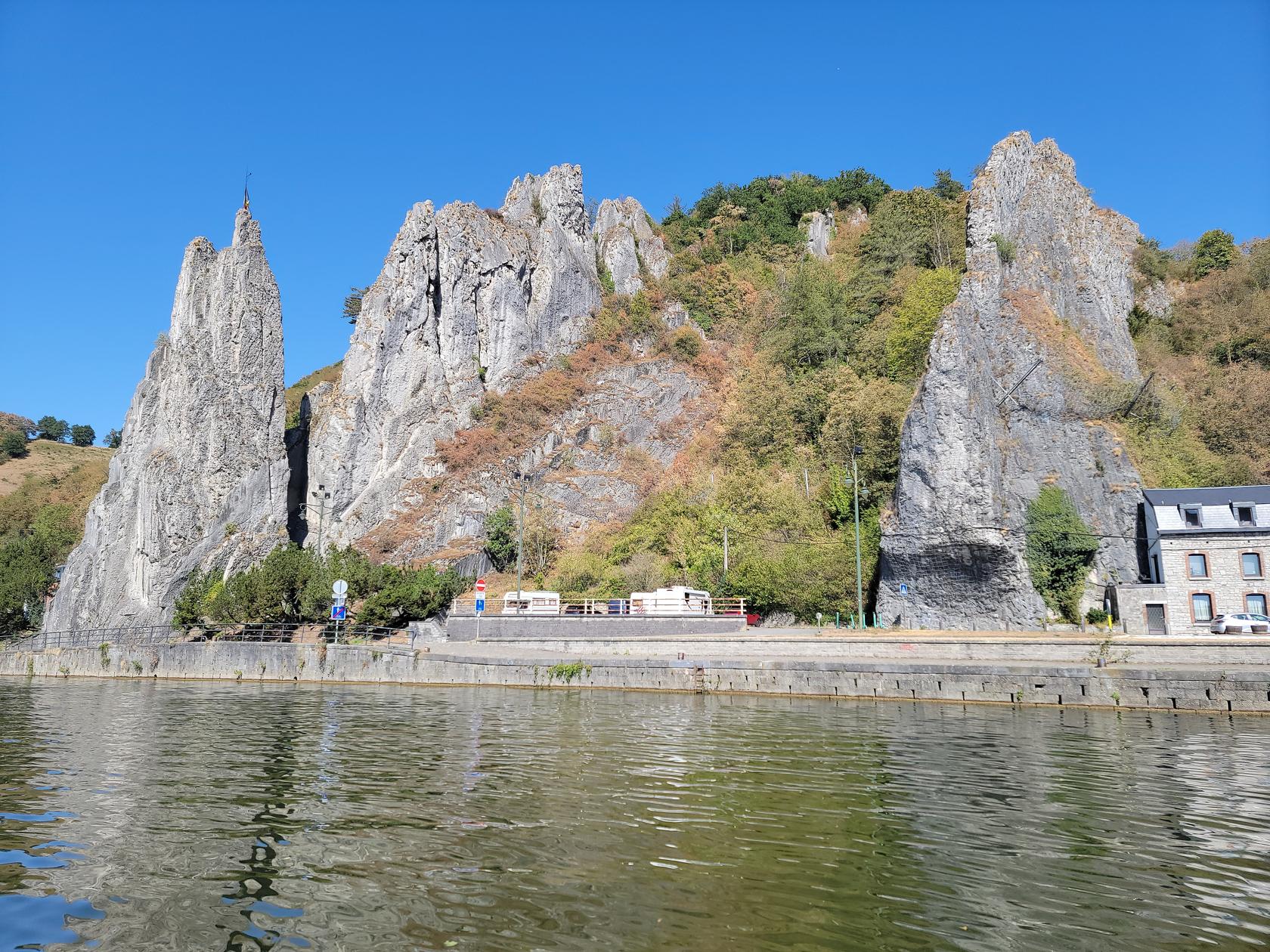
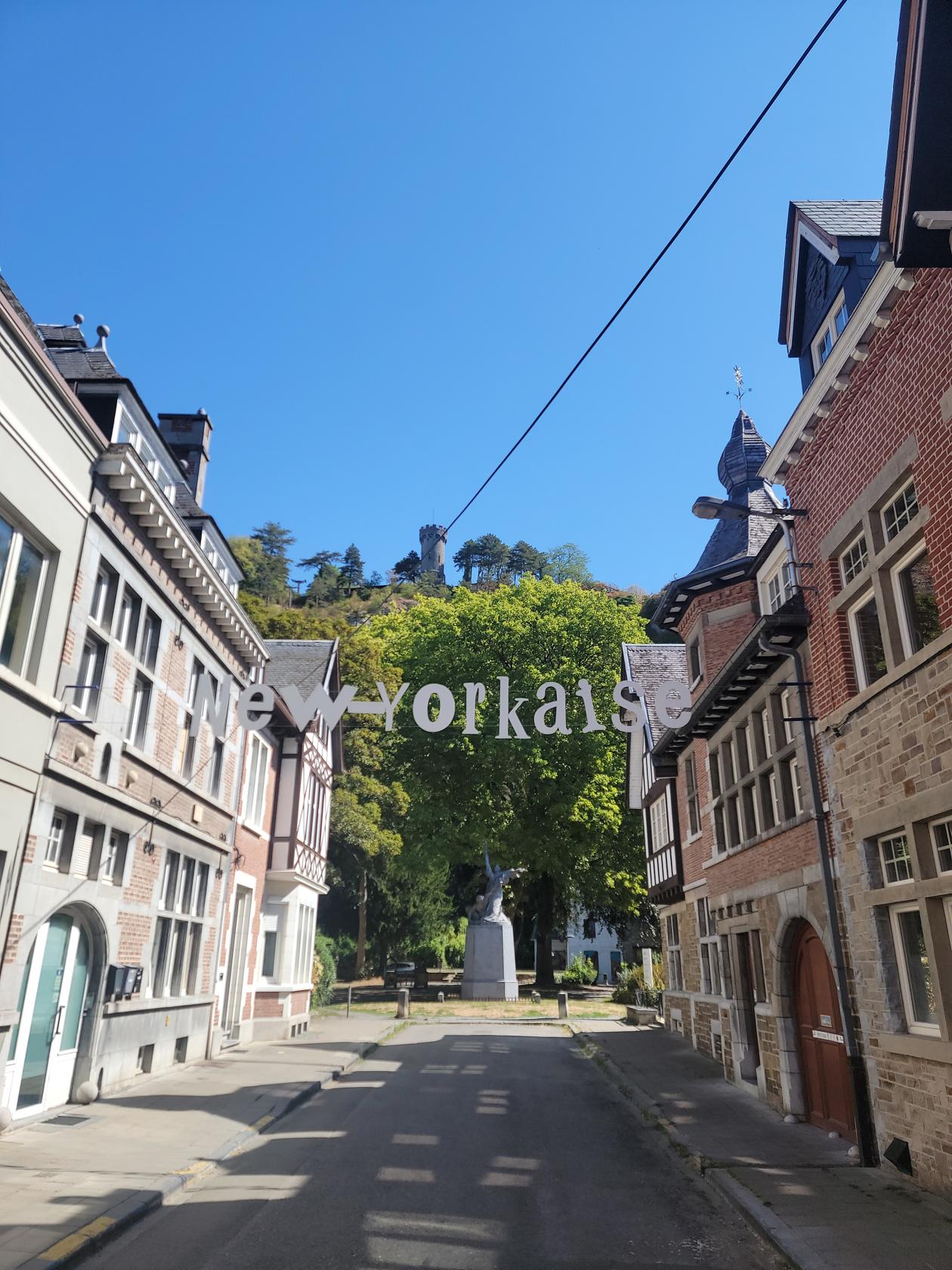
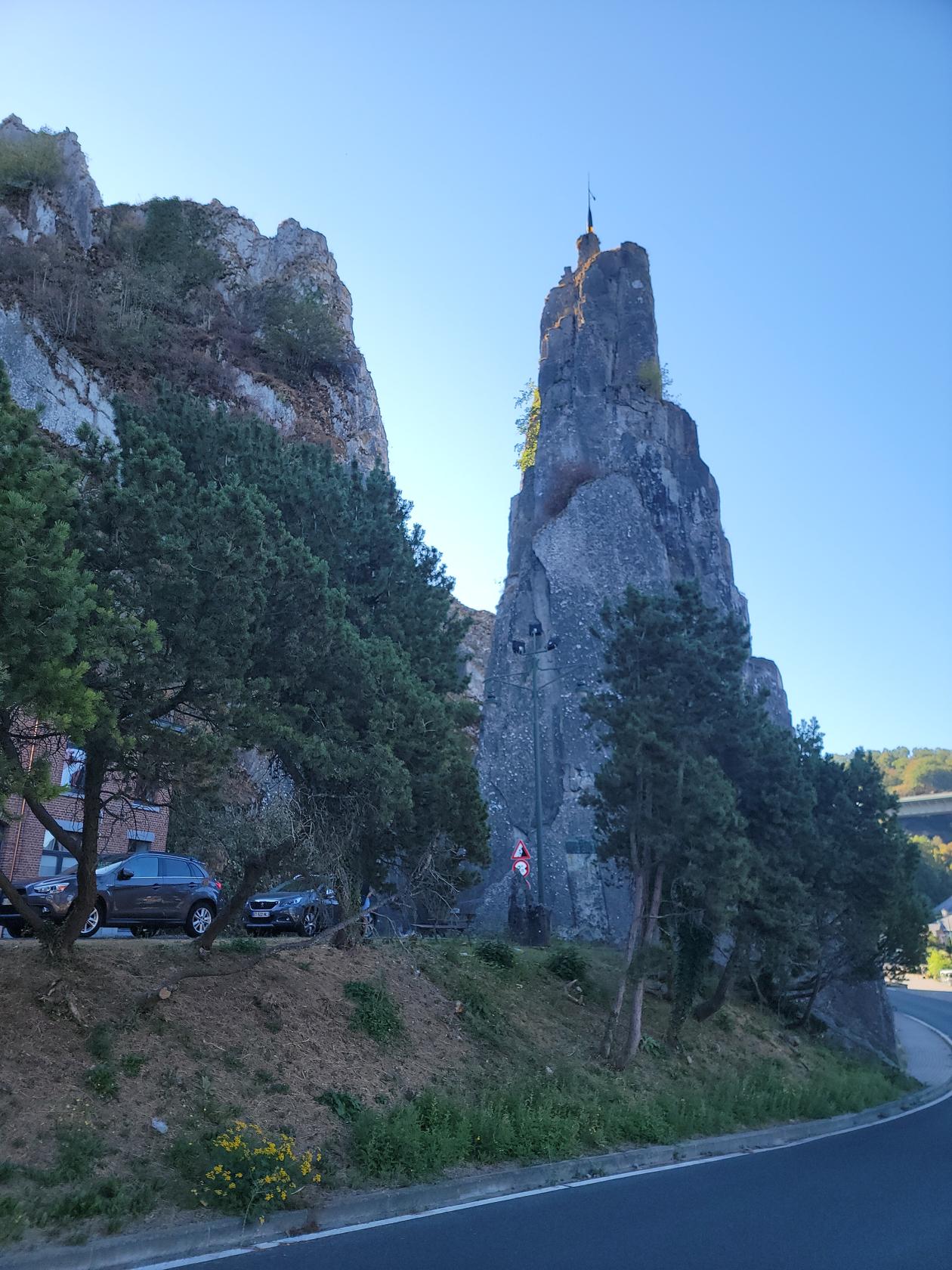
Bayard Rock – Freyer Cruise – Dinant, Belgium
Dinant
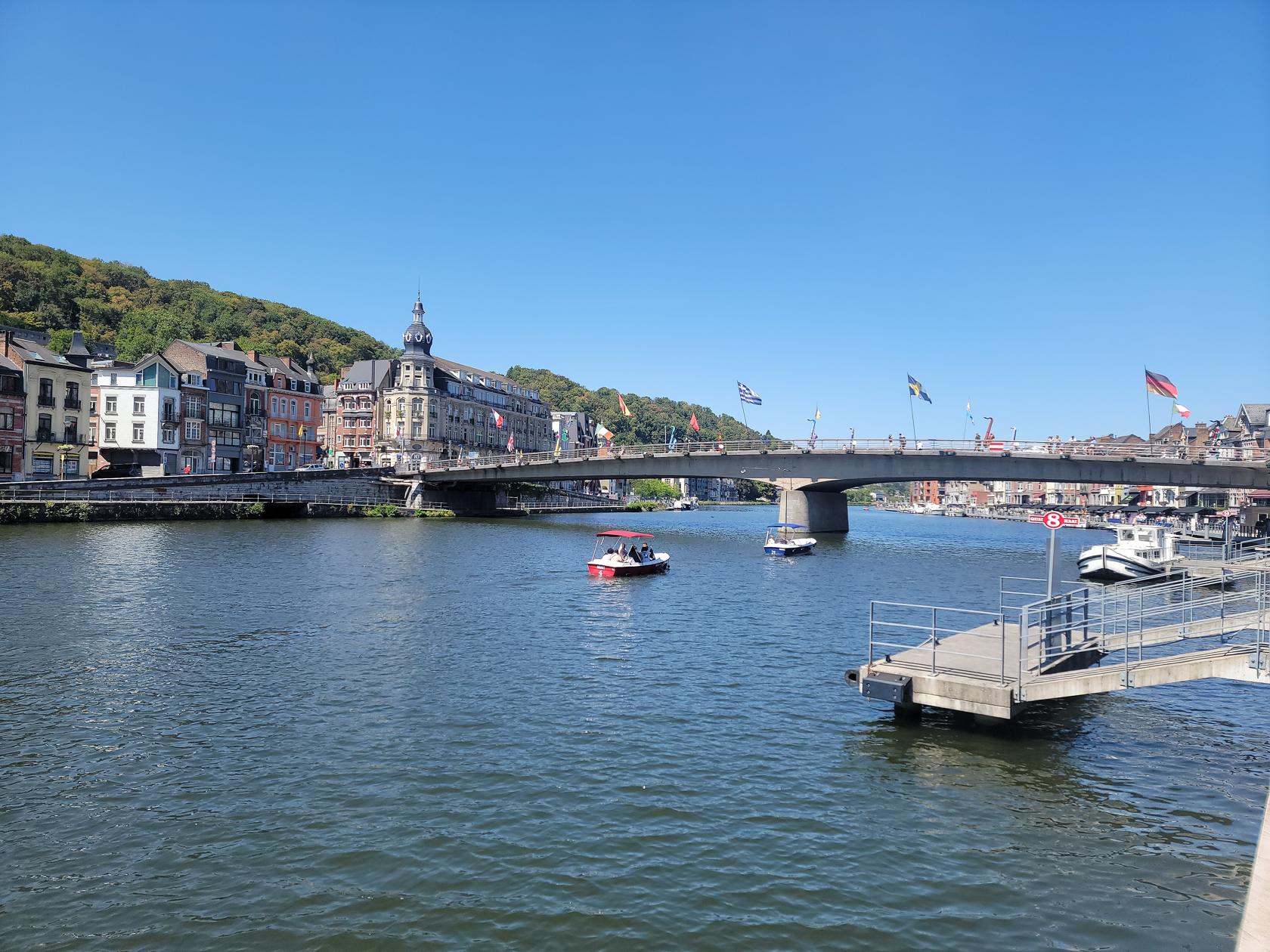
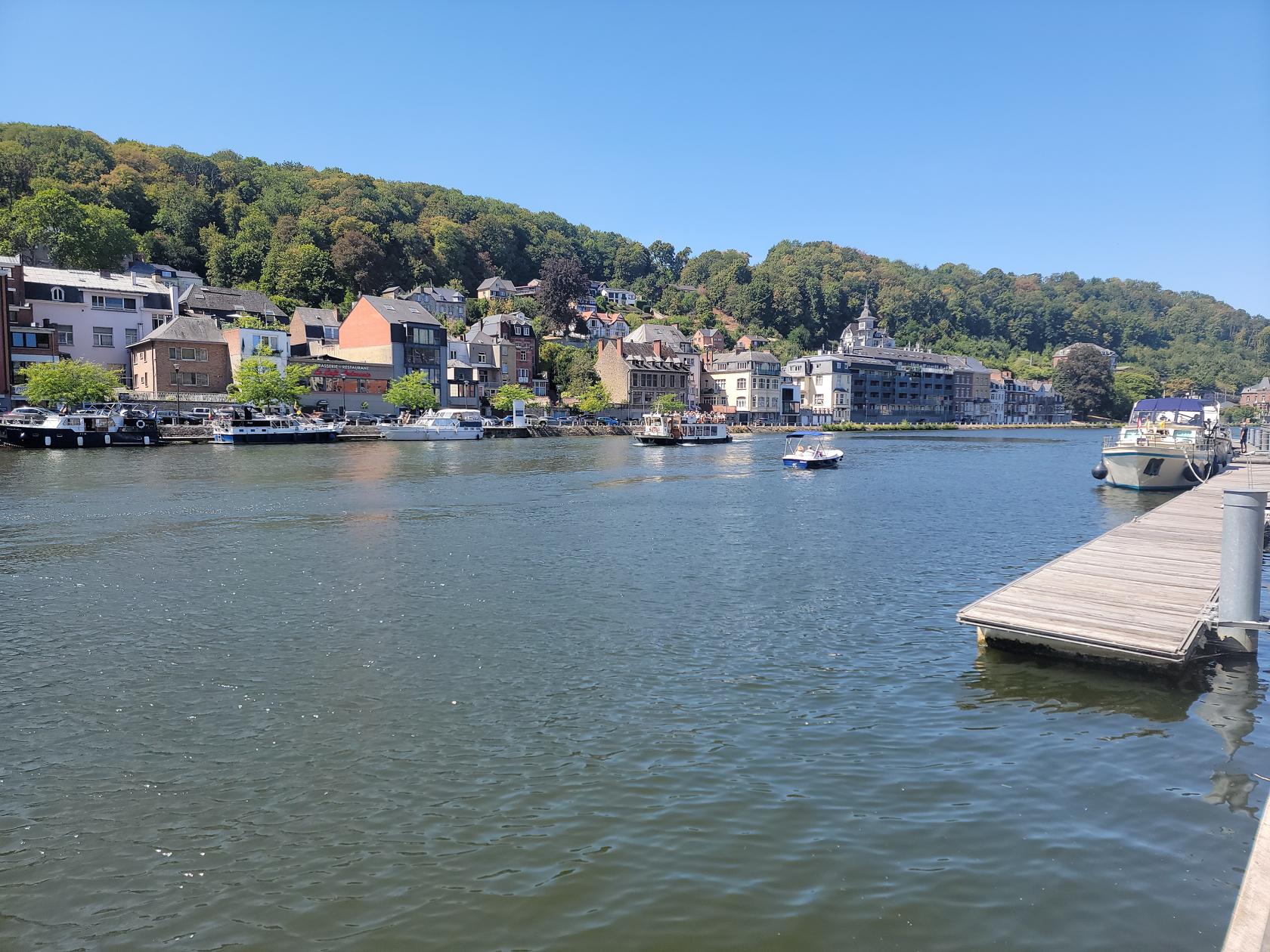
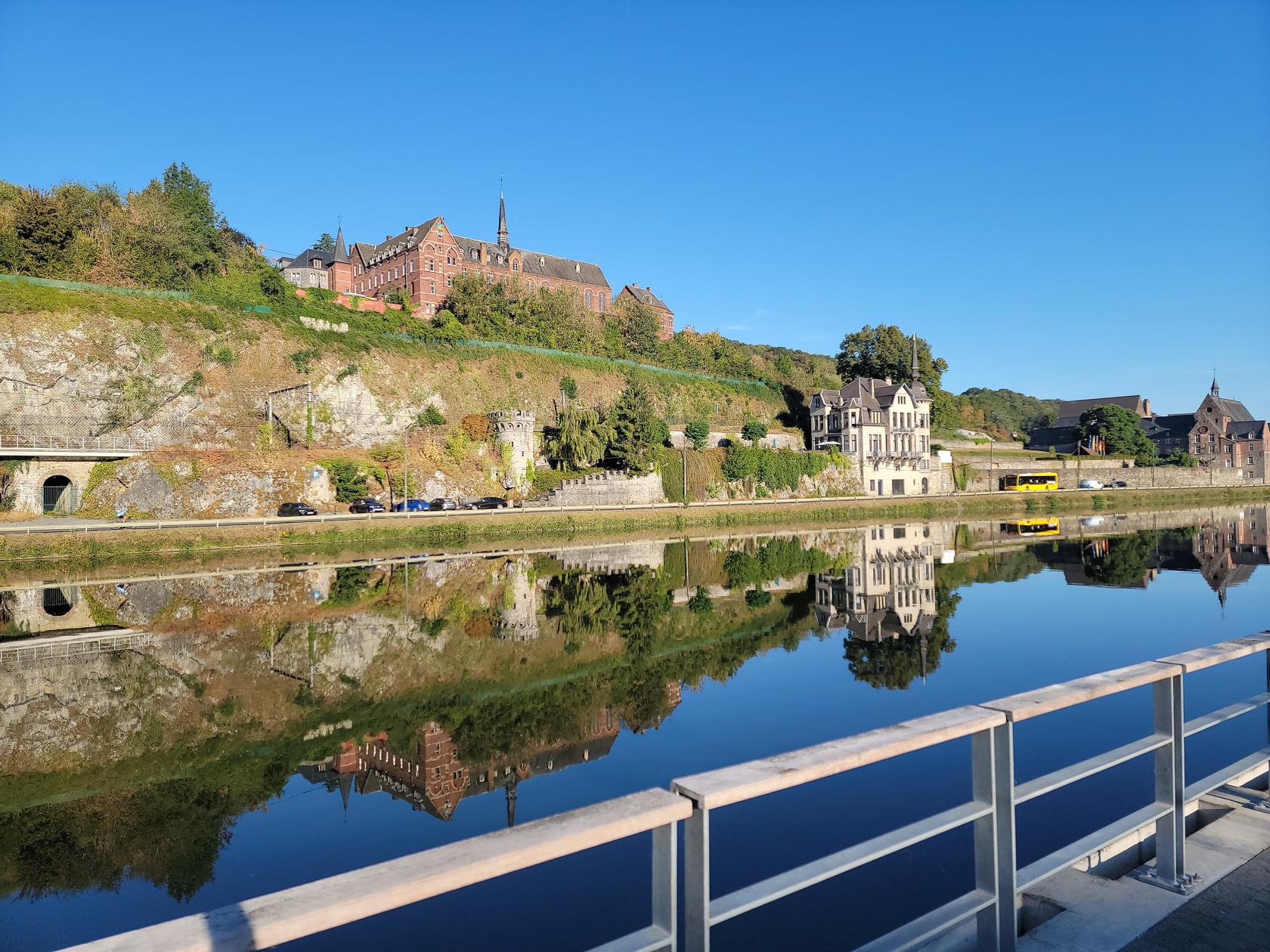
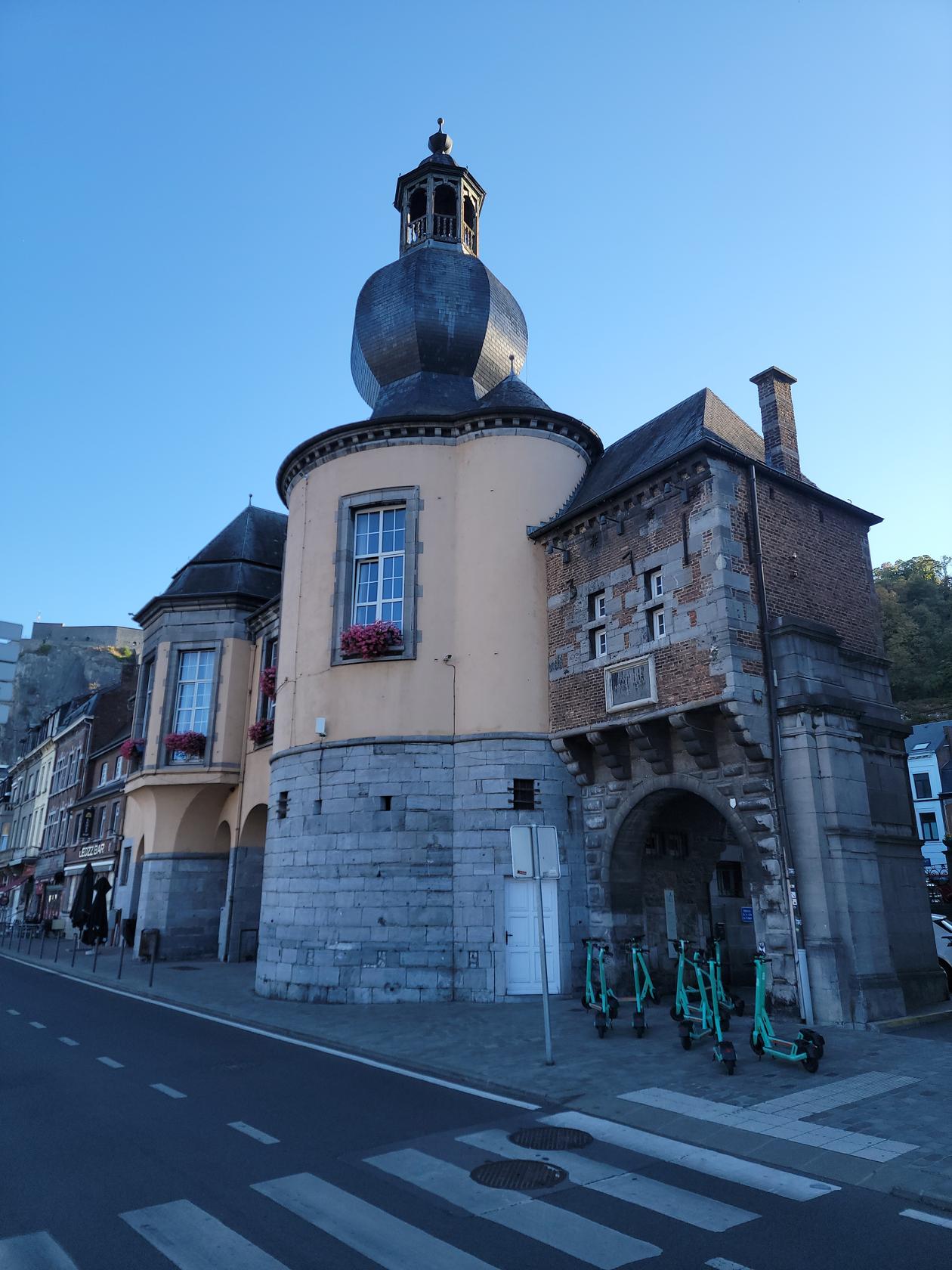
The town of Dinant is a small town located about an hour and a half to two hours away from Brussels to the south east. It borders the Ardennes Forest and has been historically important in the last two world wars.
Getting There
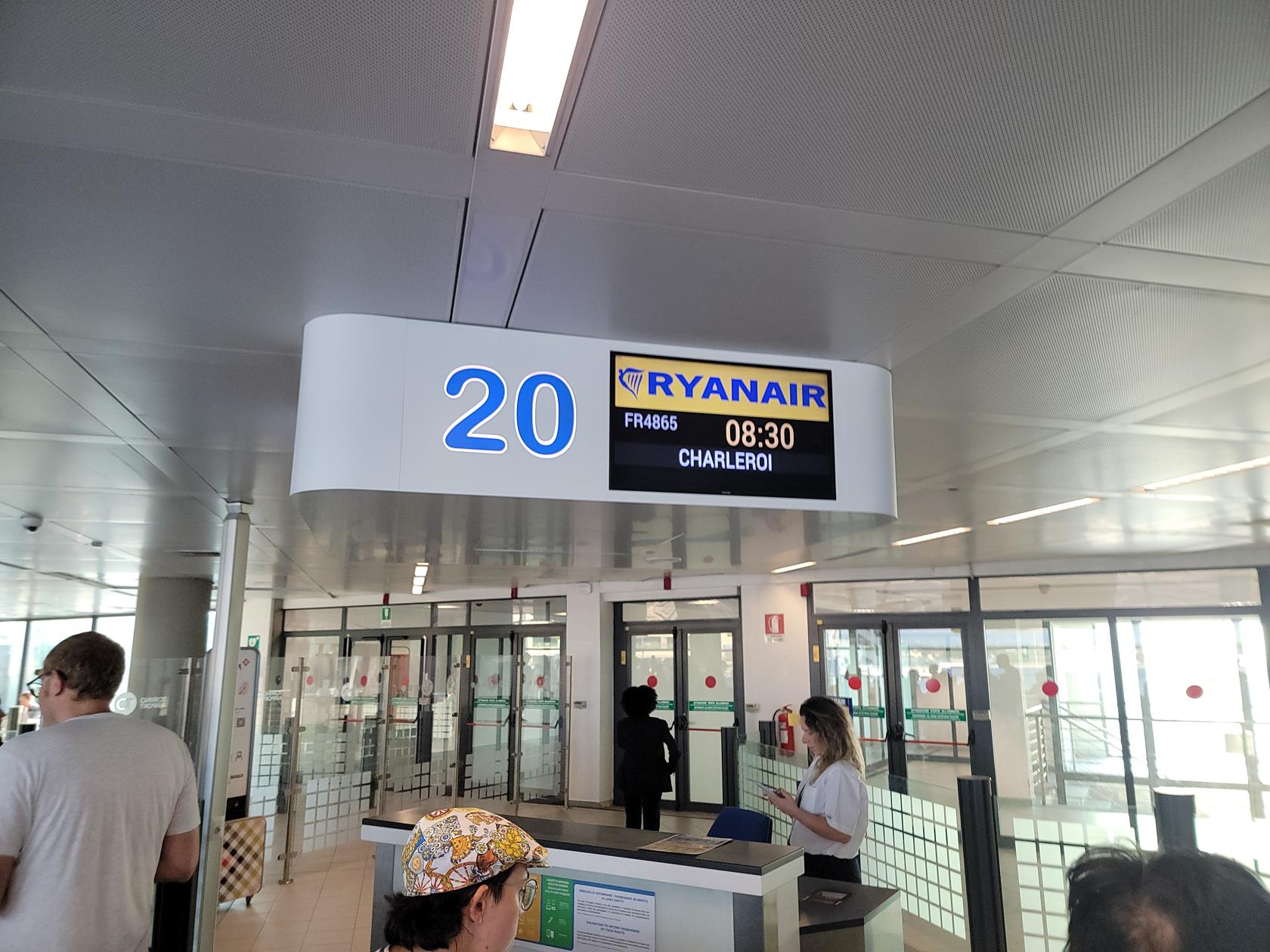
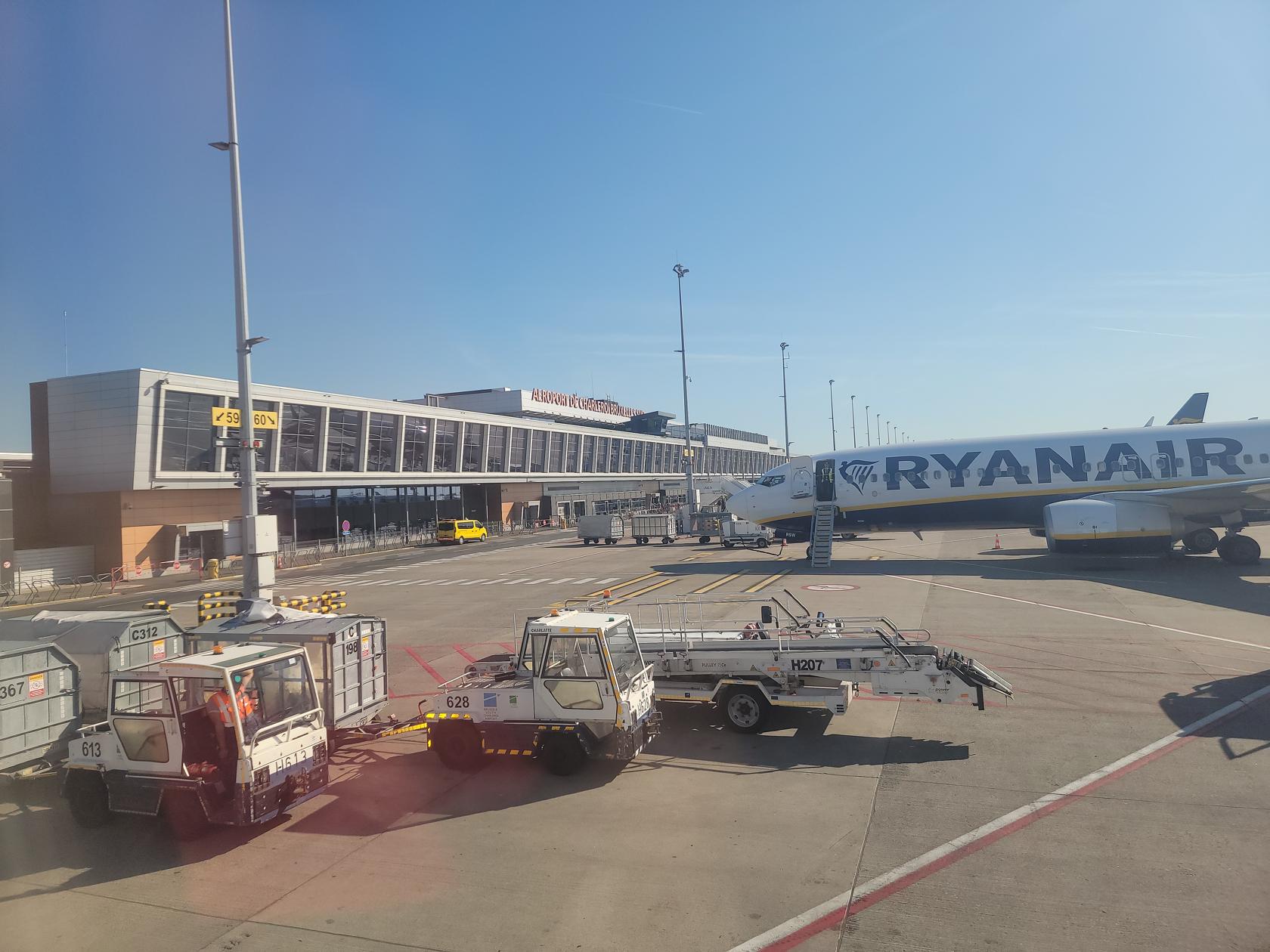
From Turin we flew RyanAir directly to Charleroi Airport near Brussels, Belgium, a flight that took a little less than an hour and a half.
RyanAir Flight to Charleroi, Belgium – Turin, Italy
Charleroi Airport – Brussels, Belgium
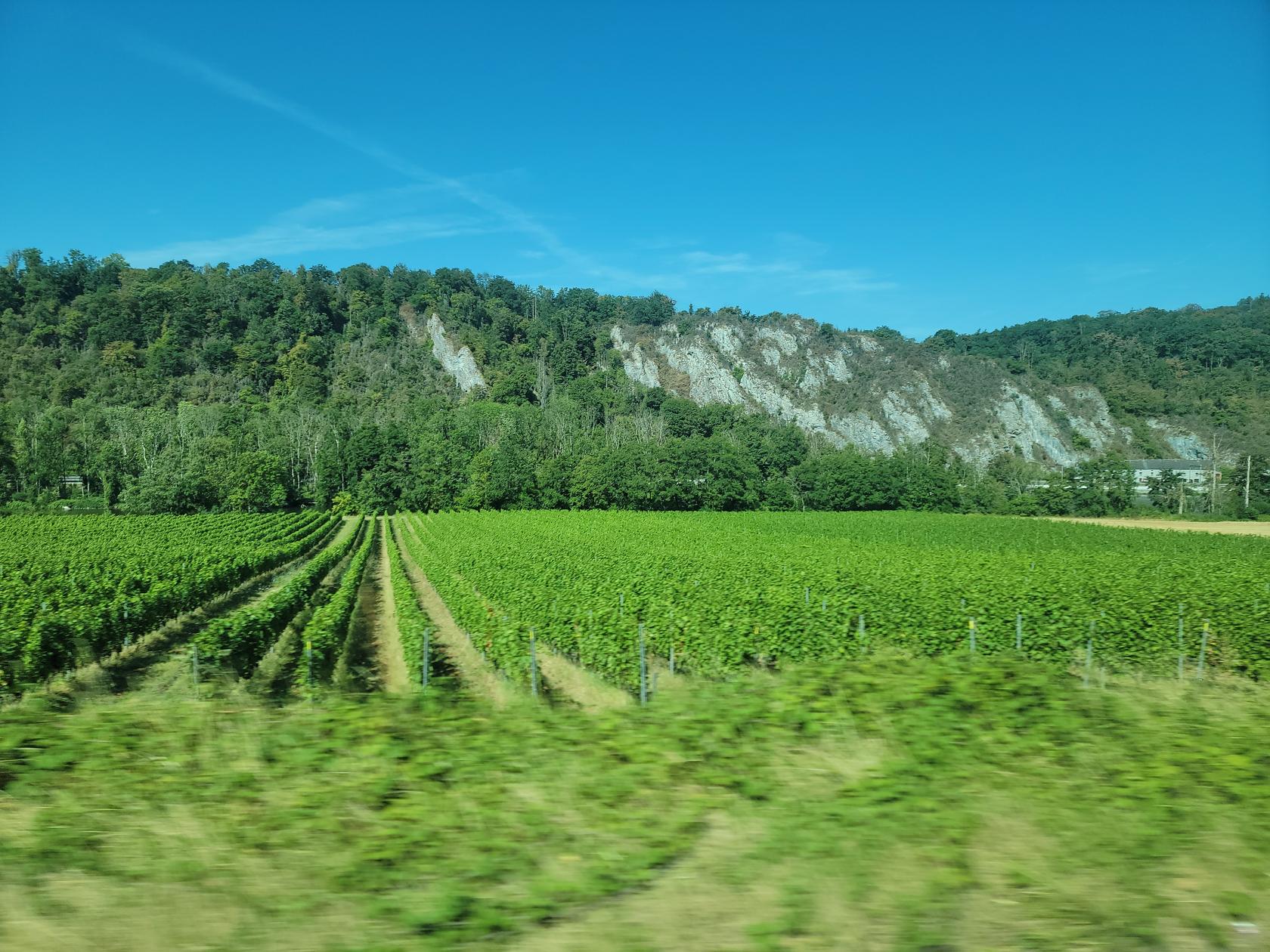
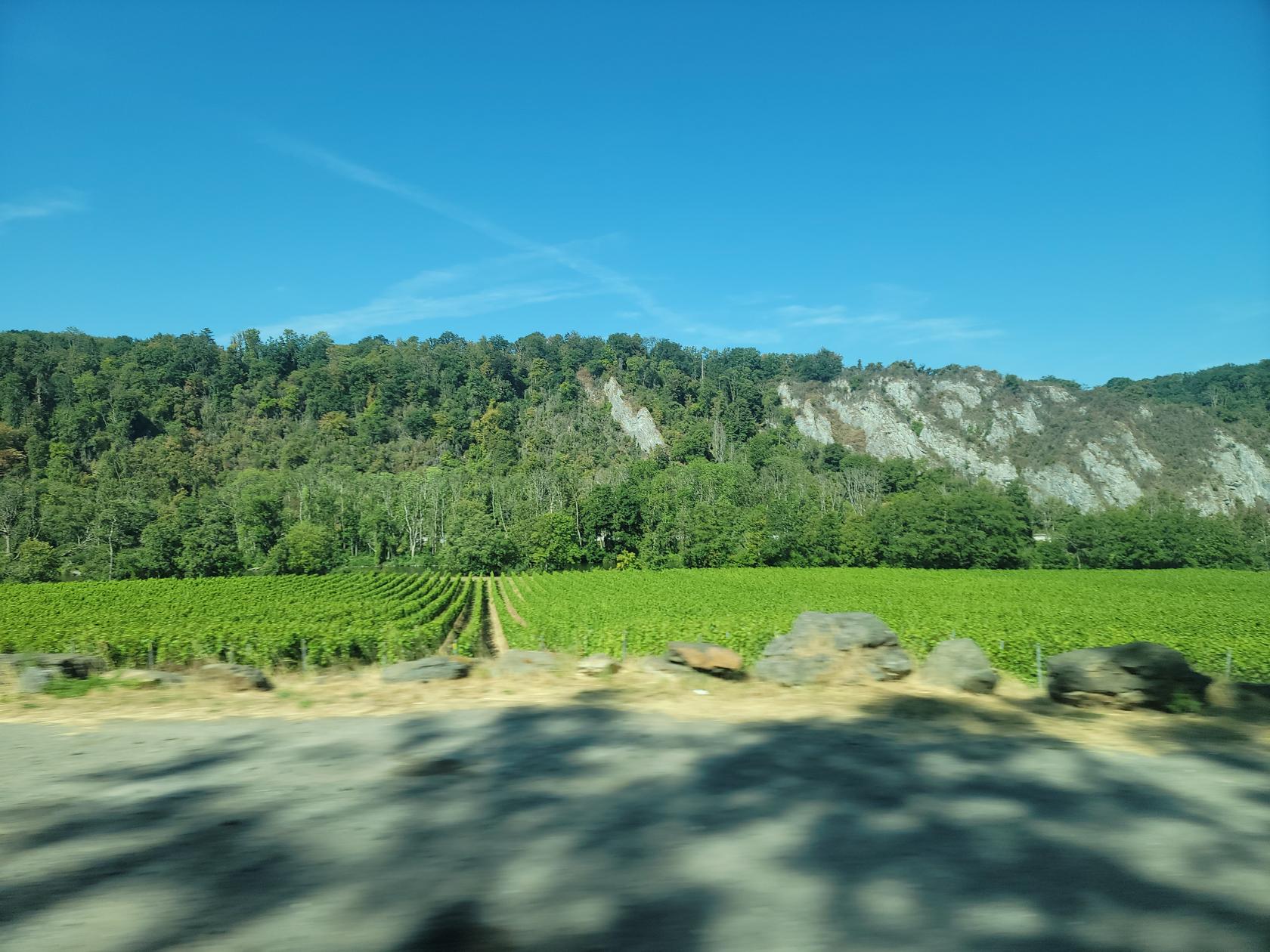
Belgium Countryside – Belgium
Belgium Vineyard – Belgium
Points Of Interest
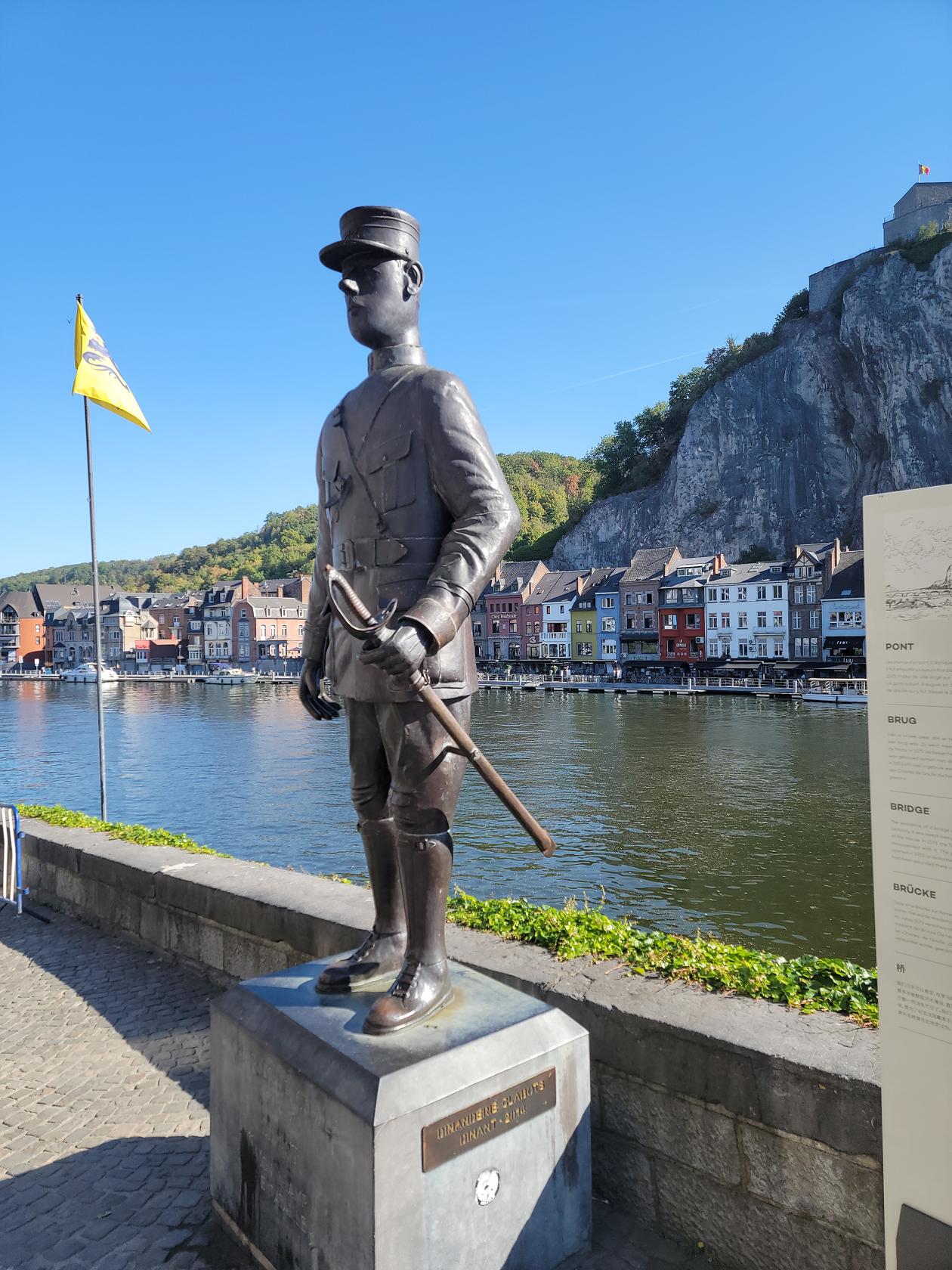
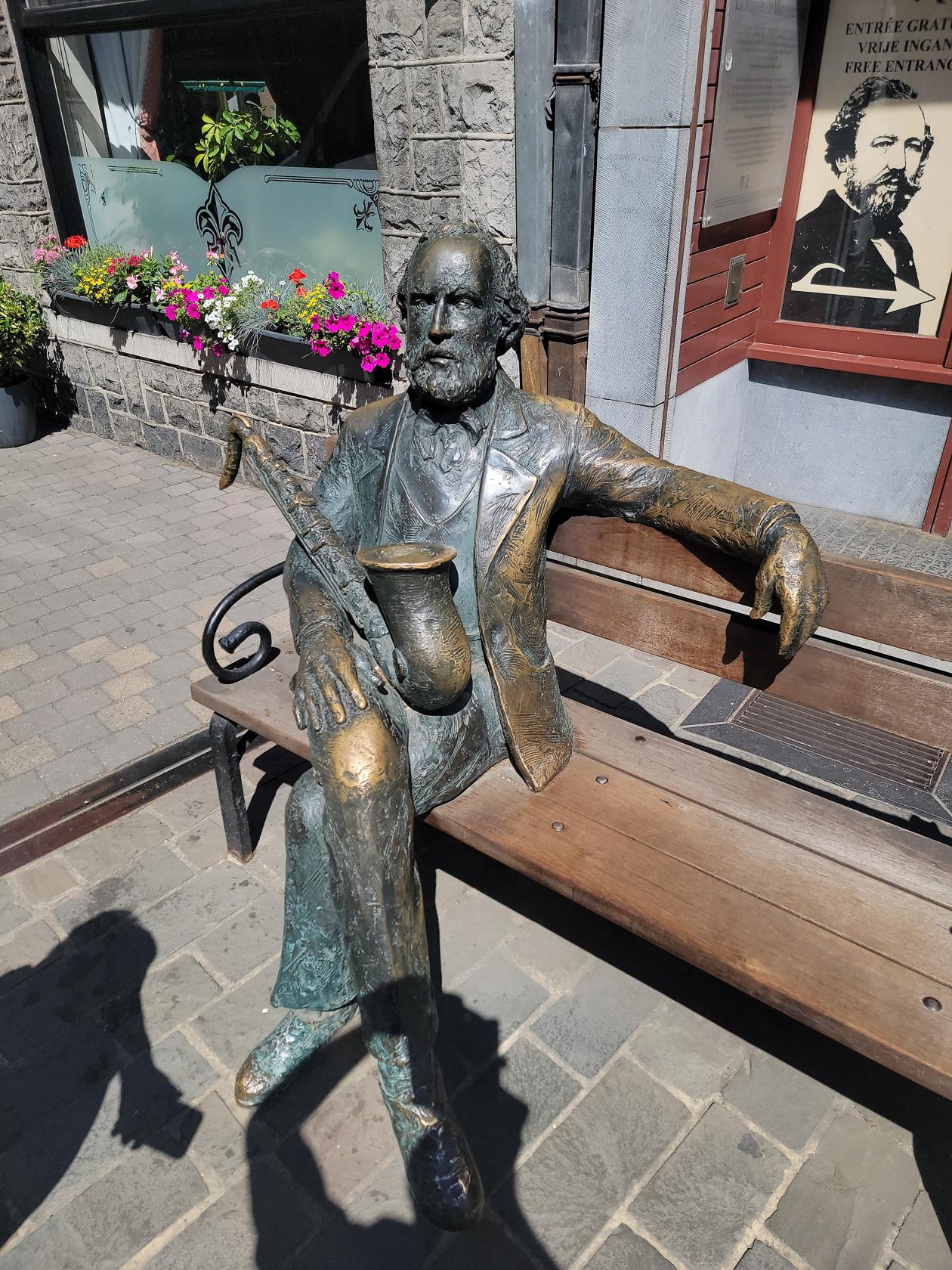
The town of Dinant is a bit strange to say the least. Though we arrived on a Tuesday, the town appeared to be the center of activity. Then a little after four o’clock in the afternoon, almost everyone was gone. Of course we put this down to day-trippers who happen to drive or bus in on one particular day, stay for a few hours and leave. This wasn’t the only reason.
Charles de Gaulle Statue – Dinant, Belgium
Mr Sax’s Bench – Dinant, Belgium
Adolphe Sax monument – Dinant, Belgium
Old Row Housing – Dinant, Belgium
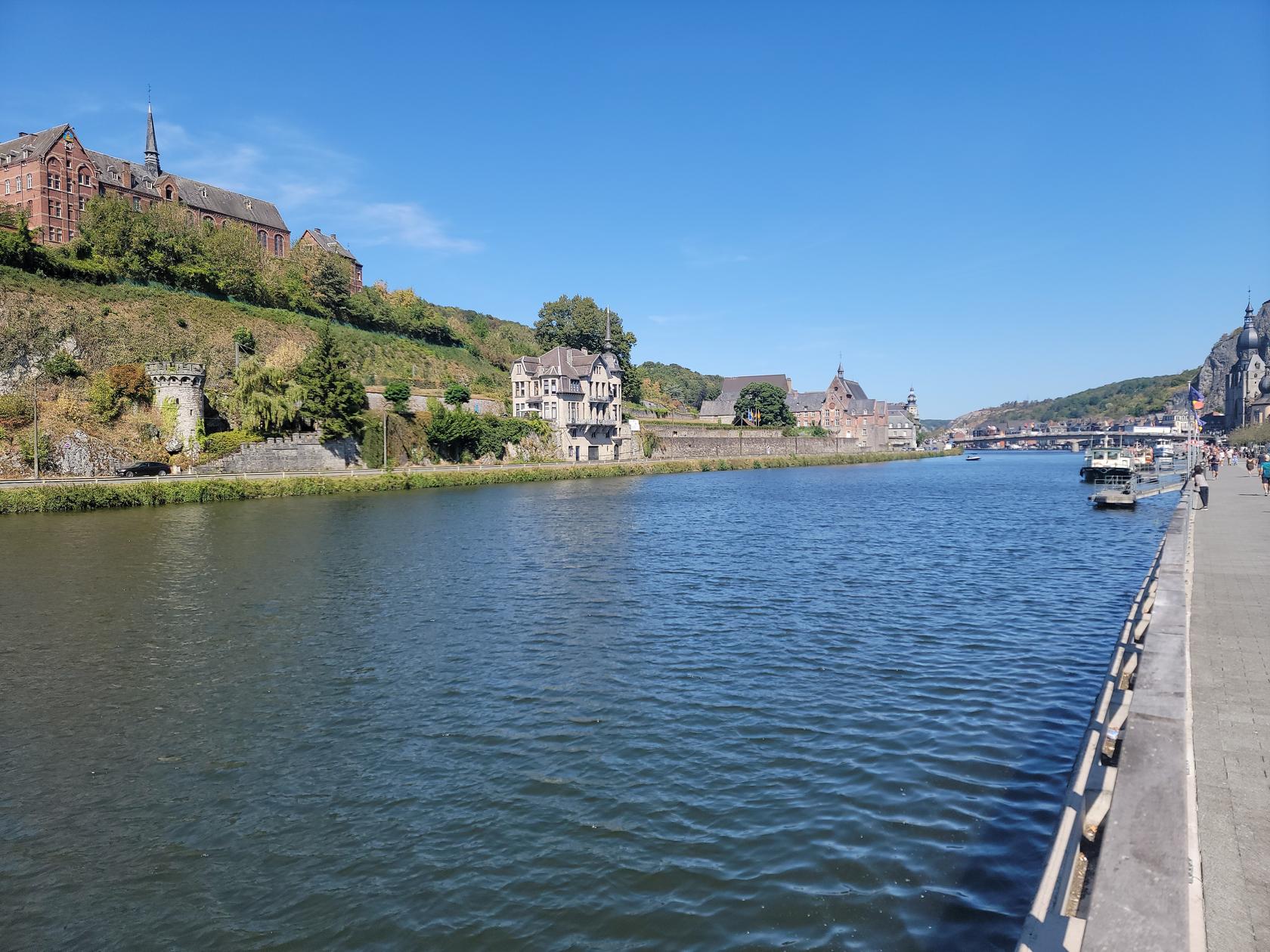
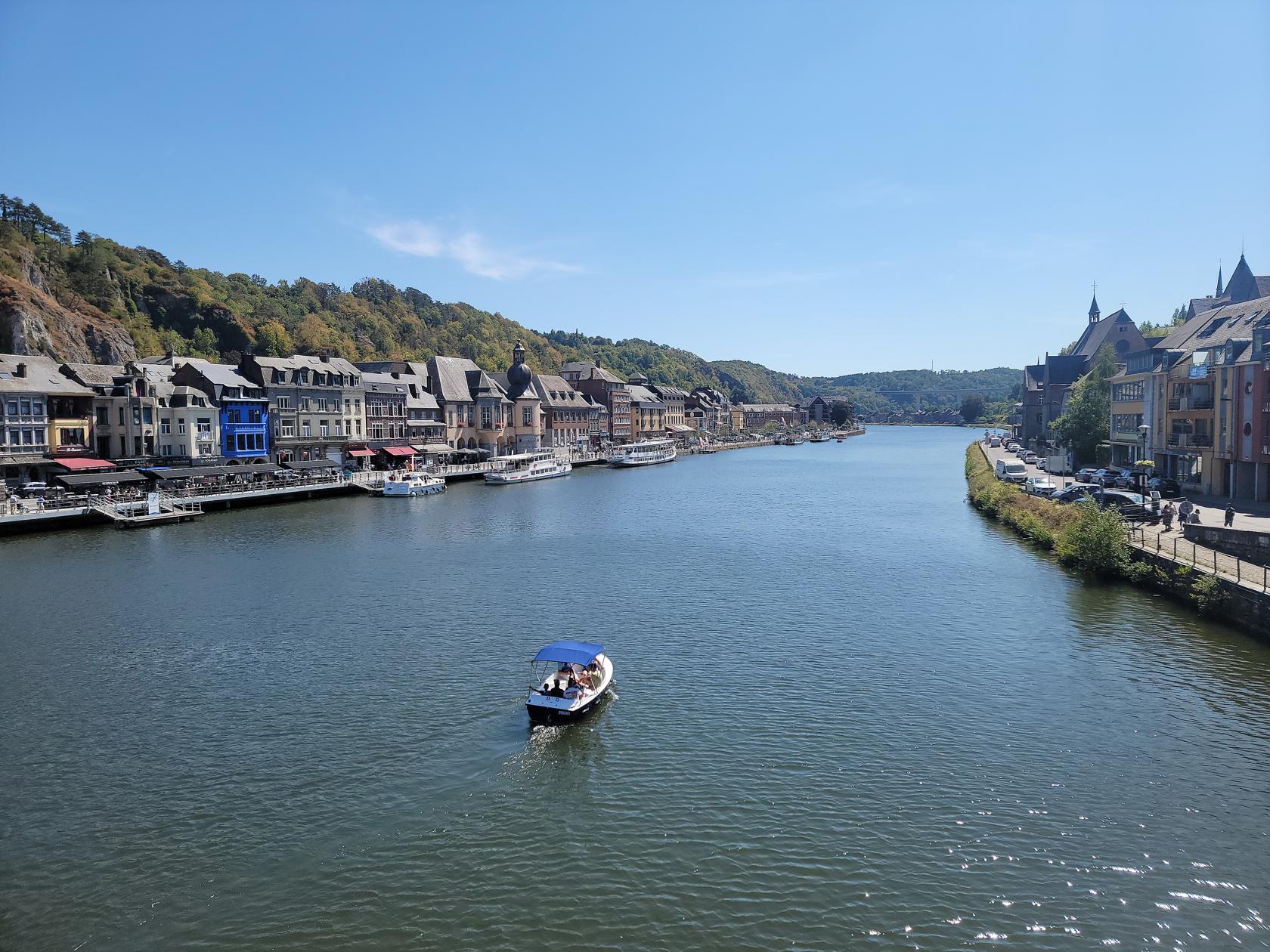
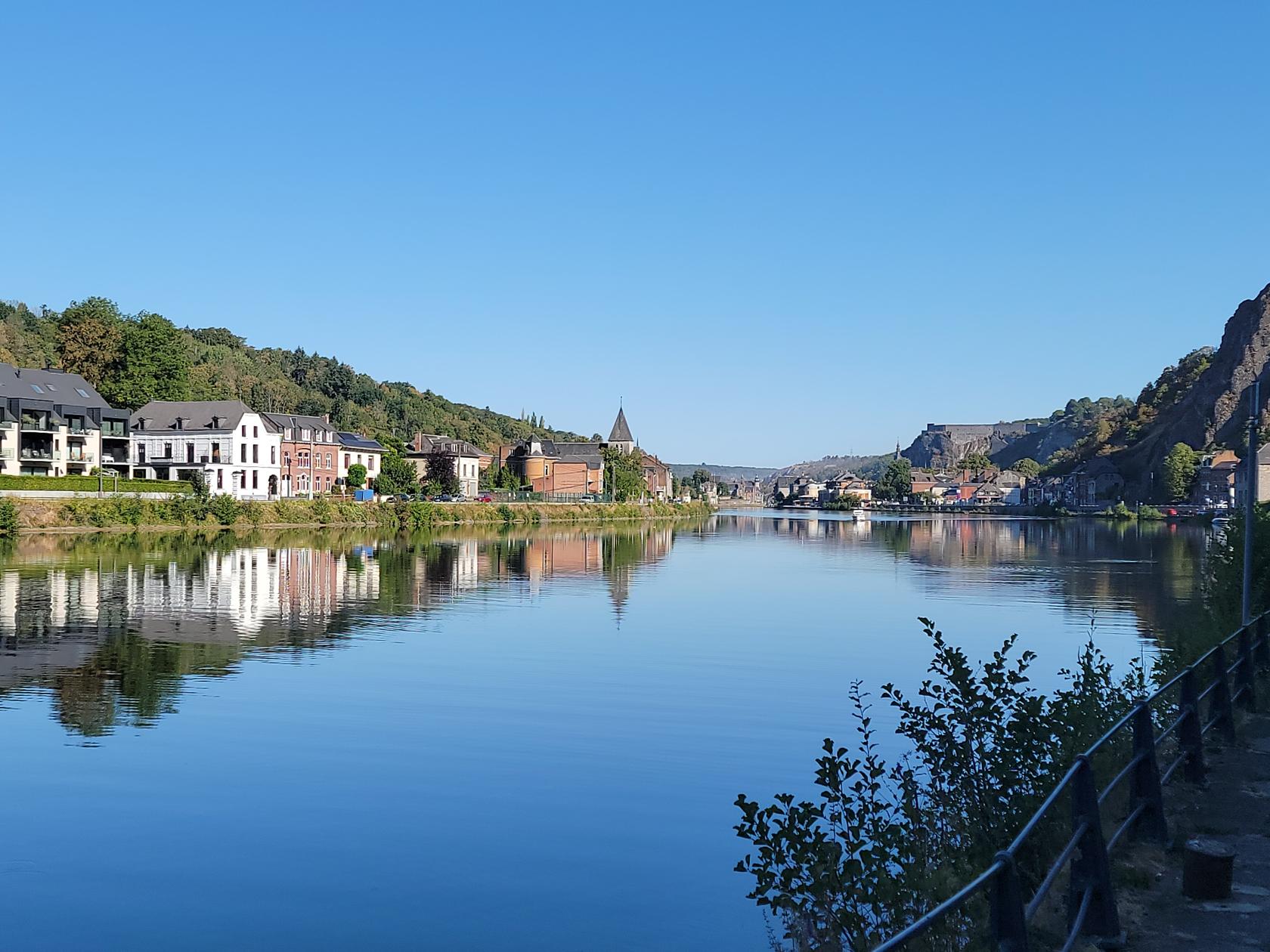
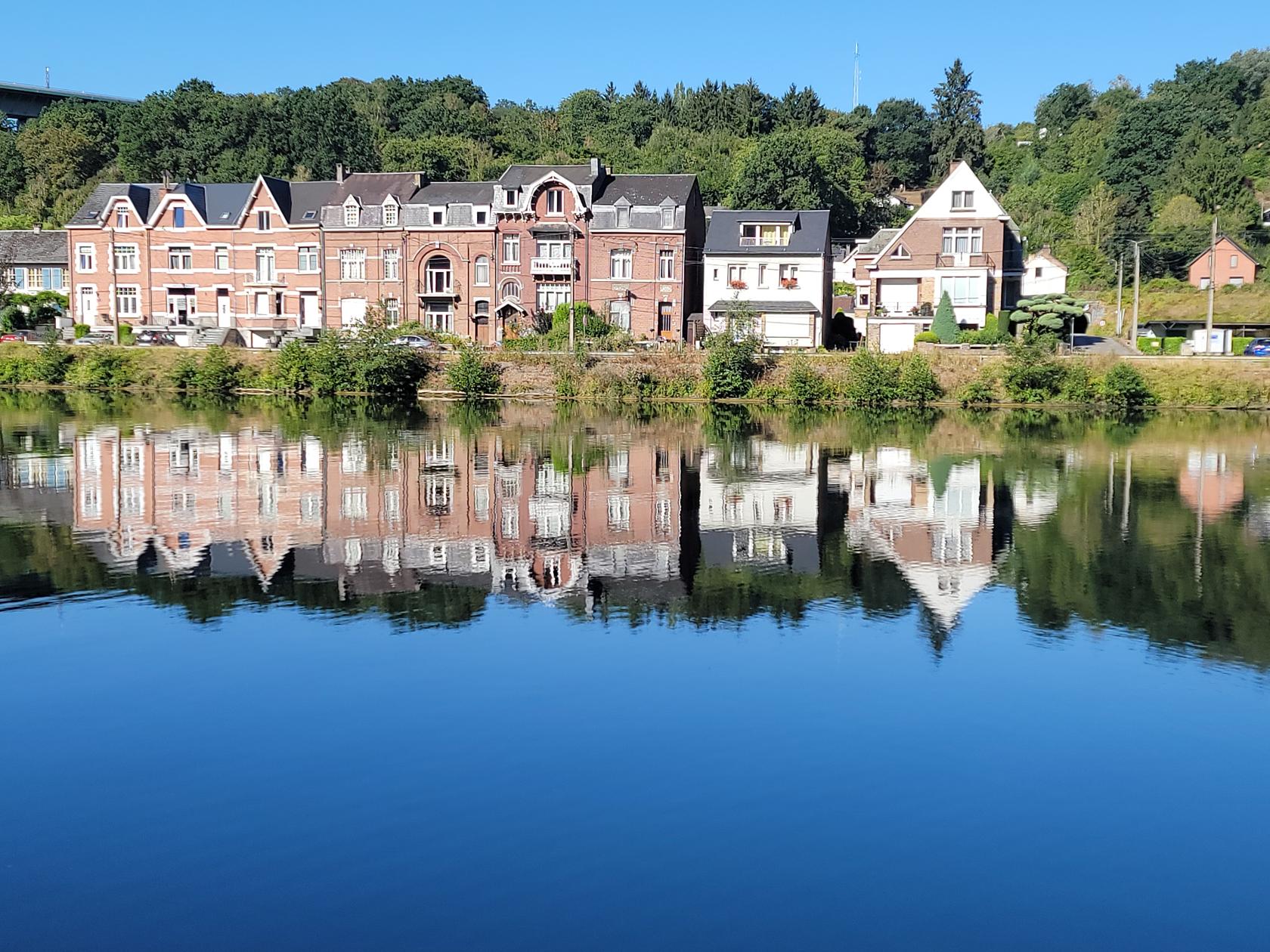
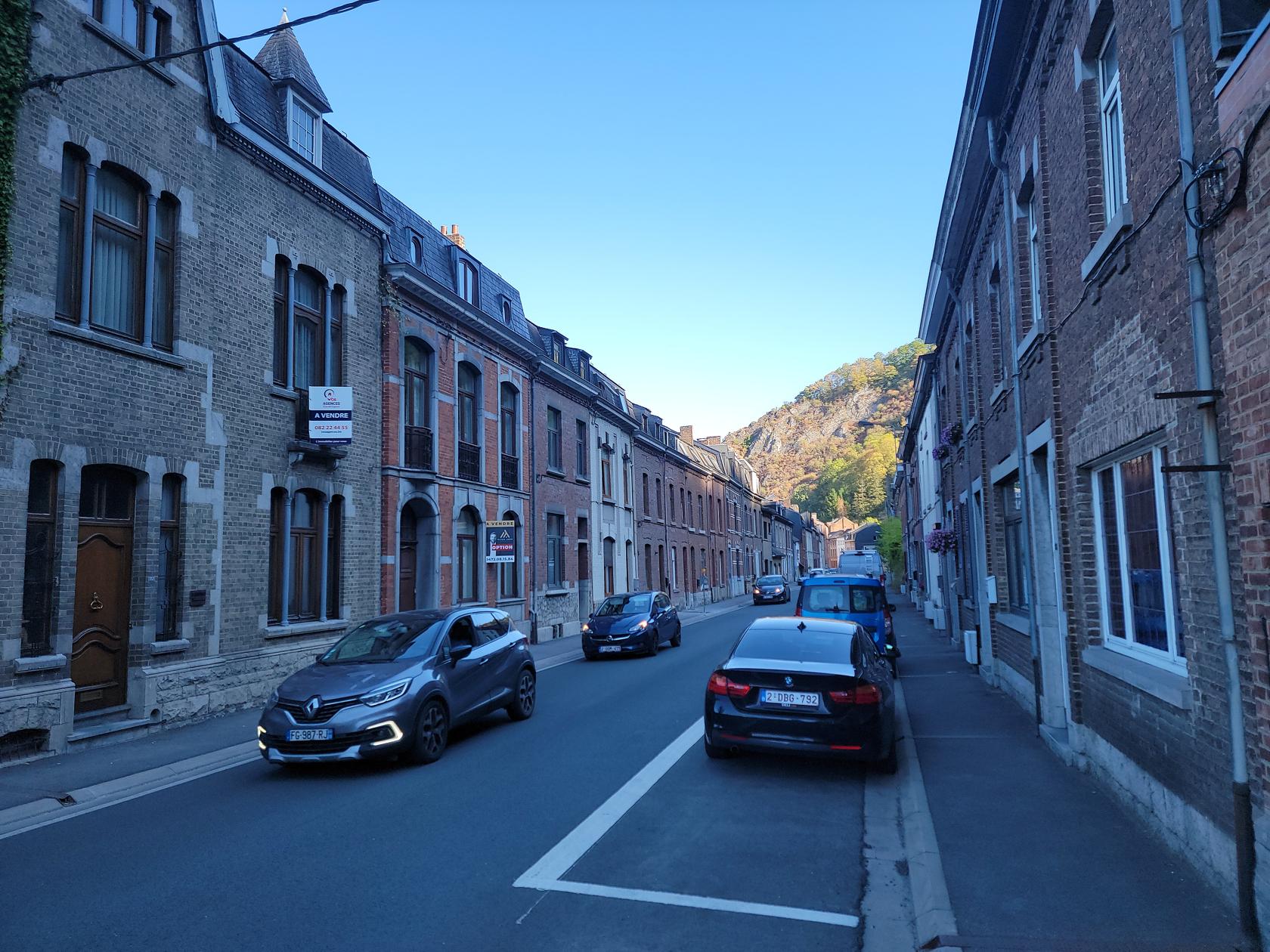
The town suffers from macro-economic forces it has no control over. It is underpopulated and young people are going to the larger cities to find employment. This has caused a housing issue and we found a lot of houses for sale here, which has had its own affect on the local economy. Not only was it difficult to find some places open, if was very difficult to find a place to eat on some occasions. So one has to remain flexible when visiting this tiny town that is stretched thin along the banks of the Meuse River and in other ways as well.
Meuse River – Dinant, Belgium
Meuse River – Dinant, Belgium
Meuse River – Dinant, Belgium
Winston Churchill Avenue – Dinant, Belgium
Winston Churchill Avenue – Dinant, Belgium
Winston Churchill Avenue – Dinant, Belgium
Charles de Gaulle Bridge – Dinant, Belgium
Meuse River – Dinant, Belgium
Meuse River – Dinant, Belgium
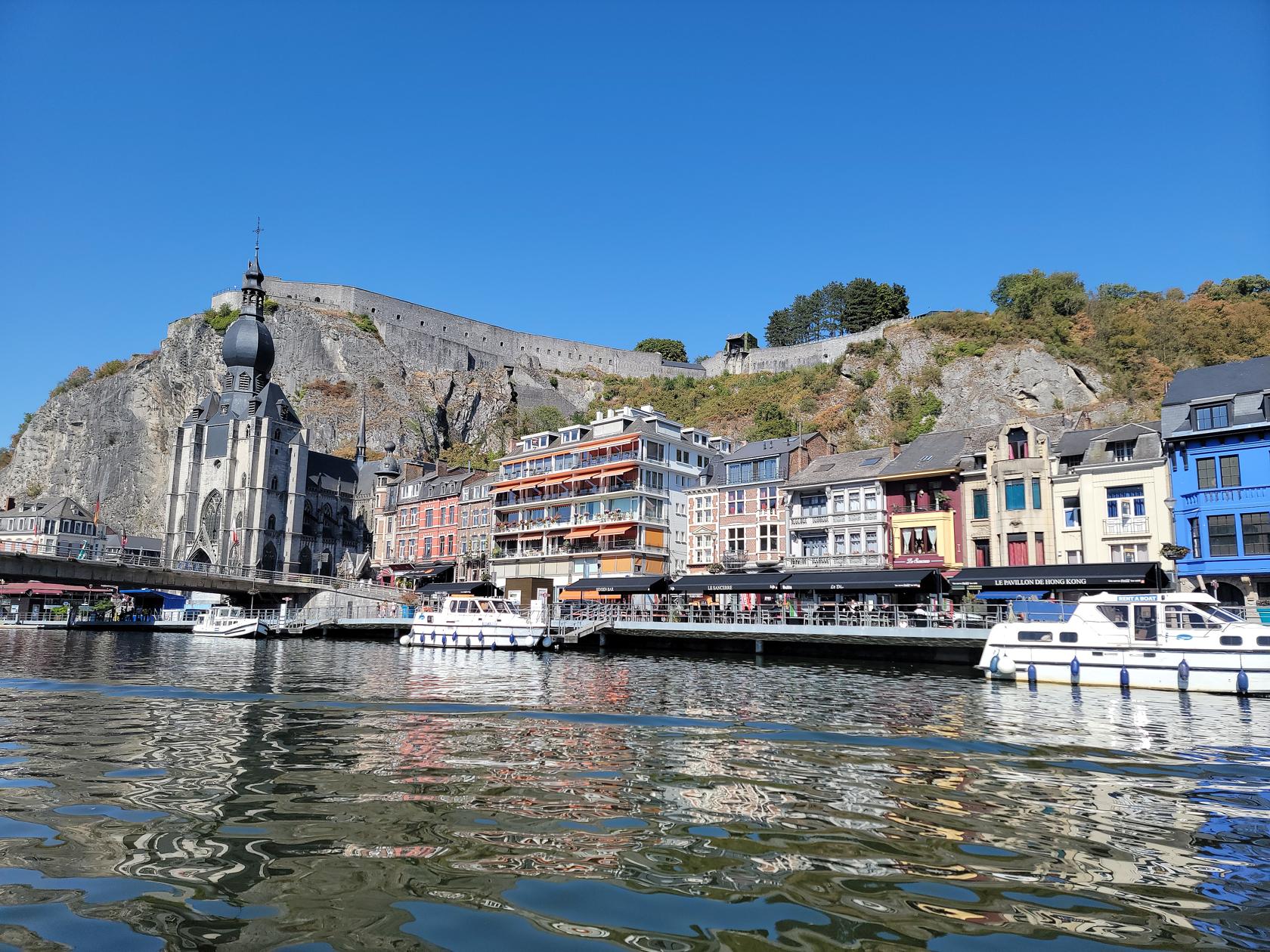
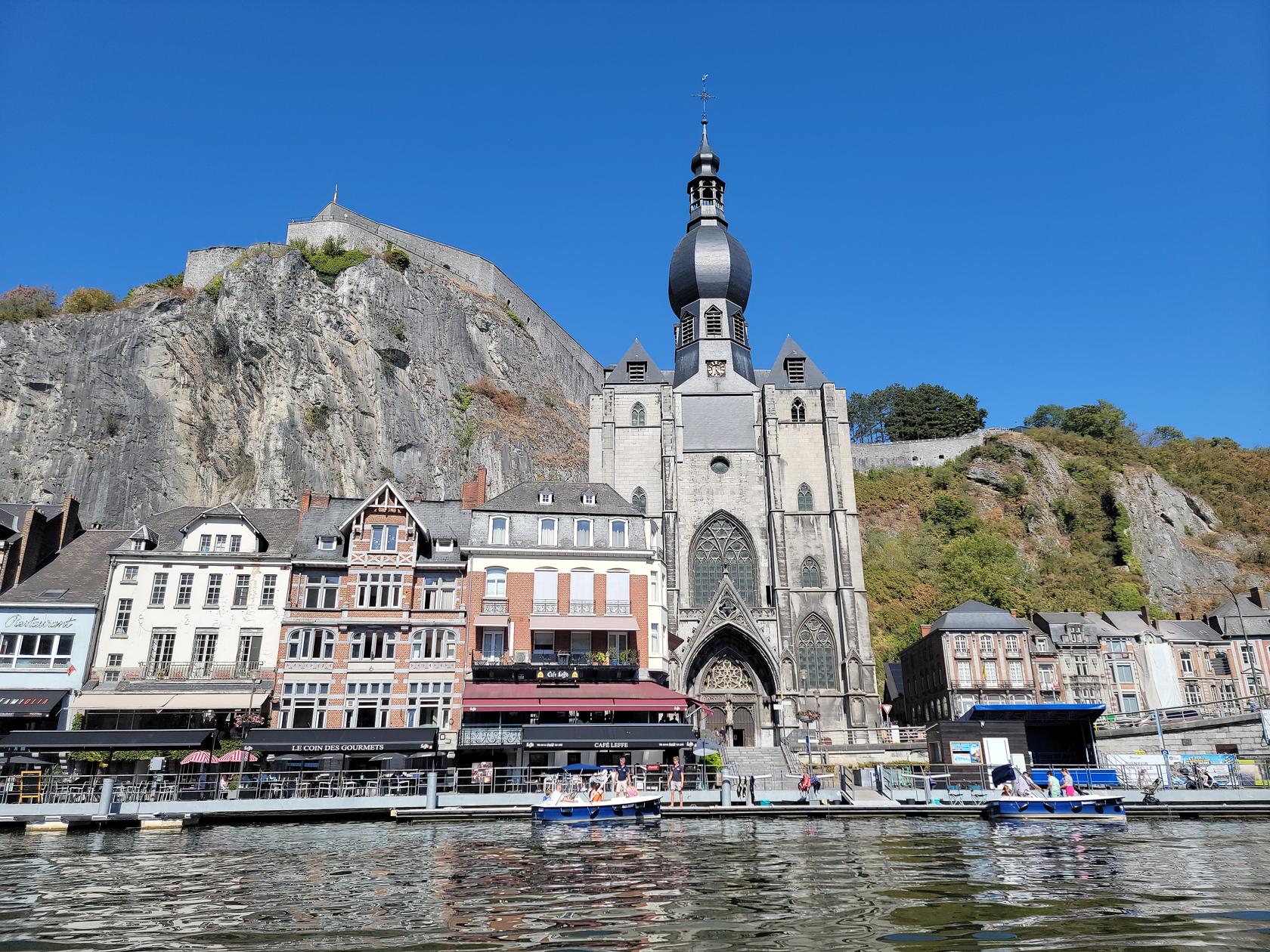
We can reinforce our opinion in the fact that we stayed in Dinant for three days, where frankly only one is necessary, or perhaps even a few hours. Though this gave us a better feel for the conditions there, it also gave us a rather poor opinion of the town. Sincerely, there are a few things, the fortress, the Bayard rock and the Church, but that is just about it.
Saint Martin Gate – Dinant, Belgium
Triumph of Light monument – Dinant, Belgium
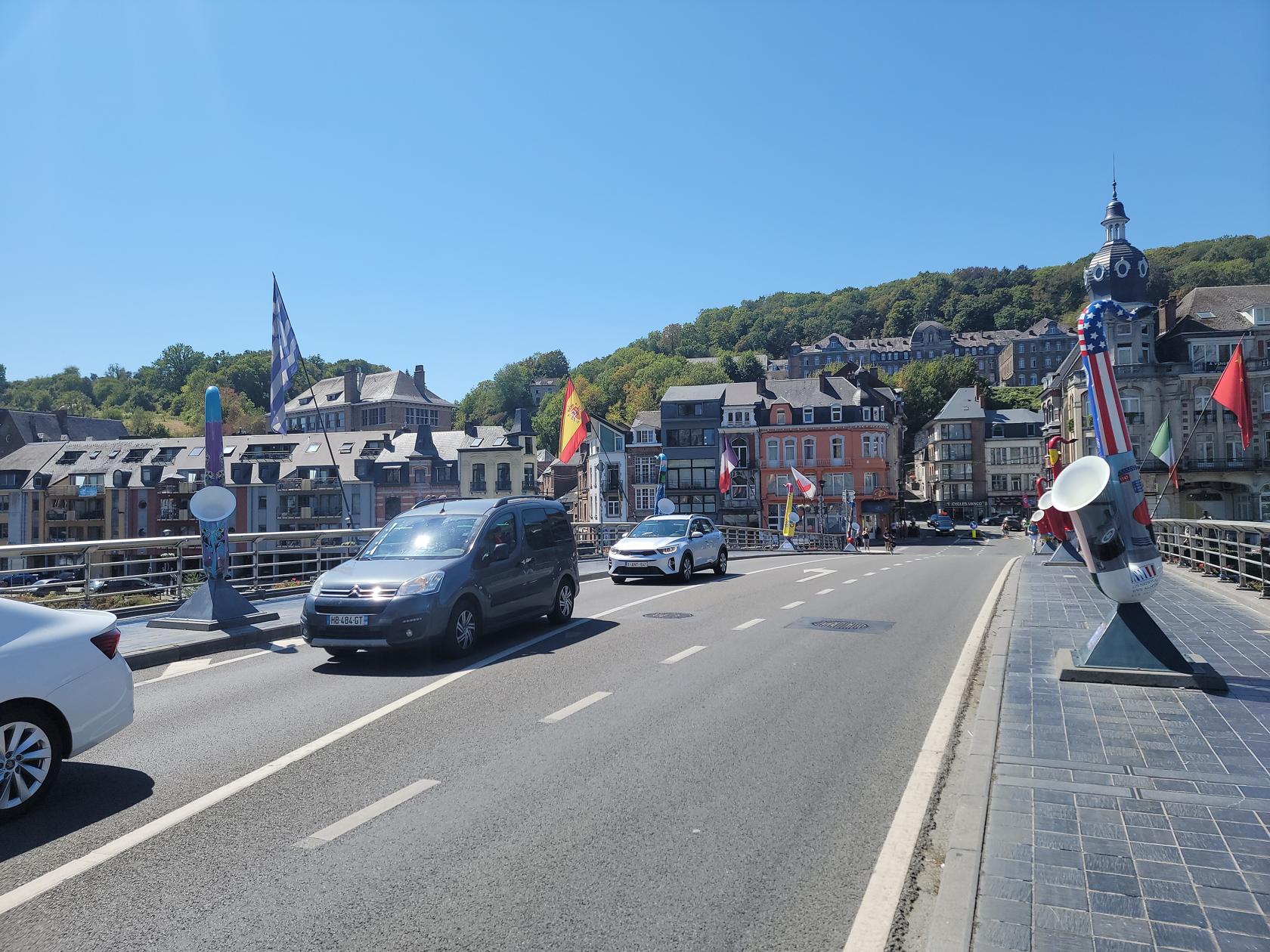
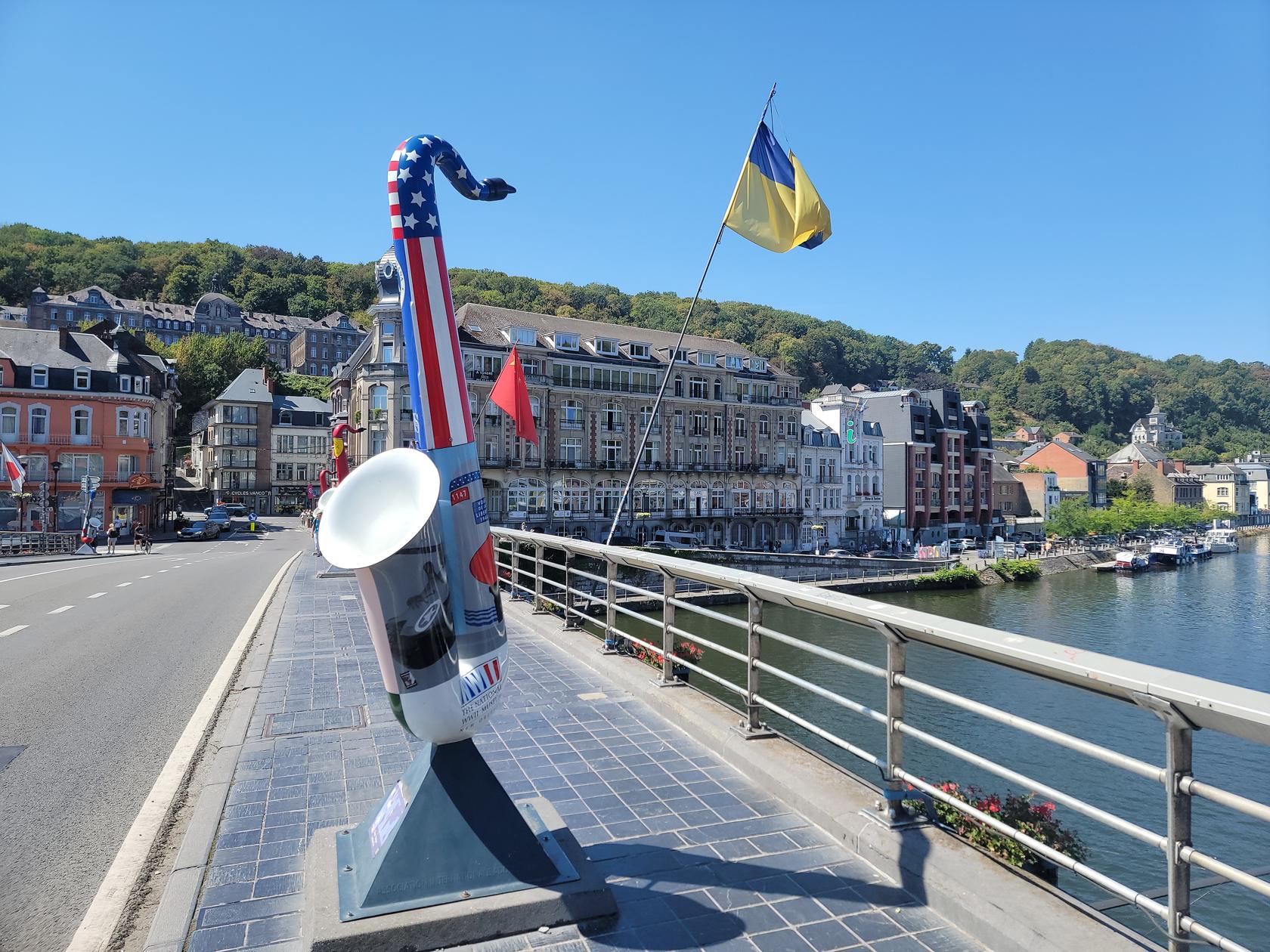
Saxes on Charles de Gaulle Bridge – Dinant, Belgium
Saxes on Charles de Gaulle Bridge – Dinant, Belgium
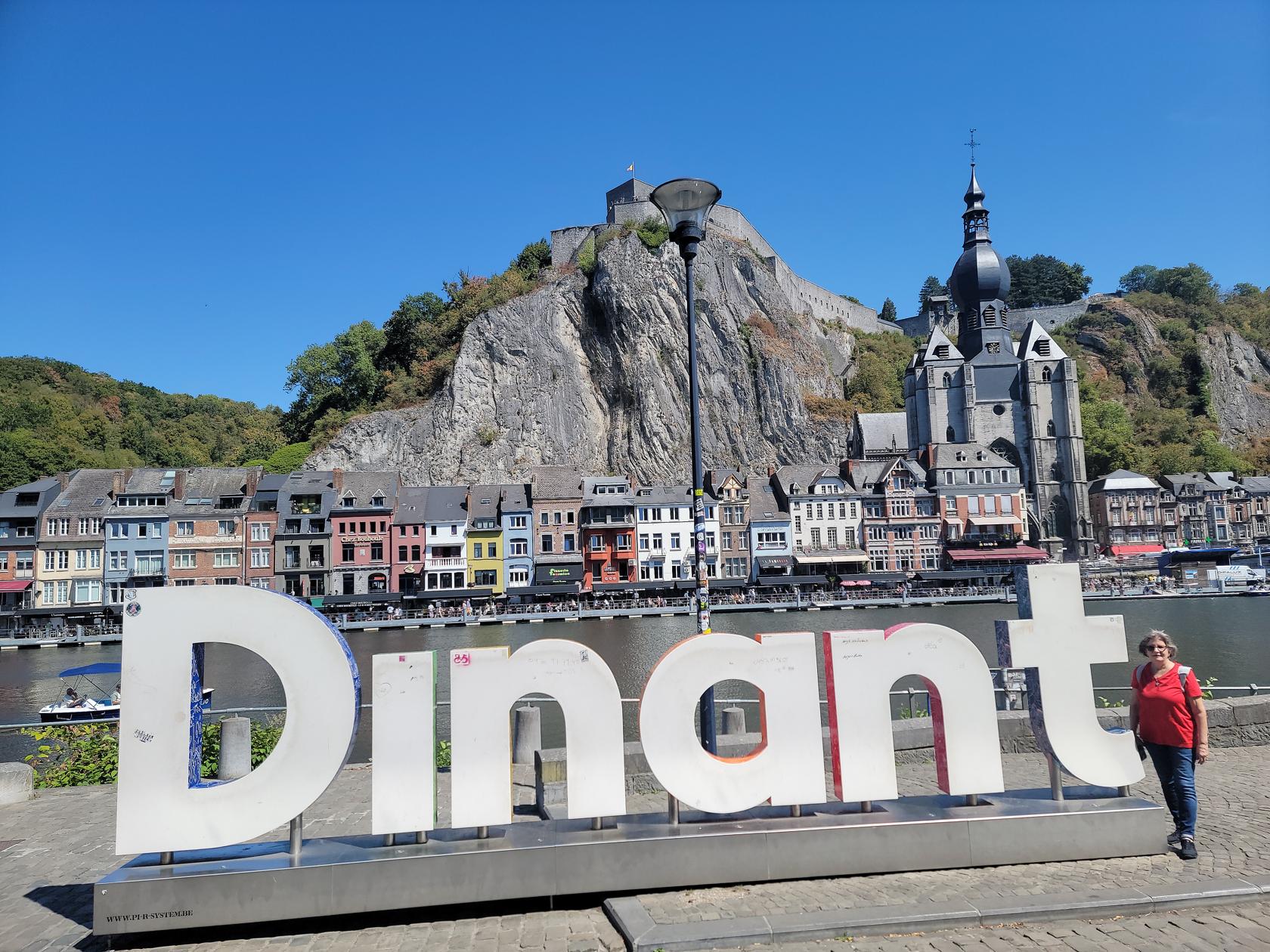
Patti – Dinant Sign – Dinant, Belgium
Meuse River – Charles de Gaulle Bridge – Dinant, Belgium
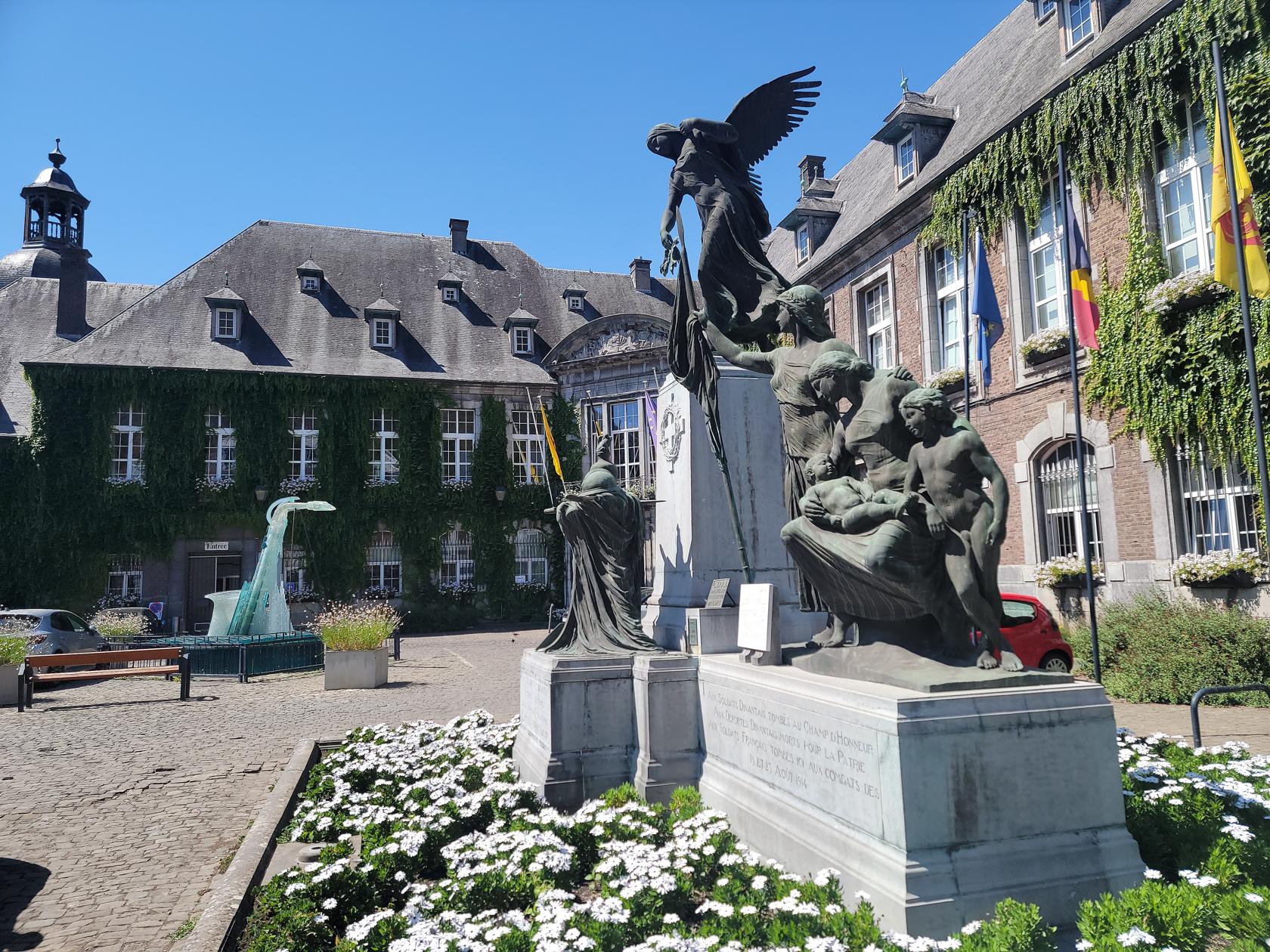
Sax Fountain and War Memorial – Dinant, Belgium
Saint Martin Gate – Dinant, Belgium
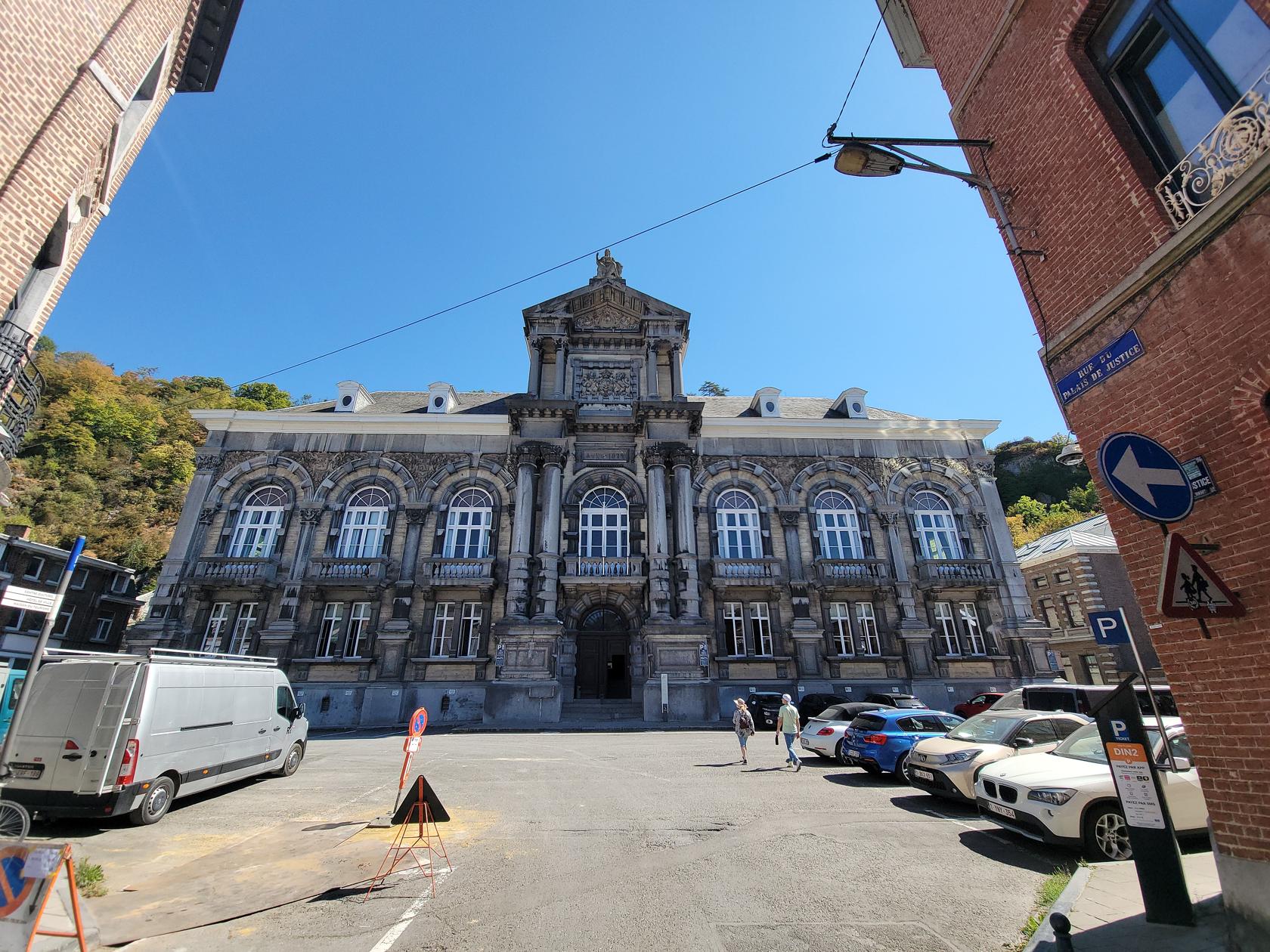
Courthouse – Dinant, Belgium
Nicer Houses – Dinant, Belgium
Ibis Hotel
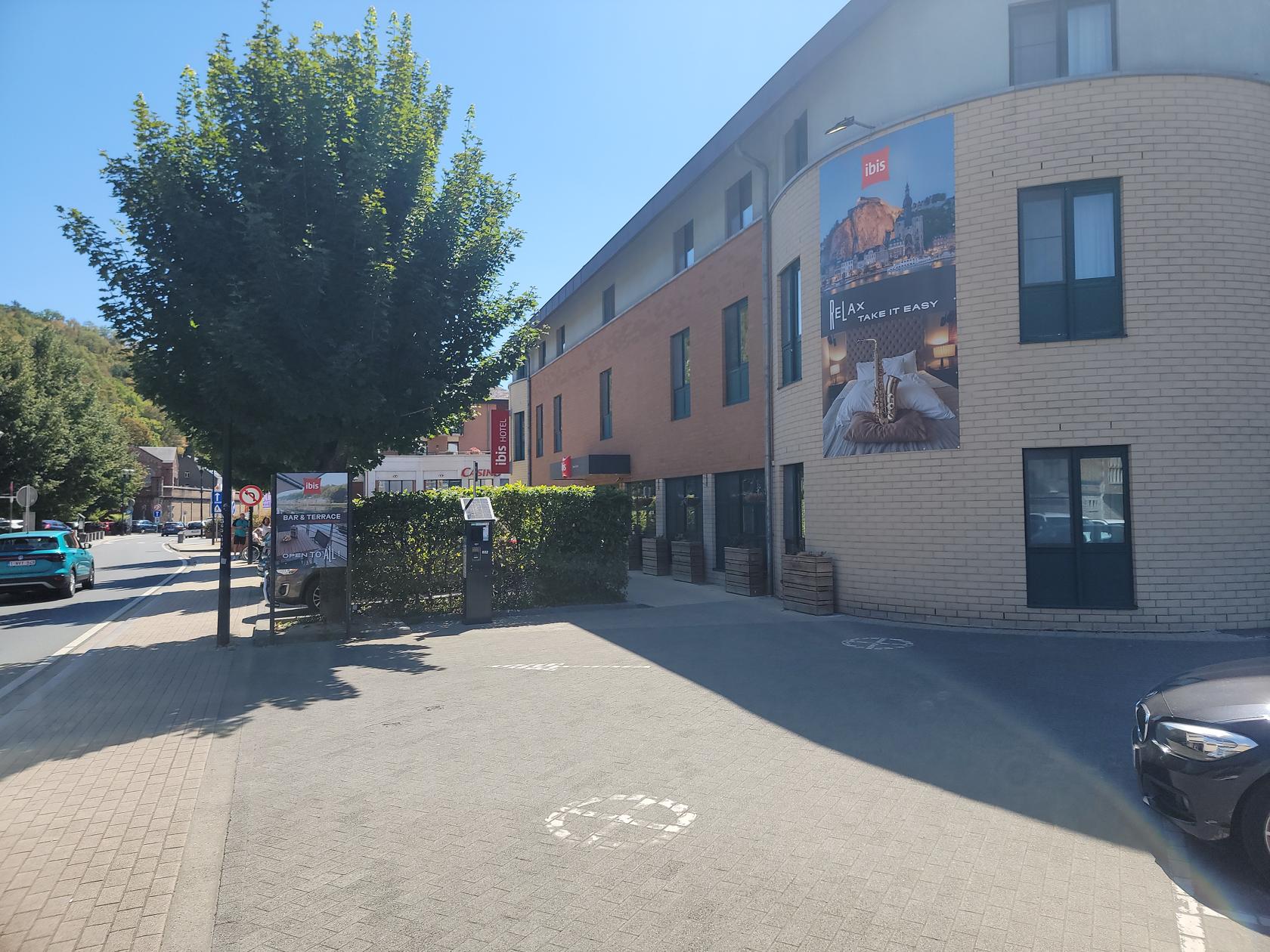
Our hotel was the Ibis Centre along the Winston Churchill Avenue. We found it dated, the rooms on the smaller than small side and the ammenities lacking, we only got a bath towel each, no hand towels nor wash clothes (which are like finding a unicorn in Europe.) The cleaning service was excellent and was perhaps the only good thing about the hotel. Though labeled a three star hotel it is more like two and a half stars, or a motel that you would find in a dusty old town in the States.
Ibis Hotel – Dinant, Belgium
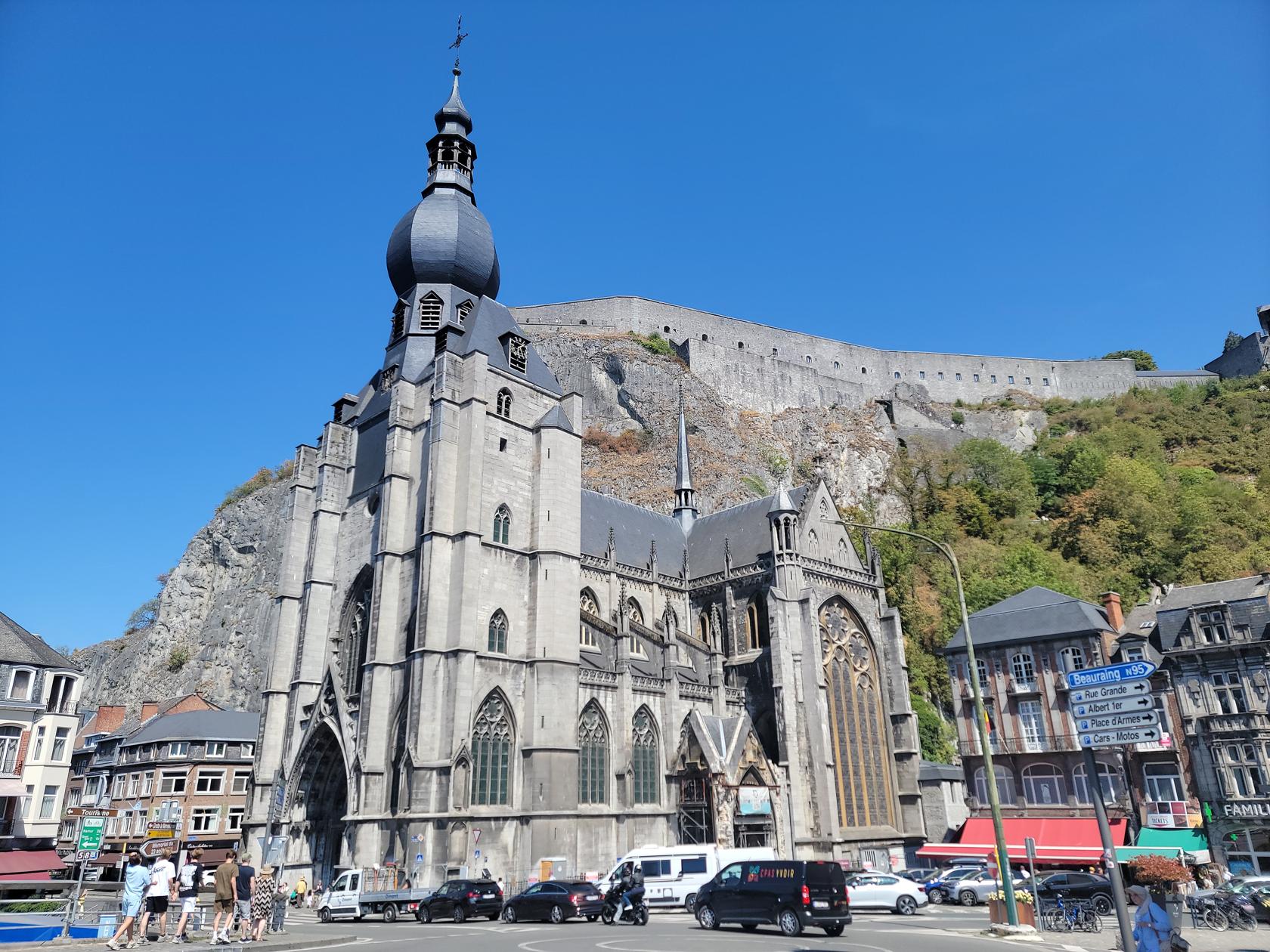
Collegiate Church of Our Lady of Dinant
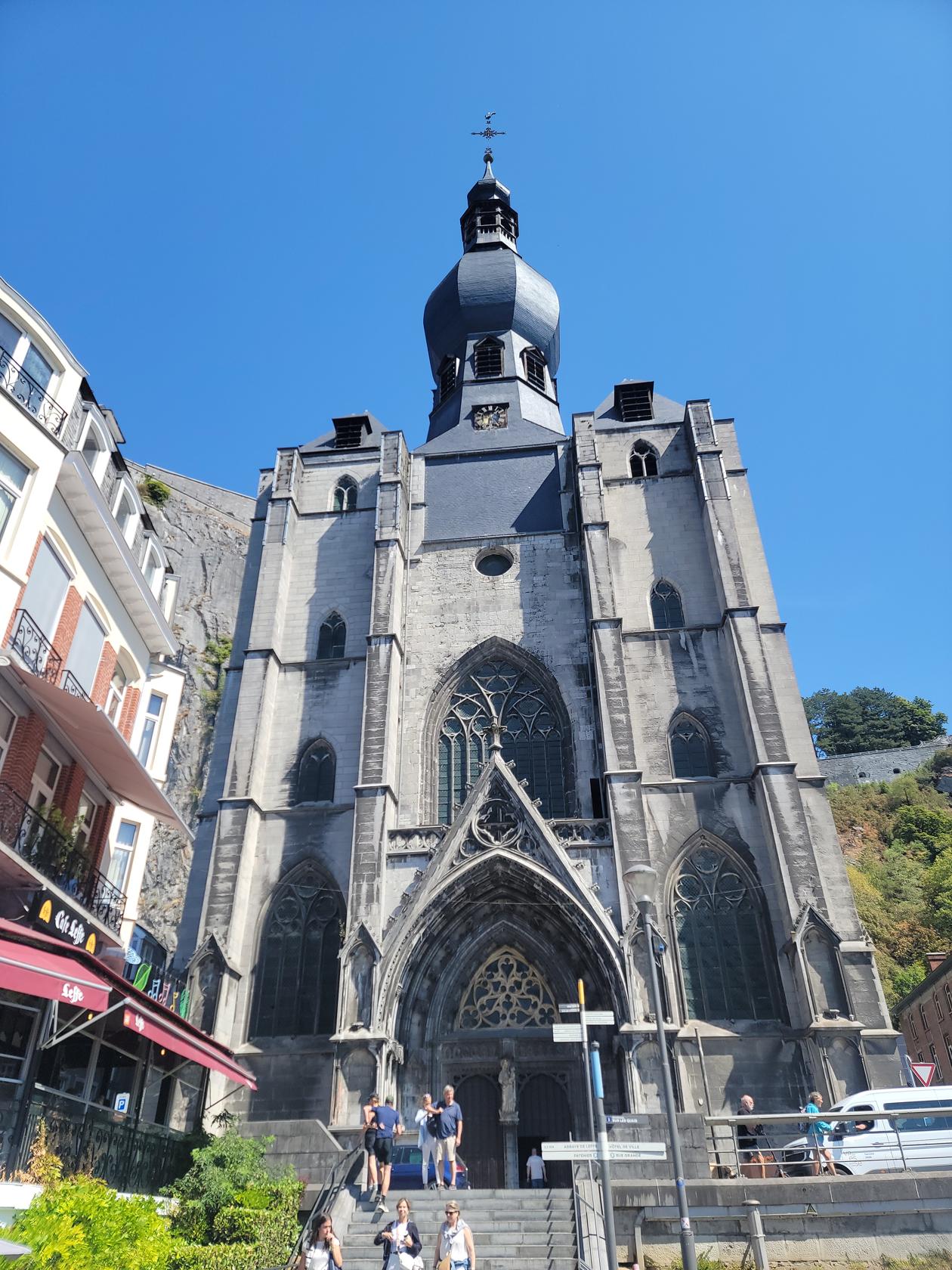
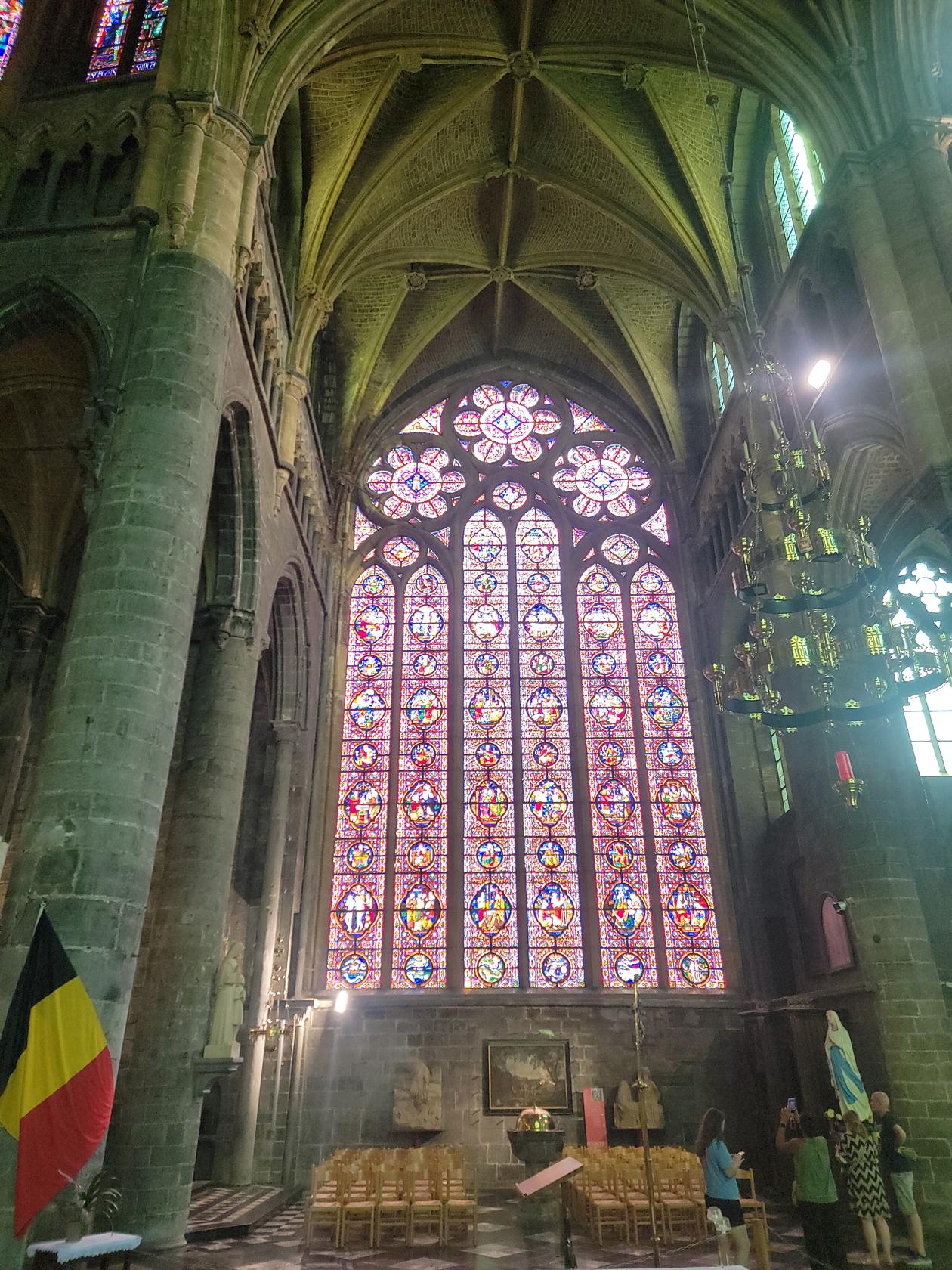
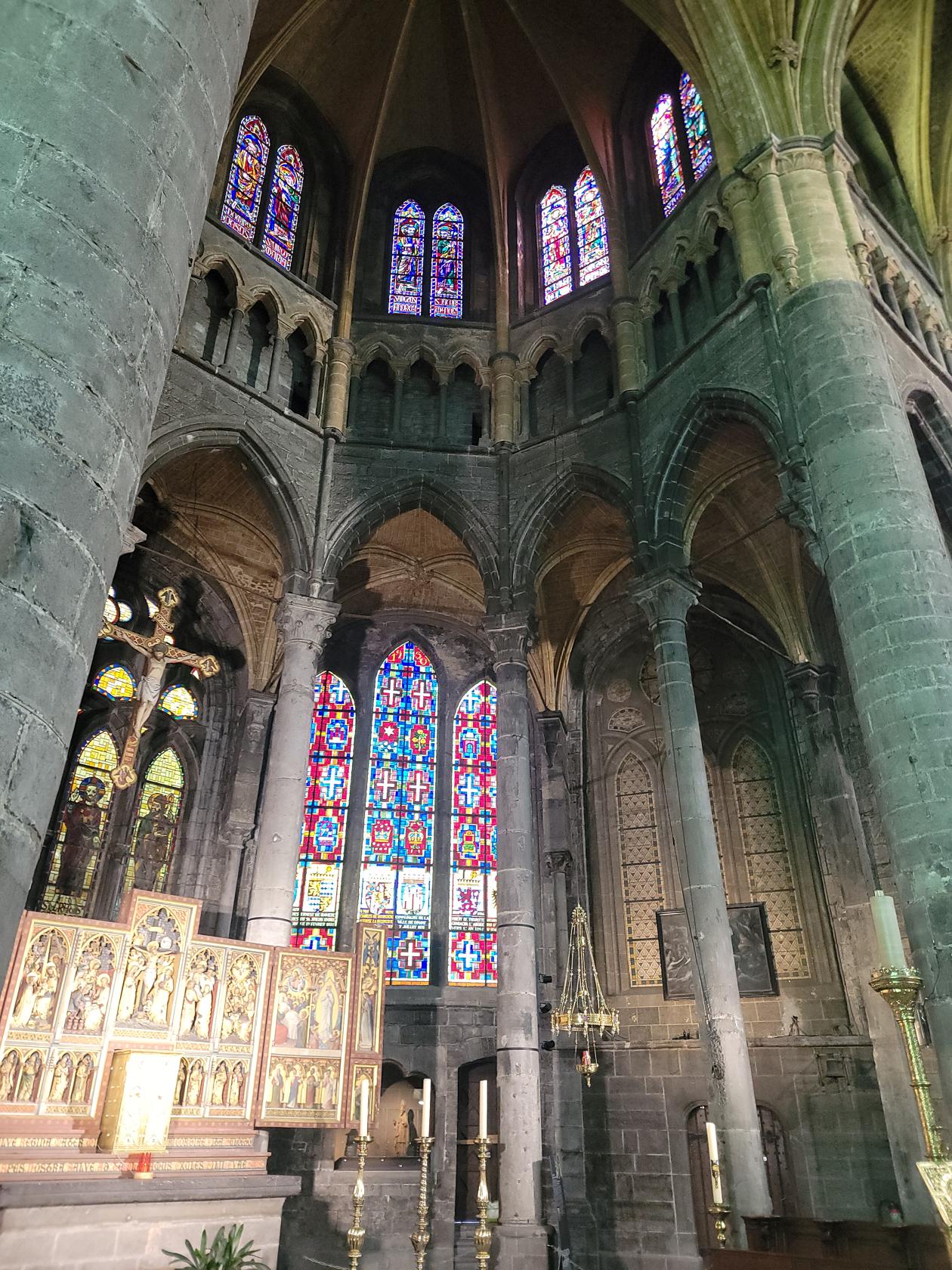
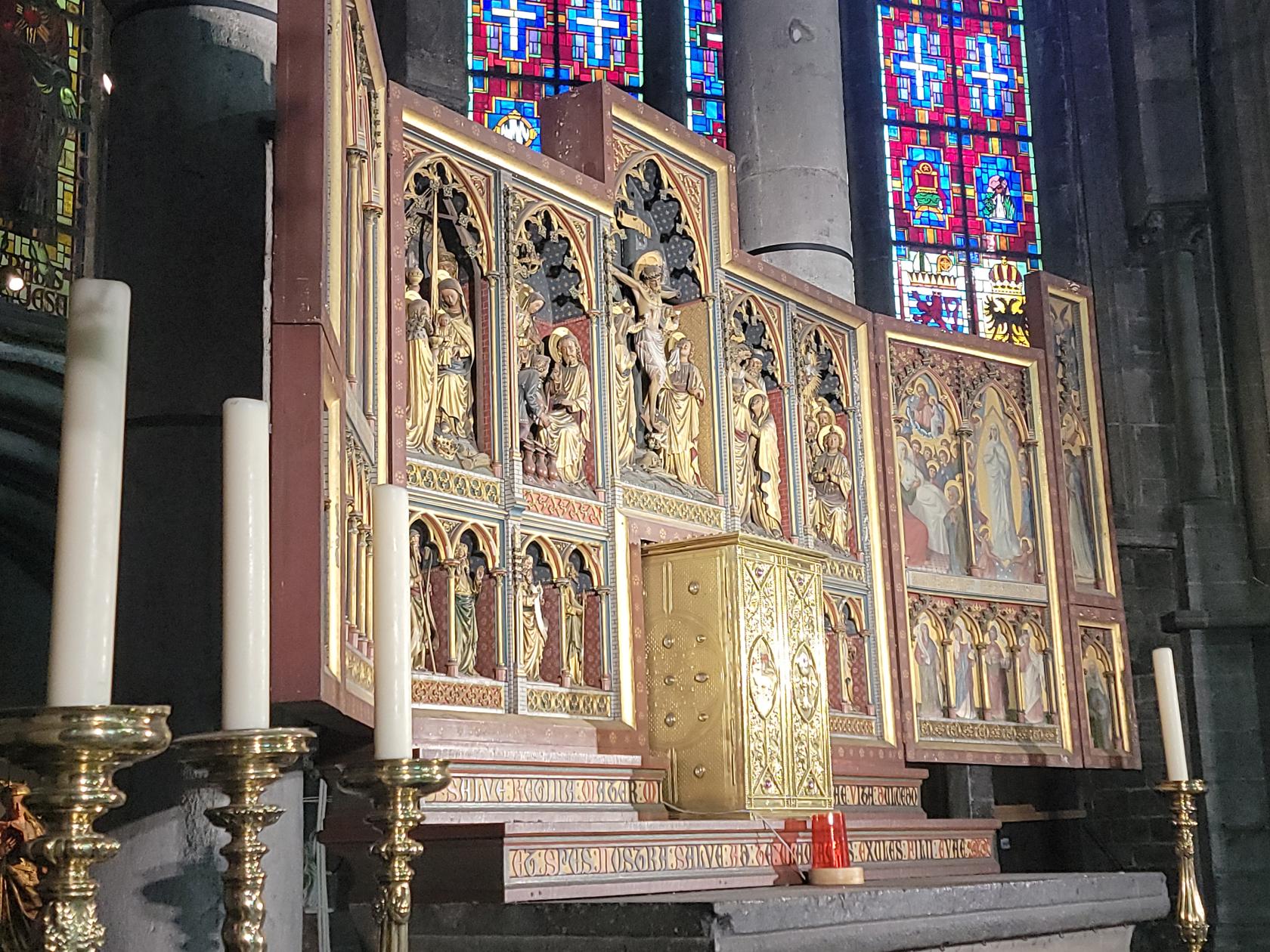
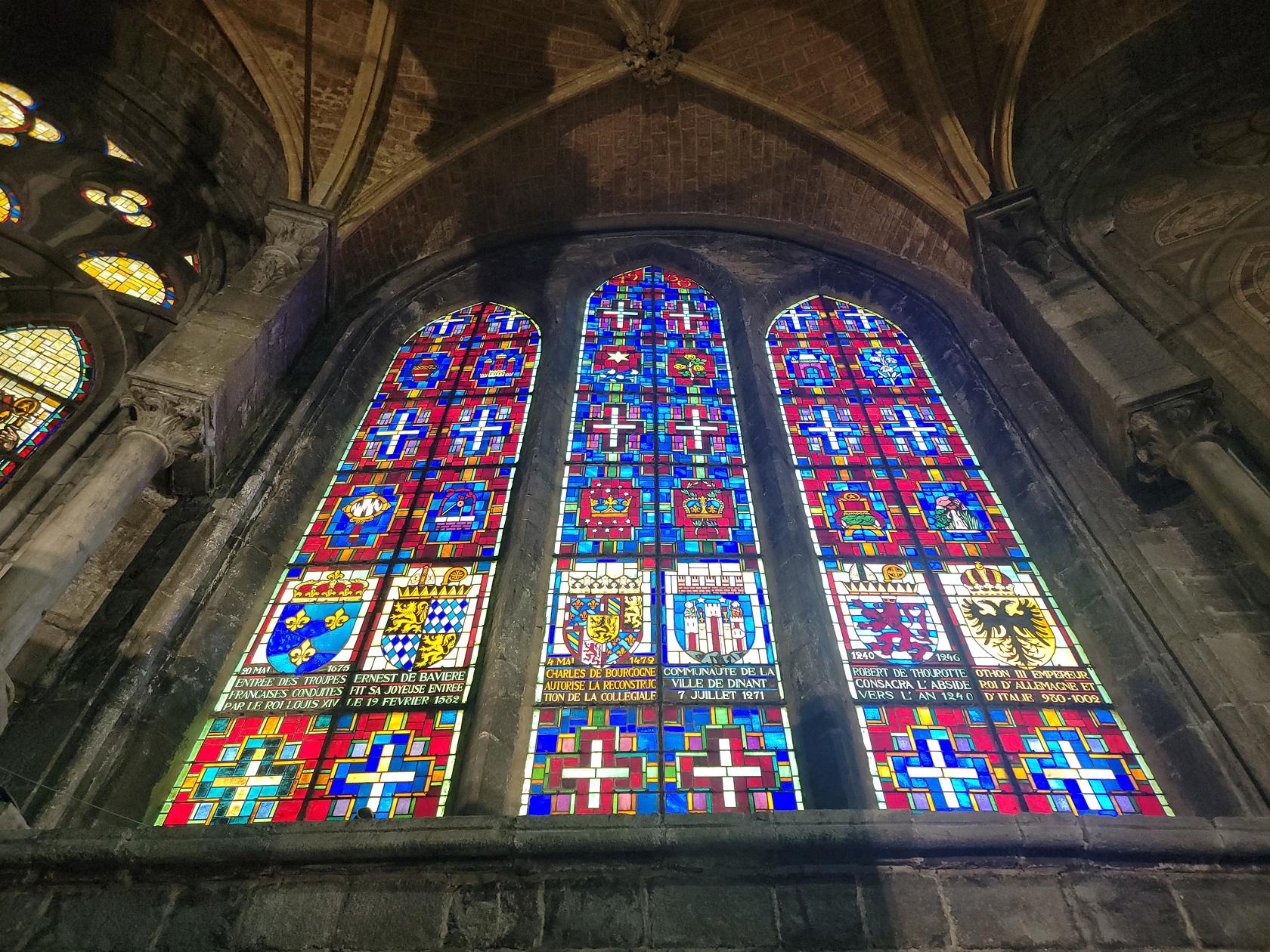
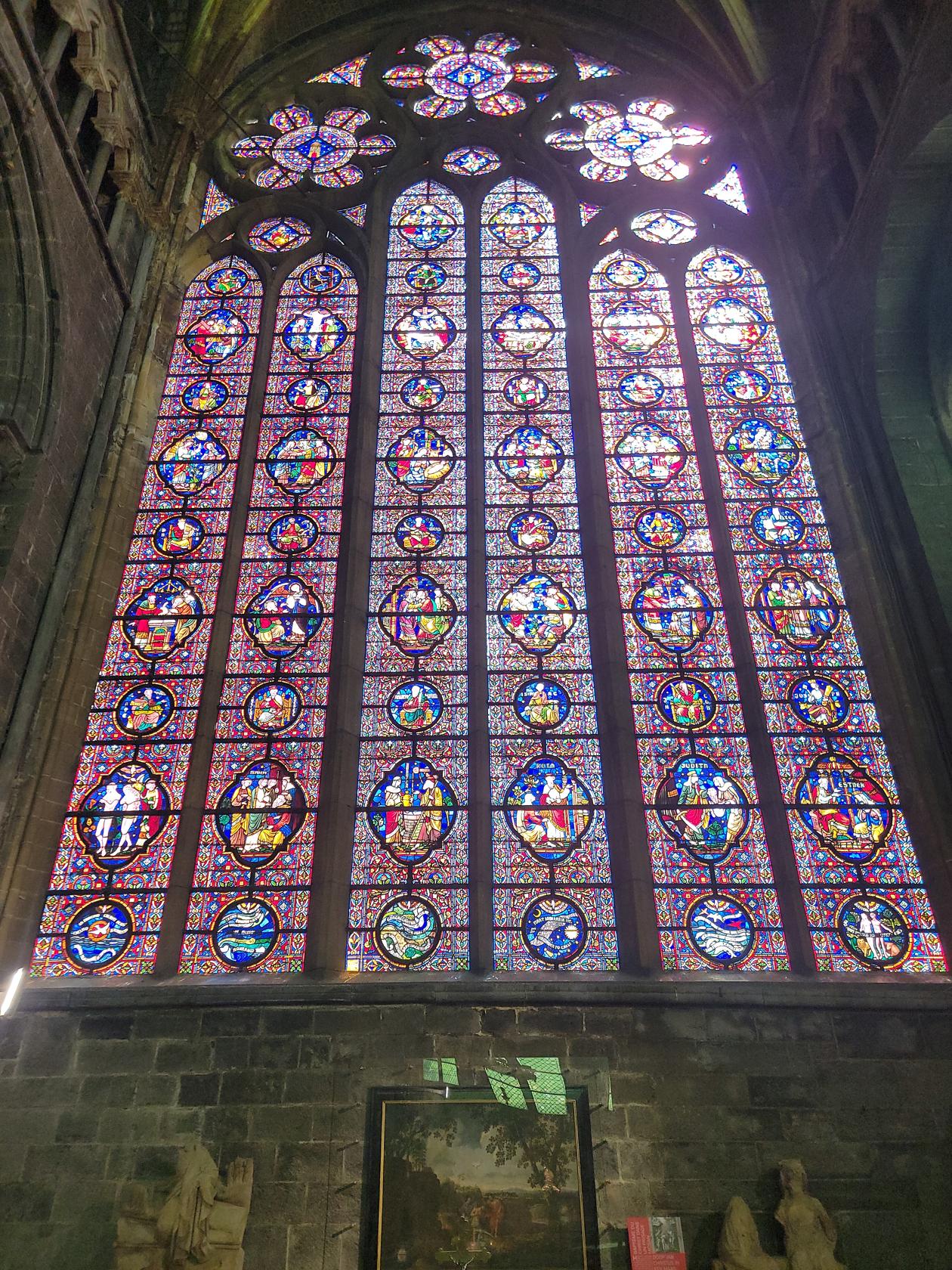
The Collegiate Church of Our Lady of Dinant actually has some impressive stained glass. It has the form of a cathedral, but without the grandiosity required for such a structure.
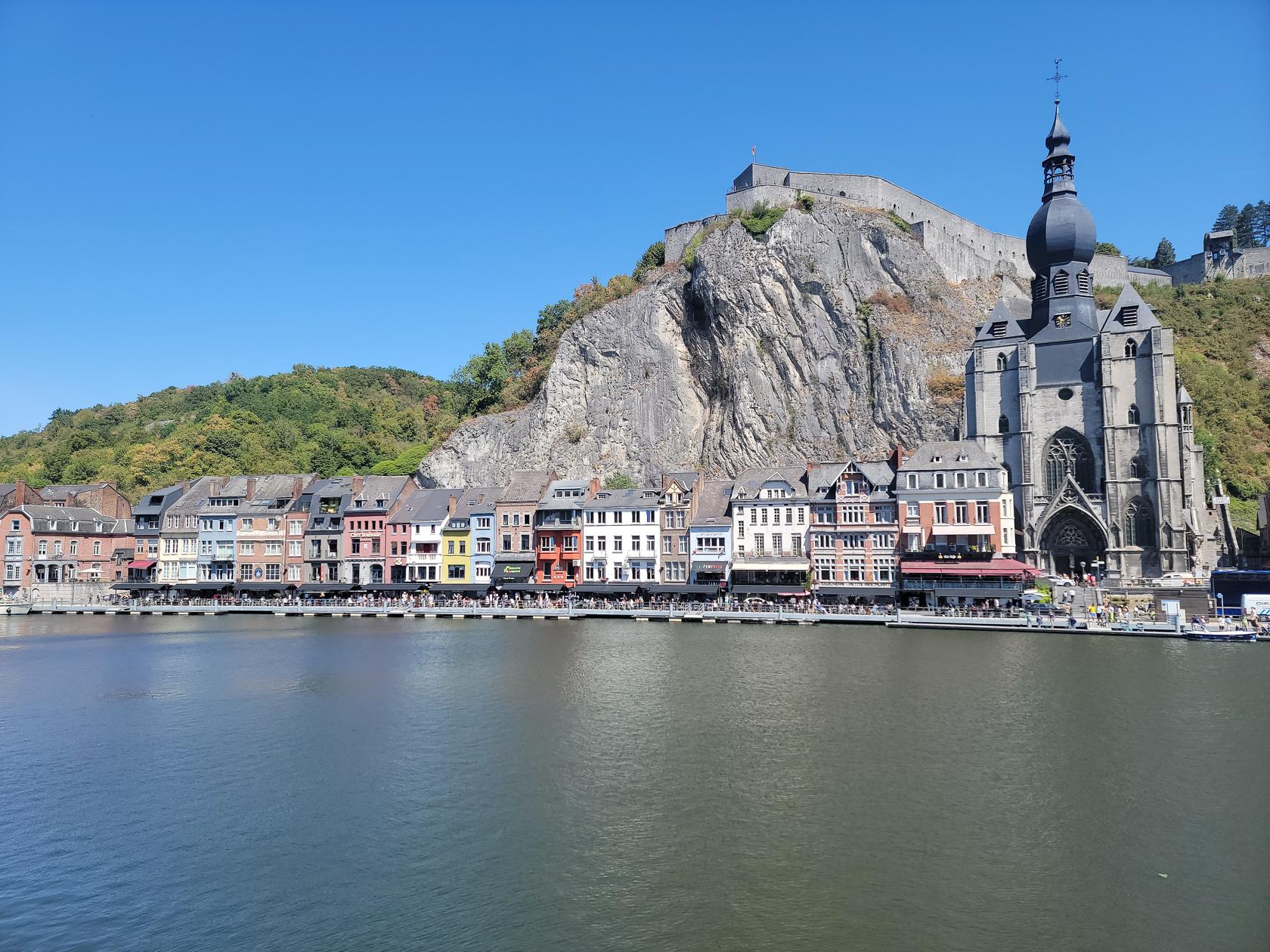
Fortress and Collegiate Church – Dinant, Belgium
Entrance – Collegiate Church of Our Lady of Dinant – Dinant, Belgium
Outside – Collegiate Church of Our Lady of Dinant – Dinant, Belgium
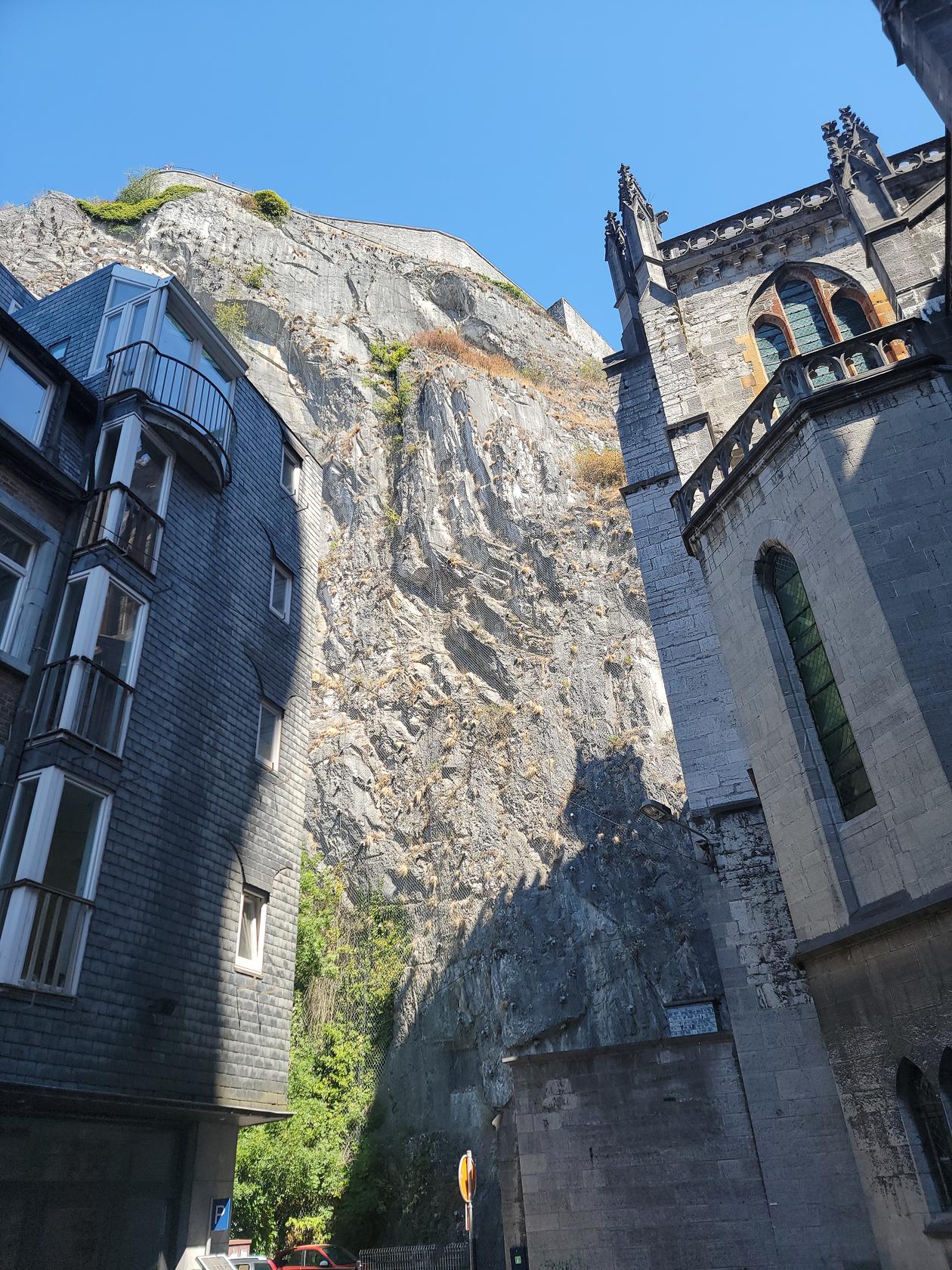
Outside by rock wall – Collegiate Church of Our Lady of Dinant – Dinant, Belgium
Only one apse has a window, the other is covered up and opaque. The rest of the interior is rather simple and unobtrusive.
Right Apse Window – Collegiate Church of Our Lady of Dinant – Dinant, Belgium
Altar and Transept Windows – Collegiate Church of Our Lady of Dinant – Dinant, Belgium
Altar – Collegiate Church of Our Lady of Dinant – Dinant, Belgium
Coats of Arms of Important Belgium Houses – Collegiate Church of Our Lady of Dinant – Dinant, Belgium
Nave – Collegiate Church of Our Lady of Dinant – Dinant, Belgium
Aisle and Nave – Collegiate Church of Our Lady of Dinant – Dinant, Belgium
Beautiful Apse Window – Collegiate Church of Our Lady of Dinant – Dinant, Belgium
Fortress Citadel of Dinant
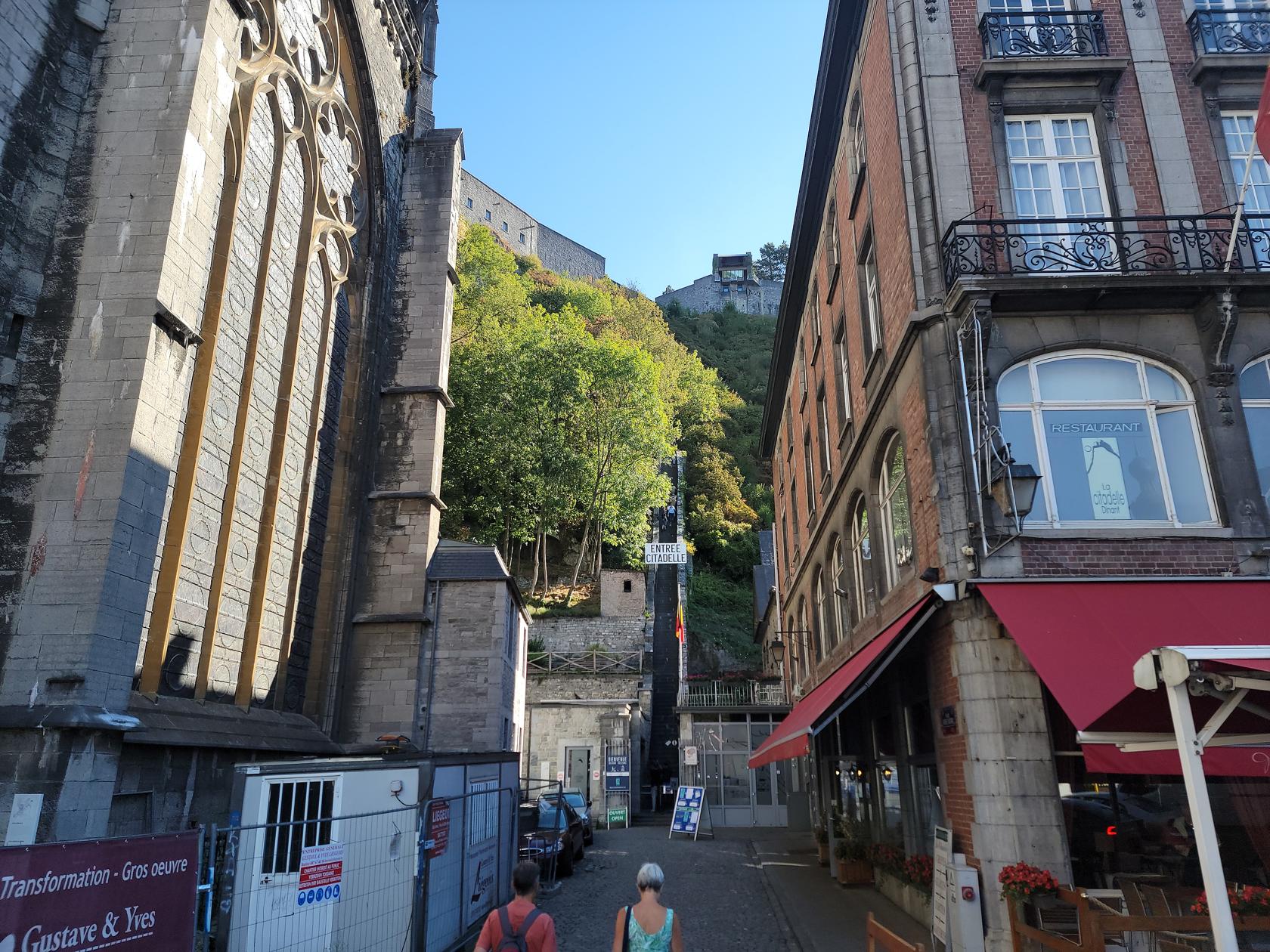
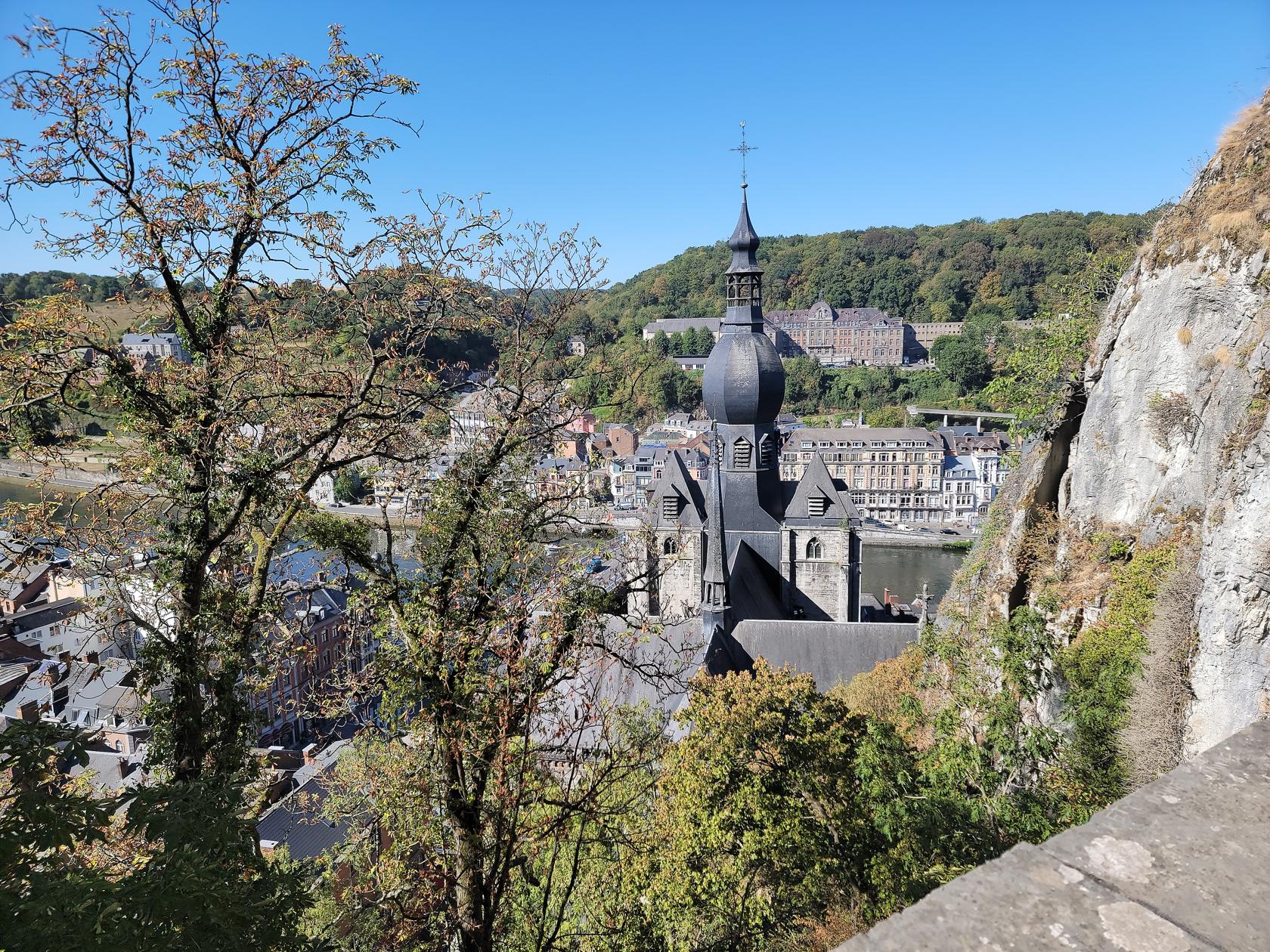
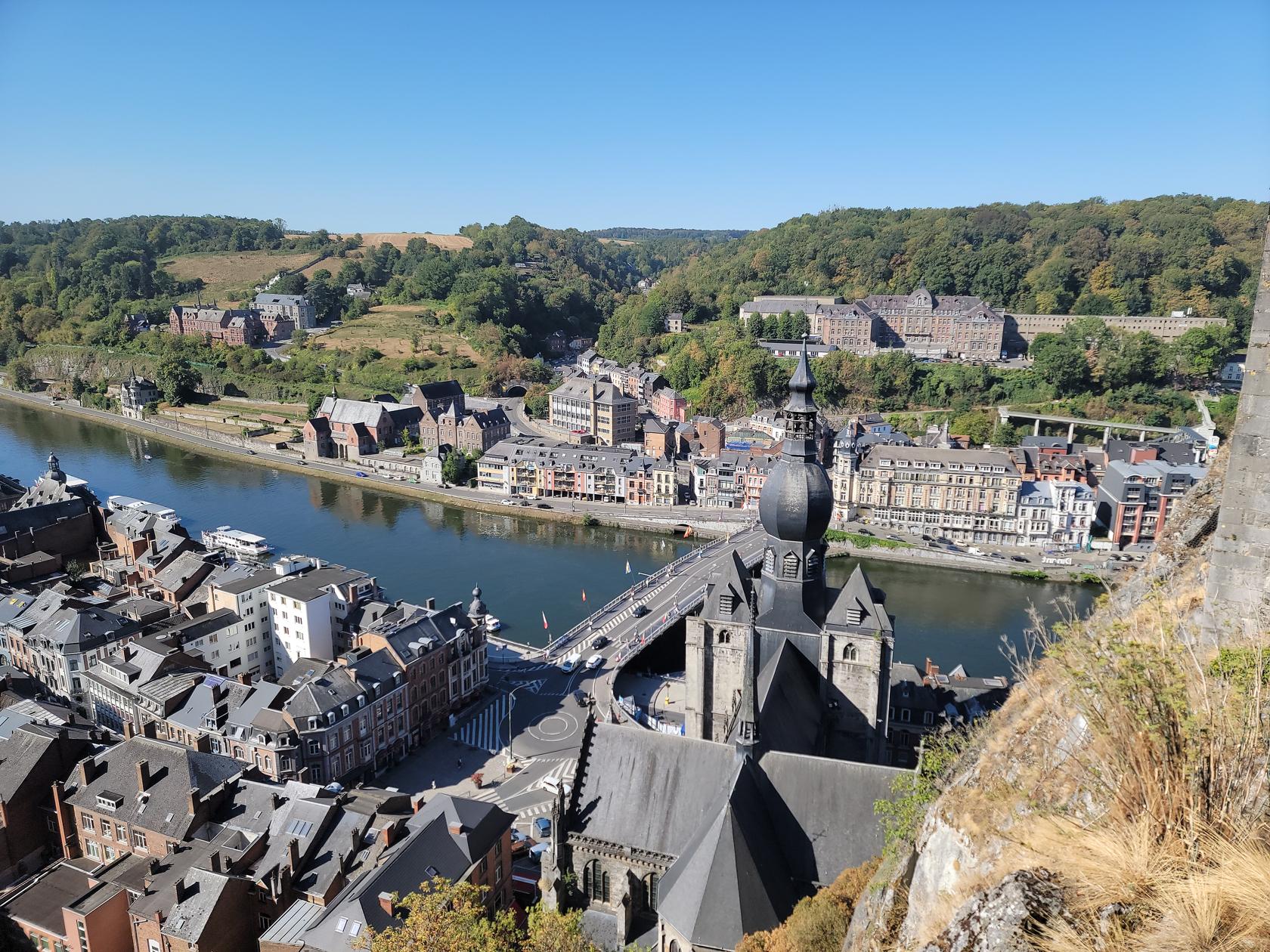
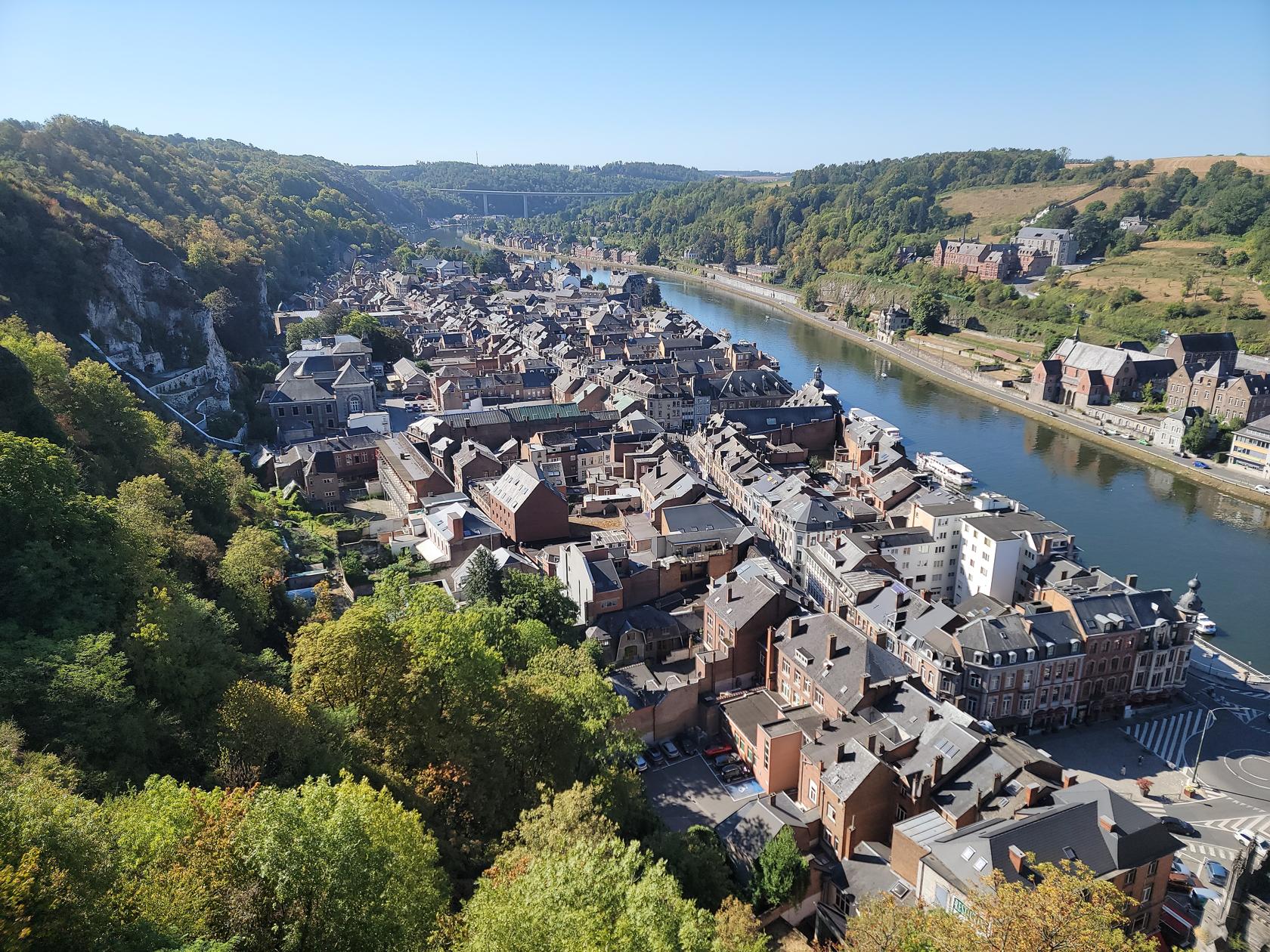
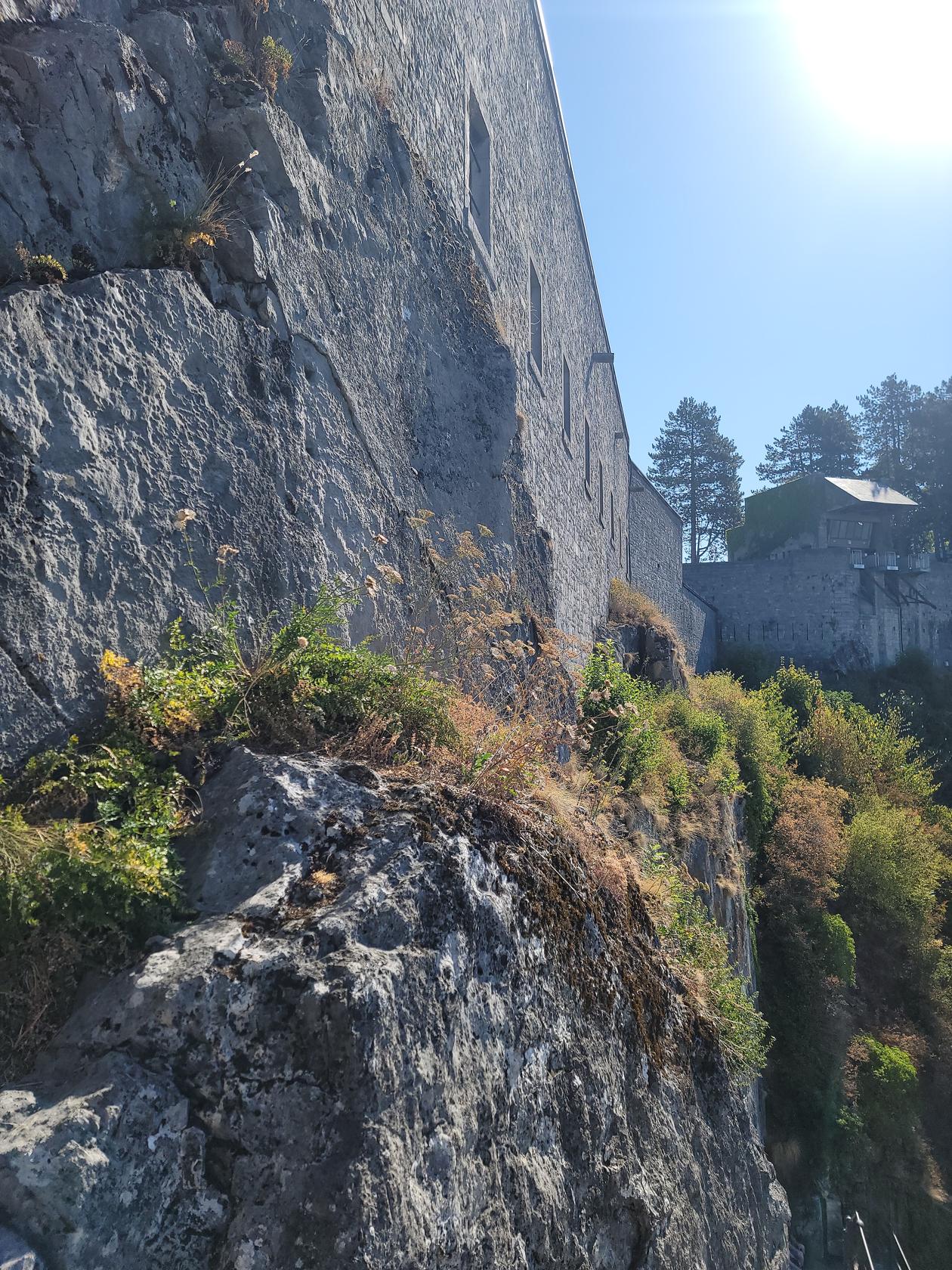
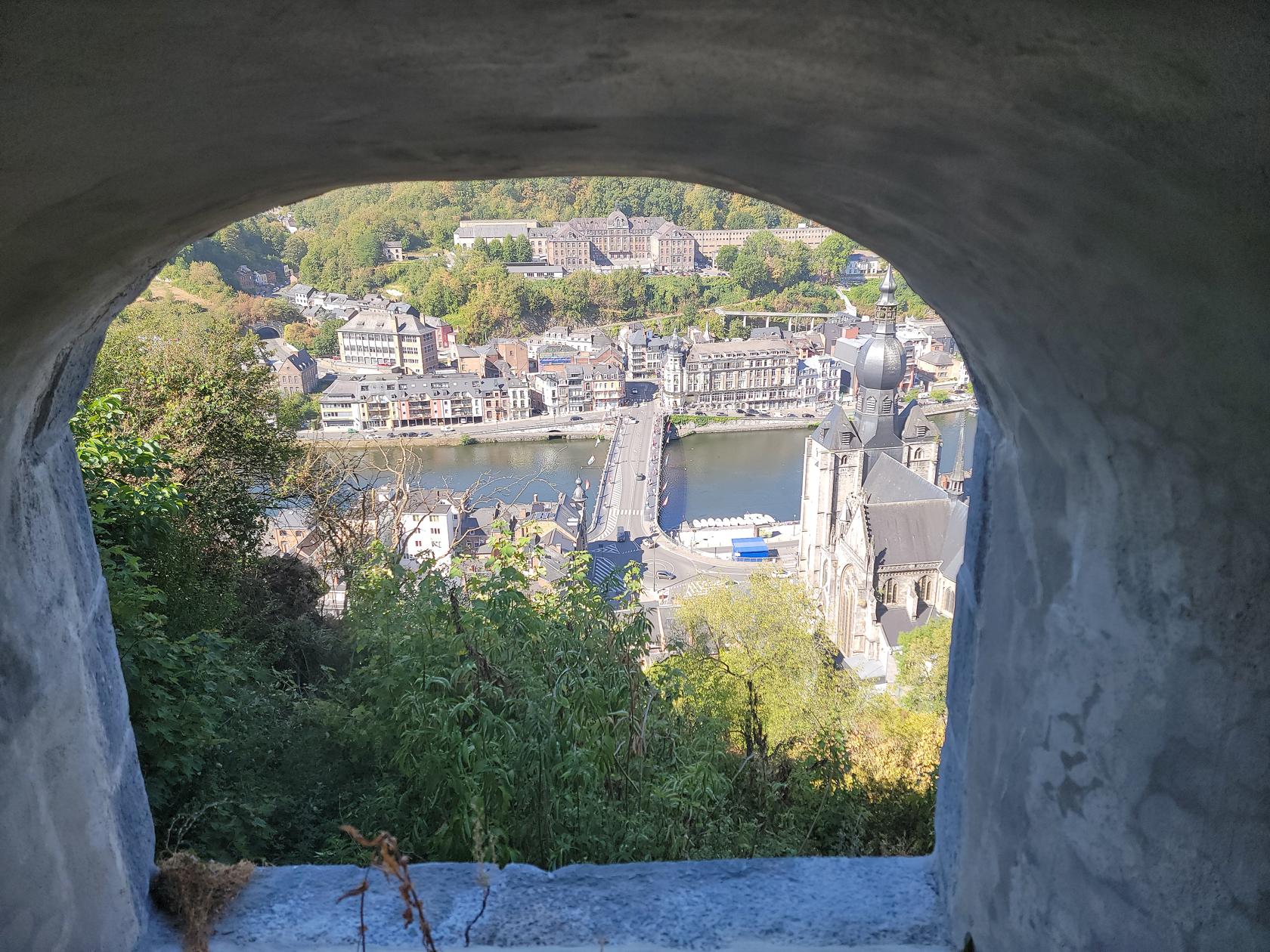
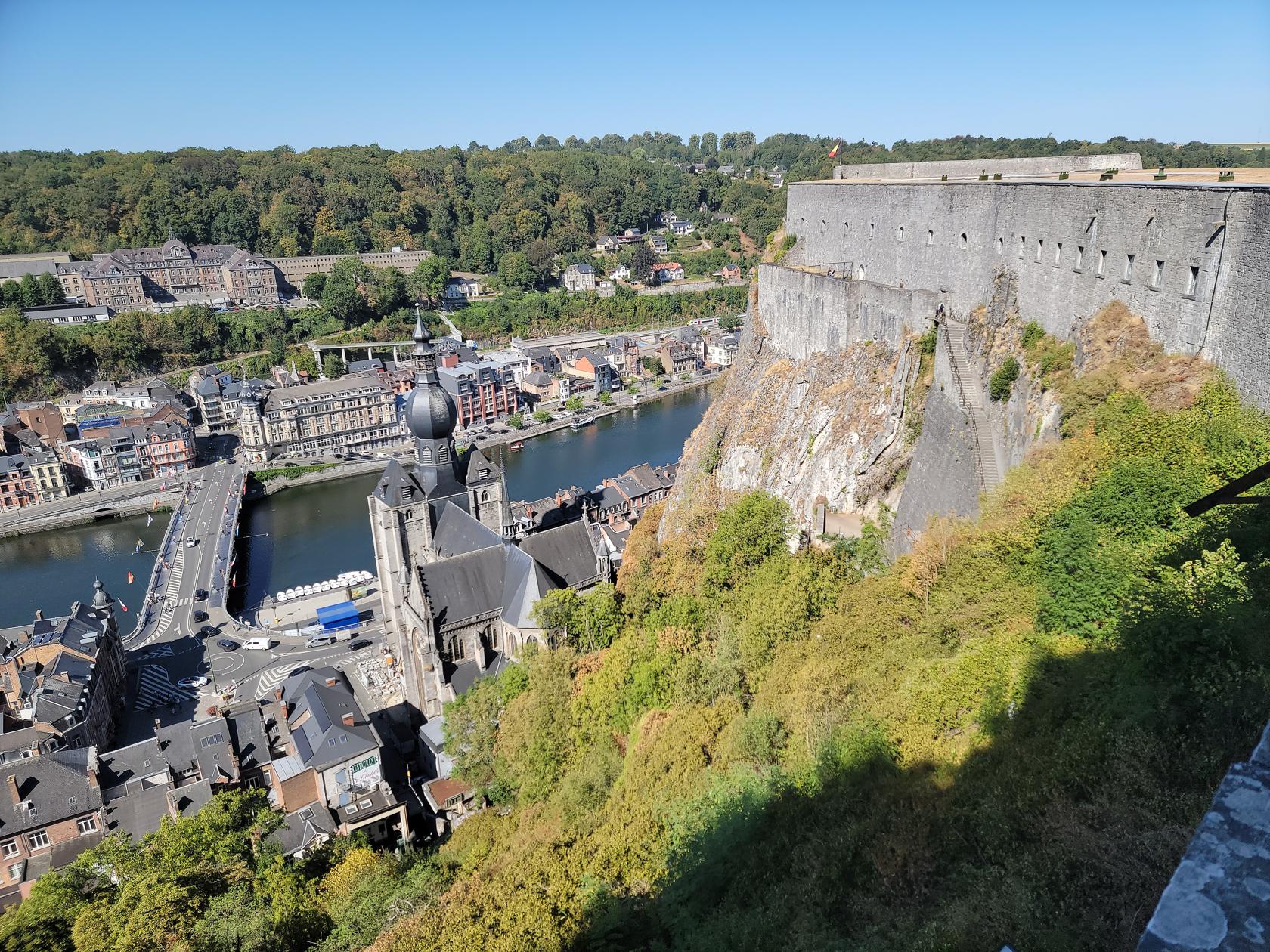
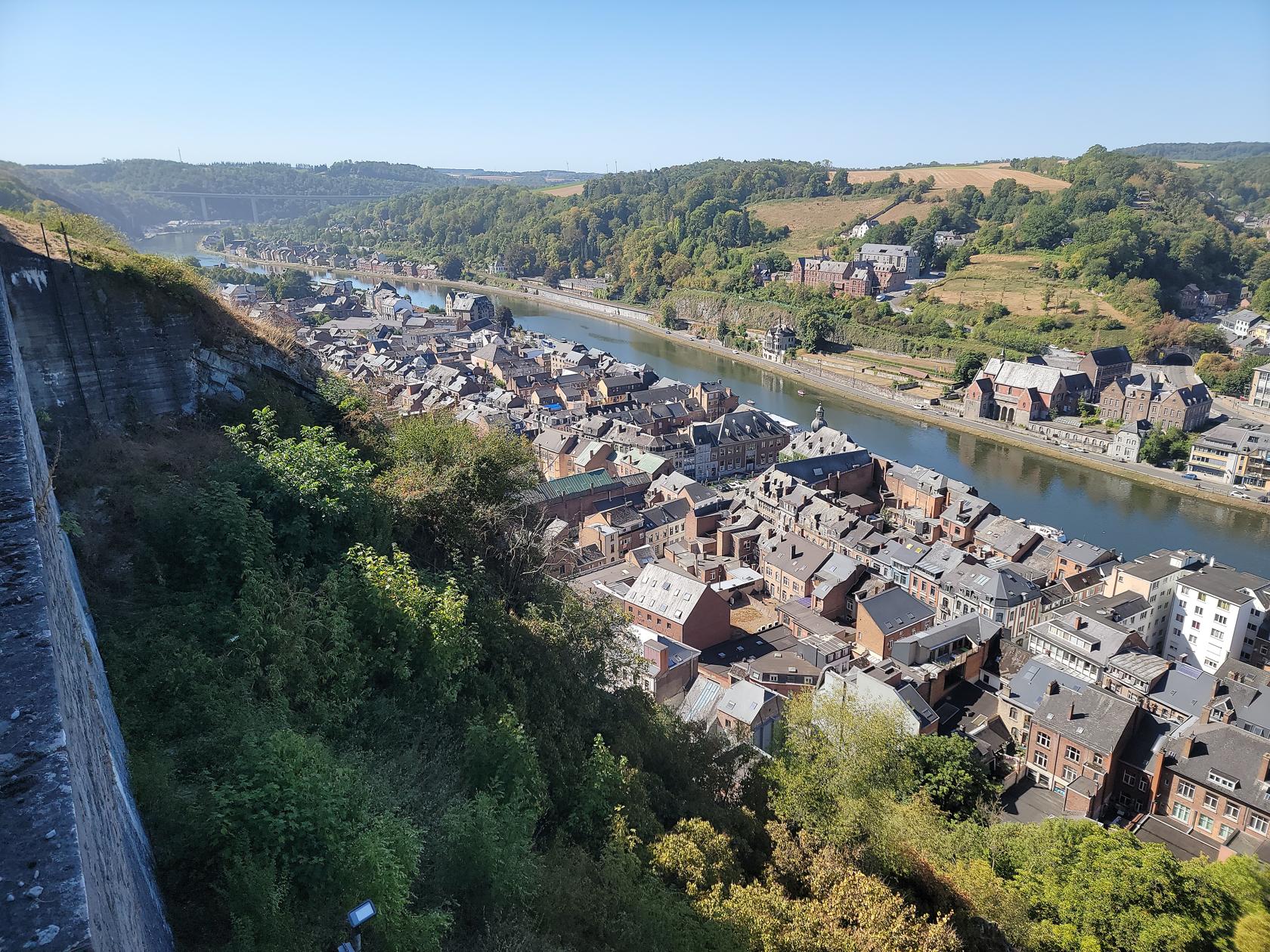
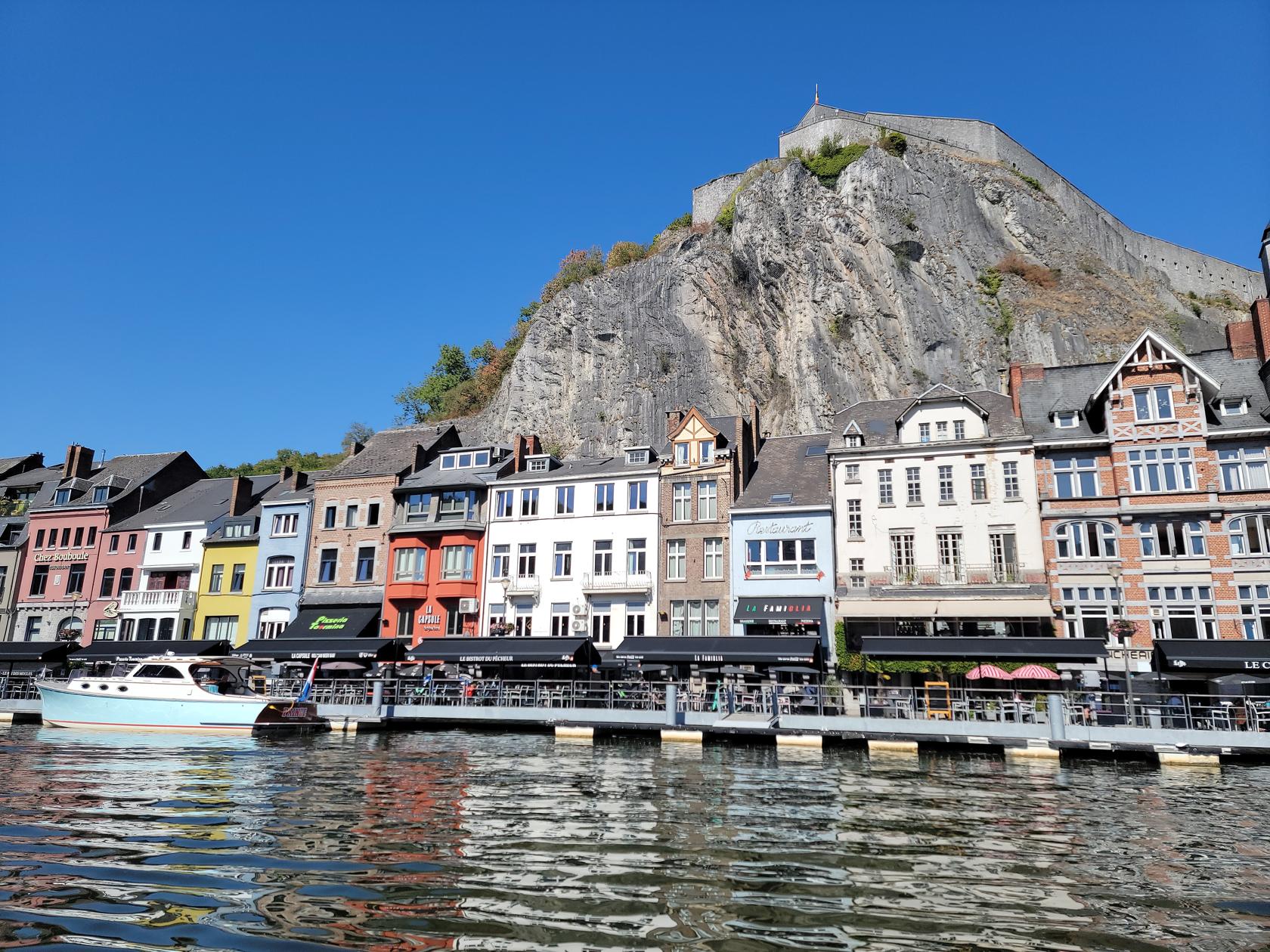
Purposefully commanding a view of the entire town and Meuse Valley is the Fortress Citadel of Dinant. It is perched on one side of the plateau where an outcropping of rock supports its impressive mass.
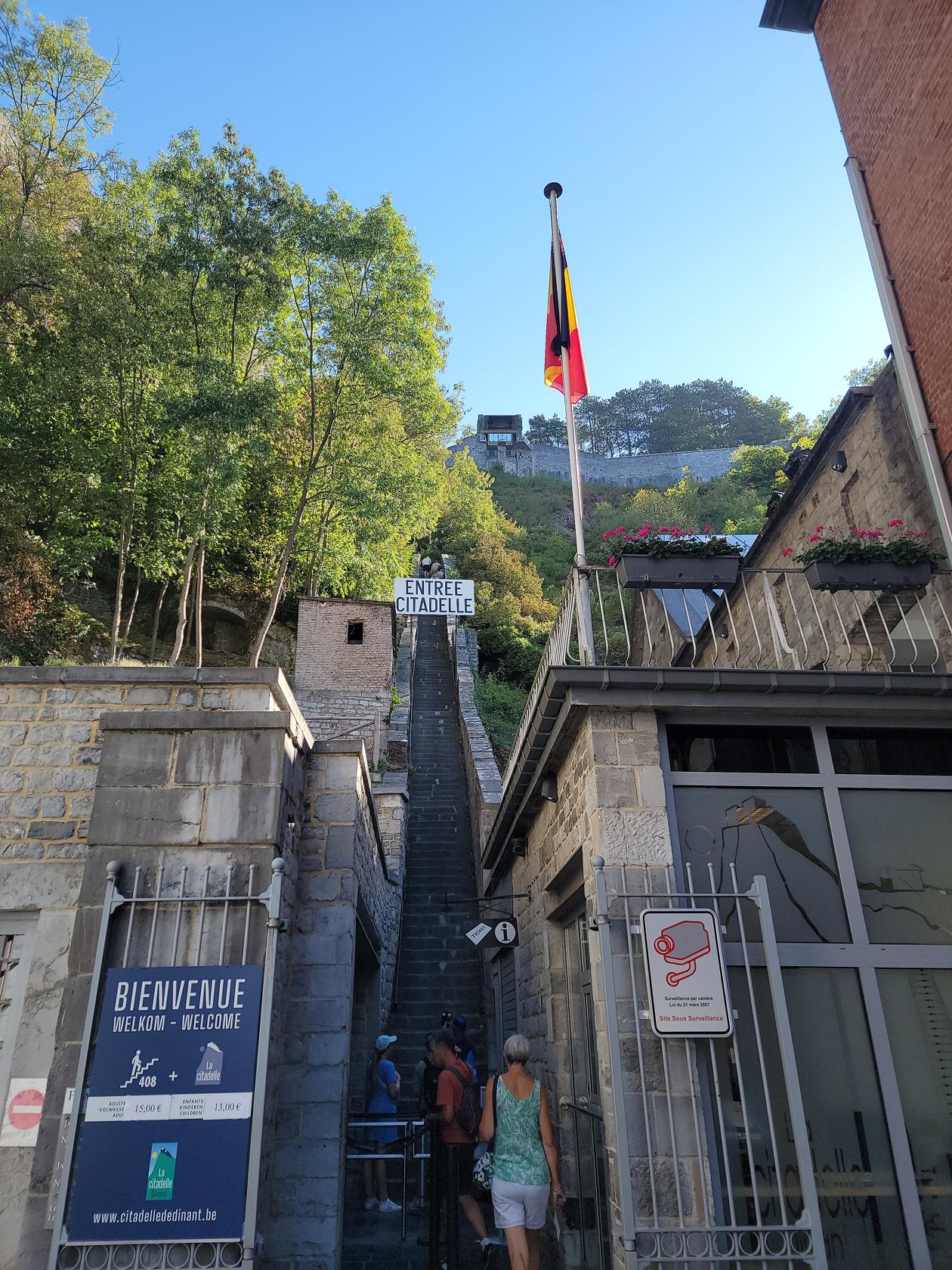
Entrance and Stairs – Citadel of Dinant – Dinant, Belgium
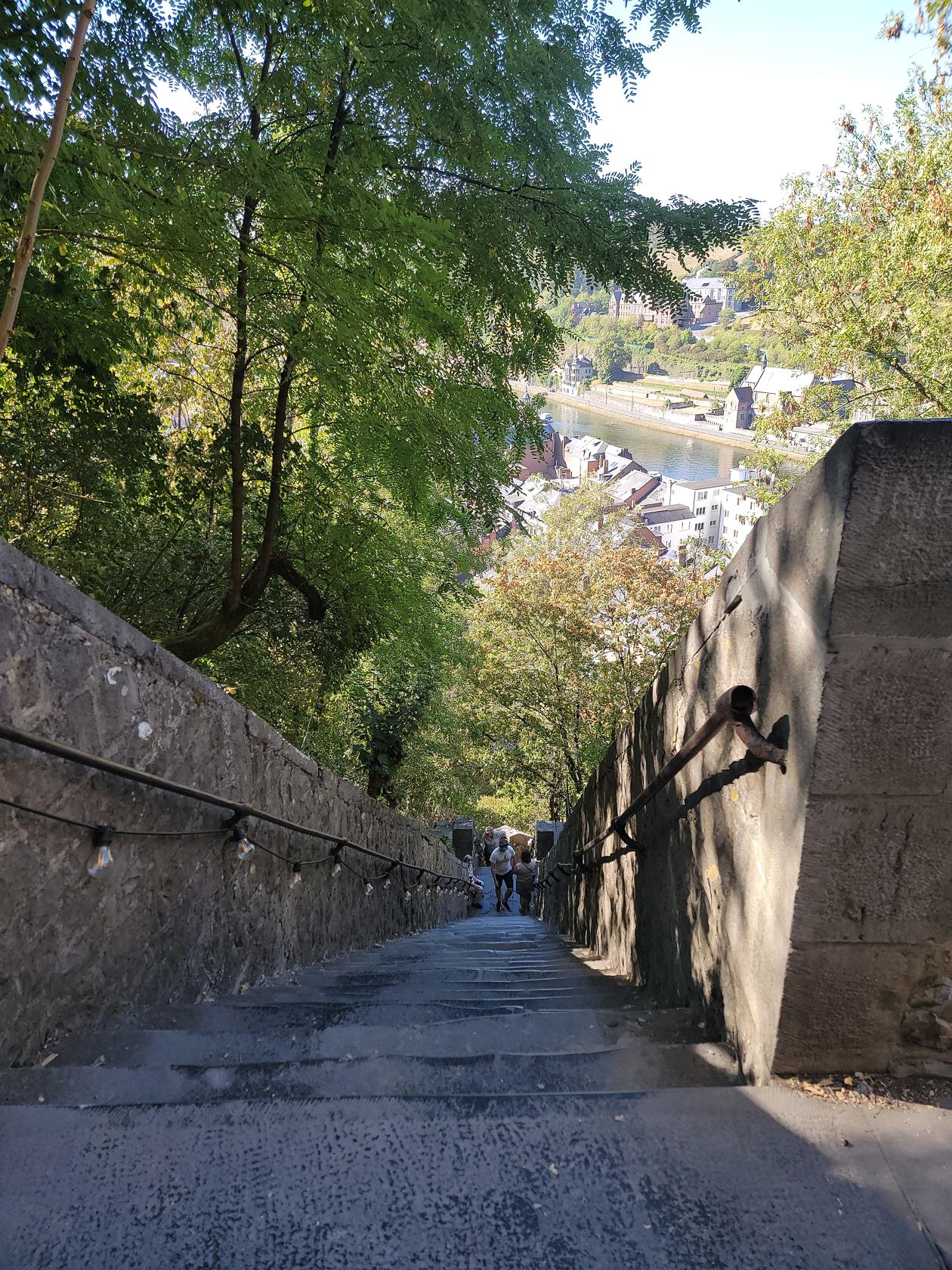
408 Stairs – Citadel of Dinant – Dinant, Belgium
Going Up 408 Stairs – Citadel of Dinant – Dinant, Belgium
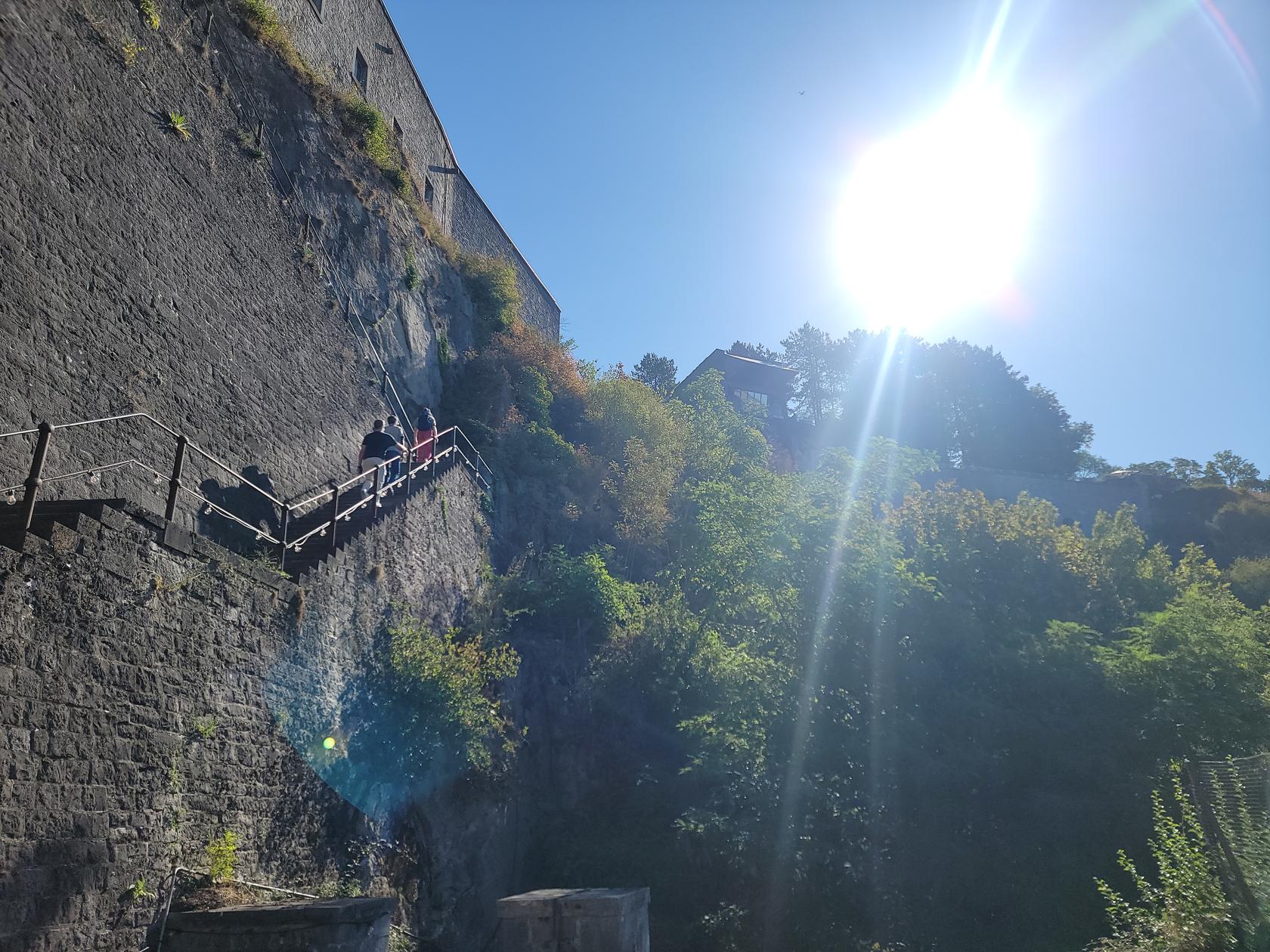
Still more stairs – Citadel of Dinant – Dinant, Belgium
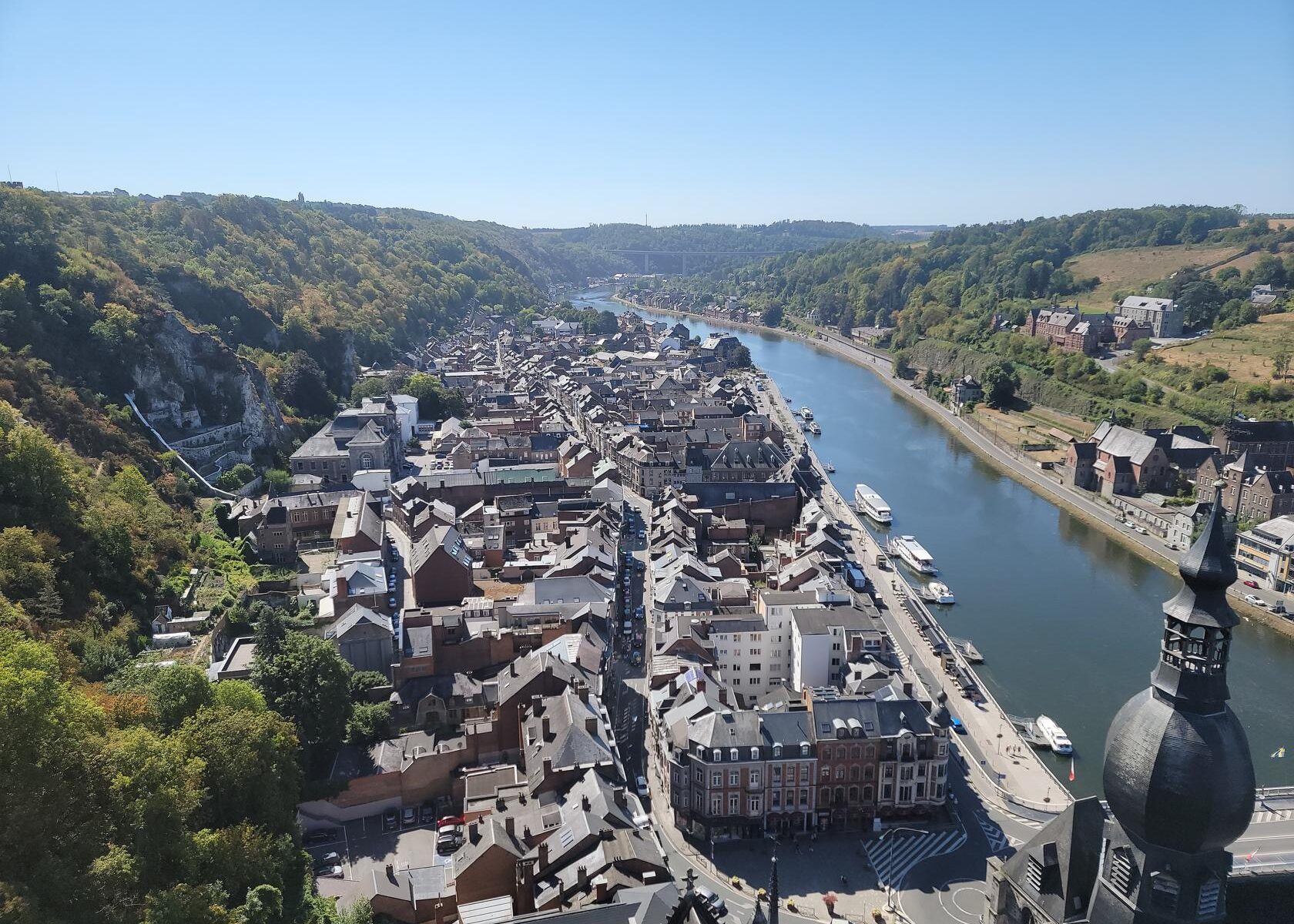
View from top – Citadel of Dinant – Dinant, Belgium
View of upper Dinant – Citadel of Dinant – Dinant, Belgium
Last few steps – Citadel of Dinant – Dinant, Belgium
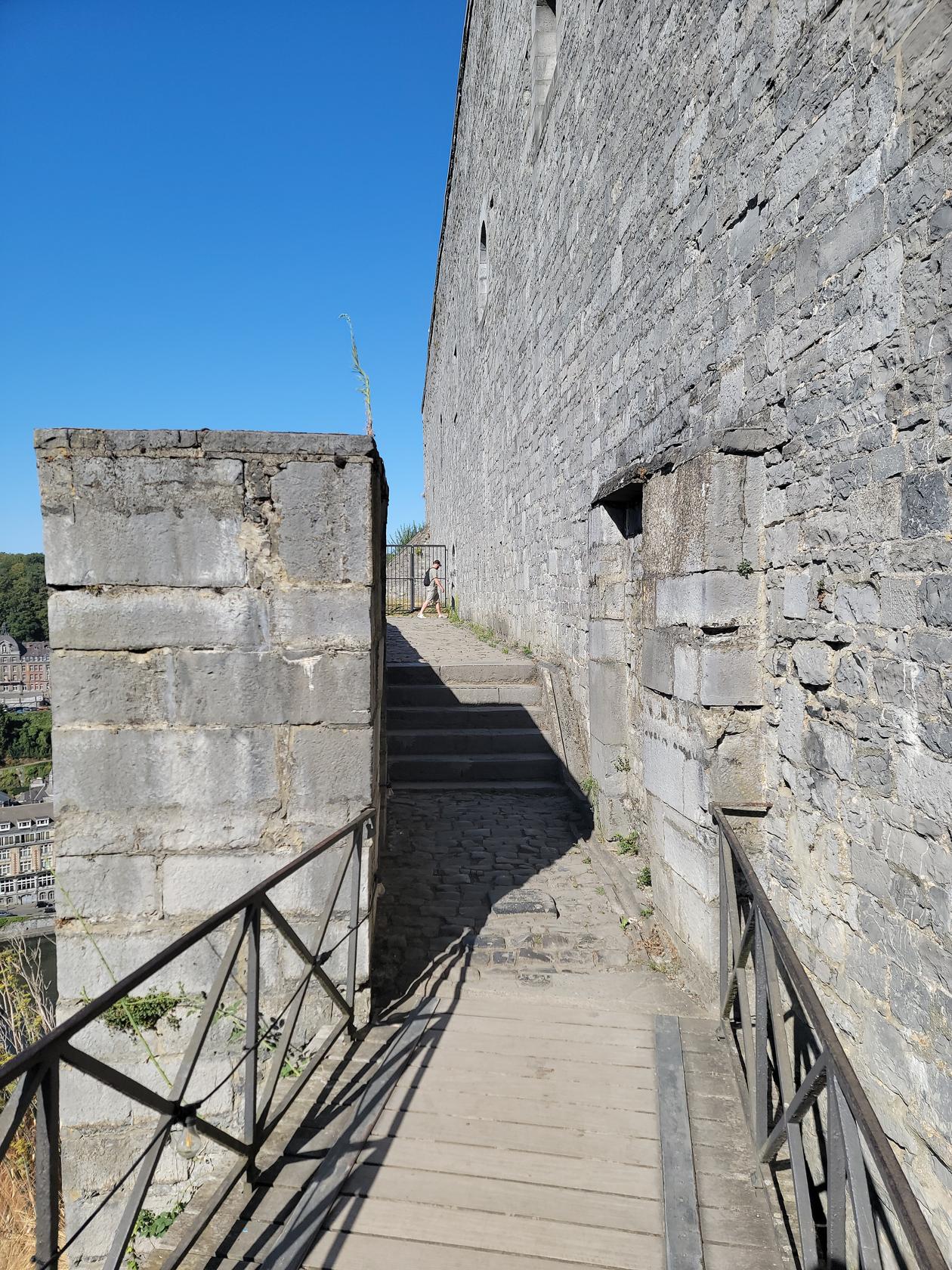
Fortress Wall – Citadel of Dinant – Dinant, Belgium
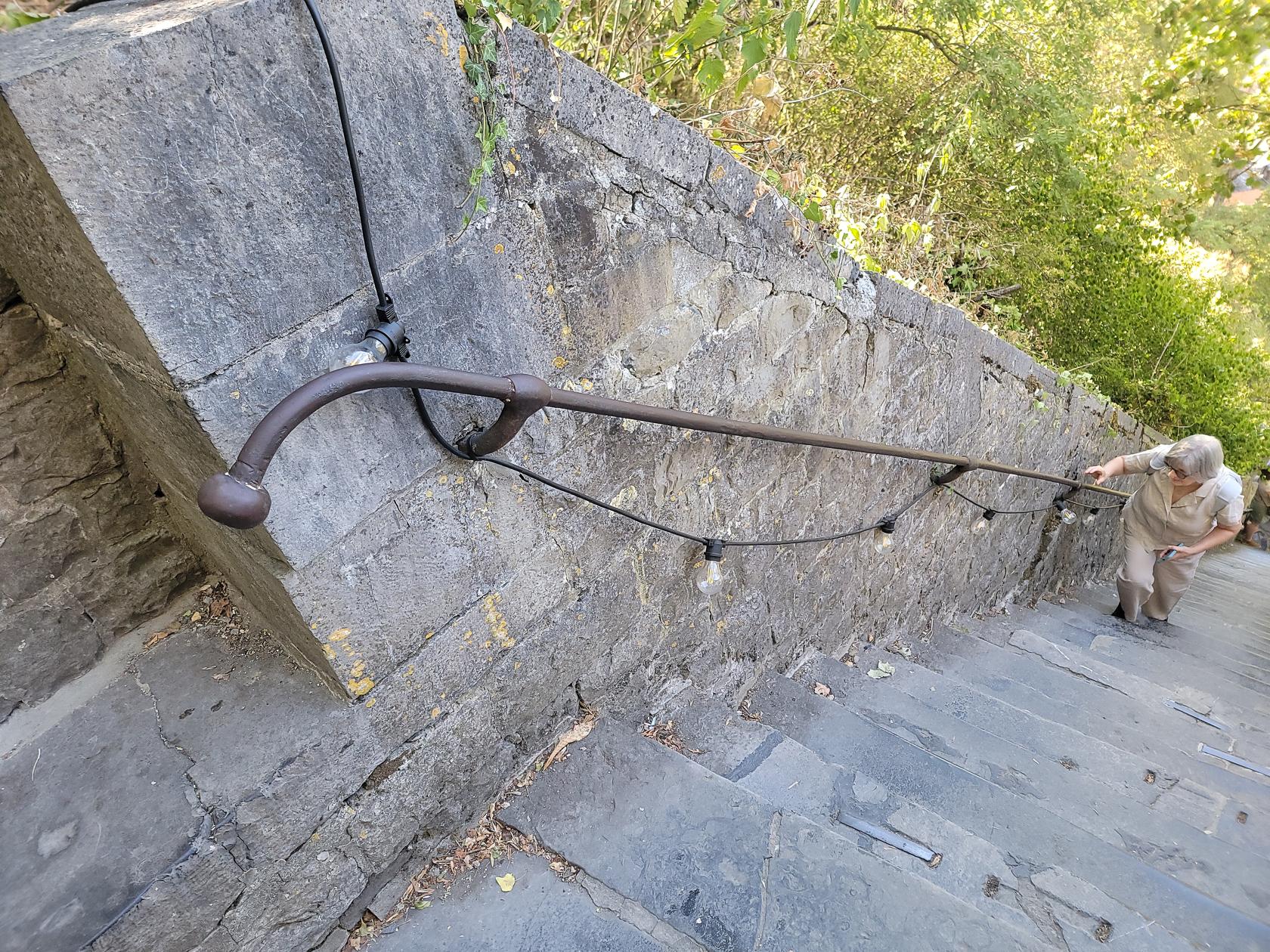
After purchasing a ticket there are 408 steps to climb. The first flight is a bit more challenging than the upper tier, since they are more uneven and spaced a bit differently, worn with age and cracked from the stress of movement underneath.
Main Entrance – Citadel of Dinant – Dinant, Belgium
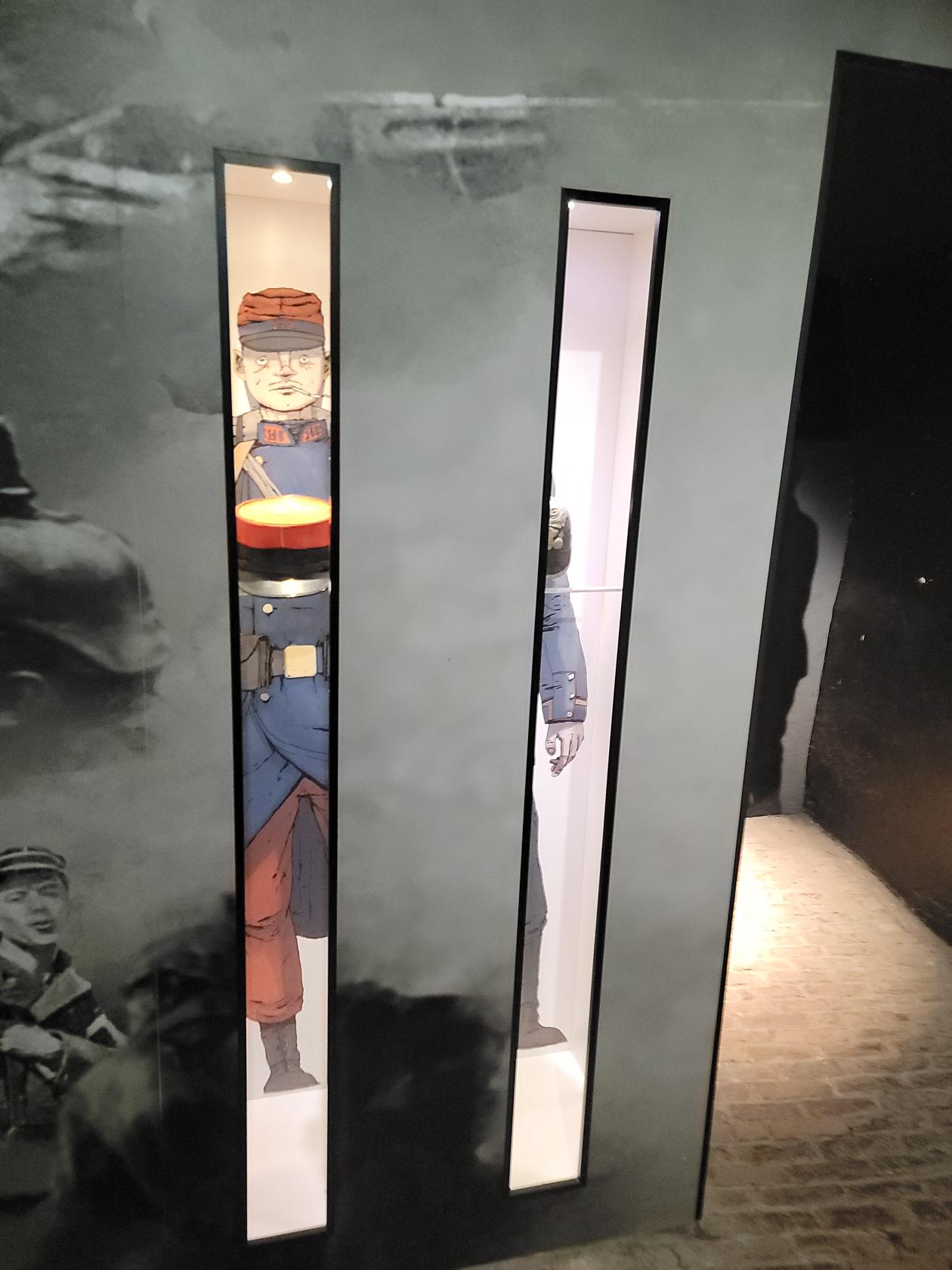
Museum – Citadel of Dinant – Dinant, Belgium
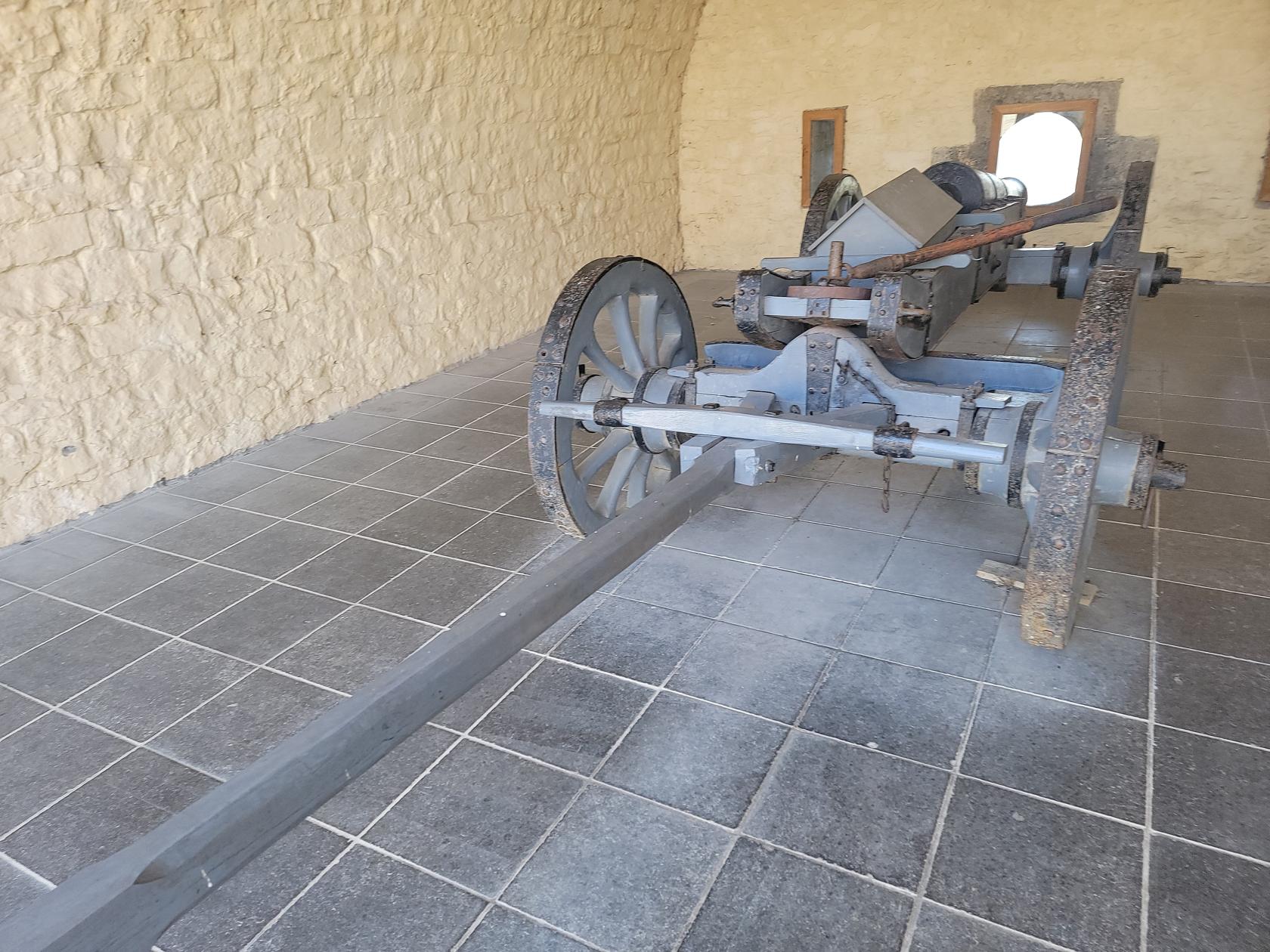
Cannon – Citadel of Dinant – Dinant, Belgium
Diorama of Vauban Citadel – Citadel of Dinant – Dinant, Belgium
Diorama of the Sack of Dinant – Citadel of Dinant – Dinant, Belgium
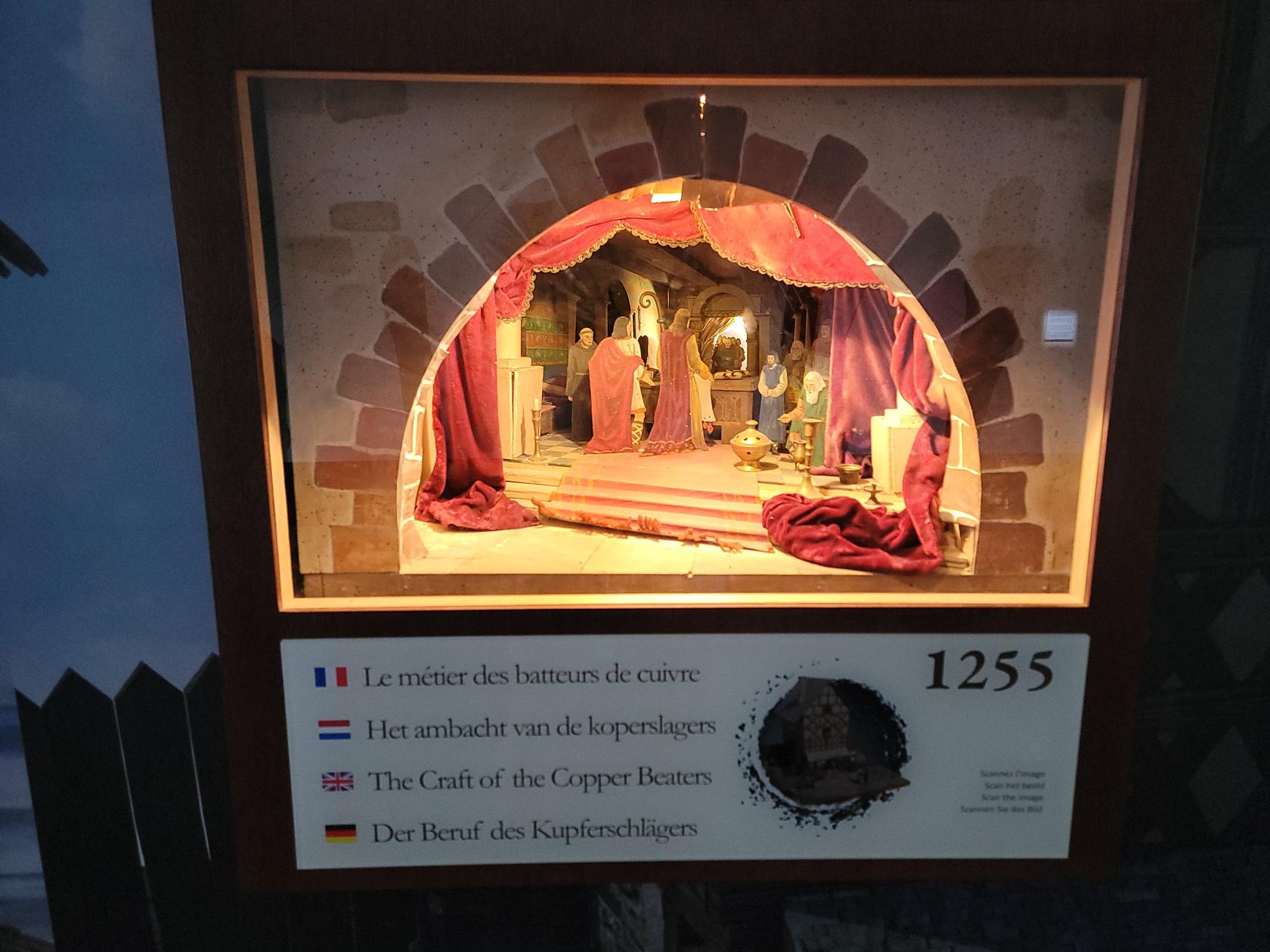
Diorama of the Copper Beaters Craft – Citadel of Dinant – Dinant, Belgium
Museum – Citadel of Dinant – Dinant, Belgium
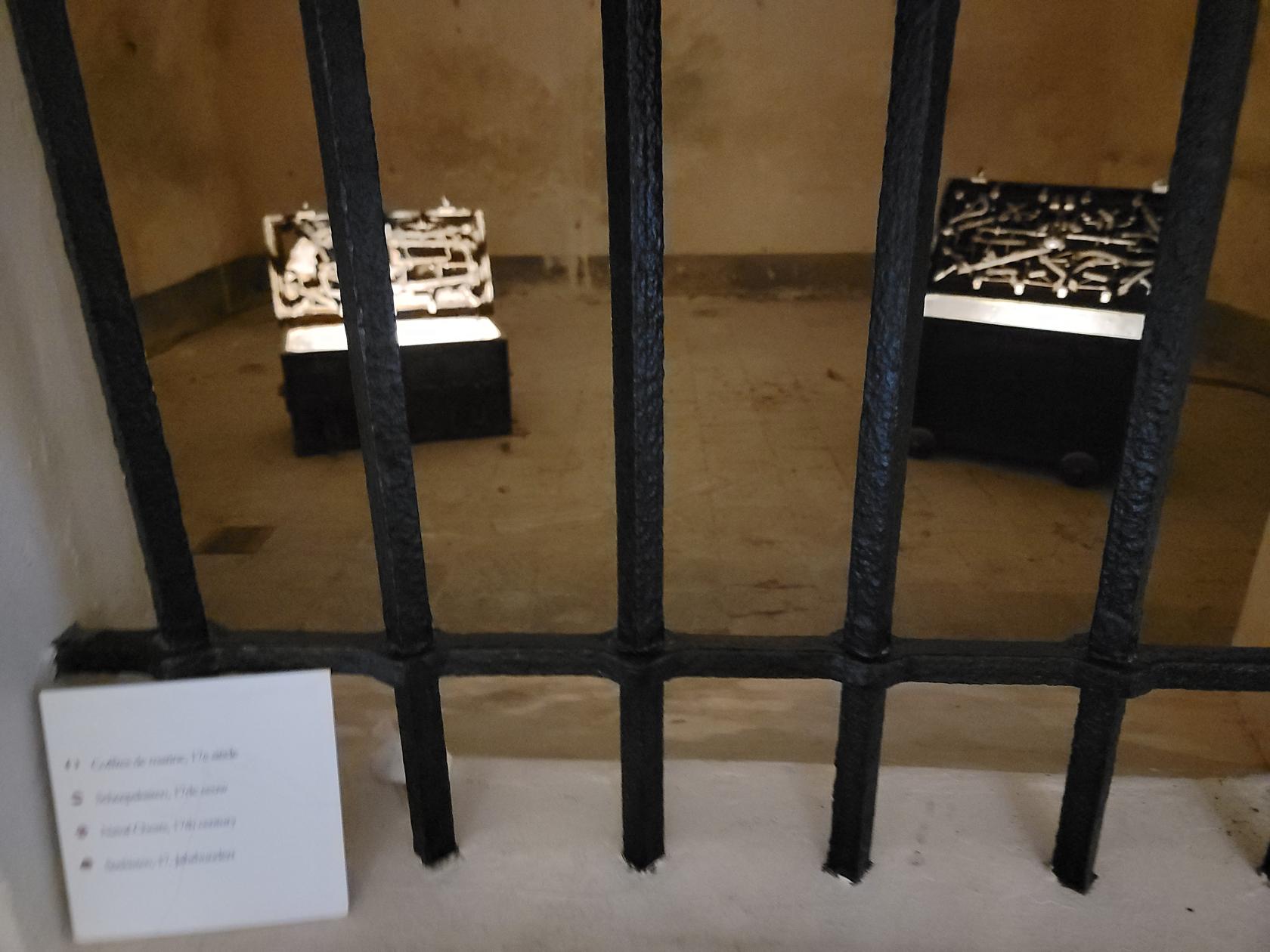
Old Iron Boxes – Museum – Citadel of Dinant – Dinant, Belgium
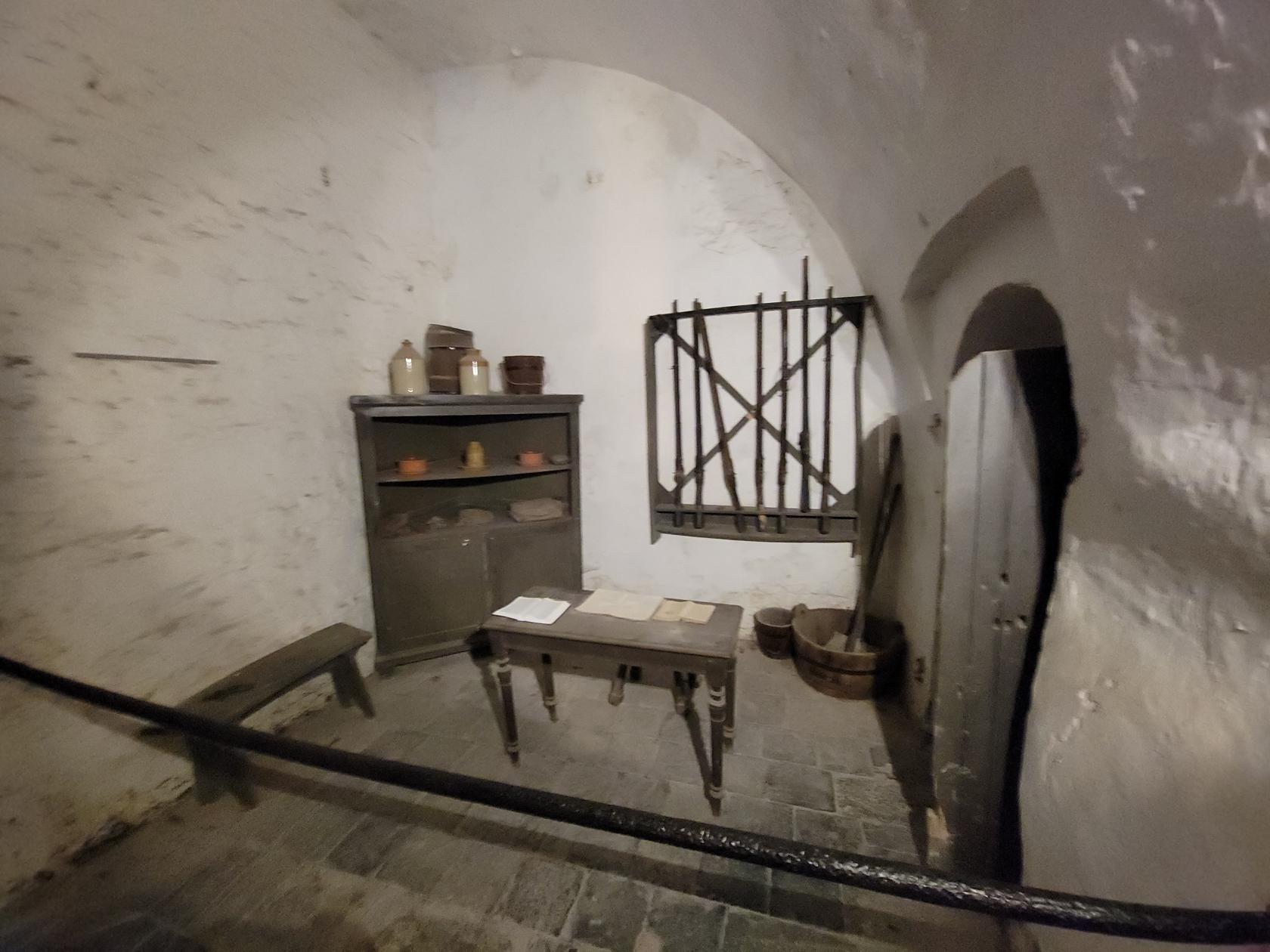
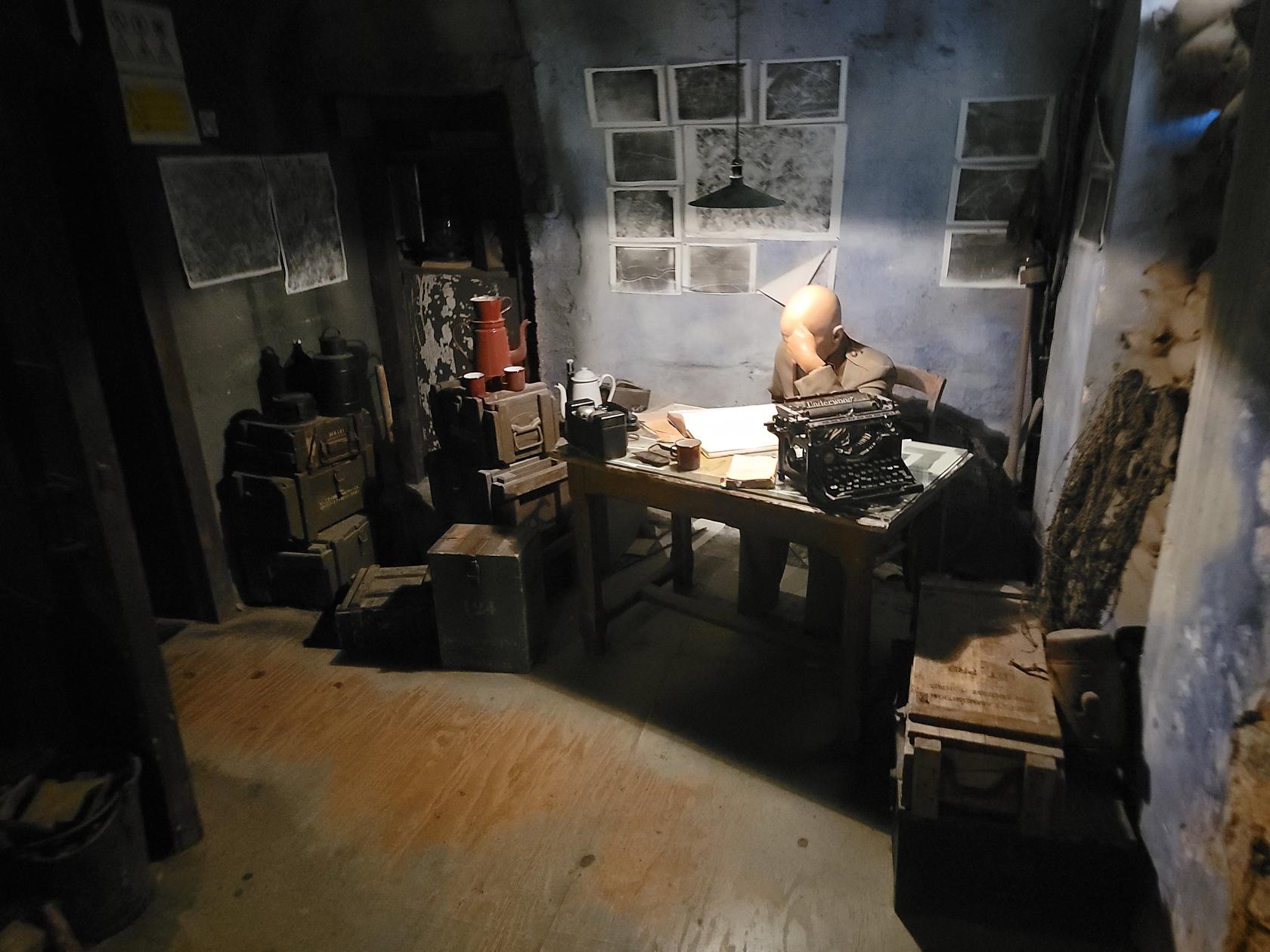
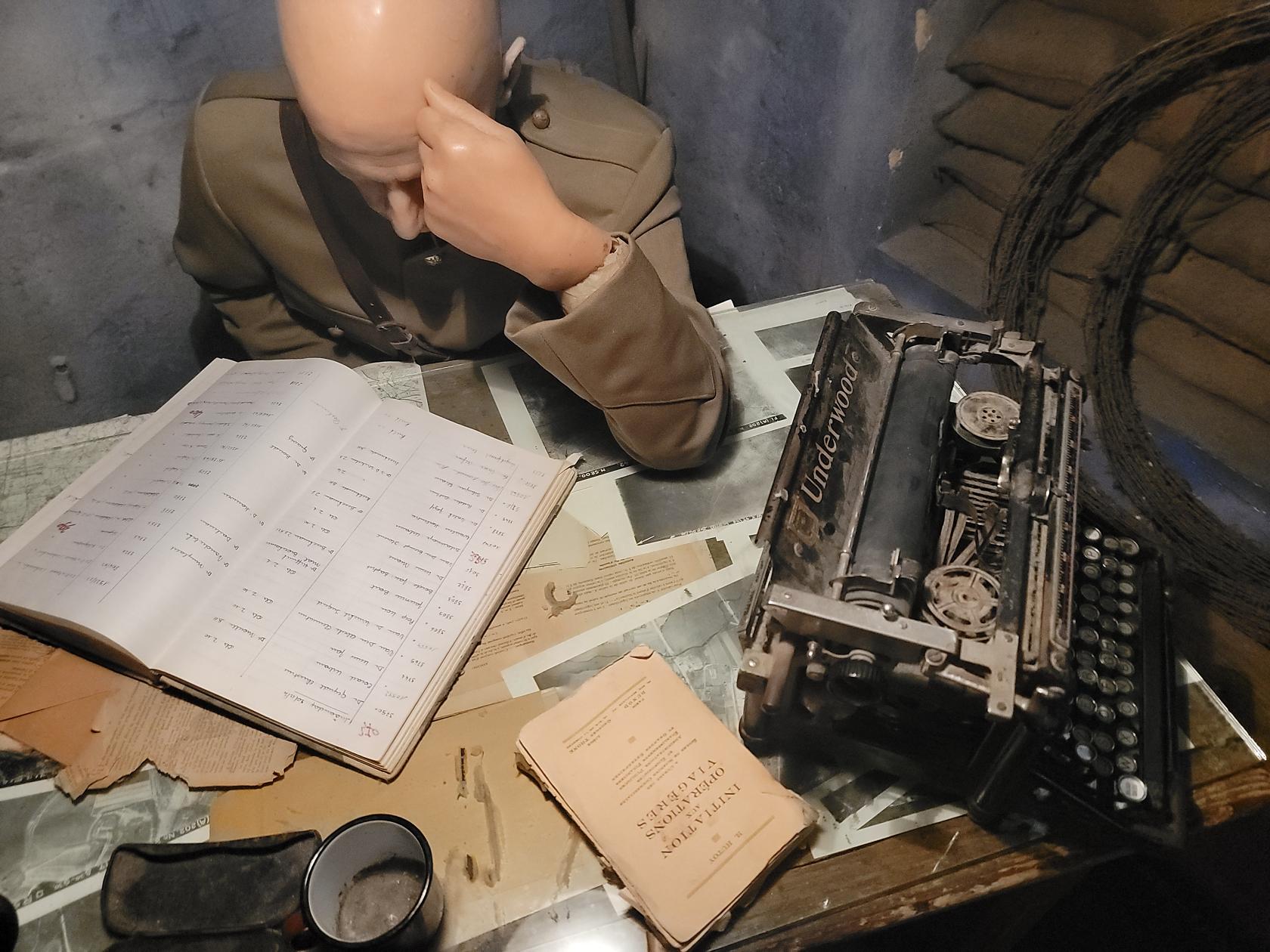
Typical Office – Museum – Citadel of Dinant – Dinant, Belgium
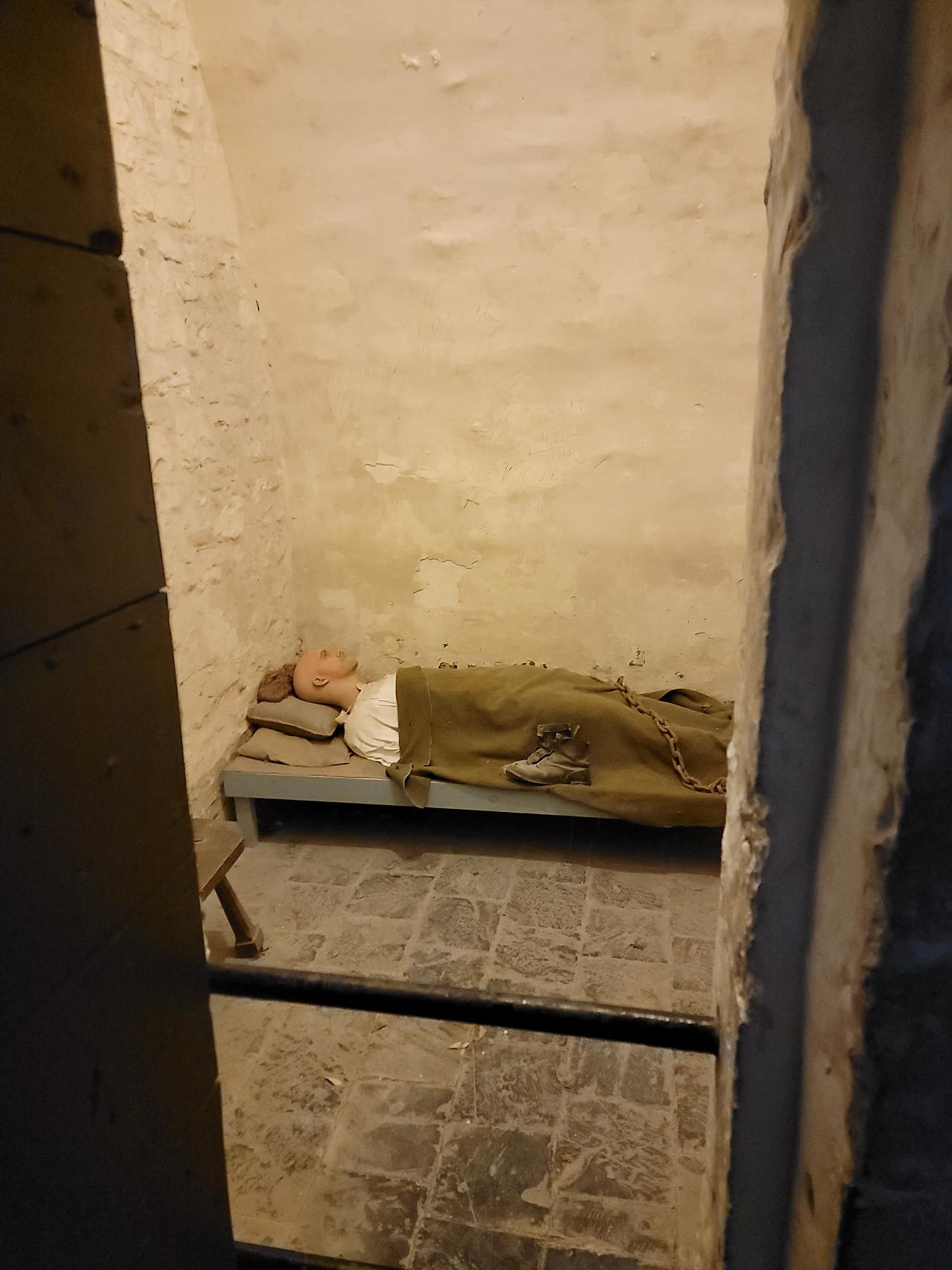
Prison Cell – Museum – Citadel of Dinant – Dinant, Belgium
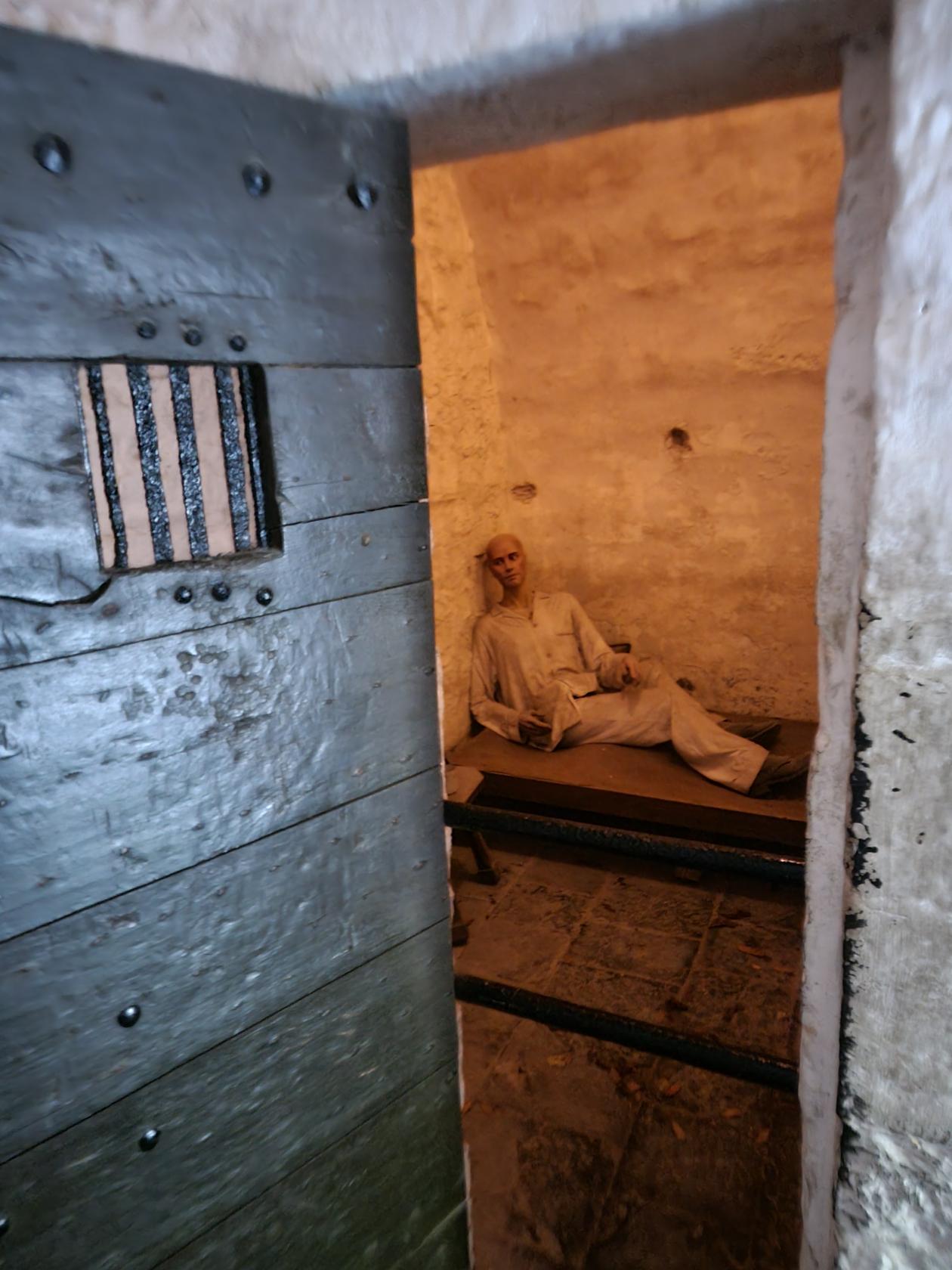
Another Cell – Museum – Citadel of Dinant – Dinant, Belgium
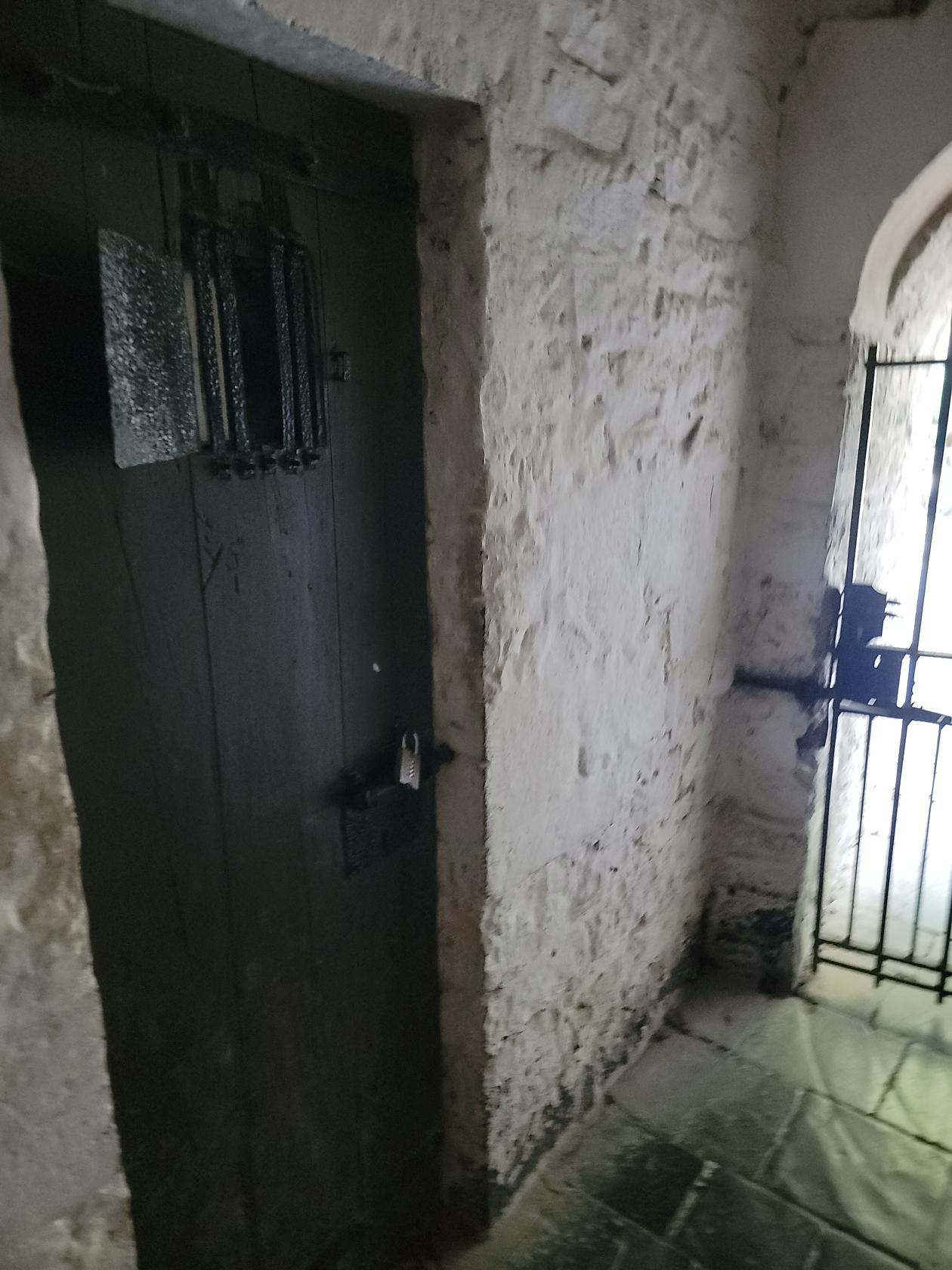
Prison Block – Museum – Citadel of Dinant – Dinant, Belgium
Once the top is reached, there is a main entrance to pass through that opens up into the central courtyard. Off of this courtyard are a cafe, public toilets, open-air museum display and the entrance to the museum proper.
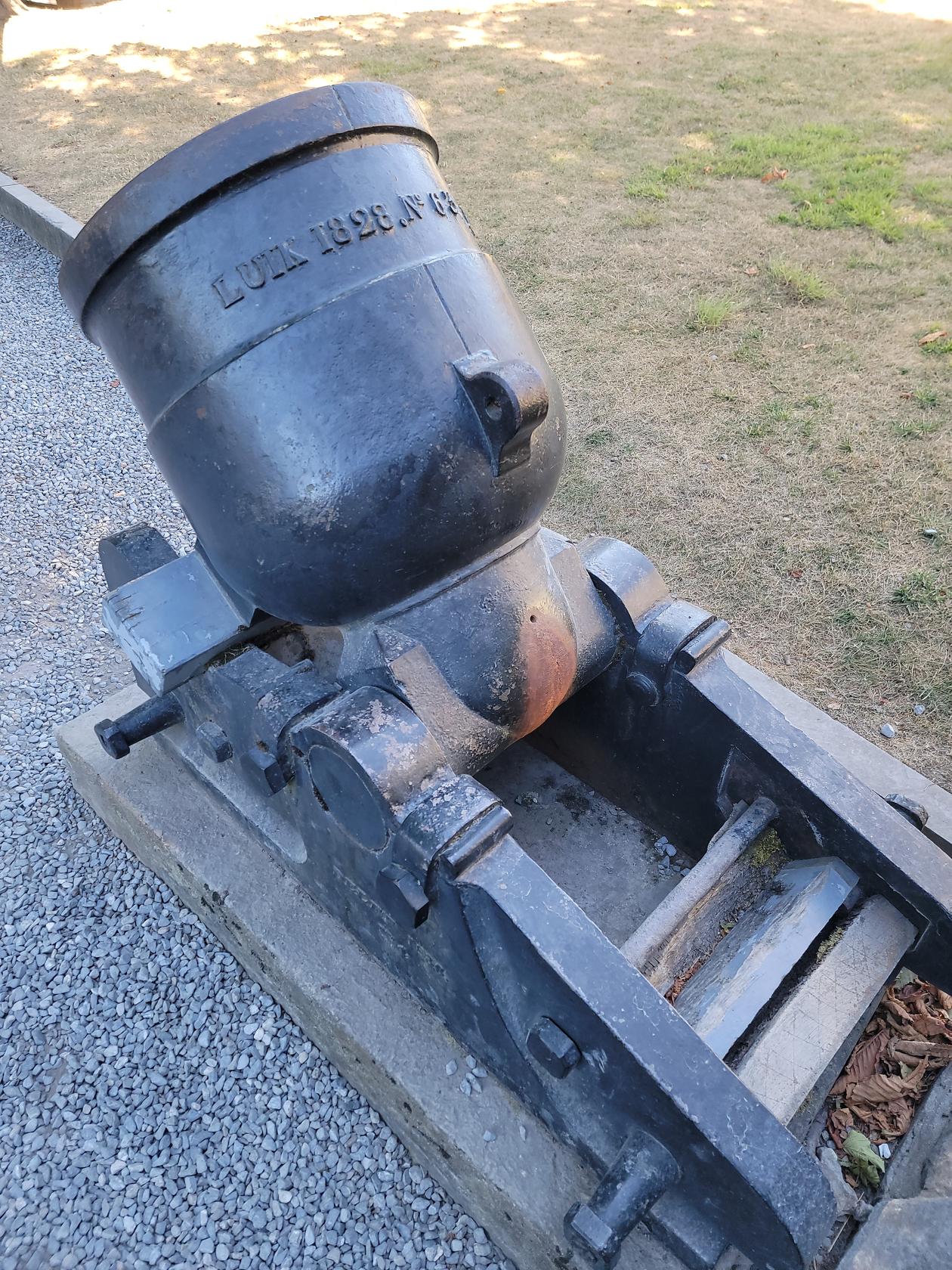
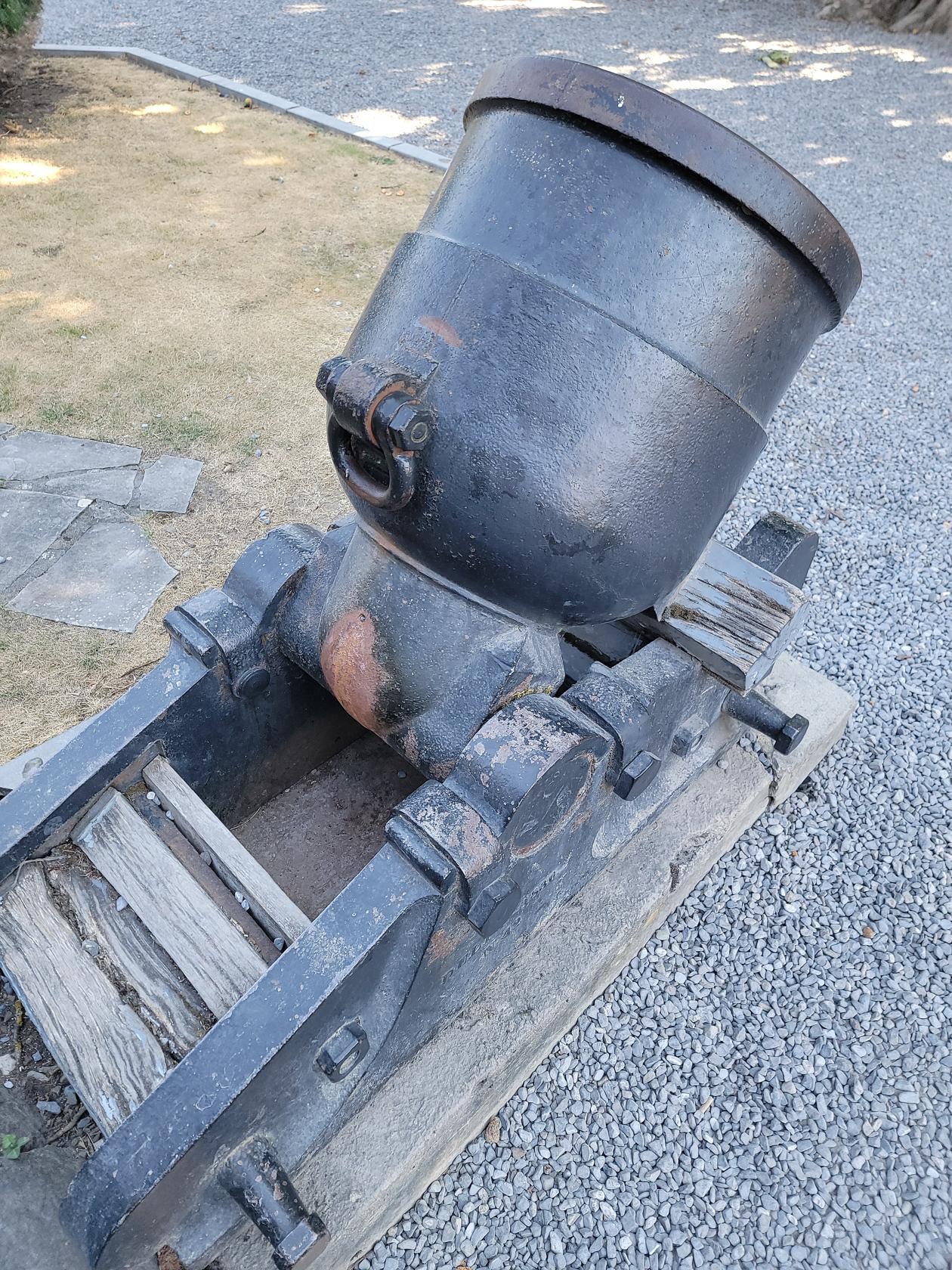
Mortar – Museum – Citadel of Dinant – Dinant, Belgium
Mortar – Museum – Citadel of Dinant – Dinant, Belgium
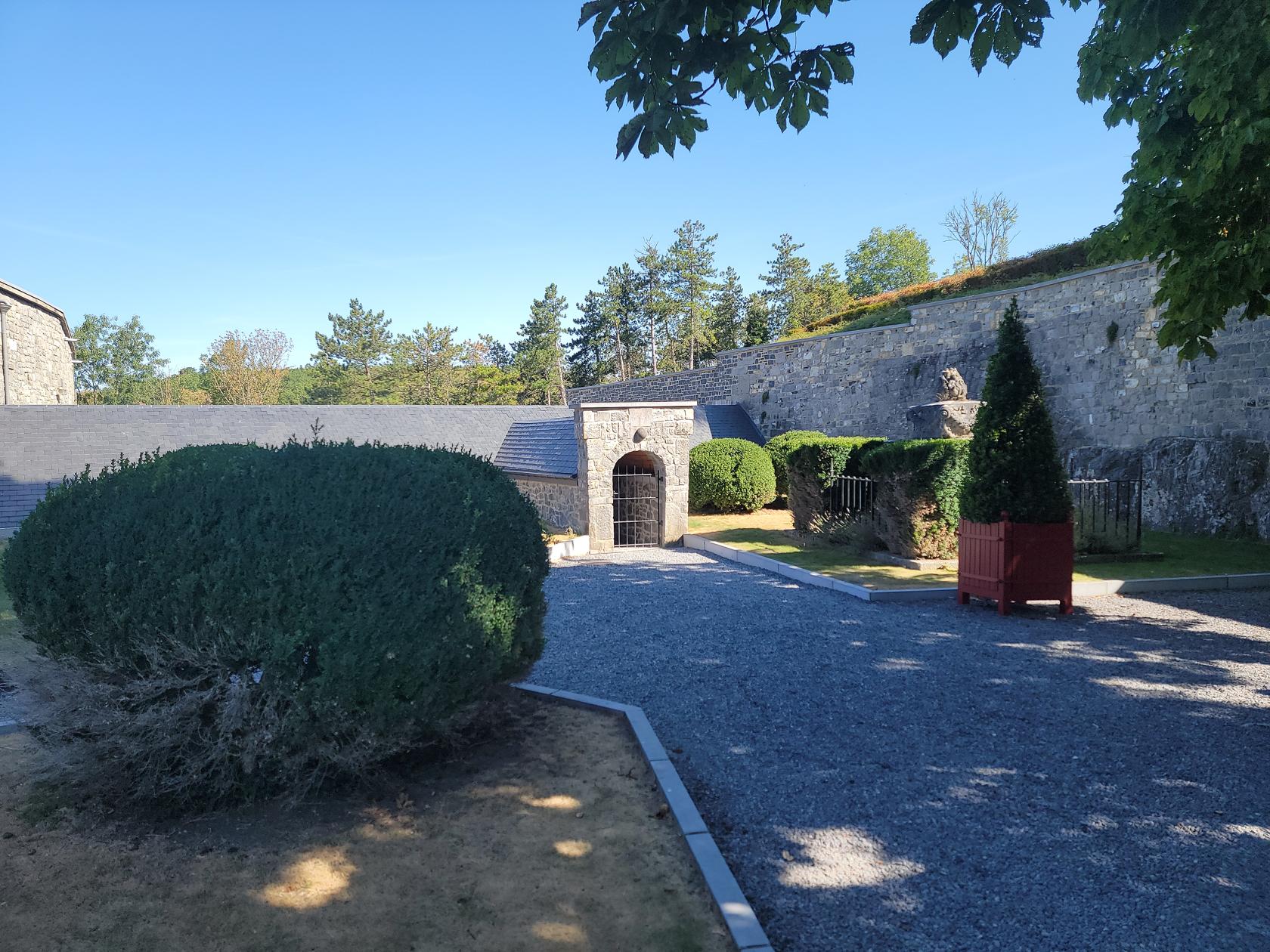
Garden – Museum – Citadel of Dinant – Dinant, Belgium
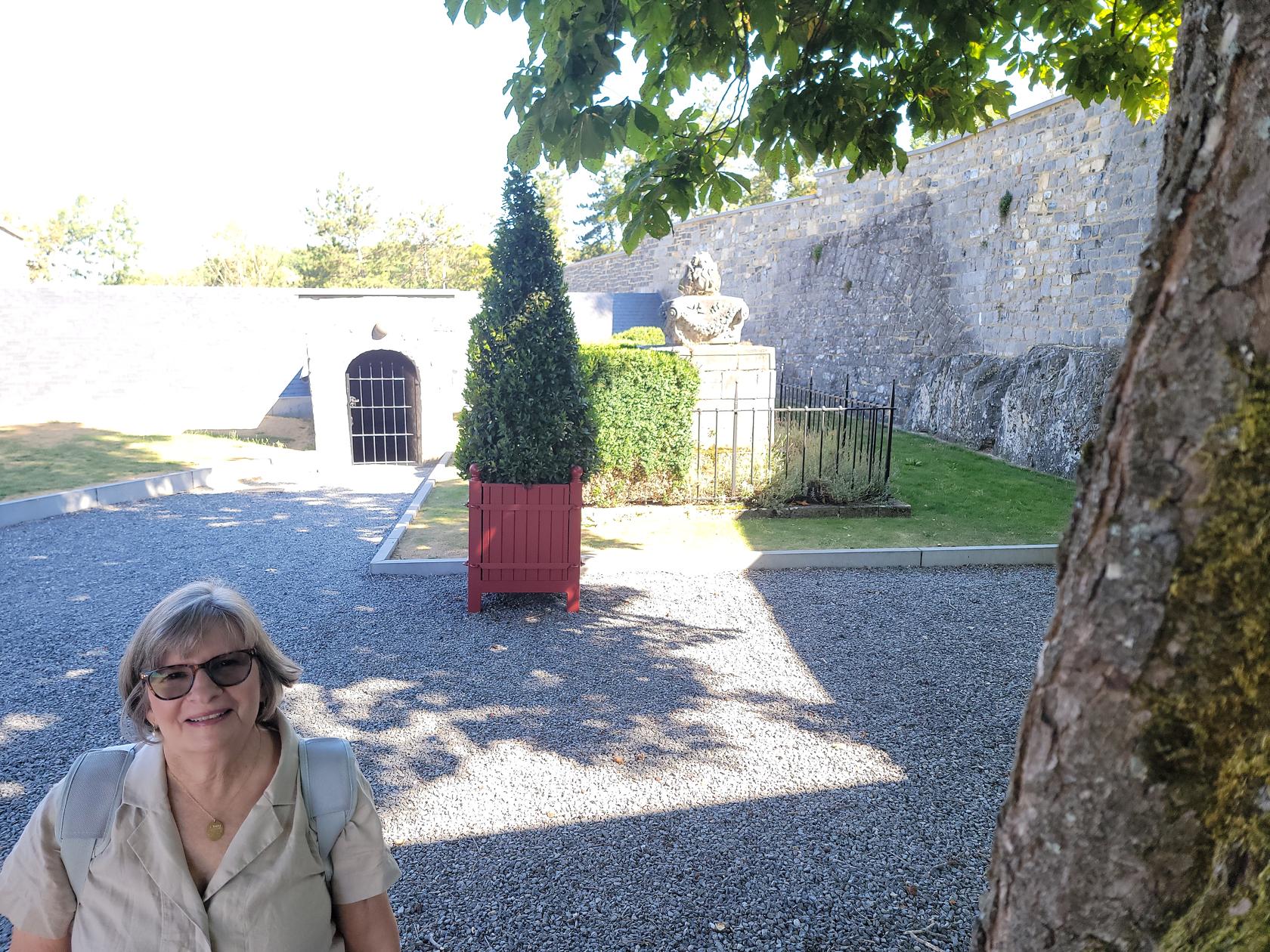
Patti in Garden – Museum – Citadel of Dinant – Dinant, Belgium
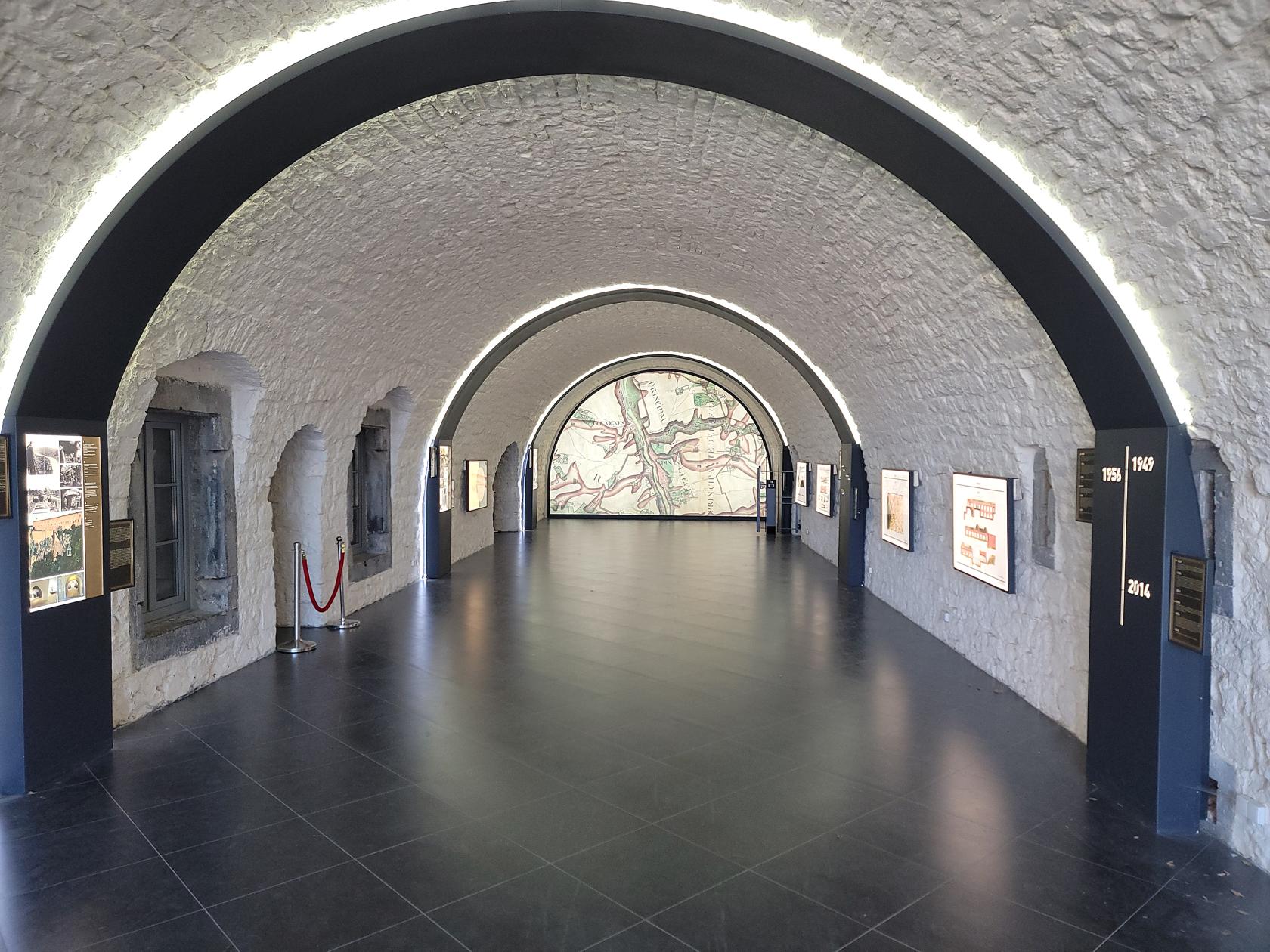
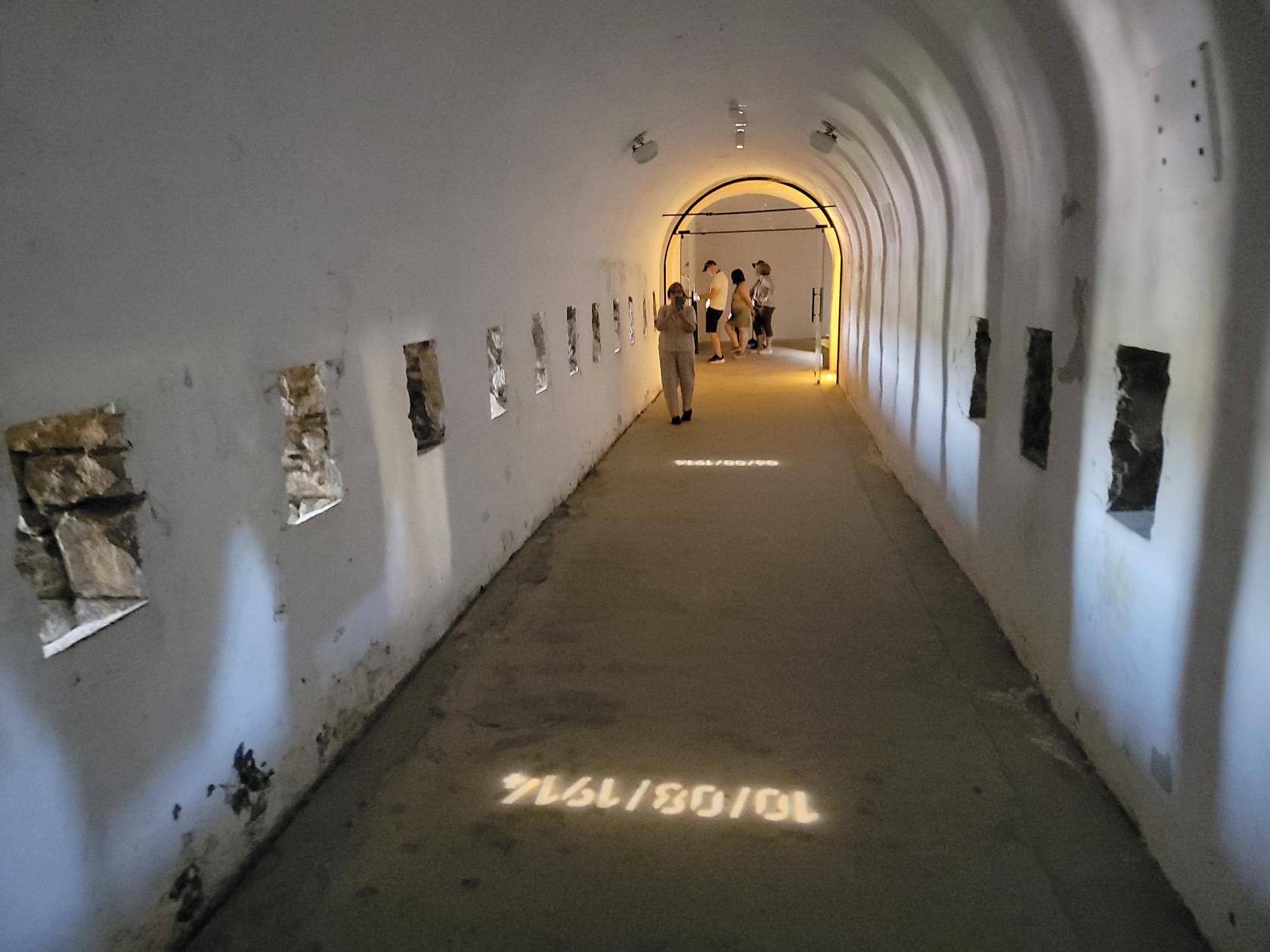
Fortress Hall – Museum – Citadel of Dinant – Dinant, Belgium
Charles de Gaulle Bridge – Museum – Citadel of Dinant – Dinant, Belgium
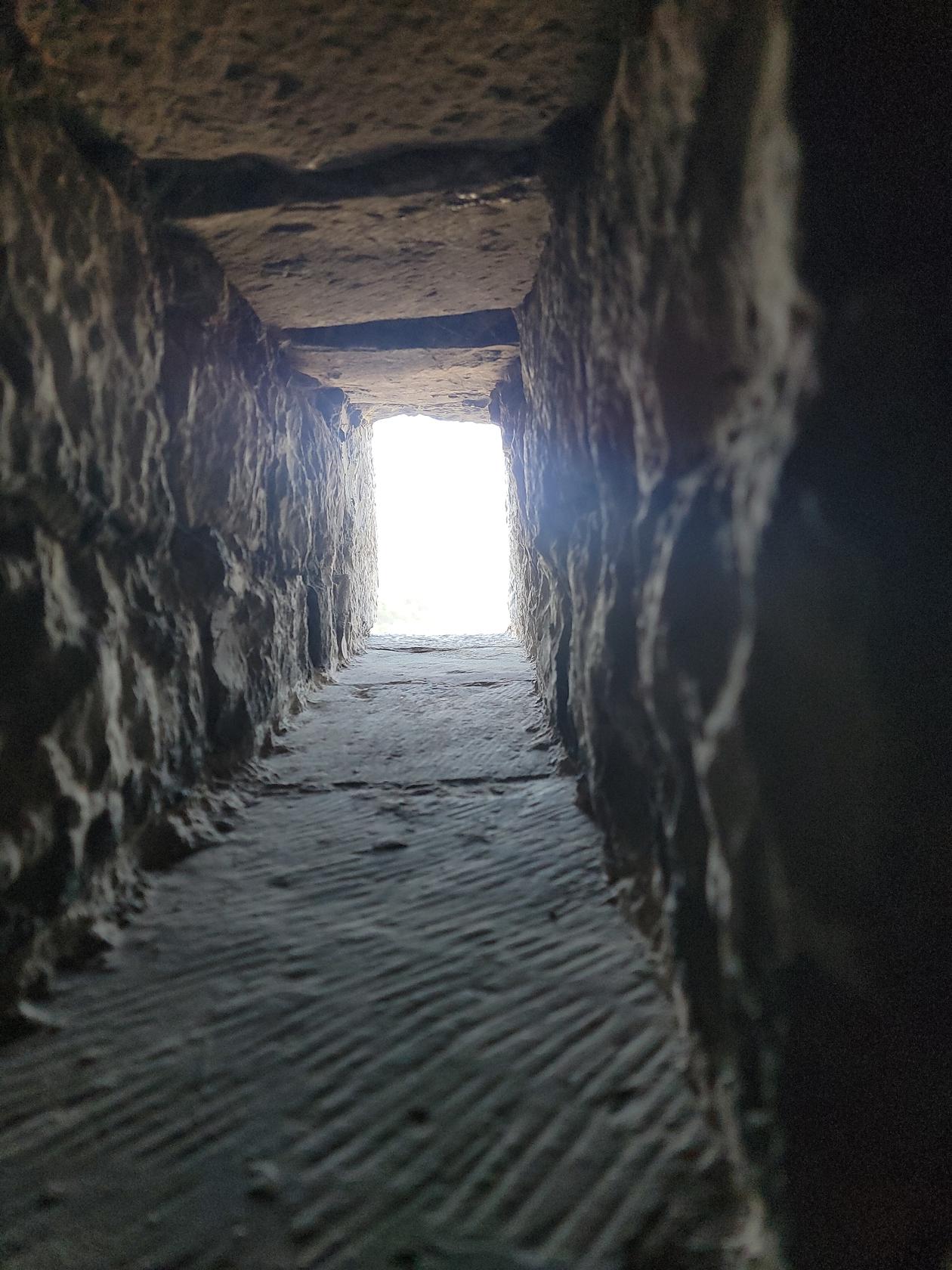
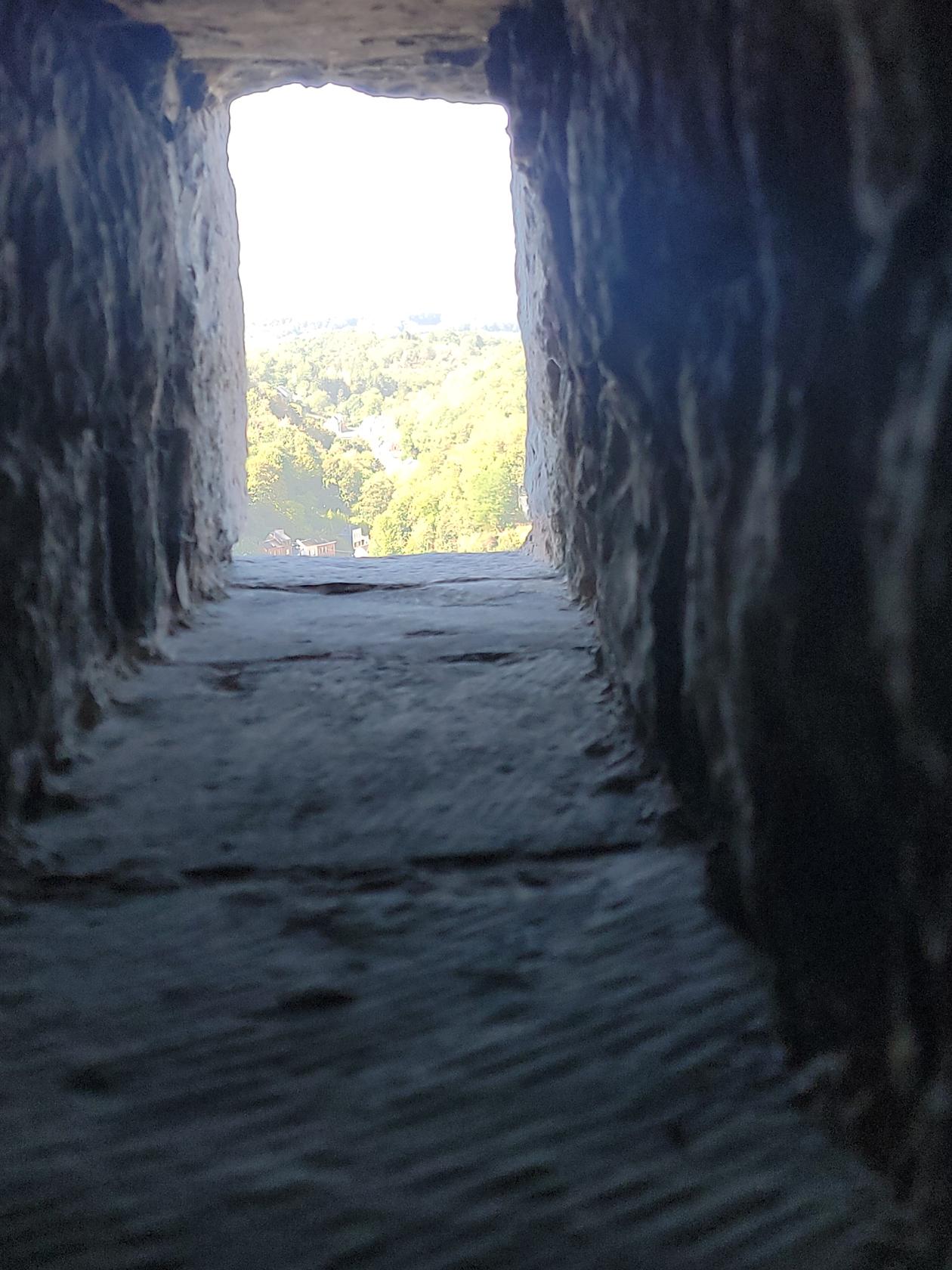
Typical Shooting Hole – Museum – Citadel of Dinant – Dinant, Belgium
Typical Shooting Hole – Museum – Citadel of Dinant – Dinant, Belgium
German Side – Museum – Citadel of Dinant – Dinant, Belgium
Belgium Side – Museum – Citadel of Dinant – Dinant, Belgium
Ramp to Outside Exhibits – Museum – Citadel of Dinant – Dinant, Belgium
Citadel Museum
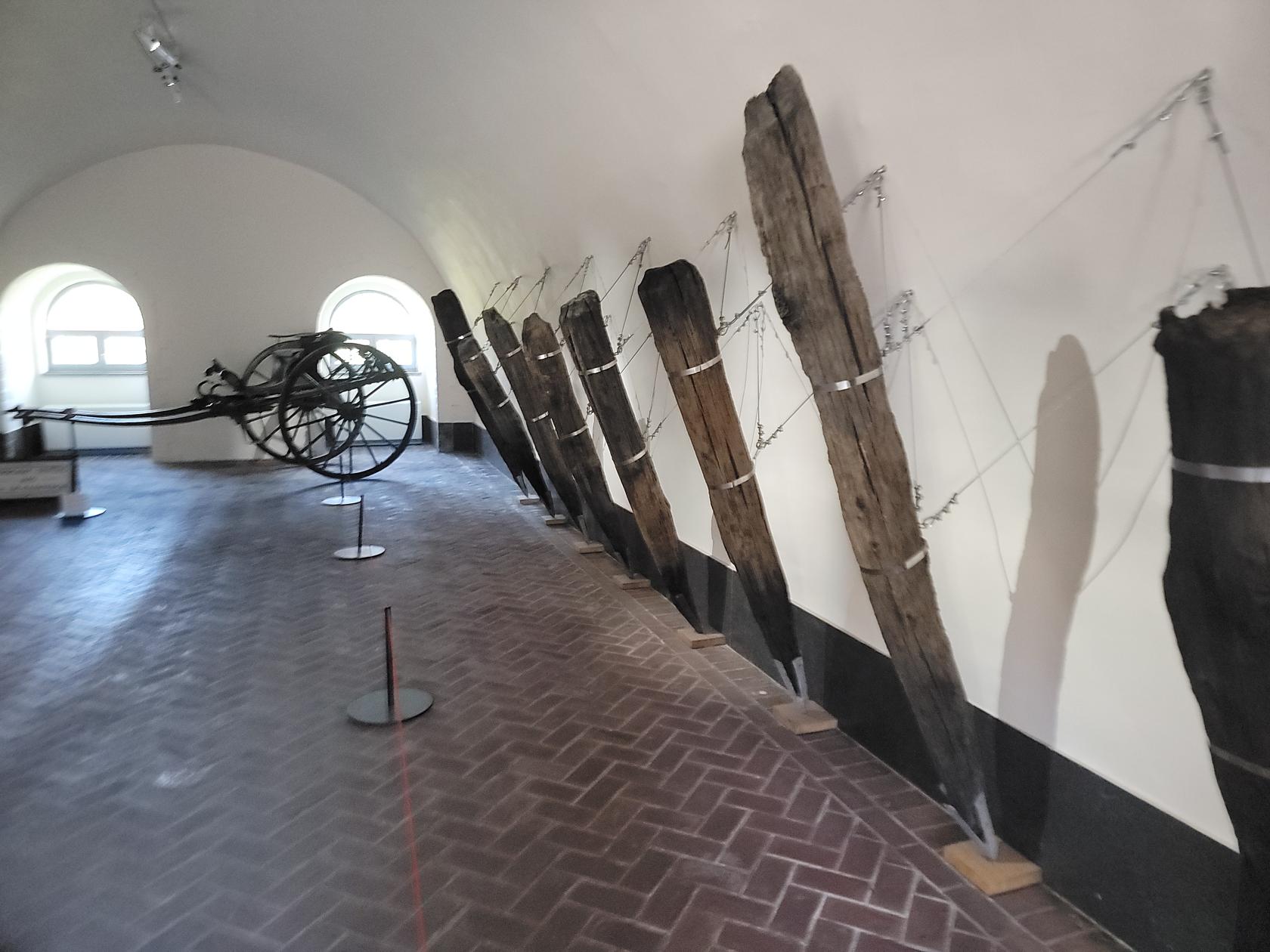
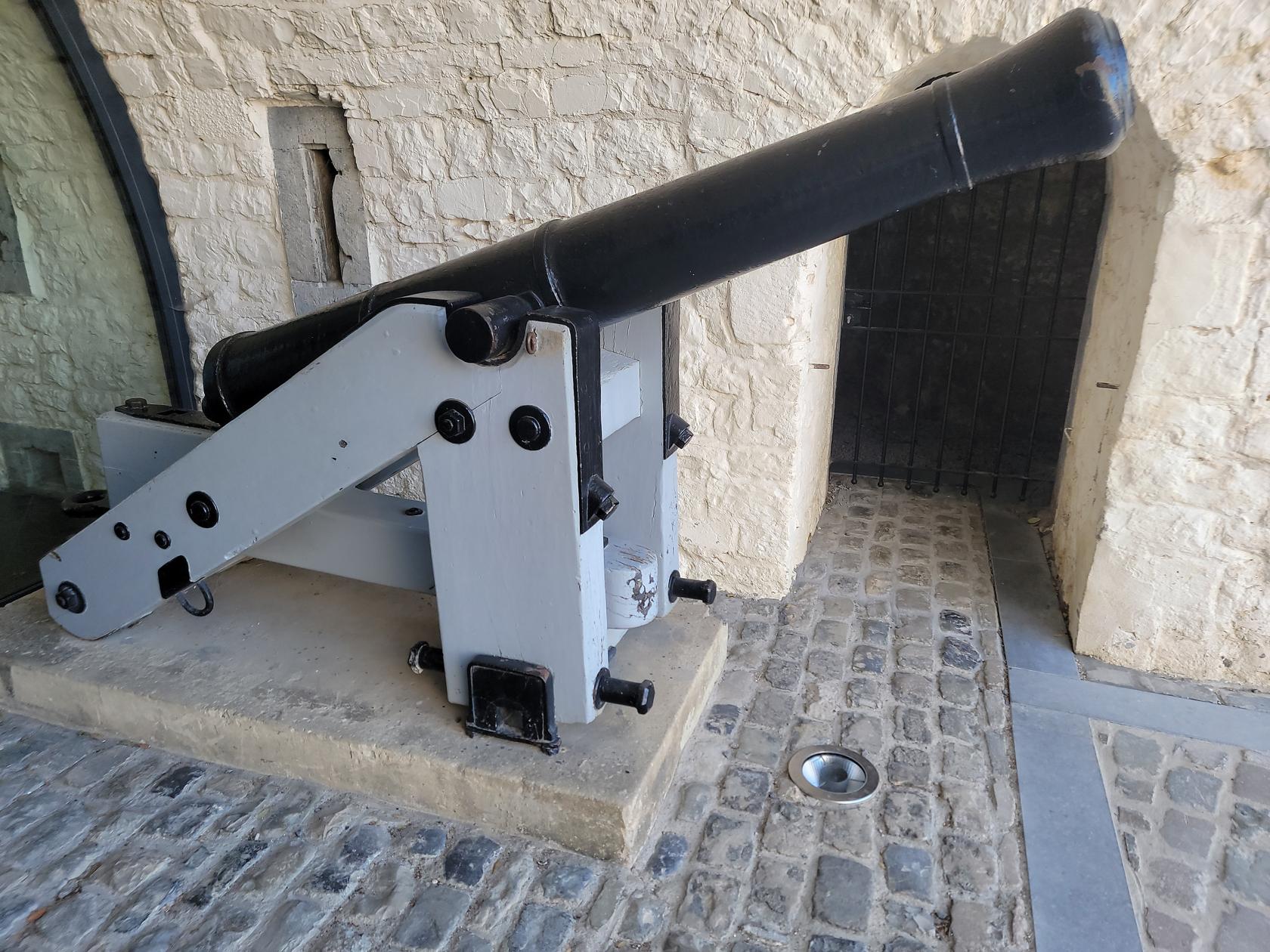
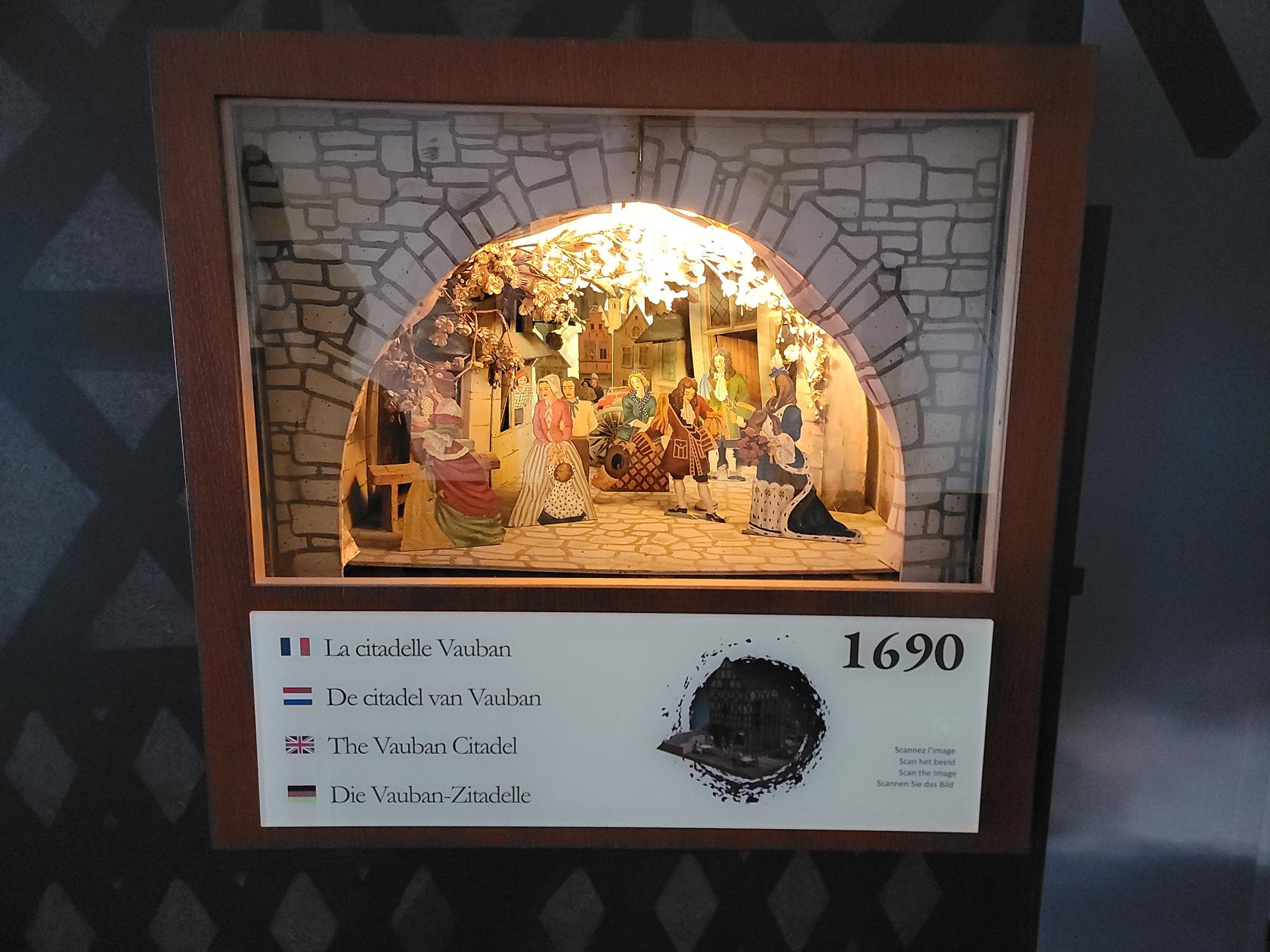
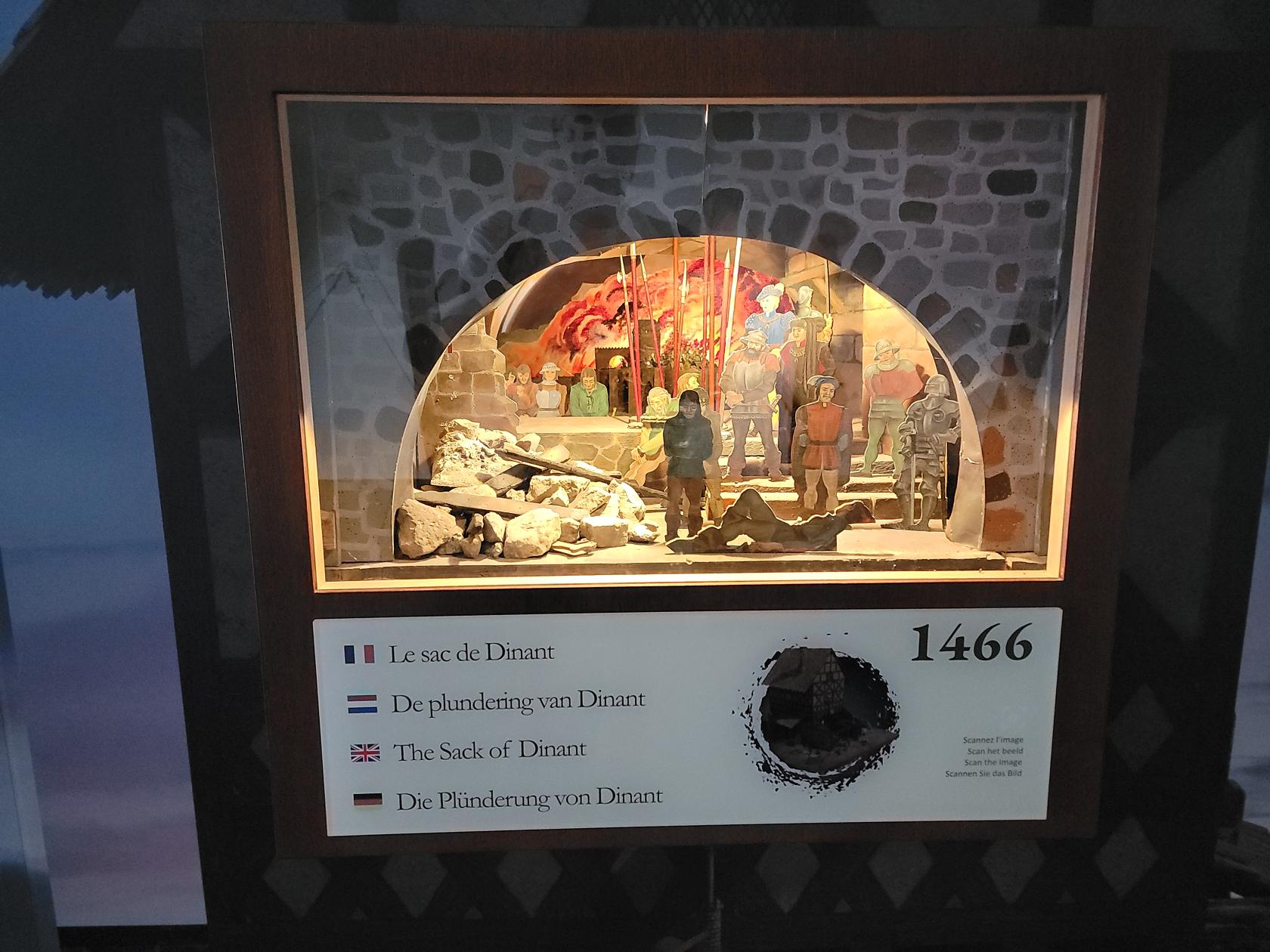
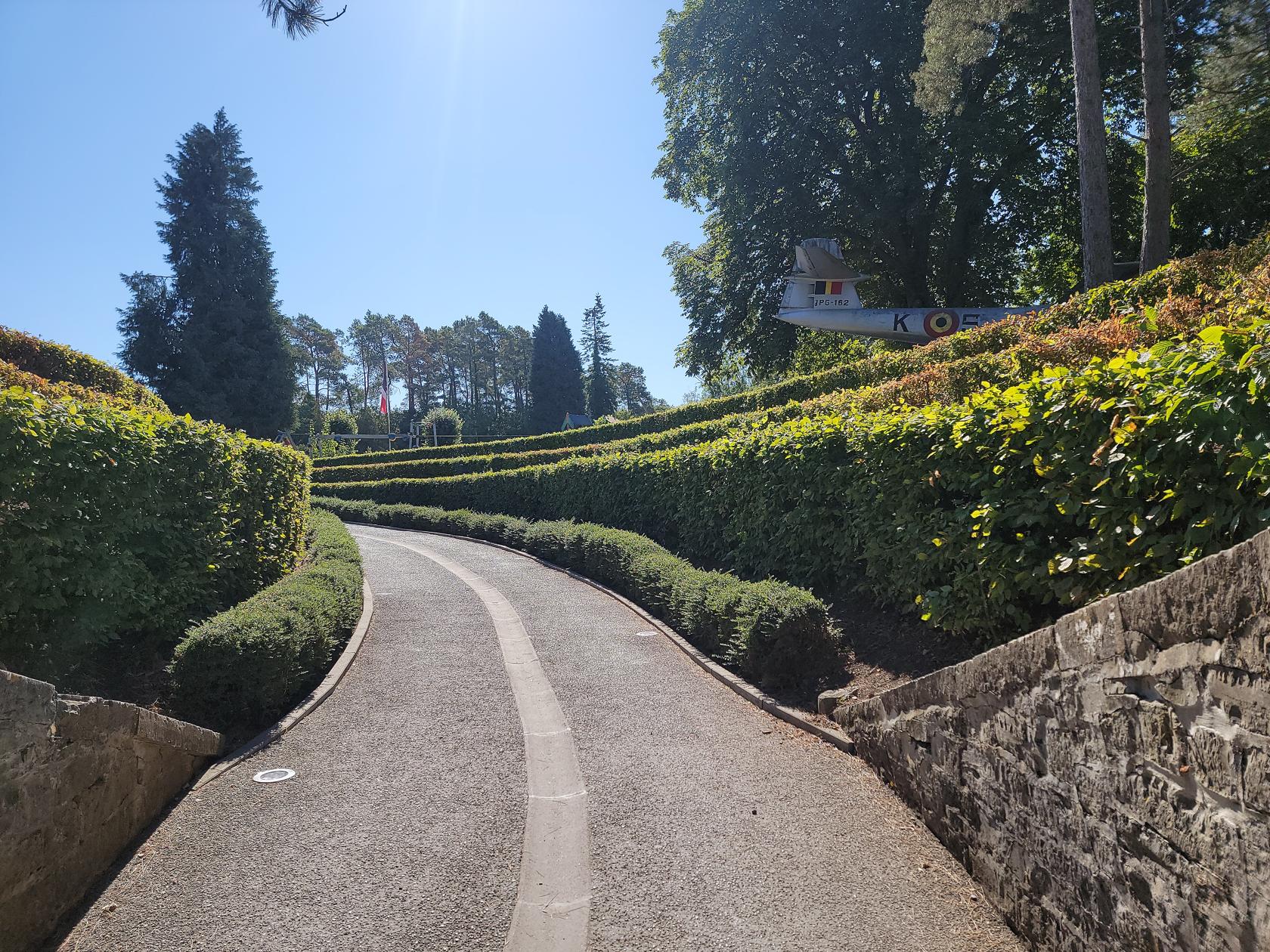
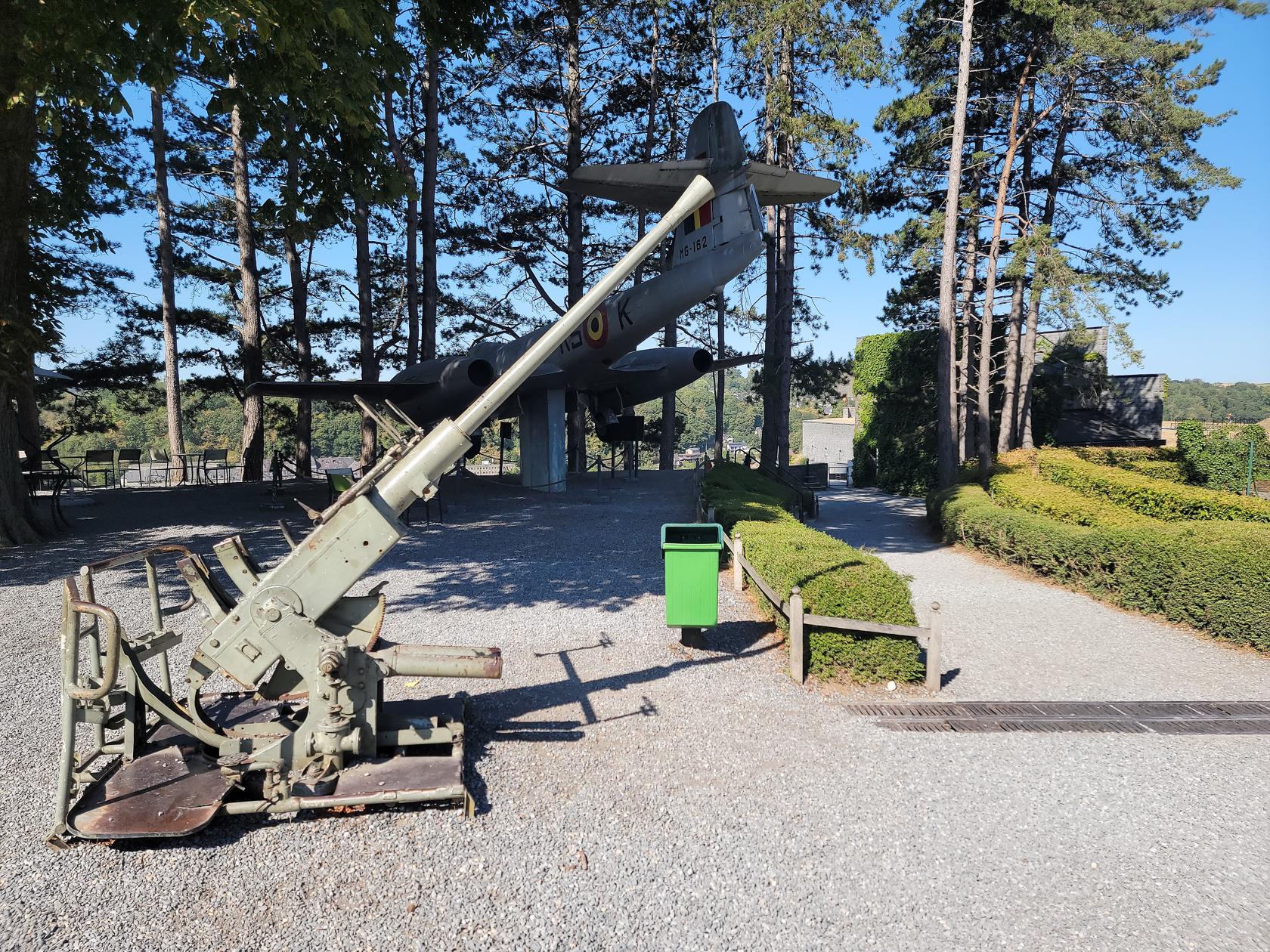
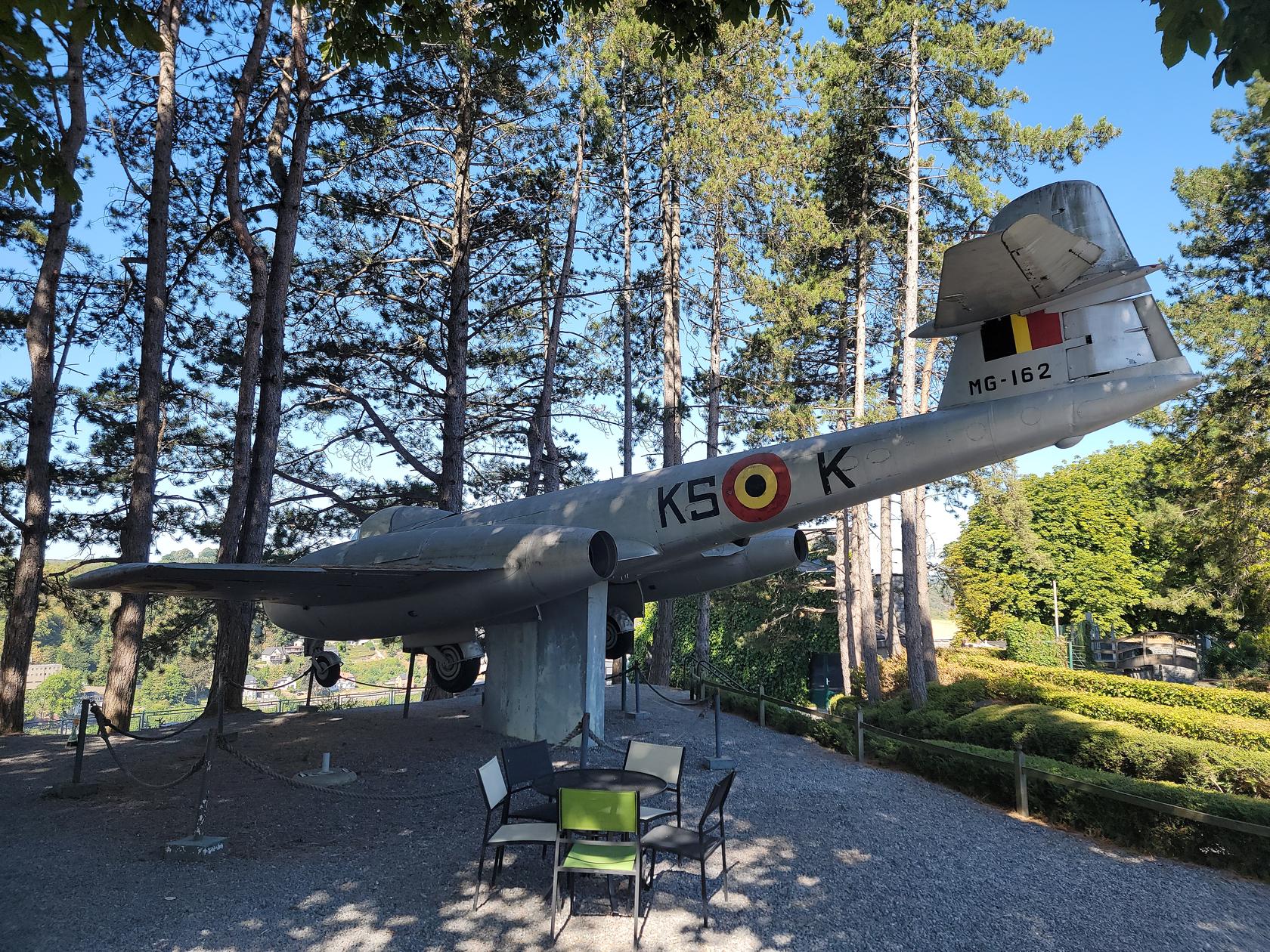
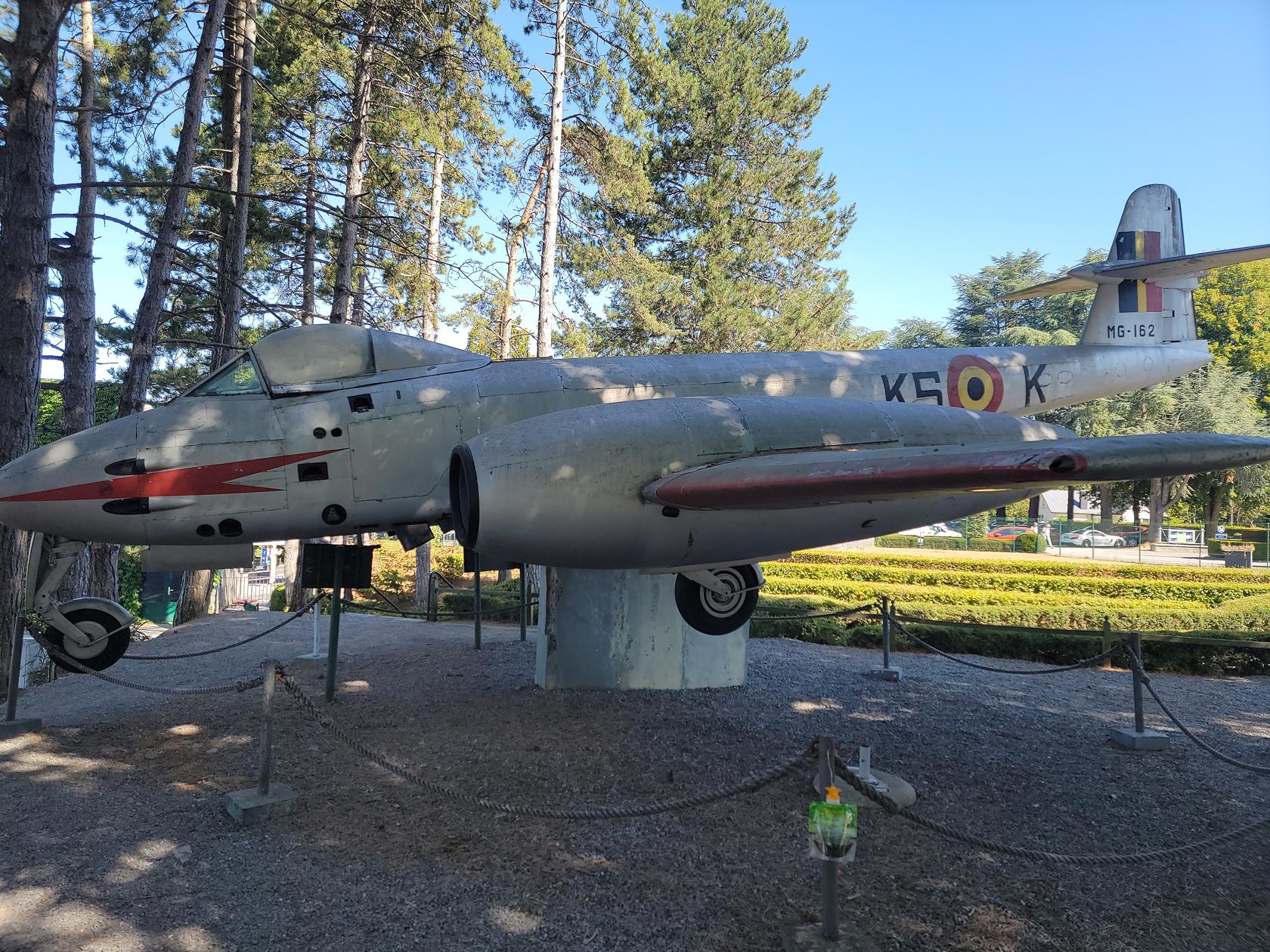
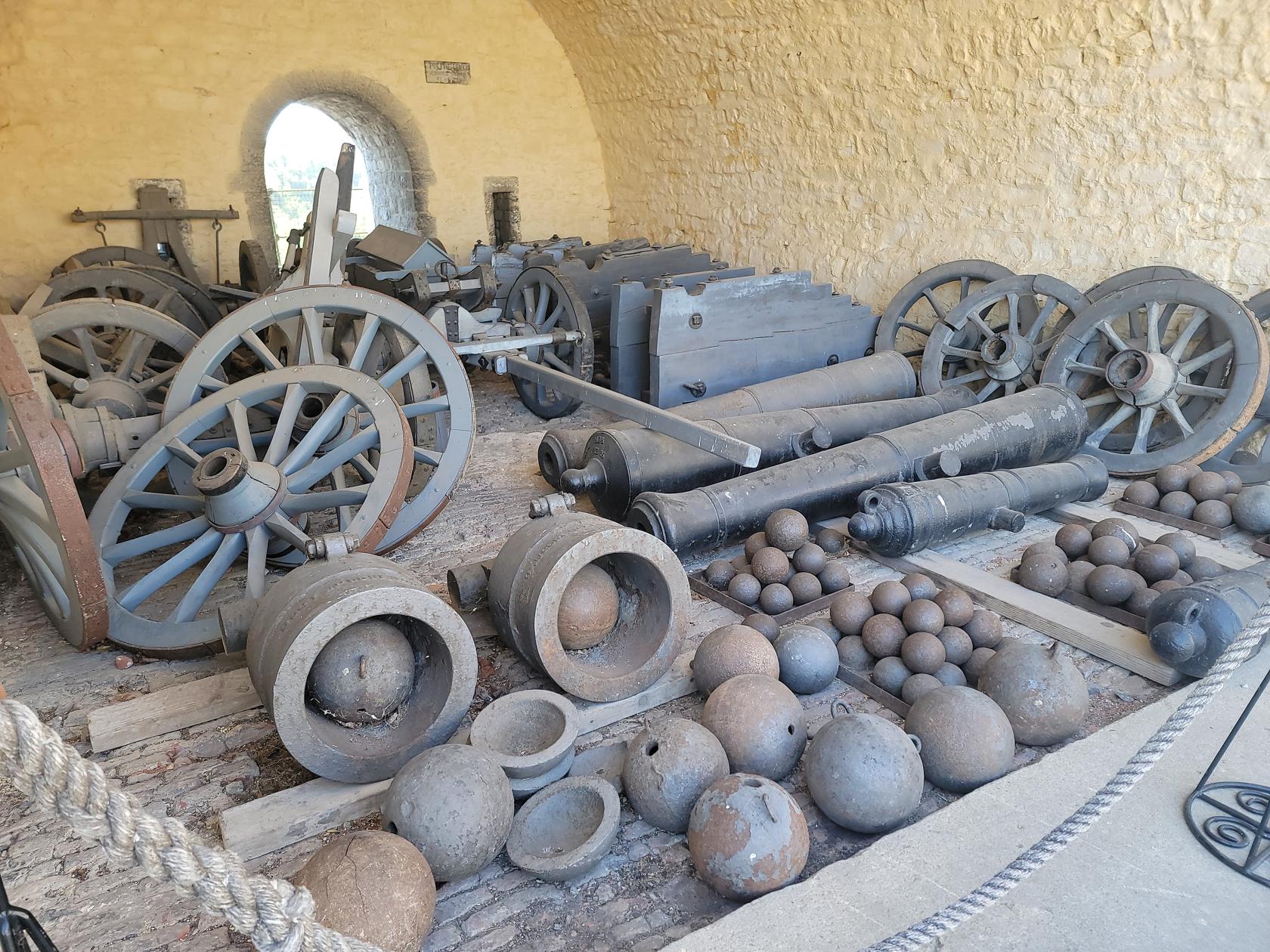
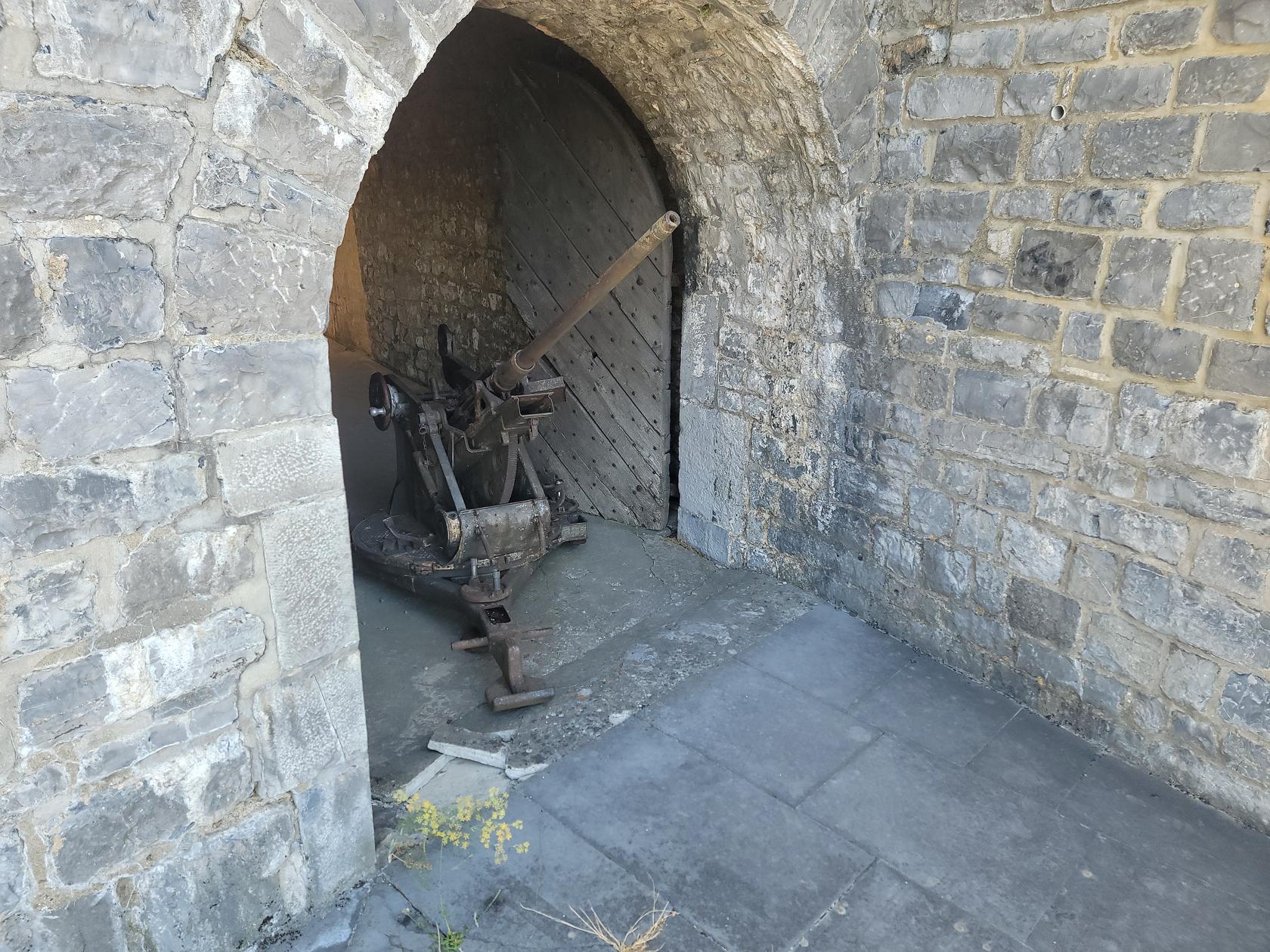
The museum of the citadel has a collection of artifacts and other exhibits related to the history of the structure. Some of them are interactive and intended for young audiences. Other parts one can walk through to reach the outside portion of the museum and other entrance to the museum that sits atop the outcropping. There is a great example of a large anti-aircraft gun and old jet airplane, as well as to beautiful view of the town below.
40mm Anti-Aircraft Gun – Museum – Citadel of Dinant – Dinant, Belgium
Gloster Meteor Mark 8 – Museum – Citadel of Dinant – Dinant, Belgium
Gloster Meteor Mark 8 – Museum – Citadel of Dinant – Dinant, Belgium
Fortress Wall – Citadel of Dinant – Dinant, Belgium
Meuse River – Citadel of Dinant – Dinant, Belgium
Moveable Gun – Museum – Citadel of Dinant – Dinant, Belgium
Old Cannons, Balls and Wheels – Museum – Citadel of Dinant – Dinant, Belgium
Anti-Aircraft Gun – Museum – Citadel of Dinant – Dinant, Belgium
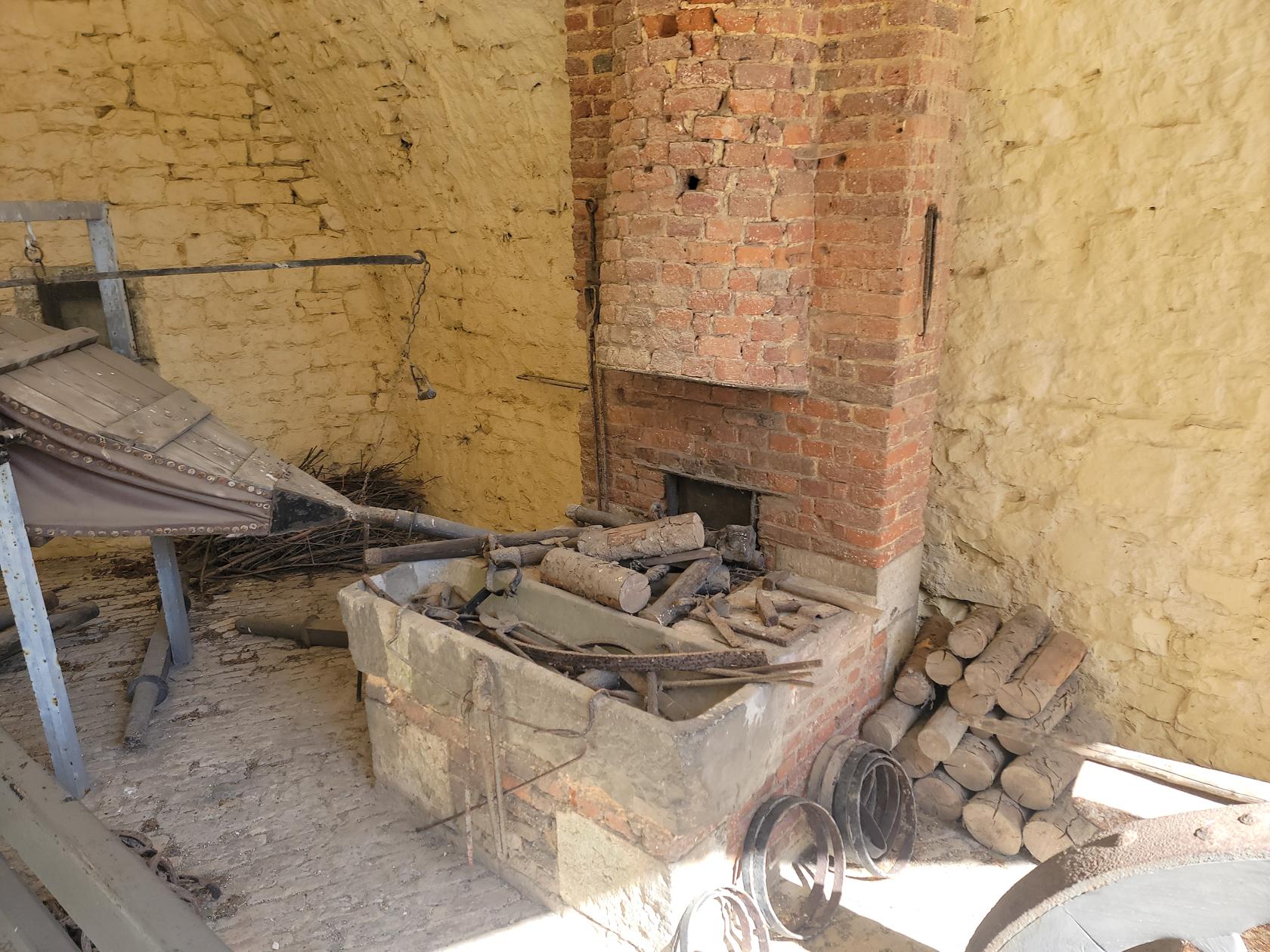
Blacksmith Shop – Museum – Citadel of Dinant – Dinant, Belgium
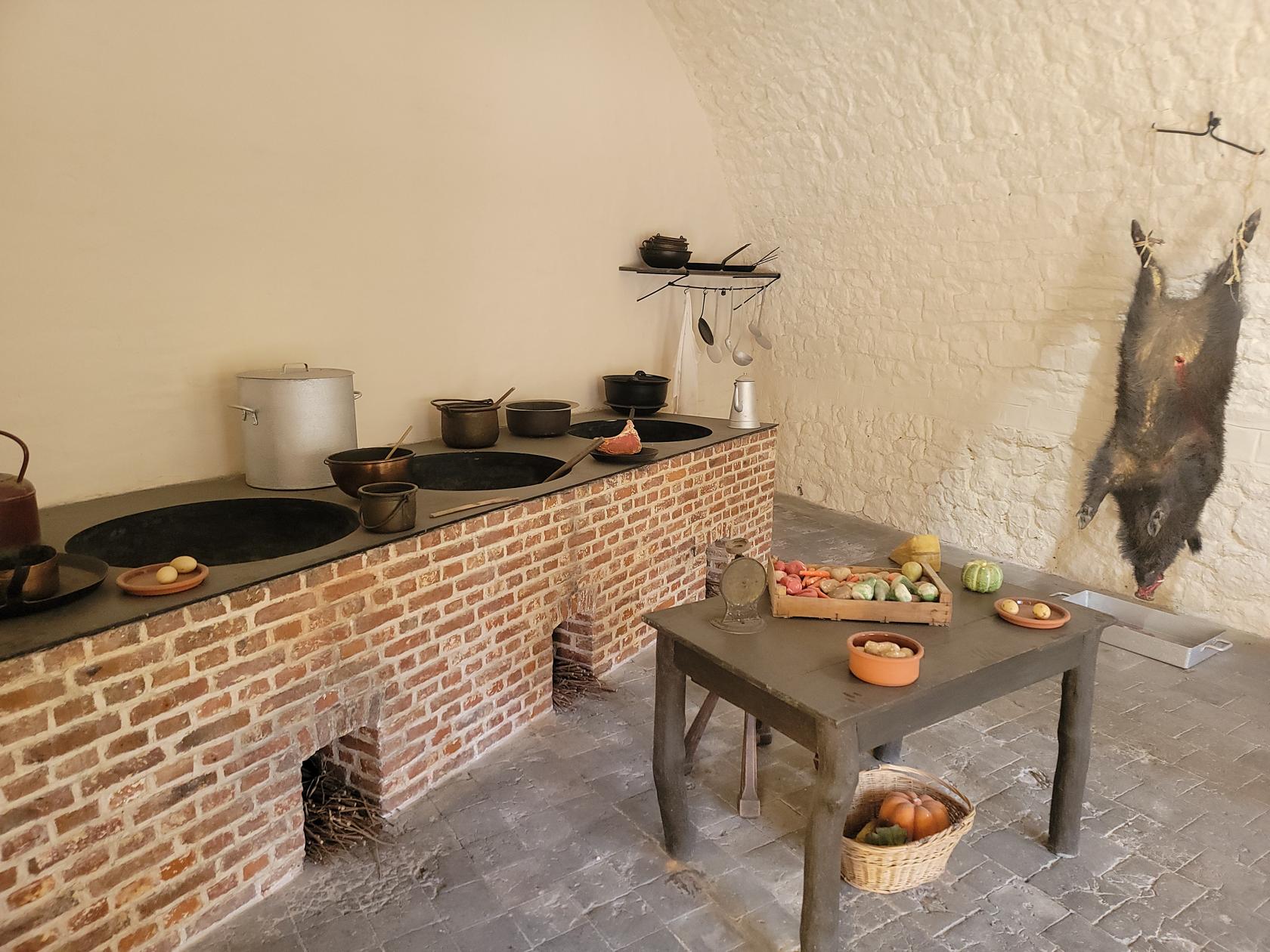
Kitchen – Museum – Citadel of Dinant – Dinant, Belgium
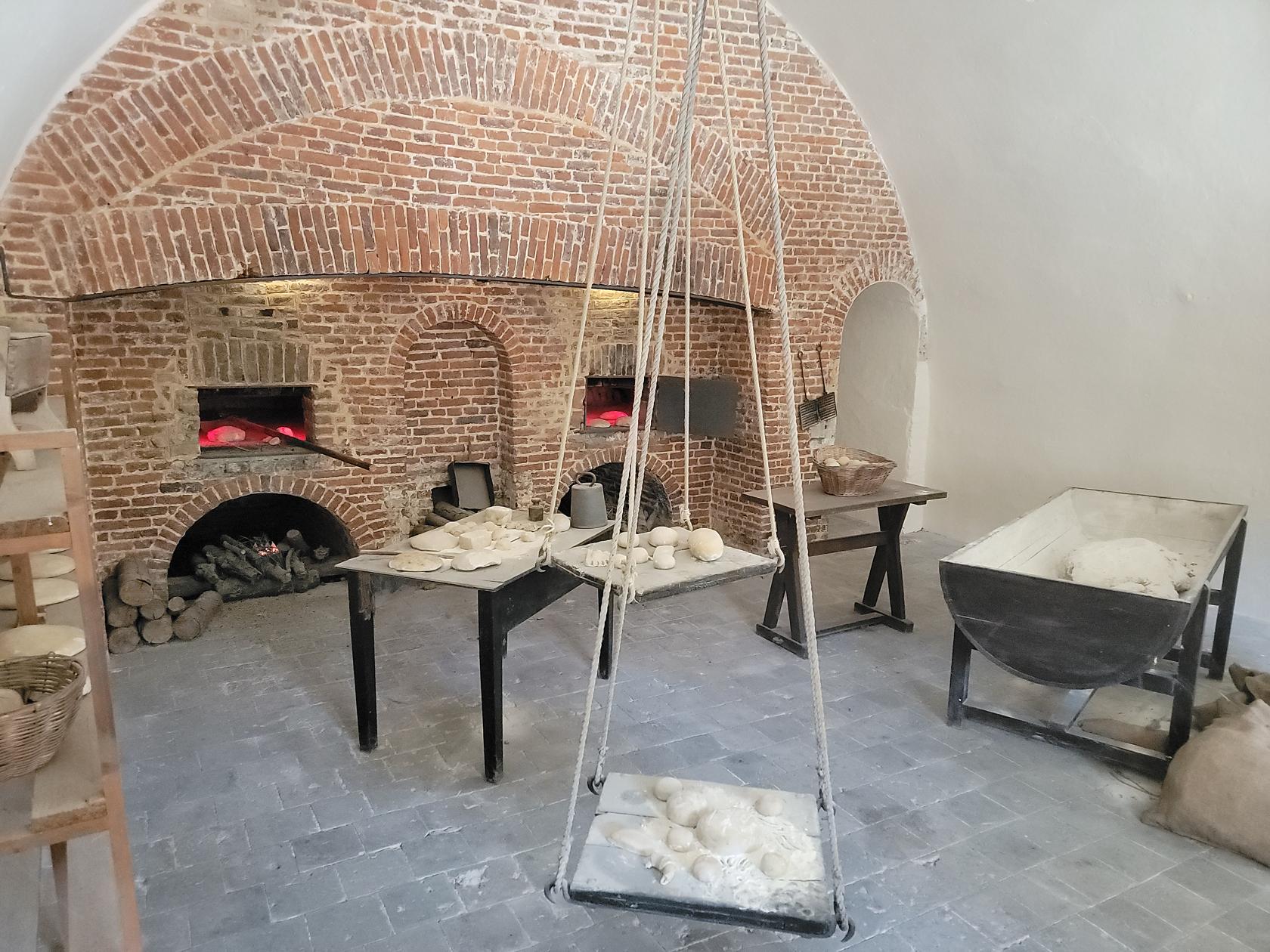
Bakery – Museum – Citadel of Dinant – Dinant, Belgium
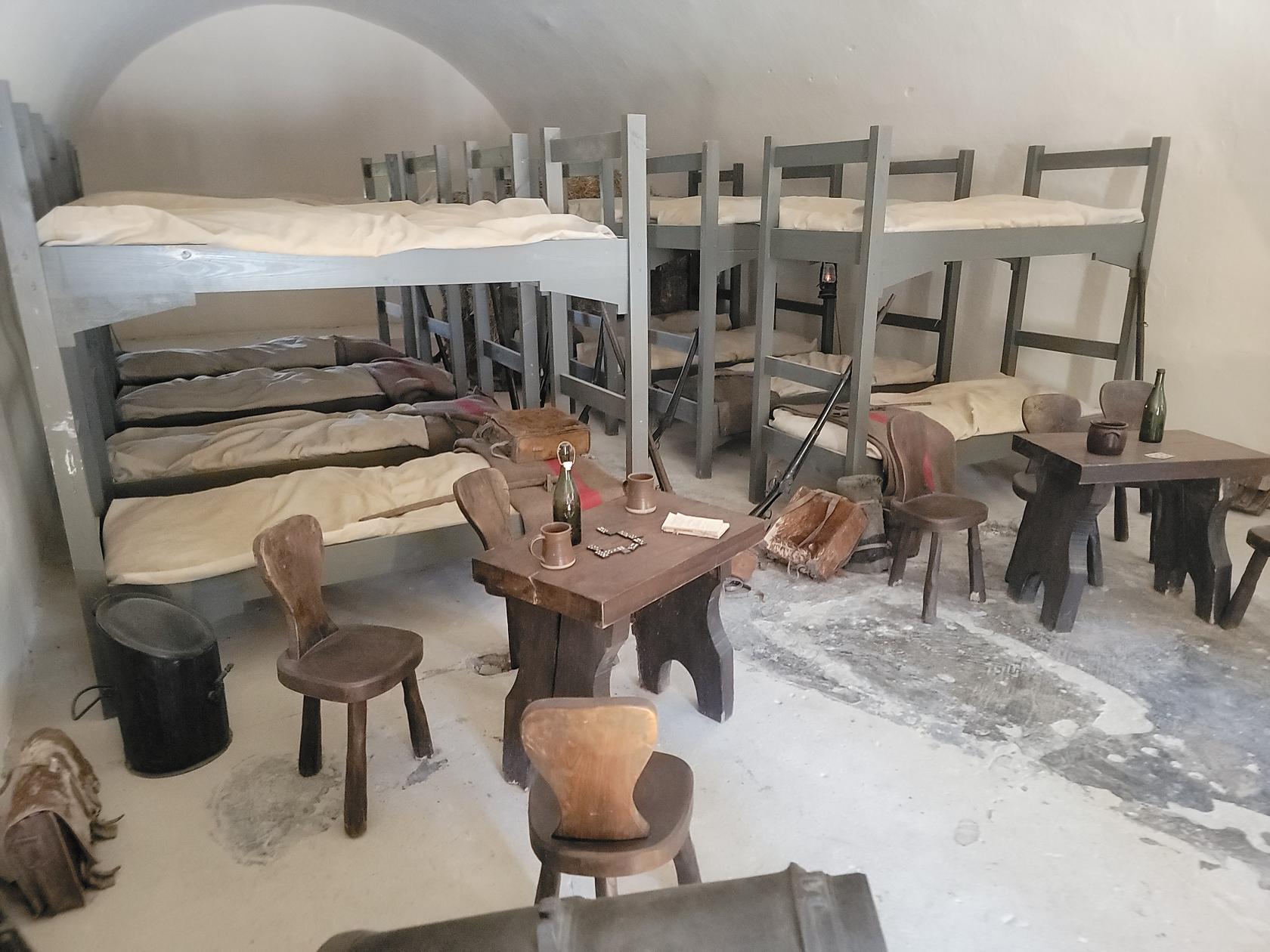
Bunk Area – Museum – Citadel of Dinant – Dinant, Belgium
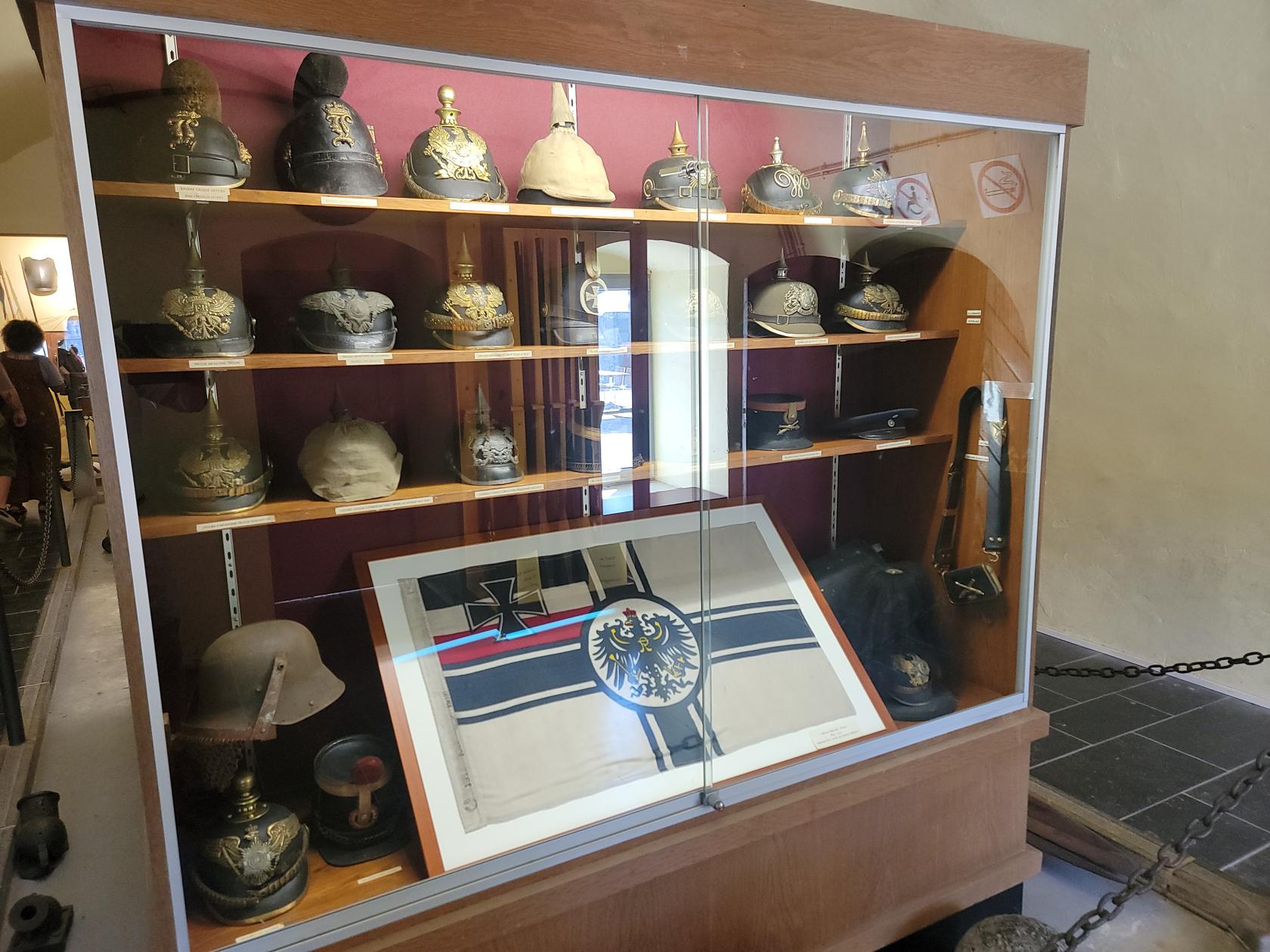
Old Helmets – Museum – Citadel of Dinant – Dinant, Belgium
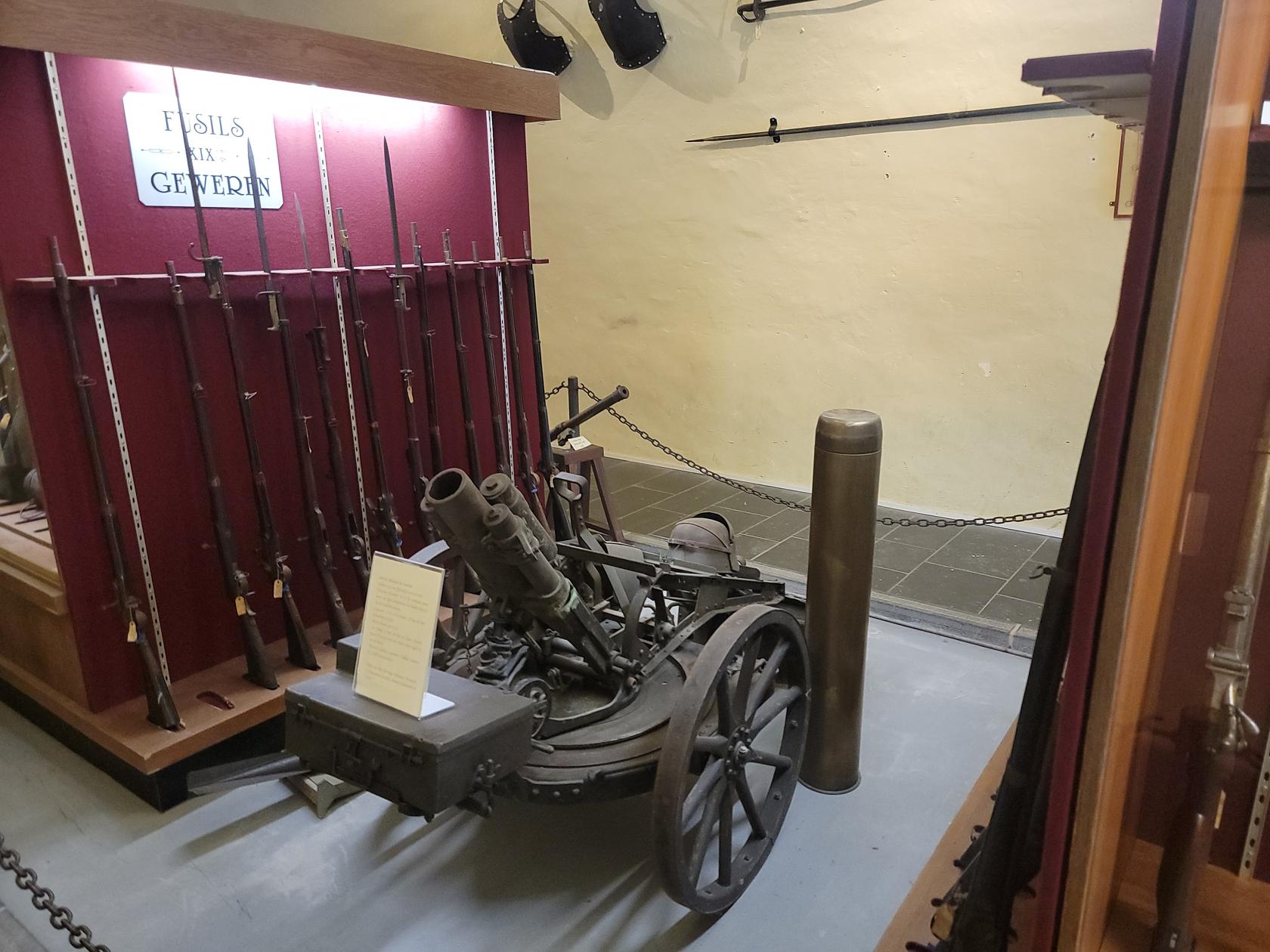
Old Mortar – Museum – Citadel of Dinant – Dinant, Belgium
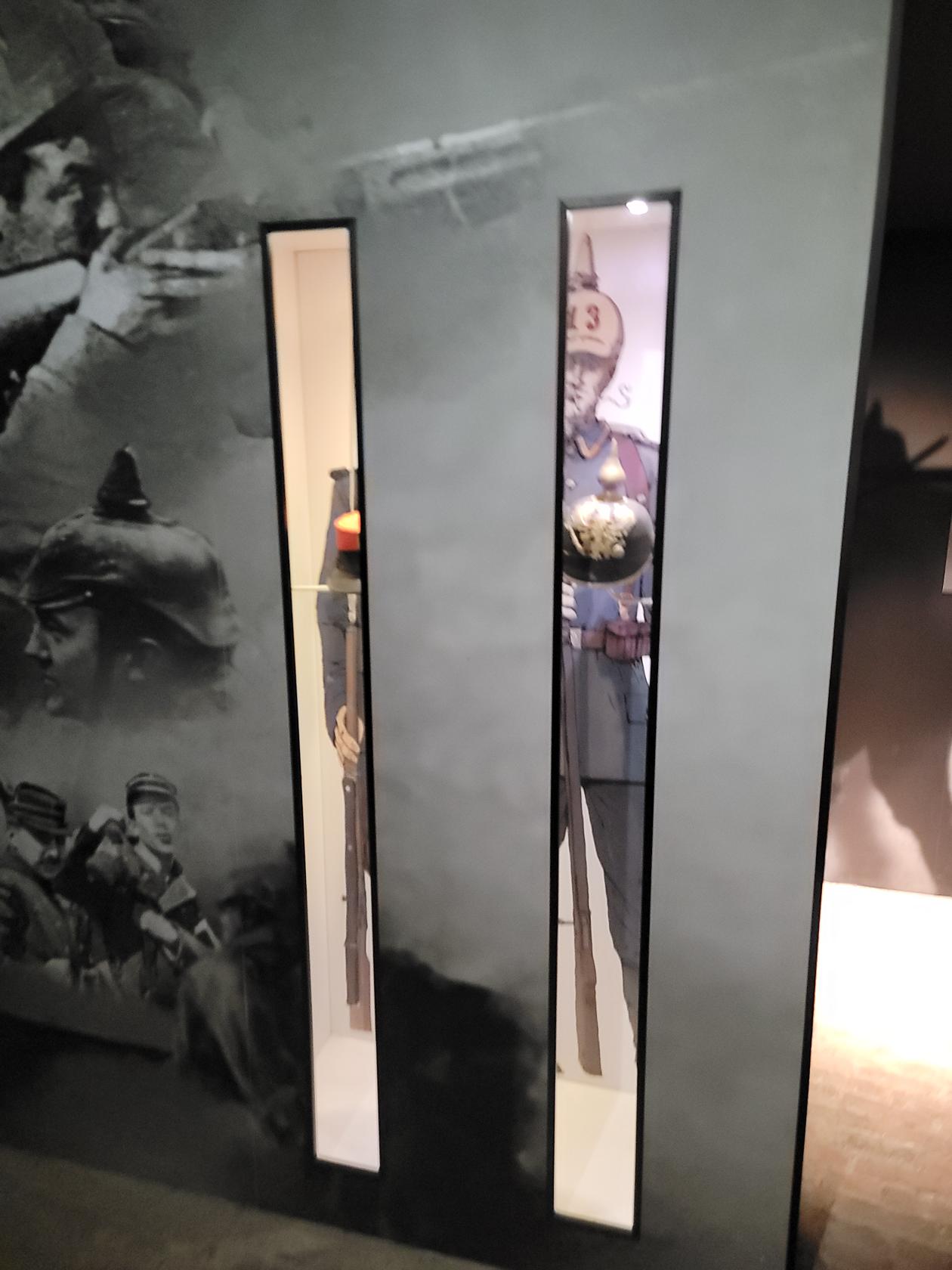
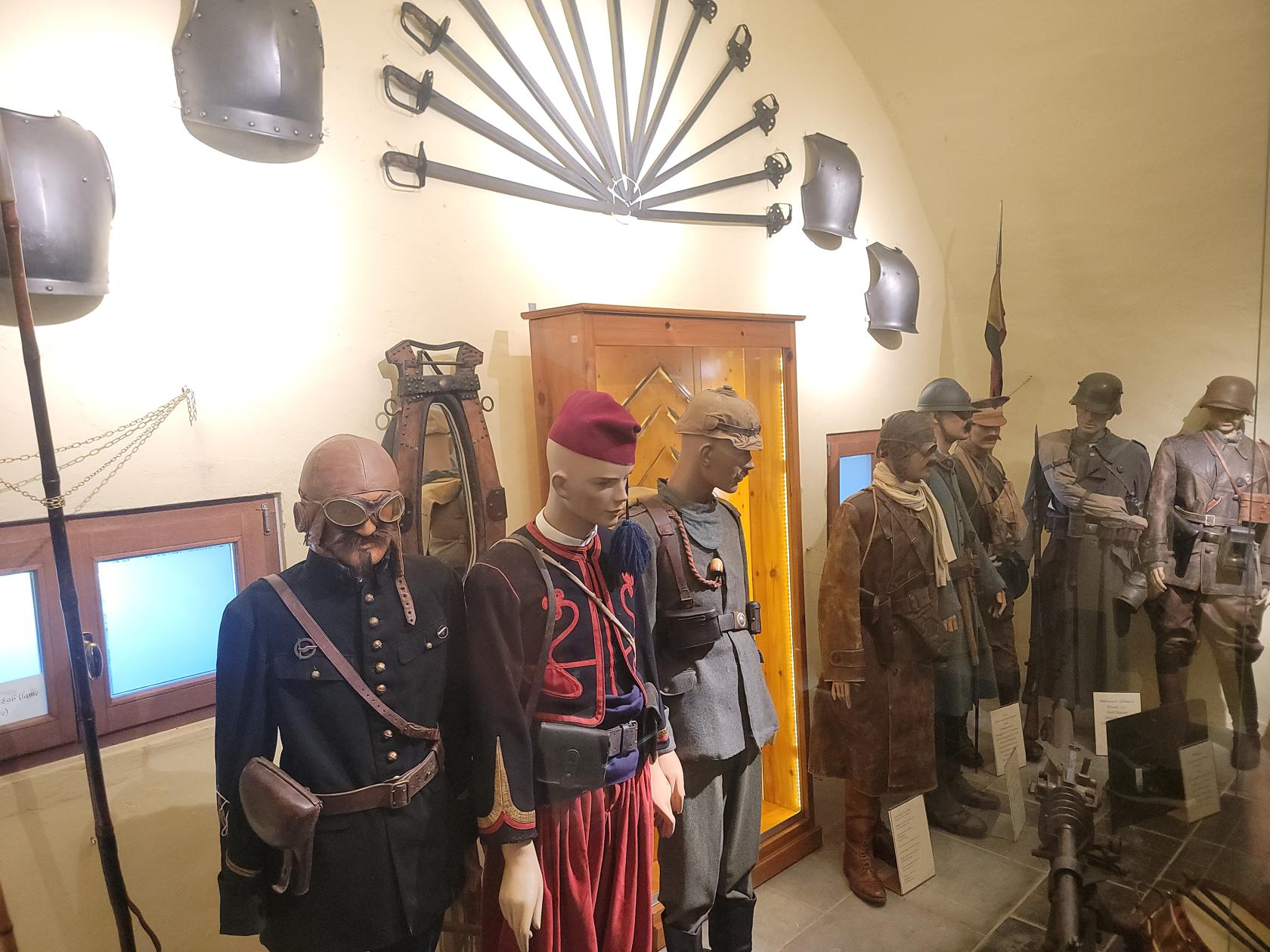
Old Uniforms – Museum – Citadel of Dinant – Dinant, Belgium
There is also a tricky little tilted room at the end of the walk-through that is rather intriguing. Since all of the normal surfaces are tilted at an angle, your visual perception of what is up gets messed up. After a short while it could definitely give someone motion sickness, if they are prone to that sort of thing.
Mockup of Communications Station – Museum – Citadel of Dinant – Dinant, Belgium
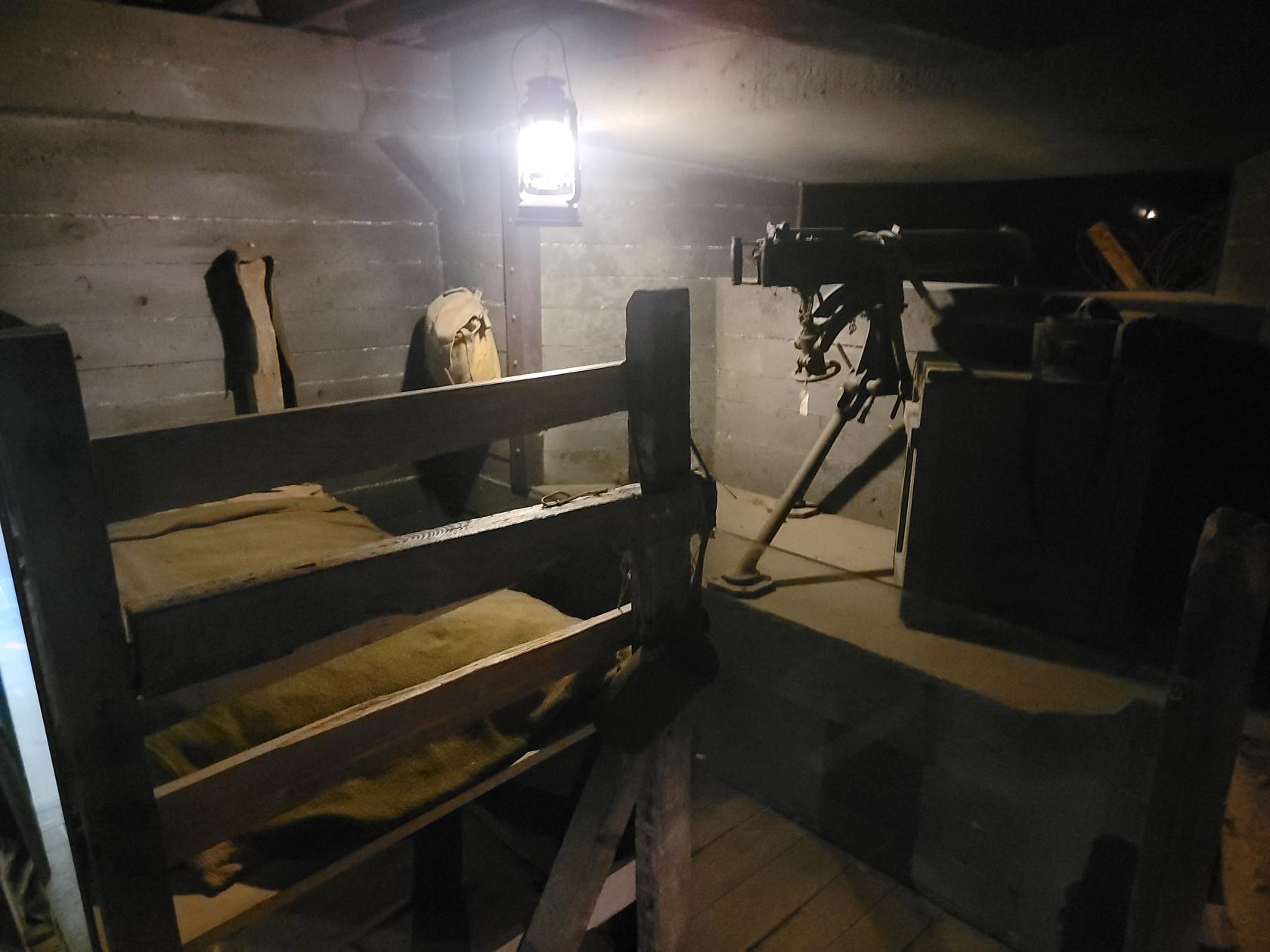
Mockup of Machine Gun Emplacement – Museum – Citadel of Dinant – Dinant, Belgium
Communications – Museum – Citadel of Dinant – Dinant, Belgium
Inside a Trench – Museum – Citadel of Dinant – Dinant, Belgium
Down to the Tilted Room – Museum – Citadel of Dinant – Dinant, Belgium
Tilted Room – Museum – Citadel of Dinant – Dinant, Belgium
Tilted Room – Museum – Citadel of Dinant – Dinant, Belgium
Tilted Room – Museum – Citadel of Dinant – Dinant, Belgium
Leffe Abbey Brewery
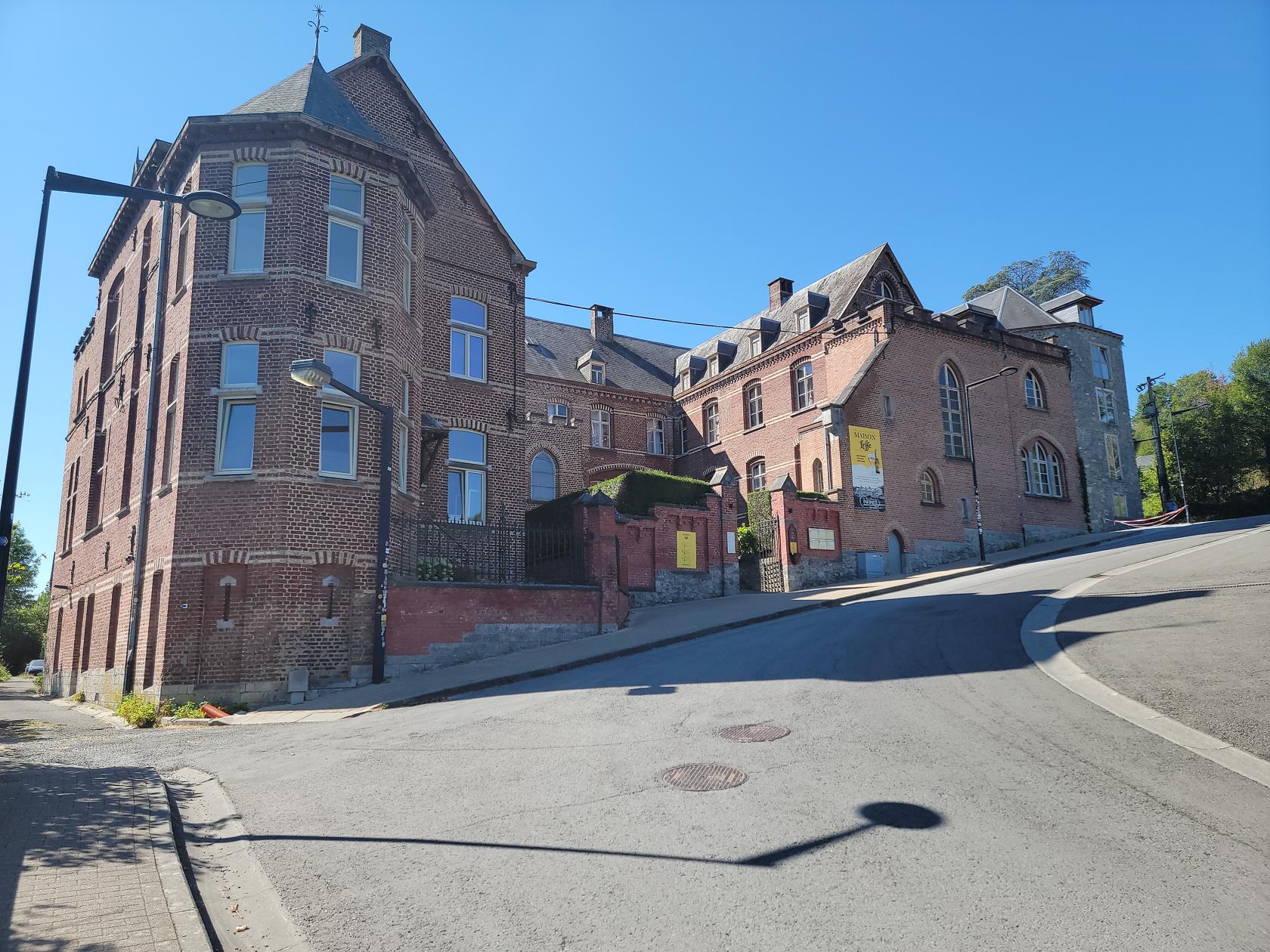
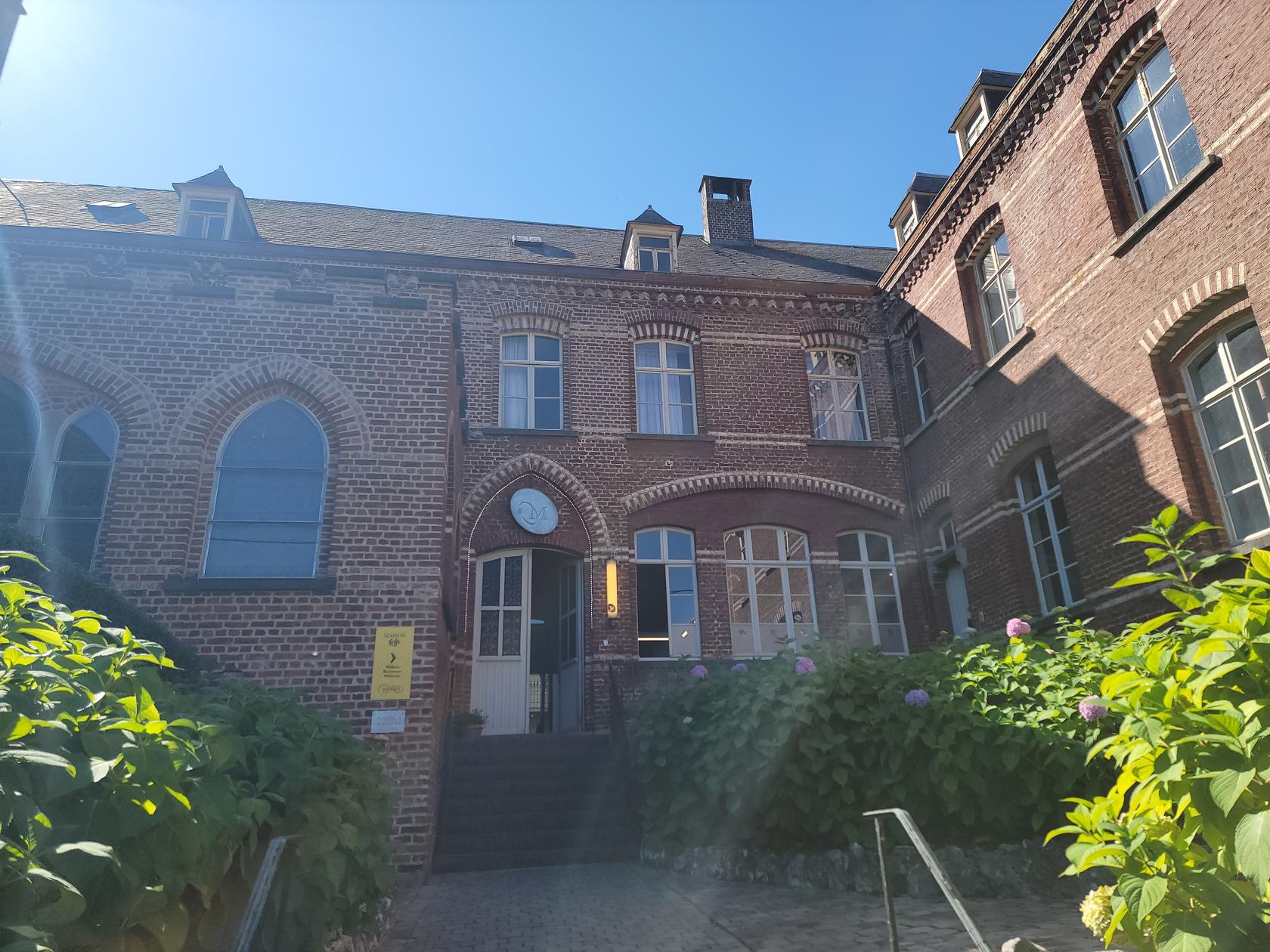
From our hotel the Leffe Abbey Brewery was located directly across the valley from us. After a twenty minute walk along the river and over the Charles de Gaulle bridge, the brewery is a short walk up the hill on the other side.
Entrance – Leffe Brewery – Dinant, Belgium
Entrance – Leffe Brewery – Dinant, Belgium
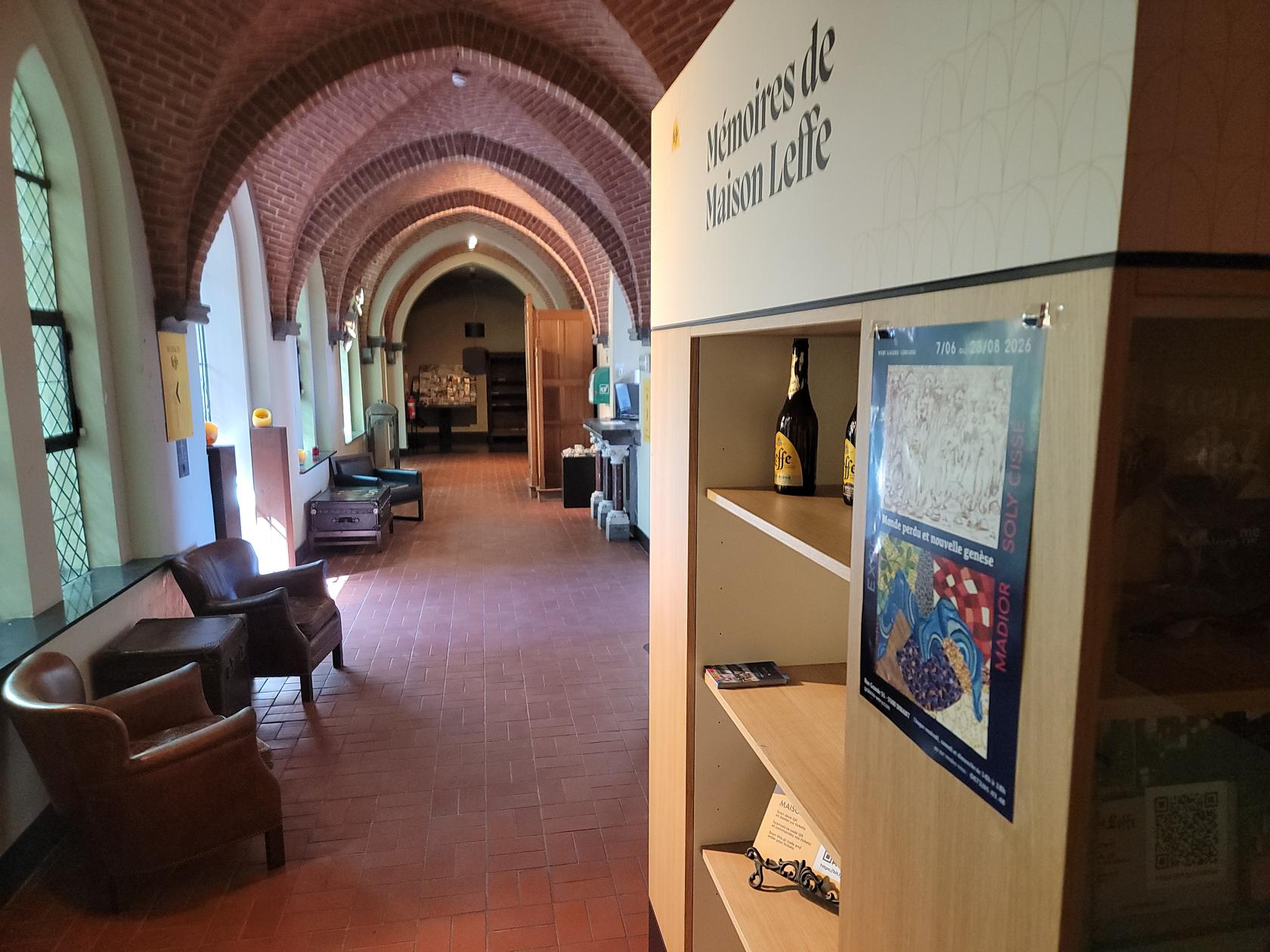
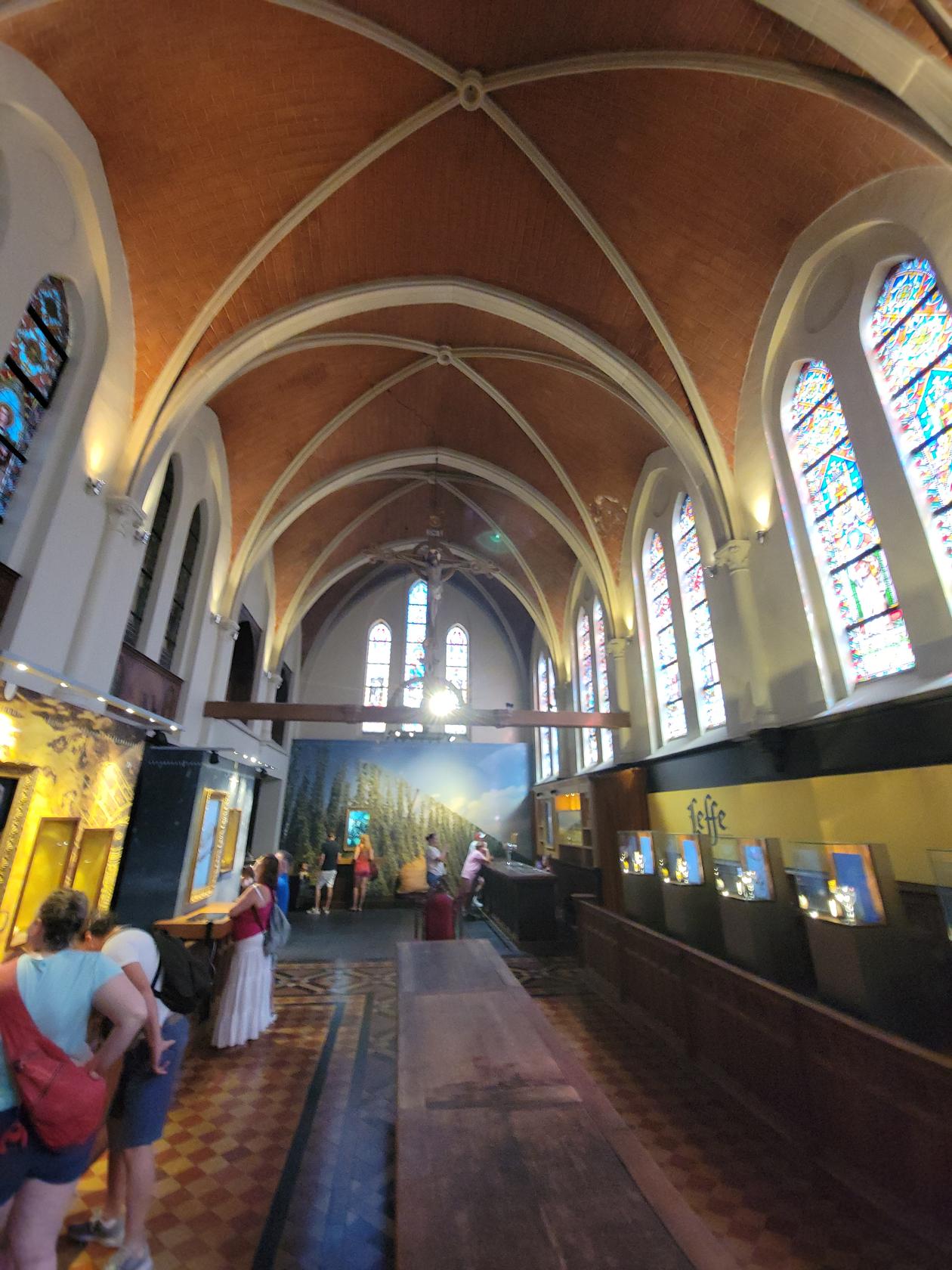
Museum – Leffe Brewery – Dinant, Belgium
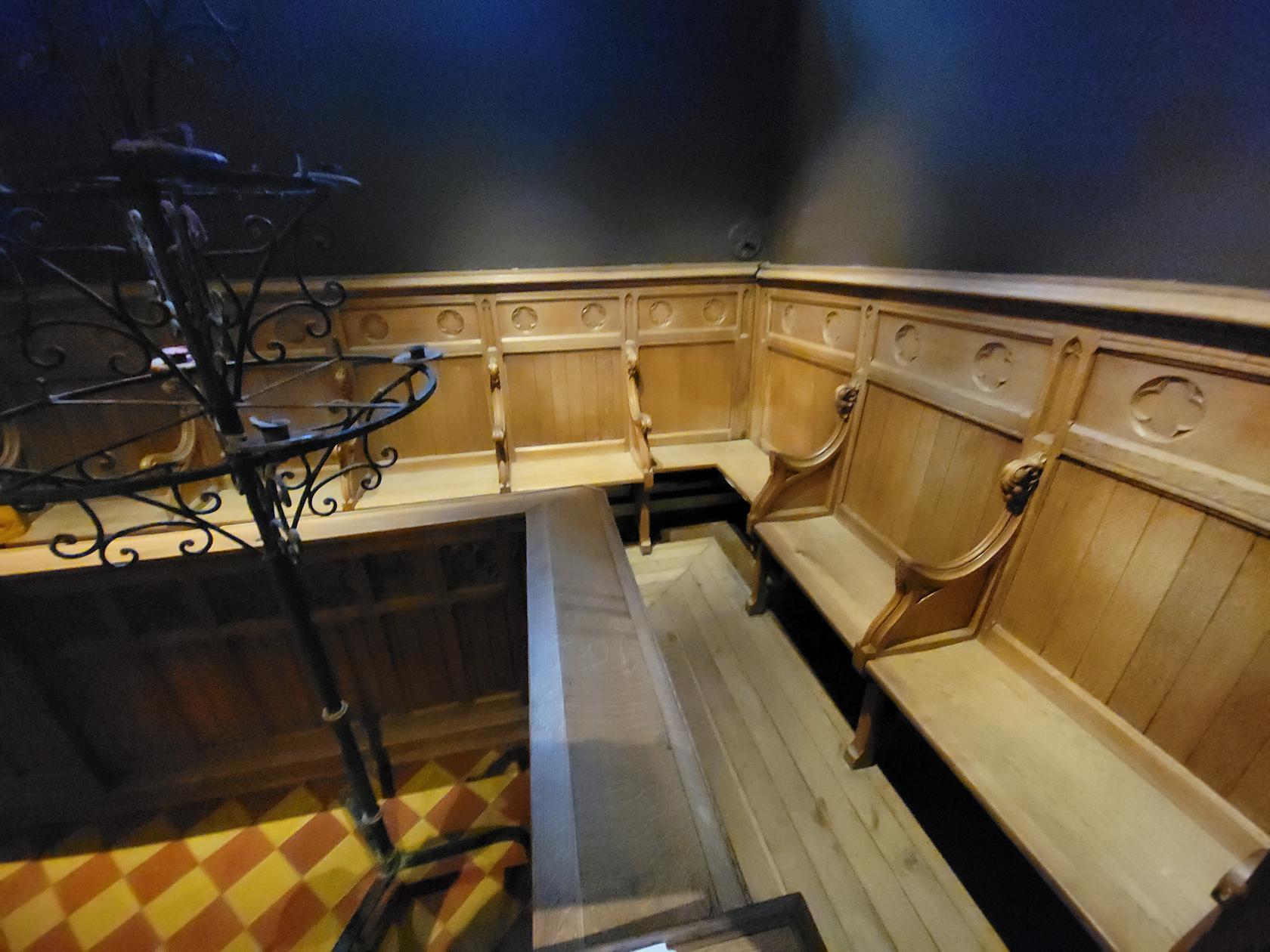
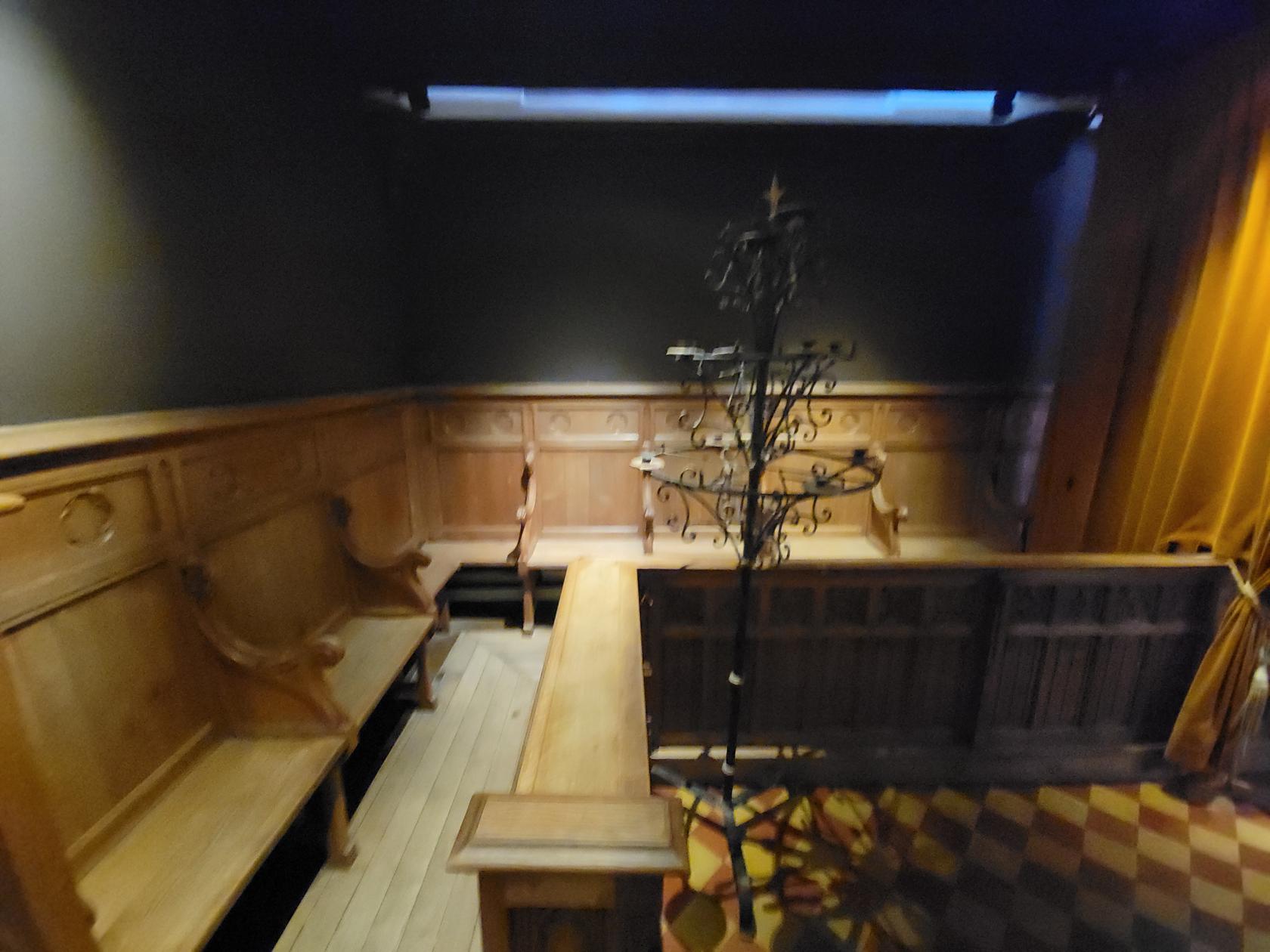
Monk Benches – Museum – Leffe Brewery – Dinant, Belgium
Benches – Museum – Leffe Brewery – Dinant, Belgium
The brewery has a small museum explaining the history of the structure and the monks that had started the tradition of brewing beer.
Interactive Hallway – Museum – Leffe Brewery – Dinant, Belgium
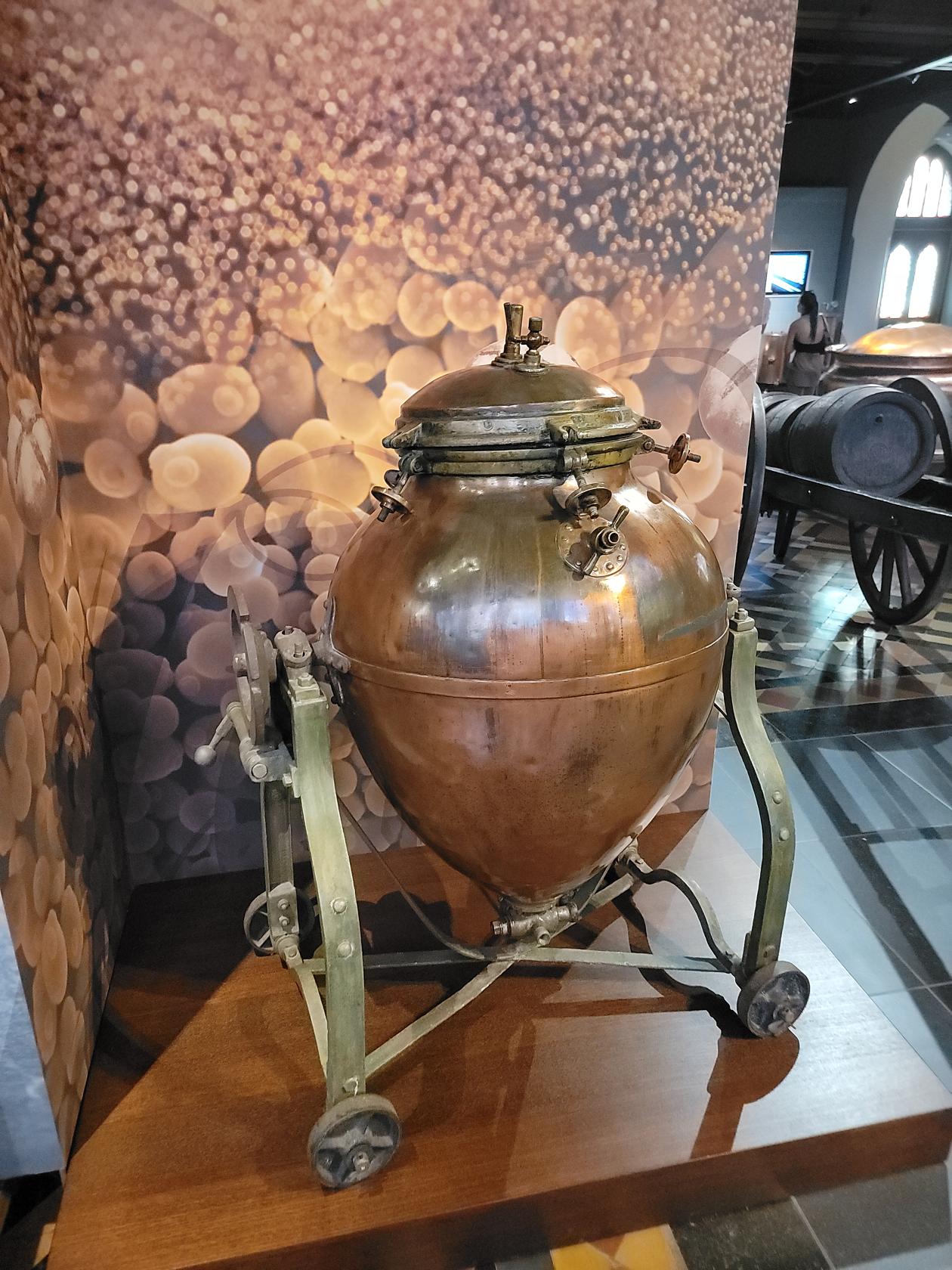
Old Distillery Cauldron – Museum – Leffe Brewery – Dinant, Belgium
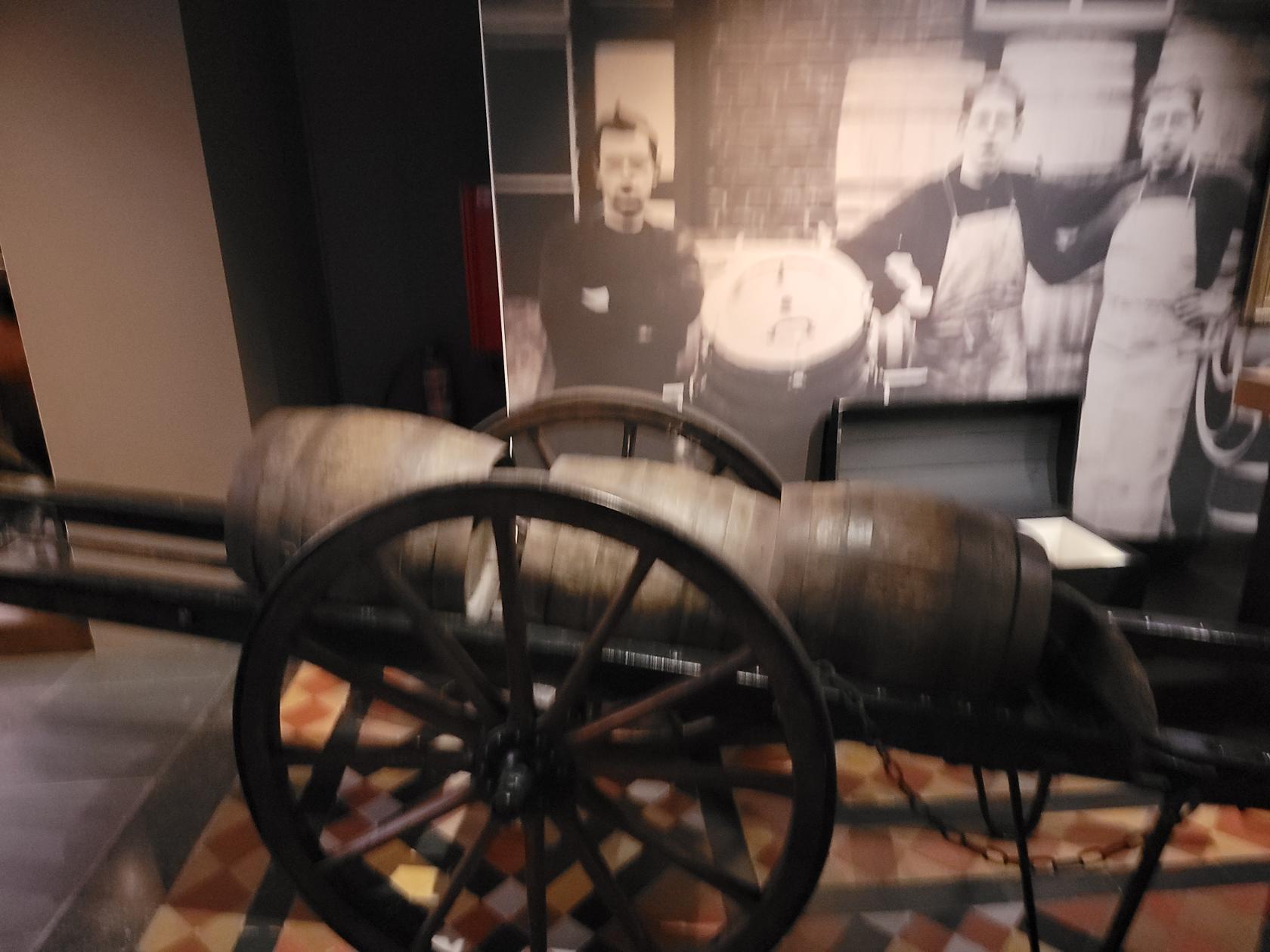
Barrels – Museum – Leffe Brewery – Dinant, Belgium
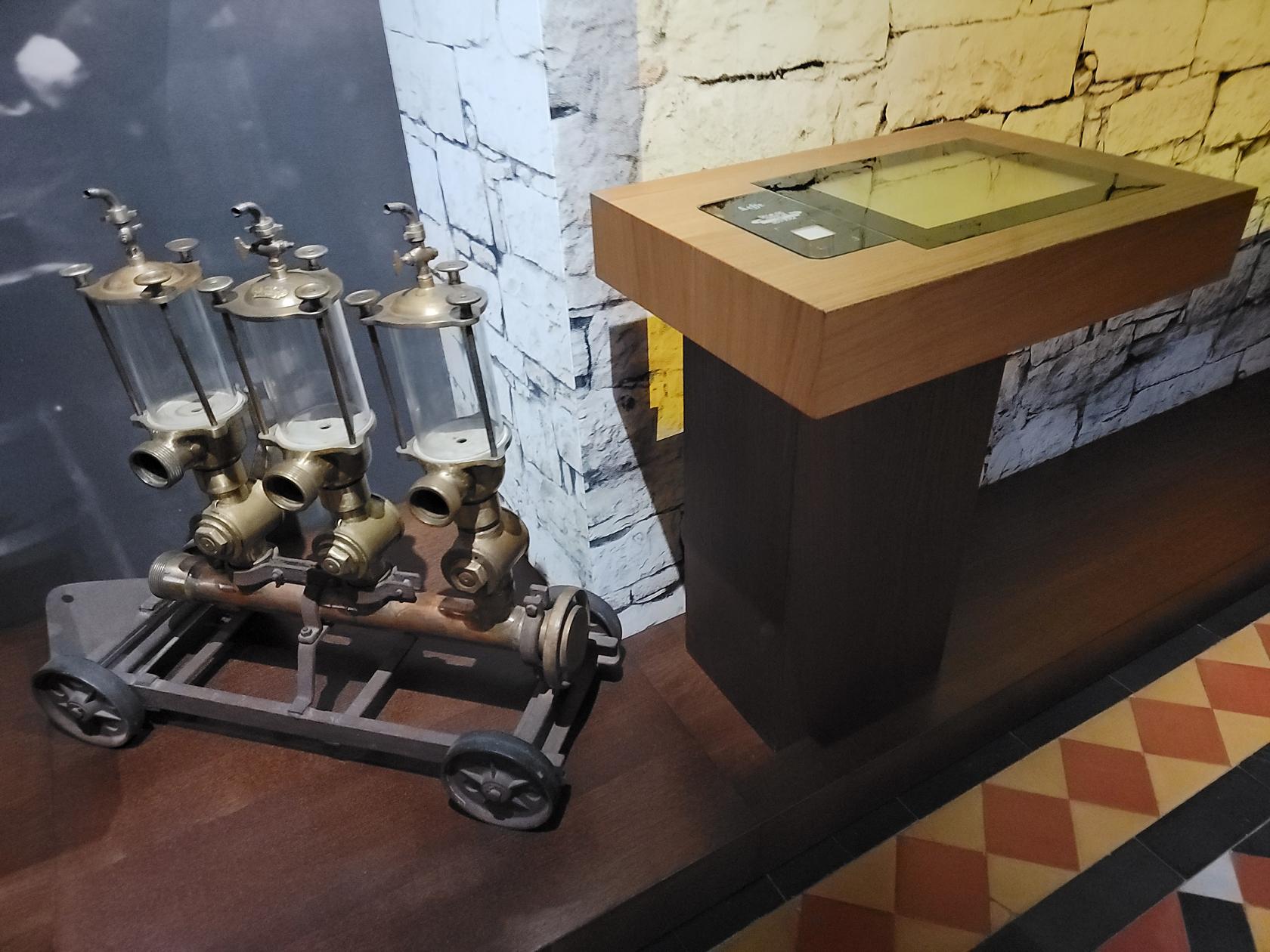
Old Brass Fittings – Museum – Leffe Brewery – Dinant, Belgium
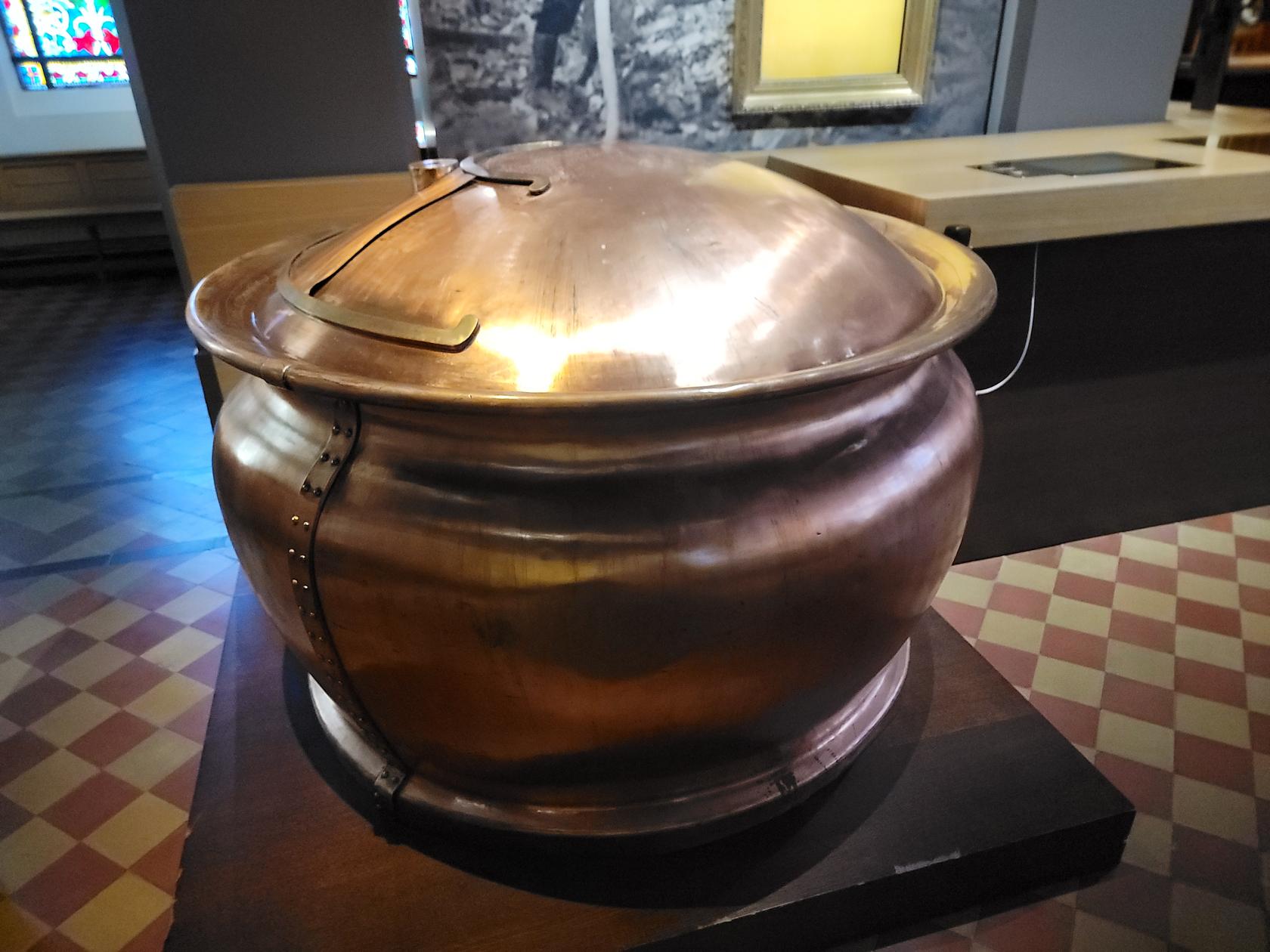
Old Copper Cauldron – Museum – Leffe Brewery – Dinant, Belgium
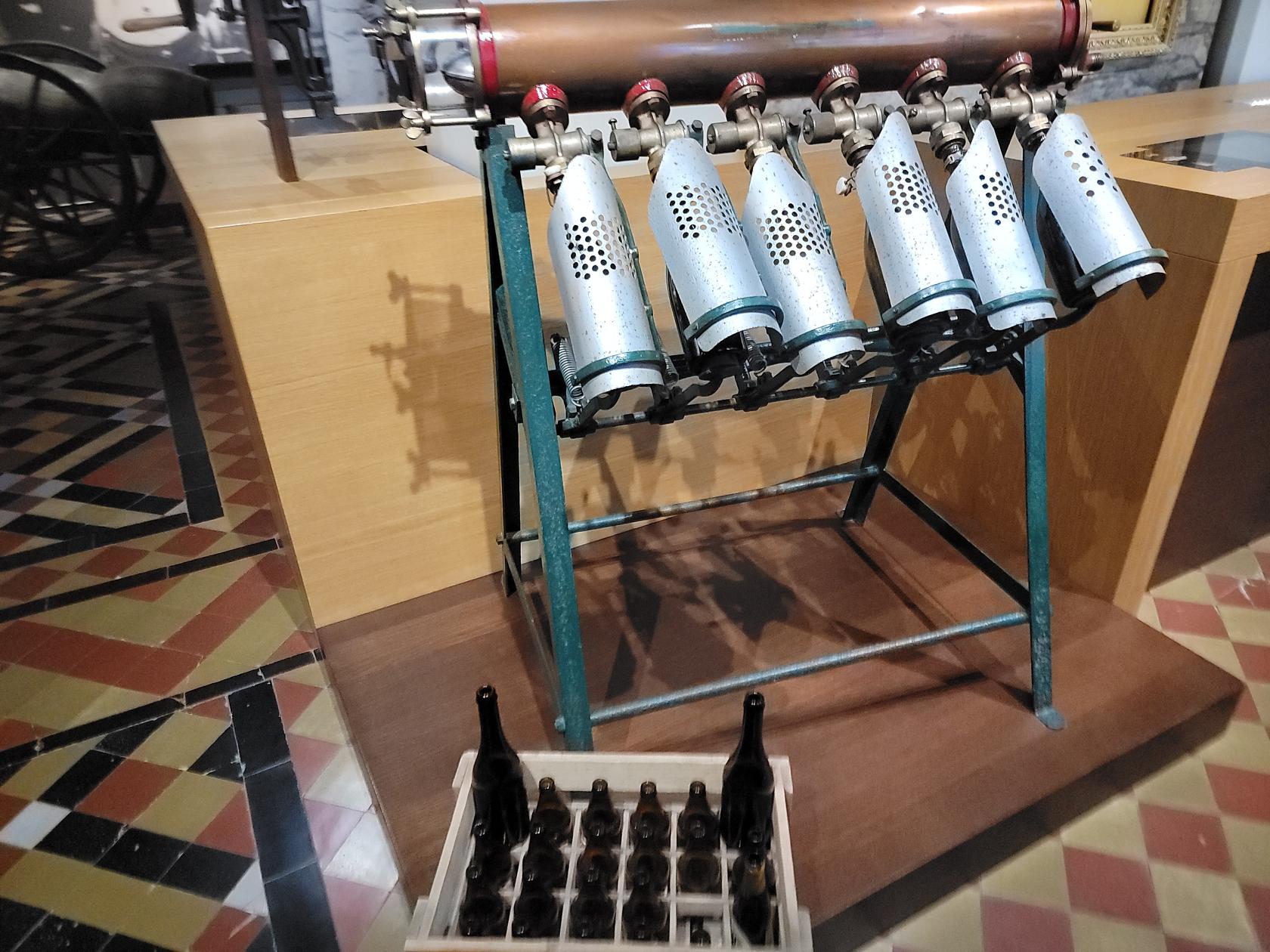
Bottle Dispenser – Museum – Leffe Brewery – Dinant, Belgium
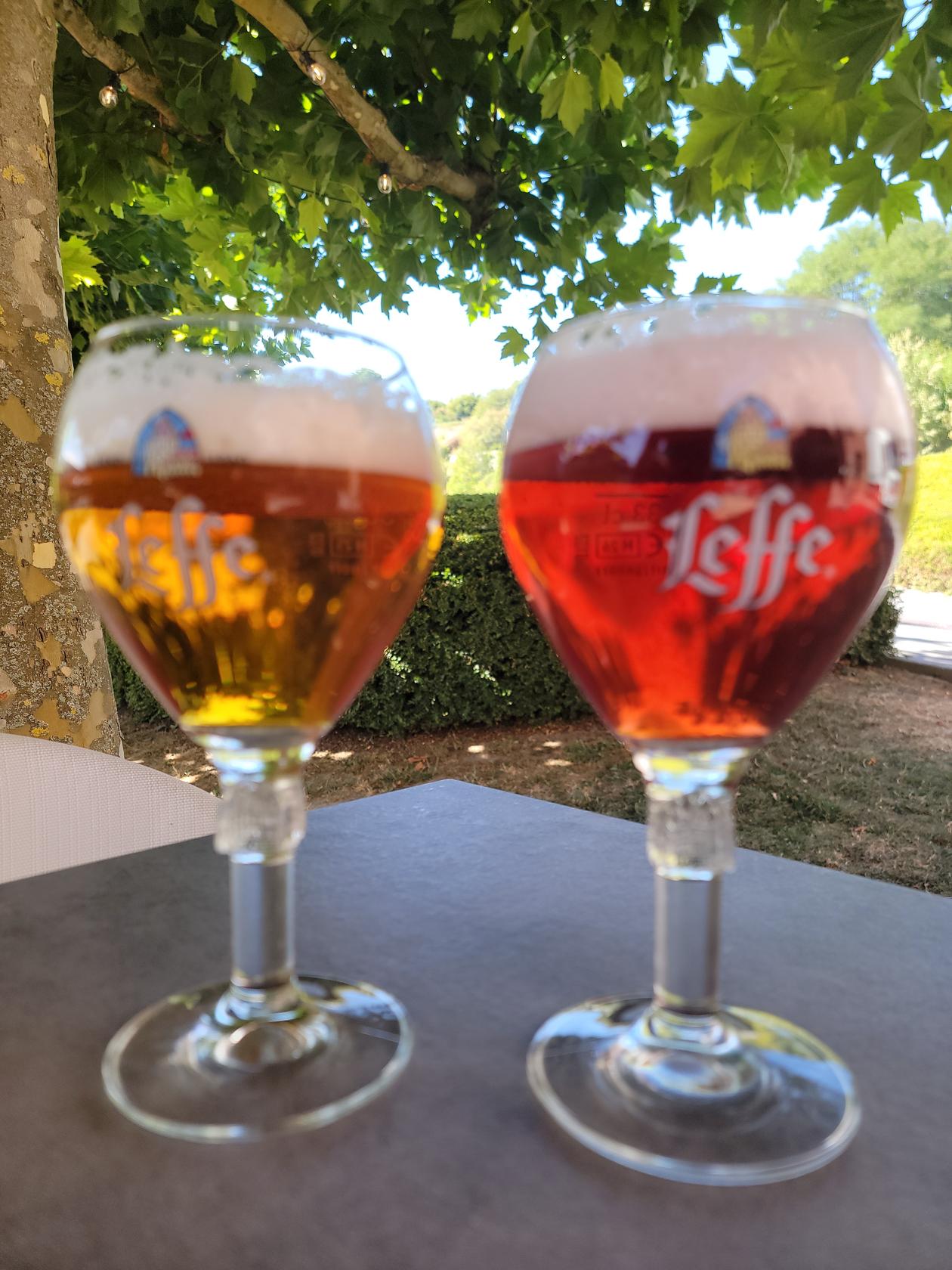
The tour included a beer tasting and some free glasses.
Beer – Museum – Leffe Brewery – Dinant, Belgium
Rocher Bayard Walk
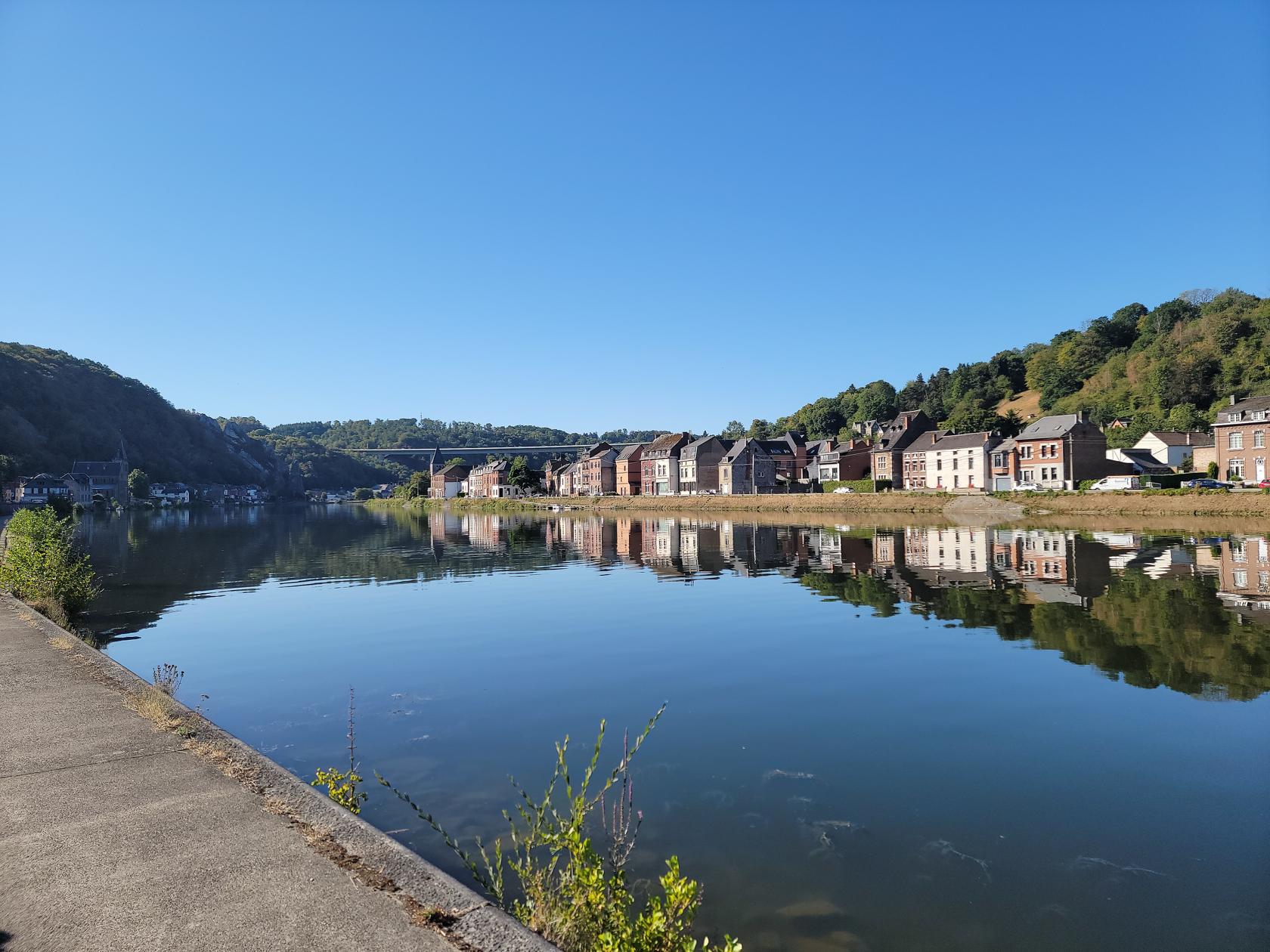
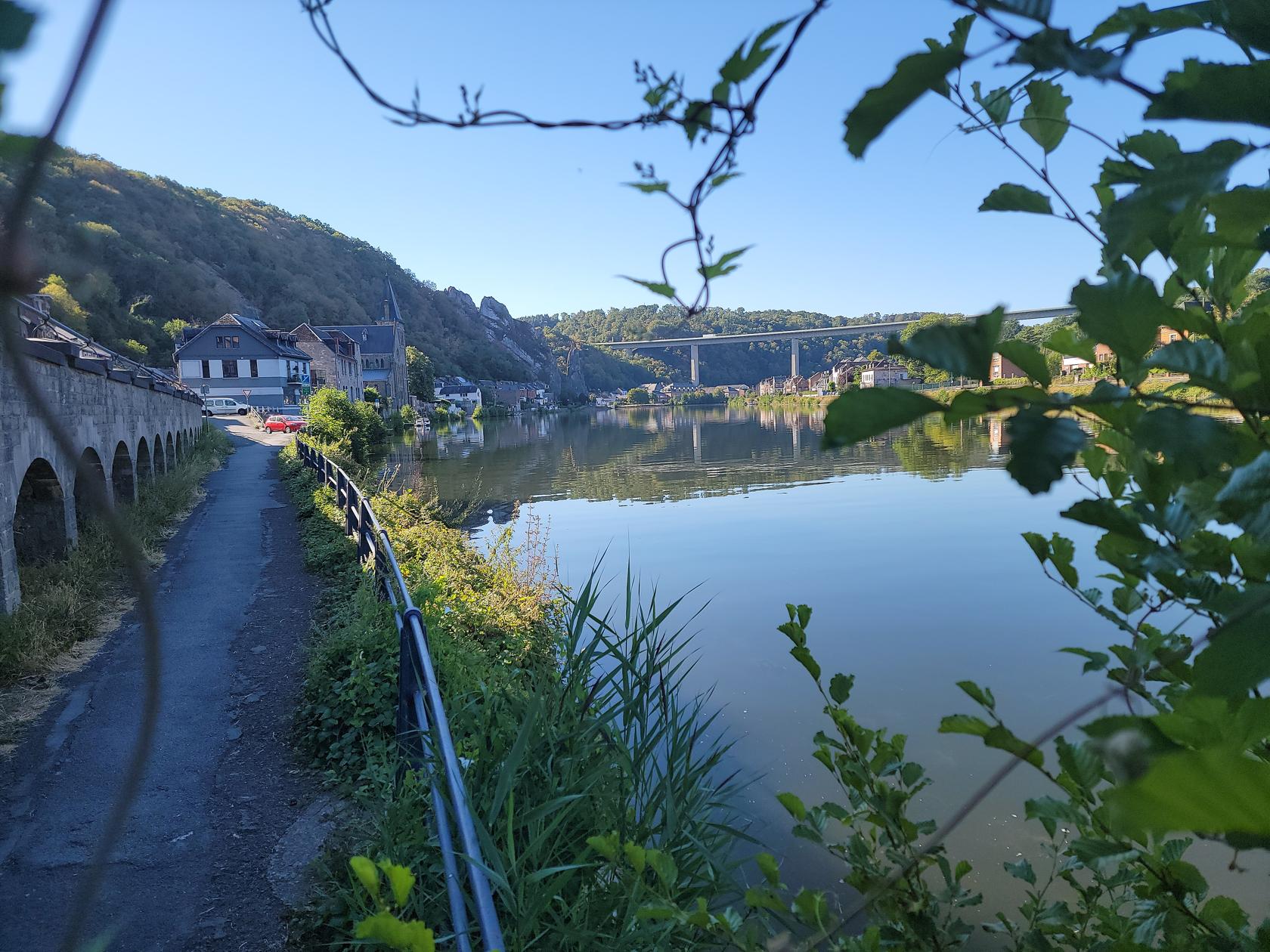
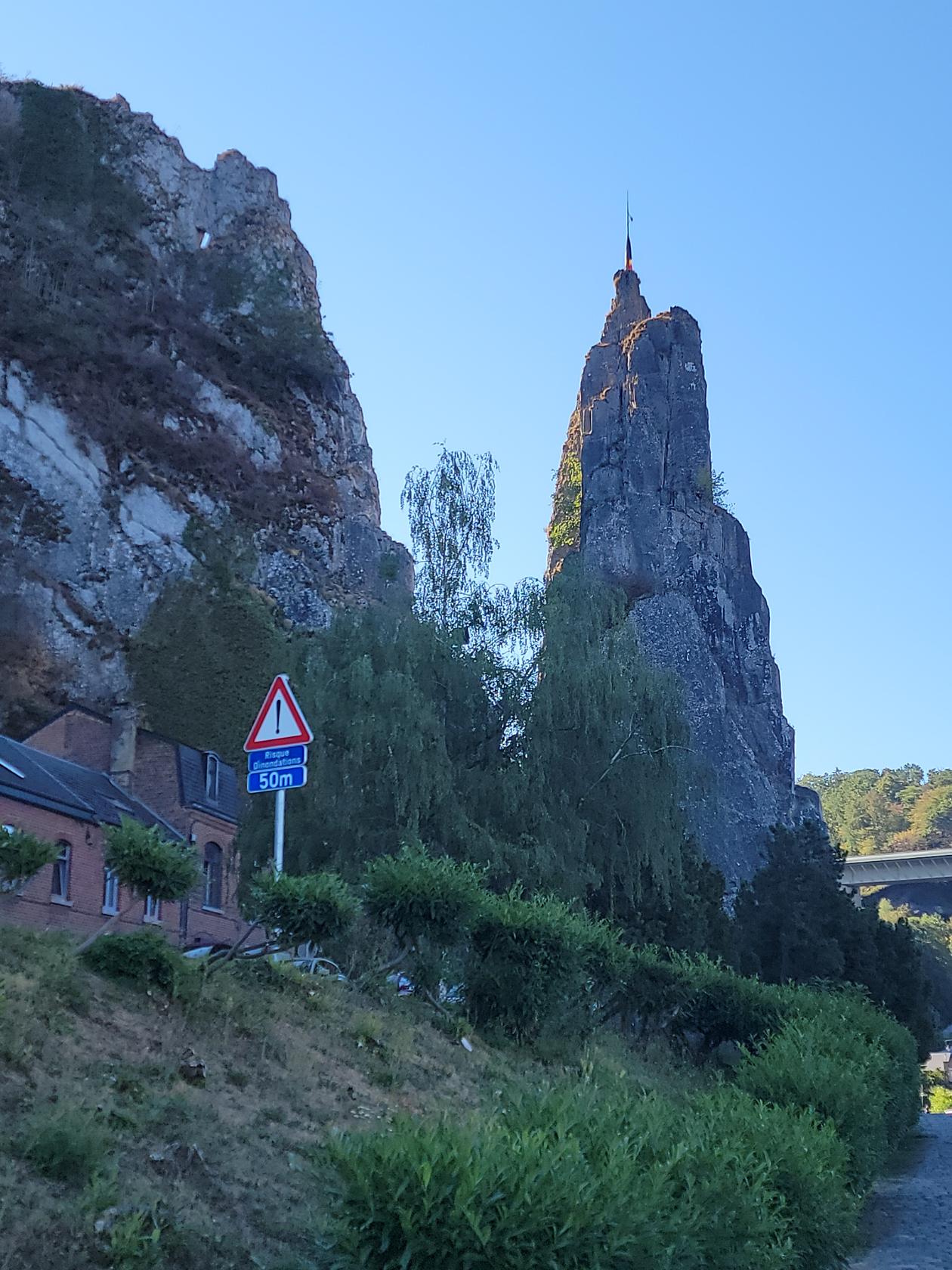
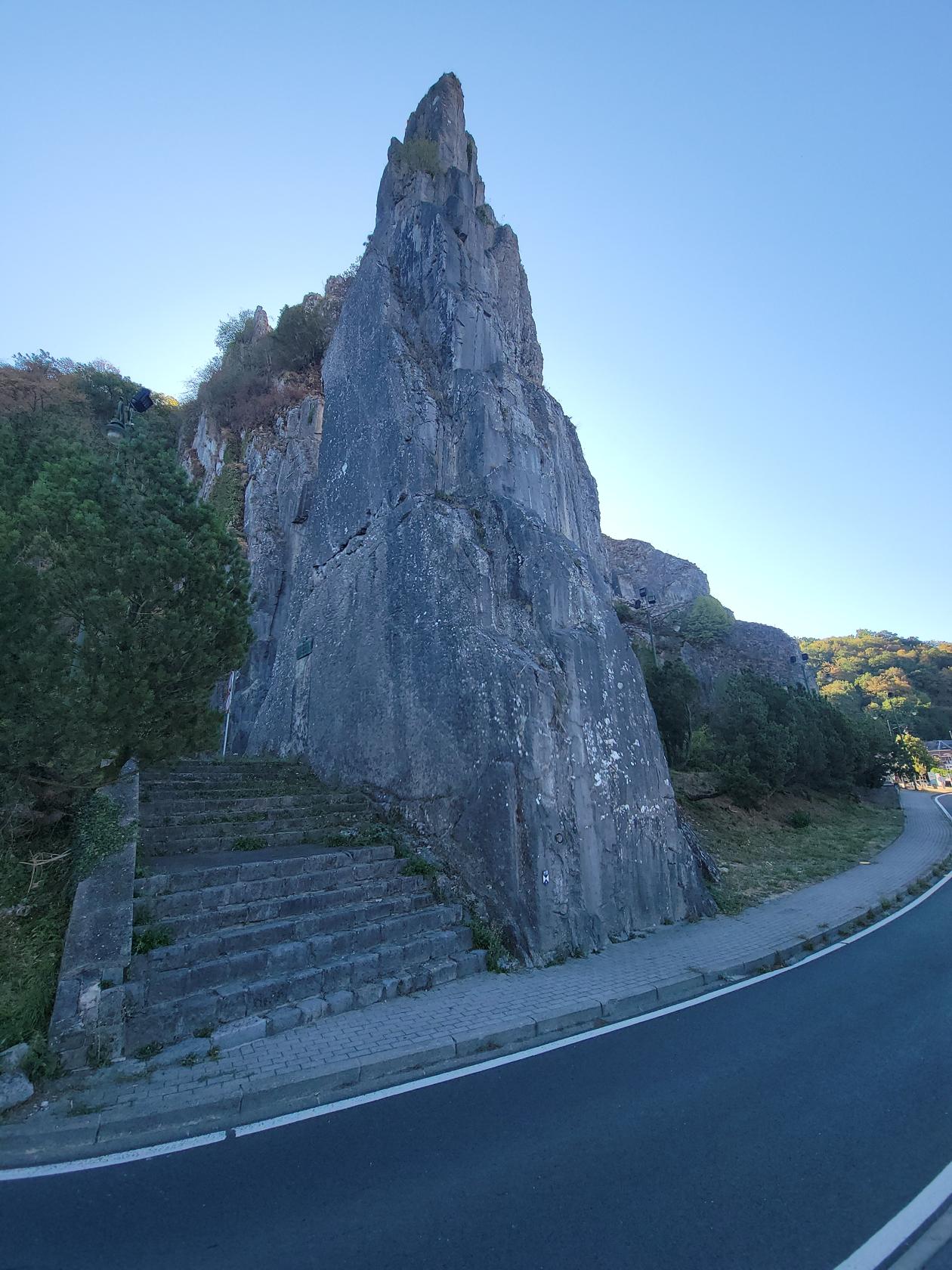
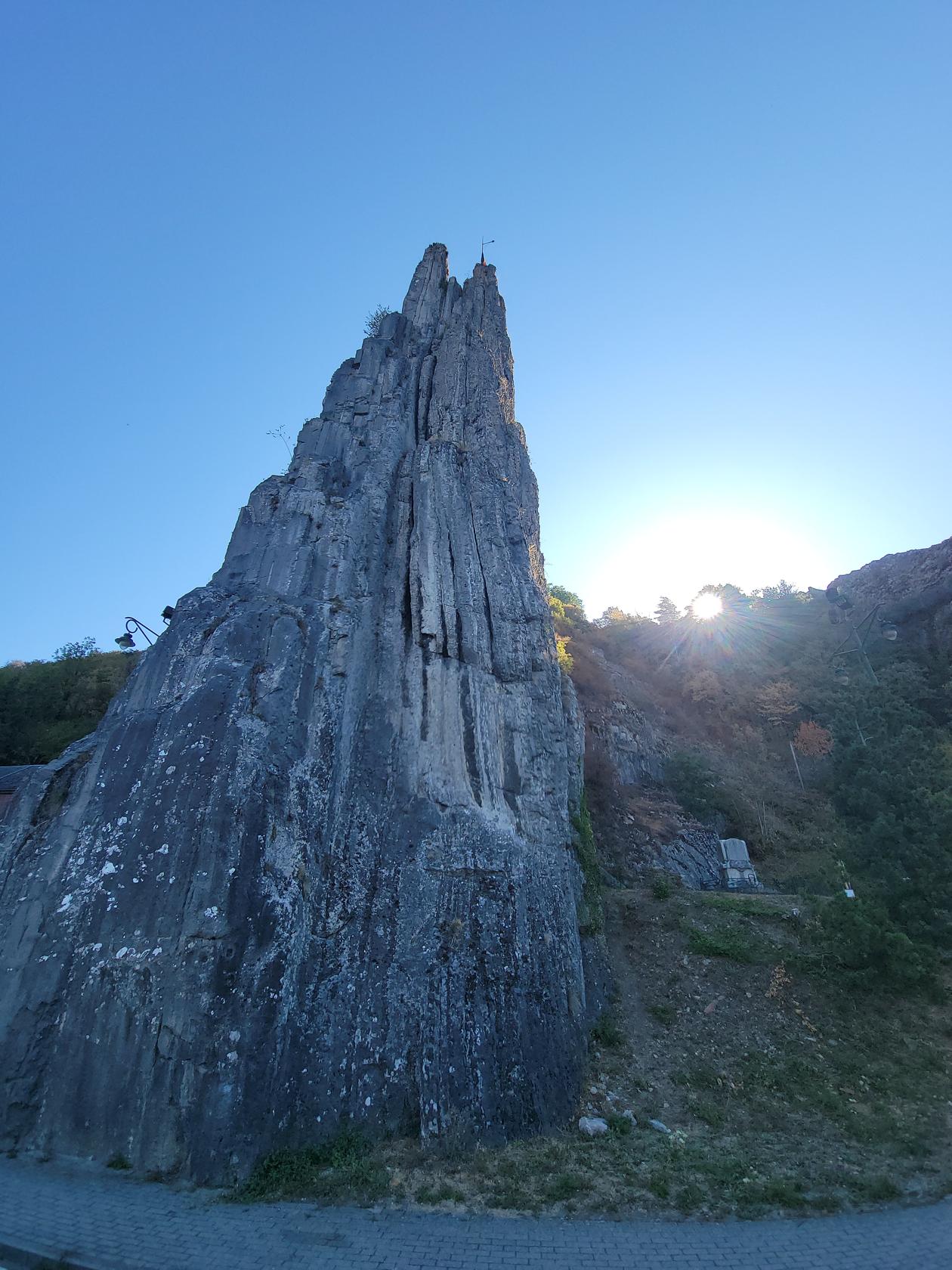
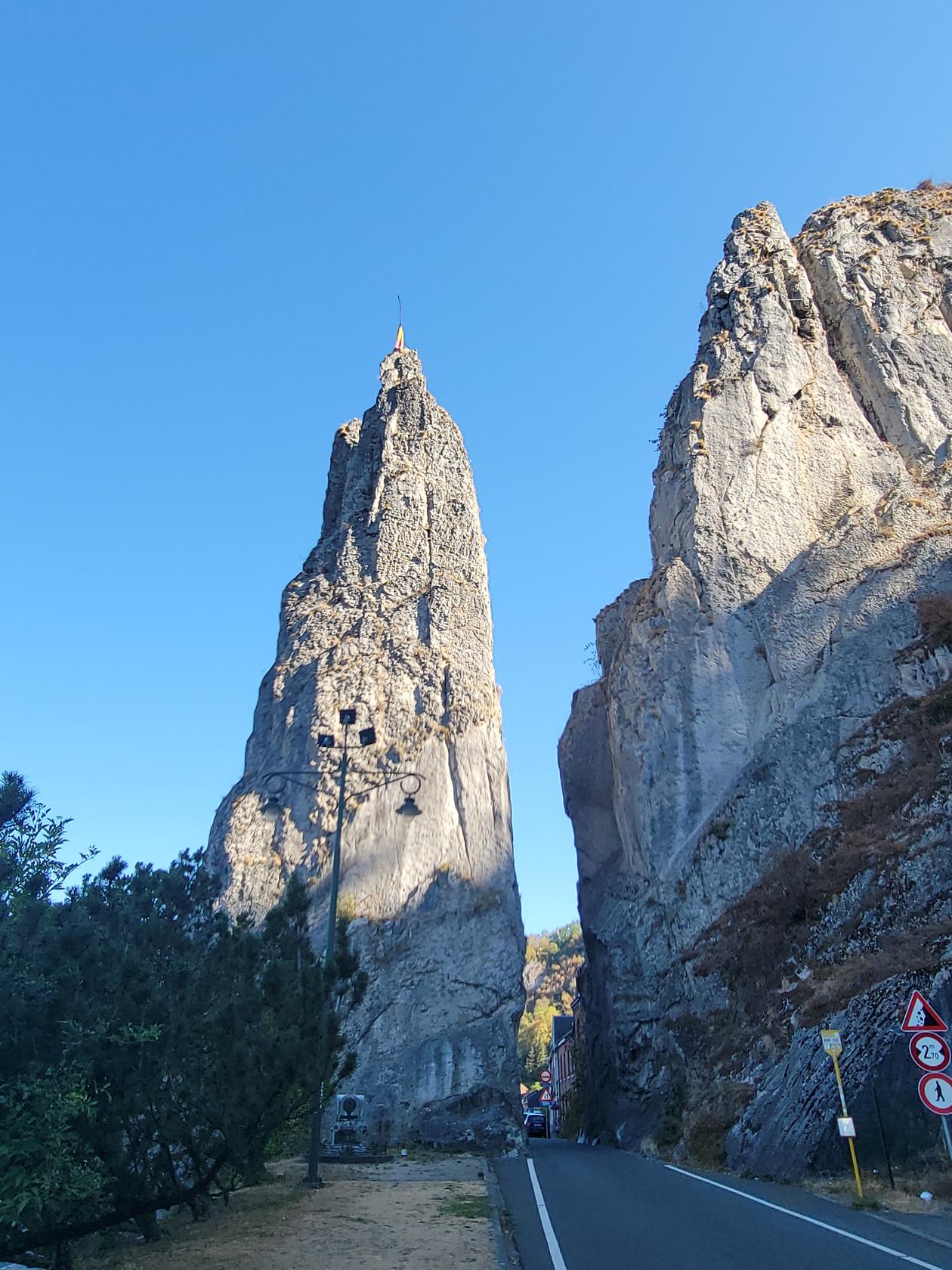
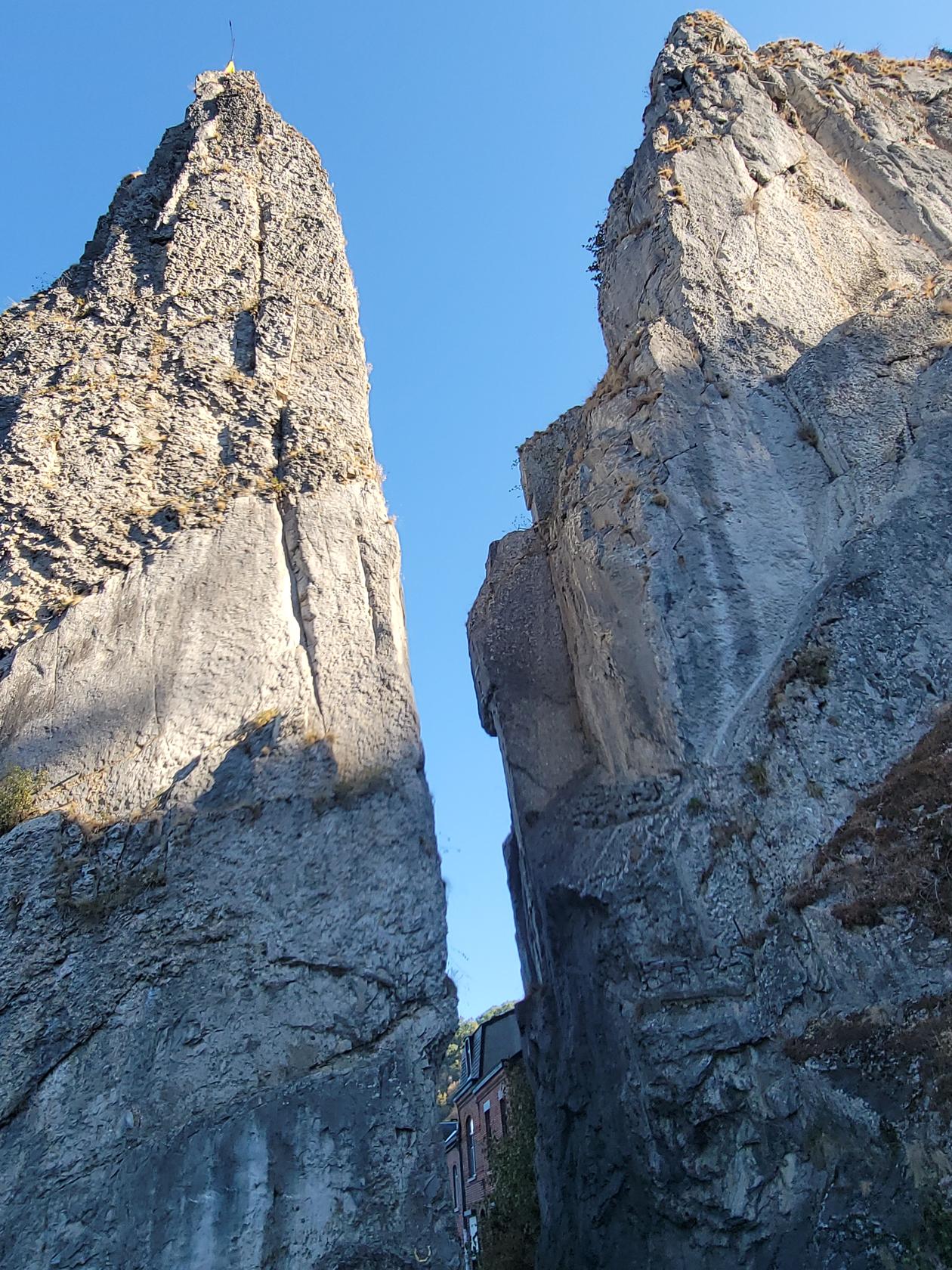
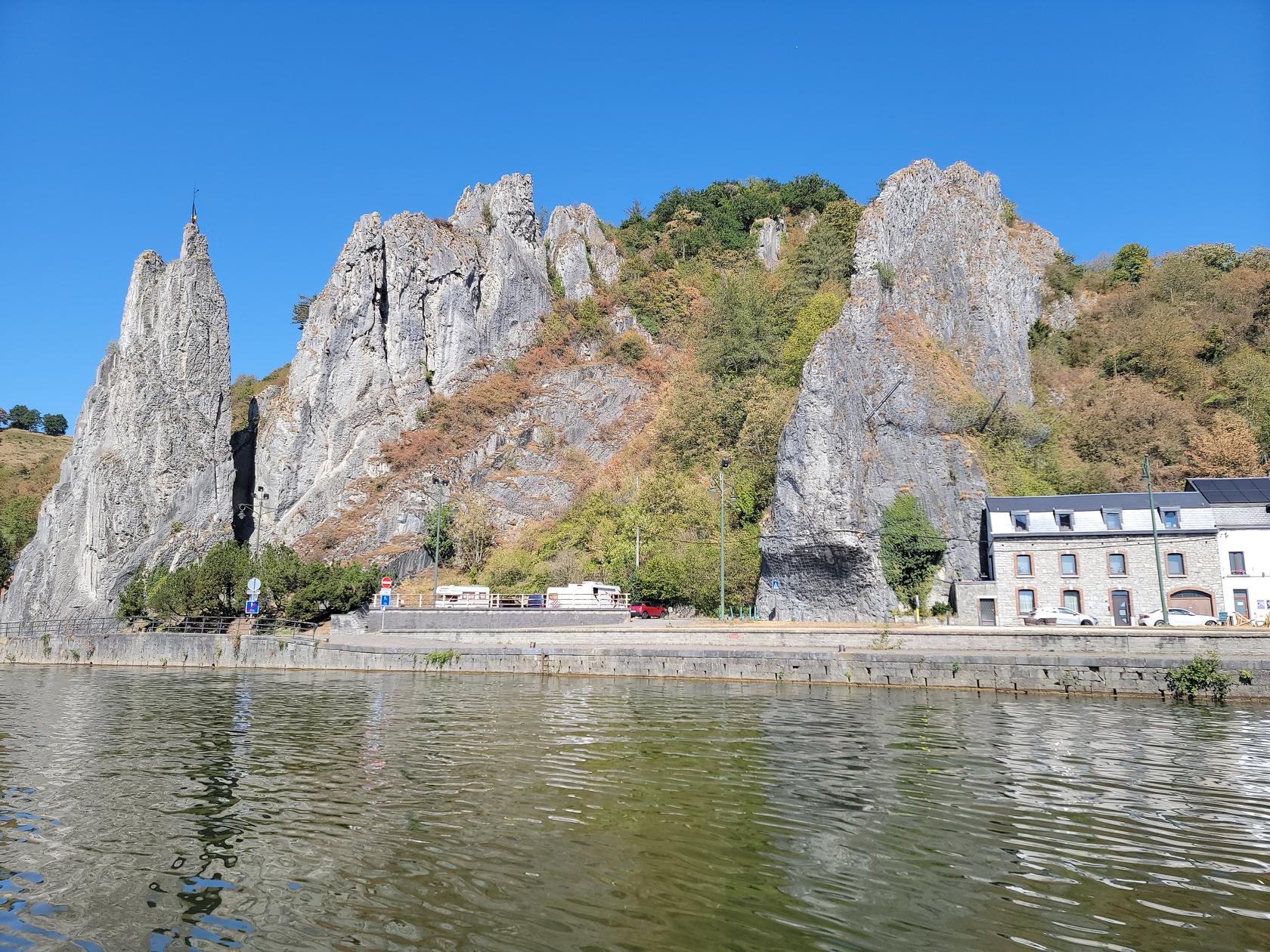
A fifteen minute walk down the river promenade from our hotel was the Bayard Rock. Apparently split in two by the soldiers of Louis XIV, who conquered the town in order to build a road. Of course, there is also a fictious account of how it was split by the hoof of a horse carrying four sons who were fleeing Charlemagne through the Ardennes Forest.
Meuse River – Rocher Bayard Walk – Dinant, Belgium
Meuse River – Rocher Bayard Walk – Dinant, Belgium
Bayard Rock – Rocher Bayard Walk – Dinant, Belgium
Bayard Rock – Rocher Bayard Walk – Dinant, Belgium
Meuse River – Rocher Bayard Walk – Dinant, Belgium
Meuse River and Houses – Rocher Bayard Walk – Dinant, Belgium
Today if you hold your head up far enough you will notice how the rock on the top has been fortified and strengthened through the use of steel bands and rods that have been inserted into the rocks.
Bayard Rock – Rocher Bayard Walk – Dinant, Belgium
Bayard Rock – Rocher Bayard Walk – Dinant, Belgium
Bayard Rock – Rocher Bayard Walk – Dinant, Belgium
Bayard Rock – Rocher Bayard Walk – Dinant, Belgium
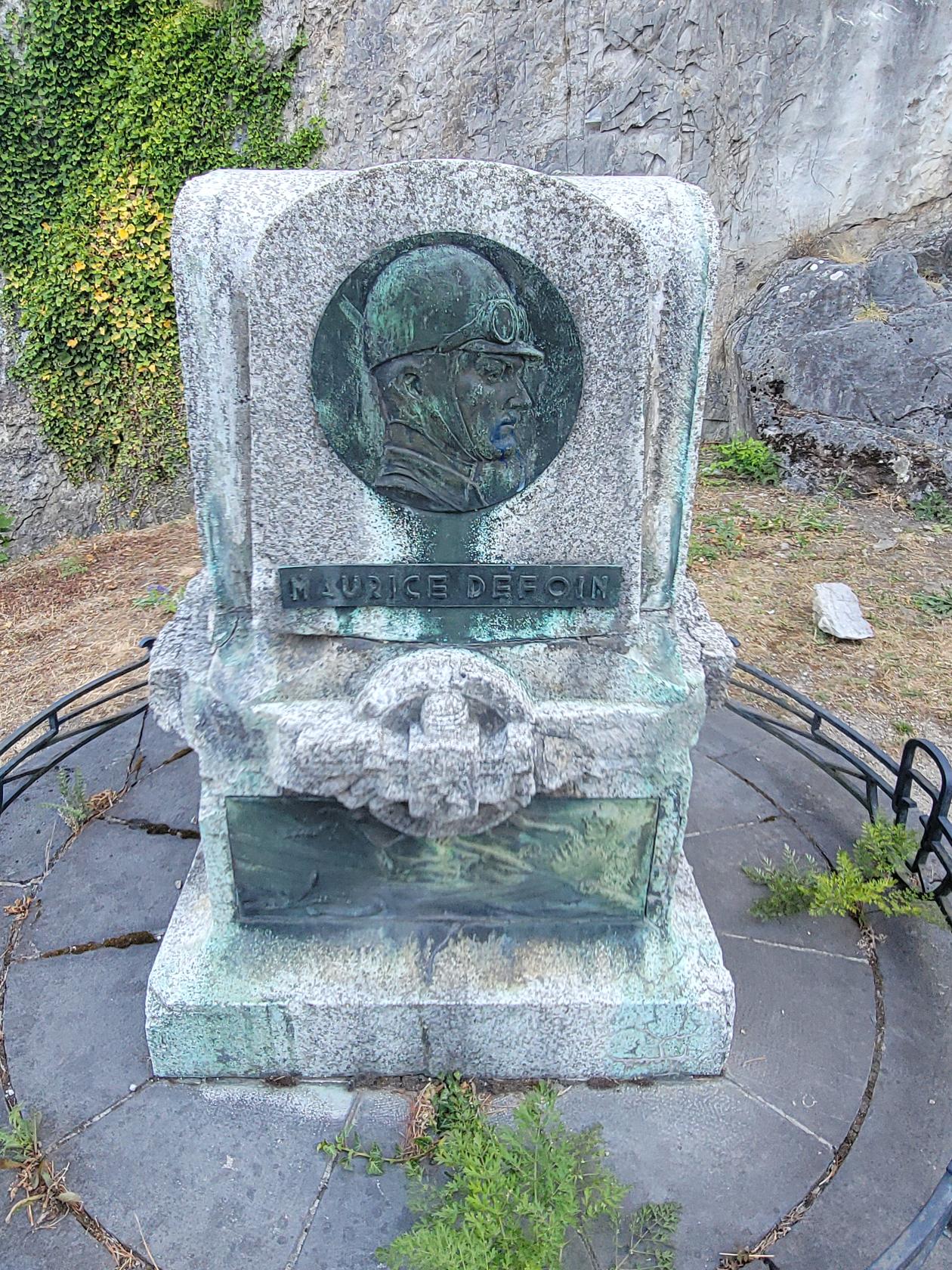
Maurice Defoin Memorial – Rocher Bayard Walk – Dinant, Belgium
Military Memorial – Rocher Bayard Walk – Dinant, Belgium
Row Housing – Rocher Bayard Walk – Dinant, Belgium
Patti and Bayard Rock – Rocher Bayard Walk – Dinant, Belgium
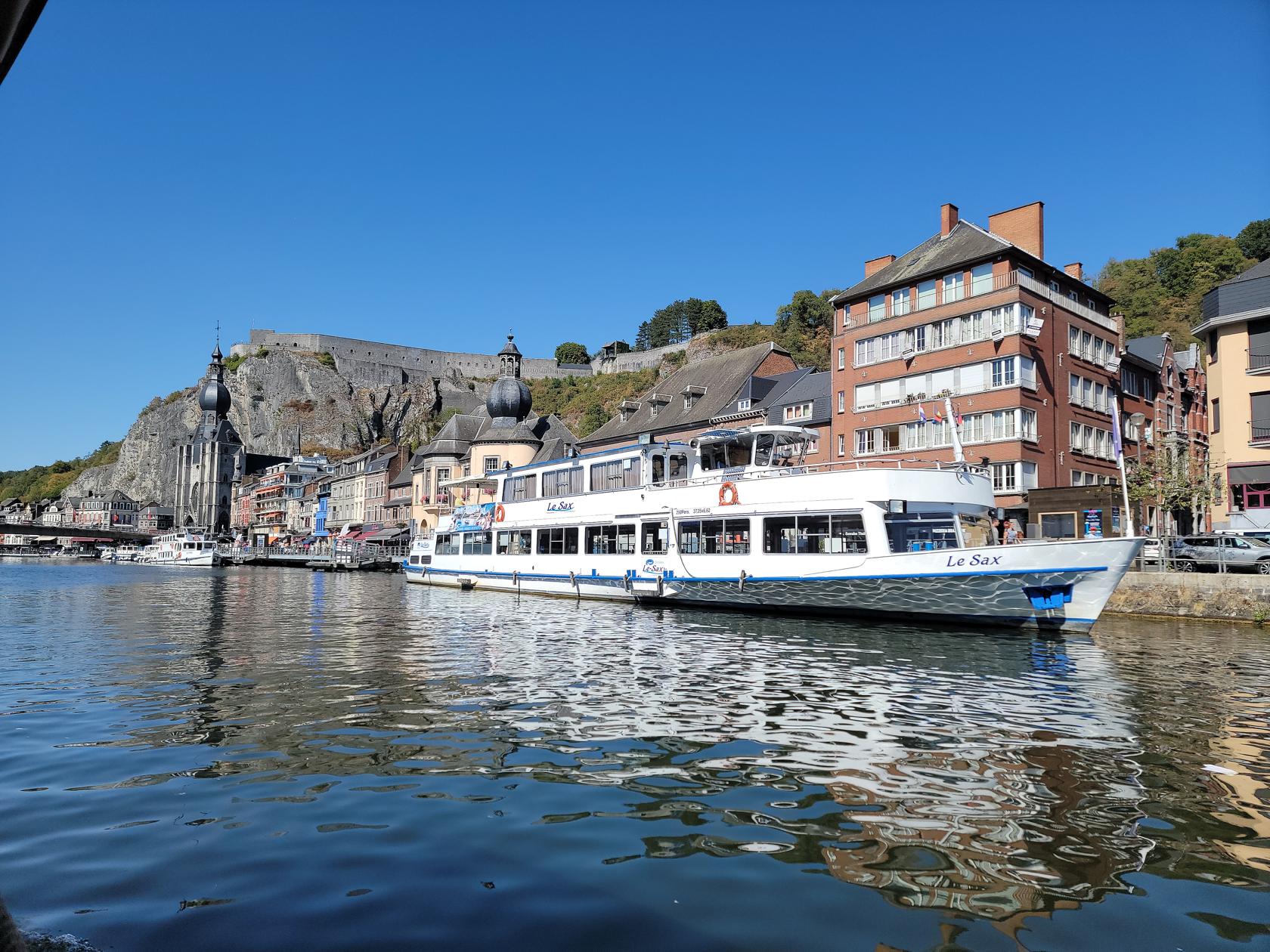
Freyer River Cruise
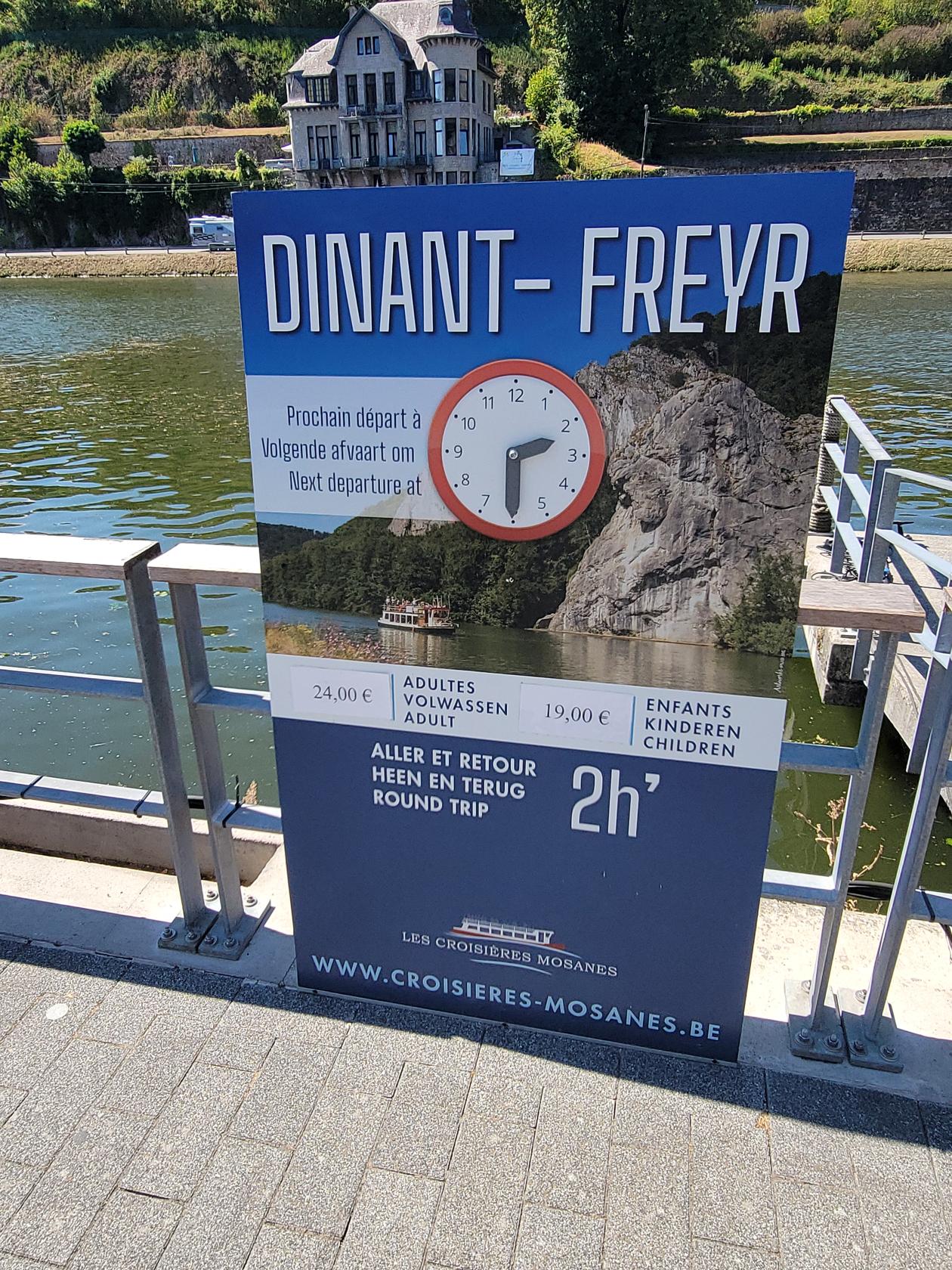
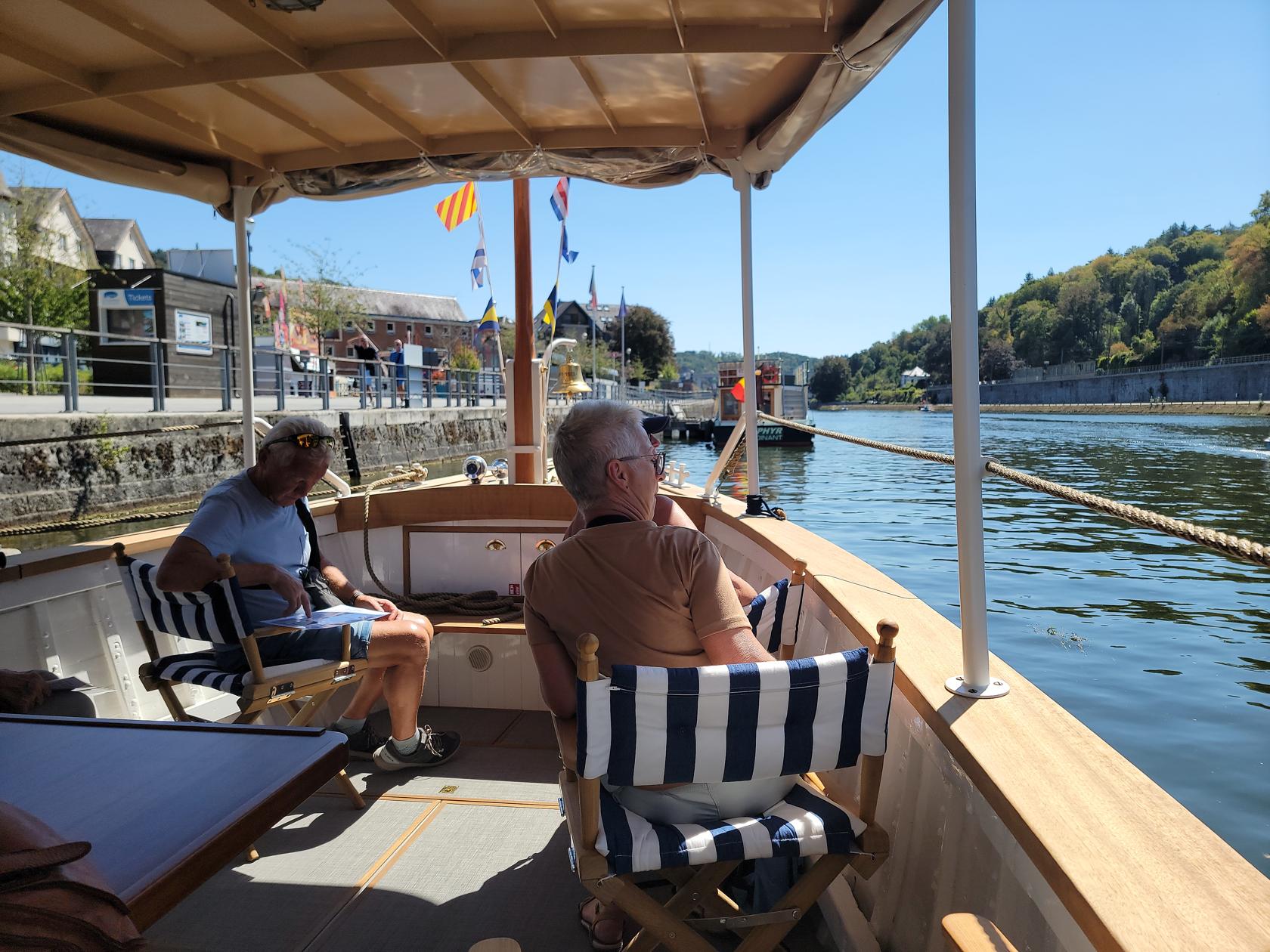
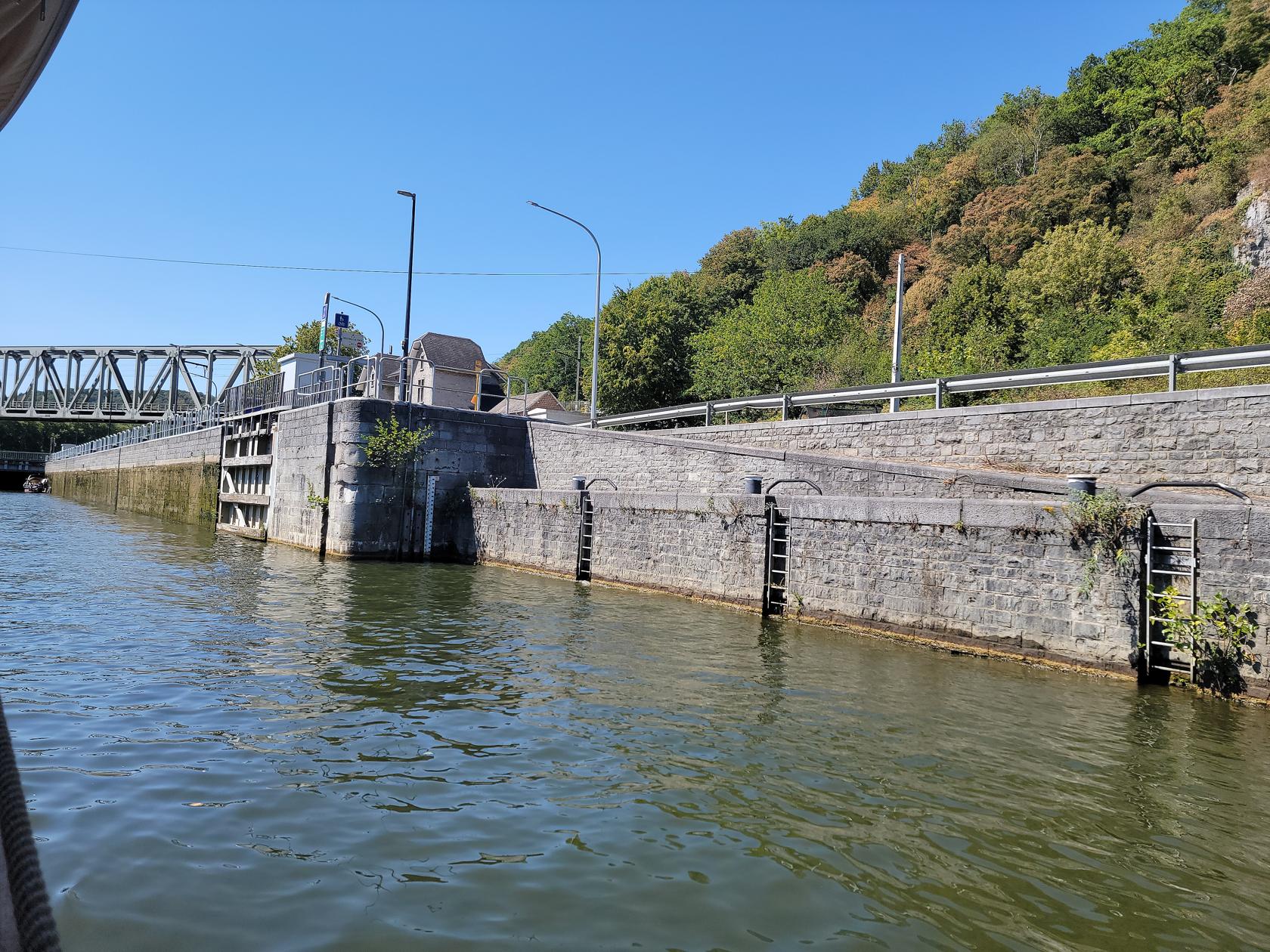
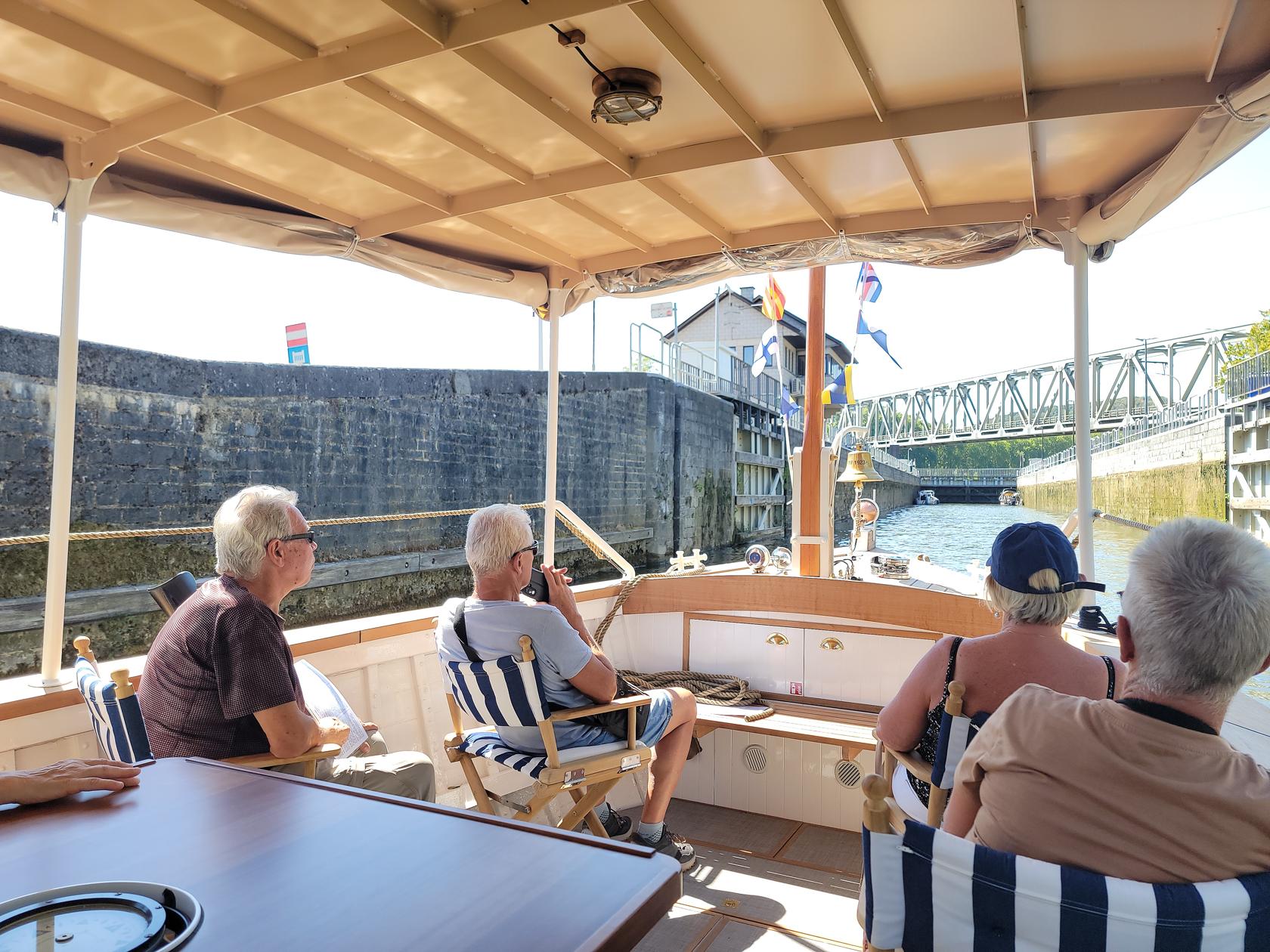
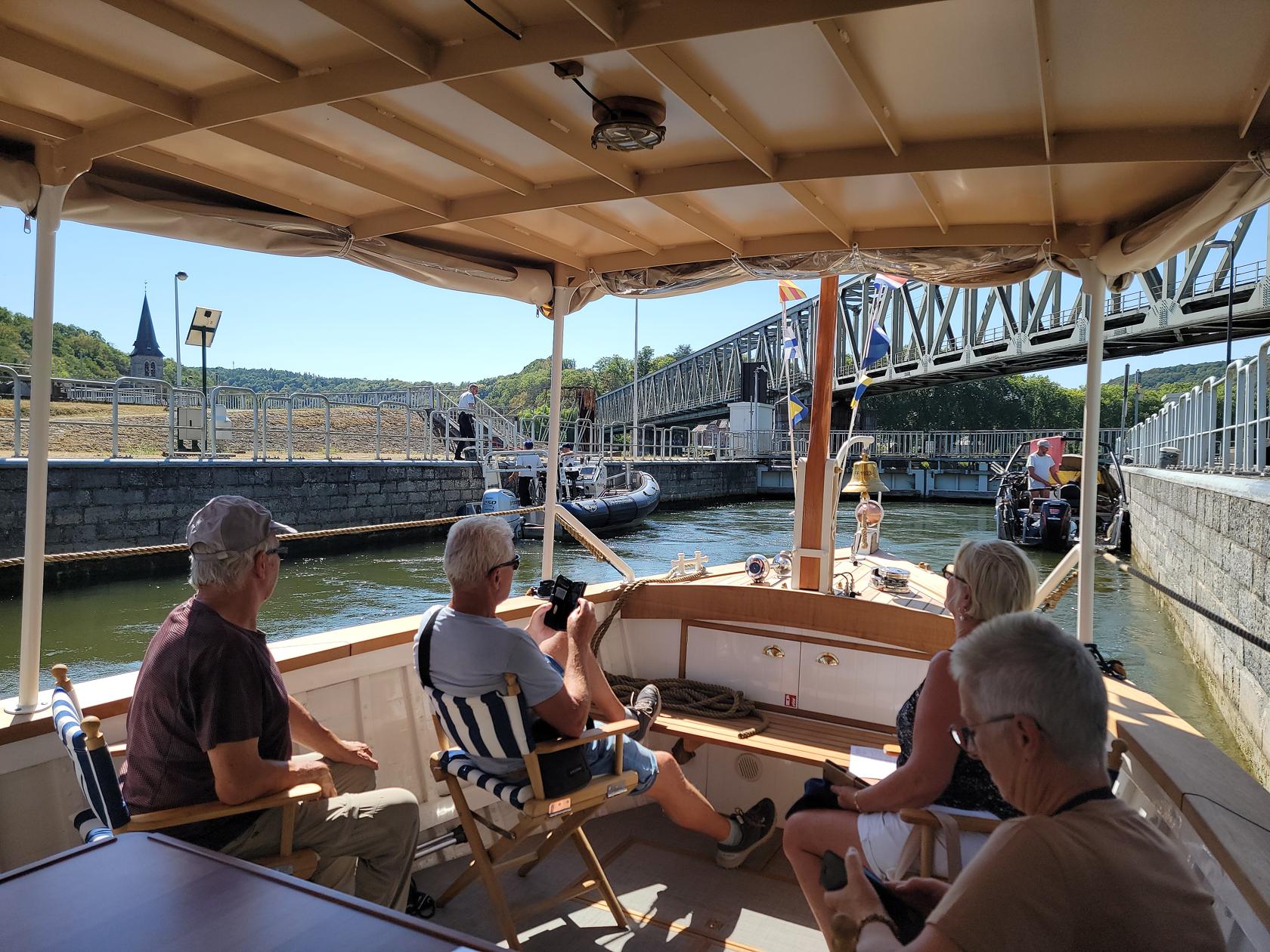
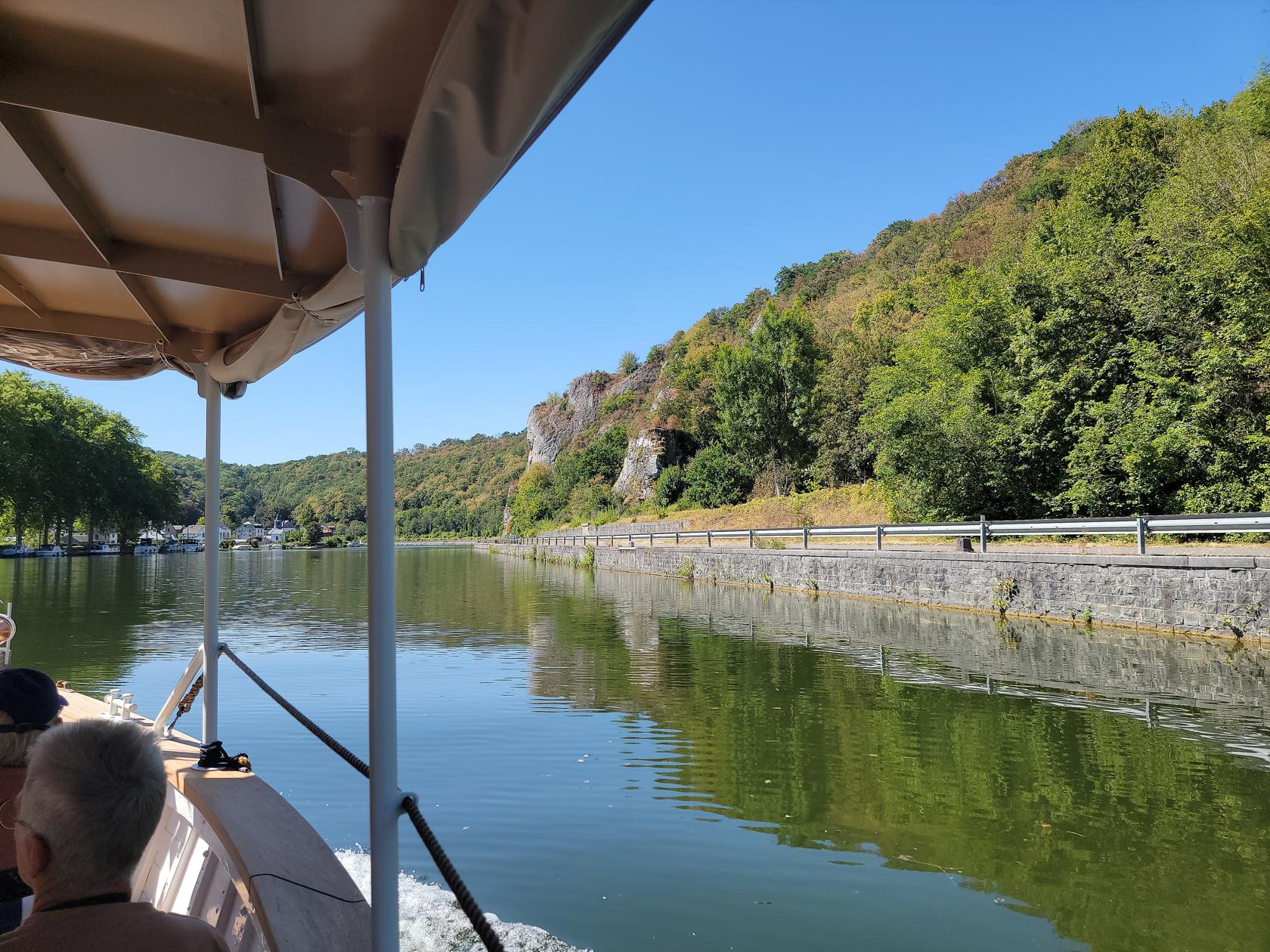
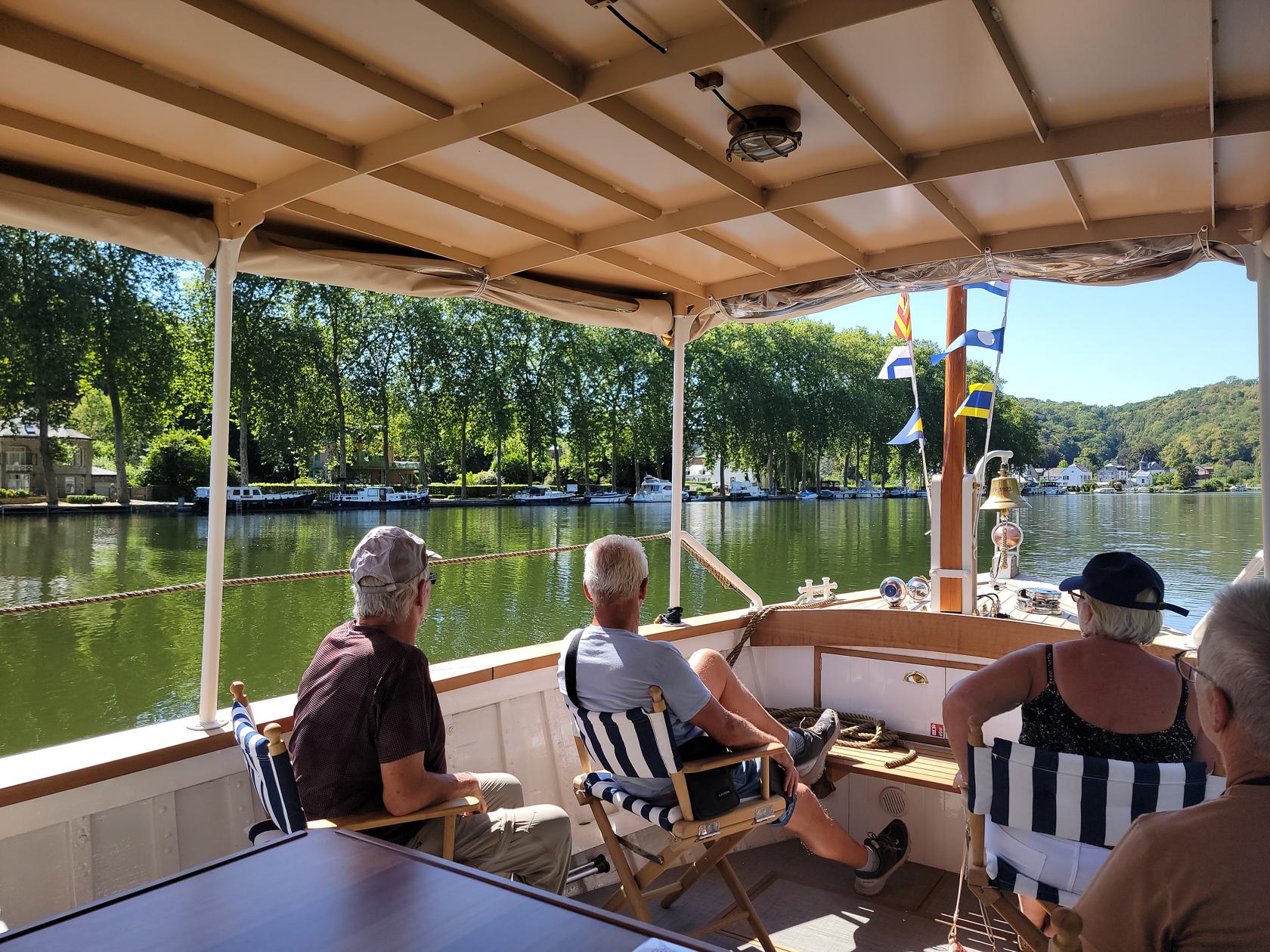
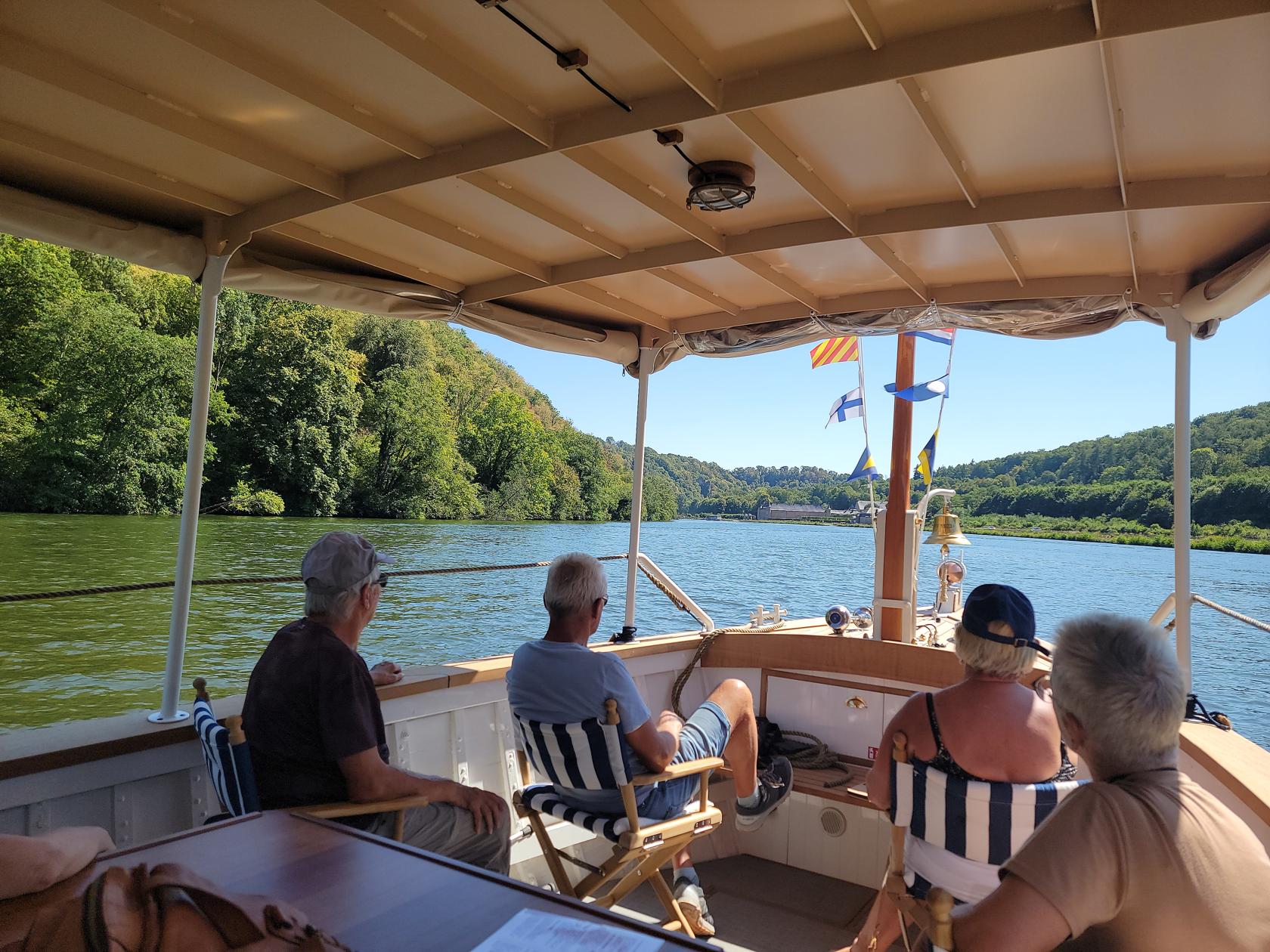
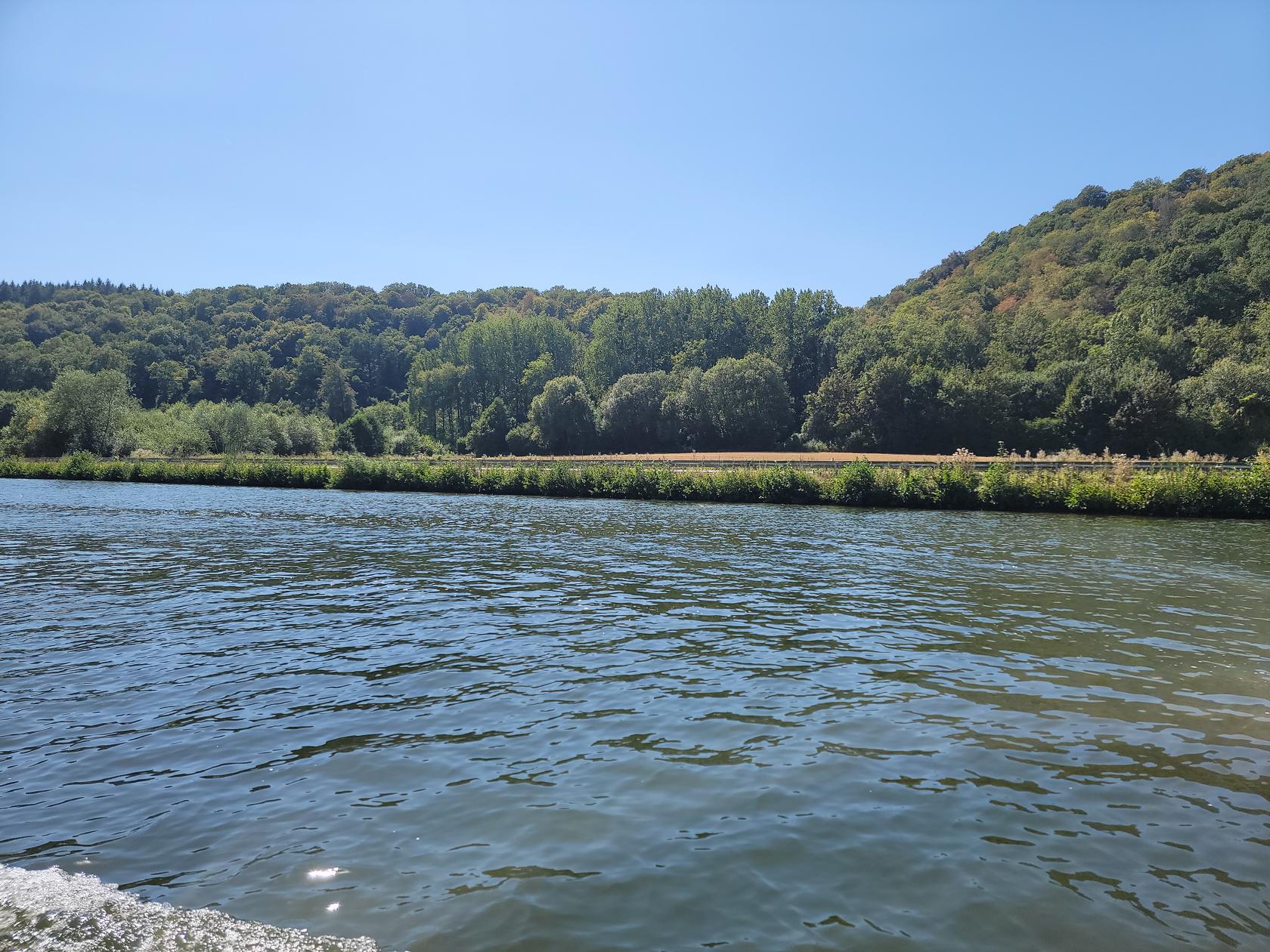
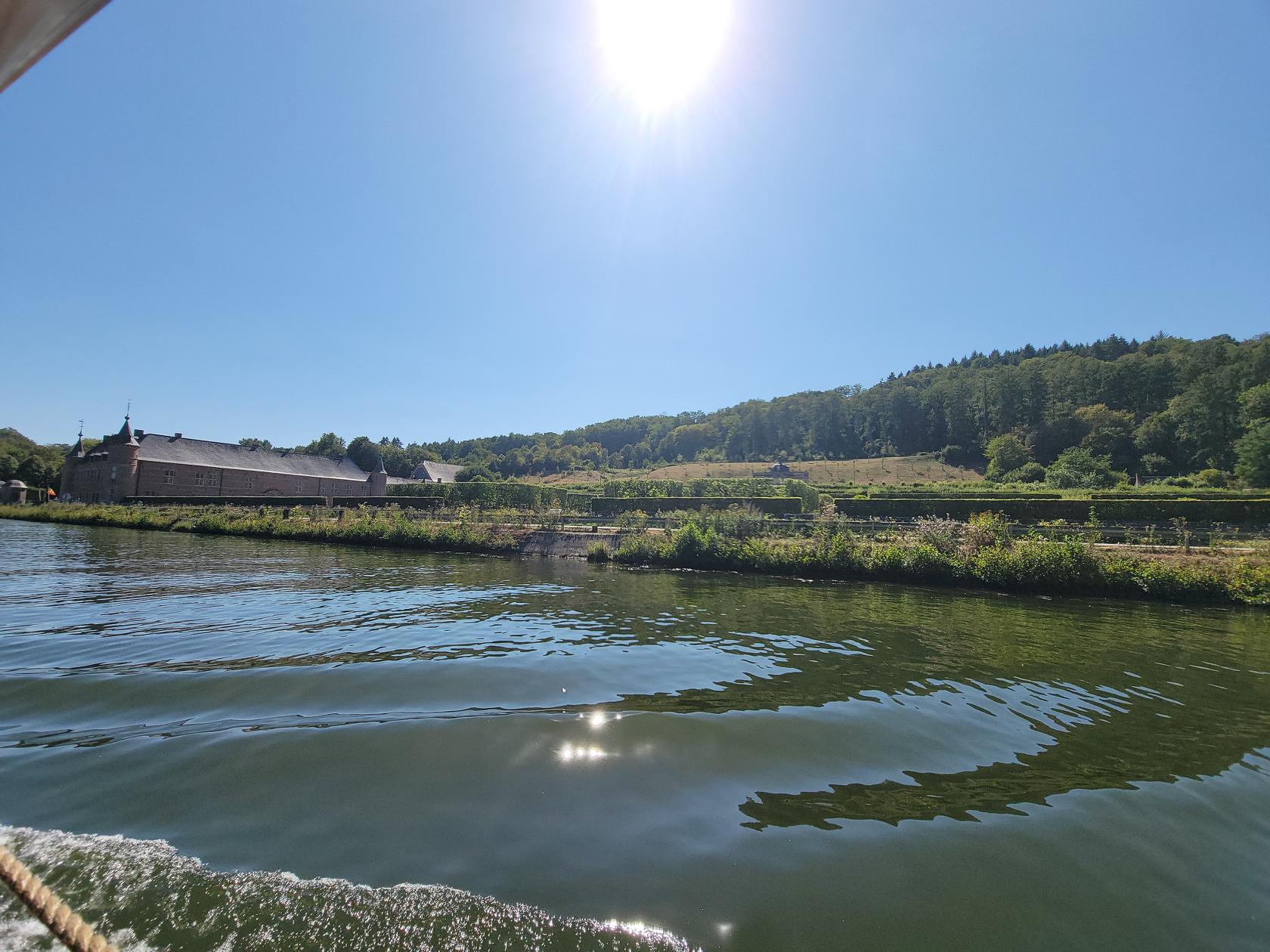
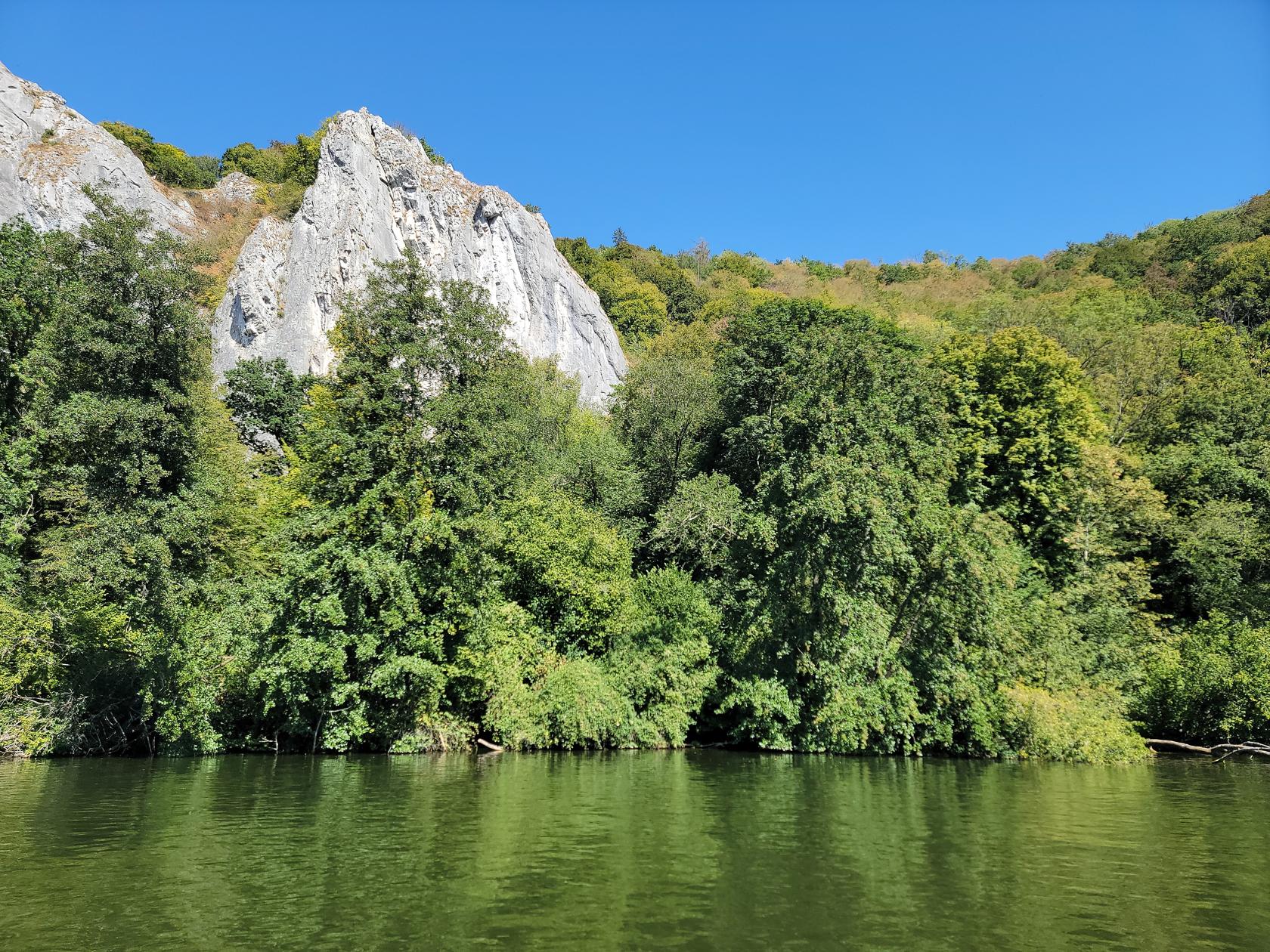
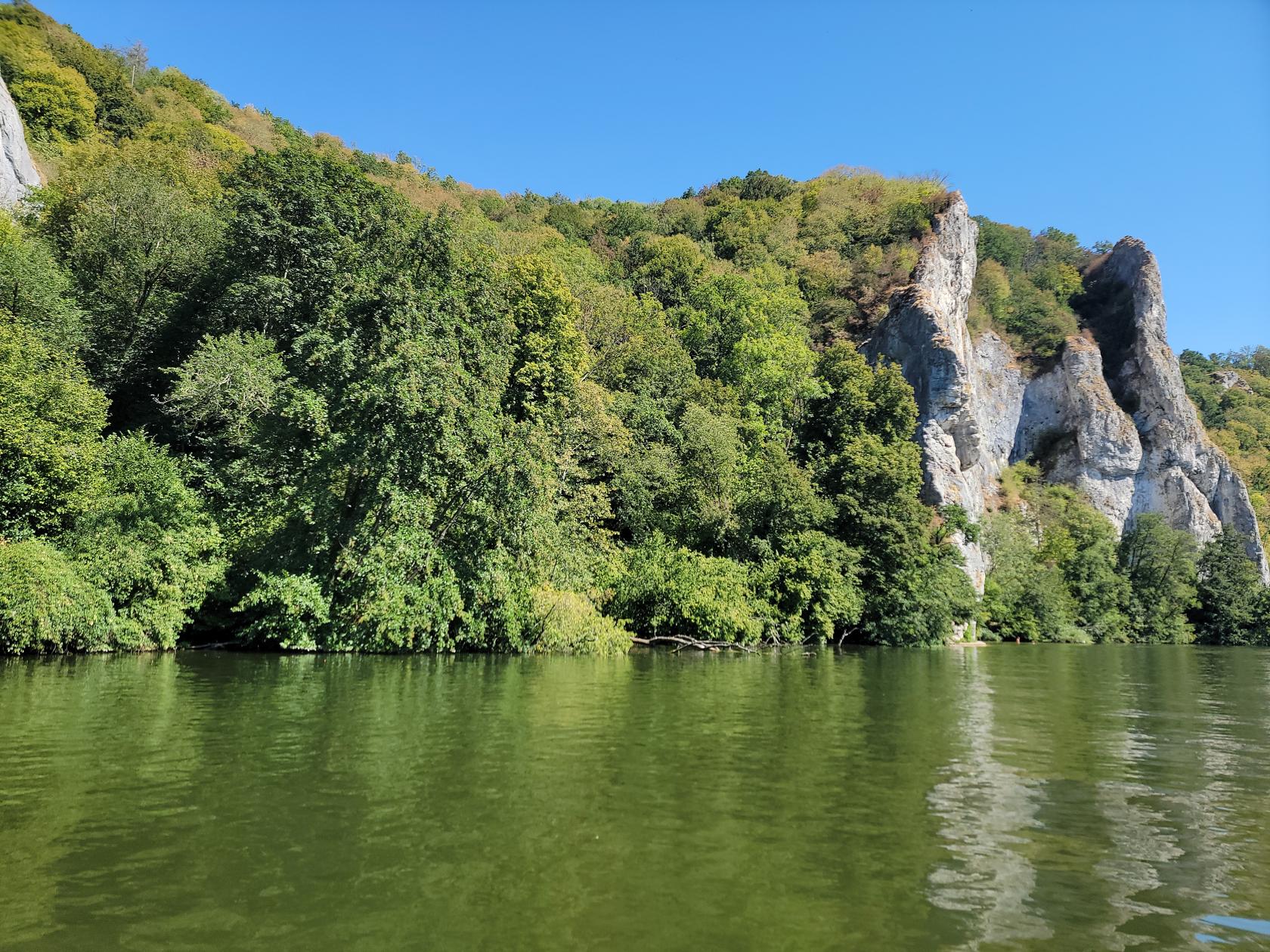
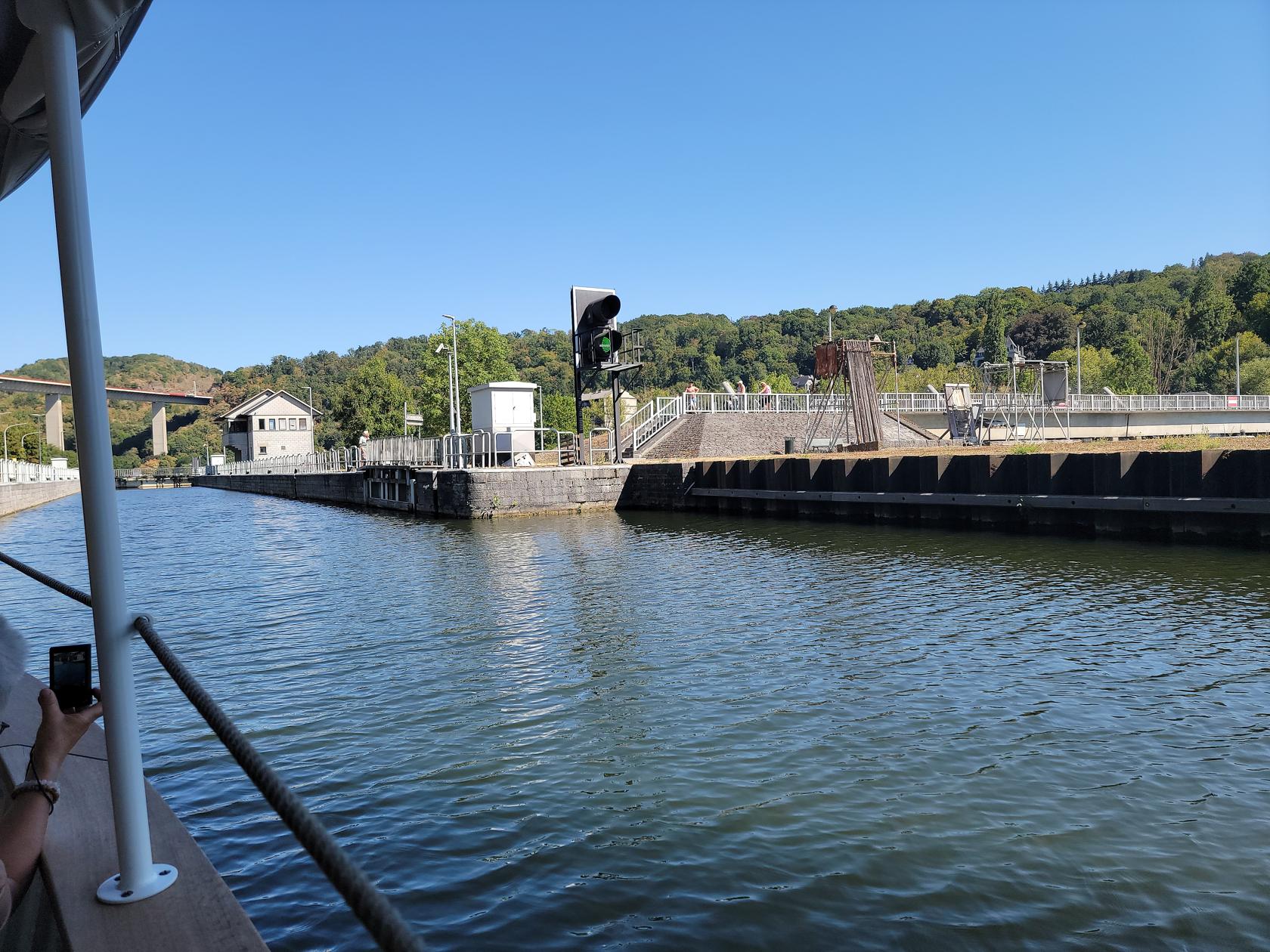
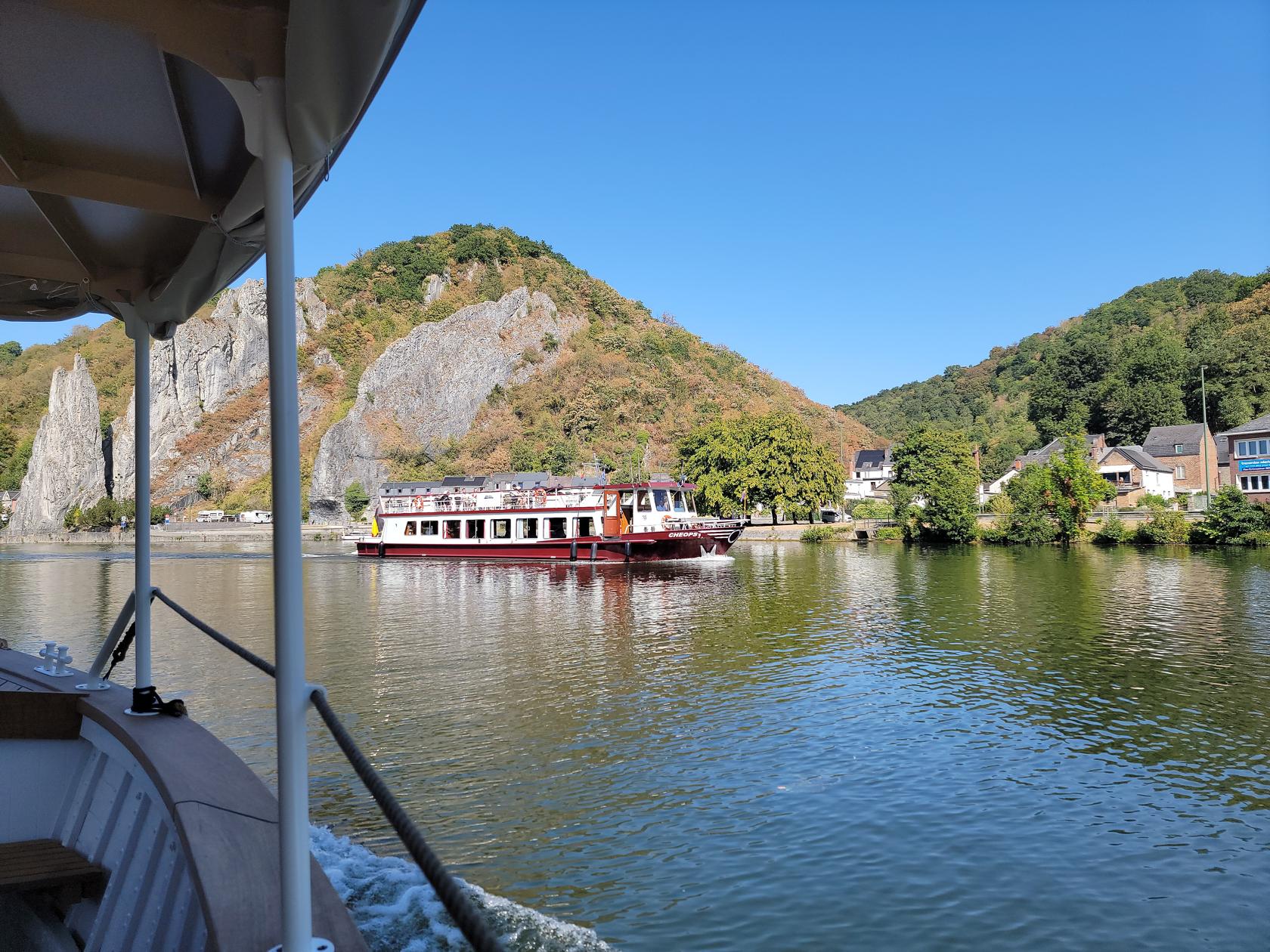
There are two cruises that are offered, a forty-five minute and a two hour. We chose the latter and spent most of our time in the Meuse river lock system, which honestly is perhaps the most interesting part of this trip.
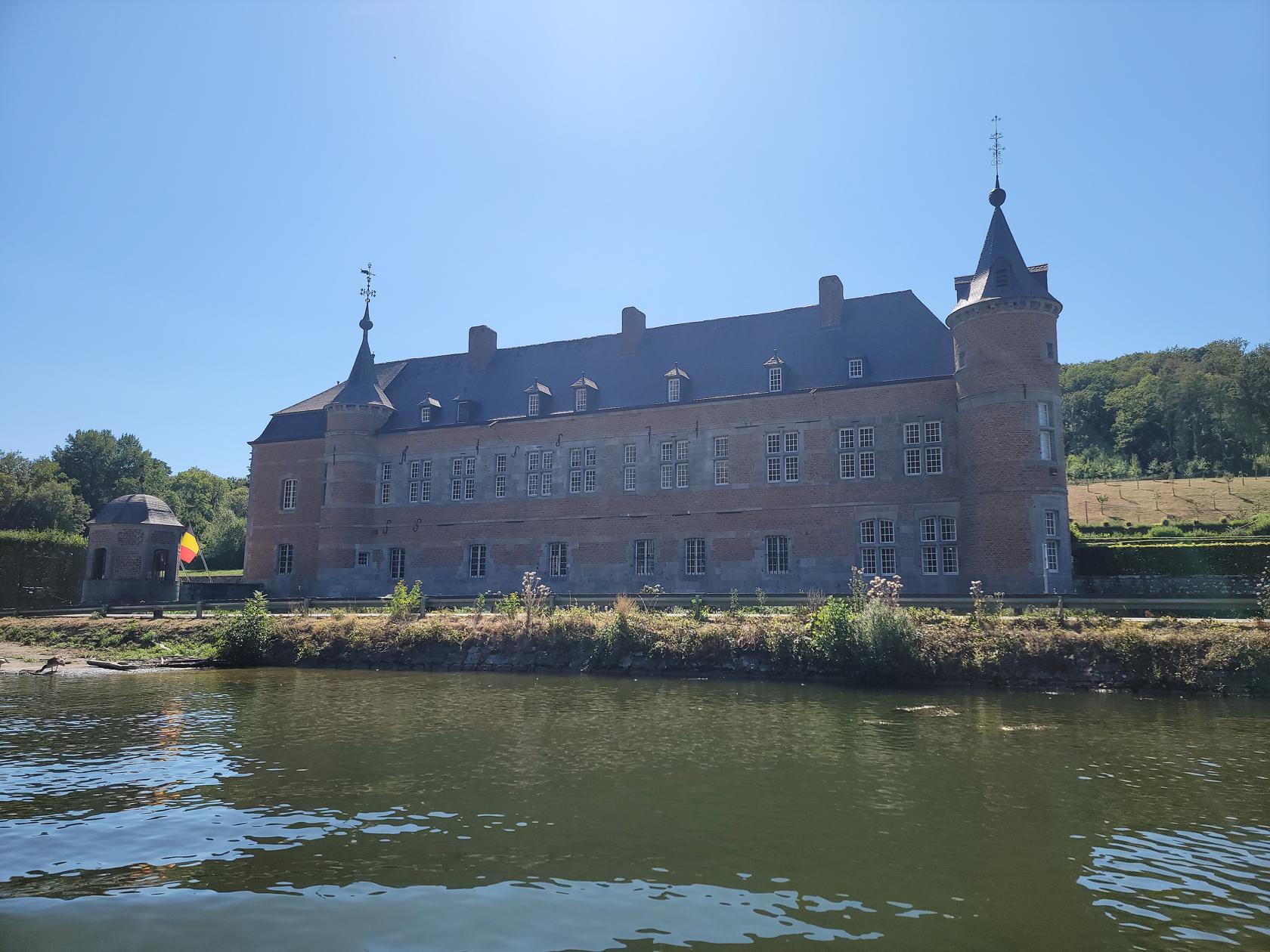
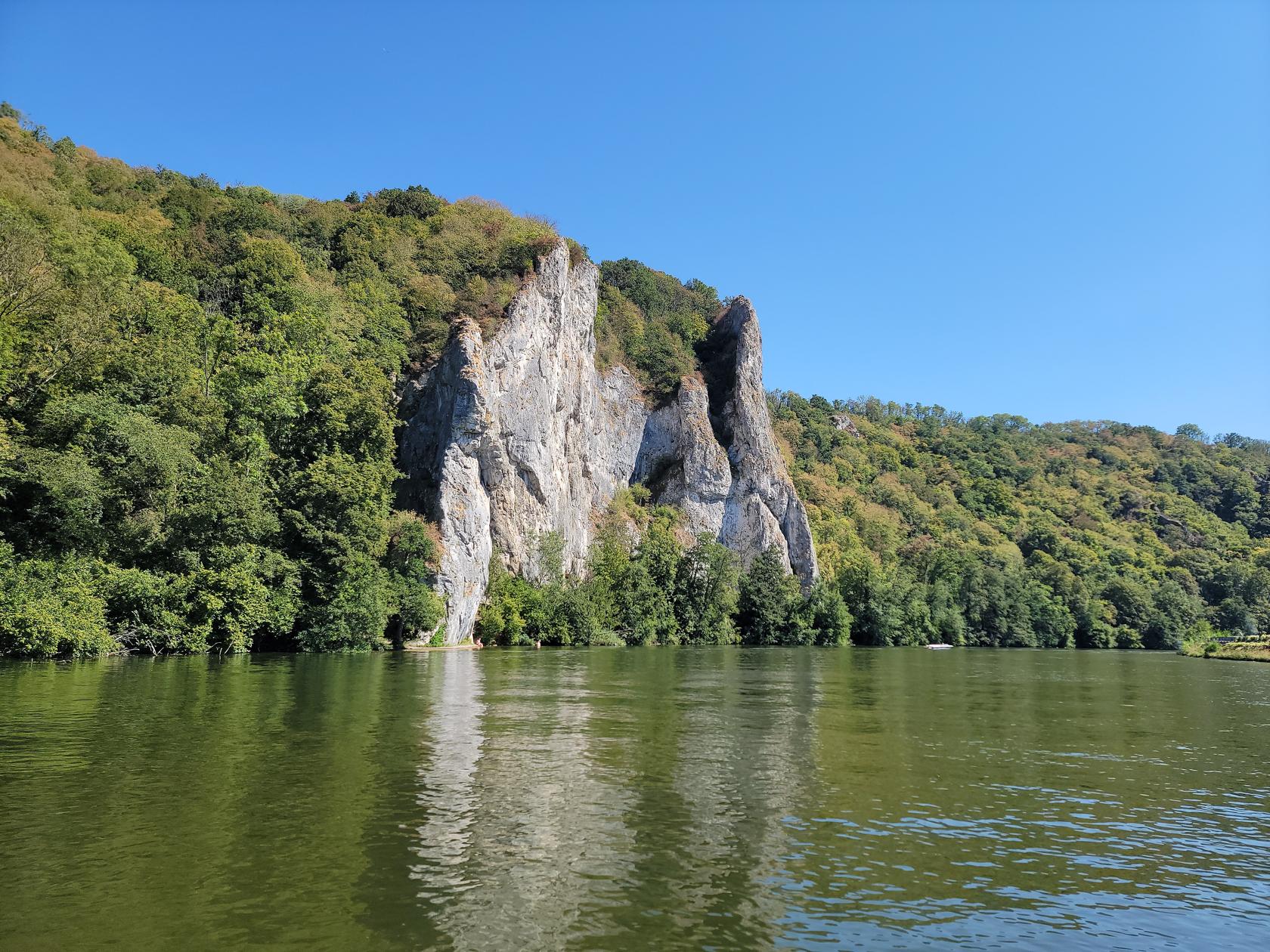
Honestly, the length of river that goes to the Freyer Chateau is not very interesting at all, as is the chateau. There are some interesting rock formations in the portion of the river system, but aside from that, it was rather uninteresting.
Freyer Chateau – Freyer Cruise – Dinant, Belgium
Freyer Chateau – Freyer Cruise – Dinant, Belgium
Plateau Rock Formations – Freyer Cruise – Dinant, Belgium
Plateau Rock Formations – Freyer Cruise – Dinant, Belgium
Plateau Rock Formations – Freyer Cruise – Dinant, Belgium
Reentering Lock on Return – Freyer Cruise – Dinant, Belgium
Bayard Rock – Freyer Cruise – Dinant, Belgium
Bayard Rock – Freyer Cruise – Dinant, Belgium
Dinant – Freyer Cruise – Dinant, Belgium
Dinant – Freyer Cruise – Dinant, Belgium
Collegiate Church and Fortress – Freyer Cruise – Dinant, Belgium
Fortress and Cafes – Freyer Cruise – Dinant, Belgium
Restaurants
The restaurants in Dinant a frustrating to say the least, not worth the effort to say the most. Frankly, if the option was open to me I would have gone to the grocery store and bought food and prepared my own meals. The best by far was the Chinese restaurant below. More than one restaurant that we tried to go to was either not open on the day, were supposed to be open but weren’t, or were closed for good, even though their online presences said they were still in business.
L’Inattendu
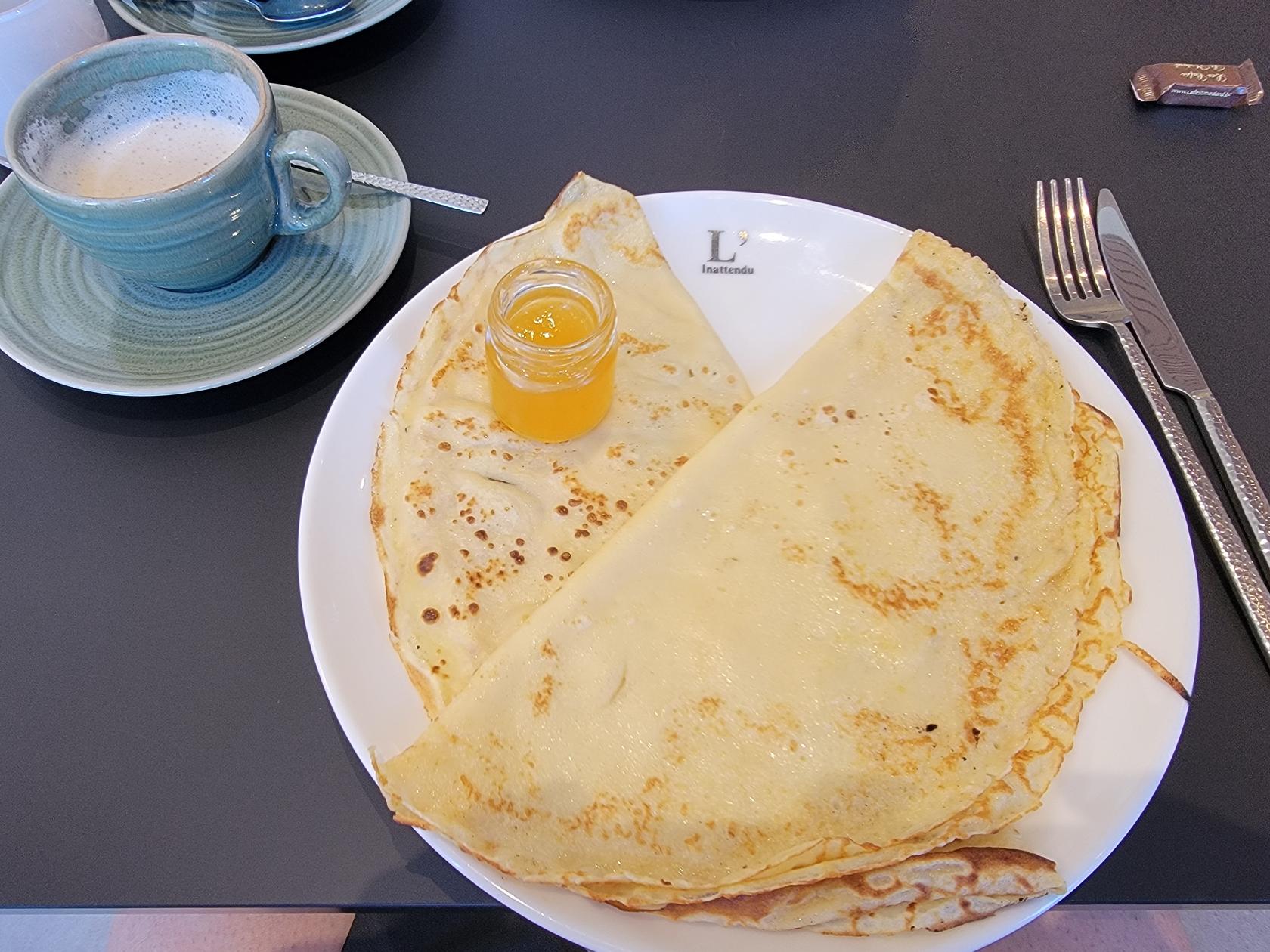
A very small breakfast place that is uncommonly open when you expect a breakfast place to be open (though not necessarily in Belgium), L’Inattendu is there to serve. We found the food very good and there is enough on the menu to satisfy most people. We went here several times just because the options are limited in this town and the crepes are really good.
L’Inattendu Bistro – Dinant, Belgium
Le Cerf Vert
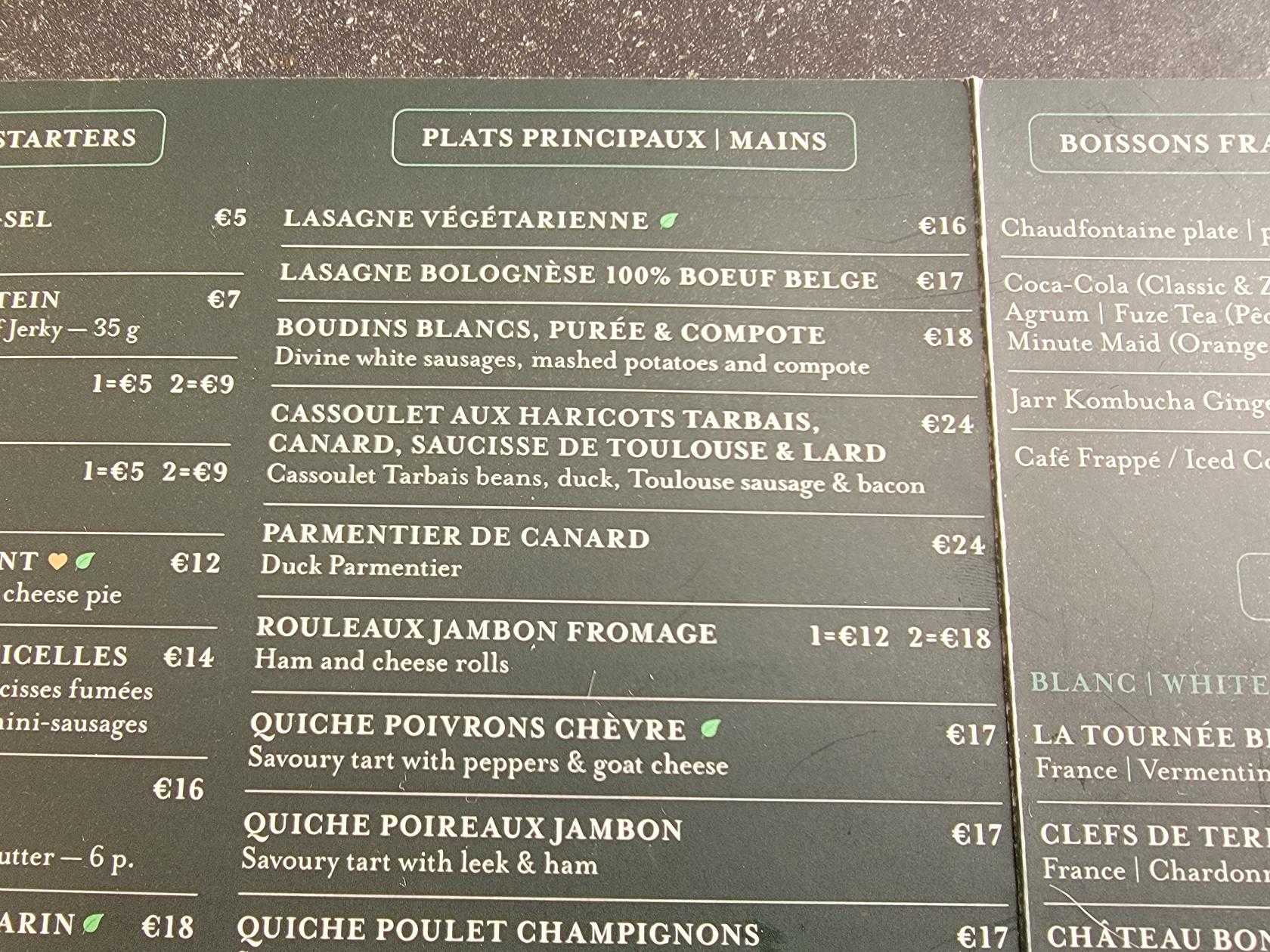
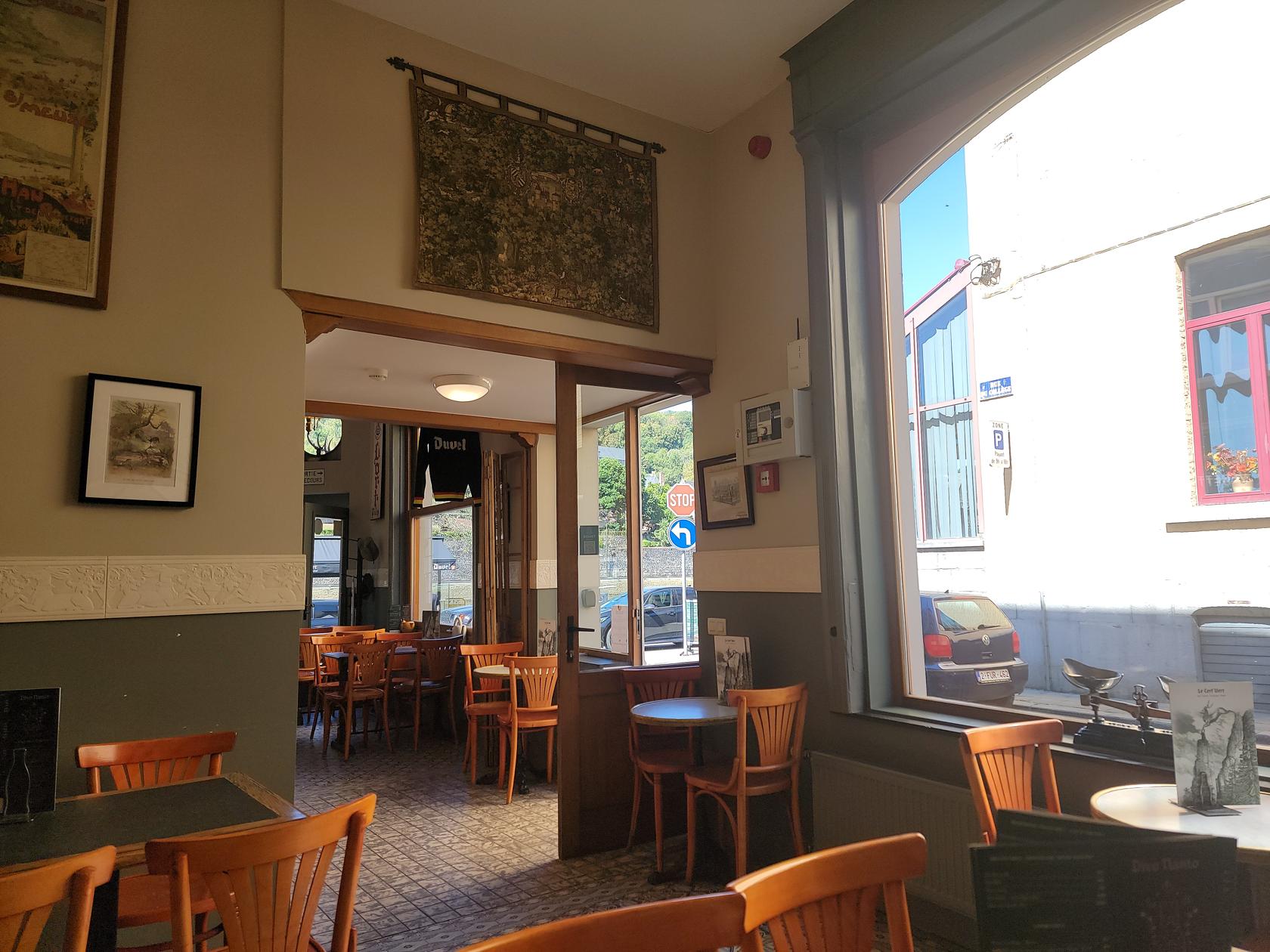
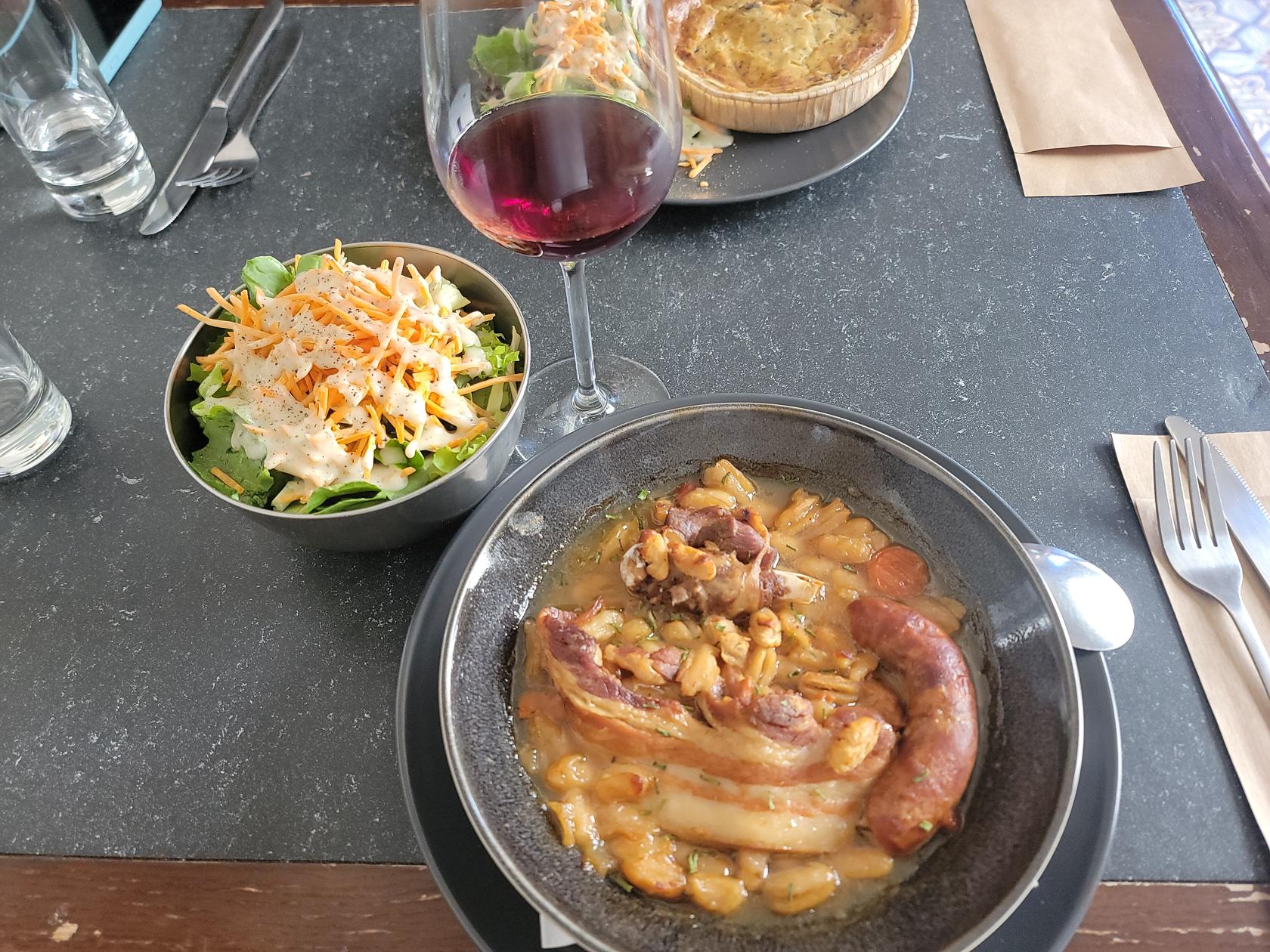
The Le Cerf Vert, or green stag, is one of the few places that is open for lunch that is worth a visit. Though the service is terrible, the food is not bad. I can commend the Tarbaise Casserole.
Menu – Le Cert Vert – Dinant, Belgium
Inside – Le Cert Vert – Dinant, Belgium
Casserole and Side Salad – Le Cert Vert – Dinant, Belgium
Le Pavillion de Hong Kong
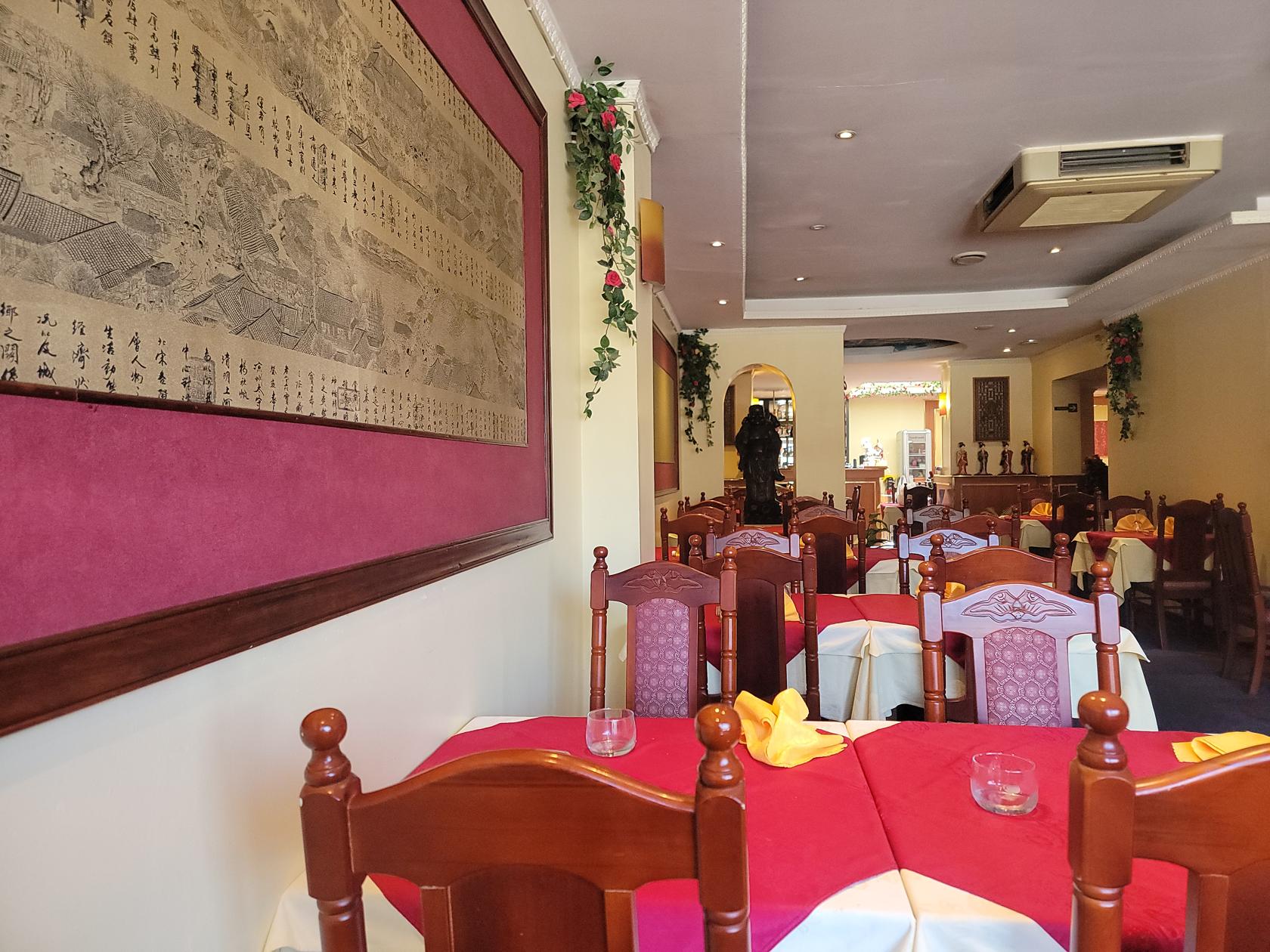
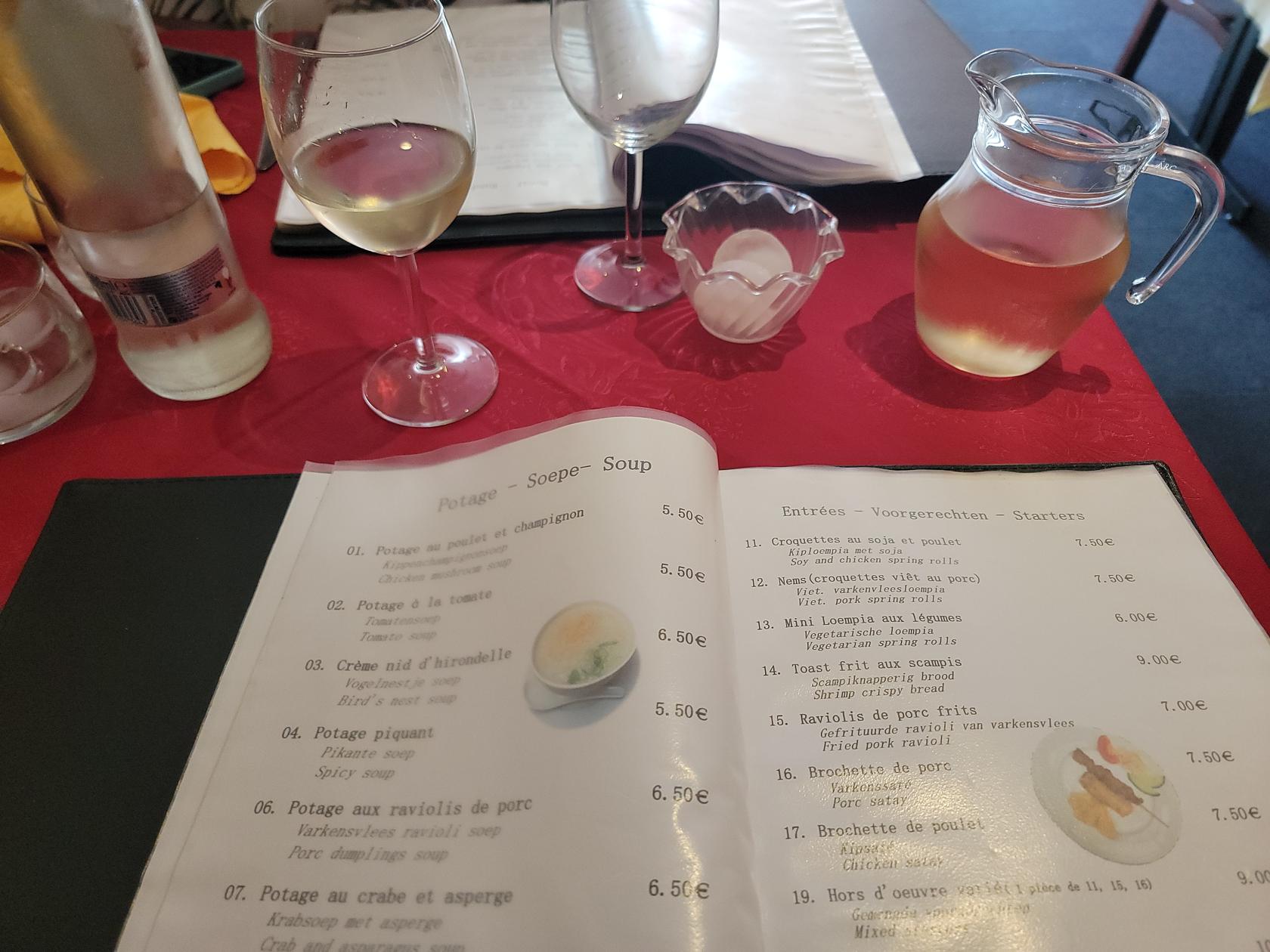
The Le Pavillion de Hong Kong is a Chinese restaurant and became our go-to place in a town where the restaurants simply do now want to open.
Menu – Le Pavillion de Hong Kong Chinese Restaurant – Dinant, Belgium
Menu – Le Pavillion de Hong Kong Chinese Restaurant – Dinant, Belgium
Conclusion
Personally I would not commend Dinant as a destination, unless you truly want to waste your time or have nothing else to do. This happens sometimes. Frankly there are far more interesting places to visit than this town. If you are passing through the area, it’s worth a short stop. But aside from that, it is only a strategic military point between some countries in Europe.
With a choice between visiting Warsaw or Gdańsk, we chose Gdańsk because it had more historical meaning and promised a quainter historic center. Moreover, since we were doing a south to north kind of trip, it was the last stop on our itinerary, so smaller is usually less complicated and less demanding.
Gdańsk
Formerly known as Danzig, Gdańsk is a seaside city on the Baltic coast of Poland. Though the old city lies in the delta of the Motlawa River, it is still some five kilometers from the sea. It has switched back and forth from Polish rules, German, Russian and as a free-state. In the middle ages, it was once part of the Haneastic League and was a major trading partner in that confederation.
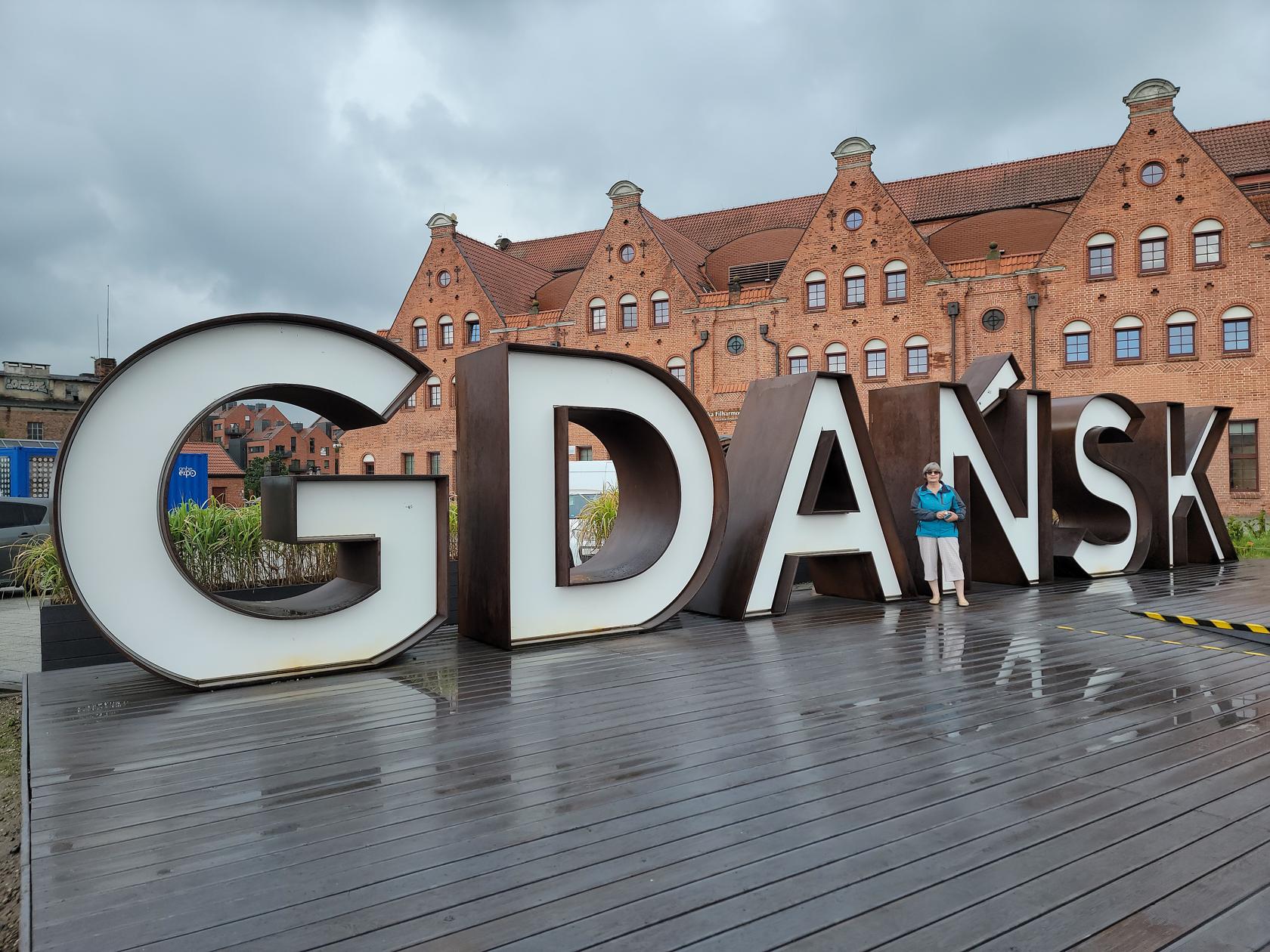
Patti – Gdańsk Sign – Gdańsk, Poland
Getting There
From Wrocław, Gdańsk is over a four hour train trip using the InterCity train system. Though the InterCity trains do not stop too often, there is still considerable distance between the two cities and even with an automobile it is a long drive. We were fortunate enough to have a very talkative couple that were Canadian-Polish dual citizens and have a very nice chat with them along the way, which thankfully seemed to have made the trip go faster.
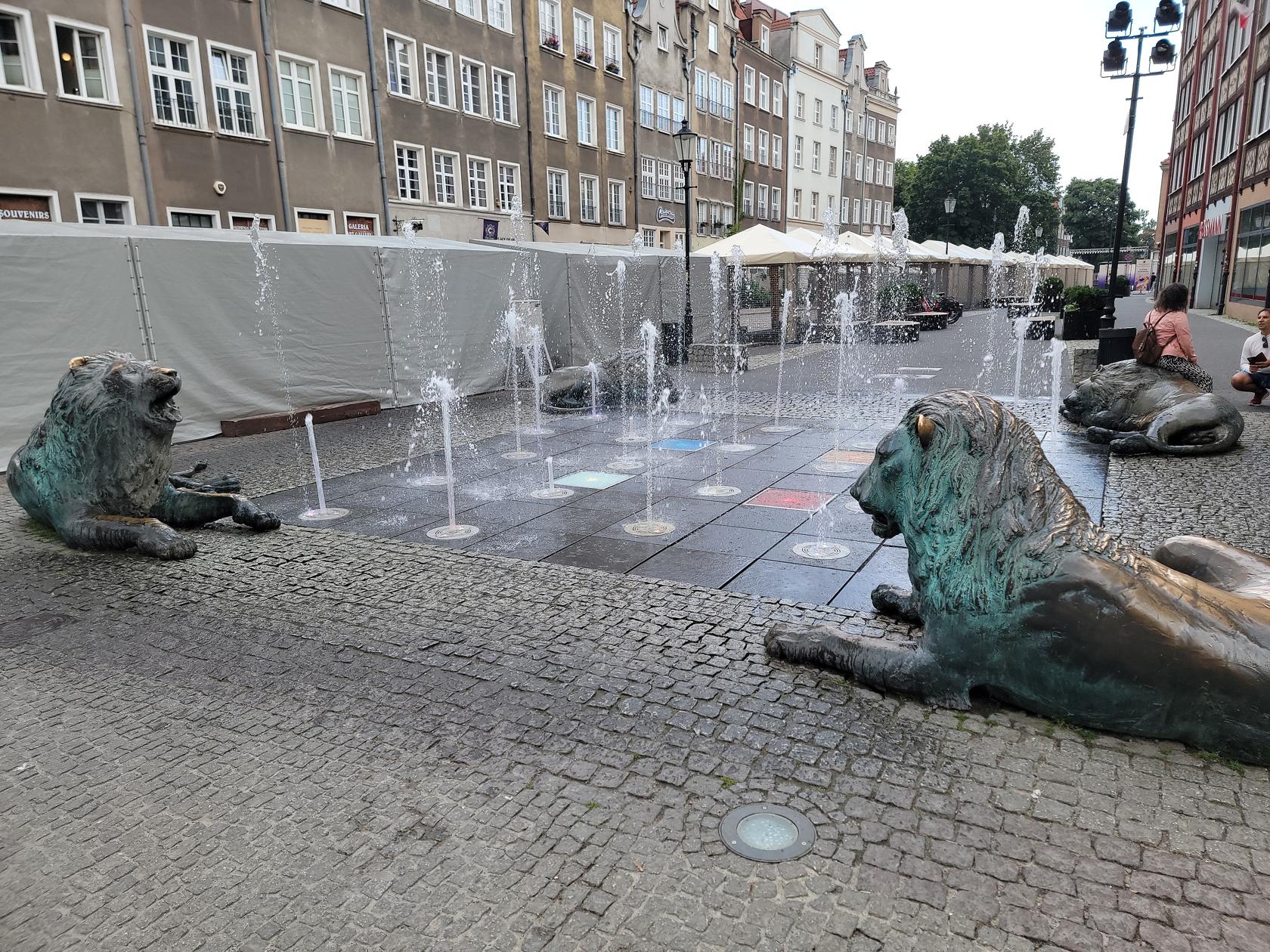
Four Quarters Fountain – Gdańsk, Poland
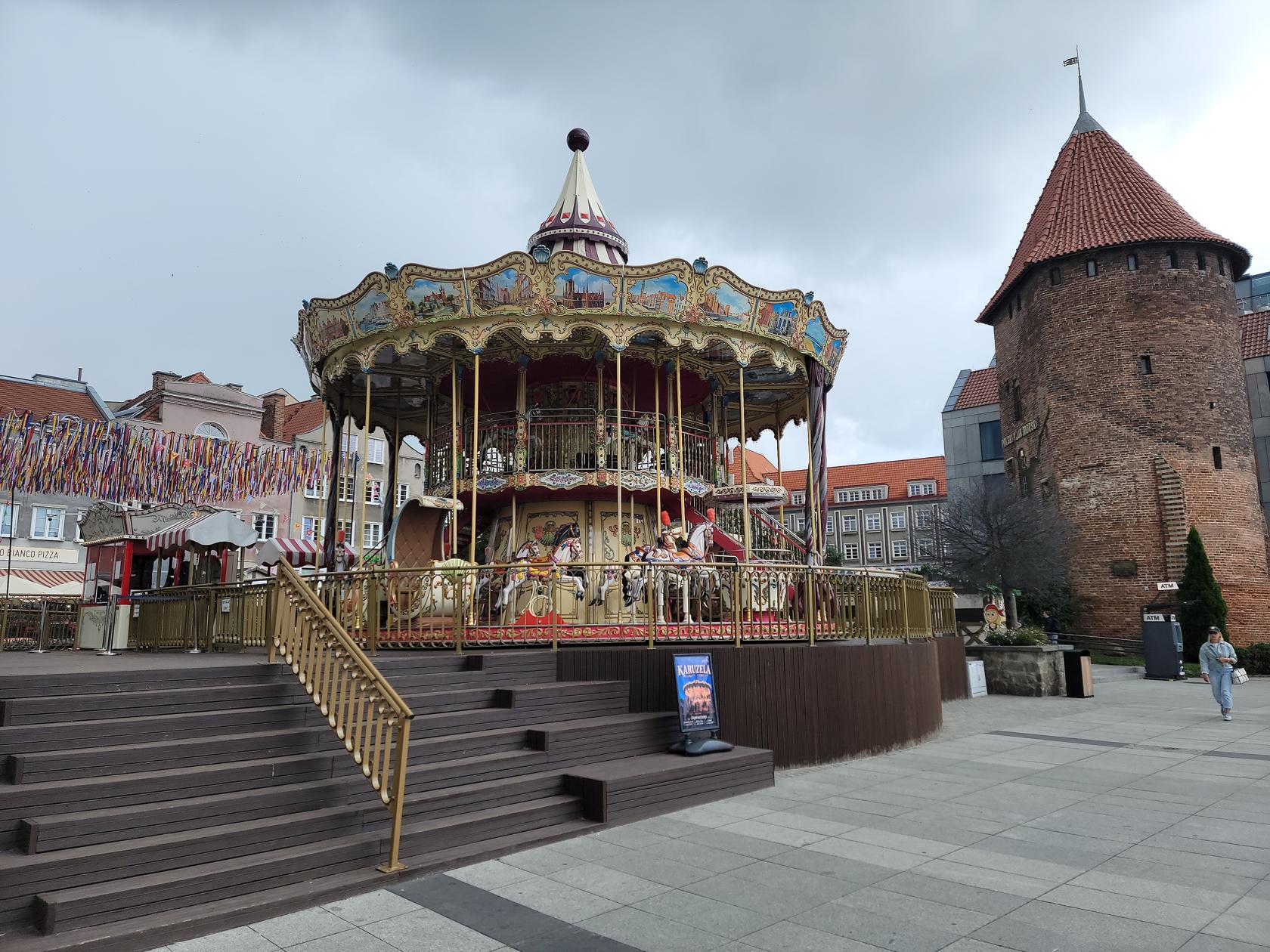
Carousel – Gdańsk, Poland
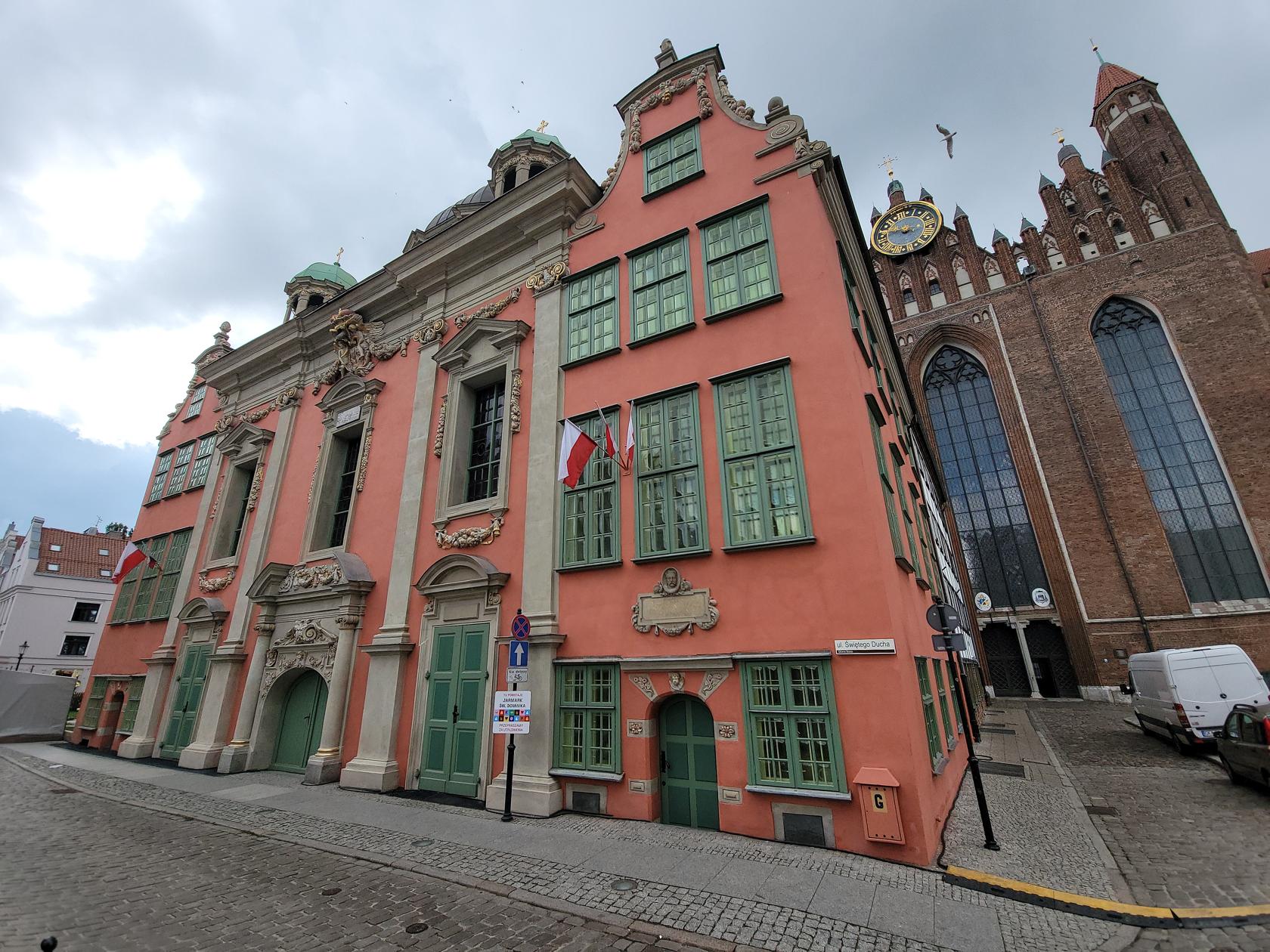
Royal Chapel – Gdańsk, Poland
Roman Cellar – Gdańsk, Poland
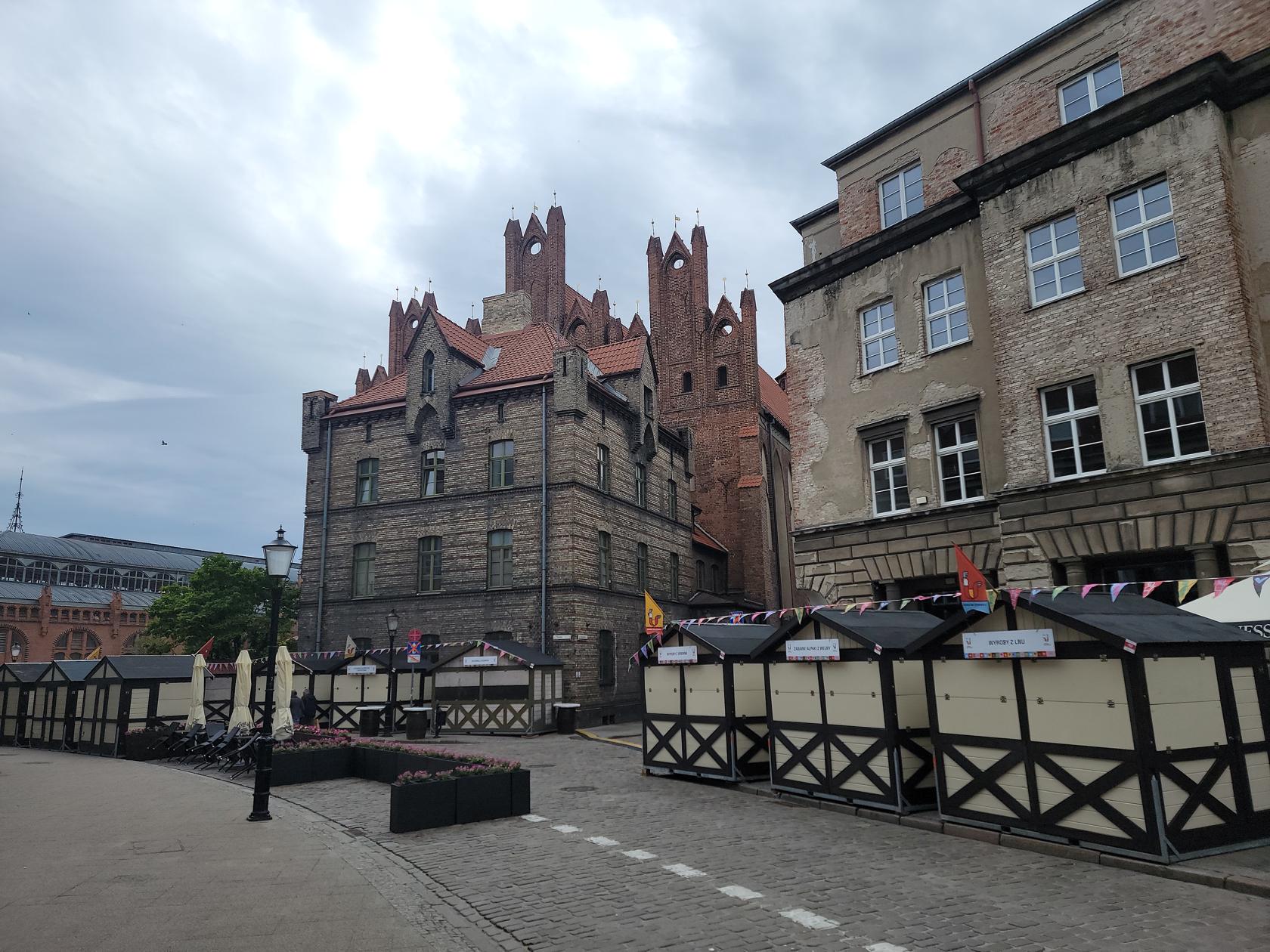
Setting up for St. Dominic’s Fair – Gdańsk, Poland
Old Erbsenmarkt – Gdańsk, Poland
Motlawa River
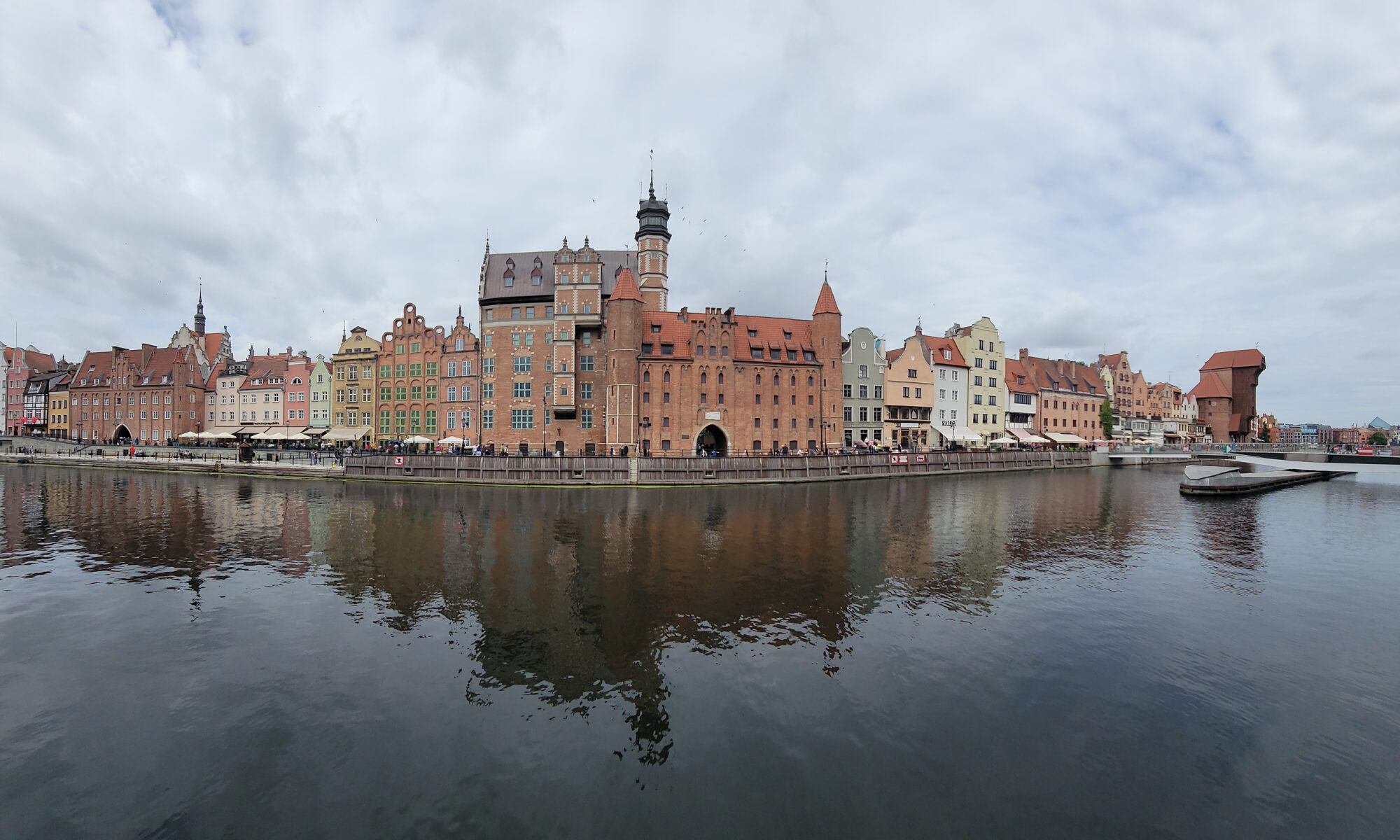
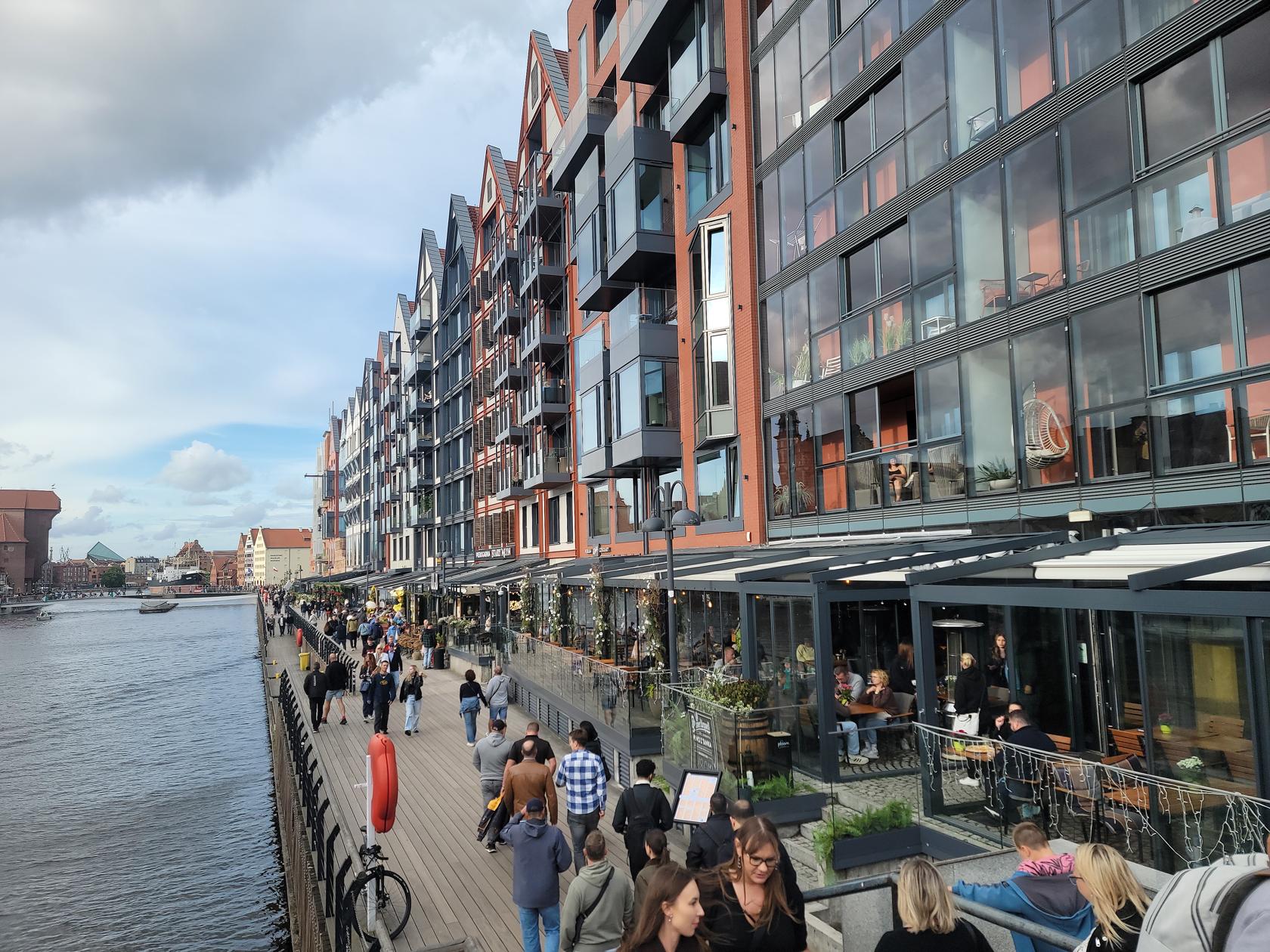
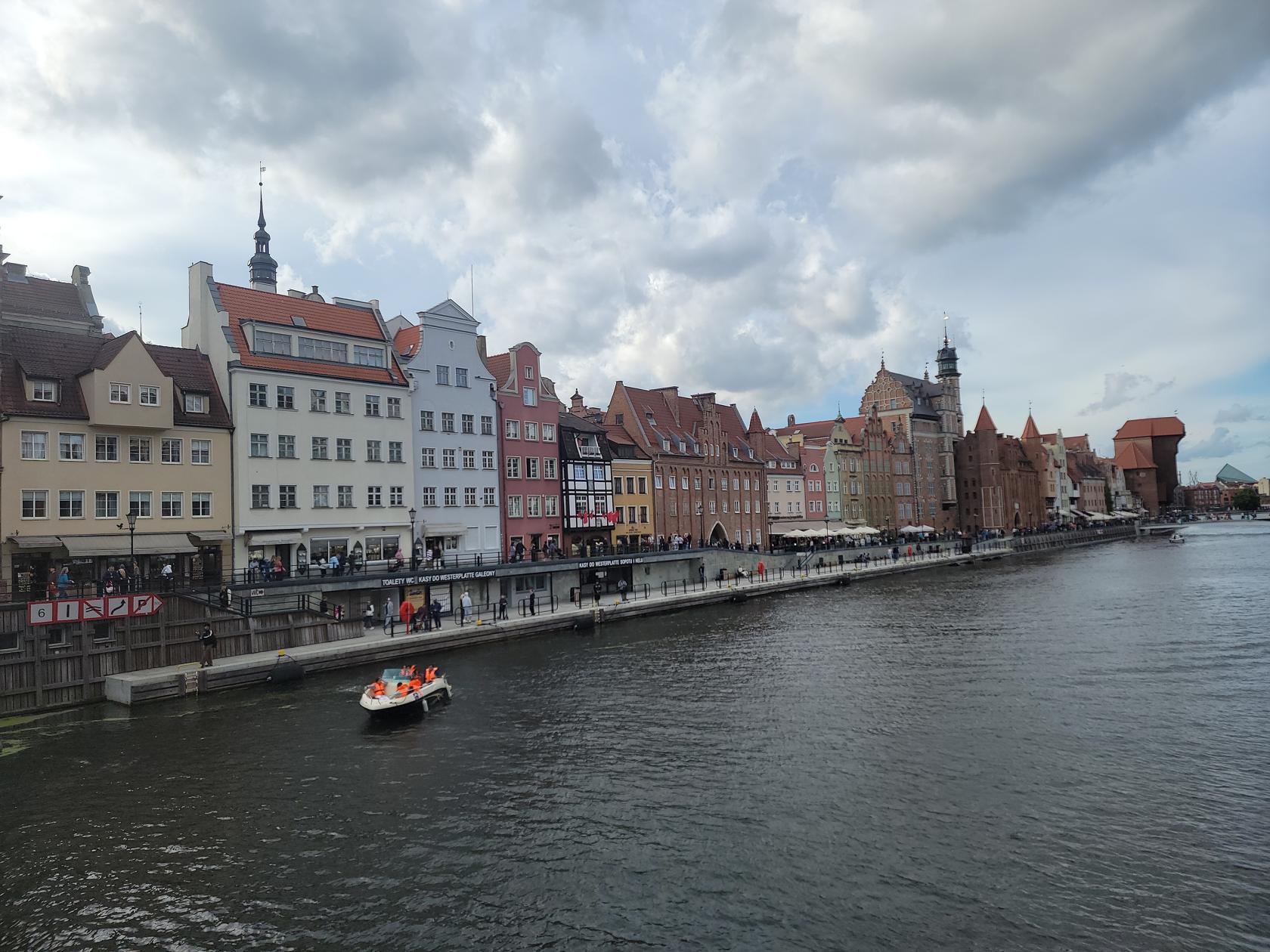
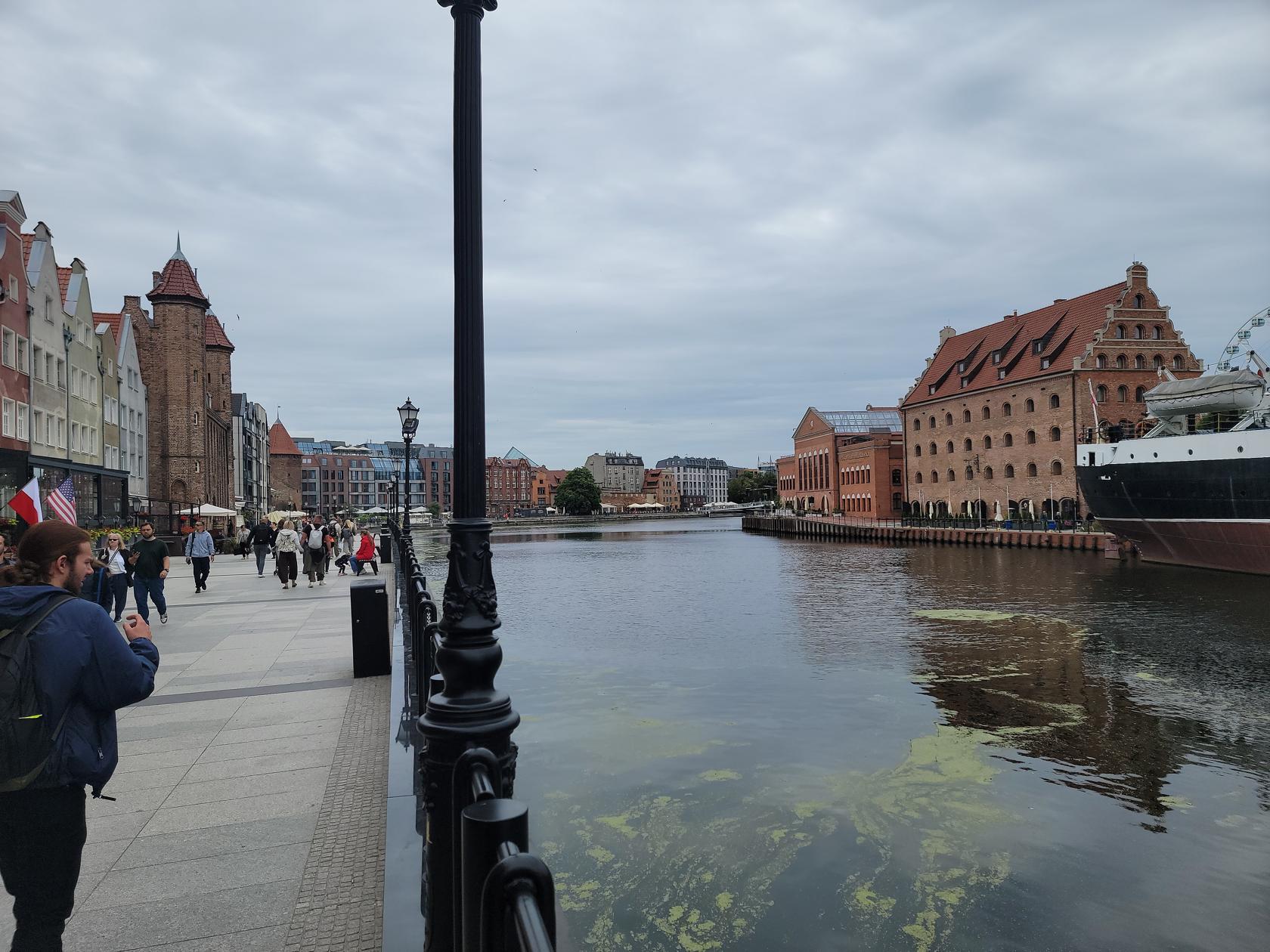
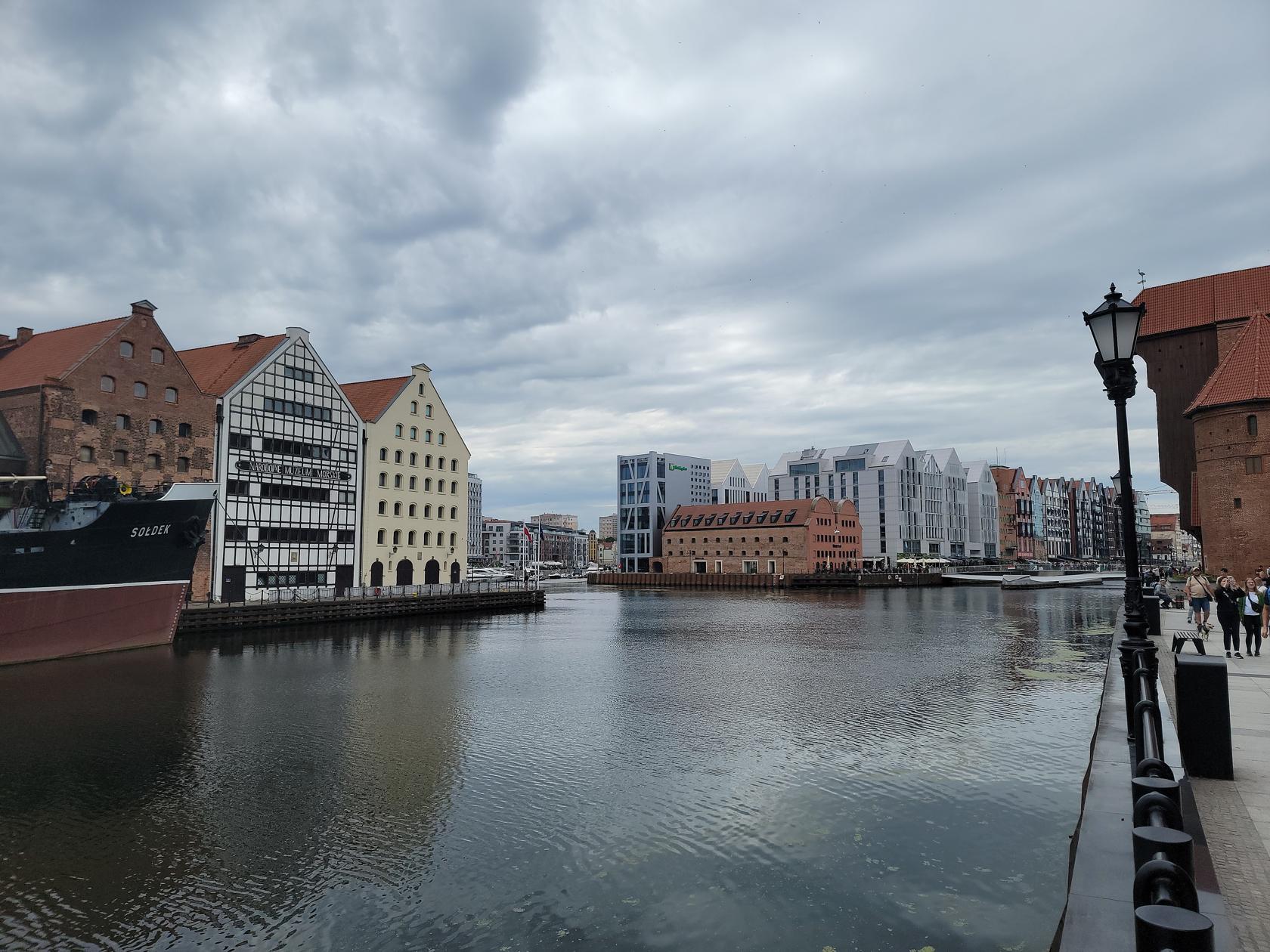
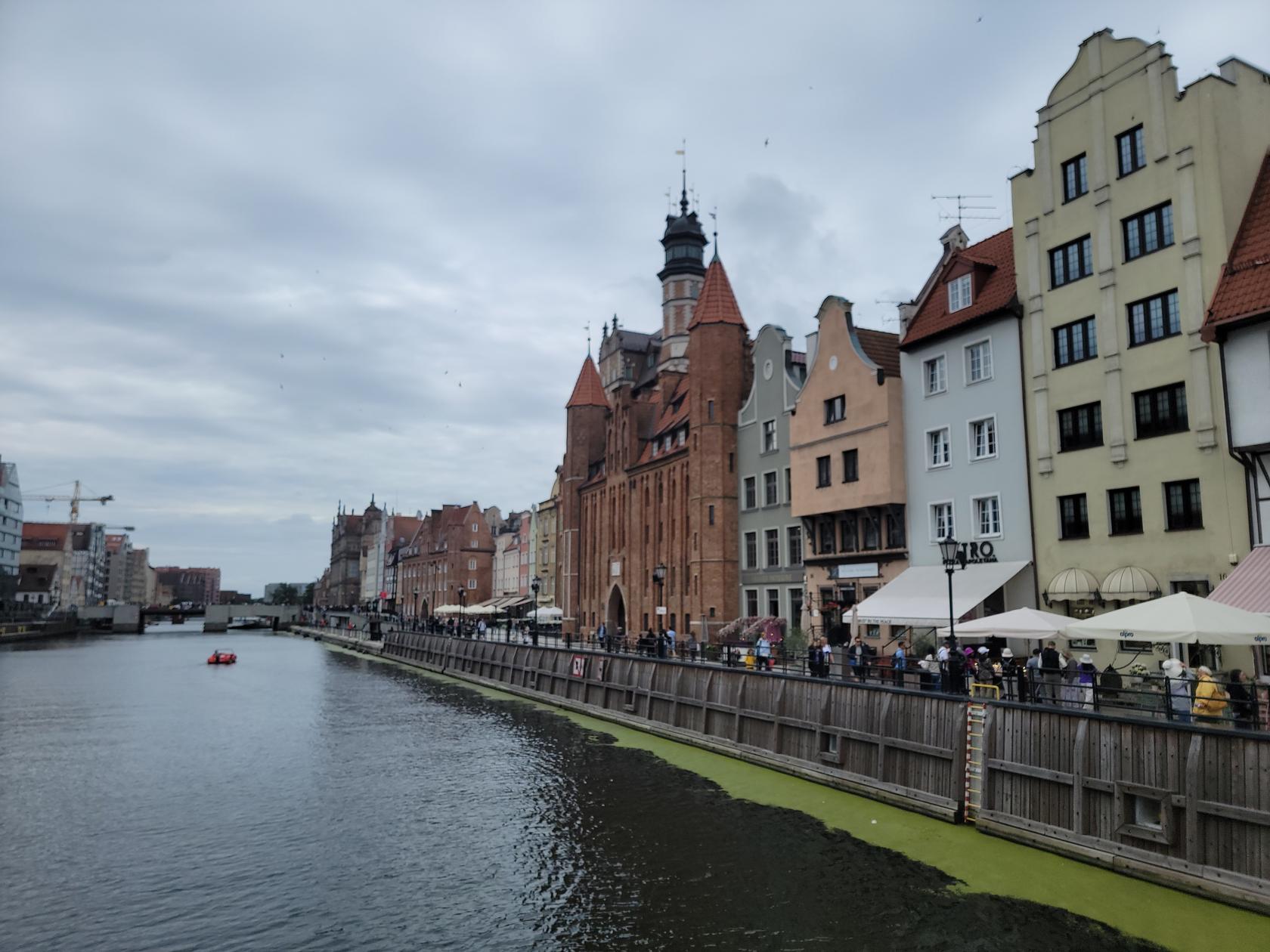
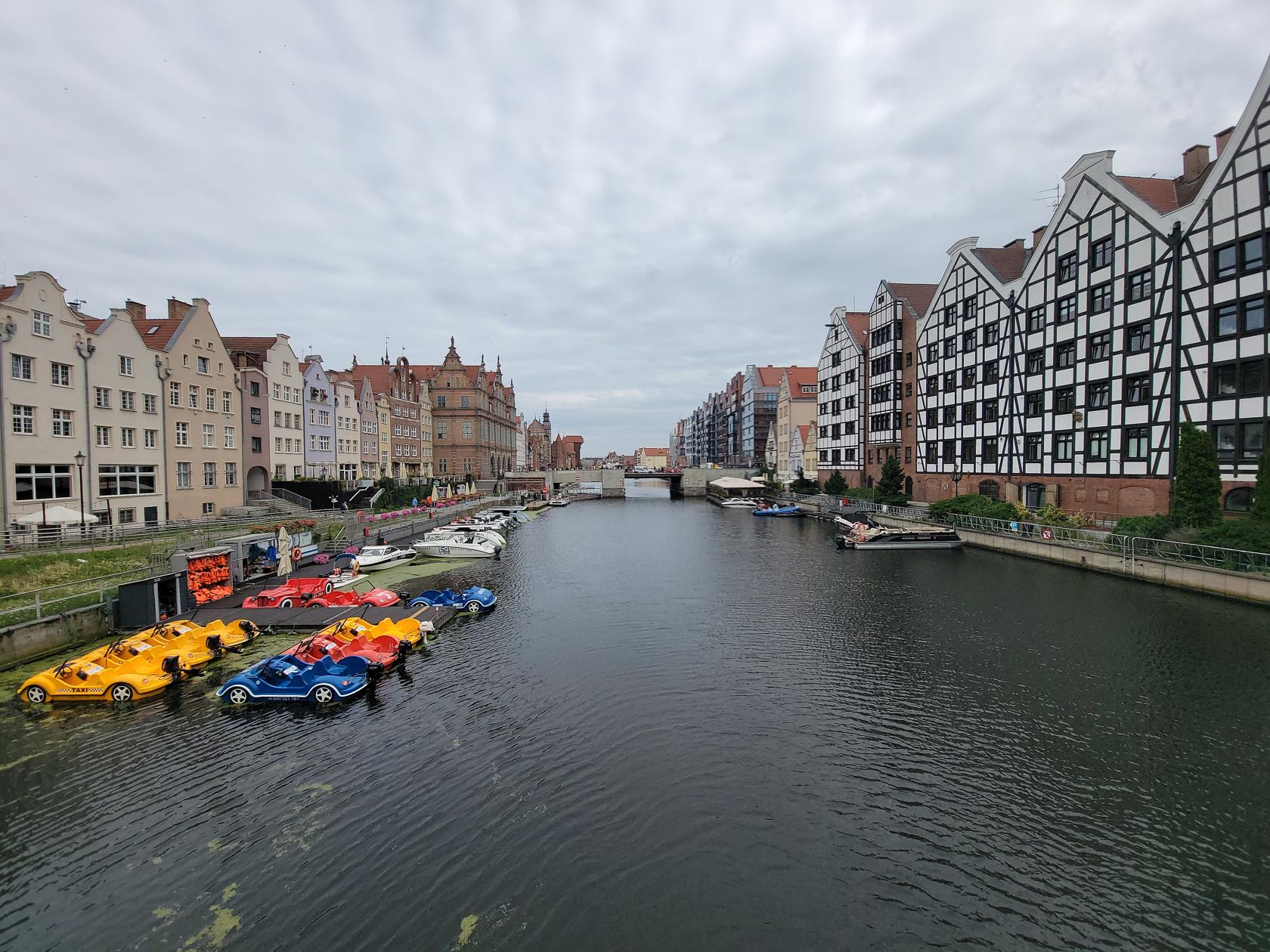
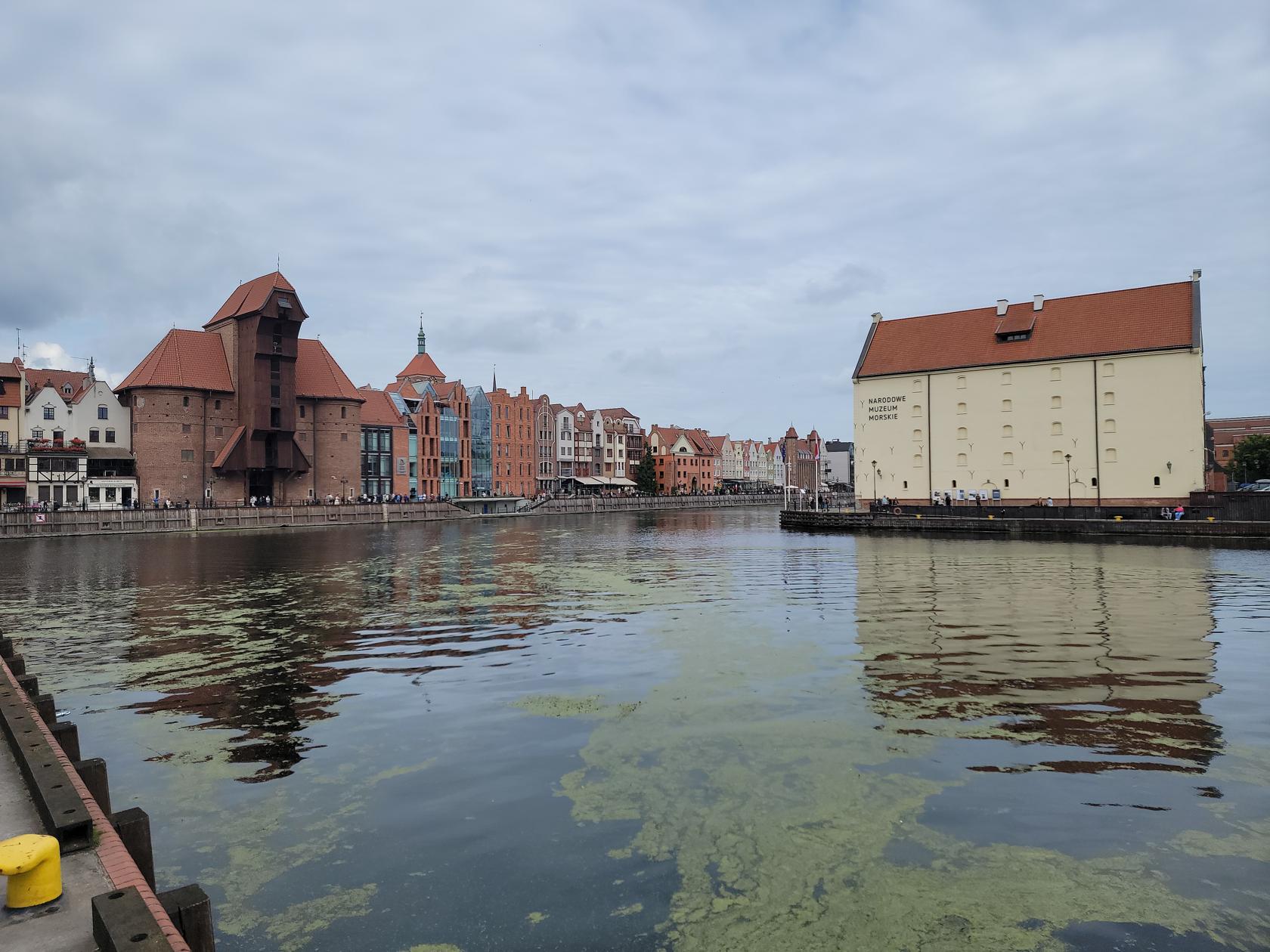
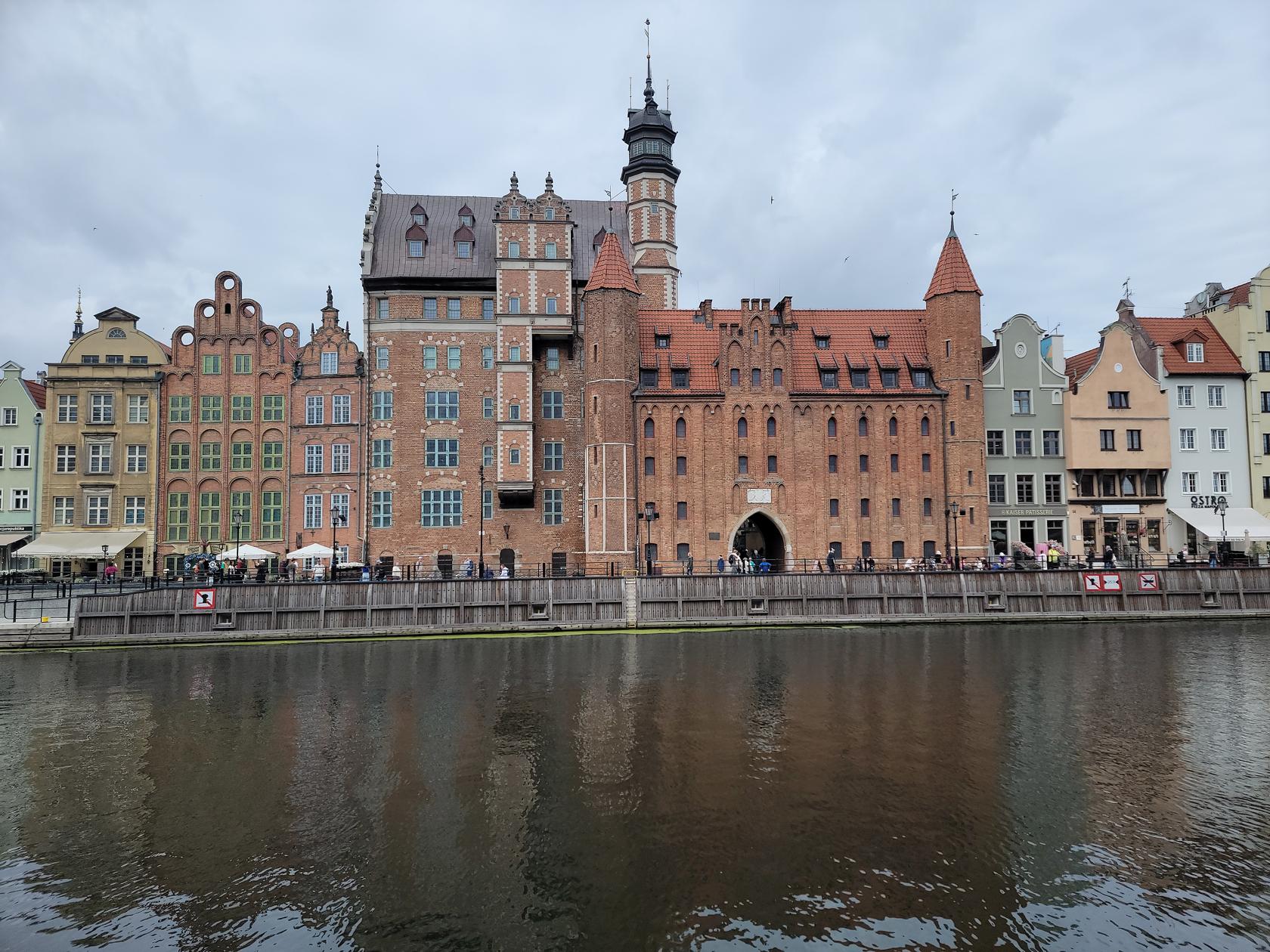
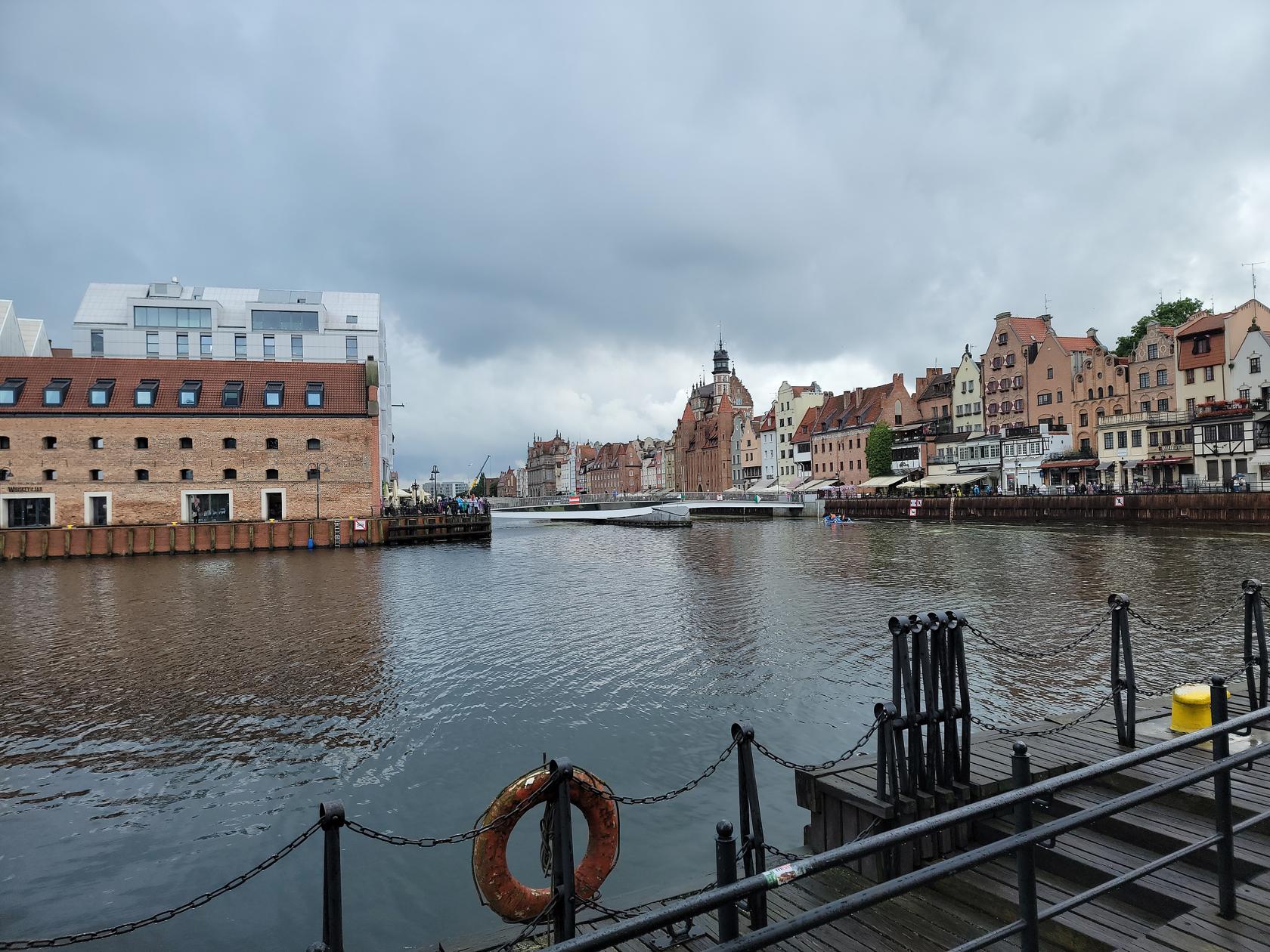
Along the Motlawa River on both sides are rows of buildings. Many were old warehouses, shops, fish mongers and other establishments, when the city was an active seaport. Today it is mostly restaurants, shops and hotels.
Boardwalk – Motława River – Gdańsk, Poland
Motława River – Gdańsk, Poland
Boardwalk – Motława River – Gdańsk, Poland
Motława River – Gdańsk, Poland
Saint Mary’s Gate – Motława River – Gdańsk, Poland
Motława River – Gdańsk, Poland
Old Port Crane – Motława River – Gdańsk, Poland
Saint Mary’s Gate – Motława River – Gdańsk, Poland
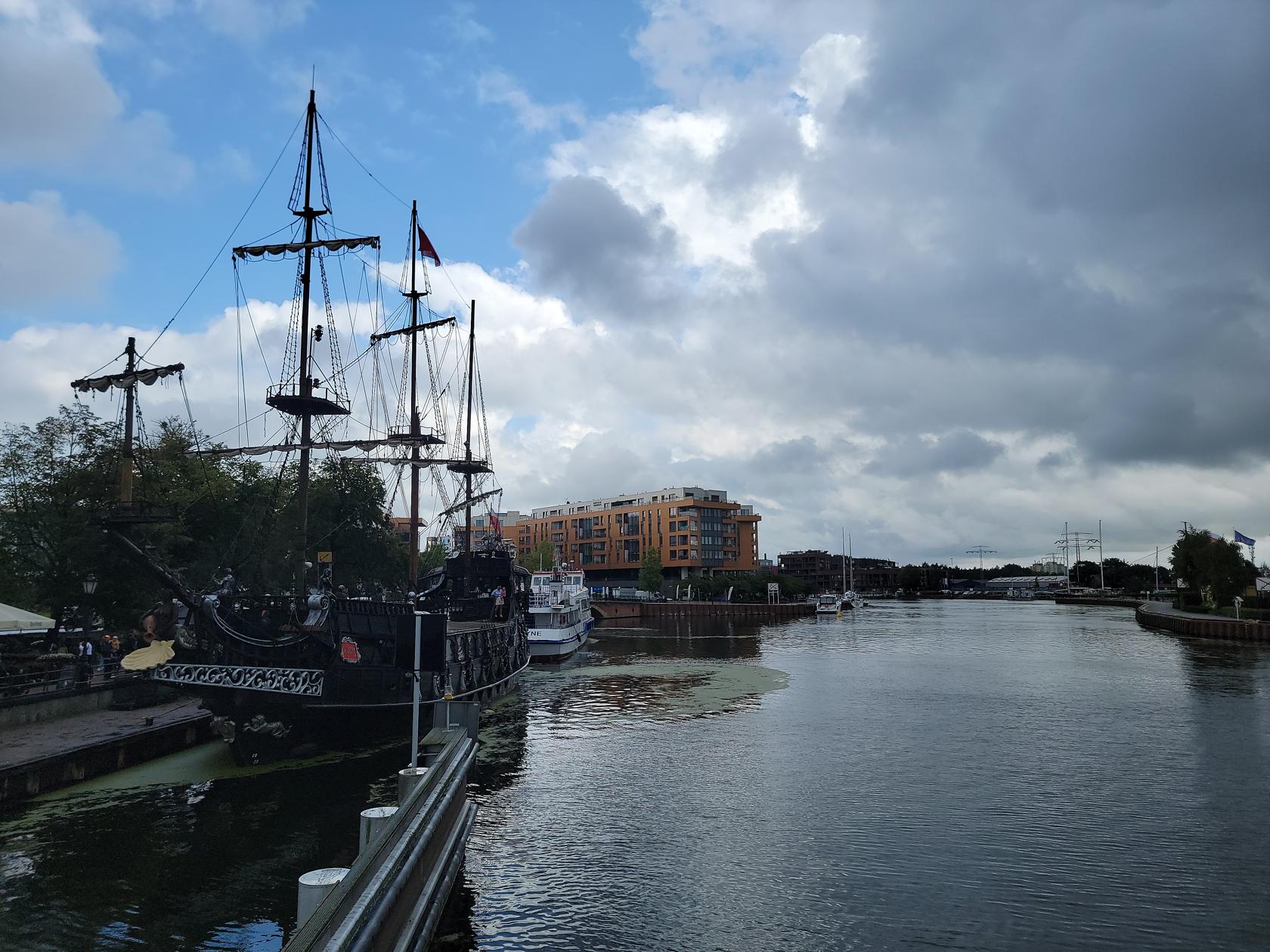
Lew Galeon – Gdańsk, Poland
Motława River – Gdańsk, Poland
Old Port Crane
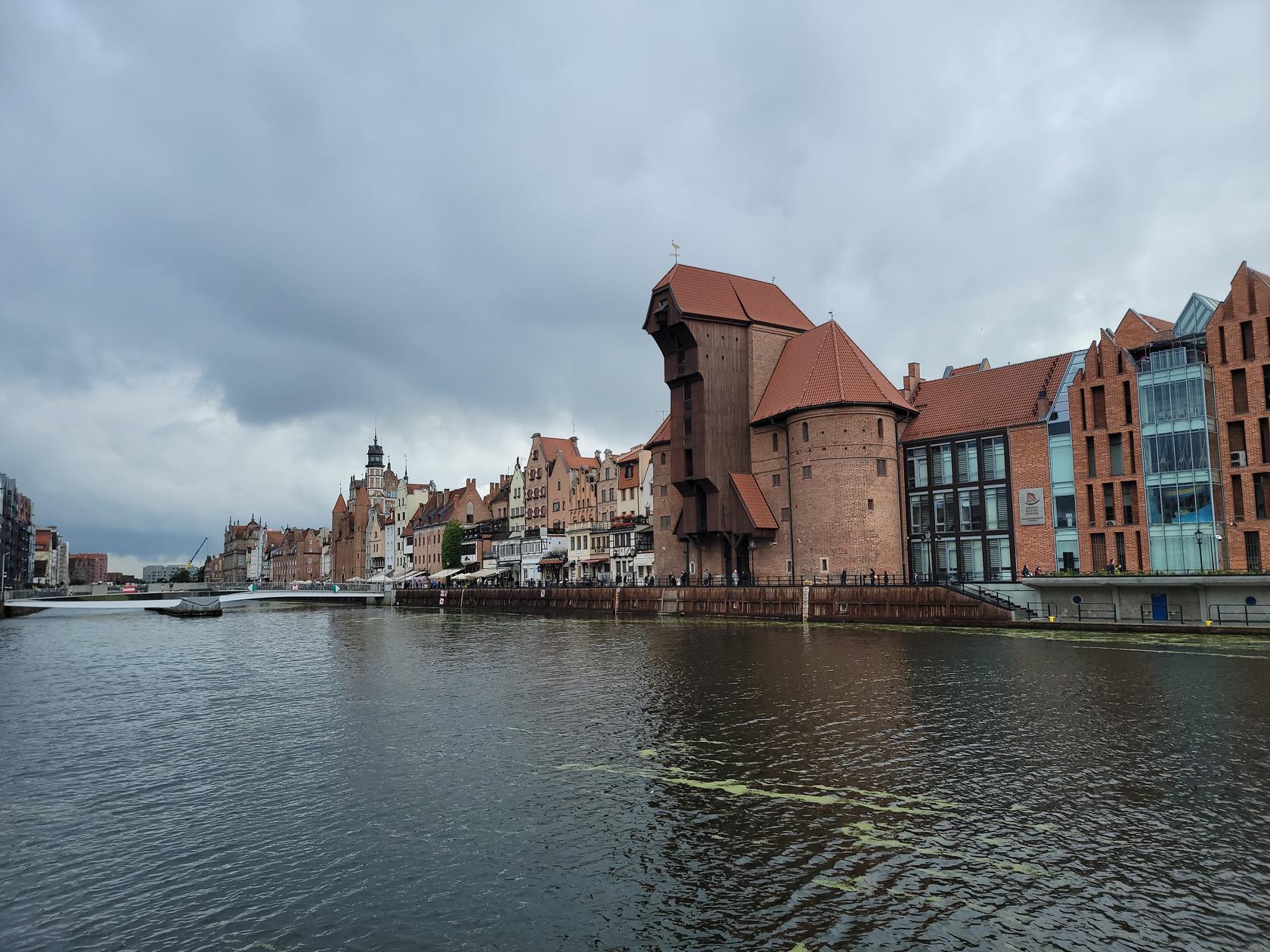
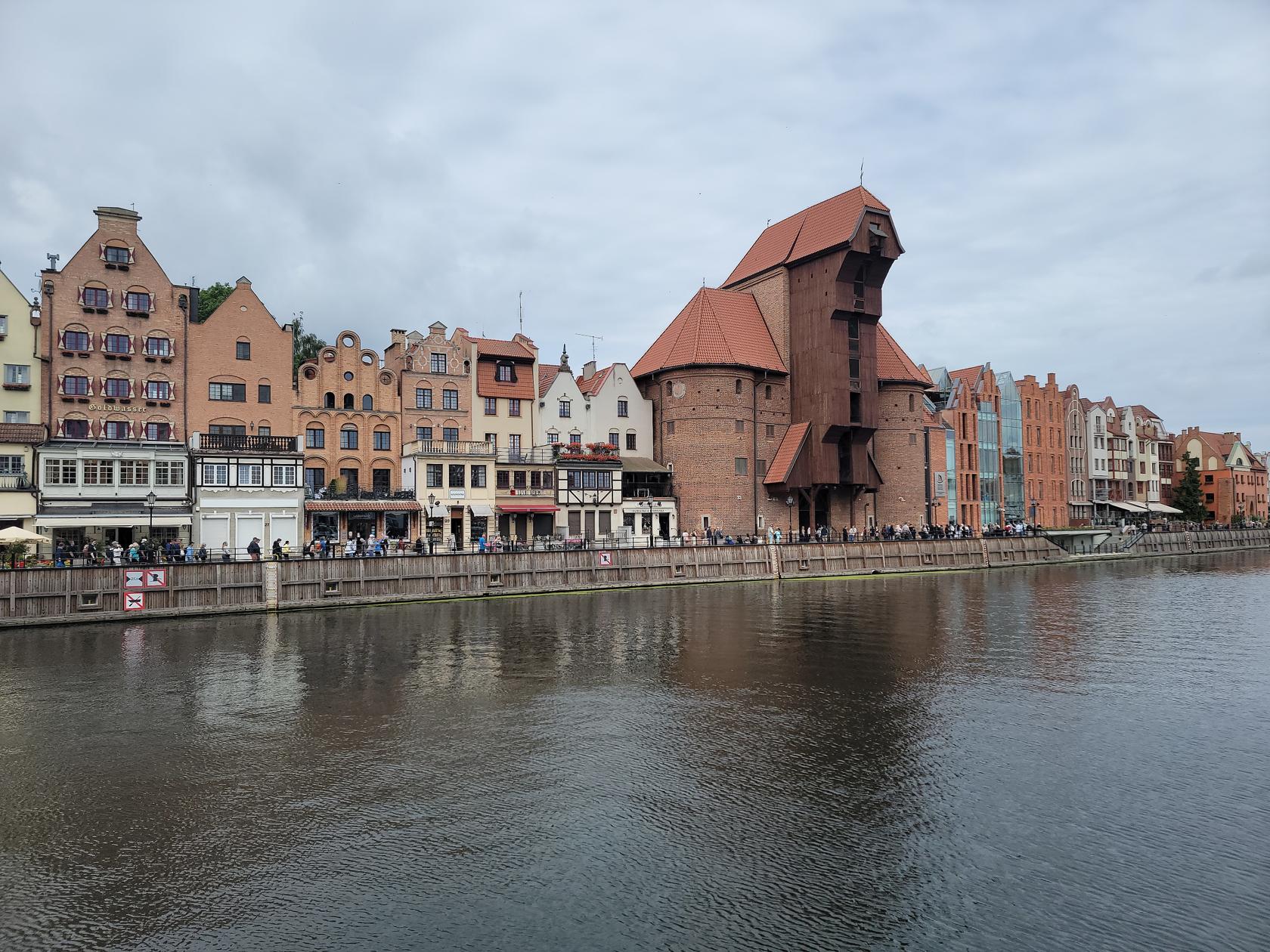
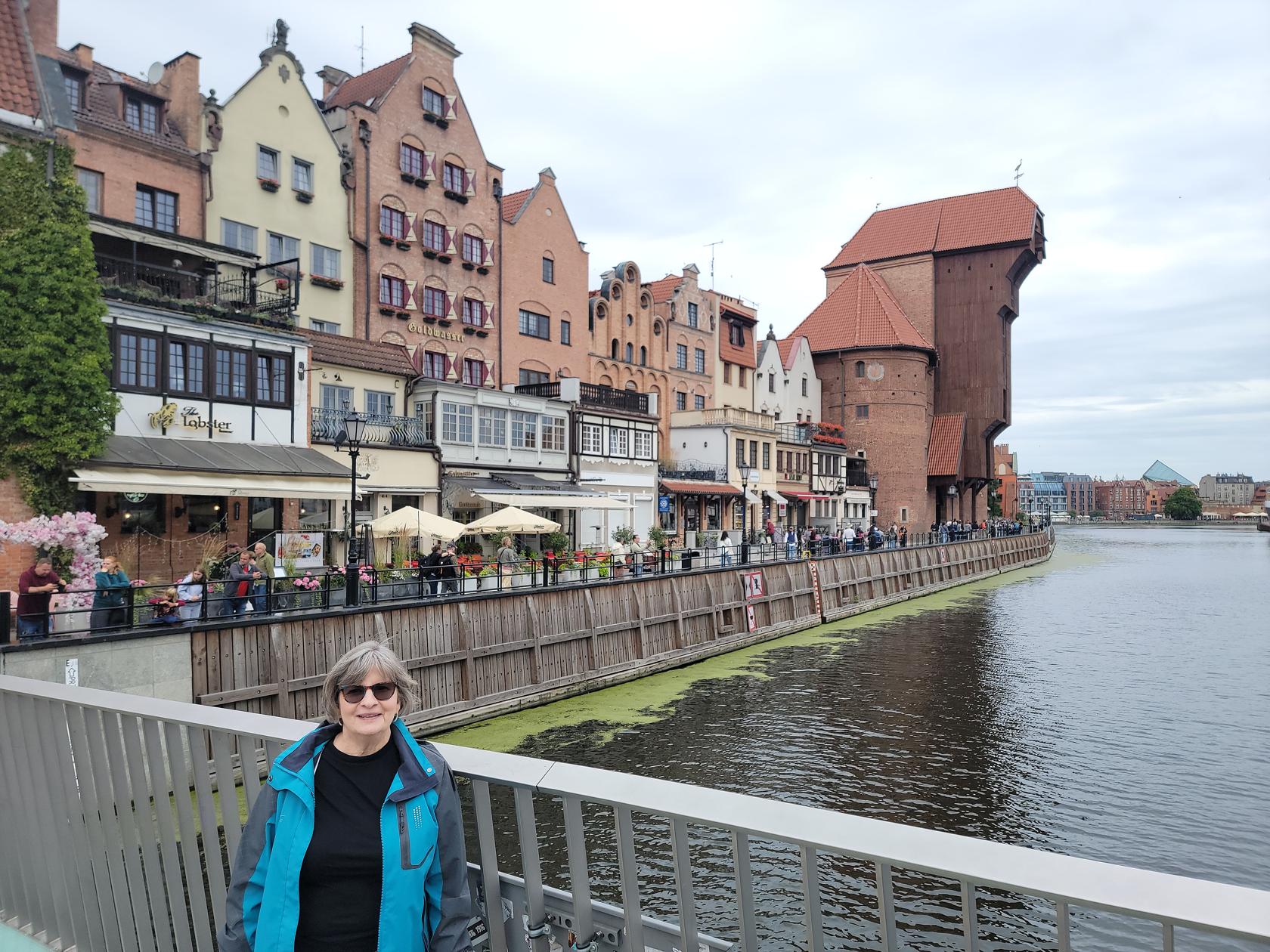
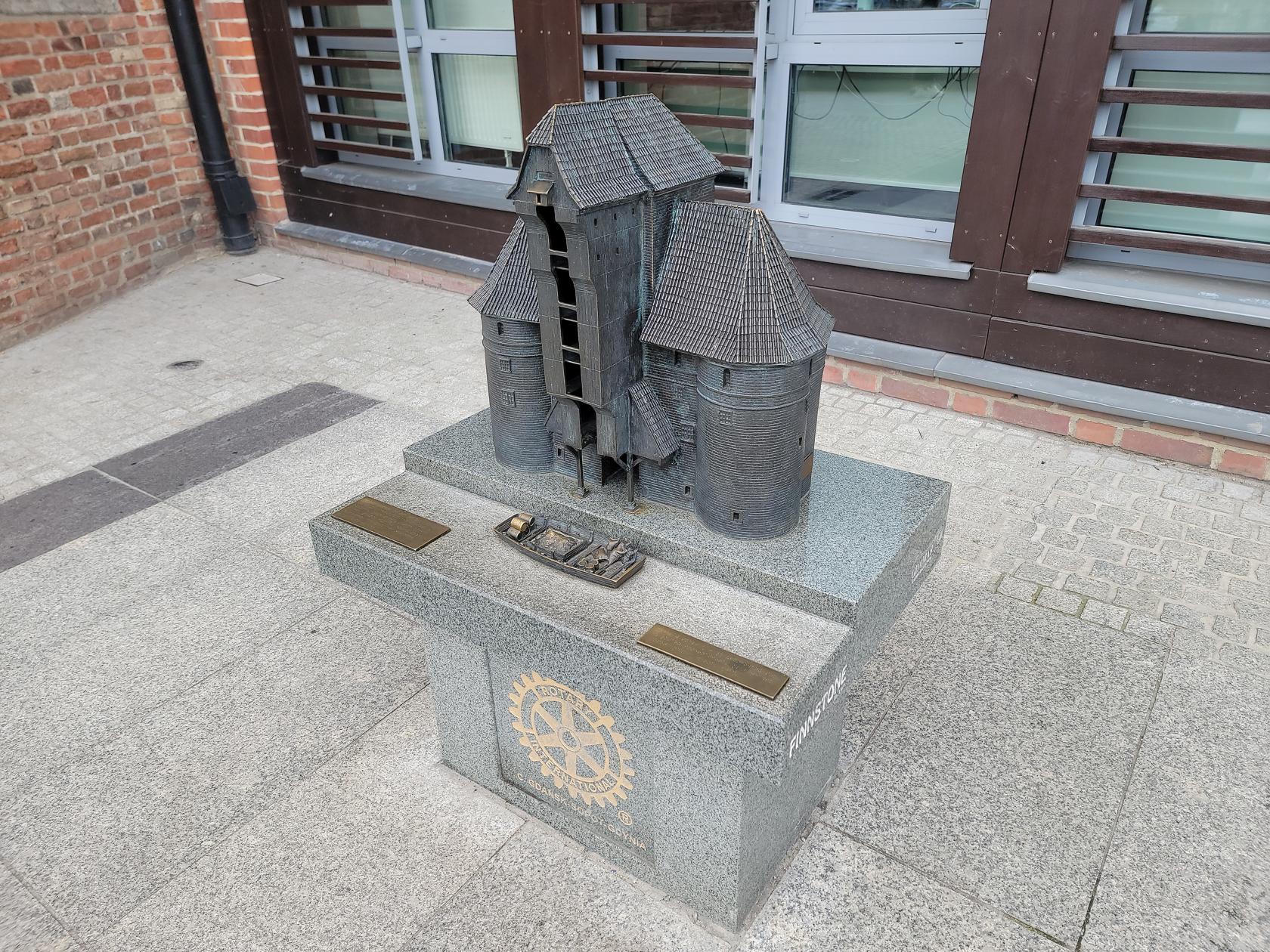
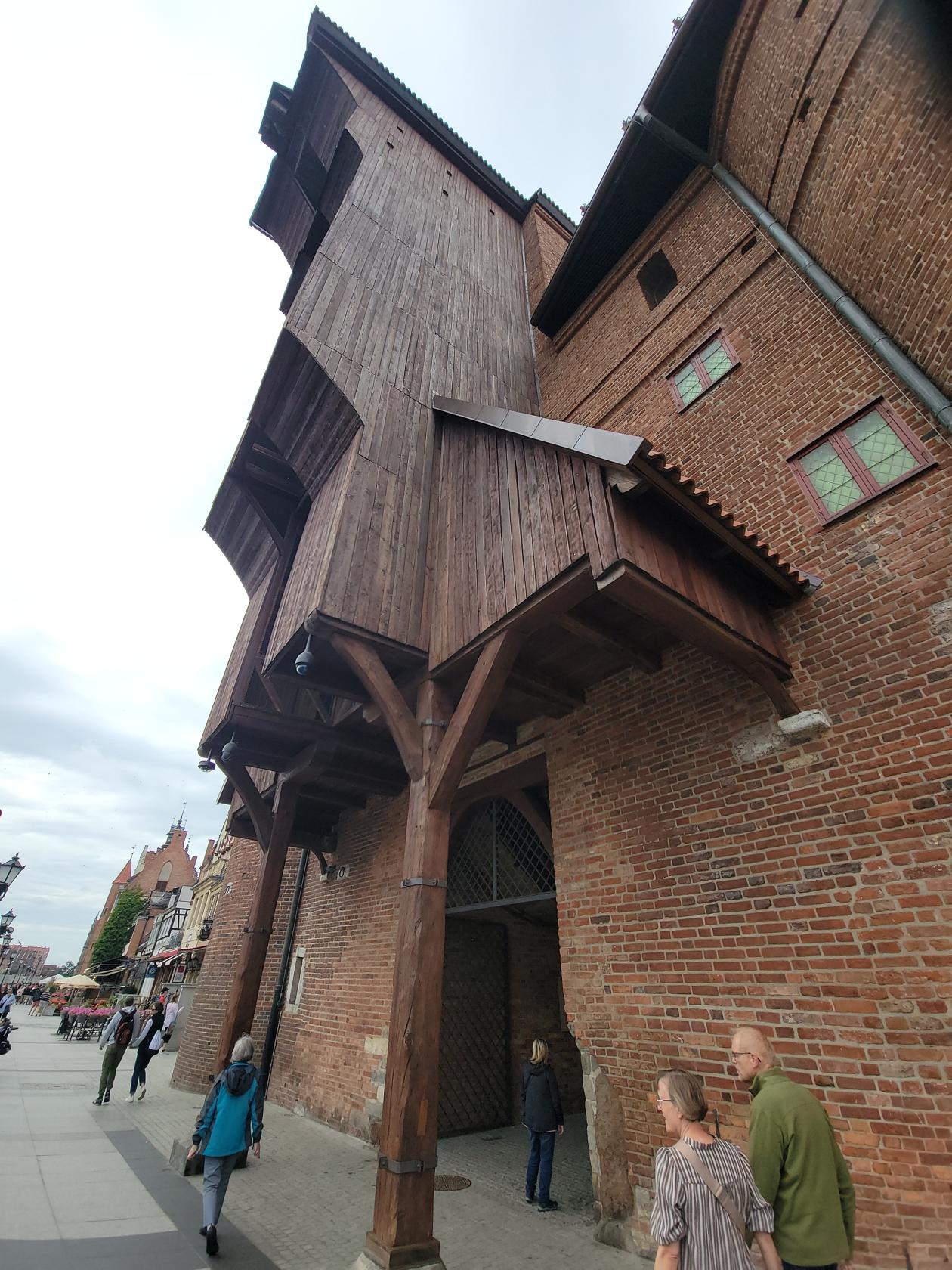
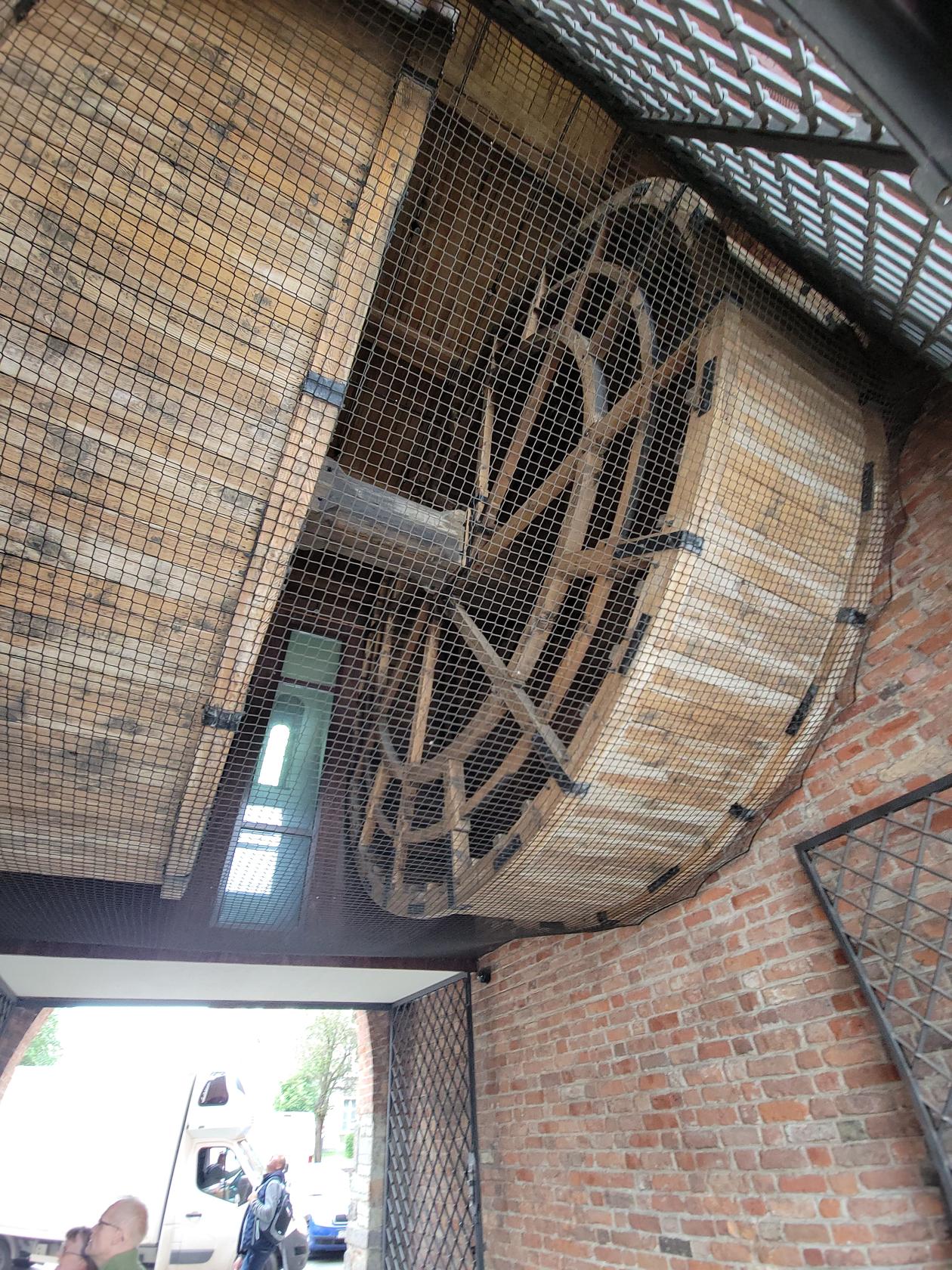
One of the major attactions is the Old Port Crane, also known as the Gdańsk Crane, actually has an unknown origin. Though ostensibly built to convey things from ships portside into the city over the surrounding wall its actual purpose remains a mystery. It burnt down once and was restored, only to be partially destroyed during the end of World War II and rebuilt in the 1960s as a historical piece and museum.
Old Port Crane – Gdańsk, Poland
Old Port Crane – Motława River – Gdańsk, Poland
Patti on Rotating Bridge – Holy Spirit Gate – Motława River – Gdańsk, Poland
Old Port Crane Bronze Monument – Motława River – Gdańsk, Poland
Old Port Crane – Motława River – Gdańsk, Poland
Large Tread Wheels – Old Port Crane – Motława River – Gdańsk, Poland
Długa Street
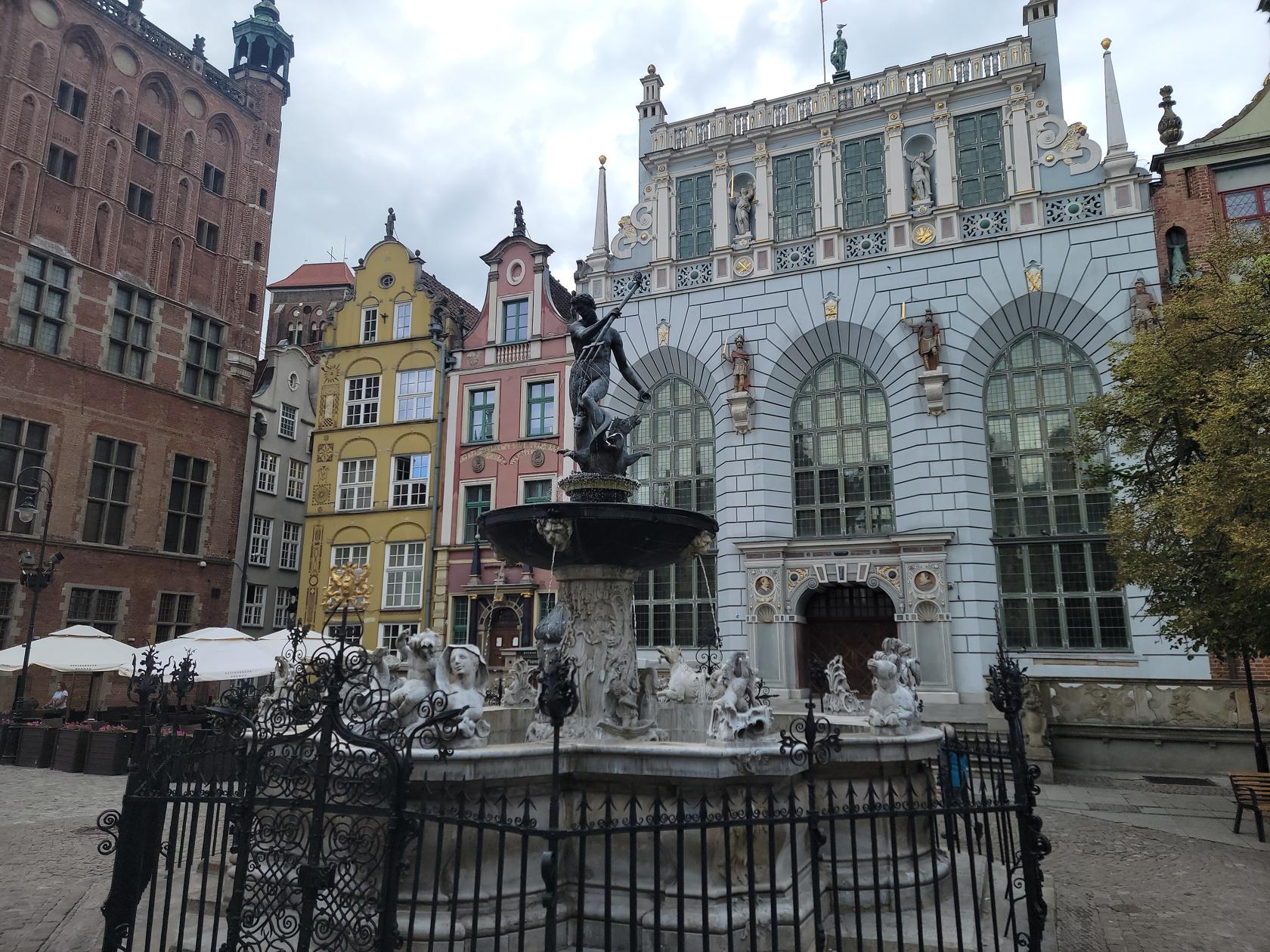
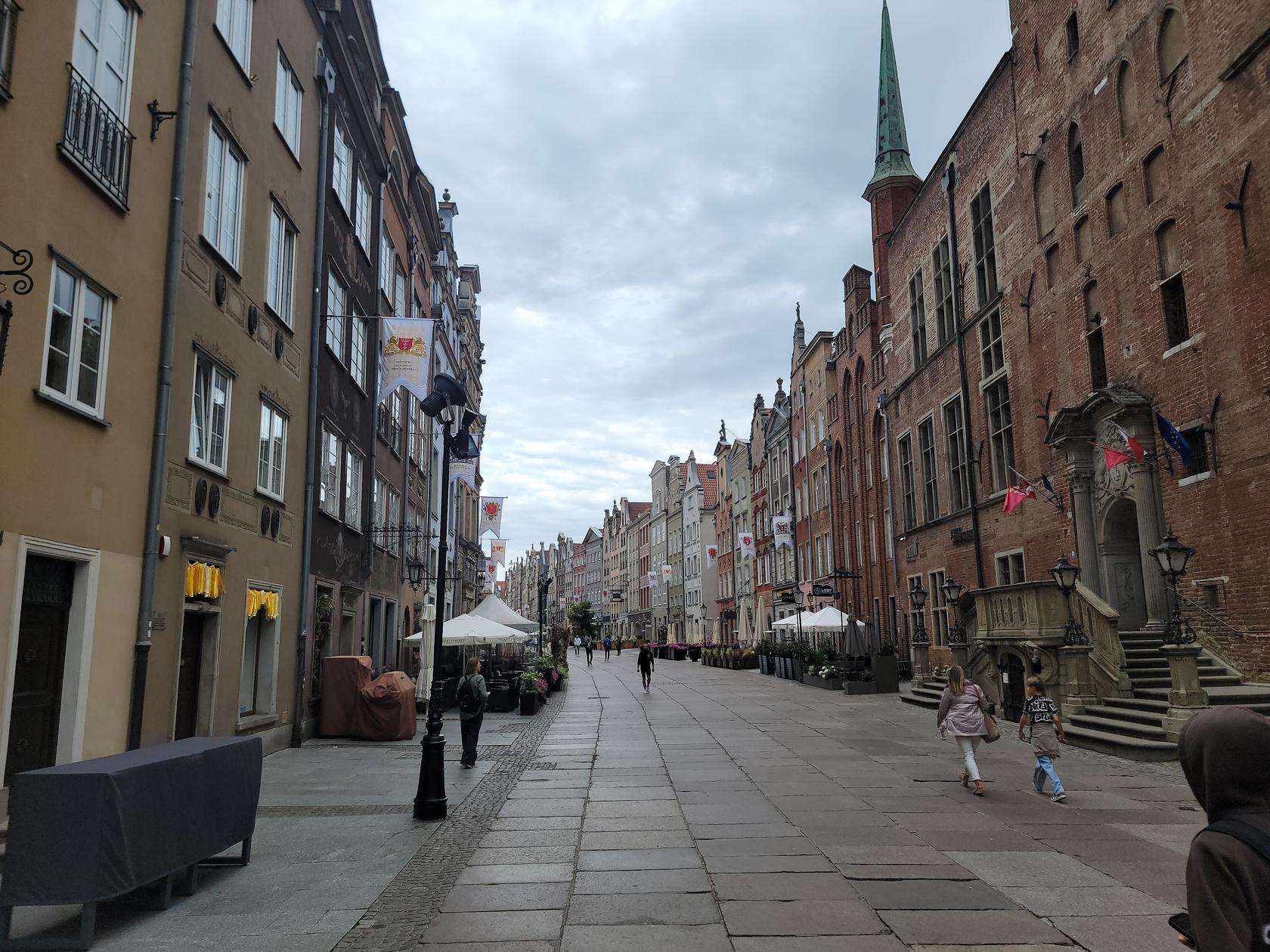
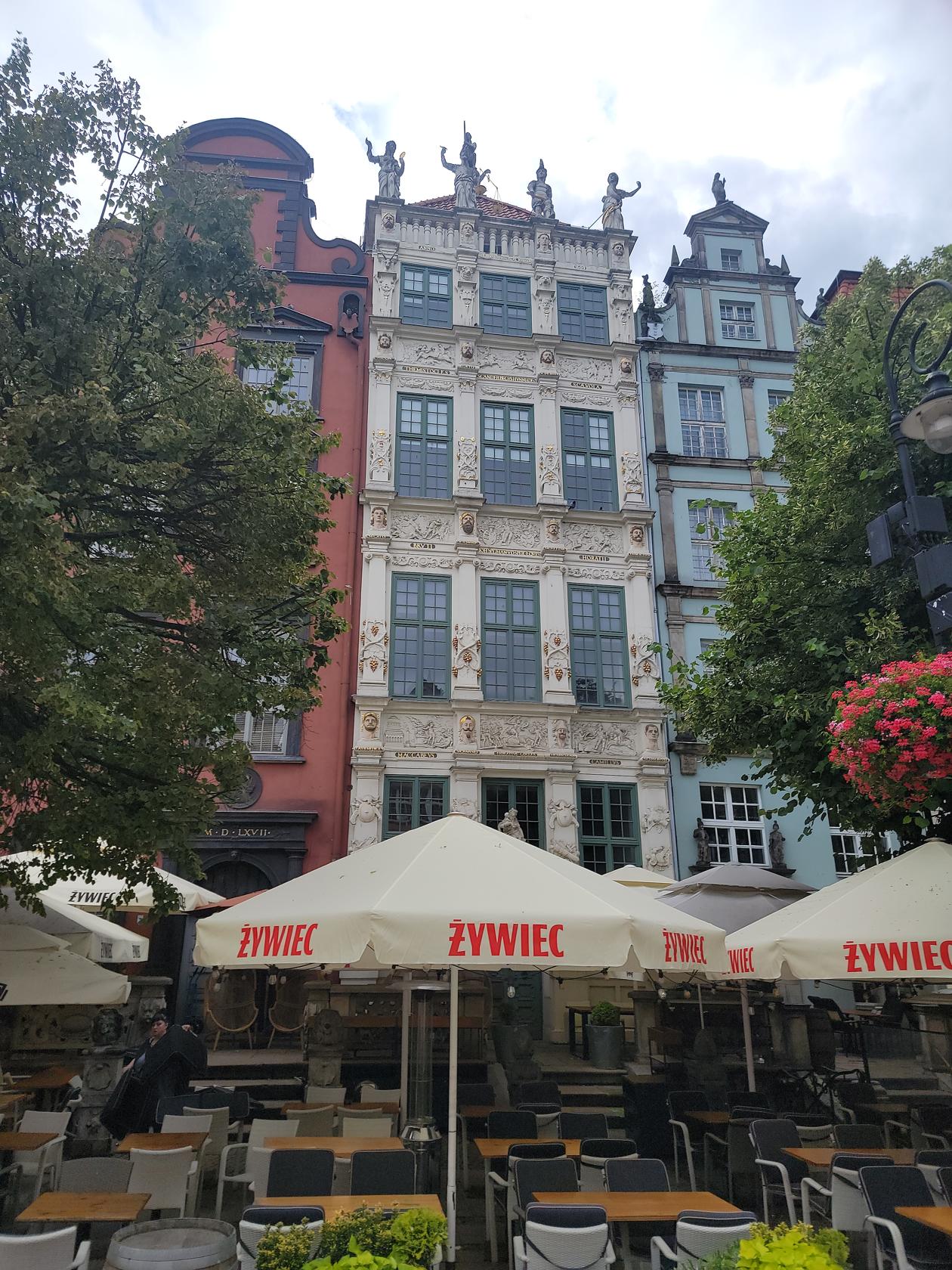
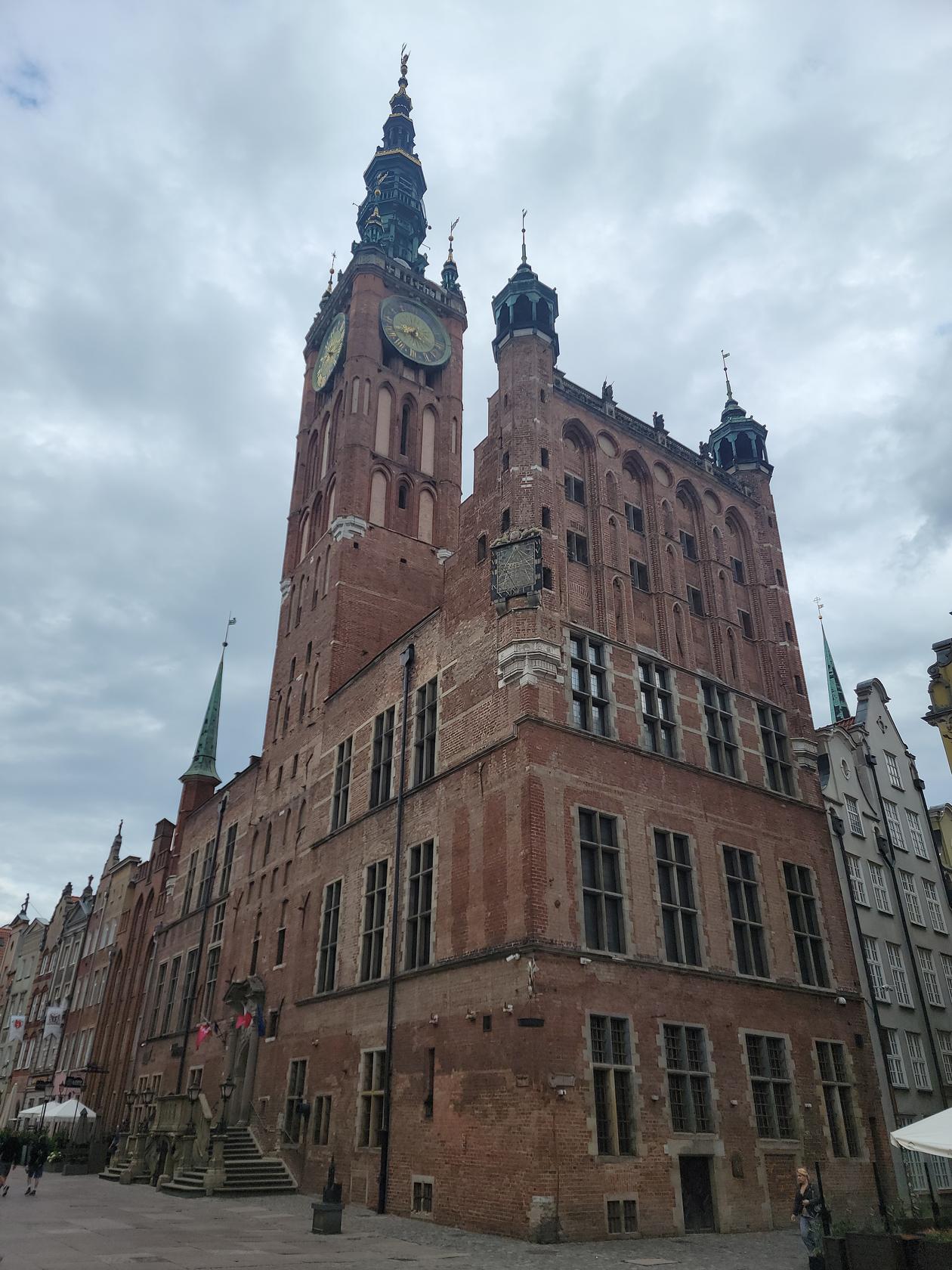
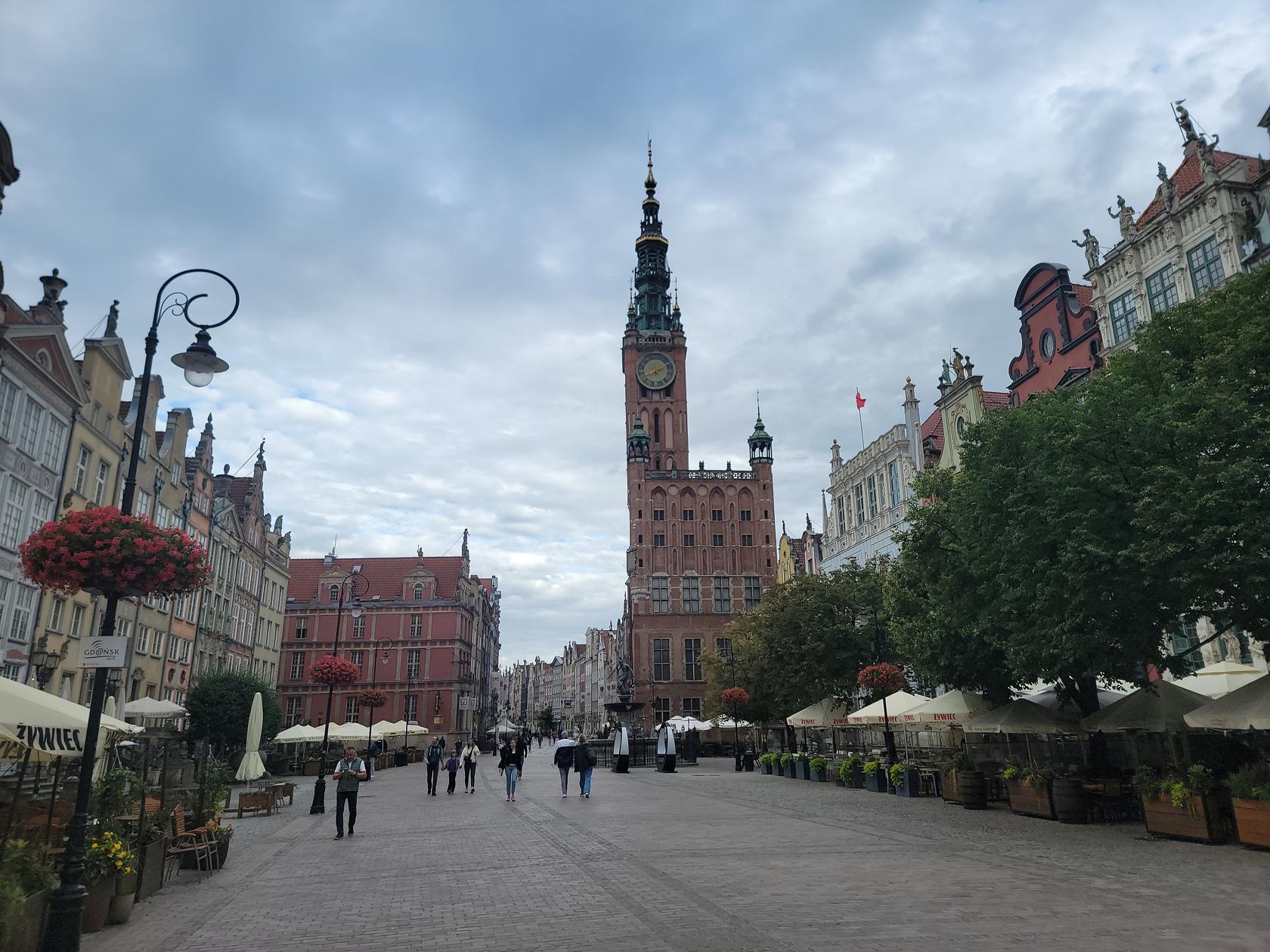
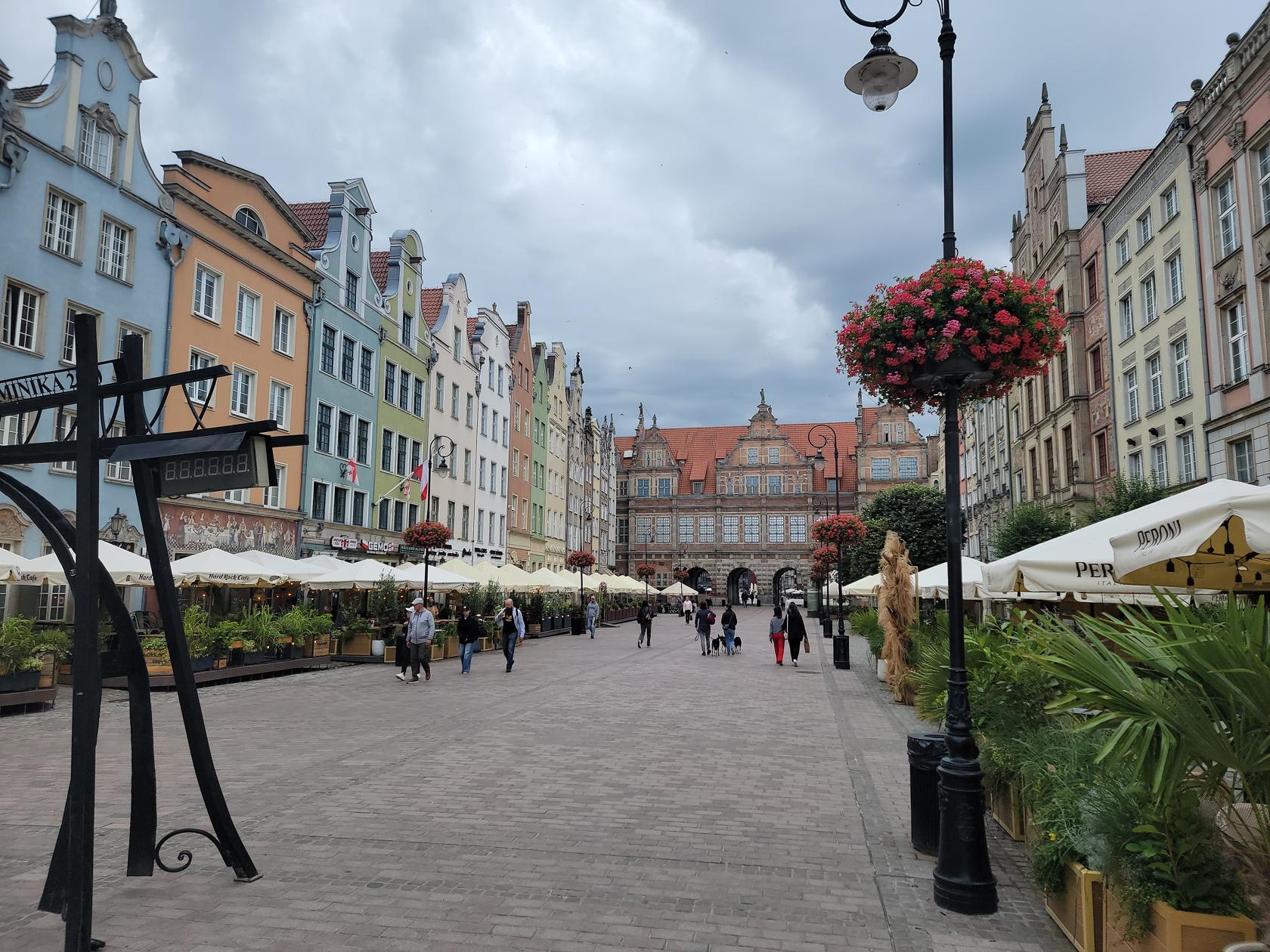
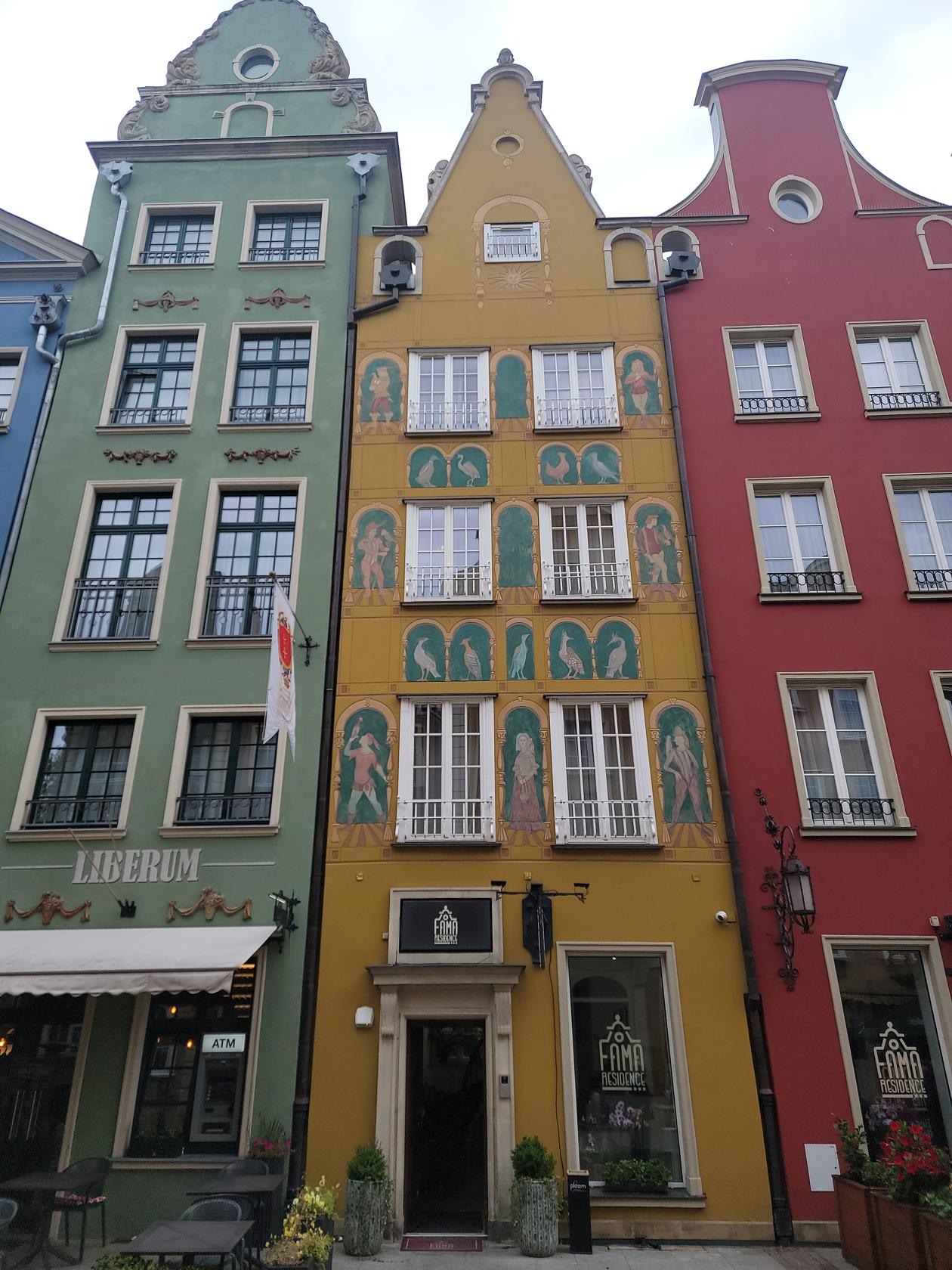
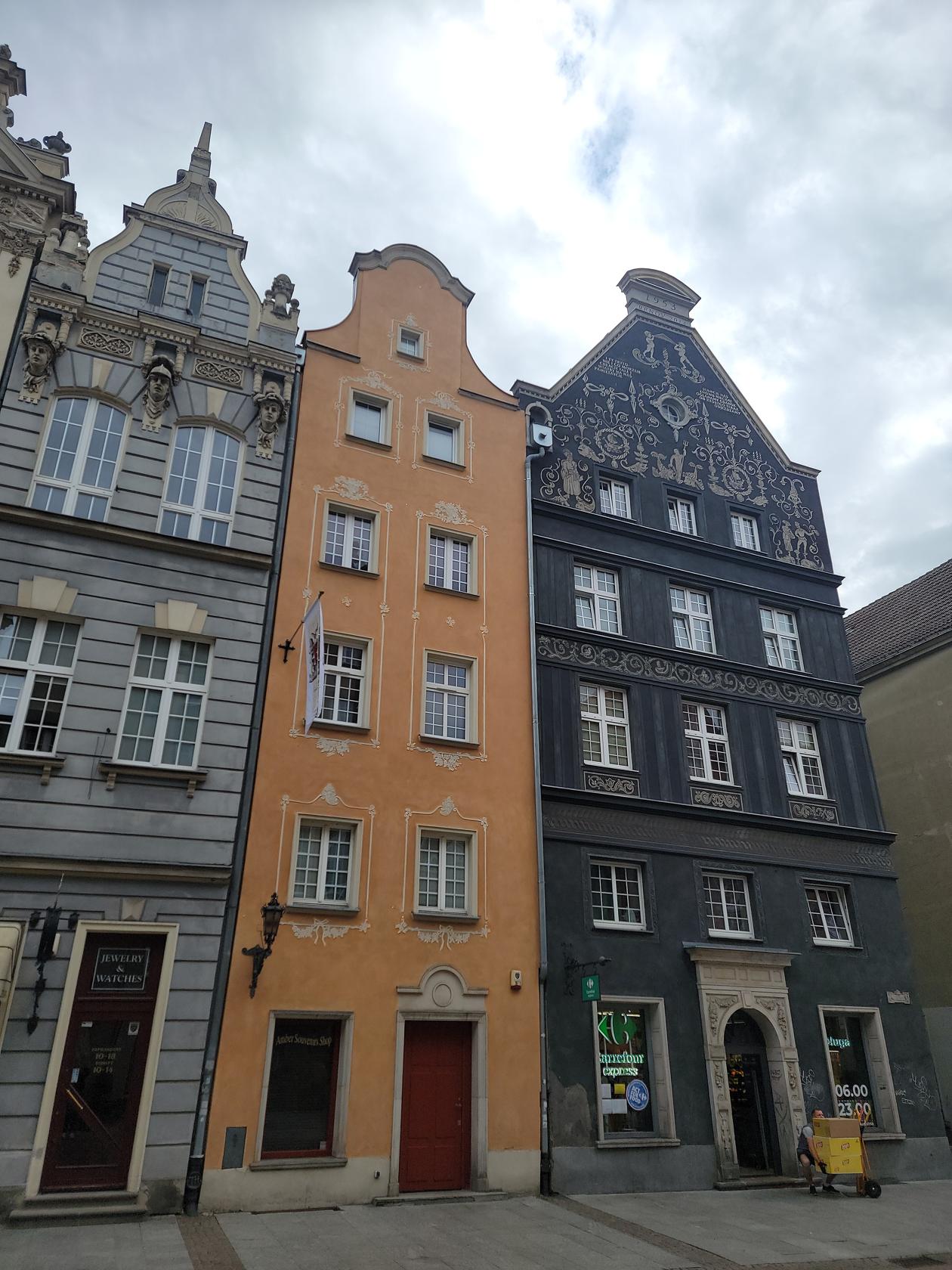
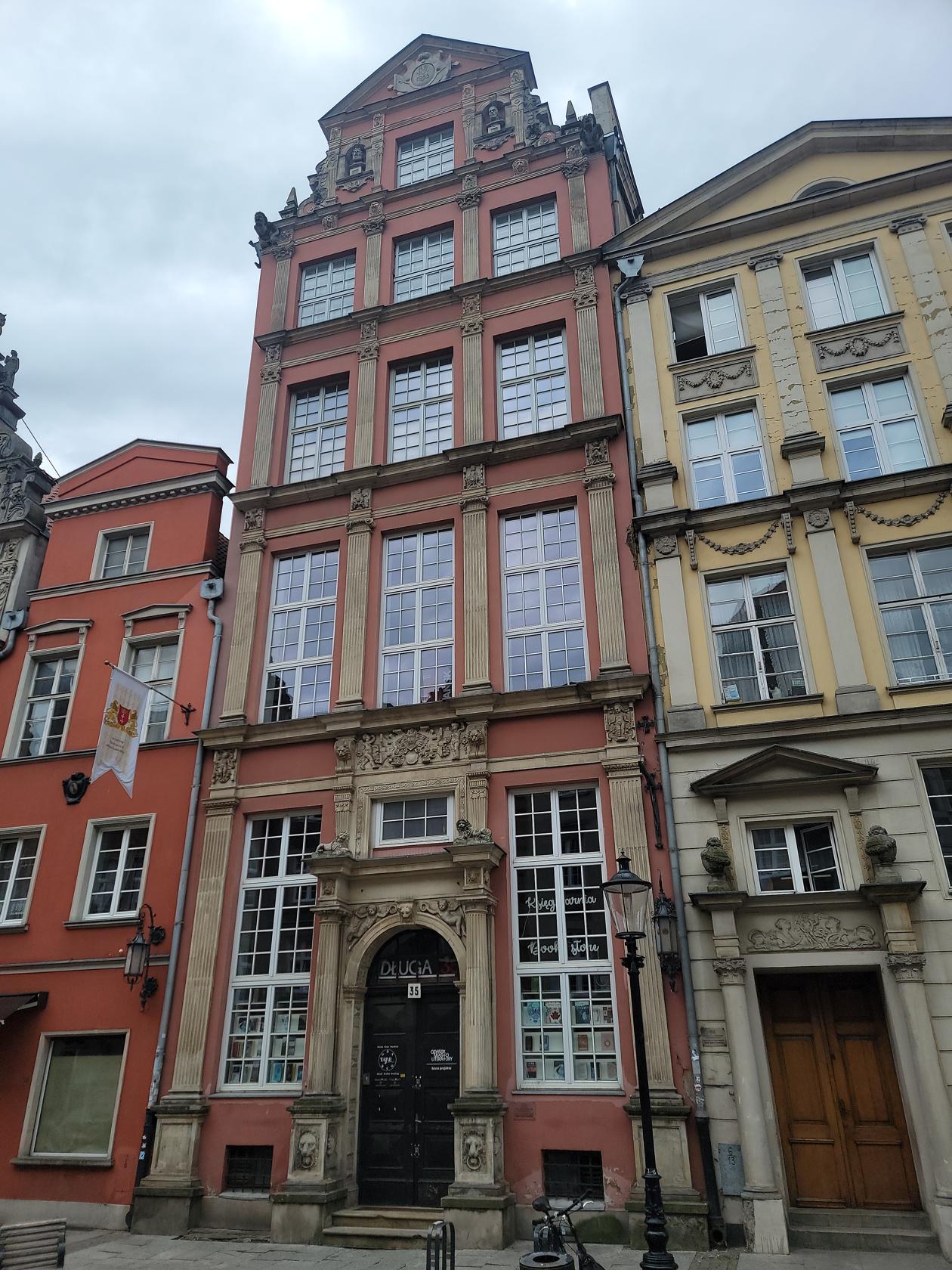
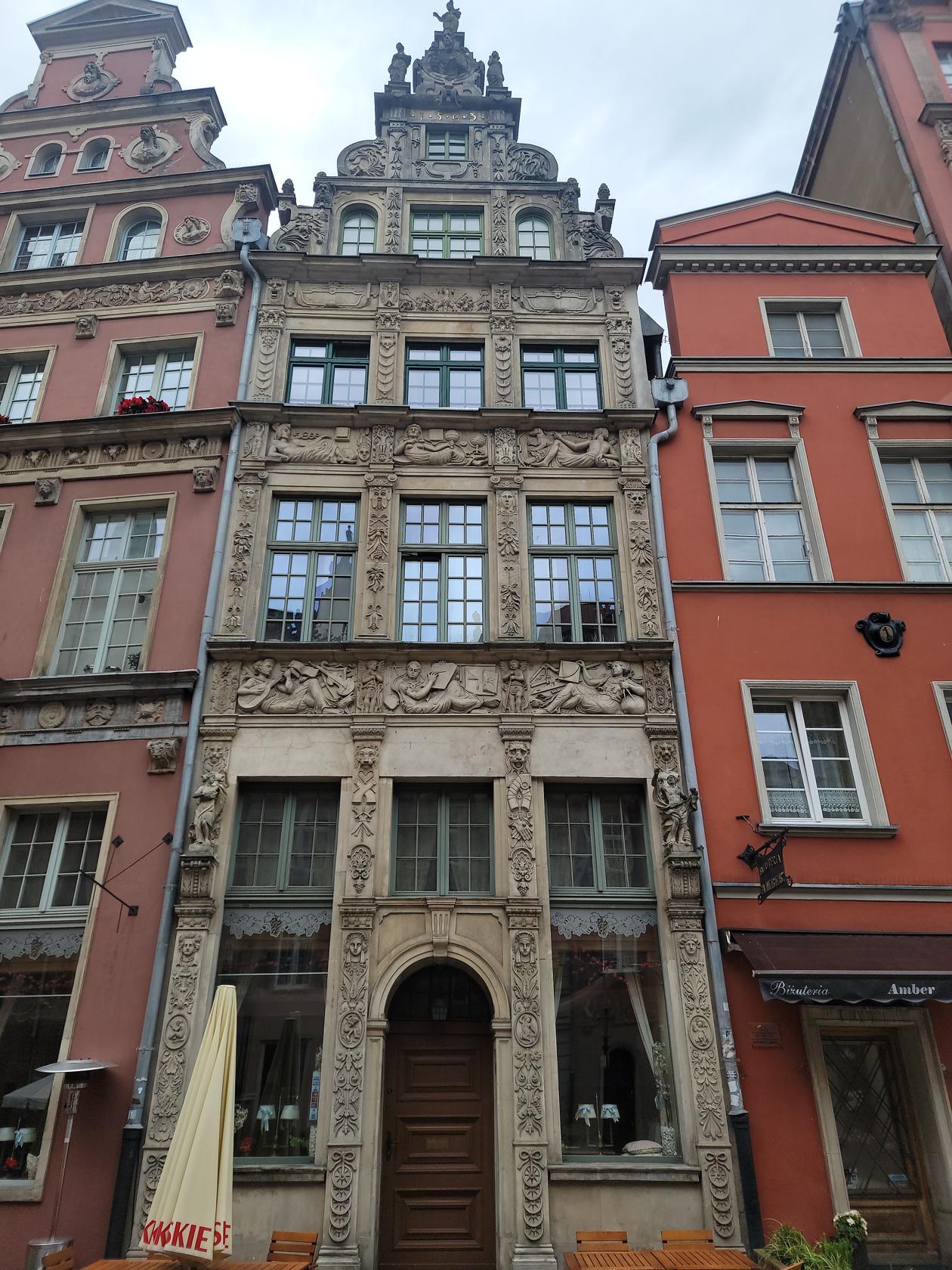
Also known as Long Lane, or Langgasse, Długa Street is where you will find many of the notable houses that adorn the old town, as well as the Town Hall and Neptune’s Fountain.
Neptune Fountain – Długa Street – Gdańsk, Poland
Upper Długa Street – Gdańsk, Poland
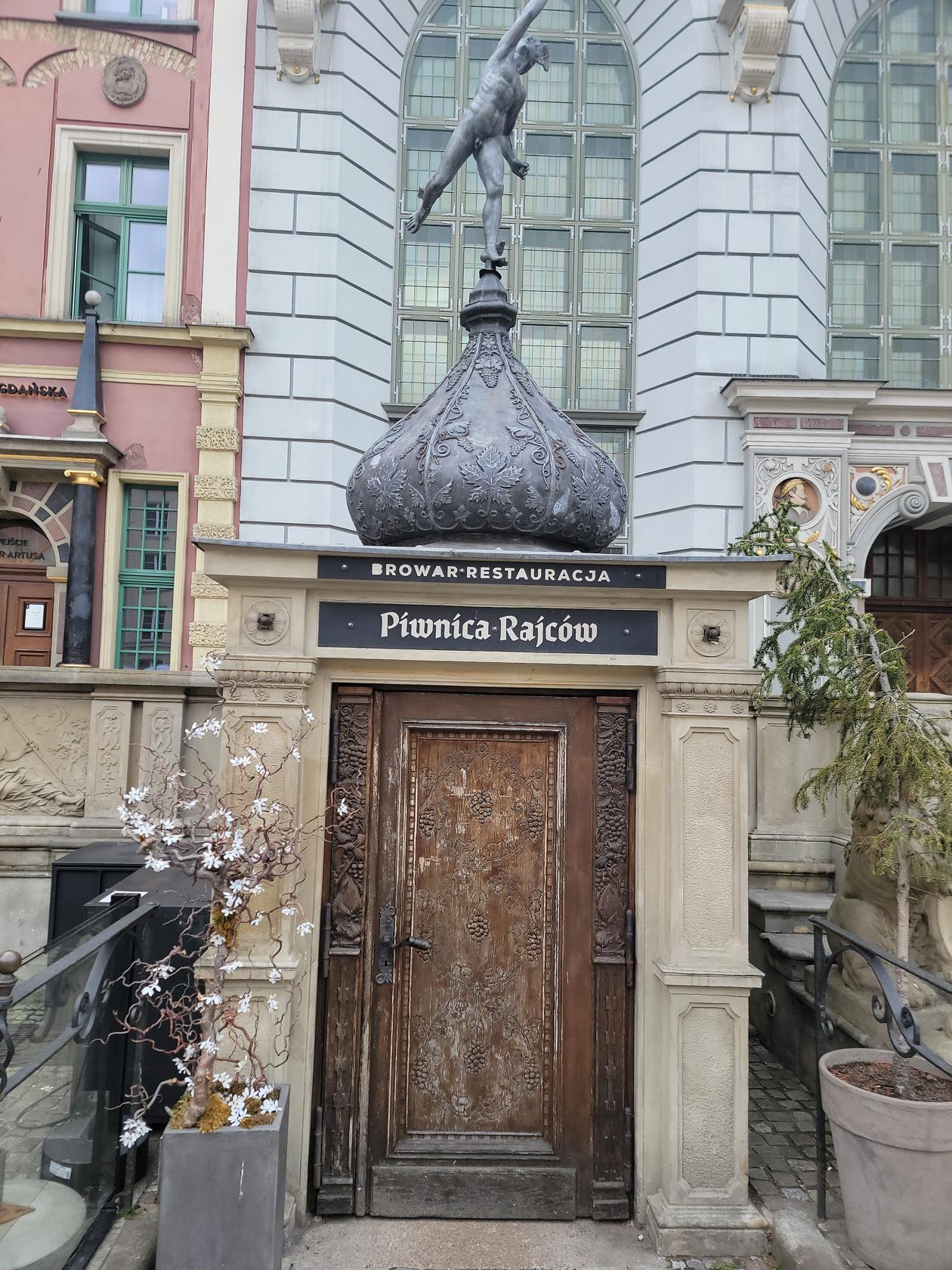
Basement Restaurant – Długa Street – Gdańsk, Poland
Golden House – Długa Street – Gdańsk, Poland
Town Hall – Długa Street – Gdańsk, Poland
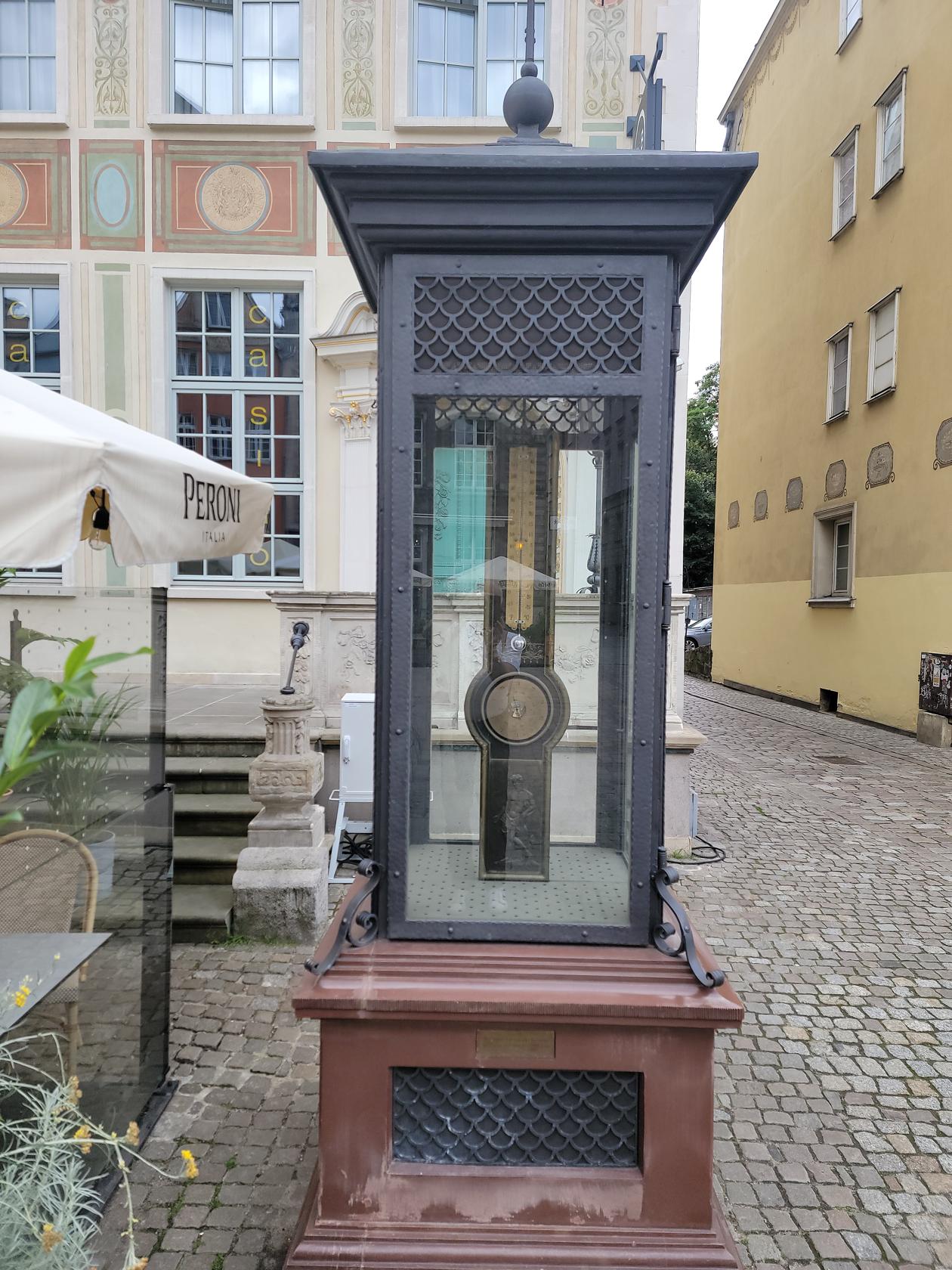
Fahrenheit Monument – Długa Street – Gdańsk, Poland
Long Market Place – Długa Street – Gdańsk, Poland
Long Market Place – Długa Street – Gdańsk, Poland
Neptune Fountain – Długa Street – Gdańsk, Poland
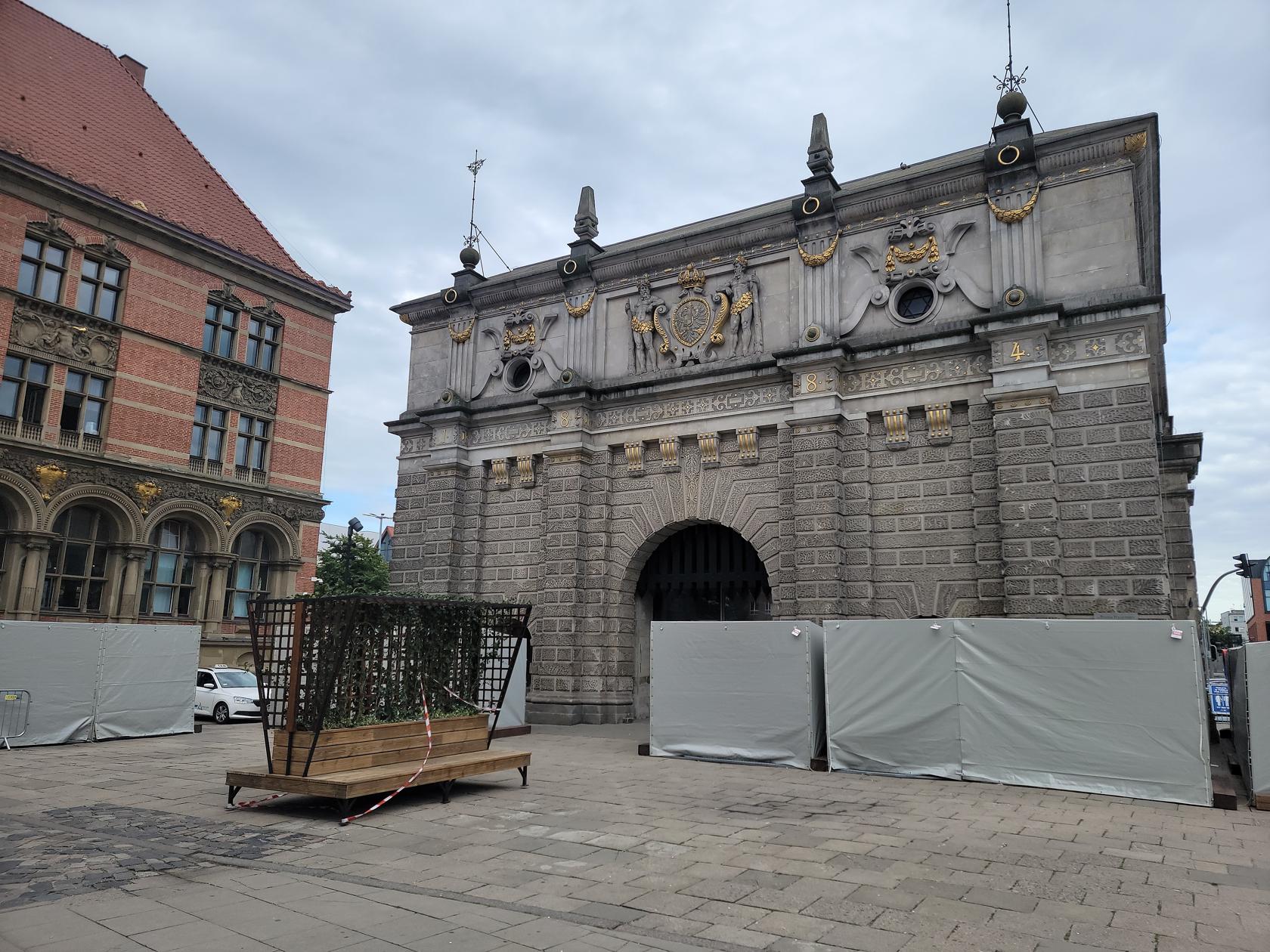
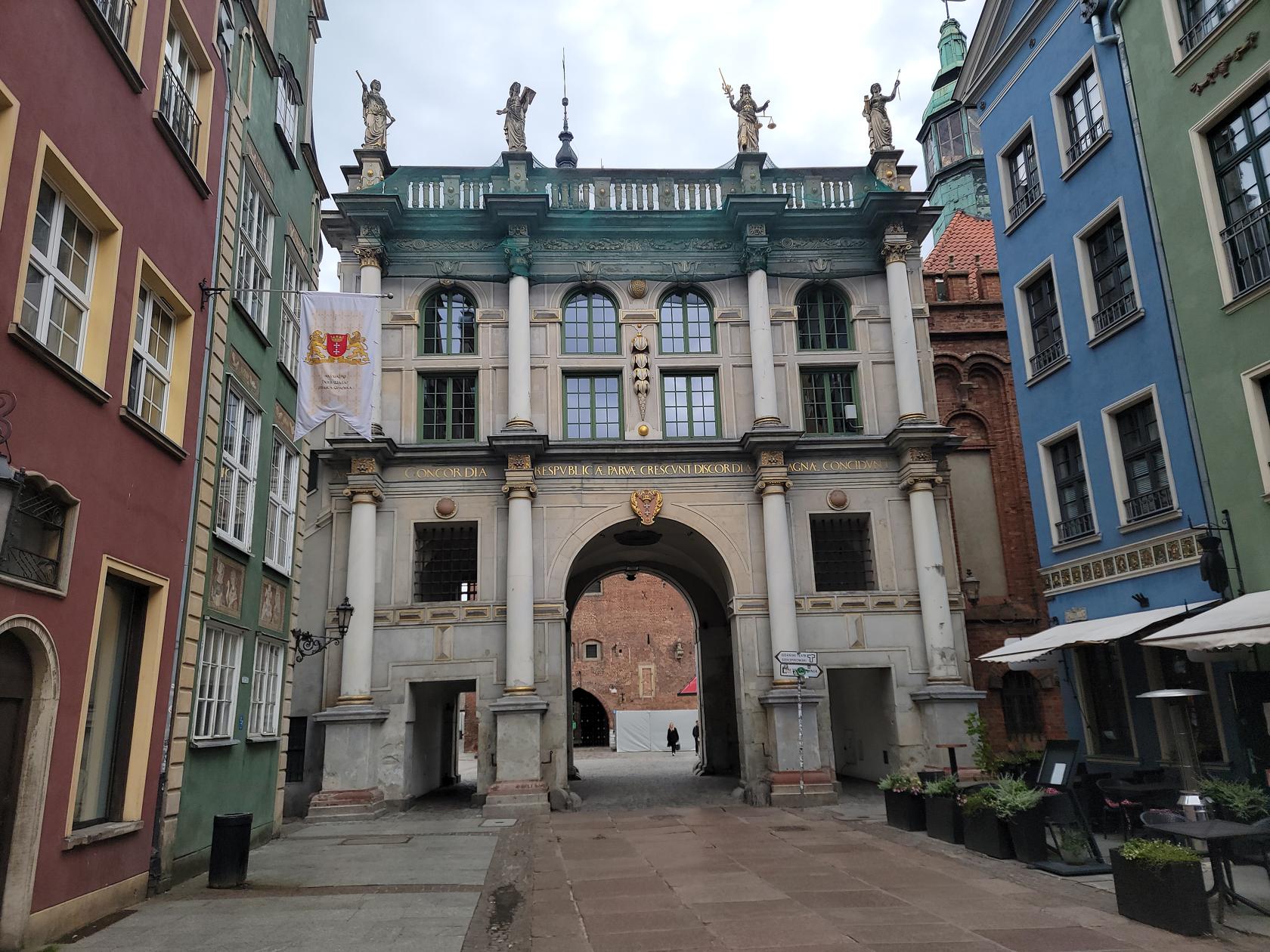
It is bounded by the Green Gate on the end by the river, and the Golden Gate, which is near the former main entrance to the town, including its barbican and Highland Gate.
Upper Długa Street – Gdańsk, Poland
Upper Długa Street – Gdańsk, Poland
Upper Długa Street – Gdańsk, Poland
Upper Długa Street – Gdańsk, Poland
Upper Długa Street – Gdańsk, Poland
Upper Długa Street – Gdańsk, Poland
Upper Długa Street – Gdańsk, Poland
Golden Gate – Upper Długa Street – Gdańsk, Poland
Mariacka Street
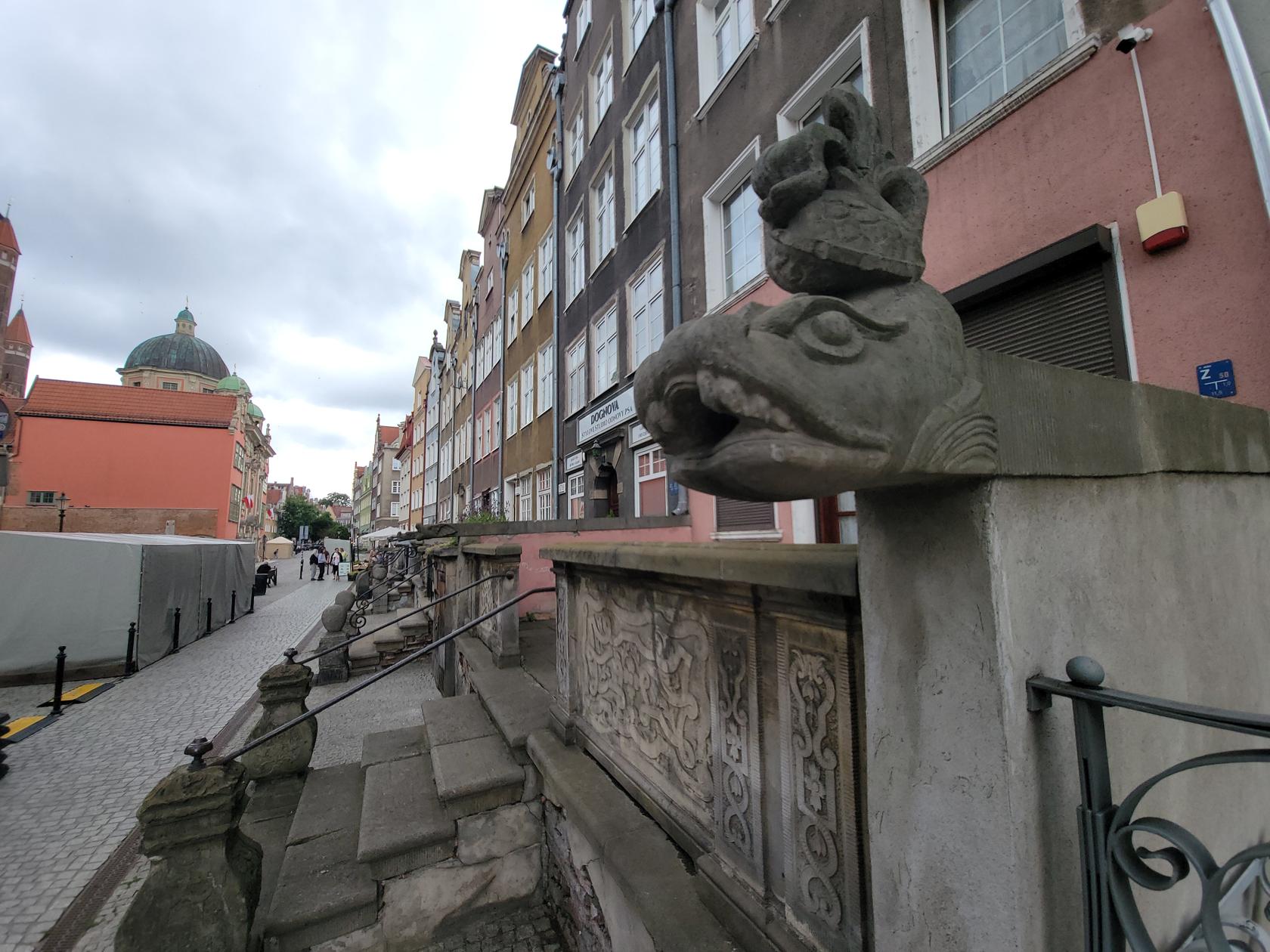
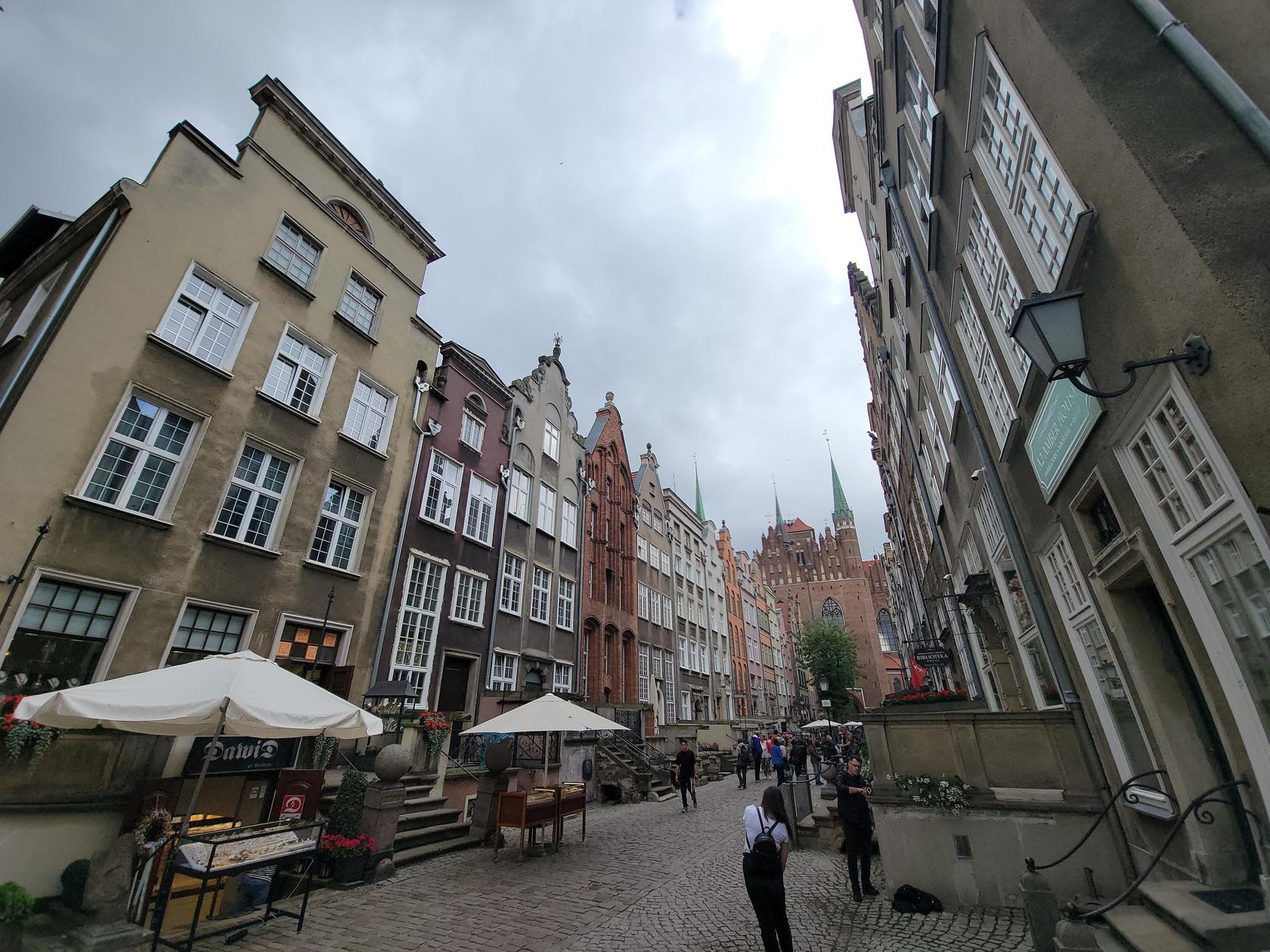
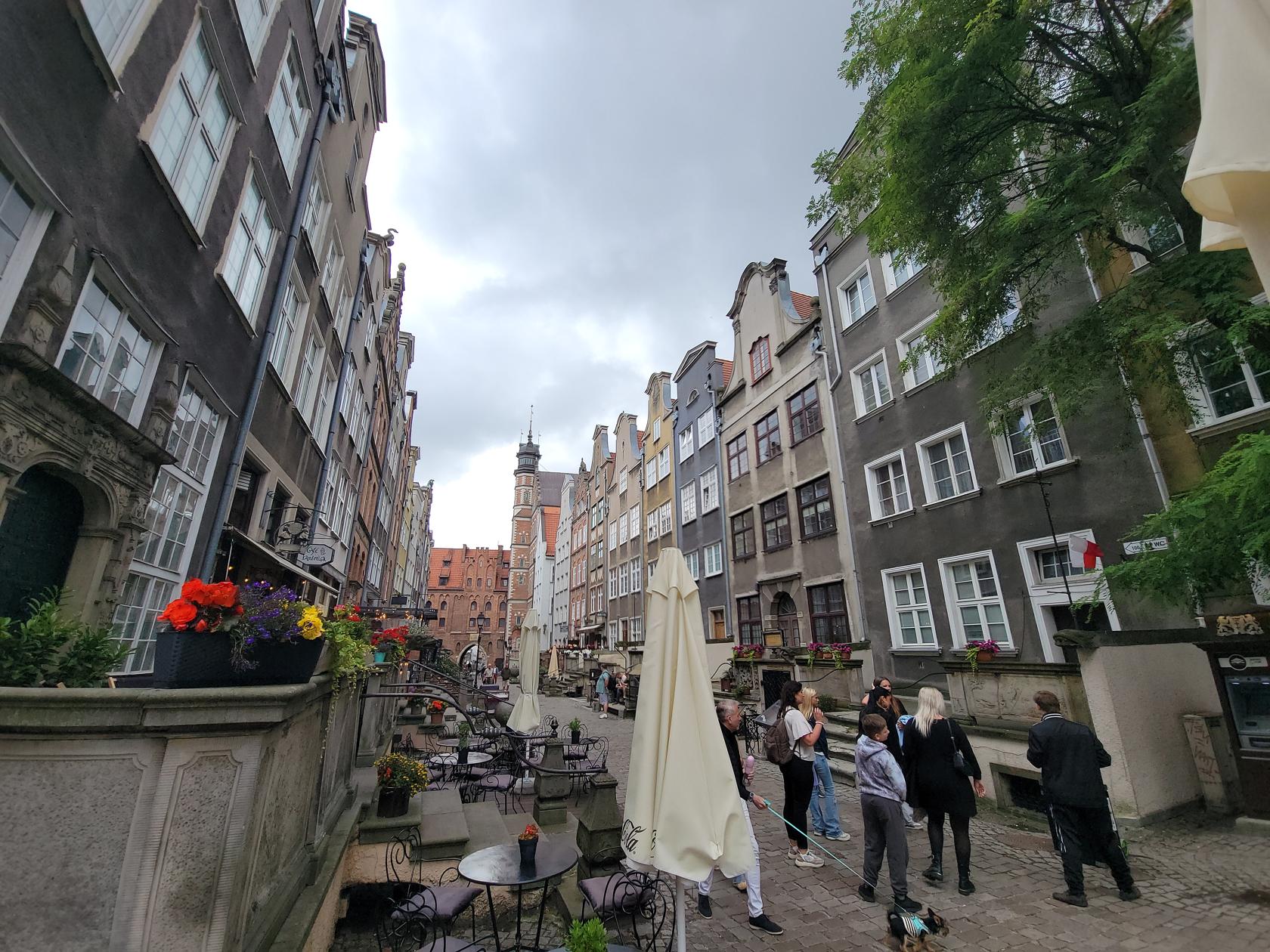
Parallel to Long Lane is Mariacka Street, an unusual sort of street due to its narrowness and odd balustrades on the stoops of each of the houses that line the street.
Mariacka Street – Gdańsk, Poland
Ornate Downspouts – Mariacka Street – Gdańsk, Poland
Ornate Downspouts – Mariacka Street – Gdańsk, Poland
Ornate Balustades – Mariacka Street – Gdańsk, Poland
Each balustrade was made unique so that the owner could identify his building when the river overflowed it’s banks. Most of the houses here are also quaintly decorated, though many have fallen into disrepair over the years.
Mariacka Street – Gdańsk, Poland
Mariacka Street – Gdańsk, Poland
Mariacka Street – Gdańsk, Poland
Mariacka Street – Gdańsk, Poland
Raduni Canal
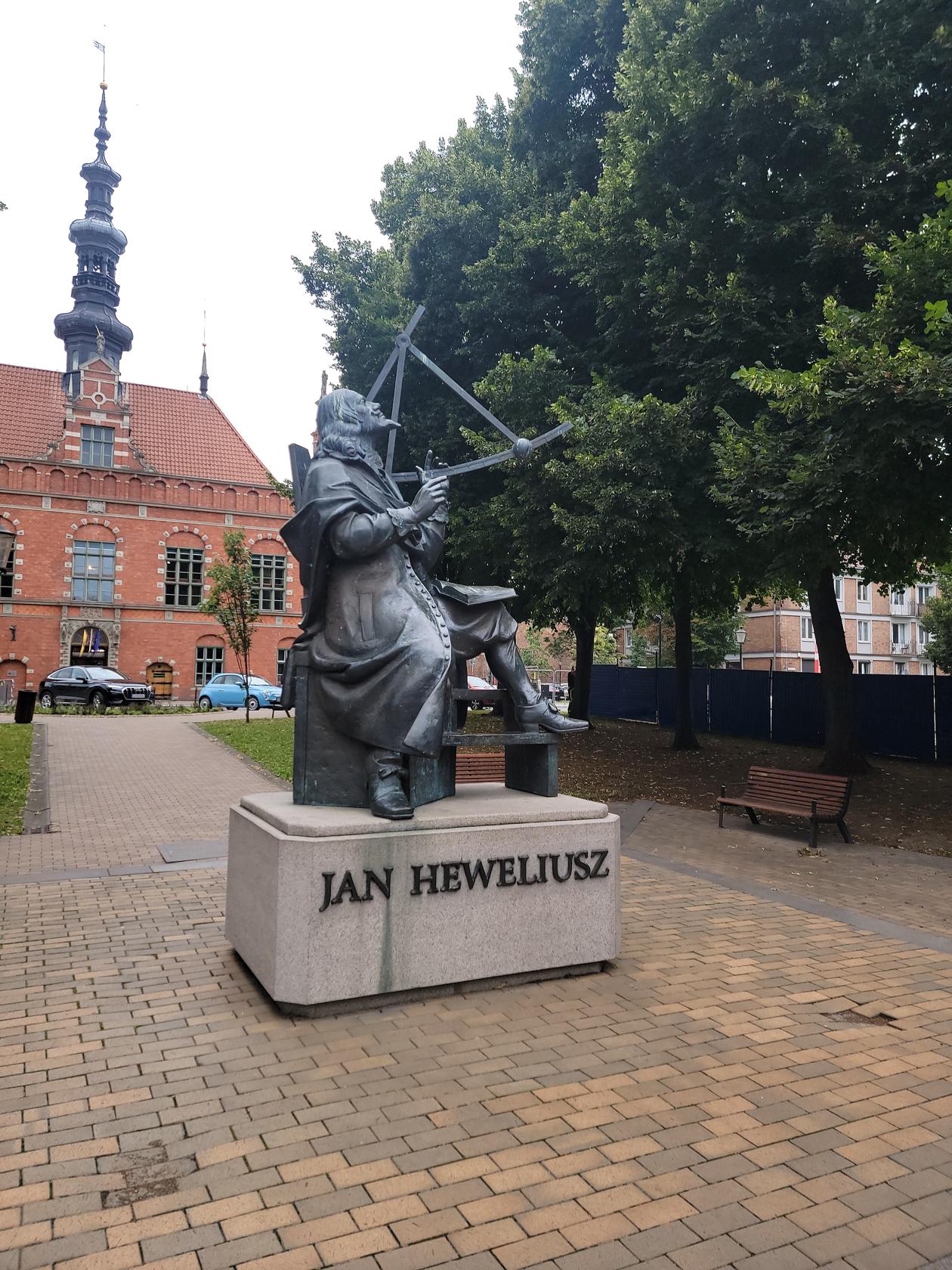
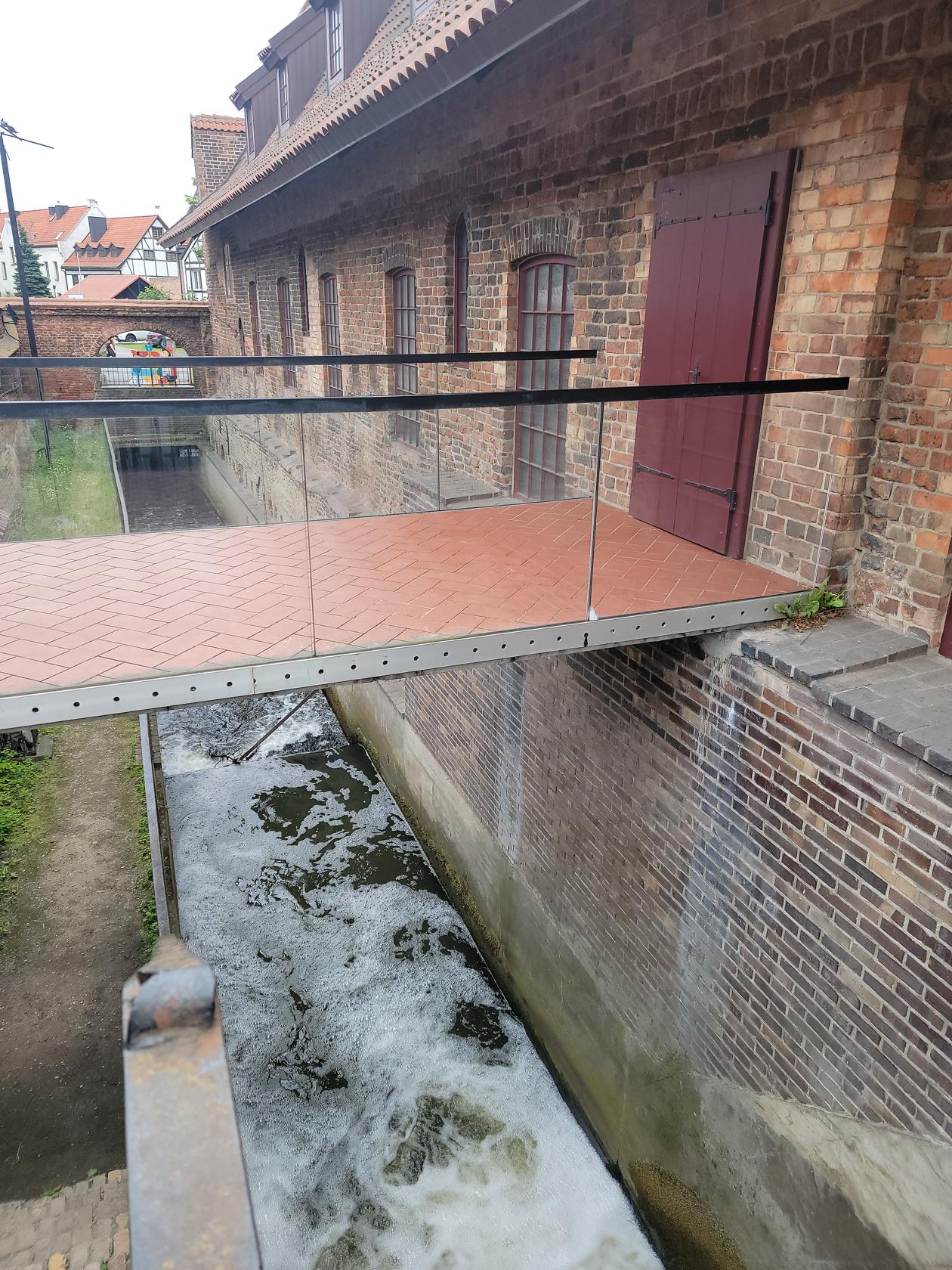
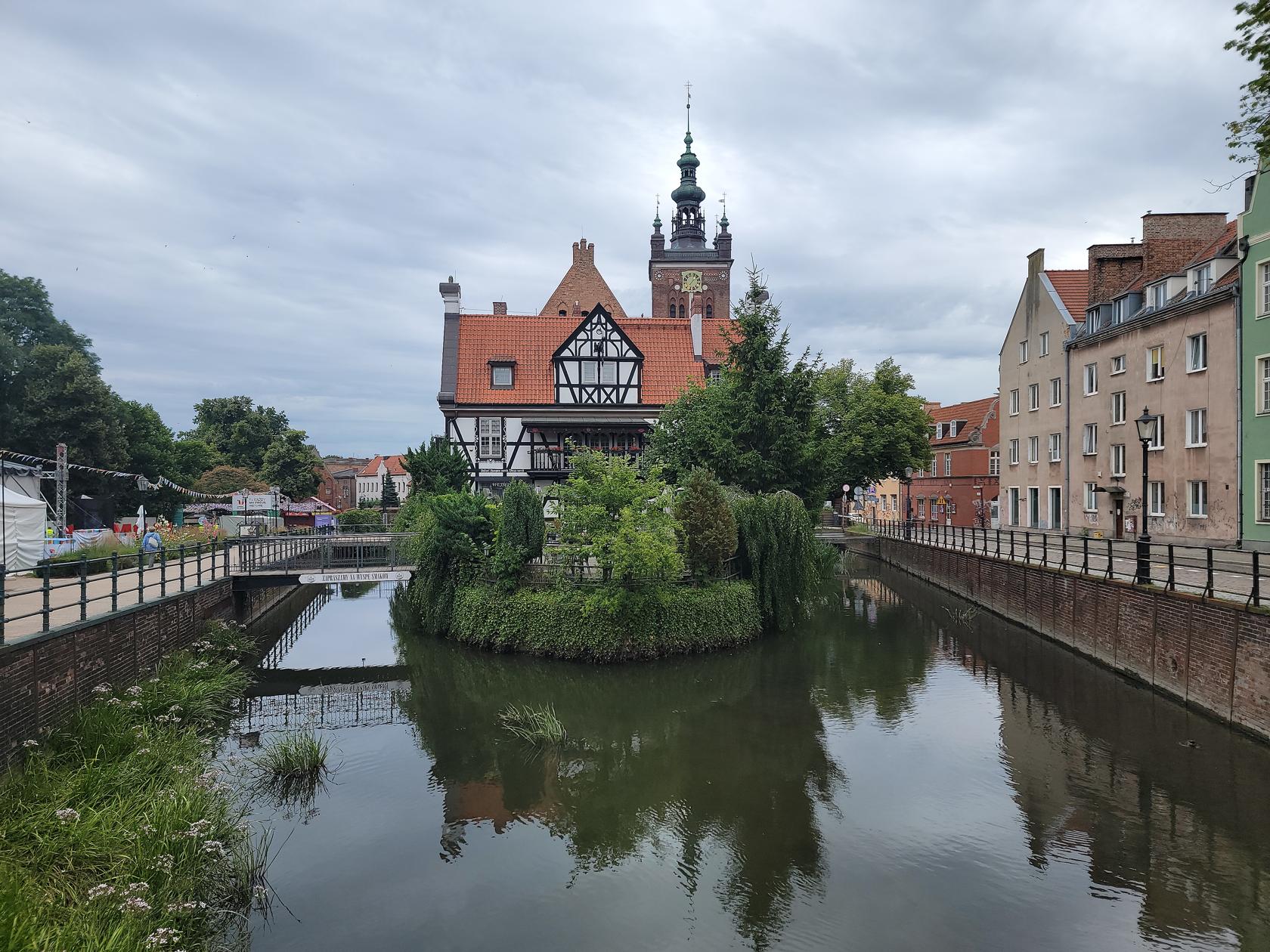
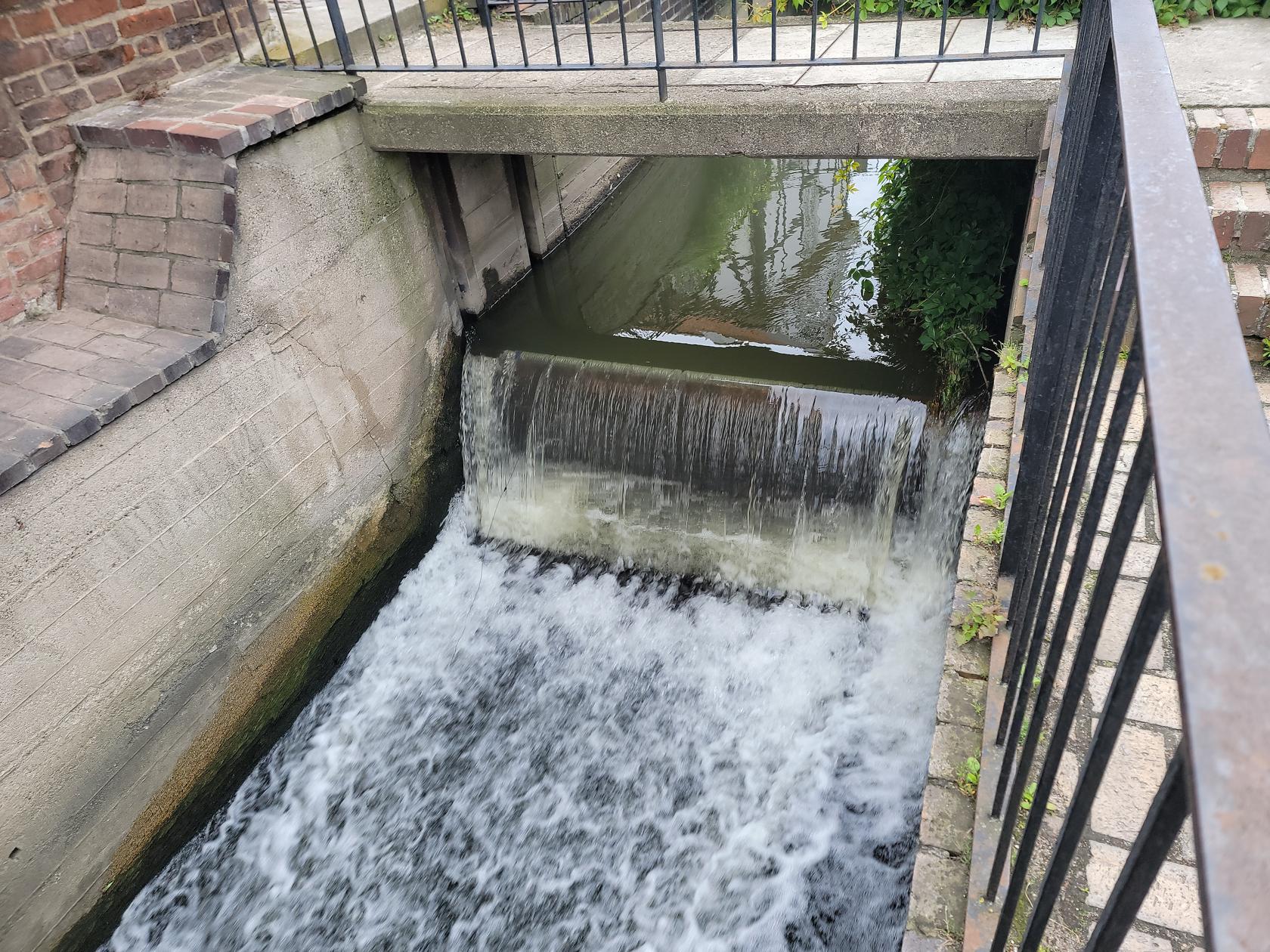
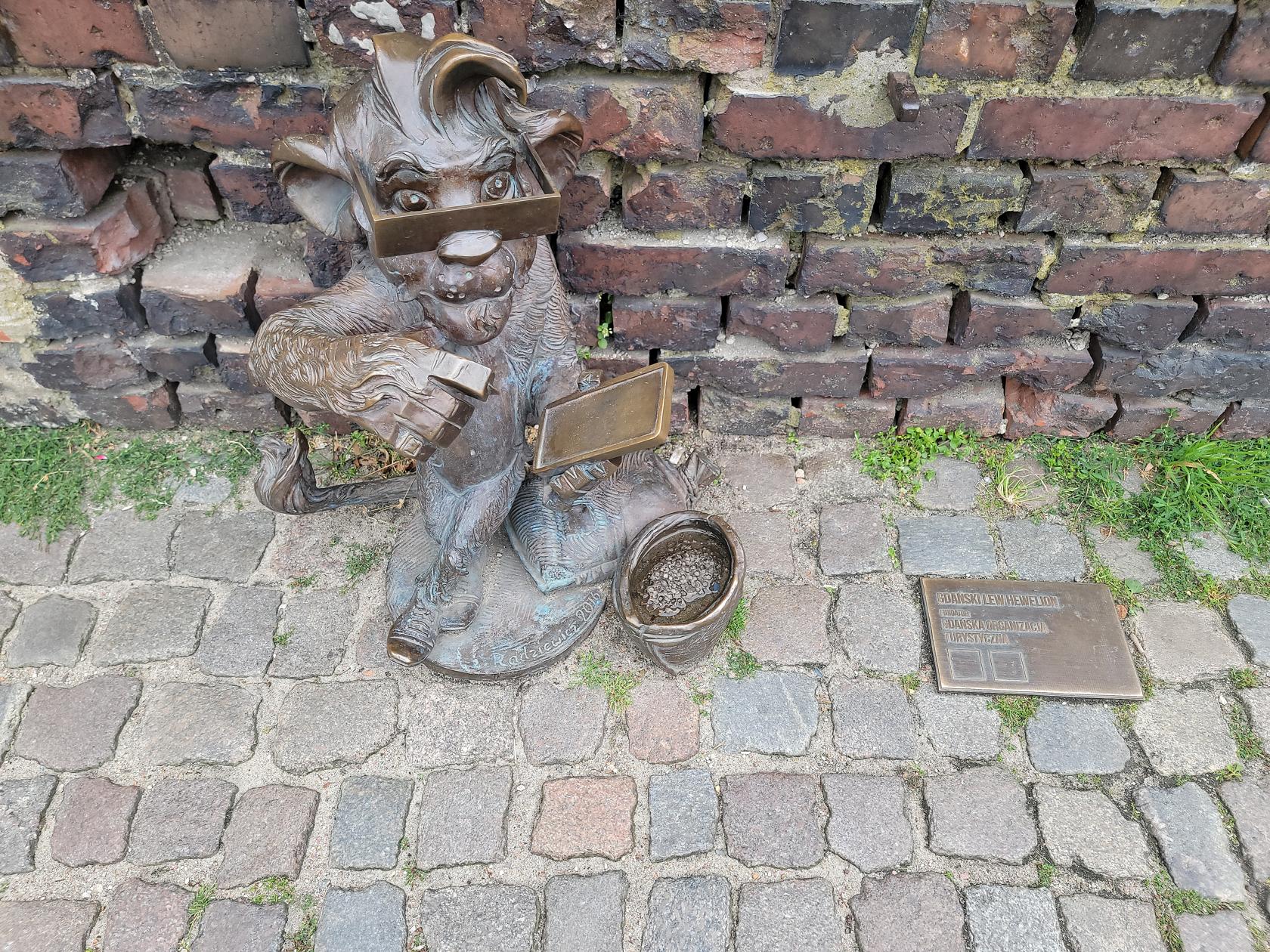
Another interesting place to visit is the area around the Raduni Canal. This is located on the other side of the basilica and Roman Keller.
Jan Heweliusz – Radunia Canal – Gdańsk, Poland
Mill – Radunia Canal – Gdańsk, Poland
Radunia Canal – Gdańsk, Poland
Waterfall by Mill – Radunia Canal – Gdańsk, Poland
Lew Hewelion Businessman Small Bronz – Radunia Canal – Gdańsk, Poland
Dom Sygnatora – Gdańsk, Poland
Radunia Canal – Gdańsk, Poland
Museum – Radunia Canal – Gdańsk, Poland
Gates And More Gates
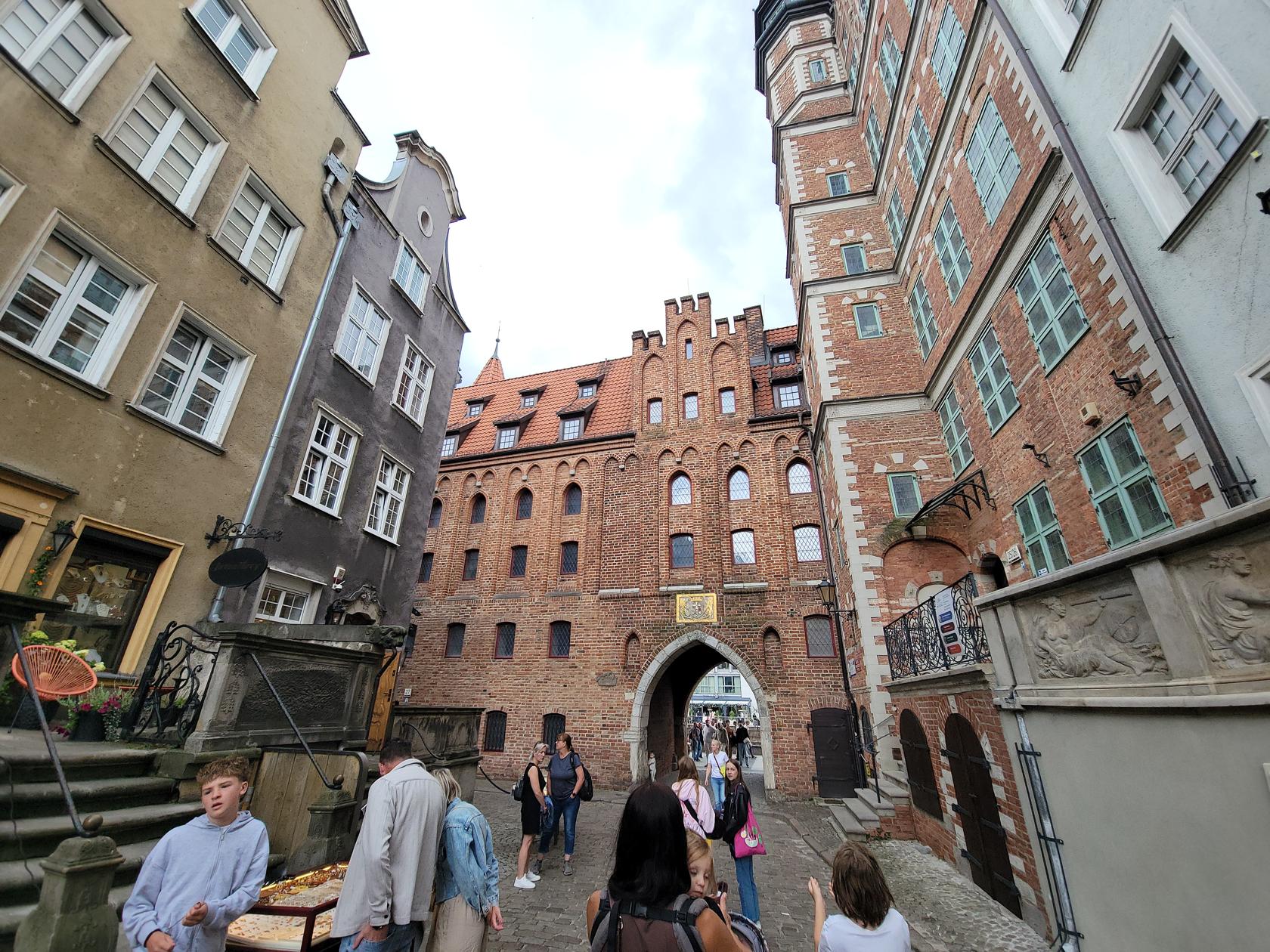
There are many gates in the old town, however most of the surviving ones still face the river.
Saint John’s Gate – Gdańsk, Poland
Straganiarska Gate – Motława River – Gdańsk, Poland
Saint Mary’s Gate – Motława River – Gdańsk, Poland
Chlebnicka Gate – Motława River – Gdańsk, Poland
Green Gate – Motława River – Gdańsk, Poland
Cow’s Gate – Motława River – Gdańsk, Poland
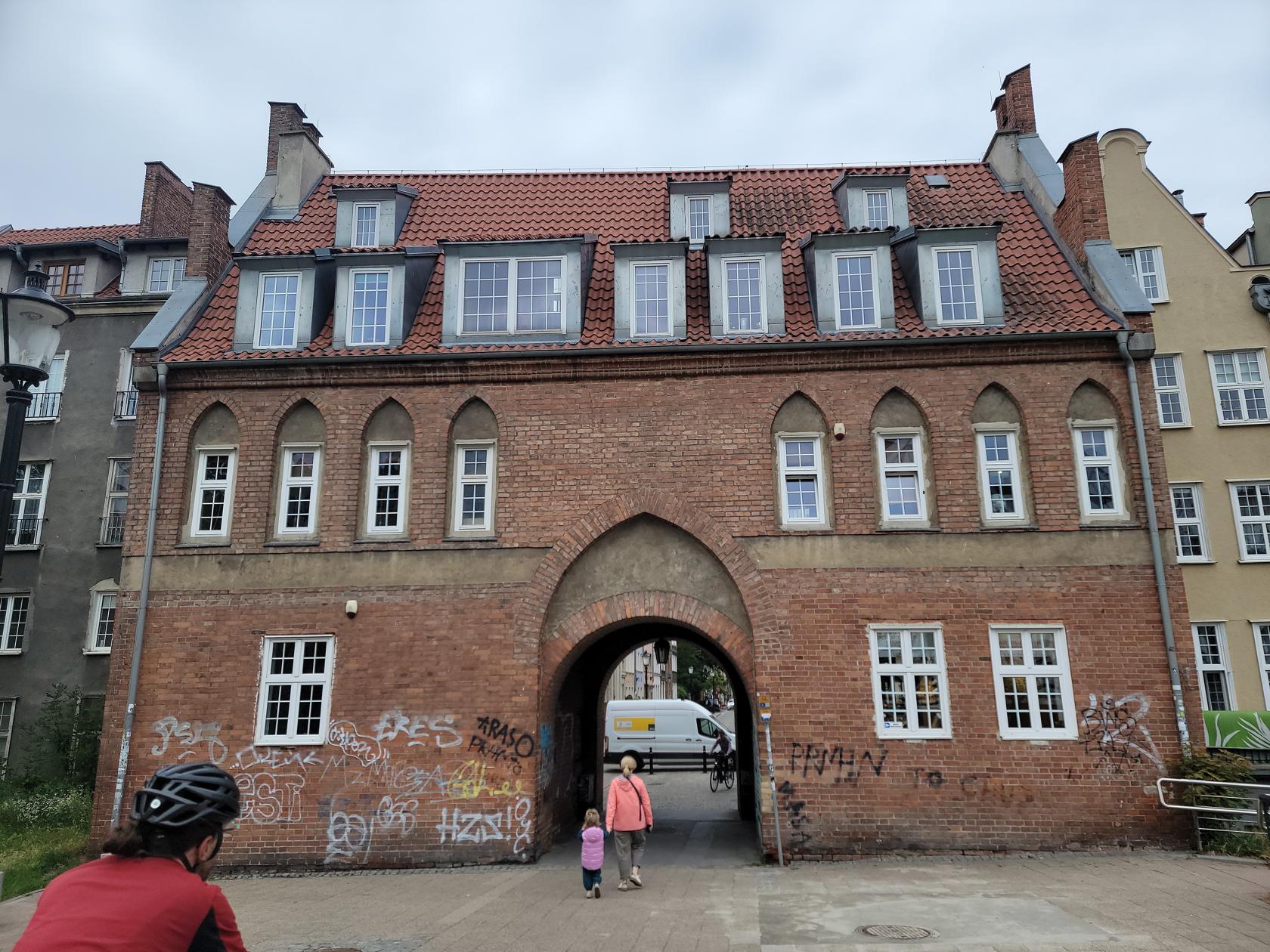
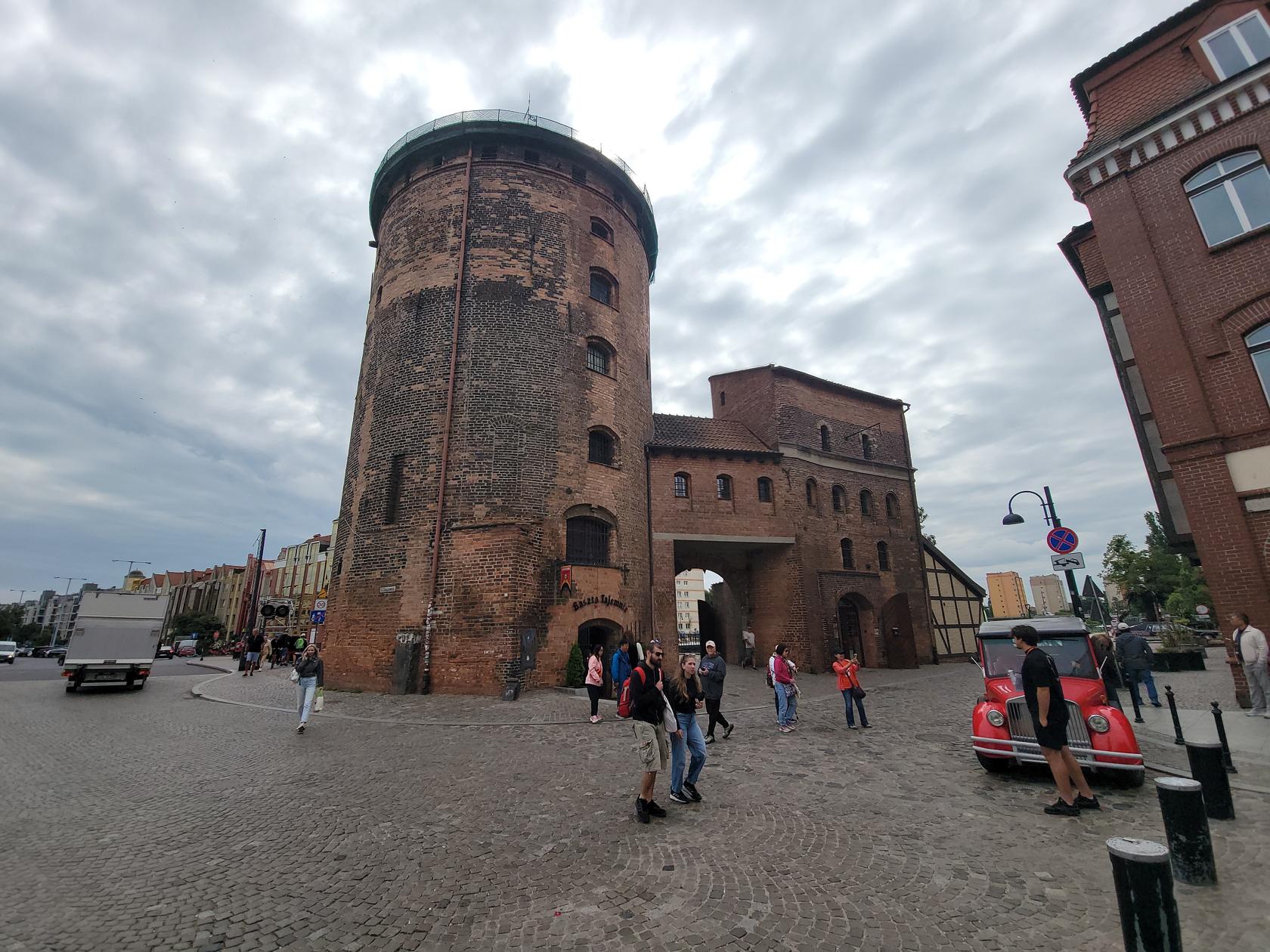
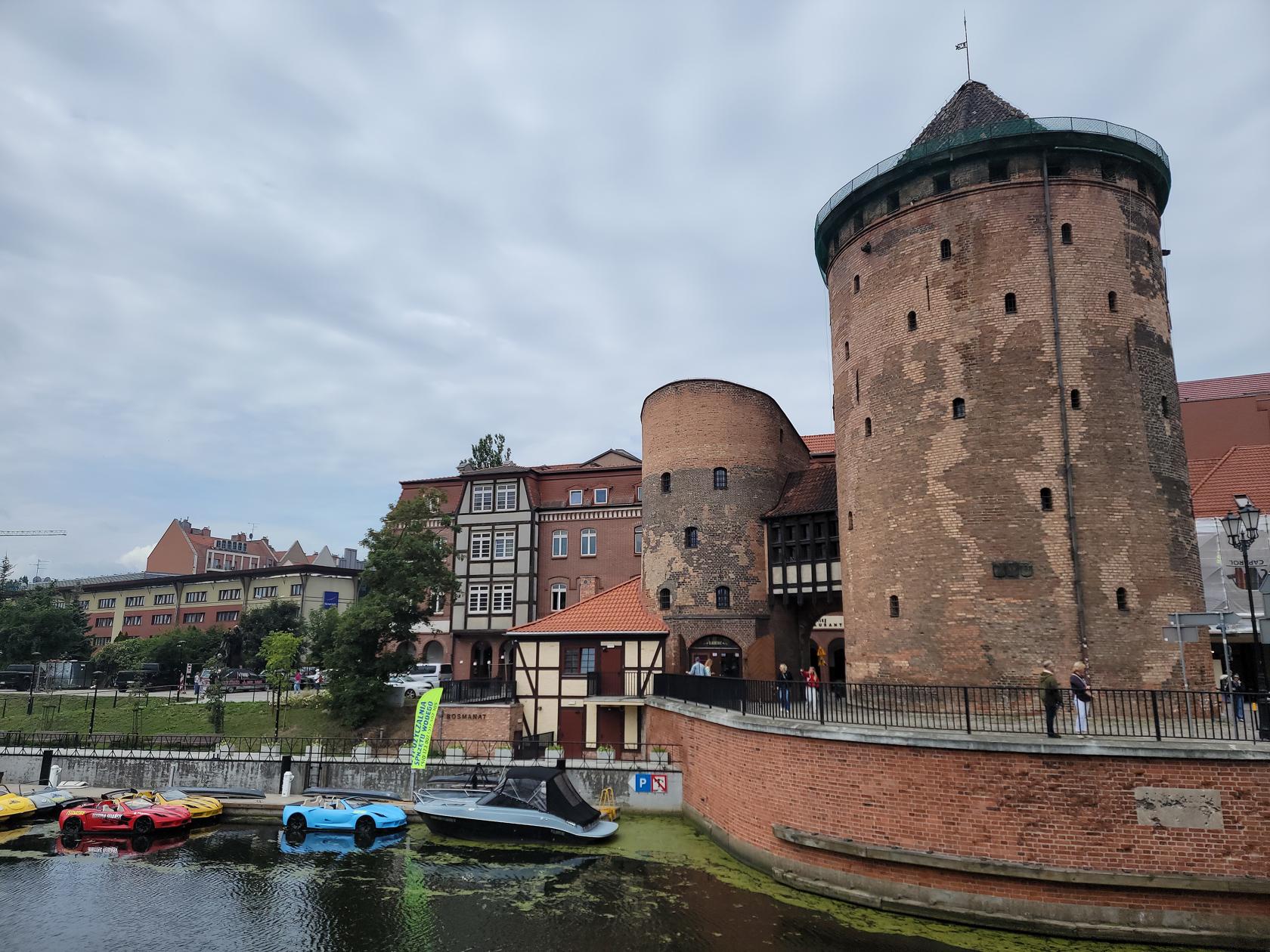
Barbican and Tower of Secrets Gate – Stągwie Mleczne – Motława River – Gdańsk, Poland
Barbican and Tower of Secrets Gate – Stągwie Mleczne – Motława River – Gdańsk, Poland
Saint Mary’s Gate – Motława River – Gdańsk, Poland
The Highland and Golden Gates are on the land side of the city and were connected to a great wall that surrounded it at one time. Here you will find one of the walls two barbicans attached to the Torture Gate or house. This gate doubled as a prison and became known for tortures that were carried out in its cellars.
Highland Gate – Upper Długa Street – Gdańsk, Poland
Golden Gate – Upper Długa Street – Gdańsk, Poland
Old Town Wall and Straw Tower – Gdańsk, Poland
Jamark Building – Targ Węglowy Street – Gdańsk, Poland
Straw Tower – Gdańsk, Poland
More Old Town Wall and Park – Gdańsk, Poland
Churches And Cathedrals
Clock Outside – Saint Mary’s Basilica – Gdańsk, Poland
Saint Mary’s Basilica
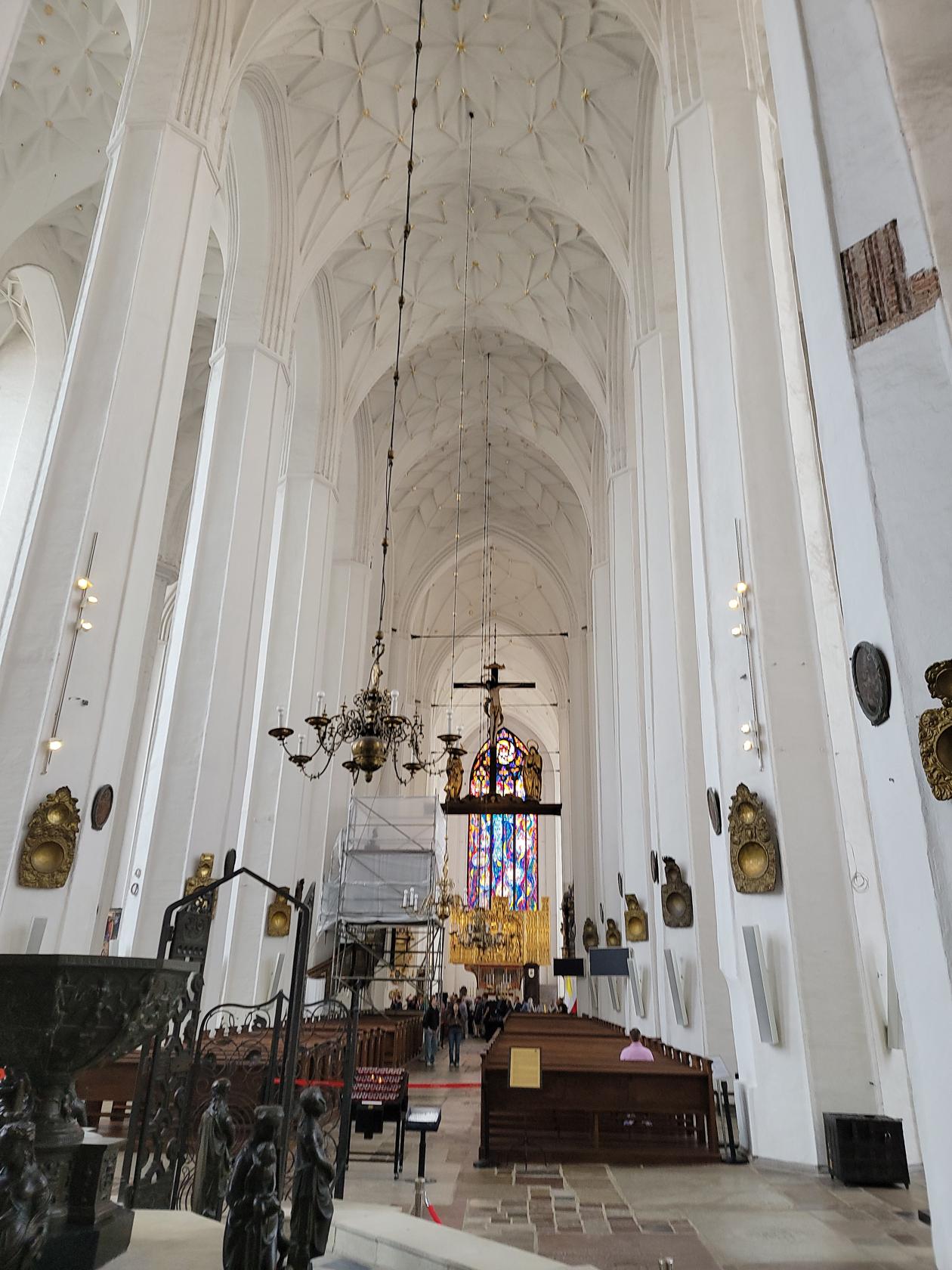
Situated almost in the center of town and on one end of Mariacka Street is Saint Mary’s Basilica. A brick gothic cathedral from the fourteenth century that has a working clock on its left side above the apse’s rear window which still appeared to maintain good time.
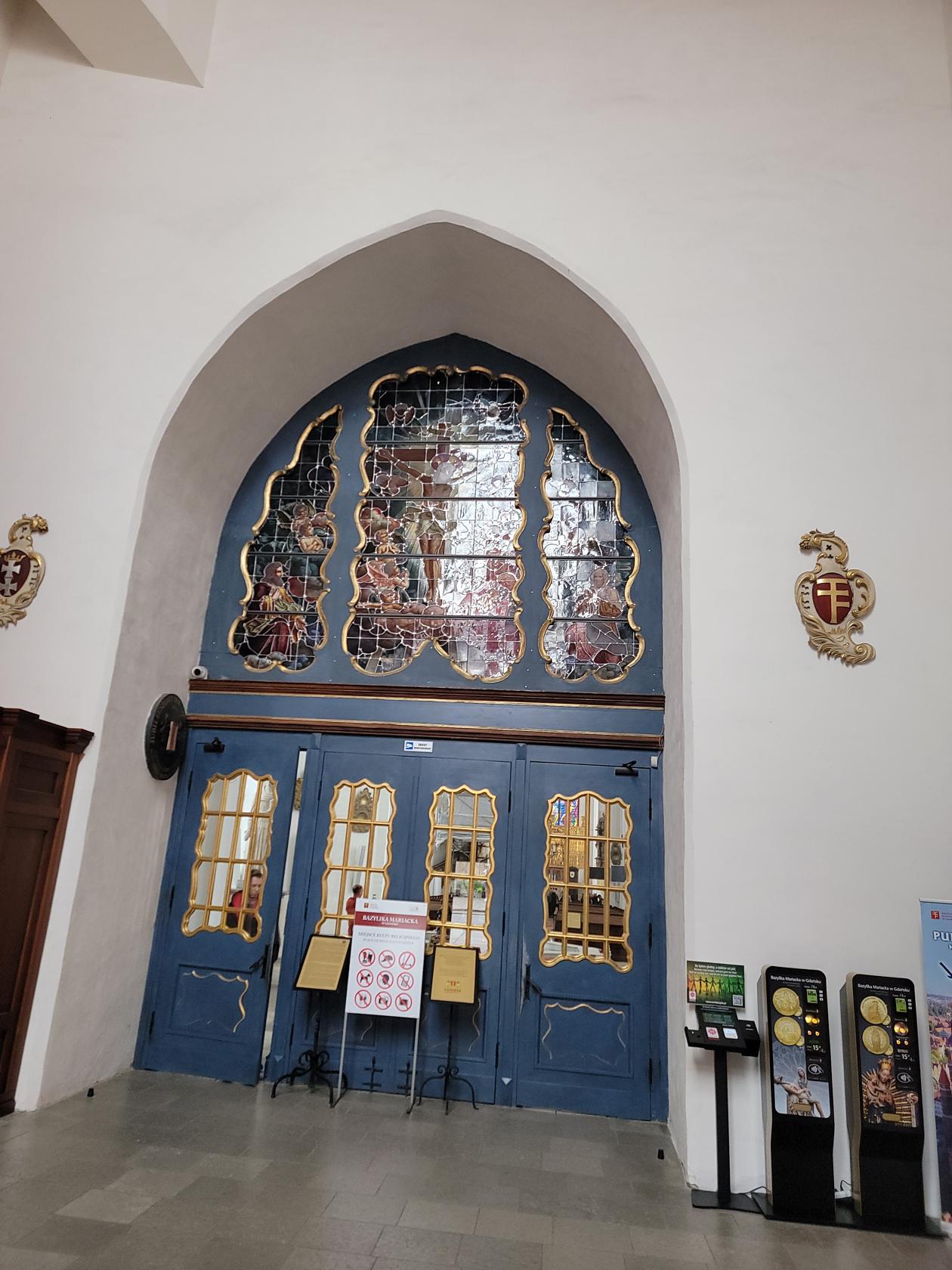
Entrance – Saint Mary’s Basilica – Gdańsk, Poland
Nave – Saint Mary’s Basilica – Gdańsk, Poland
Entrance – Saint Mary’s Basilica – Gdańsk, Poland
Aisle – Saint Mary’s Basilica – Gdańsk, Poland
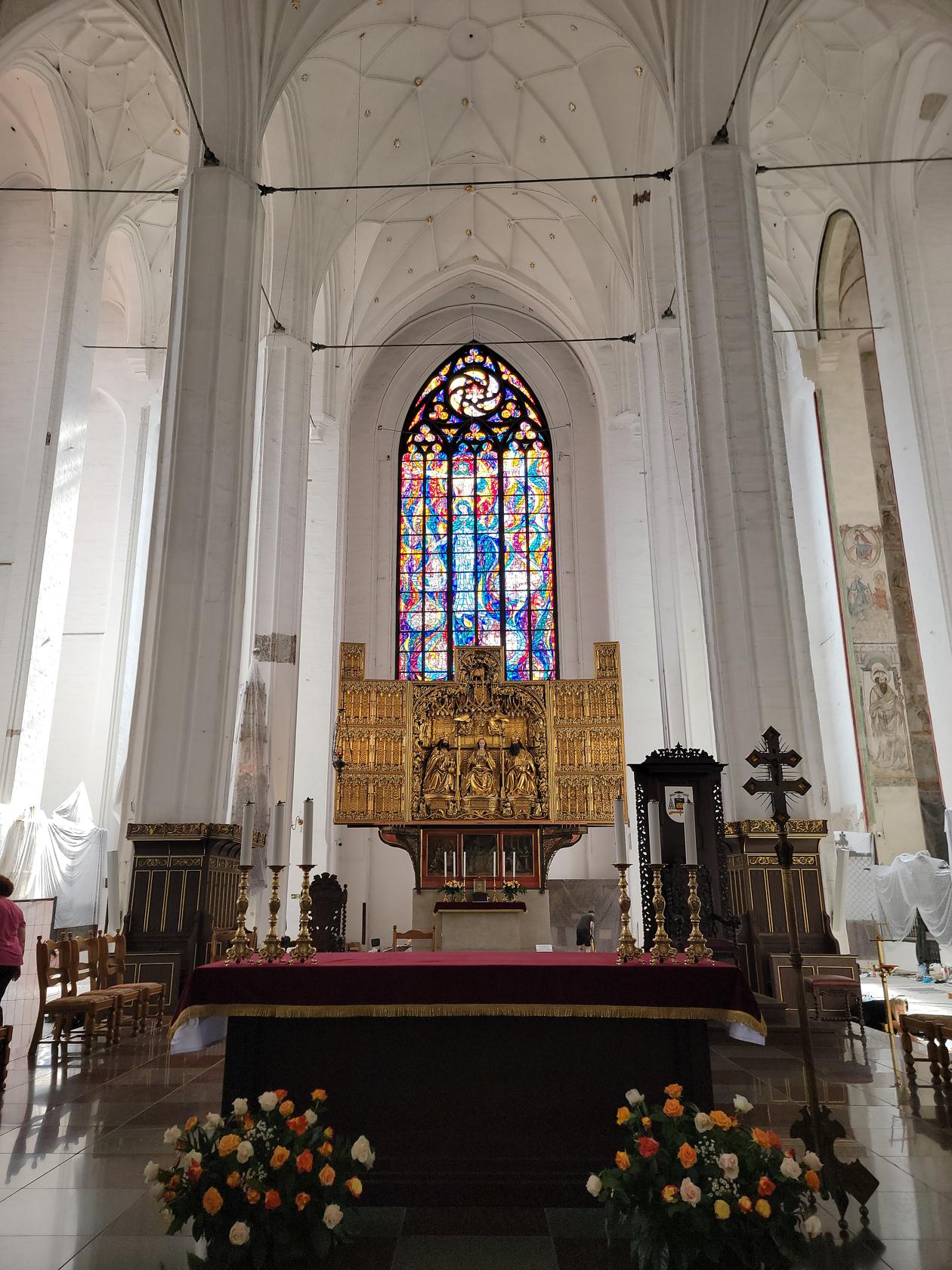
Altar – Saint Mary’s Basilica – Gdańsk, Poland
Art – Saint Mary’s Basilica – Gdańsk, Poland
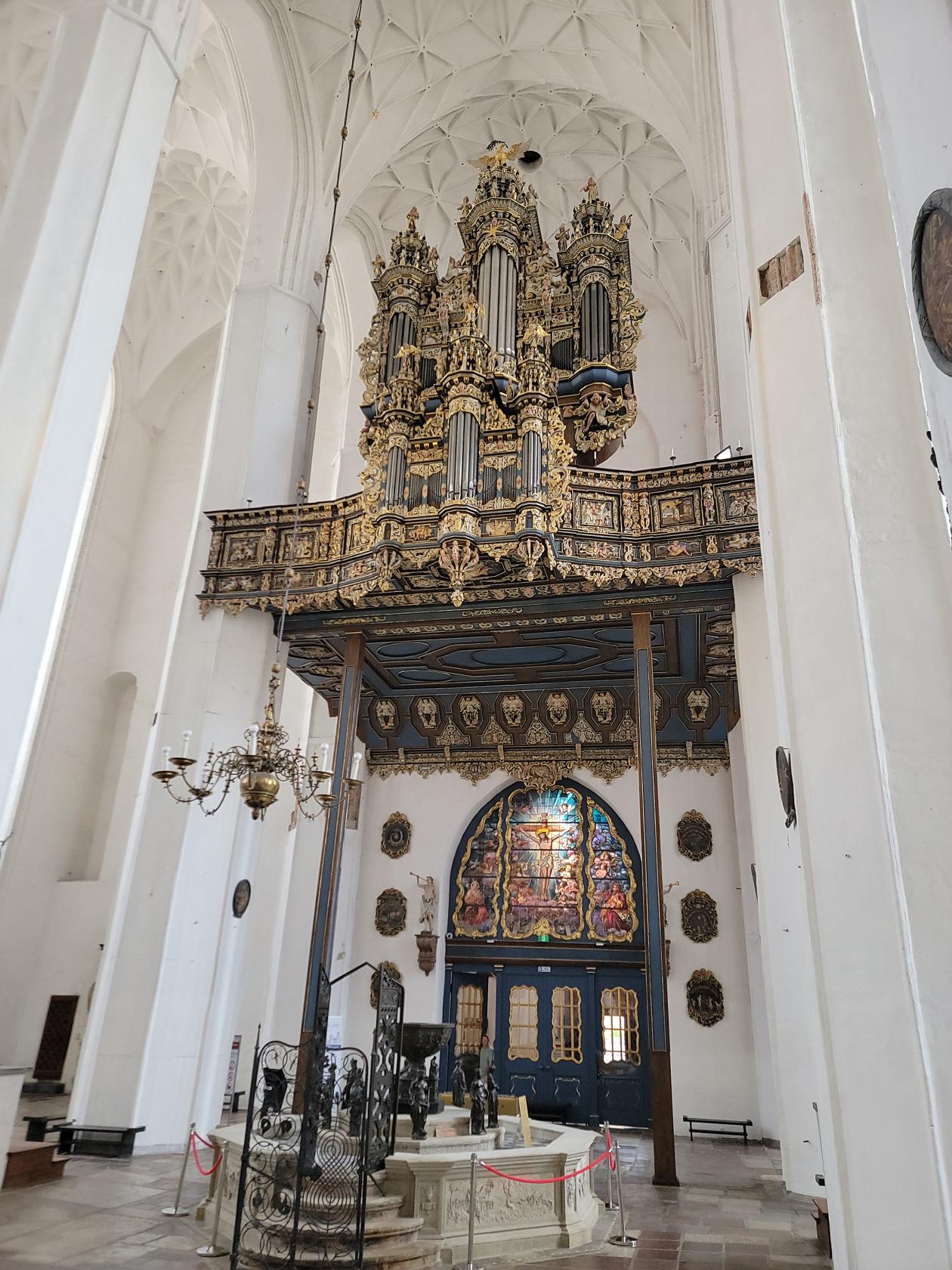
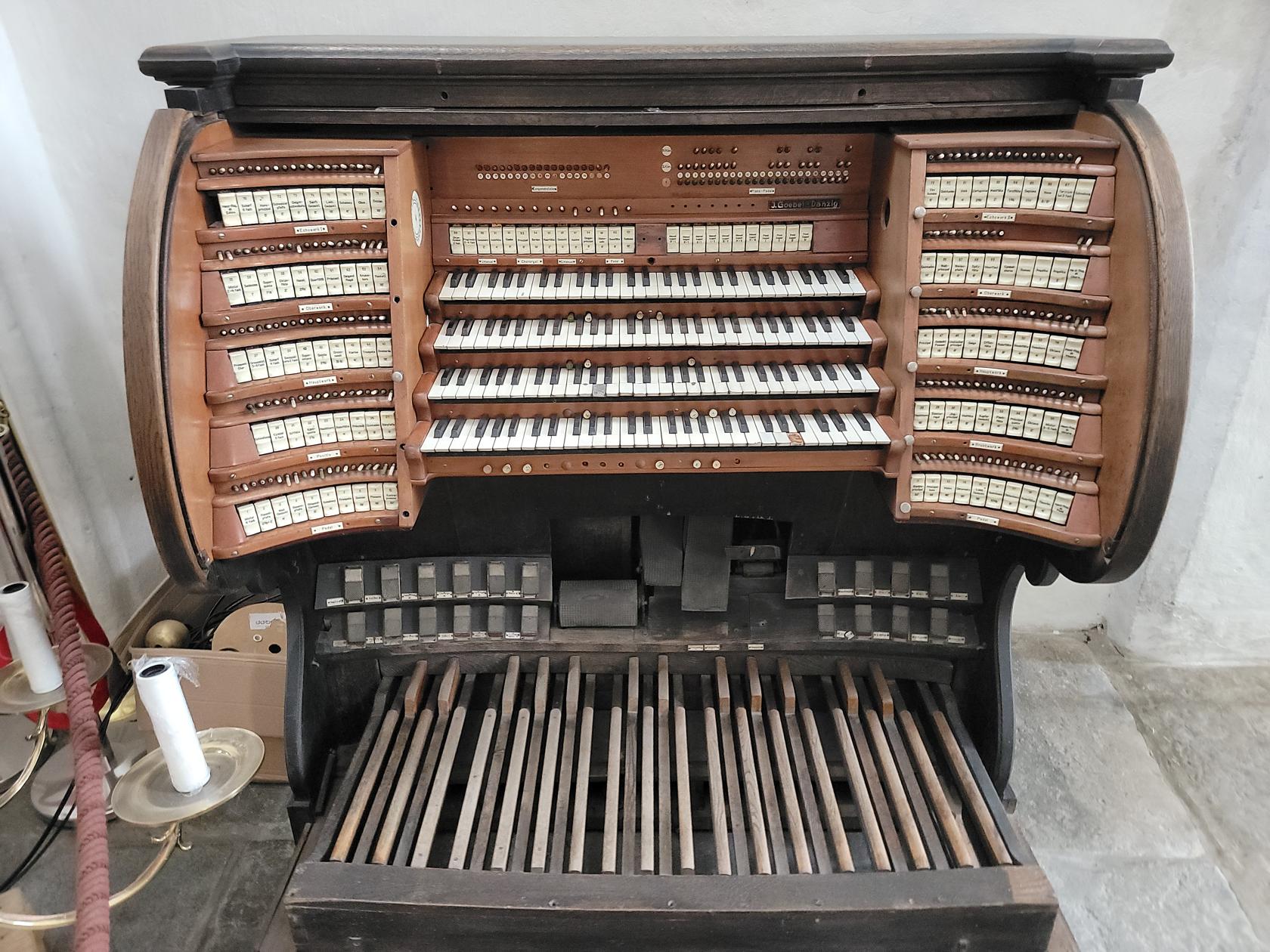
The church has an amazing organ and stained glass window in its transept. Though it is evident by the used mobile organ, the installed older one may no longer be in working order.
Organ – Saint Mary’s Basilica – Gdańsk, Poland
Temporary Organ – Saint Mary’s Basilica – Gdańsk, Poland
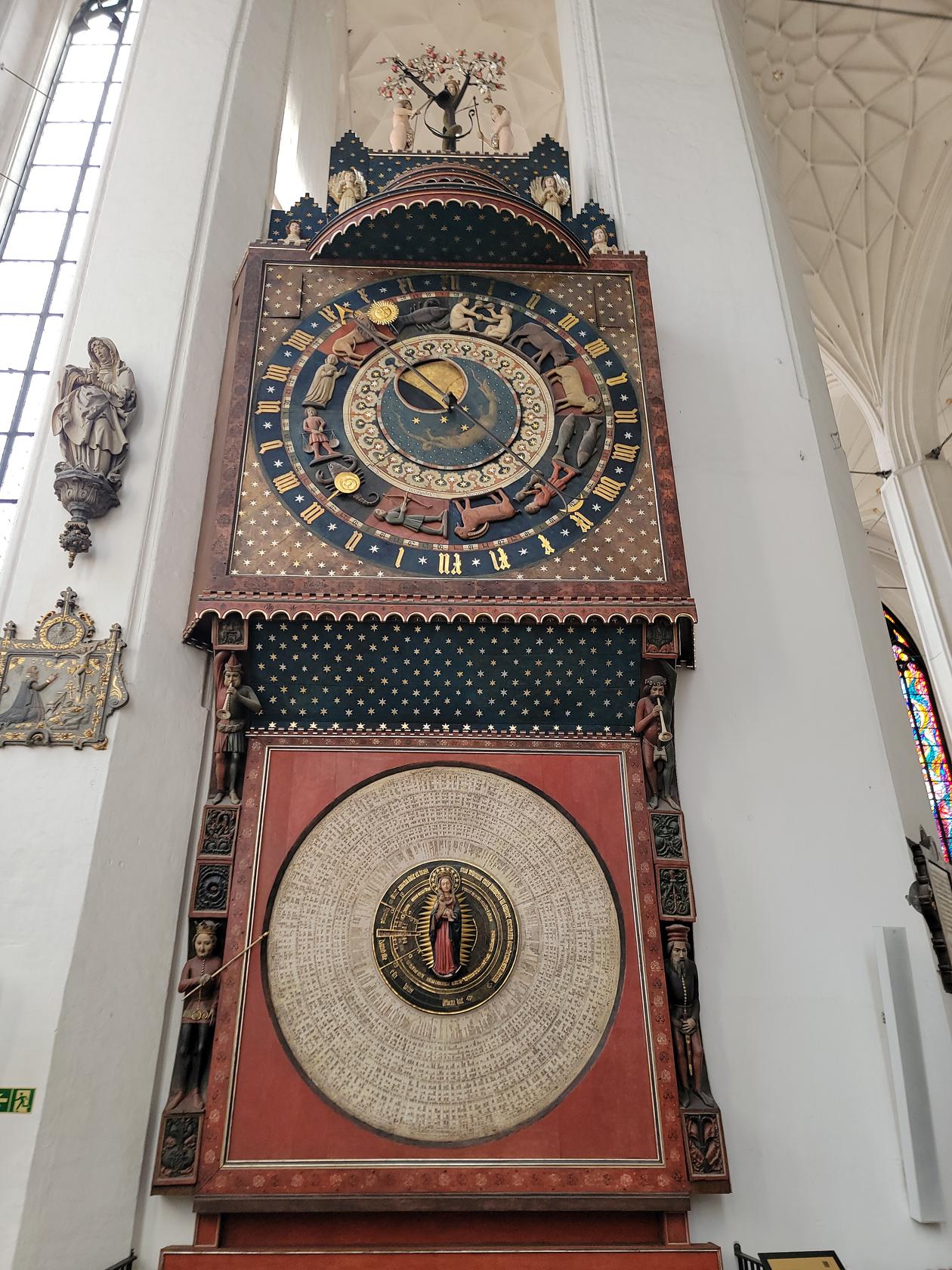
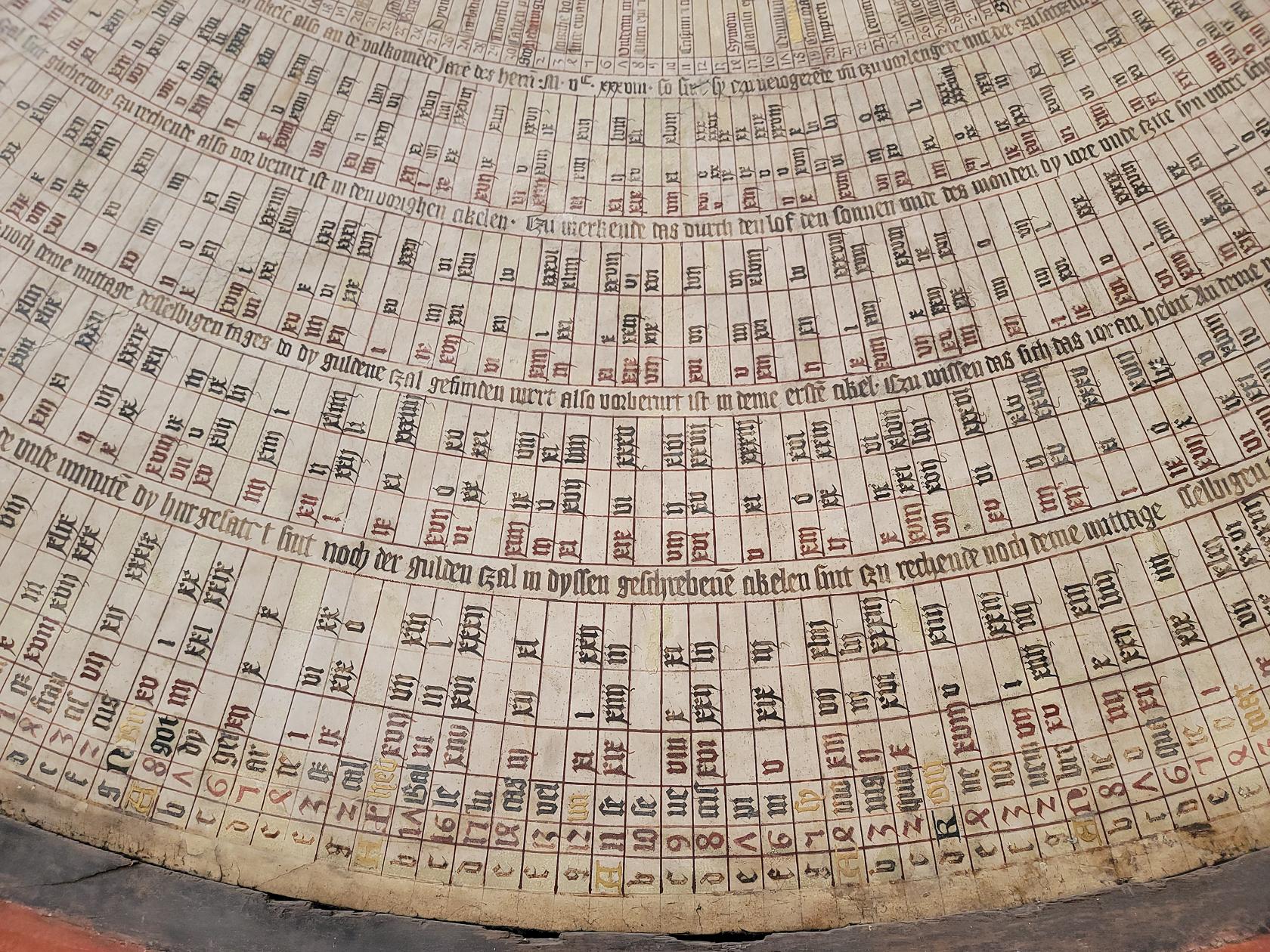
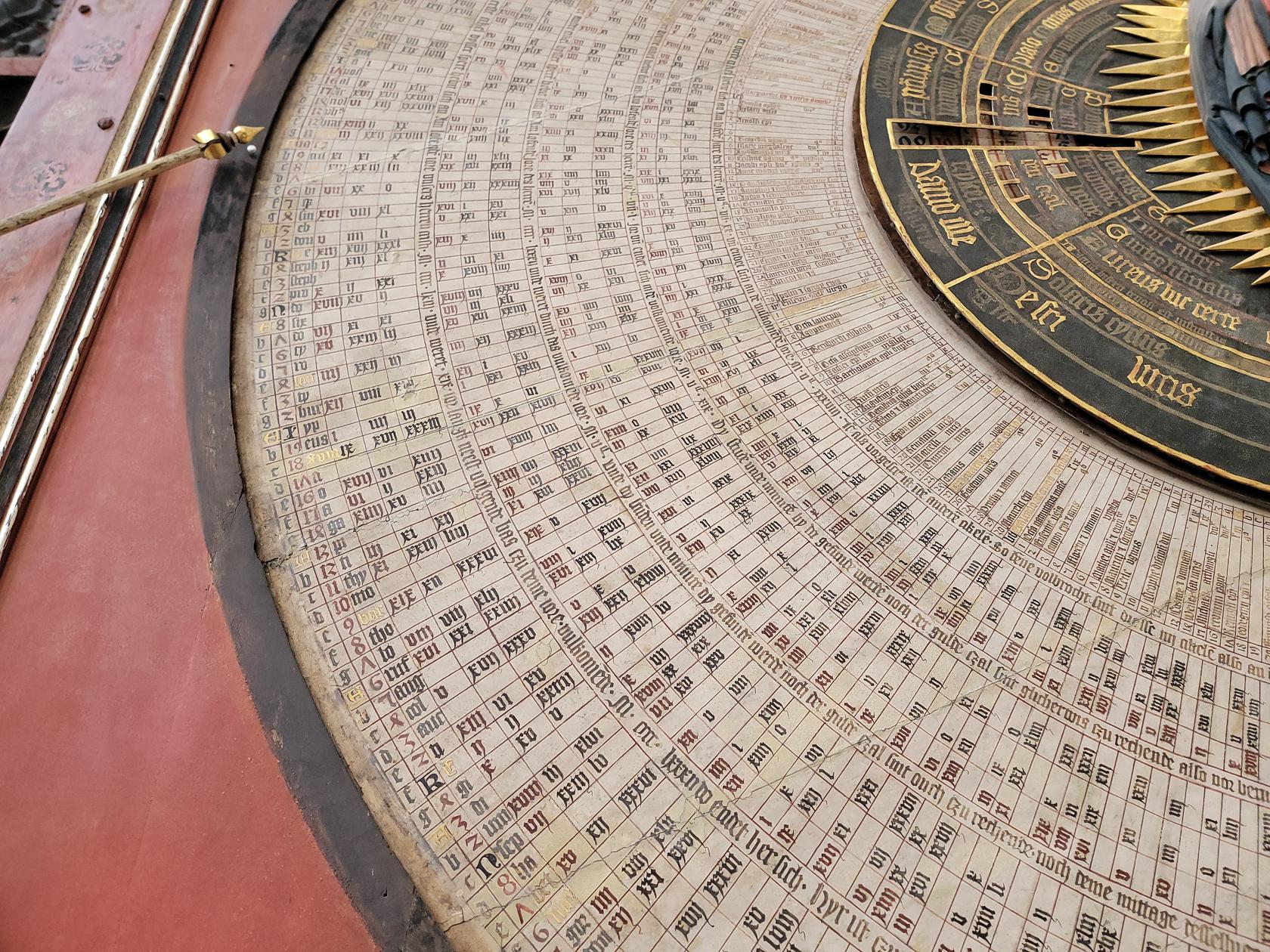
The church has a very interesting working astronomical clock and calendar along the interior left apse. According to records it not only computes most astronomical seasonal events, but also liturgical events and their timing.
Astronomical Clock – Saint Mary’s Basilica – Gdańsk, Poland
Clock’s Calendar – Saint Mary’s Basilica – Gdańsk, Poland
Clock’s Calendar – Saint Mary’s Basilica – Gdańsk, Poland
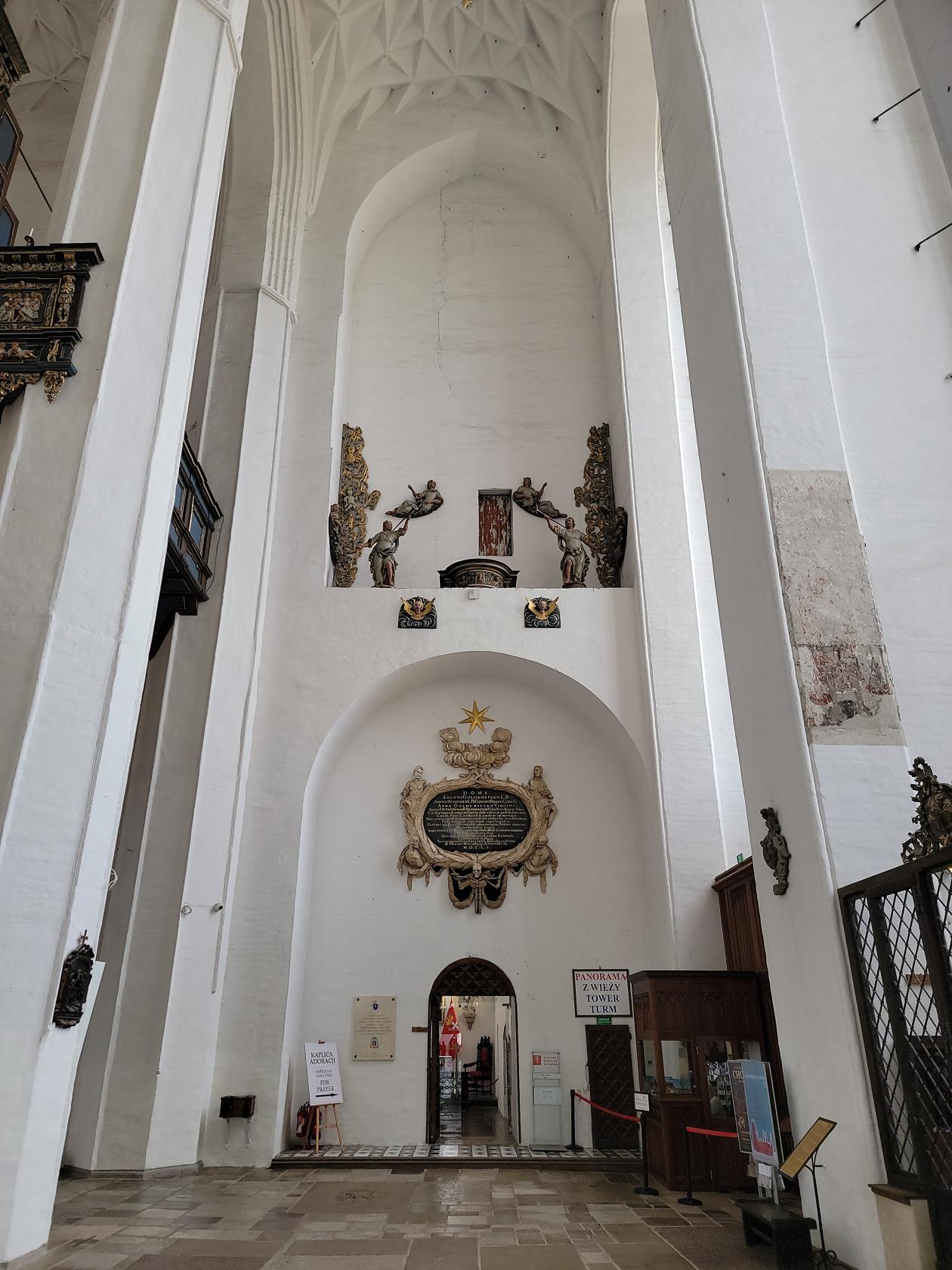
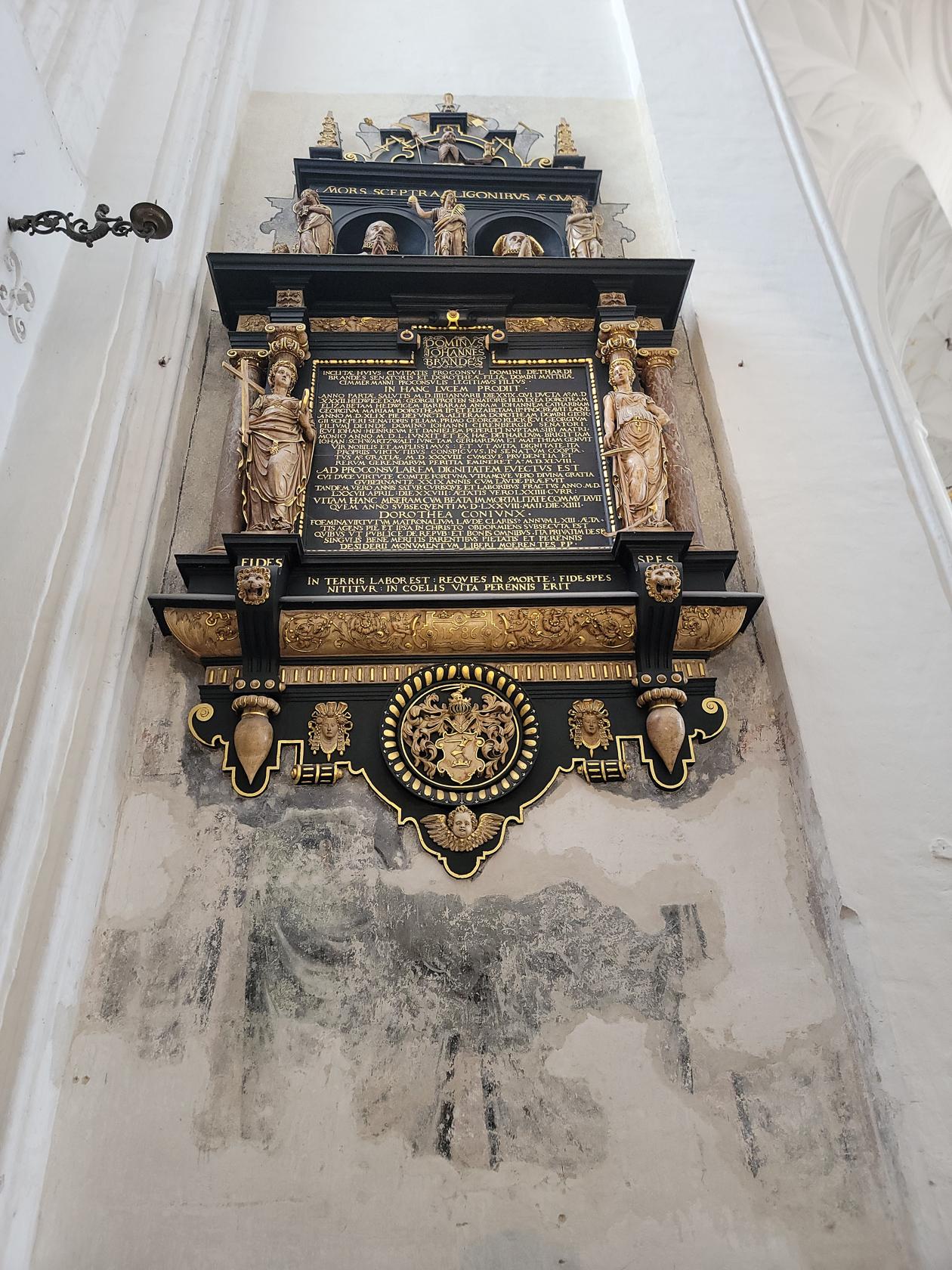
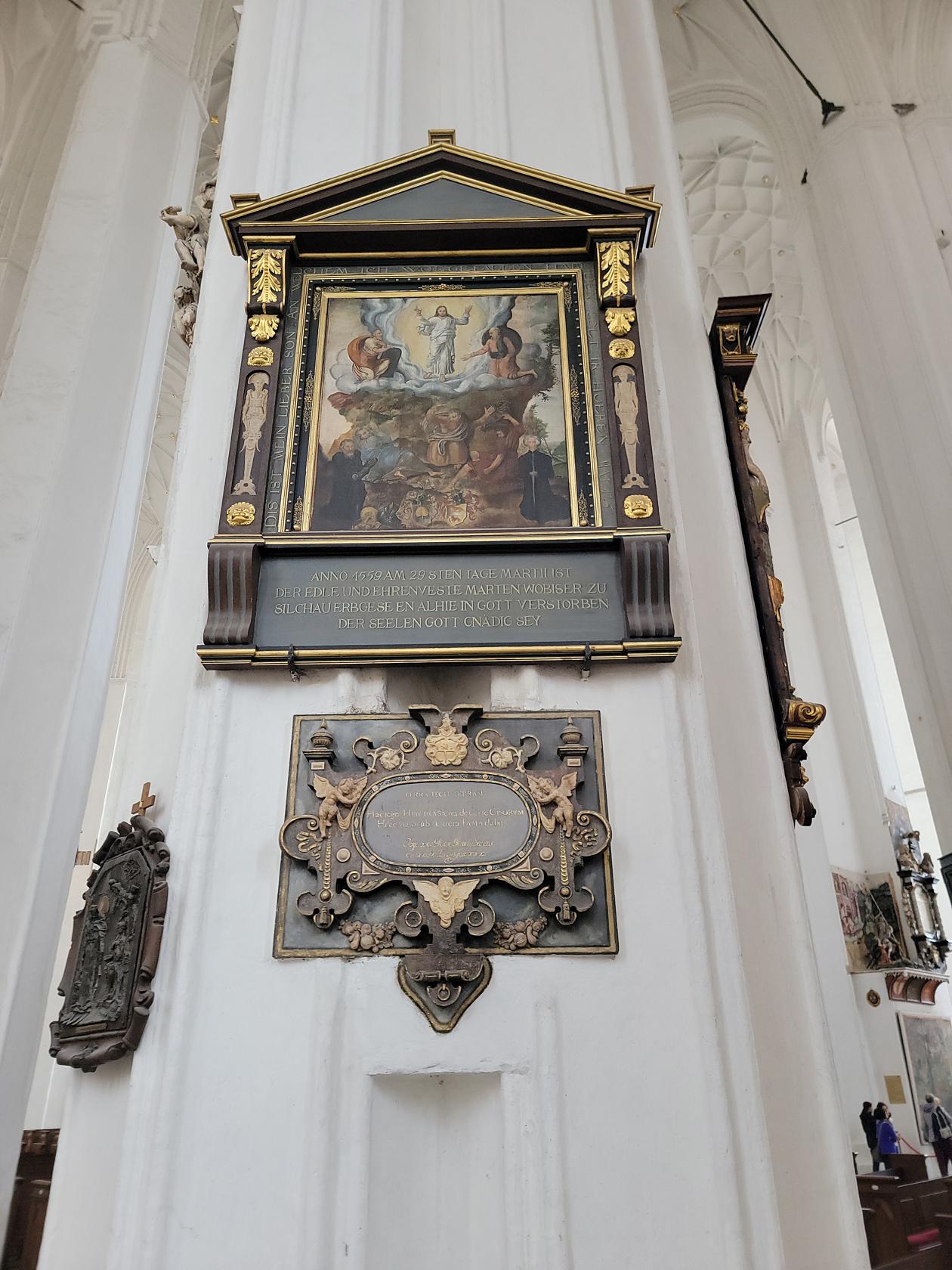
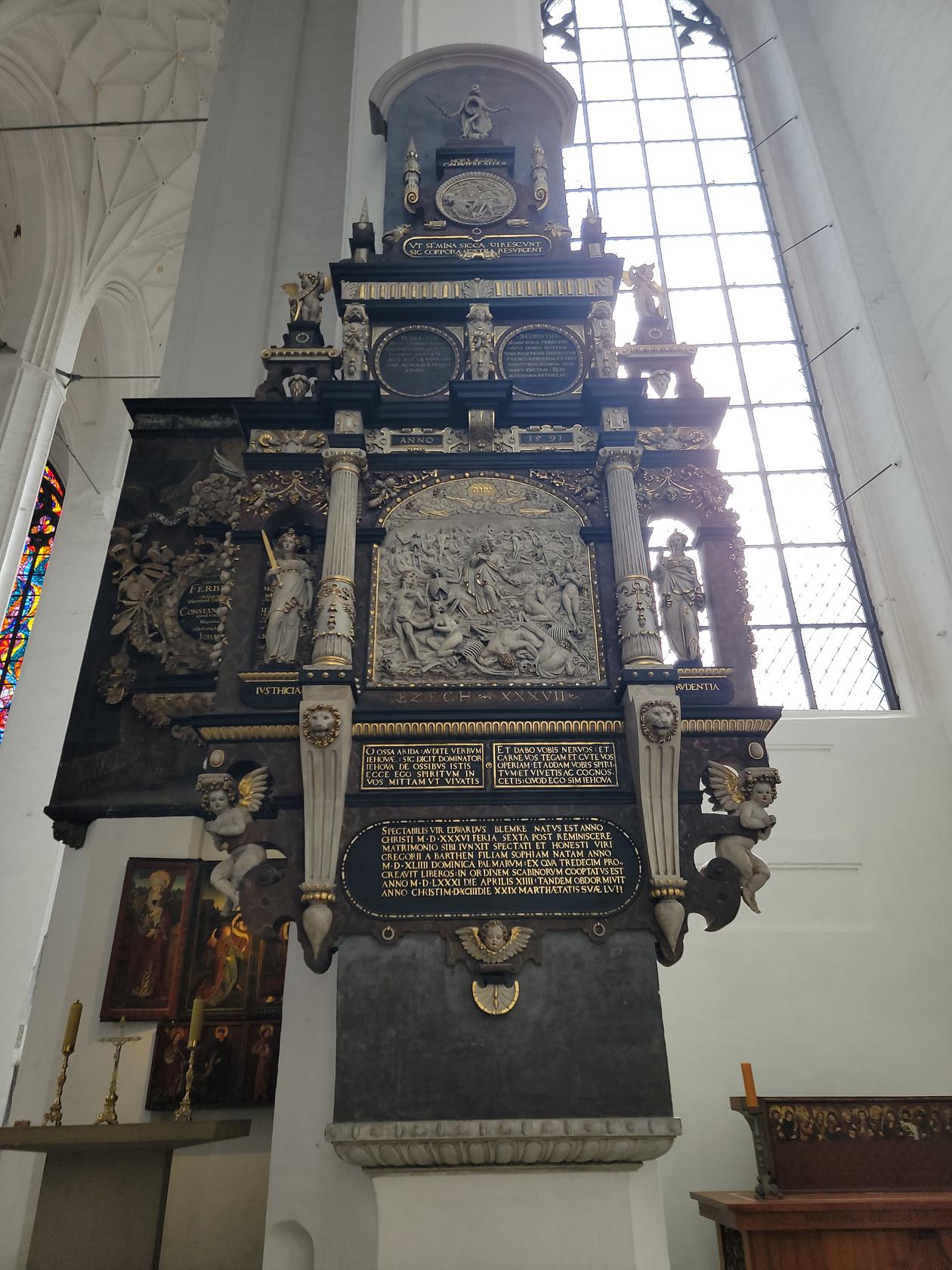
Lastly, this basilica is rather plain and therefore many of the epitaphs and memorials stick out prominently. Most have German inscriptions on them, owing to the city rich heritage, though many are also written in Latin.
Memorial – Saint Mary’s Basilica – Gdańsk, Poland
Memorial – Saint Mary’s Basilica – Gdańsk, Poland
Memorials – Saint Mary’s Basilica – Gdańsk, Poland
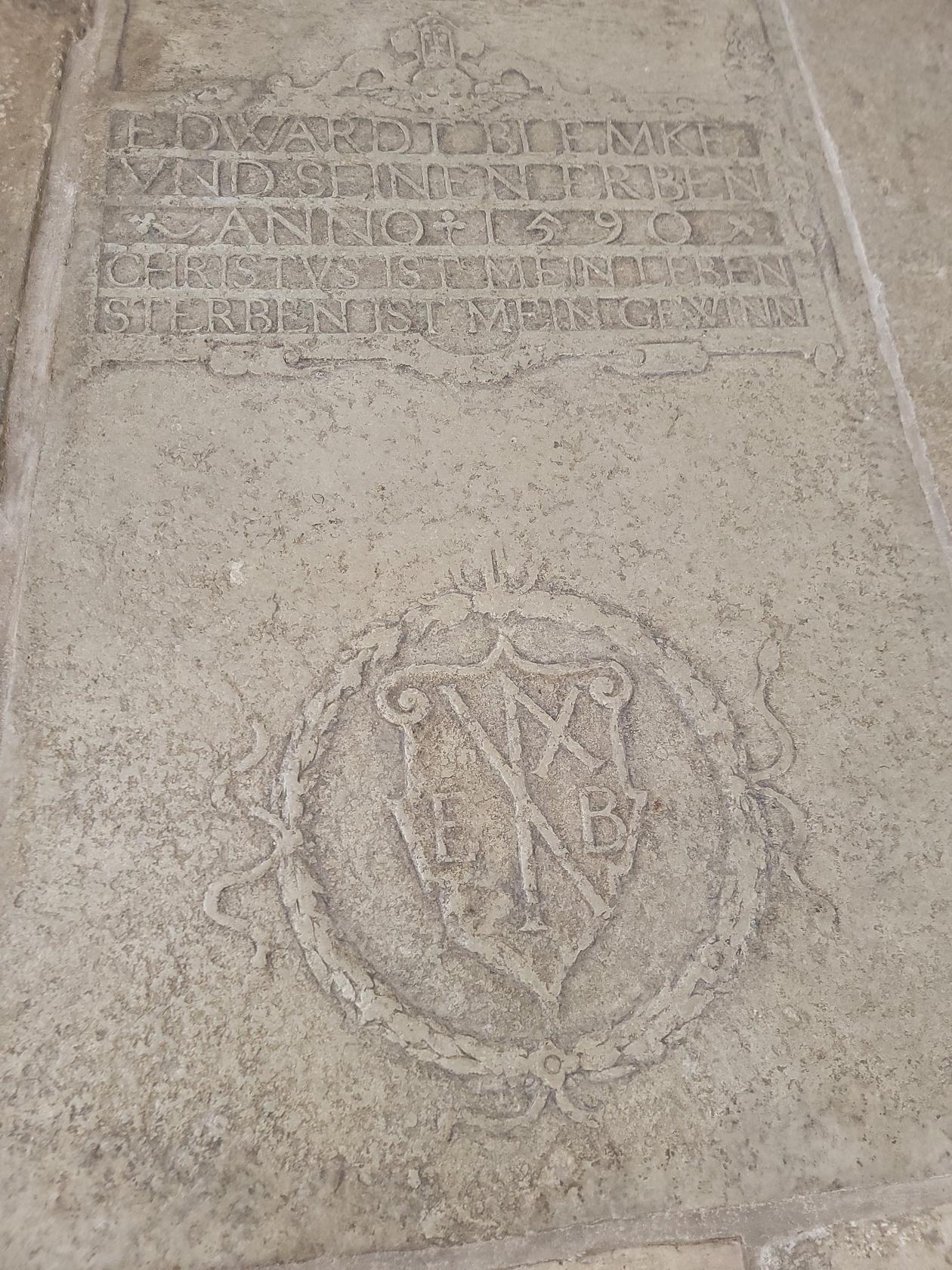
Interesting Grave Inscription – Saint Mary’s Basilica – Gdańsk, Poland
Restaurants
Yang Guang Chinese Restaurant
If you go through the Green Gate and cross the bridge then walk a few steps down Stągiewna Street you will find Yang Guang Chinese Restaurant on your right. If you are tired of all the meat, potatoes and dumplings you have been eating up until now, this is a very good stop for some vegetables. The even have broccoli in garlic sauce, one of our favorites.
Inside – Chińska Yang Guang Restaurant – Gdańsk, Poland
Wonton Soup – Chińska Yang Guang Restaurant – Gdańsk, Poland
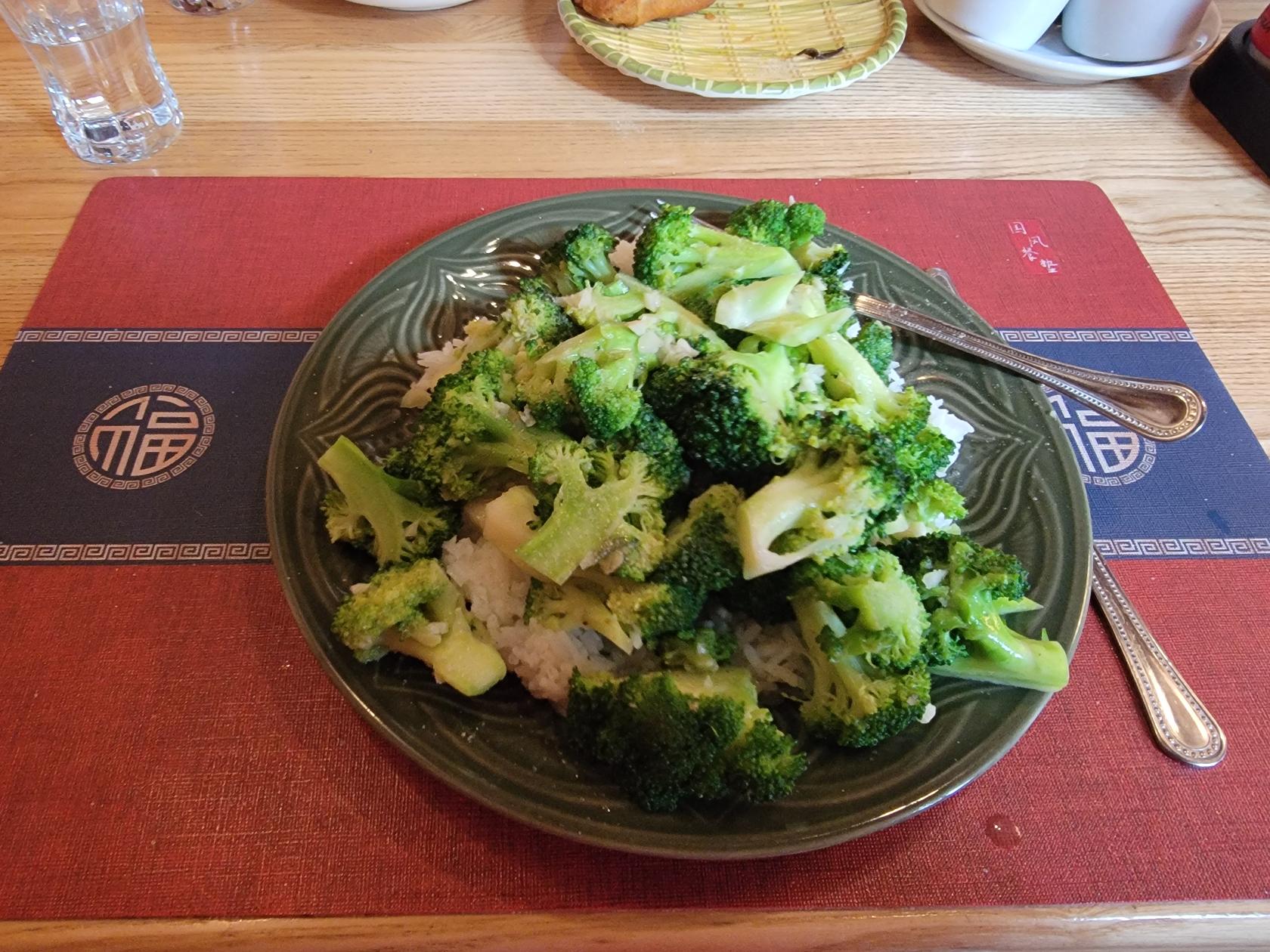
Broccoli with Garlic Sauce on White Rice – Chińska Yang Guang Restaurant – Gdańsk, Poland
Sempre Ristorante
The Sempre Ristorante is near the tip of the small island on the other side of the river. It is a modern Italian restaurant that serves good food with an upscale slant on the recipes and the prices. You won’t go wrong eating here, but you will also pay for it, if you know what I mean.
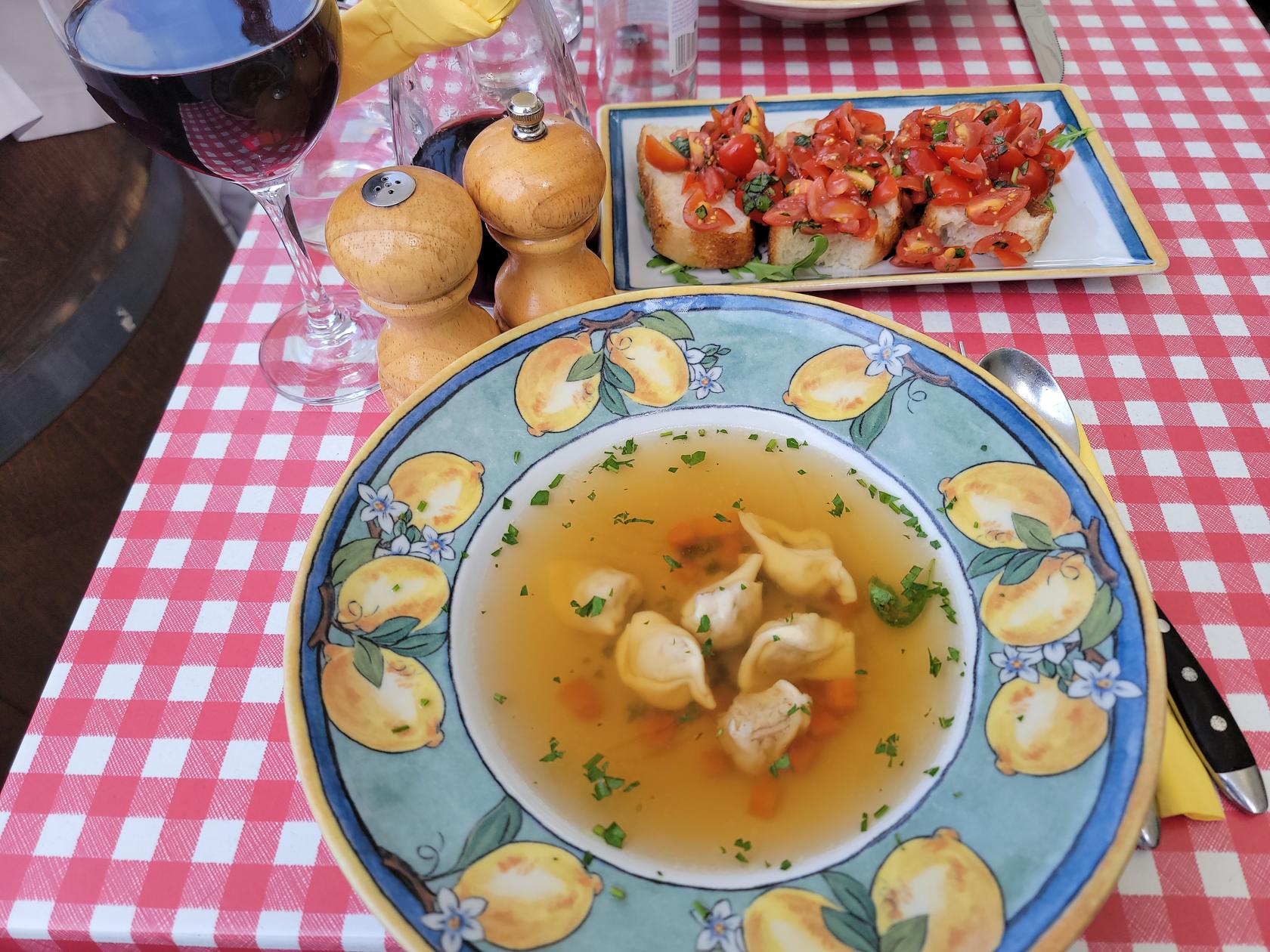
Bruschette and Chicken Soup with Dumplings – Sempre Ristorante – Gdańsk, Poland
Tygle Restaurant
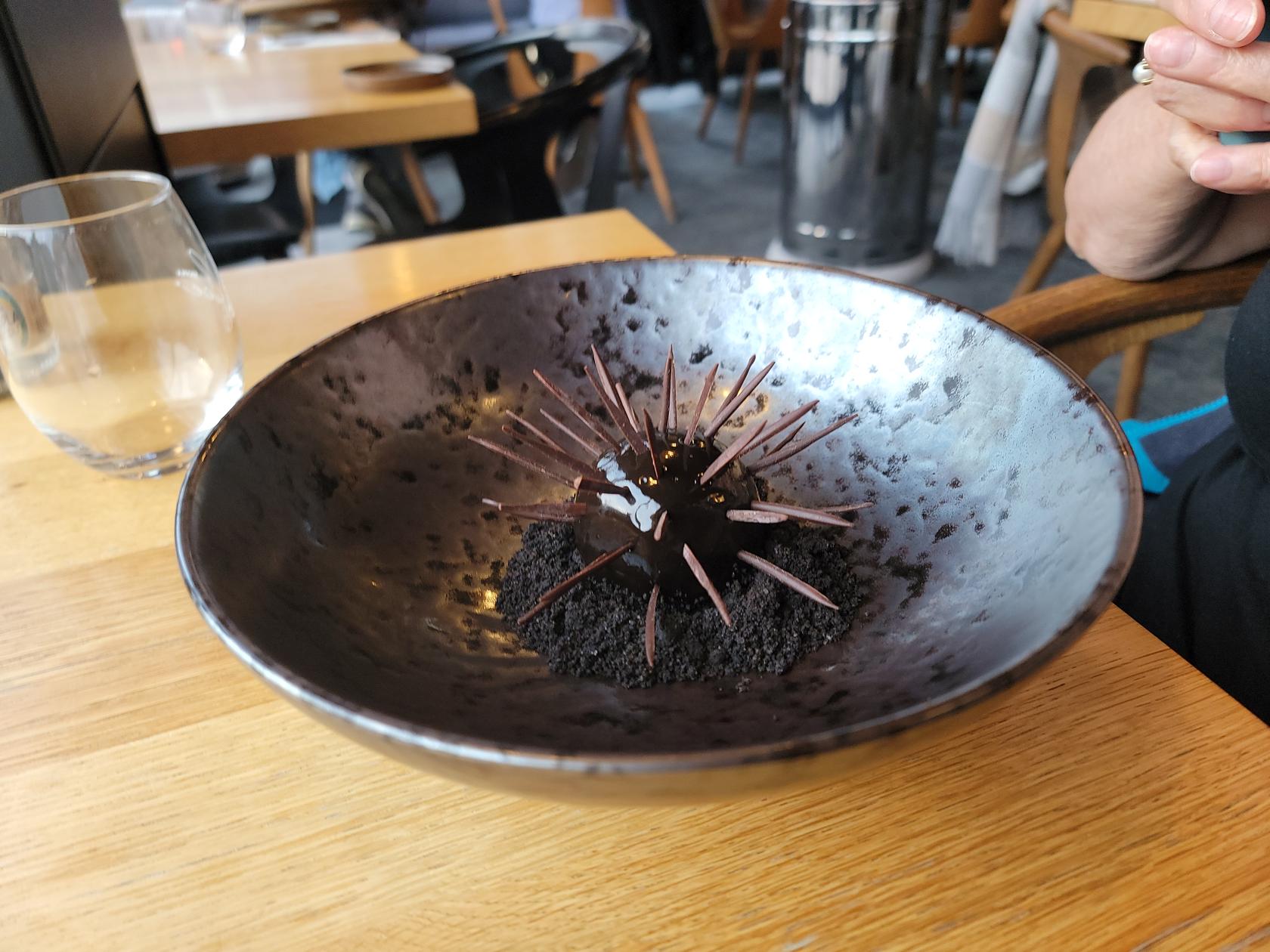
A highly rated restaurant with excellent Polish food is Tygle. Here you will find some classics as well as some new takes on Polish cuisine. If you are a chocolate lover, the urchin dessert is a must try. But be careful, those spikes are dark chocolate and will cause real damage to your diet.
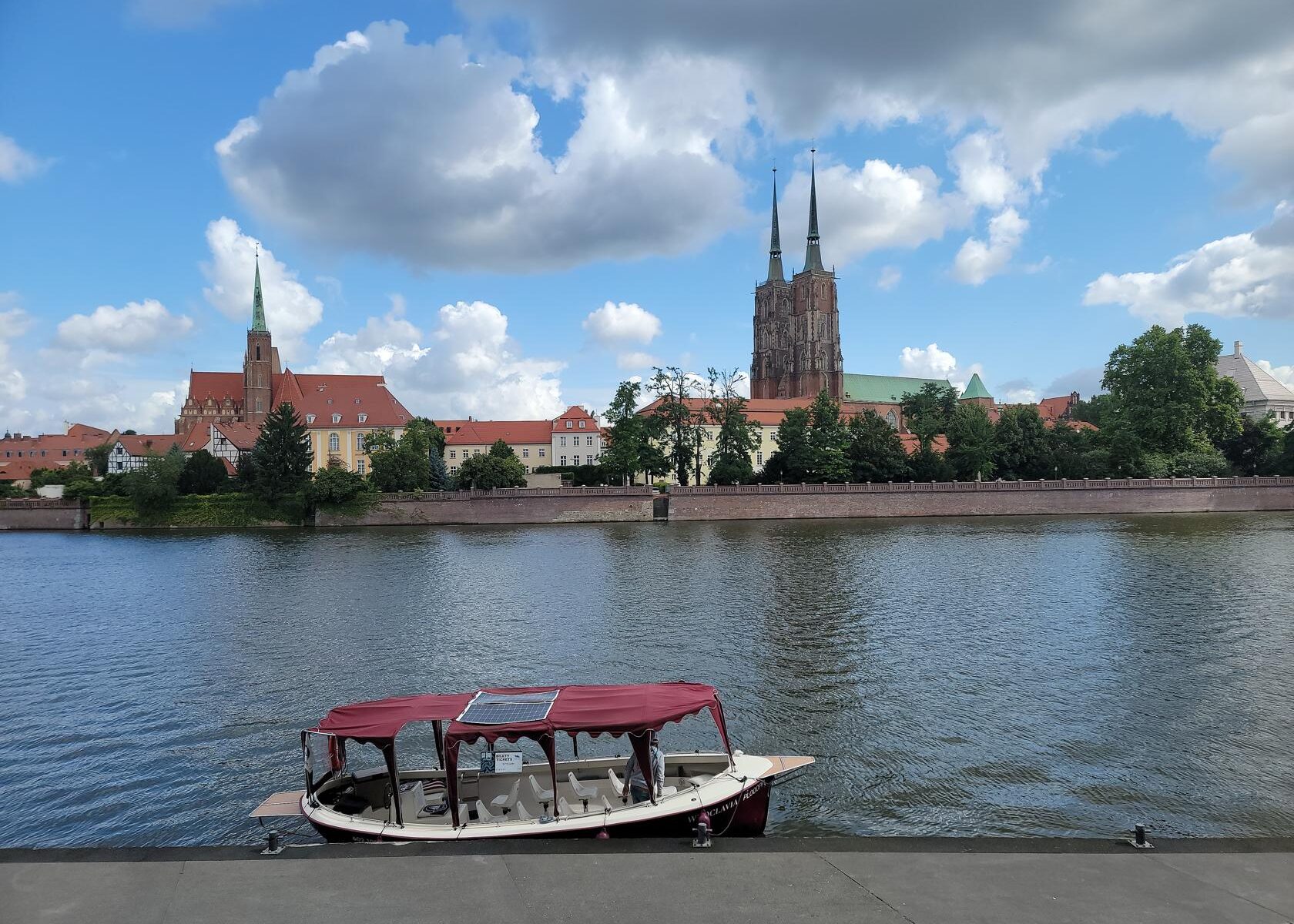
Aside from its old Germanic name of Breslau and its temporary occupation by the Soviets, Wrocław looks and feels completely Polish today. Though not as pretty or well kept as its southern cousin Kraków, it is still a nice city to visit for a few days.
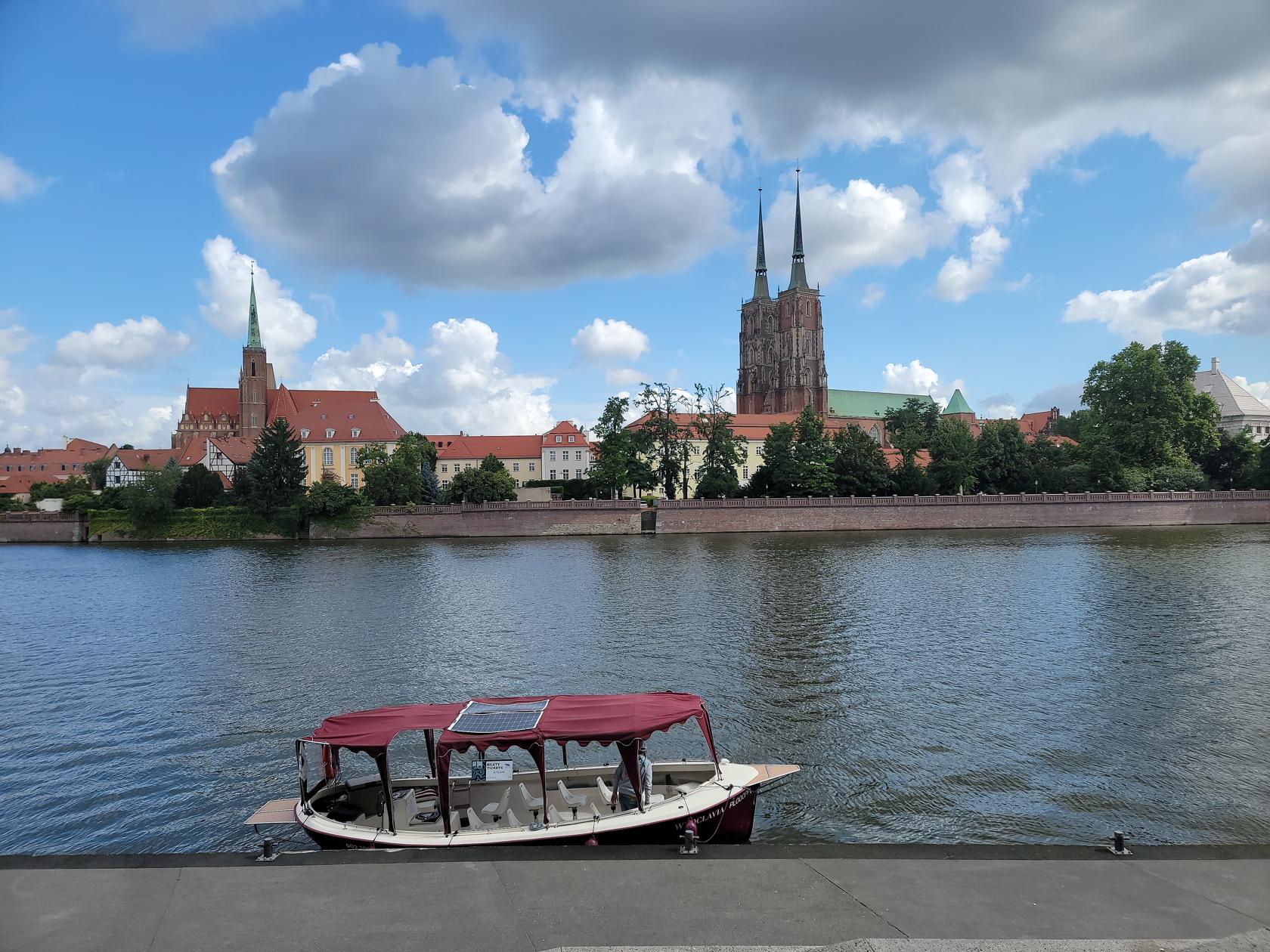
Cathedral – Oder River – Wrocław, Poland
Wrocław
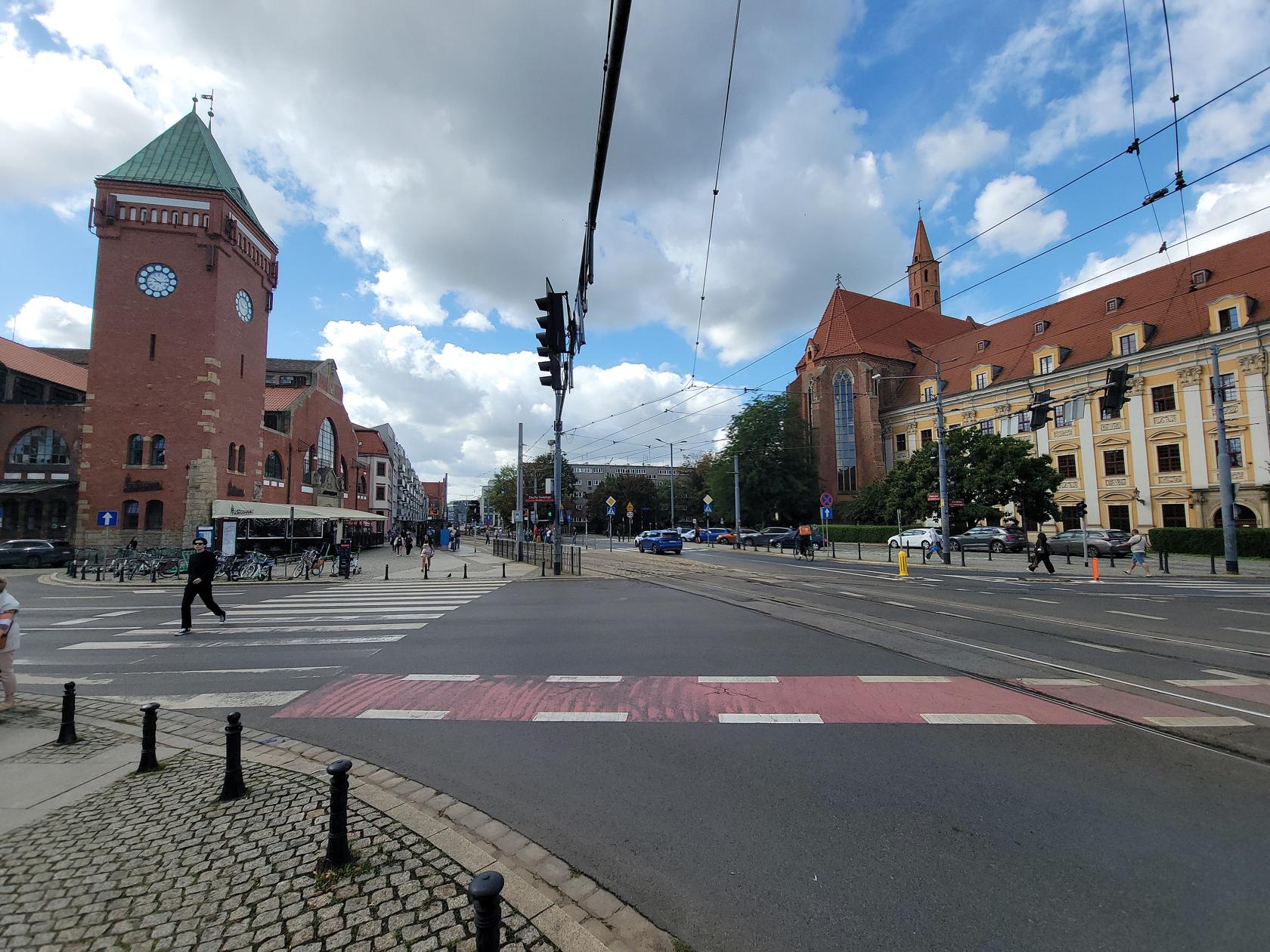
Situated on the river Oder, Wrocław is today an odd mix of old, new and unfinished. We were actually quite surprised at how often we came up parcels in the city that were either unimproved or totally abandoned. That coupled with the weather, which for us turned rainy, made for a lasting impression of it being a dreary place if it so wished.
Bastion Sakwowy – Wrocław, Poland
Bastion Sakwowy – Wrocław, Poland
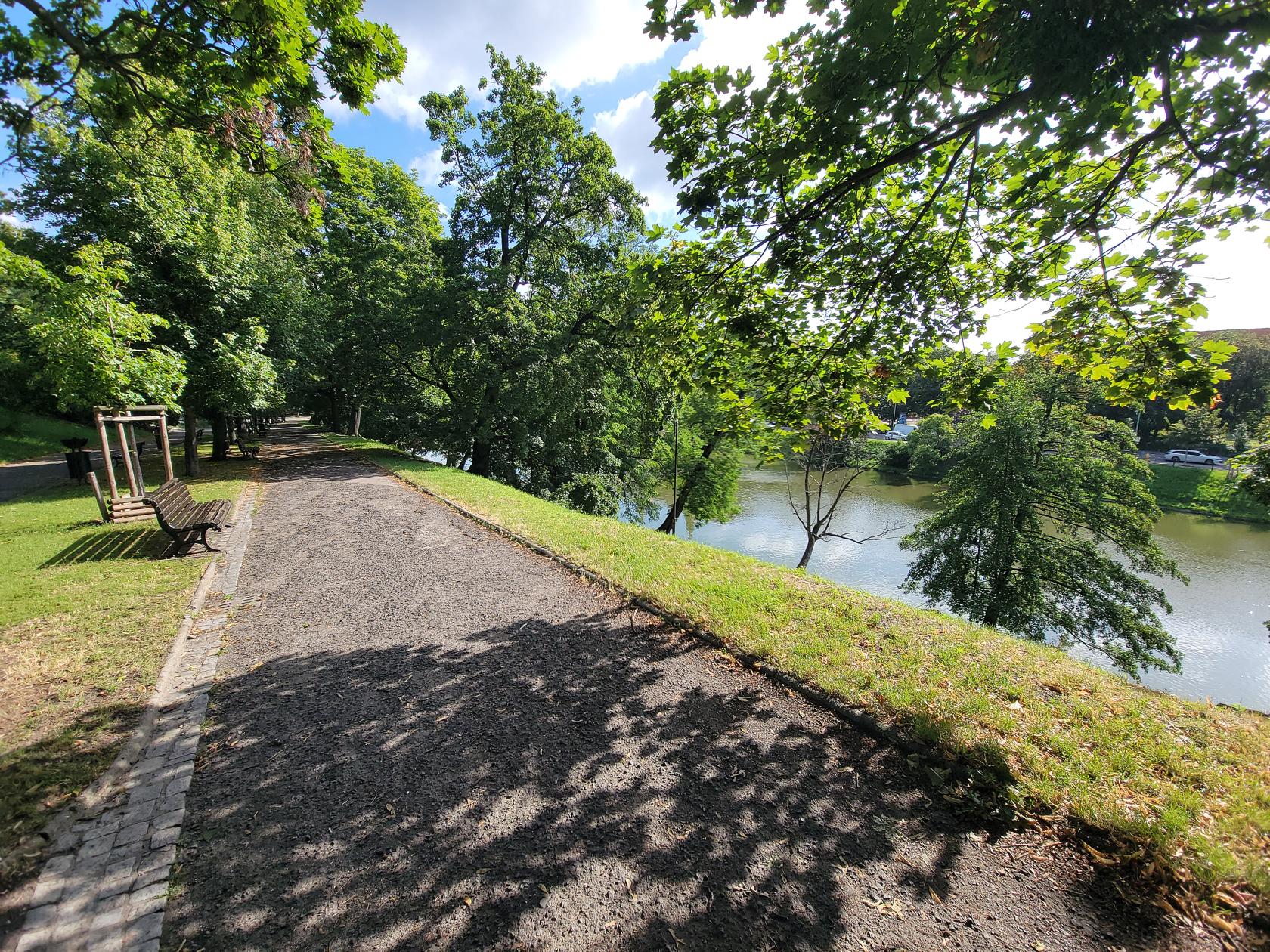
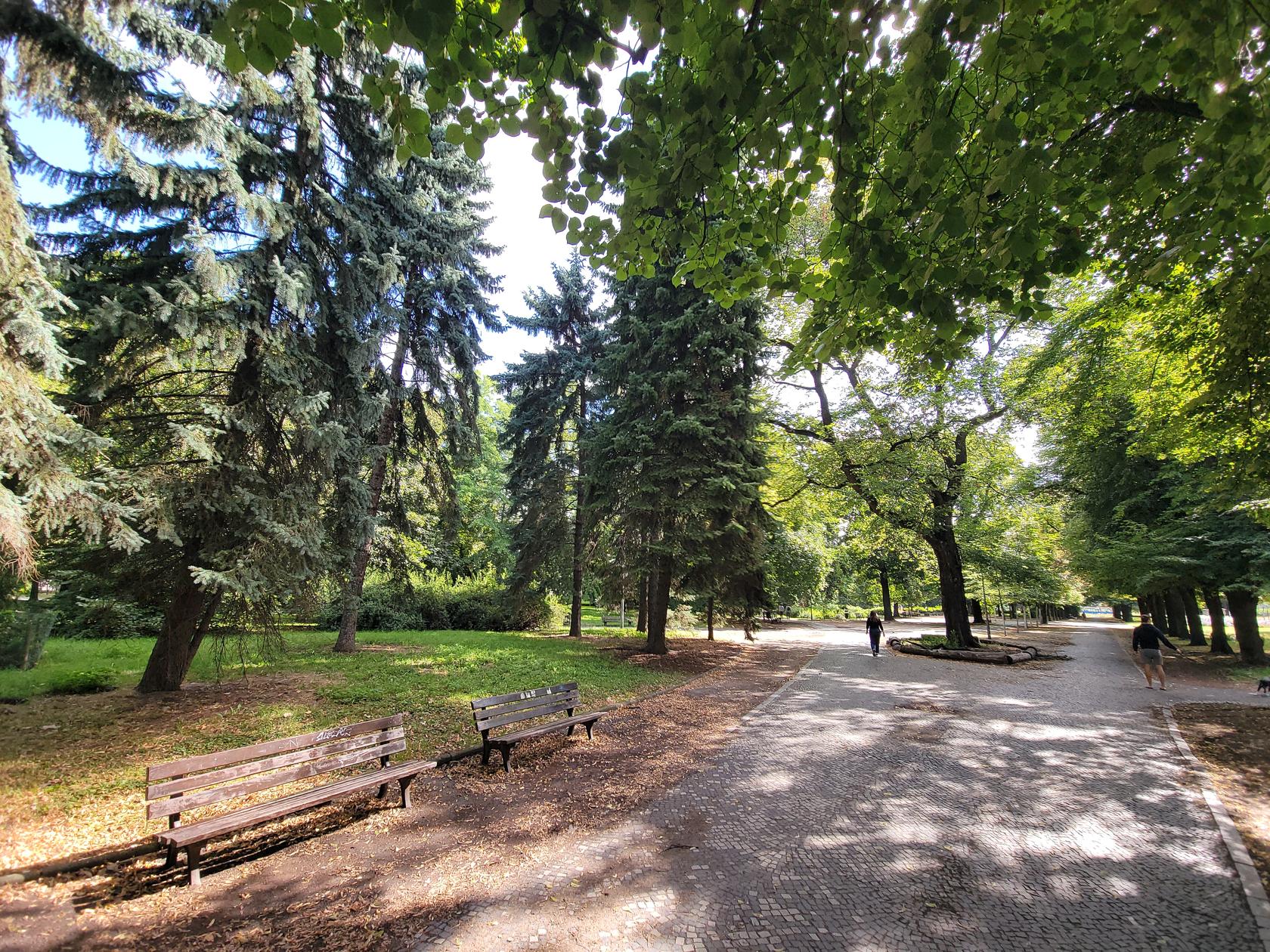
Promenade – Wrocław, Poland
Promenade – Wrocław, Poland
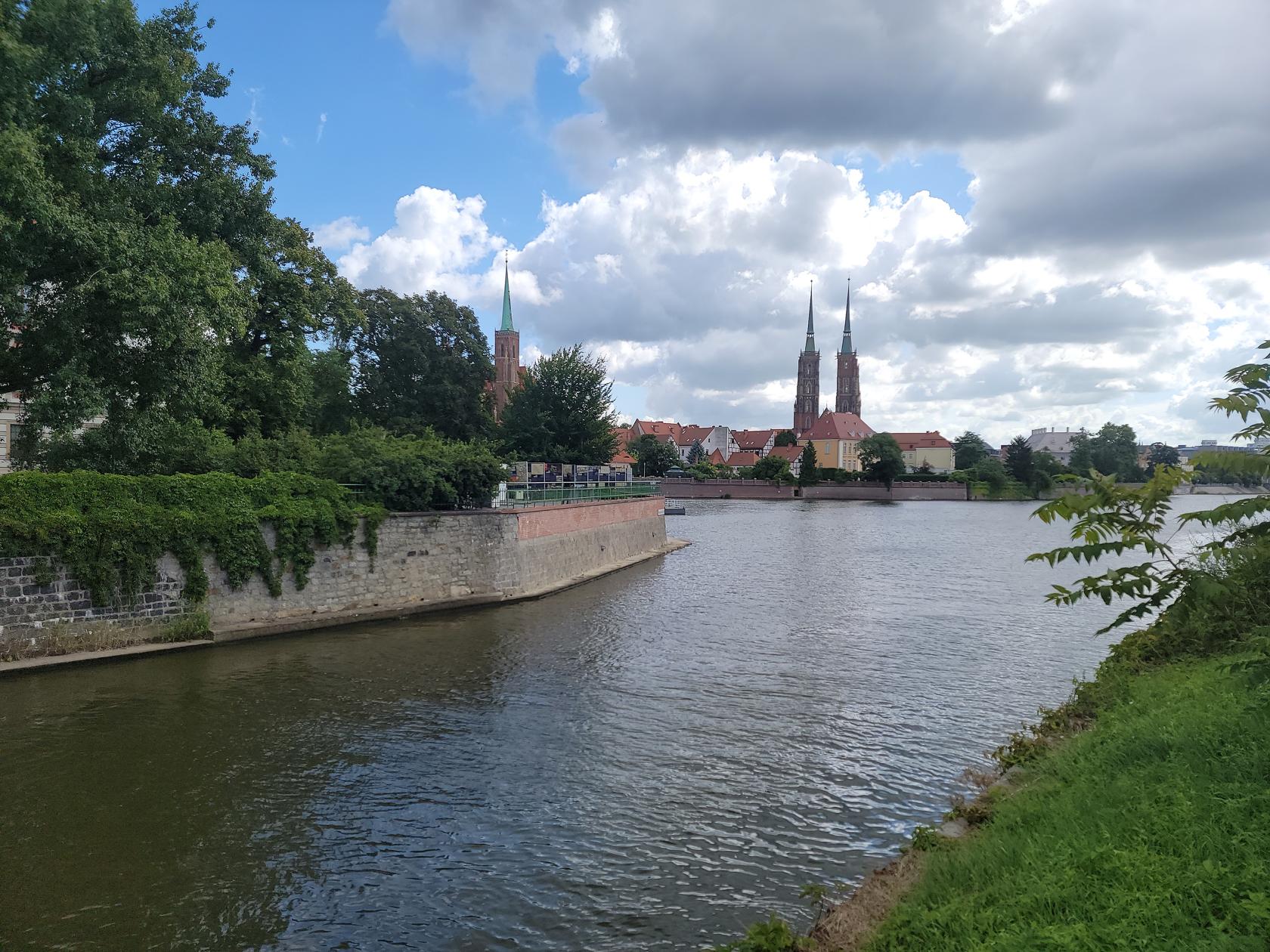
Fortunately we had enough good weather, however changeable it was, to tour the entire city and enjoy it. We especially enjoyed the area around the Wrocław Cathedral and would commend you visit there if you have a half day to spare.
Getting There
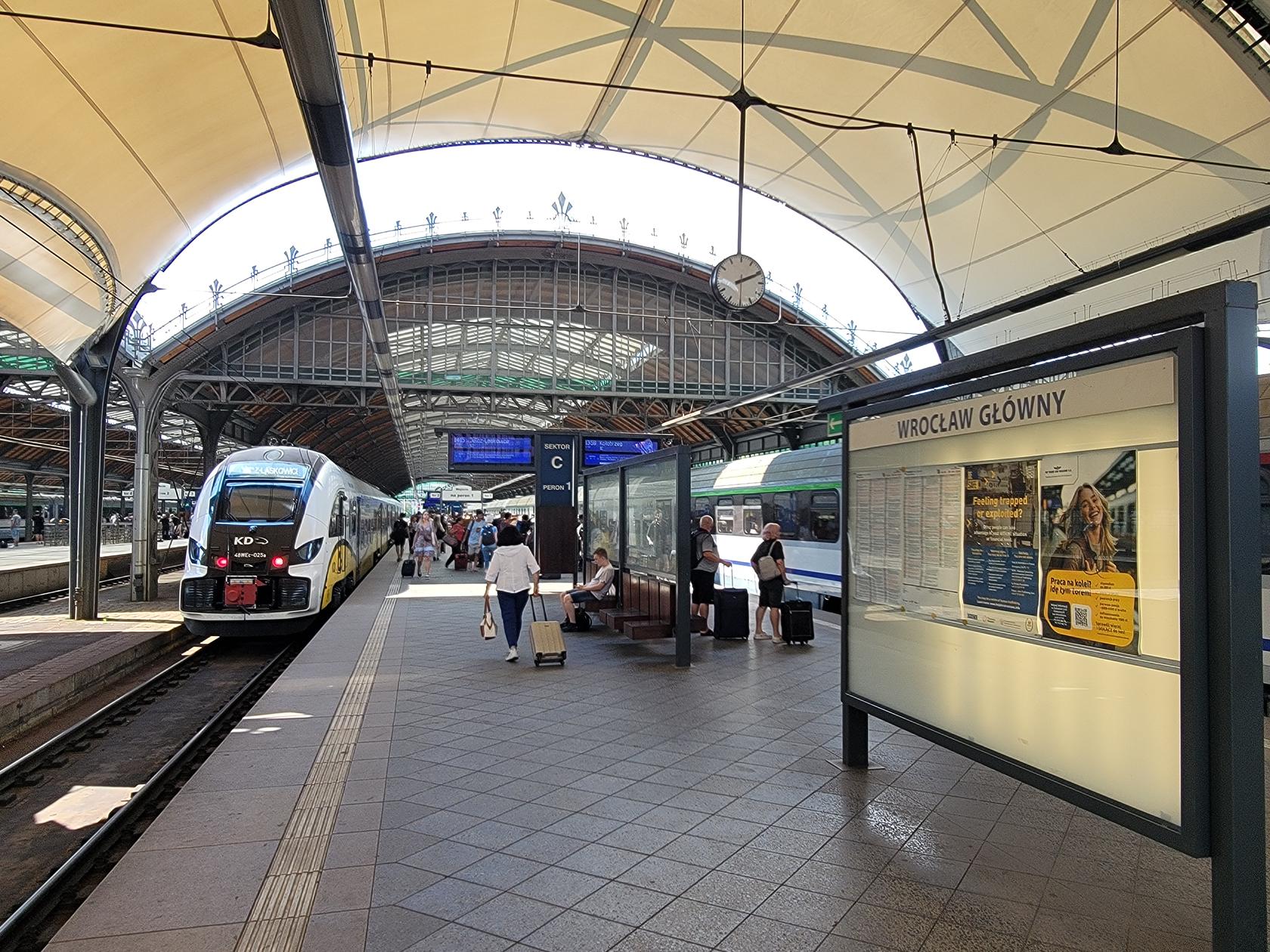
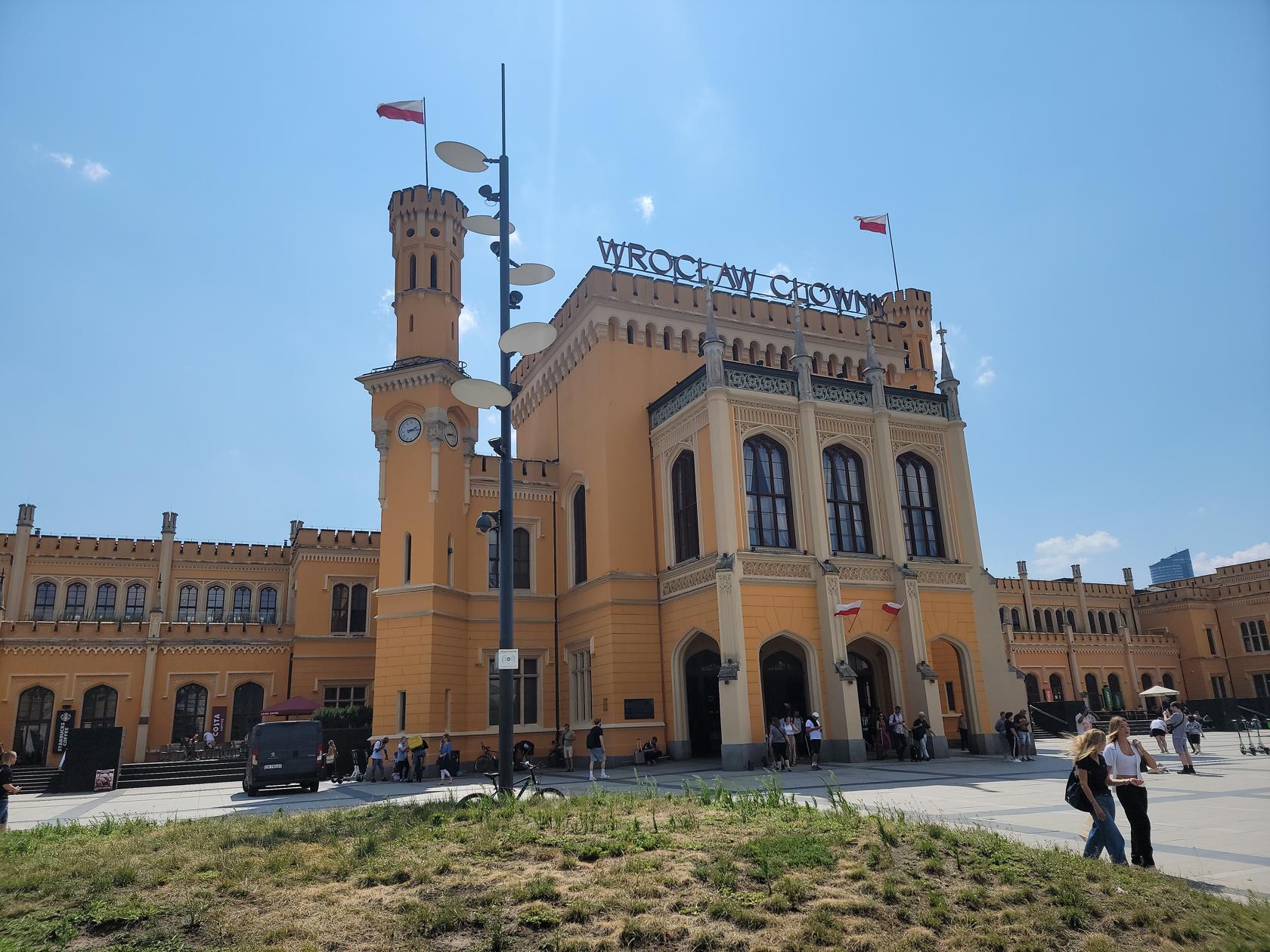
The easiest way to get to Wrocław from Kraków is either by car, bus or train. Since we try to use trains when we can, we took the inter-city train which took about there and a half hours to travel the distance.
Wrocław Głowny – Wrocław, Poland
Entrance – Wrocław Głowny – Wrocław, Poland
Gnomes Everywhere
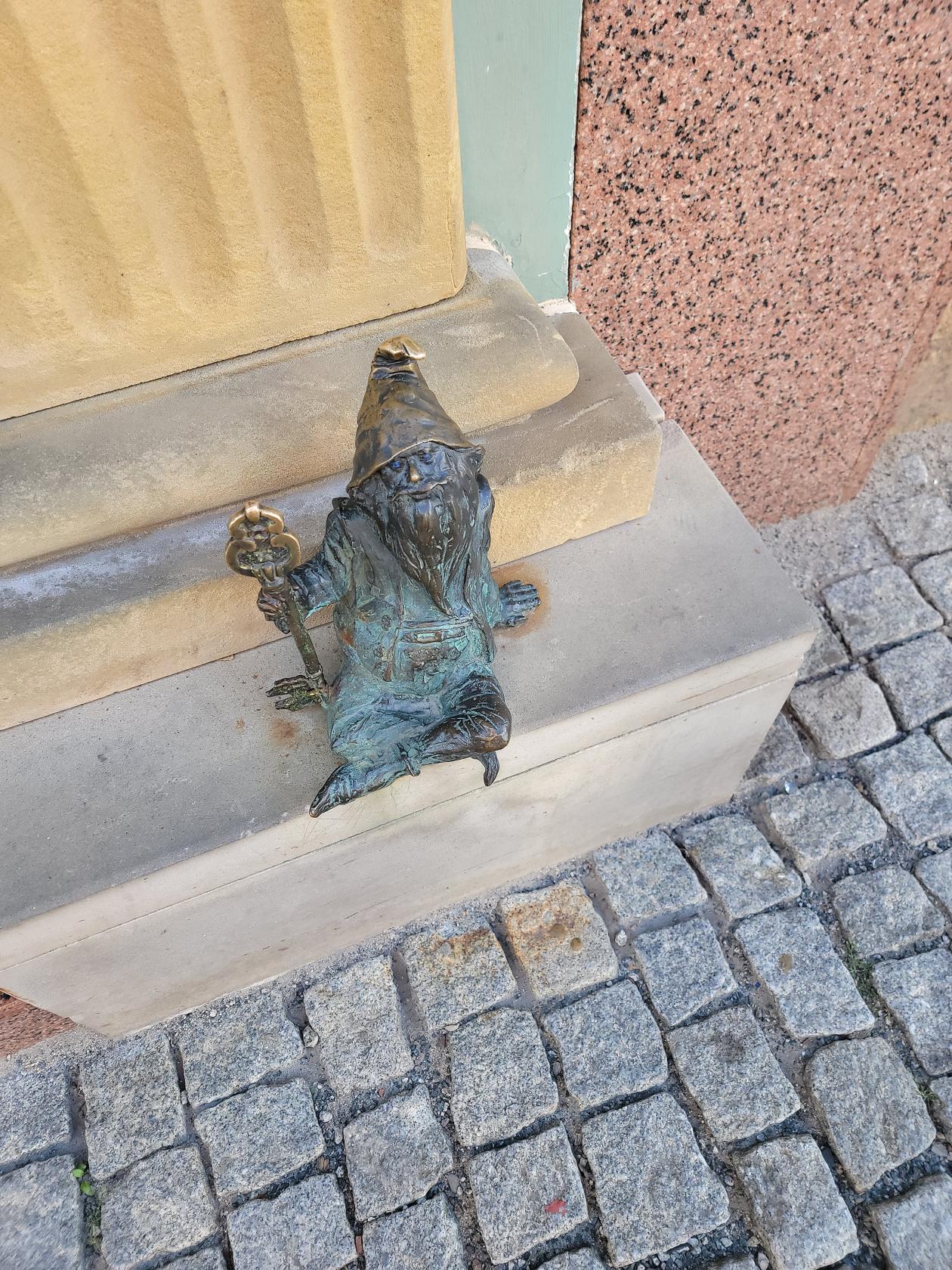
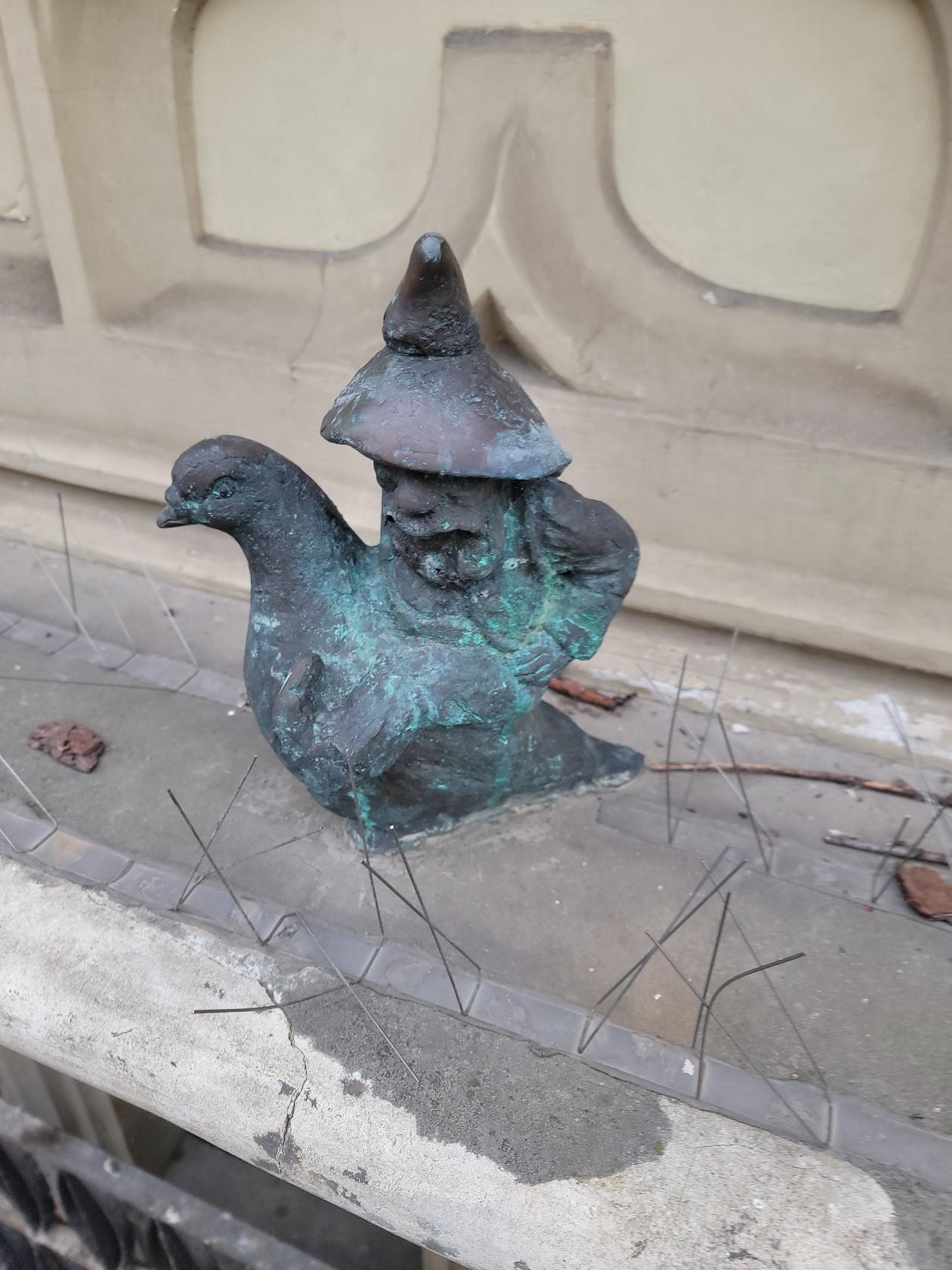
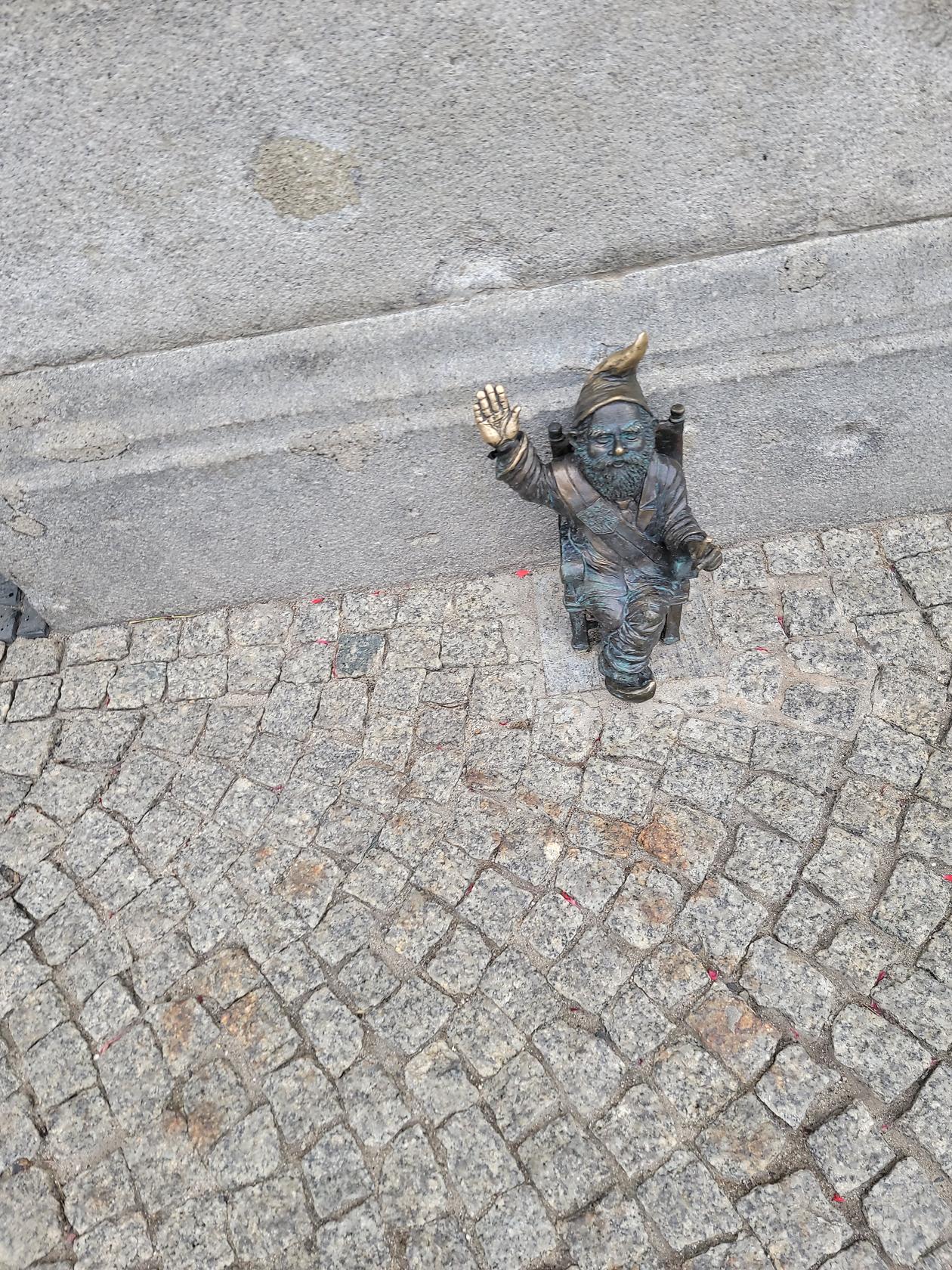
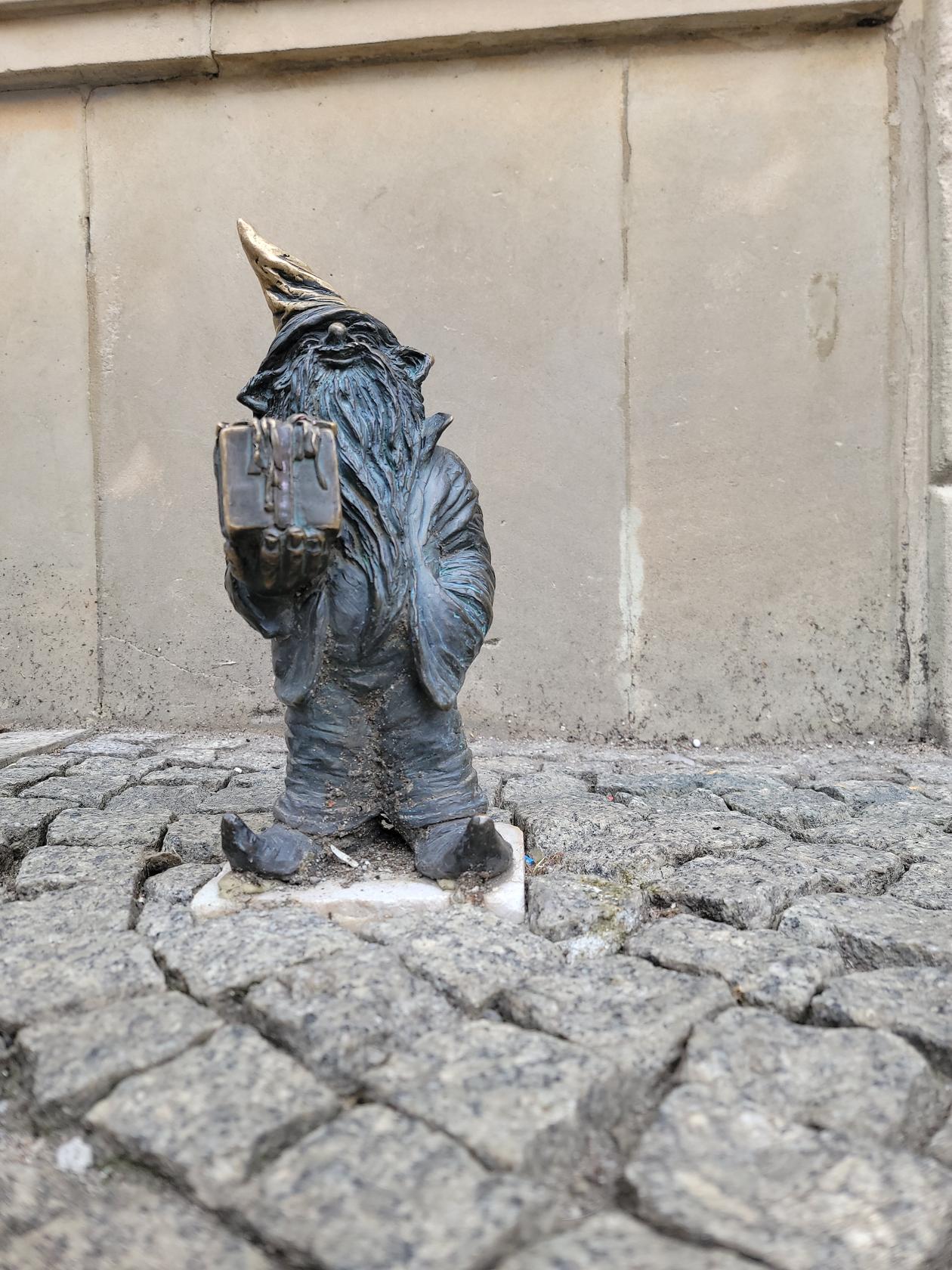
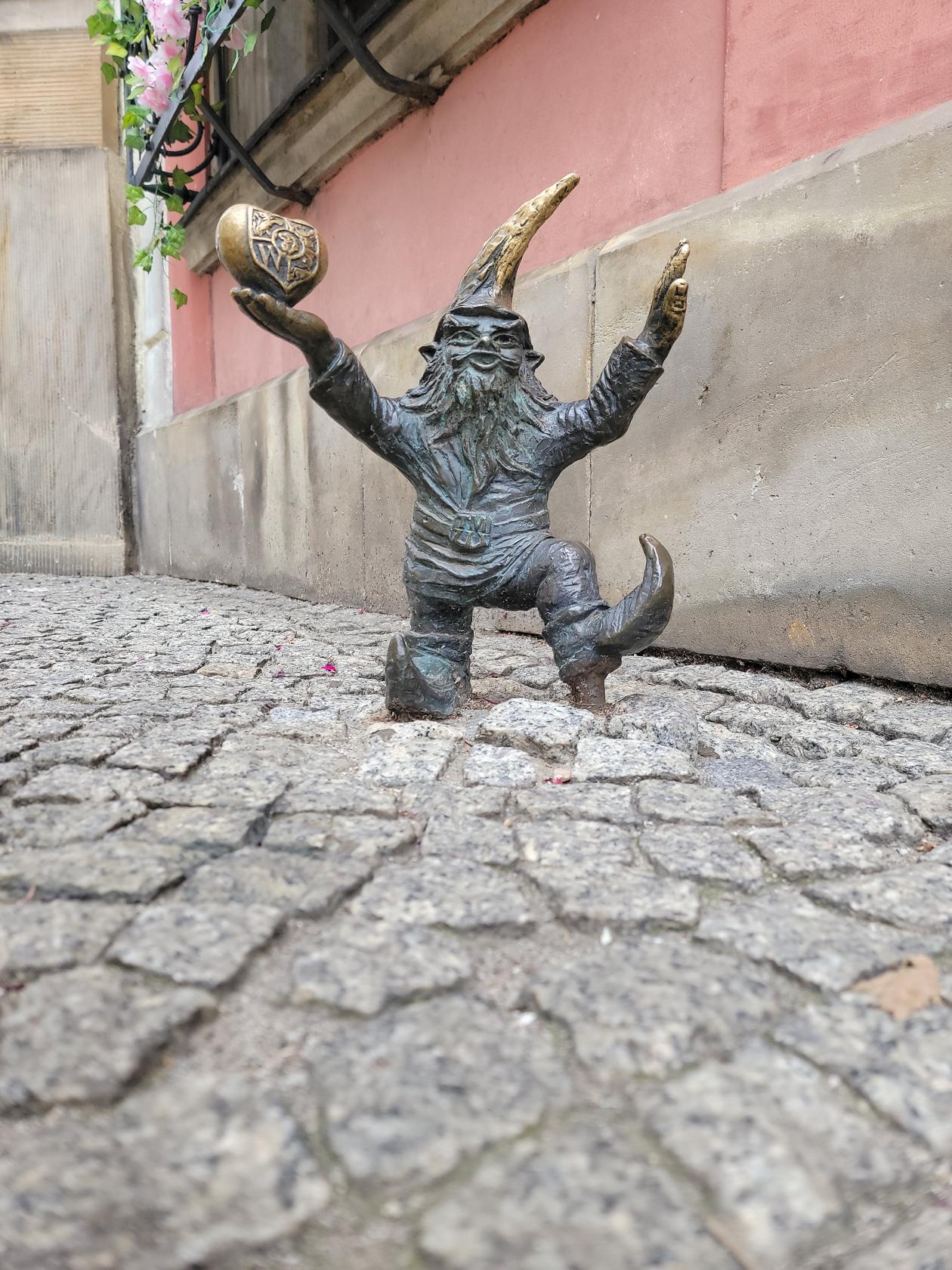
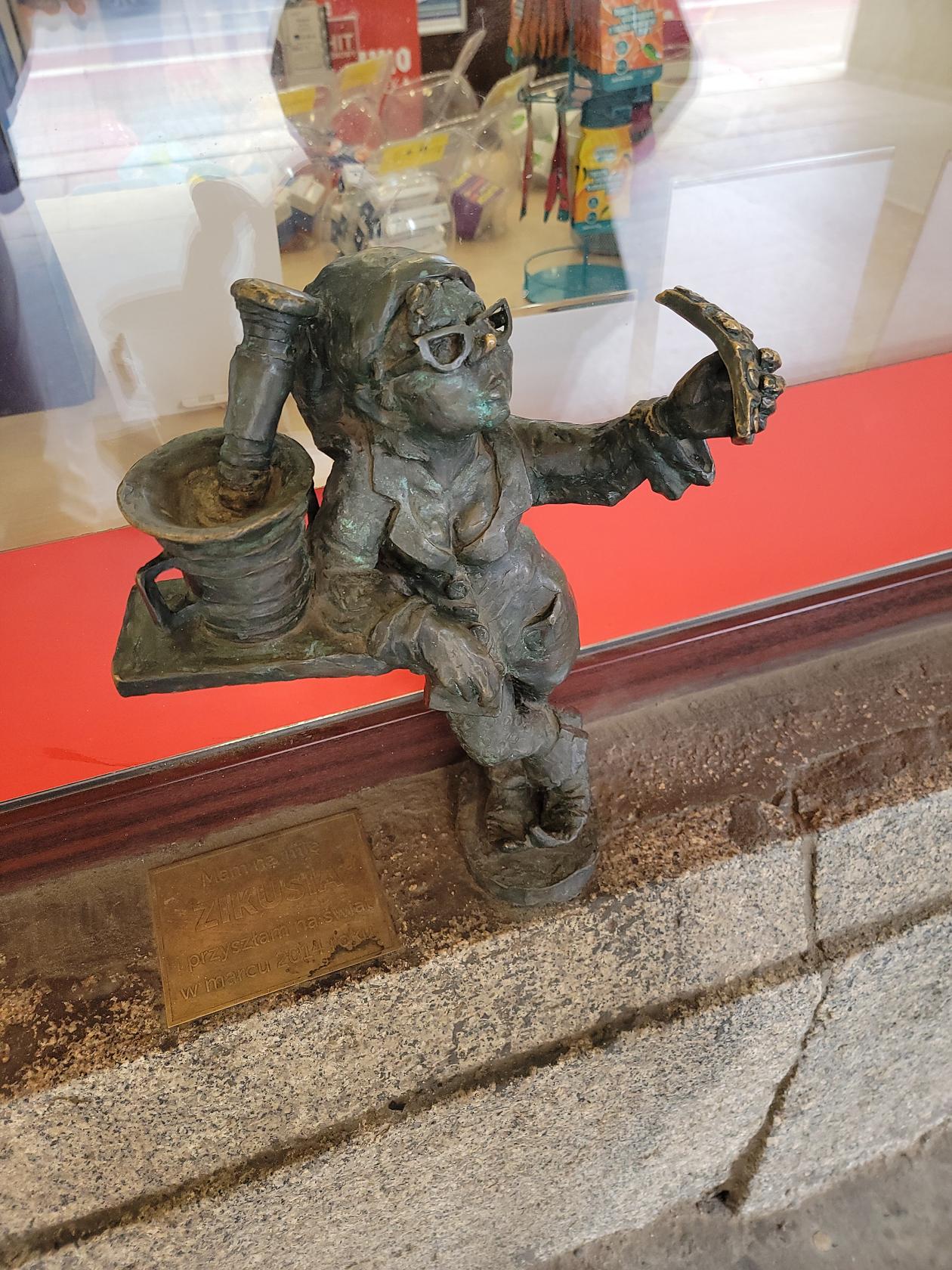
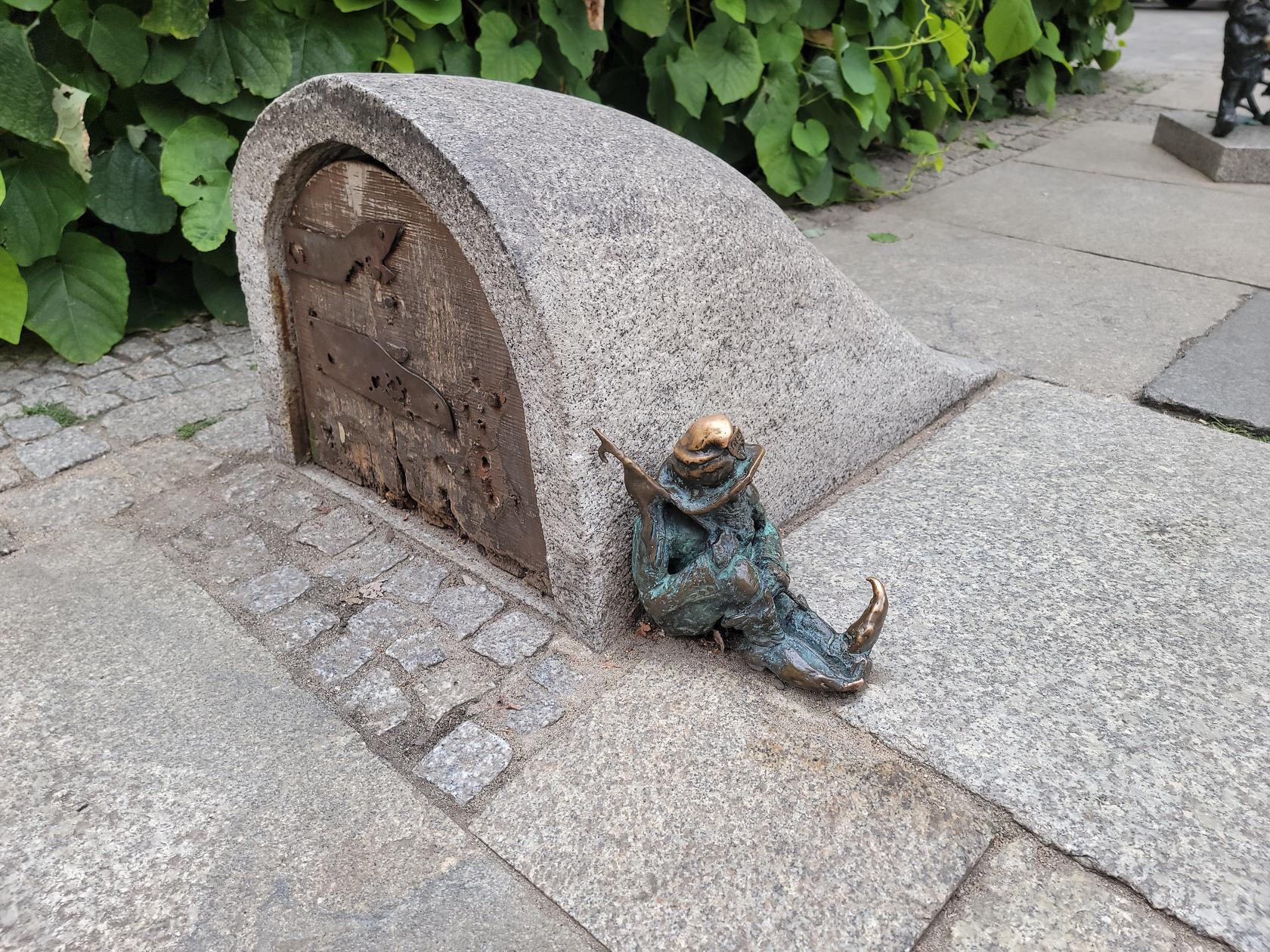
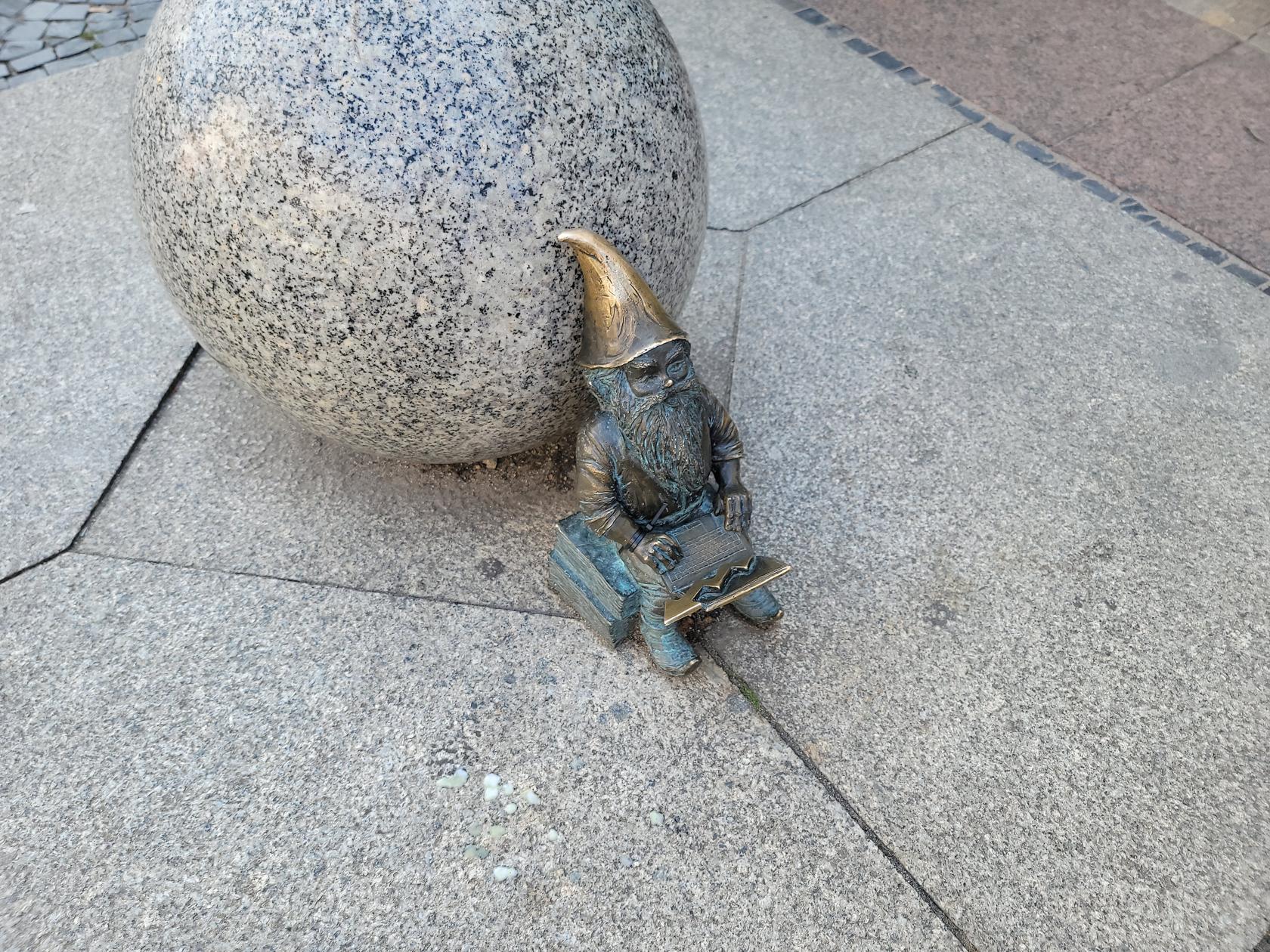
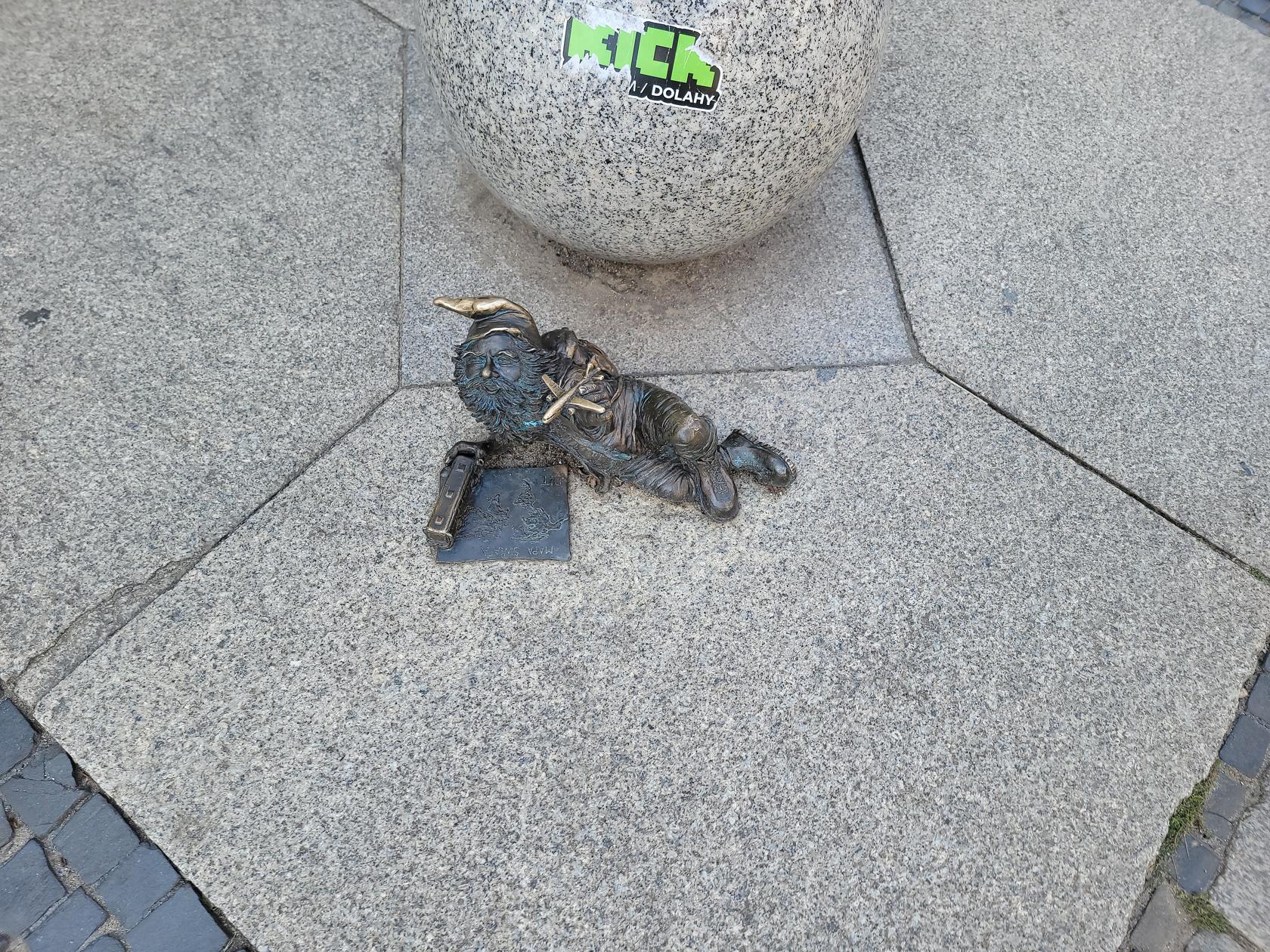
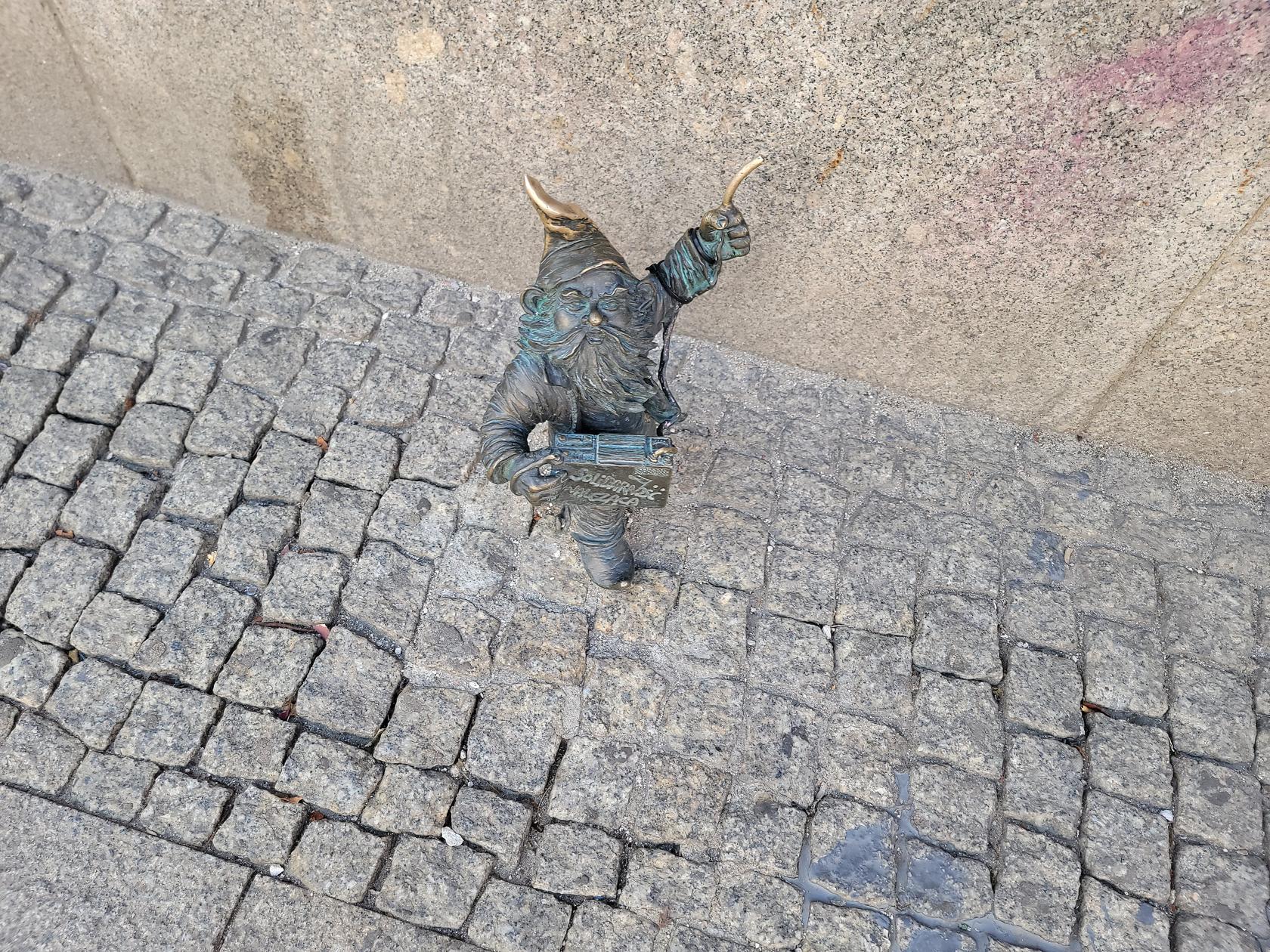
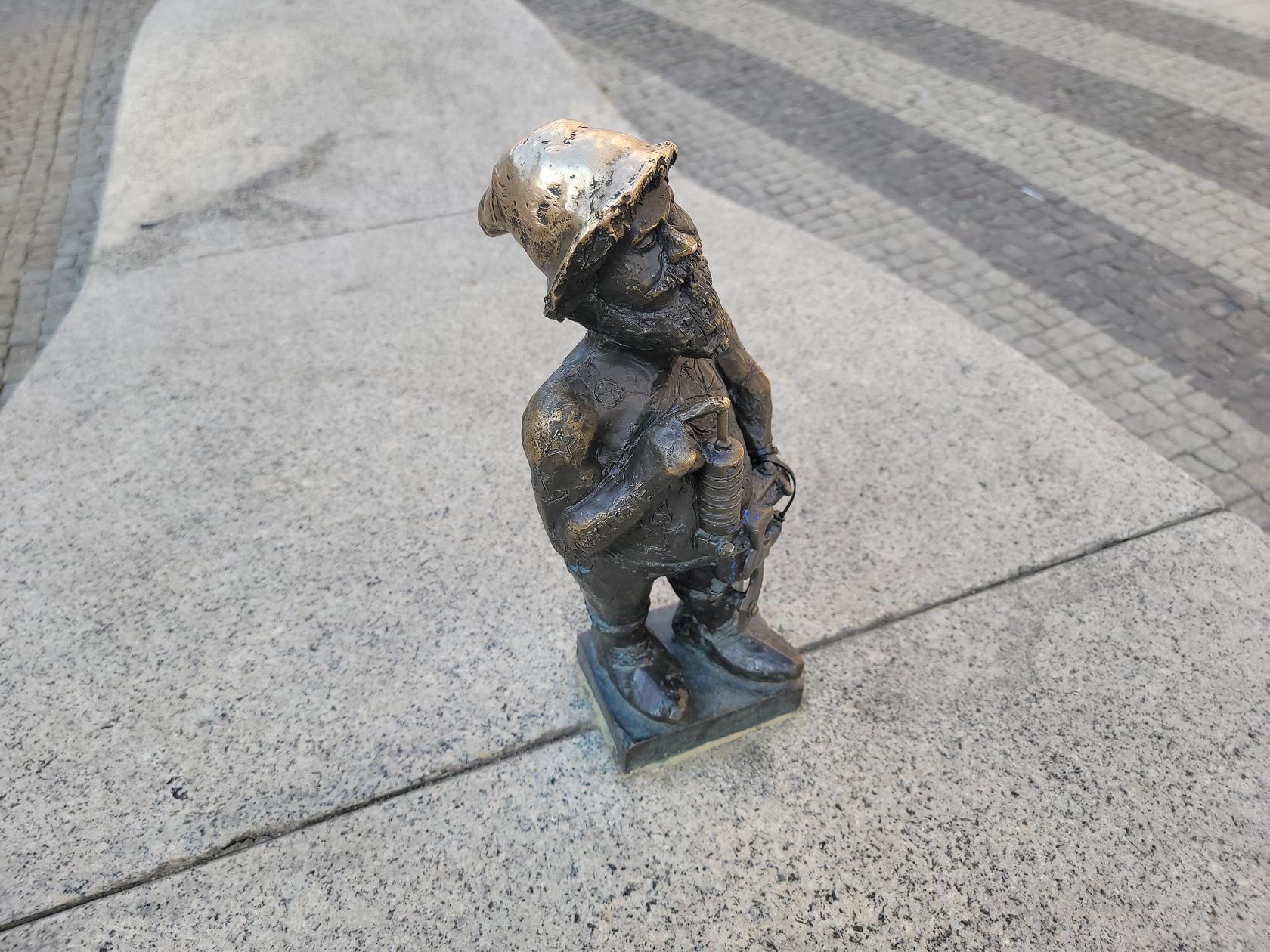
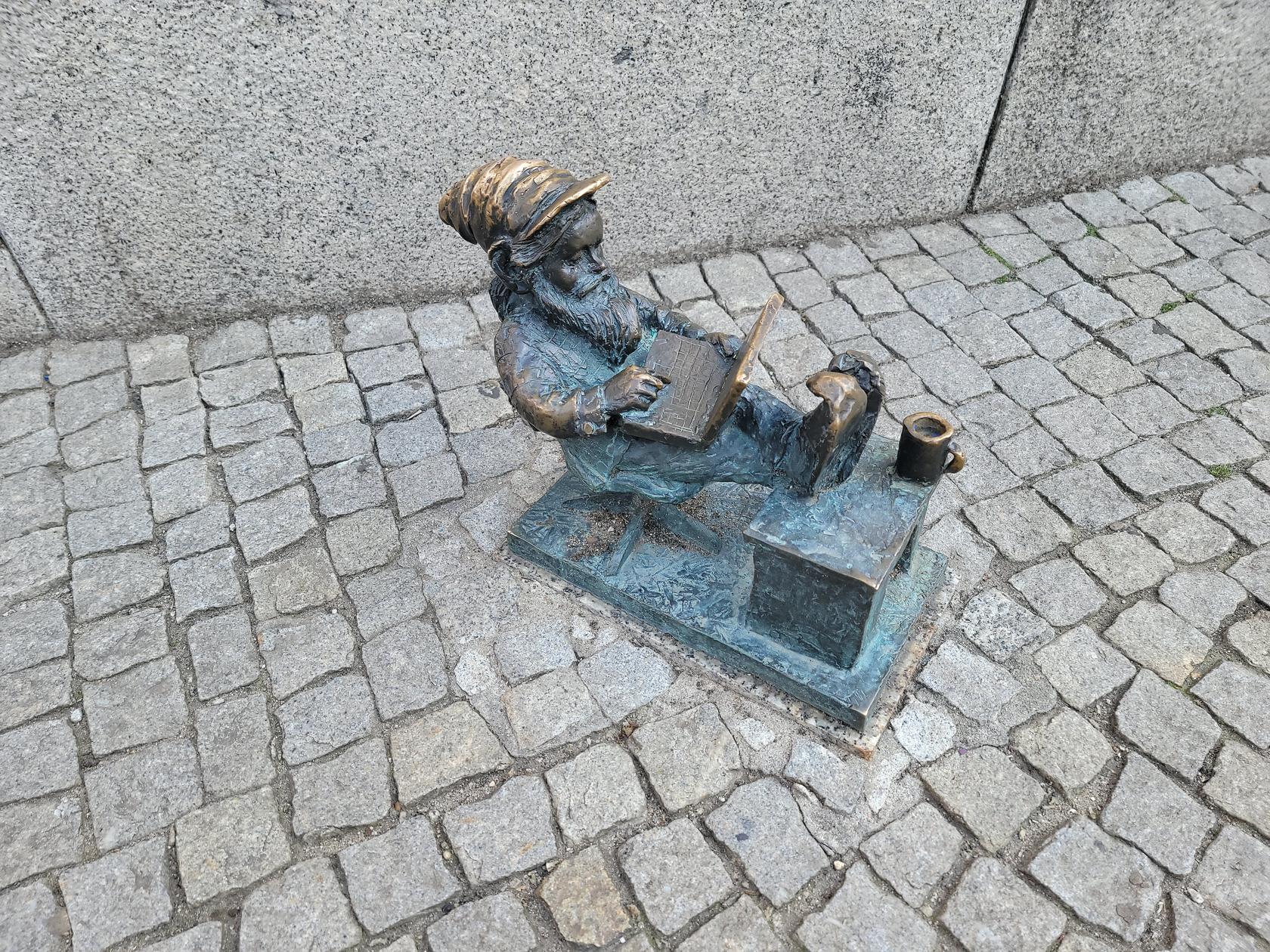
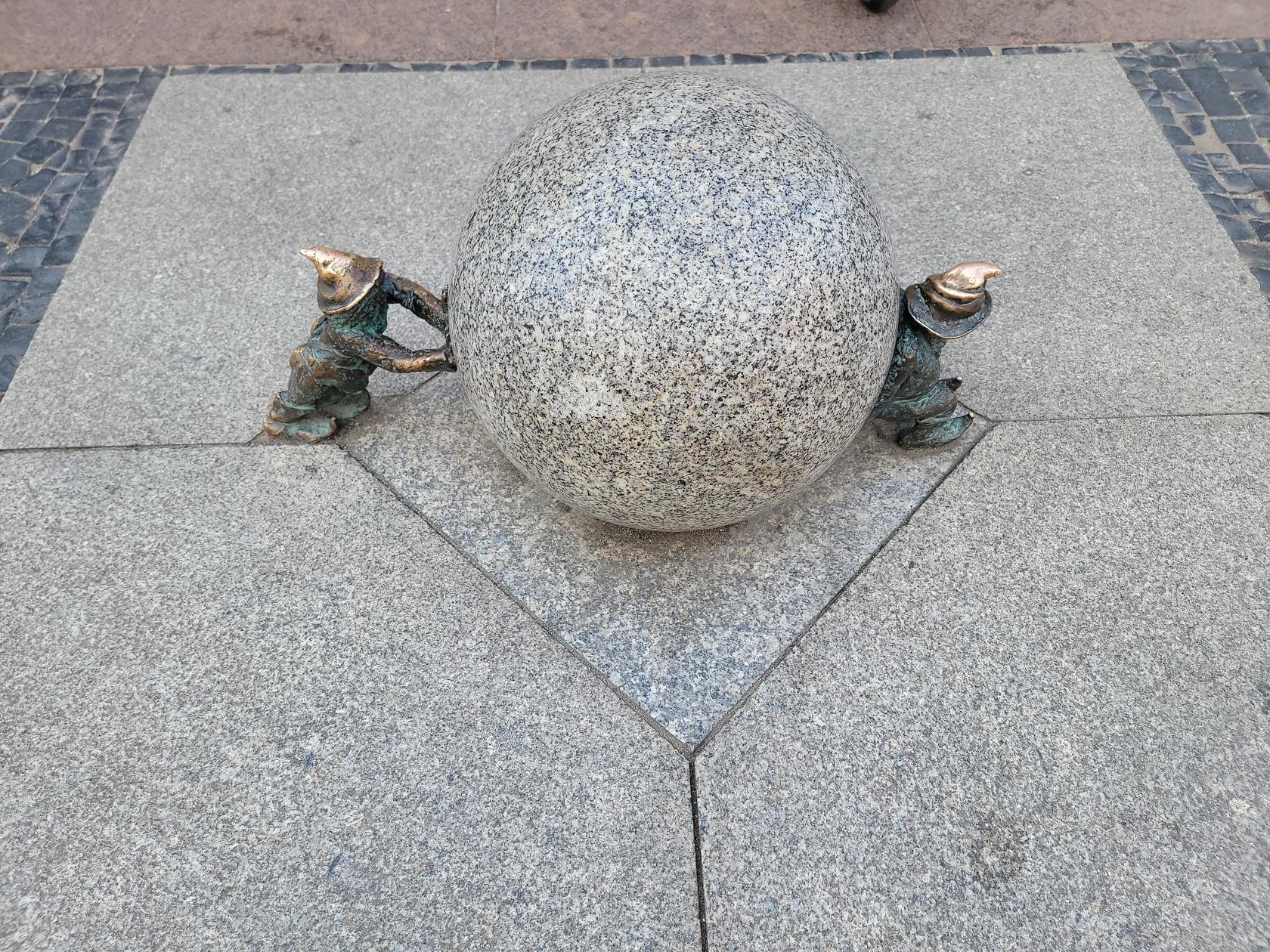
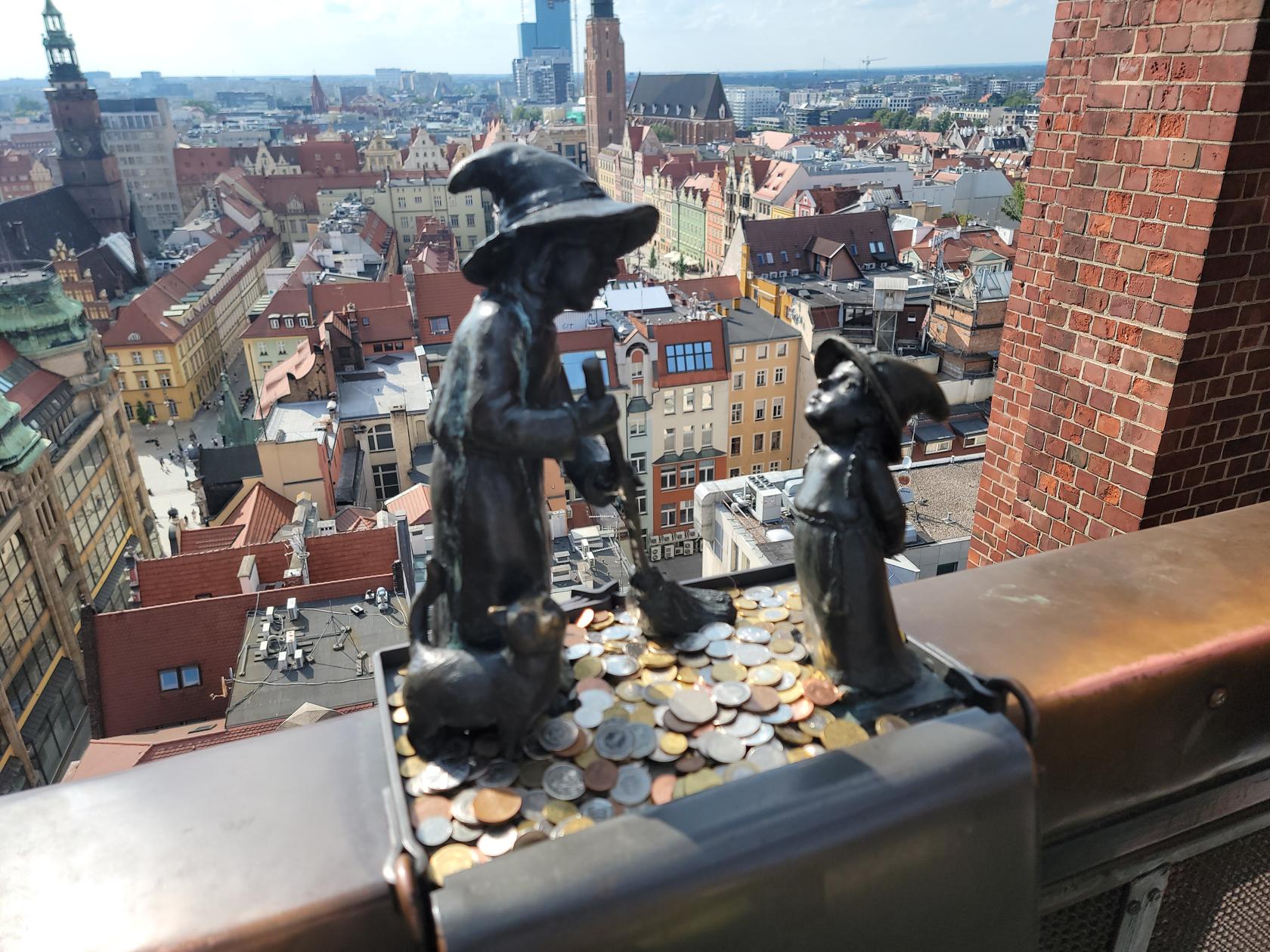
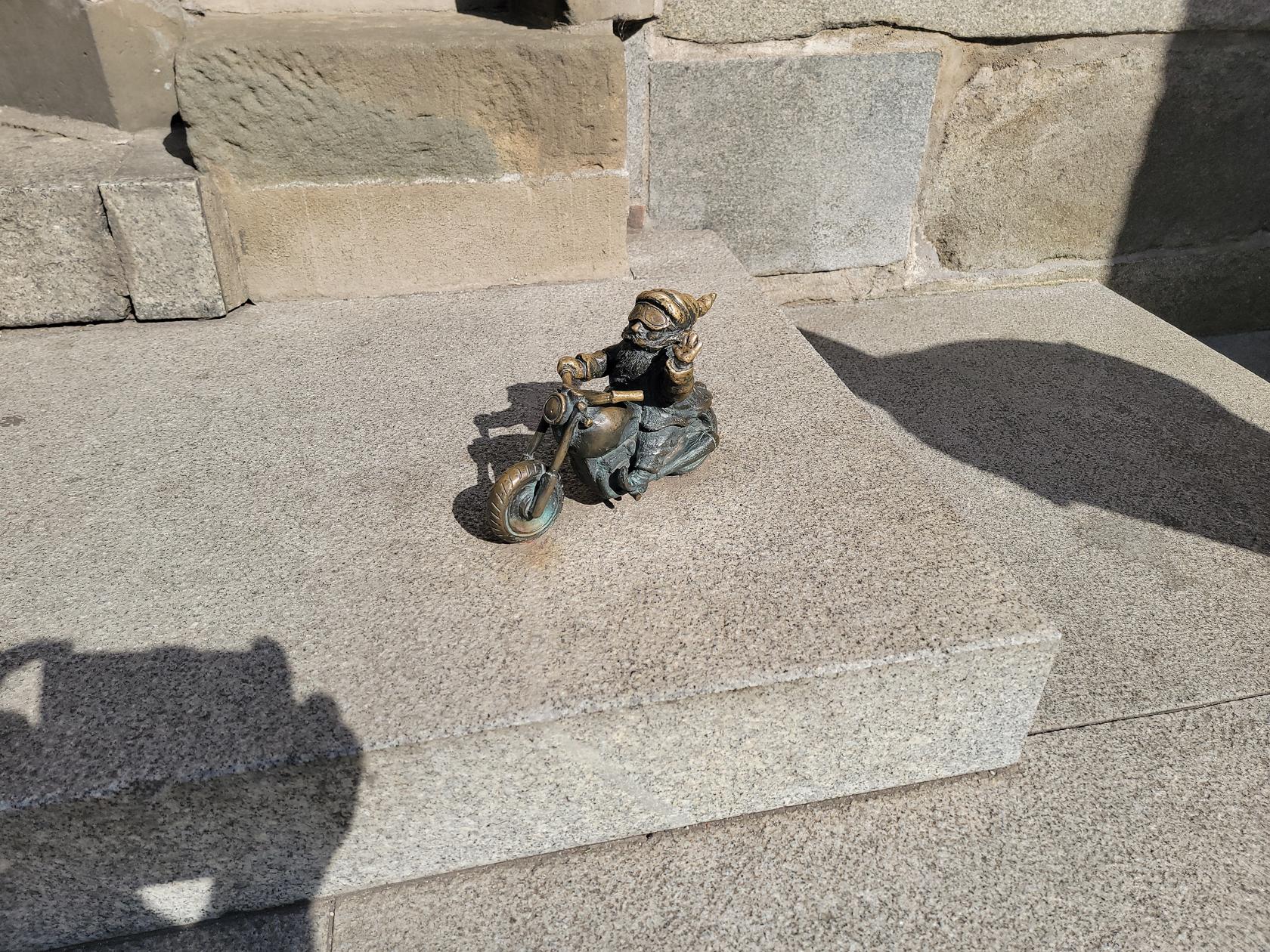
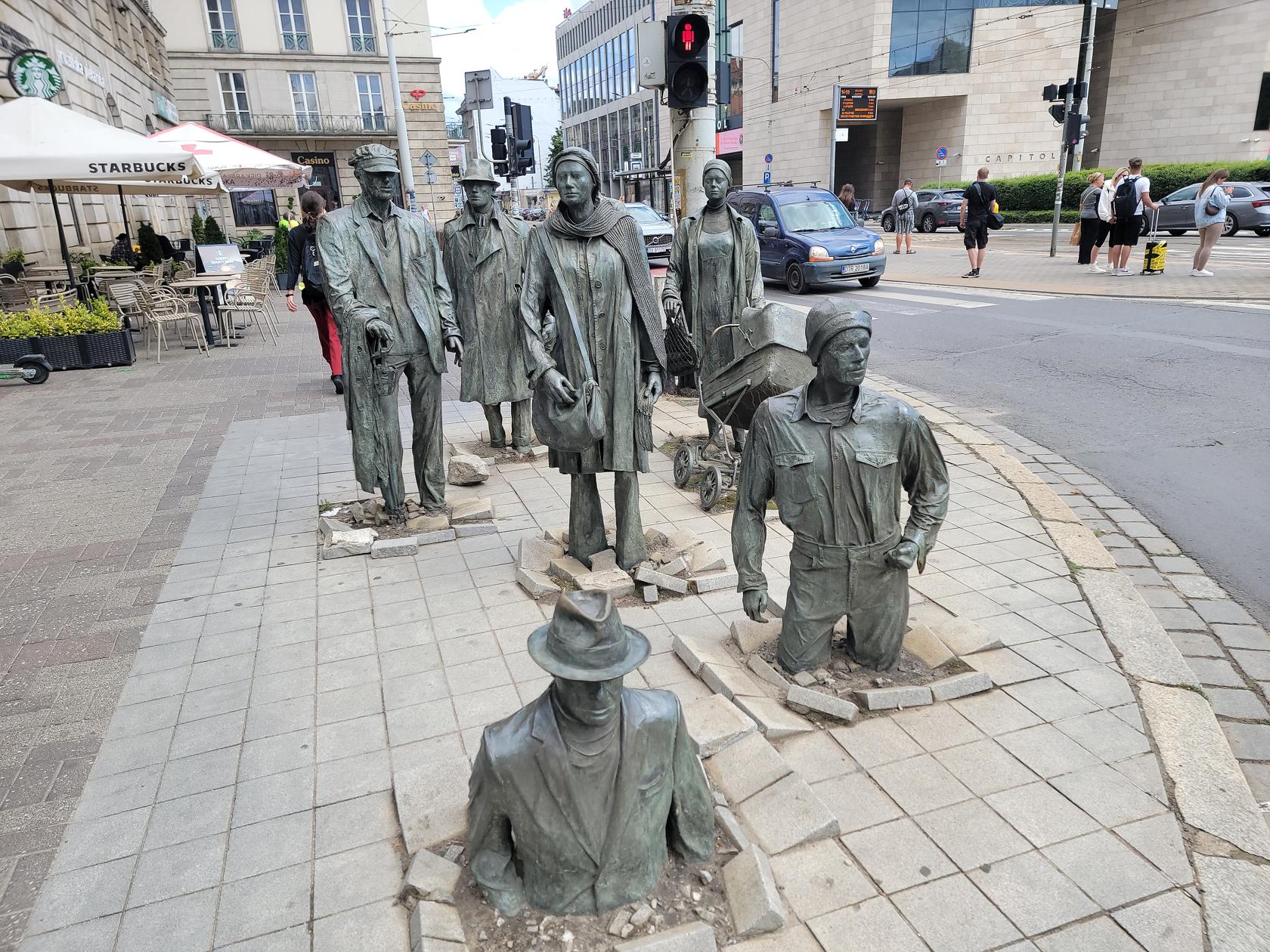
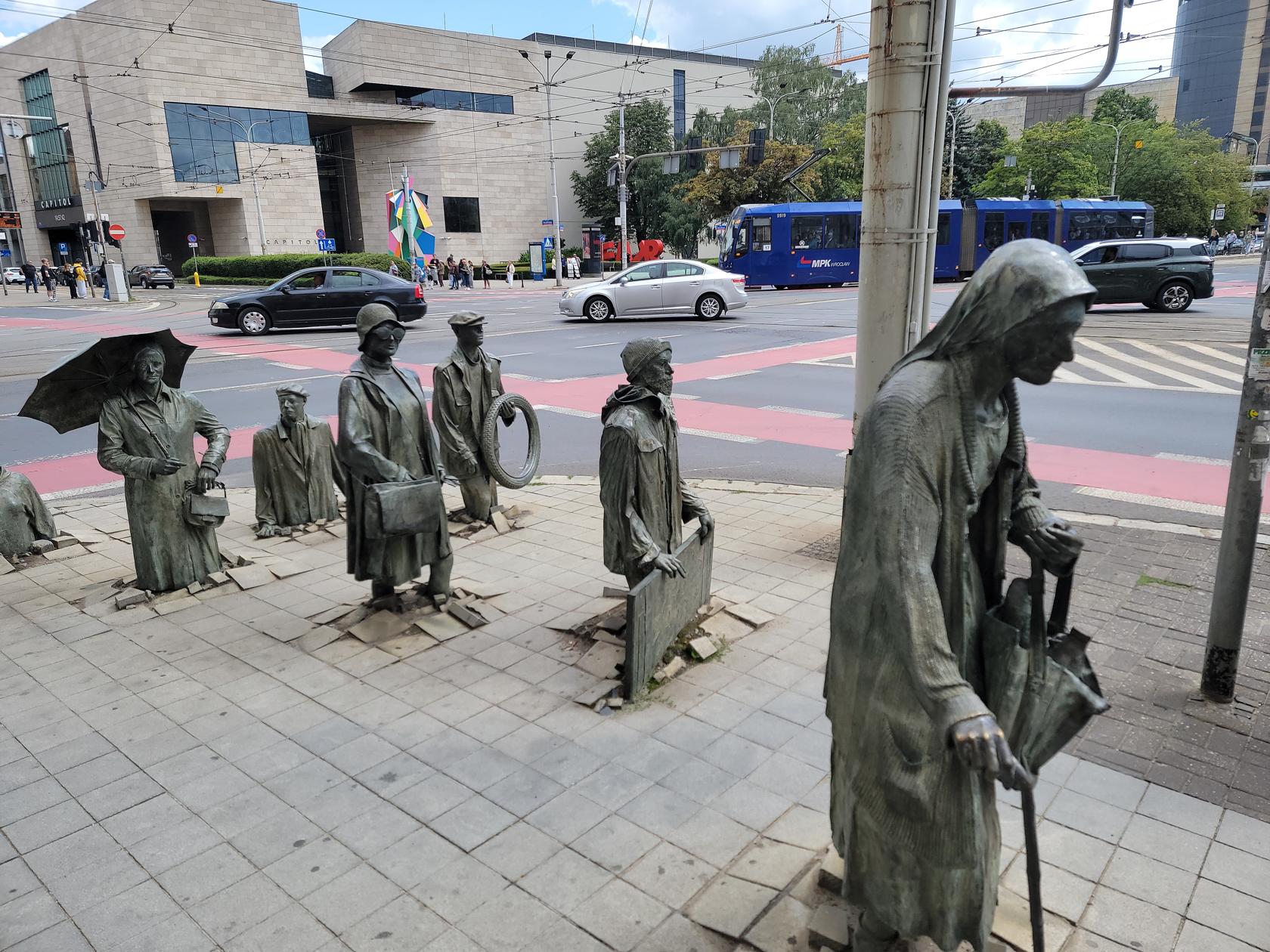
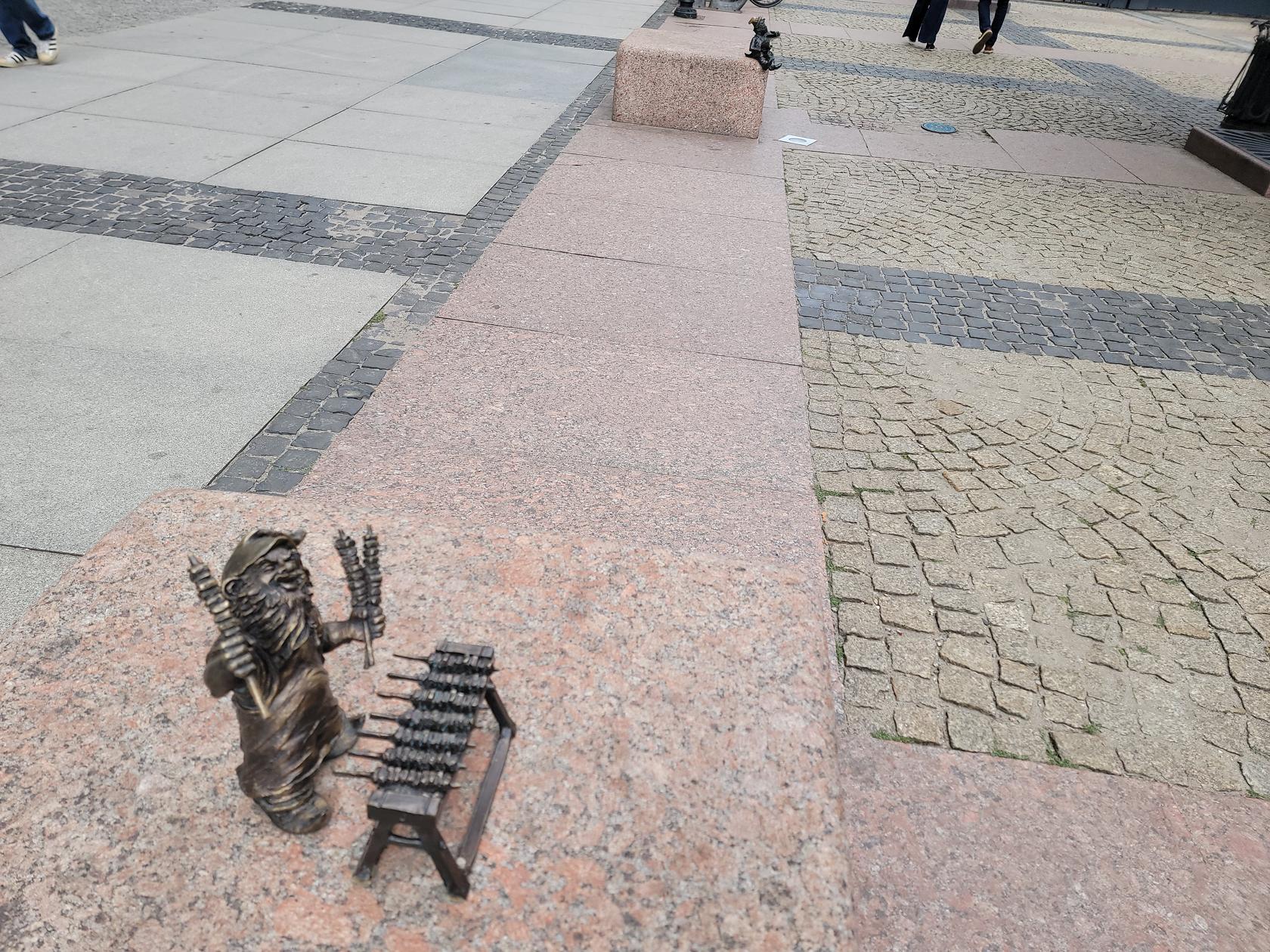
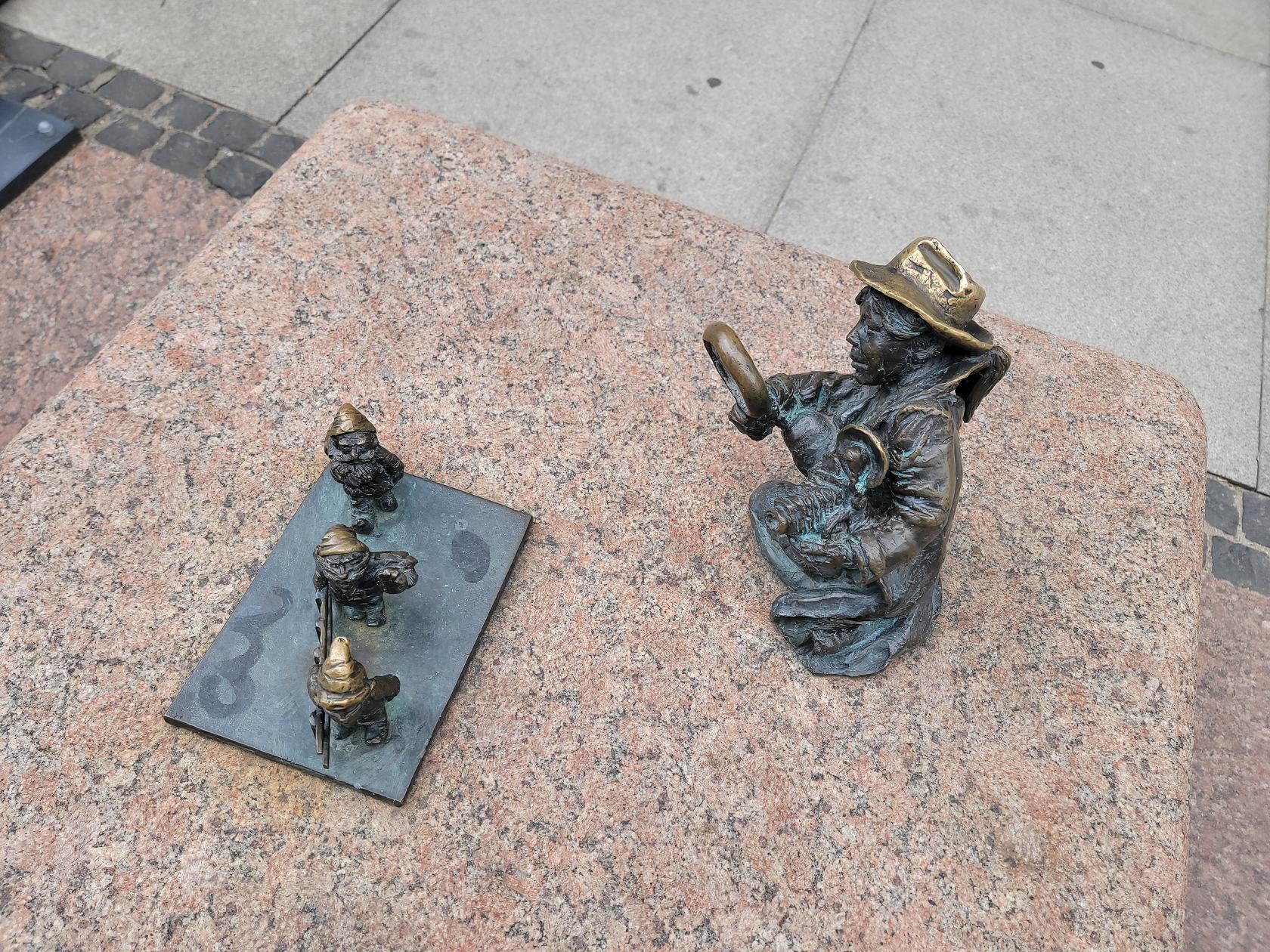
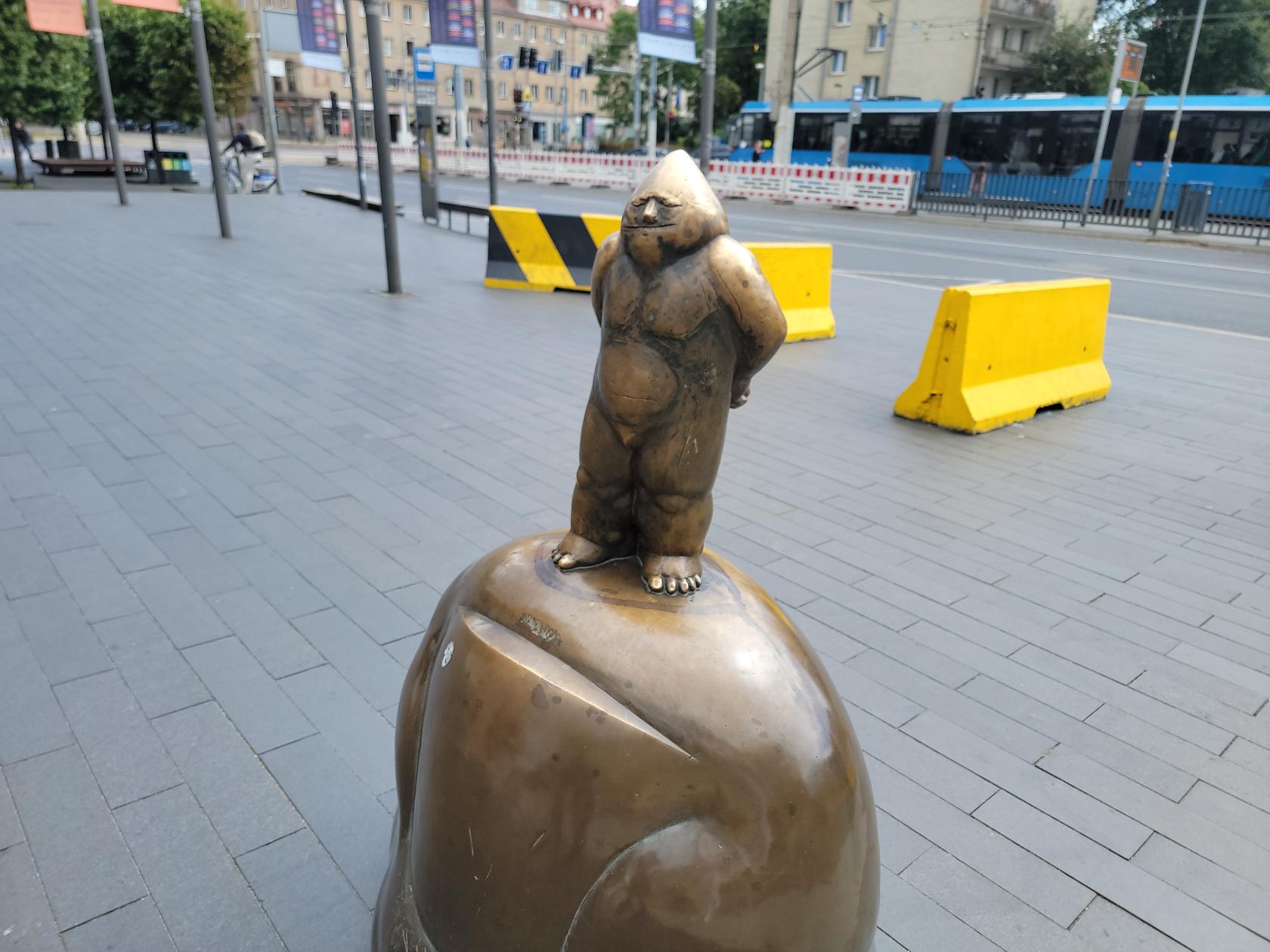
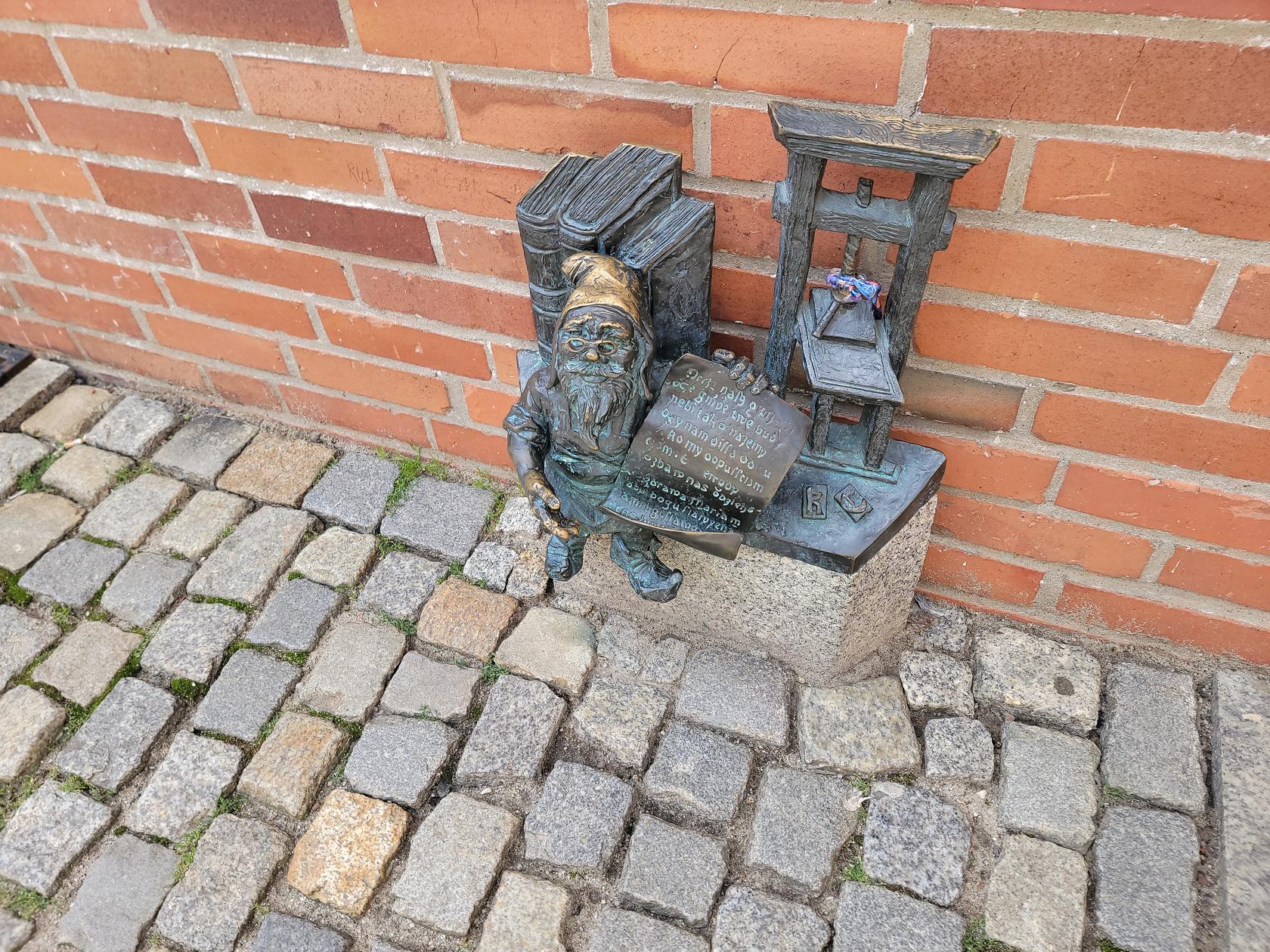
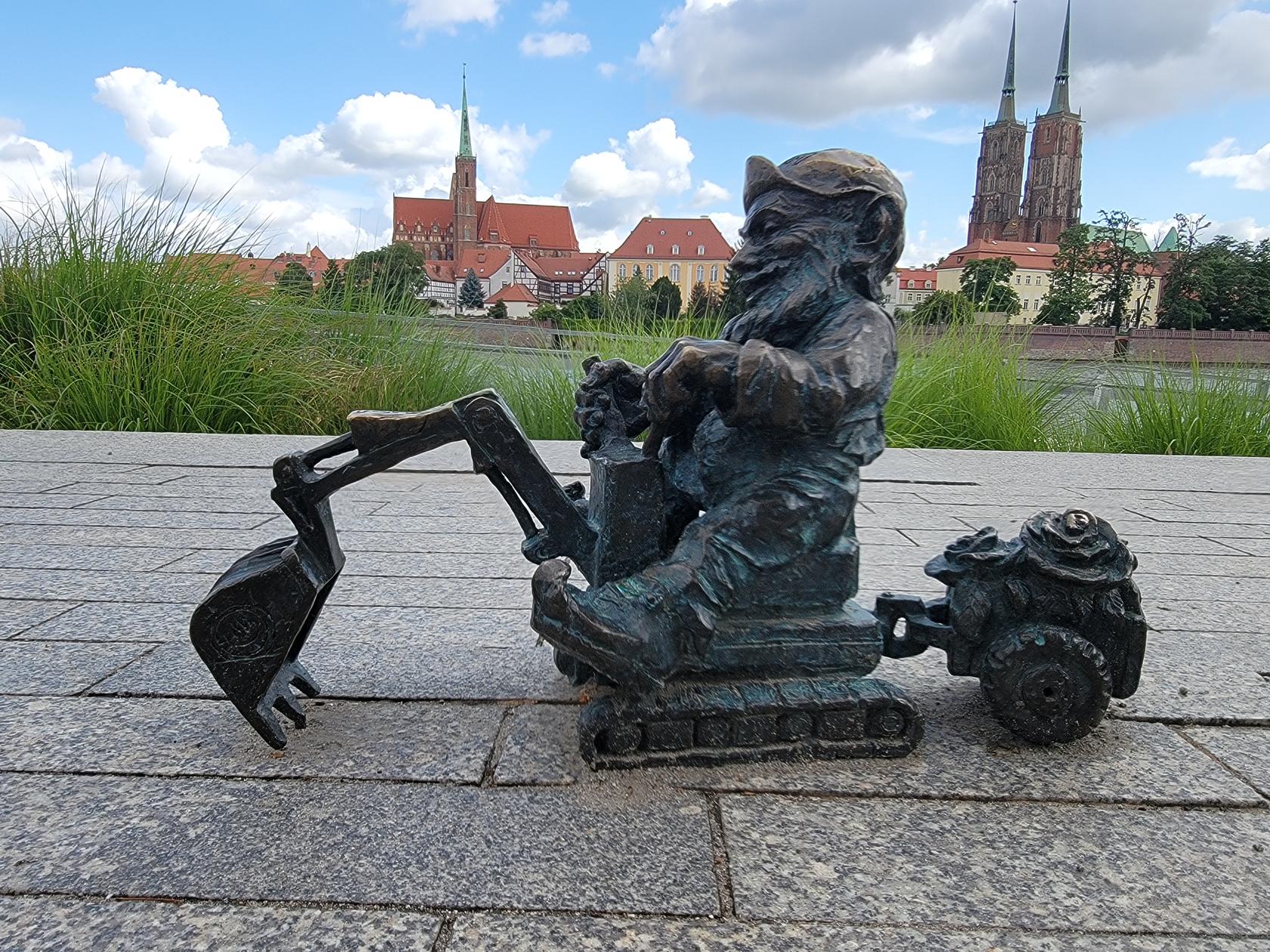
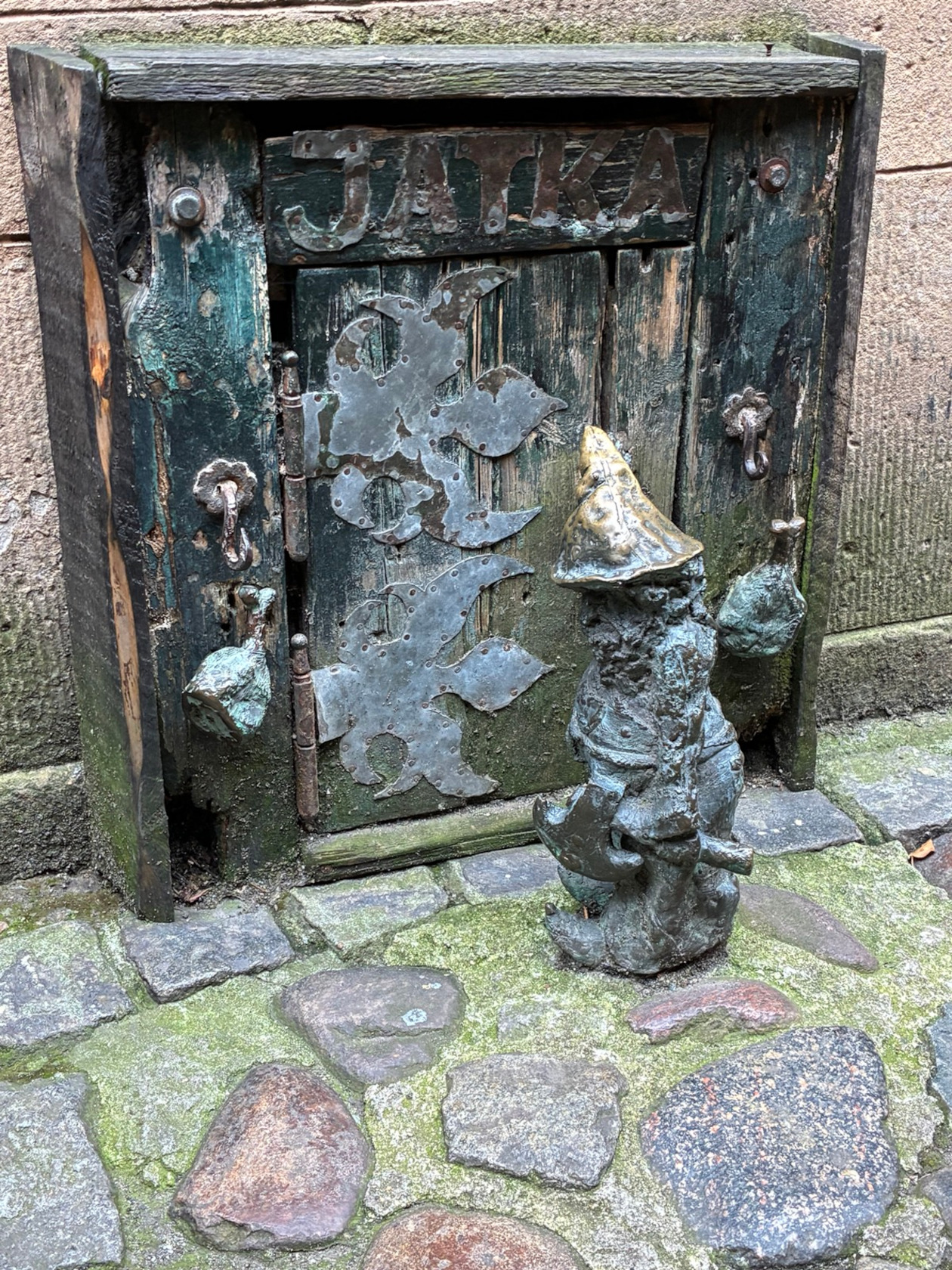
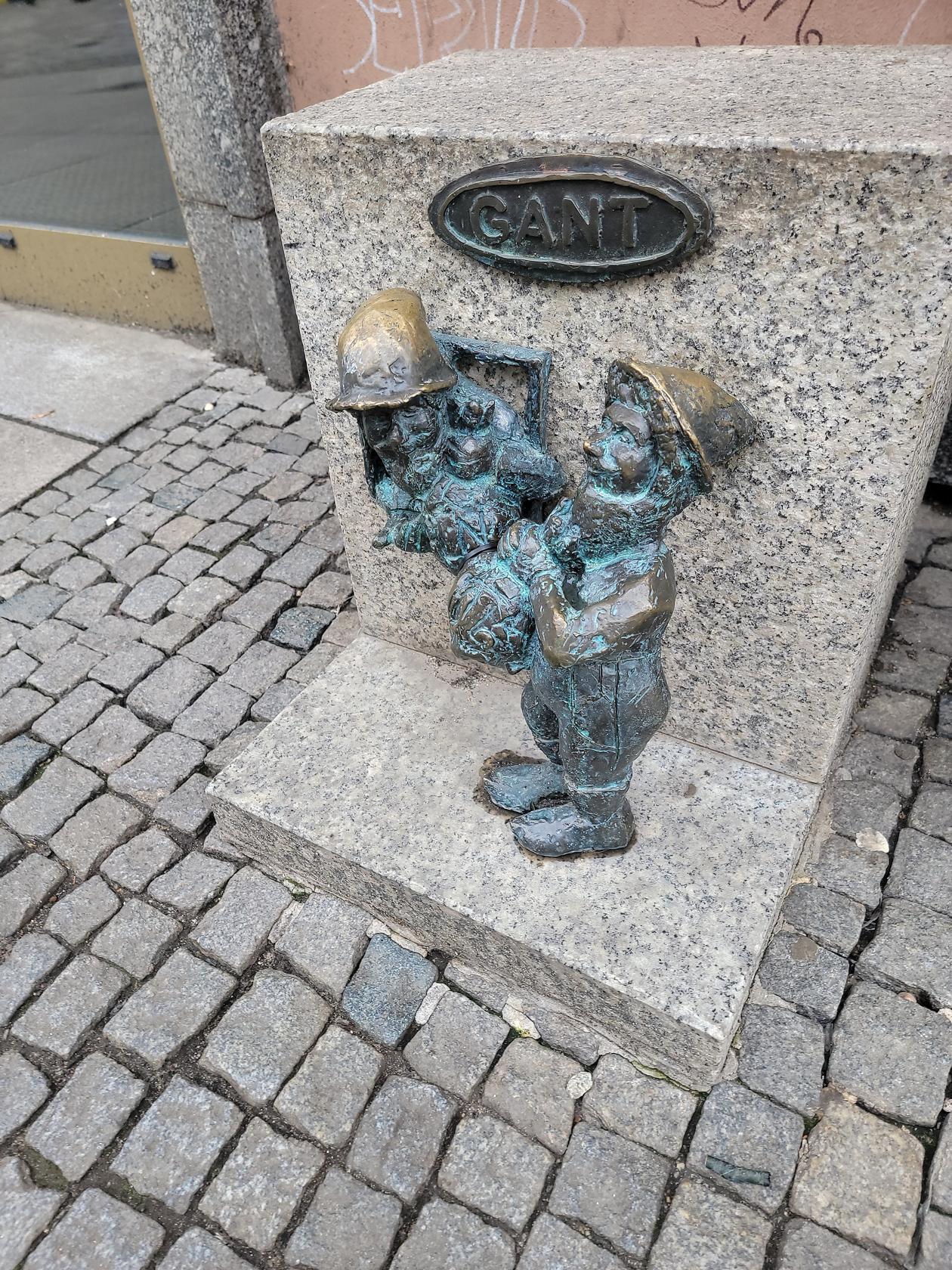
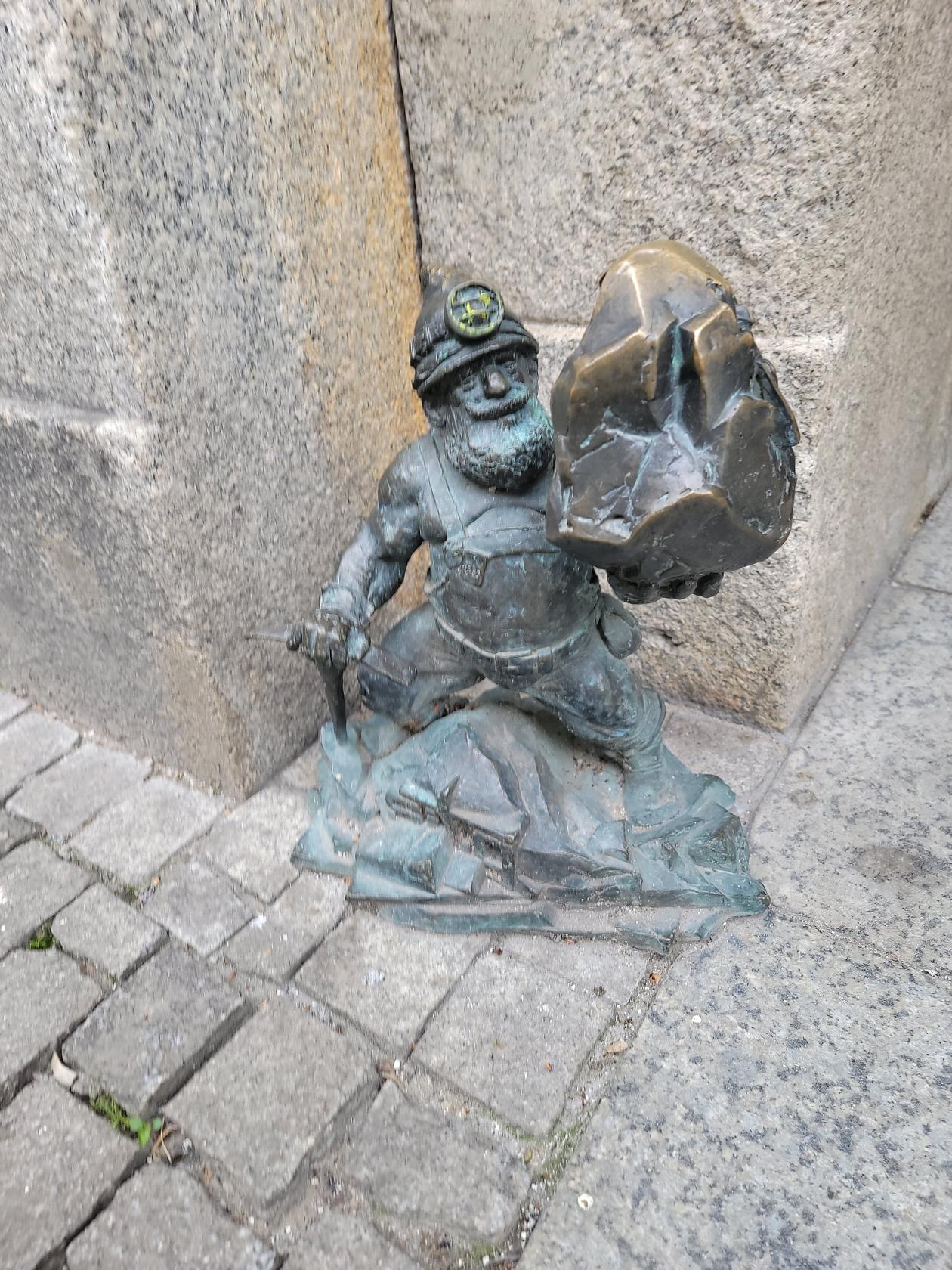
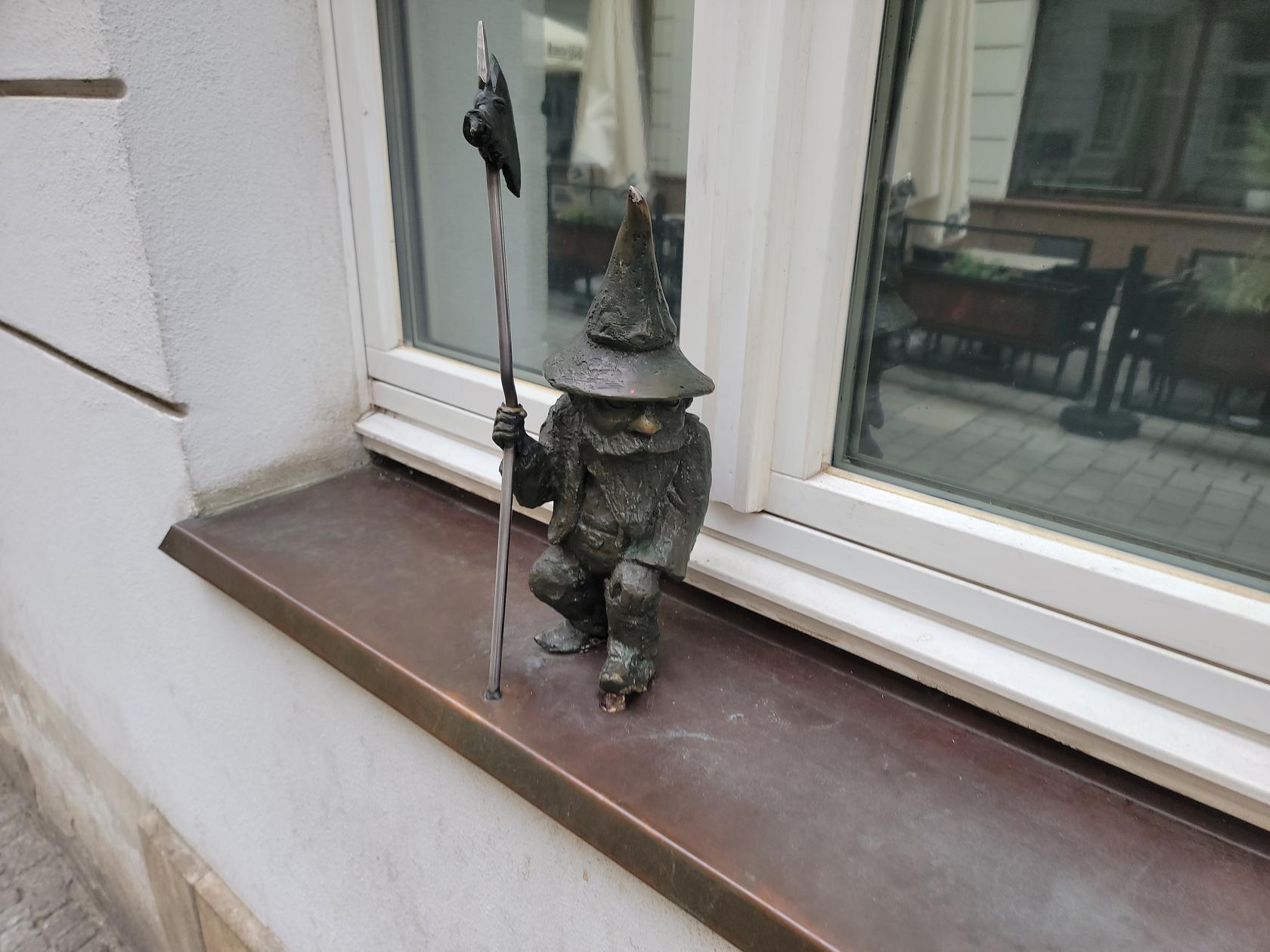
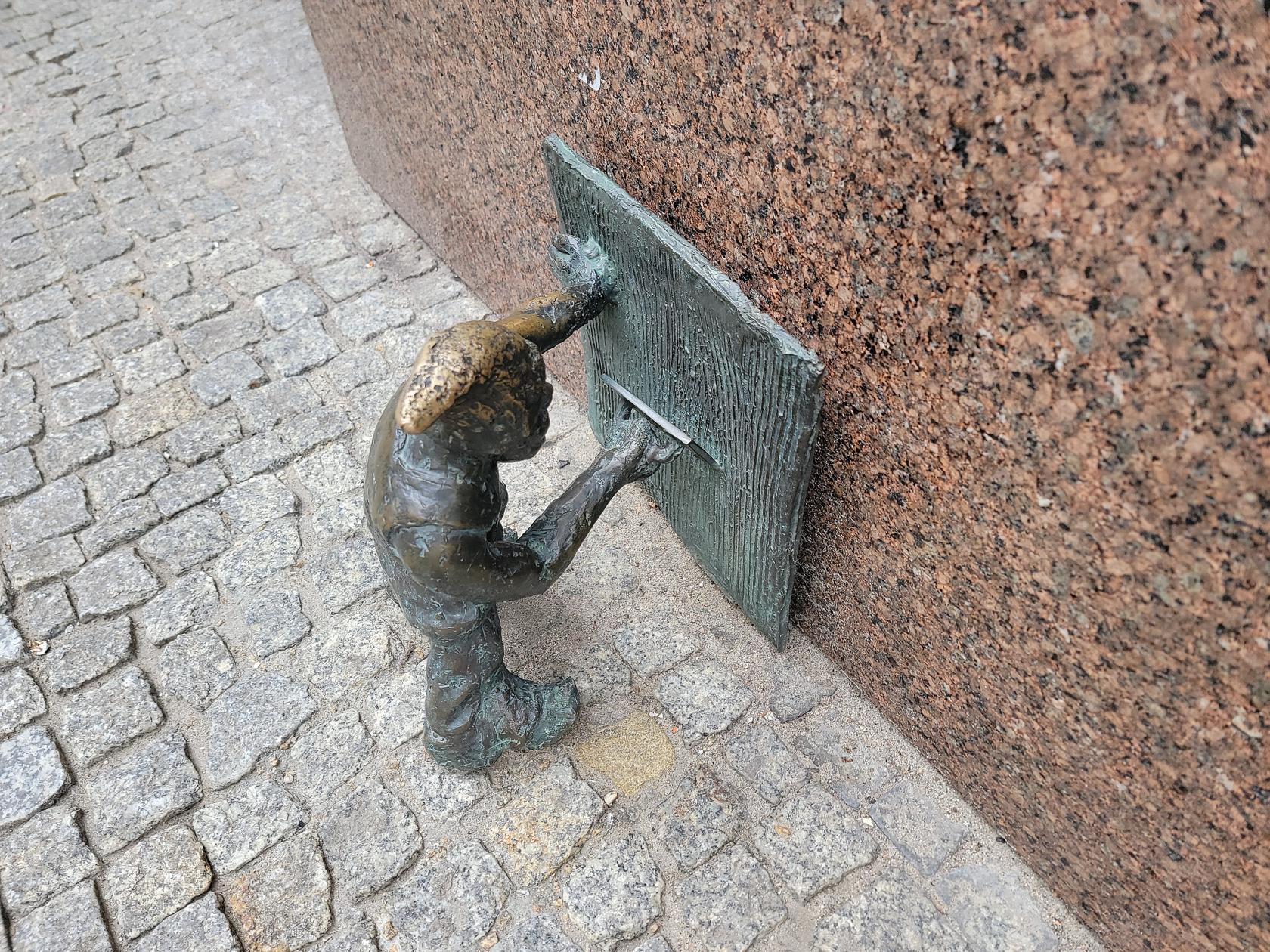
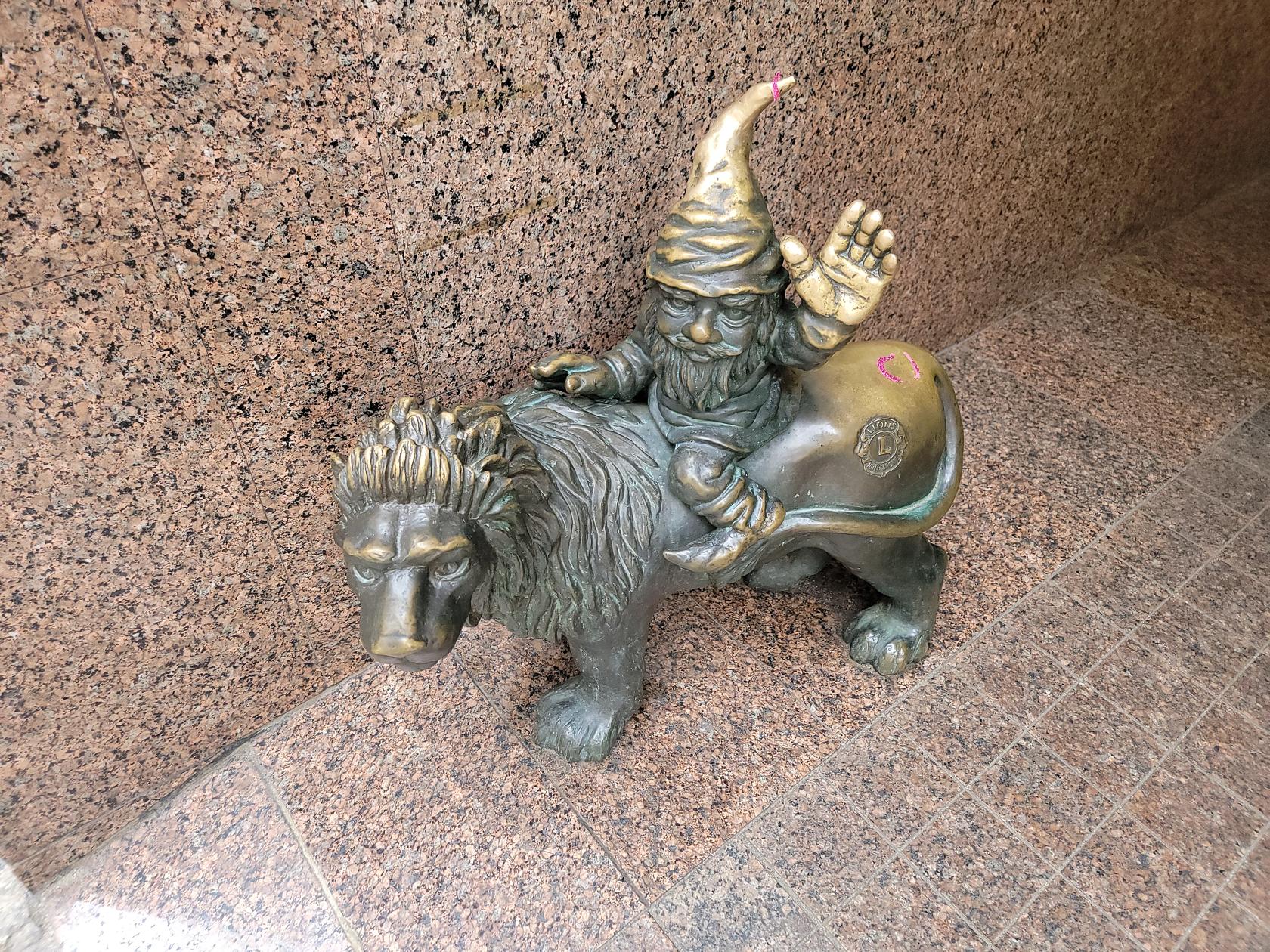
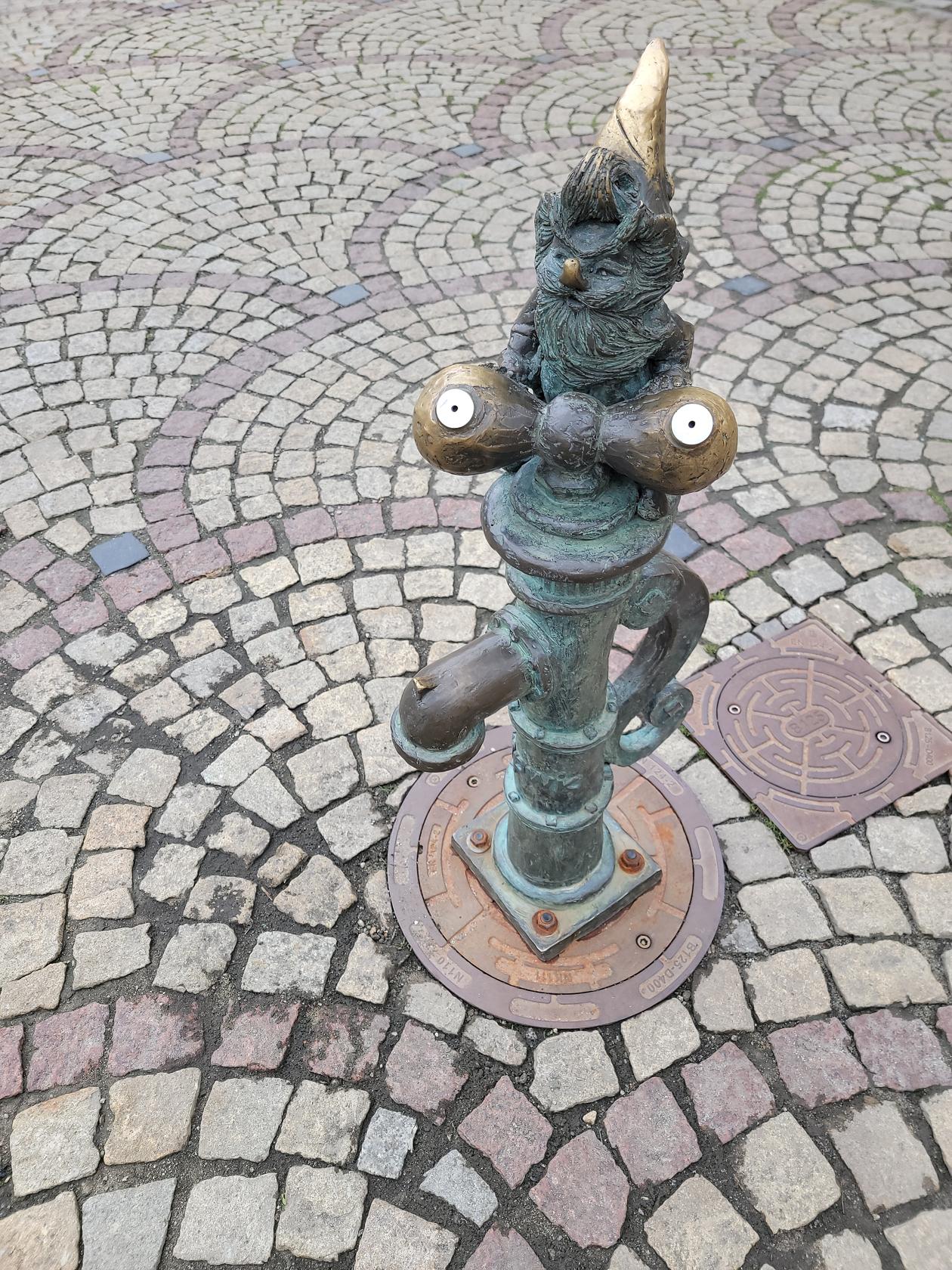
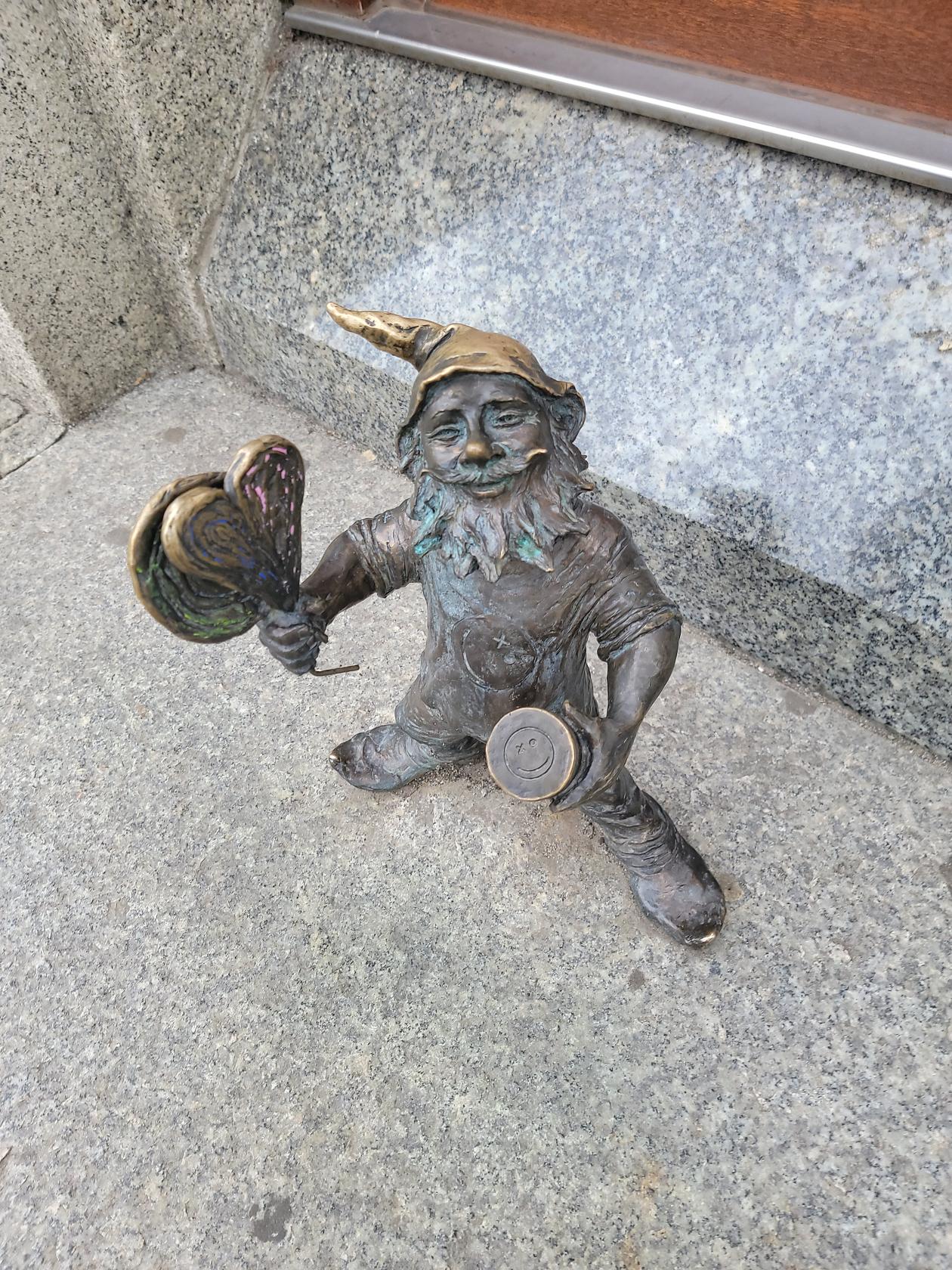
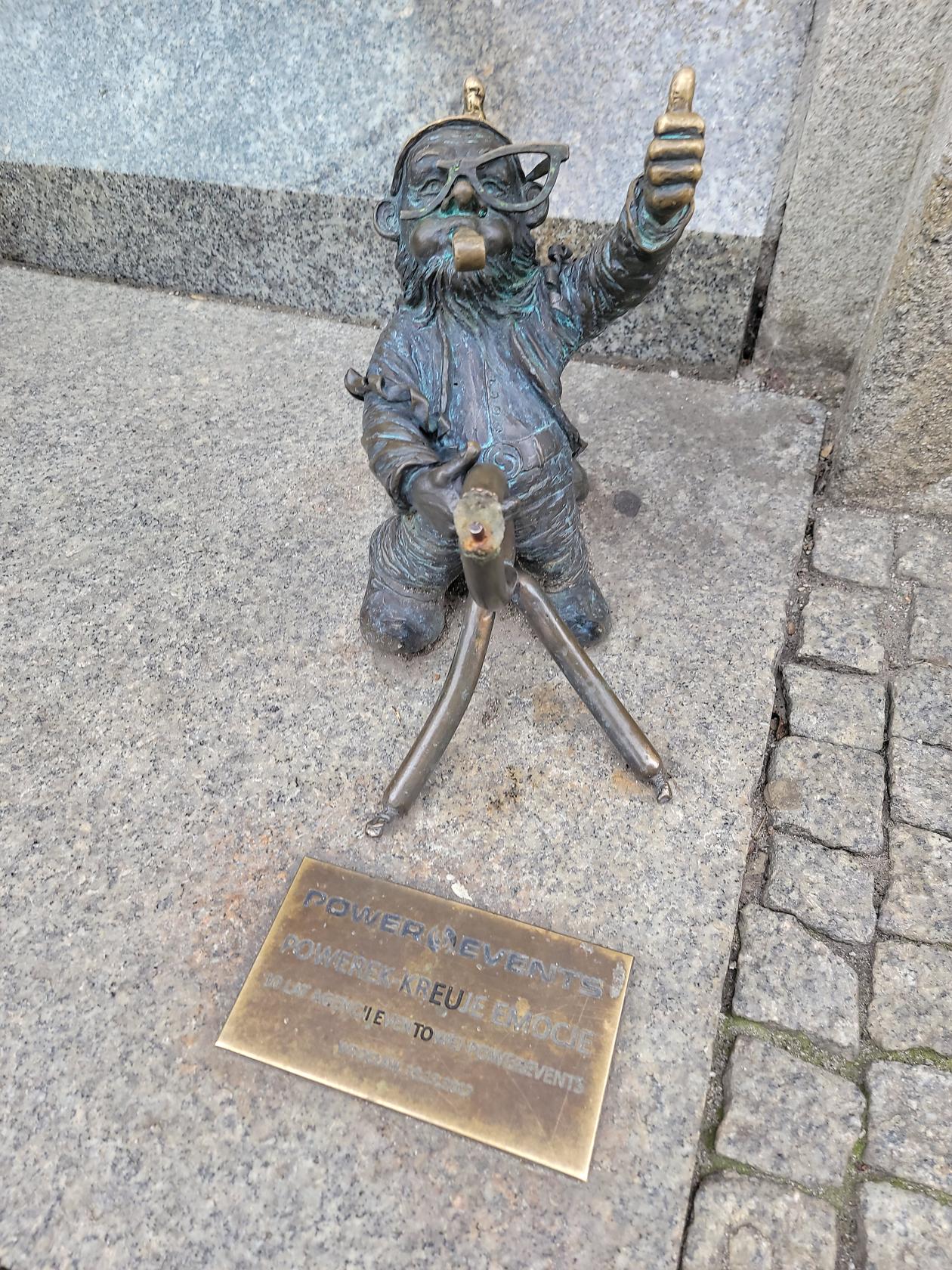
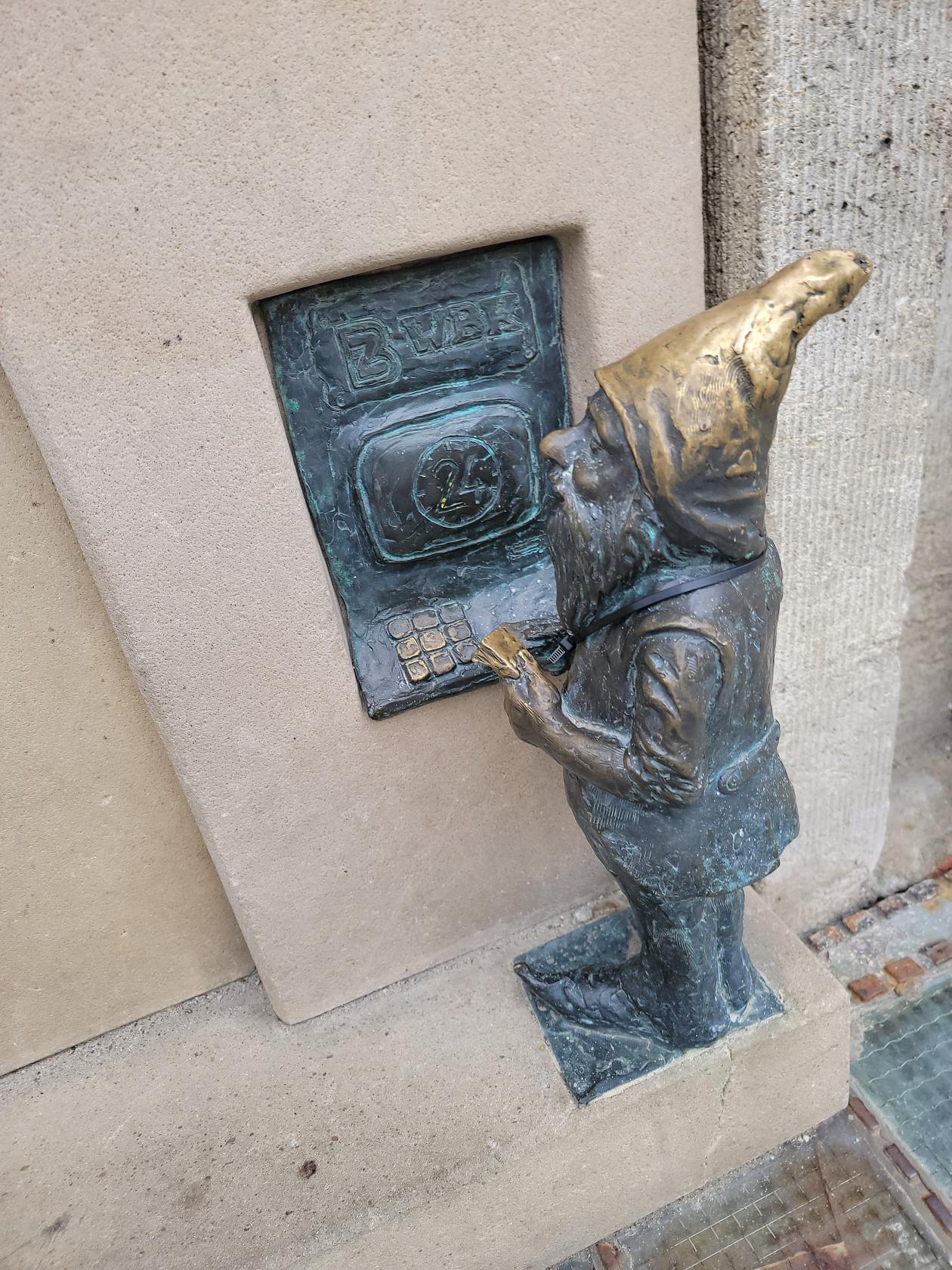
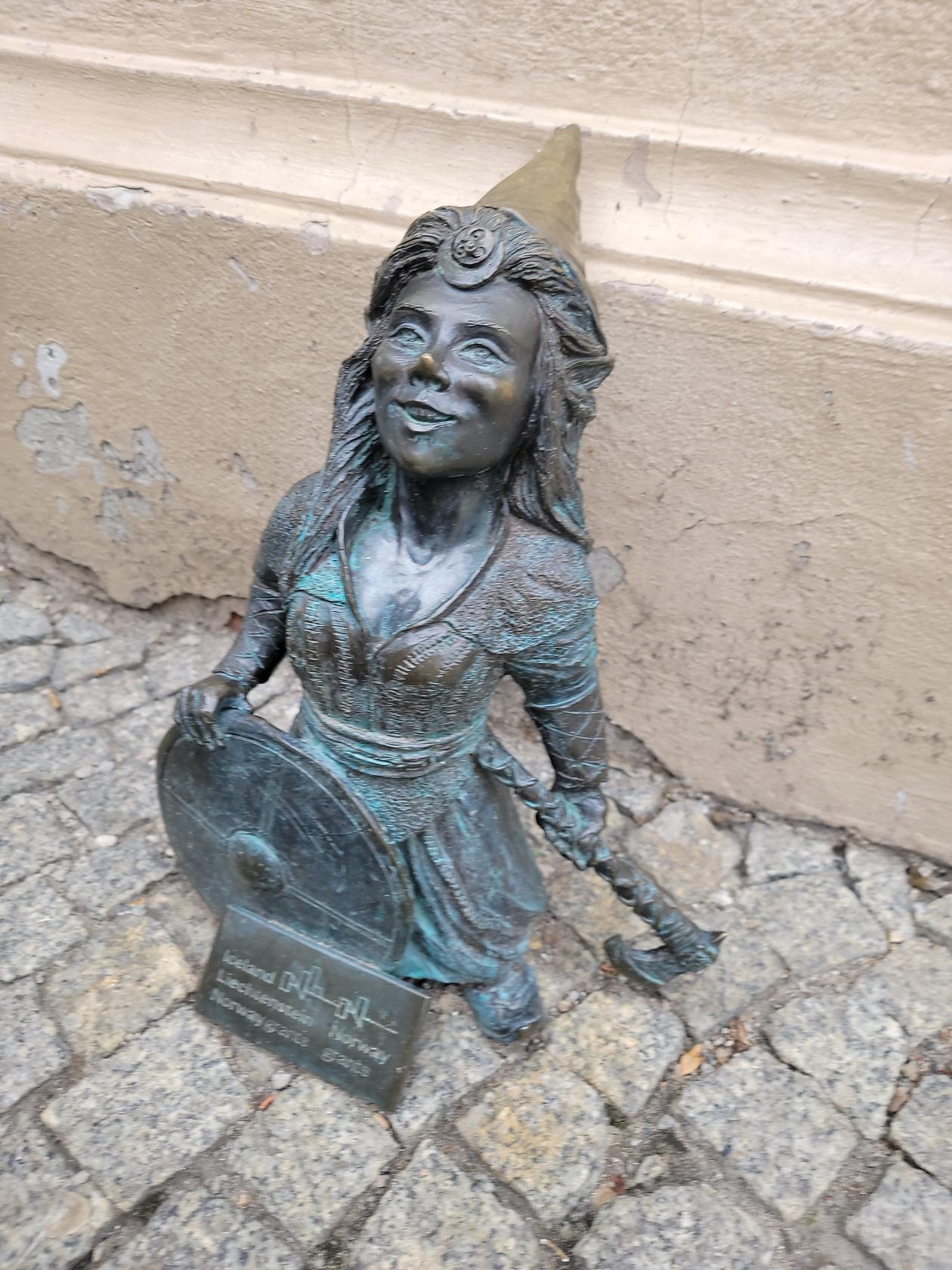
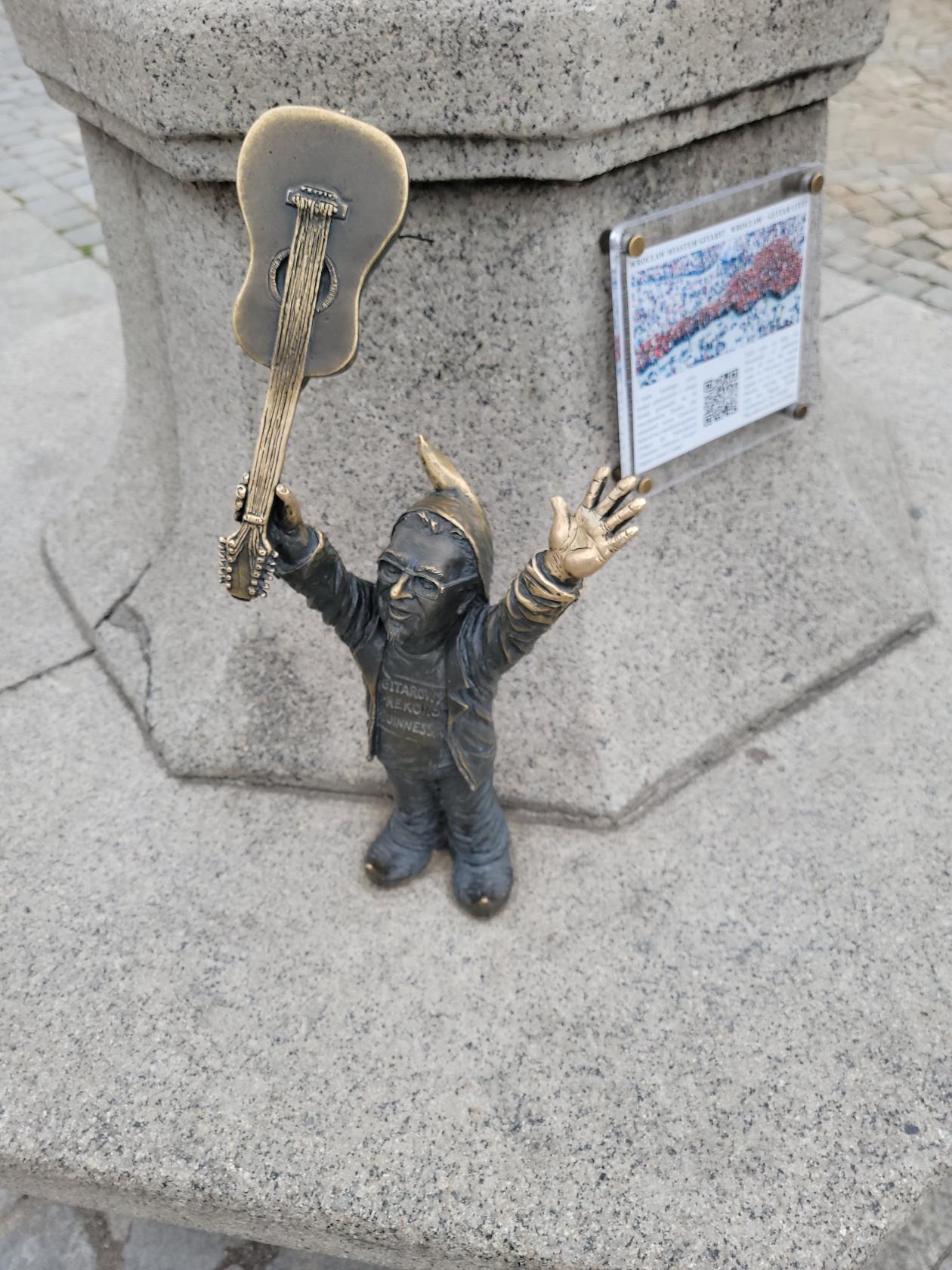
In fact, there are over a thousand of these little bronze statues placed throughout the city. It is a great idea, the children love them and families can actually purchase or download and print off a map with the location of all of them. Finding them, of course, is still the tricky part, since it is not always obvious where they are exactly.
Gnomes – Wrocław, Poland
Gnome – Wrocław, Poland
Gnome – Wrocław, Poland
Gnome – Wrocław, Poland
Gnome – Wrocław, Poland
Gnome – Wrocław, Poland
Gnome – Wrocław, Poland
Gnome – Wrocław, Poland
Gnome – Wrocław, Poland
Gnome – Wrocław, Poland
Gnome – Wrocław, Poland
Computer Gnome – Wrocław, Poland
Sisyphus Gnomes – Wrocław, Poland
Gnomes on Penitent Bridge – Wrocław, Poland
Gnome – Wrocław, Poland
Disappearing Pedestrians – Wrocław, Poland
Appearing Pedestrians – Wrocław, Poland
Kebap Gnome – Wrocław, Poland
Gnomes – Wrocław, Poland
Original Gnome – Wrocław, Poland
Printing Gnome – Wrocław, Poland
Backhoe Gnome – Wrocław, Poland
Raclawicka Gnome – Wrocław, Poland
Slaughterhouse Bronzes – Wrocław, Poland
Gnome – Wrocław, Poland
Gnomes – Wrocław, Poland
Miner Gnome – Wrocław, Poland
Gnome – Wrocław, Poland
Gnome – Wrocław, Poland
Gnome – Wrocław, Poland
Gnome – Wrocław, Poland
Gnome – Wrocław, Poland
Gnome – Wrocław, Poland
ATM Gnome – Wrocław, Poland
Gnome – Wrocław, Poland
Gnome – Wrocław, Poland
Rynek Square
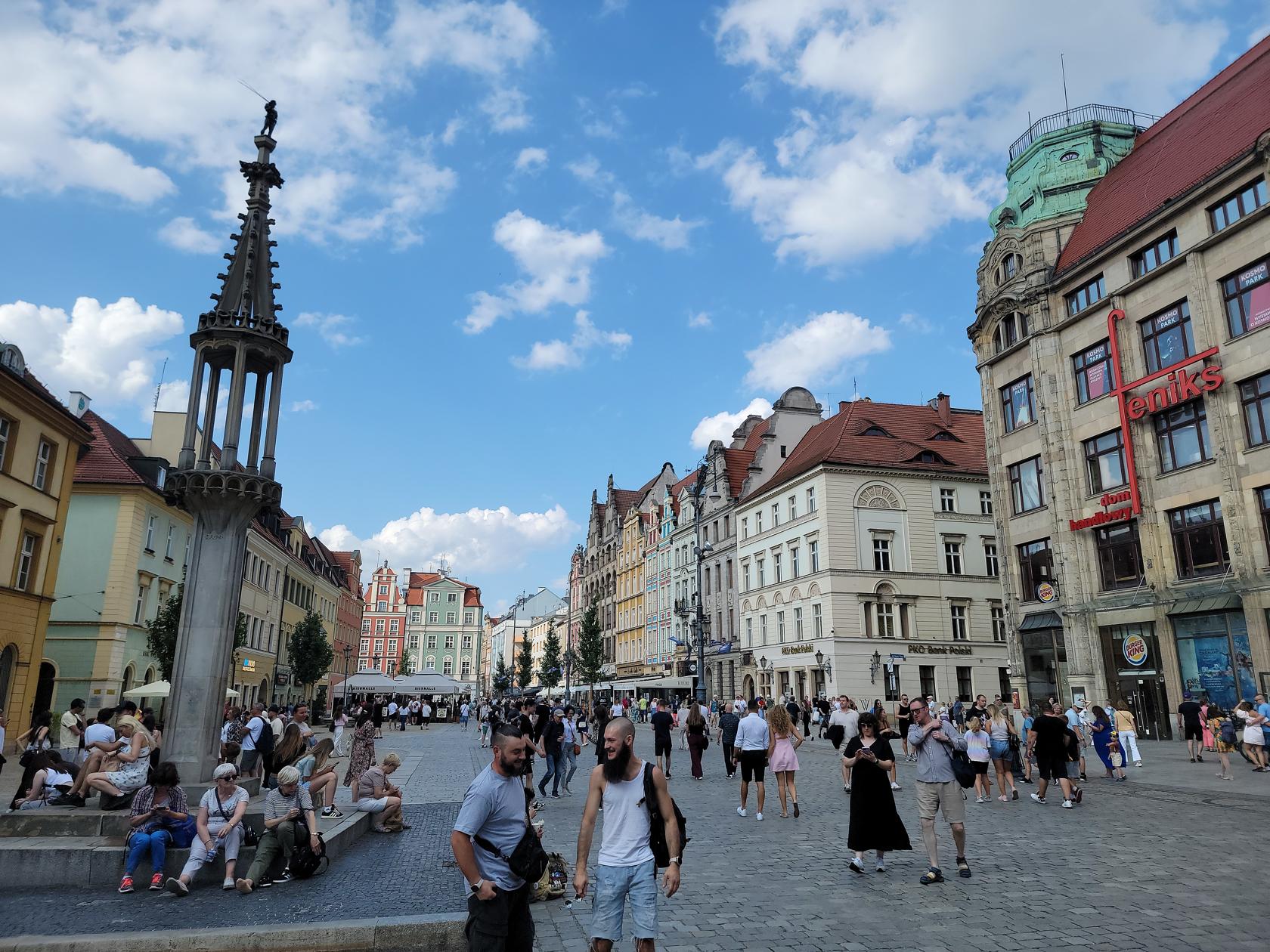
The main square in town is the Rynek. It is rather large but contains a number of buildings, as well as the town hall, in a misaligned fashion within the square or plaza itself. It is full a gnomes, so be careful to look while you walk, or you may miss one.
Rynek Plaza – Wrocław, Poland
Rynek Plaza – Wrocław, Poland
Rynek Plaza – Wrocław, Poland
Rynek Plaza – Wrocław, Poland
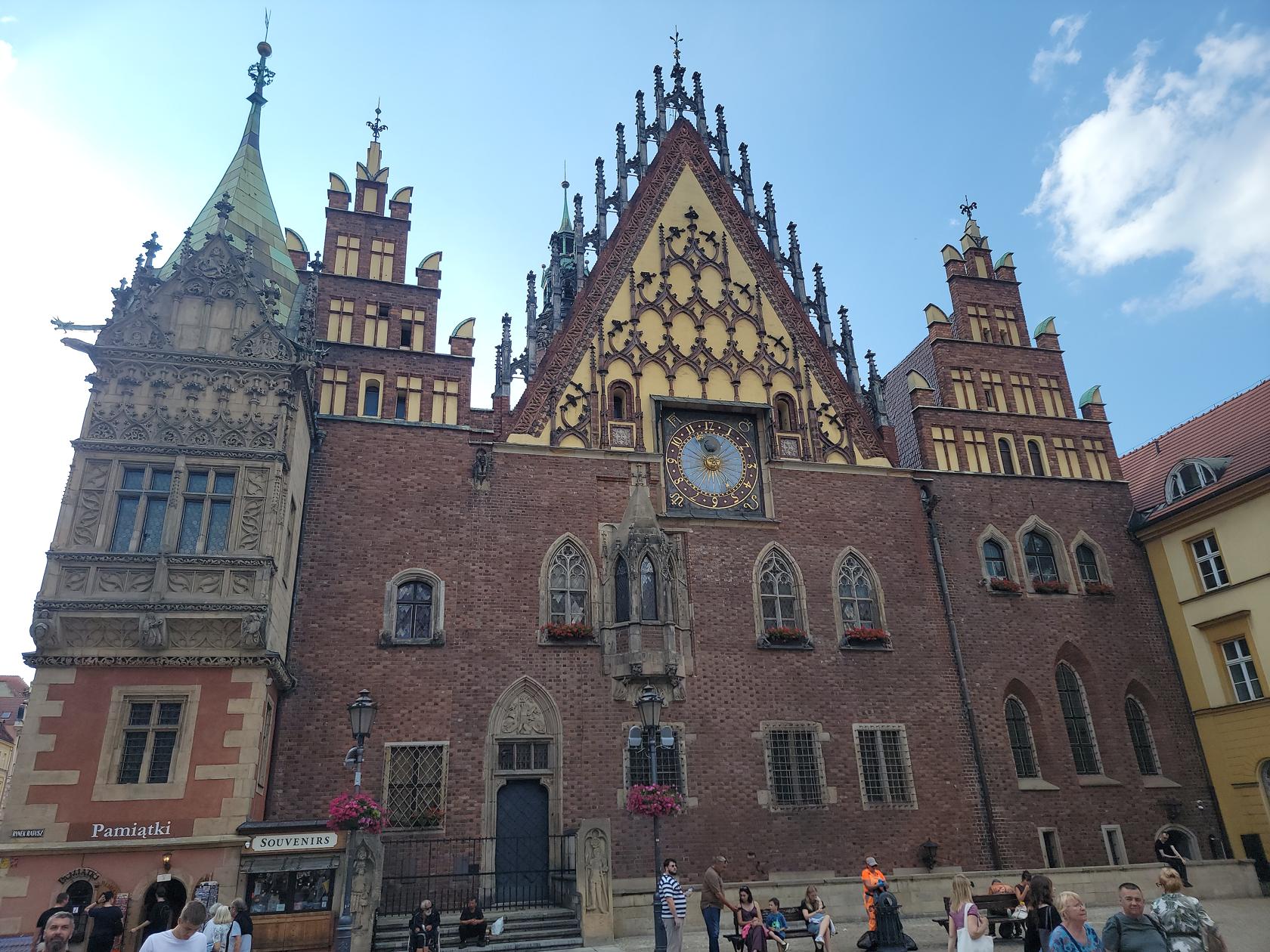
Town Hall – – Rynek Plaza – Wrocław, Poland
The Pillory – Rynek Plaza – Wrocław, Poland
Solny Square
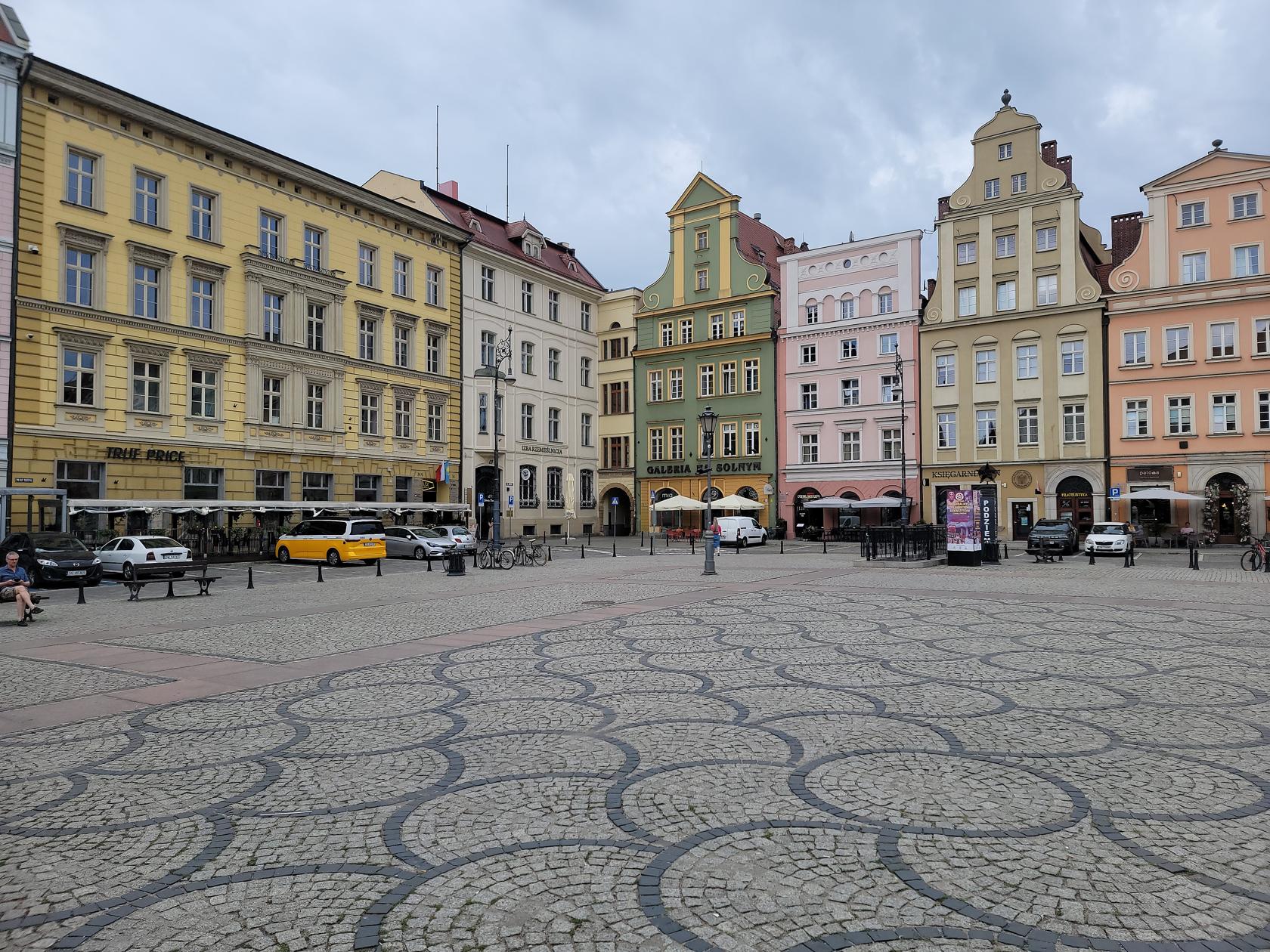
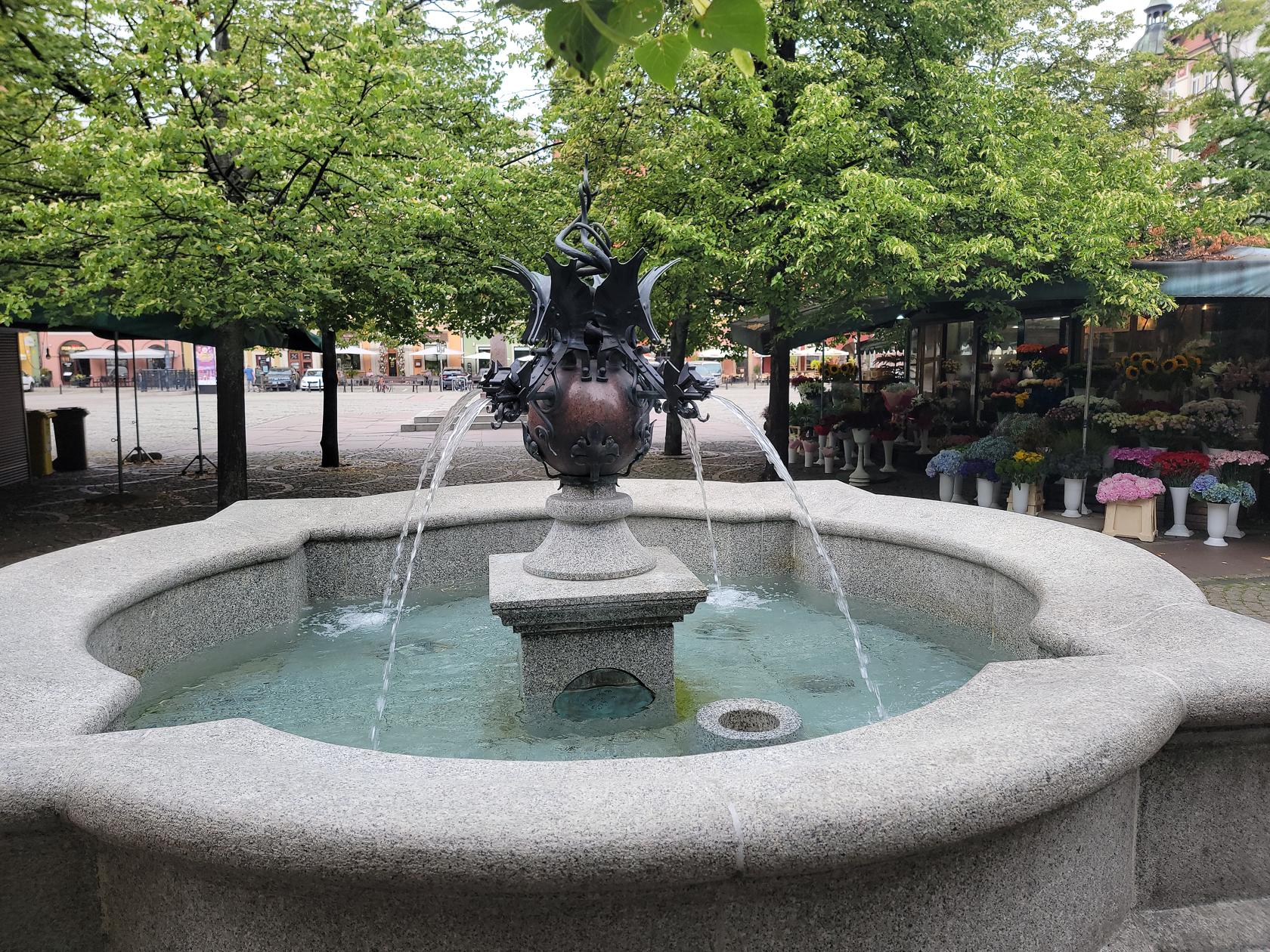
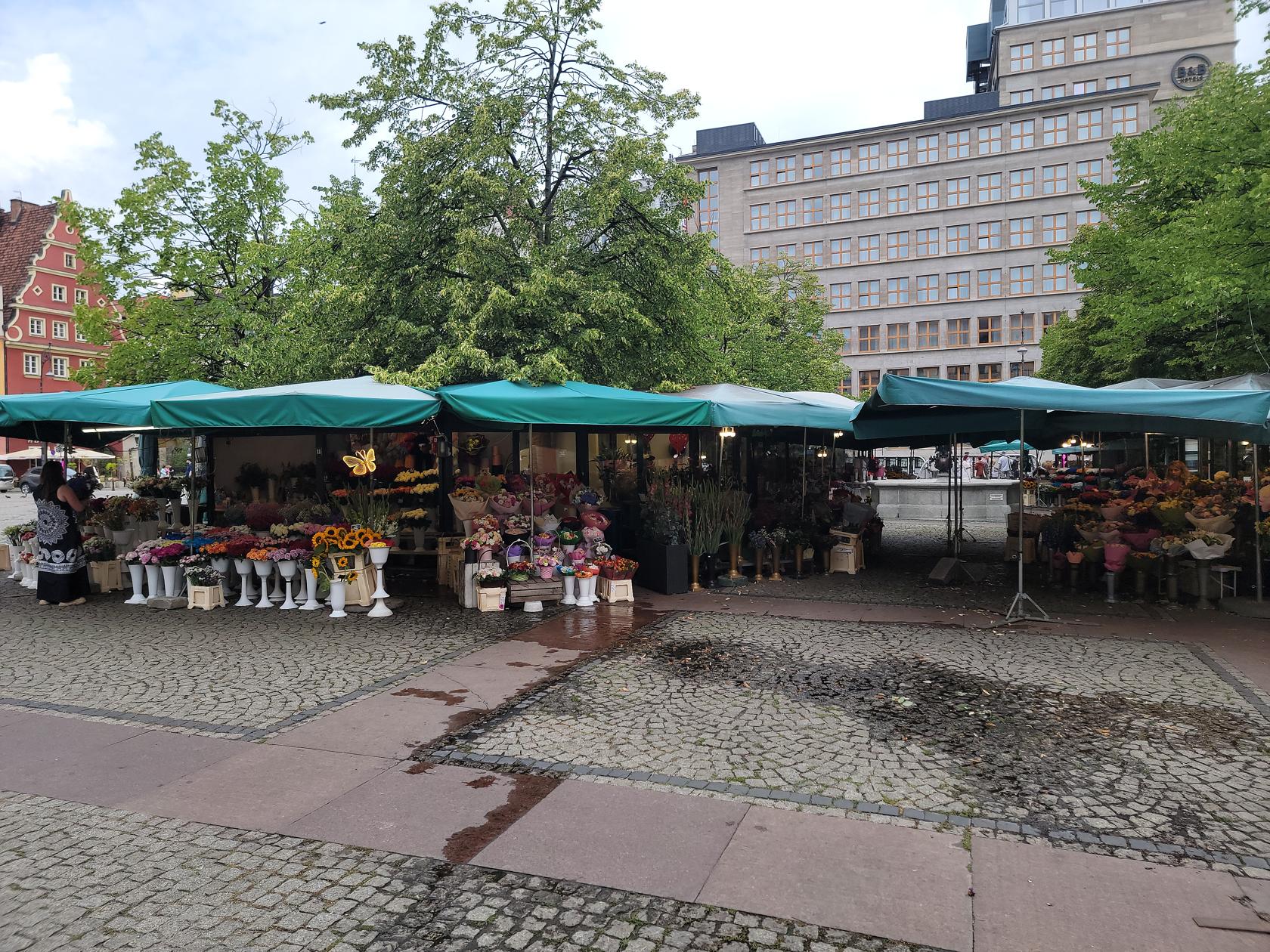
Solny Square or plaza lies corner to corner with Rynek, since the are adjoined to one another on one of the vertices. Here you will find a small flower market which appears to be open every day. Again there are plenty of gnomes to find here, as well as some interesting monuments and sculptures.
Solny Plaza – Wrocław, Poland
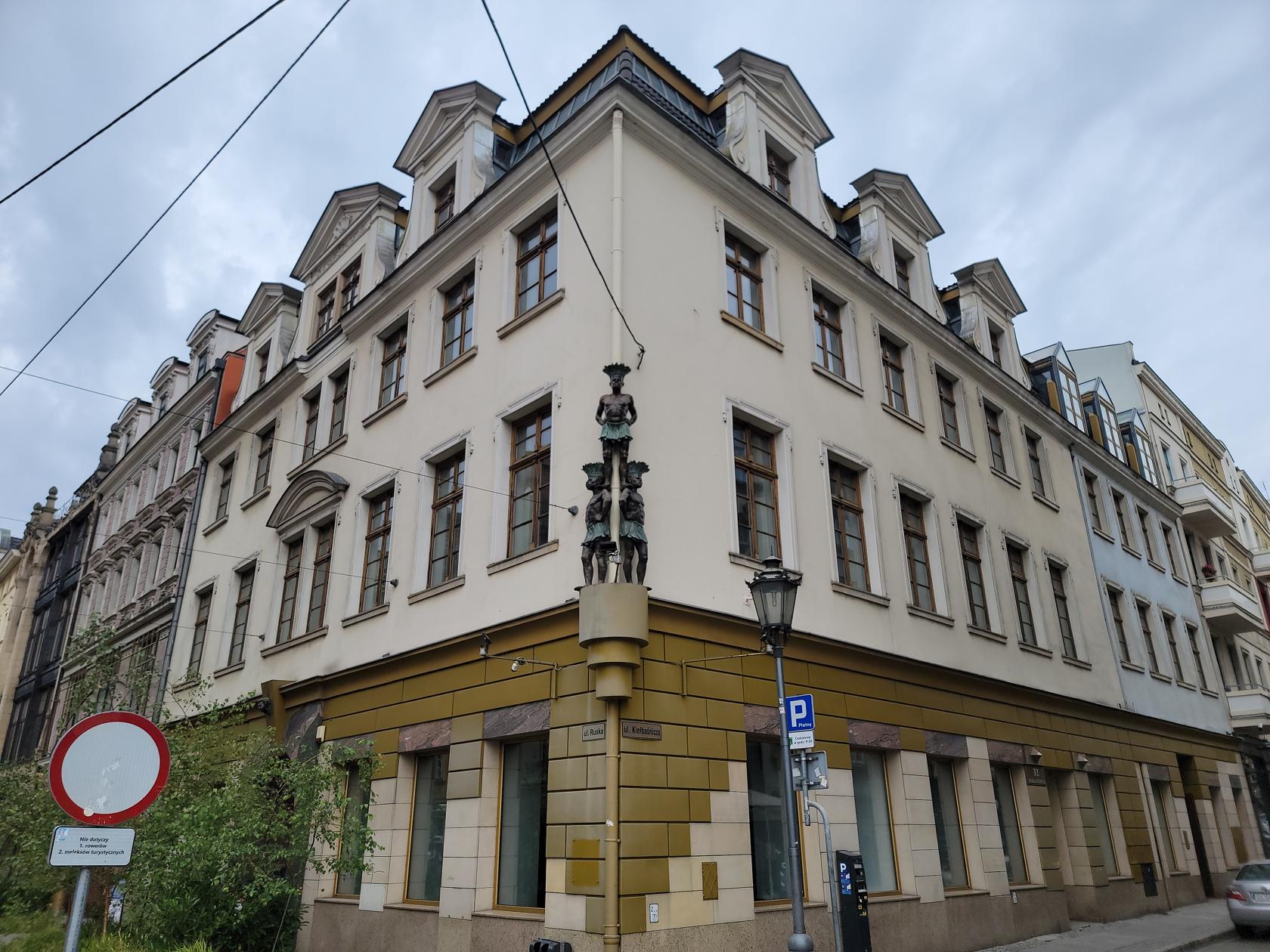
Trzech Murzynków Sculpture – Solny Plaza – Wrocław, Poland
Smoki Fountain – Solny Plaza – Wrocław, Poland
Solny Plaza – Wrocław, Poland
Solny Plaza – Wrocław, Poland
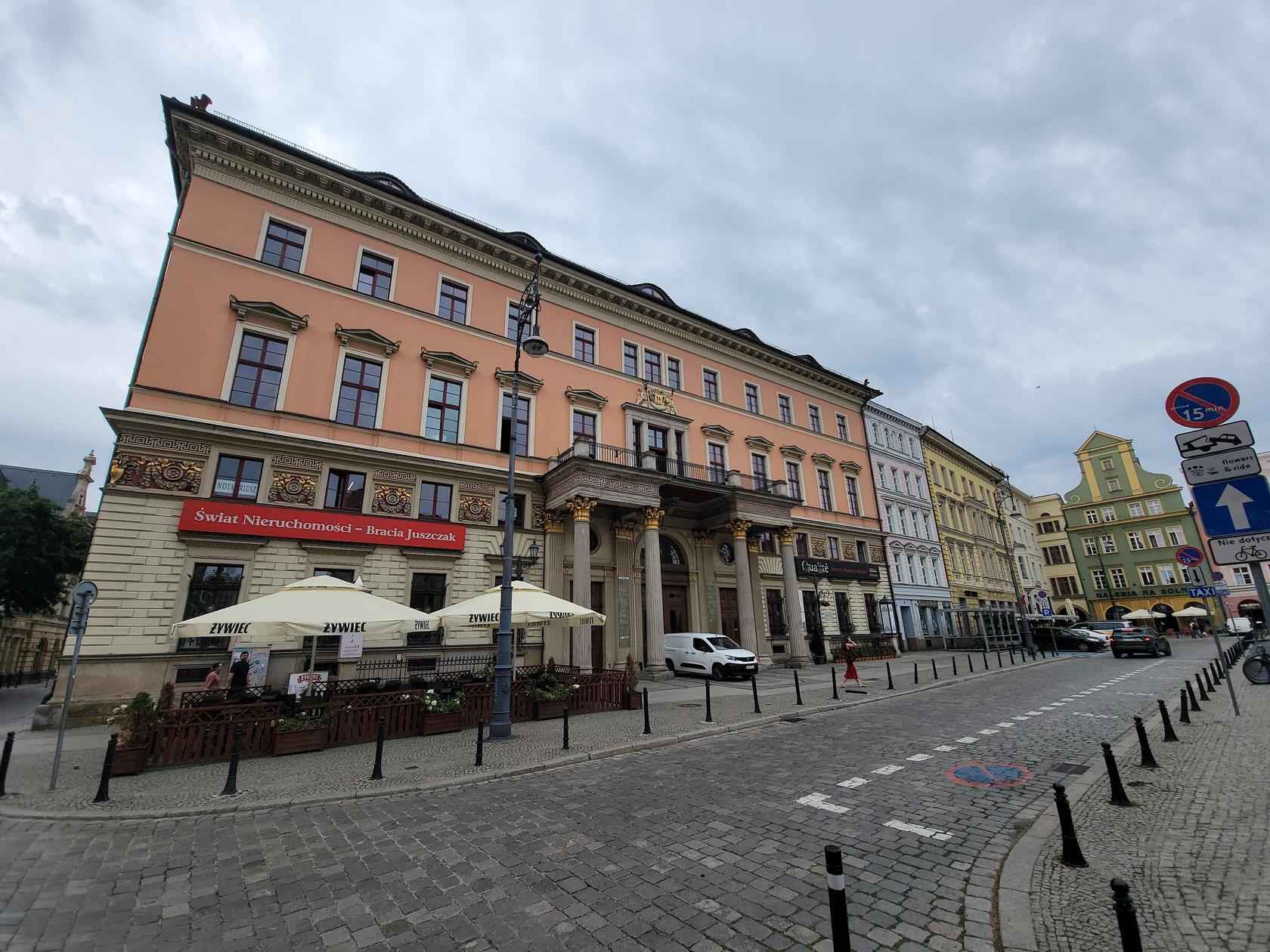
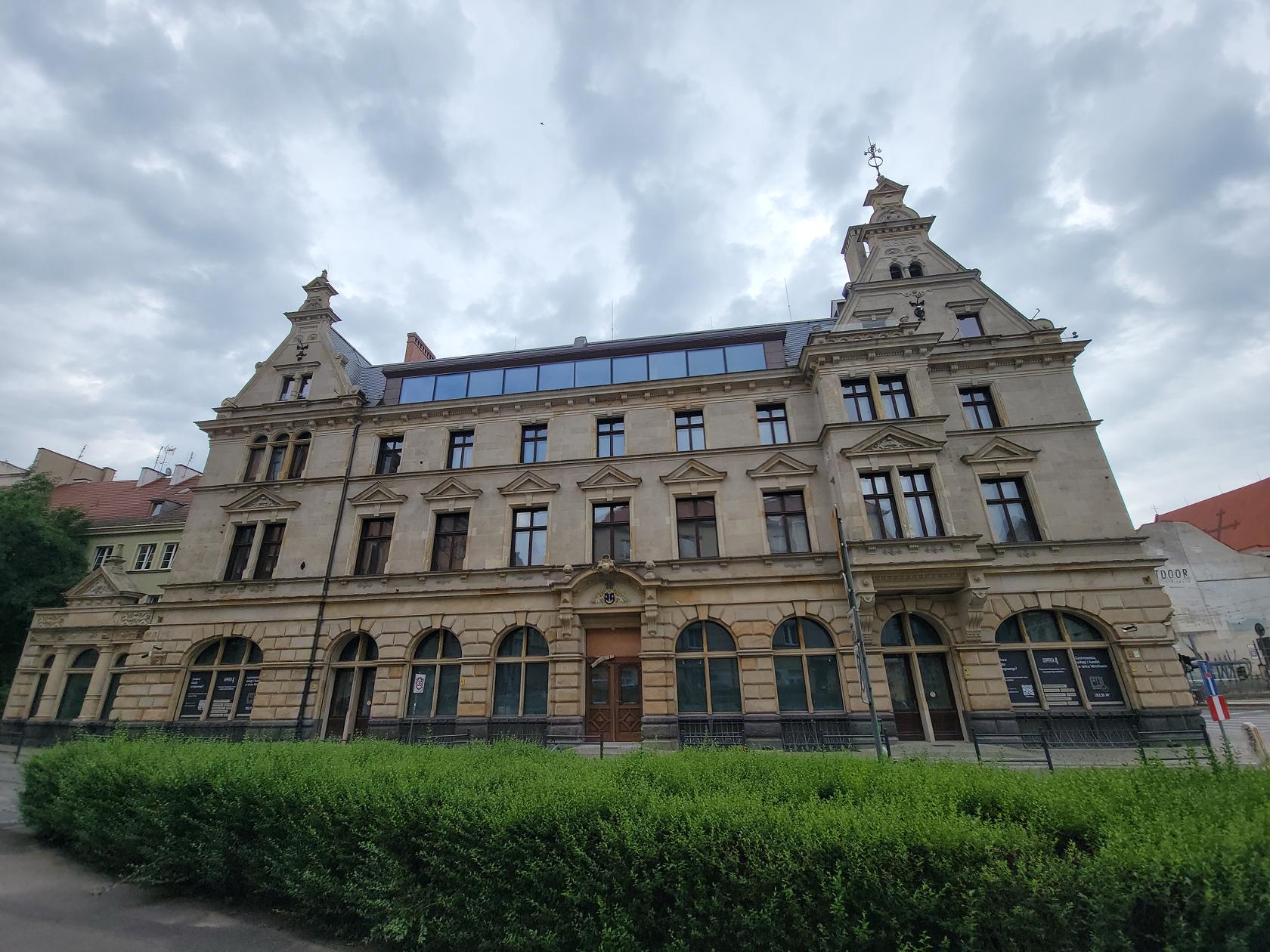
Building – Wrocław, Poland
Oder River
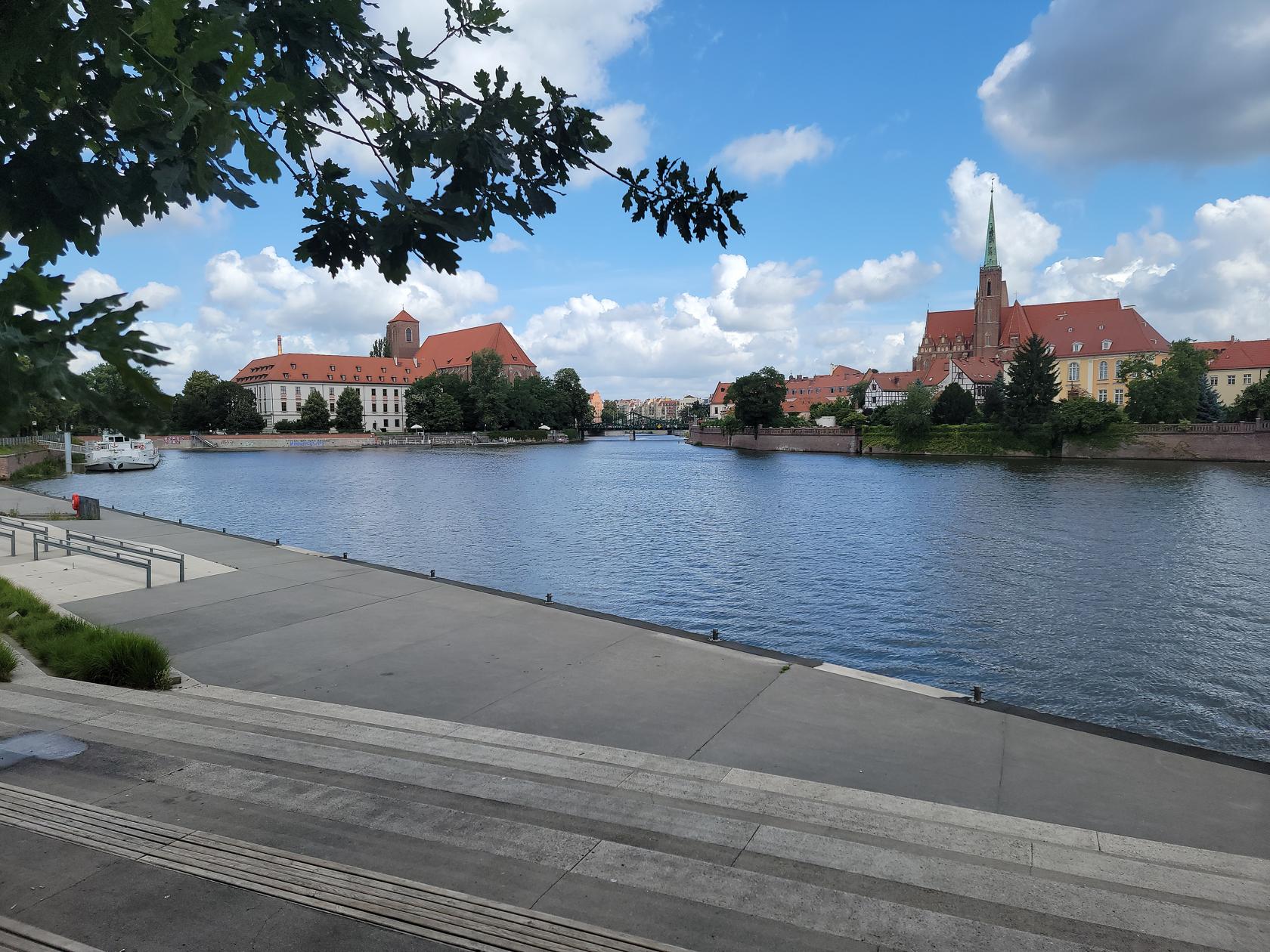
A portion of the Oder cuts through the city and bisects it. Here you can find a river cruise or tour, as well as magnifacent parks to stretch your legs. There are also plenty of museums in there area. One of particular note and worth a visit is the Panoramic Museum.
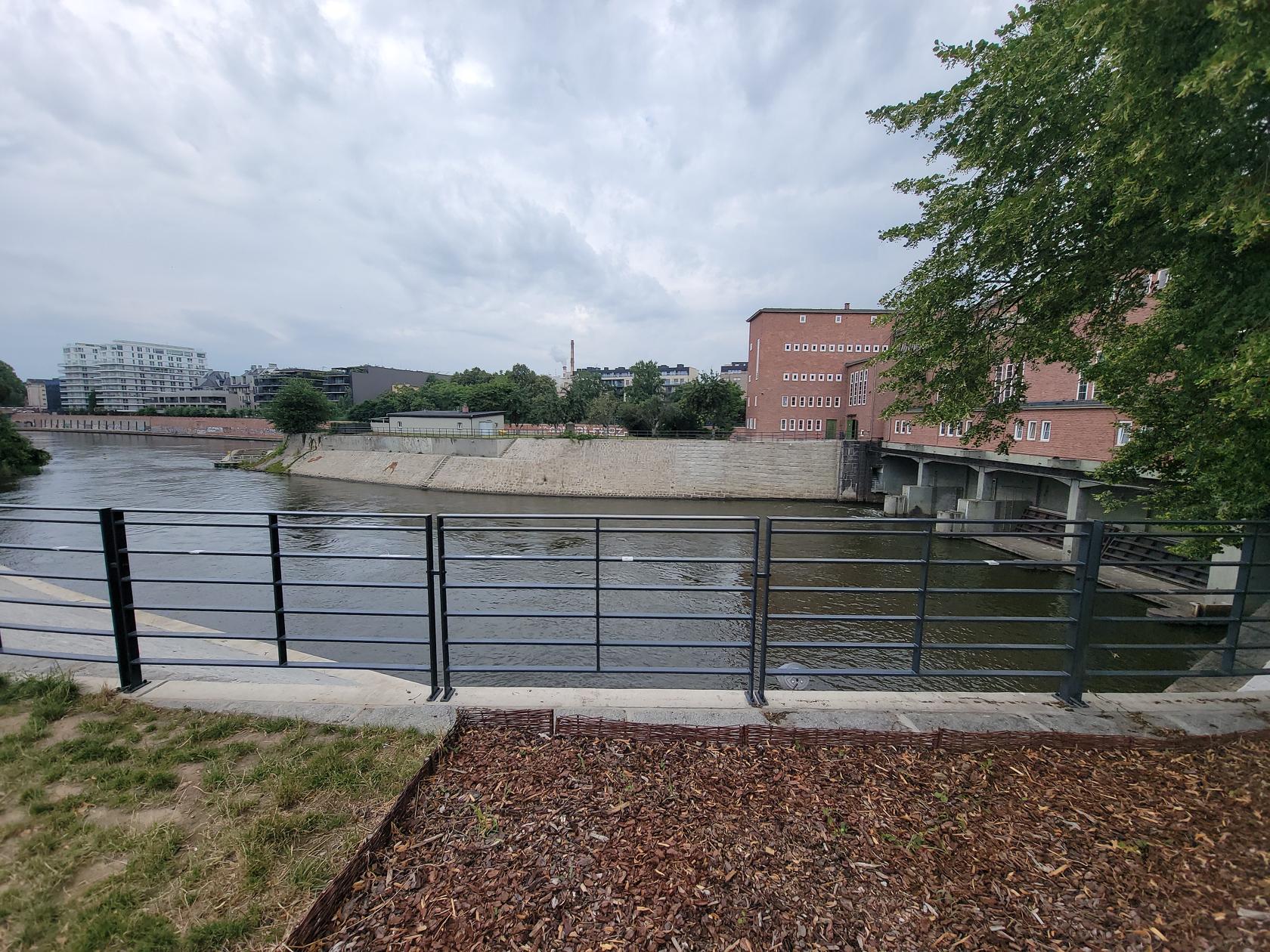
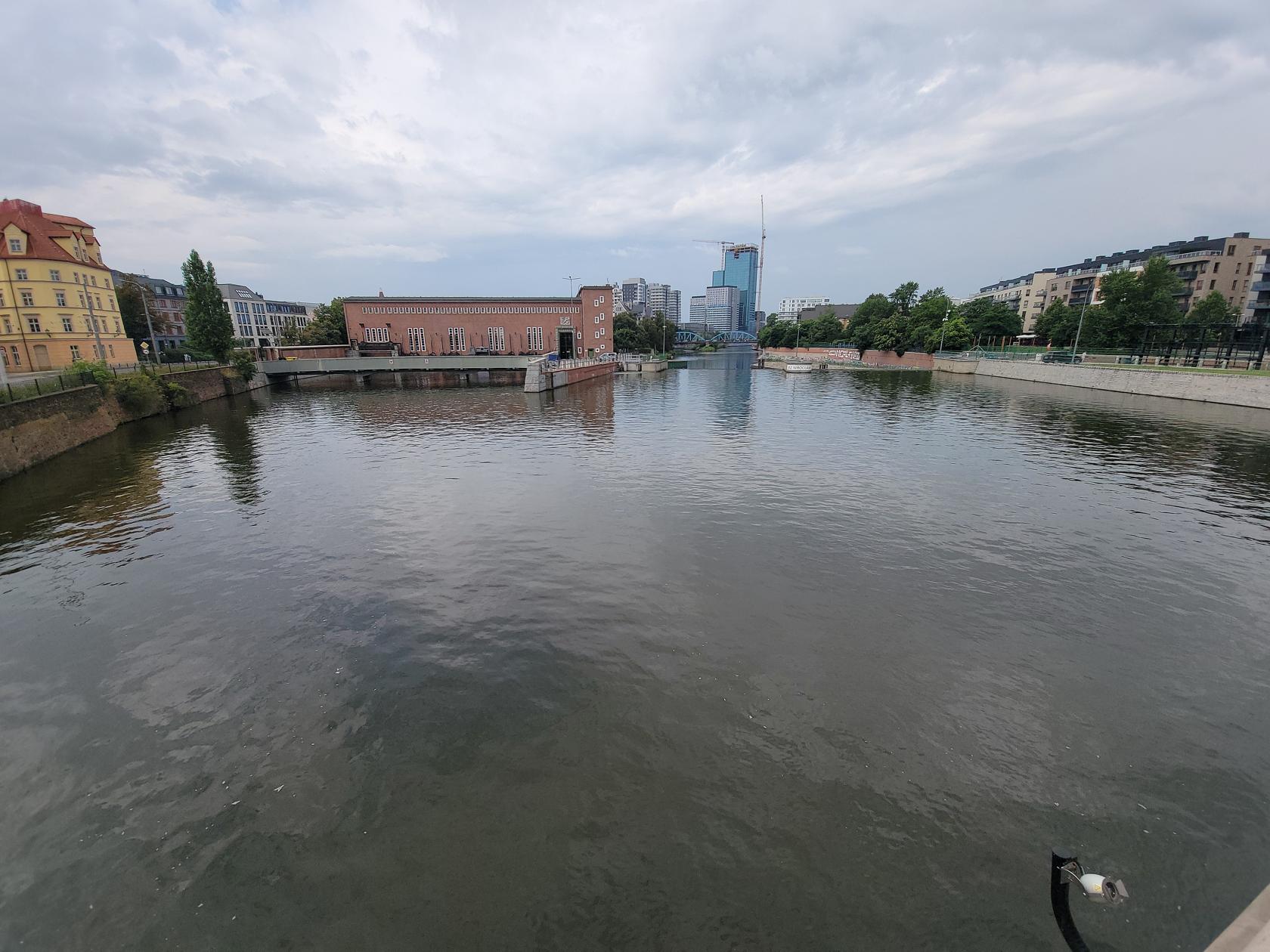
Dam and Power Station – Oder River – Wrocław, Poland
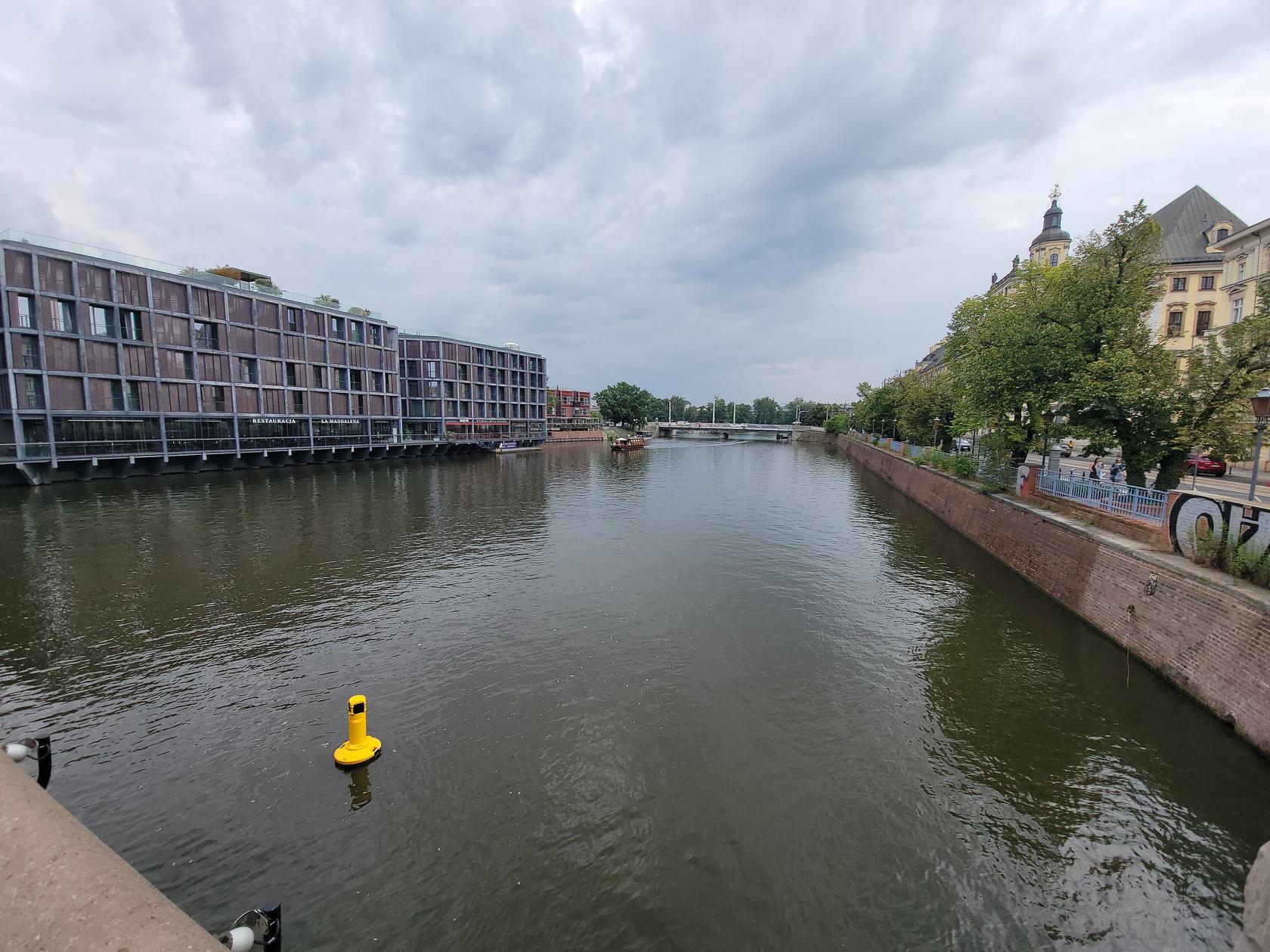
Oder River – Wrocław, Poland
Oder River – Wrocław, Poland
Oder River – Wrocław, Poland
Cathedral – Oder River – Wrocław, Poland
Wyspa Piasek – Oder River – Wrocław, Poland
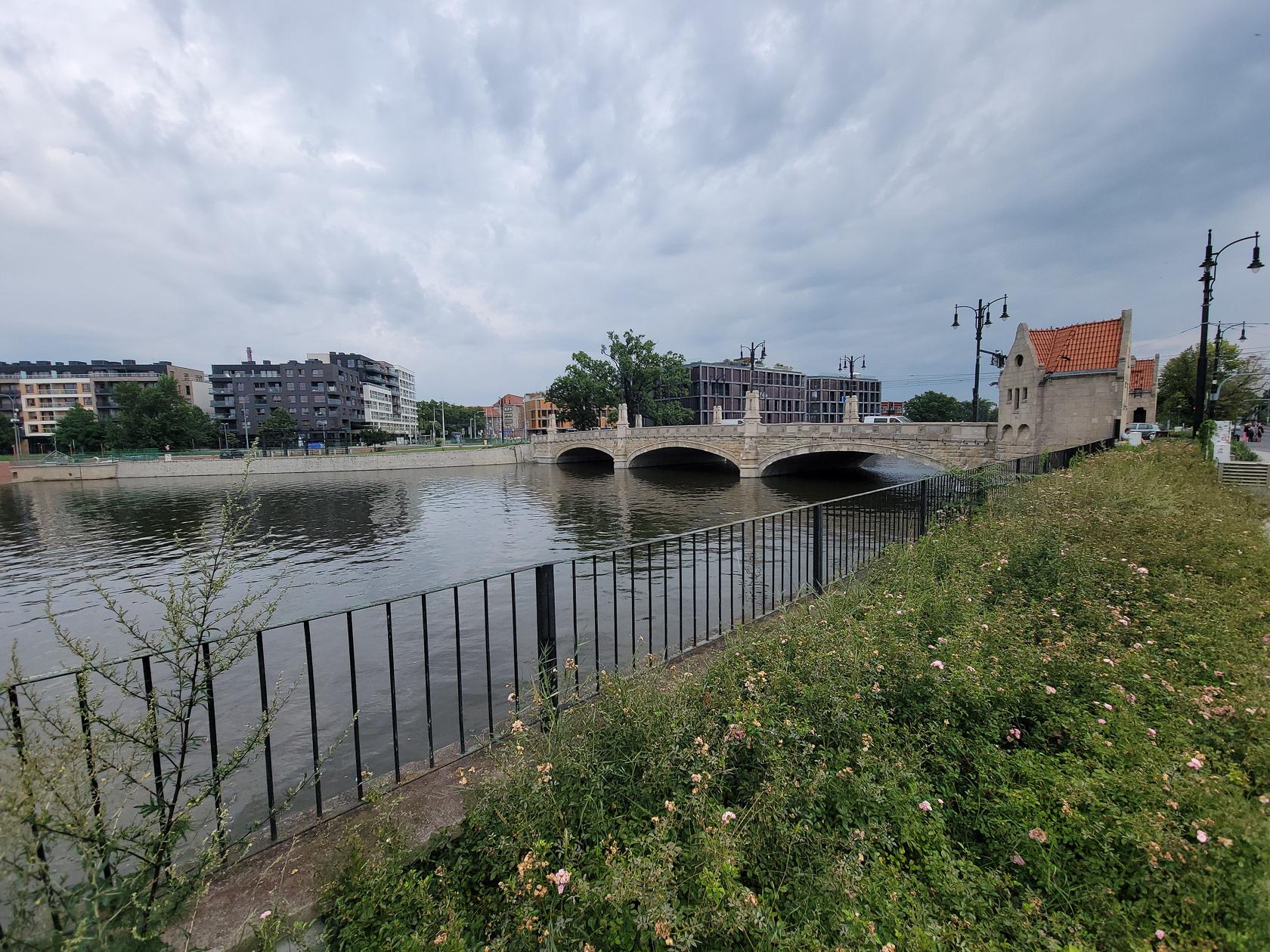
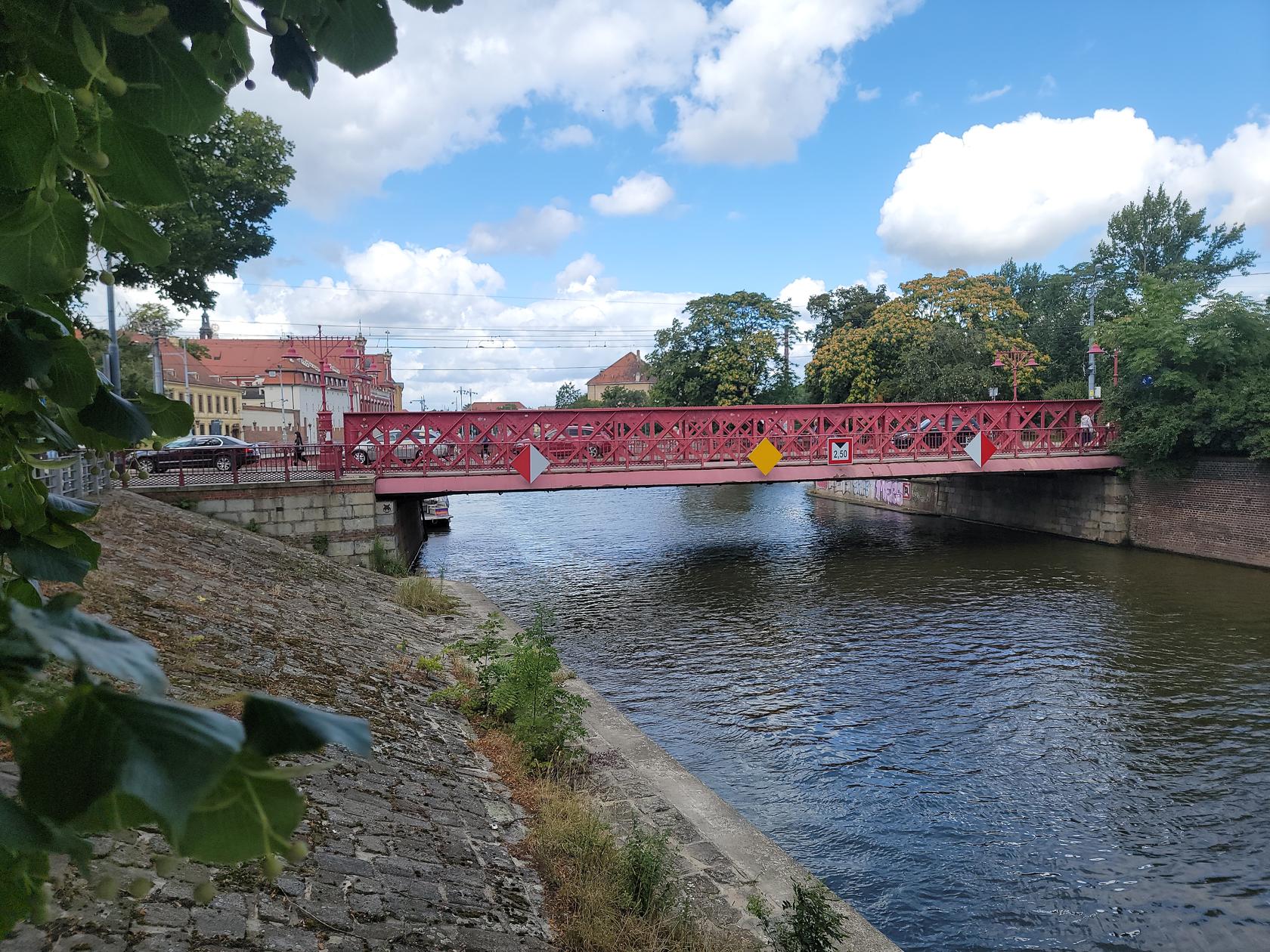
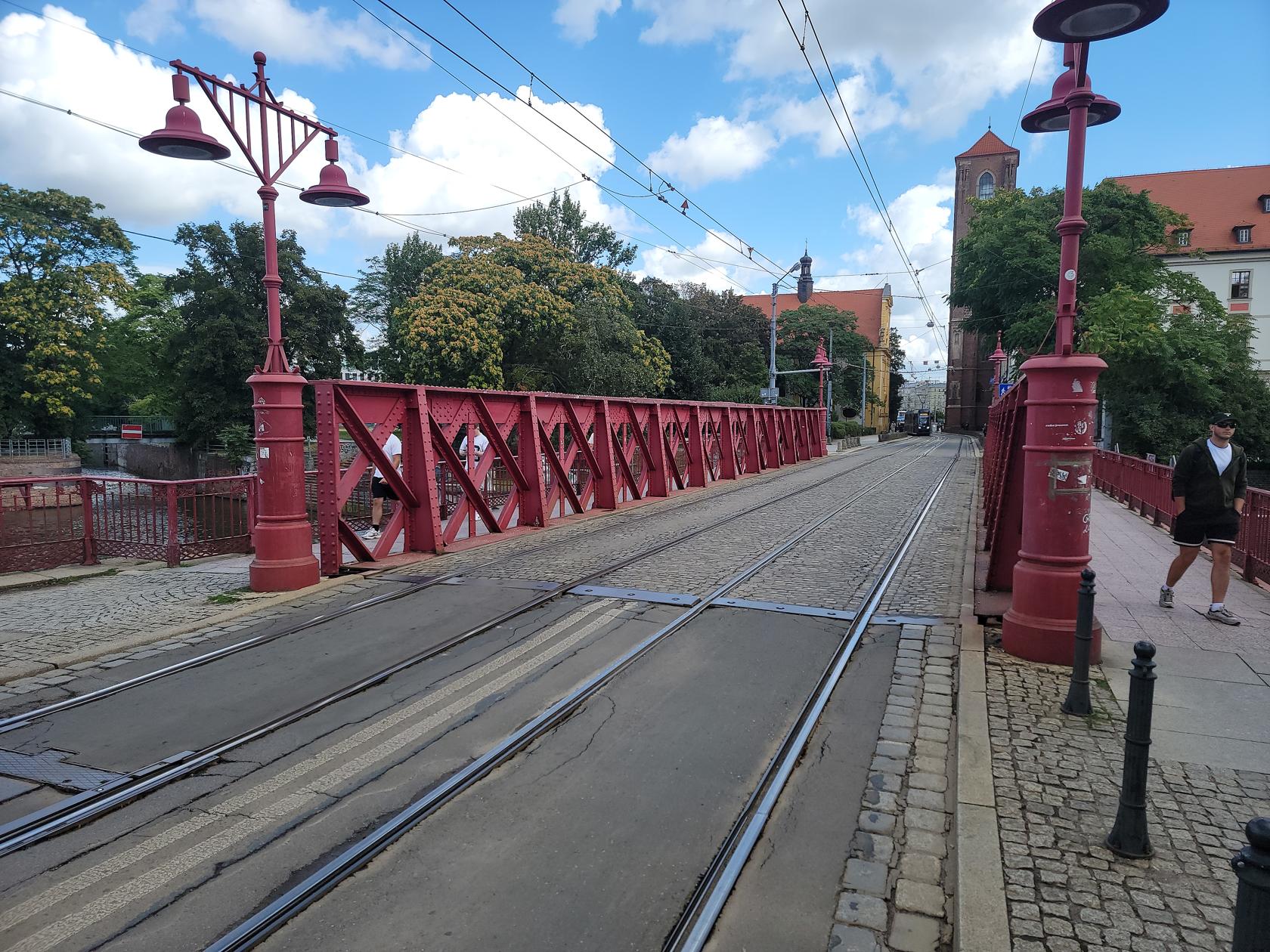
Sand Bridge – Oder River – Wrocław, Poland
Cathedral – Oder River – Wrocław, Poland
Sand Bridge – Oder River – Wrocław, Poland
Sand Bridge – Oder River – Wrocław, Poland
Panorama Racławice Museum
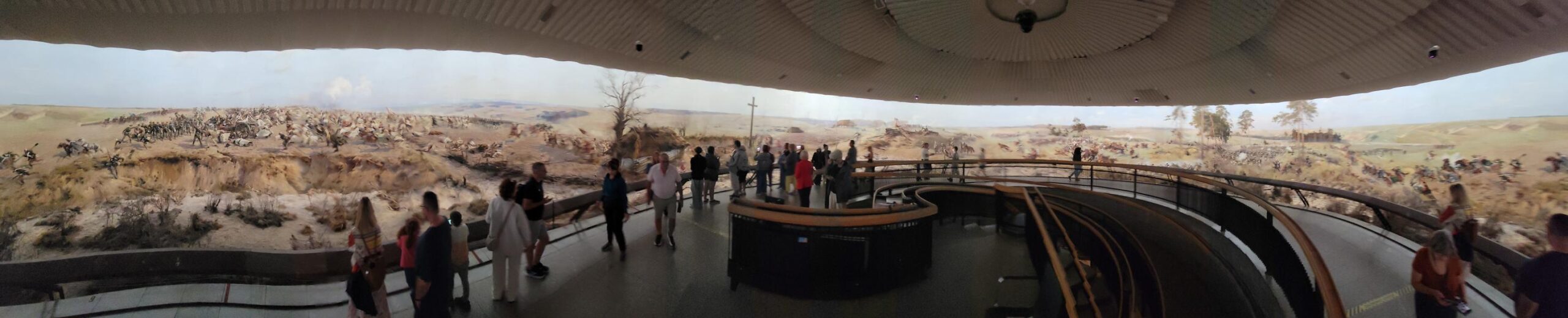
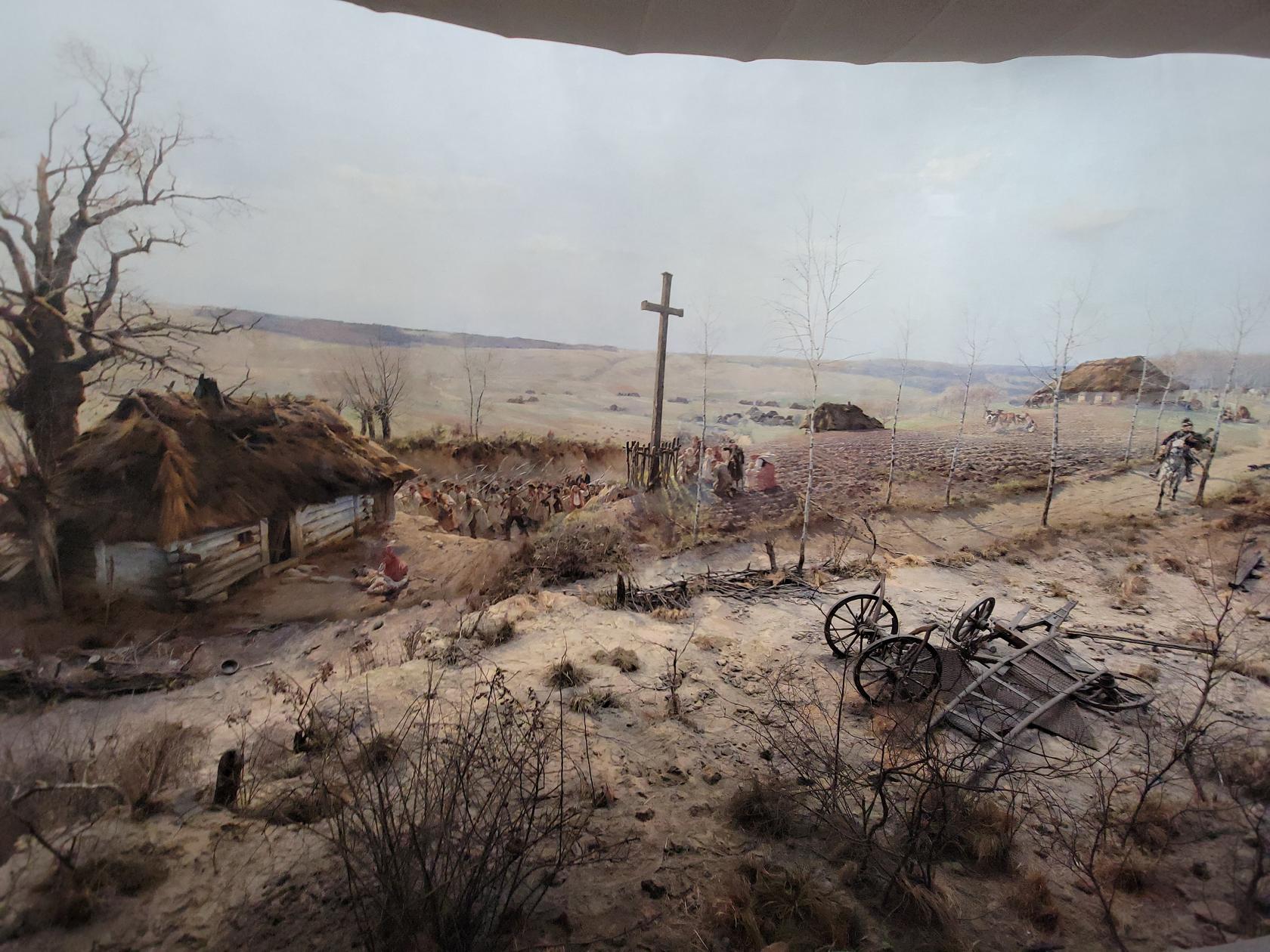
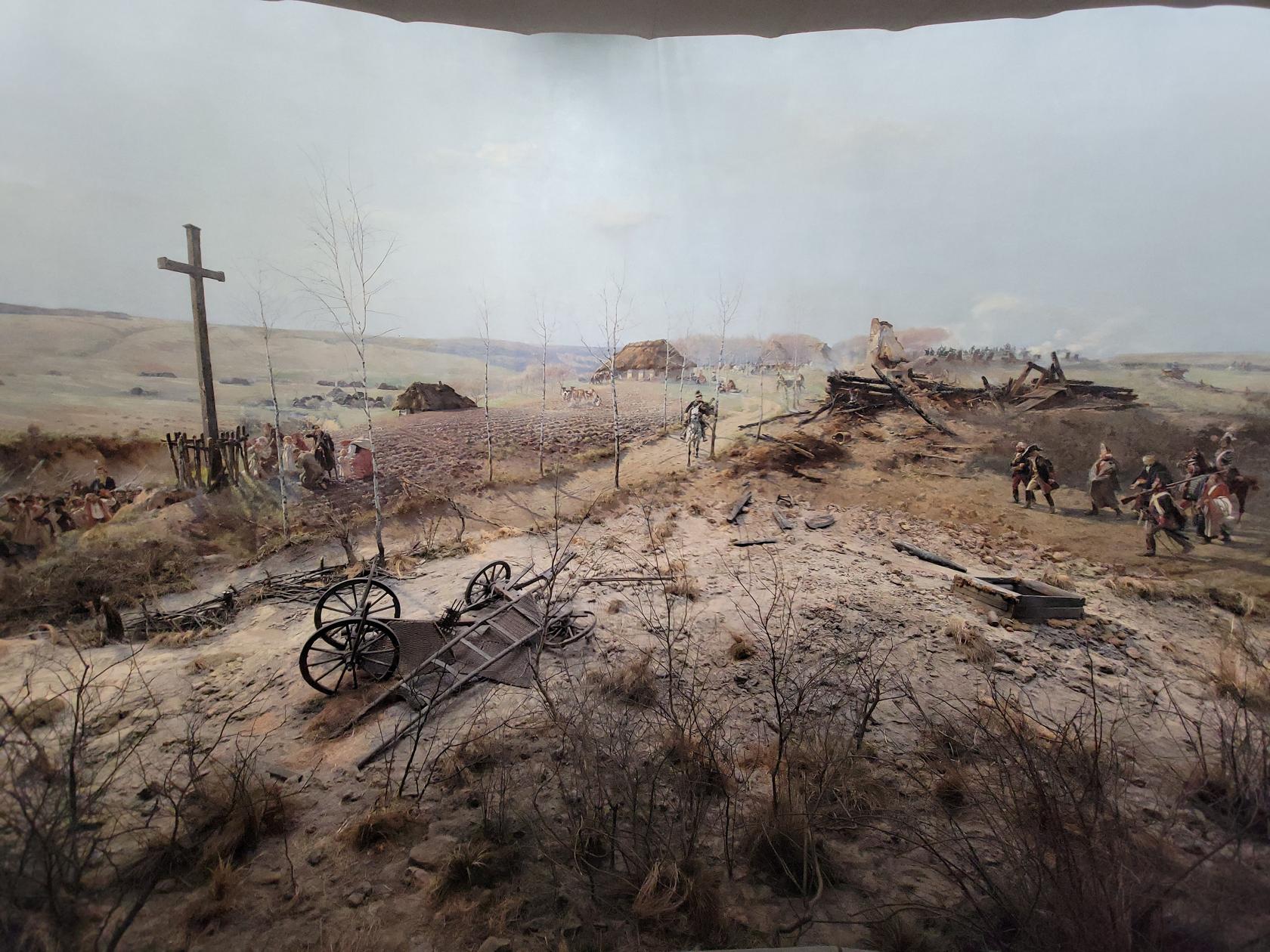
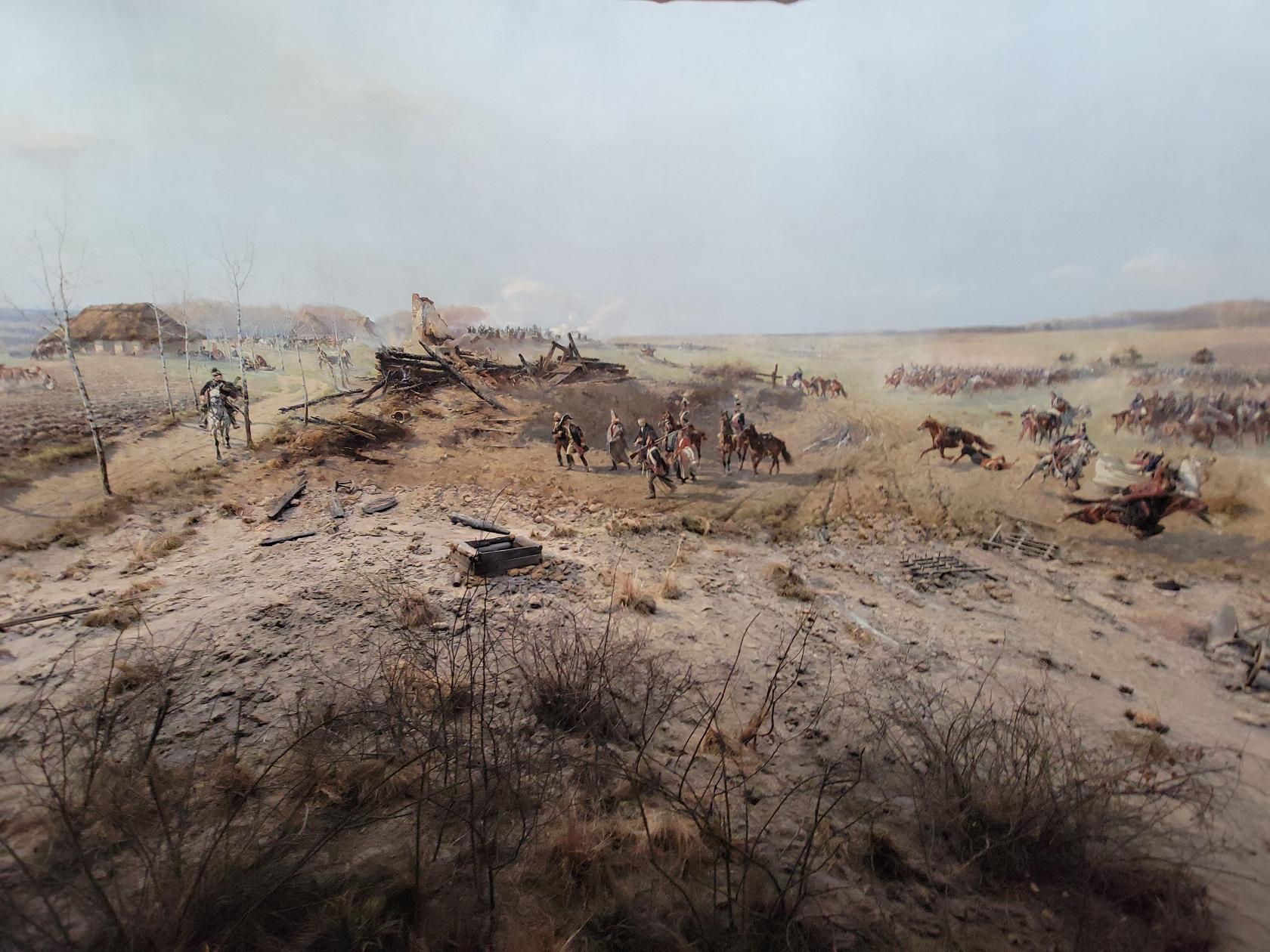
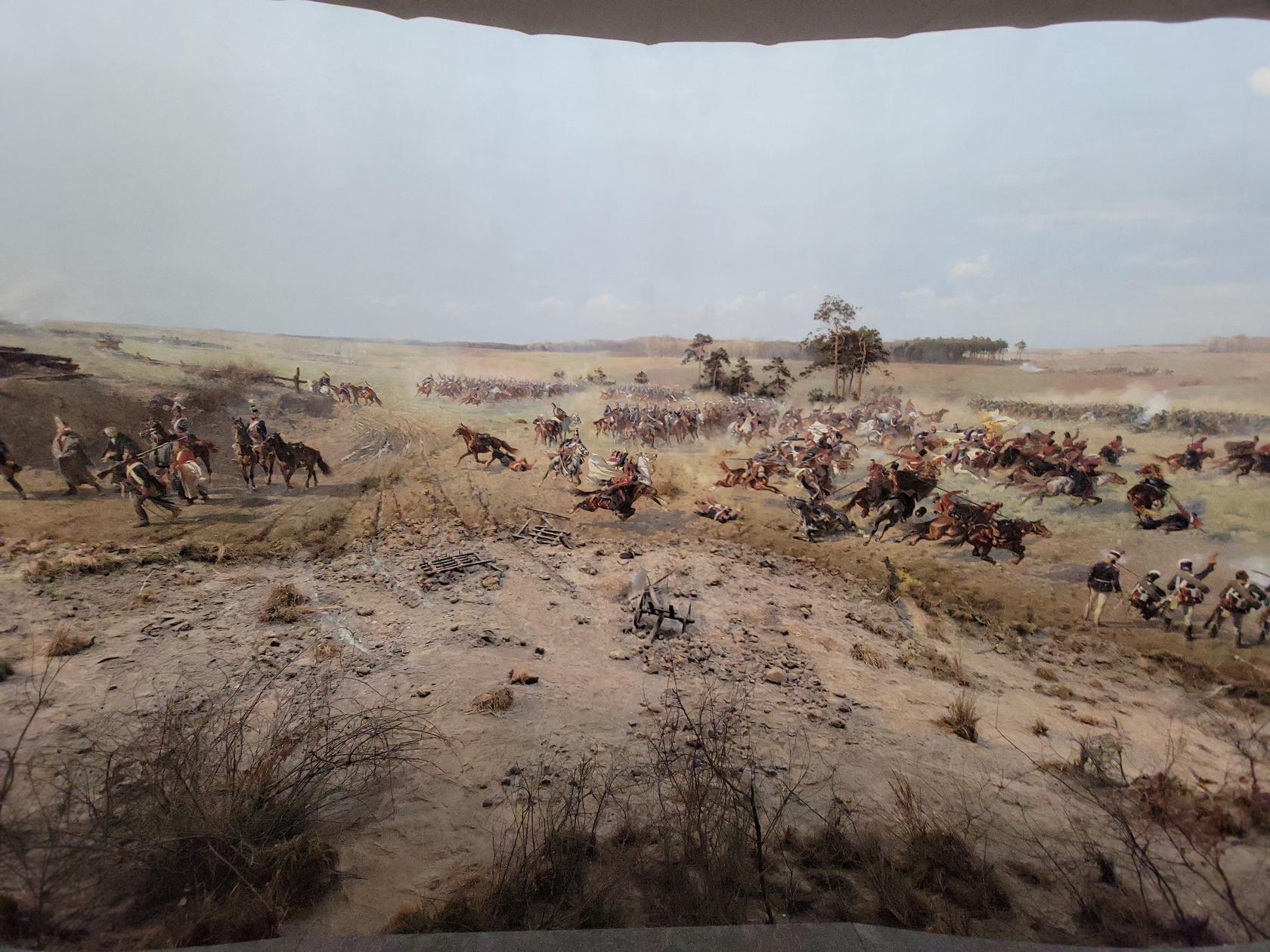
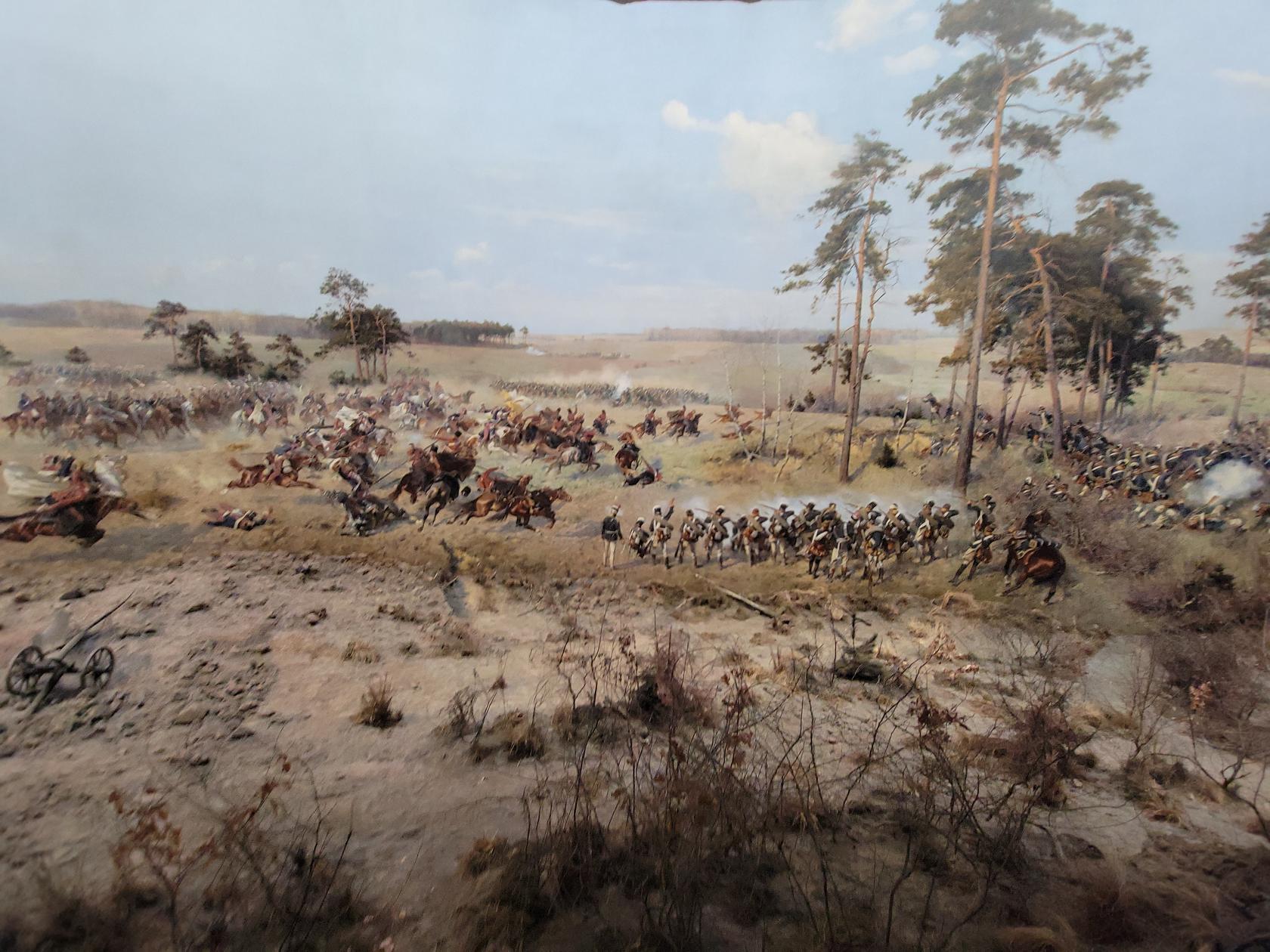
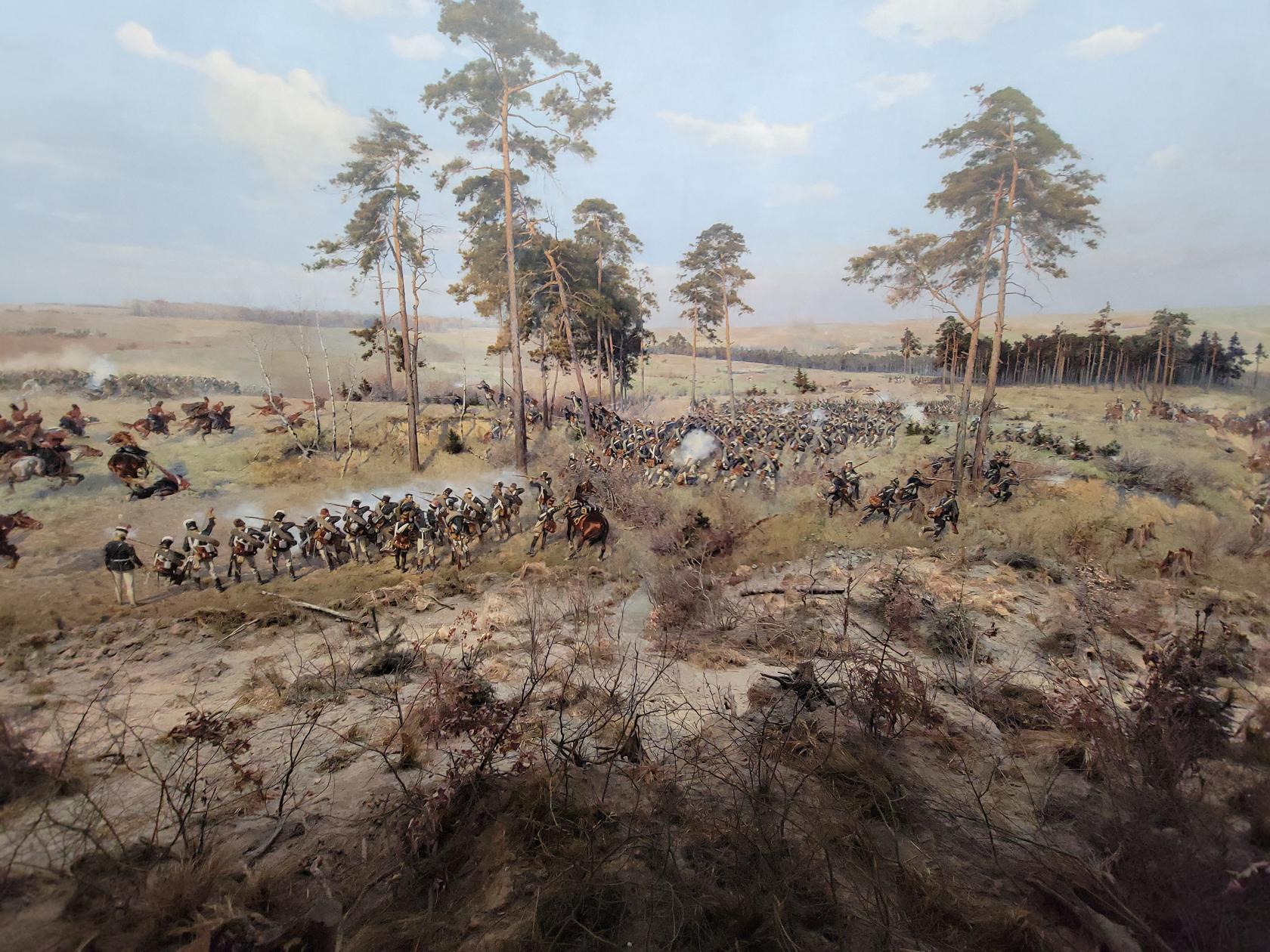
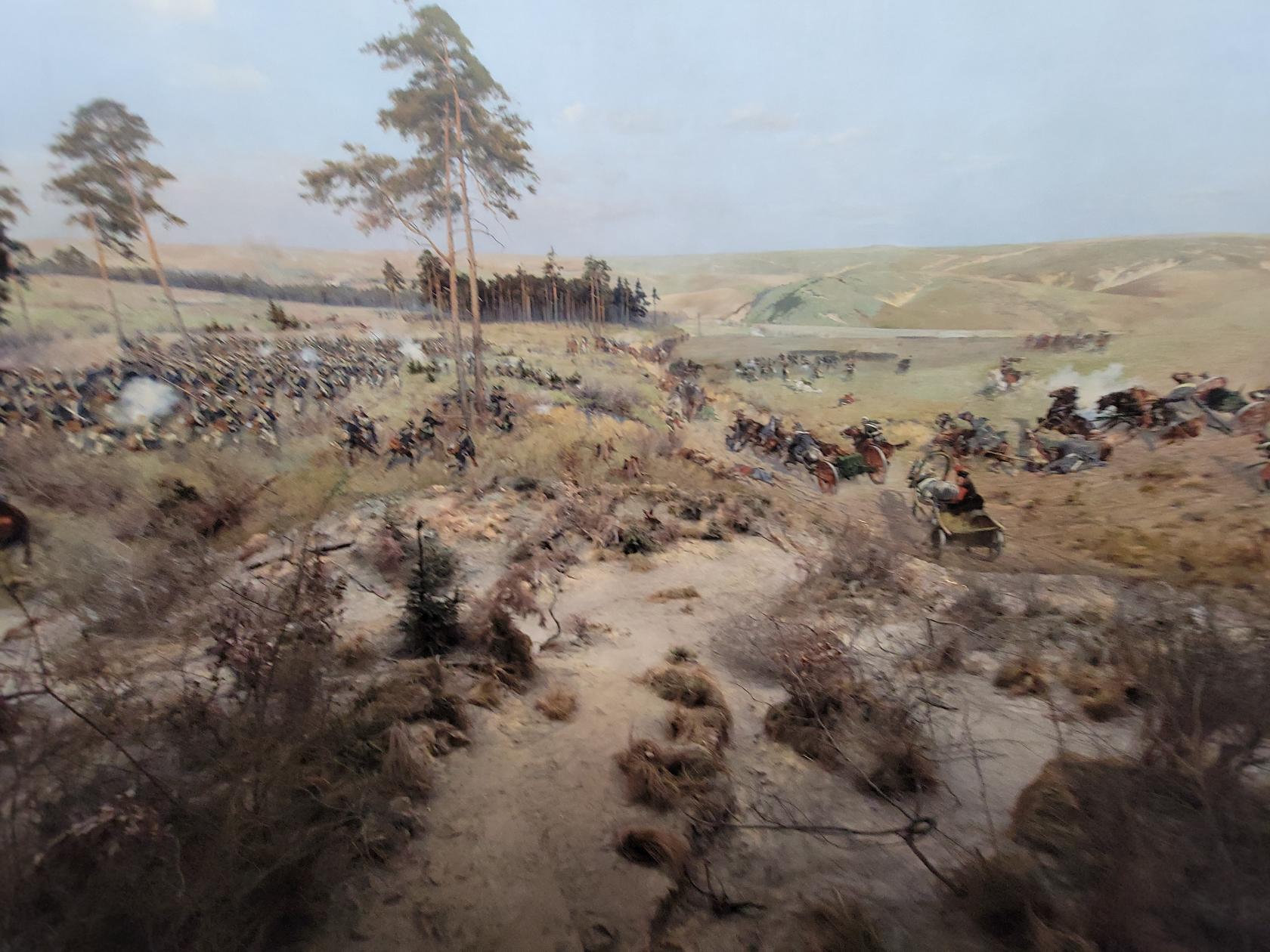
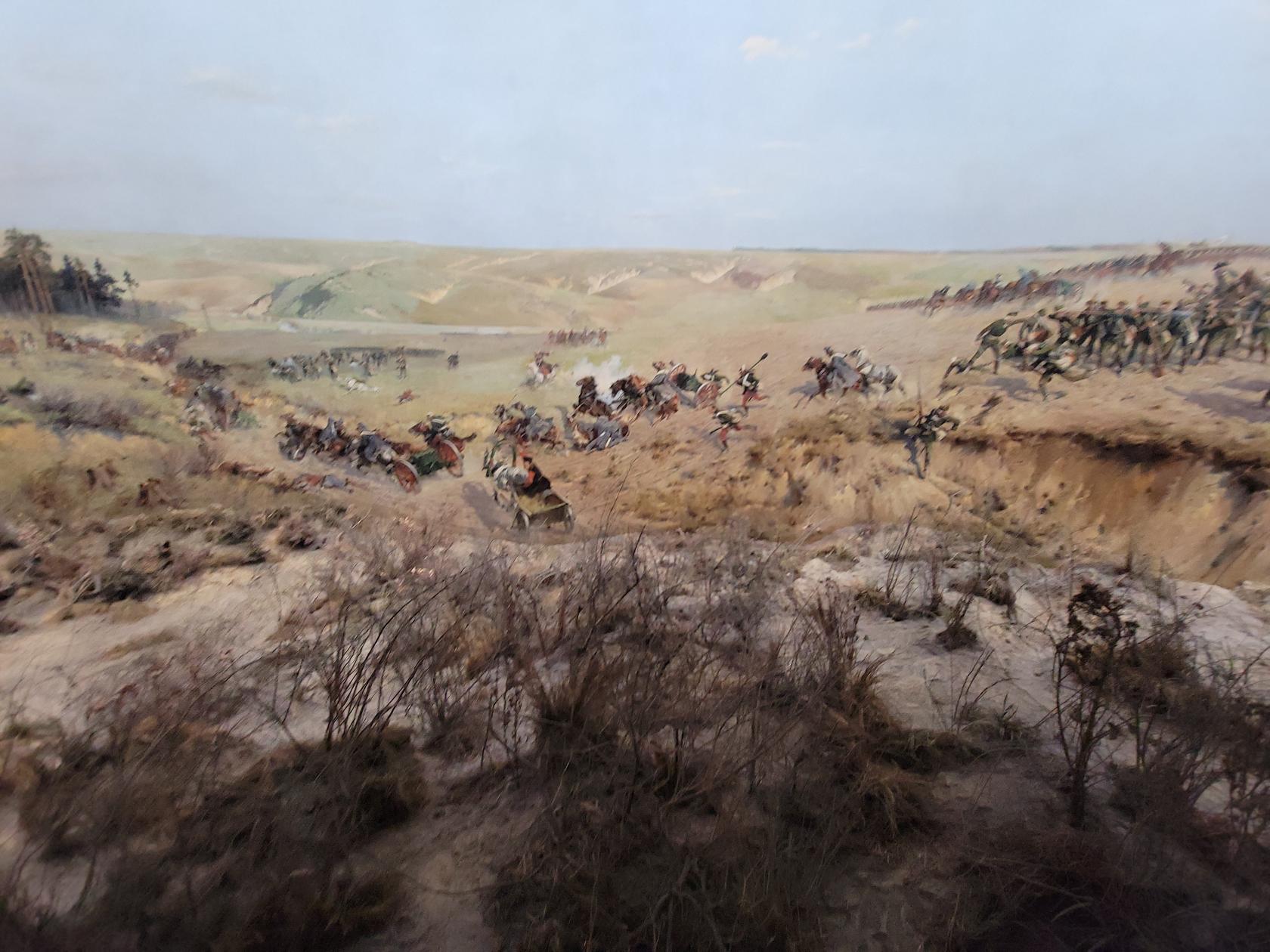
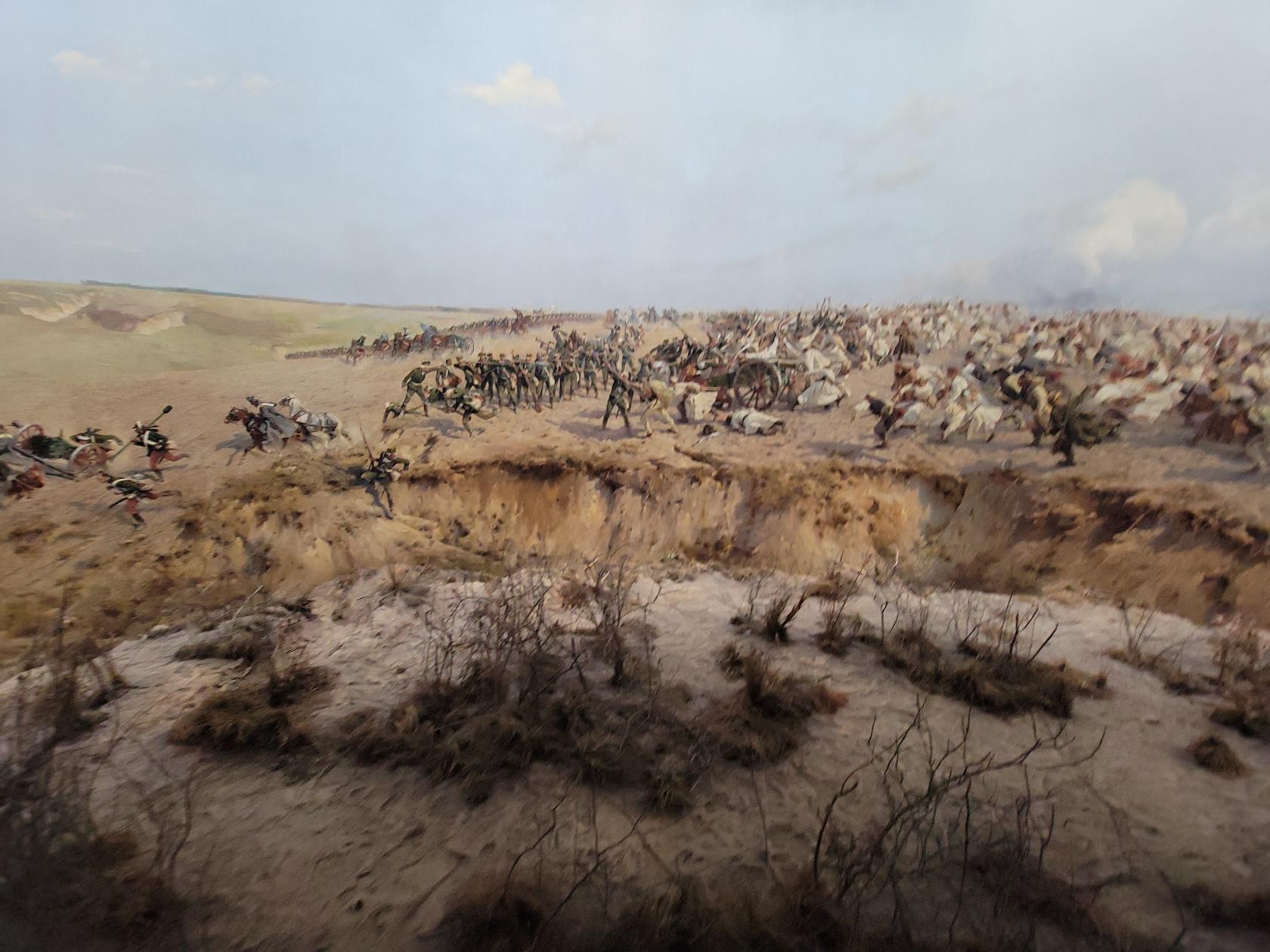
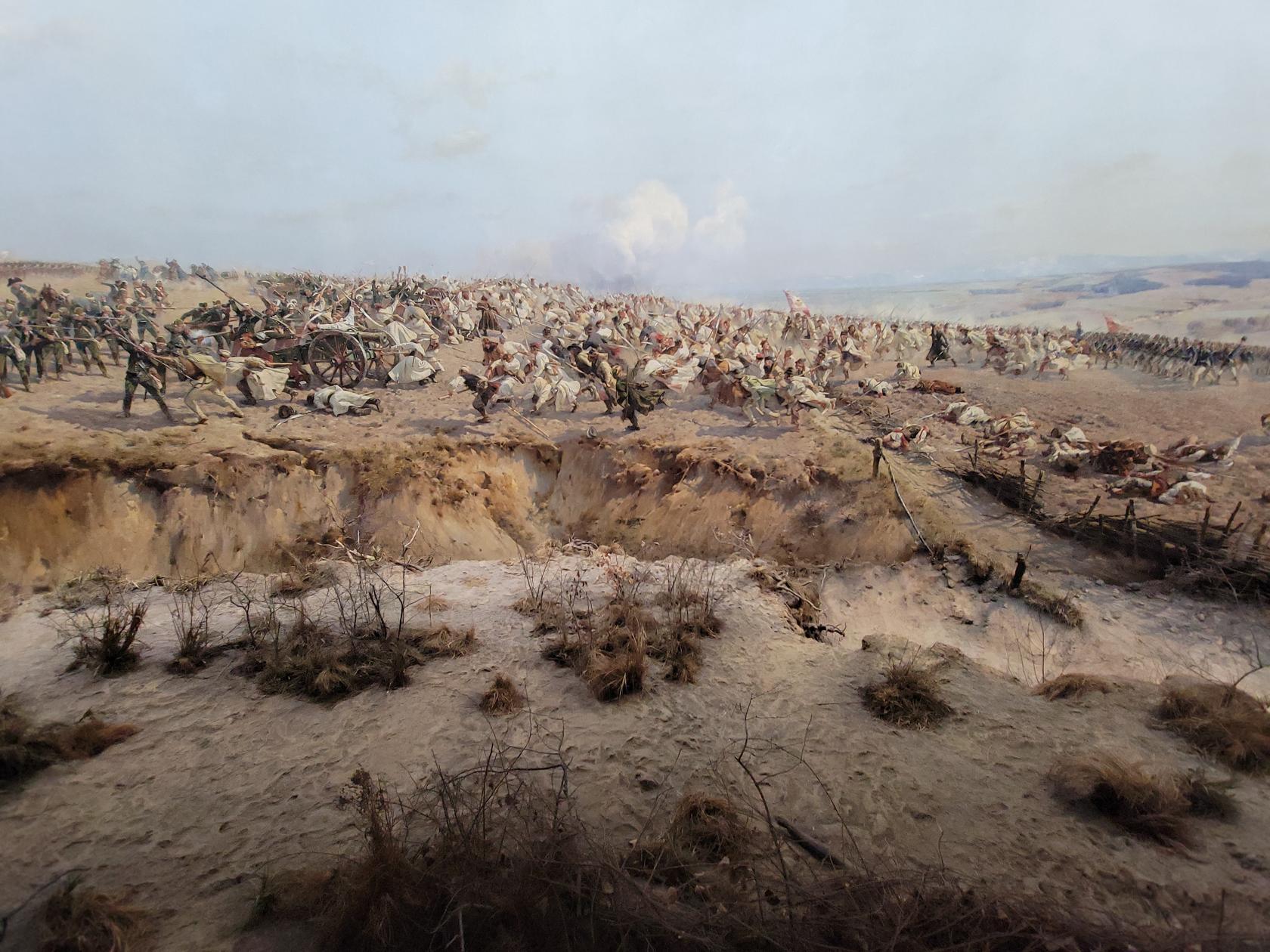
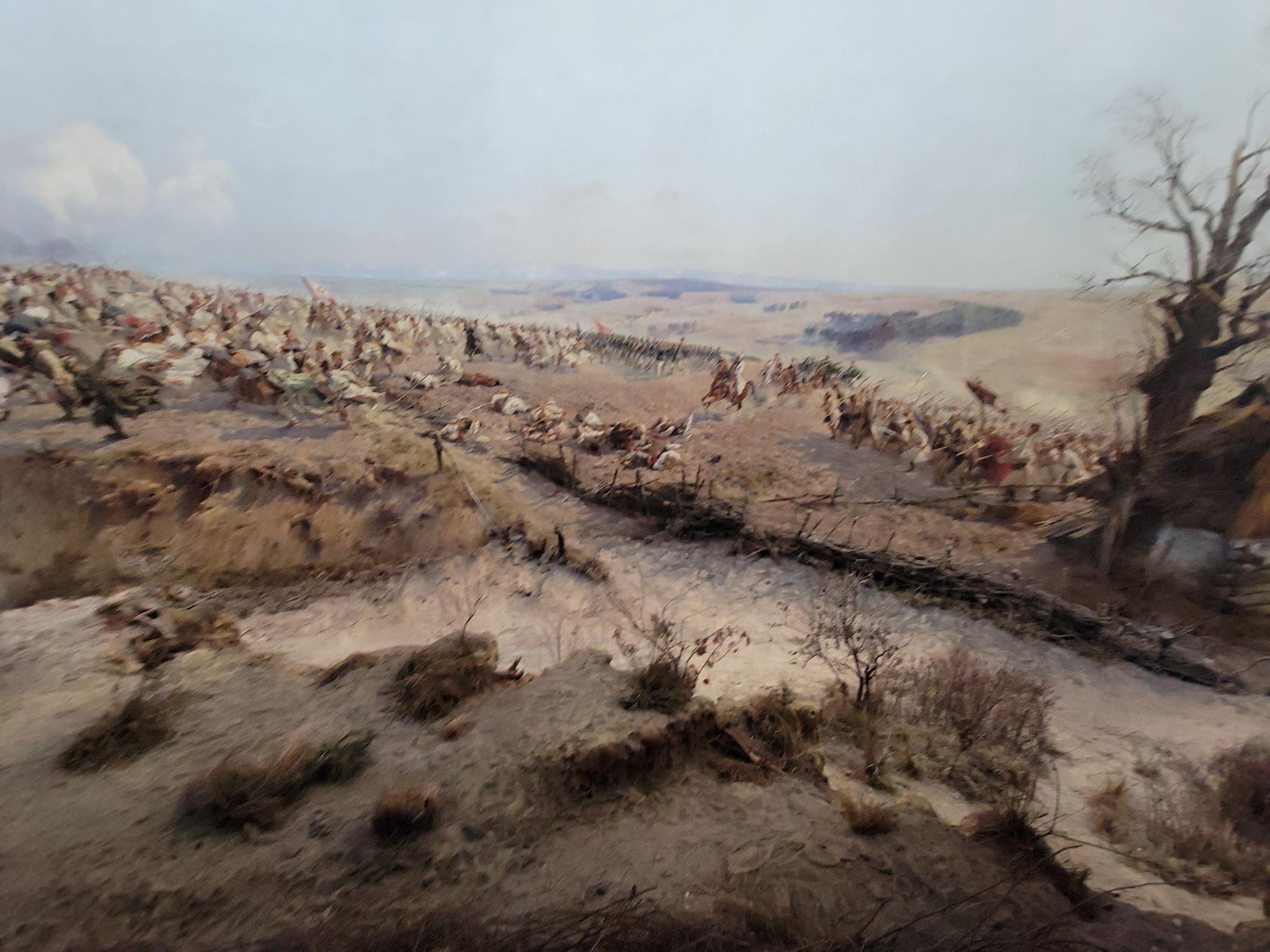
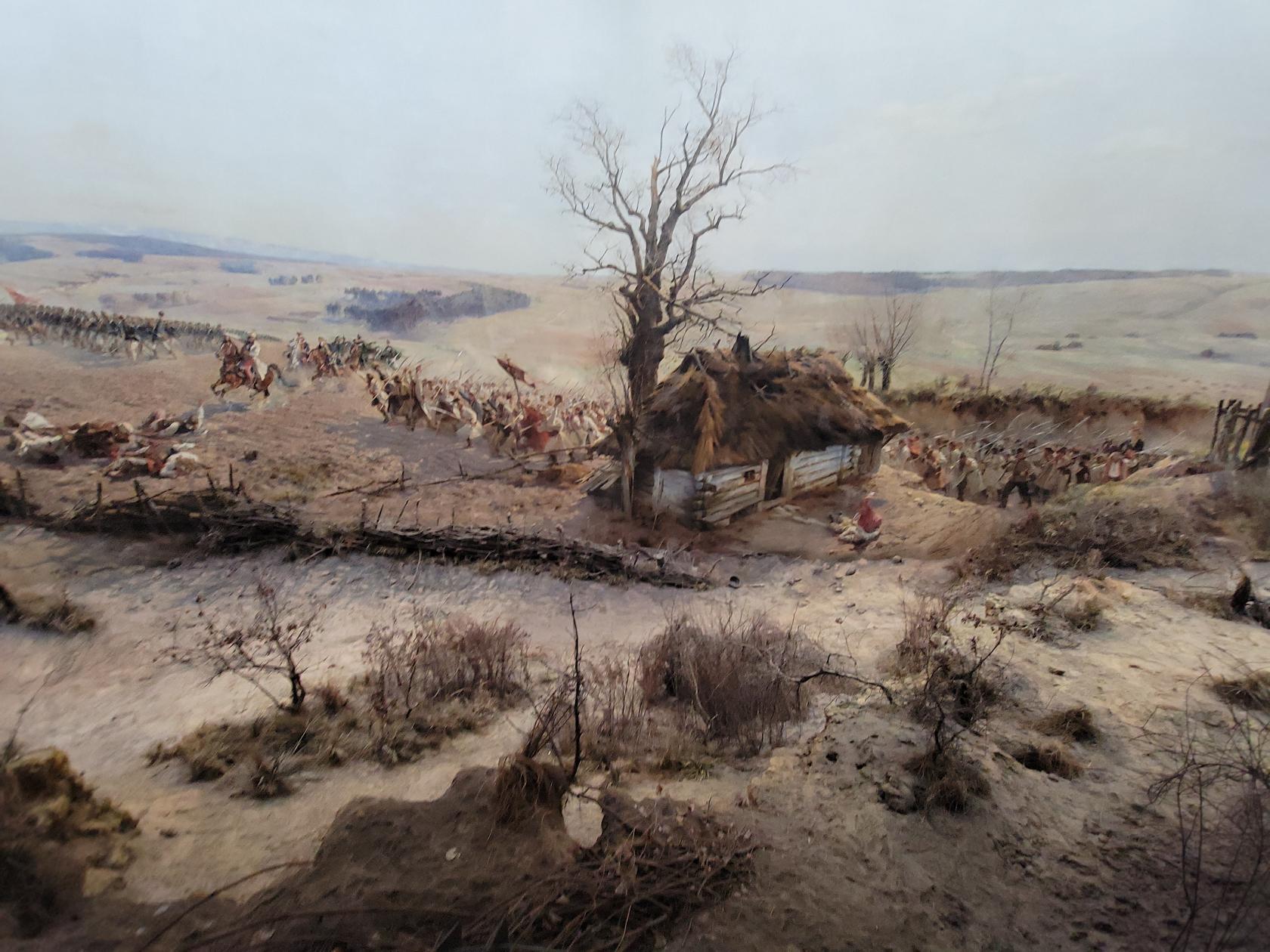
The museum provides a panorama of the Battle of Racławice which occurred in 1794 against the Russians. A branch of the National Museum in Wrocław, the museum is housed in a rotunda with a 360 degree canvas, as well as additional dioramatic accessory in the foreground, to give the visitor the feeling of what it might have been like during the battle.
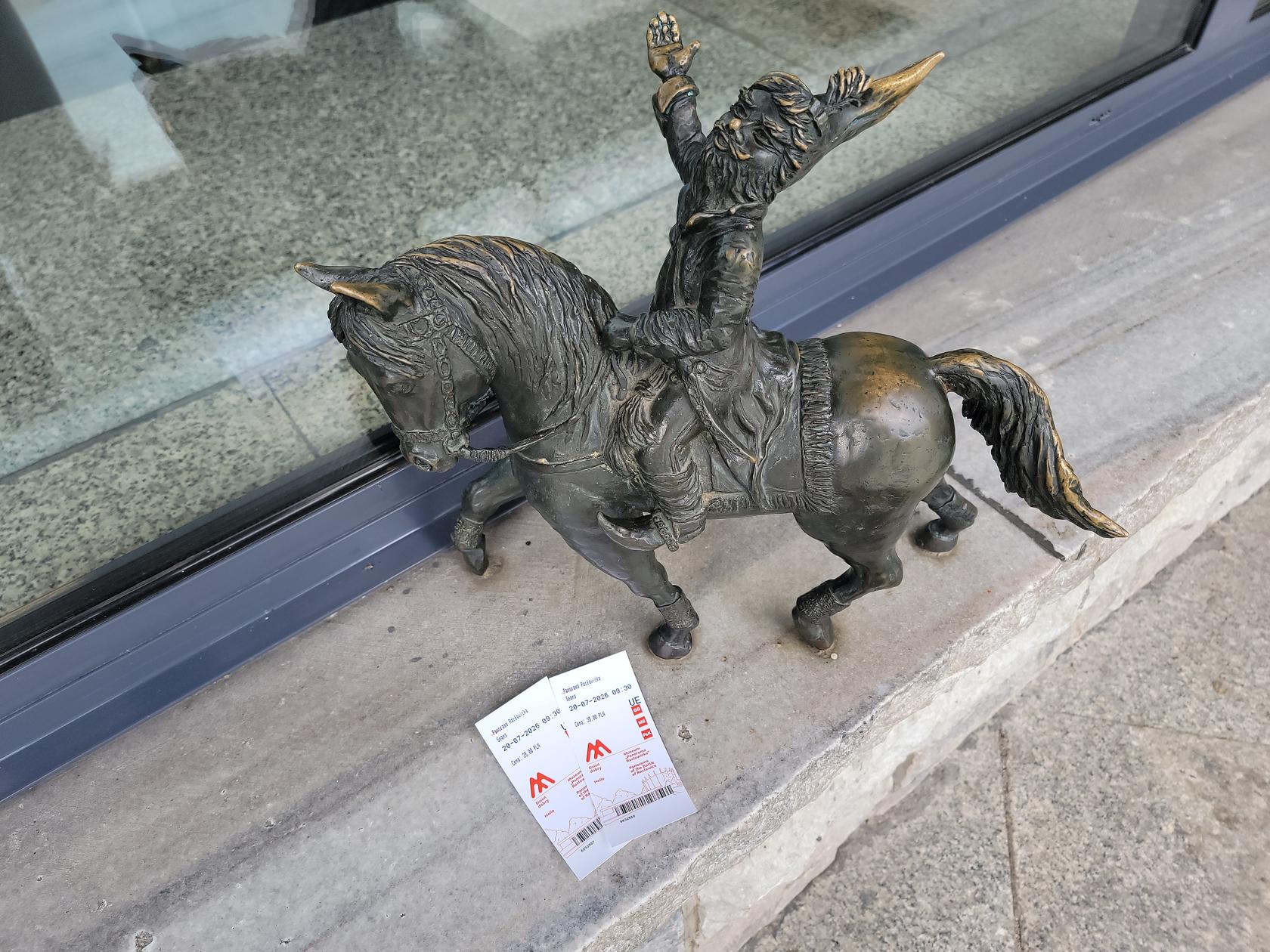
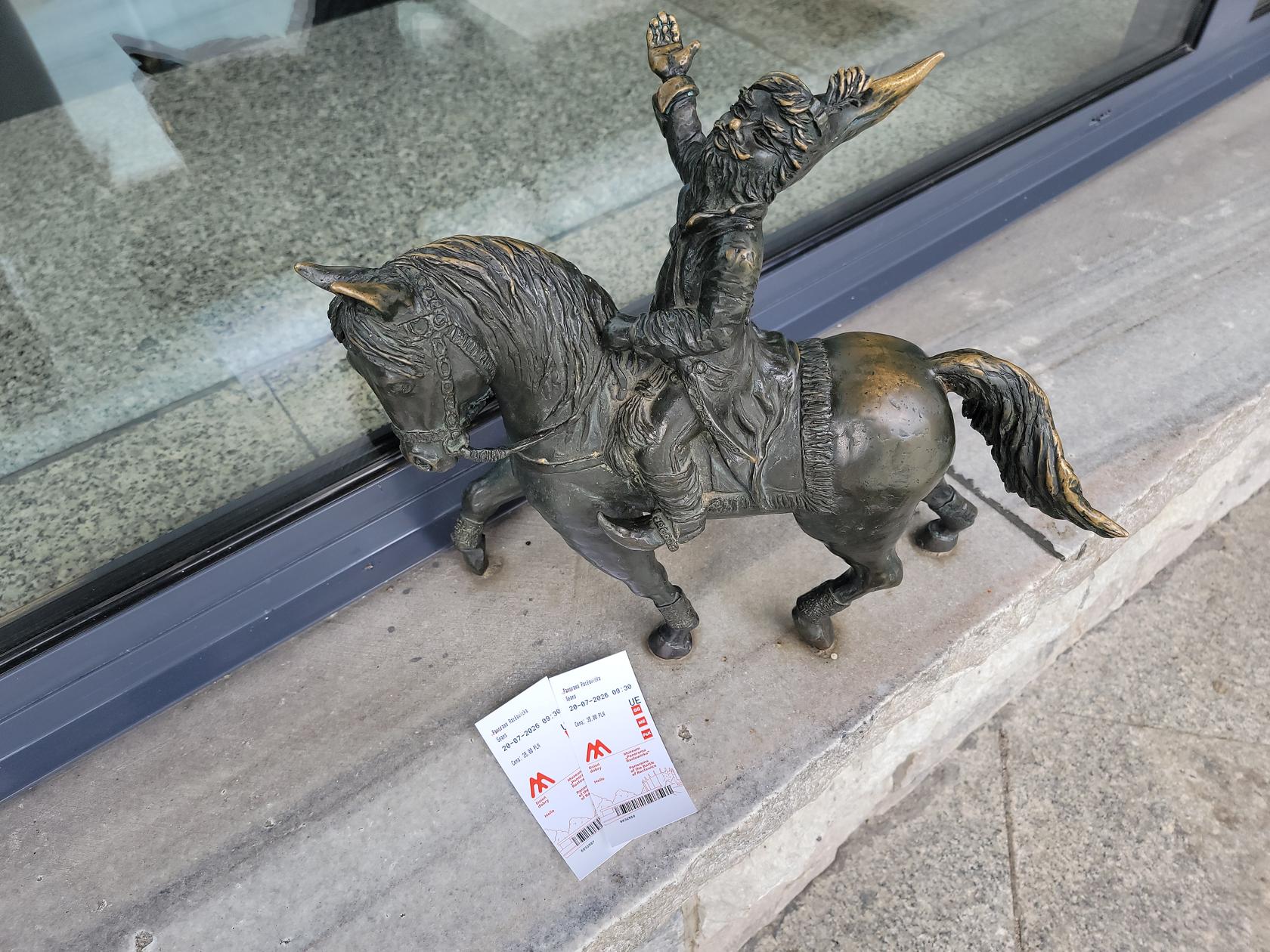
Tickets For Two – Panorama Racławicka Museum – Wrocław, Poland
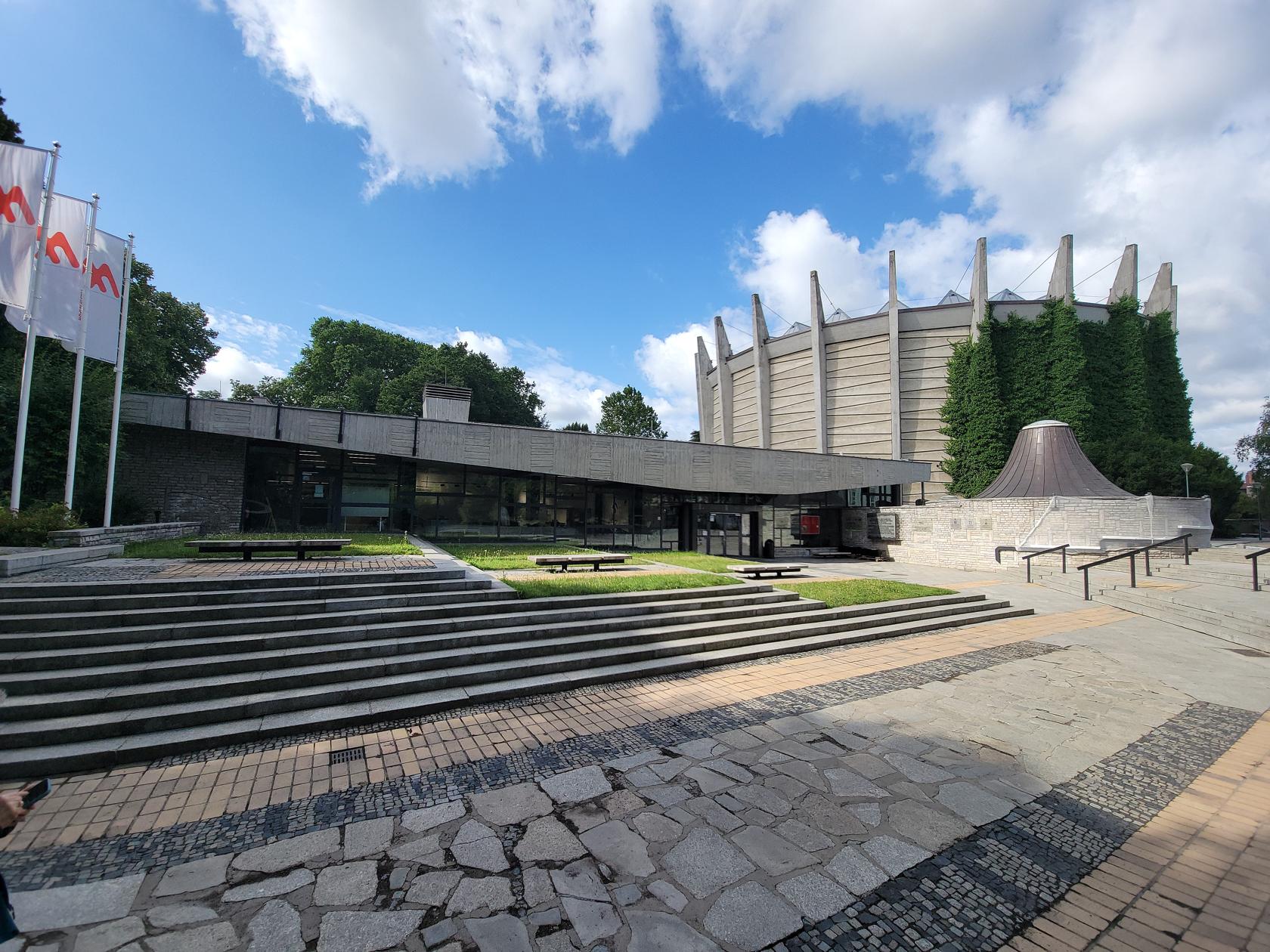
Entrance – Panorama Racławicka Museum – Wrocław, Poland
Inside – Panorama Racławicka Museum – Wrocław, Poland
It is a guided tour and language modules are provided so that everyone can enjoy the story of the battle as they move around the theater.
Scene 1 – Panorama Racławicka Museum – Wrocław, Poland
Scene 2 – Panorama Racławicka Museum – Wrocław, Poland
Scene 3 – Panorama Racławicka Museum – Wrocław, Poland
Scene 4 – Panorama Racławicka Museum – Wrocław, Poland
Scene 5 – Panorama Racławicka Museum – Wrocław, Poland
Scene 6 – Panorama Racławicka Museum – Wrocław, Poland
Scene 7 – Panorama Racławicka Museum – Wrocław, Poland
Scene 8 – Panorama Racławicka Museum – Wrocław, Poland
Scene 9 – Panorama Racławicka Museum – Wrocław, Poland
Scene 10 – Panorama Racławicka Museum – Wrocław, Poland
Scene 11 – Panorama Racławicka Museum – Wrocław, Poland
Scene 12 – Panorama Racławicka Museum – Wrocław, Poland
Church And Cathedrals
In this city you will find less churches, they are not as abundant as in Kraków. However, the ones you can visit and just as beautiful.
Wrocław Cathedral
Located across the Oder via the Sand and Tumski bridges, the Wrocław Cathedral has beautiful stained glass windows inside. They only adorn one side, since the windows on the other side are obfuscated by an adjoining structure, which in and of itself I found very odd.
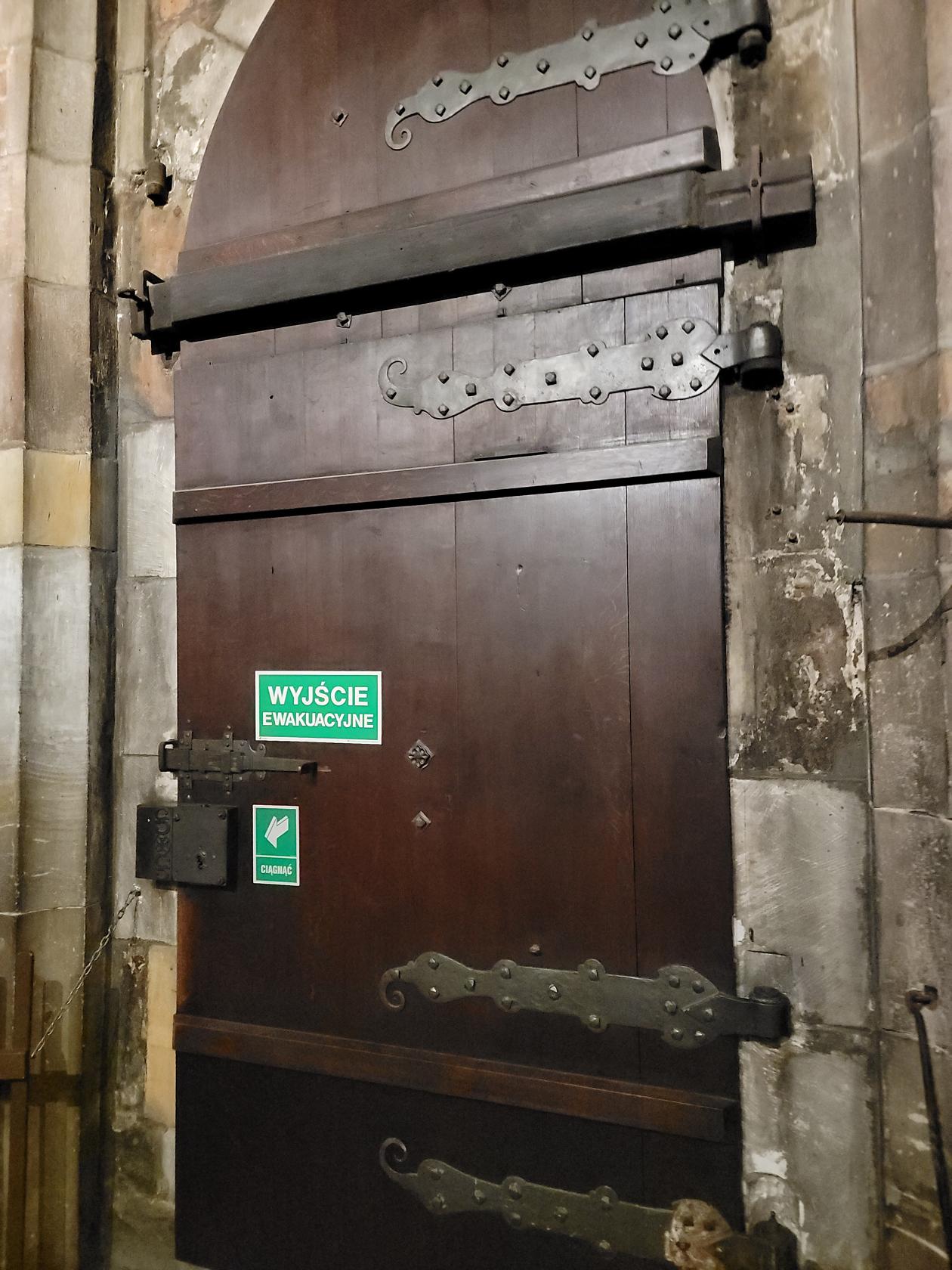
Old Door with Iron Hinges – Wrocław Cathedral – Wrocław, Poland
Cathedral Saint Mary Magdelena
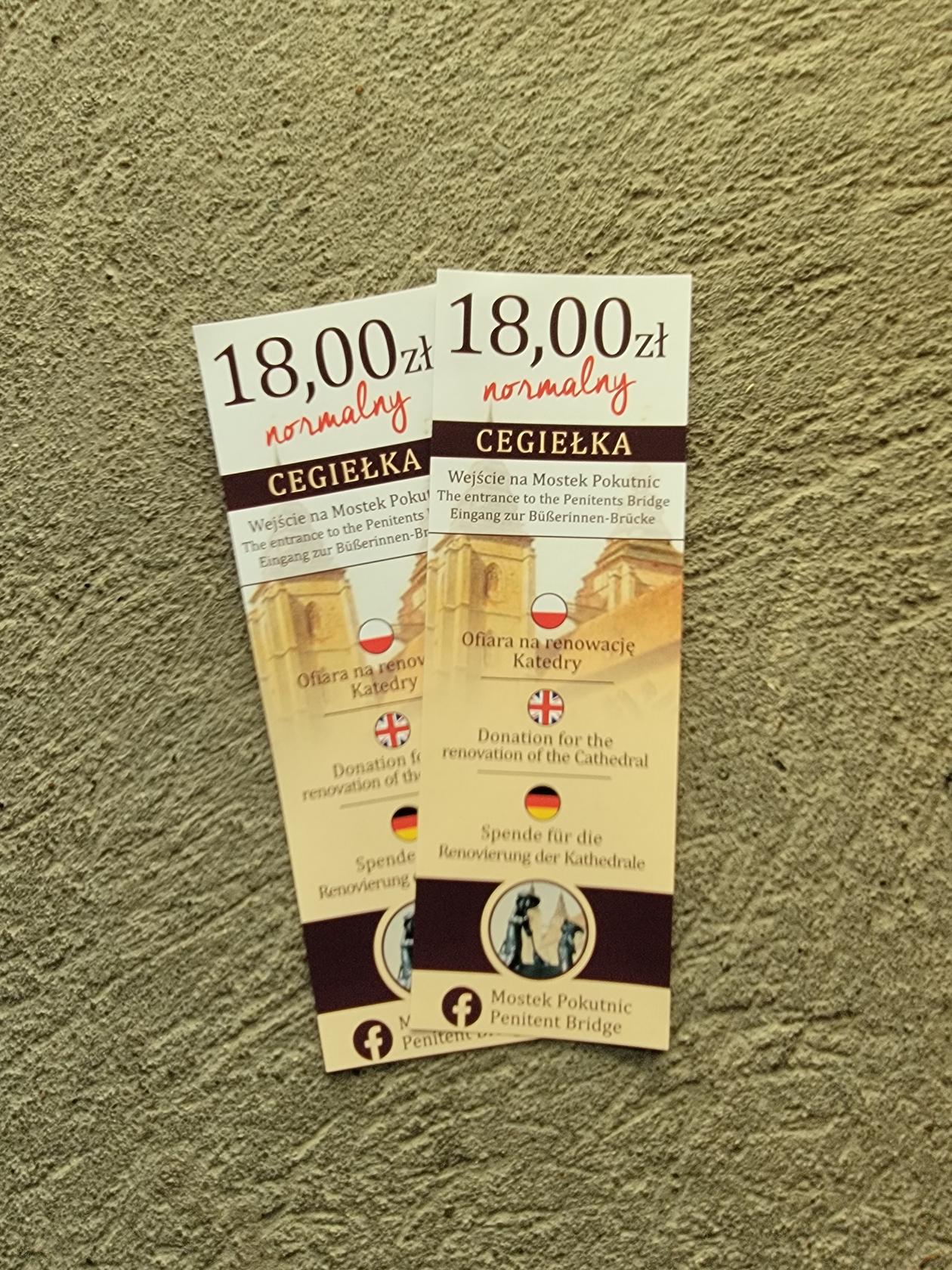
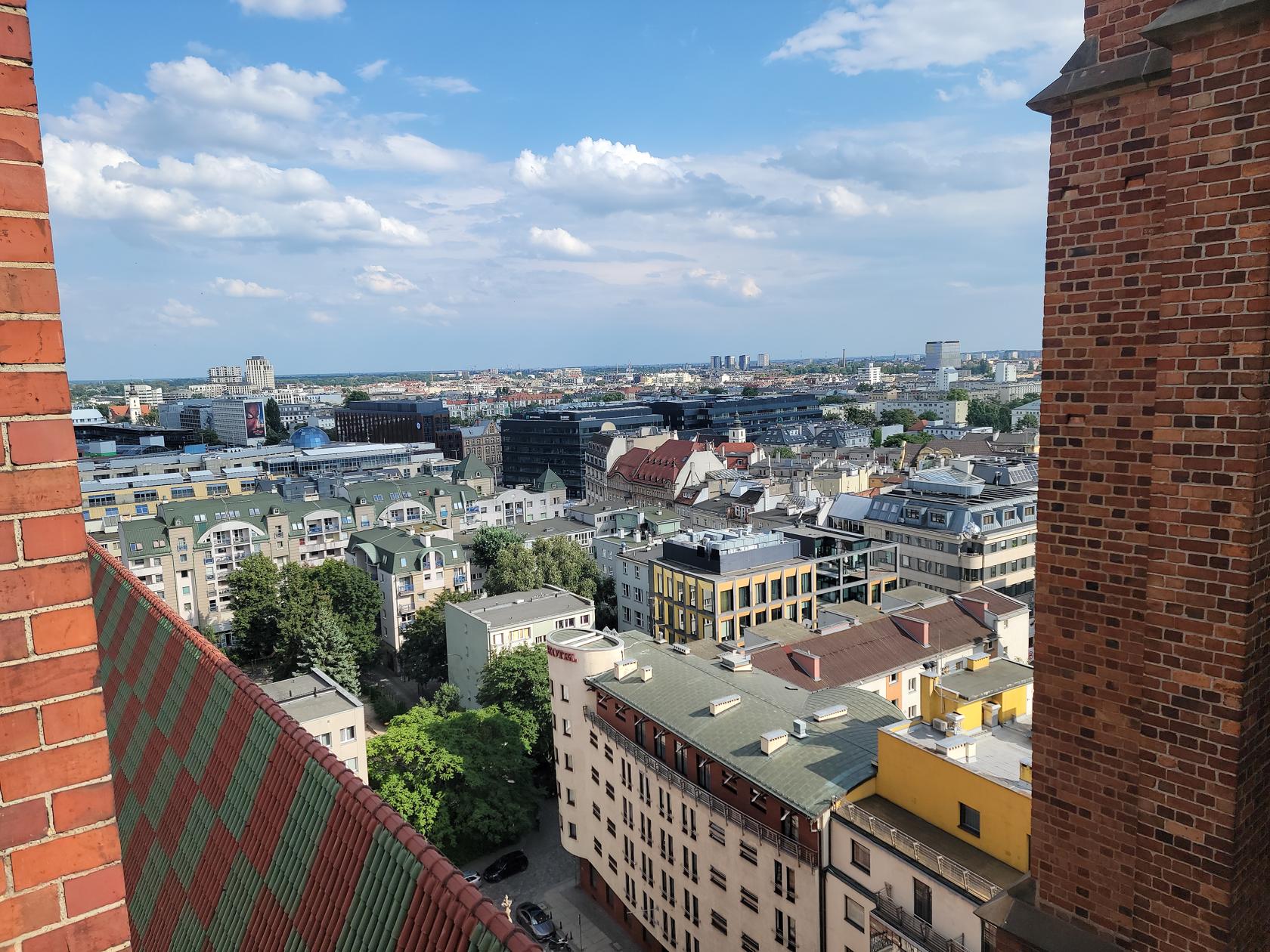
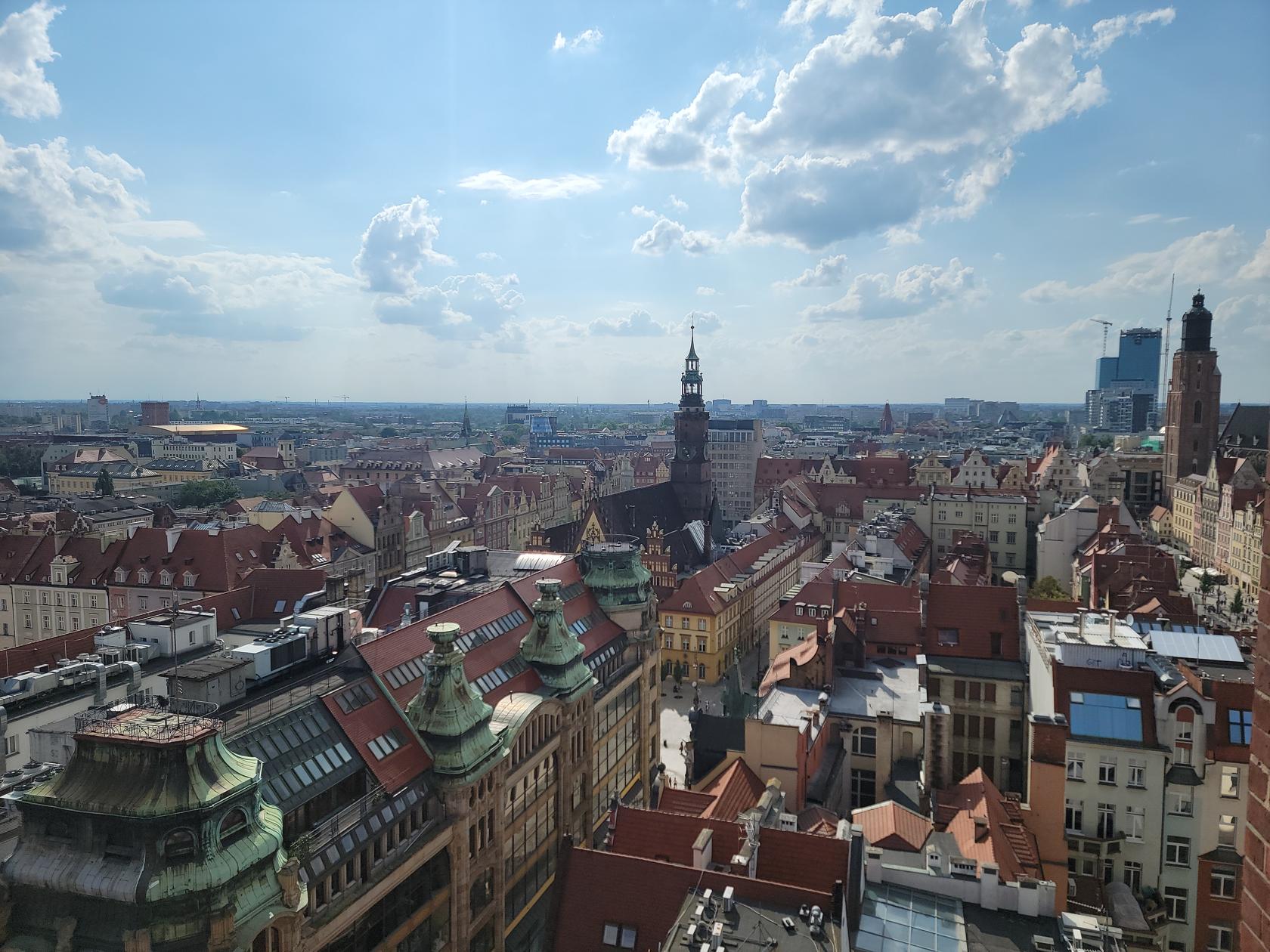
The Cathedral Saint Mary Magdelena is the one church where we paid for entrance, so that we could ascend the tower and view the city from the Penitent Bridge.
Tickets For Two – Cathedral Saint Mary Magdelena – Wrocław, Poland
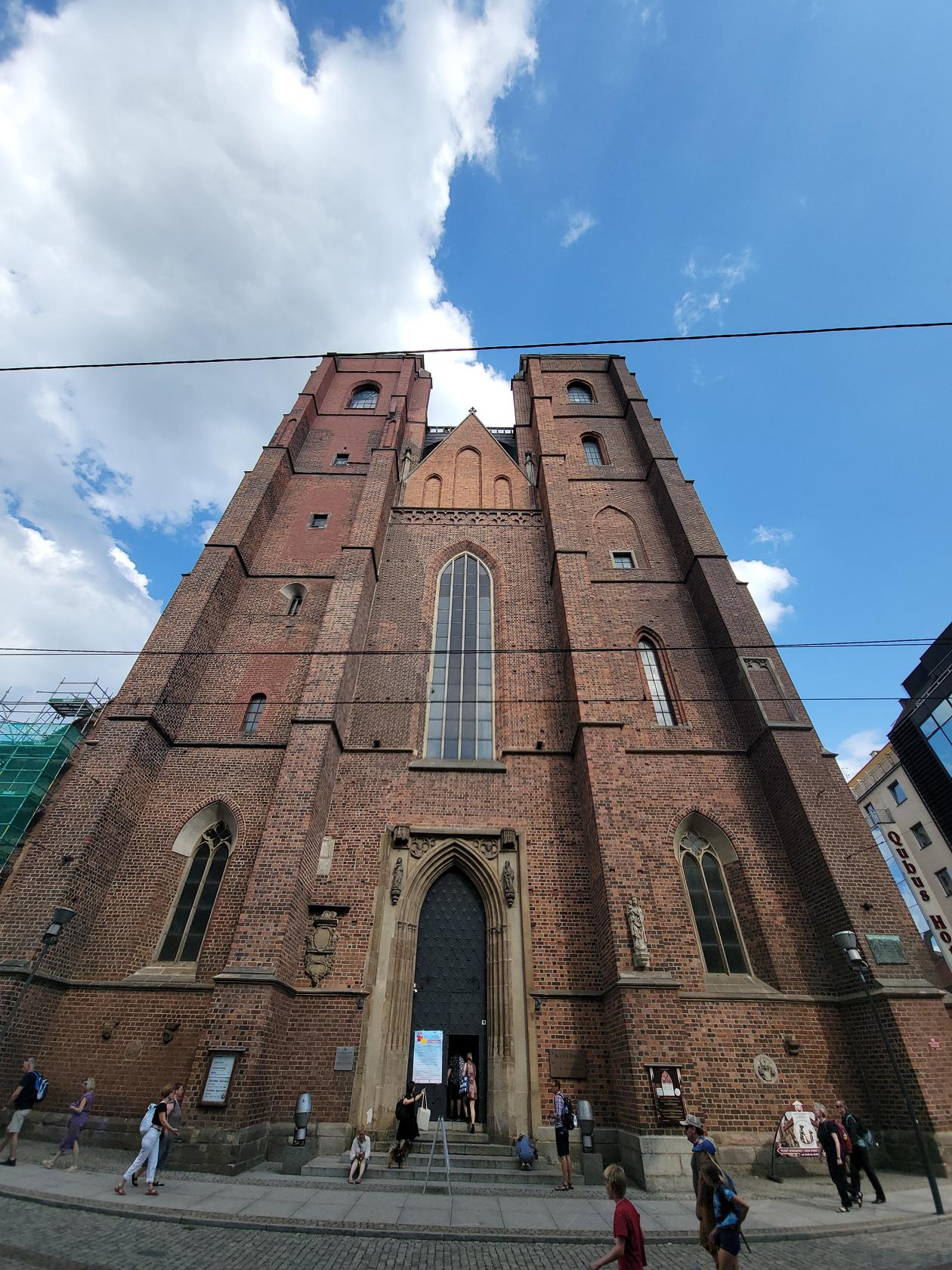
Front and Facade – Cathedral Saint Mary Magdelena – Wrocław, Poland
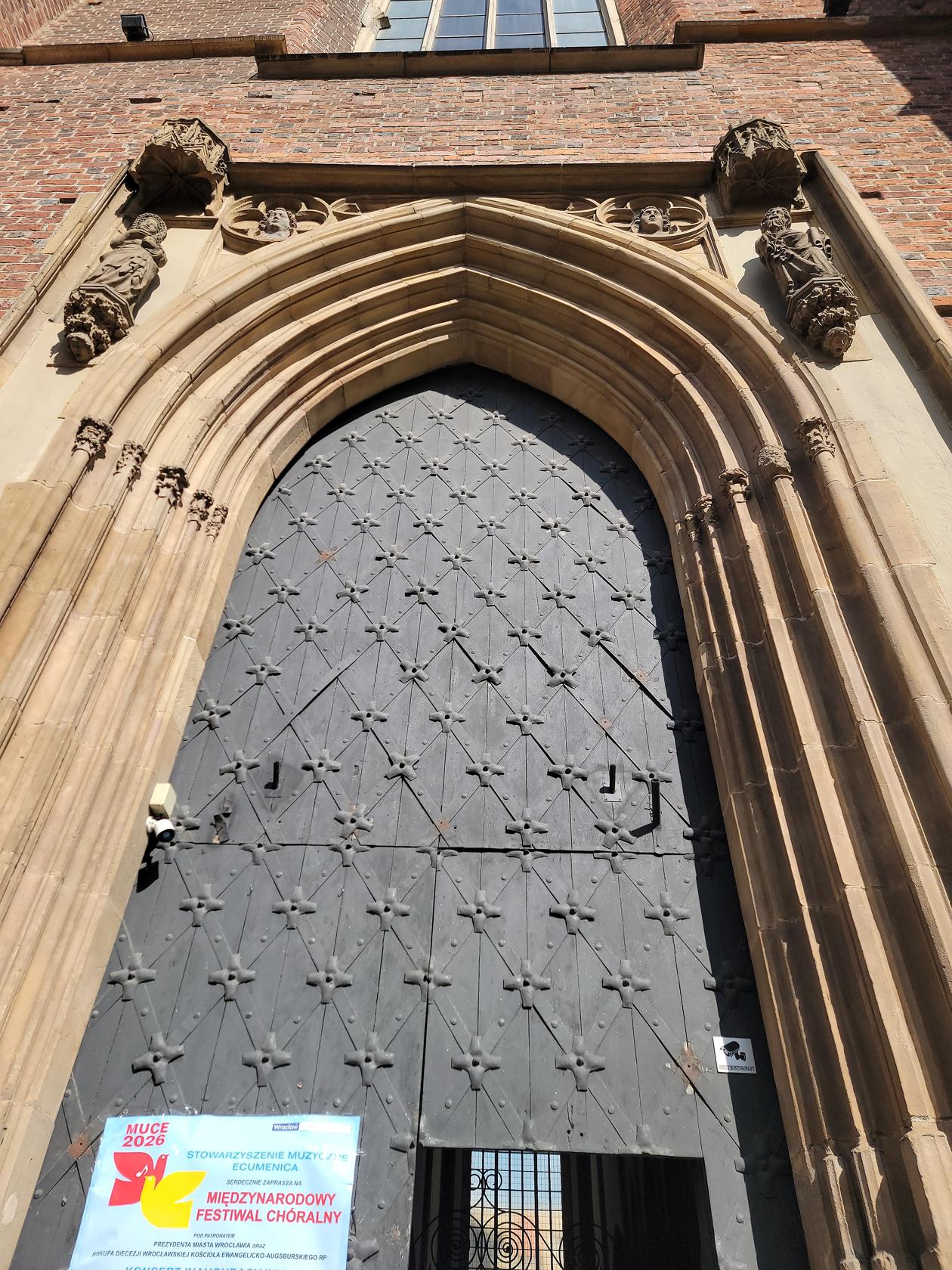
Entrance – Cathedral Saint Mary Magdelena – Wrocław, Poland
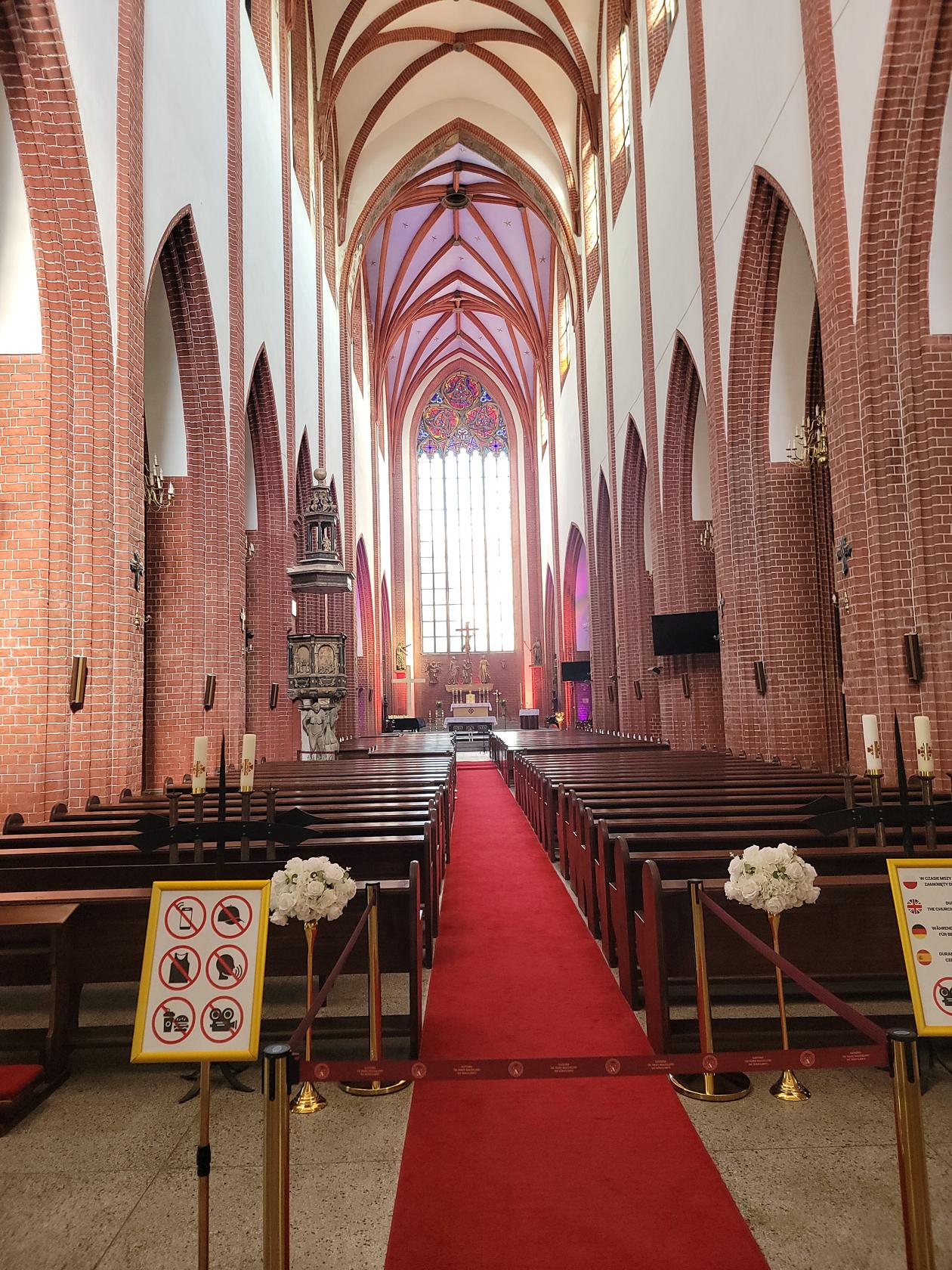
Nave – Cathedral Saint Mary Magdelena – Wrocław, Poland
City View – Penitent Tower – Cathedral Saint Mary Magdelena – Wrocław, Poland
City View – Penitent Tower – Cathedral Saint Mary Magdelena – Wrocław, Poland
Restaurants
In Wrocław we decided to scale back on the amount of Polish food we would consume, since it is very rich and calory laden.
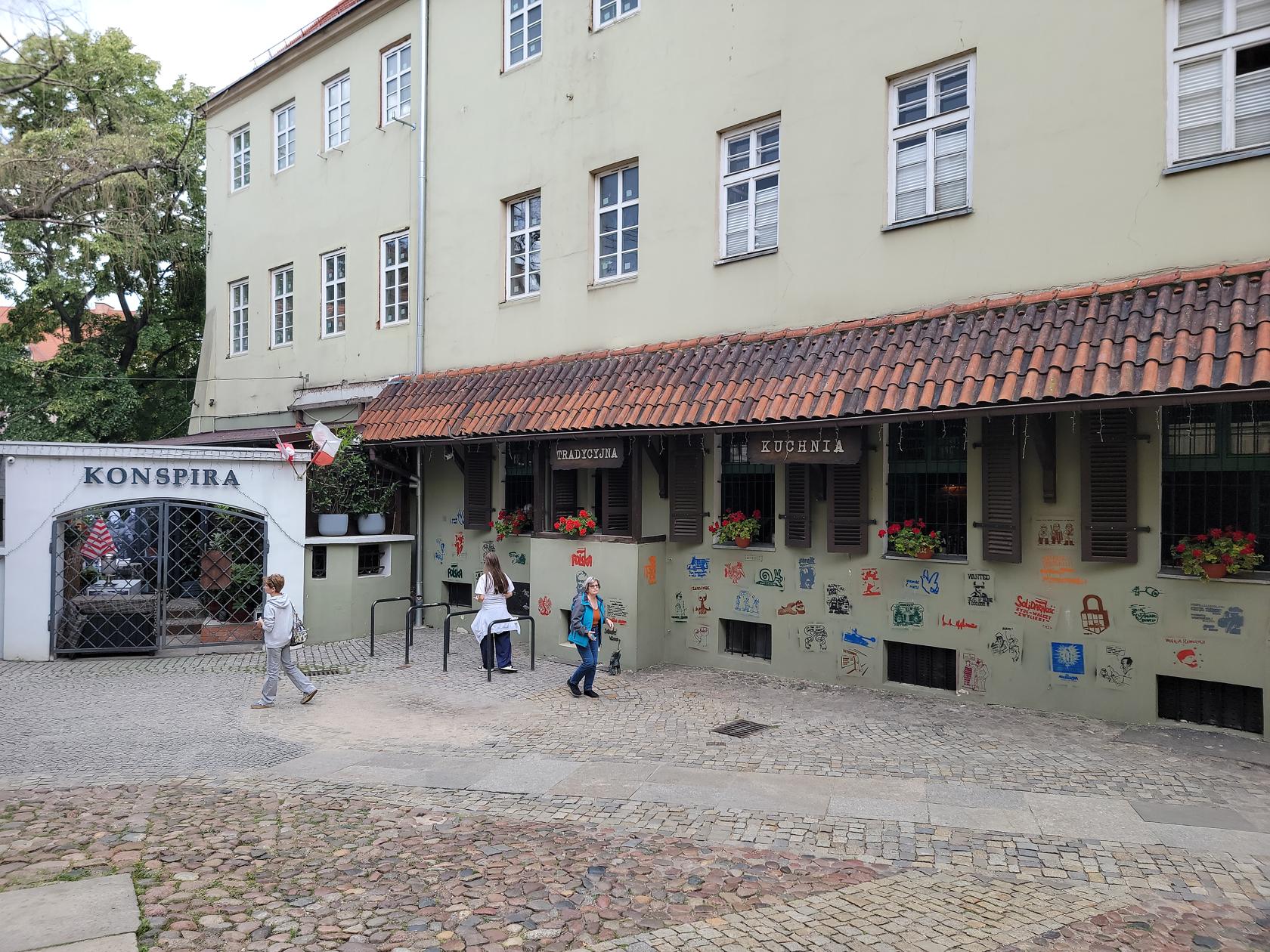
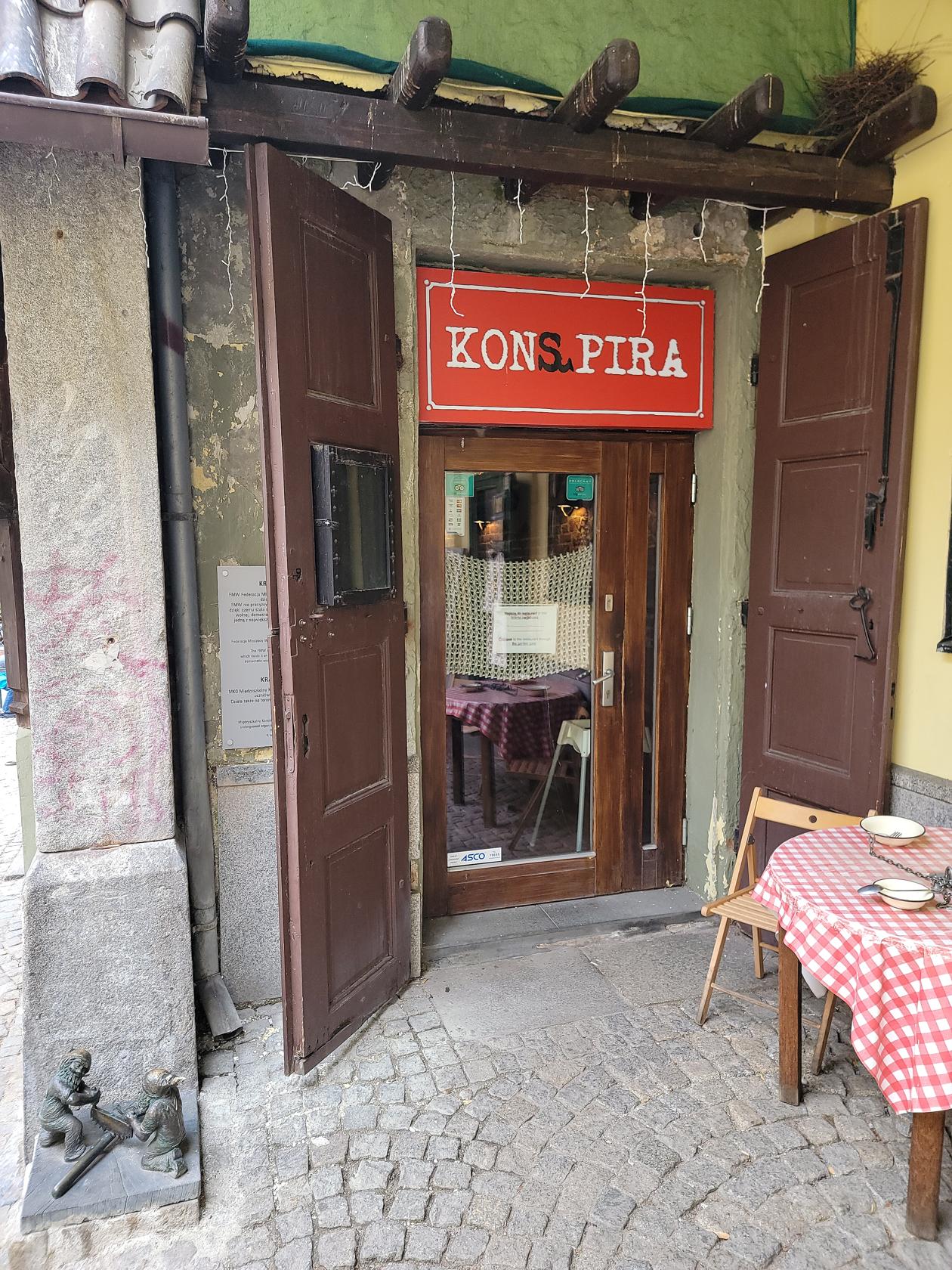
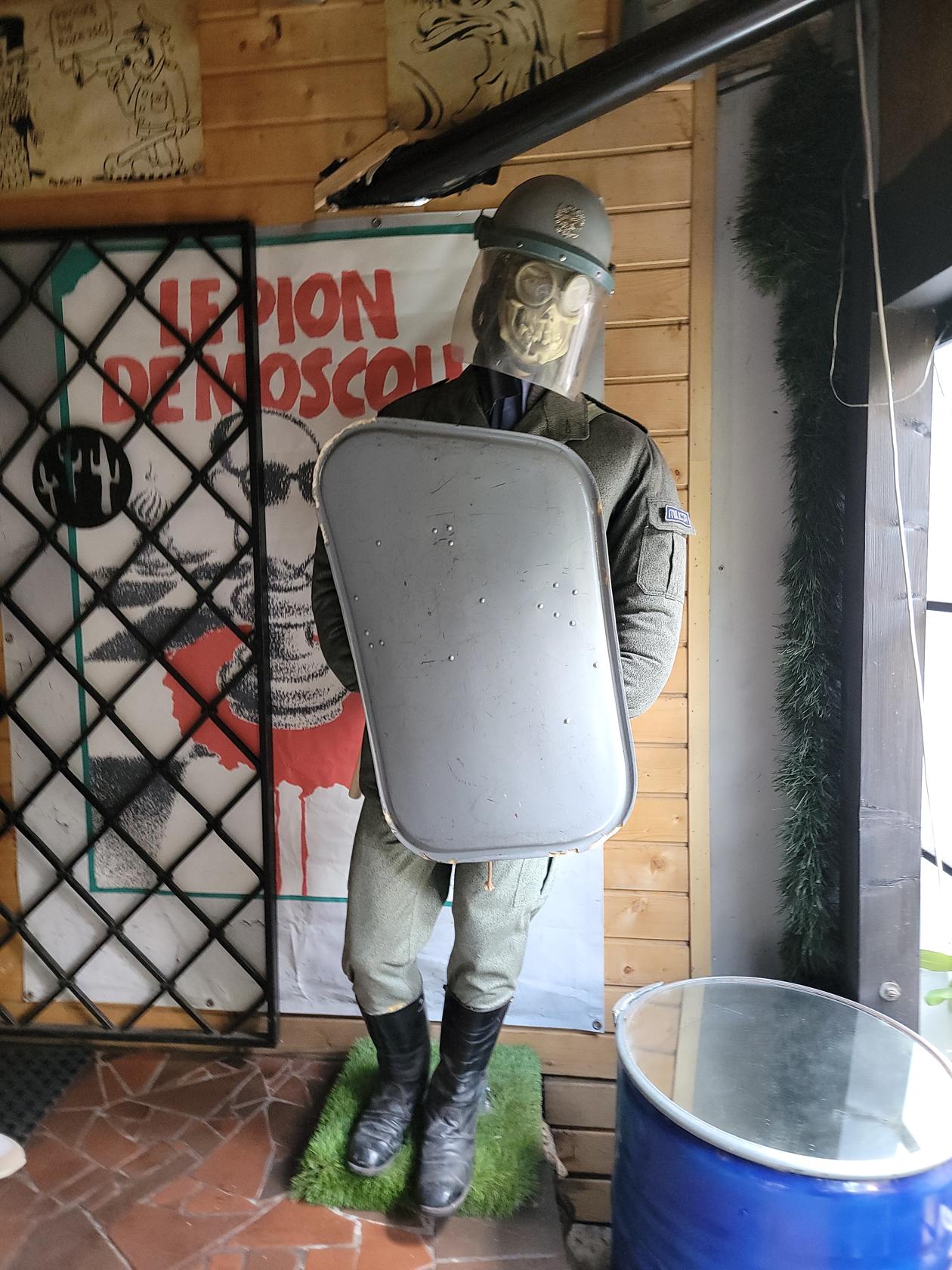
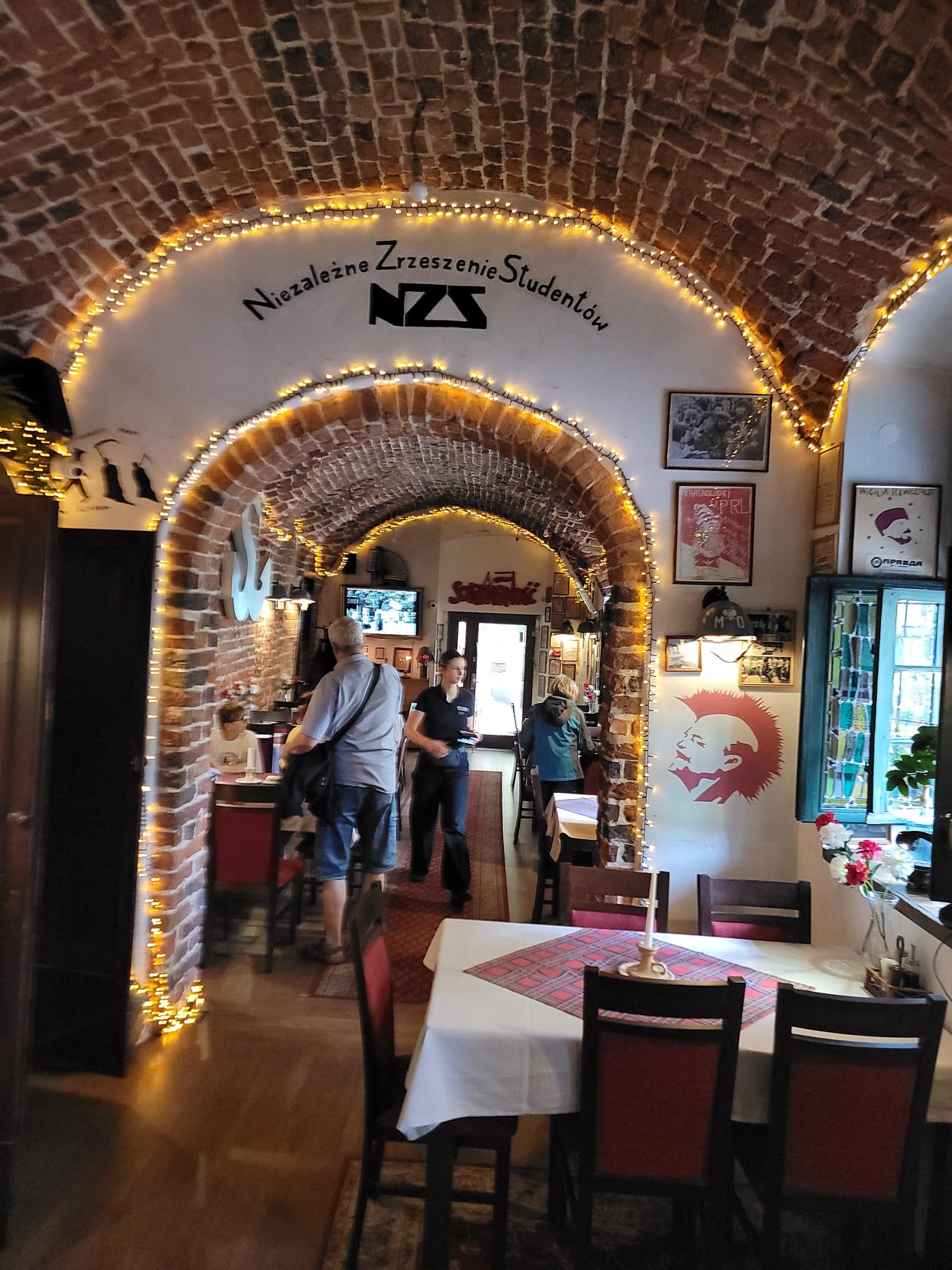
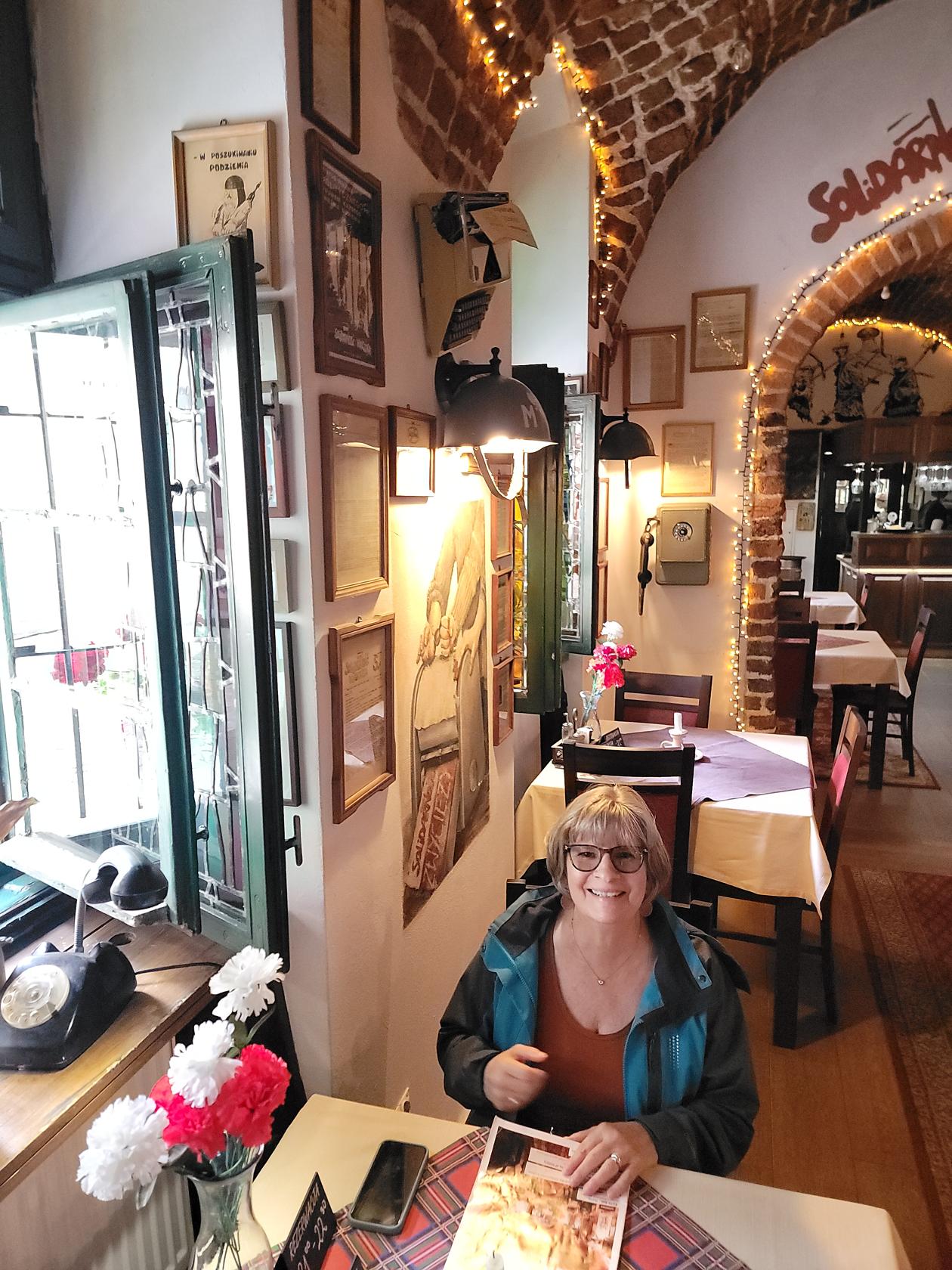
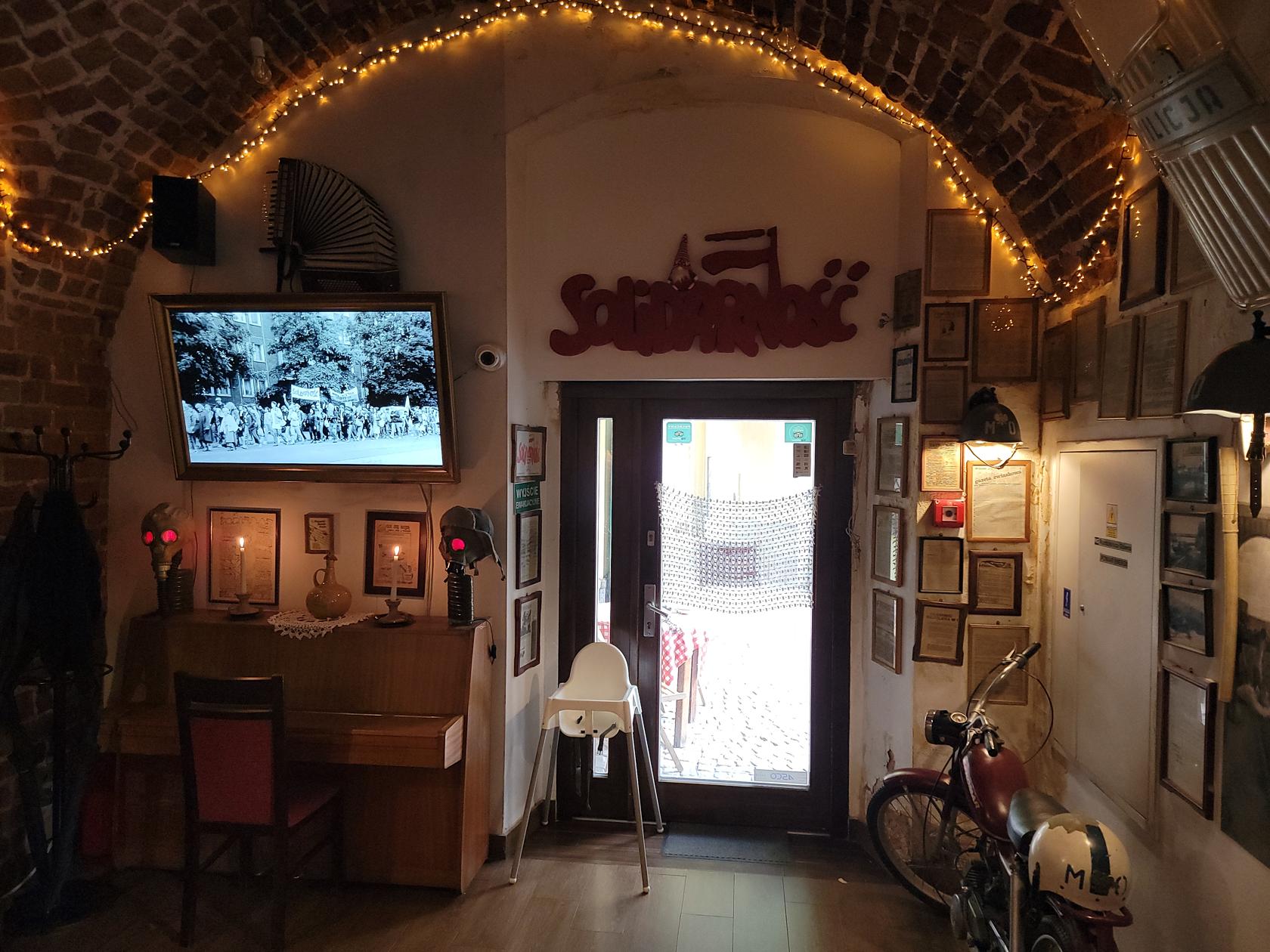
Konspira
The exception to the above remark was Konspira. A highly rated restaurant on Polish cusine and an interesting theme, the fight against the Soviets and communism.
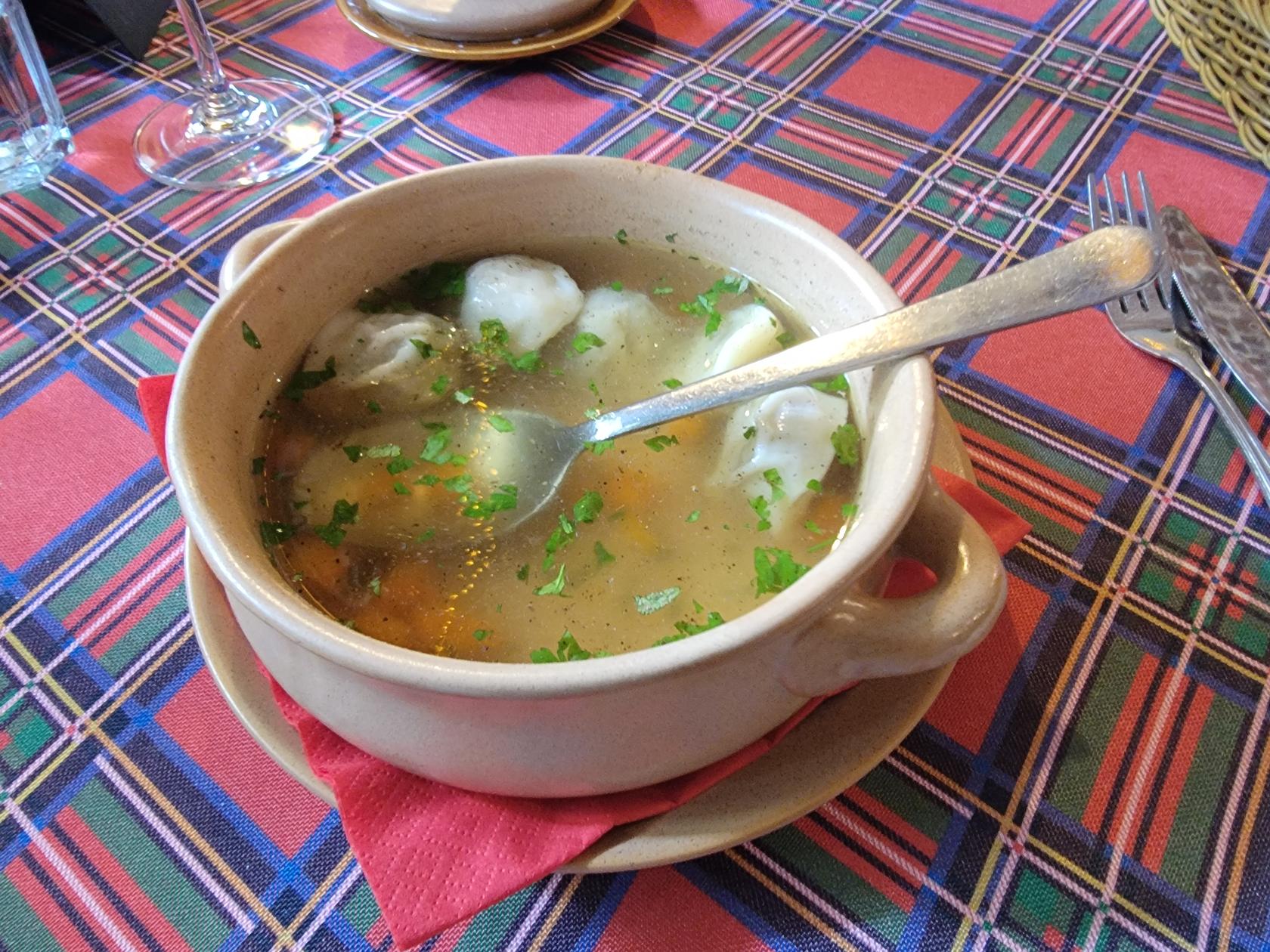
Chicken Broth with Dumplings – Konspira Restaurant – Wrocław, Poland
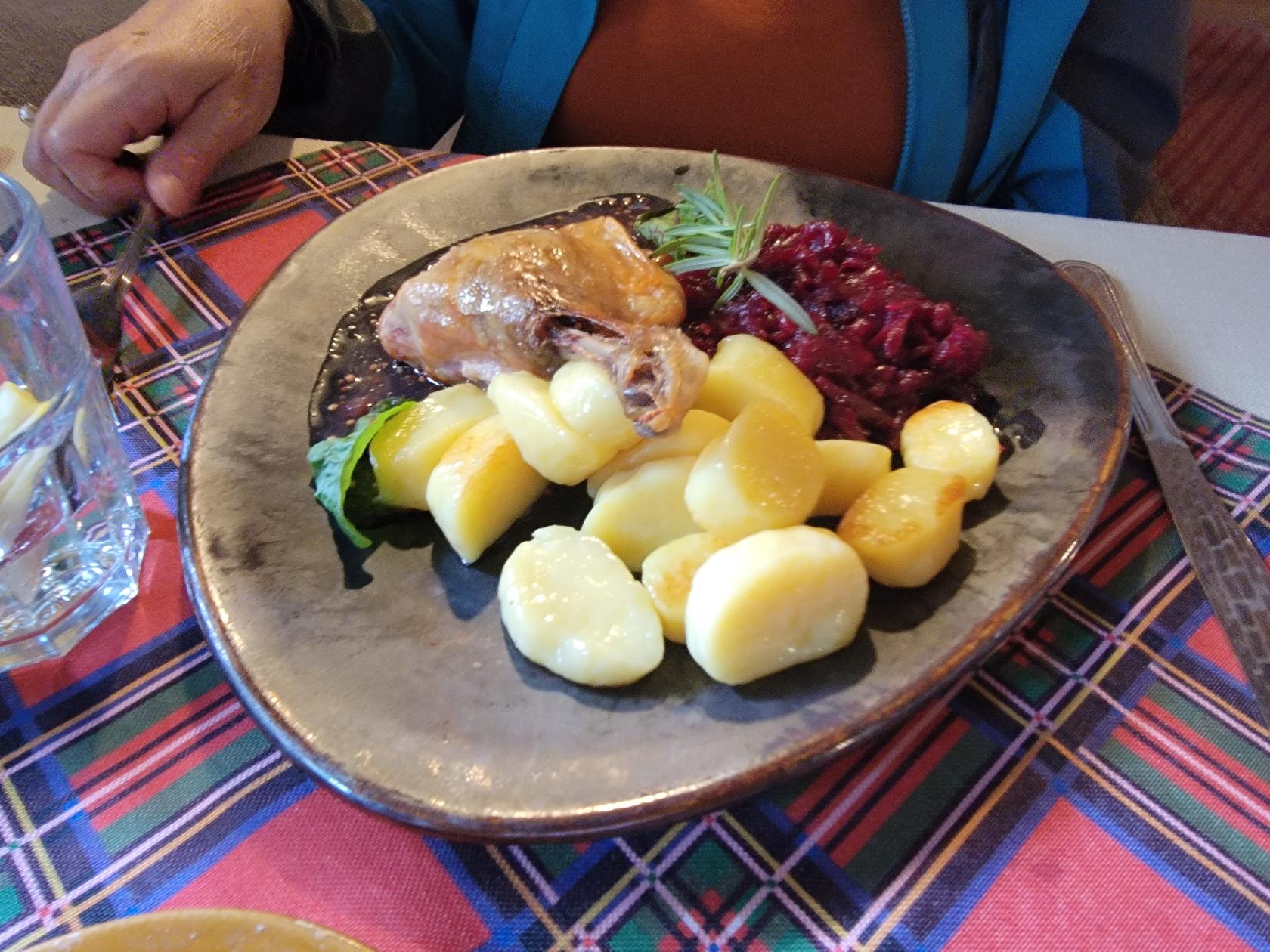
Duck with Potatoes and Cabbage – Konspira Restaurant – Wrocław, Poland
Wiatr Chinese Restaurant
A break away from the traditional food here, we chose to eat Chinese for lunch. The food here is very good and less filling, it is also a bit lighter on your wallet. We found it a good choice for food and speedy service.
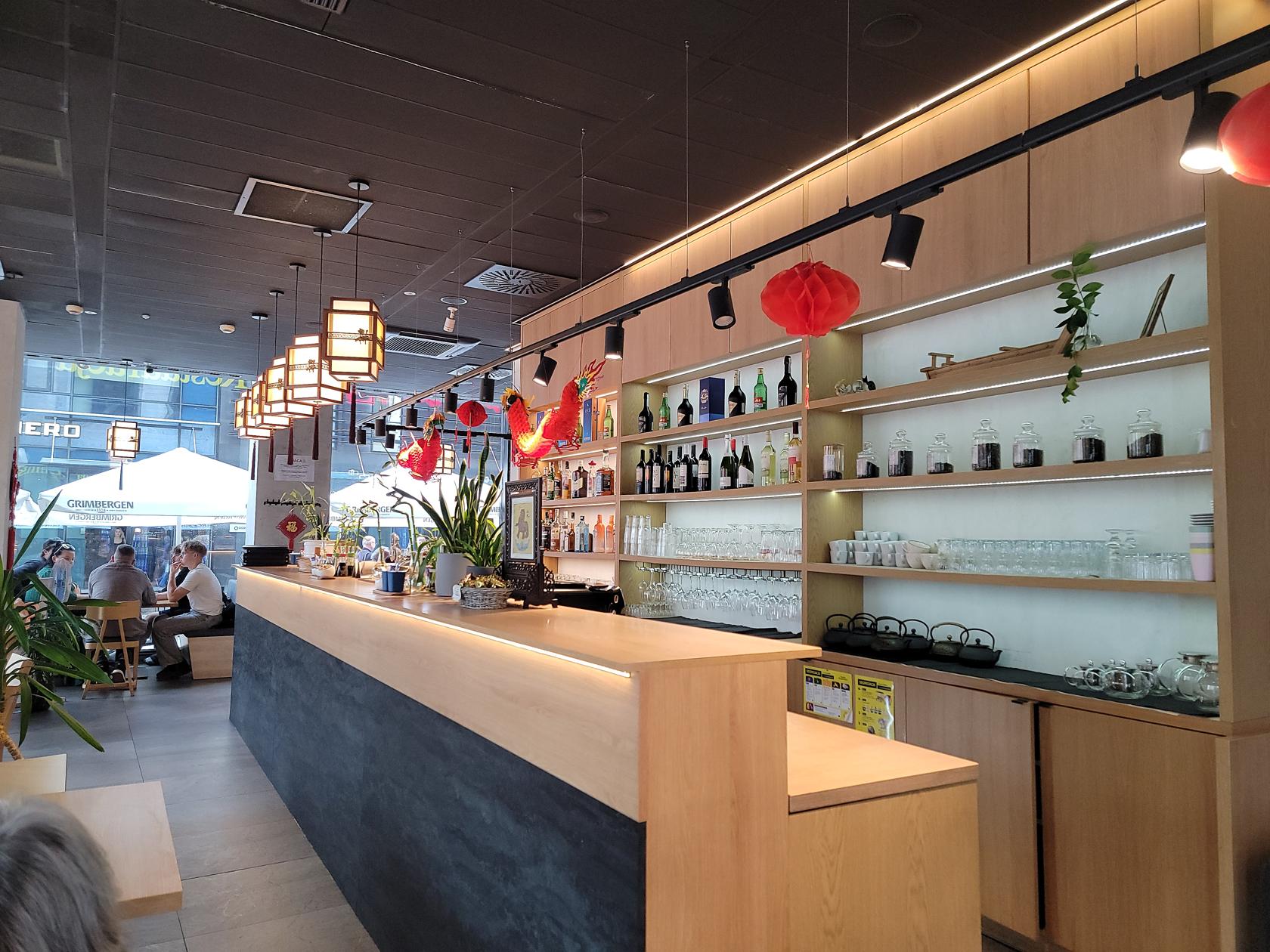
Bar – Wiatr Chinese Restaurant – Wrocław, Poland
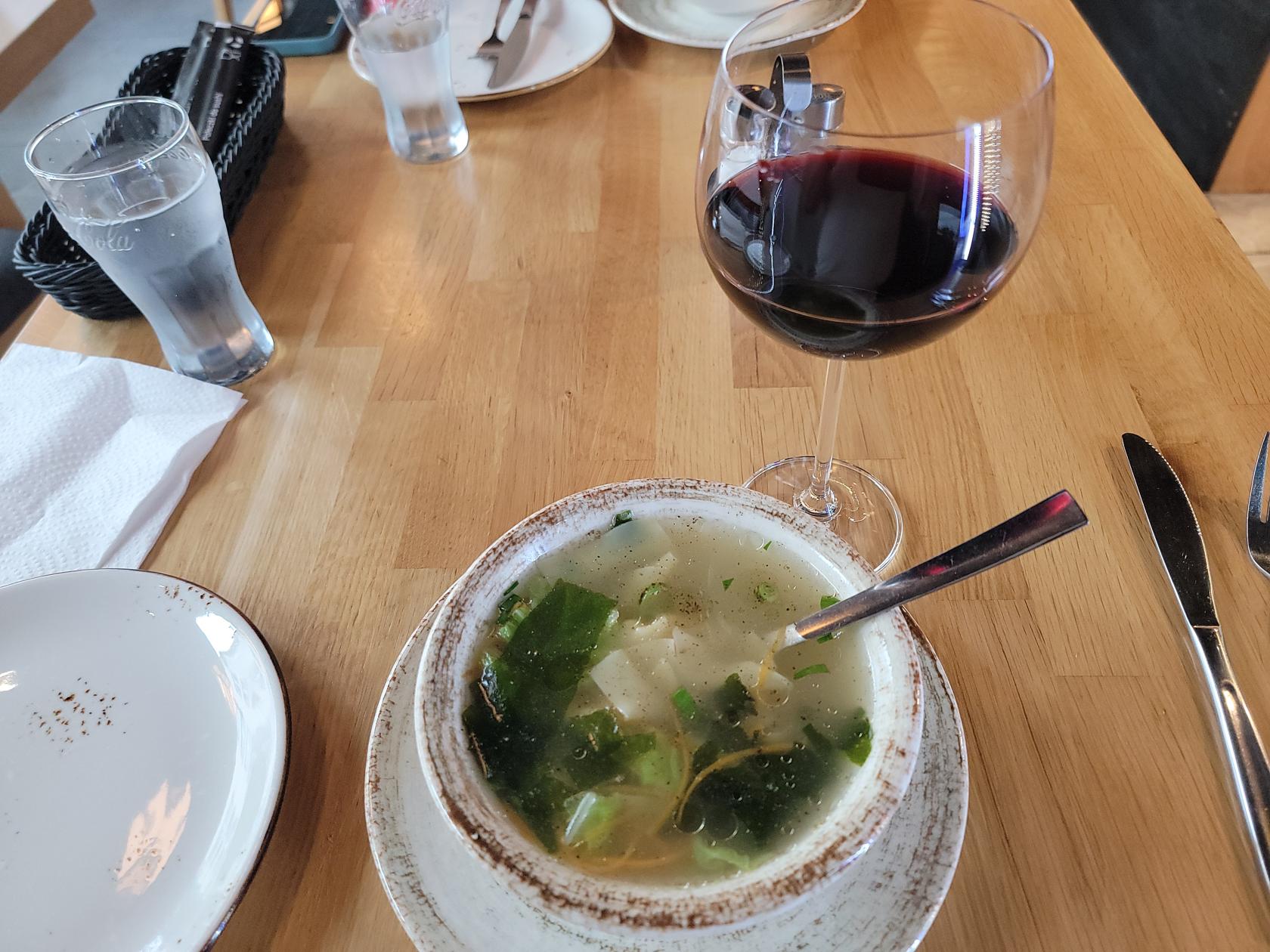
Wonton Soup – Wiatr Chinese Restaurant – Wrocław, Poland
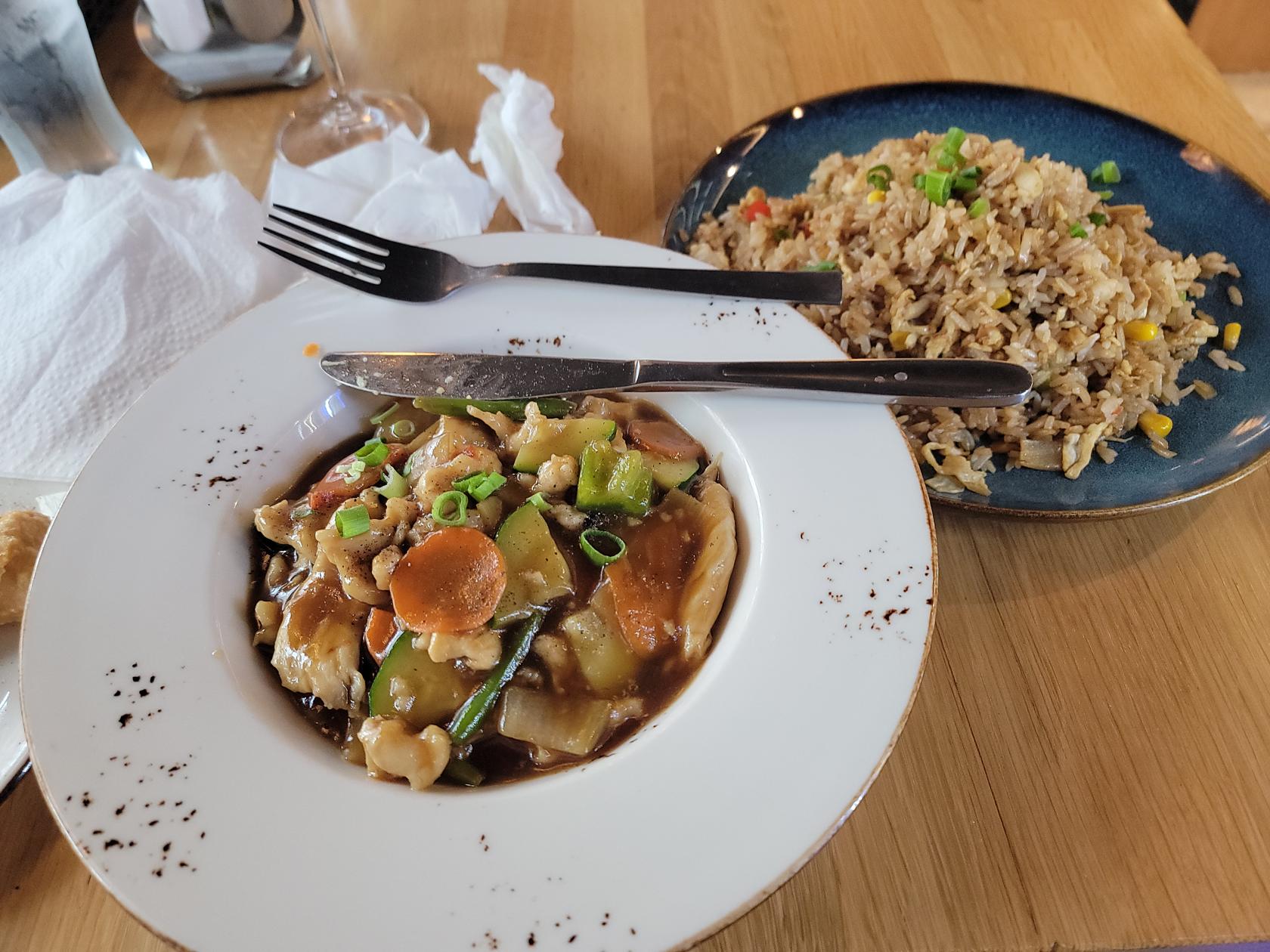
Chicken with Vegetables and Fried Rice – Wiatr Chinese Restaurant – Wrocław, Poland
Our final day in Kraków was seeing some interesting things we didn’t get a chance to see yet. Luckily the weather improved and we had excellent conditions, since the weather in Poland can be somewhat unpredictable.
Kraków
A medium sized city that is very well planned and maintained. Whoever is running the town is doing an excellent job, from the university integration, the city park that almost surrounds the town, its cleanliness, to all of the museums and attractions that are available to visitors. It has become one of our favorite places to visit.
Diorama – First Level – Town Hall Tower – Kraków, Poland
Wawel Royal Castle
A large complex to the south of town that forms that last part of the park that surrounds the city. The Wawel Royal Castle is perched on a small hill, Wawel Hill, that has a commanding view of the Vistula River and the surrounding countryside.
Cathedral – Wawel Royal Castle – Kraków, Poland
Cathedral – Wawel Royal Castle – Kraków, Poland
Cathedral – Wawel Royal Castle – Kraków, Poland
The castle has a multitude of museums and attractions to see inside and any visitor may purchase entry to any of them either à la carte, or by pre-priced packages. For our visit we chose the à la carte method, since we only wanted to see the Second Floor Museum, the Danish Tower Museum and the Dragon’s Den.
Courtyard – Second Floor Museum – Wawel Royal Castle – Kraków, Poland
Courtyard – Second Floor Museum – Wawel Royal Castle – Kraków, Poland
Entrance – Second Floor Museum – Wawel Royal Castle – Kraków, Poland
Second Floor Museum
Unlike the First Floor Museum, this museum has artwork, tapestries and other artifacts of artistic worth.
Tapestry – Second Floor Museum – Wawel Royal Castle – Kraków, Poland
Virgin and Child – Second Floor Museum – Wawel Royal Castle – Kraków, Poland
Virgin and Child – Second Floor Museum – Wawel Royal Castle – Kraków, Poland
Virgin and Child – Second Floor Museum – Wawel Royal Castle – Kraków, Poland
Old Ceramic Stove – Second Floor Museum – Wawel Royal Castle – Kraków, Poland
Ceiling – Second Floor Museum – Wawel Royal Castle – Kraków, Poland
Biblical Scenes – Second Floor Museum – Wawel Royal Castle – Kraków, Poland
Tapestries – Second Floor Museum – Wawel Royal Castle – Kraków, Poland
Plate Collection – Second Floor Museum – Wawel Royal Castle – Kraków, Poland
Armchair 16/17th century – Second Floor Museum – Wawel Royal Castle – Kraków, Poland
Men fighting bronze – Second Floor Museum – Wawel Royal Castle – Kraków, Poland
Istoriato Maiolica ceramic – Second Floor Museum – Wawel Royal Castle – Kraków, Poland
Busts – Second Floor Museum – Wawel Royal Castle – Kraków, Poland
Tapestry in Throne room – Second Floor Museum – Wawel Royal Castle – Kraków, Poland
Tapestry in Throne room – Second Floor Museum – Wawel Royal Castle – Kraków, Poland
Tapestry in Throne room – Second Floor Museum – Wawel Royal Castle – Kraków, Poland
Mosaic in Throne room – Second Floor Museum – Wawel Royal Castle – Kraków, Poland
Interesting Painting – Second Floor Museum – Wawel Royal Castle – Kraków, Poland
More Paintings – Second Floor Museum – Wawel Royal Castle – Kraków, Poland
Painting – Second Floor Museum – Wawel Royal Castle – Kraków, Poland
Fireplace – Second Floor Museum – Wawel Royal Castle – Kraków, Poland
Tapestry – Second Floor Museum – Wawel Royal Castle – Kraków, Poland
Old Italian Cabinet – Second Floor Museum – Wawel Royal Castle – Kraków, Poland
Ebony cabinet with rosewood – Second Floor Museum – Wawel Royal Castle – Kraków, Poland
Birchwood Cabinet – Second Floor Museum – Wawel Royal Castle – Kraków, Poland
Portrait King Sigismund III – Second Floor Museum – Wawel Royal Castle – Kraków, Poland
Ceiling – Second Floor Museum – Wawel Royal Castle – Kraków, Poland
Eagle Room – Second Floor Museum – Wawel Royal Castle – Kraków, Poland
Even the rooms are of some interest. The rather large Senators Room being clad in a treated gilded leather.
Senators’ Hall – Second Floor Museum – Wawel Royal Castle – Kraków, Poland
Senators’ Hall – Second Floor Museum – Wawel Royal Castle – Kraków, Poland
Senators’ Hall – Second Floor Museum – Wawel Royal Castle – Kraków, Poland
Gilt Leather wall covering – Senators’ Hall – Second Floor Museum – Wawel Royal Castle – Kraków, Poland
Senators’ Hall – Second Floor Museum – Wawel Royal Castle – Kraków, Poland
Ottoman Tent Exhibit
At the end of the Second Floor Museum was a fascinating exhibit on tents from the Ottoman Dynasty. Most of these were captured during the battles with them during the First World War and used by the counterparts during those campaigns.
Turkish Ottoman Tent Selection – Second Floor Museum – Wawel Royal Castle – Kraków, Poland
Turkish Ottoman Tent Selection – Second Floor Museum – Wawel Royal Castle – Kraków, Poland
Turkish Ottoman Tent Selection – Second Floor Museum – Wawel Royal Castle – Kraków, Poland
Turkish Ottoman Tent Selection – Second Floor Museum – Wawel Royal Castle – Kraków, Poland
Turkish Ottoman Tent Selection – Second Floor Museum – Wawel Royal Castle – Kraków, Poland
Turkish Ottoman Tent Selection – Second Floor Museum – Wawel Royal Castle – Kraków, Poland
Turkish Ottoman Tent Selection – Second Floor Museum – Wawel Royal Castle – Kraków, Poland
Turkish Ottoman Tent Selection – Second Floor Museum – Wawel Royal Castle – Kraków, Poland
Turkish Ottoman Tent Selection – Second Floor Museum – Wawel Royal Castle – Kraków, Poland
Danish Tower Museum
Here you can learn a little more of the types of wares that were made and traded in the area. From childrens clay toys to pipes, the bottom parts of the tower holds a museum full of old crafts.
Courtyard – Wawel Royal Castle – Kraków, Poland
Courtyard – Wawel Royal Castle – Kraków, Poland
Courtyard – Wawel Royal Castle – Kraków, Poland
Apothecary Display – Danish Tower Museum – Wawel Royal Castle – Kraków, Poland
Coins – Danish Tower Museum – Wawel Royal Castle – Kraków, Poland
Inkwells, compass – Danish Tower Museum – Wawel Royal Castle – Kraków, Poland
Small jars and pipes – Danish Tower Museum – Wawel Royal Castle – Kraków, Poland
Pipes – Danish Tower Museum – Wawel Royal Castle – Kraków, Poland
Pipes – Danish Tower Museum – Wawel Royal Castle – Kraków, Poland
Toys and Child Shoes – Danish Tower Museum – Wawel Royal Castle – Kraków, Poland
Pipe and Clay Piggy – Danish Tower Museum – Wawel Royal Castle – Kraków, Poland
Clay Piggybank – Danish Tower Museum – Wawel Royal Castle – Kraków, Poland
Then after you are done enjoying all the exhibits the tower offers a nice view of the Vistula, the rest of the castle and surrounding area.
City Overview – Danish Tower Museum – Wawel Royal Castle – Kraków, Poland
Old Tower – Danish Tower Museum – Wawel Royal Castle – Kraków, Poland
Roof – Danish Tower Museum – Wawel Royal Castle – Kraków, Poland
Courtyard – Danish Tower Museum – Wawel Royal Castle – Kraków, Poland
Tower – Danish Tower Museum – Wawel Royal Castle – Kraków, Poland
Towers part of the castle – Danish Tower Museum – Wawel Royal Castle – Kraków, Poland
Dragon’s Den
Smok Wawelski Statue – Dragon’s Den – Wawel Royal Castle – Kraków, Poland
A must stop for kids and others interested in the myth and legend of the dragon of Wawel Castle, the Dragon’s Den cave offers a cooling respite along with some fun.
Entrance – Dragon’s Den – Wawel Royal Castle – Kraków, Poland
Cave – Dragon’s Den – Wawel Royal Castle – Kraków, Poland
Exit – Dragon’s Den – Wawel Royal Castle – Kraków, Poland
Patti – Dragon’s Den – Wawel Royal Castle – Kraków, Poland
There is even a media representation of Smok Wawelski lurking within the cave, which should motivate most young visitors to leave.
Town Hall Tower
The Town Hall Tower off on one corner of the great plaza in town is also open to scale for a price. There are two or three floors seperated by very narrow stairs that must be negotiated with people going in both directions.
Town Hall Tower – Kraków, Poland
Town Hall and Tower Bronze – Town Hall Tower – Kraków, Poland
First Level – Town Hall Tower – Kraków, Poland
Entrance and Stairs – Town Hall Tower – Kraków, Poland
Stairs – Town Hall Tower – Kraków, Poland
First Level – Town Hall Tower – Kraków, Poland
However, aside from the few exhibits that are contained on each floor, the top is not open and you must take photographs through plexi-glass. I found the most interesting thing there to be the clock mechanism.
Second Level – Town Hall Tower – Kraków, Poland
Second Level – Town Hall Tower – Kraków, Poland
House of Vasa – Second Level – Town Hall Tower – Kraków, Poland
Wawel Castle – Top Level – Town Hall Tower – Kraków, Poland
Old Iron Door – Top Level – Town Hall Tower – Kraków, Poland
Going Down – Town Hall Tower – Kraków, Poland
Narrow Stairwell – Town Hall Tower – Kraków, Poland
Timepiece – Top Level – Town Hall Tower – Kraków, Poland
Clockworks and Timepiece – Top Level – Town Hall Tower – Kraków, Poland
Clockworks and Old Bell Striker – Top Level – Town Hall Tower – Kraków, Poland
Second Level – Town Hall Tower – Kraków, Poland
Churches And Cathedrals
Saint Mary’s Basilica
Unfortunately for us we visited on Sunday, so mass was being held and we had limited access to Saint Mary’s Basilica. Though the nave was somewhat interesting, it was clearly not the most beautiful nor the most interesting Catholic church we have visited in Poland.
Facade and Entrance – Saint Mary’s Basilica – Kraków, Poland
Nave and Altar – Saint Mary’s Basilica – Kraków, Poland
Side Altar – Saint Mary’s Basilica – Kraków, Poland
Bronze Memorial – Saint Mary’s Basilica – Kraków, Poland
muWi Stained Glass Museum
Tickets For Two – muWi Stained Glass Museum – Kraków, Poland
Outside – muWi Stained Glass Museum – Kraków, Poland
Entrance – muWi Stained Glass Museum – Kraków, Poland
For those that have extra time on their hands, the muWi Stained Glass Museum is a great way to spend an hour. Here you will learn how this old establishment designs, cuts, paints, arranges and solders together amazing stained glass windows.
Glass Cutting and Colors – muWi Stained Glass Museum – Kraków, Poland
Inventory – muWi Stained Glass Museum – Kraków, Poland
Awards – muWi Stained Glass Museum – Kraków, Poland
Patterns and Cutting Glass – muWi Stained Glass Museum – Kraków, Poland
Cut Glass – muWi Stained Glass Museum – Kraków, Poland
Patterns and Templates – muWi Stained Glass Museum – Kraków, Poland
Example Designs – muWi Stained Glass Museum – Kraków, Poland
Religious Motifs – muWi Stained Glass Museum – Kraków, Poland
Works in Progress – muWi Stained Glass Museum – Kraków, Poland
Hallway – muWi Stained Glass Museum – Kraków, Poland
Overview of Shop – muWi Stained Glass Museum – Kraków, Poland
There is also a great history lesson regarding some of the designers and accomplished artists who have worked here as well. The second part of the tour takes you upstairs where the works are given their finishing touches and fired each night.
Painting and Patina Application – muWi Stained Glass Museum – Kraków, Poland
Painting Results – muWi Stained Glass Museum – Kraków, Poland
Old Lost Work Found Again – muWi Stained Glass Museum – Kraków, Poland
Color Palet – muWi Stained Glass Museum – Kraków, Poland
Kiln – muWi Stained Glass Museum – Kraków, Poland
Finally, there are displays of work that have either been refound in the cellar, or recreated from old designs. All of these were from two of their most famous designers and stained glass makers.
Stefan Matejko 50th Anniversary – muWi Stained Glass Museum – Kraków, Poland
Stefan Matejko Design – muWi Stained Glass Museum – Kraków, Poland
Stefan Matejko Design – muWi Stained Glass Museum – Kraków, Poland
Stefan Matejko Design – muWi Stained Glass Museum – Kraków, Poland
Stefan Matejko Design – muWi Stained Glass Museum – Kraków, Poland
Stanislav Wyspianski Design – muWi Stained Glass Museum – Kraków, Poland
Apollo in the Making with the Planets – Stanislav Wyspianski Design – muWi Stained Glass Museum – Kraków, Poland
Restaurants
One last thought on restaurants in Kraków and Poland in general. At this writing we consider them just as exspensive as in the States. Yes, there are certainly some places you can go and things you can order to minimize your food exspenses, but you can do that in the States as well. One additional comment, few restaurants allow or enable their guests to add a tip to the check. So, if you want to leave one, you should have cash on you. In most cases, since we are coming from Italy where it is not done except in tourist areas, we don’t leave one, though that is probably not the generally accepted behavior.
Gospoda Koko
This restaurant was a surprise find. Gospoda Koka is a rather off-beat establishment that actually had good food and service that we thoroughly enjoyed for lunch. They have very good soups and their Polish Cabbage Side Salad for only 7 Zloty(under $2) is highly recommended.
Entrance – Gospoda Koko Restaurant – Kraków, Poland
Inside – Gospoda Koko Restaurant – Kraków, Poland
Today’s Menu – Gospoda Koko Restaurant – Kraków, Poland
Inside – Gospoda Koko Restaurant – Kraków, Poland
Patti Inside – Gospoda Koko Restaurant – Kraków, Poland
Chicken Noodle Soup – Gospoda Koko Restaurant – Kraków, Poland
Patti’s Soup – Gospoda Koko Restaurant – Kraków, Poland
Morskie Oko
Another visit to Morskie Oko for lunch this time gave us the opportunity to try other fare. Patti tried the Stuffed Cabbage while I ordered the Pork Shank with Potatoes.
Inside – Morskie Oko Restaurant – Kraków, Poland
Decor – Morskie Oko Restaurant – Kraków, Poland
Pork Shank and Potatoes, Cabbage Salad and Galumpki – Morskie Oko Restaurant – Kraków, Poland
A converted boat on the Vistula, the Nasza Rzeka Bar is an excellent choice for a noon time drink, especially during good weather. The upper deck is a perfect place to enjoy the view of the river and recharge.
Nasza Rzeka Bar – Vistula River – Kraków, Poland
Patti – Nasza Rzeka Bar – Vistula River – Kraków, Poland
Wawel Castle – Vistula River – Kraków, Poland
Patti – Nasza Rzeka Bar – Vistula River – Kraków, Poland
The Wieliczka Salt Mine is located about thirty minutes south of Kraków, Poland and sees thousands of visitors a day, so it is important to get tickets before you visit. In case you are unable to, they may be purchased at the site, though you may have a considerable wait before you are allowed down with your language group. All tours are guided in any one of several languages.
Tickets For Two – Wieliczka Salt Mine – Wieliczka, Poland
Wieliczka Salt Mine
Essentially the mine is actually a Halite mine, or a mine containing rock salt. Its composition is different from sea and other salts and is normally used on road surfaces and for other purposes, unless it is refined, then it can be used for table salt.
Entrance – Wieliczka Salt Mine – Wieliczka, Poland
Information regarding the mine can be obtained from the link provided above, so there will be few details below. However all photographs are captioned for clarification.
The Way Down
Map – Wieliczka Salt Mine – Wieliczka, Poland
Entrance Carvings – Wieliczka Salt Mine – Wieliczka, Poland
Descent of 40 stories – Wieliczka Salt Mine – Wieliczka, Poland
Air Quality Chart – Wieliczka Salt Mine – Wieliczka, Poland
Level 40 – Wieliczka Salt Mine – Wieliczka, Poland
64 Meters/210 Feet Deep – Wieliczka Salt Mine – Wieliczka, Poland
Safety Doors – Wieliczka Salt Mine – Wieliczka, Poland
Narrow Tunnels – Wieliczka Salt Mine – Wieliczka, Poland
Tunnels – Wieliczka Salt Mine – Wieliczka, Poland
Containment Walls – Wieliczka Salt Mine – Wieliczka, Poland
Tunnels And More
Miner Elevators – Wieliczka Salt Mine – Wieliczka, Poland
Passage – Wieliczka Salt Mine – Wieliczka, Poland
Another safety door – Wieliczka Salt Mine – Wieliczka, Poland
Diorama of miners – Wieliczka Salt Mine – Wieliczka, Poland
Pine Supports – Wieliczka Salt Mine – Wieliczka, Poland
Mid 17th century working conditions and tools – Wieliczka Salt Mine – Wieliczka, Poland
Tunnel and Supports – Wieliczka Salt Mine – Wieliczka, Poland
More casements – Wieliczka Salt Mine – Wieliczka, Poland
Mid 17th century winch – Wieliczka Salt Mine – Wieliczka, Poland
Capstan winch – Wieliczka Salt Mine – Wieliczka, Poland
Old Tunnel with little head room – Wieliczka Salt Mine – Wieliczka, Poland
Next safety door – Wieliczka Salt Mine – Wieliczka, Poland
Kreciny Chamber – Wieliczka Salt Mine – Wieliczka, Poland
Salt Deposits – Wieliczka Salt Mine – Wieliczka, Poland
Another chamber – Wieliczka Salt Mine – Wieliczka, Poland
Bolts holding ceiling – Wieliczka Salt Mine – Wieliczka, Poland
Main Exhibits
Casements holding ceiling – Wieliczka Salt Mine – Wieliczka, Poland
Nicolai Copernicus dedication – Wieliczka Salt Mine – Wieliczka, Poland
One chapel entrance – Wieliczka Salt Mine – Wieliczka, Poland
Old safety door – Wieliczka Salt Mine – Wieliczka, Poland
Another chapel entrance – Wieliczka Salt Mine – Wieliczka, Poland
Recreation – Wieliczka Salt Mine – Wieliczka, Poland
Old chamber before 1642 – Wieliczka Salt Mine – Wieliczka, Poland
Salt cauliflowers – Wieliczka Salt Mine – Wieliczka, Poland
Spalone Chamber – Wieliczka Salt Mine – Wieliczka, Poland
Gas detection demonstration – Spalone Chamber – Wieliczka Salt Mine – Wieliczka, Poland
Sielec Chamber – Wieliczka Salt Mine – Wieliczka, Poland
Though not a large city, Kraków still has enough to see to warrant more that a few posts. There are that many museums, attractions and interesting things that you can easily fill up more than a few days. This is why we spent four nights here, and probably could have spent more with all of the day trips that are also at your disposal.
City Park – Kraków, Poland
City Park – Kraków, Poland
City Park – Kraków, Poland
City Park – Kraków, Poland
City Park – Kraków, Poland
Grottger Monument – City Park – Kraków, Poland
Kraków
This part contains less churches and more museums. Of course we had some time to amble through town once or twice, but since we only had a half day to see what we could, the other half being consumed by our Salt Mine tour, we saw what we could in the time alotted.
Jana Matejki Plaza – Barbican Museum – Kraków, Poland
Theater – Kraków, Poland
Theater – Kraków, Poland
Museums
Below are the museums we visited that were very close to our hotel and hold special importance in the history, culture and defense of the city.
Barbican
The fortified outpost just outside Saint Florian’s Gate is the Barbican. The name is actually derived by a fortified outpost of the same and was once attached via a wall to the Florian Gate and the defensive walls of the city.
The entrance to the Barbican is actually in line with Florian Gate, the entrance that would have normally spanned the moat now acts as the exit.
Iron works – Barbican Museum – Kraków, Poland
Iron works – Barbican Museum – Kraków, Poland
Three holes of unknown use – Barbican Museum – Kraków, Poland
Three holes of unknown use – Barbican Museum – Kraków, Poland
A ticket will give you access to the ramparts and each lookout tower. Since its main purpose was an outpost, any activity that was seen was reported back to the city via the old wall that used to connect it to the defensive walls. Surrounded by moats before and after it and three meter walls, its defenses were adequate enough to sound the alarm of an attack.
Courtyard – Barbican Museum – Kraków, Poland
Parapets – Barbican Museum – Kraków, Poland
Entrance – Barbican Museum – Kraków, Poland
Patti – Barbican Museum – Kraków, Poland
Inside Pathway – Barbican Museum – Kraków, Poland
Stairs on Path – Barbican Museum – Kraków, Poland
Florian’s Gate – Barbican Museum – Kraków, Poland
Patti – Barbican Museum – Kraków, Poland
Details – Barbican Museum – Kraków, Poland
Florian’s Gate – Barbican Museum – Kraków, Poland
Kraków Defensive Walls
The Defensive Wall Museum contains four towers and a small section of the old wall that still survives. The towers are: Saint Florian’s, Haberdashers, Joiners and Carpenters.
Winch – Defensive Walls – Kraków, Poland
The walls had others and most are marked by stones along the walking path of the park that surrounds the town.
Entrance – Defensive Walls – Kraków, Poland
Watch your head – Defensive Walls – Kraków, Poland
Pijarska Street – Defensive Walls – Kraków, Poland
Saint Florians Gate Tower
The Florian Gate actually contains a small chapel at the gate level and another one at the rampart level. The gate stands over the street by the same name and is one of the major entries into the old town.
Chapel – Defensive Walls – Kraków, Poland
Chapel – Defensive Walls – Kraków, Poland
Florian’s Gate – Florianska Street – Kraków, Poland
Rynek Underground
This underground museum captures the feeling and historical elements of the old Cloth Hall that once stood on the site. The current installment of the Cloth Hall, complete with souvenir shops, is built over top of it.
Tickets For Two – Rynek Underground Museum – Kraków, Poland
Access to the site is via a stairwell and upon entry the visitor is met with a colorful exhibit of the Witness Colum.
Entry Exhibits – Rynek Underground Museum – Kraków, Poland
Witness Colum – Rynek Underground Museum – Kraków, Poland
Old Water Pump System – Rynek Underground Museum – Kraków, Poland
Water System – Rynek Underground Museum – Kraków, Poland
Old Book – Rynek Underground Museum – Kraków, Poland
Video Exhibits – Rynek Underground Museum – Kraków, Poland
Old Silver Clasps – Rynek Underground Museum – Kraków, Poland
Silver Artifacts – Rynek Underground Museum – Kraków, Poland
Silver Artifacts – Rynek Underground Museum – Kraków, Poland
Steel Saw Blades – Rynek Underground Museum – Kraków, Poland
Shoes – Rynek Underground Museum – Kraków, Poland
Steel Implements – Rynek Underground Museum – Kraków, Poland
Toys – Rynek Underground Museum – Kraków, Poland
Rings – Rynek Underground Museum – Kraków, Poland
Other exhibits include models of old stalls that shop keepers would sell everything from cloth, to trinkets and other necessities.
Blacksmith Shop – Cloth Mall – Rynek Underground Museum – Kraków, Poland
Blacksmith Shop – Cloth Mall – Rynek Underground Museum – Kraków, Poland
Stall Roof – Cloth Mall – Rynek Underground Museum – Kraków, Poland
Blacksmith Shop – Cloth Mall – Rynek Underground Museum – Kraków, Poland
Foot Bridge – Cloth Mall Road – Rynek Underground Museum – Kraków, Poland
Cloth Mall Road – Rynek Underground Museum – Kraków, Poland
Cloth Mall Road – Rynek Underground Museum – Kraków, Poland
Old Timbers and Cloth Mall Road – Rynek Underground Museum – Kraków, Poland
Near the end of the museum and walk-through is a long hall that contains several interesting video shows on different aspects of the history of the Rynek.
Boleslaw Stalls – Rynek Underground Museum – Kraków, Poland
Ruts left in cobblestones by wagons – Rynek Underground Museum – Kraków, Poland
Stalls – Rynek Underground Museum – Kraków, Poland
Old Foundation – Rynek Underground Museum – Kraków, Poland
The Dig – Rynek Underground Museum – Kraków, Poland
Sewer Pipe – Rynek Underground Museum – Kraków, Poland
Buried Horse – Rynek Underground Museum – Kraków, Poland
Old Walls – Rynek Underground Museum – Kraków, Poland
Churches And Cathedrals
Saint Florian’s Church
Located outside the old town through the Saint Florian’s Gate off of the Jana Matejki Plaza is the eponymous church. It has a beautiful interior and altar.
Entrance – Saint Florian’s Church – Kraków, Poland
Altar – Saint Florian’s Church – Kraków, Poland
Side Altar – Saint Florian’s Church – Kraków, Poland
Aisle – Saint Florian’s Church – Kraków, Poland
Madonna Side Altar – Saint Florian’s Church – Kraków, Poland
Aisle – Saint Florian’s Church – Kraków, Poland
Mary – Saint Florian’s Church – Kraków, Poland
Nave – Saint Florian’s Church – Kraków, Poland
Last Supper – Saint Florian’s Church – Kraków, Poland