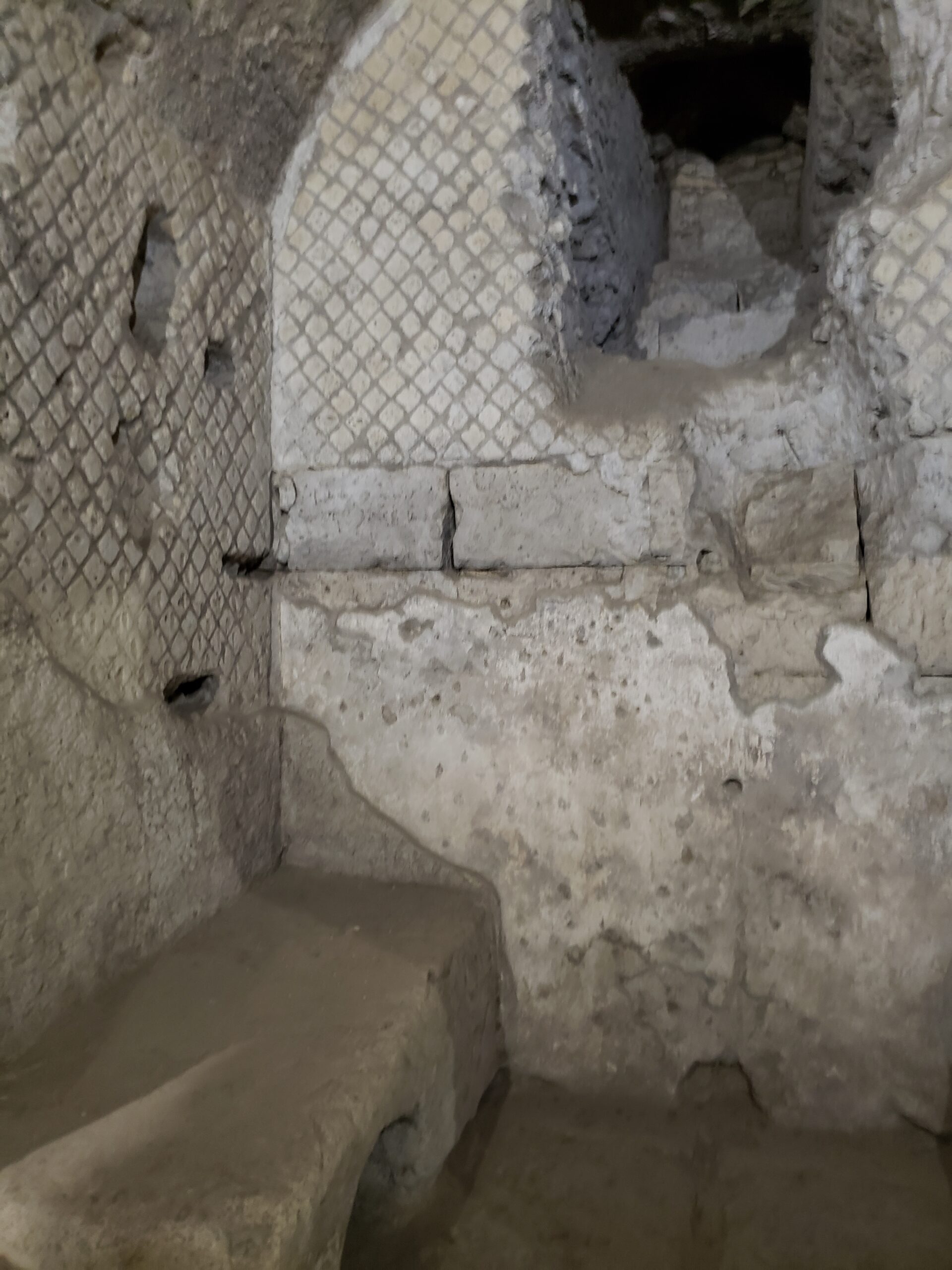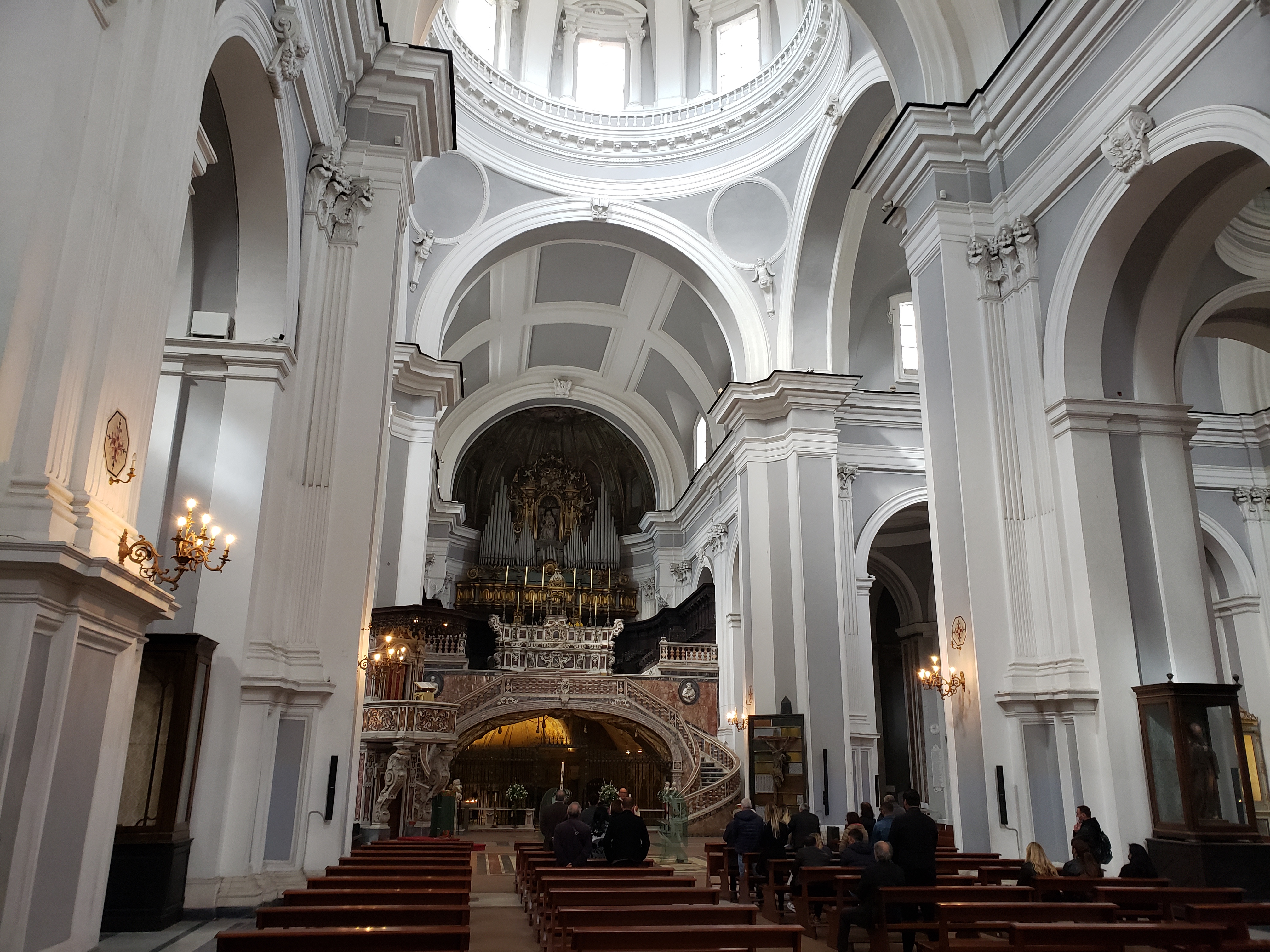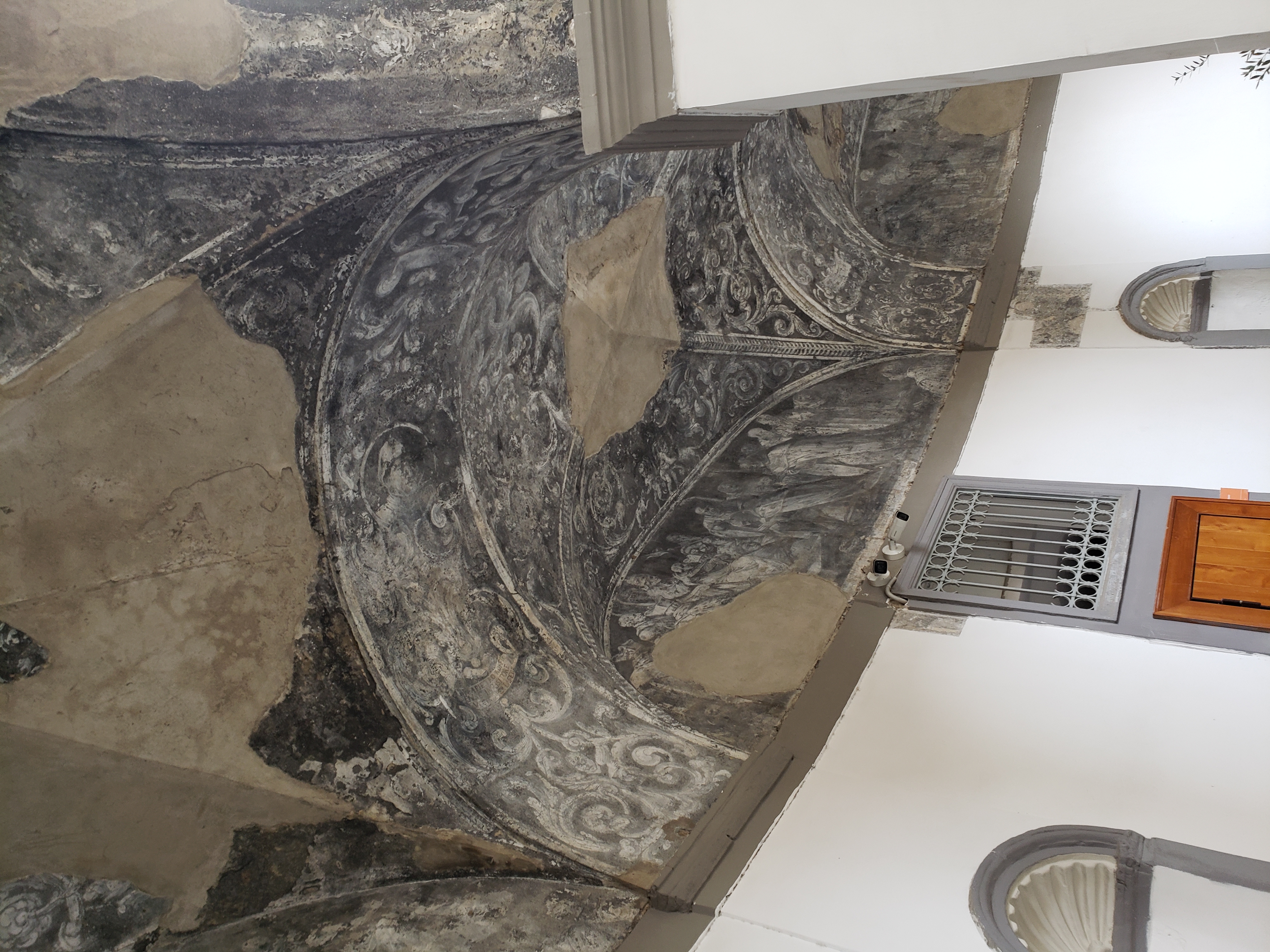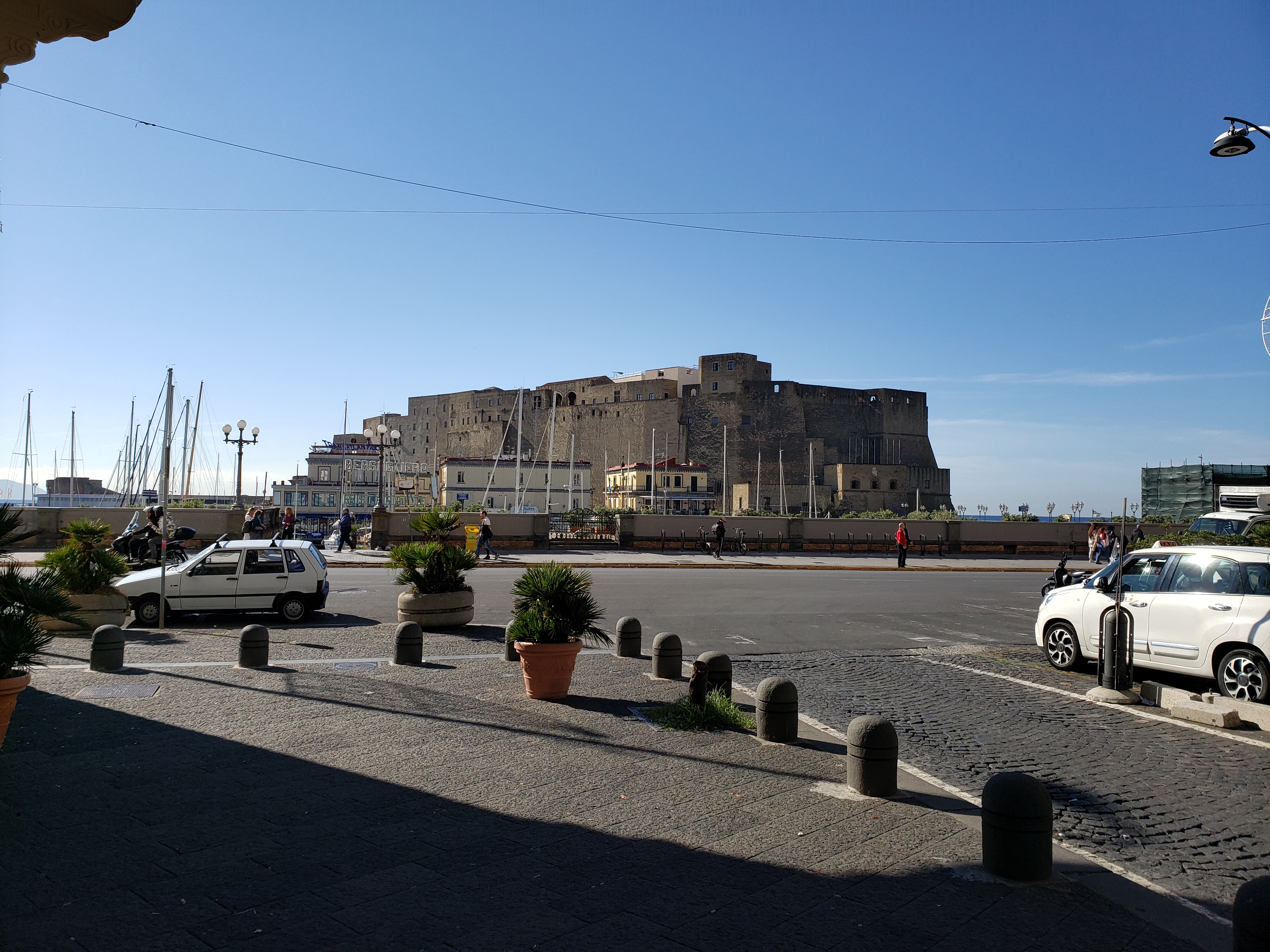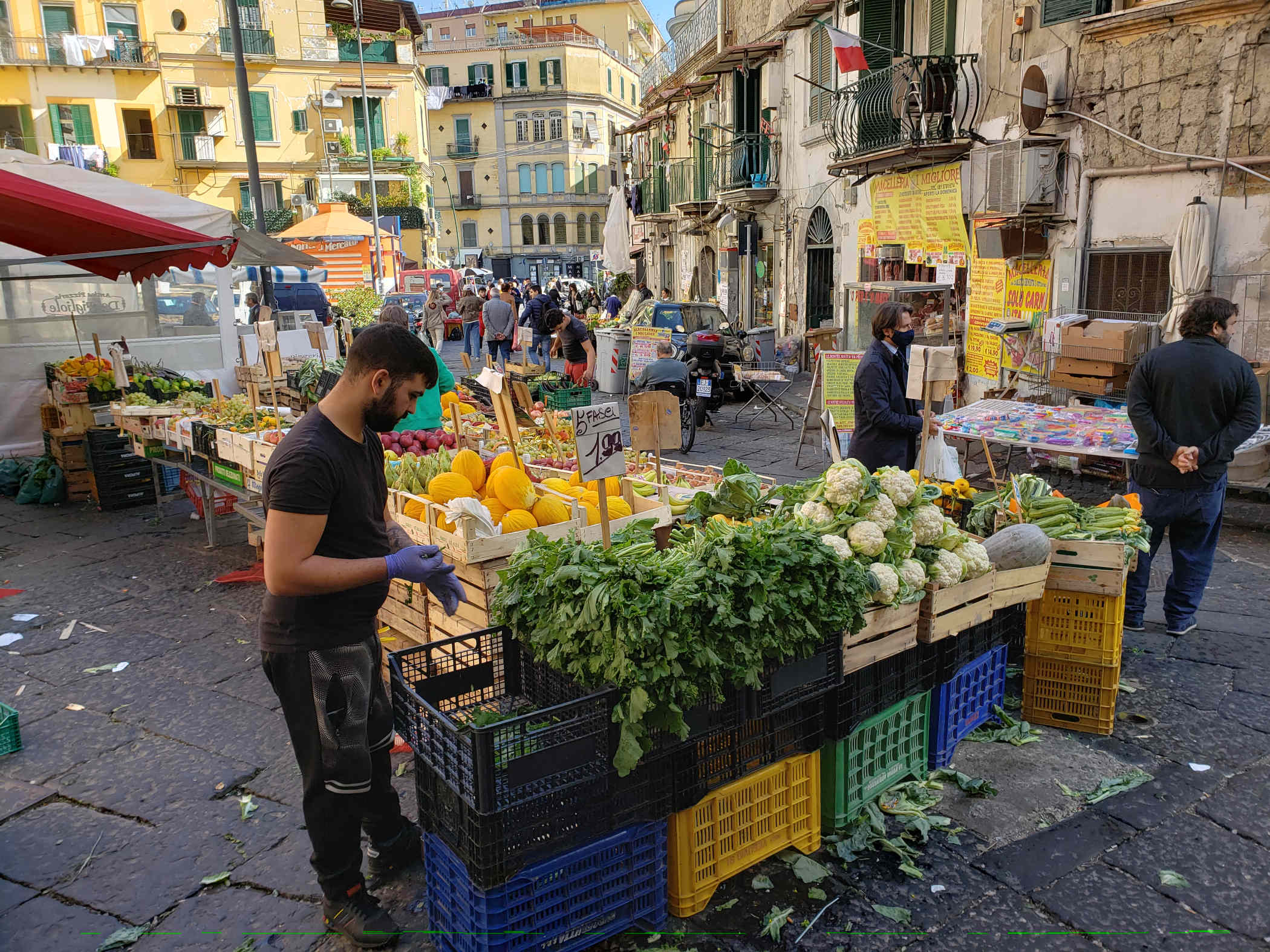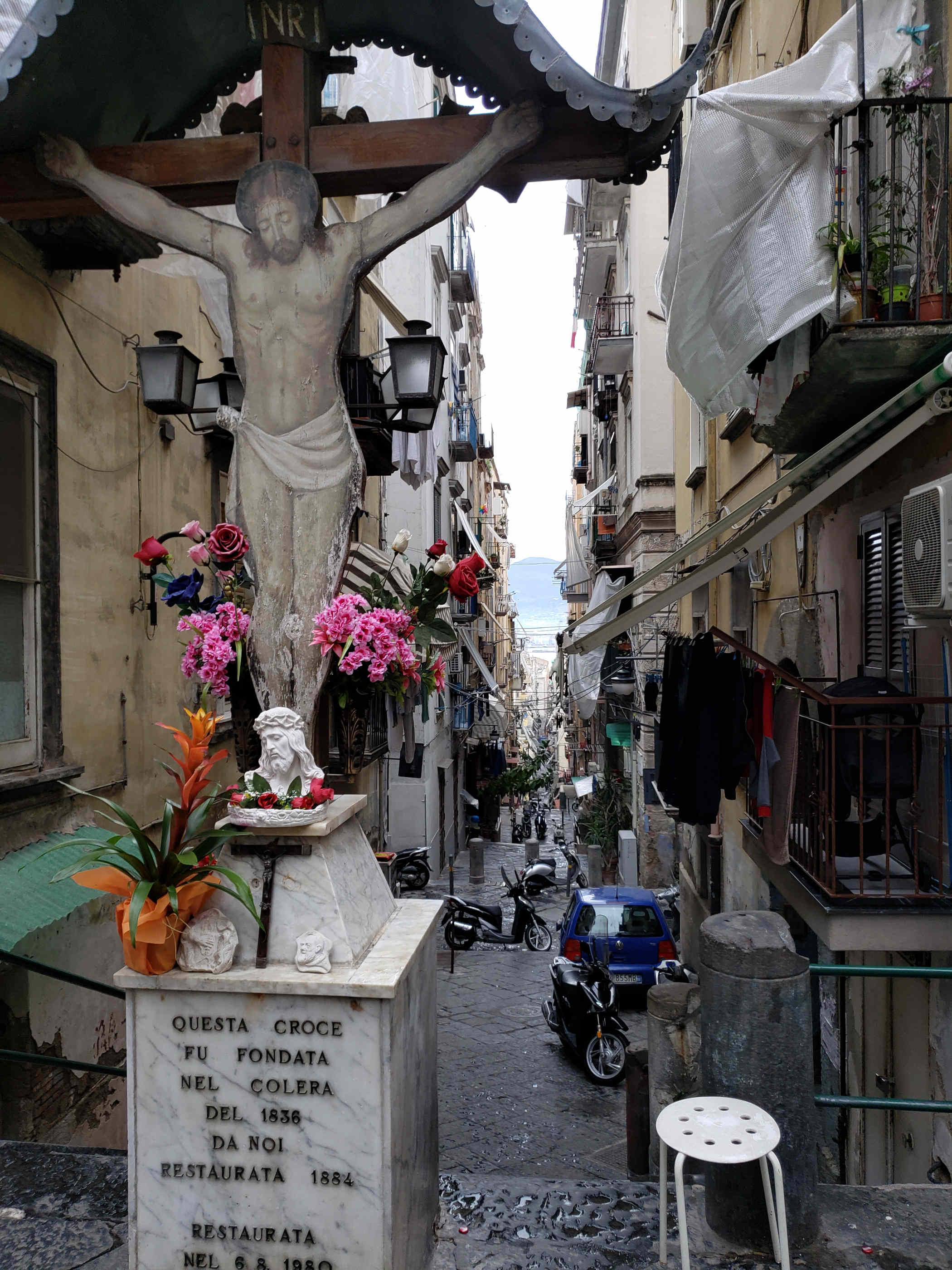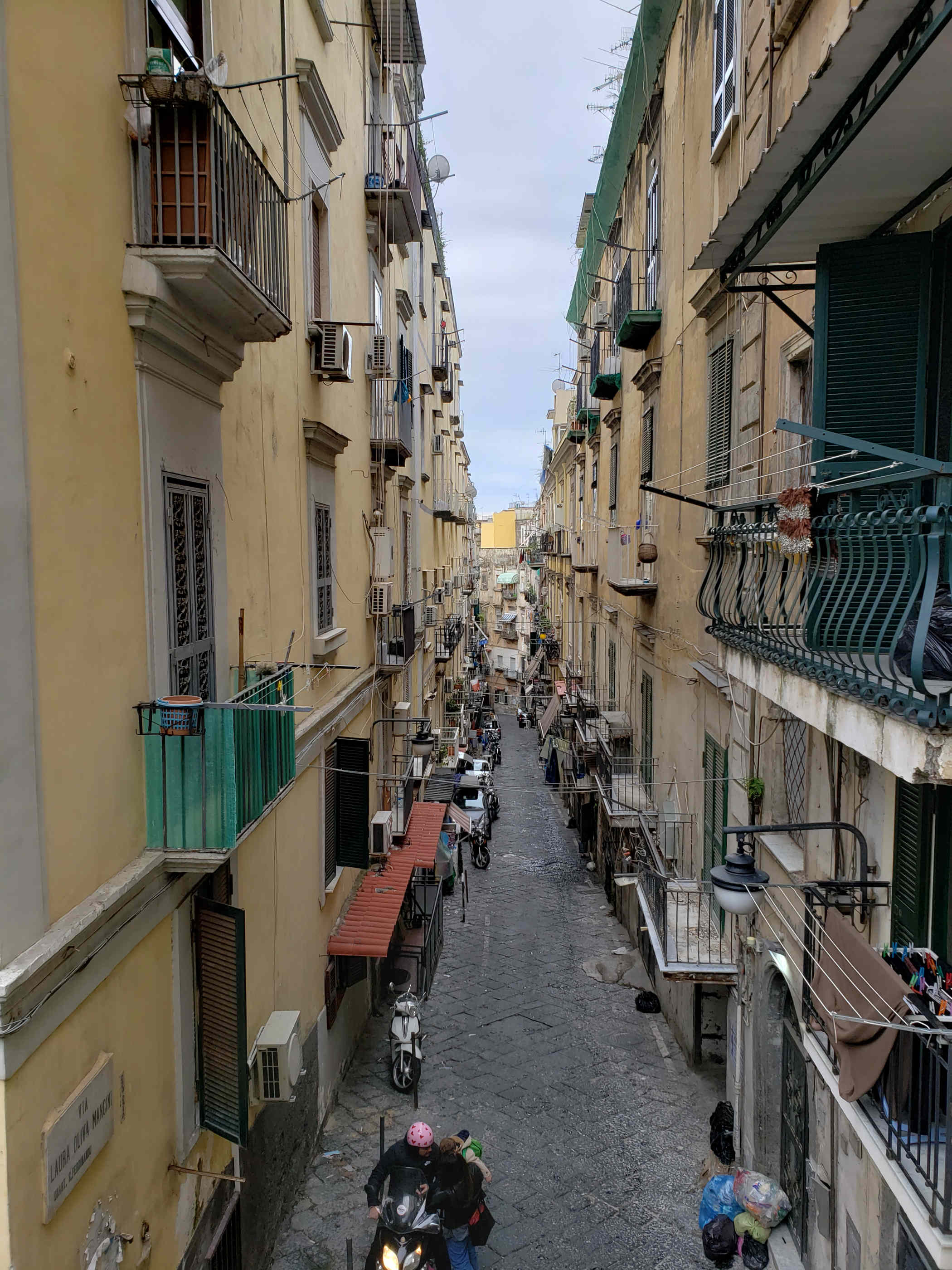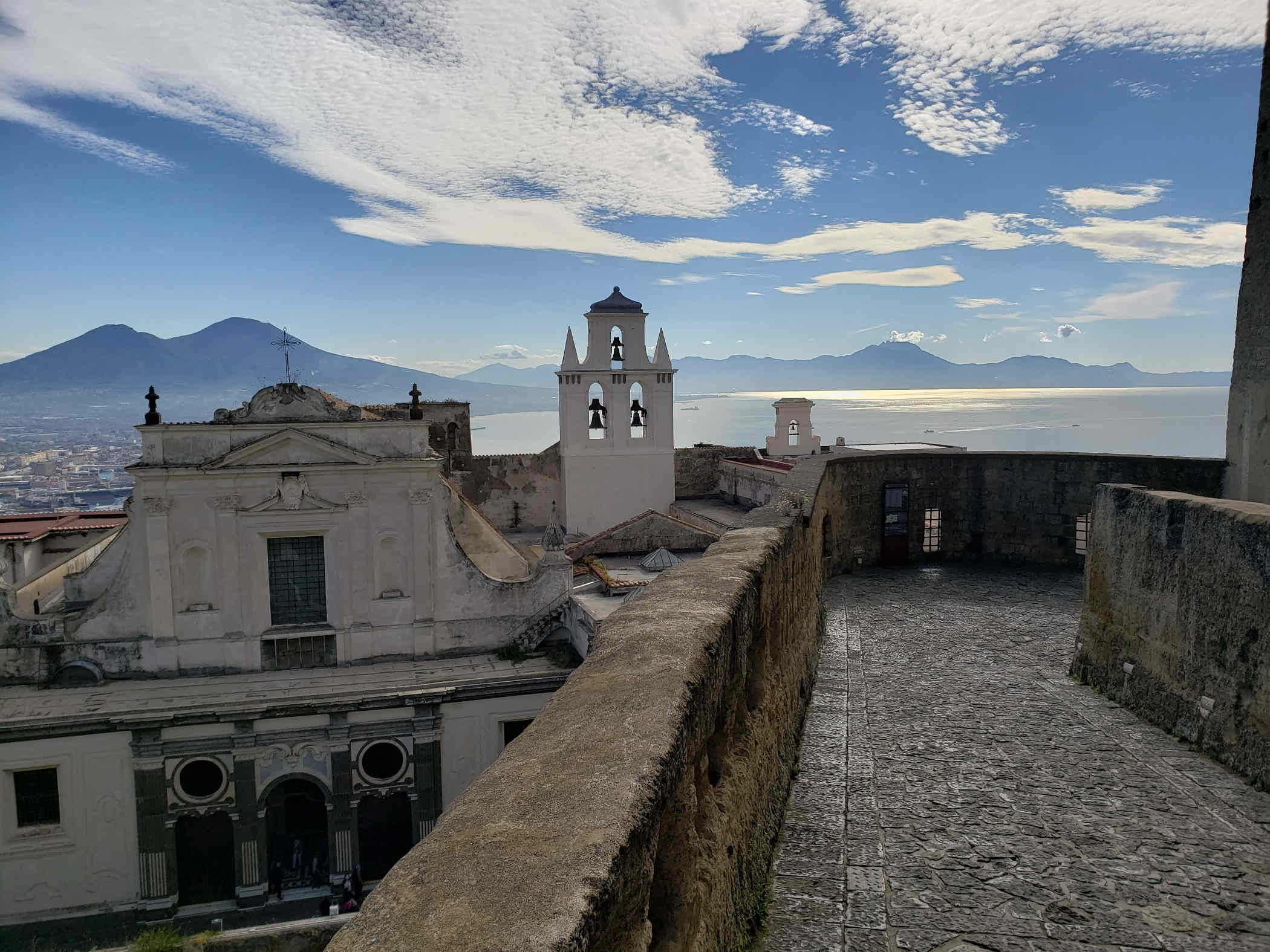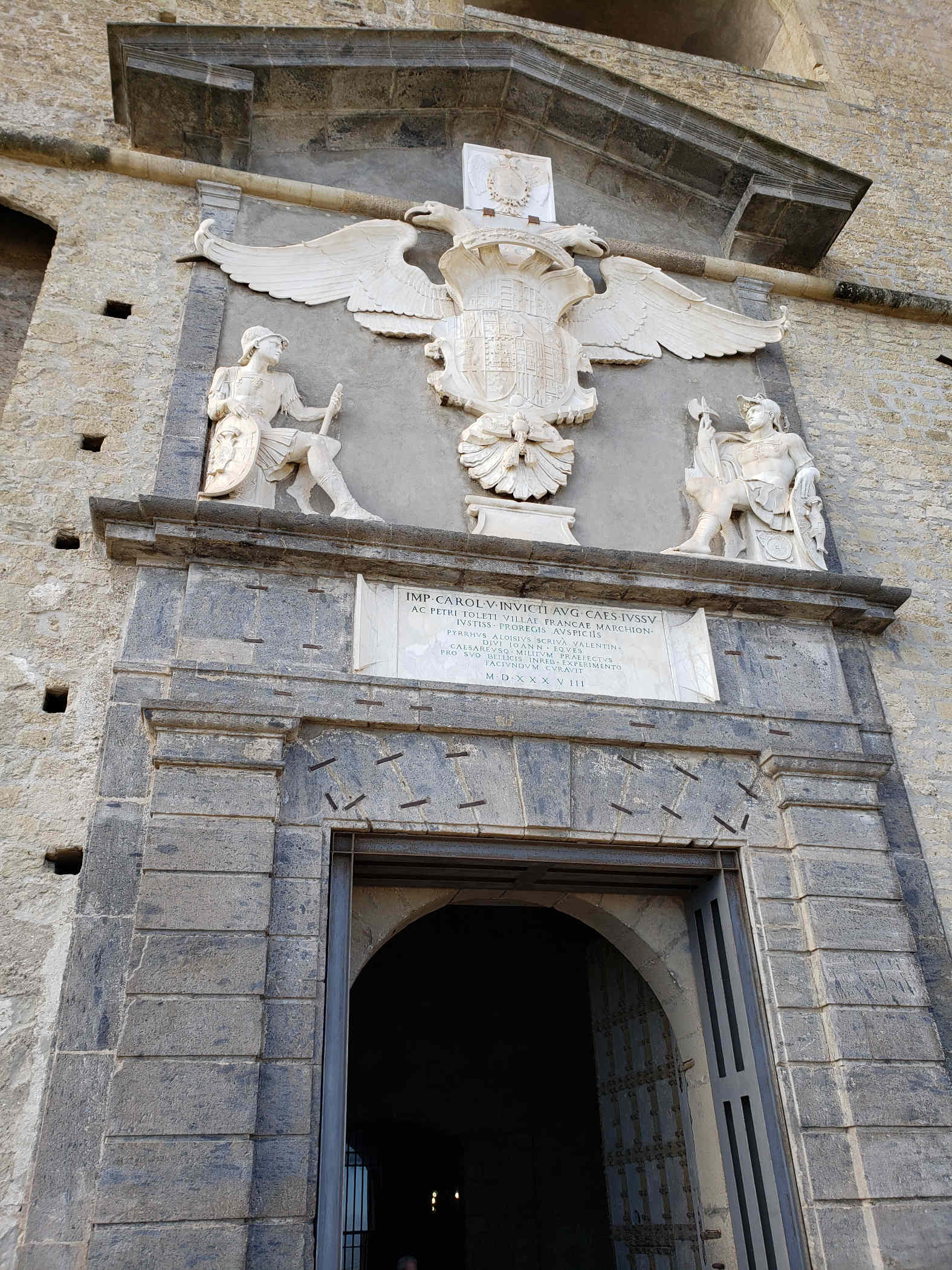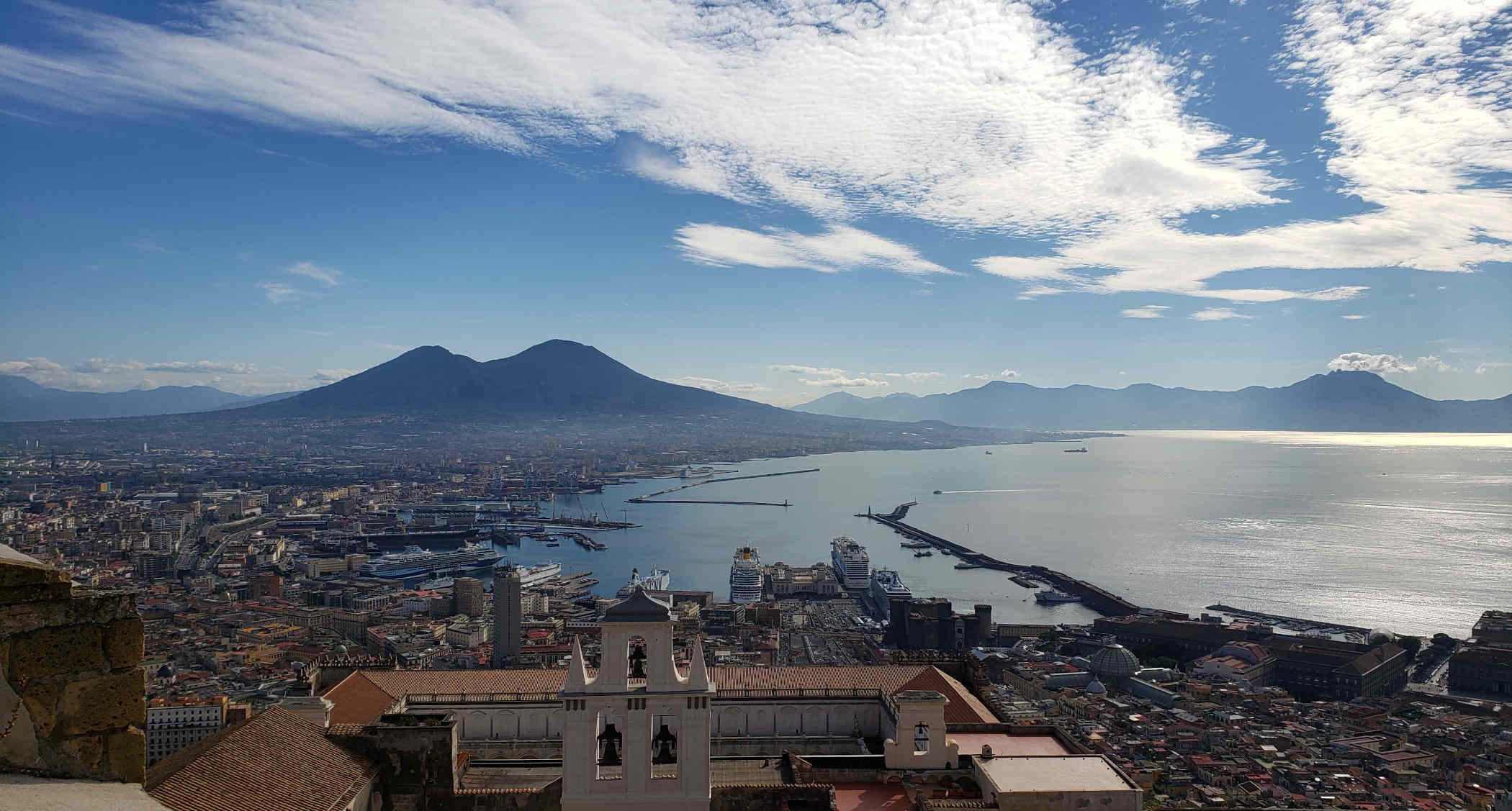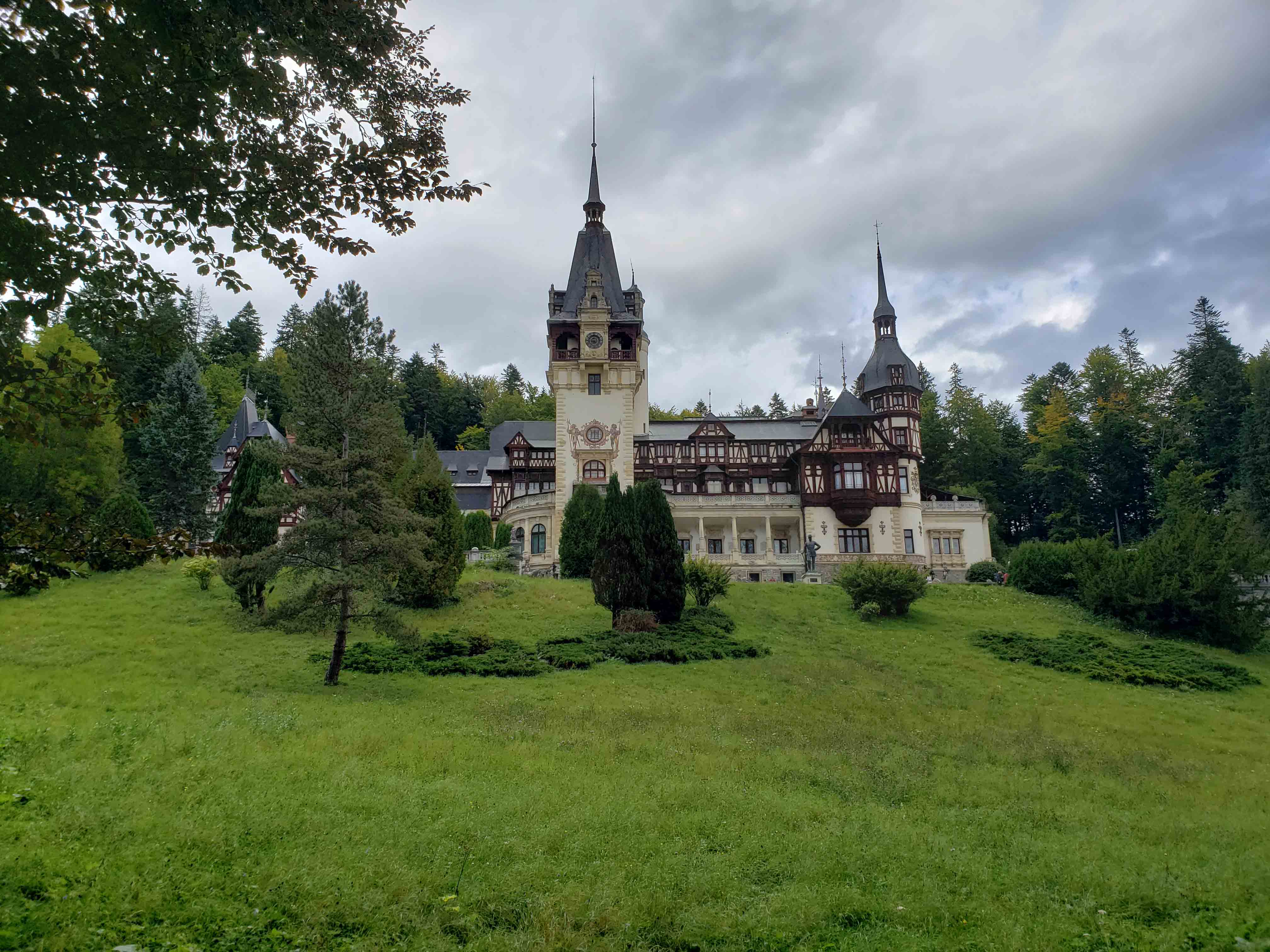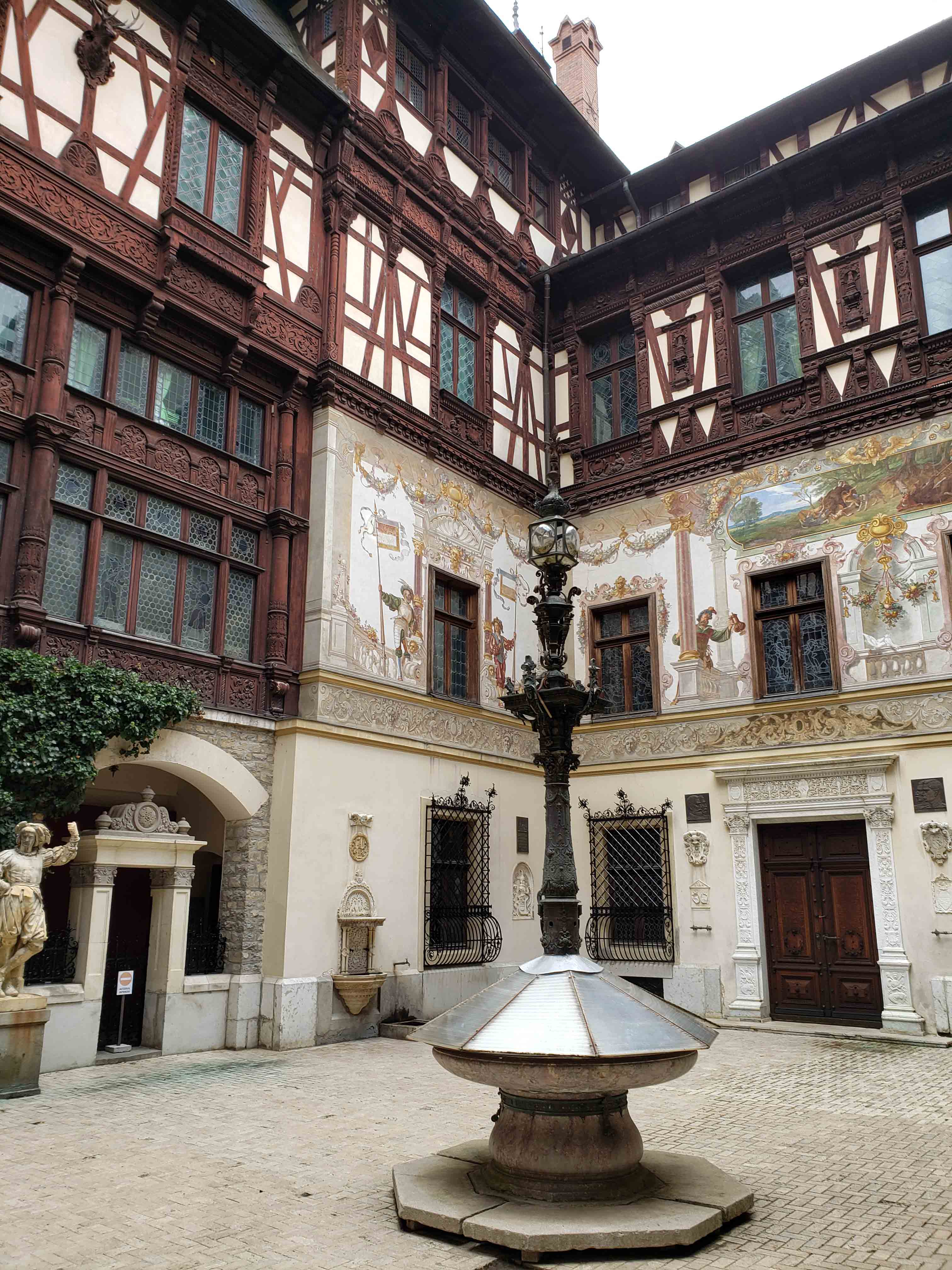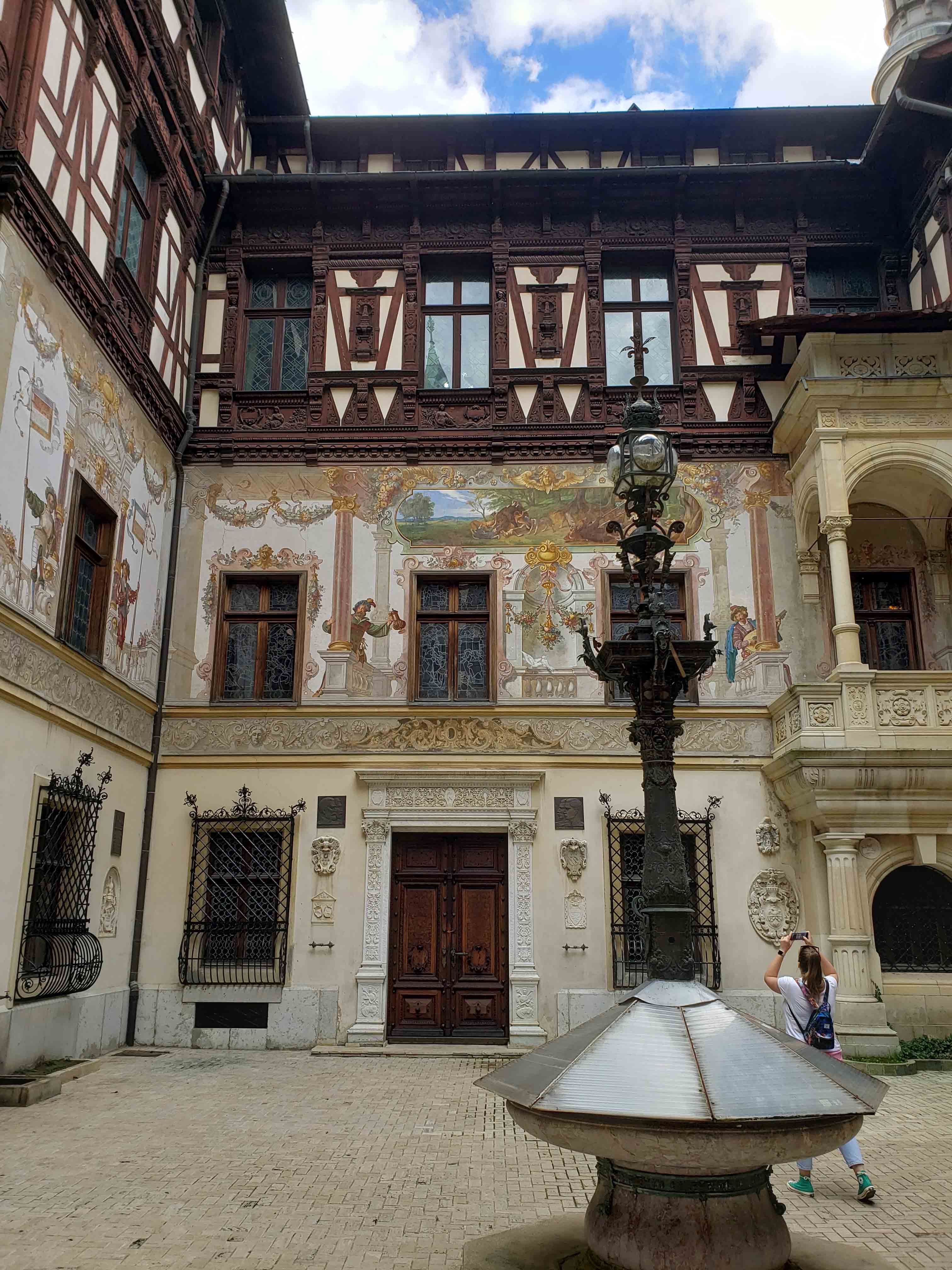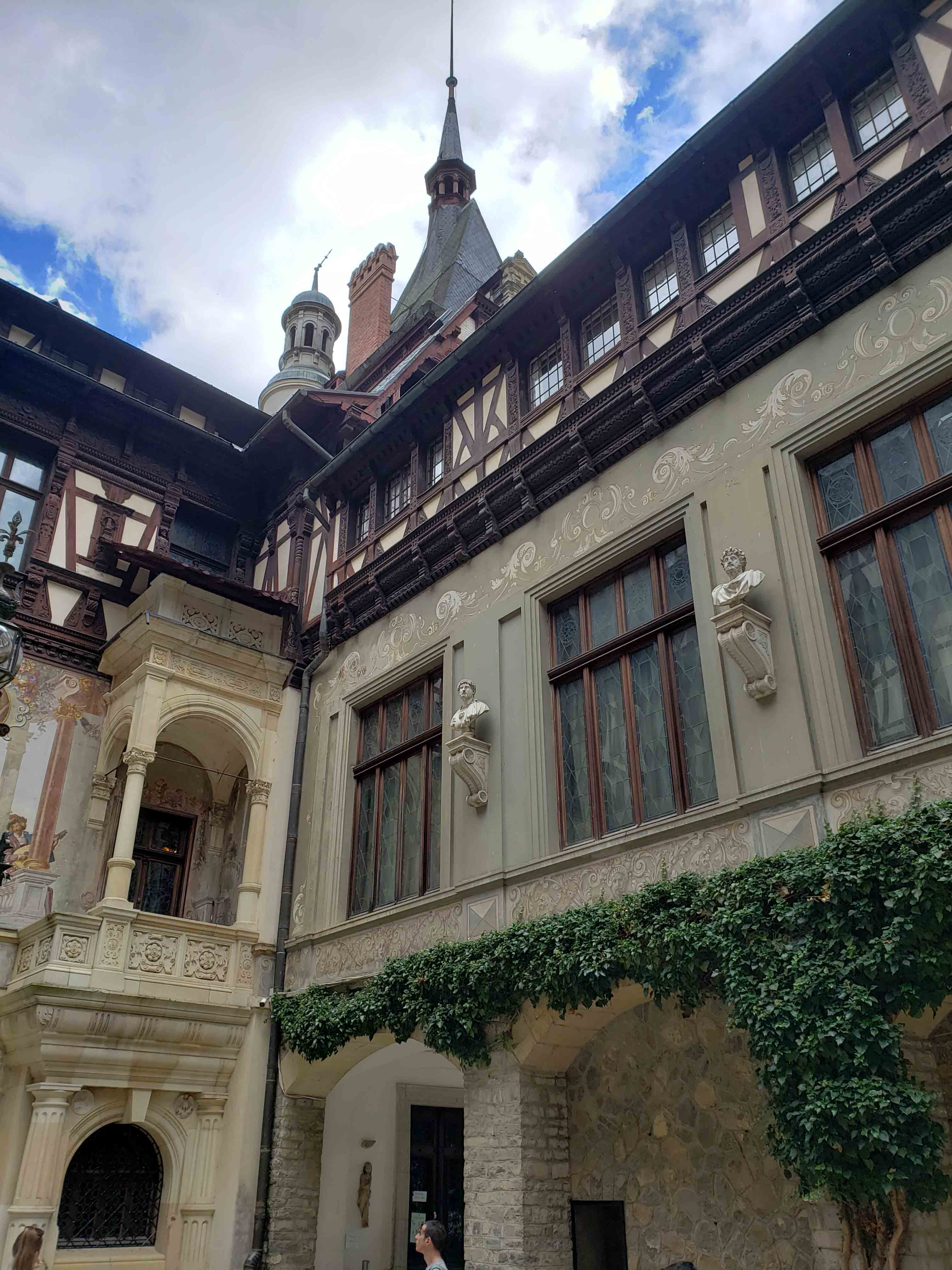
Sinaia, Romania – Star Of The Prahova Valley

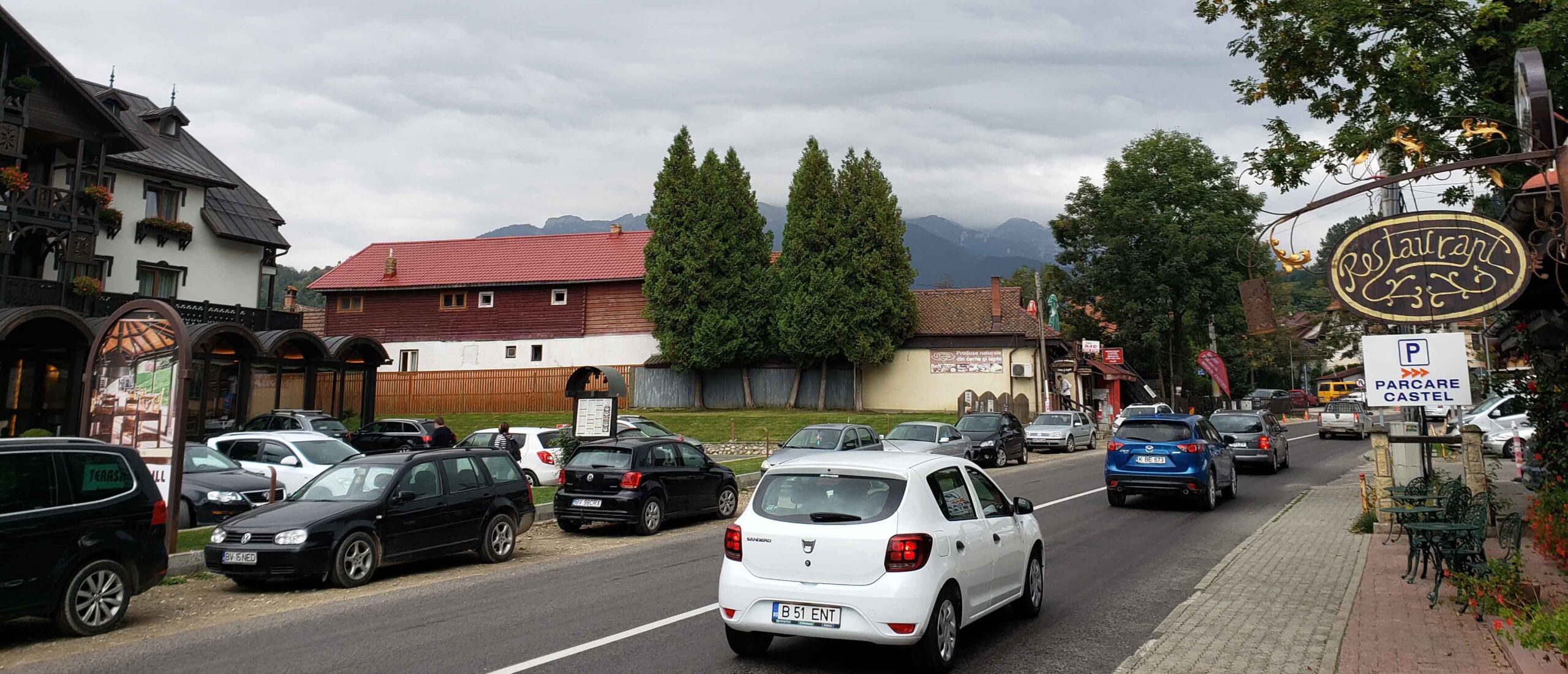
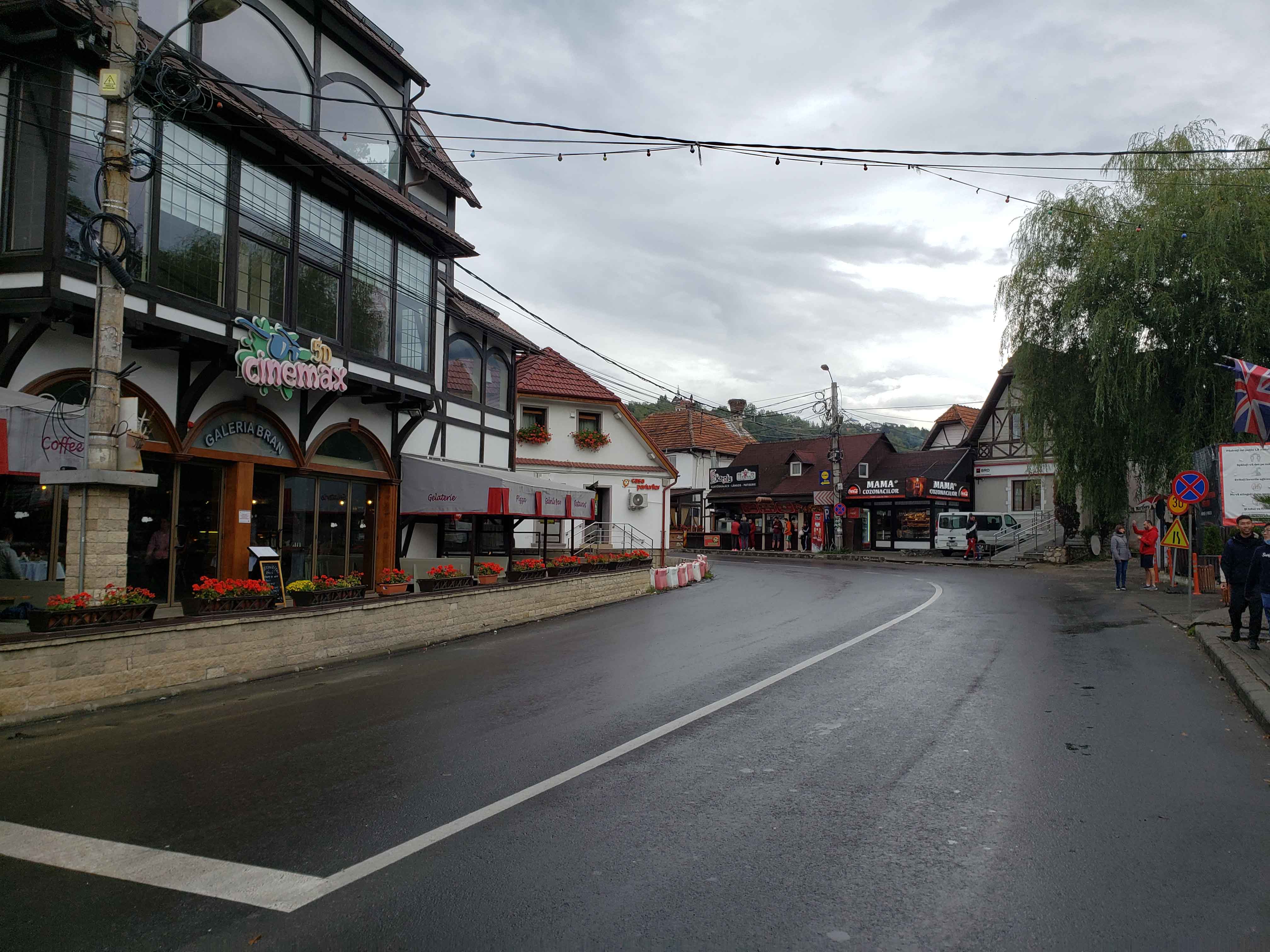
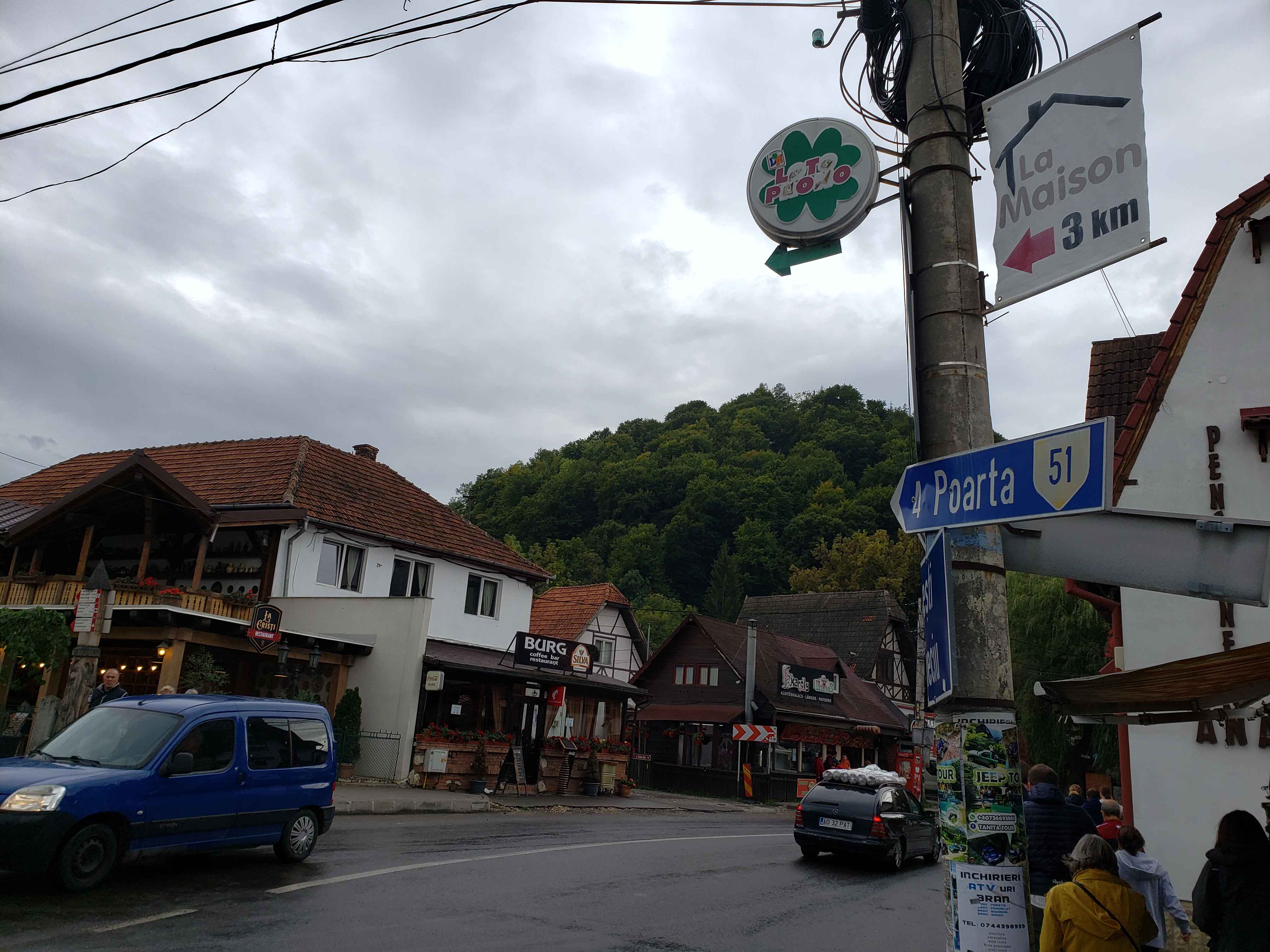
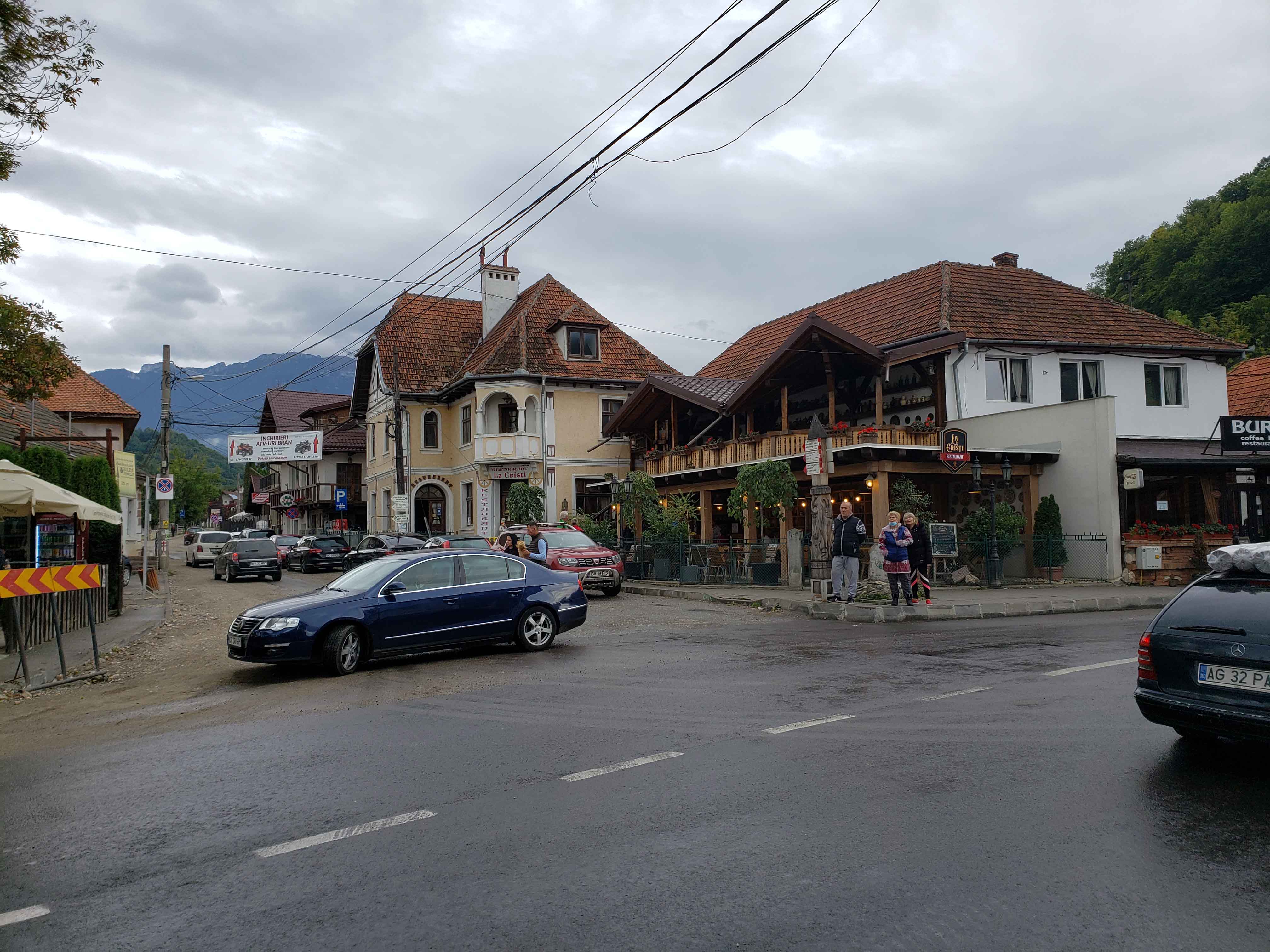
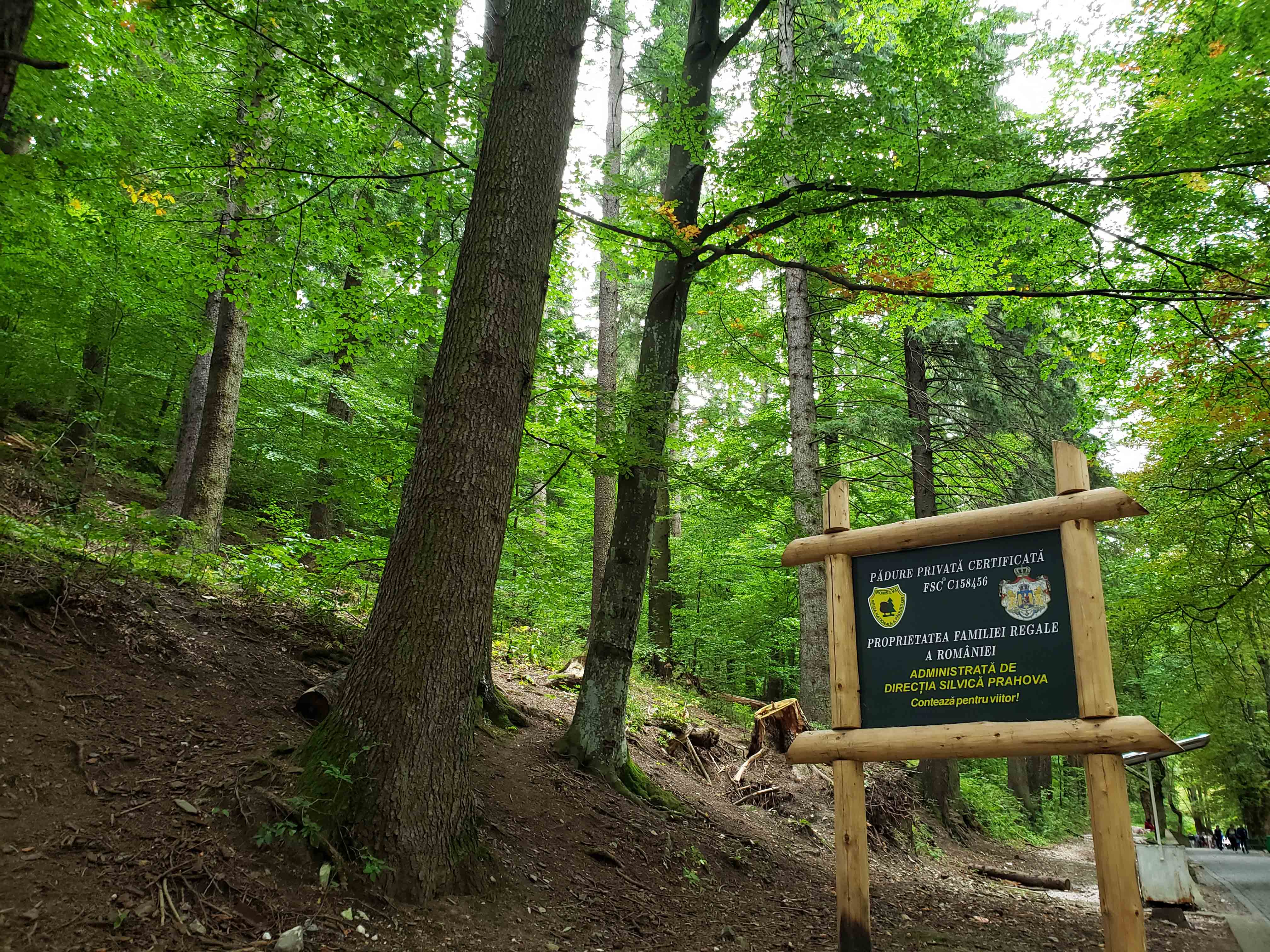
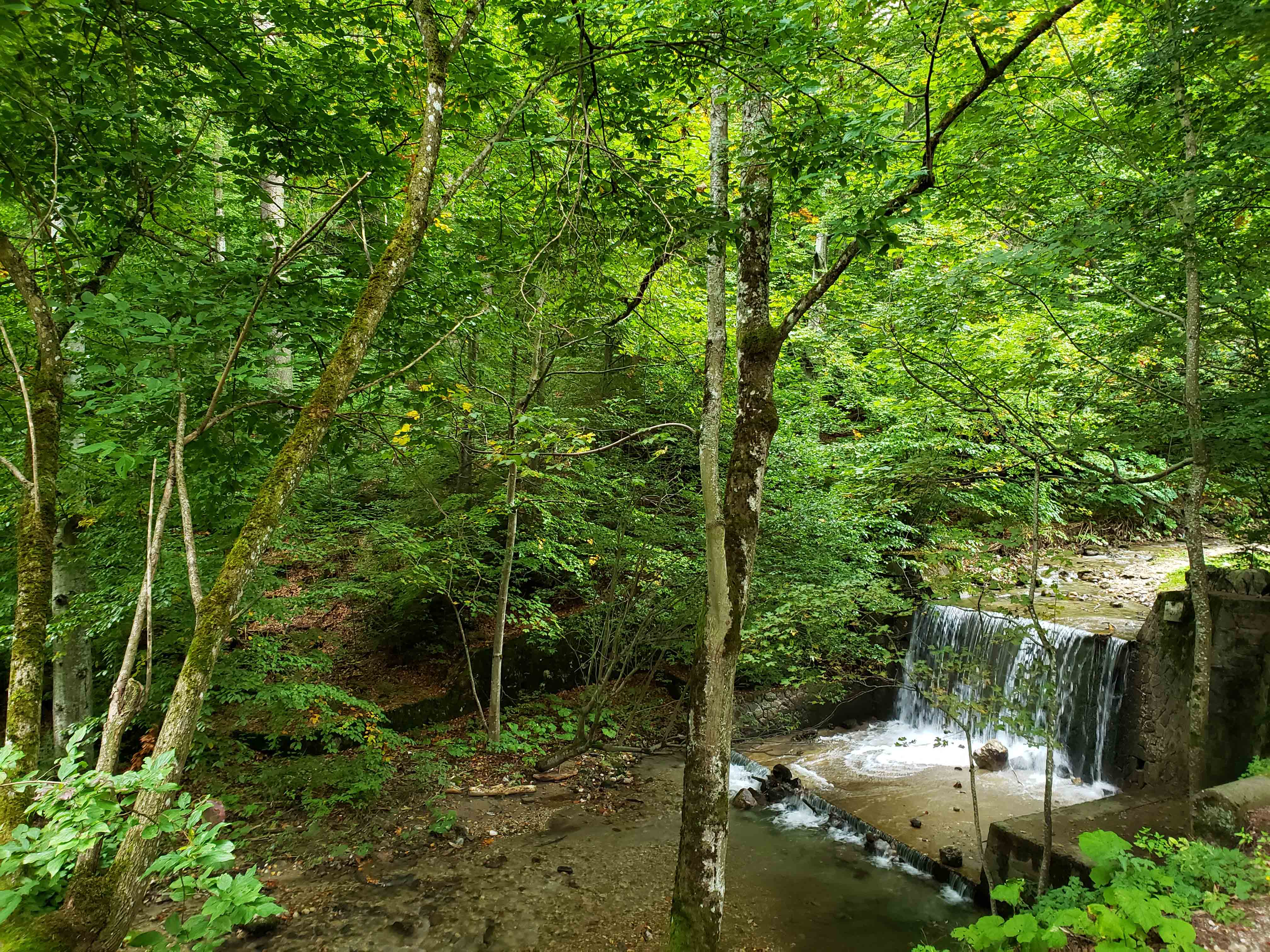
Another small town quaintly tucked under the ever watchful eye of Mount Furnica of the Bucegi Range is Sinaia. Out of sight of N60 and tucked away under this hill is a real star town, replete with many large hotels and even a casino for anyone wishing to try their luck in a Romanian tourist location.

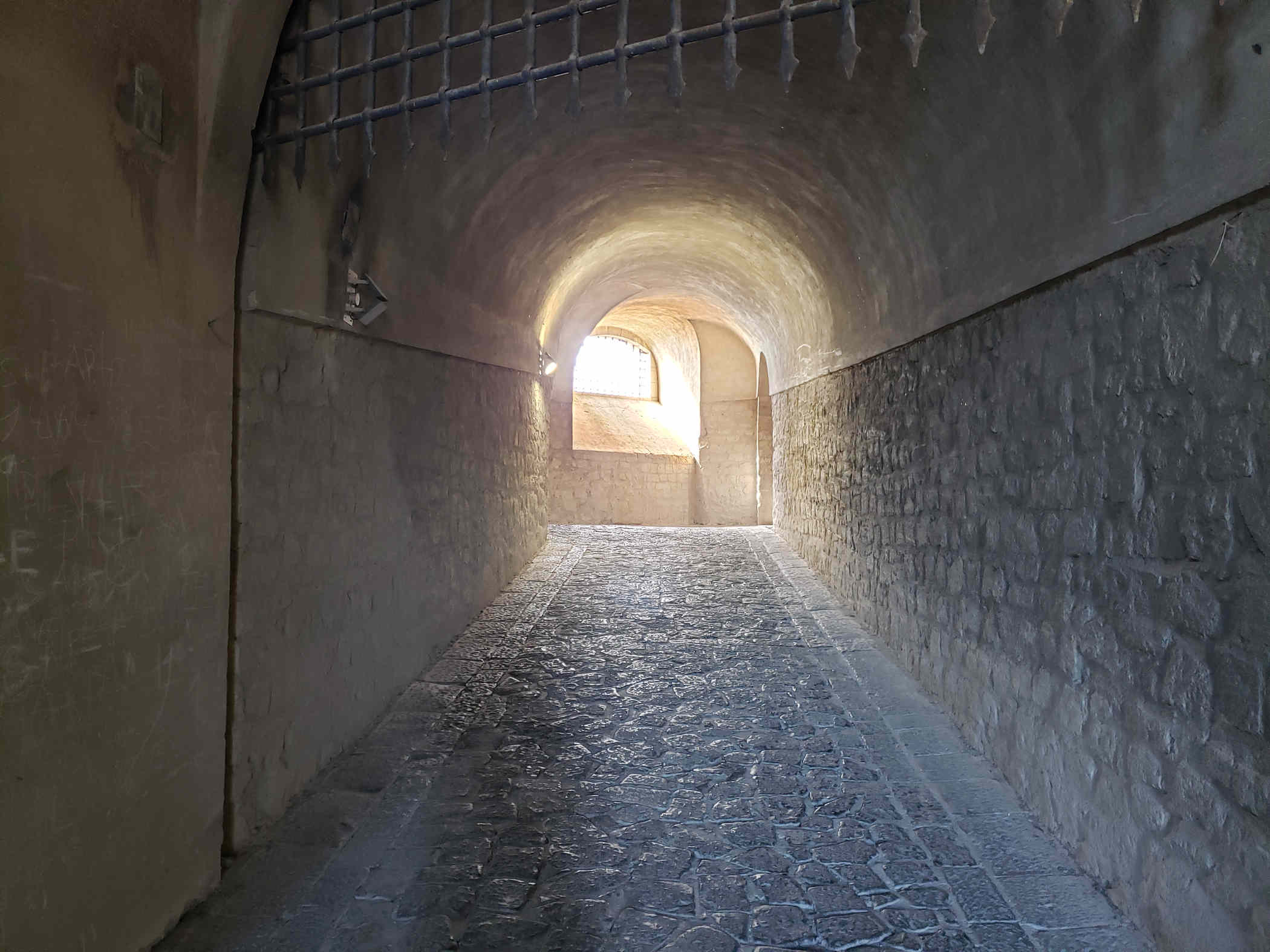
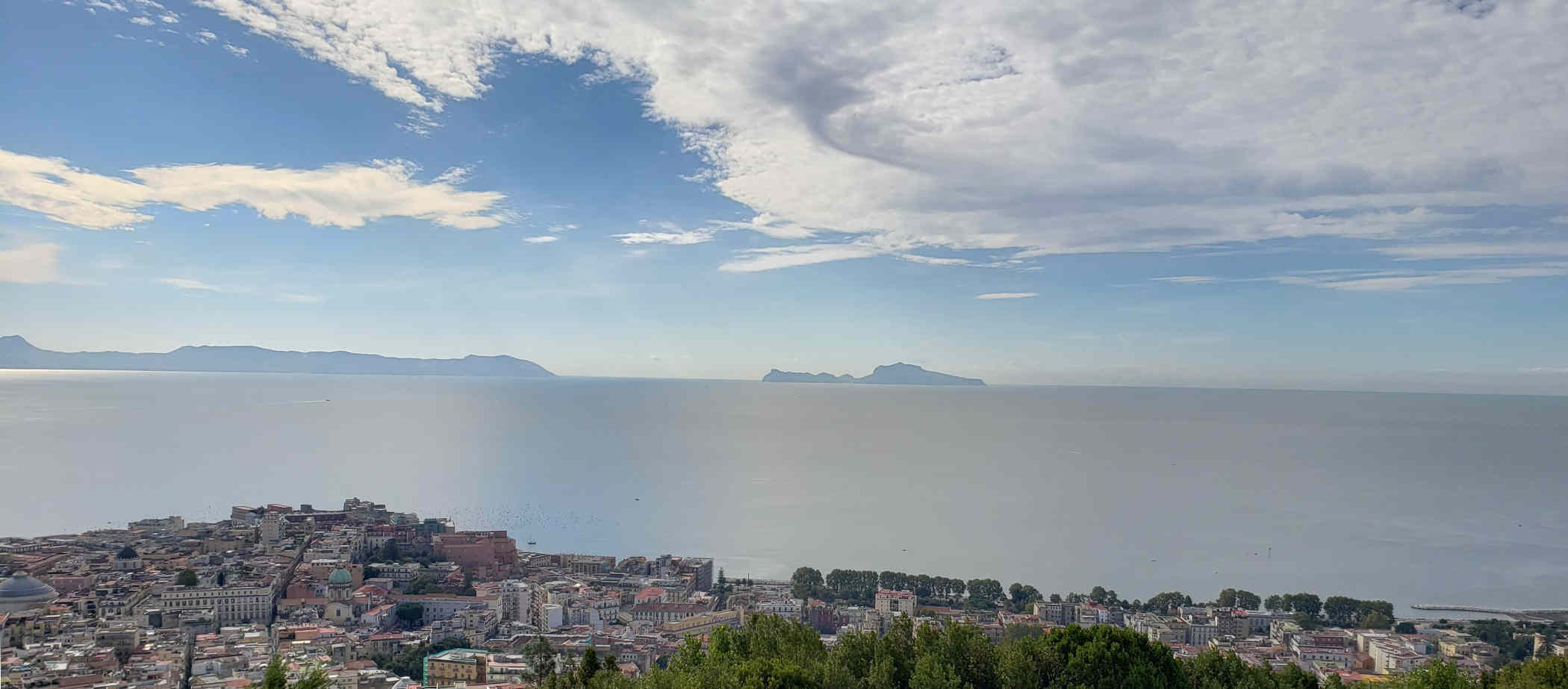
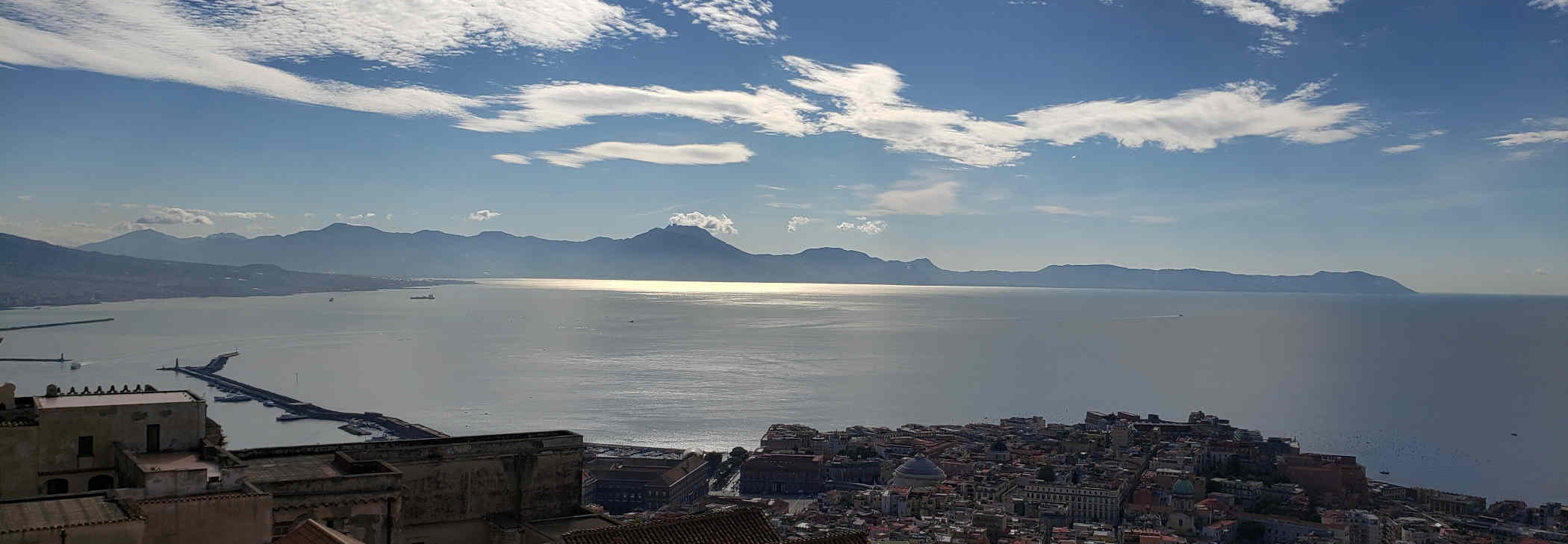
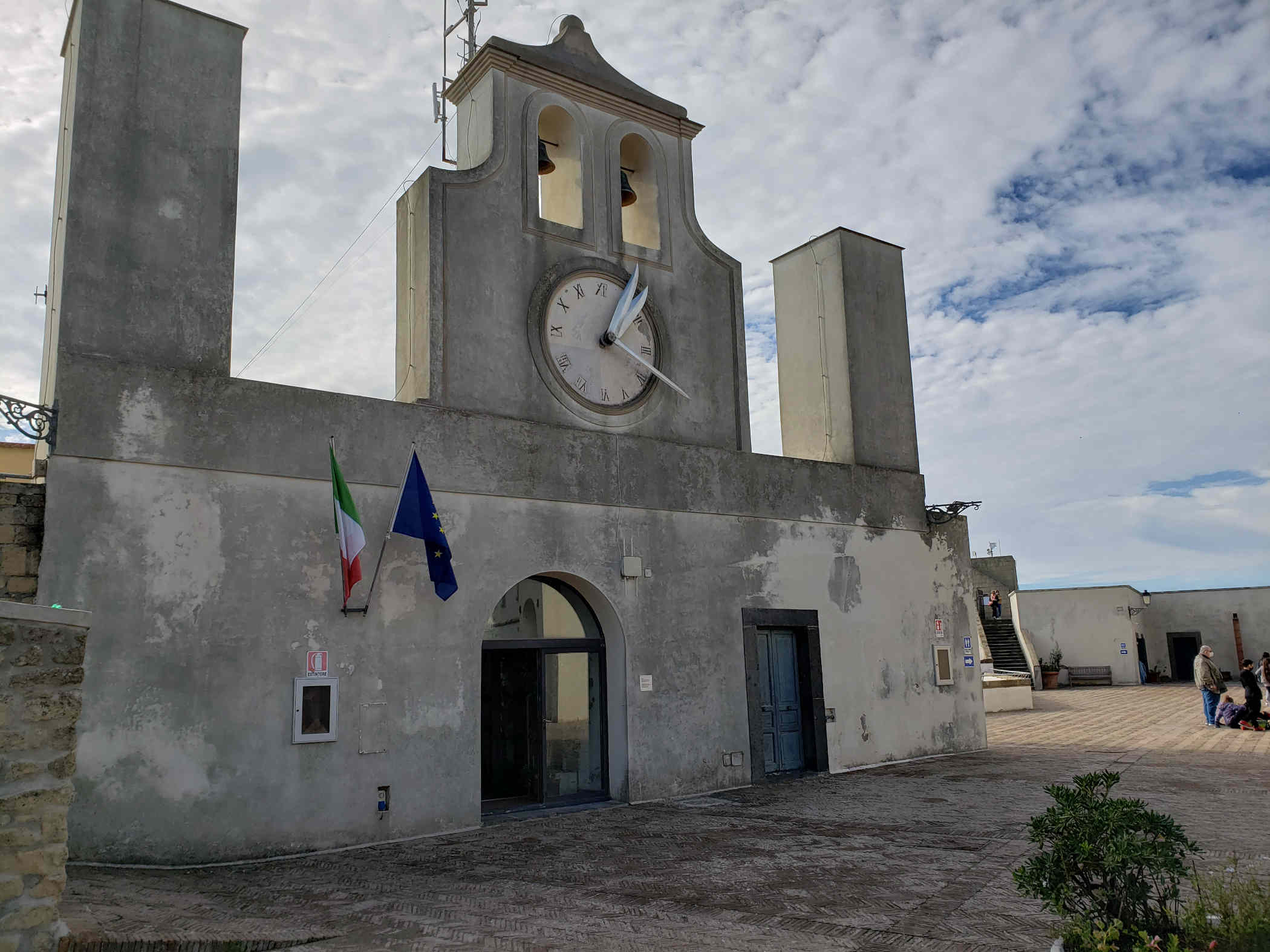
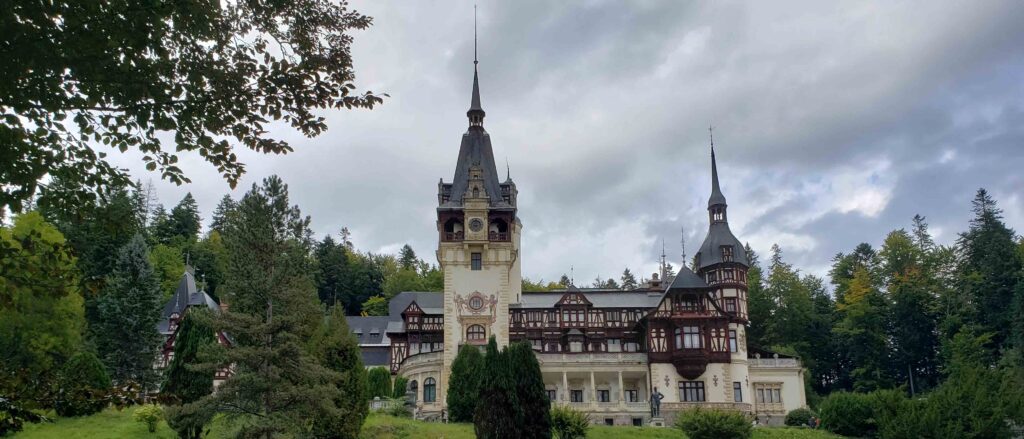
Sinaia – Peleş Castle – At the foot of the Bucegi Range – 19th of September, 2021

On the 19th of September we ventured down to this town which sits just below Buşteni, in order to enjoy lunch, the town and to visit Castle Peleş.

Sinaia – The Town

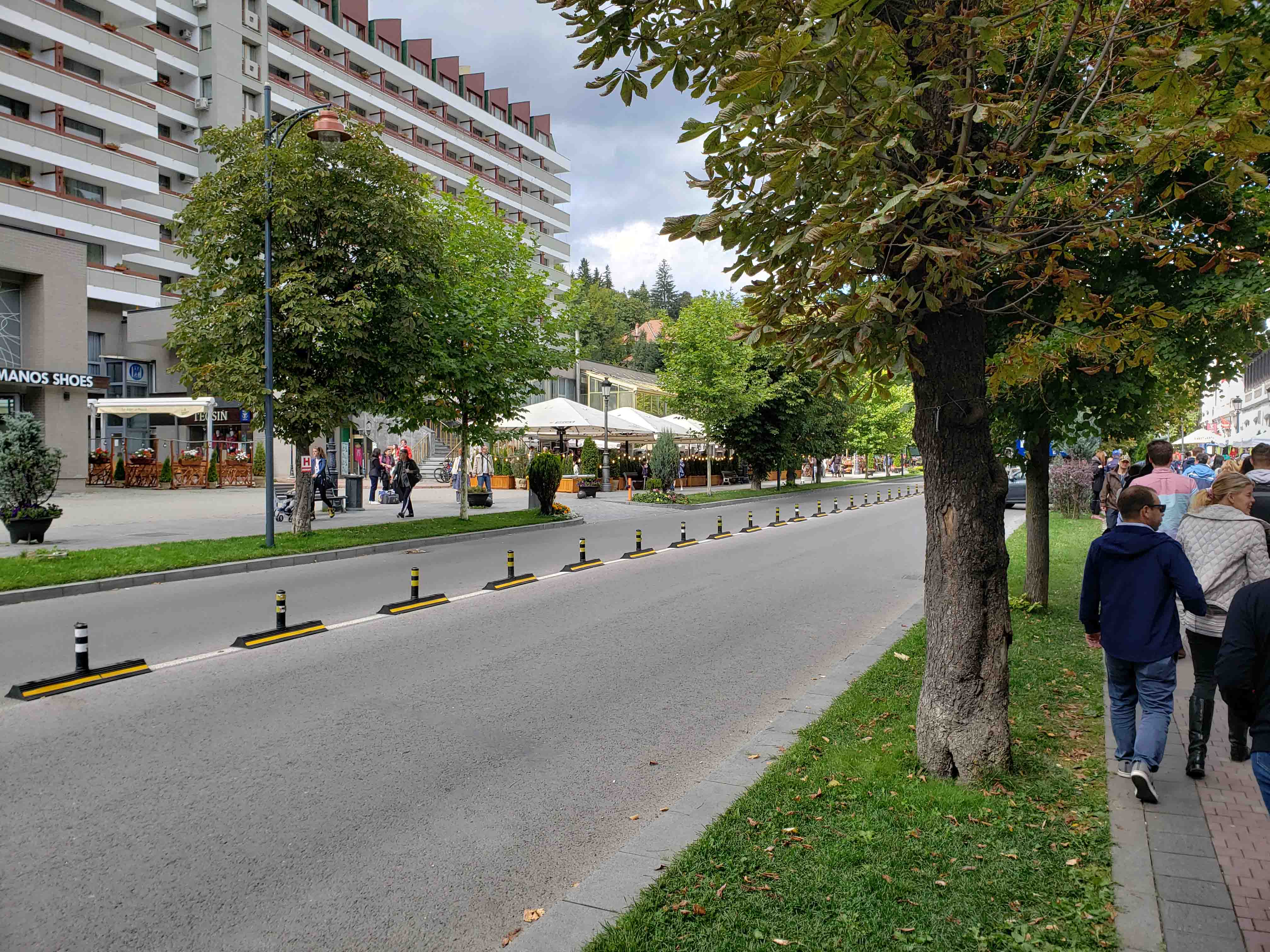
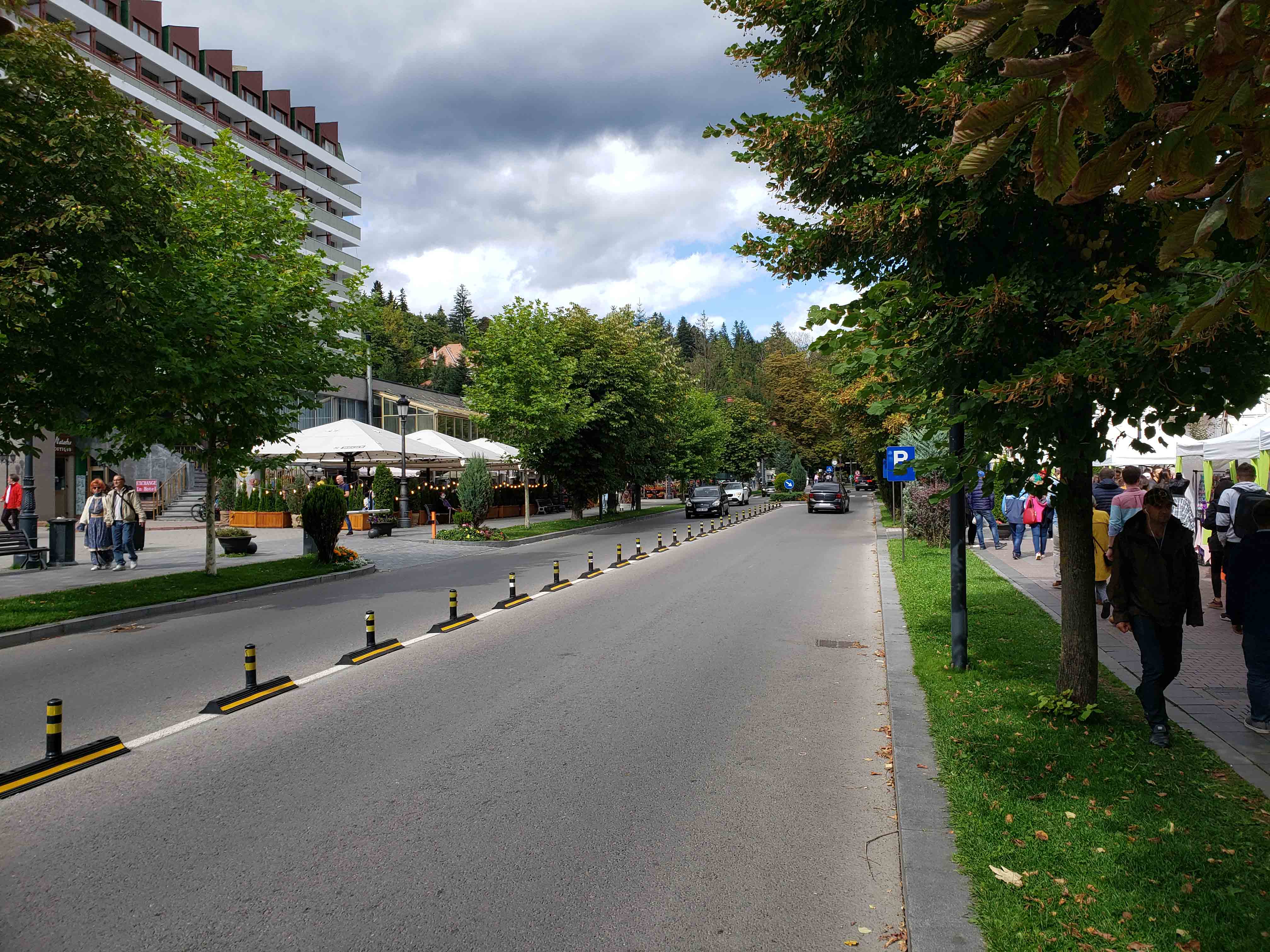
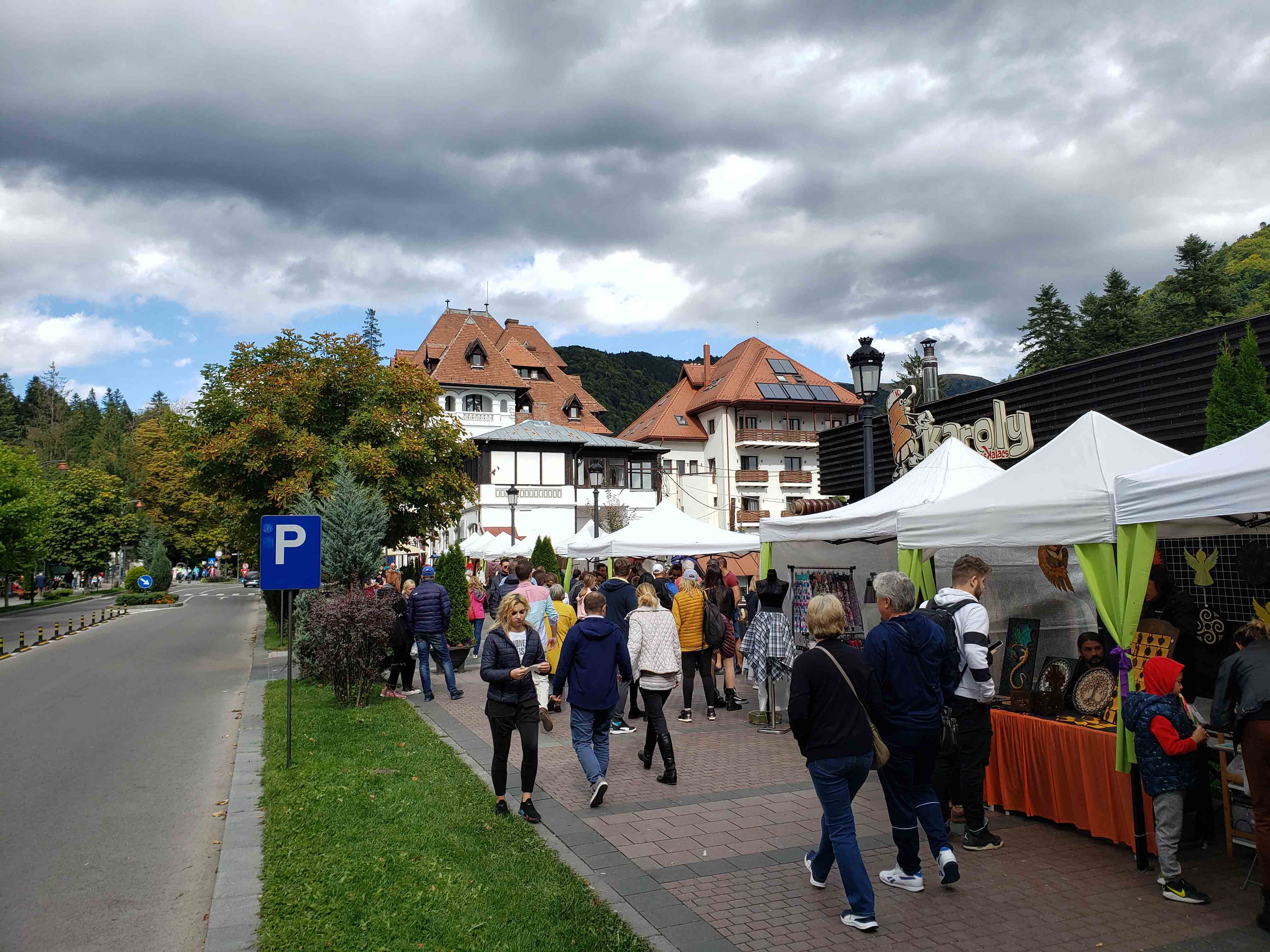
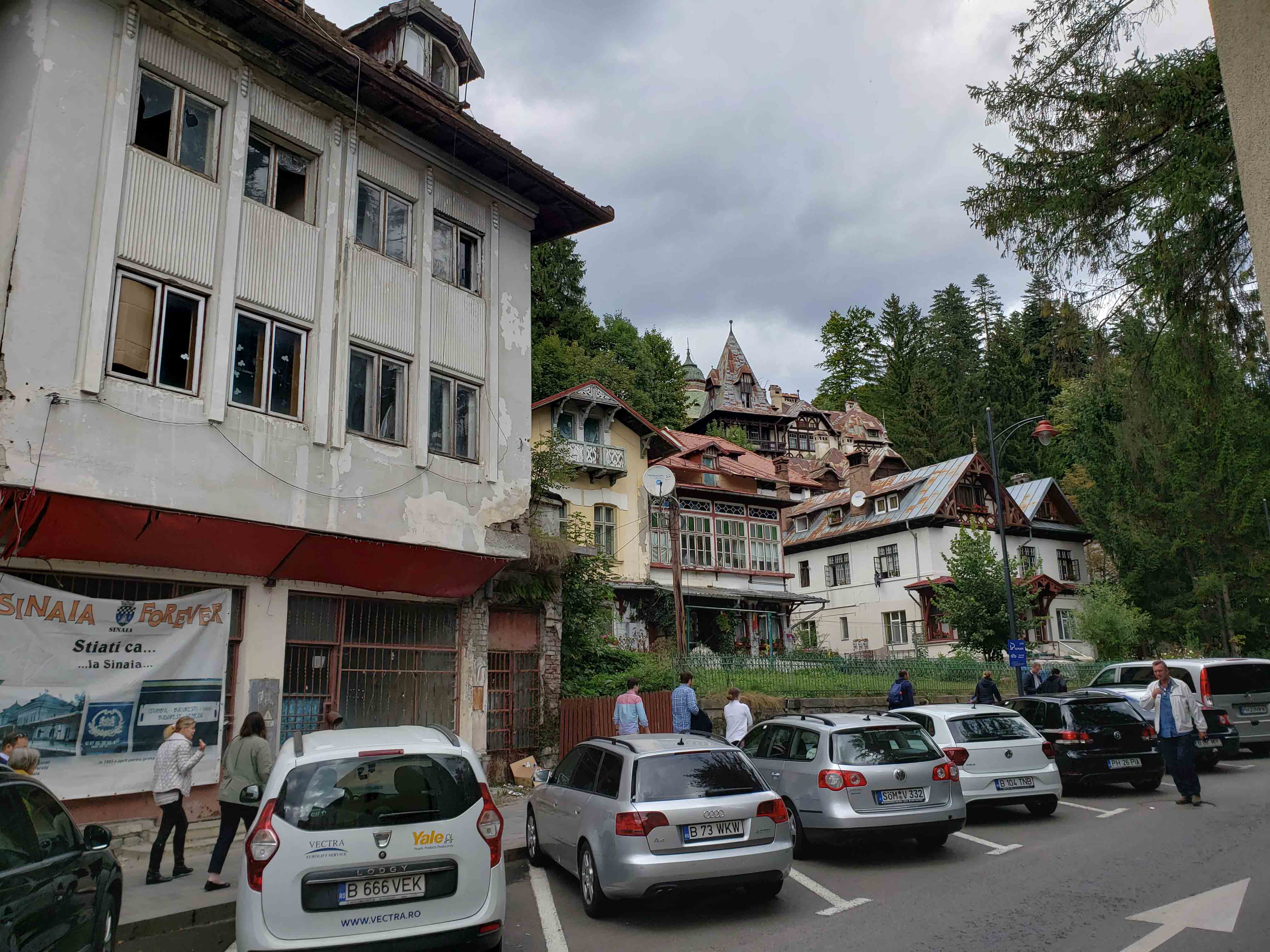
This town is much like Buşteni, aside from the fact that it appears to have more money and is well maintained; no doubt due to the large hotels and the casino that are part of it. It lies on the same strip of N60 which runs north to south its neighbor to the north.

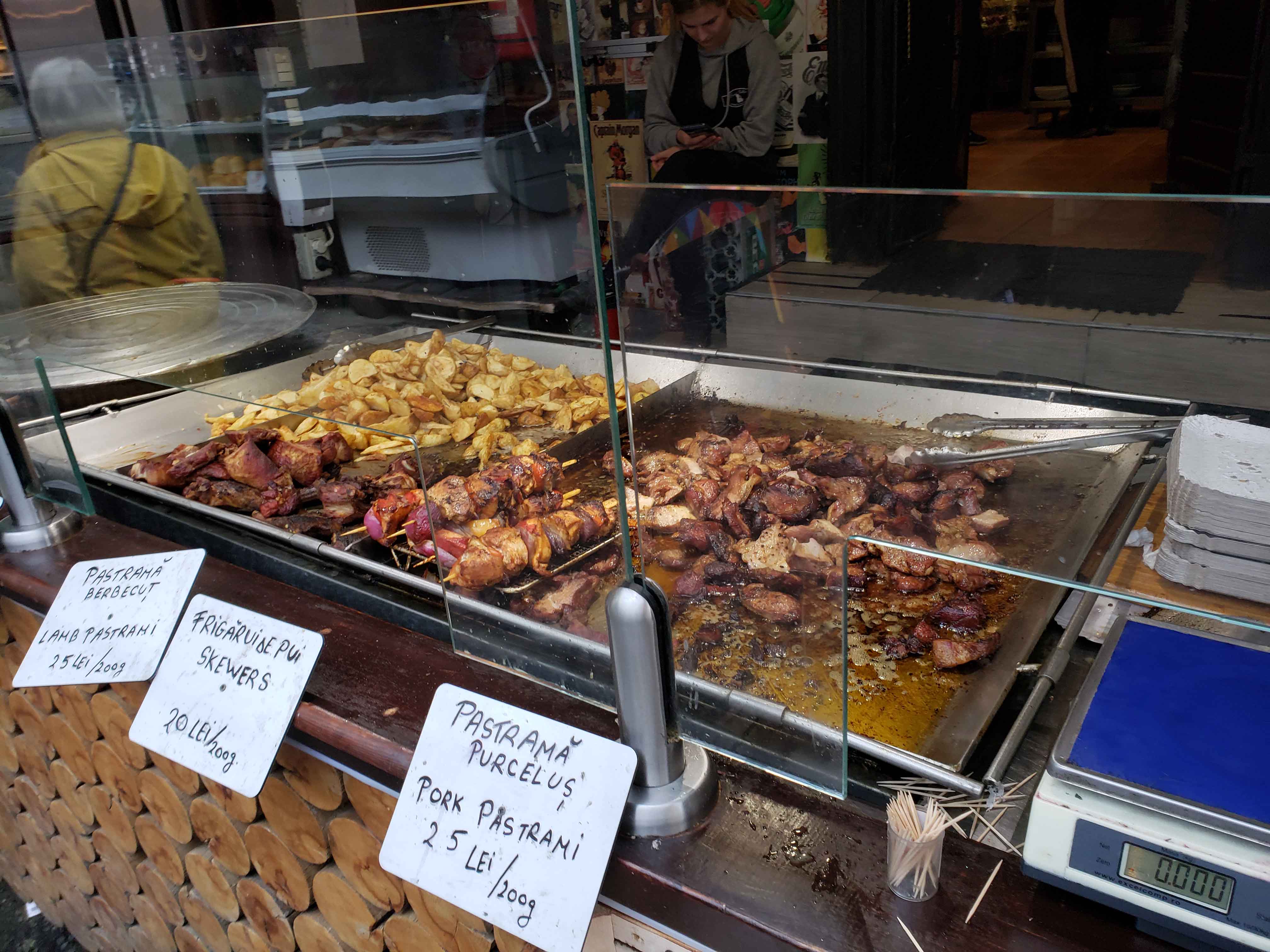
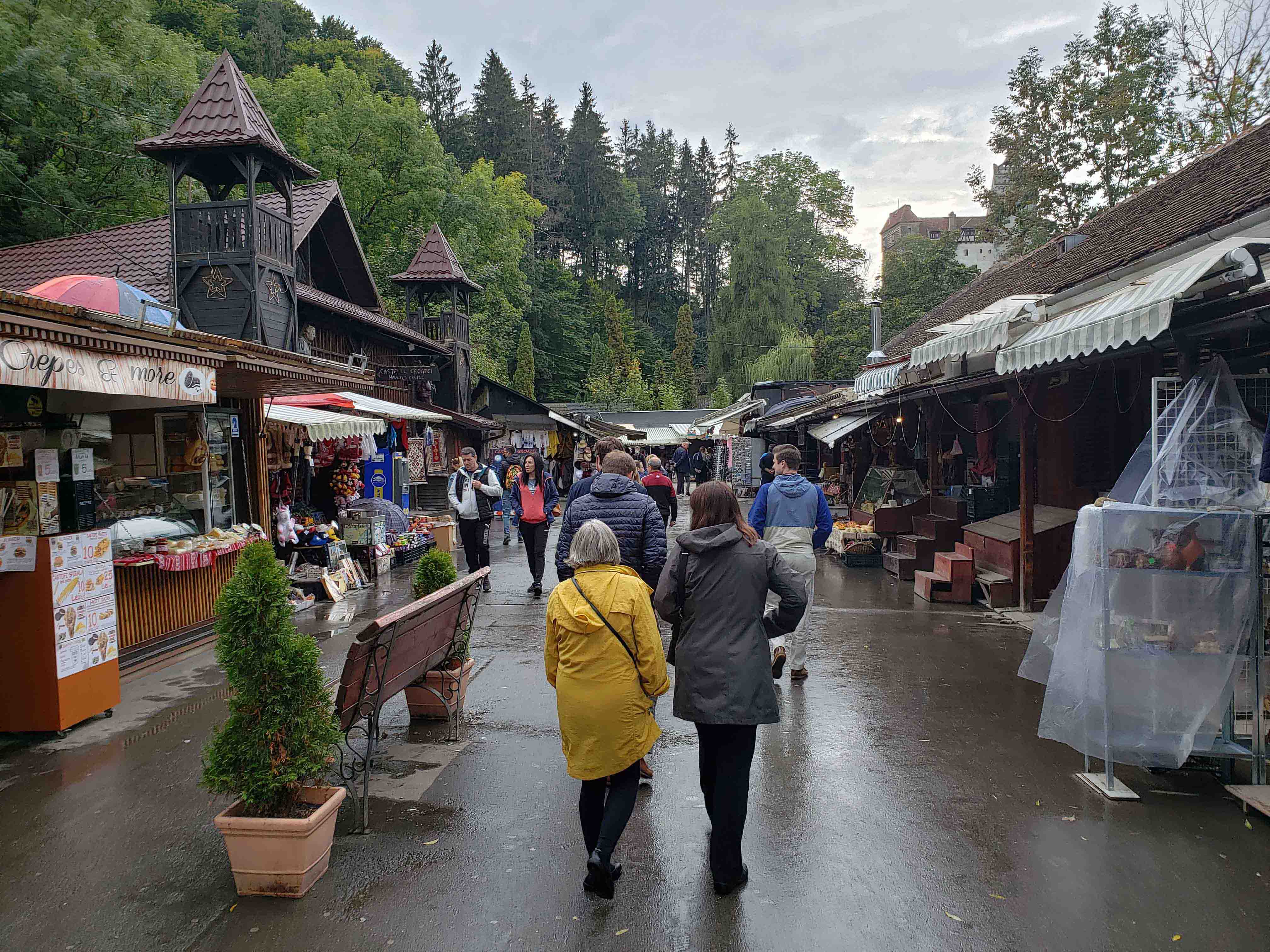
The Prahova River runs alongside the town, as well as a line of the Romanian Railroad; but unlike Buşteni, the railroad does not interfere with this town at all. Traffic however can still be problematic at times, just because of the nature of N60 being the only straight road in these parts, especially during rush hour times. The good news though is, once off of N60, traffic in and through the town seems well controlled by a series of traffic circles and other parallel streets. While we were there they were having an outside market, which apparently drew a lot of locals.

Castle Peles

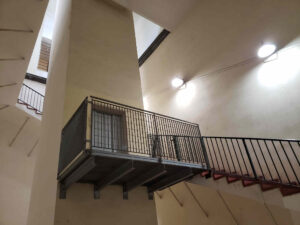
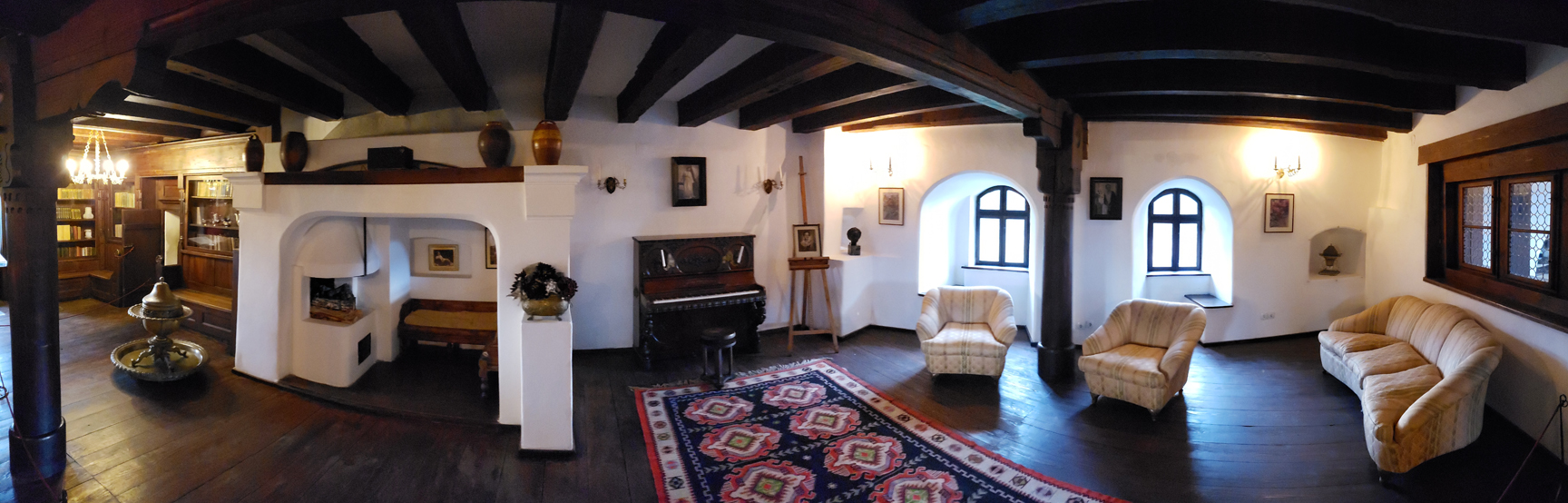
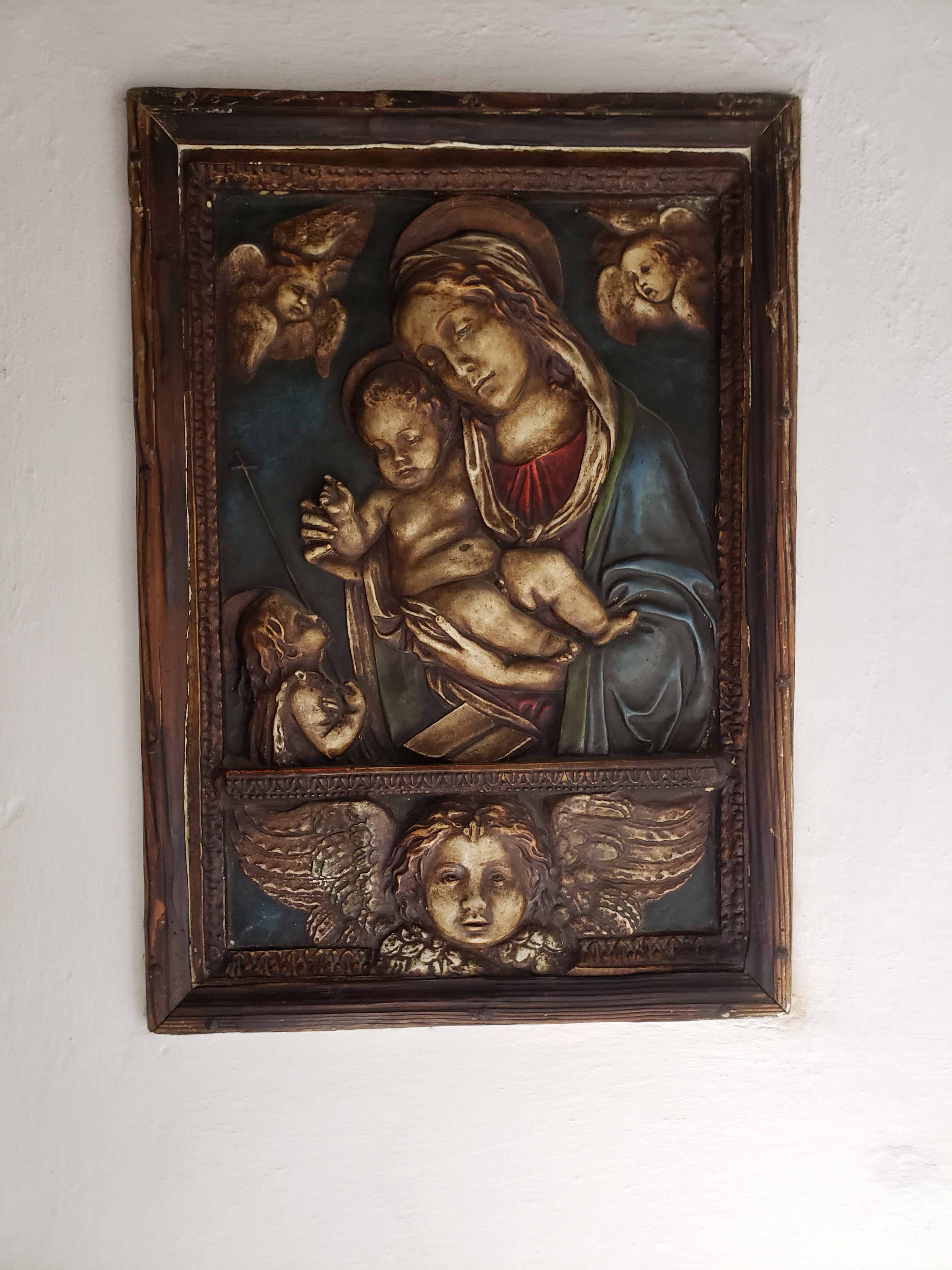
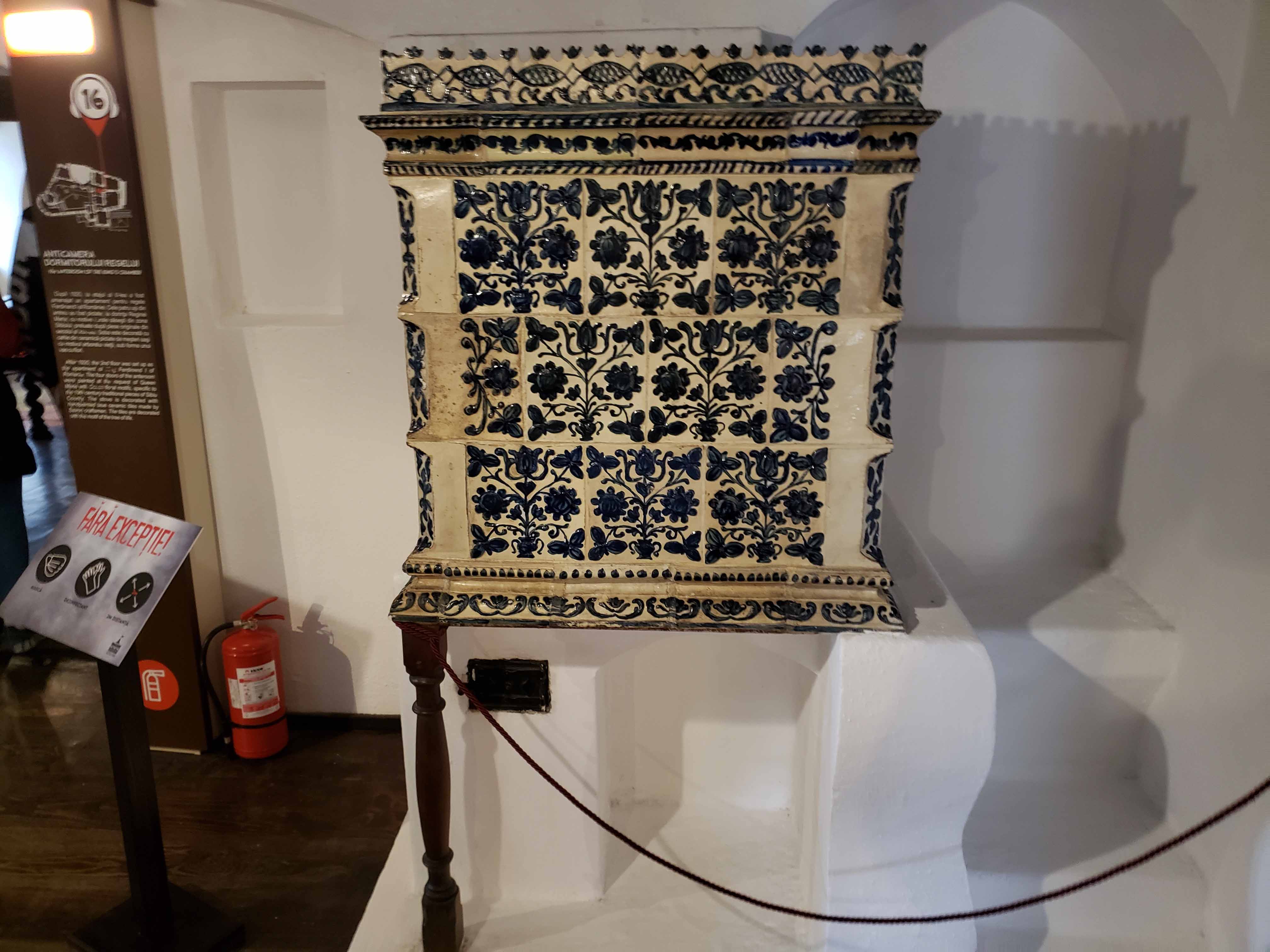
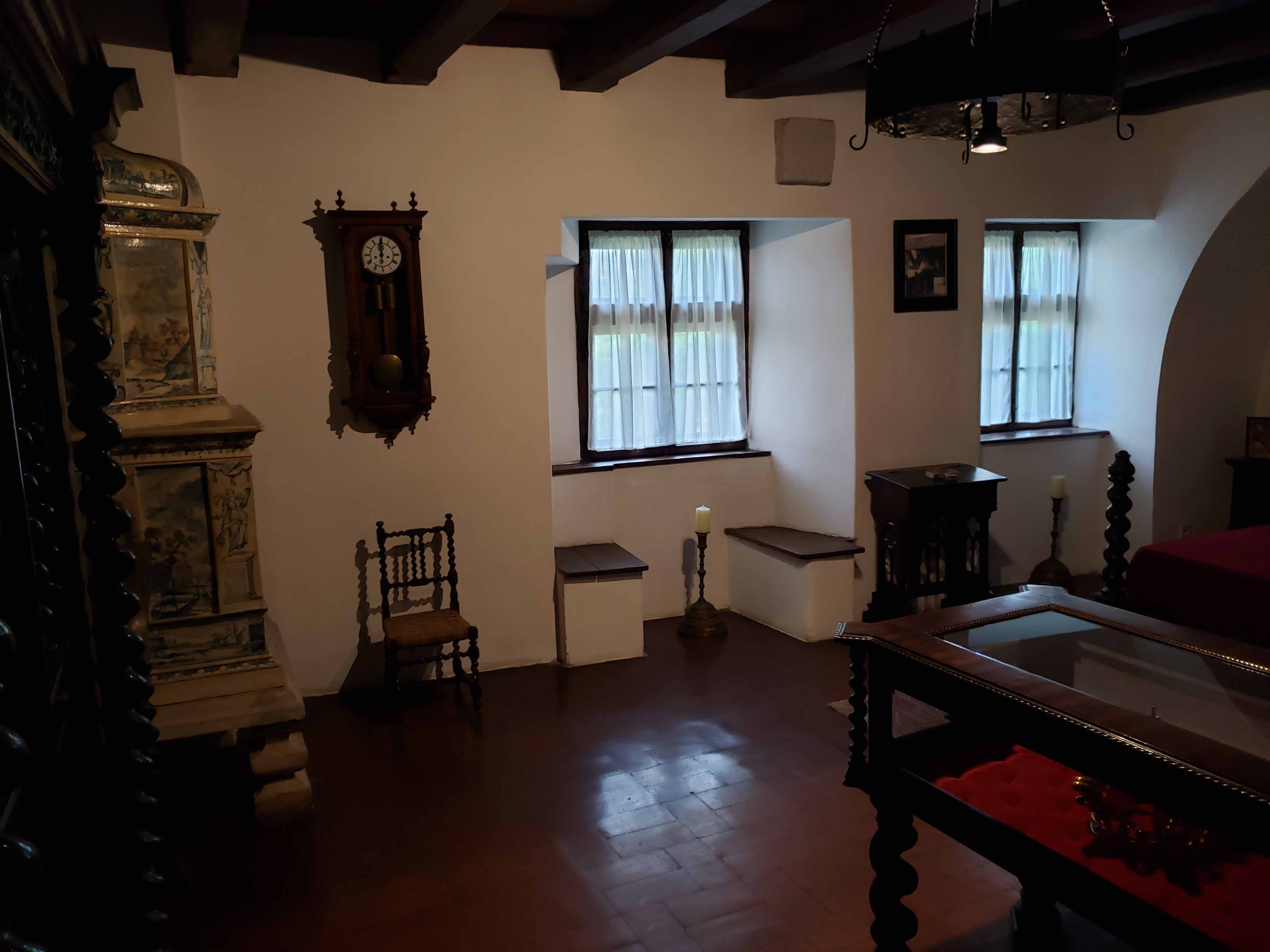
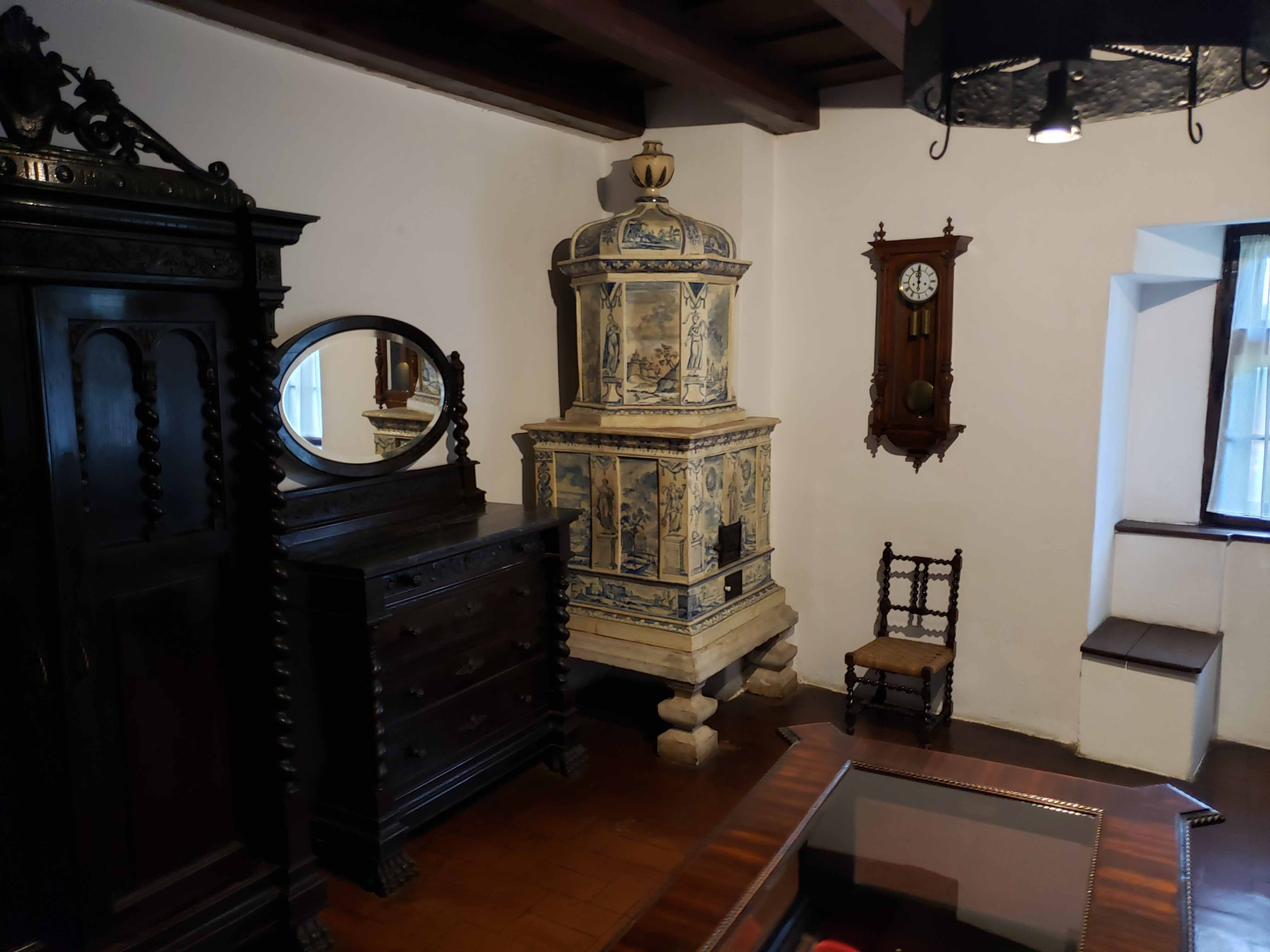
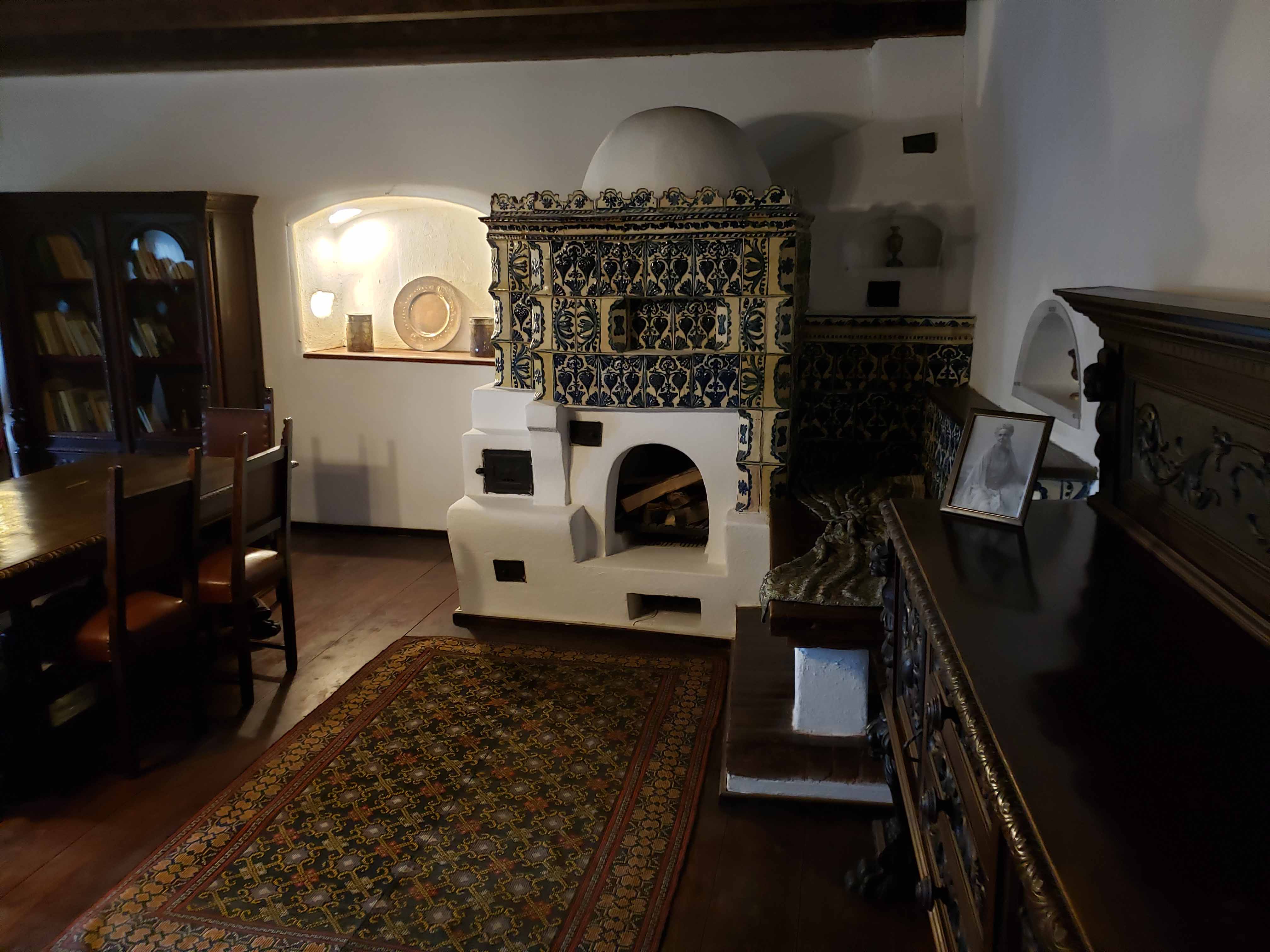
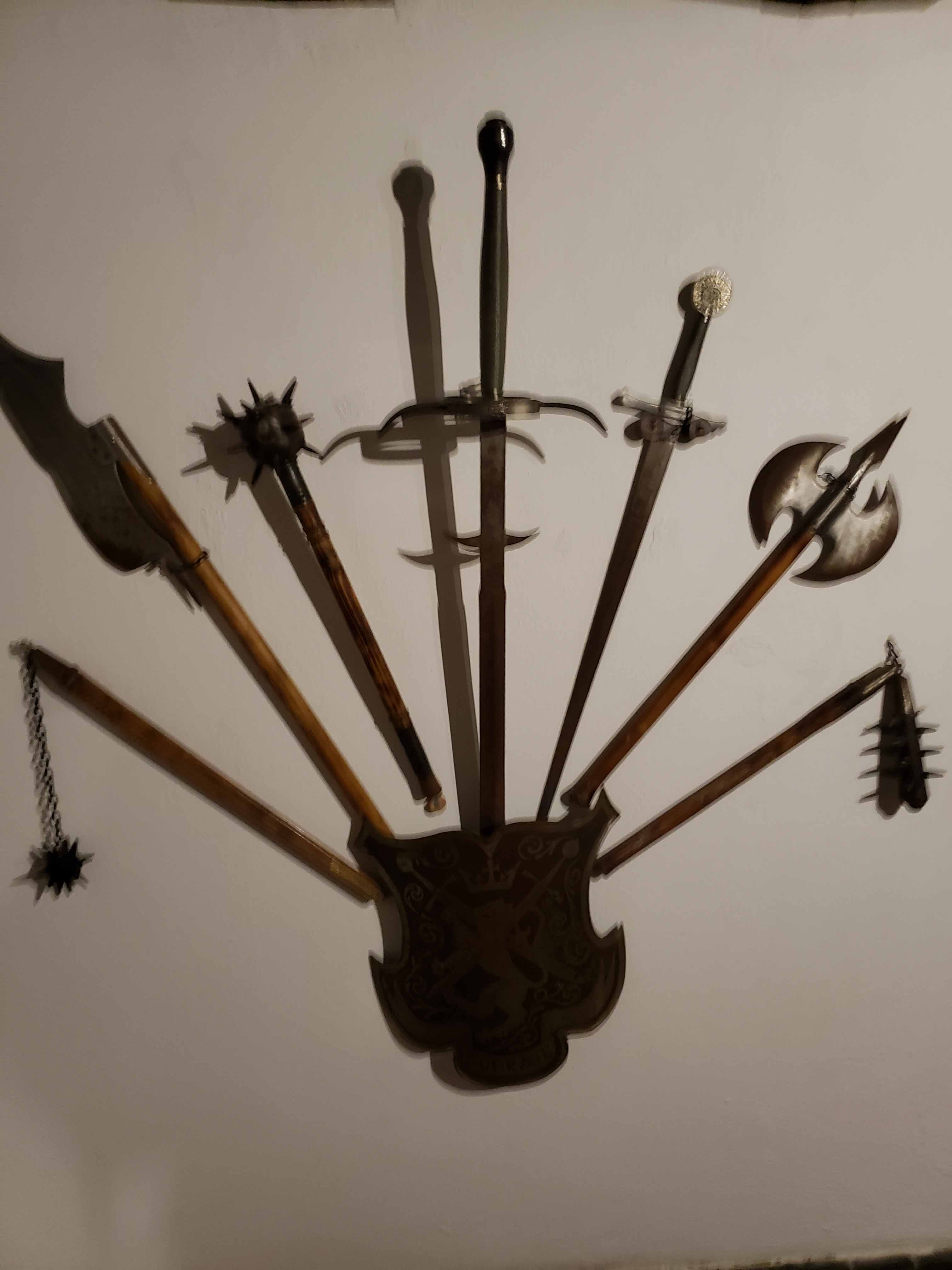
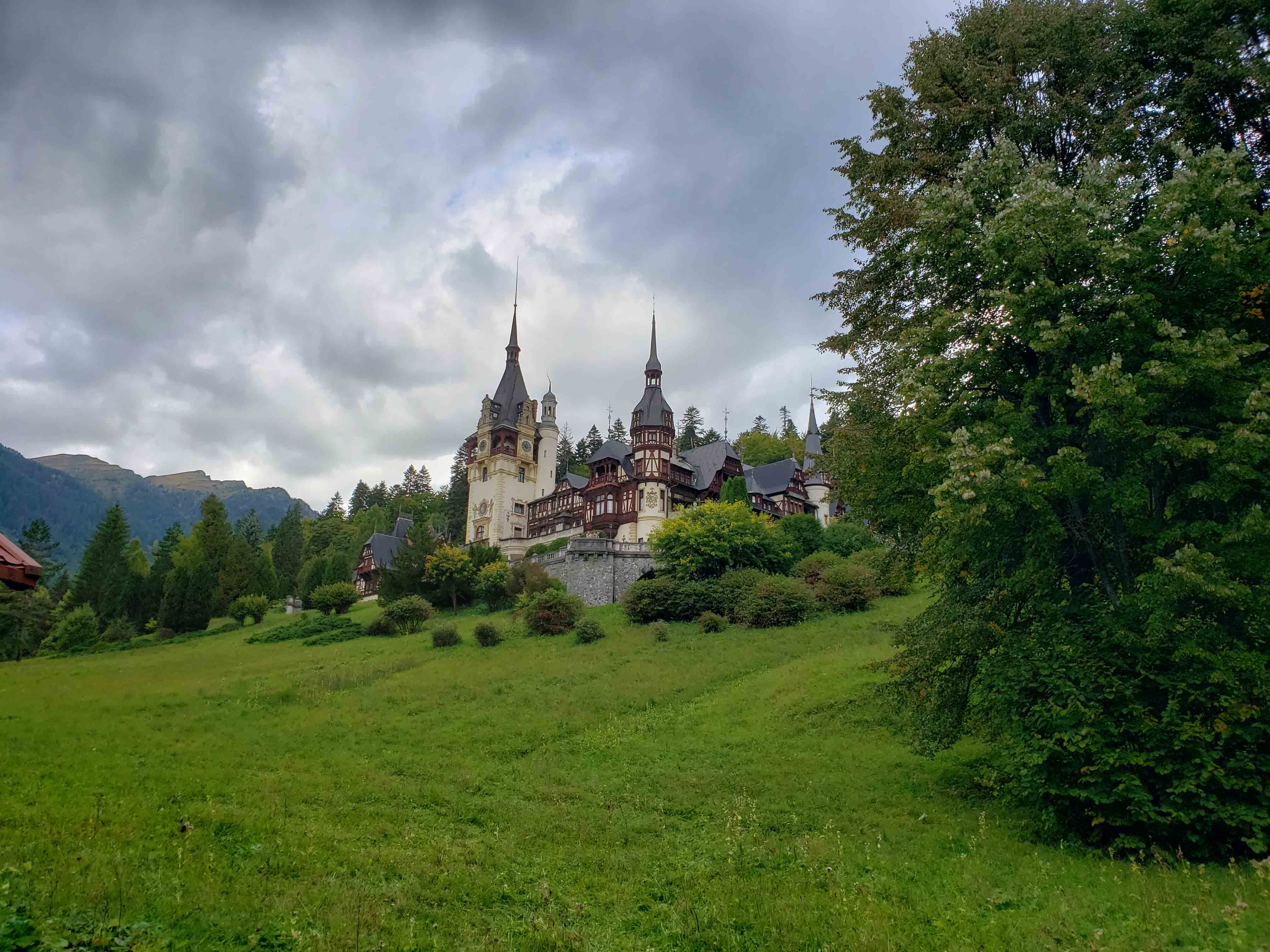
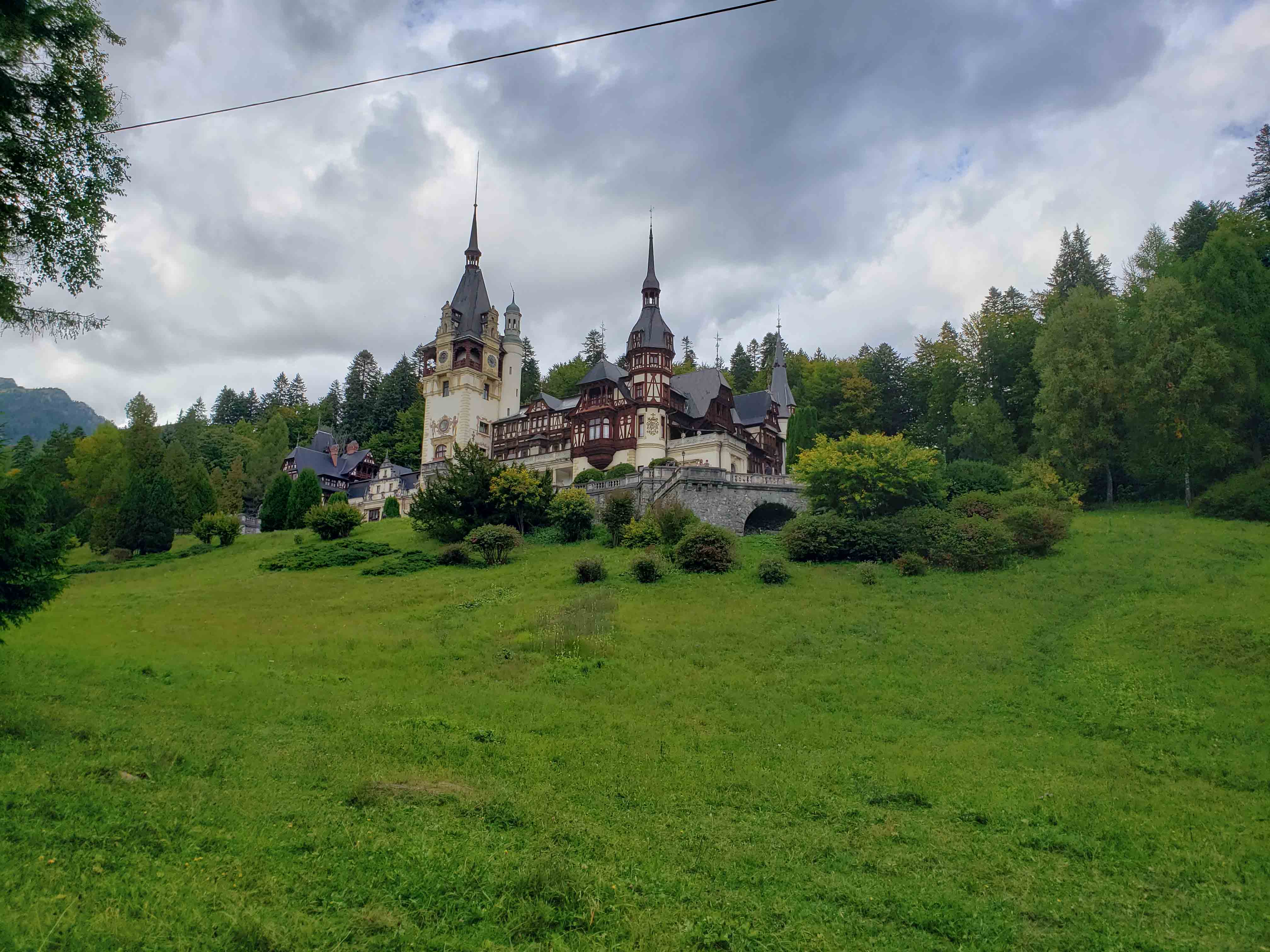
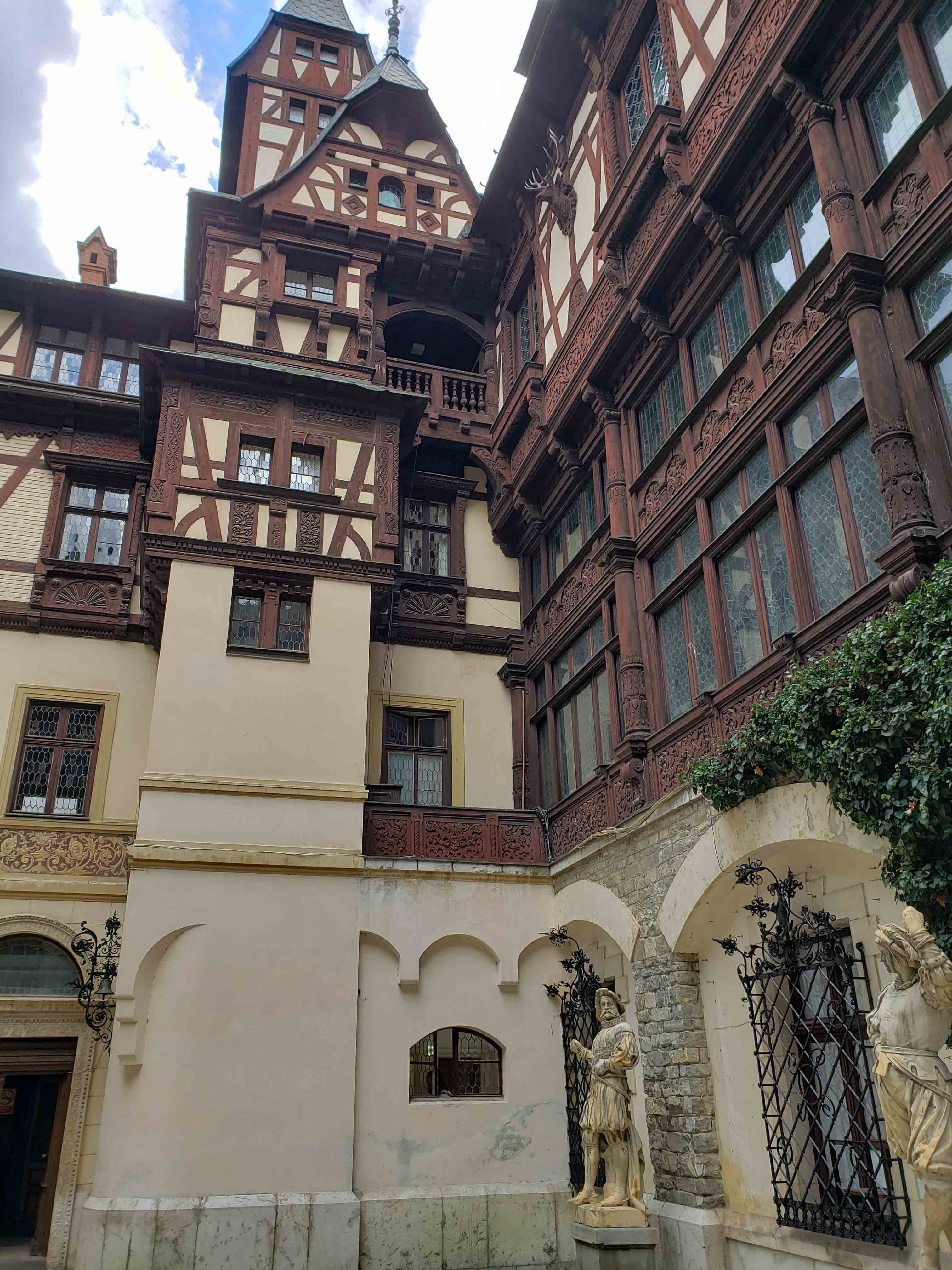
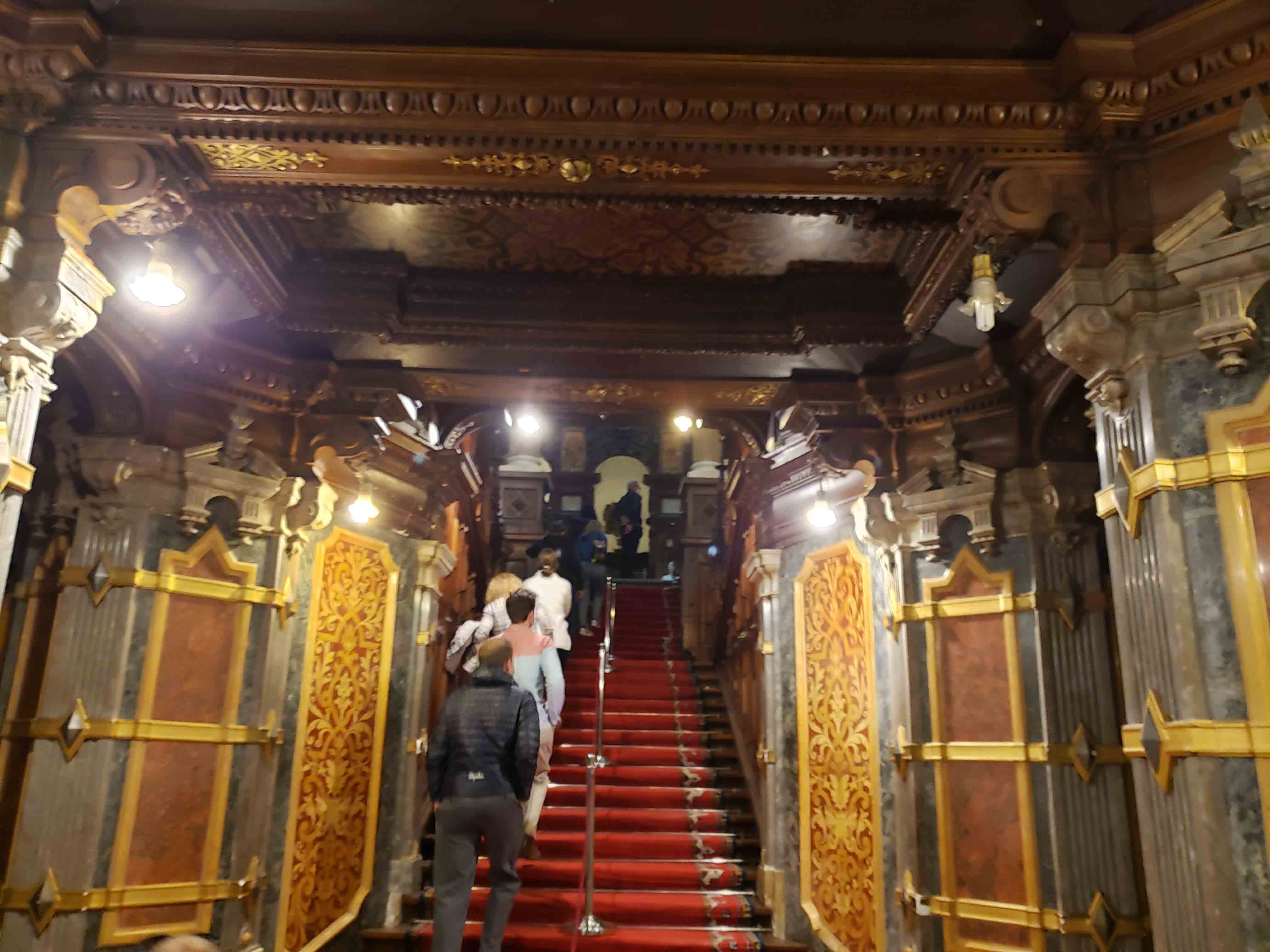
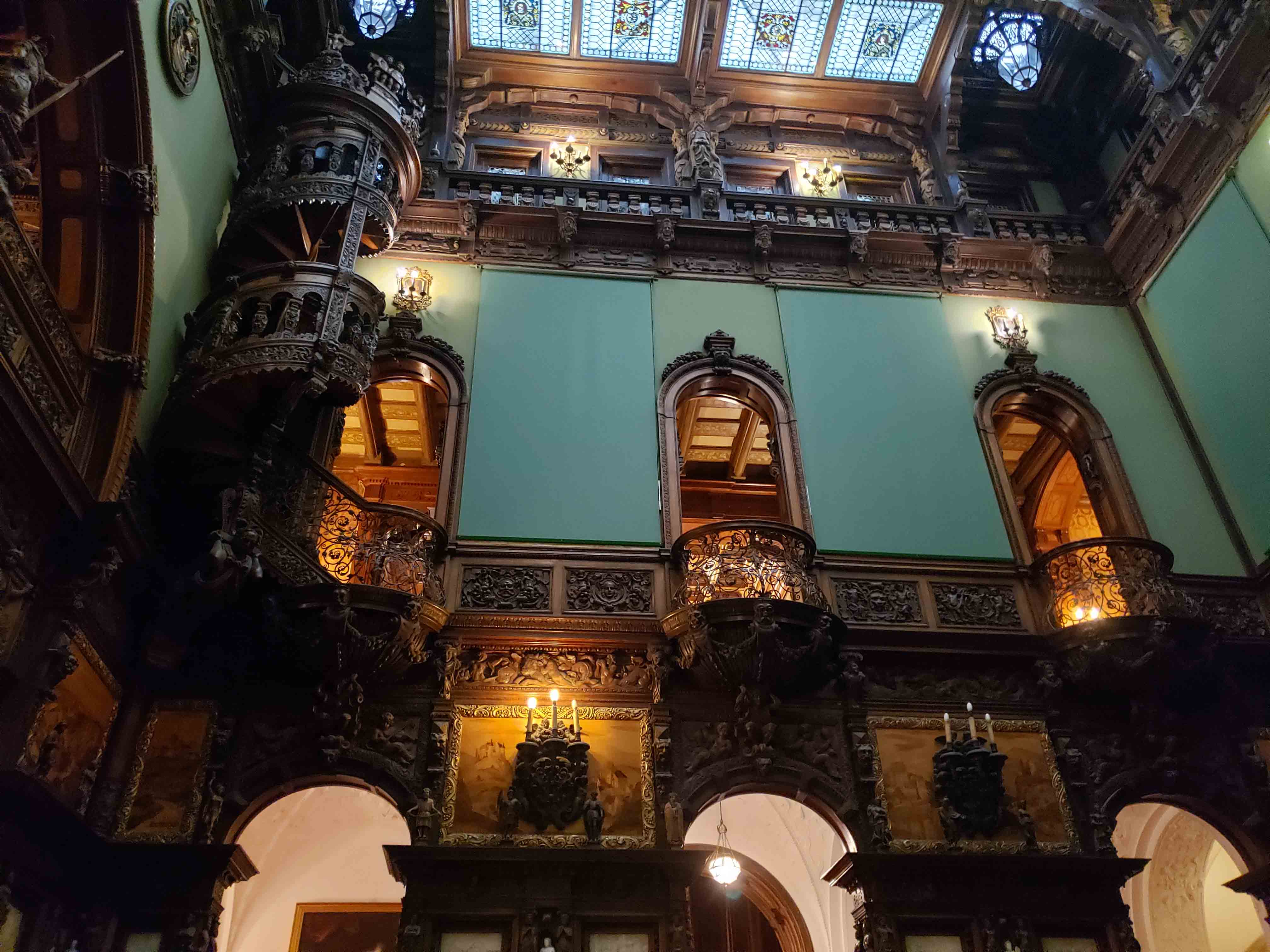
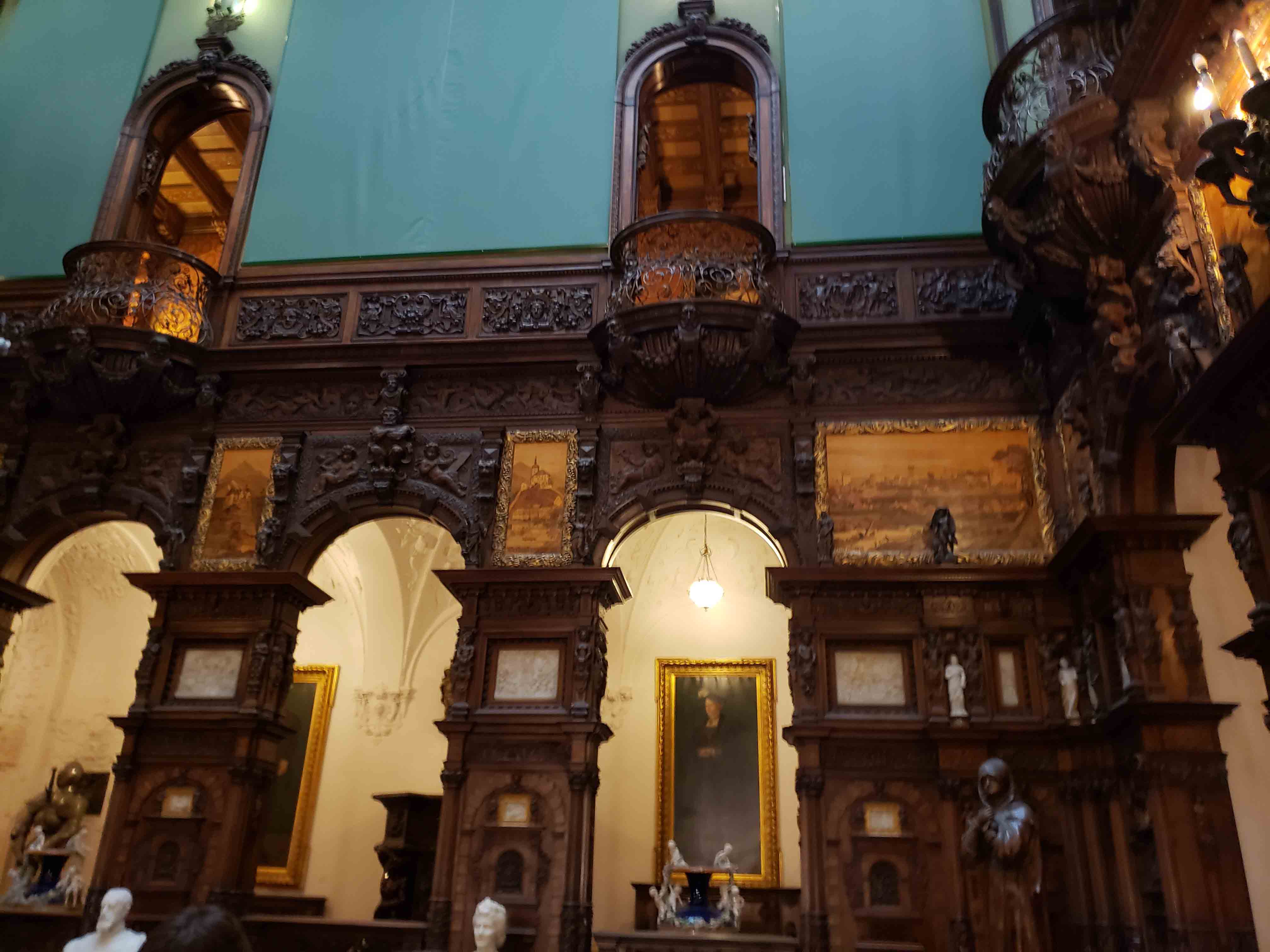
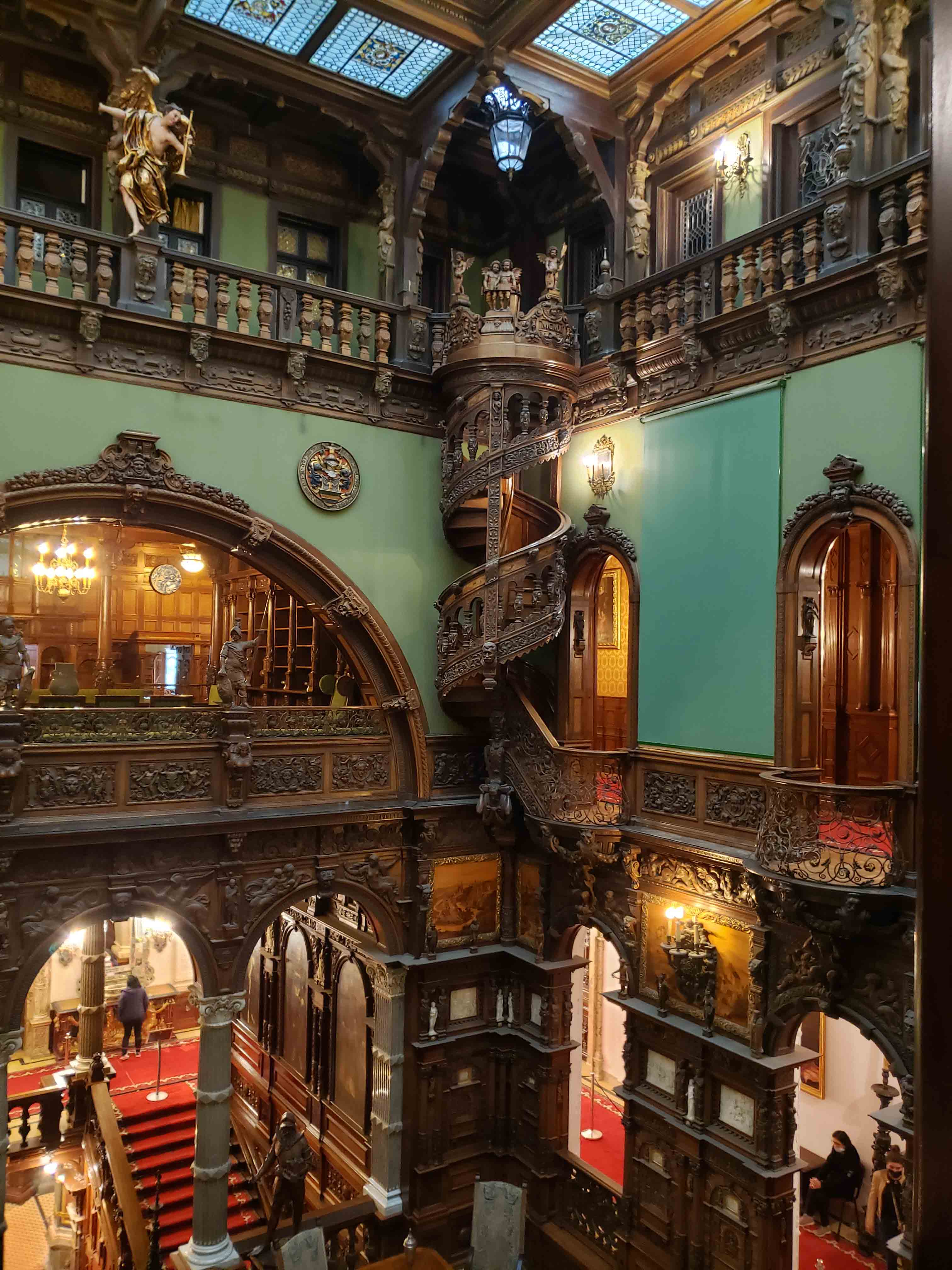
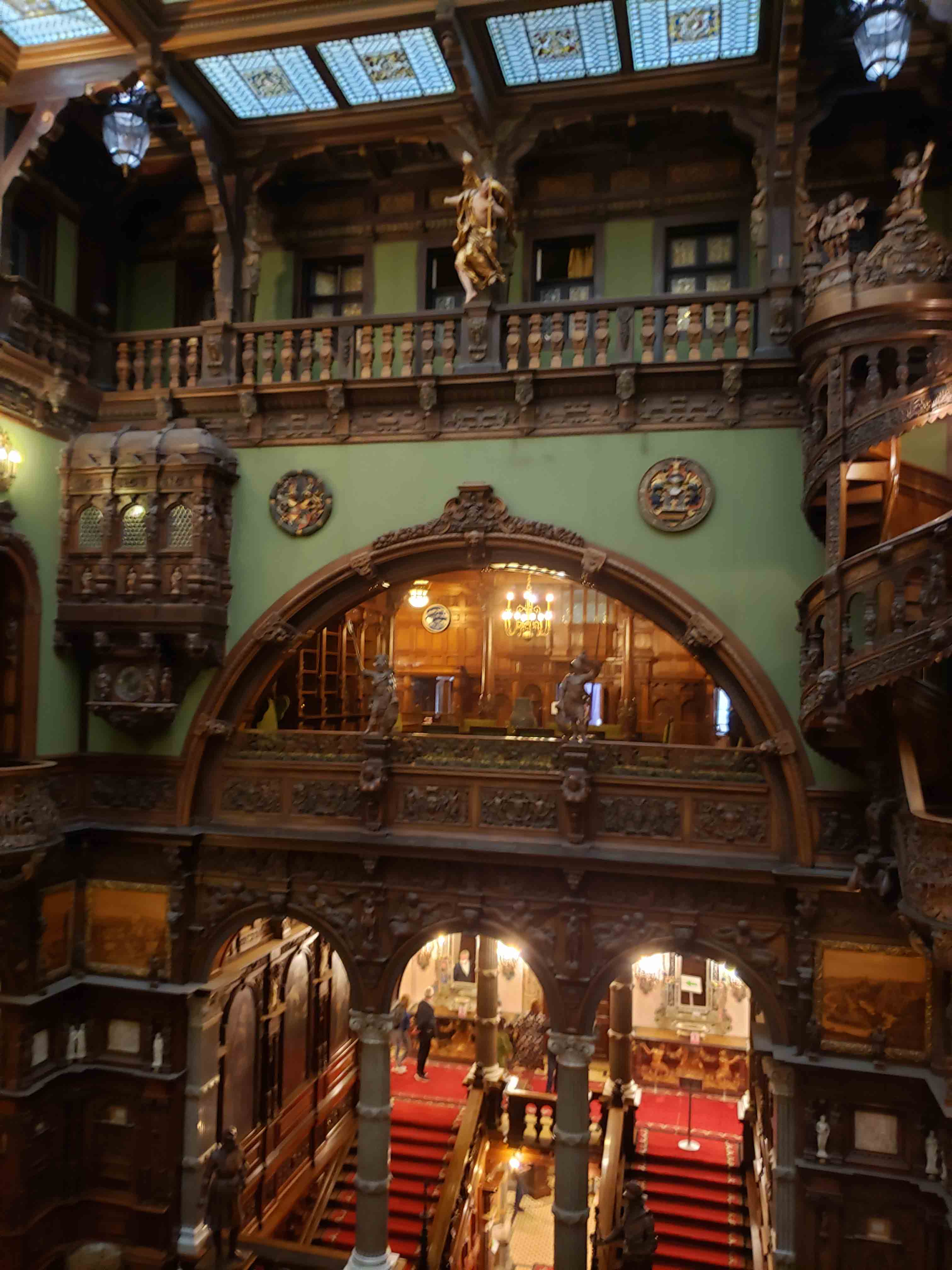
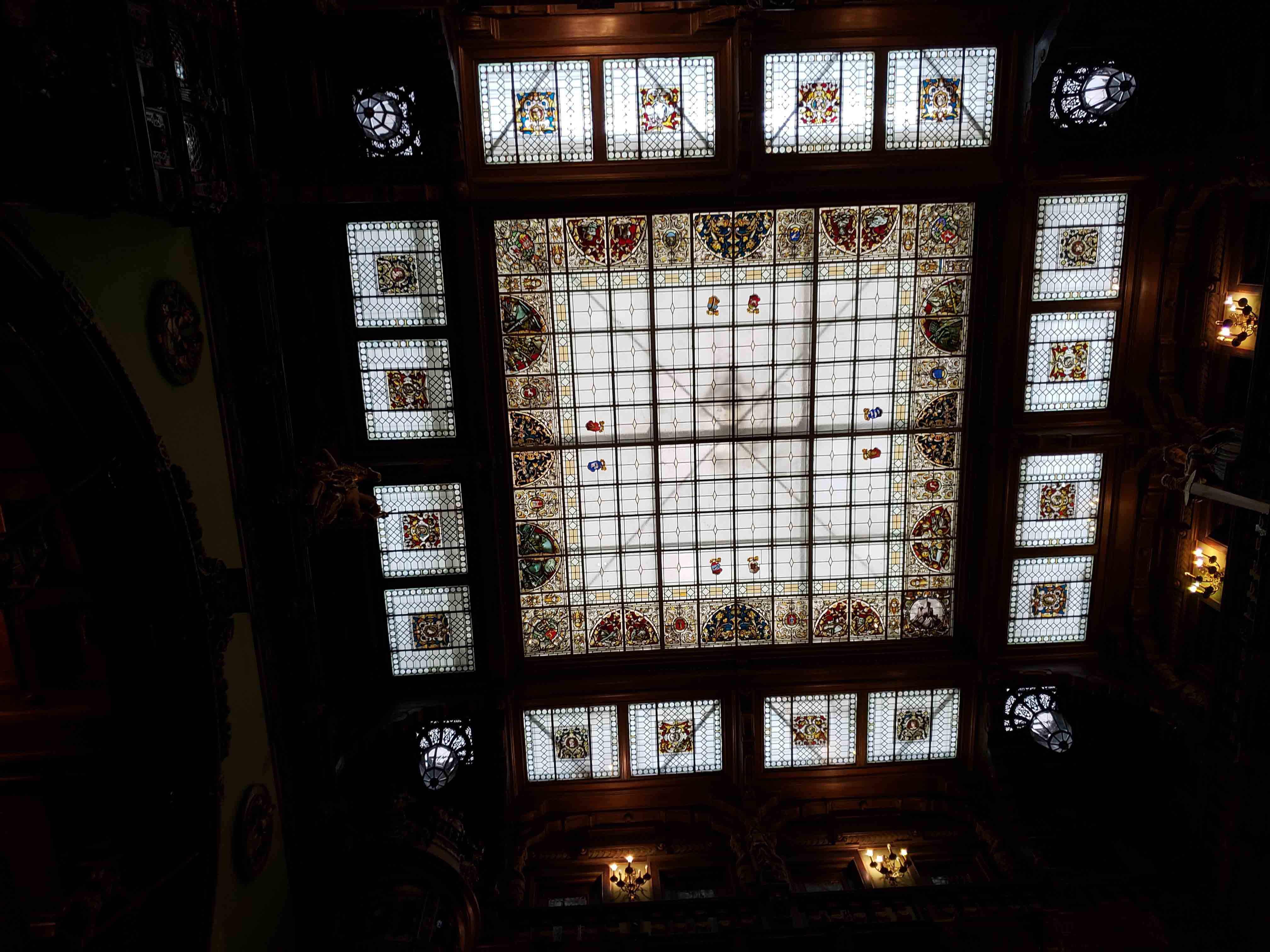
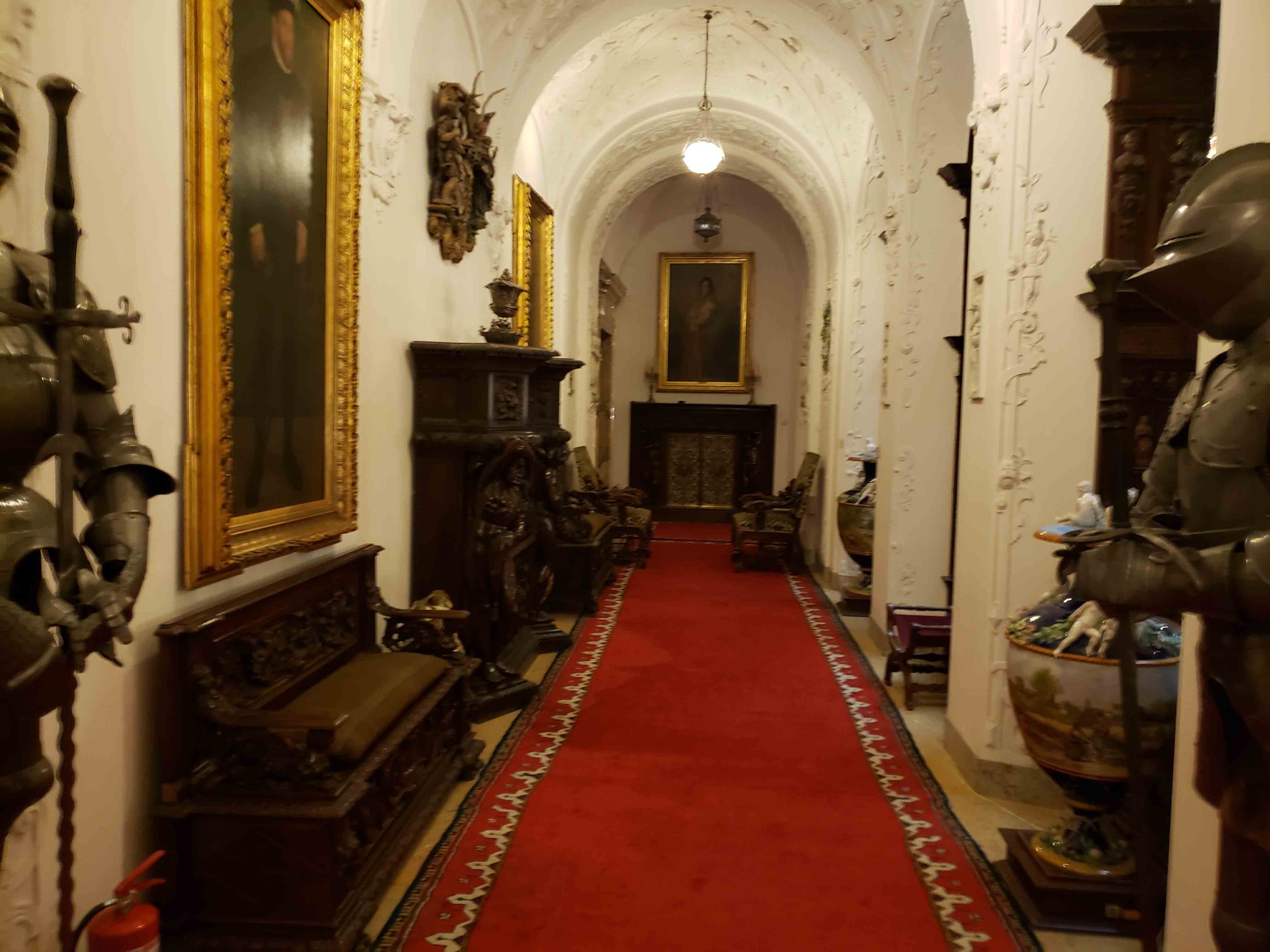
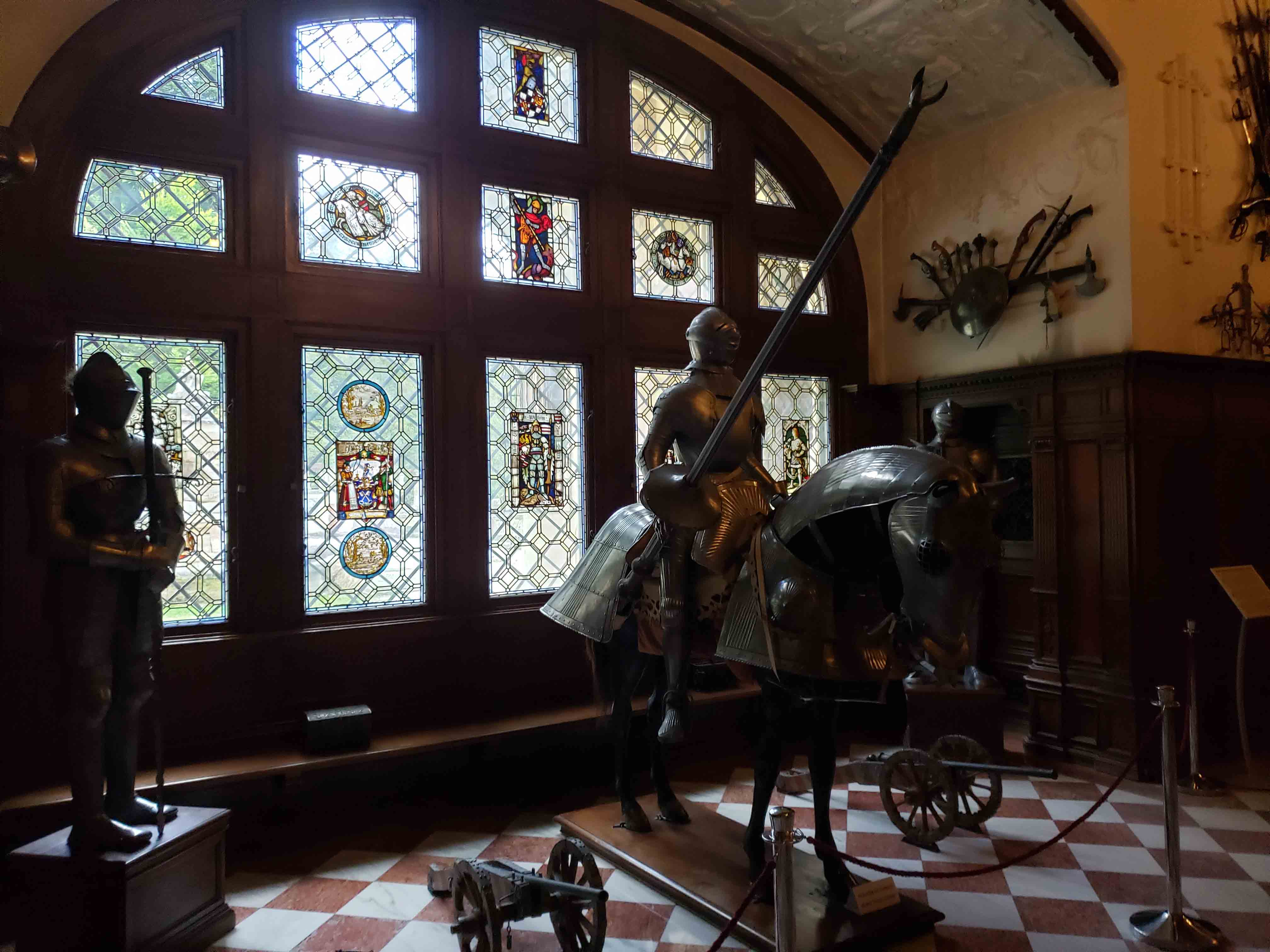
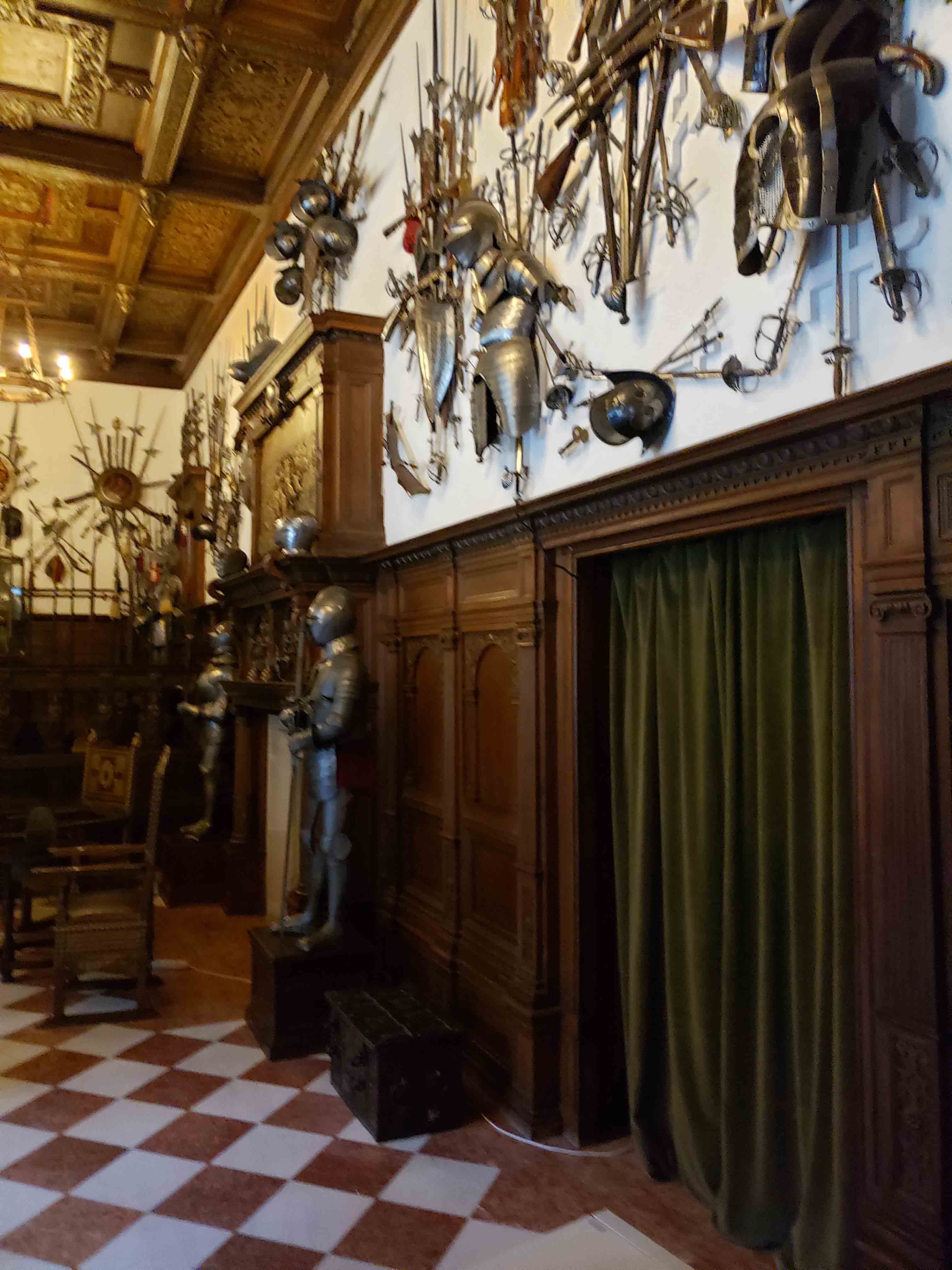
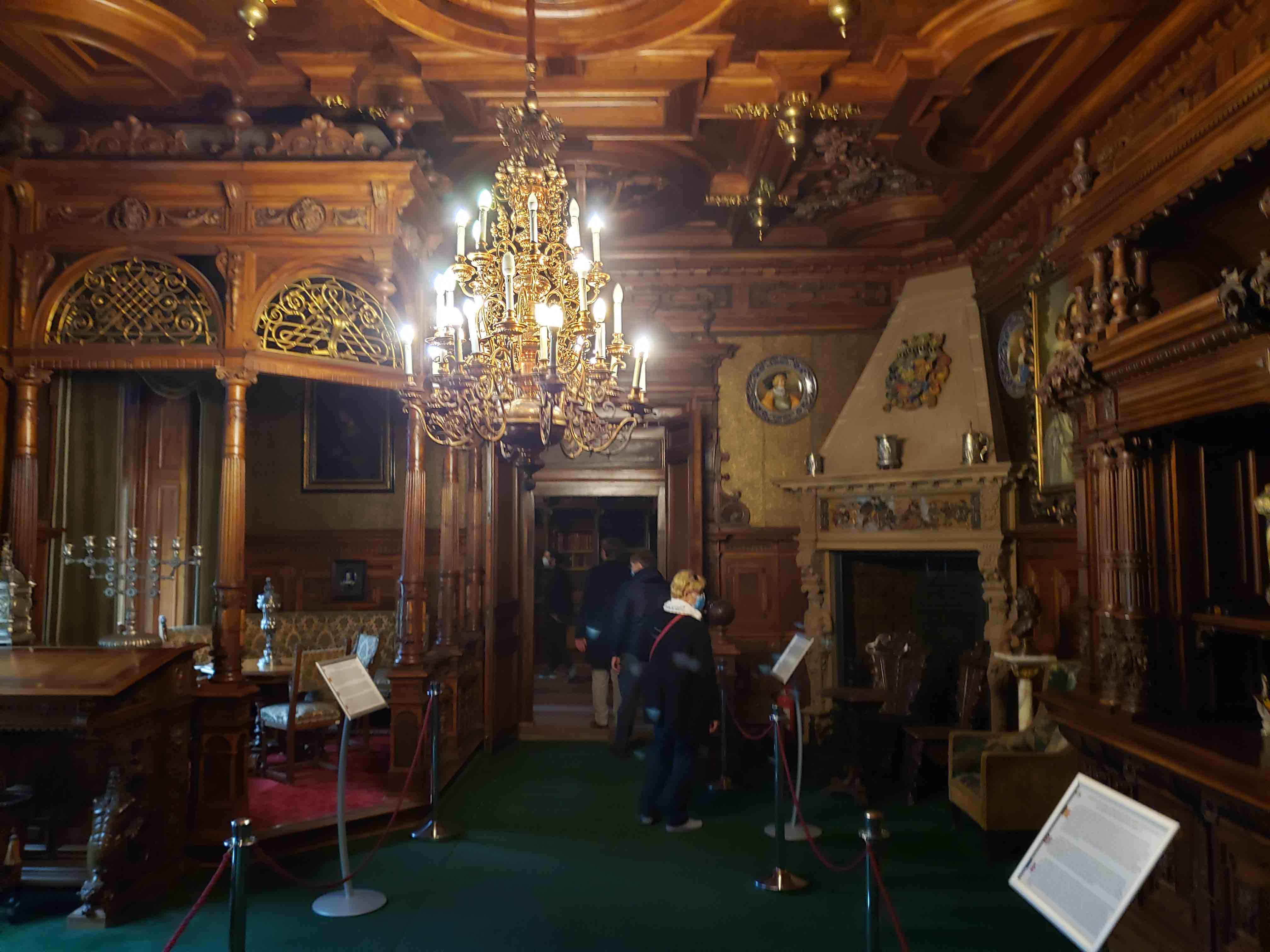
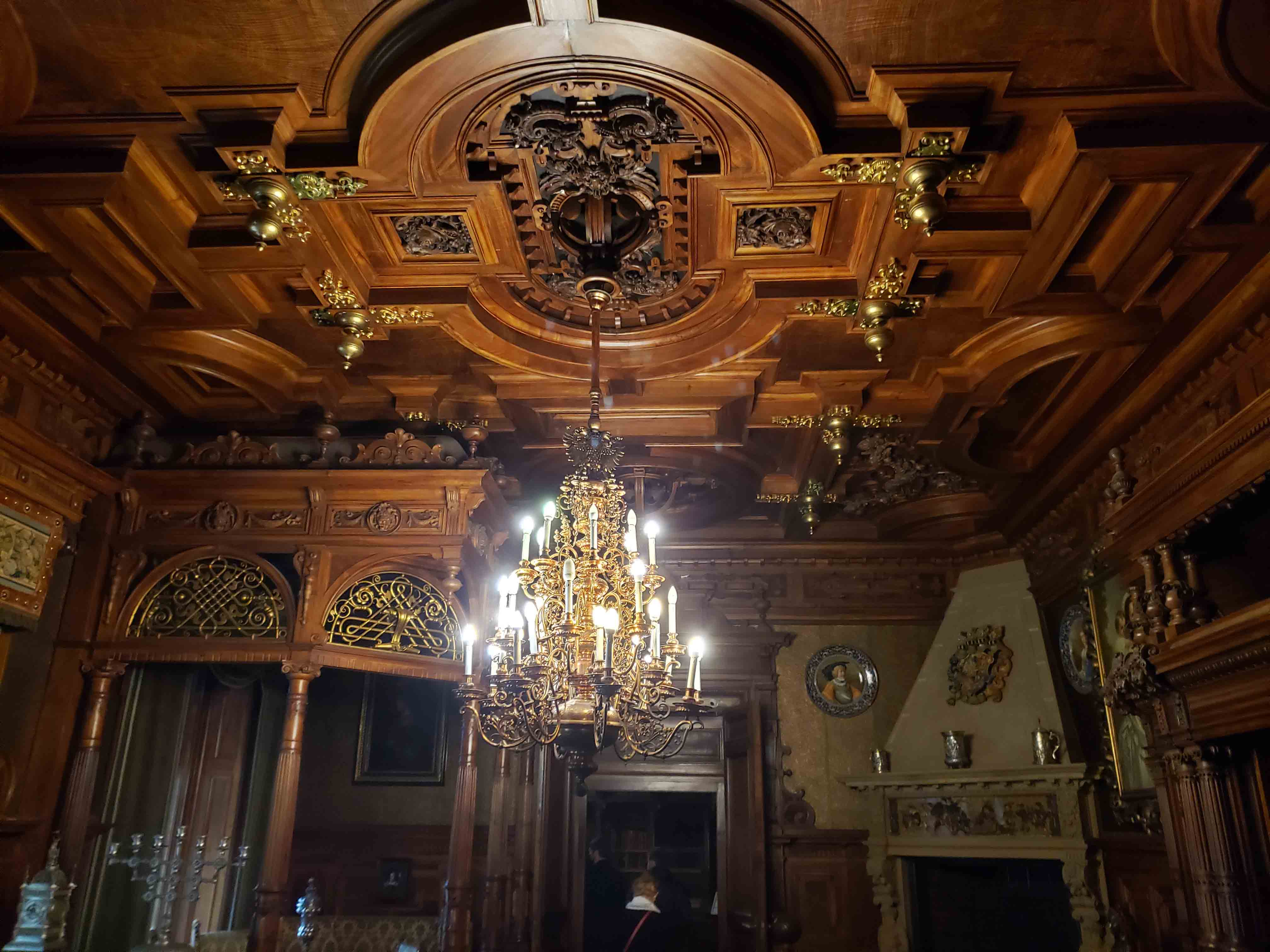
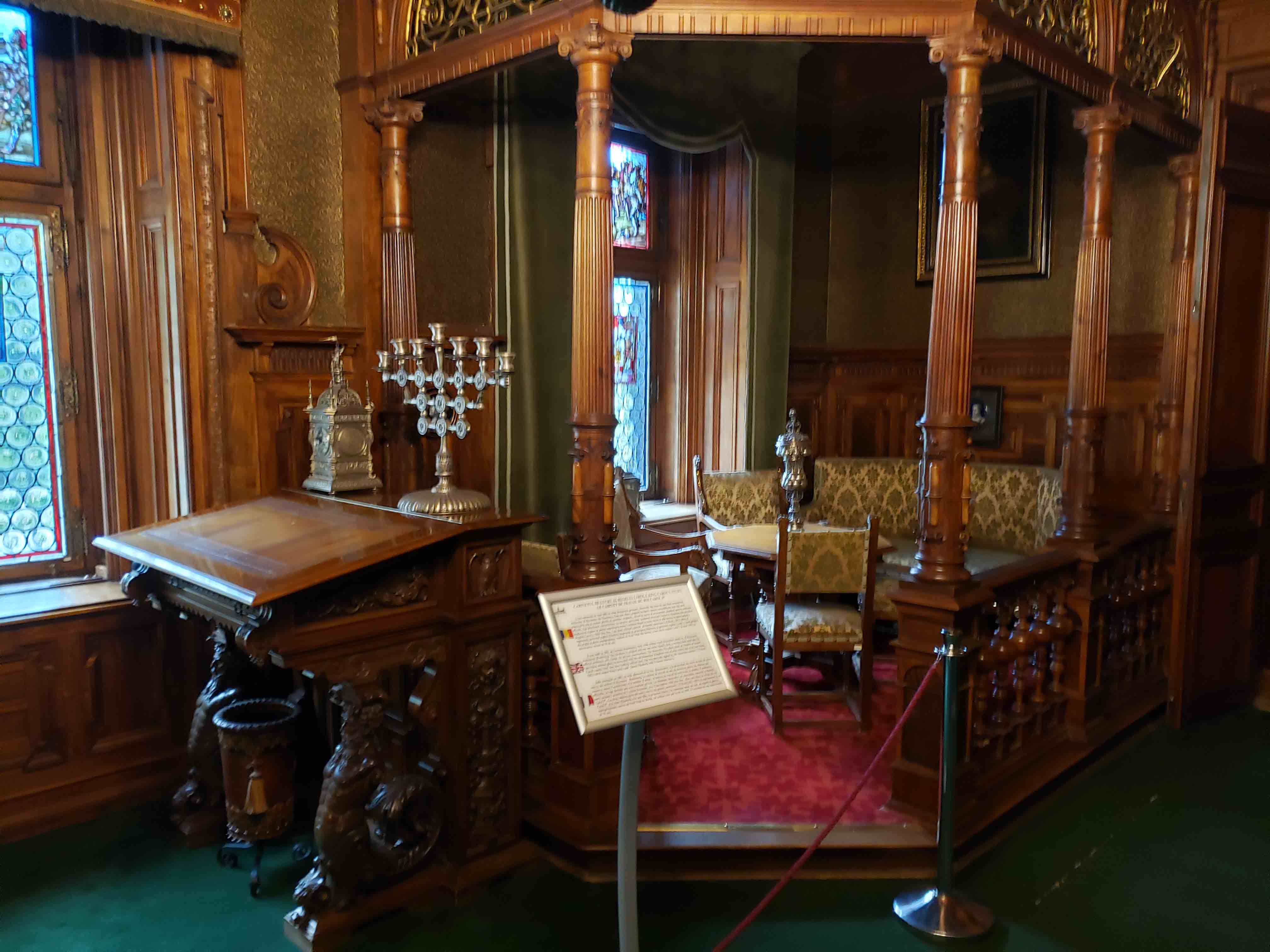
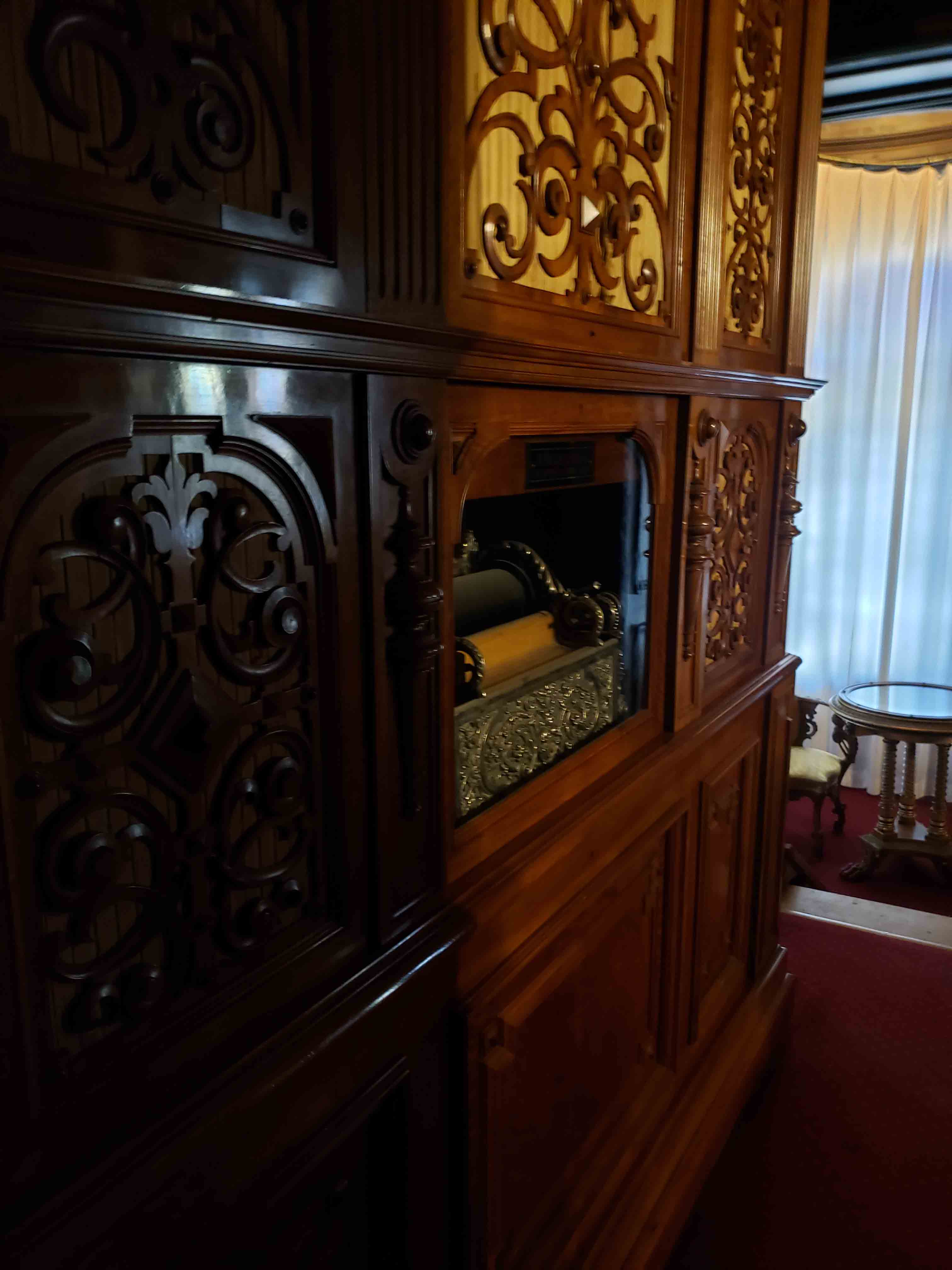
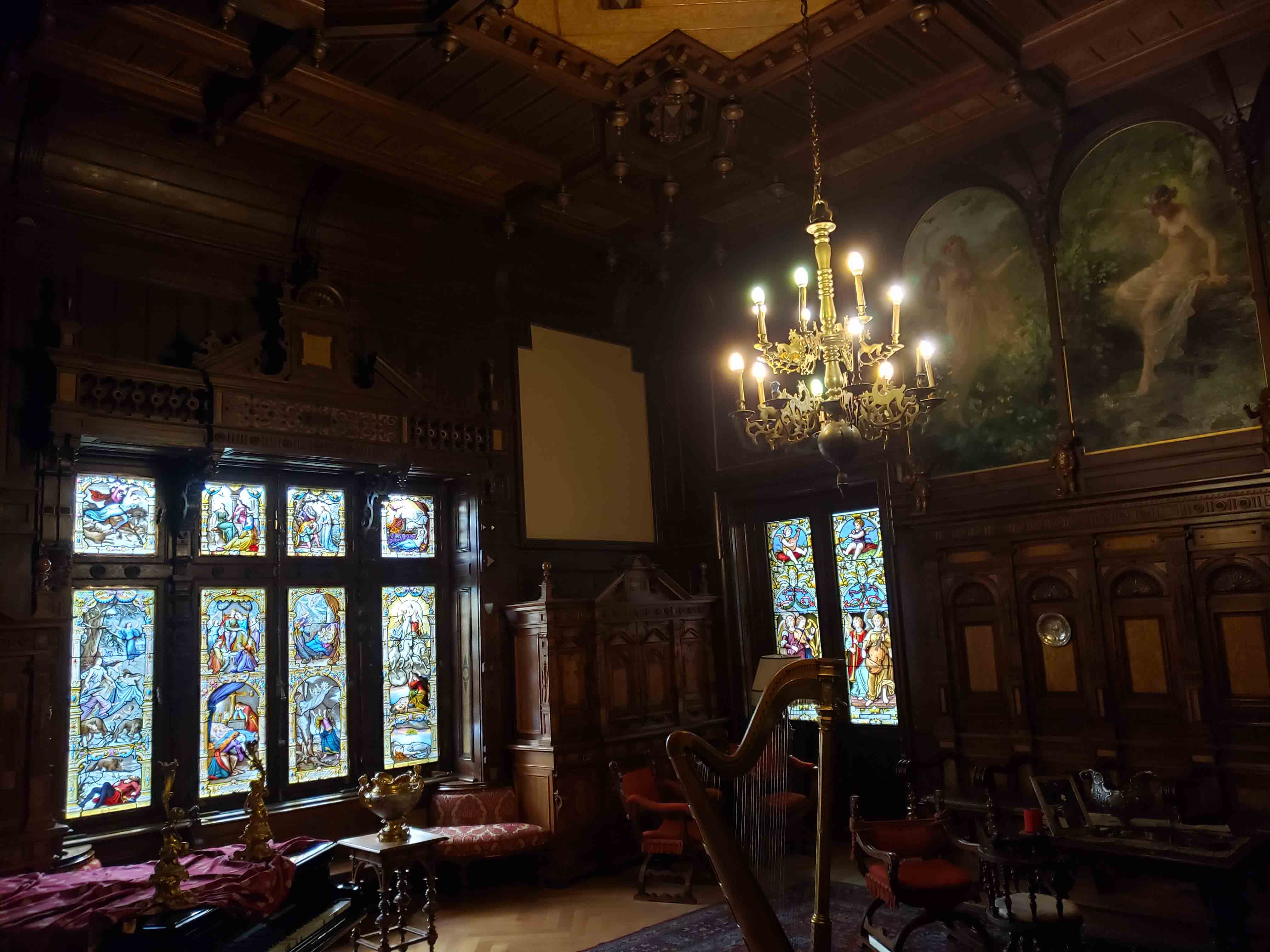
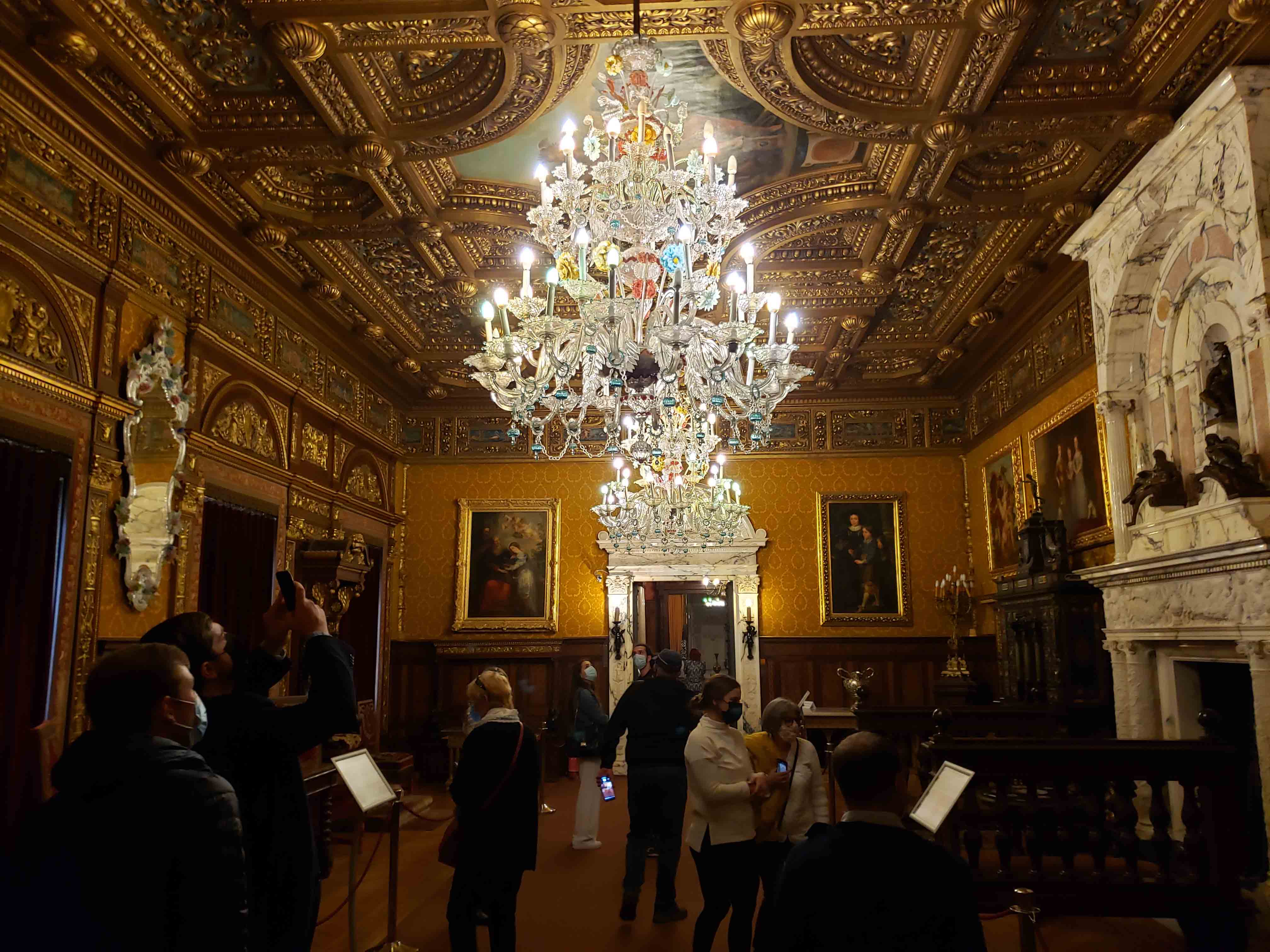
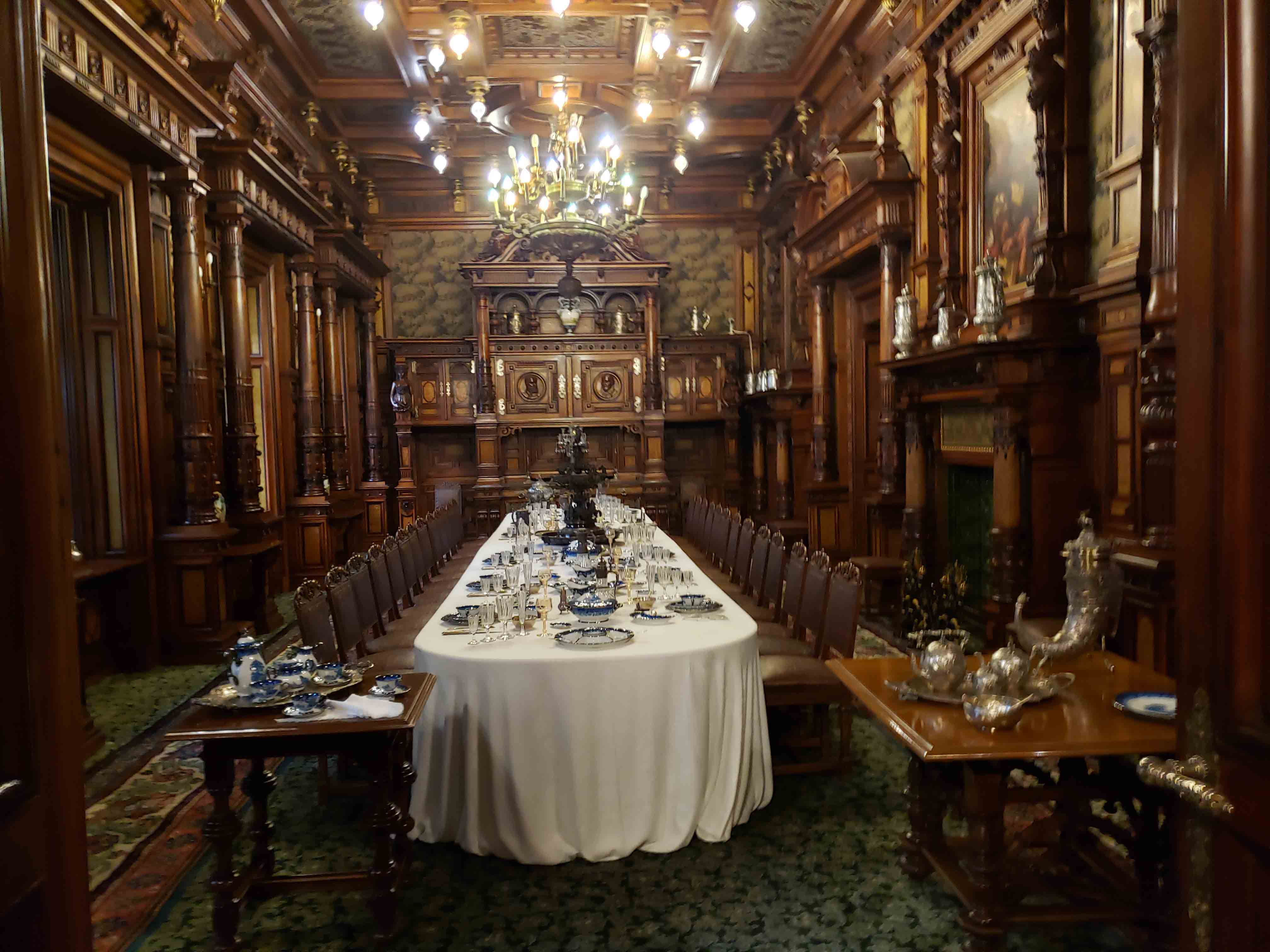
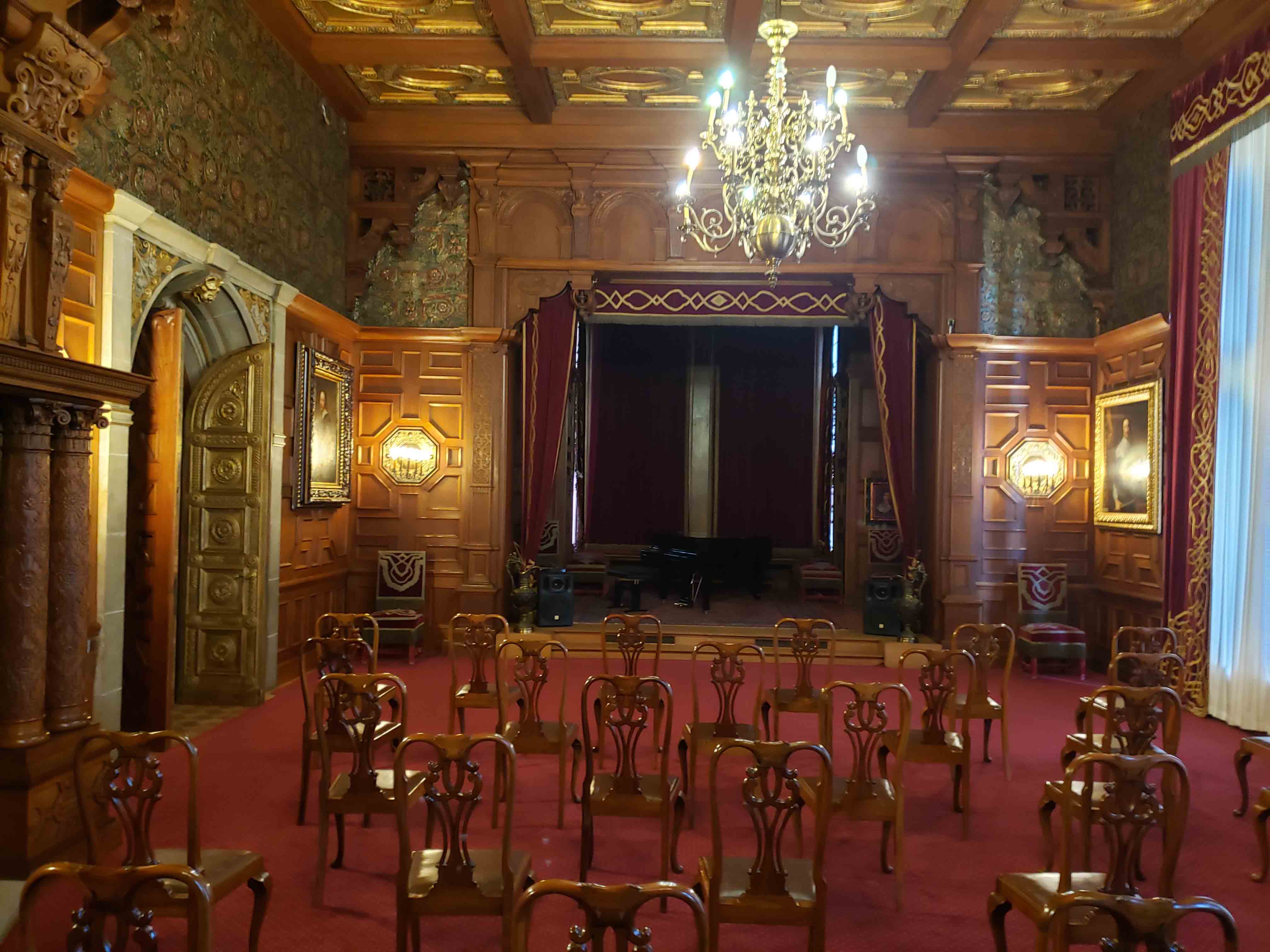
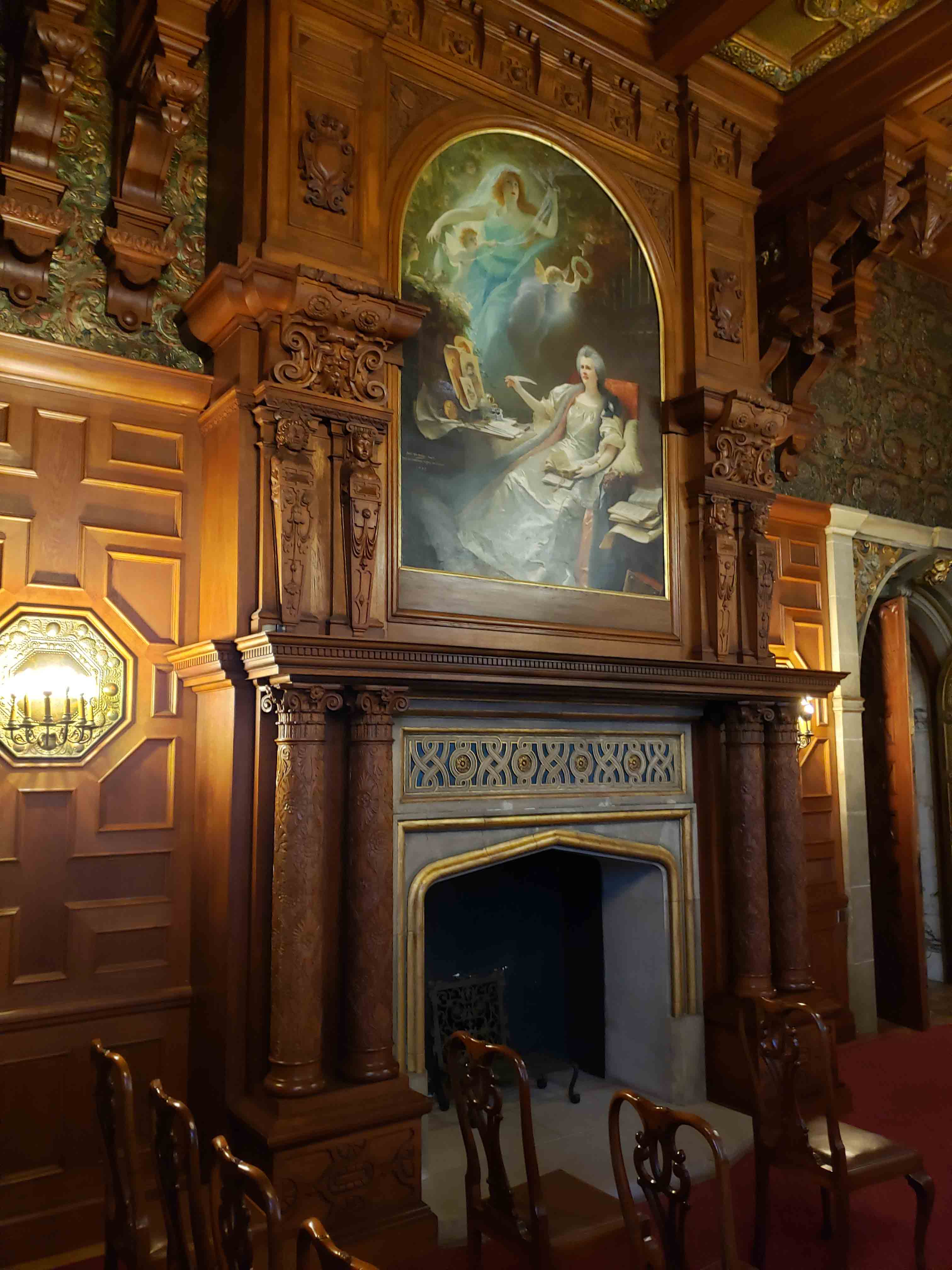
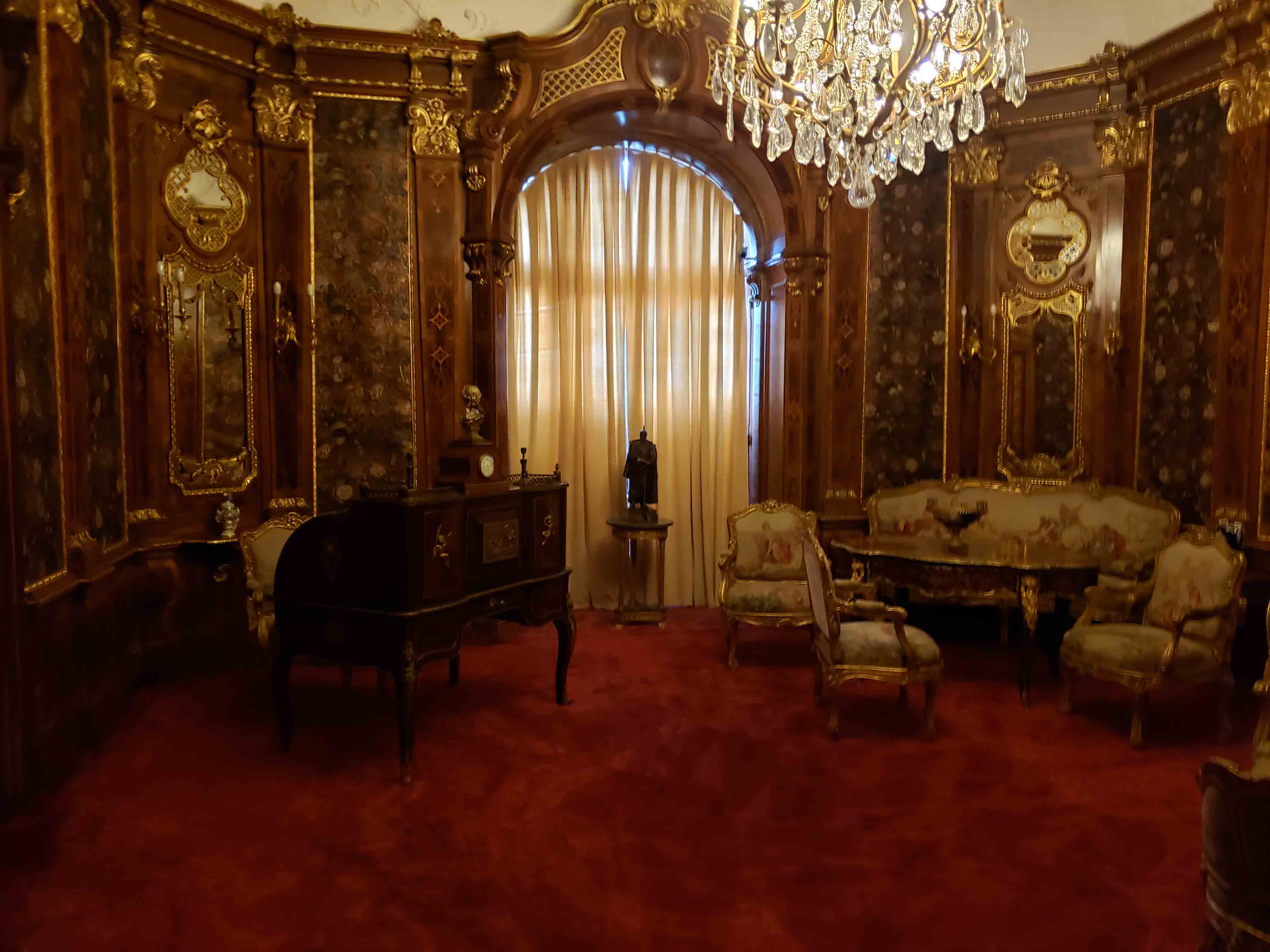
The Castle Peleş is more or less renovated and is a government run venue hosting tours, both self-pacing and private. It is rather large and consists of many separate rooms that are rather elaborate, including an arms room, study, reception, large dining hall, library and a grand hall that has a most unique wooden spiral staircase with an electrically operated roof that opens fully (though no proof or demonstrations were offered nor provided).  

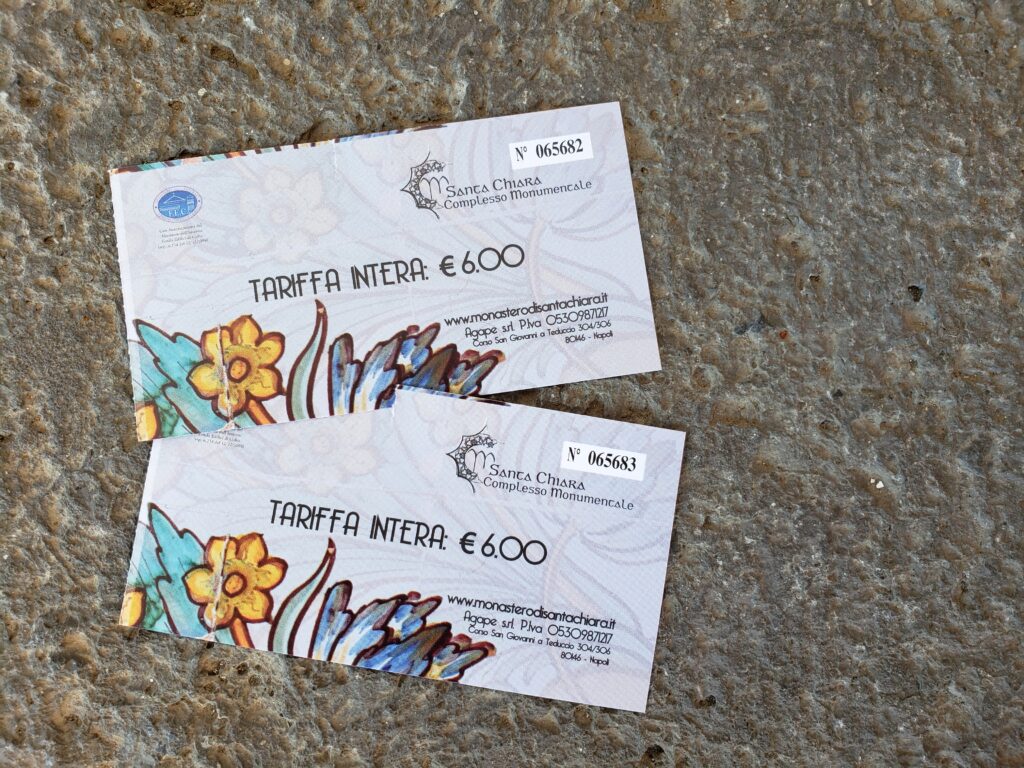
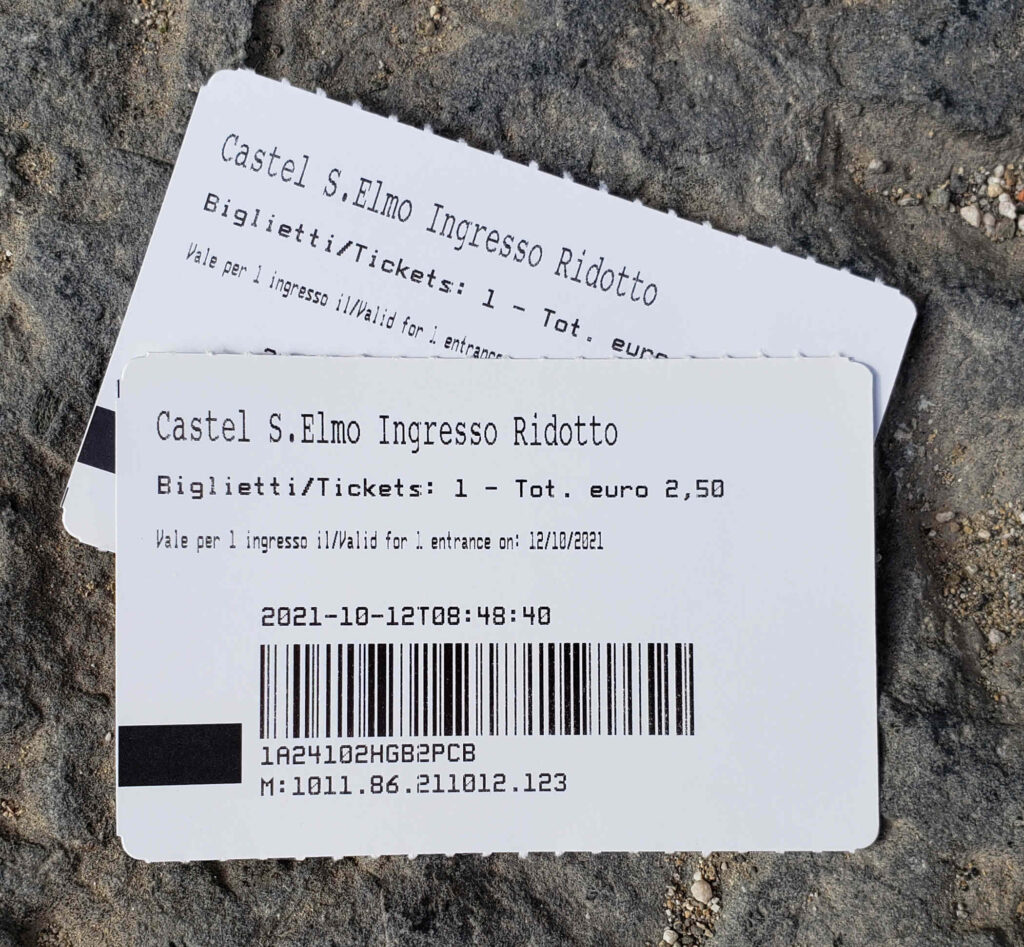
Sinaia – Castle Peleş – Tickets For Two – 19th of September, 2021

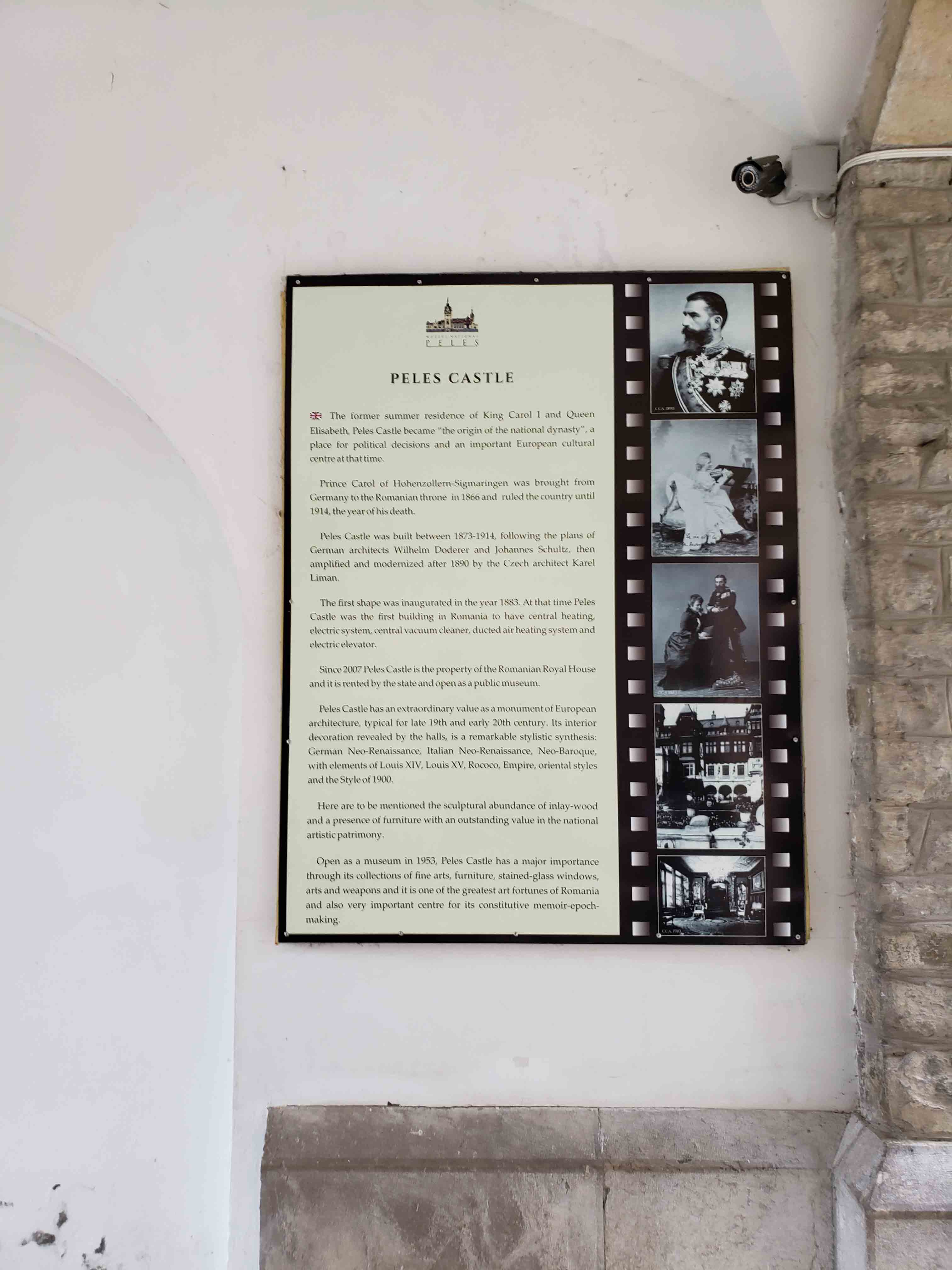
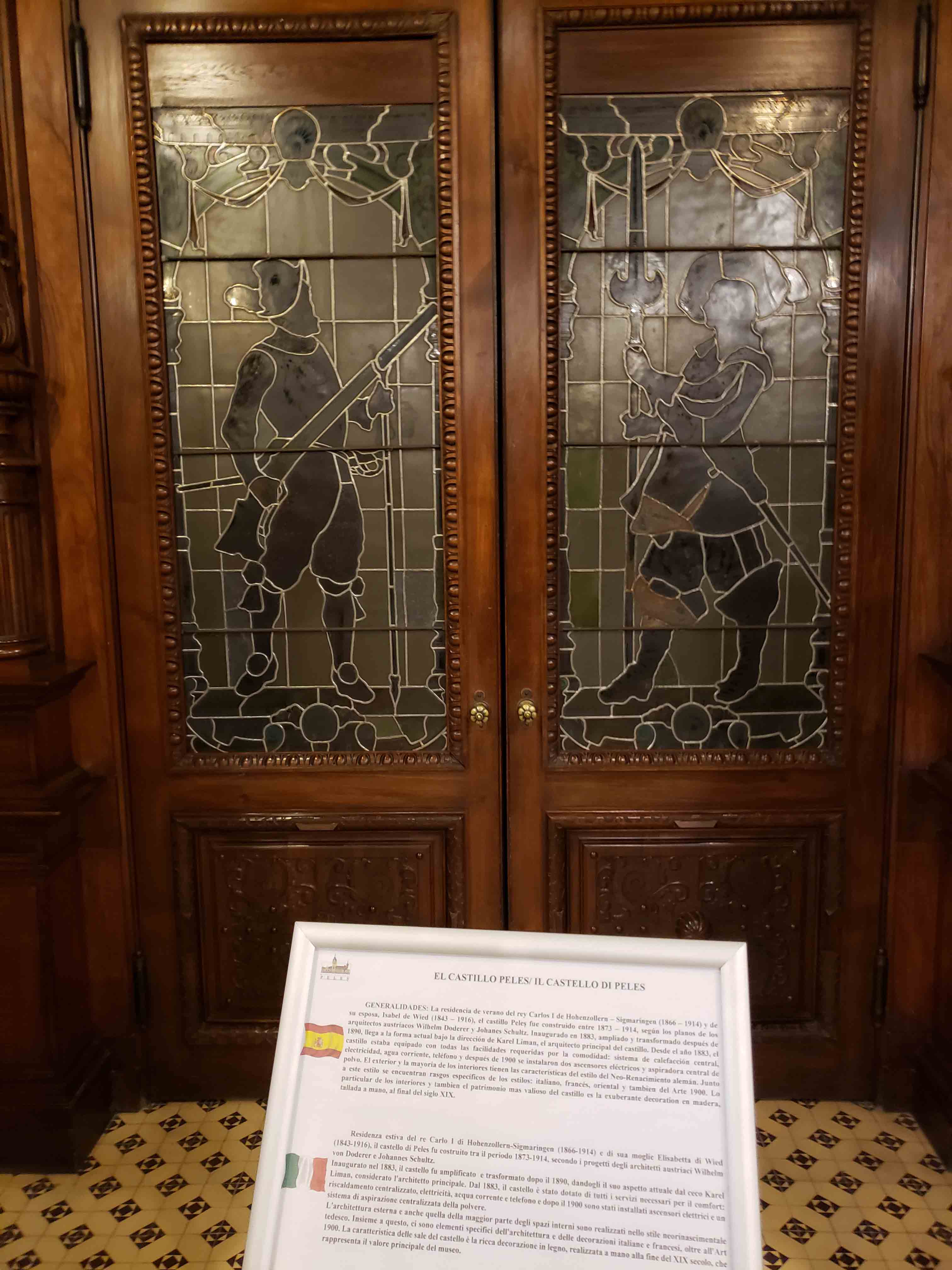
The castle was built sometime between 1873 and 1914, based on the architects Wilhelm Doderer and Johannes Schultz, both of which were German. The structure was later modernized by the Czech architect Karel LimanAnd though some on the internet would suggest or assert it has anything to do with Count Dracula (Vlad the Impaler), it does NOT.  That sole claim belongs to Bran Castle to the west.

The first inauguration of the building occurred in 1883 and introduced central heating to Romania, as well as an electric system that operated the large glass roof enclosure. It also had a vacuum cleaner, air ducts for heating and an electric elevator.

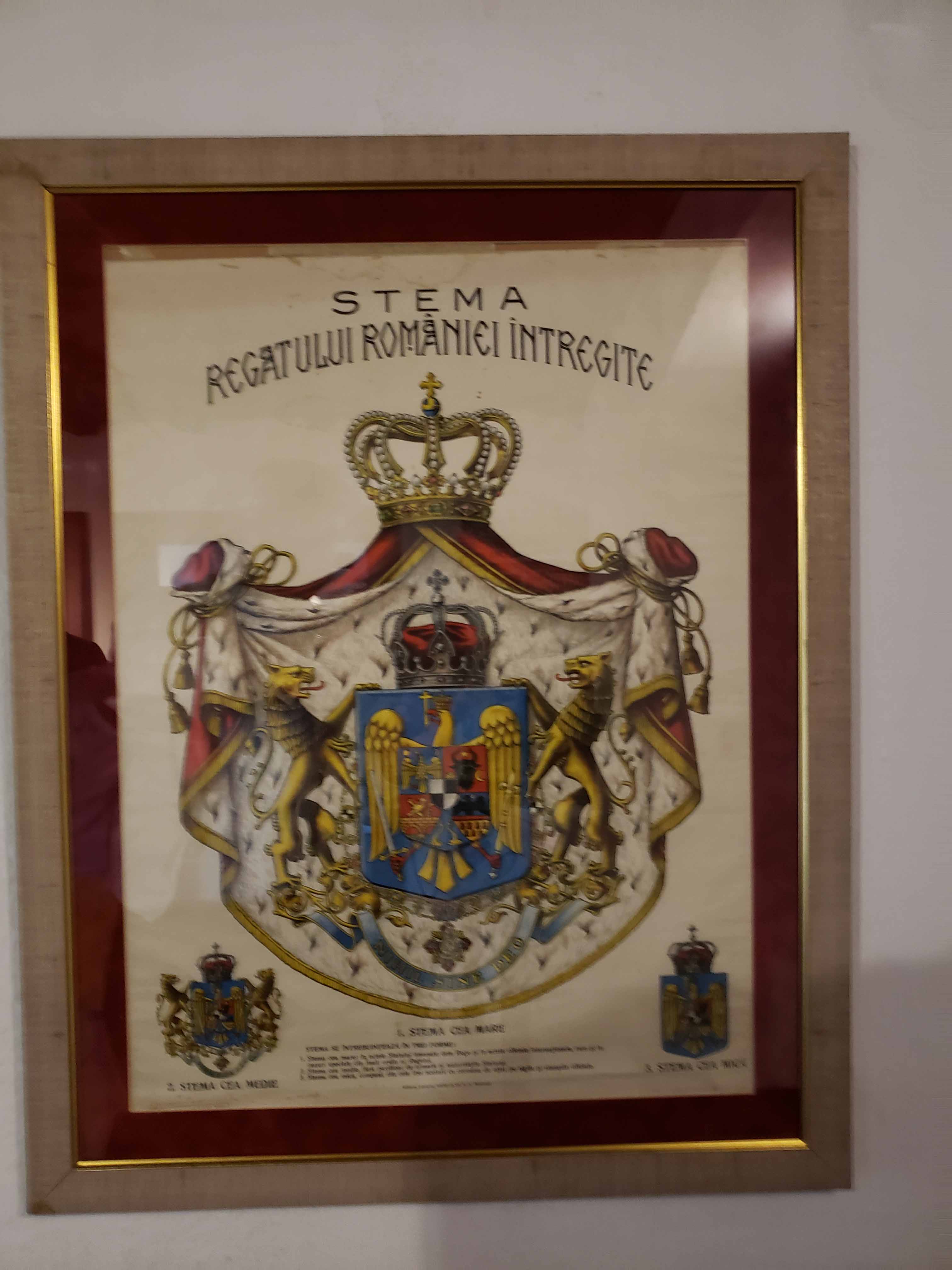
The castle is the former summer residence of King Carole I and Queen Elisabeth. It was used as part of the Romanian National Dynasty and often used for important political and other European cultural decisions at the turn of the century. It incorporates a synthesis of Neo-Renaissance (both German and Italian), Neo-Baroque, Rococo as well as French and Oriental styles.

The Monastery

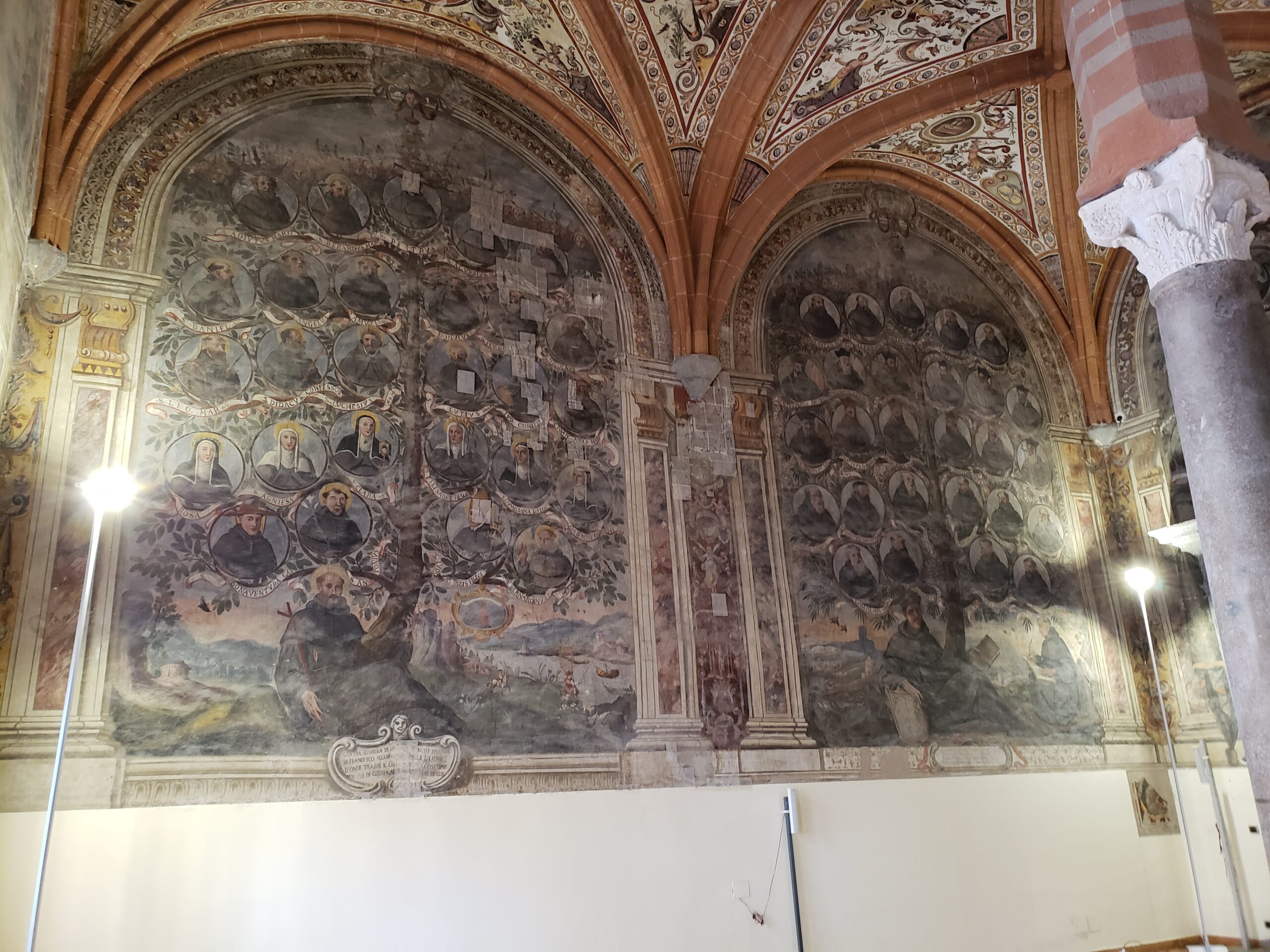
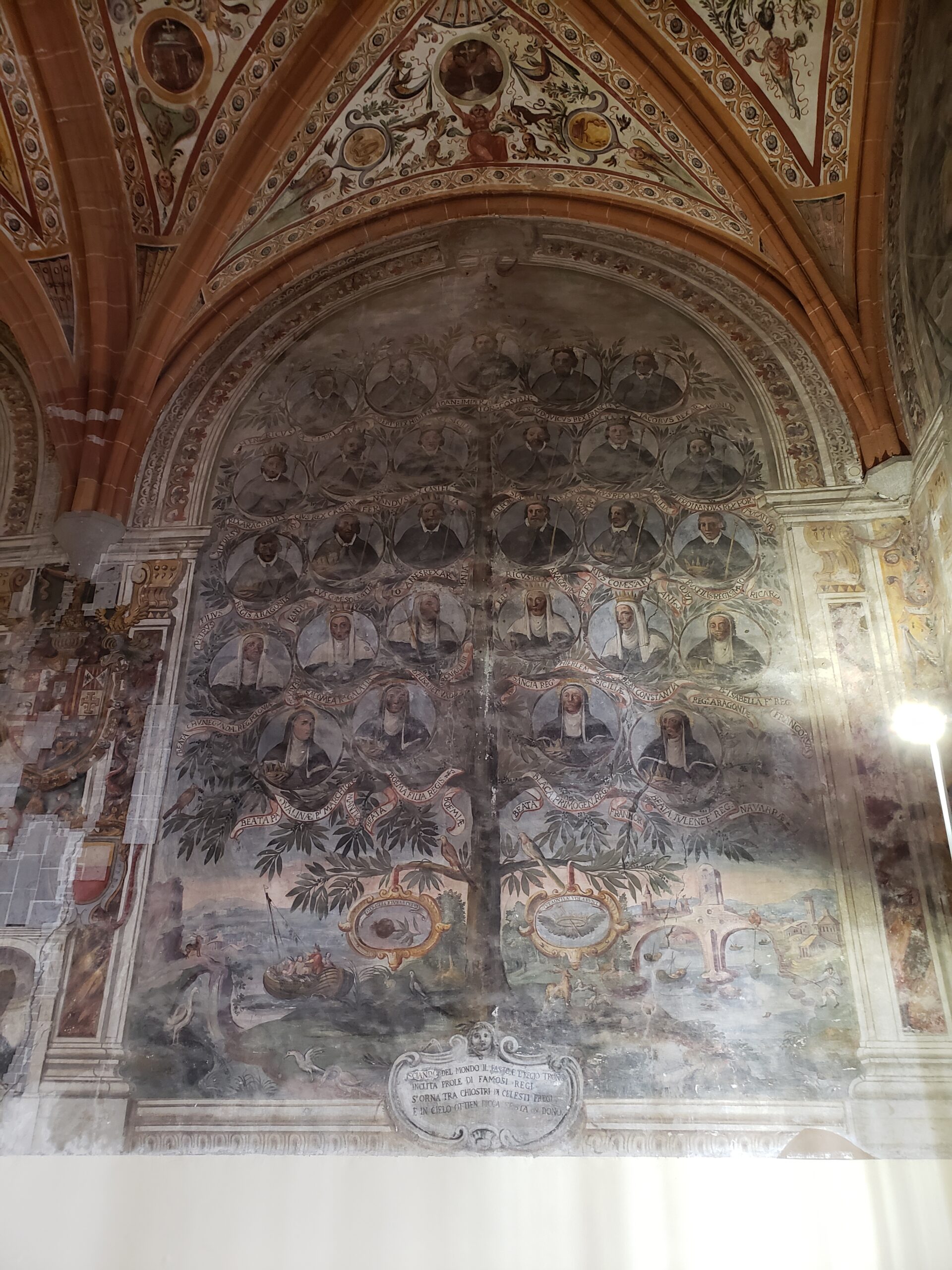
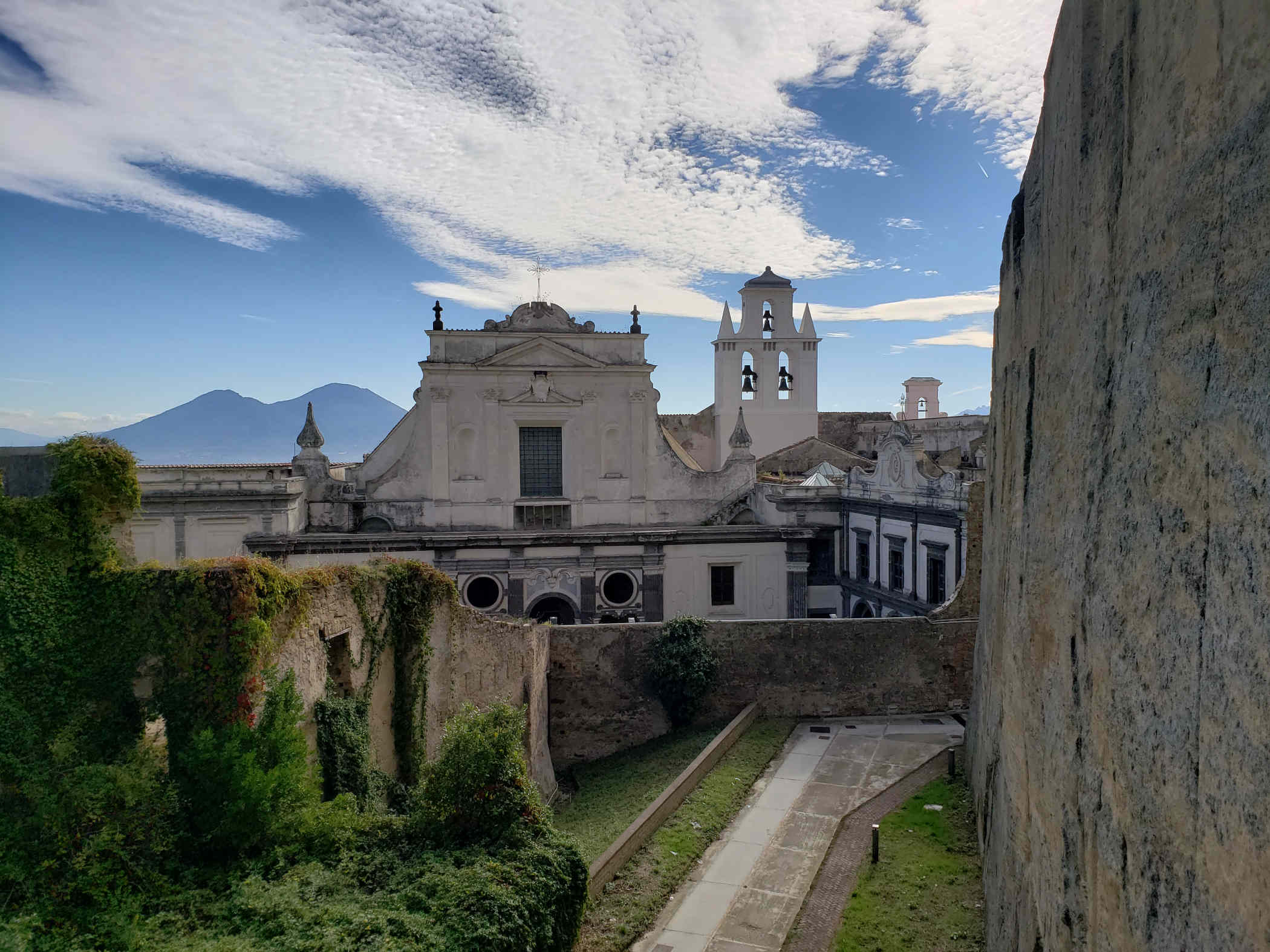
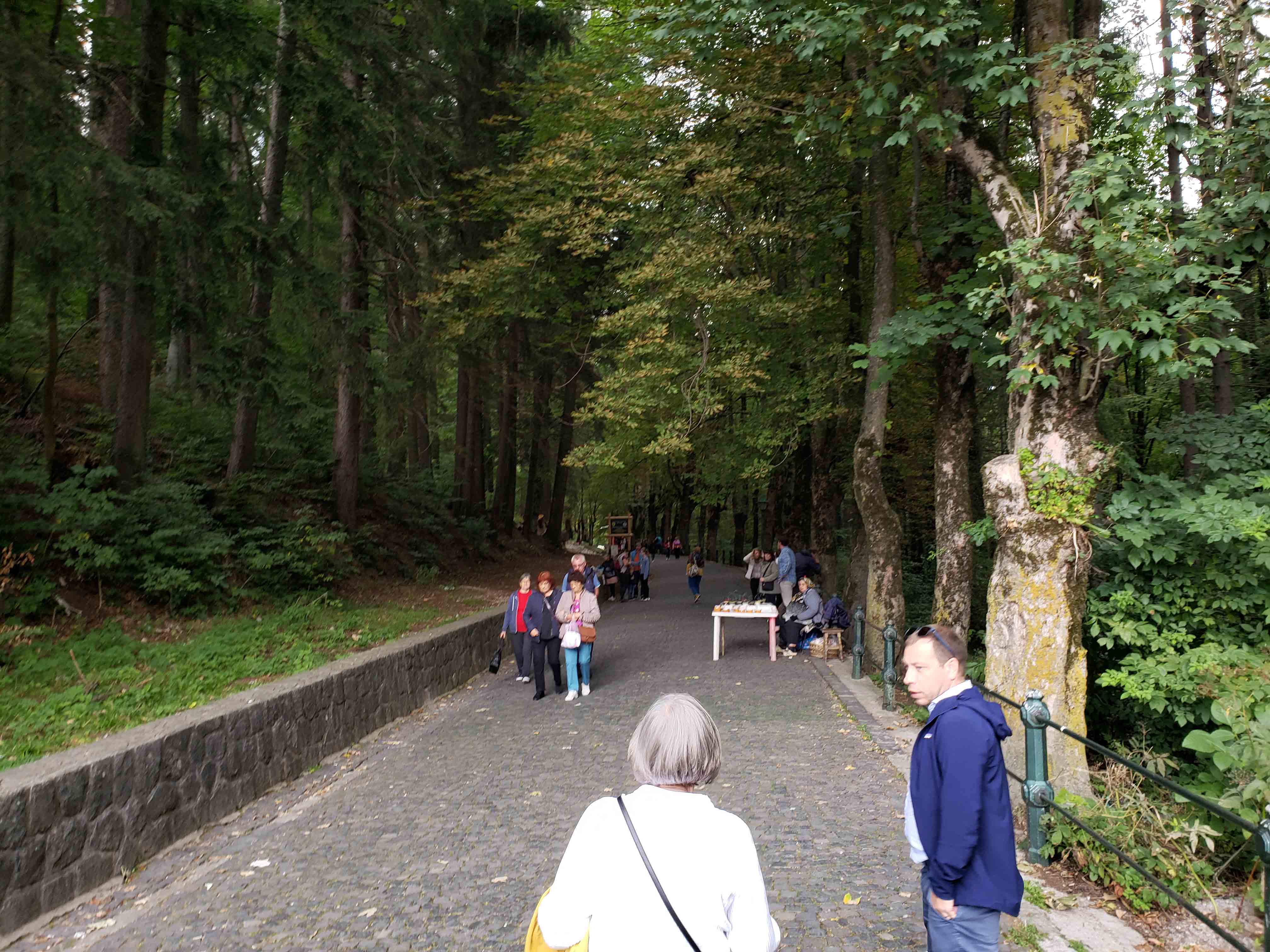
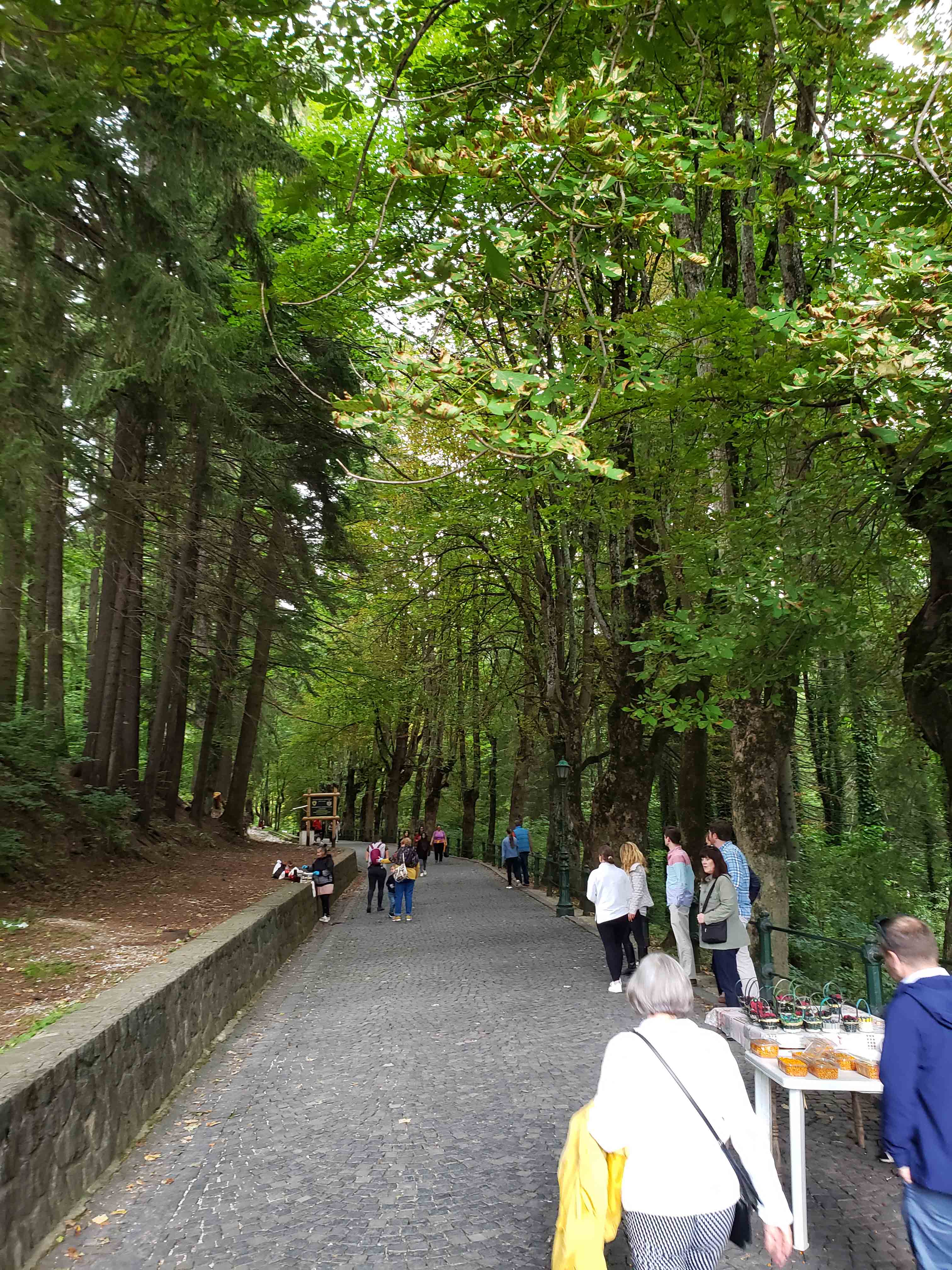
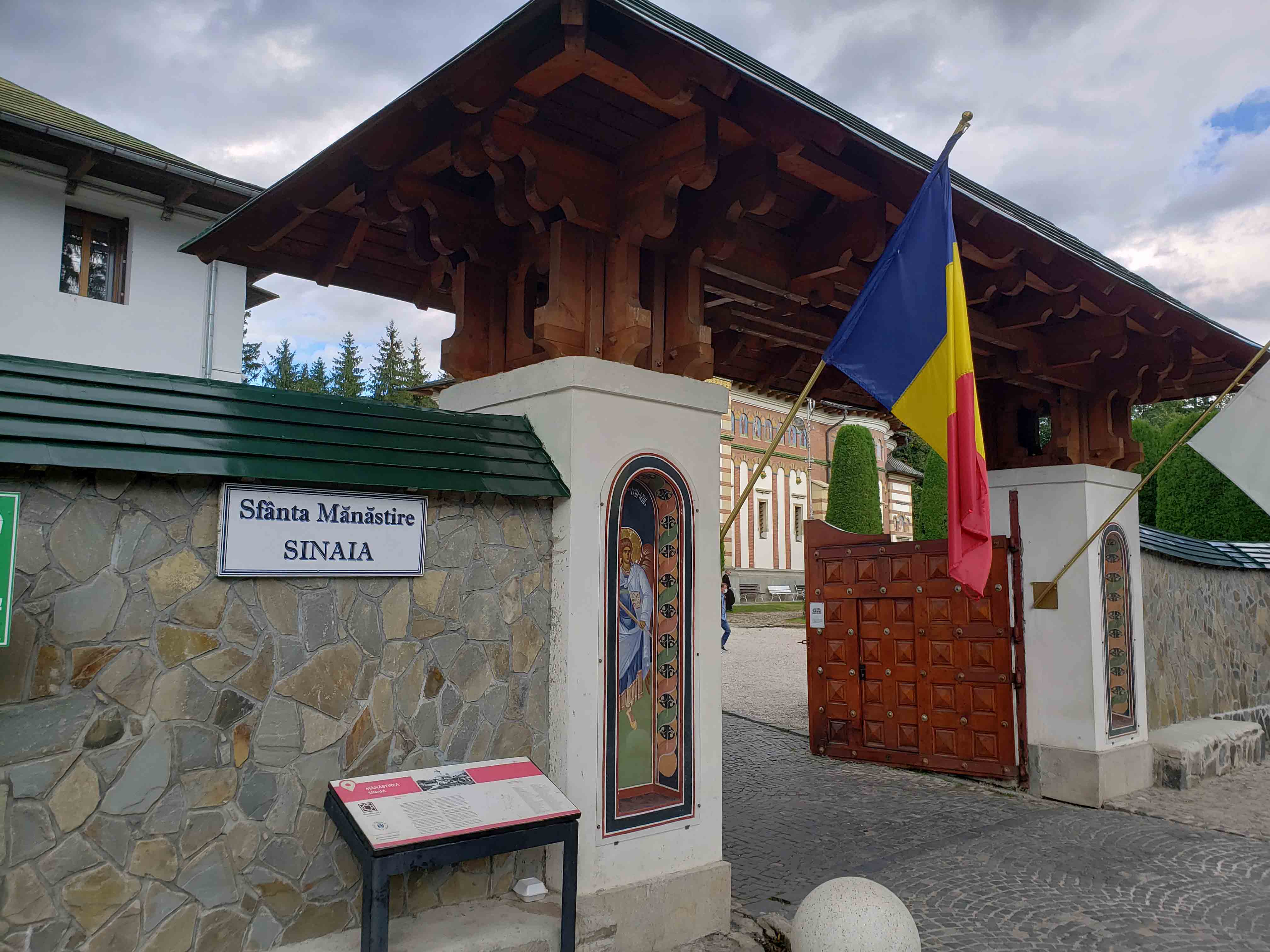
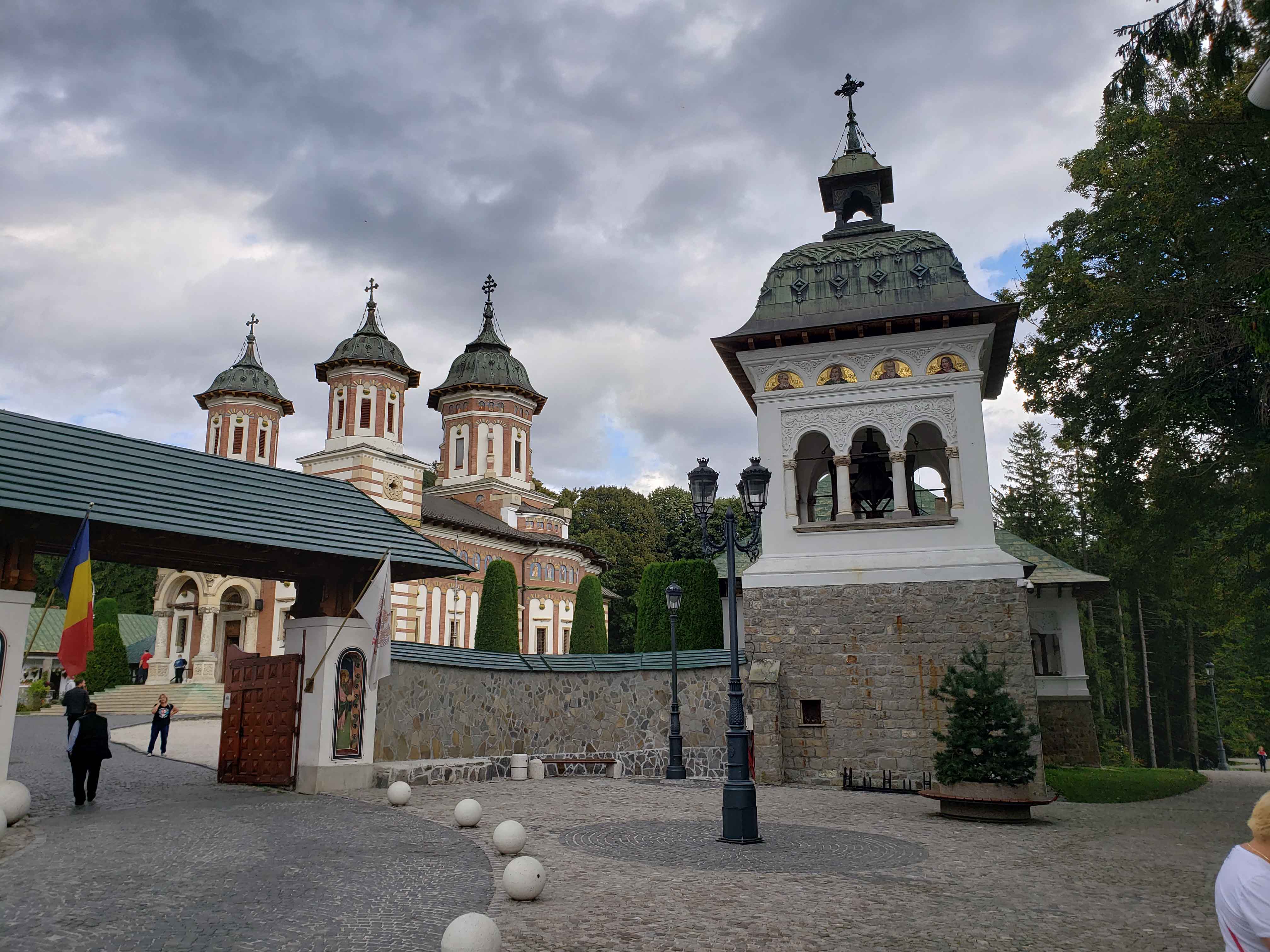
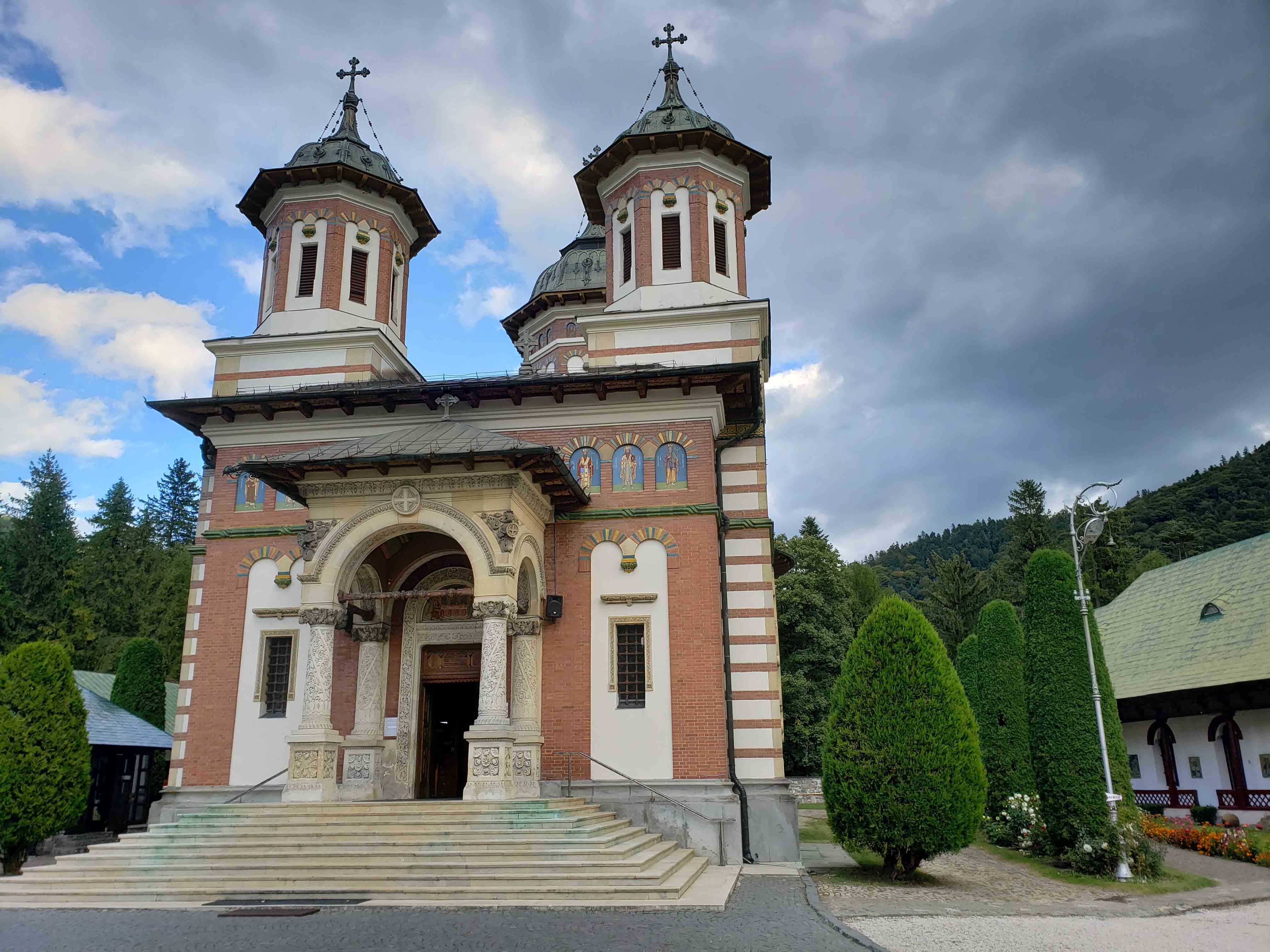
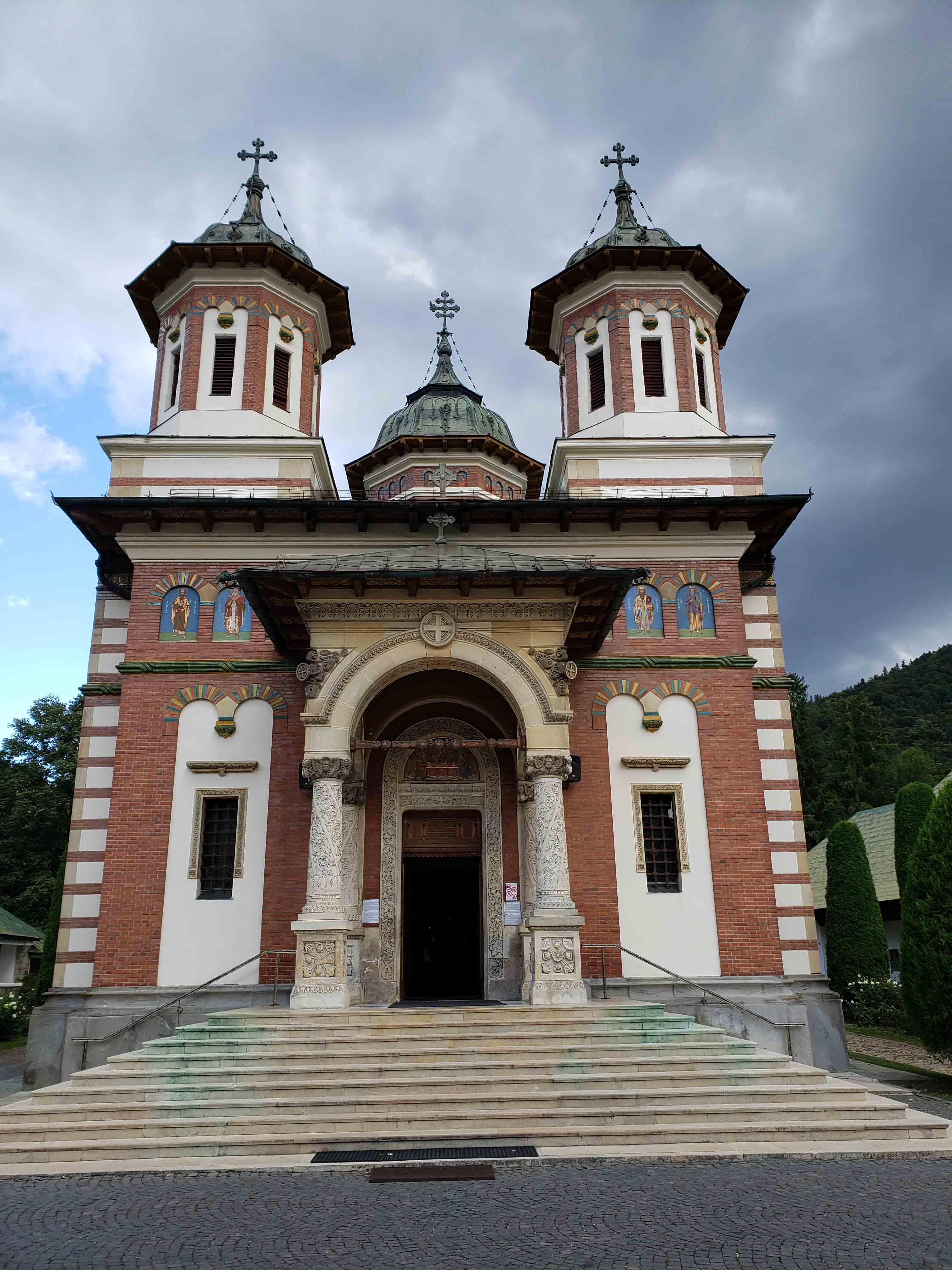
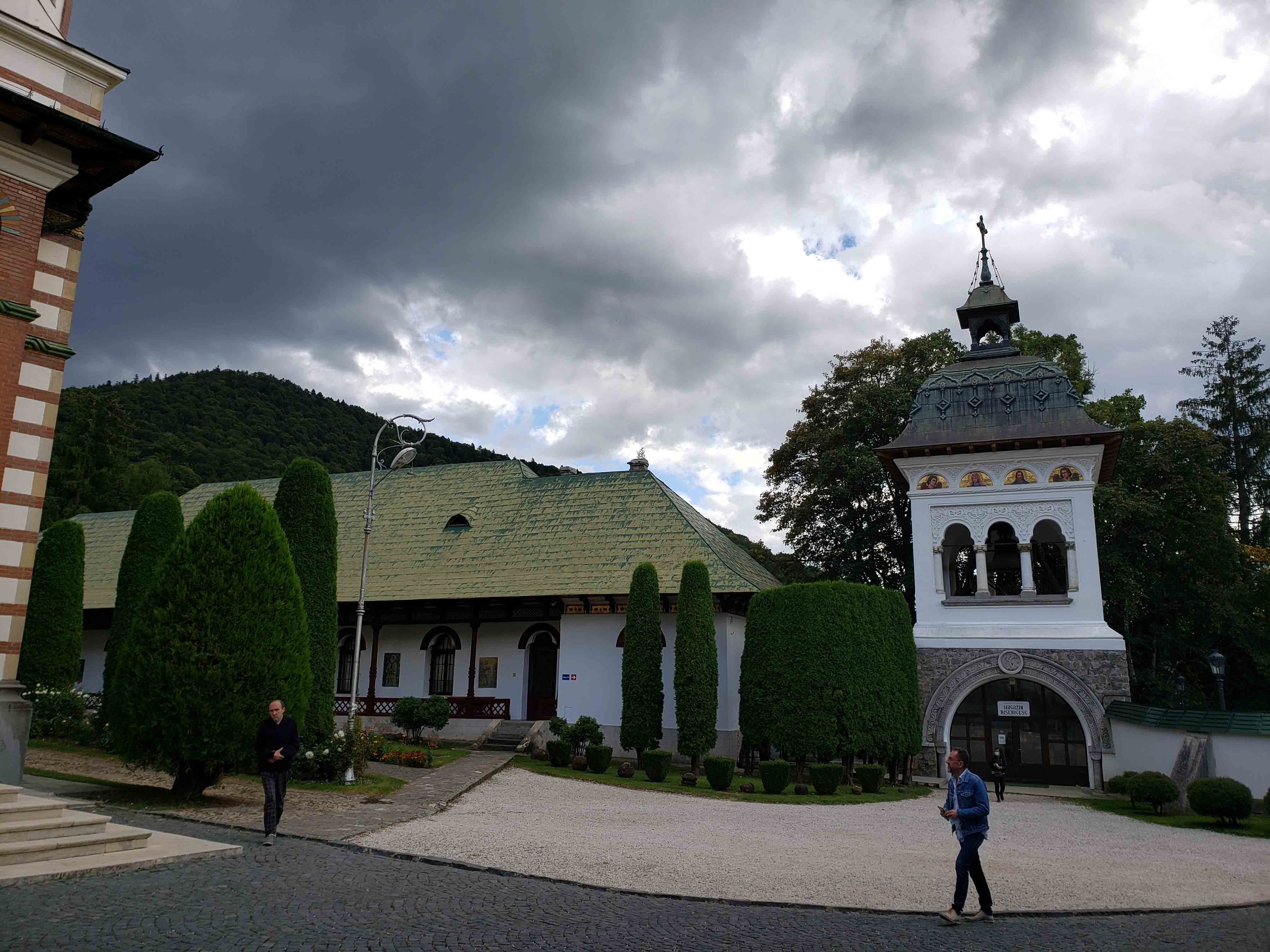
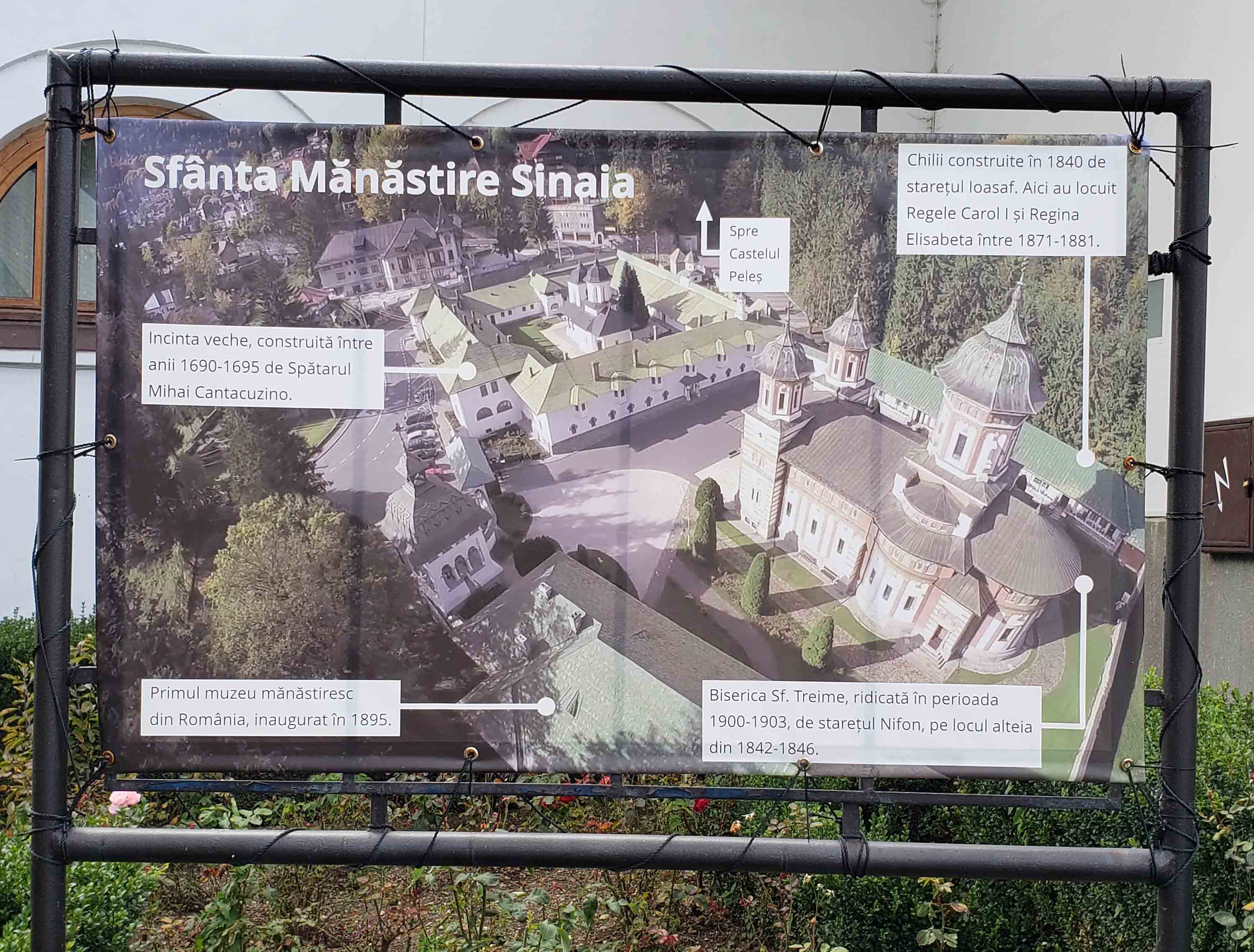
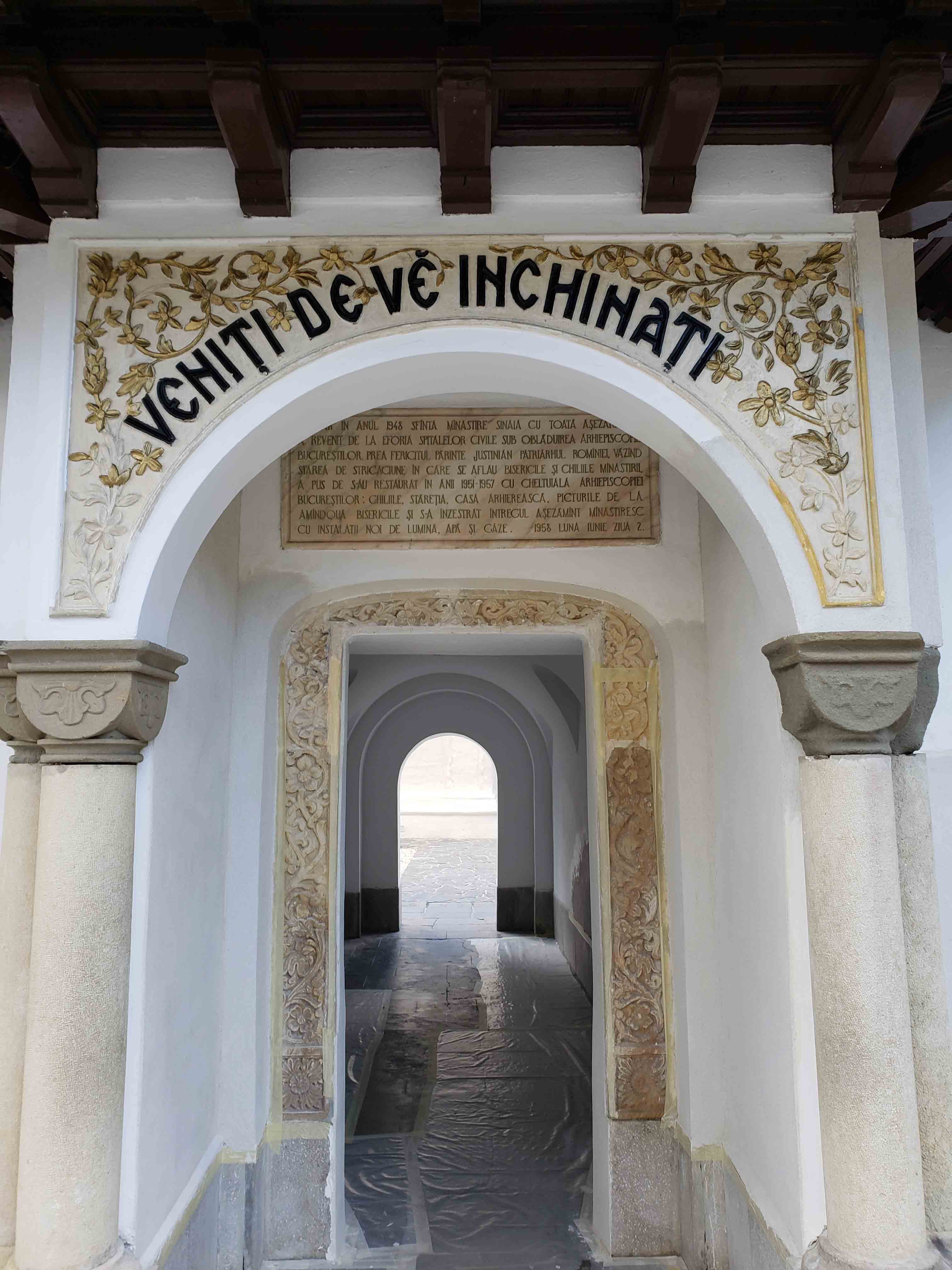
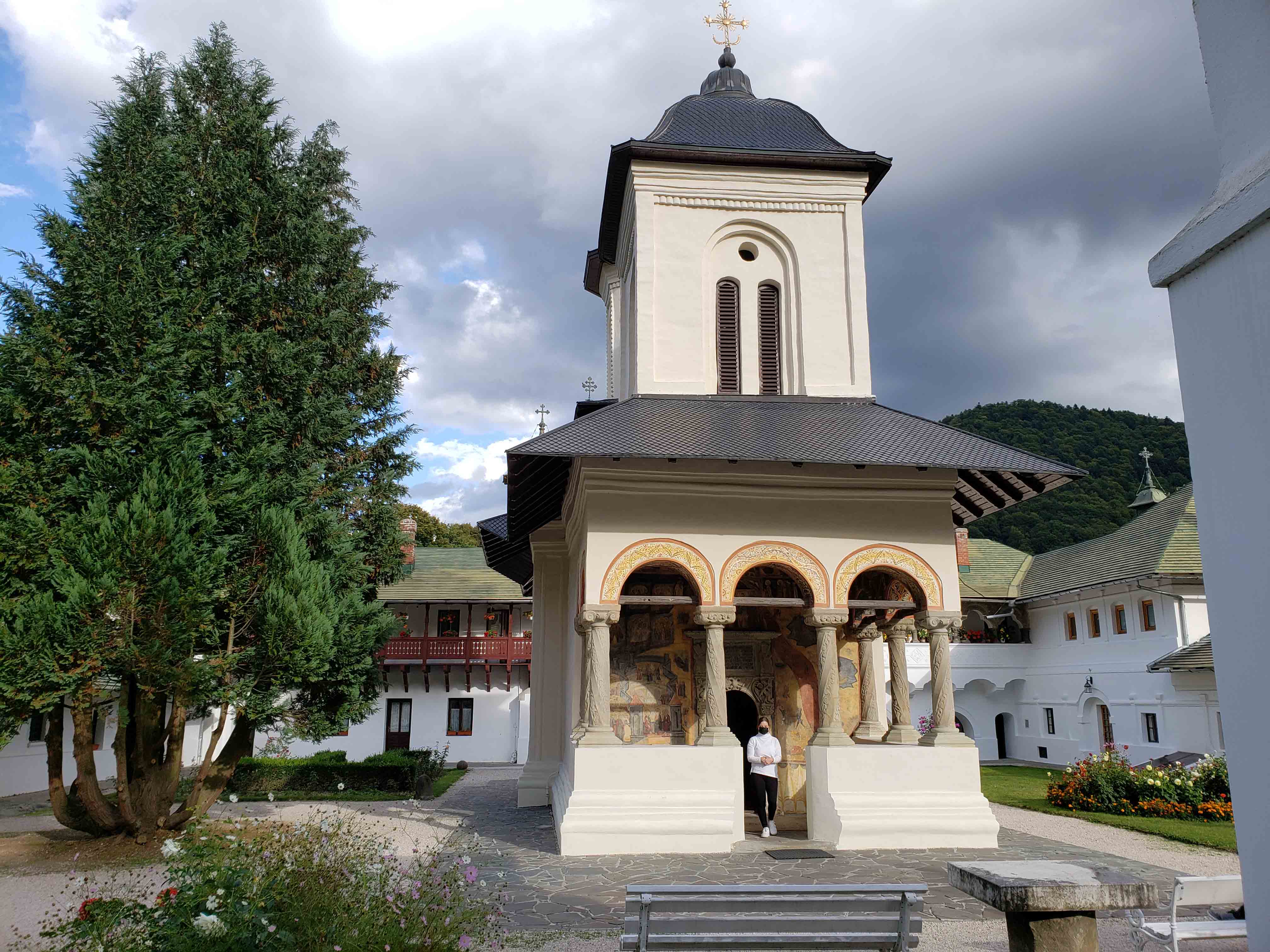
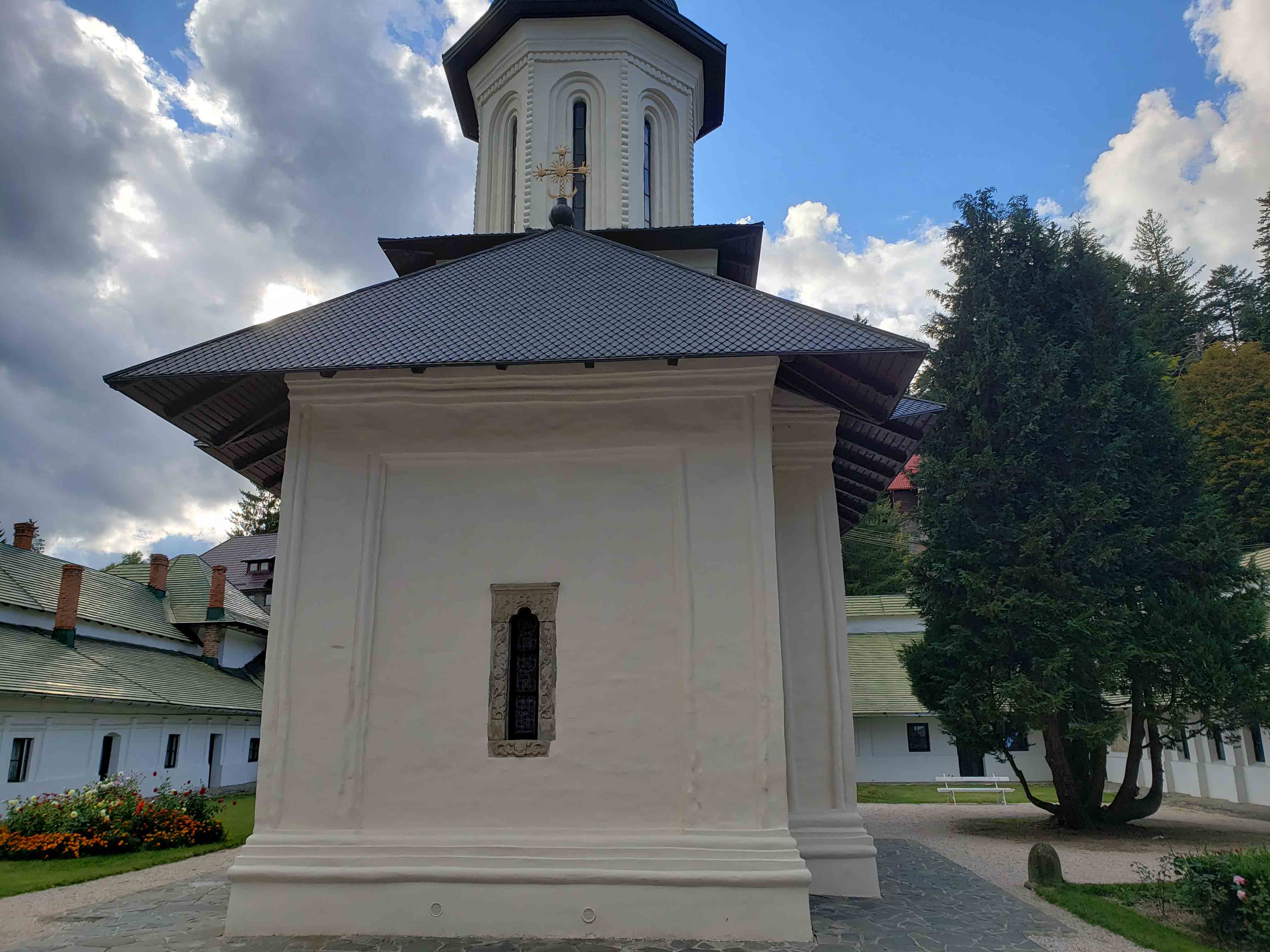
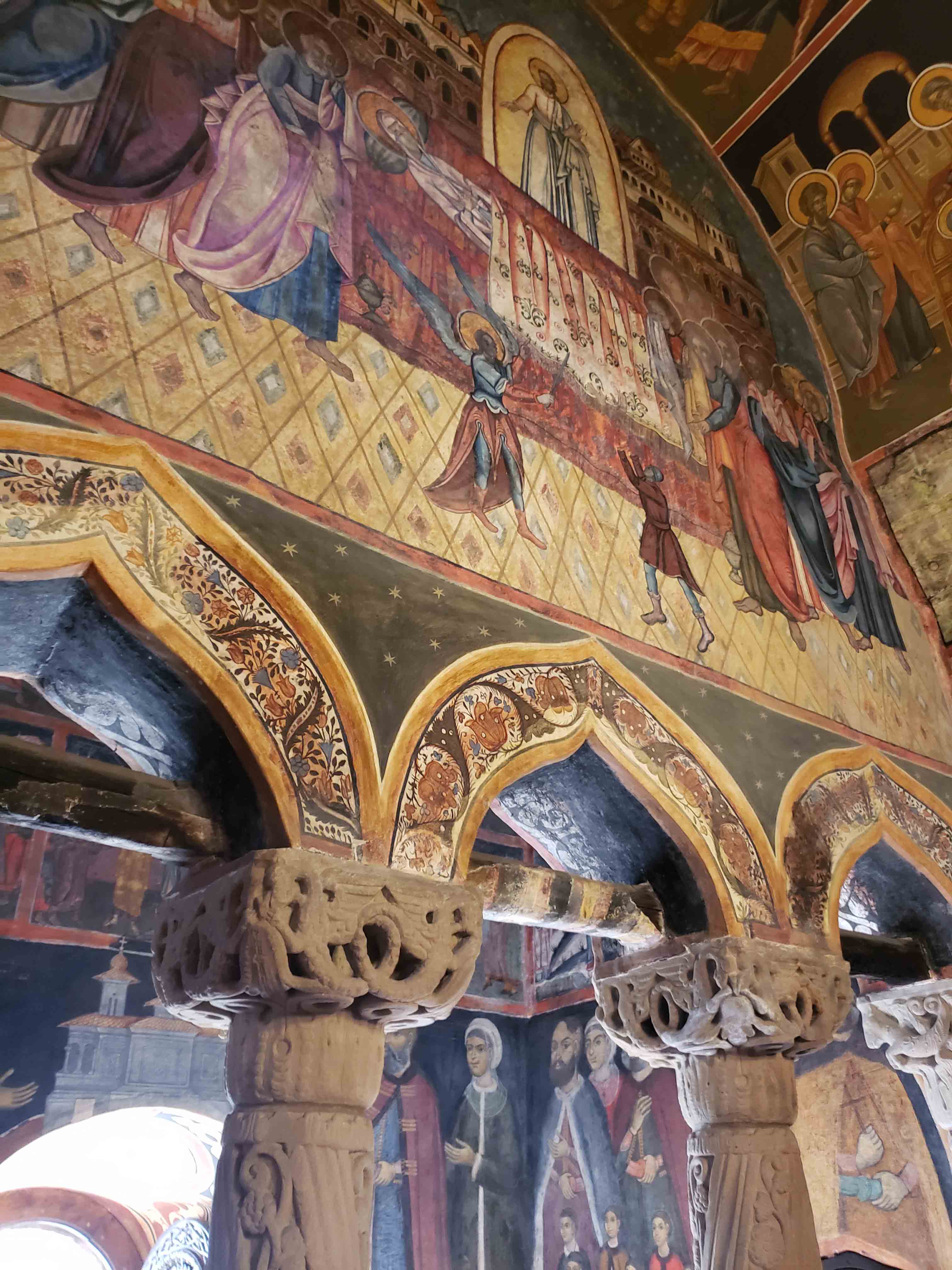
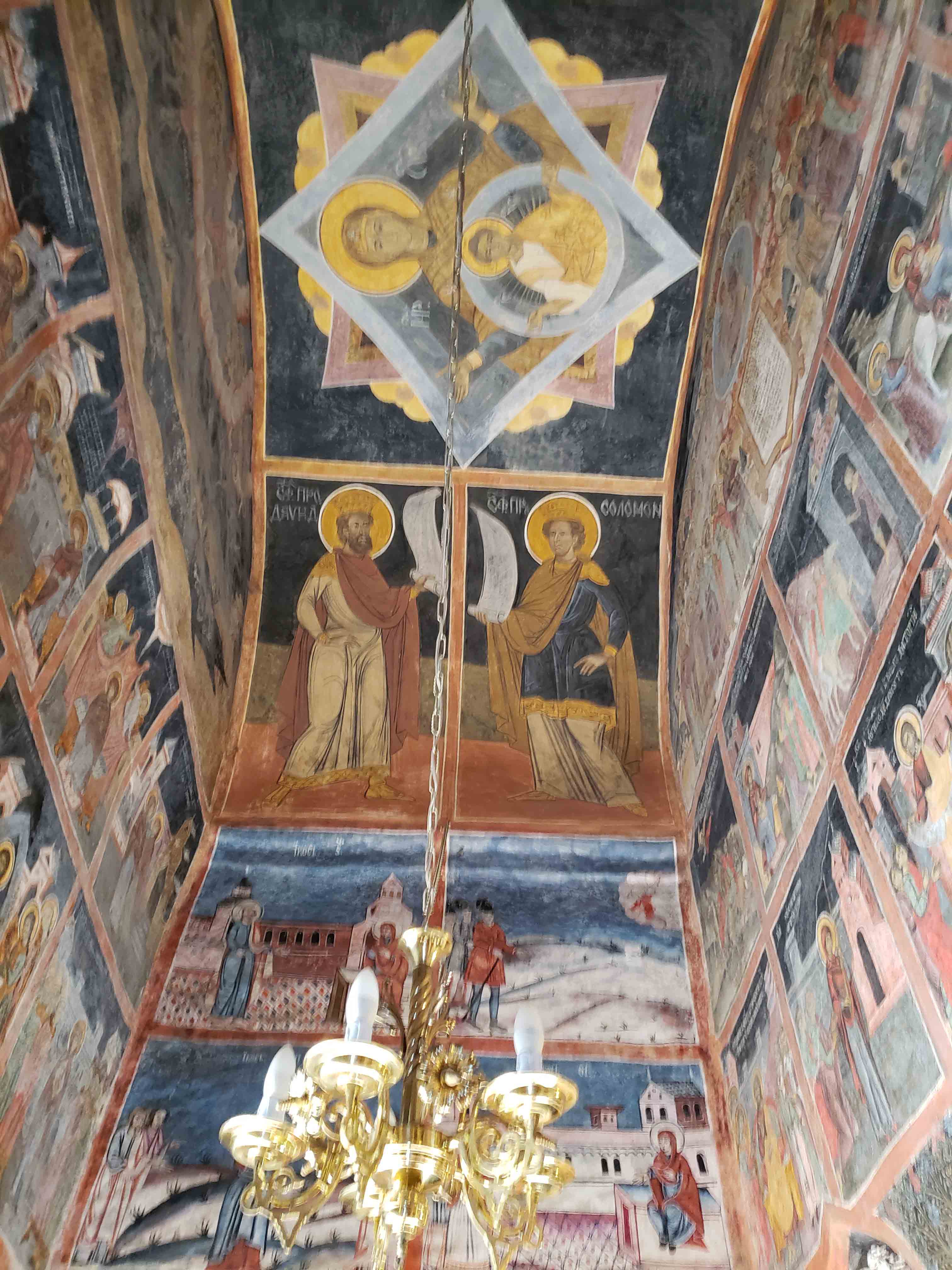
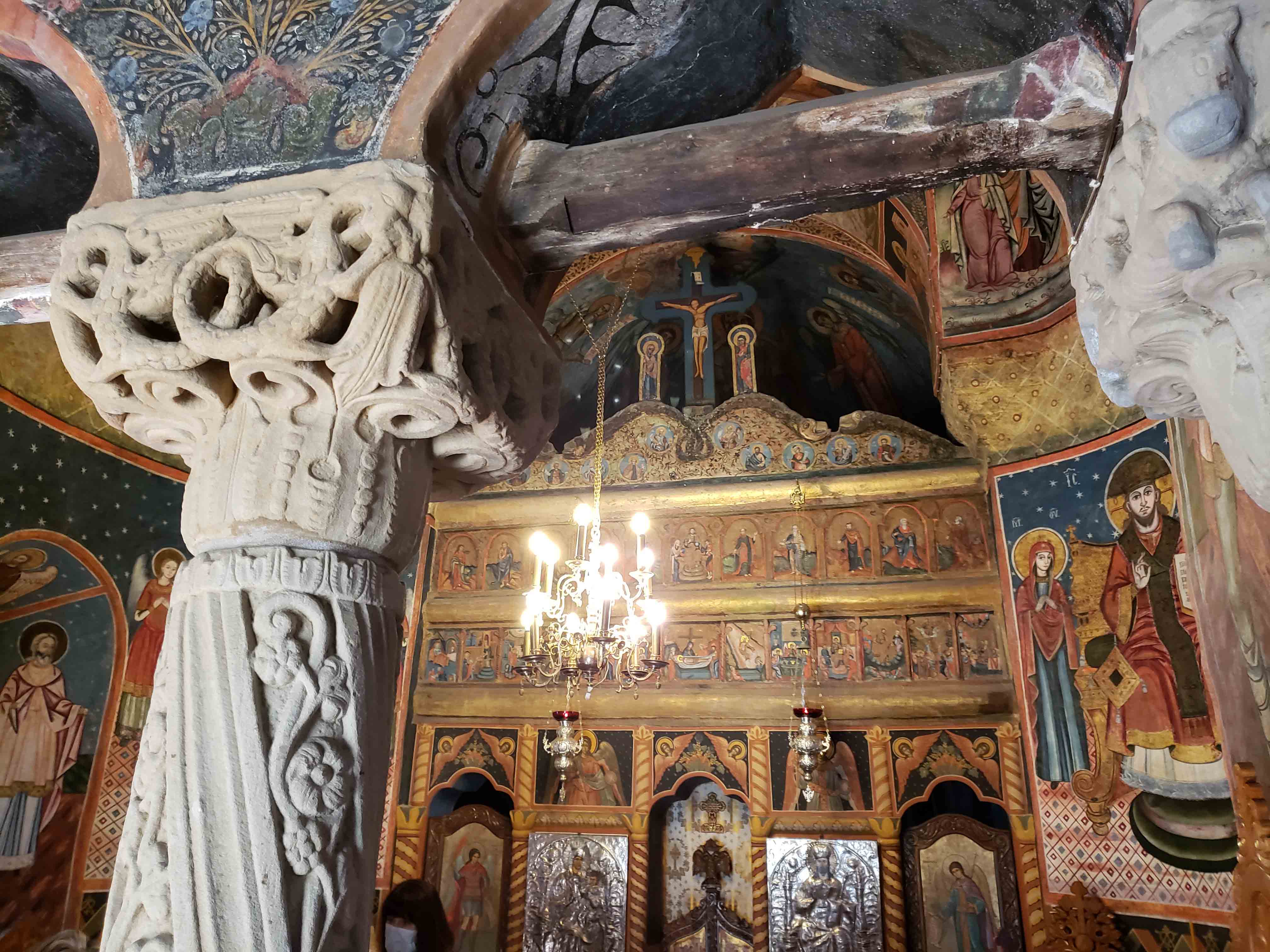
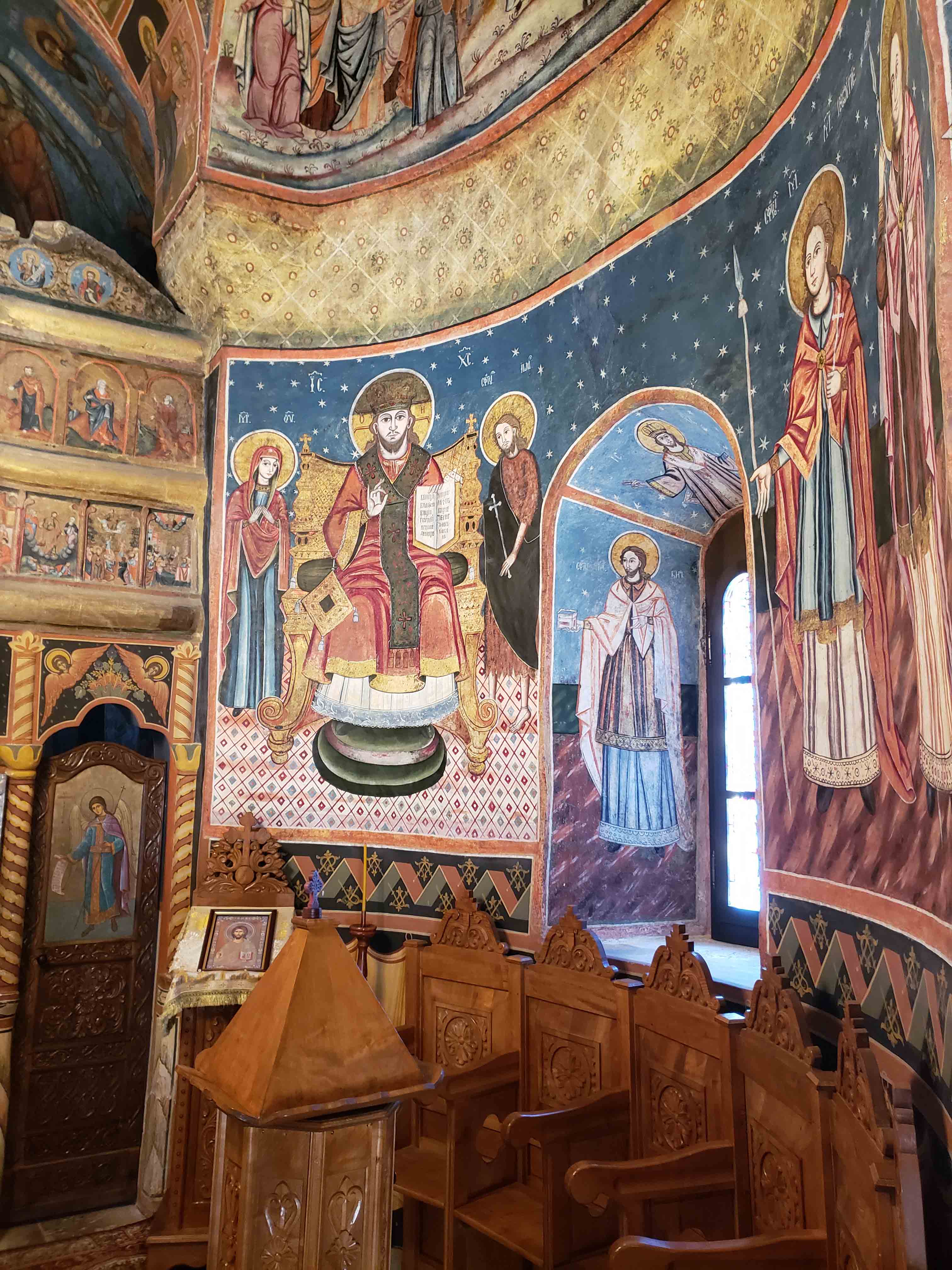
On the way down from Castle Peleş is the Sinaia Monastery. It consists of three parts, the monastery proper (a set of buildings that surround the old chapel), the old chapel or church and the great church.

The original monastery was built in the late 1600s by Mihail Cantacuzino. Construction was due in part by a promise he made to the monks of Saint Anne and Nicholas, which lived at the time in nearby hermitages. He subsequently gave it the name, The Dormition of the Holy Virgin Mary, in memory of a pilgrimage he had taken at one time to the Holy Land.

It is quite unique in Romania since it forms a Latin cross, unlike the more traditional Orthodox styles, giving it the origins of the later Walachian and Brancoveanu styles. The churches profiles are very different from other forms in Romania since they replaced the traditional cornices with red brick dents; the facade frames are rectangular and painted with frescos, as well as the absence of the traditional belt.

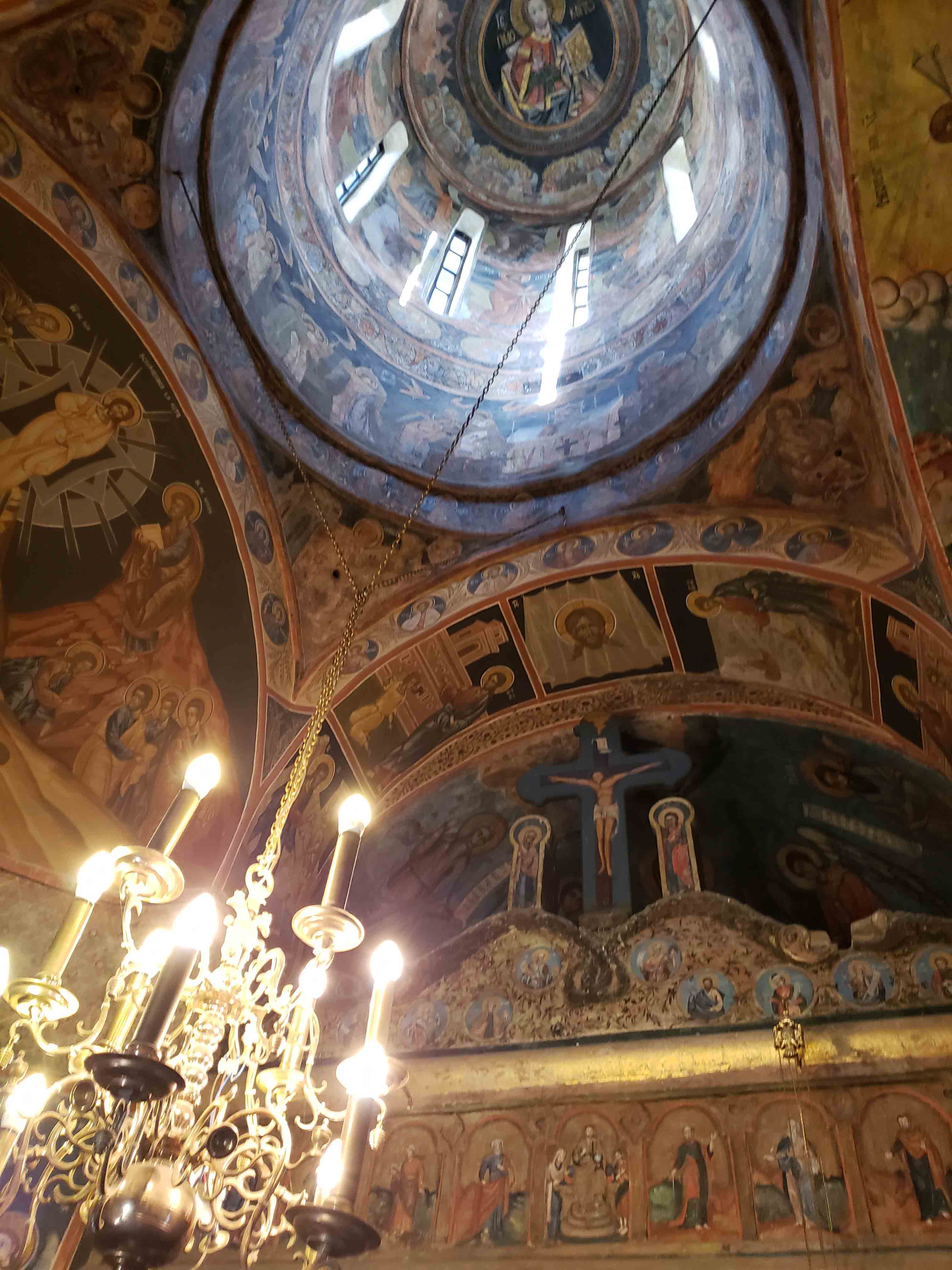
The old chapel was burned in 1791 during the Russian-Austrian-Turkish war and restored somewhat in 1795 by the same painters who had decorated the chapel. The paintings on the porch are all original and present scenes from the life of Saint Catherine (the protector of the monastery), Saint George (protector of soldiers and Moldavia) and Saint Demetrios (protector of Walachia). Important scenes from both Heaven and Hell frame the entrance to the church.

The entrance represents Moses and his brother Aaron and are built in carved stone. The nave of the church depicts the Ascension and Transfiguration, related to the secret nature of praying rightly to the divine or also known as hesychasm.

Dijon, France – City Of Mustard

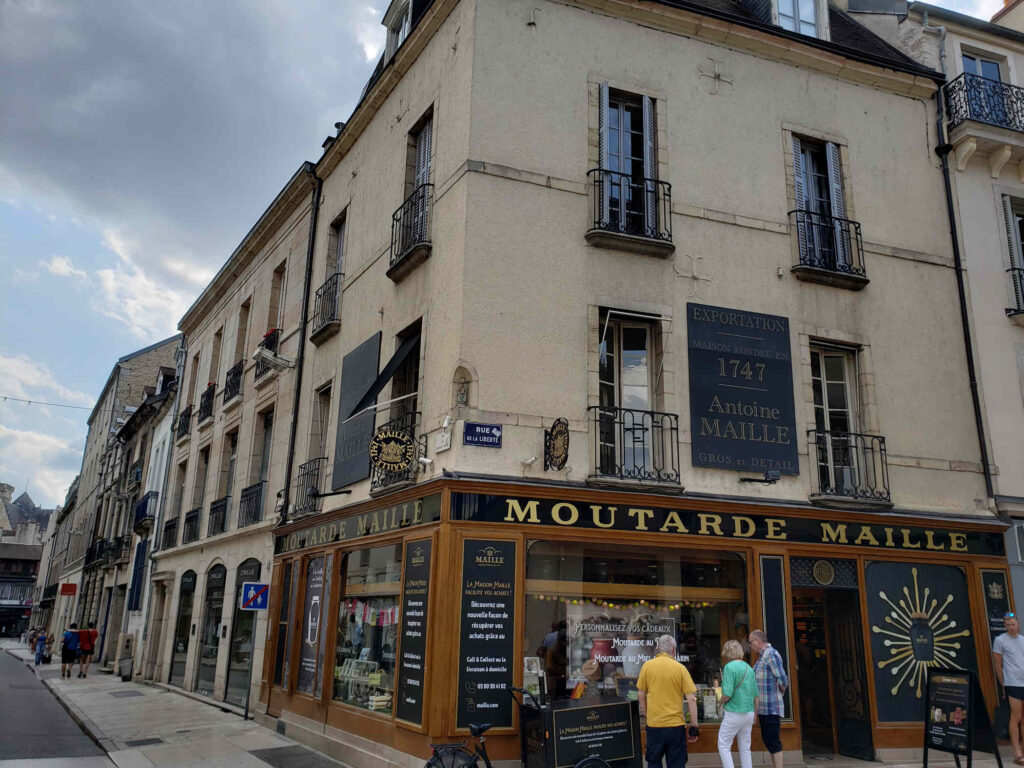
Dijon’s claim to fame is the invention of its namesake mustard. Created in 1856 by one of its residence when he substituted the acidic juice of unripe grapes to his mustard mixture, instead of the customary vinegar. It has spawned many varieties and has a world renowned reputation for one of the best mustard types.

Maille Mustard – One Of Many Famous Dijon Mustard Types

Dijon was actually a second thought, a chance detour in our travel itinerary. We had thought that aside from mustard, there was actually nothing of interest or note in this city. I have to say, for the record, we were both pleasantly surprised and would recommend this small city of about 160,000 over some of their more populated cousins we have already seen.

A note, perhaps a generalization, about the French people. They were extremely polite, genial and very attentive to us at all times. We never received any negative feedback when trying to get into restaurant or other venues, in fact they all seemed extremely helpful. However, we did find some of their hotel appliances to be most annoying and counter-intuitive. But as for the French themselves, they appear to be first rate, accommodating and very friendly.

Our Hotel

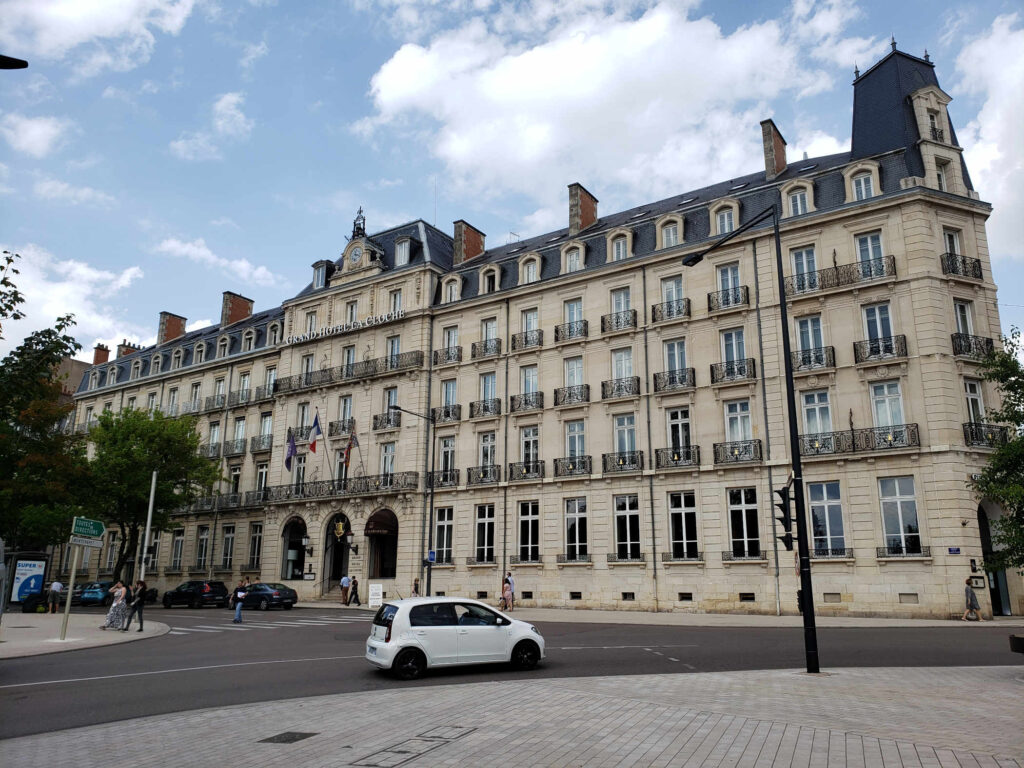
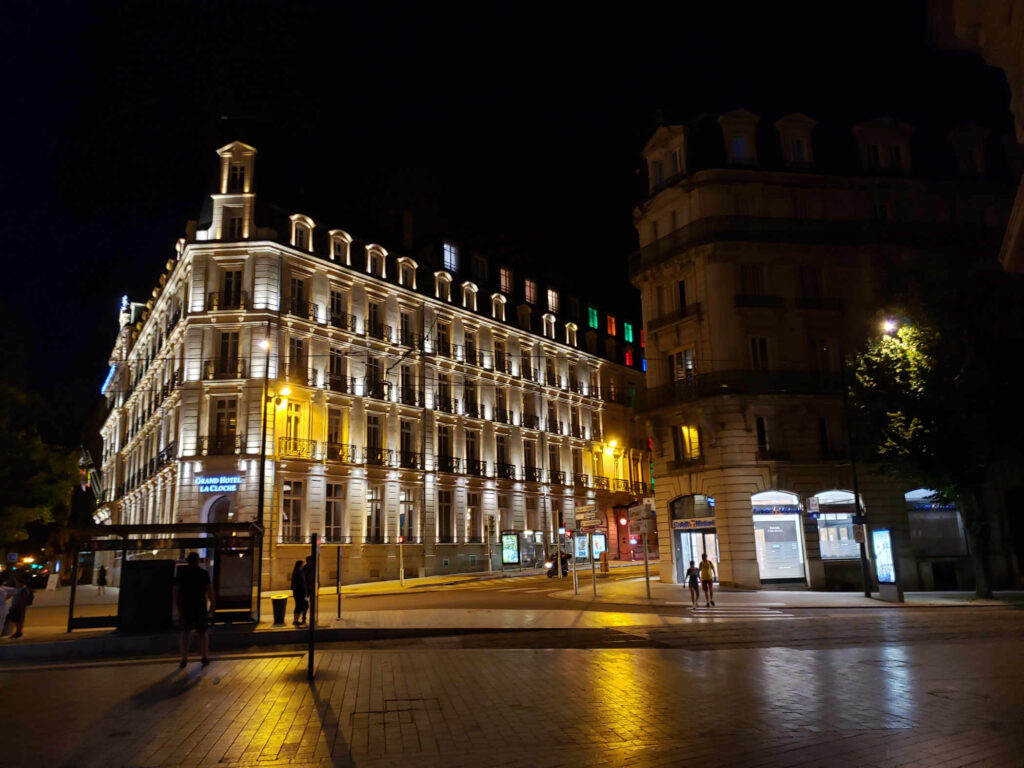
We stayed at the Grand Hotel Le Cloche, located on Avenue de la 1ère Armée Français, which is eminently close to the train station and the entrance to the old historic part of town.

This hotel has plenty of room and large bathrooms, which are uncommon generally in Europe. Our room had a nice view of the courtyard and small park inside the confines of the hotel.

The Historic Center Of Dijon

From our hotel the center of the old historic part of town was directly through the Arch or Porte Guillaume. The Park Darcy, directly across the avenue from our hotel is the starting point for a city sponsored Owl Trail. For three euros you can purchase a booklet that details and explains more than two dozen points of interest throughout the city.

Some points of interest are rather hidden from the casual observer and required either a keen eye or a brochure, like the one aforementioned, we found it a handy guide.

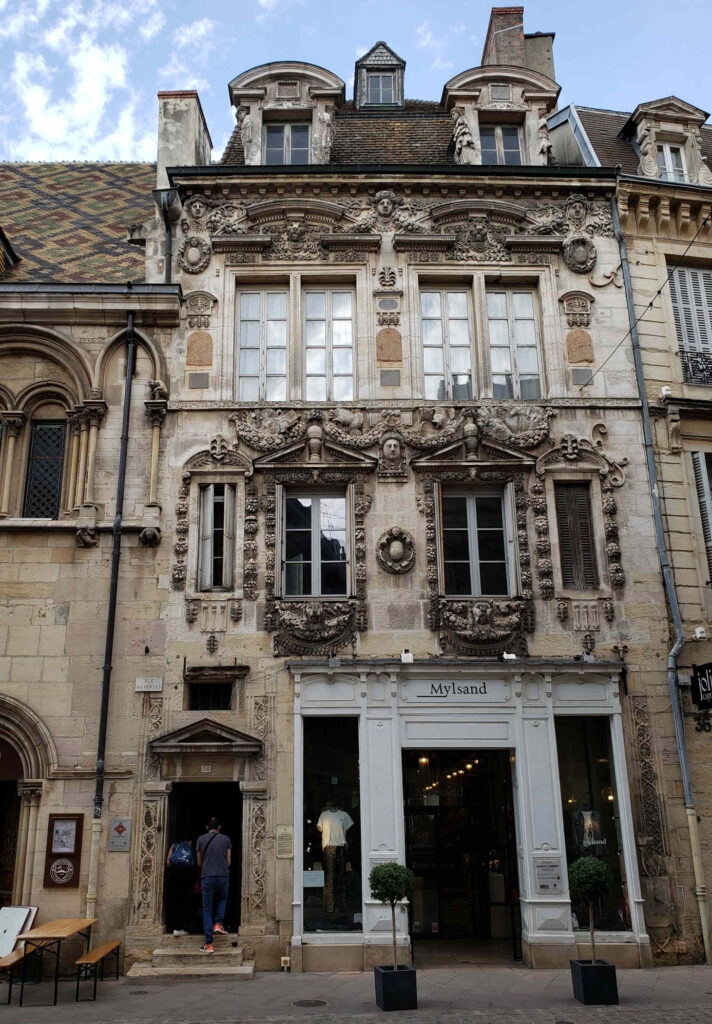
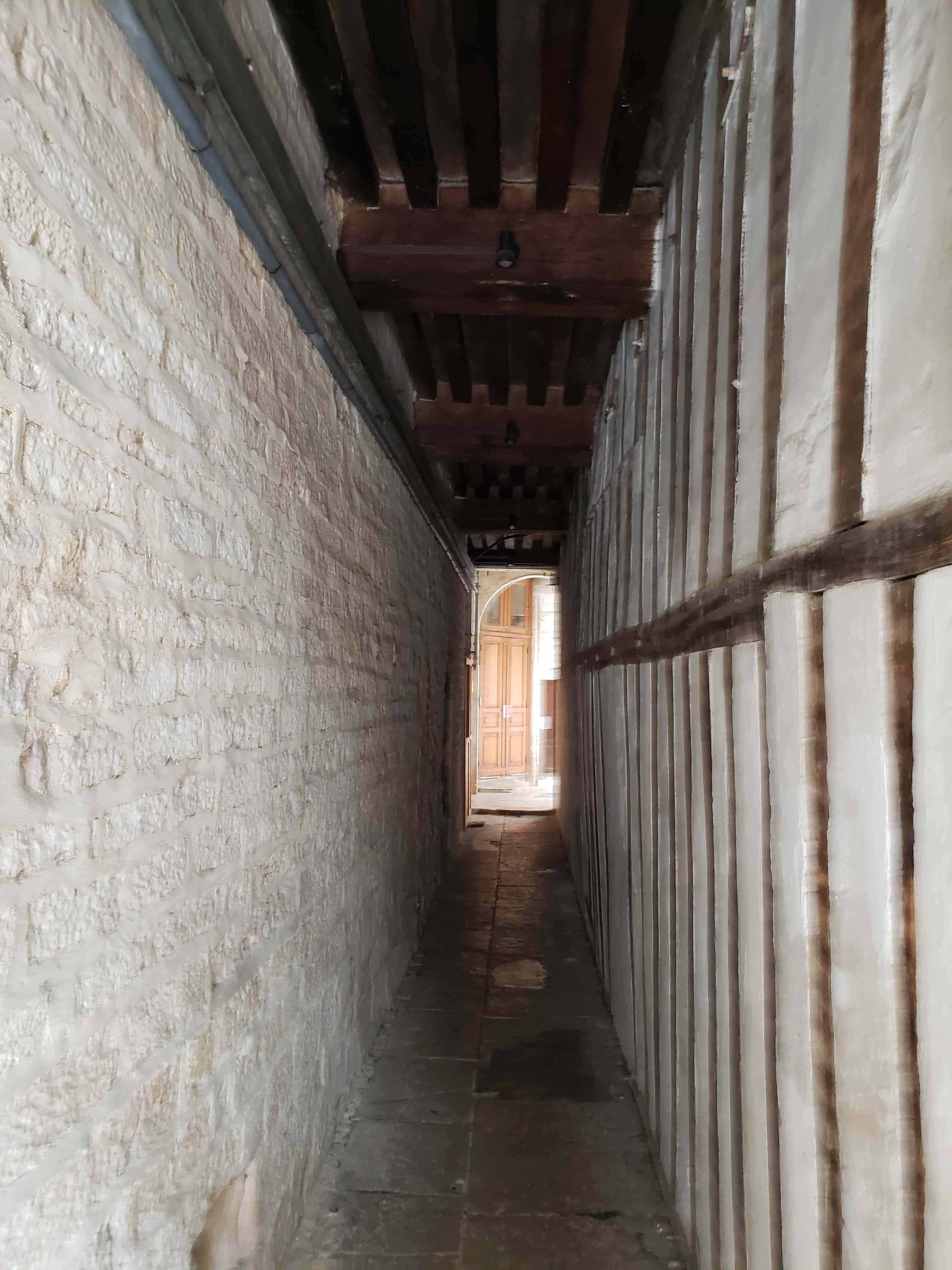
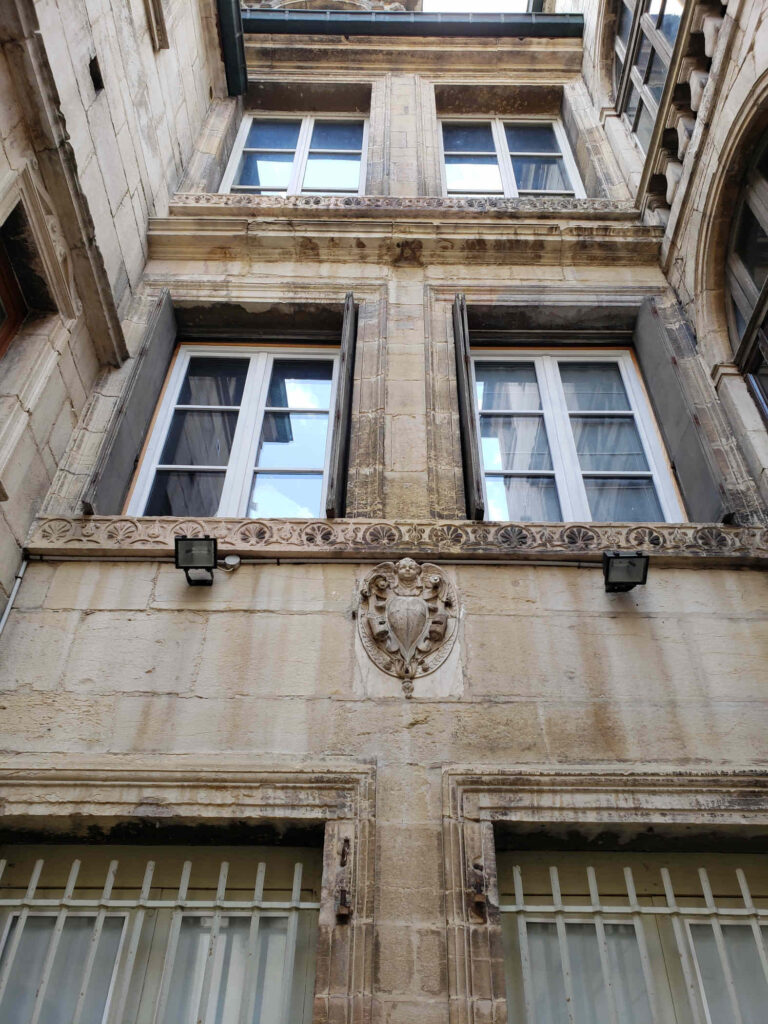
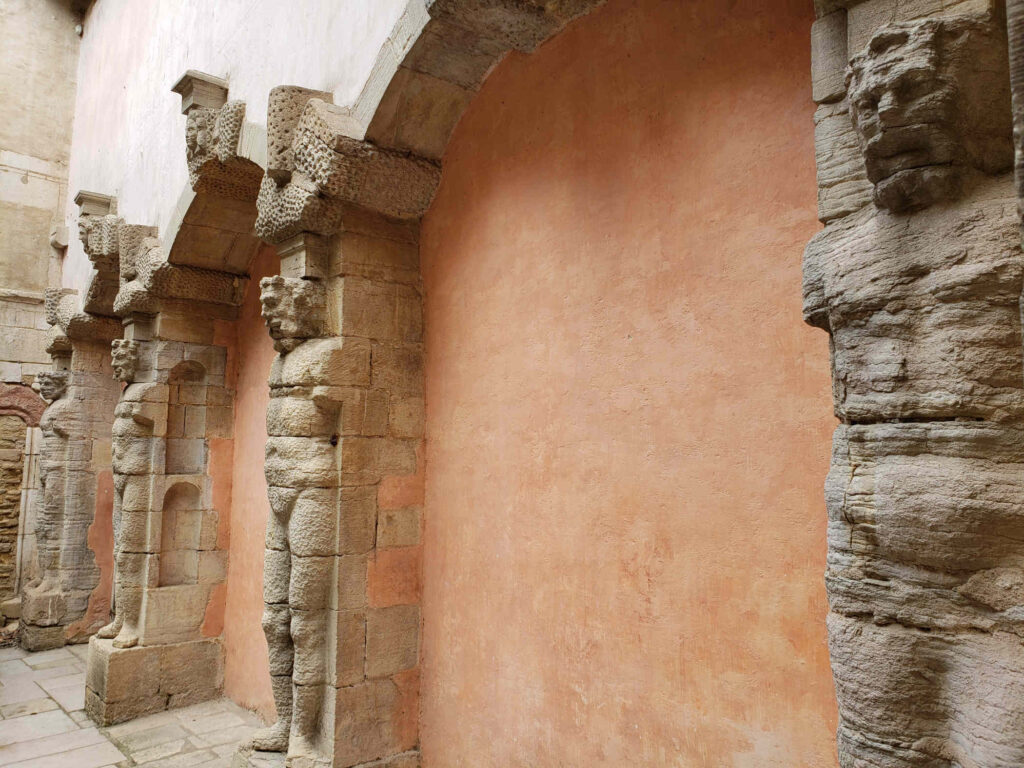
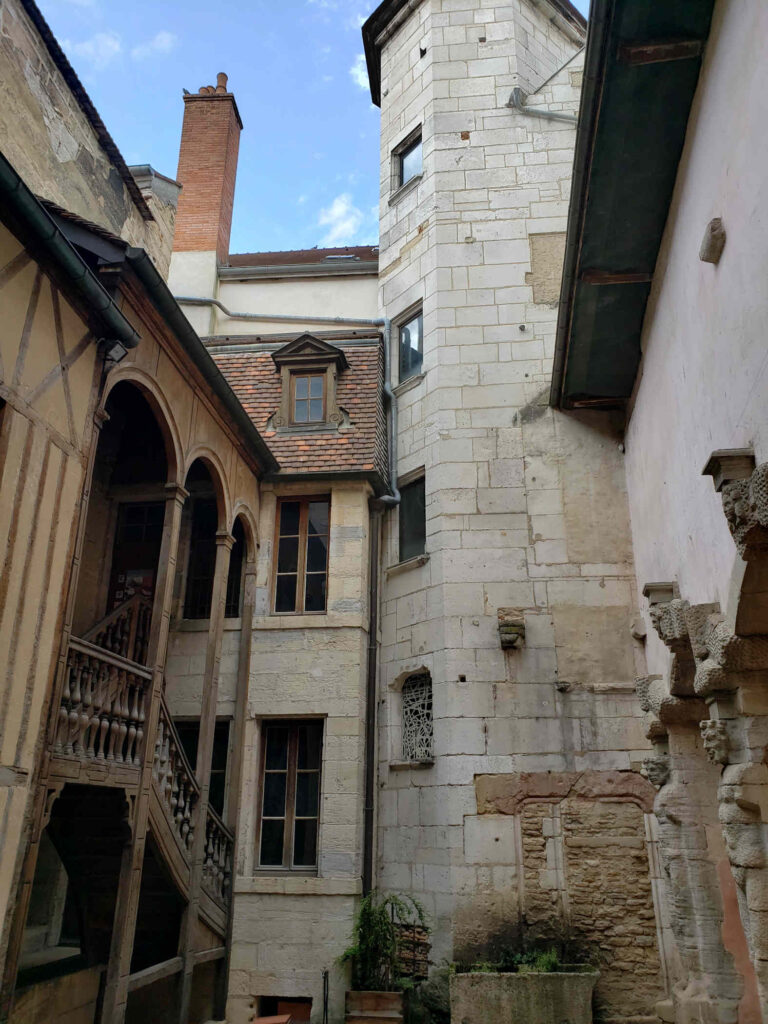
One such site was the House of Maillard, which contains a most unusual collection of stone figures carved into the wall. It also has a very old wooden staircase and a helical one in a very confined space. This place is reached by a very inconspicuous door which leads to a long, dimly lit hallway made of old wooden timber and stone. Definitely worth a visit.

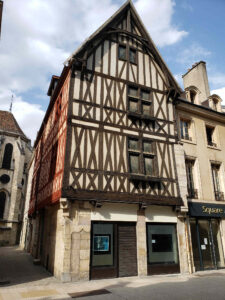
The owl trail takes you past several noteworthy sights, including many buildings built in what Americans would recognize as Tudor-style or Fachwerk, is typically known as Timber-Framing. The following examples are easily found throughout the city and in some cases demonstrate the age of the buildings and the city itself.

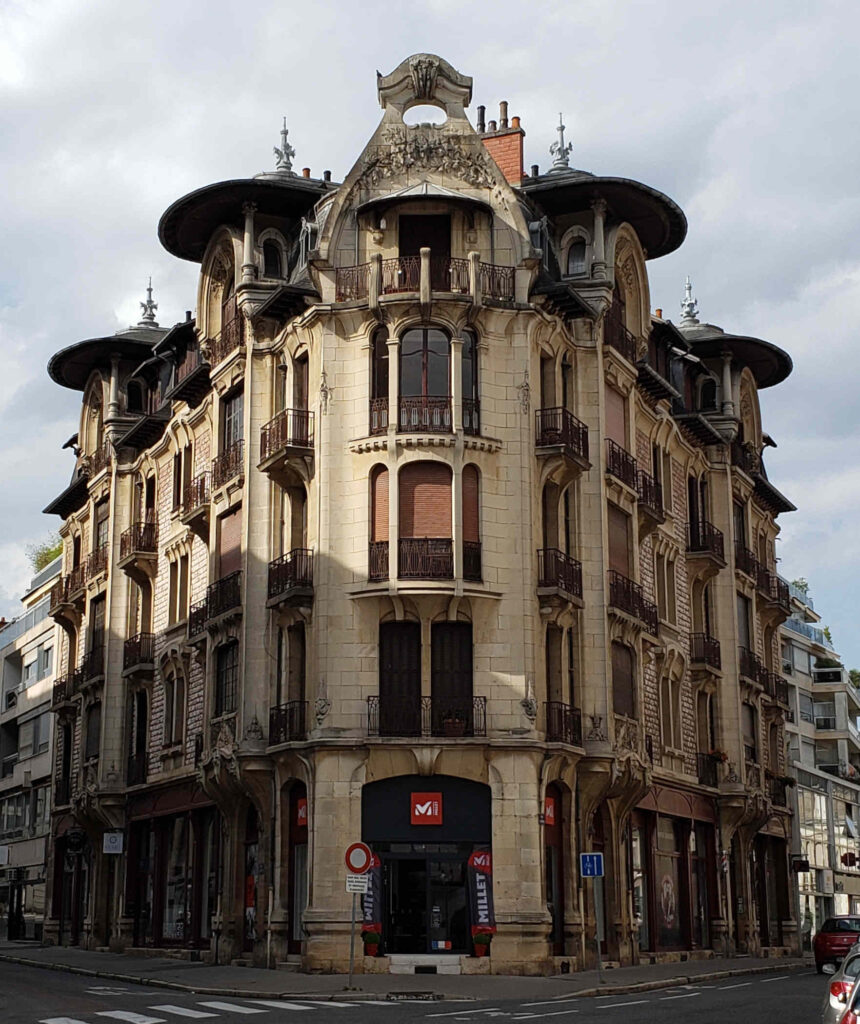
And yet one of the strangest houses seen in Dijon appears below, owing to the flared roofing around several of its dormers.

Odd Building Between Rue Du Temple And Rue Du Chateau

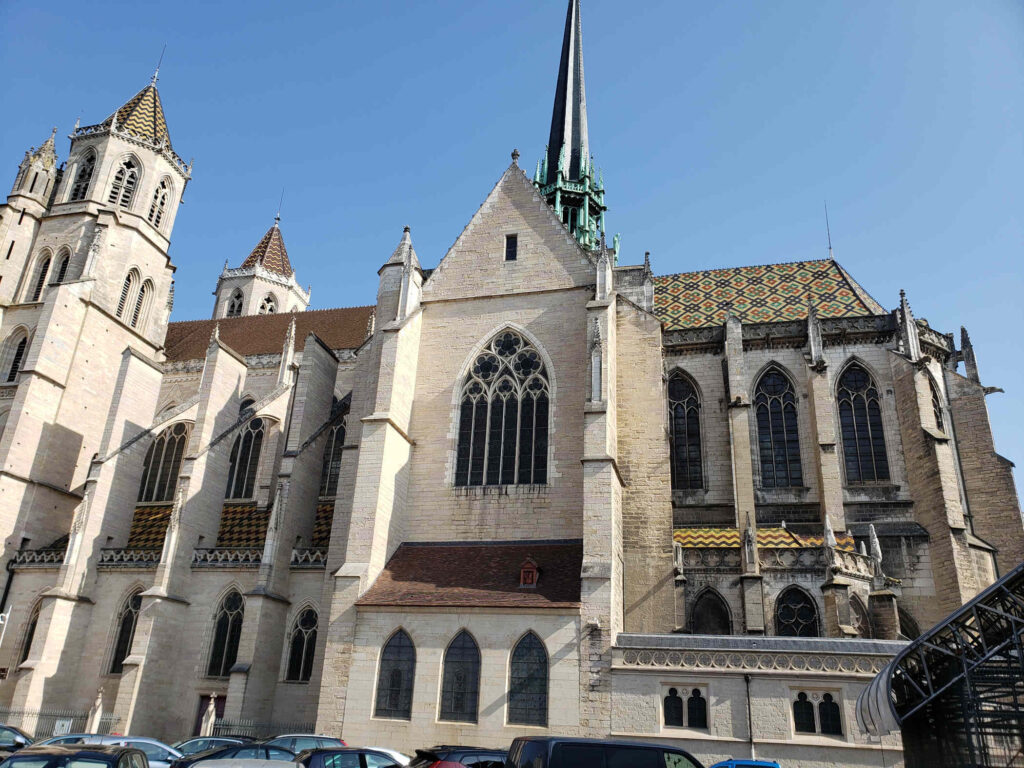
Another characteristic of housing in this area is the roofing. Most of the materials here are reminiscent of the typical ones you would find in France, Germany and Italy. However, some are distinct for this area of Burgundy and are clad in a specific design and pattern specific to this region of France.

Burgundy Roof On The Church Saint Benigne De Dijon

Most of these roofs have a distinctive yellow, green, brown – almost terracotta color and black. The patterns vary a bit, but seem to stick to a central weaved look from below.

Churches

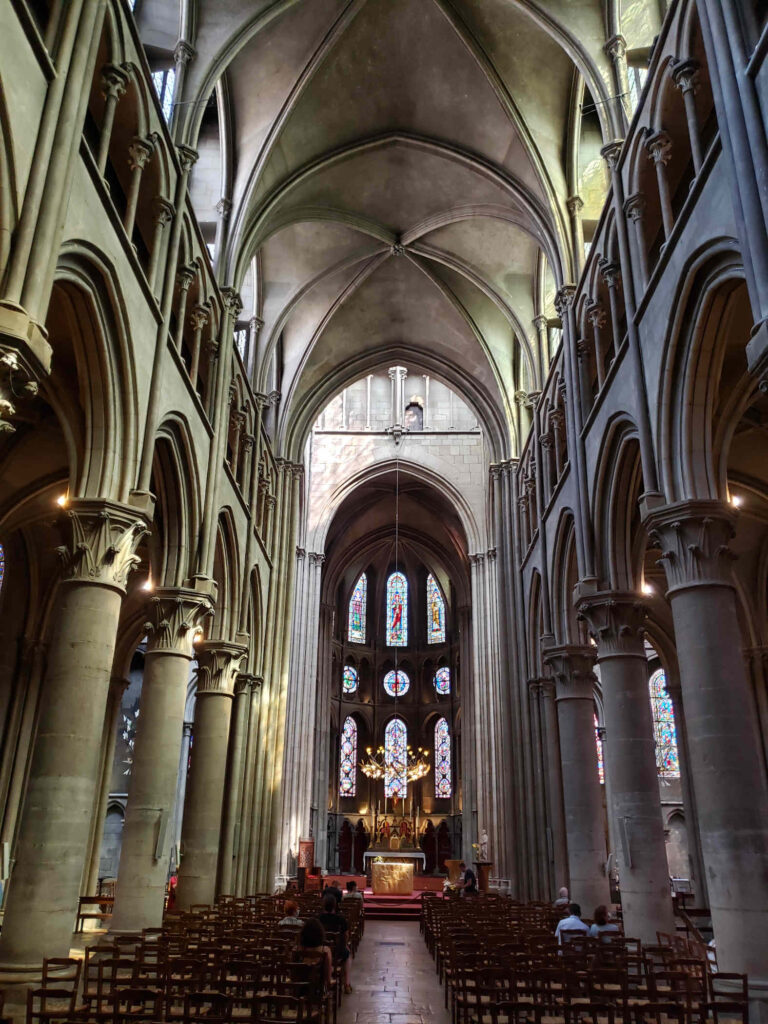
There are again numerous churches in Dijon, all of which have their own interesting history. Obviously one has to have the name of Our Lady, or Notre-Dame, and it is situated on the Place Notre Dame of the main street Rue des Forges.

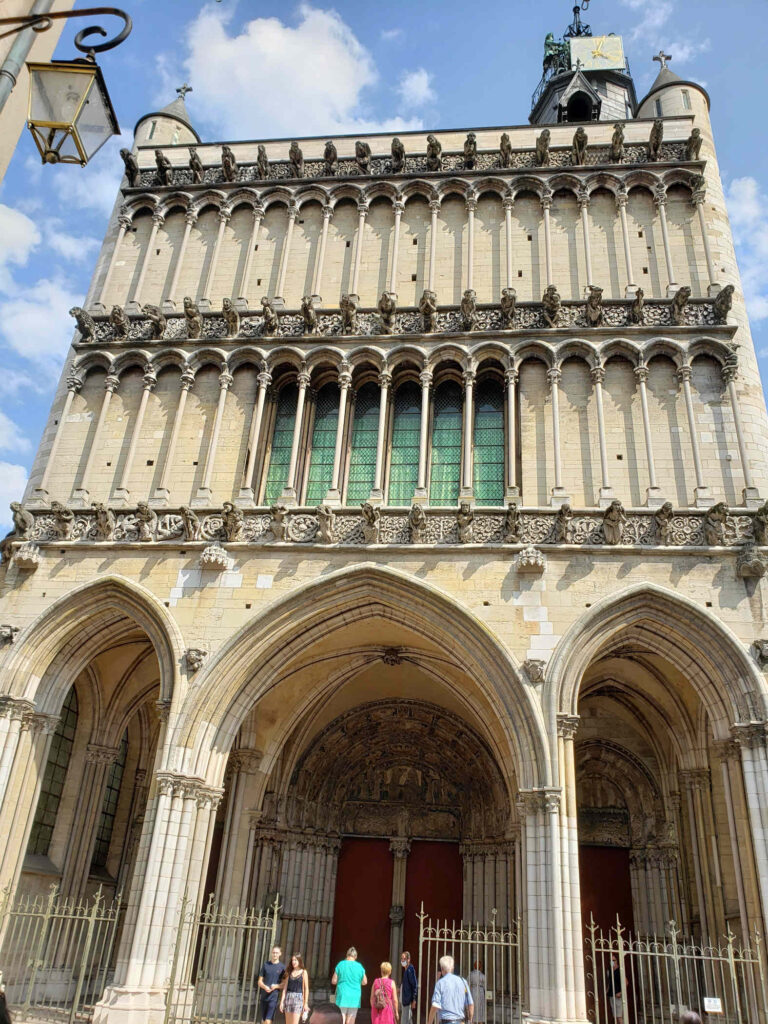
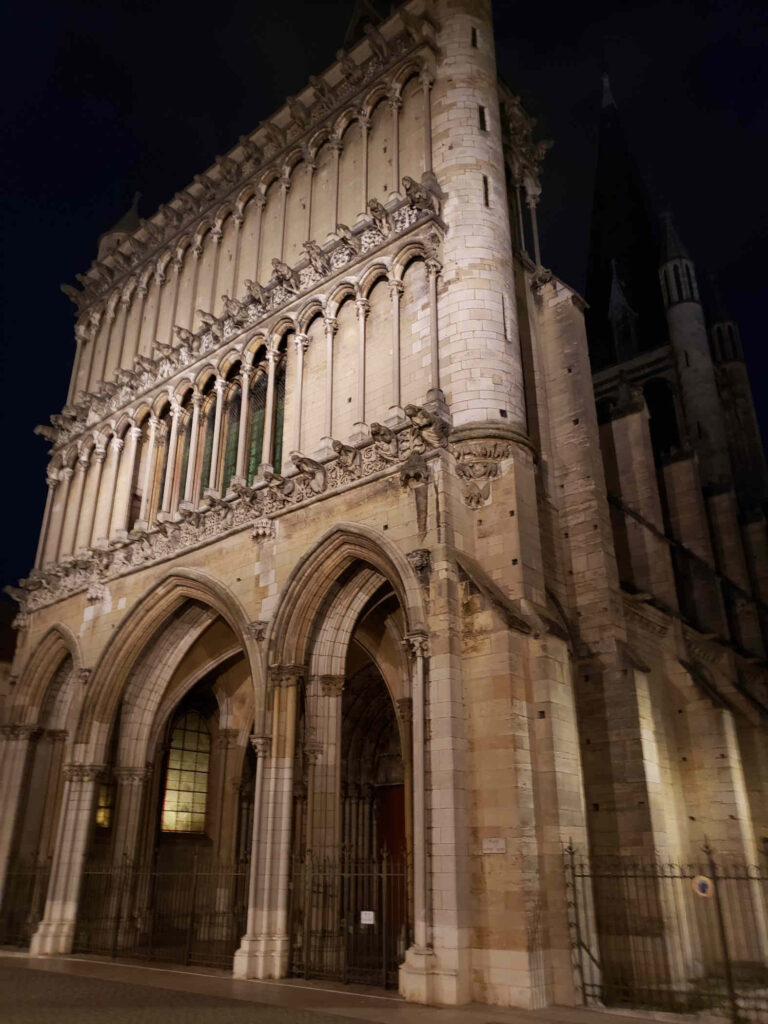
Notre-Dame de Dijon

Built in the thirteenth century is an excellent example of Burgundian architecture. The facade sports a collection of gargoyles, all of which have a difference appearance and most likely meaning. They must have given the worshipers pause as they entered its archway, especially one can imagine when it was raining and some were spouting water from their mouths.

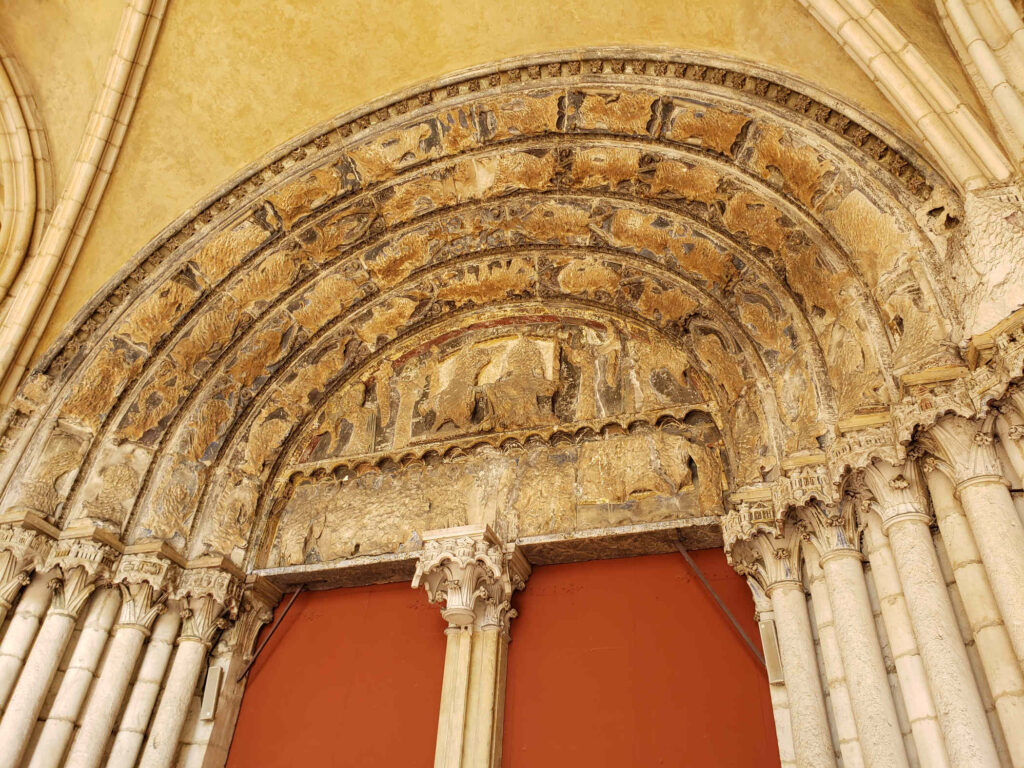
The front entrance shows enormous amount of wear and can only be attributed to poor quality stone that must have been used in some of its construction, or a deliberate act of destruction or vandalism.

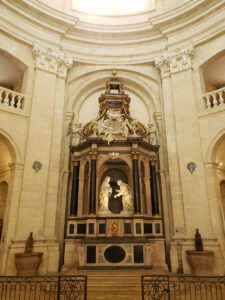
Not actually a church anymore, the Church of Saint Anne of Dijon now houses a museum of sacred art that includes vestments, chalices and other historical religious artifacts.

Restaurants

We ate at a few very good restaurants in Dijon, one of which was an amazing learning experience, the other noted for its exceptional taste based on years of expectations (that is, french cooking and their meat).

L’Aspérule

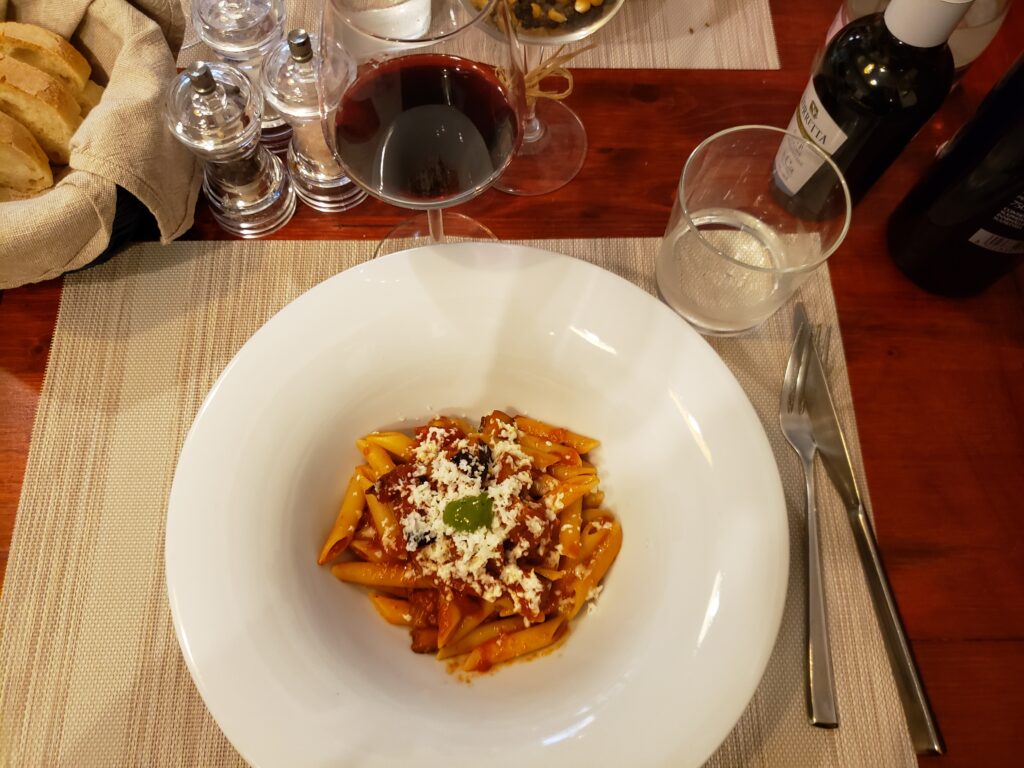
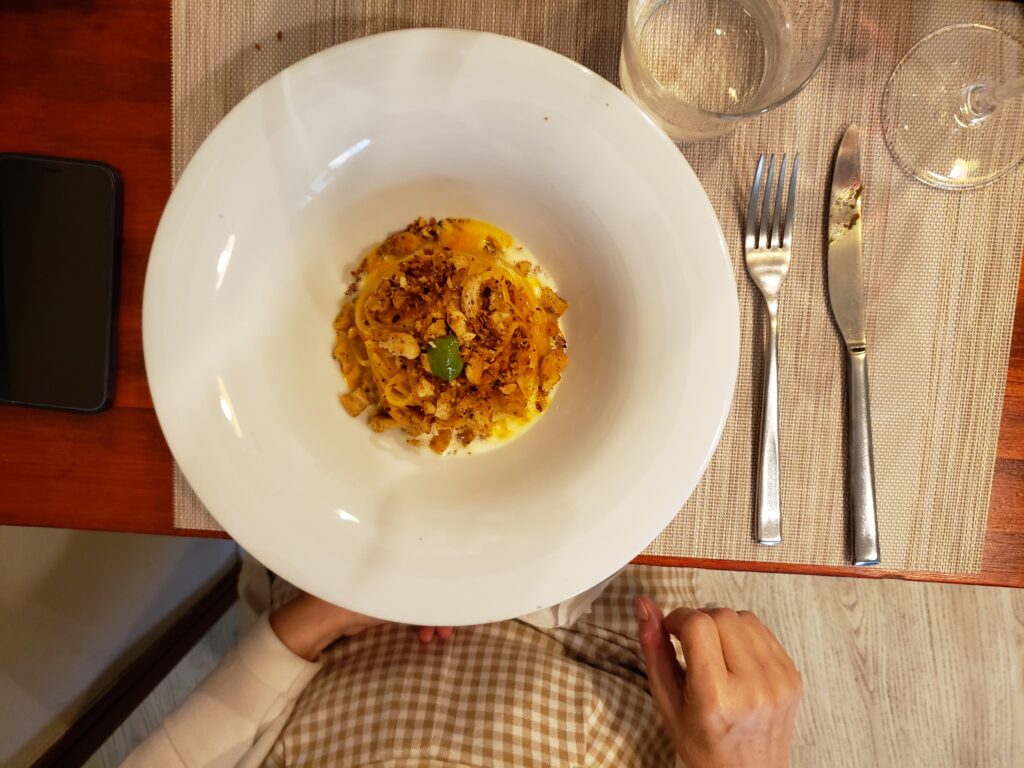
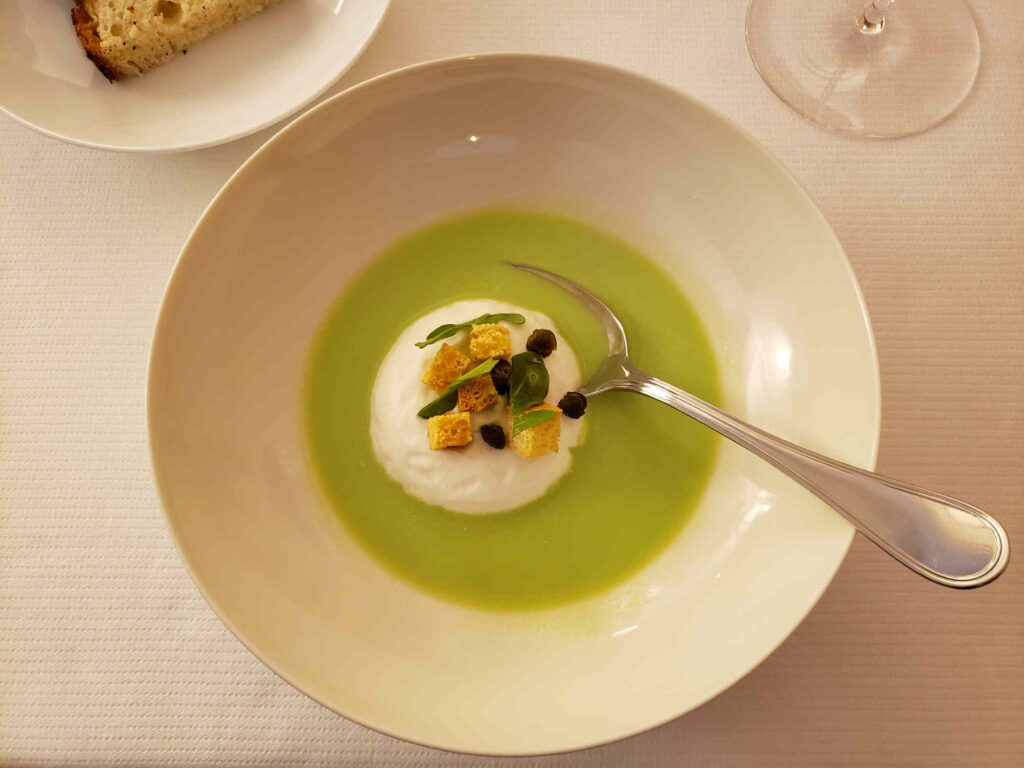
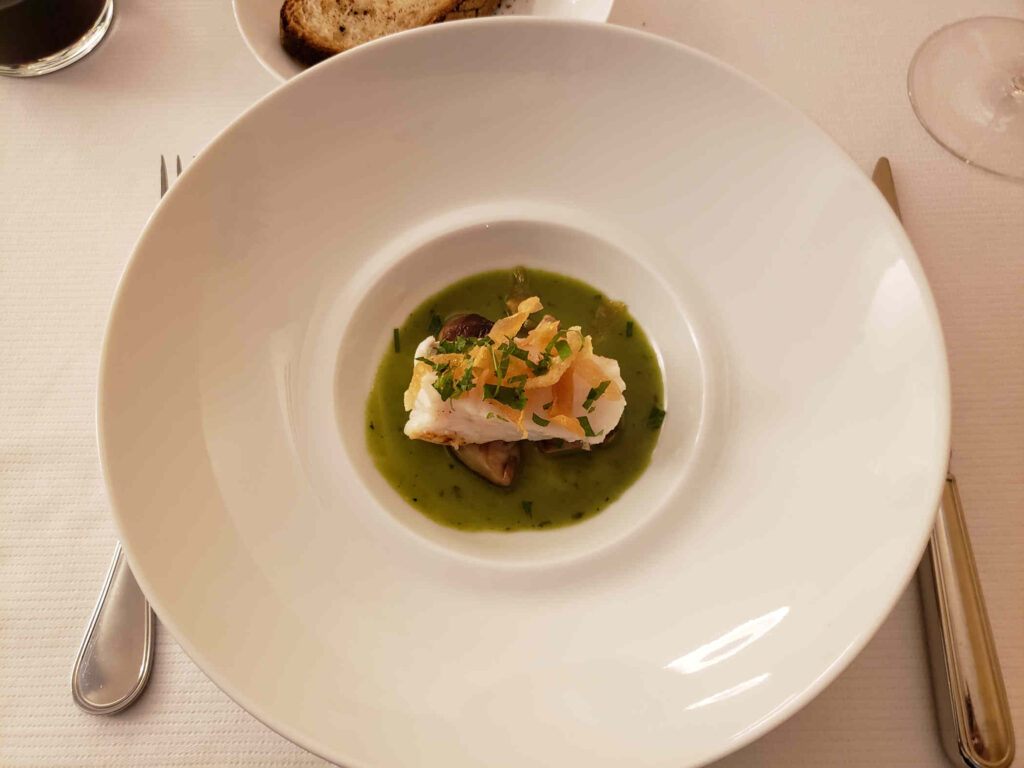
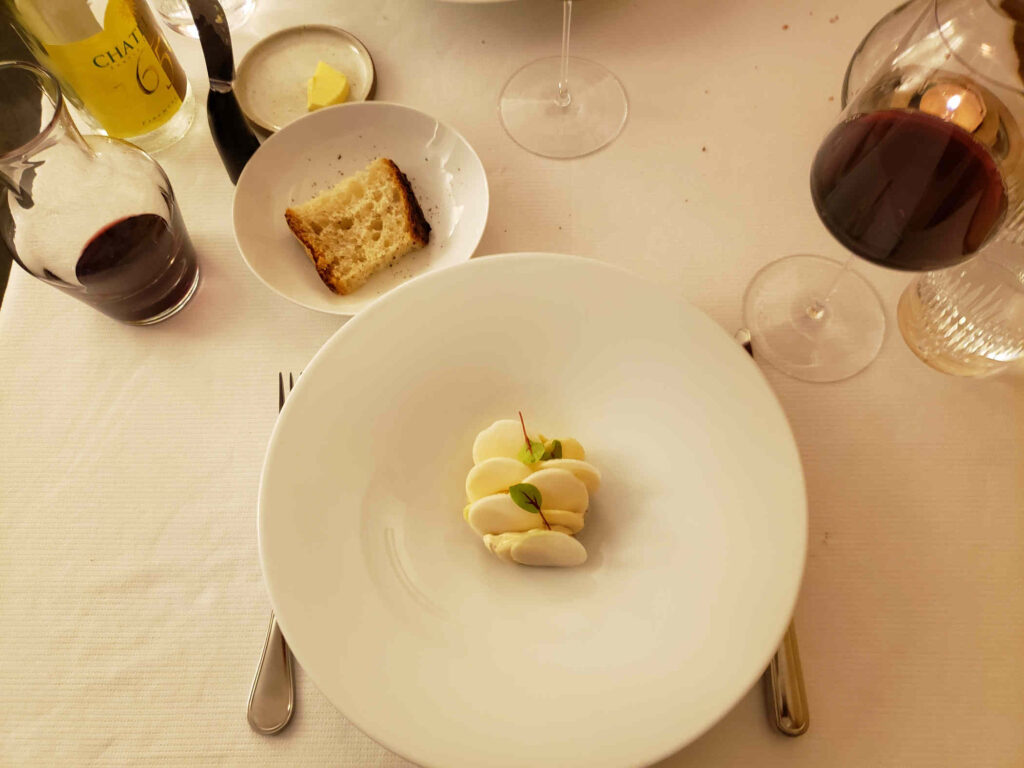
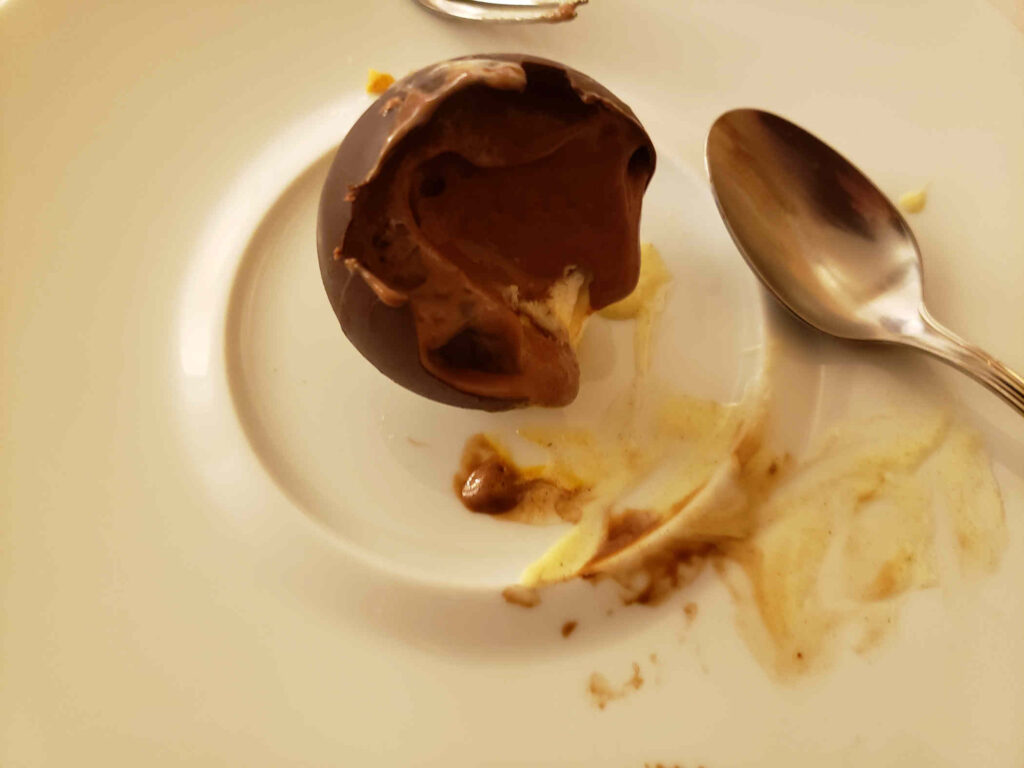
A fine dining establishment run by a renowned chef Keigo Kimura and only opened in 2019, this restaurants has all anyone would want to eat. I would consider it a French-Asian Fusion restaurant, where the owner takes Asian liberties with known French classics, the results of which are astounding. We are not food critics, but all we could say when we left this restaurant was, WOW!

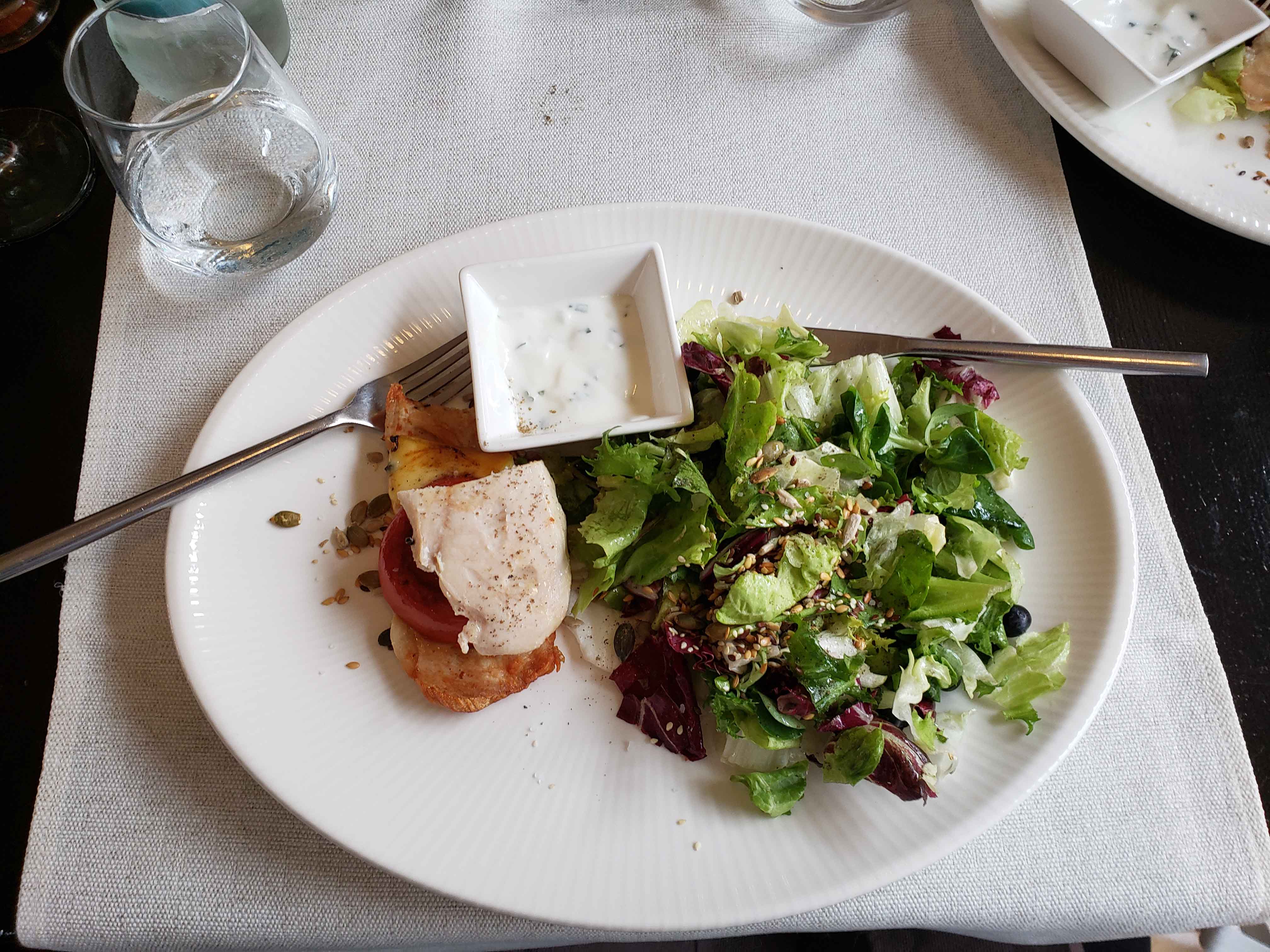
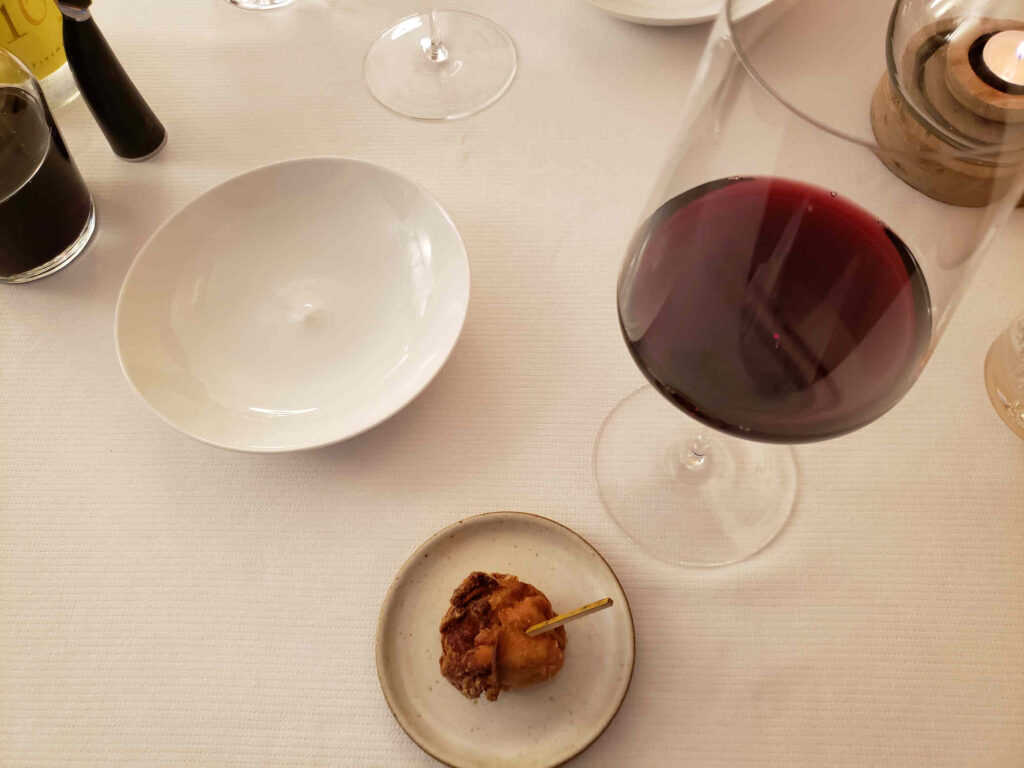
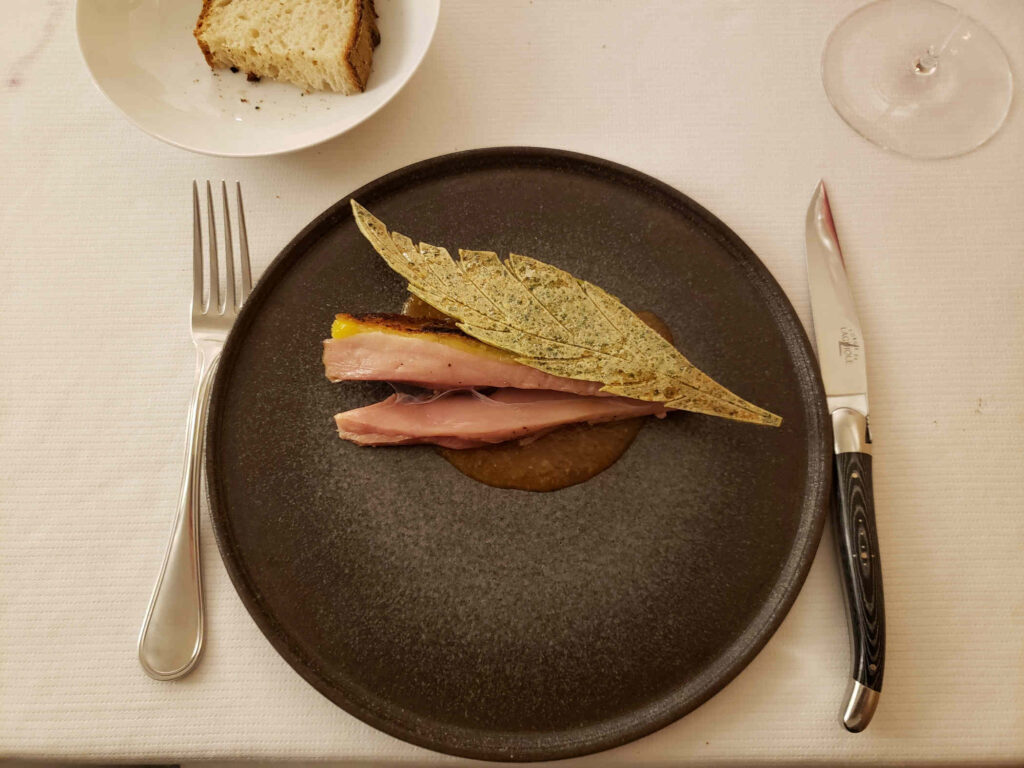
L’Aspérule – Chicken Appetizer with a Gevrey-Chambertin 2015

As expected with most fine establishments, seating was limited and inside, so it is necessary to get a reservation. We found ourselves lucky, in that they had one seating left the evening when we visited, so we jumped at the chance.

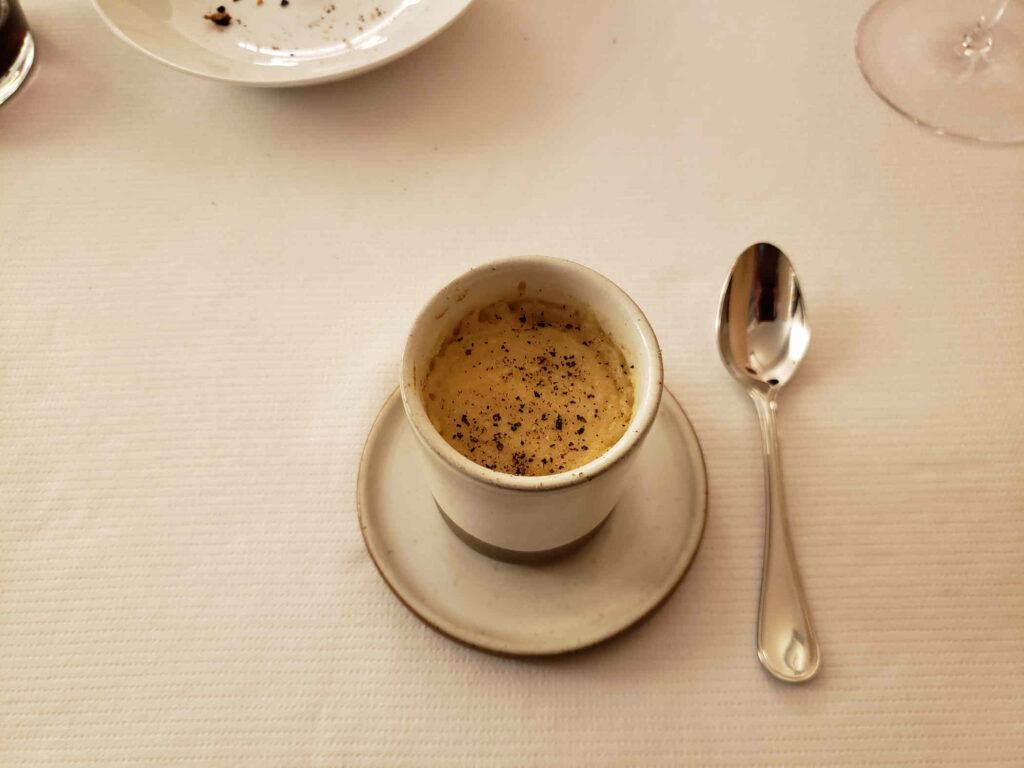
The menu promised either a flight off six or seven courses, starting with an appetizer and working our way up to two different ways to cook Guinea Fowl. The highlight of our meal was both the 2015 Gevry-Chambertin Red Wine and the Ground Guinea Fowl with Whipped Potatoes in Foie Gras Butter served in a cup. It gives me Guinea Fowl bumps just thinking about it again.
Chez Léon

Chez Léon offered a more relaxed atmosphere outside, during a rather warm evening. We were lucky to enjoy a breeze now and again and luckily the lack of any smokers nearby.

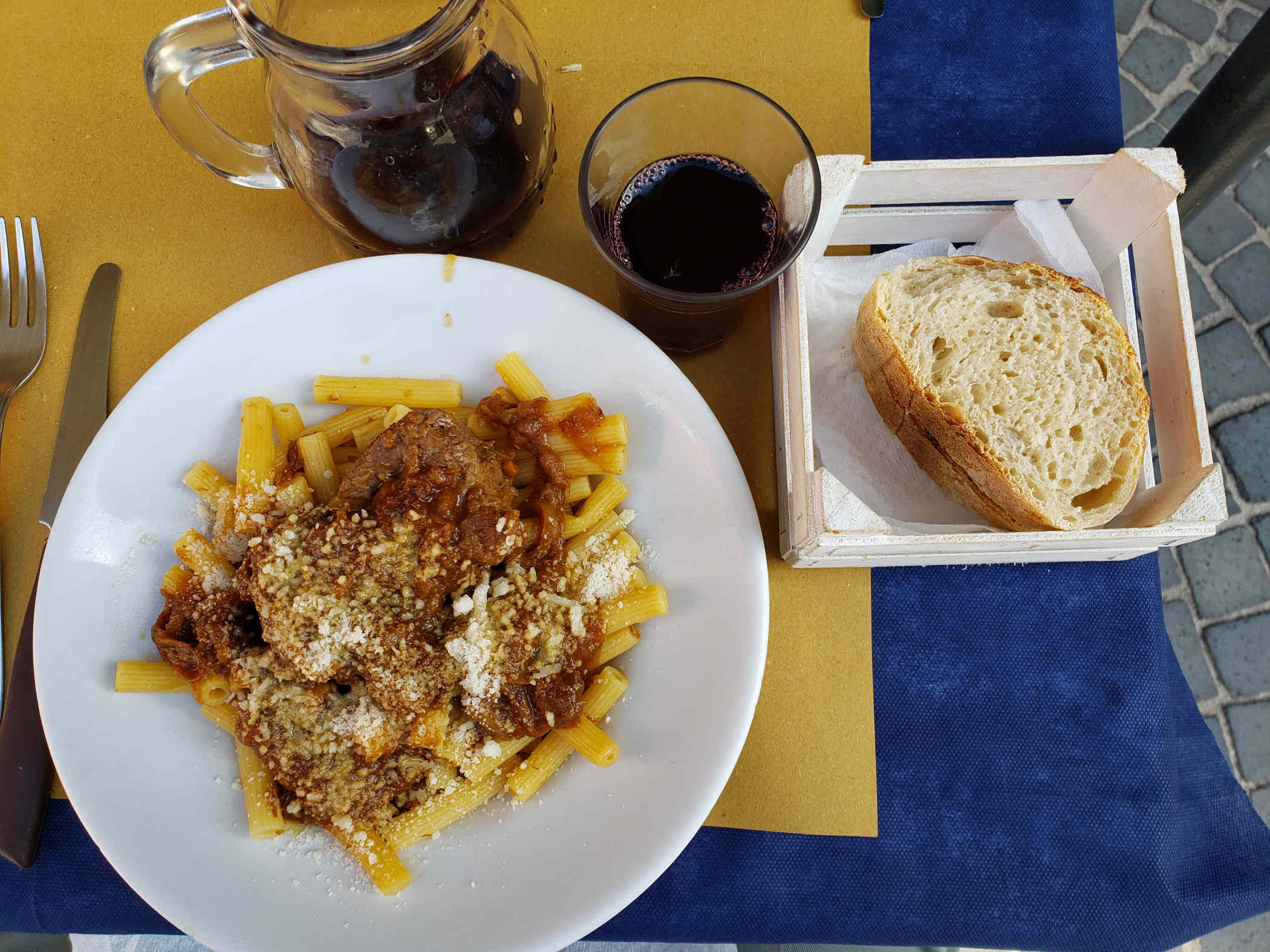
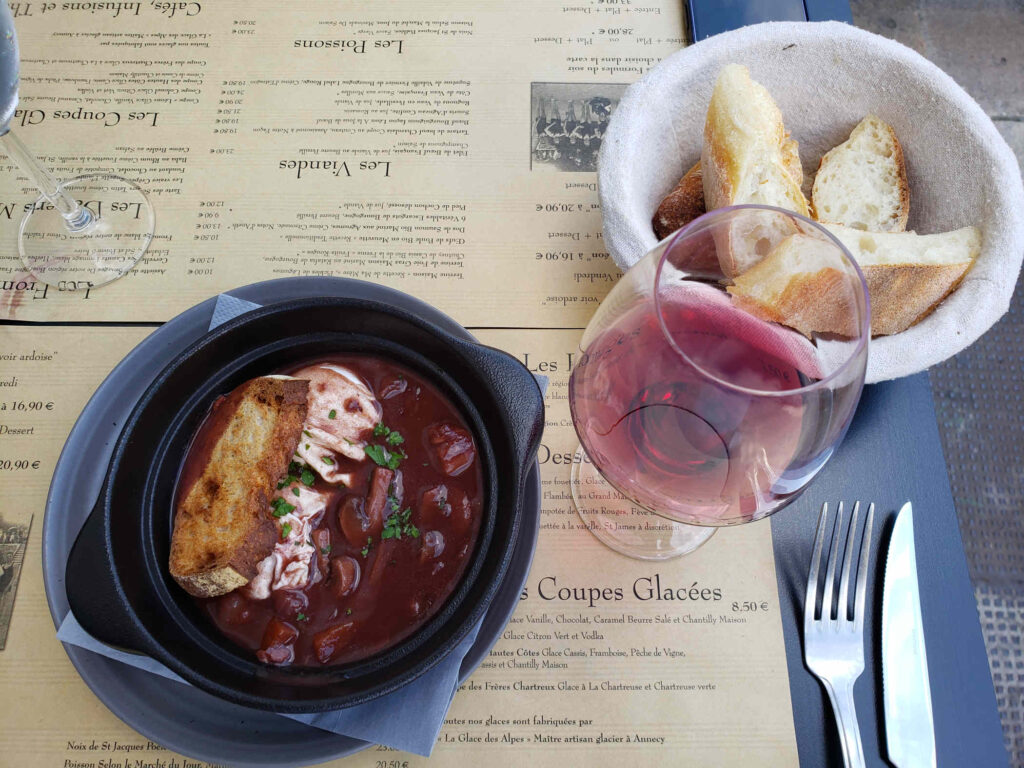
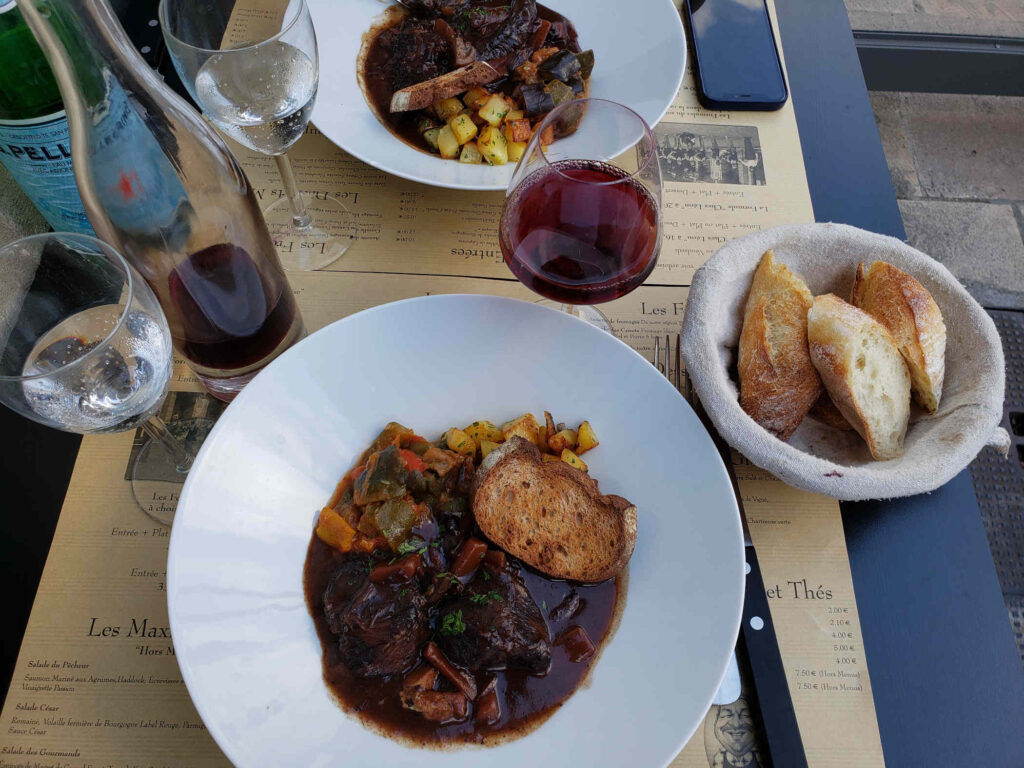
The food at this restaurant was traditional Burgundian which we had both wanted to sample before we left the area. Our chef did not disappoint, the menu was full of the expected entrees and some with which we were not yet familiar. I ordered a half-liter of the Givry Red Wine when we placed our orders for the Beef Bourgogne that was one the menu. I upped the ante a bit but ordering an appetizer that used the same sauce as our main entree, but also contained two soft boiled eggs, a specialty they call Oeufs de Poul Bio en Meurette, Recette Traditionnelle.

In Conclusion

Visiting Dijon was a real treat, one we had not expected. Given its many appealing qualities, especially its food, we would recommend it to anyone.

Grand Hotel Le Cloche At Night

Lyon, France – Silk And Murals

If one were to think of two words that exemplify Lyon, besides being known for its culinary heritage, it would be as the city of silk and murals. There are other sights to see of course, but these two are the ones that you will not forget if you visit this city in the heart of the Auvergne-Rhône-Alpes region.

Lyon – Panorama of the city of Lyon, taken from the Basilica of Notre-Dame de Fourvière

During the week of the tenth through the twelfth of August, 2021 we were fortunate to travel through Lyon. Our expectations were mixed, having known or read little of the city in the past. In fact, until we visited we had no idea of the impact that Lyon had had on the silk or weaving business in the world.

Lyon – Cour Des Loges

The Historic City Center

The historic part of the old city is backed up against the hill on the other side of the Saône below the basilica of Notre-Dame de Fourvière. Here you will find the old narrow streets paved in cobblestones and buildings fitting their age. The Place of the small college, right next to our hotel The Cour Des Loges, is an example of this as seen below. Though I must admit I am not a fan of walking on cobblestones and prefer the larger stoned walkways of Turin. Walking in one thunderstorm or shower will testify to their slipperiness.

Lyon – Place Du Petit College

Many of the old building date back to the fourteenth and fifteenth centuries and were deeply involved in the silk trade and fabric making. This included our hotel which has several stairwells within it similar to the one above. Though they are inside the hotel, they were customarily on the outside and almost always in the form of a helix.

Rue Du Boeuf An Old Staircase

Bordering the Historic City Center to the east is the river Saône. There are many bridges that span the waterway and will bring you to other old parts of Lyon in the district in and around Bellecour.

The Place Du Bellecour sports the traditional statue of Louis XIV on a horse. Aside from a well architected space around it that serves as a park, the space seems to otherwise be devoid of purpose, it is not even paved well.

Fountain Of The Jacobins

However, the area in and around the Fountain of the Jacobins seems more impressive and well designed. It is situated closer to the buildings, including a ring of trees with a beautiful fountain at the center. The only thing it appears to be missing are cafe tables and people.

Roman Ruins

There are several roman ruins spread across the city. Most are comprised of amphitheater that we used by the local population for amusement. Lyon has at least one example of twin amphitheater, which frankly I have never seen before, even in Italy. The two are adjacent to one another on the hillside overlooking Lyon and just below and to the south of the basilica atop the hill. Both still appear to be used for special events and have wooden stages carefully erected over them.

We actually arrived at the amphitheaters quite by accident, trying to find our way up to the basilica. We both knew they were there, we were just both surprised that we happened upon them in that location.

Basilica Of Notre-Dame De Fourvière

Continuing our walk up the hillside from the roman ruins you can easily see the basilica, so groping for directions on your phone is not such a big deal. The basilica is impressive, both inside and out. However, it appears to have been place on real estate where they allowed residential houses to encroach upon it. This takes away from one’s ability to get an actual appreciation of the scale of the structure from outside.

Basilica Notre-Dame de Fourvière

Inside is a totally different matter. There are actually two churches within the basilica, one above (the actual basilica) and one below in the crypt. Though the directions indicate crypt, in fact there numerous persons buried below, it appears to also function as a full church with pews and all.

Inside Notre-Dame de Fourvière

Croix Rousse

Across the river Saône from the historic district lies the district on the hill called Croix Rousse. This area is known for its historical ties to the Canuts and those who established and made the silk trade famous in Lyon.

The Museum Of The Canuts

Anyone interested the history of weaving or silk, or anyone interested in old machines should probably put this somewhere on their list of places to visit. They have a small but authentic collection of old and rare machines dating back to the time the Canuts flourished in this area.

A canut was a master weaver of gold, silver and silk thread. The word has probable origins in the word canette, which in french means spool, for which they were responsible in changing out in order for the weave to be successfully finished. The start of the industry can be traced back to its start in and around the year 1536.

The Fresco Buildings

There are several buildings in this area that have been frescoes painted on them. Some of them have been done numerous times over, in order to keep the appeal up and to changed the theme slightly.

Mur Des Canuts – Croix Rousse
Fresco of the Lyonnaise

Other Weird Points Of Interest

The are at least a few unusual points of interest, where artists apparently had a hand. Owing to a profound lack of graffiti in the city my wife and I thought them interesting. Here are a few.

Restaurants

Many of the restaurants here serve local food, or as close to traditional home cooking in these parts of France as you can get and are called Bouchon, it is sometimes spelled Buchon. They are similar to Italy’s Osteria or Trattoria and being in the Auvergne-Rhône-Alpes are very meat based establishments. Most menus include sausages from the region, both sliced as an appetizer and fully cooked served with a sauce or gravy. It is obviously interesting to try, but over the course of a few days can become tiresome.

Buchon Fiston

The second restaurant we tried with such fare was Bouchon Fiston, the first being of no particular note and right across the same street. Trying to mix it up a bit I went for a soup and salad. The onion soup came with a delicious filo dough top and the salad came with melted regional cheese on toasted bread. Patti ordered a lentil salad, which came as a combo of a lentil compote and green salad on the side.

Bistrot Des Cours Des Loges

Belonging to our hotel is a small bistrot that serves many good specialties from the region. Our second evening in Lyon found us visiting it, because the main restaurant normally served by a famous chef was closed for the holiday season.

The bistro offers outside seating under the amazing trees of the Place de Petit College. We had a most enjoyable evening sampling many fine dishes and enjoying the wine.

Le Cabaretier

Our last evening in Lyon found us dodging raindrops to make it to the Cabaretier for dinner. After a rather warm afternoon the thunderstorms would not be denied, but neither would we.

Le Carabetier – Lyon

The place was vacant for the most part, possibly owing to the rain, since most other places appeared equally bare. The owner and ostensibly the cook at this is a real character and listens to American music all the time. Once he learned we spoke English and were from the States, he was constantly buzzing around trying to help or playing songs he thought we would like to hear. If anything it made for an interesting evening.

Yes, That’s Sausage, But I Had To Try It – Andouilette Sauce Moutarde

The inside looks as though it belongs as a Antiquariat and not a restaurant. But the eclectic furnishings did not take anything away from his authentic Lyonnaise food.

Annecy, France – The City Of Canals

Annecy – From The Chateau – August 2021

Arrival In The Rain

We started our travels knowing well that we were headed into bad weather. The rain storm that had been predicted for a few days arrived with a wall of thunderstorms and a strong front of rain. No matter, we spent the major portion of our morning traveling from Turin to Chambry and then to Annecy by train.

Train Ride From Turin To Chambry – August 2021

Being delayed a bit in Modane, France by the French authorities, who by the way did a thorough check of everyone’s passports and vaccination status before we were allowed to move on (at least someone is paying attention), we missed our local train in Chambry to Annecy. But that was no big deal and forced us to sit at a cafe there for an hour and have a coffee and a small bite to eat.

We later arrived in Annecy around lunchtime and into our hotel between downpours, so we only experienced a few drops on our stroll across Verdun Square to the Carlton Best Western where we are staying. A newly renovated modern facility which appears adequate for a four star hotel, though it shows some signs of lack of maintenance here and there (just stupid things I would notice.)

Patti On The Quai Madame De Warens – Annecy – August 2021

The city of course was obviously built around the power of the water the pours out of Lake Annecy via the Thiou River. This river is divided by a network of sluices and other diversions for use by the prior residents in numerous ways. There are numerous artifacts along the Quias were used to stop and gather the water for redirection towards mills and perhaps other structures that no longer exist. At least one large canal still exists, the Canal du Vasse, which today is primarily used solely by the park and some boat rental concerns.

Historic Center

The historic center consists of less than a square kilometer of land and buildings, all concentrated around the mouth of the River Thiou and the Canal Le Vassé.

River Thiou – Quai Perriere – Annecy – August 2021

The chaotic nature of the city belies its origins in time, owing to the many narrow side streets and other small venues.

The town has a noteworthy palace and a chateau that has been converted to a museum at the top of the one hill off-center of town. The palace is peculiar, in that it exists on the one small island in the middle of the River Thiou.

Palais de L’Isle – River Thiou – Annecy – August 2021

Les Musées d’Annecy

The museums of Annecy are few and for the most part only in French. We purchased our Tickets for Two for the Chateau Museum, if only to see the views. But also with the hope that there would be something of interest inside that we might learn. There was but unfortunately it was only lightly covered by signs with minimal English. So if you visit one of these museums an Optical Character Recognition application must be used to auto-translate any placards or signs if you hope to learn anything at all, in the case you only know limited French.

Tickets For Two – Annecy – August 2021

We actually visited two museums of this group, the Musée-Chateau and the Musée du Film d’Animation. The first holds most of the original artifacts of the chateau, including old chests and some period paintings (including an amazing portrait of the 1858 Donati’s Comet). The second is a French specific museum of film animation of which I could not think of a single example or contribution to non-European film art, hence most of this art remains unknown to many outside this country.

Restaurants

Le Lilas Rose

Le Lilas Rose – Annecy – August 2021

After a short rest, in order to miss the rain that had been following us and started falling, we went out for dinner. Not far from our hotel we found the cute little restaurant Le Lilas Rose which features simple fare from the region of the Haute-Savoie.

Erick’s Chacutierie Plate – Le Lilas Rose – August 2021

I chose the Chacutierie plate, which included an assortment of Parma ham and other dried meat along with potatoes, pickles, cheeses and salad. Paired with a very good Côtes du Rhone and local bread, it made for a very good dinner.

Les Caves Du Chateau

A small and indistinct destination on your culinary adventure here, may take you to The Caves, or Les Caves De Chateau. Though we had actually known about it and marked it down as one possible place to visit, we happened upon by pure accident. It is situated in such a way coming down the Rpe Du Chateau, that it can be easily missed. We decided to stop initially to try the wine, since their list of local and French wine is impressive, and ended up staying for lunch, or déjeuner as they refer to it here.

Les Caves Du Chateau – Annecy – August 2021

Patti tried a local Rosé and I sampled a Paulliac – Les Fleurs des Haute-Bages and a St. Estephe – Cos de Labory, all very excellent choices.

For our meal we had the Charcuterie Board with a large selection of local cheeses, dried meat, pickles and other delights. A small but filling start to our afternoon walk.

Ô Savoyard

On our second evening we made reservations at the Ô Savoyard, a mix of local tradition and tourist hot spot. We arrived early and were able to acquire an excellent table outside away from most people, a necessary precaution when eating out during these times of Covid.

Ô Savoyard – Traditional Savoie Cuisine – August 2021

For my main dish I ordered the traditional Tartiflette special of the restaurant. This is a skillet dish with potatoes, diced bacon or pancetta, with melted wedges of local cheese covering it in a special sauce. For any potato lover it should be the go-to dish in Savoie.

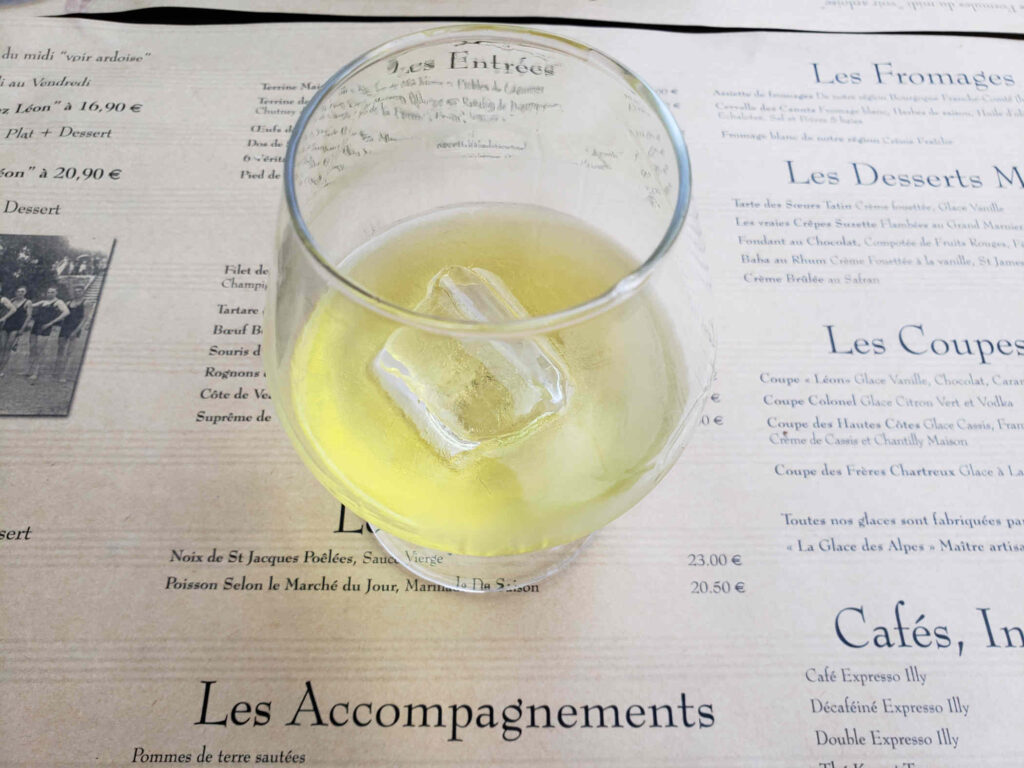
I ordered a nice red wine from the Savoie region made from the Mondeuse Noire grape. A dry, fruity and well rounded wine reminiscent of a young and immature Pinot Noir, I found it a real surprise and very enjoyable.  The Chartreuse Verte was surprisingly very herbal and more a digestive than the typical liquer that one might expect.  There is also a common local variety called Génépi, which the locals make from herbs and plants that they know, some of which is sold and can be sampled at restaurants.

Auberge du Lyonnais

The hotel on the banks of the River Thiou also sports an exceptional restaurant, at least for lunch. They have a limited menu which for some can be a very negative proposition, especially those with children or older adults. However, the daily specials are first rate and the cover the minimal range of something vegetable, something with meat and at least two selection of fish, both from the local streams, lake and the ocean.

Patti and I found the restaurant a highlight of the day and if time permitted would visit it again.

Tomorrow it’s on to Lyon and the continuation of our vacation and trip winding through France on our way to Germany.  Our trip to Annecy was great and we enjoyed what we saw and did, and we would recommend it as a two or three day stop for the adventurous.  For those who are less adventurous, especially with their language skills and temperament, it’s probably a place to be avoided.  There are few if any English speakers here and you have to remain flexible.  If you know any French at all, it will come in very handy.  If not, you will be using your phone to translate menus and perhaps requests you make of people.  Above all else, be patient,  the  French here are very amenable and want to please you, once you get over any communication barrier.  Enjoy!

Bolzano – Museums And Castles

Continuing our adventure in Bolzano, we found it has a number of good museums and many castles to visit, actually one of the denser areas for castles in Europe. We were lucky enough to have time to see two great museums and one of the better castles. If you are ever in Bozen/Bolzano, these are all great places to visit.

Museums

Südtiroler Archäologiemuseum

The South Tyrolean Museum of Archeology is the present home of Ötzi, the five thousand and three hundred year old man that was found frozen in an alpine mountain pass.

Südtiroler Archäologiemuseum

Visitors will learn who made the discovery and how, as well as many keen facts on the later removal and care for the iceman. It is amazing how many artifacts were found along with the body, all of which can be seen in the exhibits. Ötzi himself is viewable from a portal of glass, though which you can see most of the details of his frozen form. The room keeps him at the conditions in which he was found on the mountain-top.
Ötzi

Naturmuseum Südtirol

The South Tyrolean Museum of Nature is a rather small museum that provides a good educational foundation for the natural areas surrounding Bolzano. You can learn about all of the habitats and ecology of the forests and fields of the neighboring countryside, as well as its geology and climate.
There are many hands-on exhibits for children, most of which are still accessible with the proper attention to hygiene, in this time of pandemic.

Castles

Schloss Runkelstein

Schloss Runkelstein

If you walk from Bozen/Bolzano to the castle, you will note that it is not just a thirty minute walk, but rather more like forty-five minutes.

Probably one of the larger castles in the area, with a location right next to the Talferbach, one of the many rivers (what we would call a stream in the States).

Schloss Runkelstein was built in 1237 near the road that north of Bozen up to the Ritten plateau, or Ober-Bozen. This was to avoid the Eisack river gorge. However, the road eventually passes through this very gorge and on through to the Brenner pass, making it a valuable piece of real estate for trade. It was actually built as a fortress to protect the local population. Not until the 14th and 15th centuries was it then converted by aristocracy into a castle.

The castle contains great stories about Tristram and knights of the round table. There are several very good frescoes to enjoy and some very interesting period architecture. With any good castle, this one will take about forty-five minutes to hour to thoroughly discovery all it has to offer, including the views.

Our next blog will detail out hiking trip to Ober-Bozen and the Earth Pyramids.

Grindelwald – Jungfraujoch

Departing from Grindelwald once again, we find ourselves heading through the Kleine Scheidegg to our ultimate destination – Jungfraujoch, the Top Of Europe, or so they say.

KleineScheidegg_Jungfraujoch_Sphinx_15_panorama
Jungfrau Glacier

Jungfraujoch

The Jungfraujoch experience is a collection of tunnels accessed by the Jungfraujoch rack rail directly under the saddle or “Joch” of the Jungfrau. However, most of these tunnels are actually under the south side of Mönch and provide access to the glacier, the observatory, as well as other necessities for people to visit. It all starts with a train ride.

KleineScheidegg_Jungfraujoch_1
Tickets For Two – Jungfraujoch From Grindelwald

As you can see from the price on our tickets, they are not inexpensive, so get a travel pass if traveling by family or small groups. As a couple we probably could have saved some money, but we wanted to remain flexible since we slow travel and never know what we are doing one day to the next.

With the exception of the glacier stop, which by the way you can only view going up (so get out if you want to see it), all other exhibits in the Jungfraujoch can be visited in any order.

The Eiger Glacier

The first stop, while on the train, is the Eiger glacier. Since our hiking trip from Kleine Scheidegg showed us the bottom of the glacier, we thought it only fitting to see where it begins as well. It is a five minute stop, so you must hop off and hop back on once you are done.

In the photographs above, you can just see where the glacier drops over the edge and descends rapidly. From there, you can pick up the view of it from below (see our previous post on Kleine Scheidegg).

Jungfraujoch – Glacier

While you are still inside the complex, the first glimpses of the glacier are impressive. Here are some photographs while we were still winding through the corridors trying to find our first tour.

Jungfraujoch – Museum Exhibits

There are a few museum related exhibits on the lower floor the include dioramas and other artifacts in glass enclosures. They all make for interesting reading.

Jungfraujoch – Ice Palace

The ice palace, or palast, is a corridor and rooms with ice carvings in them. It is cold, kept at a constant minus six degrees celsius, so you will need to bring something warm to supplement your apparel.

Here are also some videos of walking through the ice tunnel. The floor is actually not as slippery as one would think, probably due to intense cold temperature they keep it at.

Jungfraujoch – Alpine Sensation

The Alpine Sensation is a mixture of museum and distractions for children. It still offers enough to stop and take a look at some of the interesting exhibits and information they have on the history of the Jungfraujoch. However, if you take the moving walkway they may be more difficult to read.

Jungfraujoch – The Sphinx

Though not completely sure why it’s called The Sphinx, probably a mixture of the astronomy dome and the platforms resembling that form from a distance, it offers outside panoramic views of the glacier and the surrounding peaks. Bundle up though, it’s cold outside!

Here are some remaining still photographs in a slideshow.

This concludes our trip to Grindelwald and the surrounding areas. We really enjoyed the hotel, the town, the hiking, the air and of course the mountains! We hope to return one day with our children. But until then, on to Lucern, our next stop on our trip.

Salzburg – Home Of Mozart

Salzburg is the name for both the state and capitol of Salzburg. It is also the birthplace of Wolfgang Amadeus Mozart, arguably a genius and the most accomplished musician and composer of all time.

Wolfgang Amadeus Mozart also lived in Salzburg, along with his family. One can visit the Mozart Wohnhaus, which today is a museum. The cost for entry is around 12€ per person, 10€ for senior citizens. There are also family and group rates. The fee comes with an audio guide which is filled more with music than biographical data. The museum has quite a collection of artifacts from his life, especially numerous letters he wrote to his wife. One can go through the entire six rooms in less than an hour.

Salzburg_21_Mozarthaus
Mozart’s House

While in the museum you will learn some interesting facts about the composer, for example his stature. He was on one and half meters, or fifty-eight, fifty-nine inches or about five feet tall. I guess what he lacked in height he gained in his ability to play and compose extraordinary pieces of music. Worth a visit if you have the time.

A Walkable City

Salzburg is by every measure, very walkable. The city also enjoys a very robust electric bus system and plenty of alternative forms of transportation, including bicycles, electric personal scooters and even river boats.

Mirabellgarten

The Mirabellgarten in Salzburg is a great place to take some time back from walking and the general hustle and bustle of seeing the sights. It is located toward the river Salzach on the East side of the city.

The garden belongs with the Schloss Mirabell, which is an imposing structure and site. It has ample seating and benches along its borders to sit and enjoy the flowers and its grand fountain, the Vier-Elemente-Brunnen.

Hohensalzburg Fortress

The Hohensalzburg Fortress sits atop the Festungsberg, or fortress hill, of Salzburg. It has a commanding view of the city and the countryside. Apparently build in four stages it became a formidable fortress in its hayday.

SalzburgAndSurroundingArea_1
The View from Festung Hohensalzburg

For around 12€, the basic entry pass get’s a trip on the fernicular rail to the top and back and entrance in to most areas of the castle, excluding the bishop’s quarters. The entire reason for even having a fortress is to command military might in the region, the fortress has several rooms around this theme.

There is also a Marionette or Puppet Museum on the premises. It has several works by a famous Puppeteer Master and several diorama around their history and use. A very interesting museum for the younger audience.

The remainder of the fortress includes the history of the actual structure, how people lived inside its walls and the involvement of the church in it’s operations. Here are some additional scenes from the fortress.

Finally, residents of Salzburg are often referred to as Stierwasher or “Bull Washers”. This epithet comes from a tale out of the Siege of the Fortress during the great Peasants’ Uprising. Apparently the fortress was staring to run out of food and one soldier had a great idea. He took the bull that was left and painted it a color, then he went down and show his enemies the bull. He did this for several days, painting the bull a different color each day. At some point the enemies decided the fortress still had too much food and they would never be starved out, so they retreated and left. A happy ending, I guess, except it took the population several days to wash all the paint that had accumulated on the bull, giving them the name Bull Washers!

Salzburg_Festung_14_Stierwascher
Salzburger Bull Washers

Kapuziner Kirche Und Kloster

The Kapuziner Kirche and Kloster sits atop of Salzburg, with an amazing overlook of the city. There is a short climb to get up there, but once there, the overlook is great.

Unfortunately, we had a rather rainy morning when we ascended to take our photographs, but they still came out pretty well.

Restaurants

While in Salzburg we visited the following notable restaurants.

Gasthof Alter Fuchs

The Gasthof Alter Fuchs is a typical Austrian restaurant, serving typical cuisine for the area. They have, “die beliebten Klassiker der österreichischen Küche“, or the most beloved classic of Austrian cuisine, Wiener Schnitzel and more on the menu.

Everything we ordered was delicious and with wine and water it all came to less than 50€!

Sternbräu Biergarten

The Sternbräu Restaurant and Biergarten is billed as delivering authentic Austrian cuisine. Their menu seems to be full of unfamiliar items, for example Salzburger Nockerl, and many favorites like Bratwurst. A very busy and large place that seems to have many servers, but even so, you may find service a bit slow.

We were hungry, so had a rather big lunch that included wine, water and the items shown above. Budget-wise, this place is a bit more expensive than some others, so be prepared to pay a small premium for wine and perhaps even beer. Our entire lunch came to 69€.

Cafe Tomaselli

Apparently one of the places for a drink to go in Salzburg is Cafe Tomaselli. They also serve breakfast and some other small things like ice cream. We stopped here for a quick drink and found the prices fair and drinks very good.

Salzburg_5
Campari and Soda – The Elegant Way

We ordered an Iced Coffee with Vanilla Ice Cream and a Campari with Soda and the bill came to 11.60€

Gasthof Wilder Mann

Another great place for lunch is the Gasthof Wilder Mann. The Eintopf, or soup we can say is fresh and first rate. We had the Vegetable Beef Eintopf, which came with a lot of beef, yellow and orange carrots and thin spaghetti noodles. It was spiced just right and delicious.

We also order water, white wine, a Mixed Salad with Chicken, coffee and schnaps, and our bill came to 44€.

La Spezia – Harbors No Secrets

LaSpezia_22
Lungomare

A rather active port on the Ligurian Coast is the port of La Spezia. Not typically known as a tourist hot-spot, it is noted for several museums, churches and other sites worth seeing, if you visit. With one day in our itinerary to investigate, I came away with the opinion that if you have other things in your own itinerary to see, then it’s probably not worth a stop. There are plenty of old city centers around and this one was rather unremarkable.

As can be noted by some of the photographs above, this port is heavily used by the Italian Cruise Lines and Navy. While here, we noticed several cruise ships moored, since their use is restricted during the virus outbreak. The port is also heavily used by commercial fisherman, as well as leisure craft. The city is very walkable, especially down by the water where they have a very excellent Lungomare.

That is all for La Spezia, our next stop is Rapallo, about thirty minutes North of Moneglia, via Sestri Levante. Another port town, but more for leisure craft and very close to Santa Margherita. Our Ligurian journey continues…

Scotland – Inverness

A three-hour drive from Edinburgh will bring you through the center of Scotland and The Highlands, here at the end of Loch Ness sits Inverness.

Inverness – Ness Bridge

Inverness

The city itself in October has a strange feel about it, reminiscent of an upstate New York town, think Hudson or Catskill. Though statistics say otherwise, one would think it in decline, or an area that perhaps saw better times.

The people on the other hand are very friendly and seem very comfortable with tourists.

Loch Ness

In order to see the Loch Ness from Inverness you have to travel 15 to 30 minutes southwest on the A82. Along this road there are several places to stop and take photographs.

Loch Ness – Erick

A bit further on you will find the lazy hamlet of Drumnadrochit and the Castle Urquhart sitting on the lake.

To enter the castle grounds it cost us around 10£ per person, with a senior discount (60+). A fair price for the ruins and direct access to the lake. And yes, there be NO monsters here!

Loch Ness Centre & Exhibition

This is an exhibit on the scientific evidence and history around the Loch Ness monster. Well worth the money, I found it informative and fairly well done. You can even read all the newspaper articles about the hoax or in some cases what may be called a misunderstanding of what people think they saw.