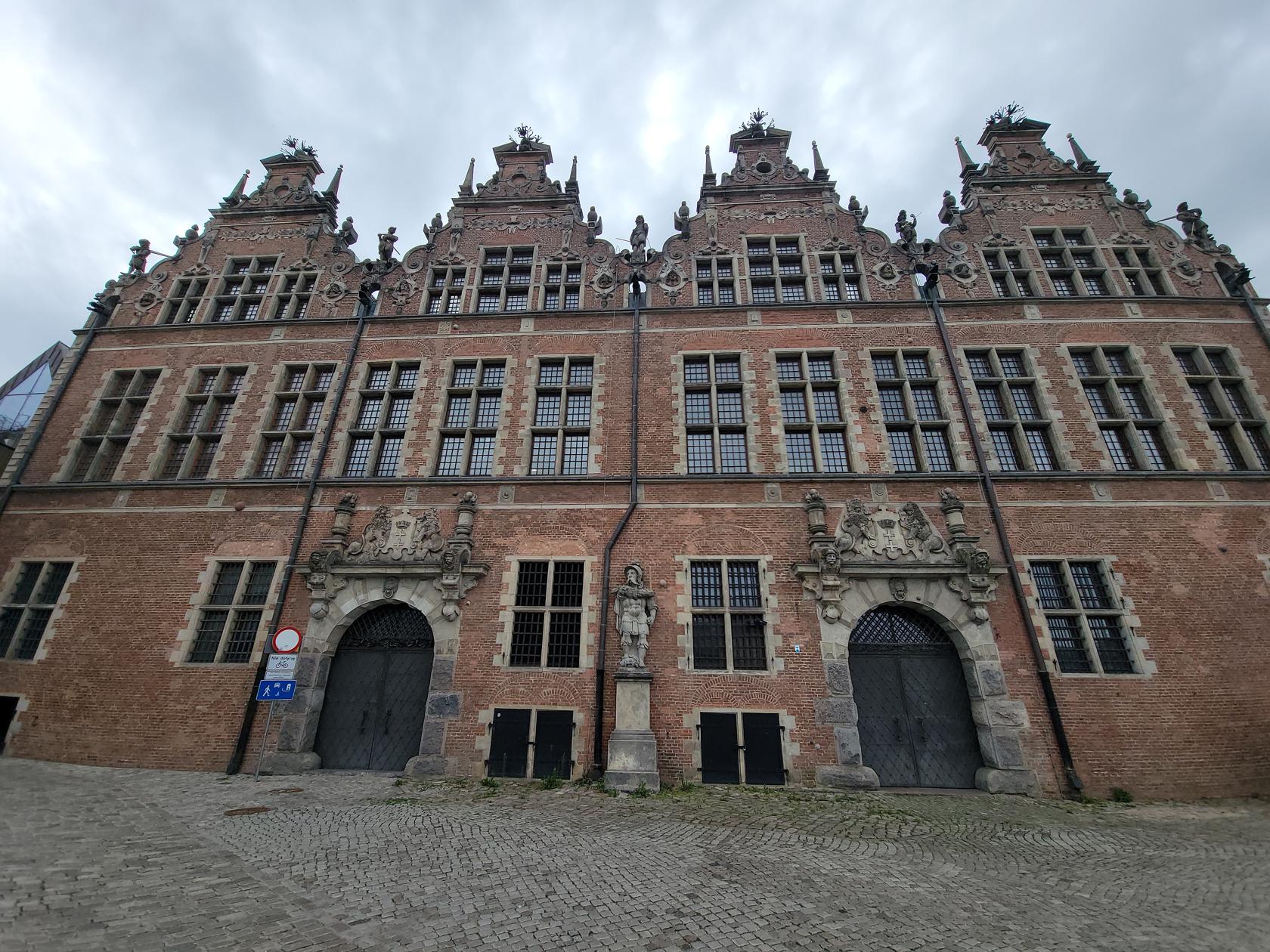
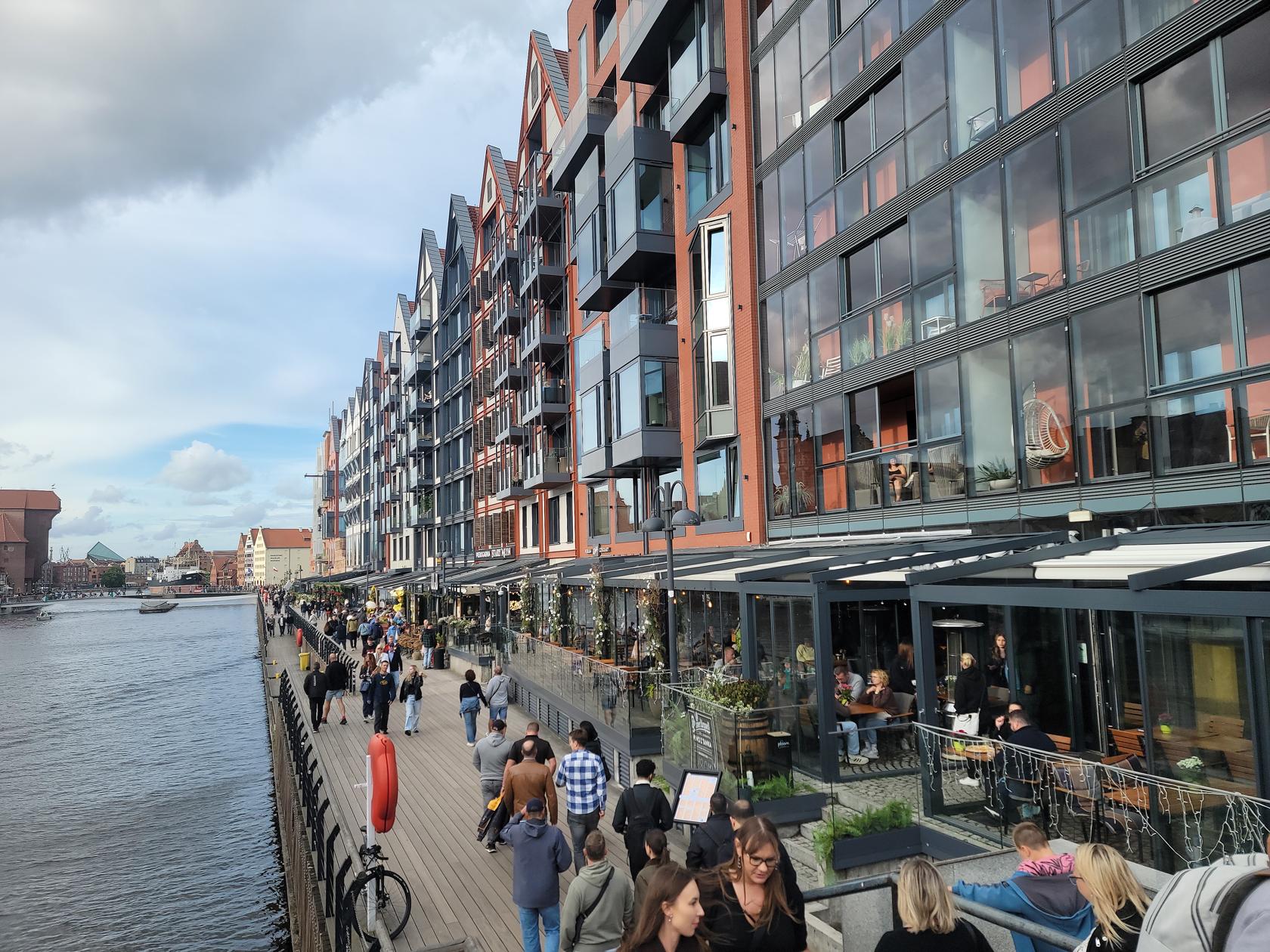
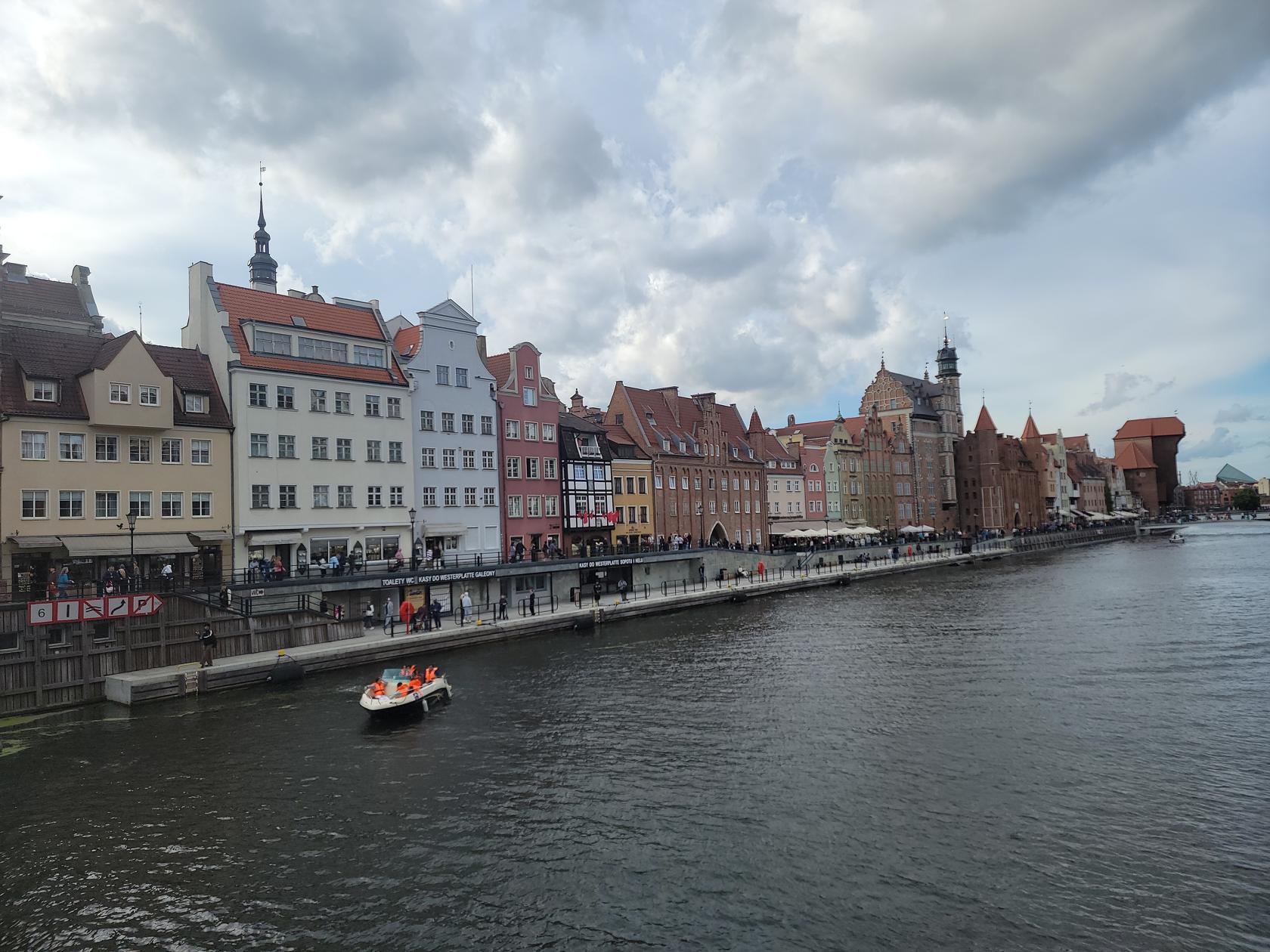
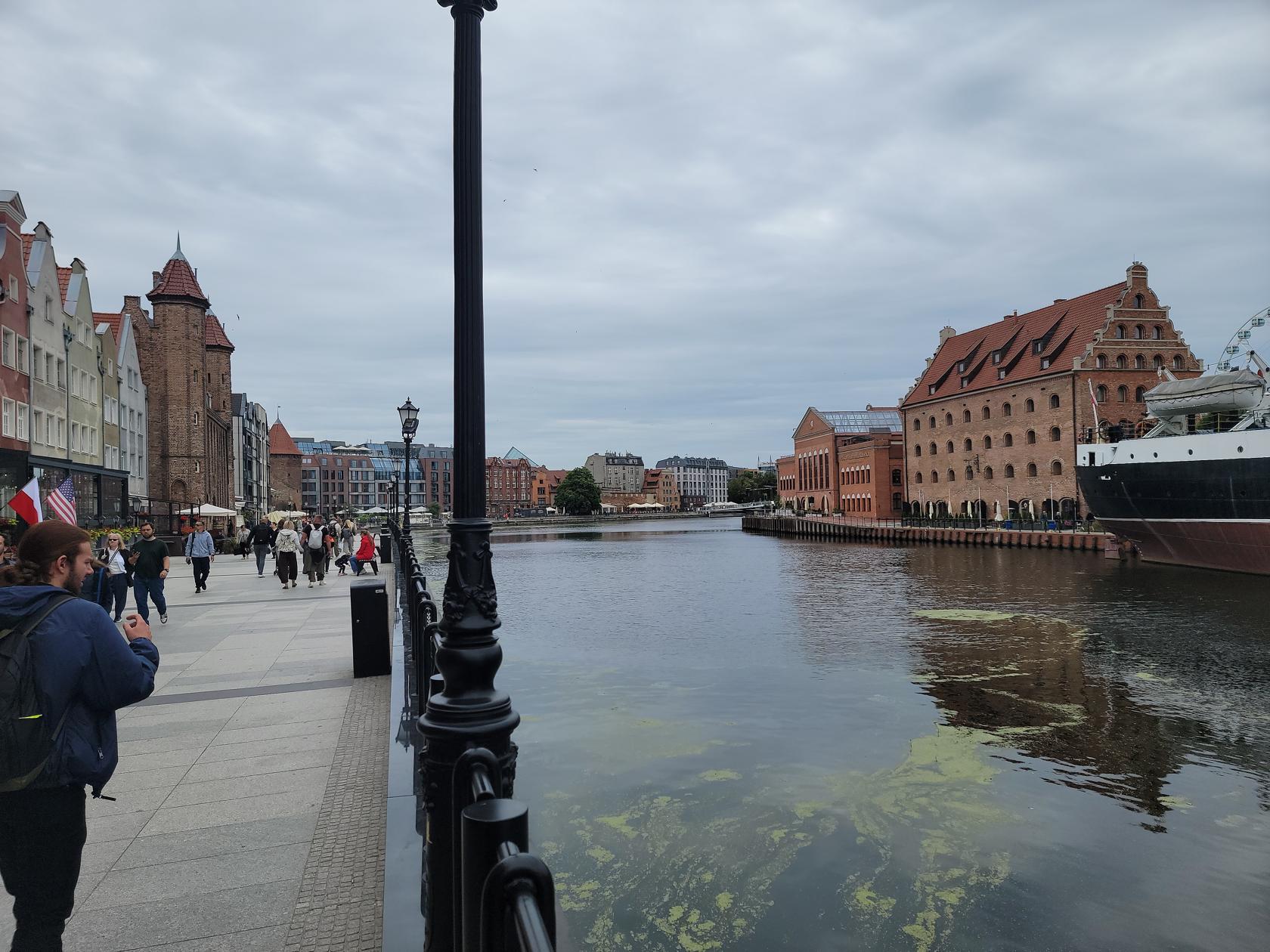
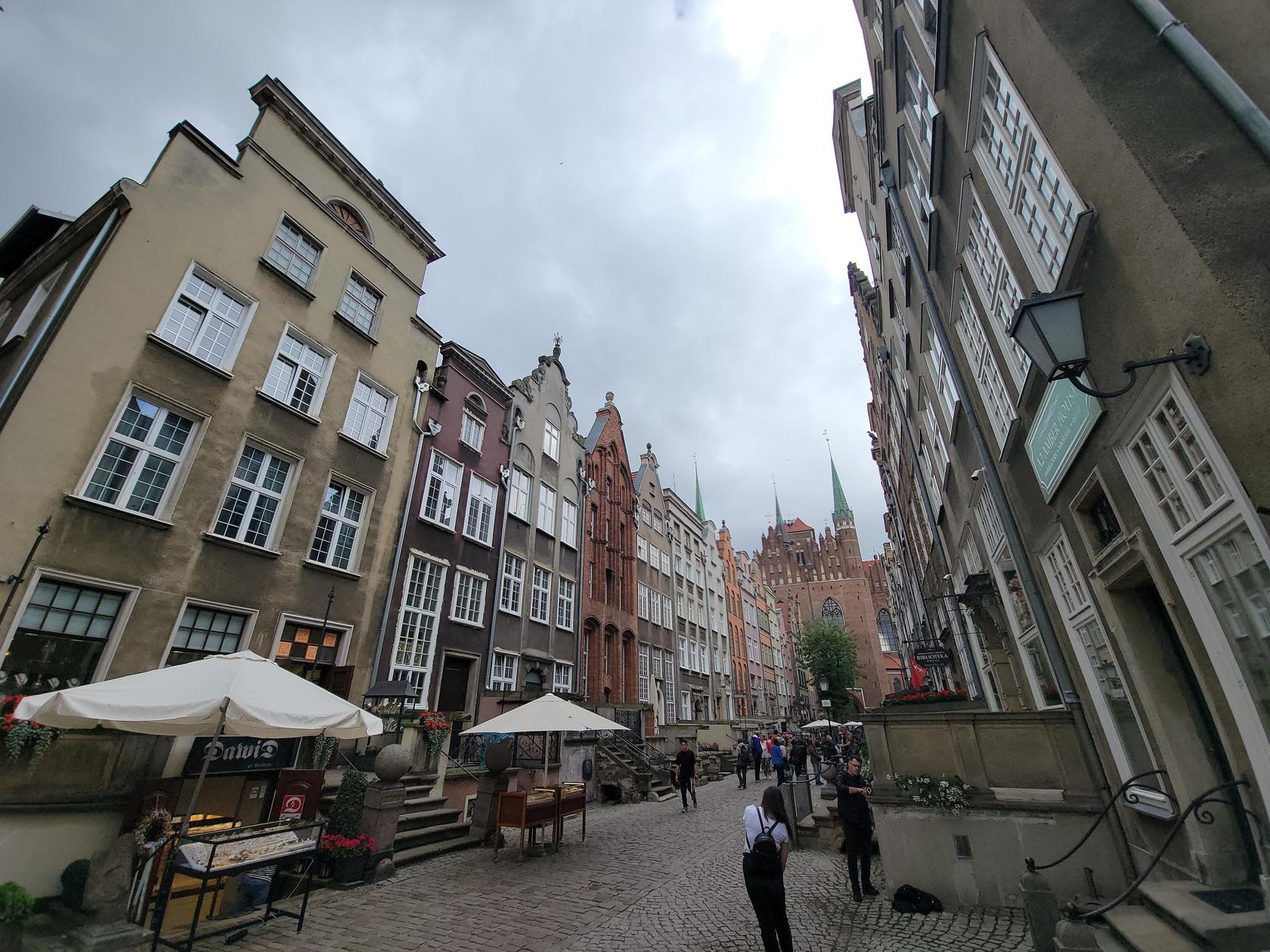
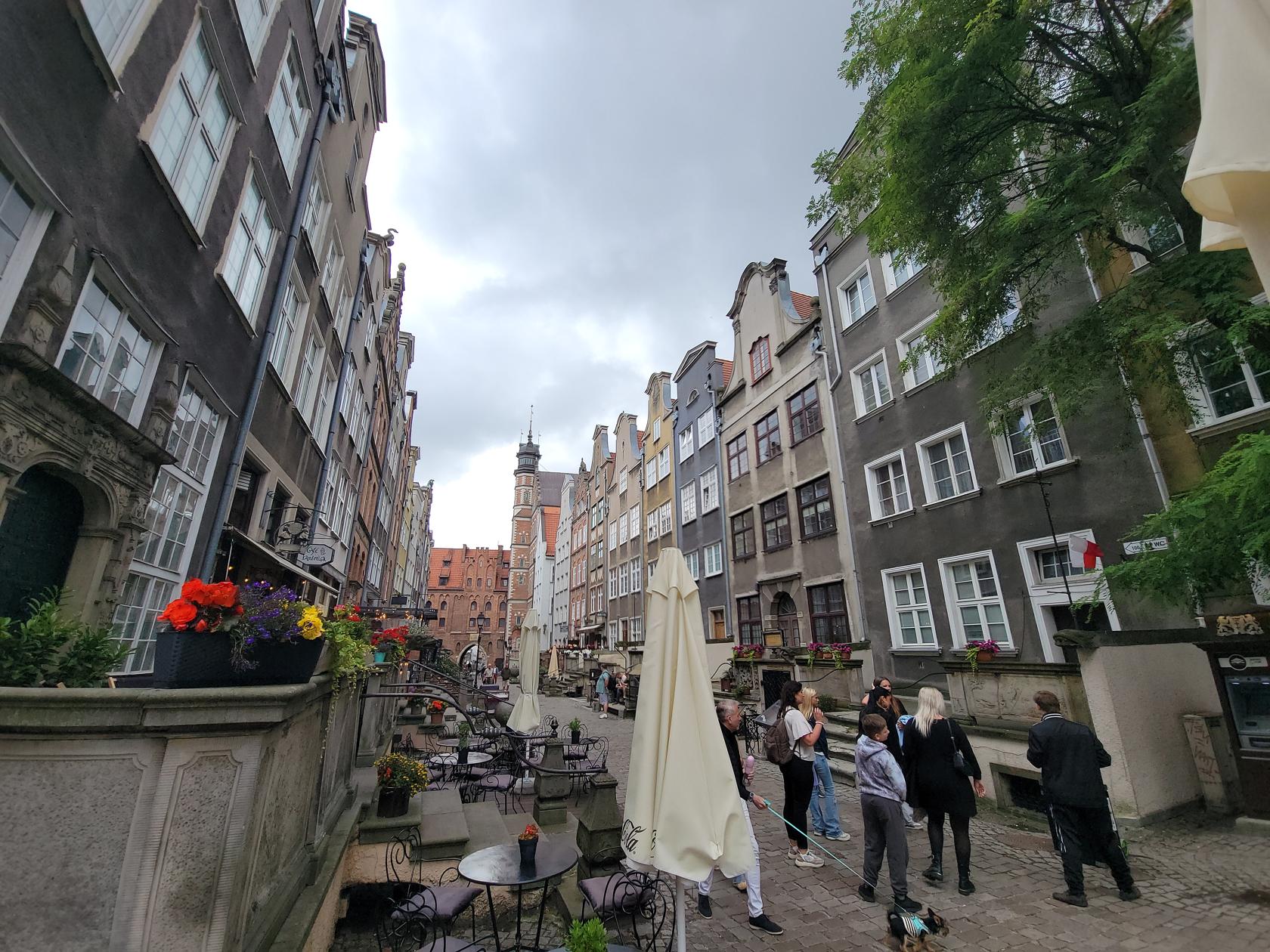
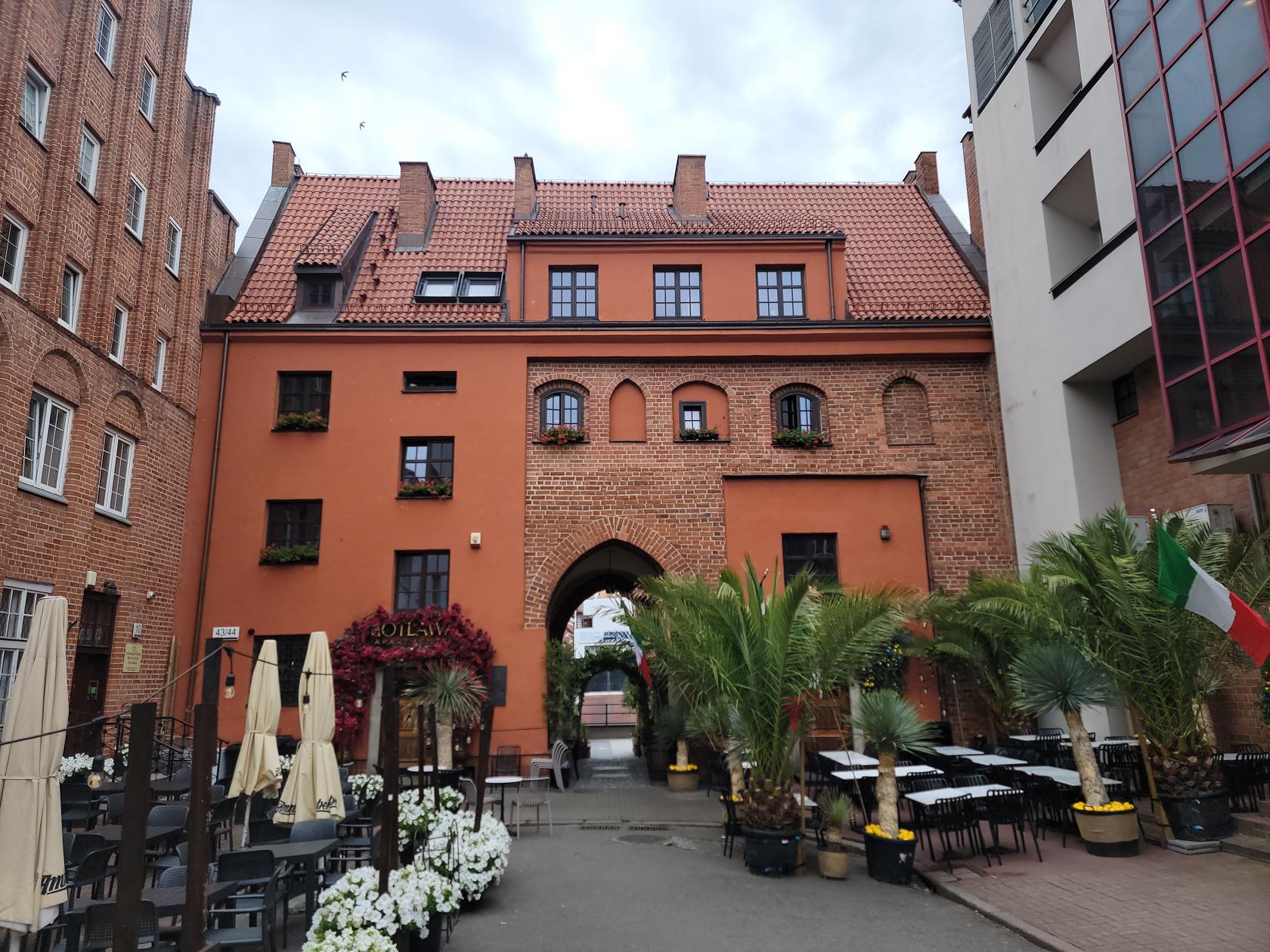
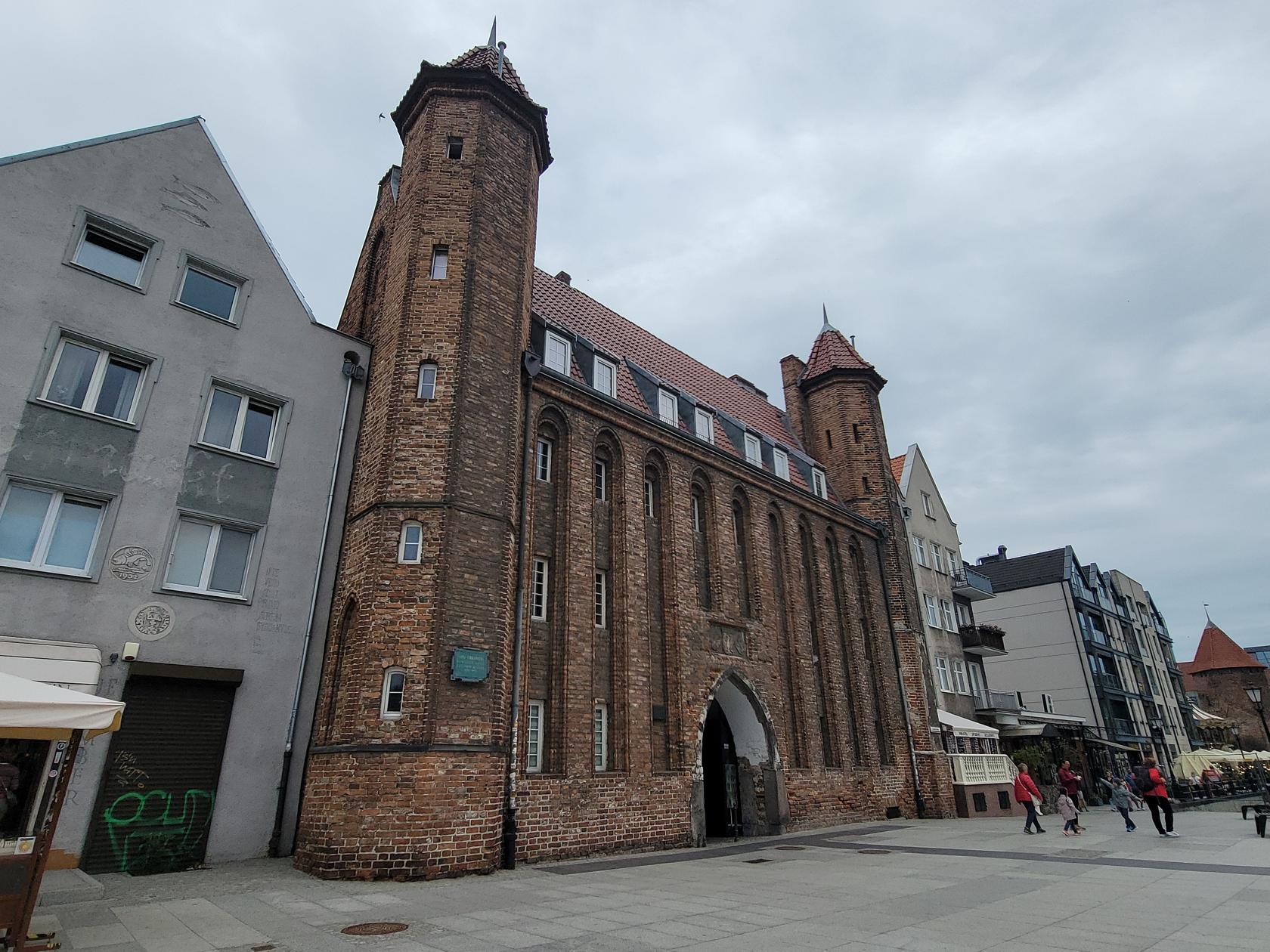
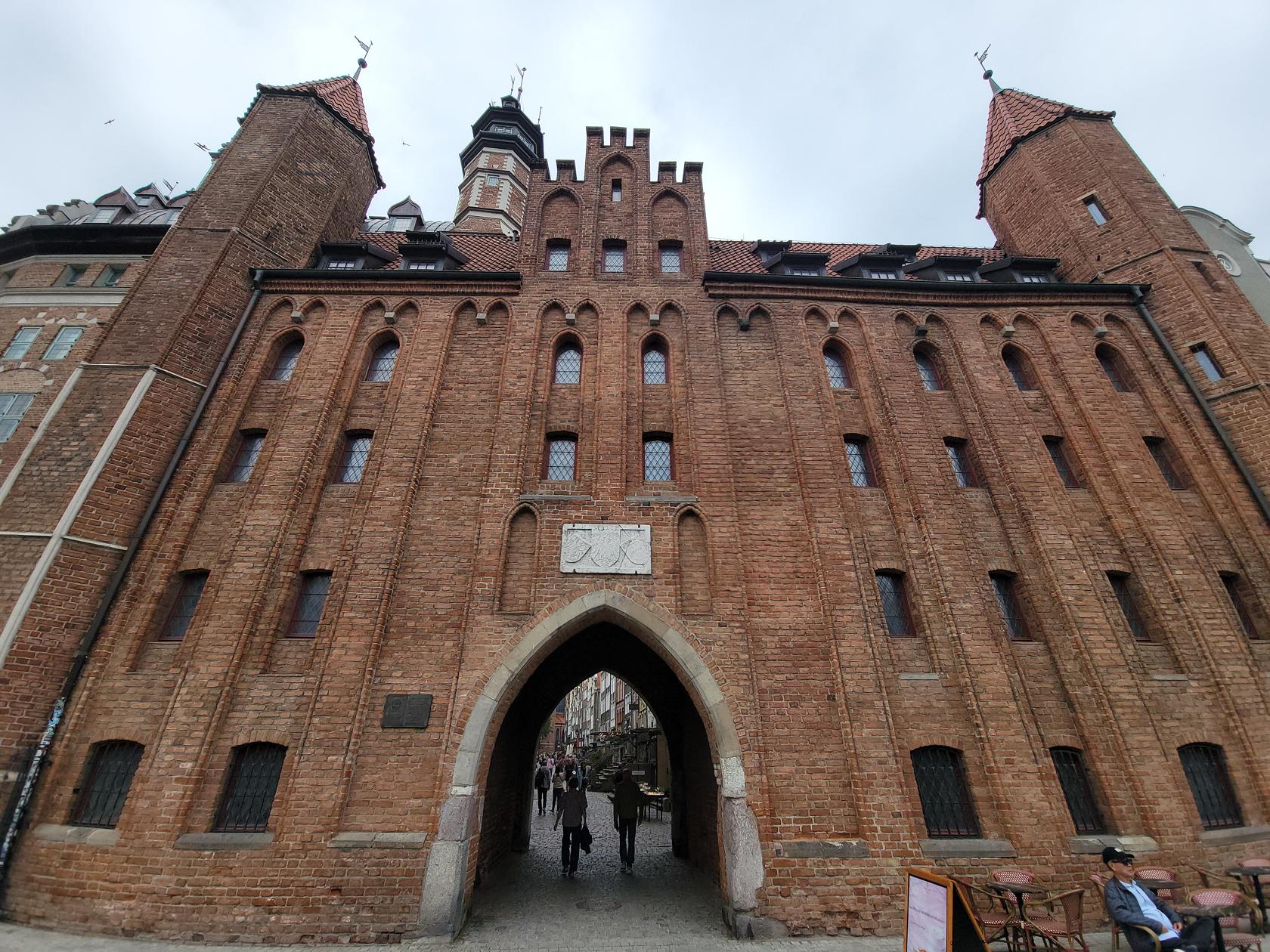
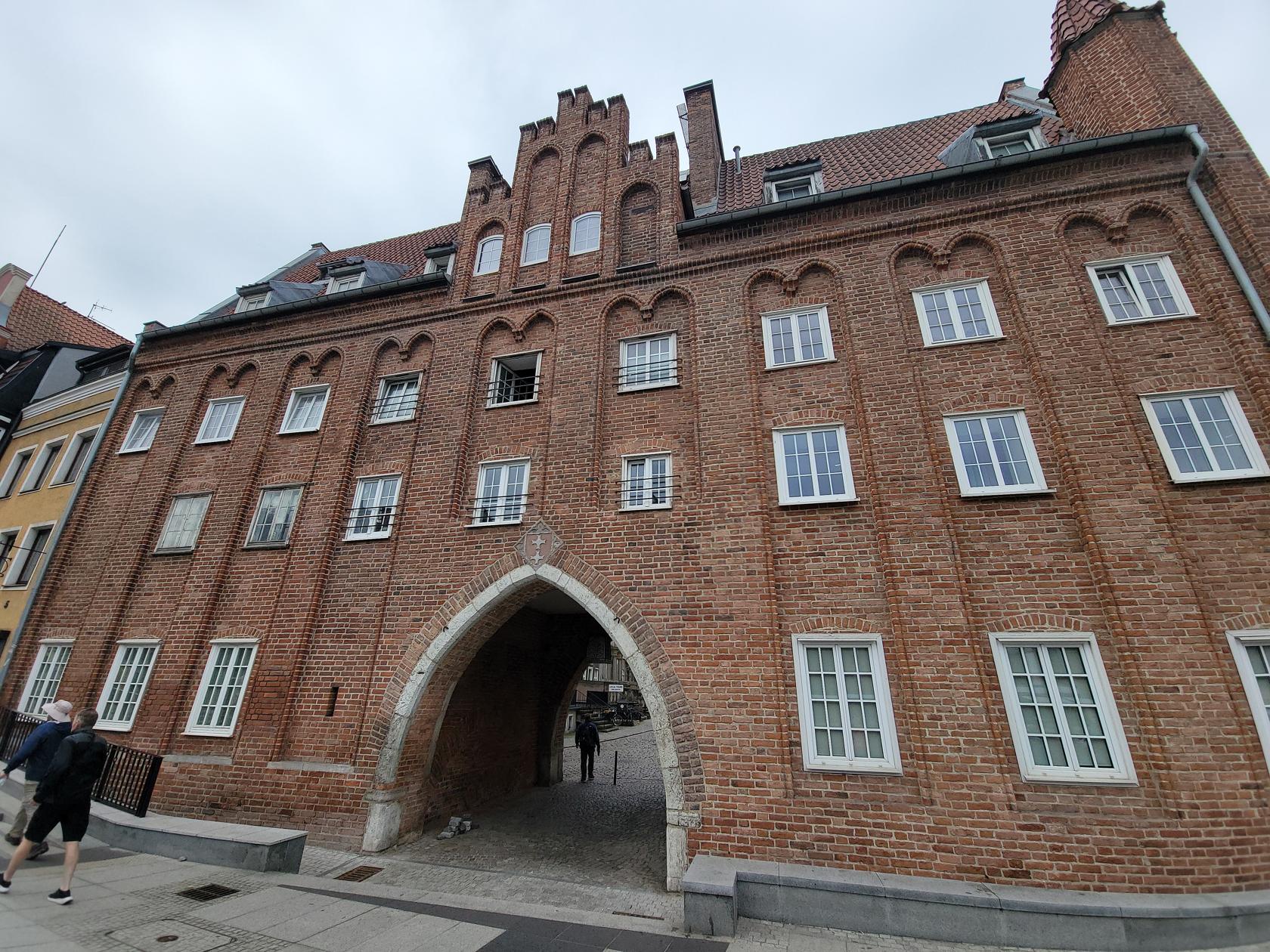
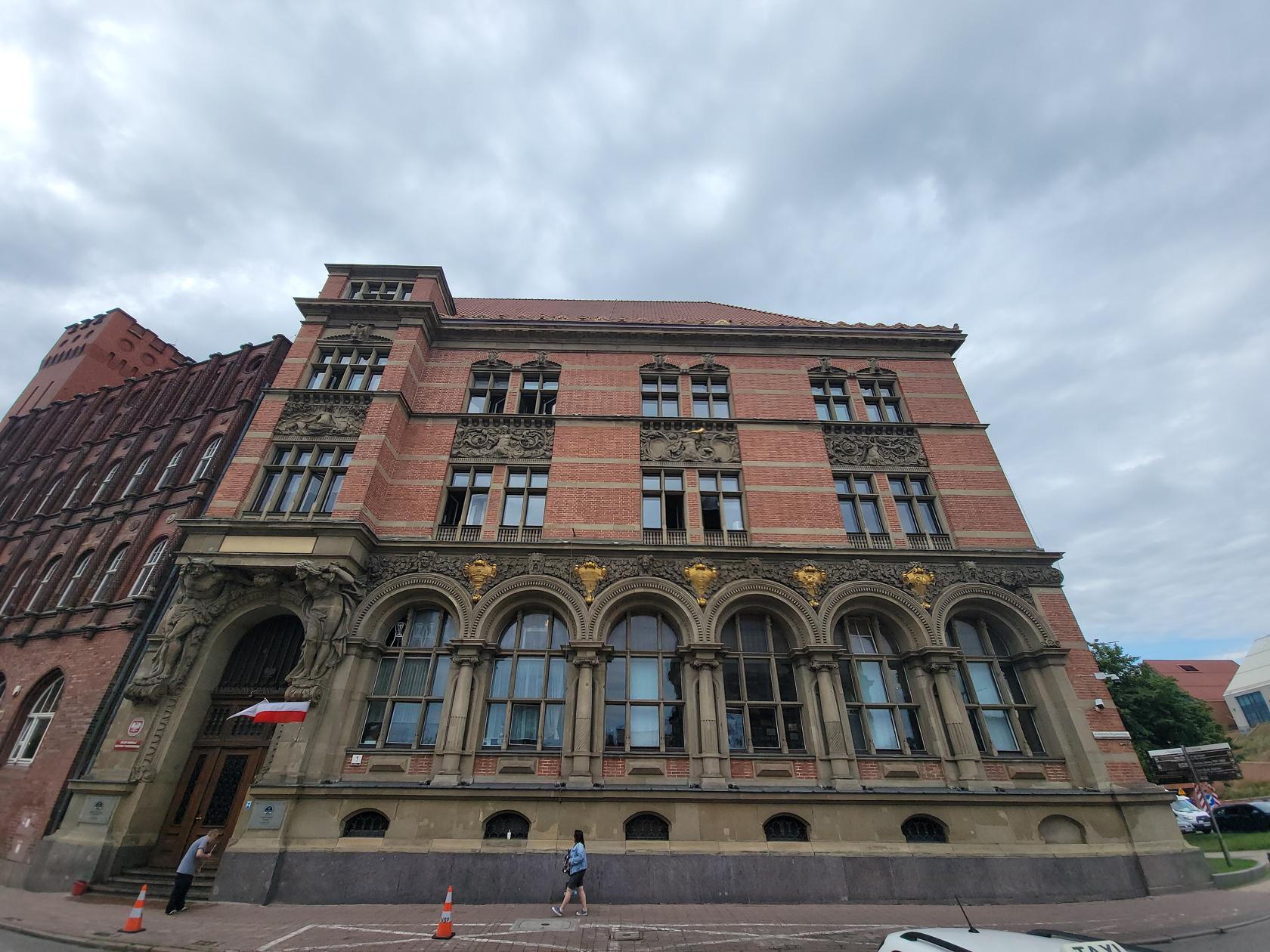
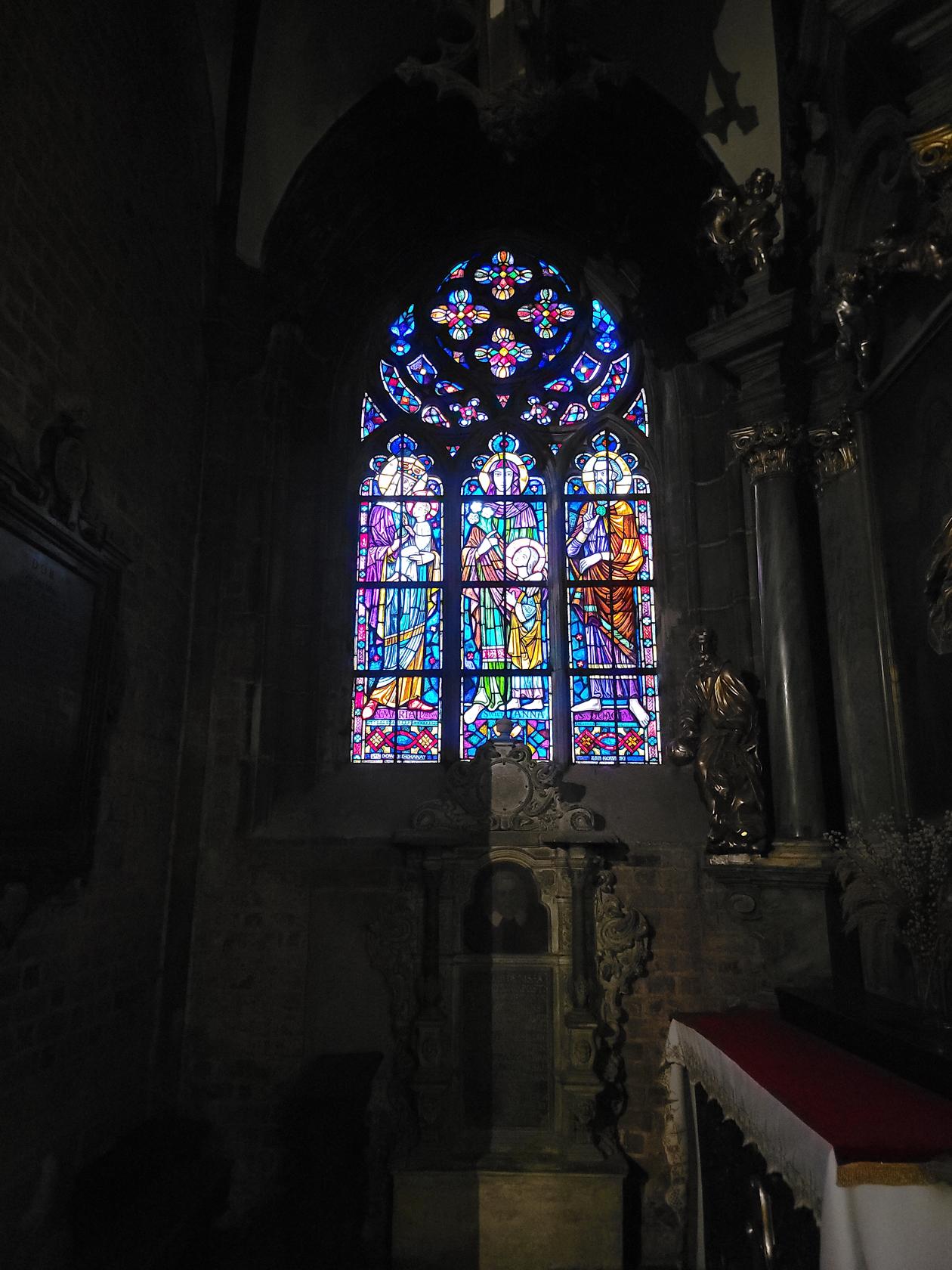
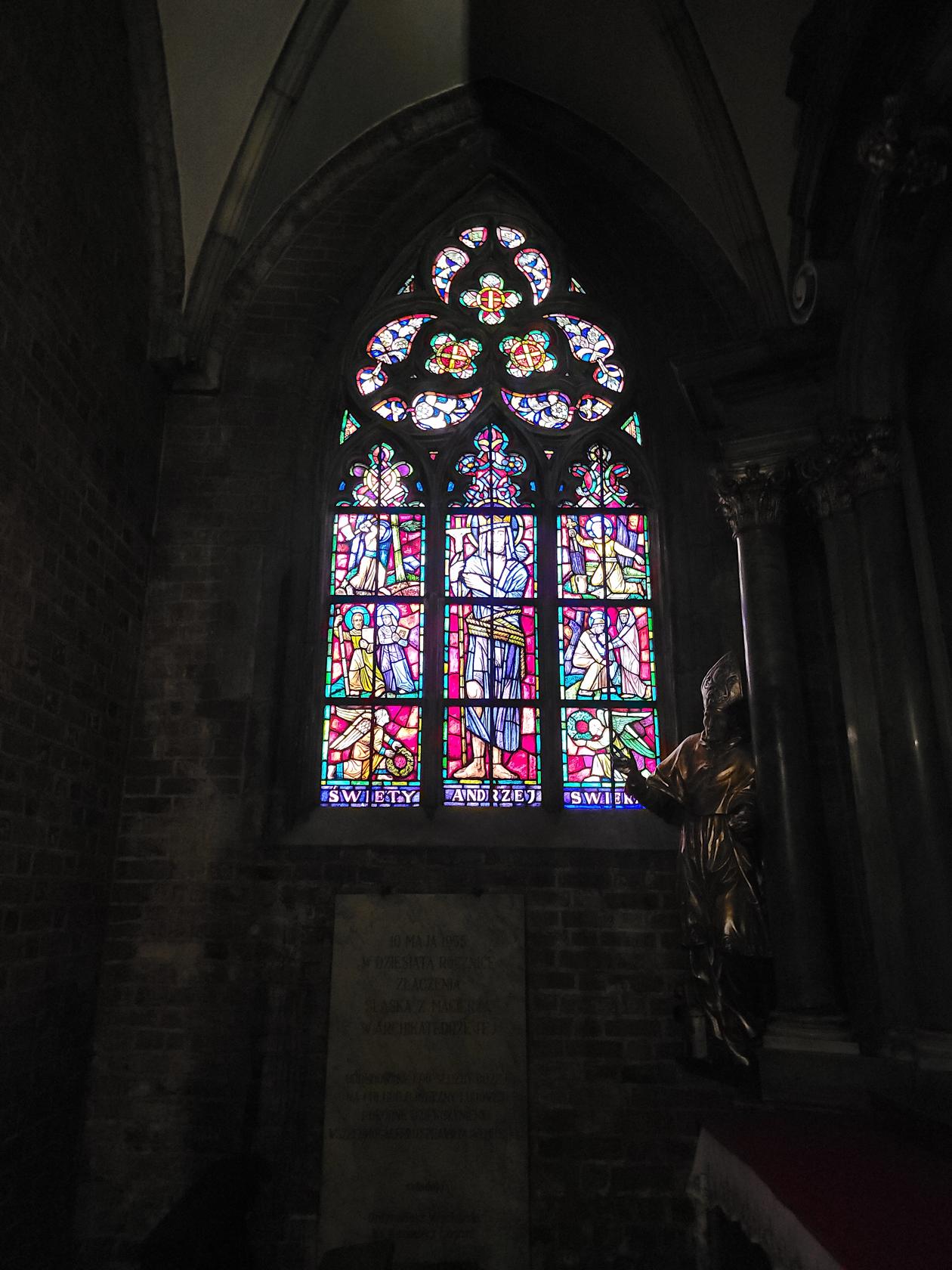
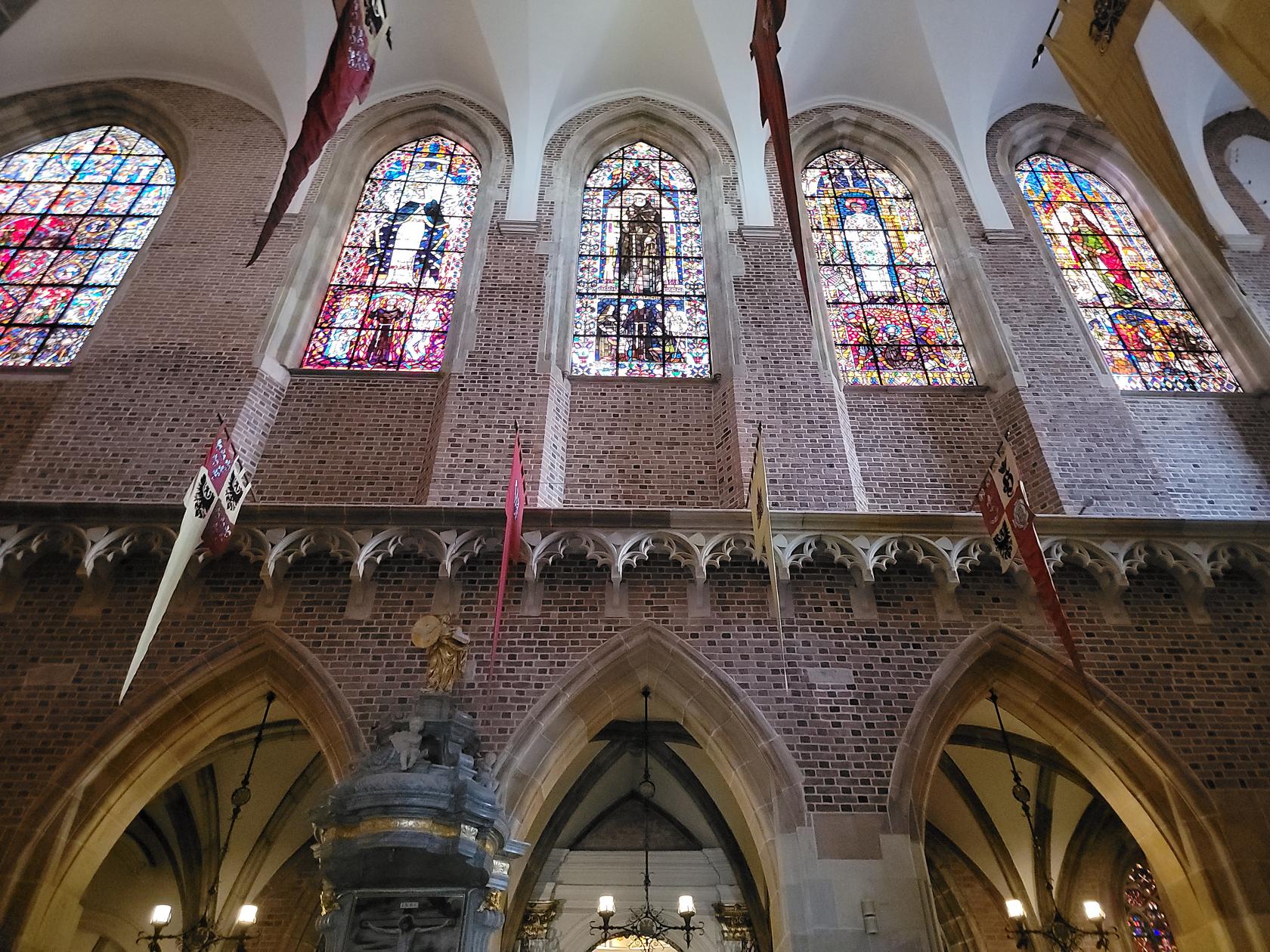
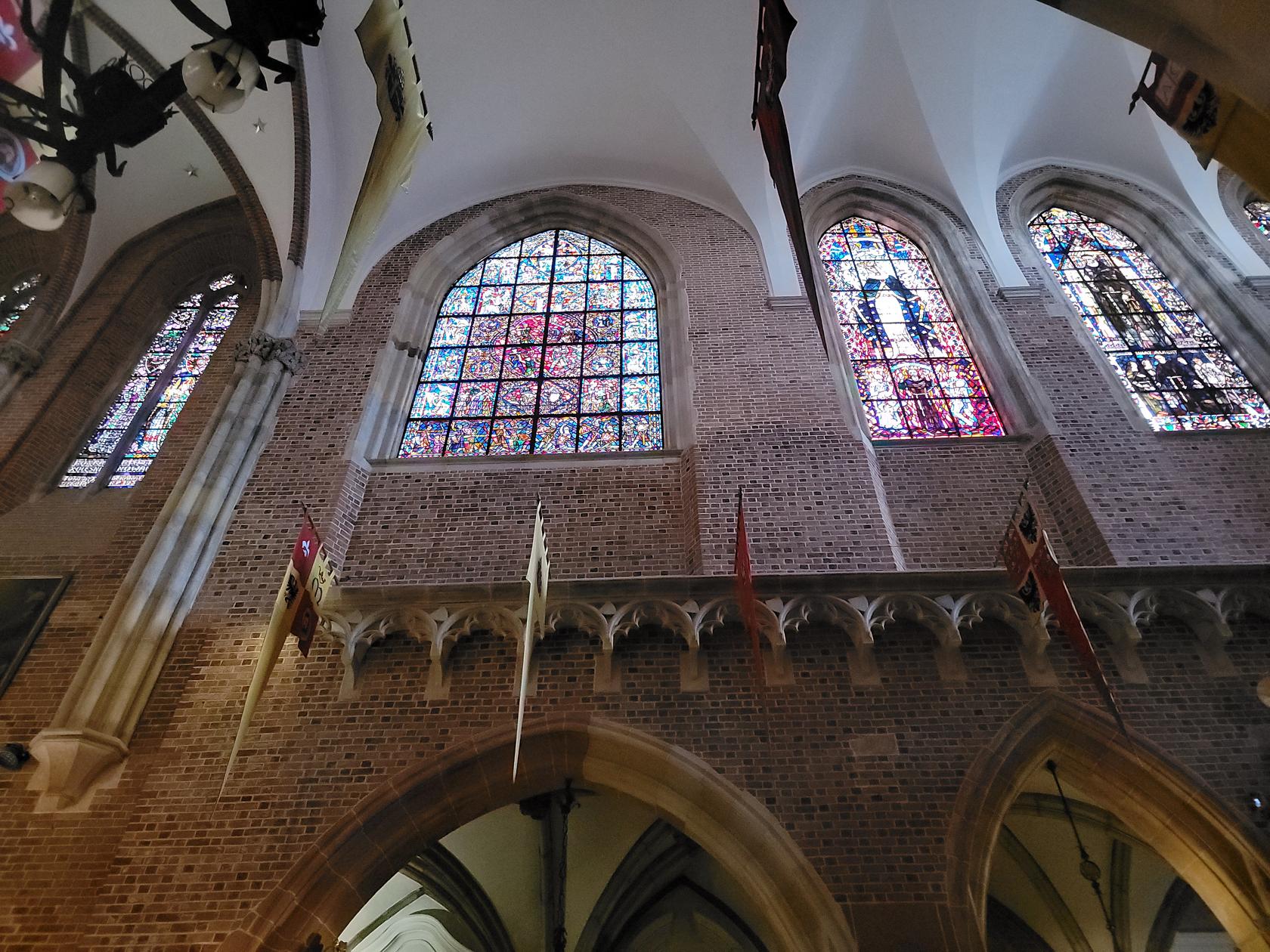
With a choice between visiting Warsaw or Gdańsk, we chose Gdańsk because it had more historical meaning and promised a quainter historic center. Moreover, since we were doing a south to north kind of trip, it was the last stop on our itinerary, so smaller is usually less complicated and less demanding.
Gdańsk
Formerly known as Danzig, Gdańsk is a seaside city on the Baltic coast of Poland. Though the old city lies in the delta of the Motlawa River, it is still some five kilometers from the sea. It has switched back and forth from Polish rules, German, Russian and as a free-state. In the middle ages, it was once part of the Haneastic League and was a major trading partner in that confederation.
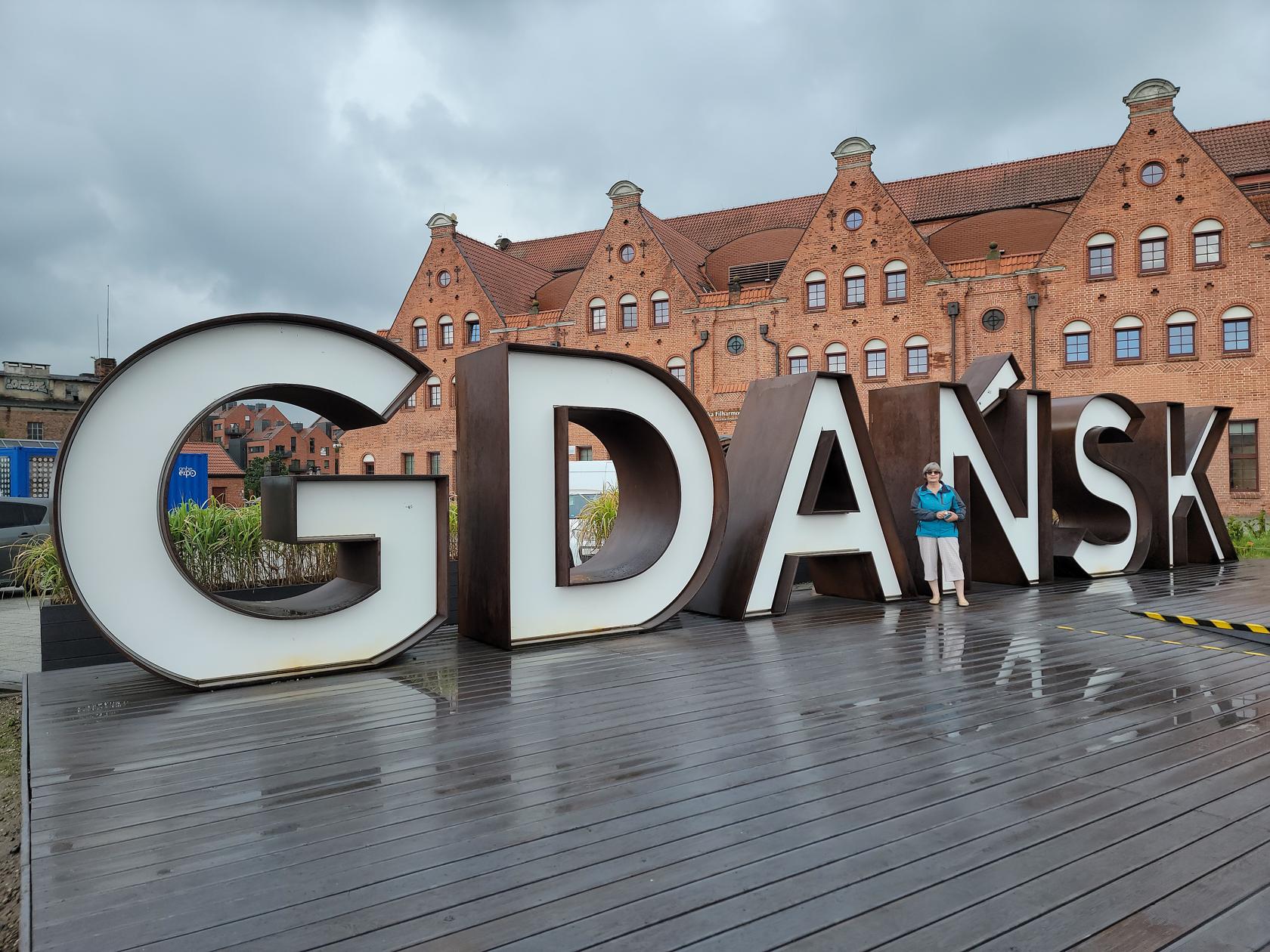
Patti – Gdańsk Sign – Gdańsk, Poland
Getting There
From Wrocław, Gdańsk is over a four hour train trip using the InterCity train system. Though the InterCity trains do not stop too often, there is still considerable distance between the two cities and even with an automobile it is a long drive. We were fortunate enough to have a very talkative couple that were Canadian-Polish dual citizens and have a very nice chat with them along the way, which thankfully seemed to have made the trip go faster.
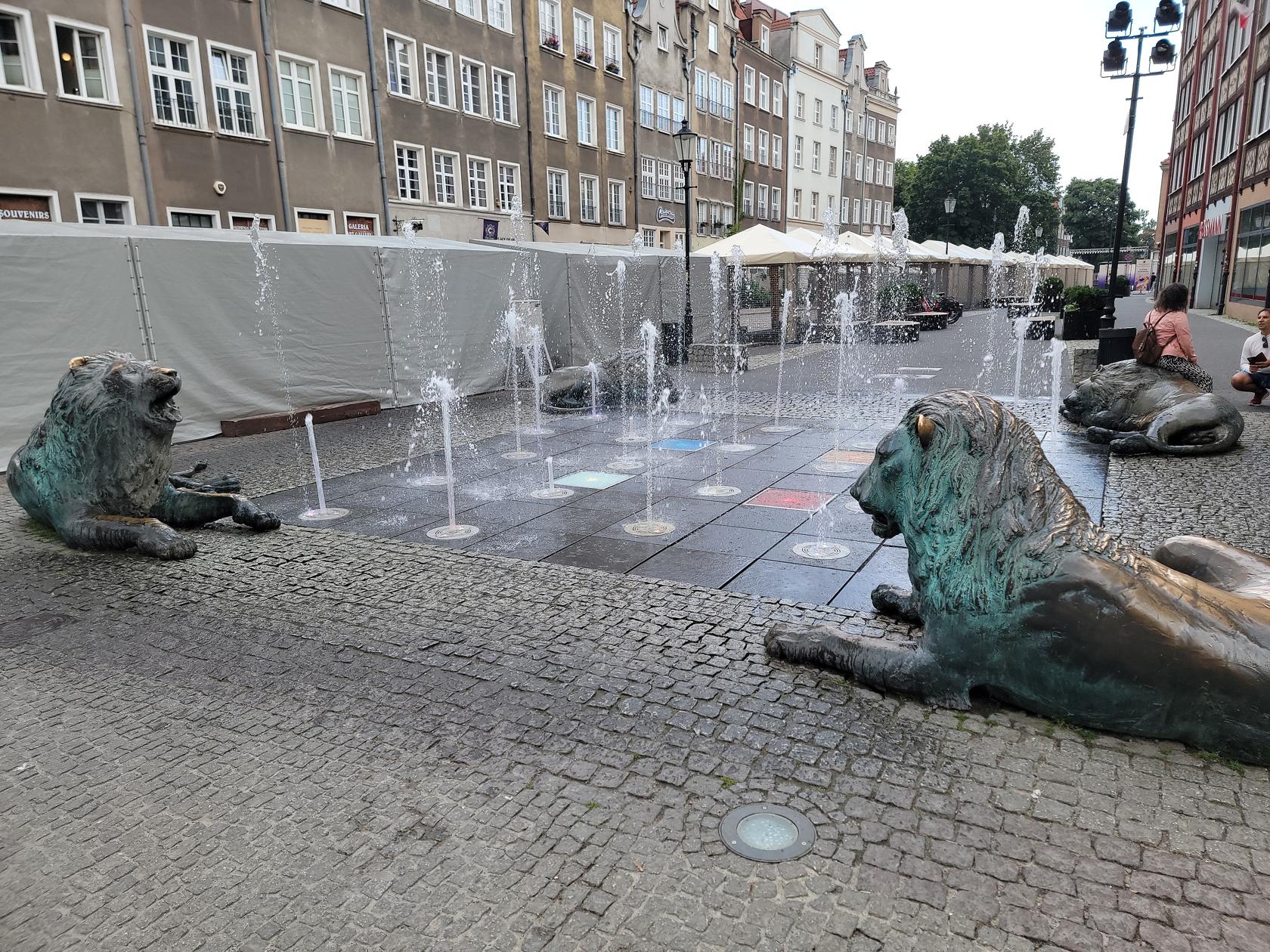
Four Quarters Fountain – Gdańsk, Poland
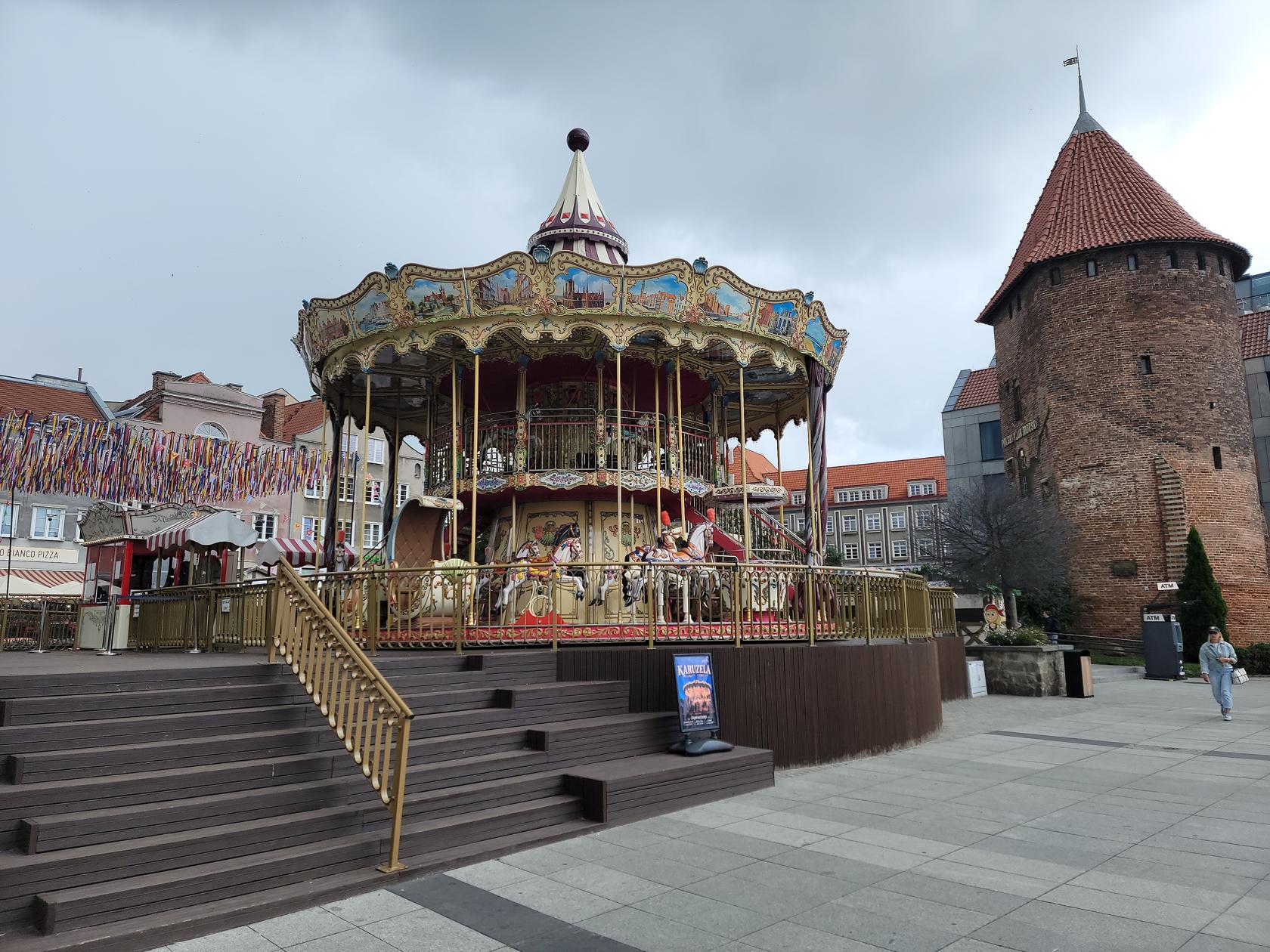
Carousel – Gdańsk, Poland
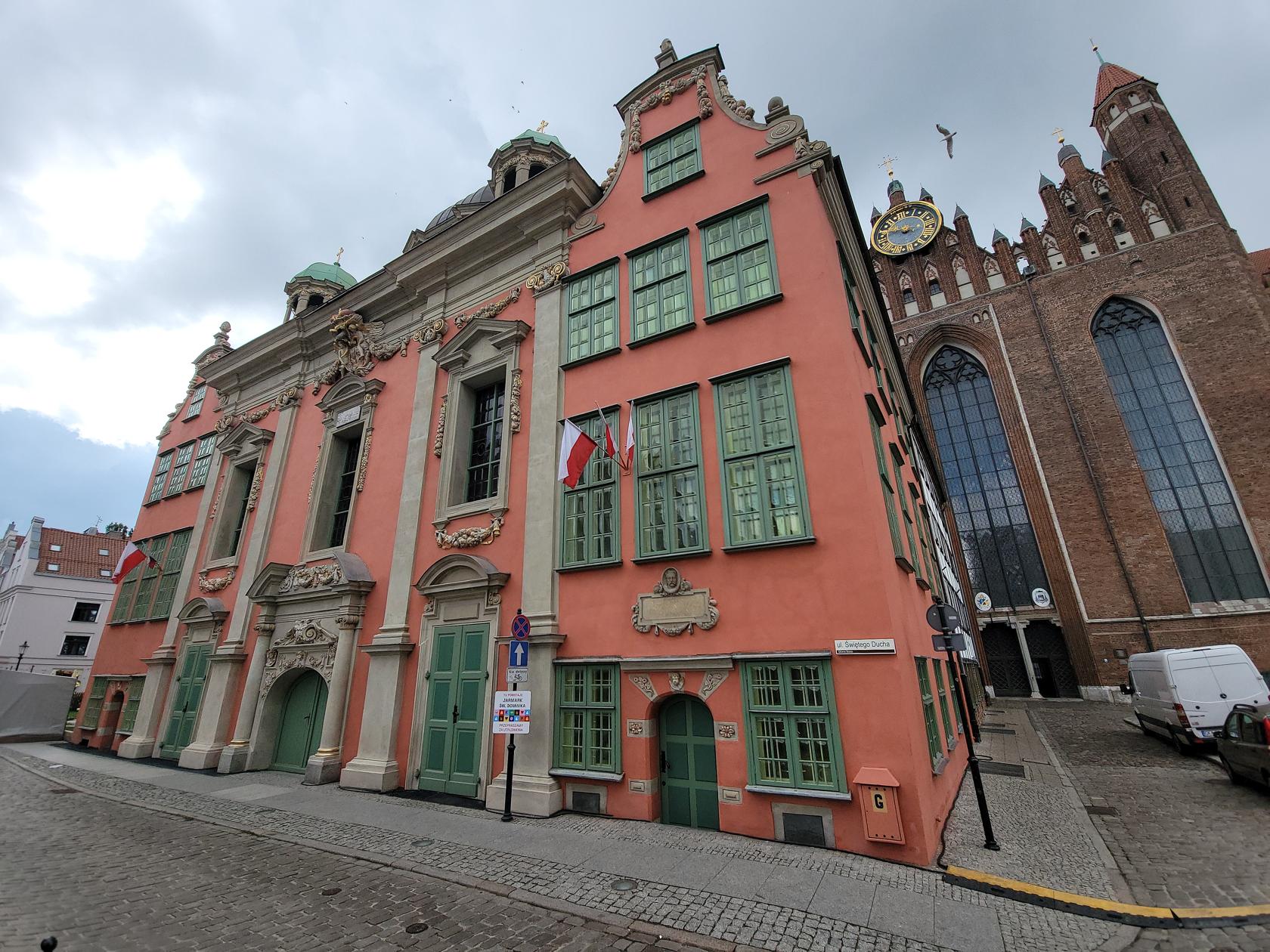
Royal Chapel – Gdańsk, Poland
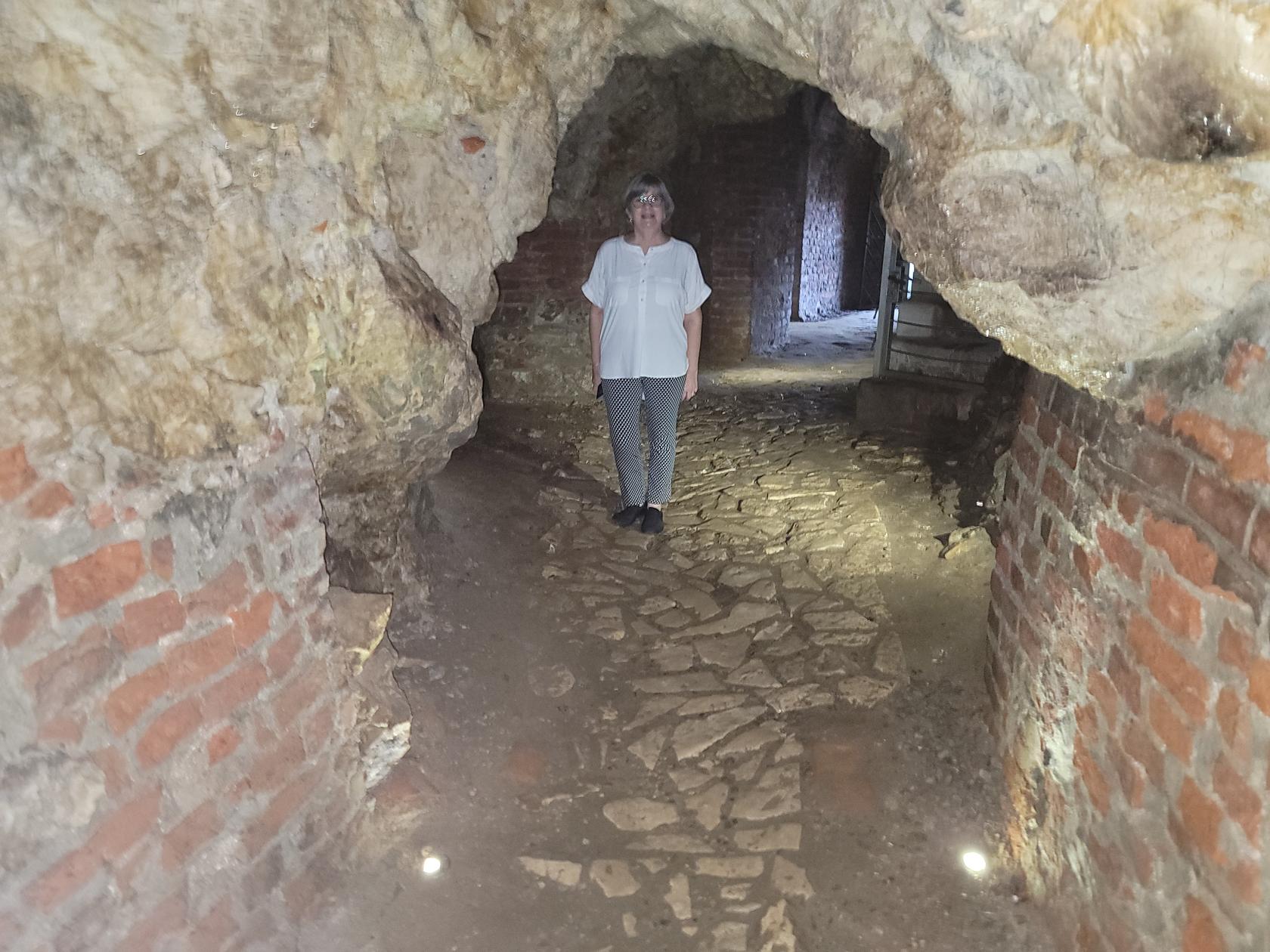
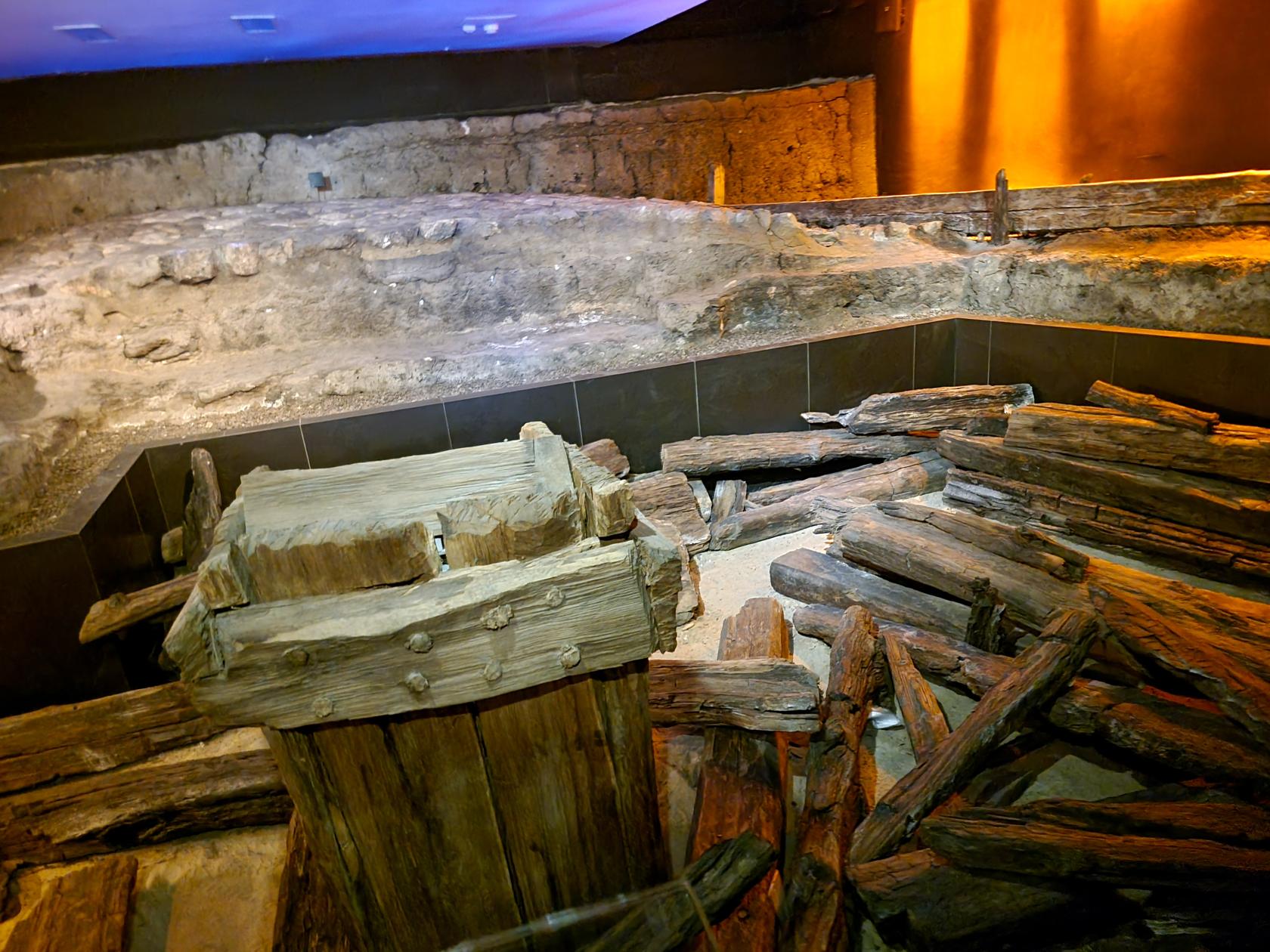
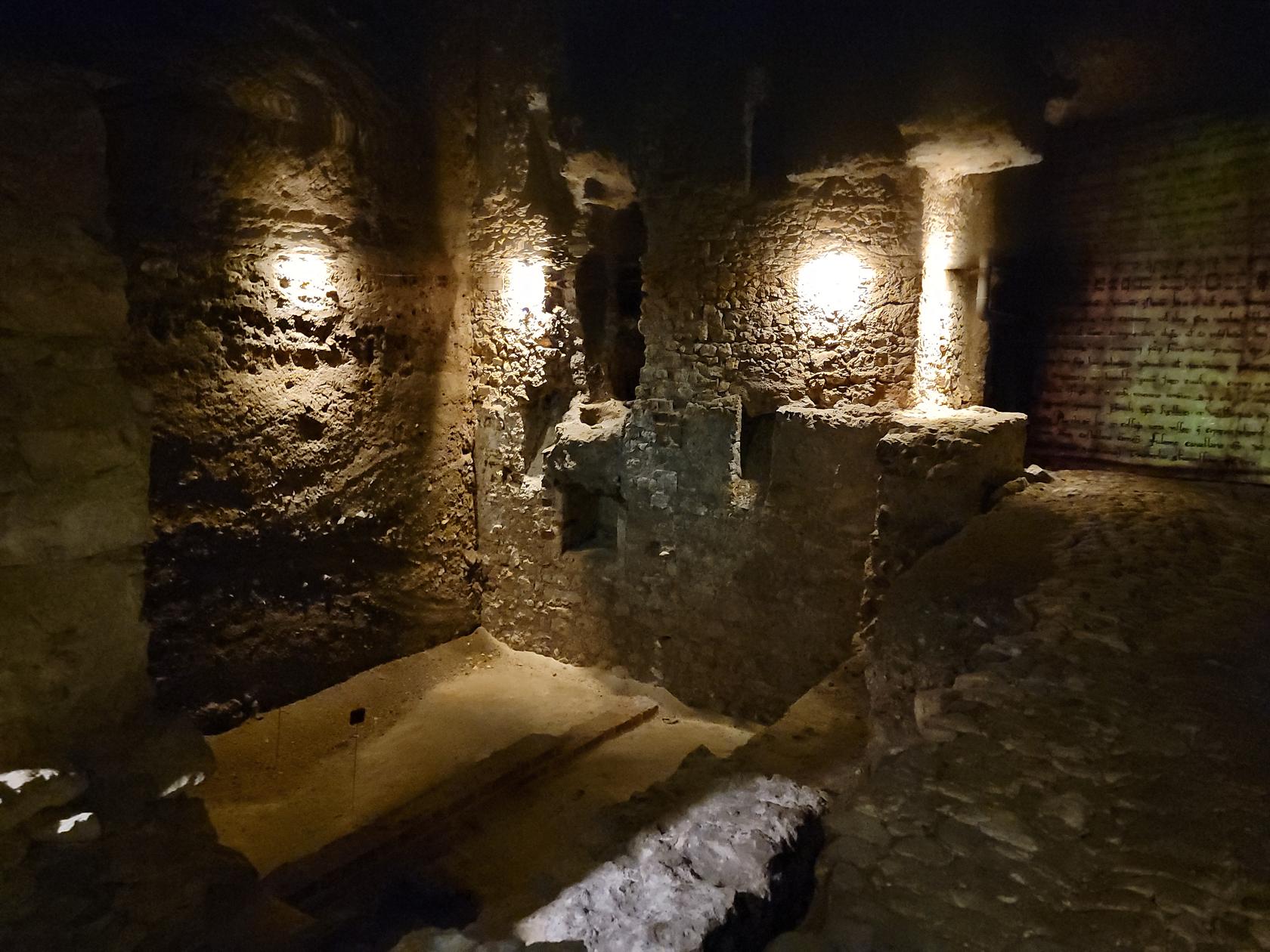
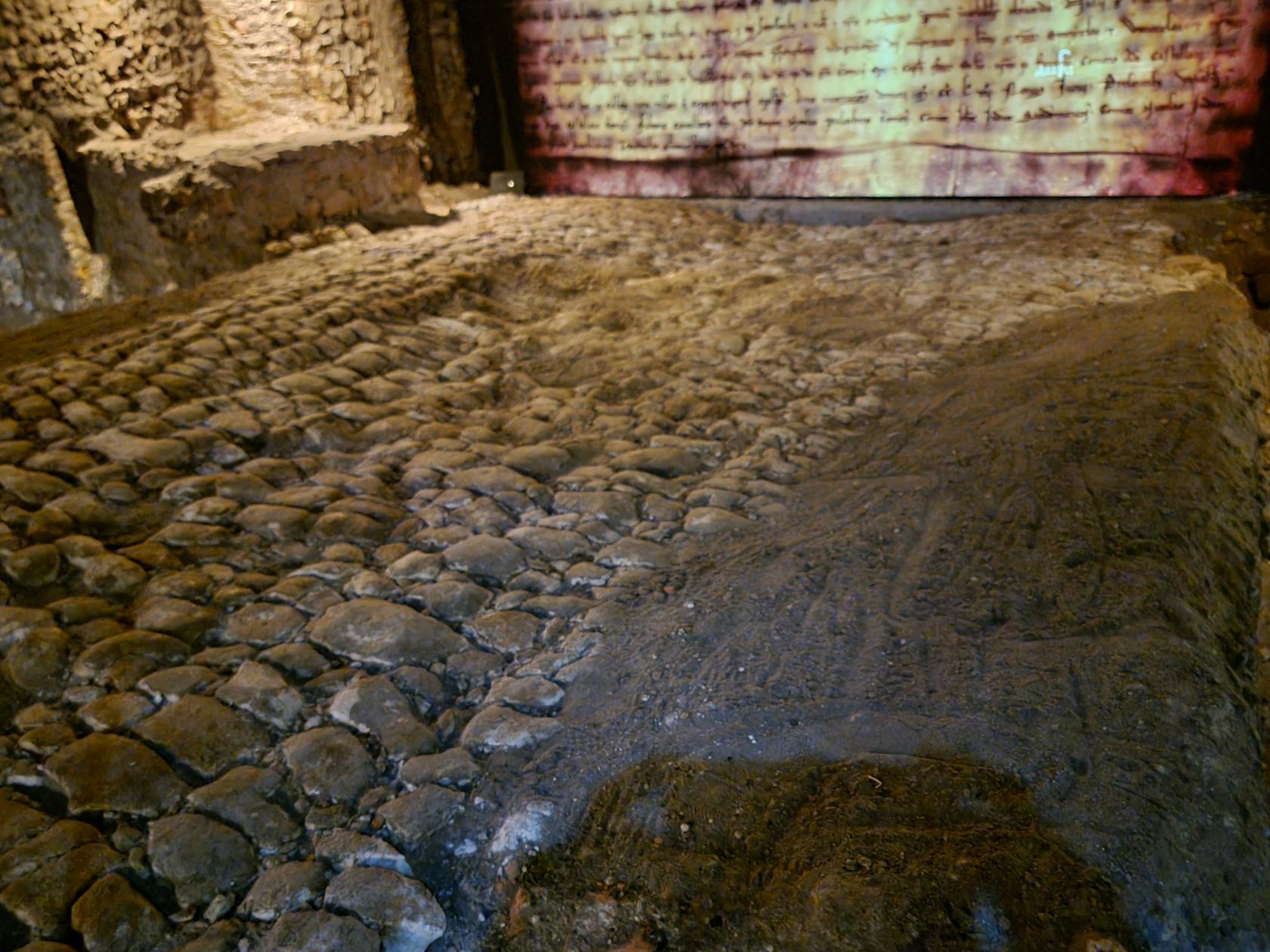
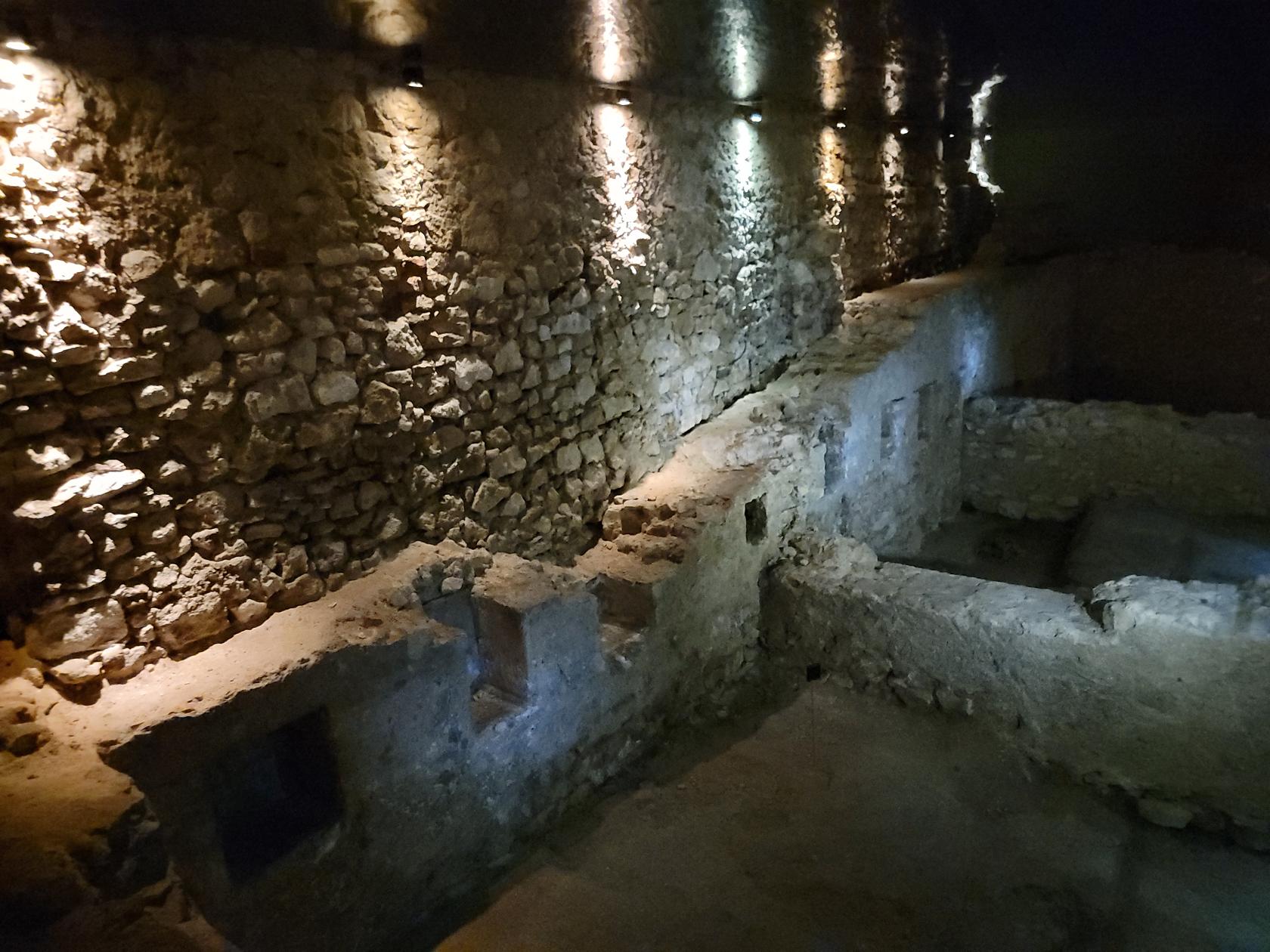
Roman Cellar – Gdańsk, Poland
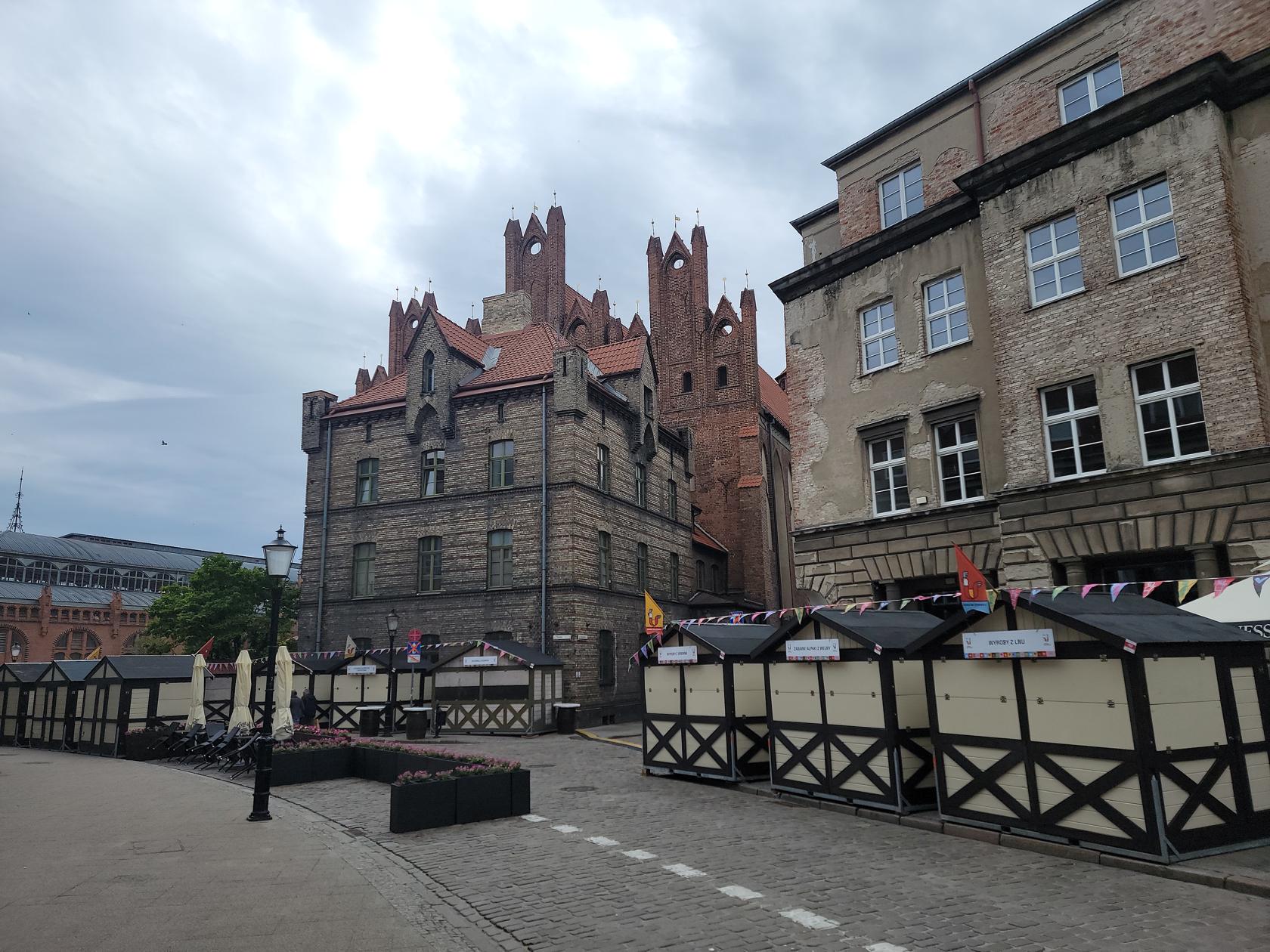
Setting up for St. Dominic’s Fair – Gdańsk, Poland
Old Erbsenmarkt – Gdańsk, Poland
Motlawa River
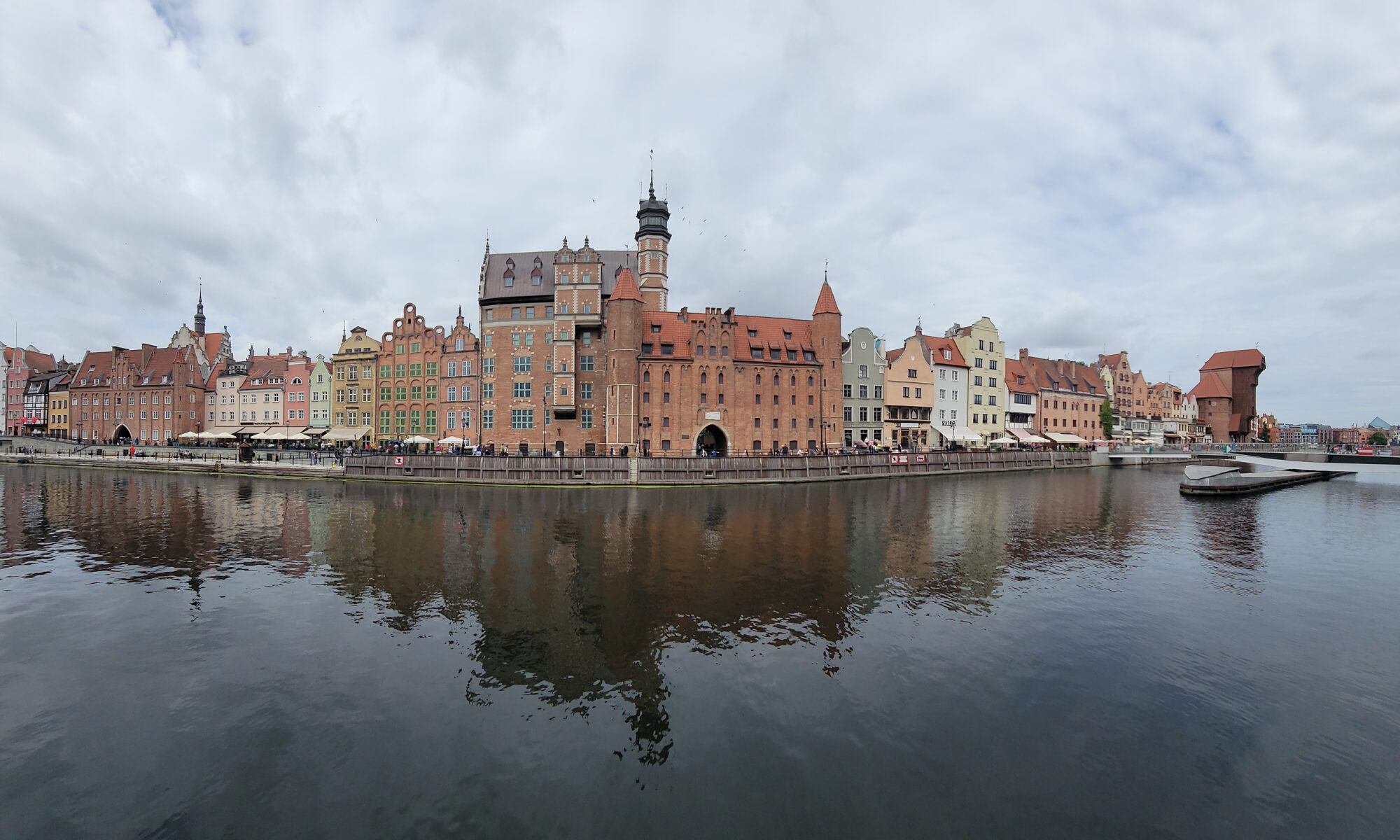
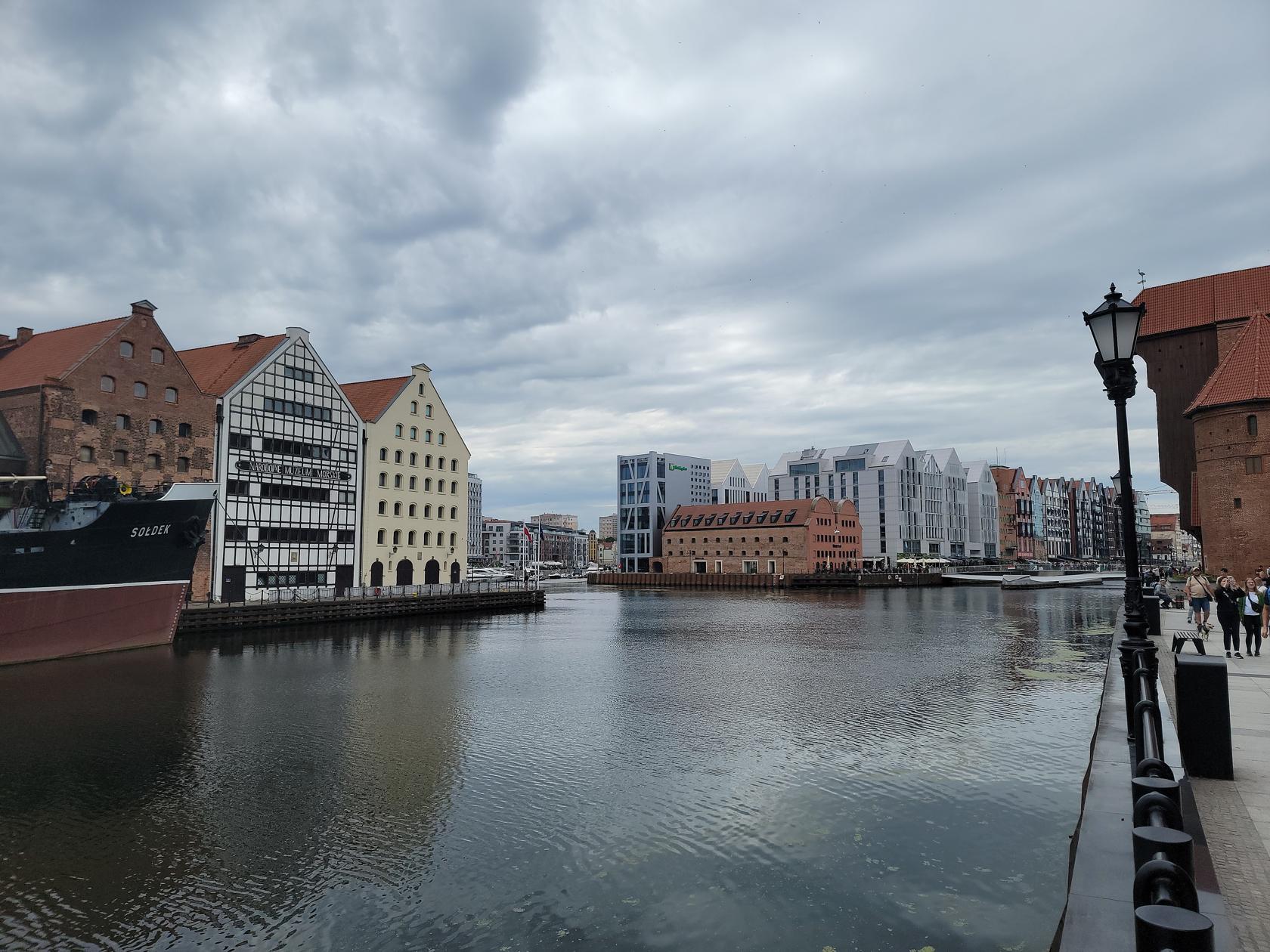
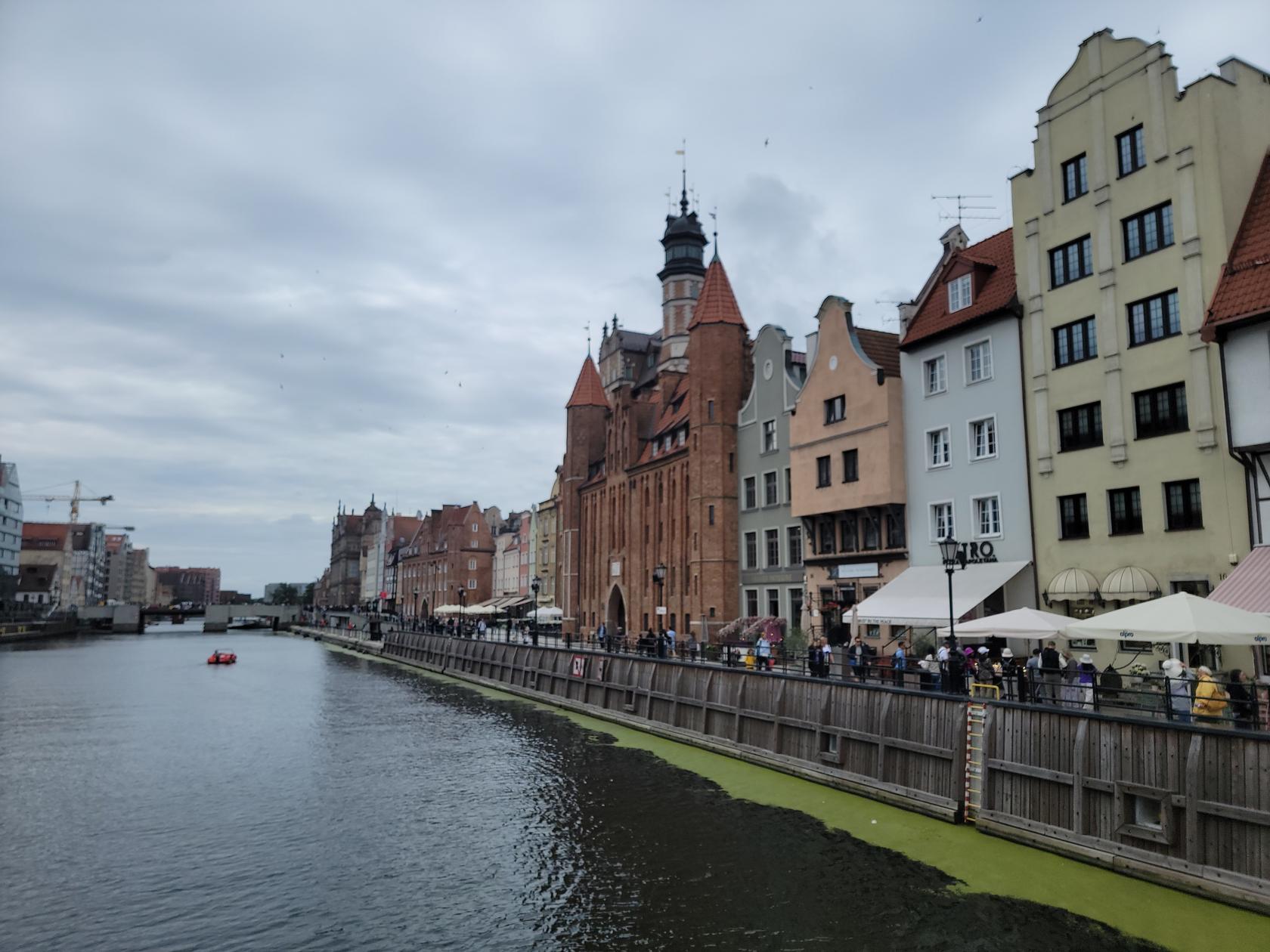
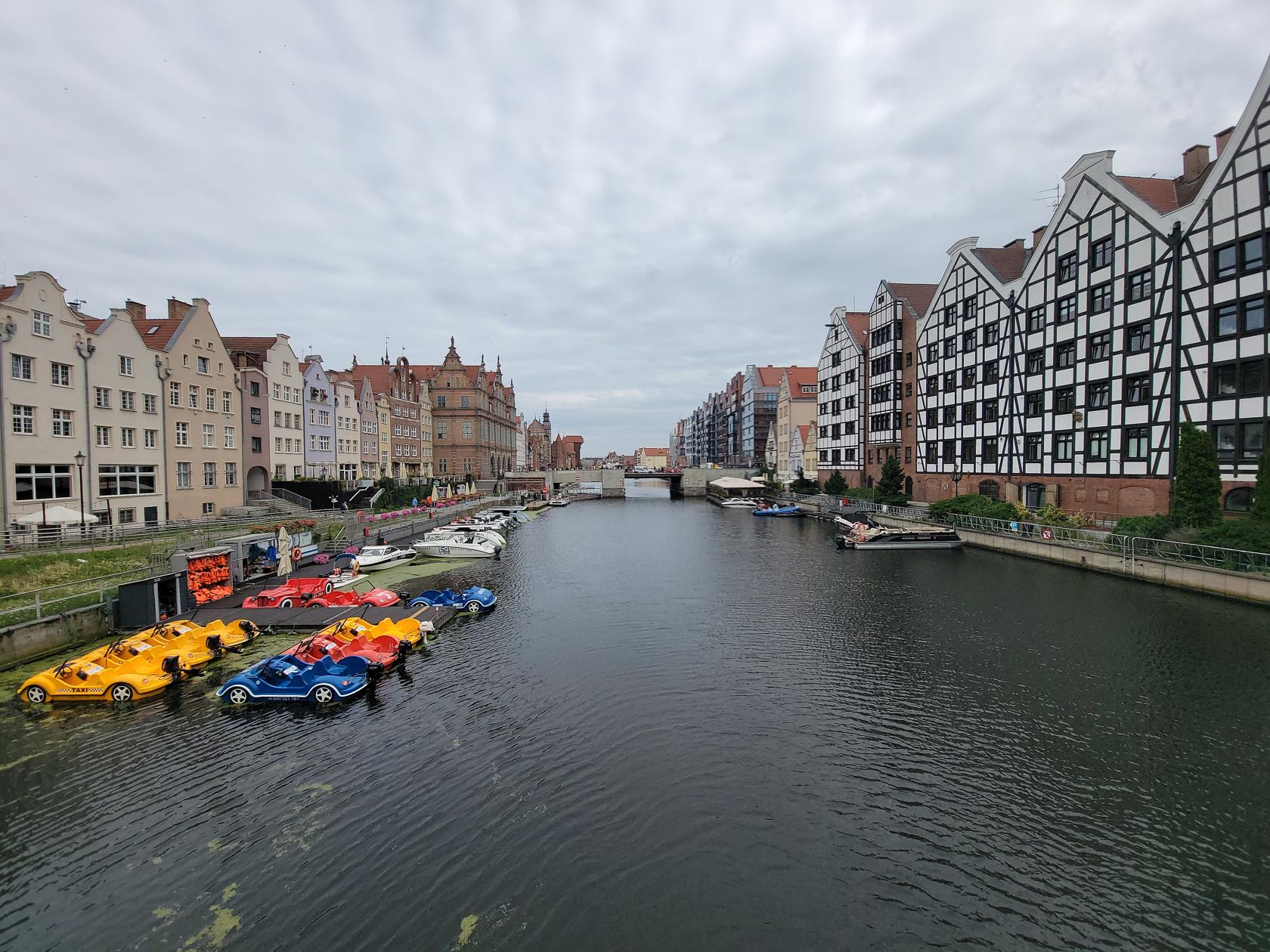
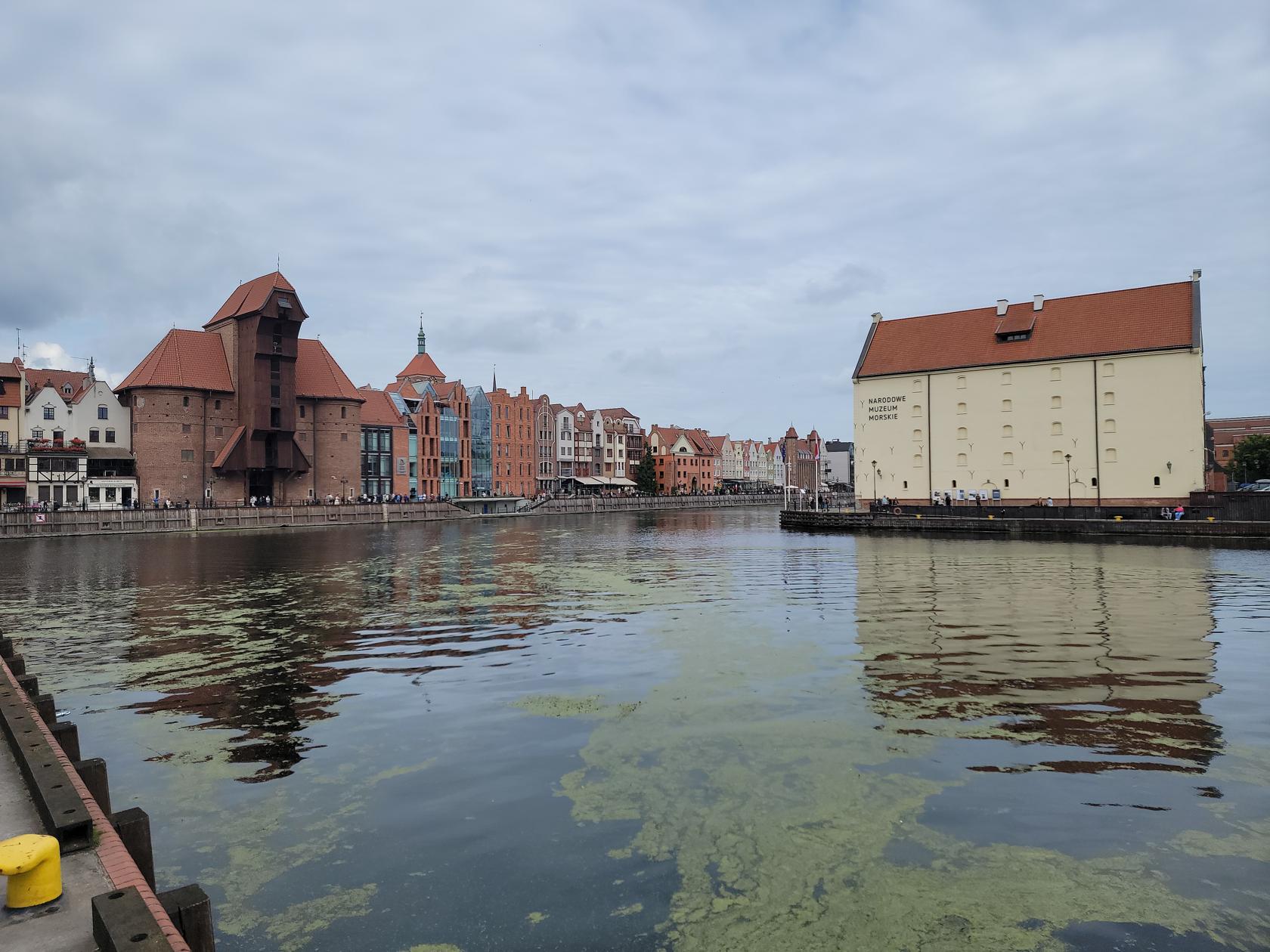
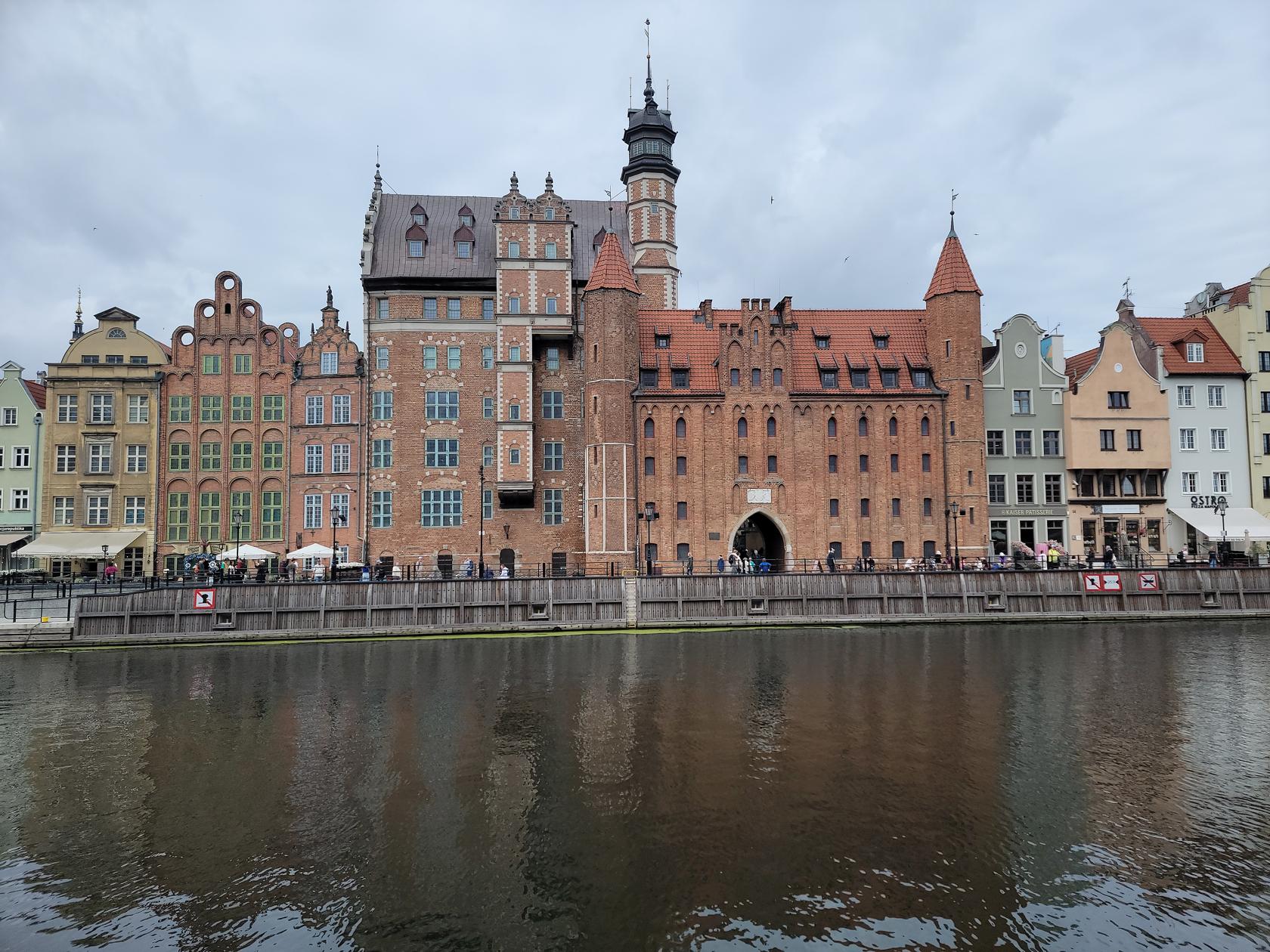
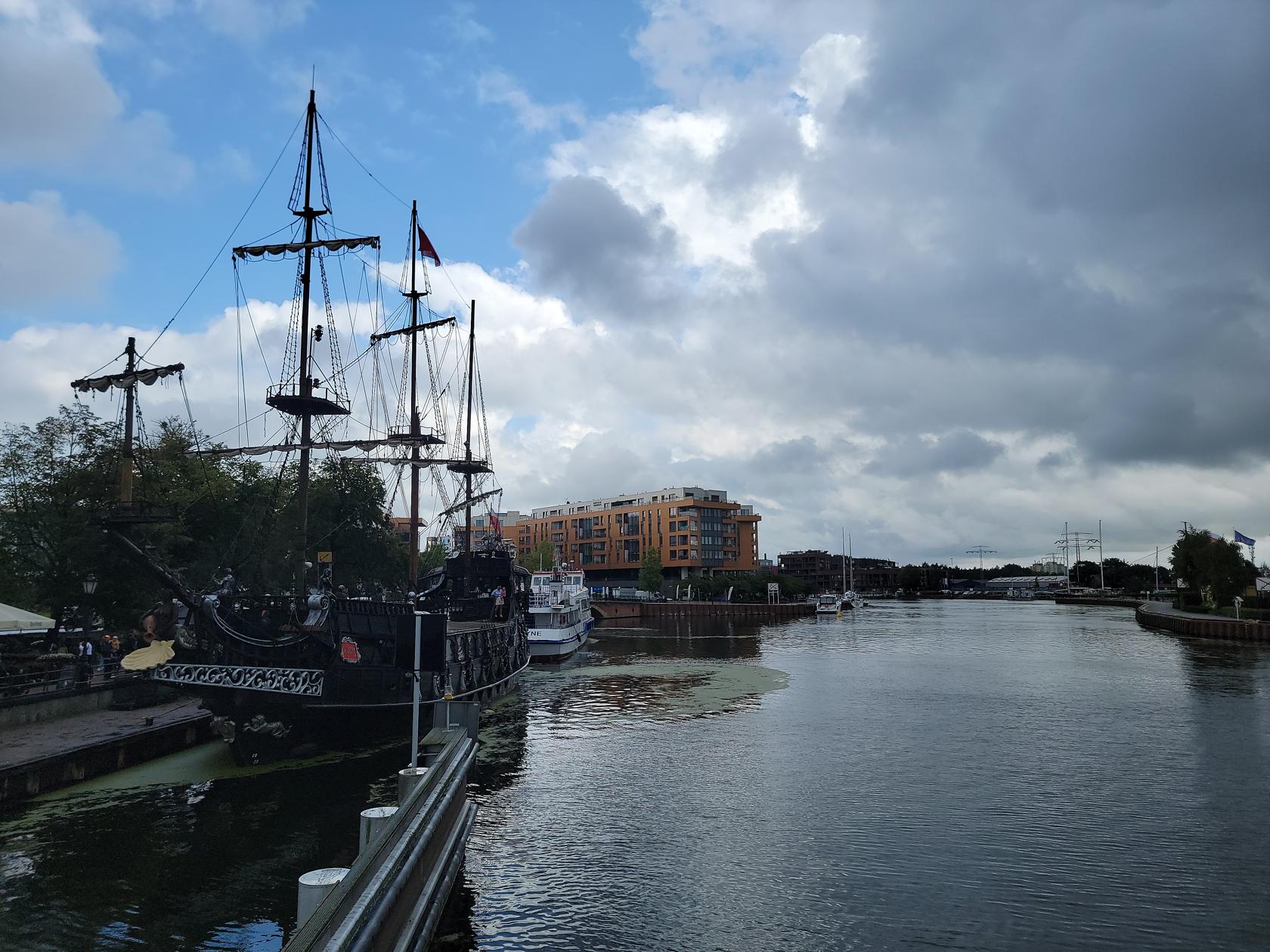
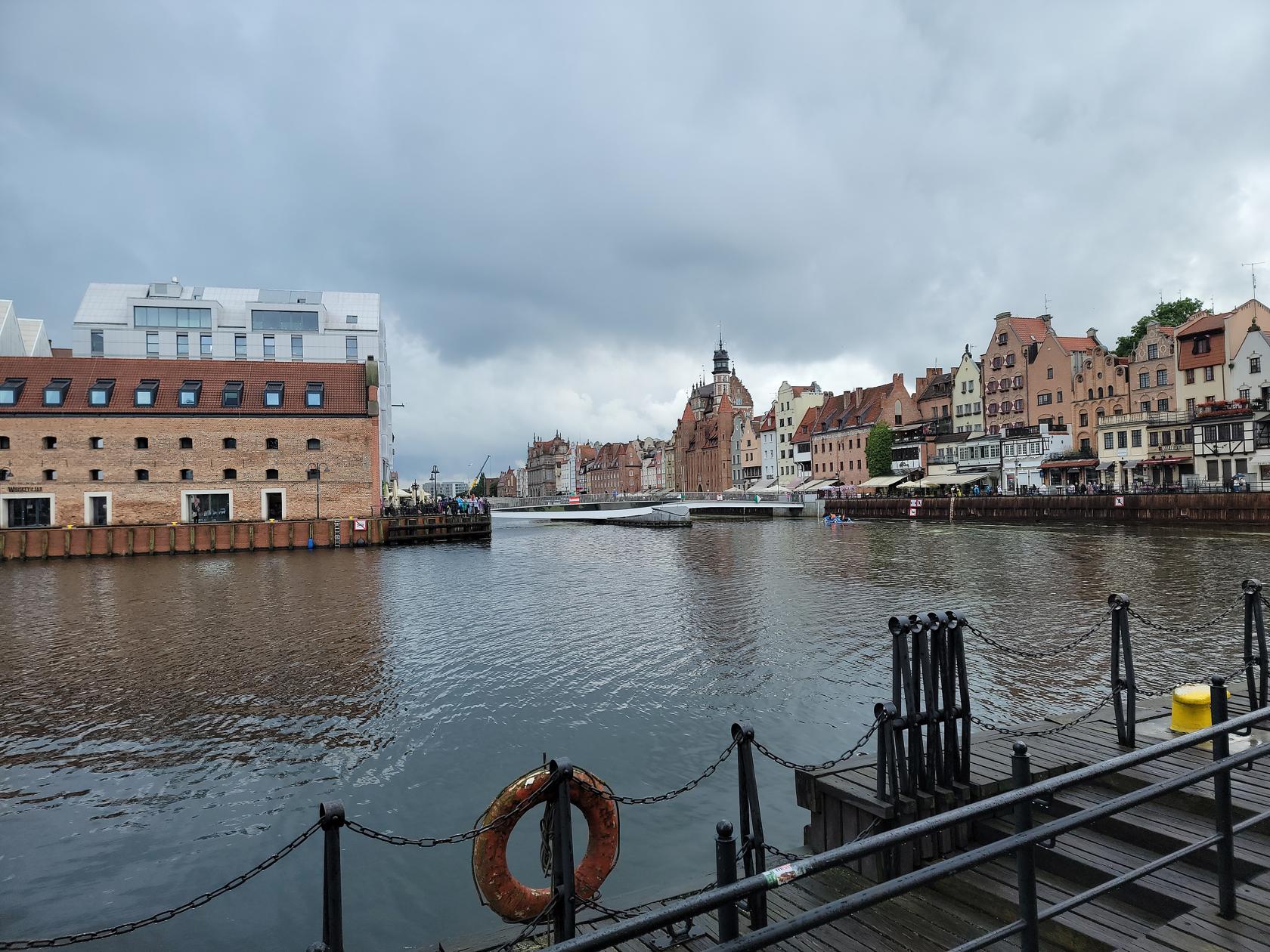
Along the Motlawa River on both sides are rows of buildings. Many were old warehouses, shops, fish mongers and other establishments, when the city was an active seaport. Today it is mostly restaurants, shops and hotels.
Boardwalk – Motława River – Gdańsk, Poland
Motława River – Gdańsk, Poland
Boardwalk – Motława River – Gdańsk, Poland
Motława River – Gdańsk, Poland
Saint Mary’s Gate – Motława River – Gdańsk, Poland
Motława River – Gdańsk, Poland
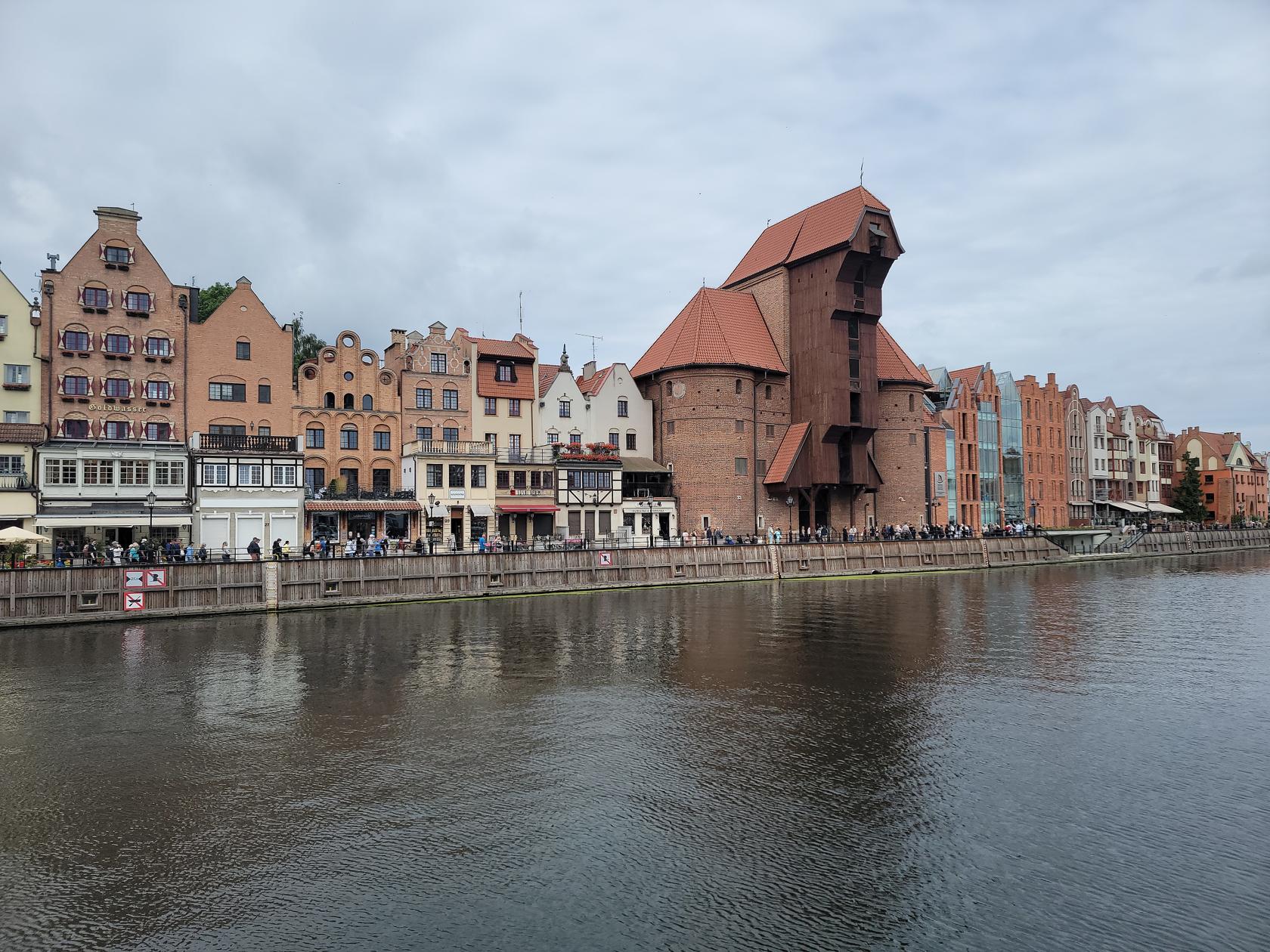
Old Port Crane – Motława River – Gdańsk, Poland
Saint Mary’s Gate – Motława River – Gdańsk, Poland
Lew Galeon – Gdańsk, Poland
Motława River – Gdańsk, Poland
Old Port Crane
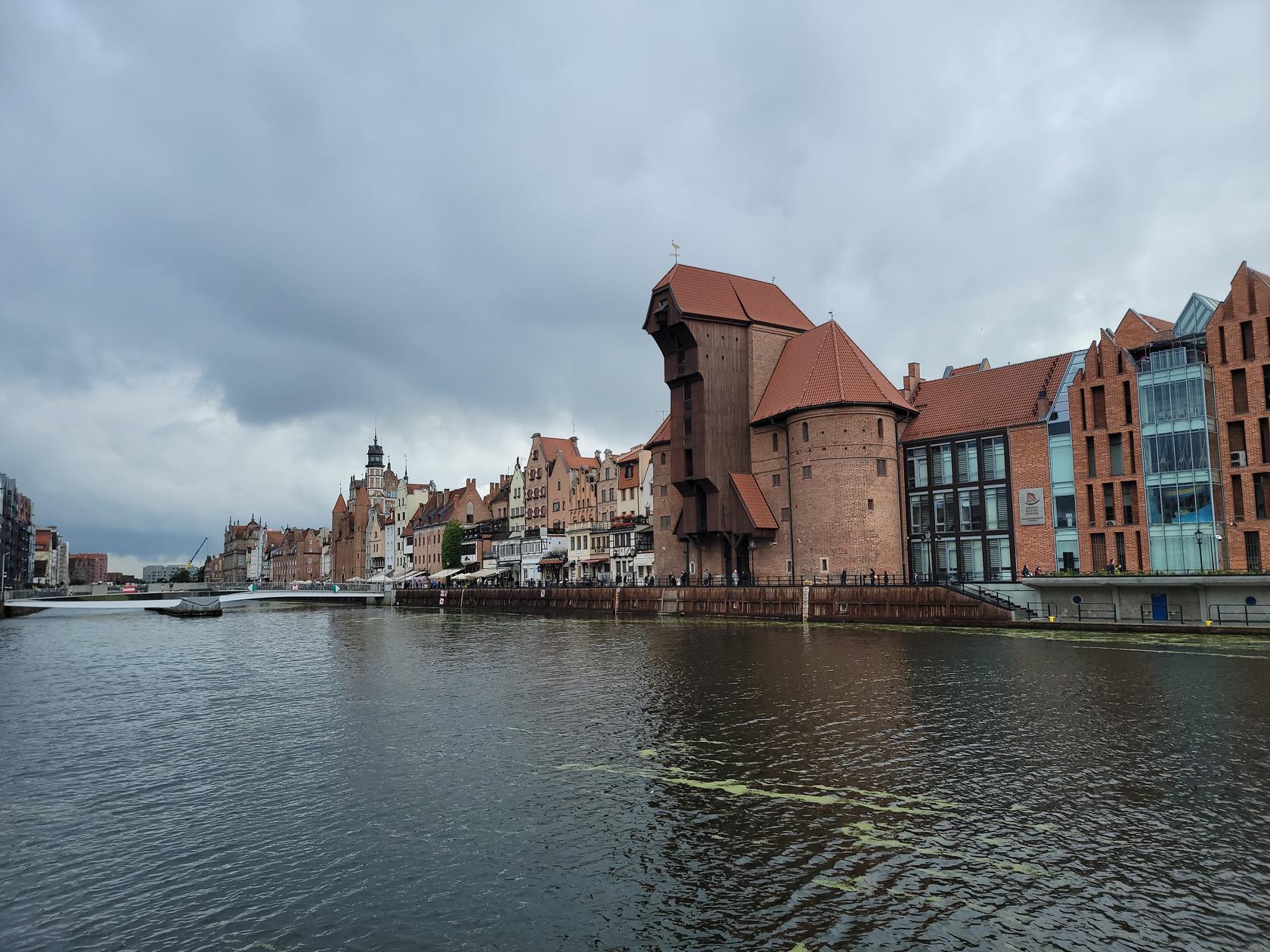
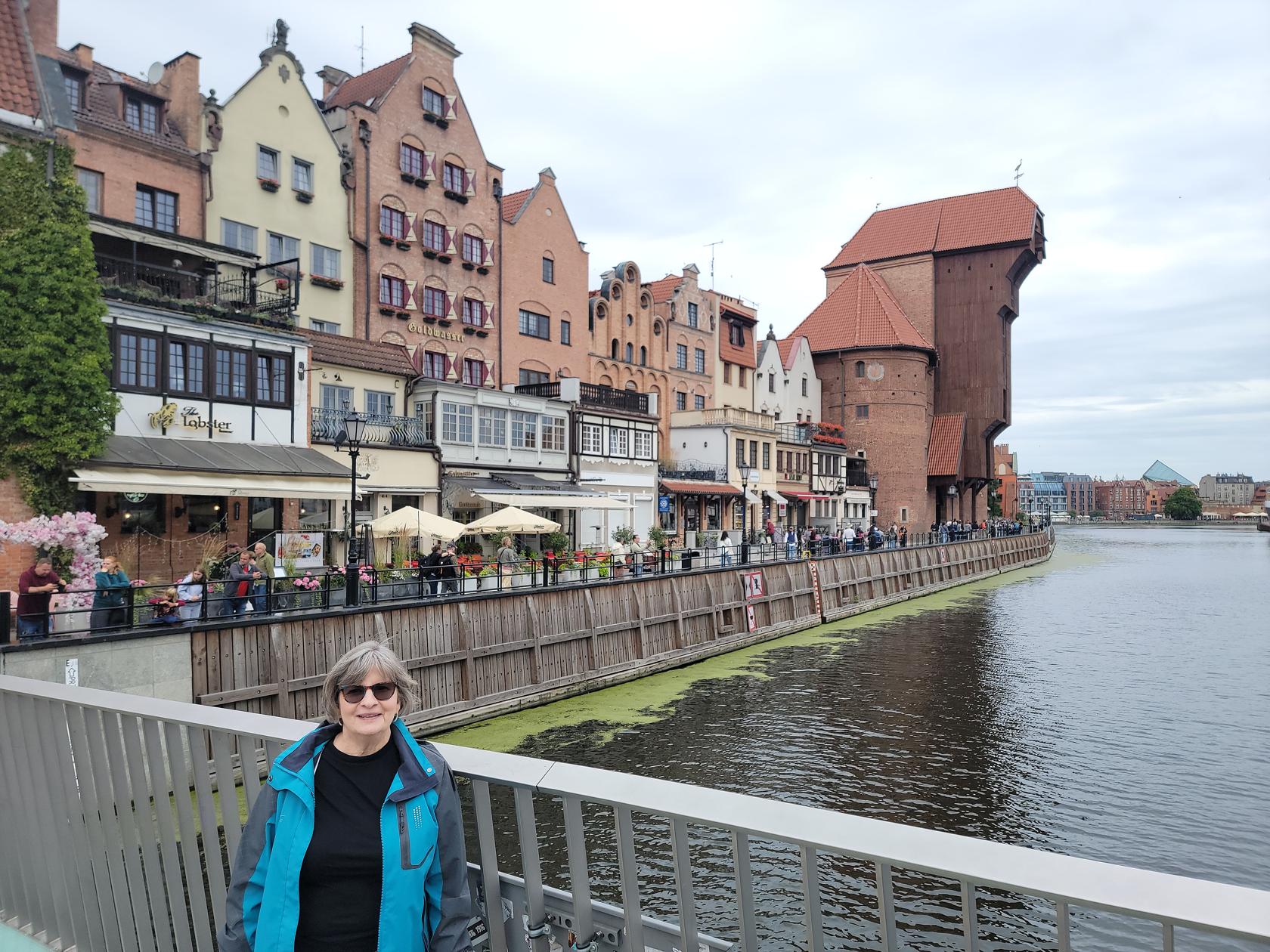
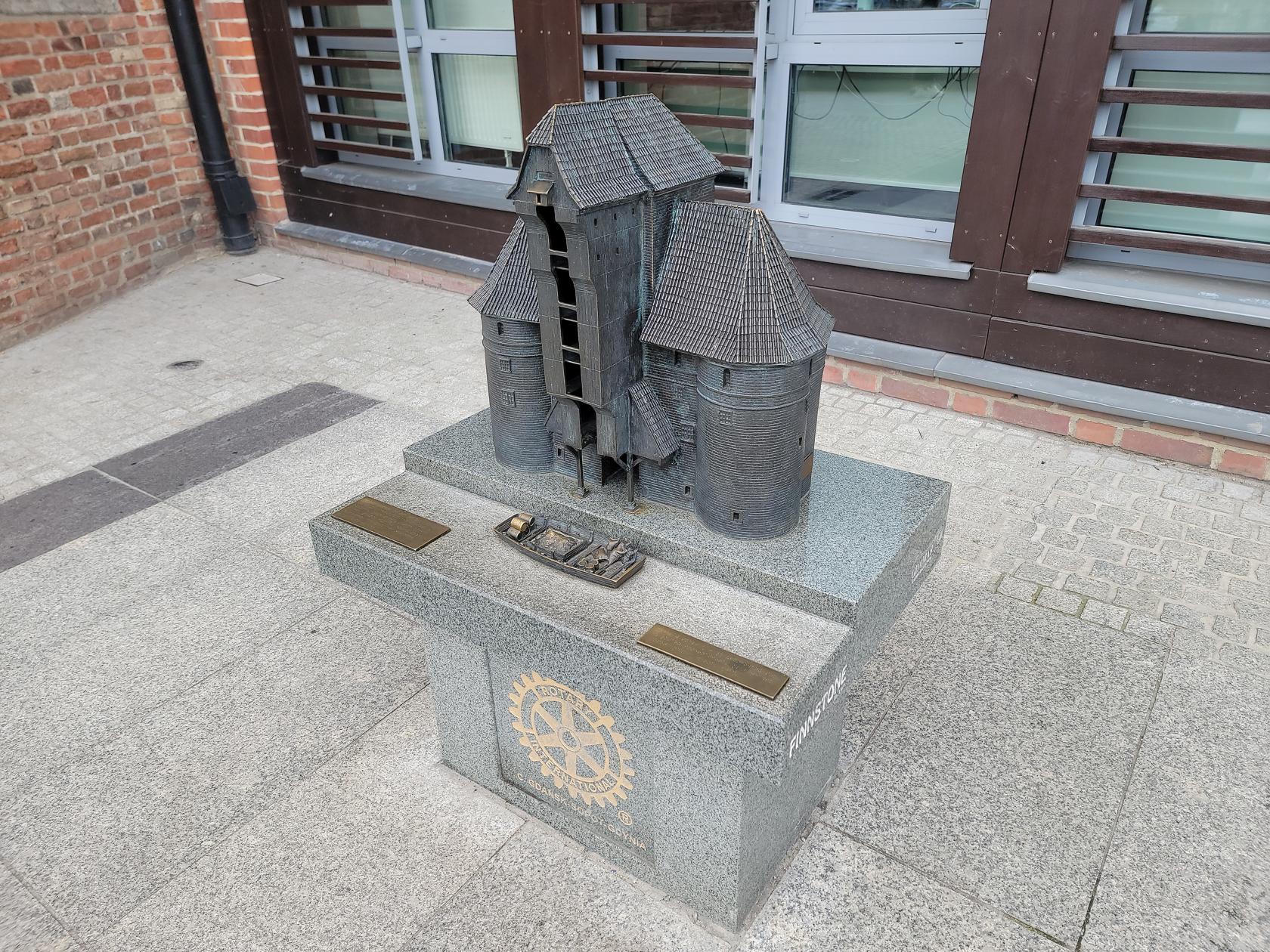
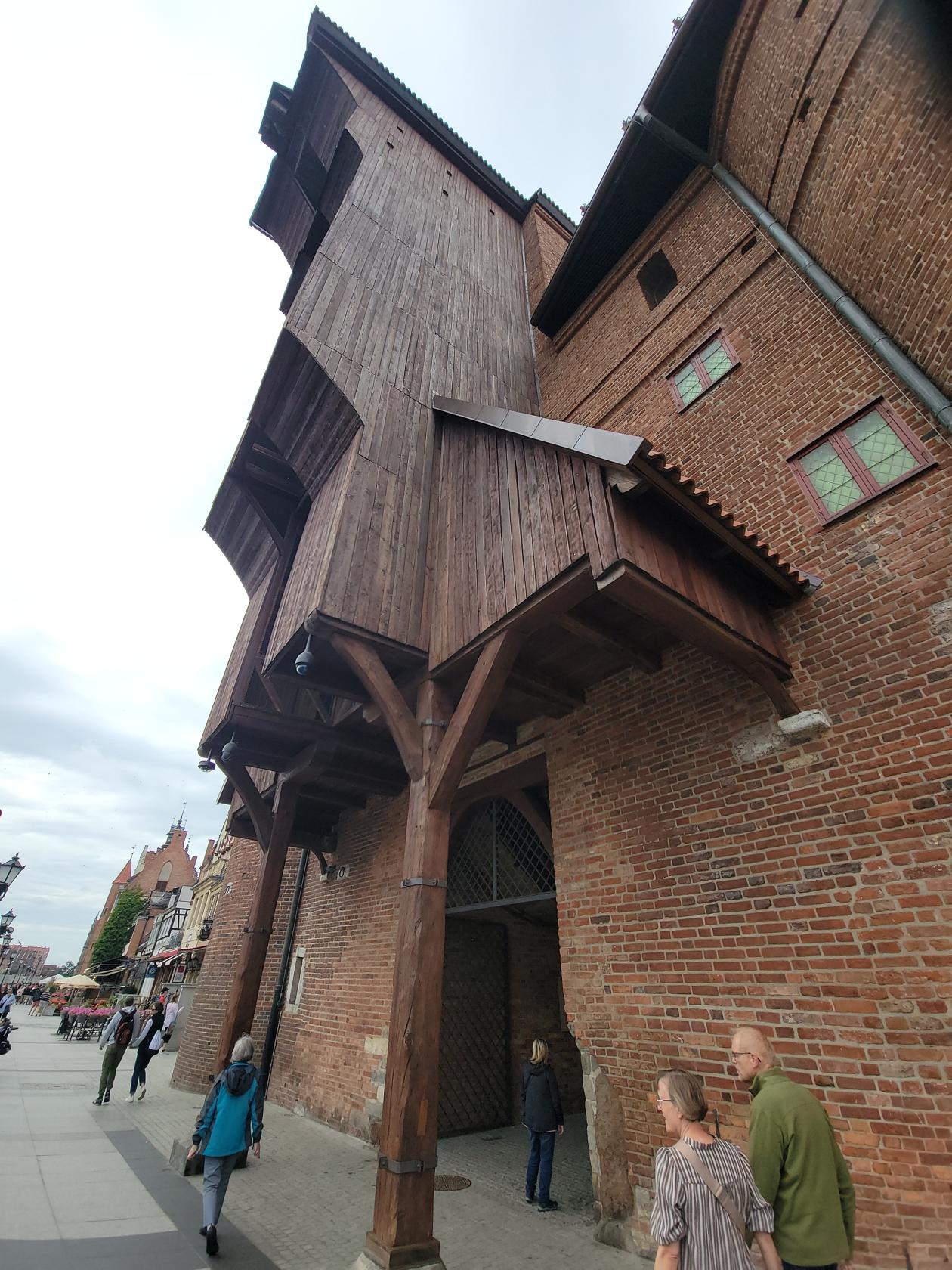
One of the major attactions is the Old Port Crane, also known as the Gdańsk Crane, actually has an unknown origin. Though ostensibly built to convey things from ships portside into the city over the surrounding wall its actual purpose remains a mystery. It burnt down once and was restored, only to be partially destroyed during the end of World War II and rebuilt in the 1960s as a historical piece and museum.
Old Port Crane – Gdańsk, Poland
Old Port Crane – Motława River – Gdańsk, Poland
Patti on Rotating Bridge – Holy Spirit Gate – Motława River – Gdańsk, Poland
Old Port Crane Bronze Monument – Motława River – Gdańsk, Poland
Old Port Crane – Motława River – Gdańsk, Poland
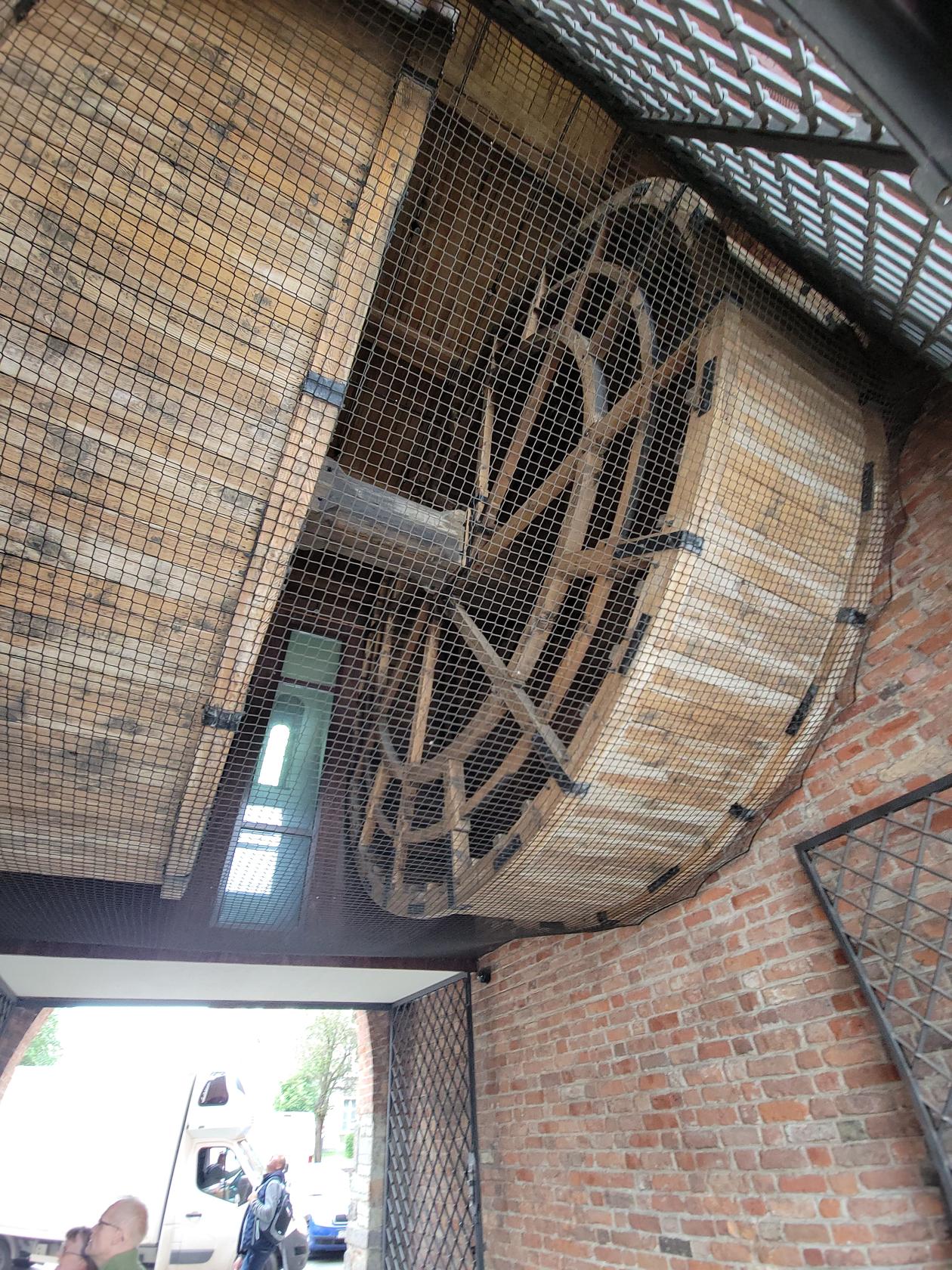
Large Tread Wheels – Old Port Crane – Motława River – Gdańsk, Poland
Długa Street
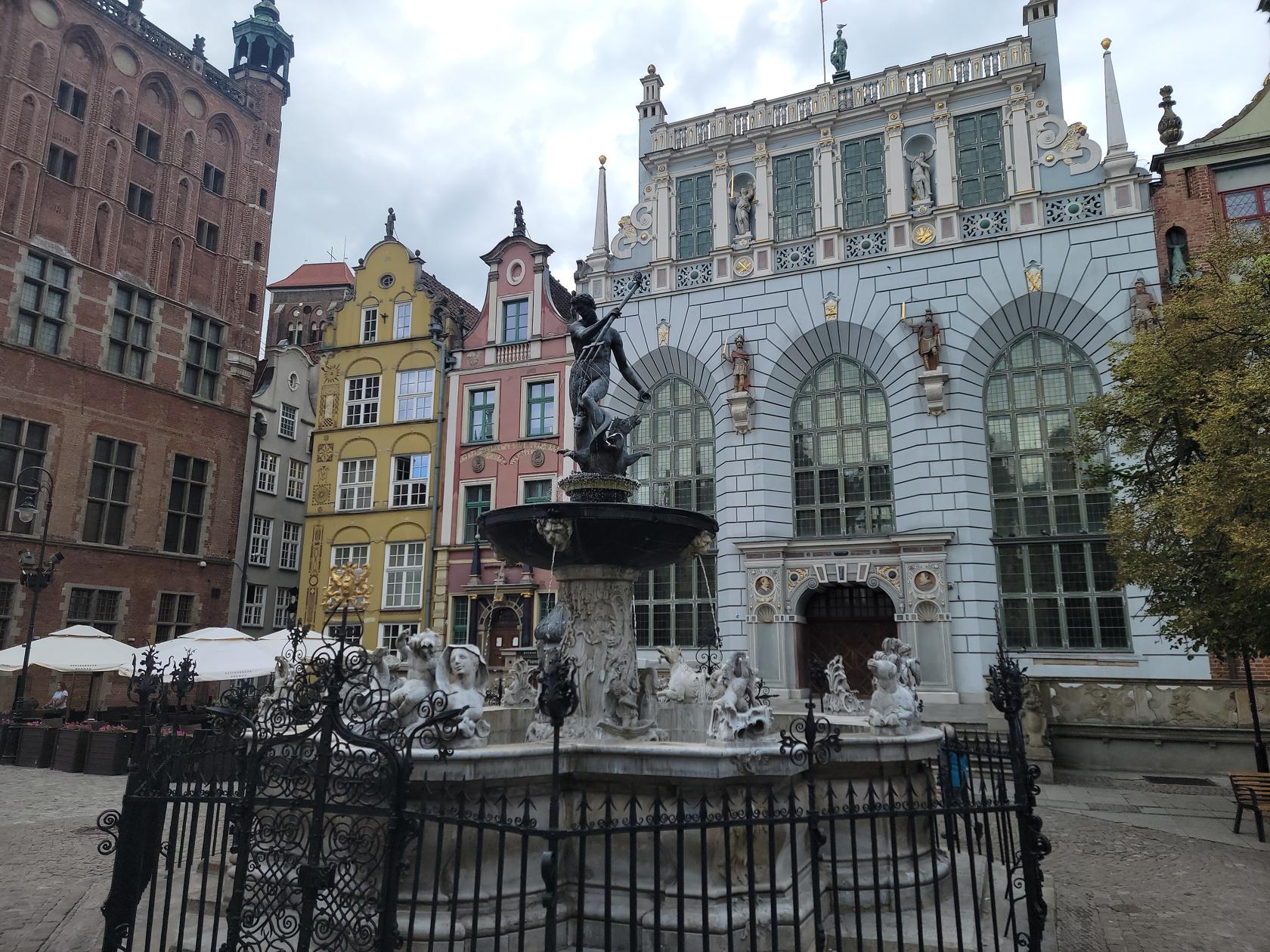
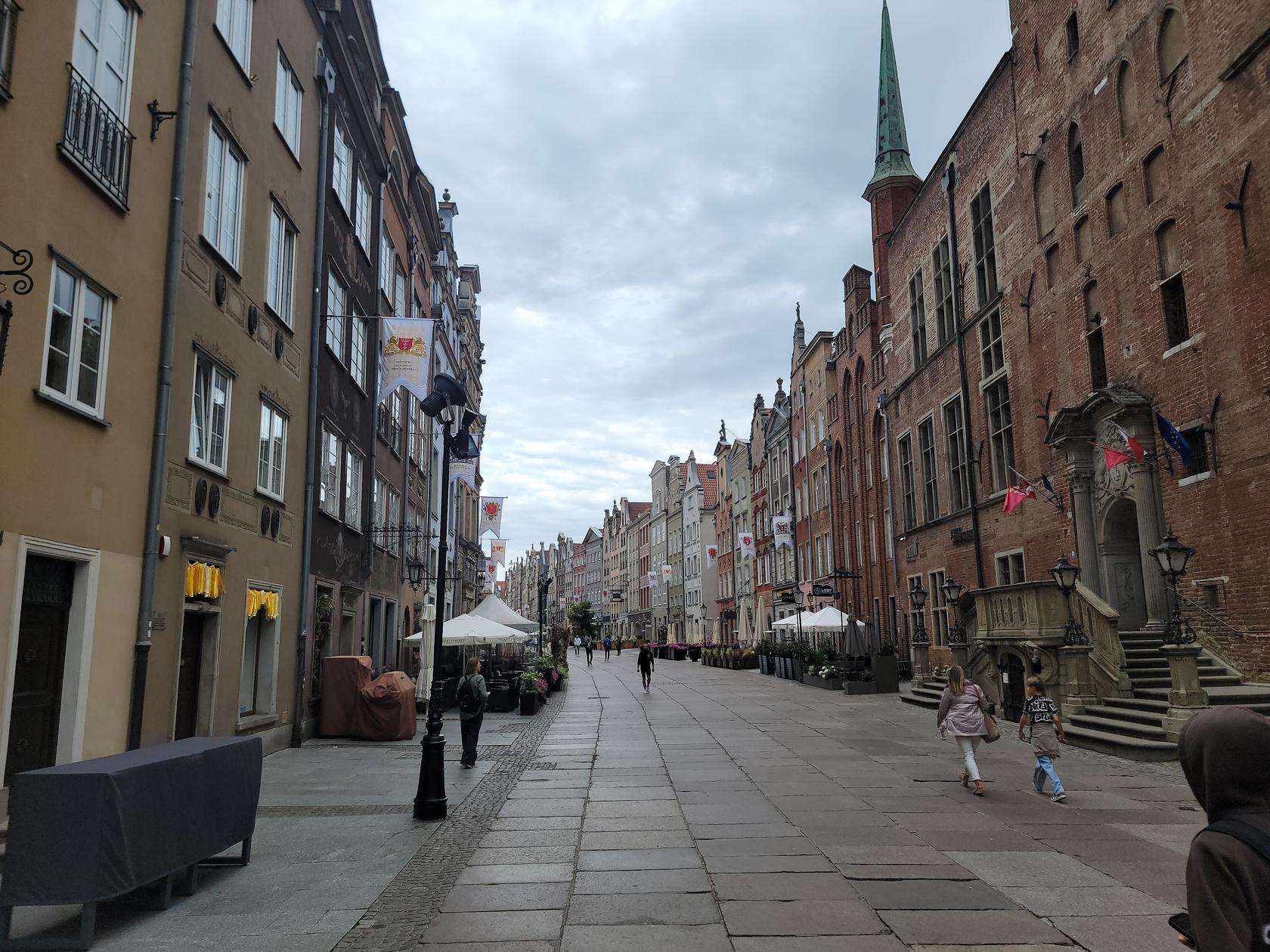
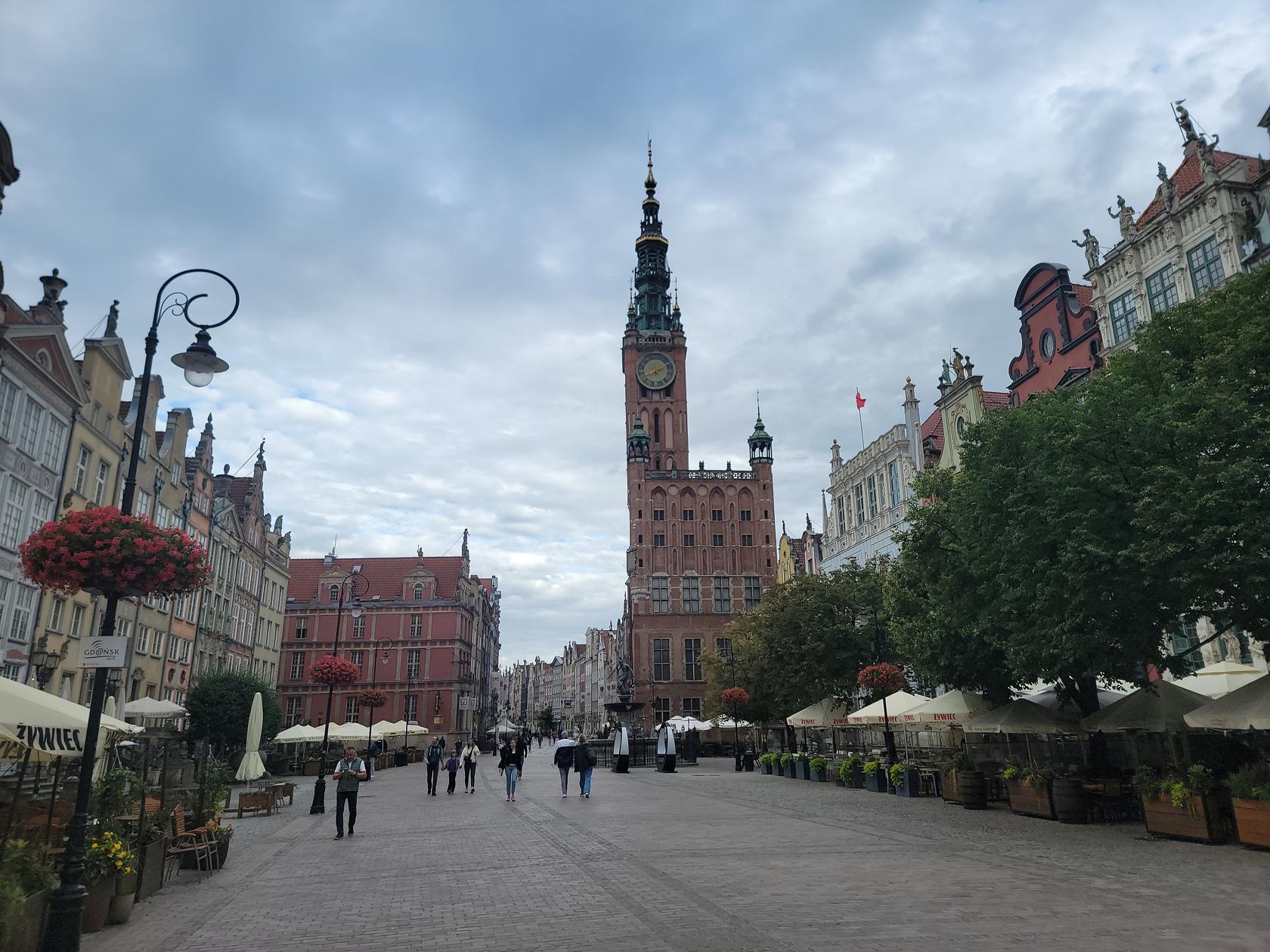
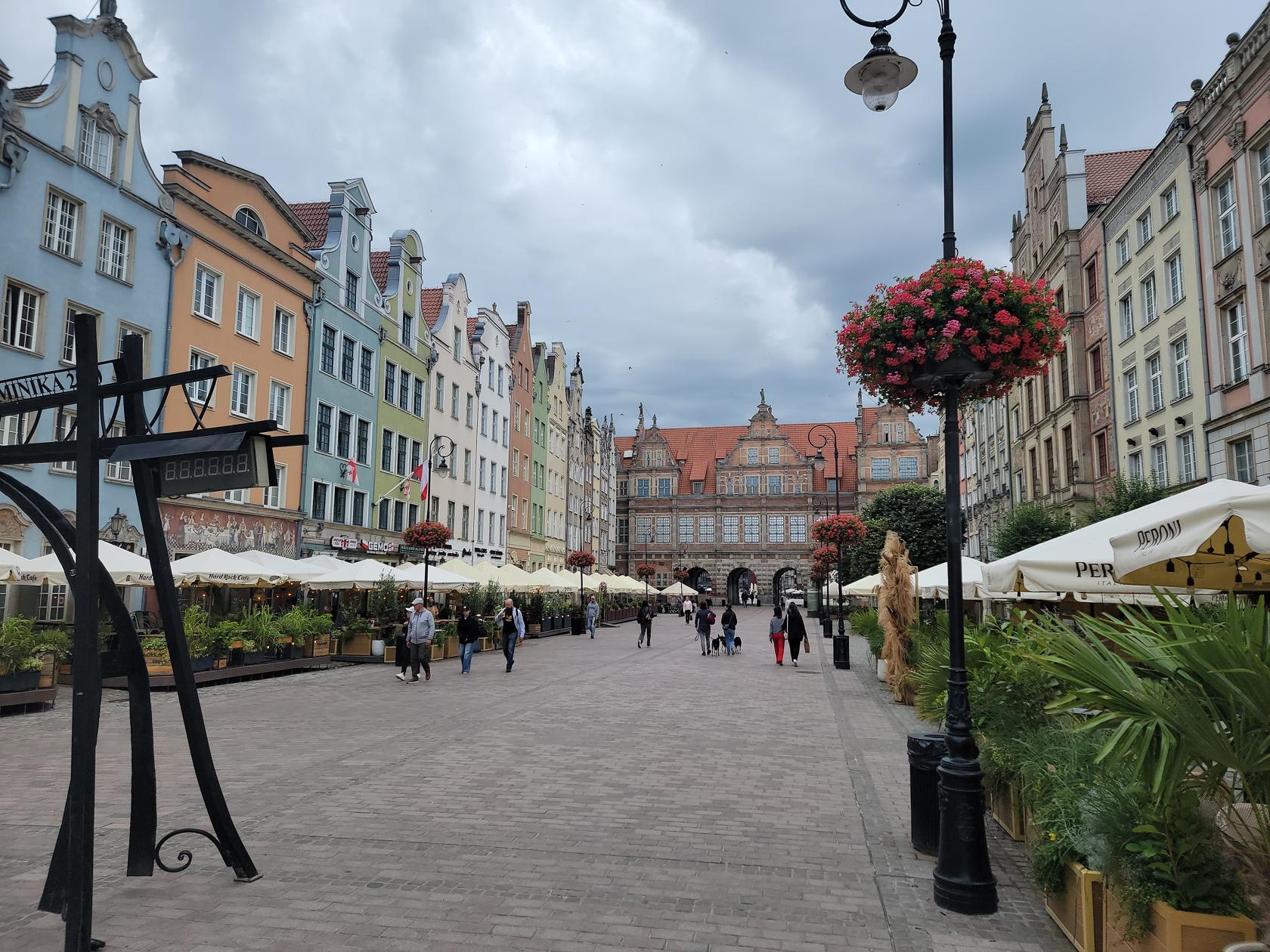
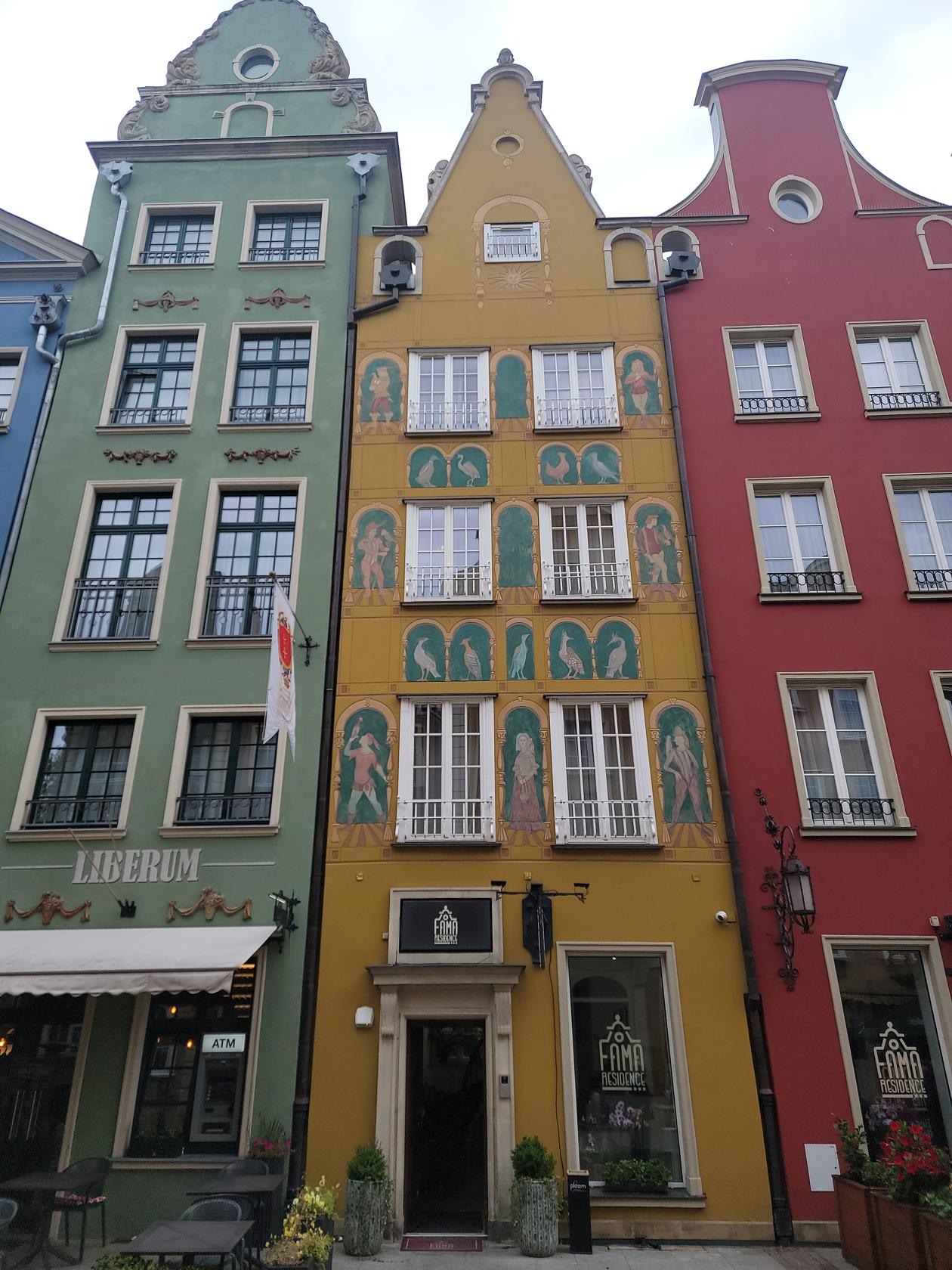
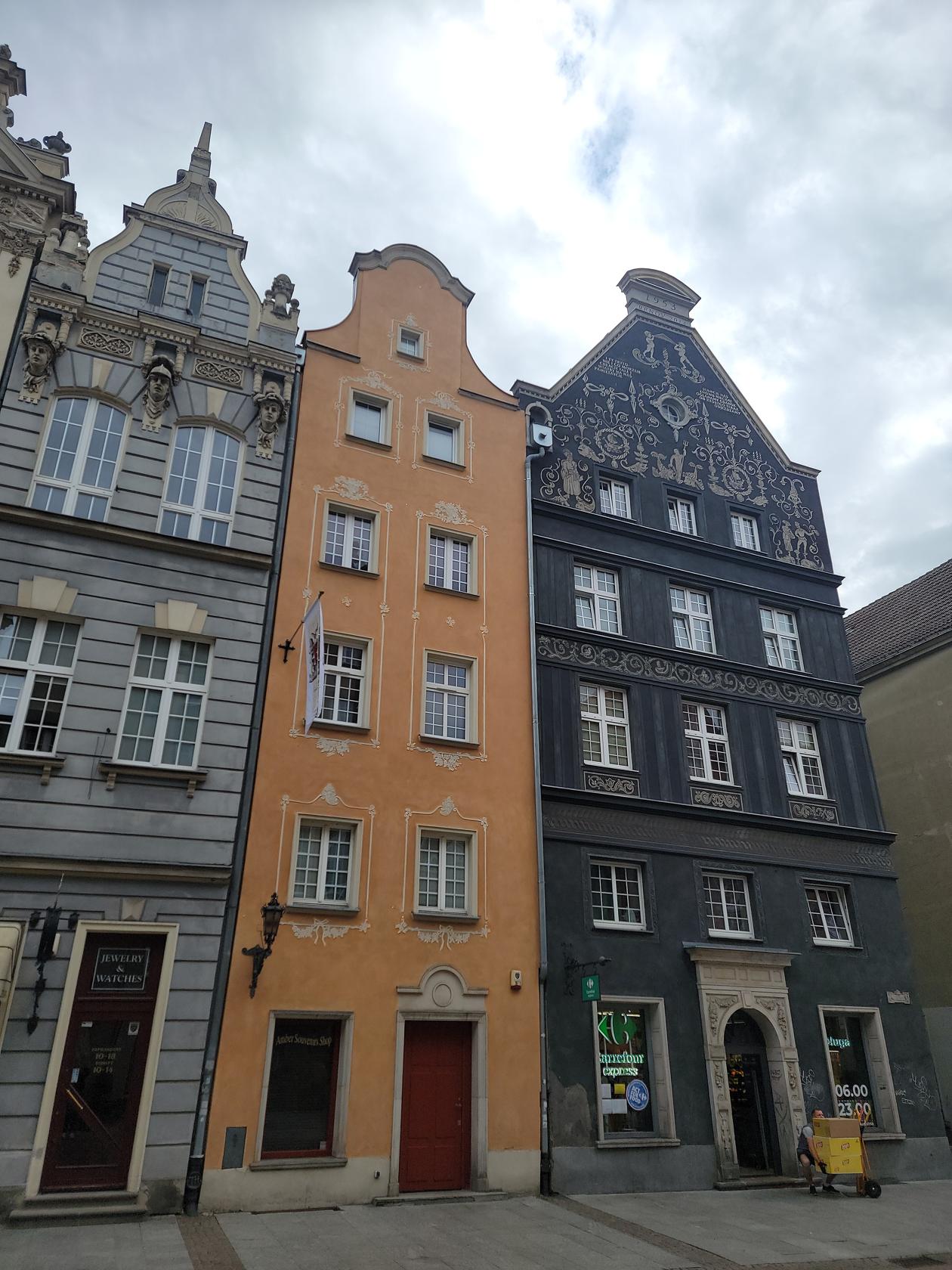
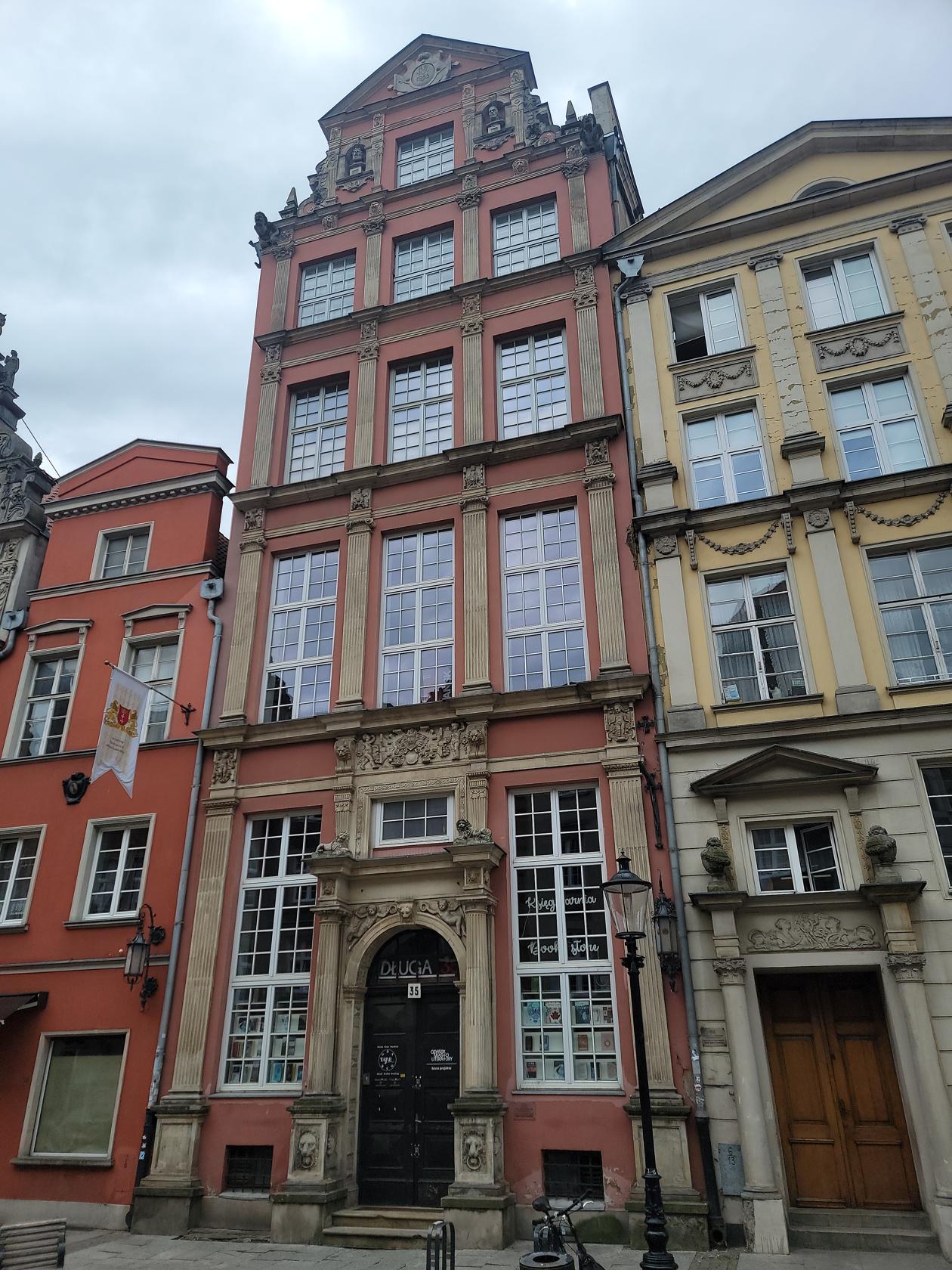
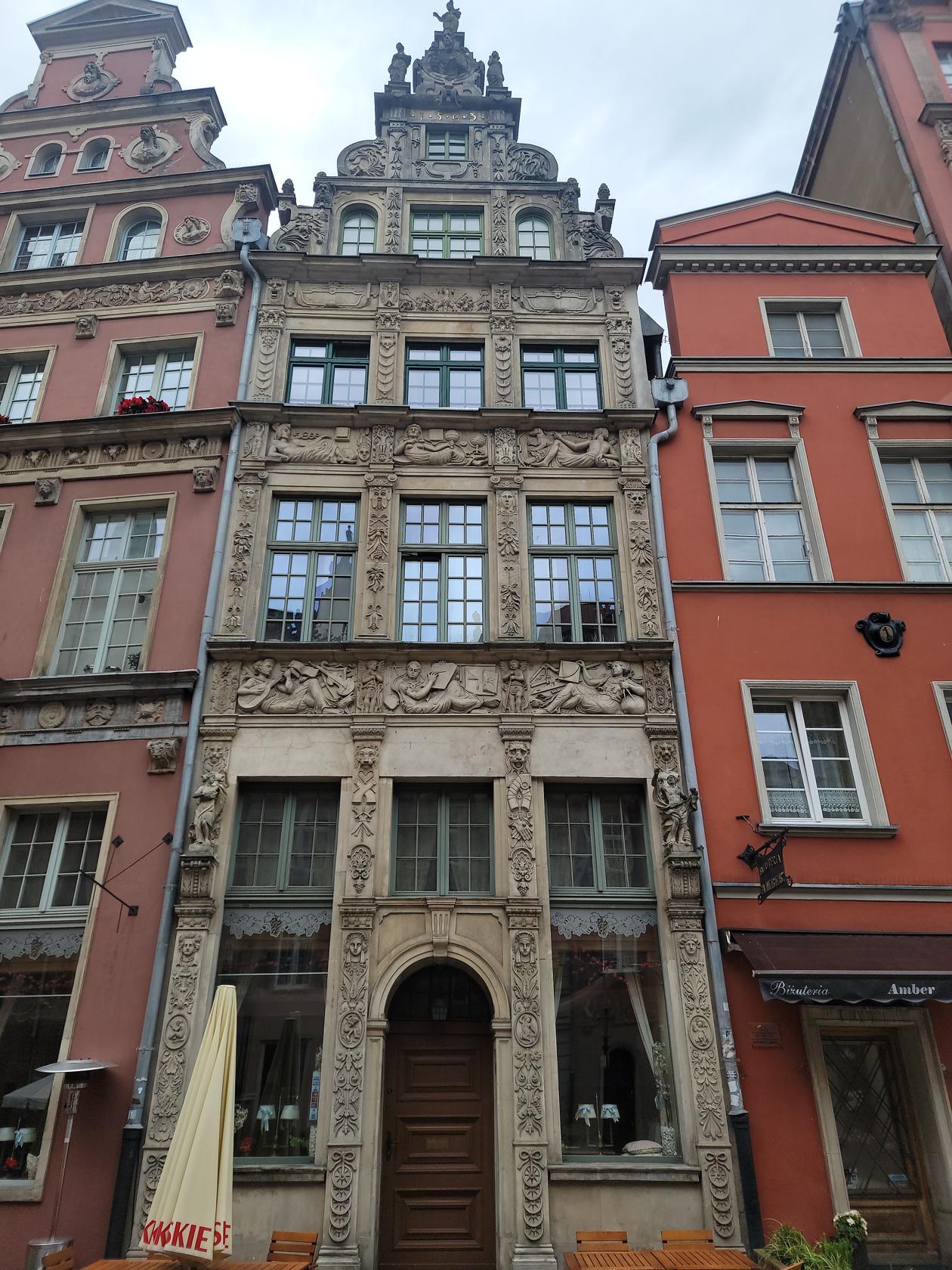
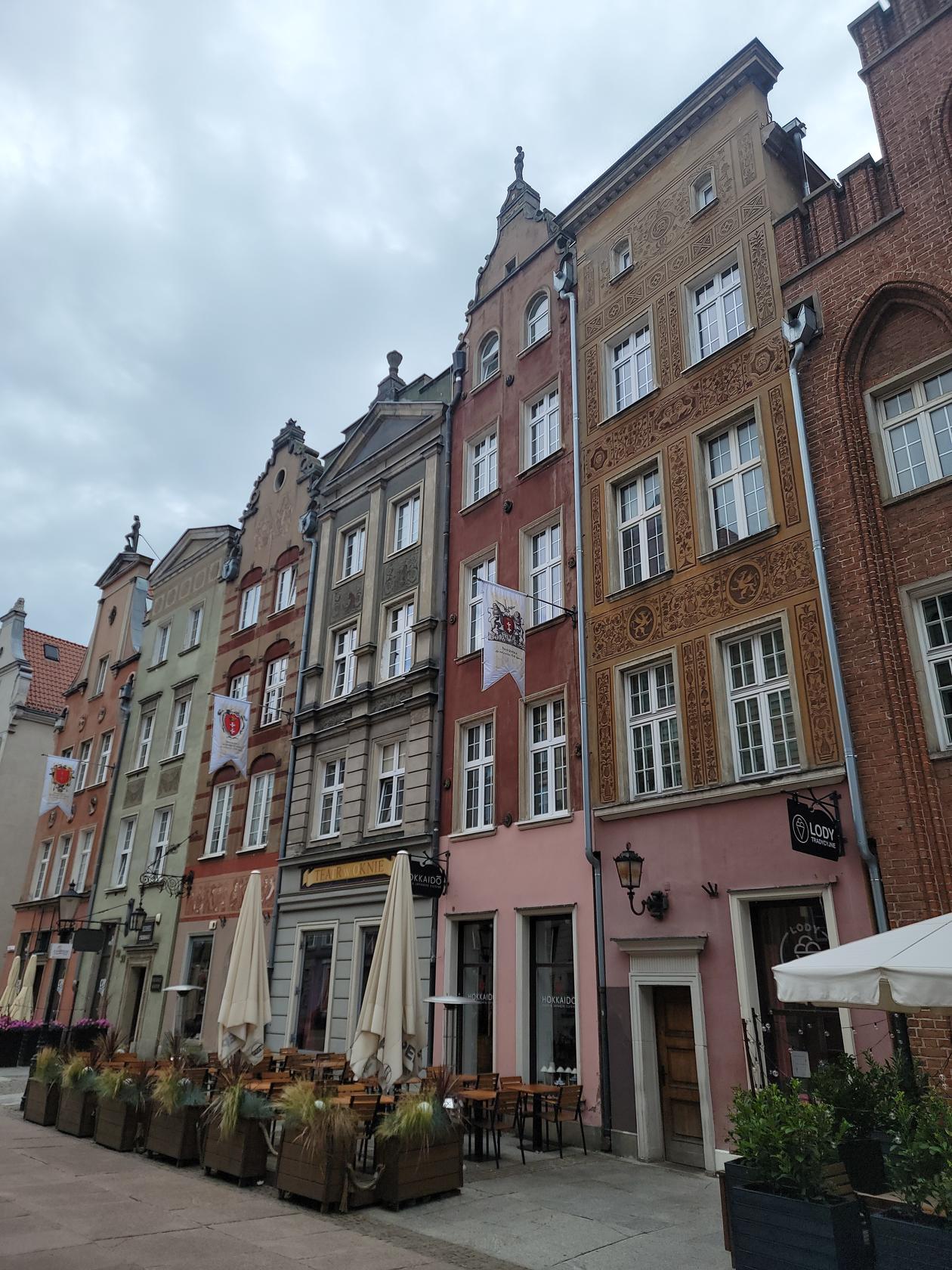
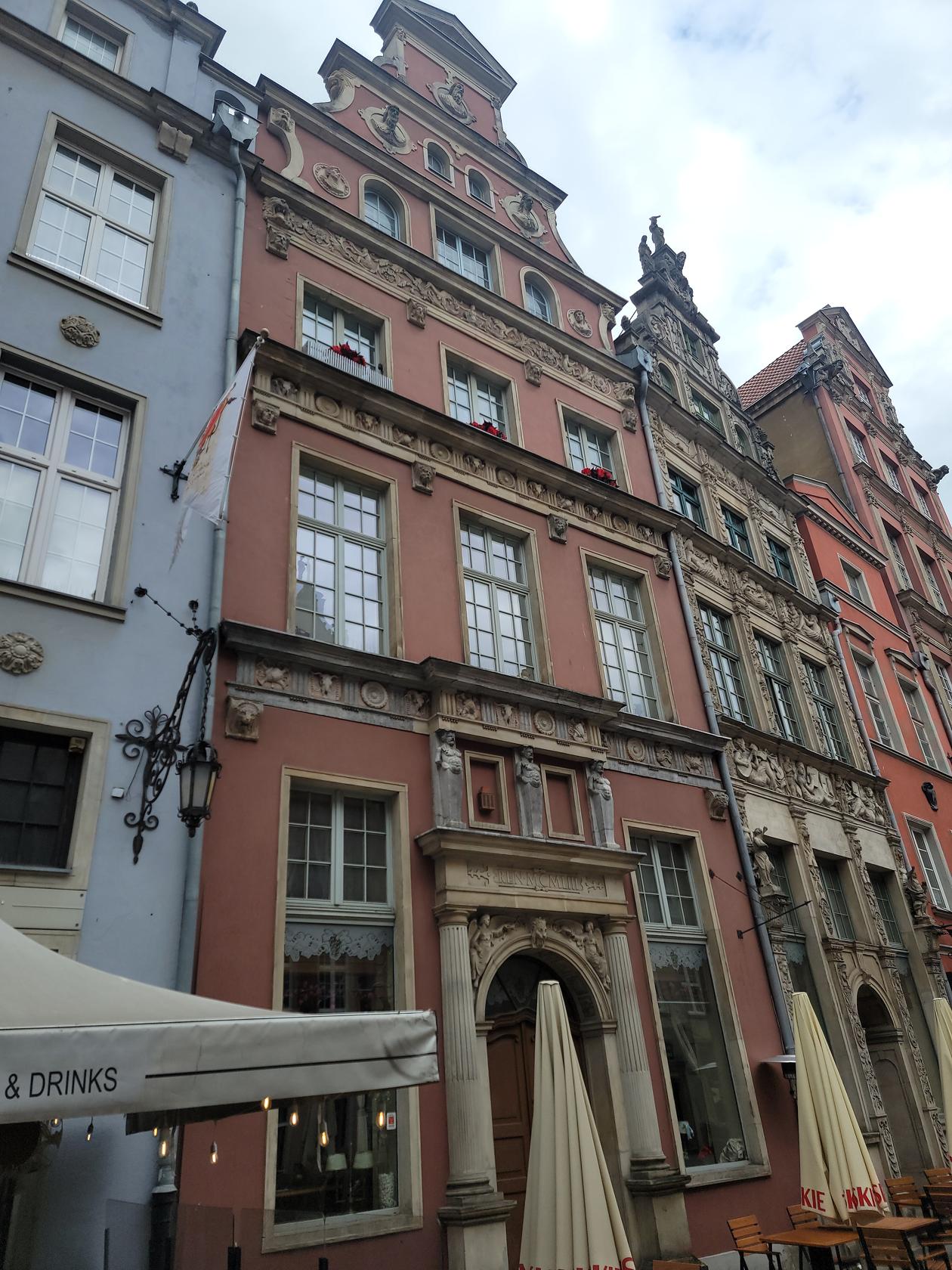
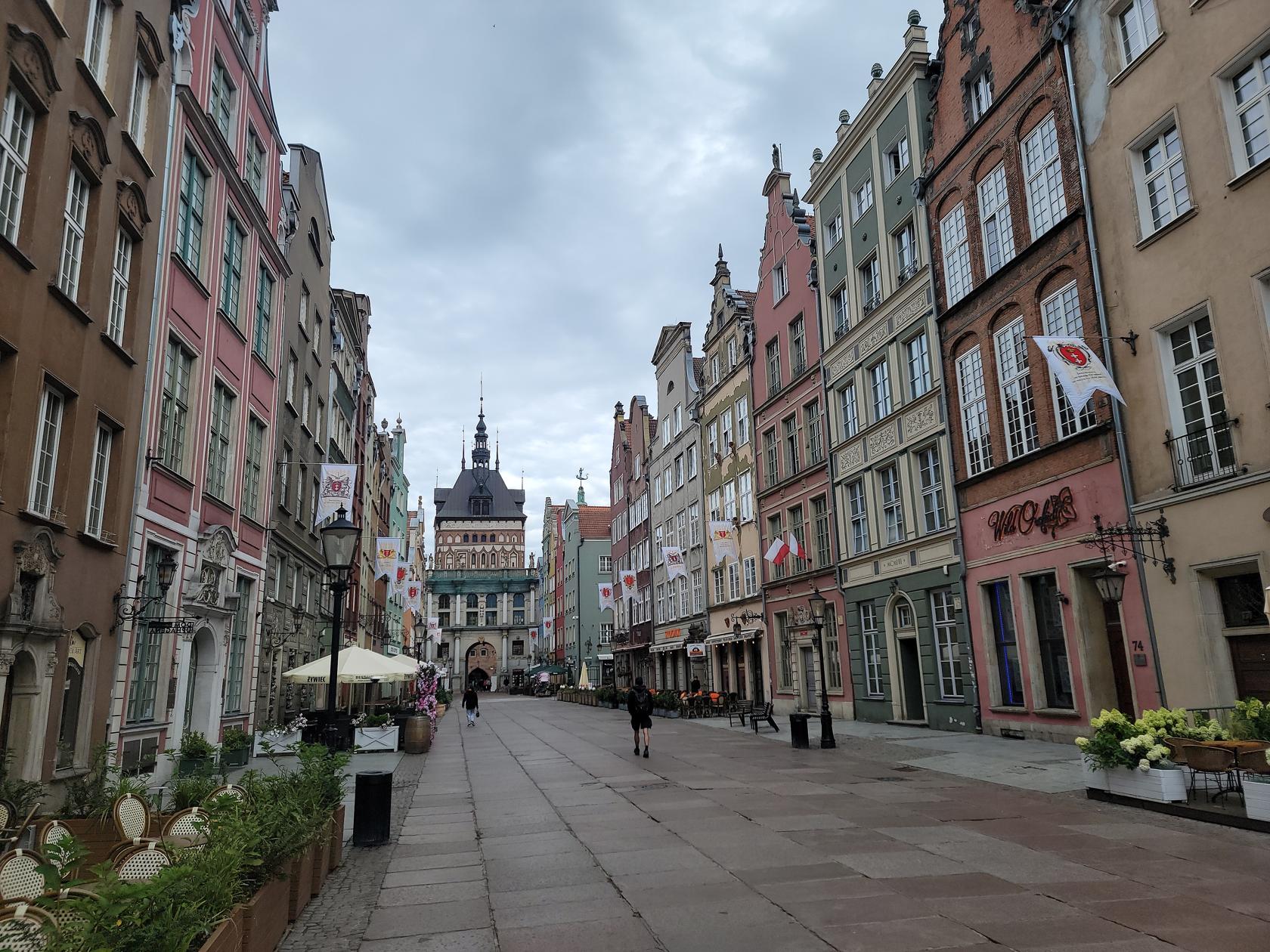
Also known as Long Lane, or Langgasse, Długa Street is where you will find many of the notable houses that adorn the old town, as well as the Town Hall and Neptune’s Fountain.
Neptune Fountain – Długa Street – Gdańsk, Poland
Upper Długa Street – Gdańsk, Poland
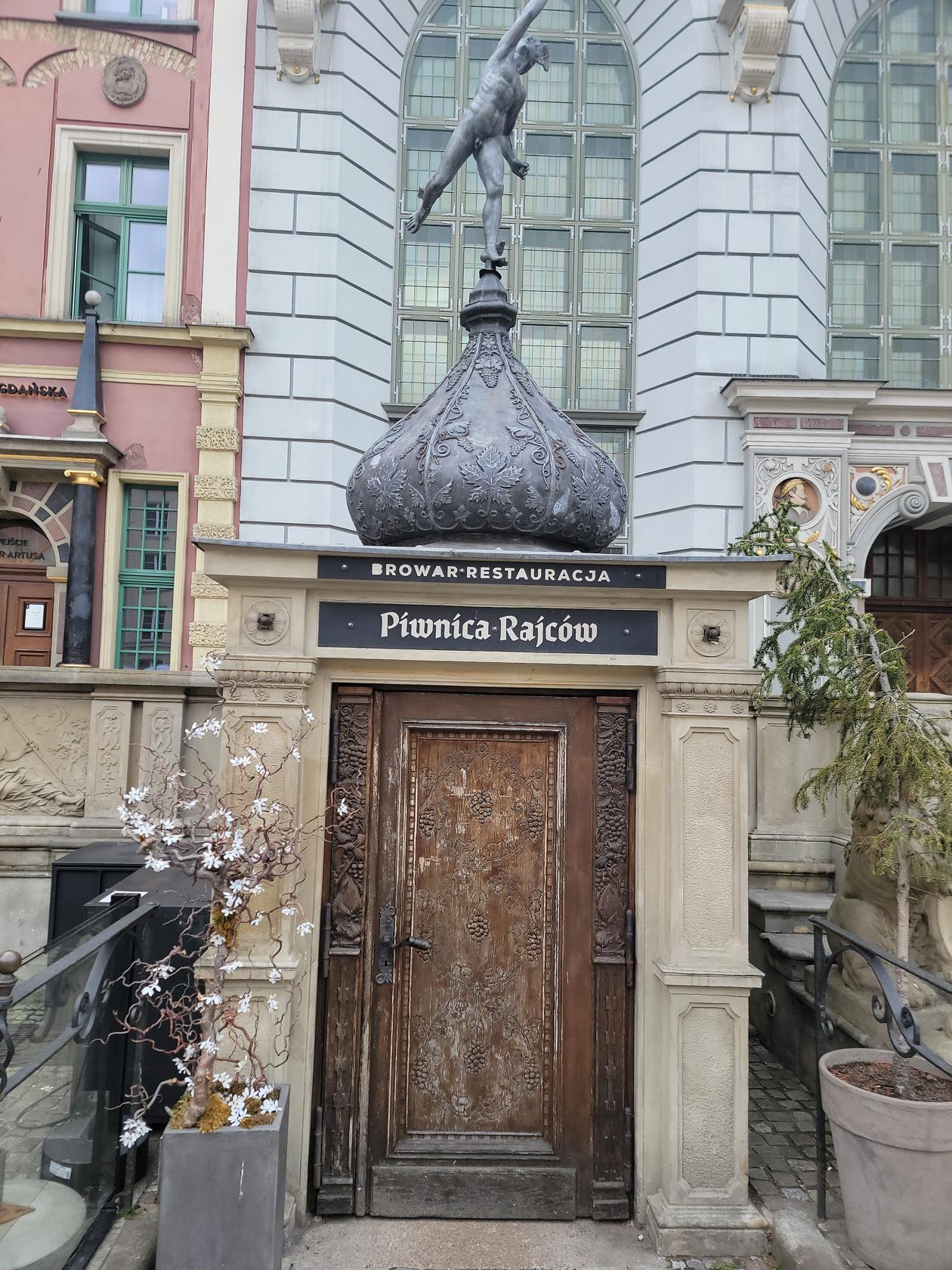
Basement Restaurant – Długa Street – Gdańsk, Poland
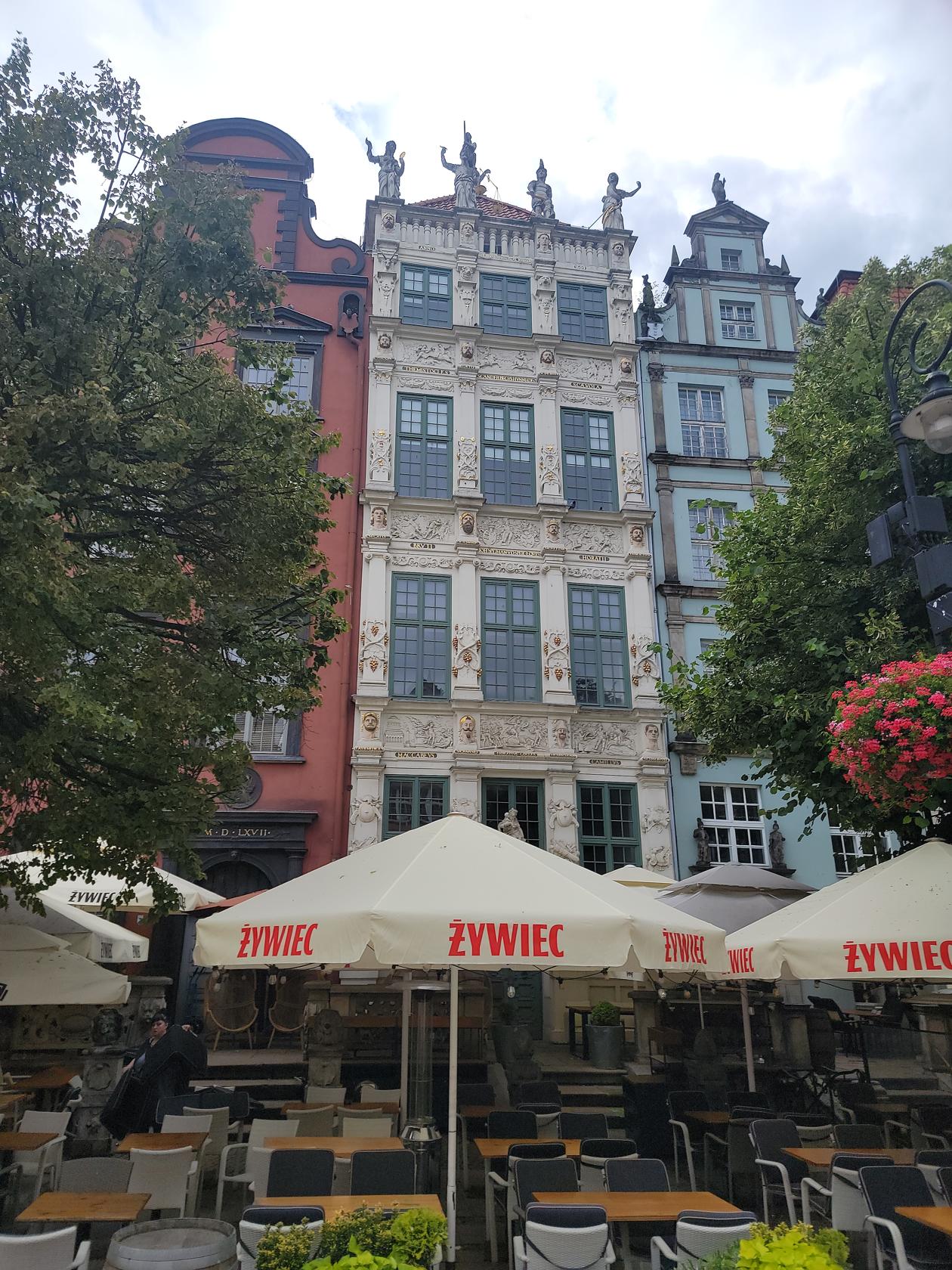
Golden House – Długa Street – Gdańsk, Poland
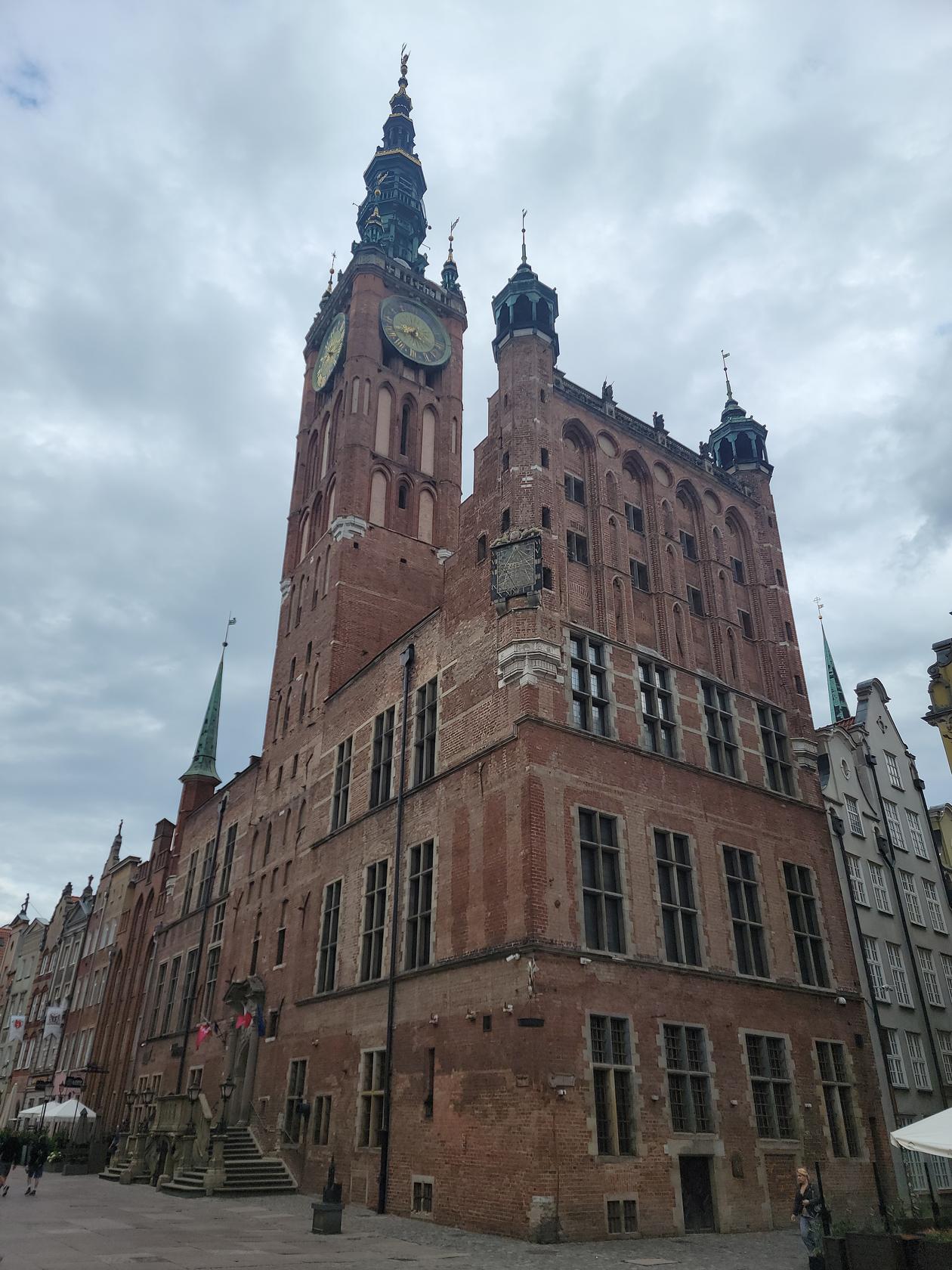
Town Hall – Długa Street – Gdańsk, Poland
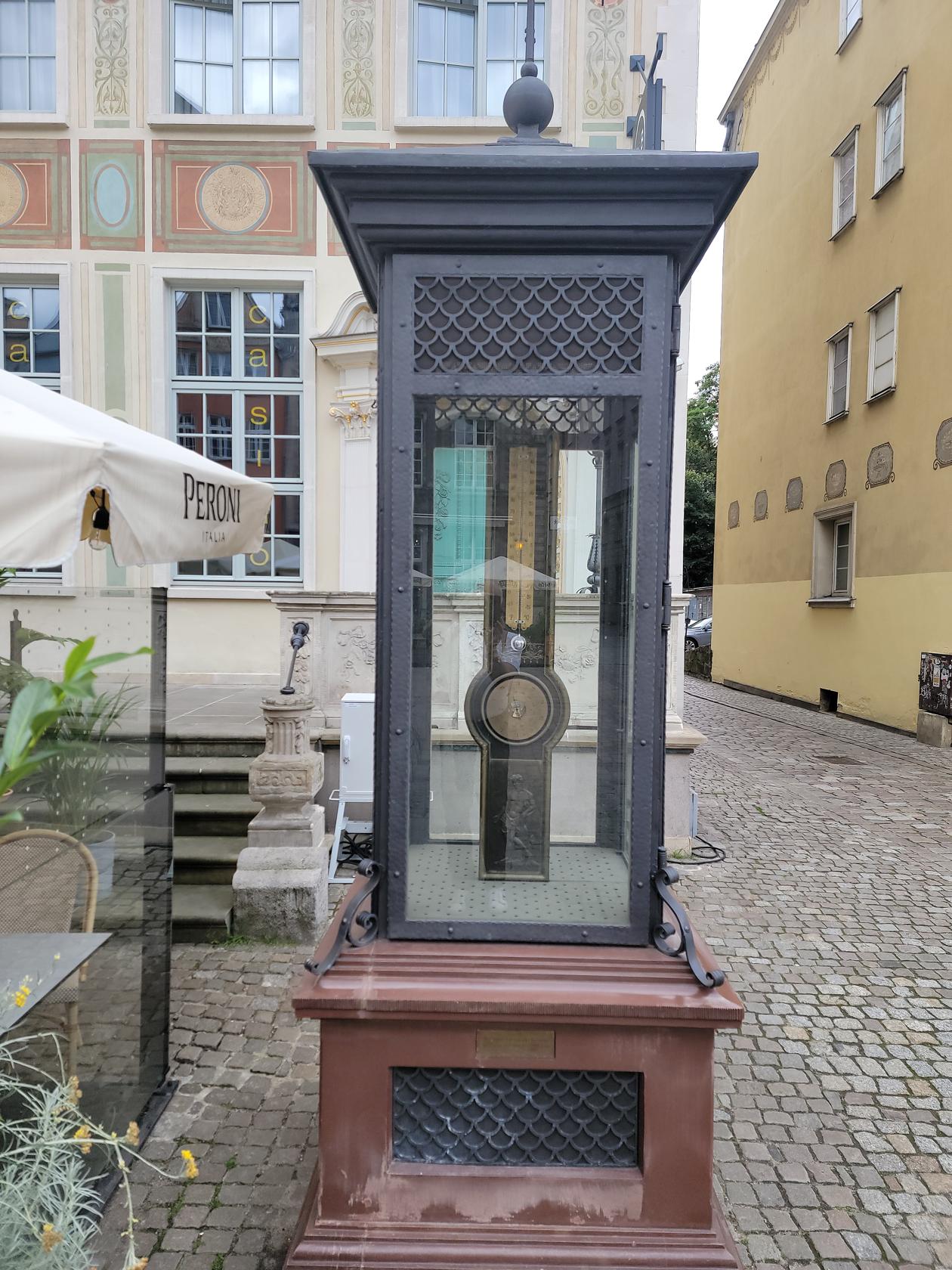
Fahrenheit Monument – Długa Street – Gdańsk, Poland
Long Market Place – Długa Street – Gdańsk, Poland
Long Market Place – Długa Street – Gdańsk, Poland
Neptune Fountain – Długa Street – Gdańsk, Poland
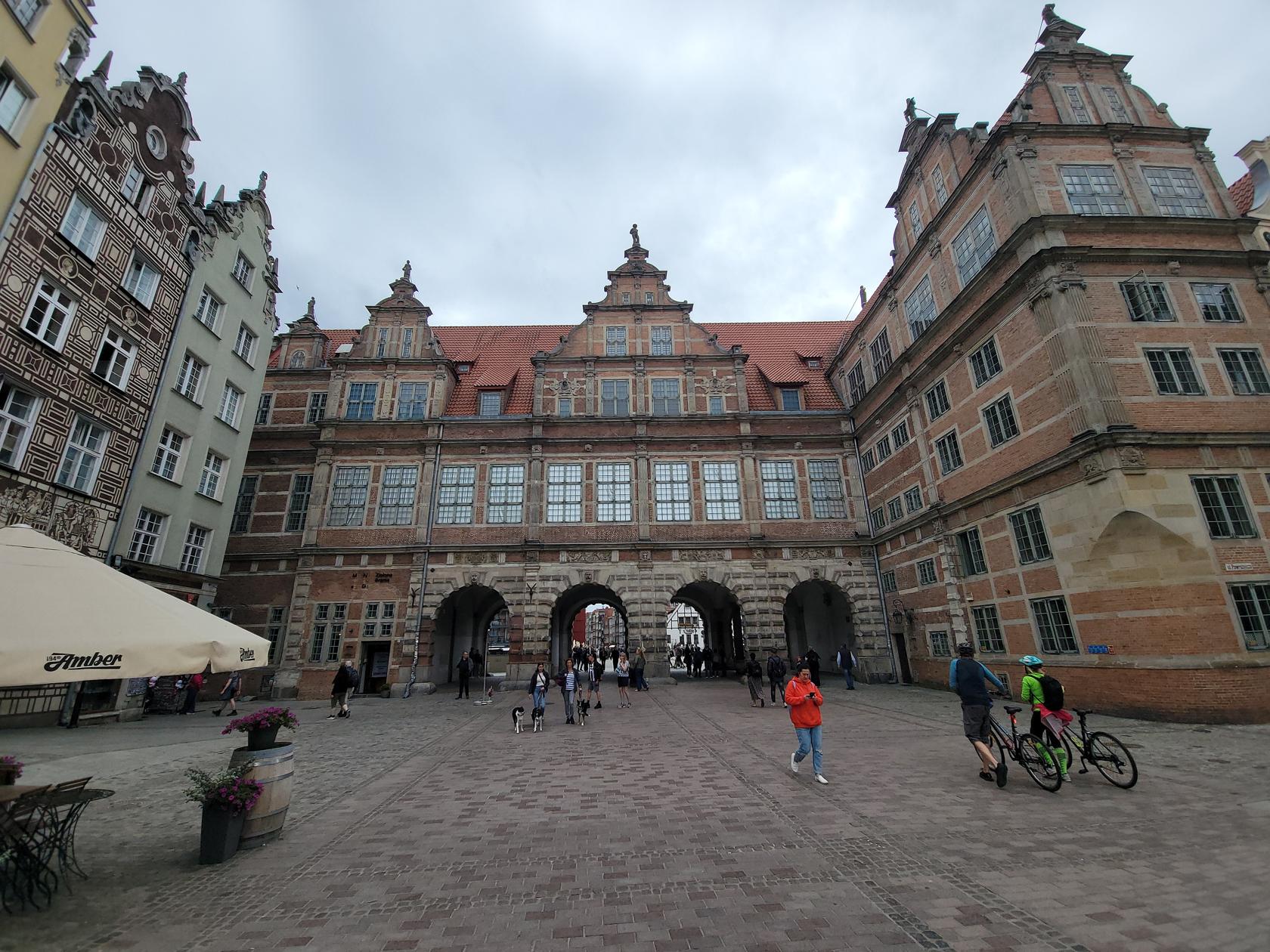
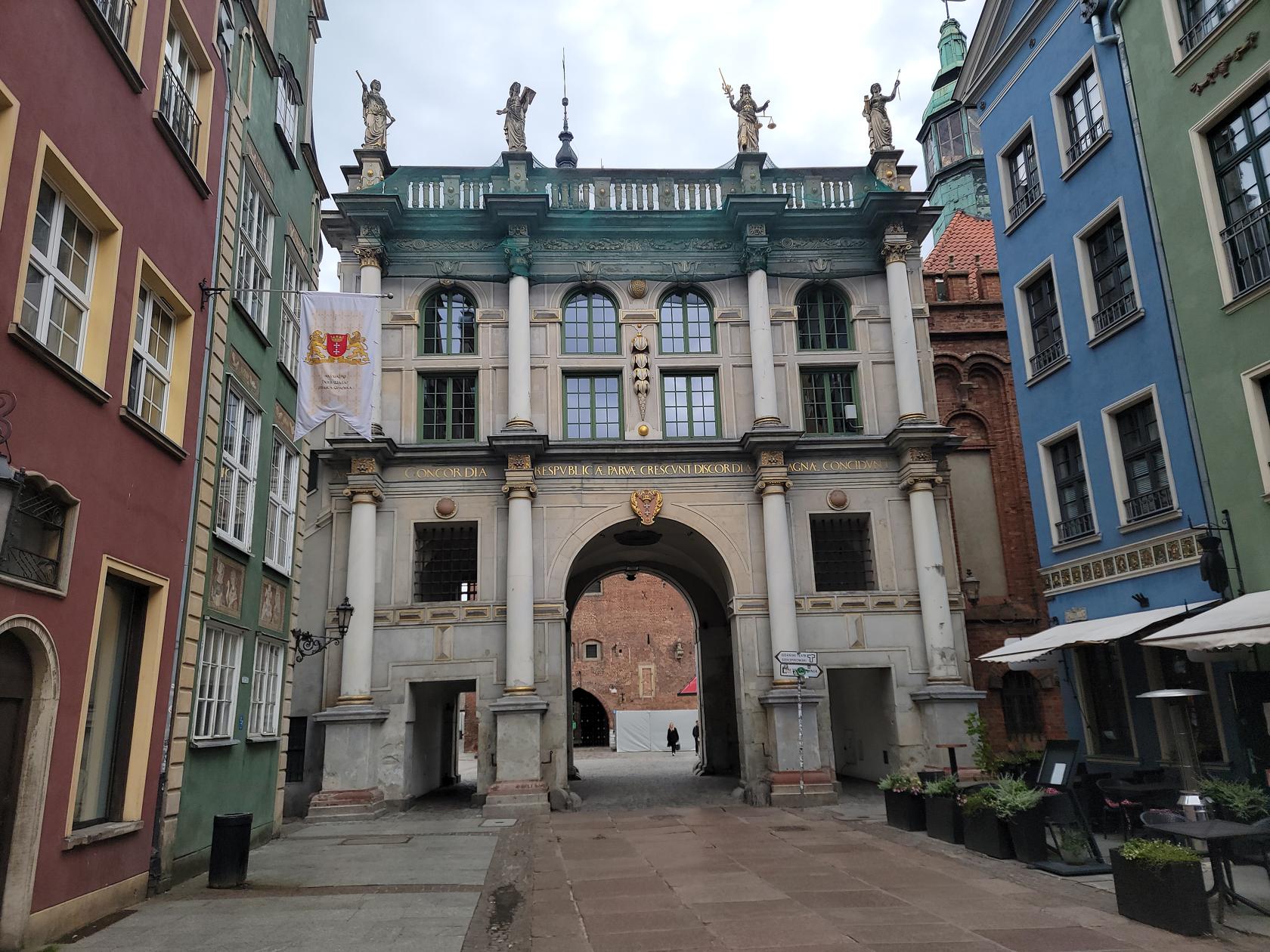
It is bounded by the Green Gate on the end by the river, and the Golden Gate, which is near the former main entrance to the town, including its barbican and Highland Gate.
Upper Długa Street – Gdańsk, Poland
Upper Długa Street – Gdańsk, Poland
Upper Długa Street – Gdańsk, Poland
Upper Długa Street – Gdańsk, Poland
Upper Długa Street – Gdańsk, Poland
Upper Długa Street – Gdańsk, Poland
Upper Długa Street – Gdańsk, Poland
Golden Gate – Upper Długa Street – Gdańsk, Poland
Mariacka Street
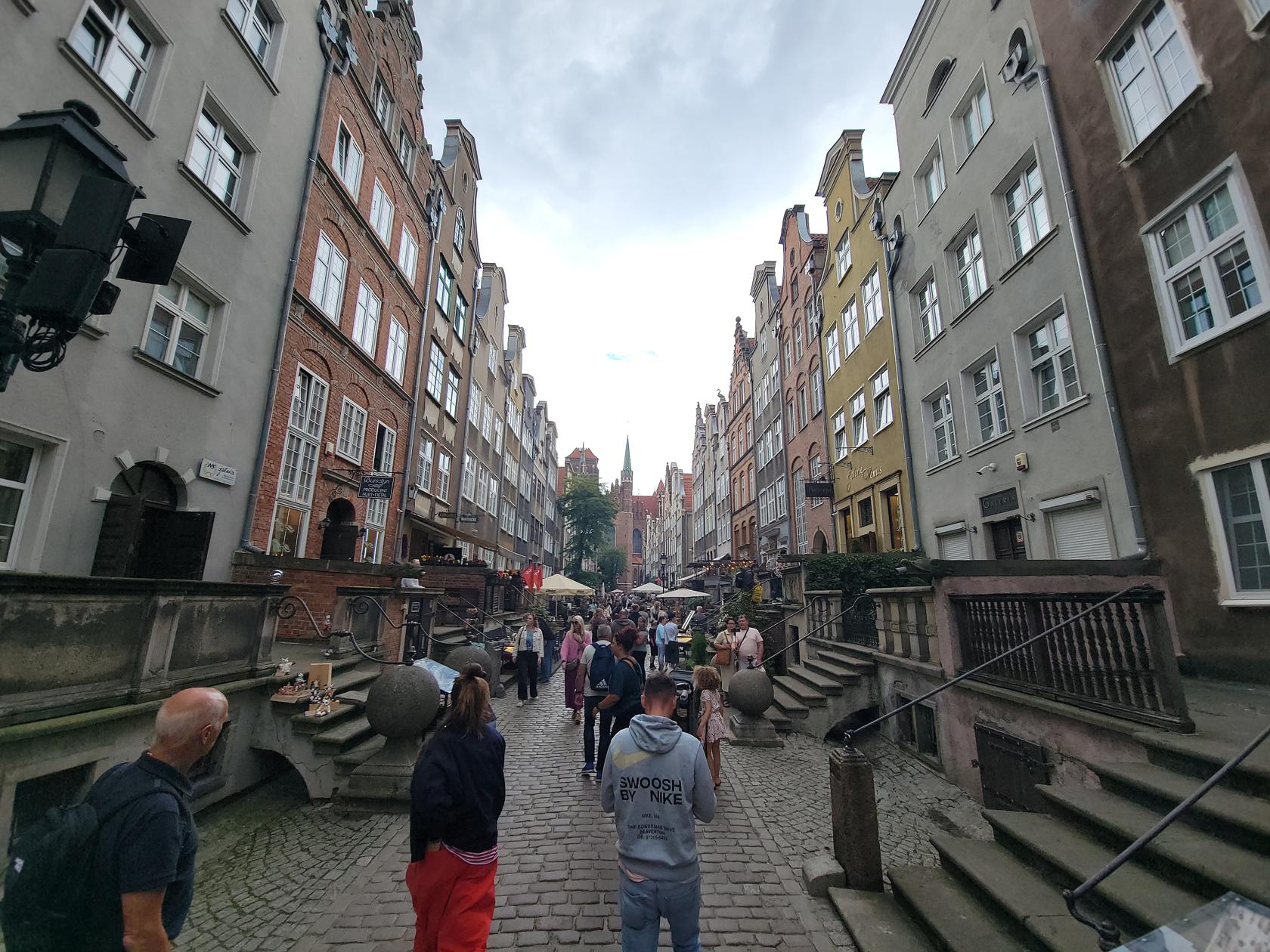
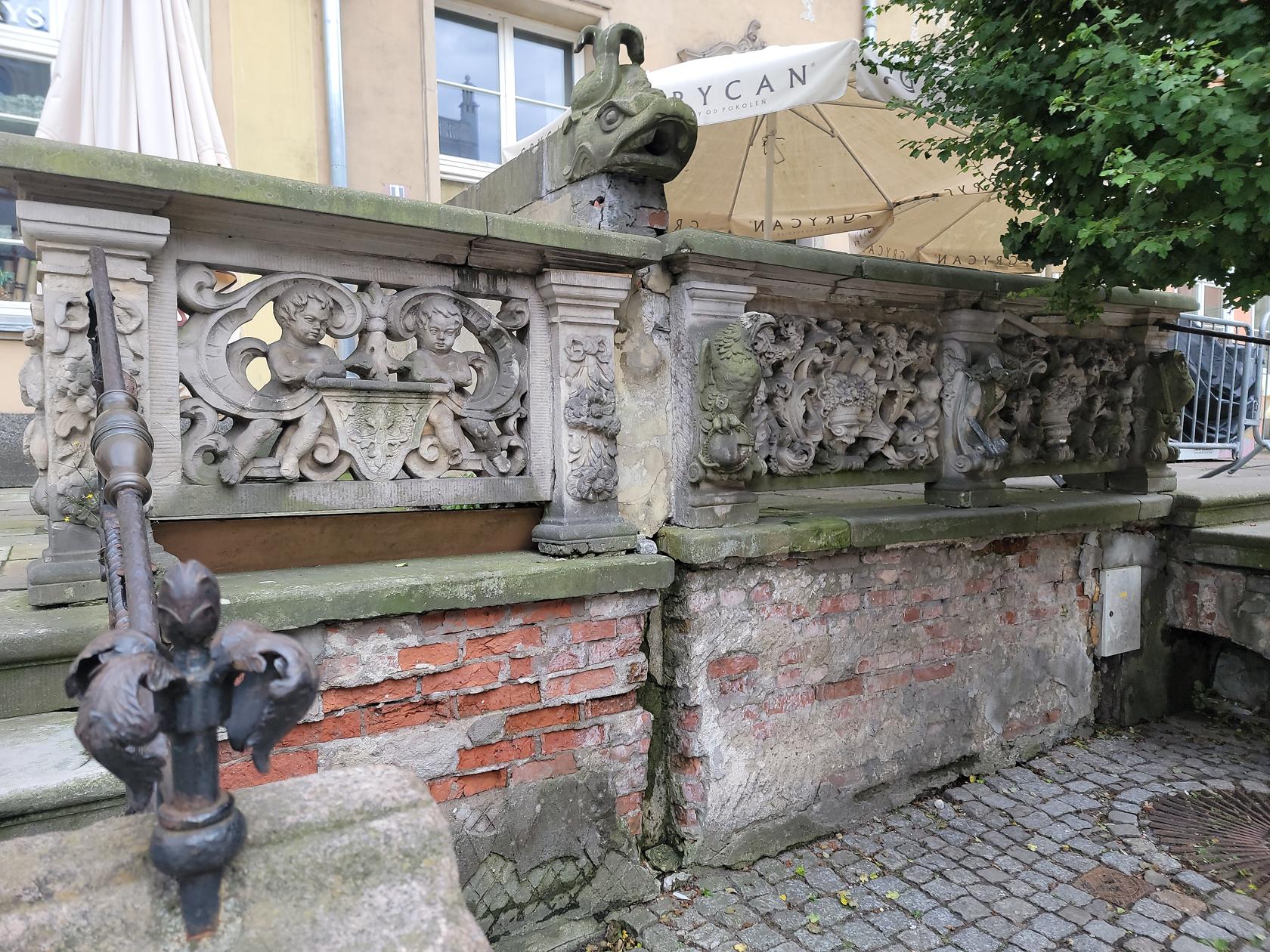
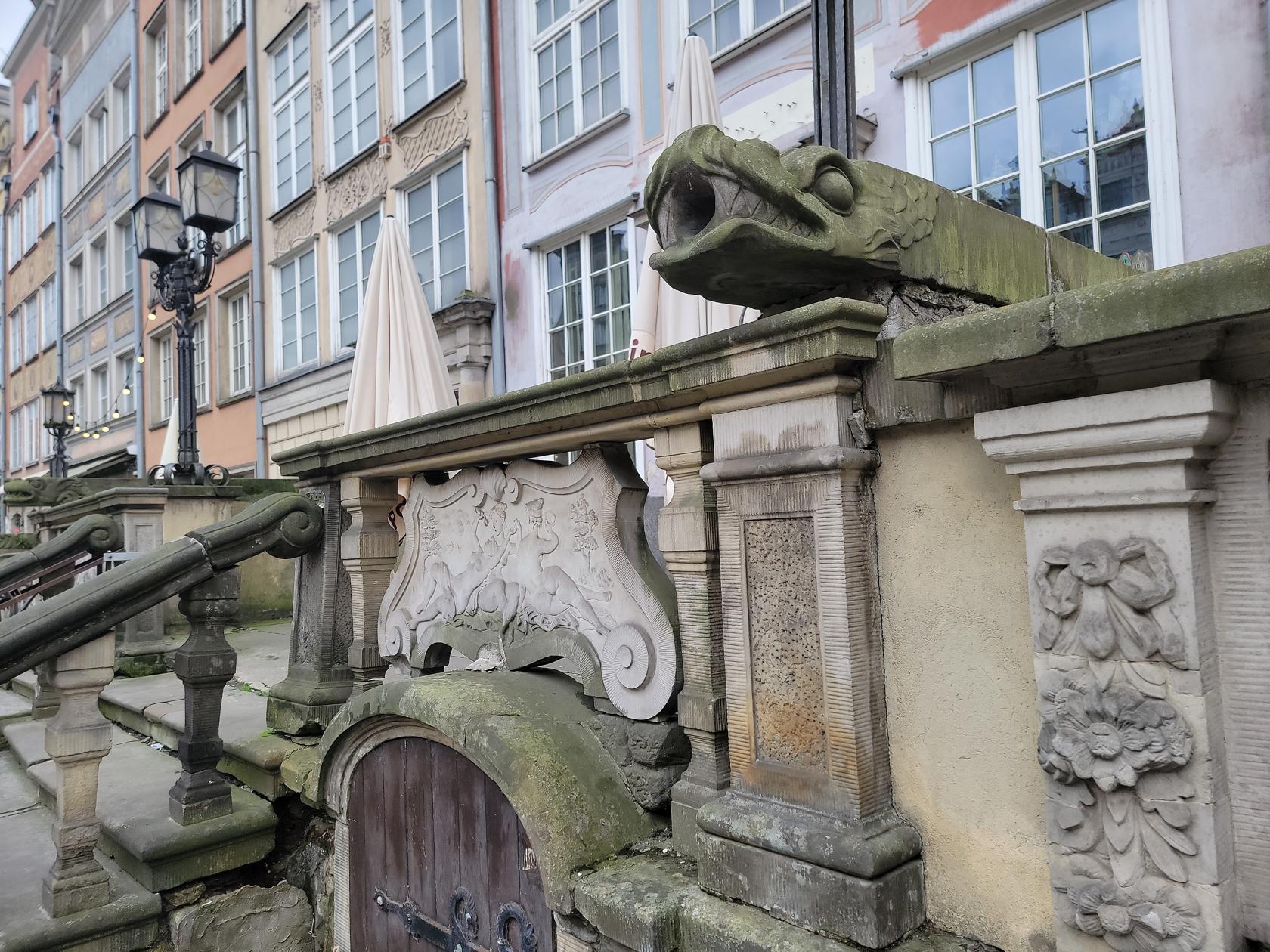
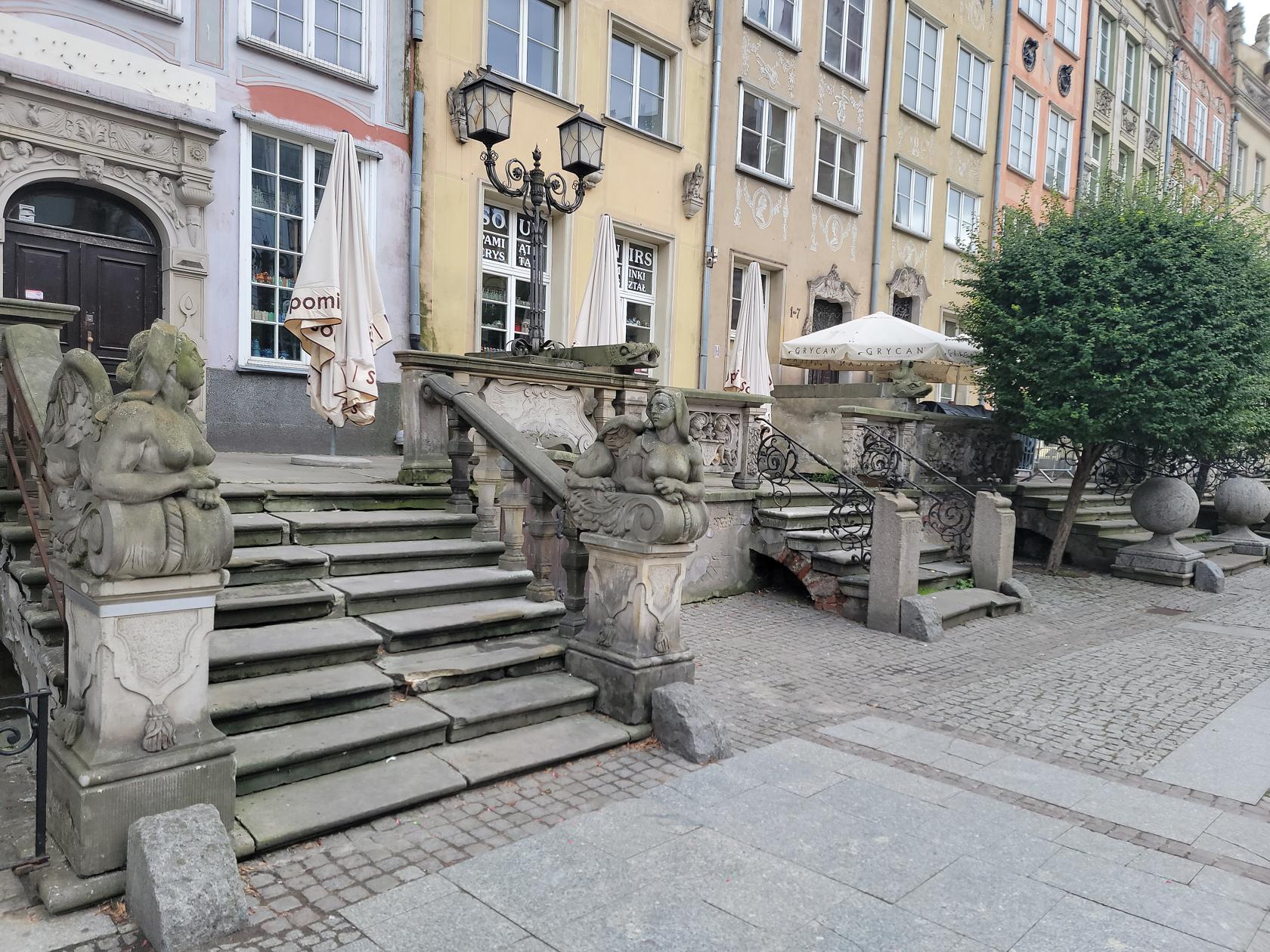
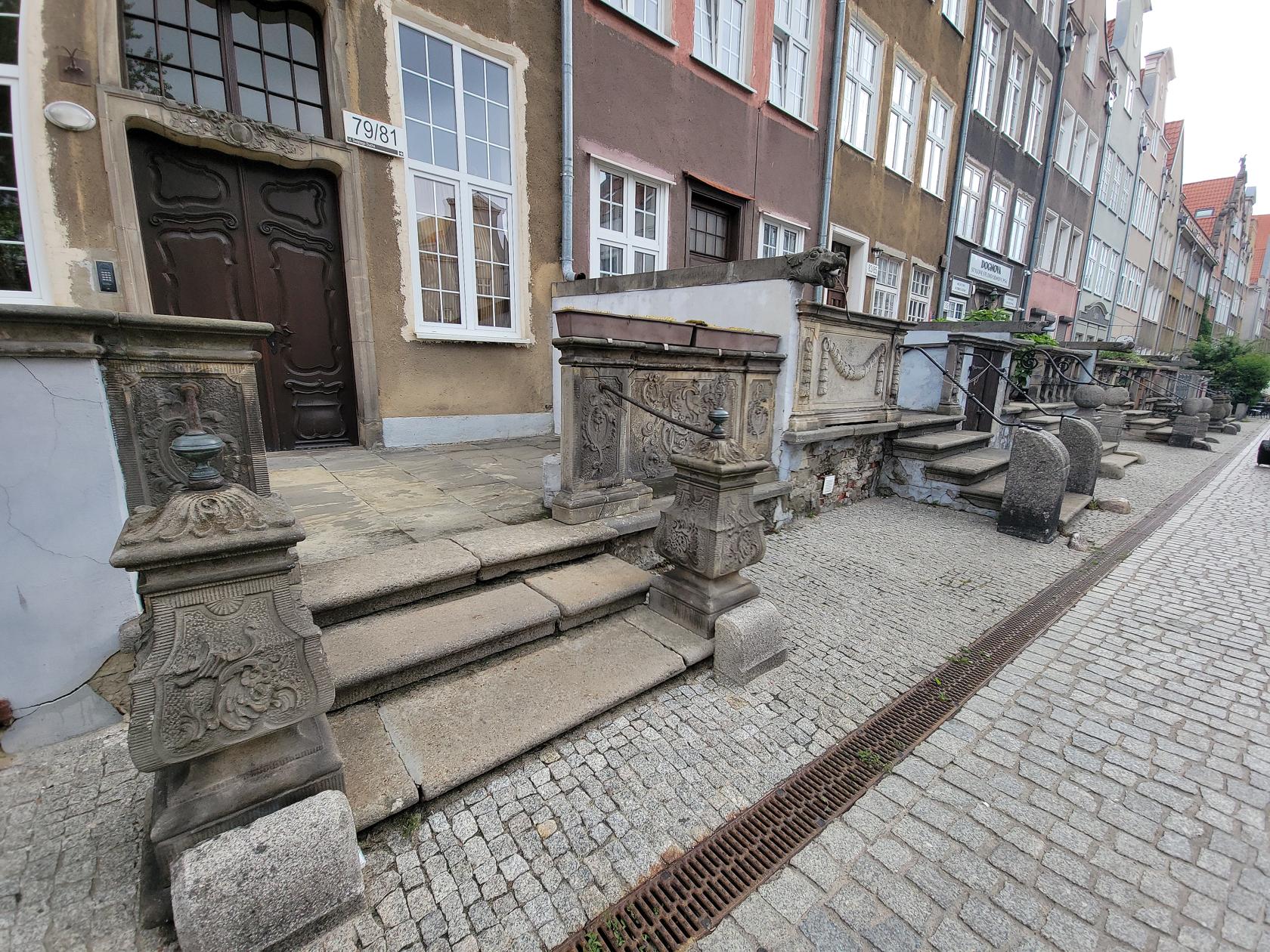
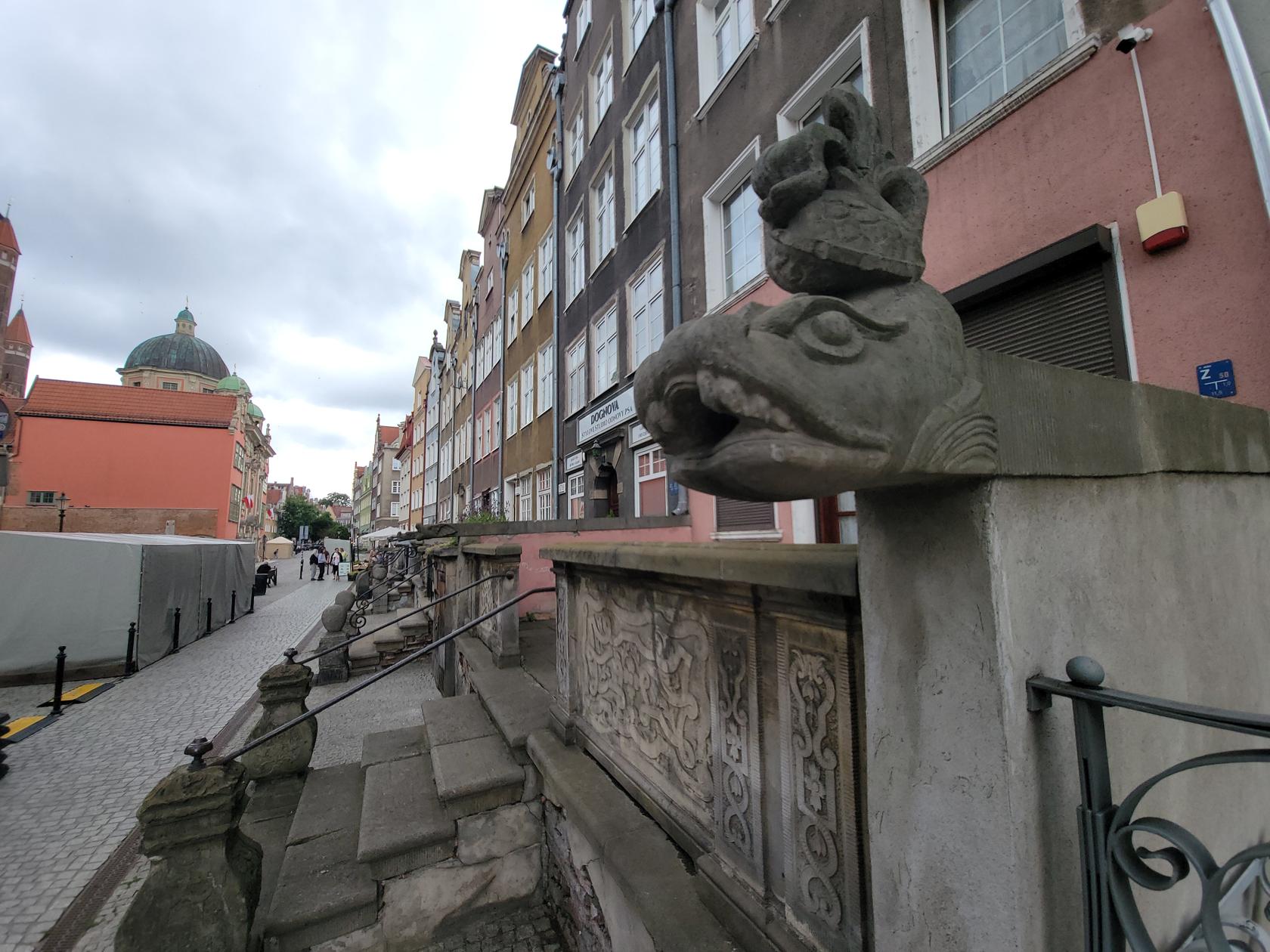
Parallel to Long Lane is Mariacka Street, an unusual sort of street due to its narrowness and odd balustrades on the stoops of each of the houses that line the street.
Mariacka Street – Gdańsk, Poland
Ornate Downspouts – Mariacka Street – Gdańsk, Poland
Ornate Downspouts – Mariacka Street – Gdańsk, Poland
Ornate Balustades – Mariacka Street – Gdańsk, Poland
Each balustrade was made unique so that the owner could identify his building when the river overflowed it’s banks. Most of the houses here are also quaintly decorated, though many have fallen into disrepair over the years.
Mariacka Street – Gdańsk, Poland
Mariacka Street – Gdańsk, Poland
Mariacka Street – Gdańsk, Poland
Mariacka Street – Gdańsk, Poland
Raduni Canal
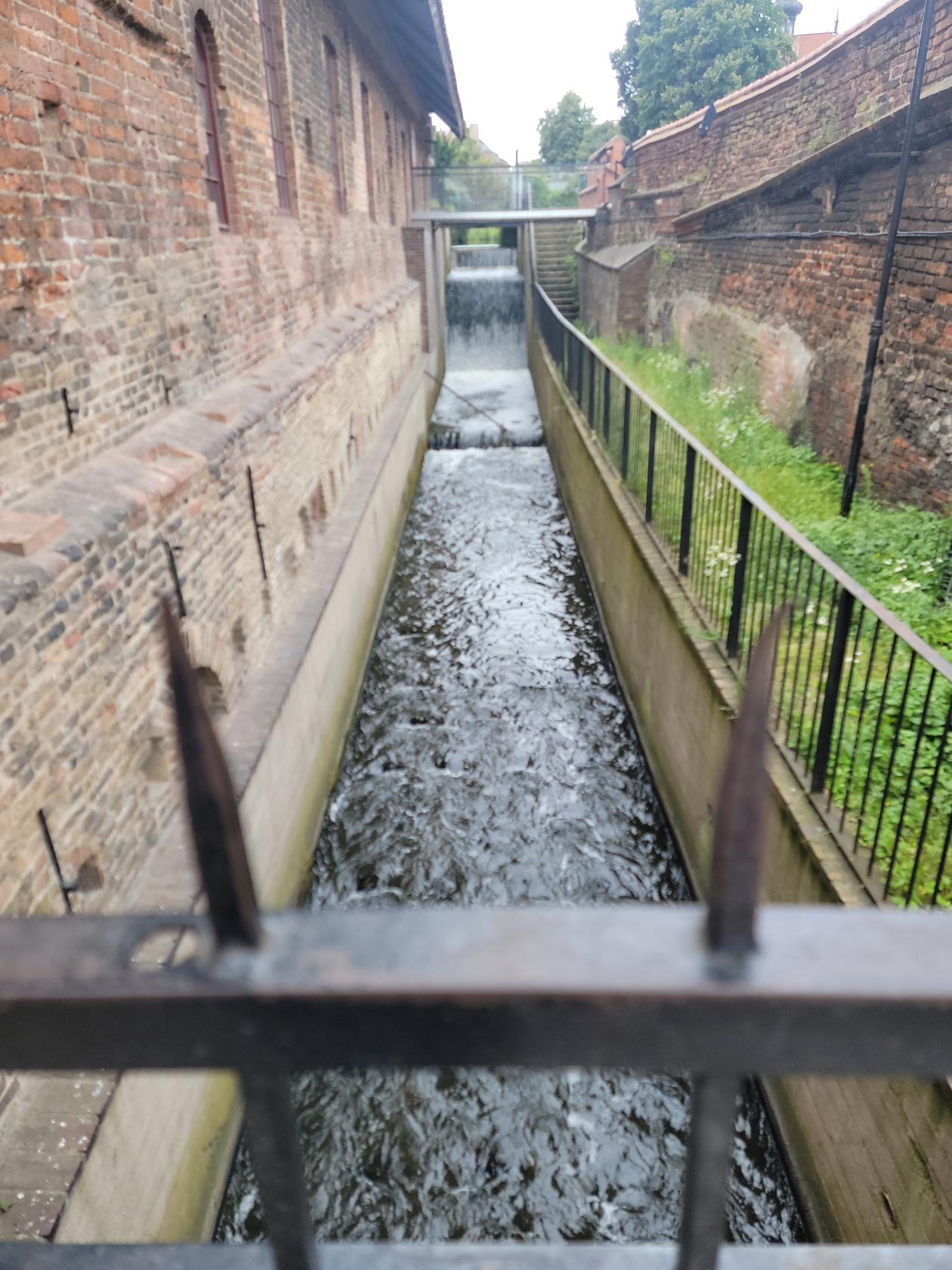
Another interesting place to visit is the area around the Raduni Canal. This is located on the other side of the basilica and Roman Keller.
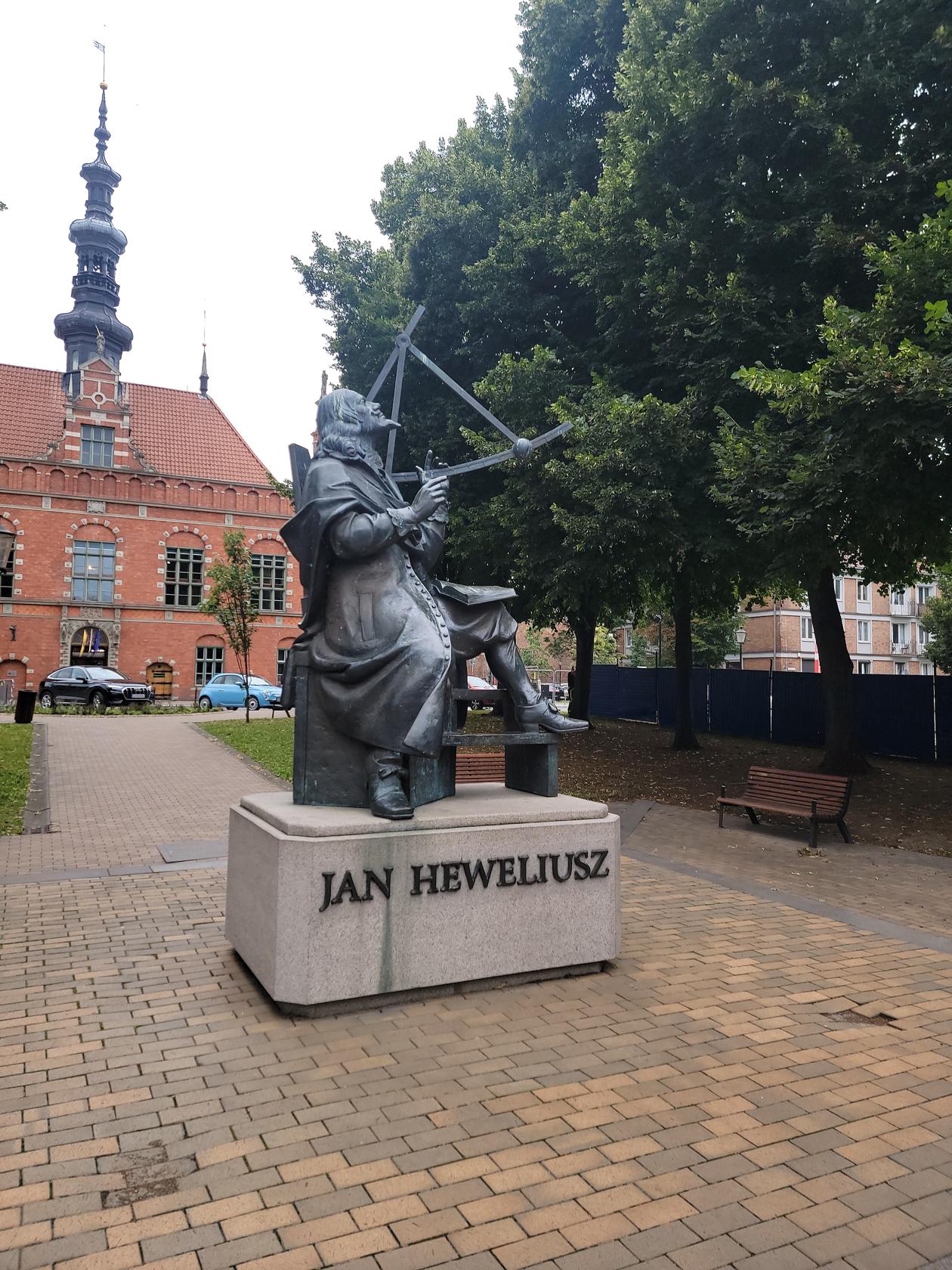
Jan Heweliusz – Radunia Canal – Gdańsk, Poland
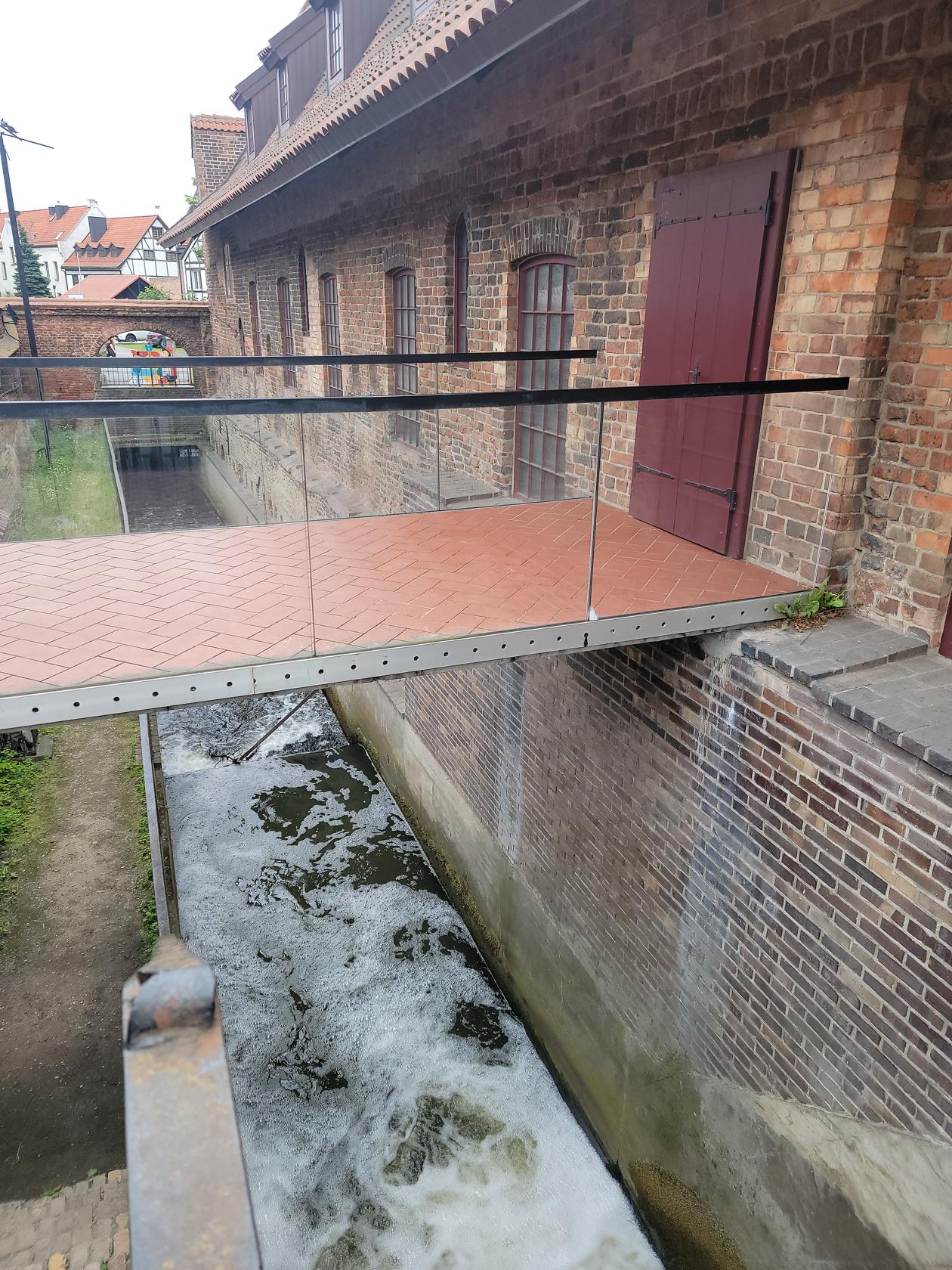
Mill – Radunia Canal – Gdańsk, Poland
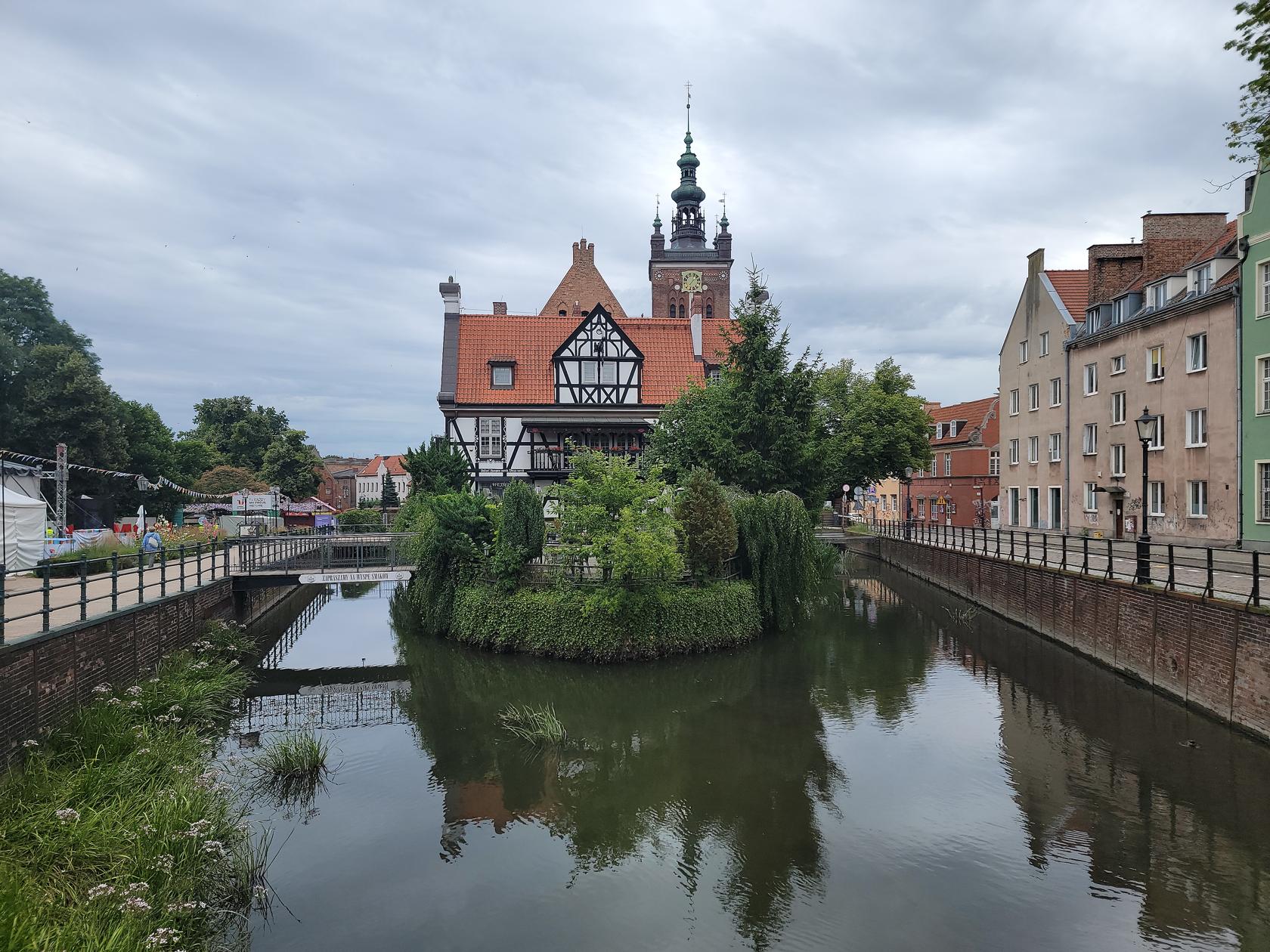
Radunia Canal – Gdańsk, Poland
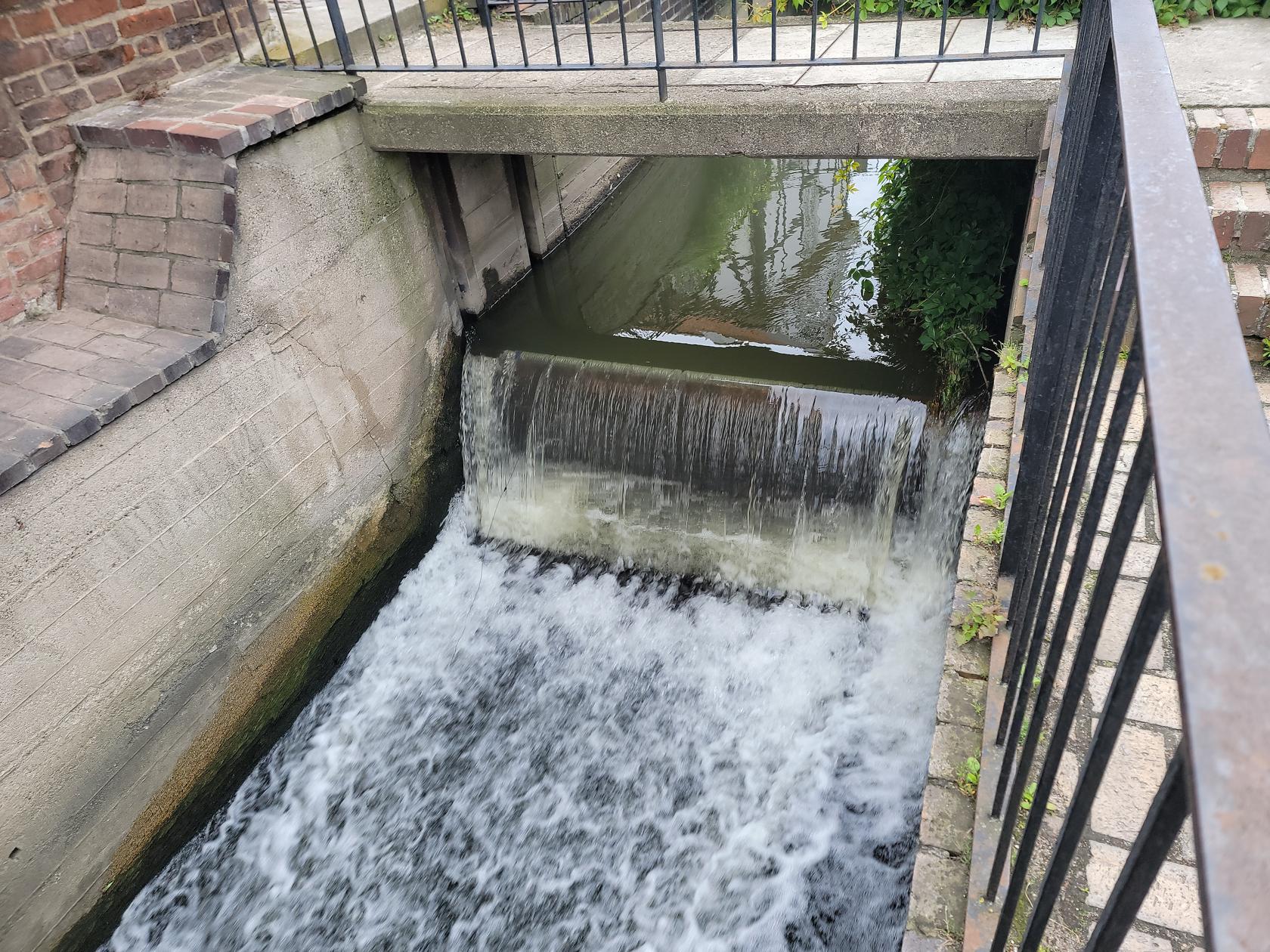
Waterfall by Mill – Radunia Canal – Gdańsk, Poland
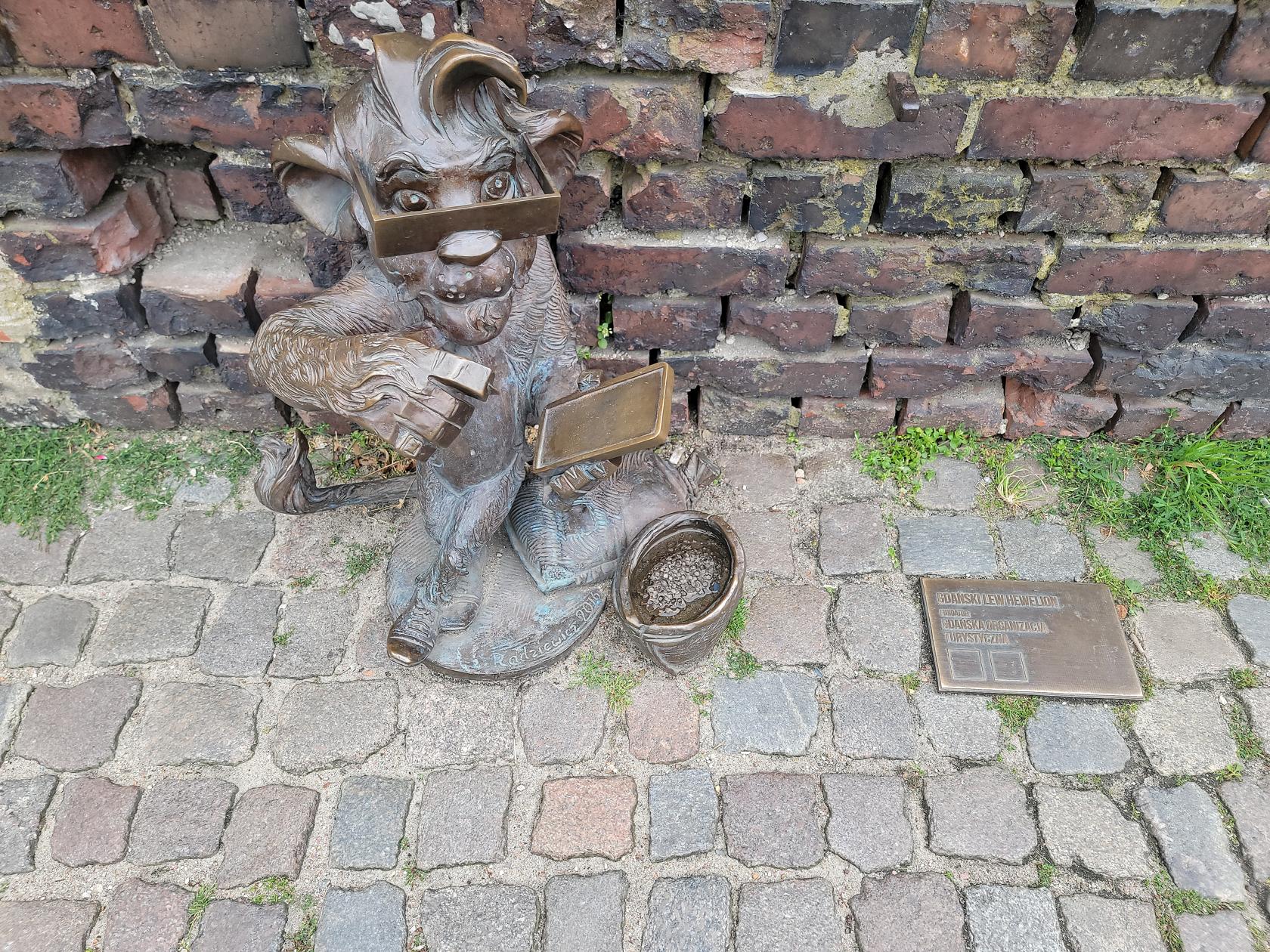
Lew Hewelion Businessman Small Bronz – Radunia Canal – Gdańsk, Poland
Dom Sygnatora – Gdańsk, Poland
Radunia Canal – Gdańsk, Poland
Museum – Radunia Canal – Gdańsk, Poland
Gates And More Gates
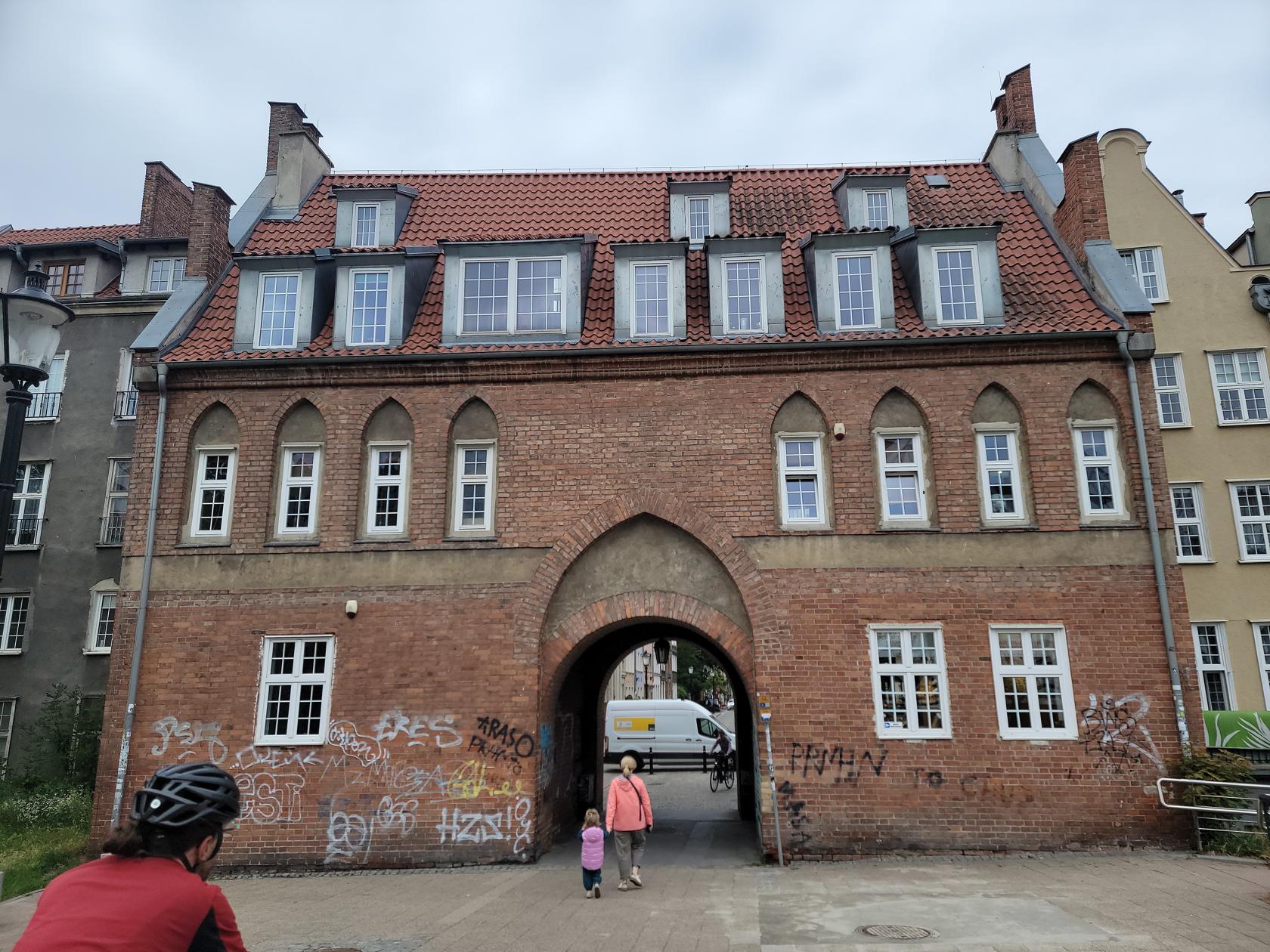
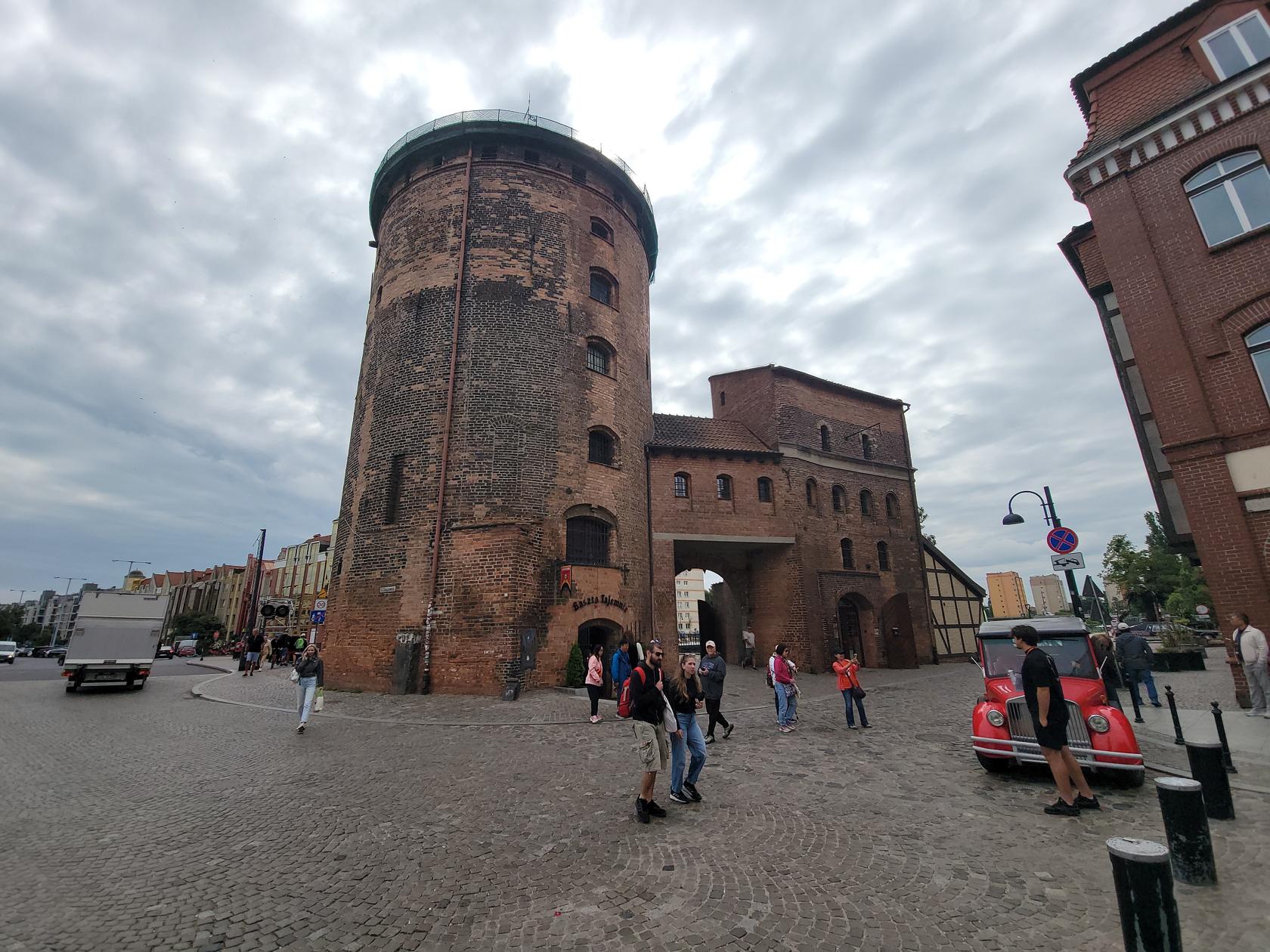
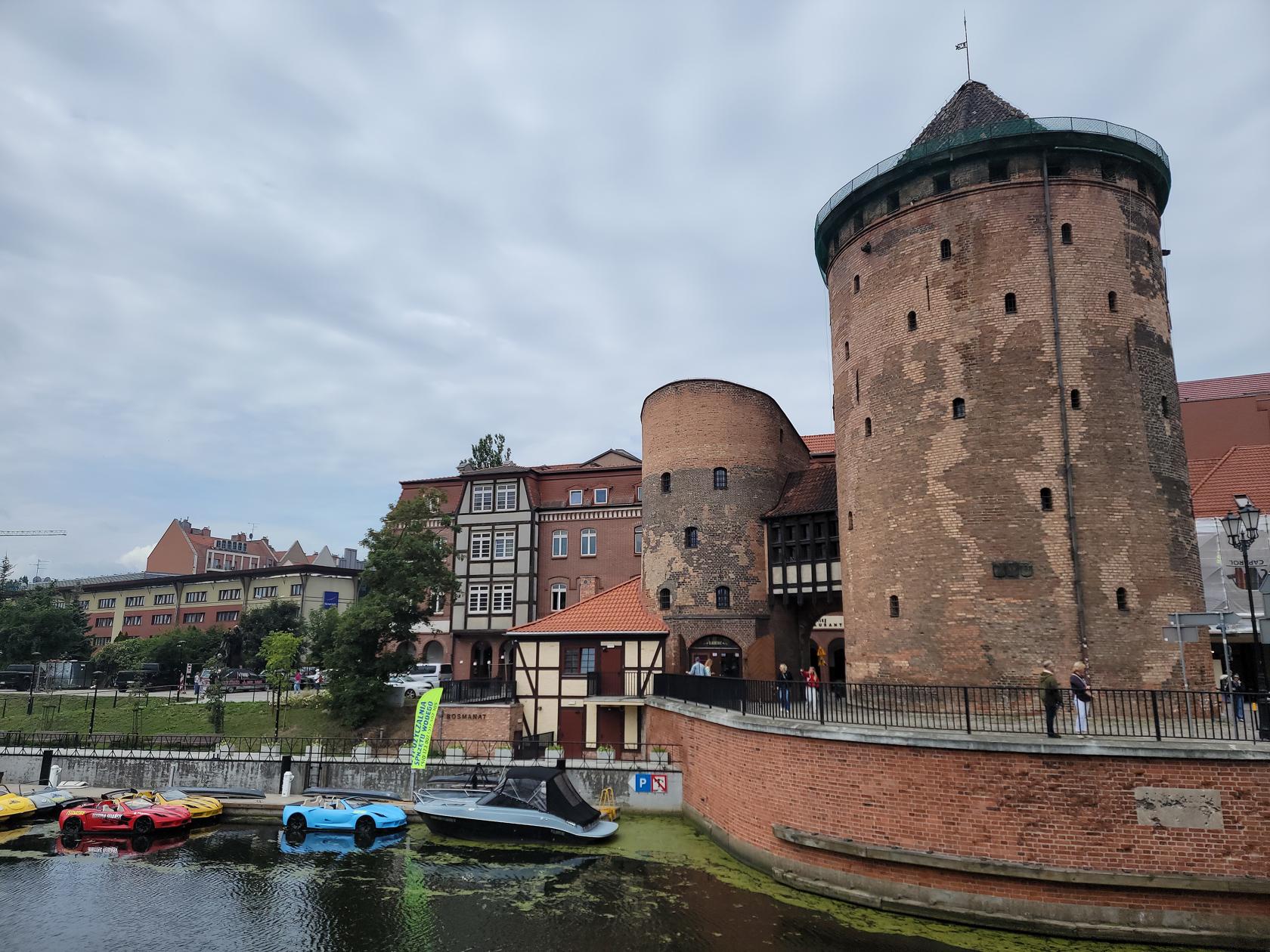
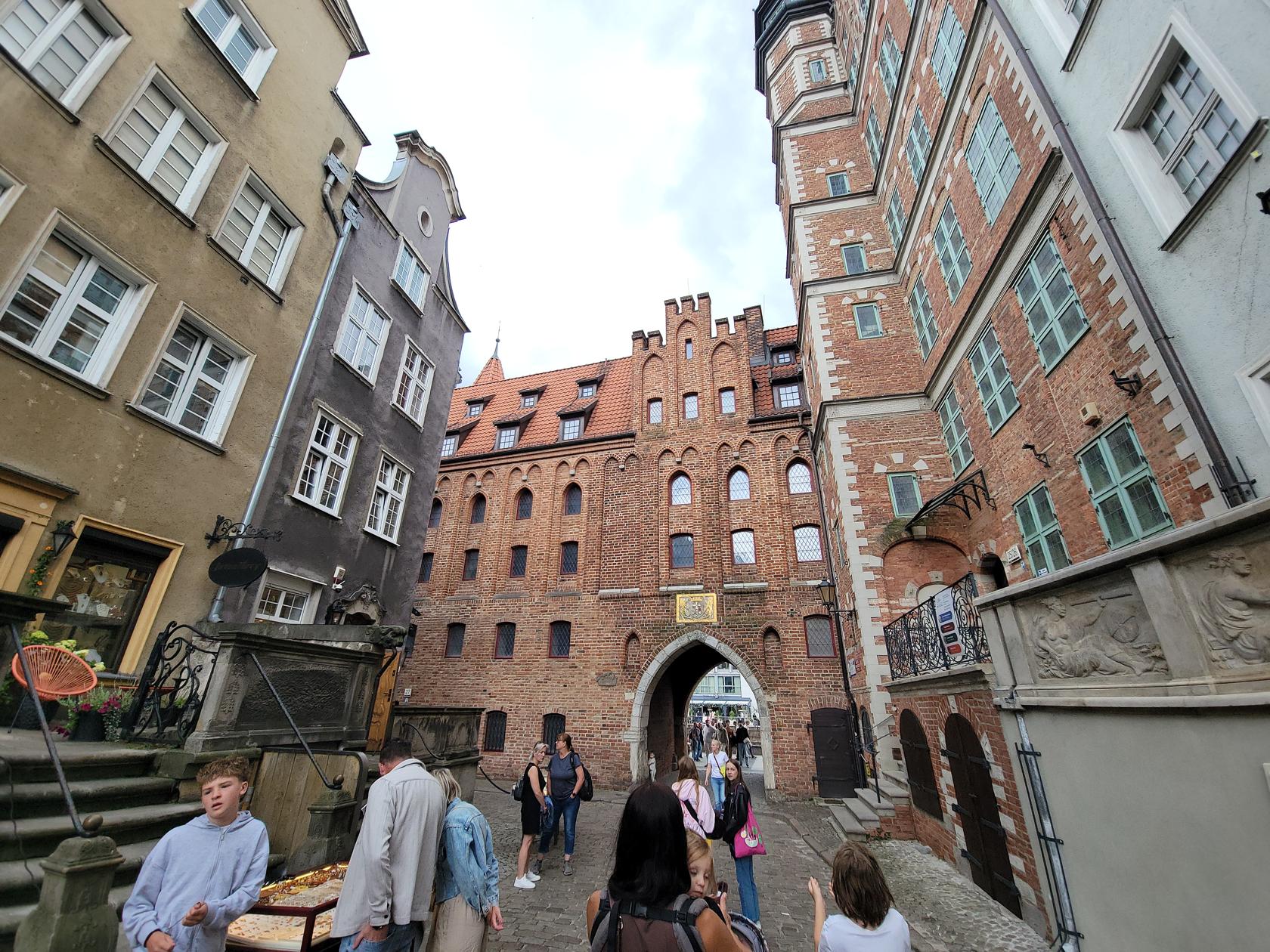
There are many gates in the old town, however most of the surviving ones still face the river.
Saint John’s Gate – Gdańsk, Poland
Straganiarska Gate – Motława River – Gdańsk, Poland
Saint Mary’s Gate – Motława River – Gdańsk, Poland
Chlebnicka Gate – Motława River – Gdańsk, Poland
Green Gate – Motława River – Gdańsk, Poland
Cow’s Gate – Motława River – Gdańsk, Poland
Barbican and Tower of Secrets Gate – Stągwie Mleczne – Motława River – Gdańsk, Poland
Barbican and Tower of Secrets Gate – Stągwie Mleczne – Motława River – Gdańsk, Poland
Saint Mary’s Gate – Motława River – Gdańsk, Poland
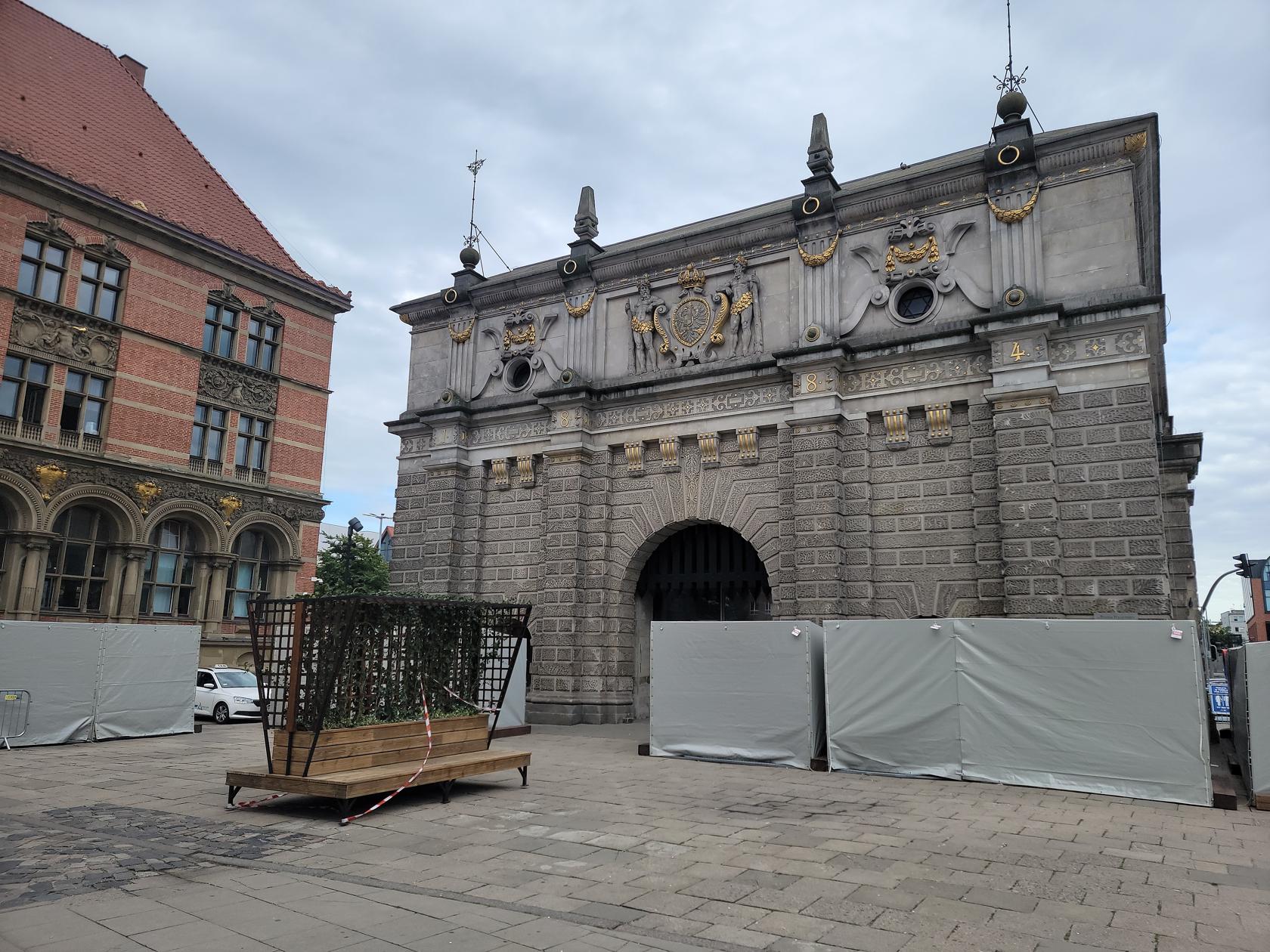
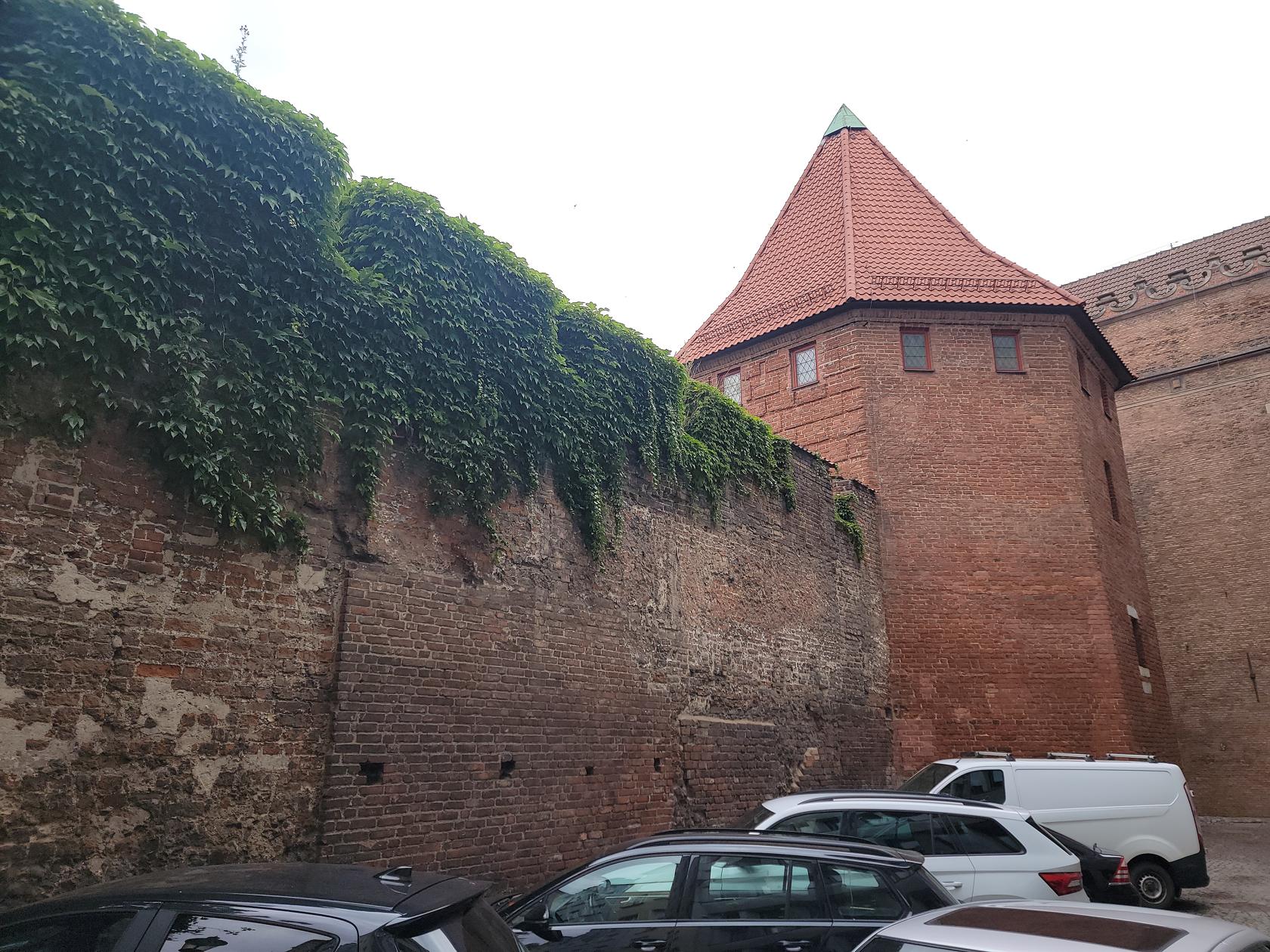
The Highland and Golden Gates are on the land side of the city and were connected to a great wall that surrounded it at one time. Here you will find one of the walls two barbicans attached to the Torture Gate or house. This gate doubled as a prison and became known for tortures that were carried out in its cellars.
Highland Gate – Upper Długa Street – Gdańsk, Poland
Golden Gate – Upper Długa Street – Gdańsk, Poland
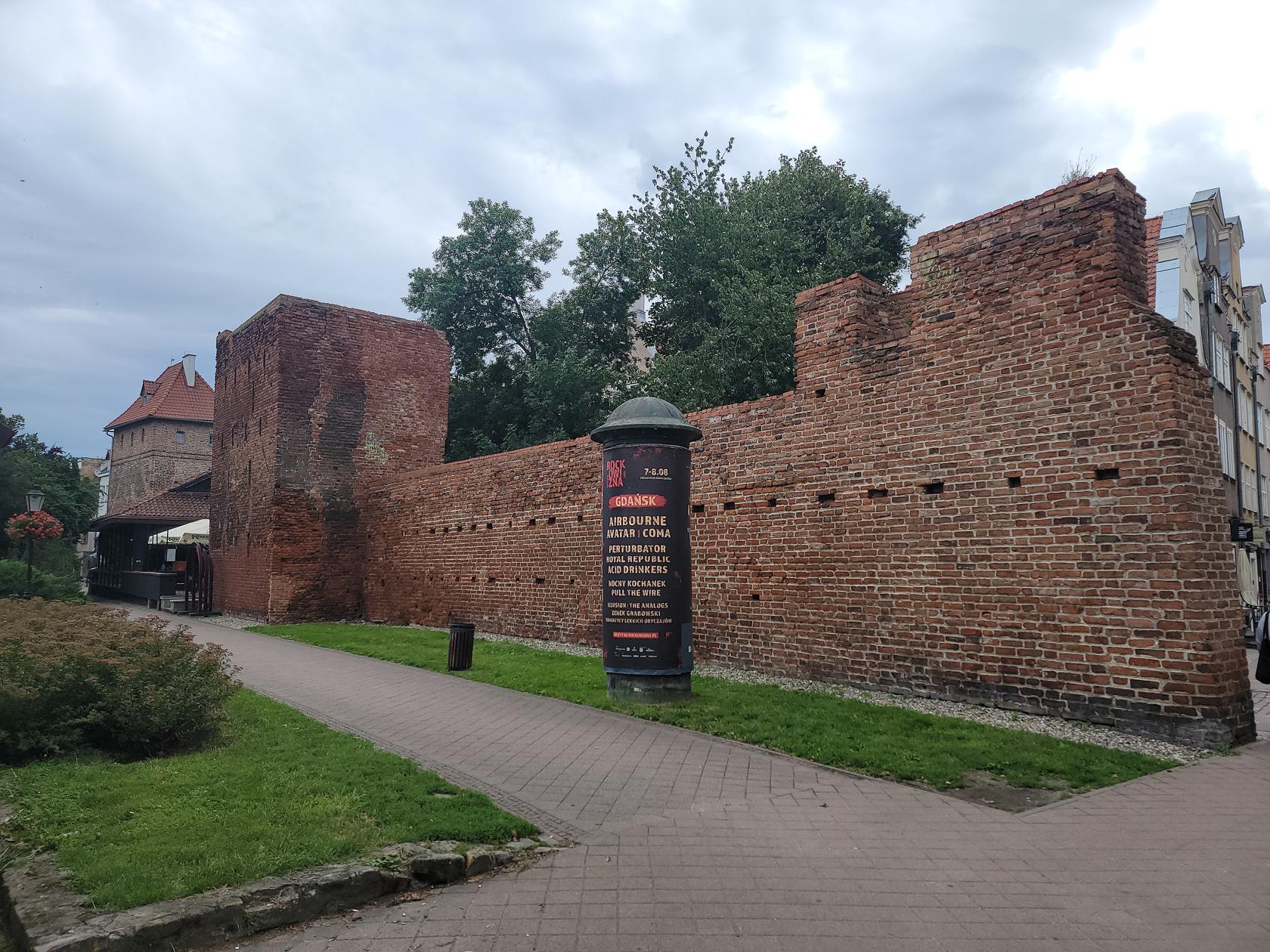
Old Town Wall and Straw Tower – Gdańsk, Poland
Jamark Building – Targ Węglowy Street – Gdańsk, Poland
Straw Tower – Gdańsk, Poland
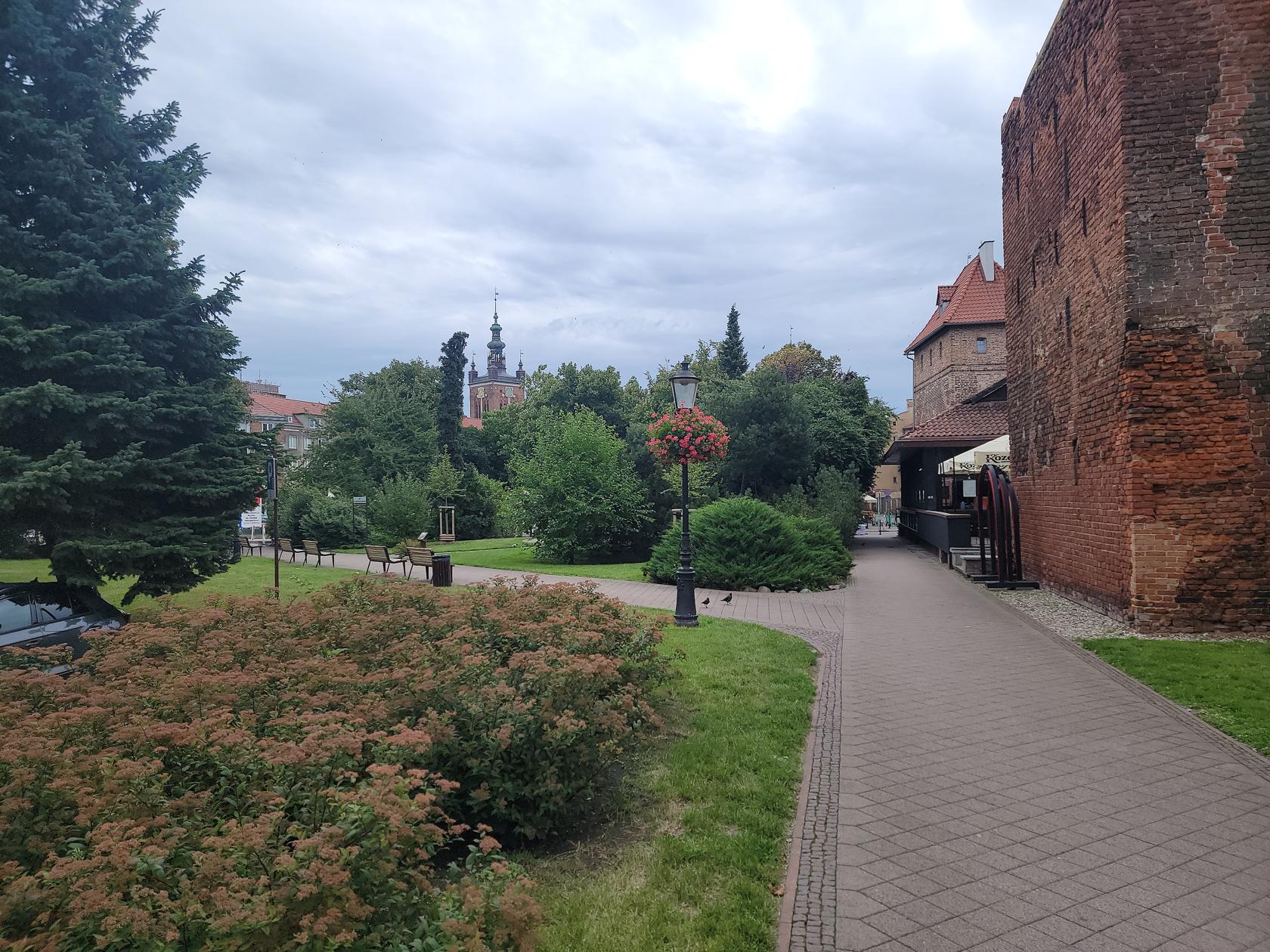
More Old Town Wall and Park – Gdańsk, Poland
Churches And Cathedrals
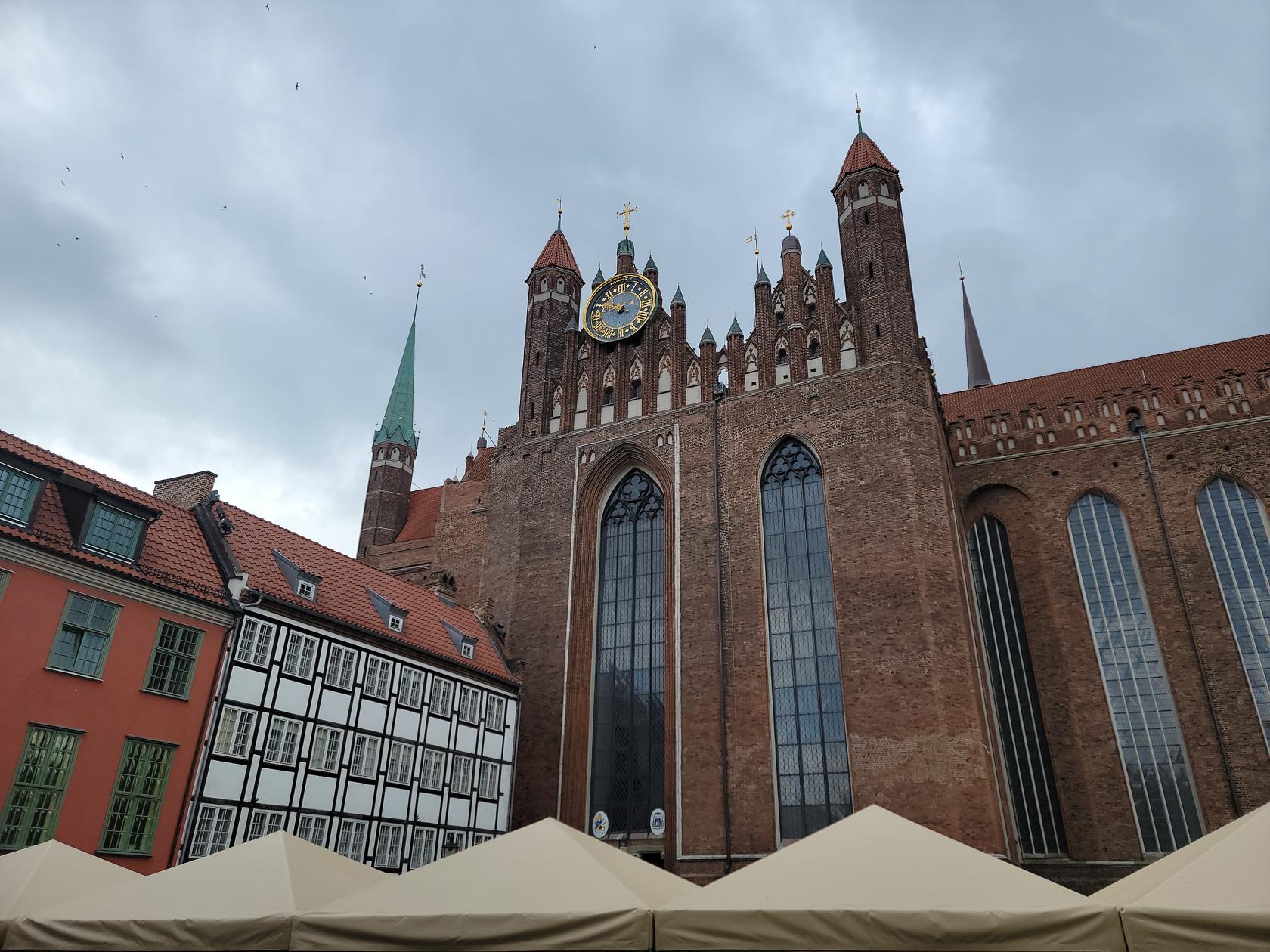
Clock Outside – Saint Mary’s Basilica – Gdańsk, Poland
Saint Mary’s Basilica
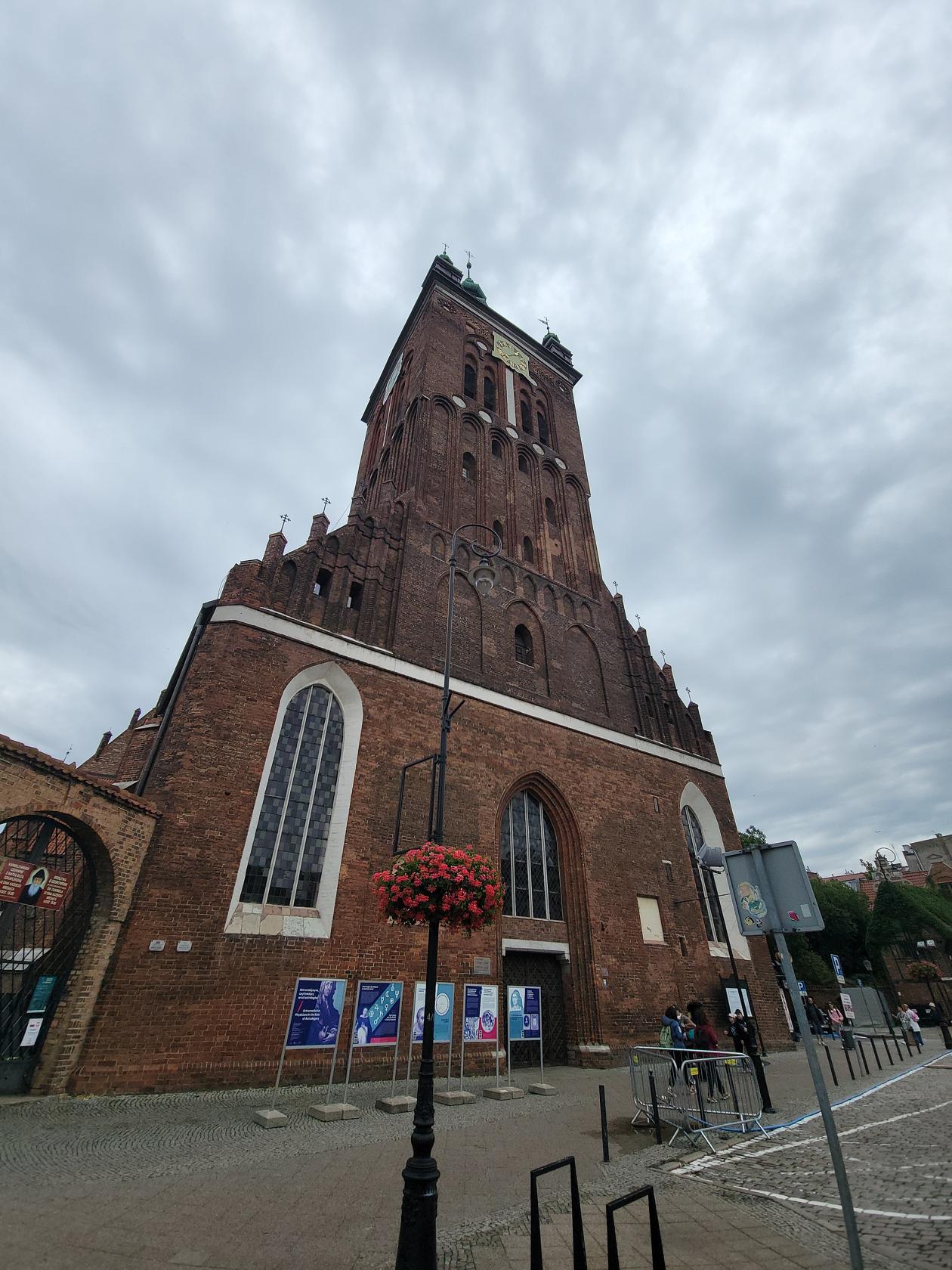
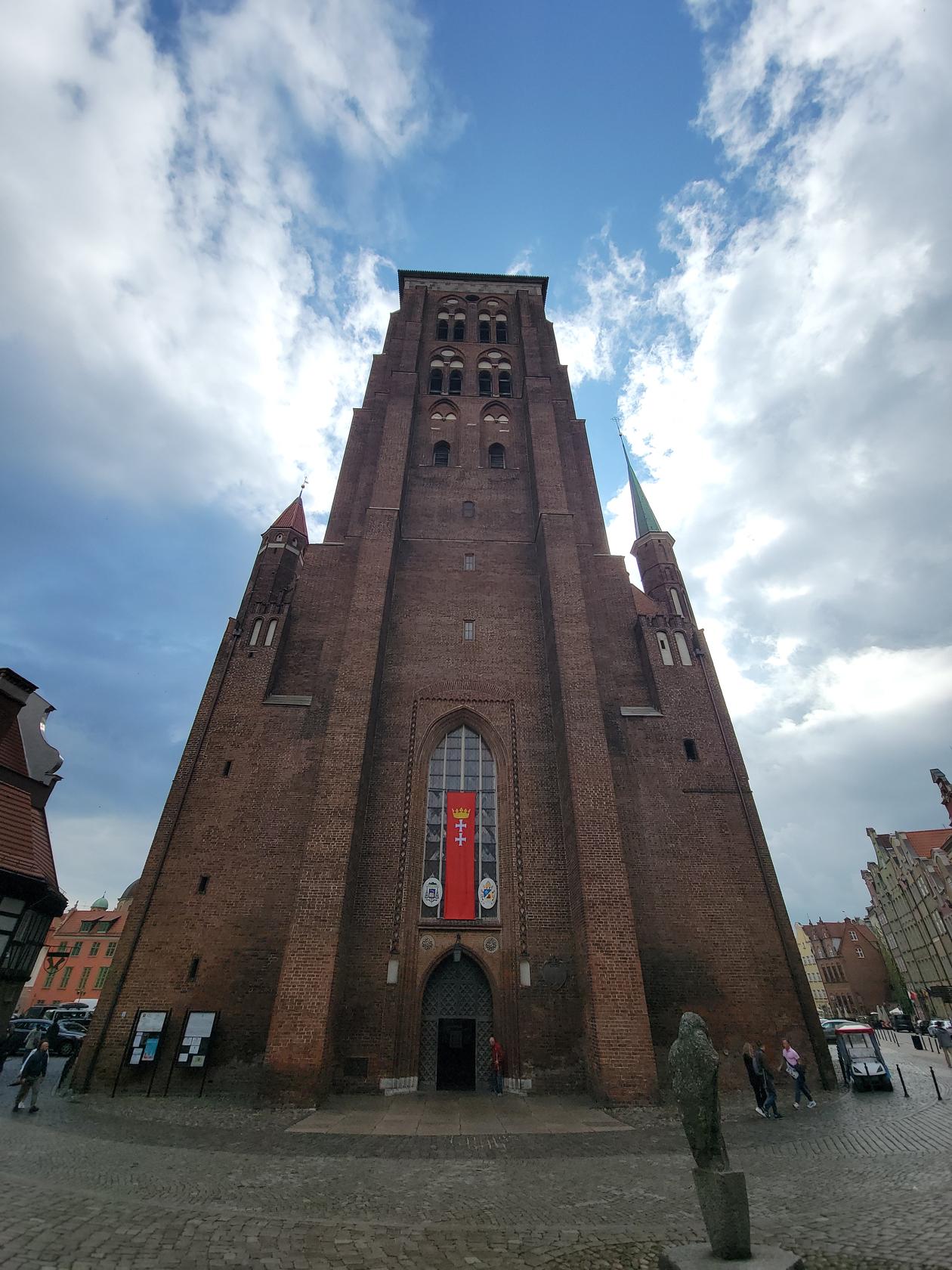
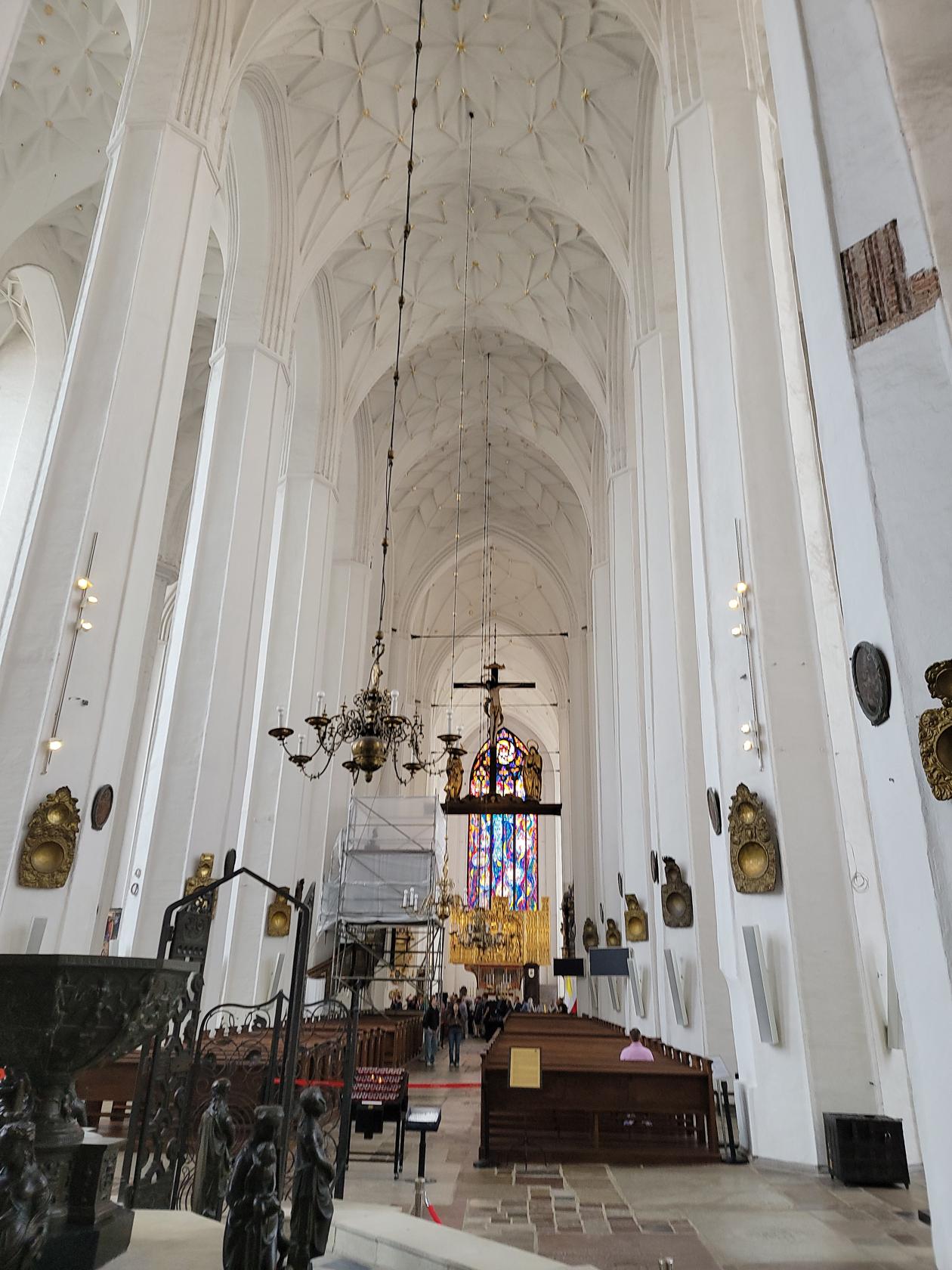
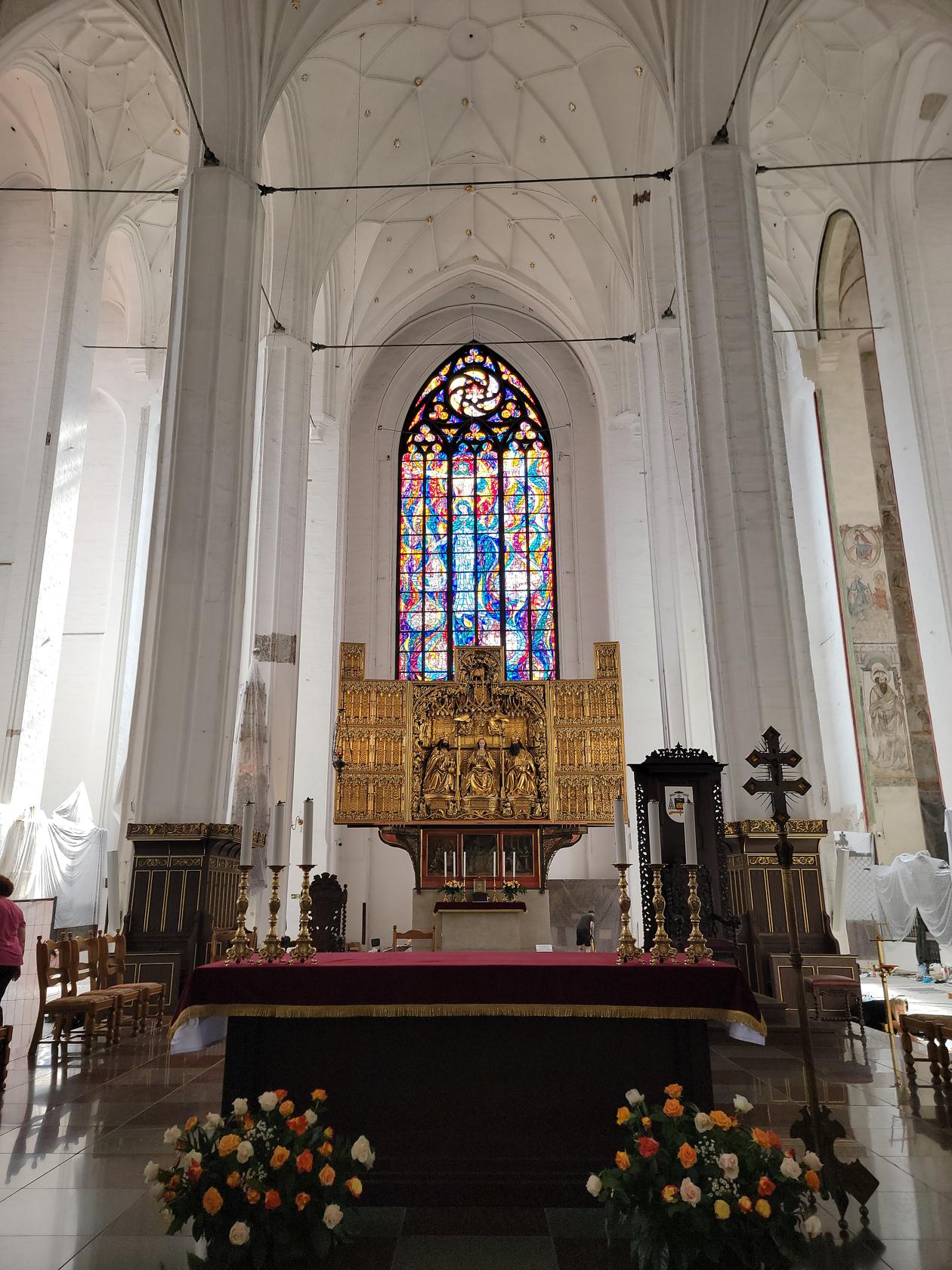
Situated almost in the center of town and on one end of Mariacka Street is Saint Mary’s Basilica. A brick gothic cathedral from the fourteenth century that has a working clock on its left side above the apse’s rear window which still appeared to maintain good time.
Entrance – Saint Mary’s Basilica – Gdańsk, Poland
Nave – Saint Mary’s Basilica – Gdańsk, Poland
Entrance – Saint Mary’s Basilica – Gdańsk, Poland
Aisle – Saint Mary’s Basilica – Gdańsk, Poland
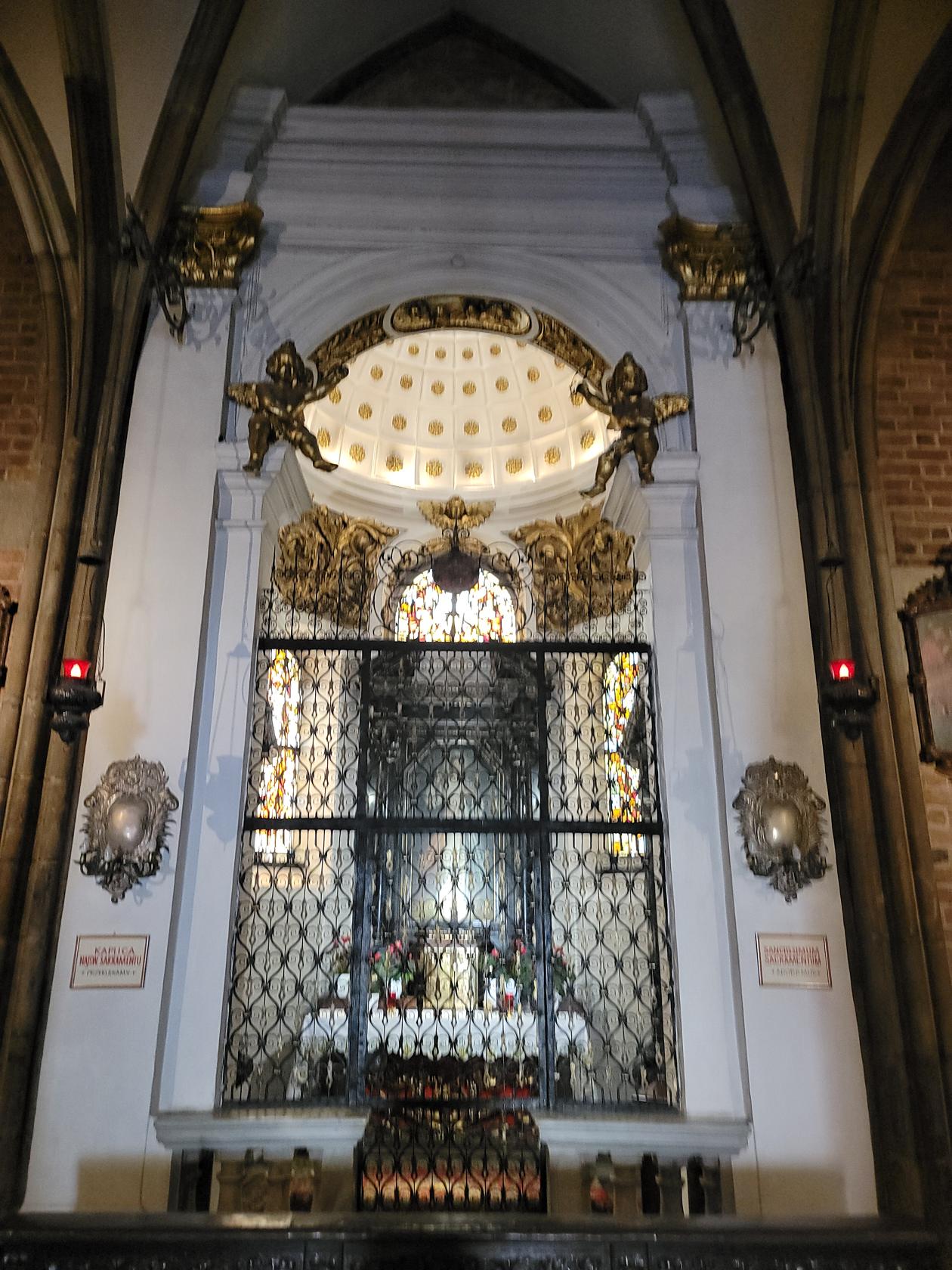
Altar – Saint Mary’s Basilica – Gdańsk, Poland
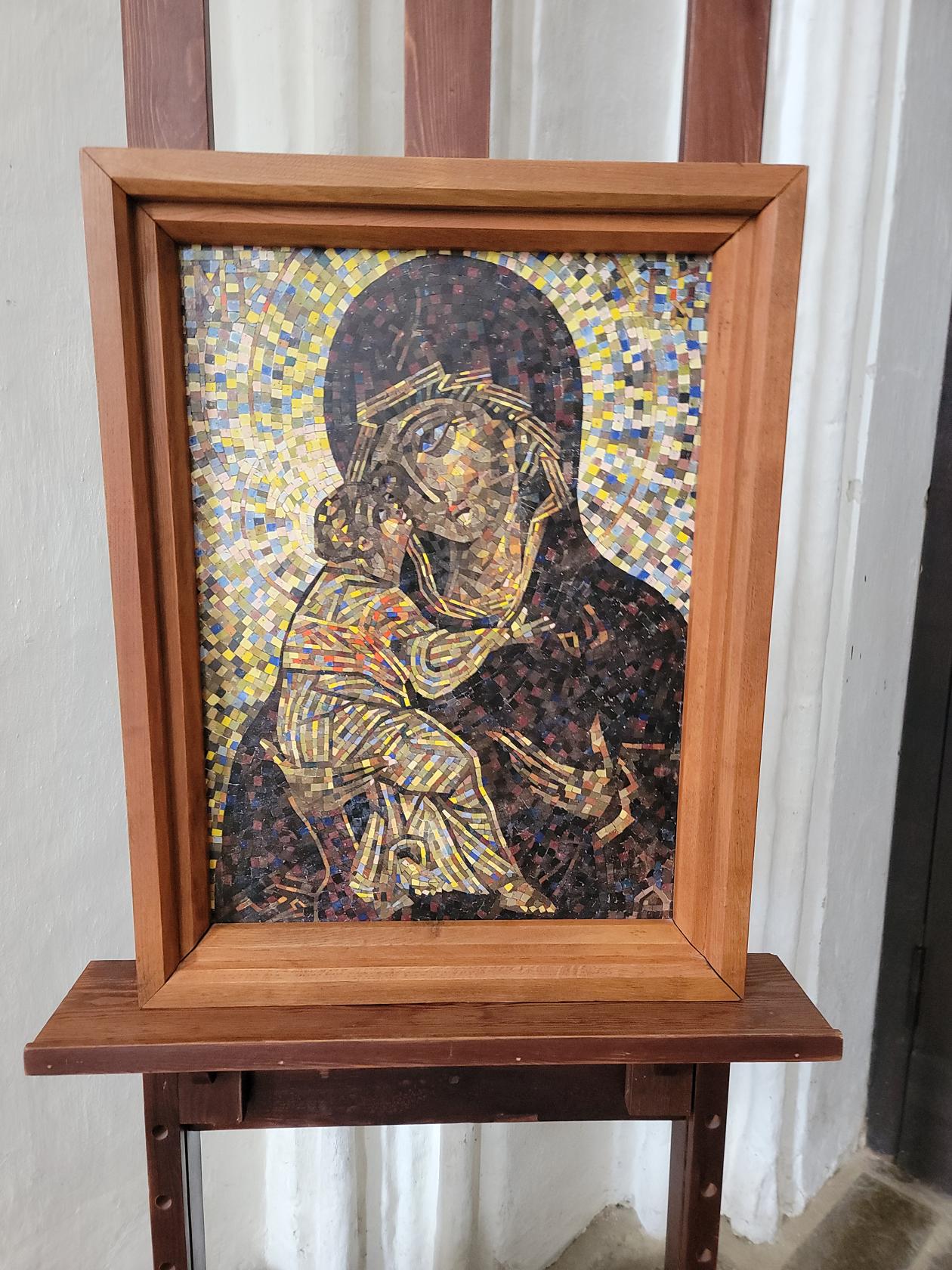
Art – Saint Mary’s Basilica – Gdańsk, Poland
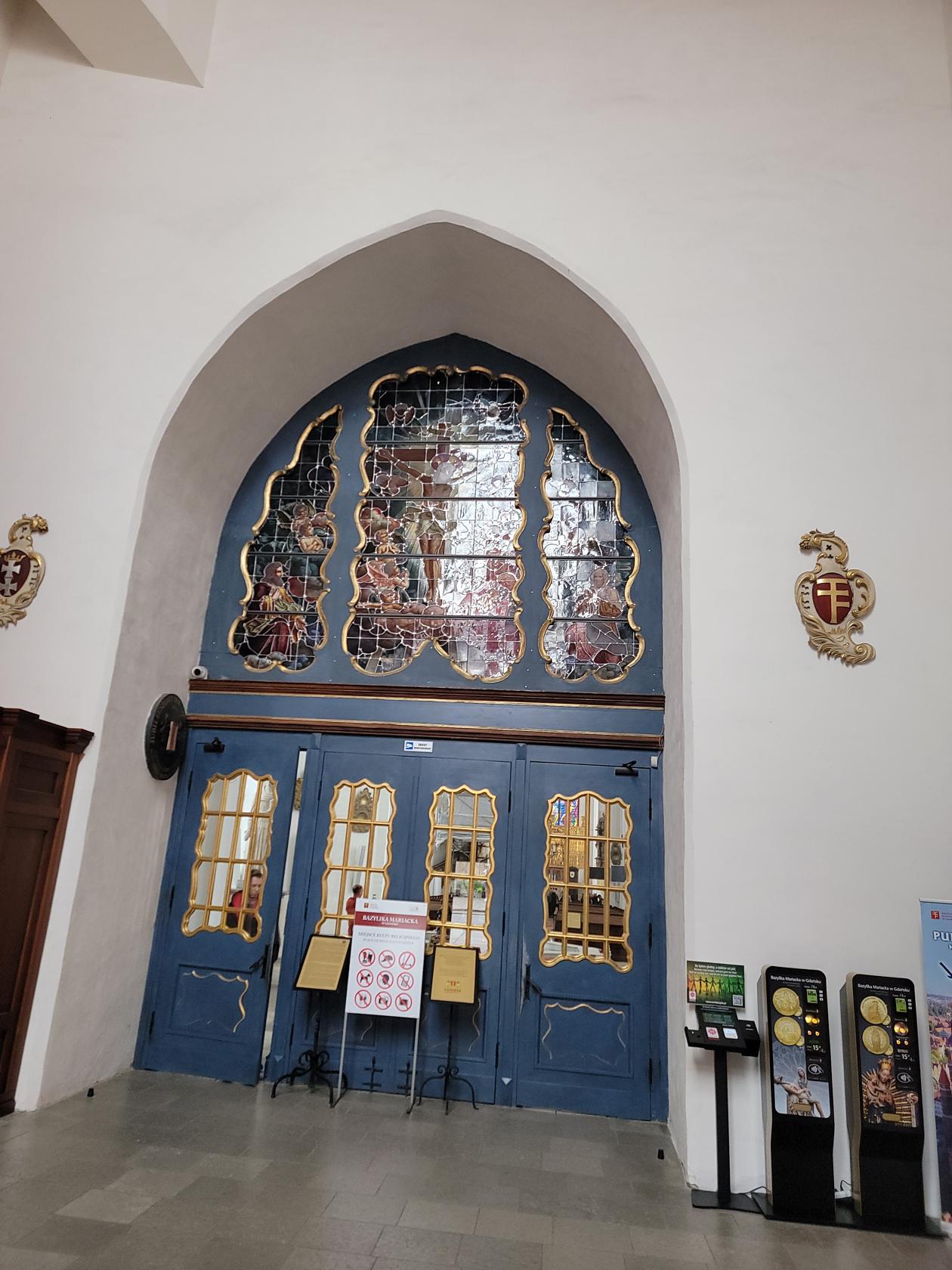
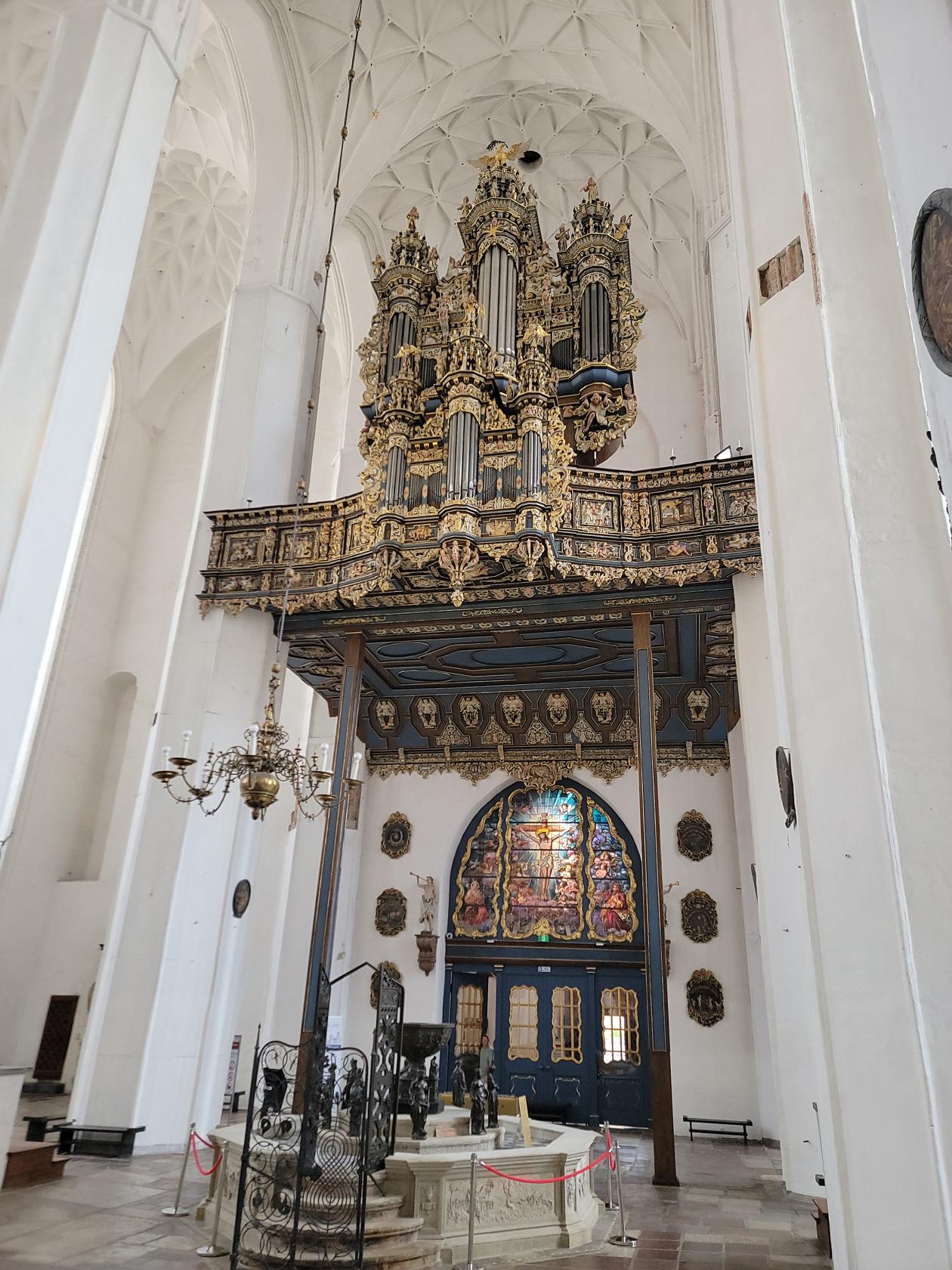
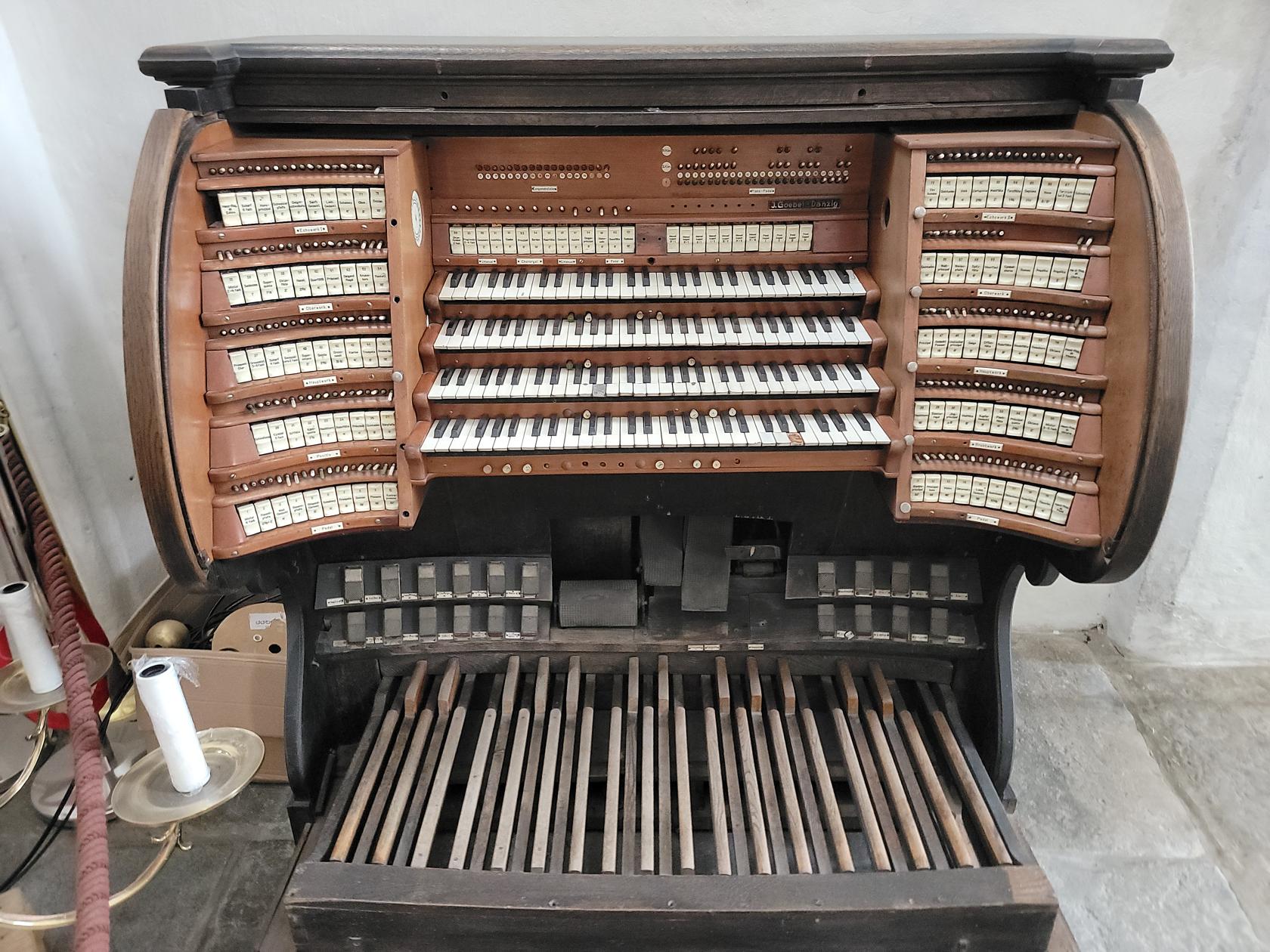
The church has an amazing organ and stained glass window in its transept. Though it is evident by the used mobile organ, the installed older one may no longer be in working order.
Organ – Saint Mary’s Basilica – Gdańsk, Poland
Temporary Organ – Saint Mary’s Basilica – Gdańsk, Poland
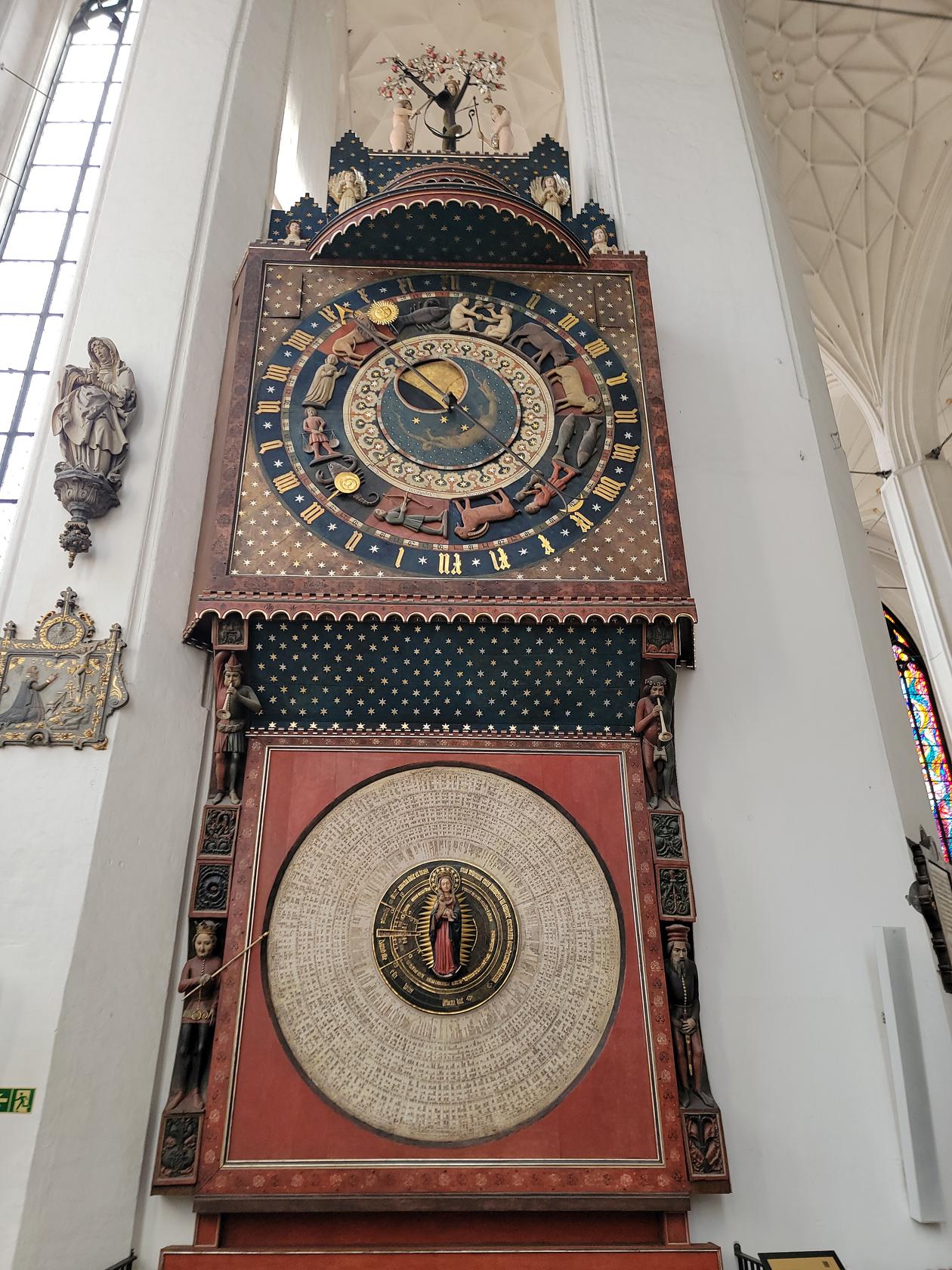
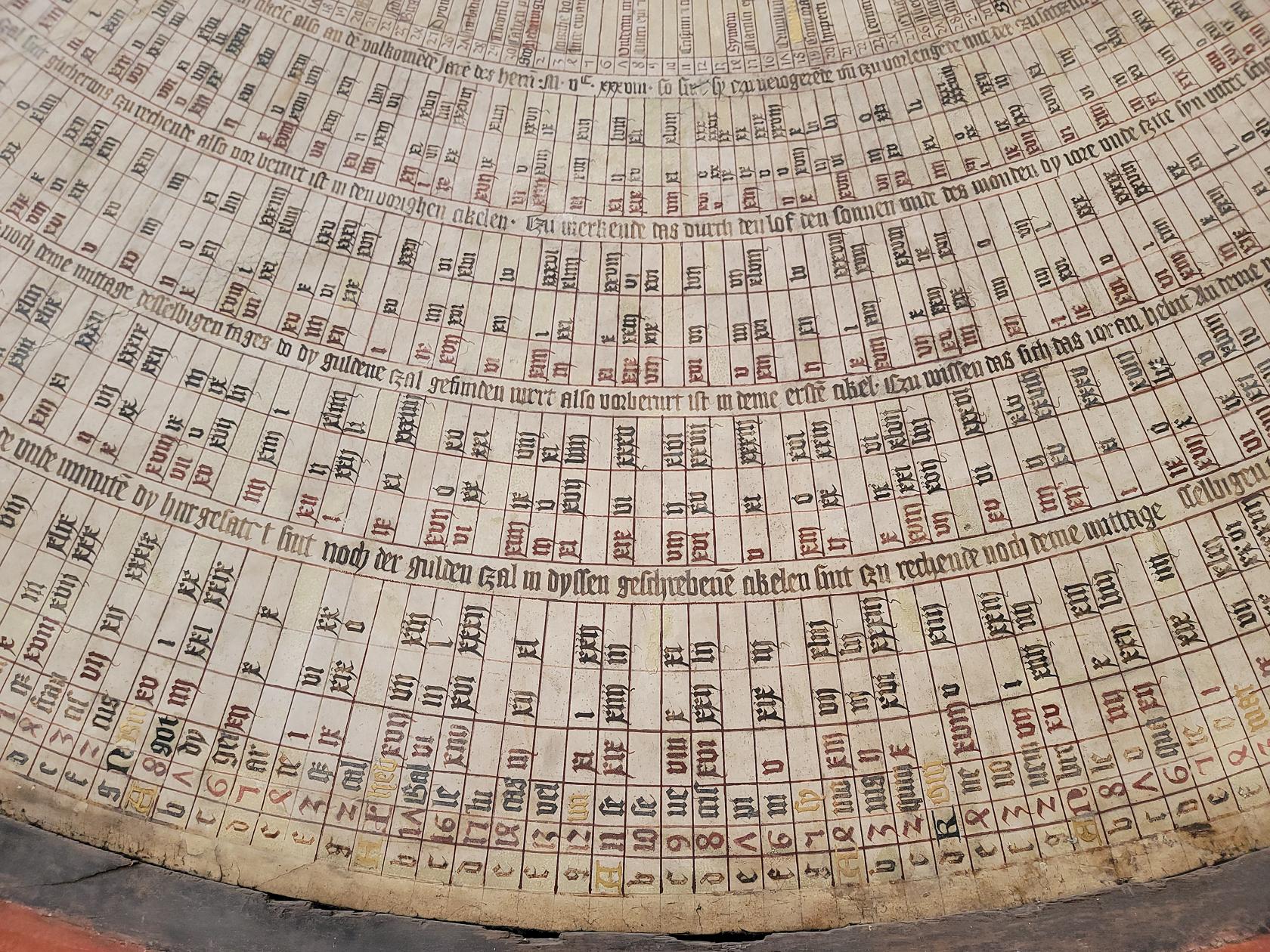
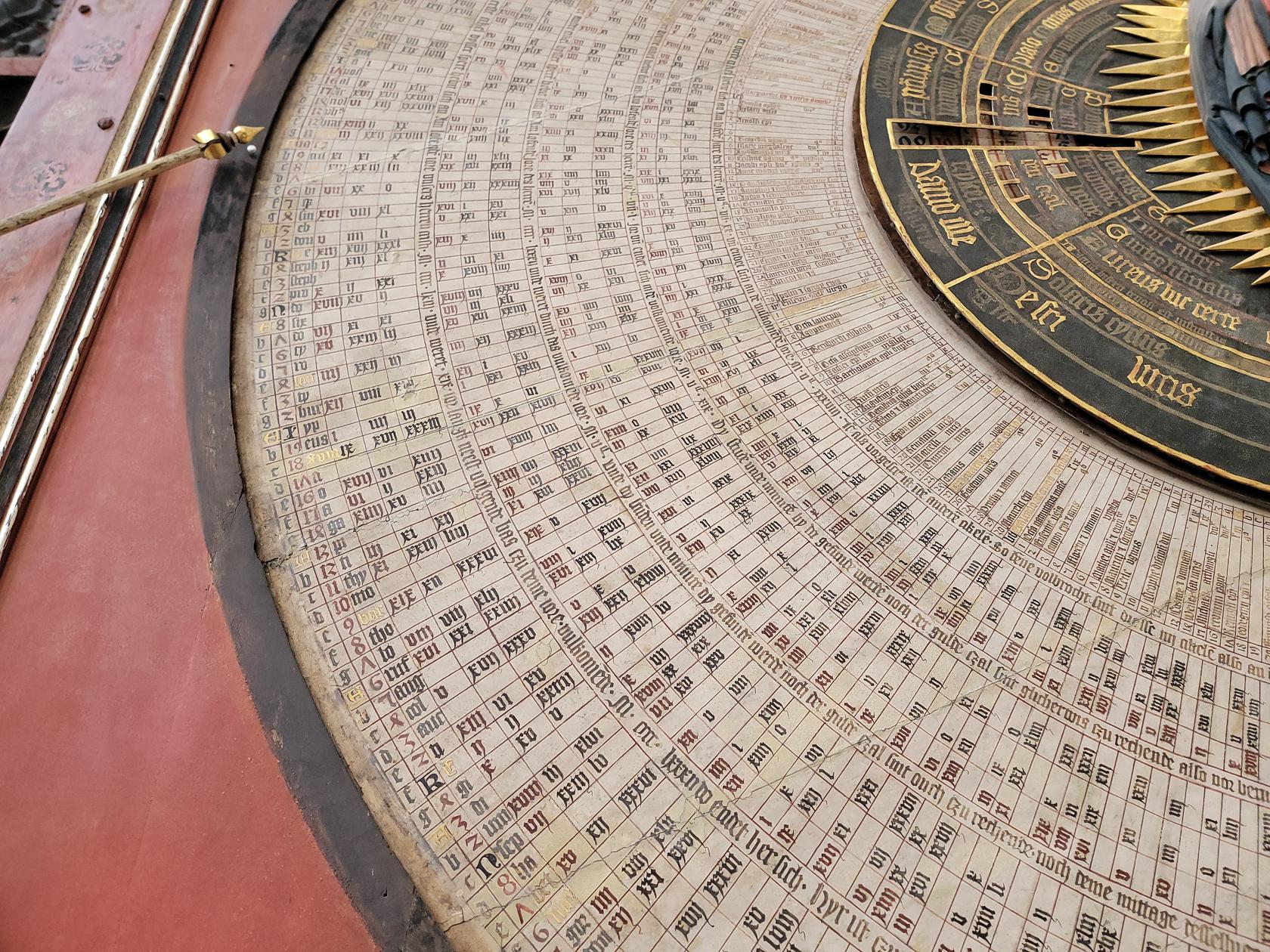
The church has a very interesting working astronomical clock and calendar along the interior left apse. According to records it not only computes most astronomical seasonal events, but also liturgical events and their timing.
Astronomical Clock – Saint Mary’s Basilica – Gdańsk, Poland
Clock’s Calendar – Saint Mary’s Basilica – Gdańsk, Poland
Clock’s Calendar – Saint Mary’s Basilica – Gdańsk, Poland
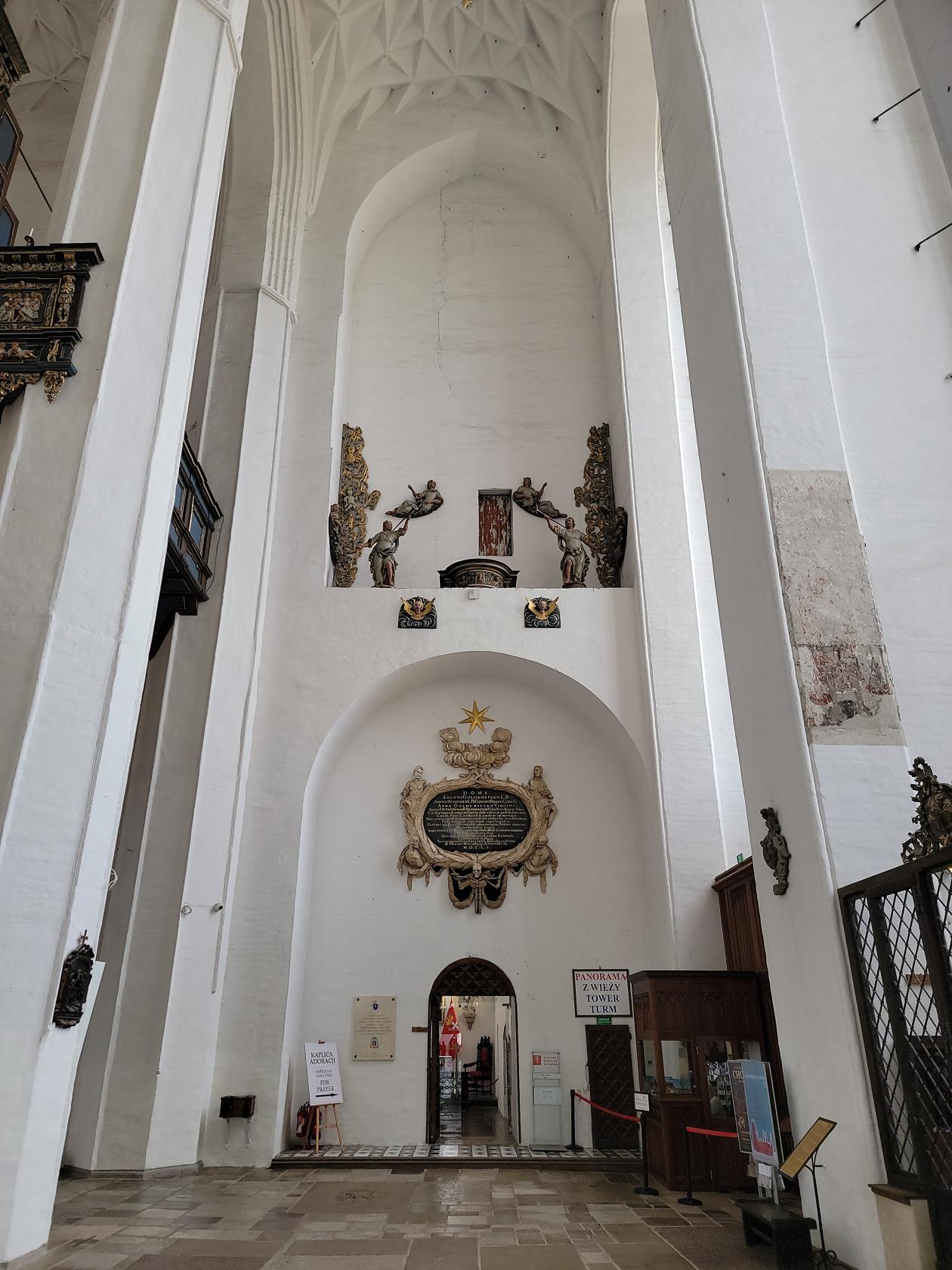
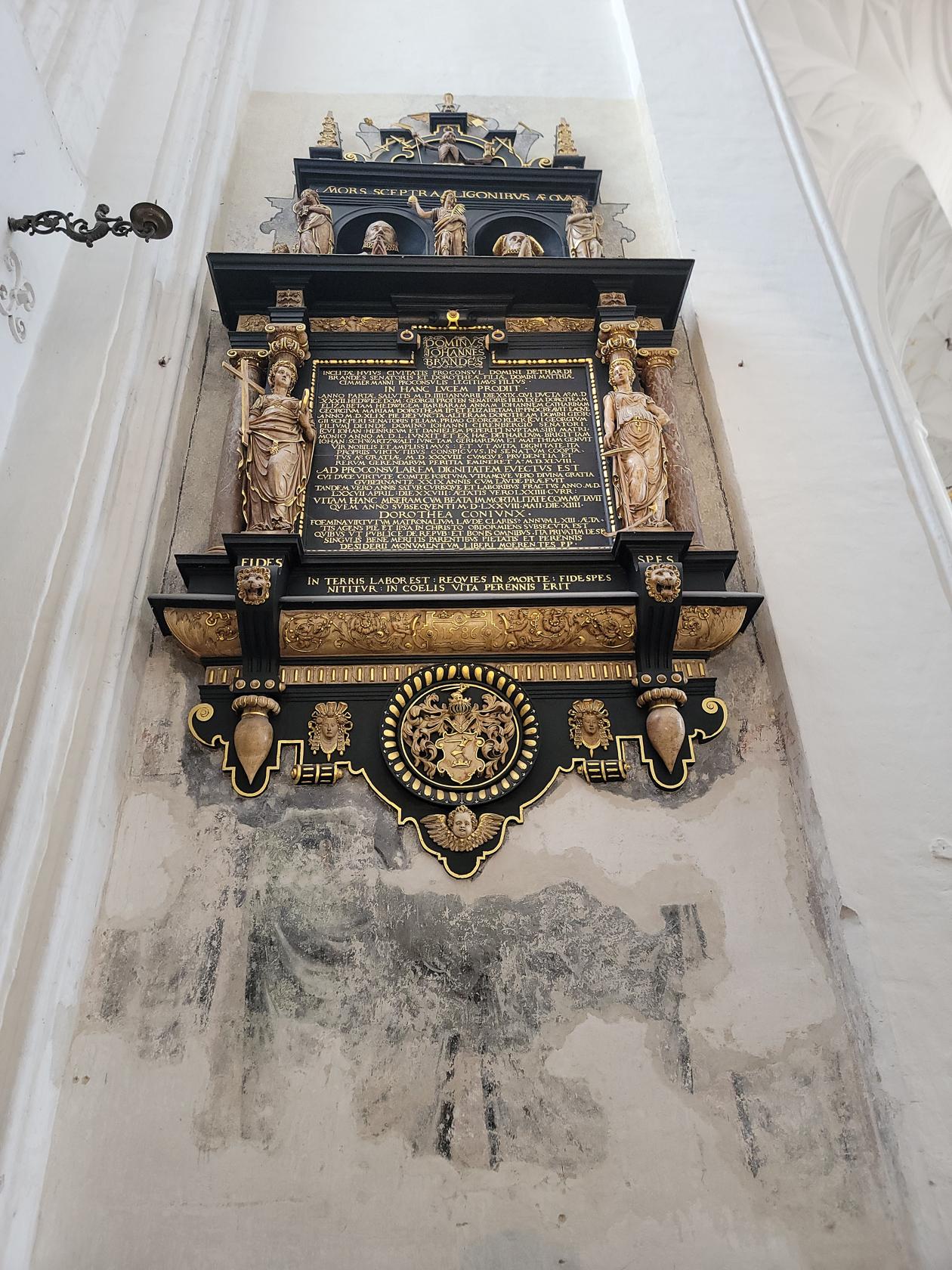
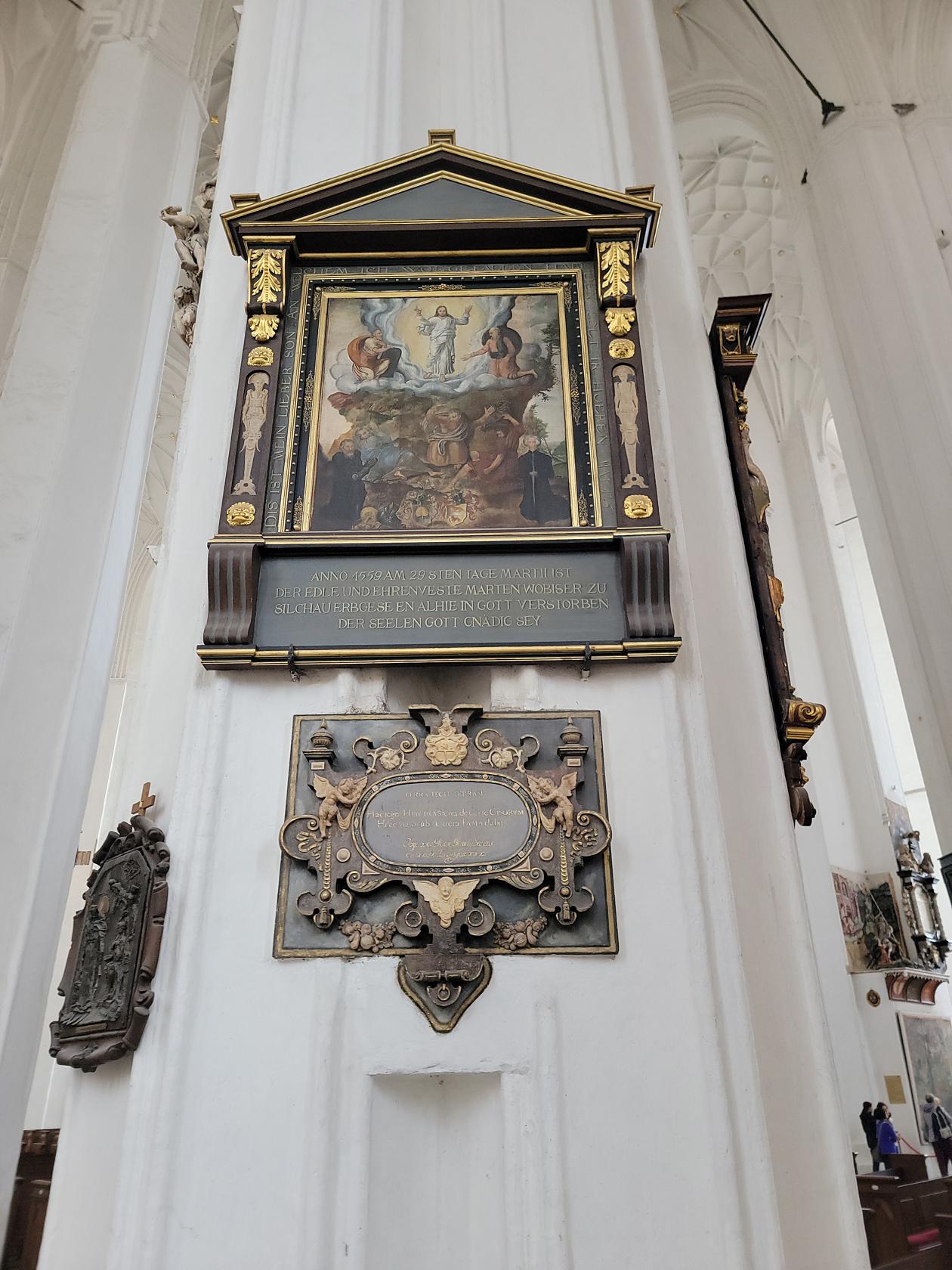
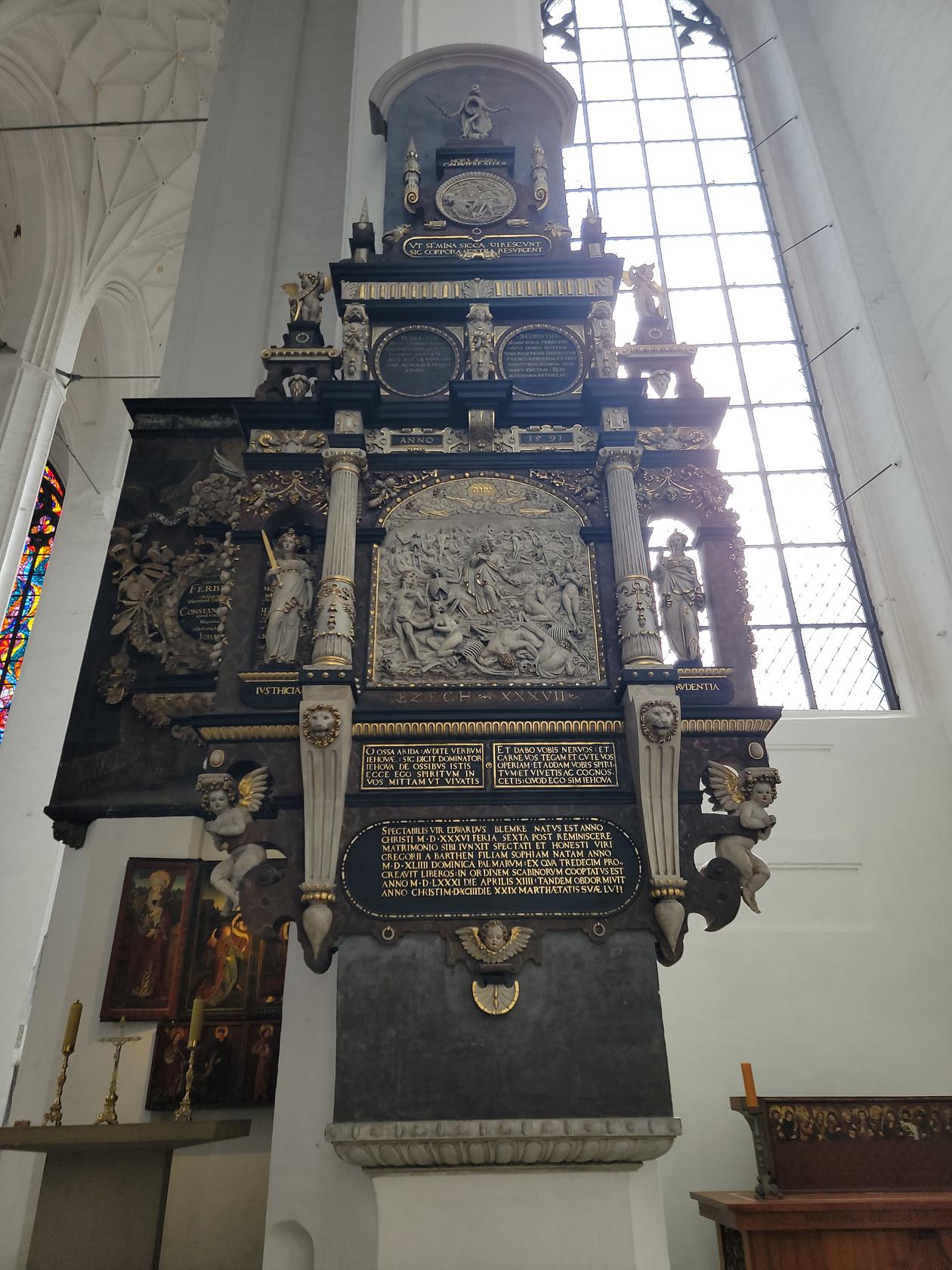
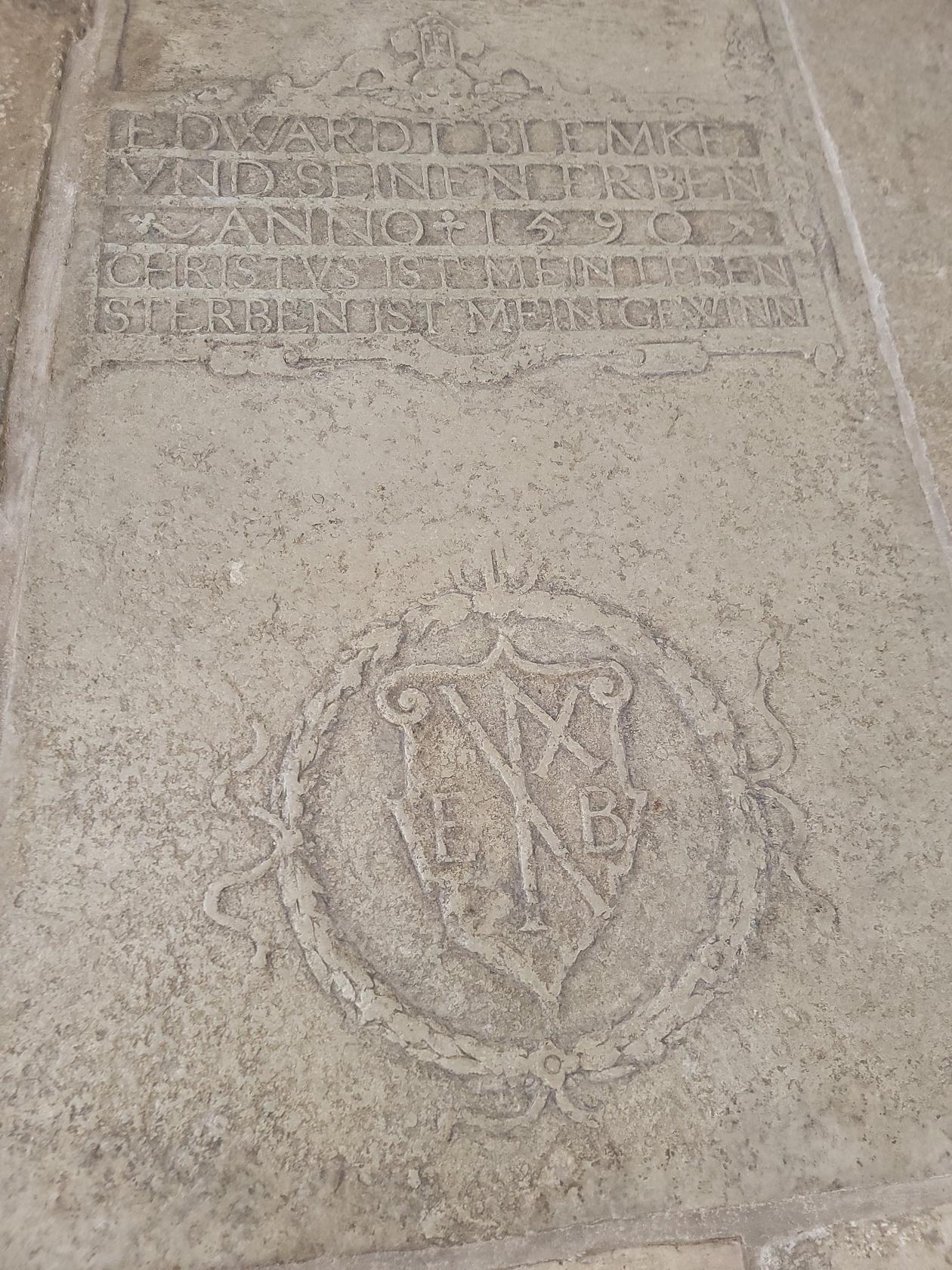
Lastly, this basilica is rather plain and therefore many of the epitaphs and memorials stick out prominently. Most have German inscriptions on them, owing to the city rich heritage, though many are also written in Latin.
Memorial – Saint Mary’s Basilica – Gdańsk, Poland
Memorial – Saint Mary’s Basilica – Gdańsk, Poland
Memorials – Saint Mary’s Basilica – Gdańsk, Poland
Interesting Grave Inscription – Saint Mary’s Basilica – Gdańsk, Poland
Restaurants
Yang Guang Chinese Restaurant
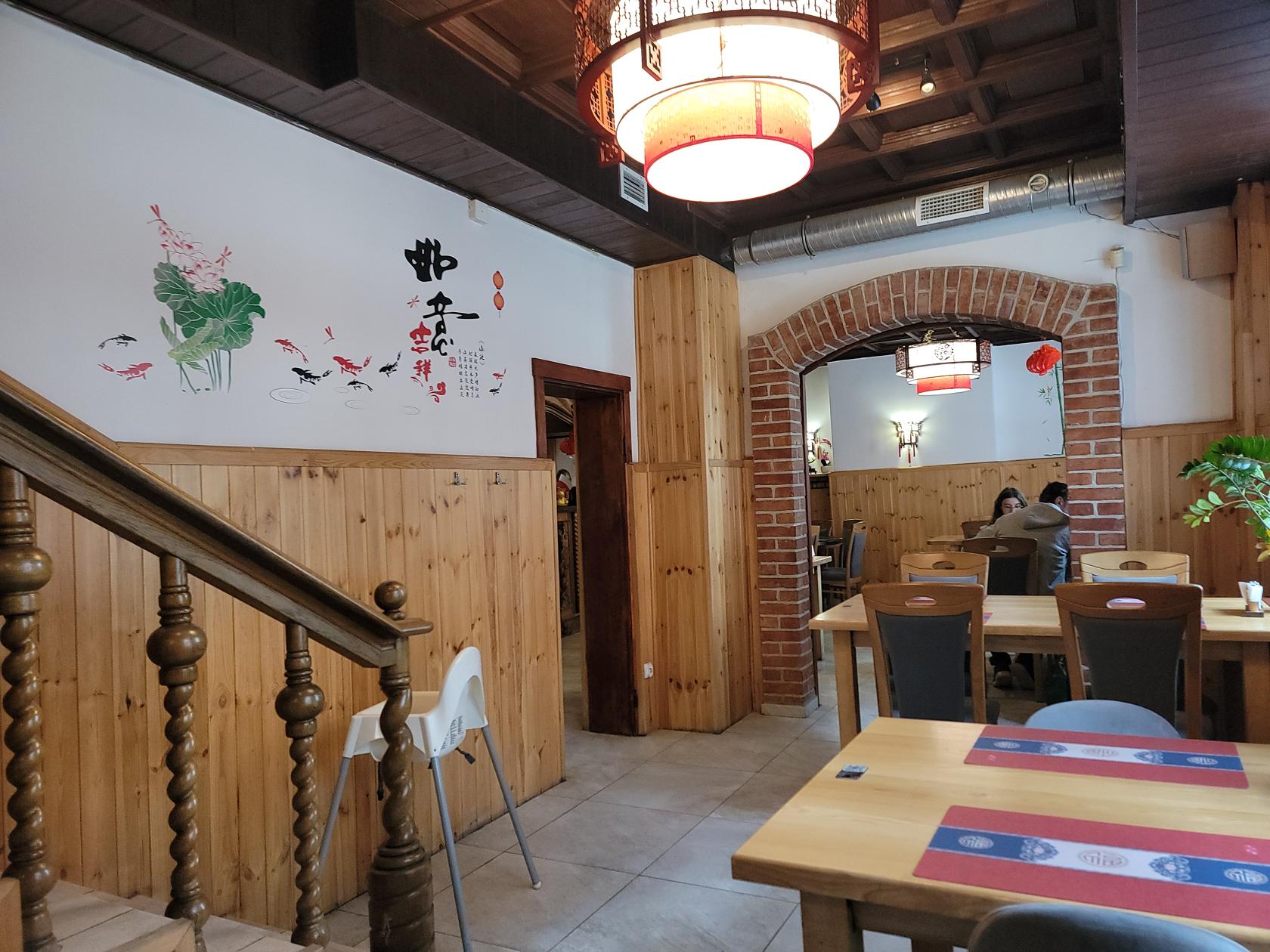
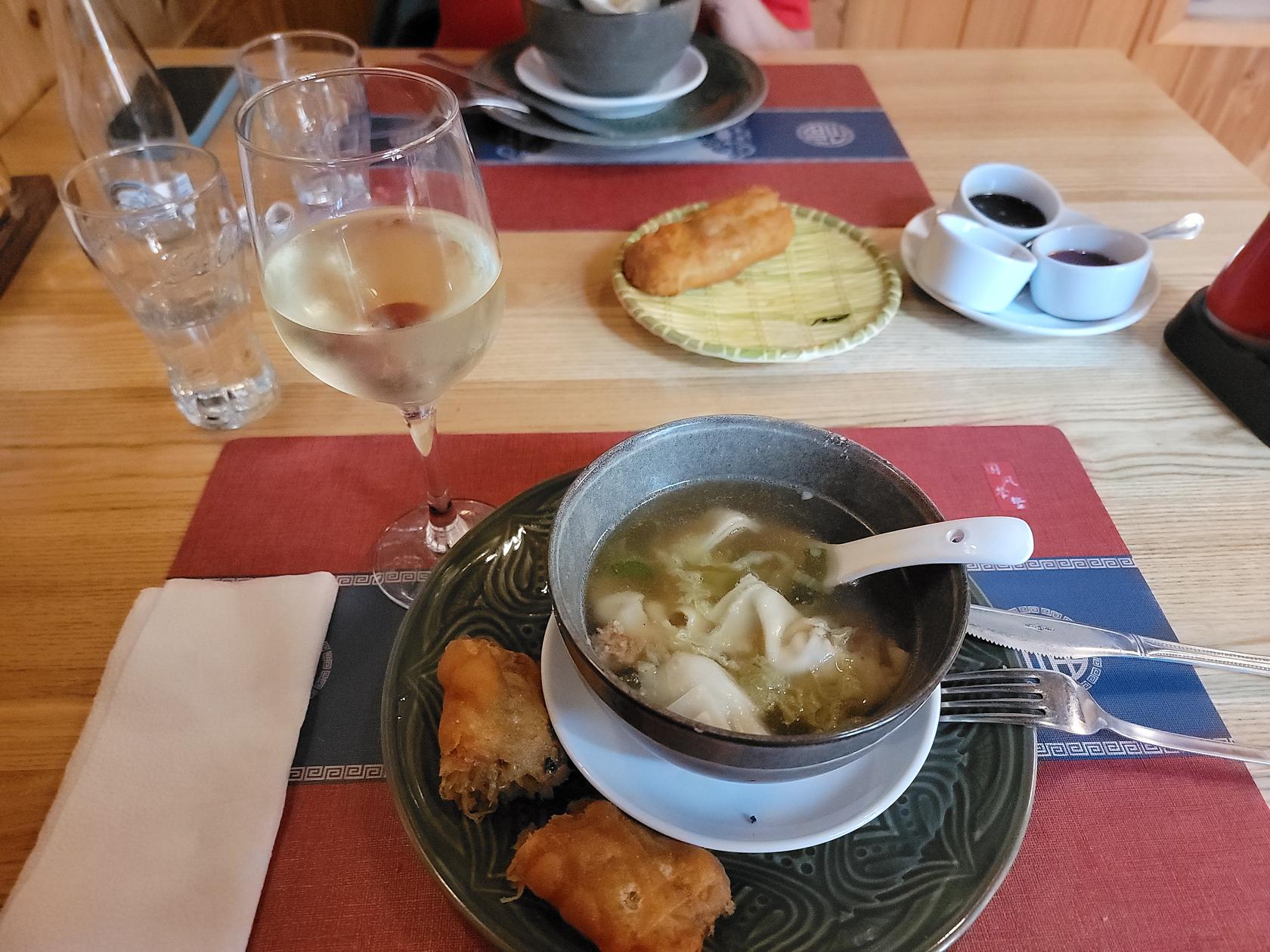
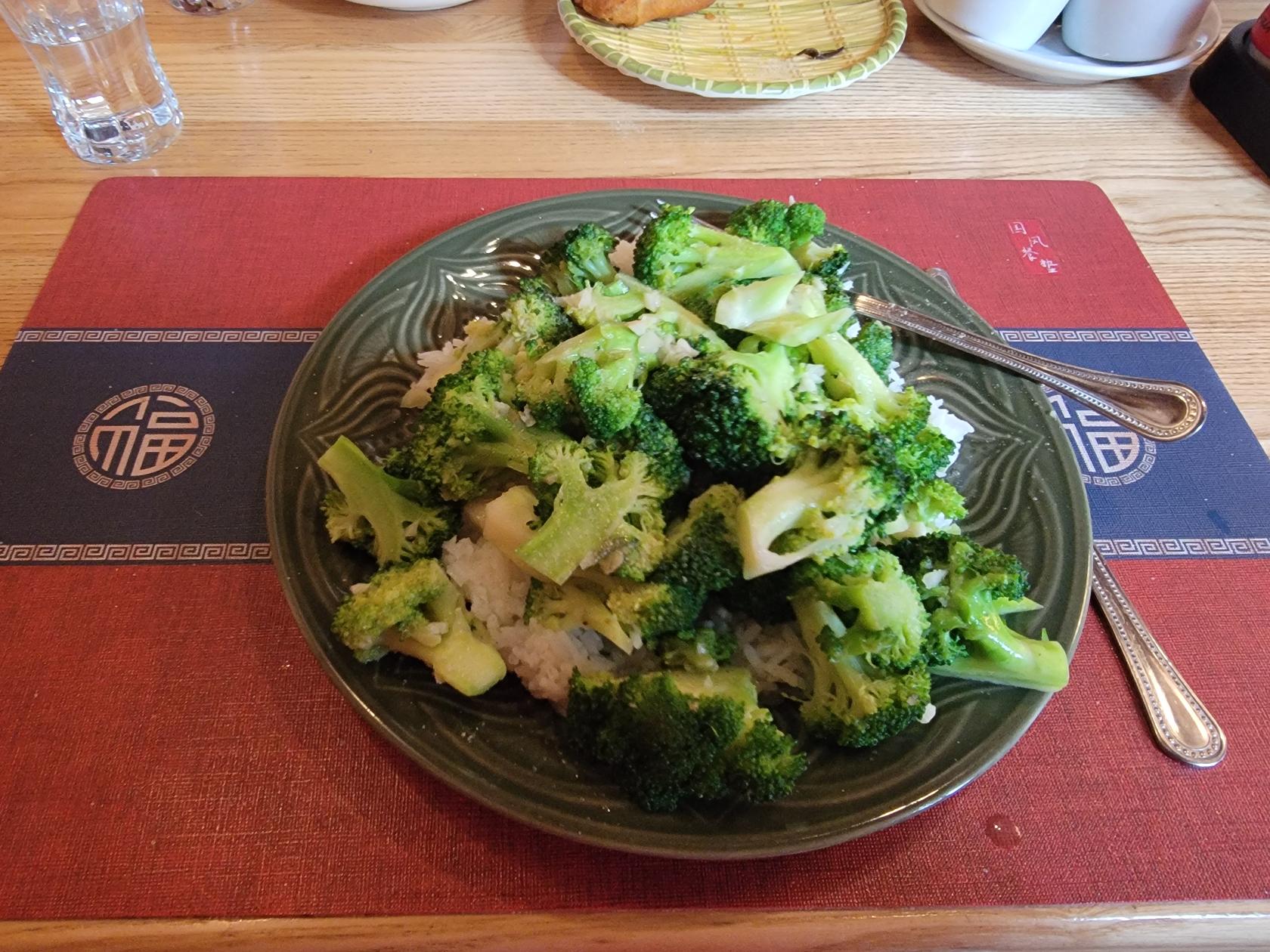
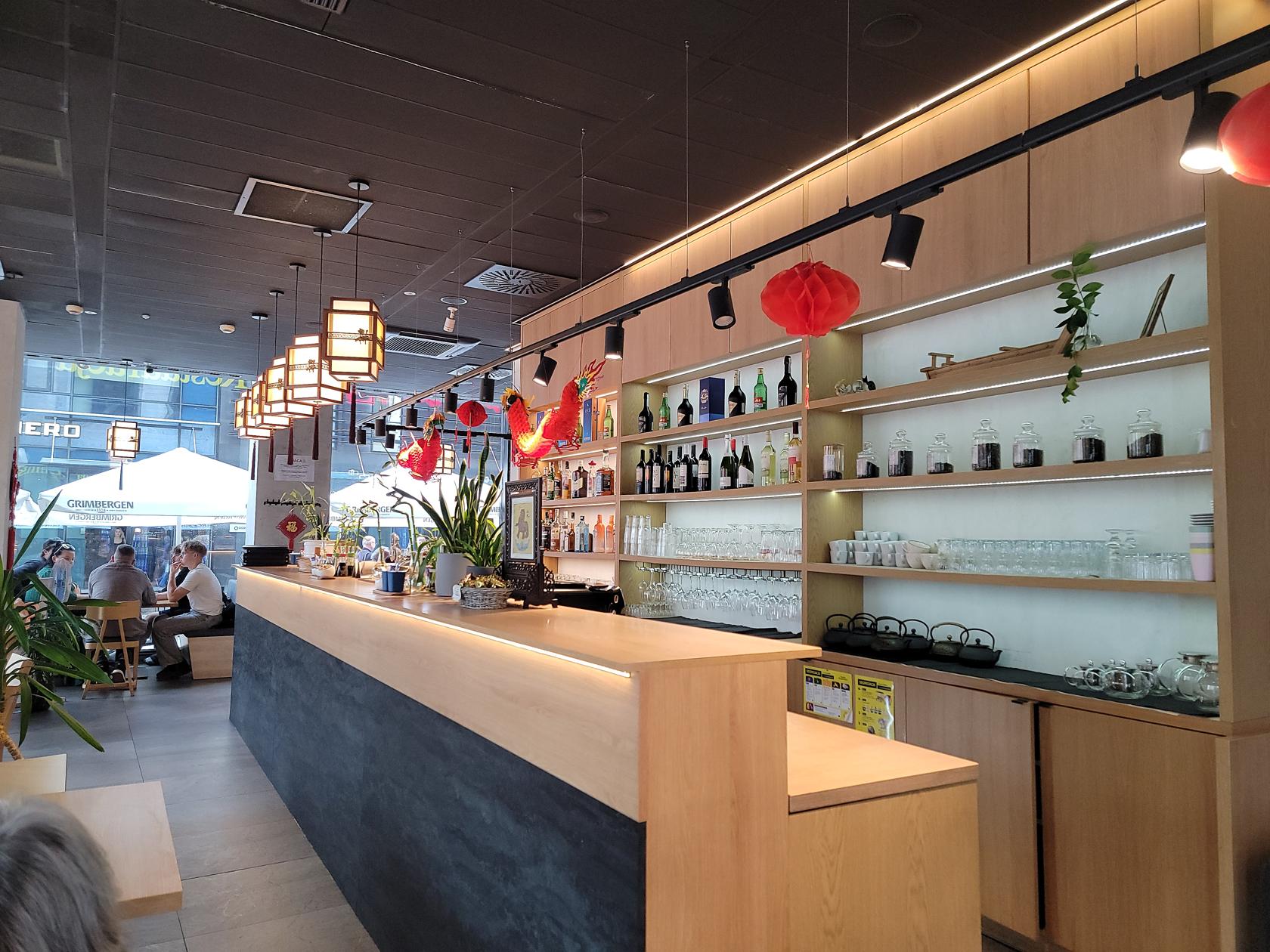
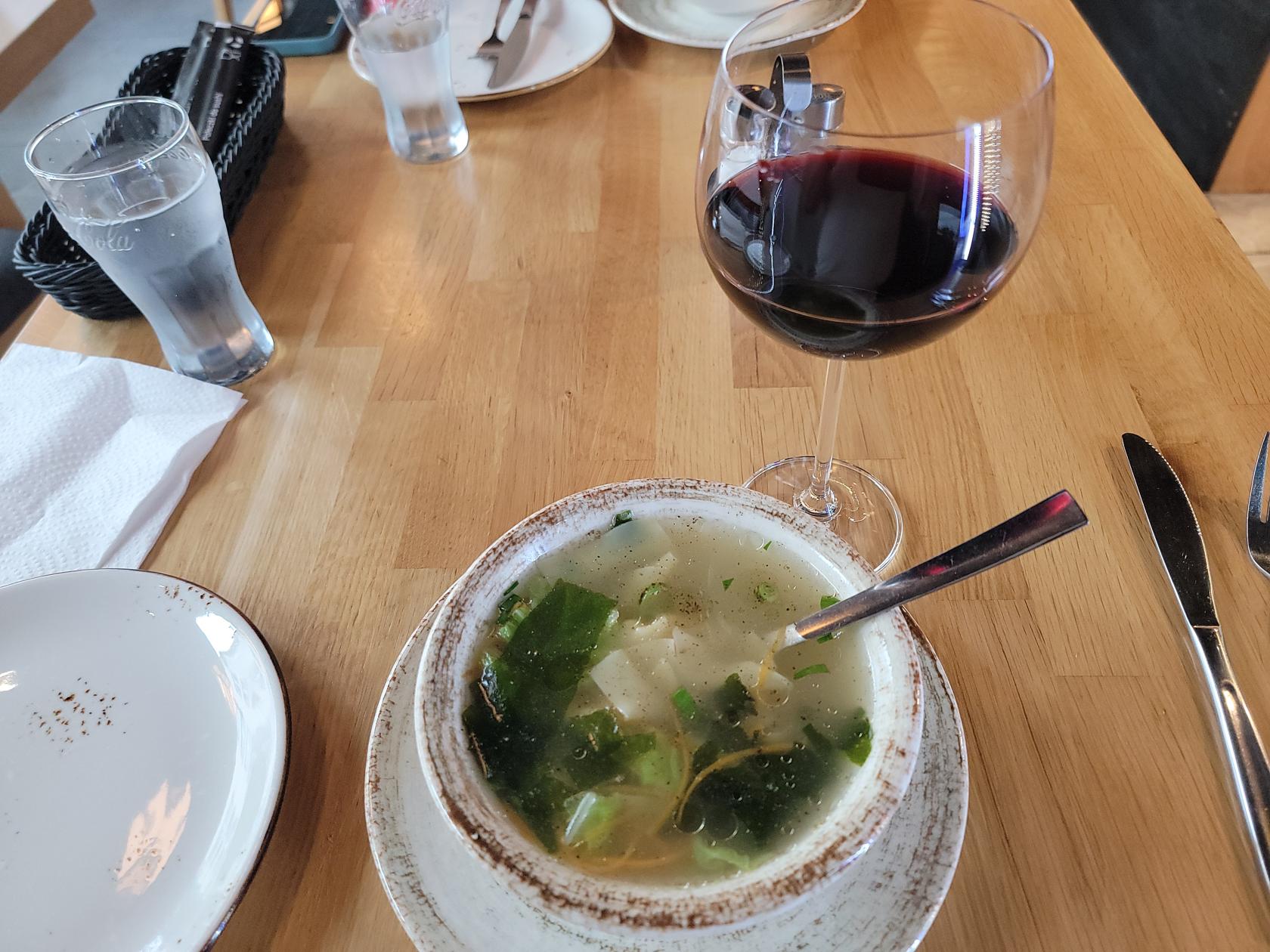
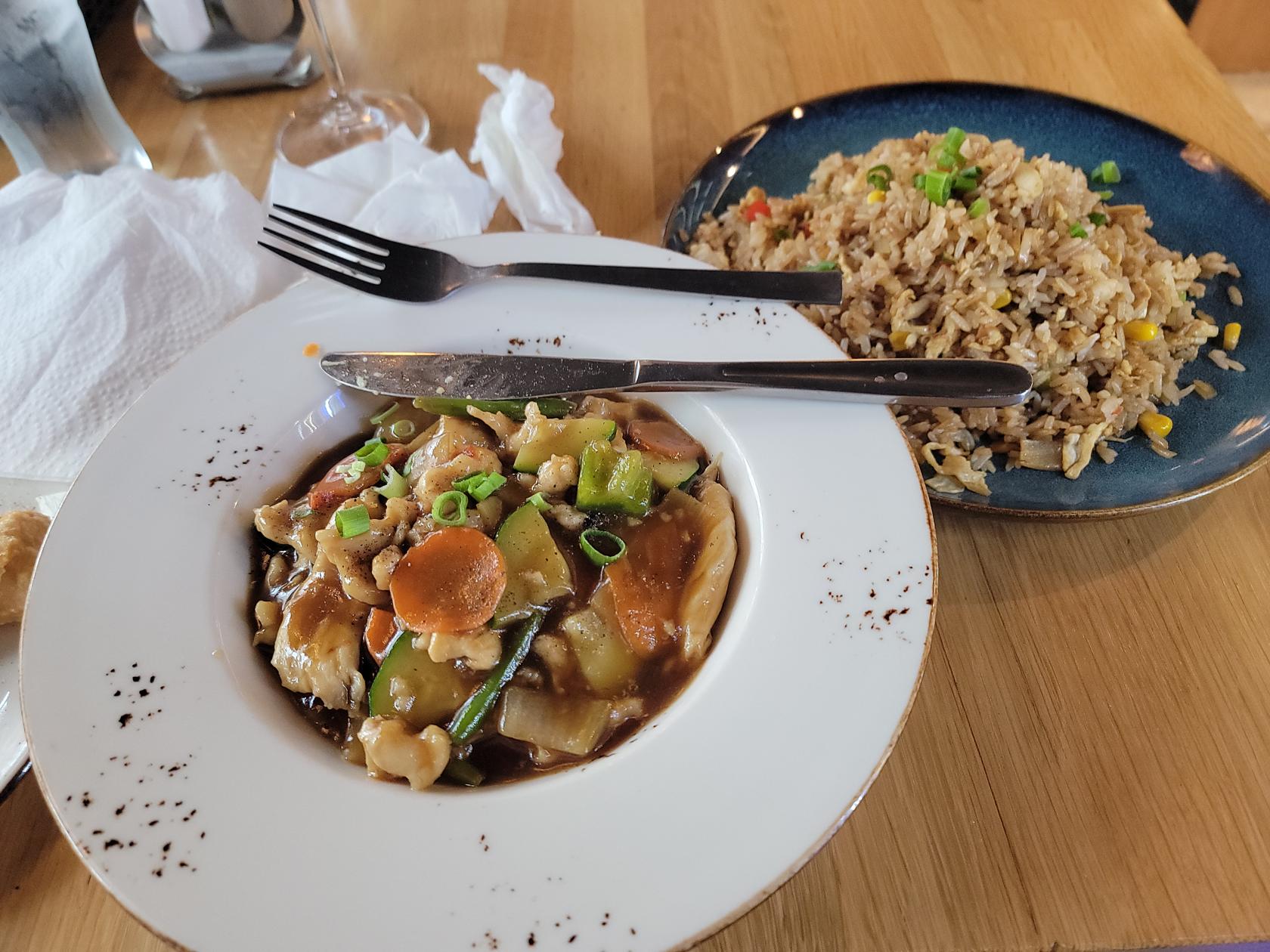
If you go through the Green Gate and cross the bridge then walk a few steps down Stągiewna Street you will find Yang Guang Chinese Restaurant on your right. If you are tired of all the meat, potatoes and dumplings you have been eating up until now, this is a very good stop for some vegetables. The even have broccoli in garlic sauce, one of our favorites.
Inside – Chińska Yang Guang Restaurant – Gdańsk, Poland
Wonton Soup – Chińska Yang Guang Restaurant – Gdańsk, Poland
Broccoli with Garlic Sauce on White Rice – Chińska Yang Guang Restaurant – Gdańsk, Poland
Sempre Ristorante
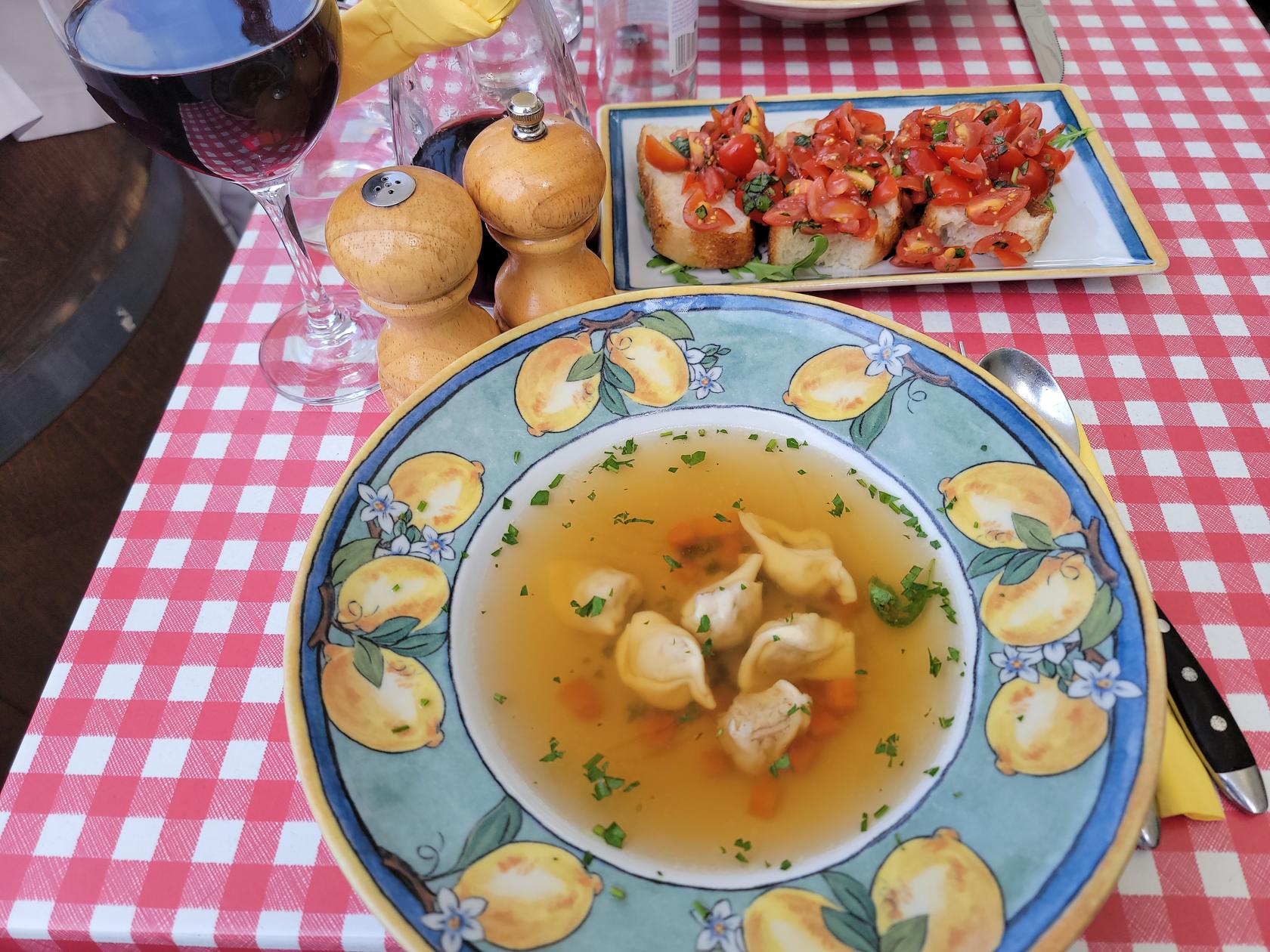
The Sempre Ristorante is near the tip of the small island on the other side of the river. It is a modern Italian restaurant that serves good food with an upscale slant on the recipes and the prices. You won’t go wrong eating here, but you will also pay for it, if you know what I mean.
Bruschette and Chicken Soup with Dumplings – Sempre Ristorante – Gdańsk, Poland
Tygle Restaurant
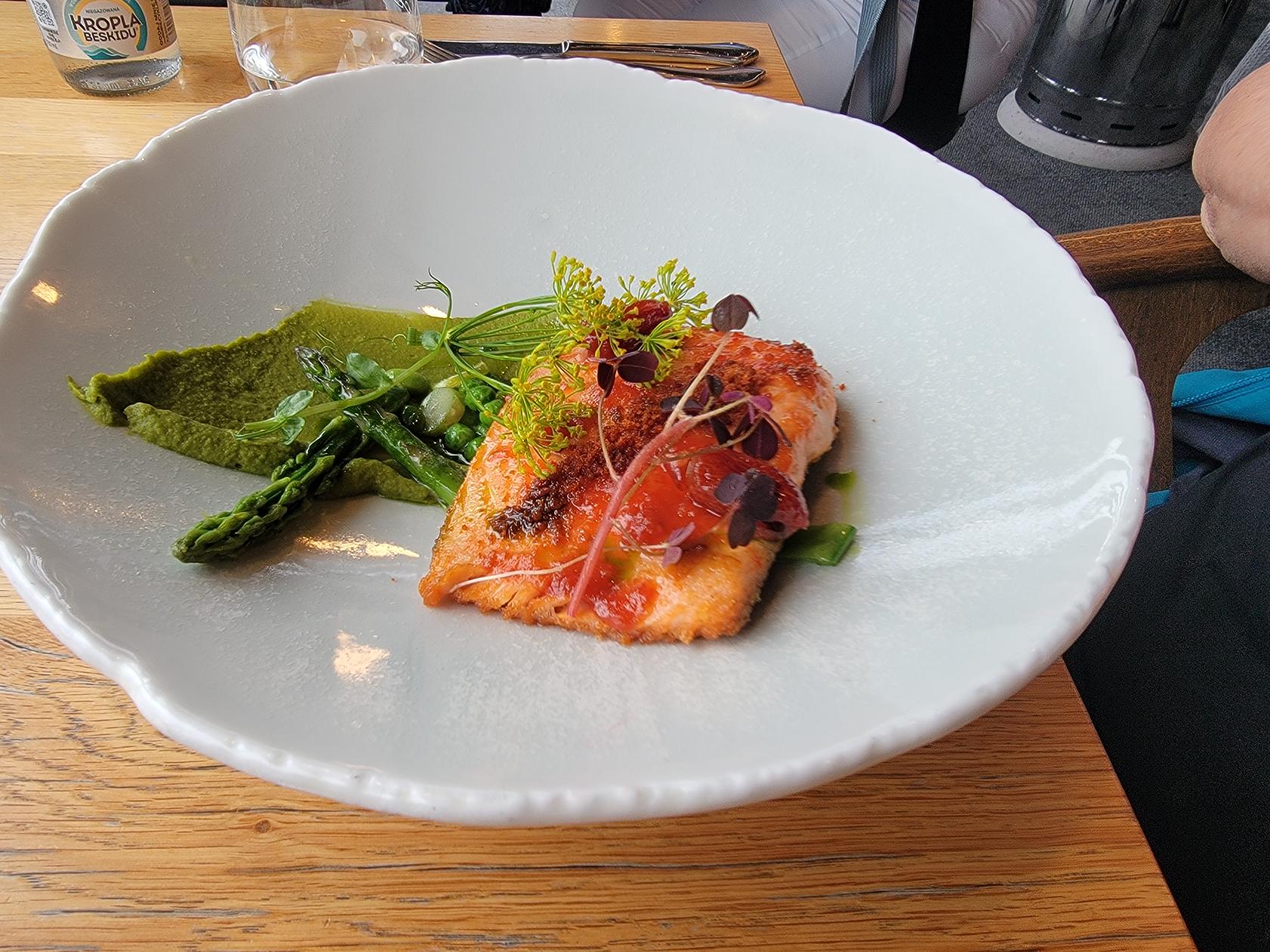
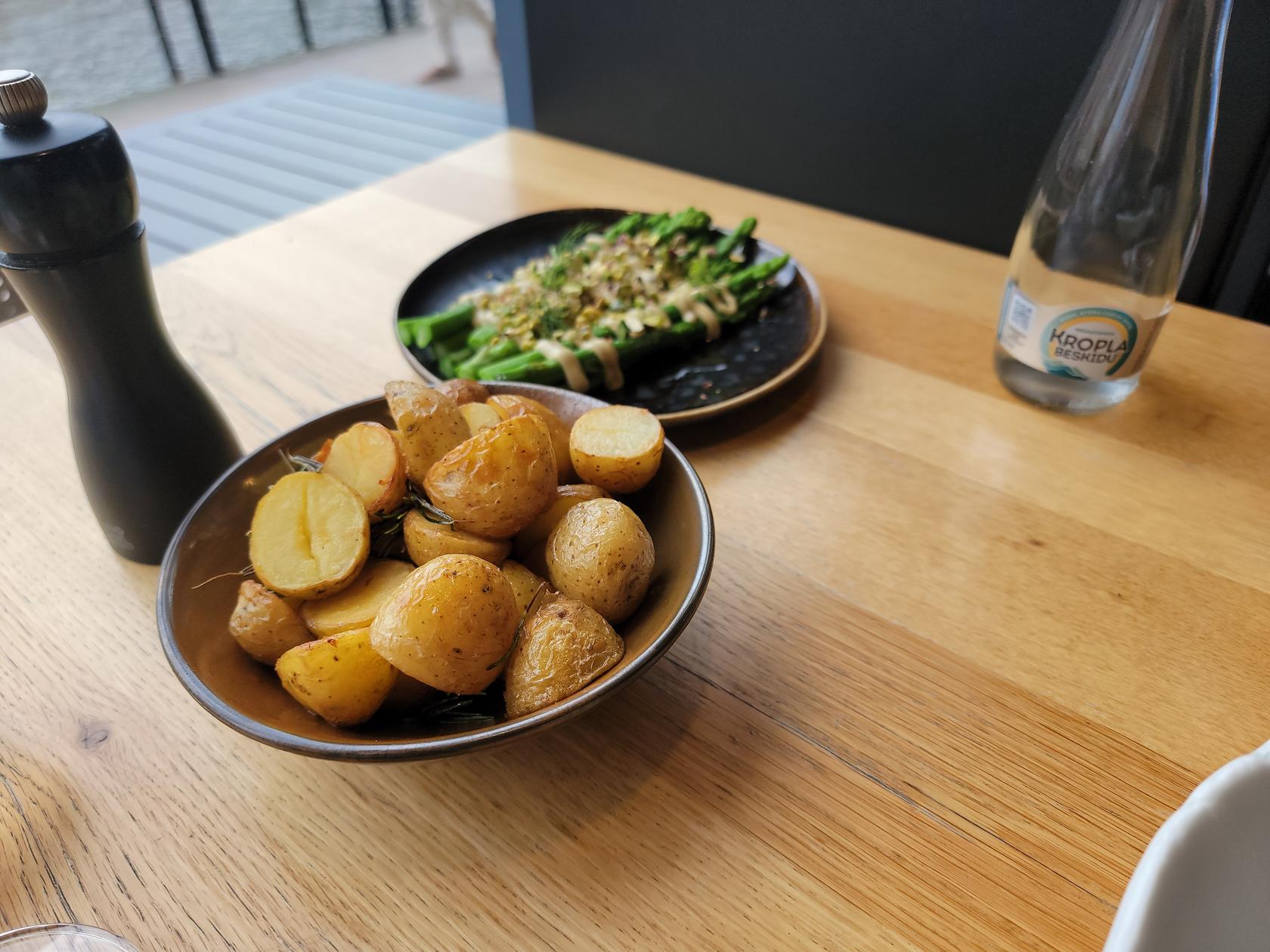
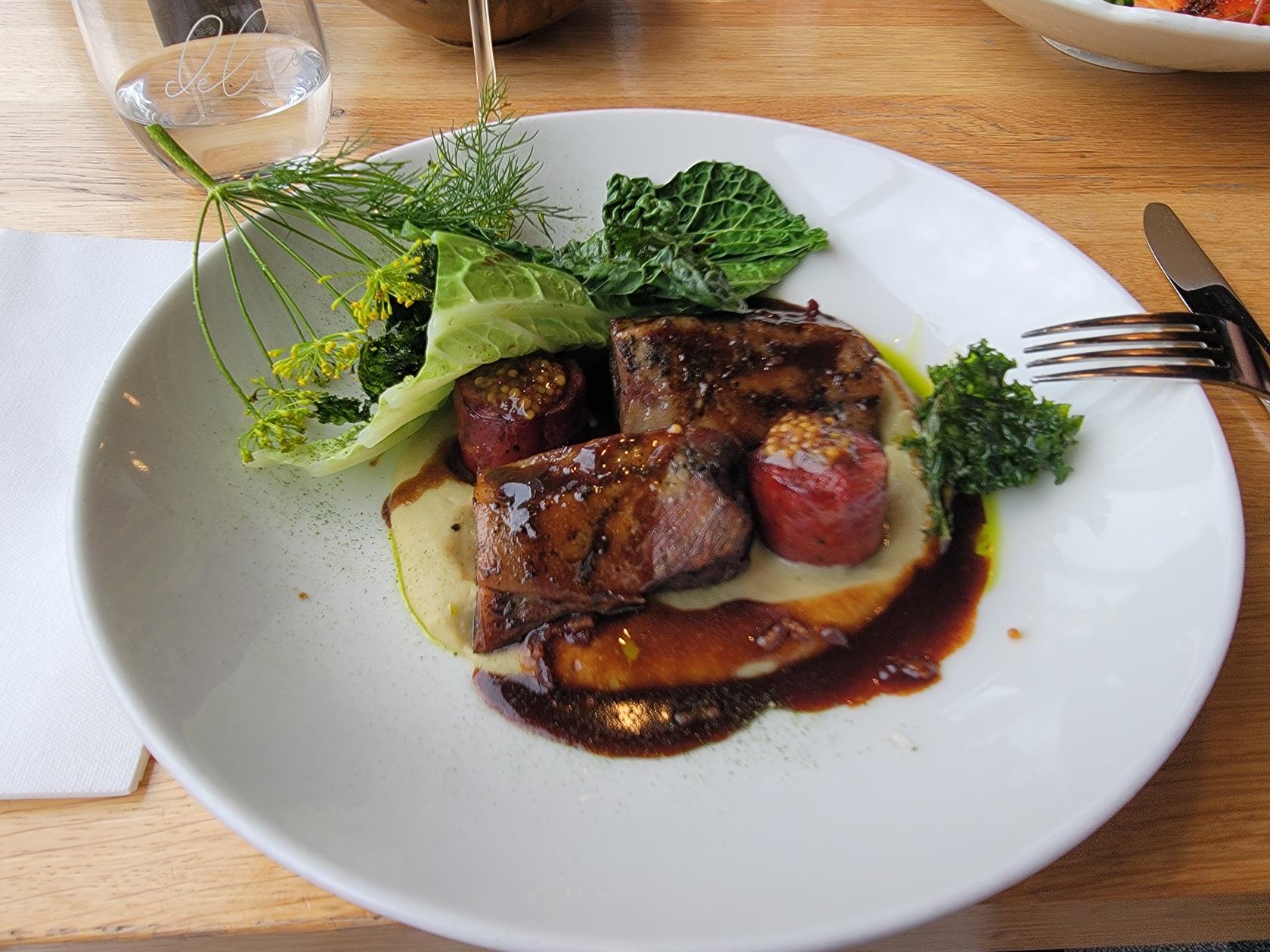
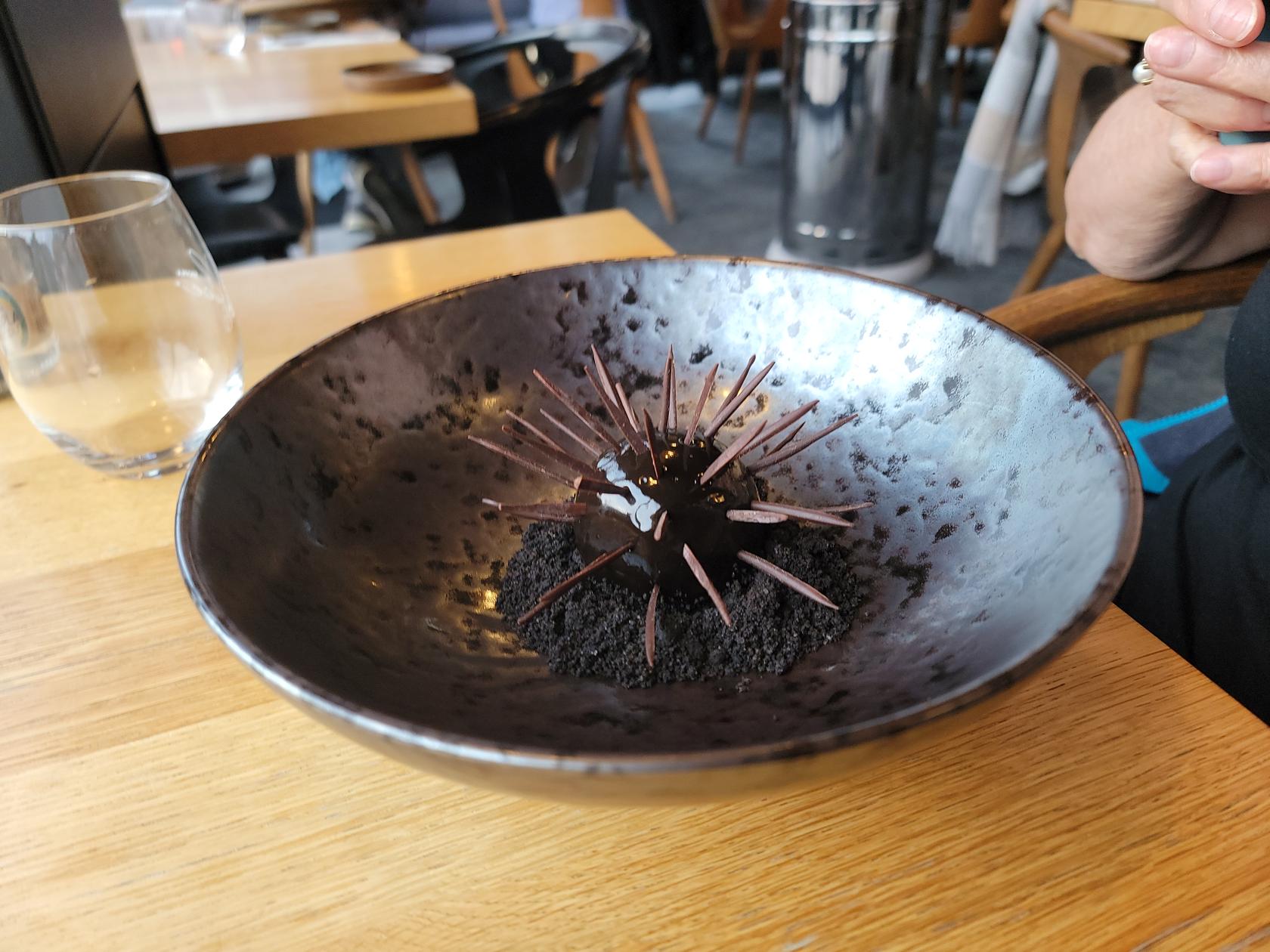
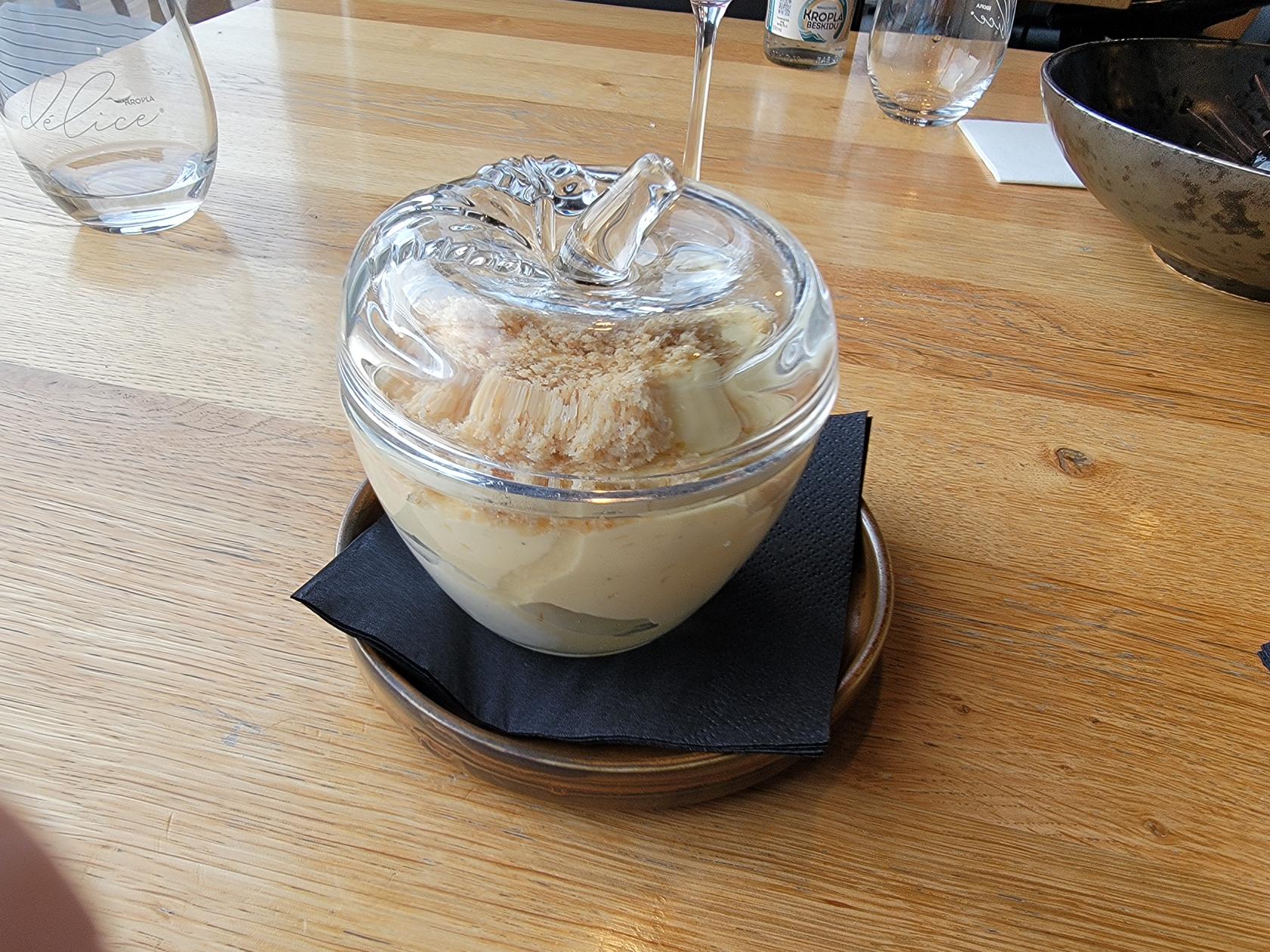
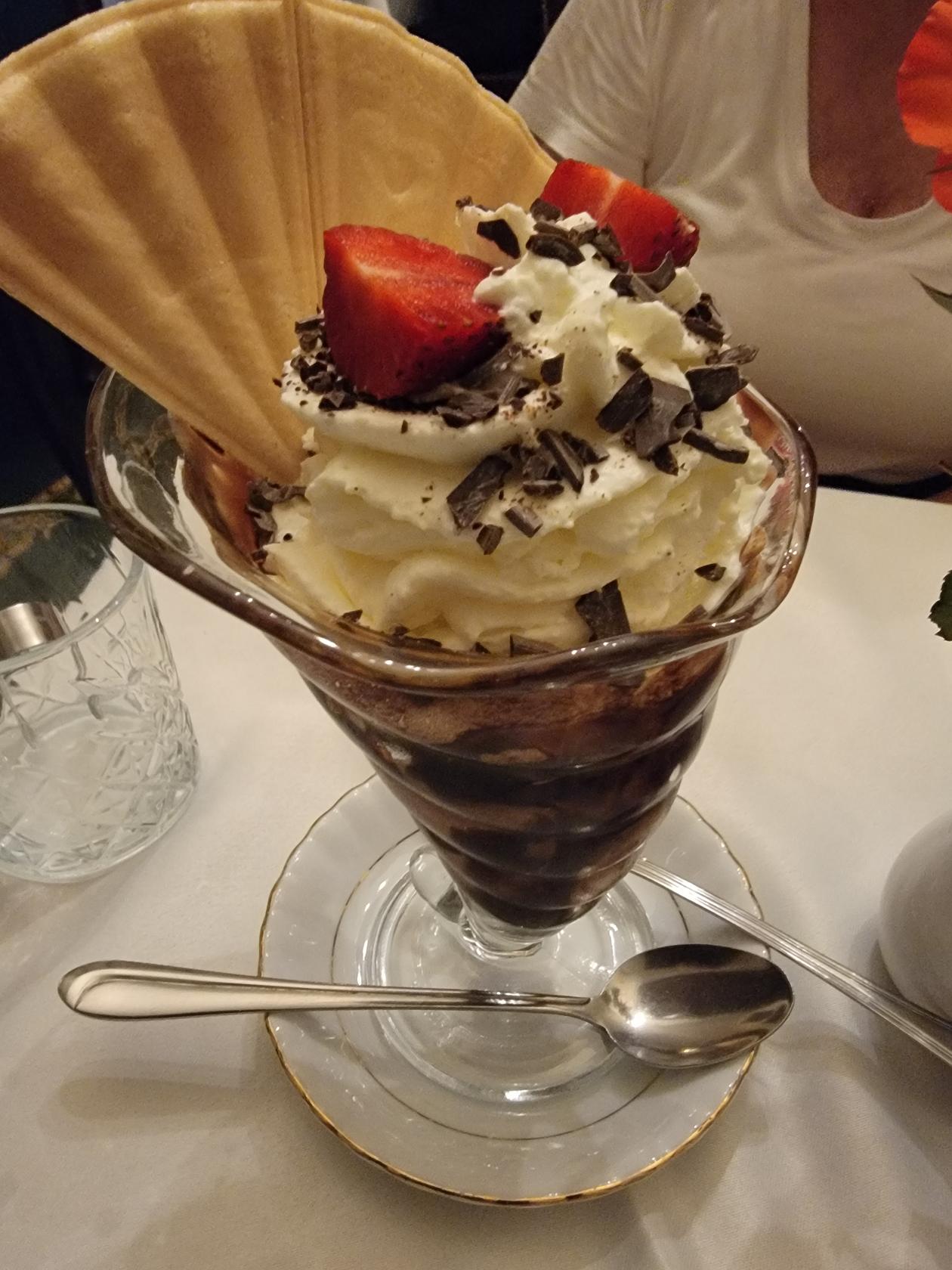
A highly rated restaurant with excellent Polish food is Tygle. Here you will find some classics as well as some new takes on Polish cuisine. If you are a chocolate lover, the urchin dessert is a must try. But be careful, those spikes are dark chocolate and will cause real damage to your diet.
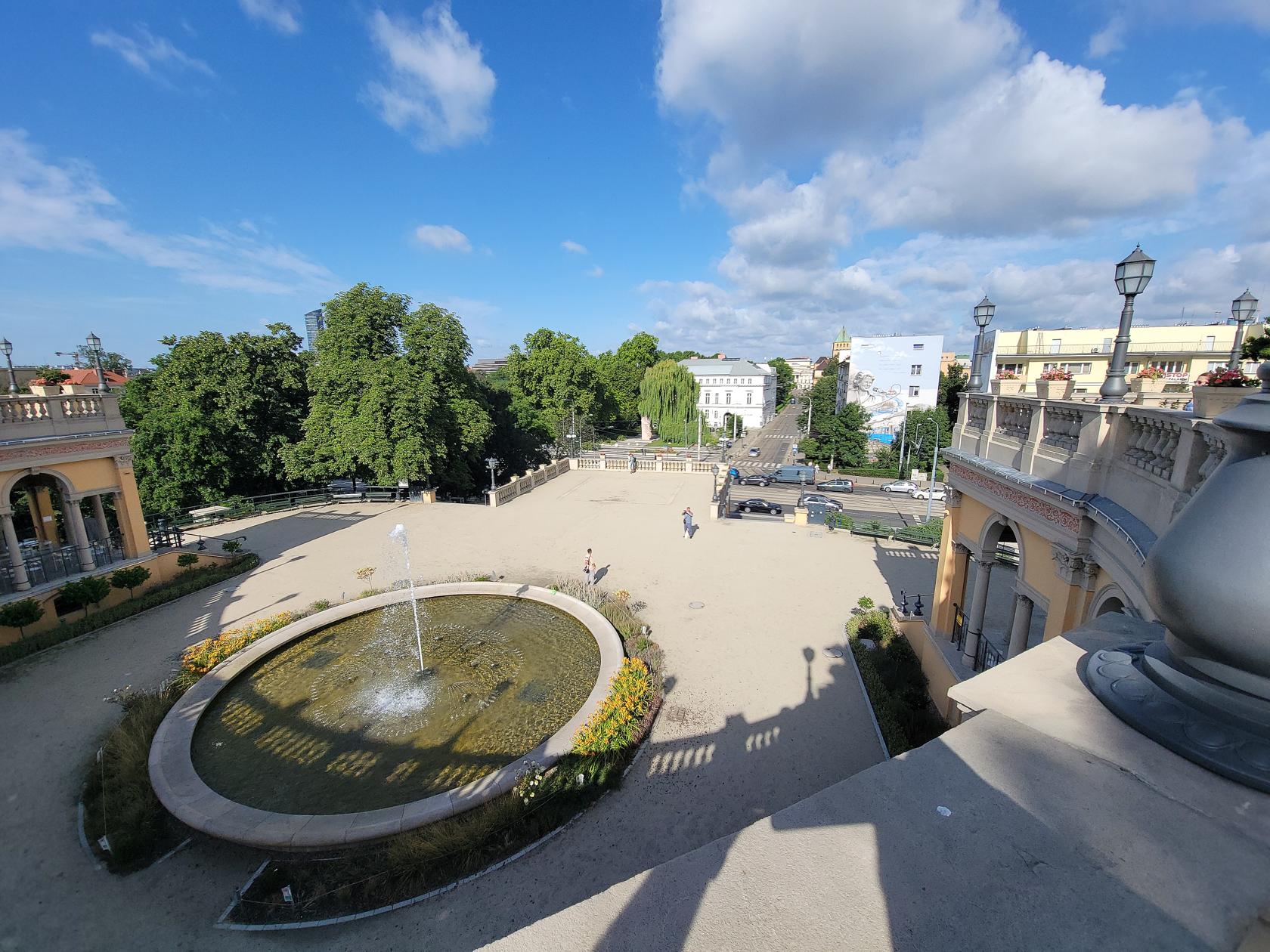
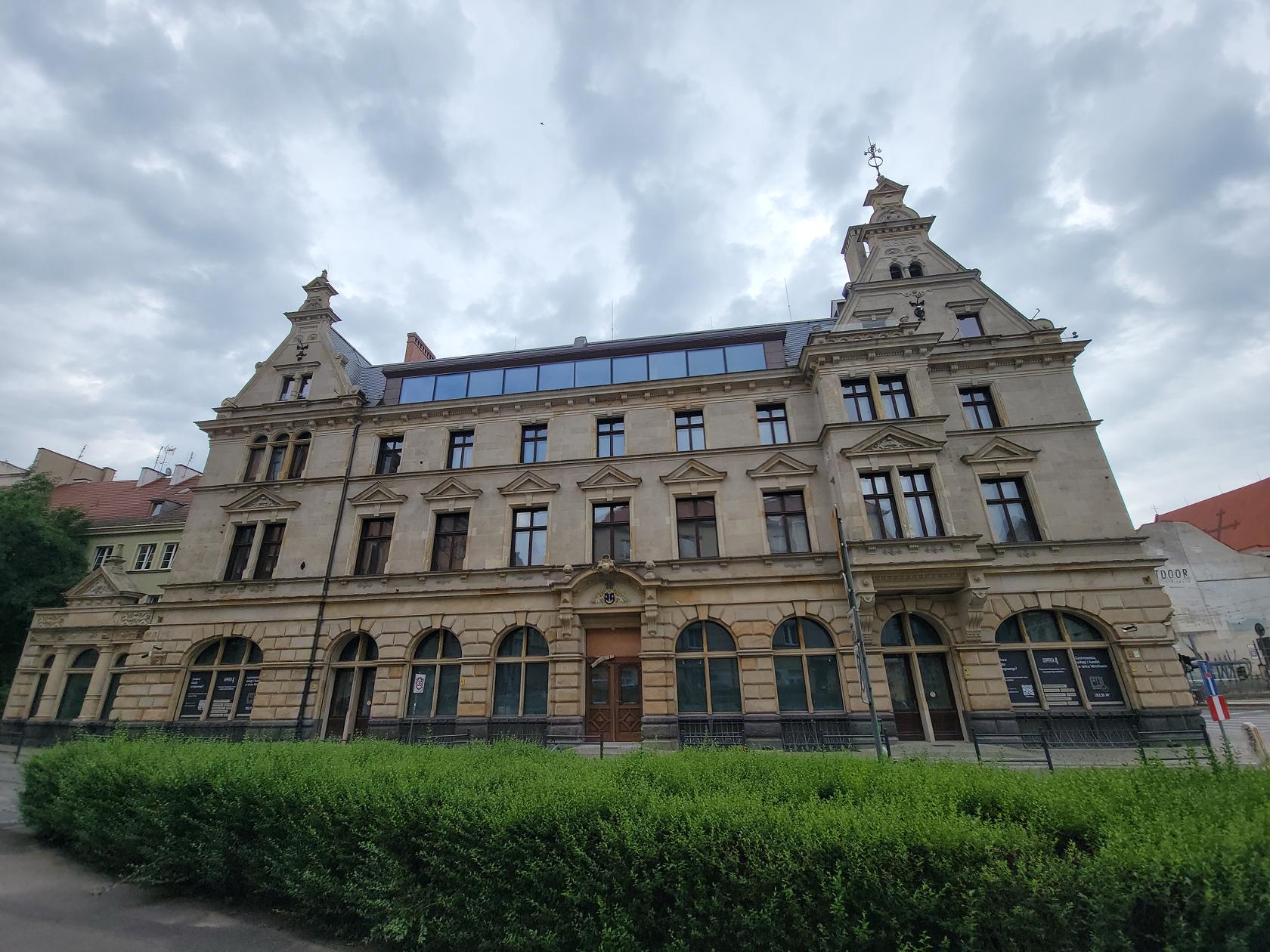
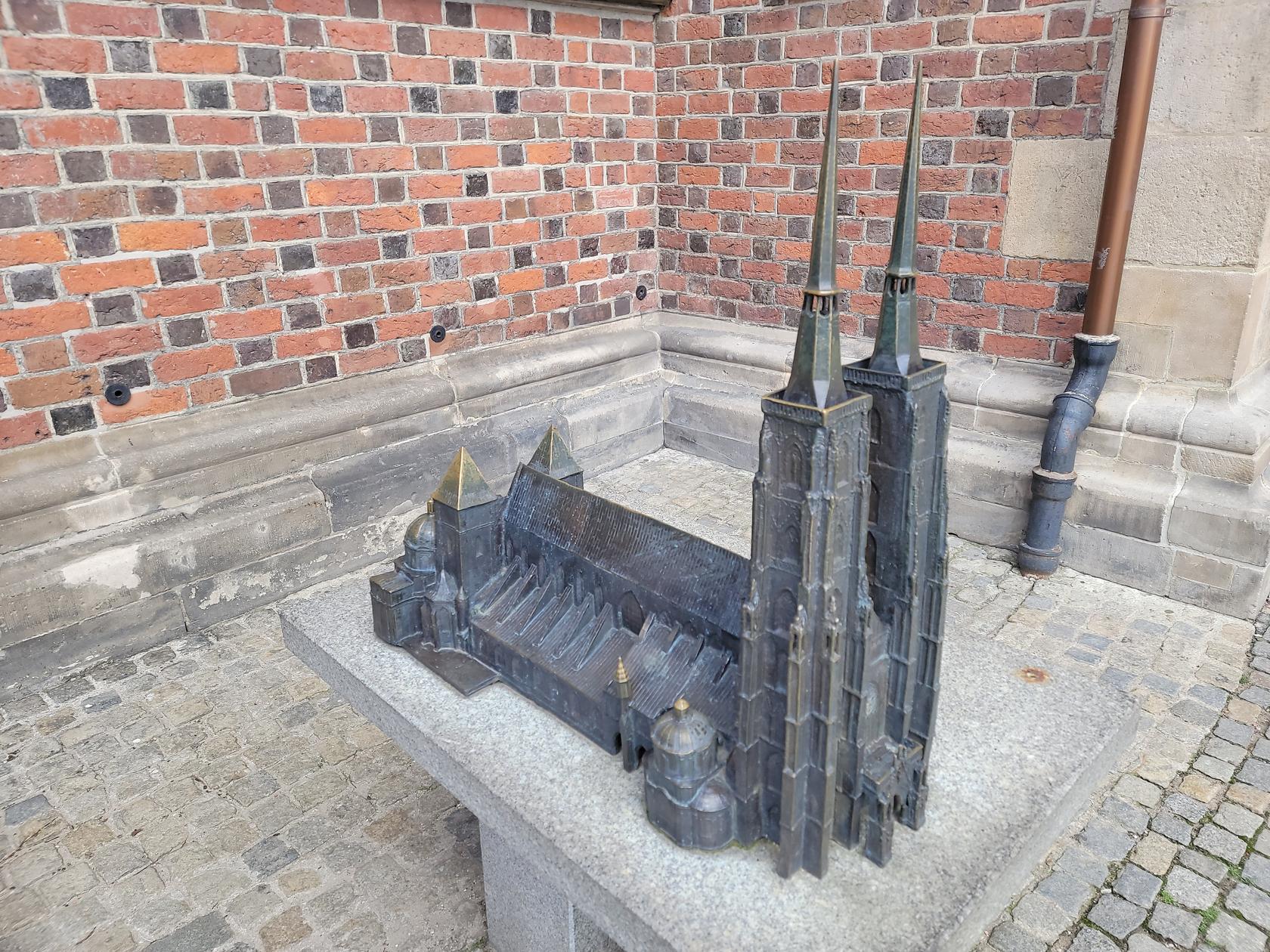
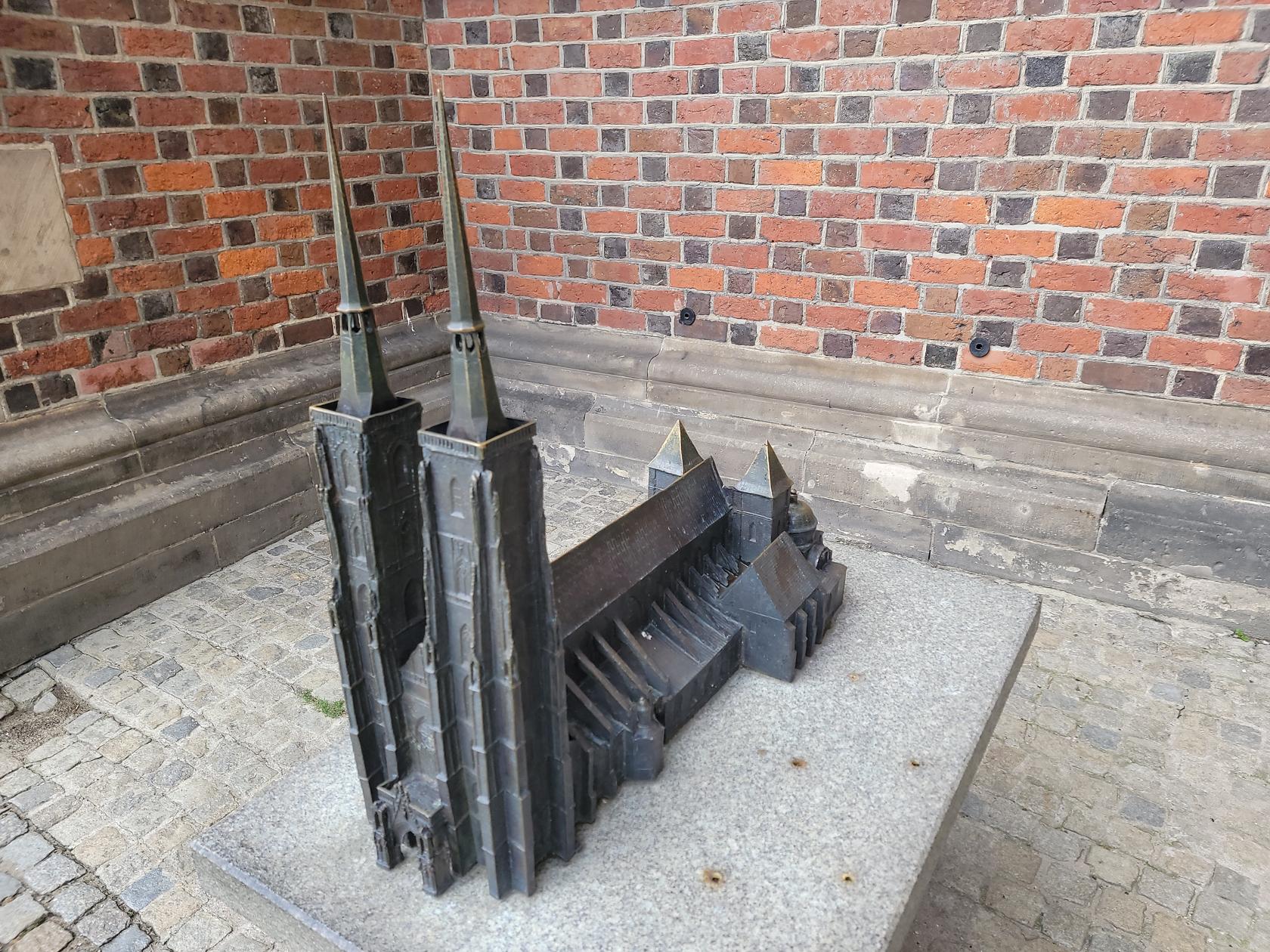
Aside from its old Germanic name of Breslau and its temporary occupation by the Soviets, Wrocław looks and feels completely Polish today. Though not as pretty or well kept as its southern cousin Kraków, it is still a nice city to visit for a few days.
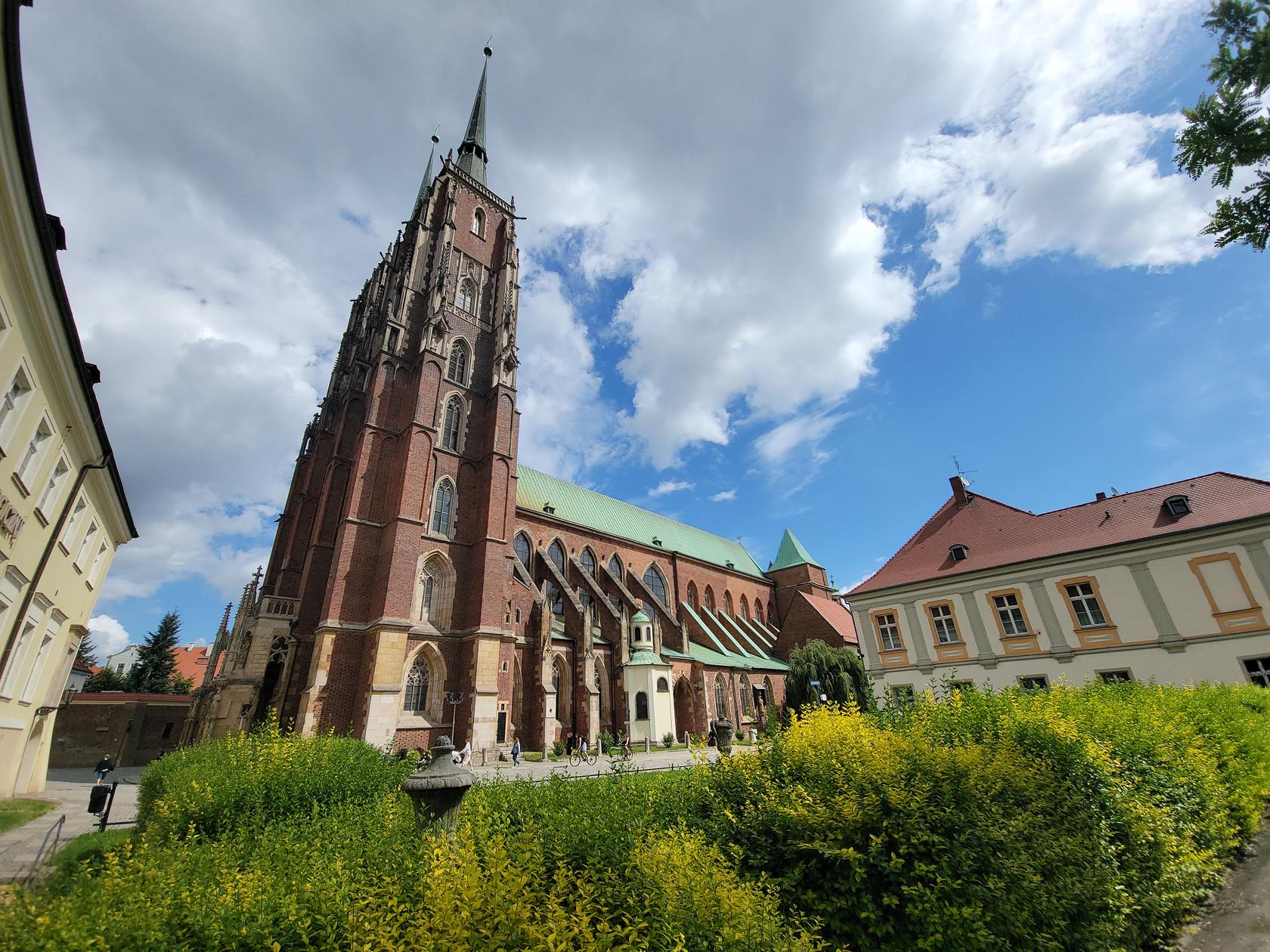
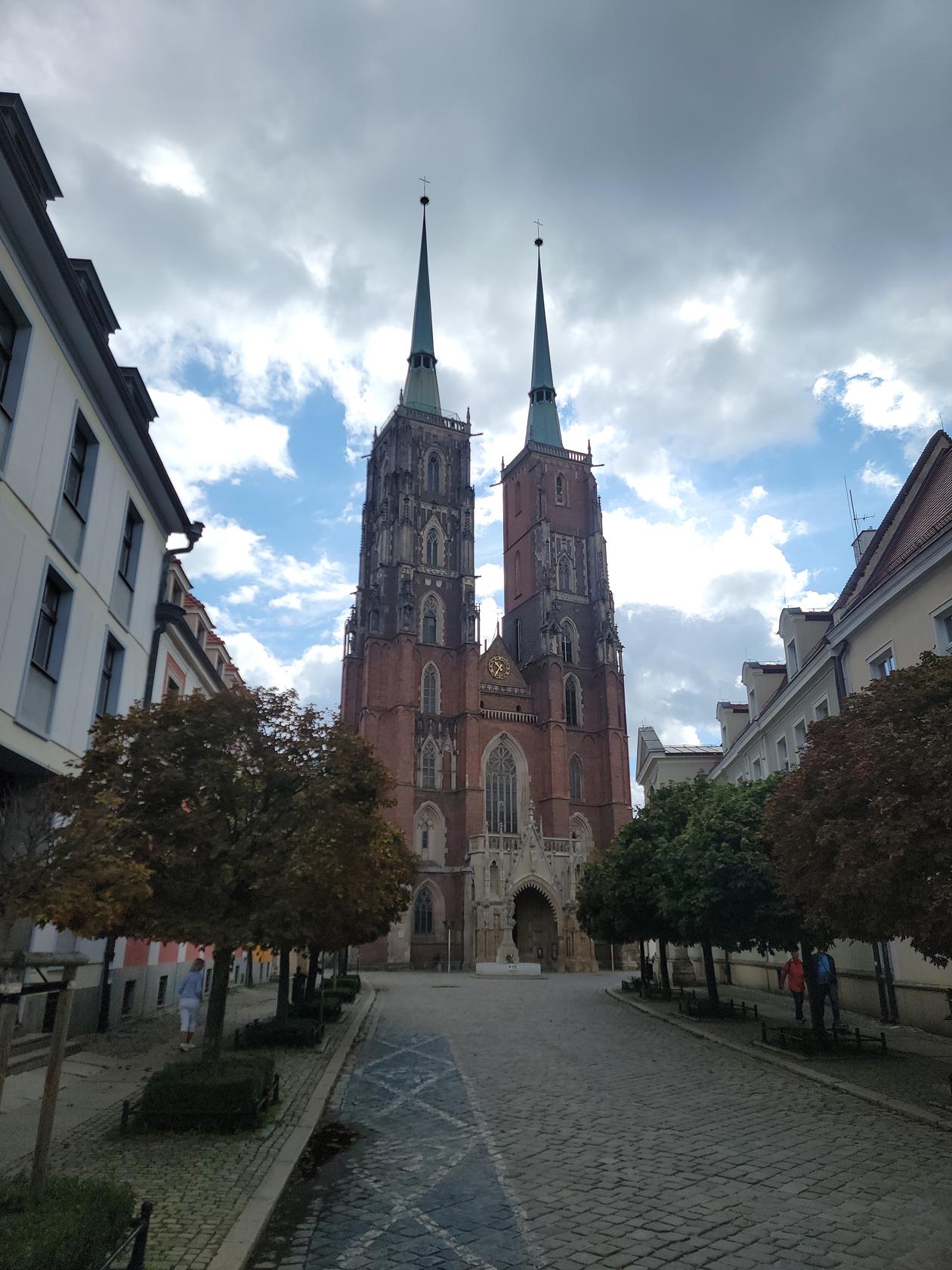
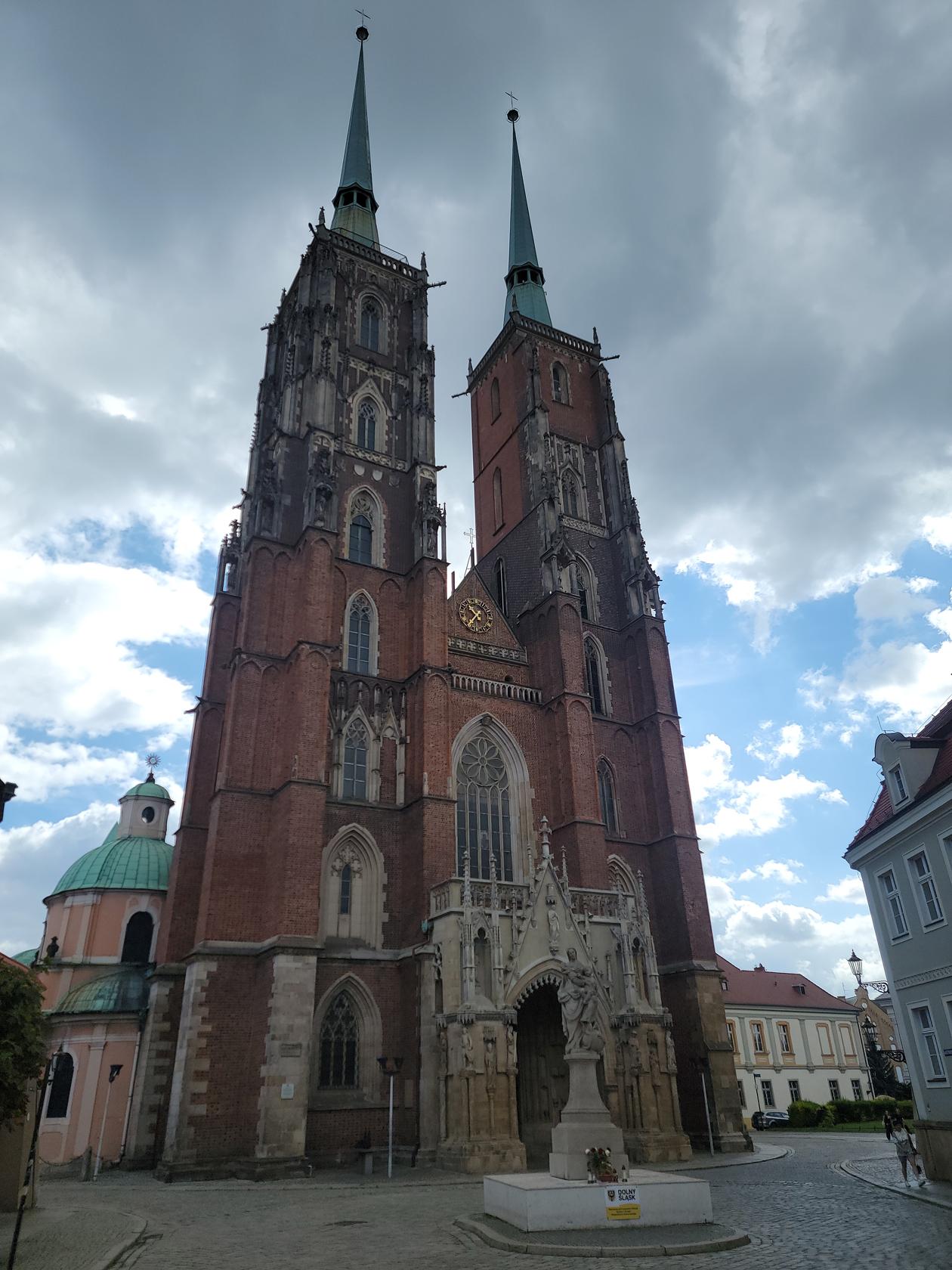
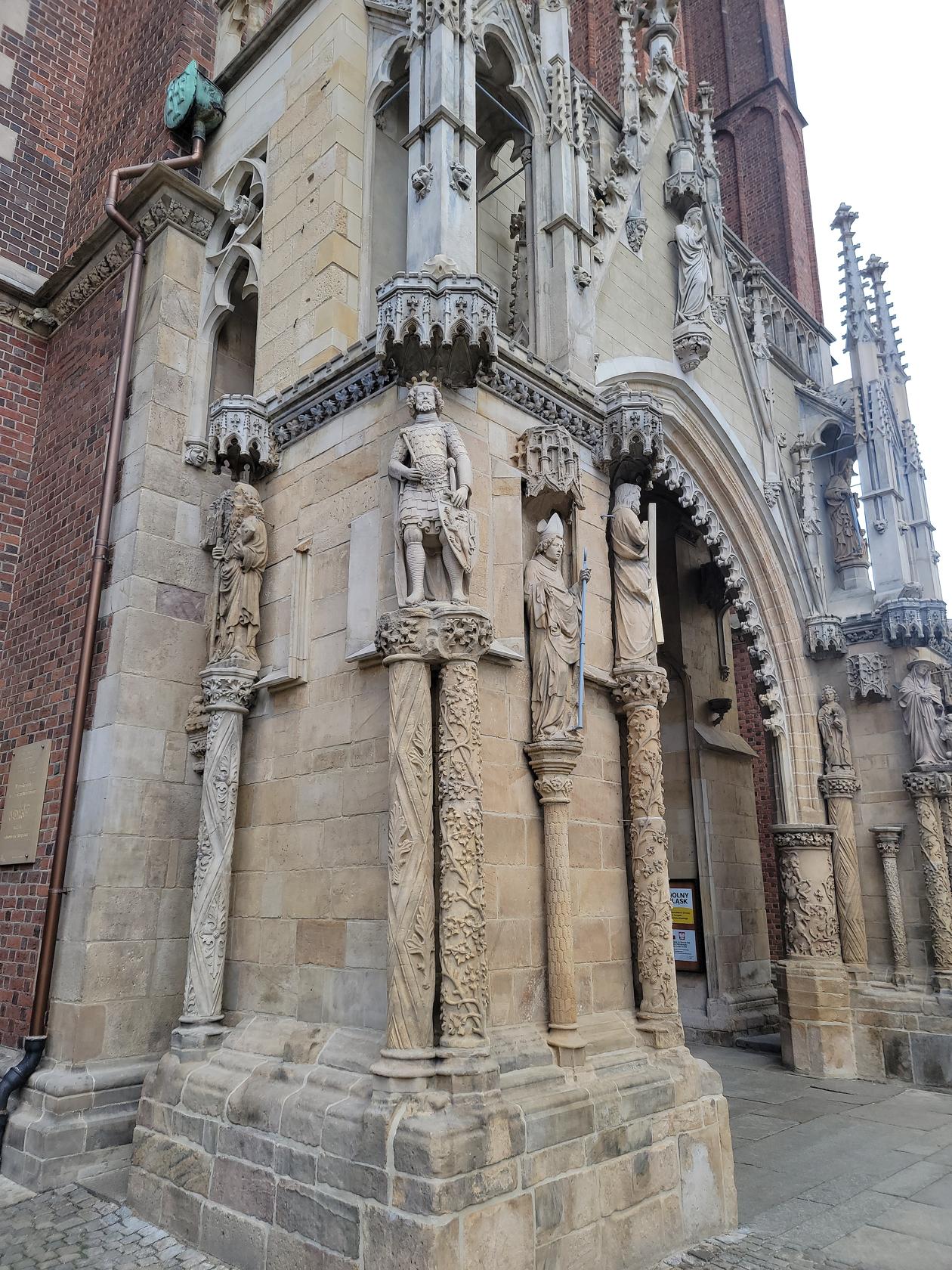
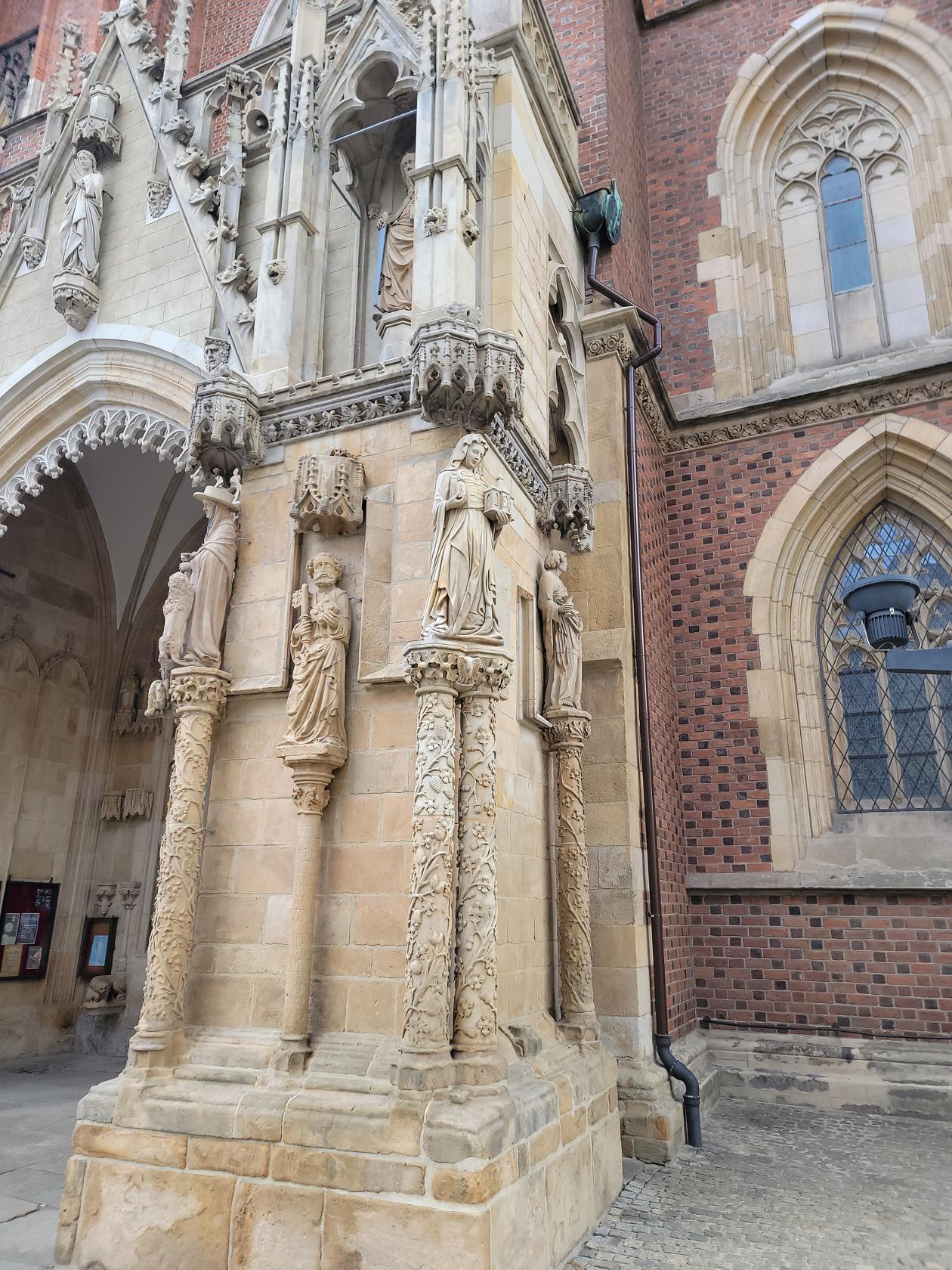
Cathedral – Oder River – Wrocław, Poland
Wrocław
Situated on the river Oder, Wrocław is today an odd mix of old, new and unfinished. We were actually quite surprised at how often we came up parcels in the city that were either unimproved or totally abandoned. That coupled with the weather, which for us turned rainy, made for a lasting impression of it being a dreary place if it so wished.
Bastion Sakwowy – Wrocław, Poland
Bastion Sakwowy – Wrocław, Poland
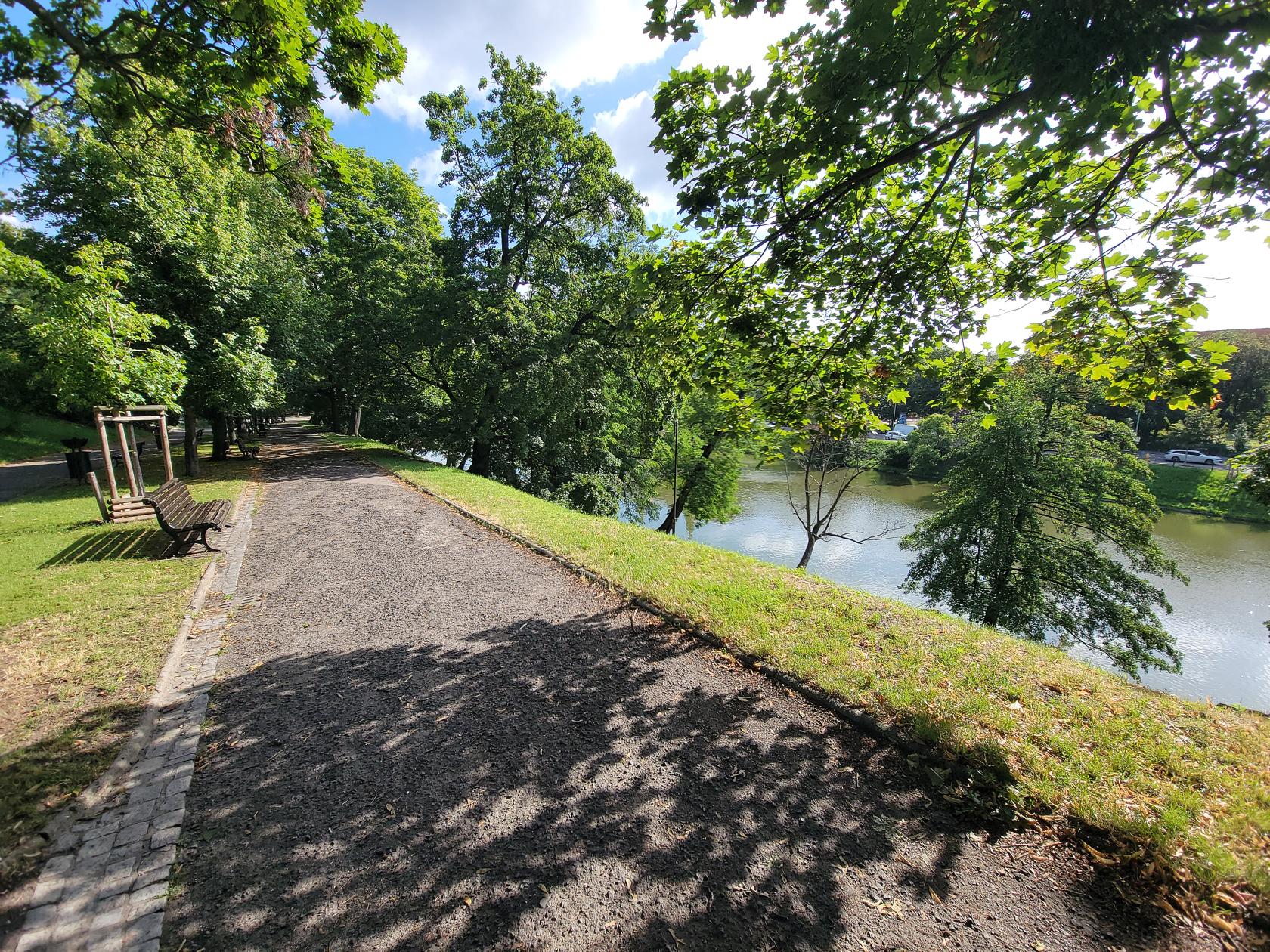
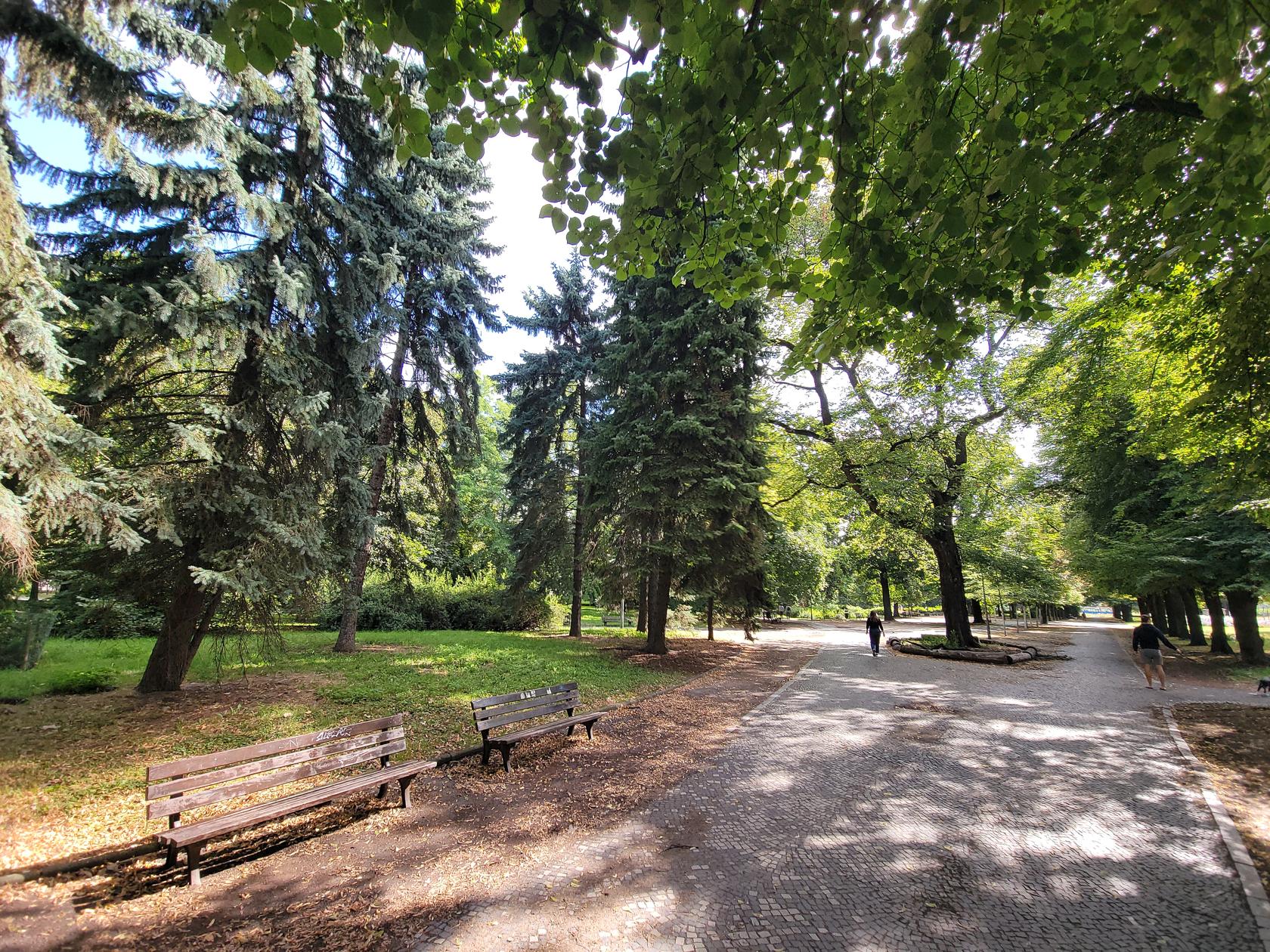
Promenade – Wrocław, Poland
Promenade – Wrocław, Poland
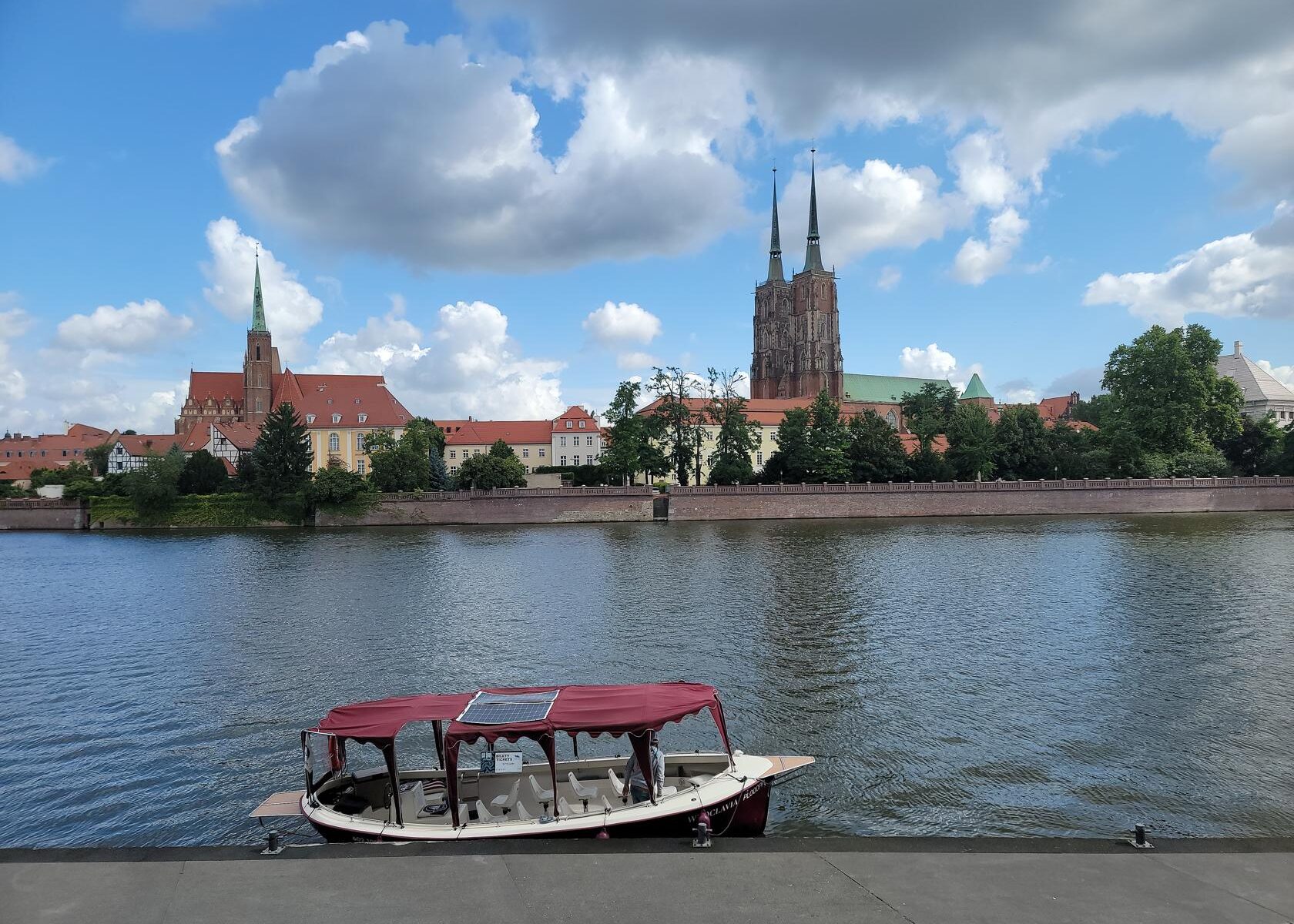
Fortunately we had enough good weather, however changeable it was, to tour the entire city and enjoy it. We especially enjoyed the area around the Wrocław Cathedral and would commend you visit there if you have a half day to spare.
Getting There
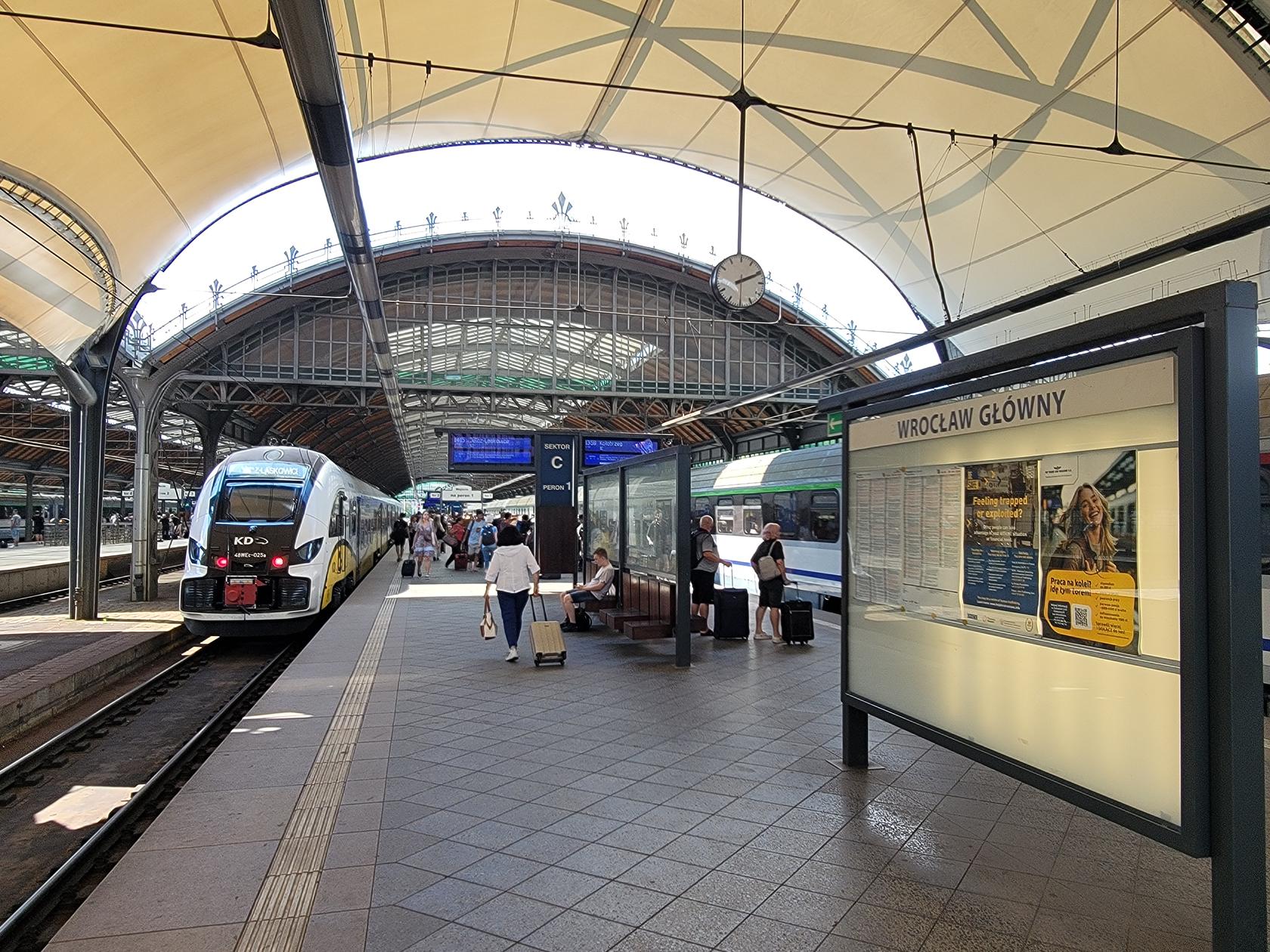
The easiest way to get to Wrocław from Kraków is either by car, bus or train. Since we try to use trains when we can, we took the inter-city train which took about there and a half hours to travel the distance.
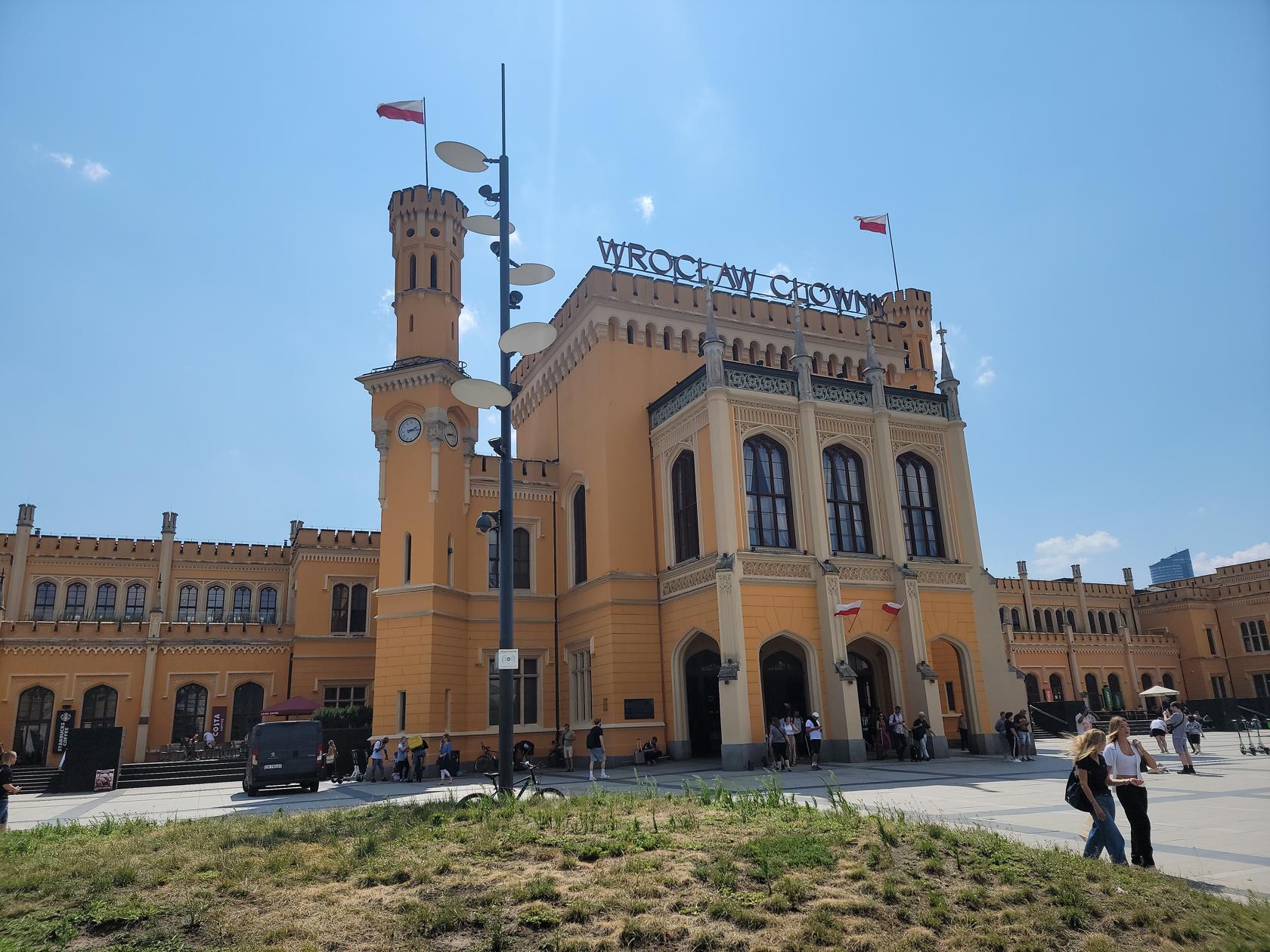
Wrocław Głowny – Wrocław, Poland
Entrance – Wrocław Głowny – Wrocław, Poland
Gnomes Everywhere
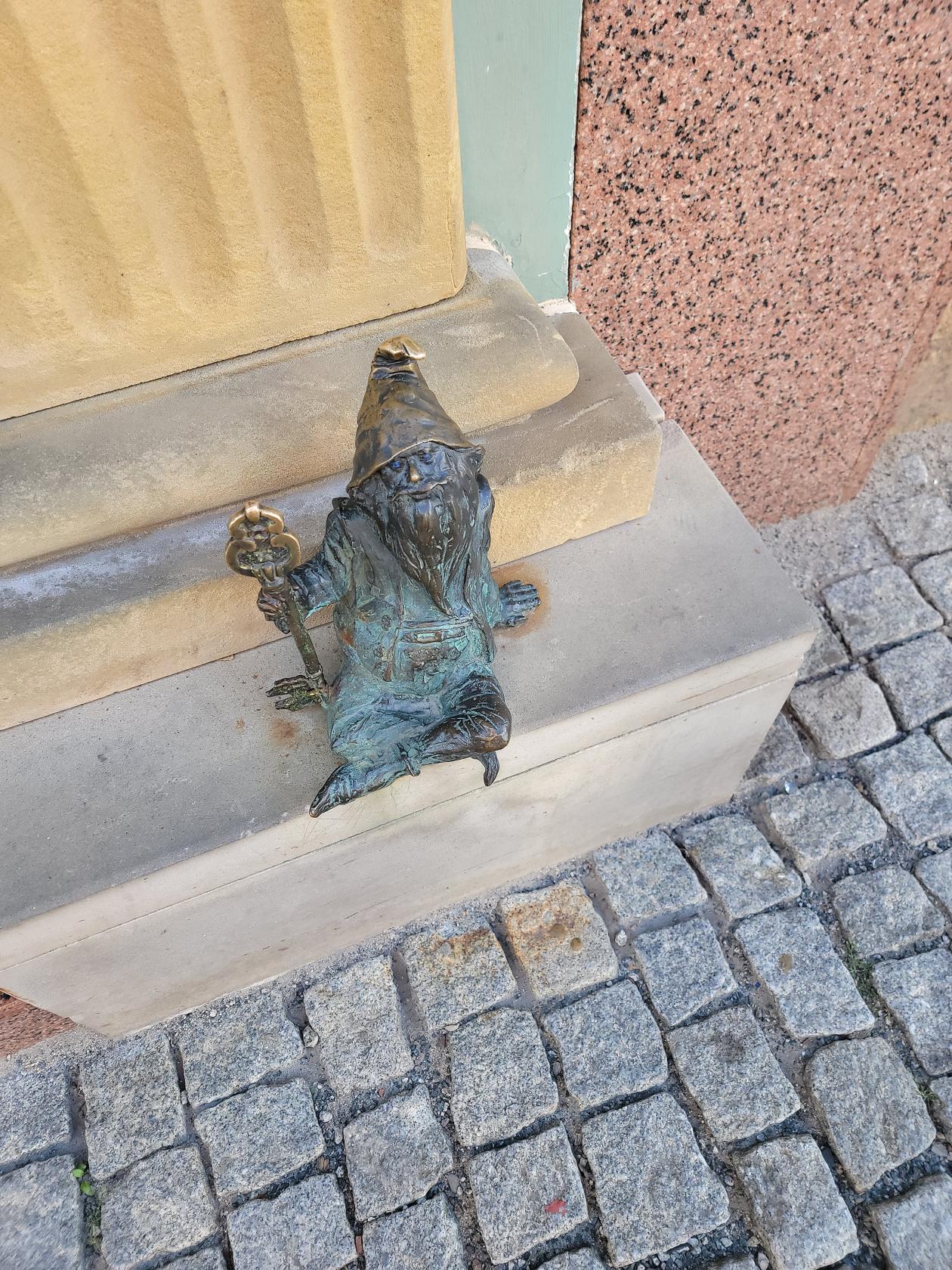
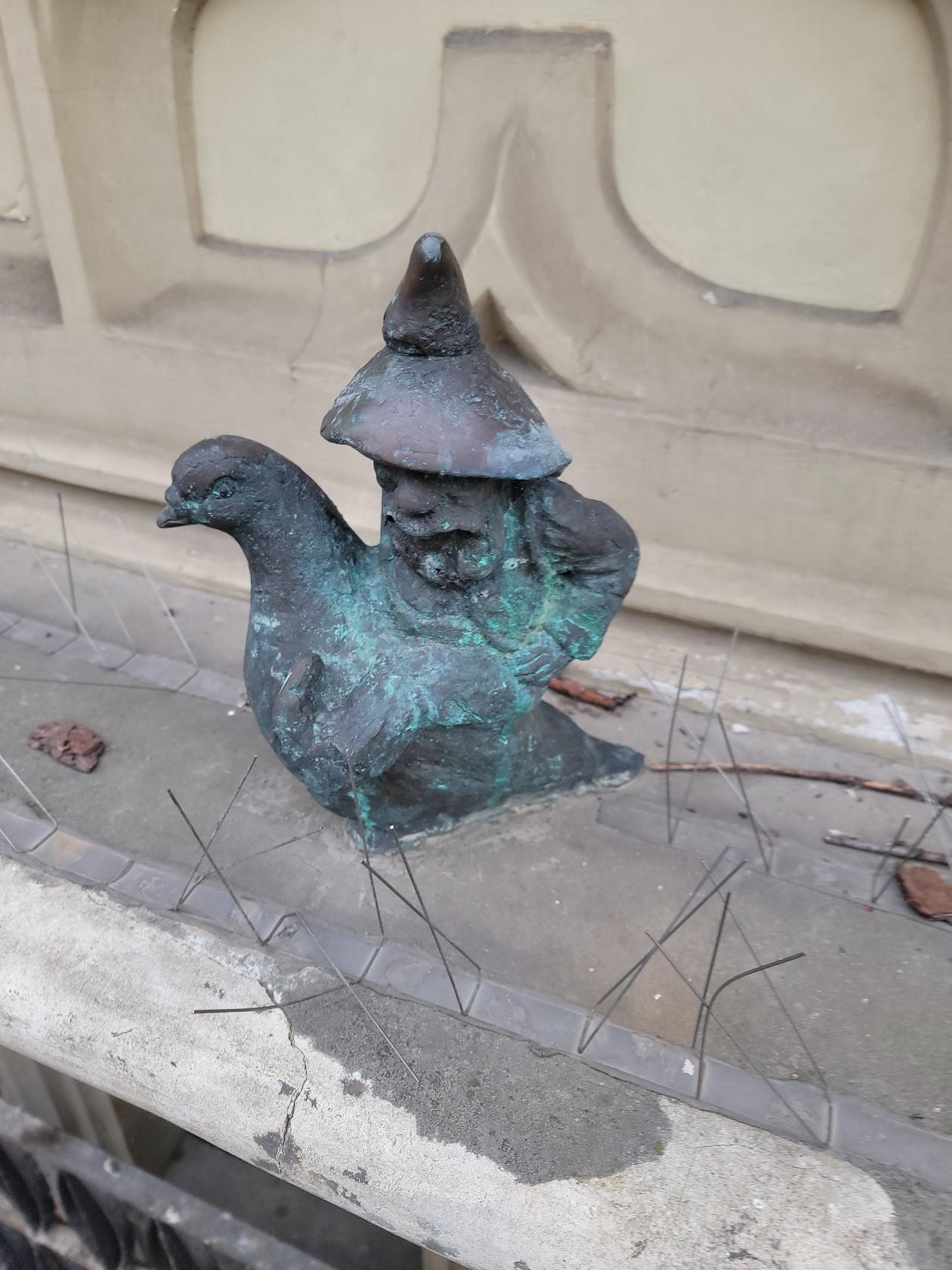
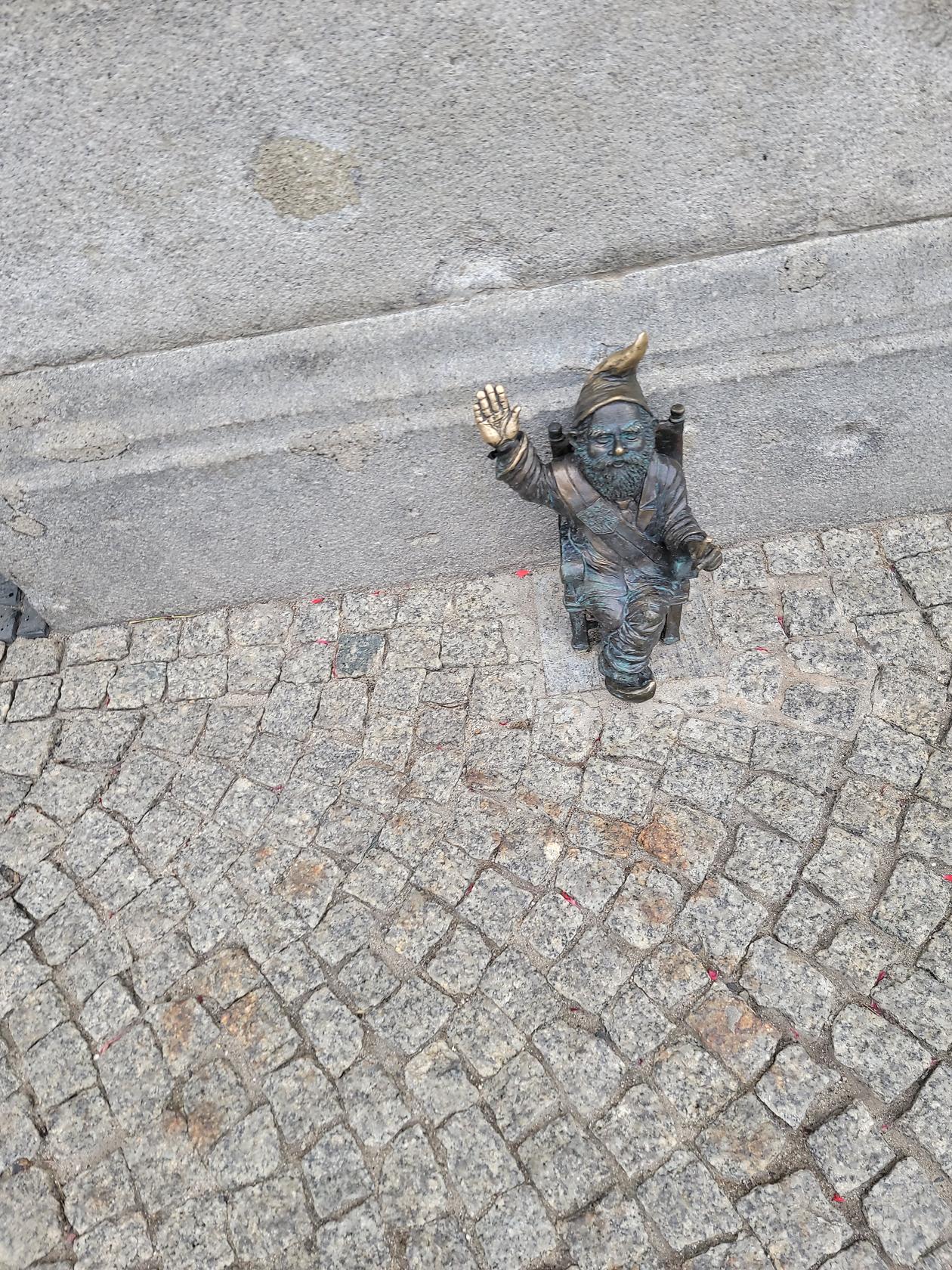
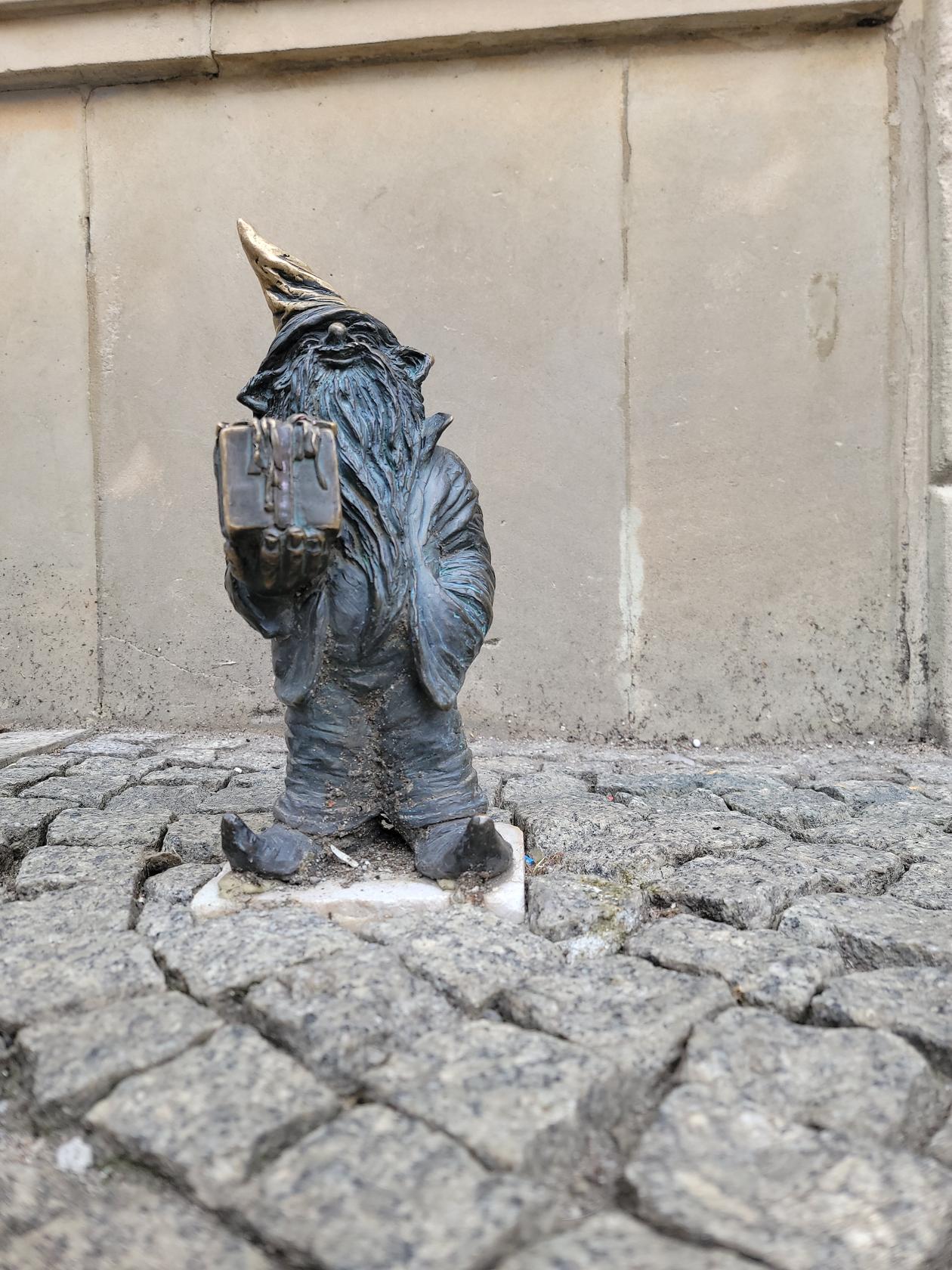
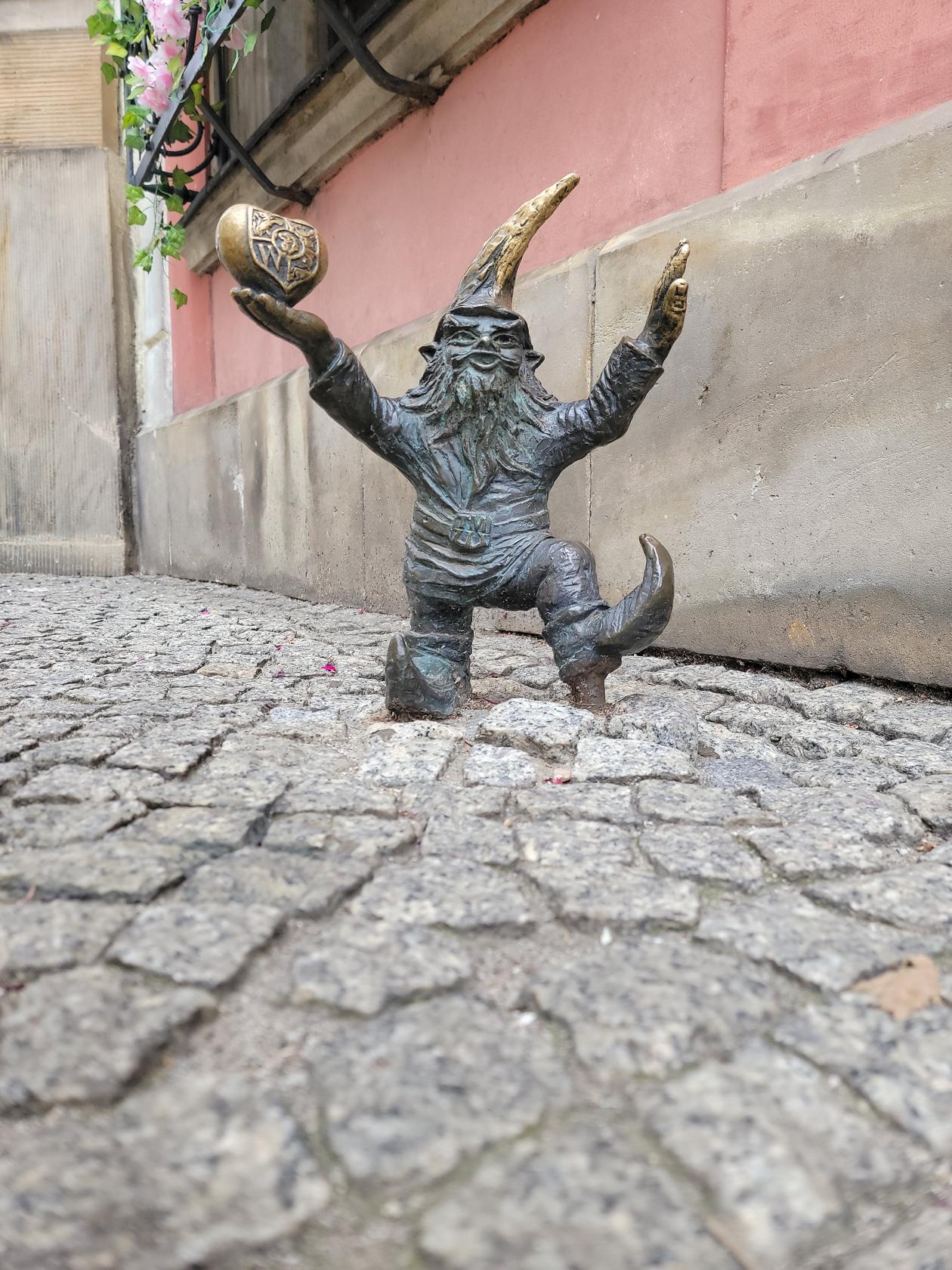
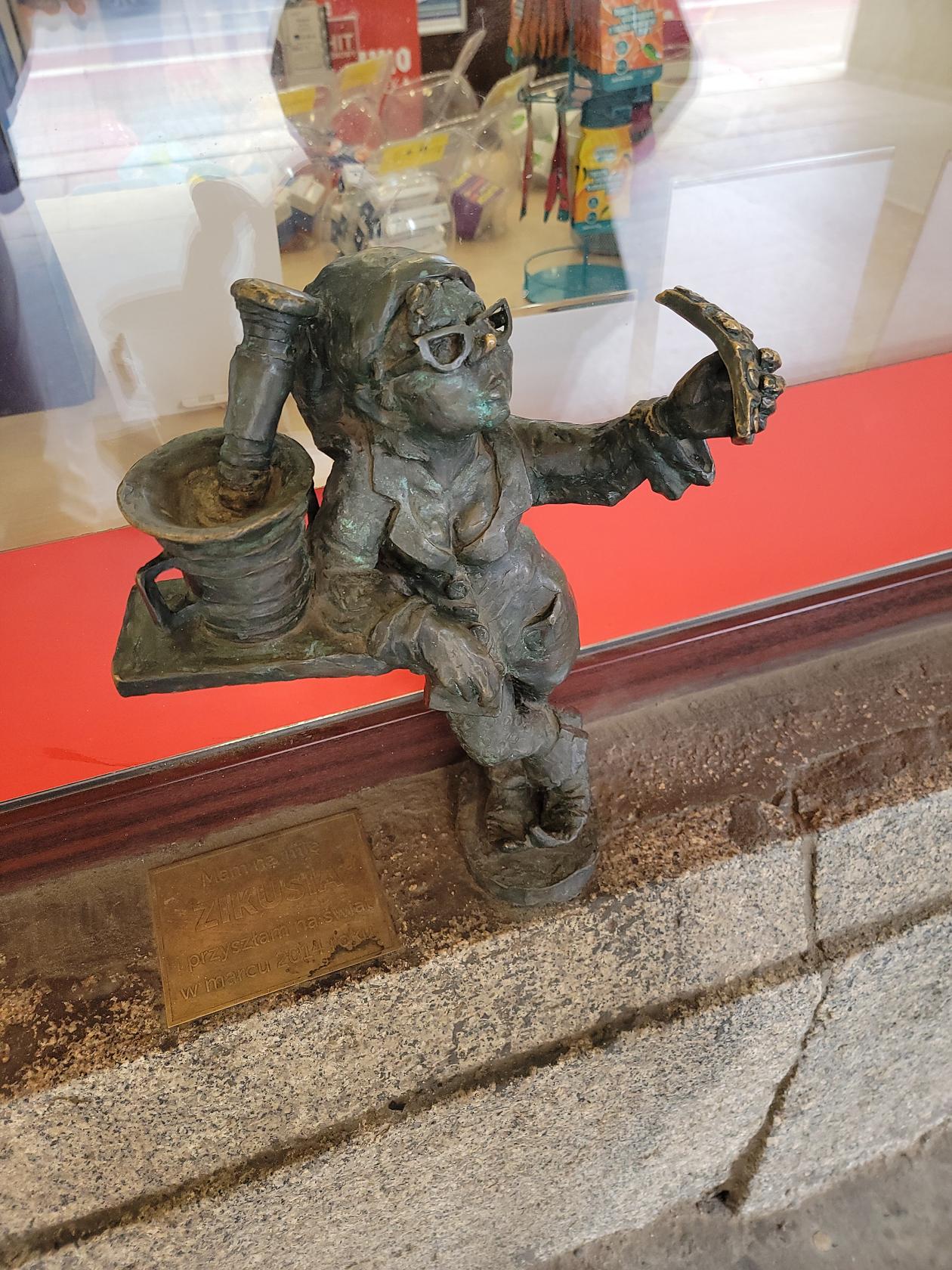
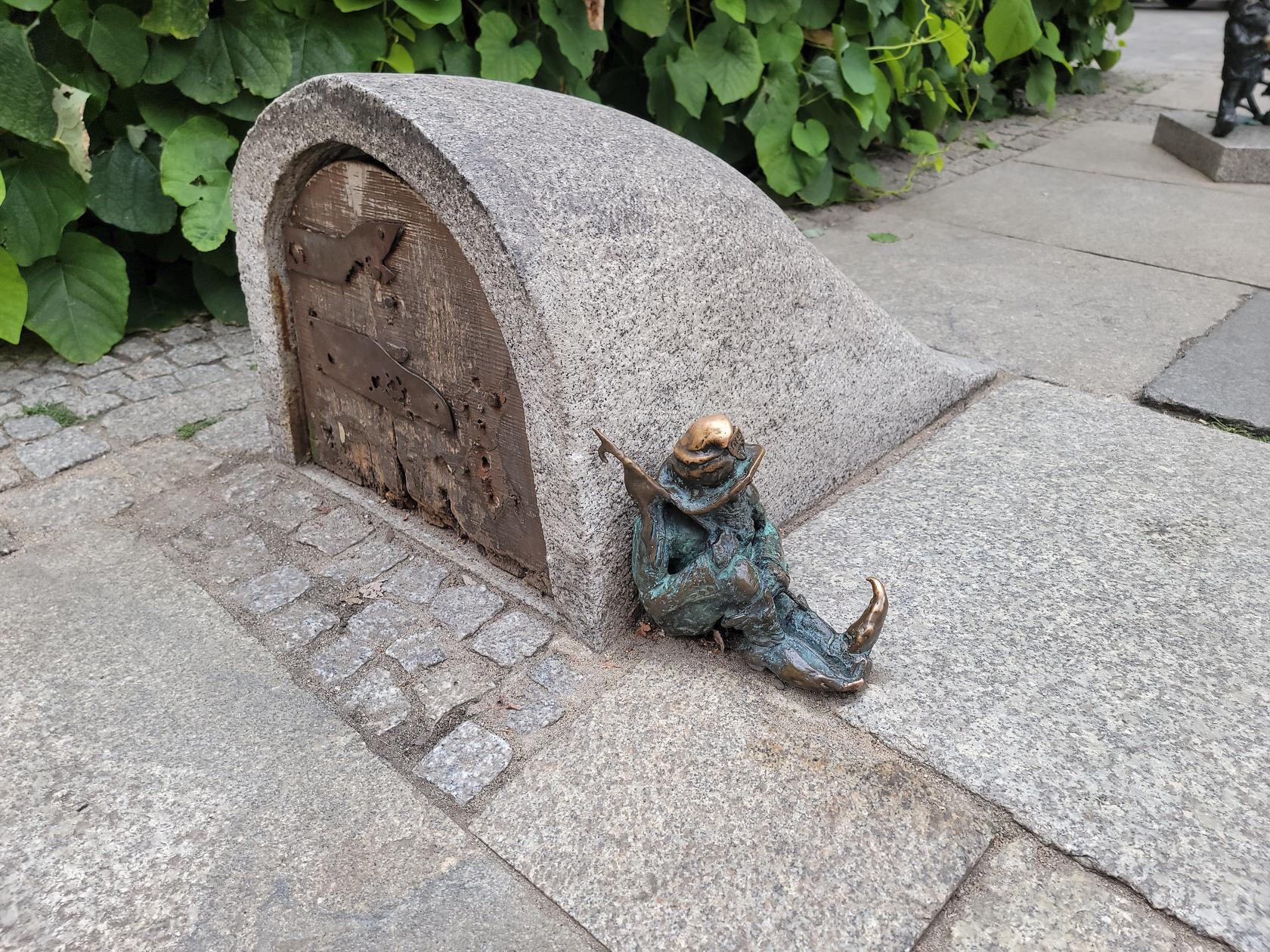
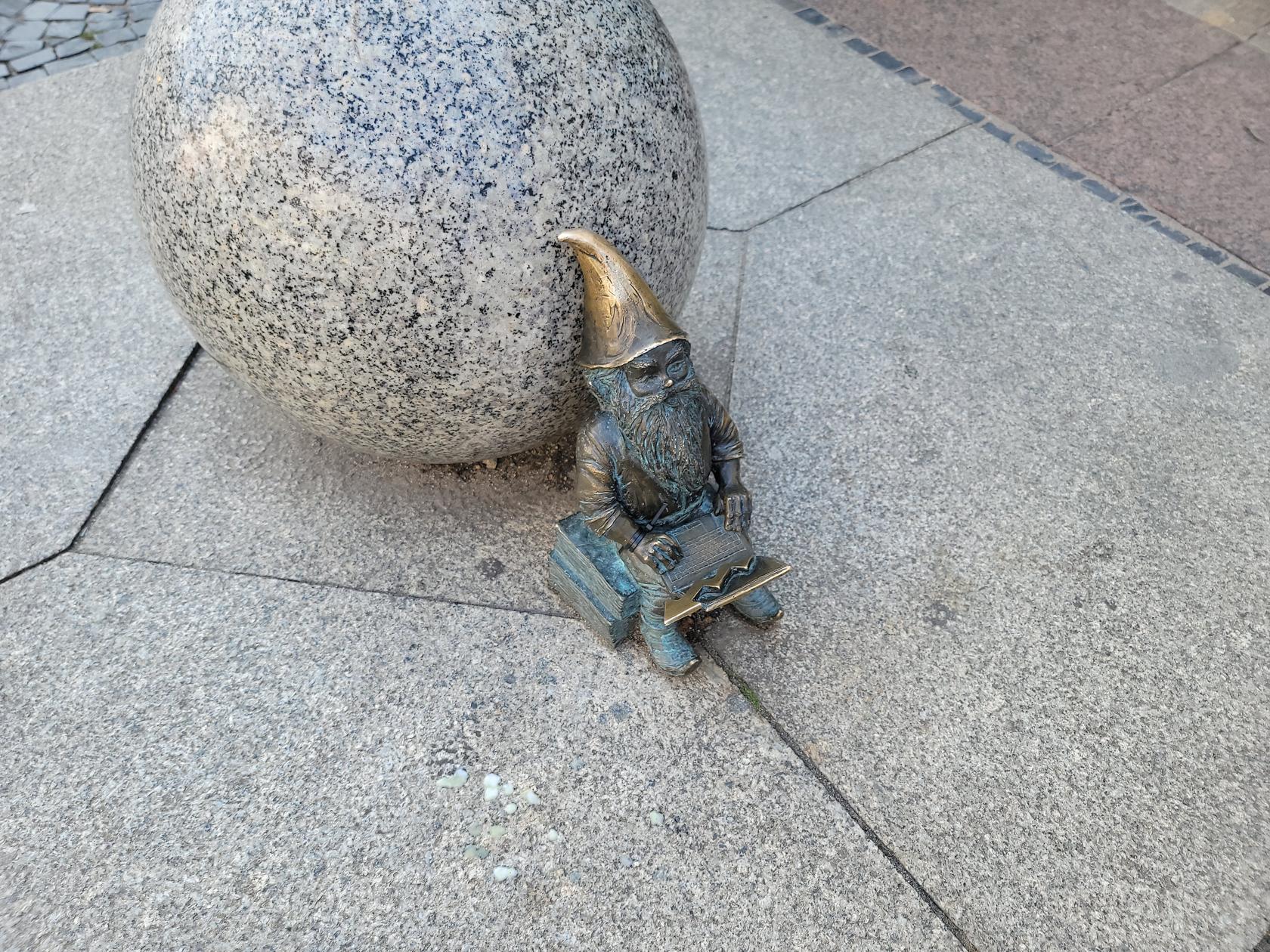
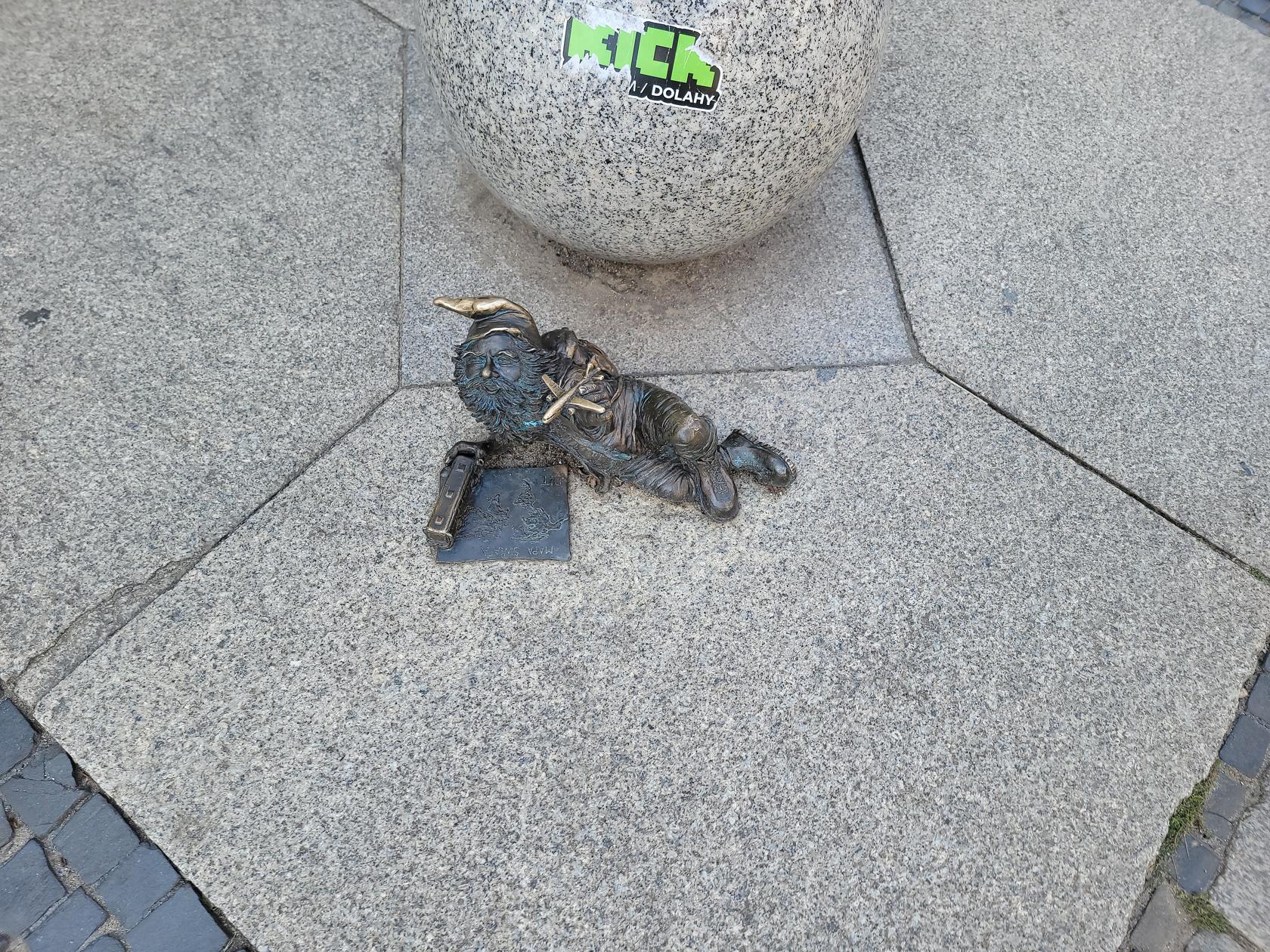
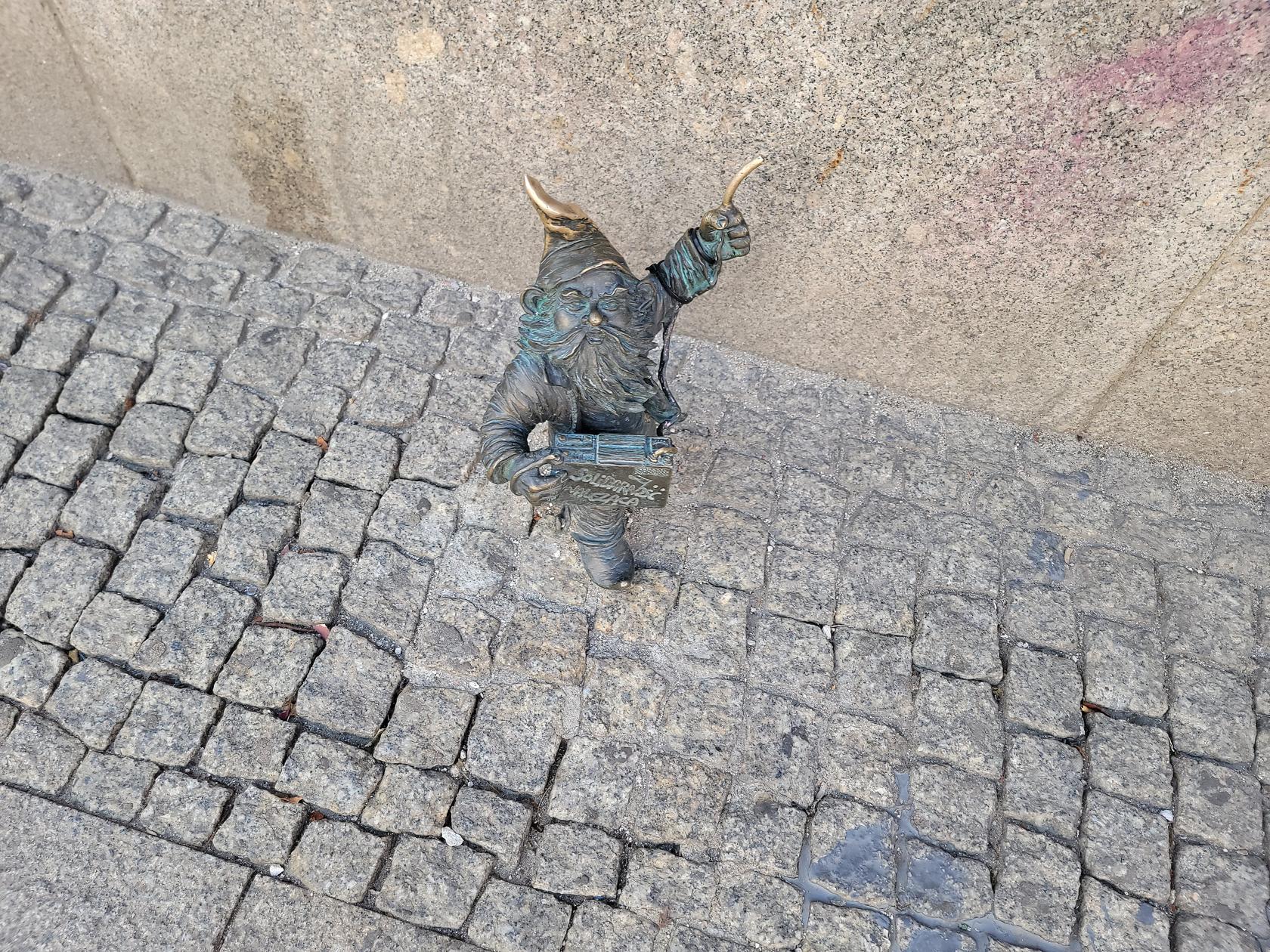
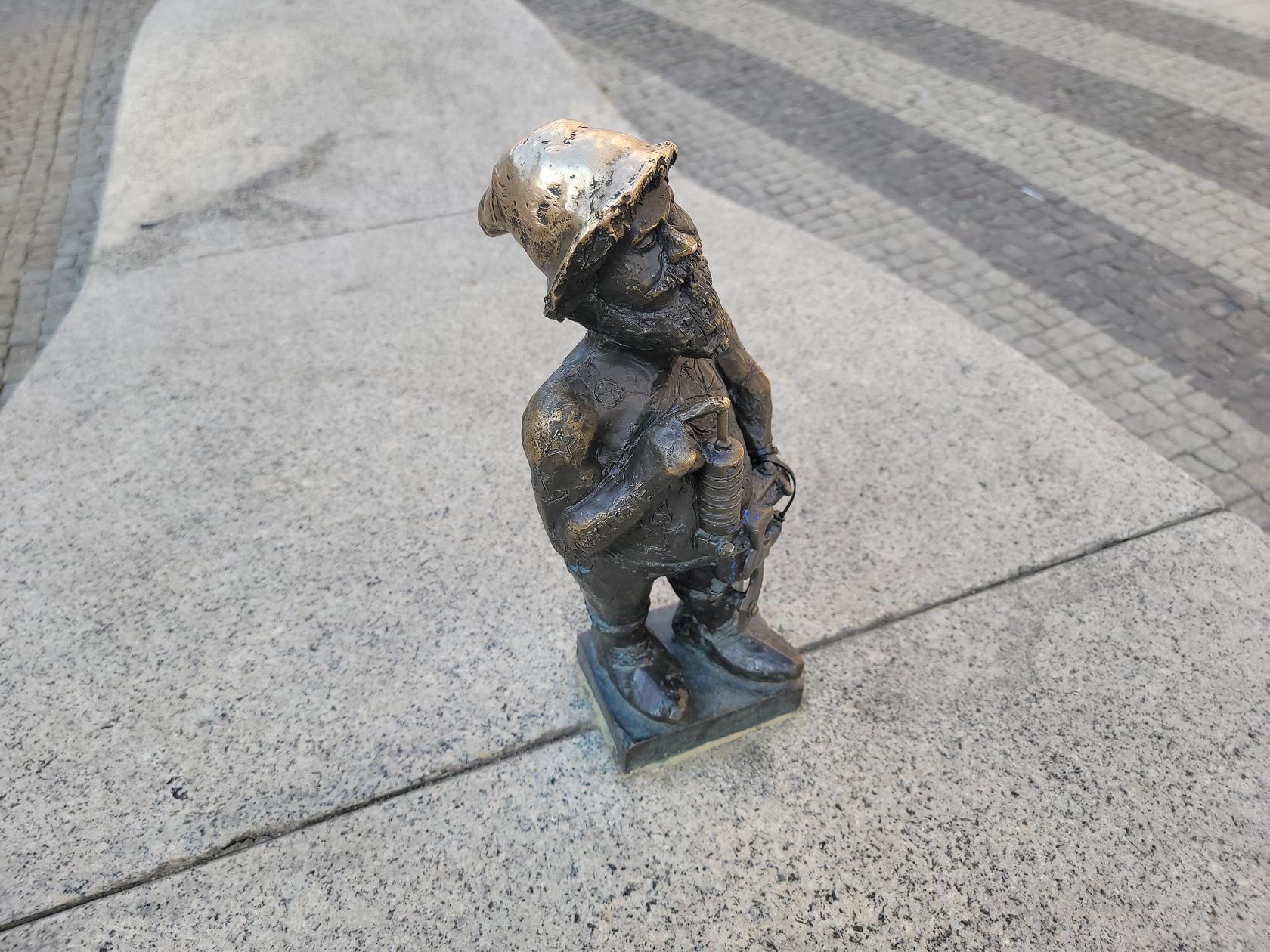
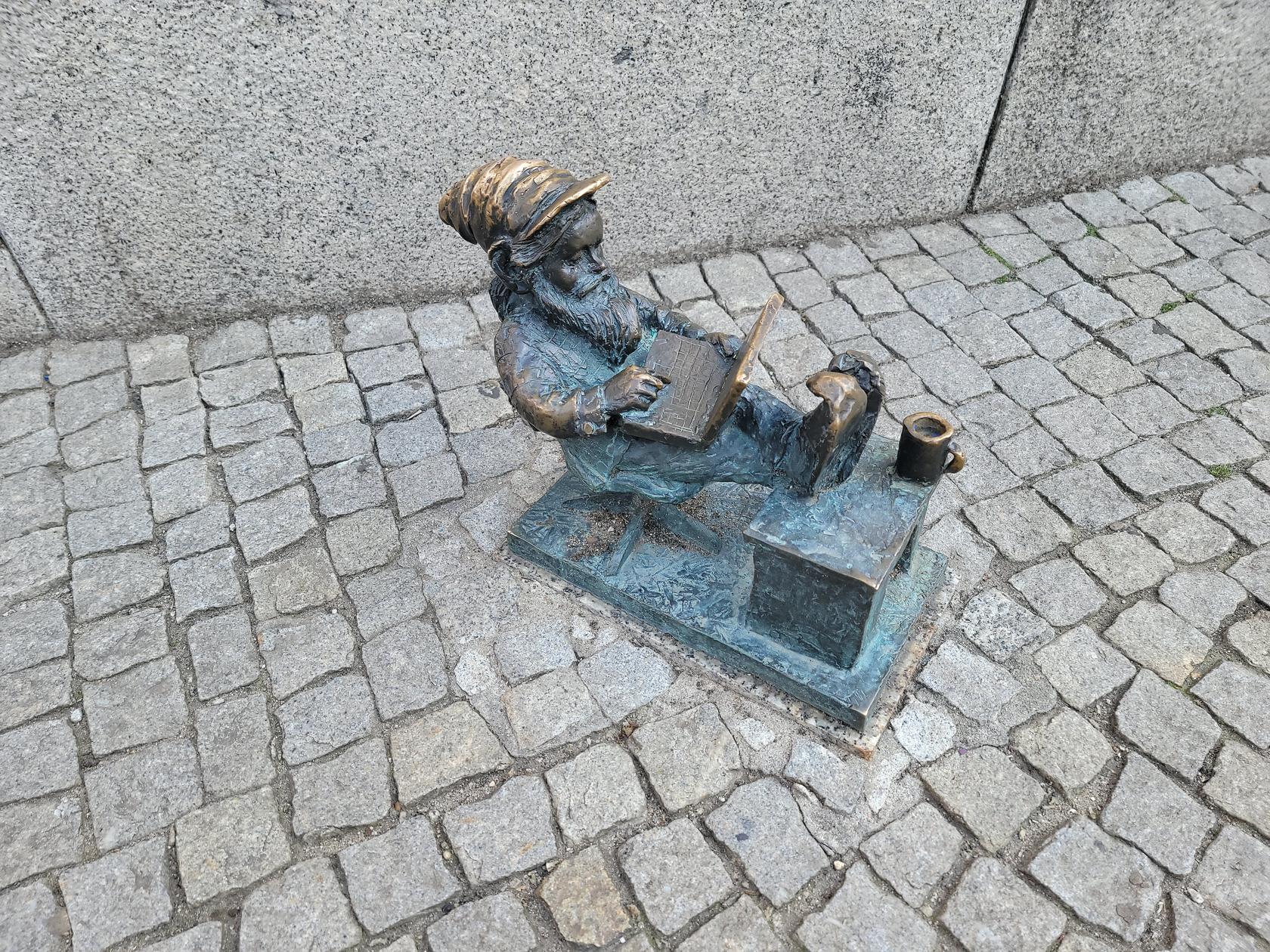
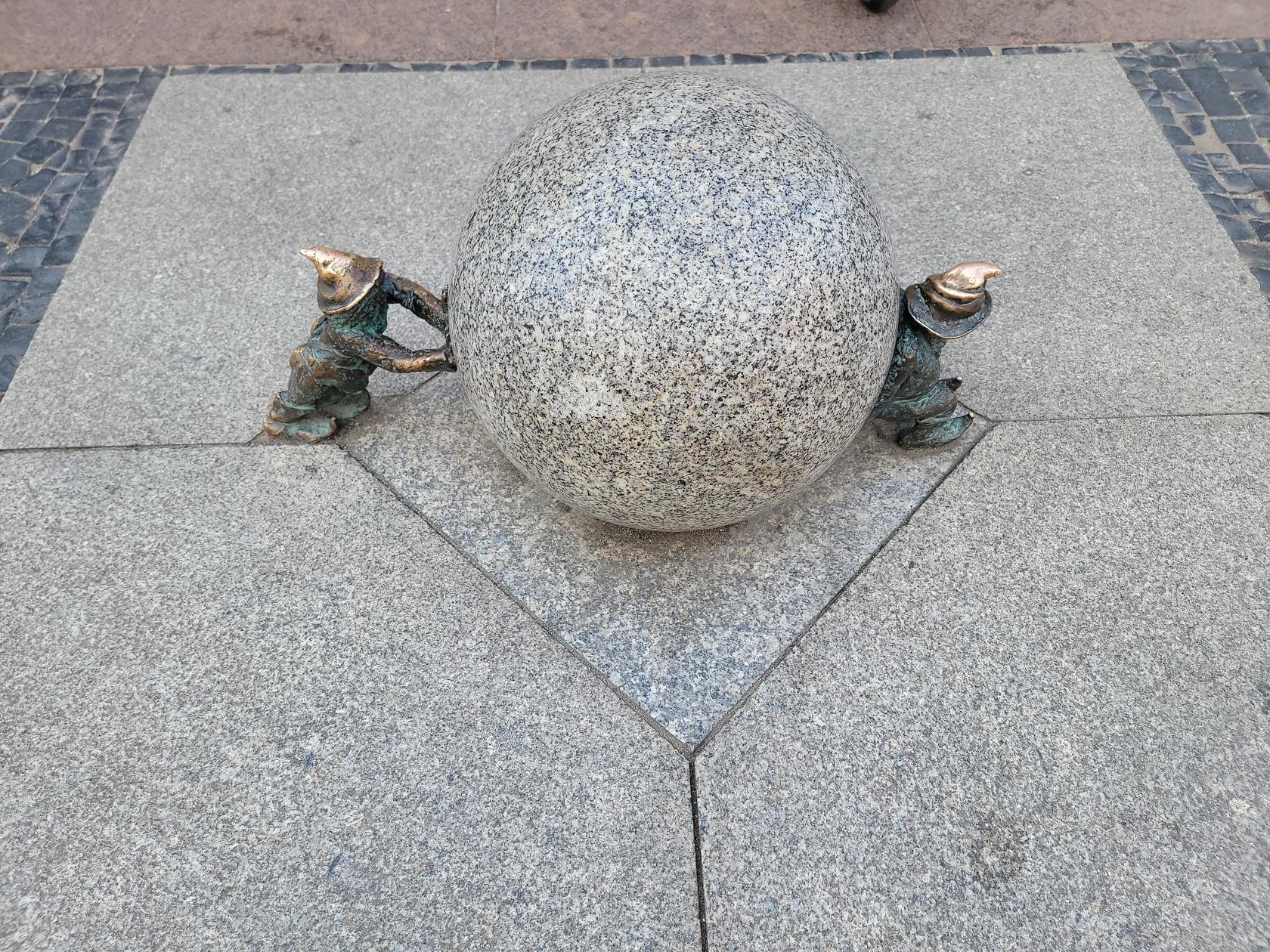
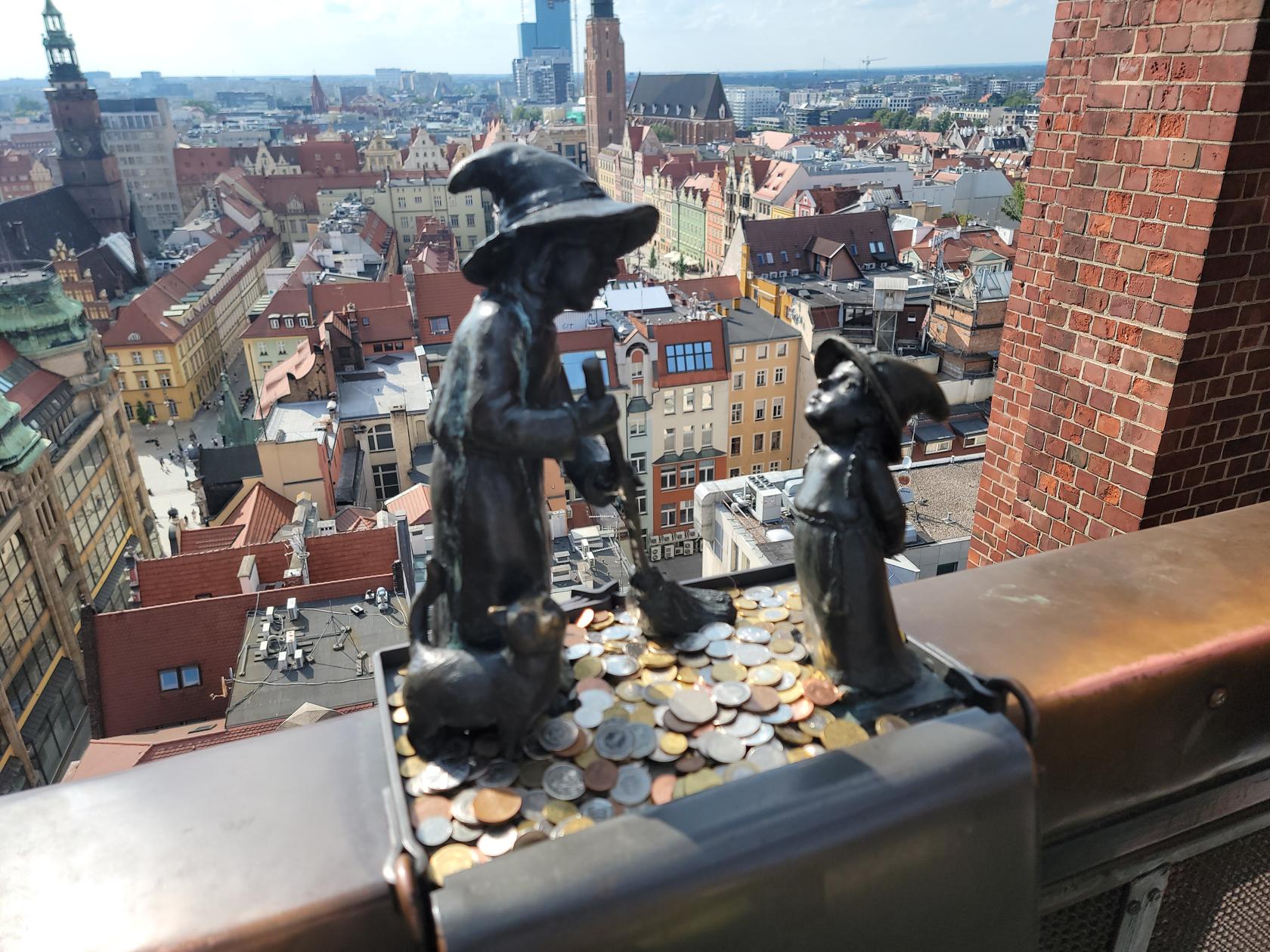
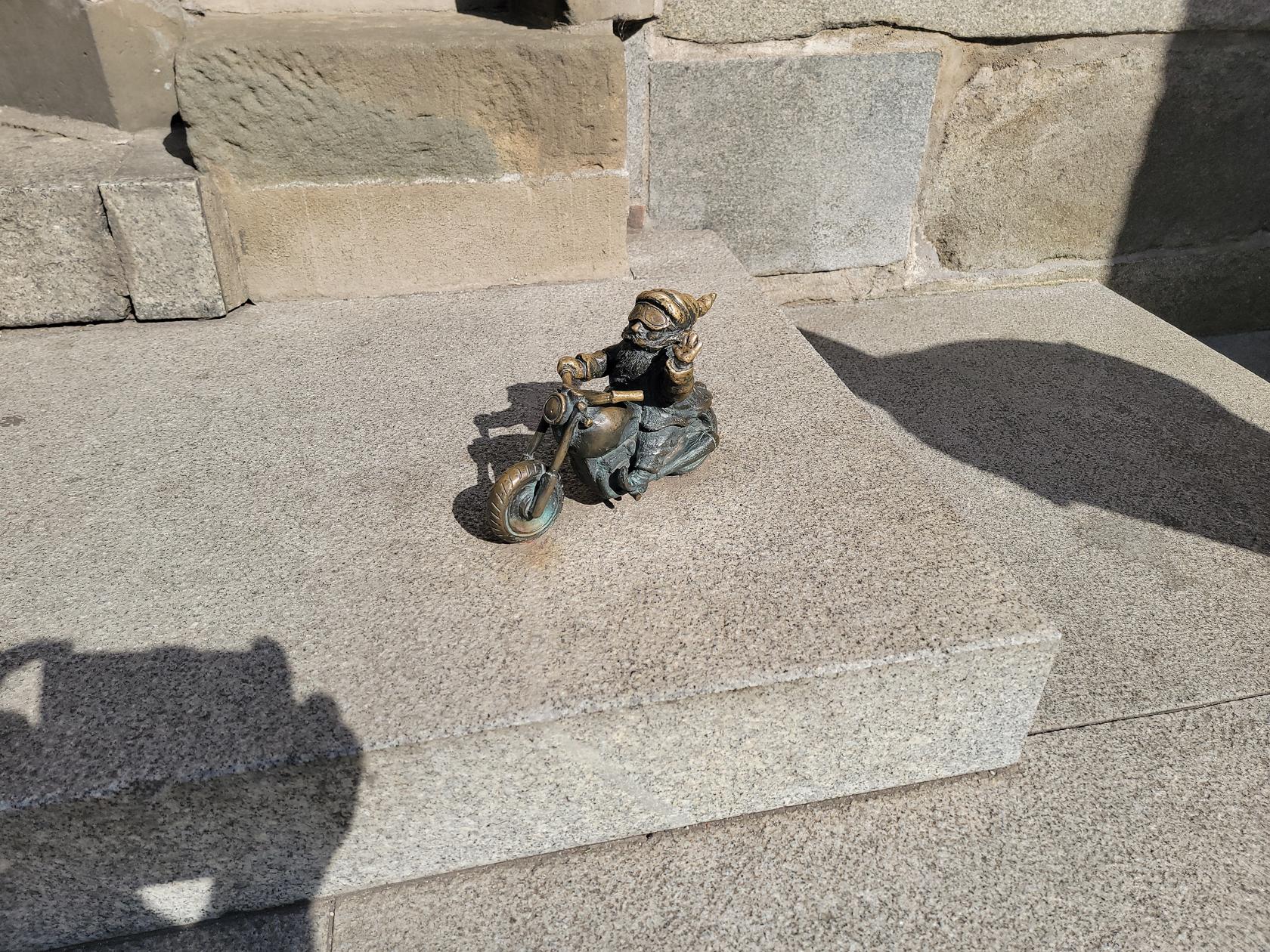
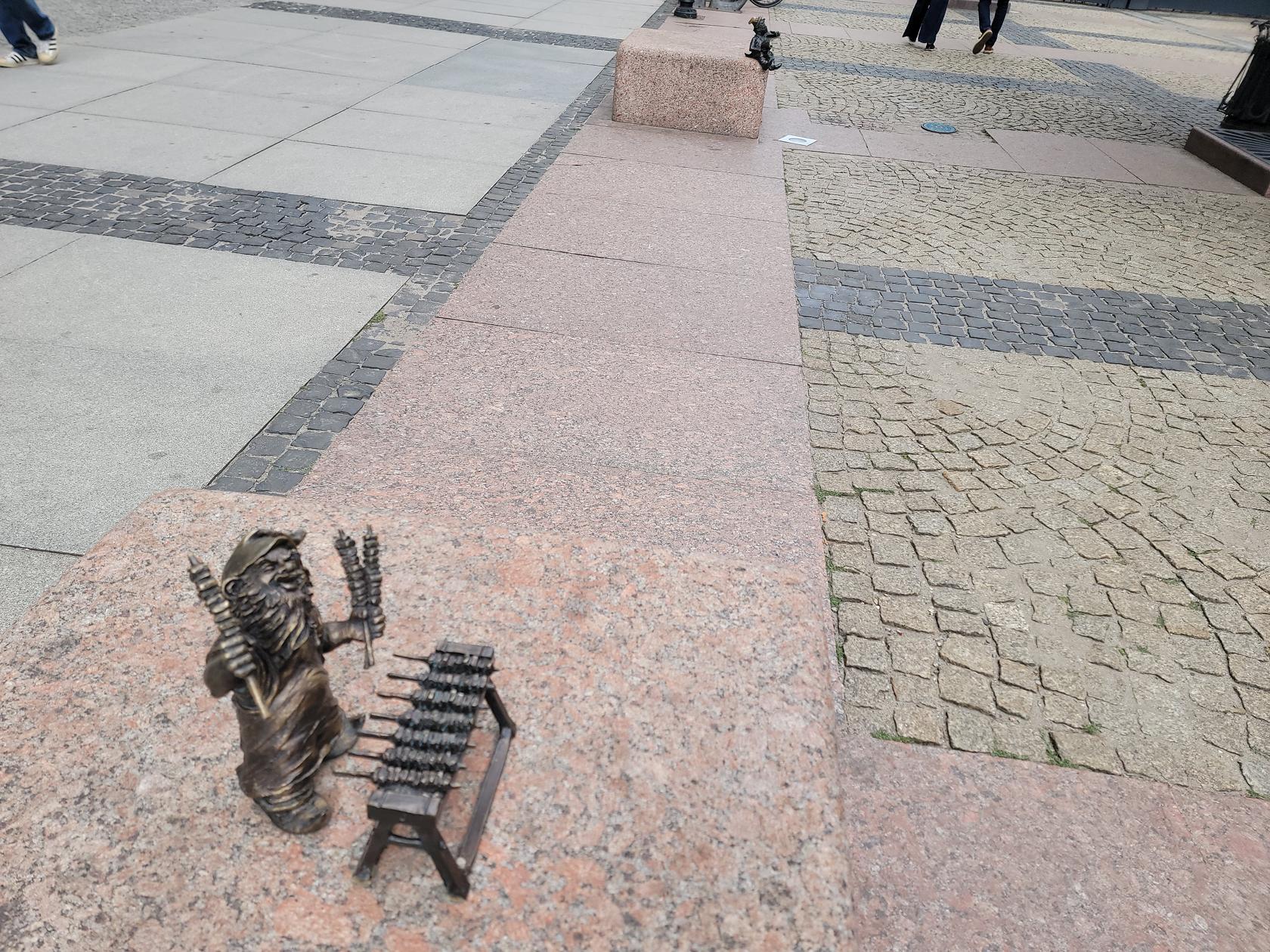
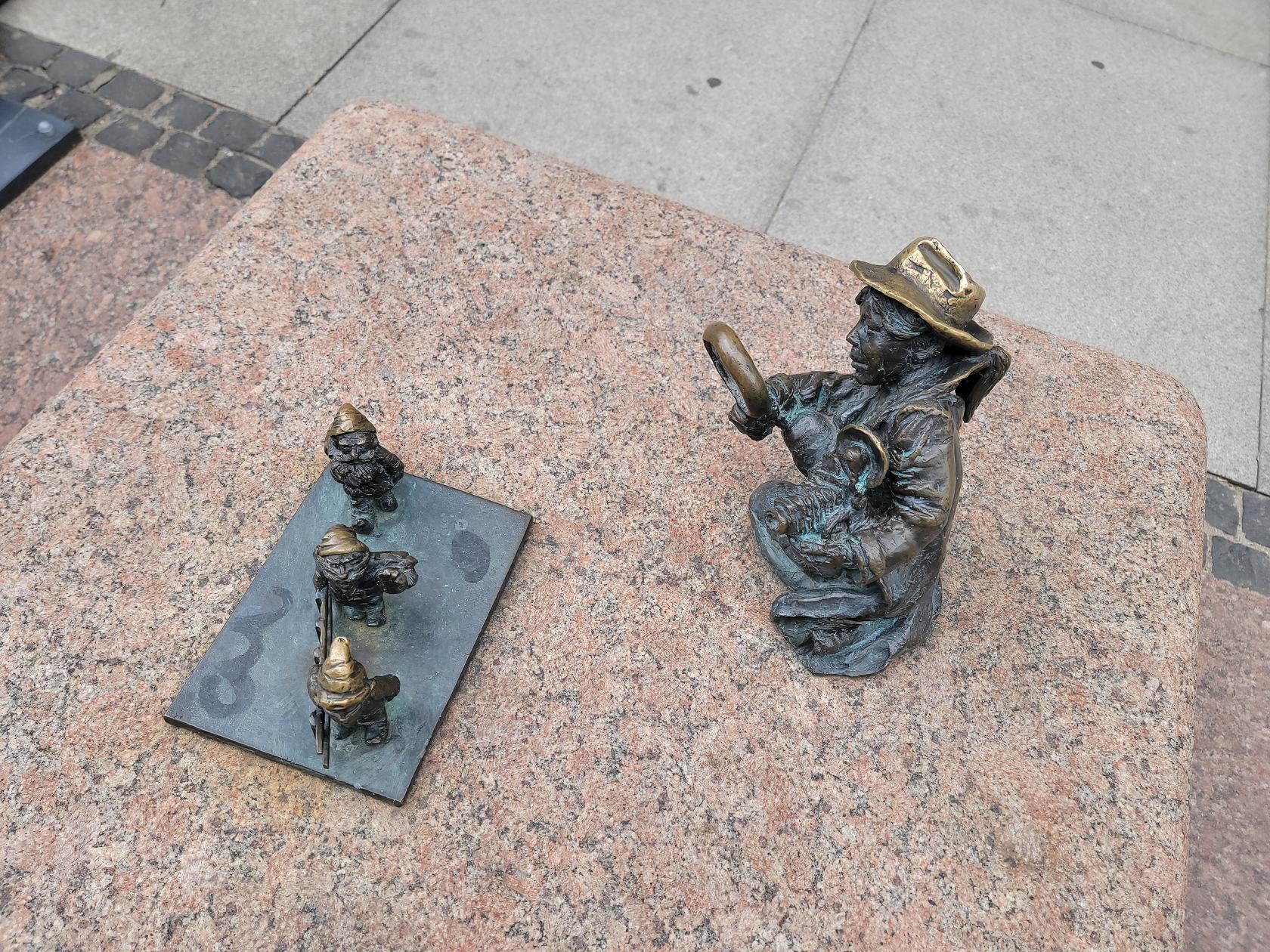
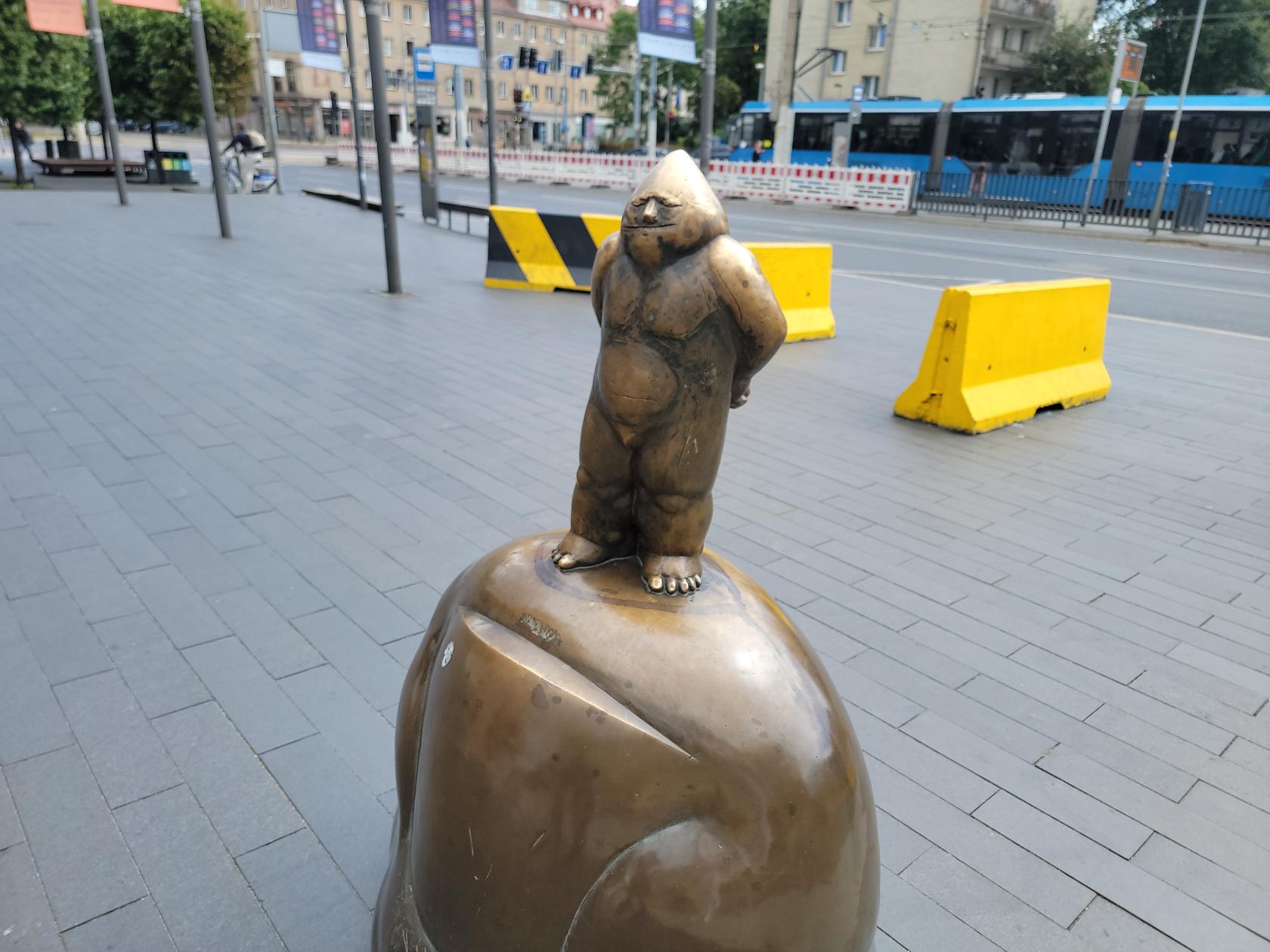
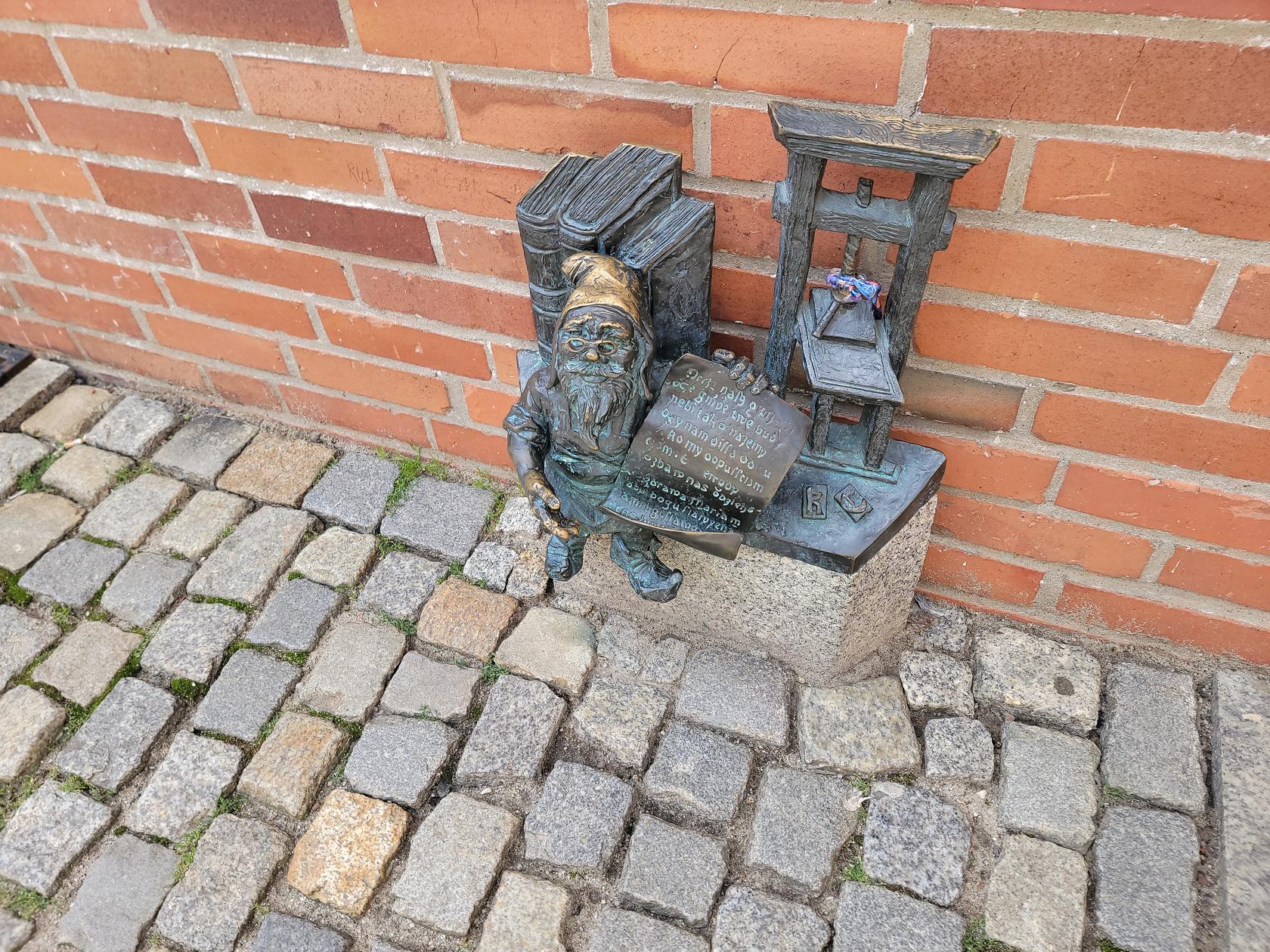
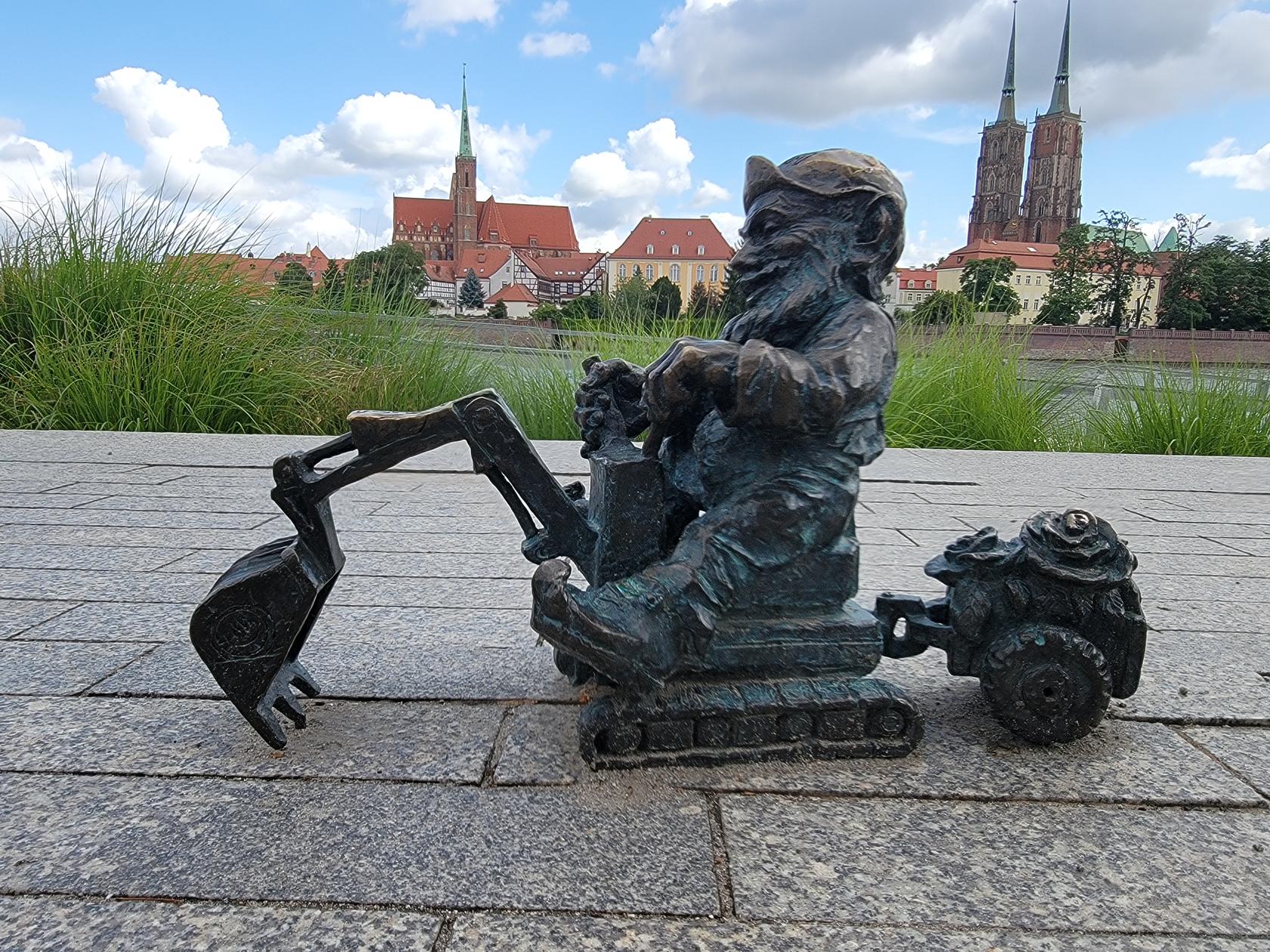
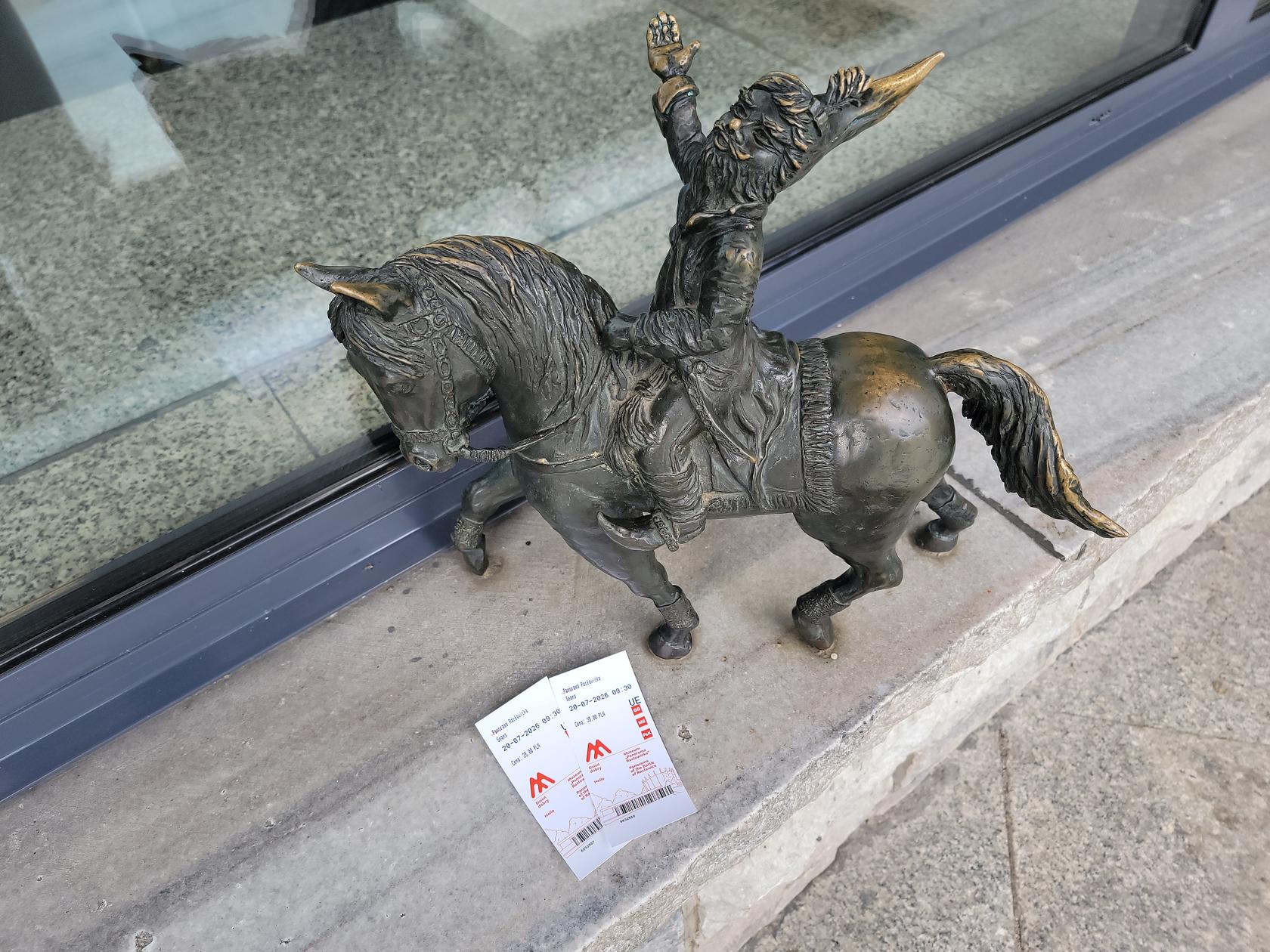
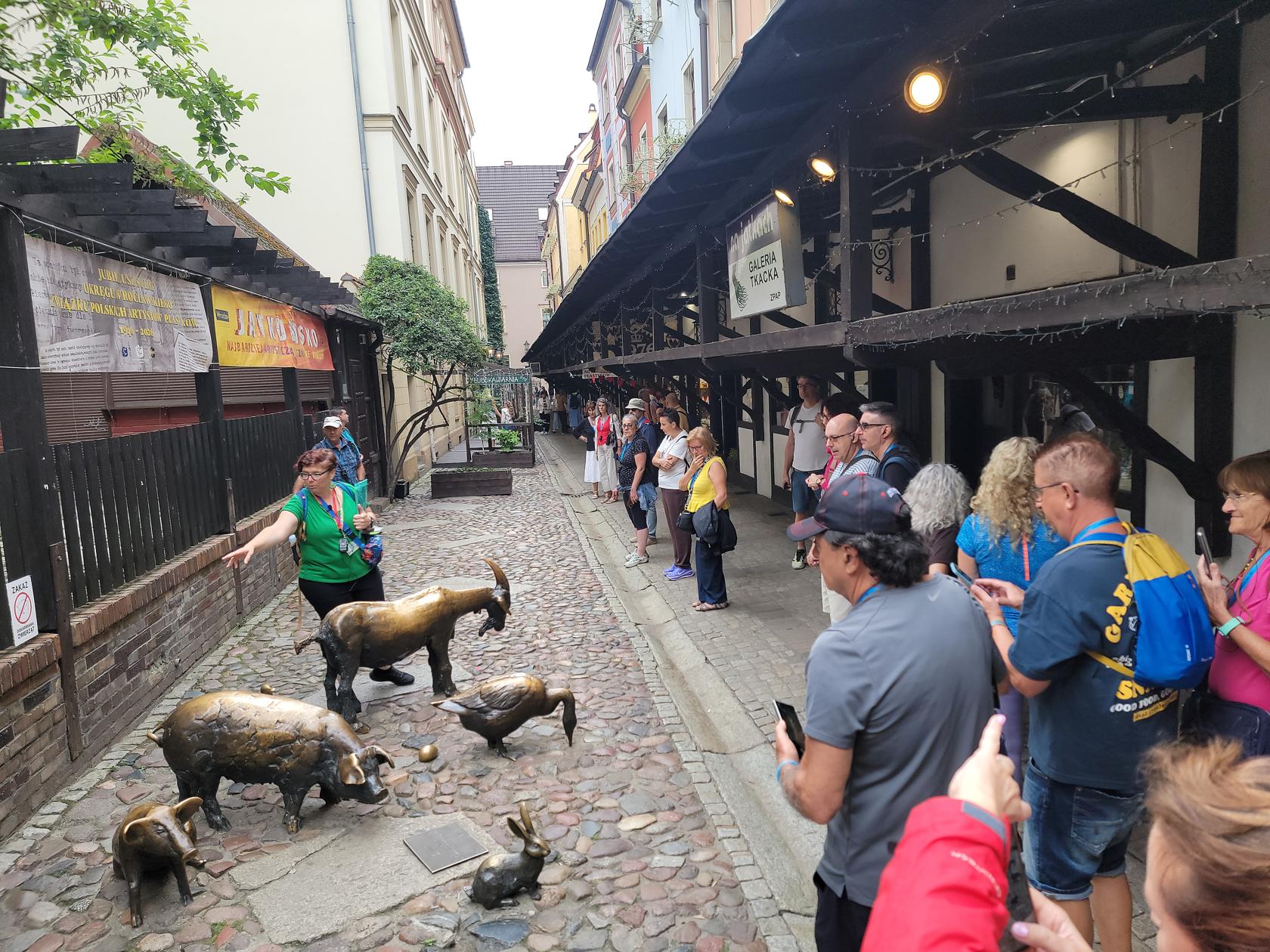
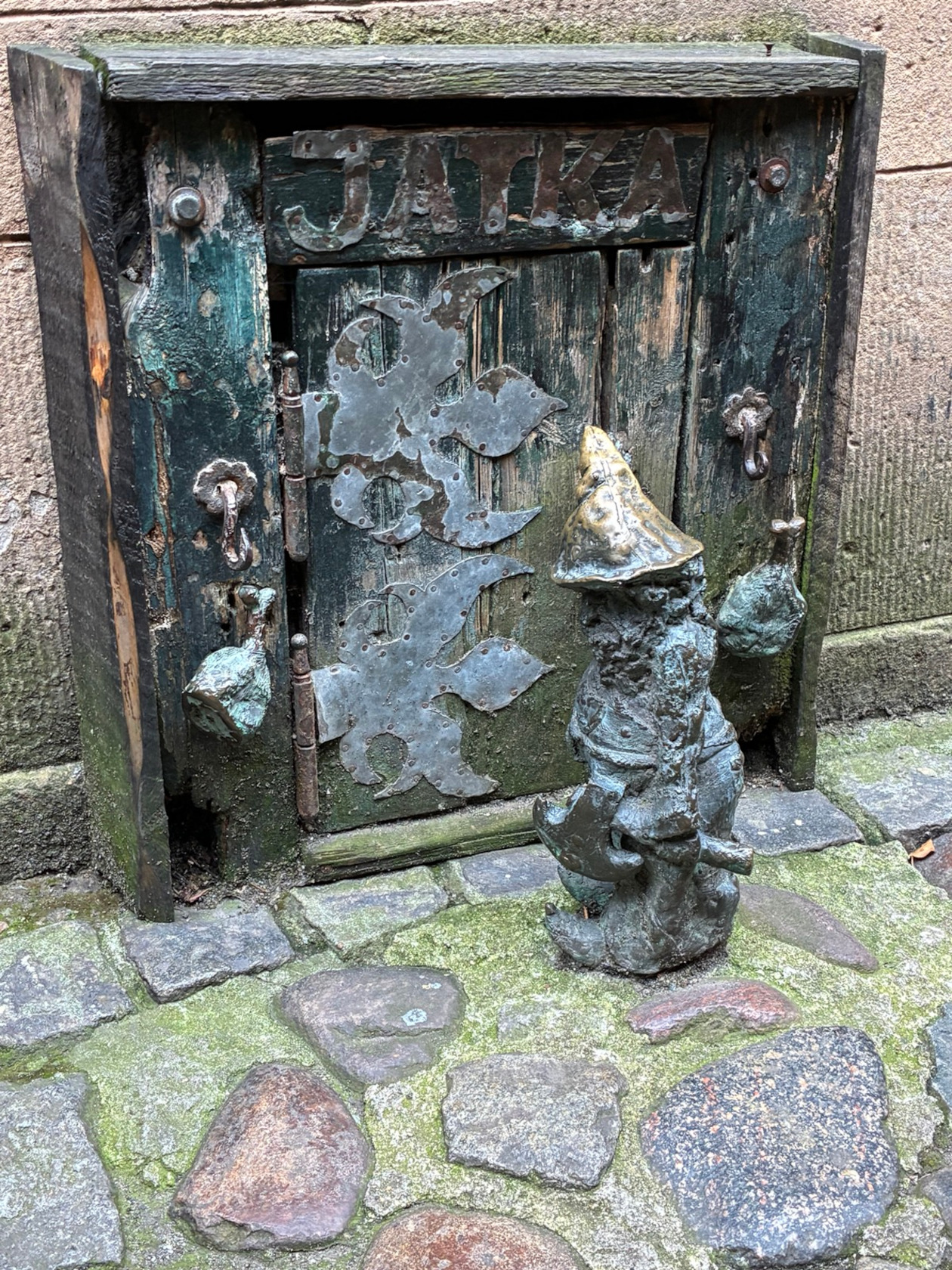
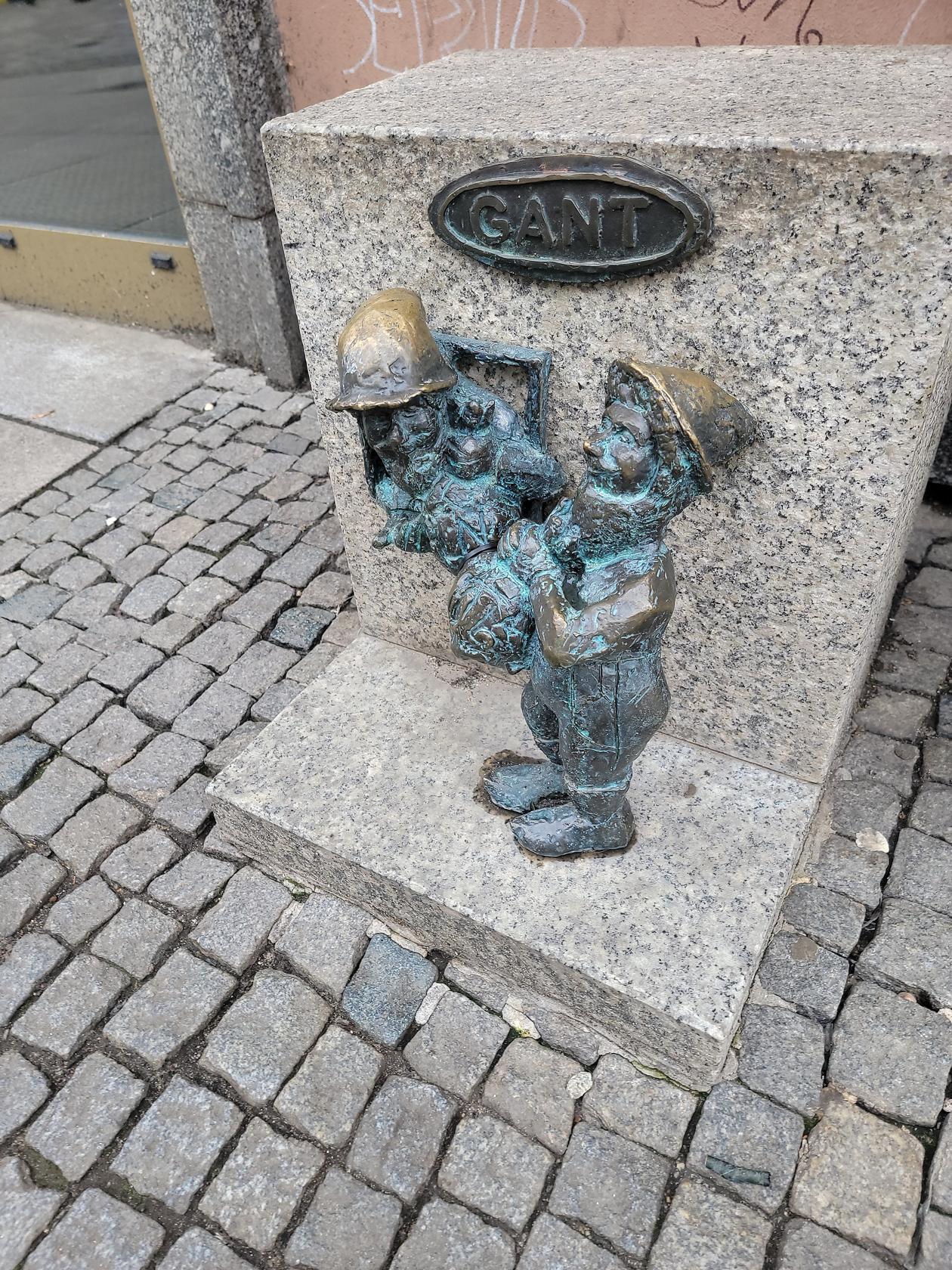
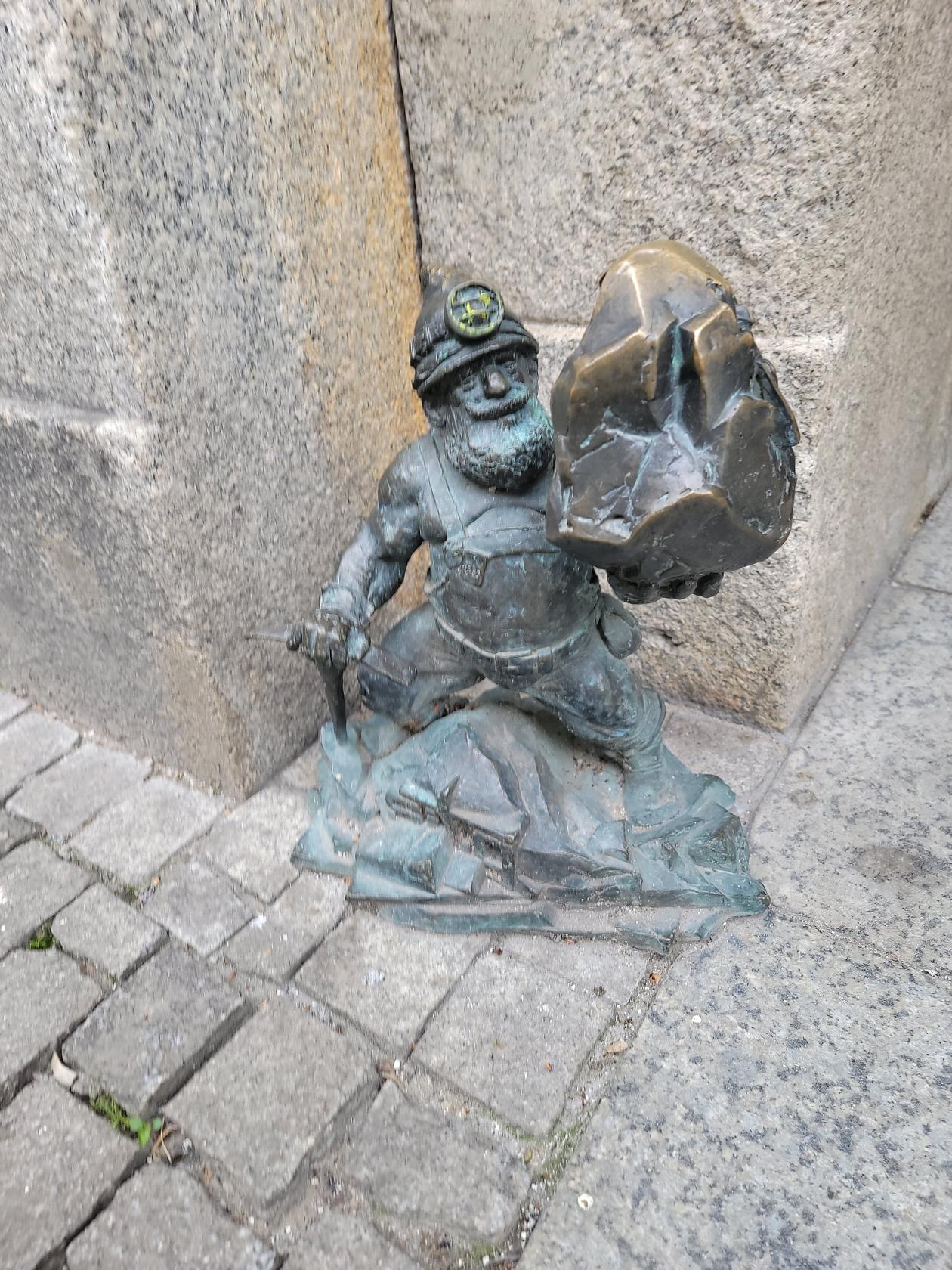
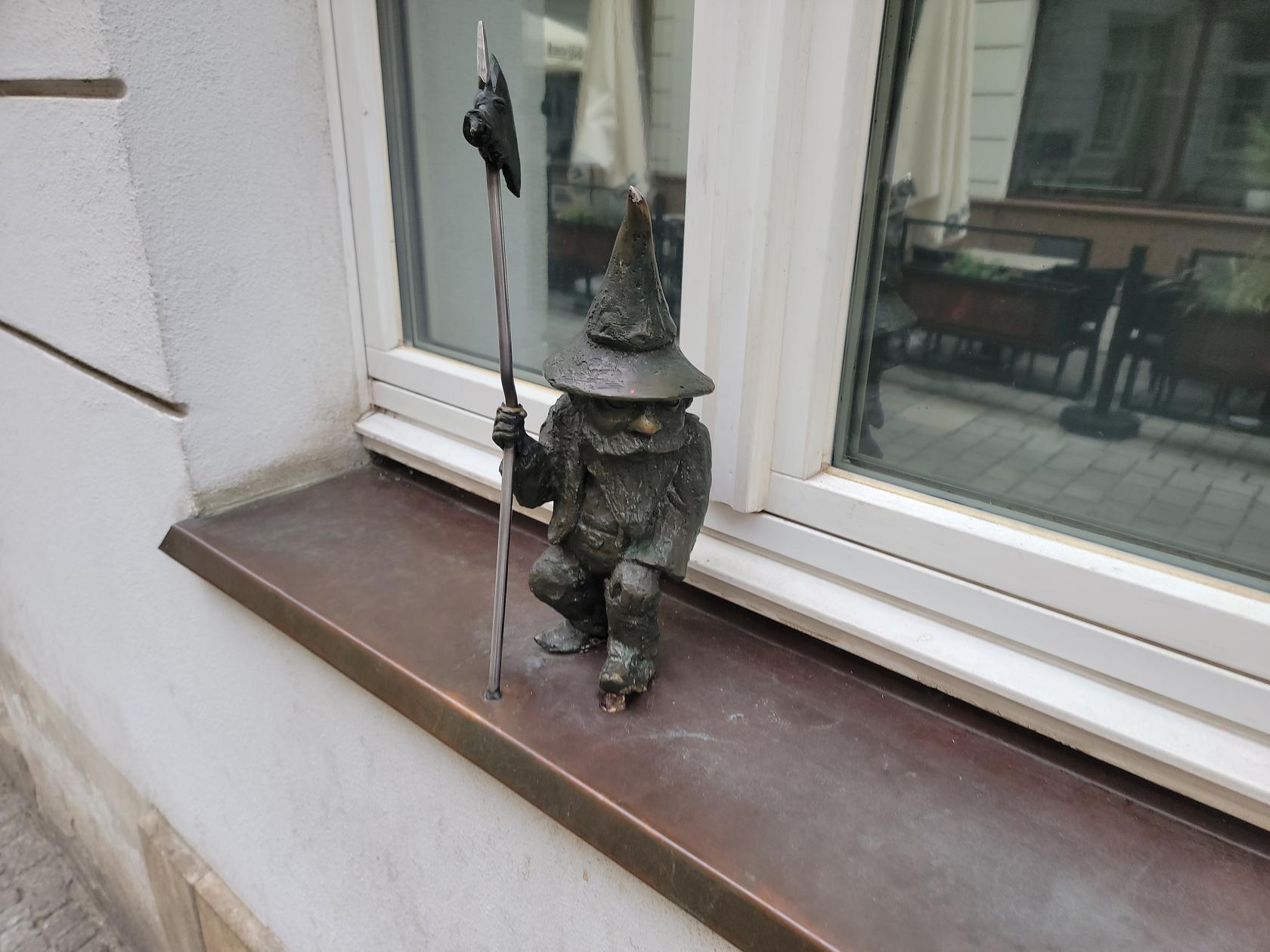
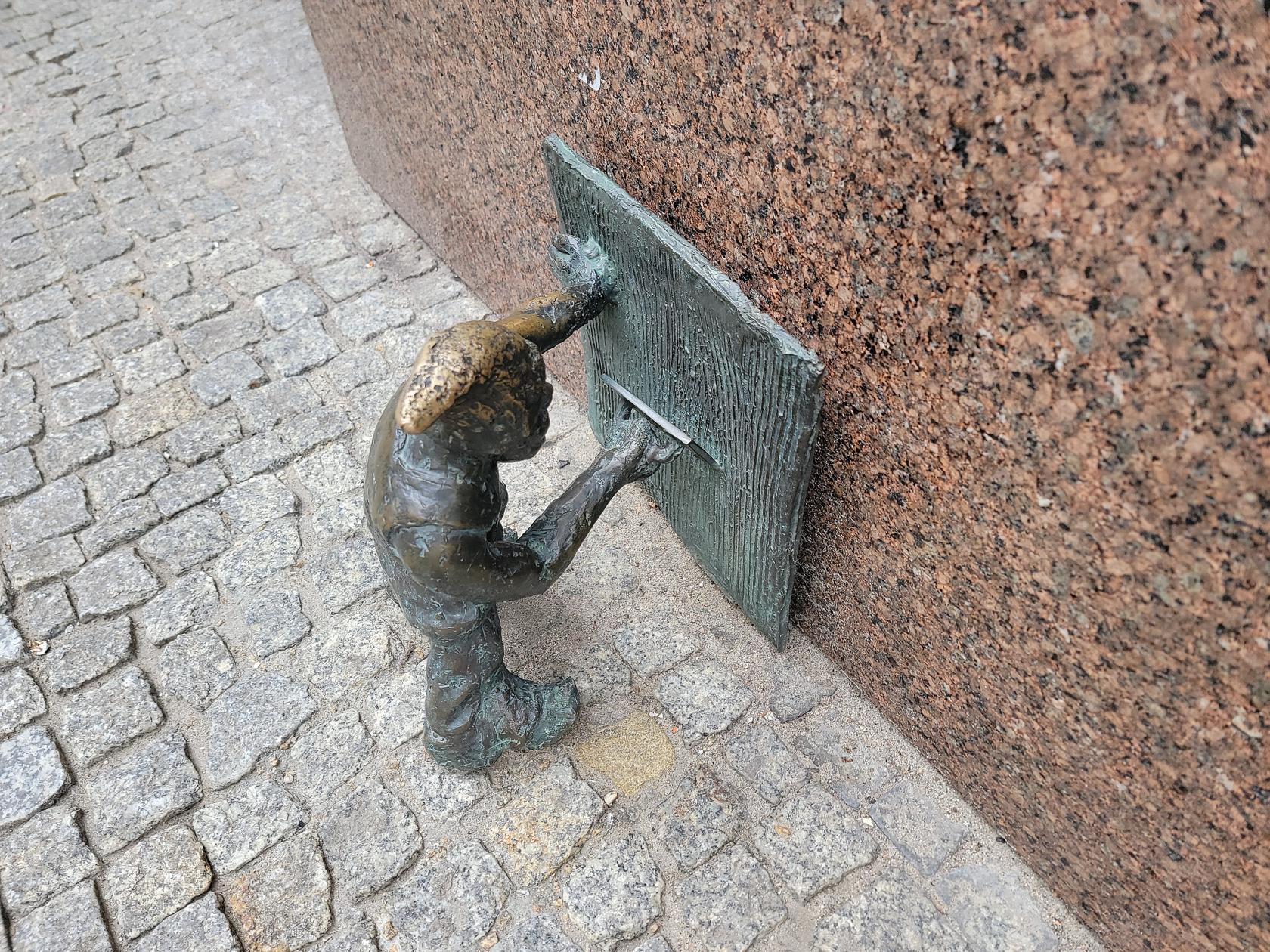
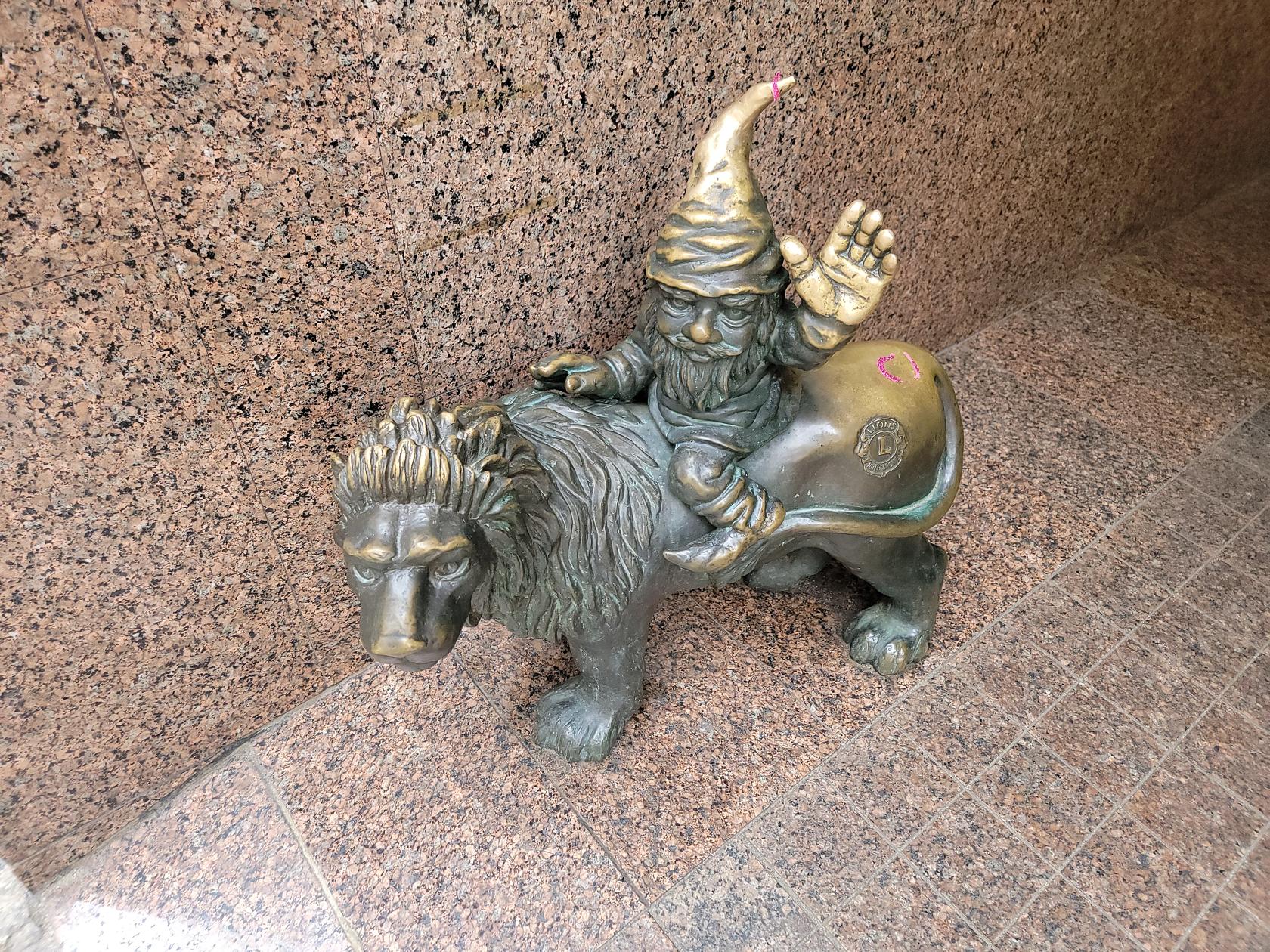
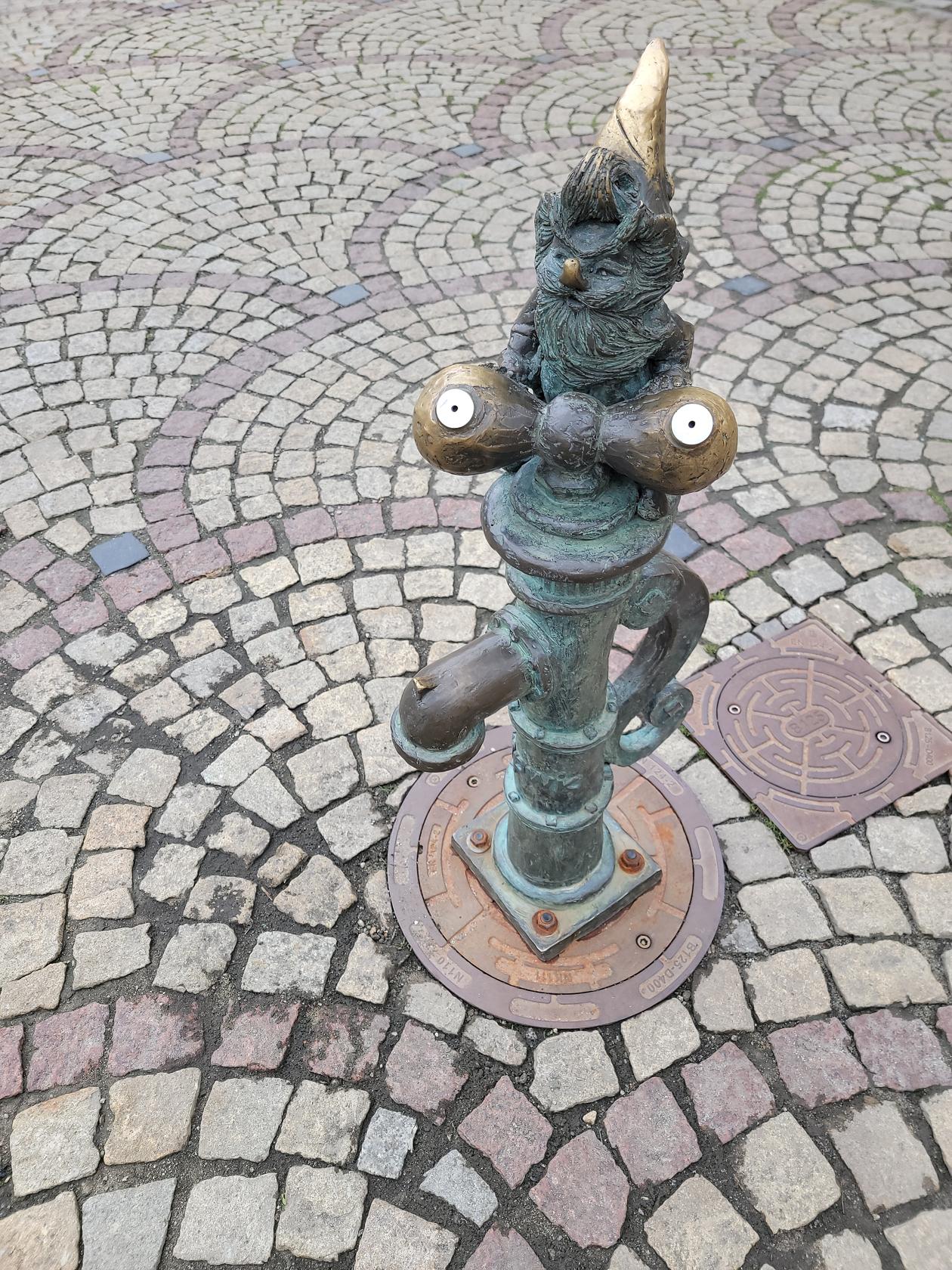
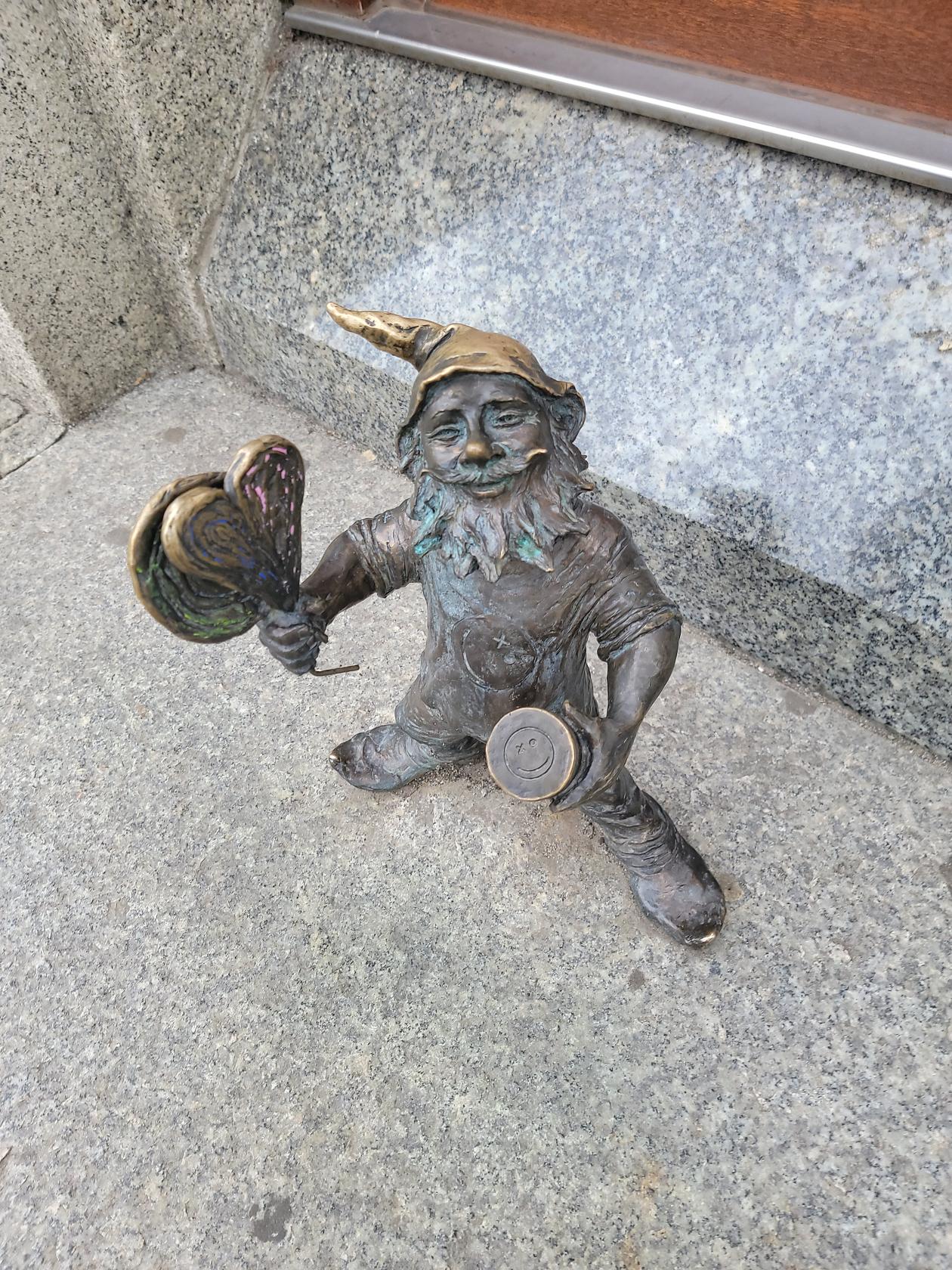
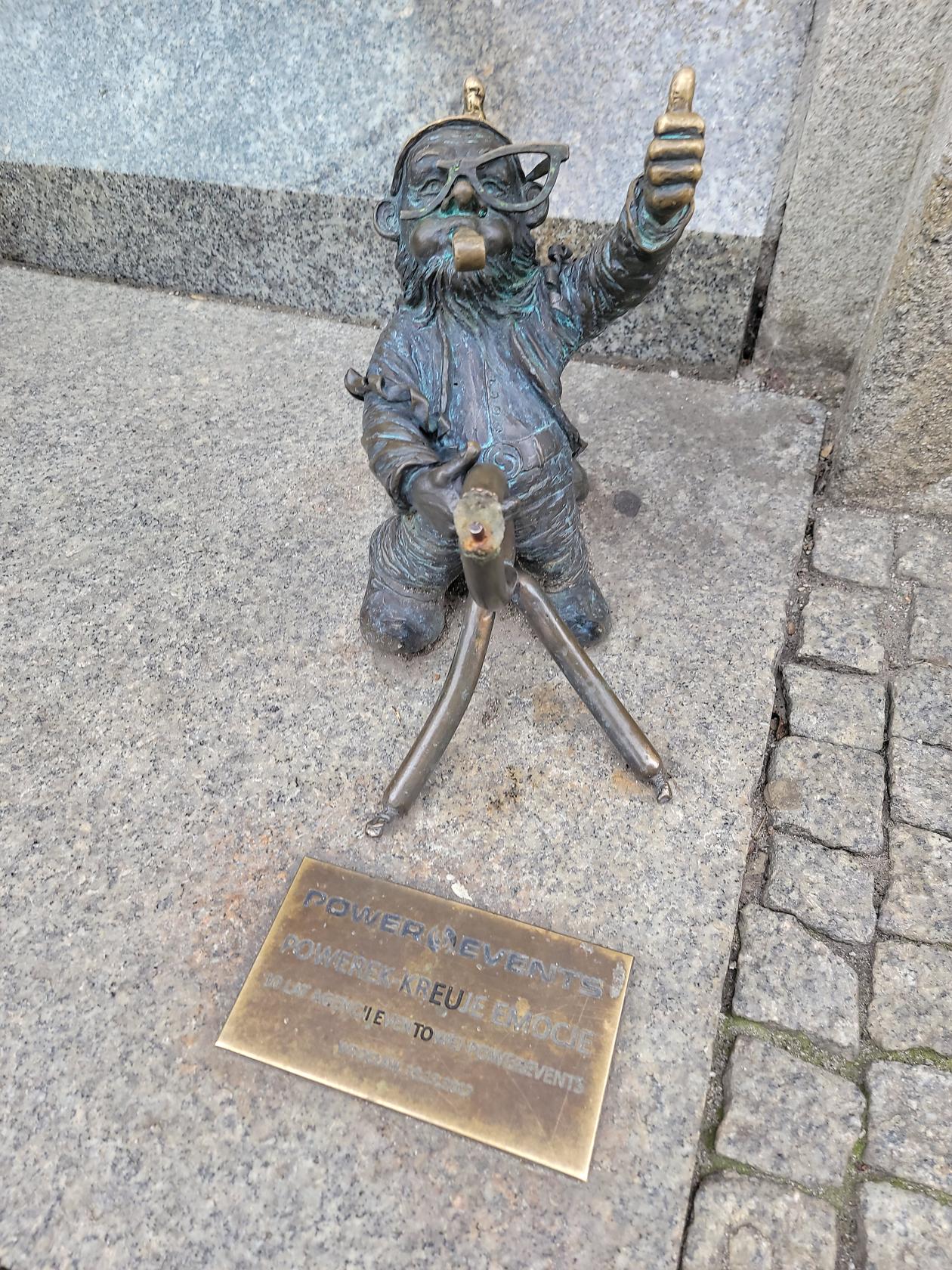
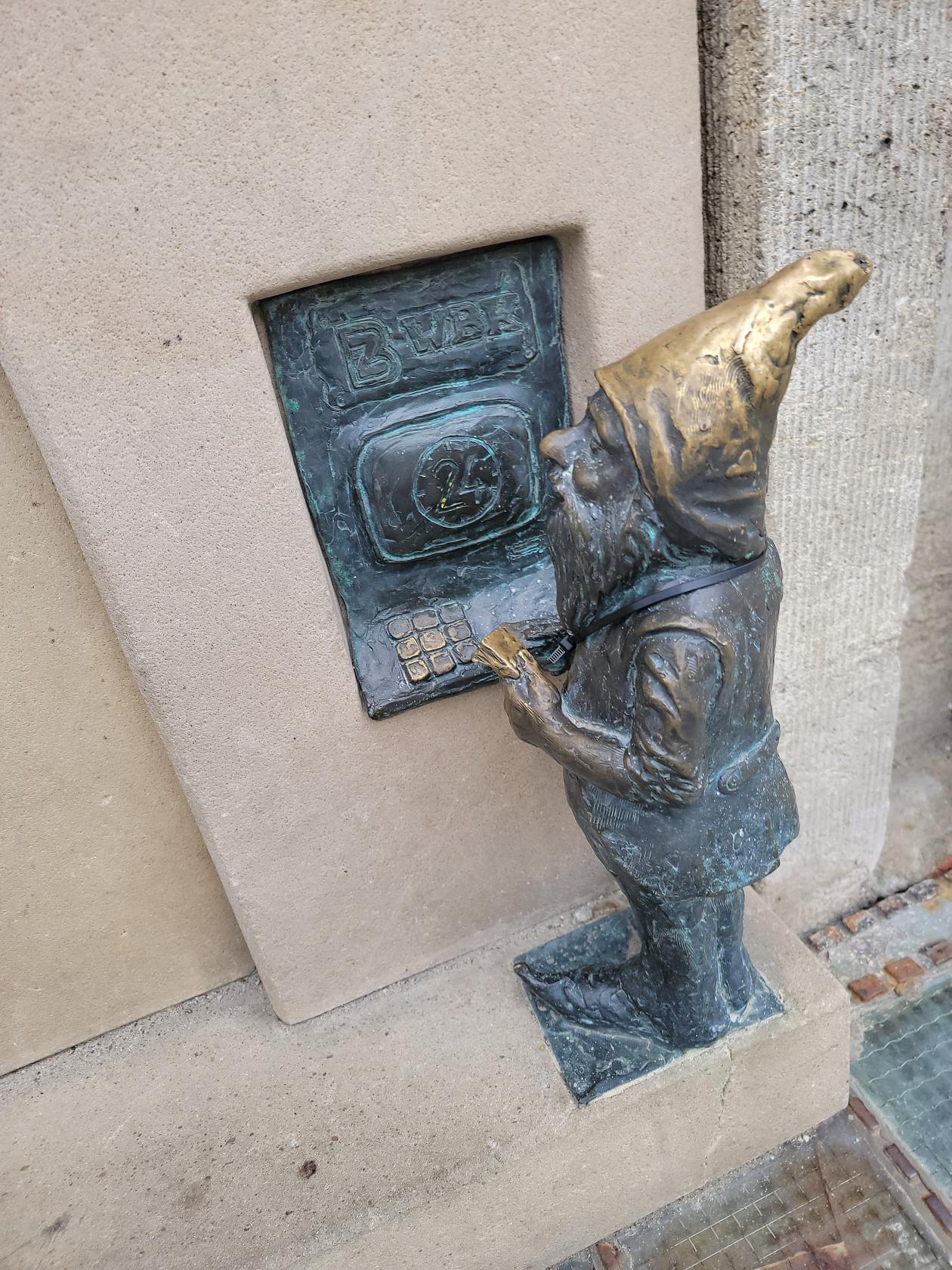
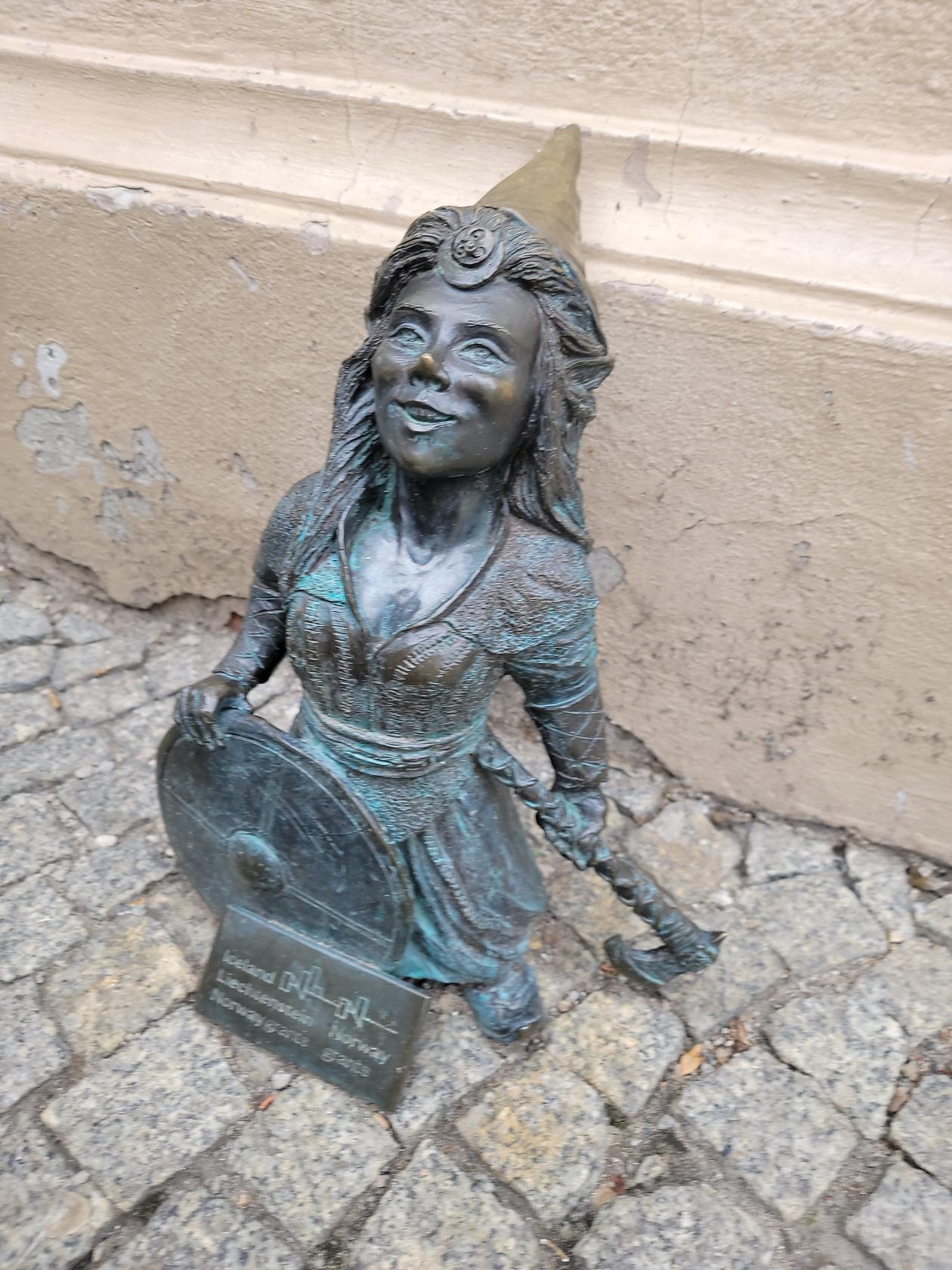
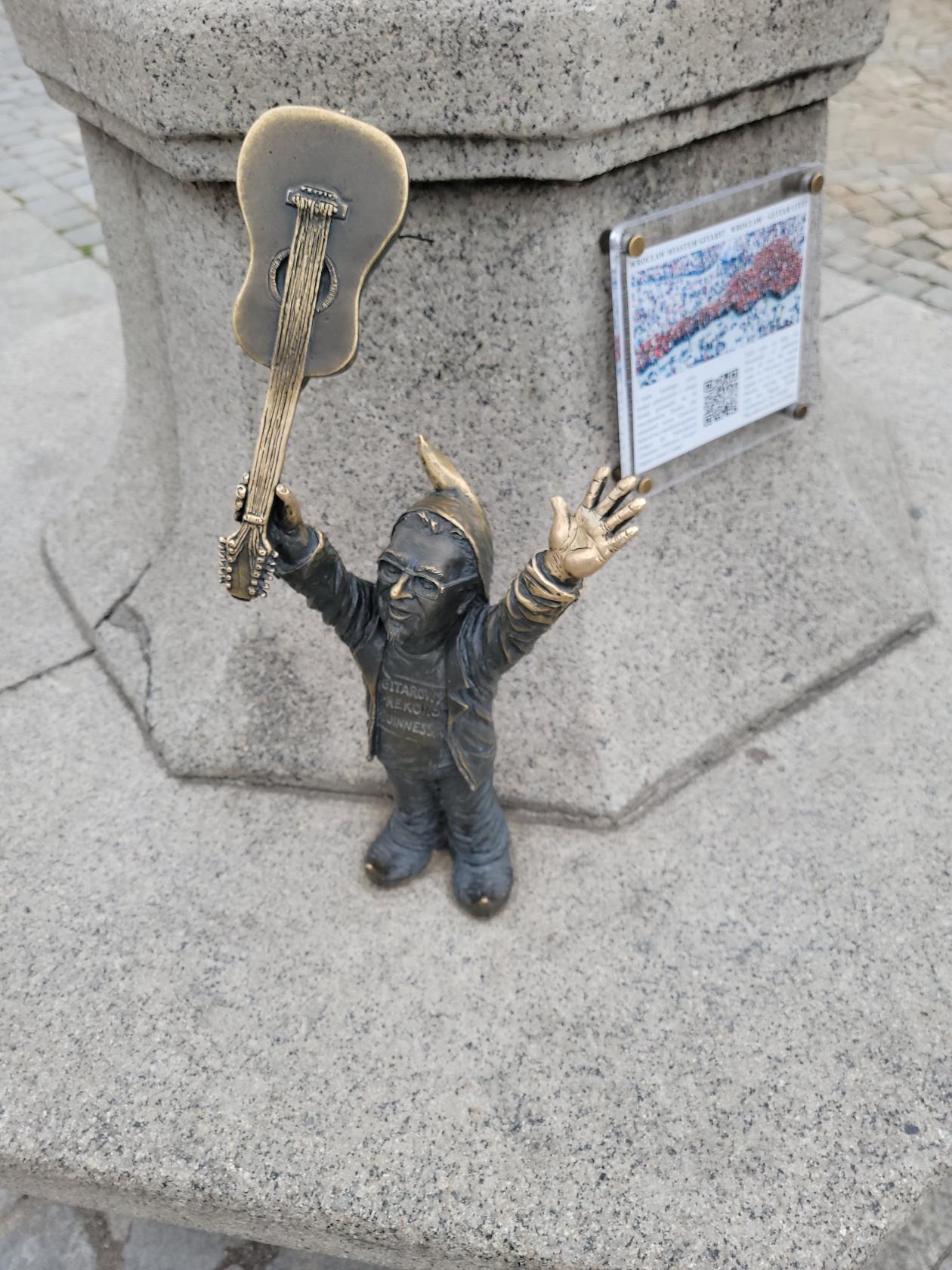
In fact, there are over a thousand of these little bronze statues placed throughout the city. It is a great idea, the children love them and families can actually purchase or download and print off a map with the location of all of them. Finding them, of course, is still the tricky part, since it is not always obvious where they are exactly.
Gnomes – Wrocław, Poland
Gnome – Wrocław, Poland
Gnome – Wrocław, Poland
Gnome – Wrocław, Poland
Gnome – Wrocław, Poland
Gnome – Wrocław, Poland
Gnome – Wrocław, Poland
Gnome – Wrocław, Poland
Gnome – Wrocław, Poland
Gnome – Wrocław, Poland
Gnome – Wrocław, Poland
Computer Gnome – Wrocław, Poland
Sisyphus Gnomes – Wrocław, Poland
Gnomes on Penitent Bridge – Wrocław, Poland
Gnome – Wrocław, Poland
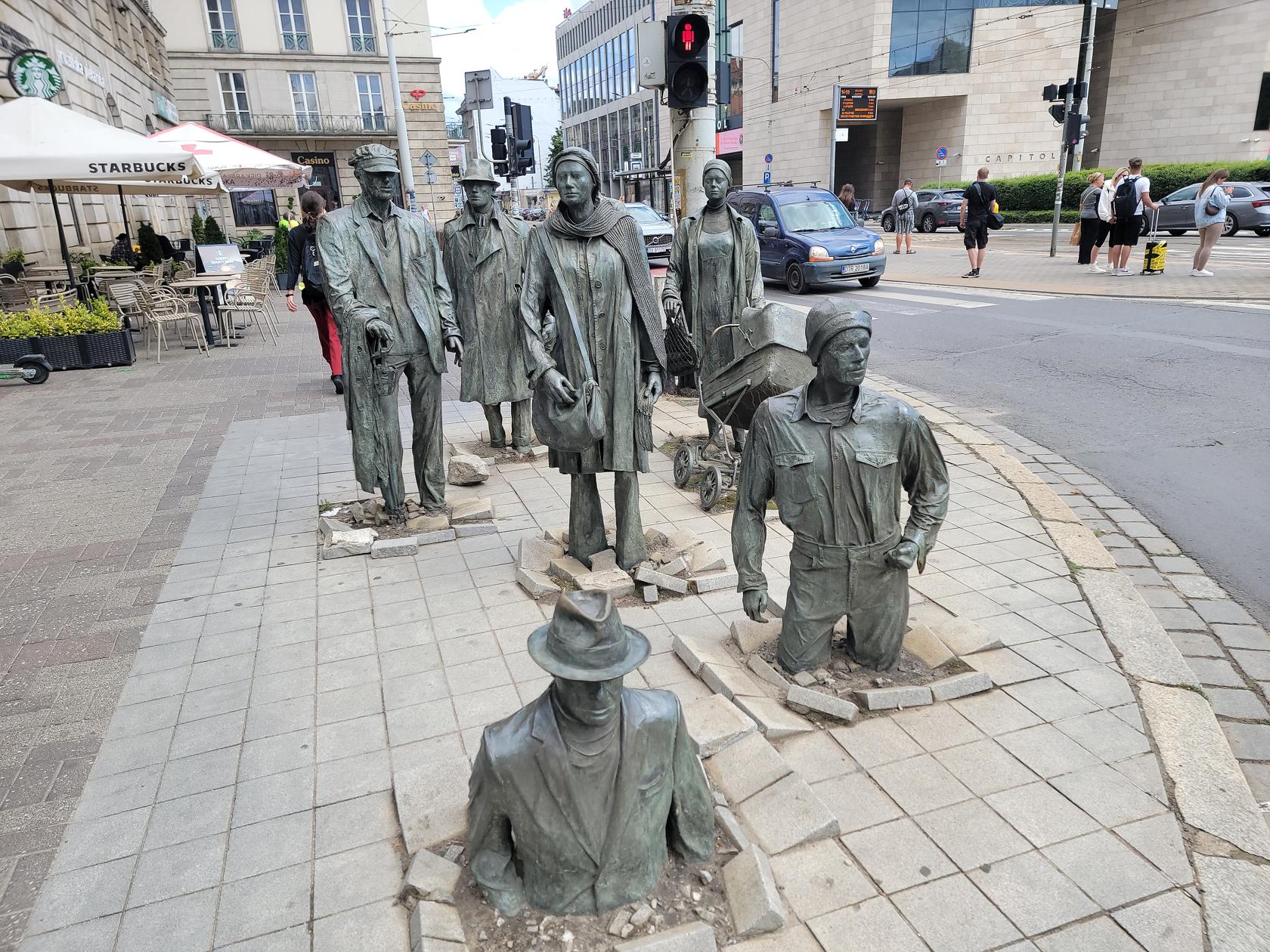
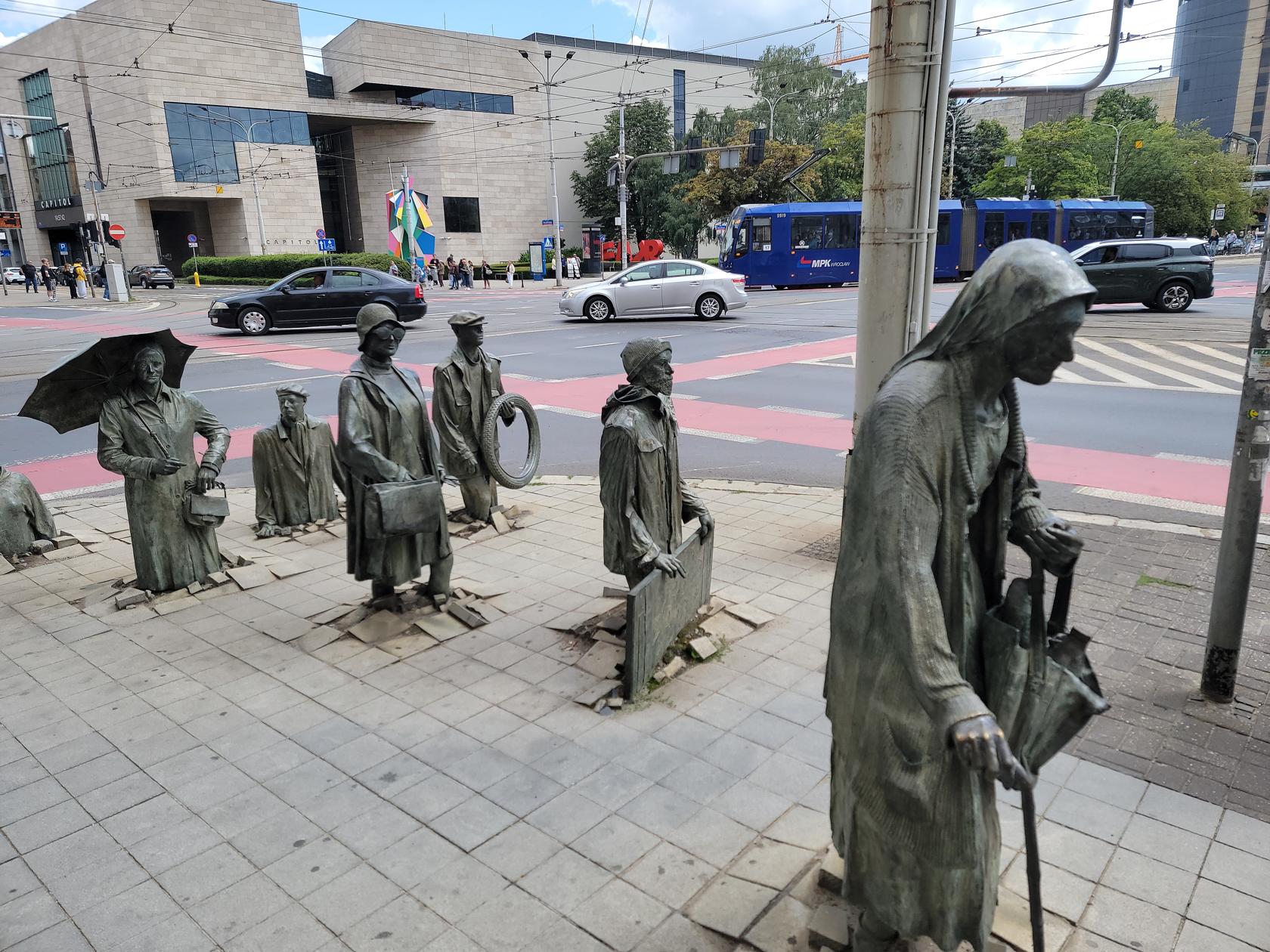
Disappearing Pedestrians – Wrocław, Poland
Appearing Pedestrians – Wrocław, Poland
Kebap Gnome – Wrocław, Poland
Gnomes – Wrocław, Poland
Original Gnome – Wrocław, Poland
Printing Gnome – Wrocław, Poland
Backhoe Gnome – Wrocław, Poland
Raclawicka Gnome – Wrocław, Poland
Slaughterhouse Bronzes – Wrocław, Poland
Gnome – Wrocław, Poland
Gnomes – Wrocław, Poland
Miner Gnome – Wrocław, Poland
Gnome – Wrocław, Poland
Gnome – Wrocław, Poland
Gnome – Wrocław, Poland
Gnome – Wrocław, Poland
Gnome – Wrocław, Poland
Gnome – Wrocław, Poland
ATM Gnome – Wrocław, Poland
Gnome – Wrocław, Poland
Gnome – Wrocław, Poland
Rynek Square
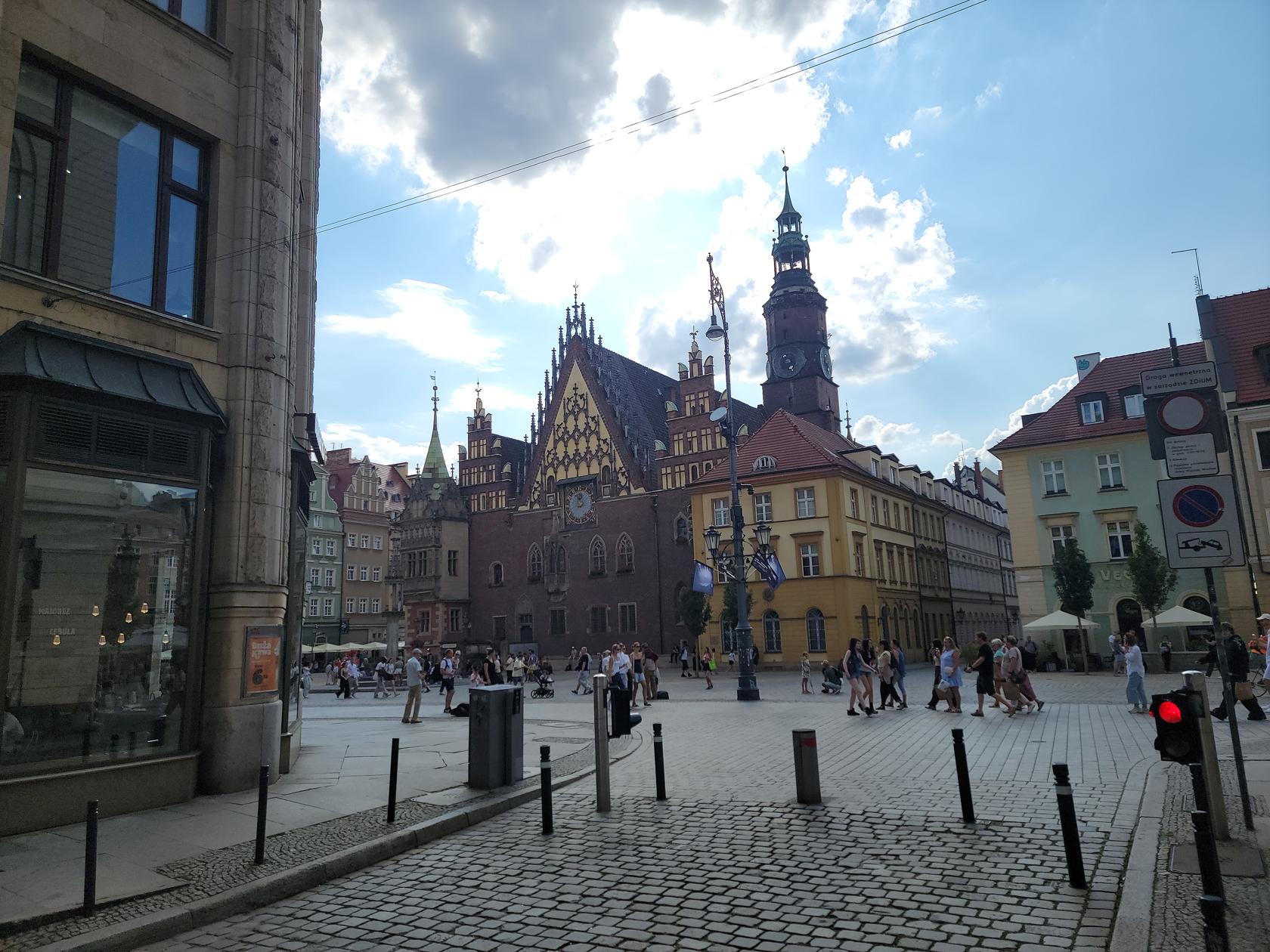
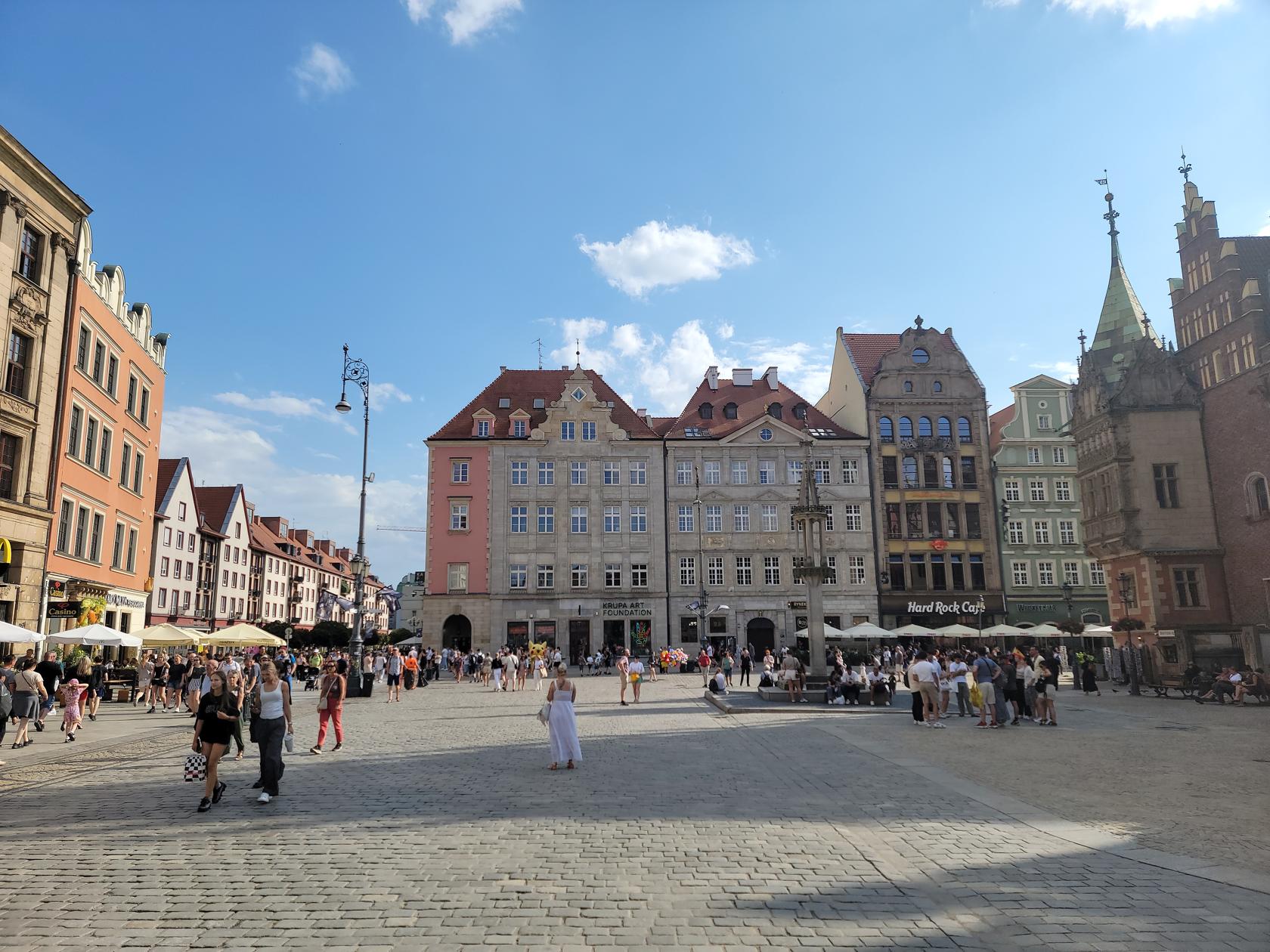
The main square in town is the Rynek. It is rather large but contains a number of buildings, as well as the town hall, in a misaligned fashion within the square or plaza itself. It is full a gnomes, so be careful to look while you walk, or you may miss one.
Rynek Plaza – Wrocław, Poland
Rynek Plaza – Wrocław, Poland
Rynek Plaza – Wrocław, Poland
Rynek Plaza – Wrocław, Poland
Town Hall – – Rynek Plaza – Wrocław, Poland
The Pillory – Rynek Plaza – Wrocław, Poland
Solny Square
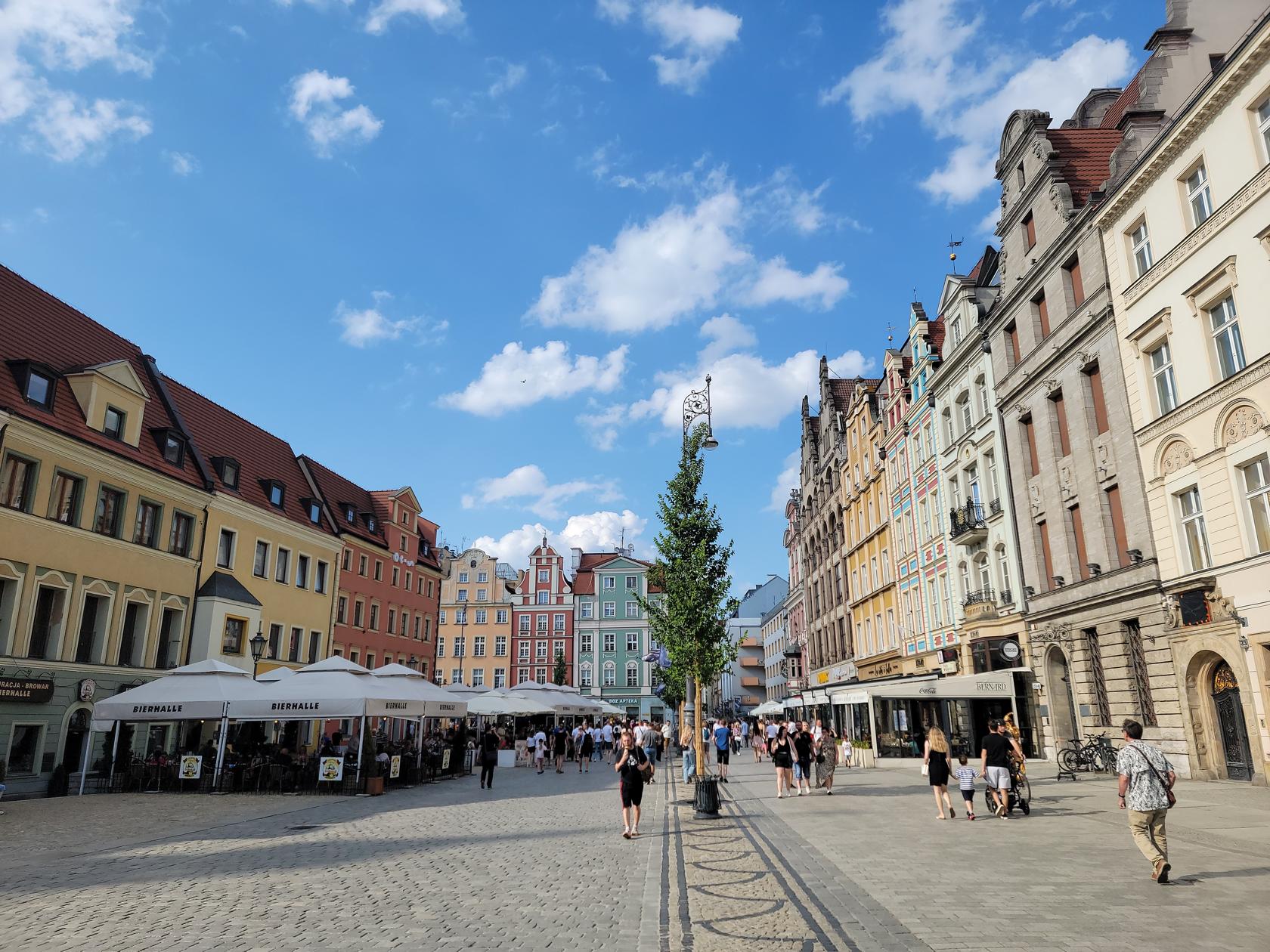
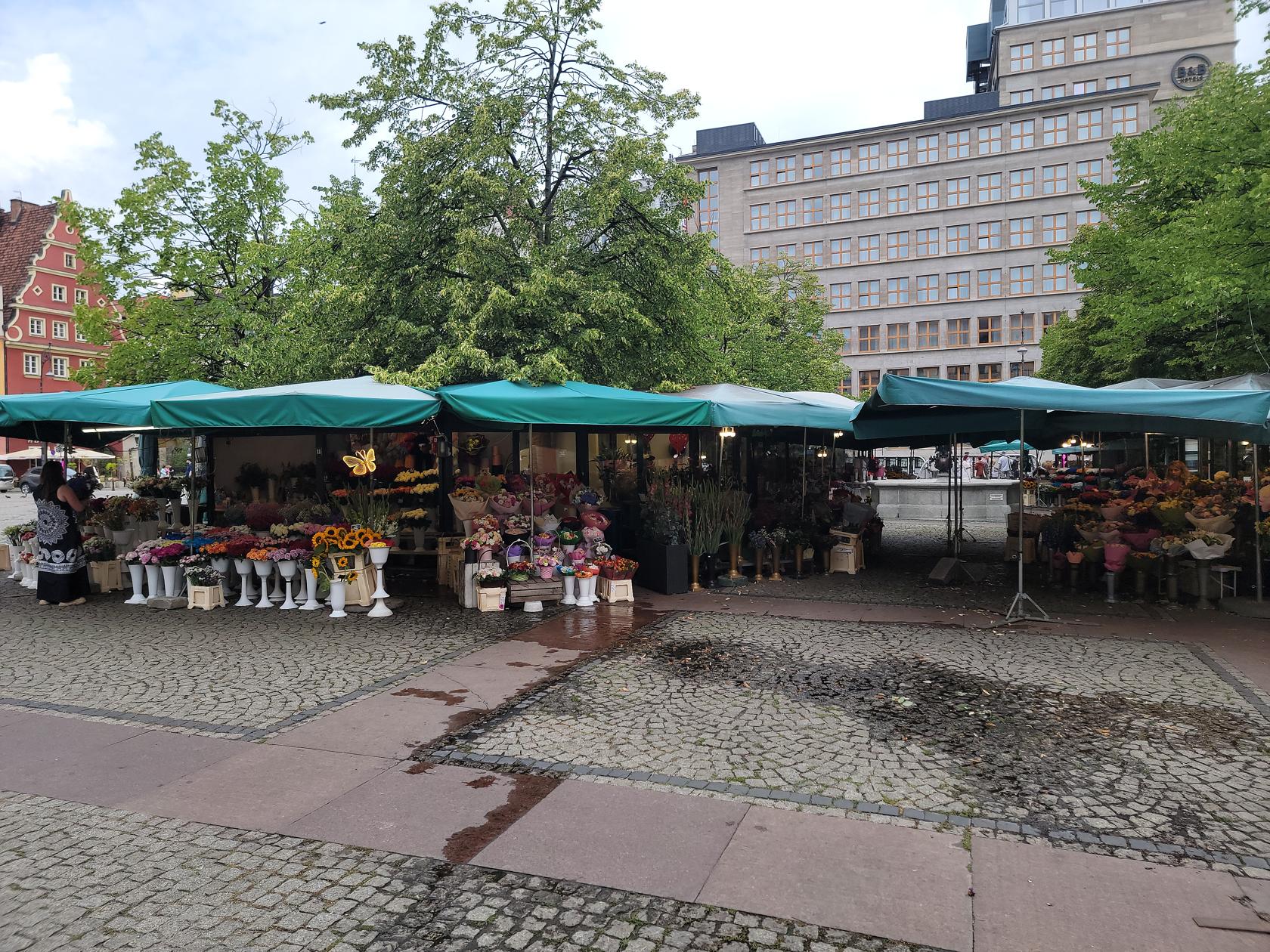
Solny Square or plaza lies corner to corner with Rynek, since the are adjoined to one another on one of the vertices. Here you will find a small flower market which appears to be open every day. Again there are plenty of gnomes to find here, as well as some interesting monuments and sculptures.
Solny Plaza – Wrocław, Poland
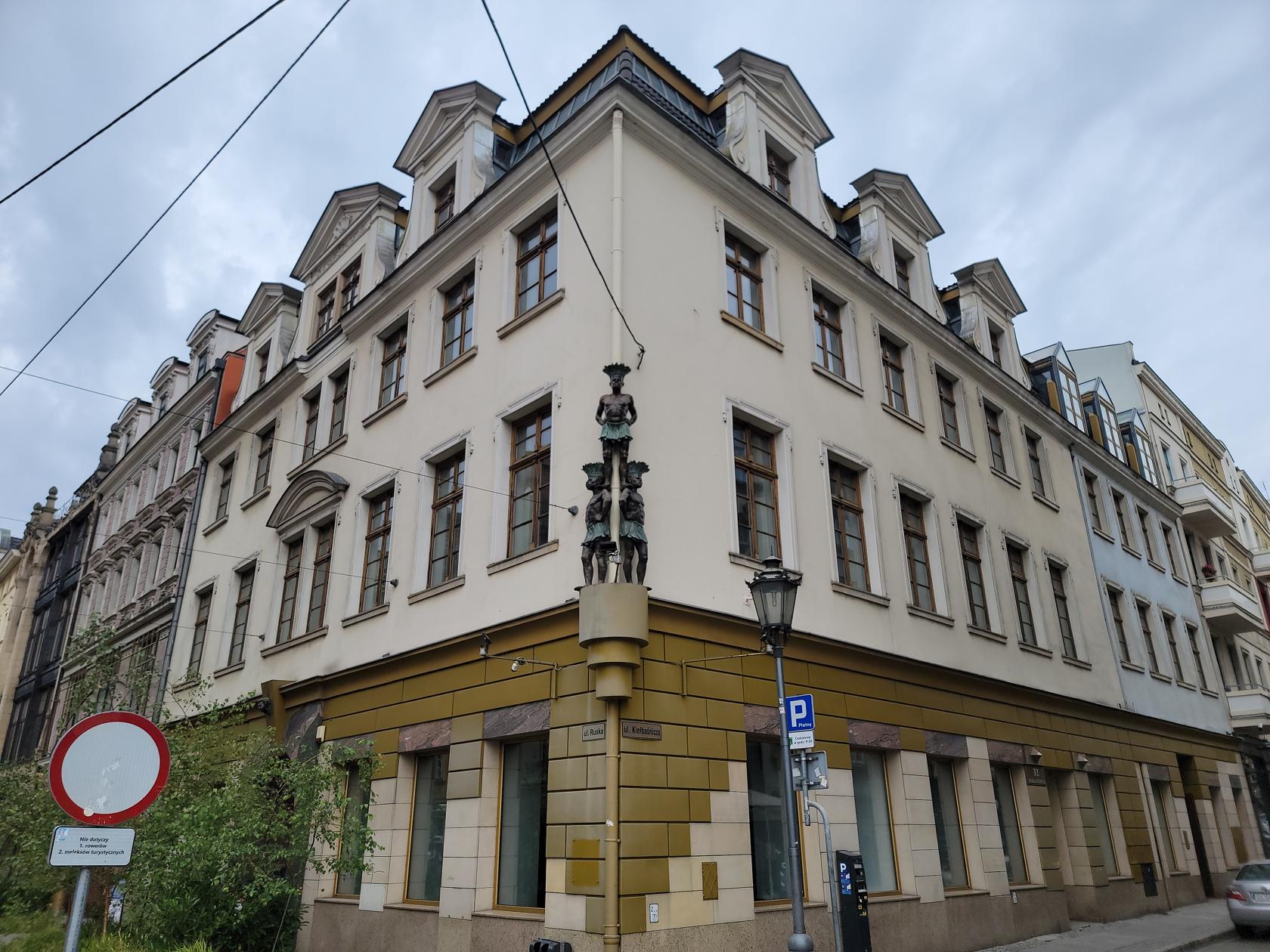
Trzech Murzynków Sculpture – Solny Plaza – Wrocław, Poland
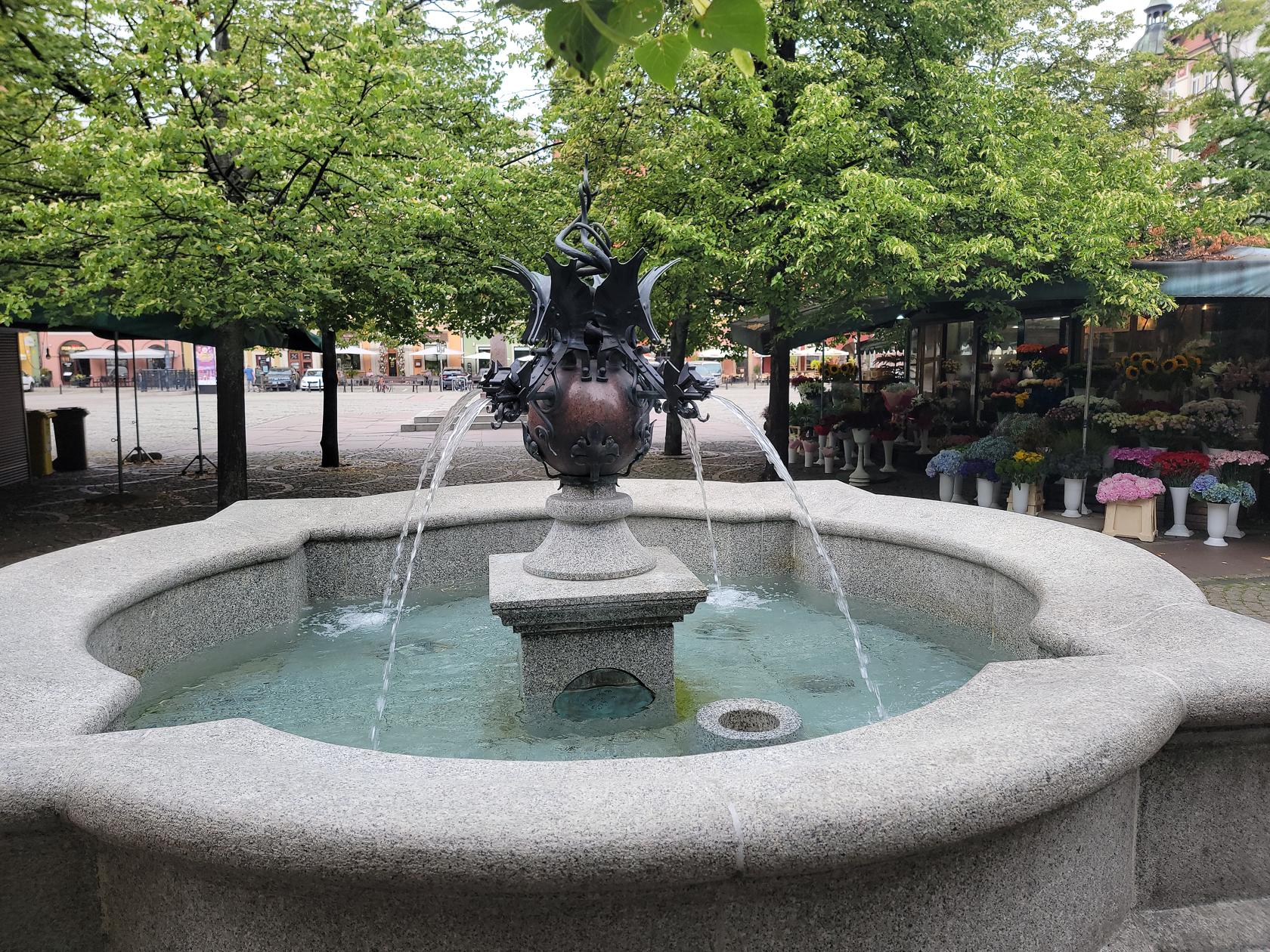
Smoki Fountain – Solny Plaza – Wrocław, Poland
Solny Plaza – Wrocław, Poland
Solny Plaza – Wrocław, Poland
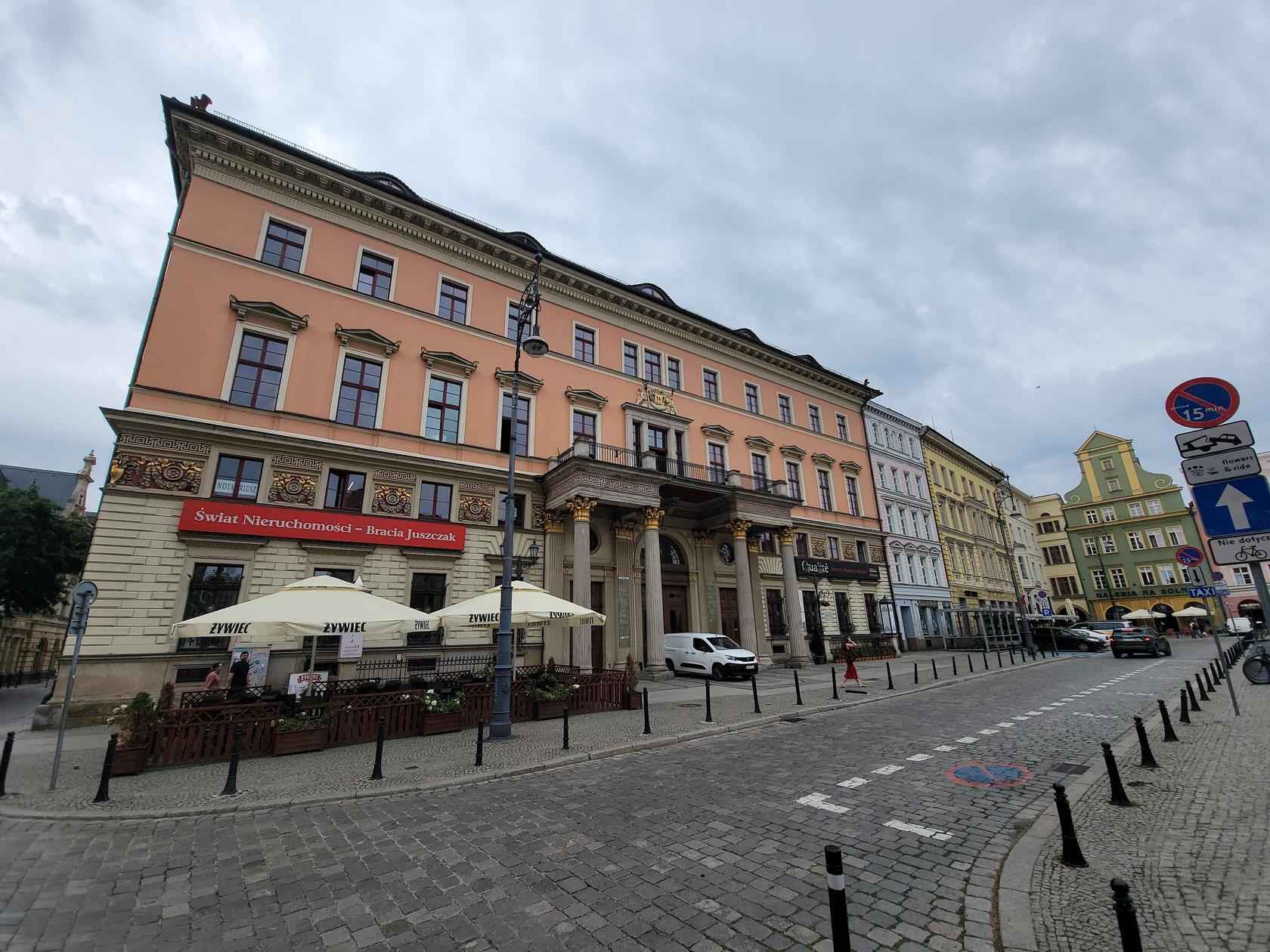
Building – Wrocław, Poland
Oder River
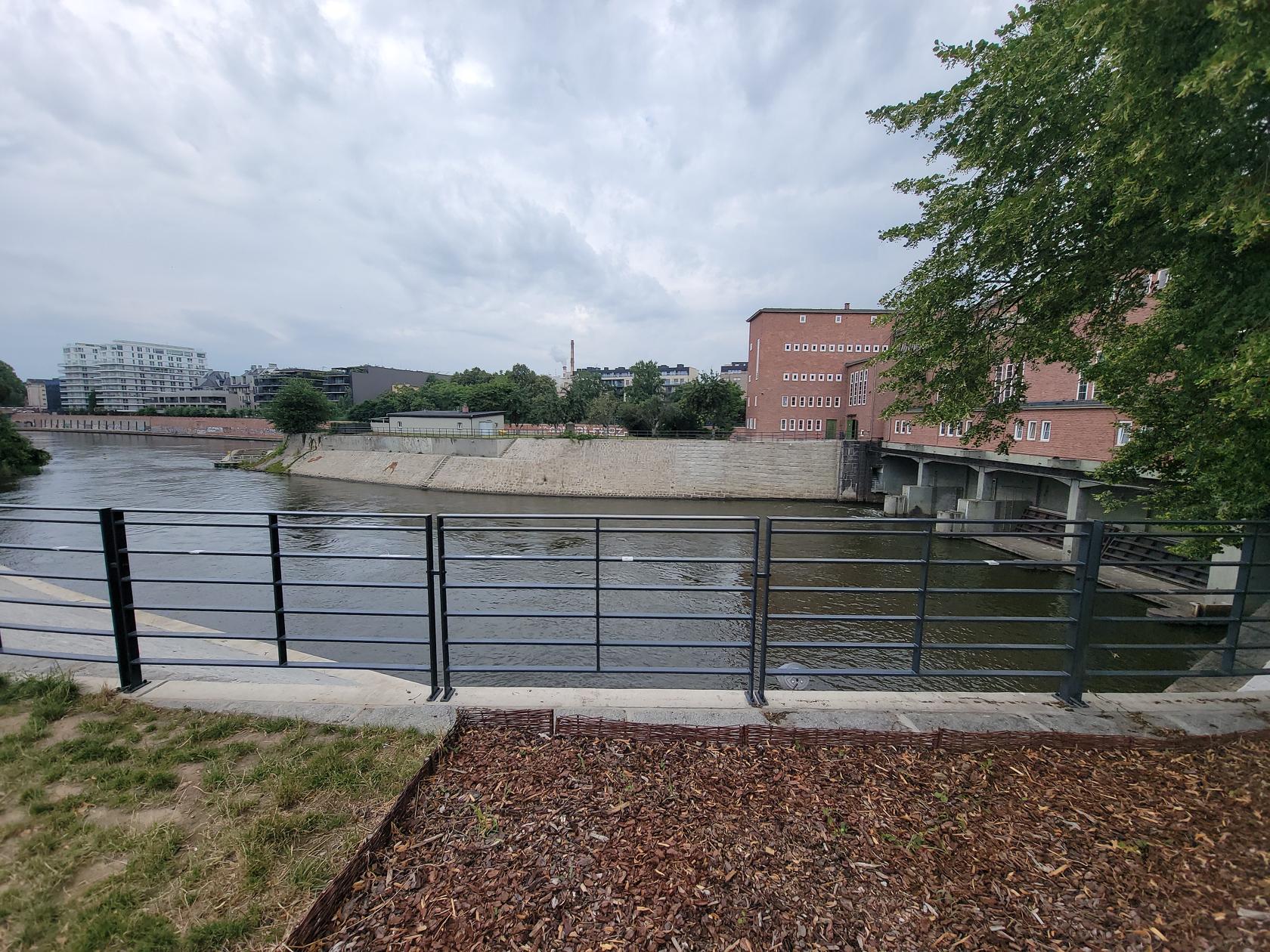
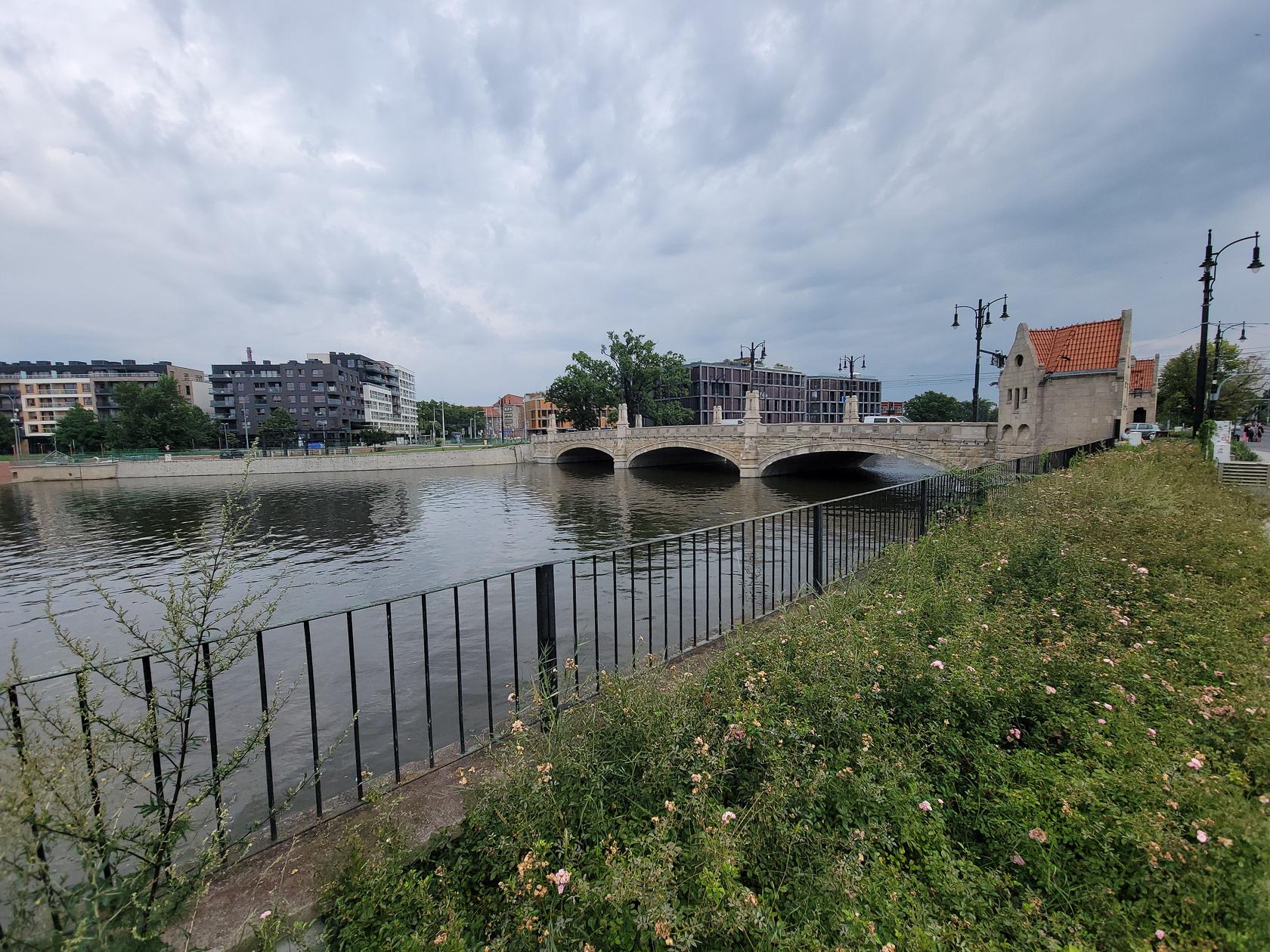
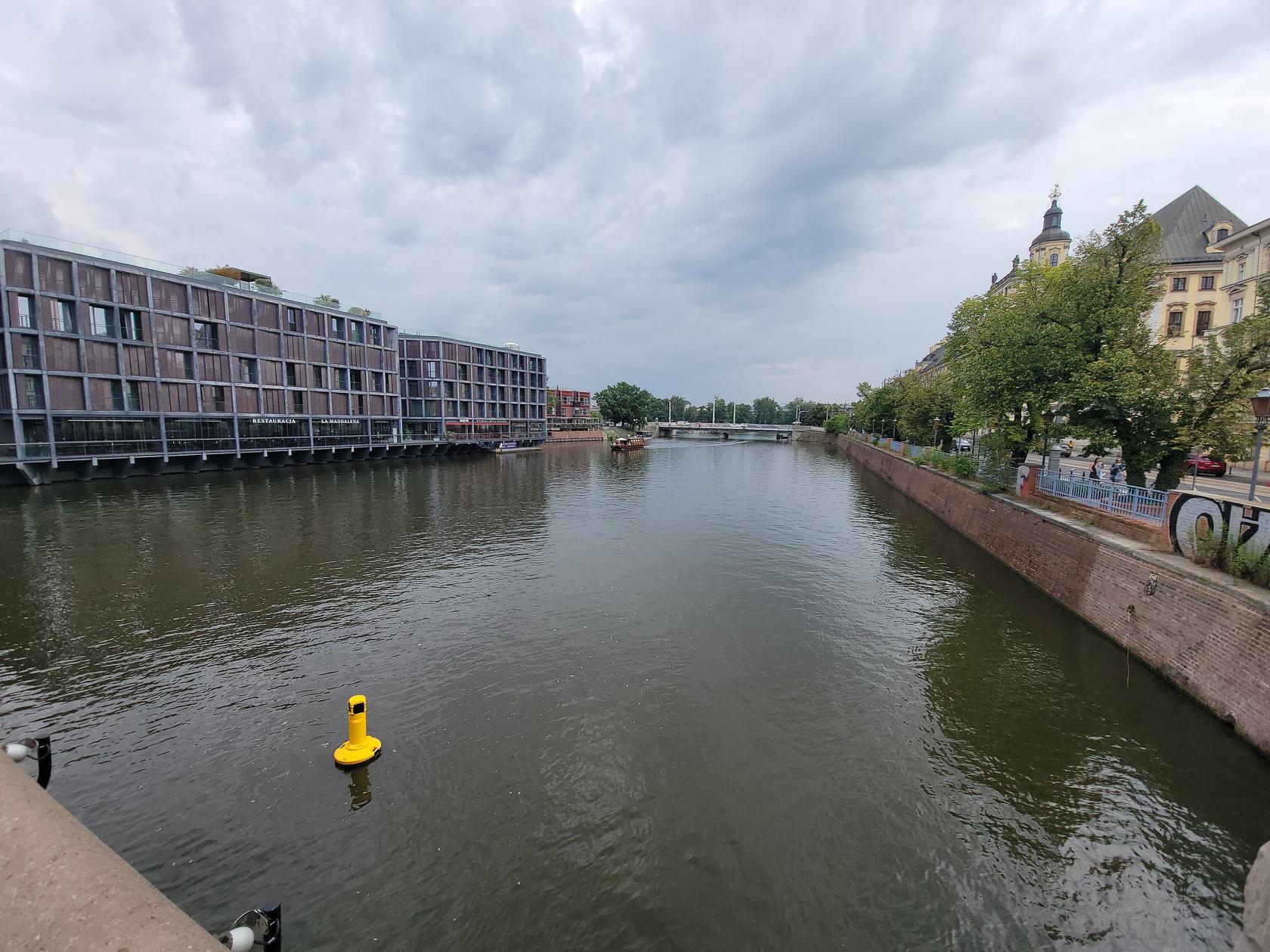
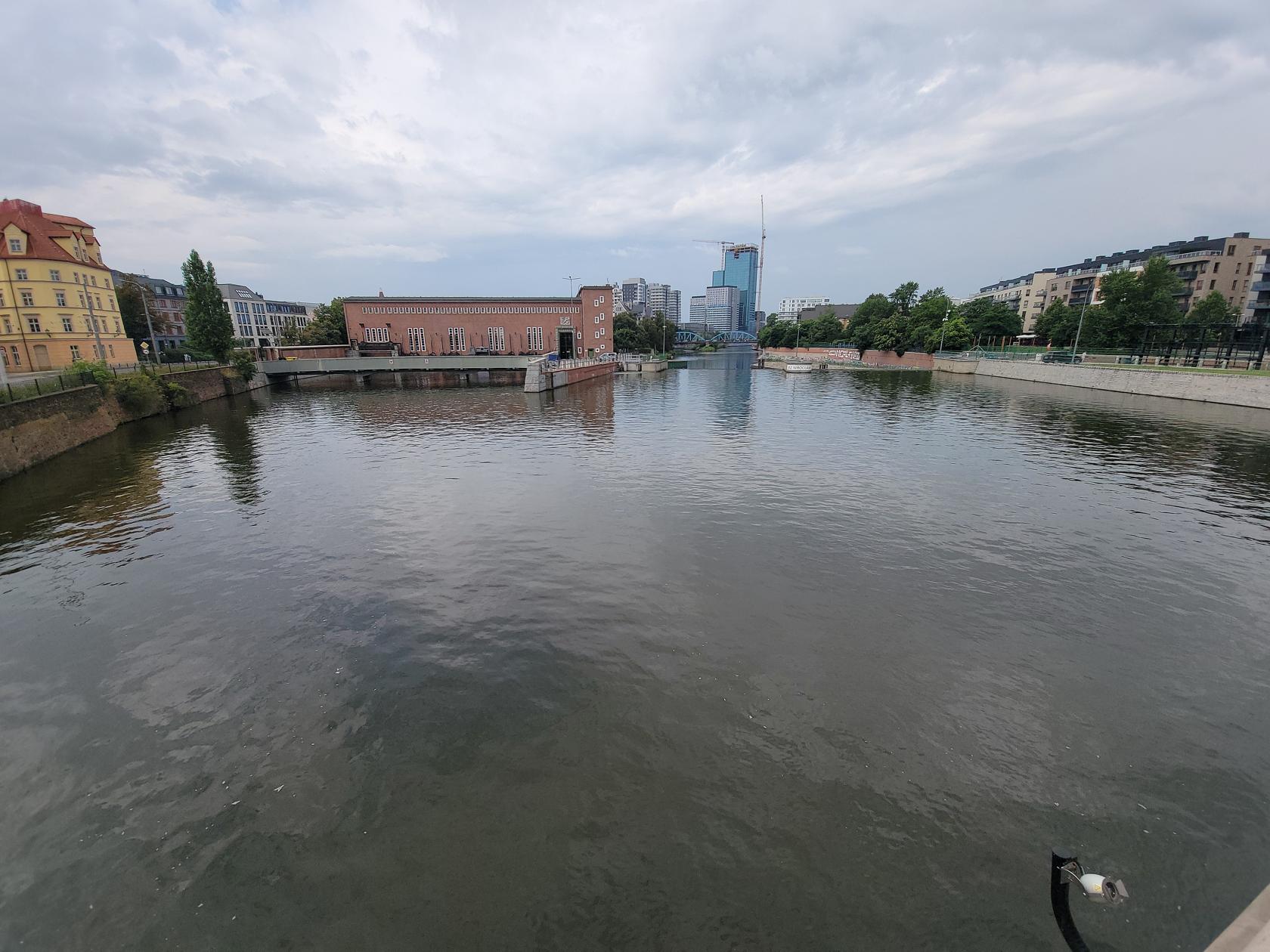
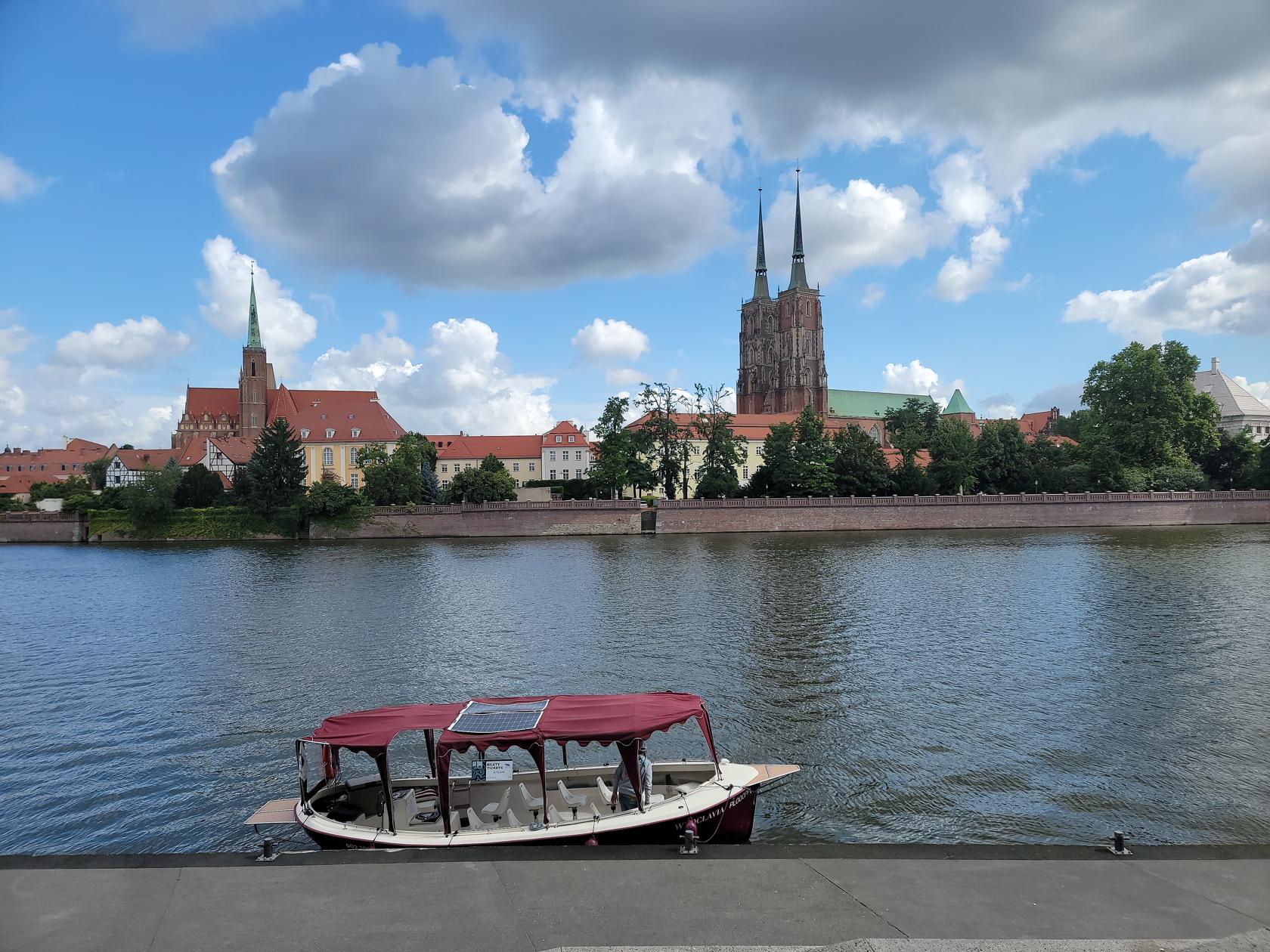
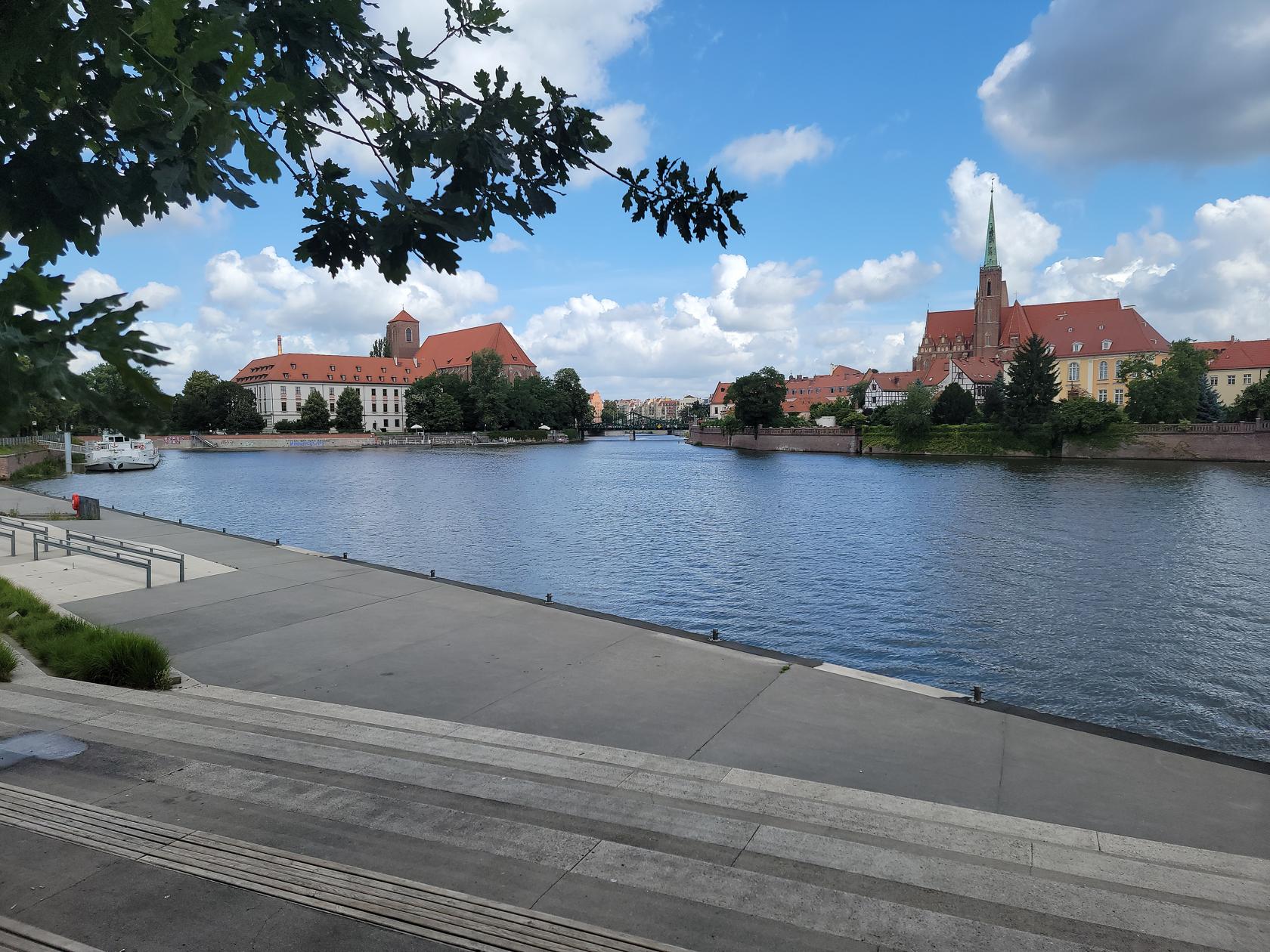
A portion of the Oder cuts through the city and bisects it. Here you can find a river cruise or tour, as well as magnifacent parks to stretch your legs. There are also plenty of museums in there area. One of particular note and worth a visit is the Panoramic Museum.
Dam and Power Station – Oder River – Wrocław, Poland
Oder River – Wrocław, Poland
Oder River – Wrocław, Poland
Oder River – Wrocław, Poland
Cathedral – Oder River – Wrocław, Poland
Wyspa Piasek – Oder River – Wrocław, Poland
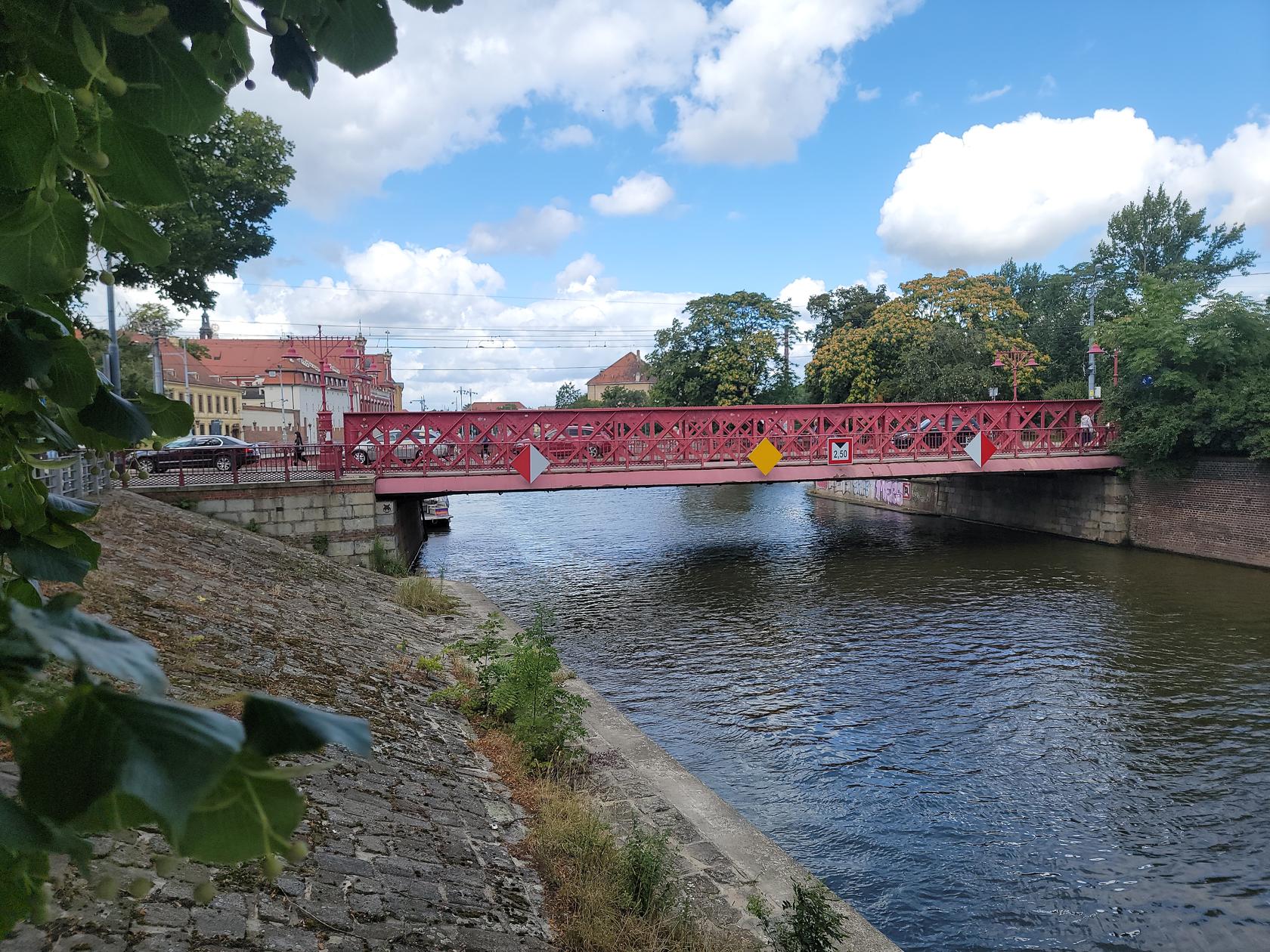
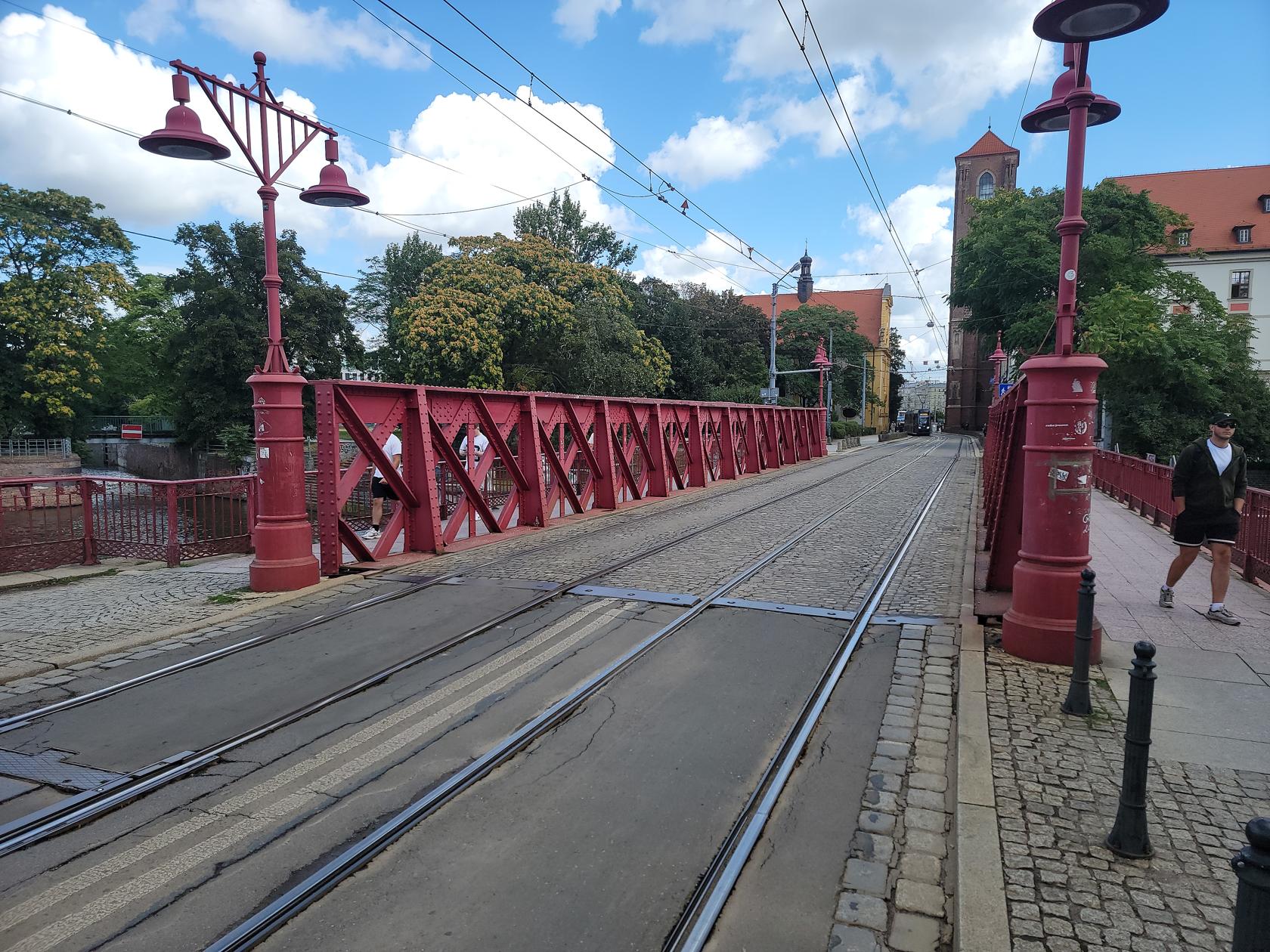
Sand Bridge – Oder River – Wrocław, Poland
Cathedral – Oder River – Wrocław, Poland
Sand Bridge – Oder River – Wrocław, Poland
Sand Bridge – Oder River – Wrocław, Poland
Panorama Racławice Museum
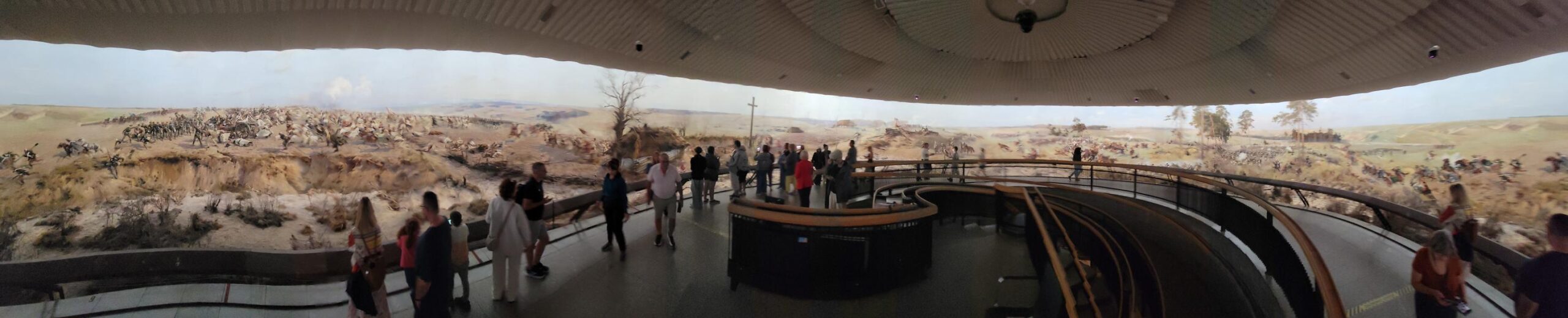
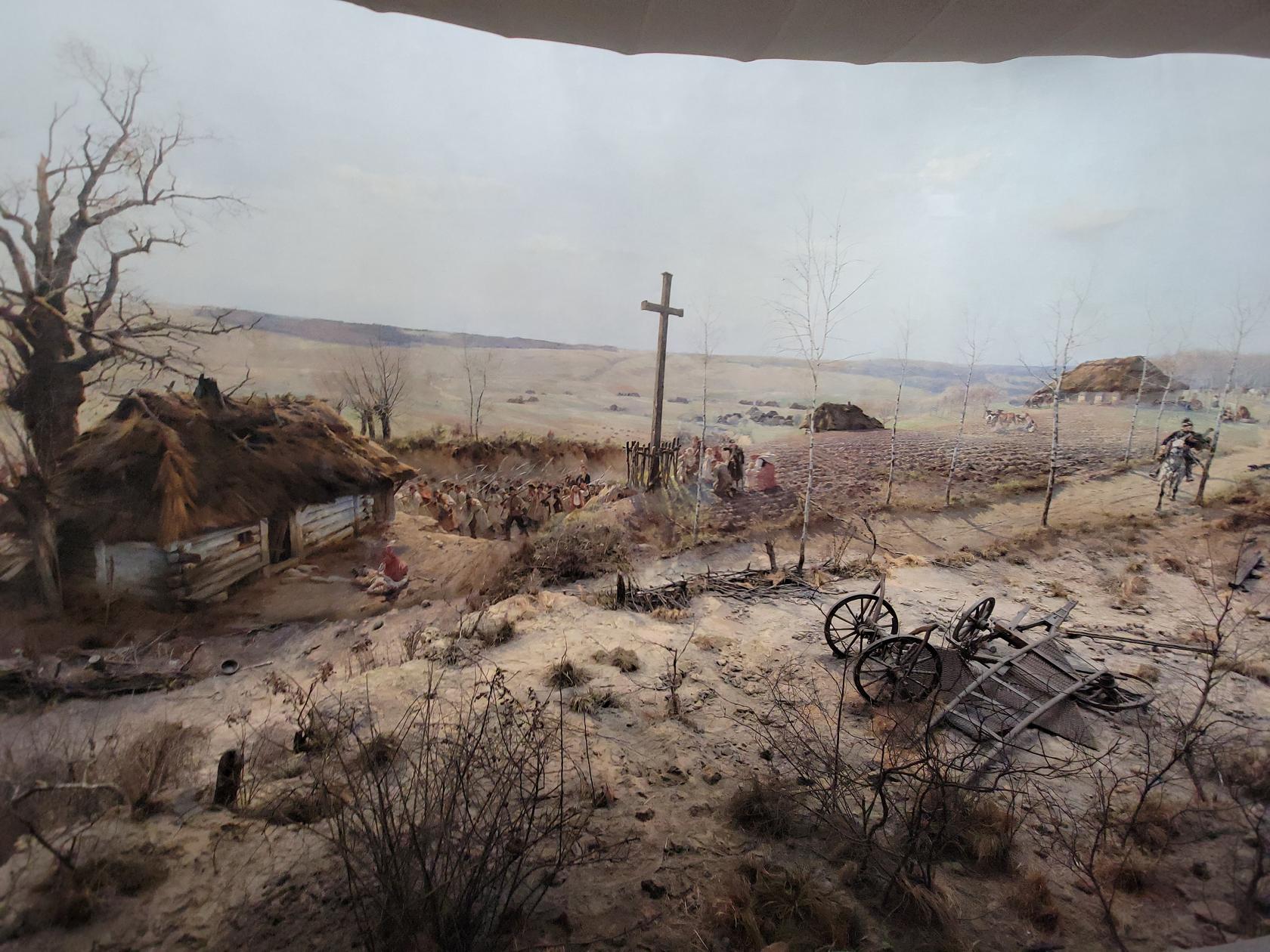
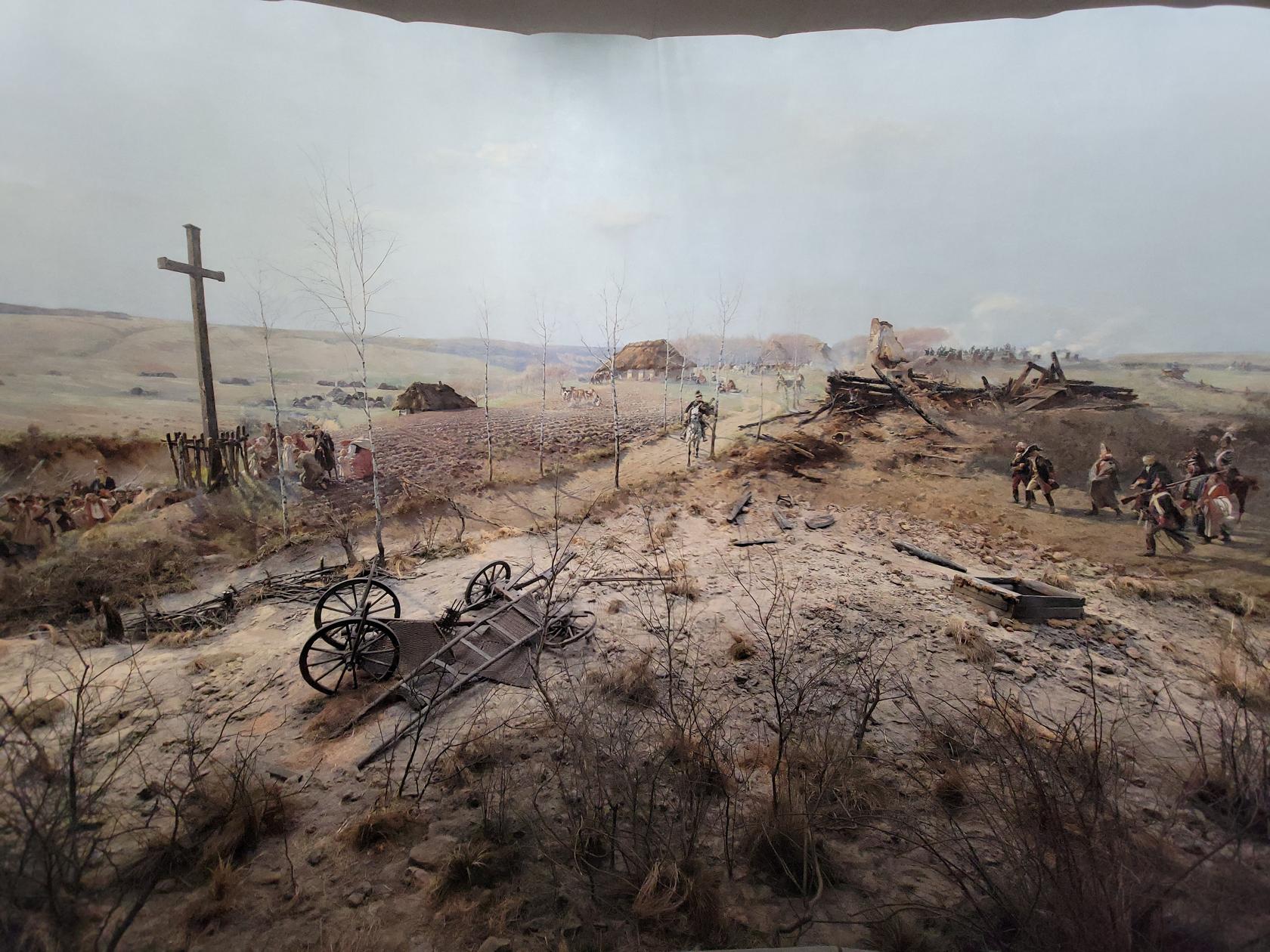
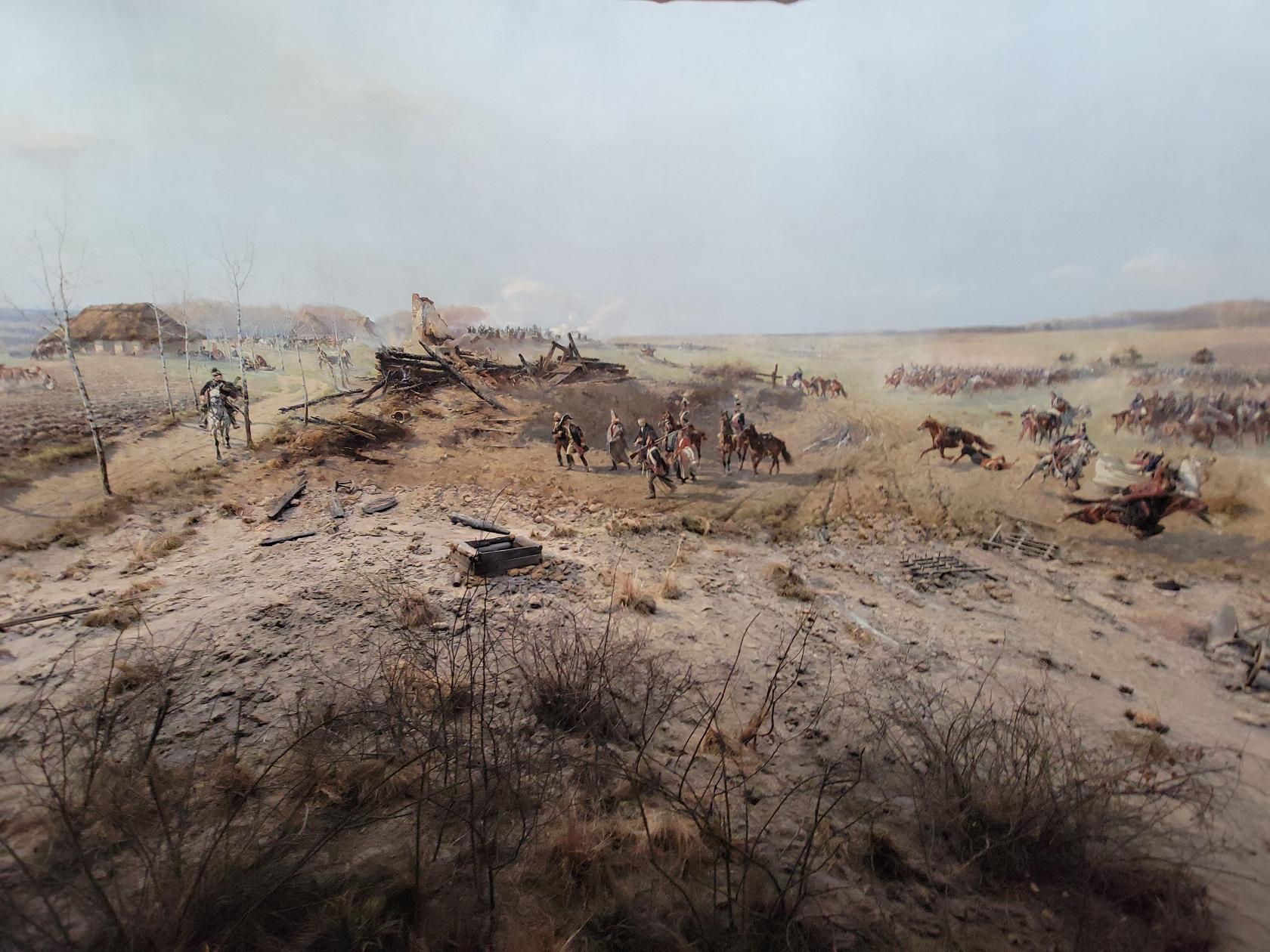
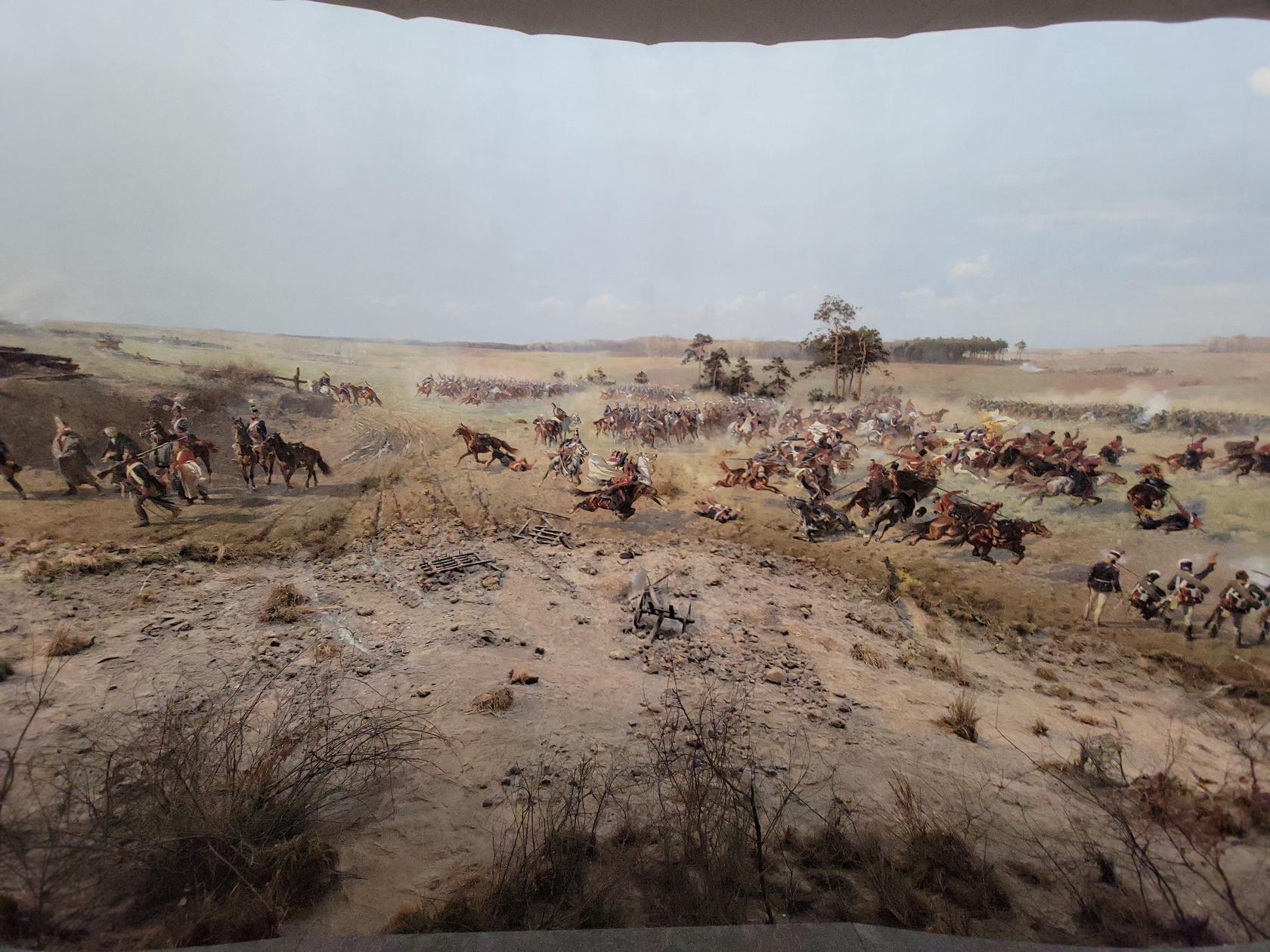
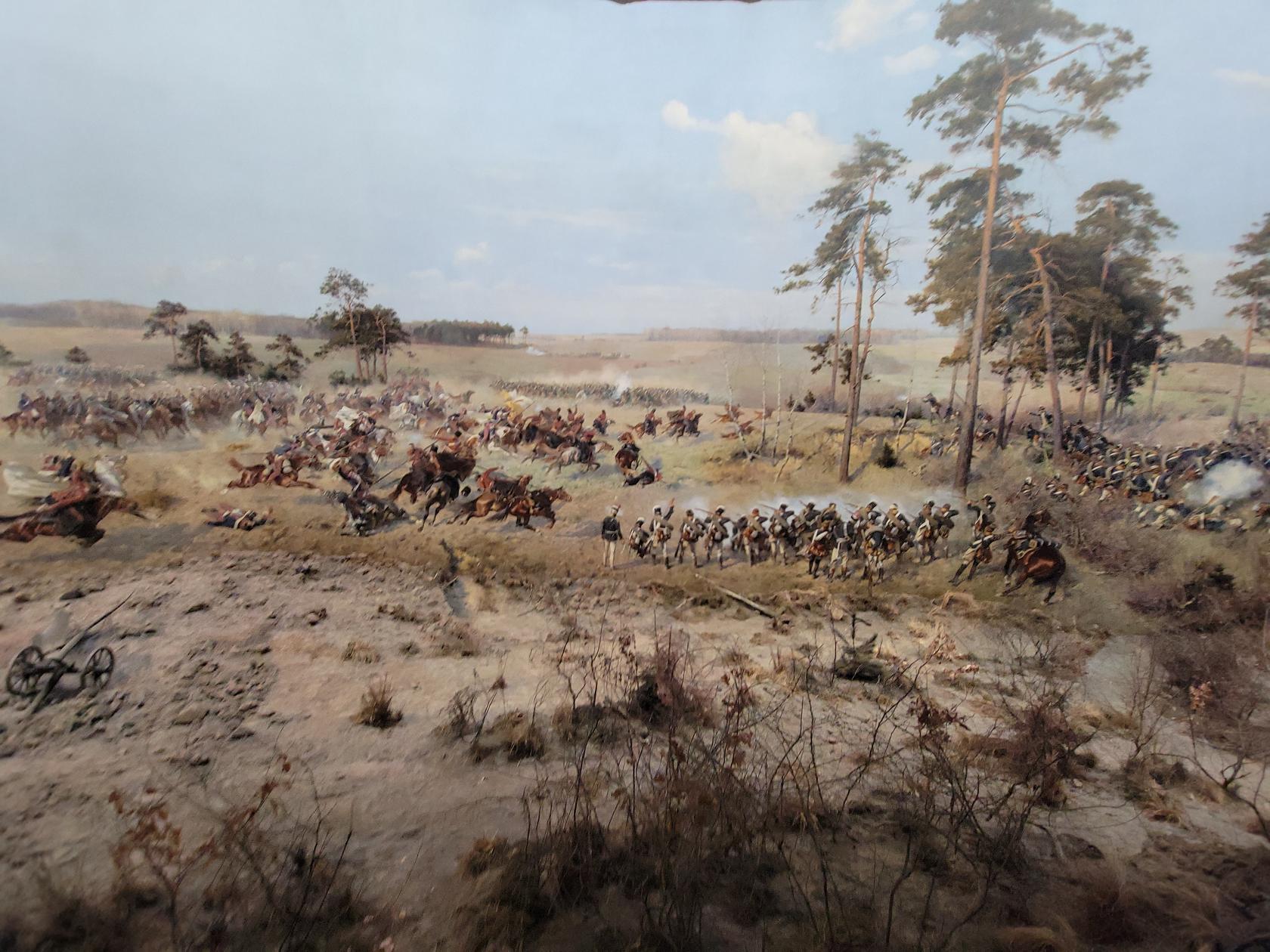
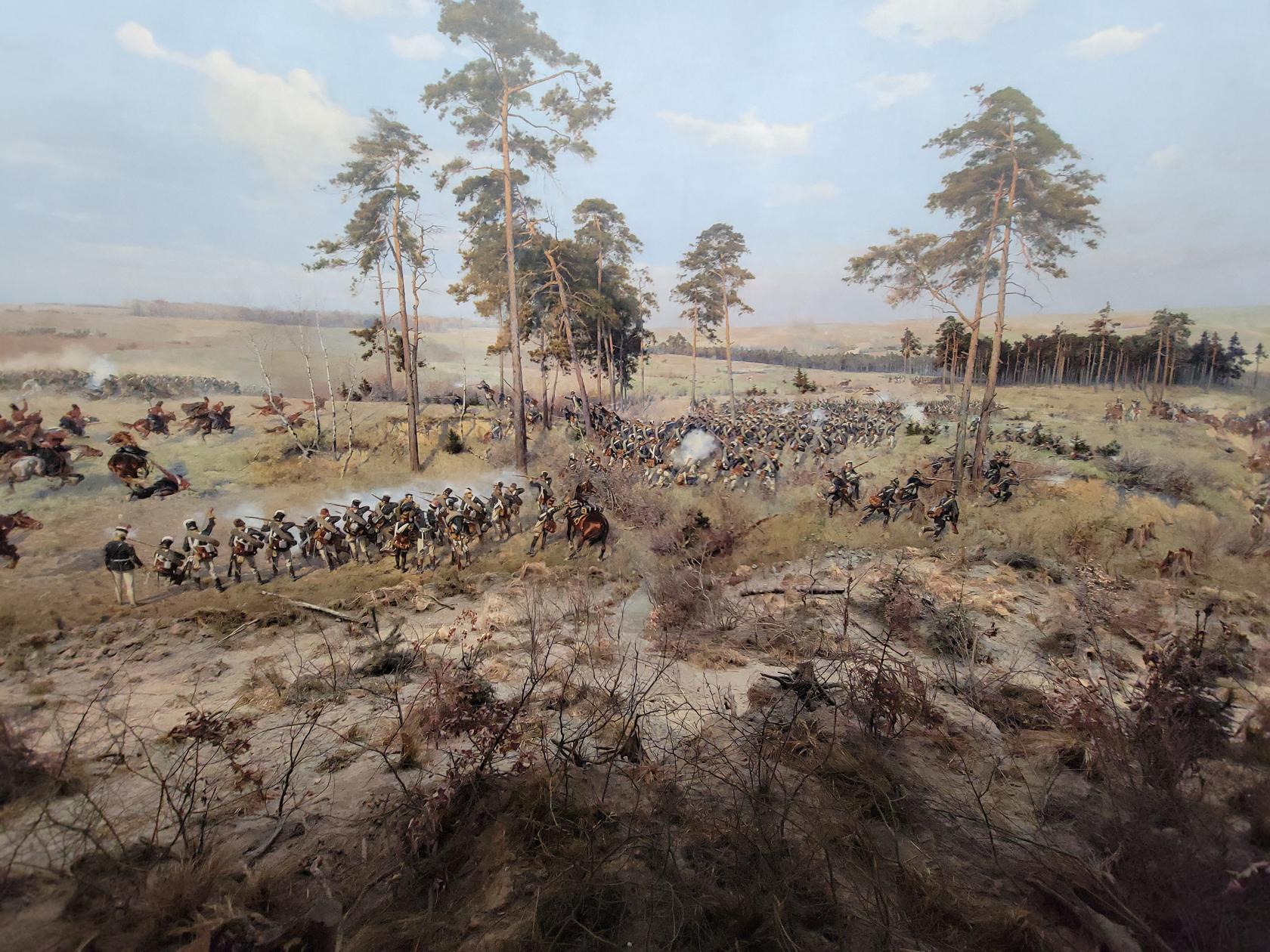
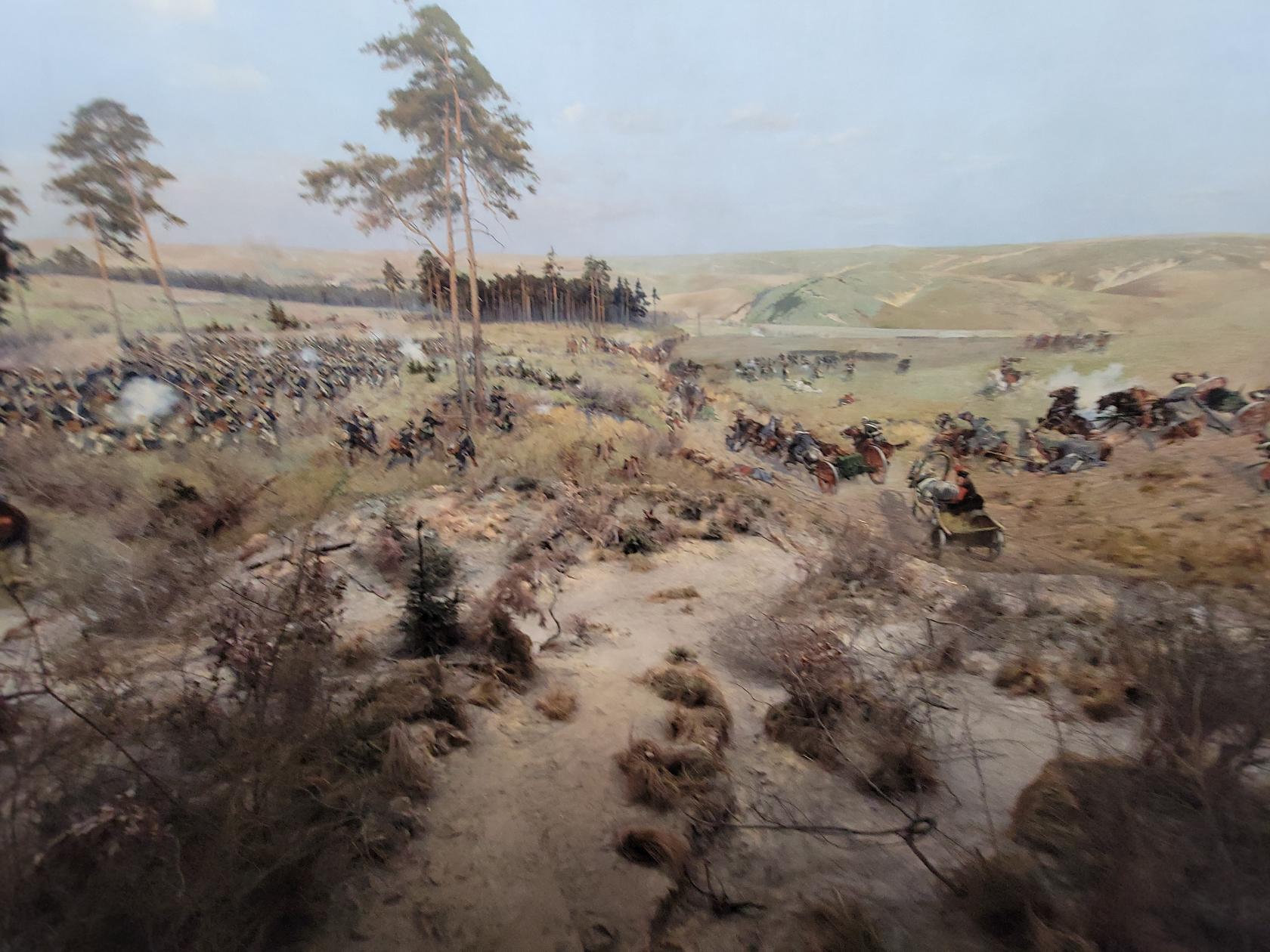
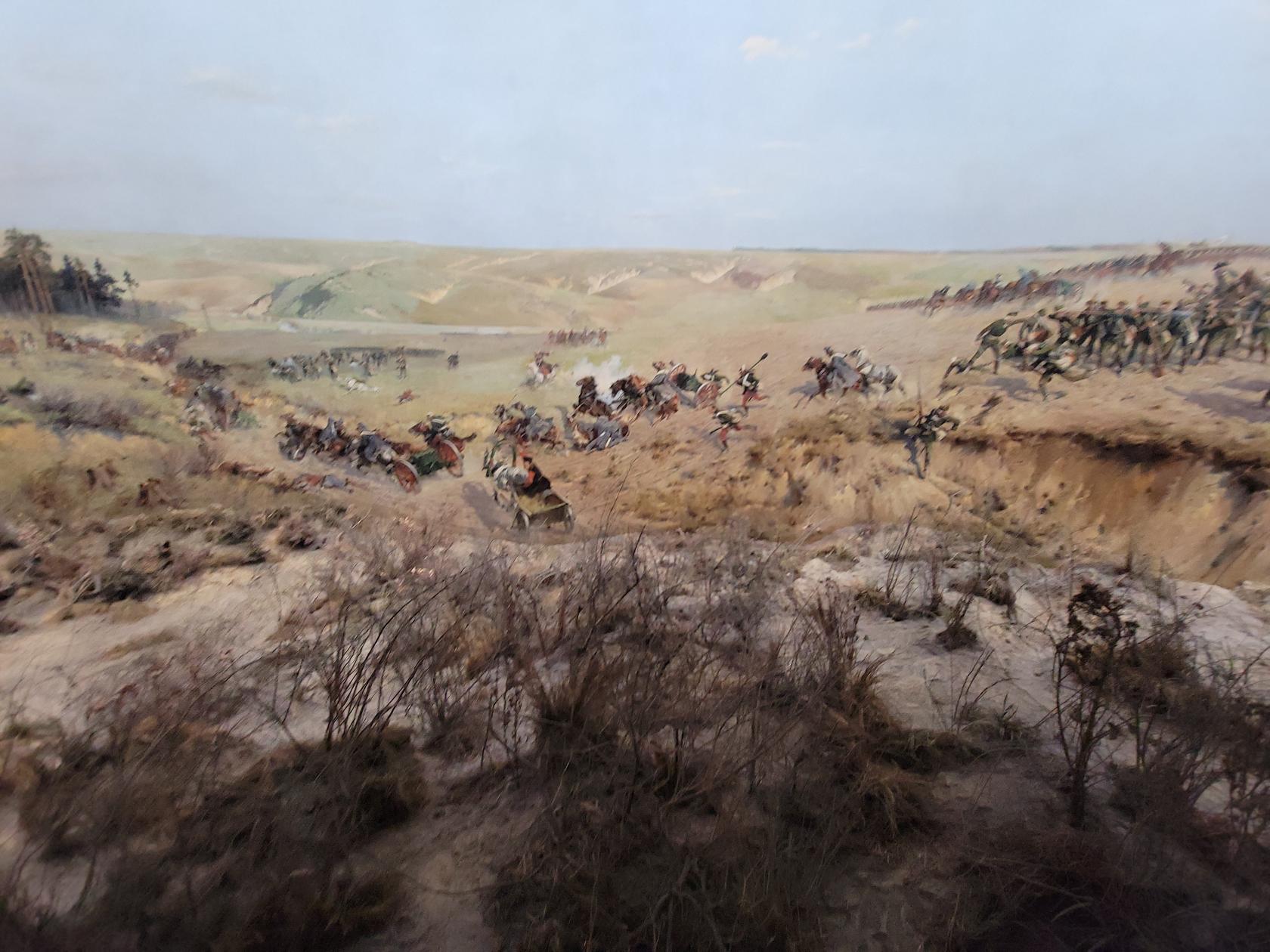
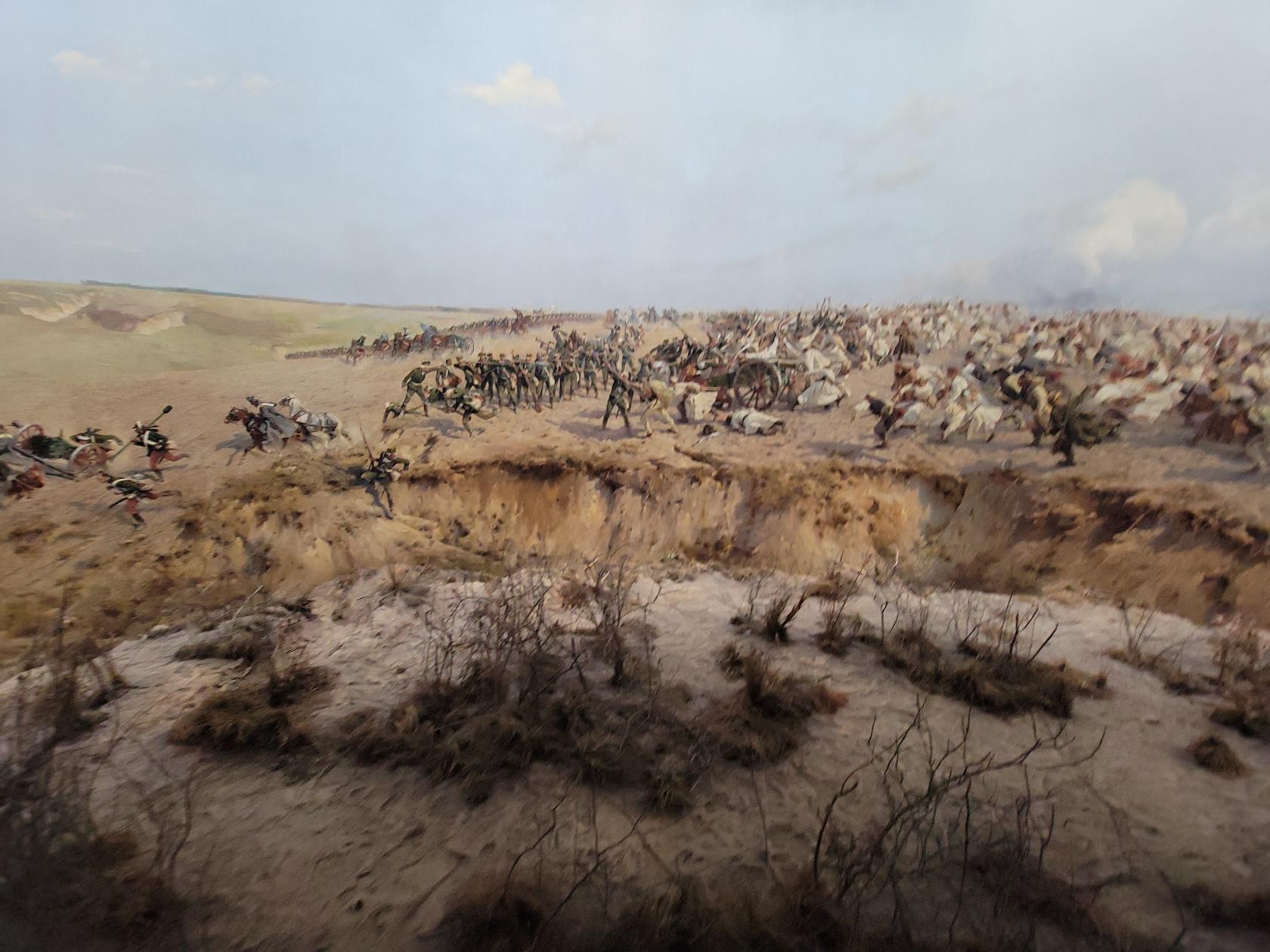
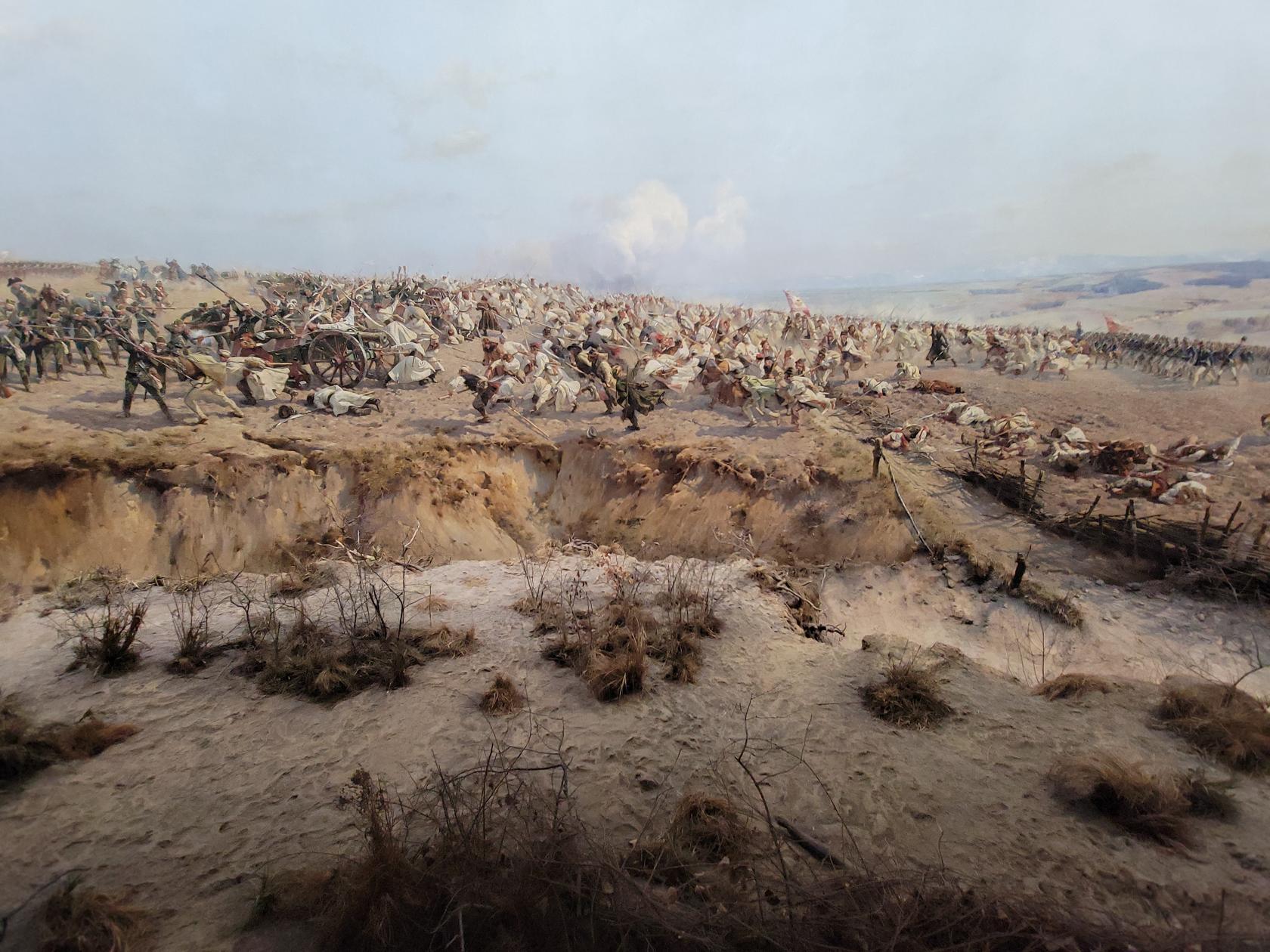
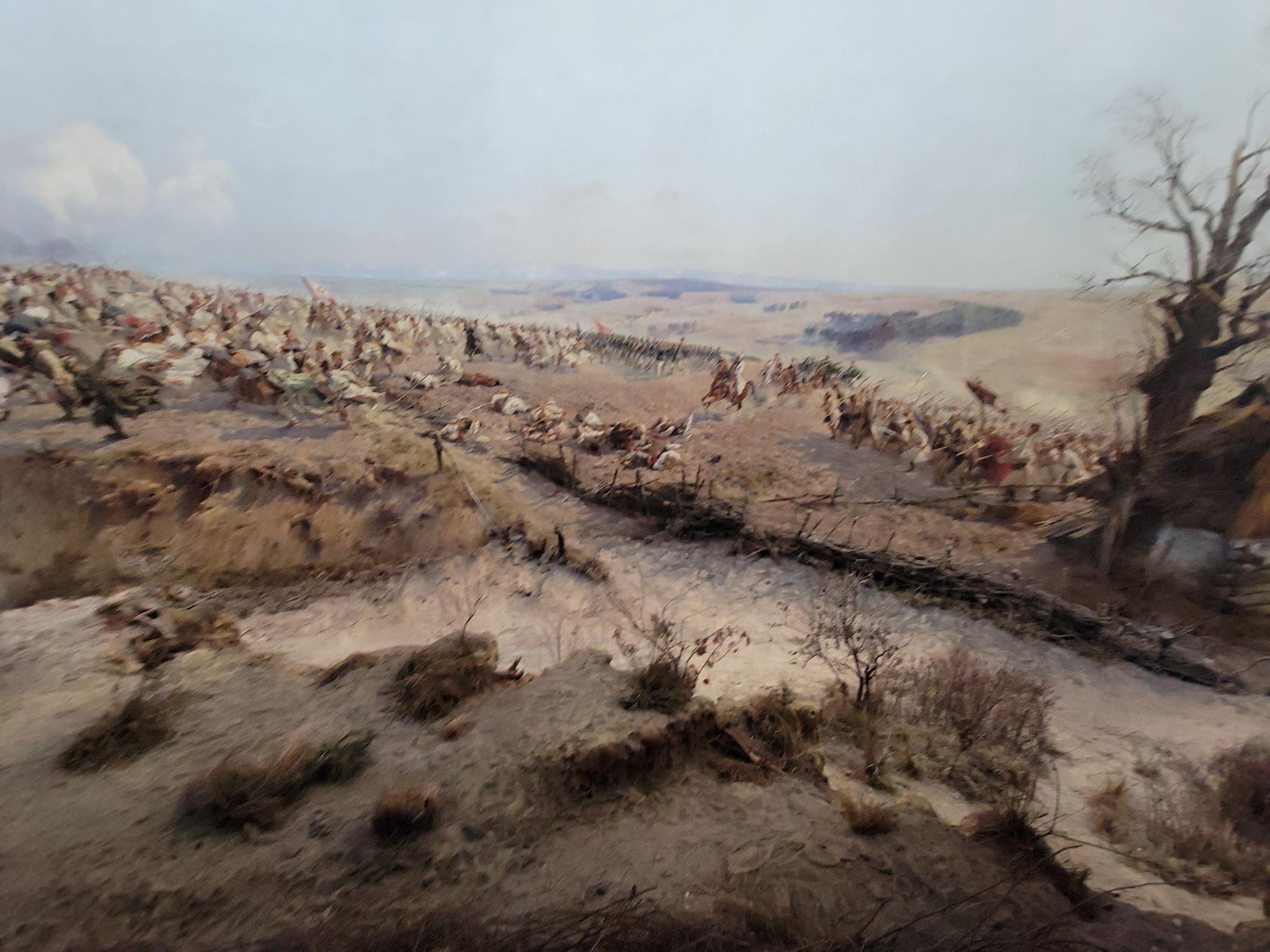
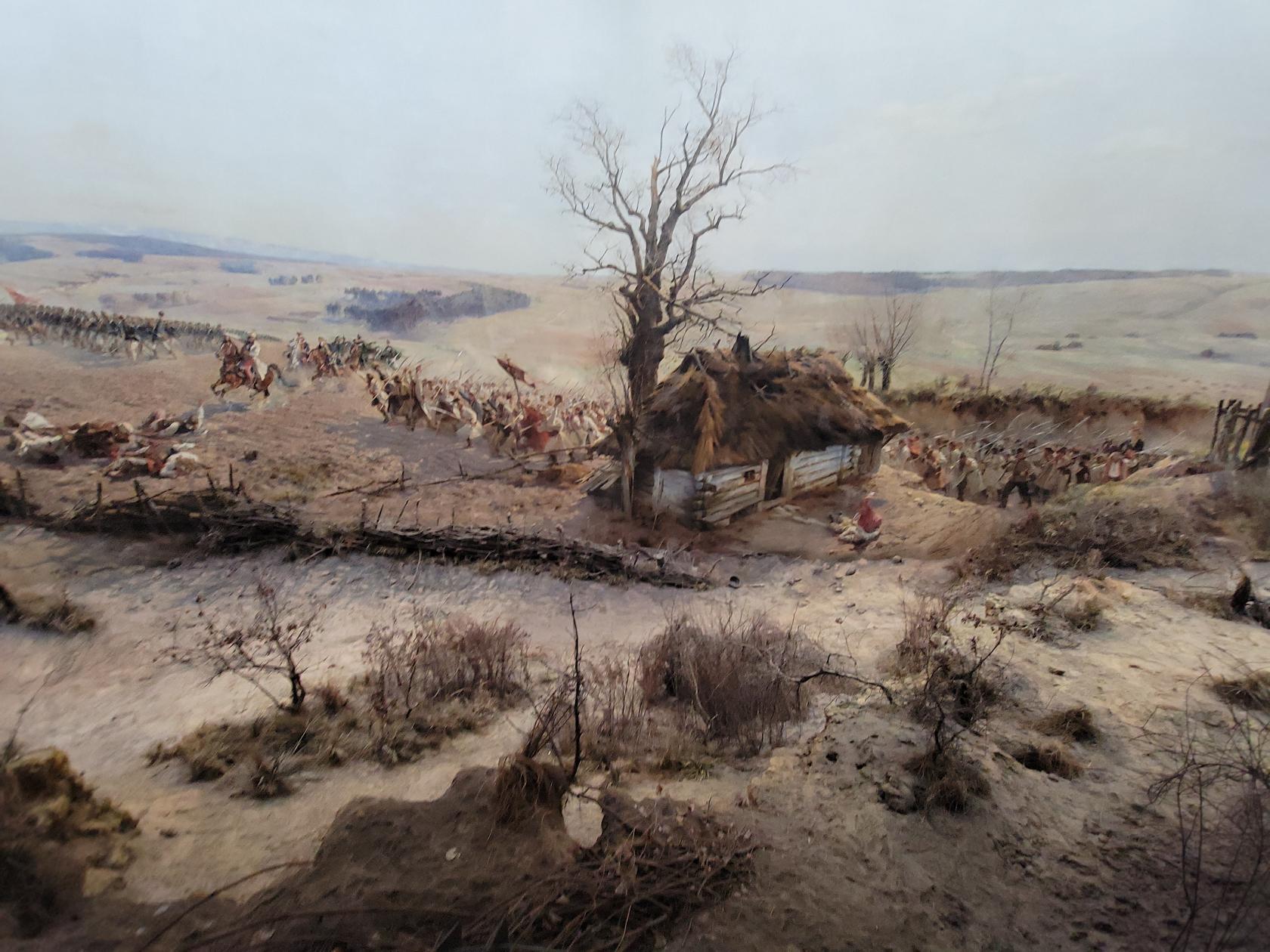
The museum provides a panorama of the Battle of Racławice which occurred in 1794 against the Russians. A branch of the National Museum in Wrocław, the museum is housed in a rotunda with a 360 degree canvas, as well as additional dioramatic accessory in the foreground, to give the visitor the feeling of what it might have been like during the battle.
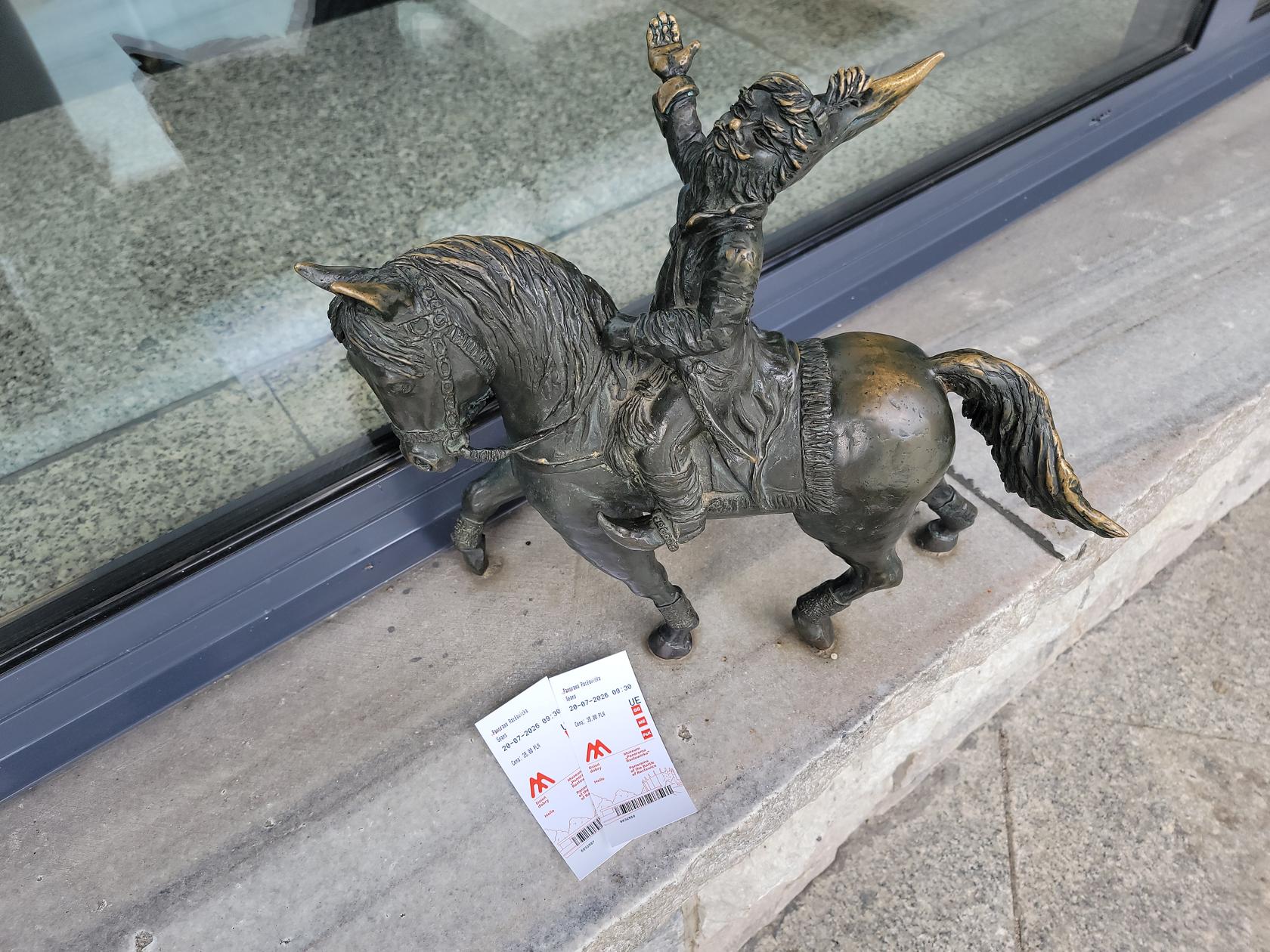
Tickets For Two – Panorama Racławicka Museum – Wrocław, Poland
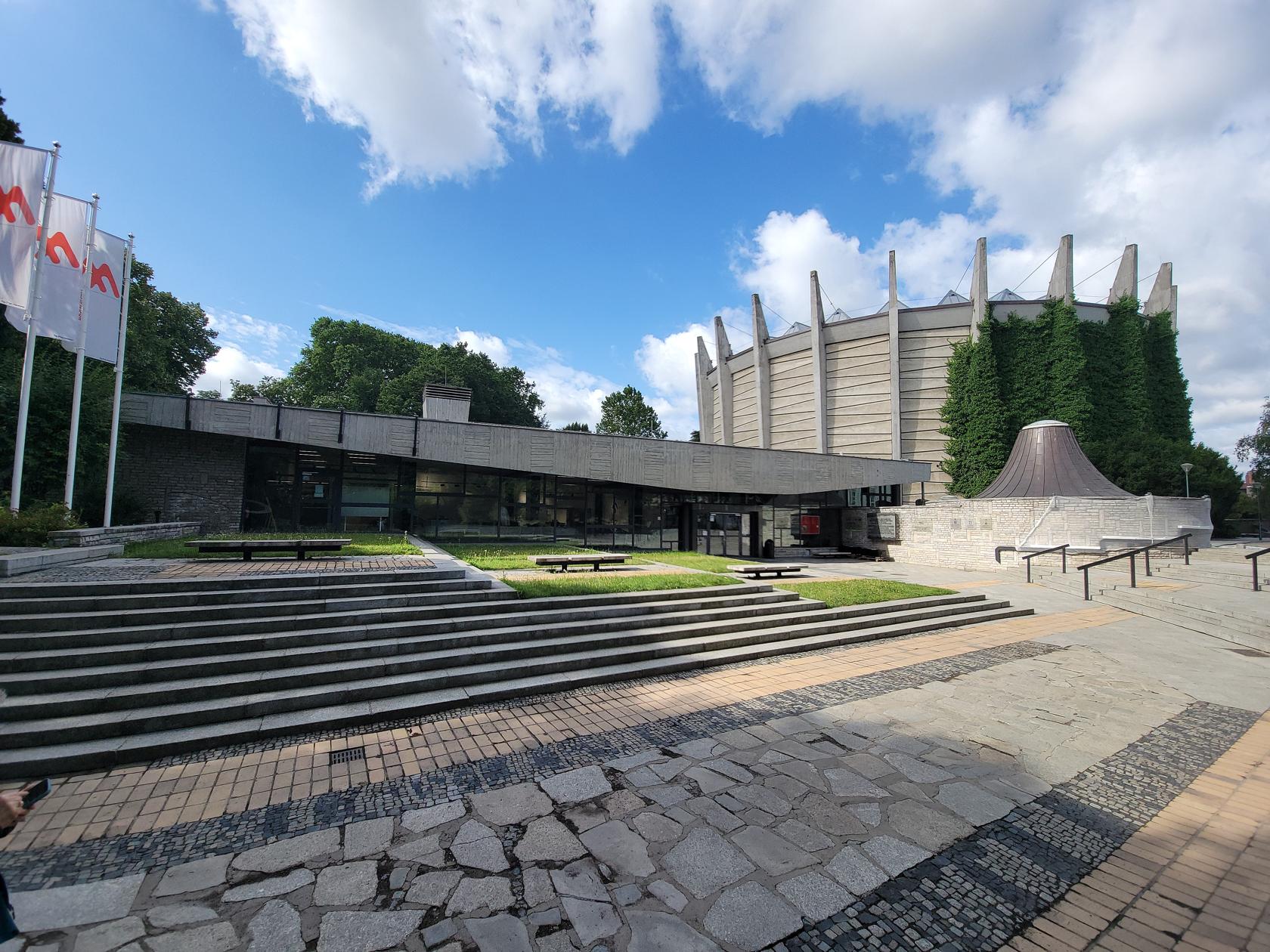
Entrance – Panorama Racławicka Museum – Wrocław, Poland
Inside – Panorama Racławicka Museum – Wrocław, Poland
It is a guided tour and language modules are provided so that everyone can enjoy the story of the battle as they move around the theater.
Scene 1 – Panorama Racławicka Museum – Wrocław, Poland
Scene 2 – Panorama Racławicka Museum – Wrocław, Poland
Scene 3 – Panorama Racławicka Museum – Wrocław, Poland
Scene 4 – Panorama Racławicka Museum – Wrocław, Poland
Scene 5 – Panorama Racławicka Museum – Wrocław, Poland
Scene 6 – Panorama Racławicka Museum – Wrocław, Poland
Scene 7 – Panorama Racławicka Museum – Wrocław, Poland
Scene 8 – Panorama Racławicka Museum – Wrocław, Poland
Scene 9 – Panorama Racławicka Museum – Wrocław, Poland
Scene 10 – Panorama Racławicka Museum – Wrocław, Poland
Scene 11 – Panorama Racławicka Museum – Wrocław, Poland
Scene 12 – Panorama Racławicka Museum – Wrocław, Poland
Church And Cathedrals
In this city you will find less churches, they are not as abundant as in Kraków. However, the ones you can visit and just as beautiful.
Wrocław Cathedral
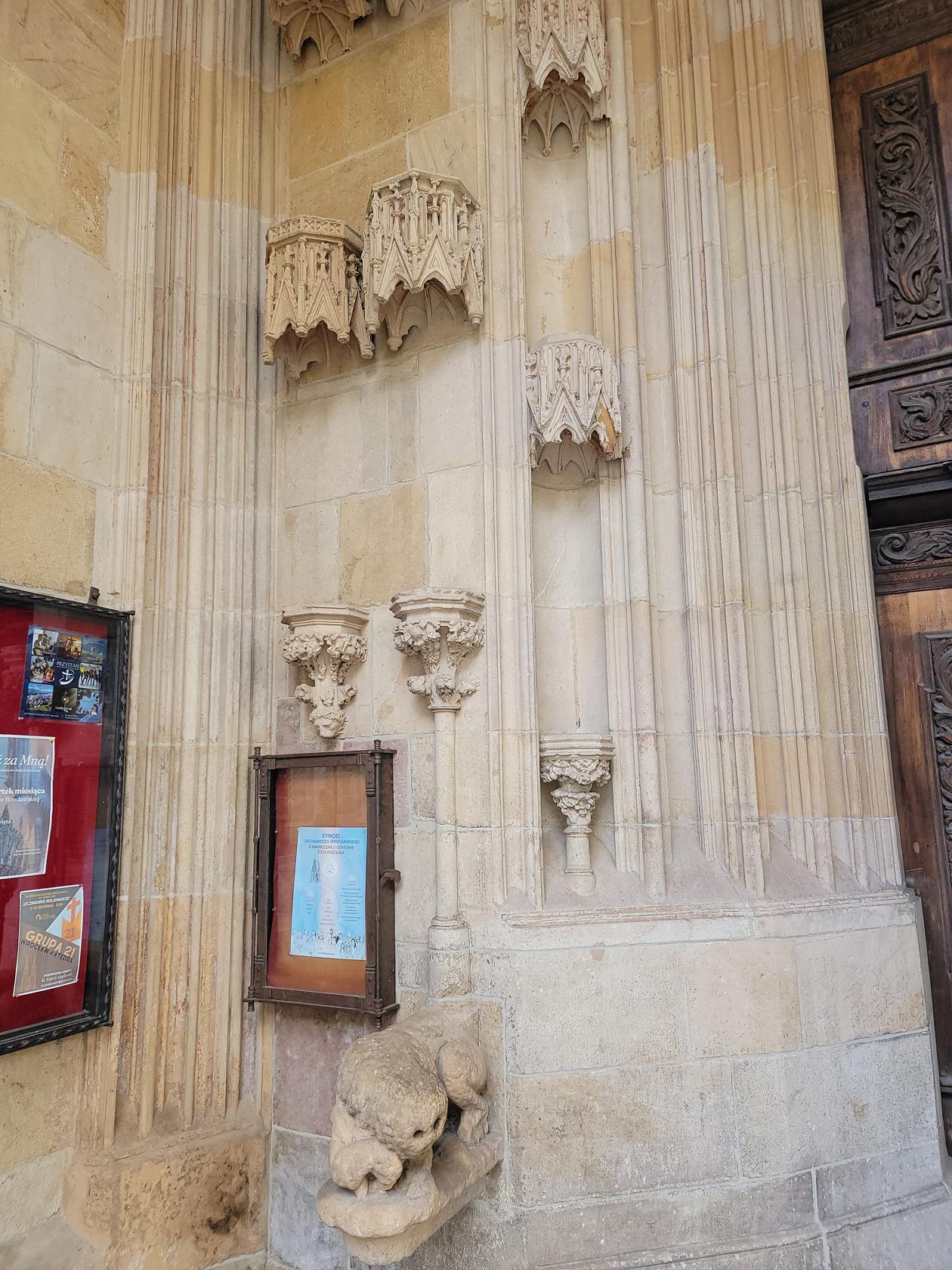
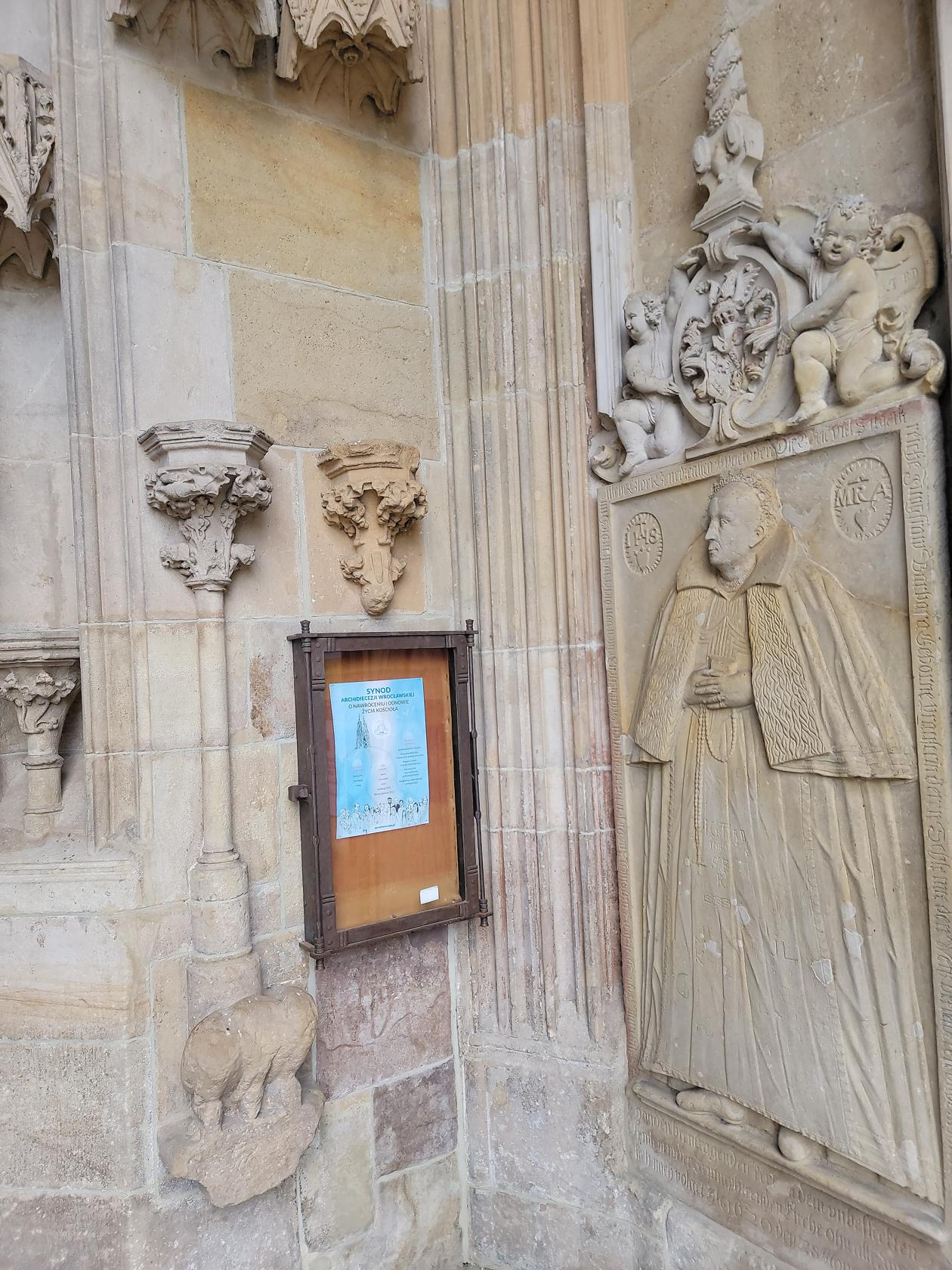
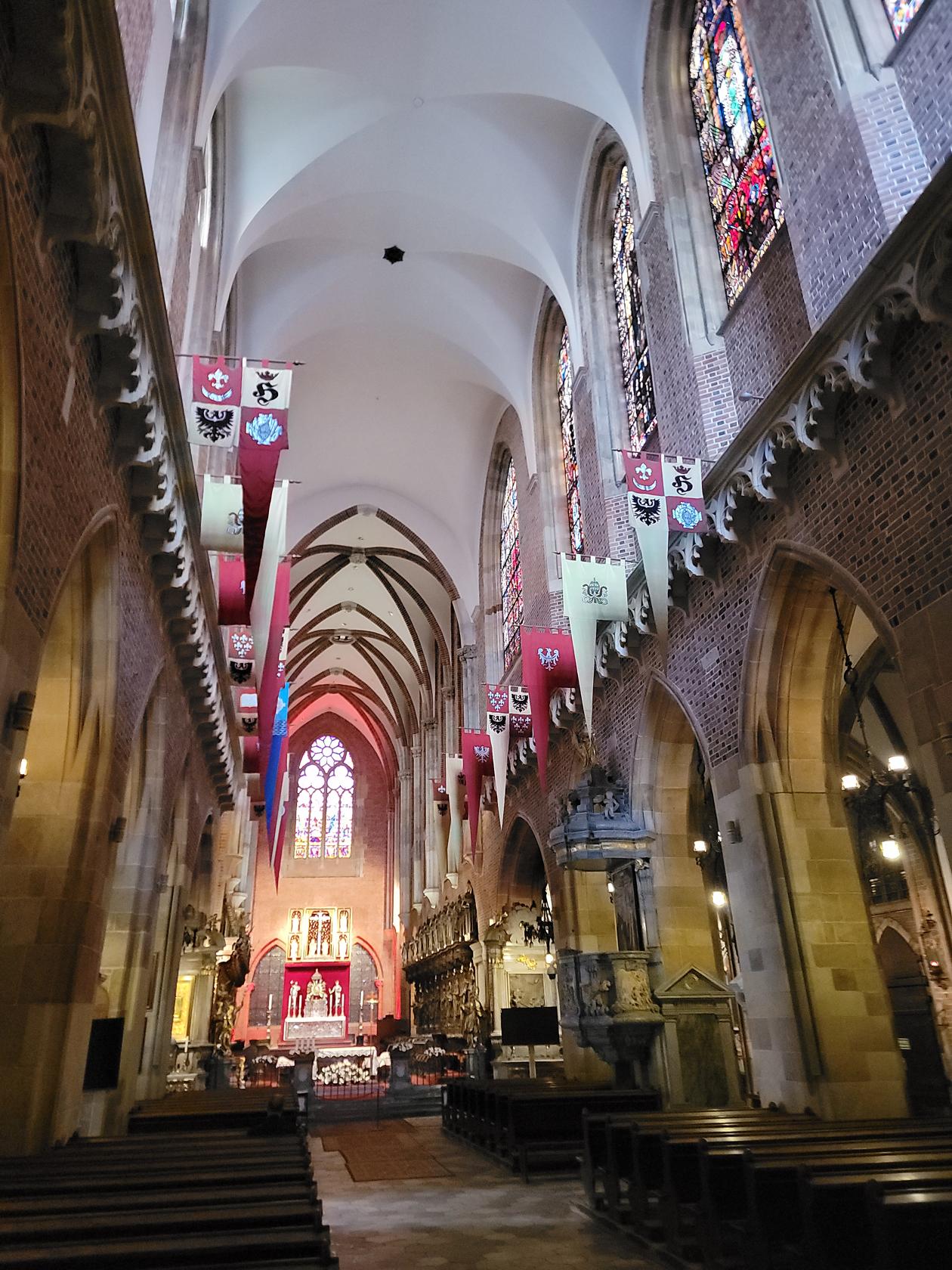
Located across the Oder via the Sand and Tumski bridges, the Wrocław Cathedral has beautiful stained glass windows inside. They only adorn one side, since the windows on the other side are obfuscated by an adjoining structure, which in and of itself I found very odd.
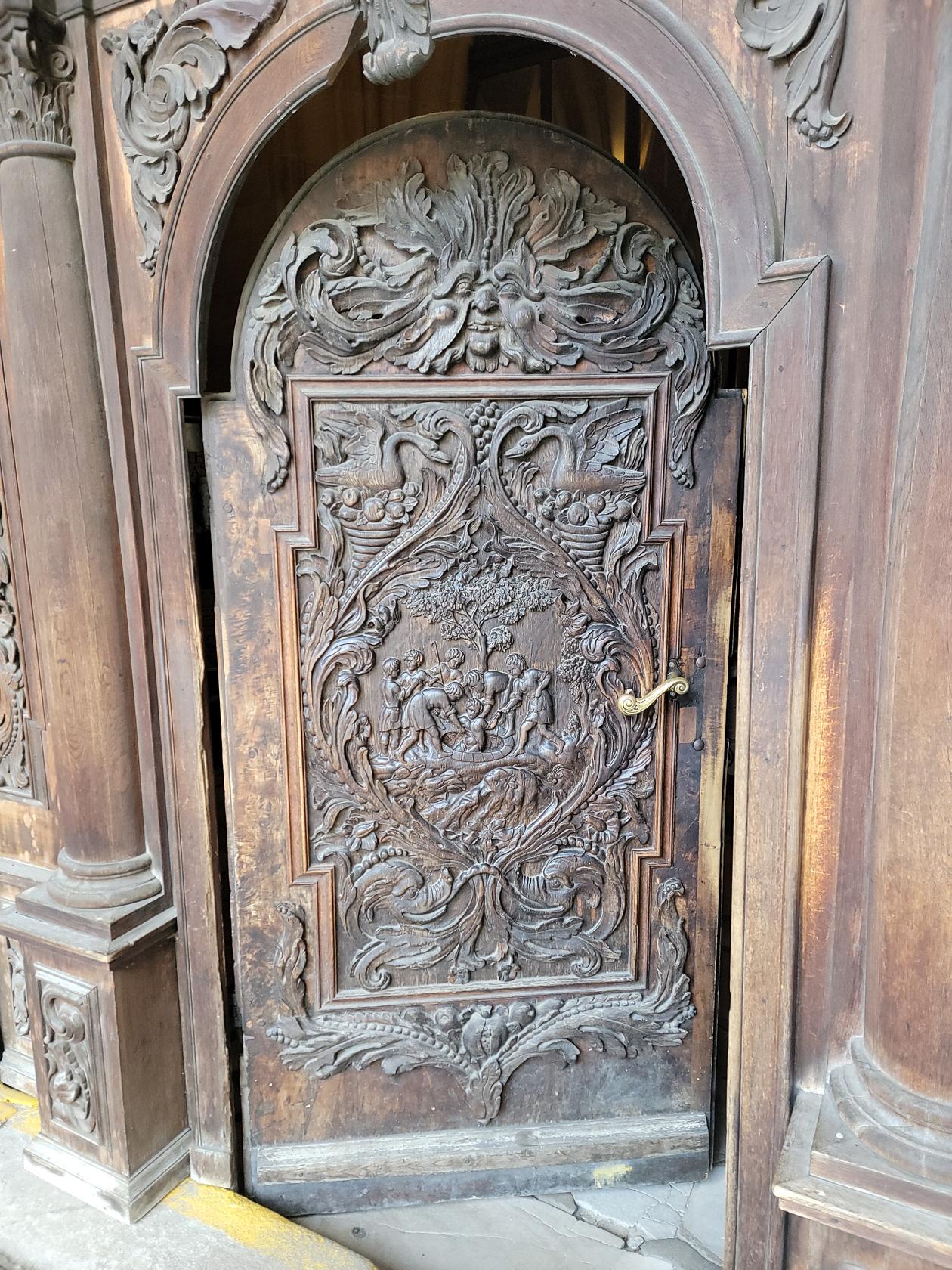
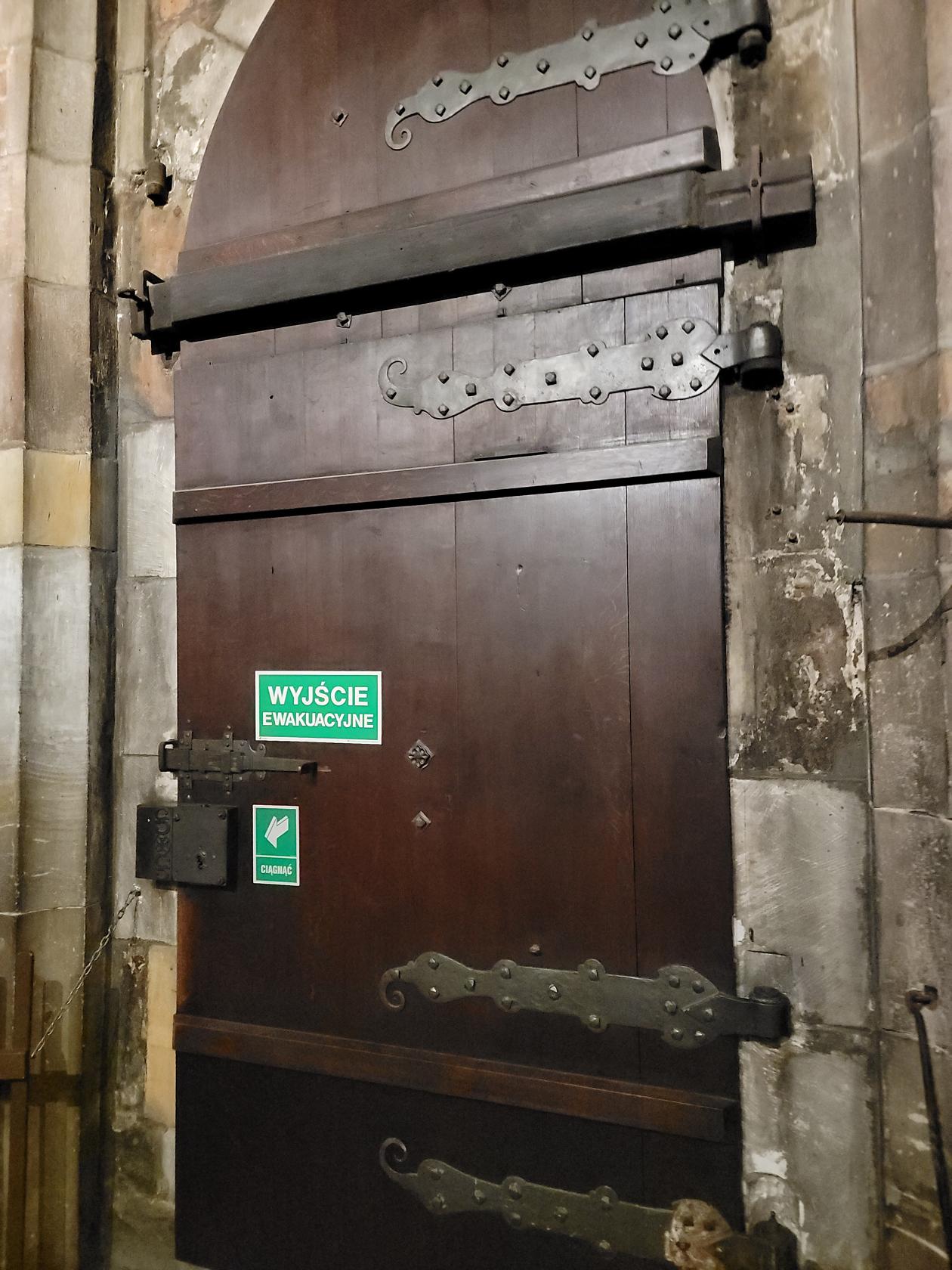
Old Door with Iron Hinges – Wrocław Cathedral – Wrocław, Poland
Cathedral Saint Mary Magdelena
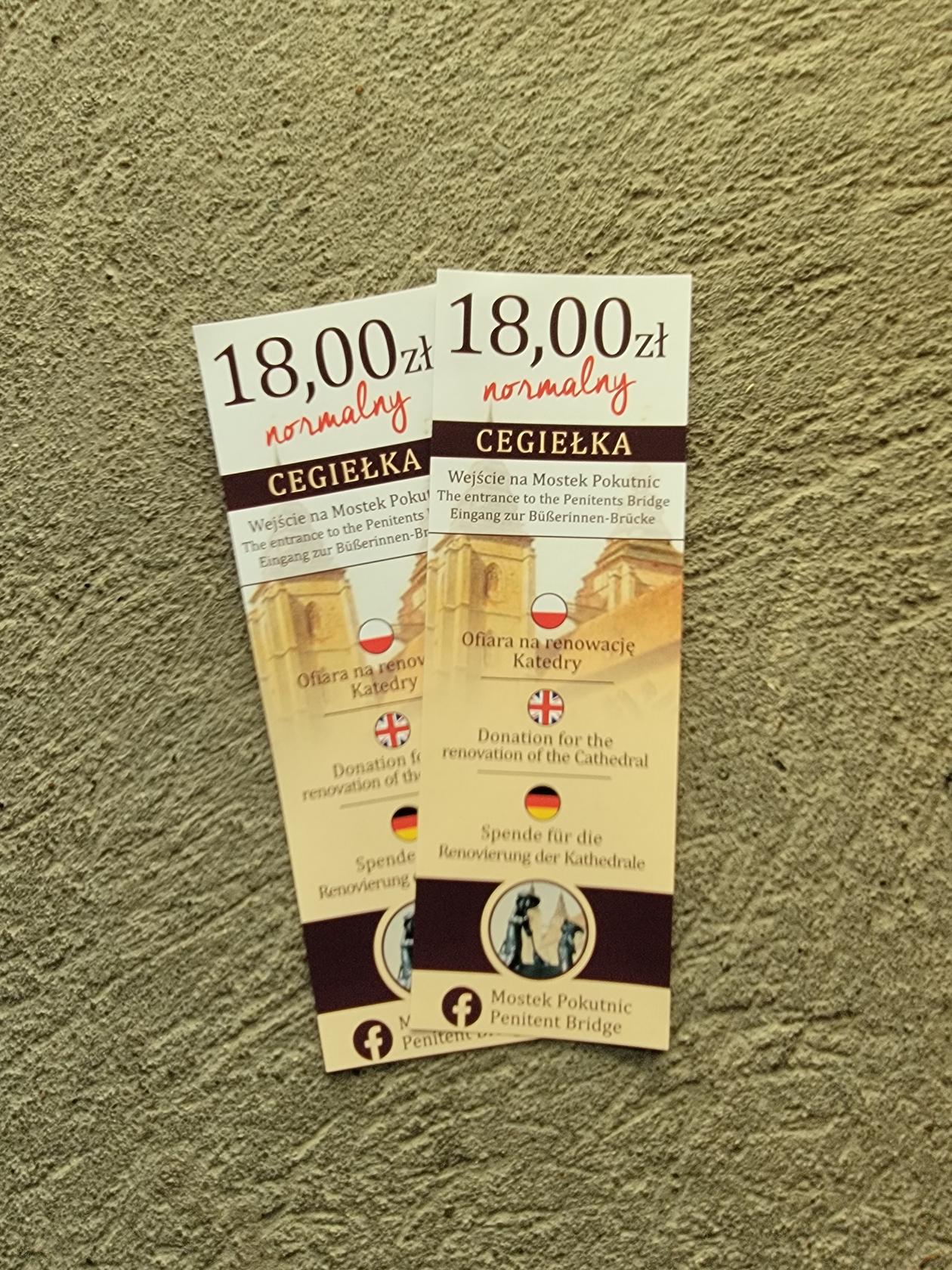
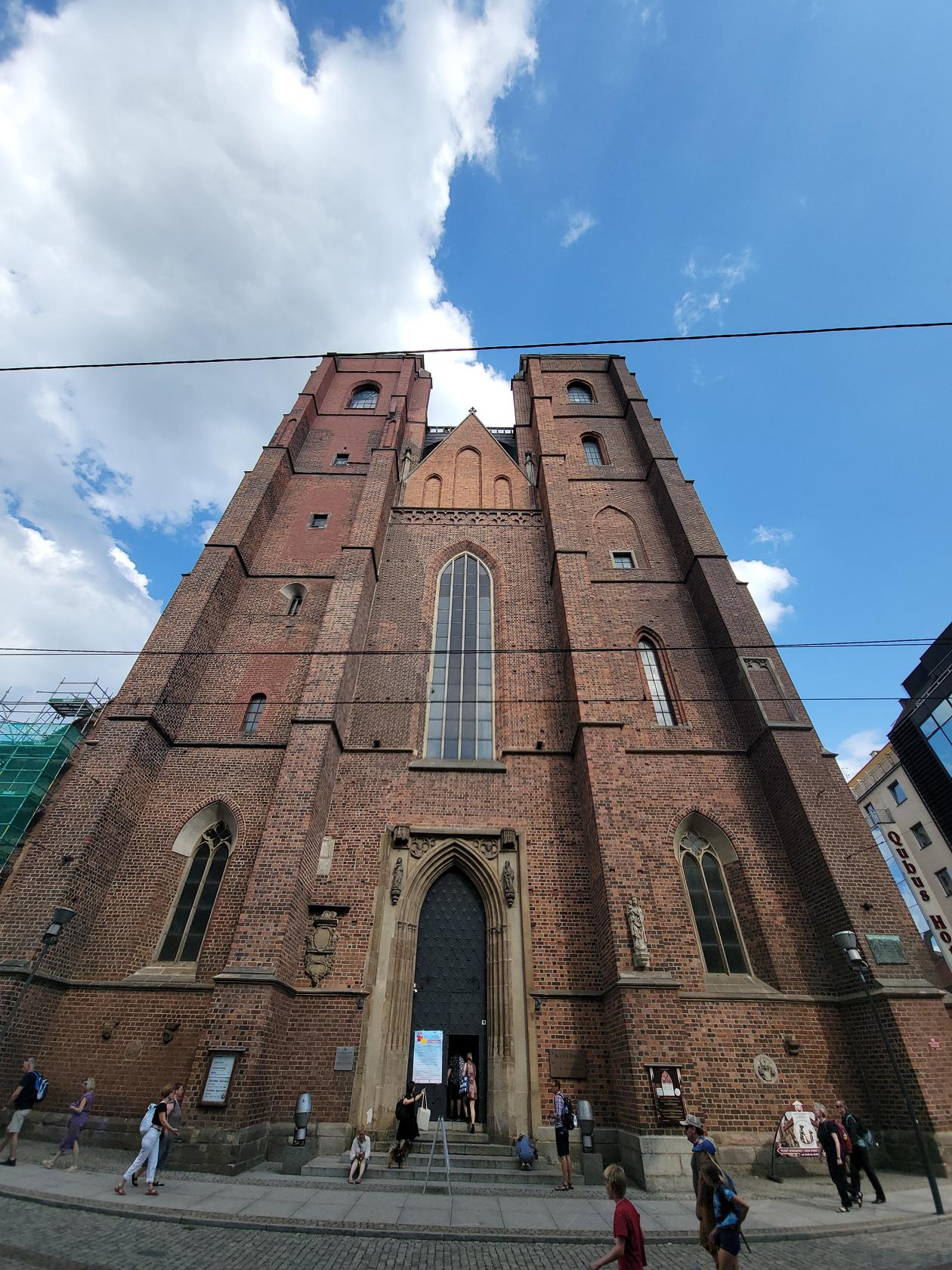
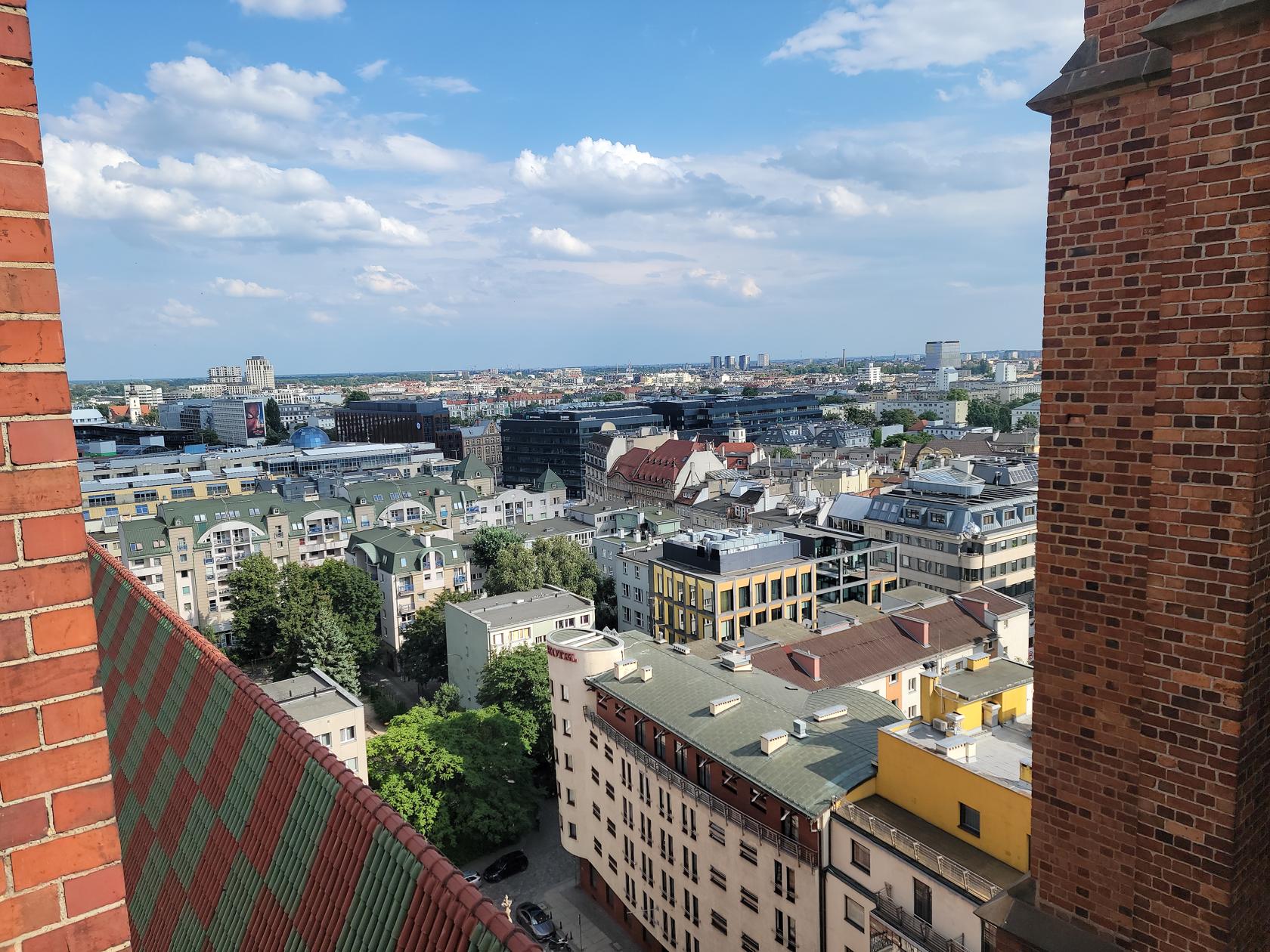
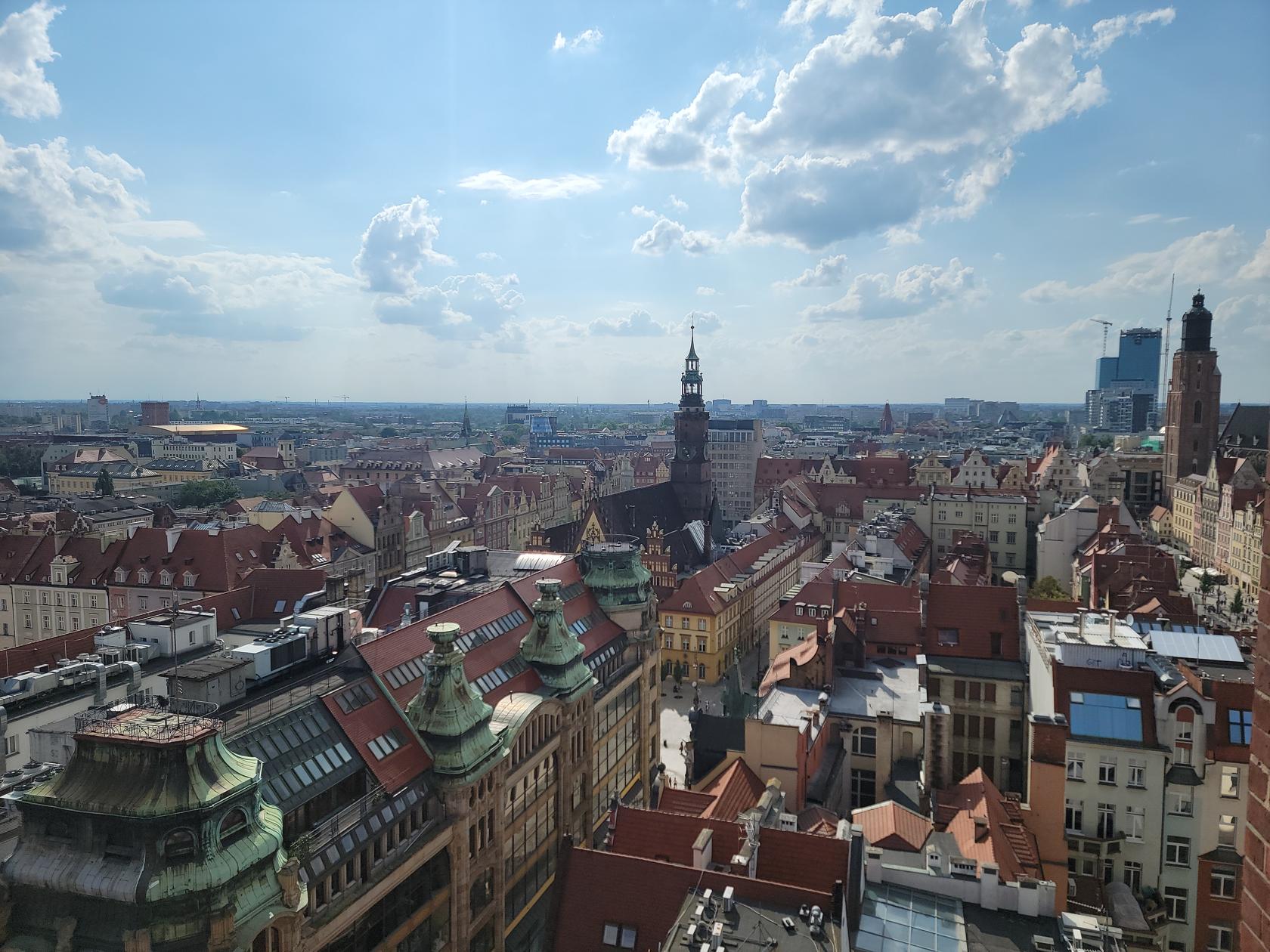
The Cathedral Saint Mary Magdelena is the one church where we paid for entrance, so that we could ascend the tower and view the city from the Penitent Bridge.
Tickets For Two – Cathedral Saint Mary Magdelena – Wrocław, Poland
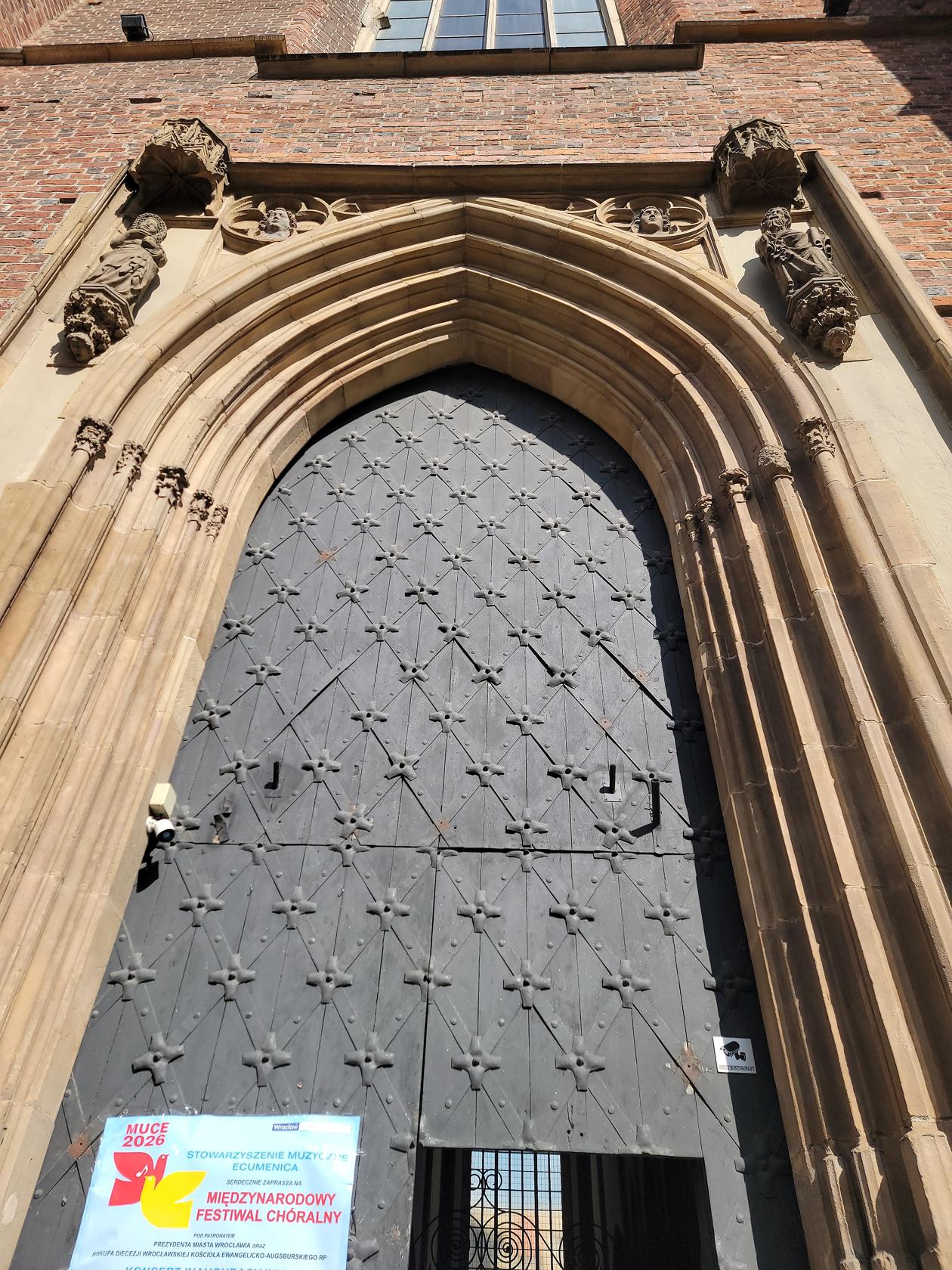
Front and Facade – Cathedral Saint Mary Magdelena – Wrocław, Poland
Entrance – Cathedral Saint Mary Magdelena – Wrocław, Poland
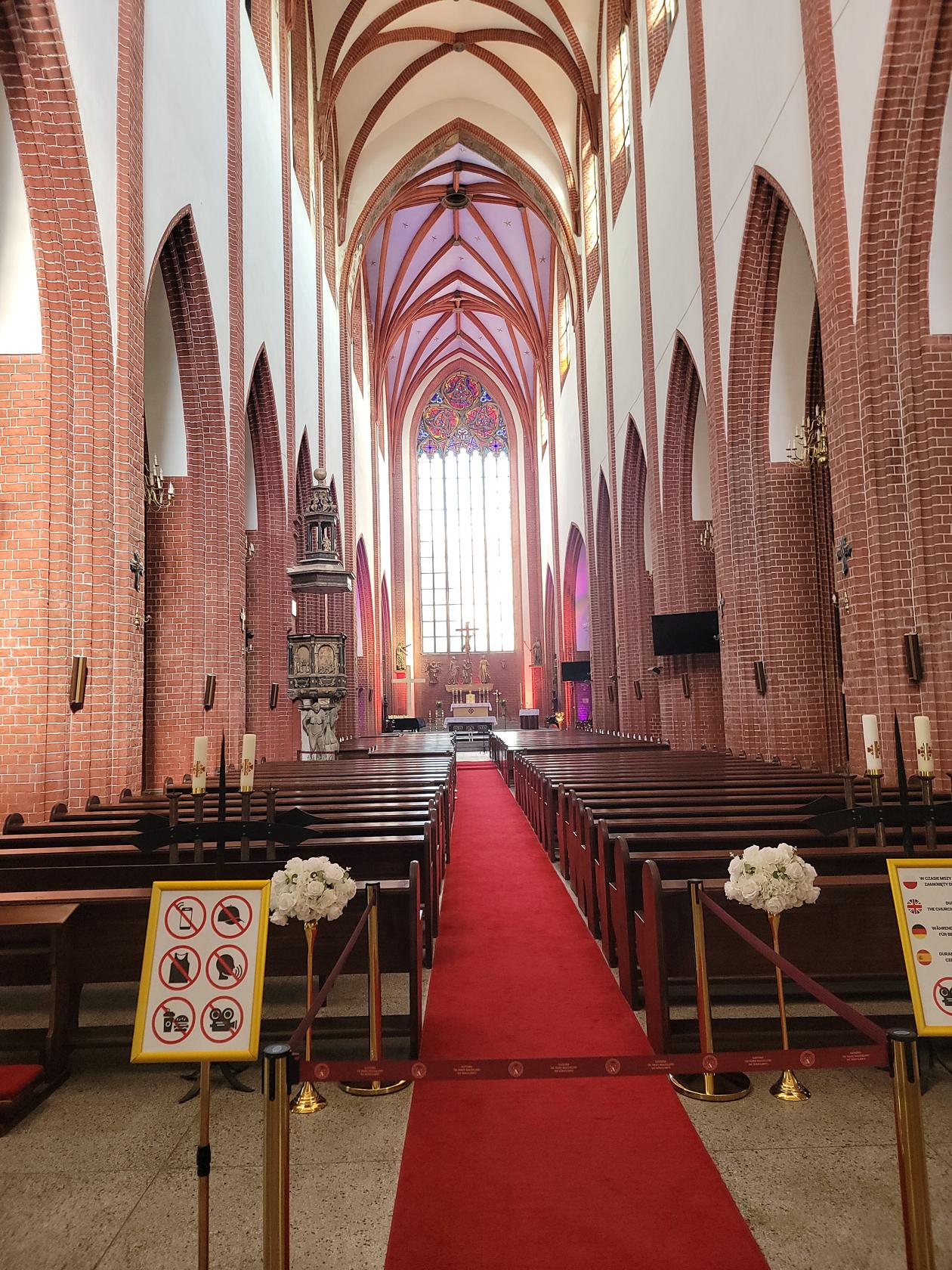
Nave – Cathedral Saint Mary Magdelena – Wrocław, Poland
City View – Penitent Tower – Cathedral Saint Mary Magdelena – Wrocław, Poland
City View – Penitent Tower – Cathedral Saint Mary Magdelena – Wrocław, Poland
Restaurants
In Wrocław we decided to scale back on the amount of Polish food we would consume, since it is very rich and calory laden.
Konspira
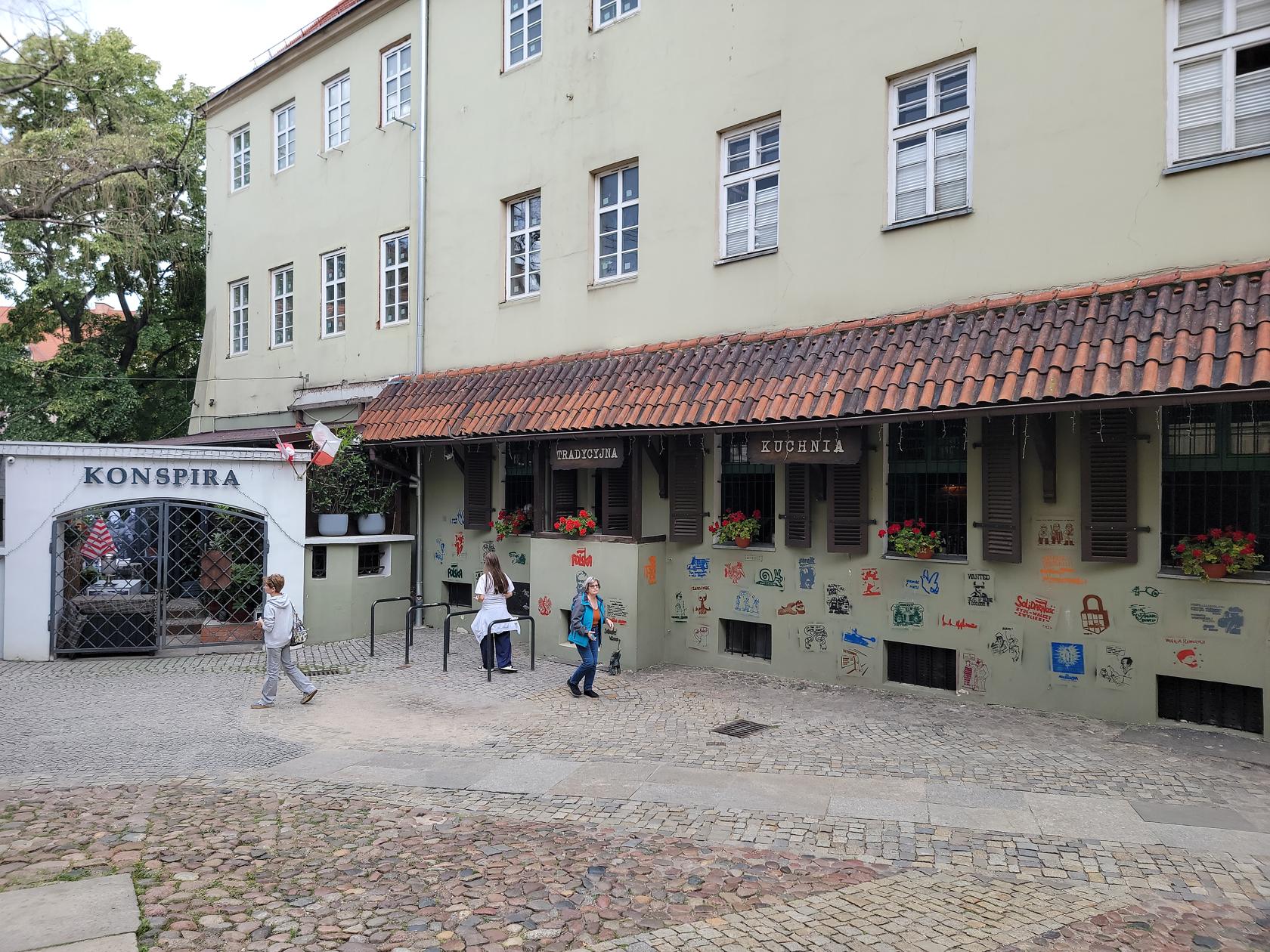
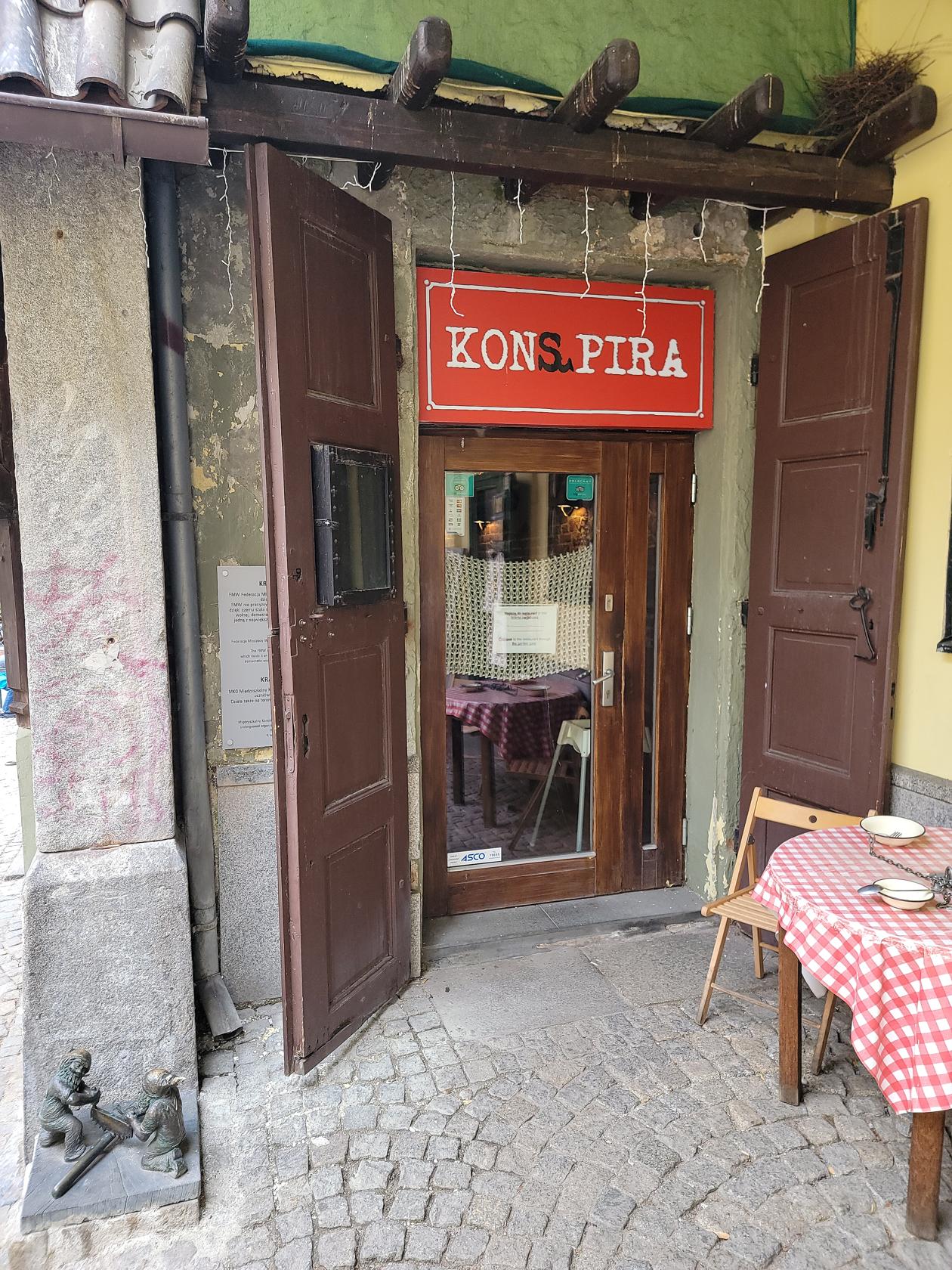
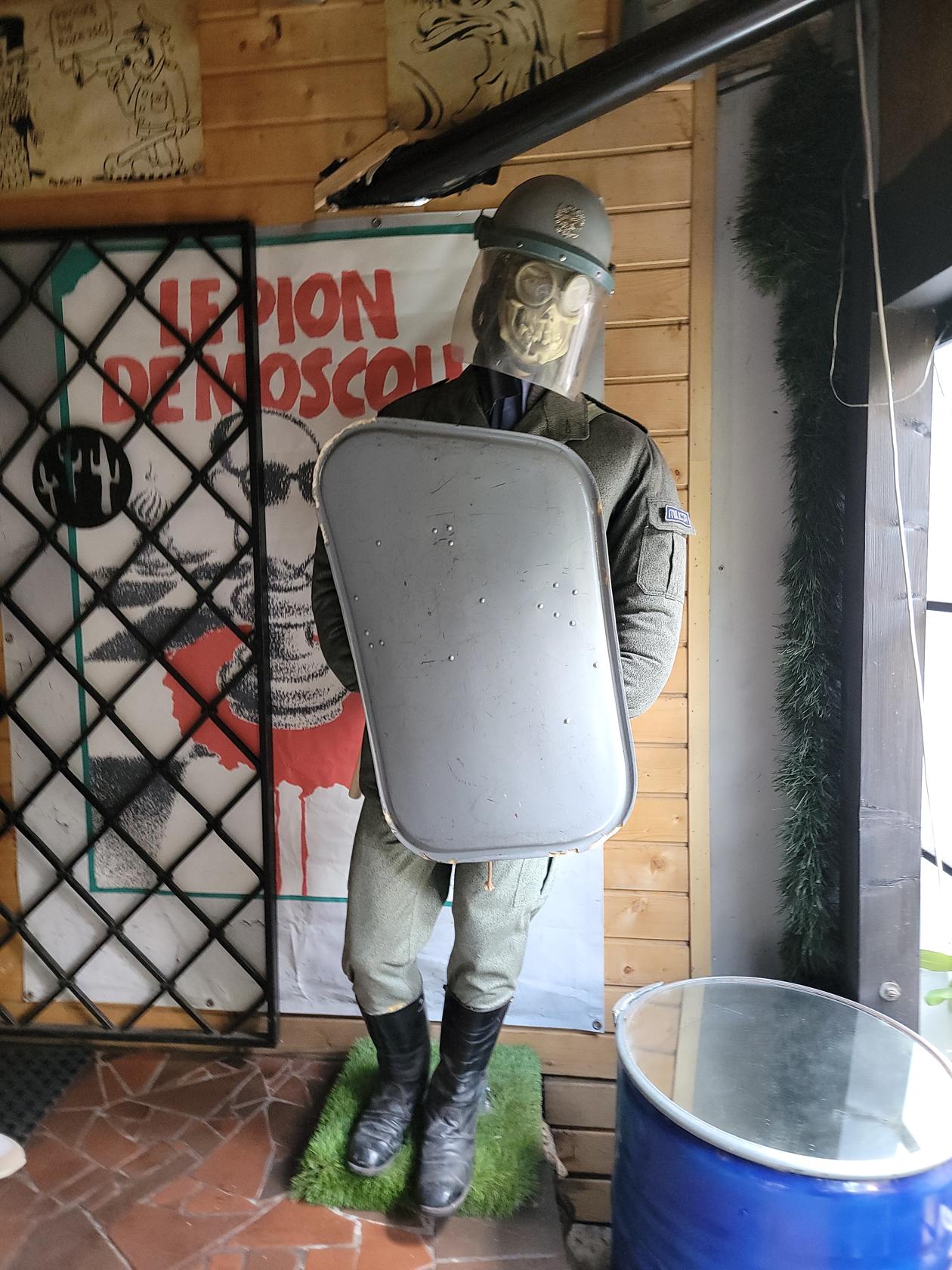
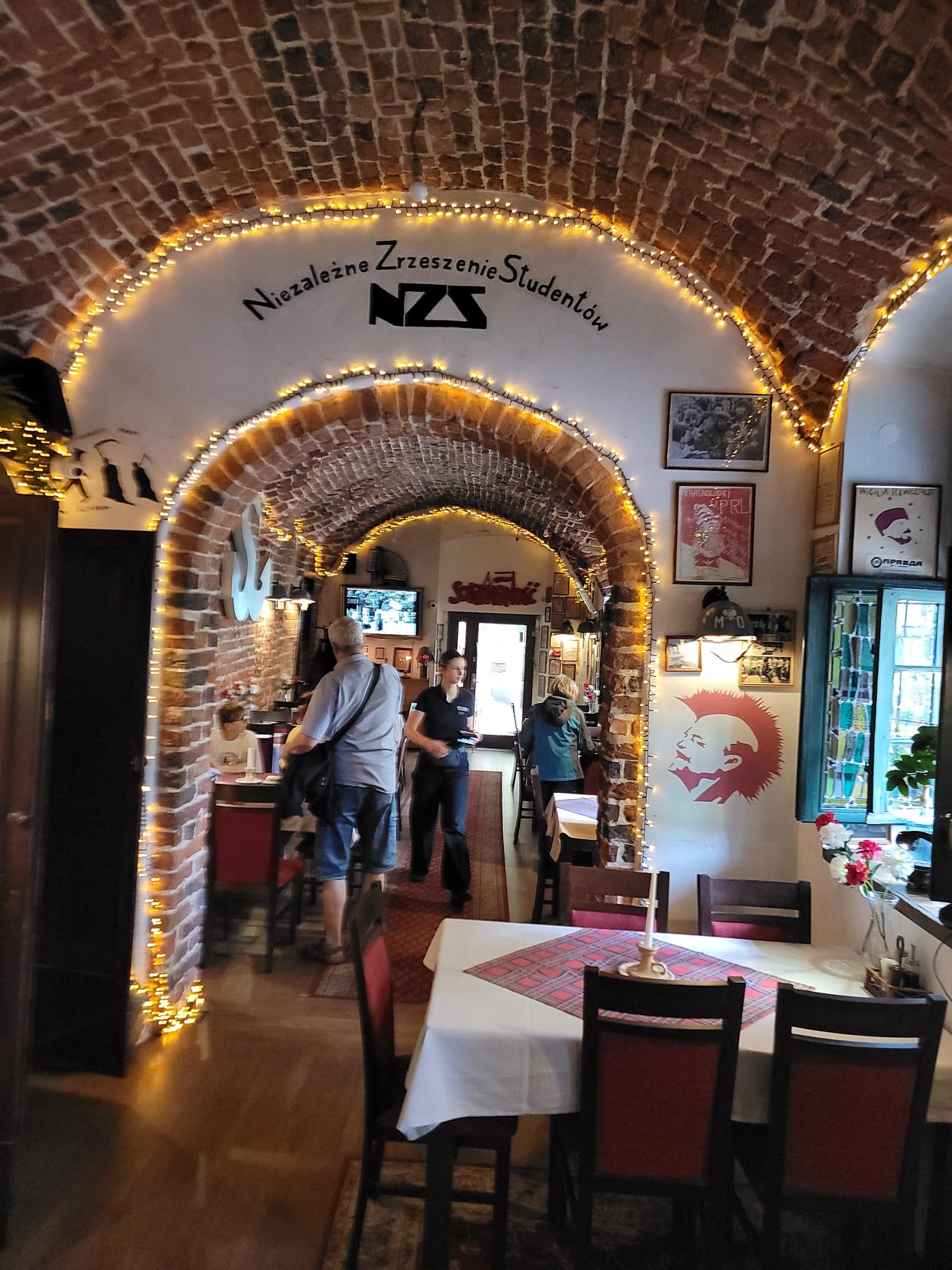
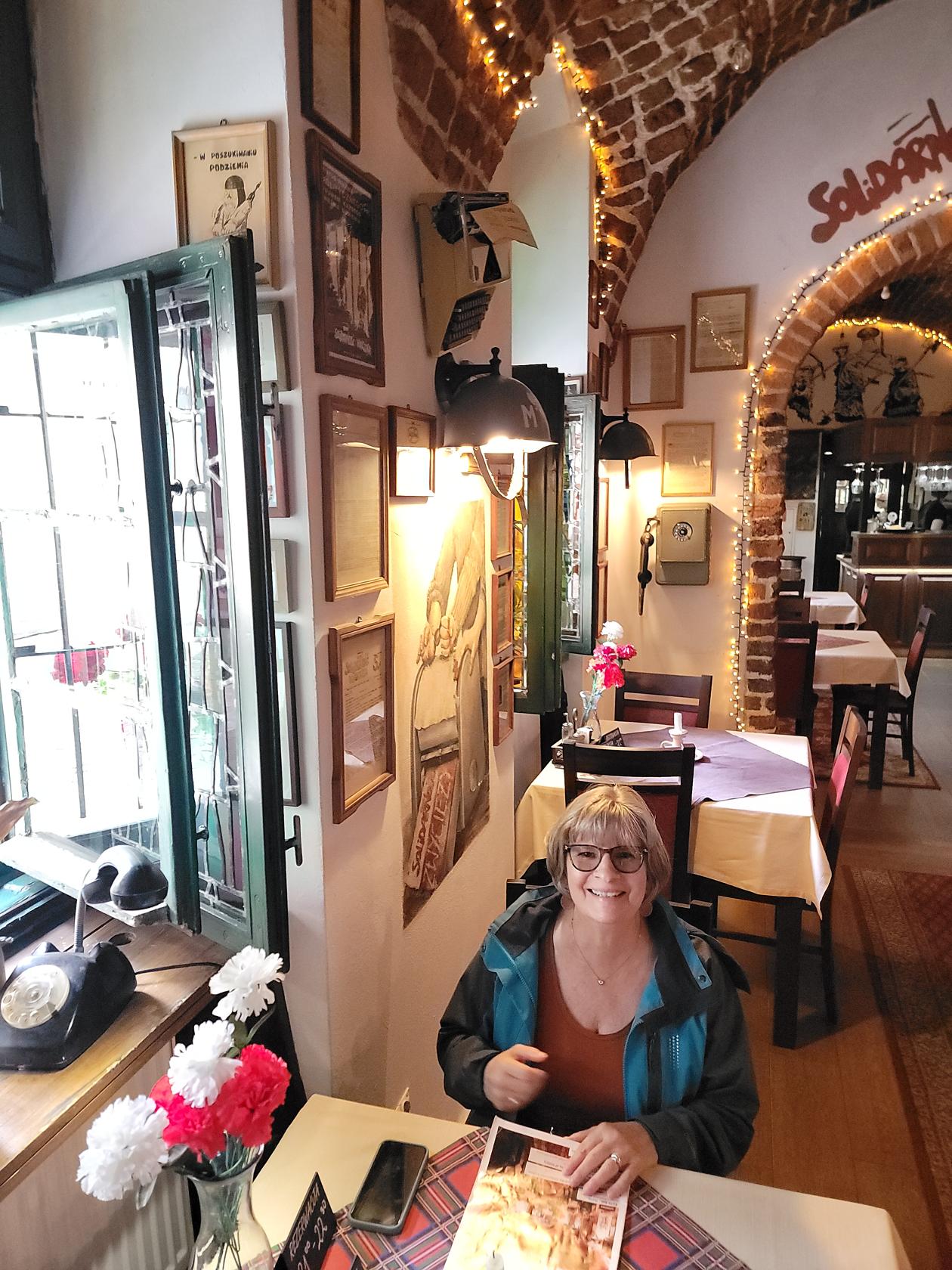
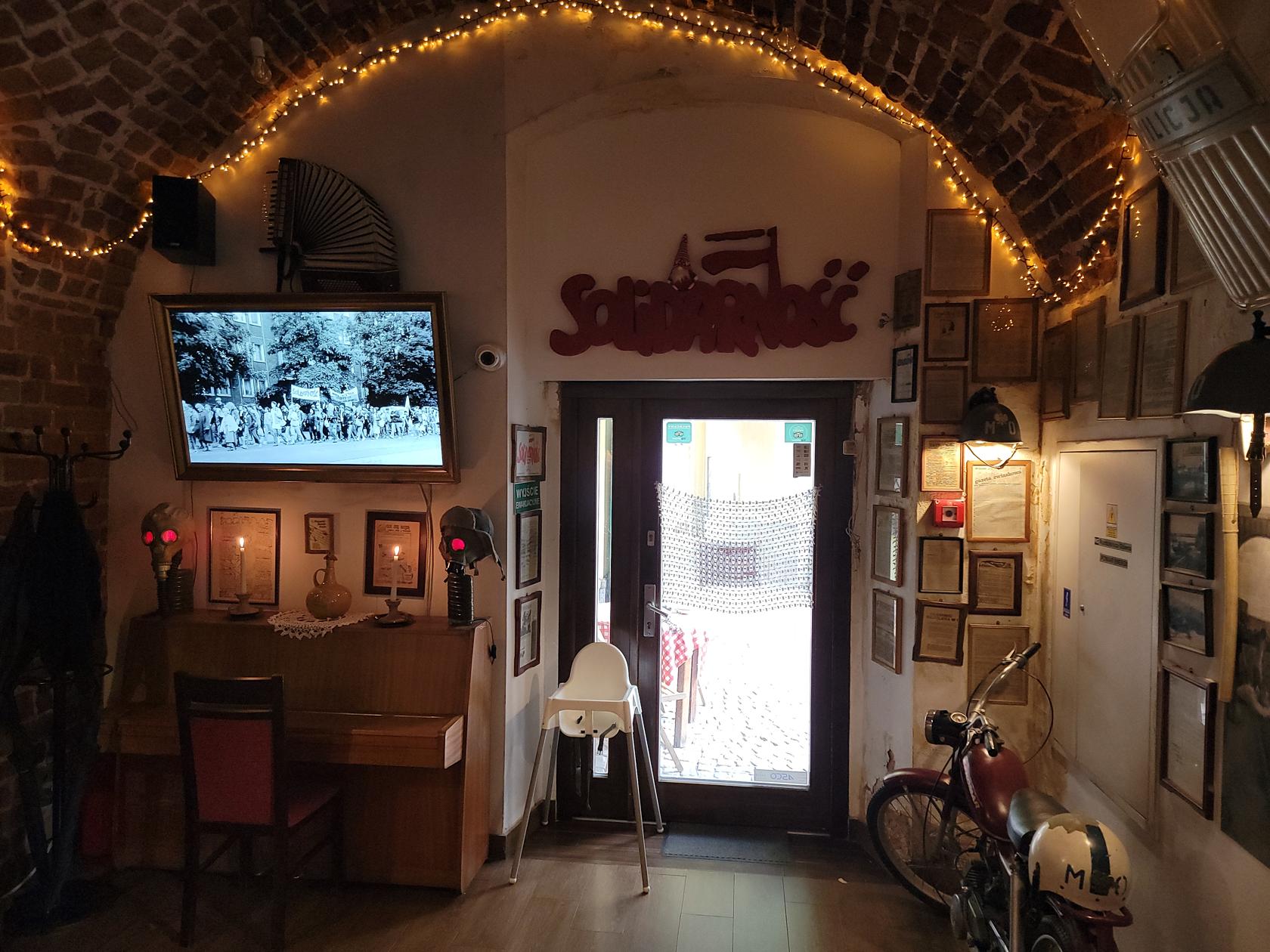
The exception to the above remark was Konspira. A highly rated restaurant on Polish cusine and an interesting theme, the fight against the Soviets and communism.
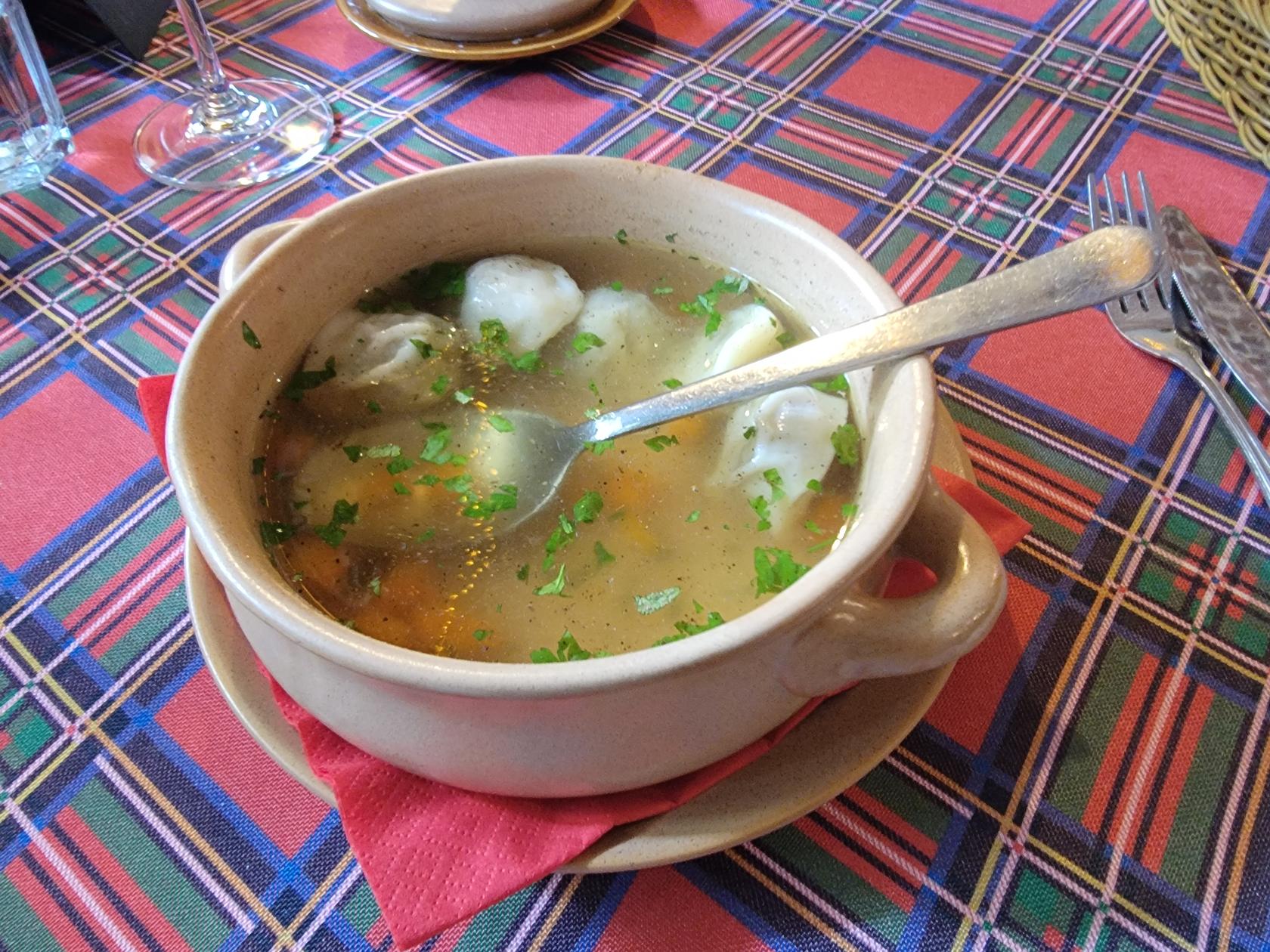
Chicken Broth with Dumplings – Konspira Restaurant – Wrocław, Poland
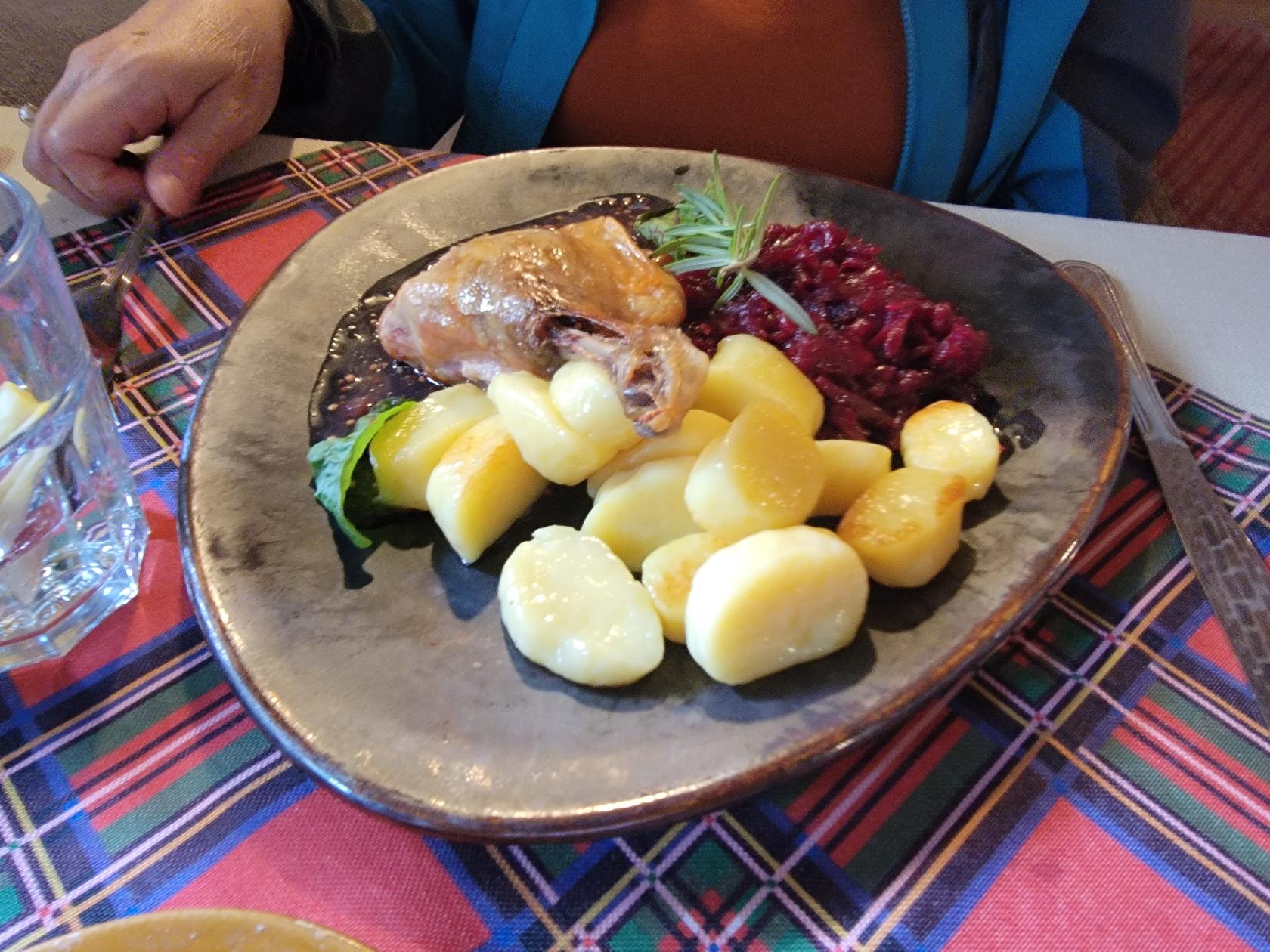
Duck with Potatoes and Cabbage – Konspira Restaurant – Wrocław, Poland
Wiatr Chinese Restaurant
A break away from the traditional food here, we chose to eat Chinese for lunch. The food here is very good and less filling, it is also a bit lighter on your wallet. We found it a good choice for food and speedy service.
Bar – Wiatr Chinese Restaurant – Wrocław, Poland
Wonton Soup – Wiatr Chinese Restaurant – Wrocław, Poland
Chicken with Vegetables and Fried Rice – Wiatr Chinese Restaurant – Wrocław, Poland
Our final day in Kraków was seeing some interesting things we didn’t get a chance to see yet. Luckily the weather improved and we had excellent conditions, since the weather in Poland can be somewhat unpredictable.
Kraków
A medium sized city that is very well planned and maintained. Whoever is running the town is doing an excellent job, from the university integration, the city park that almost surrounds the town, its cleanliness, to all of the museums and attractions that are available to visitors. It has become one of our favorite places to visit.
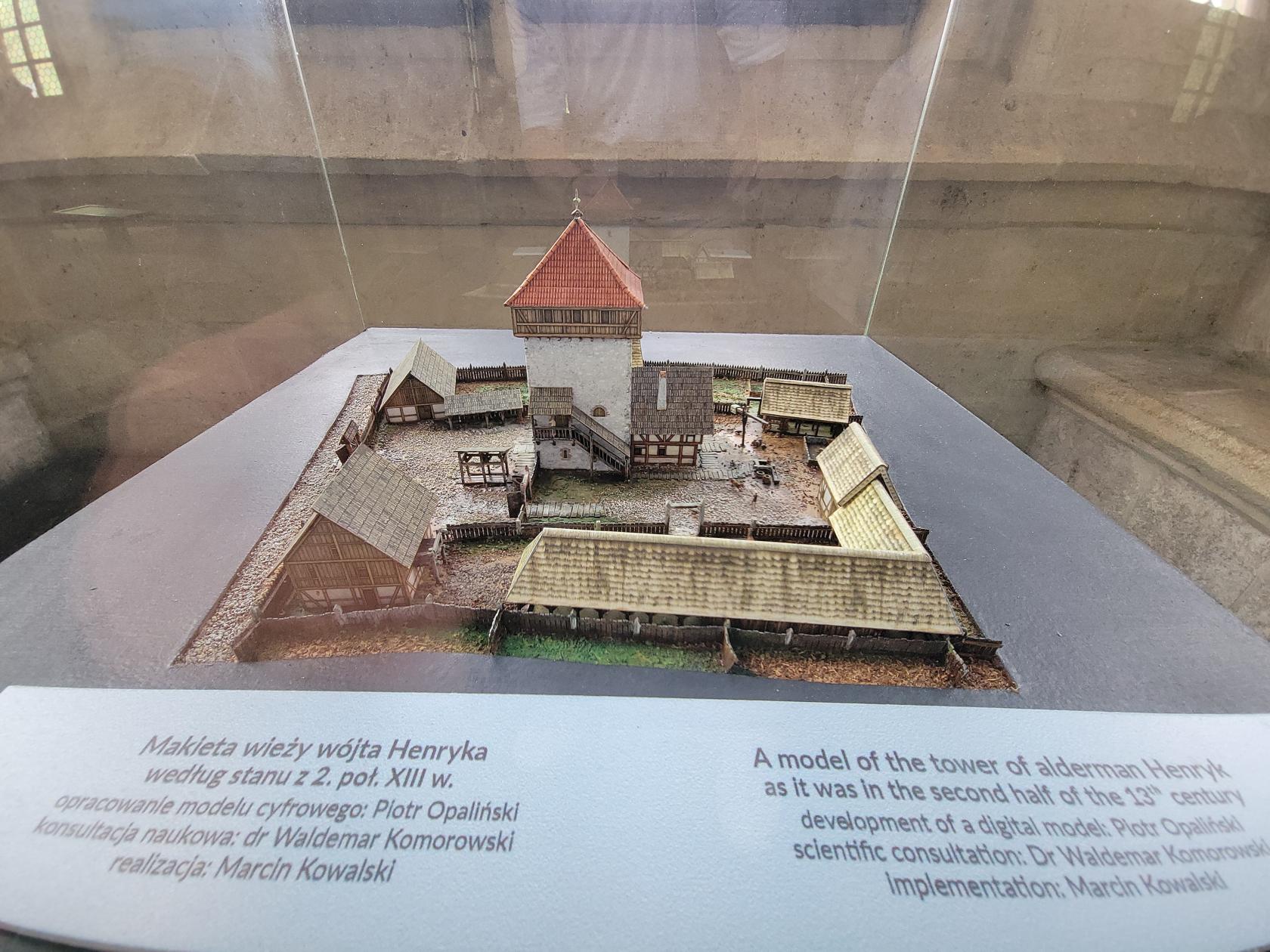
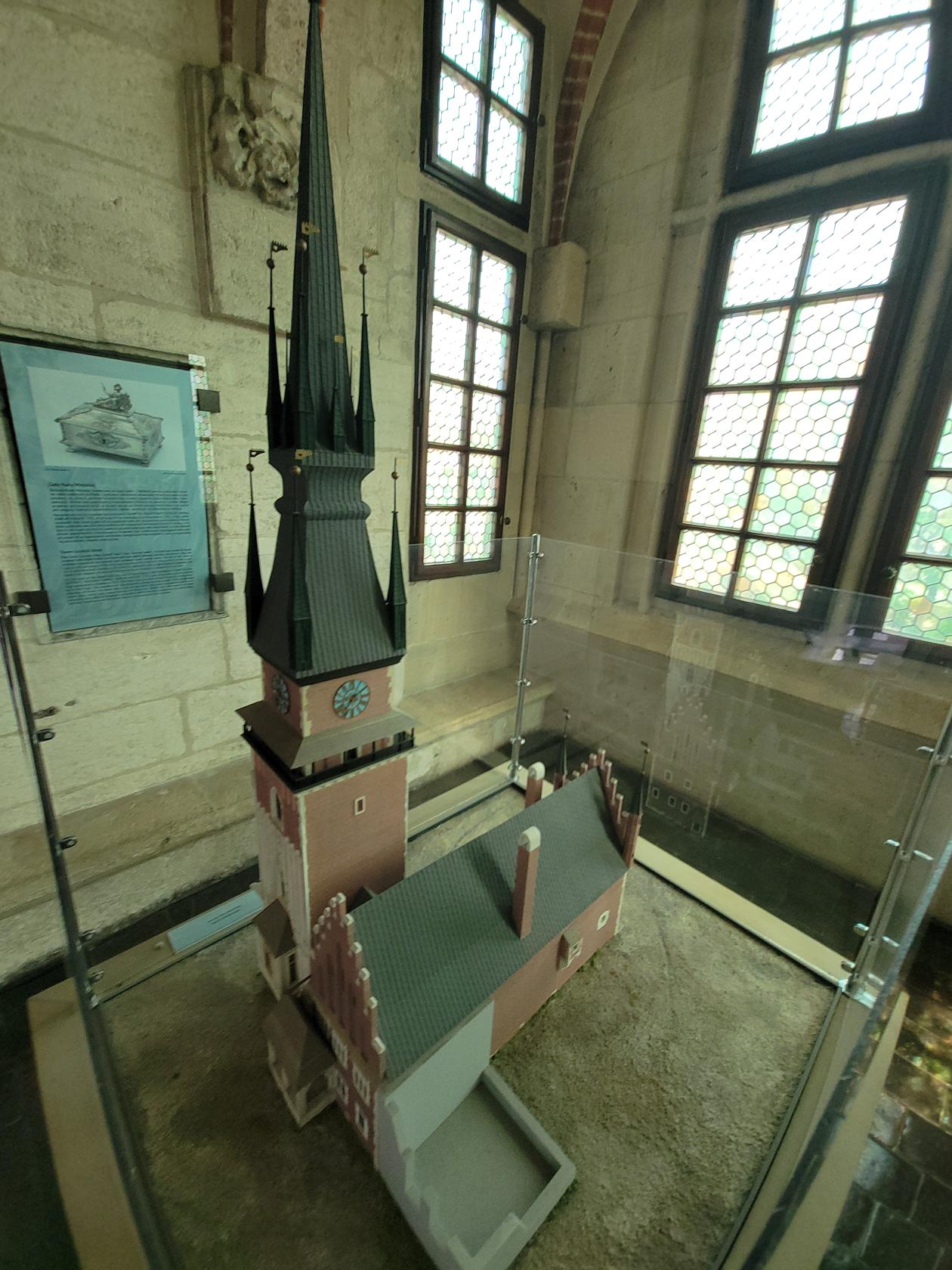
Diorama – First Level – Town Hall Tower – Kraków, Poland
Wawel Royal Castle
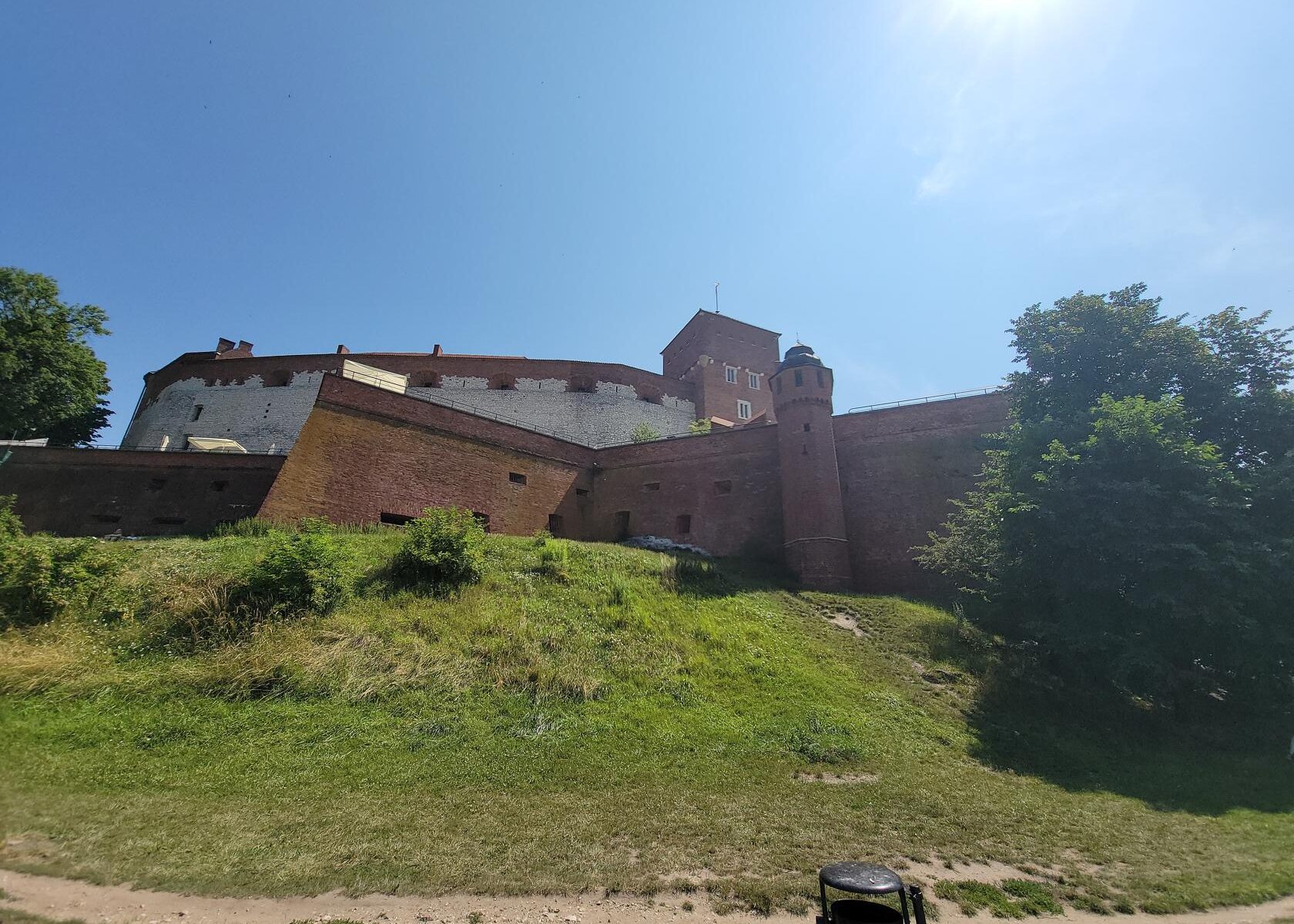
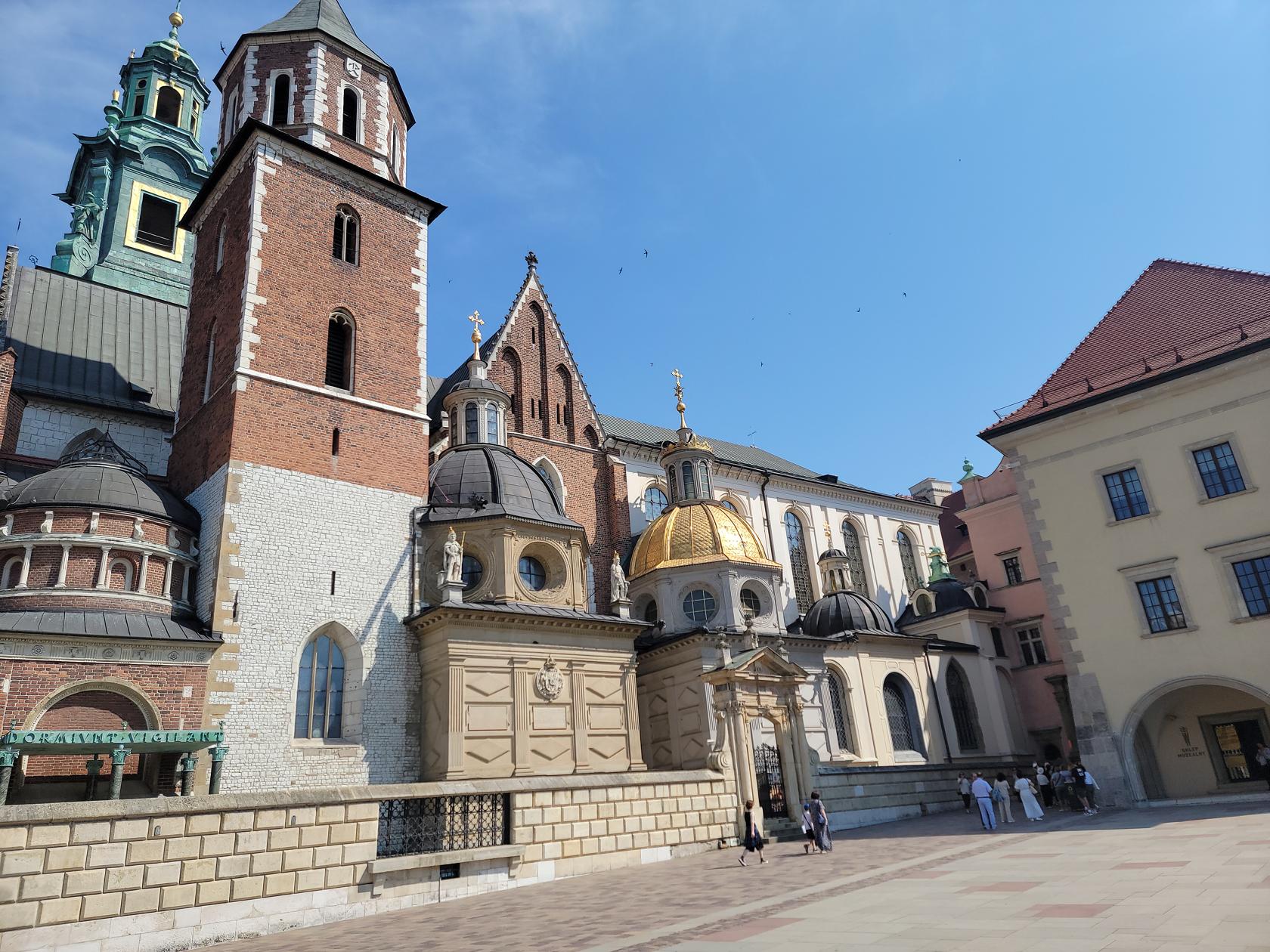
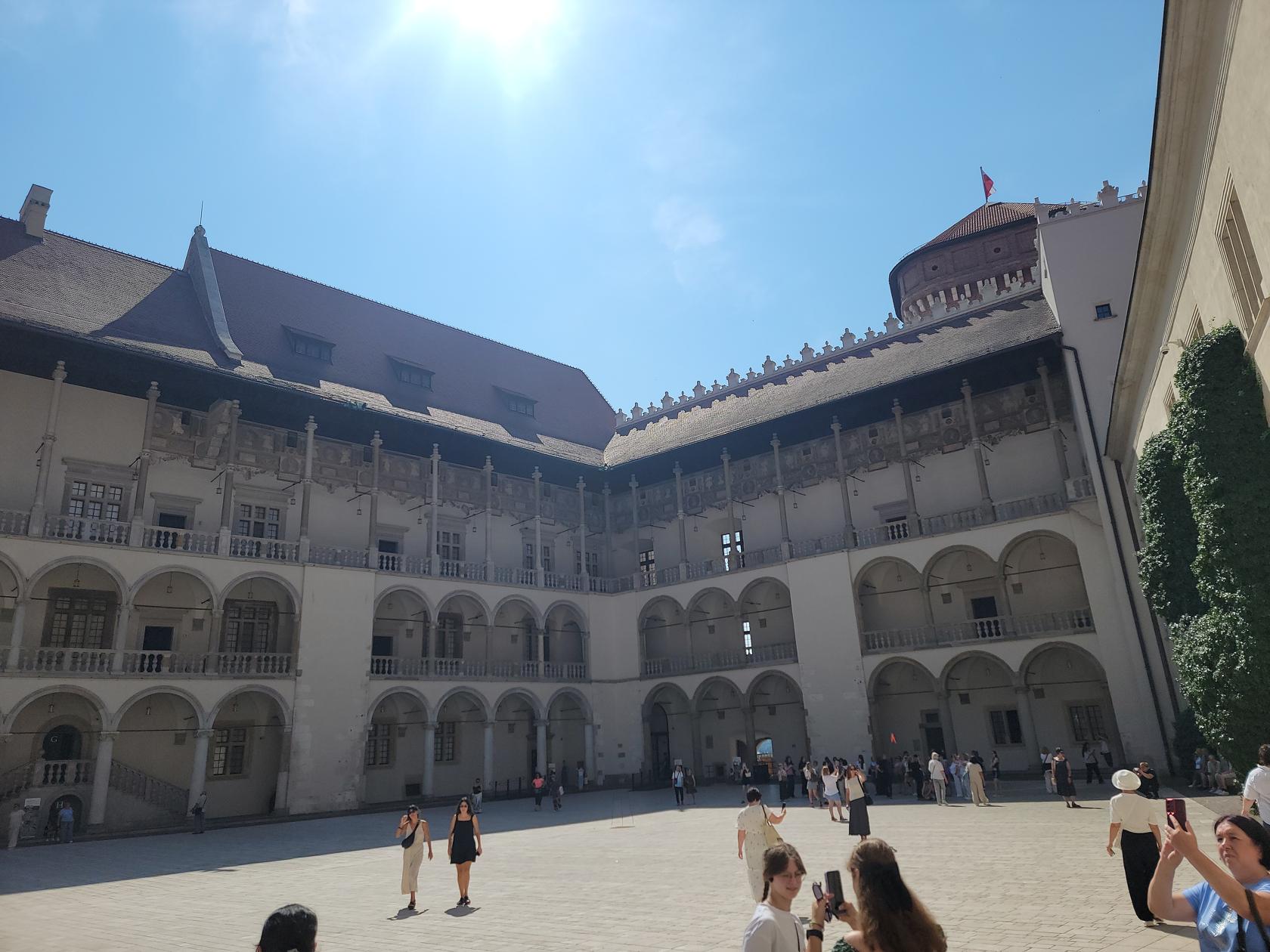
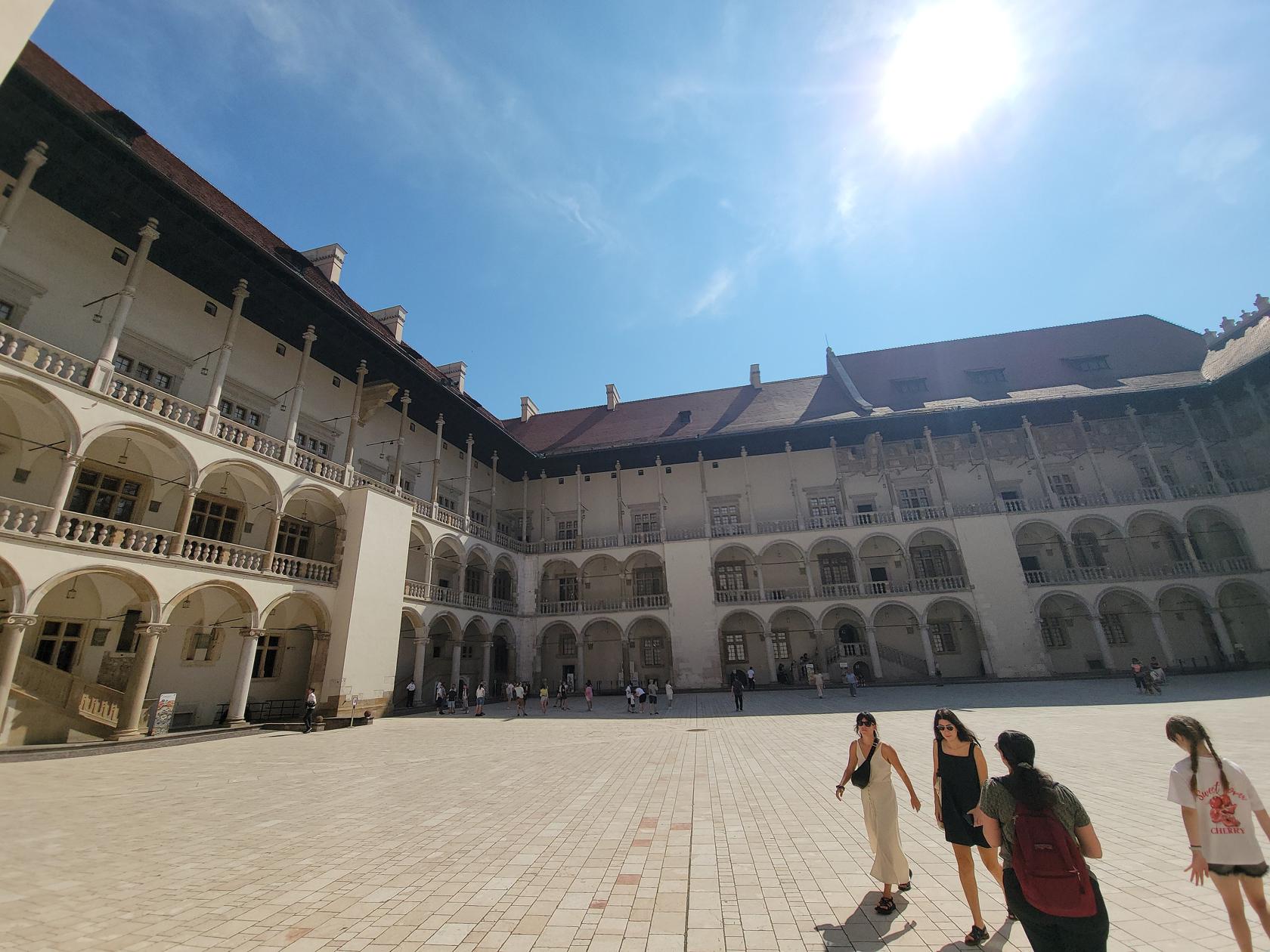
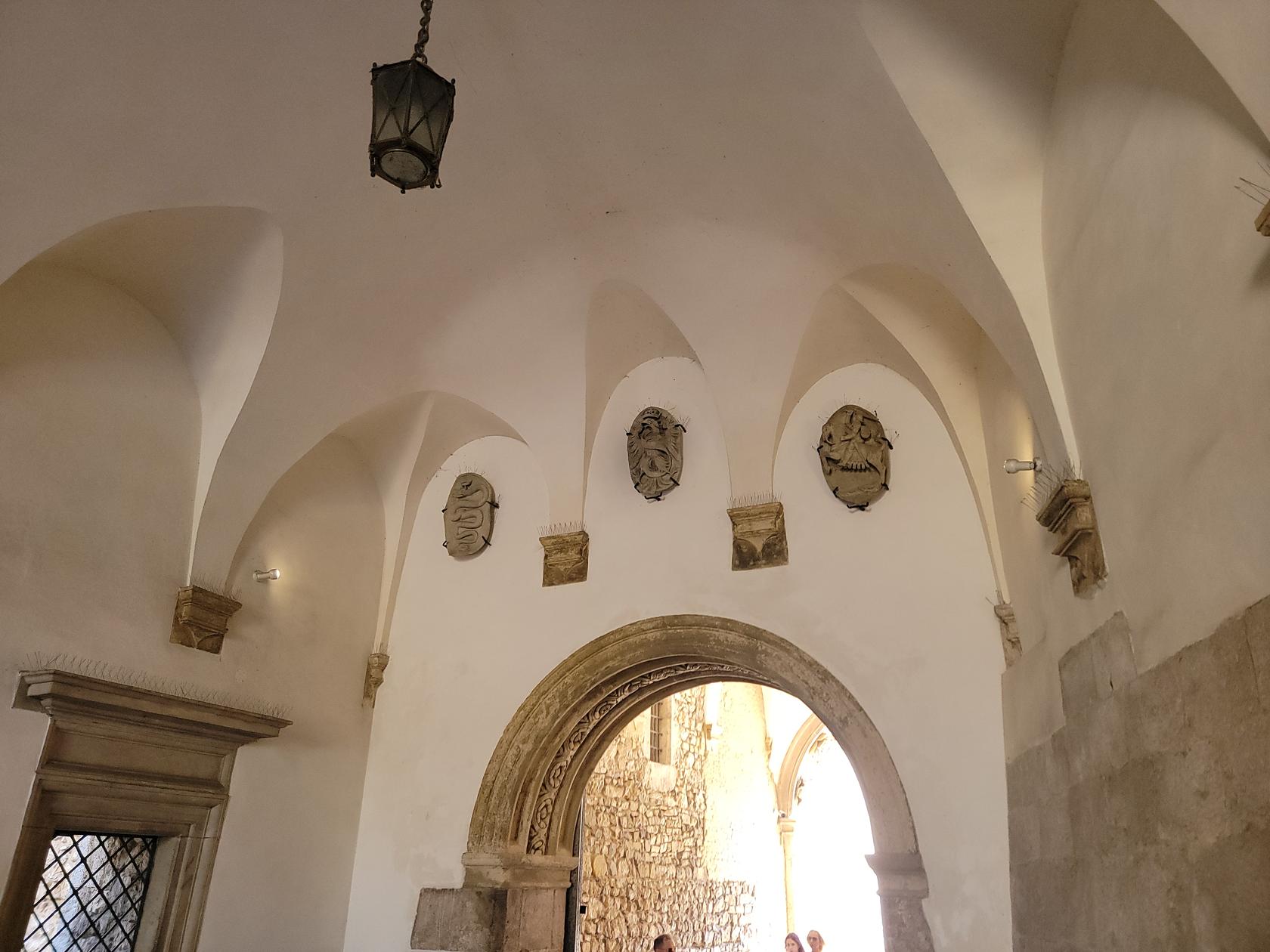
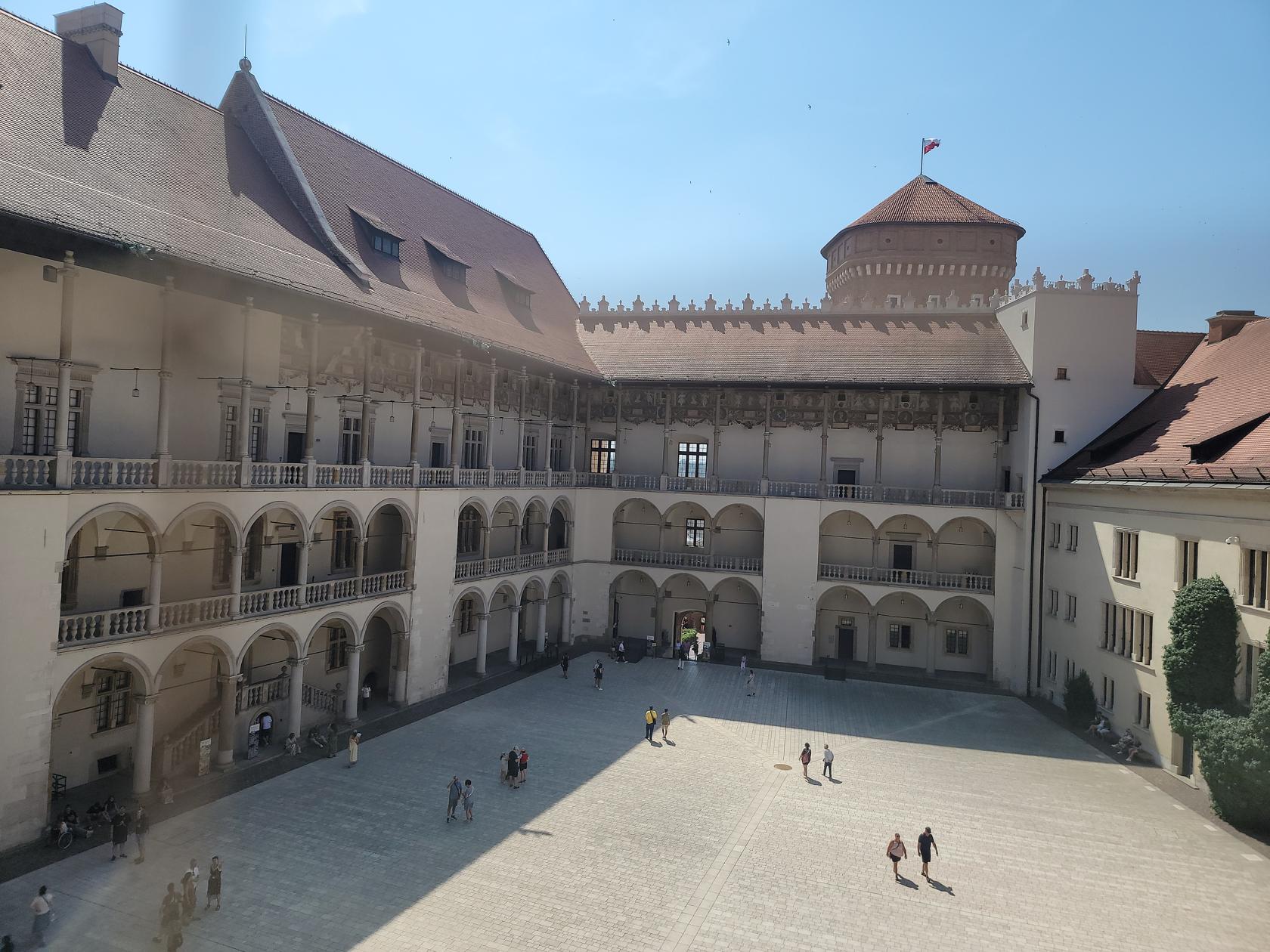
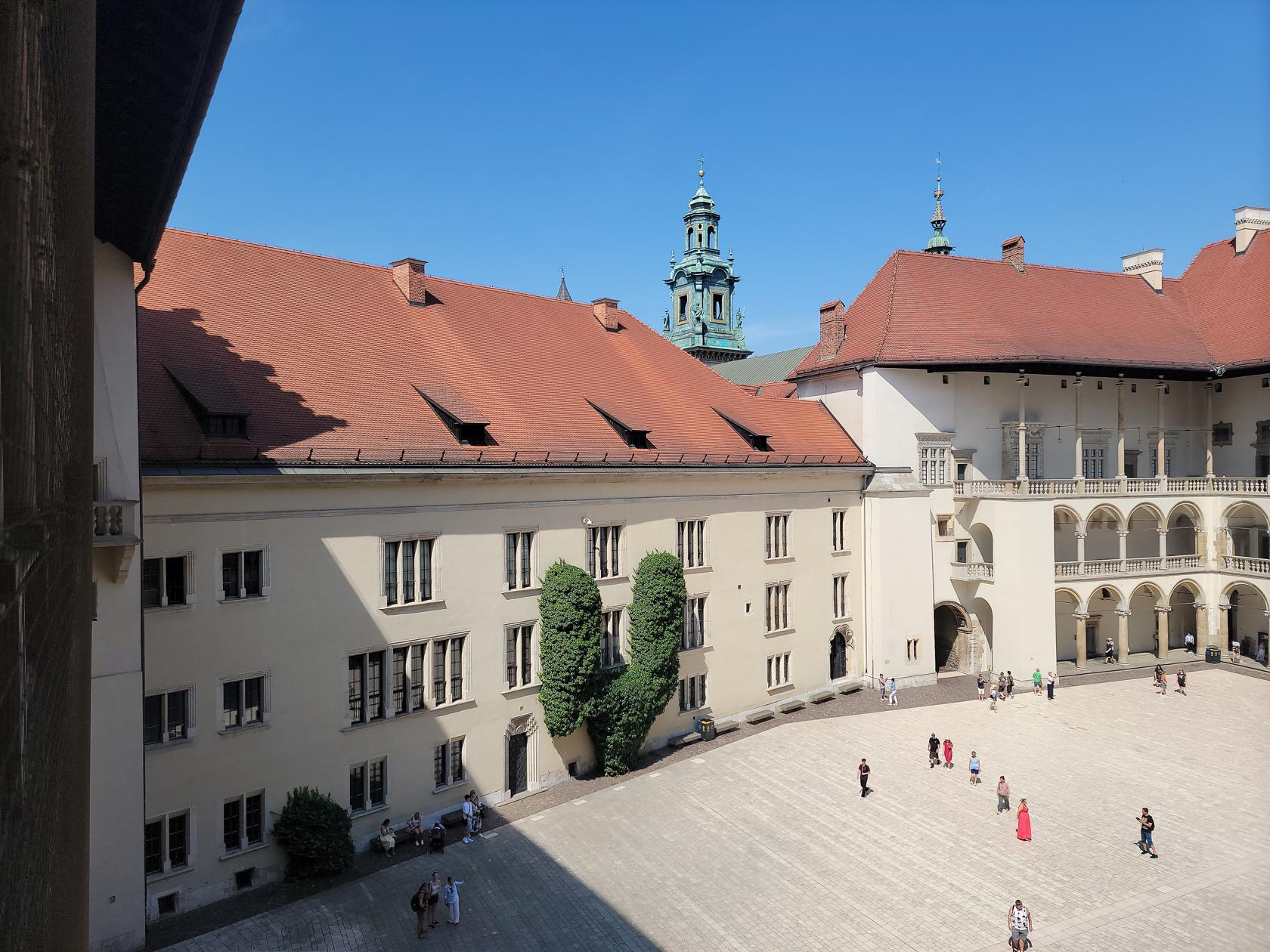
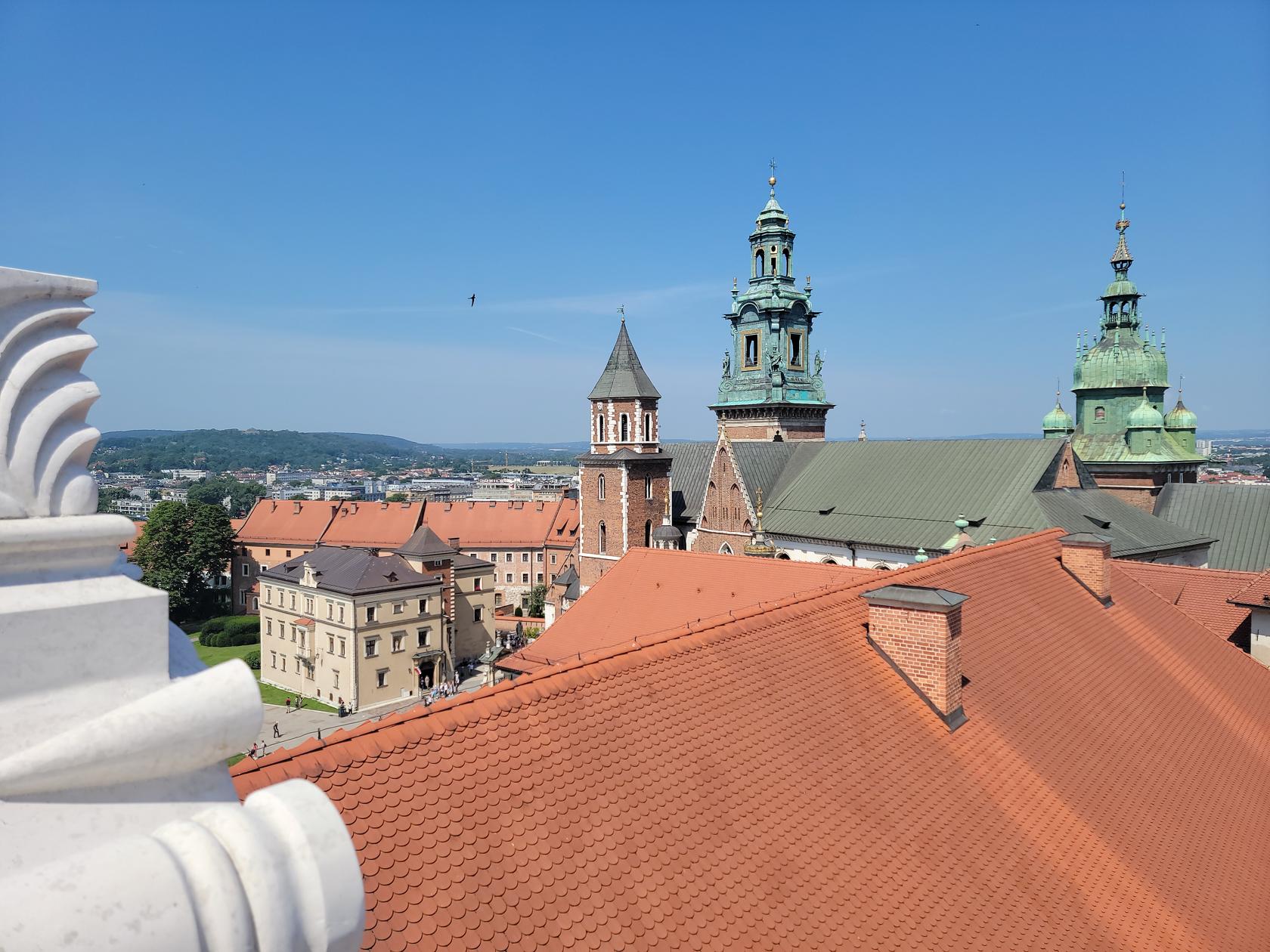
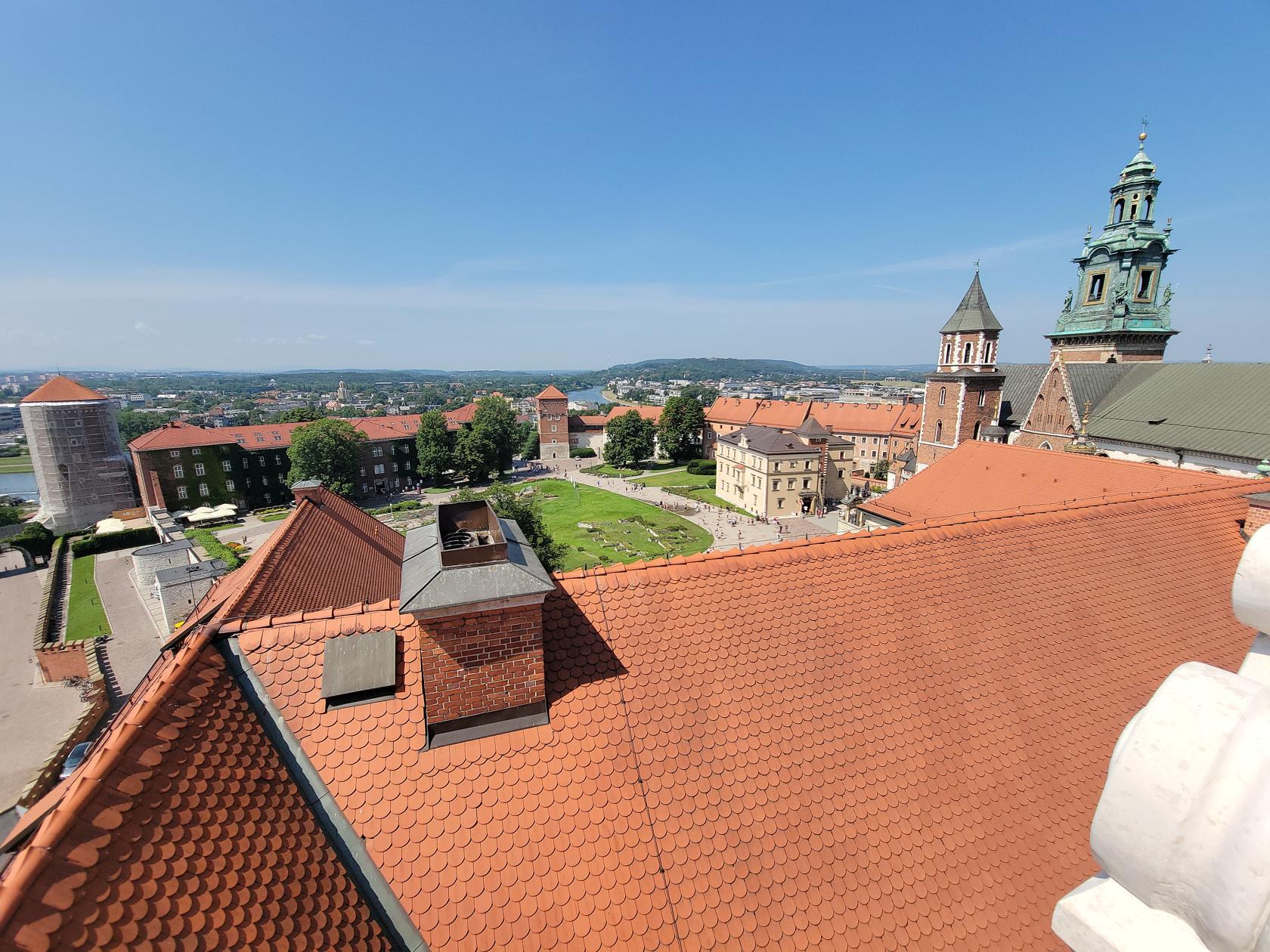
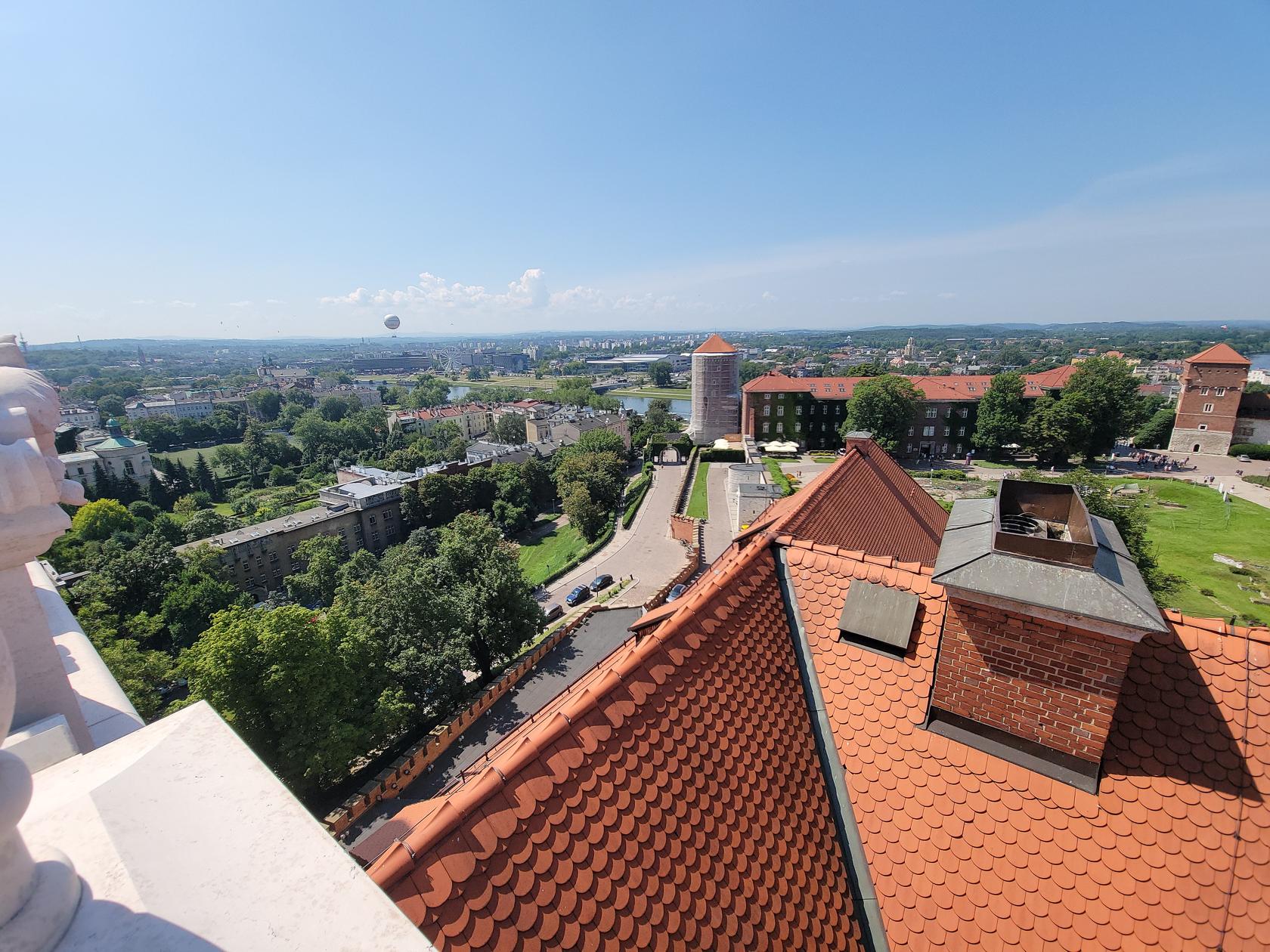
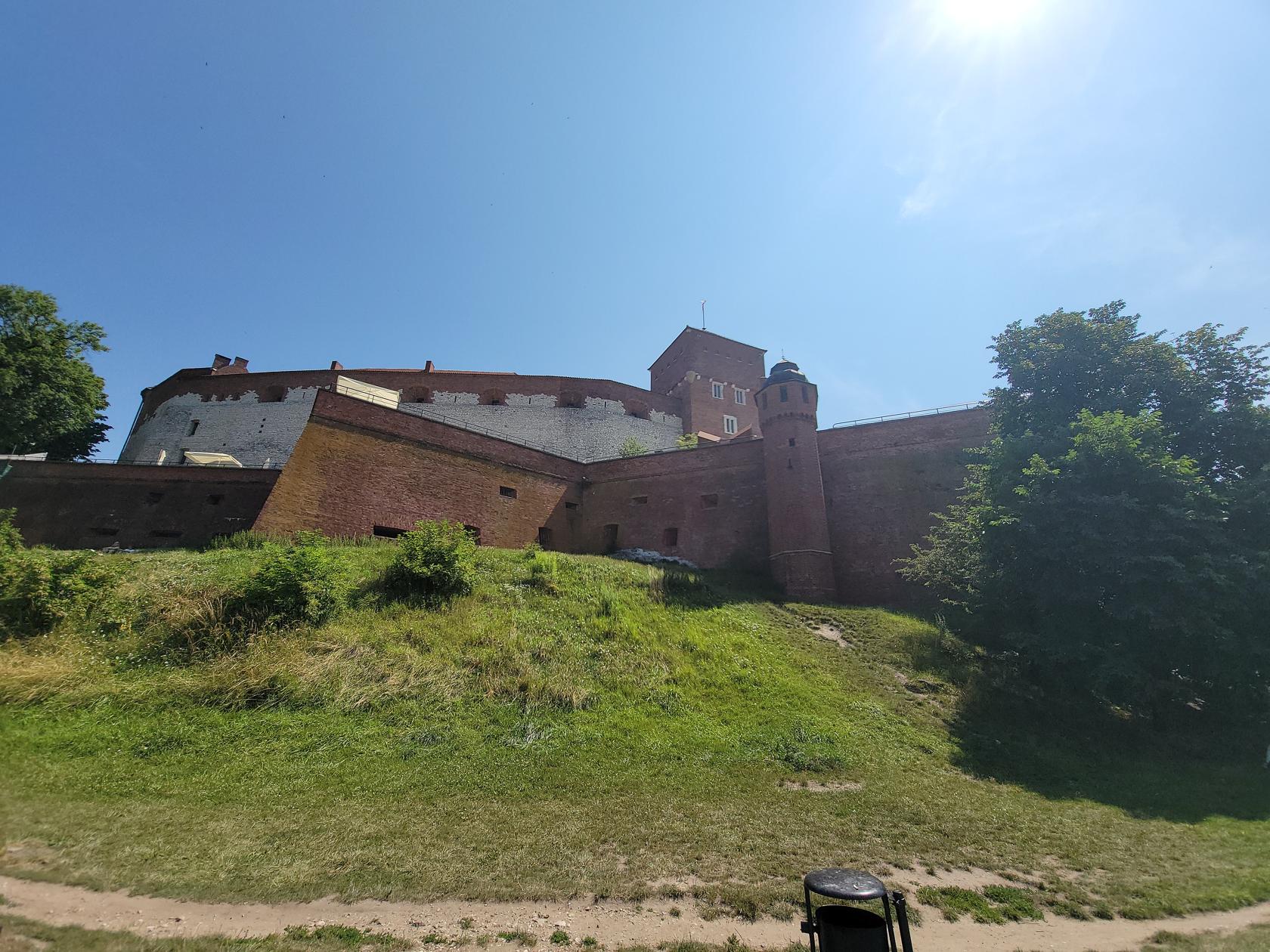
A large complex to the south of town that forms that last part of the park that surrounds the city. The Wawel Royal Castle is perched on a small hill, Wawel Hill, that has a commanding view of the Vistula River and the surrounding countryside.
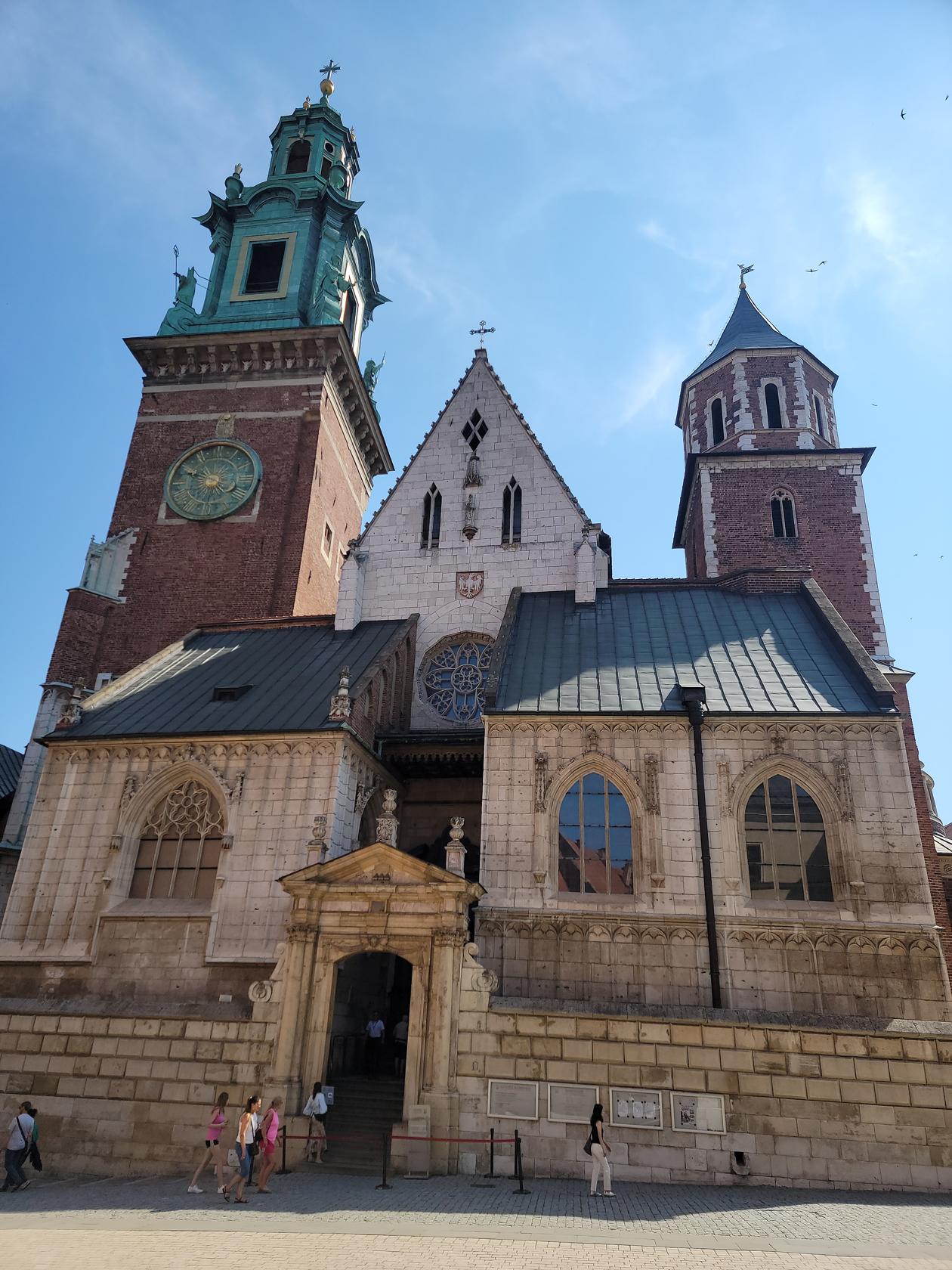
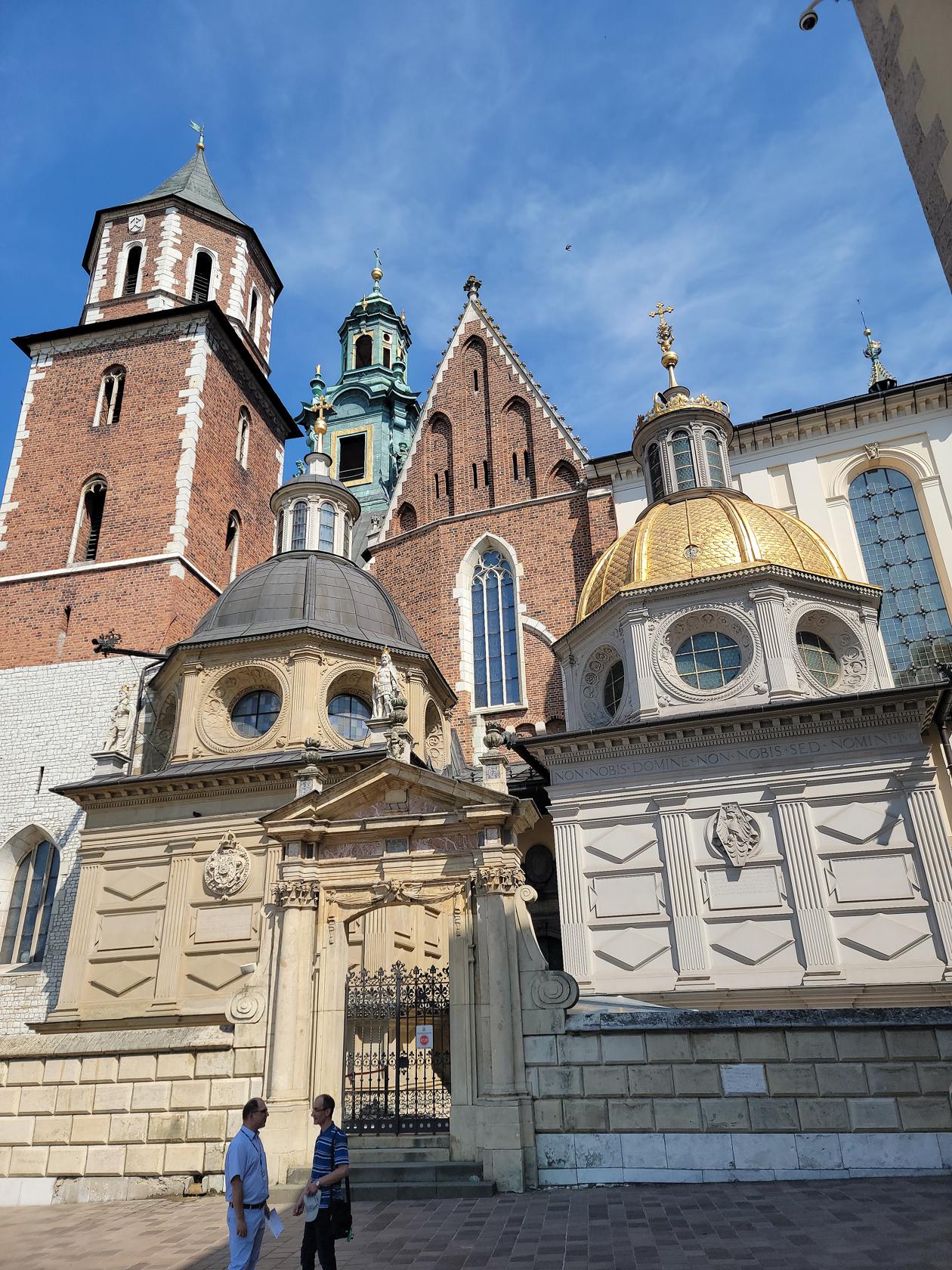
Cathedral – Wawel Royal Castle – Kraków, Poland
Cathedral – Wawel Royal Castle – Kraków, Poland
Cathedral – Wawel Royal Castle – Kraków, Poland
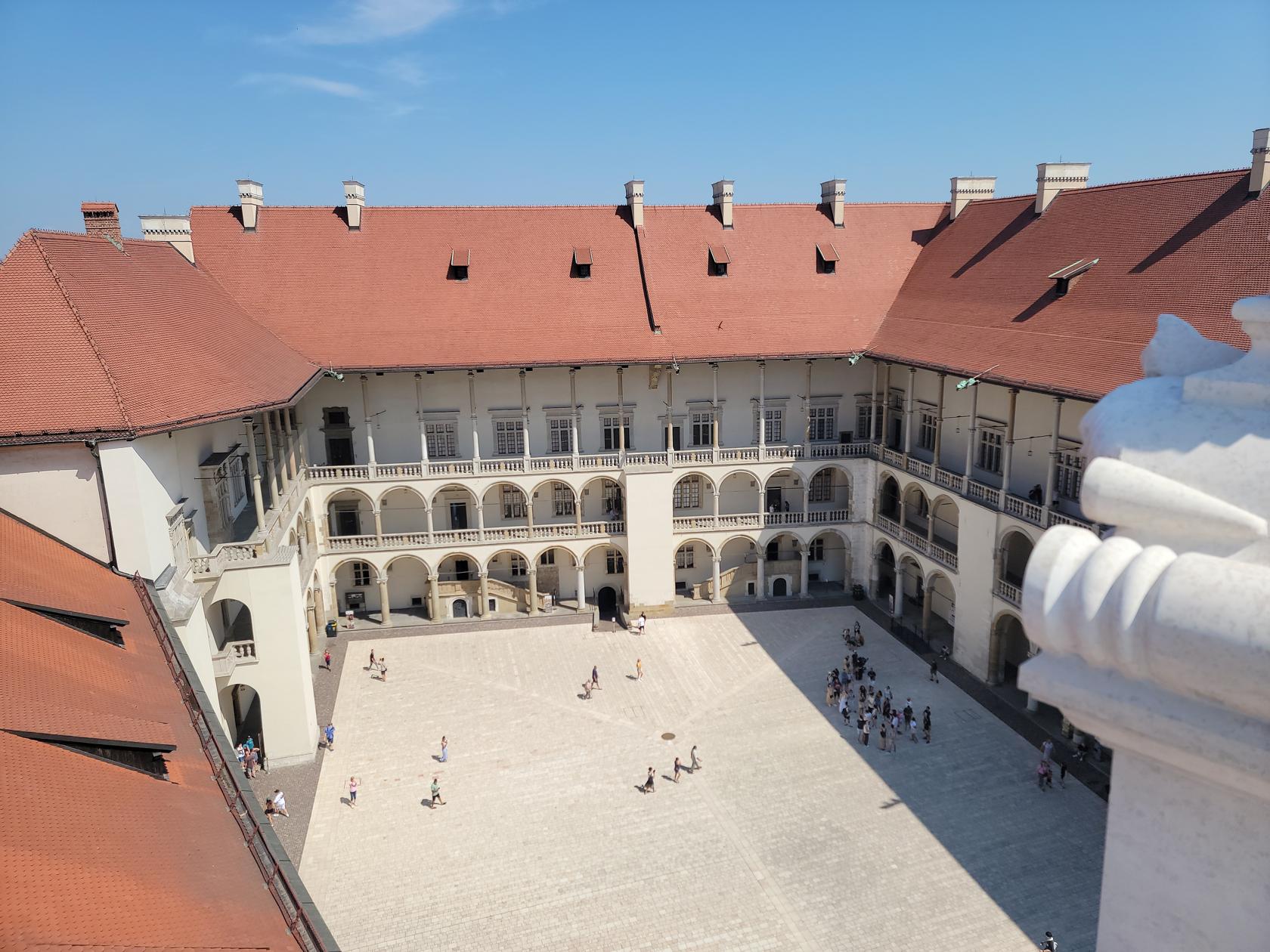
The castle has a multitude of museums and attractions to see inside and any visitor may purchase entry to any of them either à la carte, or by pre-priced packages. For our visit we chose the à la carte method, since we only wanted to see the Second Floor Museum, the Danish Tower Museum and the Dragon’s Den.
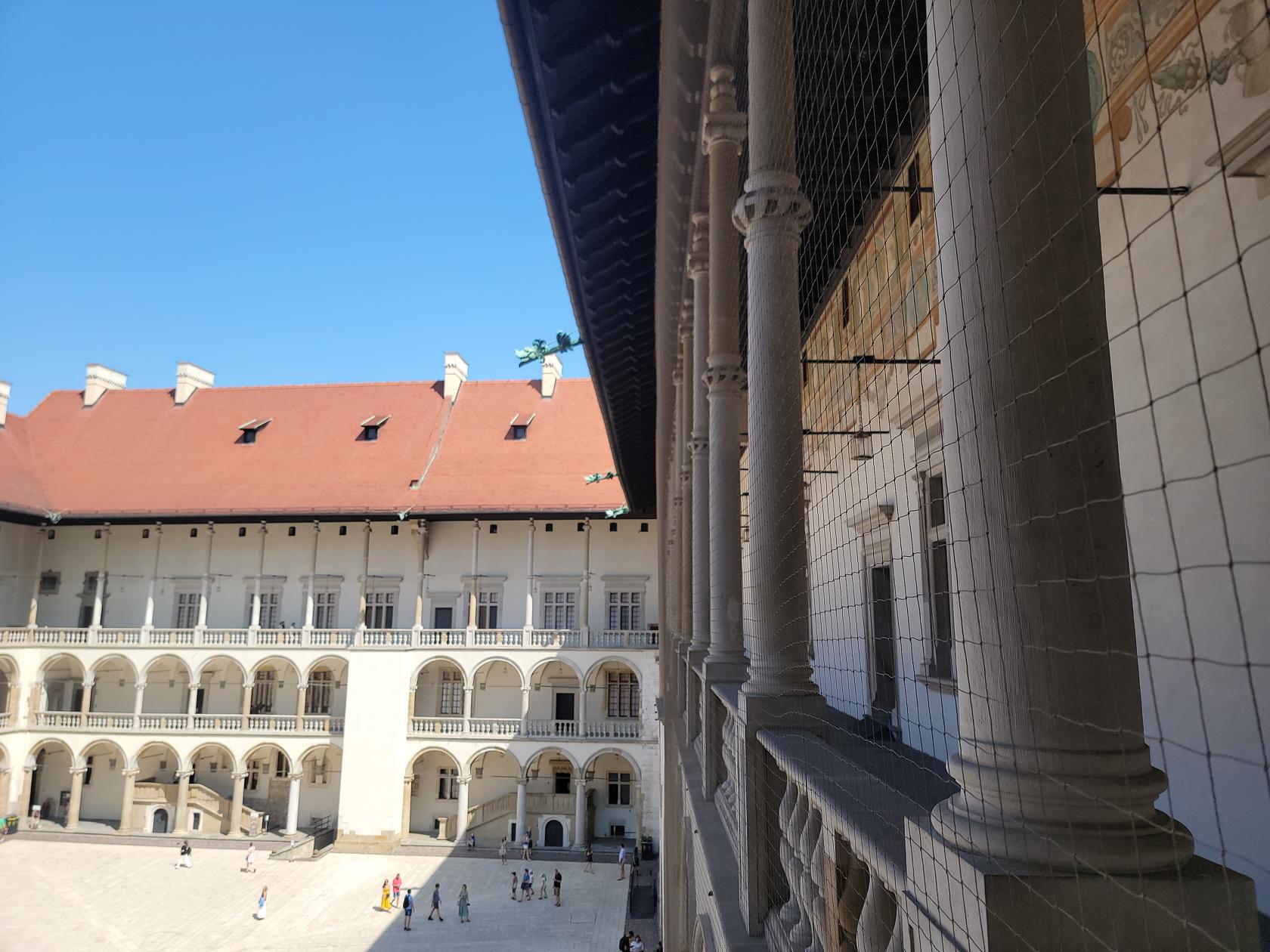
Courtyard – Second Floor Museum – Wawel Royal Castle – Kraków, Poland
Courtyard – Second Floor Museum – Wawel Royal Castle – Kraków, Poland
Entrance – Second Floor Museum – Wawel Royal Castle – Kraków, Poland
Second Floor Museum
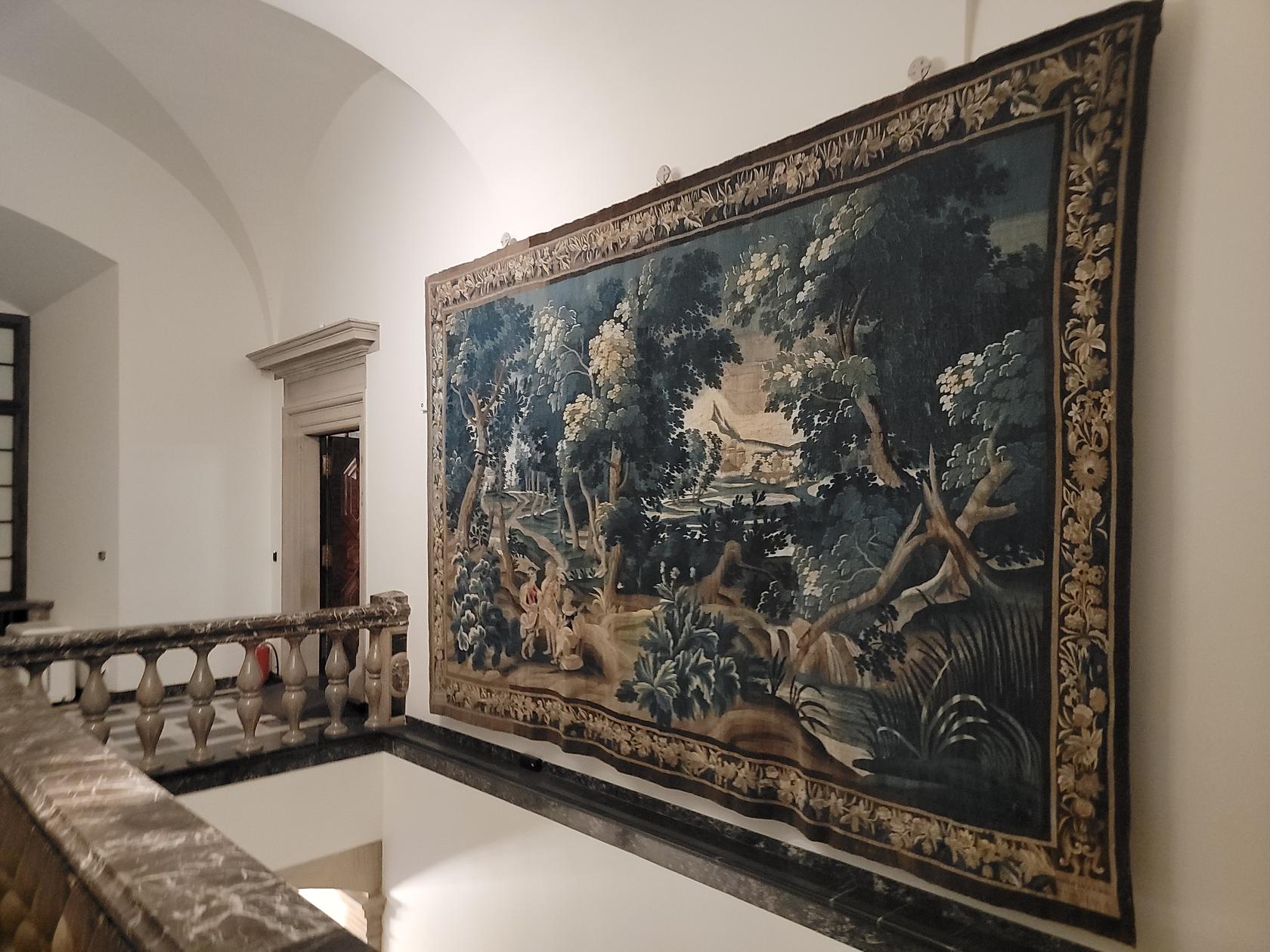
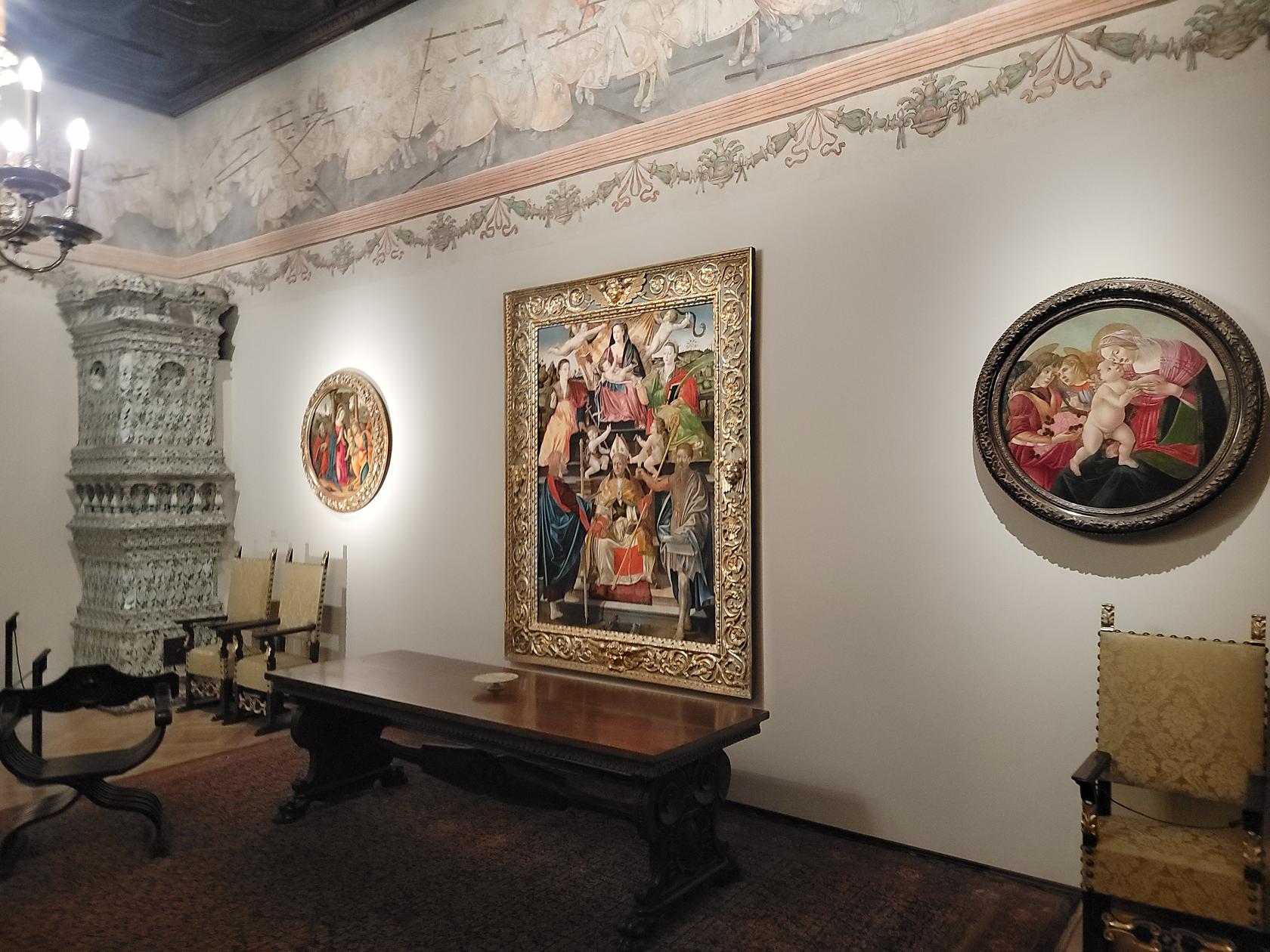
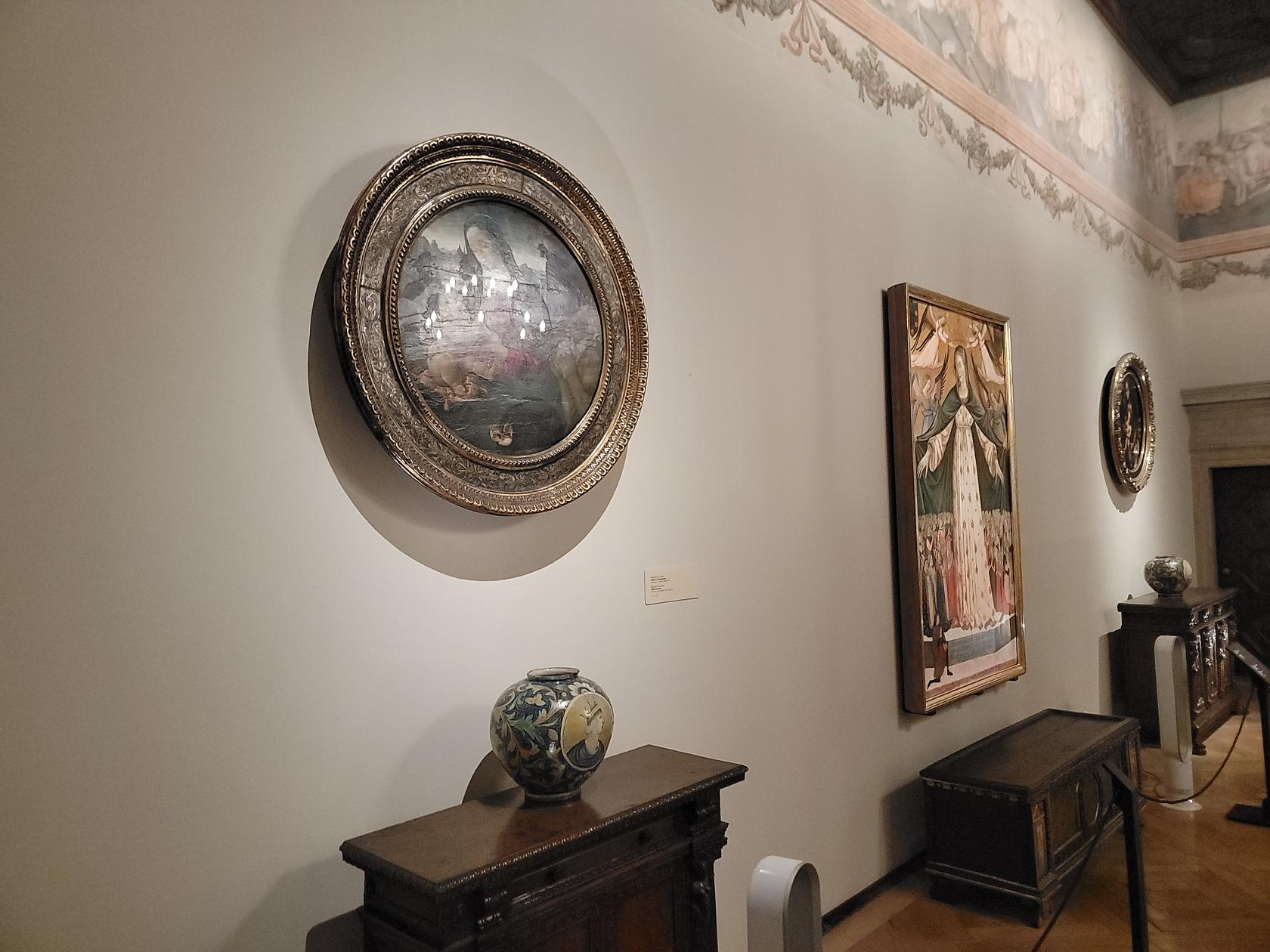
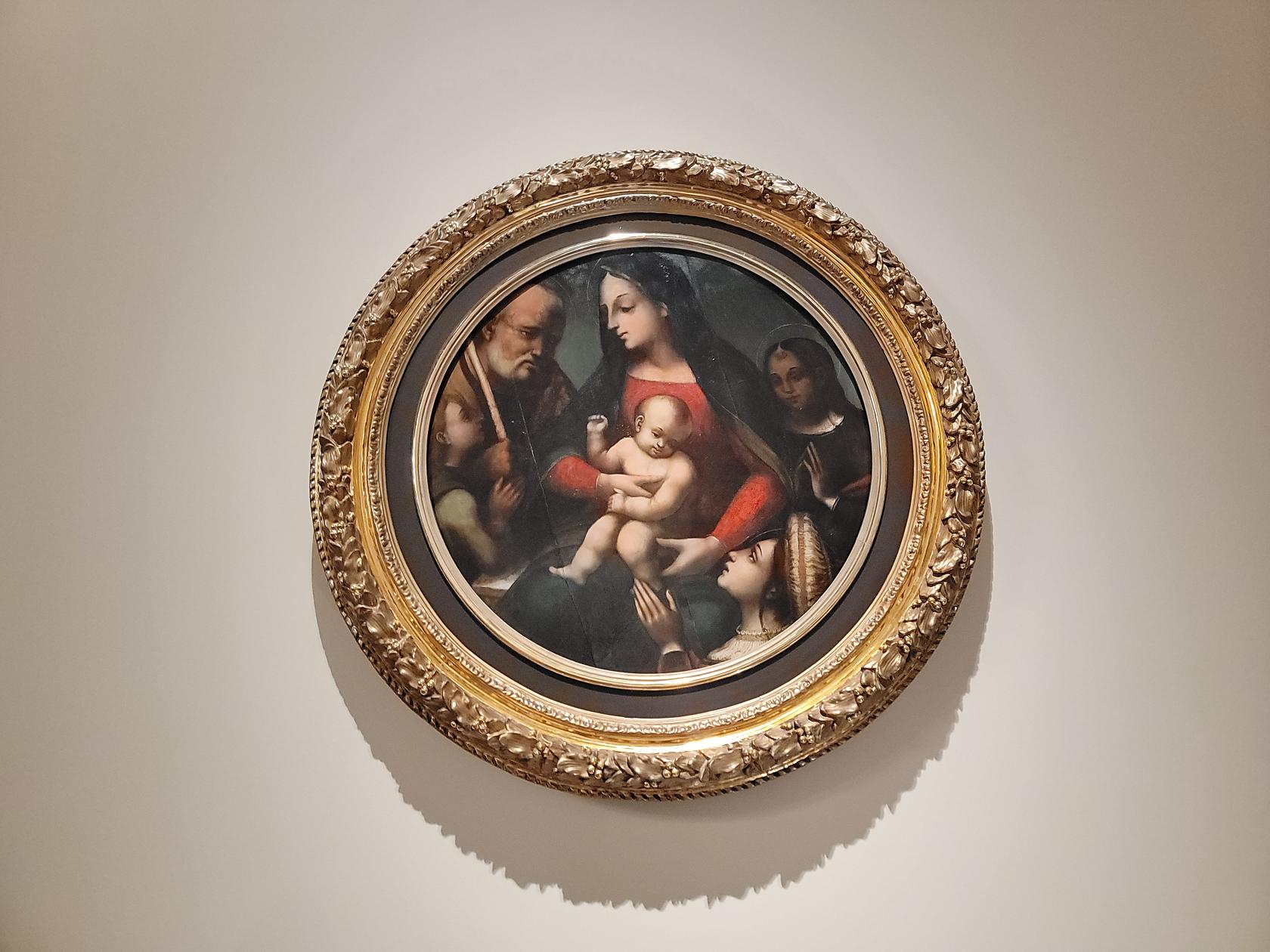
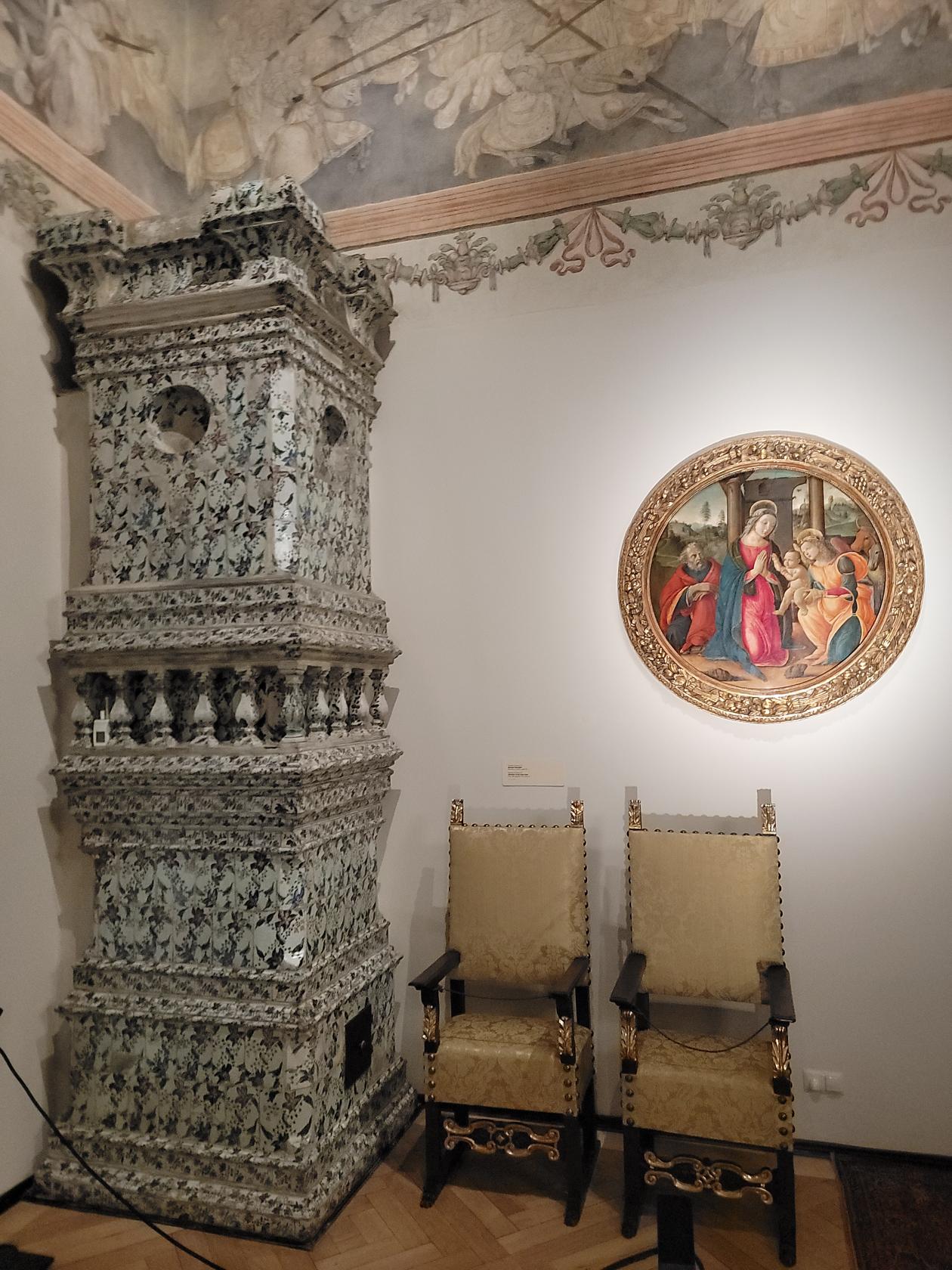
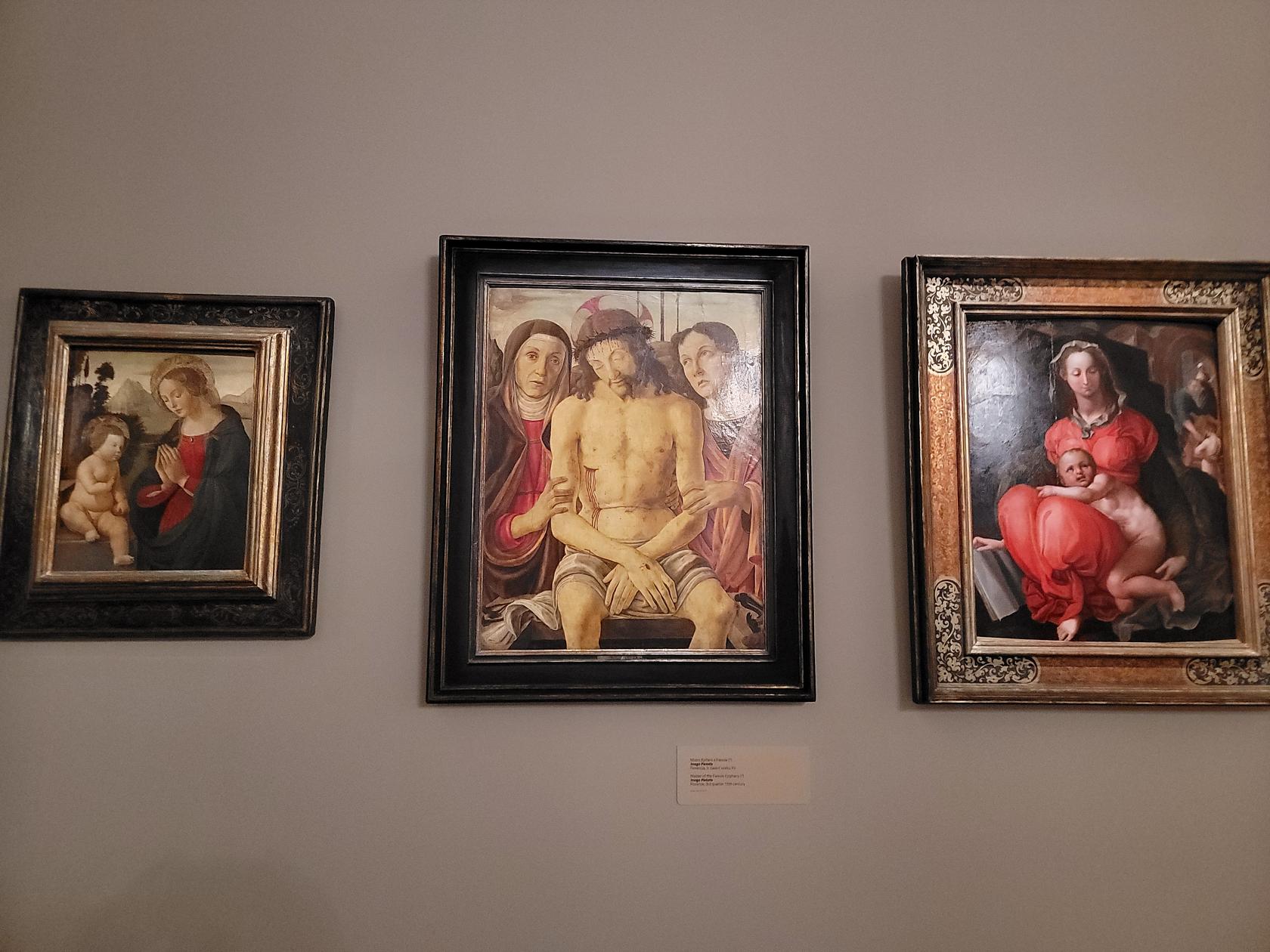
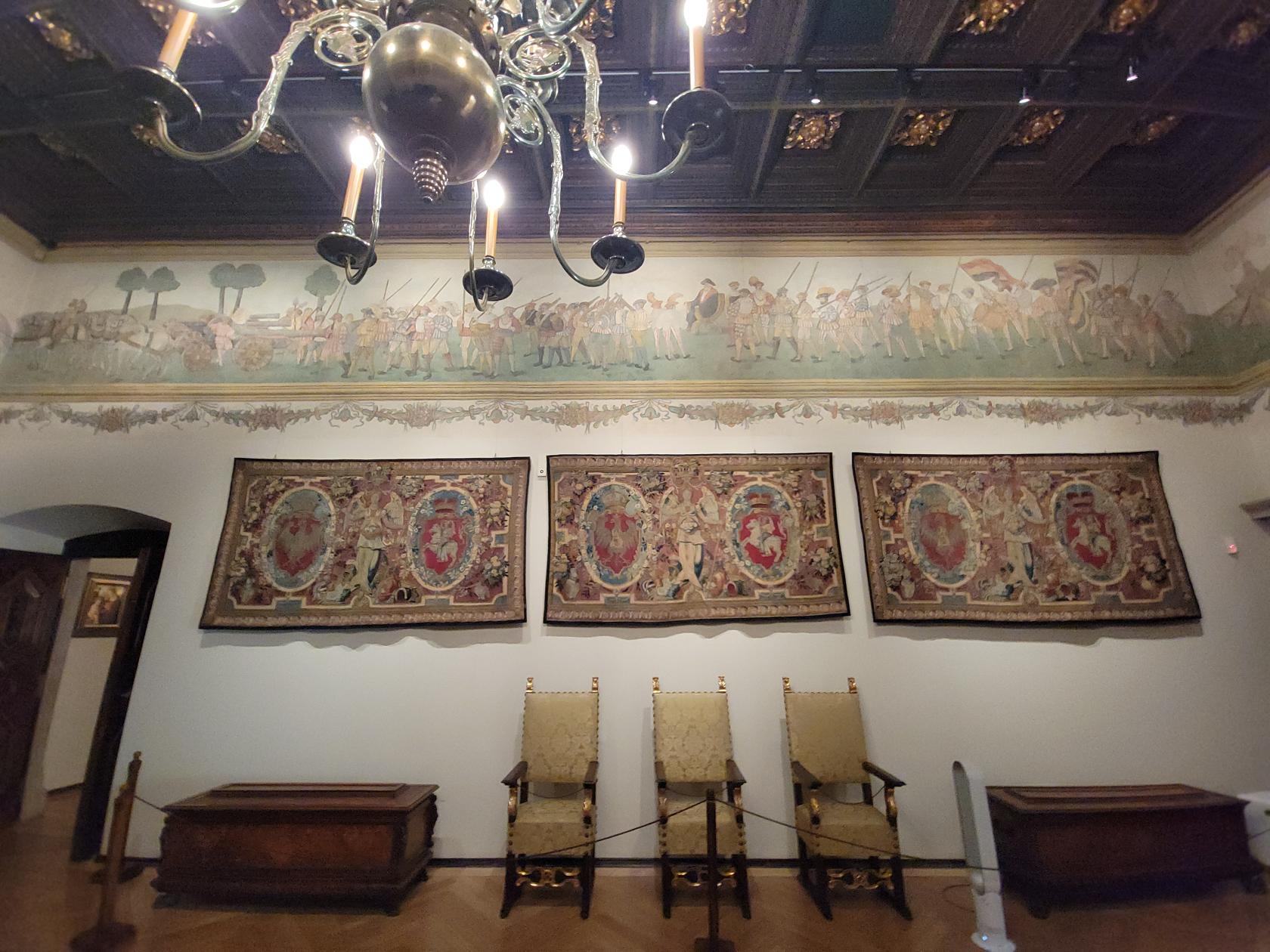
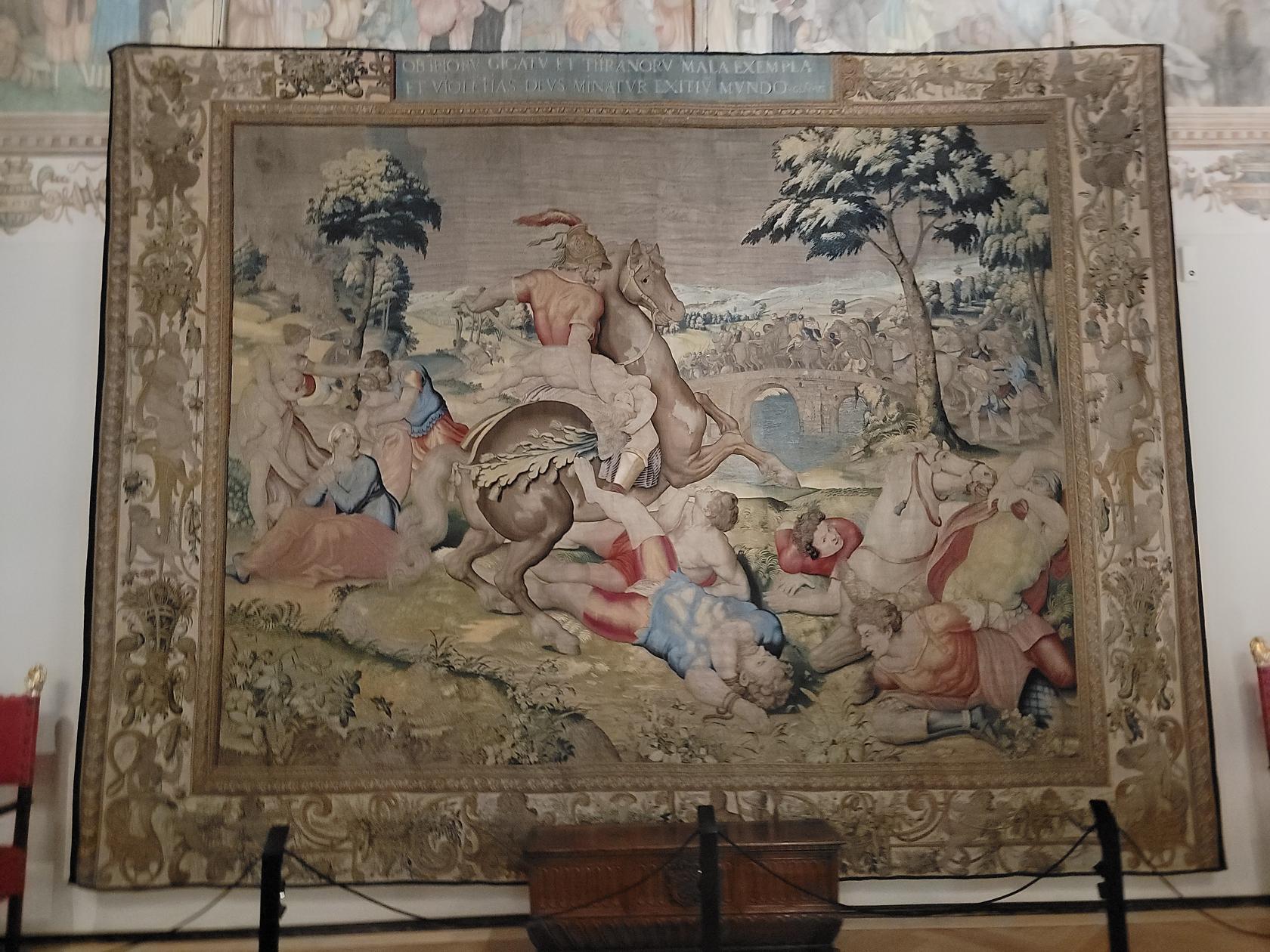
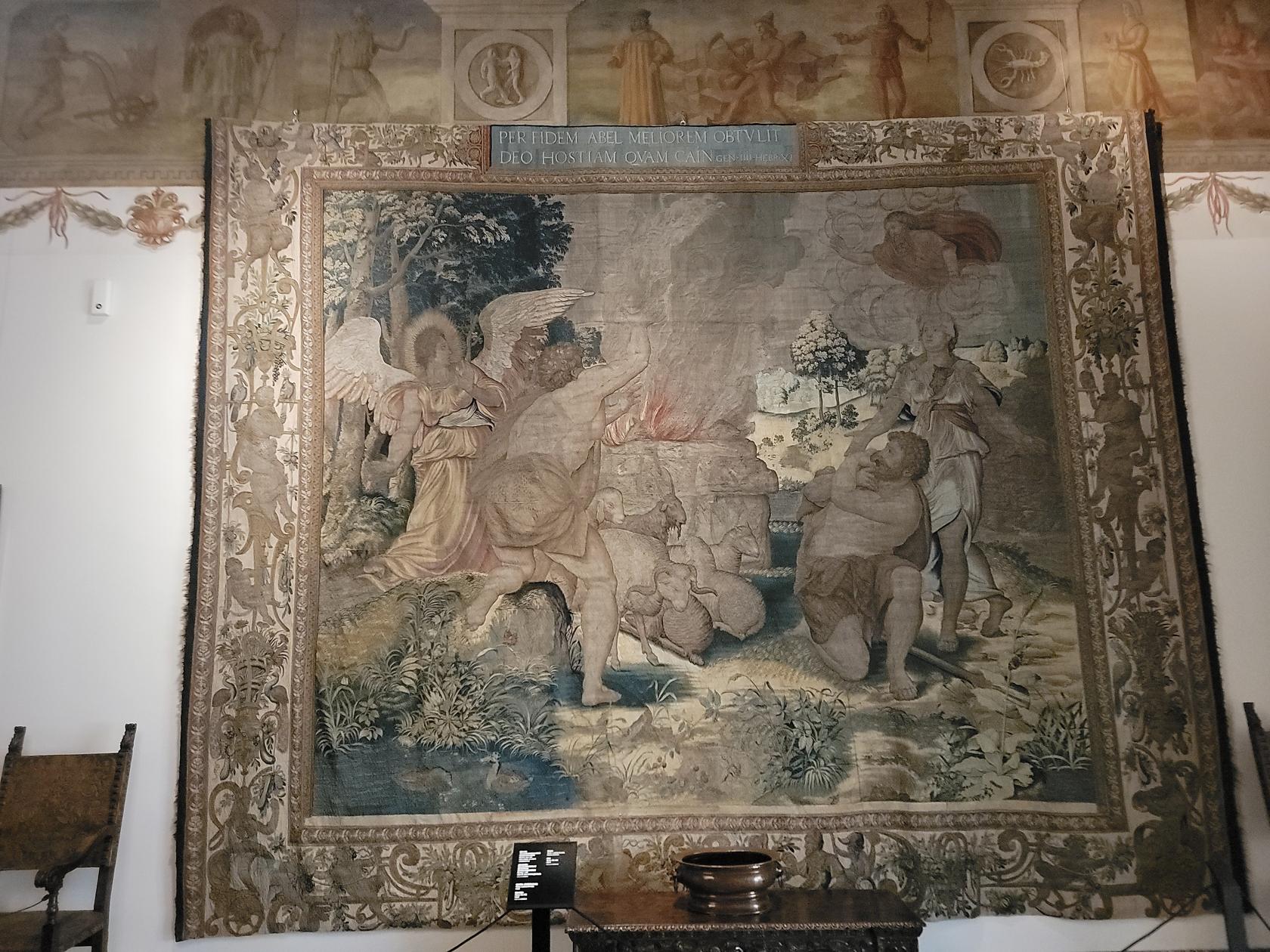
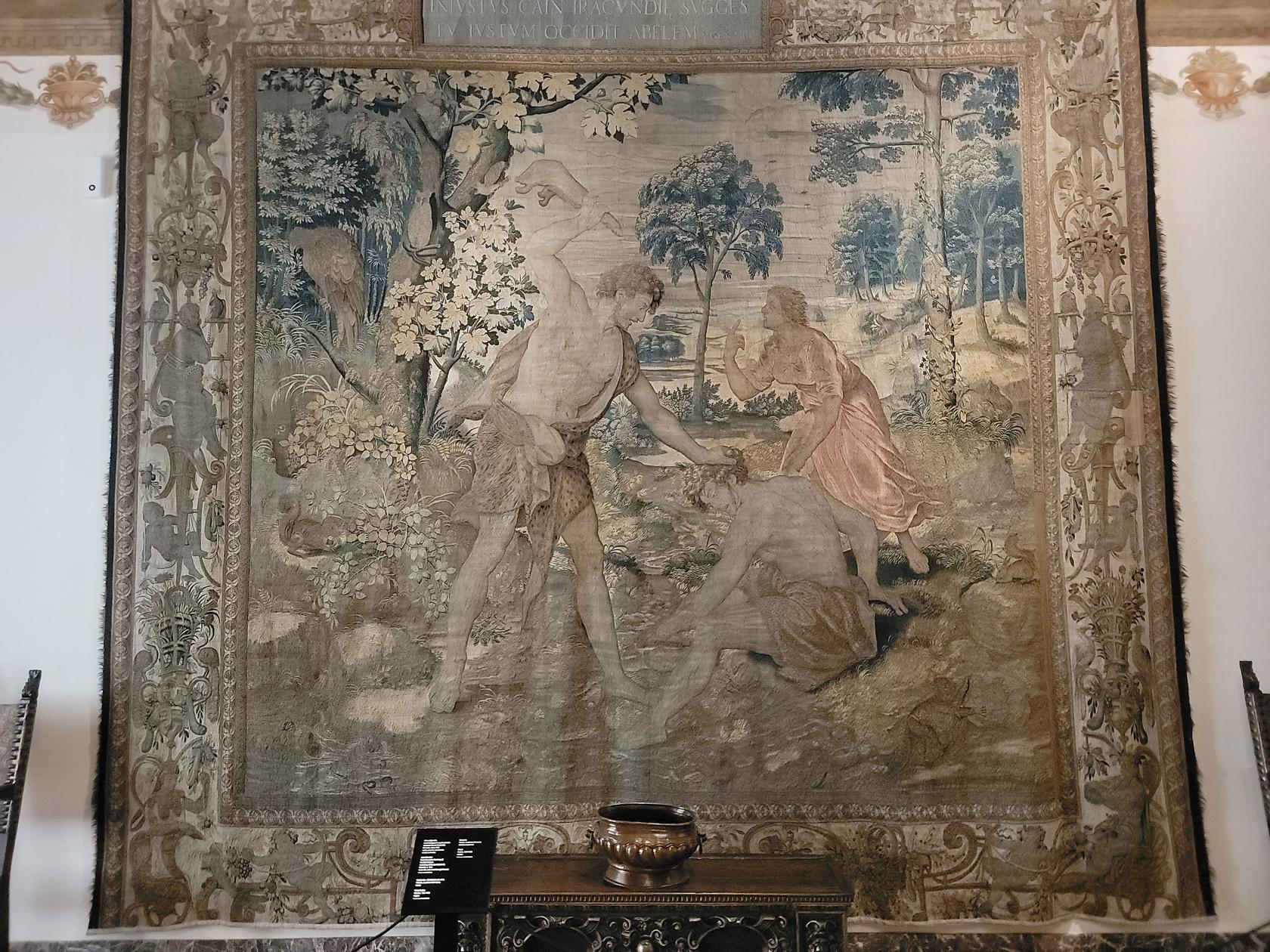
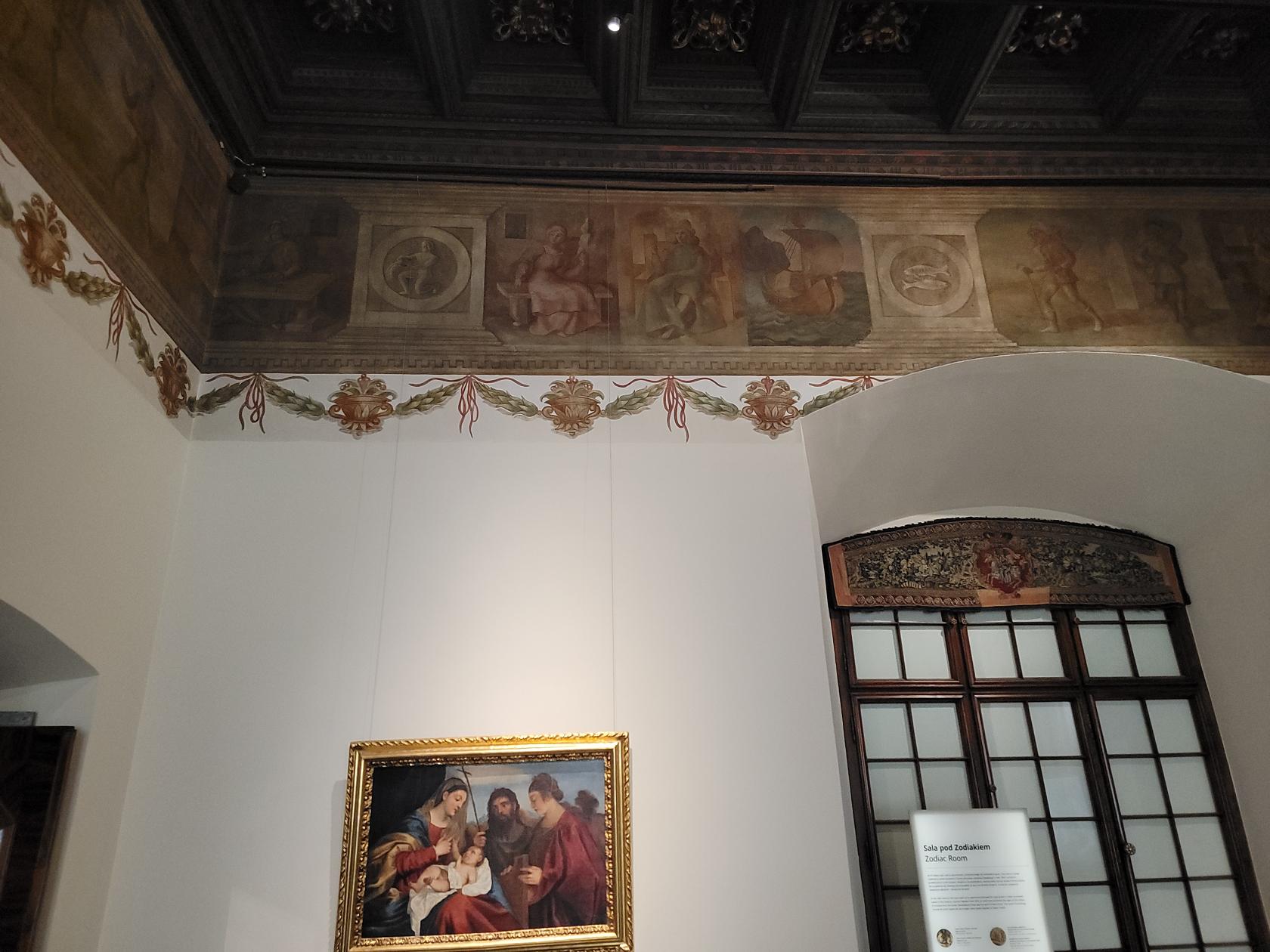
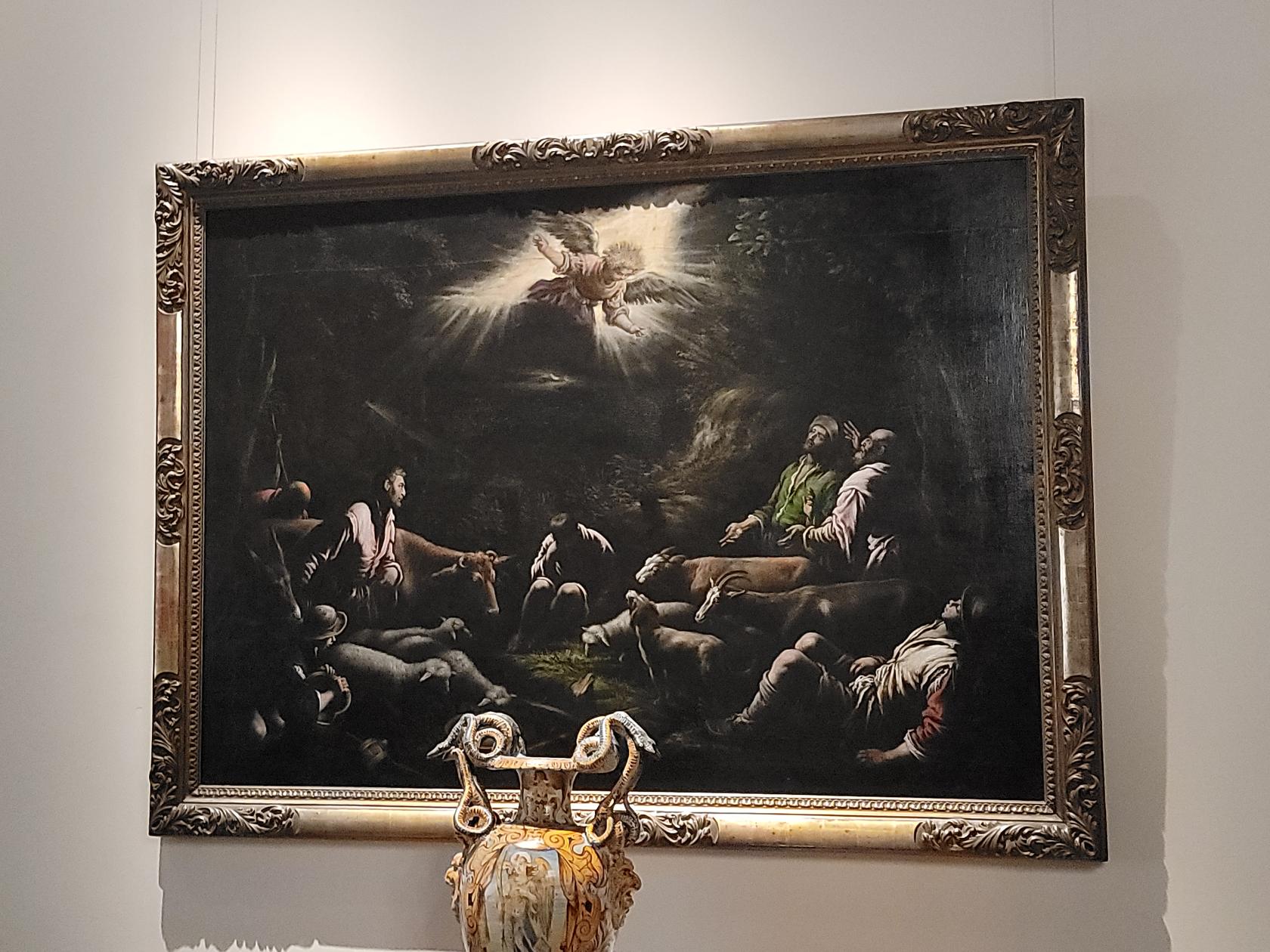
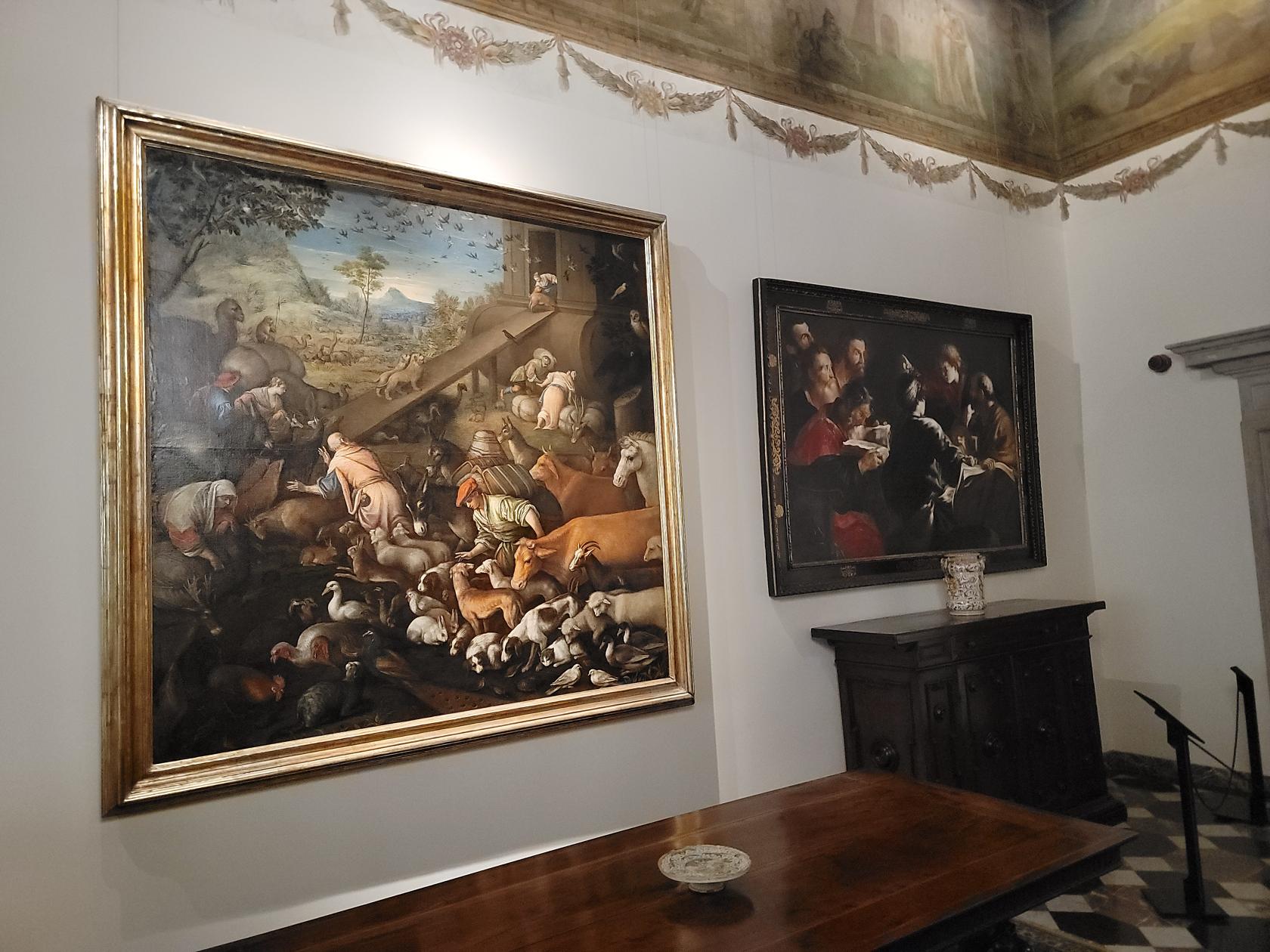
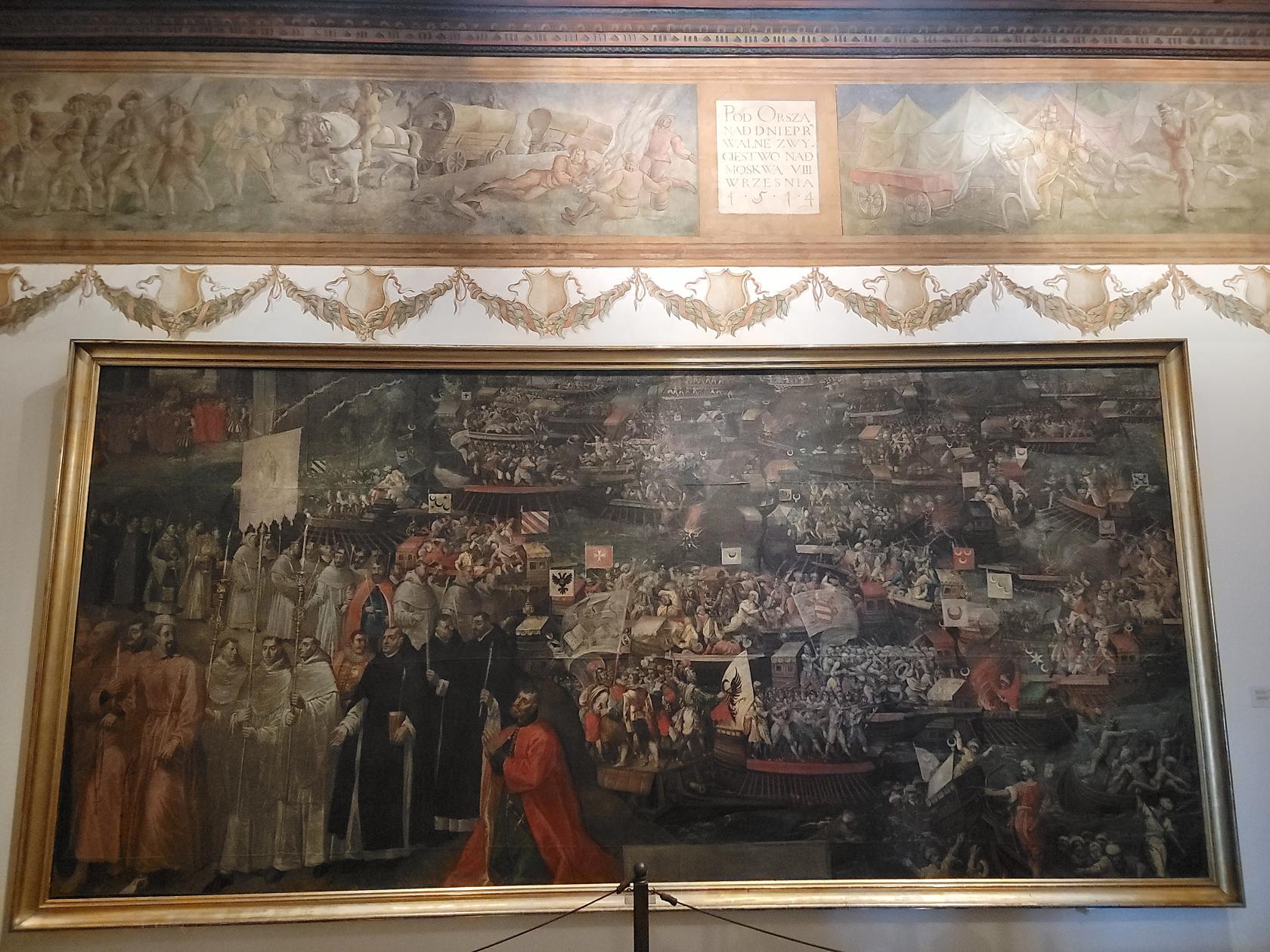
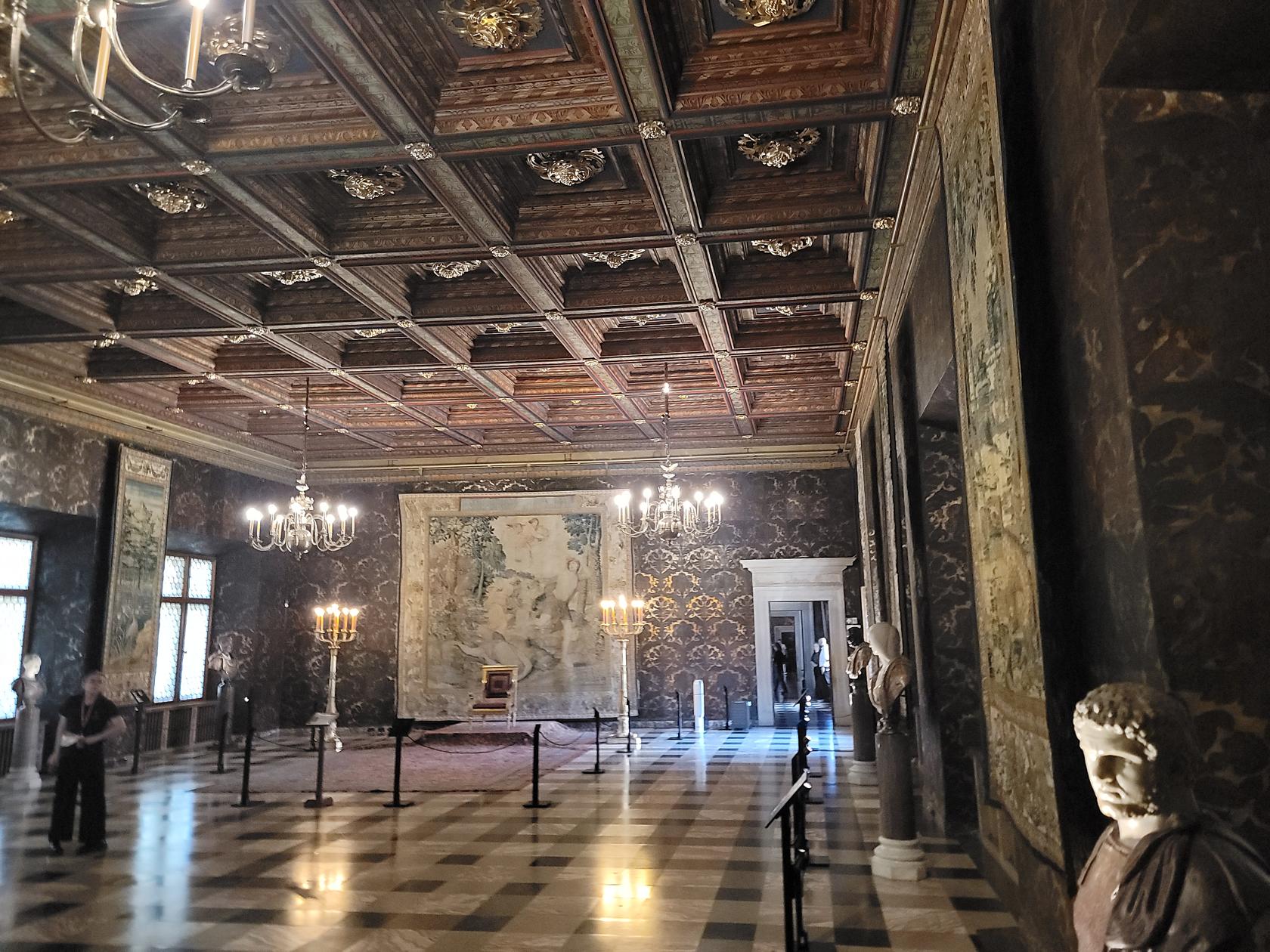
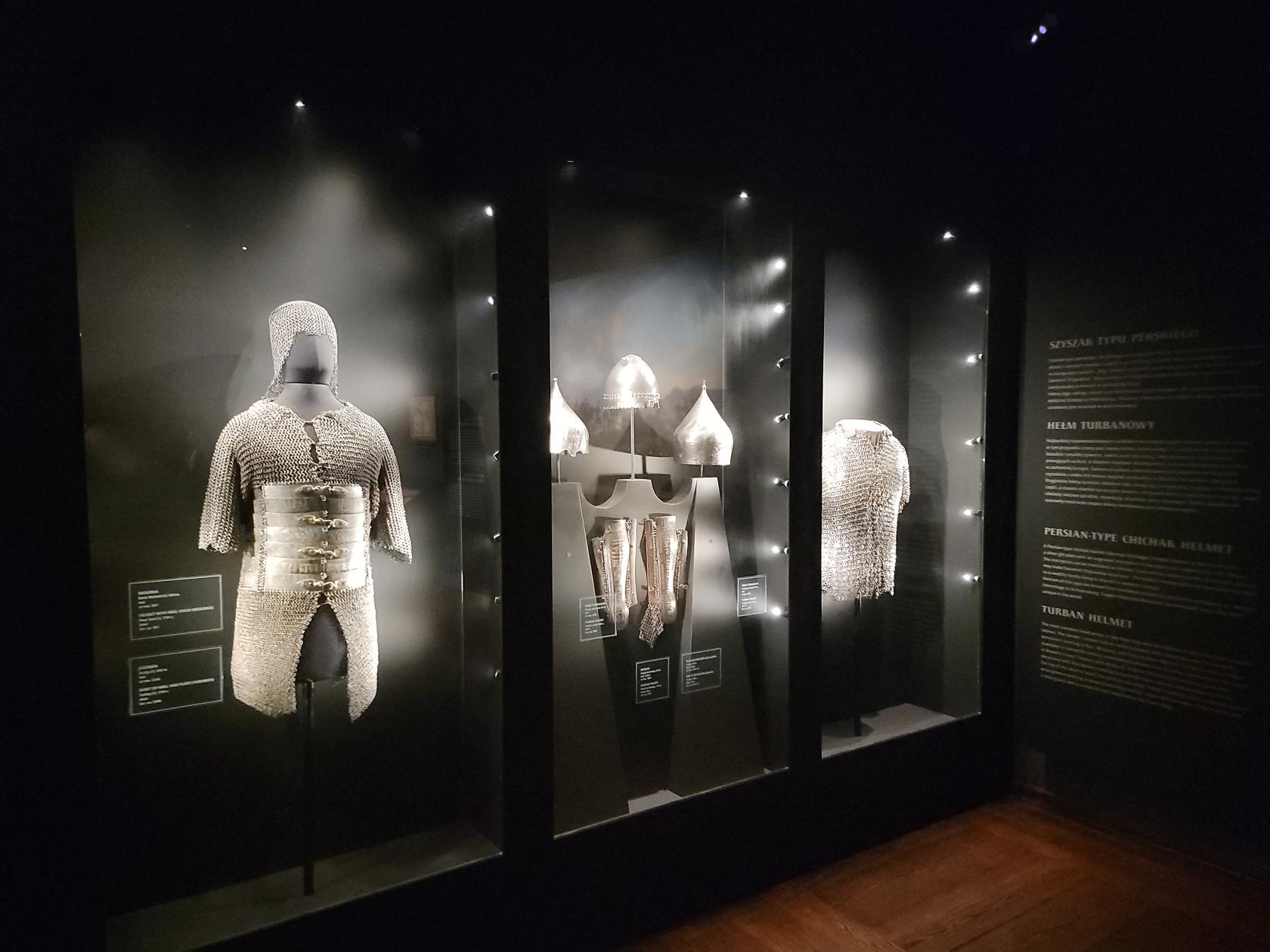
Unlike the First Floor Museum, this museum has artwork, tapestries and other artifacts of artistic worth.
Tapestry – Second Floor Museum – Wawel Royal Castle – Kraków, Poland
Virgin and Child – Second Floor Museum – Wawel Royal Castle – Kraków, Poland
Virgin and Child – Second Floor Museum – Wawel Royal Castle – Kraków, Poland
Virgin and Child – Second Floor Museum – Wawel Royal Castle – Kraków, Poland
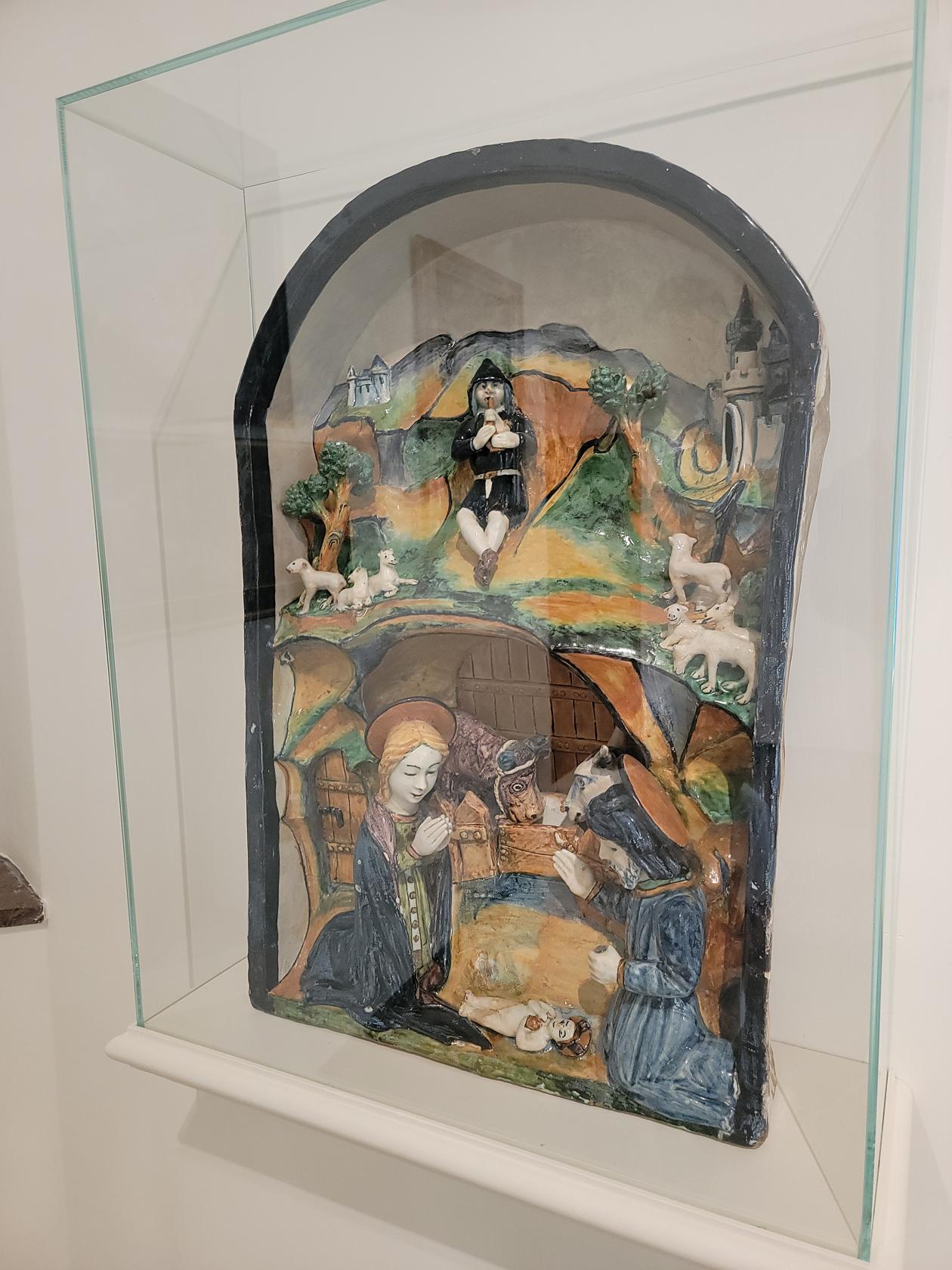
Old Ceramic Stove – Second Floor Museum – Wawel Royal Castle – Kraków, Poland
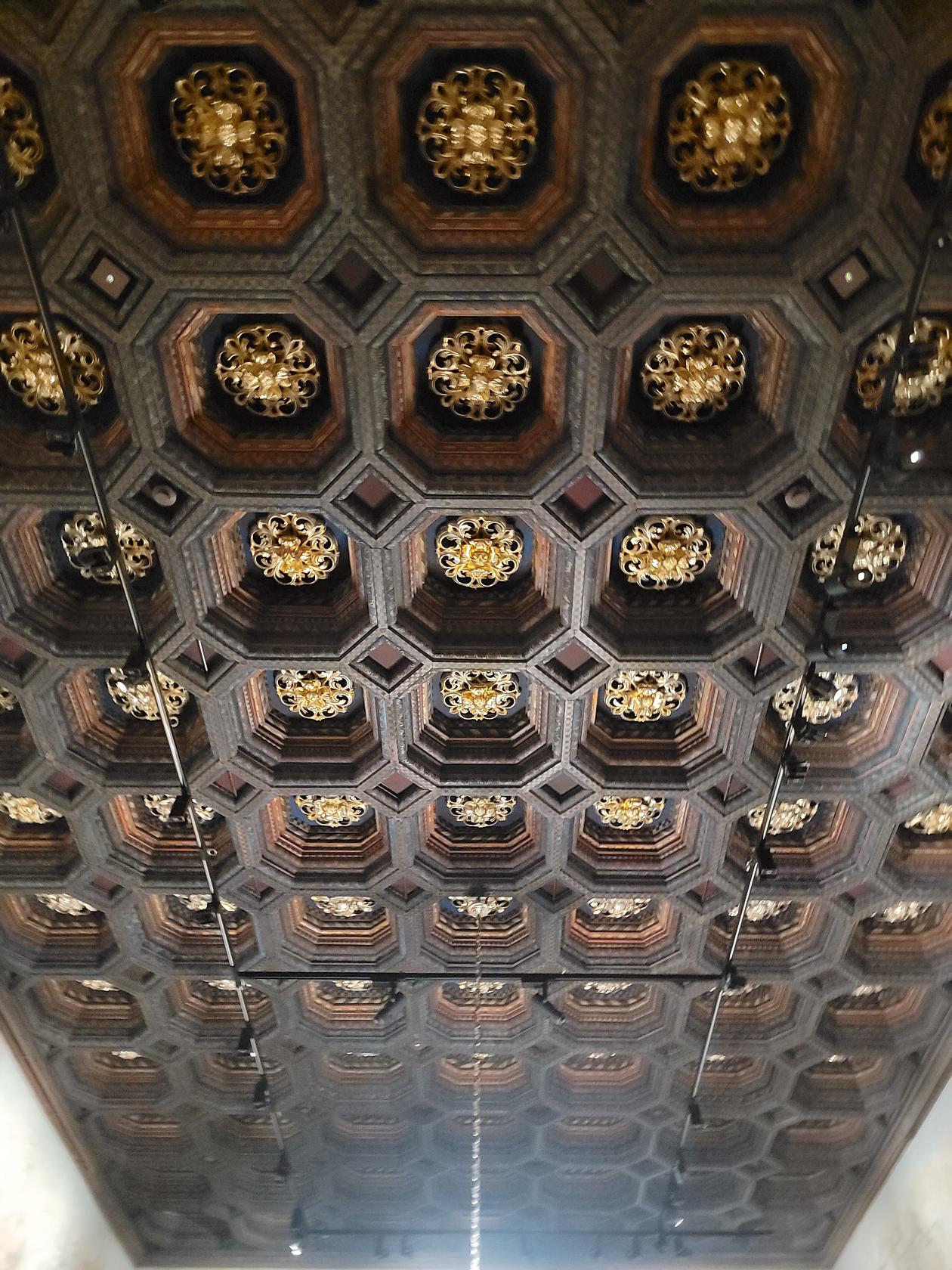
Ceiling – Second Floor Museum – Wawel Royal Castle – Kraków, Poland
Biblical Scenes – Second Floor Museum – Wawel Royal Castle – Kraków, Poland
Tapestries – Second Floor Museum – Wawel Royal Castle – Kraków, Poland
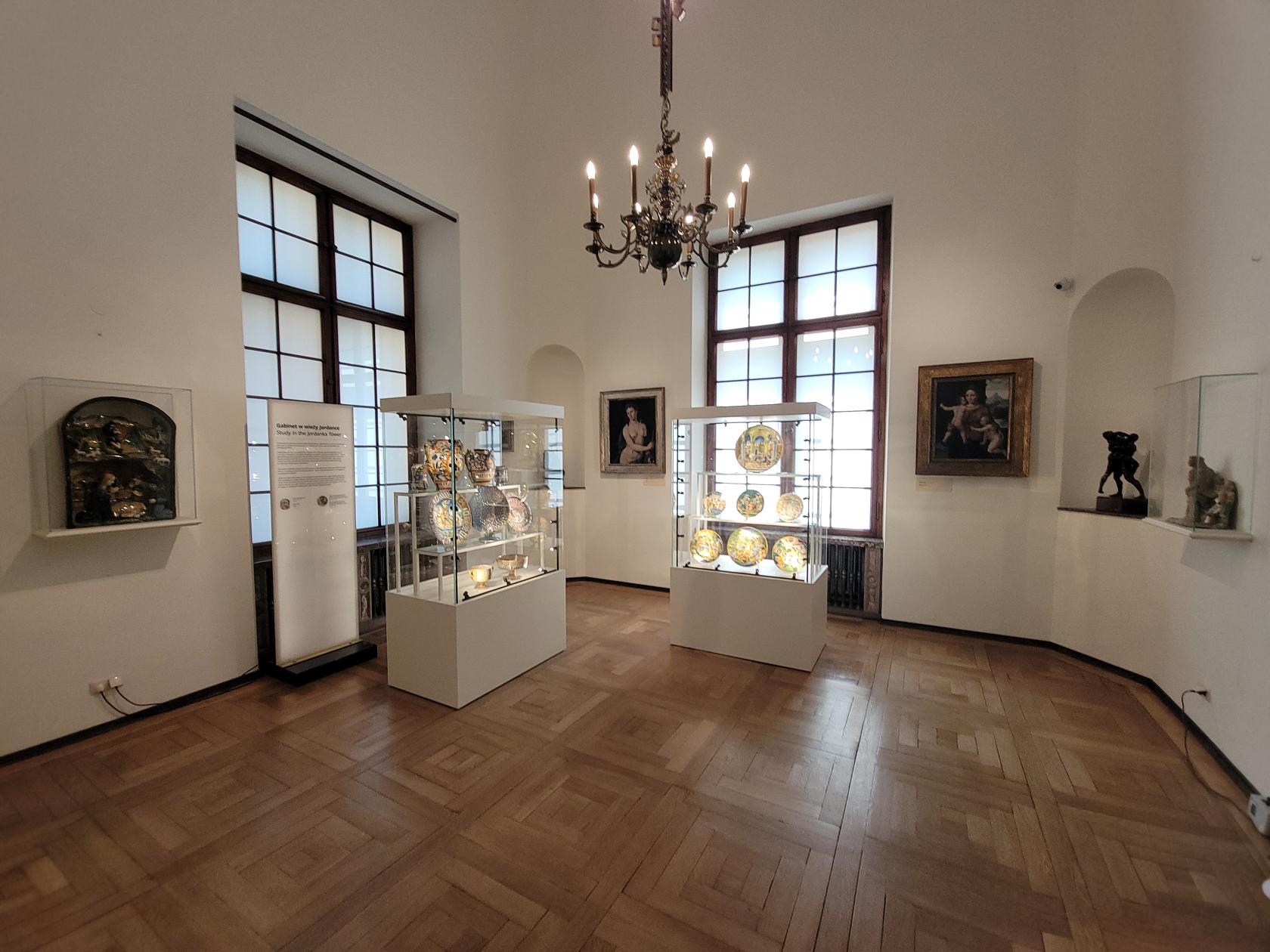
Plate Collection – Second Floor Museum – Wawel Royal Castle – Kraków, Poland
Armchair 16/17th century – Second Floor Museum – Wawel Royal Castle – Kraków, Poland
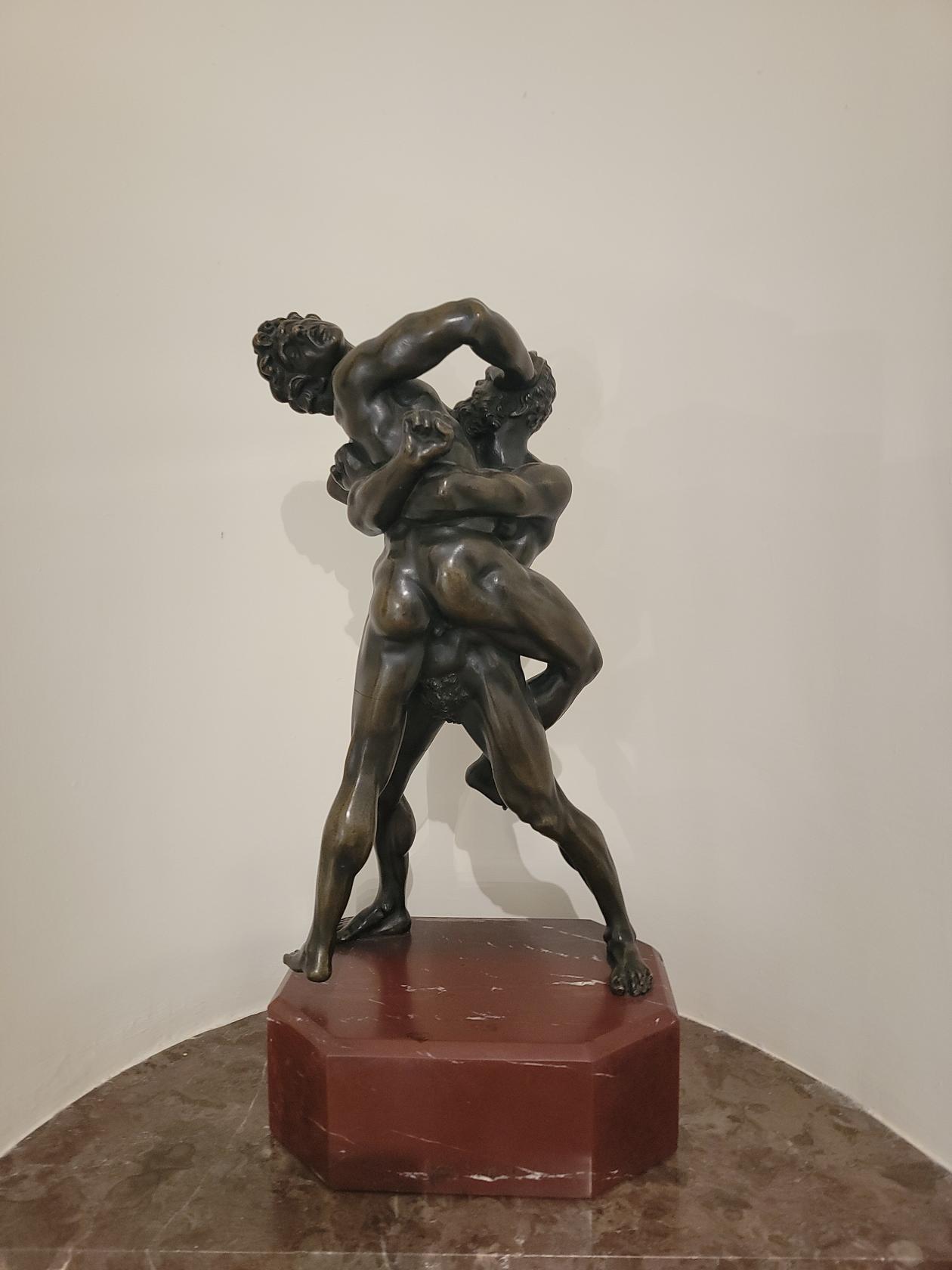
Men fighting bronze – Second Floor Museum – Wawel Royal Castle – Kraków, Poland
Istoriato Maiolica ceramic – Second Floor Museum – Wawel Royal Castle – Kraków, Poland
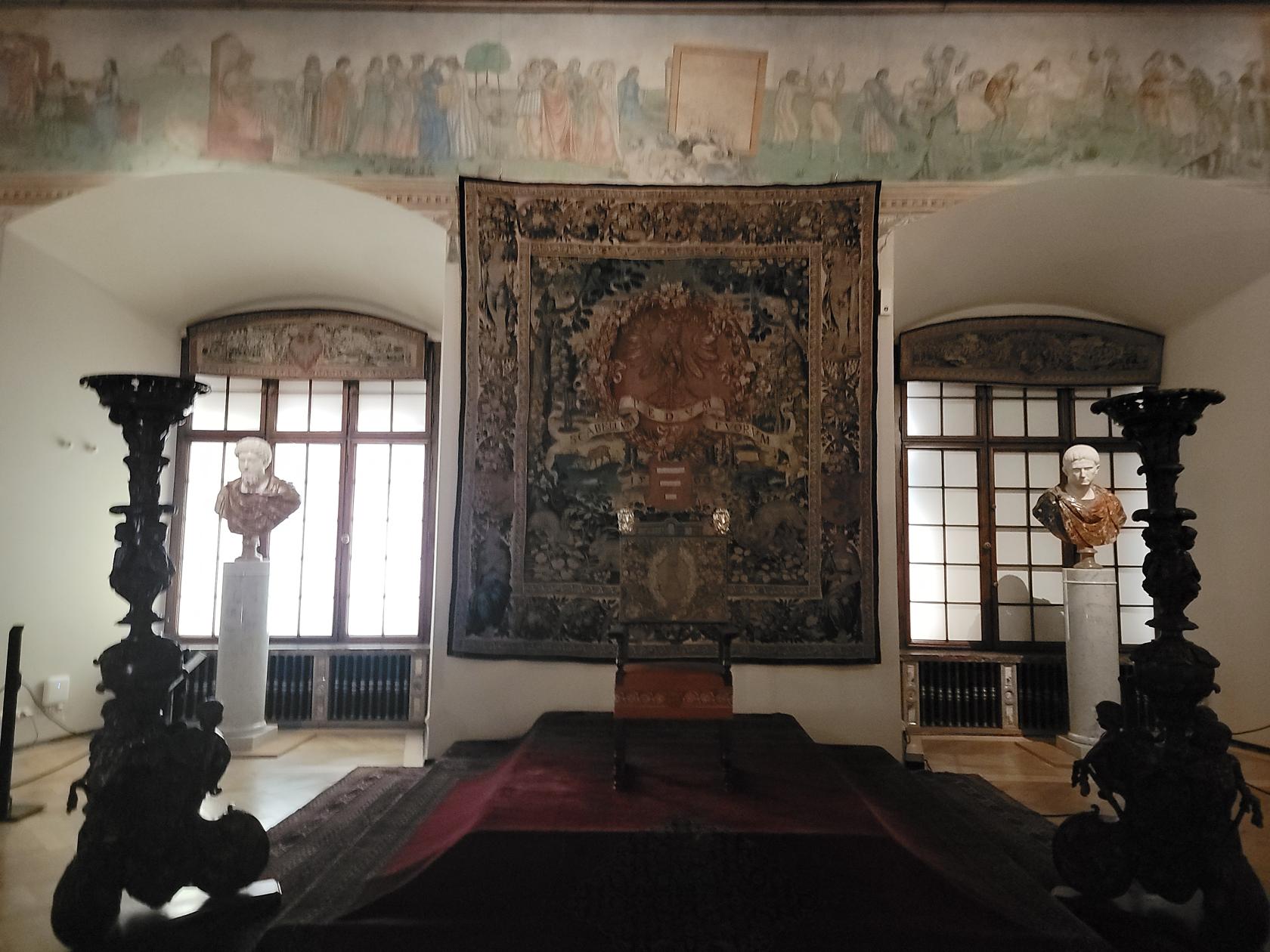
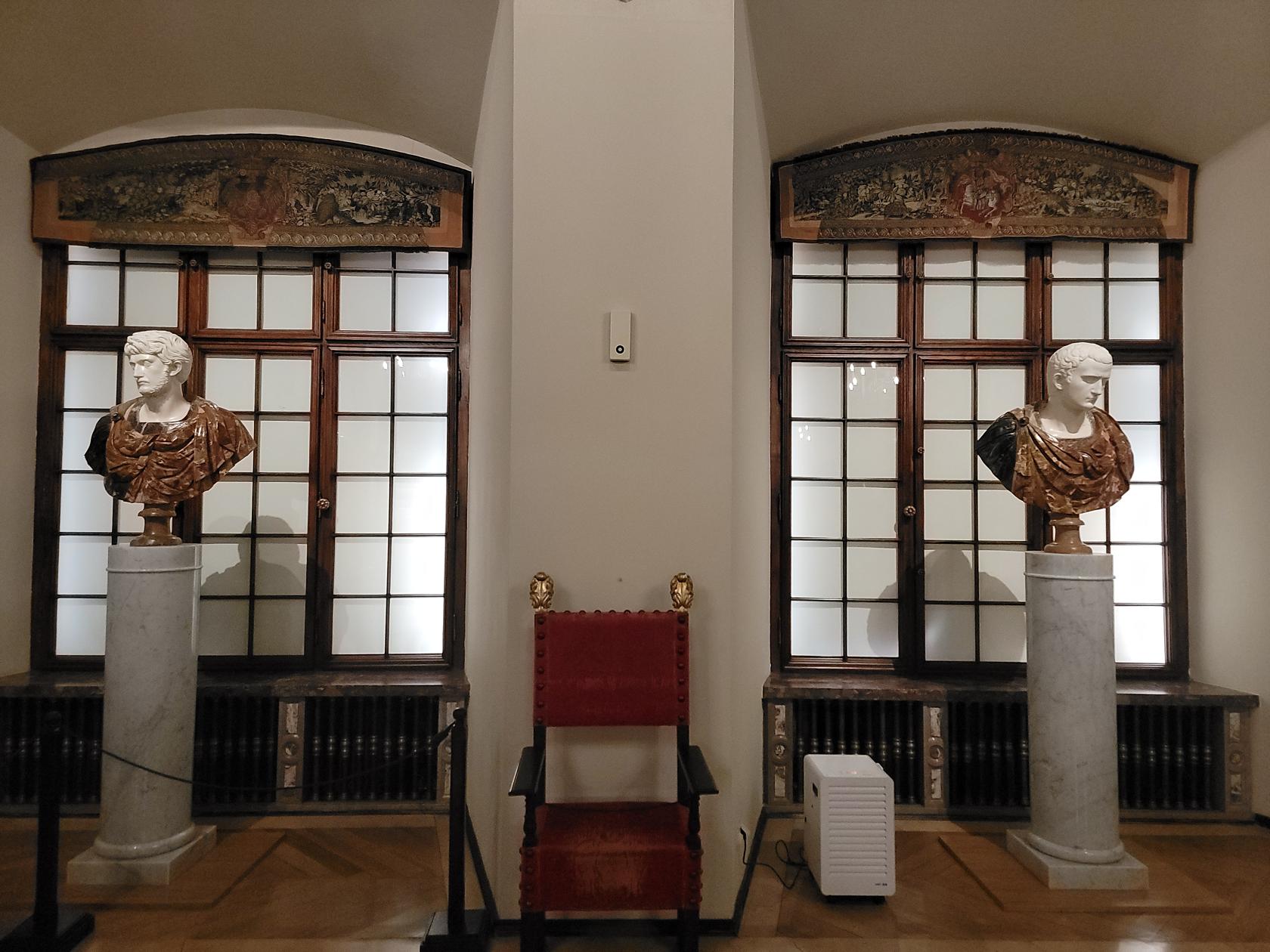
Busts – Second Floor Museum – Wawel Royal Castle – Kraków, Poland
Tapestry in Throne room – Second Floor Museum – Wawel Royal Castle – Kraków, Poland
Tapestry in Throne room – Second Floor Museum – Wawel Royal Castle – Kraków, Poland
Tapestry in Throne room – Second Floor Museum – Wawel Royal Castle – Kraków, Poland
Mosaic in Throne room – Second Floor Museum – Wawel Royal Castle – Kraków, Poland
Interesting Painting – Second Floor Museum – Wawel Royal Castle – Kraków, Poland
More Paintings – Second Floor Museum – Wawel Royal Castle – Kraków, Poland
Painting – Second Floor Museum – Wawel Royal Castle – Kraków, Poland
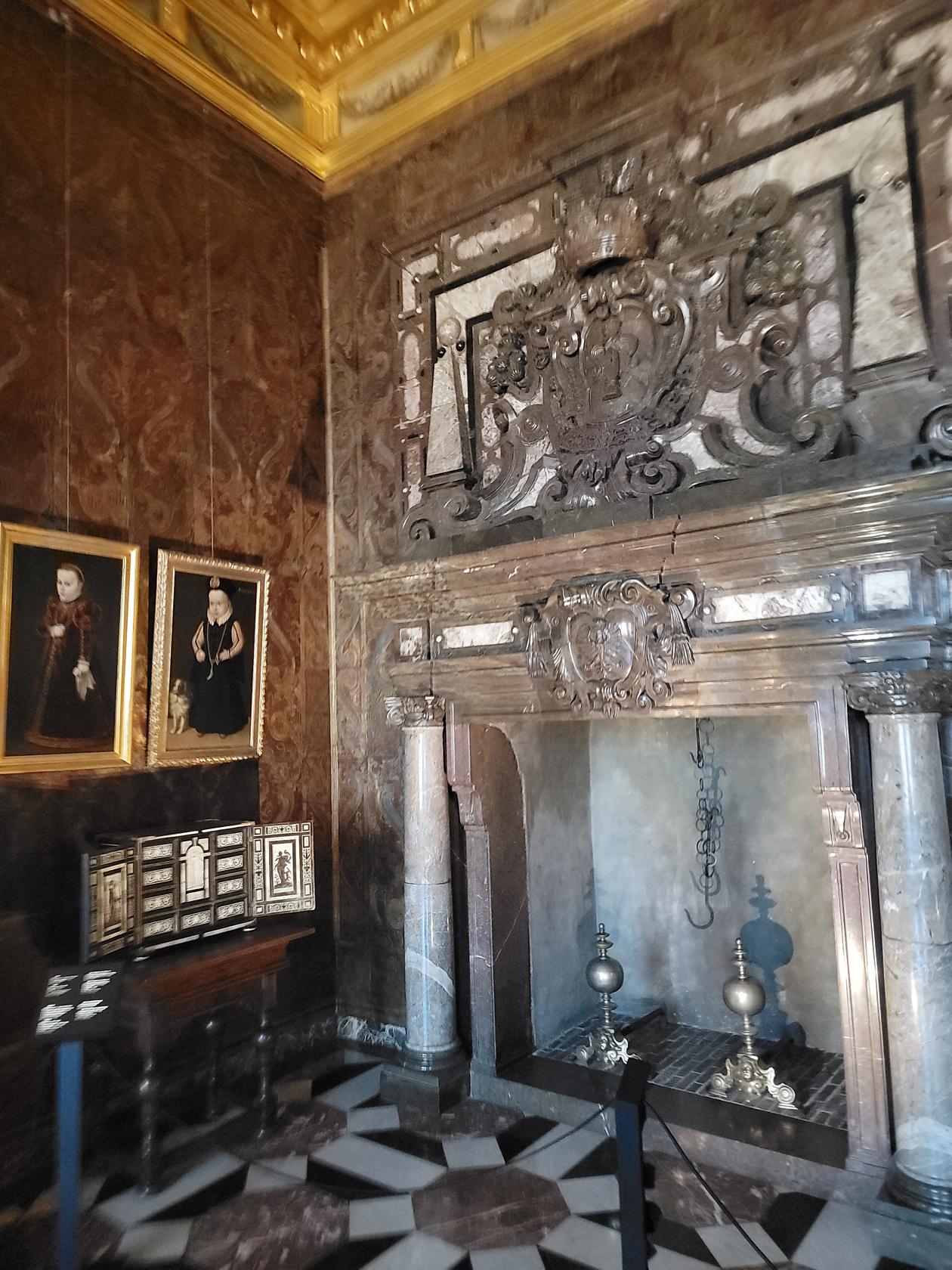
Fireplace – Second Floor Museum – Wawel Royal Castle – Kraków, Poland
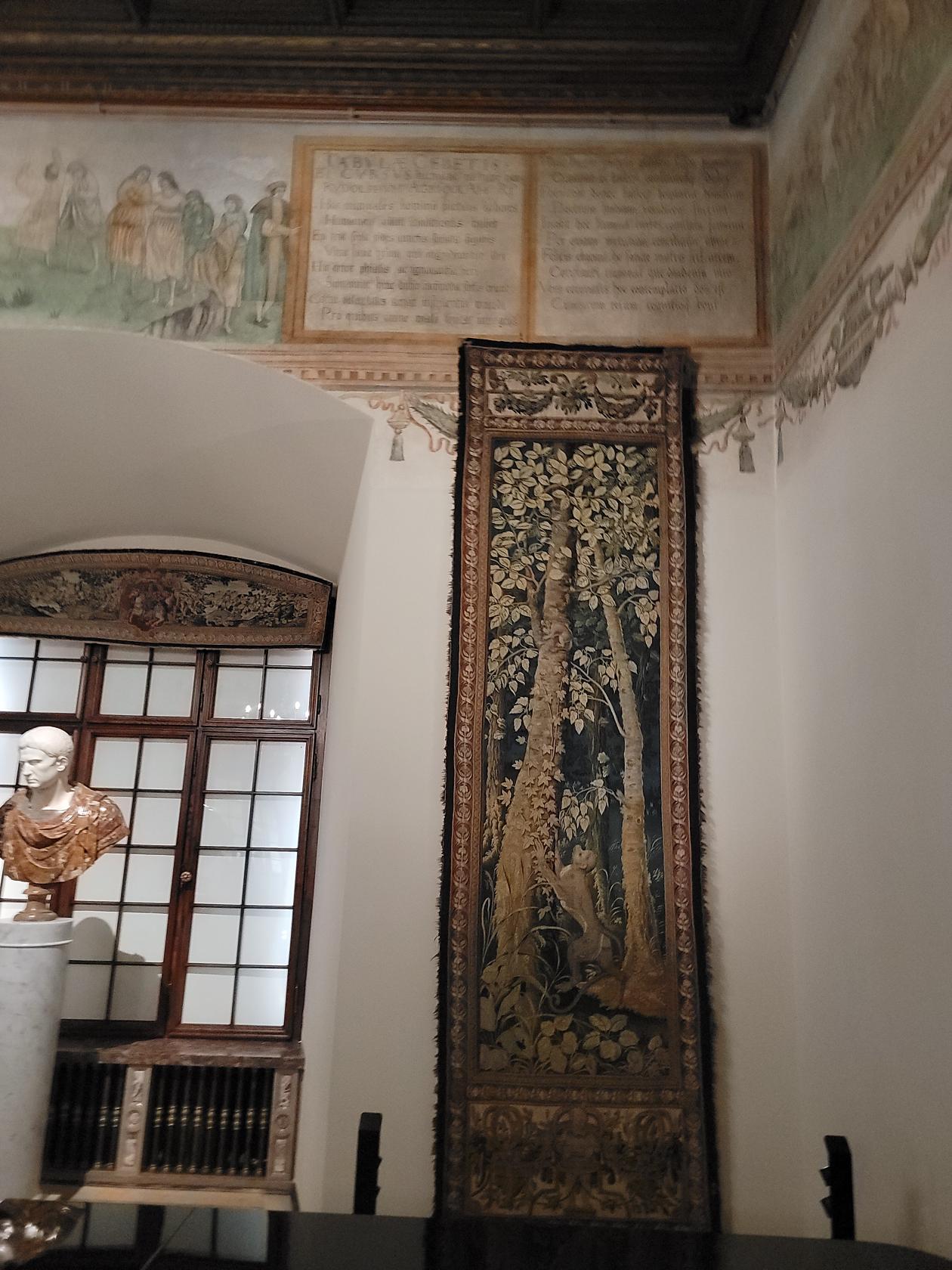
Tapestry – Second Floor Museum – Wawel Royal Castle – Kraków, Poland
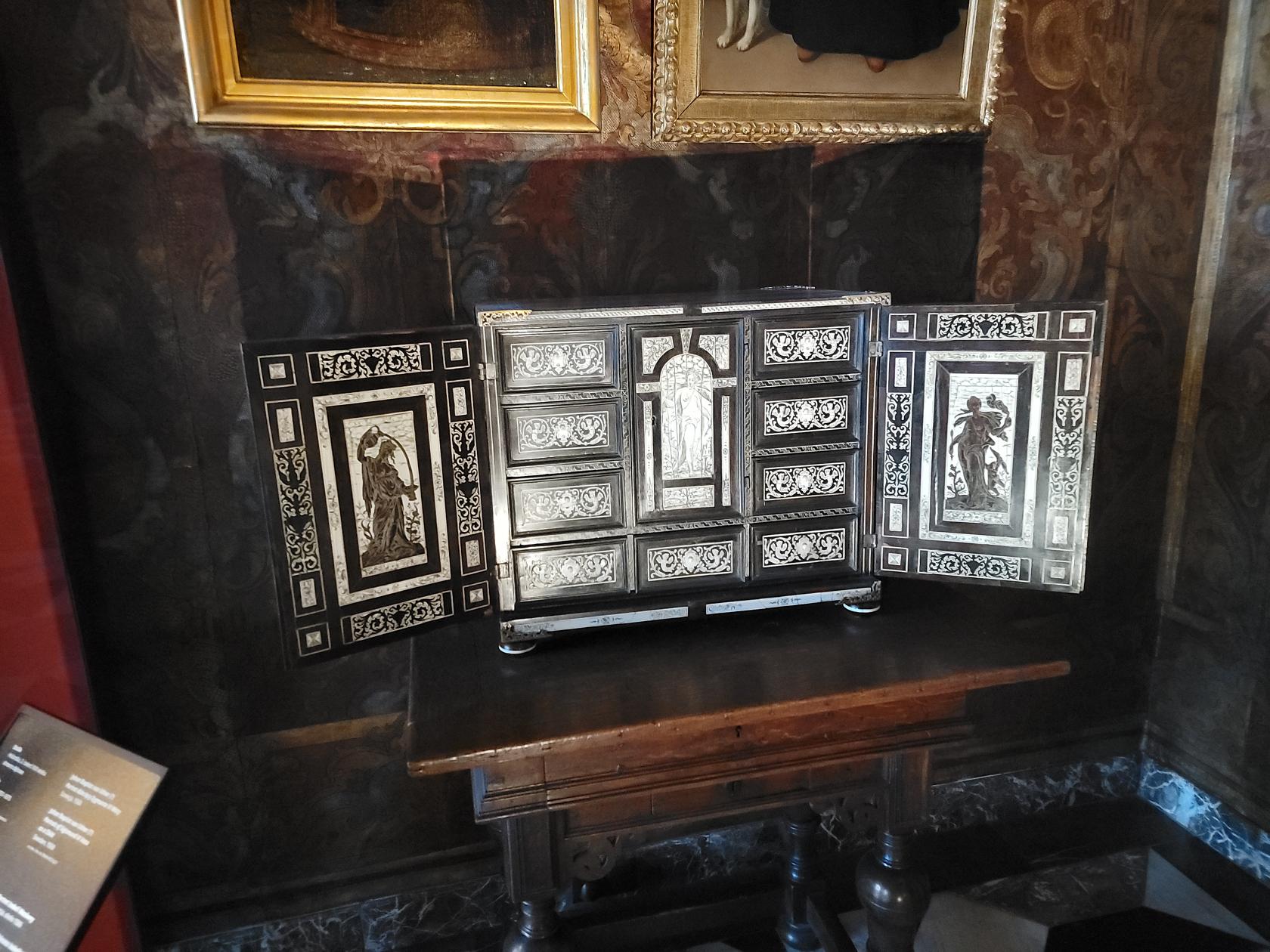
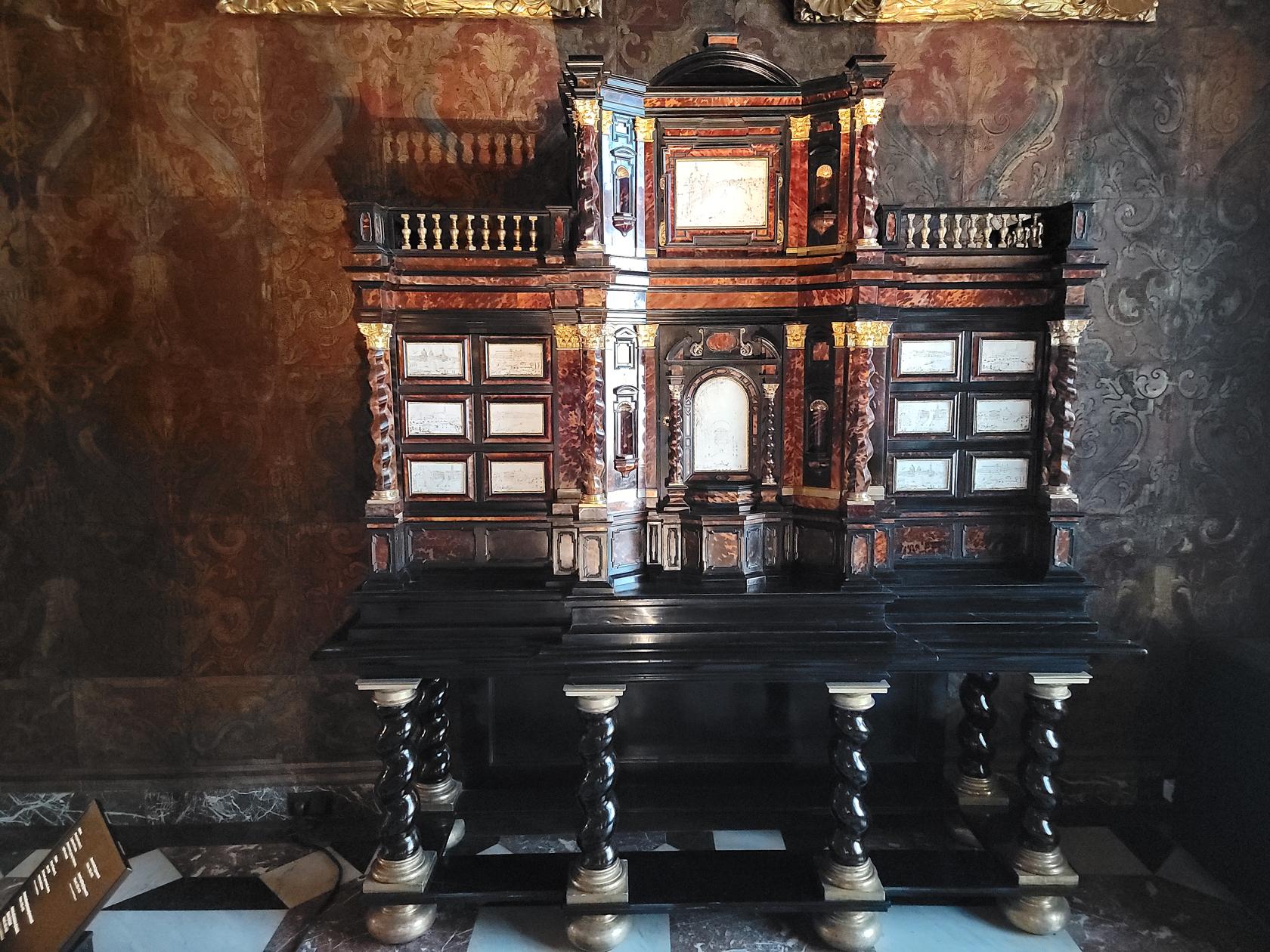
Old Italian Cabinet – Second Floor Museum – Wawel Royal Castle – Kraków, Poland
Ebony cabinet with rosewood – Second Floor Museum – Wawel Royal Castle – Kraków, Poland
Birchwood Cabinet – Second Floor Museum – Wawel Royal Castle – Kraków, Poland
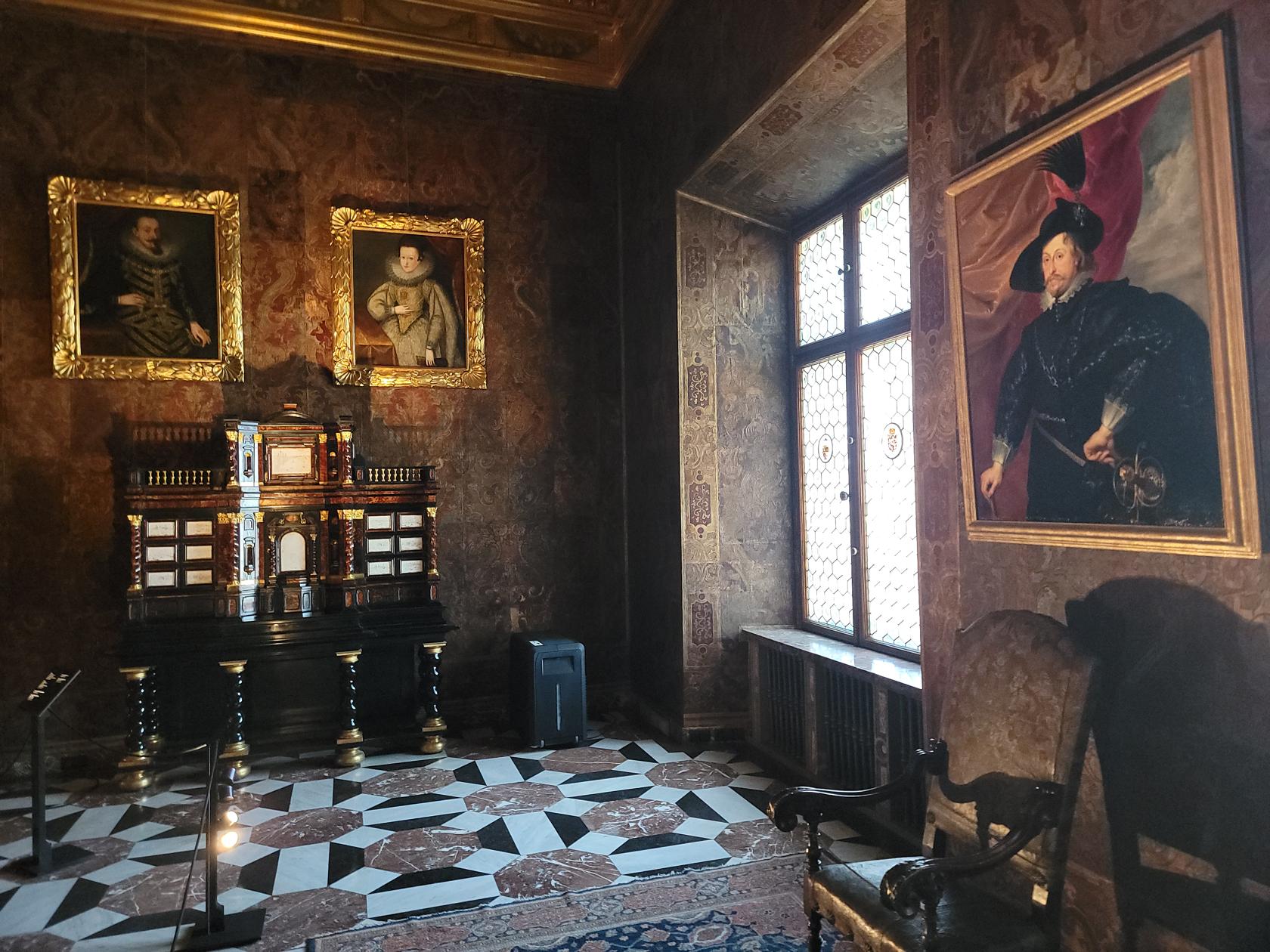
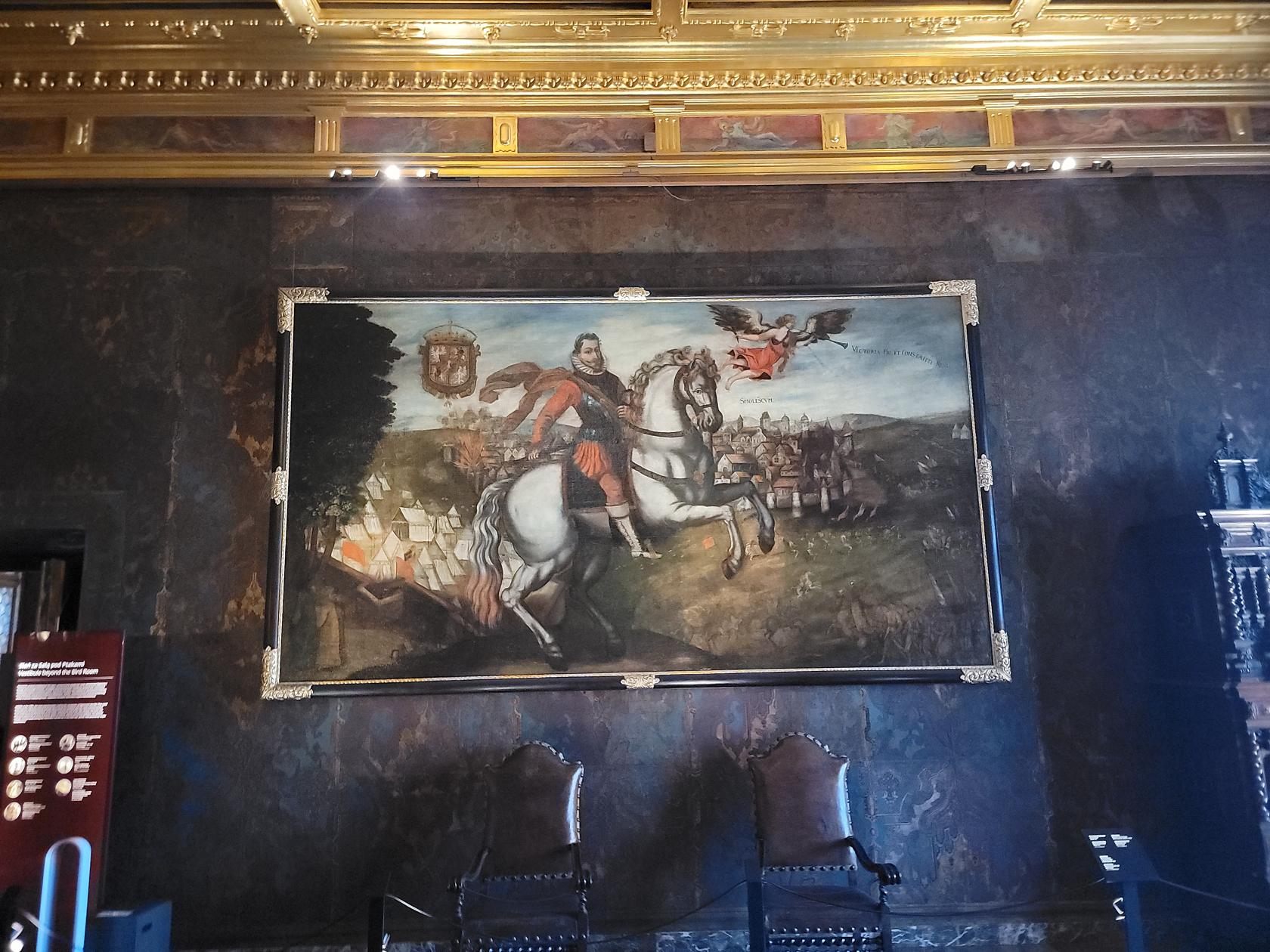
Portrait King Sigismund III – Second Floor Museum – Wawel Royal Castle – Kraków, Poland
Ceiling – Second Floor Museum – Wawel Royal Castle – Kraków, Poland
Eagle Room – Second Floor Museum – Wawel Royal Castle – Kraków, Poland
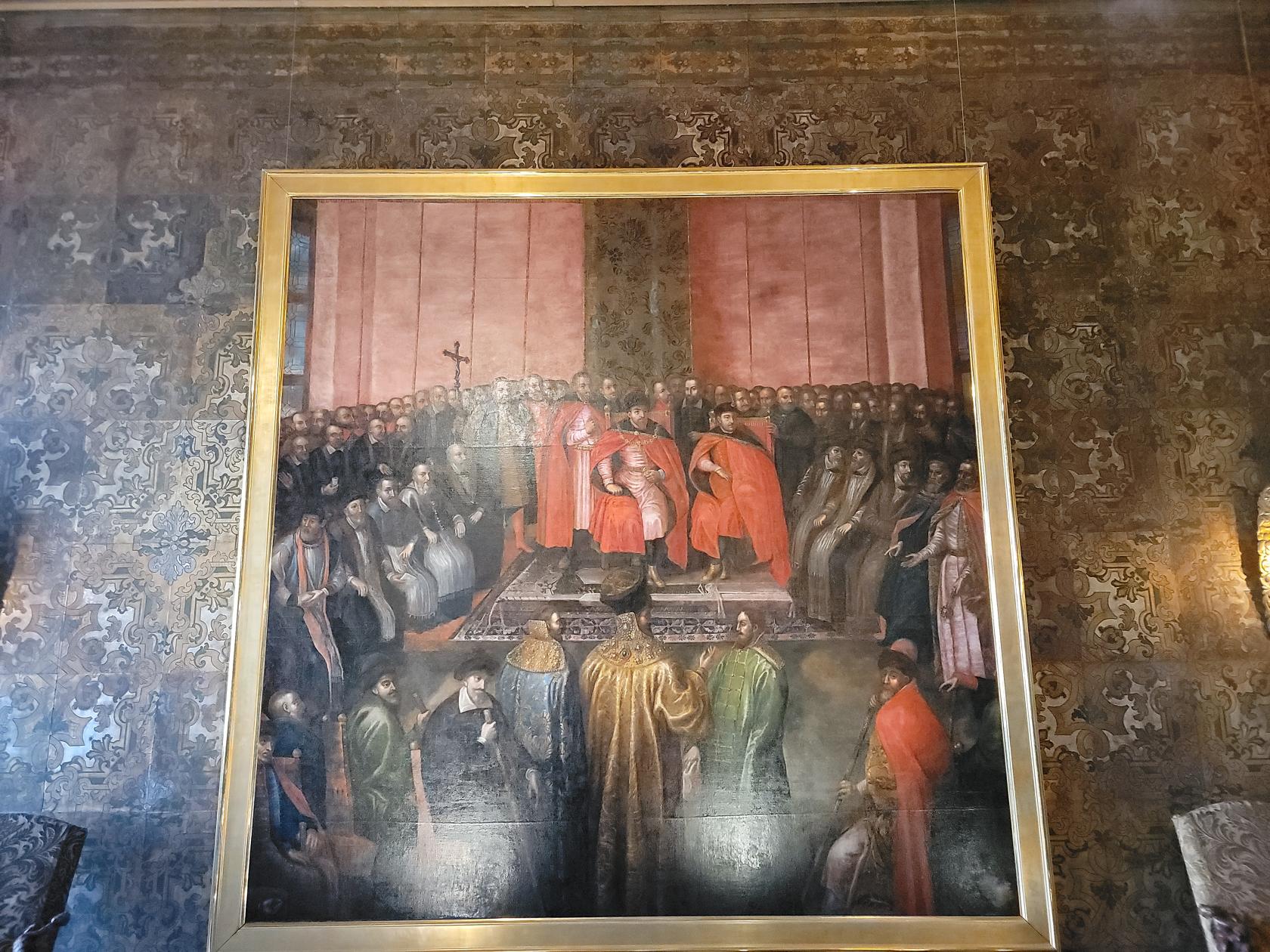
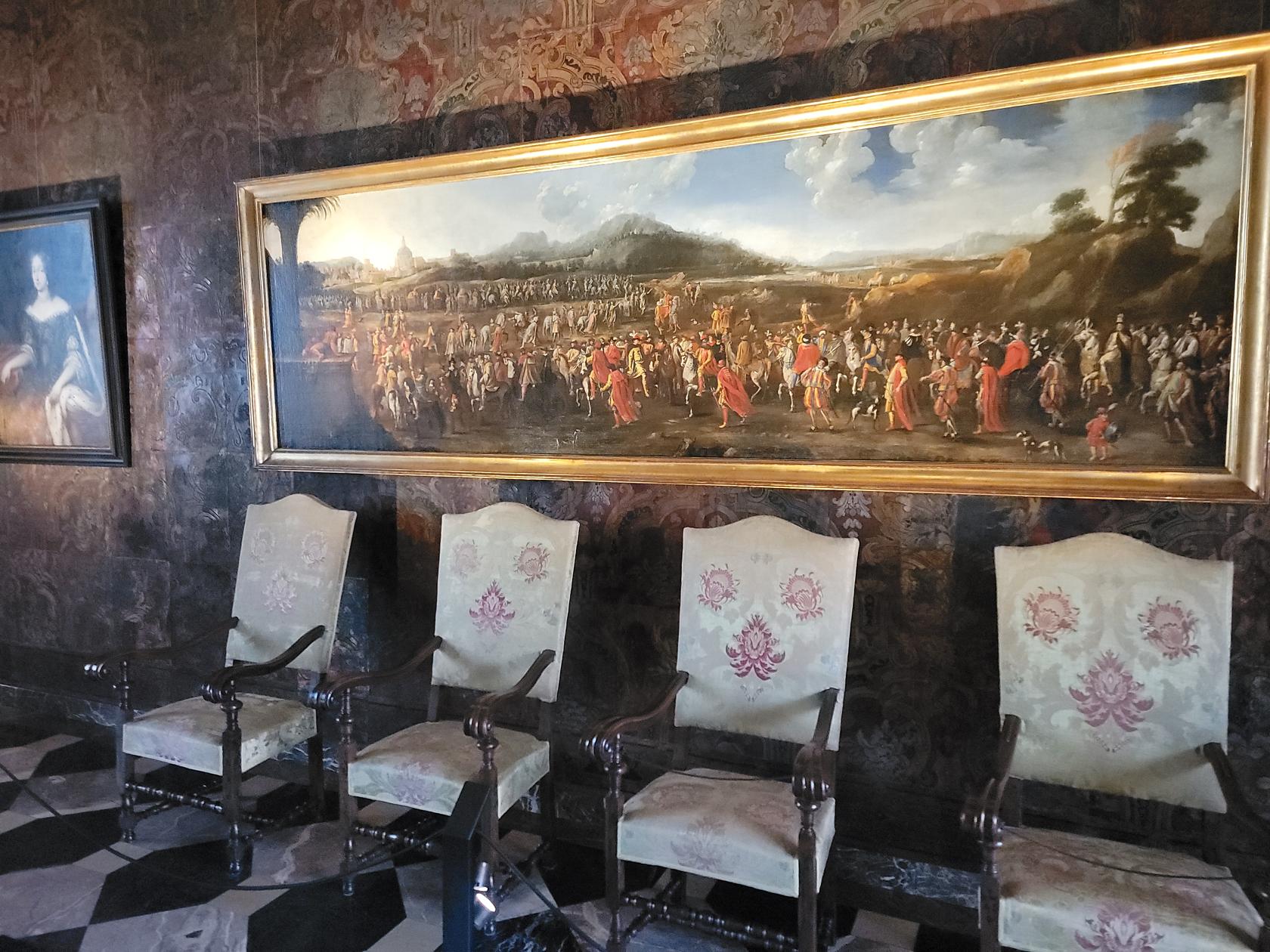
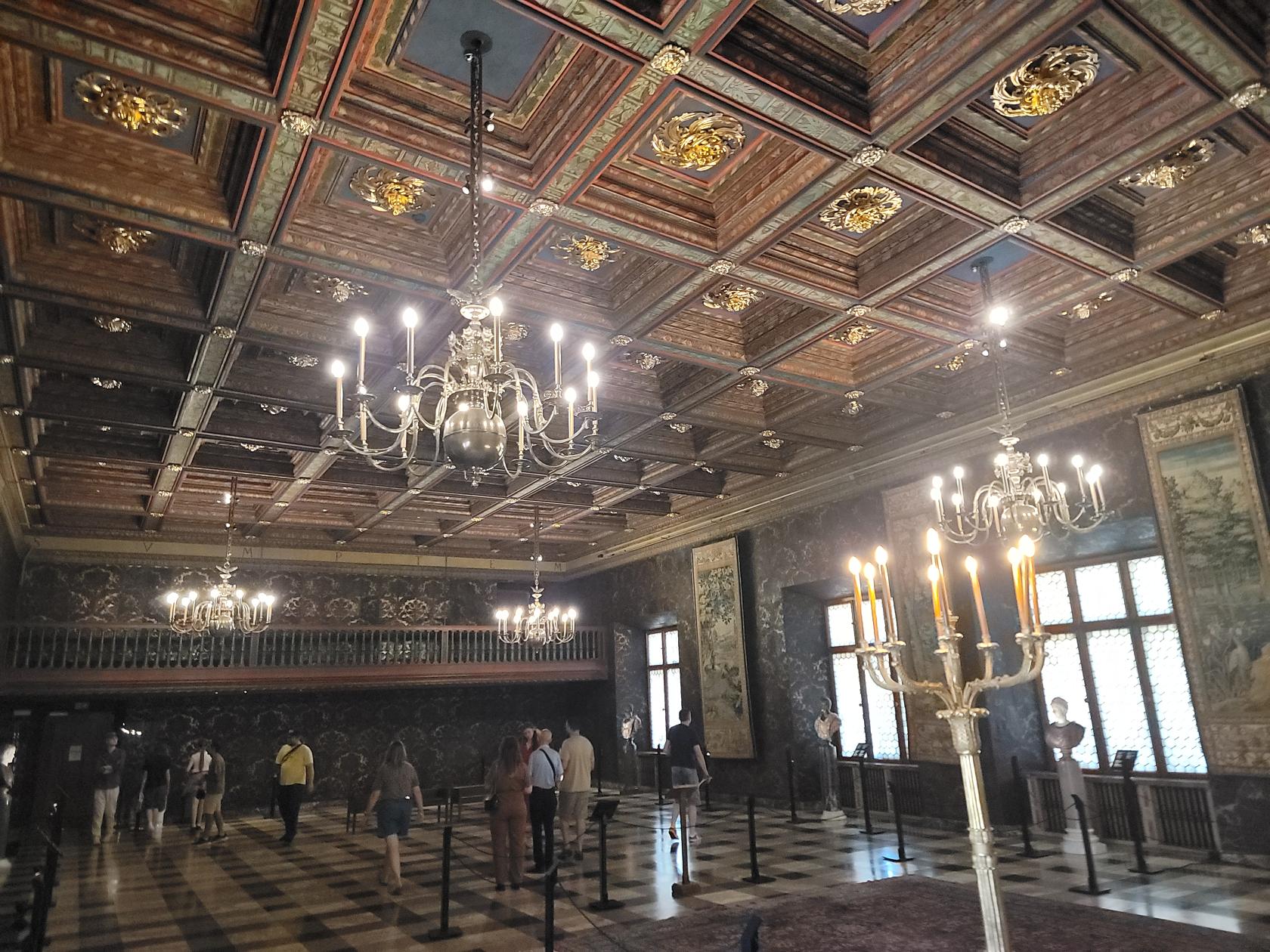
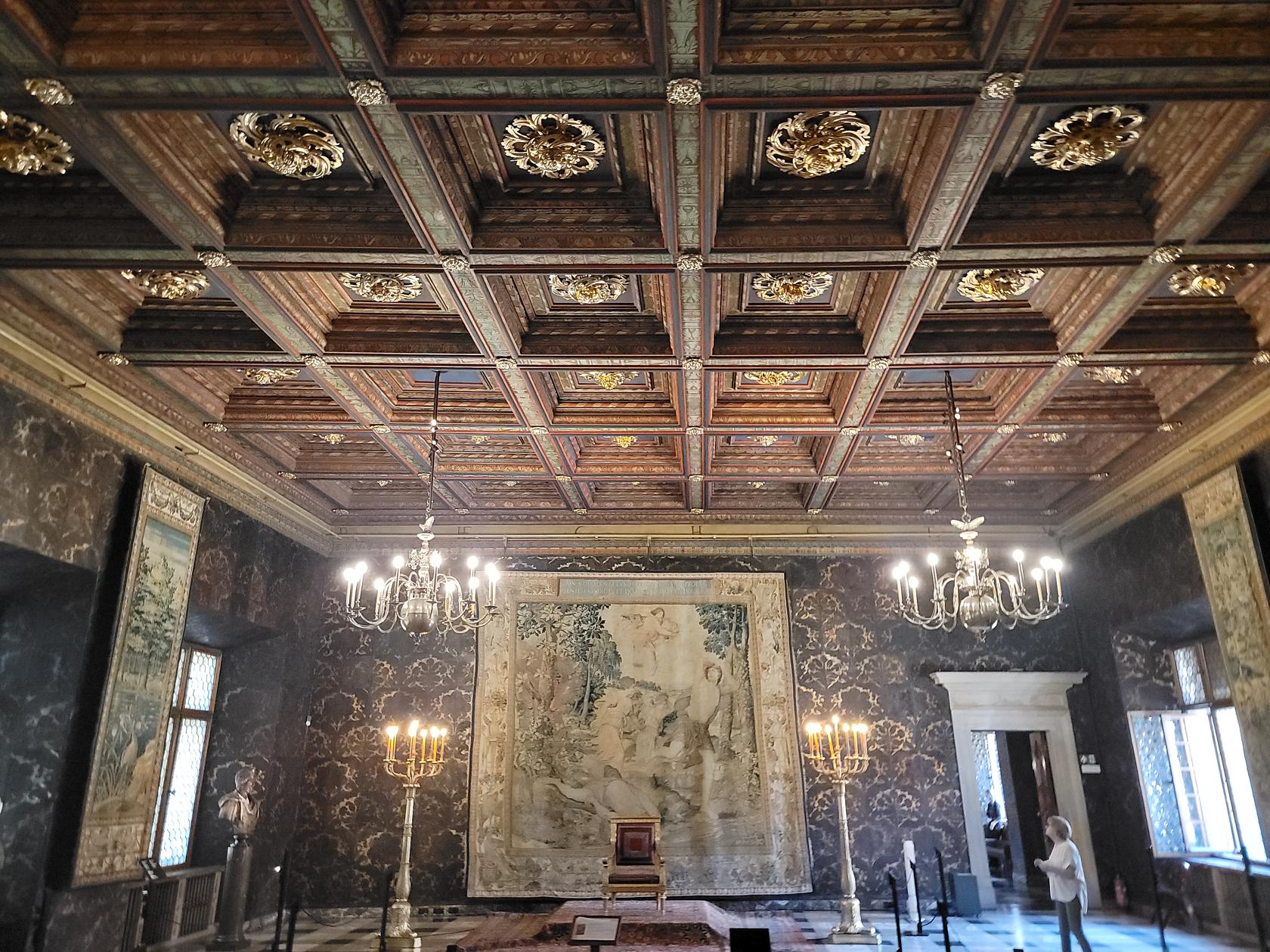
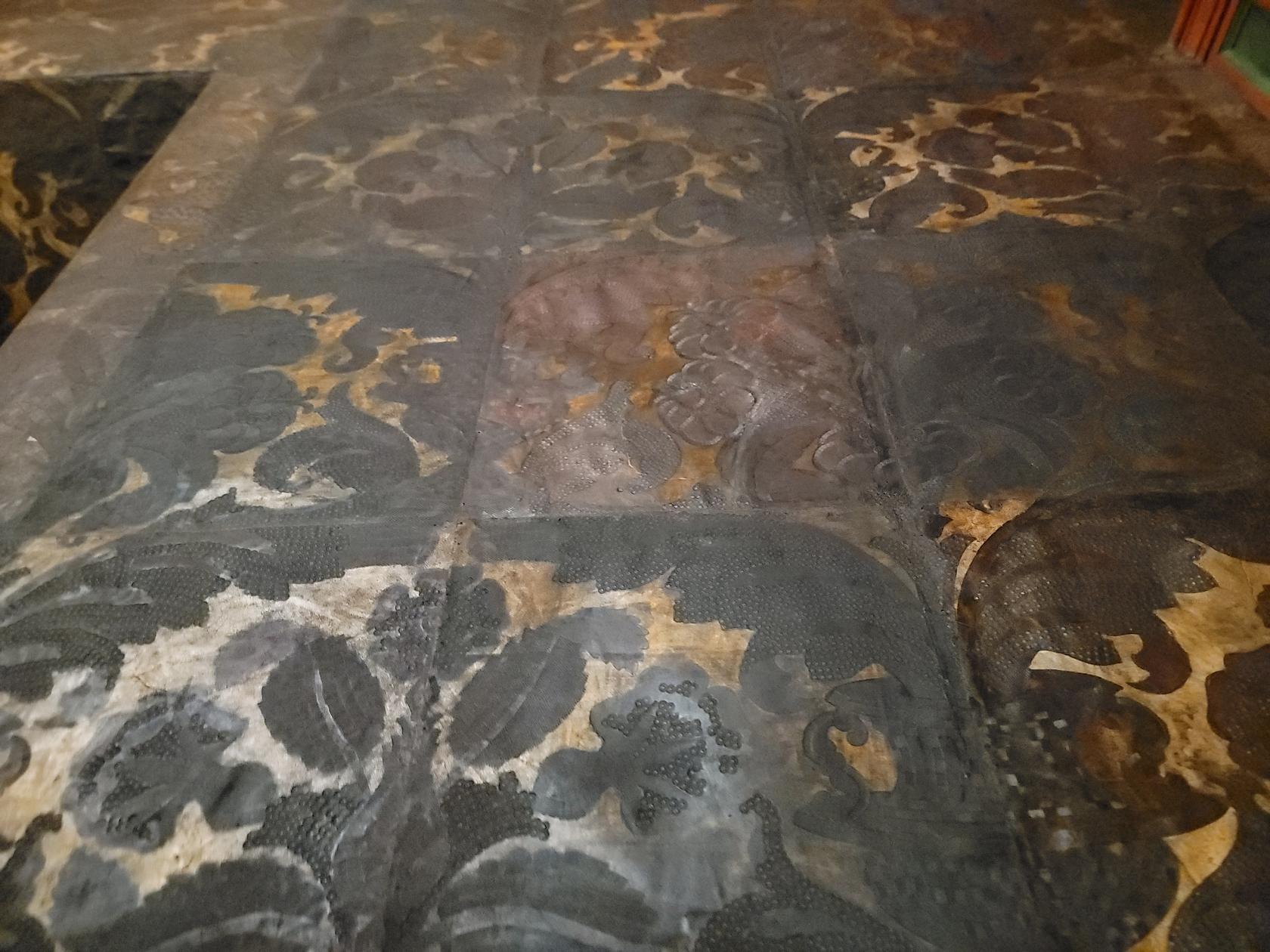
Even the rooms are of some interest. The rather large Senators Room being clad in a treated gilded leather.
Senators’ Hall – Second Floor Museum – Wawel Royal Castle – Kraków, Poland
Senators’ Hall – Second Floor Museum – Wawel Royal Castle – Kraków, Poland
Senators’ Hall – Second Floor Museum – Wawel Royal Castle – Kraków, Poland
Gilt Leather wall covering – Senators’ Hall – Second Floor Museum – Wawel Royal Castle – Kraków, Poland
Senators’ Hall – Second Floor Museum – Wawel Royal Castle – Kraków, Poland
Ottoman Tent Exhibit
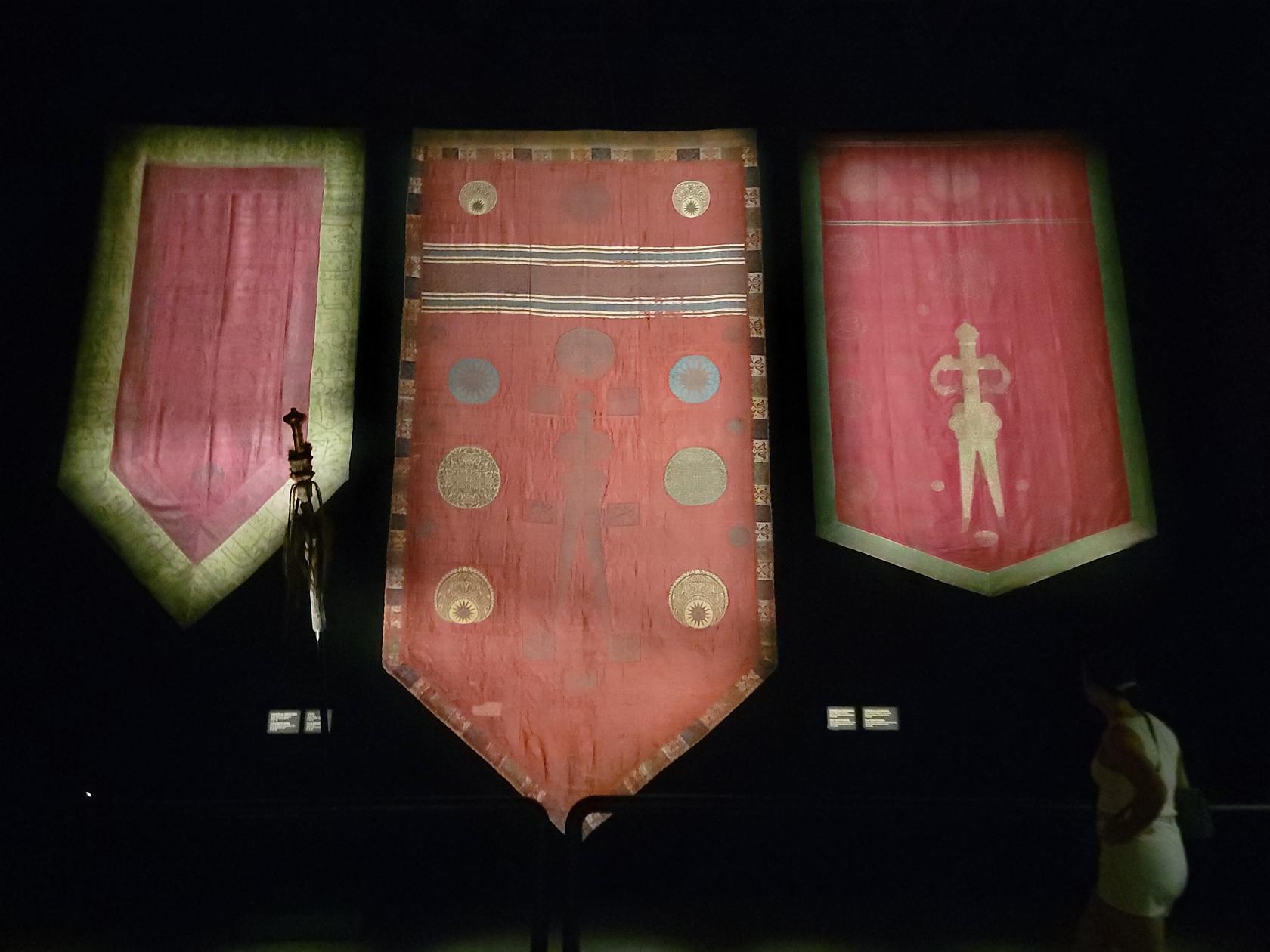
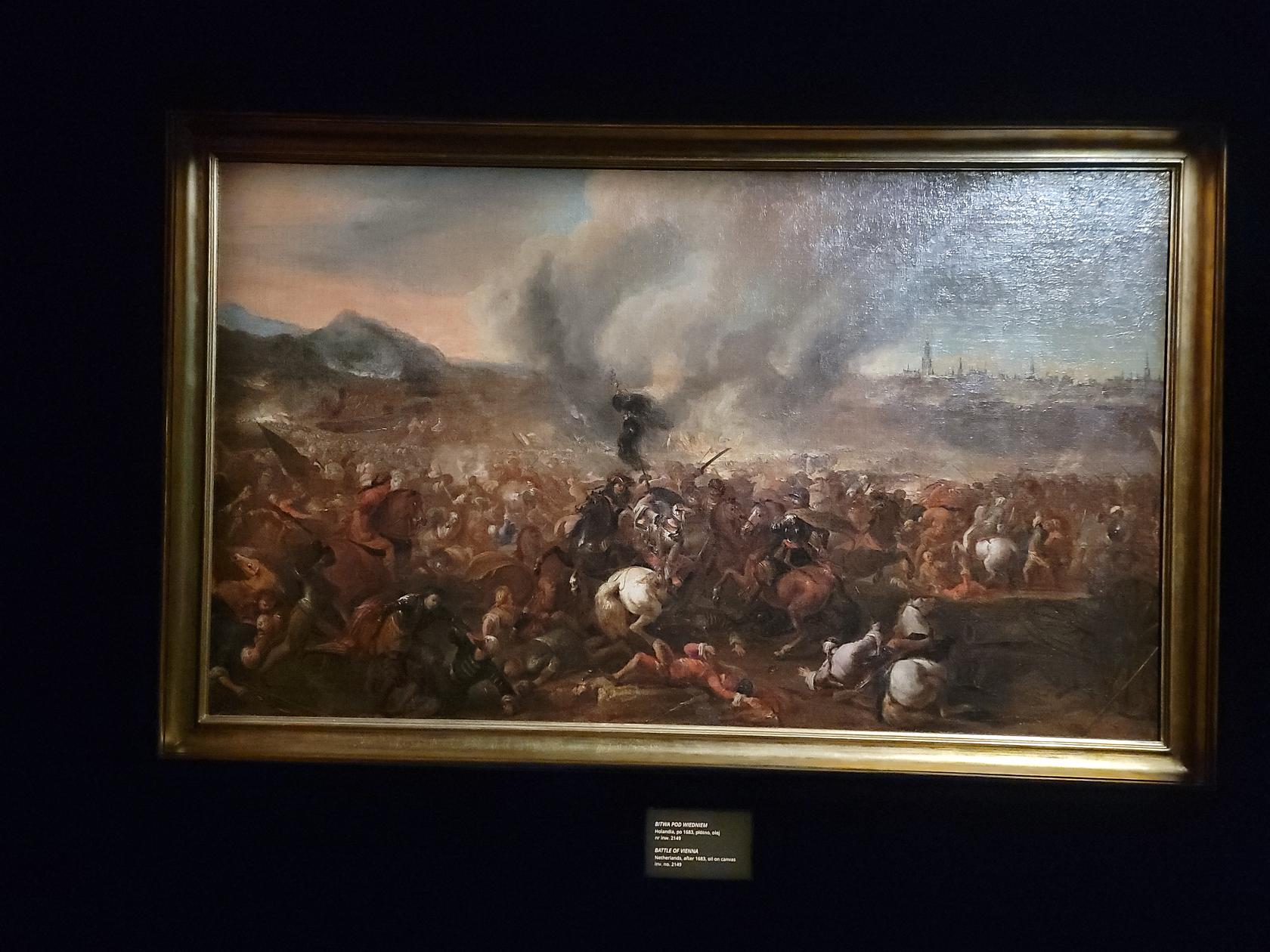
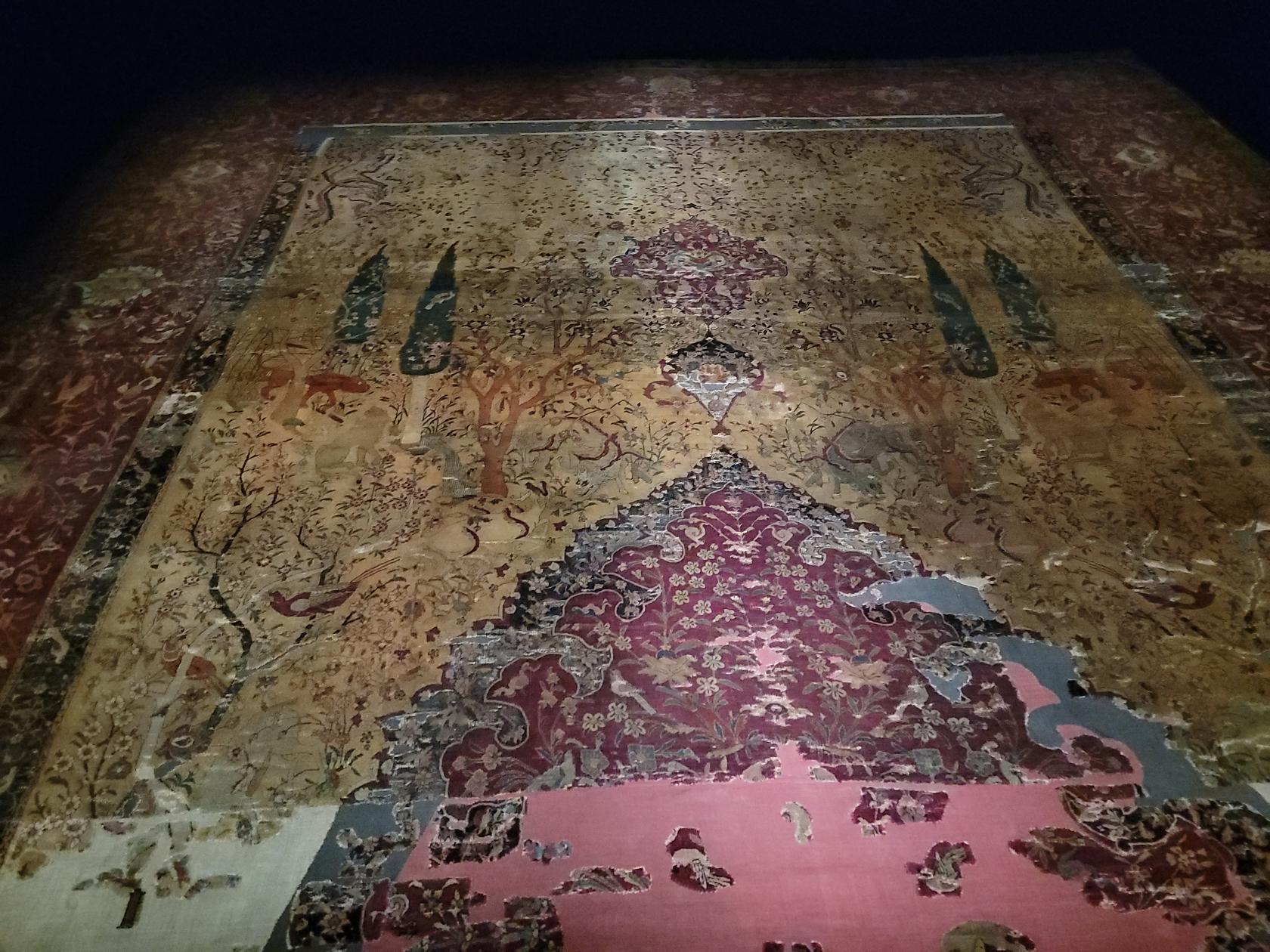
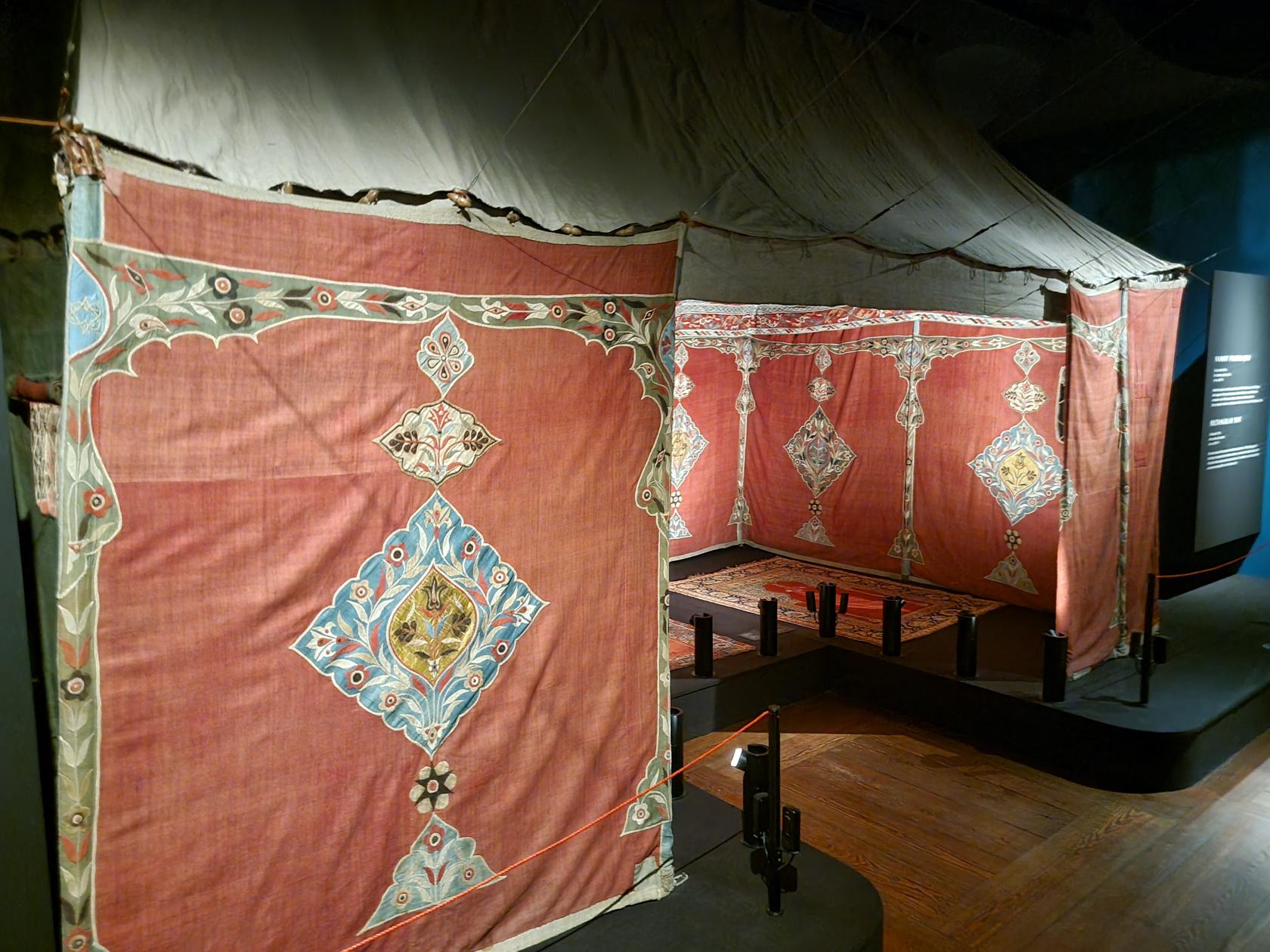
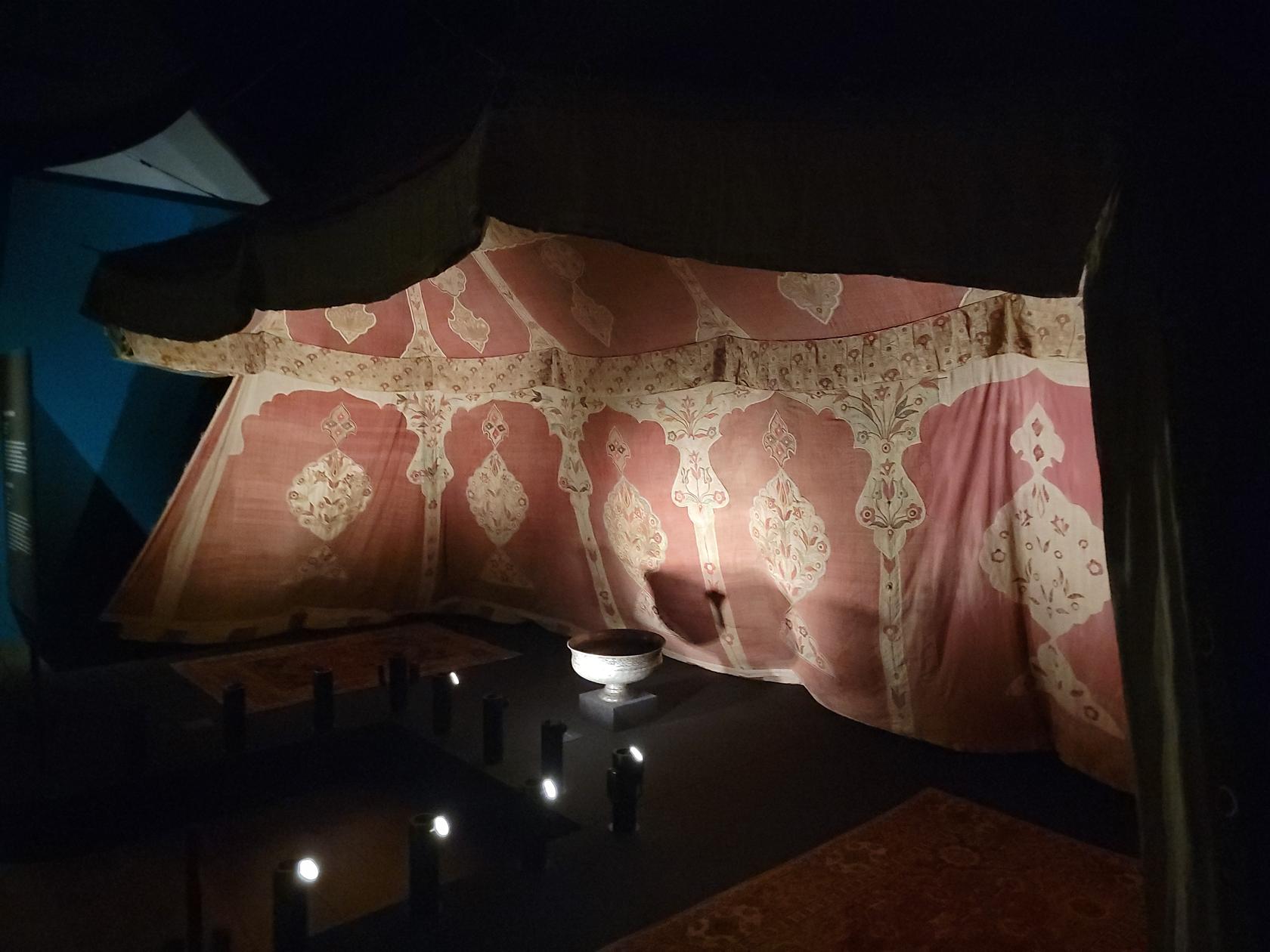
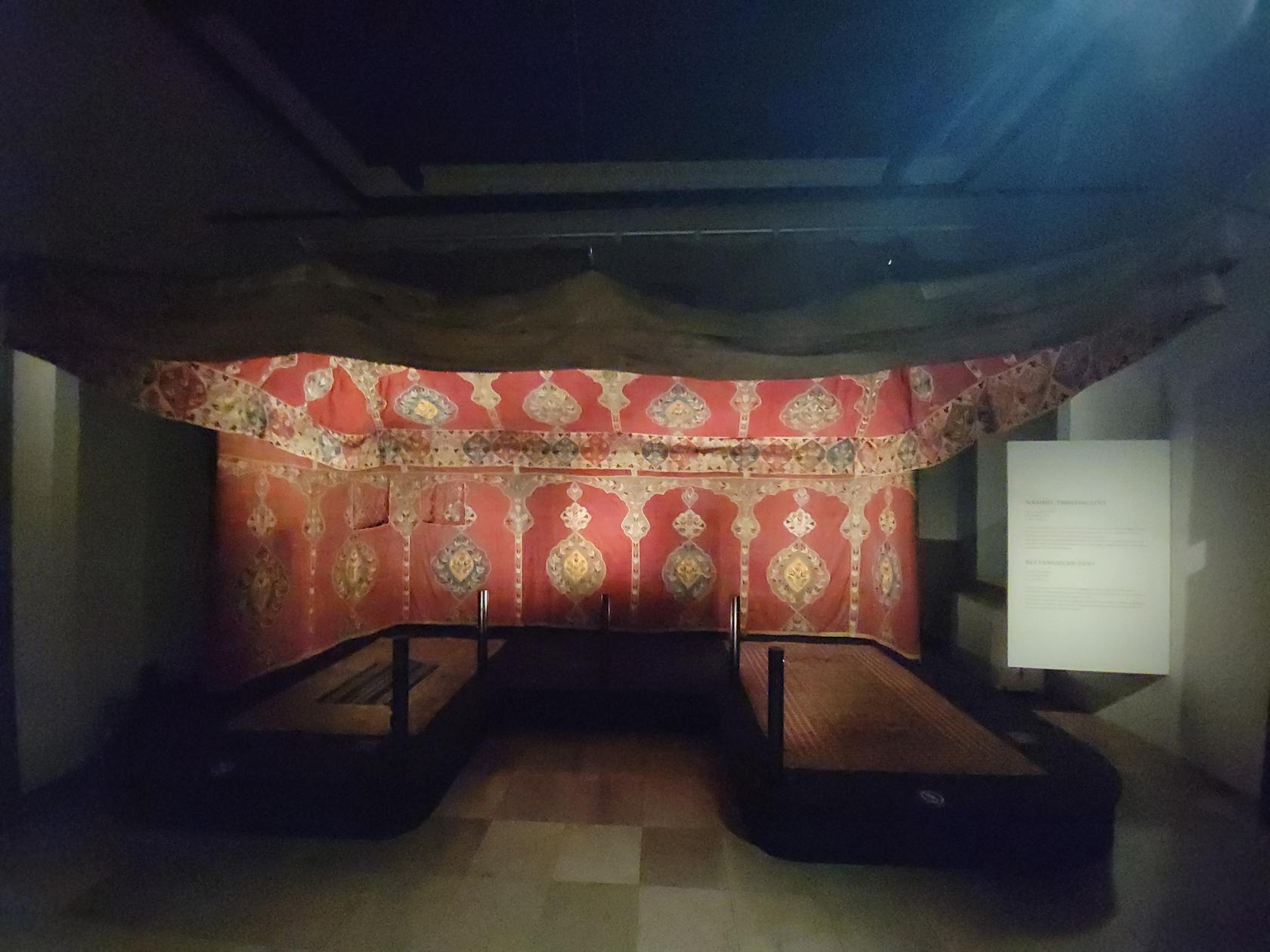
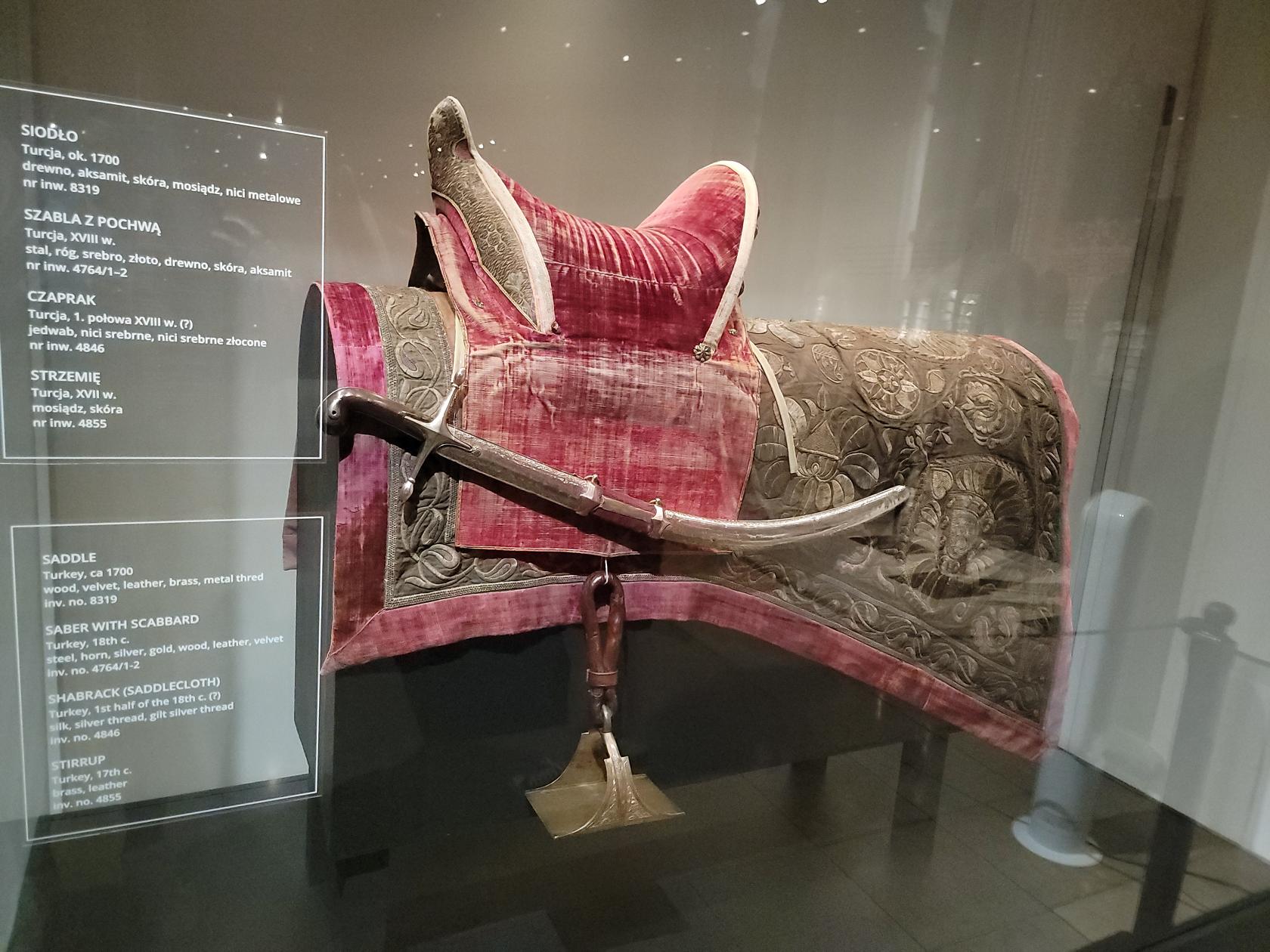
At the end of the Second Floor Museum was a fascinating exhibit on tents from the Ottoman Dynasty. Most of these were captured during the battles with them during the First World War and used by the counterparts during those campaigns.
Turkish Ottoman Tent Selection – Second Floor Museum – Wawel Royal Castle – Kraków, Poland
Turkish Ottoman Tent Selection – Second Floor Museum – Wawel Royal Castle – Kraków, Poland
Turkish Ottoman Tent Selection – Second Floor Museum – Wawel Royal Castle – Kraków, Poland
Turkish Ottoman Tent Selection – Second Floor Museum – Wawel Royal Castle – Kraków, Poland
Turkish Ottoman Tent Selection – Second Floor Museum – Wawel Royal Castle – Kraków, Poland
Turkish Ottoman Tent Selection – Second Floor Museum – Wawel Royal Castle – Kraków, Poland
Turkish Ottoman Tent Selection – Second Floor Museum – Wawel Royal Castle – Kraków, Poland
Turkish Ottoman Tent Selection – Second Floor Museum – Wawel Royal Castle – Kraków, Poland
Turkish Ottoman Tent Selection – Second Floor Museum – Wawel Royal Castle – Kraków, Poland
Danish Tower Museum
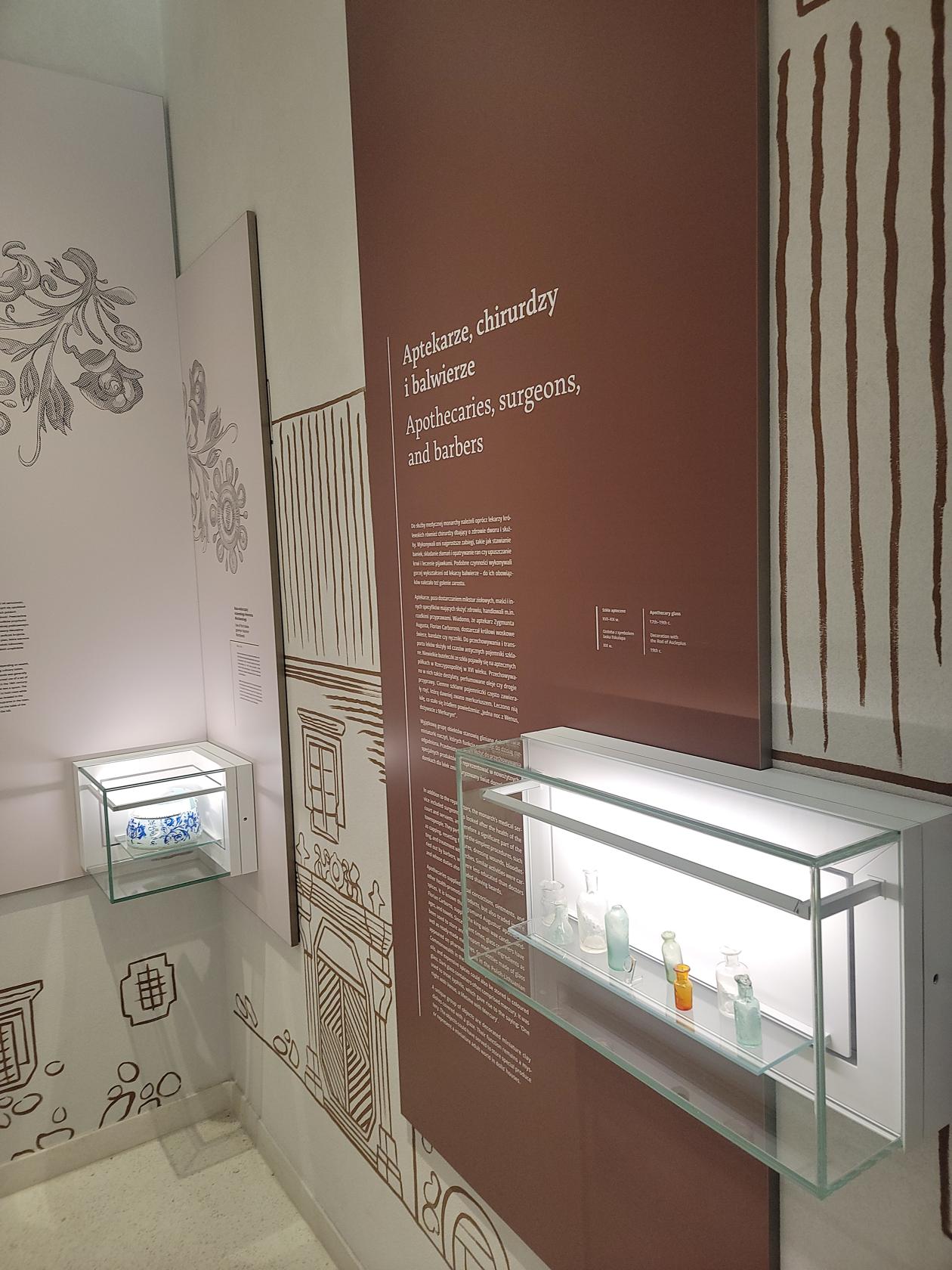
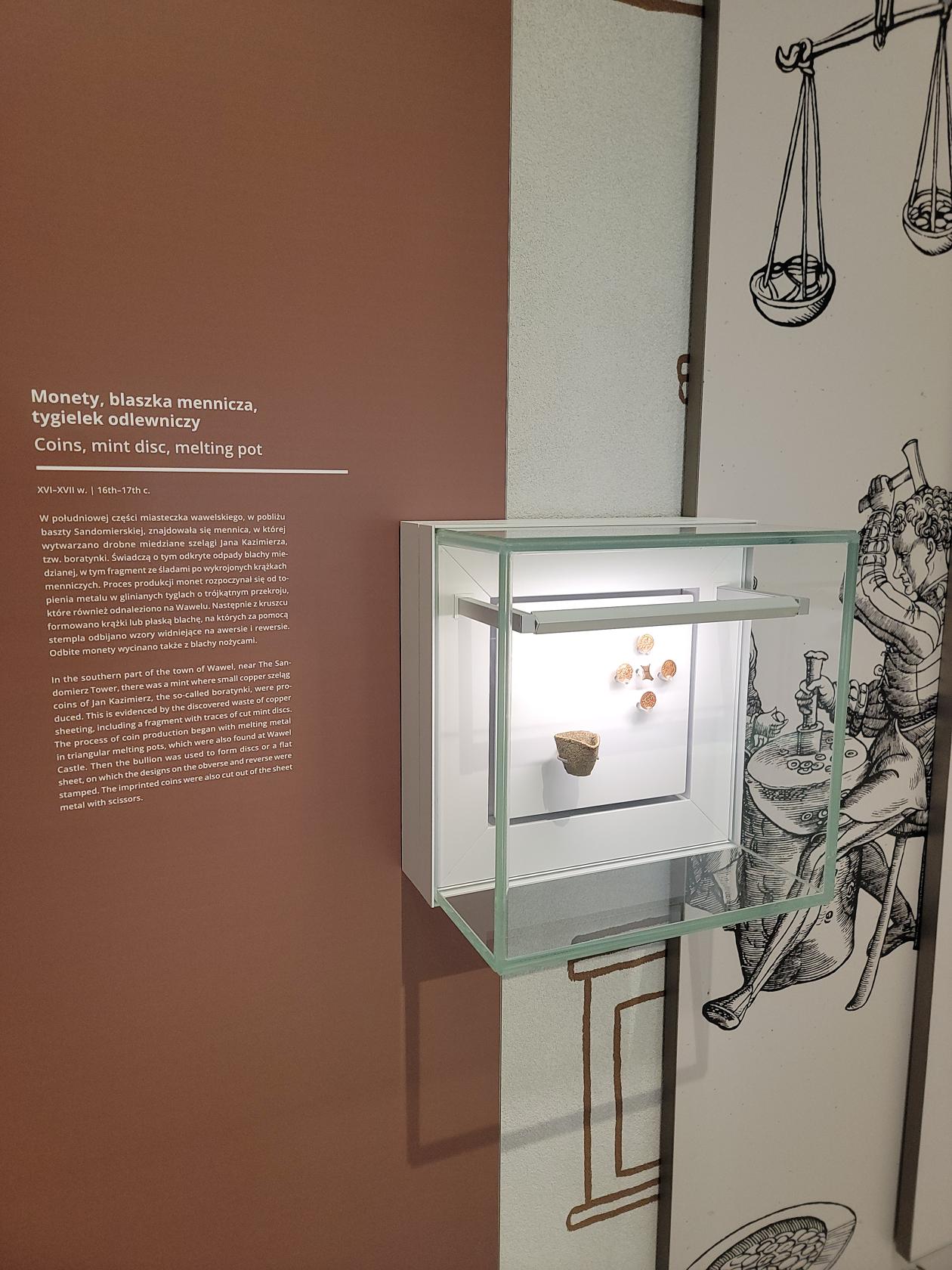
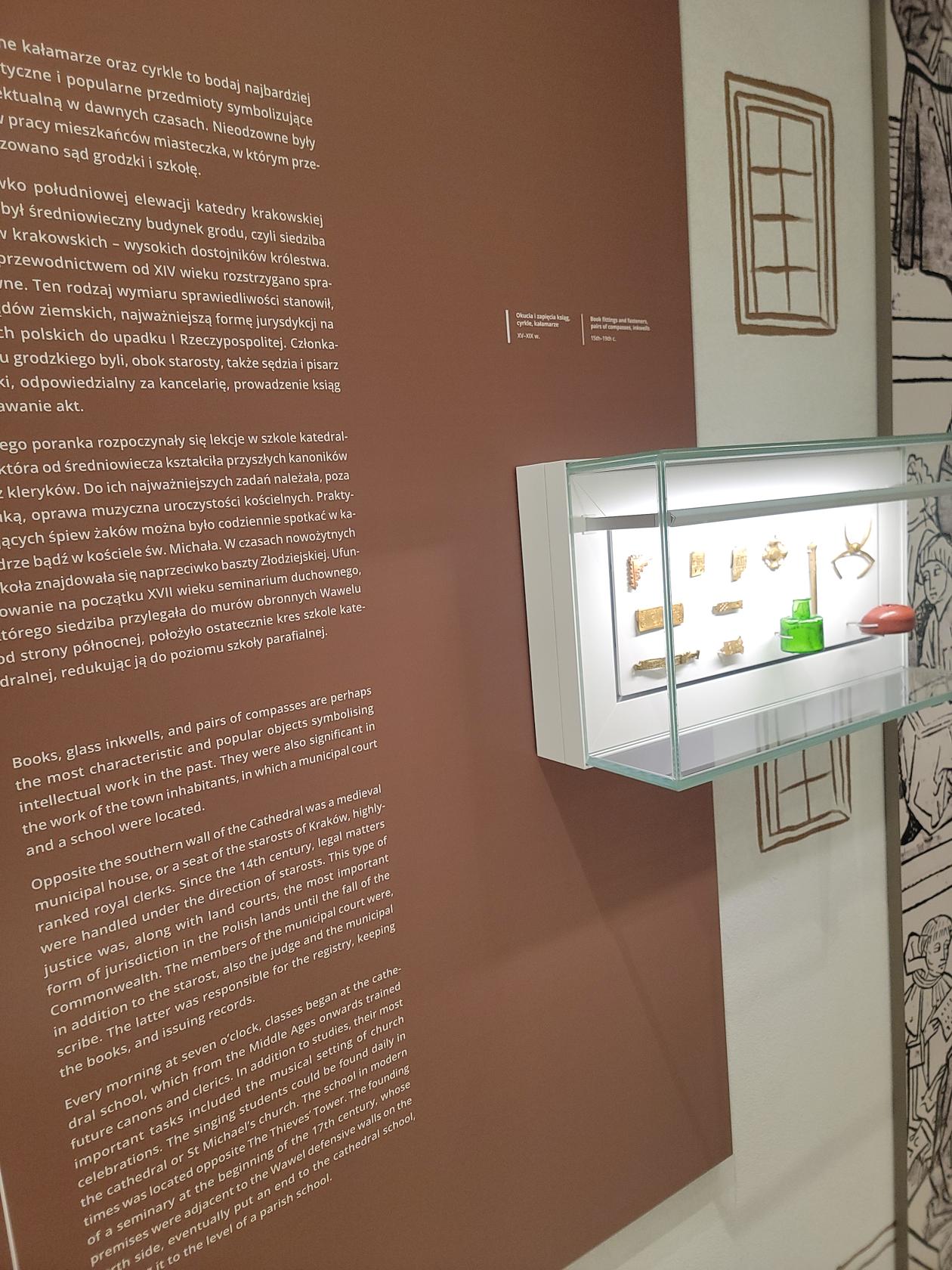
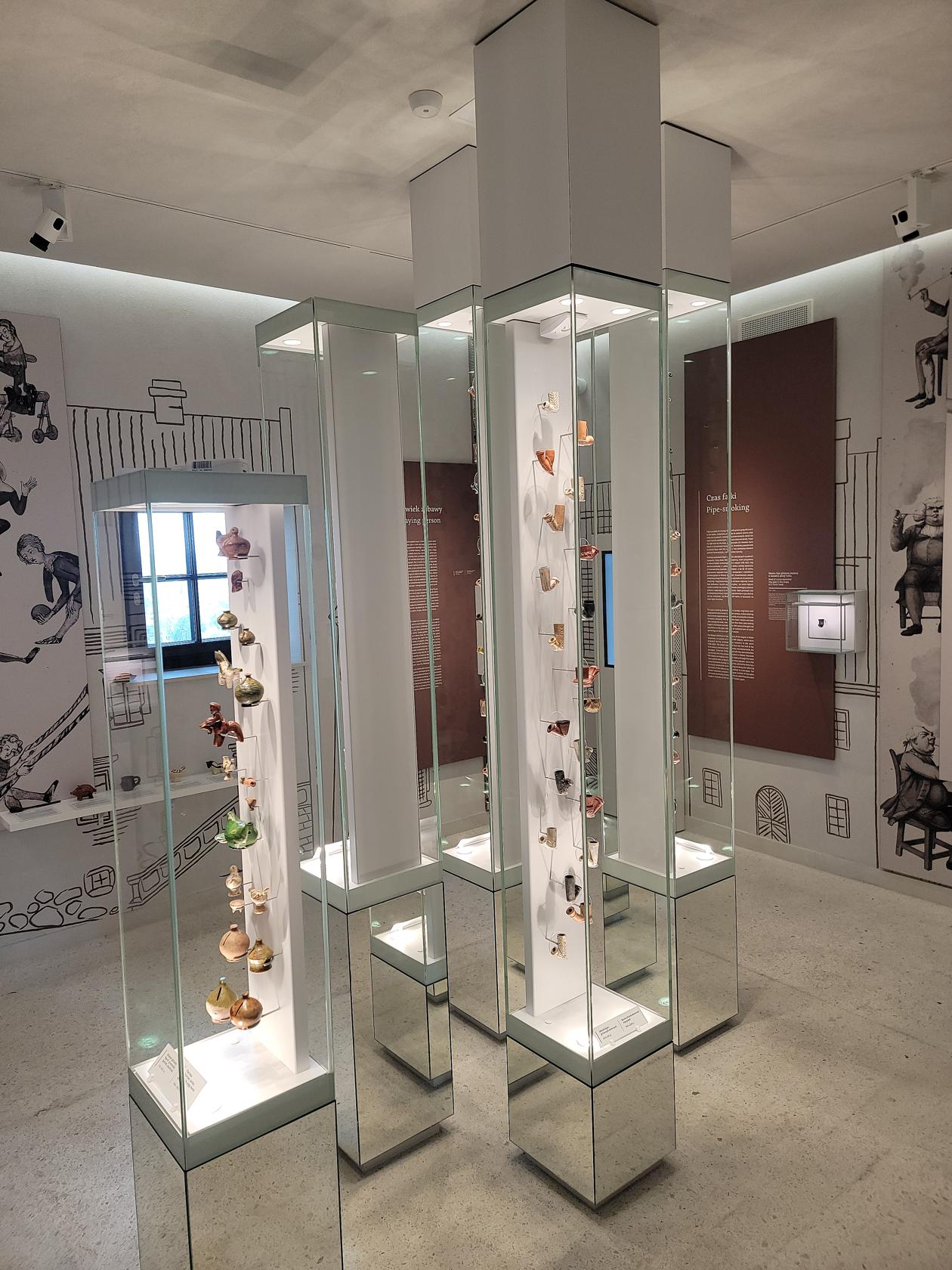
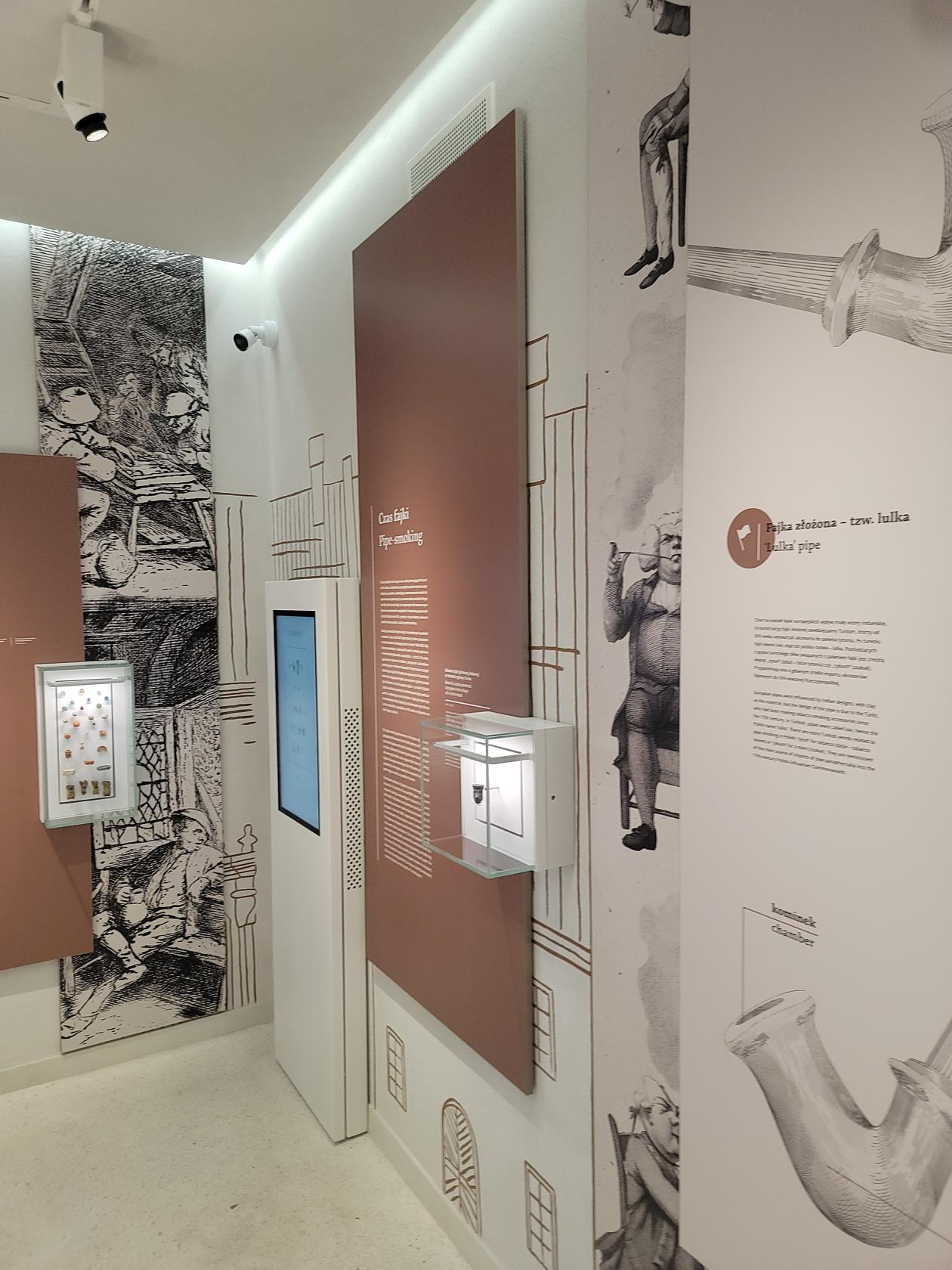
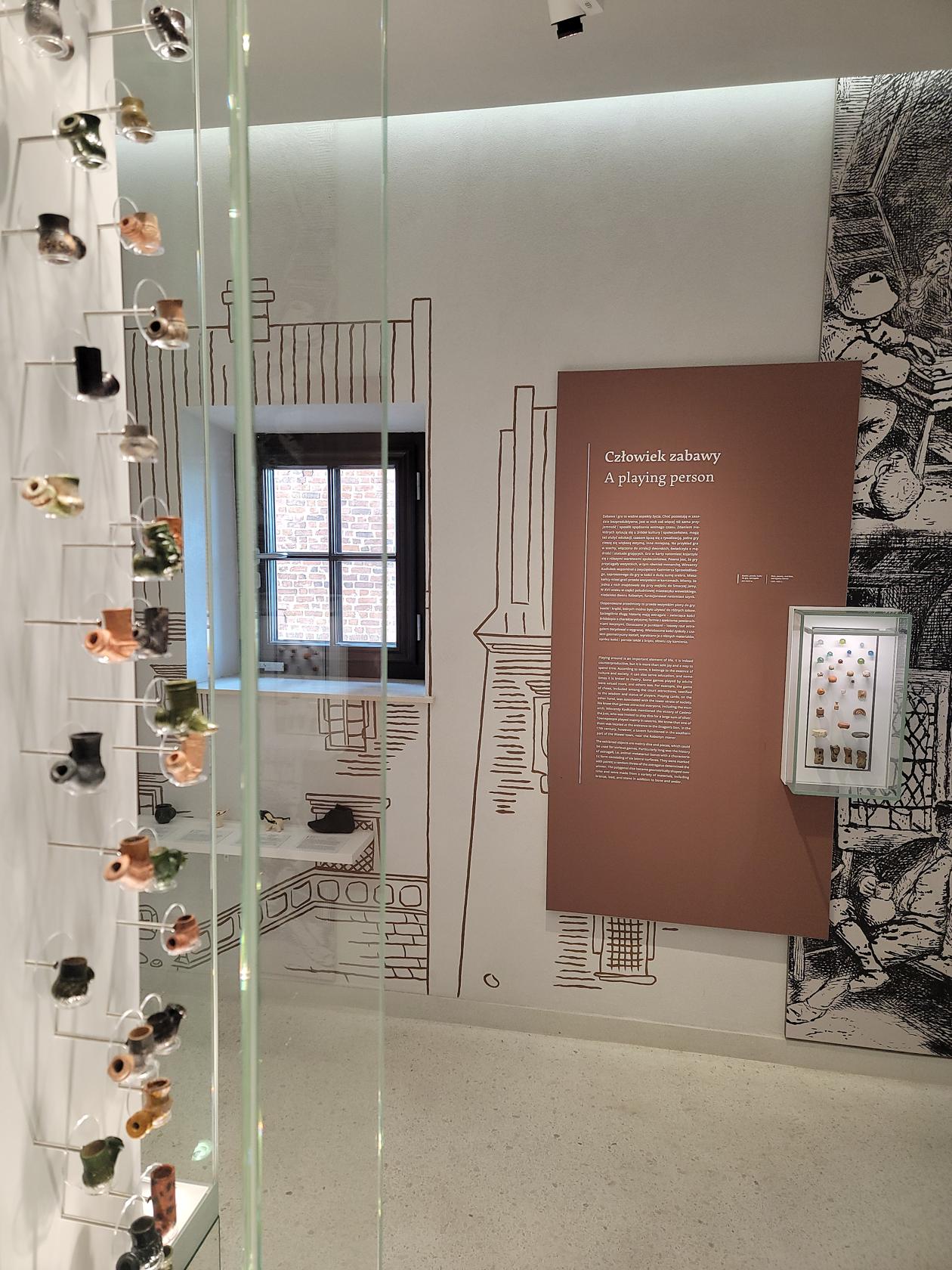
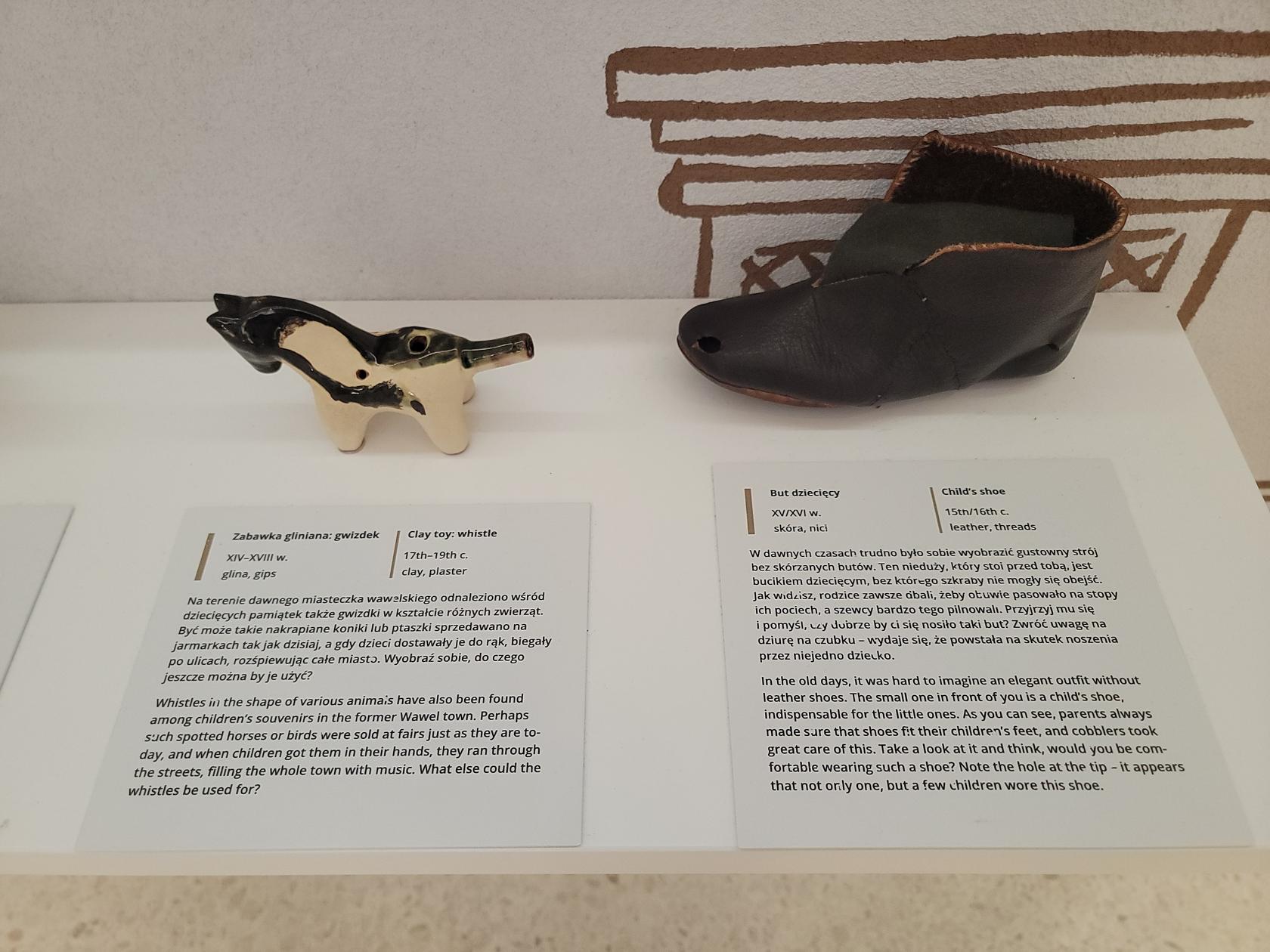
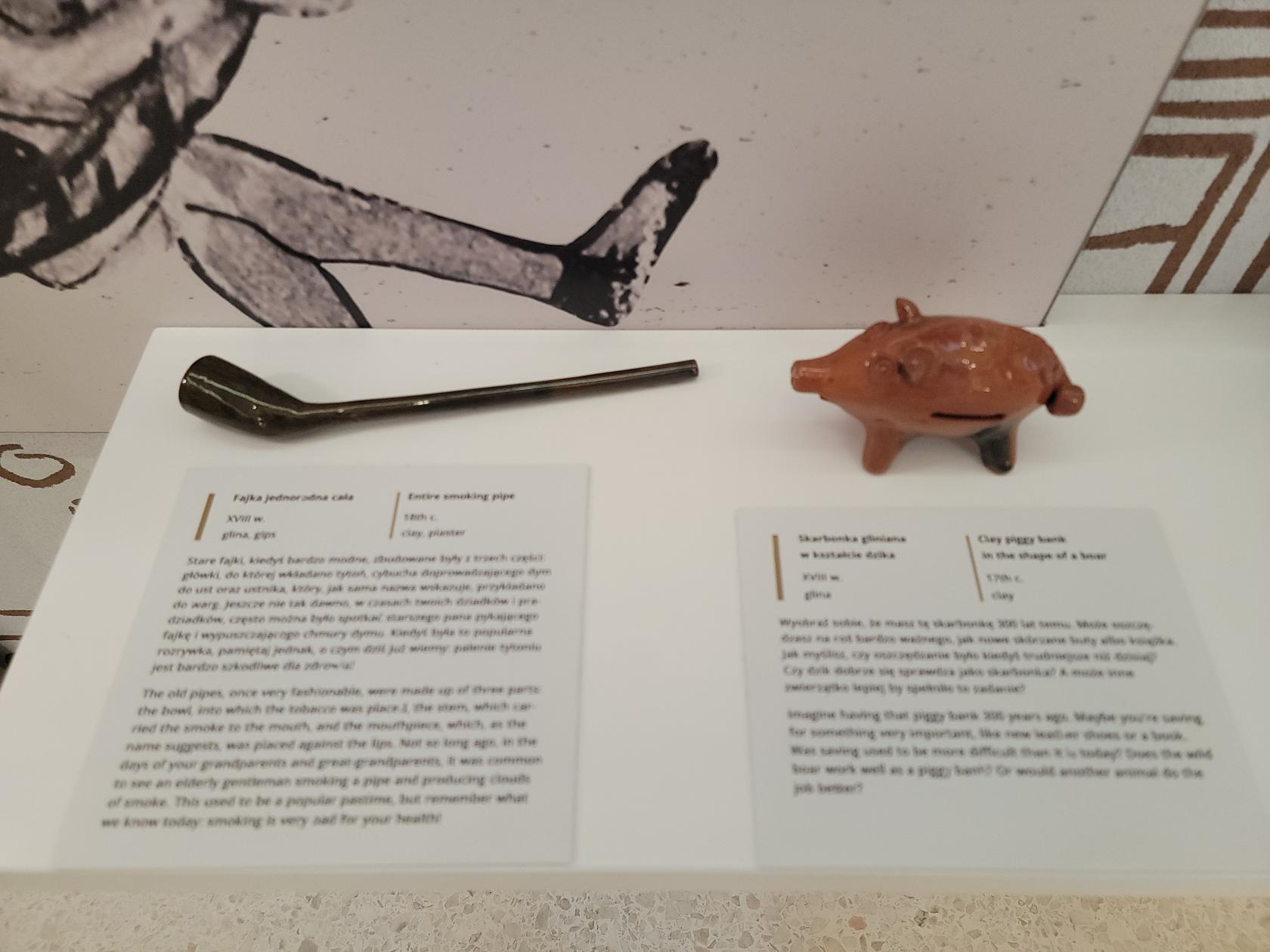
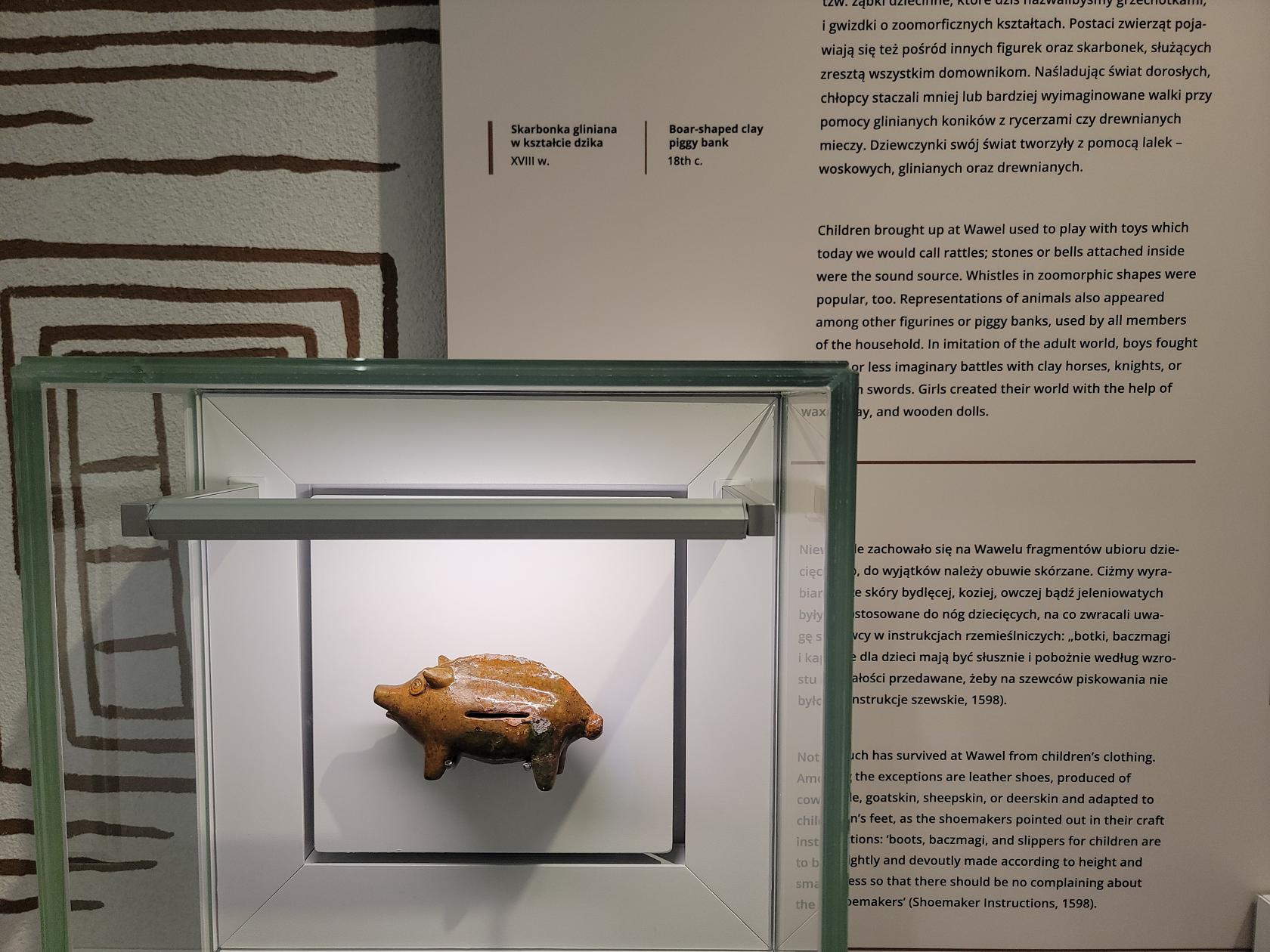
Here you can learn a little more of the types of wares that were made and traded in the area. From childrens clay toys to pipes, the bottom parts of the tower holds a museum full of old crafts.
Courtyard – Wawel Royal Castle – Kraków, Poland
Courtyard – Wawel Royal Castle – Kraków, Poland
Courtyard – Wawel Royal Castle – Kraków, Poland
Apothecary Display – Danish Tower Museum – Wawel Royal Castle – Kraków, Poland
Coins – Danish Tower Museum – Wawel Royal Castle – Kraków, Poland
Inkwells, compass – Danish Tower Museum – Wawel Royal Castle – Kraków, Poland
Small jars and pipes – Danish Tower Museum – Wawel Royal Castle – Kraków, Poland
Pipes – Danish Tower Museum – Wawel Royal Castle – Kraków, Poland
Pipes – Danish Tower Museum – Wawel Royal Castle – Kraków, Poland
Toys and Child Shoes – Danish Tower Museum – Wawel Royal Castle – Kraków, Poland
Pipe and Clay Piggy – Danish Tower Museum – Wawel Royal Castle – Kraków, Poland
Clay Piggybank – Danish Tower Museum – Wawel Royal Castle – Kraków, Poland
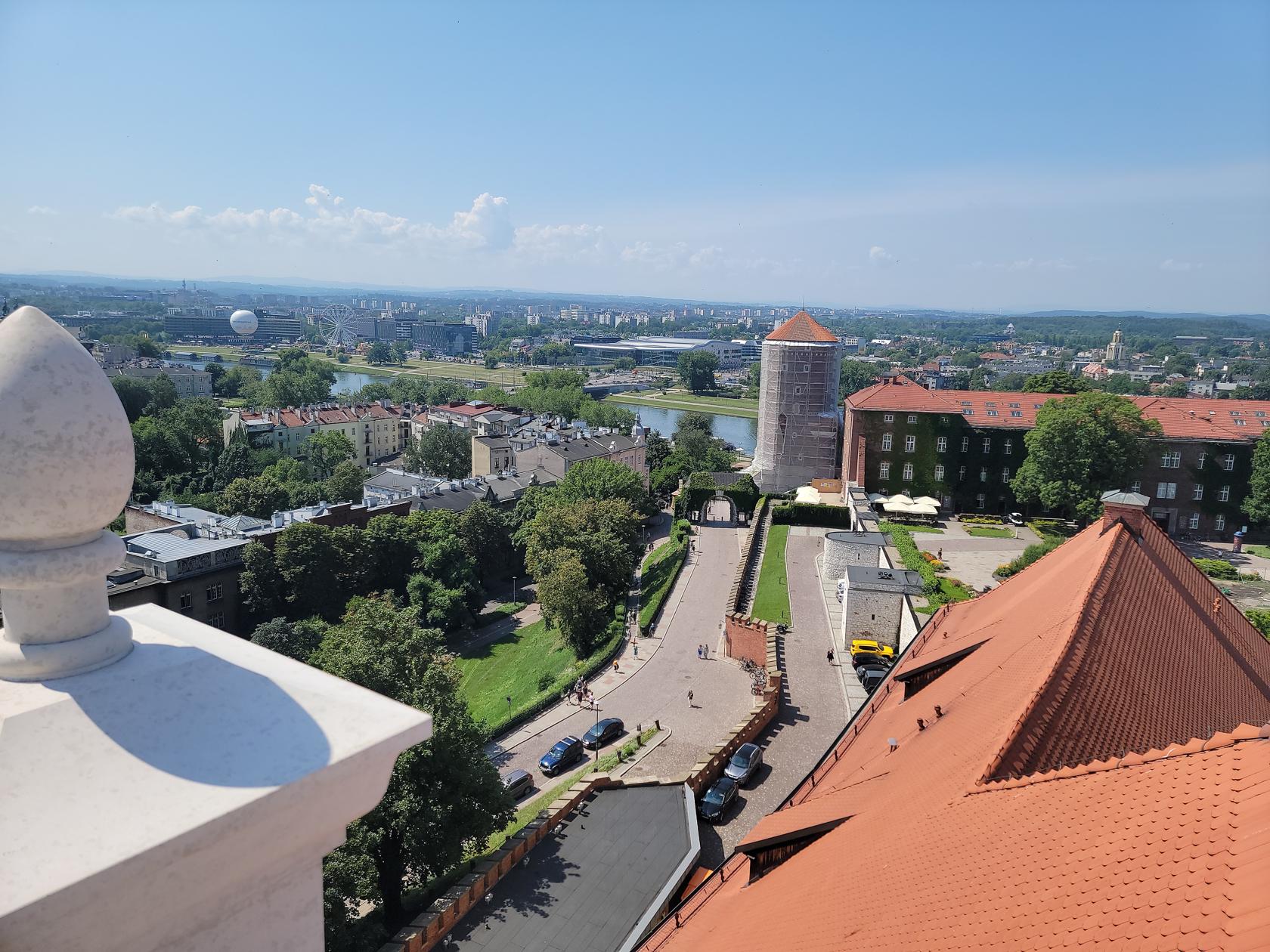
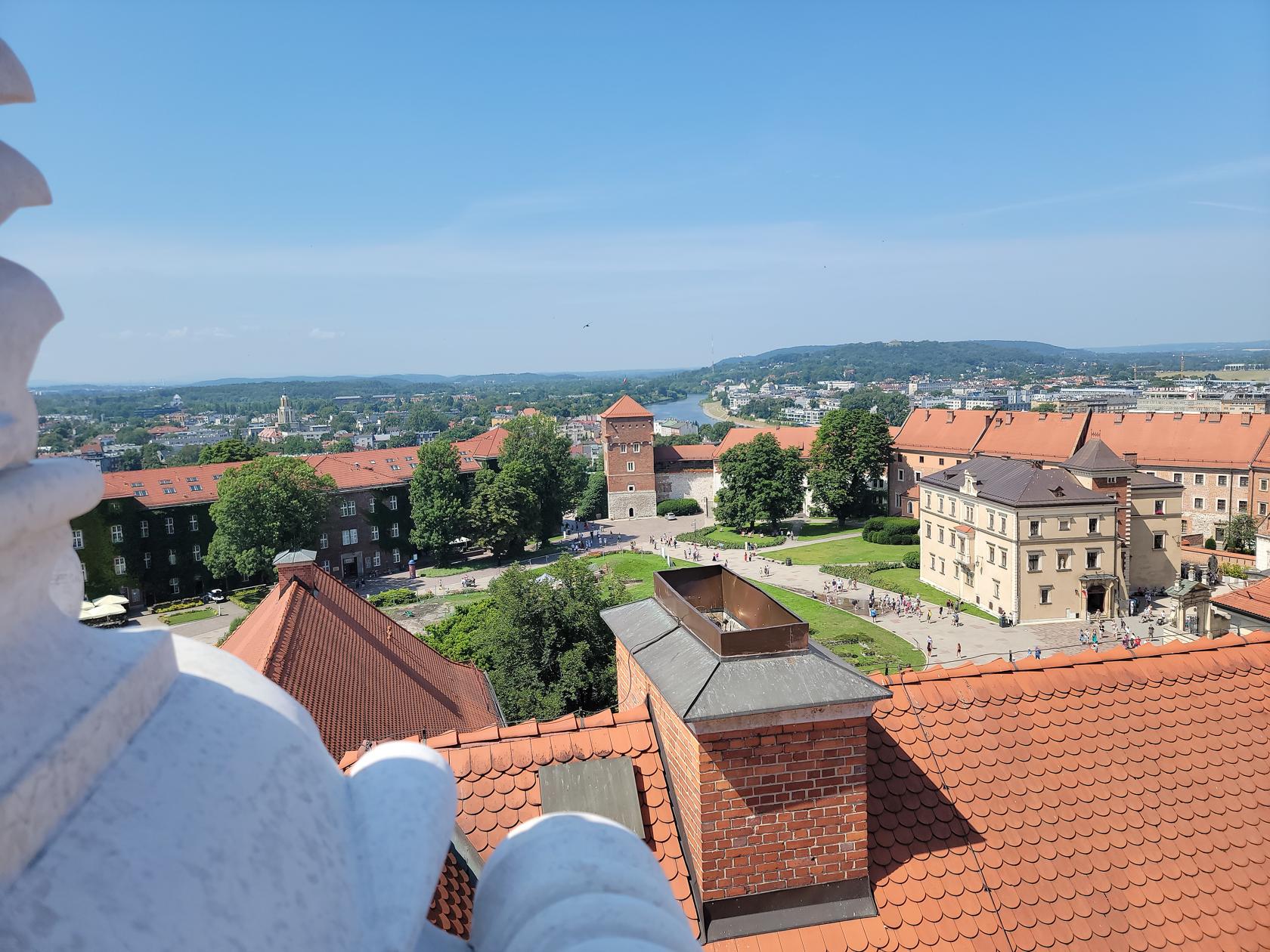
Then after you are done enjoying all the exhibits the tower offers a nice view of the Vistula, the rest of the castle and surrounding area.
City Overview – Danish Tower Museum – Wawel Royal Castle – Kraków, Poland
Old Tower – Danish Tower Museum – Wawel Royal Castle – Kraków, Poland
Roof – Danish Tower Museum – Wawel Royal Castle – Kraków, Poland
Courtyard – Danish Tower Museum – Wawel Royal Castle – Kraków, Poland
Tower – Danish Tower Museum – Wawel Royal Castle – Kraków, Poland
Towers part of the castle – Danish Tower Museum – Wawel Royal Castle – Kraków, Poland
Dragon’s Den
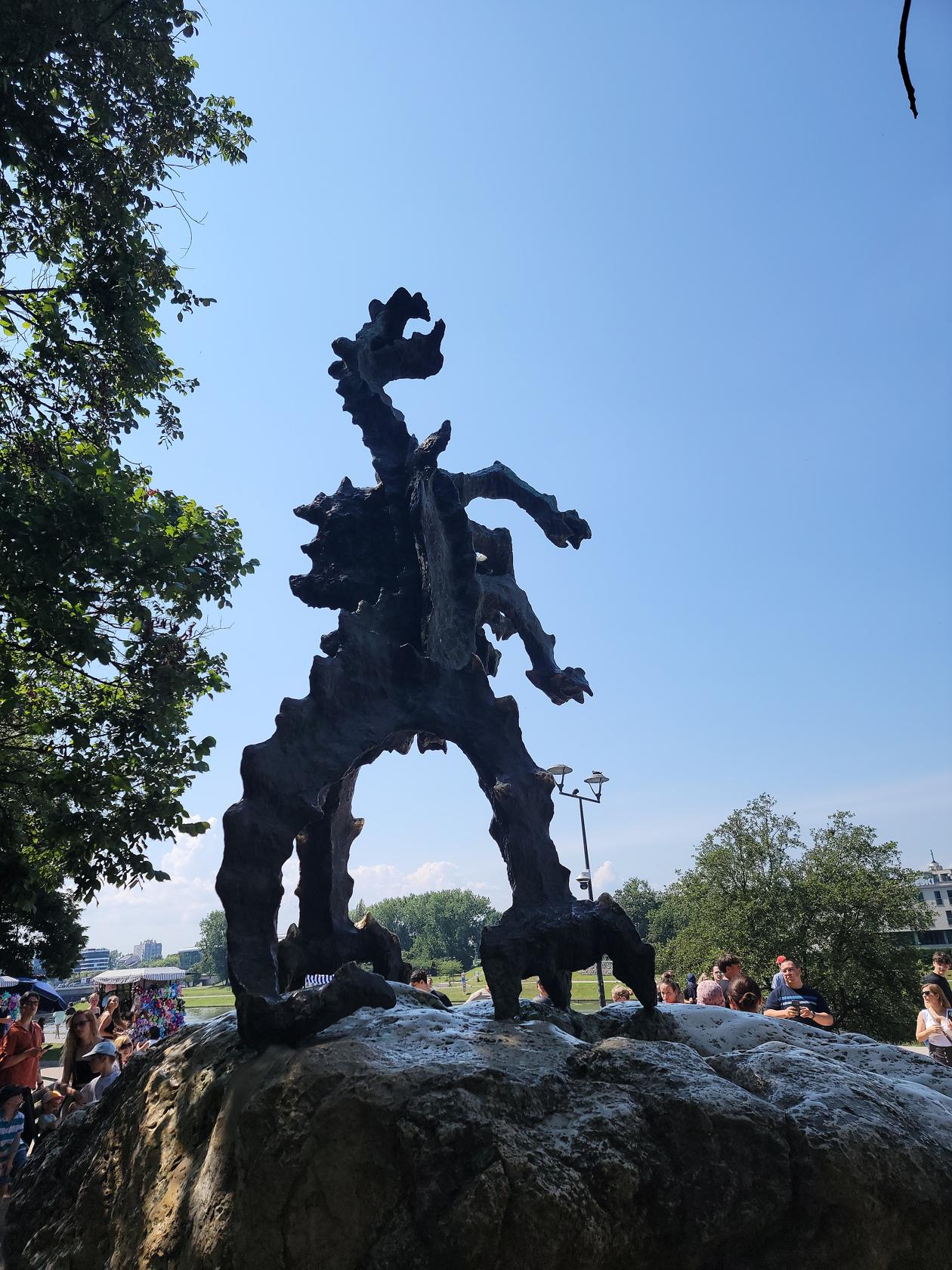
Smok Wawelski Statue – Dragon’s Den – Wawel Royal Castle – Kraków, Poland
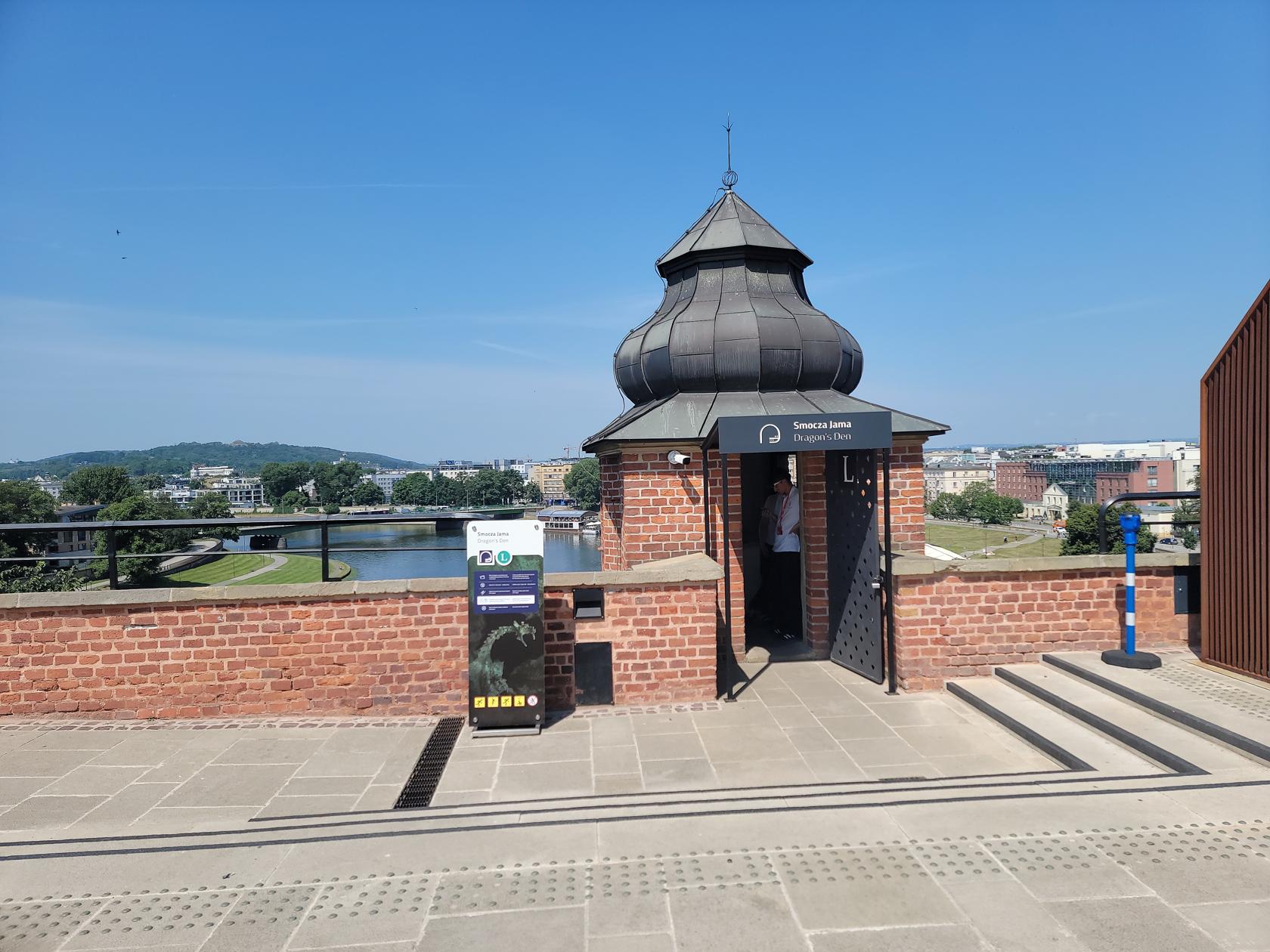
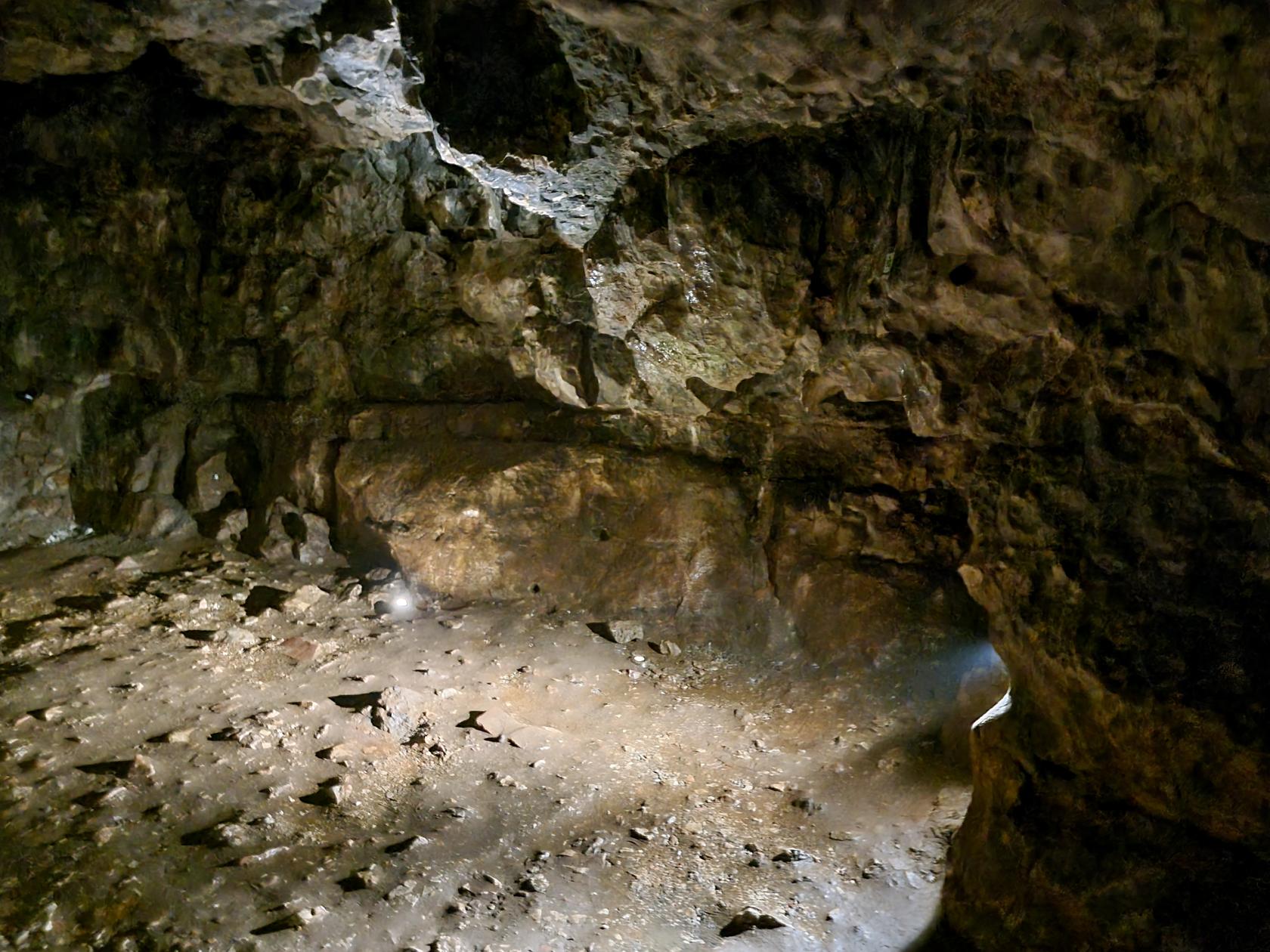
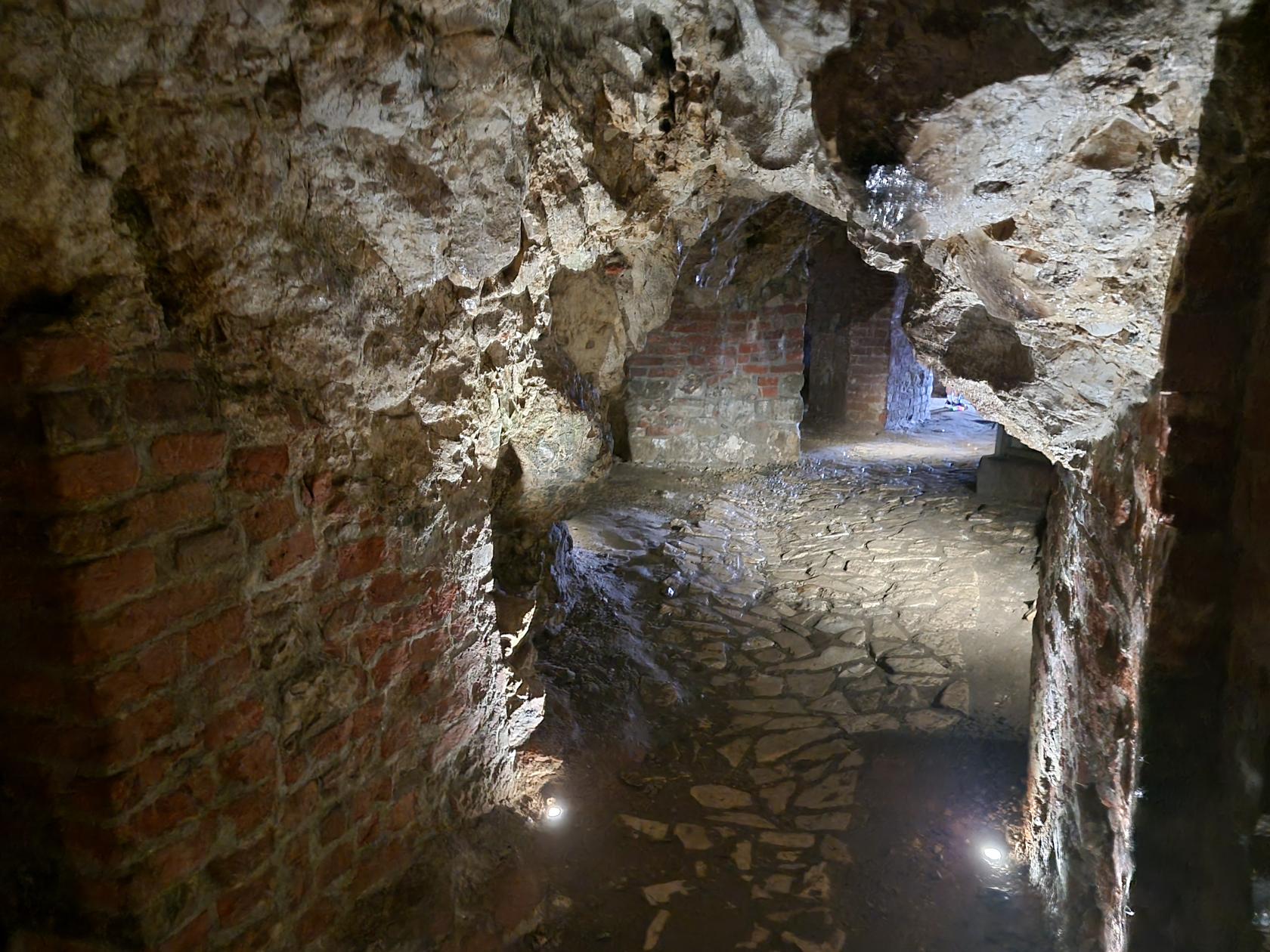
A must stop for kids and others interested in the myth and legend of the dragon of Wawel Castle, the Dragon’s Den cave offers a cooling respite along with some fun.
Entrance – Dragon’s Den – Wawel Royal Castle – Kraków, Poland
Cave – Dragon’s Den – Wawel Royal Castle – Kraków, Poland
Exit – Dragon’s Den – Wawel Royal Castle – Kraków, Poland
Patti – Dragon’s Den – Wawel Royal Castle – Kraków, Poland
There is even a media representation of Smok Wawelski lurking within the cave, which should motivate most young visitors to leave.
Town Hall Tower
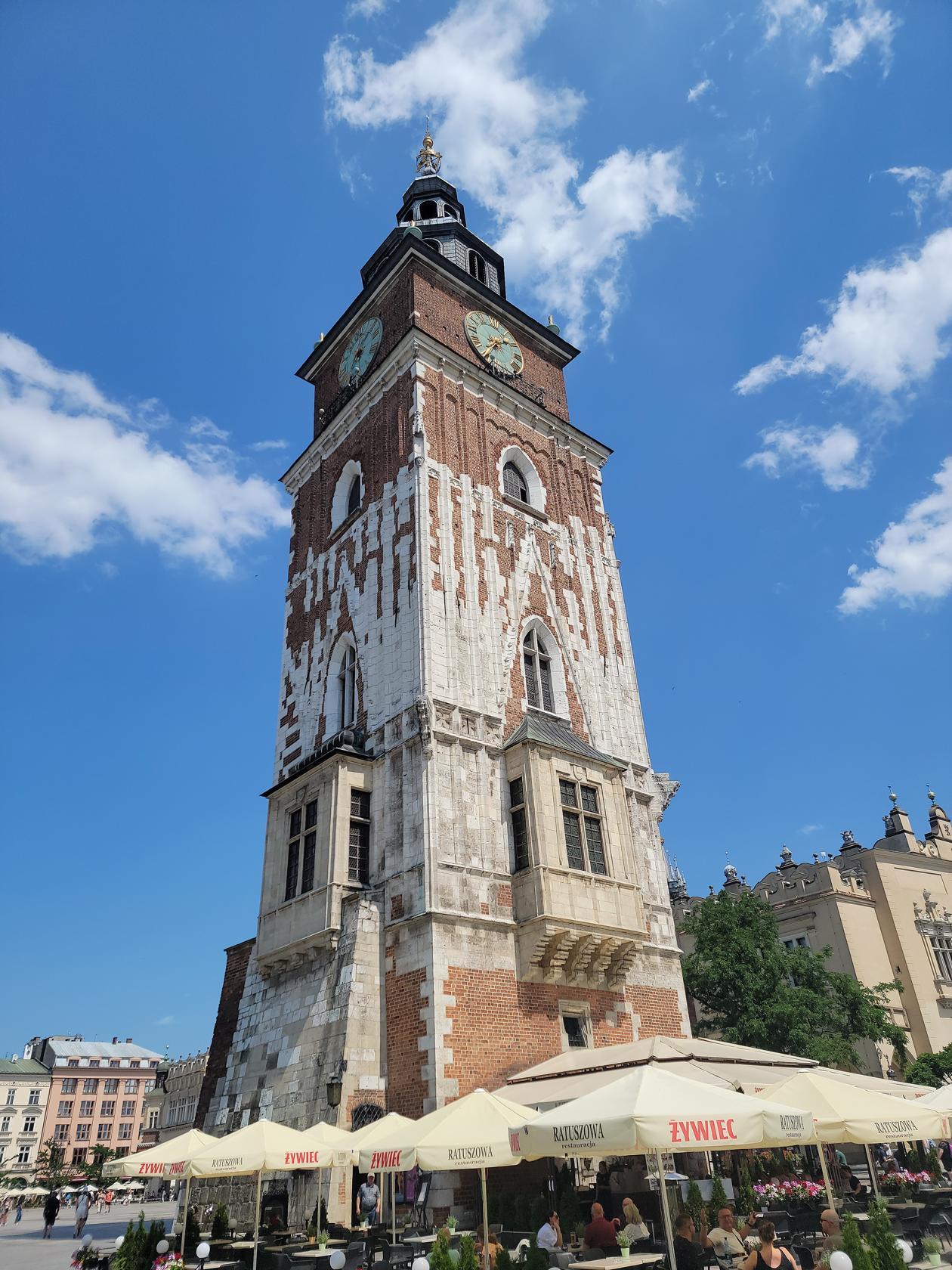
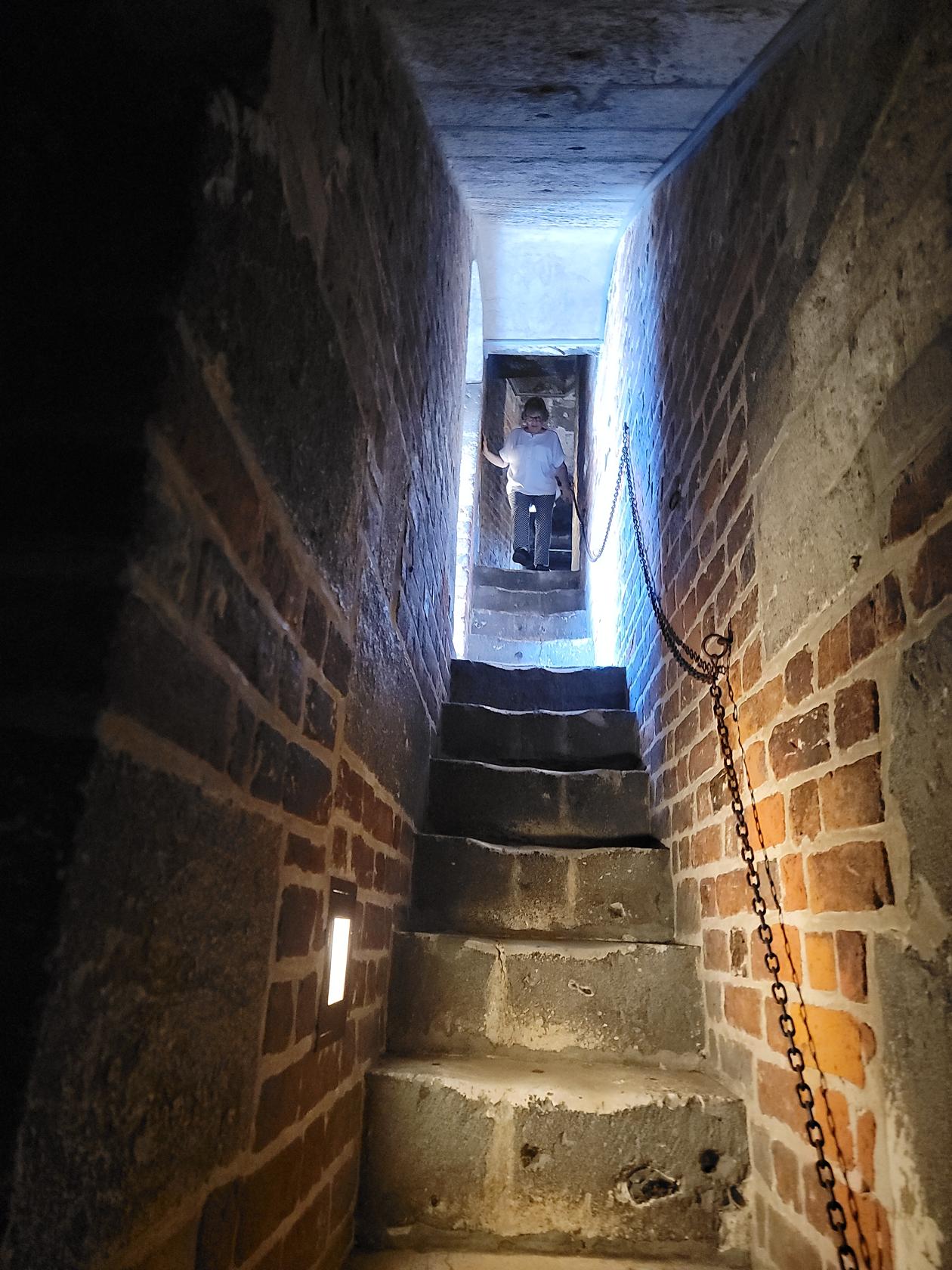
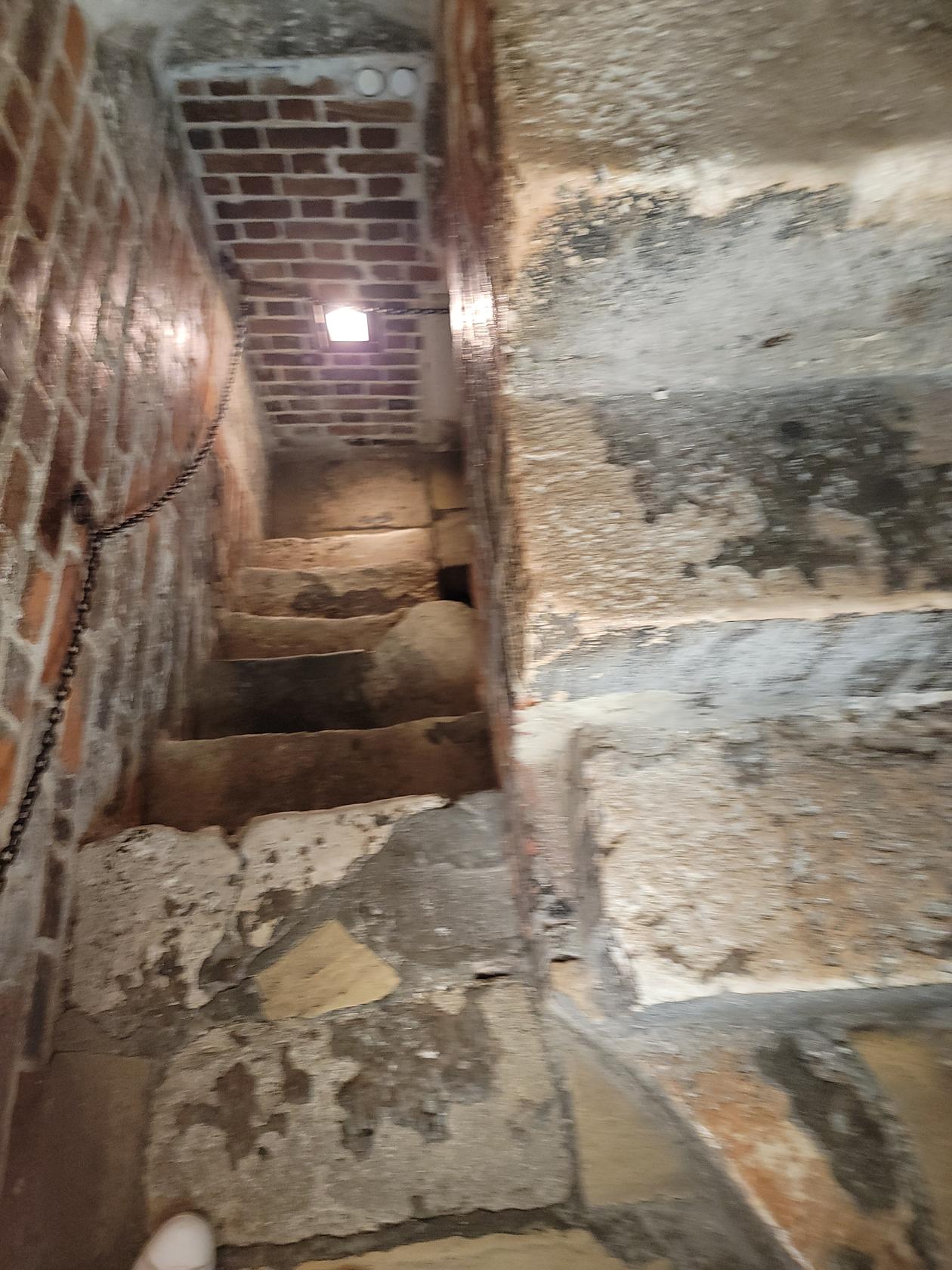
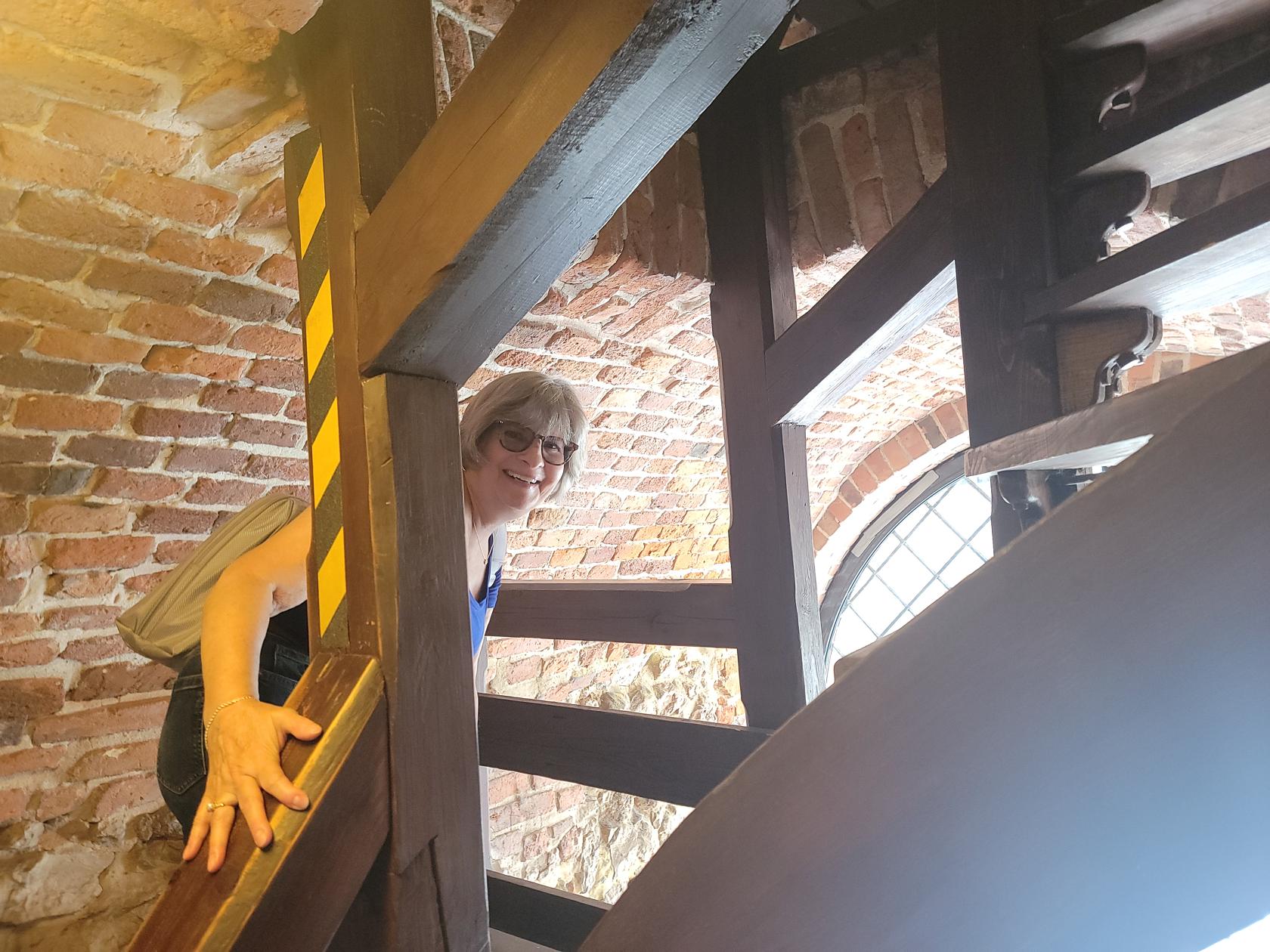
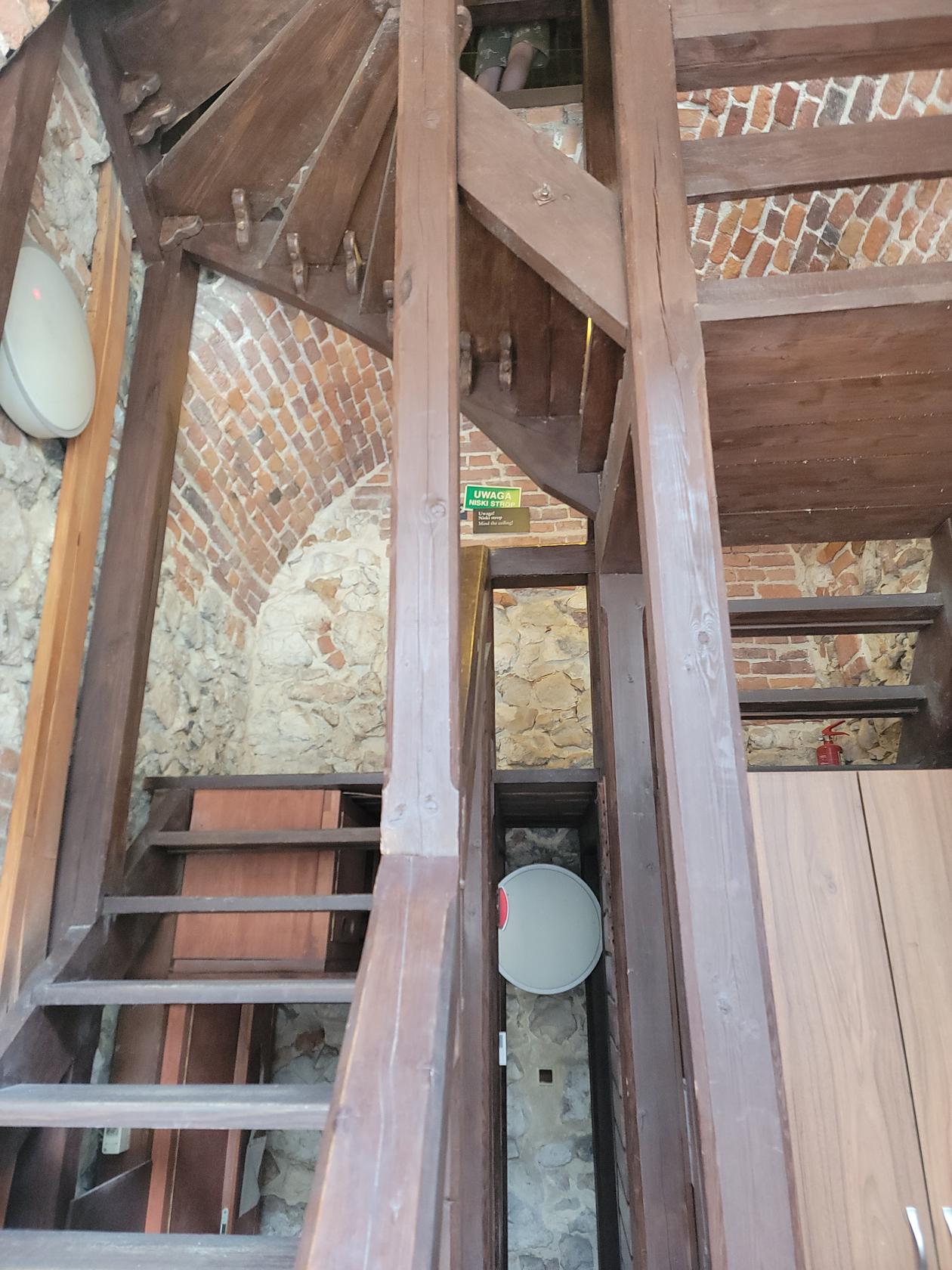
The Town Hall Tower off on one corner of the great plaza in town is also open to scale for a price. There are two or three floors seperated by very narrow stairs that must be negotiated with people going in both directions.
Town Hall Tower – Kraków, Poland
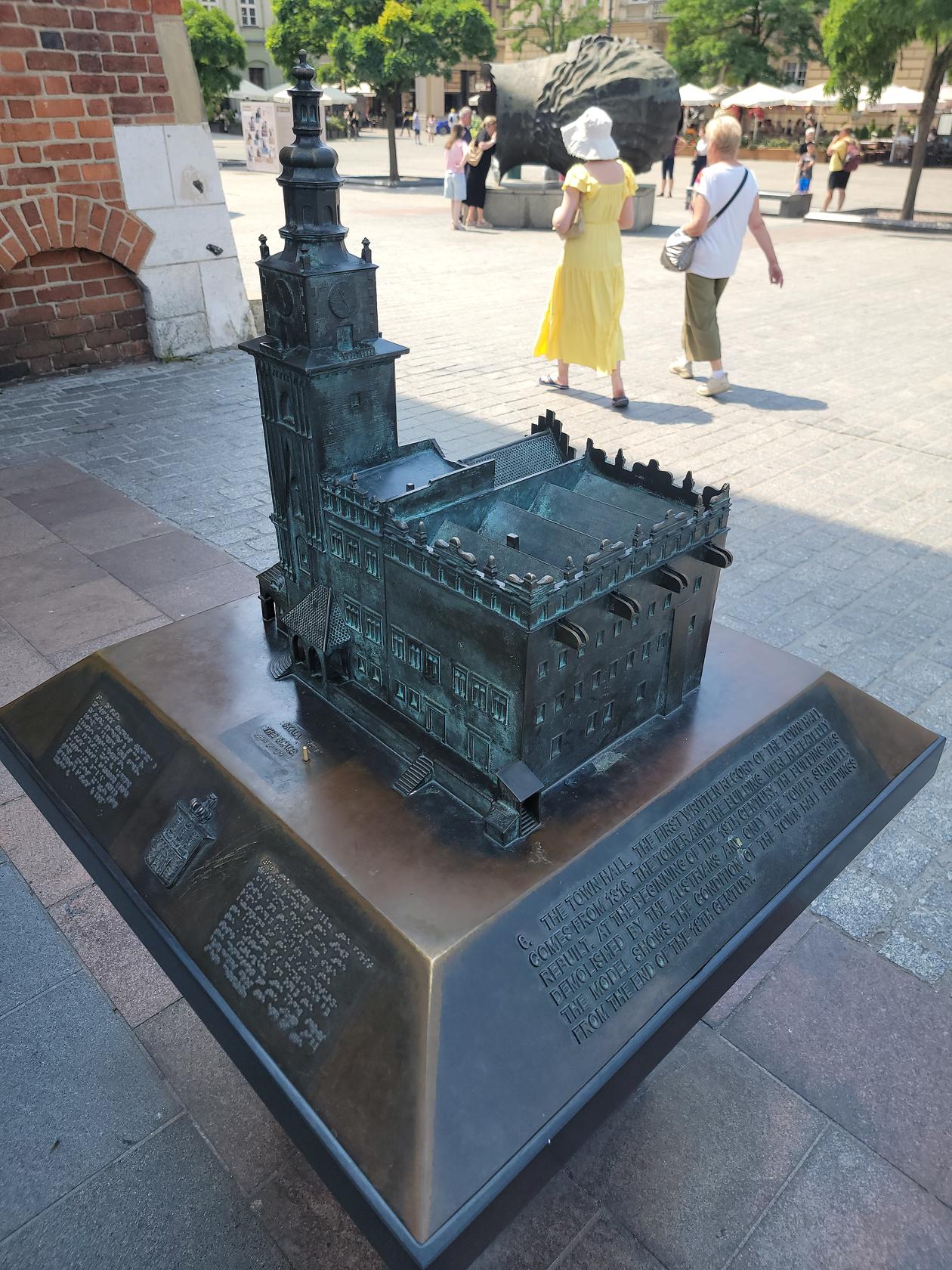
Town Hall and Tower Bronze – Town Hall Tower – Kraków, Poland
First Level – Town Hall Tower – Kraków, Poland
Entrance and Stairs – Town Hall Tower – Kraków, Poland
Stairs – Town Hall Tower – Kraków, Poland
First Level – Town Hall Tower – Kraków, Poland
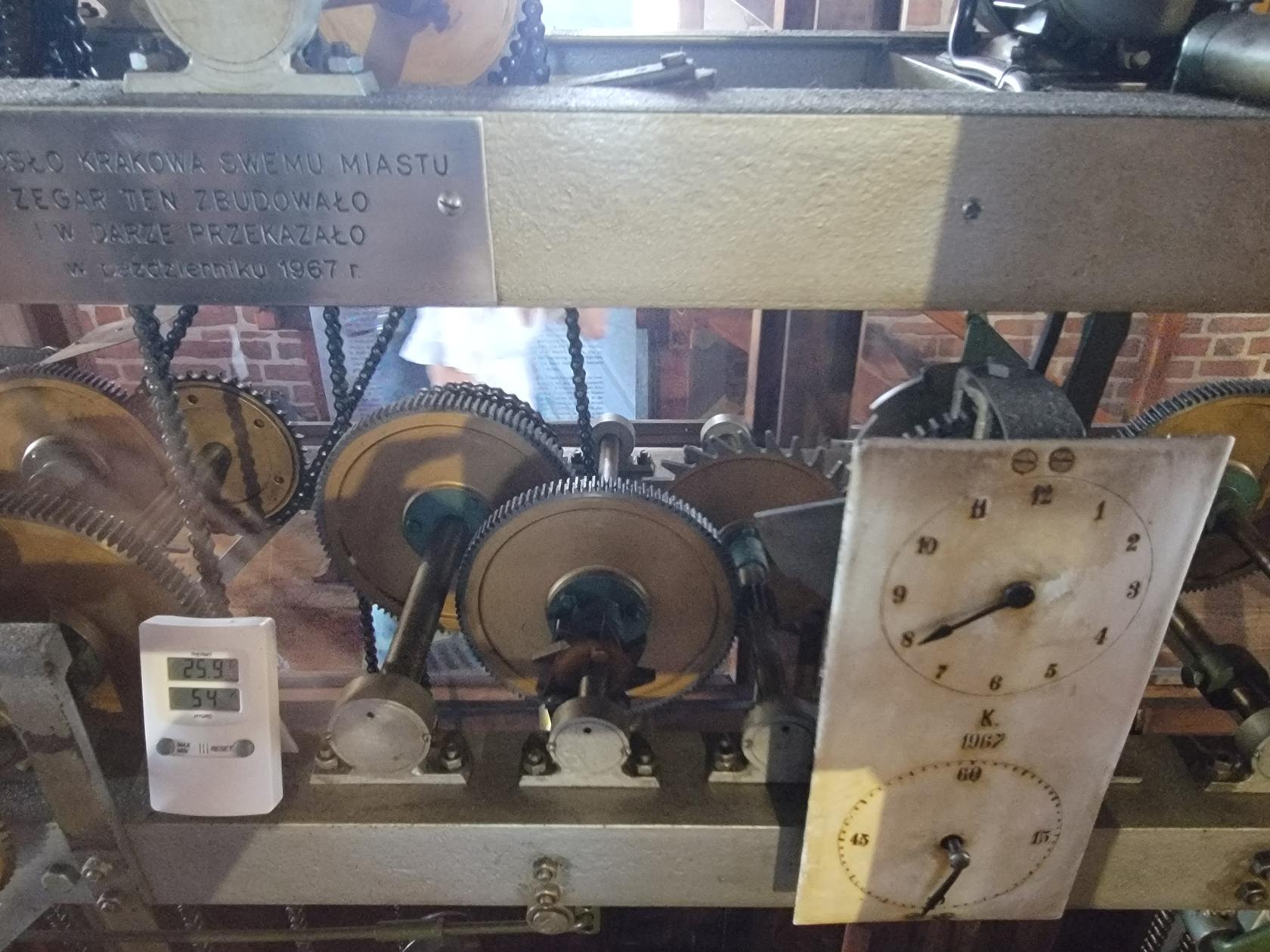
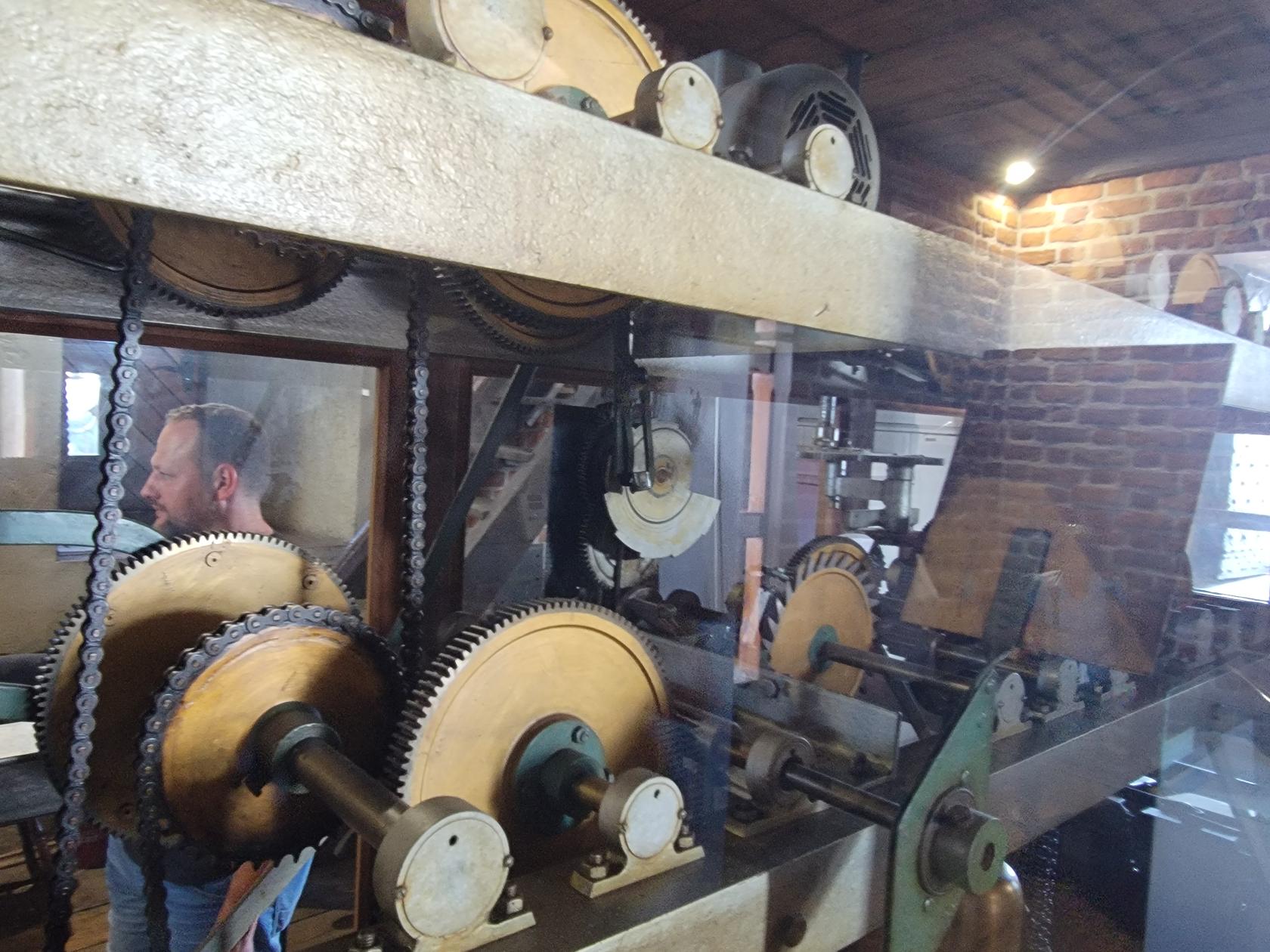
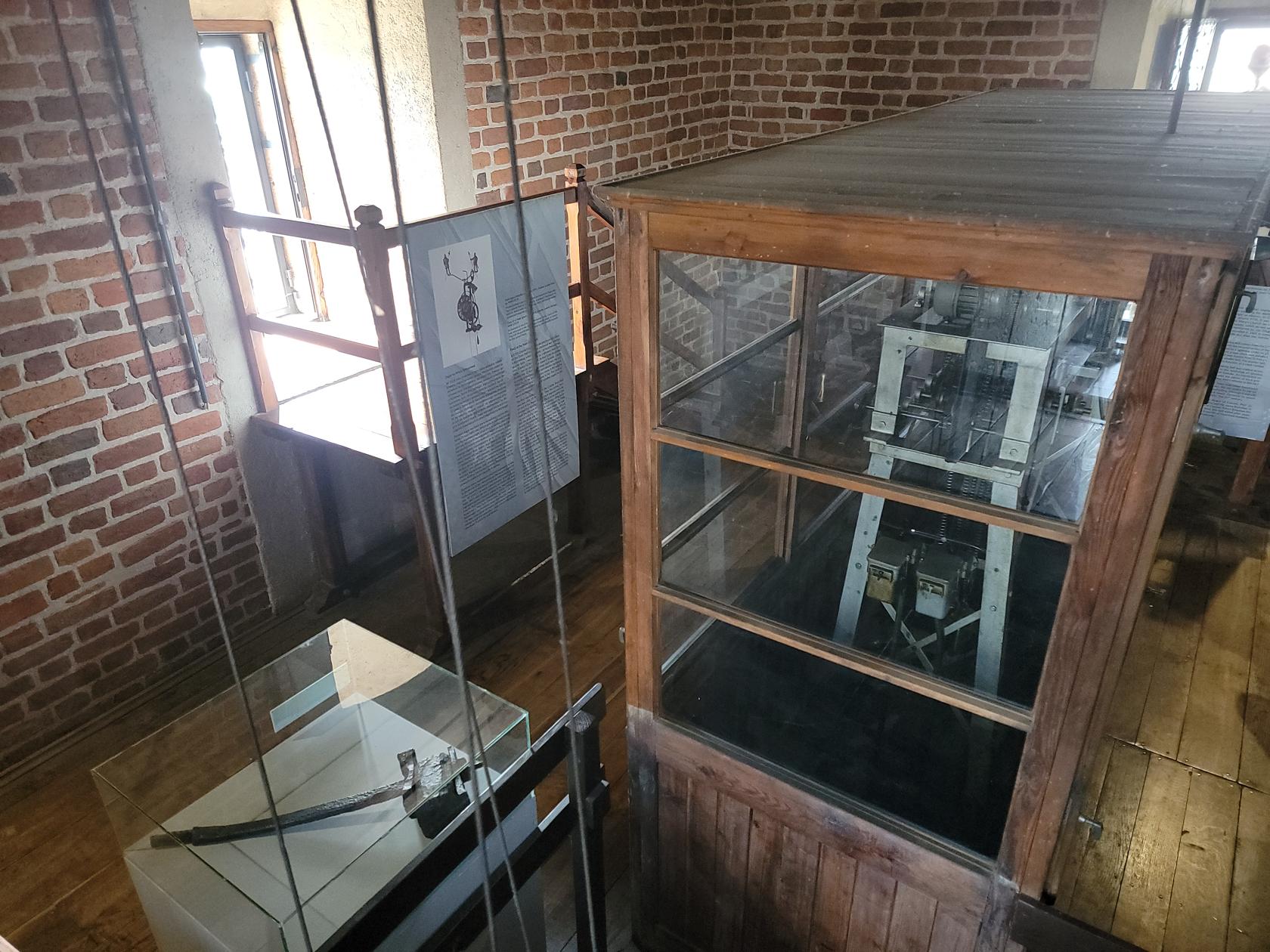
However, aside from the few exhibits that are contained on each floor, the top is not open and you must take photographs through plexi-glass. I found the most interesting thing there to be the clock mechanism.
Second Level – Town Hall Tower – Kraków, Poland
Second Level – Town Hall Tower – Kraków, Poland
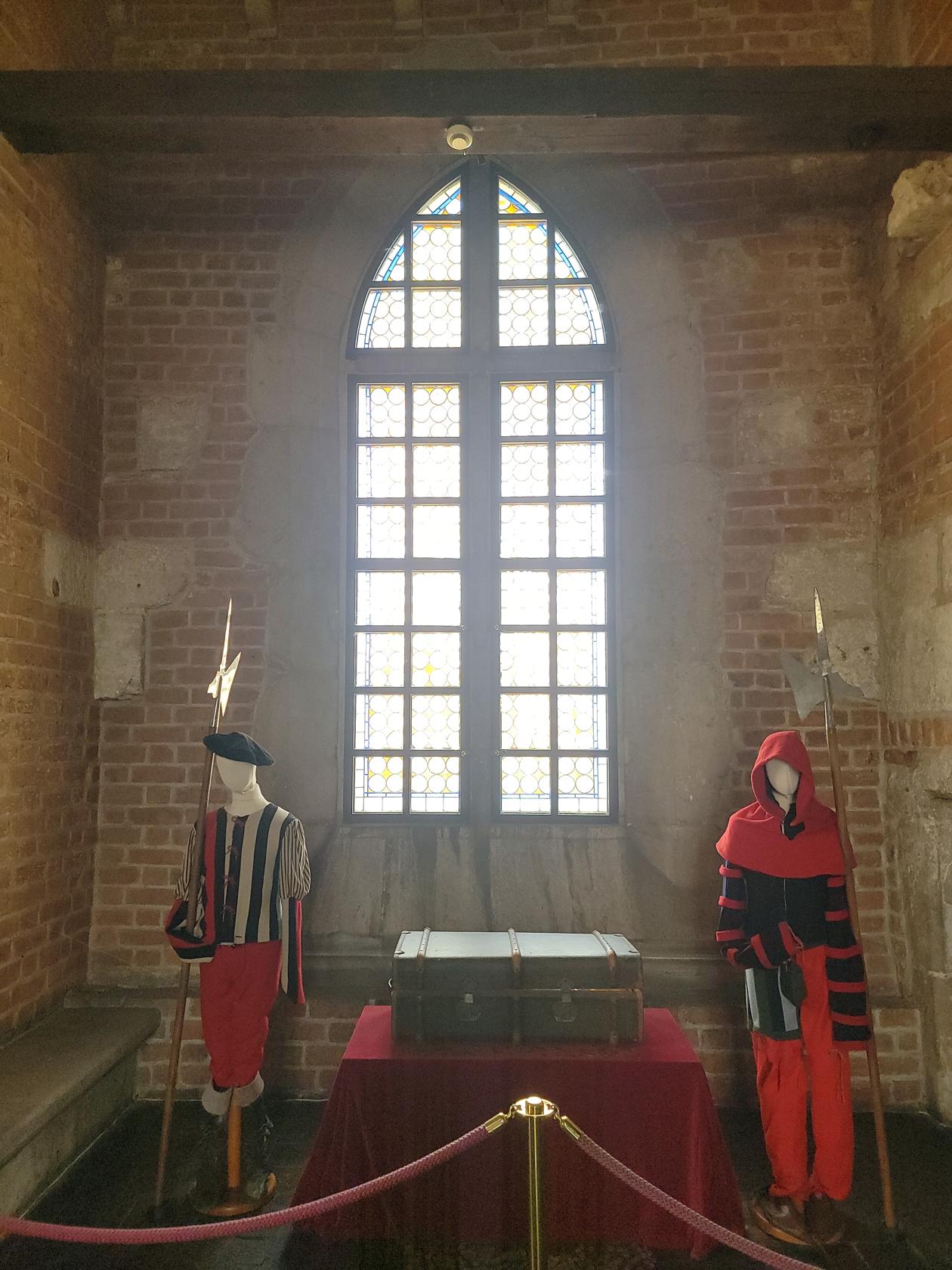
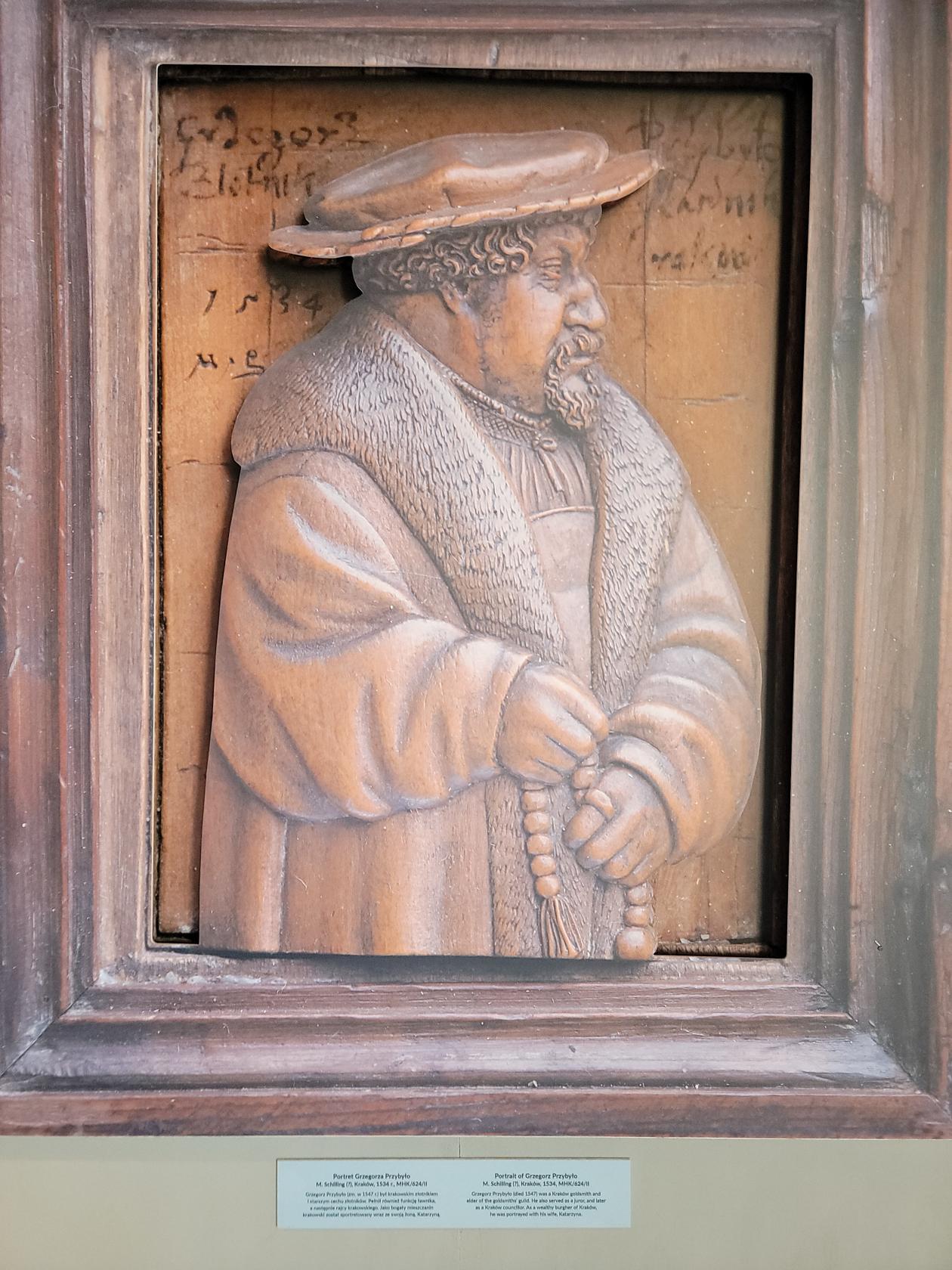
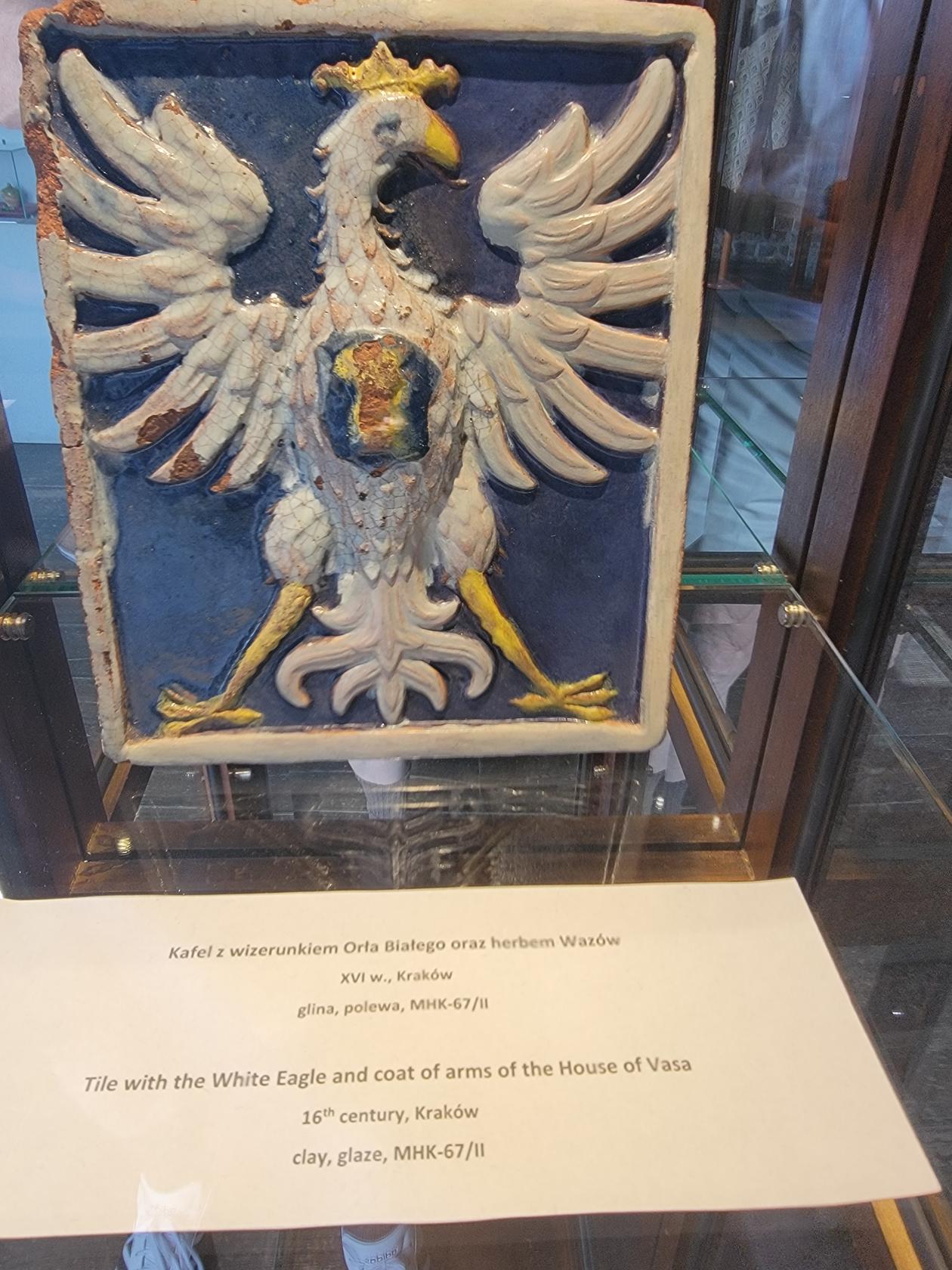
House of Vasa – Second Level – Town Hall Tower – Kraków, Poland
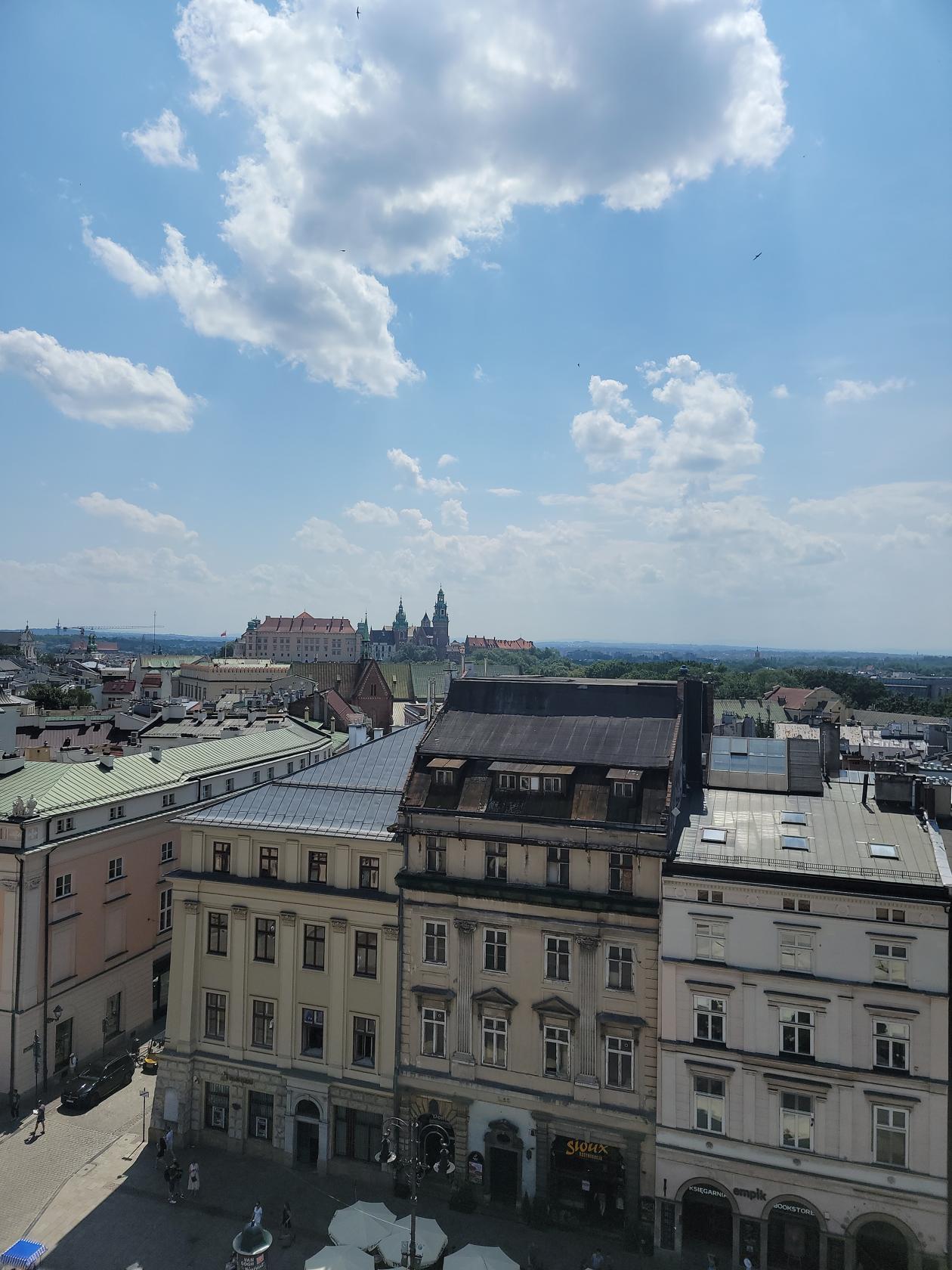
Wawel Castle – Top Level – Town Hall Tower – Kraków, Poland
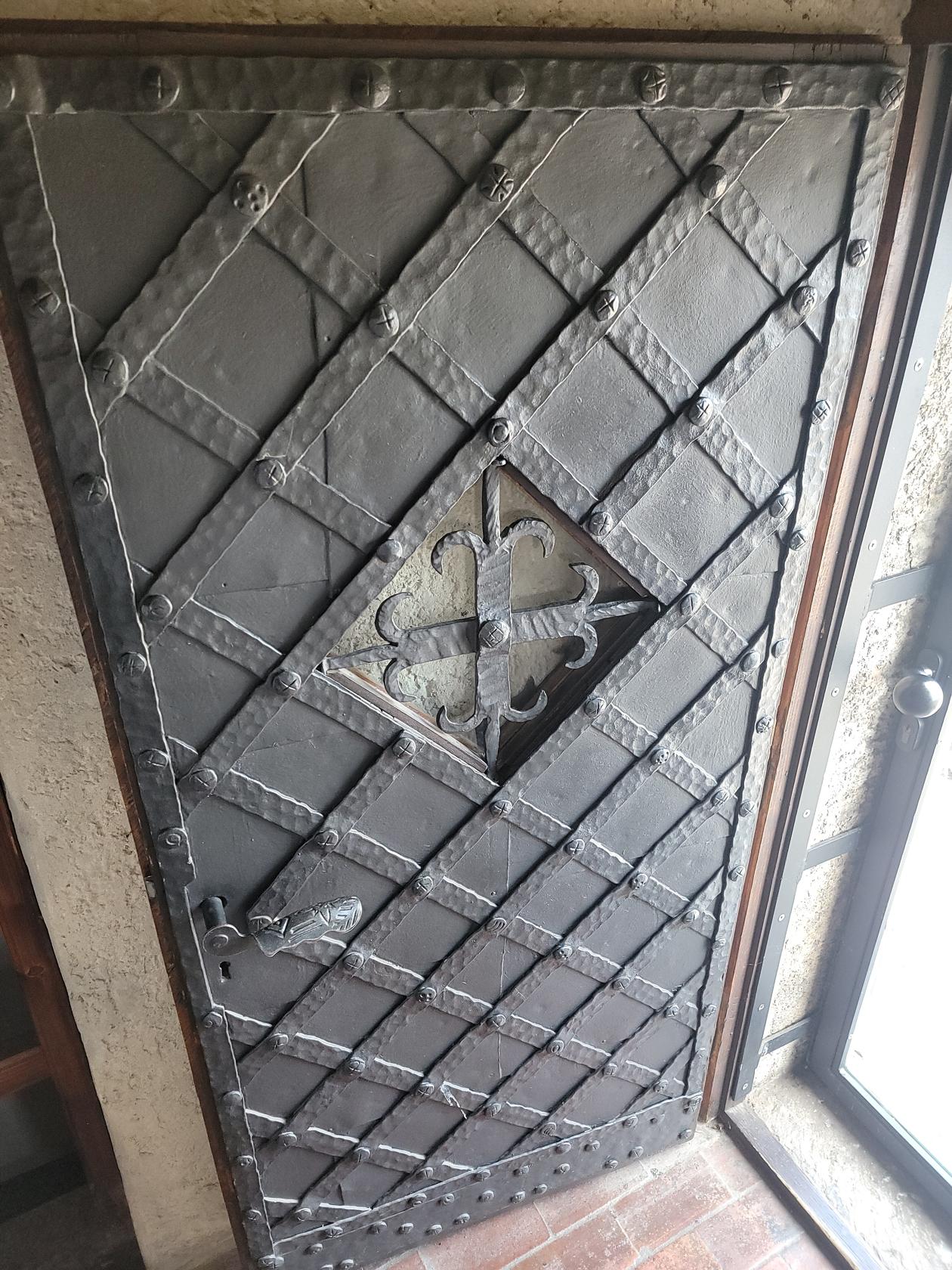
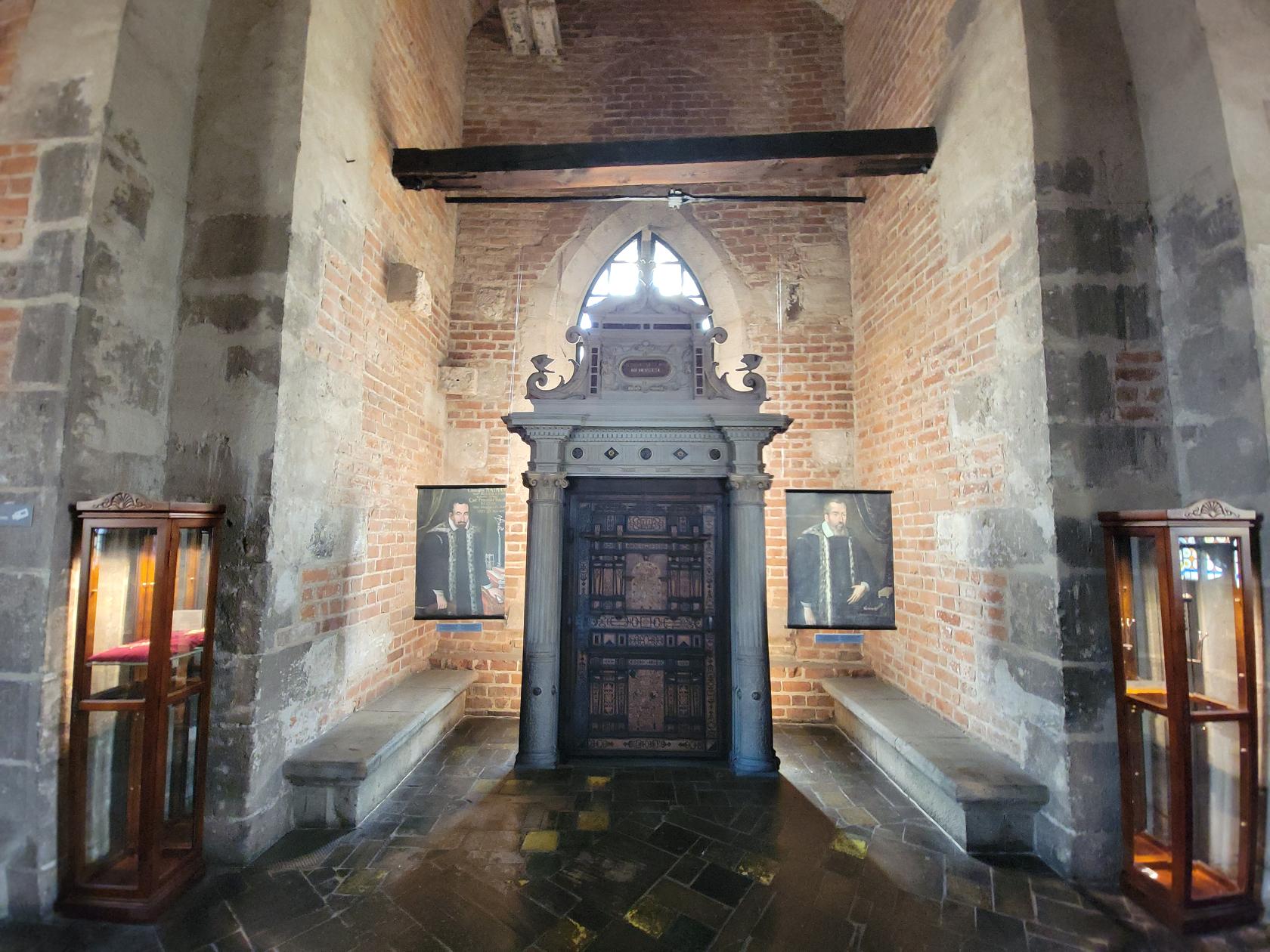
Old Iron Door – Top Level – Town Hall Tower – Kraków, Poland
Going Down – Town Hall Tower – Kraków, Poland
Narrow Stairwell – Town Hall Tower – Kraków, Poland
Timepiece – Top Level – Town Hall Tower – Kraków, Poland
Clockworks and Timepiece – Top Level – Town Hall Tower – Kraków, Poland
Clockworks and Old Bell Striker – Top Level – Town Hall Tower – Kraków, Poland
Second Level – Town Hall Tower – Kraków, Poland
Churches And Cathedrals
Saint Mary’s Basilica
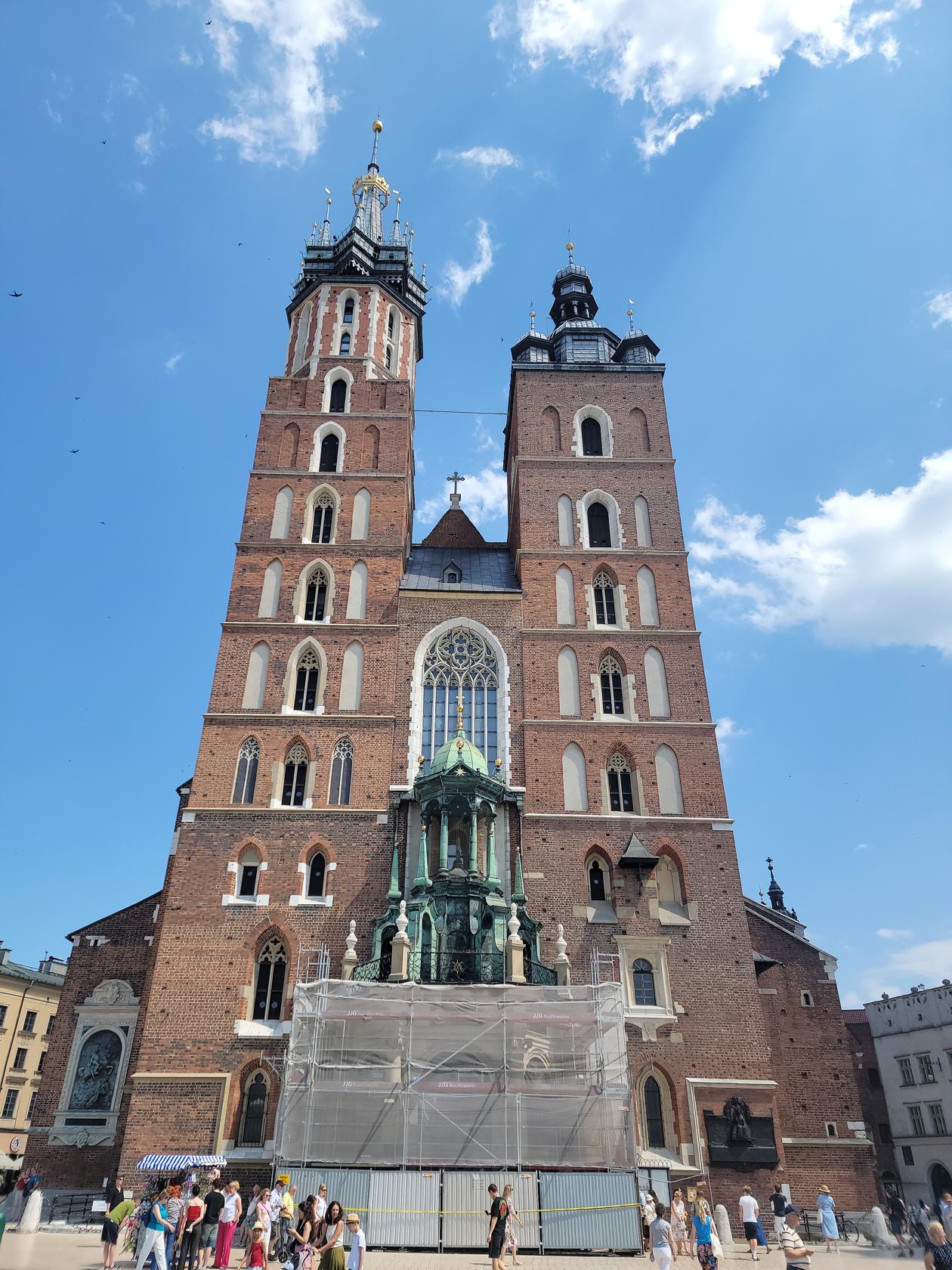
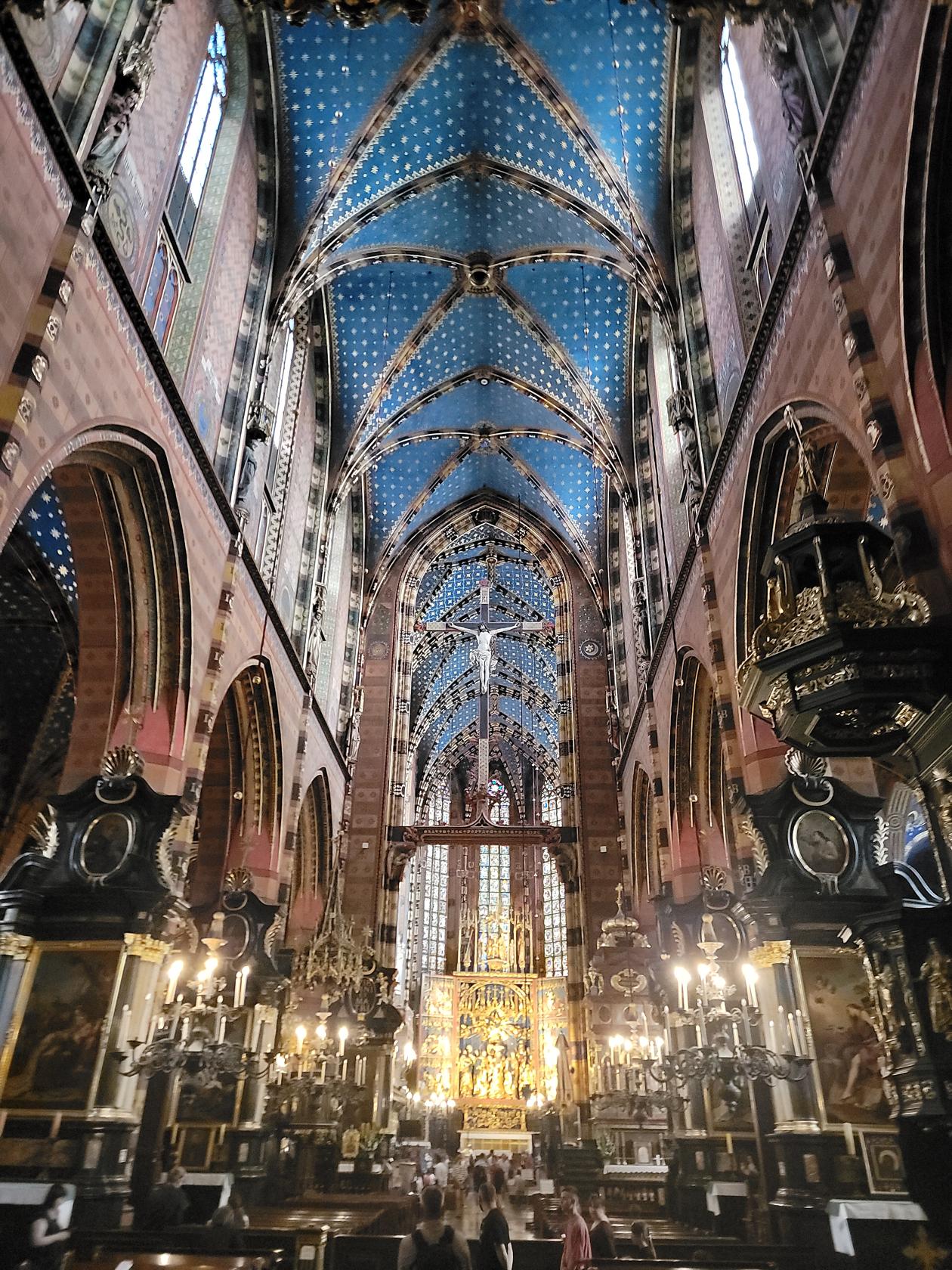
Unfortunately for us we visited on Sunday, so mass was being held and we had limited access to Saint Mary’s Basilica. Though the nave was somewhat interesting, it was clearly not the most beautiful nor the most interesting Catholic church we have visited in Poland.
Facade and Entrance – Saint Mary’s Basilica – Kraków, Poland
Nave and Altar – Saint Mary’s Basilica – Kraków, Poland
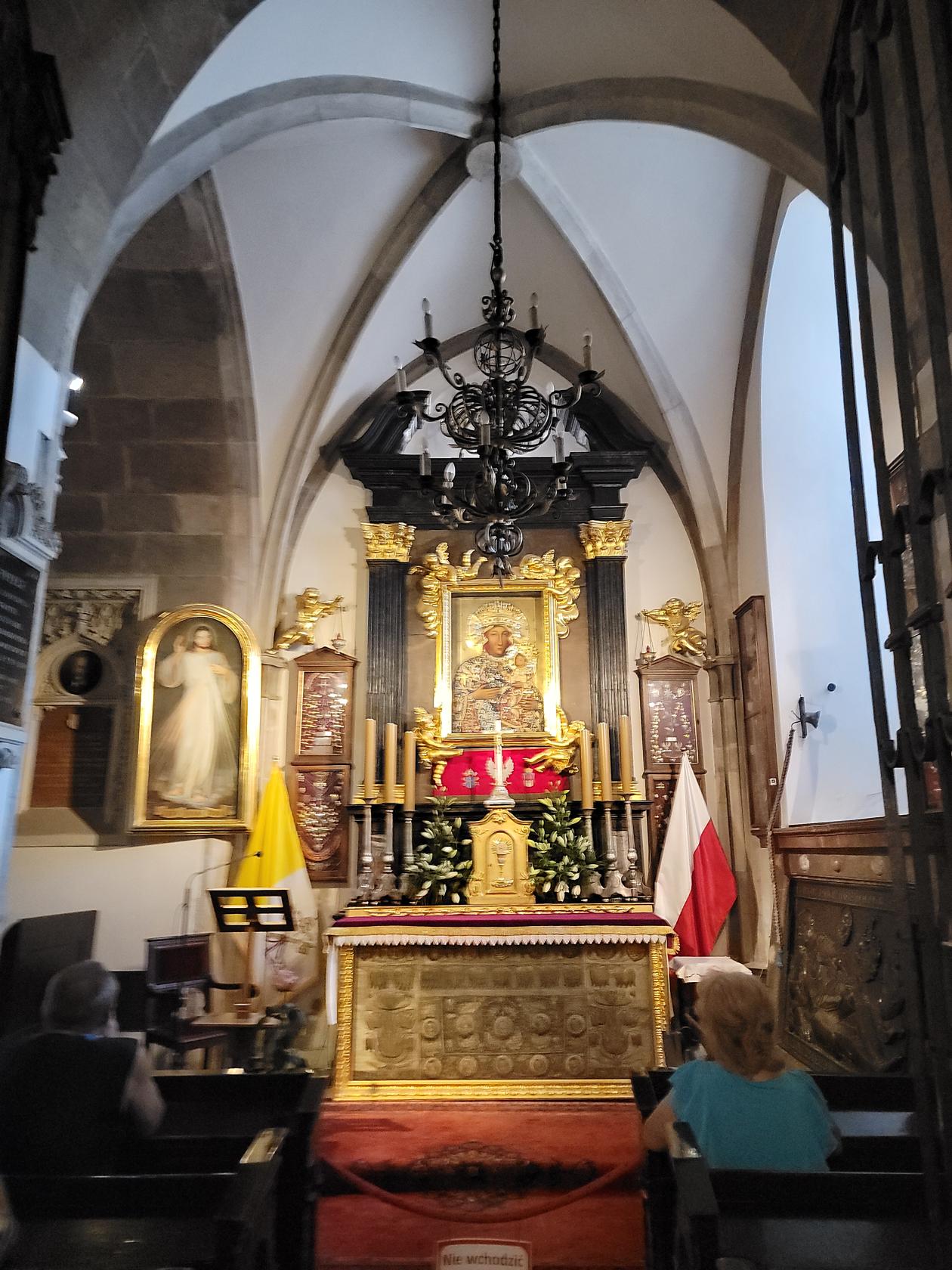
Side Altar – Saint Mary’s Basilica – Kraków, Poland
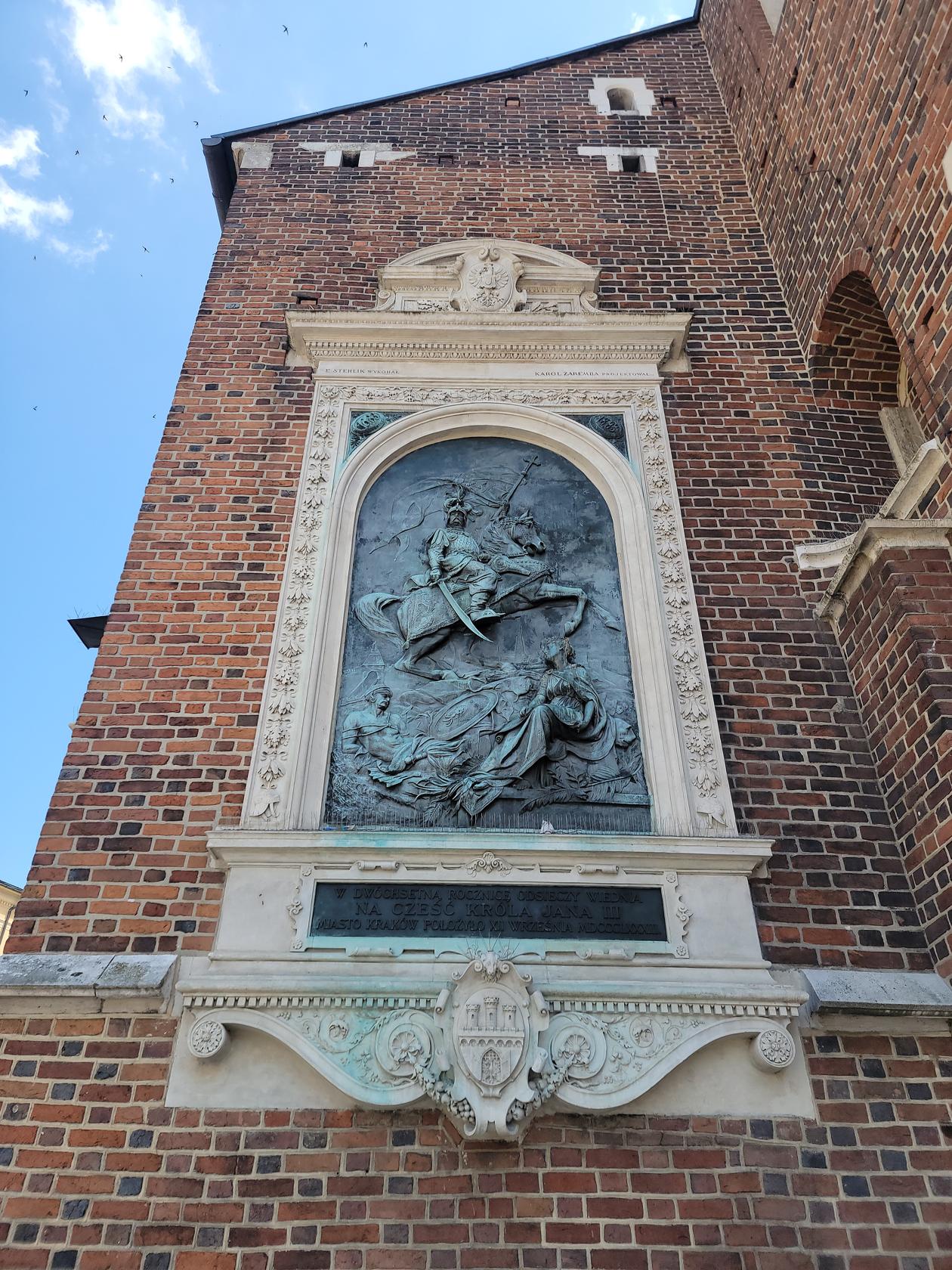
Bronze Memorial – Saint Mary’s Basilica – Kraków, Poland
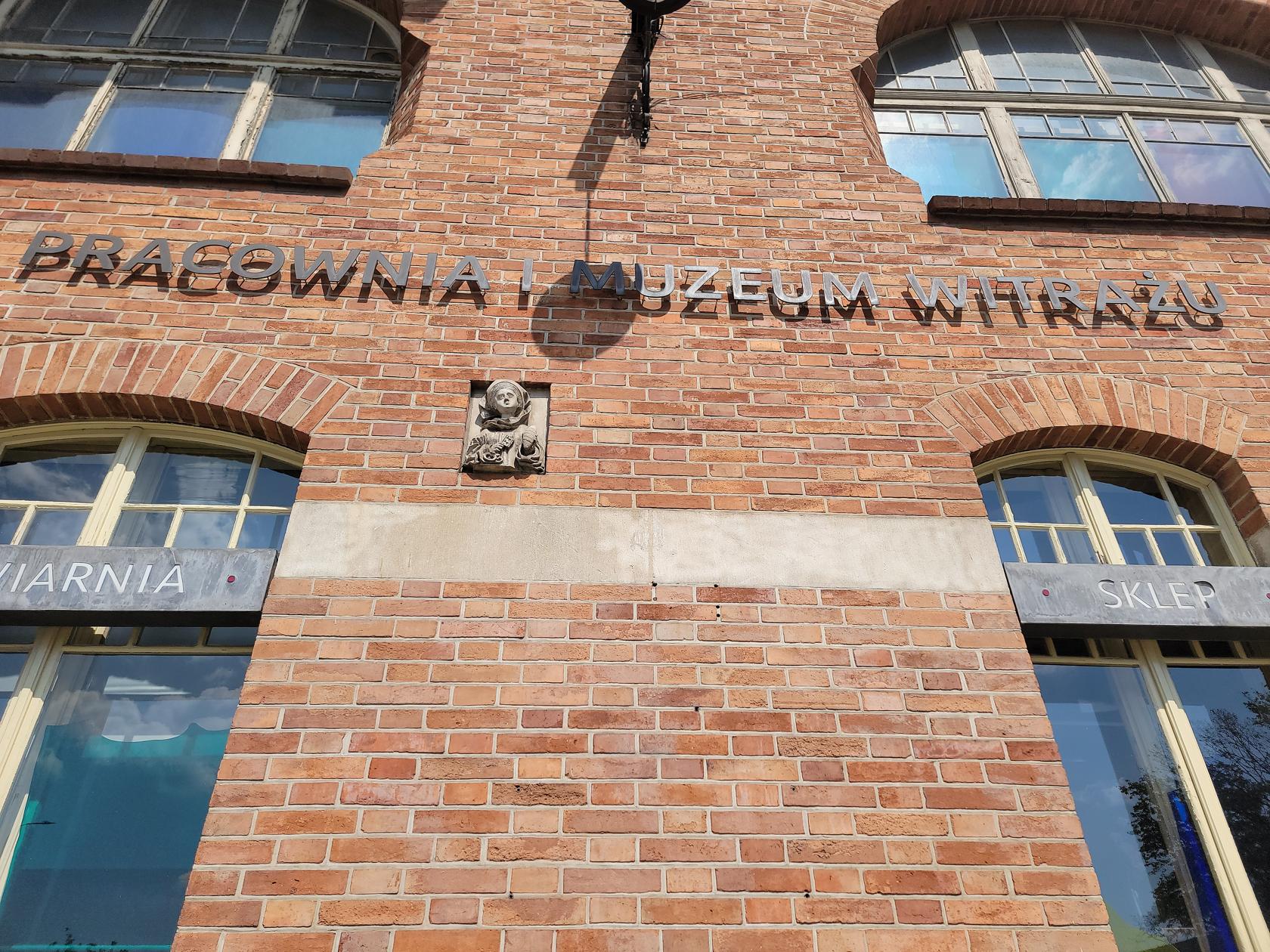
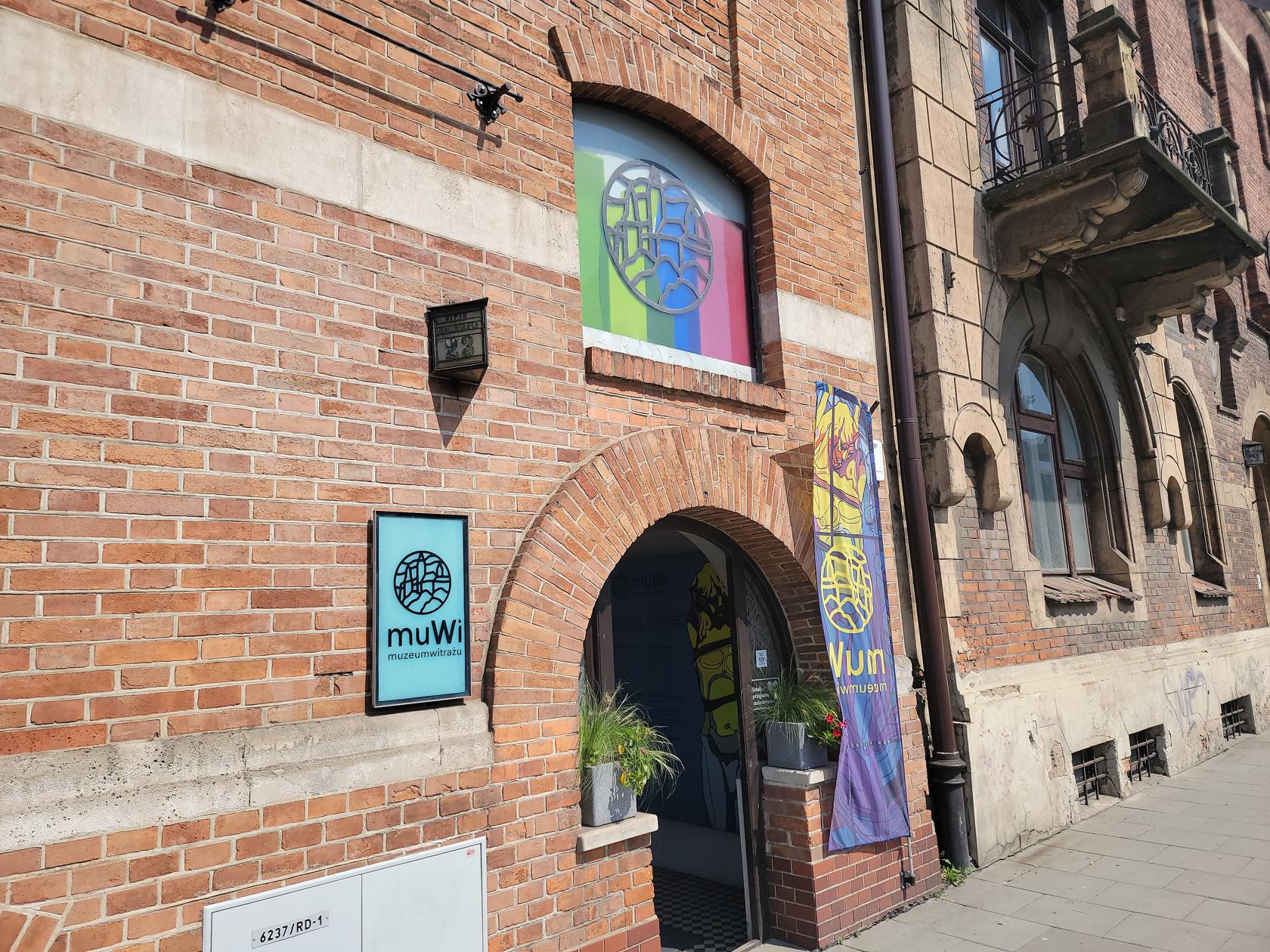
muWi Stained Glass Museum
Tickets For Two – muWi Stained Glass Museum – Kraków, Poland
Outside – muWi Stained Glass Museum – Kraków, Poland
Entrance – muWi Stained Glass Museum – Kraków, Poland
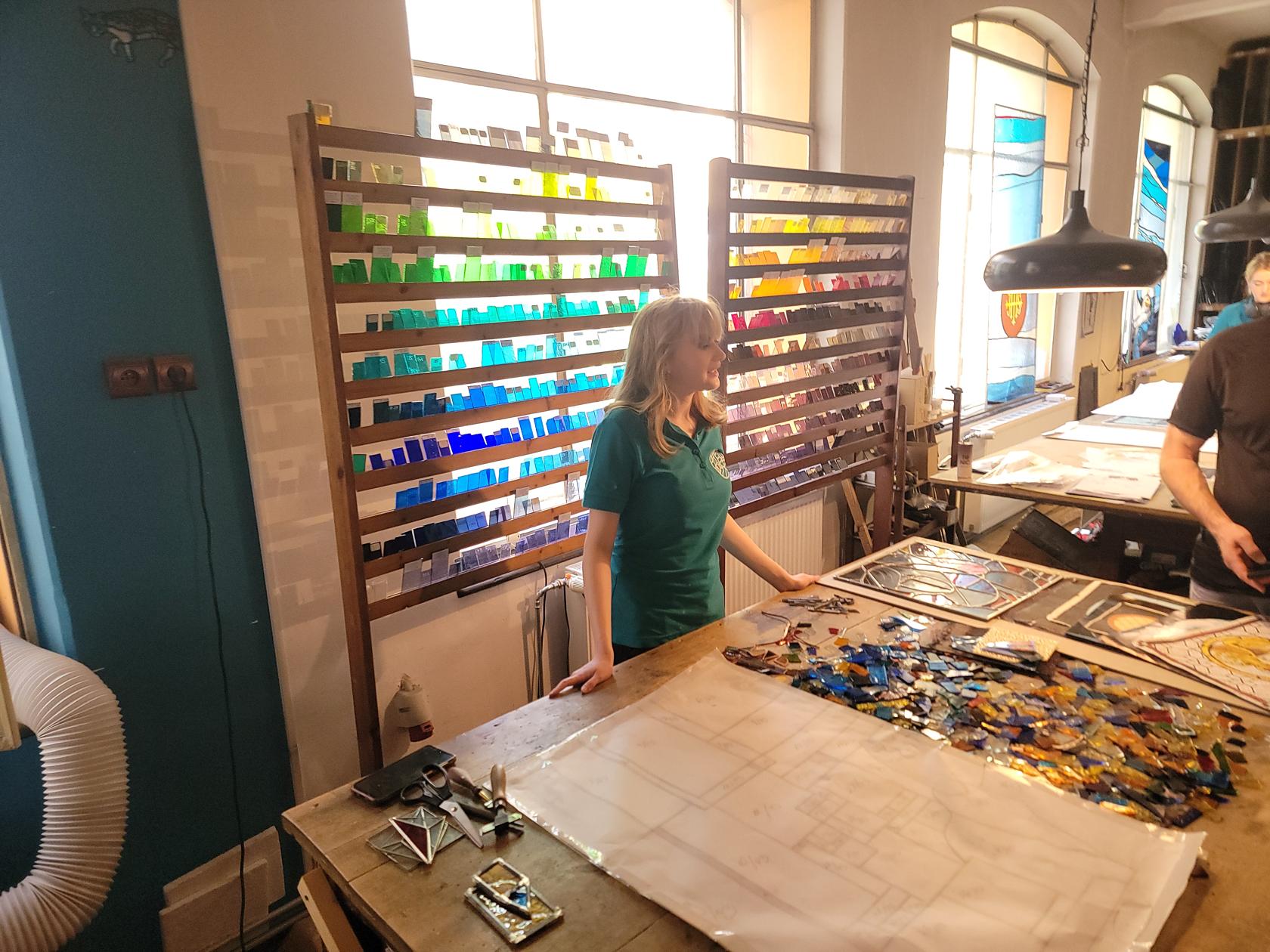
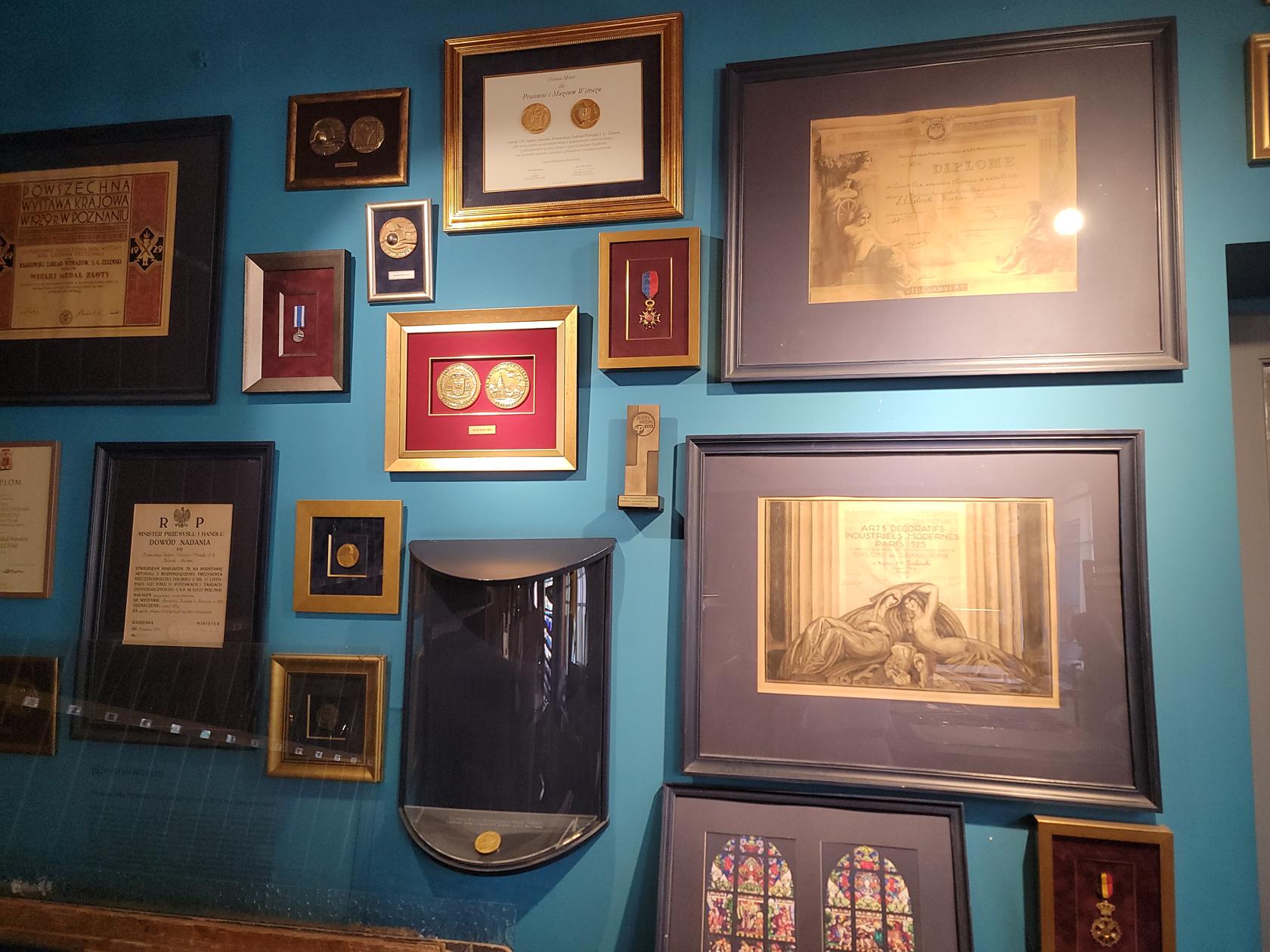
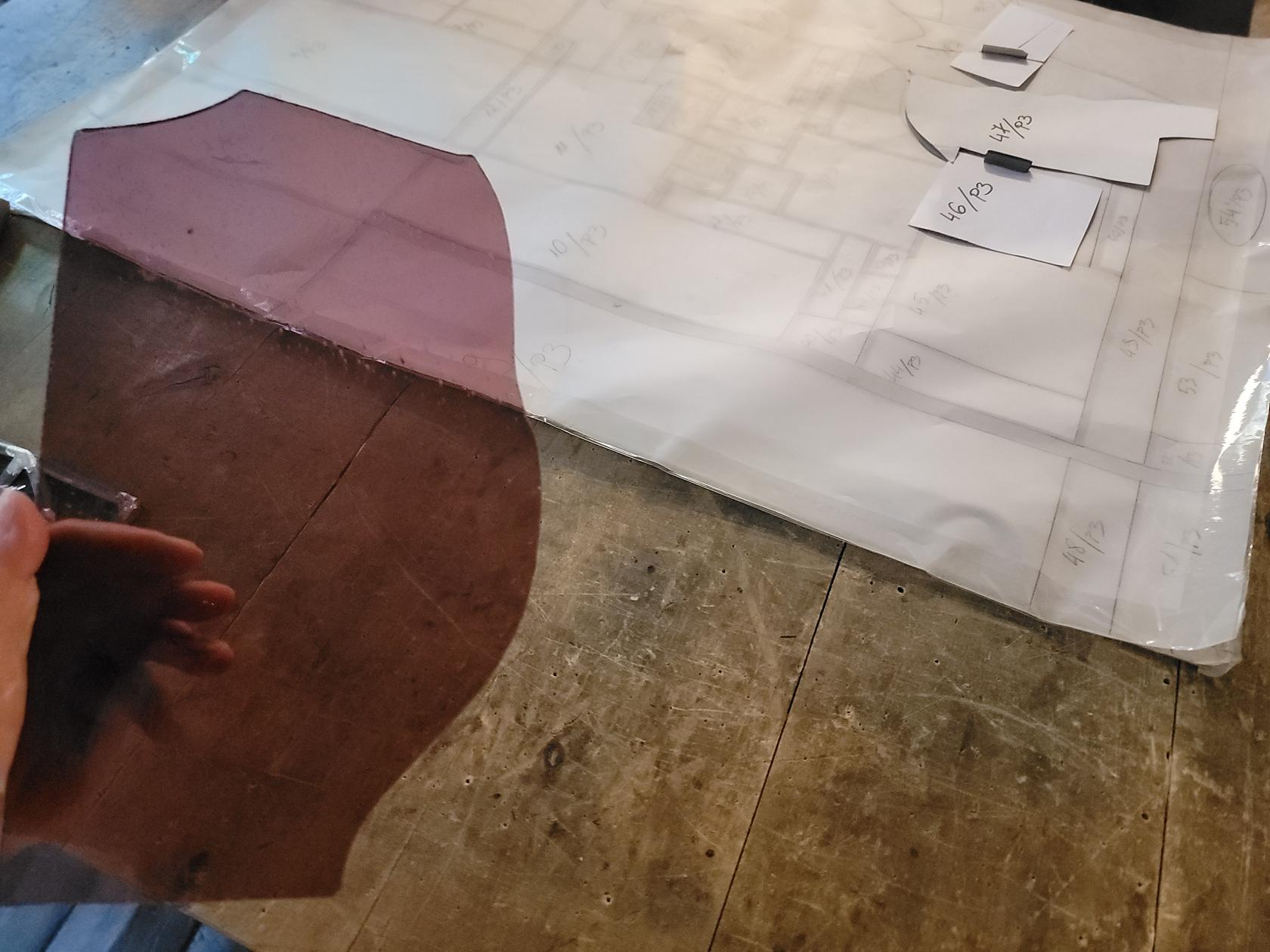
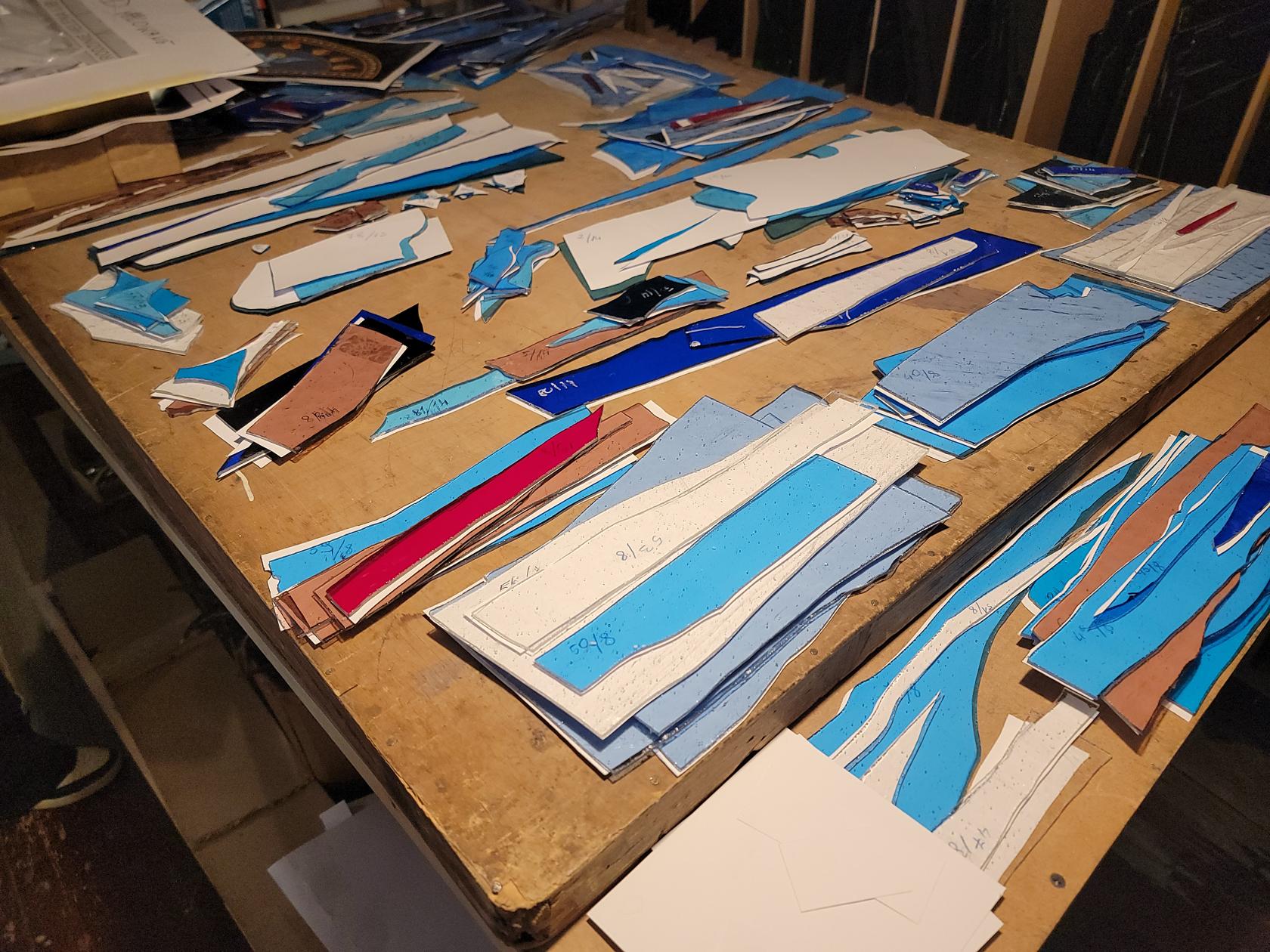
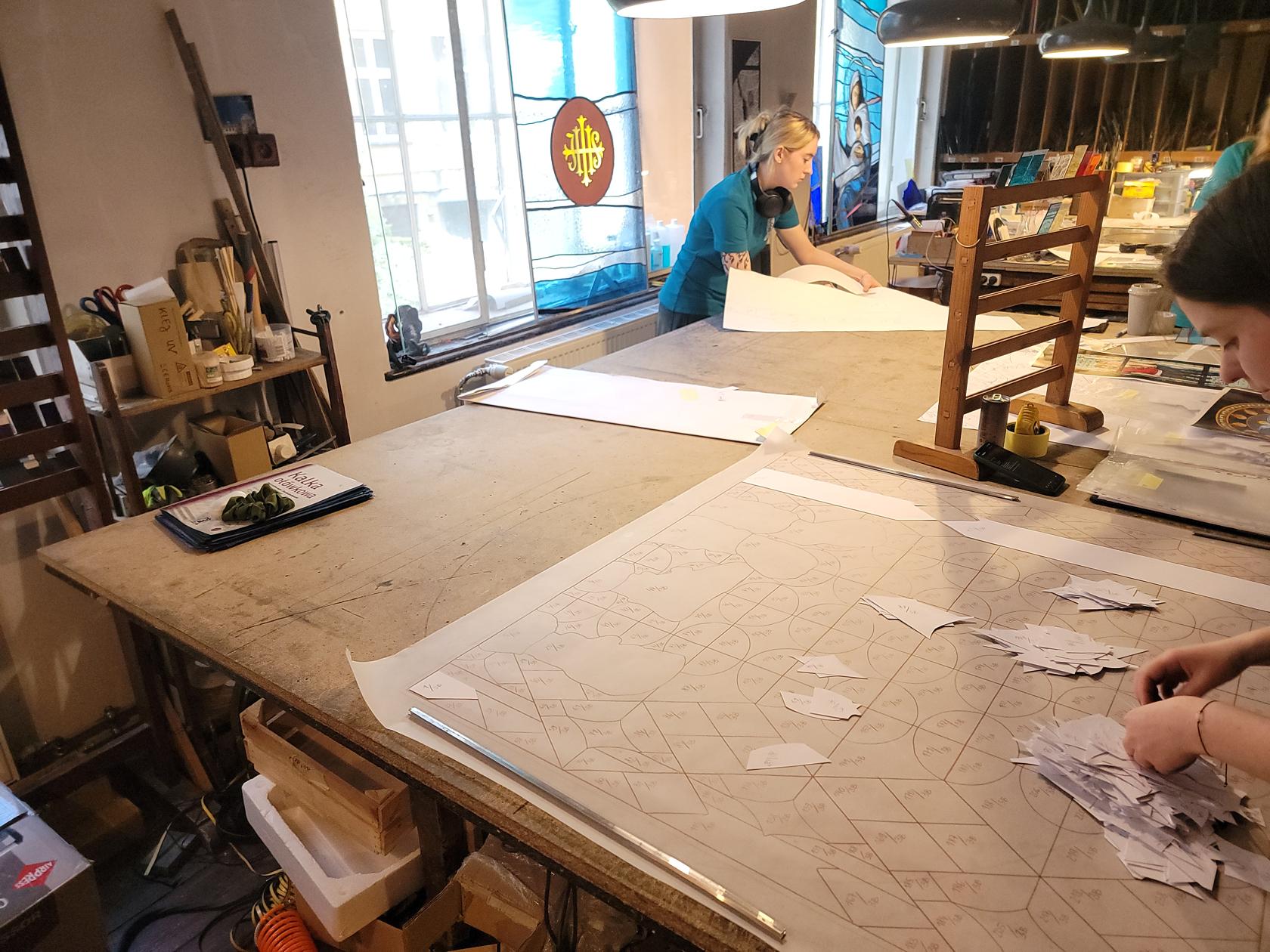
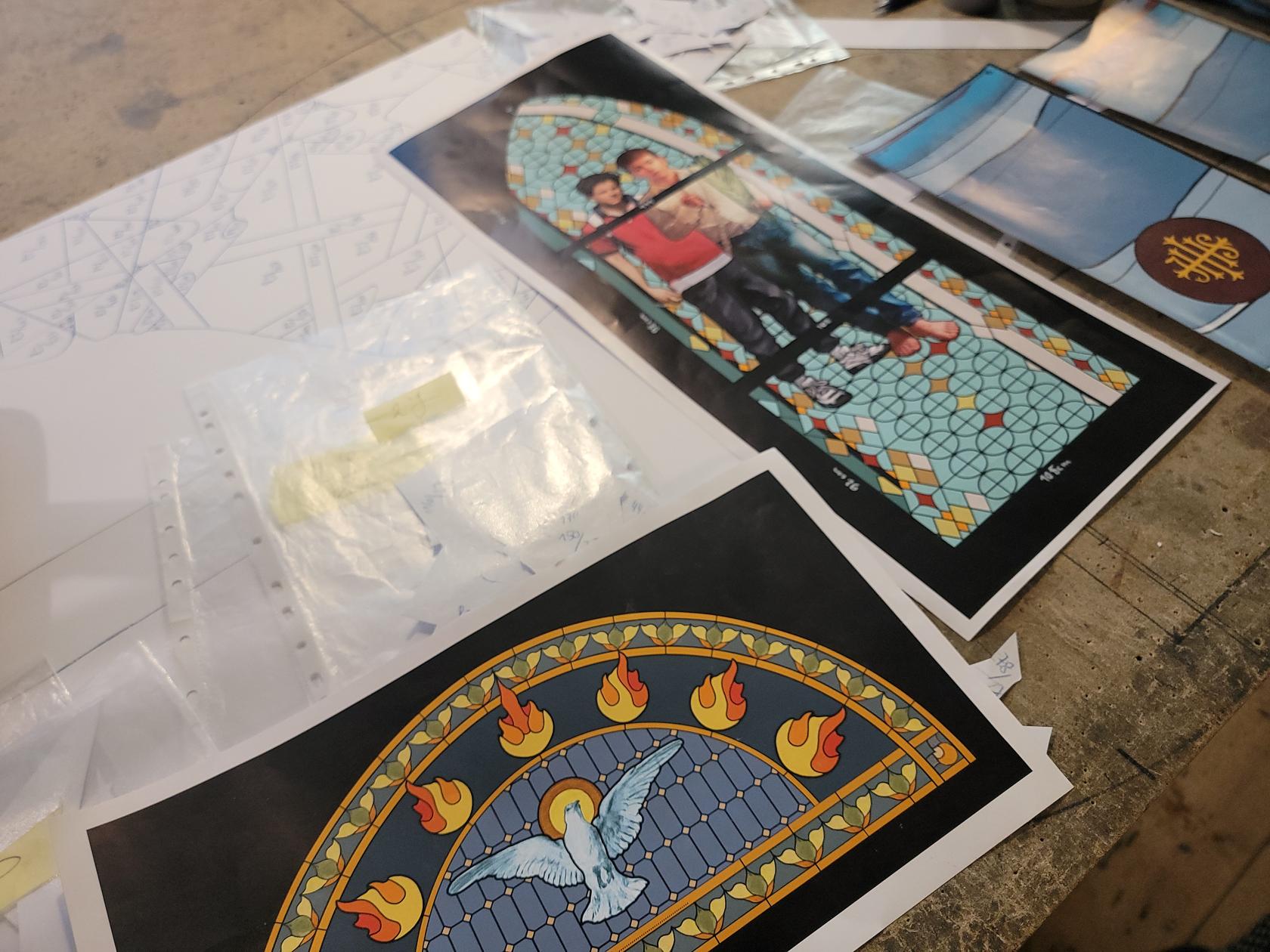
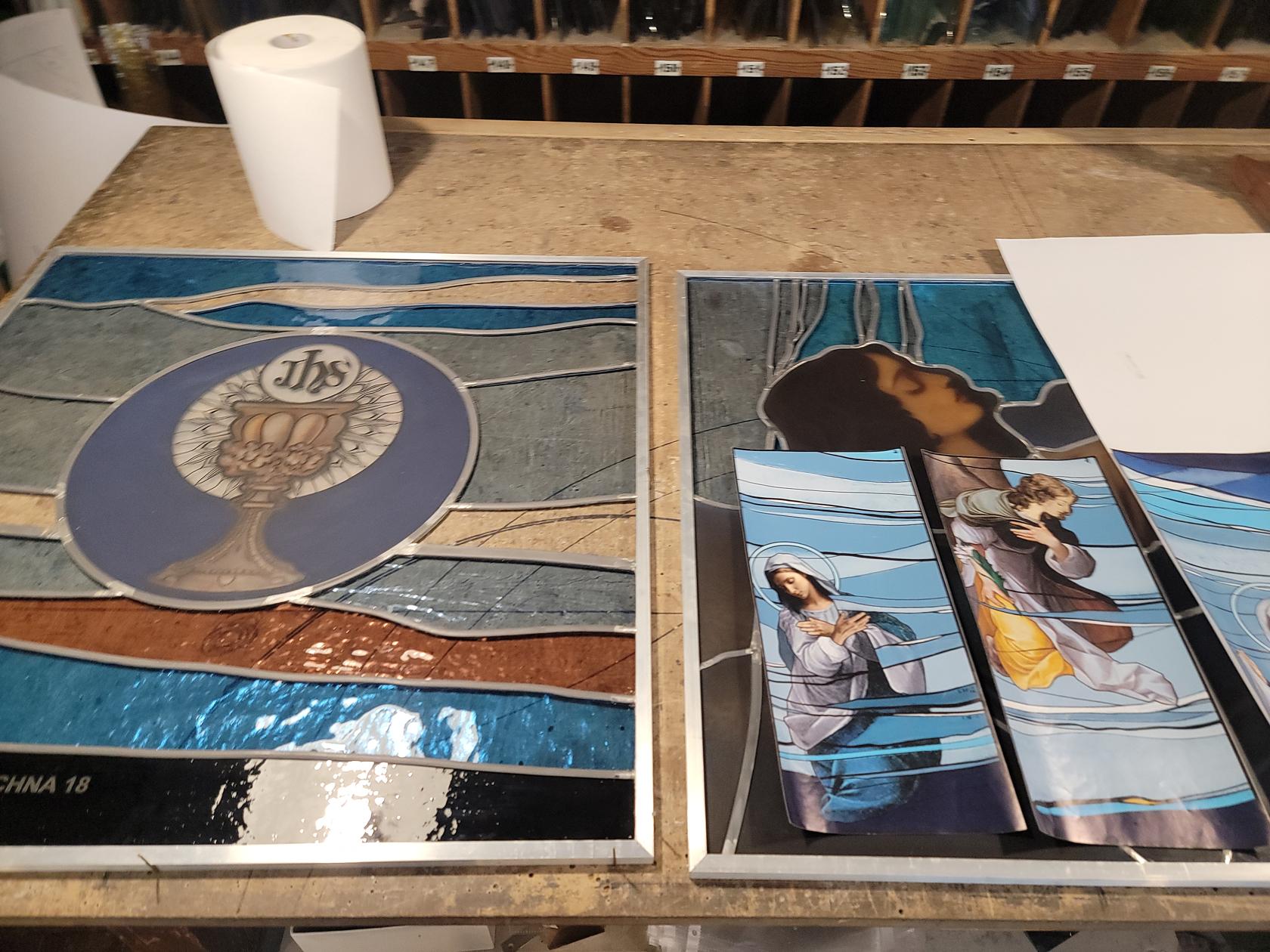
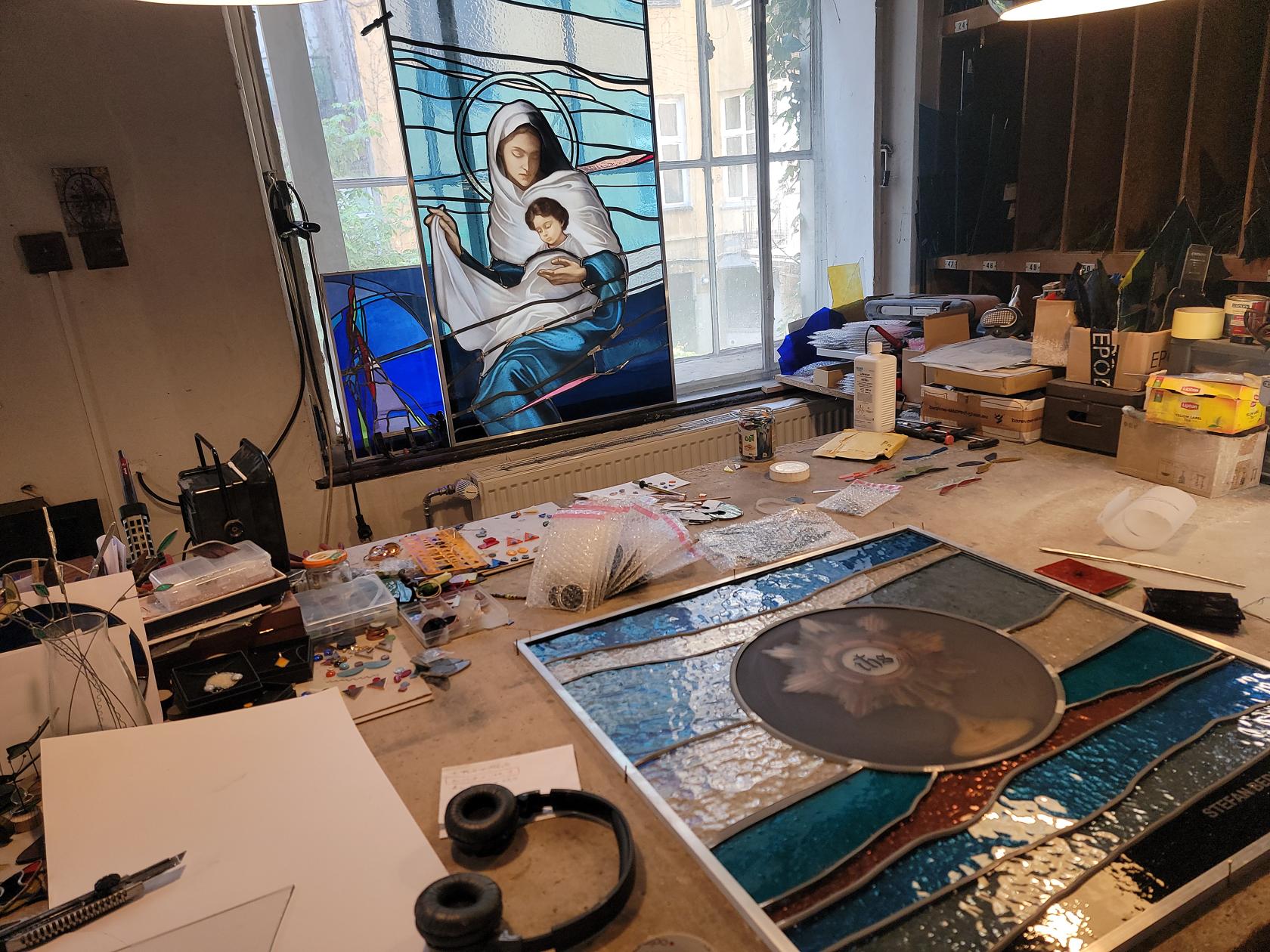
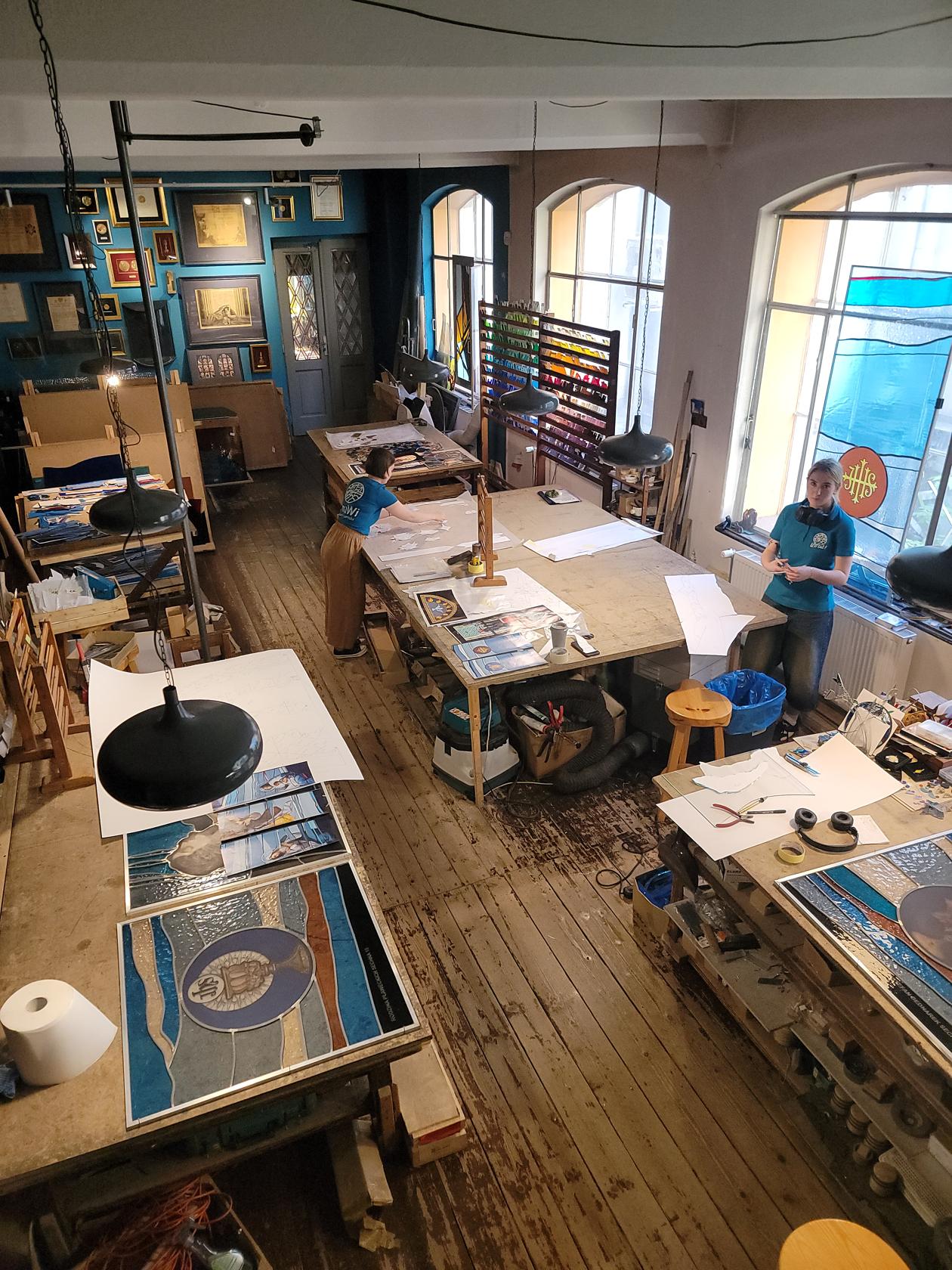
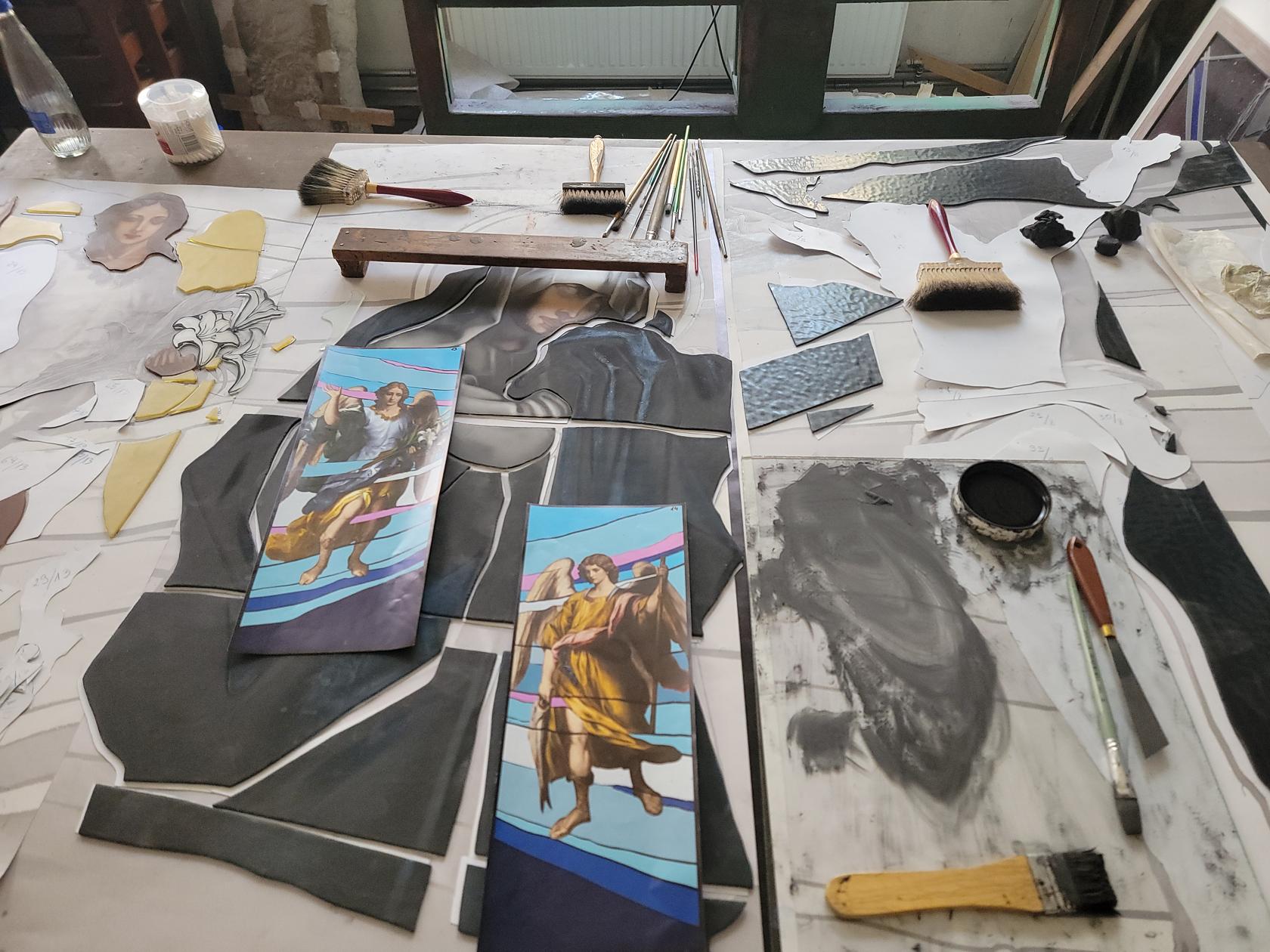
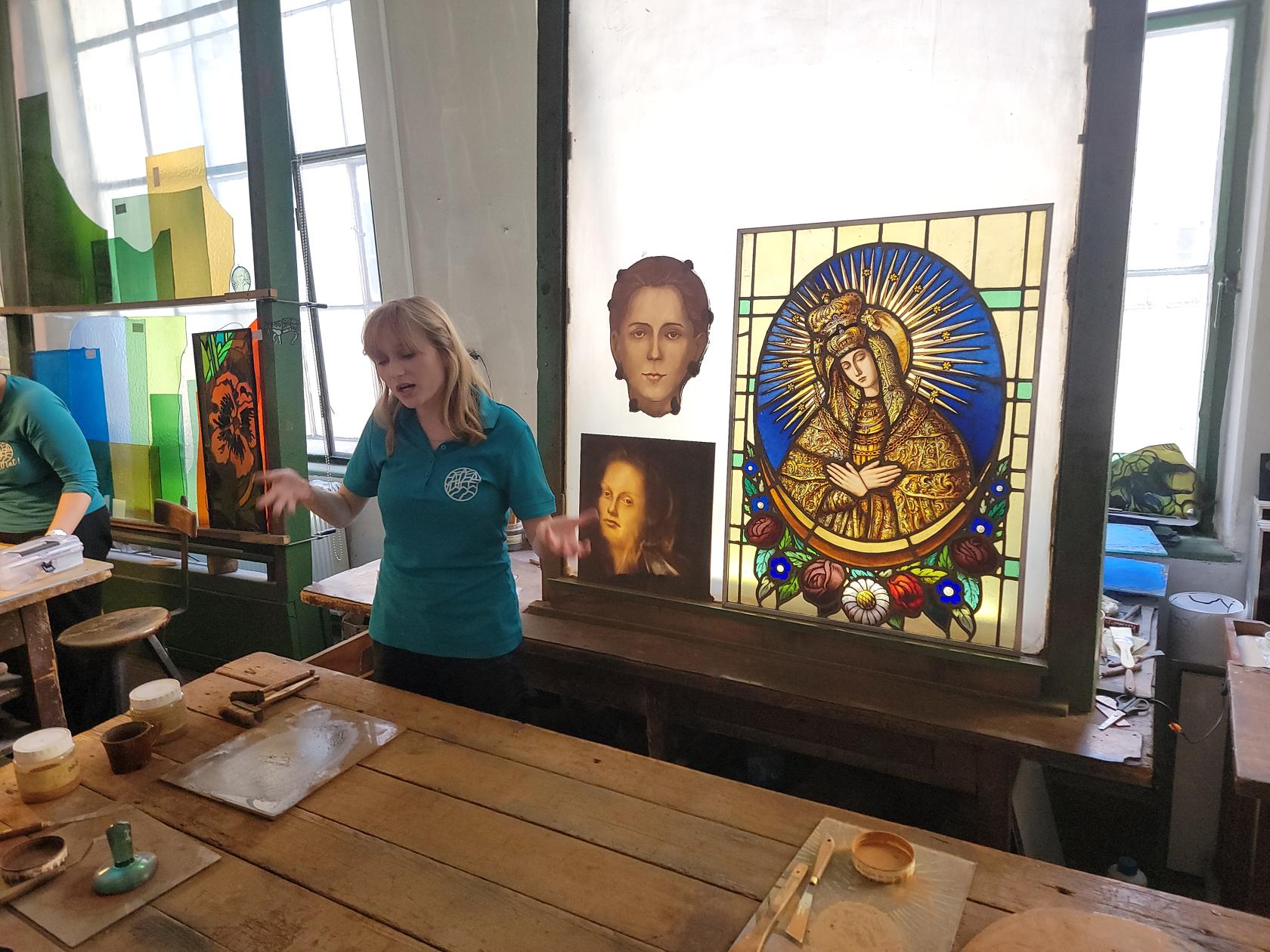
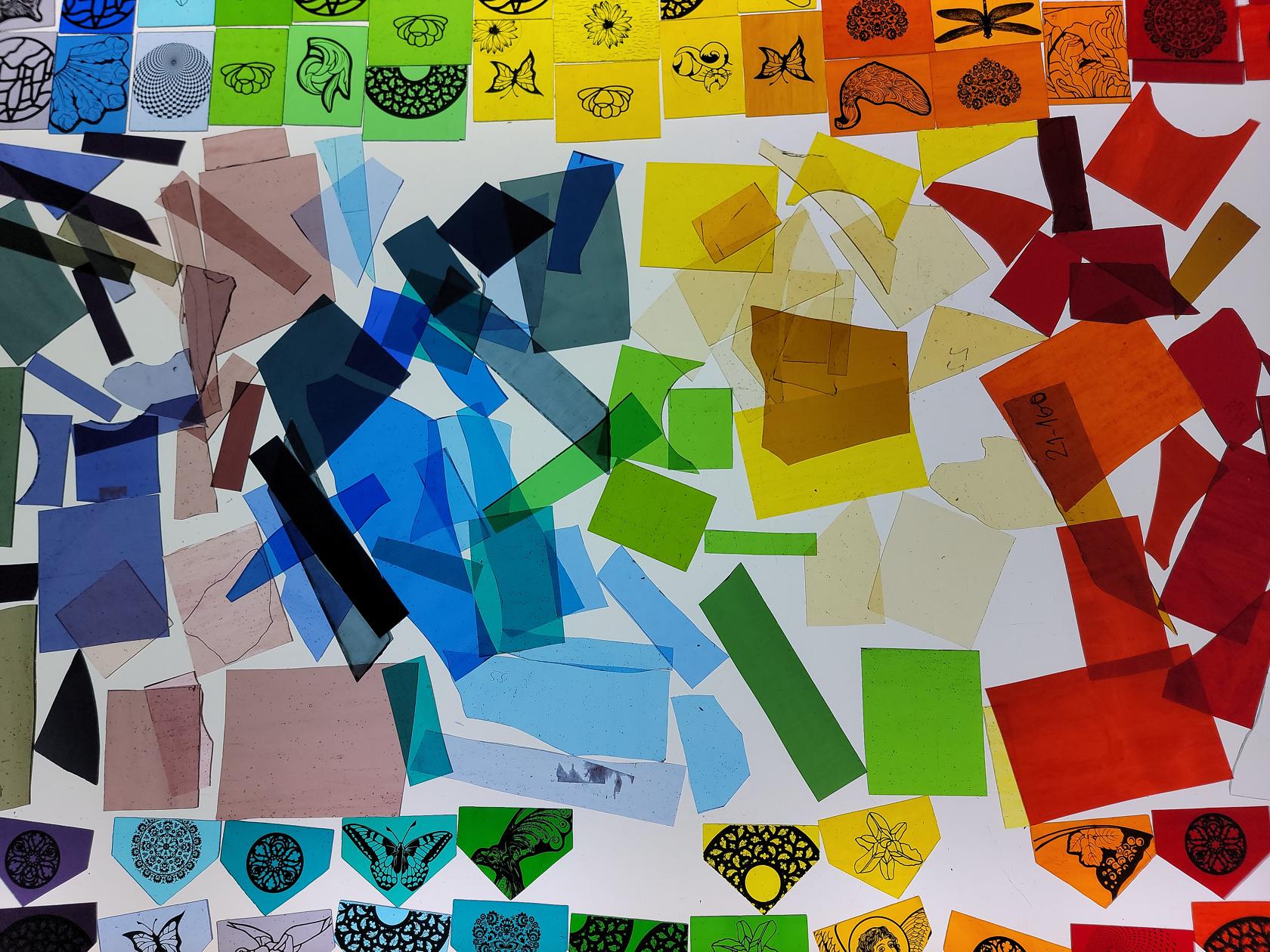
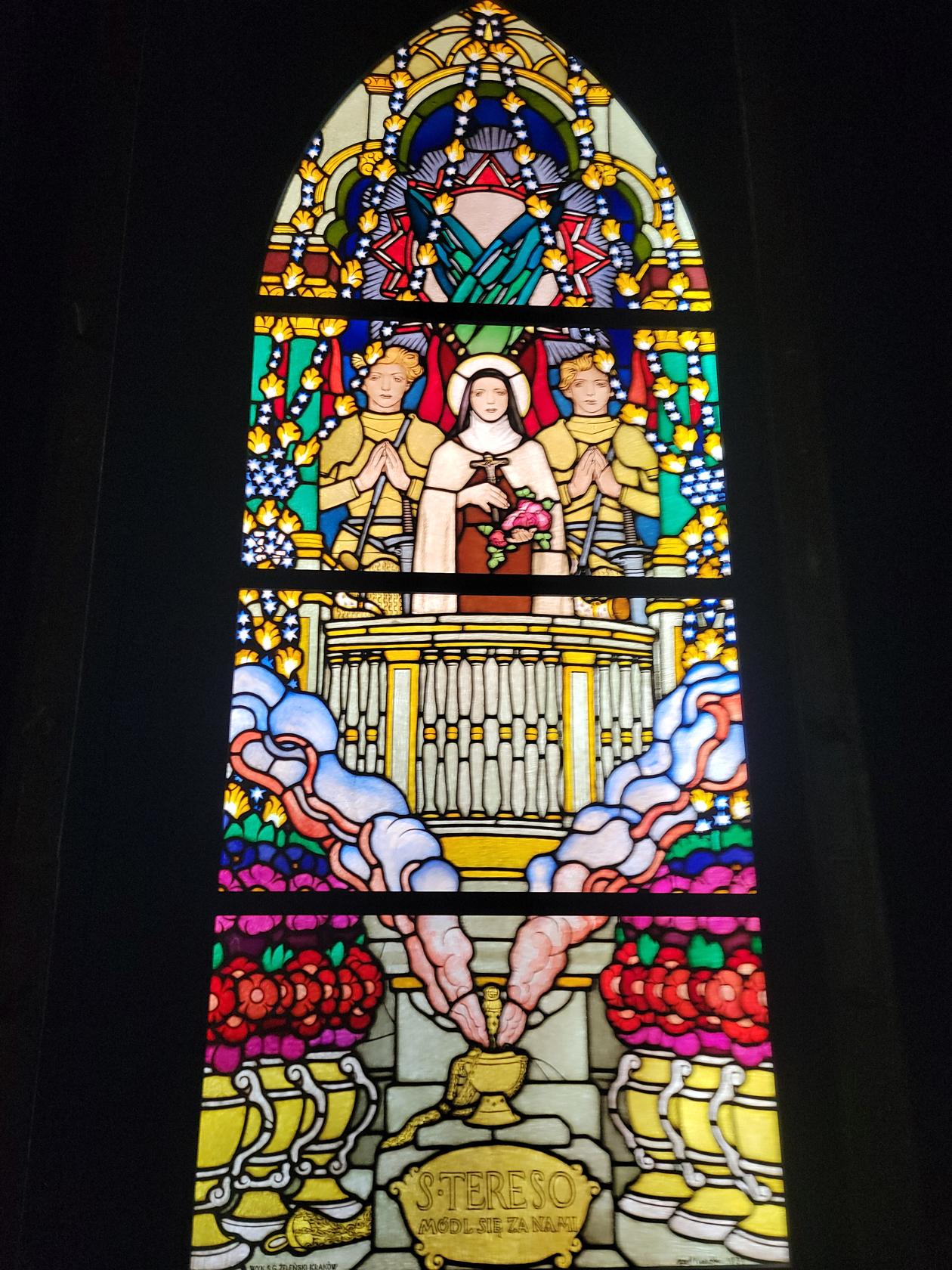
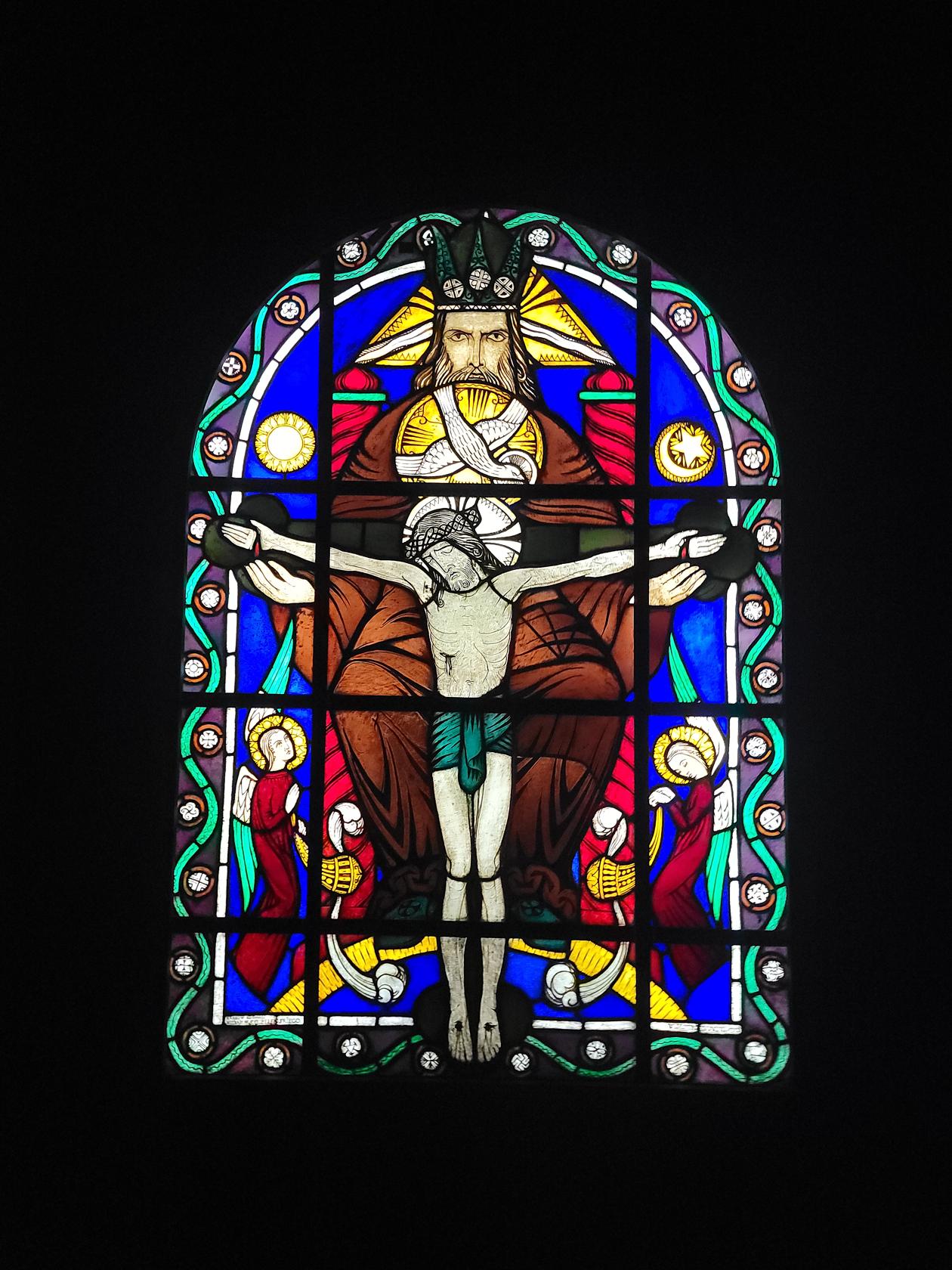
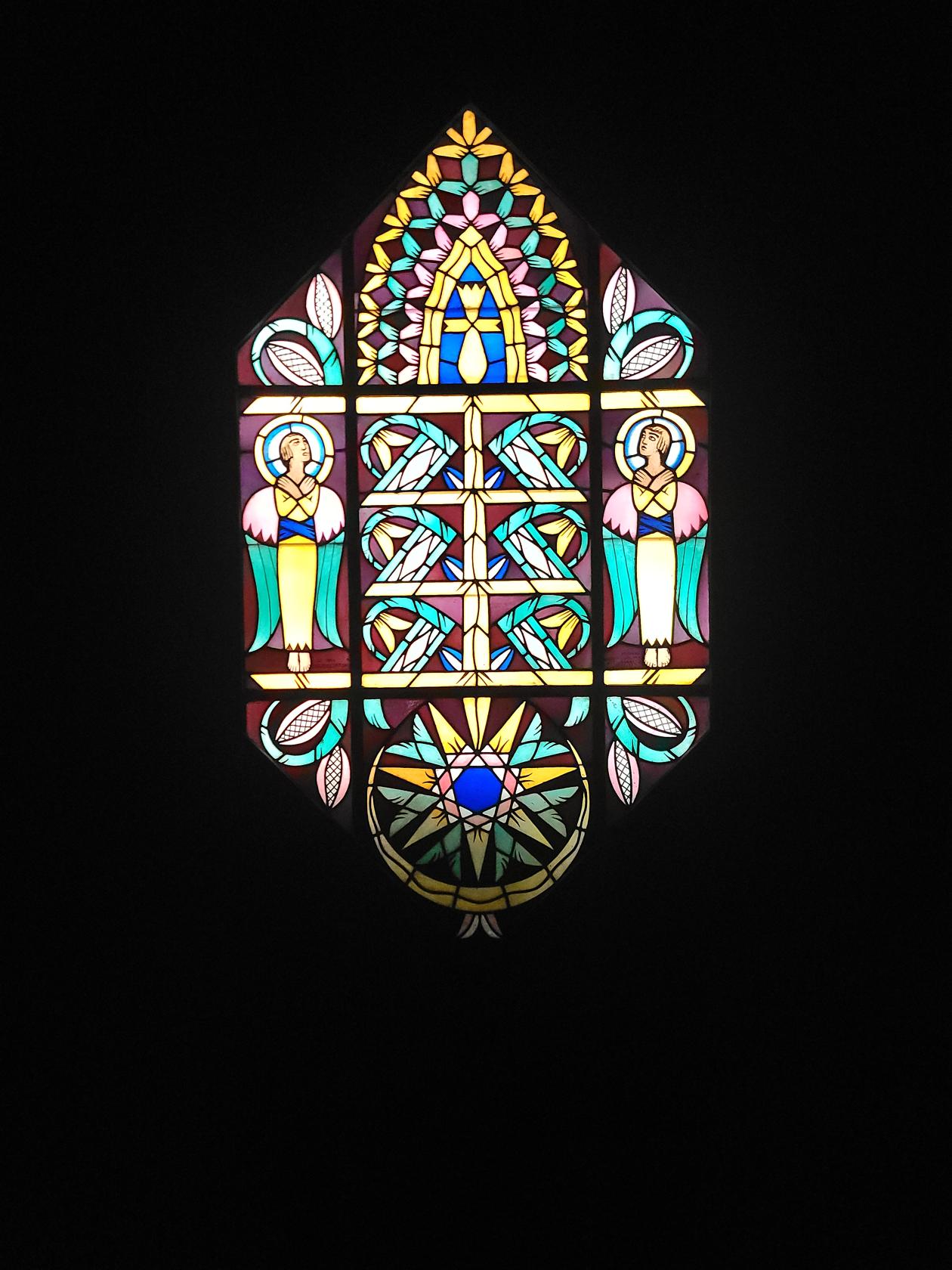
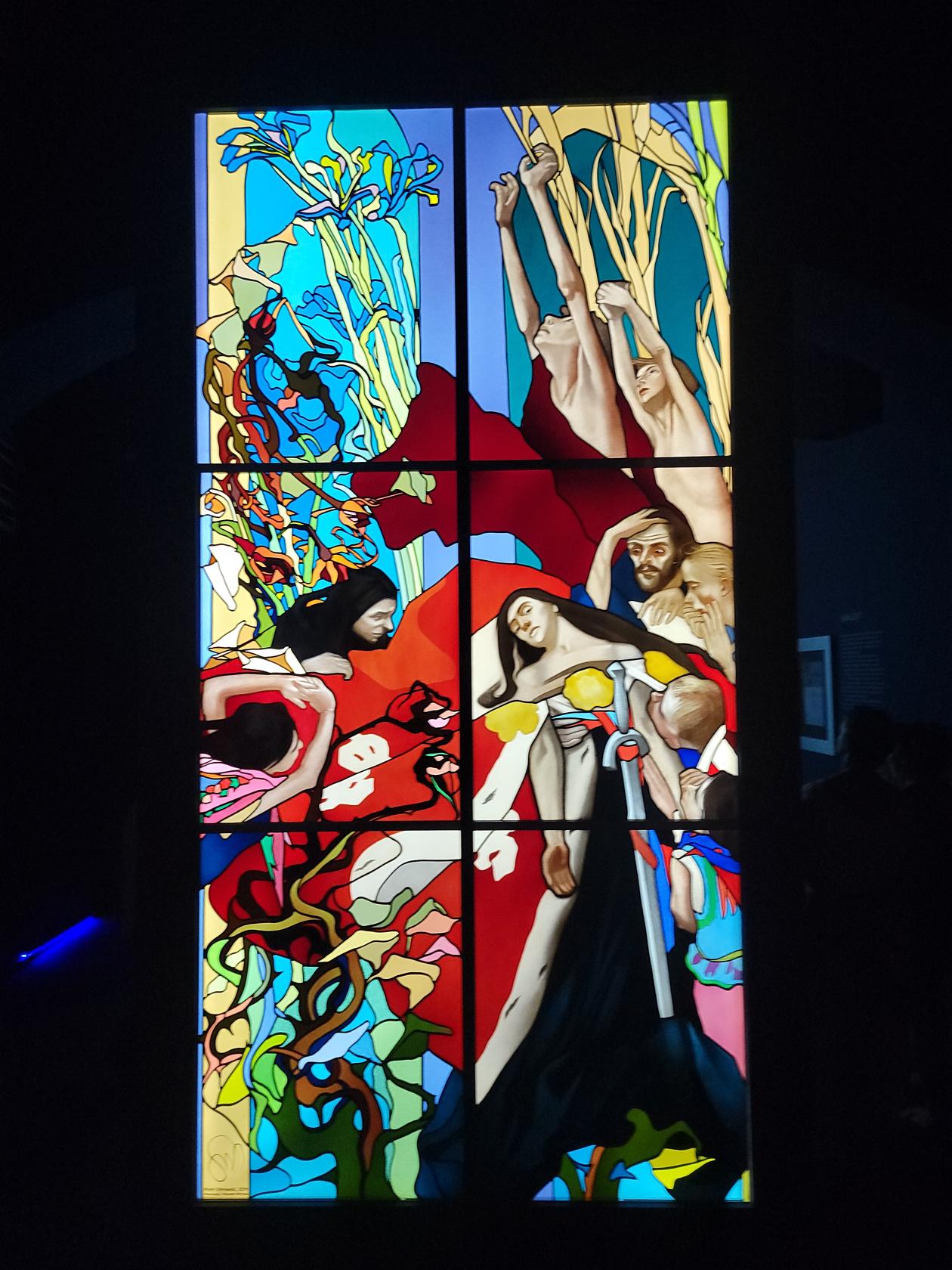
For those that have extra time on their hands, the muWi Stained Glass Museum is a great way to spend an hour. Here you will learn how this old establishment designs, cuts, paints, arranges and solders together amazing stained glass windows.
Glass Cutting and Colors – muWi Stained Glass Museum – Kraków, Poland
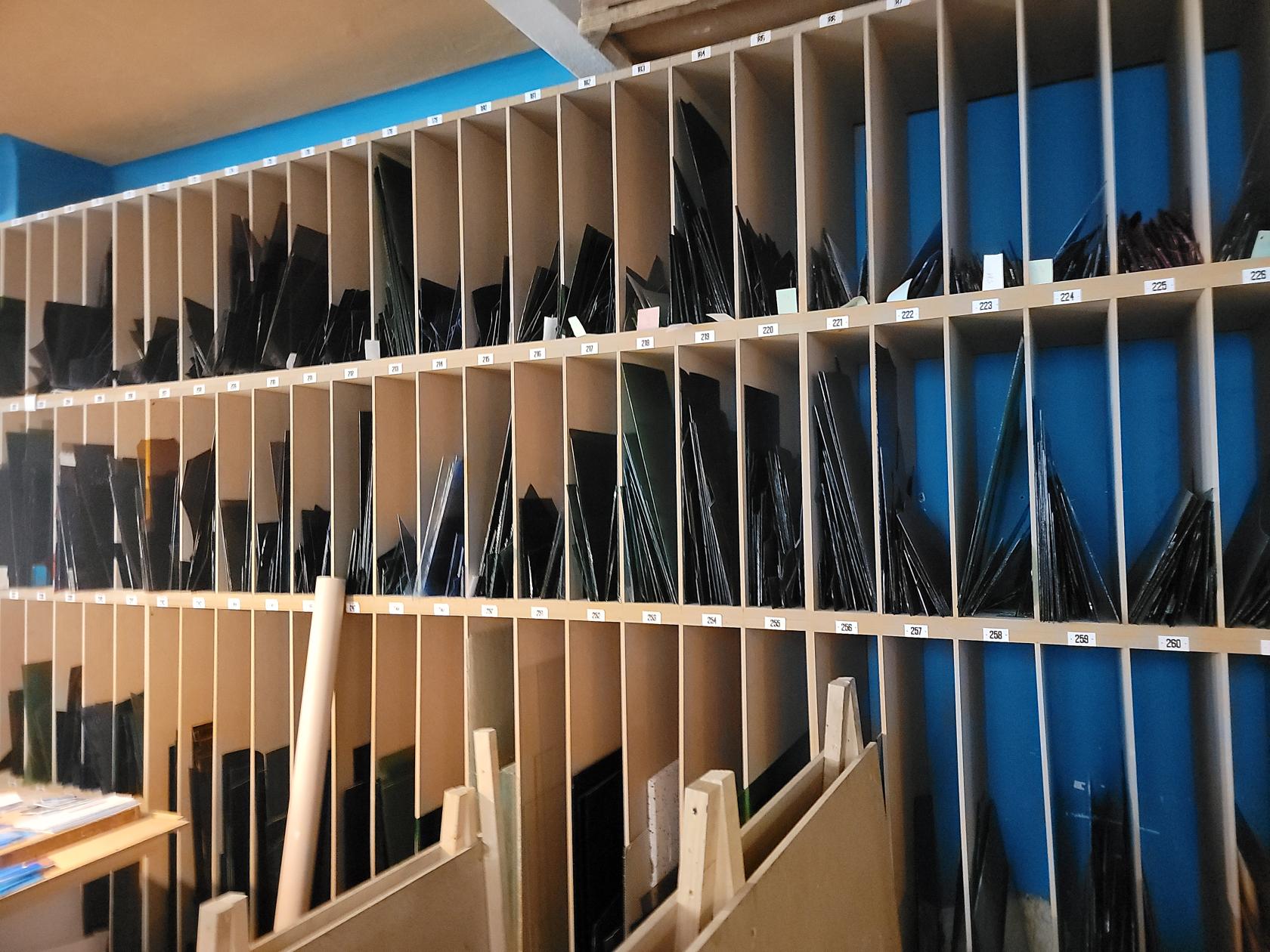
Inventory – muWi Stained Glass Museum – Kraków, Poland
Awards – muWi Stained Glass Museum – Kraków, Poland
Patterns and Cutting Glass – muWi Stained Glass Museum – Kraków, Poland
Cut Glass – muWi Stained Glass Museum – Kraków, Poland
Patterns and Templates – muWi Stained Glass Museum – Kraków, Poland
Example Designs – muWi Stained Glass Museum – Kraków, Poland
Religious Motifs – muWi Stained Glass Museum – Kraków, Poland
Works in Progress – muWi Stained Glass Museum – Kraków, Poland
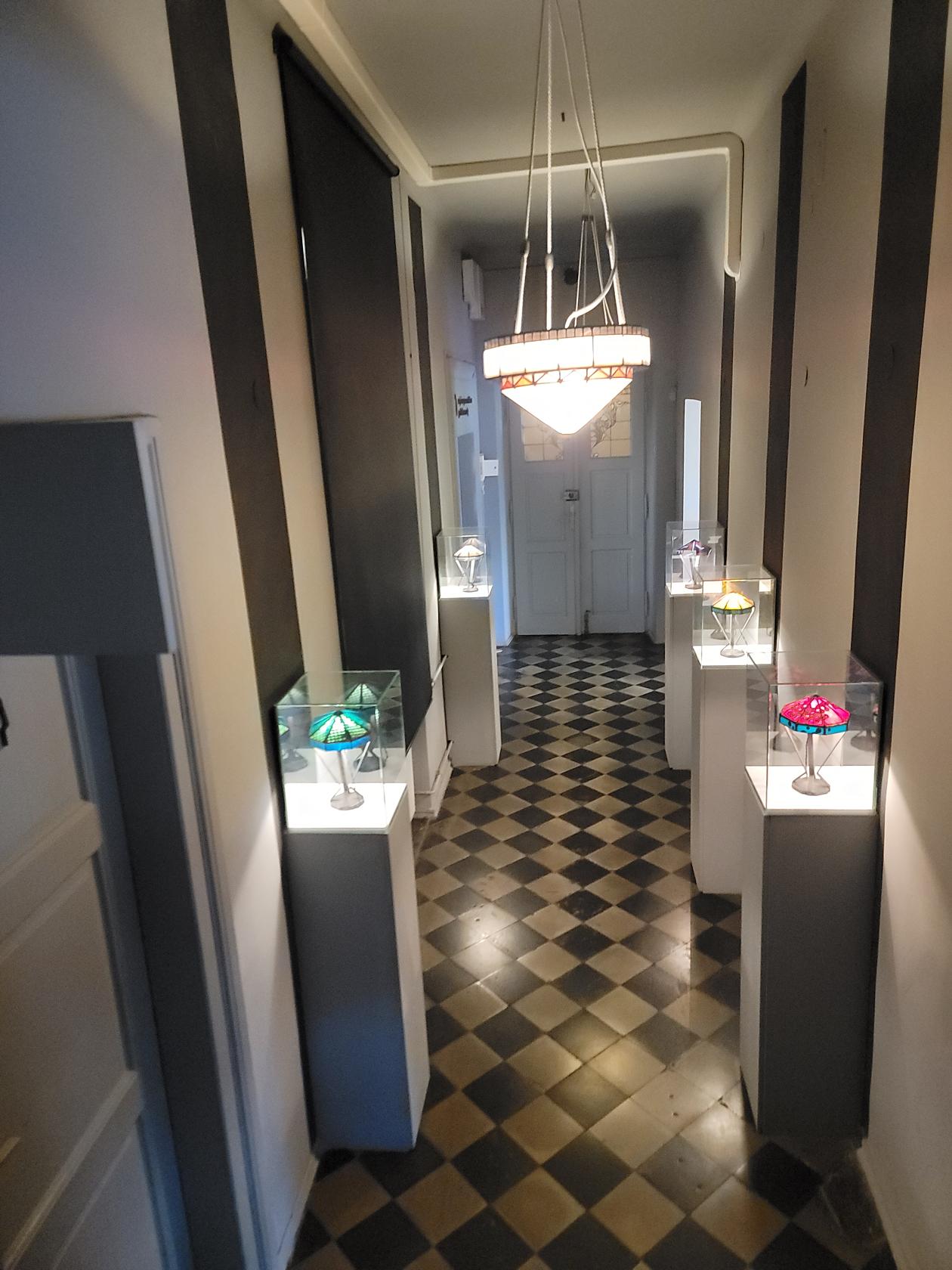
Hallway – muWi Stained Glass Museum – Kraków, Poland
Overview of Shop – muWi Stained Glass Museum – Kraków, Poland
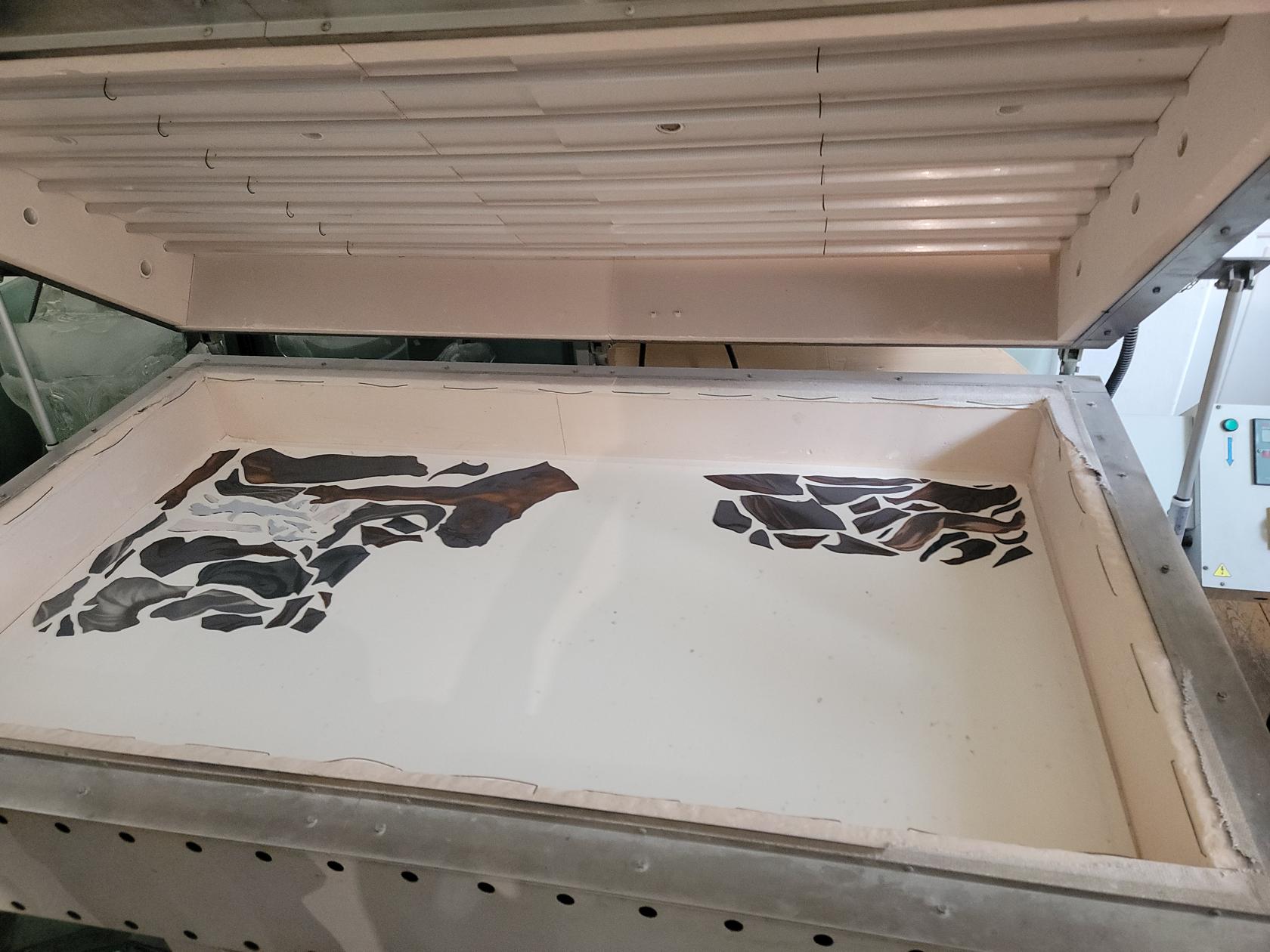
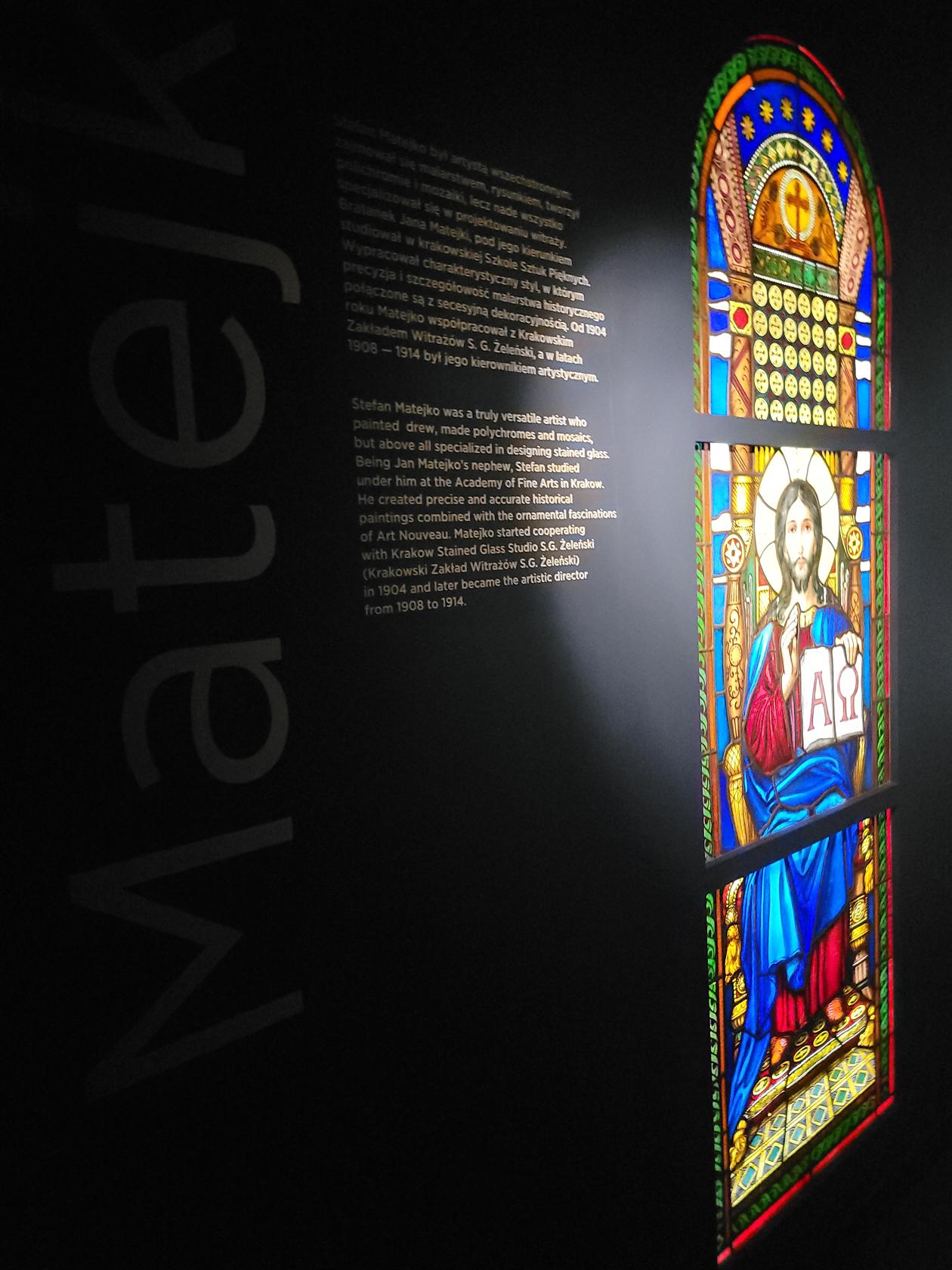
There is also a great history lesson regarding some of the designers and accomplished artists who have worked here as well. The second part of the tour takes you upstairs where the works are given their finishing touches and fired each night.
Painting and Patina Application – muWi Stained Glass Museum – Kraków, Poland
Painting Results – muWi Stained Glass Museum – Kraków, Poland
Old Lost Work Found Again – muWi Stained Glass Museum – Kraków, Poland
Color Palet – muWi Stained Glass Museum – Kraków, Poland
Kiln – muWi Stained Glass Museum – Kraków, Poland
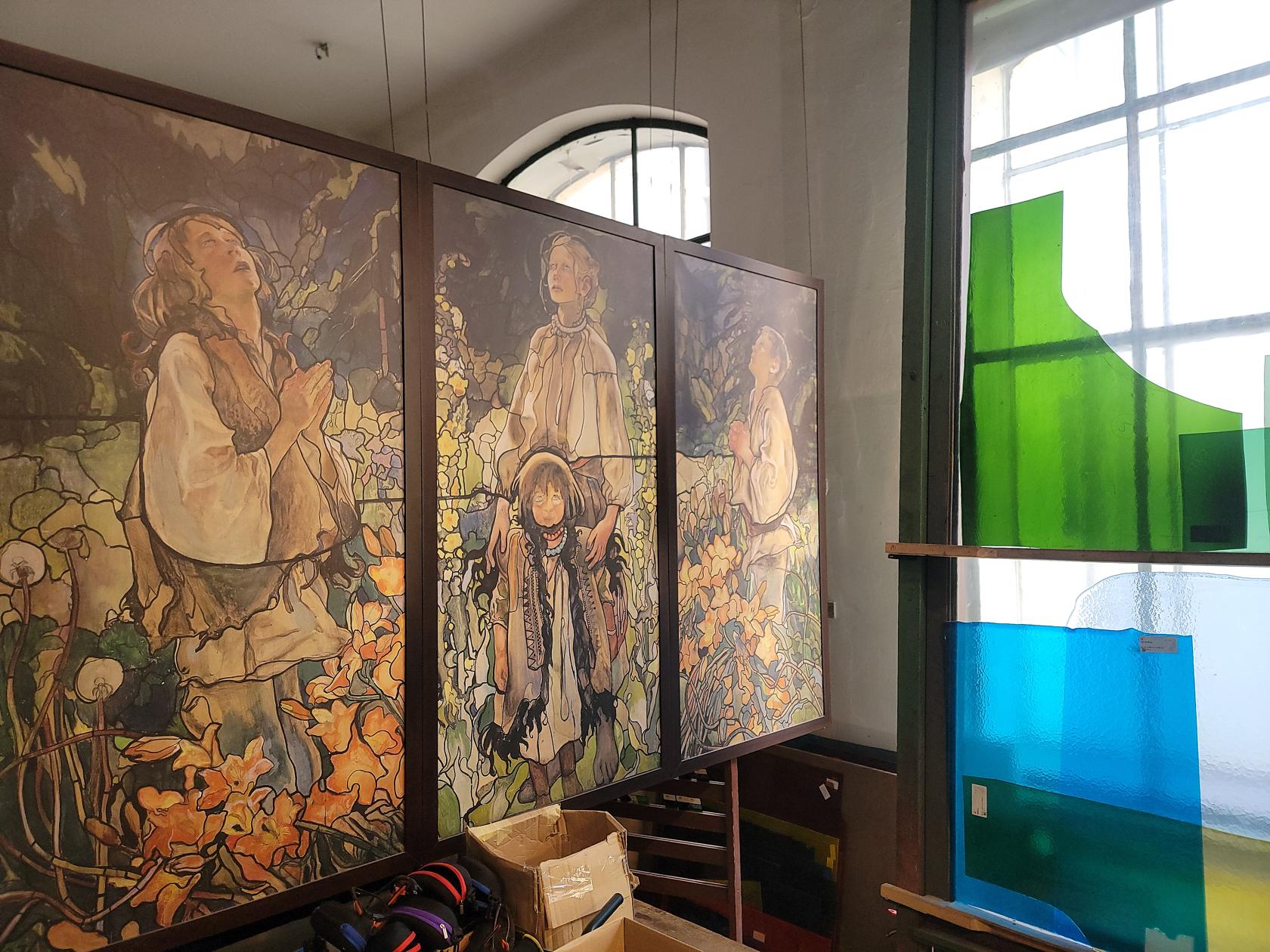
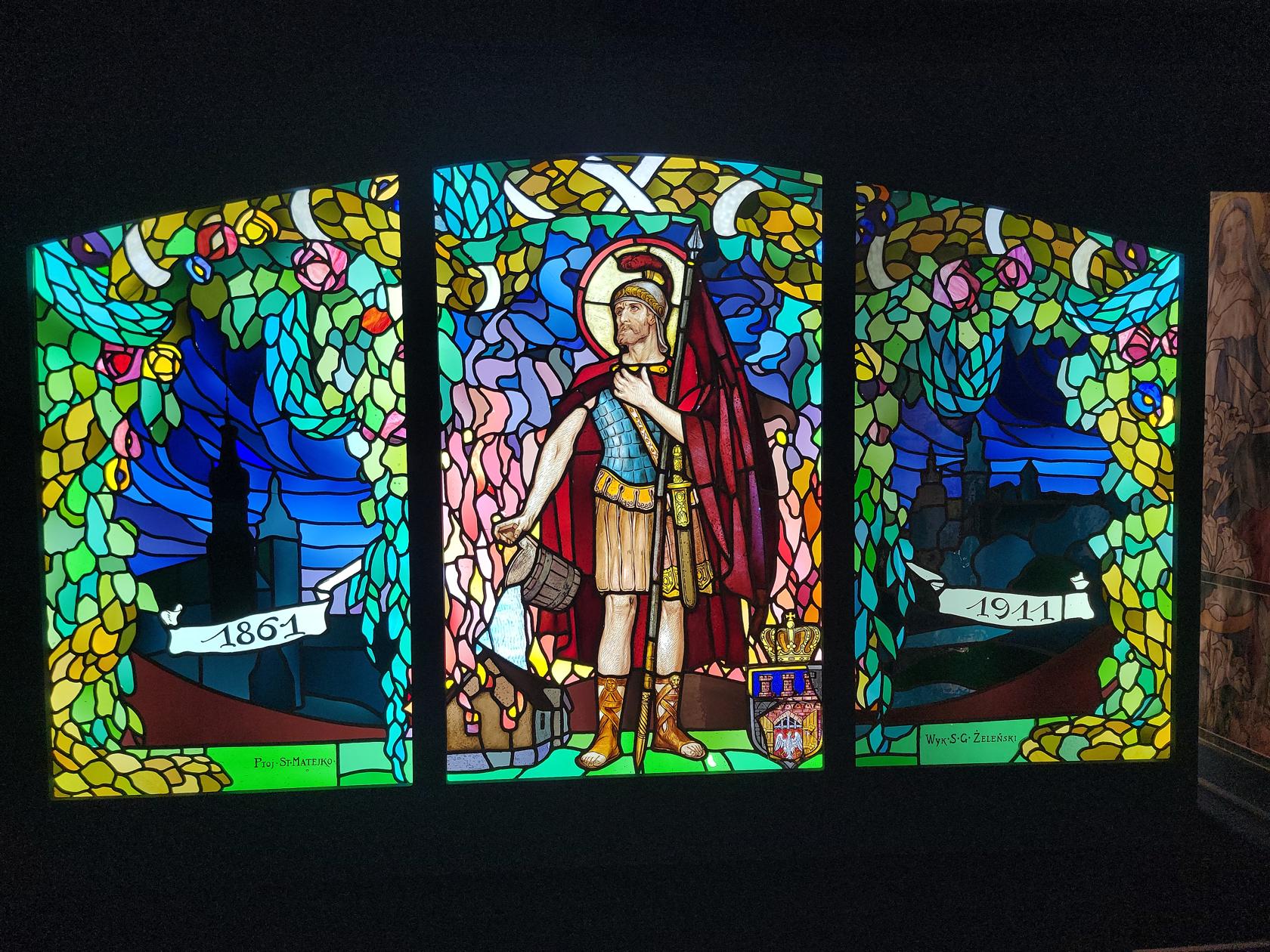
Finally, there are displays of work that have either been refound in the cellar, or recreated from old designs. All of these were from two of their most famous designers and stained glass makers.
Stefan Matejko 50th Anniversary – muWi Stained Glass Museum – Kraków, Poland
Stefan Matejko Design – muWi Stained Glass Museum – Kraków, Poland
Stefan Matejko Design – muWi Stained Glass Museum – Kraków, Poland
Stefan Matejko Design – muWi Stained Glass Museum – Kraków, Poland
Stefan Matejko Design – muWi Stained Glass Museum – Kraków, Poland
Stanislav Wyspianski Design – muWi Stained Glass Museum – Kraków, Poland
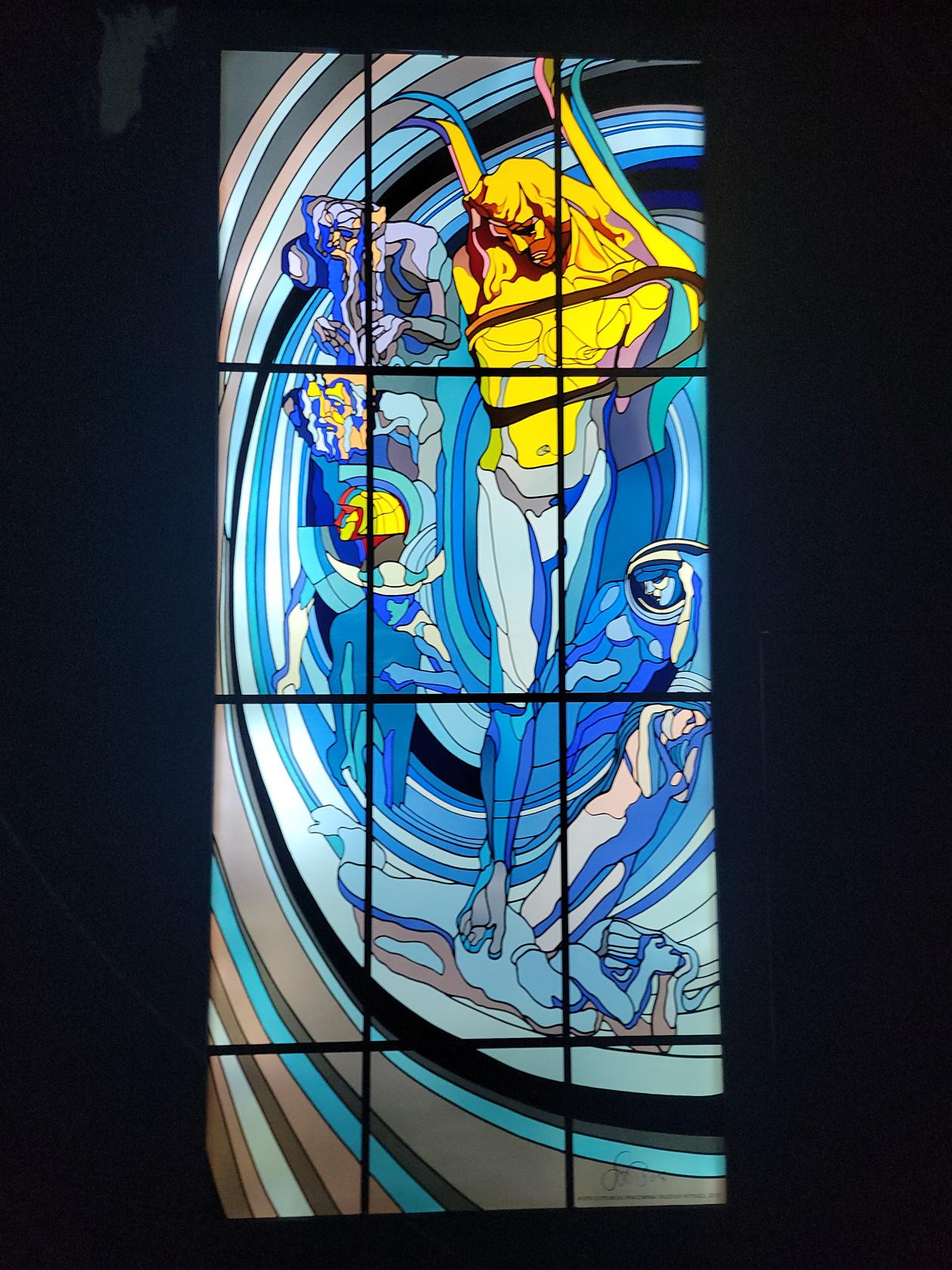
Apollo in the Making with the Planets – Stanislav Wyspianski Design – muWi Stained Glass Museum – Kraków, Poland
Restaurants
One last thought on restaurants in Kraków and Poland in general. At this writing we consider them just as exspensive as in the States. Yes, there are certainly some places you can go and things you can order to minimize your food exspenses, but you can do that in the States as well. One additional comment, few restaurants allow or enable their guests to add a tip to the check. So, if you want to leave one, you should have cash on you. In most cases, since we are coming from Italy where it is not done except in tourist areas, we don’t leave one, though that is probably not the generally accepted behavior.
Gospoda Koko
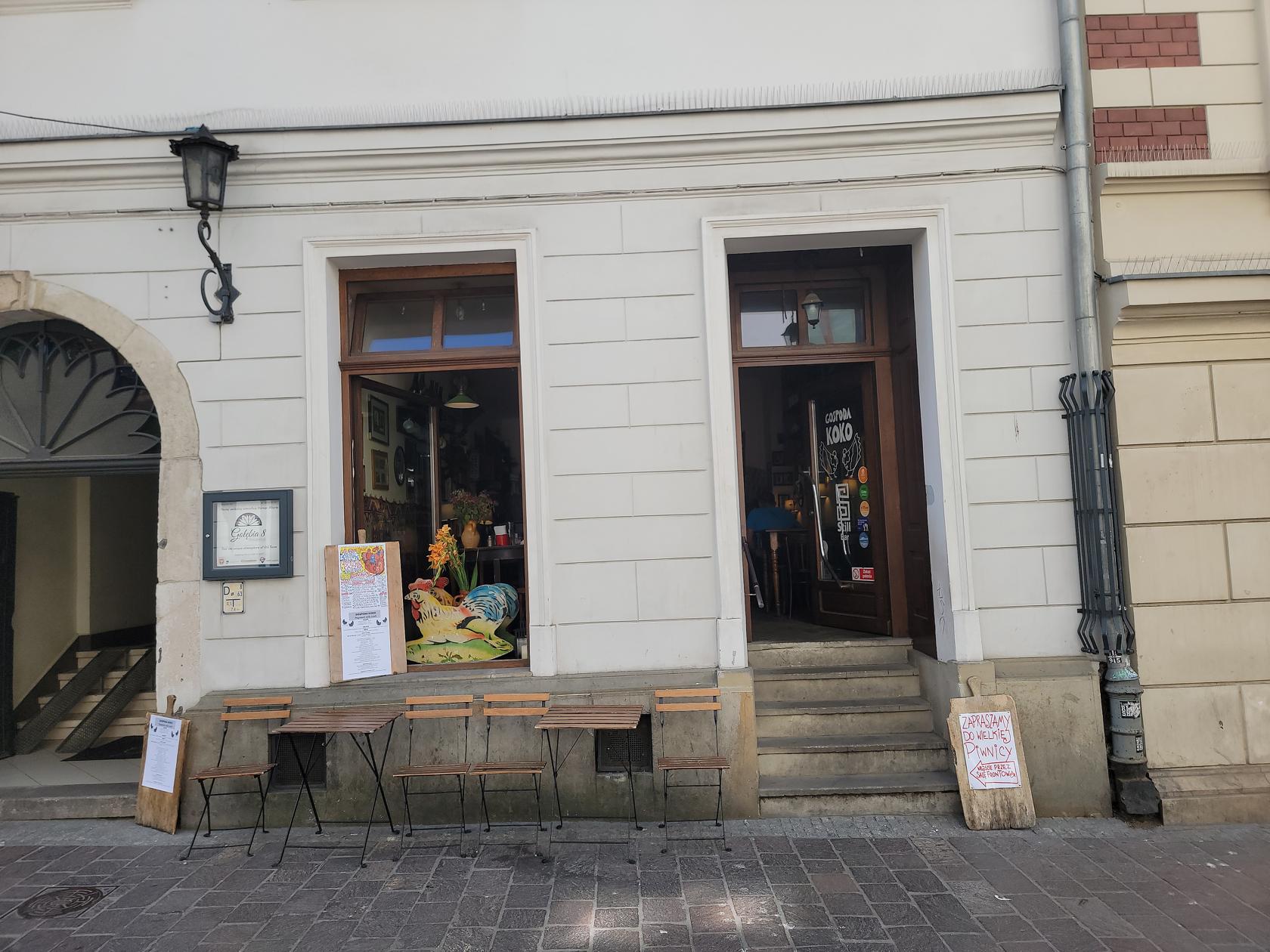
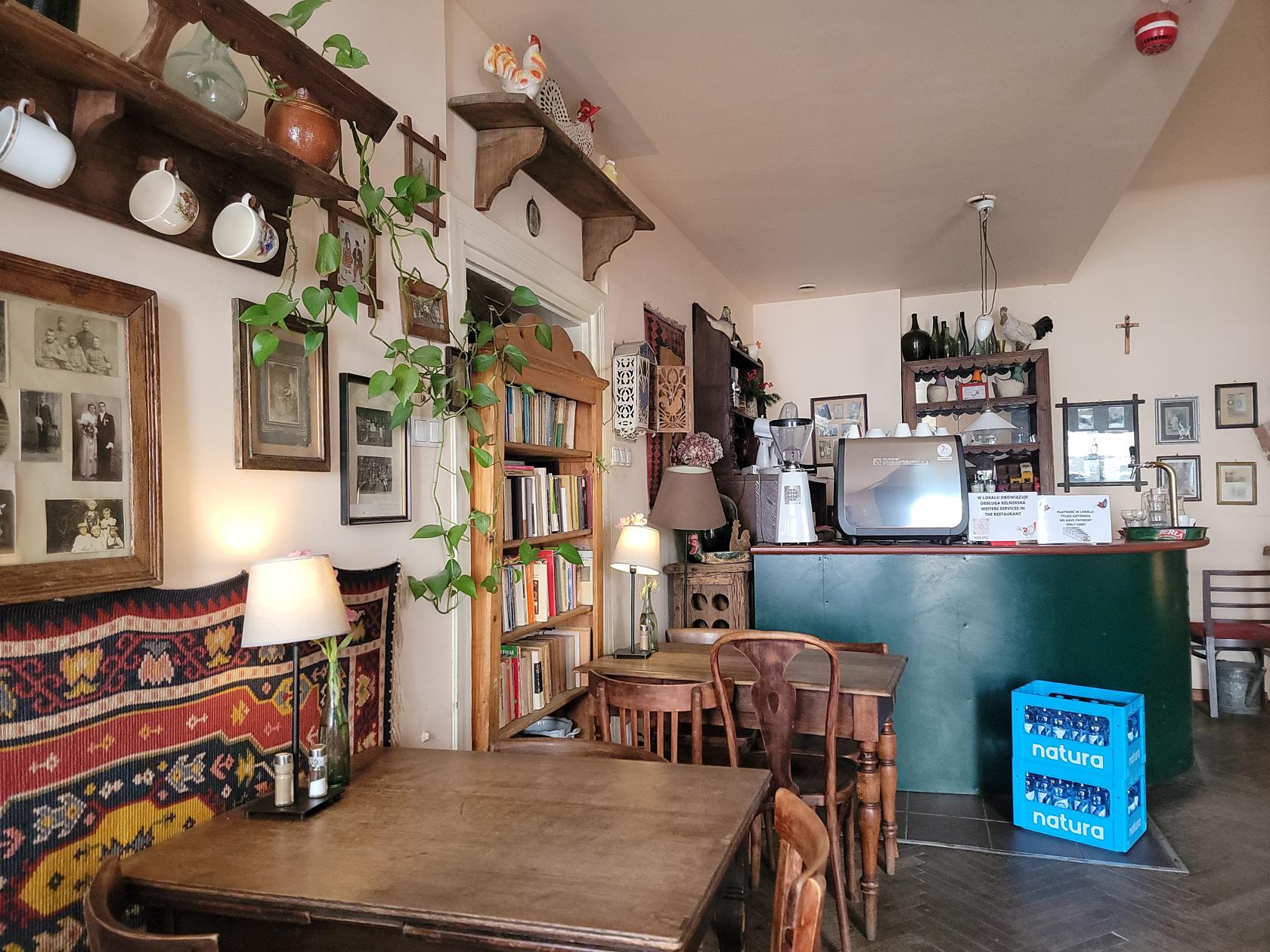
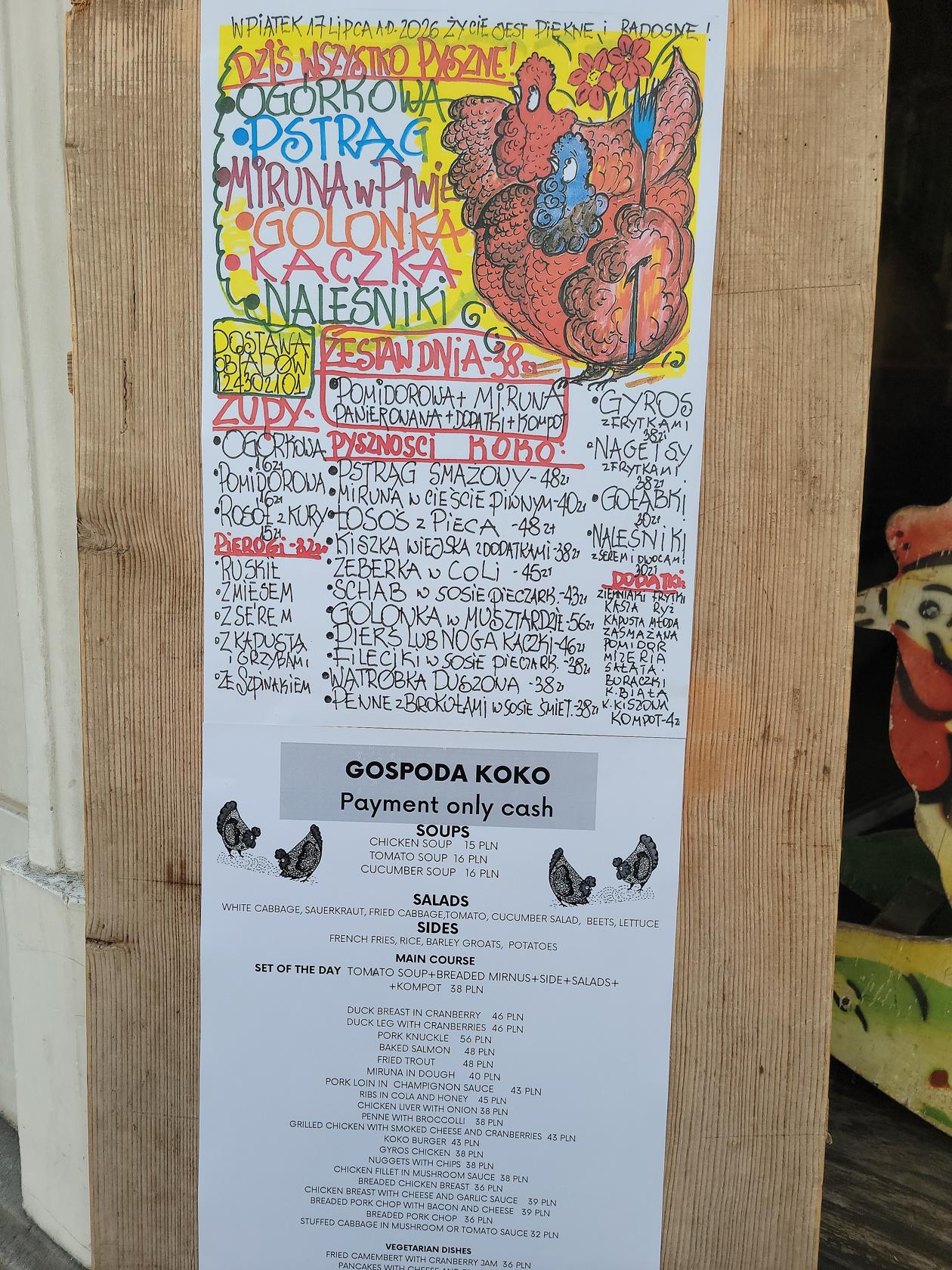
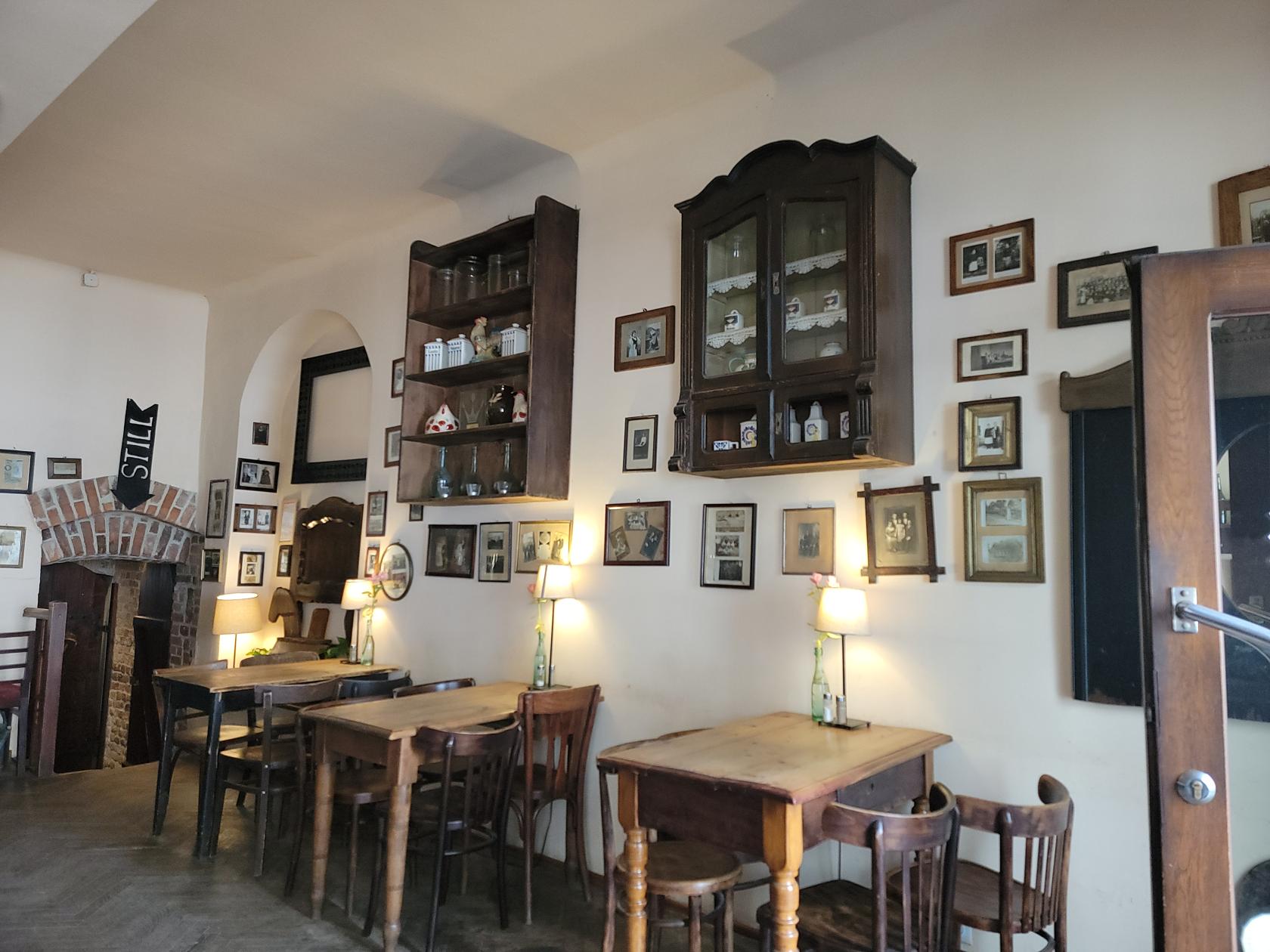
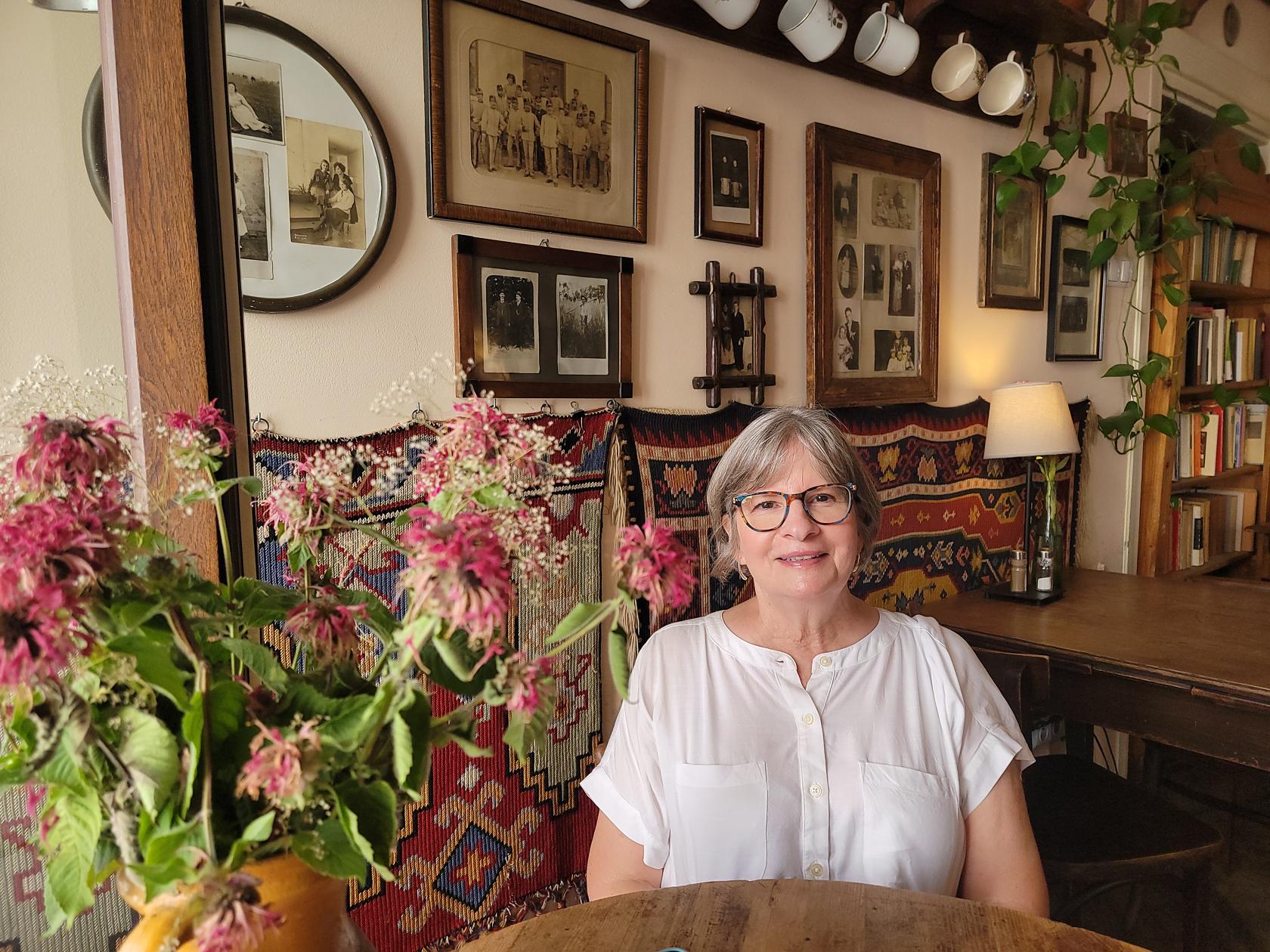
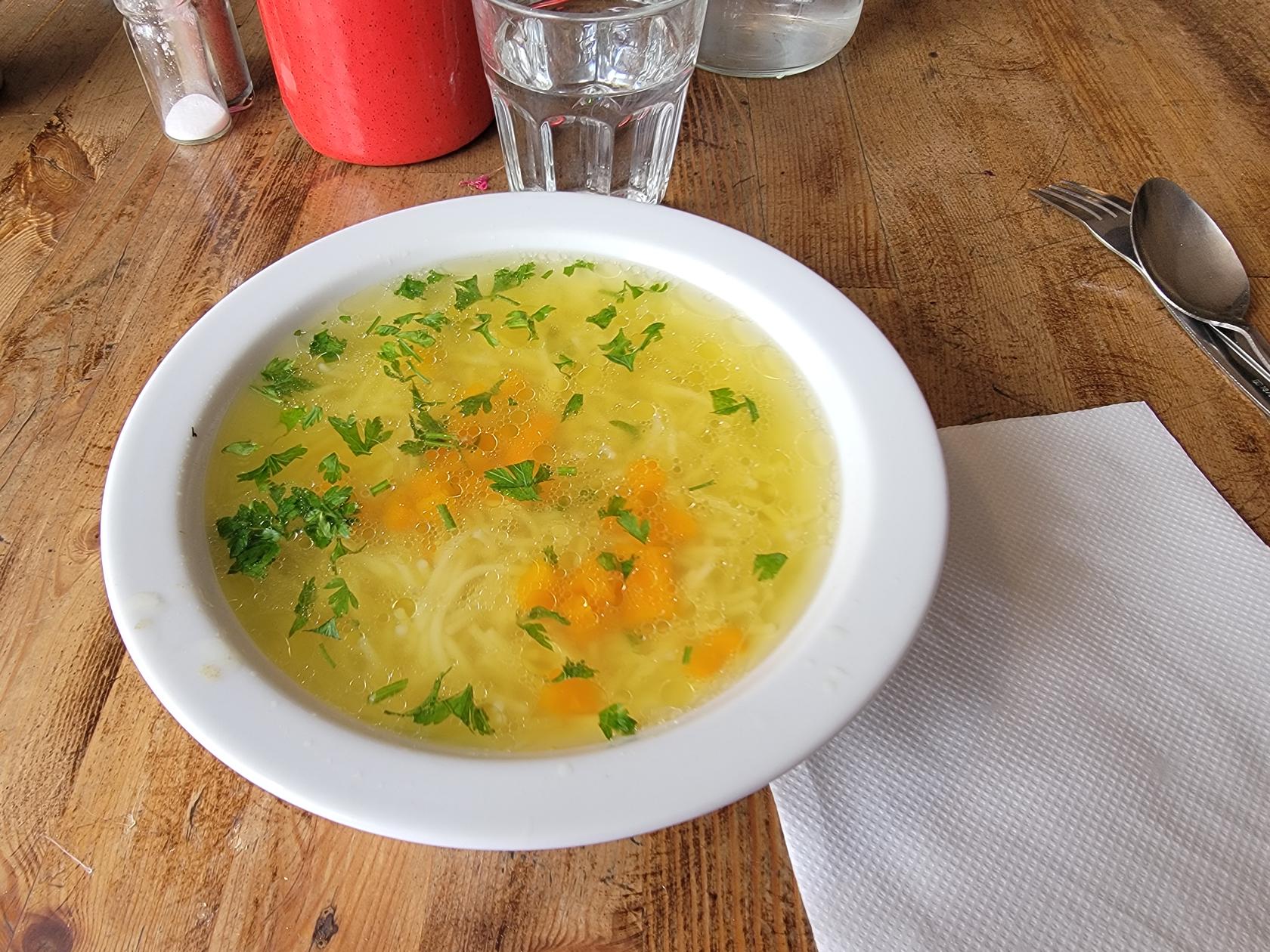
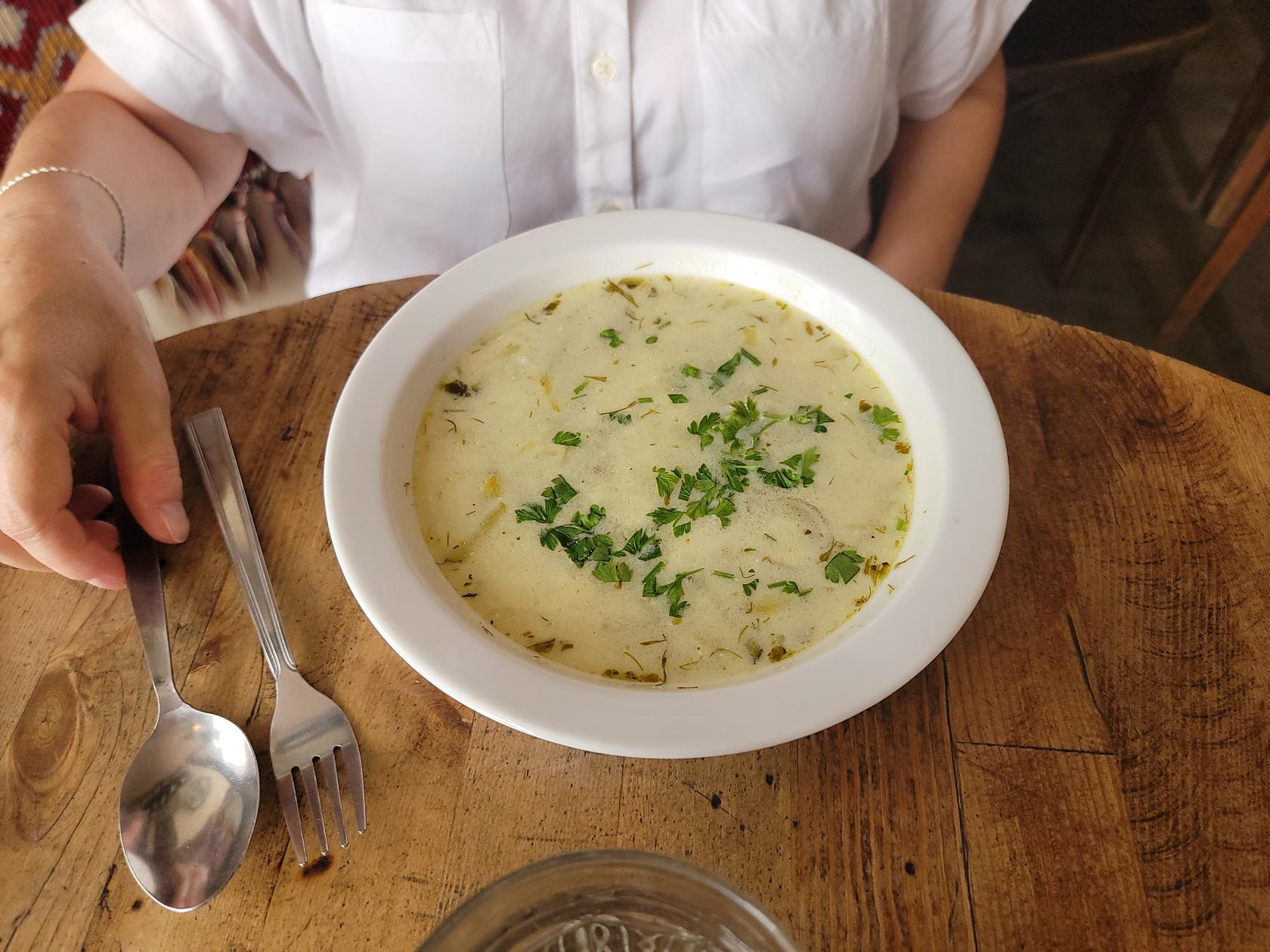
This restaurant was a surprise find. Gospoda Koka is a rather off-beat establishment that actually had good food and service that we thoroughly enjoyed for lunch. They have very good soups and their Polish Cabbage Side Salad for only 7 Zloty(under $2) is highly recommended.
Entrance – Gospoda Koko Restaurant – Kraków, Poland
Inside – Gospoda Koko Restaurant – Kraków, Poland
Today’s Menu – Gospoda Koko Restaurant – Kraków, Poland
Inside – Gospoda Koko Restaurant – Kraków, Poland
Patti Inside – Gospoda Koko Restaurant – Kraków, Poland
Chicken Noodle Soup – Gospoda Koko Restaurant – Kraków, Poland
Patti’s Soup – Gospoda Koko Restaurant – Kraków, Poland
Morskie Oko
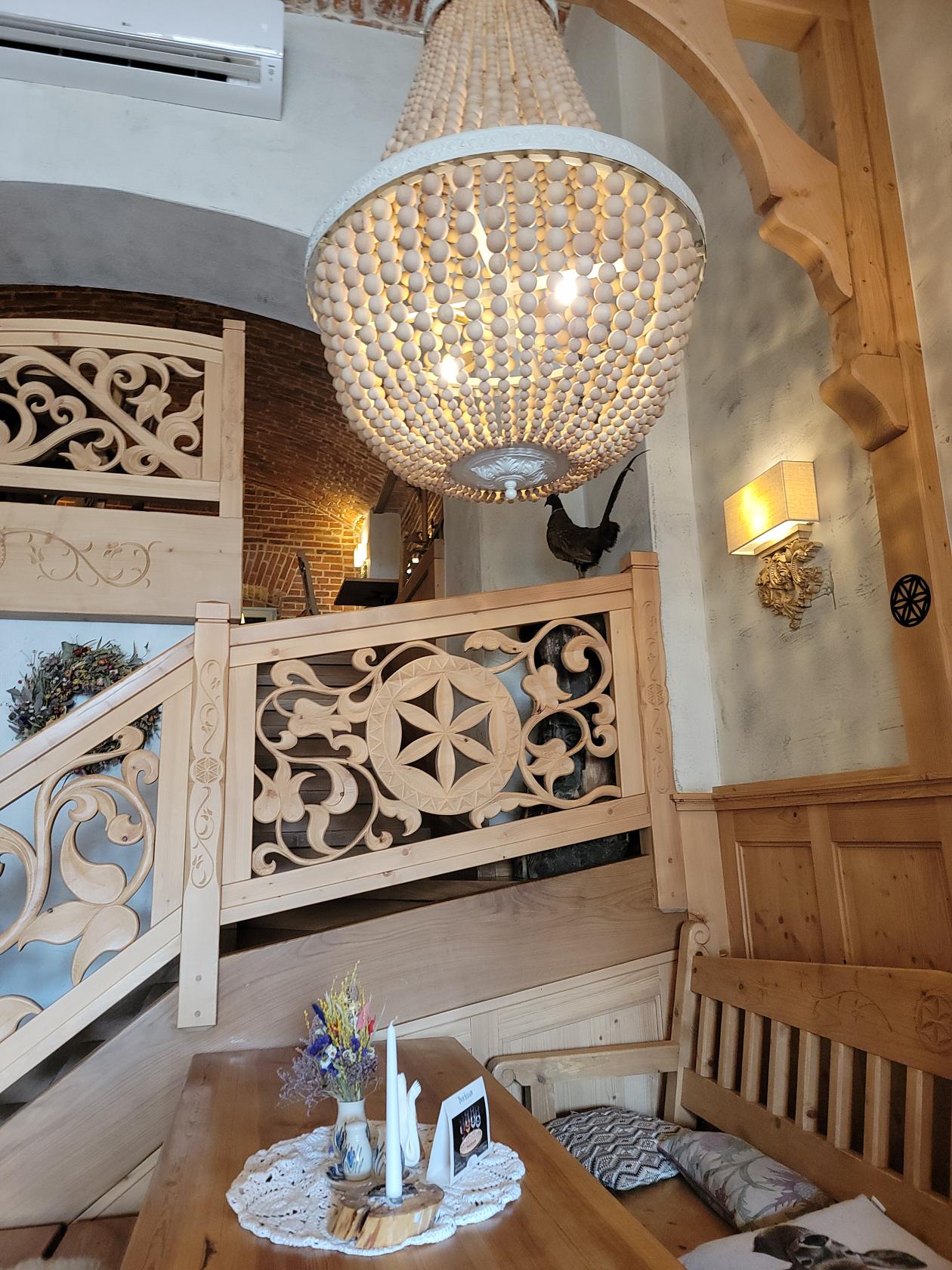
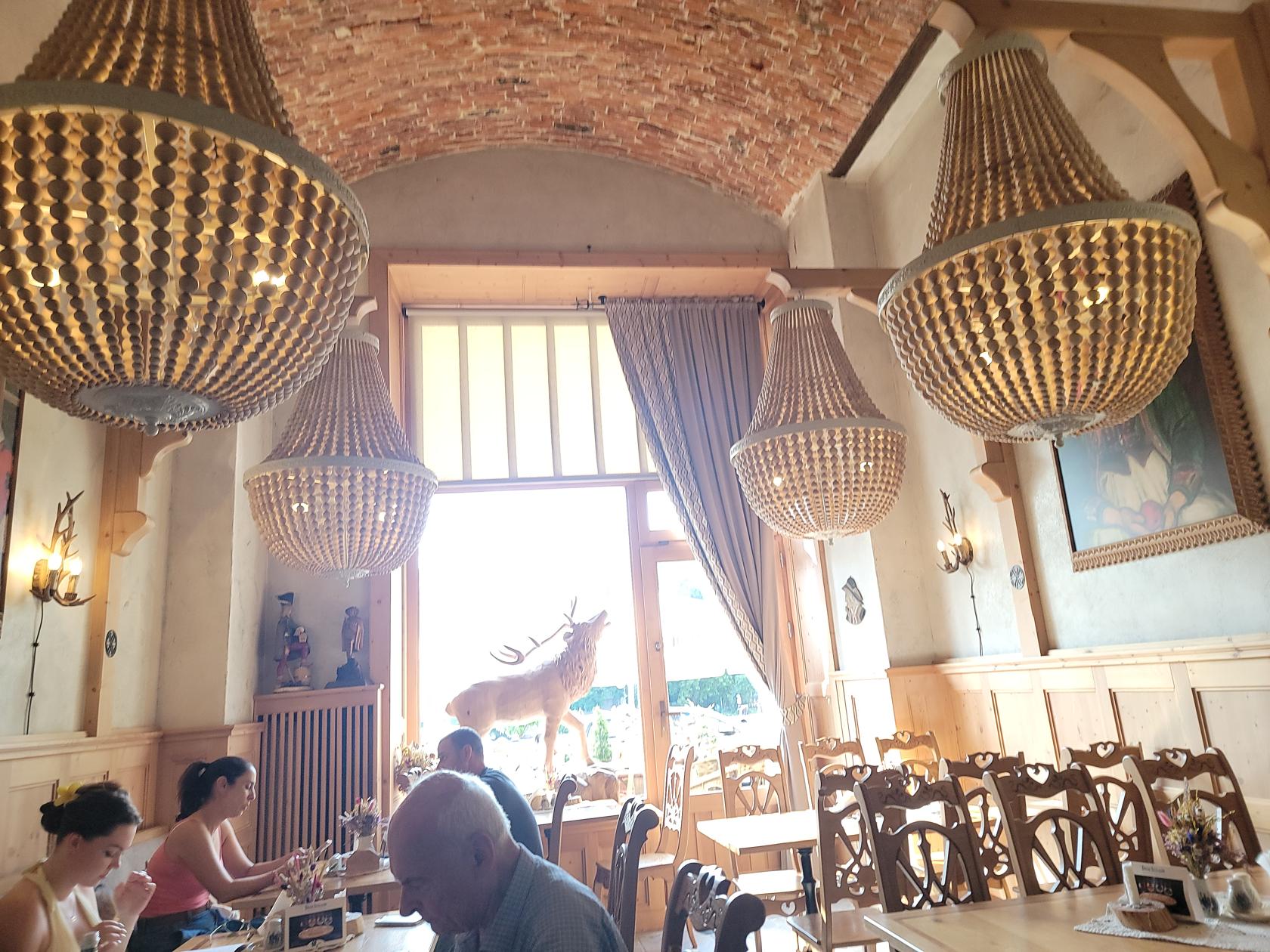
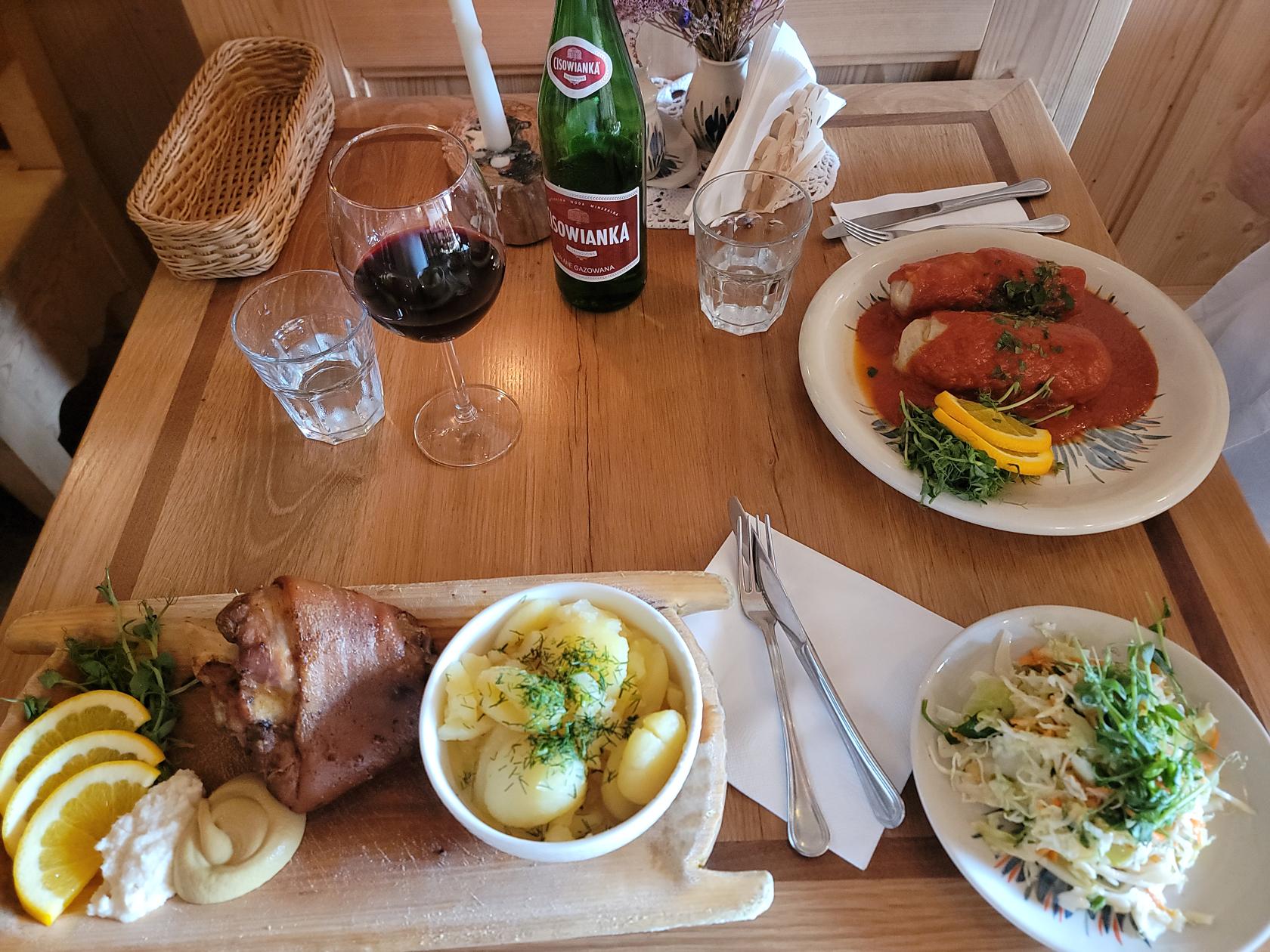
Another visit to Morskie Oko for lunch this time gave us the opportunity to try other fare. Patti tried the Stuffed Cabbage while I ordered the Pork Shank with Potatoes.
Inside – Morskie Oko Restaurant – Kraków, Poland
Decor – Morskie Oko Restaurant – Kraków, Poland
Pork Shank and Potatoes, Cabbage Salad and Galumpki – Morskie Oko Restaurant – Kraków, Poland
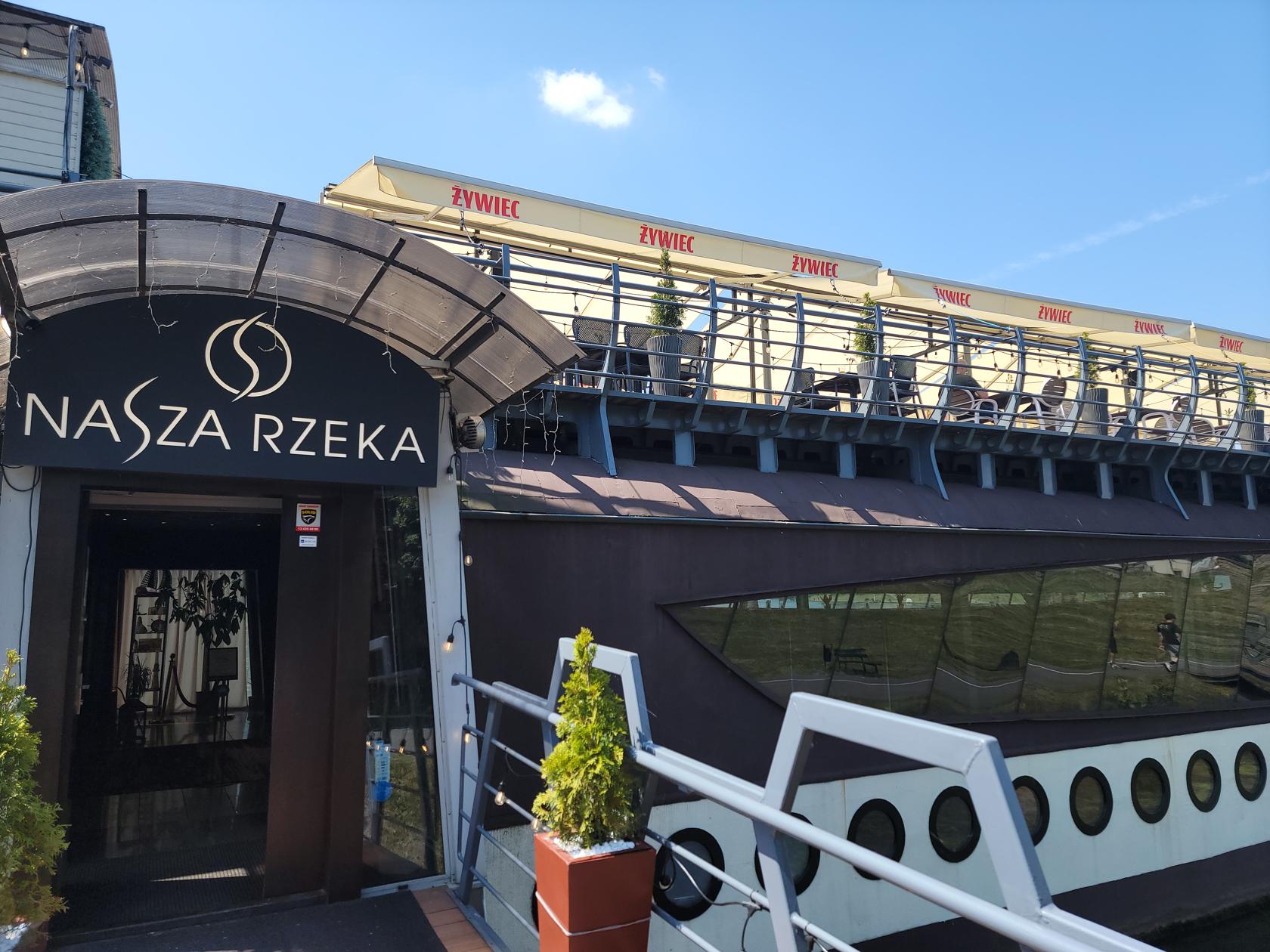
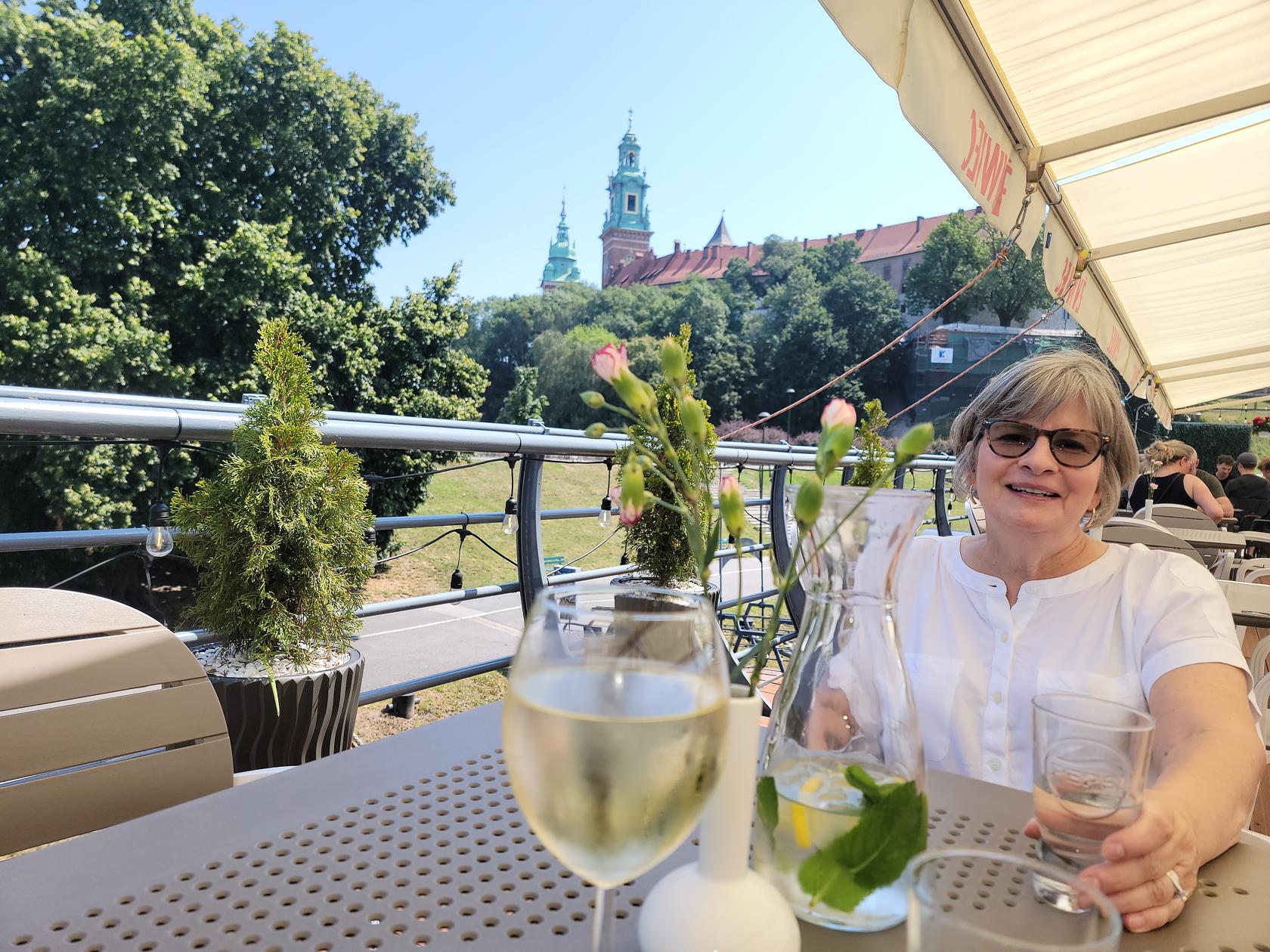
A converted boat on the Vistula, the Nasza Rzeka Bar is an excellent choice for a noon time drink, especially during good weather. The upper deck is a perfect place to enjoy the view of the river and recharge.
Nasza Rzeka Bar – Vistula River – Kraków, Poland
Patti – Nasza Rzeka Bar – Vistula River – Kraków, Poland
Wawel Castle – Vistula River – Kraków, Poland
Patti – Nasza Rzeka Bar – Vistula River – Kraków, Poland
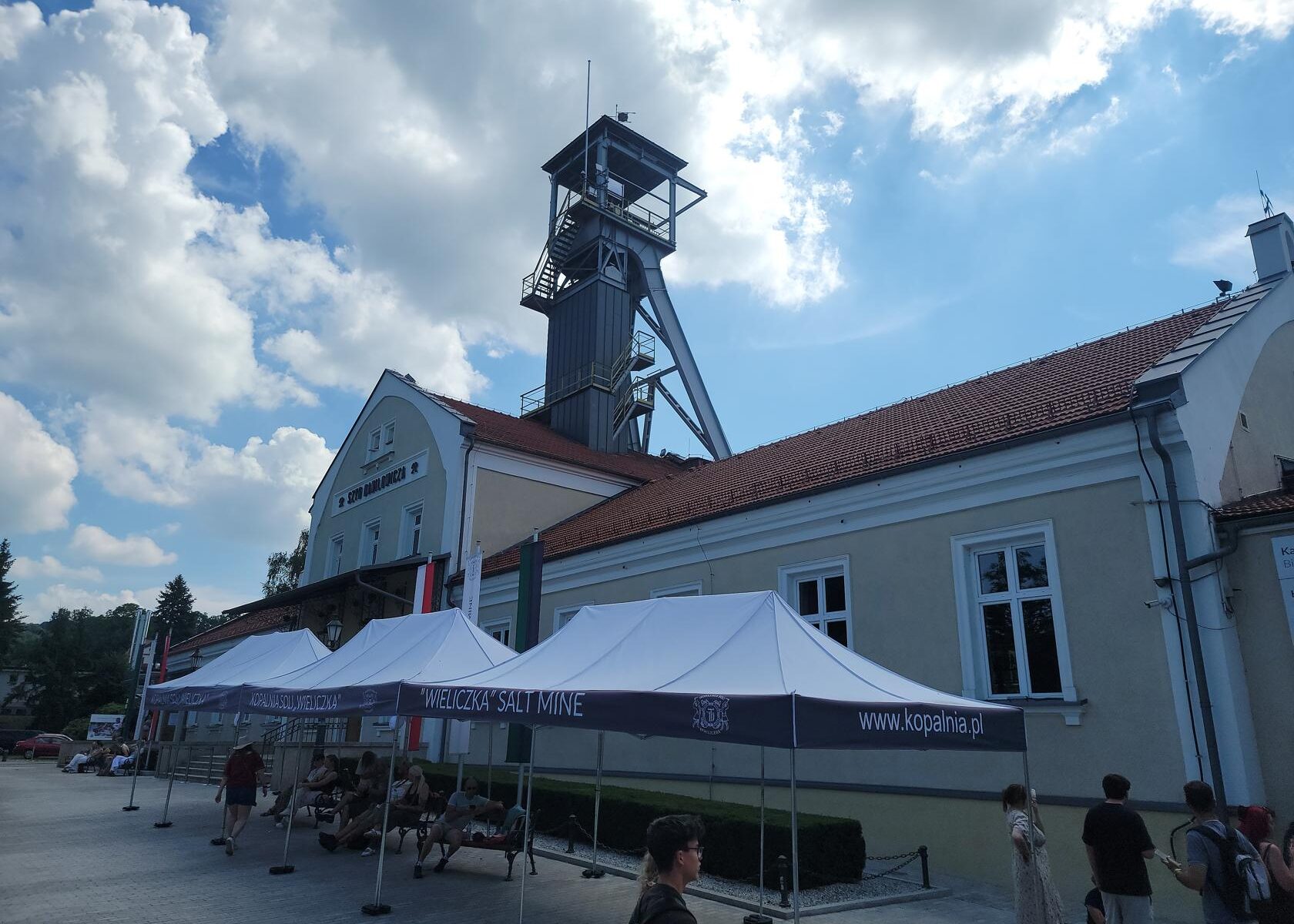
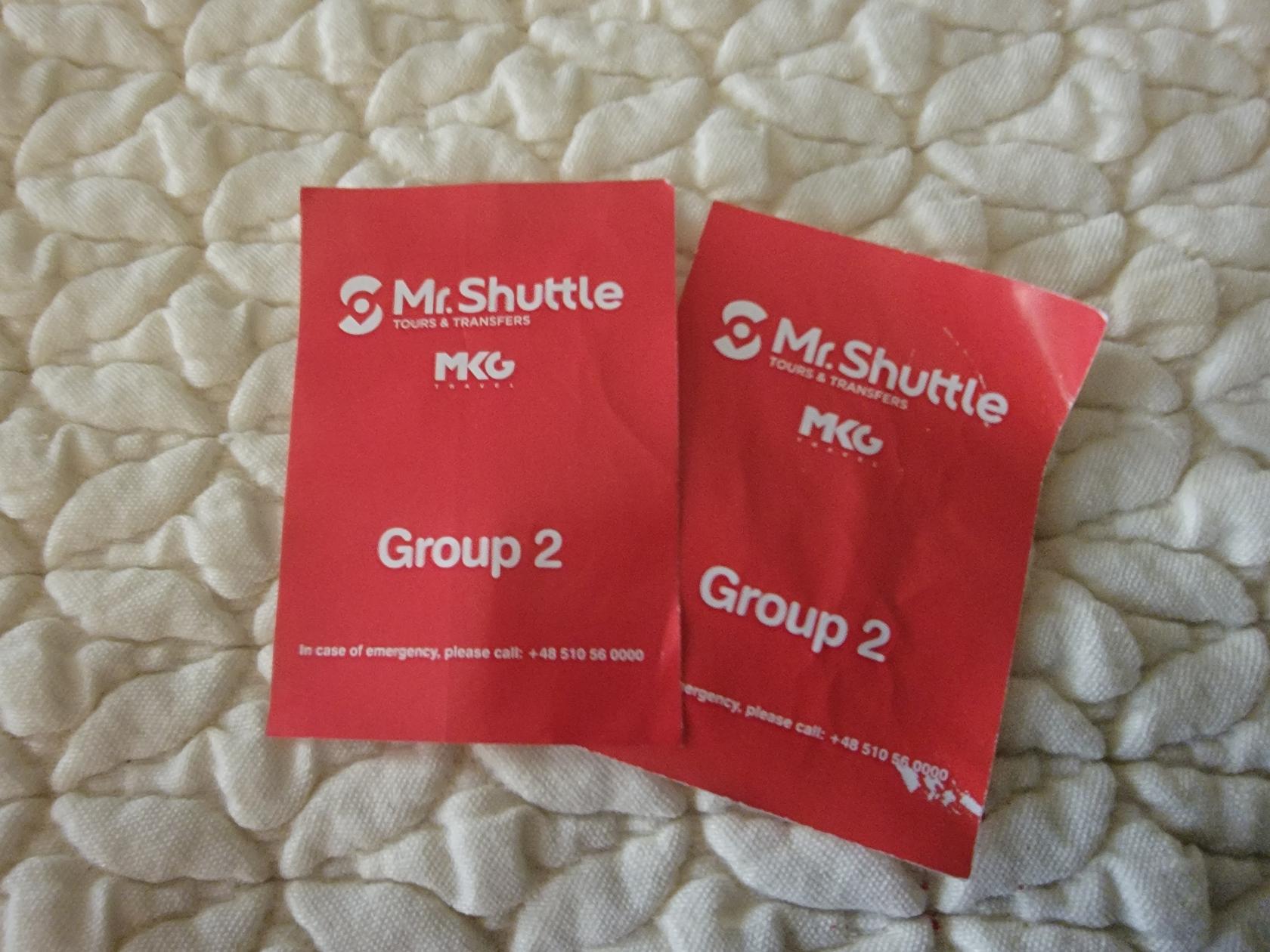
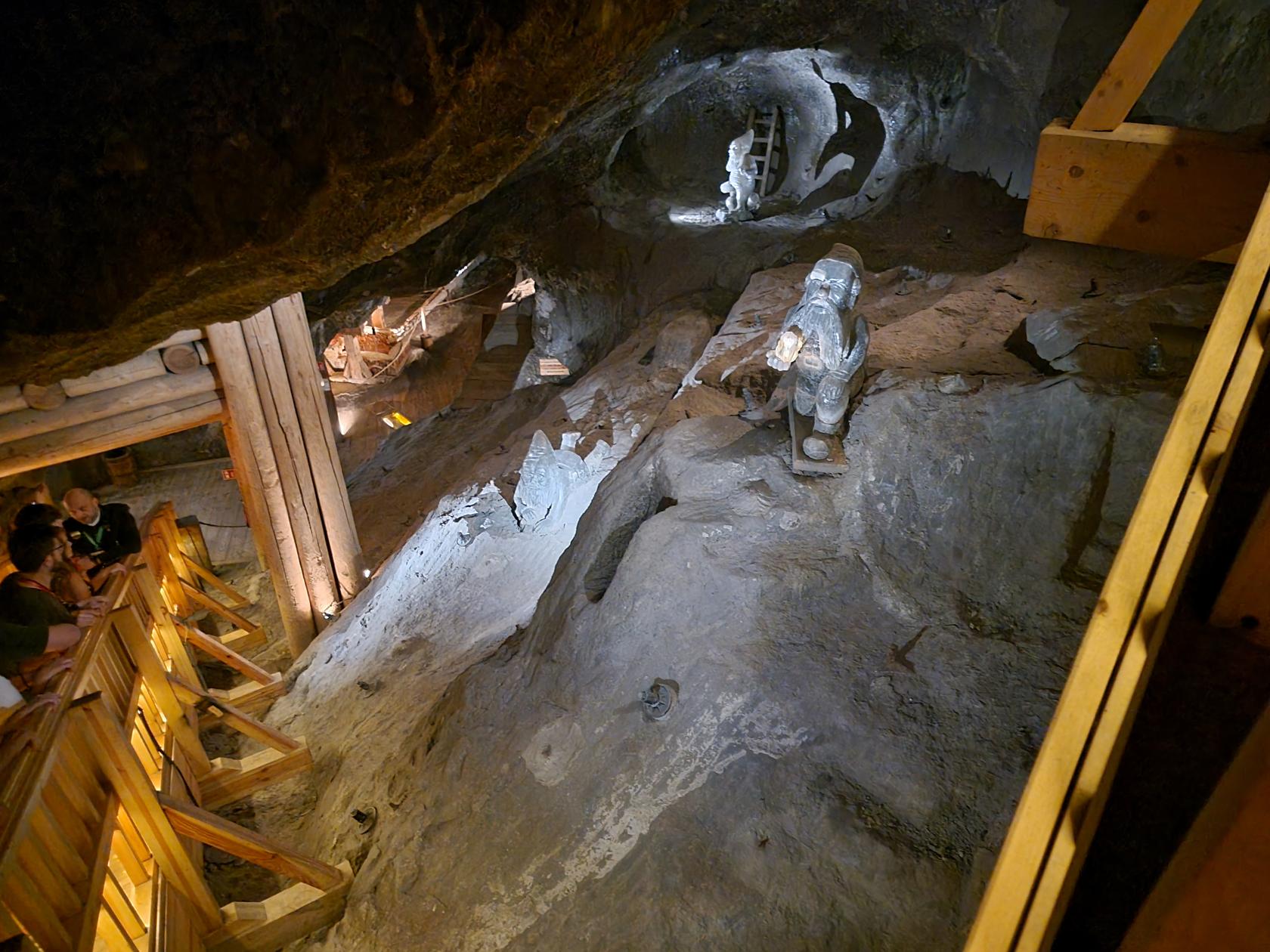
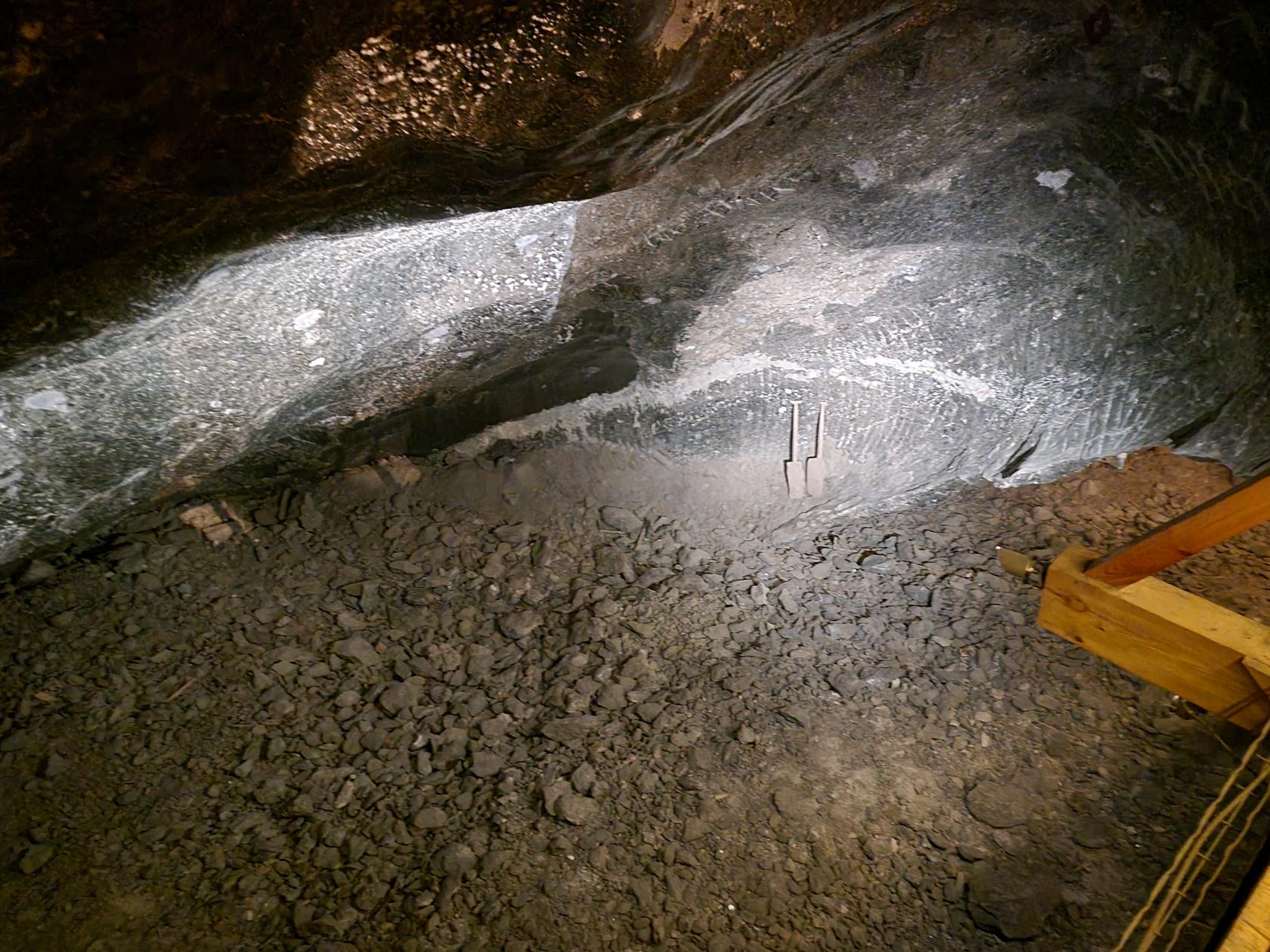
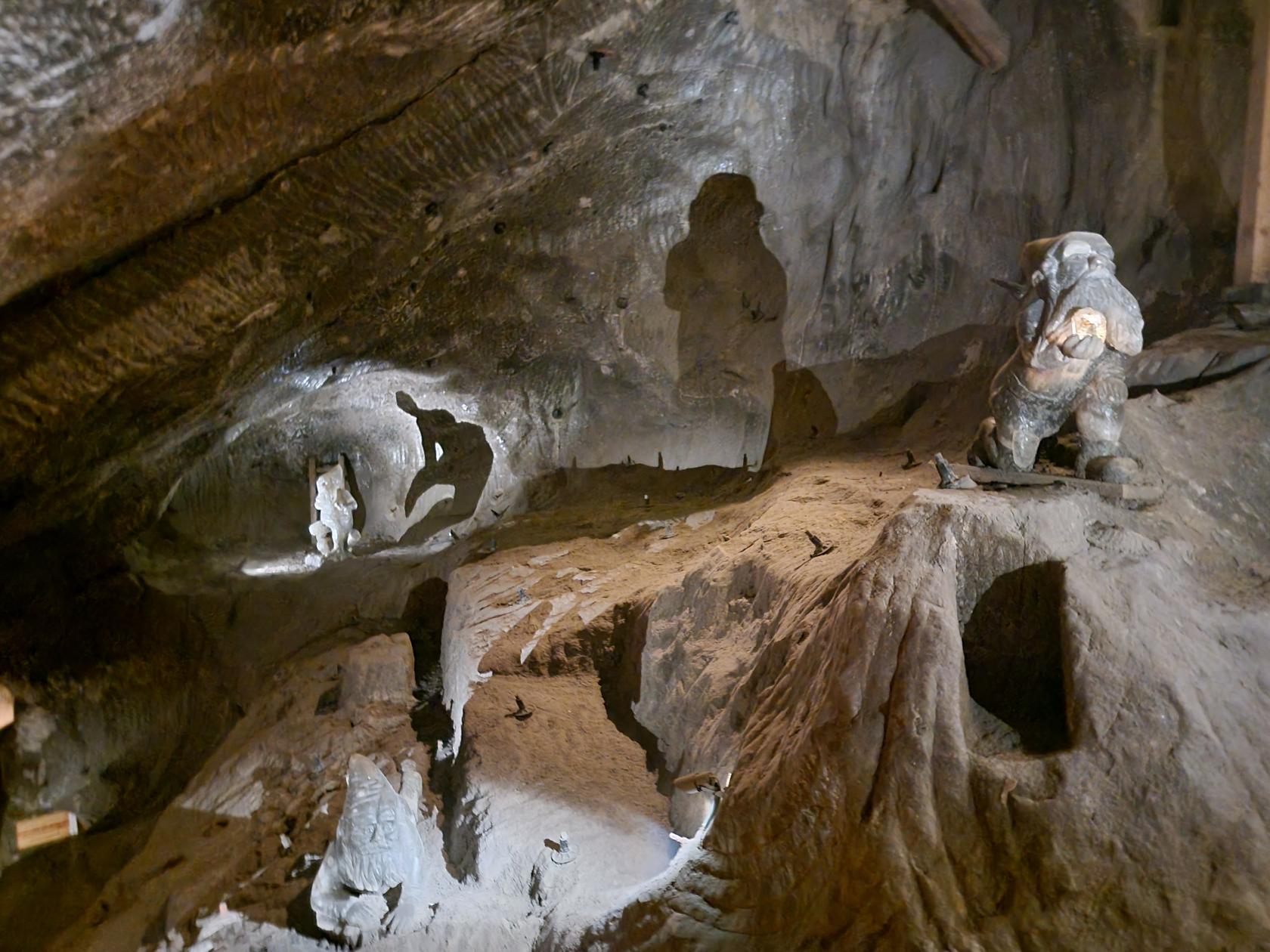
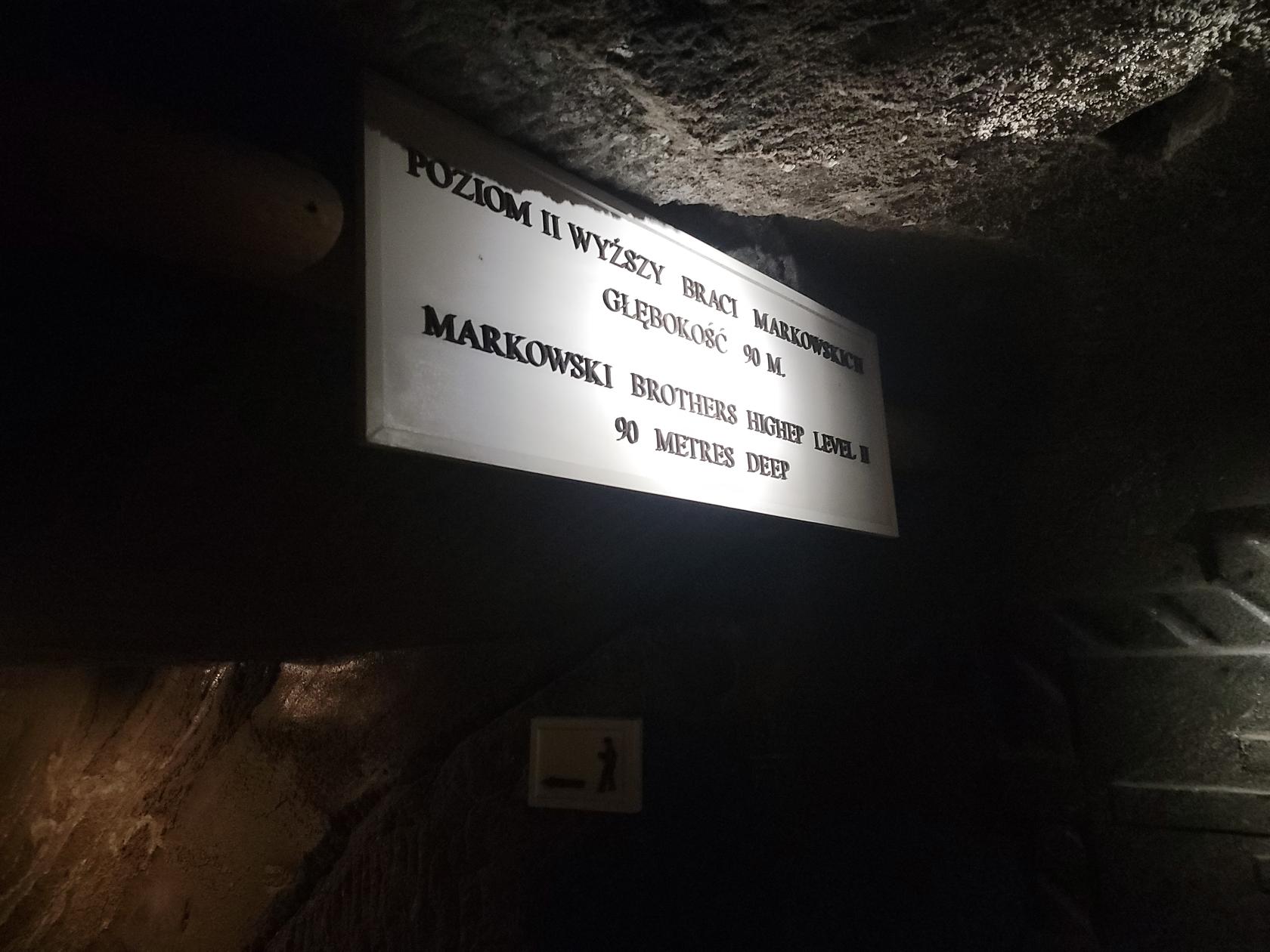
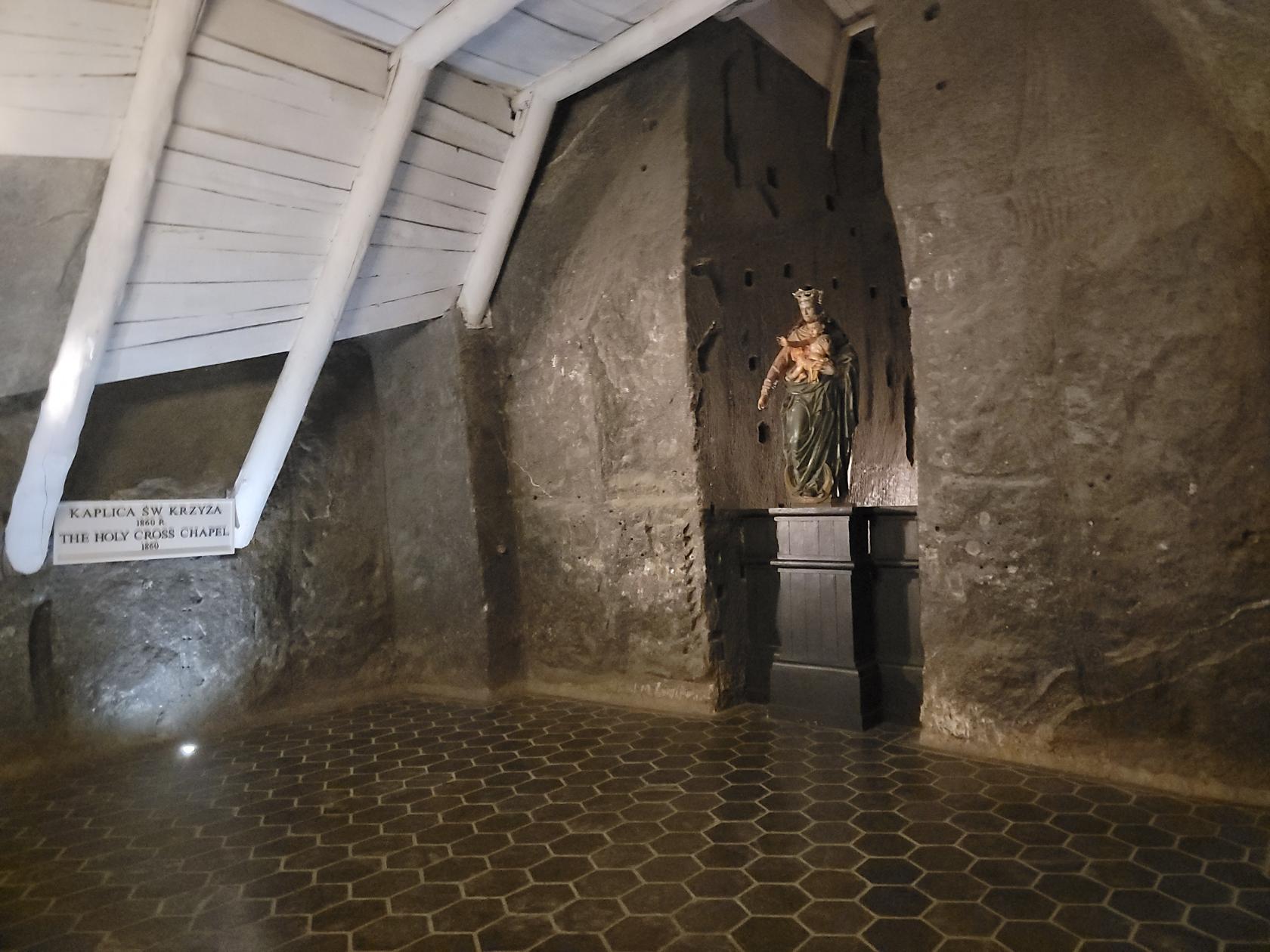
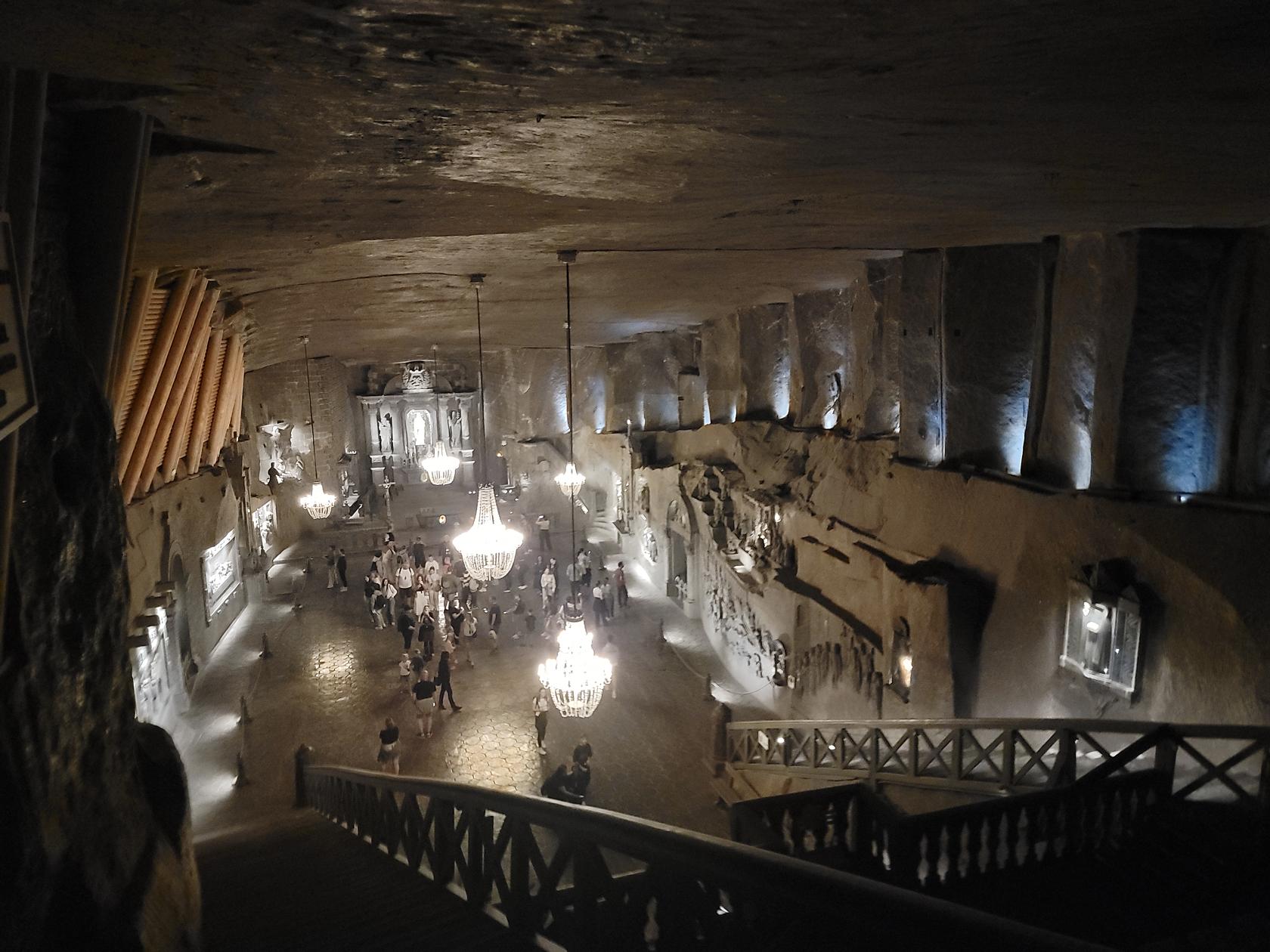
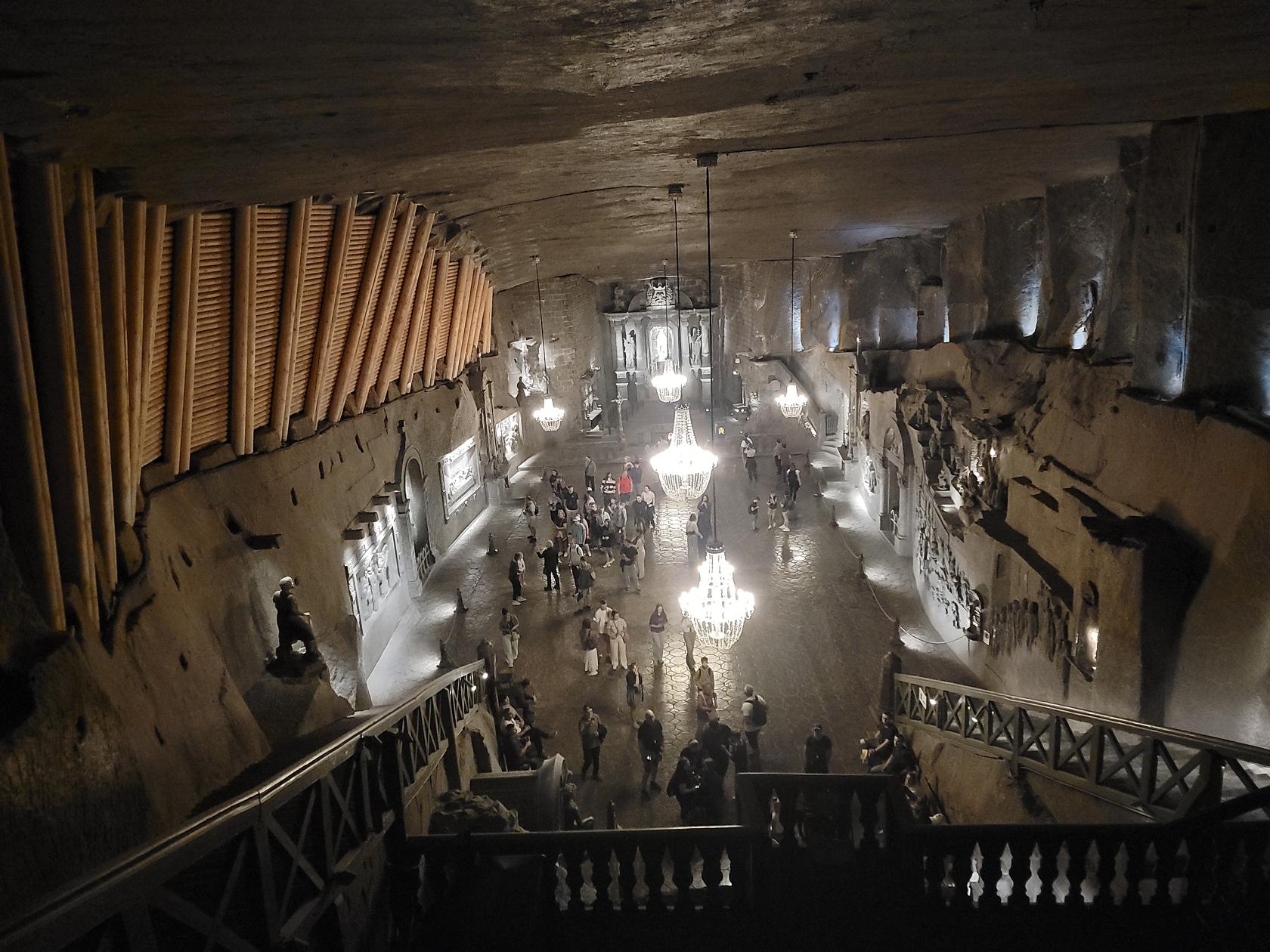
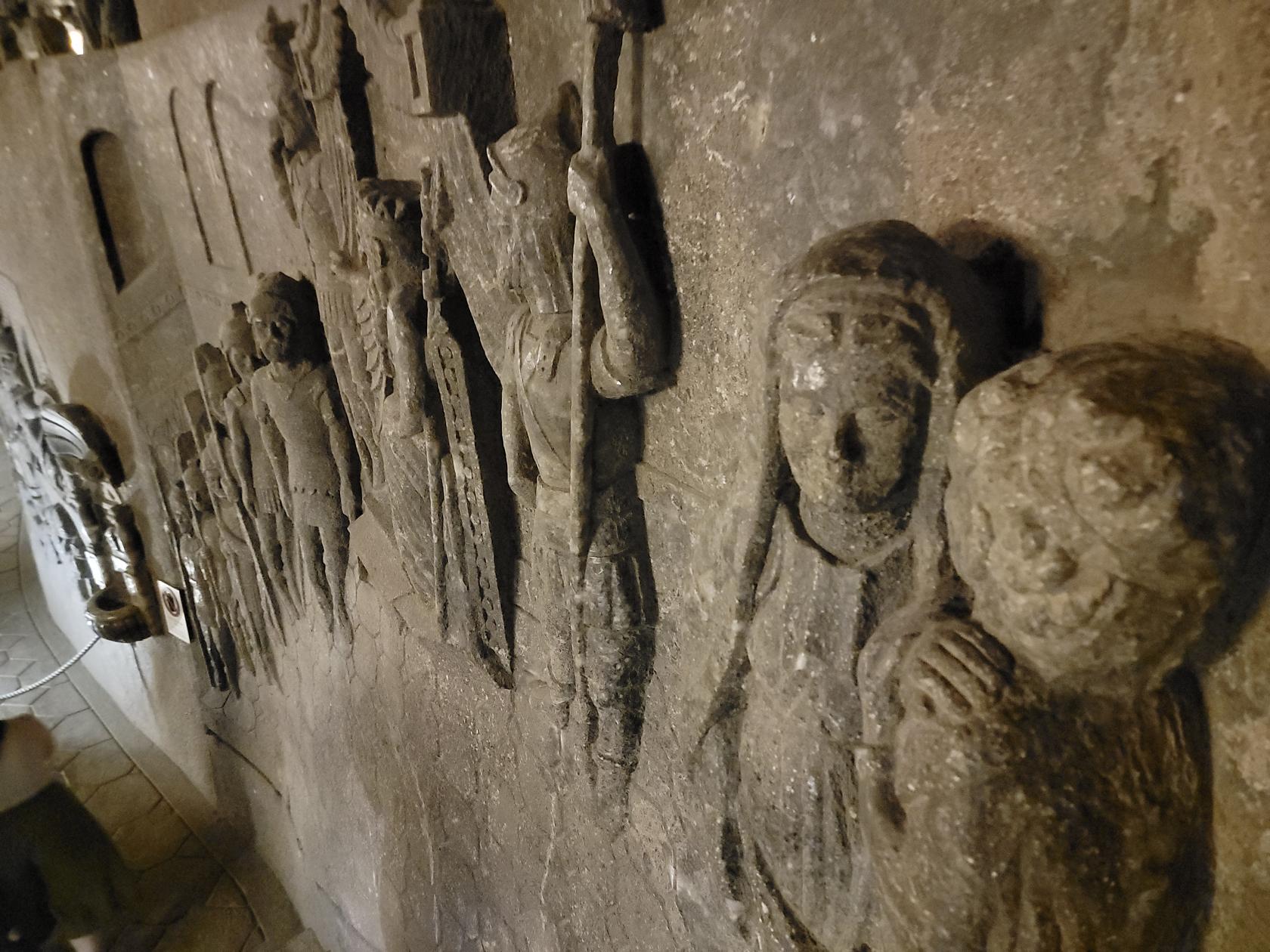
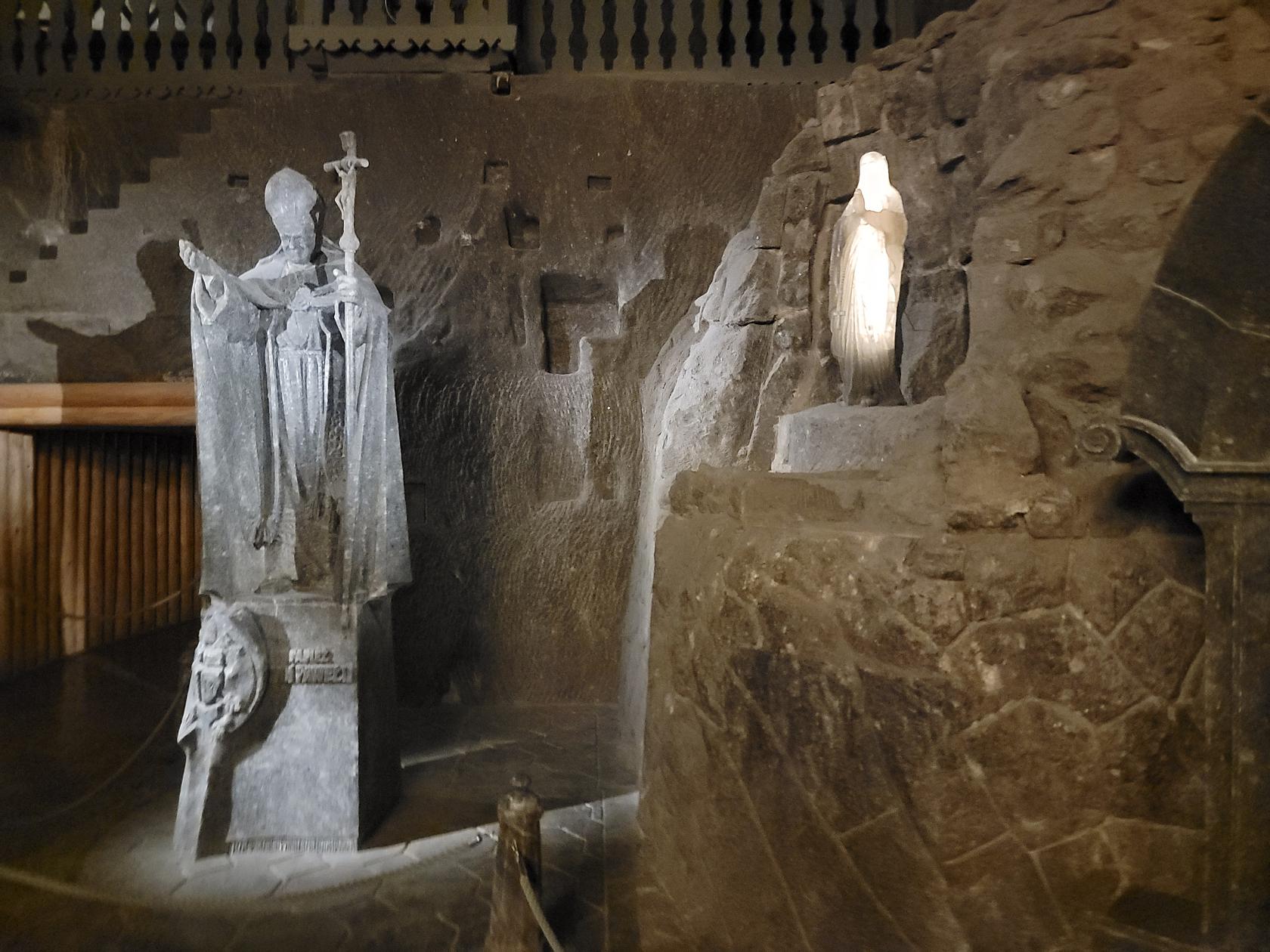
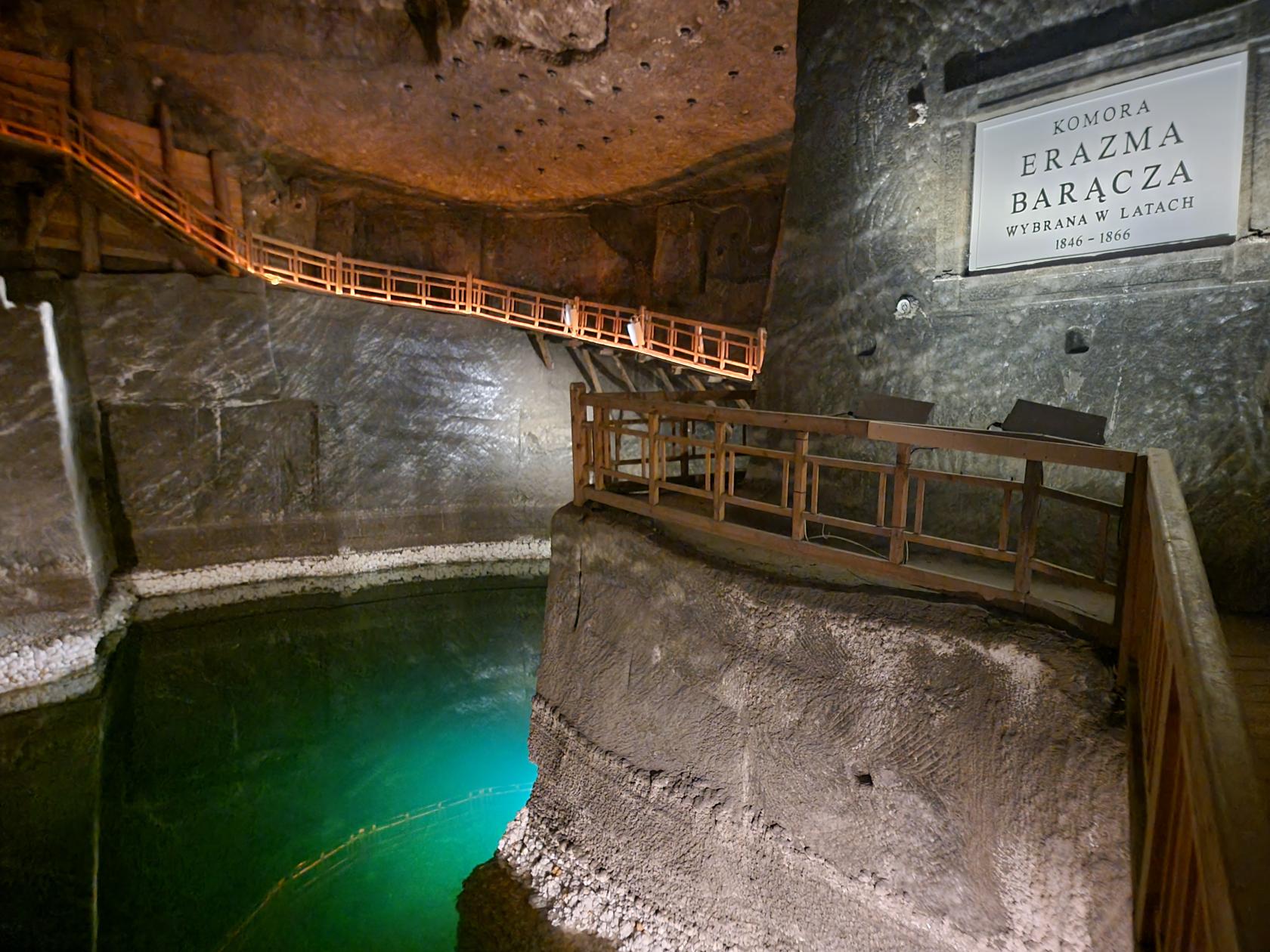
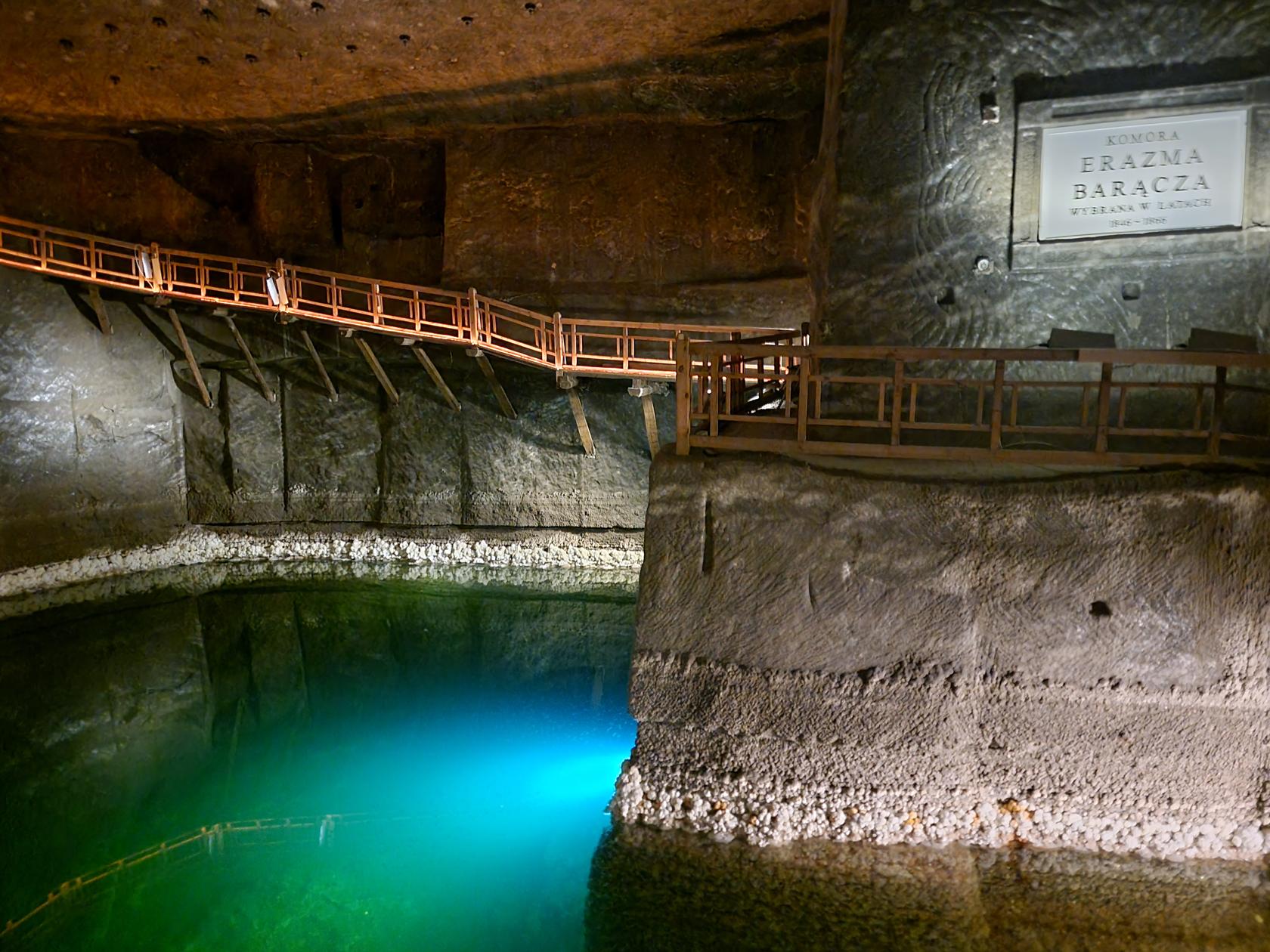
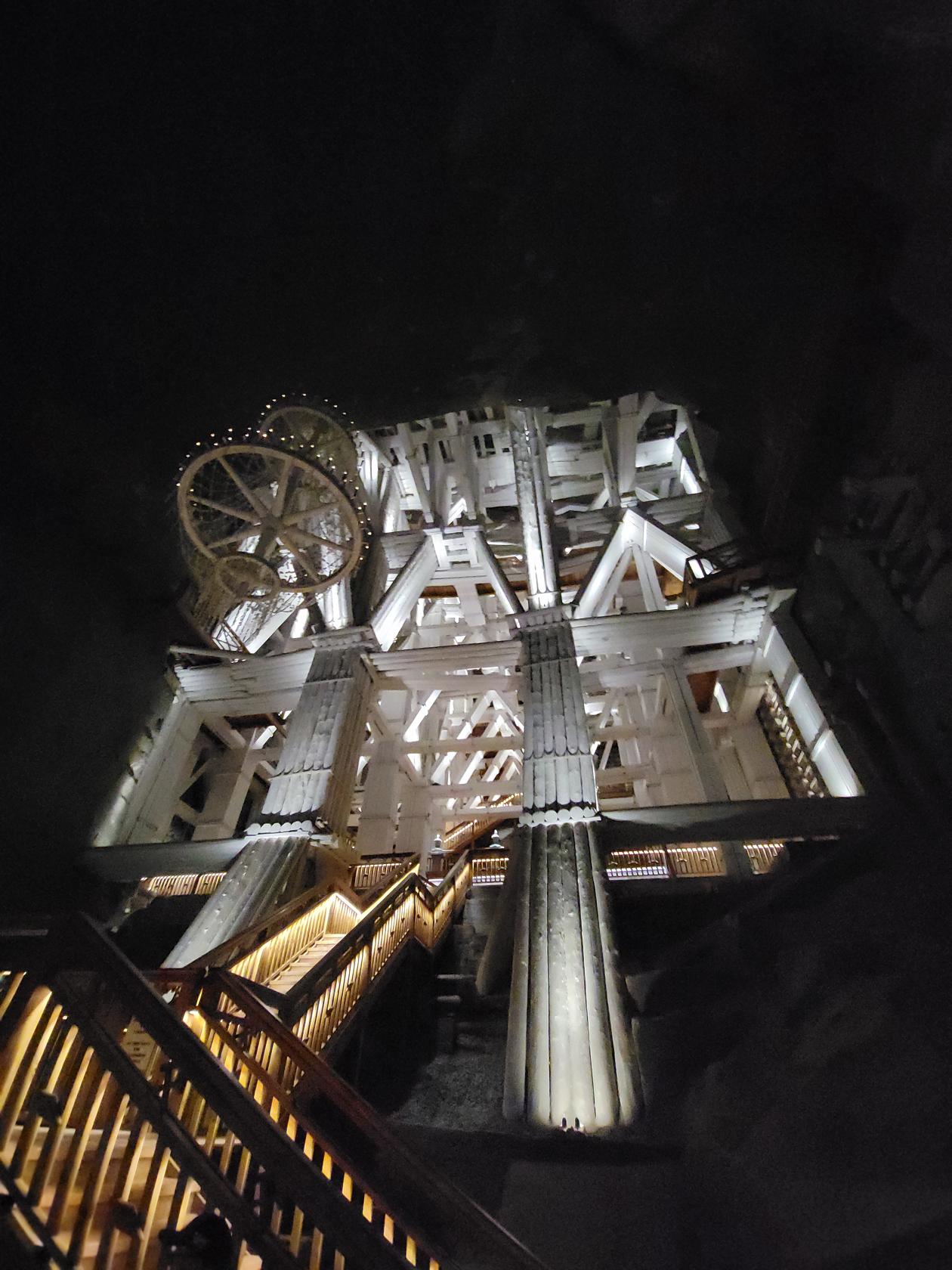
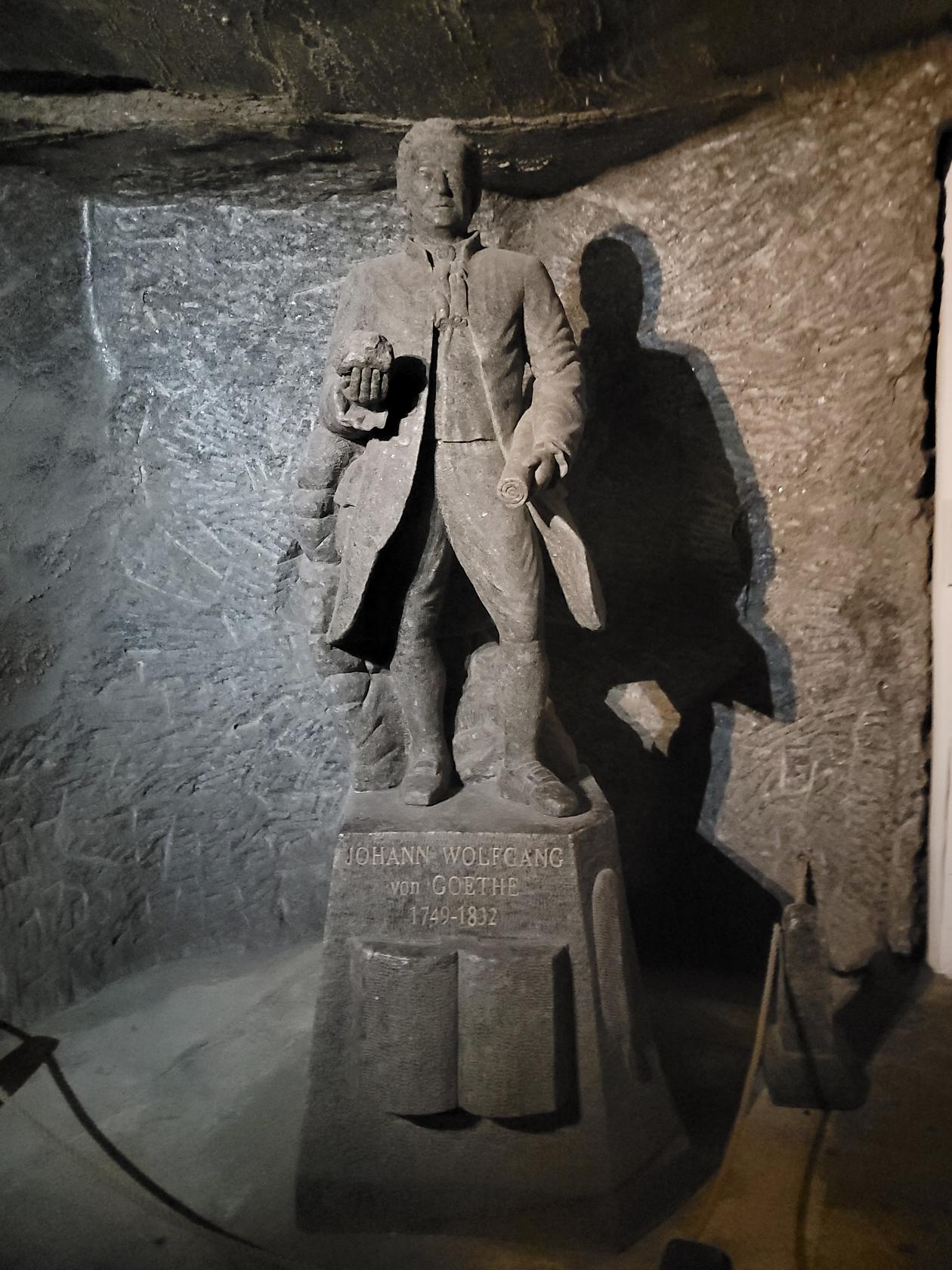
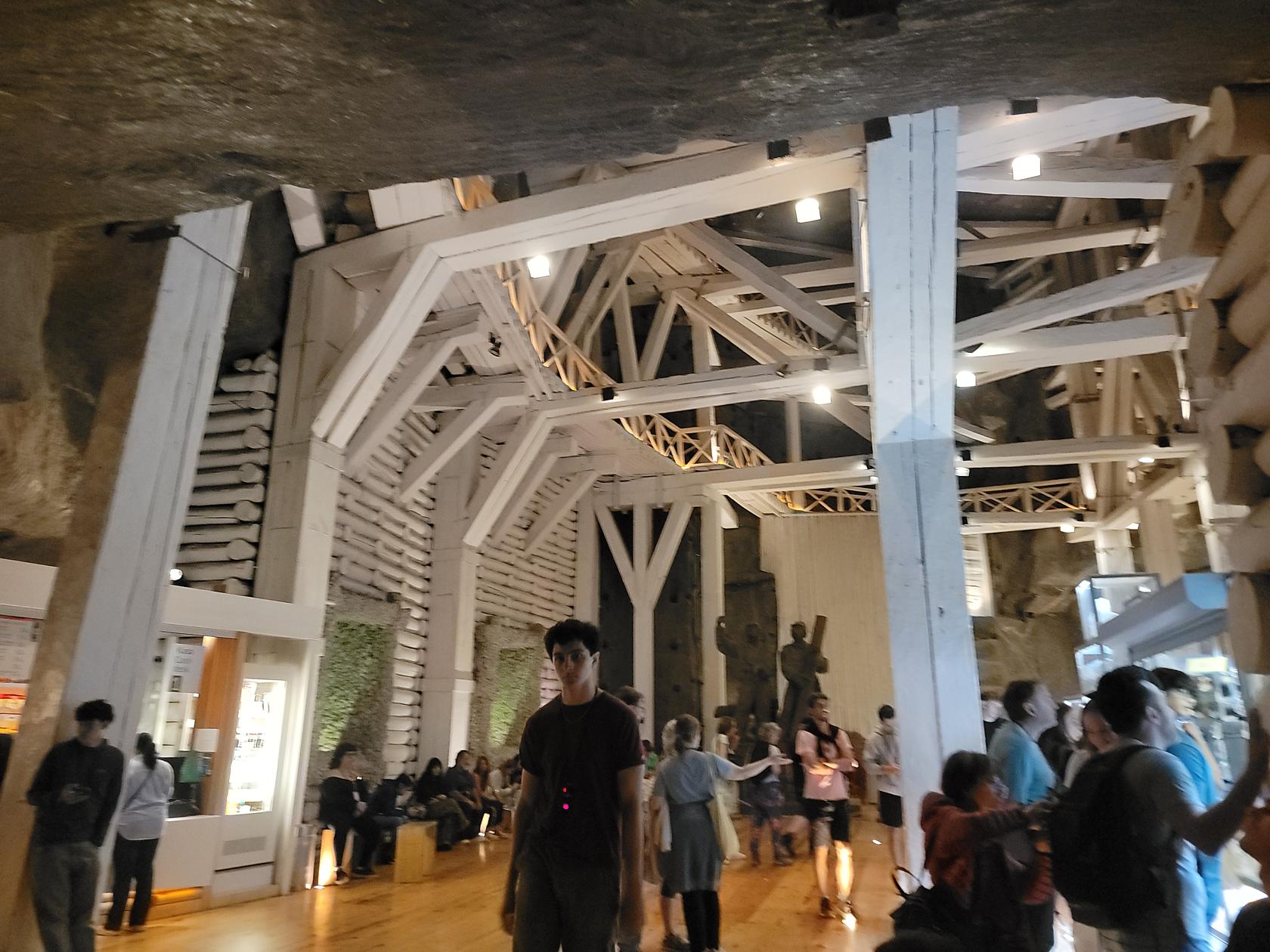
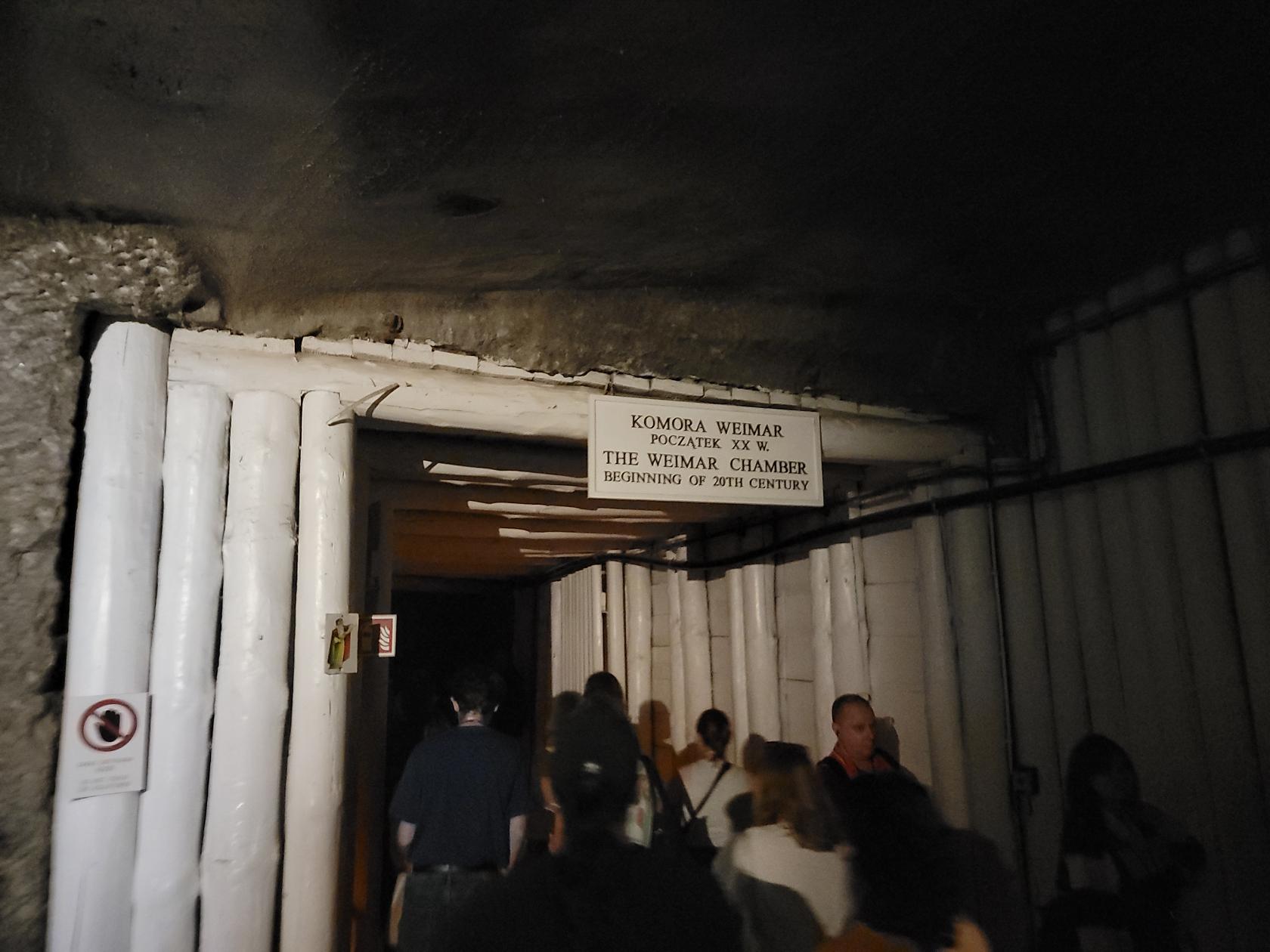
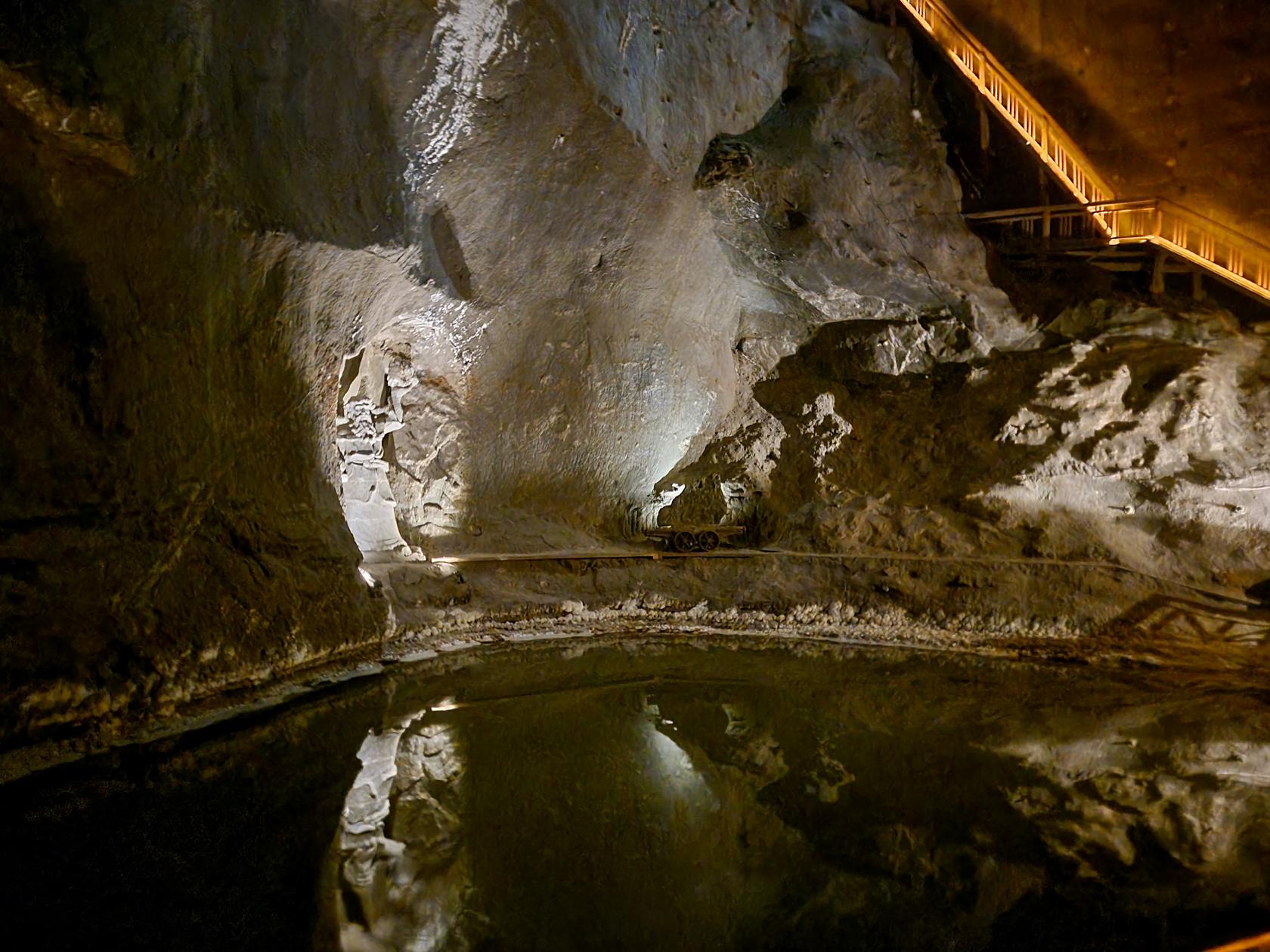
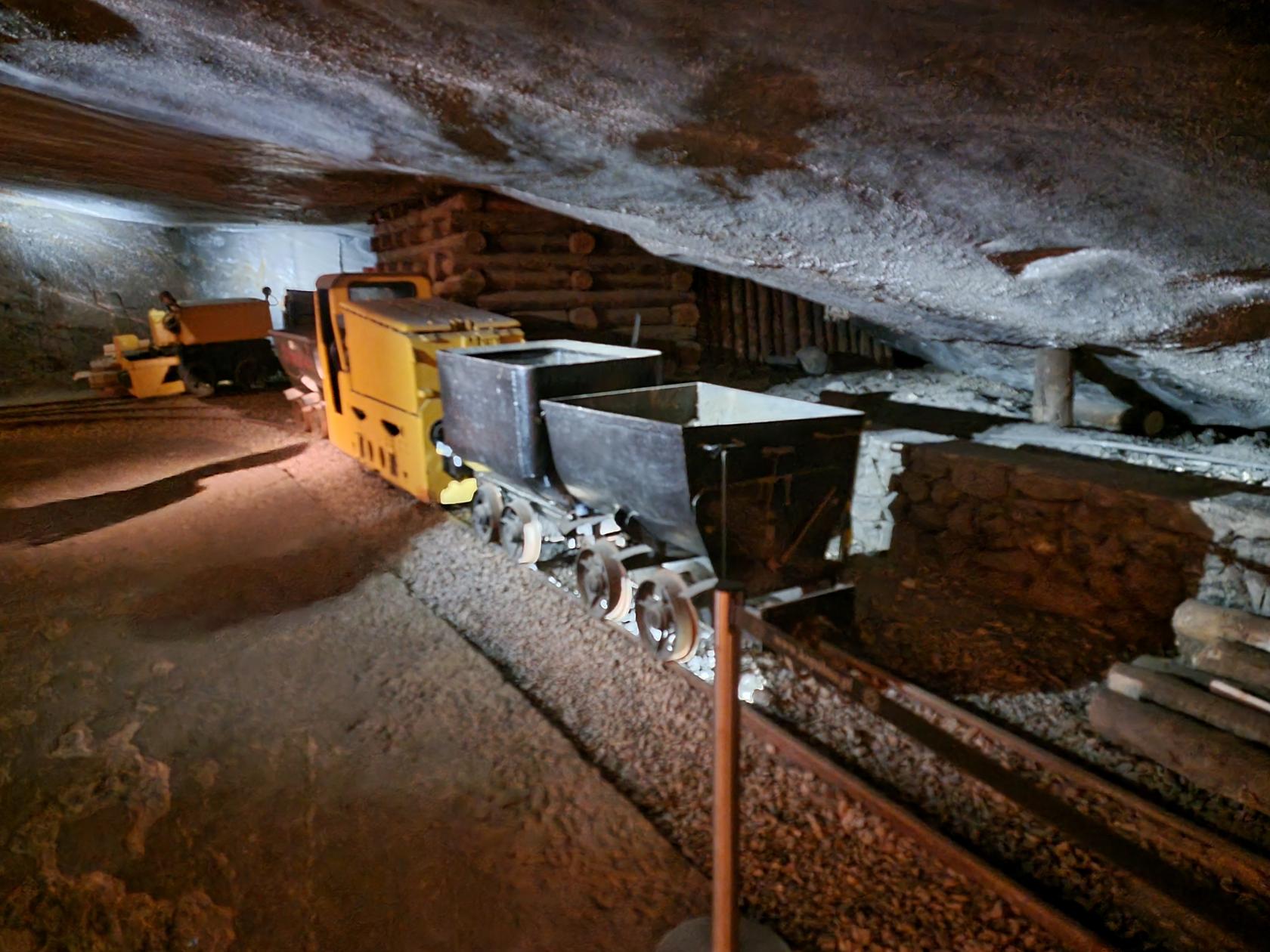
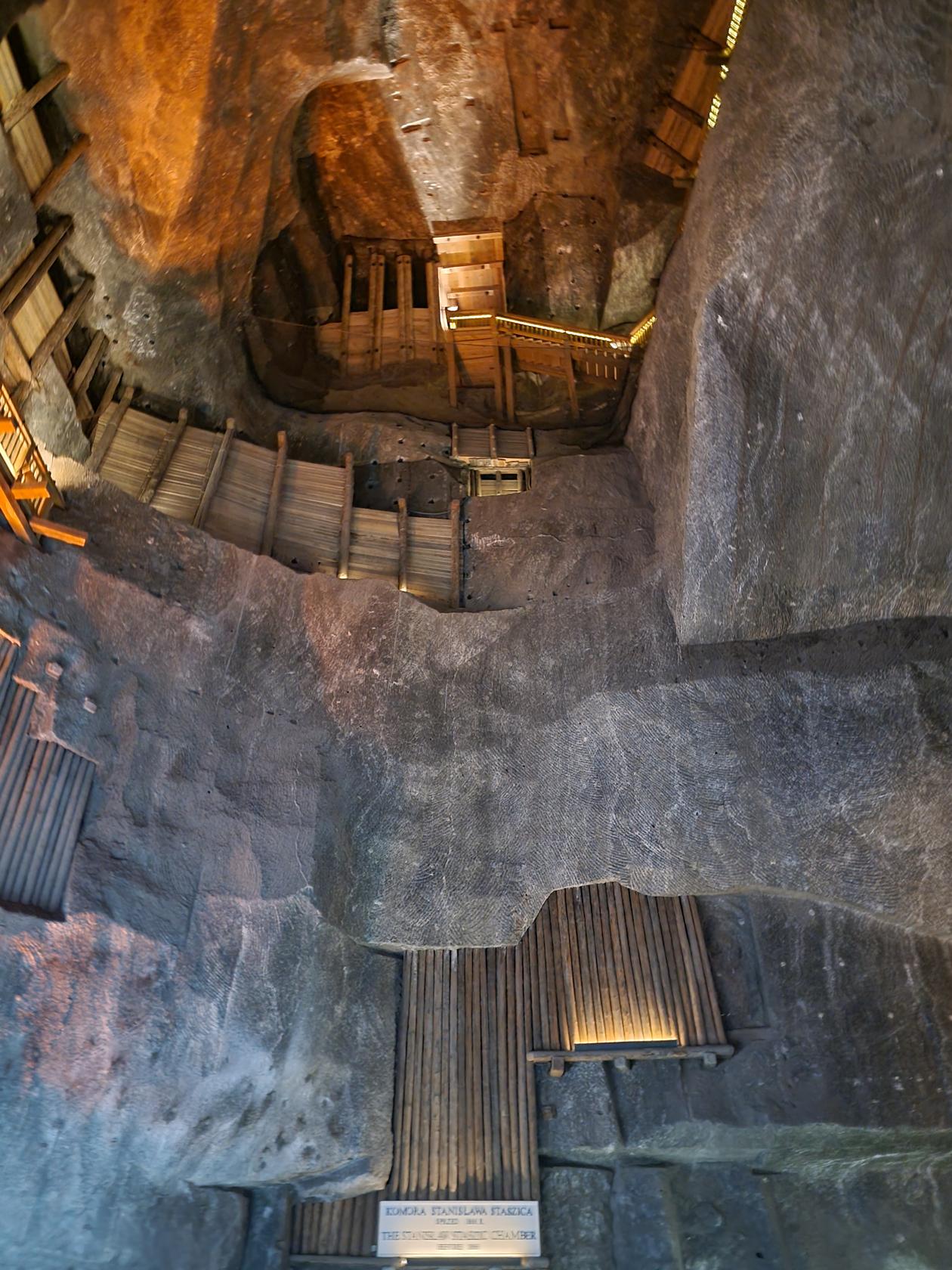
The Wieliczka Salt Mine is located about thirty minutes south of Kraków, Poland and sees thousands of visitors a day, so it is important to get tickets before you visit. In case you are unable to, they may be purchased at the site, though you may have a considerable wait before you are allowed down with your language group. All tours are guided in any one of several languages.
Tickets For Two – Wieliczka Salt Mine – Wieliczka, Poland
Wieliczka Salt Mine
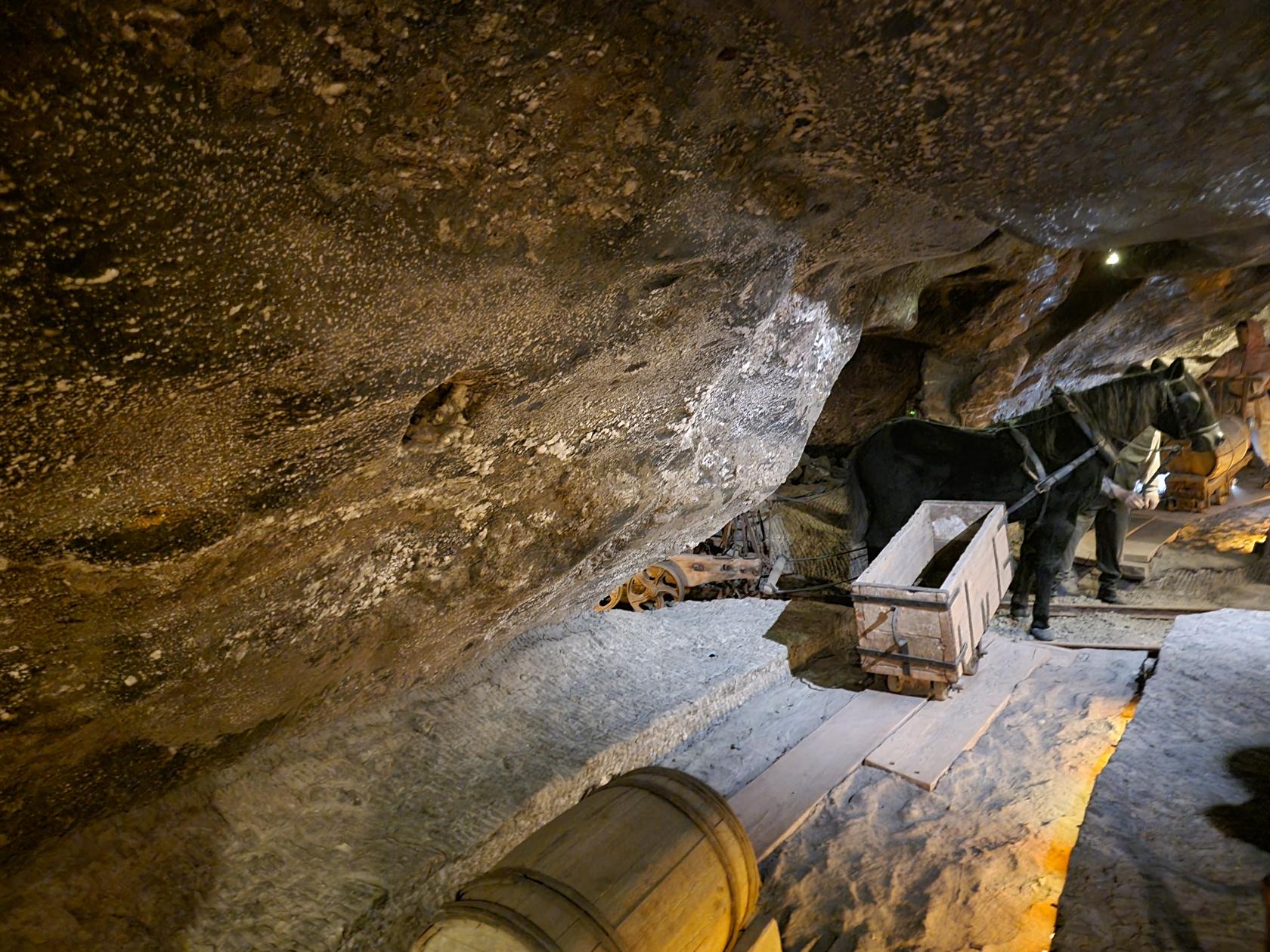
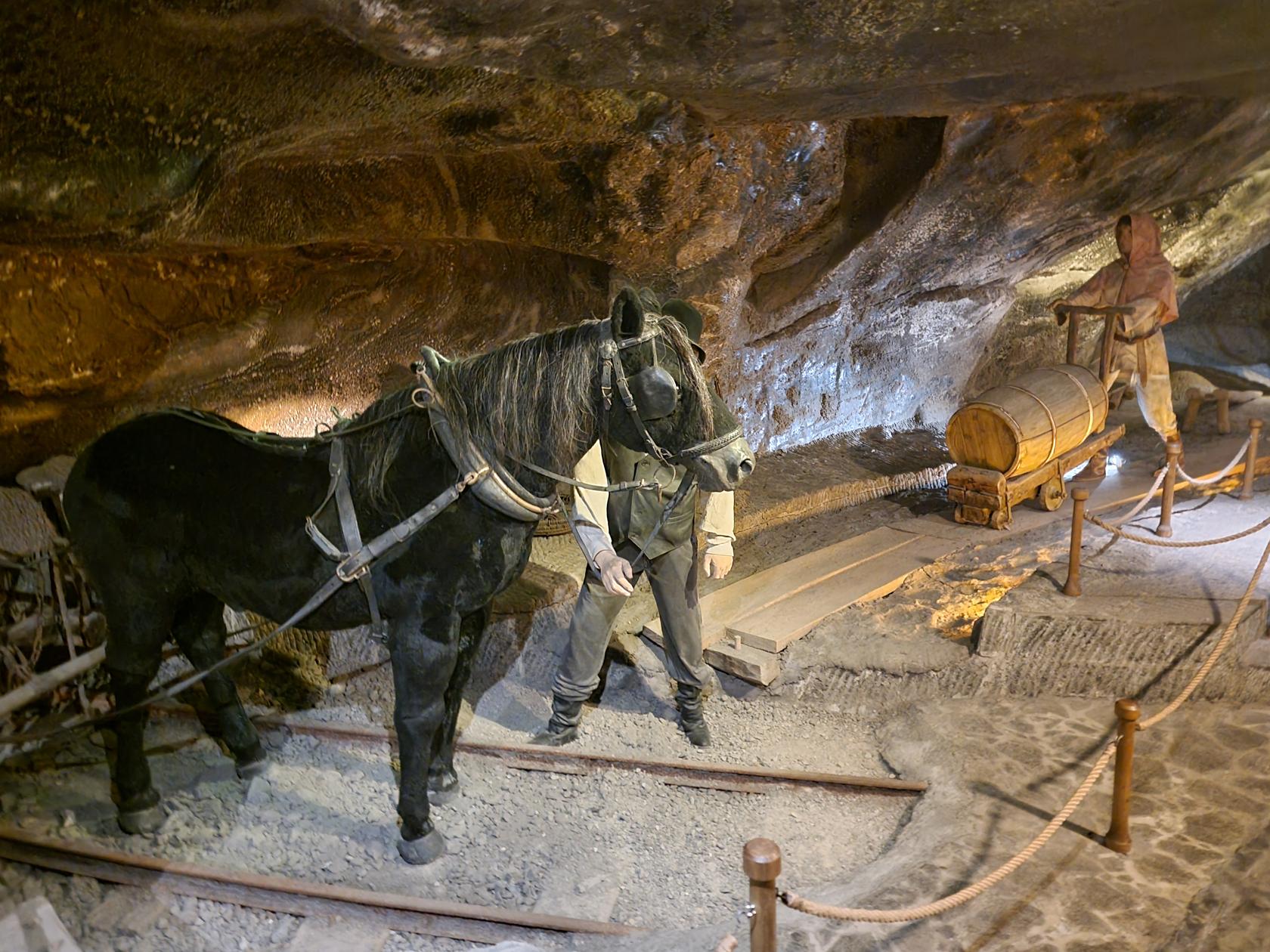
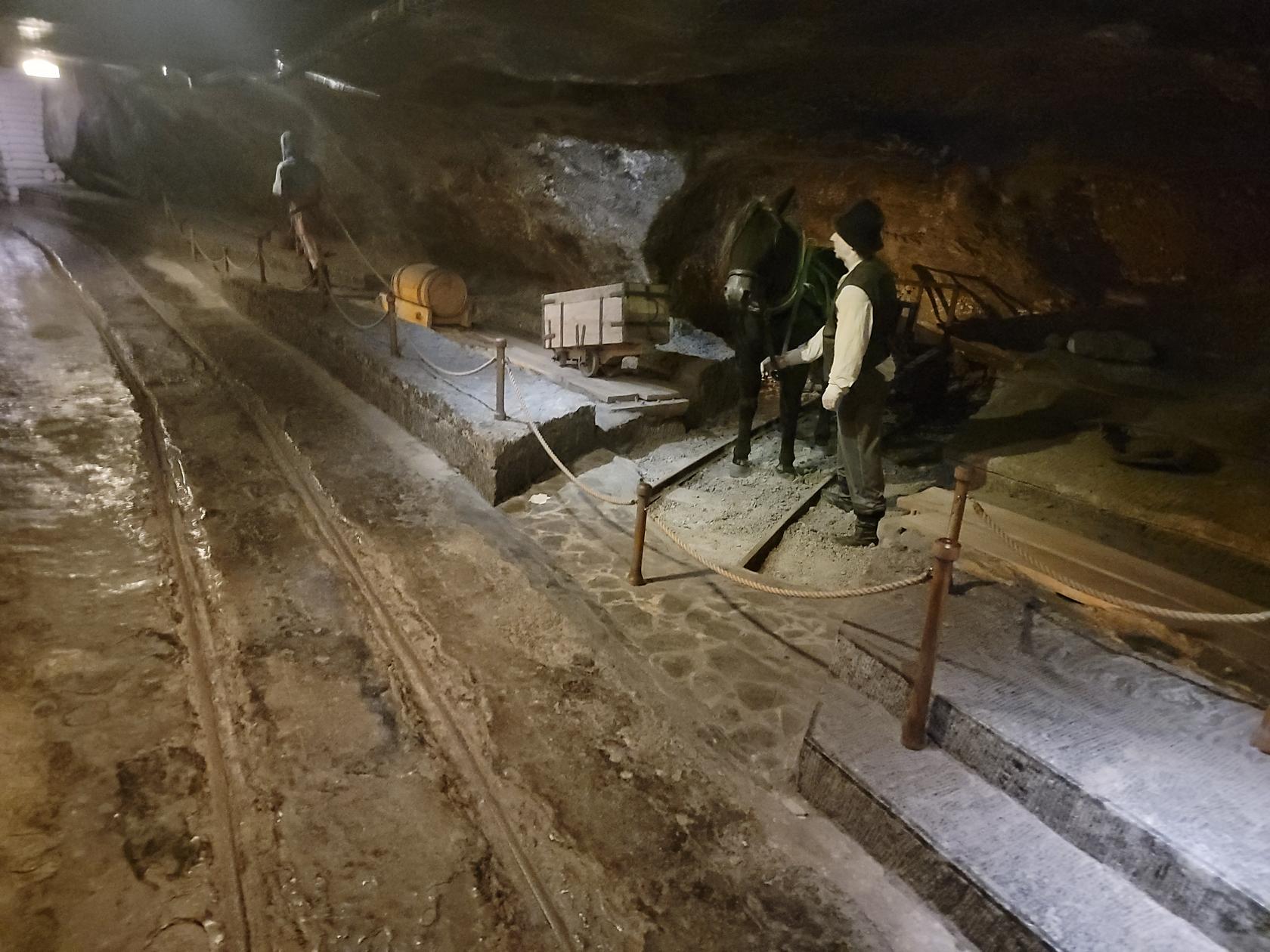
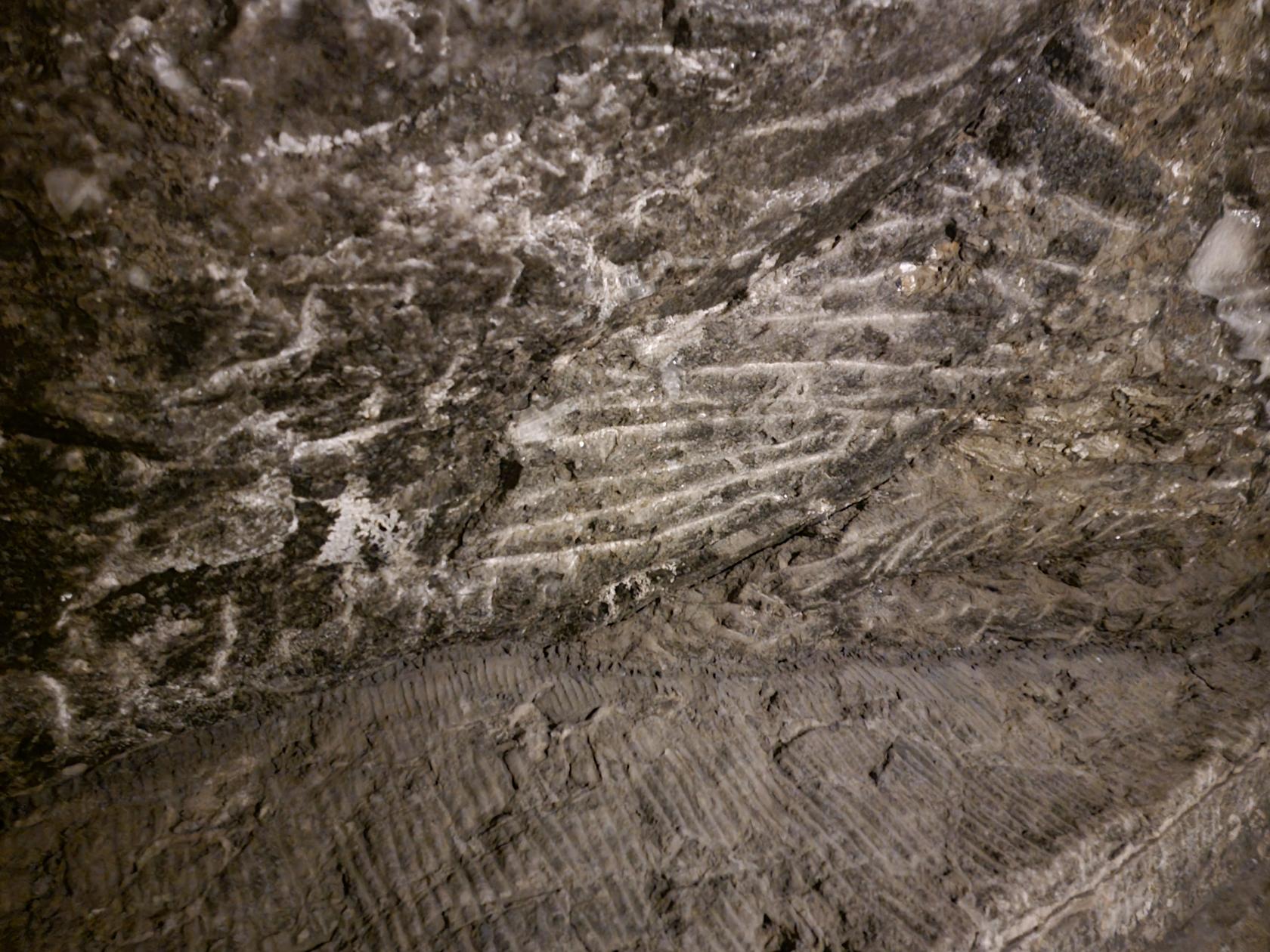
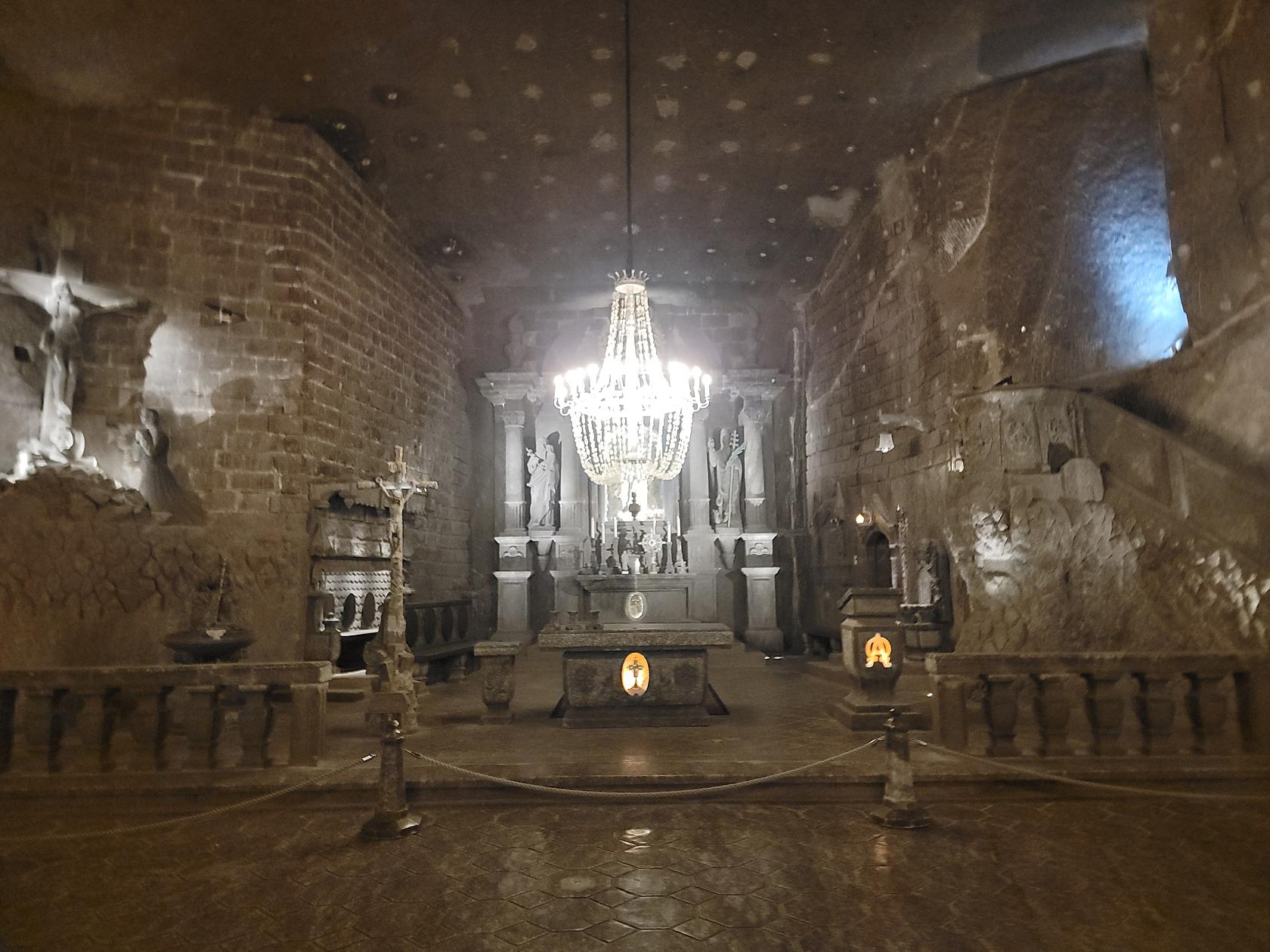
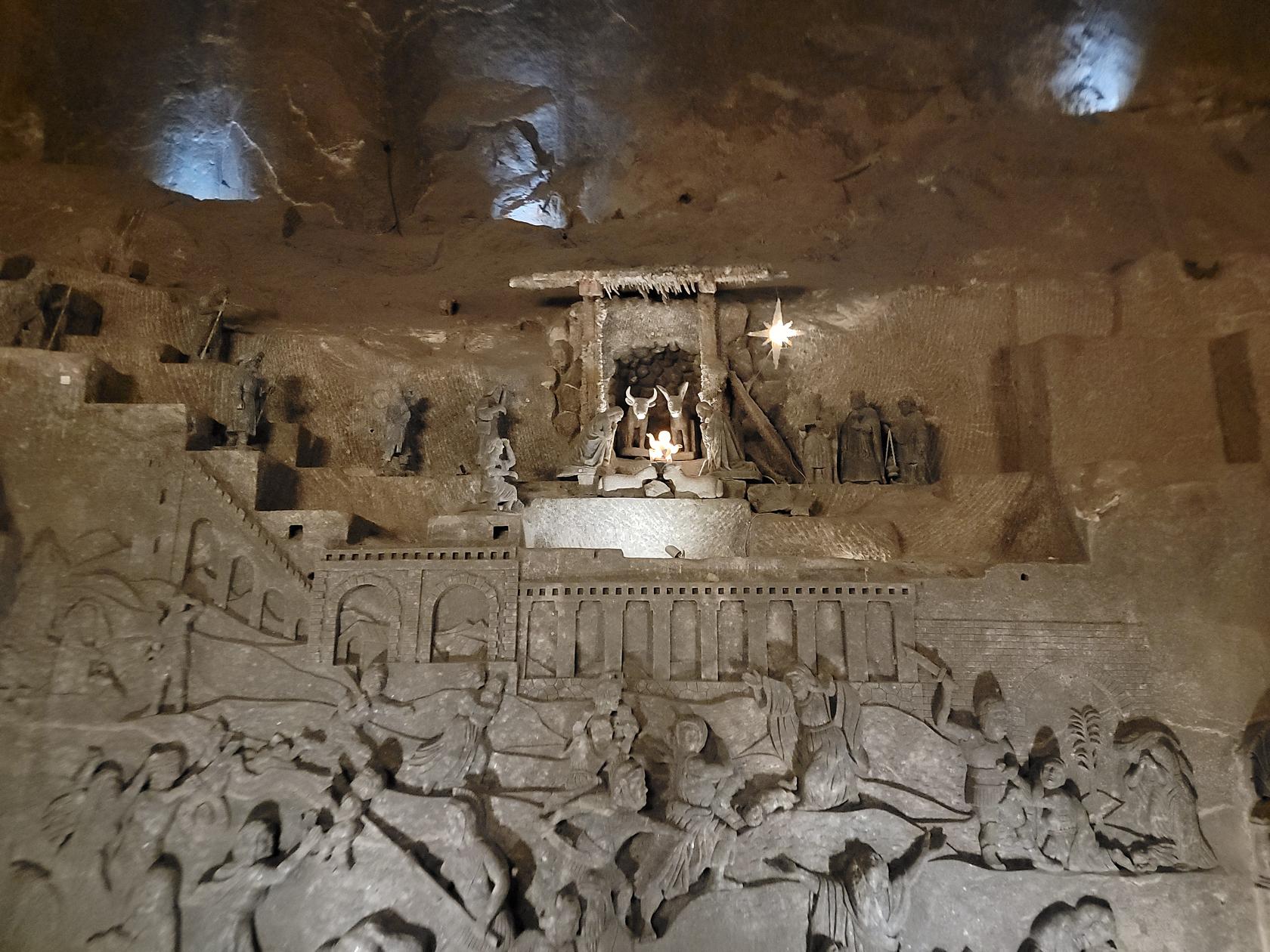
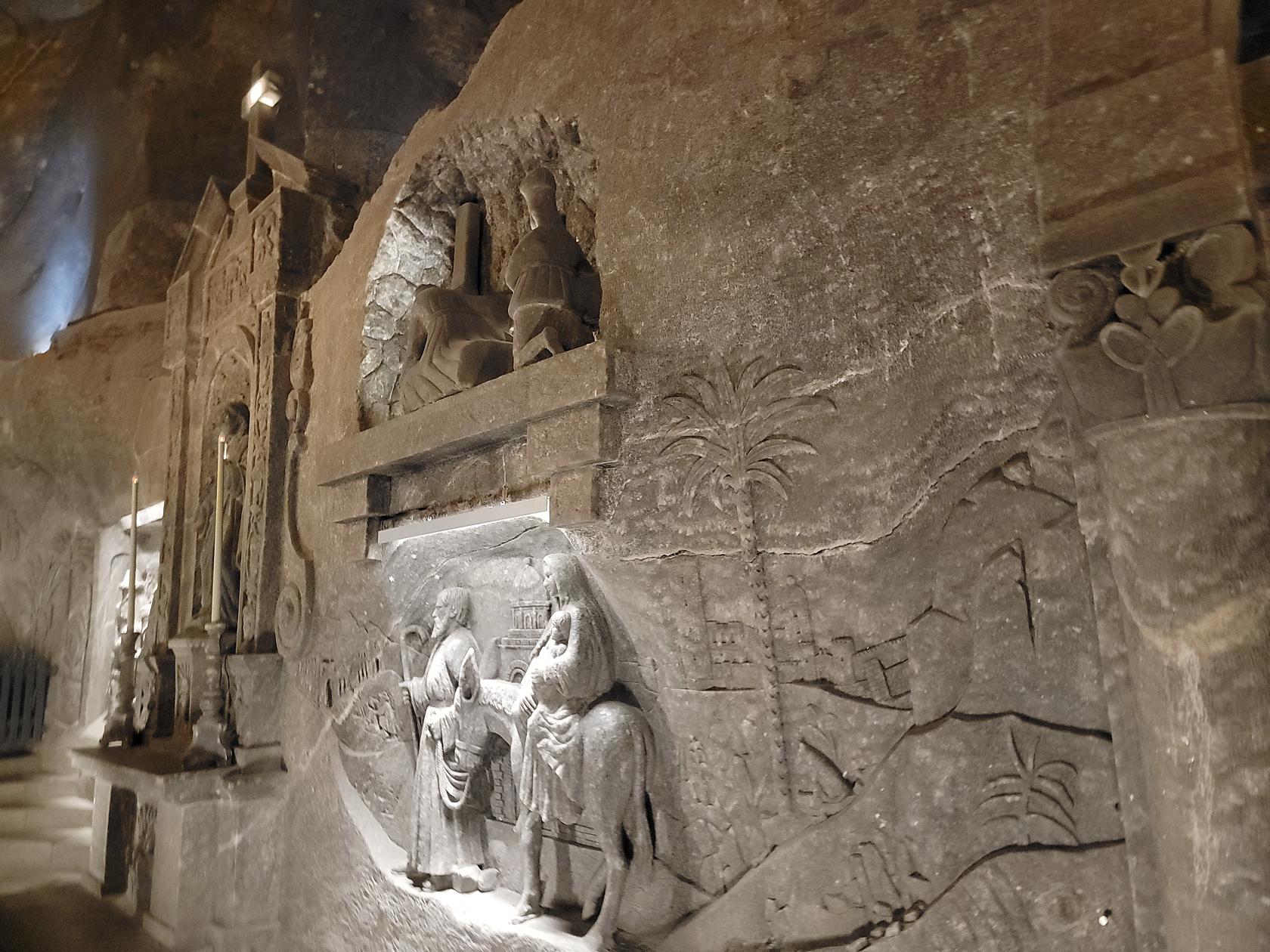
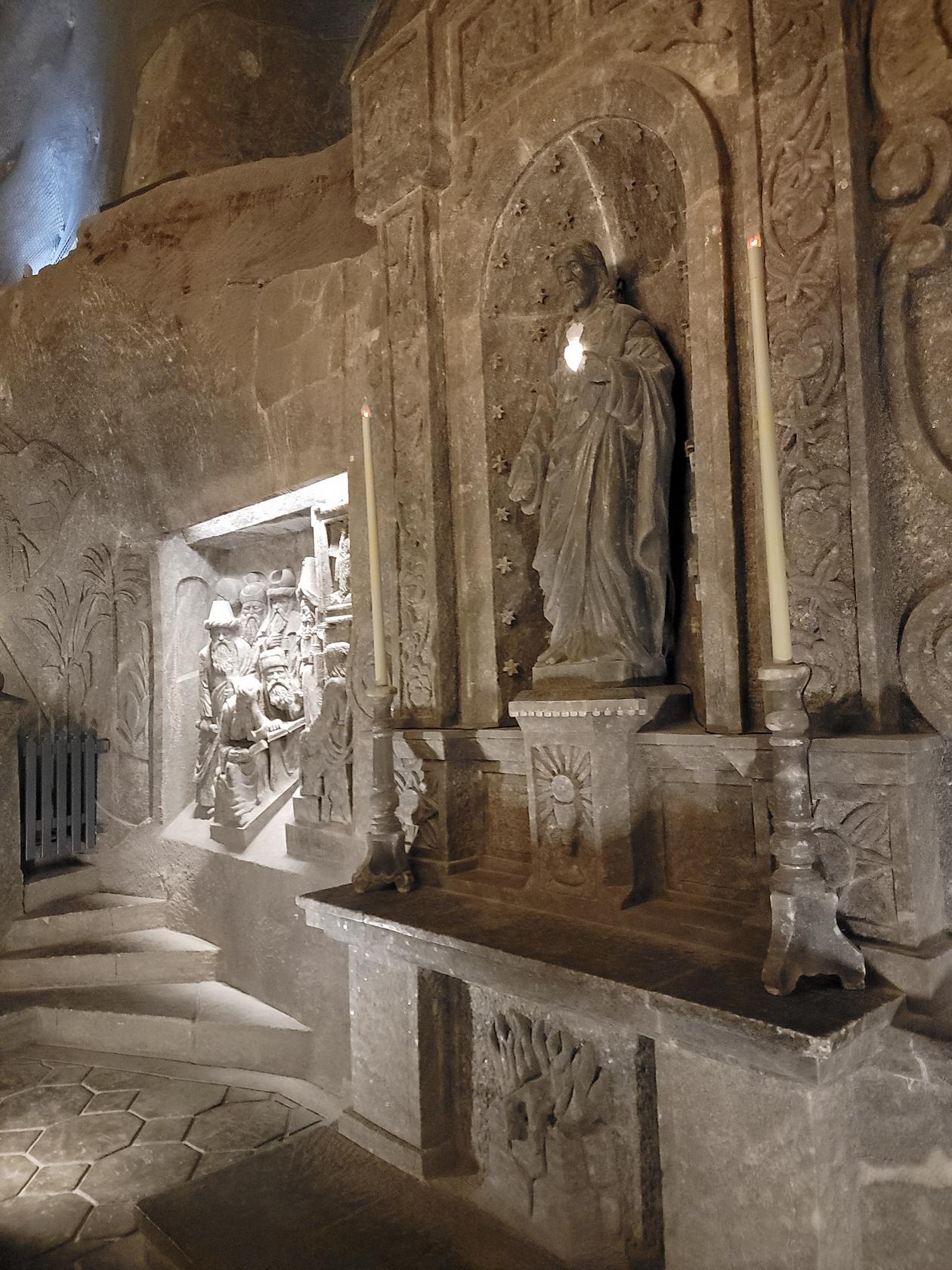
Essentially the mine is actually a Halite mine, or a mine containing rock salt. Its composition is different from sea and other salts and is normally used on road surfaces and for other purposes, unless it is refined, then it can be used for table salt.
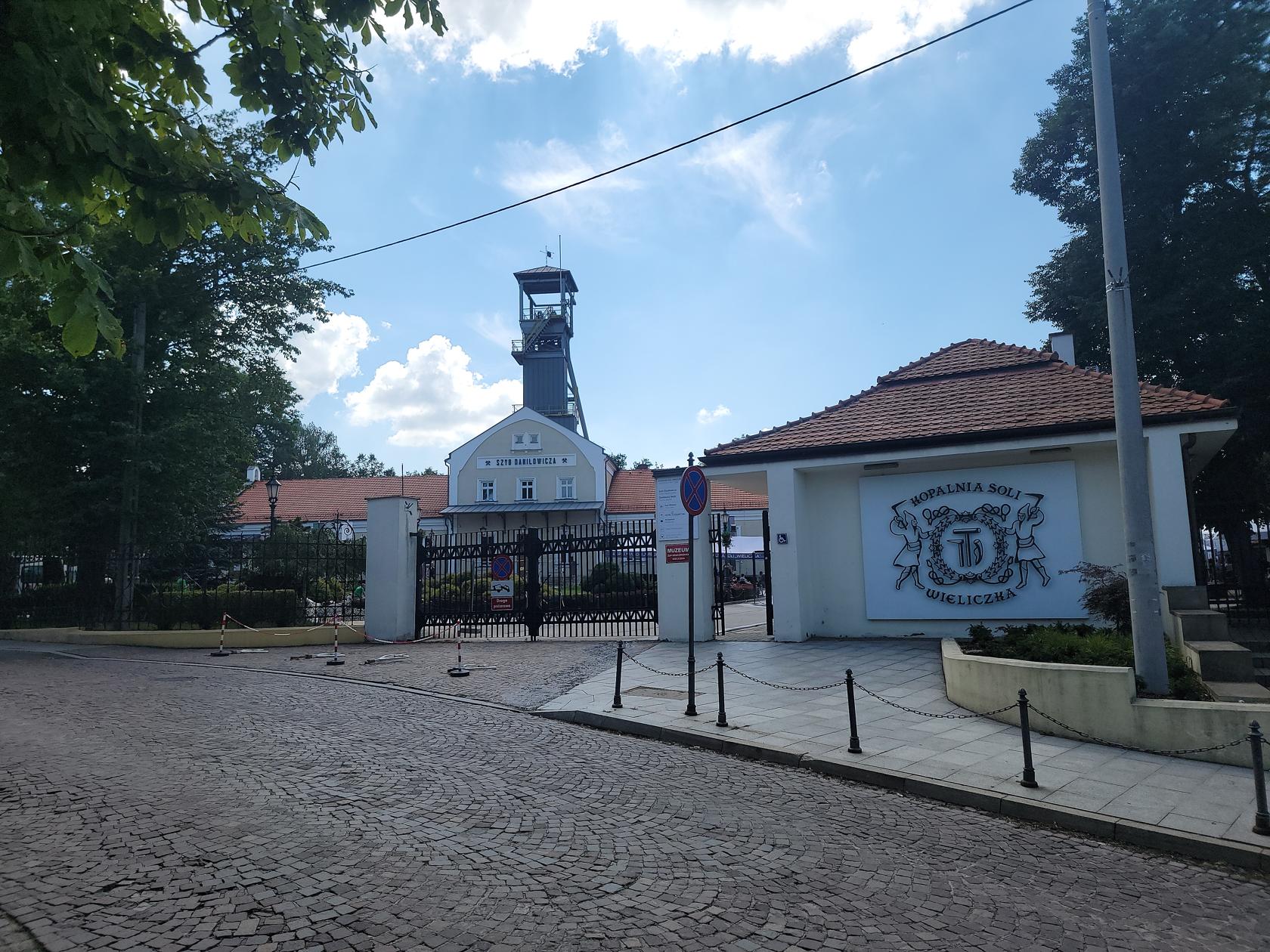
Entrance – Wieliczka Salt Mine – Wieliczka, Poland
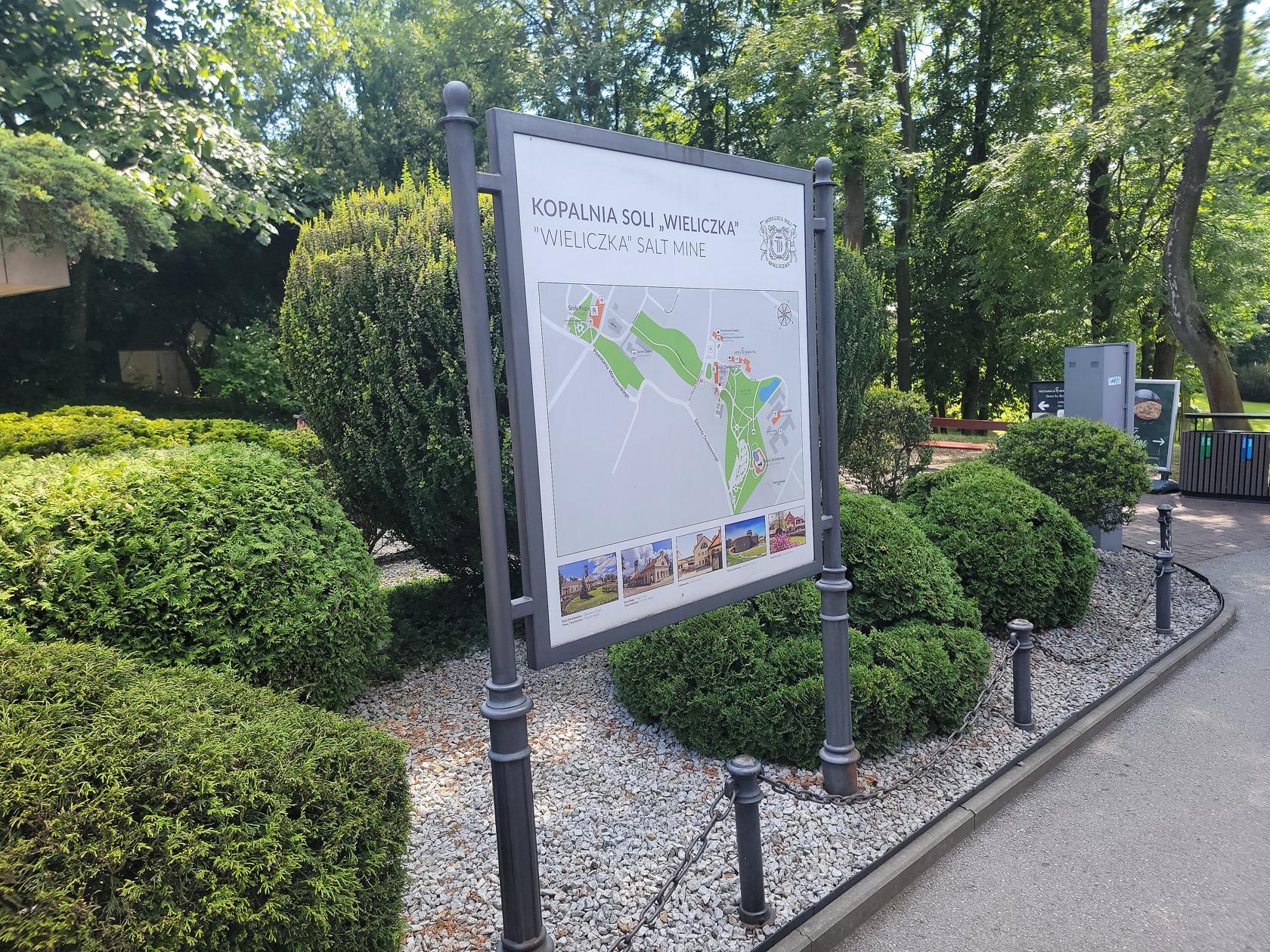
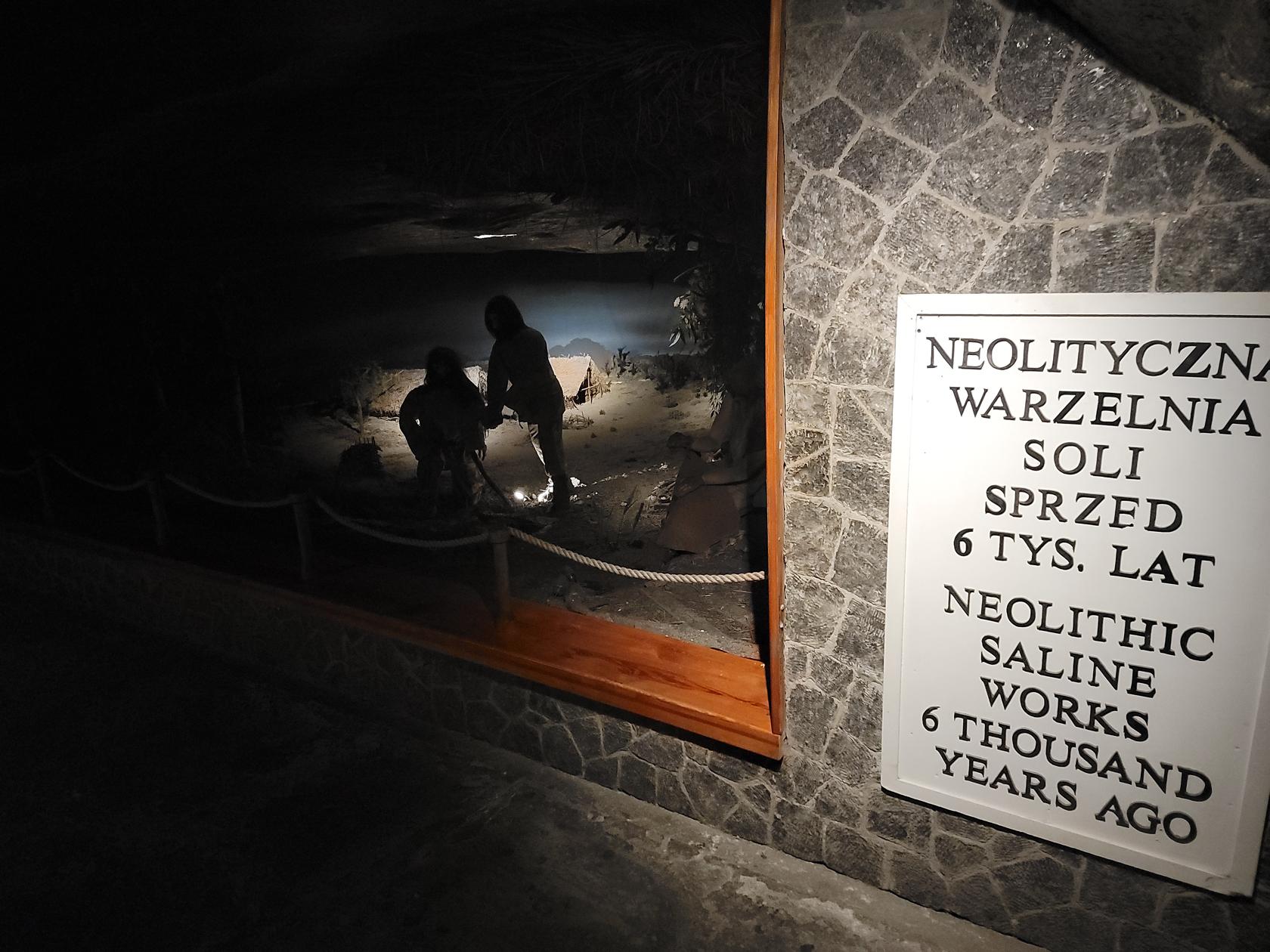
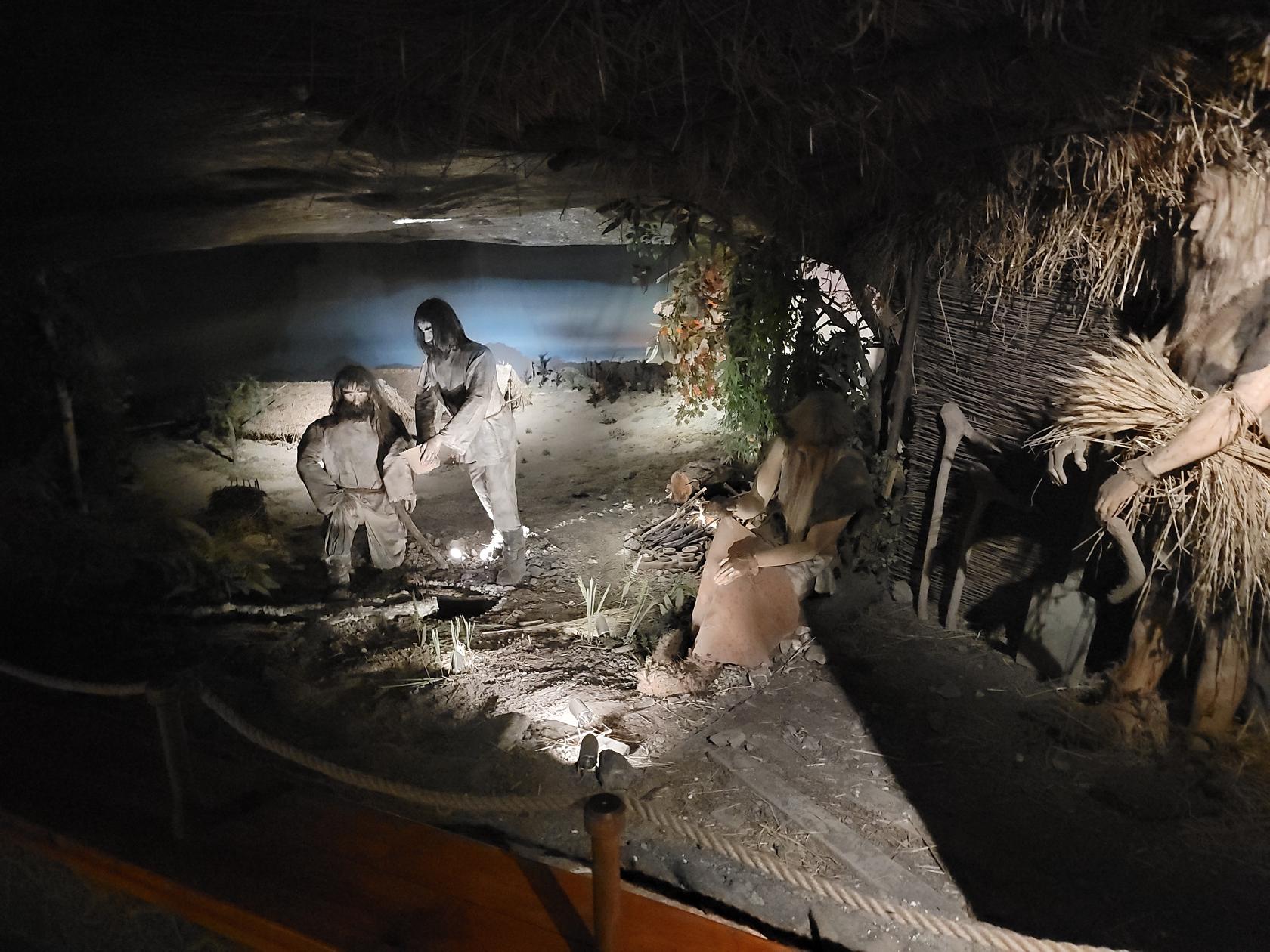
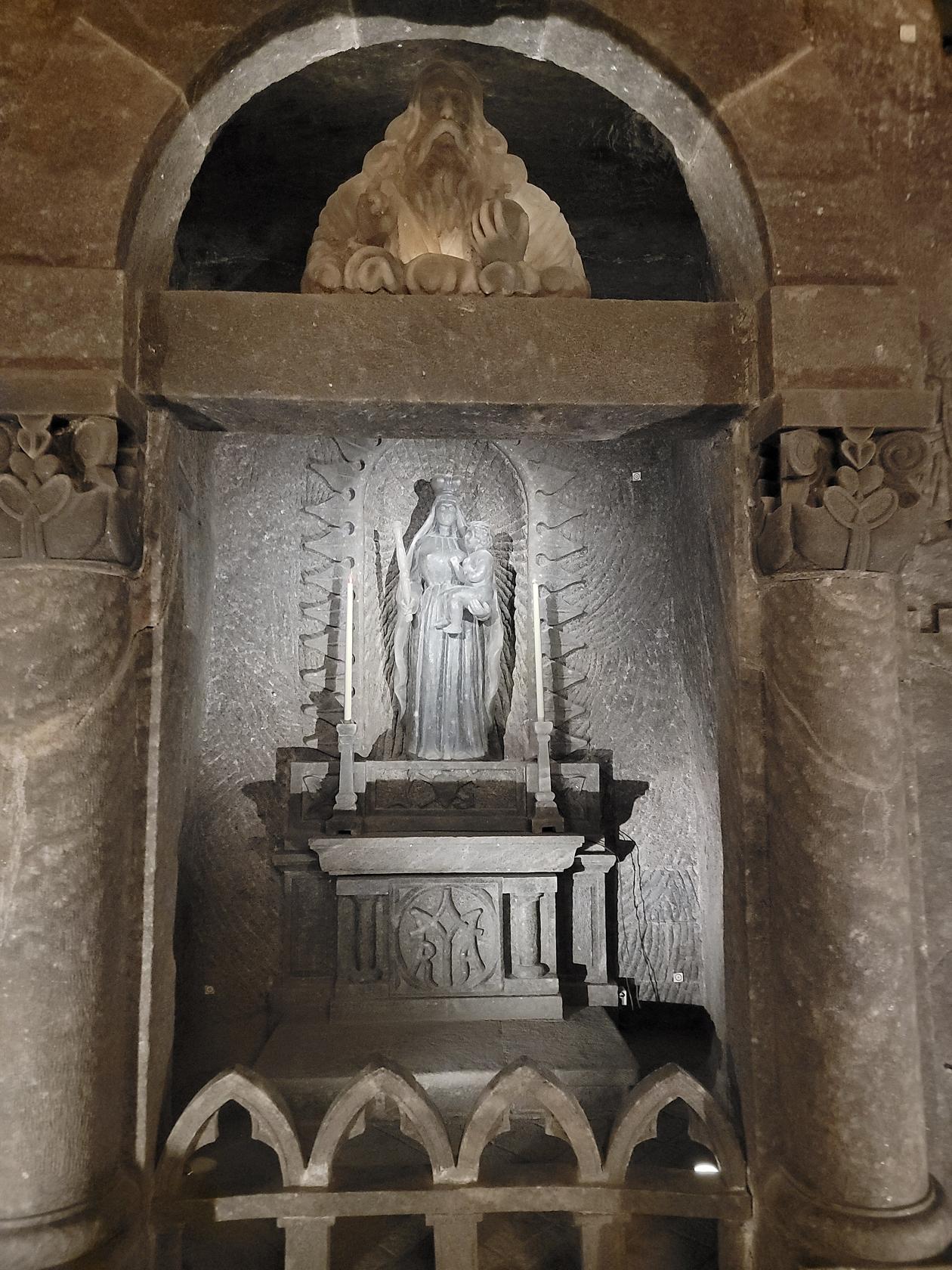
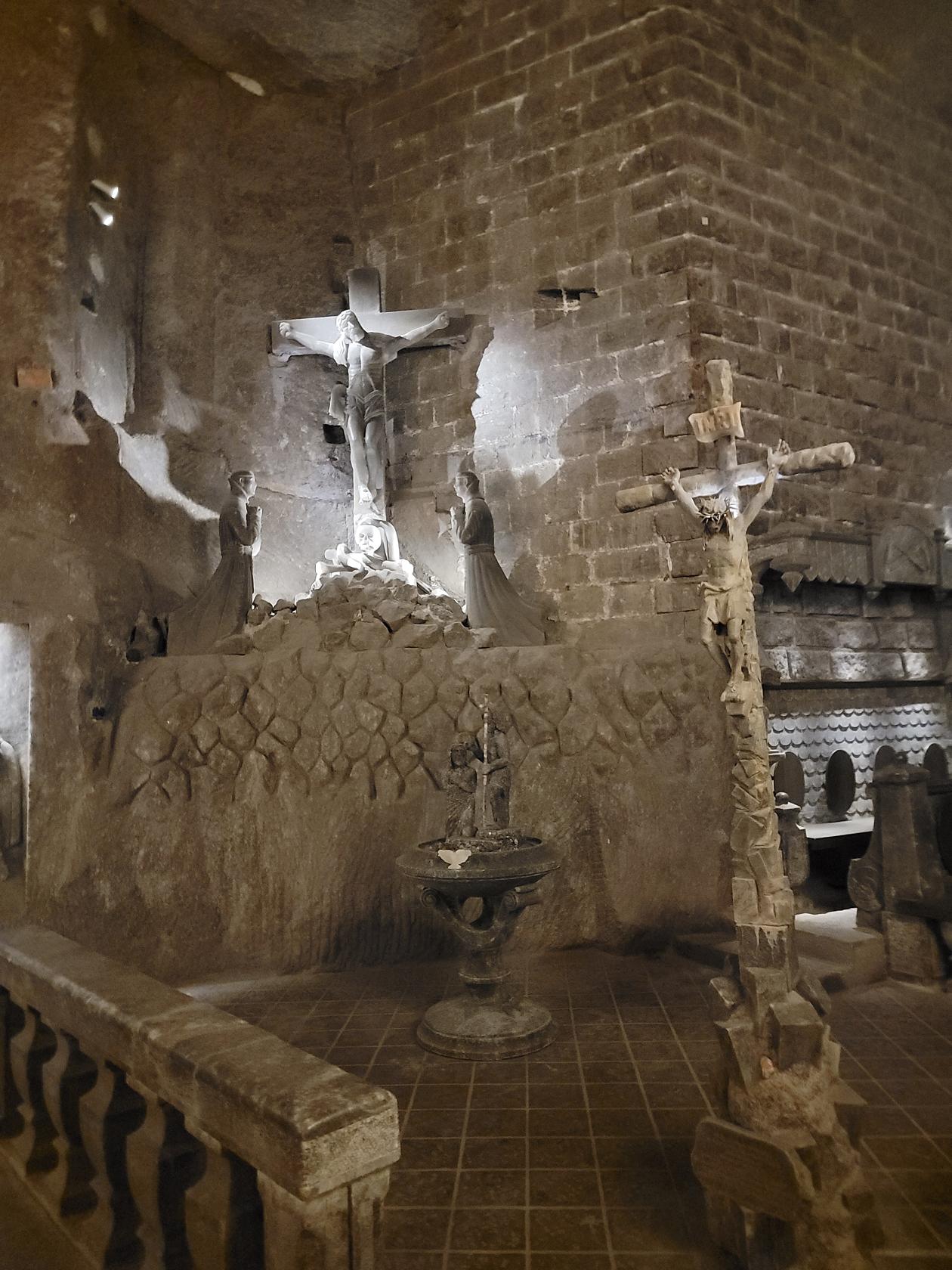
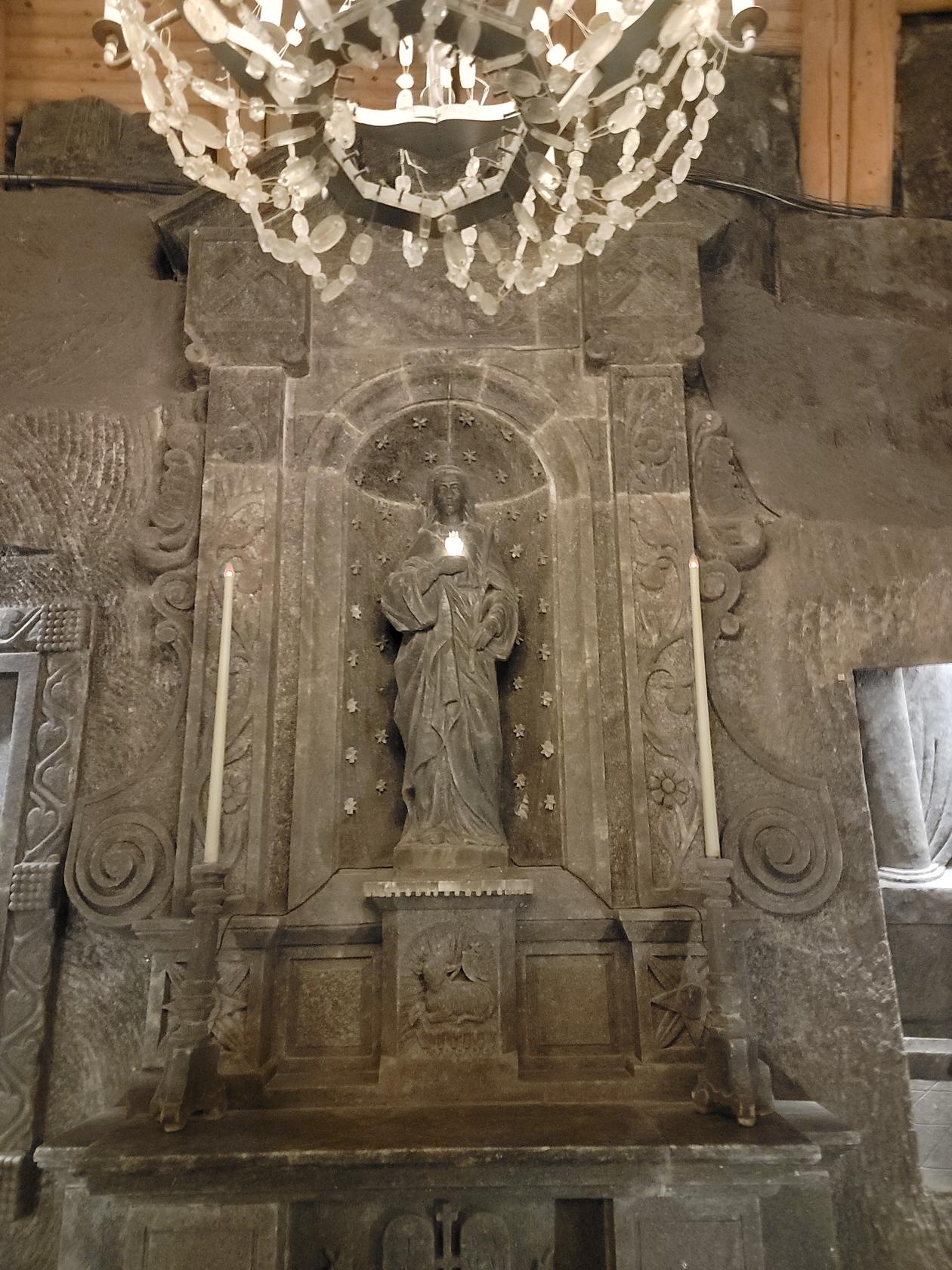
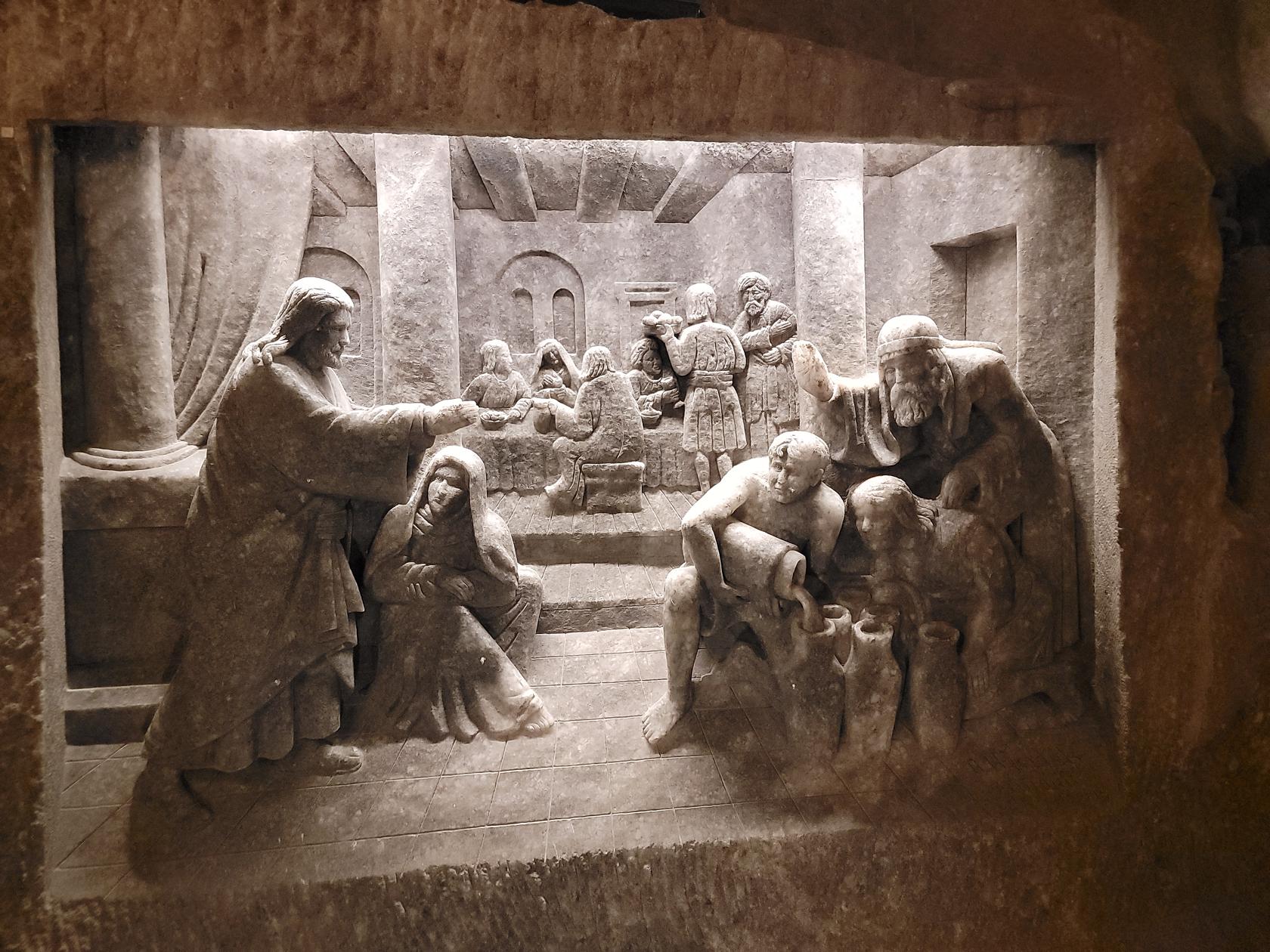
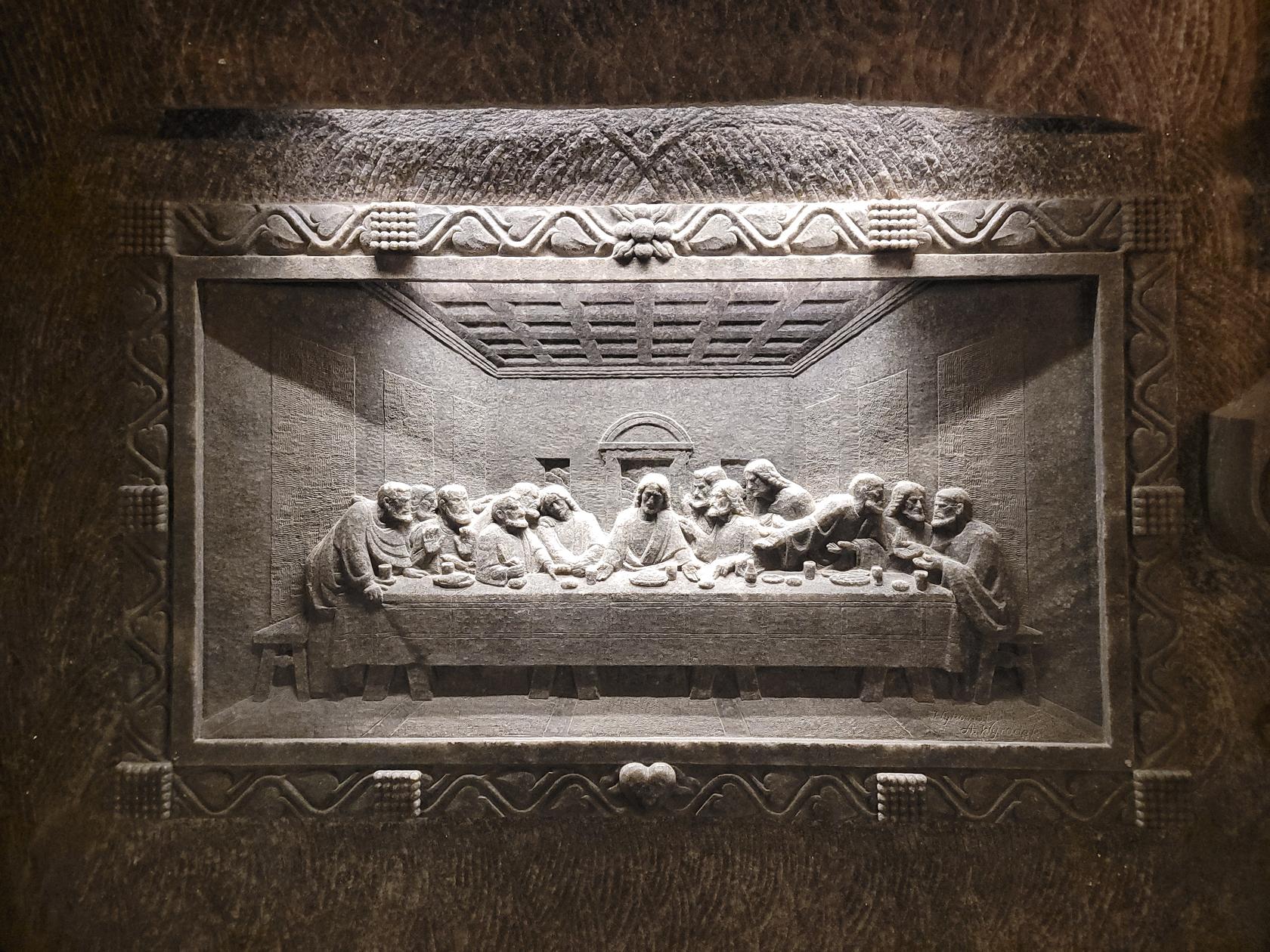
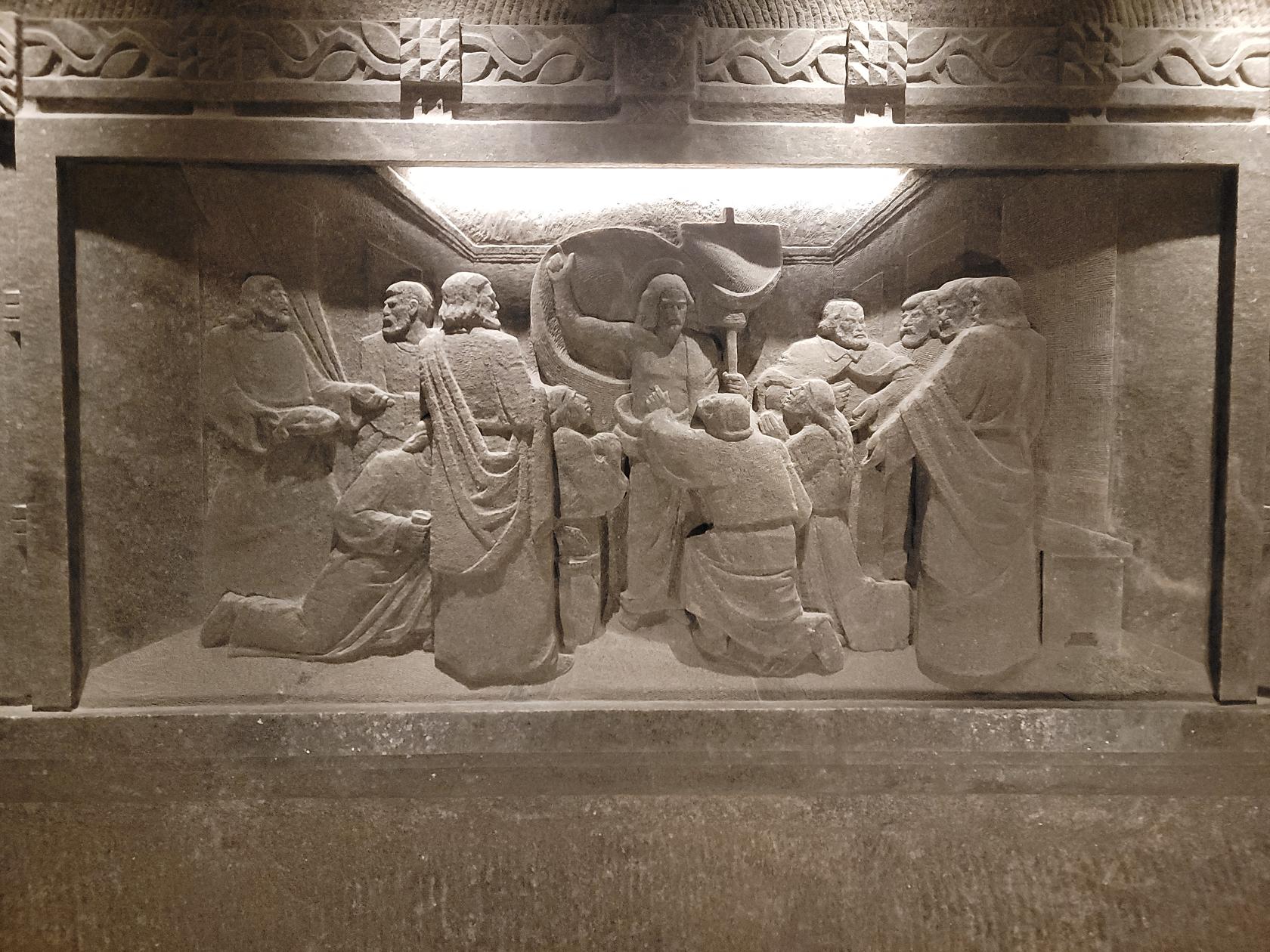
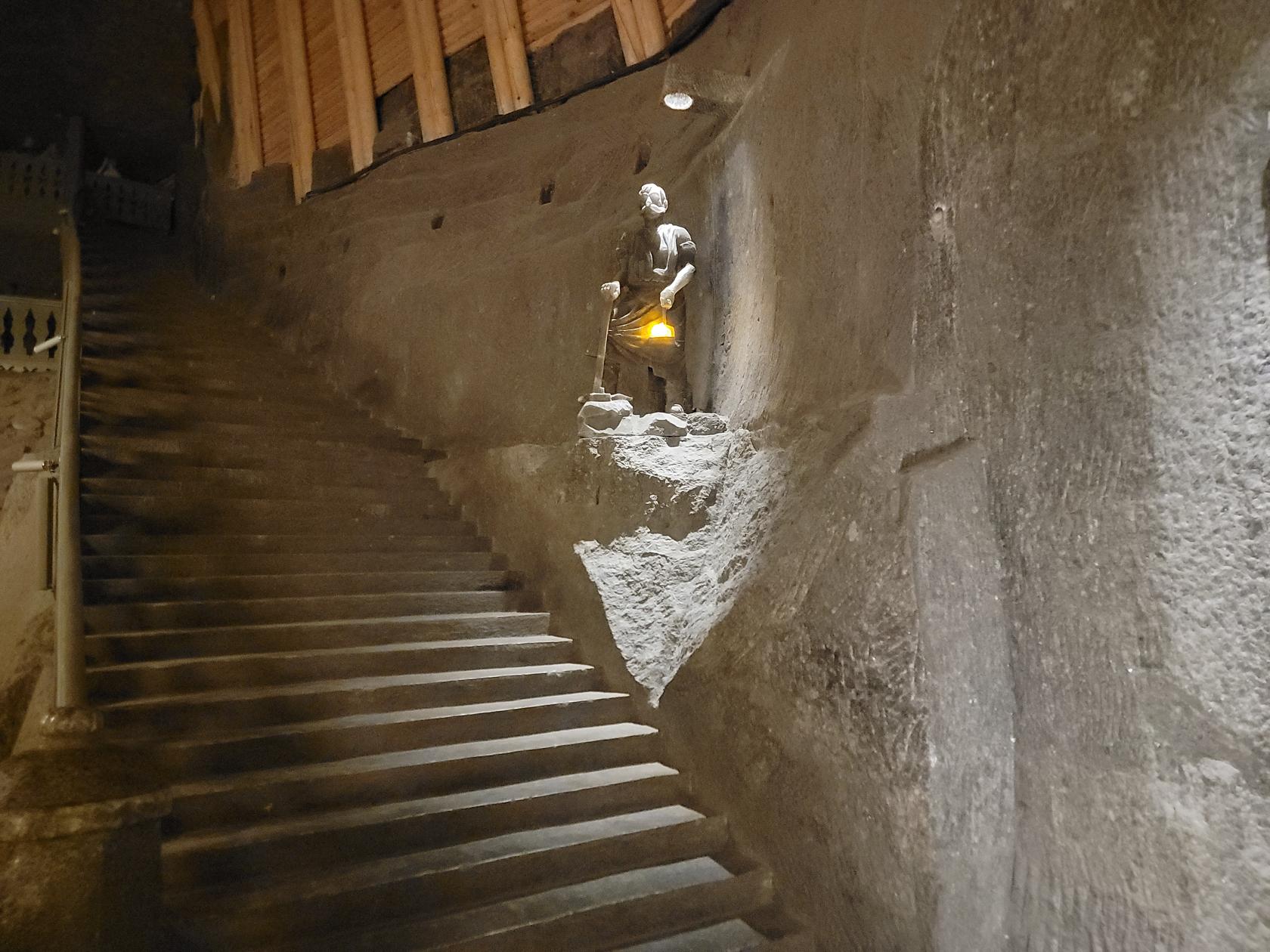
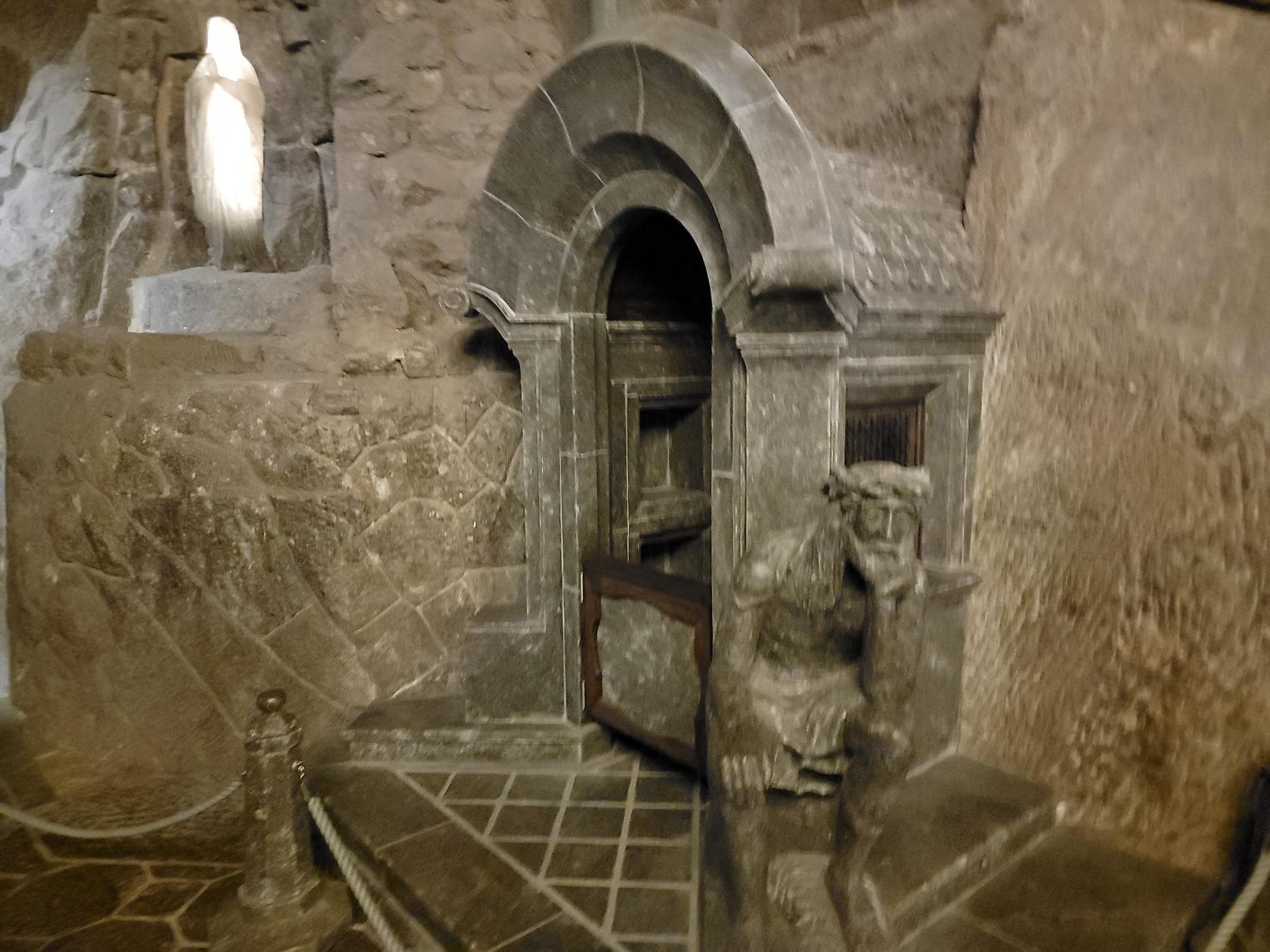
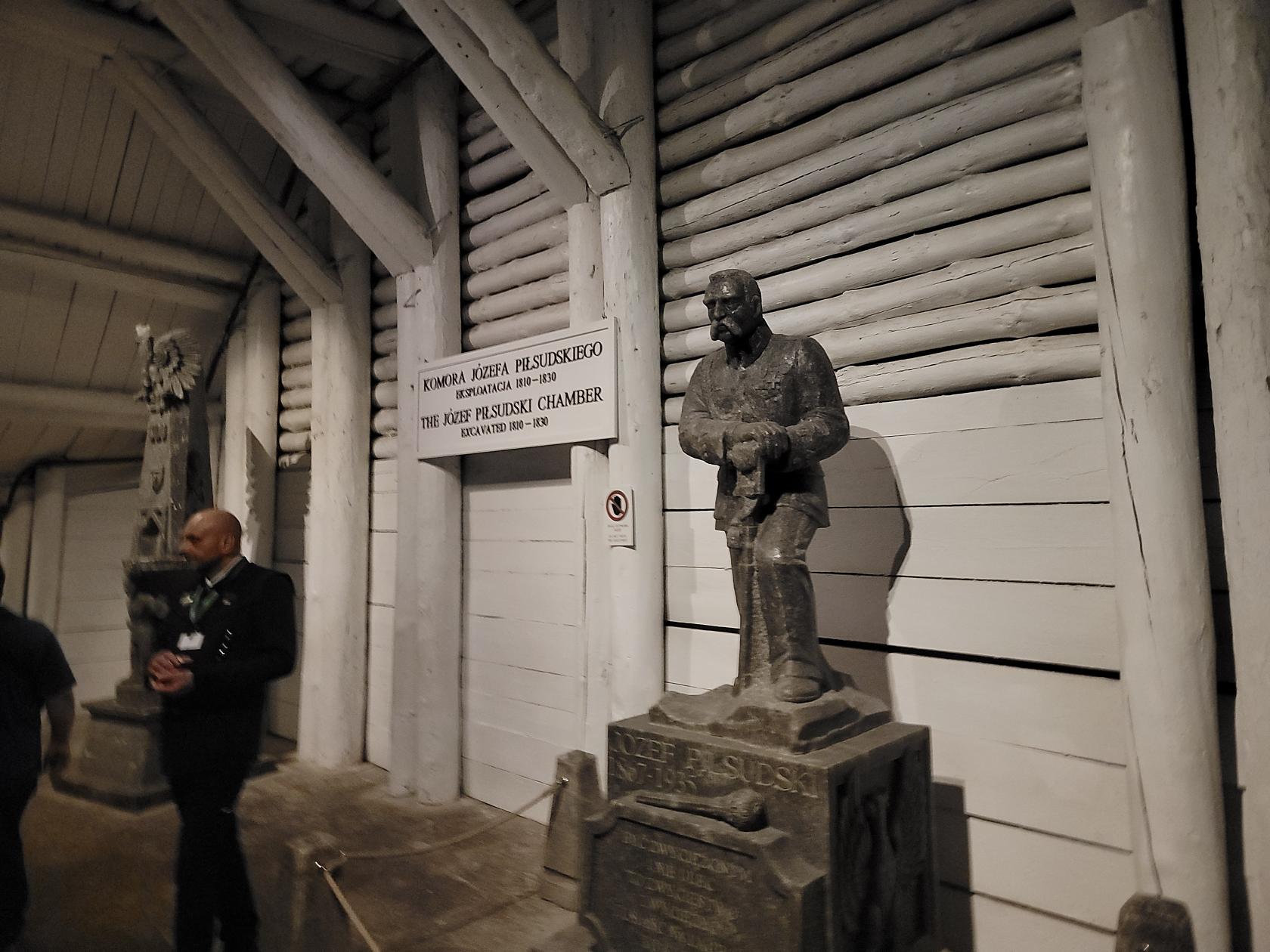
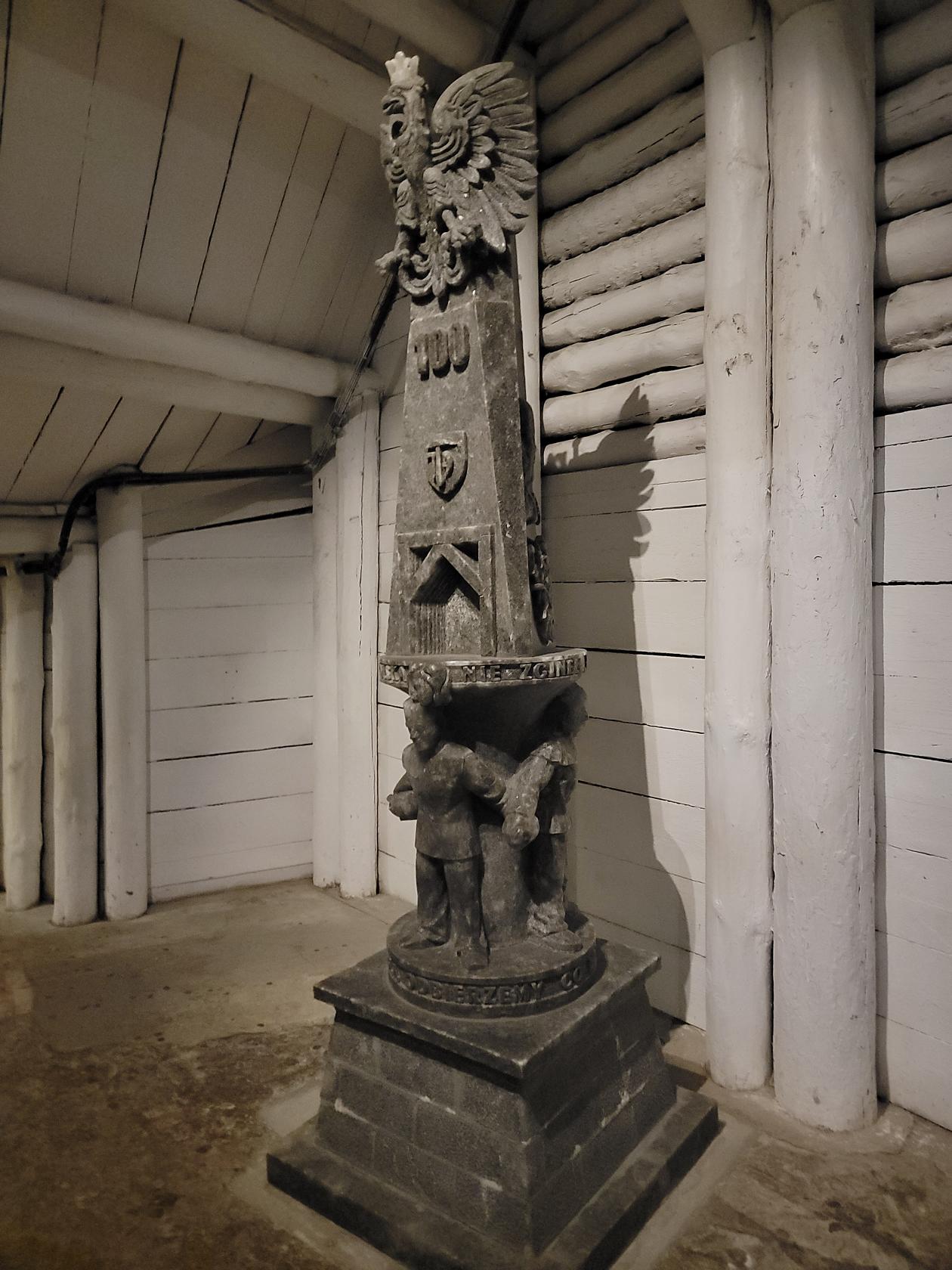
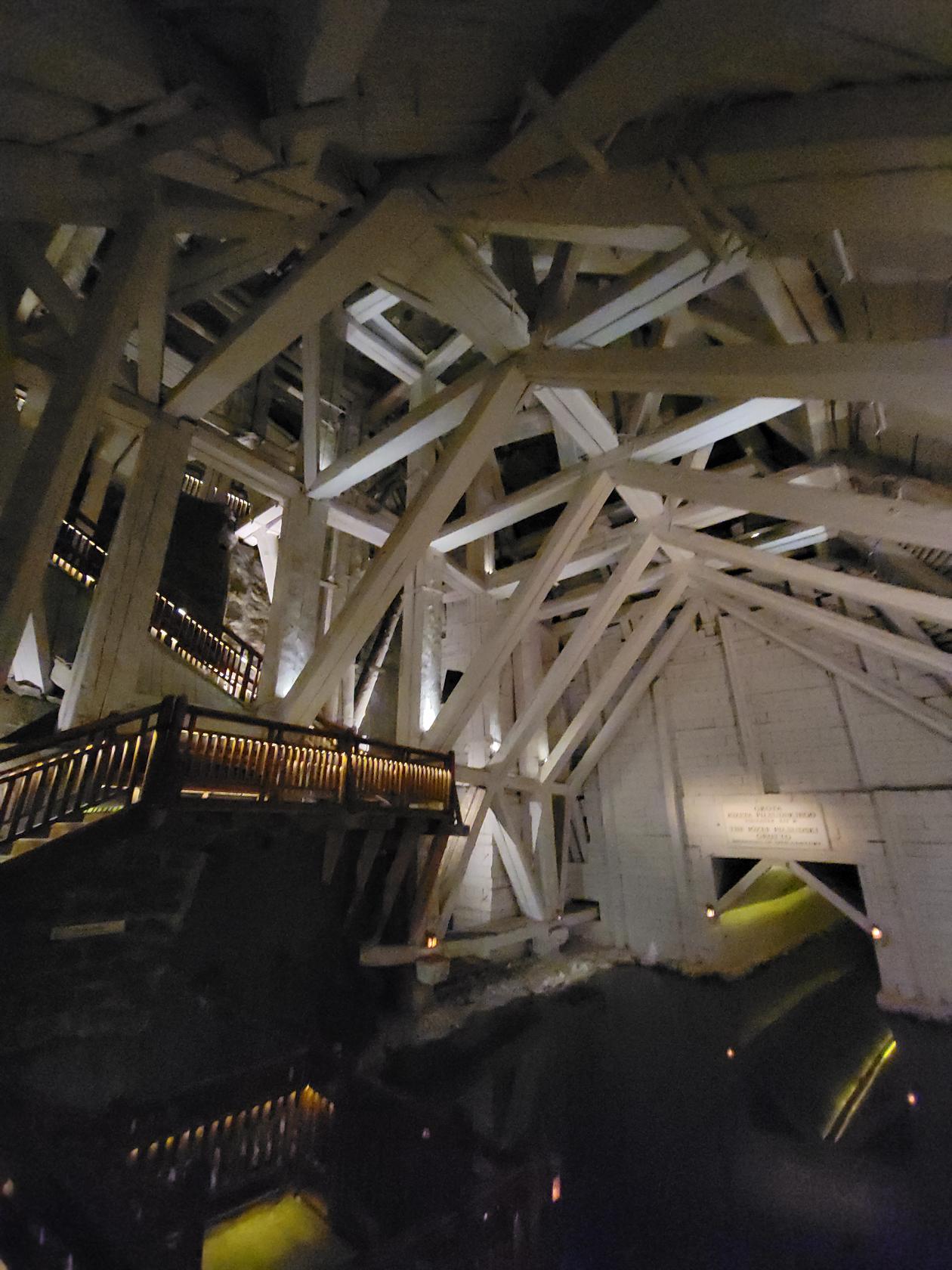
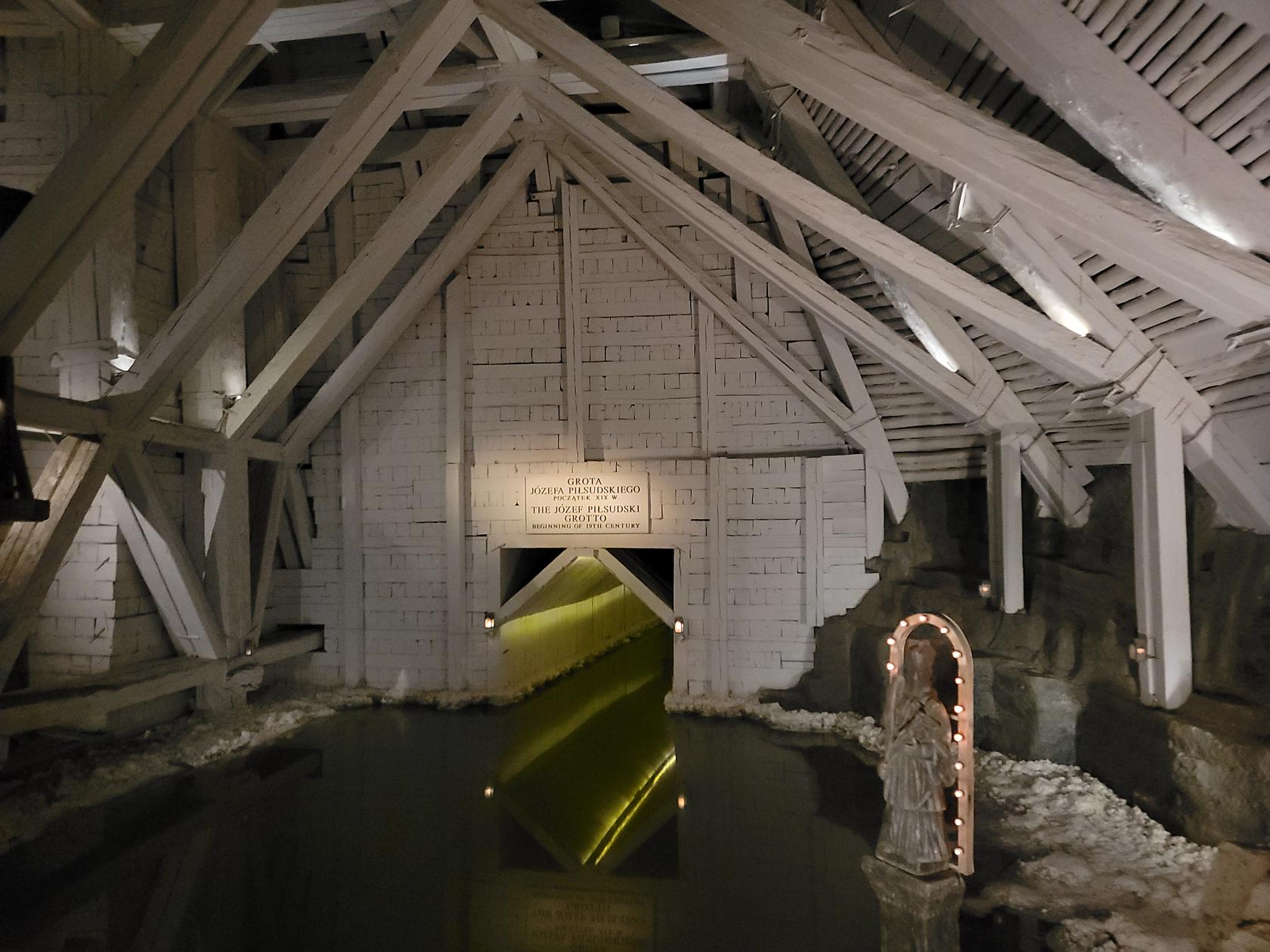
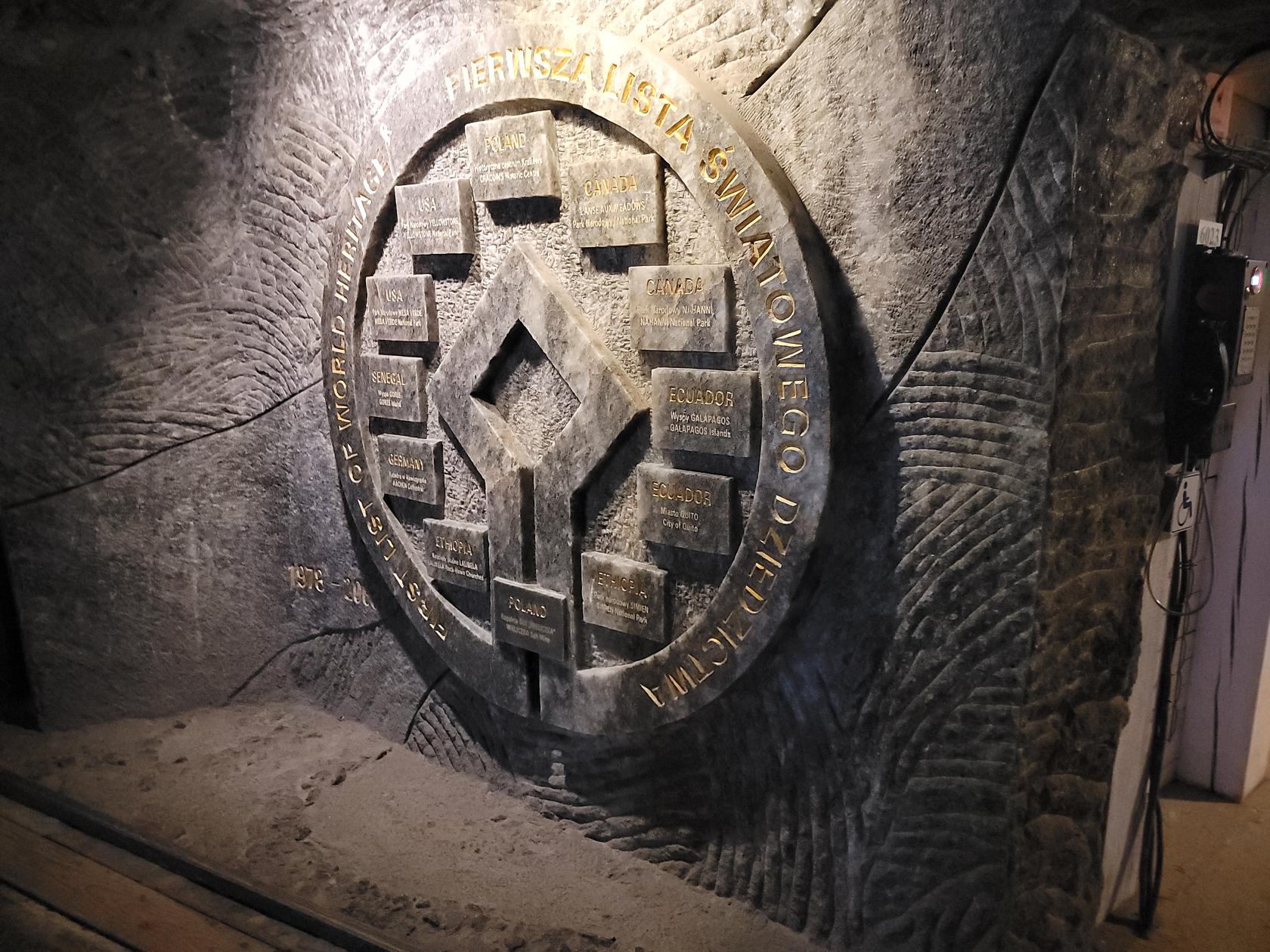
Information regarding the mine can be obtained from the link provided above, so there will be few details below. However all photographs are captioned for clarification.
The Way Down
Map – Wieliczka Salt Mine – Wieliczka, Poland
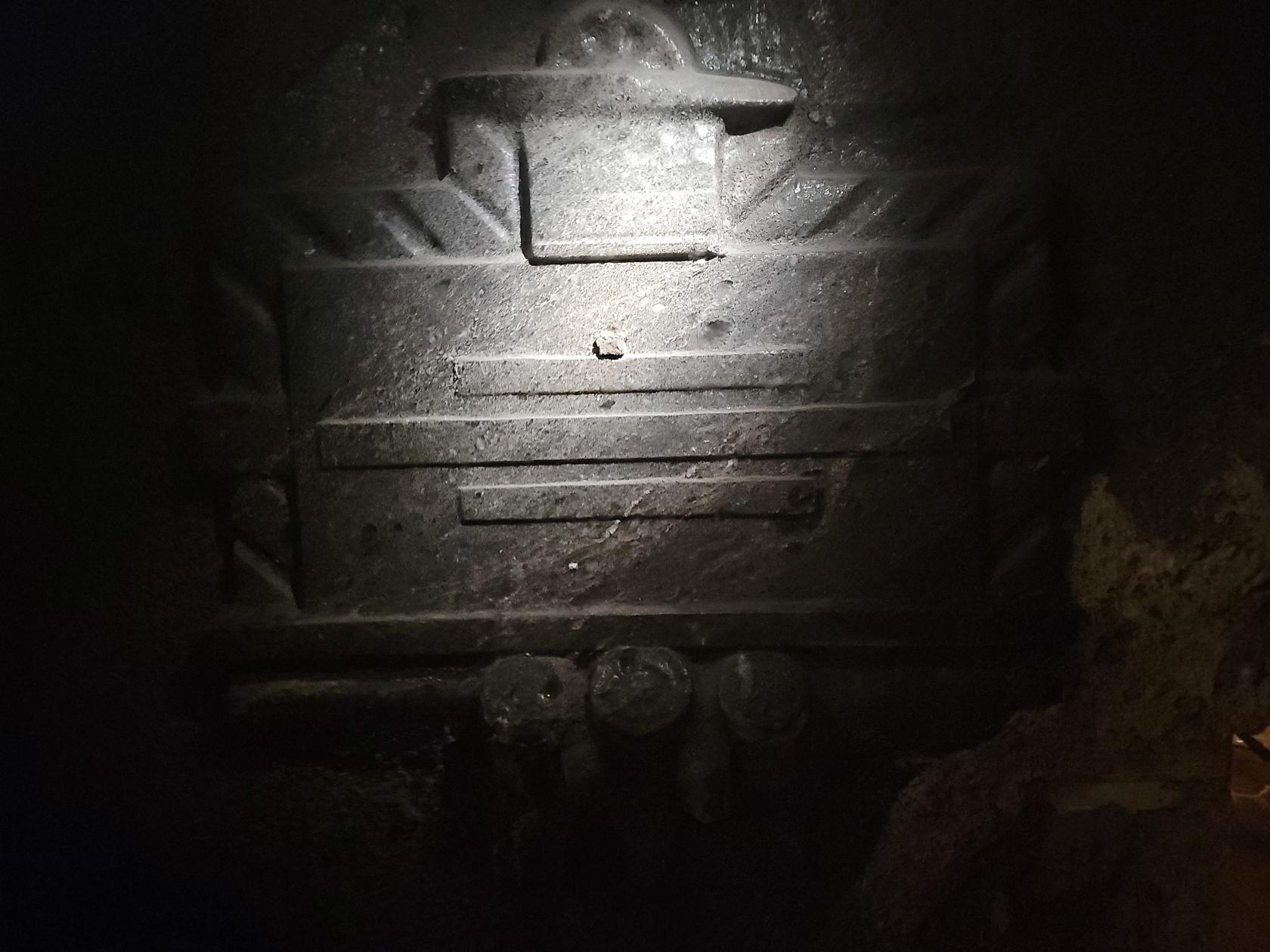
Entrance Carvings – Wieliczka Salt Mine – Wieliczka, Poland
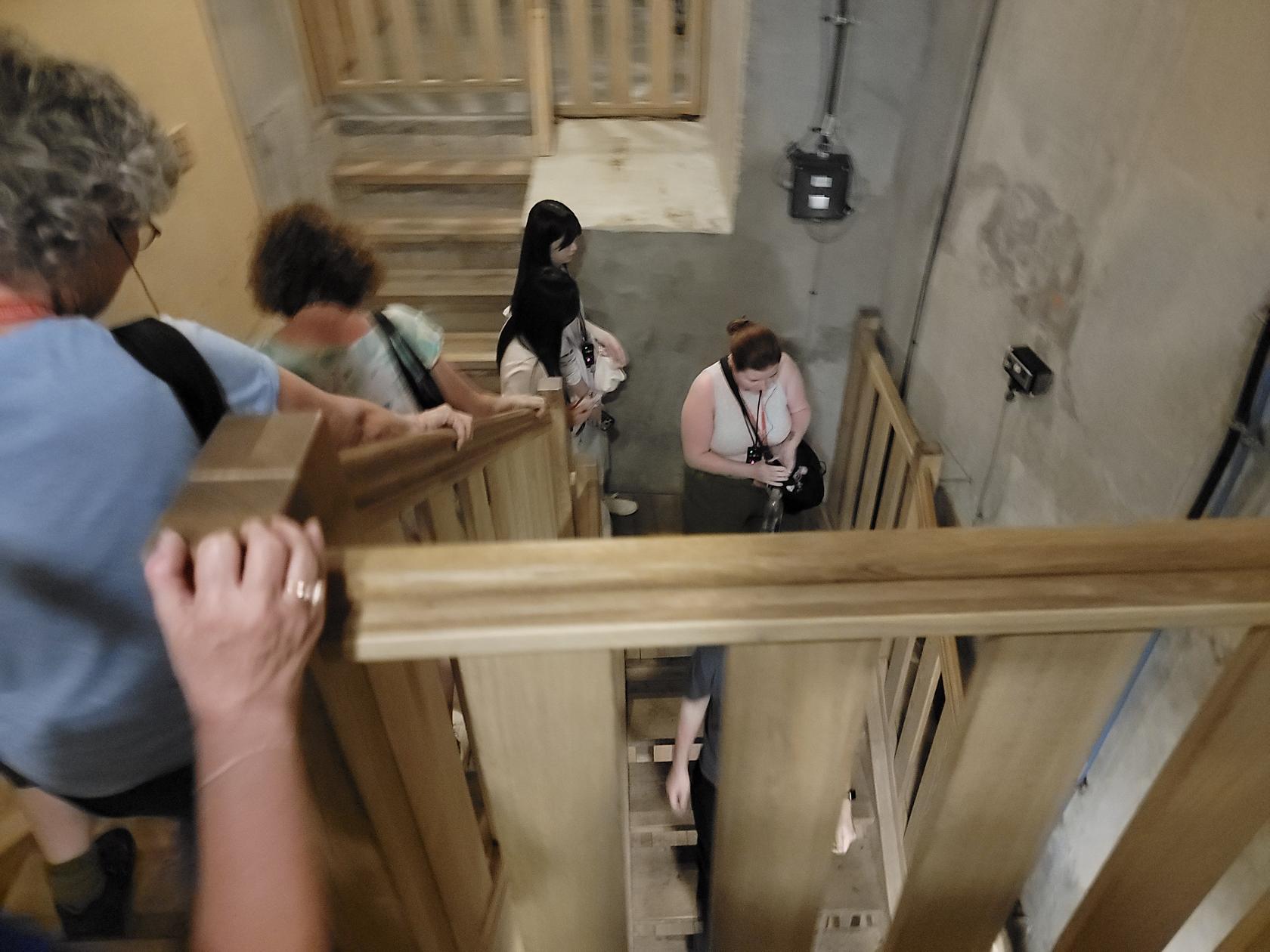
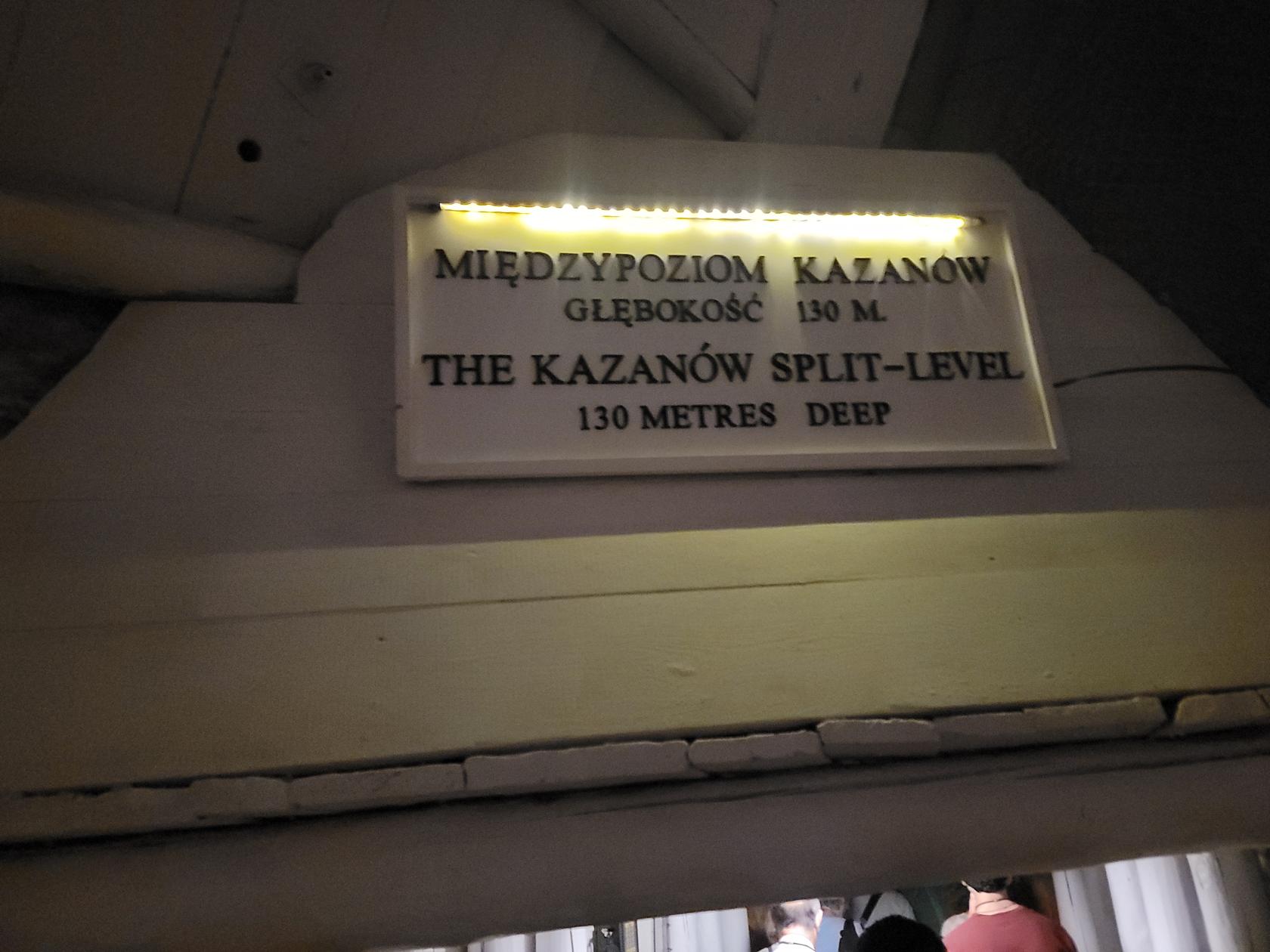
Descent of 40 stories – Wieliczka Salt Mine – Wieliczka, Poland
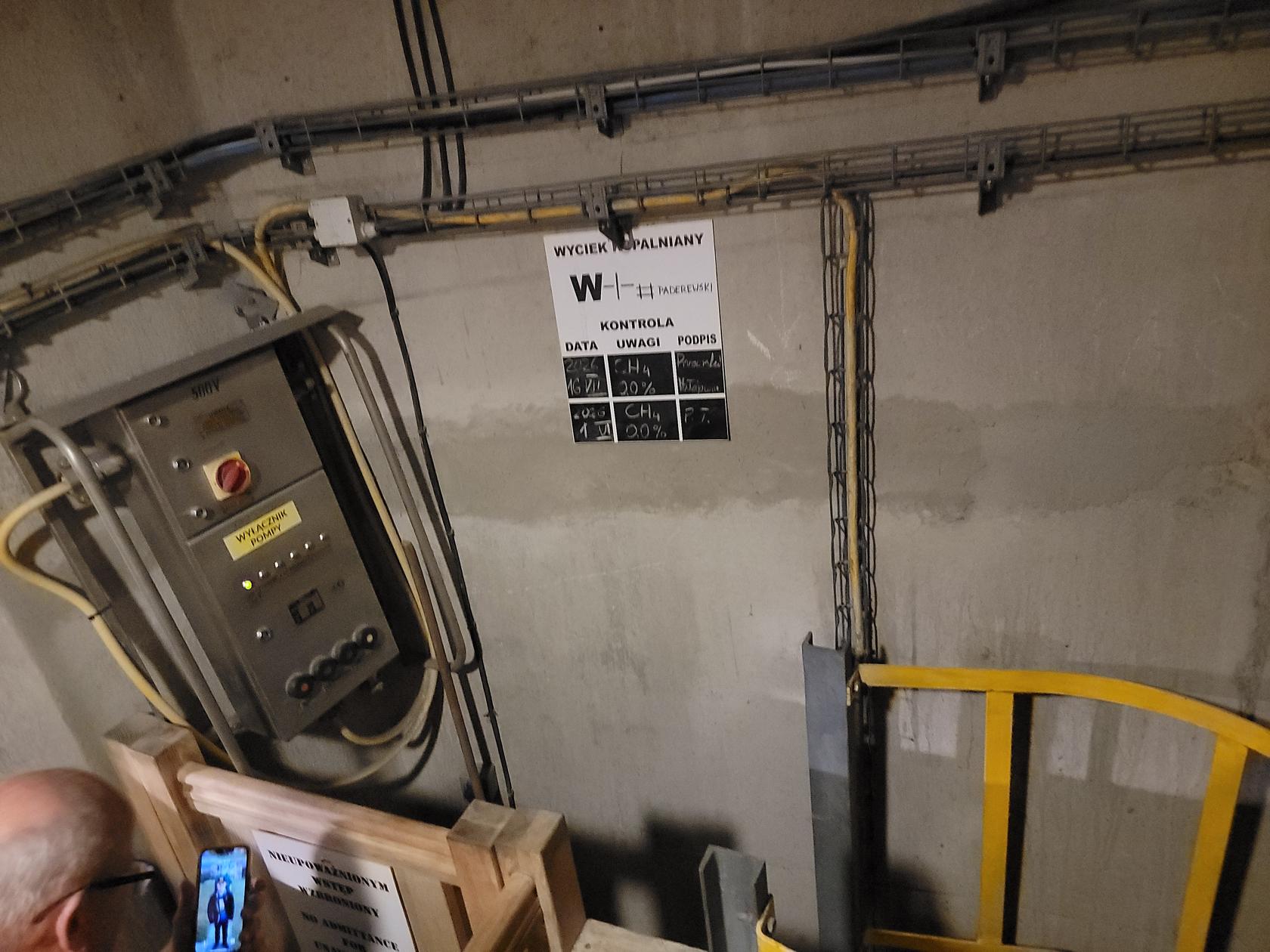
Air Quality Chart – Wieliczka Salt Mine – Wieliczka, Poland
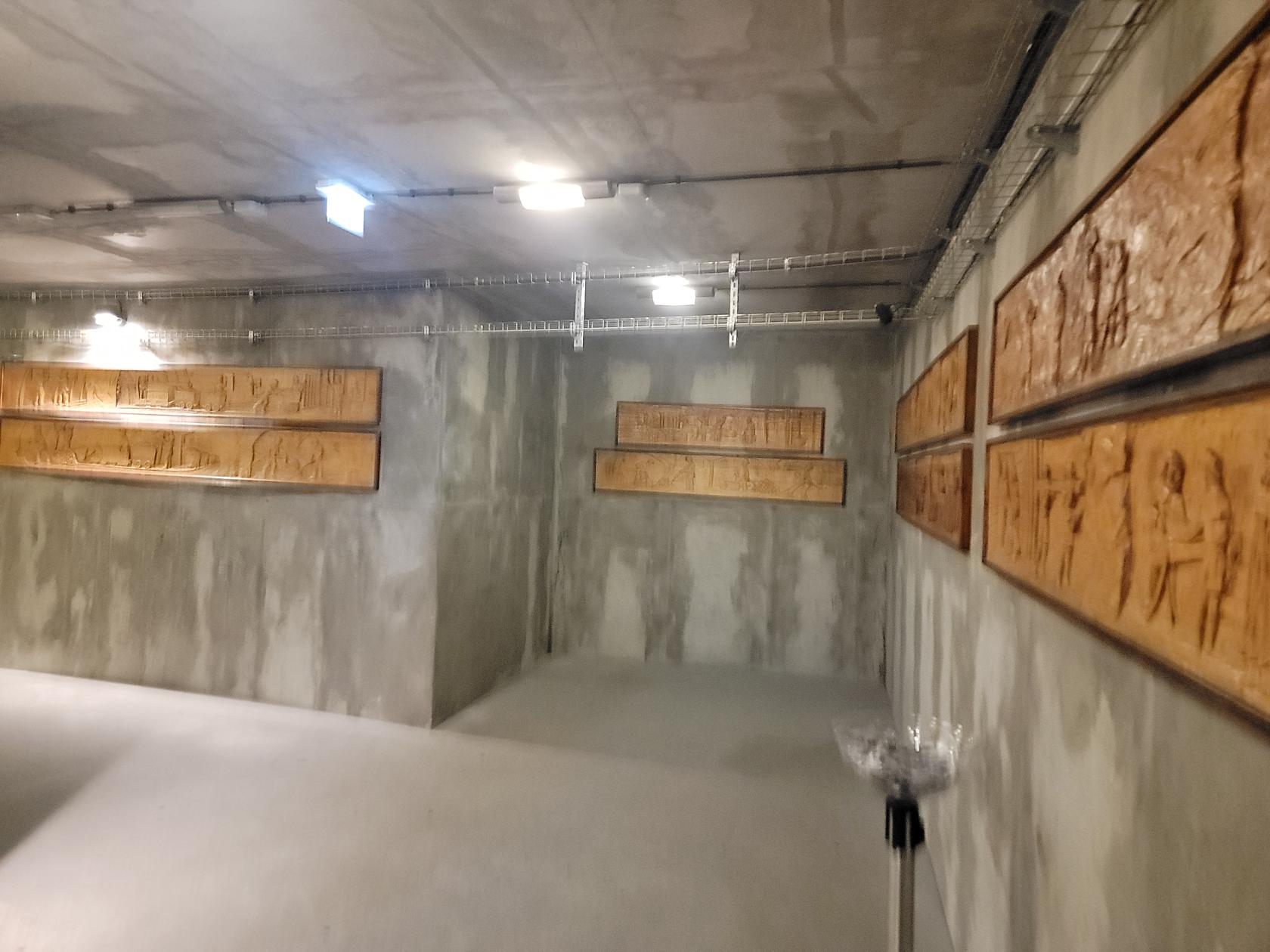
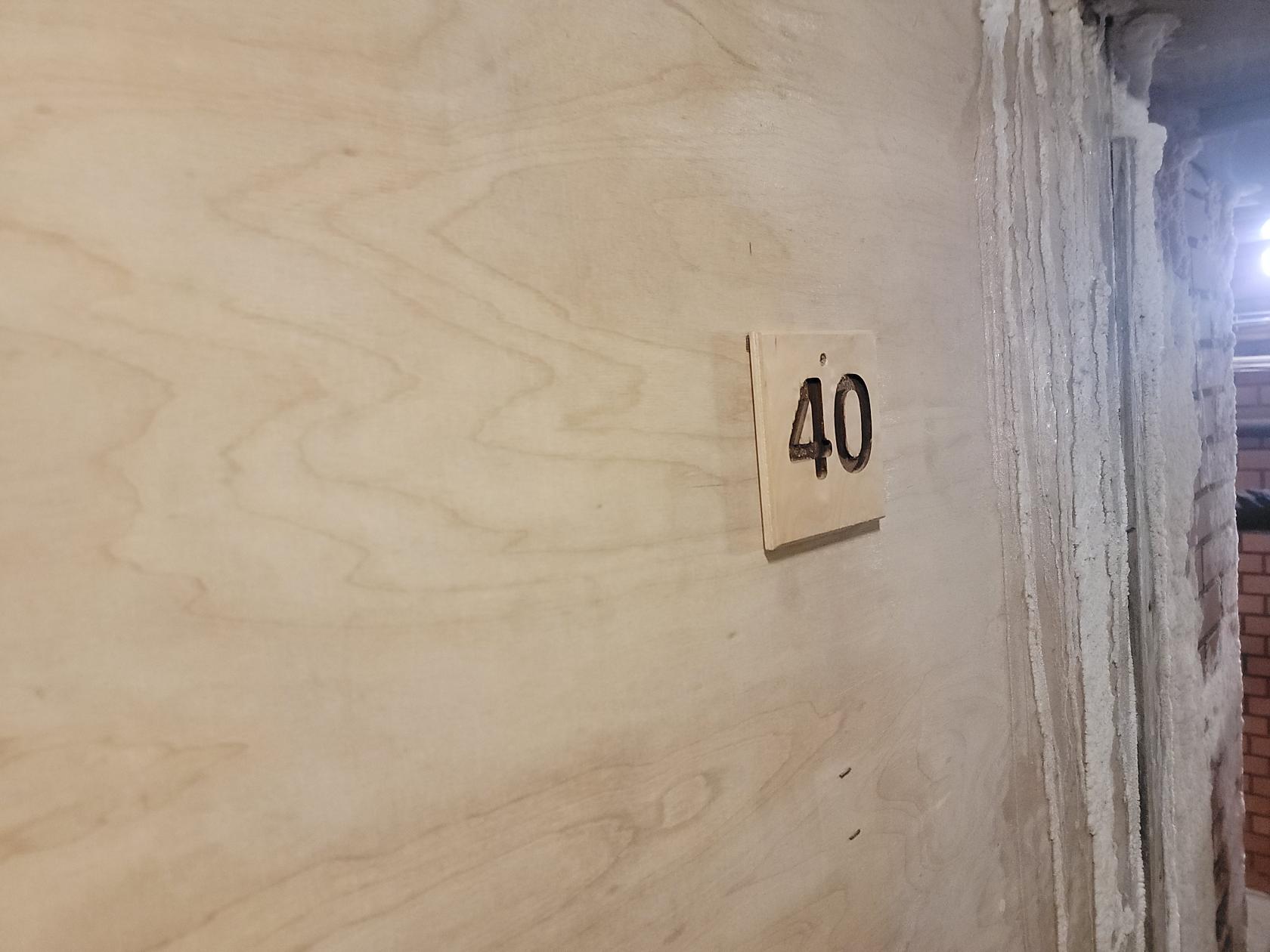
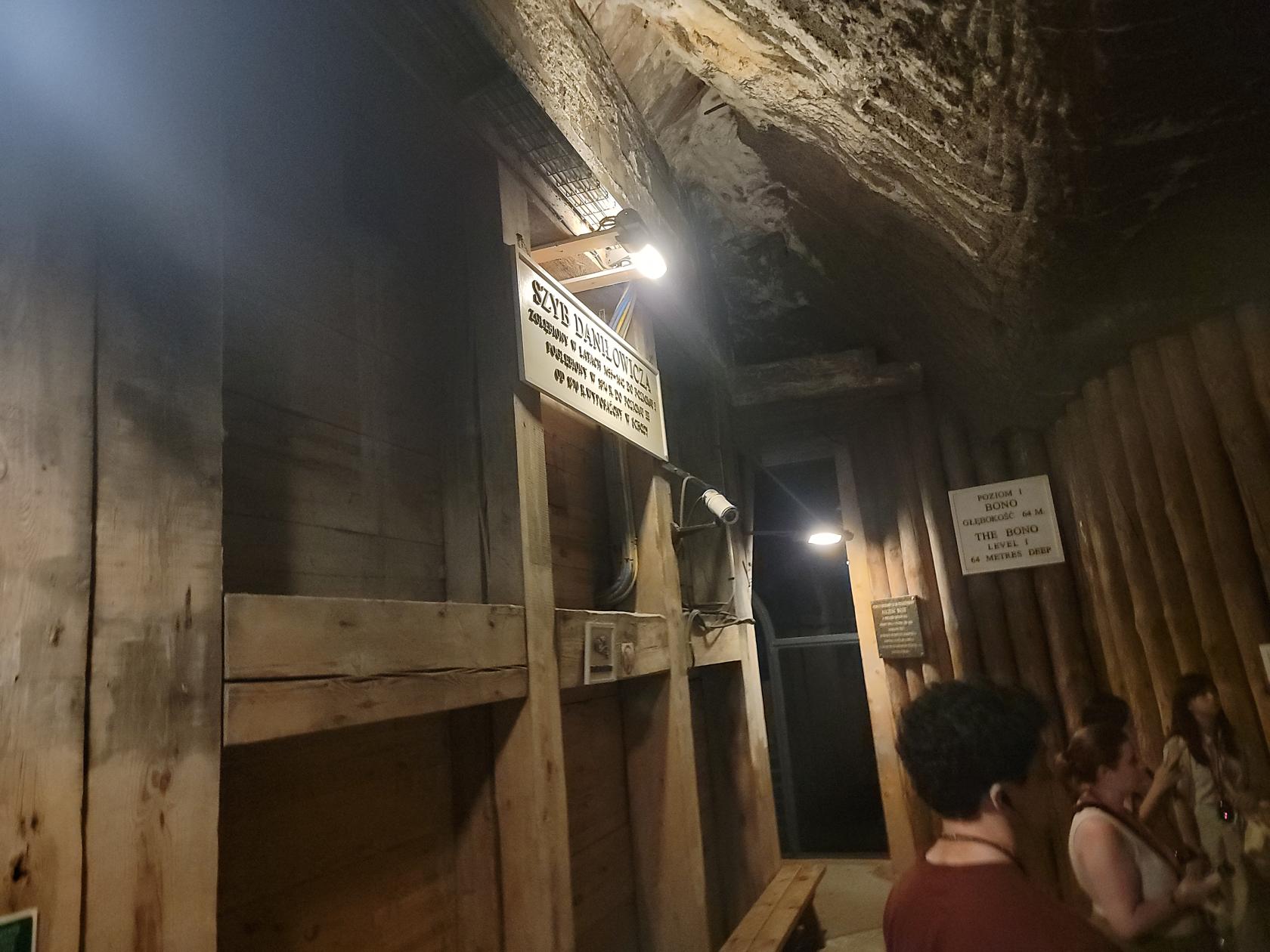
Level 40 – Wieliczka Salt Mine – Wieliczka, Poland
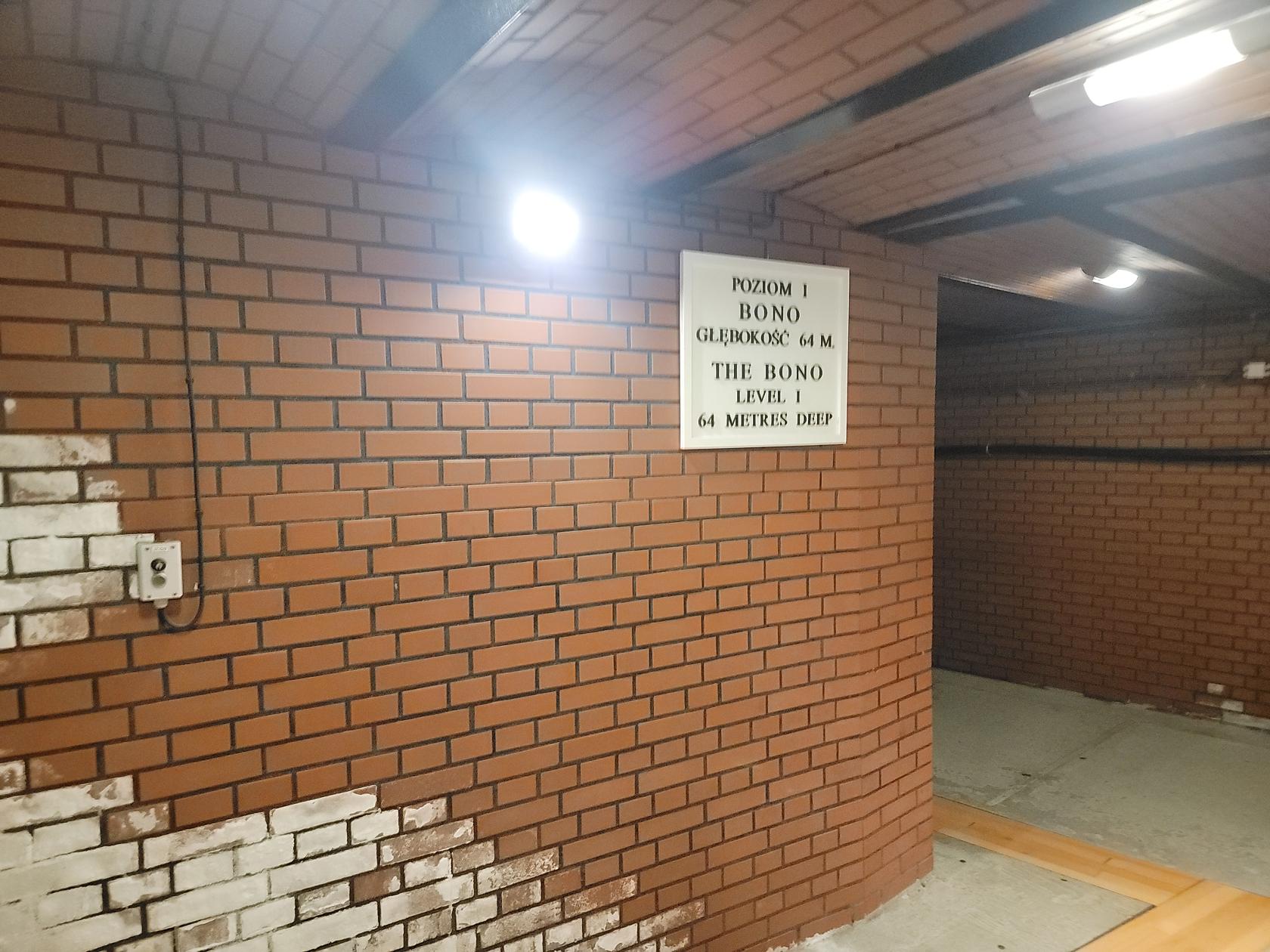
64 Meters/210 Feet Deep – Wieliczka Salt Mine – Wieliczka, Poland
Safety Doors – Wieliczka Salt Mine – Wieliczka, Poland
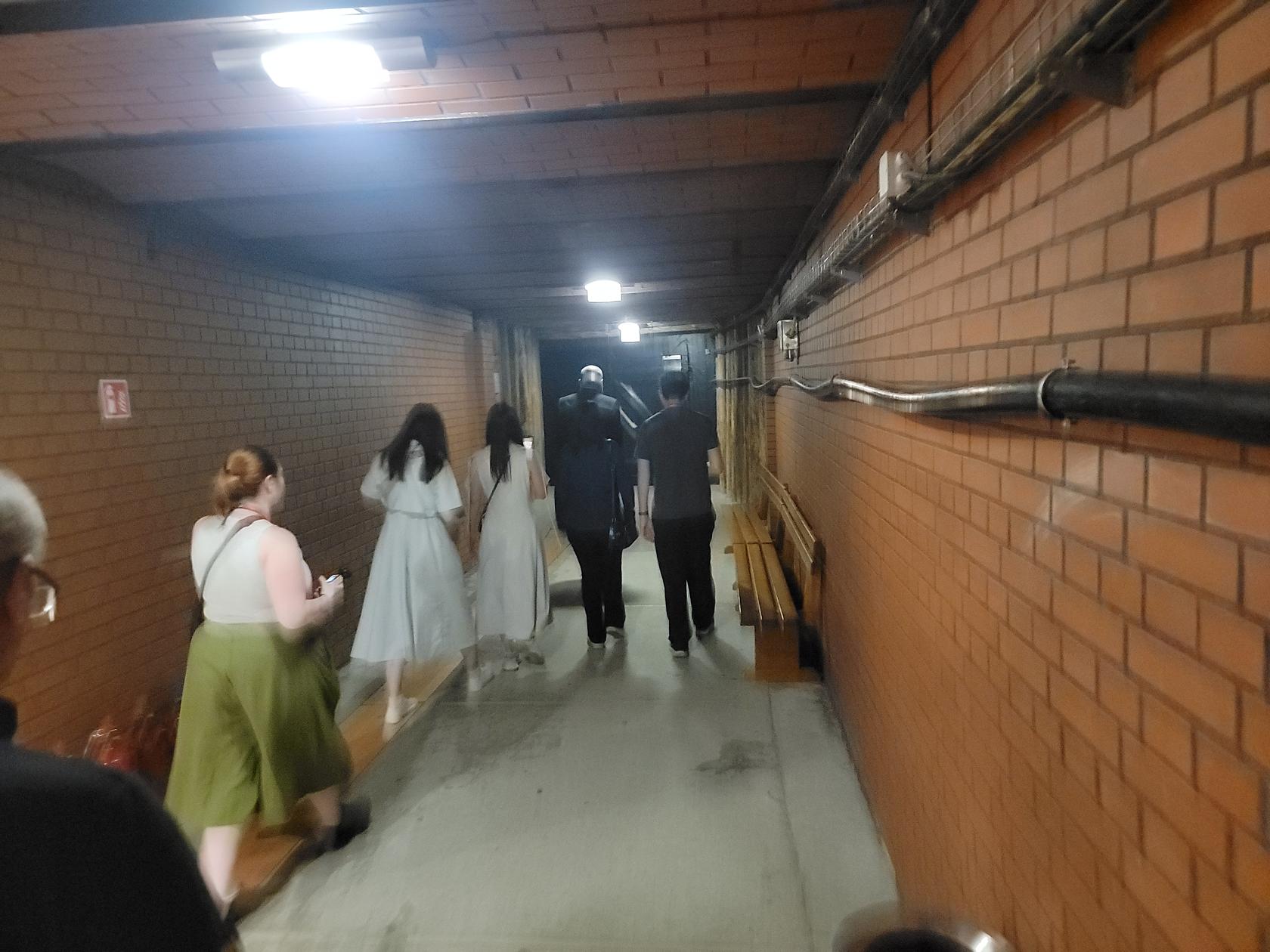
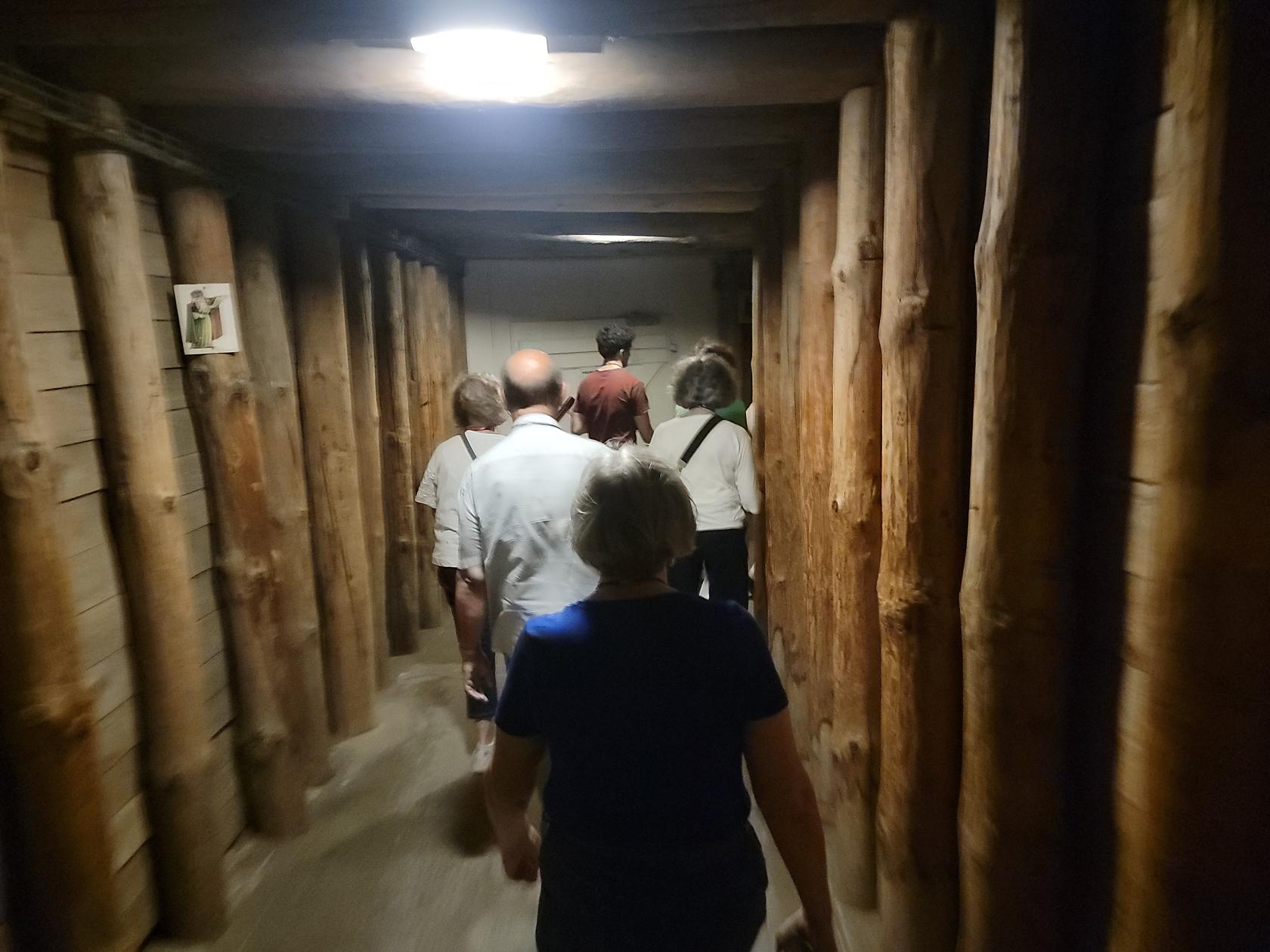
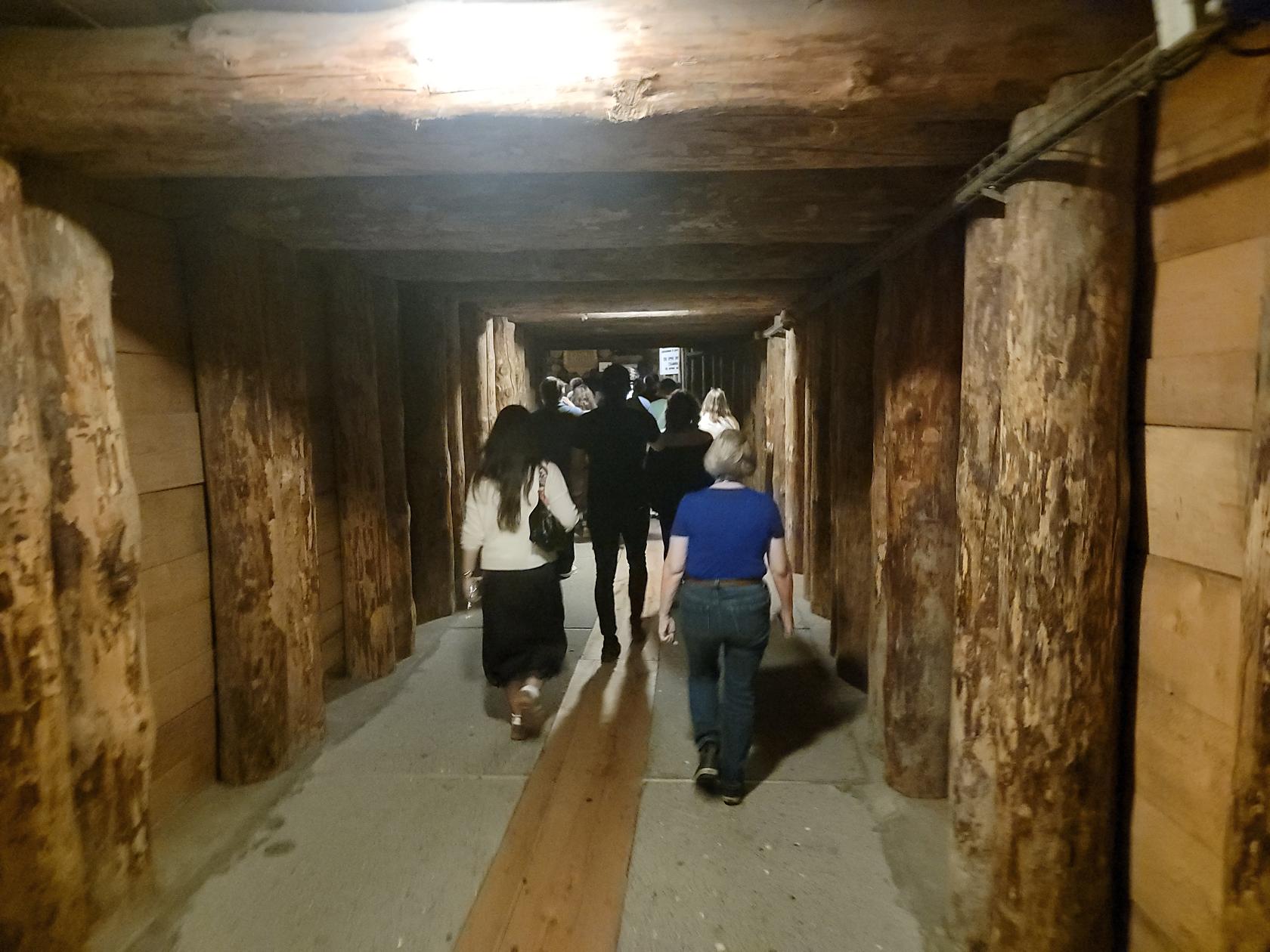
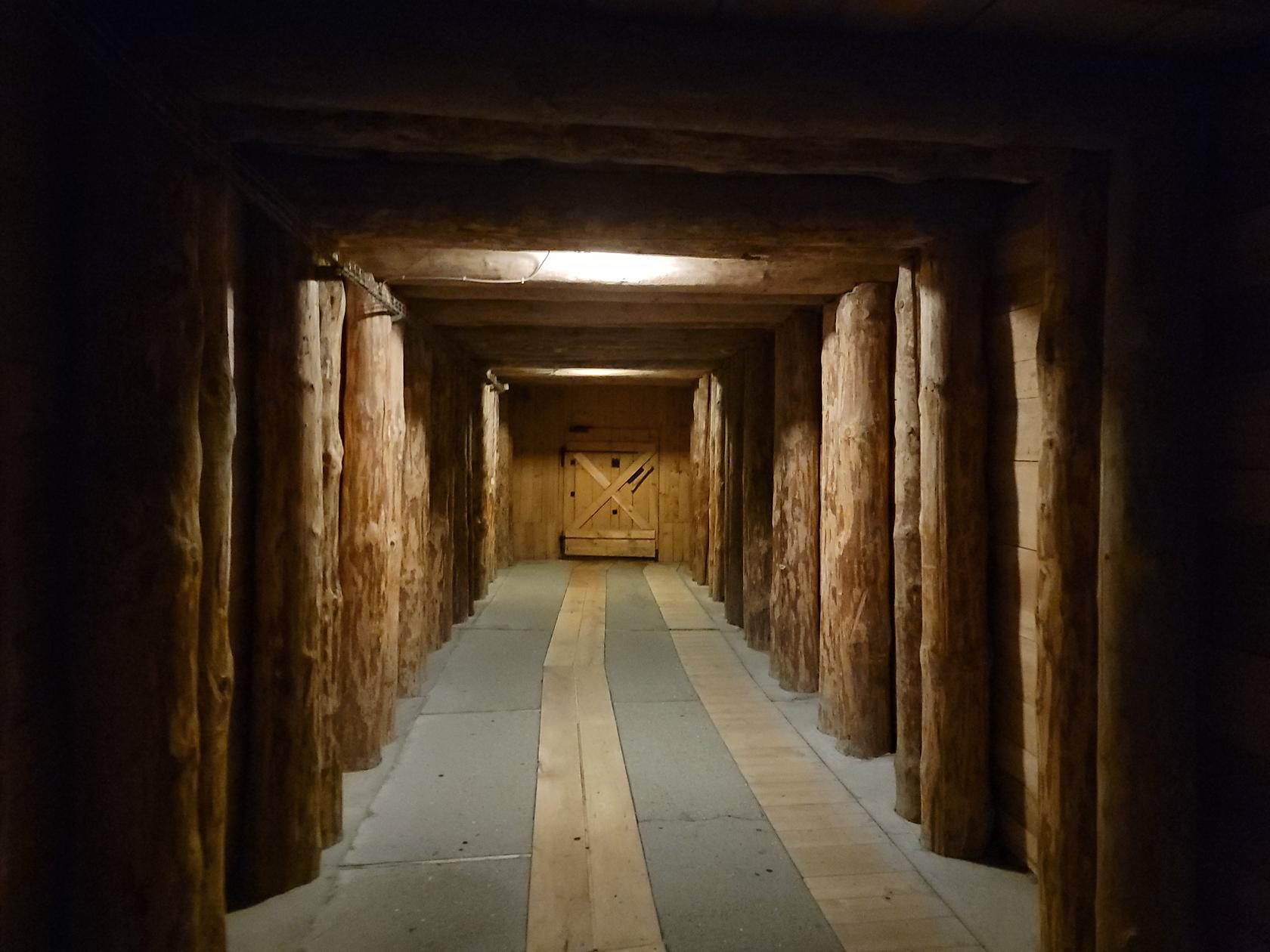
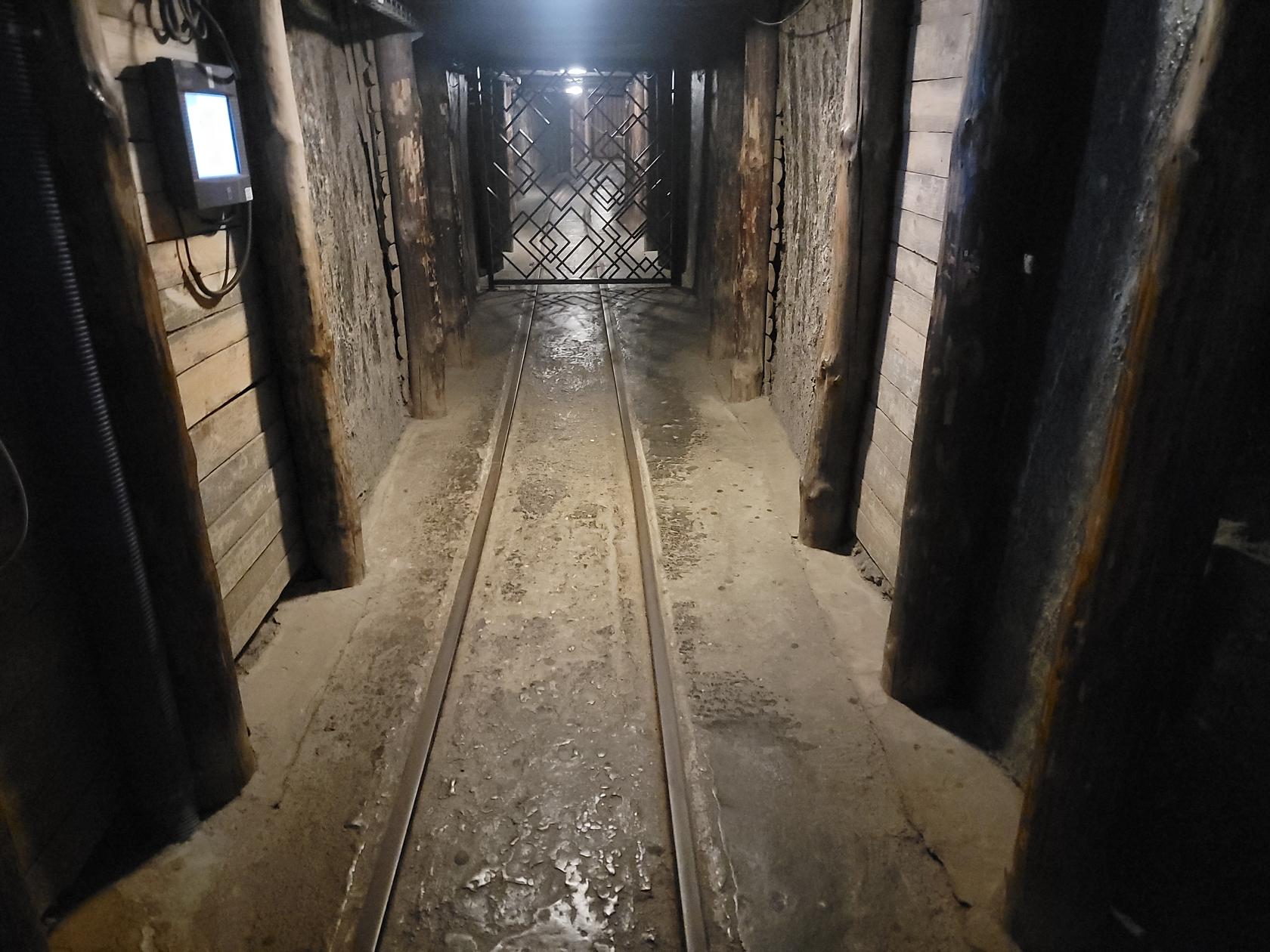
Narrow Tunnels – Wieliczka Salt Mine – Wieliczka, Poland
Tunnels – Wieliczka Salt Mine – Wieliczka, Poland
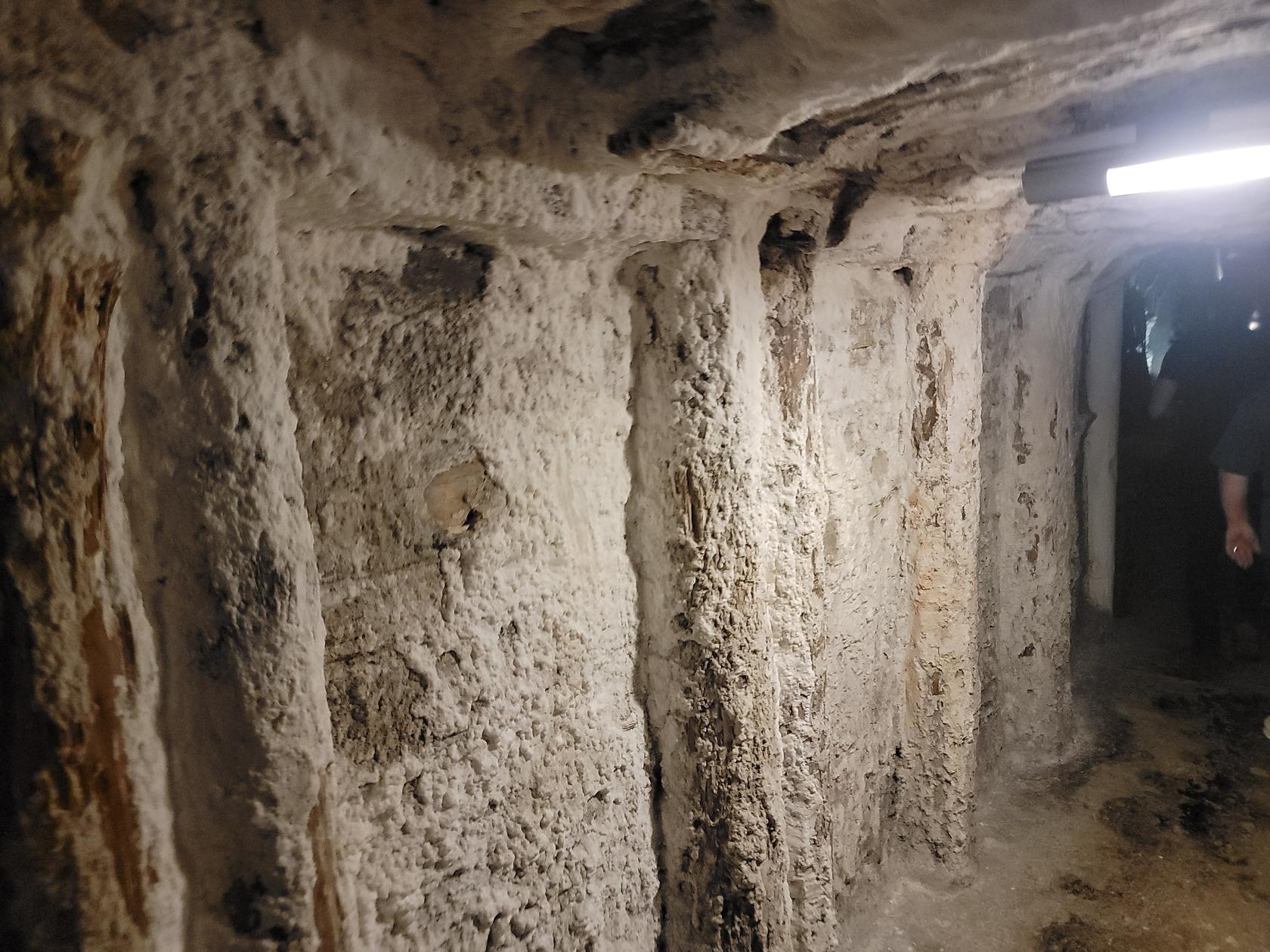
Containment Walls – Wieliczka Salt Mine – Wieliczka, Poland
Tunnels And More
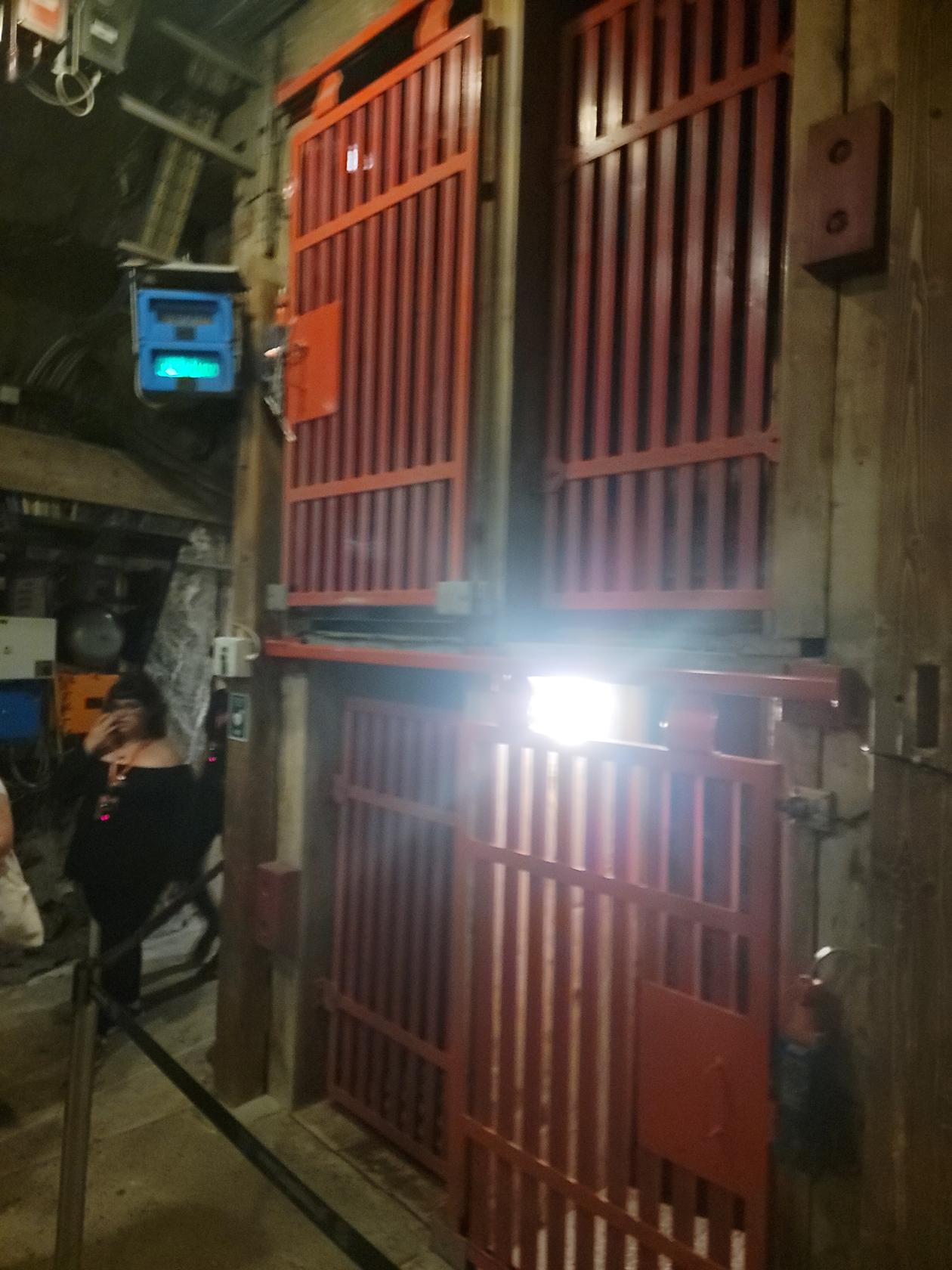
Miner Elevators – Wieliczka Salt Mine – Wieliczka, Poland
Passage – Wieliczka Salt Mine – Wieliczka, Poland
Another safety door – Wieliczka Salt Mine – Wieliczka, Poland
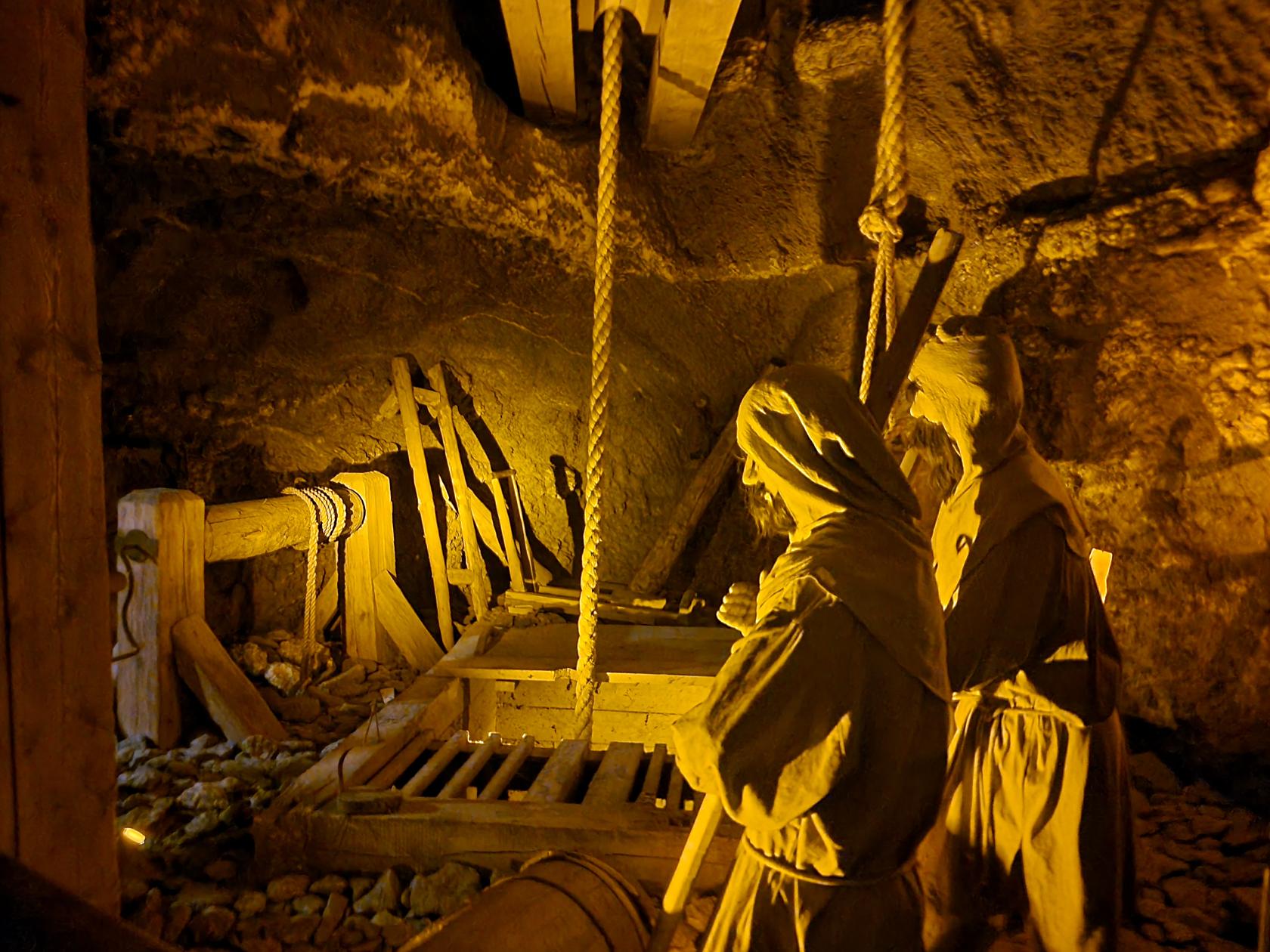
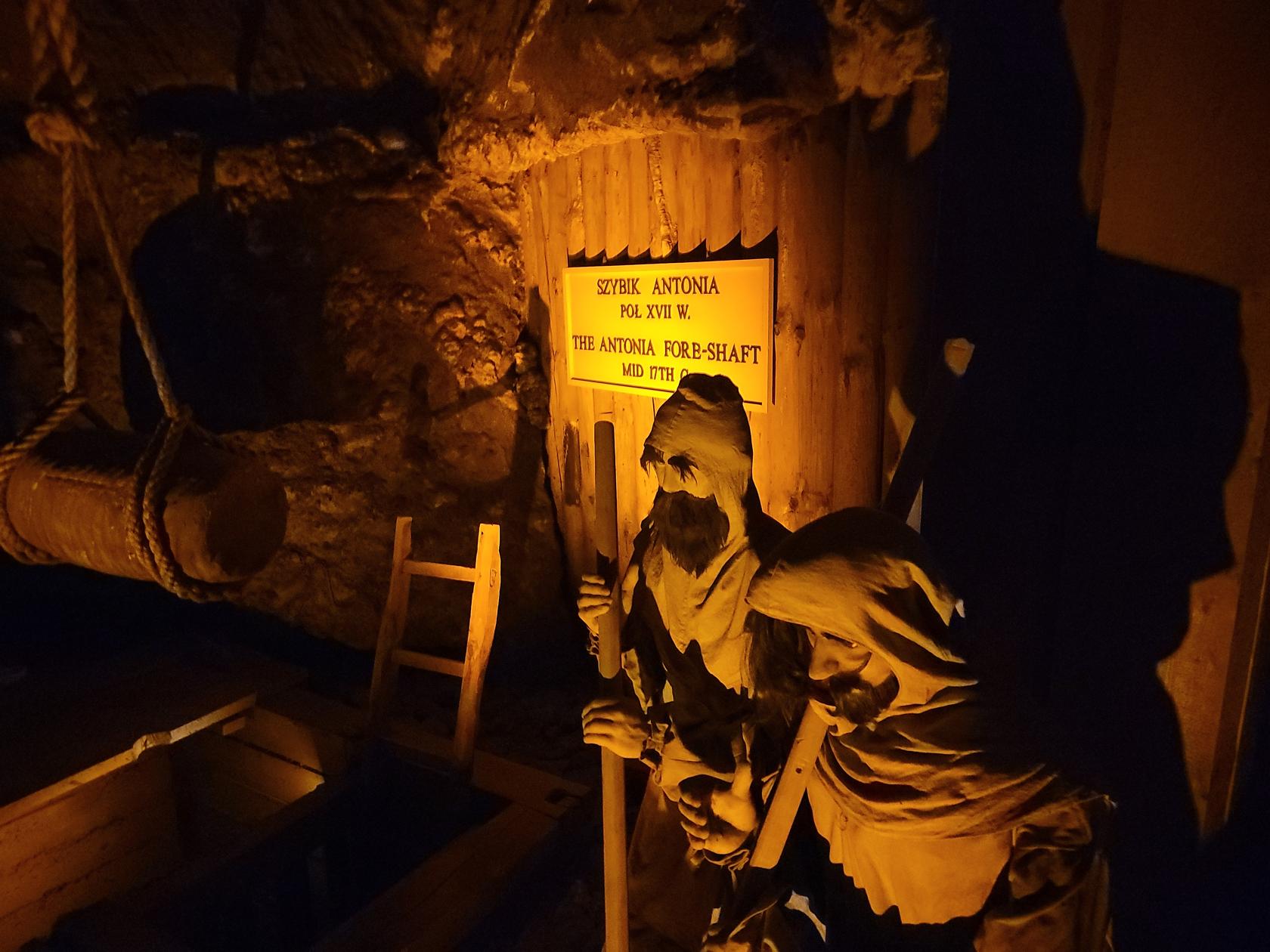
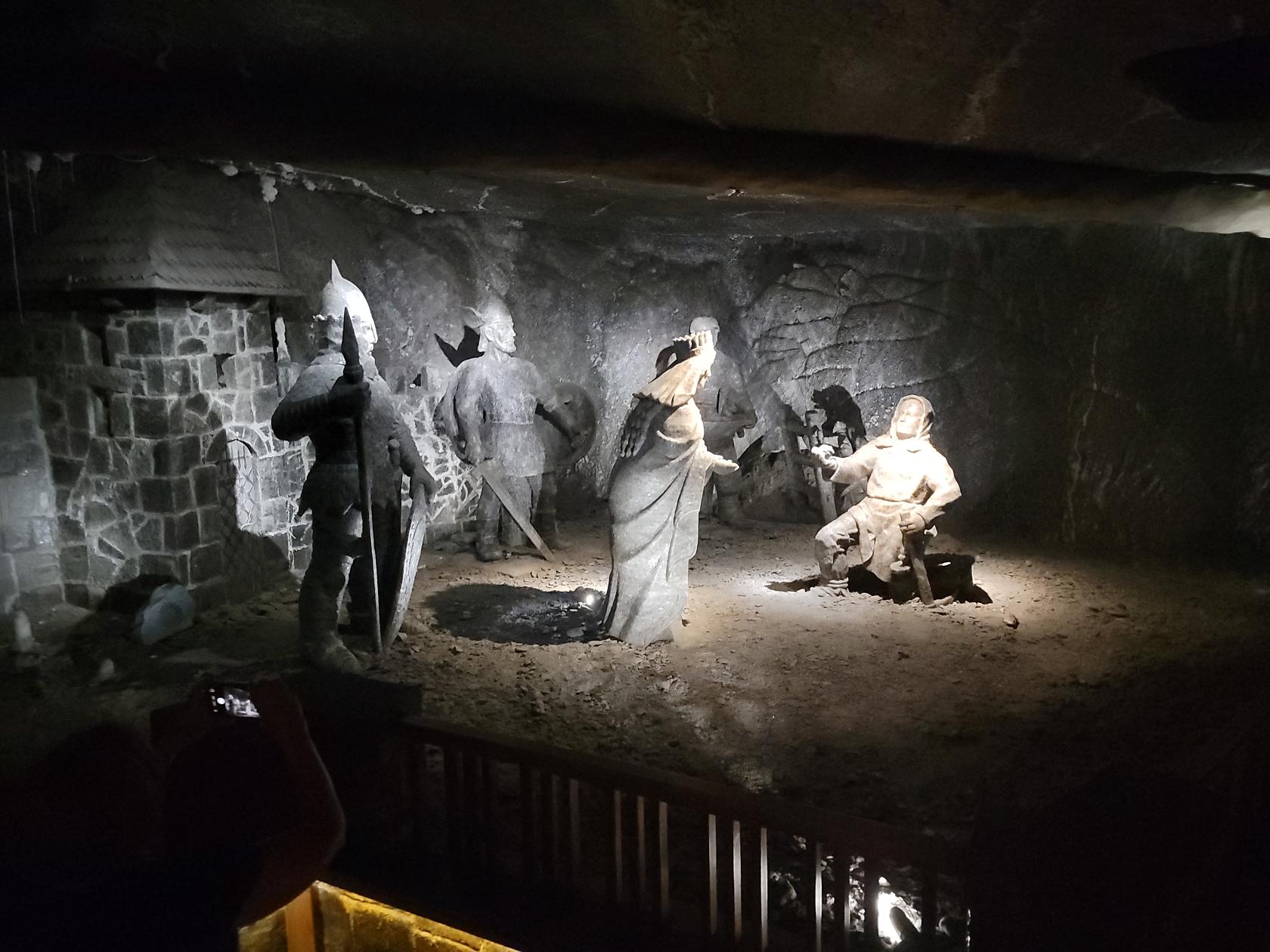
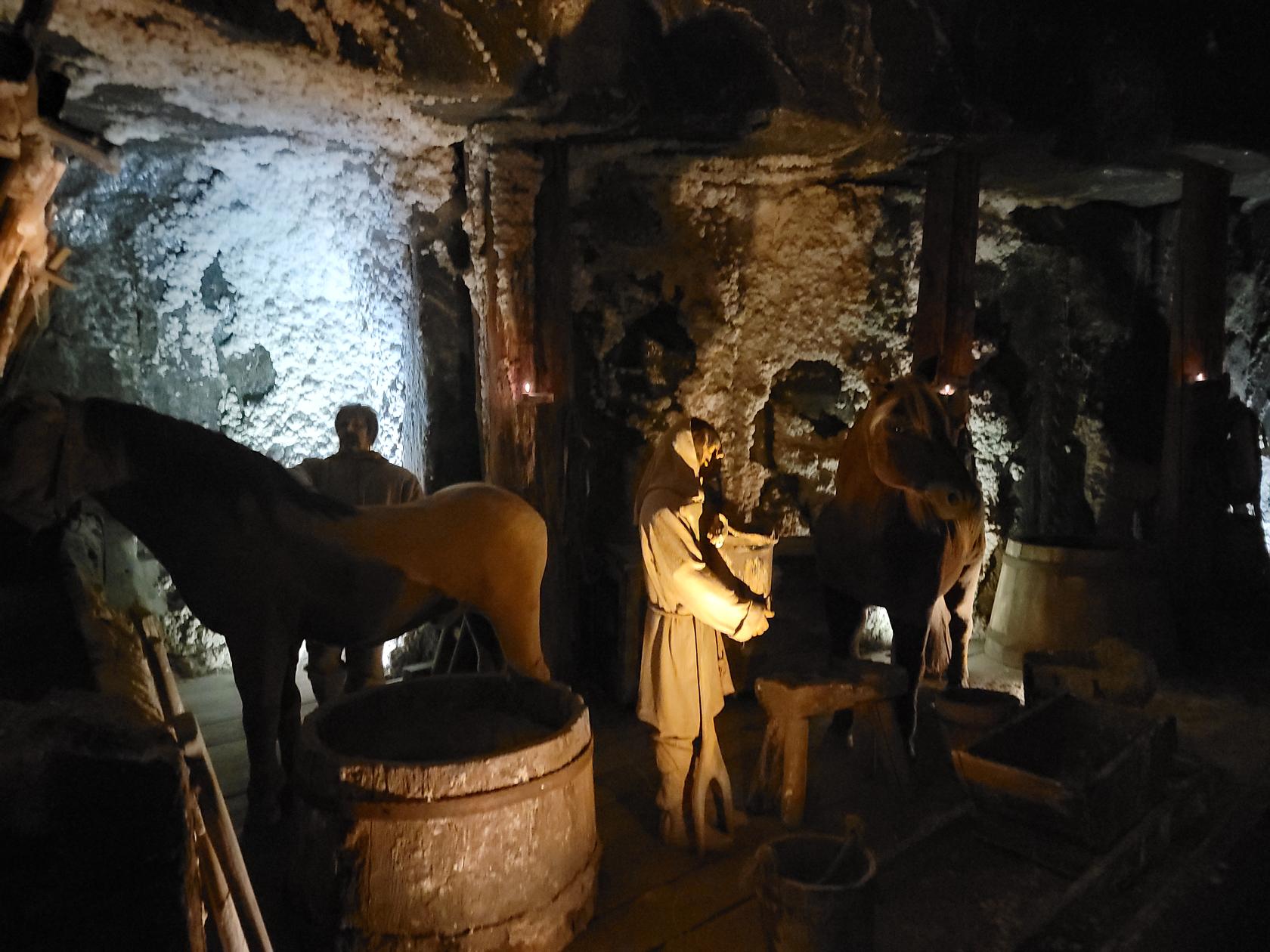
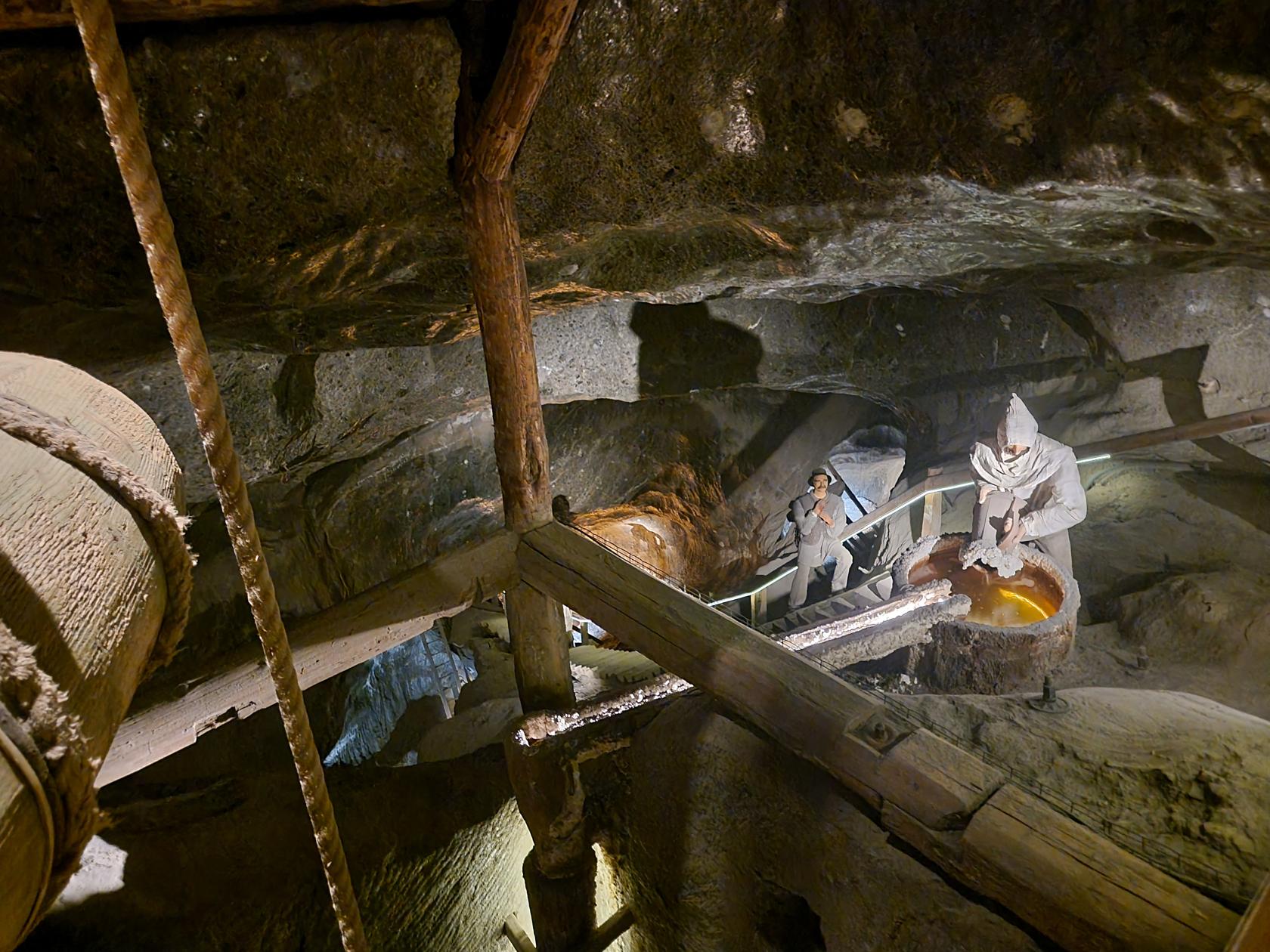
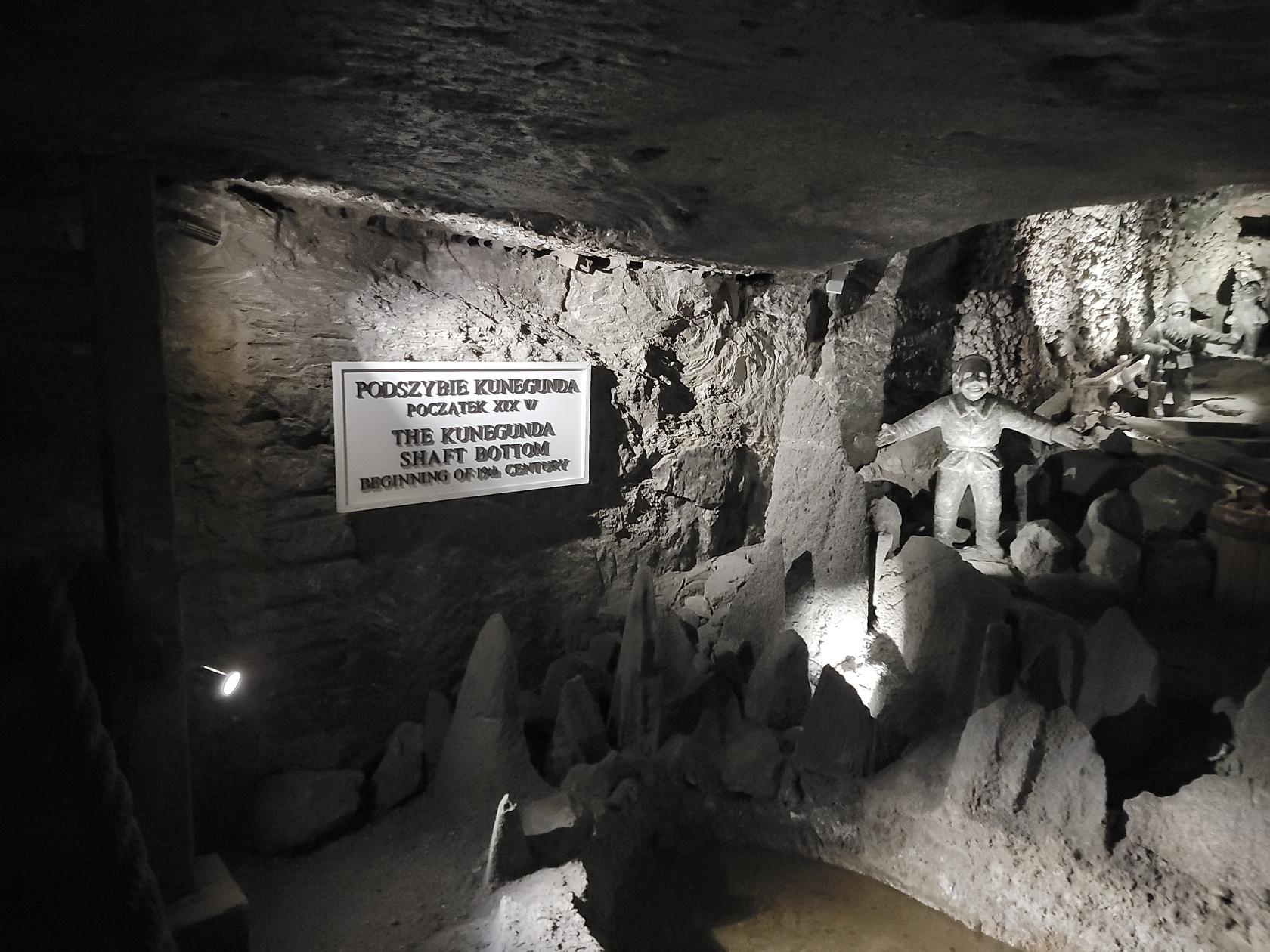
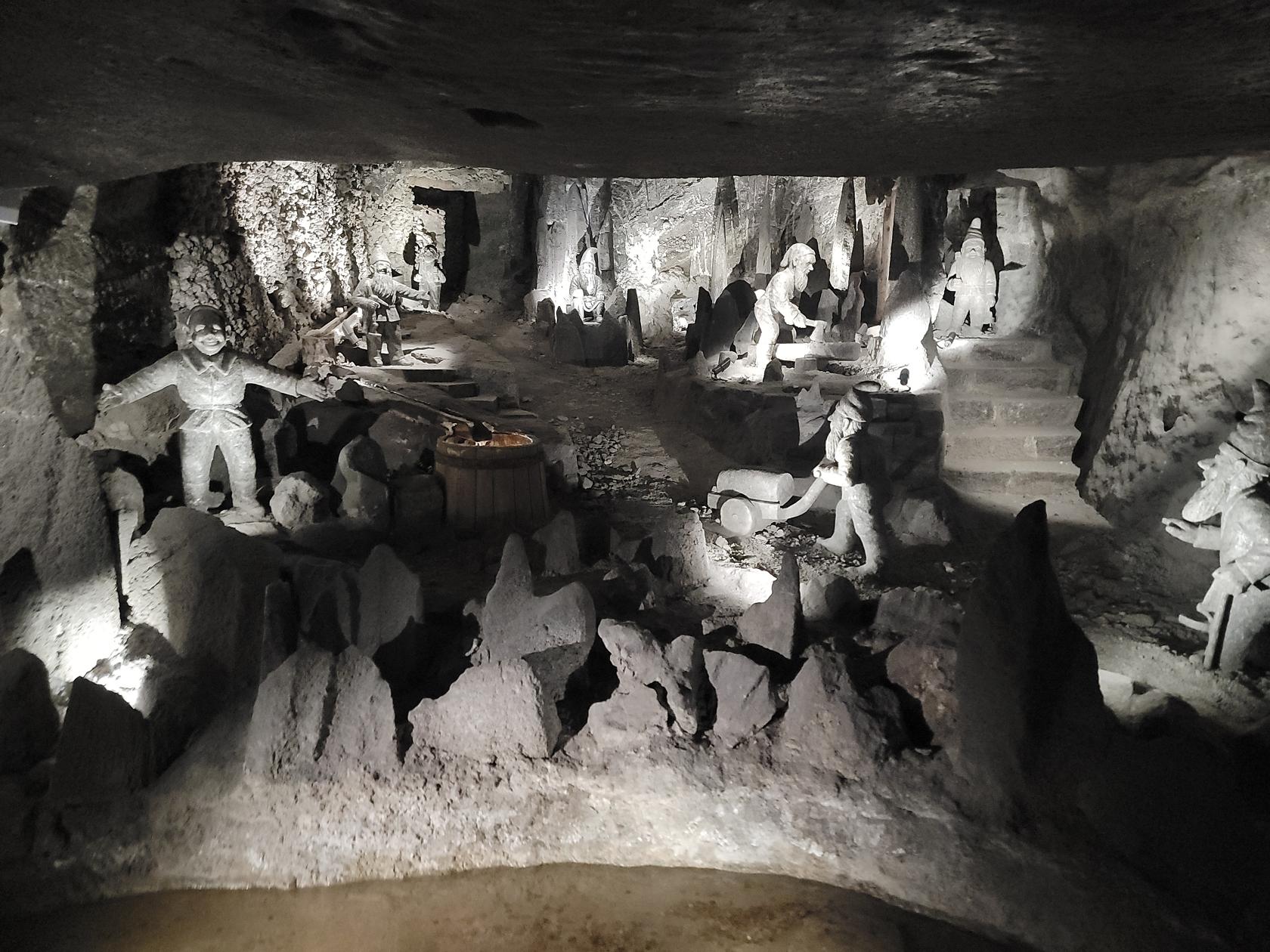
Diorama of miners – Wieliczka Salt Mine – Wieliczka, Poland
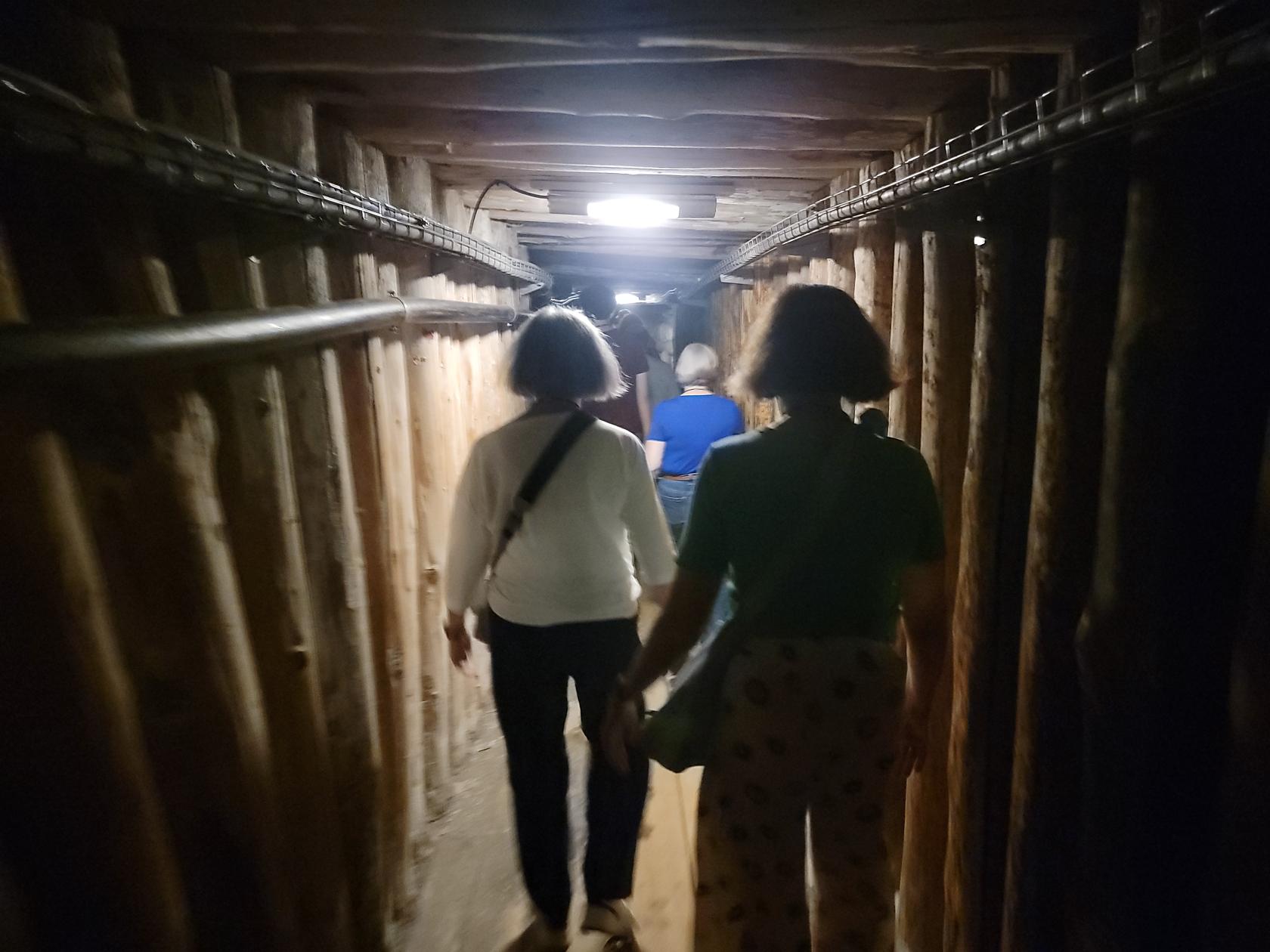
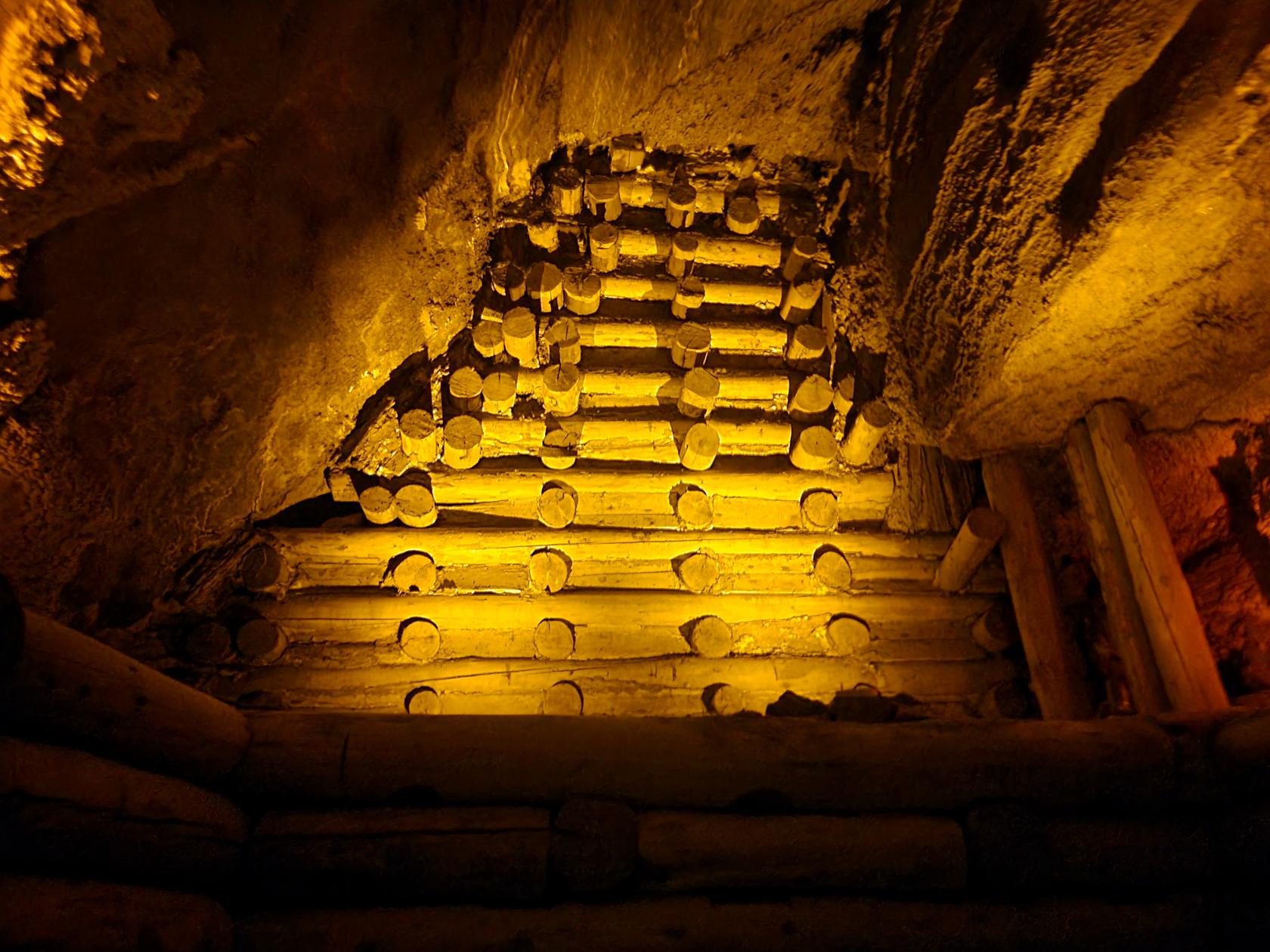
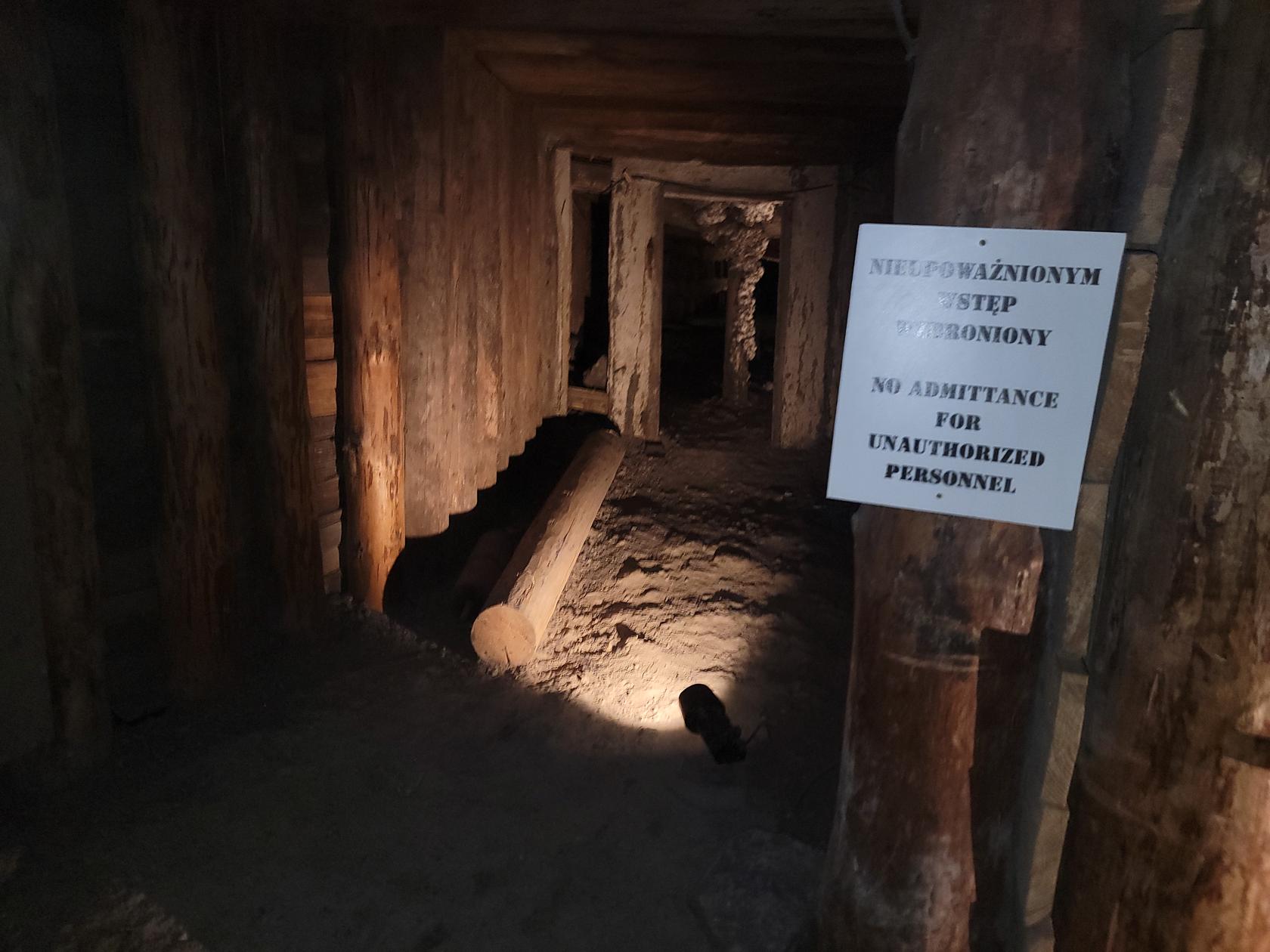
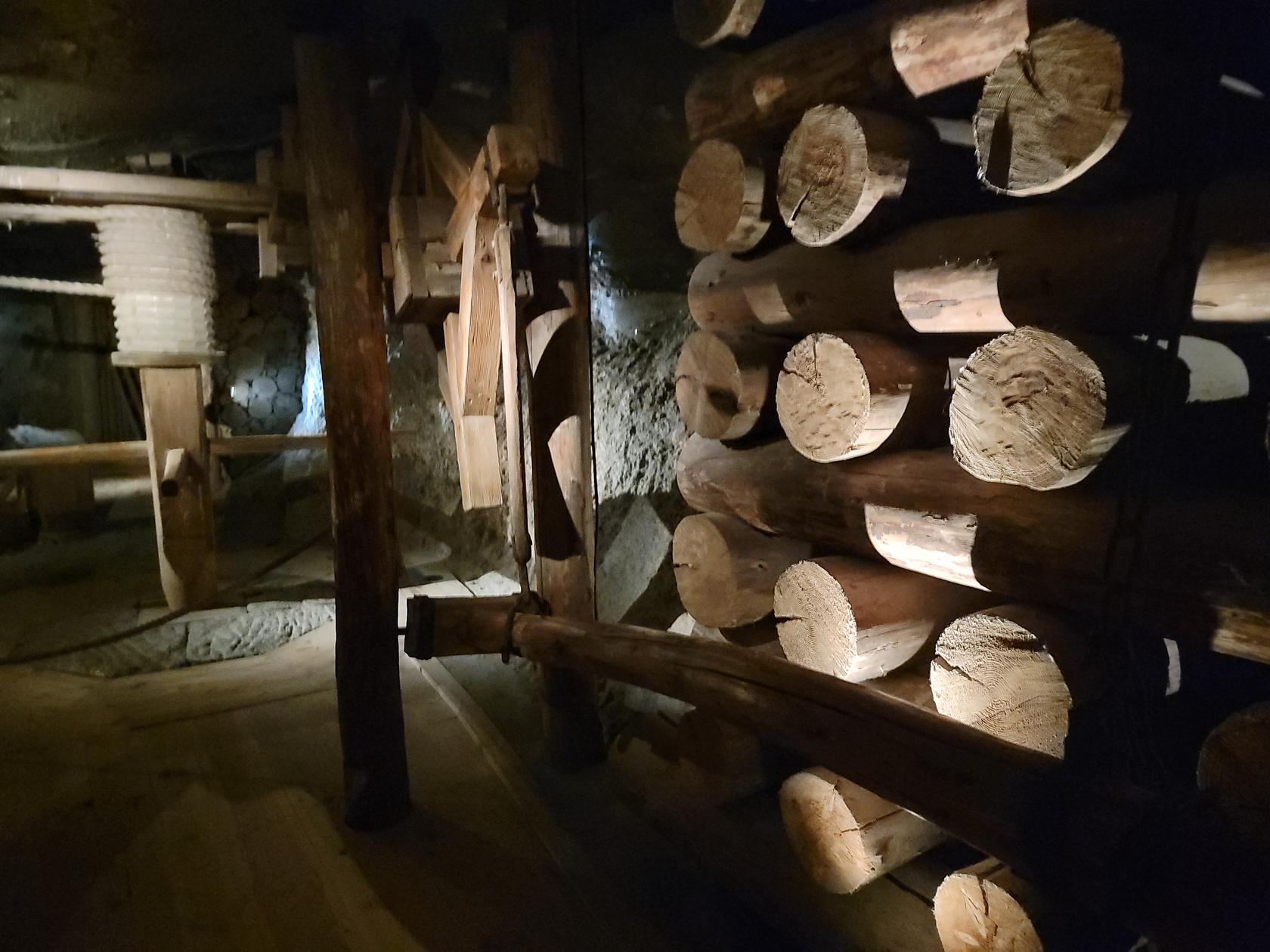
Pine Supports – Wieliczka Salt Mine – Wieliczka, Poland
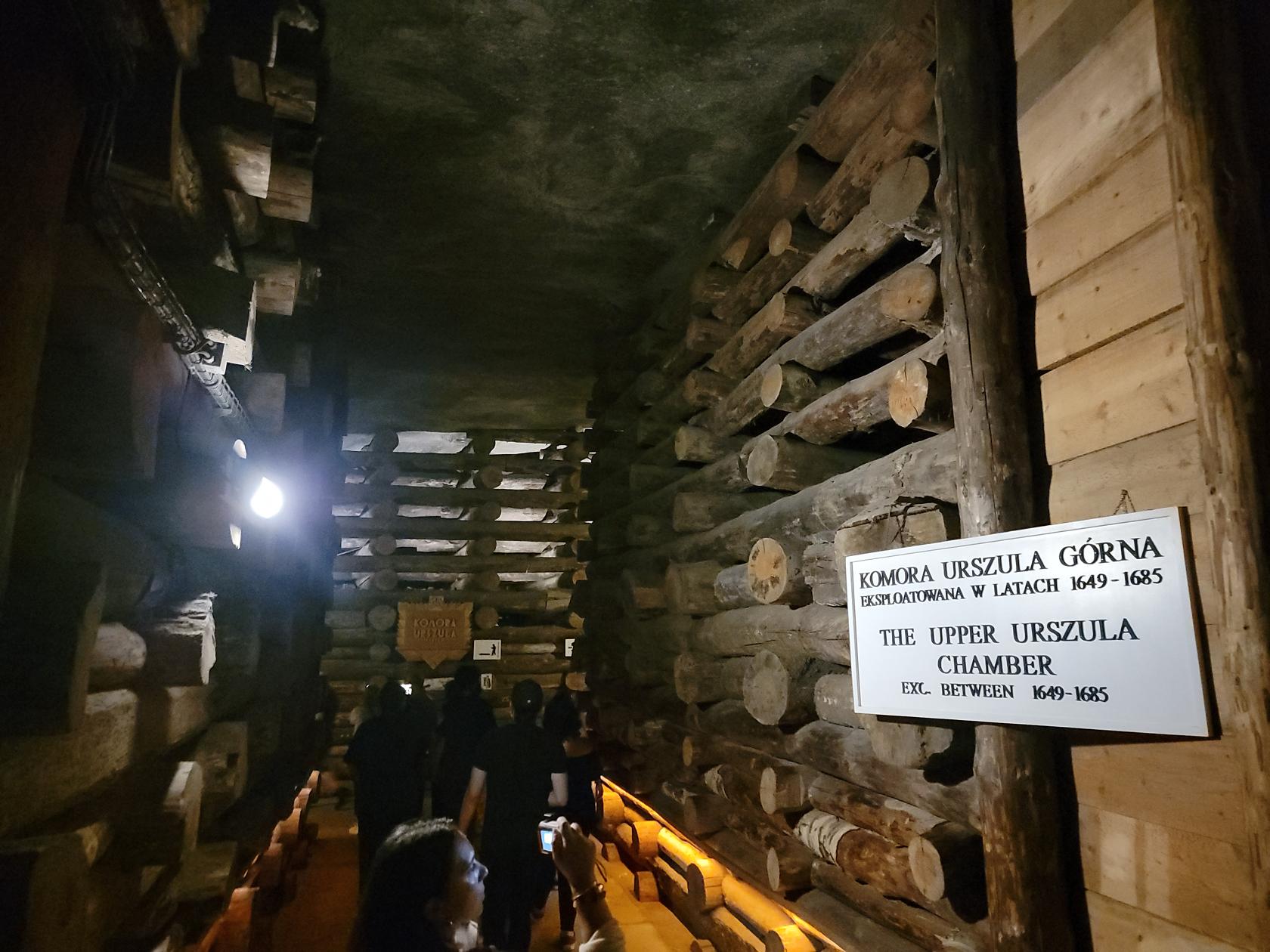
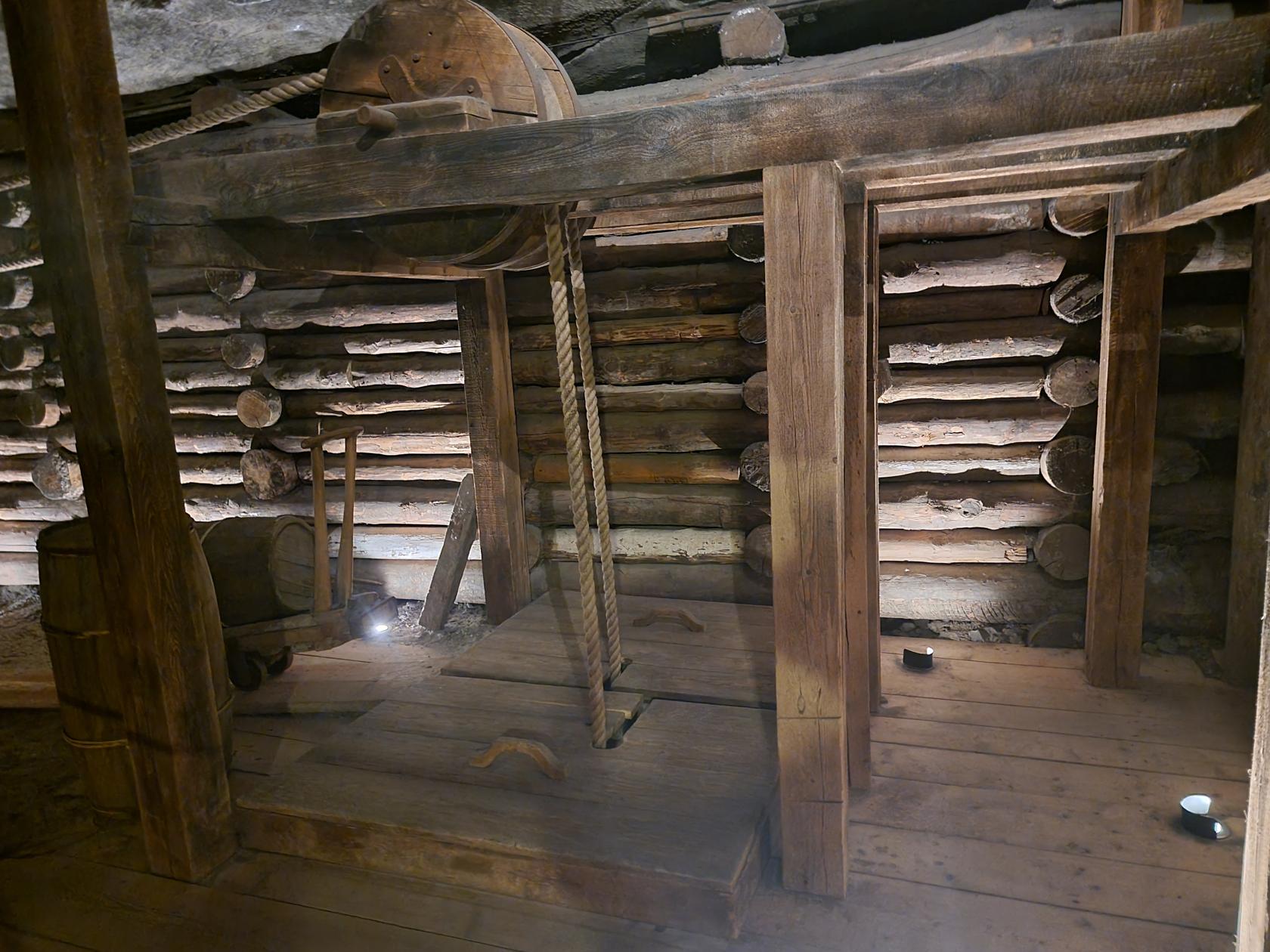
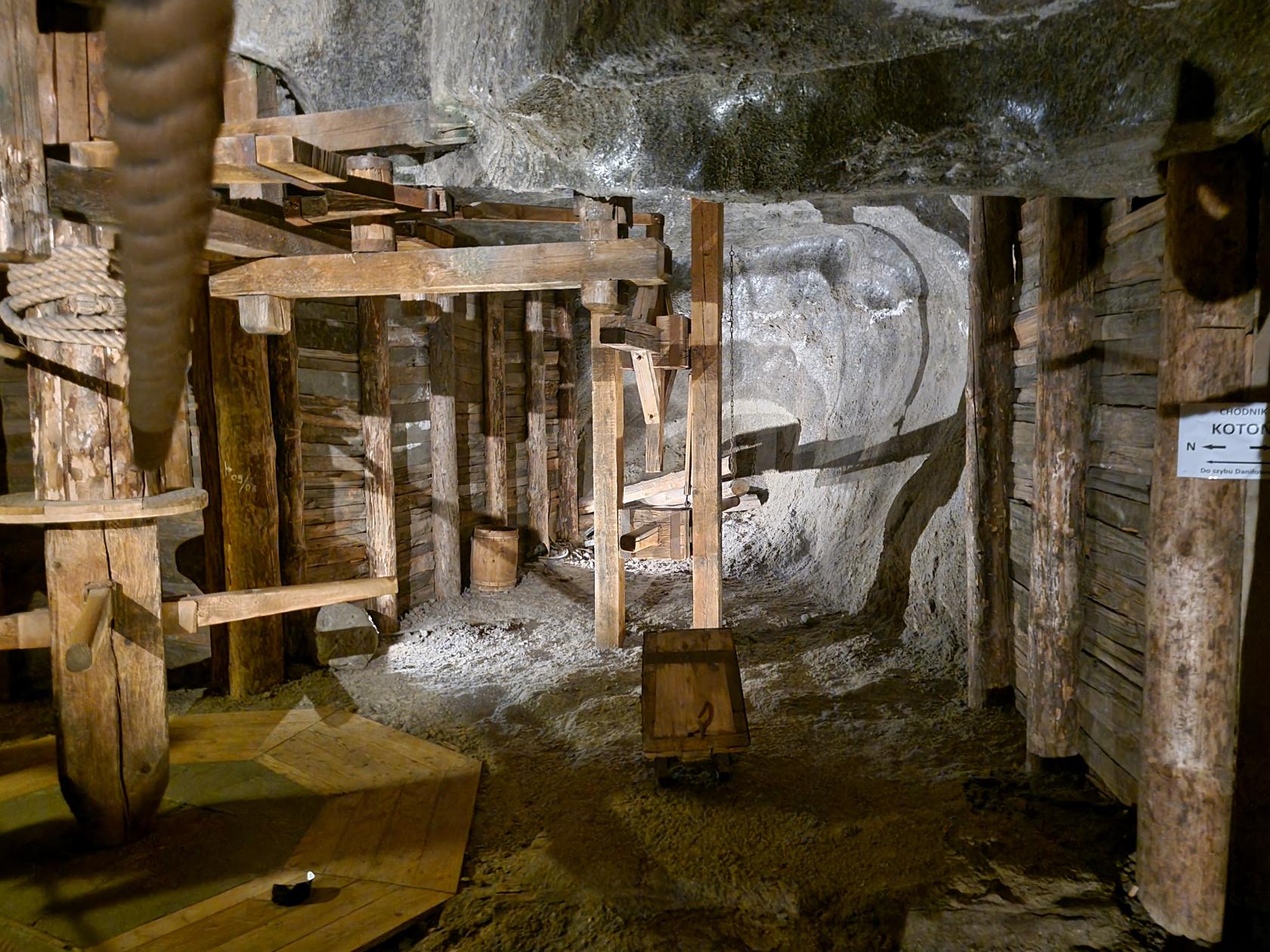
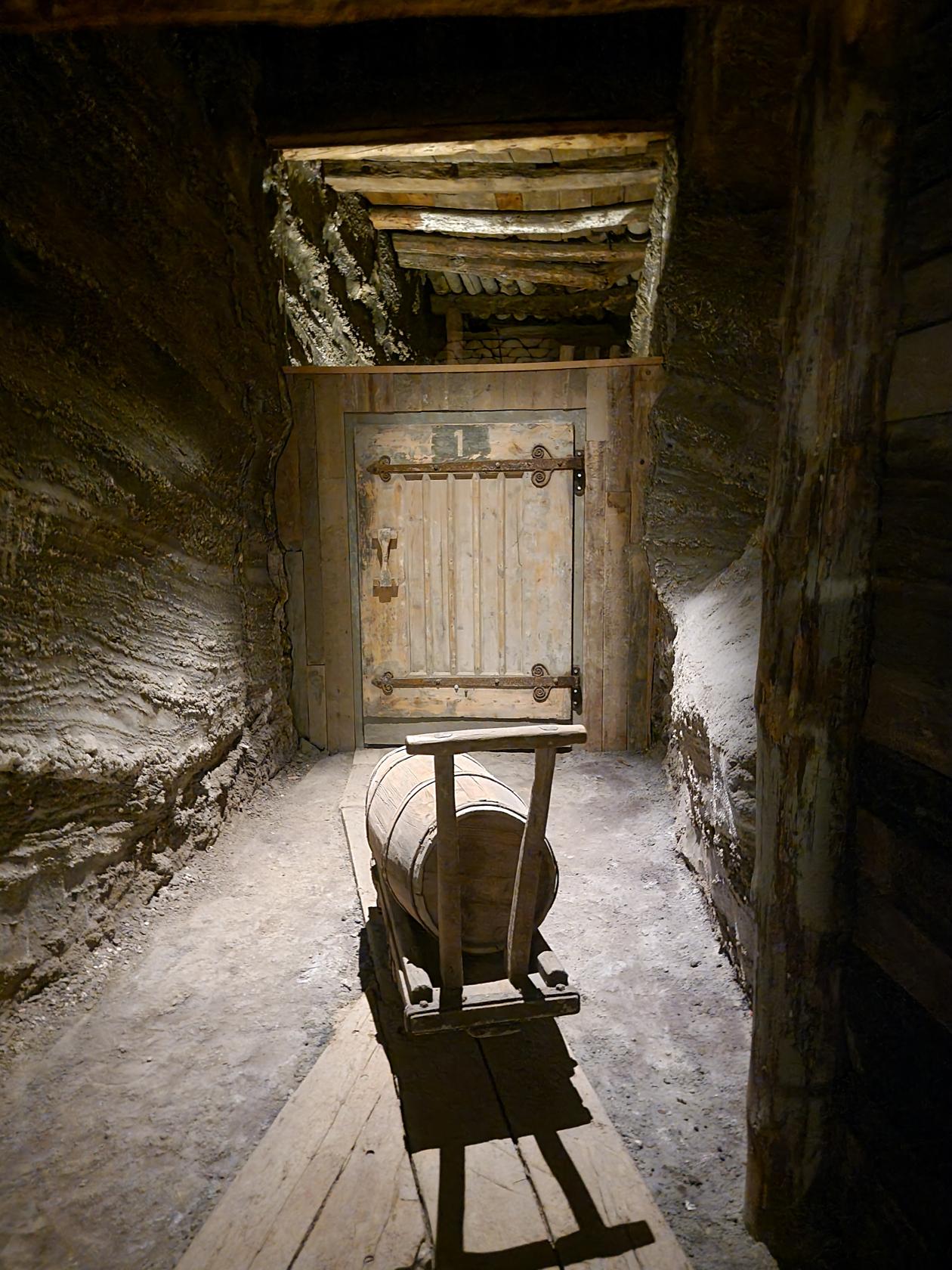
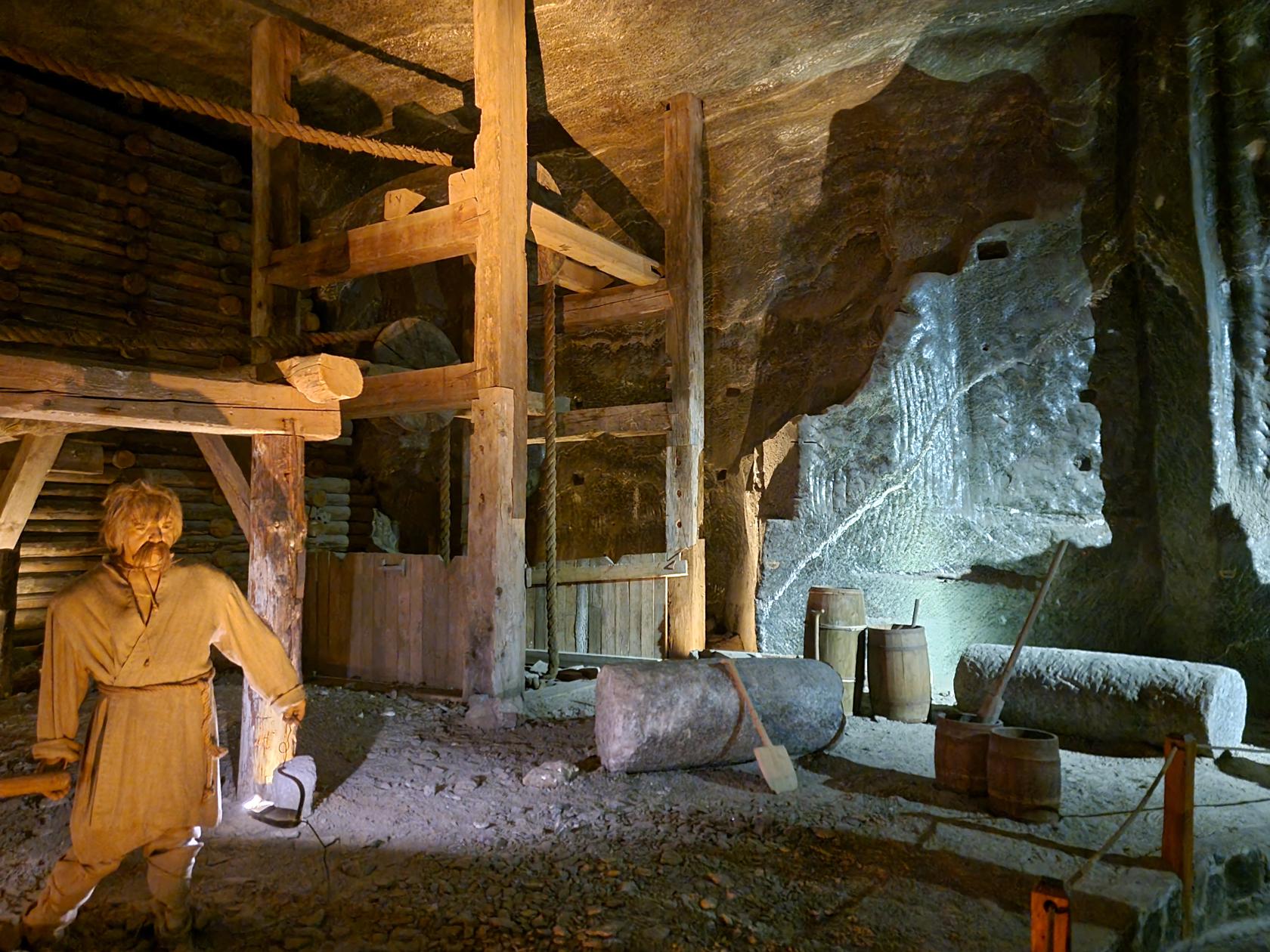
Mid 17th century working conditions and tools – Wieliczka Salt Mine – Wieliczka, Poland
Tunnel and Supports – Wieliczka Salt Mine – Wieliczka, Poland
More casements – Wieliczka Salt Mine – Wieliczka, Poland
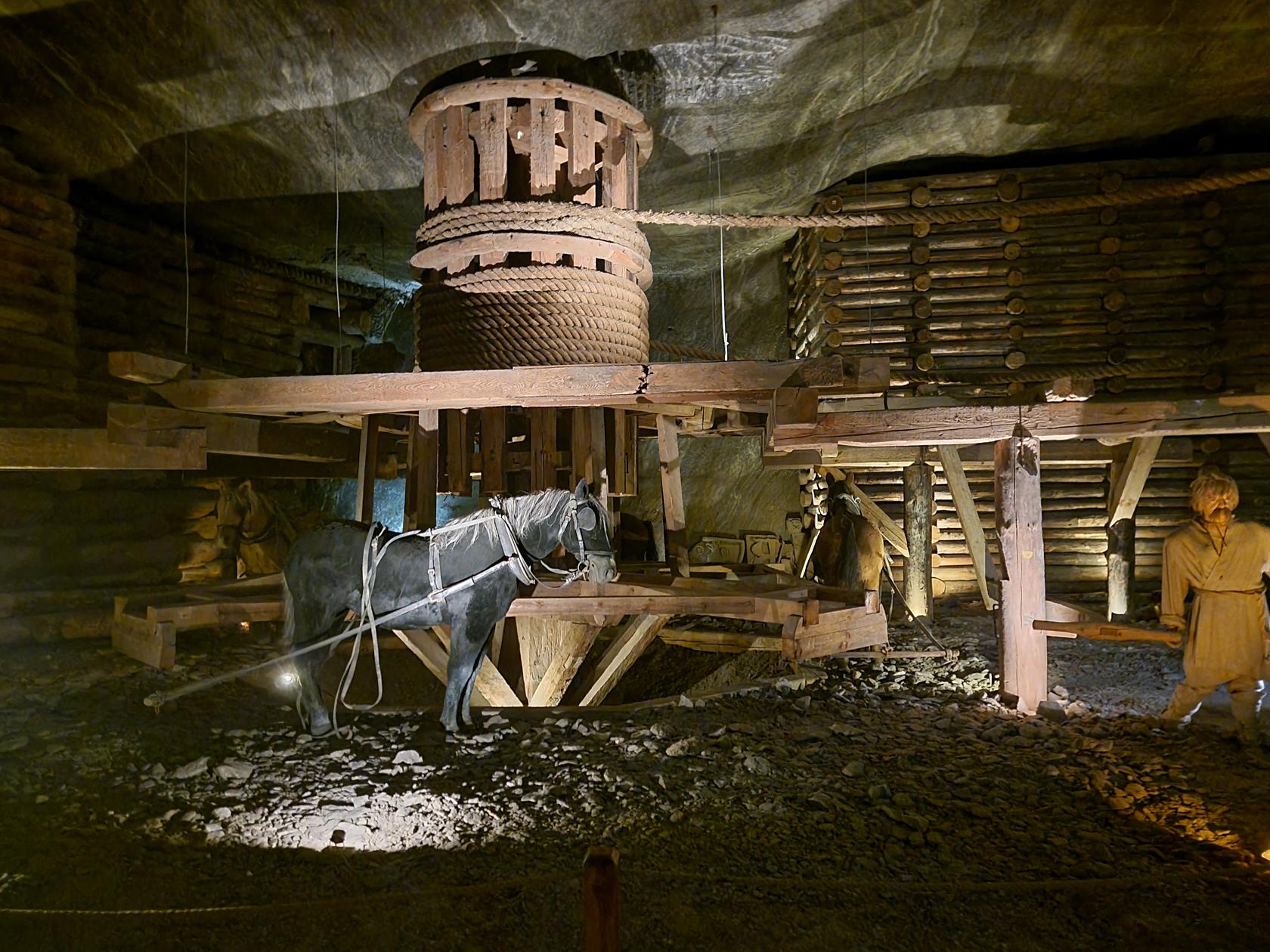
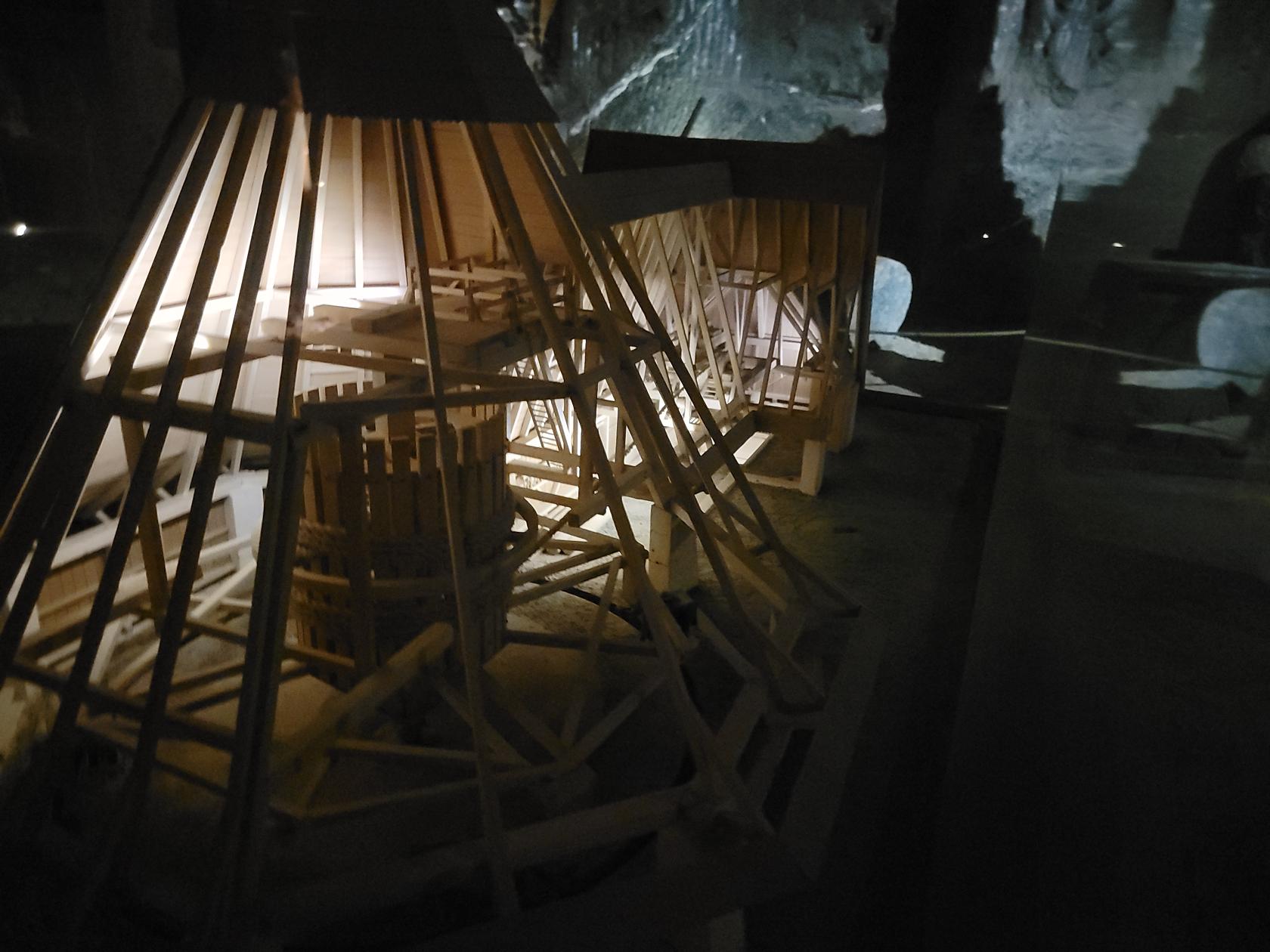
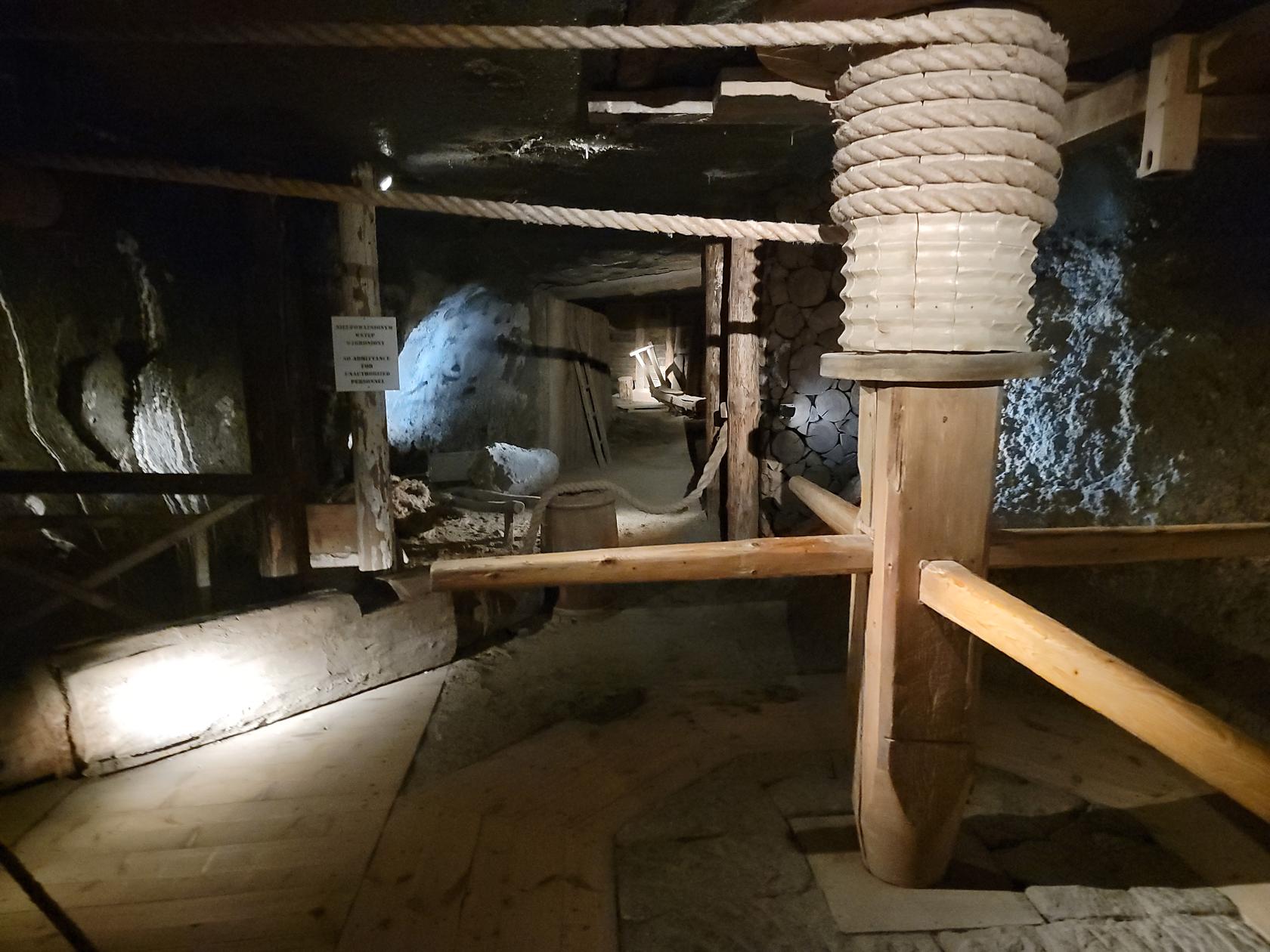
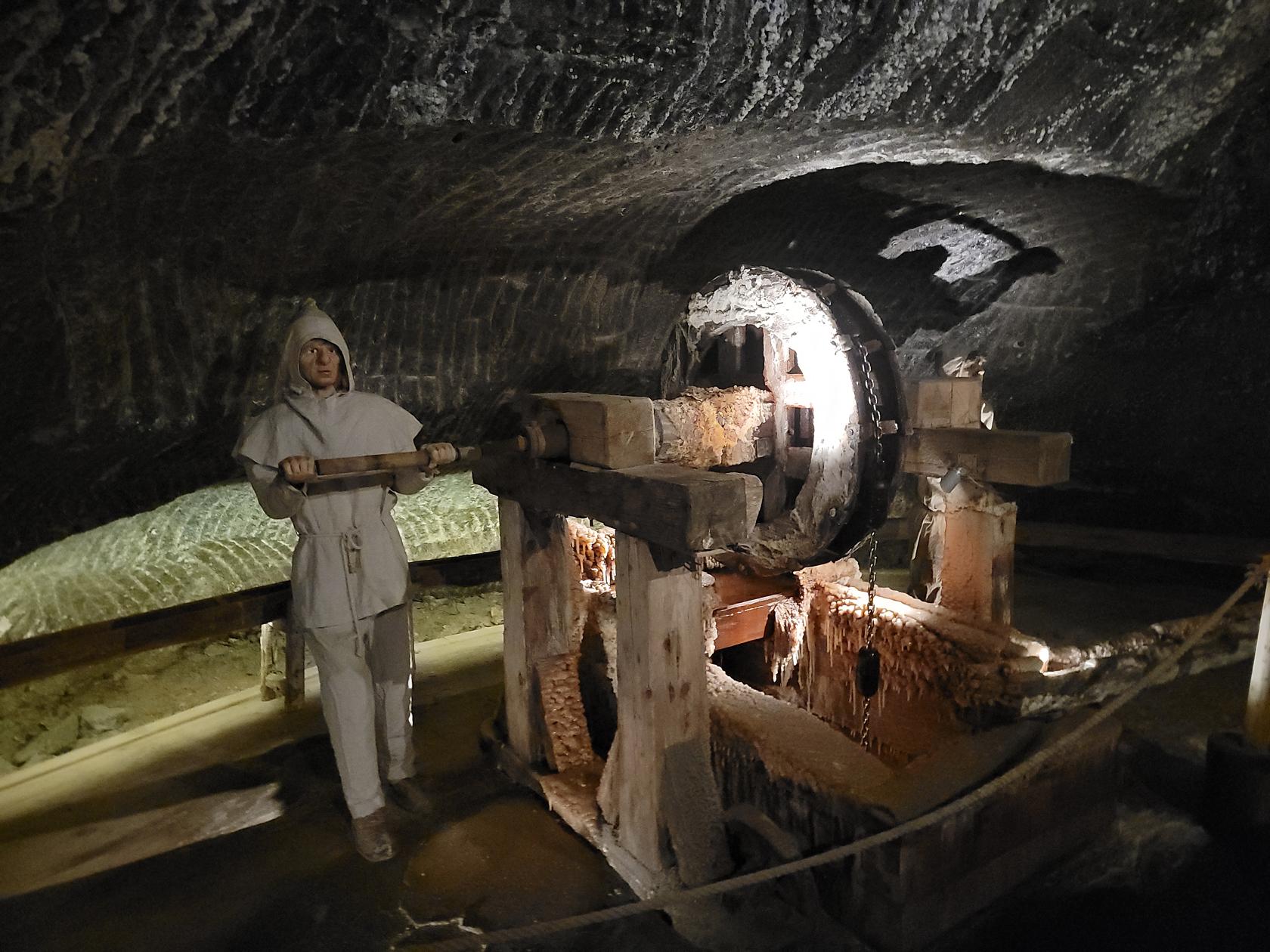
Mid 17th century winch – Wieliczka Salt Mine – Wieliczka, Poland
Capstan winch – Wieliczka Salt Mine – Wieliczka, Poland
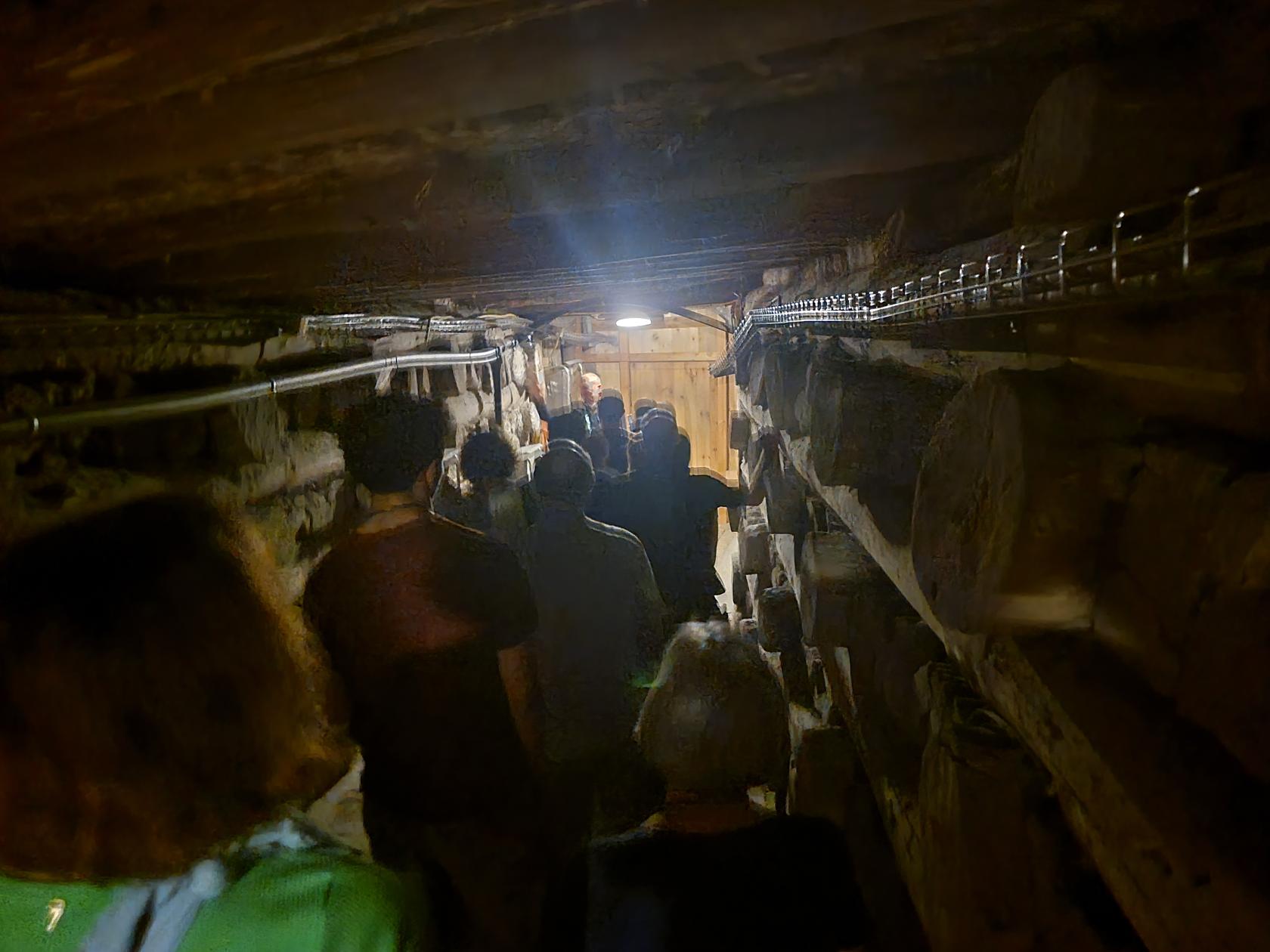
Old Tunnel with little head room – Wieliczka Salt Mine – Wieliczka, Poland
Next safety door – Wieliczka Salt Mine – Wieliczka, Poland
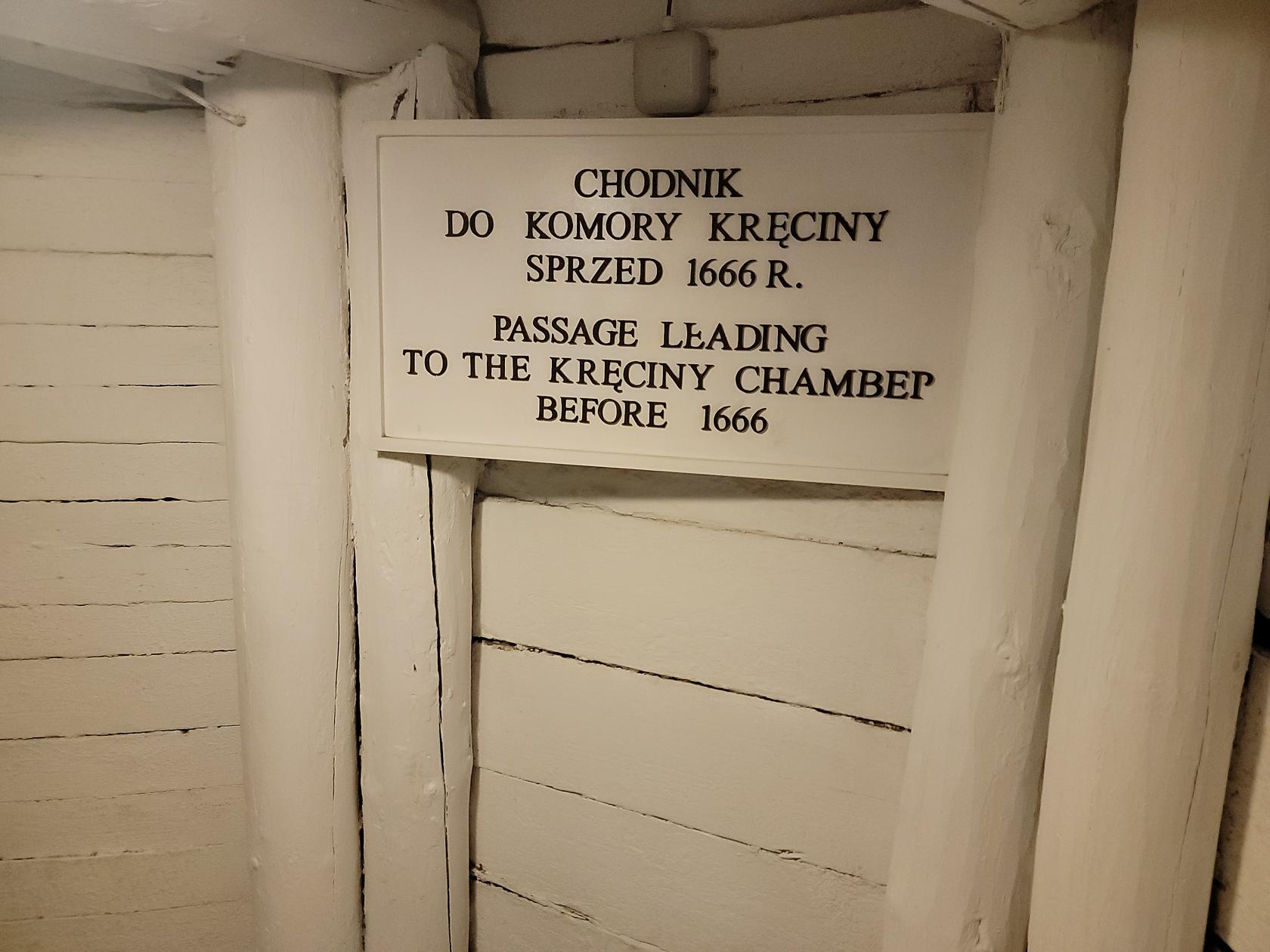
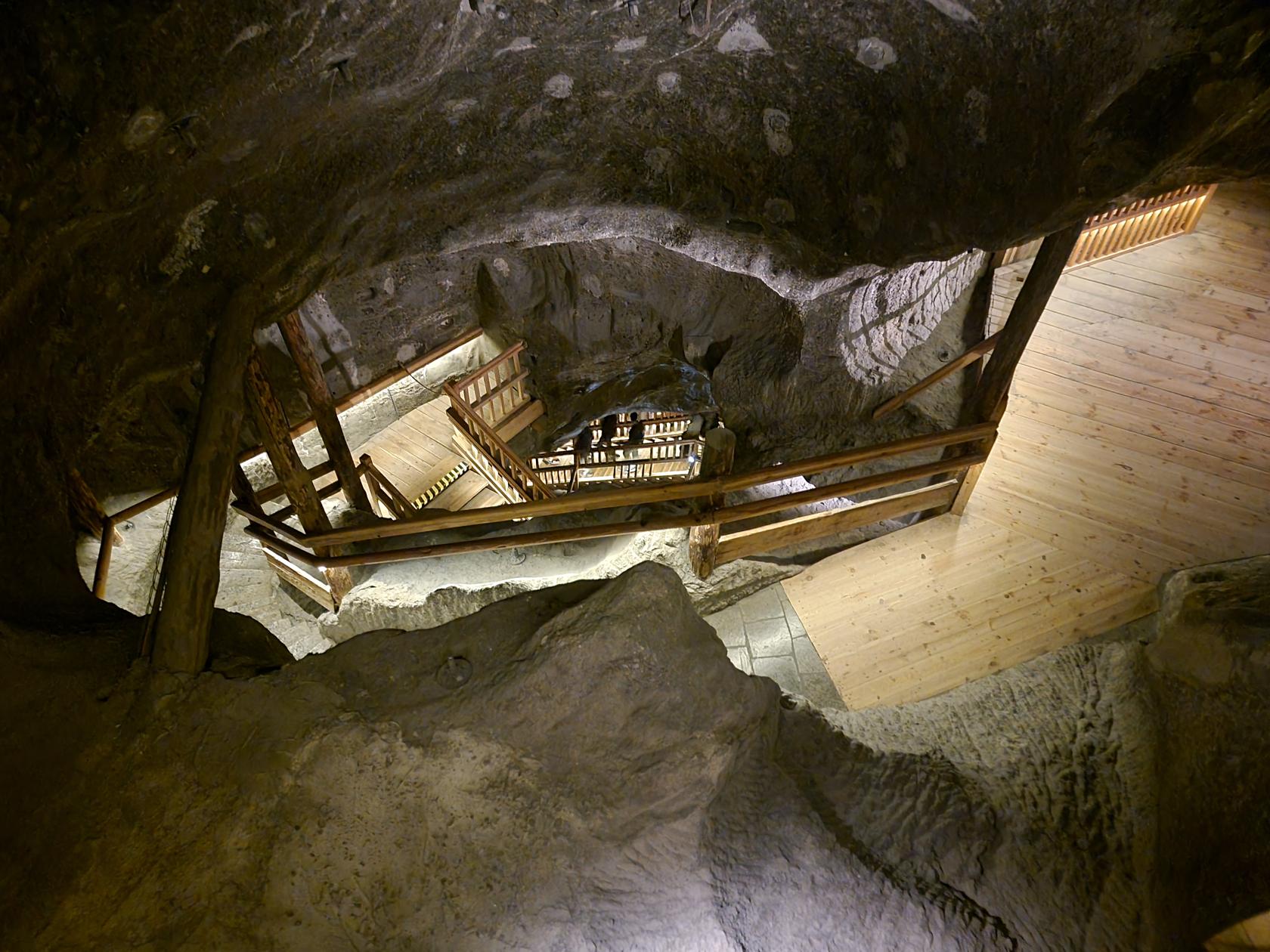
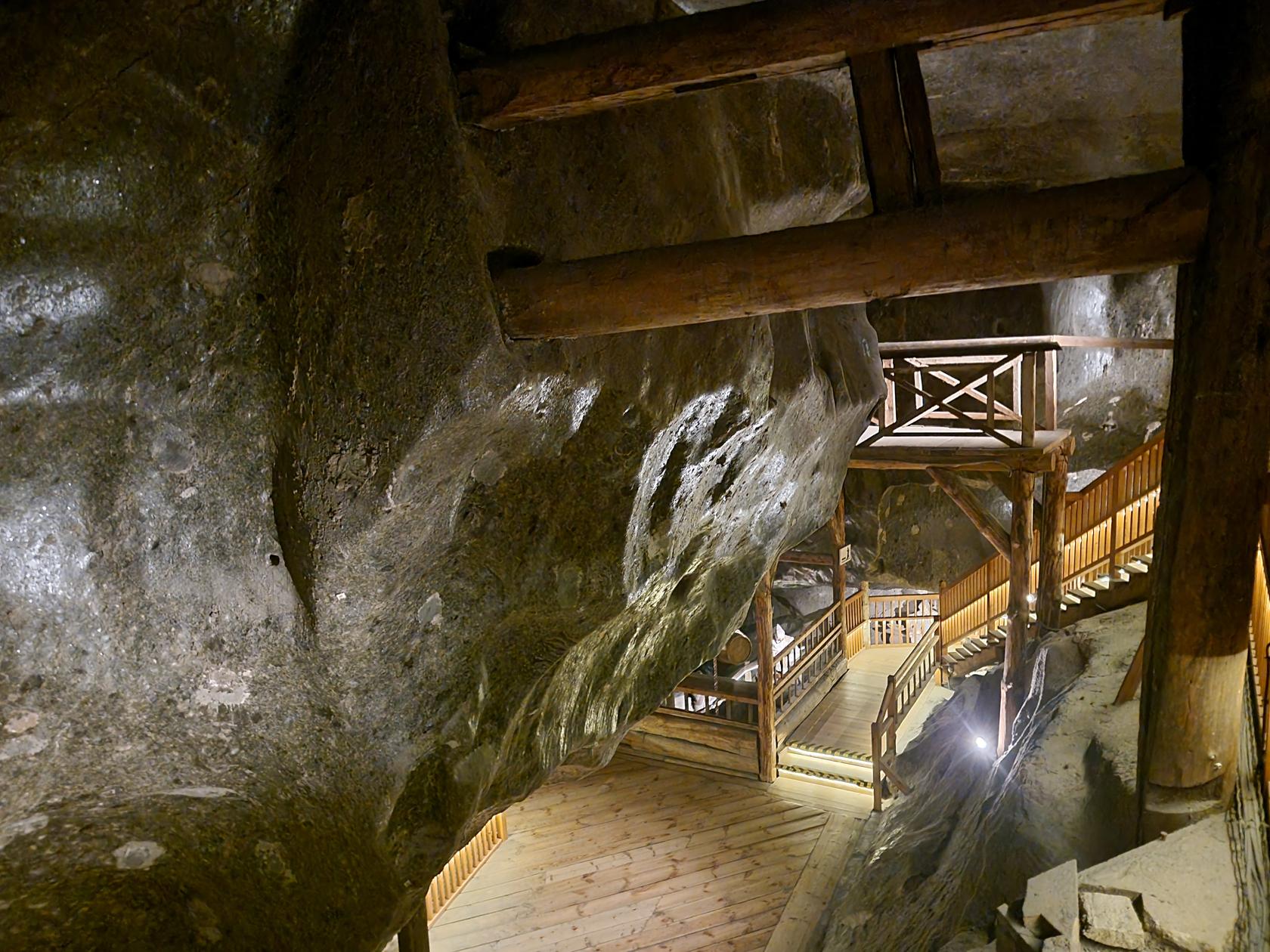
Kreciny Chamber – Wieliczka Salt Mine – Wieliczka, Poland
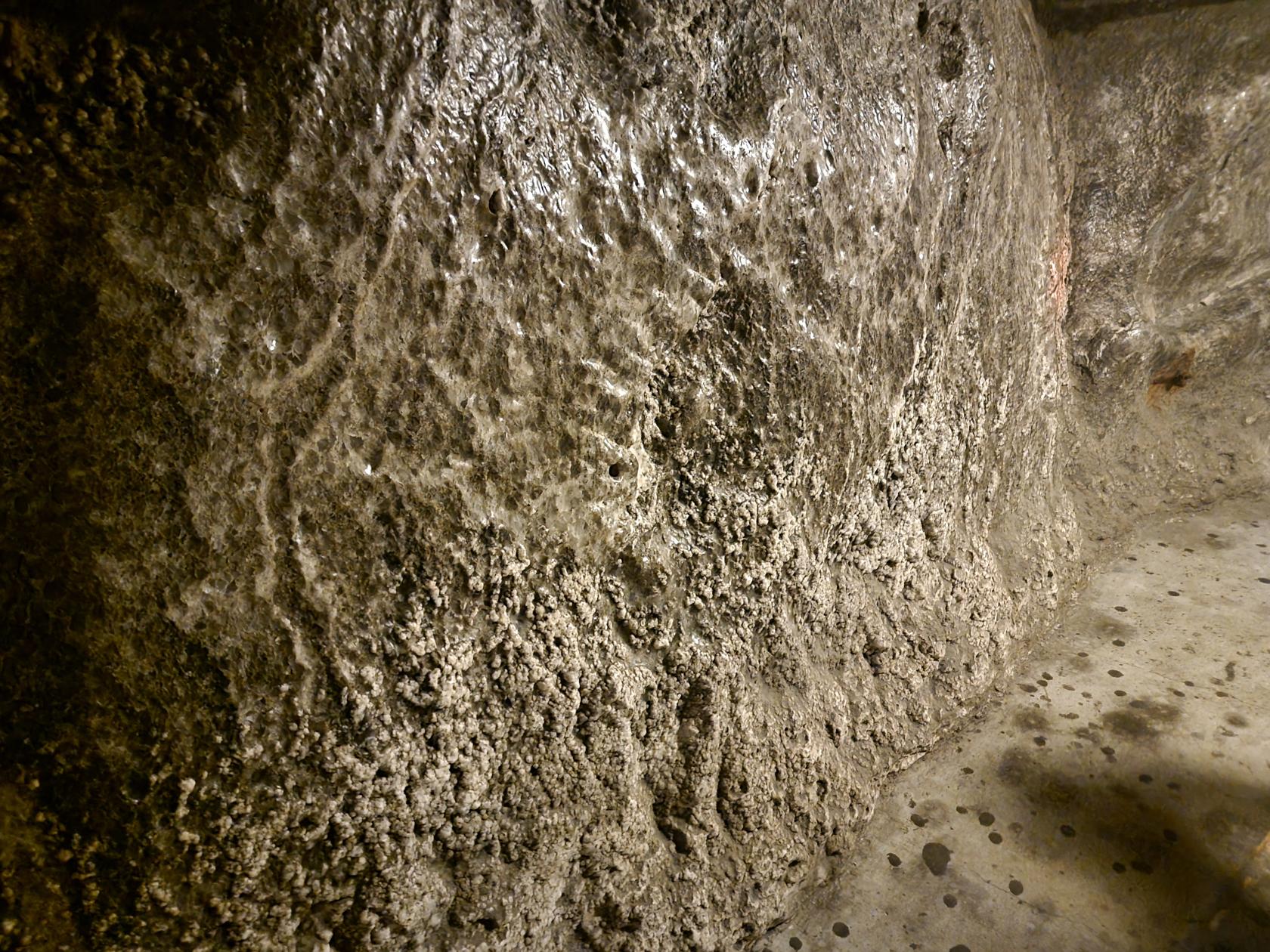
Salt Deposits – Wieliczka Salt Mine – Wieliczka, Poland
Another chamber – Wieliczka Salt Mine – Wieliczka, Poland
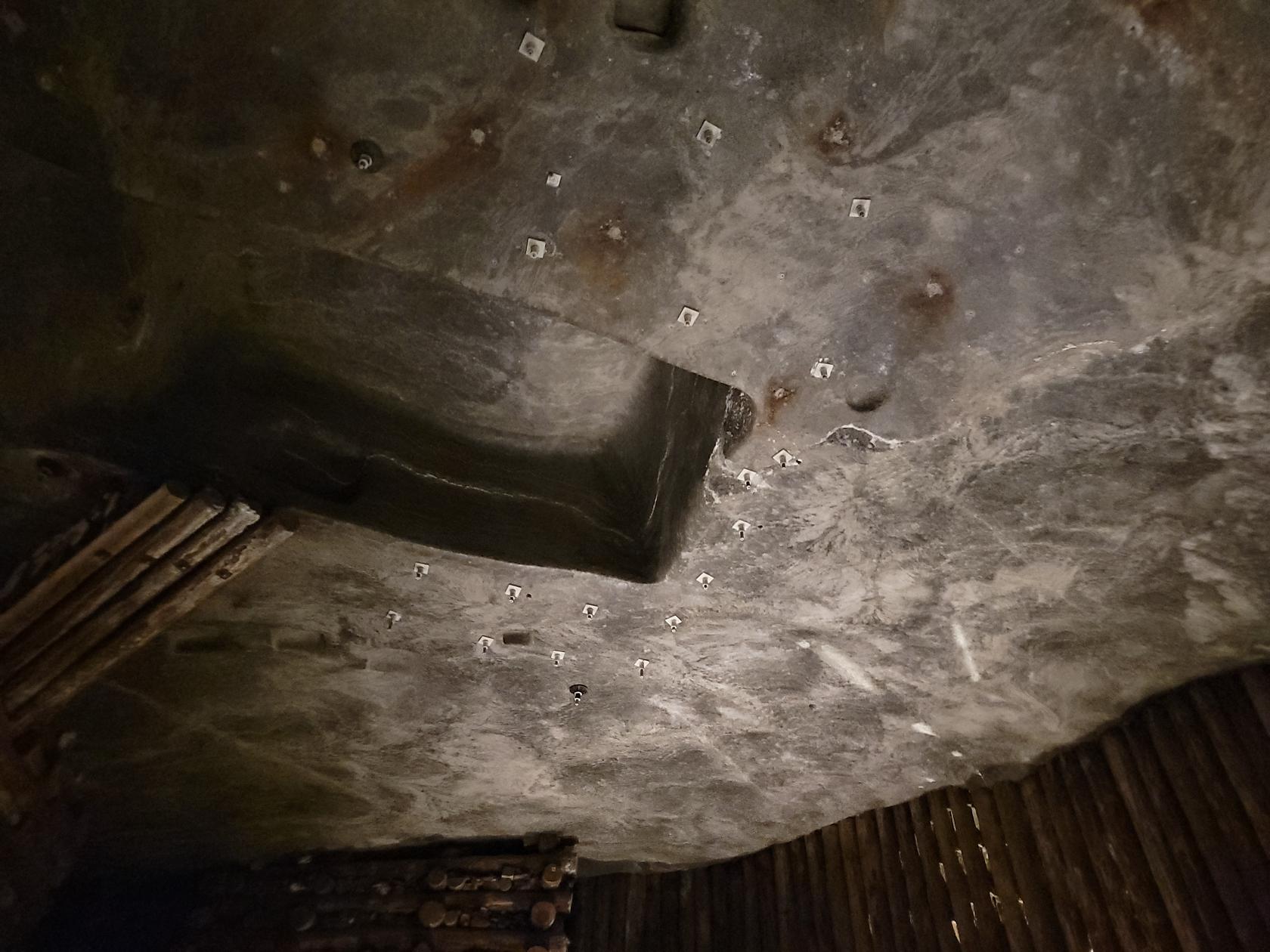
Bolts holding ceiling – Wieliczka Salt Mine – Wieliczka, Poland
Main Exhibits
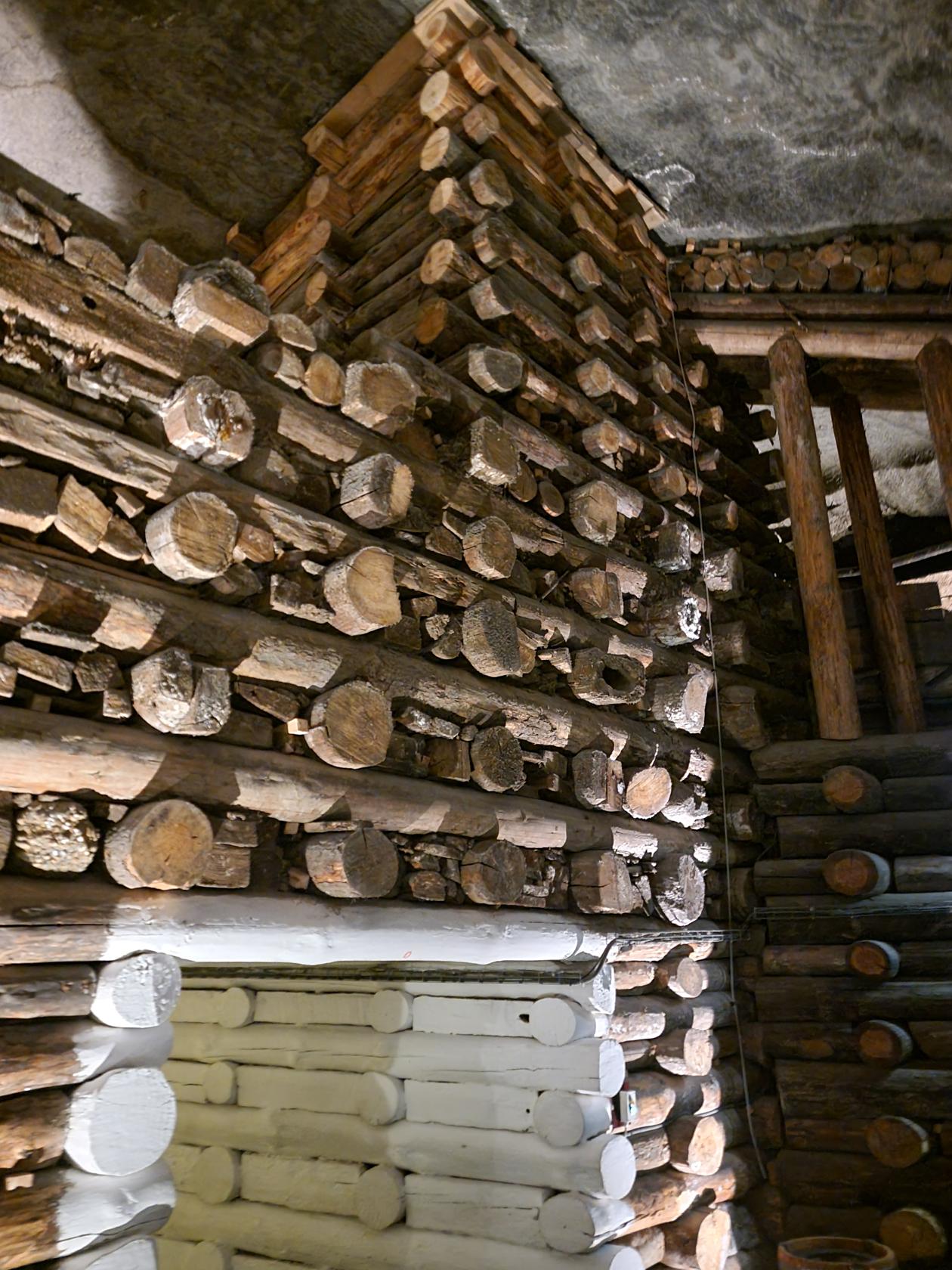
Casements holding ceiling – Wieliczka Salt Mine – Wieliczka, Poland
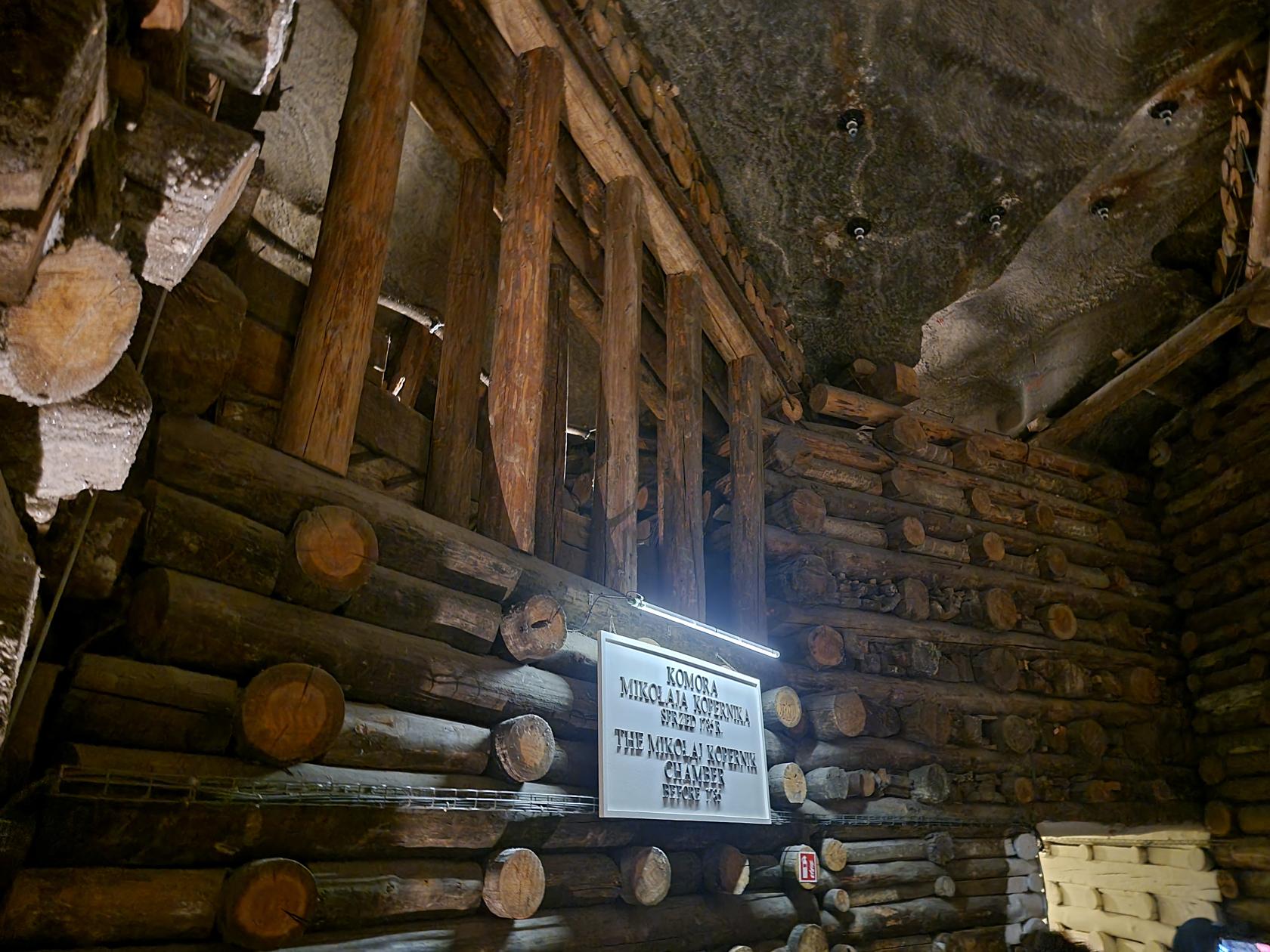
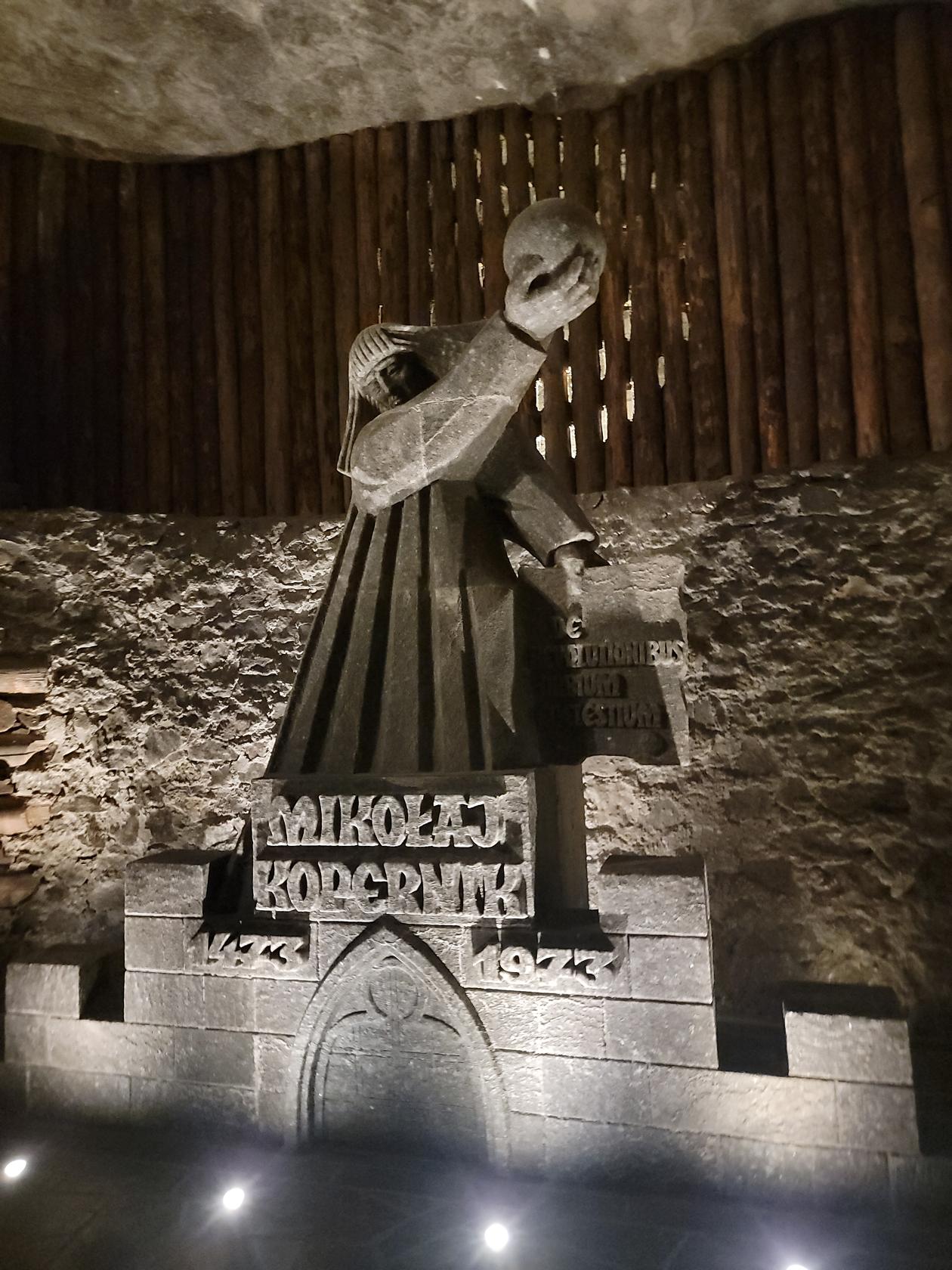
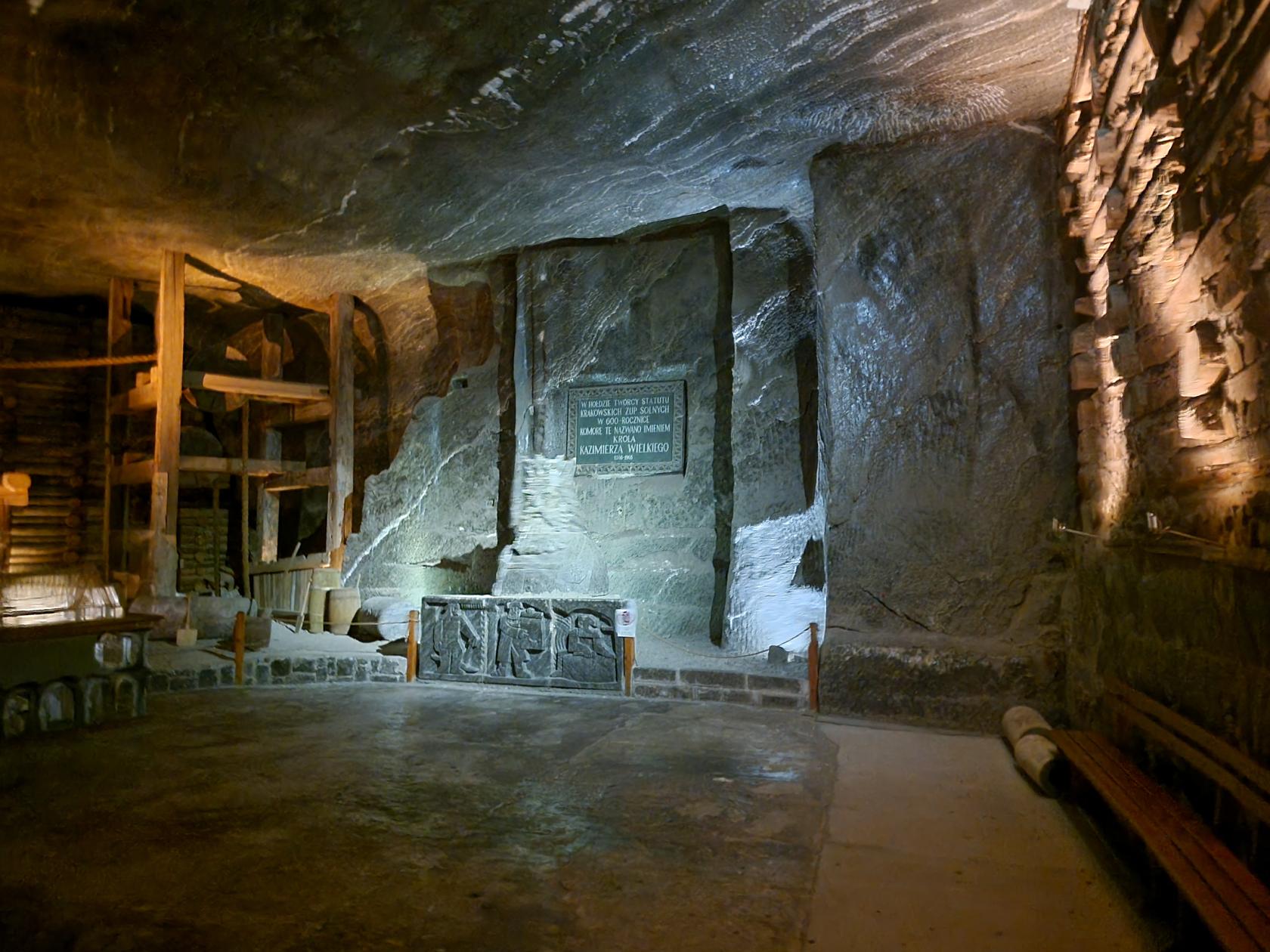
Nicolai Copernicus dedication – Wieliczka Salt Mine – Wieliczka, Poland
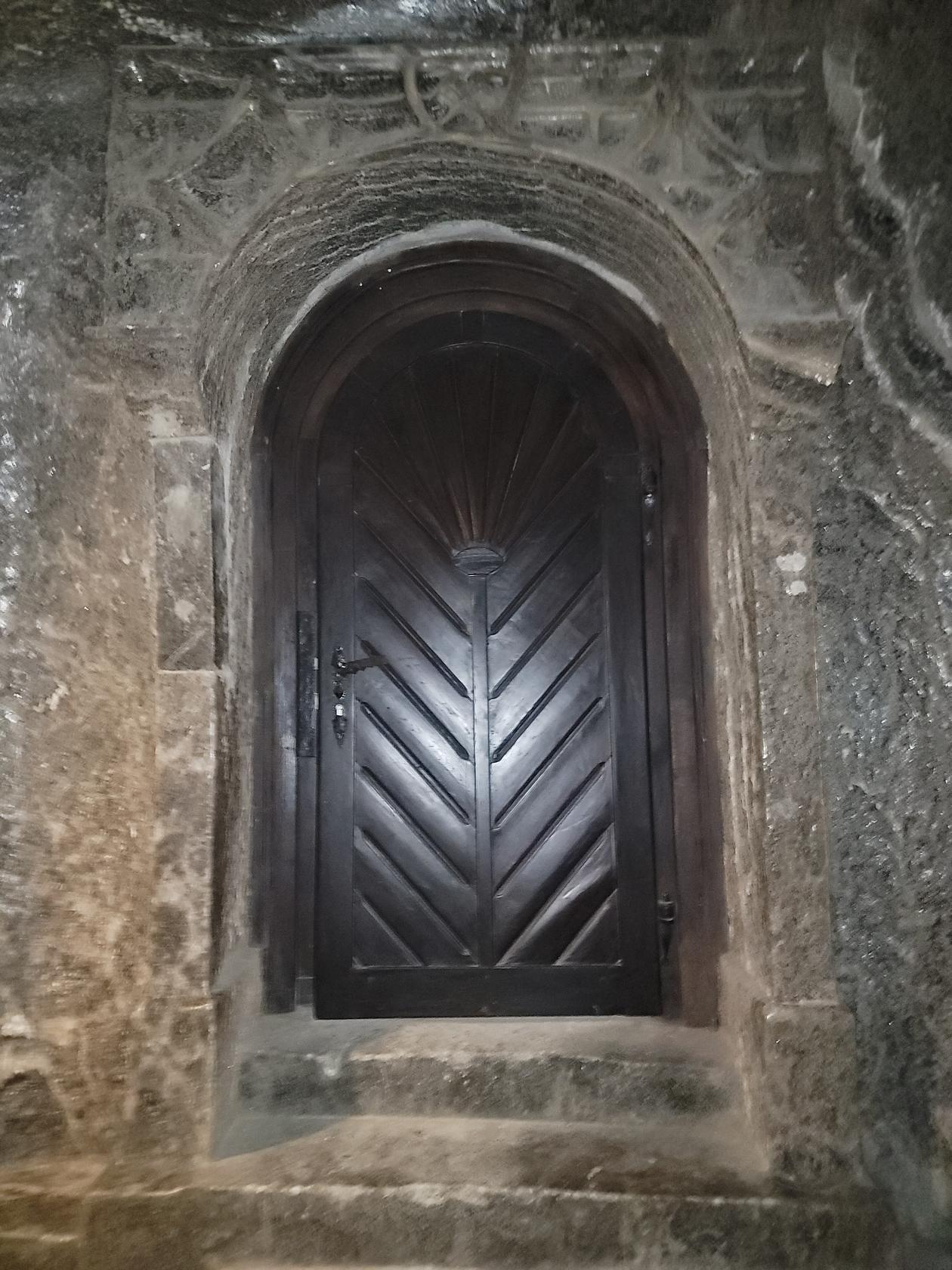
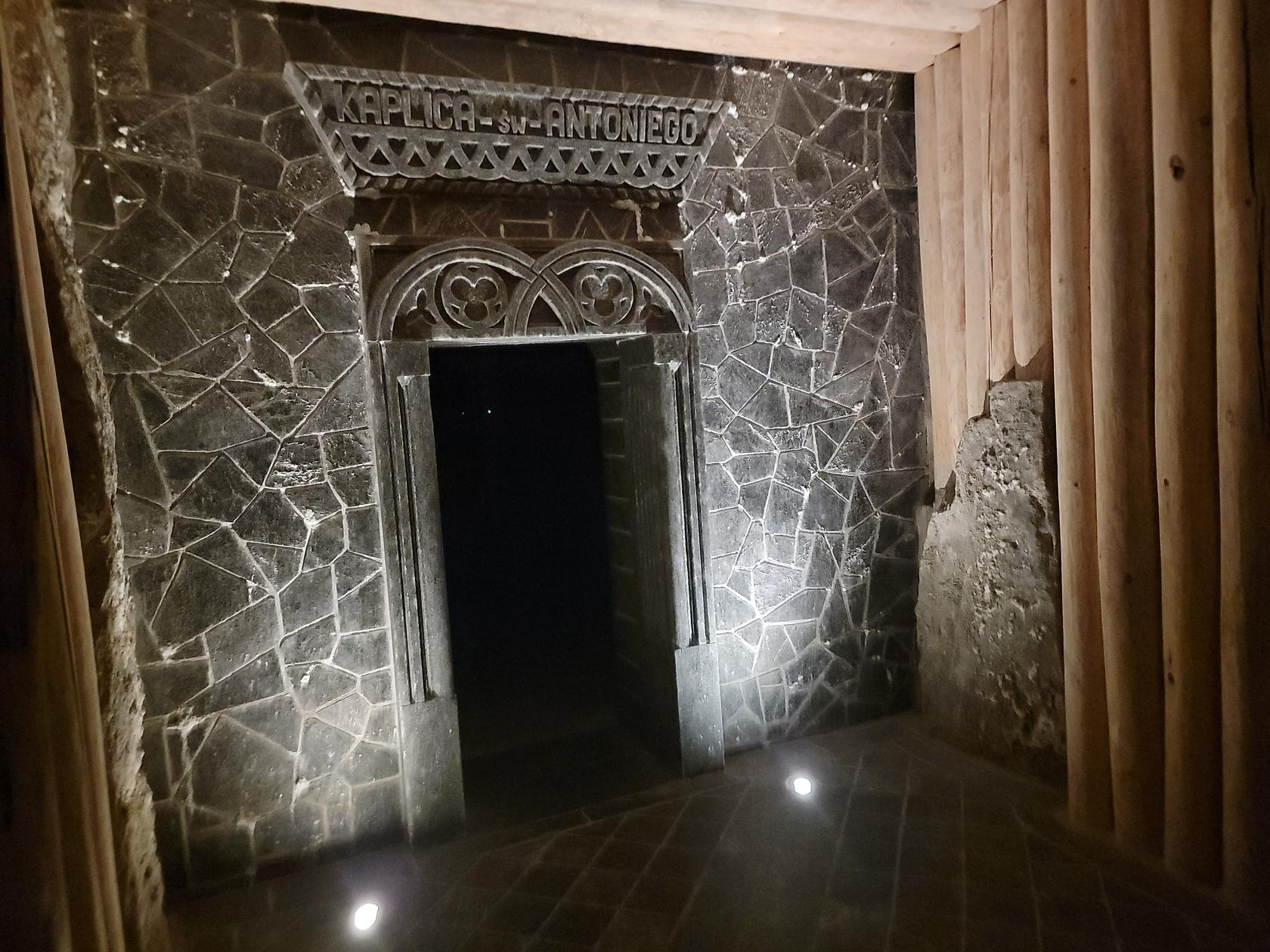
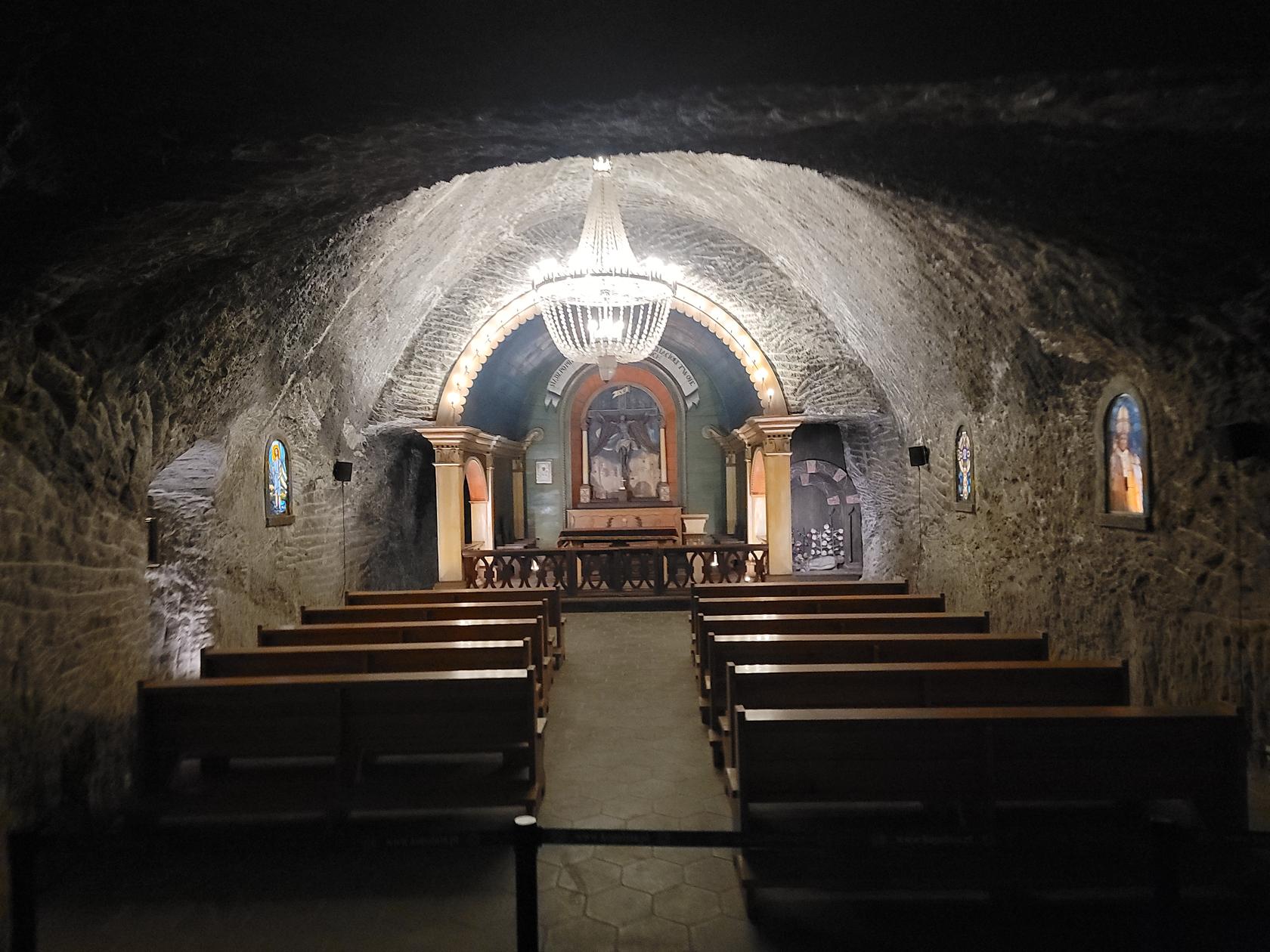
One chapel entrance – Wieliczka Salt Mine – Wieliczka, Poland
Old safety door – Wieliczka Salt Mine – Wieliczka, Poland
Another chapel entrance – Wieliczka Salt Mine – Wieliczka, Poland
Recreation – Wieliczka Salt Mine – Wieliczka, Poland
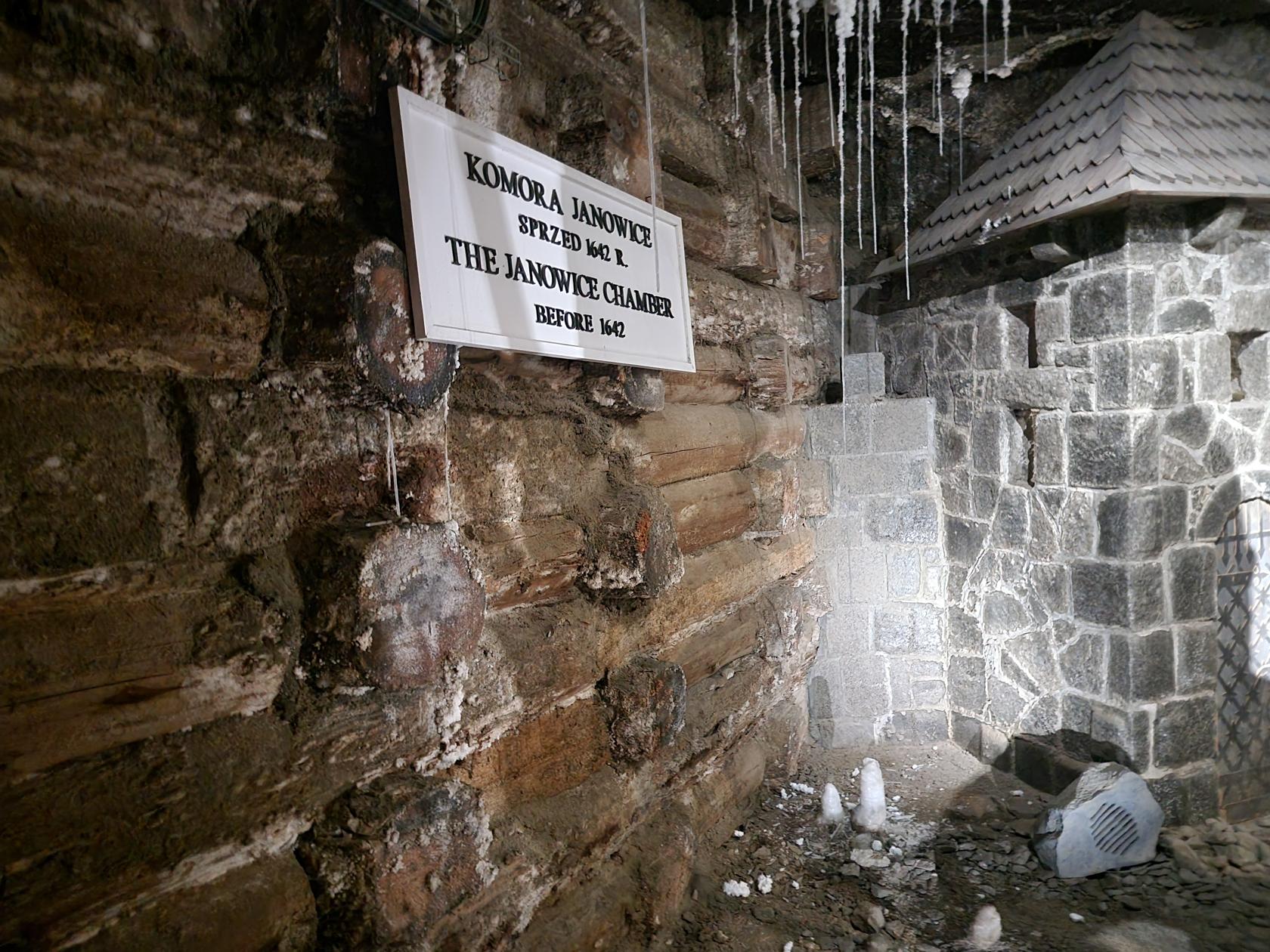
Old chamber before 1642 – Wieliczka Salt Mine – Wieliczka, Poland
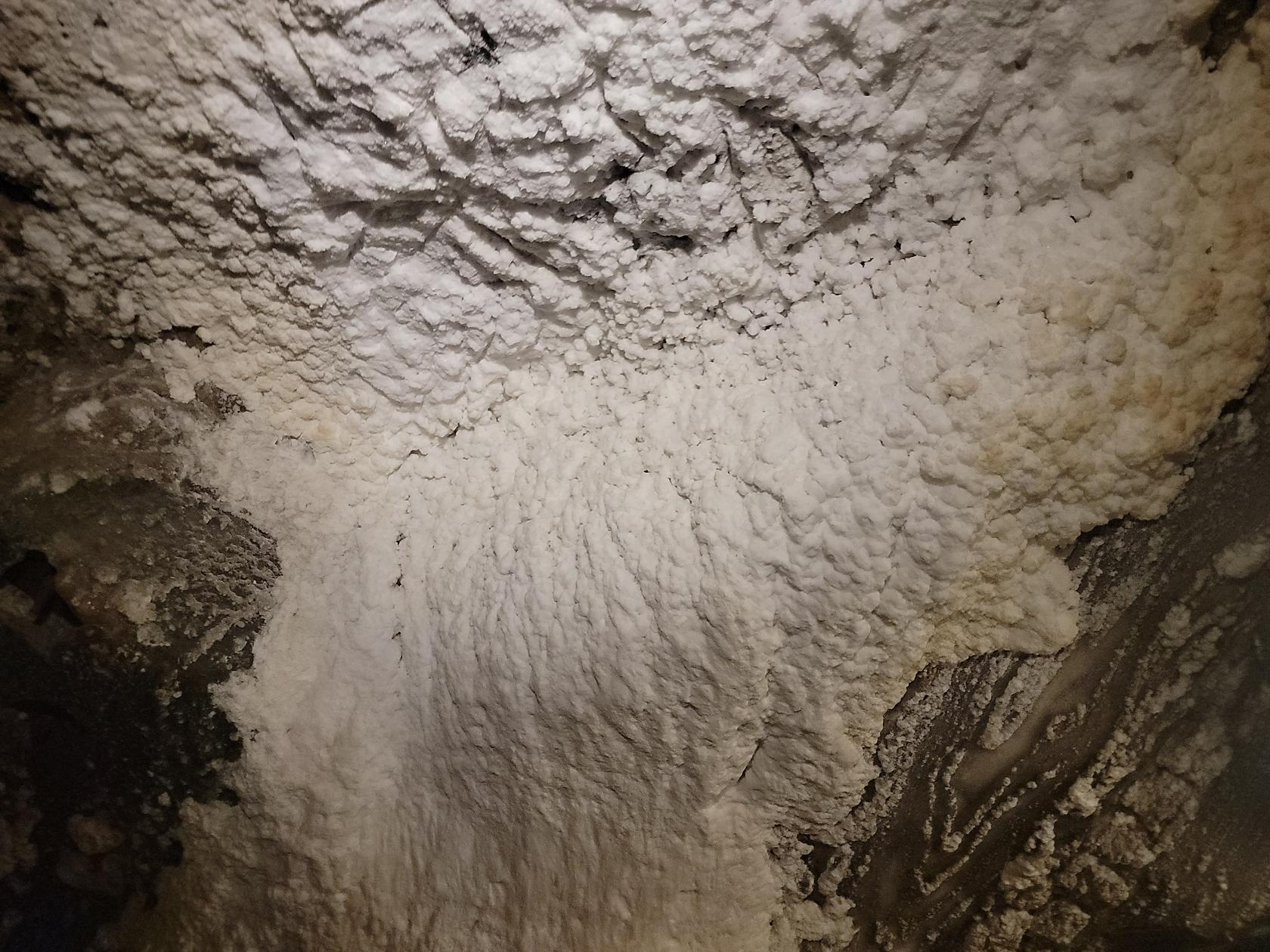
Salt cauliflowers – Wieliczka Salt Mine – Wieliczka, Poland
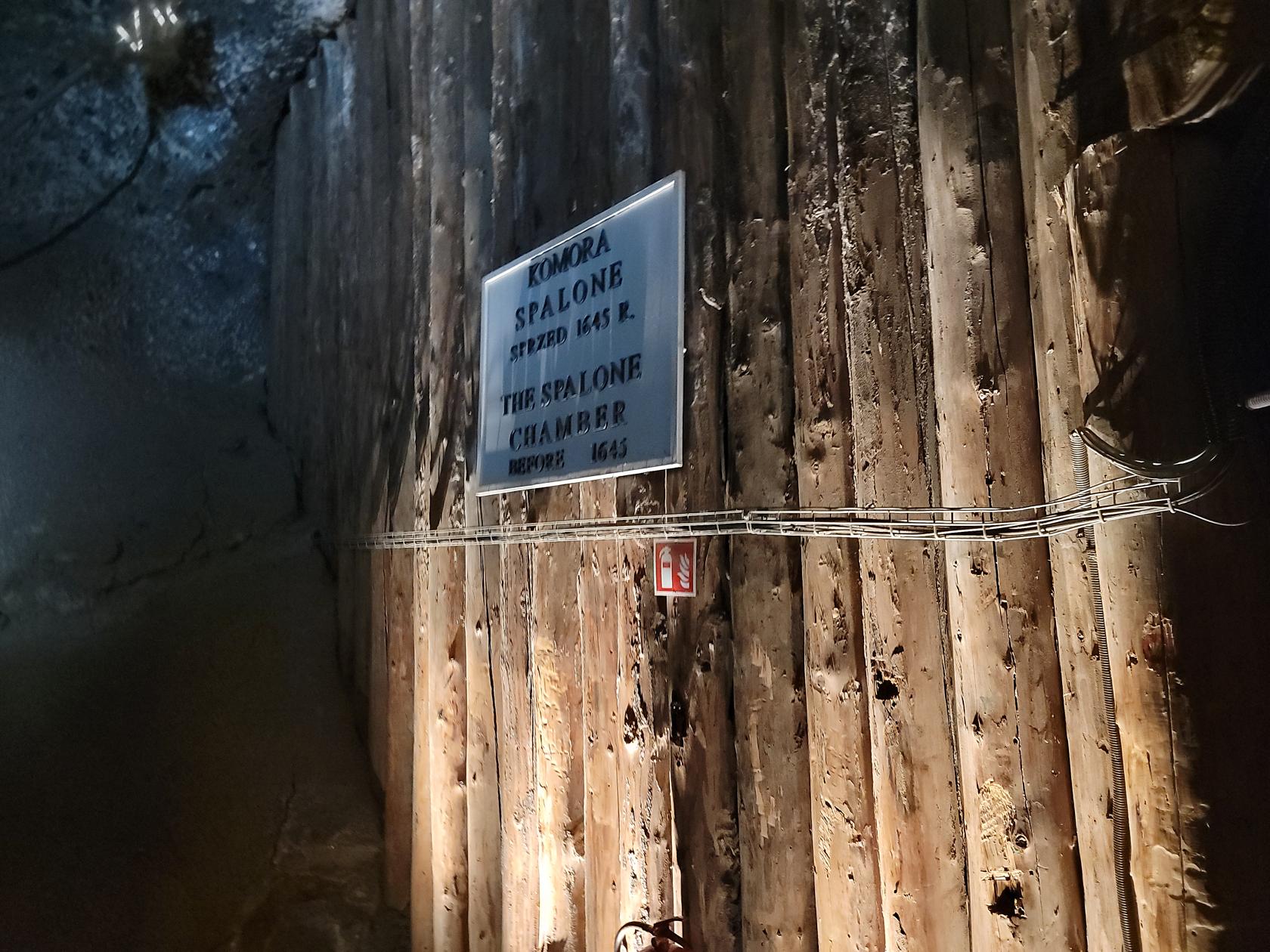
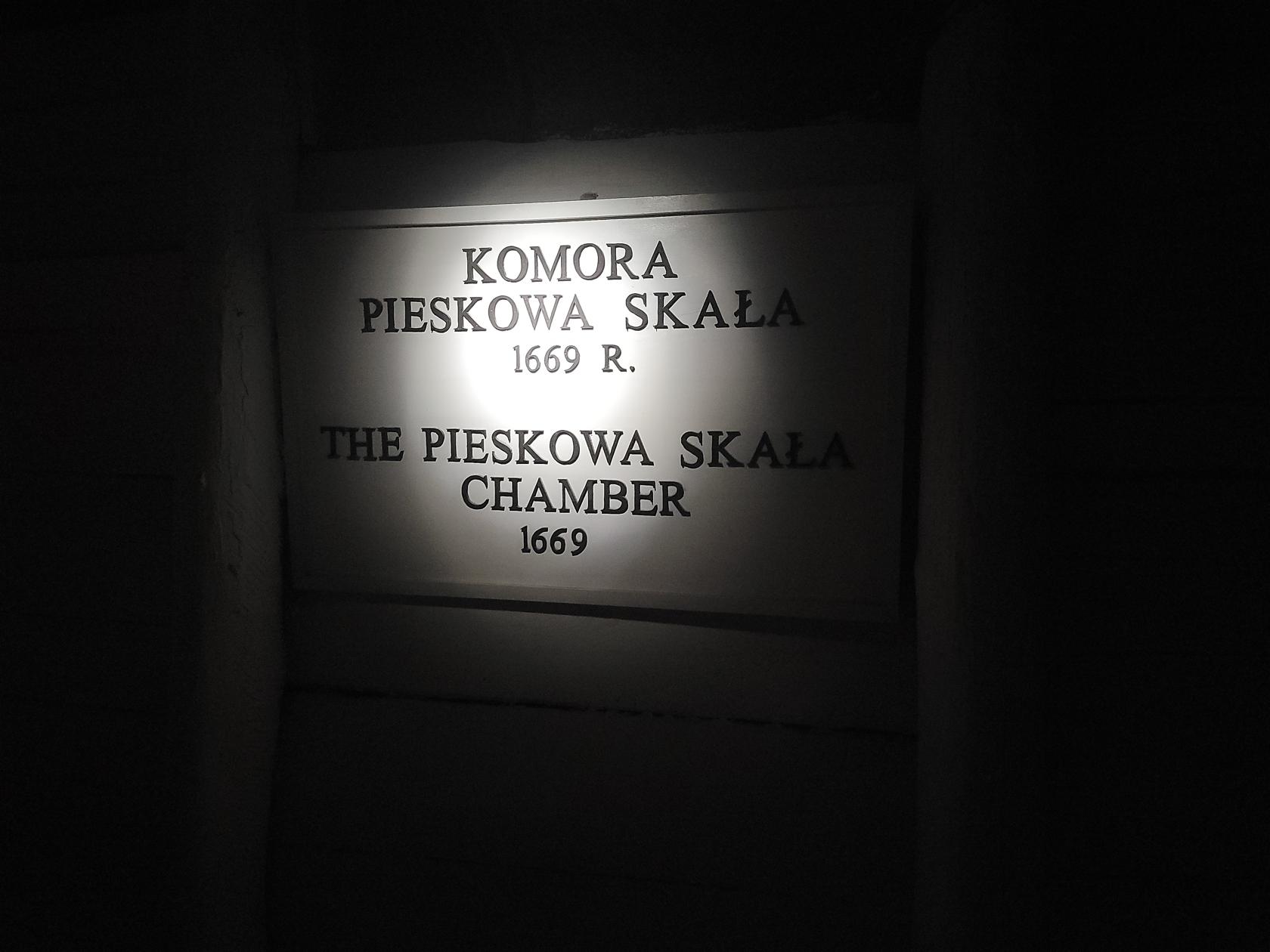
Spalone Chamber – Wieliczka Salt Mine – Wieliczka, Poland
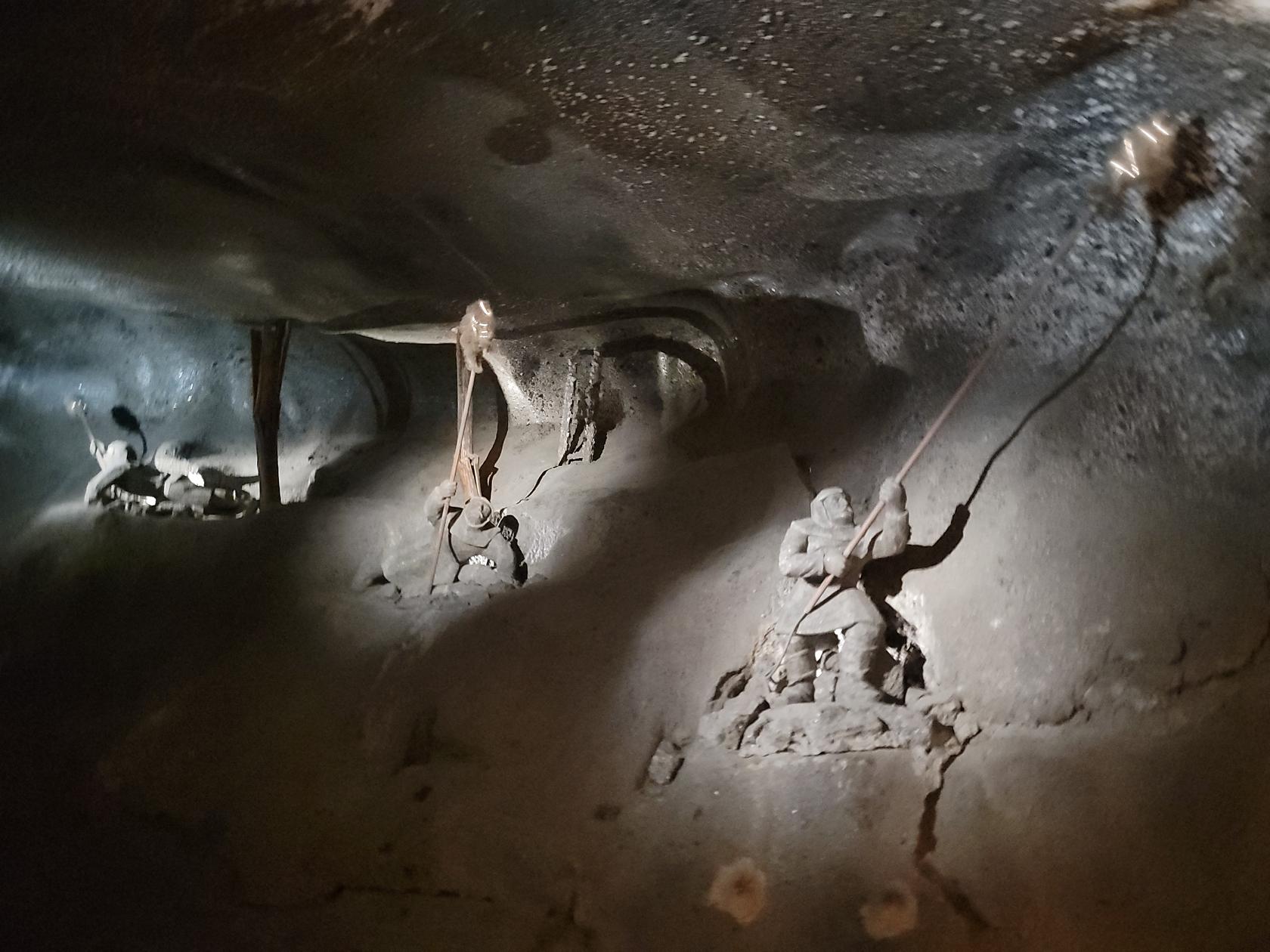
Gas detection demonstration – Spalone Chamber – Wieliczka Salt Mine – Wieliczka, Poland
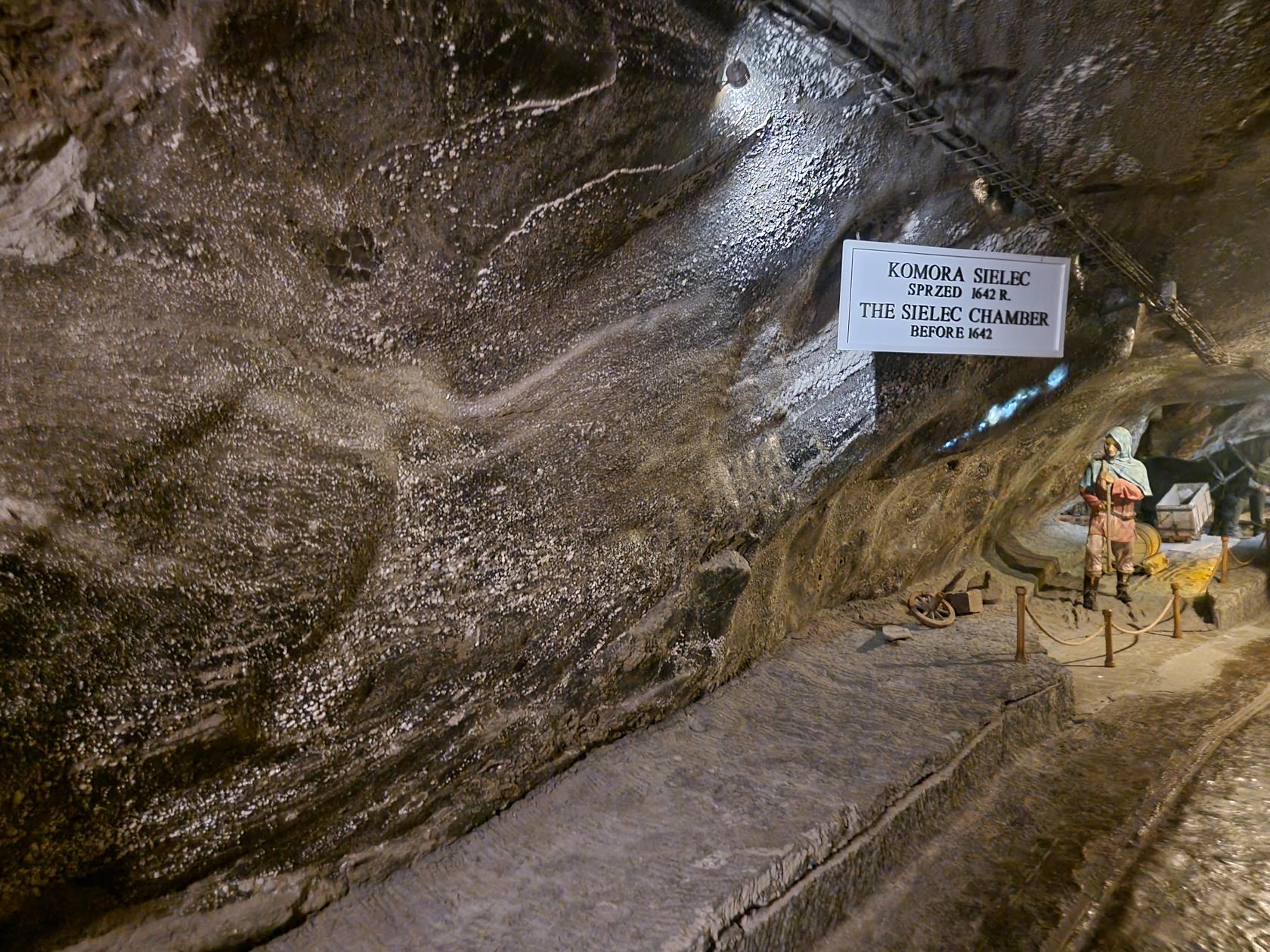
Sielec Chamber – Wieliczka Salt Mine – Wieliczka, Poland
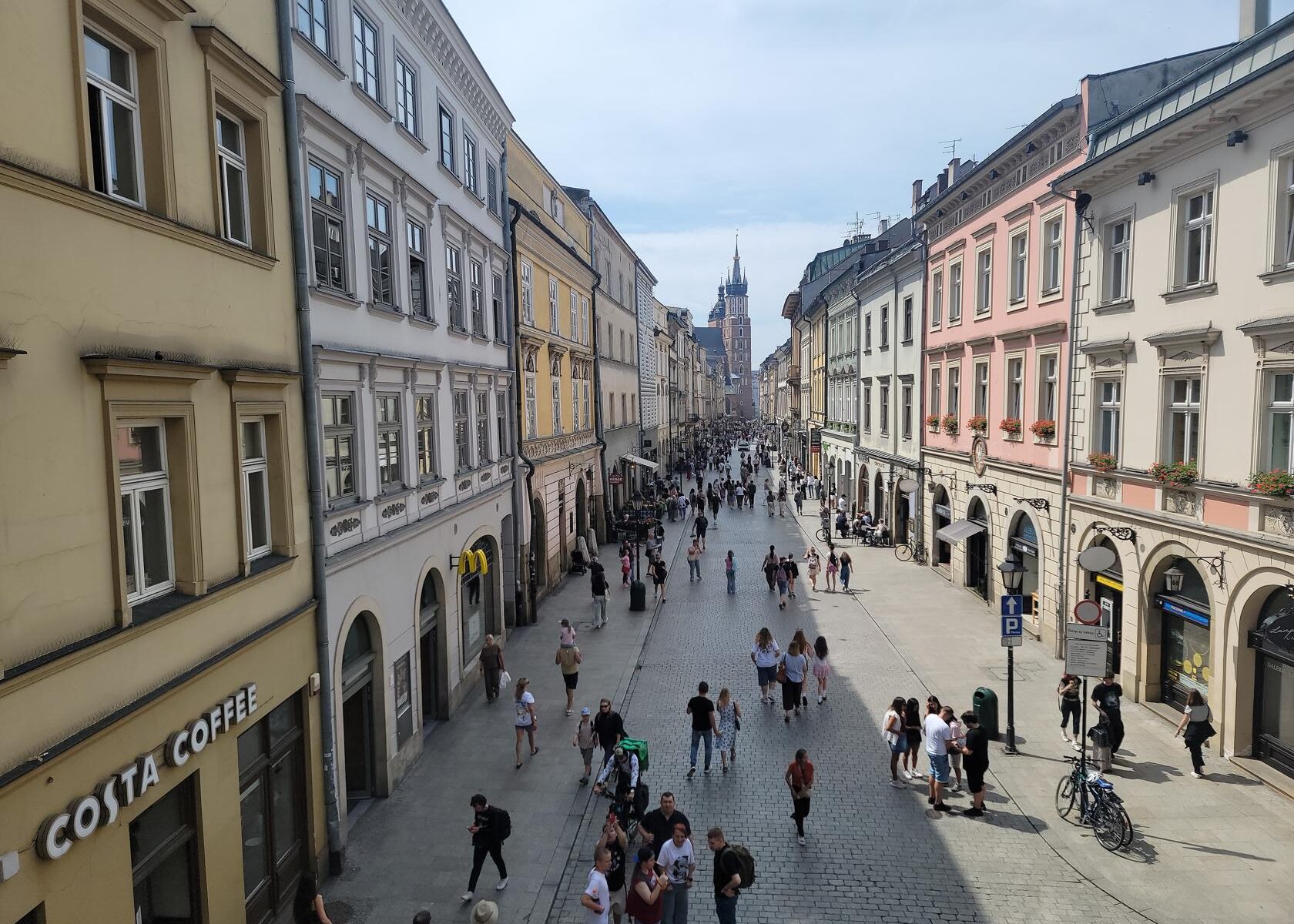
Though not a large city, Kraków still has enough to see to warrant more that a few posts. There are that many museums, attractions and interesting things that you can easily fill up more than a few days. This is why we spent four nights here, and probably could have spent more with all of the day trips that are also at your disposal.
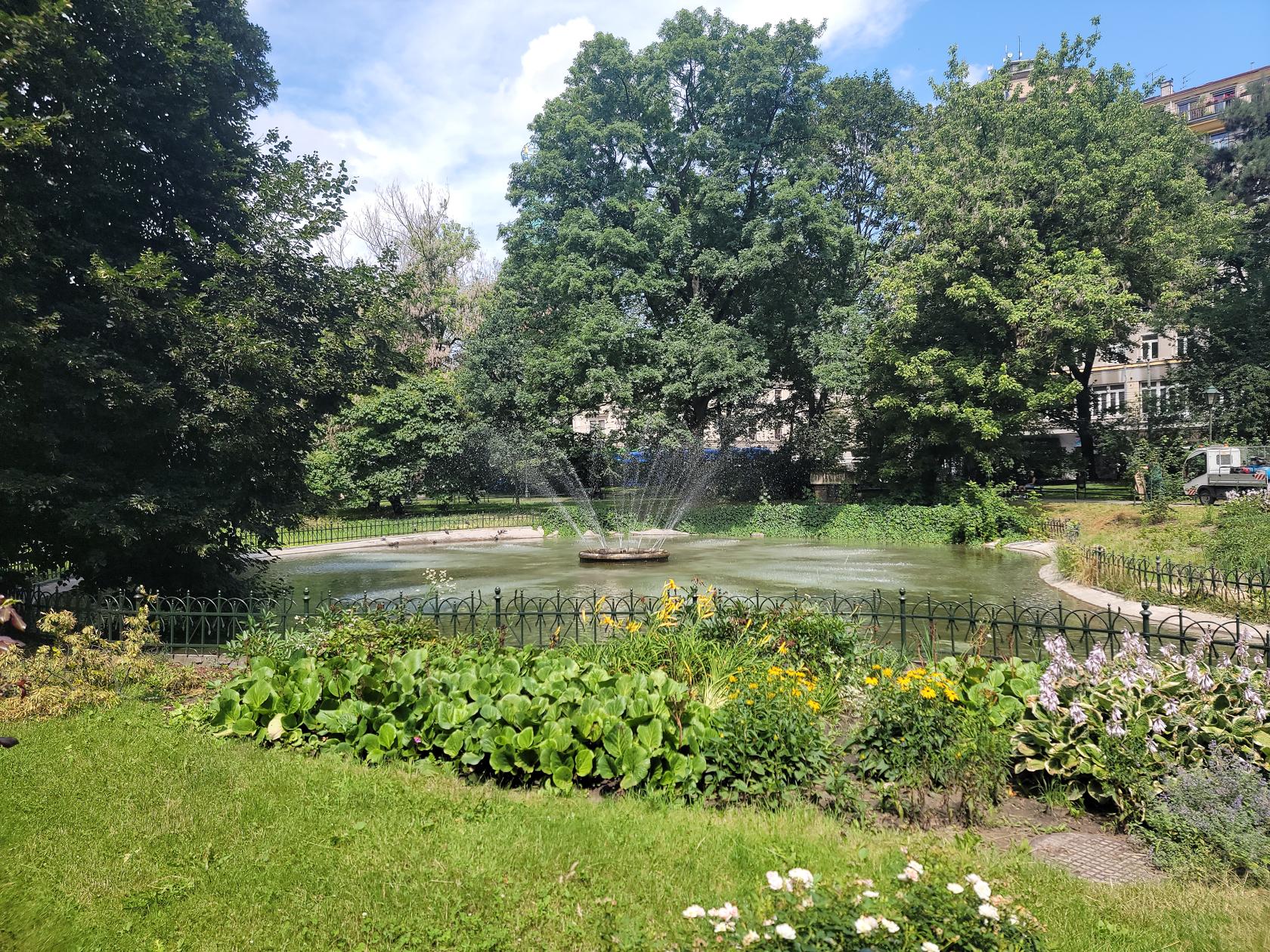
City Park – Kraków, Poland
City Park – Kraków, Poland
City Park – Kraków, Poland
City Park – Kraków, Poland
City Park – Kraków, Poland
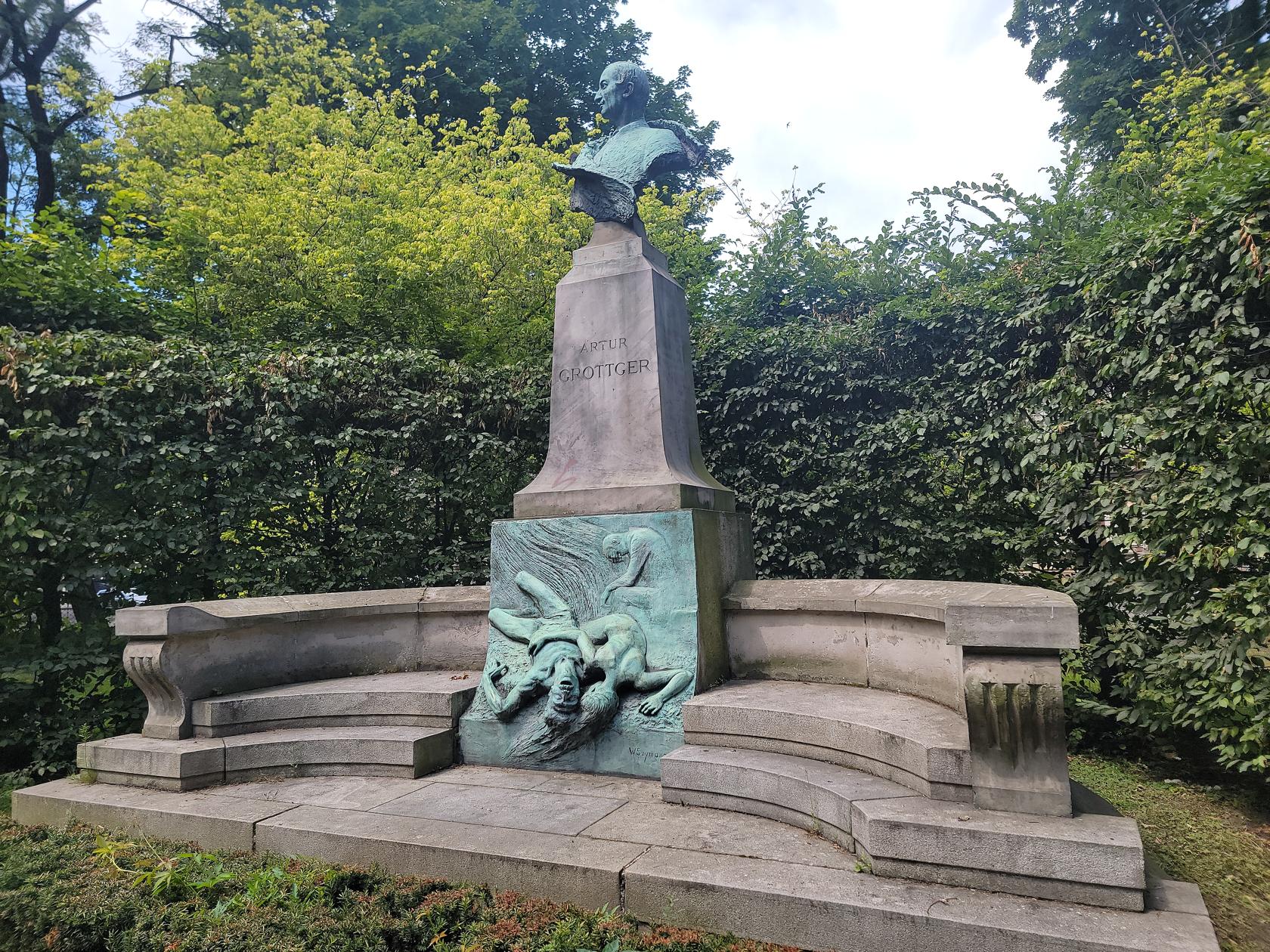
Grottger Monument – City Park – Kraków, Poland
Kraków
This part contains less churches and more museums. Of course we had some time to amble through town once or twice, but since we only had a half day to see what we could, the other half being consumed by our Salt Mine tour, we saw what we could in the time alotted.
Jana Matejki Plaza – Barbican Museum – Kraków, Poland
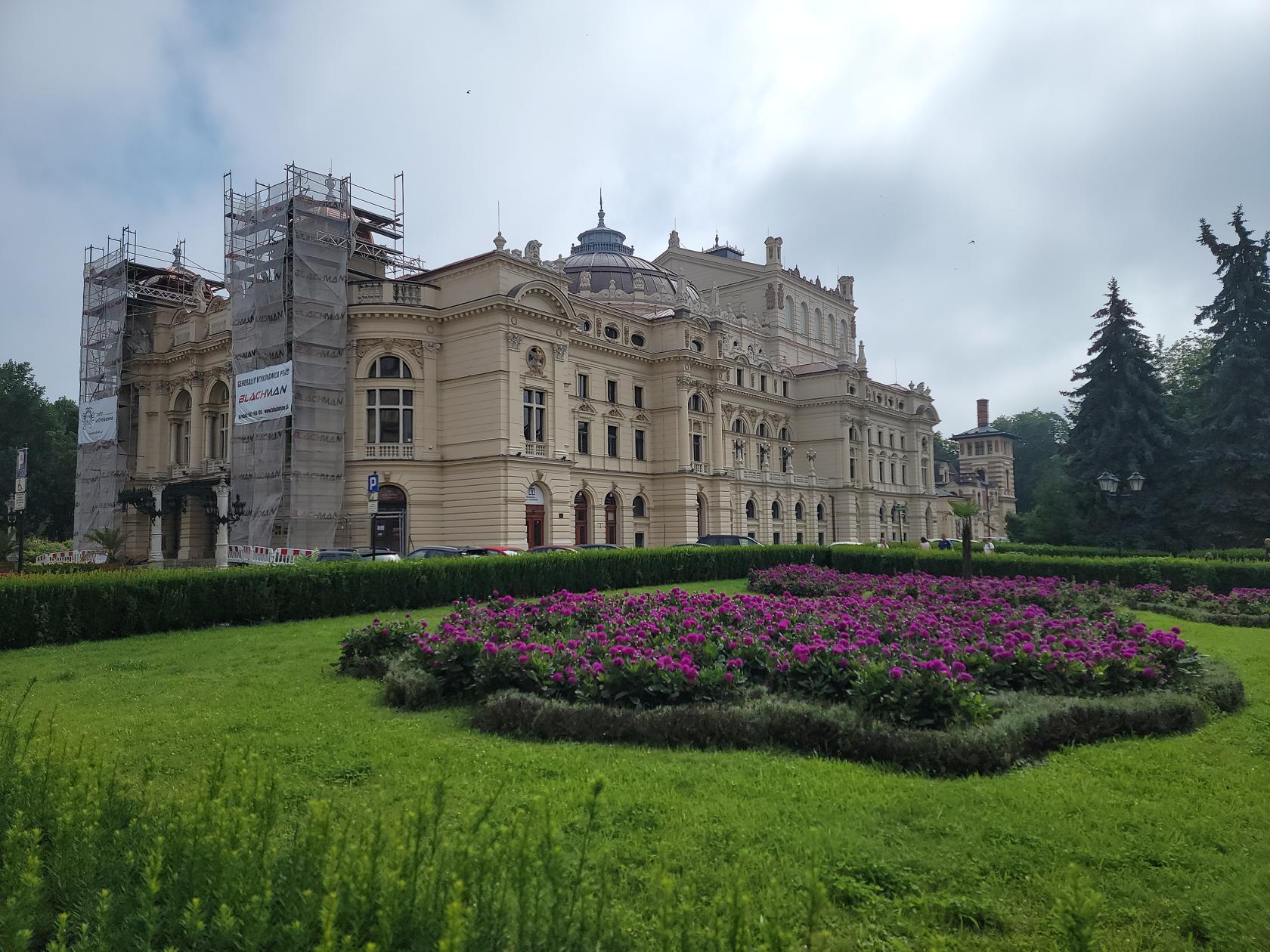
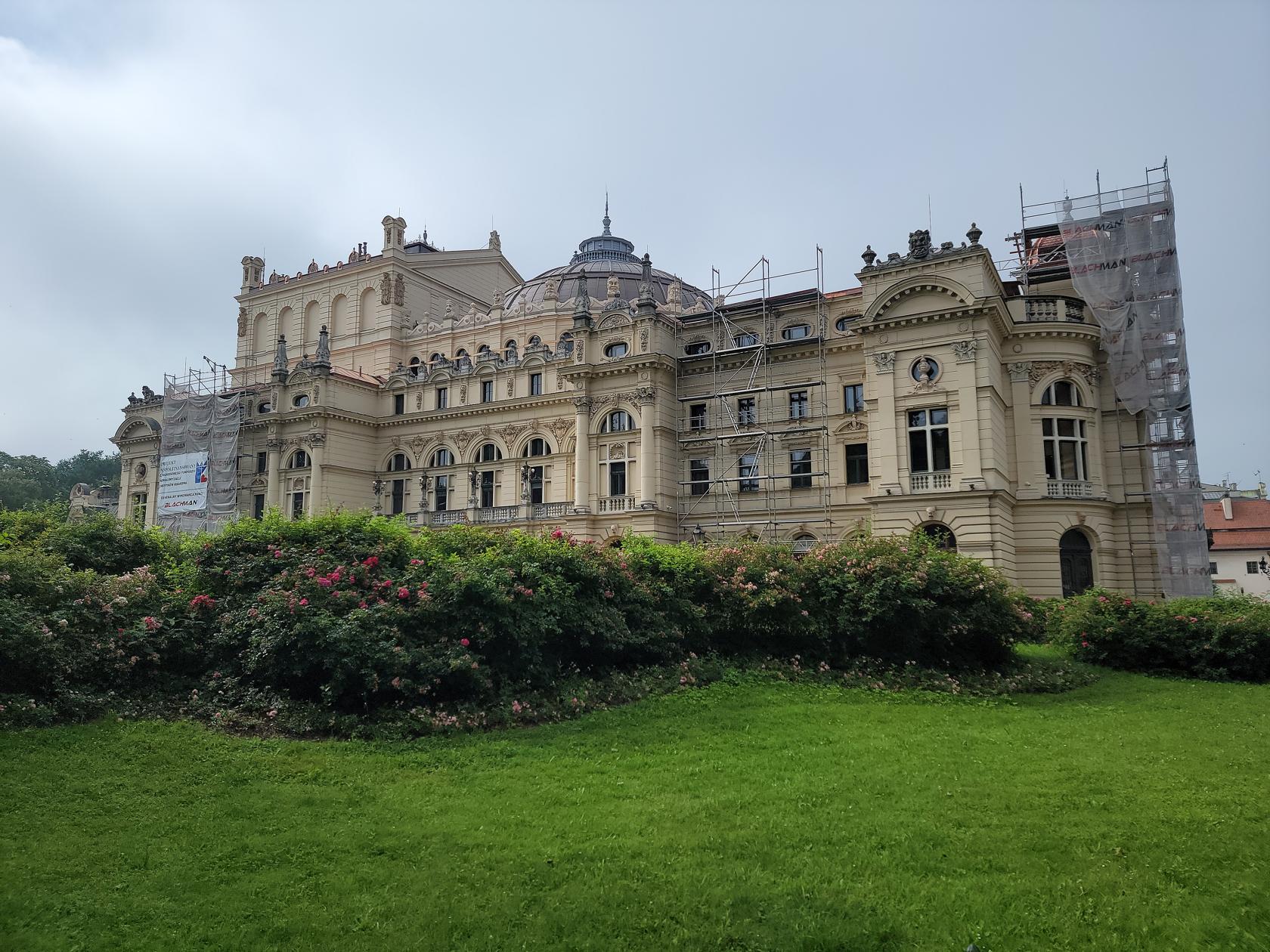
Theater – Kraków, Poland
Theater – Kraków, Poland
Museums
Below are the museums we visited that were very close to our hotel and hold special importance in the history, culture and defense of the city.
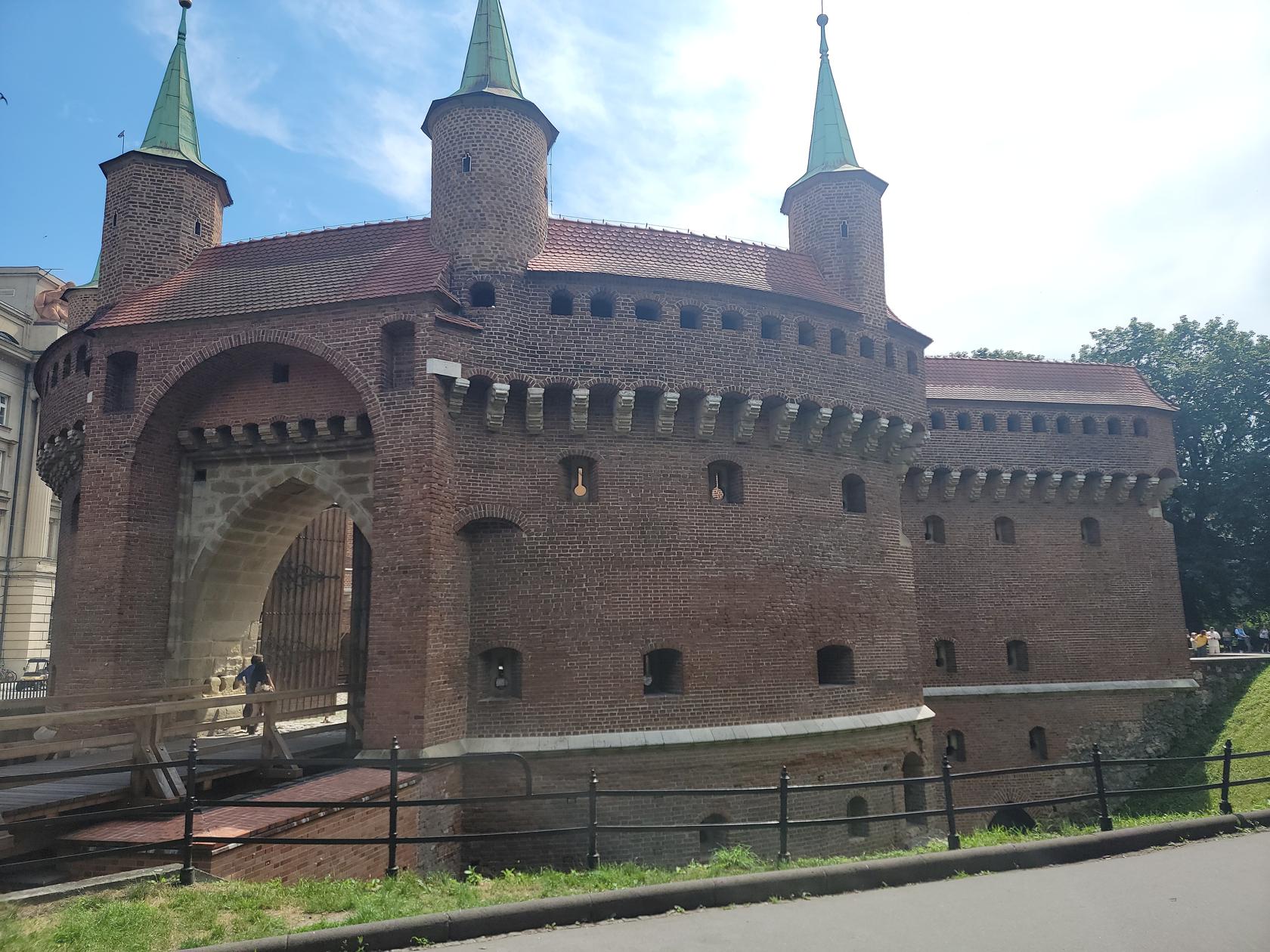
Barbican
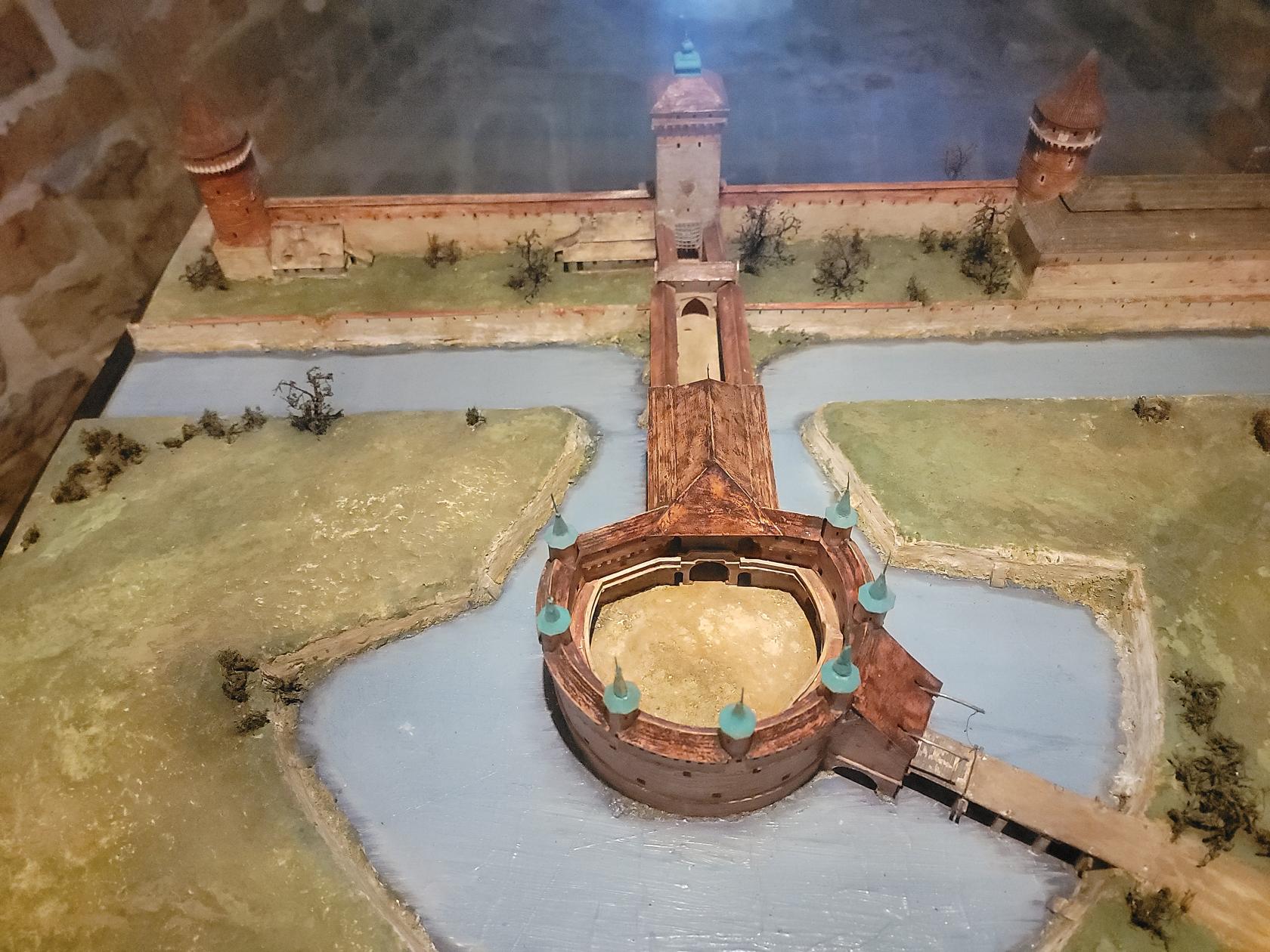
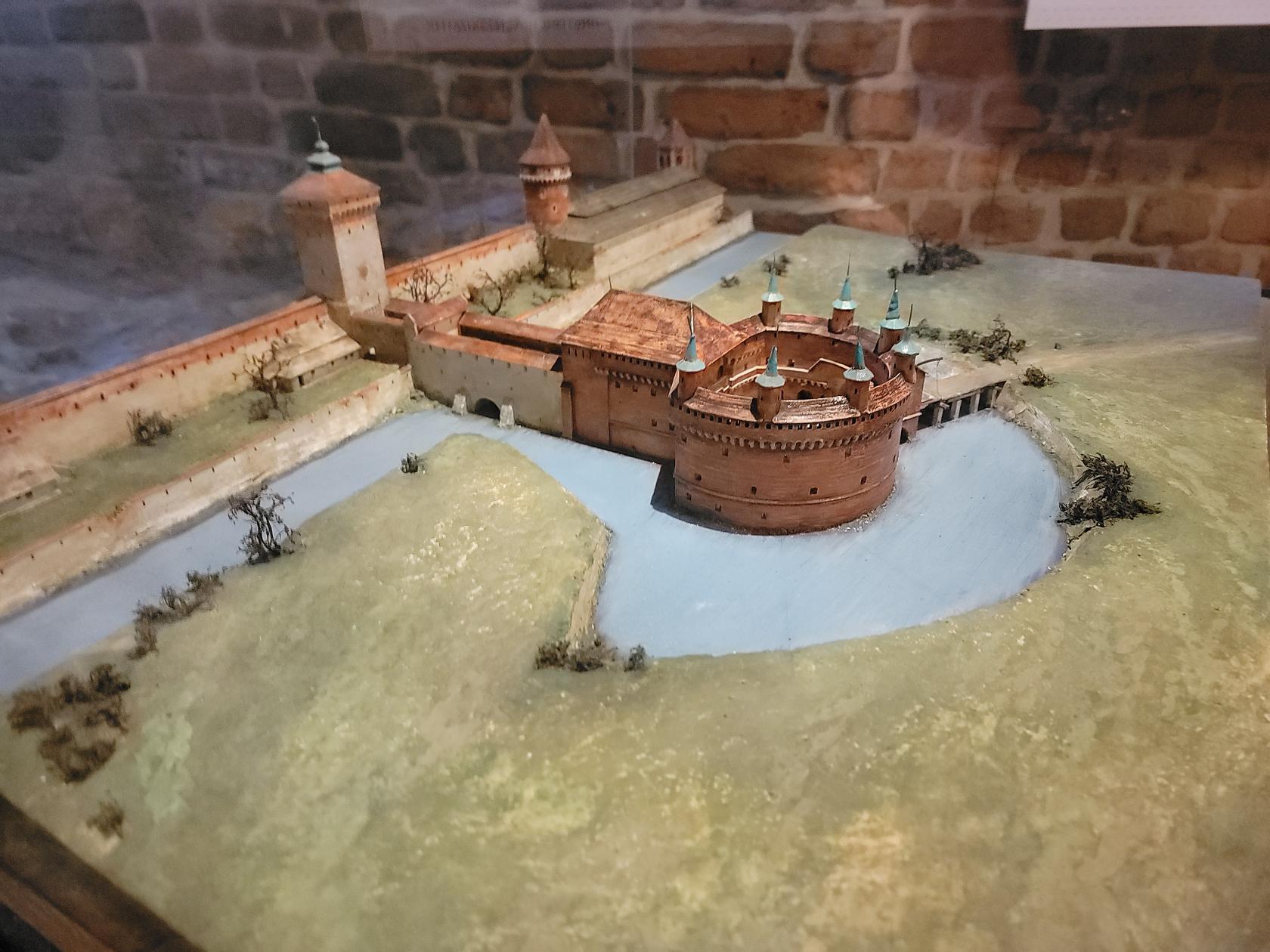
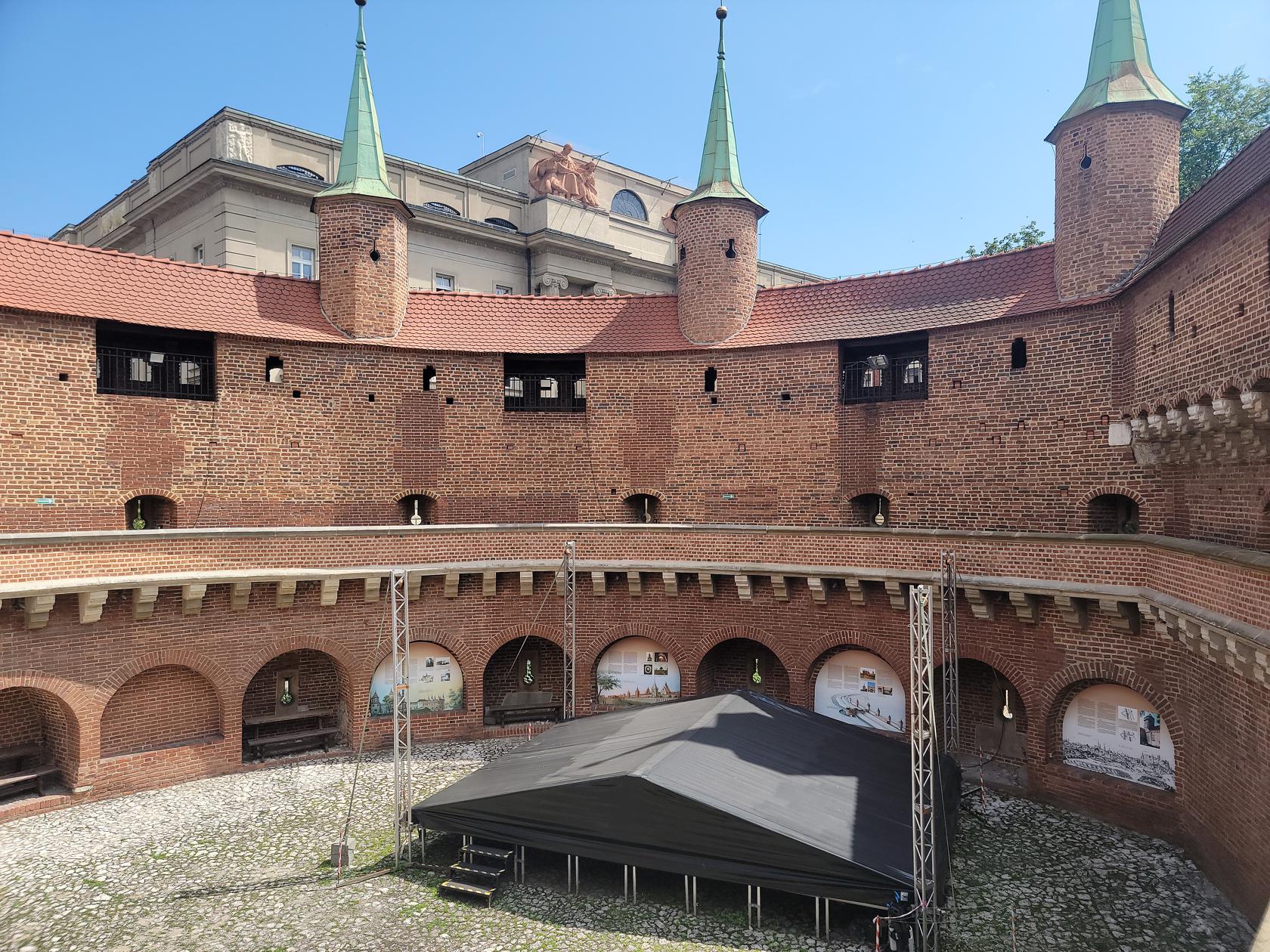
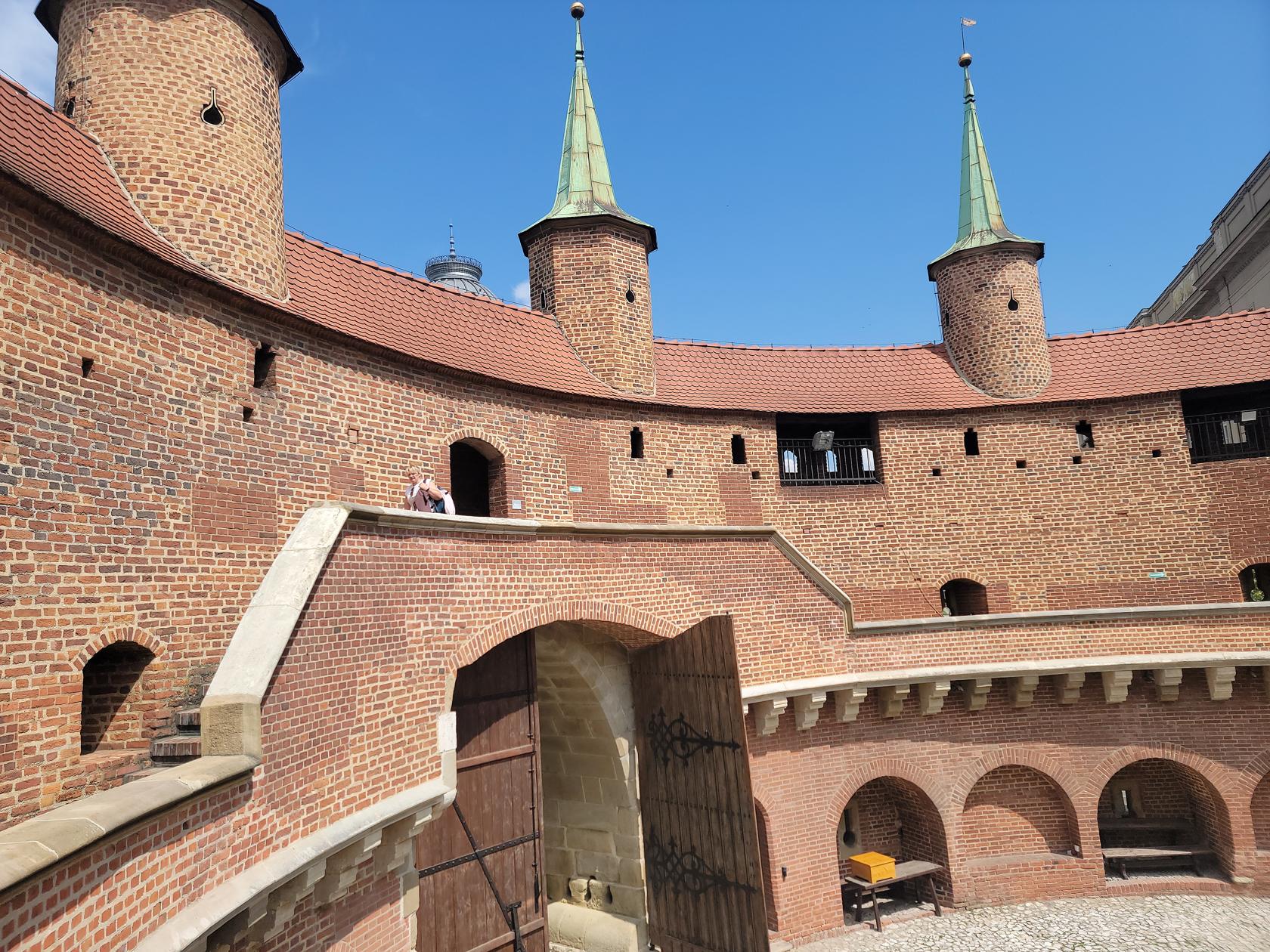
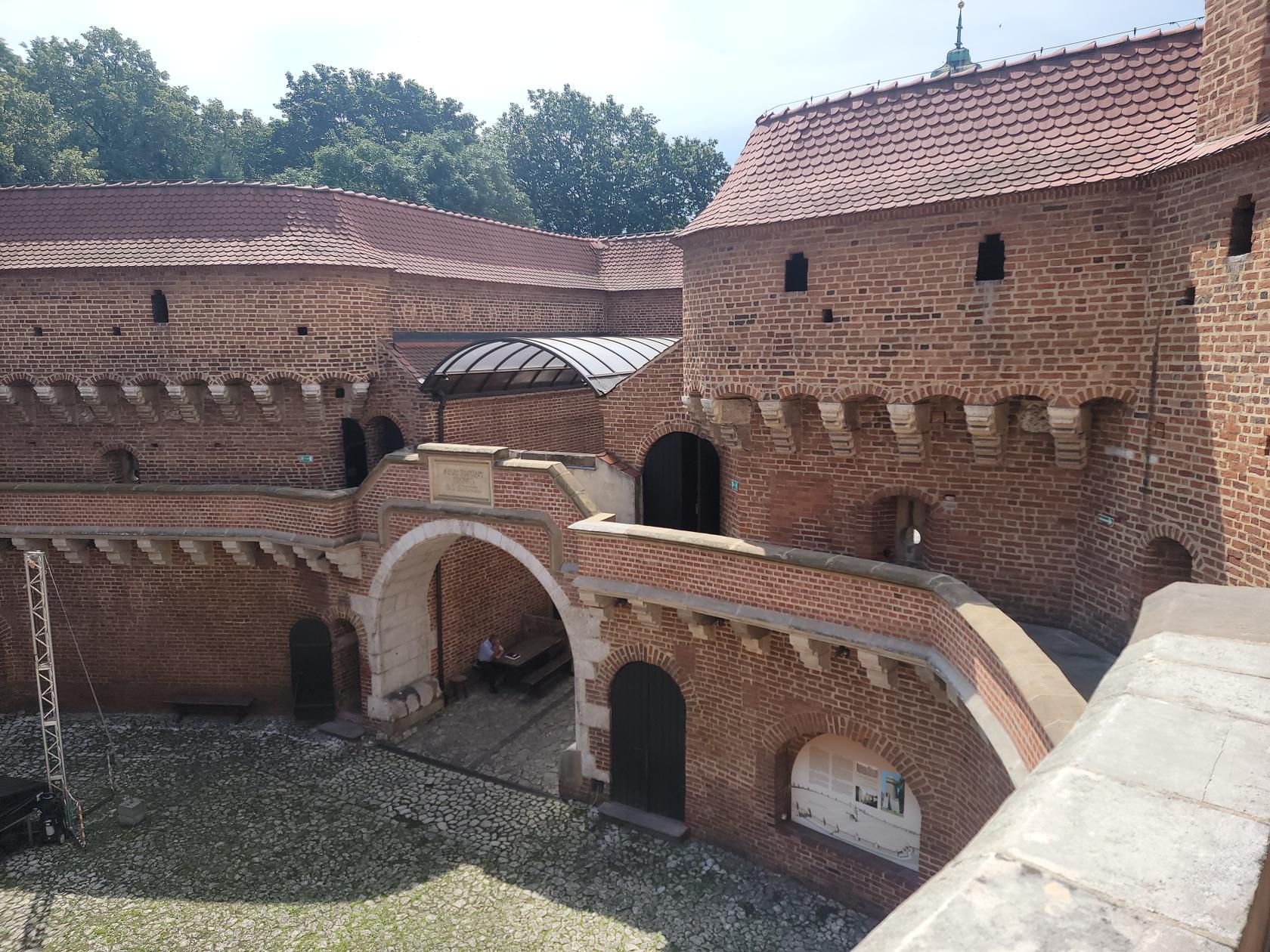
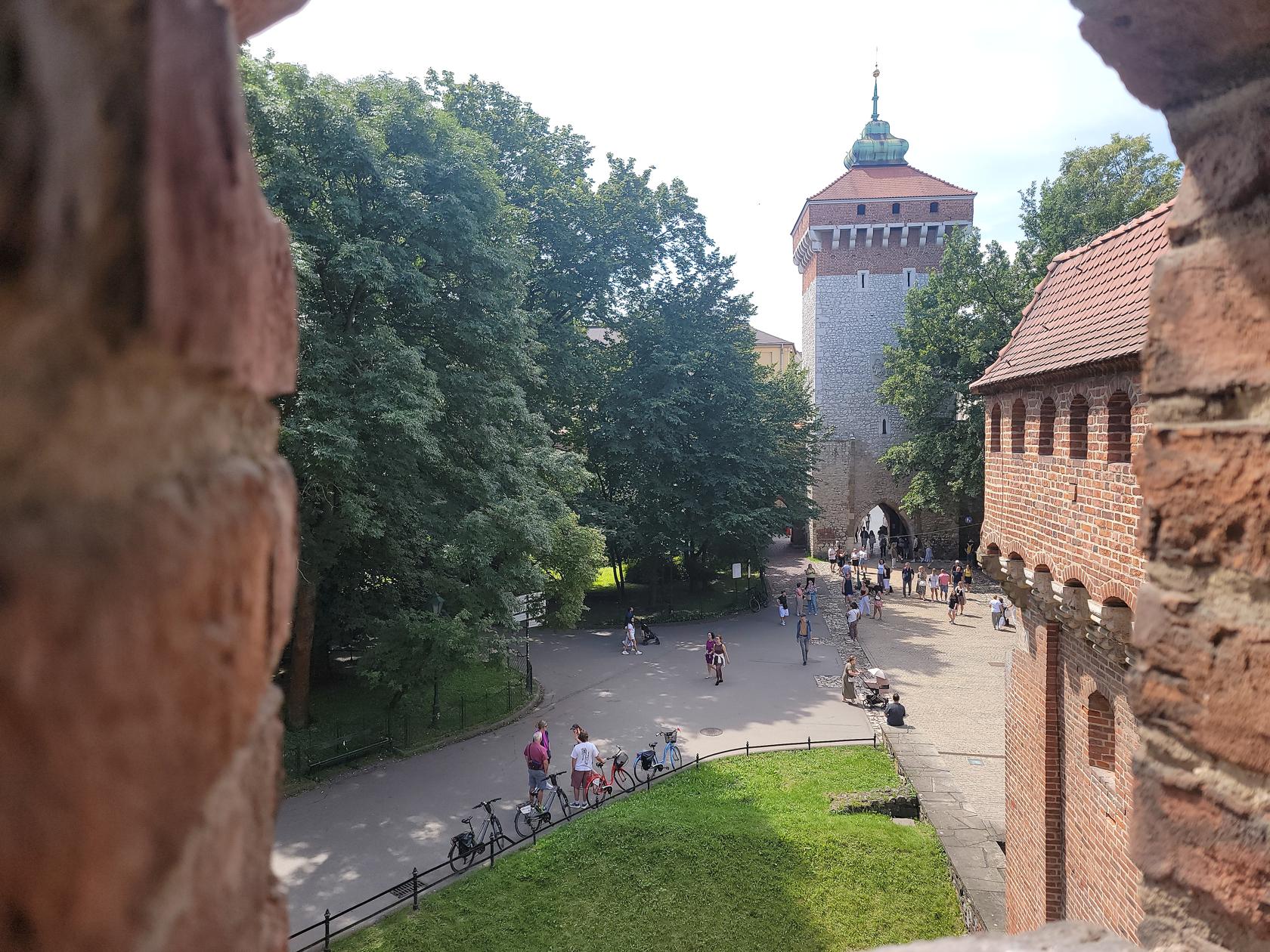
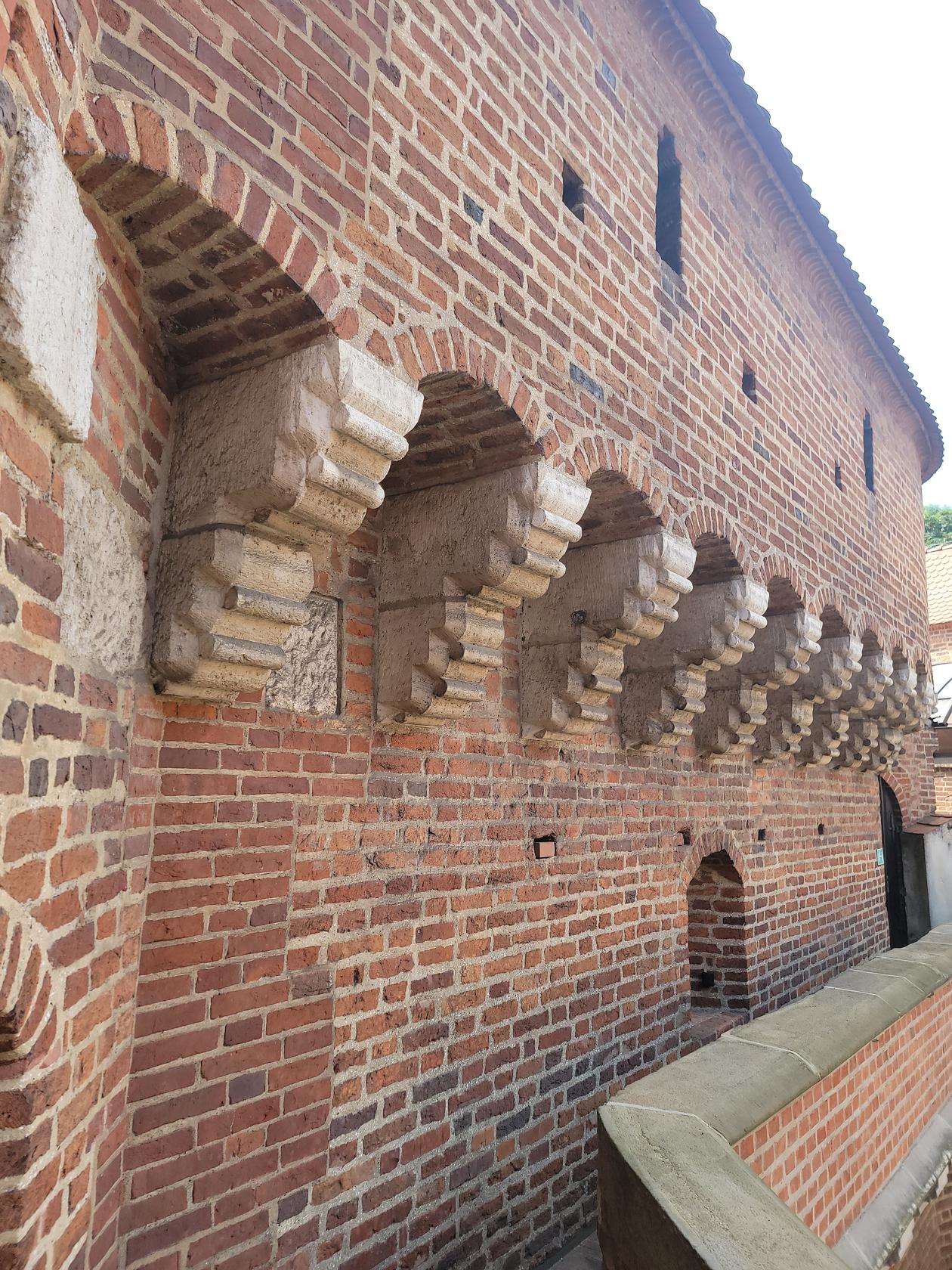
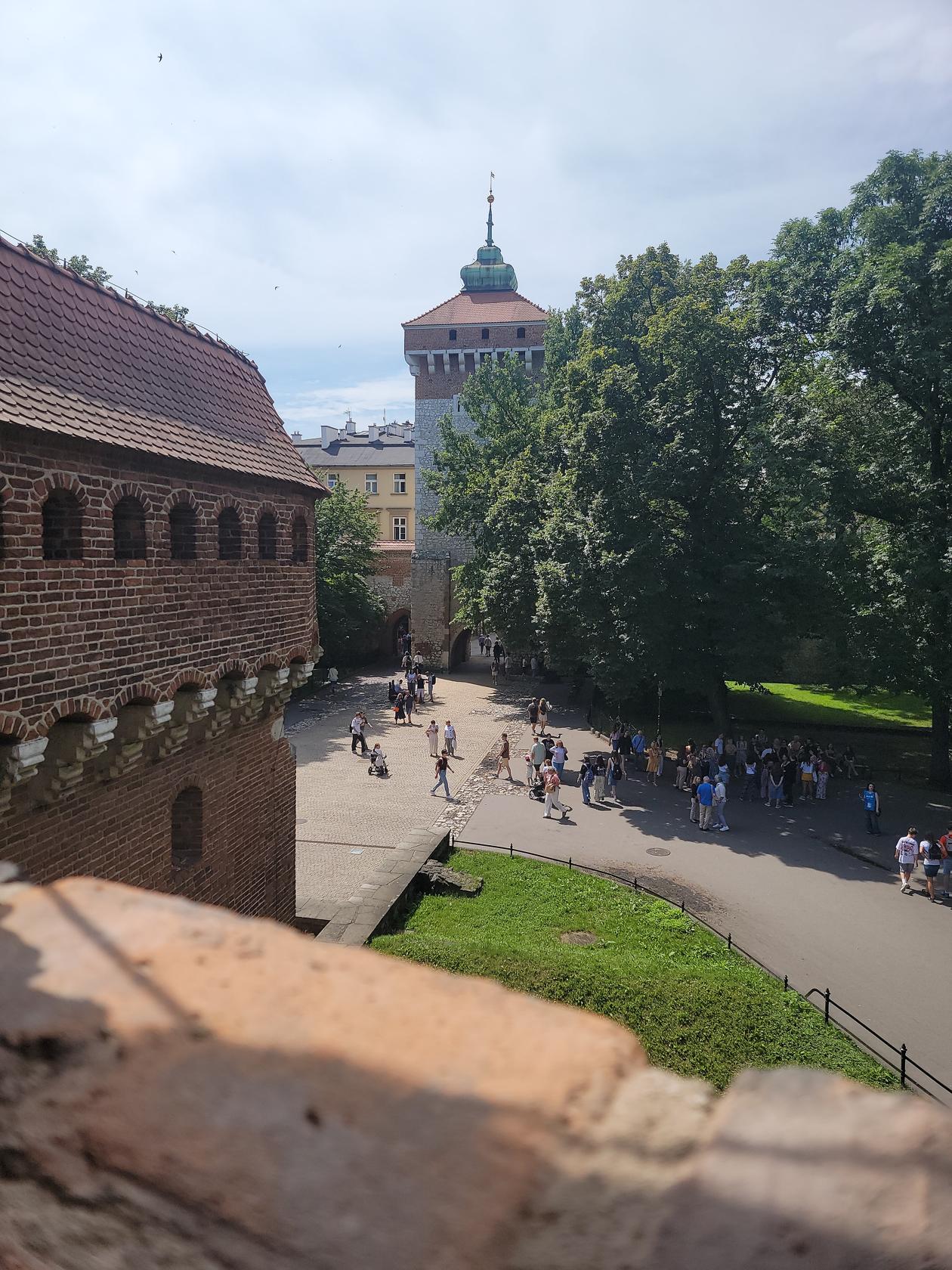
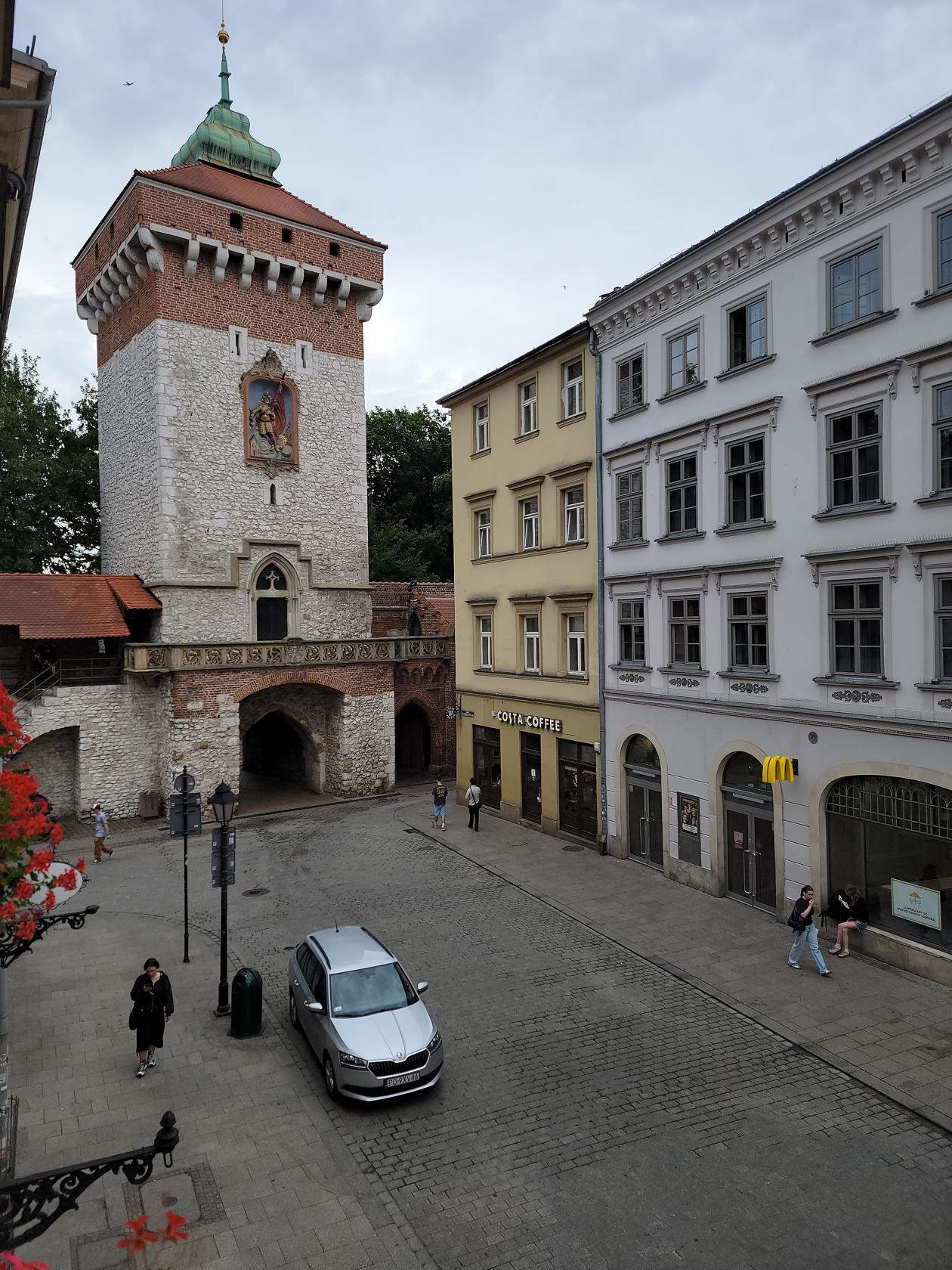
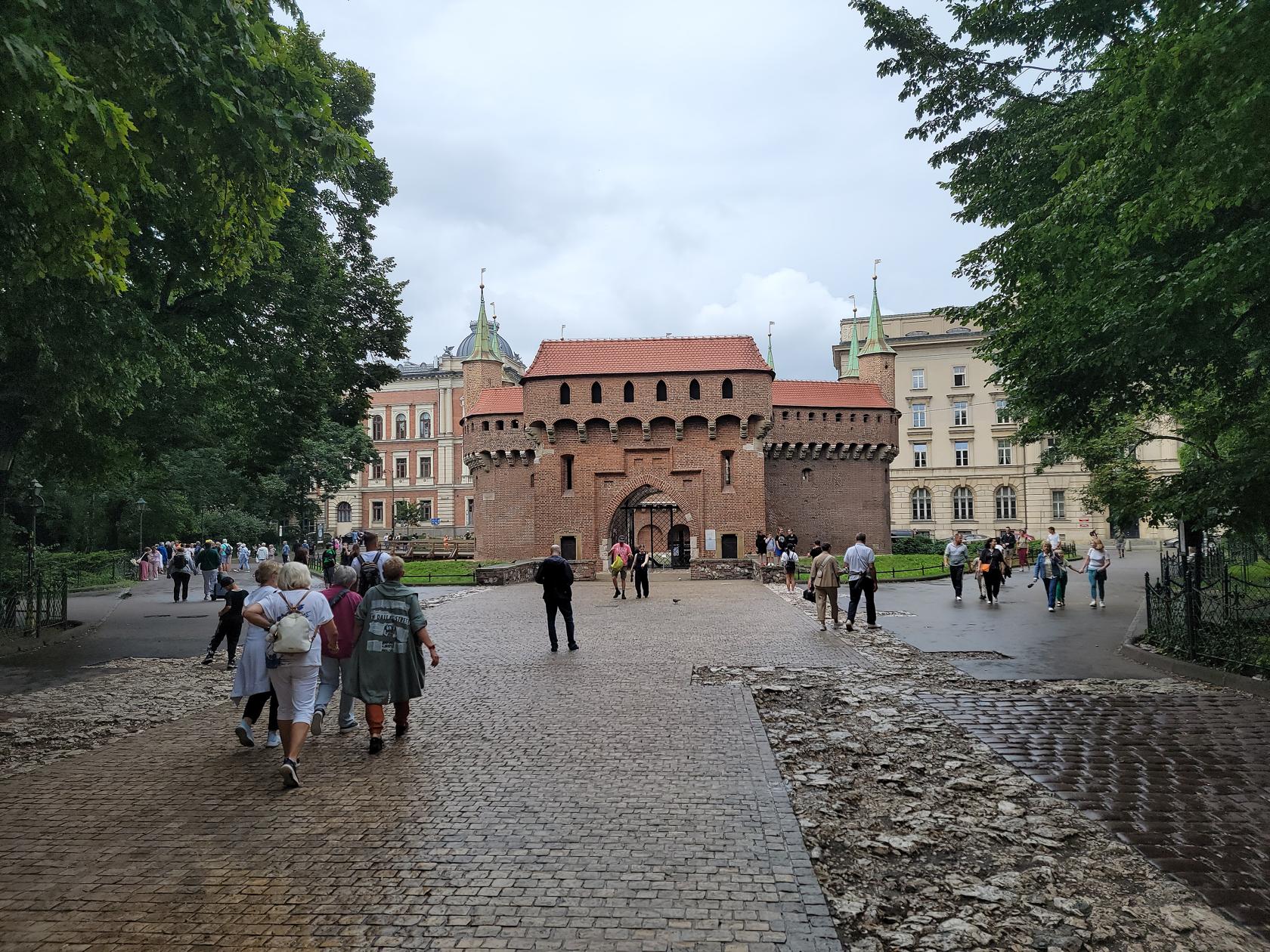
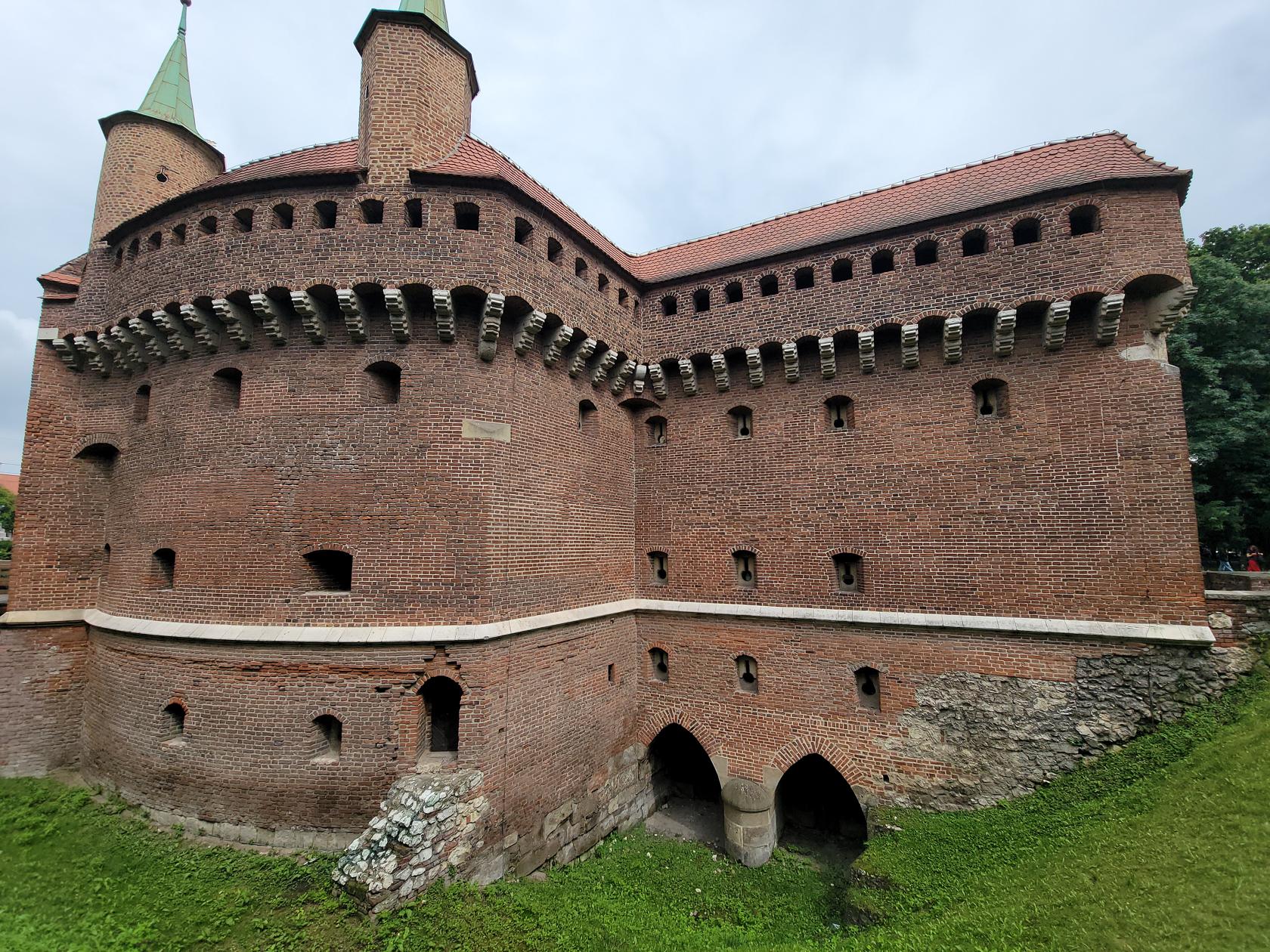
The fortified outpost just outside Saint Florian’s Gate is the Barbican. The name is actually derived by a fortified outpost of the same and was once attached via a wall to the Florian Gate and the defensive walls of the city.
The entrance to the Barbican is actually in line with Florian Gate, the entrance that would have normally spanned the moat now acts as the exit.
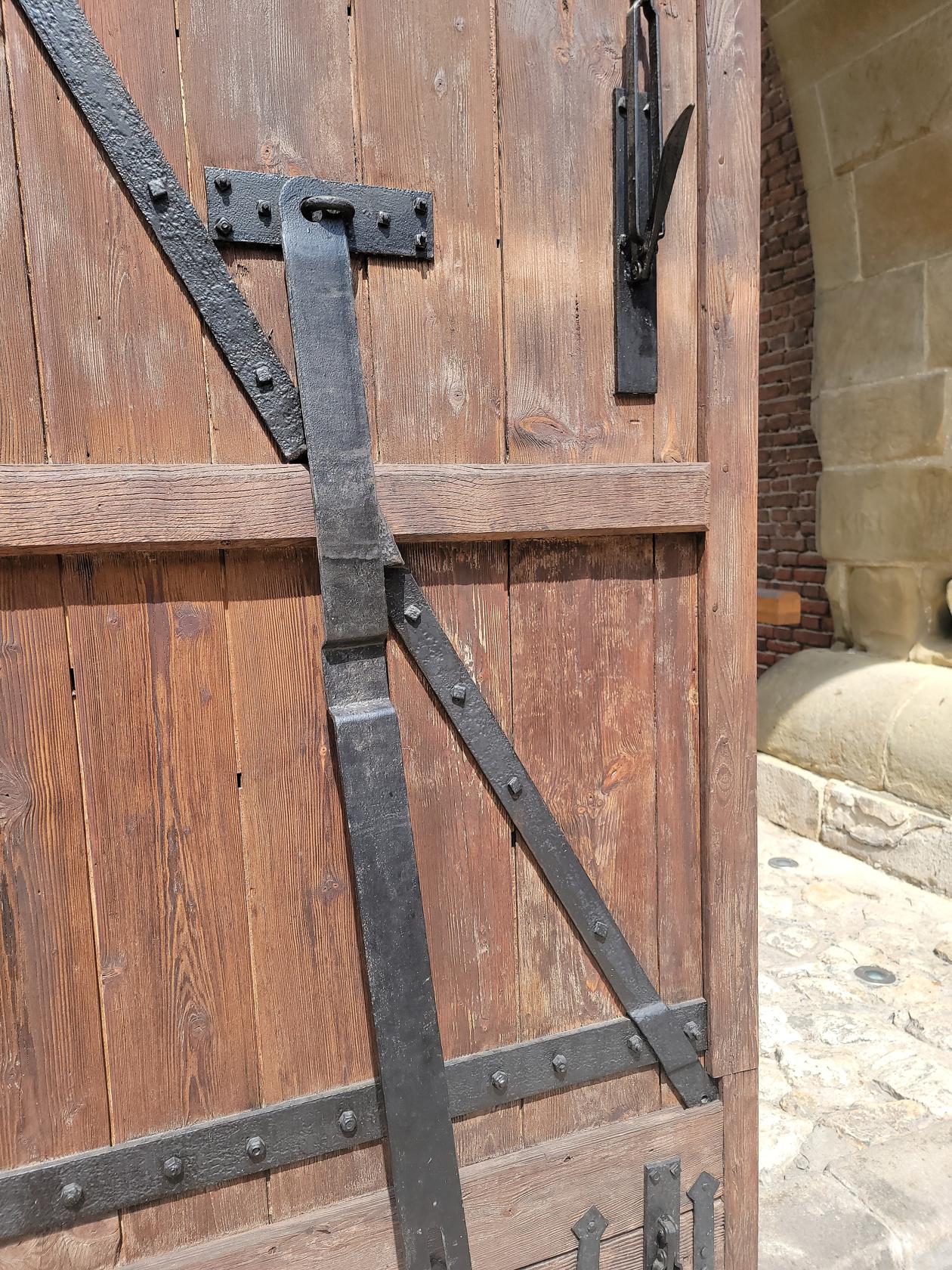
Iron works – Barbican Museum – Kraków, Poland
Iron works – Barbican Museum – Kraków, Poland
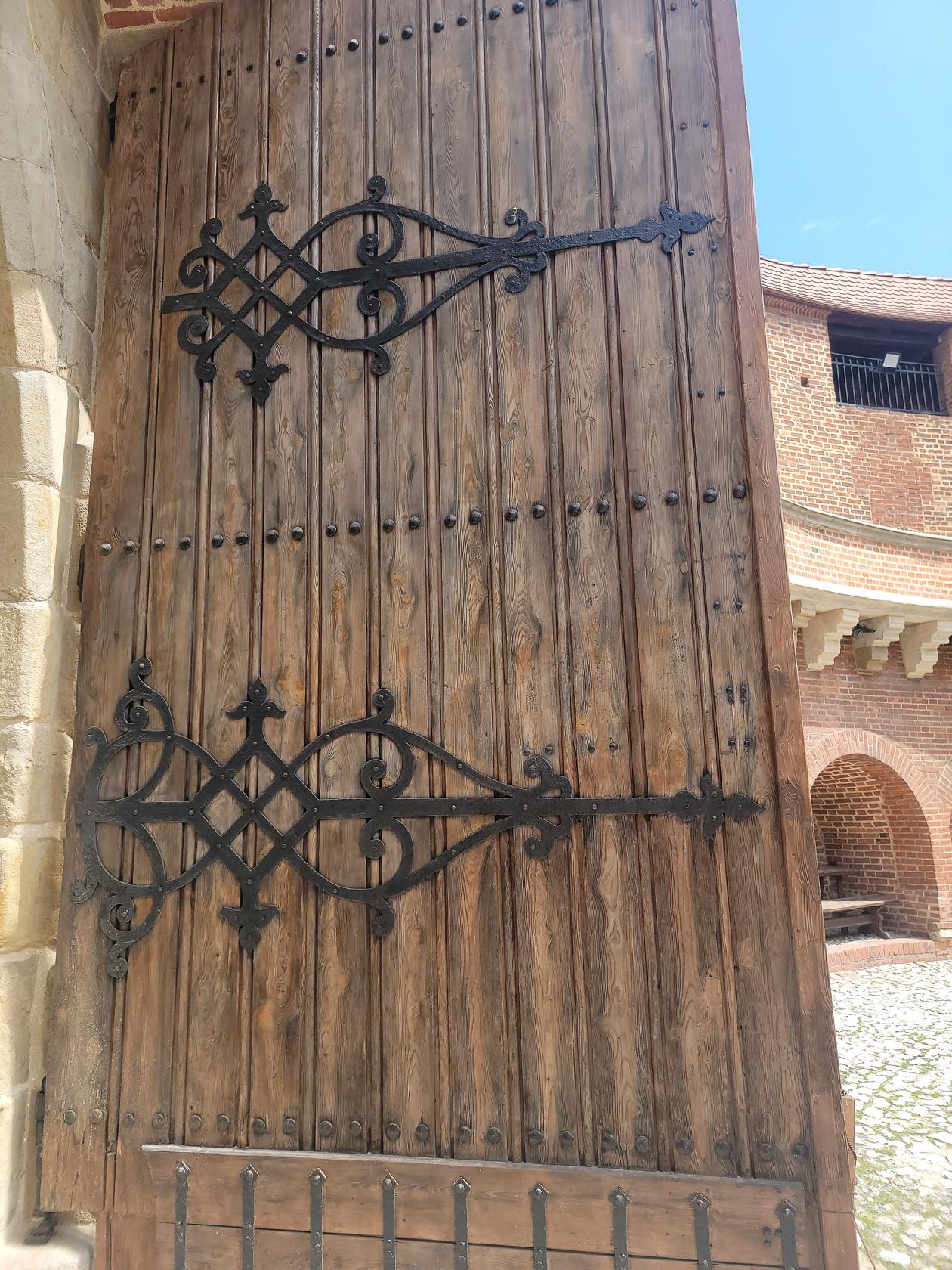
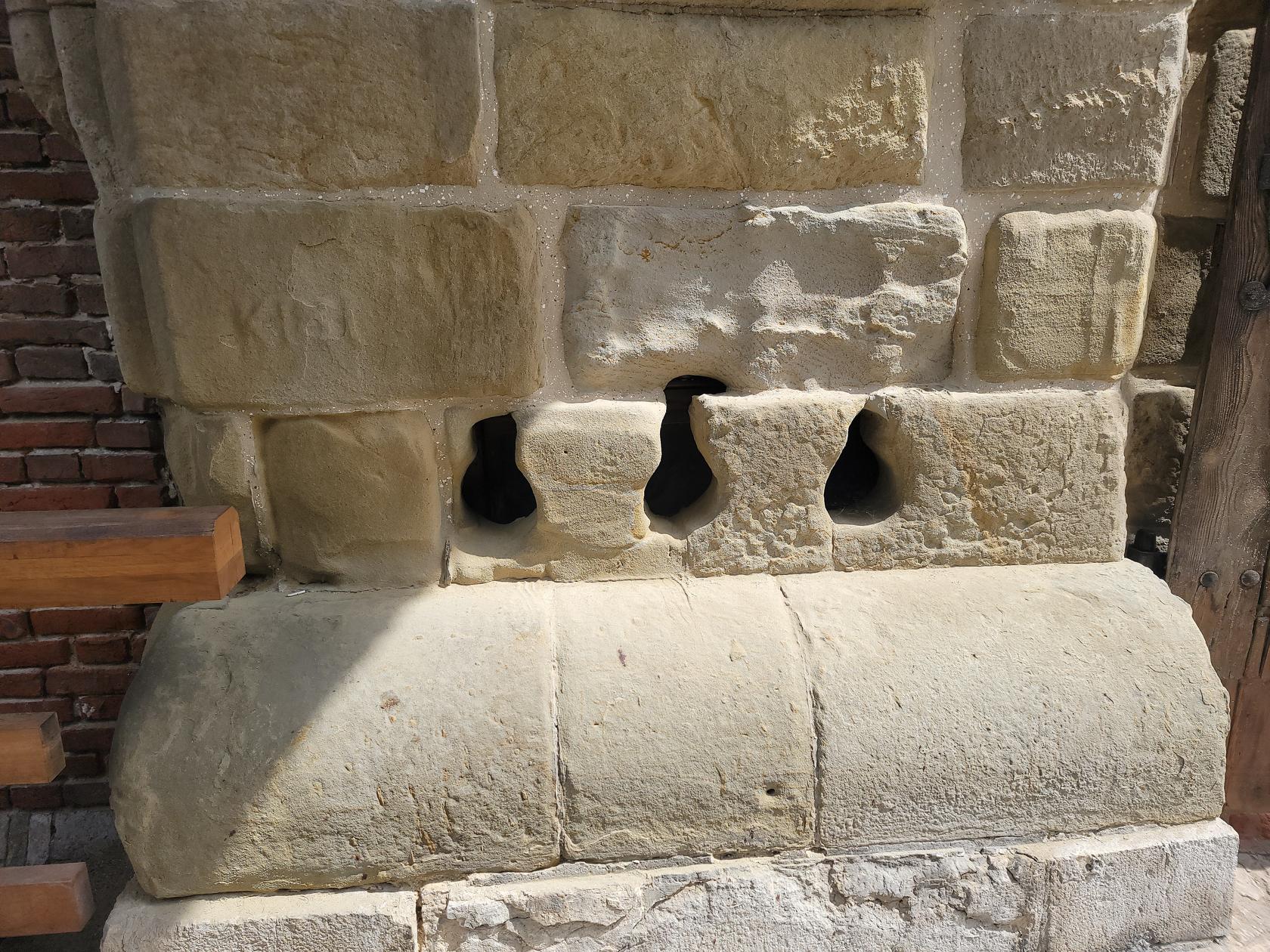
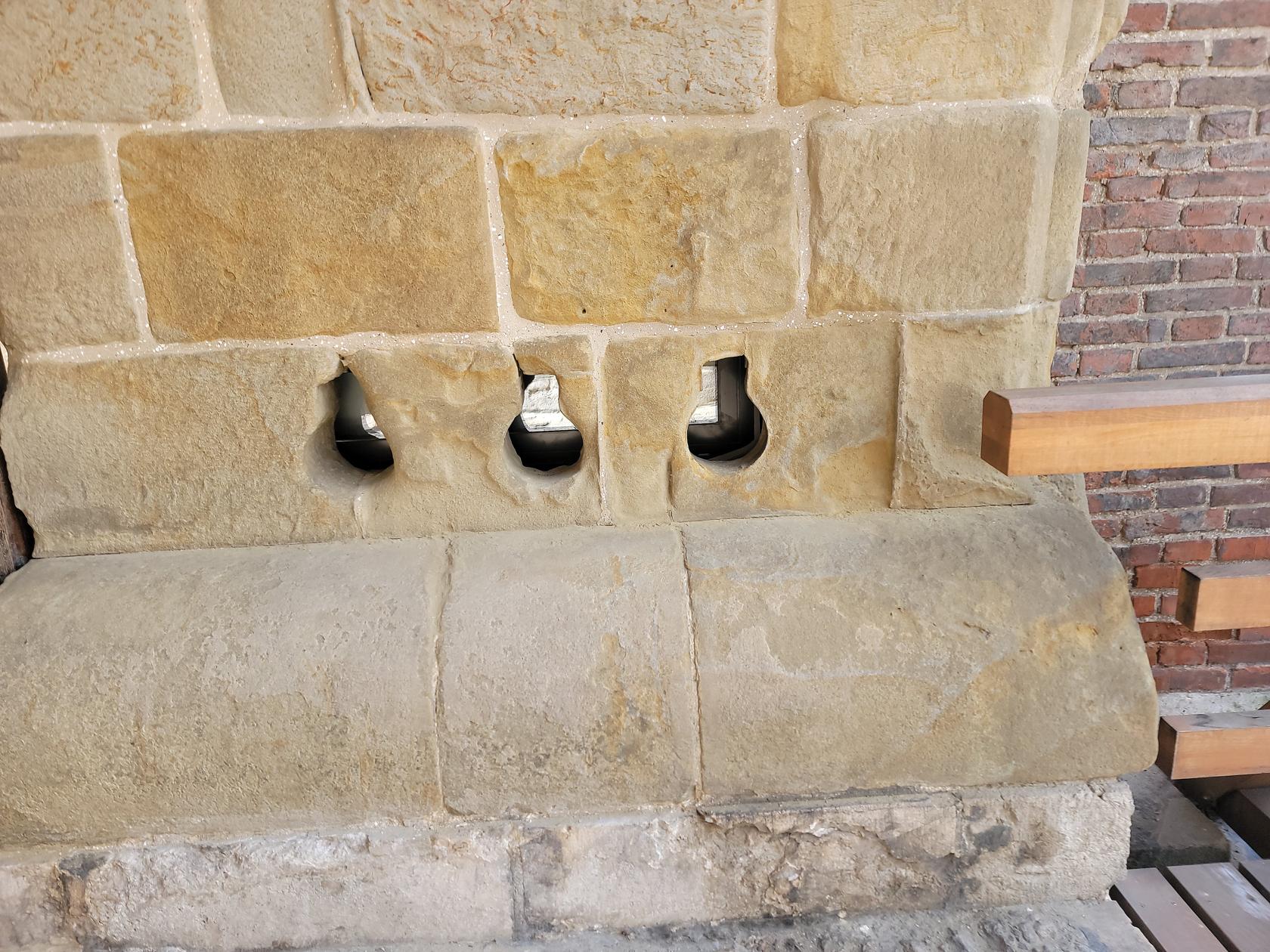
Three holes of unknown use – Barbican Museum – Kraków, Poland
Three holes of unknown use – Barbican Museum – Kraków, Poland
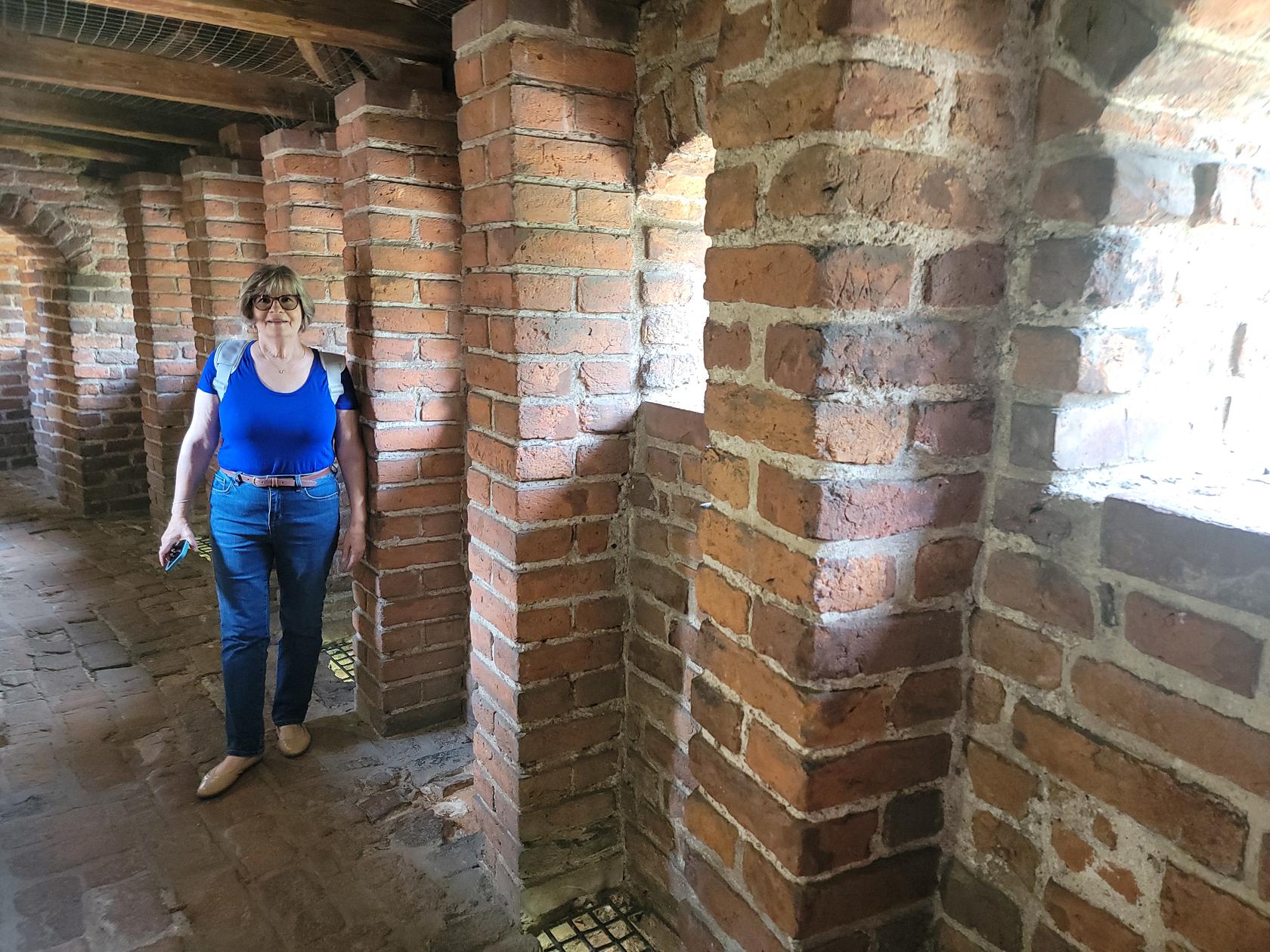
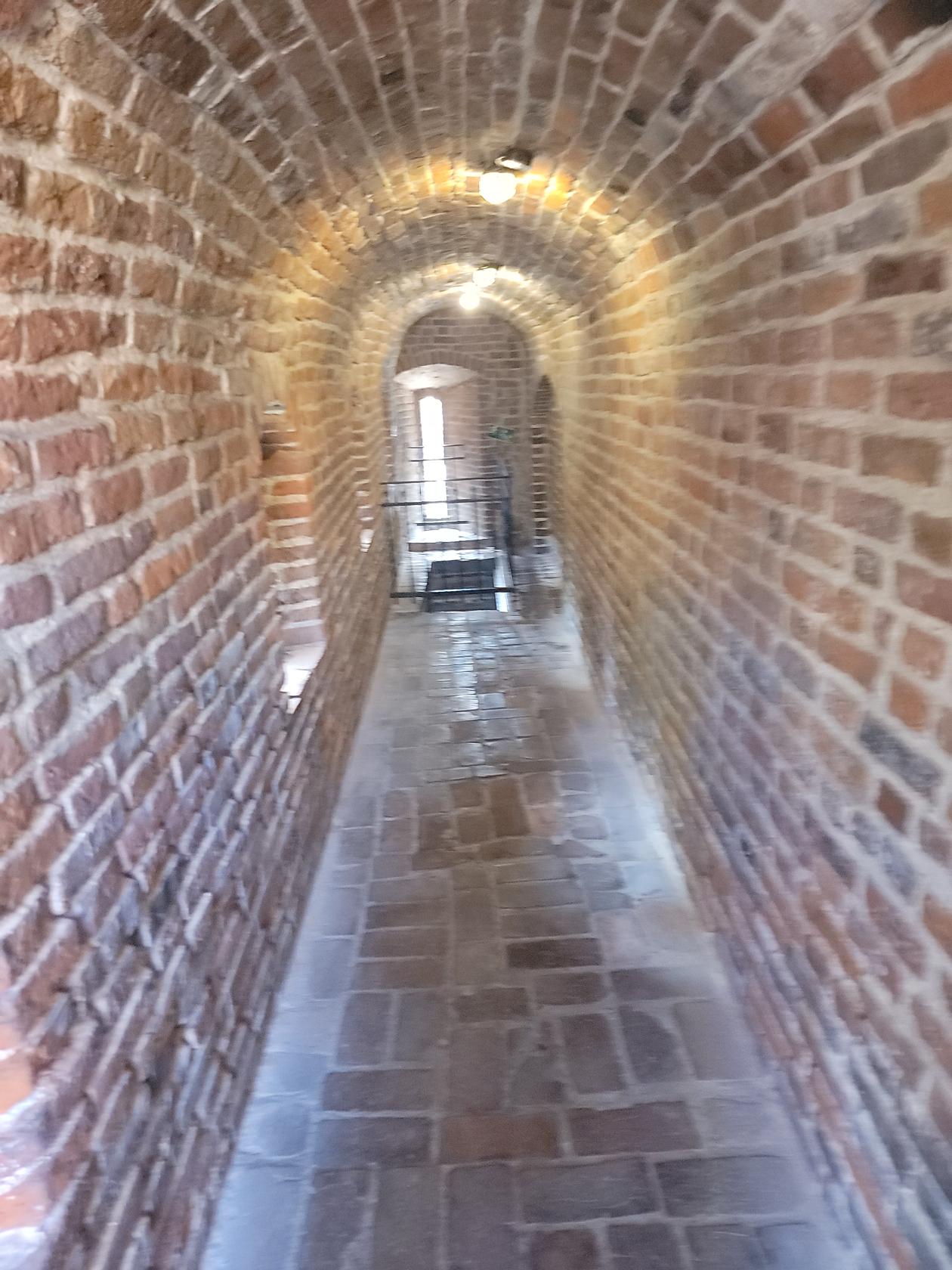
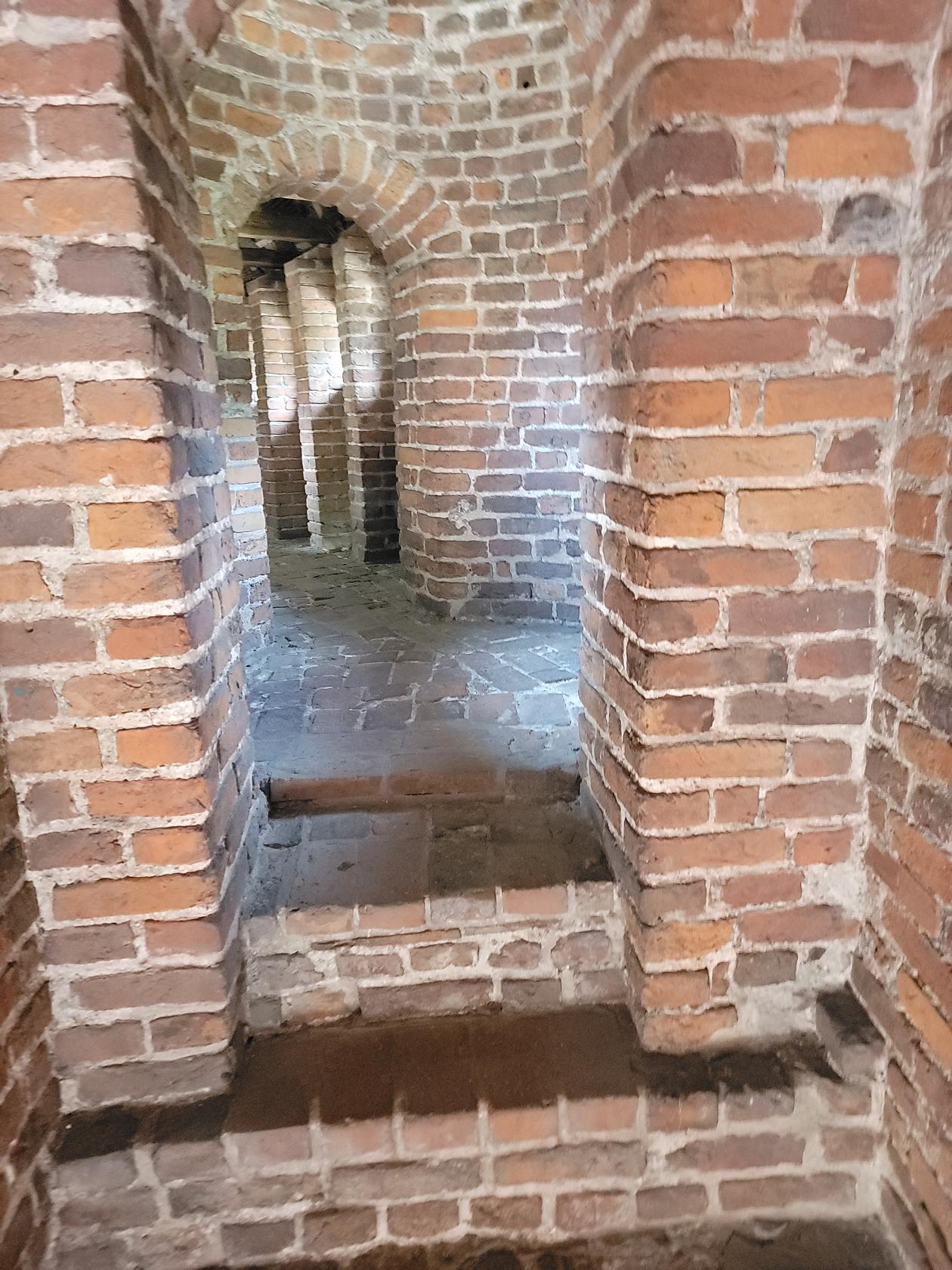
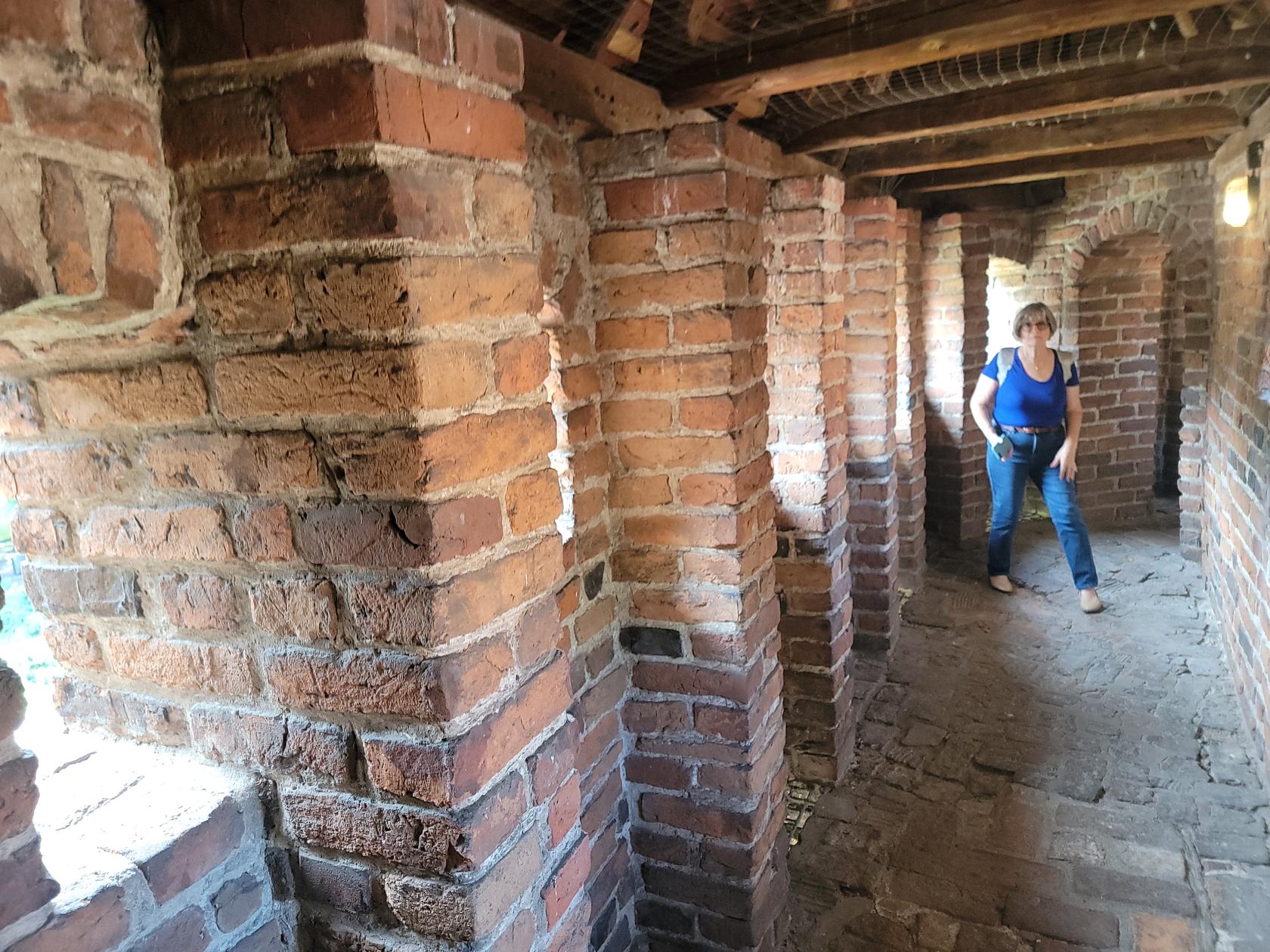
A ticket will give you access to the ramparts and each lookout tower. Since its main purpose was an outpost, any activity that was seen was reported back to the city via the old wall that used to connect it to the defensive walls. Surrounded by moats before and after it and three meter walls, its defenses were adequate enough to sound the alarm of an attack.
Courtyard – Barbican Museum – Kraków, Poland
Parapets – Barbican Museum – Kraków, Poland
Entrance – Barbican Museum – Kraków, Poland
Patti – Barbican Museum – Kraków, Poland
Inside Pathway – Barbican Museum – Kraków, Poland
Stairs on Path – Barbican Museum – Kraków, Poland
Florian’s Gate – Barbican Museum – Kraków, Poland
Patti – Barbican Museum – Kraków, Poland
Details – Barbican Museum – Kraków, Poland
Florian’s Gate – Barbican Museum – Kraków, Poland
Kraków Defensive Walls
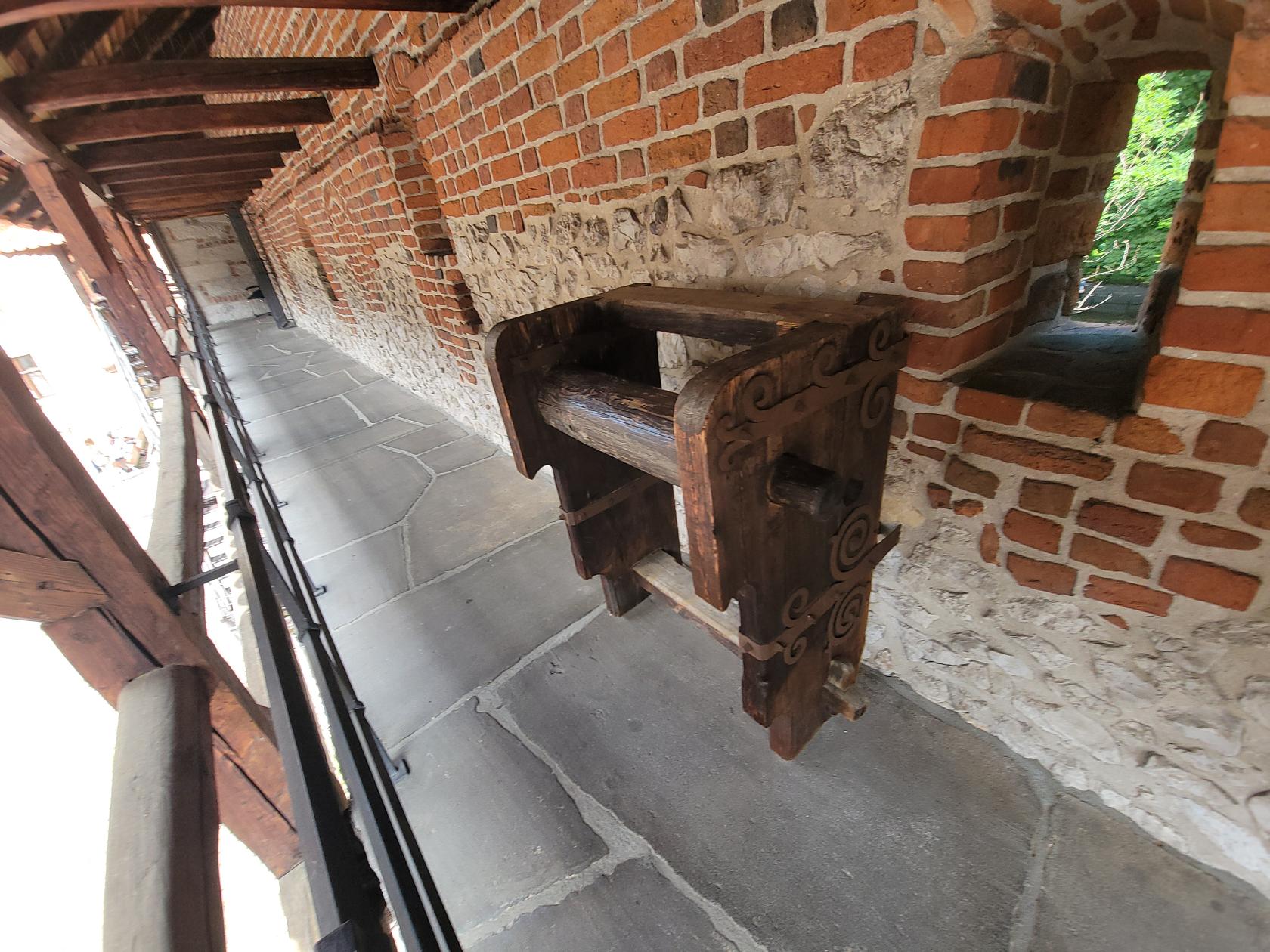
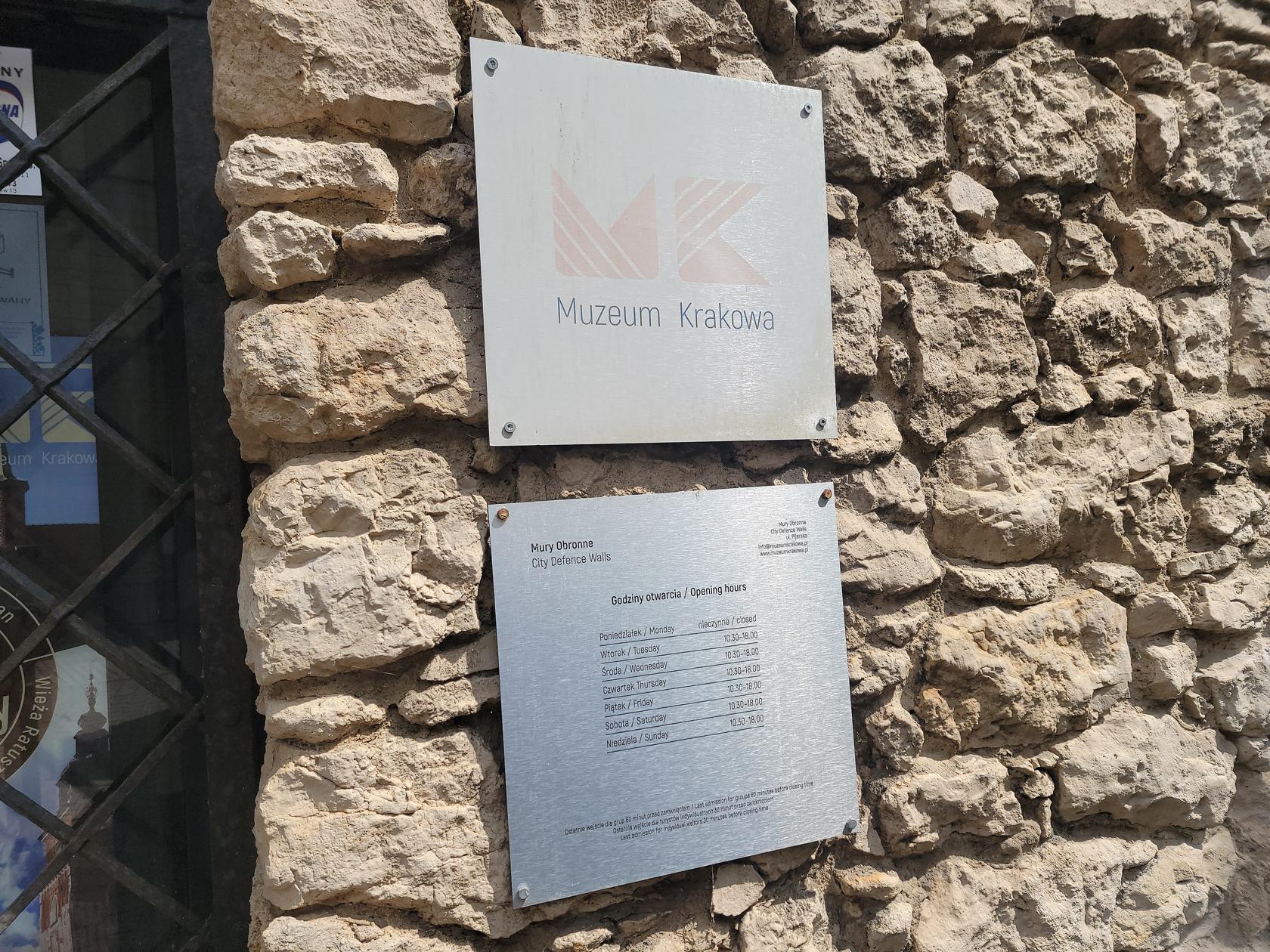
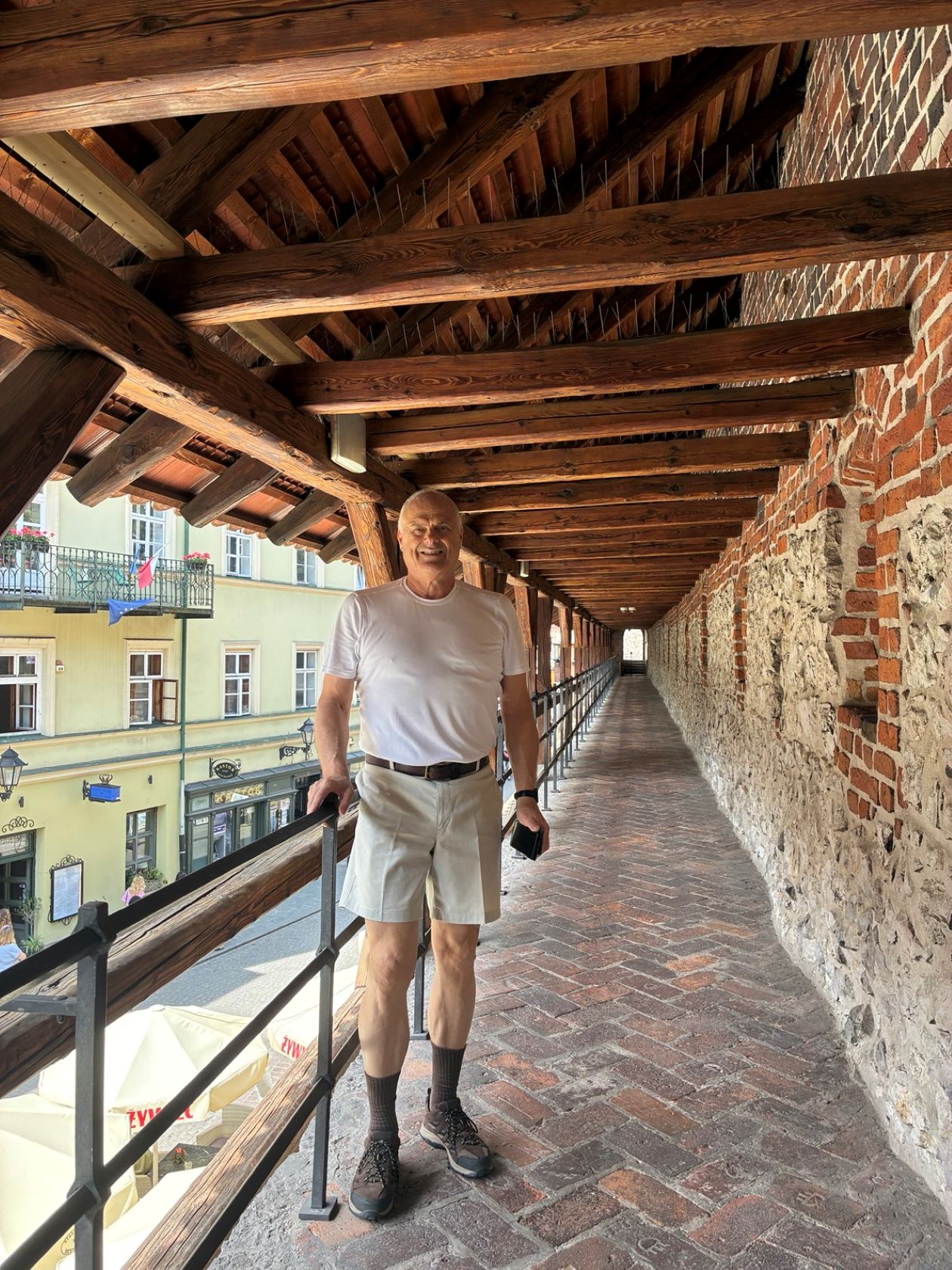
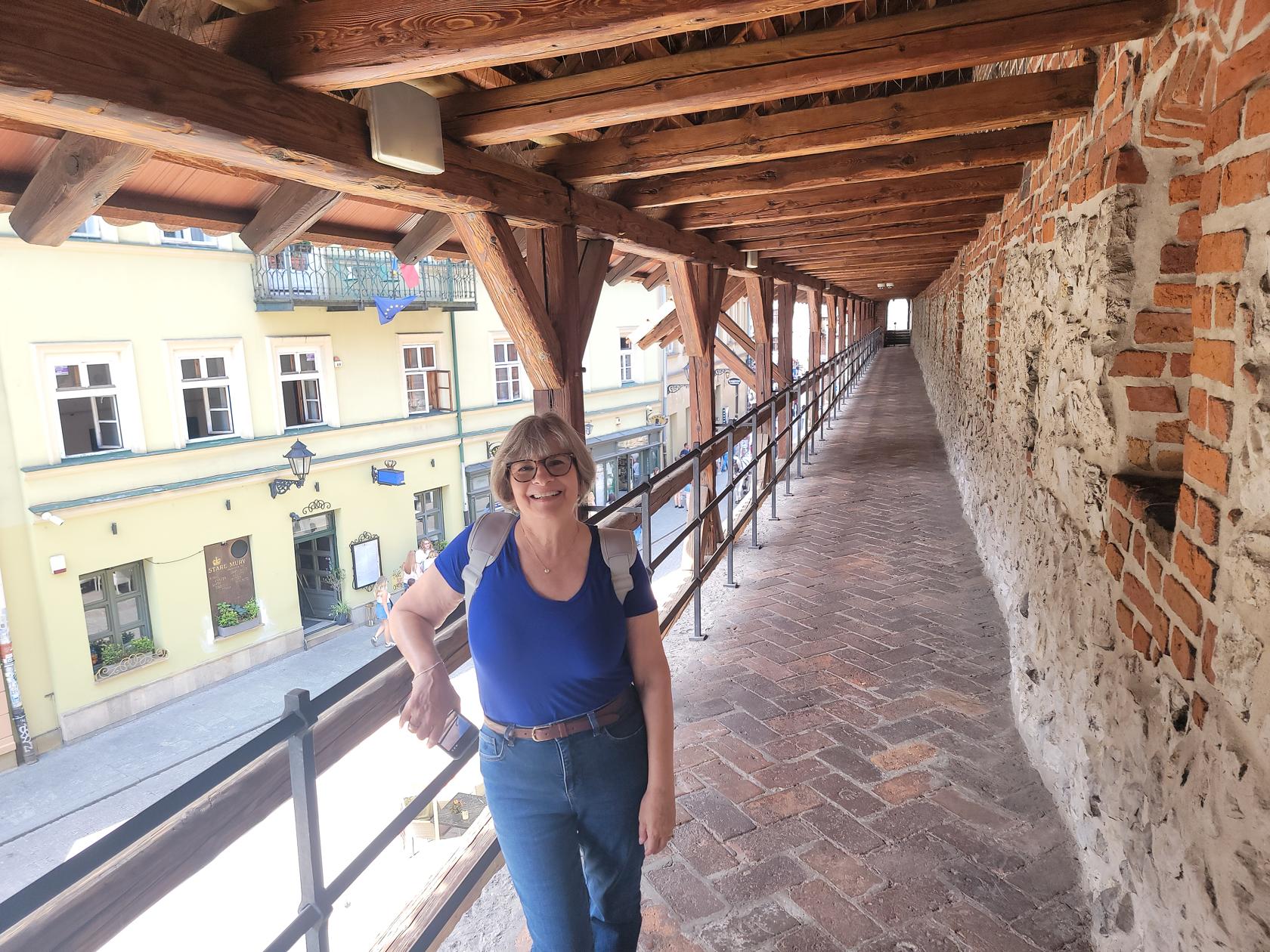
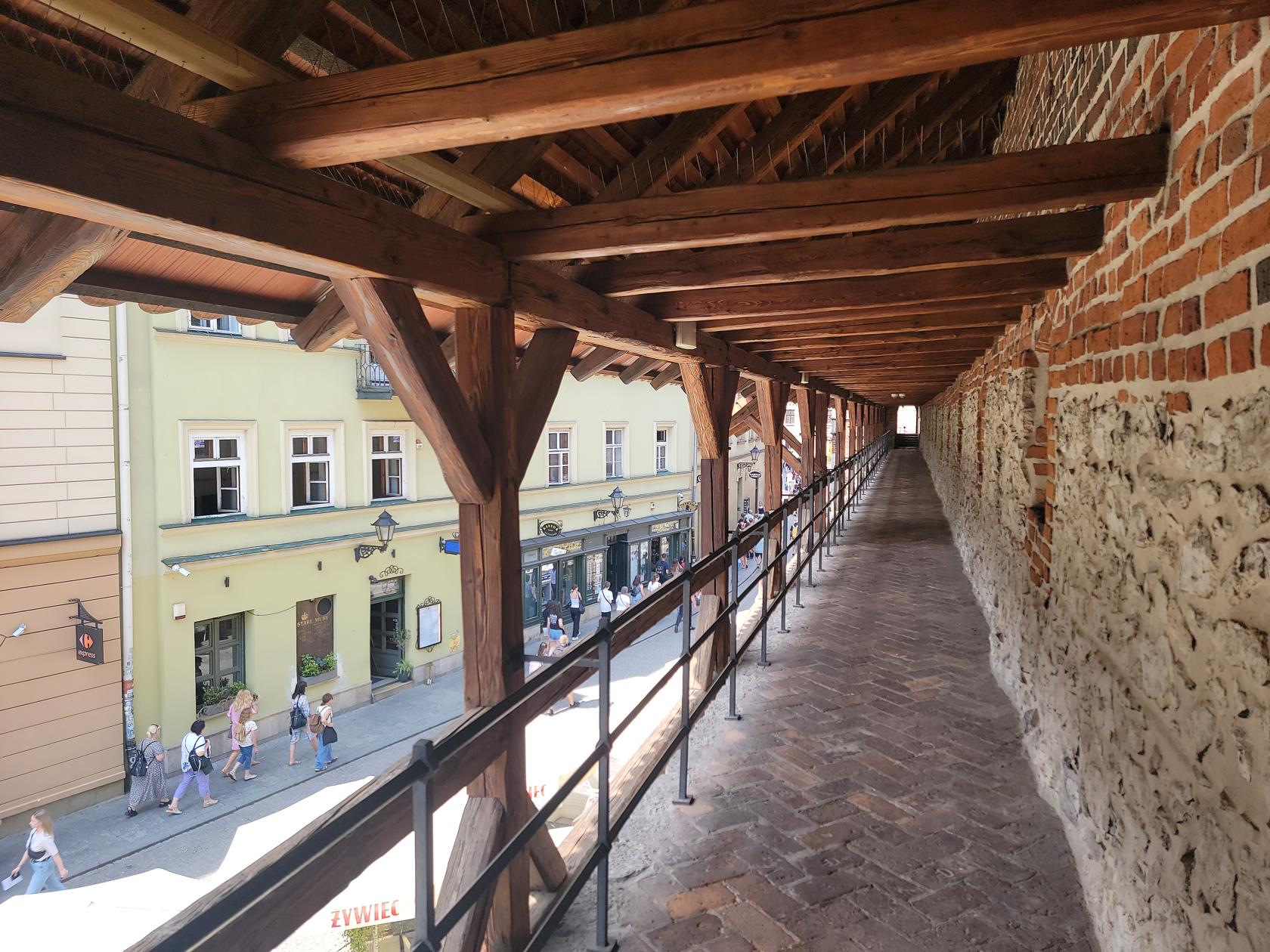
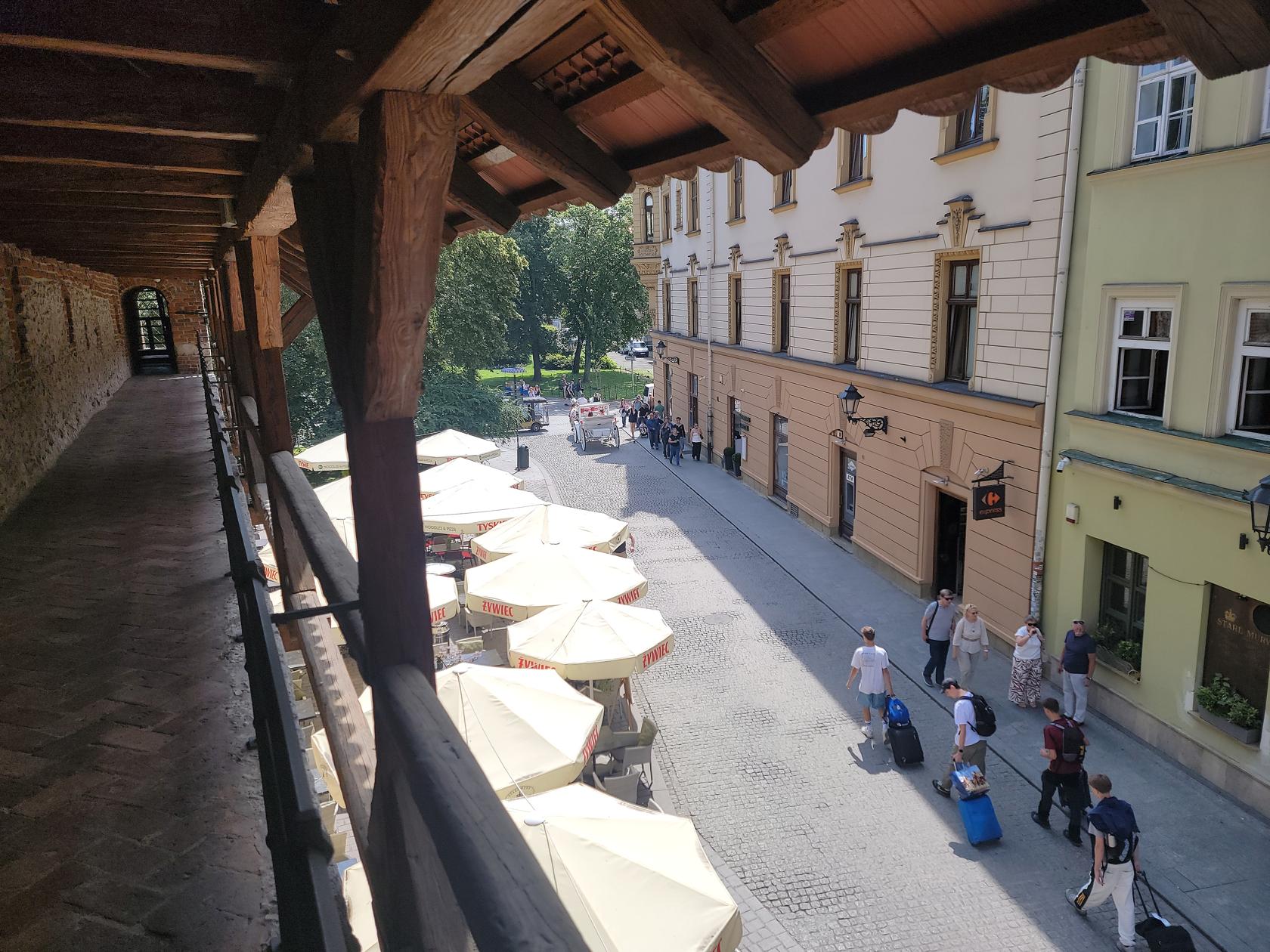
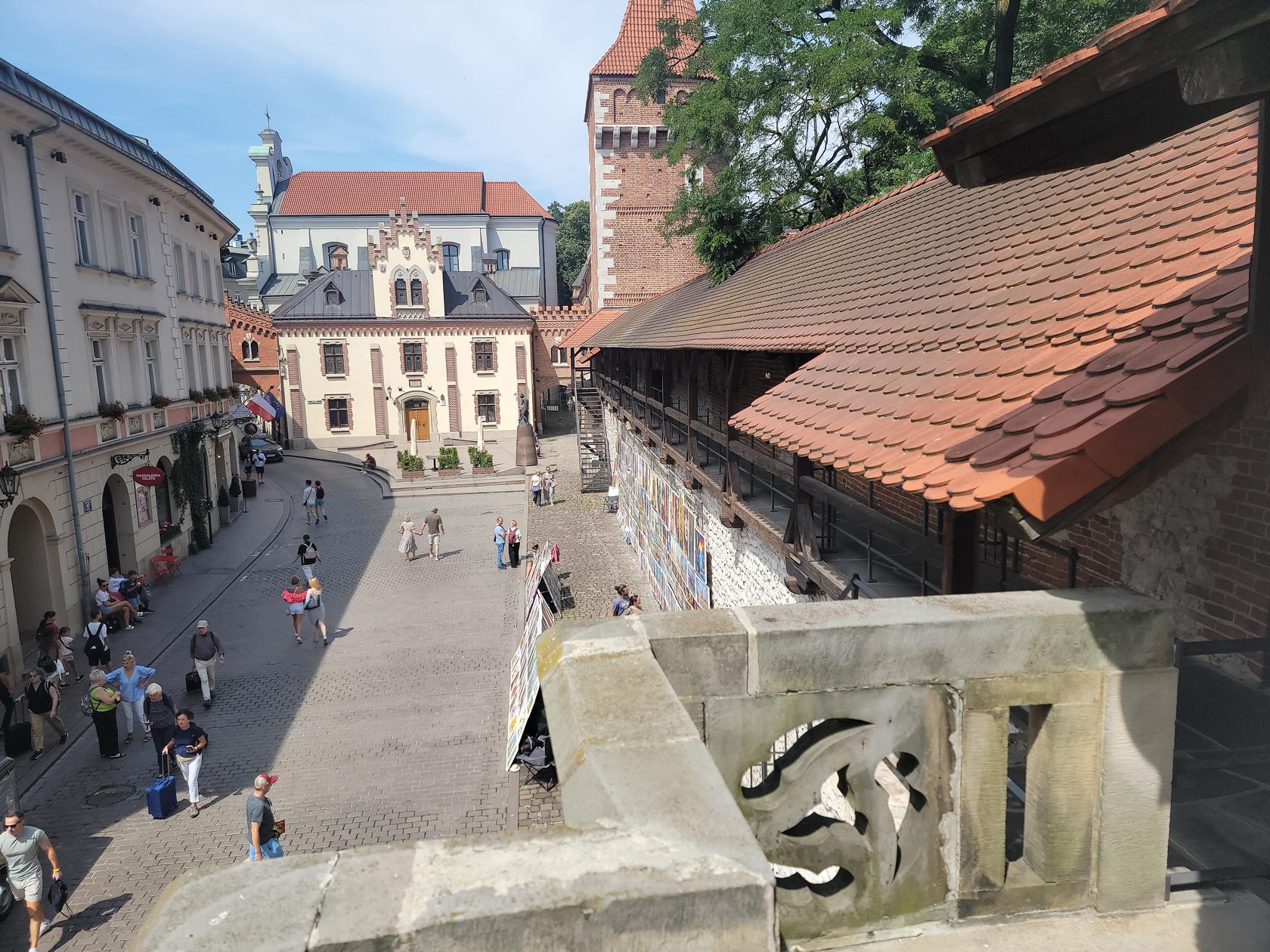
The Defensive Wall Museum contains four towers and a small section of the old wall that still survives. The towers are: Saint Florian’s, Haberdashers, Joiners and Carpenters.
Winch – Defensive Walls – Kraków, Poland
The walls had others and most are marked by stones along the walking path of the park that surrounds the town.
Entrance – Defensive Walls – Kraków, Poland
Watch your head – Defensive Walls – Kraków, Poland
Pijarska Street – Defensive Walls – Kraków, Poland
Saint Florians Gate Tower
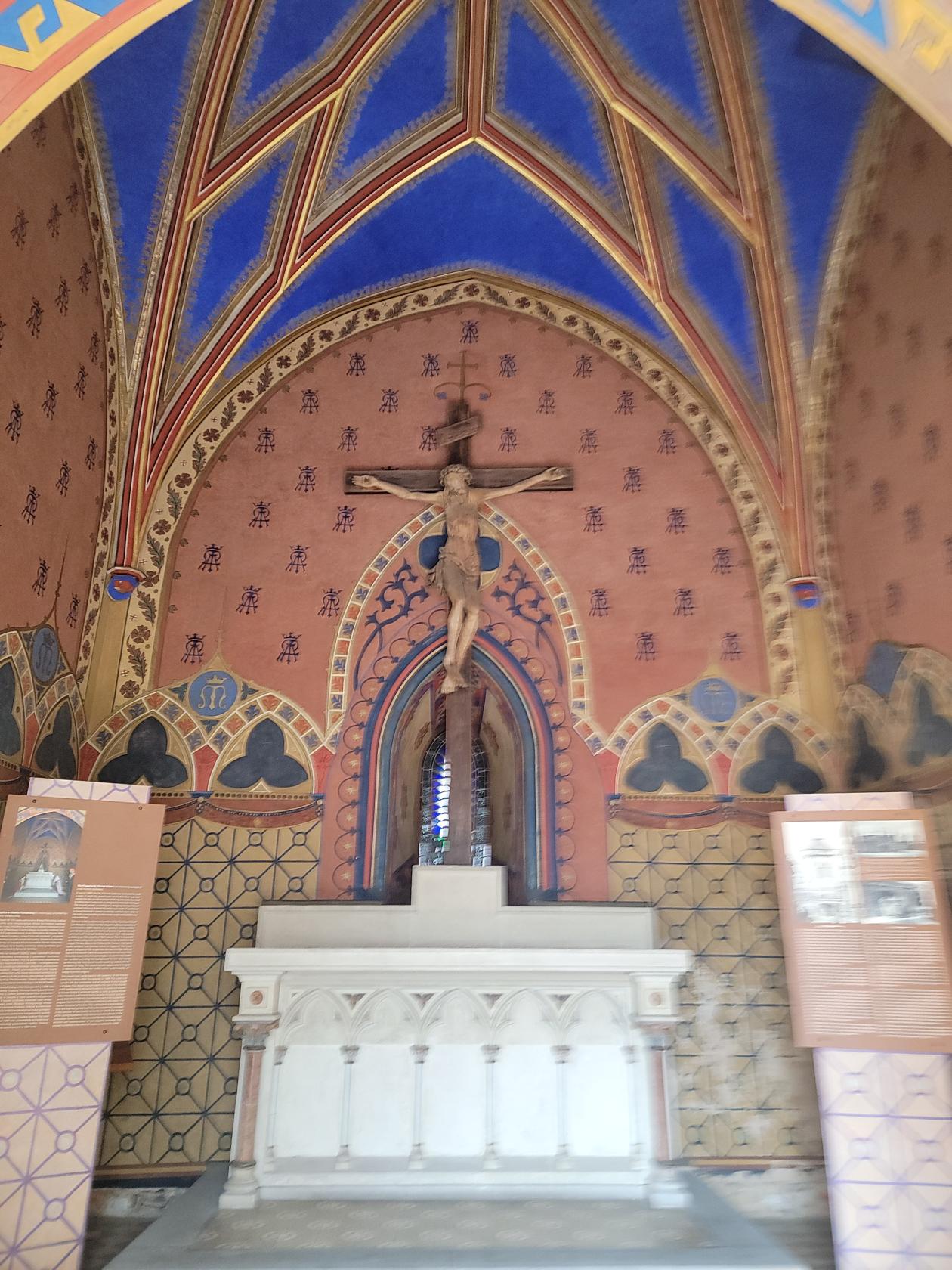
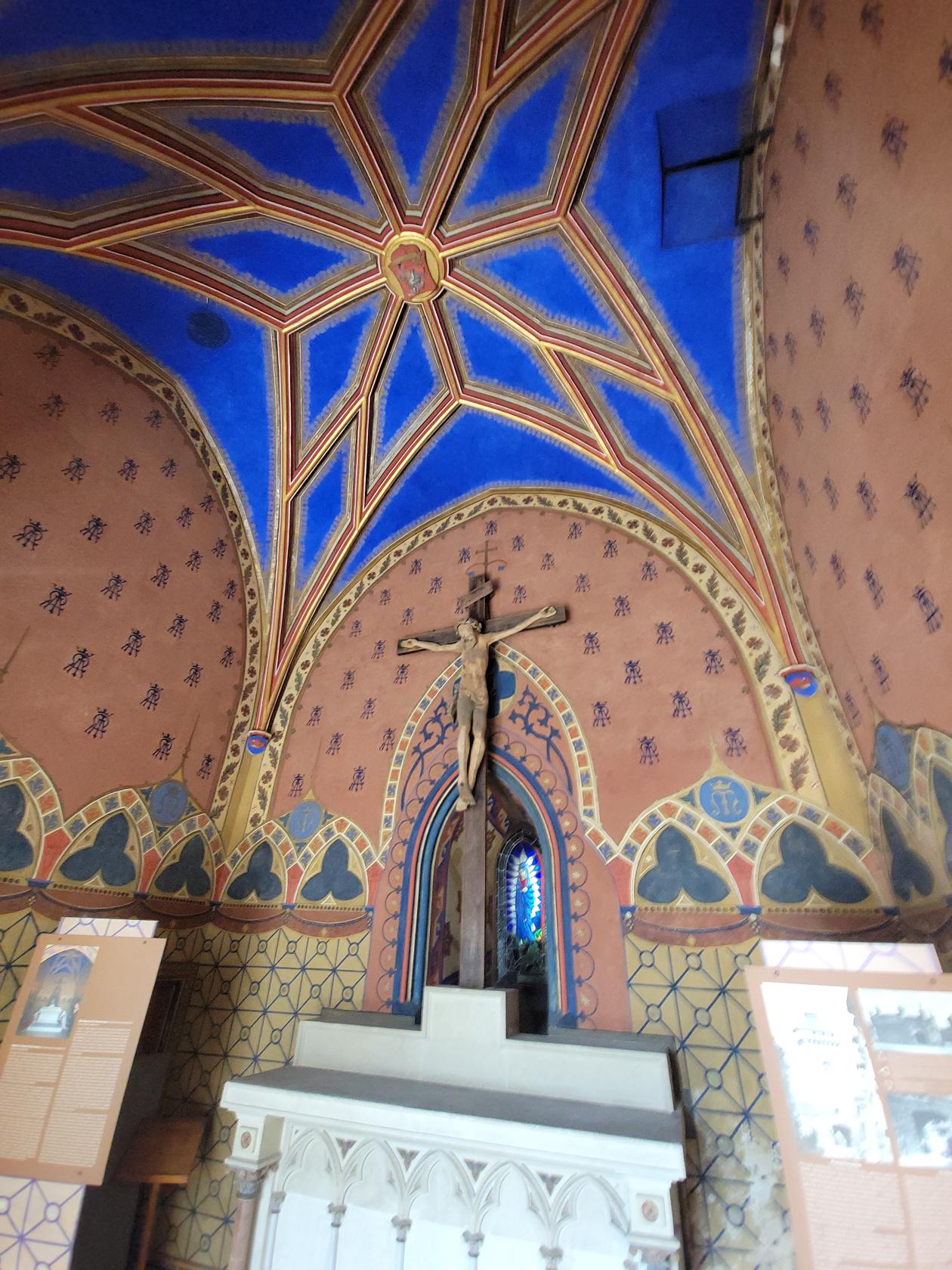
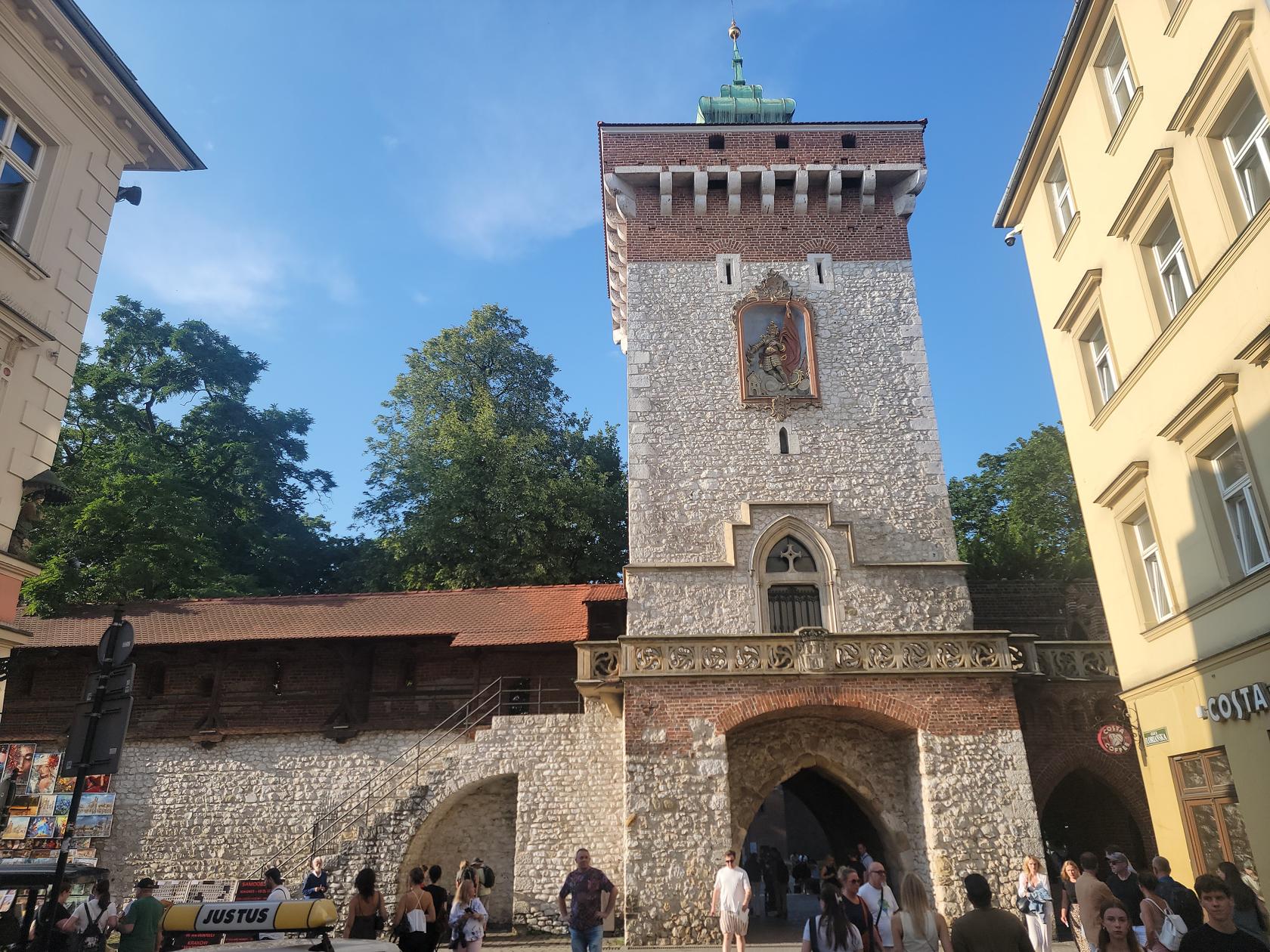
The Florian Gate actually contains a small chapel at the gate level and another one at the rampart level. The gate stands over the street by the same name and is one of the major entries into the old town.
Chapel – Defensive Walls – Kraków, Poland
Chapel – Defensive Walls – Kraków, Poland
Florian’s Gate – Florianska Street – Kraków, Poland
Rynek Underground
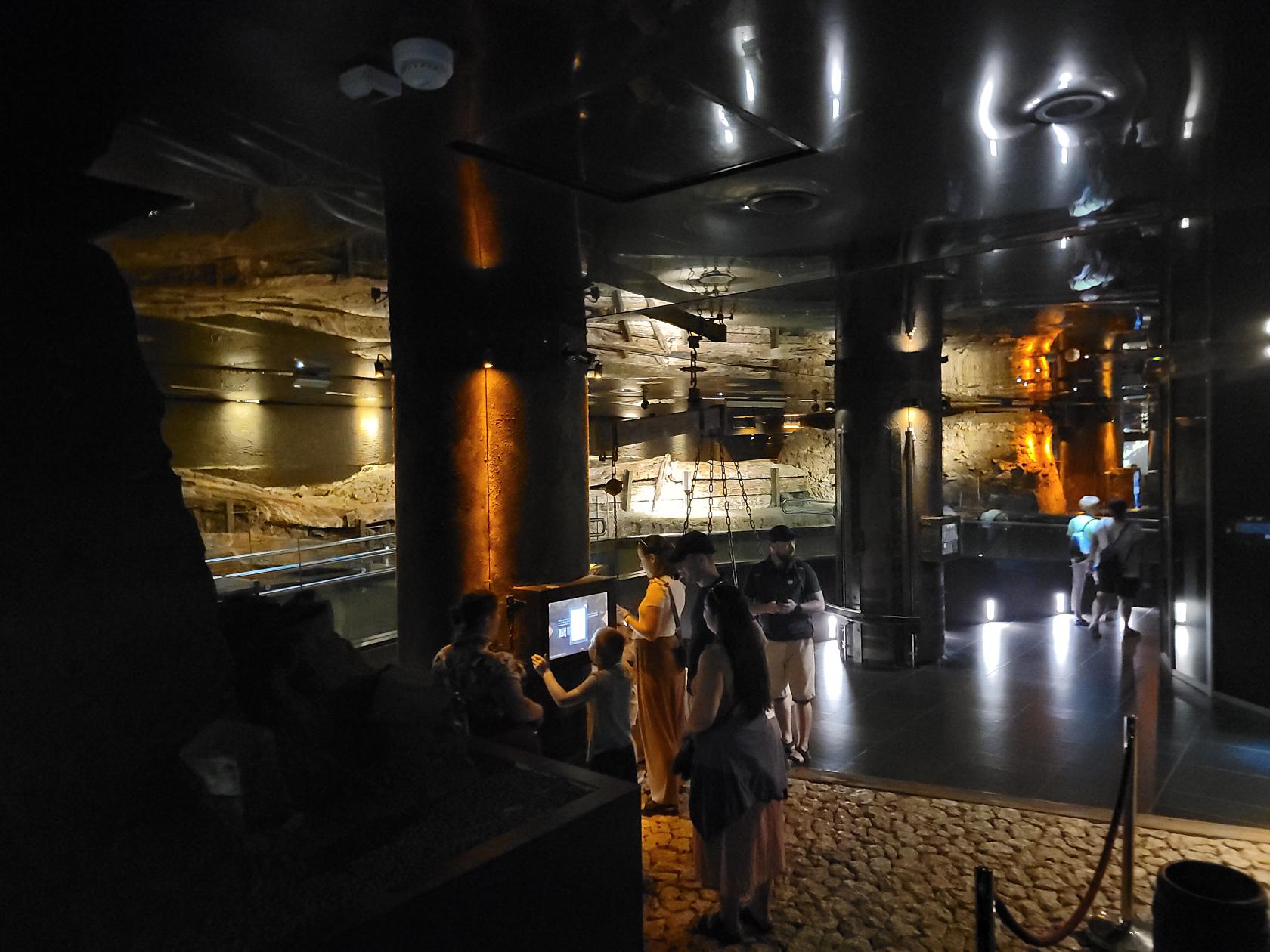
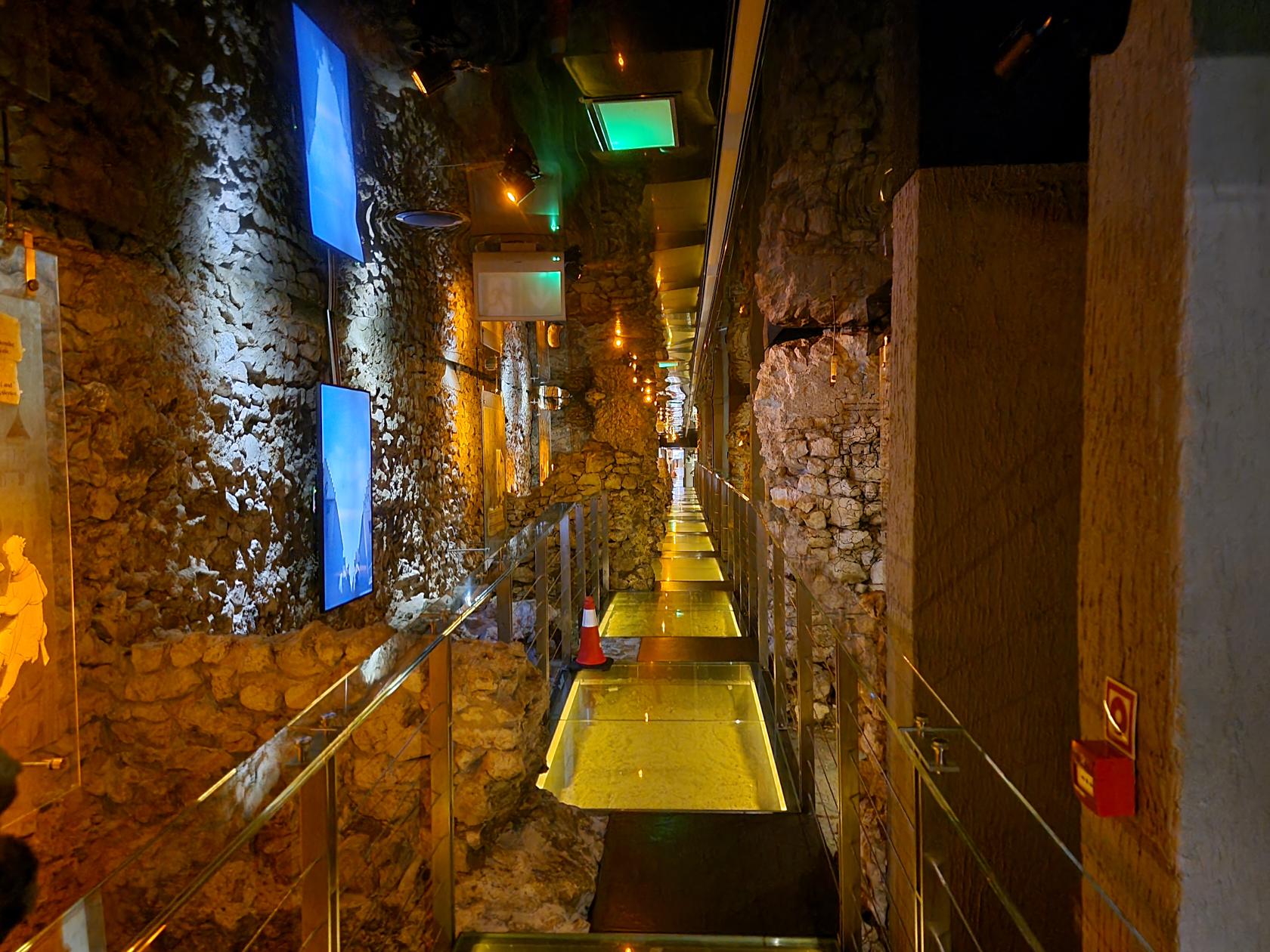
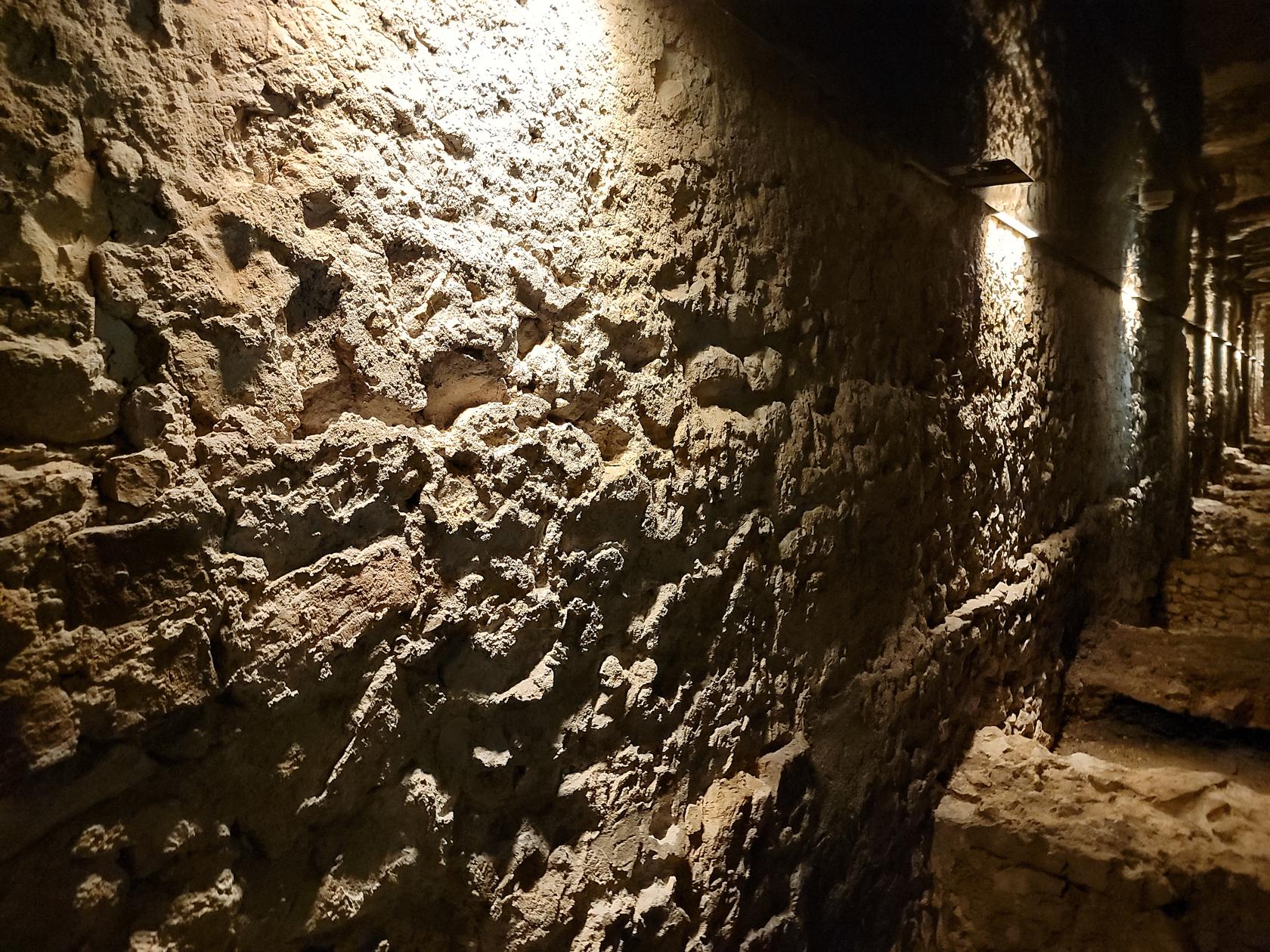
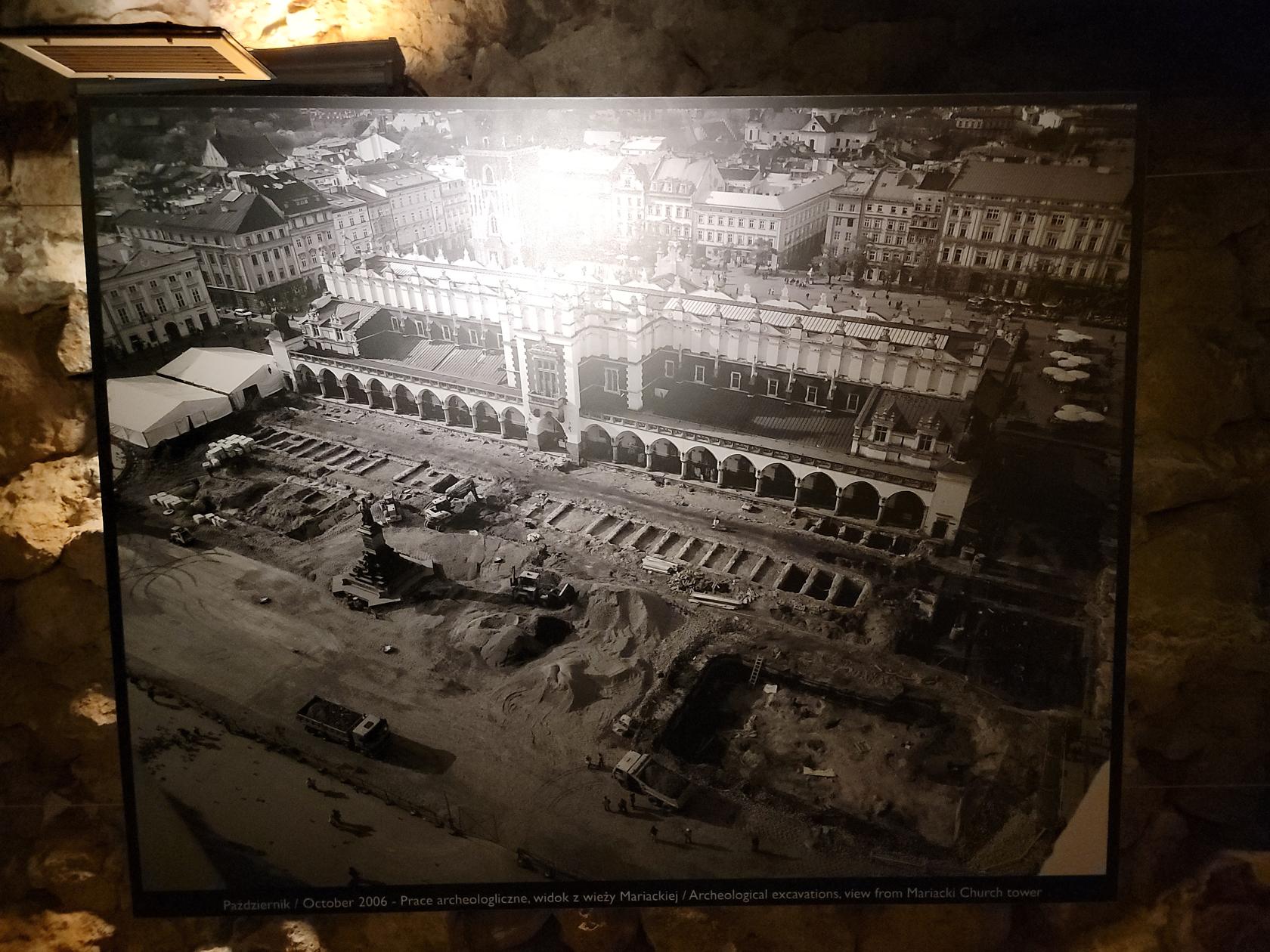
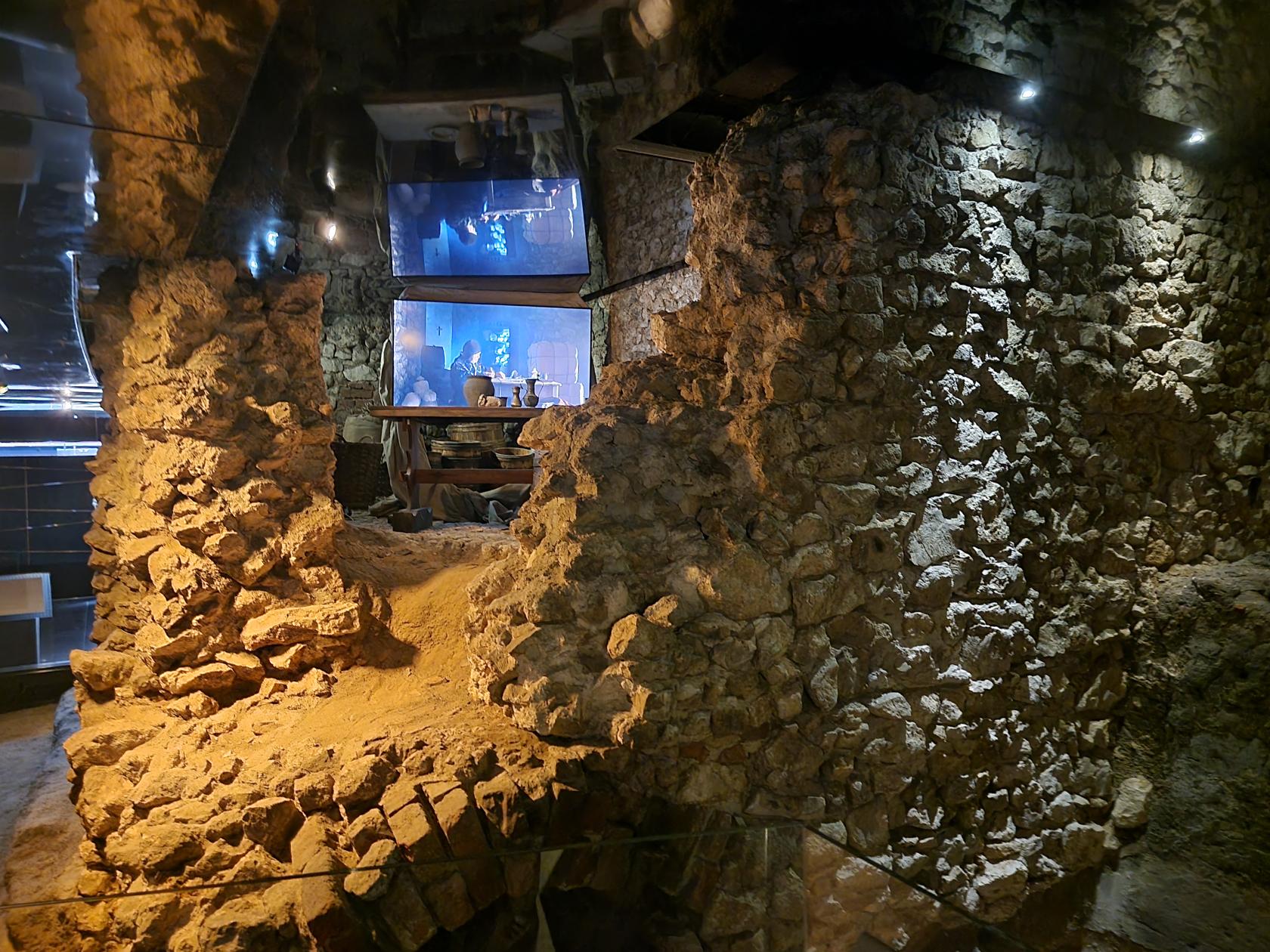
This underground museum captures the feeling and historical elements of the old Cloth Hall that once stood on the site. The current installment of the Cloth Hall, complete with souvenir shops, is built over top of it.
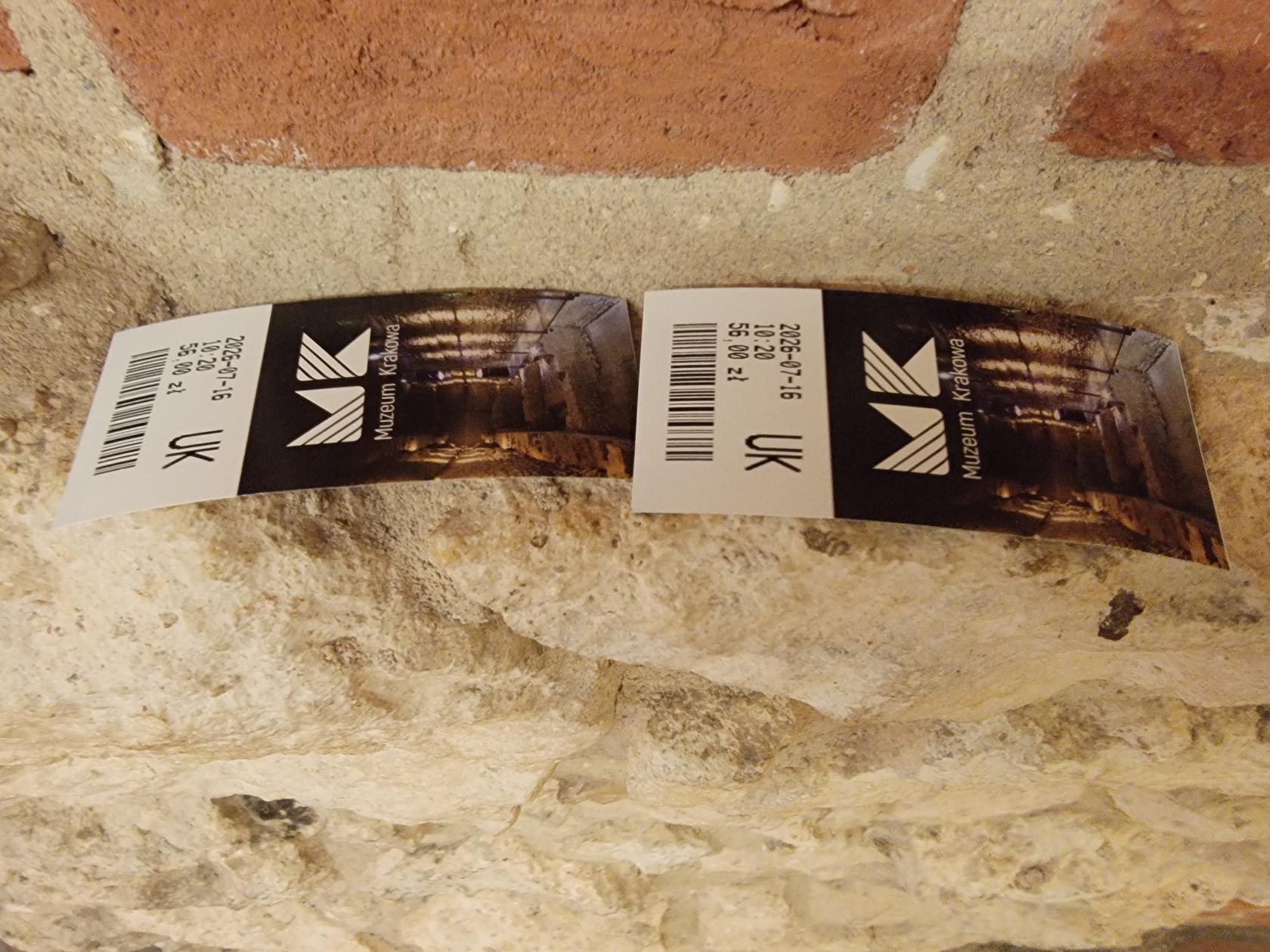
Tickets For Two – Rynek Underground Museum – Kraków, Poland
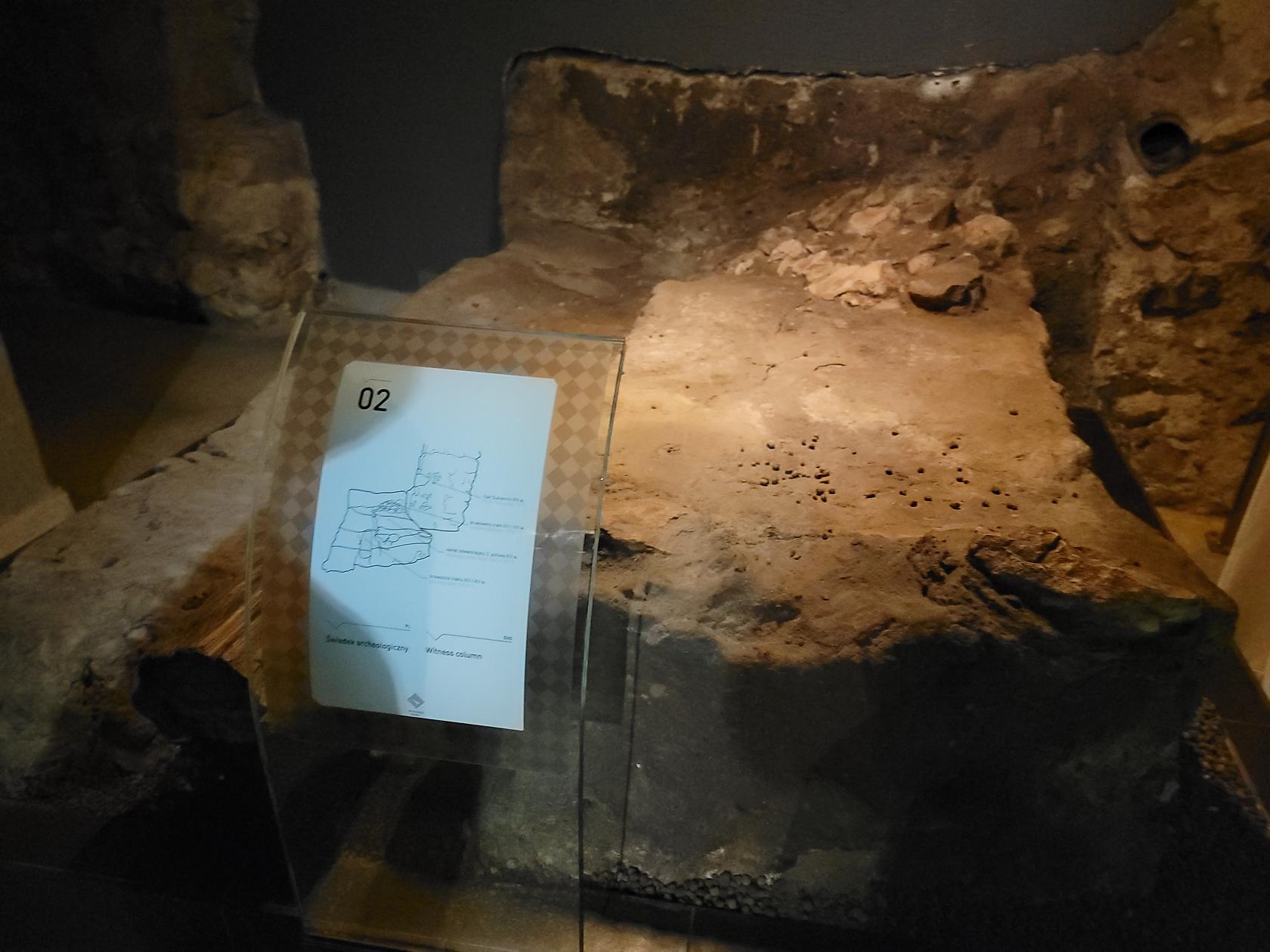
Access to the site is via a stairwell and upon entry the visitor is met with a colorful exhibit of the Witness Colum.
Entry Exhibits – Rynek Underground Museum – Kraków, Poland
Witness Colum – Rynek Underground Museum – Kraków, Poland
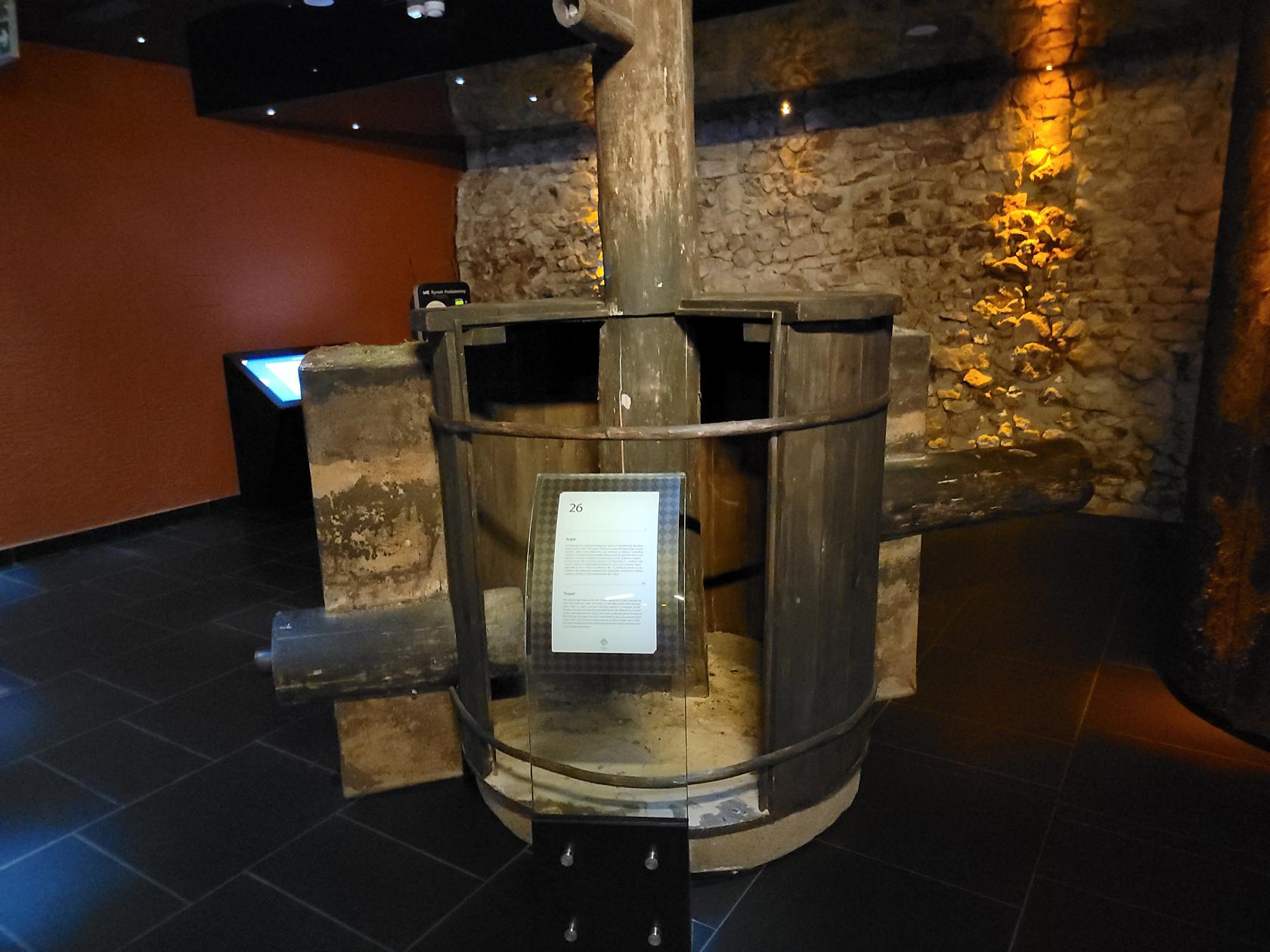
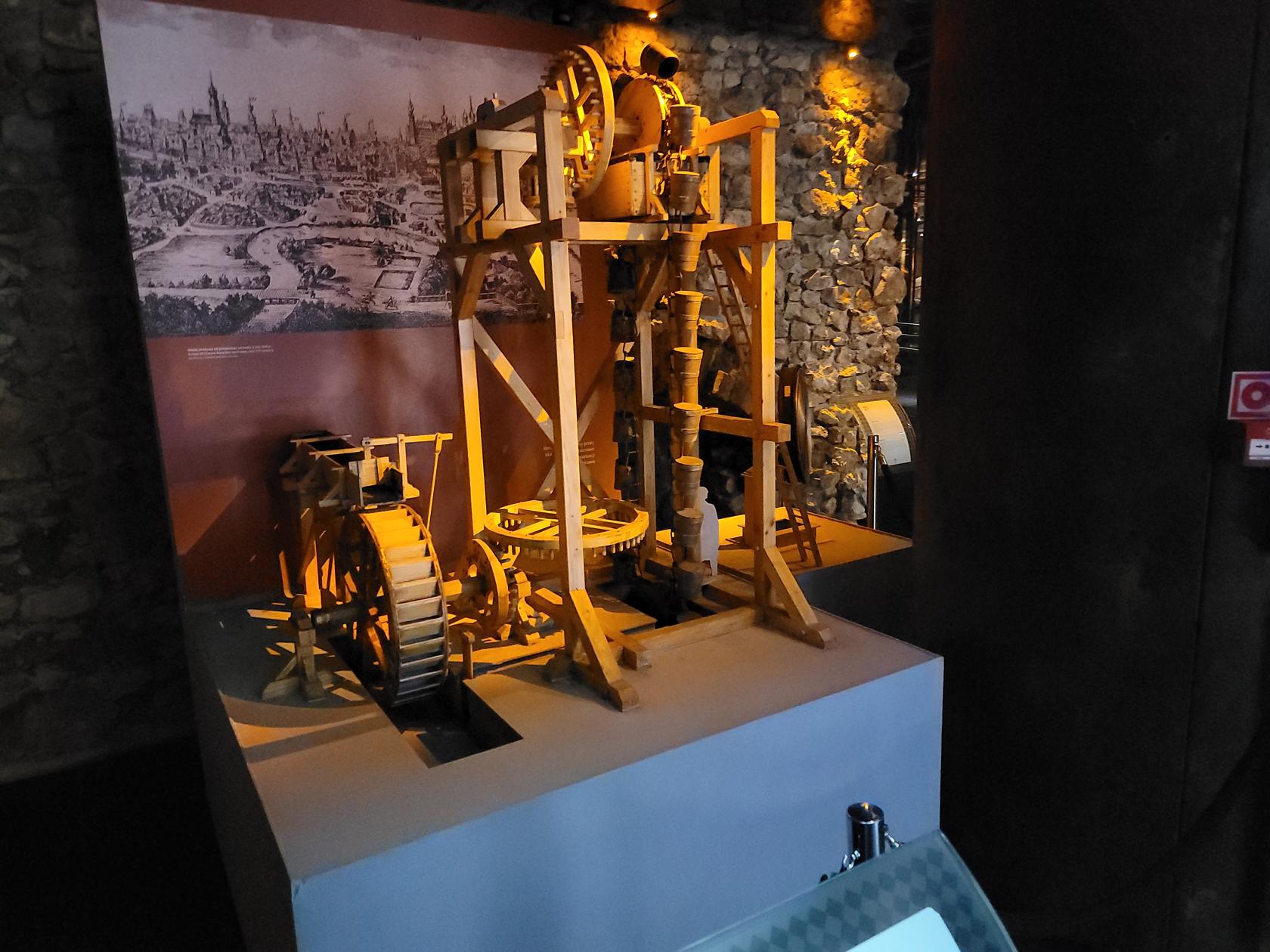
Old Water Pump System – Rynek Underground Museum – Kraków, Poland
Water System – Rynek Underground Museum – Kraków, Poland
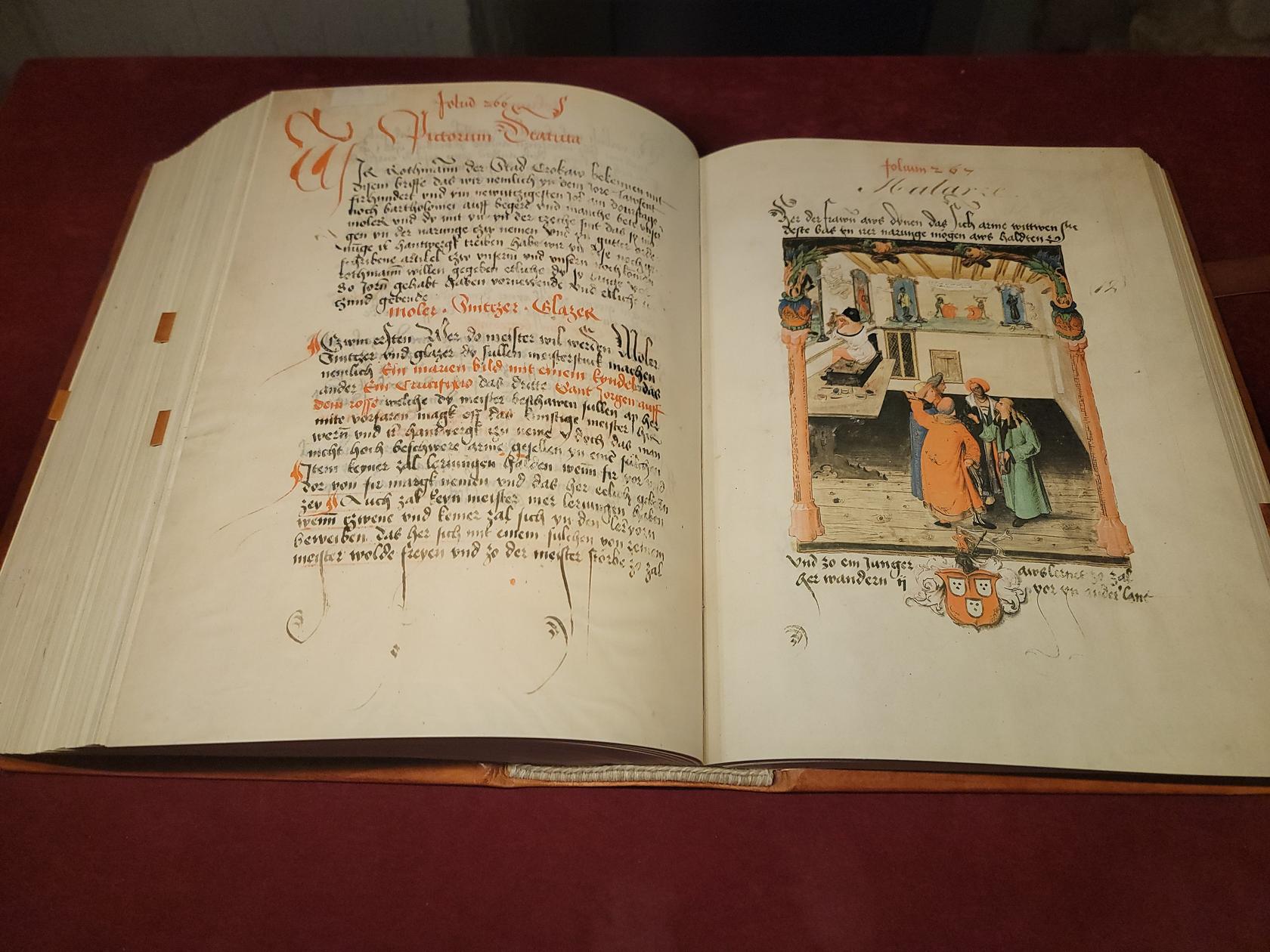
Old Book – Rynek Underground Museum – Kraków, Poland
Video Exhibits – Rynek Underground Museum – Kraków, Poland
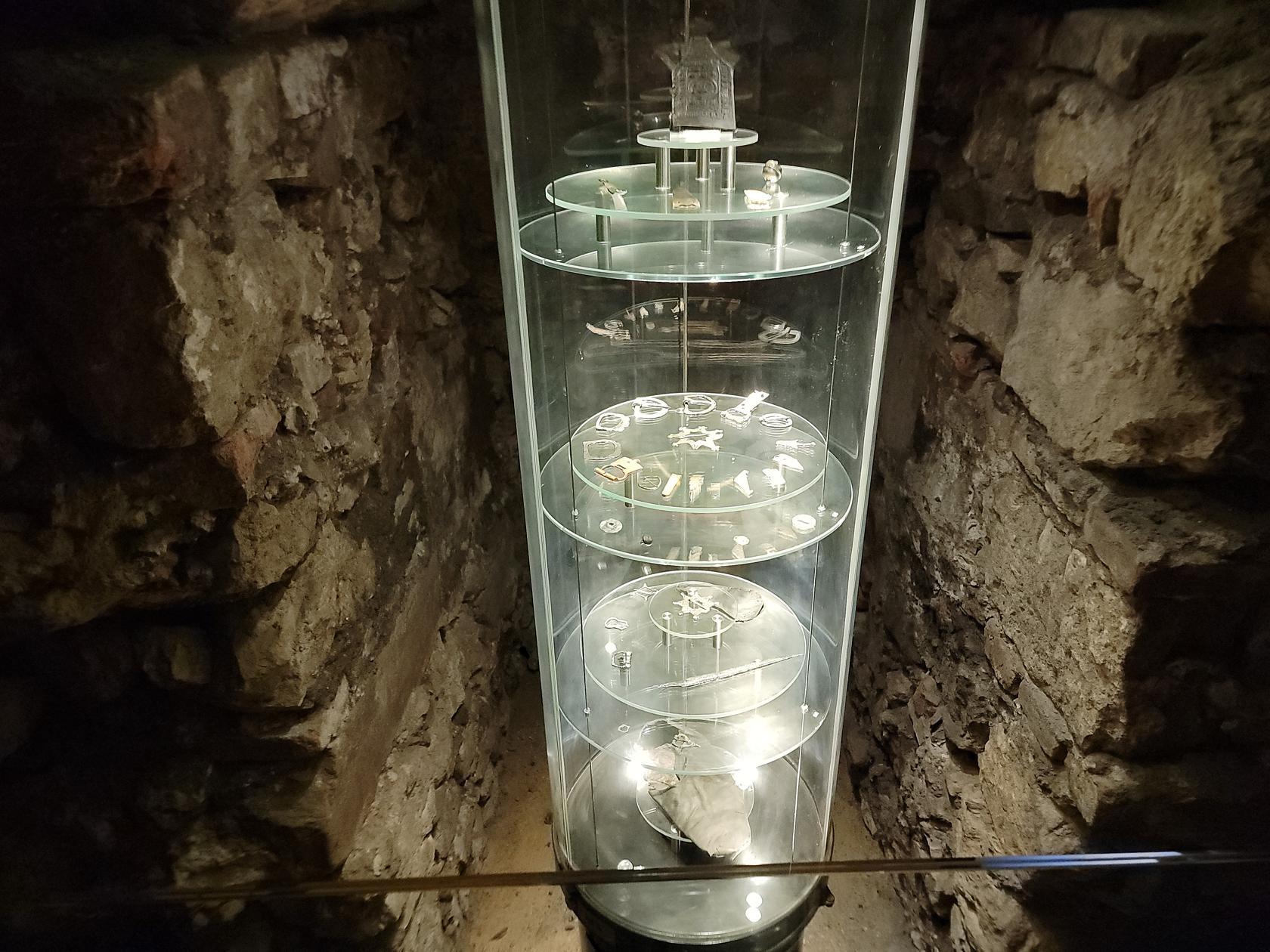
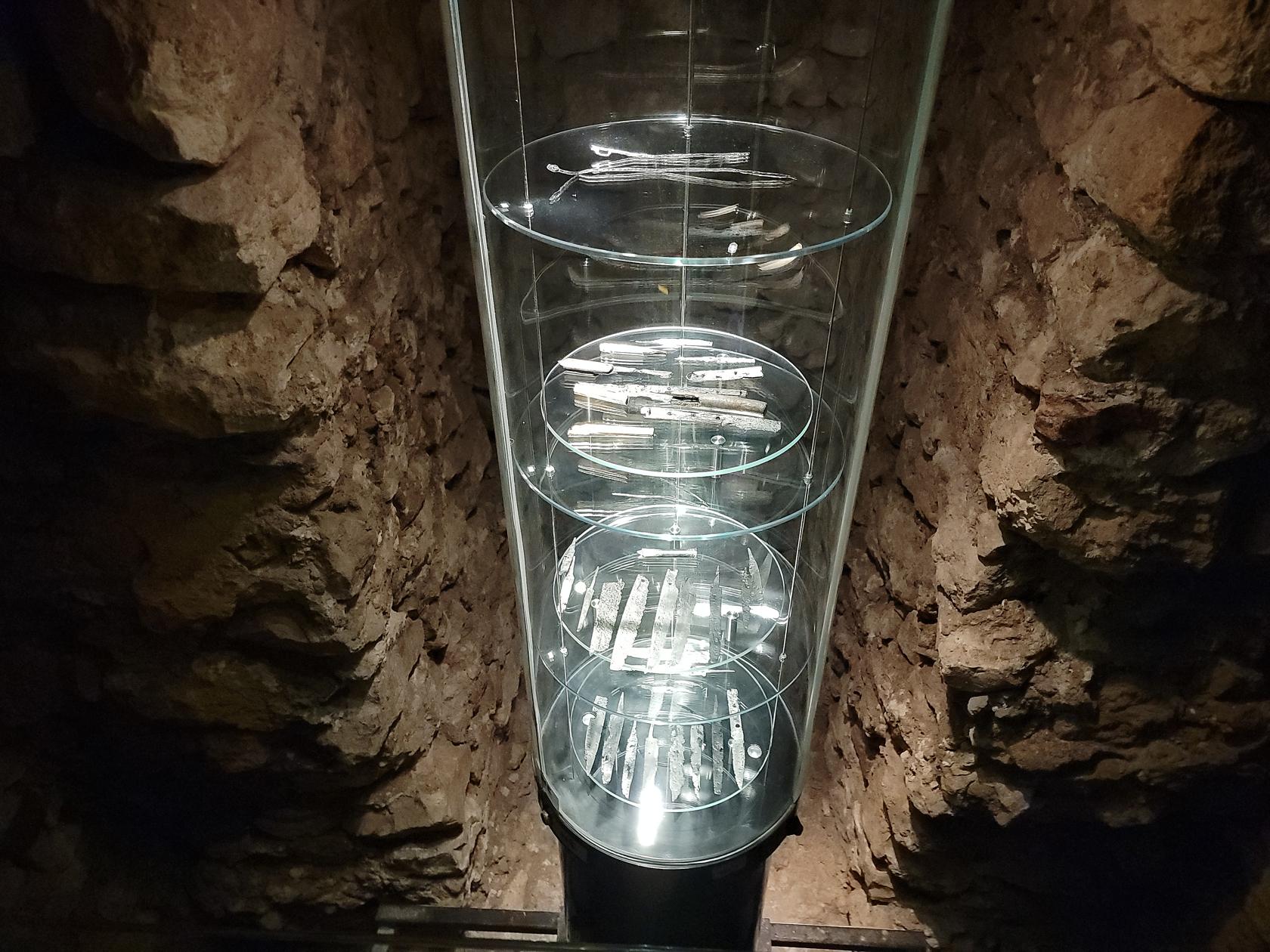
Old Silver Clasps – Rynek Underground Museum – Kraków, Poland
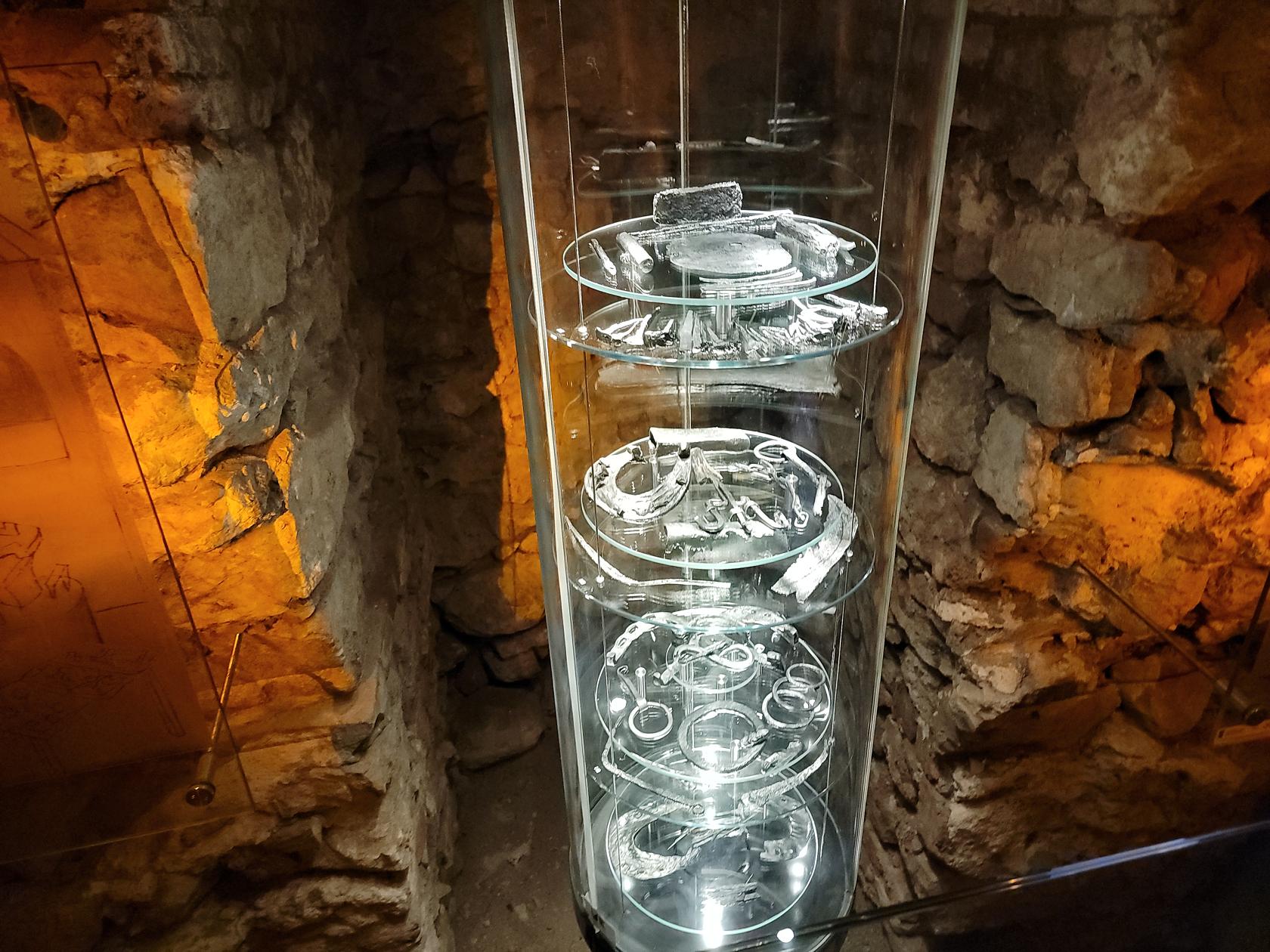
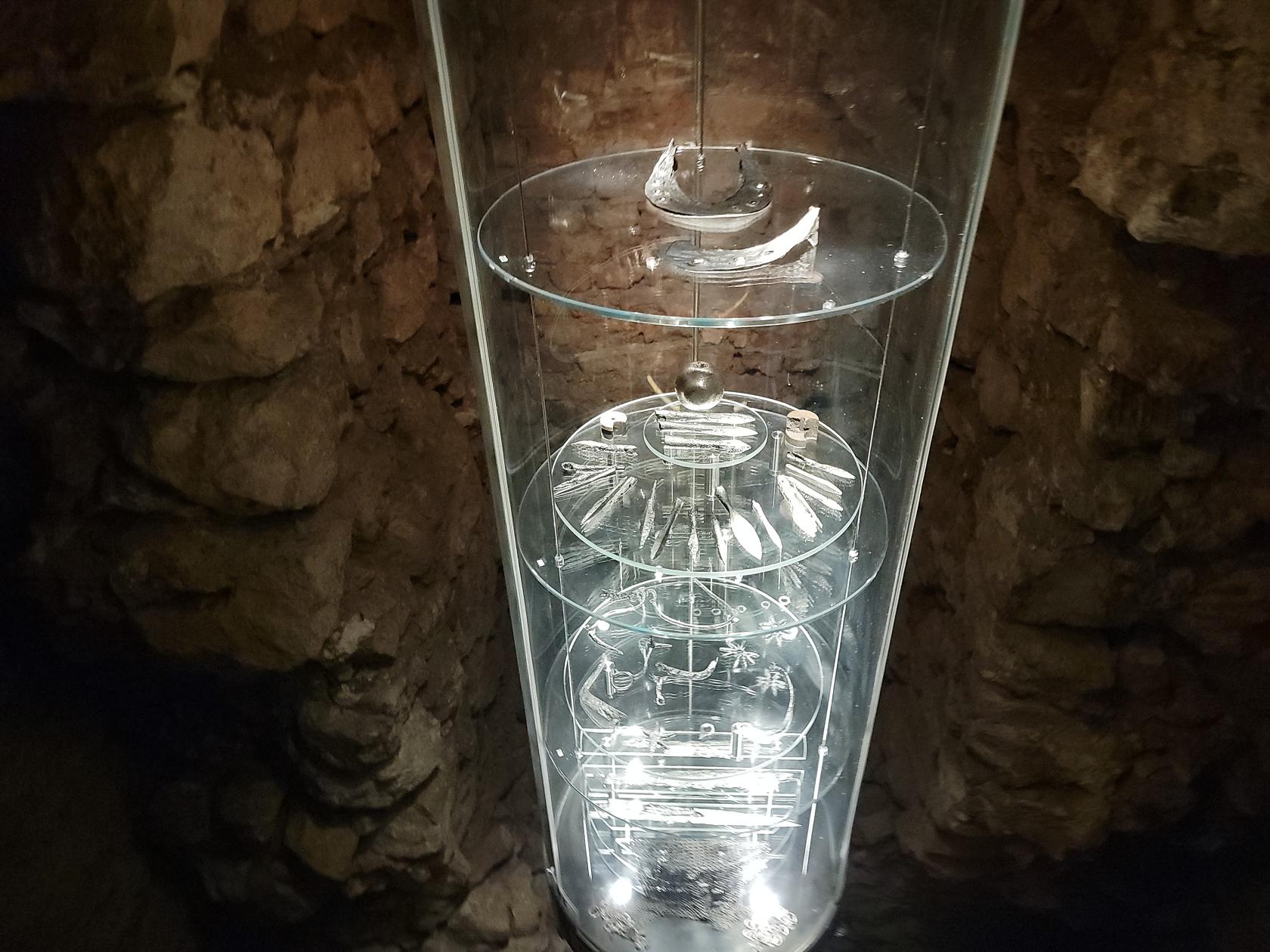
Silver Artifacts – Rynek Underground Museum – Kraków, Poland
Silver Artifacts – Rynek Underground Museum – Kraków, Poland
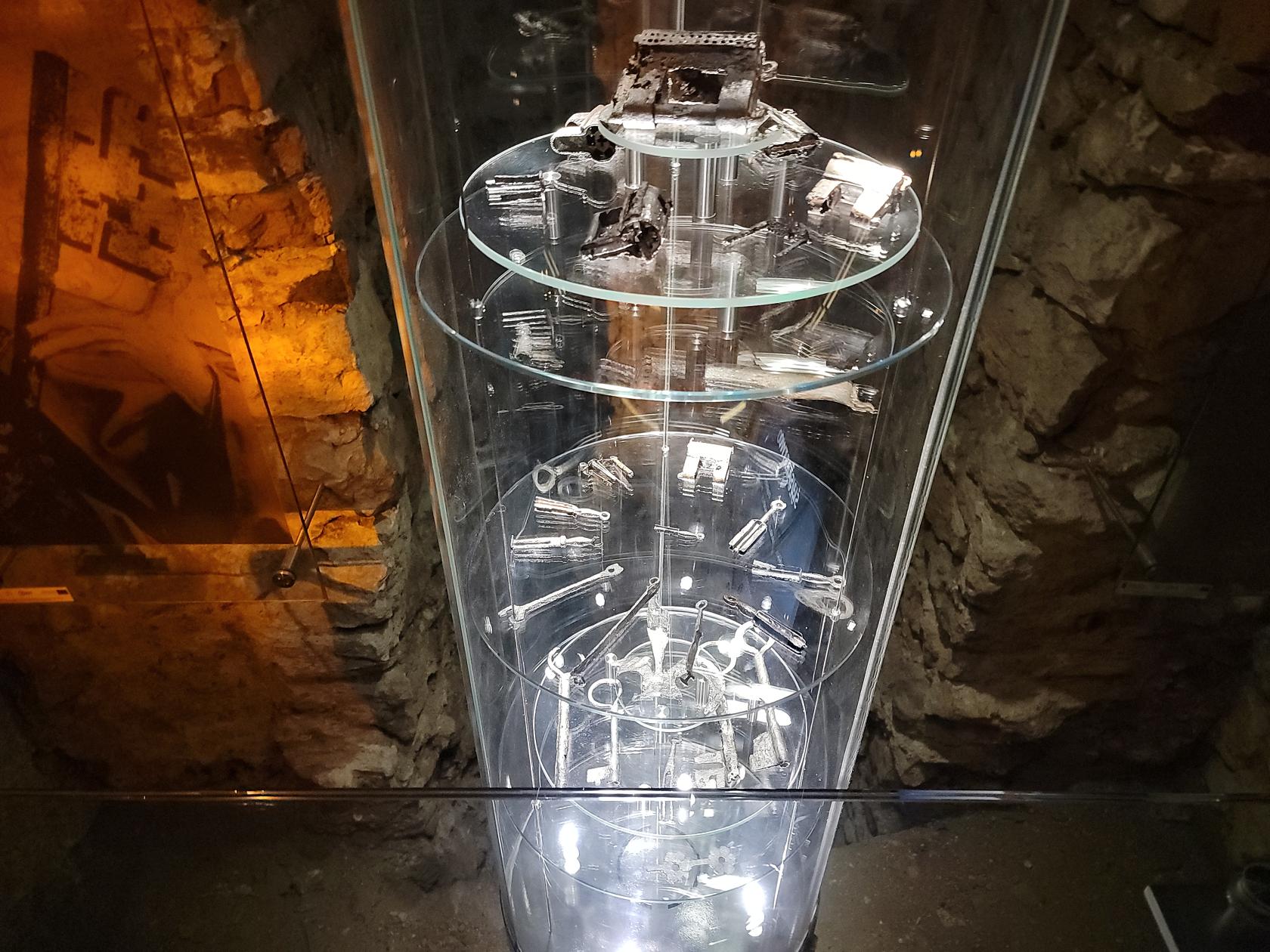
Steel Saw Blades – Rynek Underground Museum – Kraków, Poland
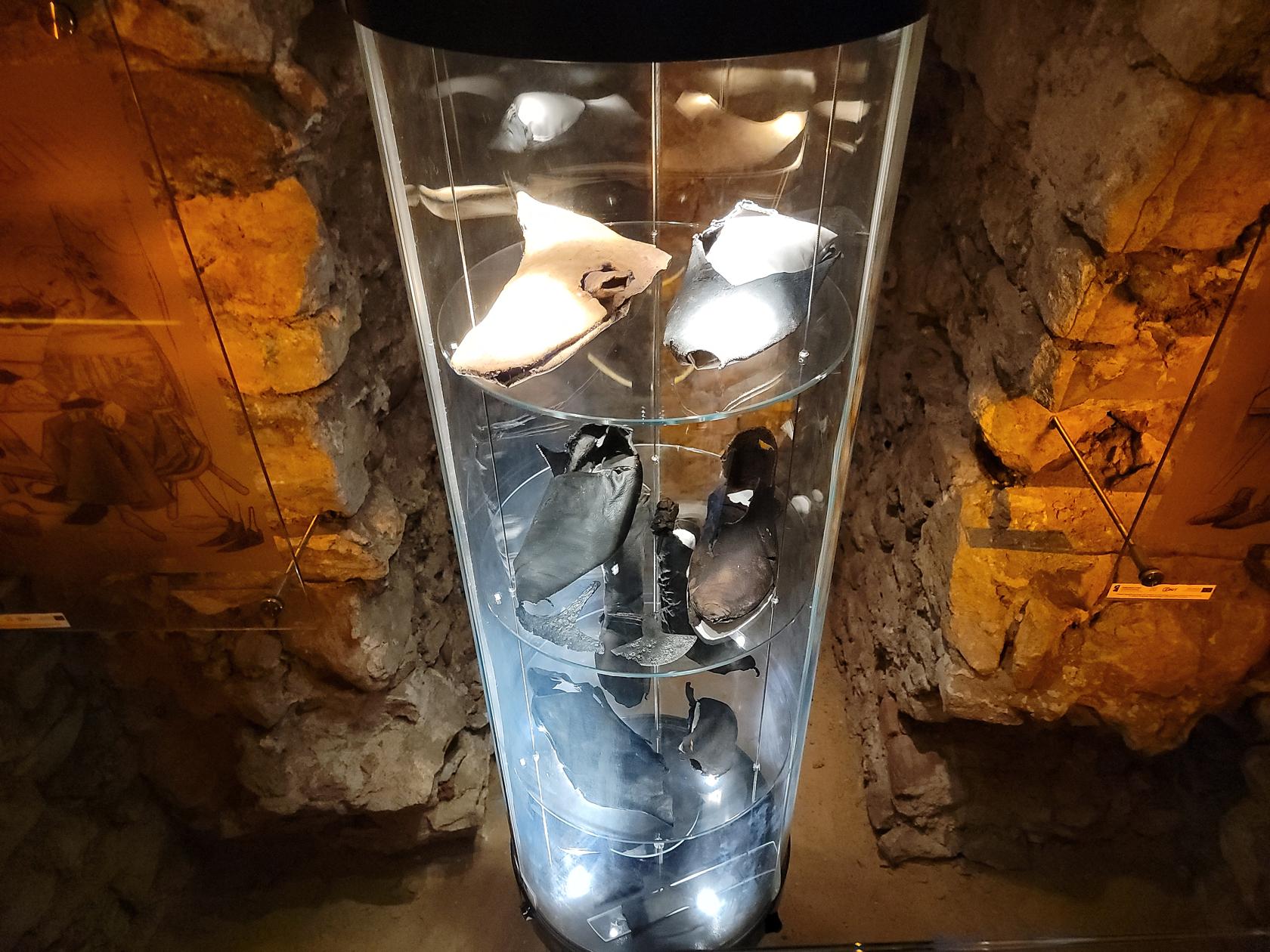
Shoes – Rynek Underground Museum – Kraków, Poland
Steel Implements – Rynek Underground Museum – Kraków, Poland
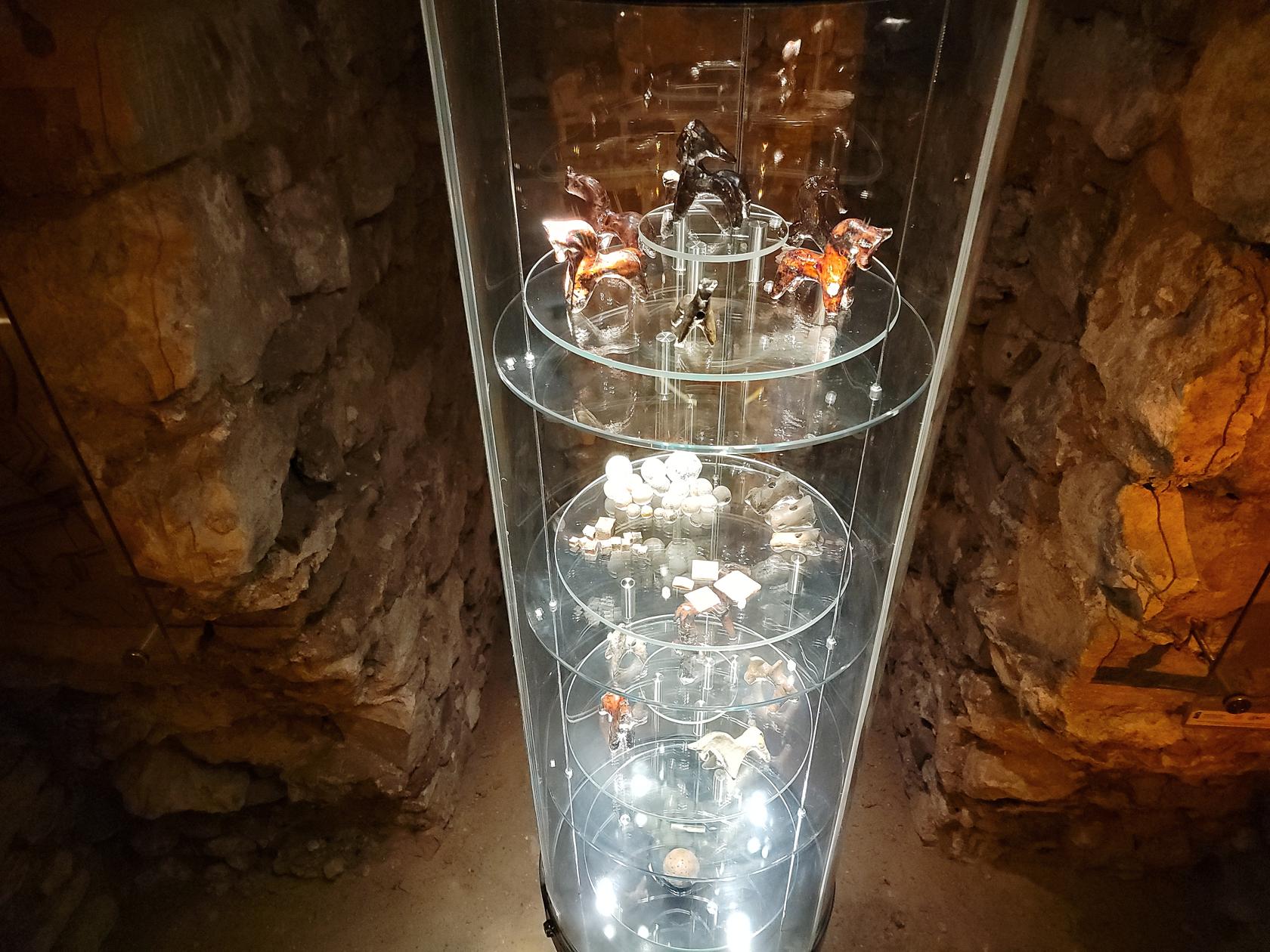
Toys – Rynek Underground Museum – Kraków, Poland
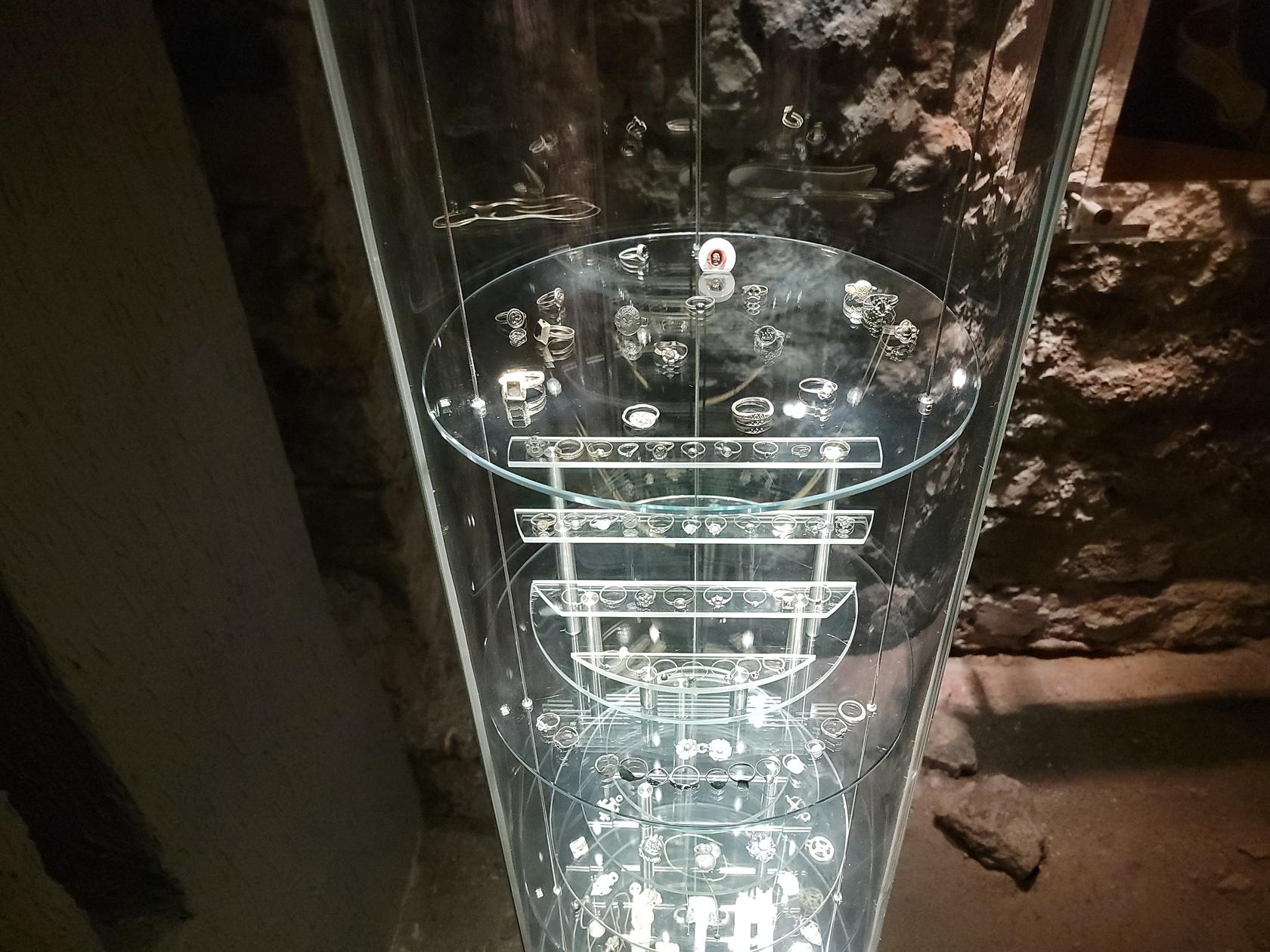
Rings – Rynek Underground Museum – Kraków, Poland
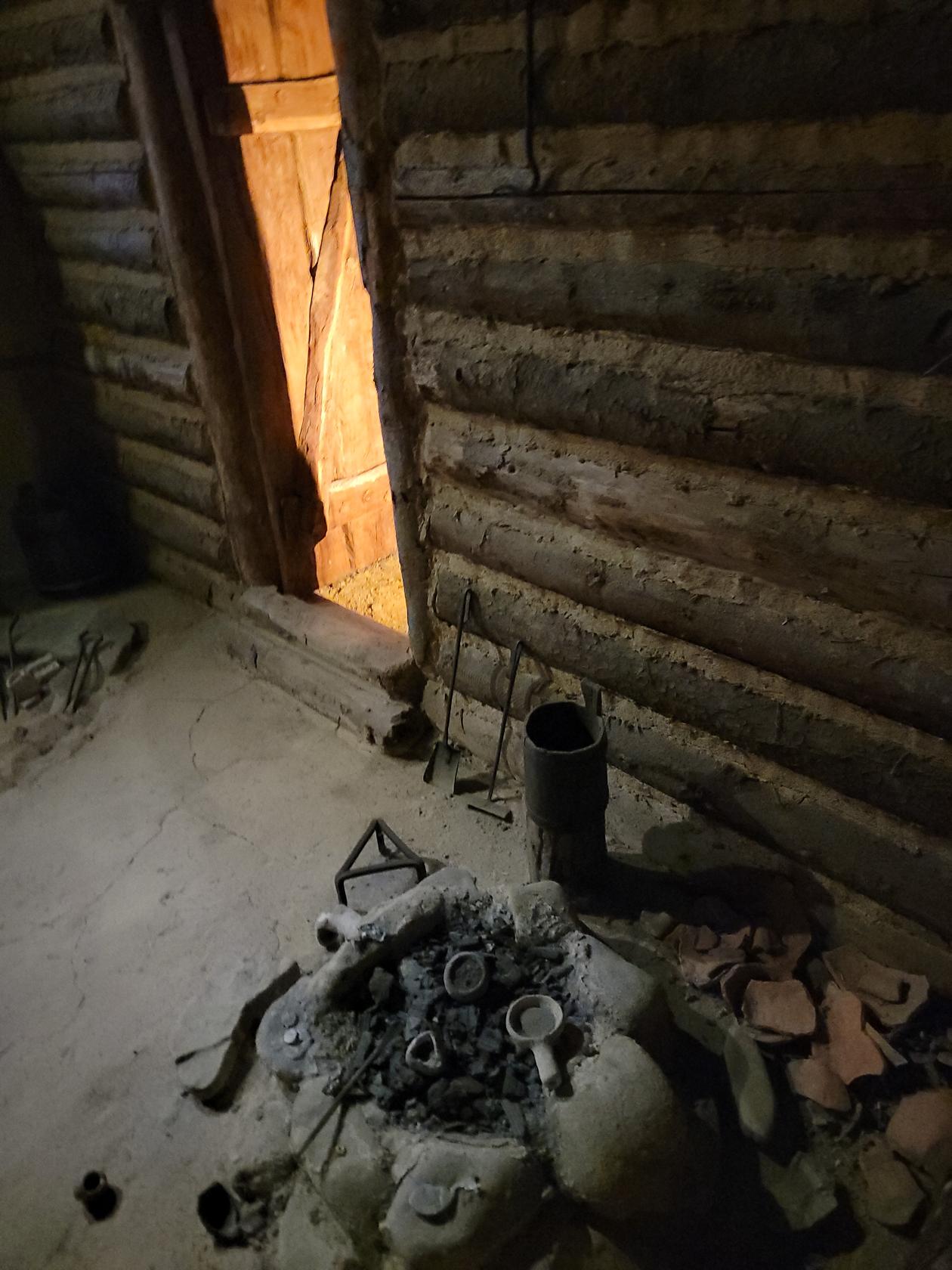
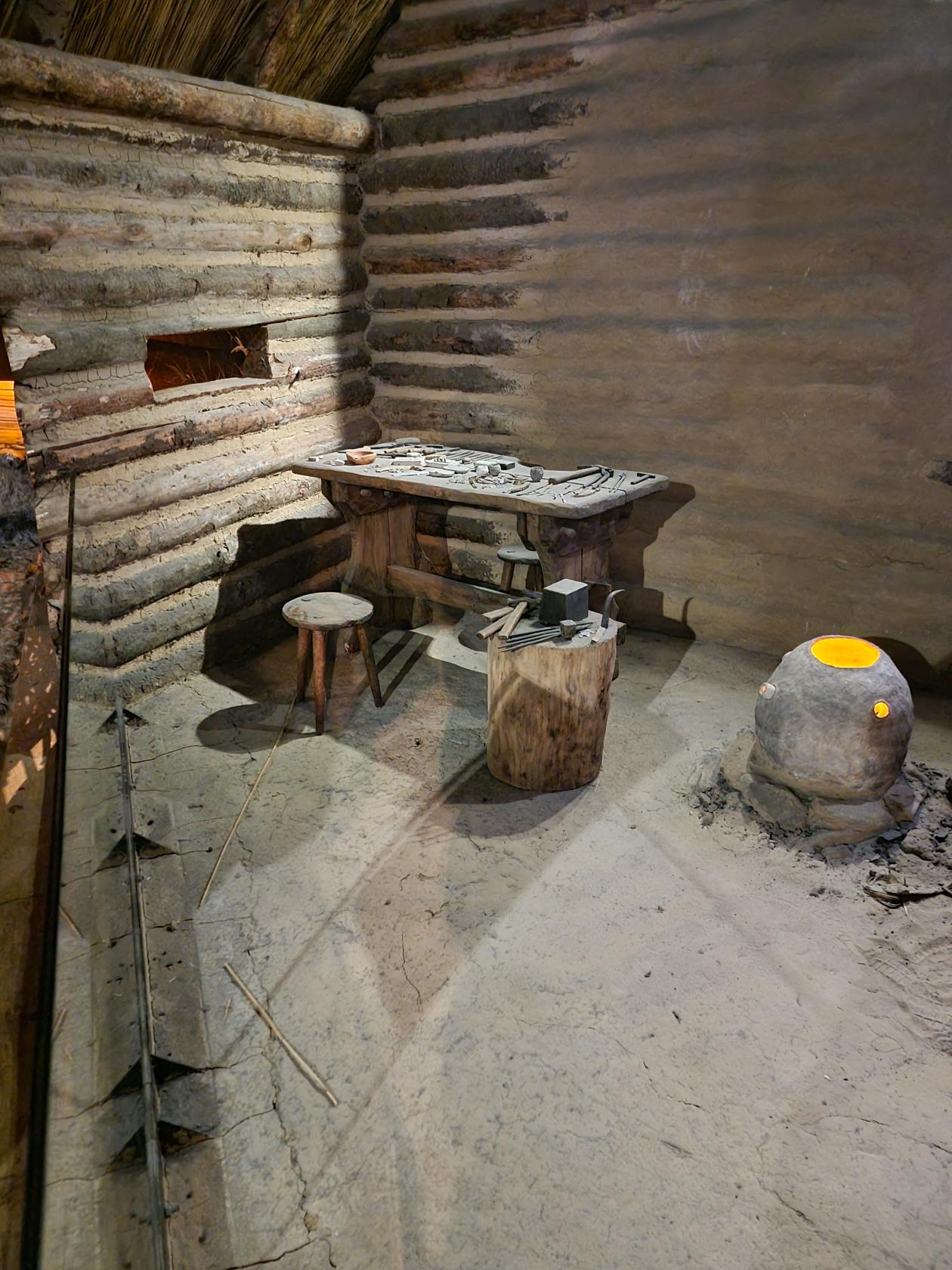
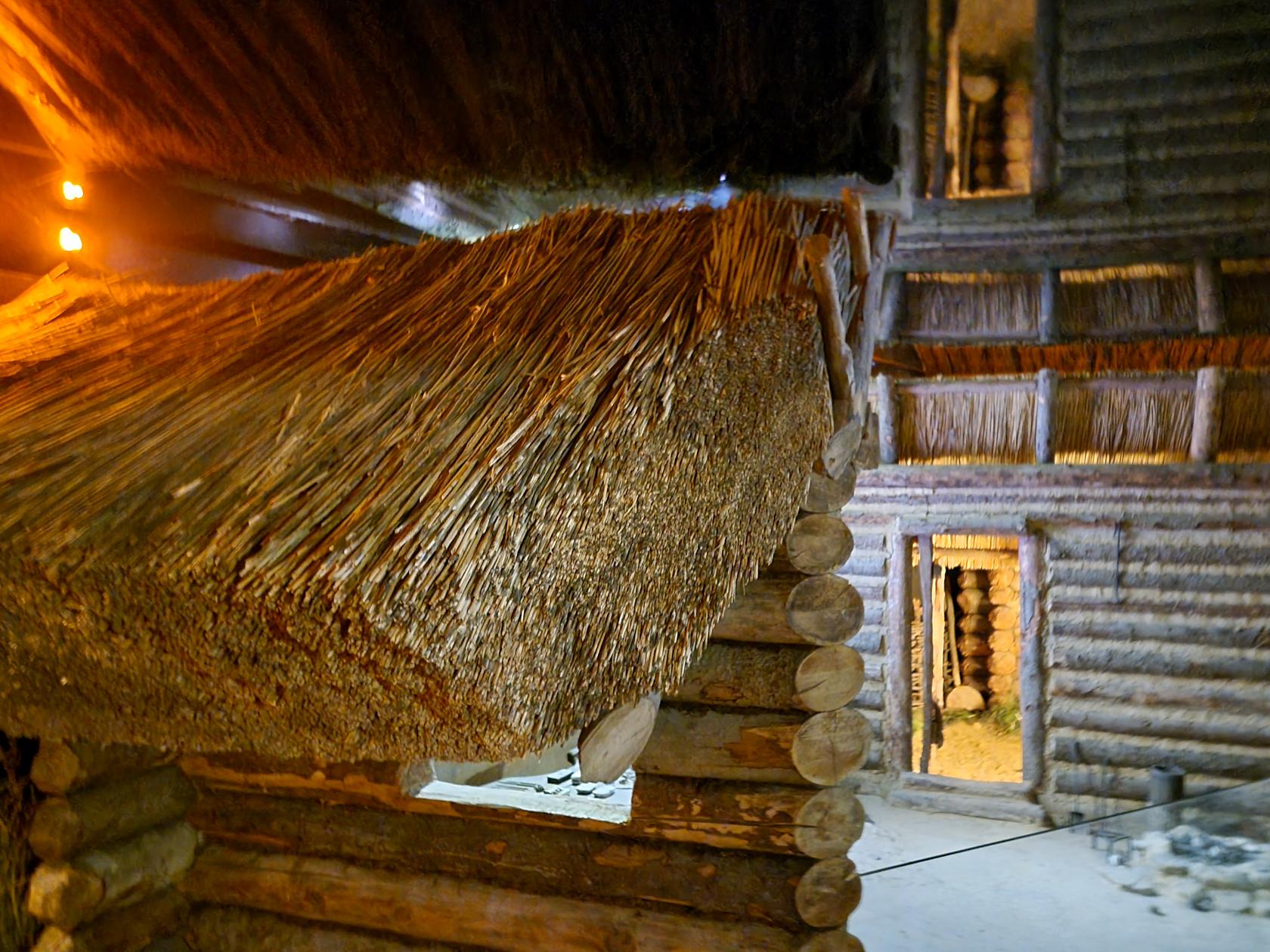
Other exhibits include models of old stalls that shop keepers would sell everything from cloth, to trinkets and other necessities.
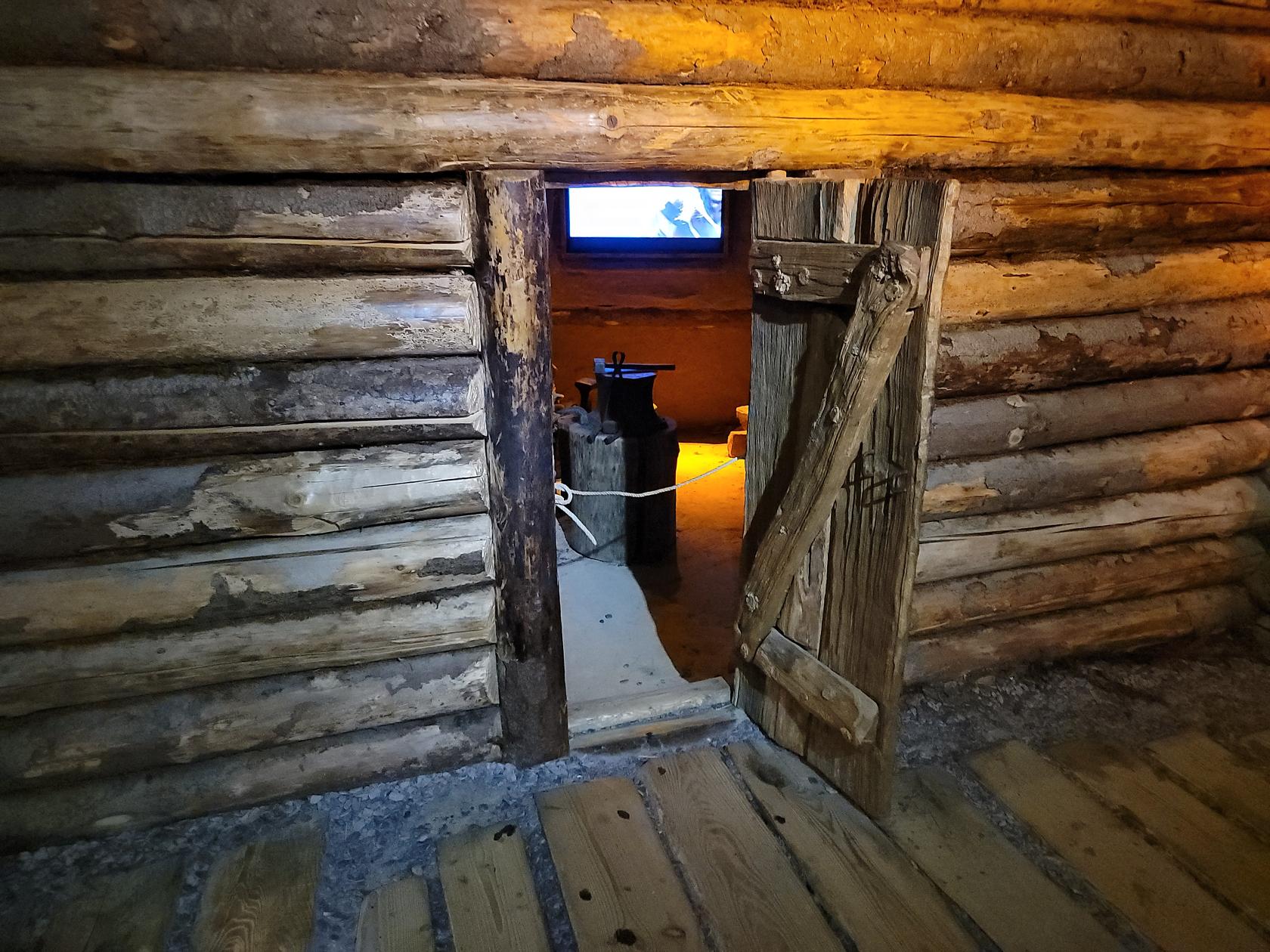
Blacksmith Shop – Cloth Mall – Rynek Underground Museum – Kraków, Poland
Blacksmith Shop – Cloth Mall – Rynek Underground Museum – Kraków, Poland
Stall Roof – Cloth Mall – Rynek Underground Museum – Kraków, Poland
Blacksmith Shop – Cloth Mall – Rynek Underground Museum – Kraków, Poland
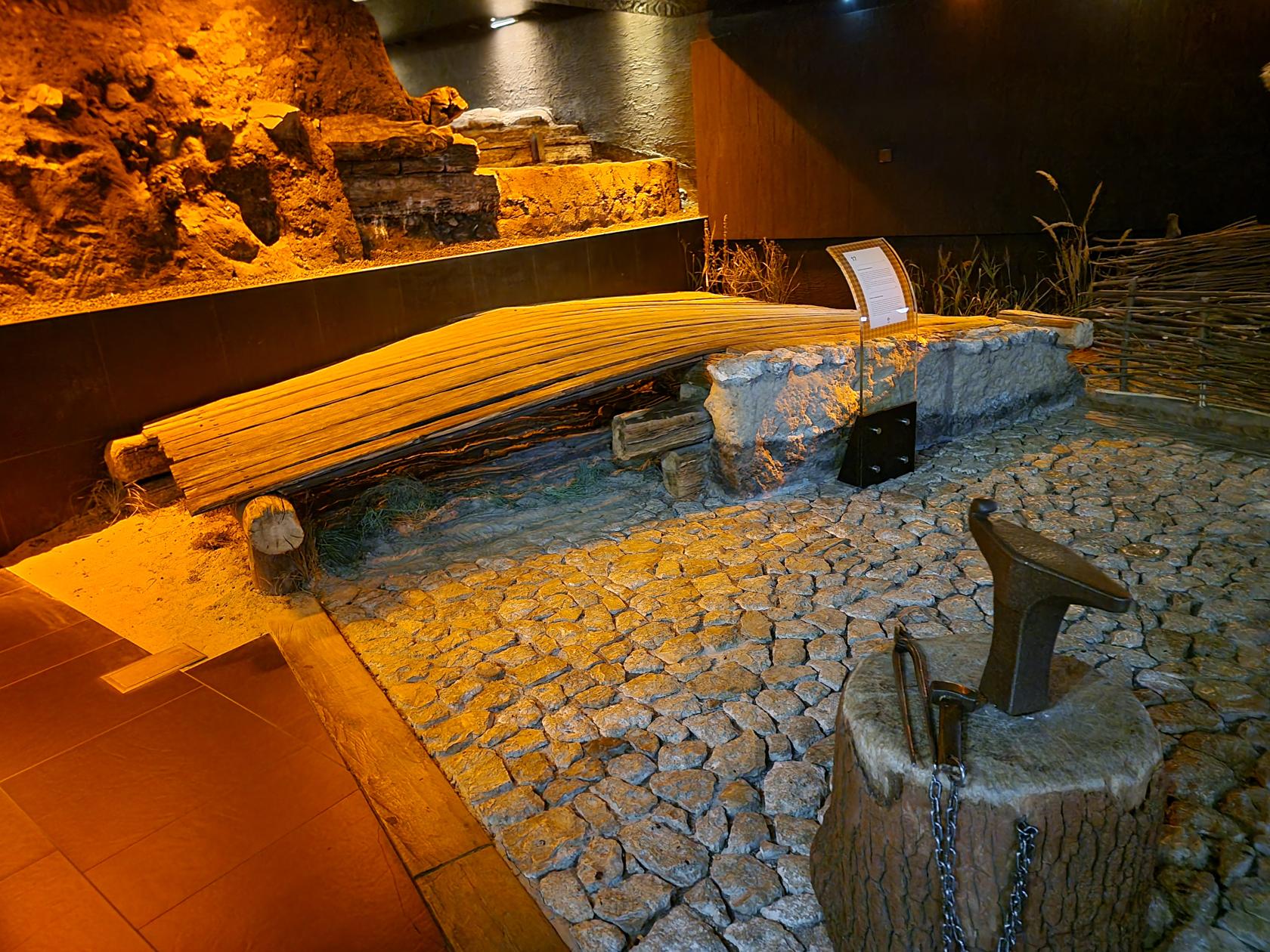
Foot Bridge – Cloth Mall Road – Rynek Underground Museum – Kraków, Poland
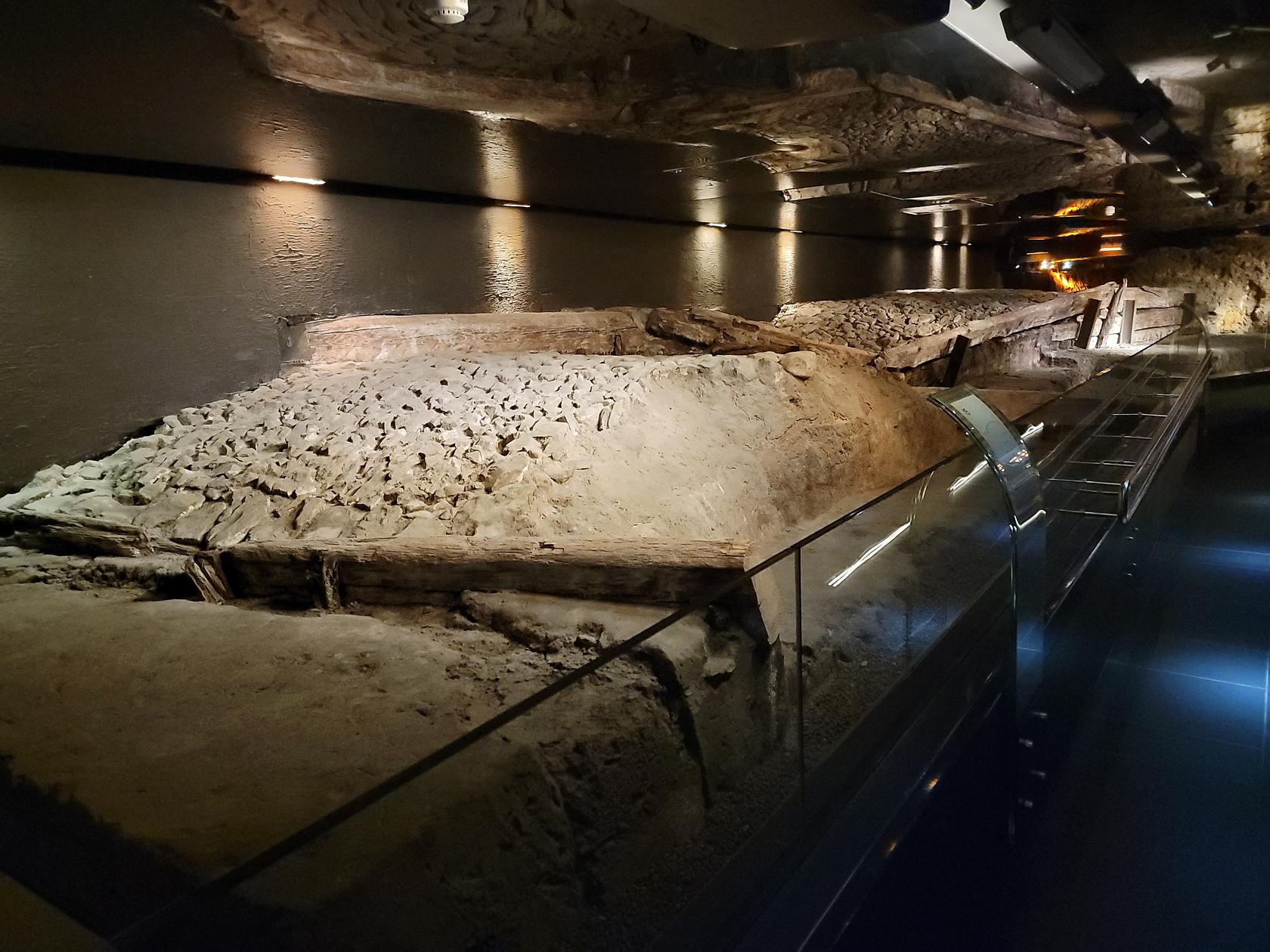
Cloth Mall Road – Rynek Underground Museum – Kraków, Poland
Cloth Mall Road – Rynek Underground Museum – Kraków, Poland
Old Timbers and Cloth Mall Road – Rynek Underground Museum – Kraków, Poland
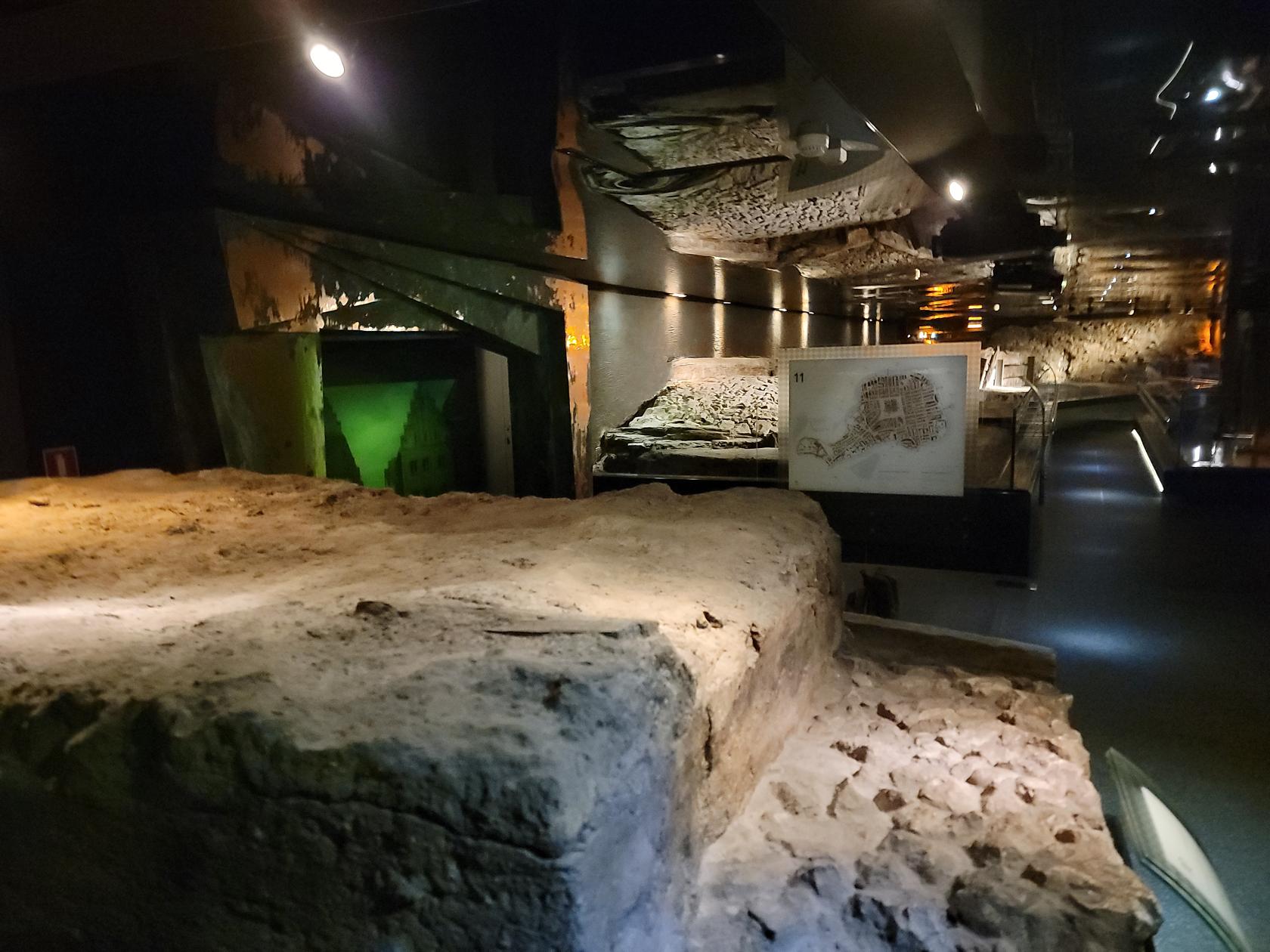
Near the end of the museum and walk-through is a long hall that contains several interesting video shows on different aspects of the history of the Rynek.
Boleslaw Stalls – Rynek Underground Museum – Kraków, Poland
Ruts left in cobblestones by wagons – Rynek Underground Museum – Kraków, Poland
Stalls – Rynek Underground Museum – Kraków, Poland
Old Foundation – Rynek Underground Museum – Kraków, Poland
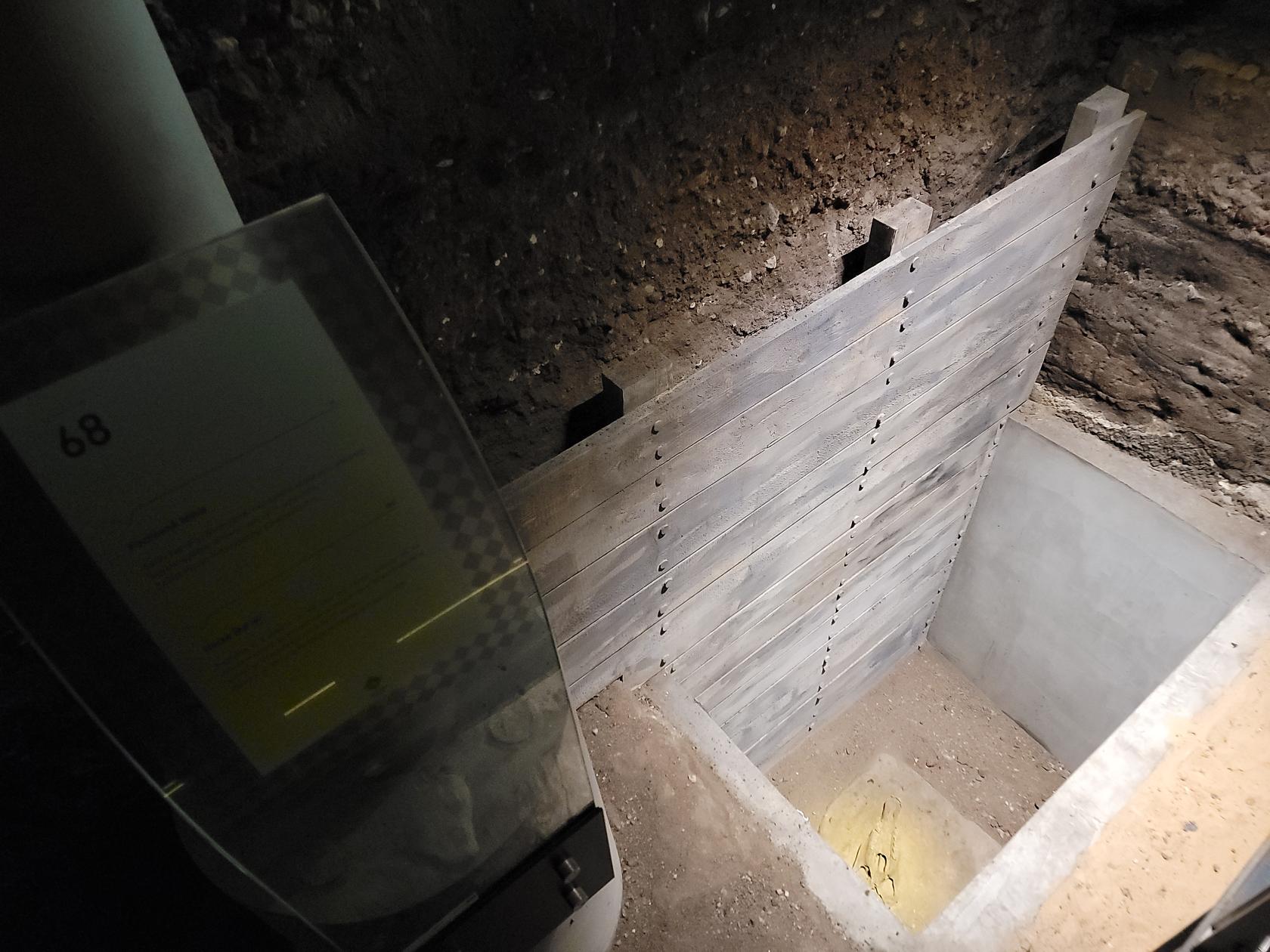
The Dig – Rynek Underground Museum – Kraków, Poland
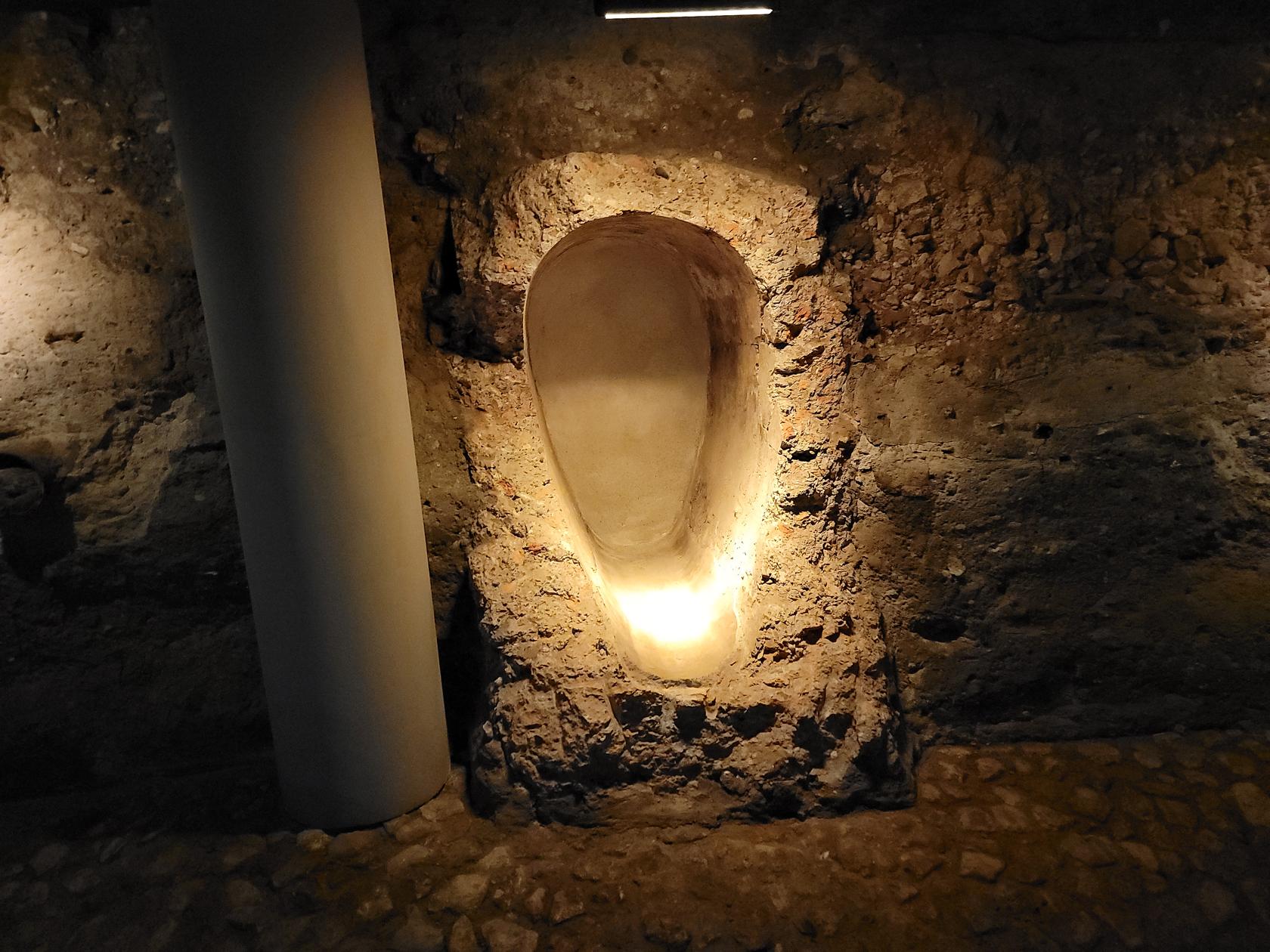
Sewer Pipe – Rynek Underground Museum – Kraków, Poland
Buried Horse – Rynek Underground Museum – Kraków, Poland
Old Walls – Rynek Underground Museum – Kraków, Poland
Churches And Cathedrals
Saint Florian’s Church
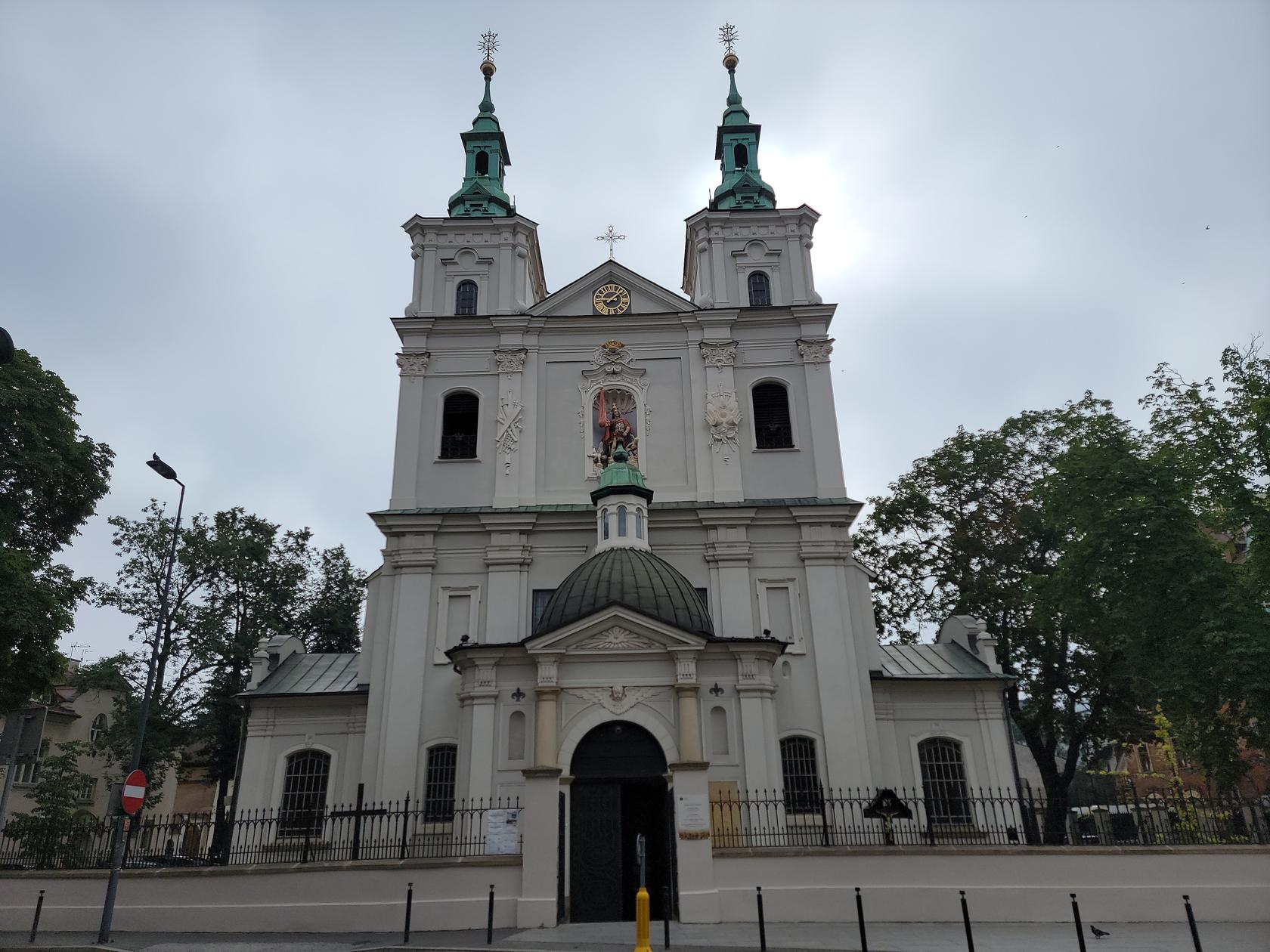
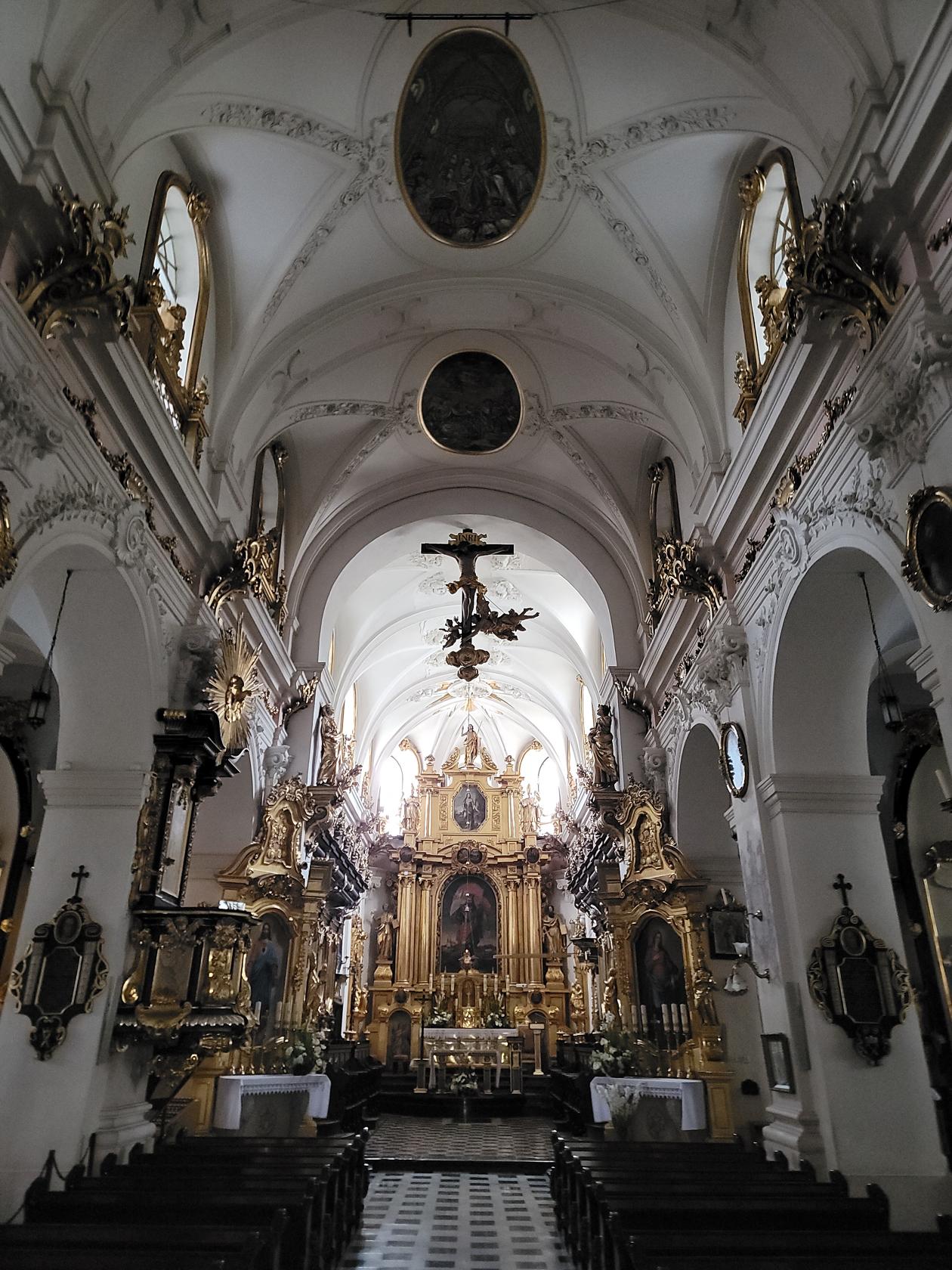
Located outside the old town through the Saint Florian’s Gate off of the Jana Matejki Plaza is the eponymous church. It has a beautiful interior and altar.
Entrance – Saint Florian’s Church – Kraków, Poland
Altar – Saint Florian’s Church – Kraków, Poland
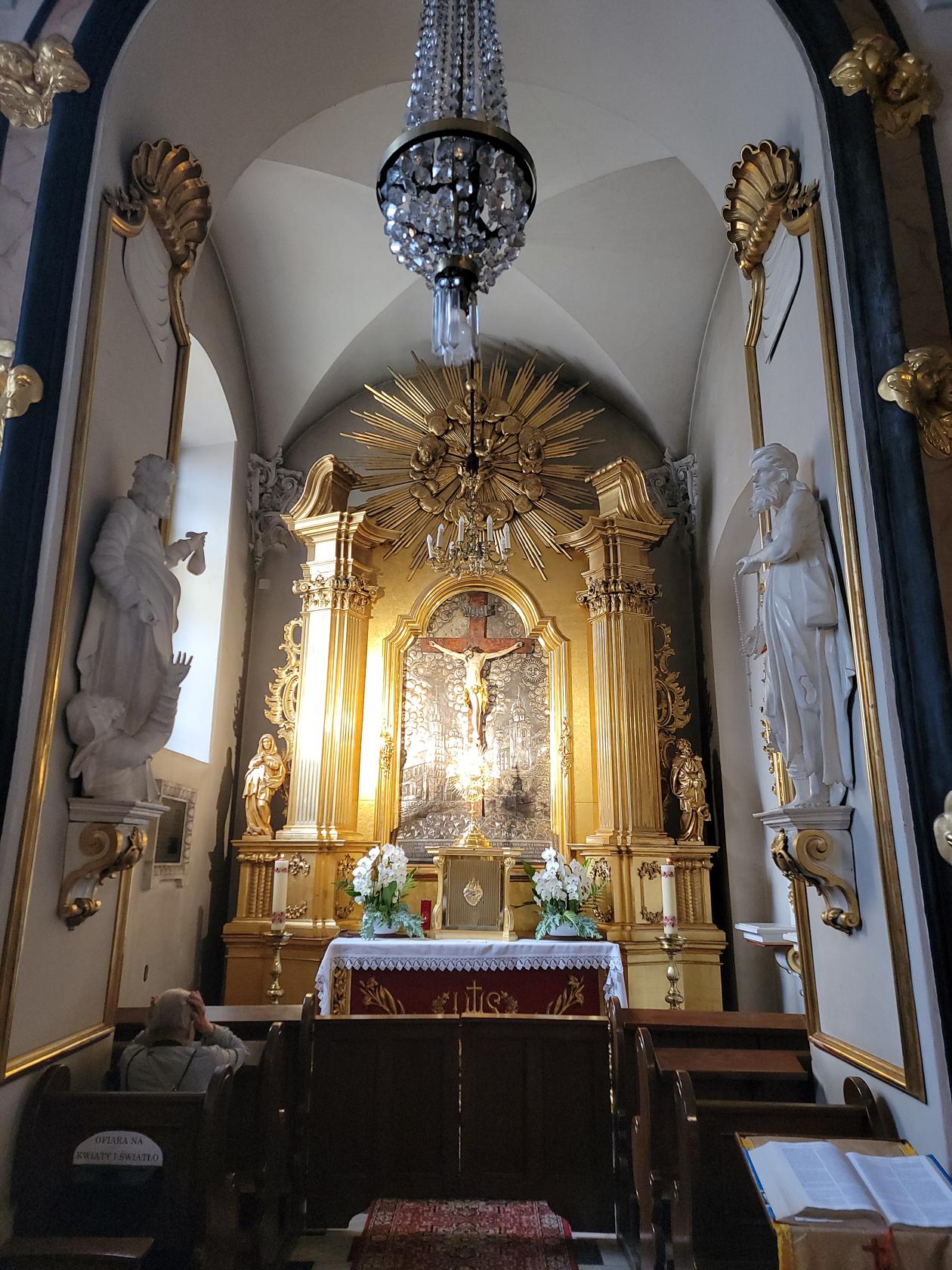
Side Altar – Saint Florian’s Church – Kraków, Poland
Aisle – Saint Florian’s Church – Kraków, Poland
Madonna Side Altar – Saint Florian’s Church – Kraków, Poland
Aisle – Saint Florian’s Church – Kraków, Poland
Mary – Saint Florian’s Church – Kraków, Poland
Nave – Saint Florian’s Church – Kraków, Poland
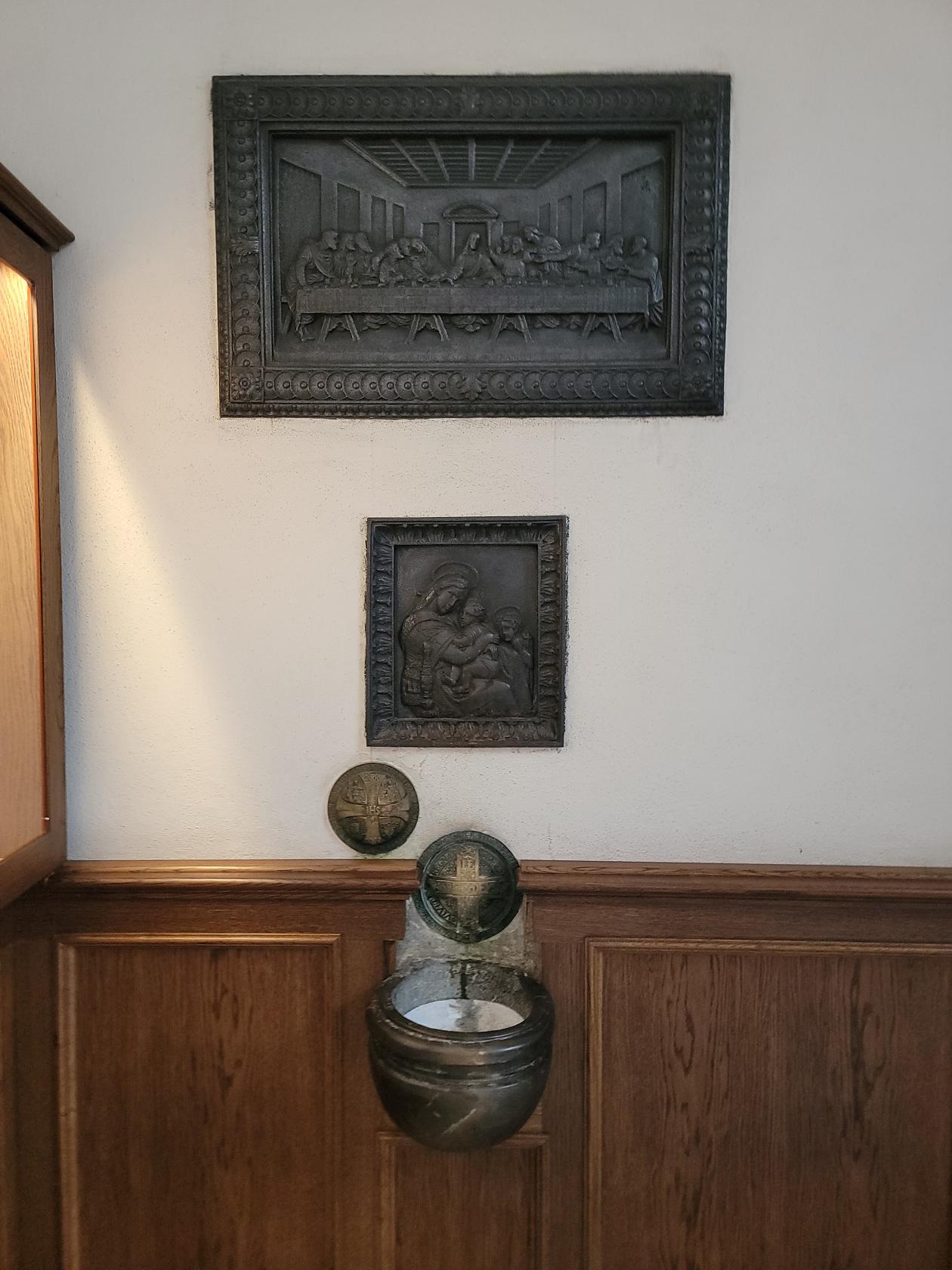
Last Supper – Saint Florian’s Church – Kraków, Poland
In the Lesser Polish Voivodeship of Poland and cradled by the Vistula River is the second largest city in Poland, Kraków[1]Pronounced Krakoff.. A vibrant, clean and beautiful city, it currently hides its success as a tourist attraction very well.
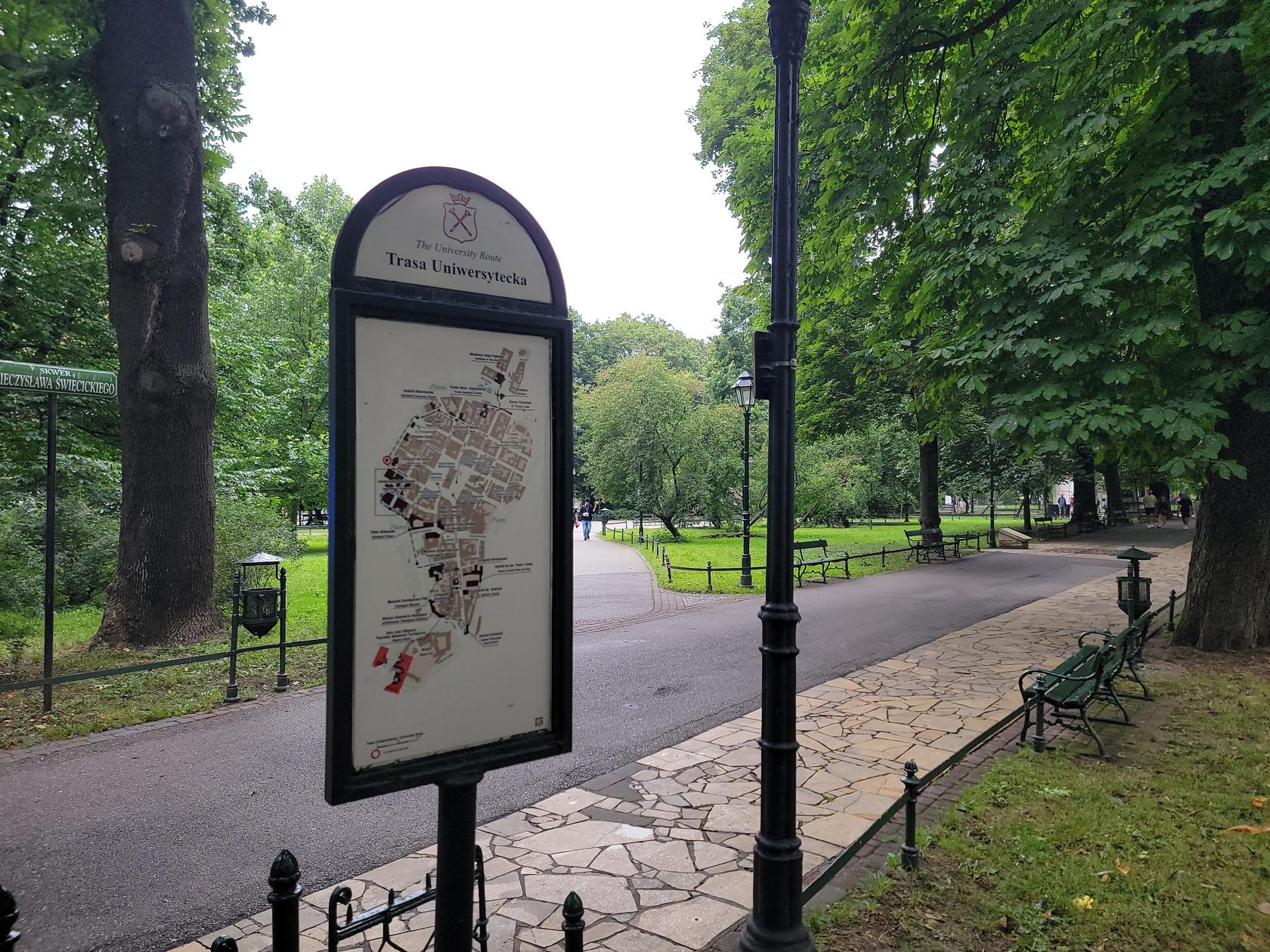
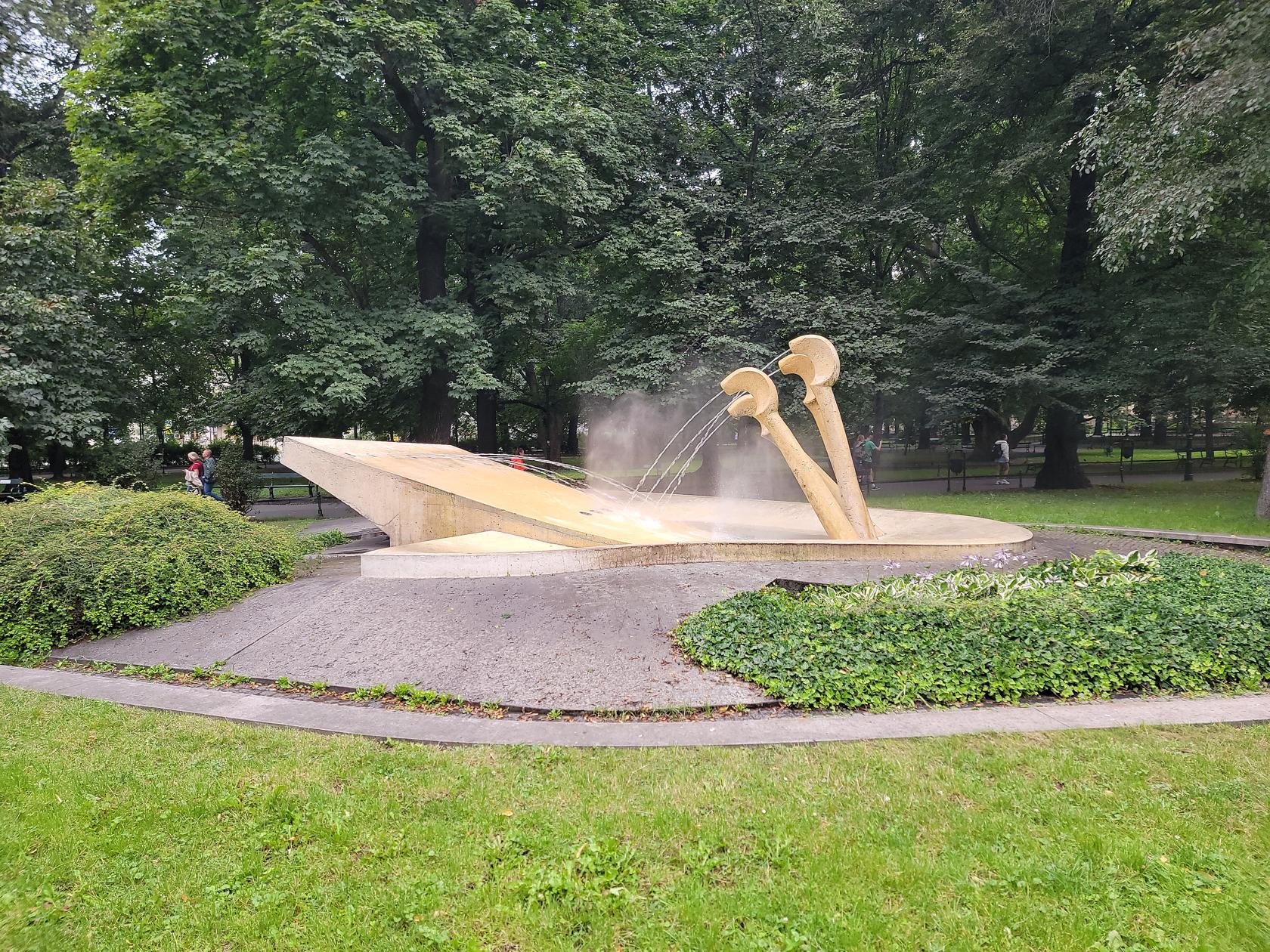
University Route – Park – Kraków, Poland
Frederic Chopin Piano Monument – Kraków, Poland
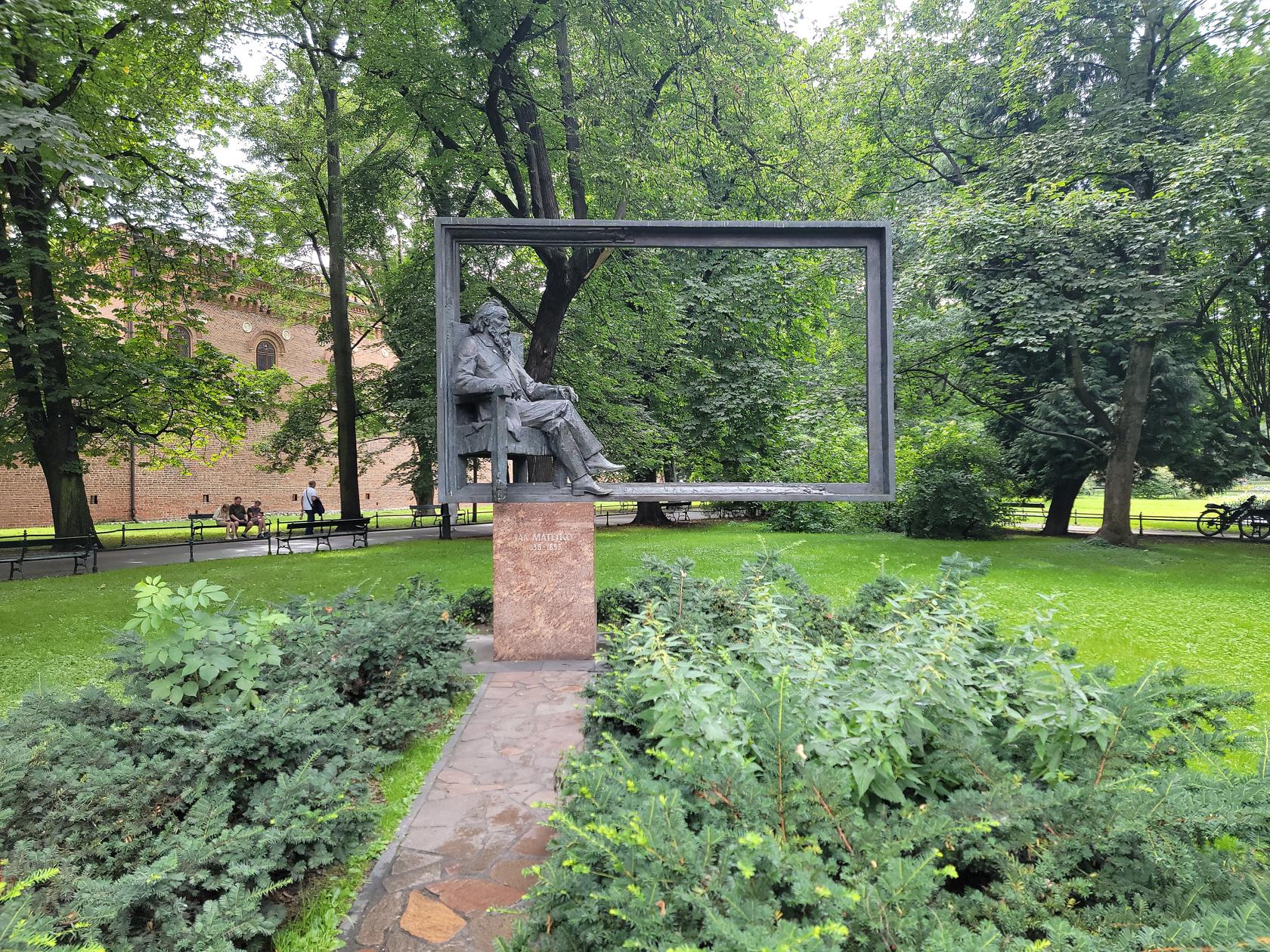
The Statue of Jan Matejko – Kraków, Poland
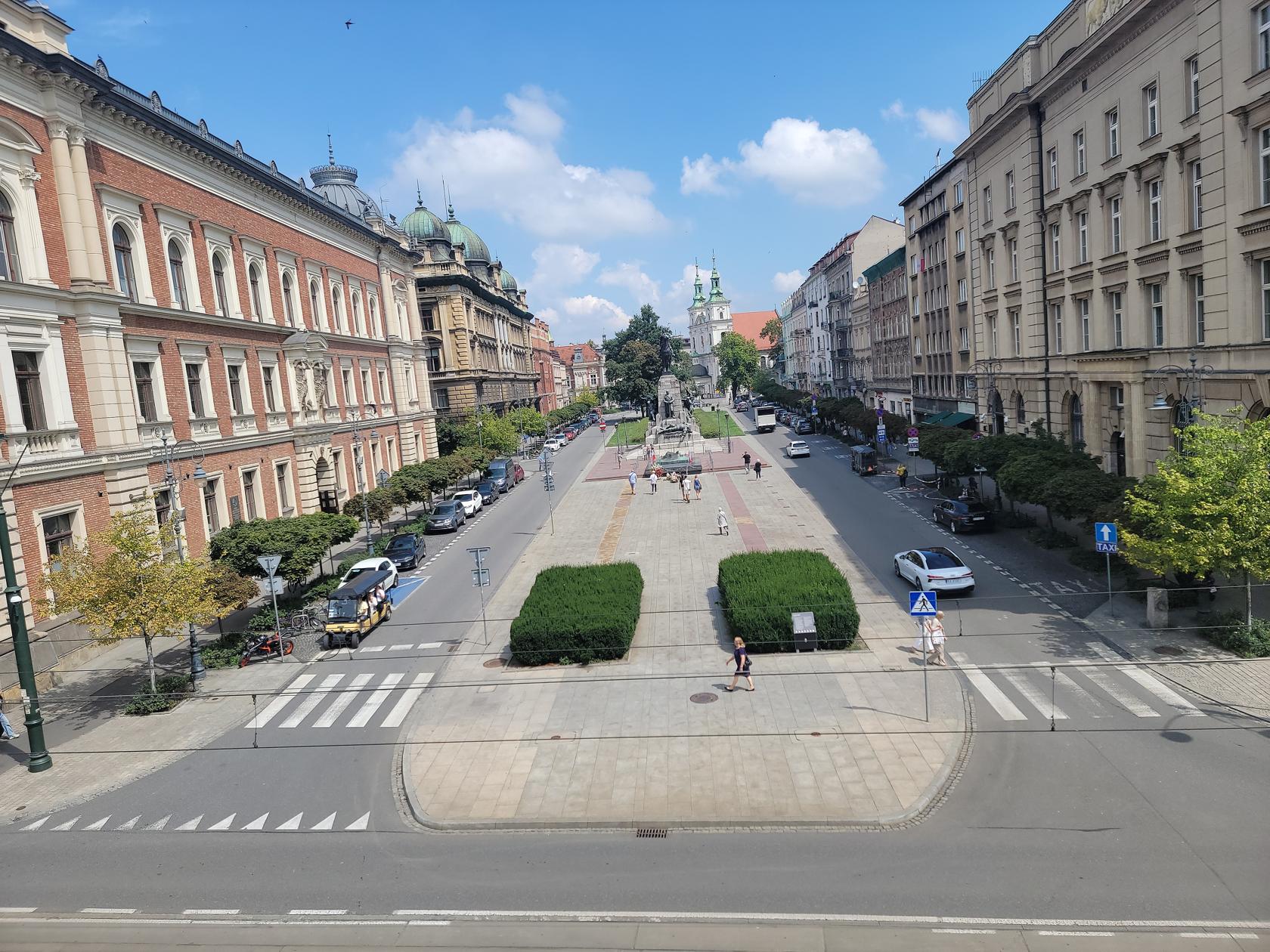
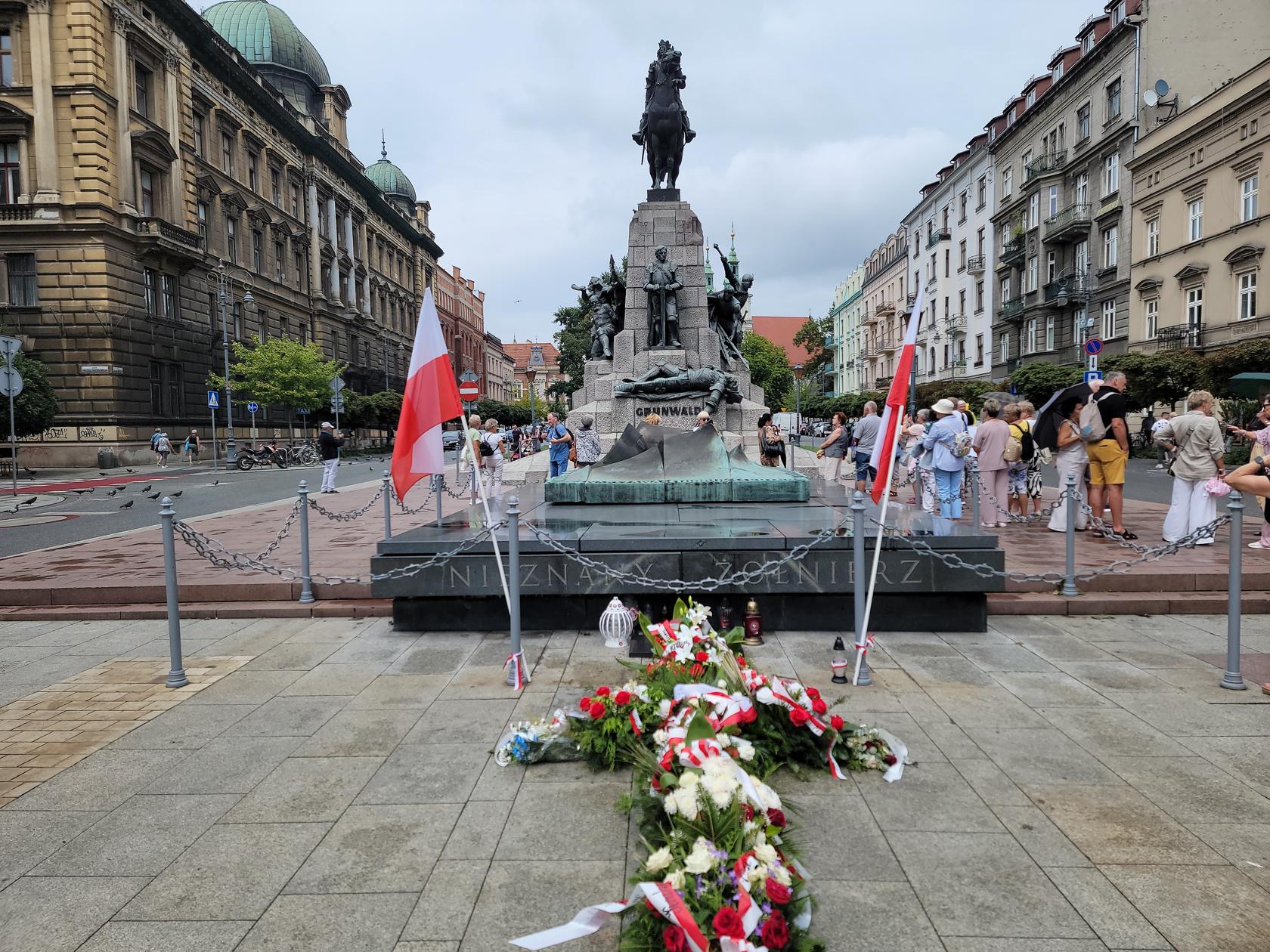
Grunwald Monument – Kraków, Poland
Kraków
One of the oldest towns in Poland, Kraków’s founding goes way back to the eight century. The town was walled during the middle-ages, however most of the wall has not survived modern times.
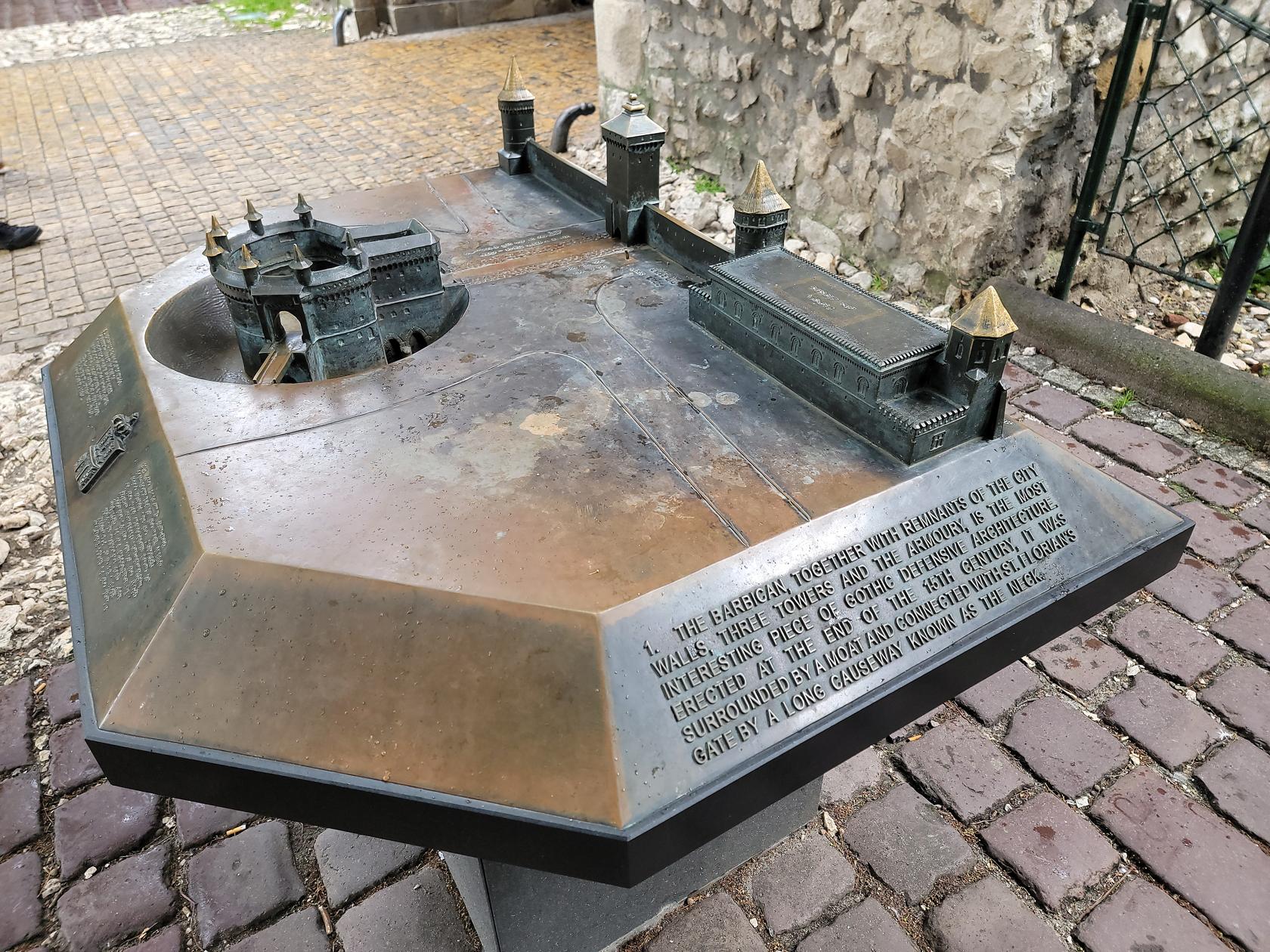
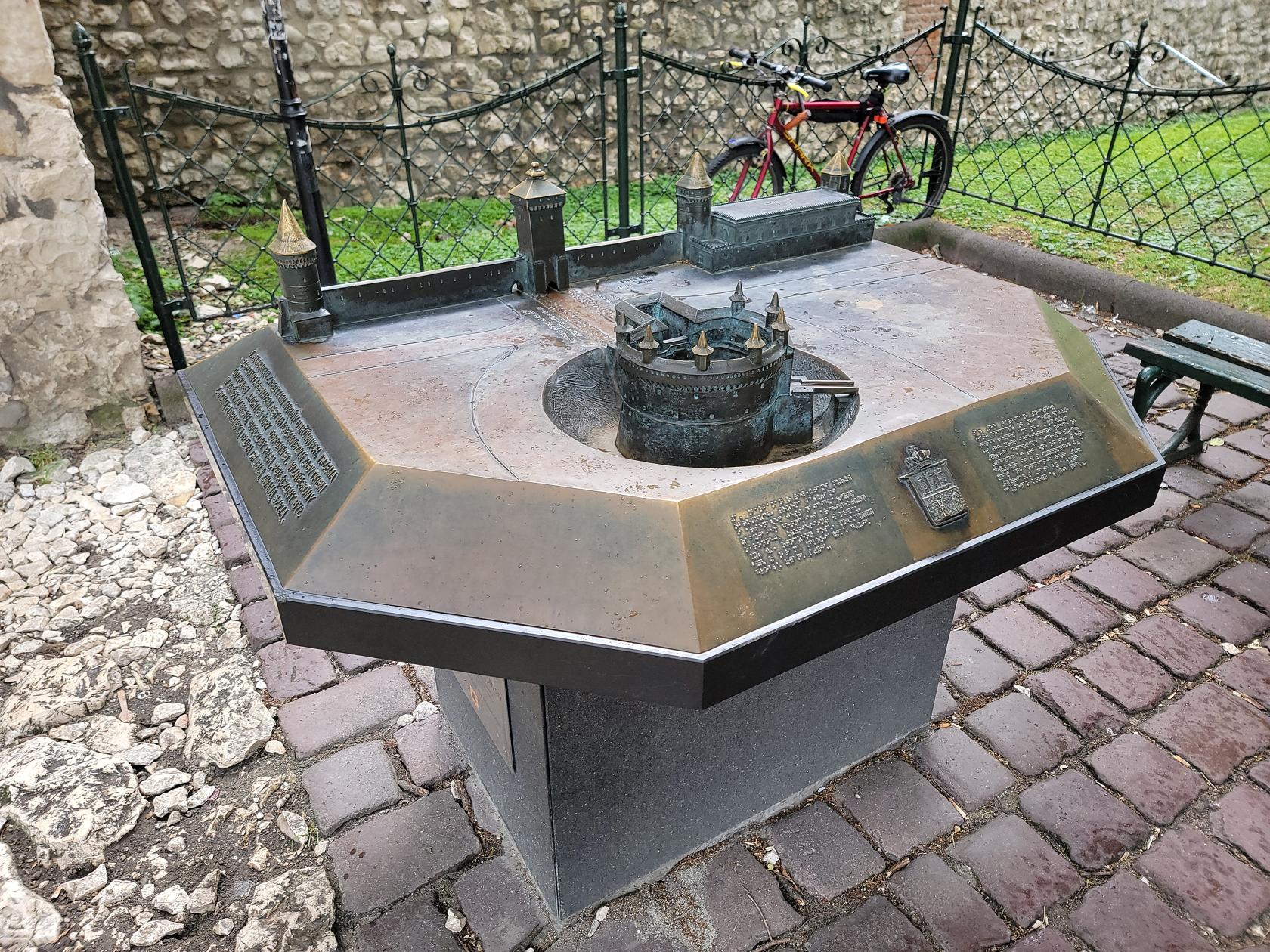
Bronze Depiction – Barbican Museum and Florian Gate and Town Wall – Kraków, Poland
Bronze Depiction – Barbican Museum and Florian Gate and Town Wall – Kraków, Poland
Gate Entrance – Barbican Museum – Kraków, Poland
Barbican Museum – Kraków, Poland
There are only a small sections of it still left by the Florian Gate and other less noticeable fragments here and there, as well as monuments to the old towers that once blessed the eastern path of the park that circles the city.
Florian’s Gate – Florianska Street – Kraków, Poland
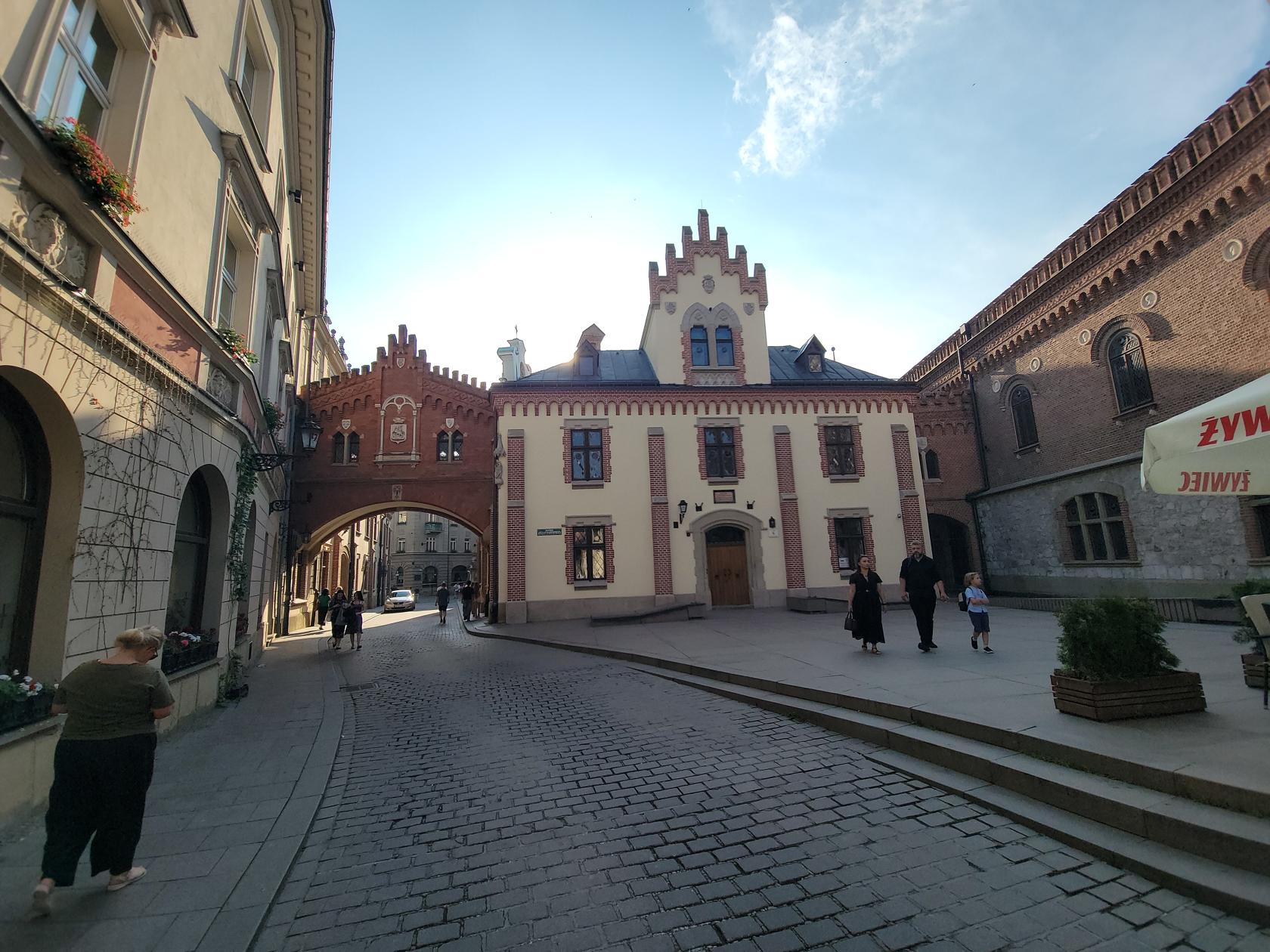
Most of the old town’s streets accommodate the throngs of tourists that visit each day. In particular, they hide walking the park that circles the city like a lazy dragon.
Arsenal Museum – Pijarska Street – Kraków, Poland
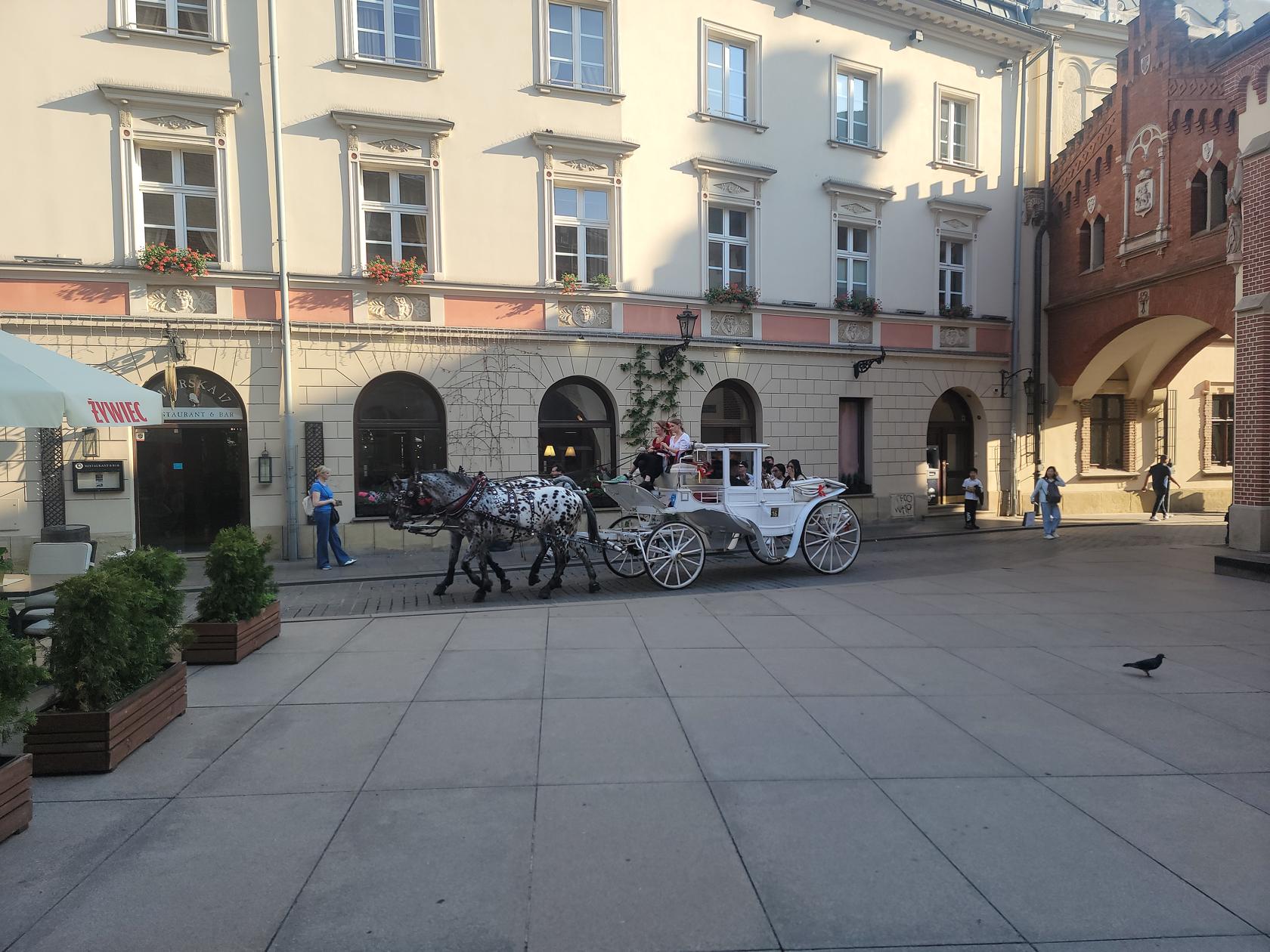
Carriage Rides – Pijarska Street – Kraków, Poland
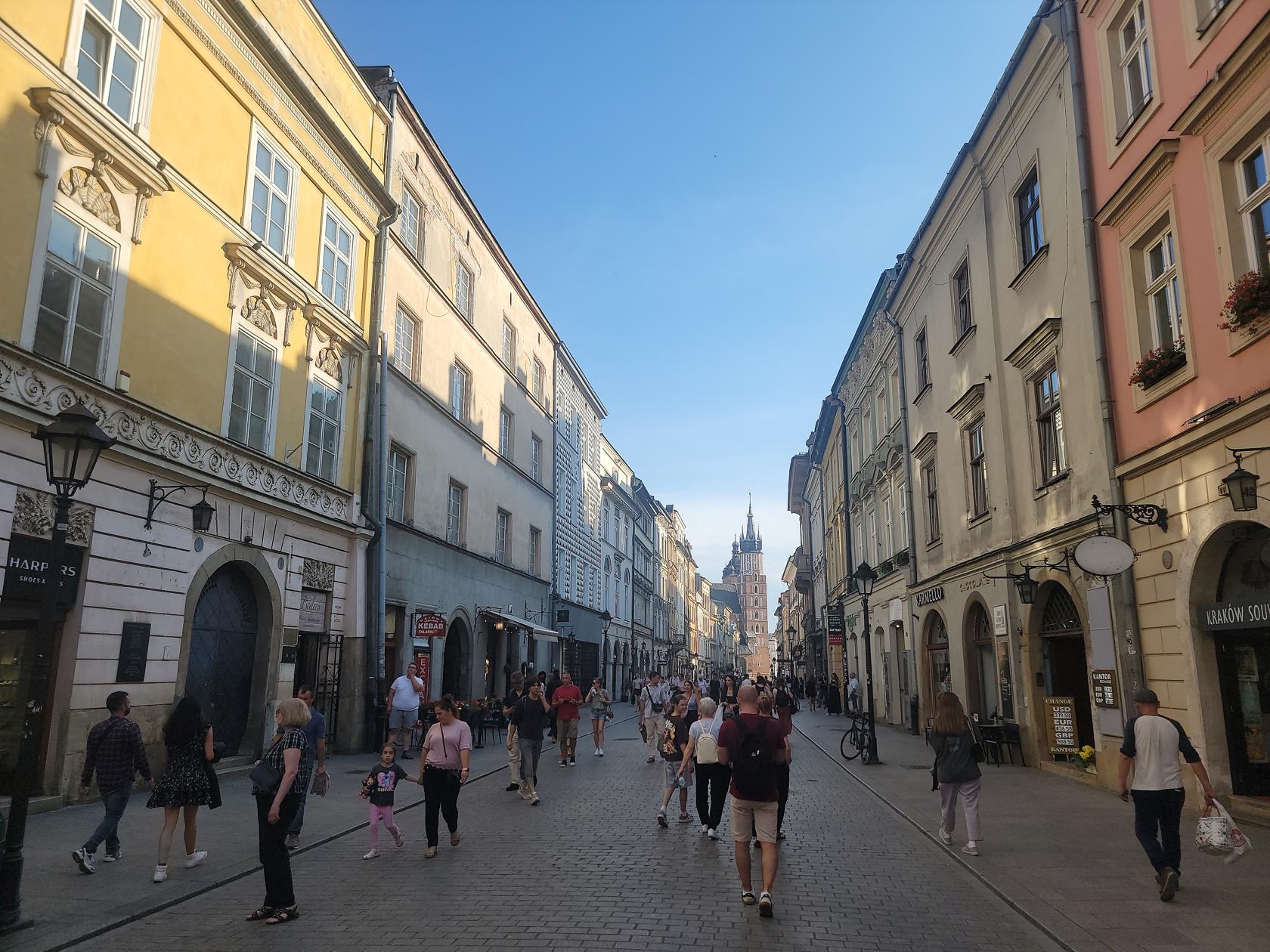
Saint Mary’s Basilica in distance – Pijarska Street – Kraków, Poland
Świętego Jana Street – Kraków, Poland
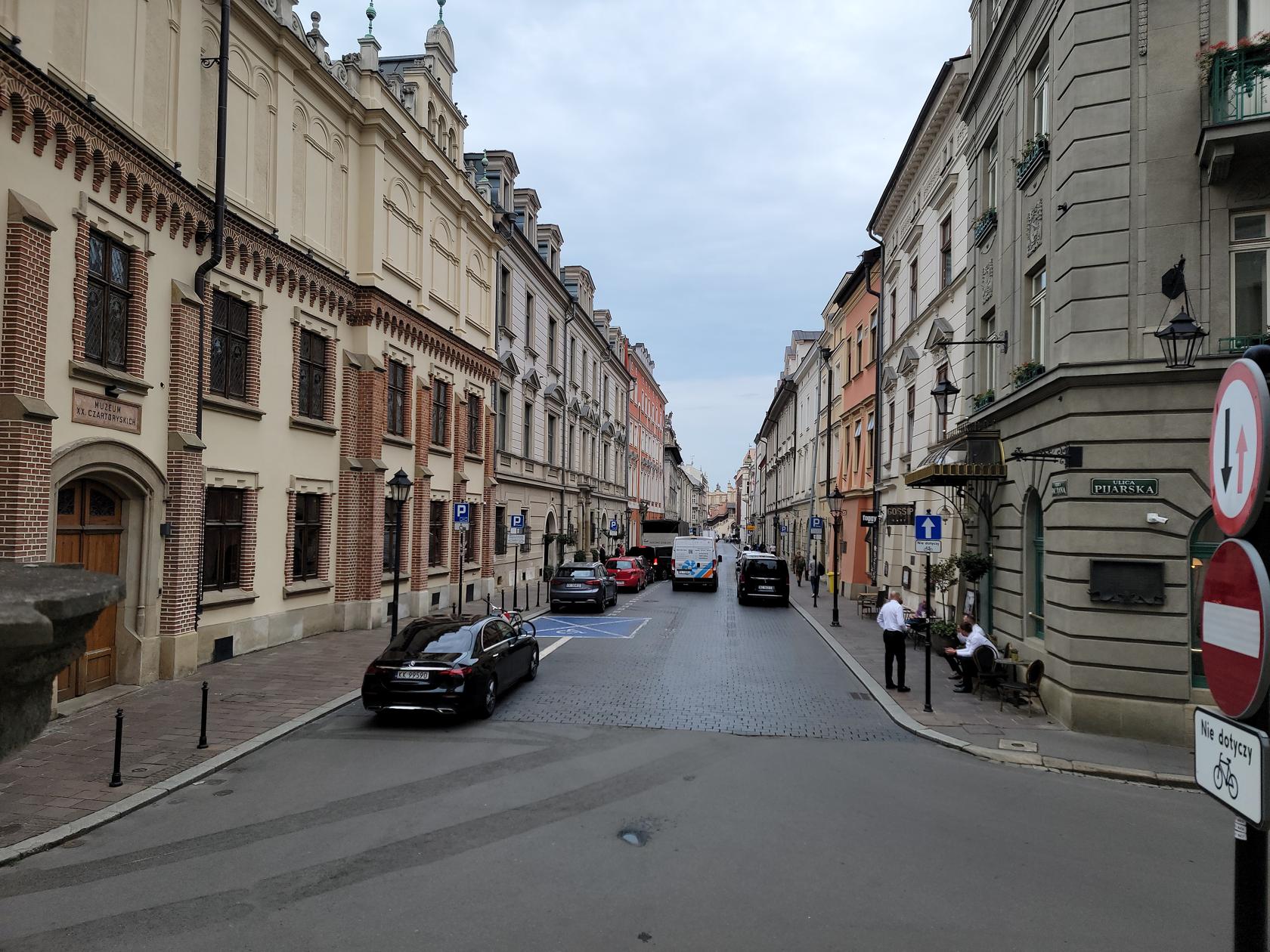
Pijarska Street – Kraków, Poland
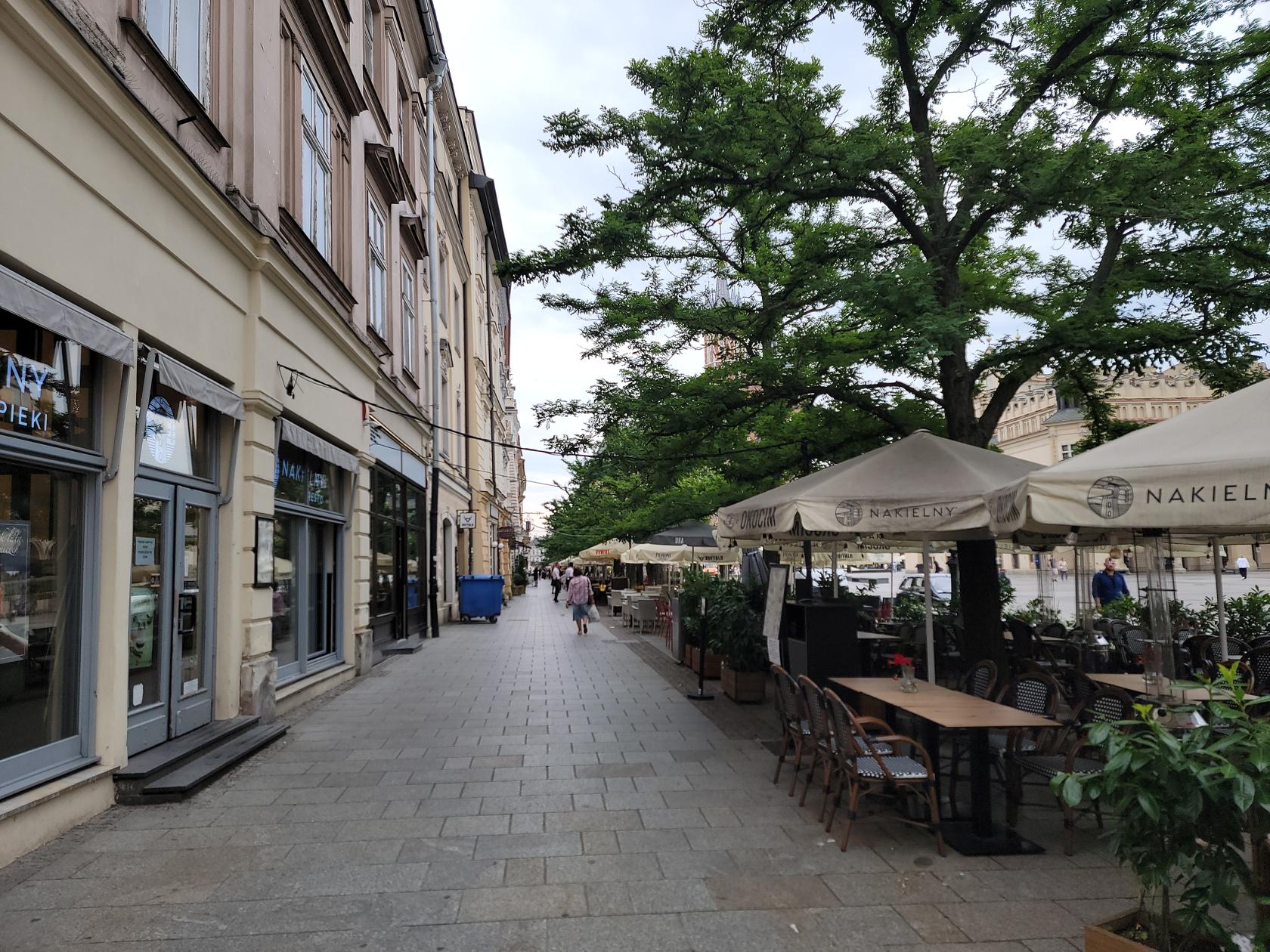
Rynek Główny Main Plaza – Kraków, Poland
Getting There
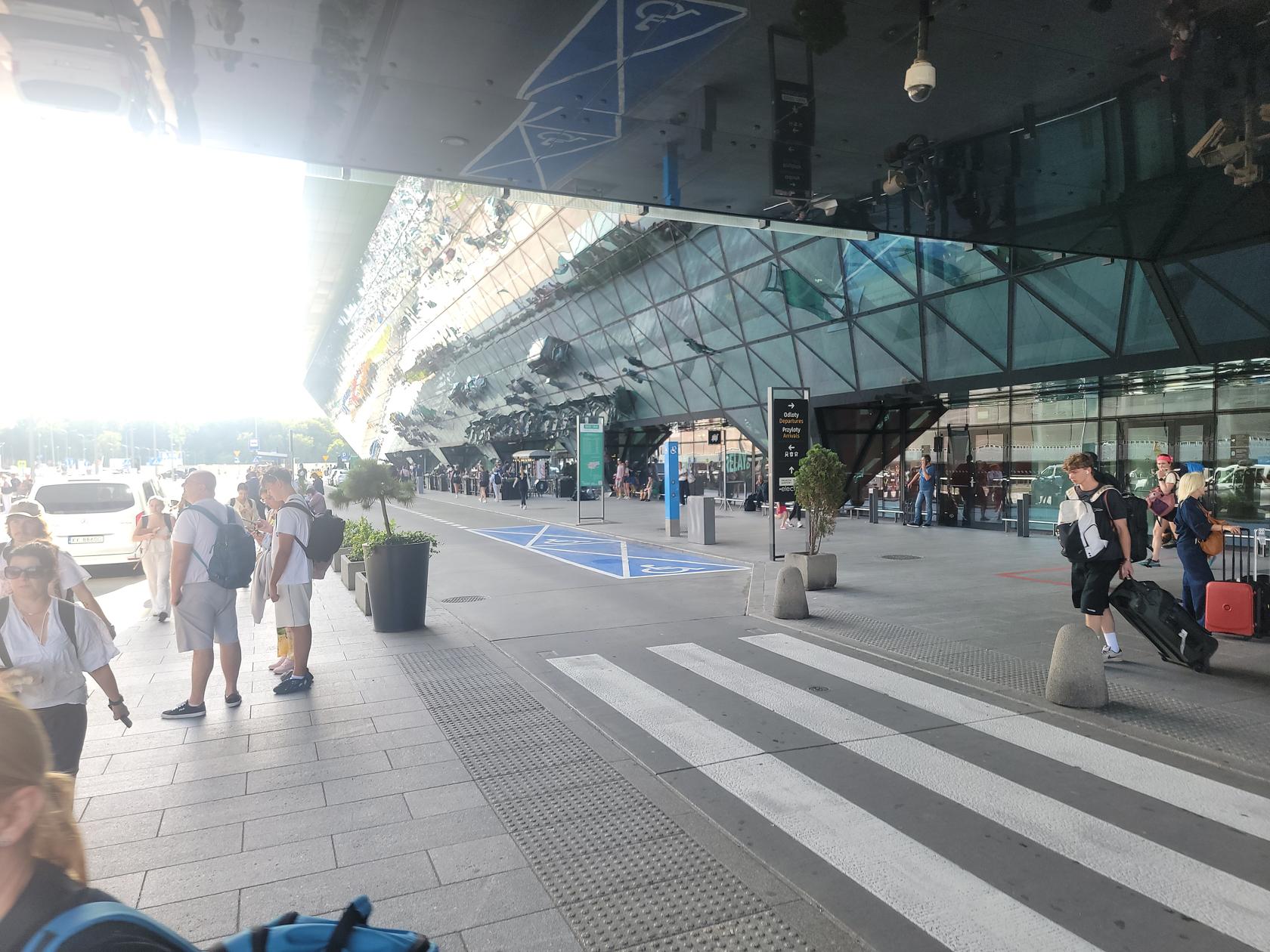
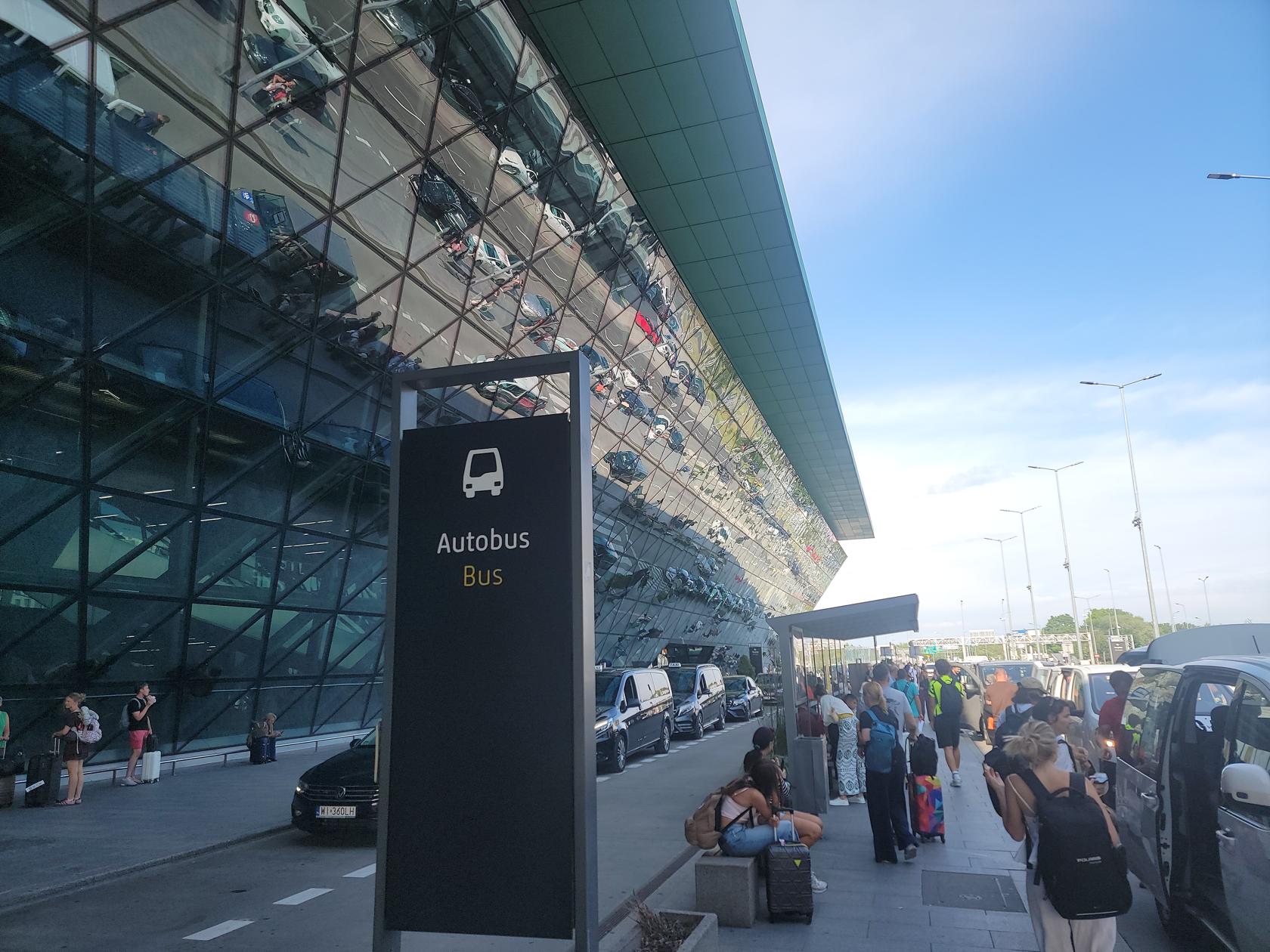
Our visit here was inspired by previous visits I had had traveling for business in the past. Luckily, our airport in Turin had a direct flight with RyanAir to Kraków. There are train connections to the city, but surely most people drive from the surrounding area and even rent a car at the airport to get here.
Kraków Airport – Kraków, Poland
Kraków Airport – Kraków, Poland
Hotels
Hotel Polski Pod Bialym Orlem
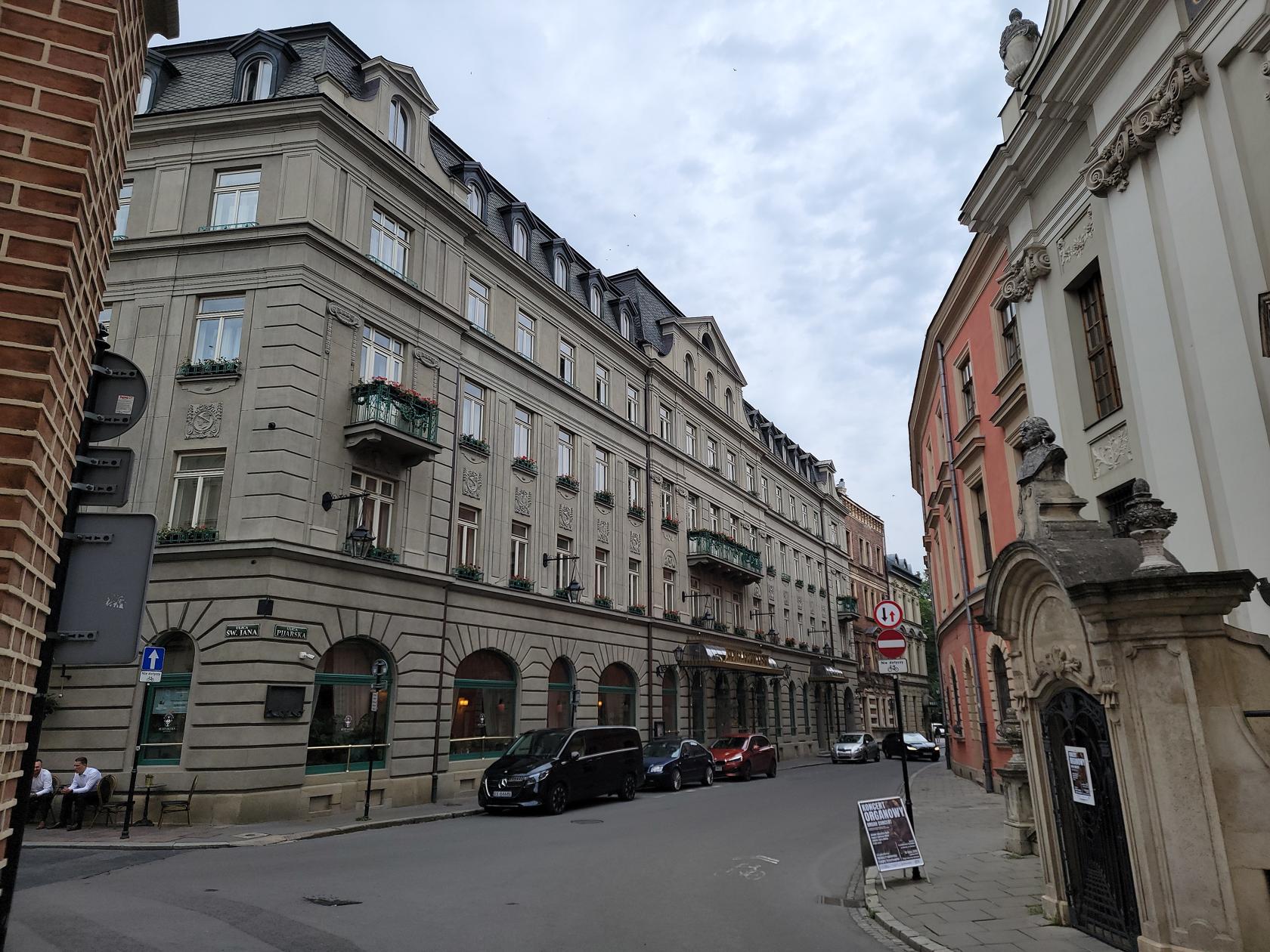
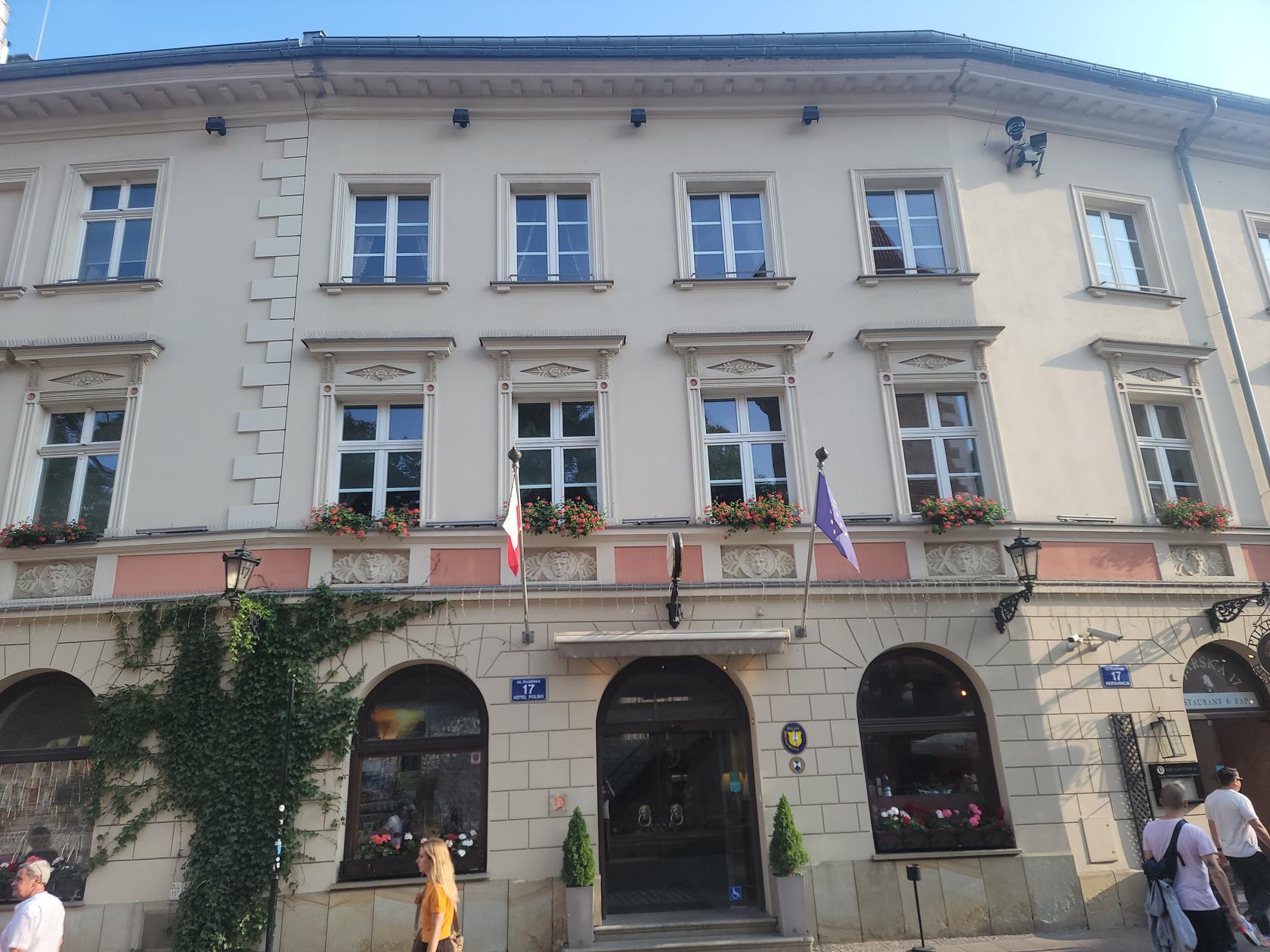
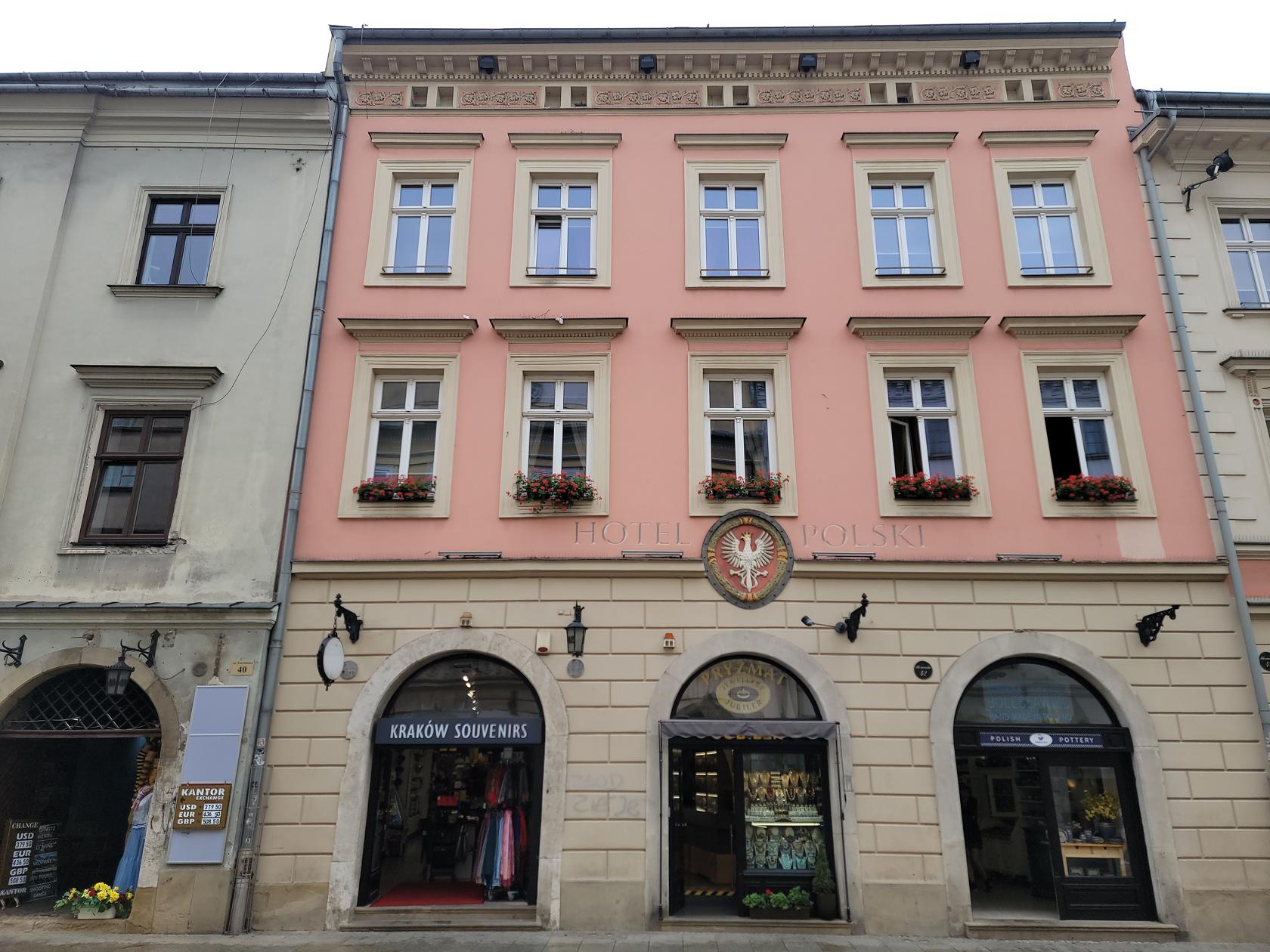
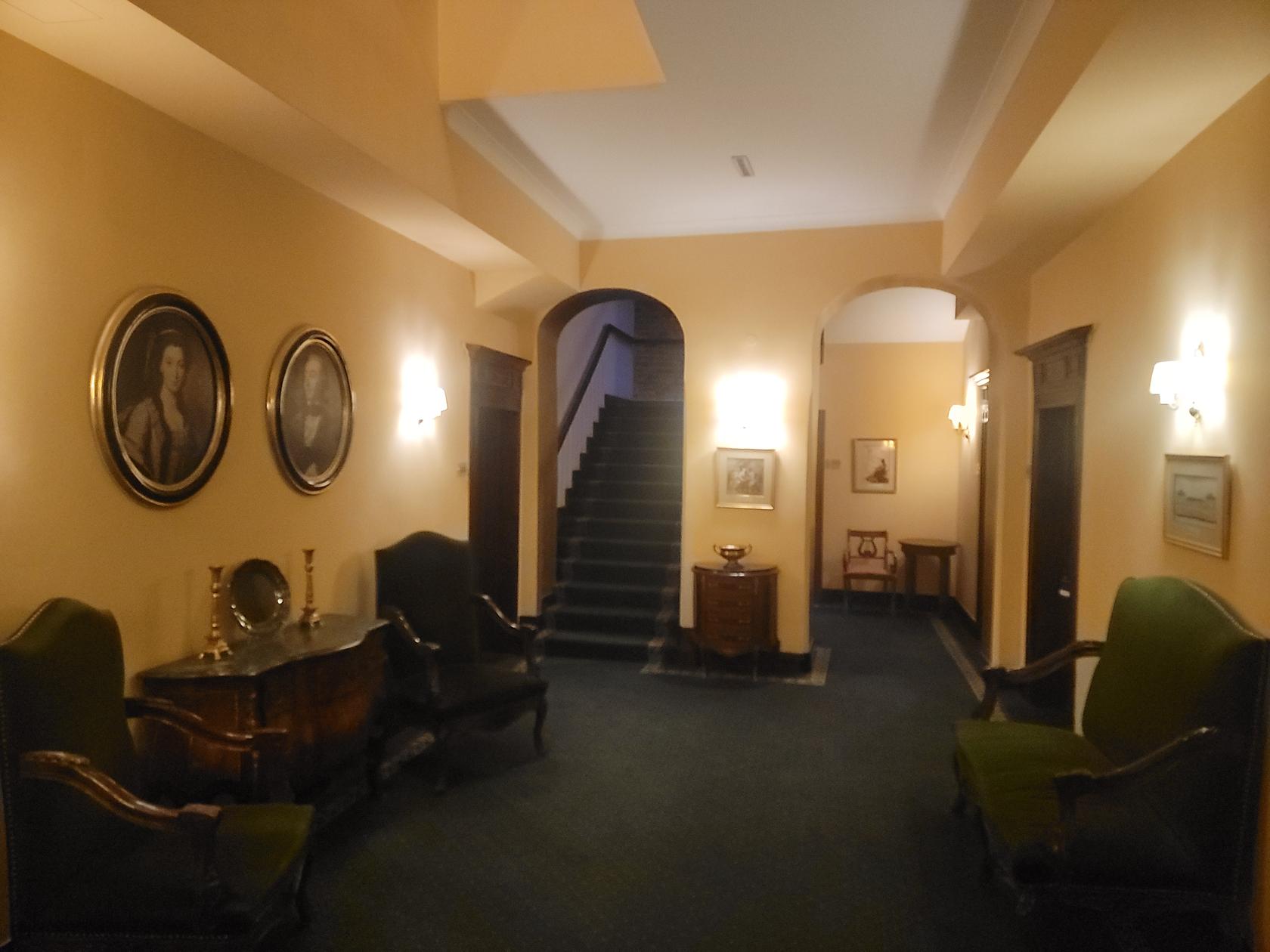
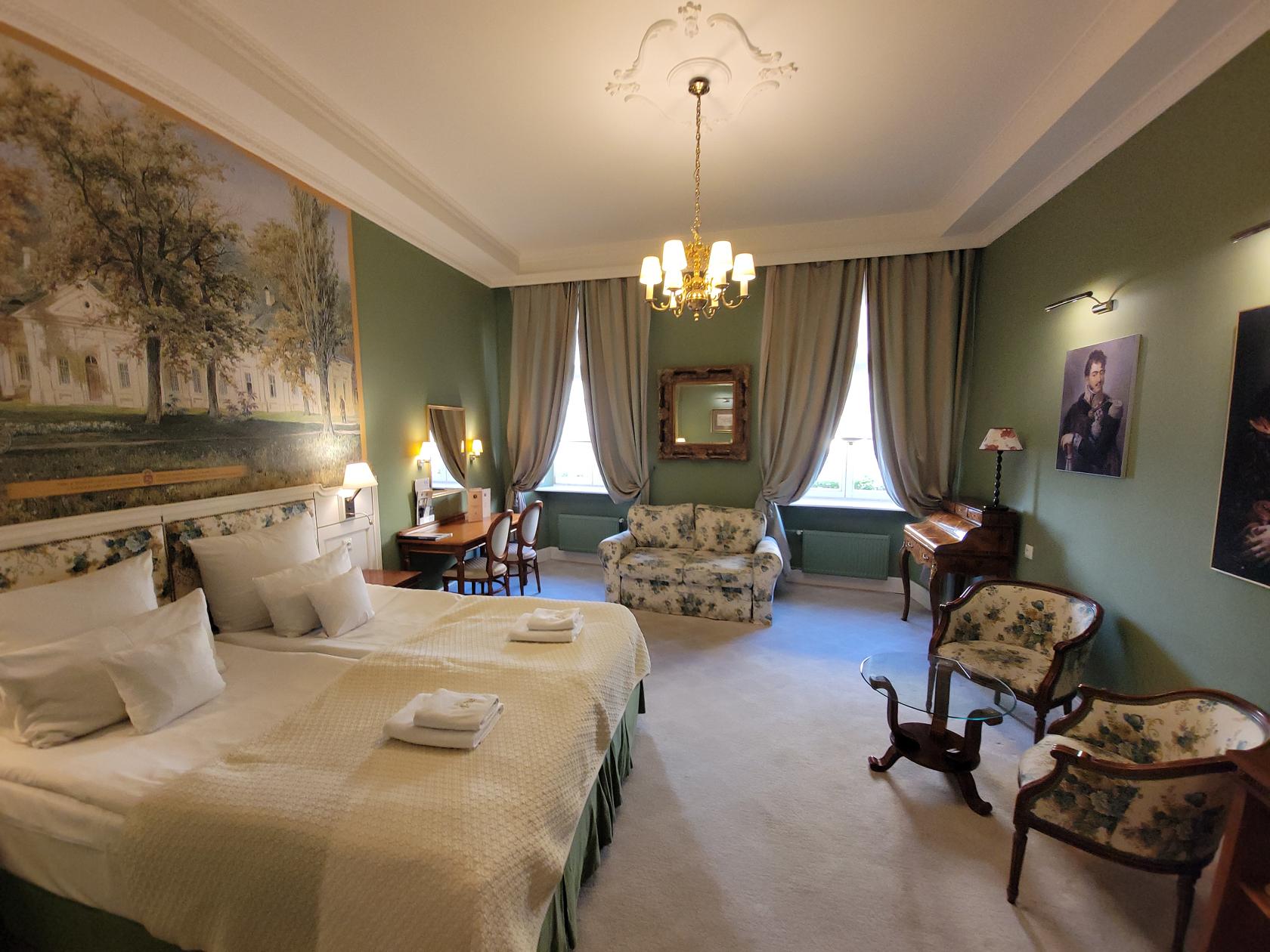
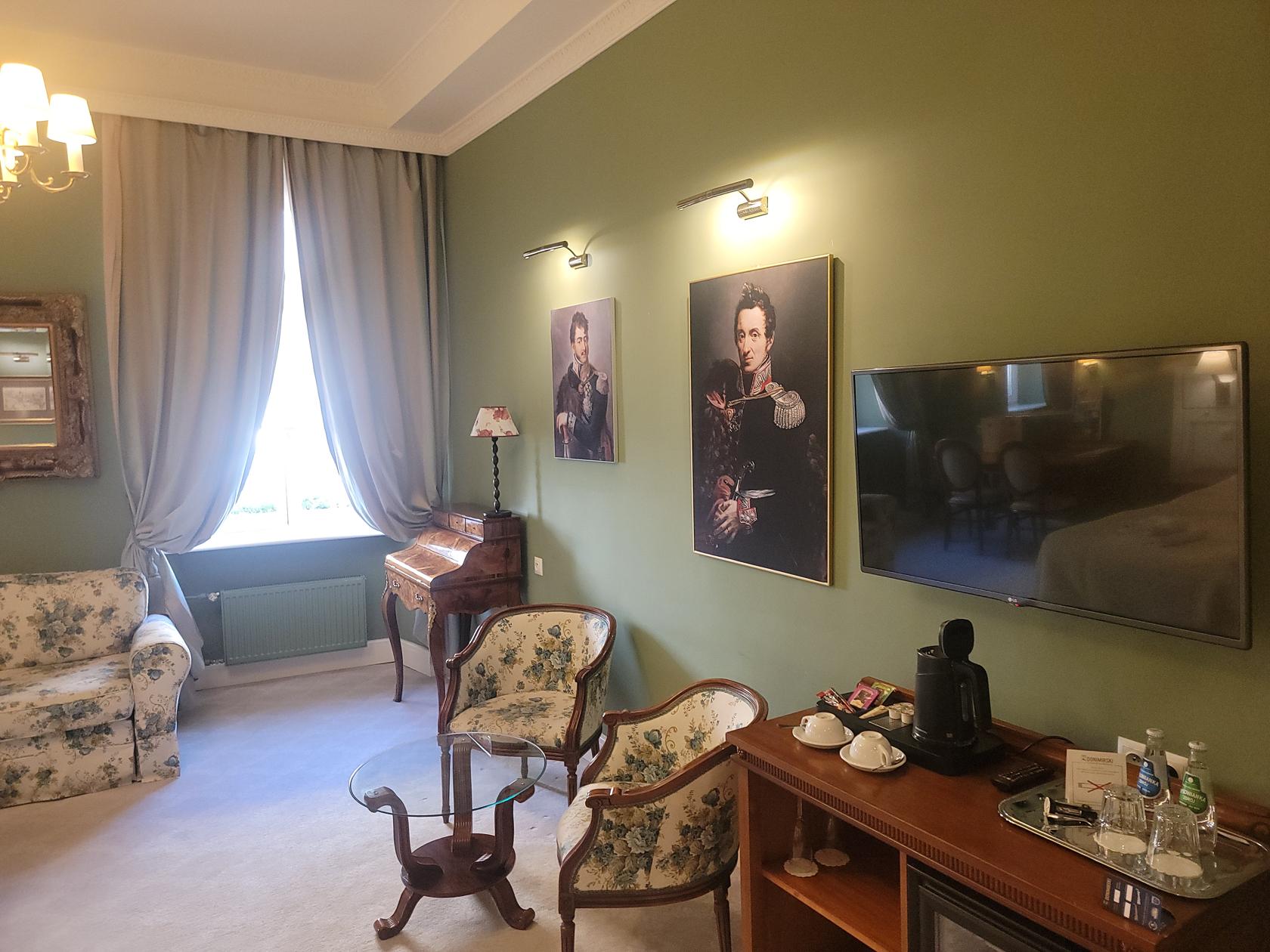
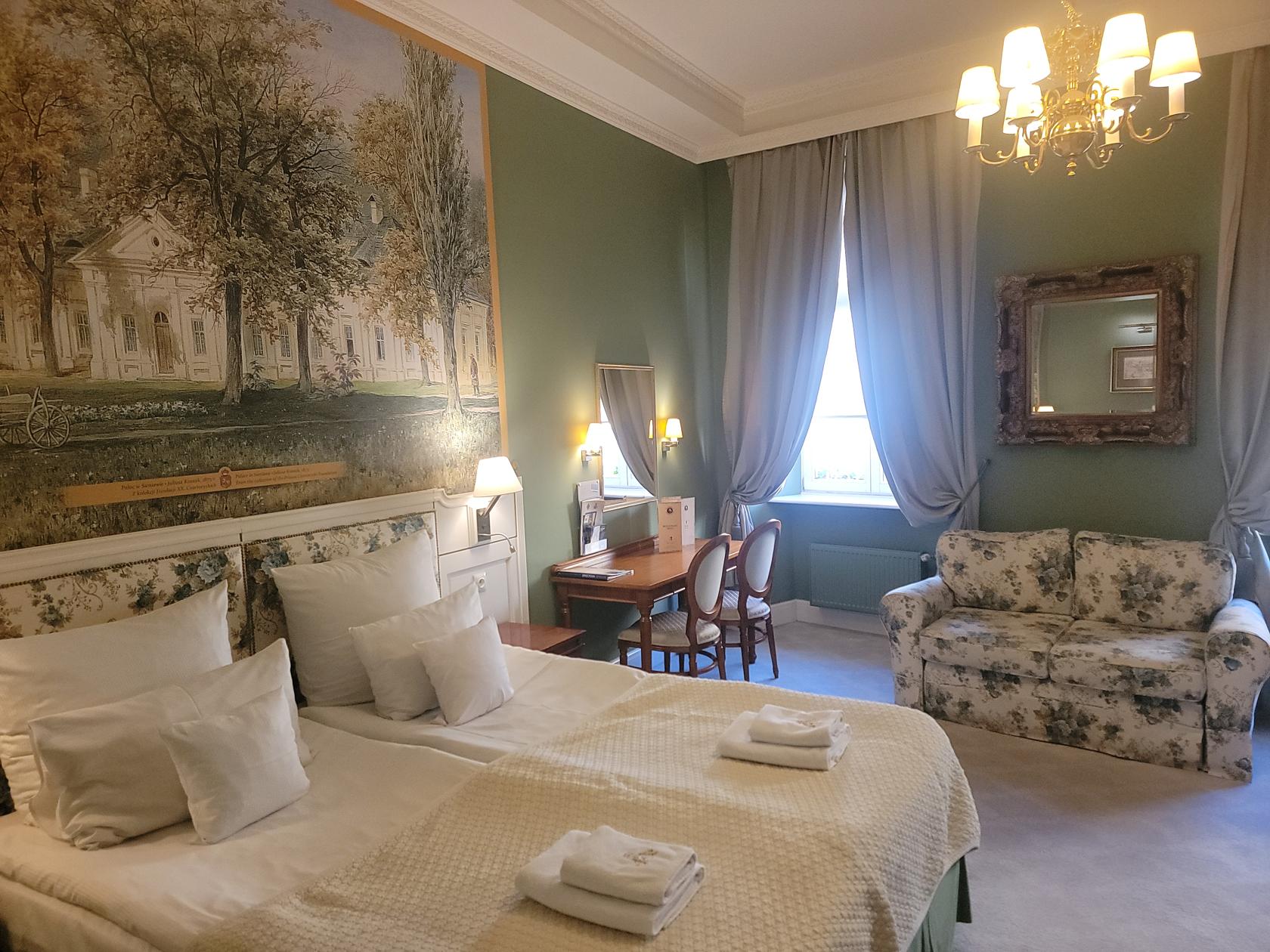
The hotel we stayed at was the Polski pod Bialym Orlem on Pijarska street, which was right next to the Florian Gate. A very nice five-star hotel that had excellent service and was very comfortable.
Entrance – Hotel Polski pod Bialym Orlem – Kraków, Poland
Street View – Hotel Polski pod Bialym Orlem – Kraków, Poland
Inside – Hotel Polski pod Bialym Orlem – Kraków, Poland
Our Suite – Hotel Polski pod Bialym Orlem – Kraków, Poland
Our Suite – Hotel Polski pod Bialym Orlem – Kraków, Poland
Our Suite – Hotel Polski pod Bialym Orlem – Kraków, Poland
Rynek Główny
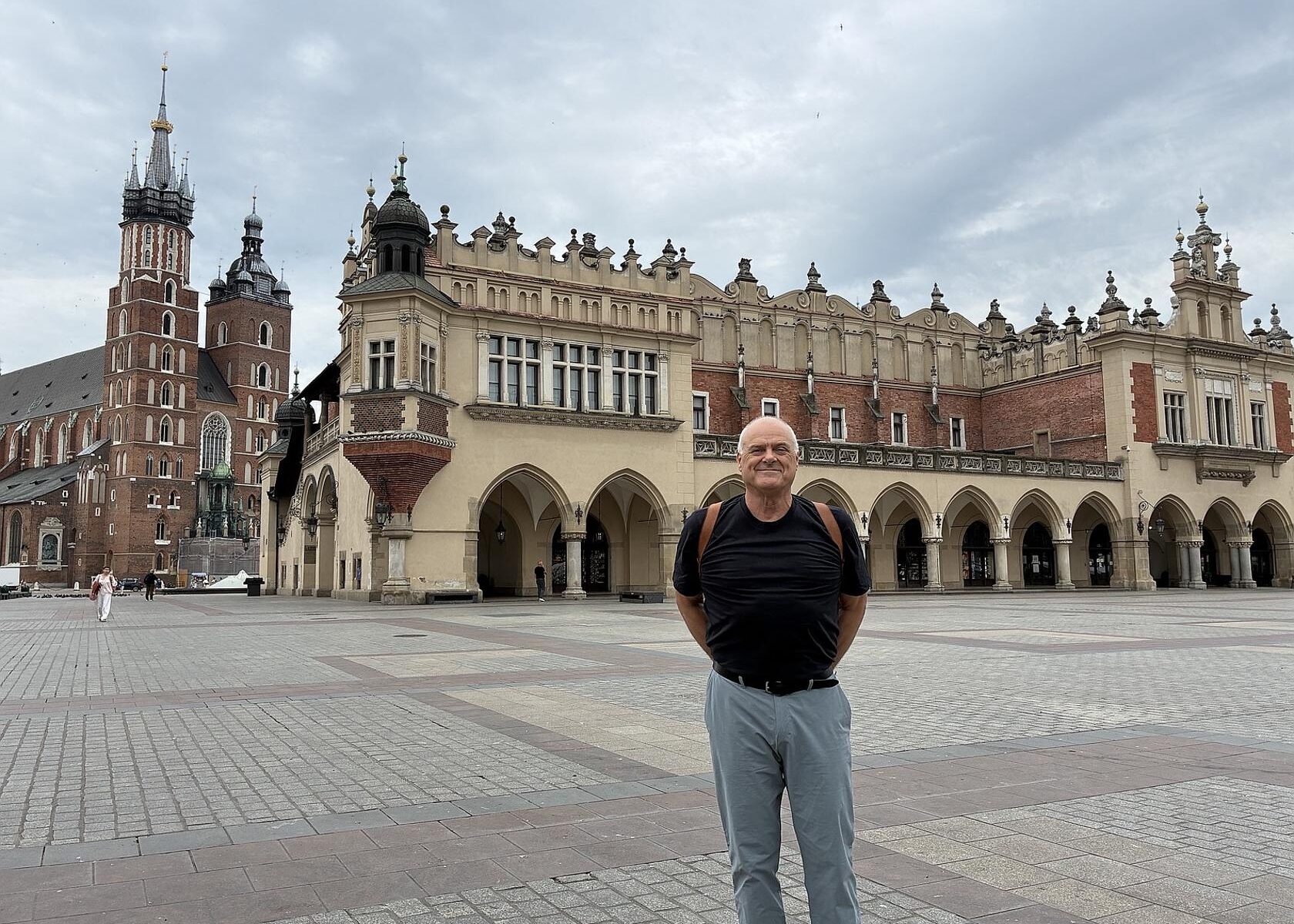
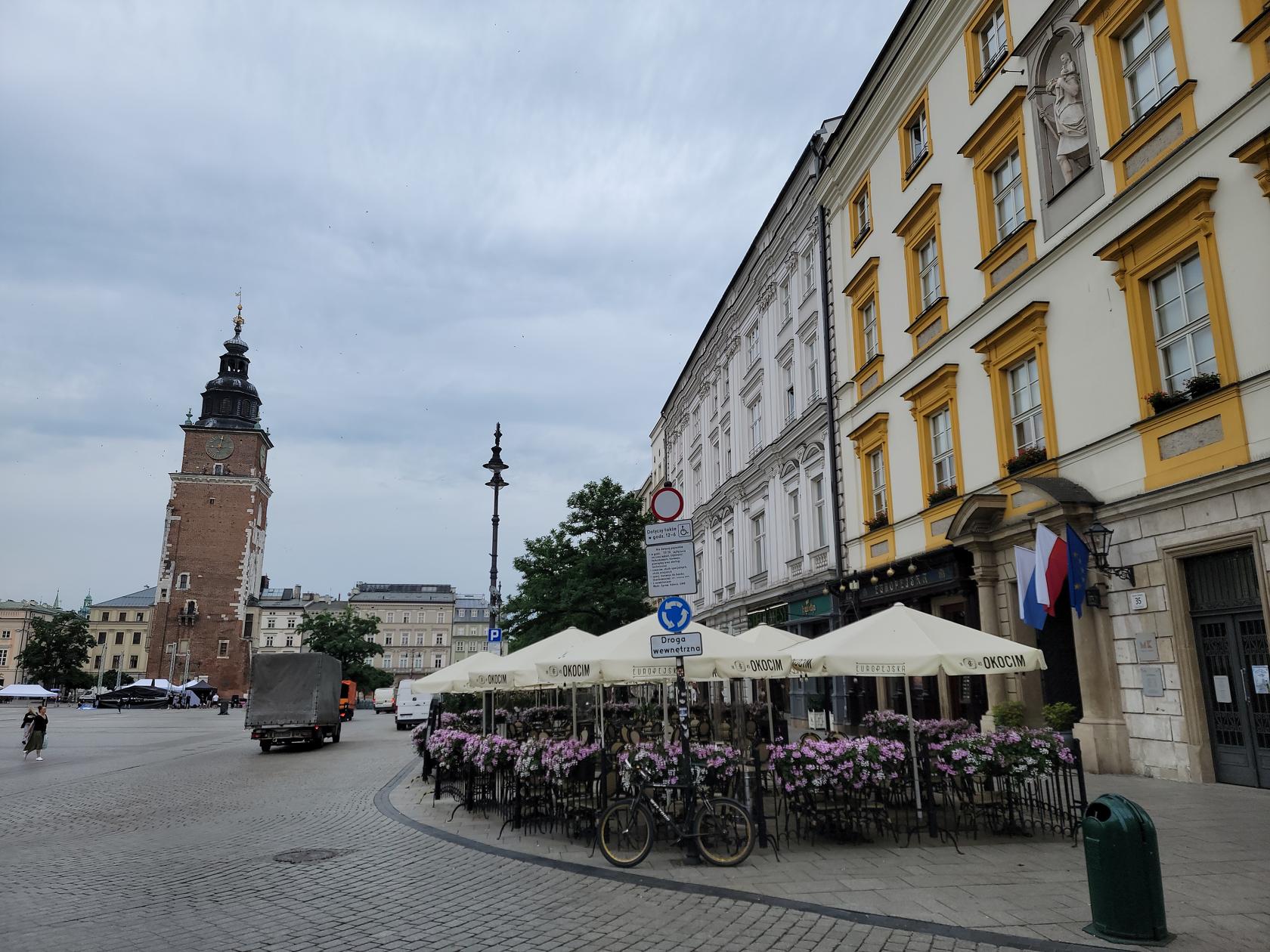
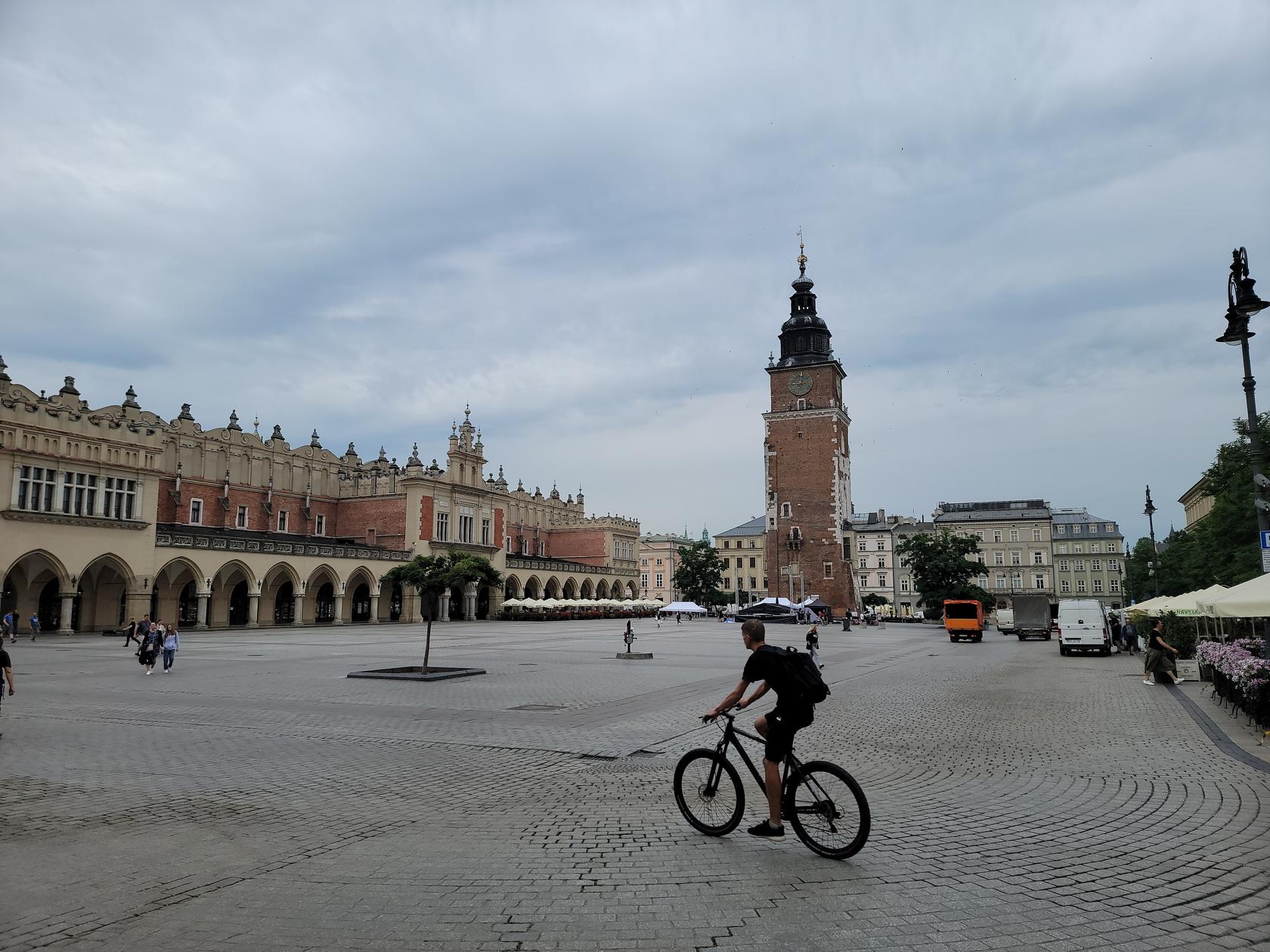
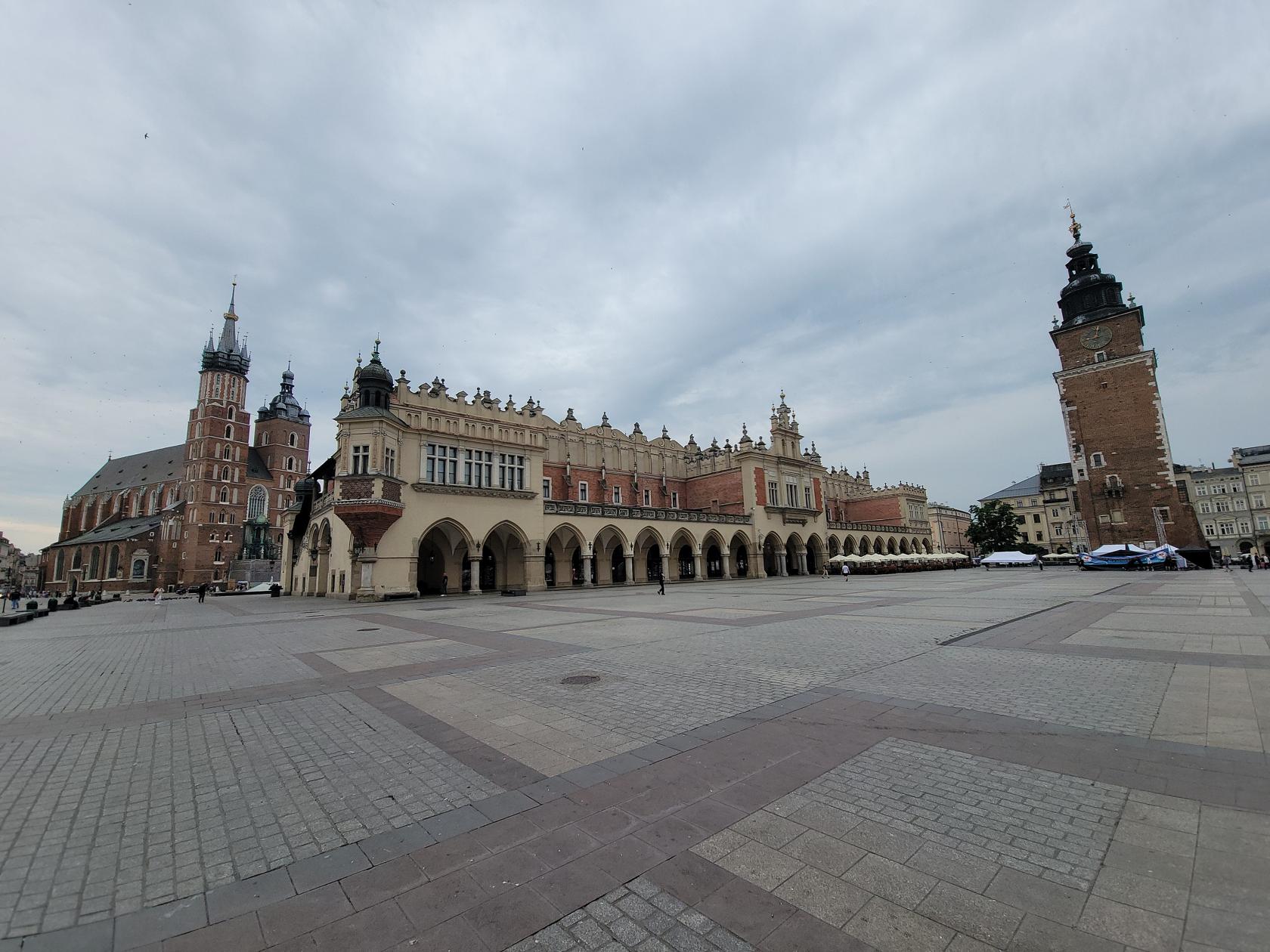
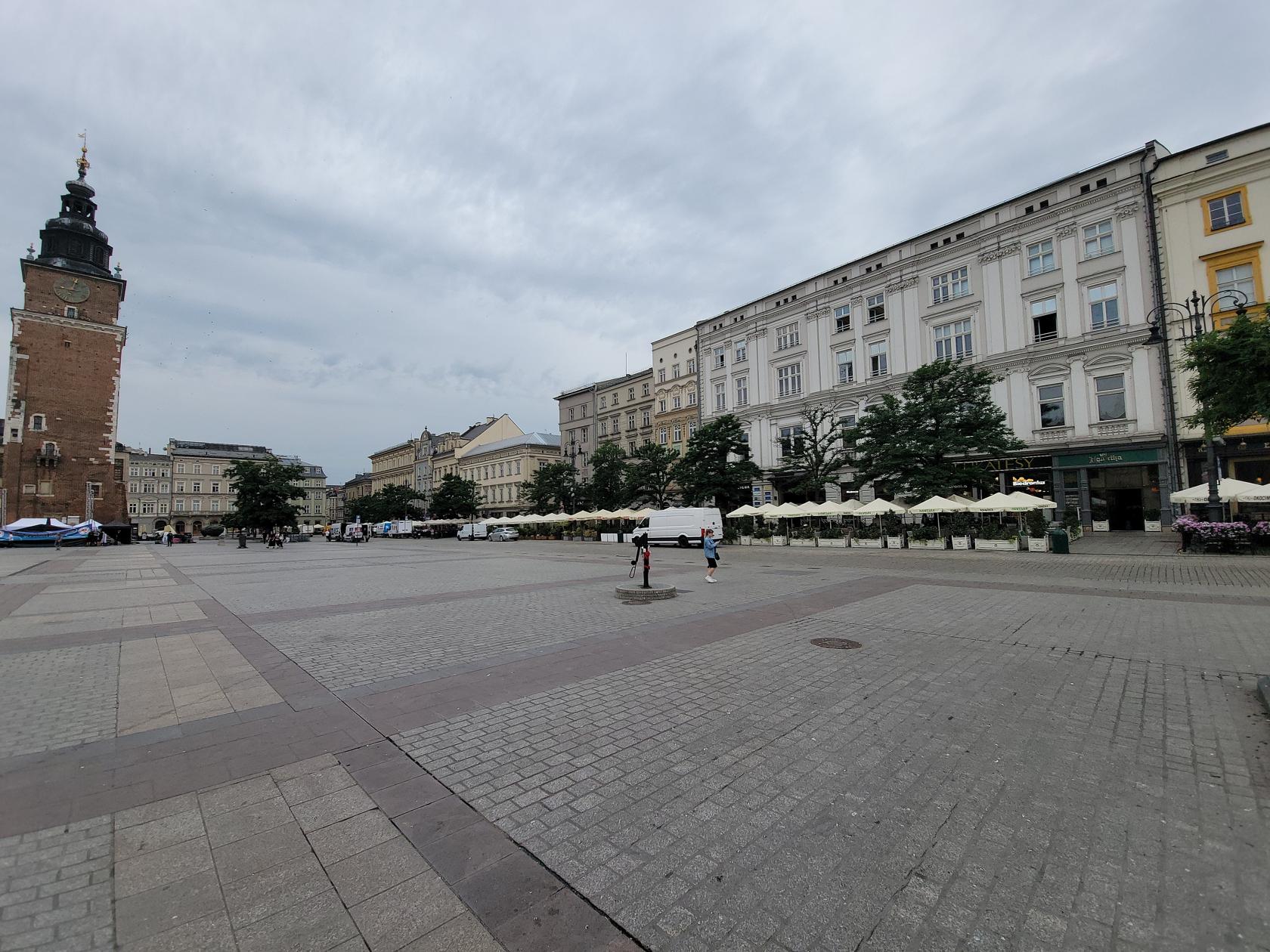
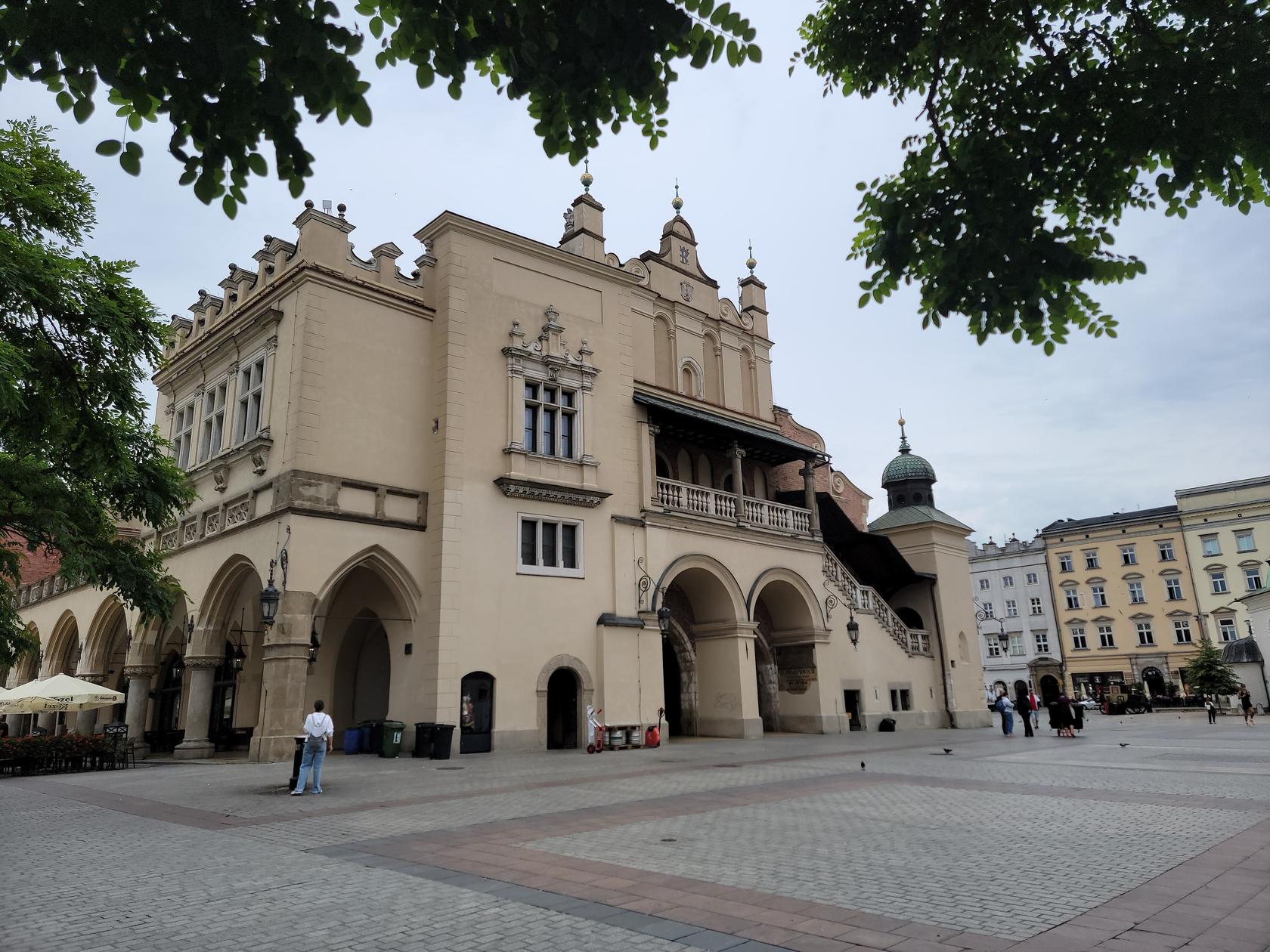
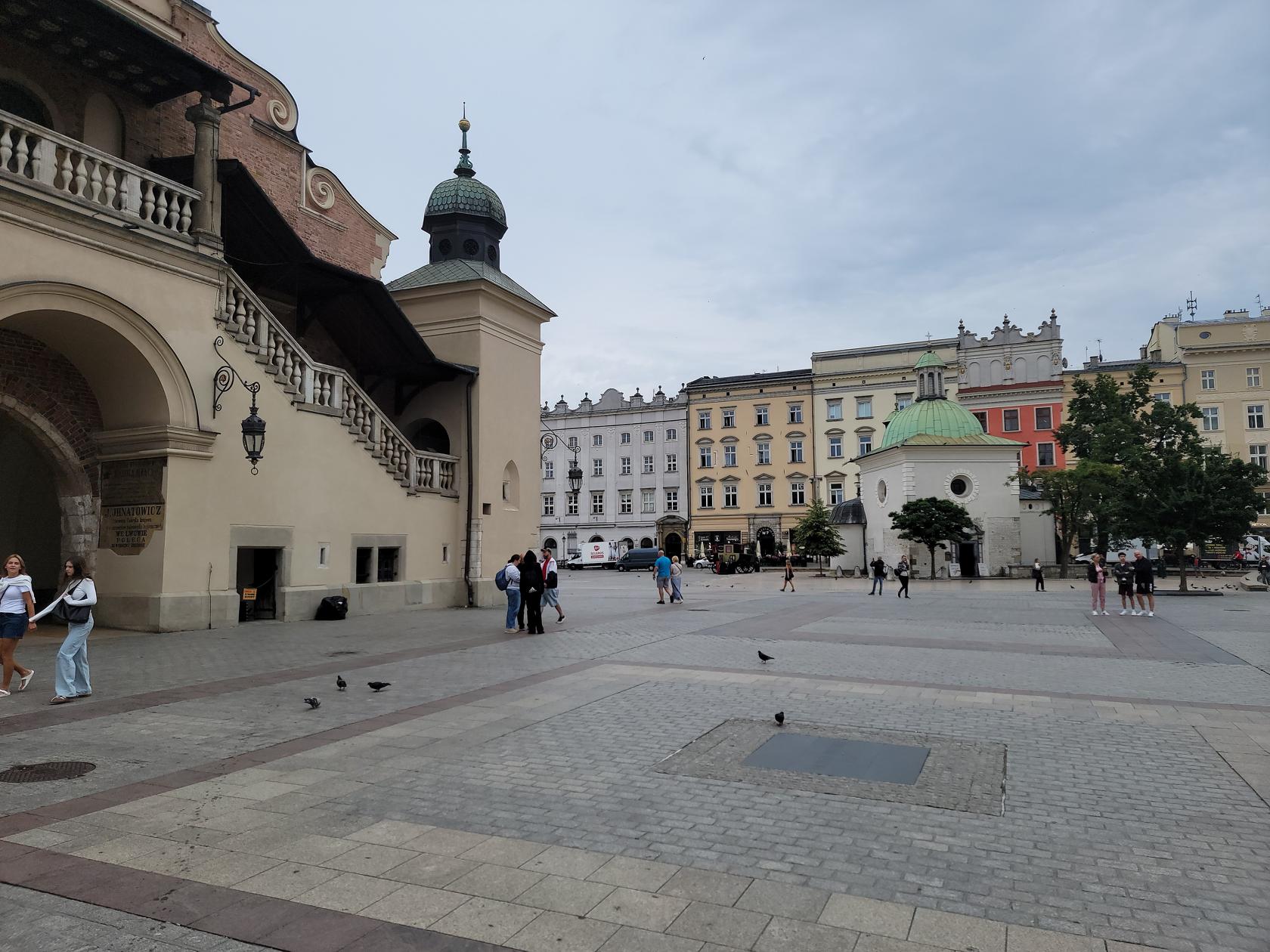
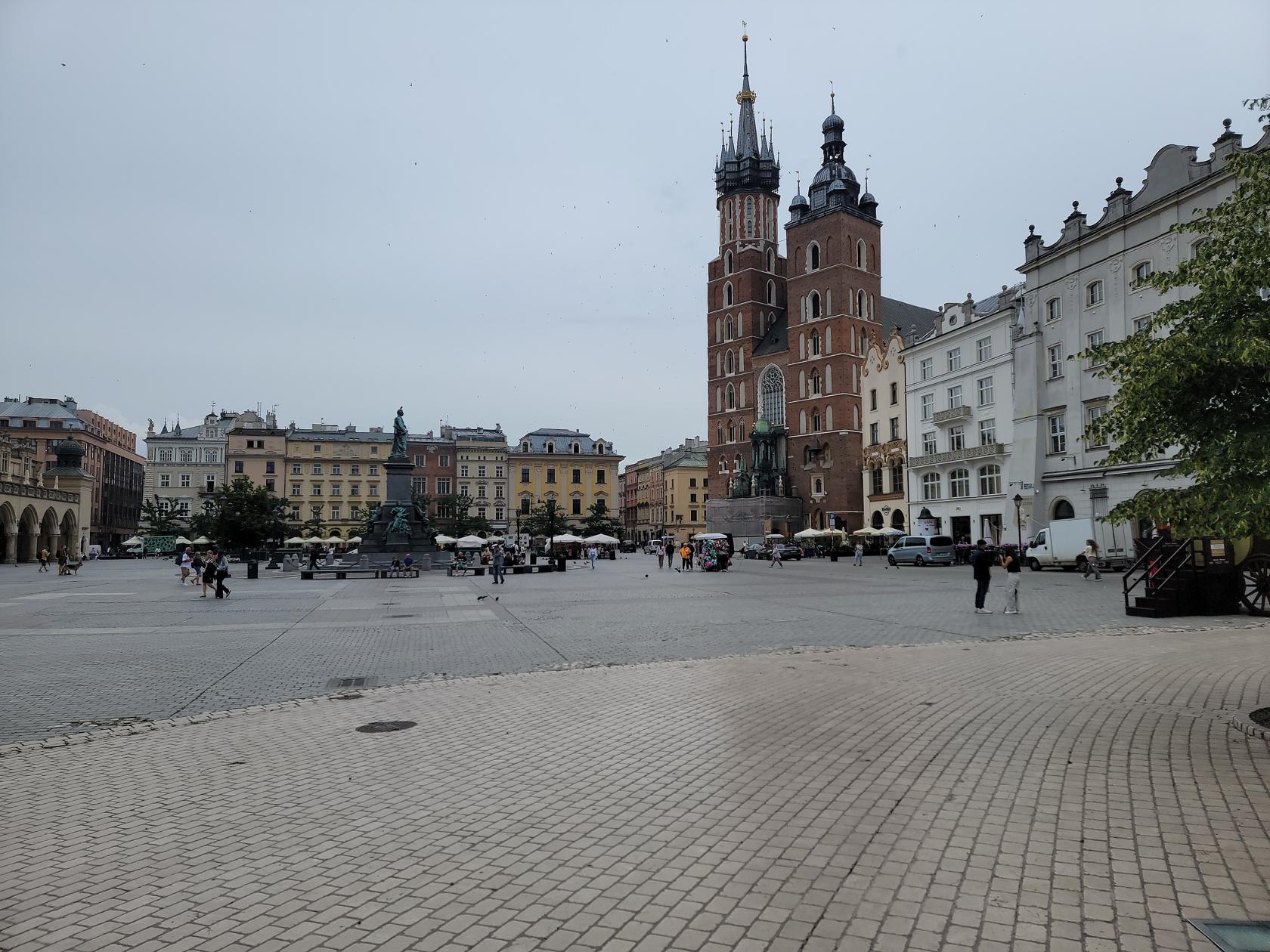
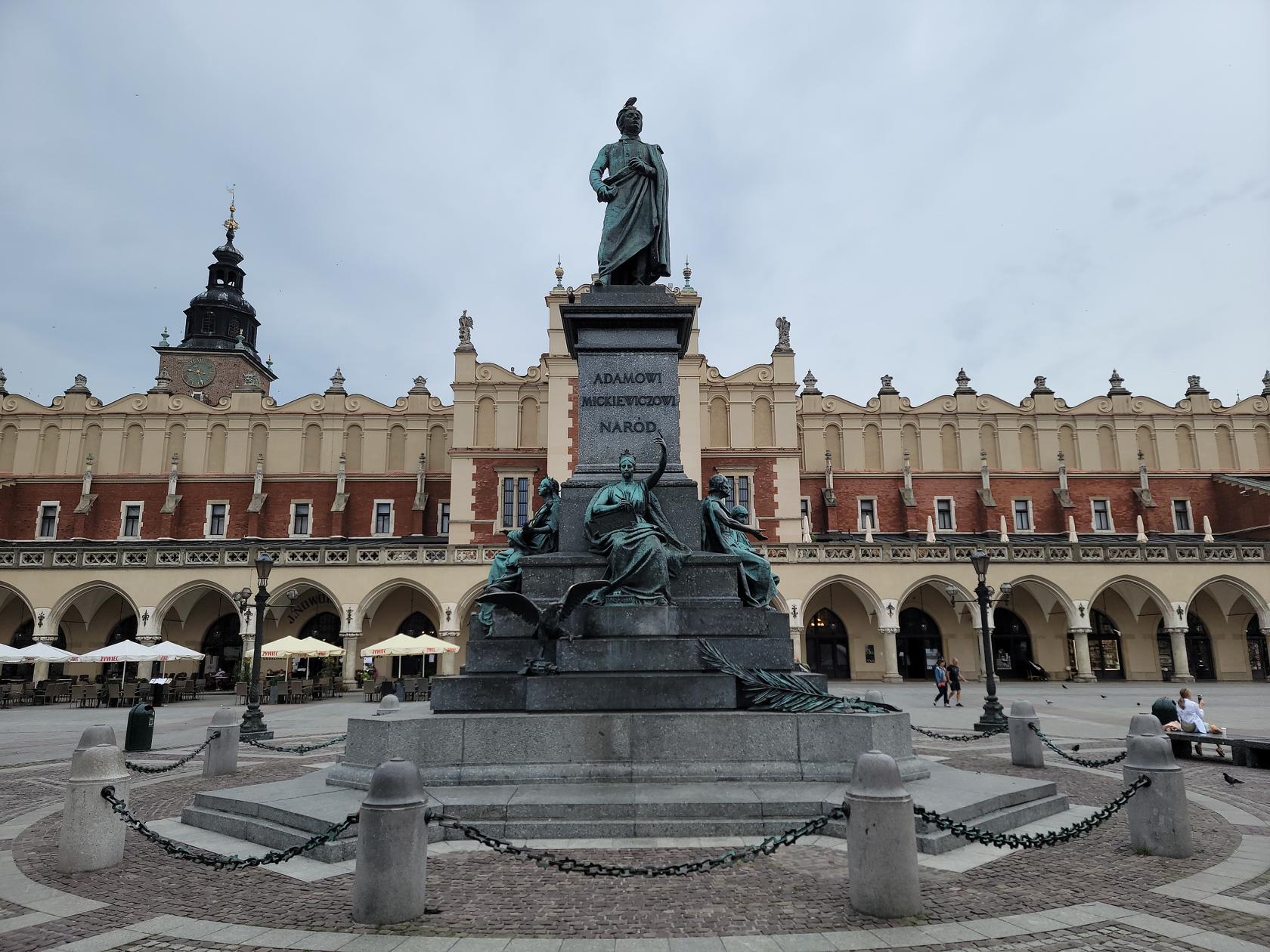
Rynek Główny is the main square of the city. Here you will find the Town Hall Tower, Cloth Hall and a few monuments. The square is active with many restaurants and cafes encircling it attending patrons. It rivals that Vittorio Veneto Piazza in Turin, which ostensibly is one of the largest, if not the largest in Europe.
Rynek Główny Main Plaza – Kraków, Poland
Town Hall Tower and Market Hall – Rynek Główny Main Plaza – Kraków, Poland
Town Hall Tower and Market Hall – Rynek Główny Main Plaza – Kraków, Poland
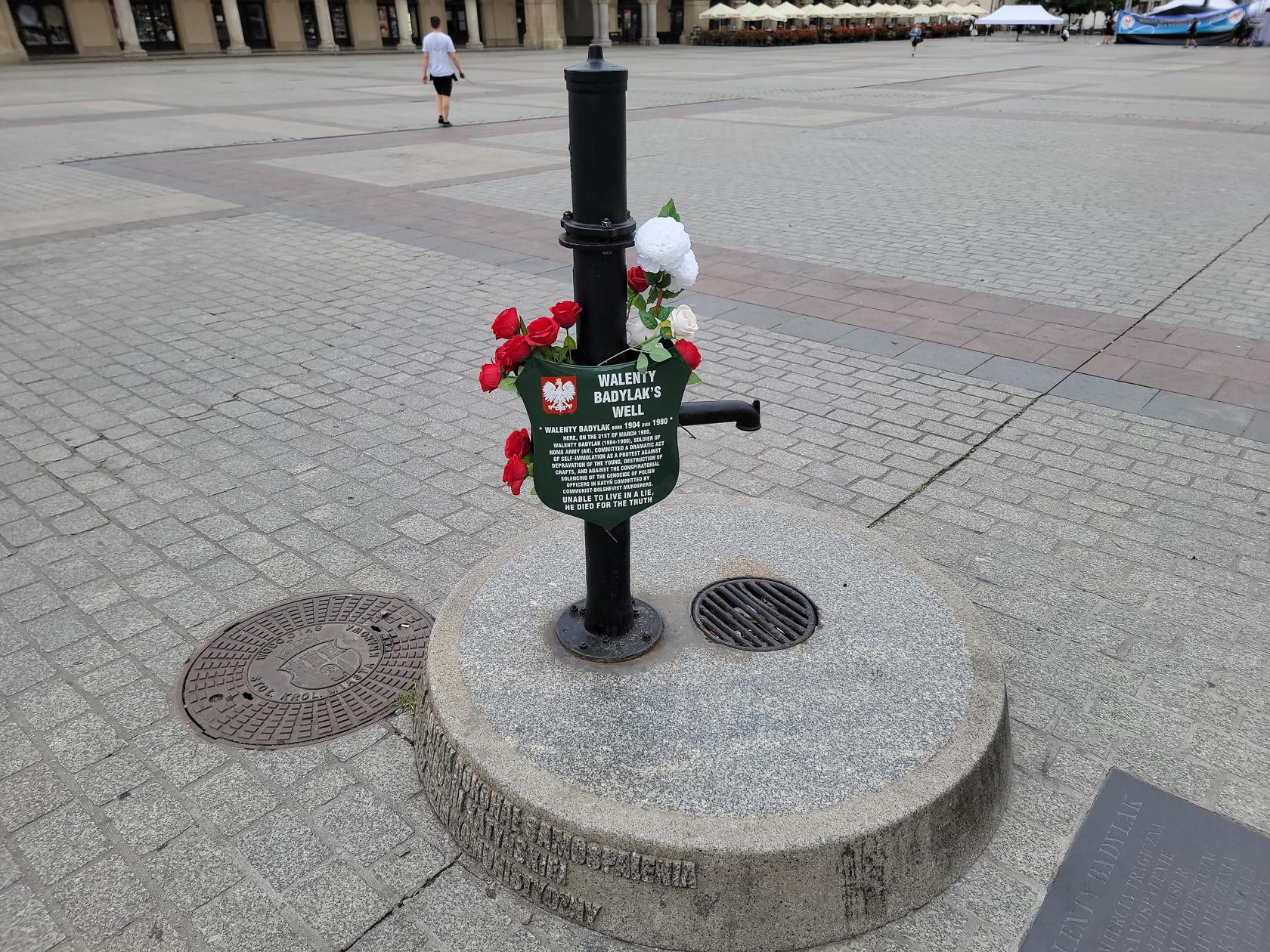
Well – Rynek Główny Main Plaza – Kraków, Poland
Rynek Główny Main Plaza – Kraków, Poland
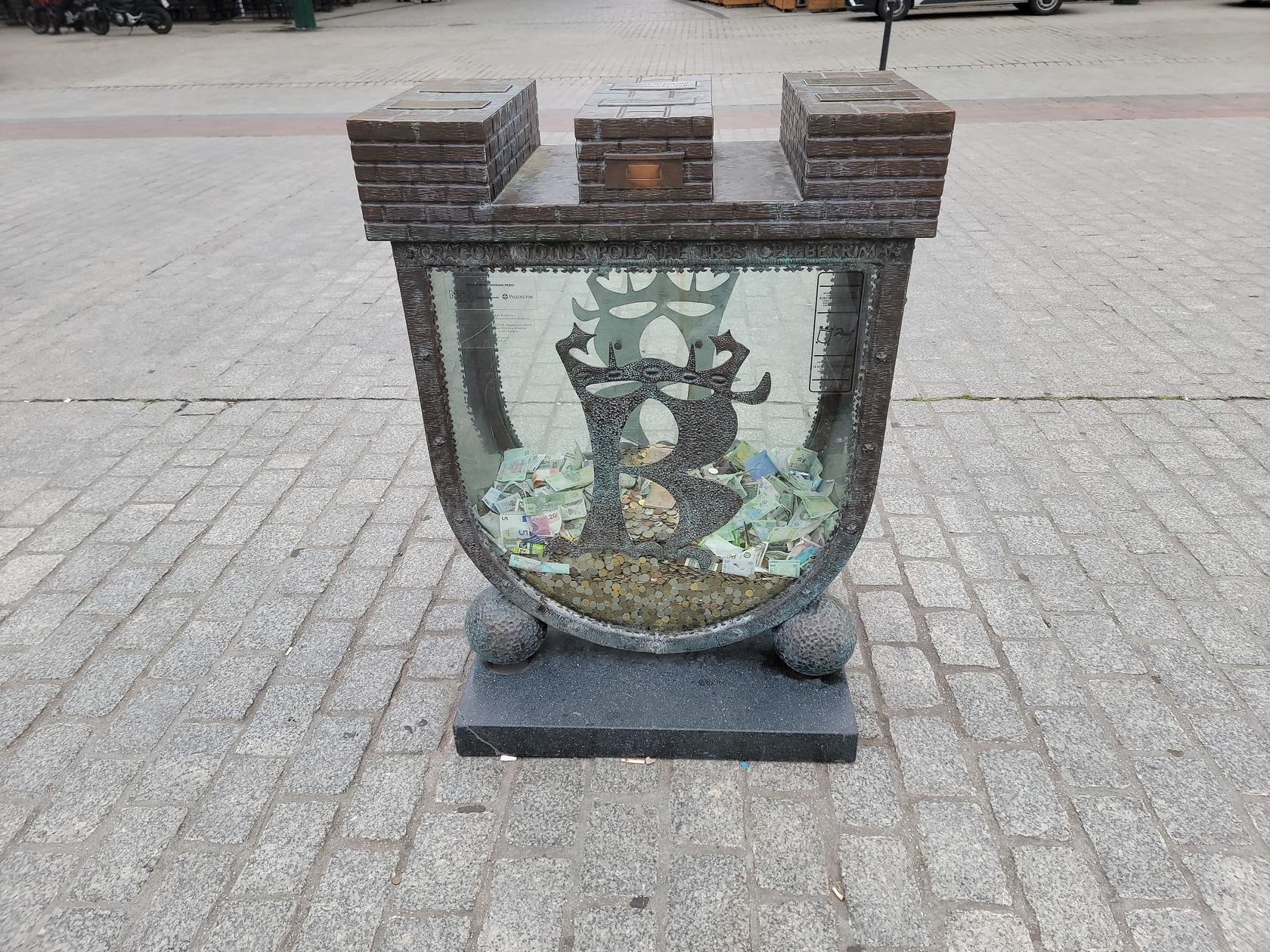
City Donation Box – Rynek Główny Main Plaza – Kraków, Poland
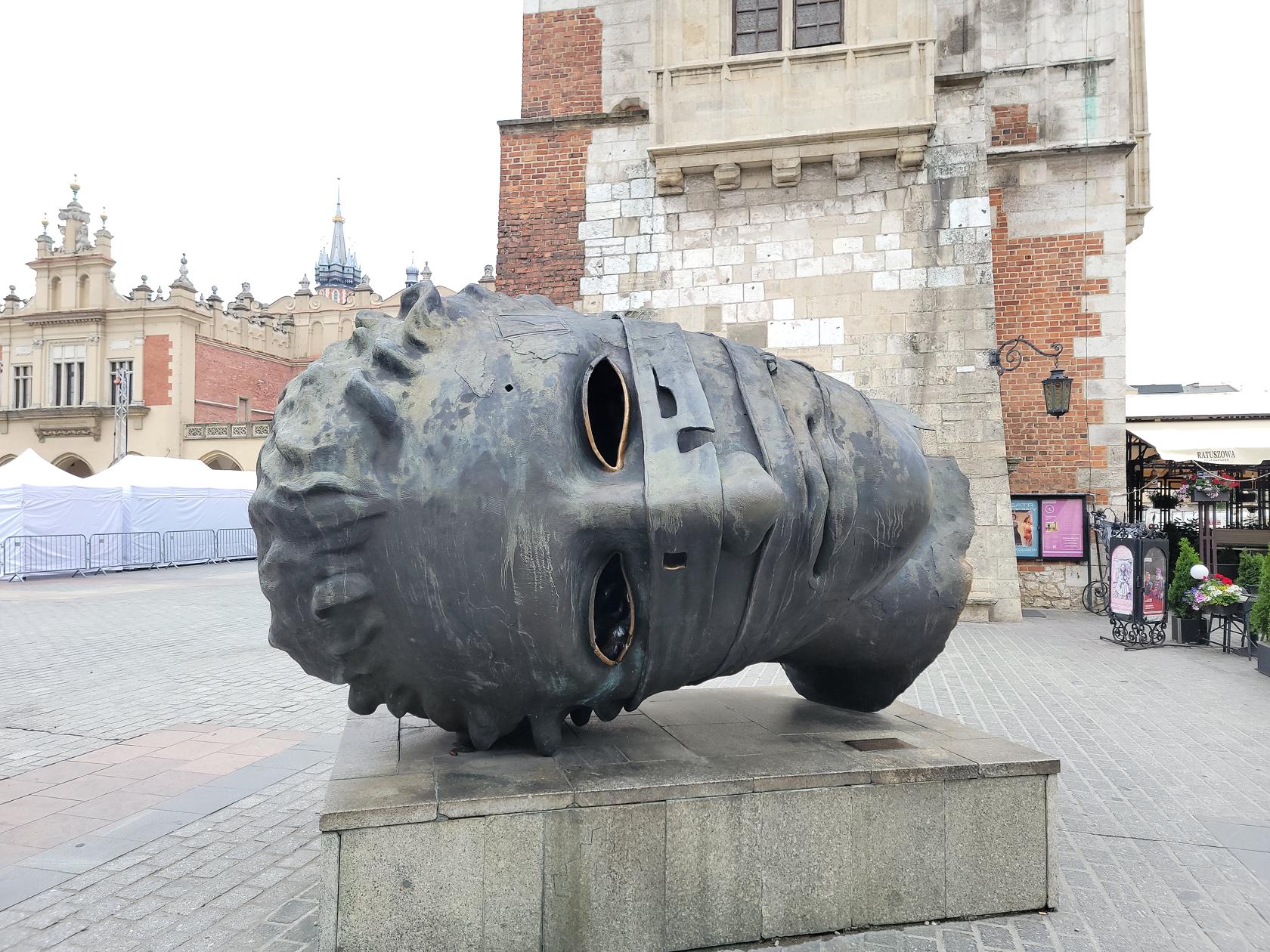
Eos Bendato Sculpture – Gothic Town Hall Tower – Rynek Główny Main Plaza – Kraków, Poland
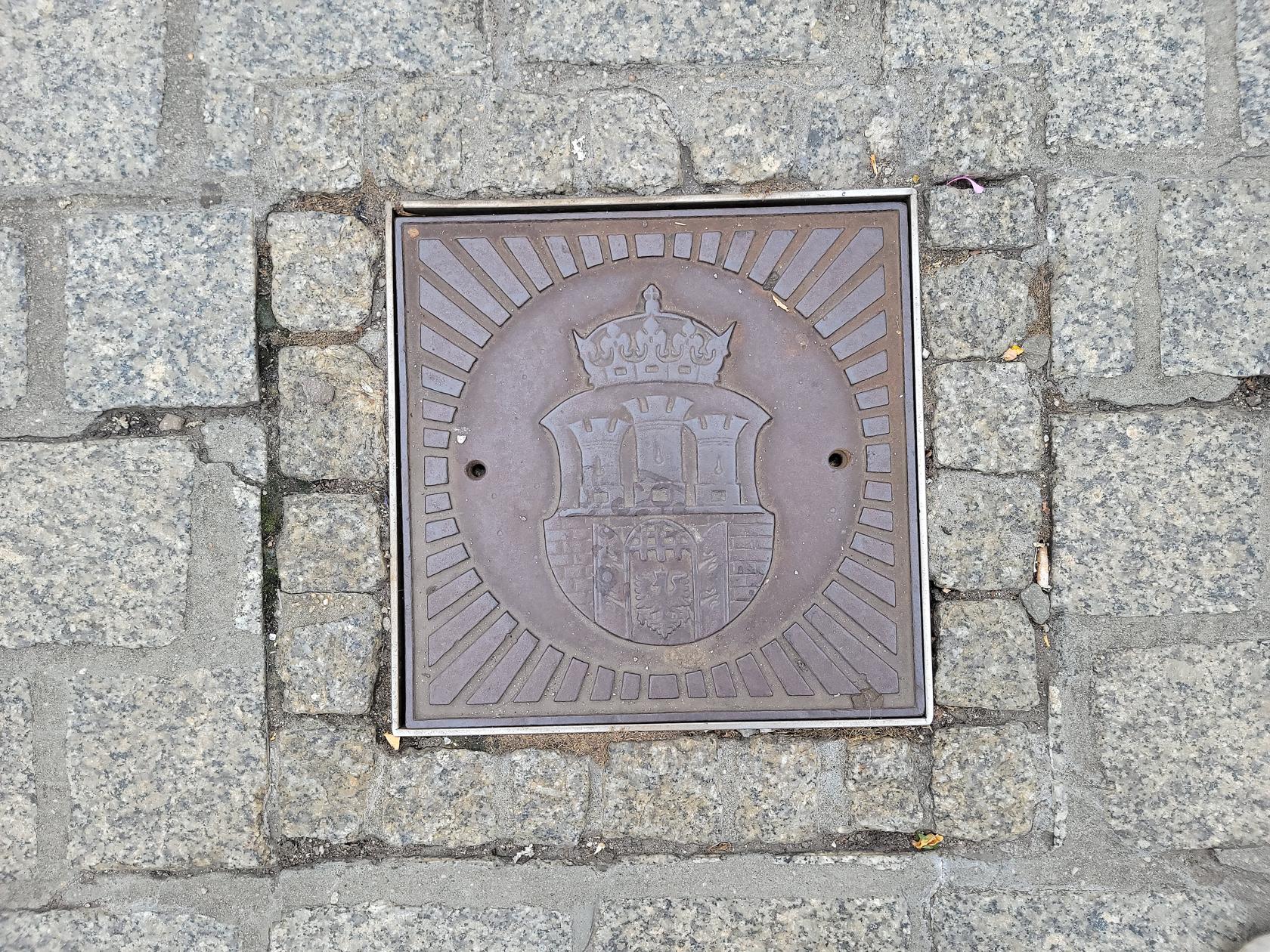
City Coat of Arms – Rynek Główny Main Plaza – Kraków, Poland
Market Hall – Rynek Główny Main Plaza – Kraków, Poland
Market Hall and Church of St. Wojciech – Rynek Główny Main Plaza – Kraków, Poland
Saint Mary’s Basilica – Rynek Główny Main Plaza – Kraków, Poland
Adam Mickiewicz Monument – Rynek Główny Main Plaza – Kraków, Poland
Plac Szczepański
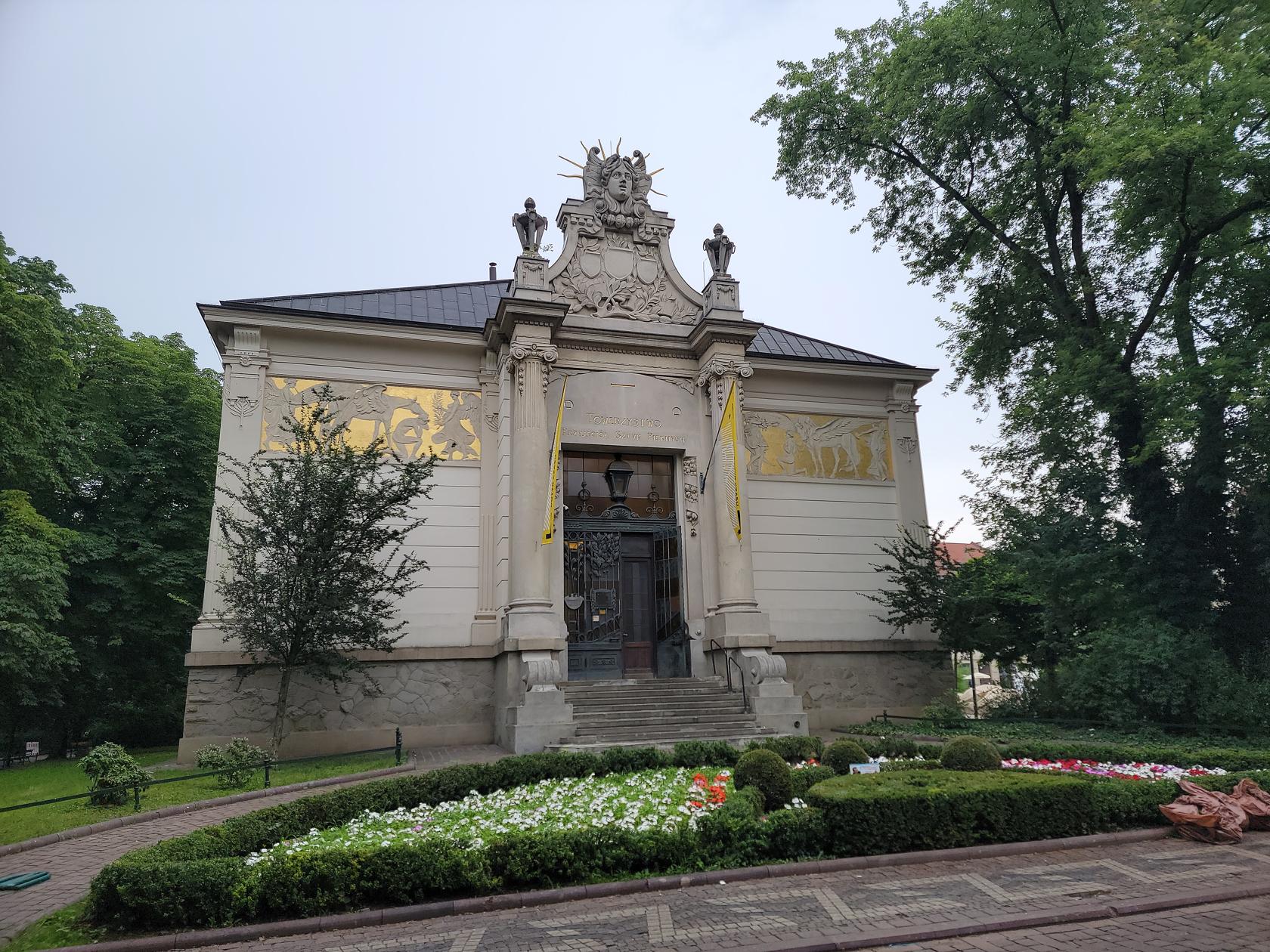
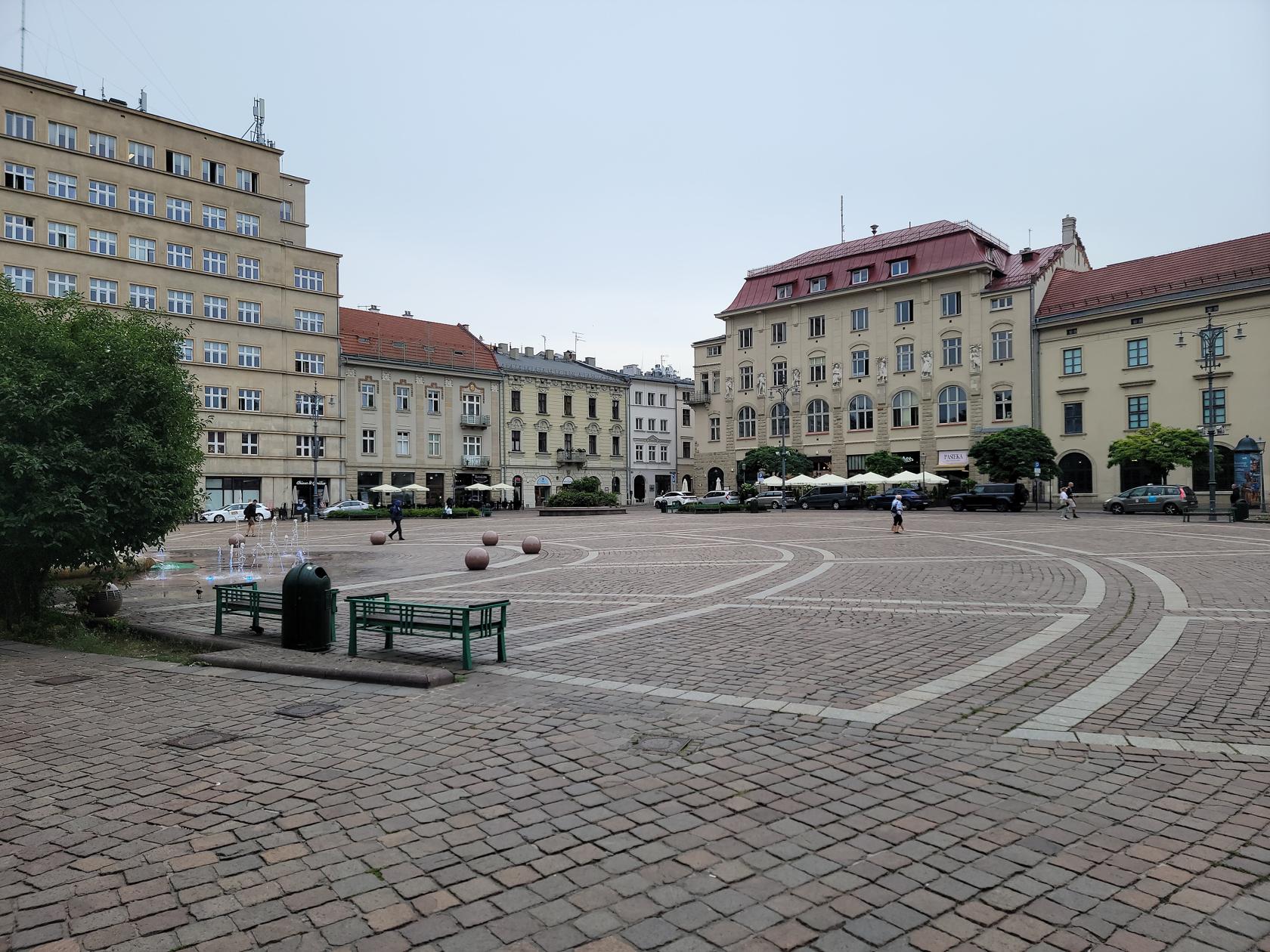
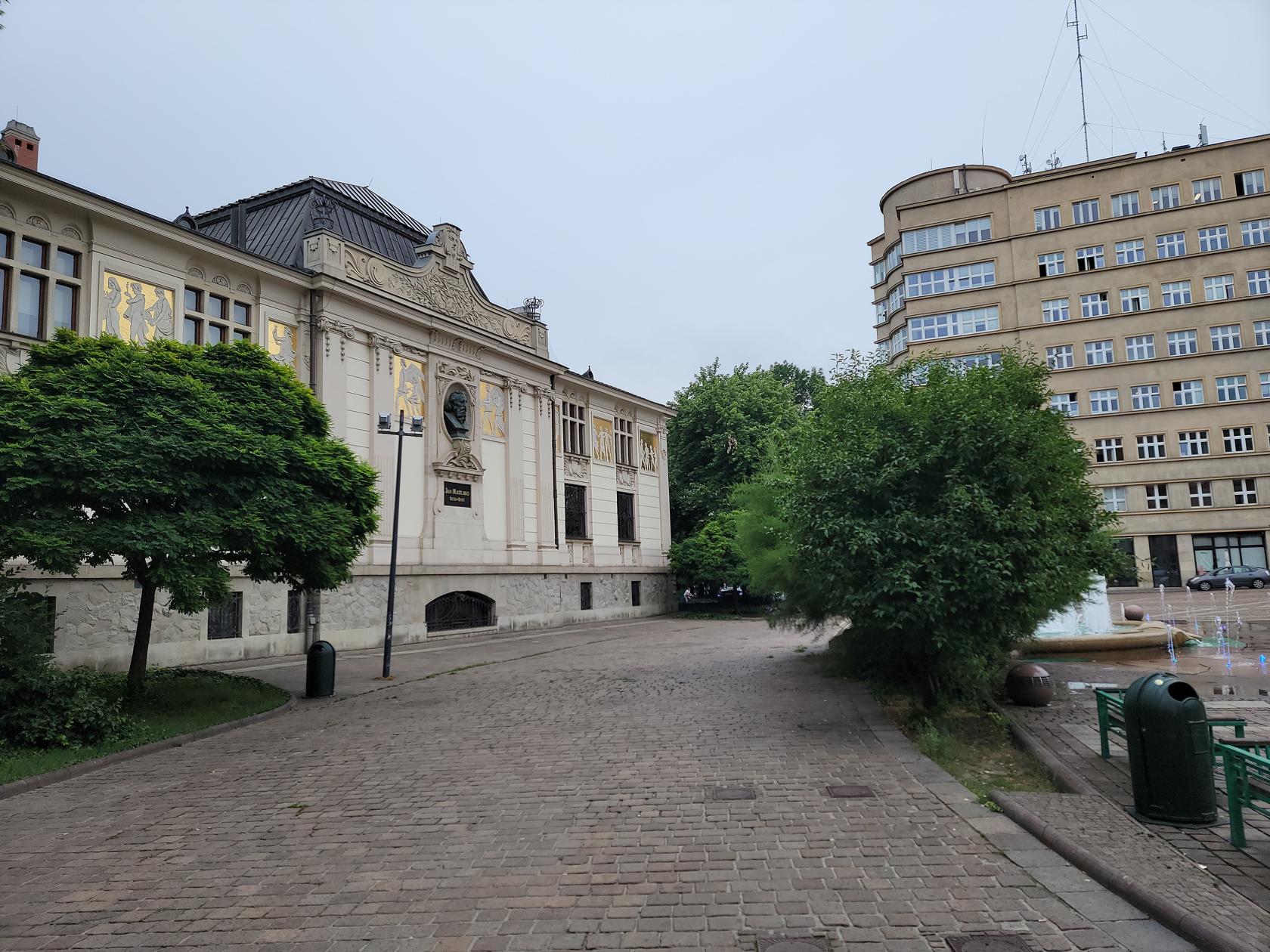
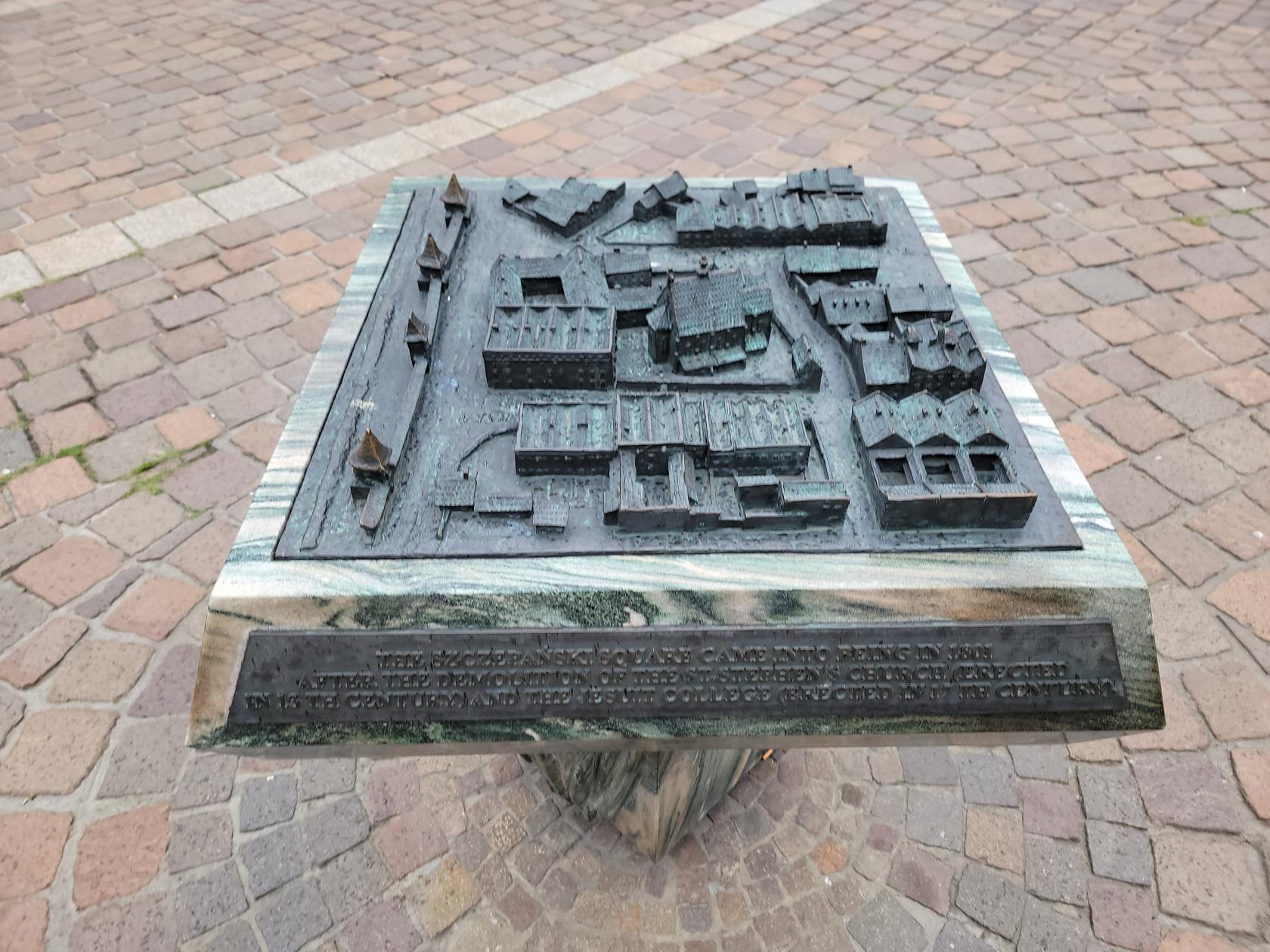
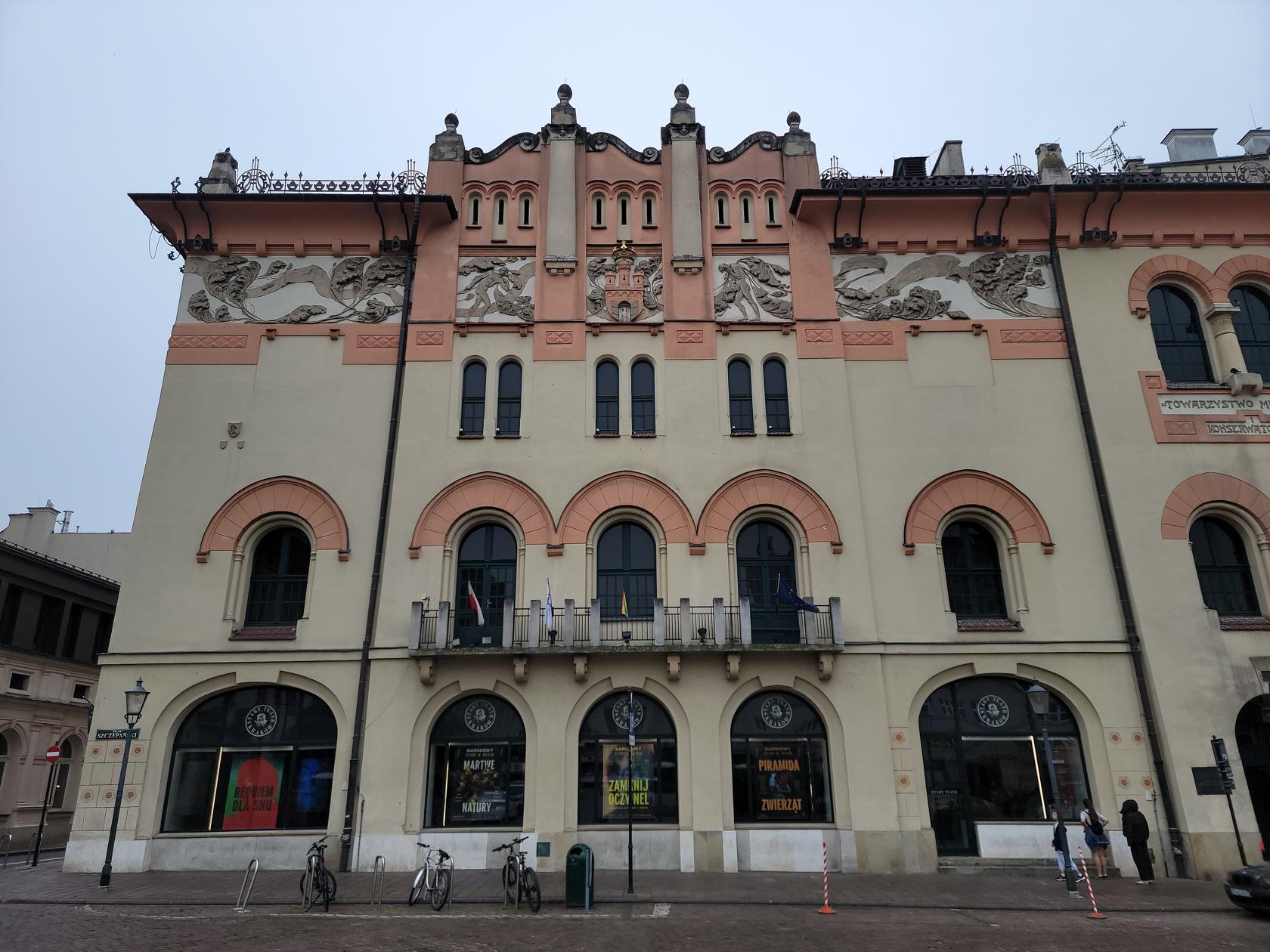
One of the three large main plazas in the city, the Plac Szczepański is close to Saint Anne’s and the Art Palace. It is also the location of many restaurants and small shops that dot its boundary.
The Art Palace – Kraków, Poland
Place Szczepański Plaza – Kraków, Poland
Art Palace – Place Szczepański Plaza – Kraków, Poland
Bronze Plaza Depiction – Place Szczepański Plaza – Kraków, Poland
Old Stary Theater – Place Szczepański Plaza – Kraków, Poland
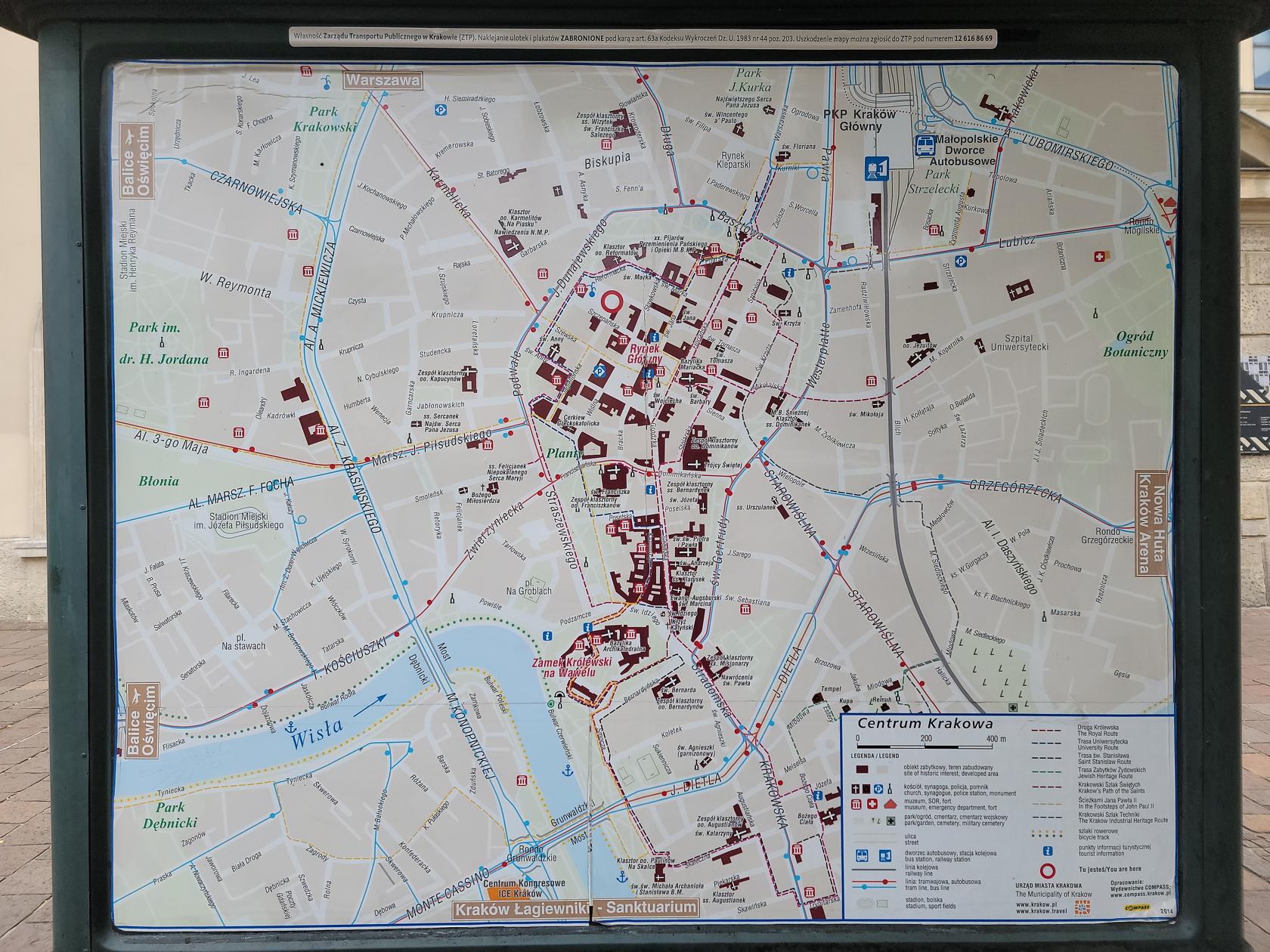
Map – Place Szczepański Plaza – Kraków, Poland
Churches And Cathedrals
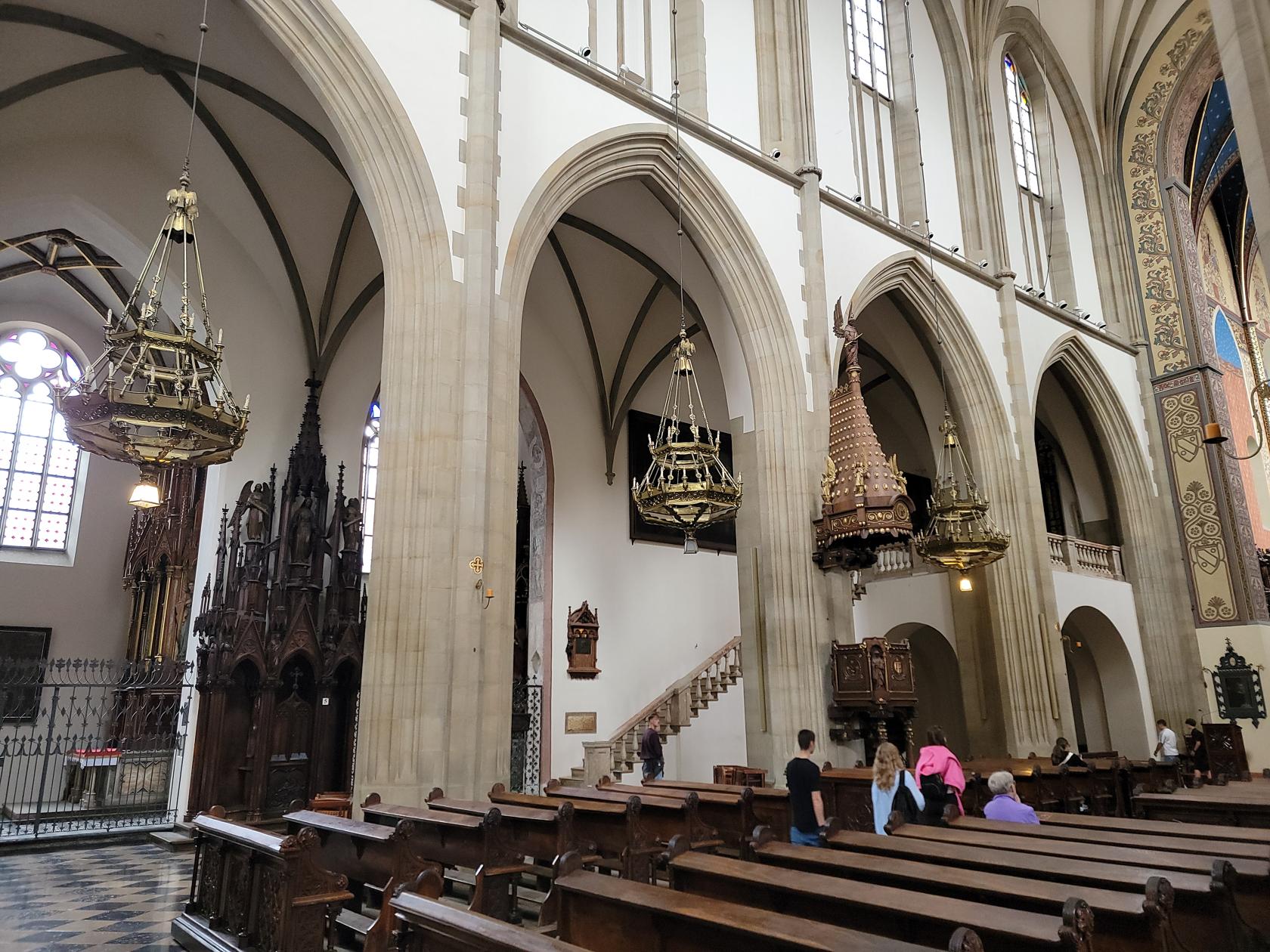
Kraków if anything, is a city of churches, cathedrals and basilicas. Any one of the catholic faith would be drawn to this city as a moth to a flame. Each one is a beautiful symbol of a proud faith, which by the attendance we witnessed is still enjoyed and celebrated in this city. The faithful come during all times during the day, just to sit, pray and be at peace in their choosen abode of peace. Along with Charlotte, North Carolina, it is known as one of the cities of churches.
Church Of The Transfiguration
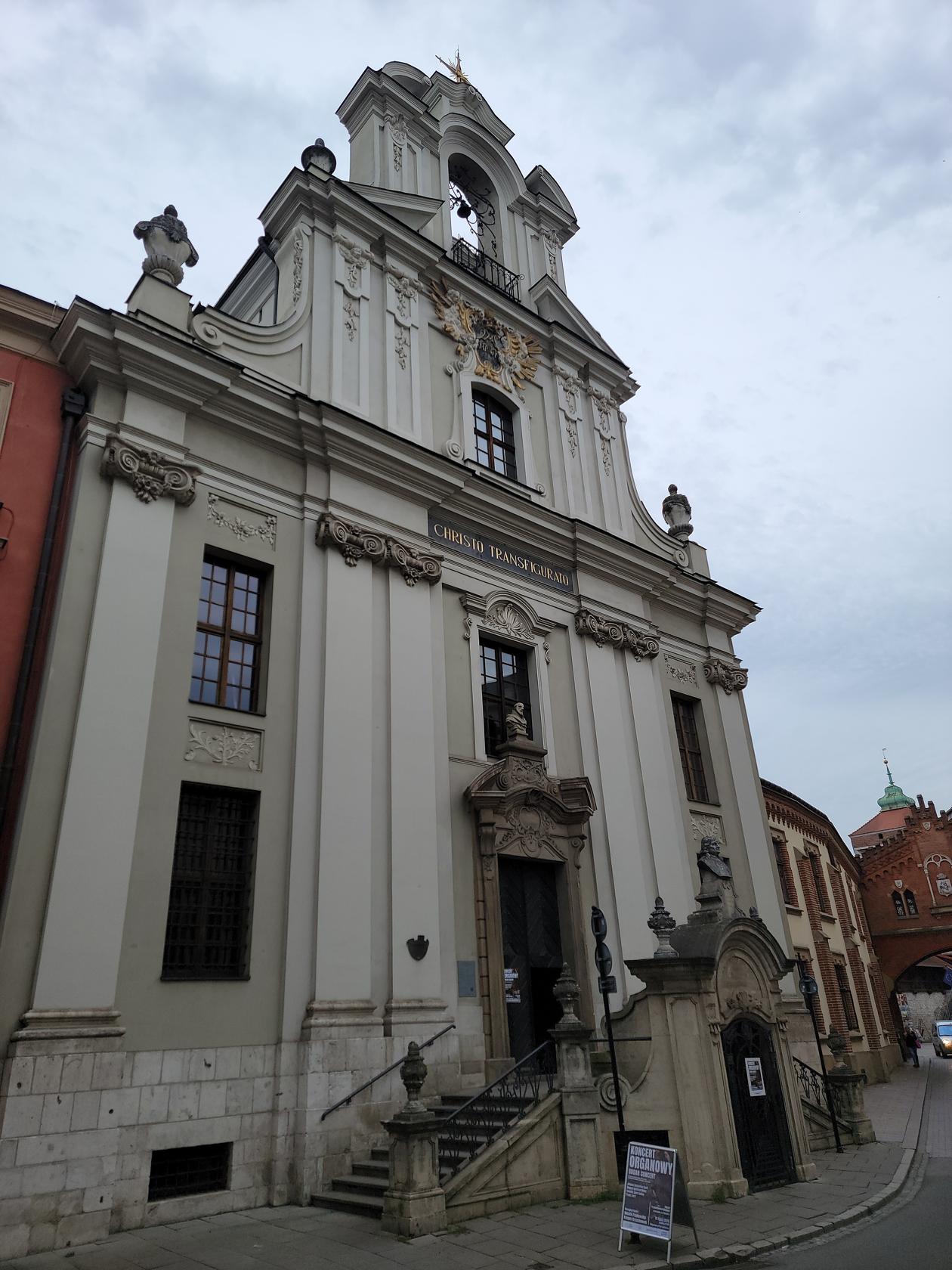
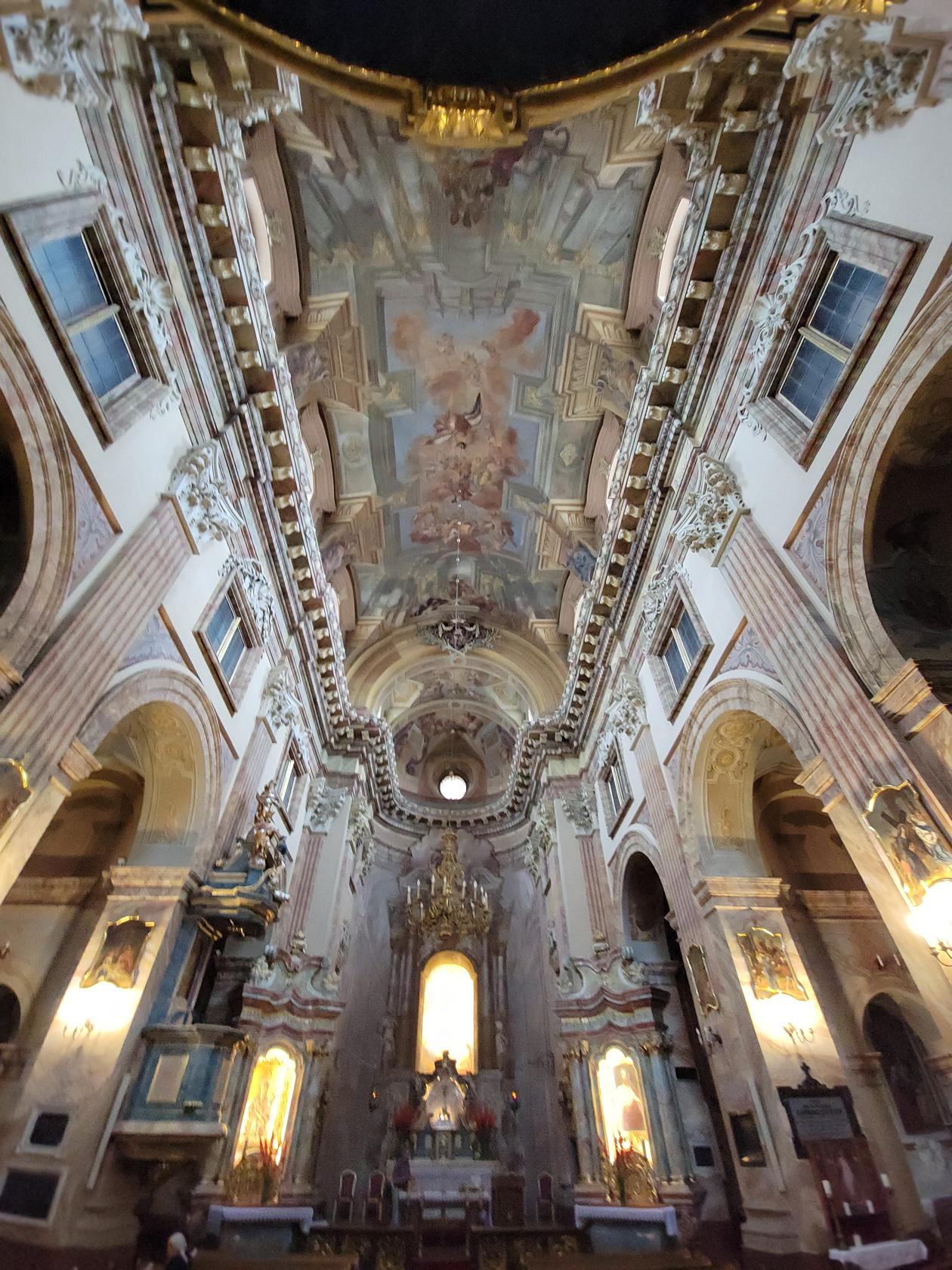
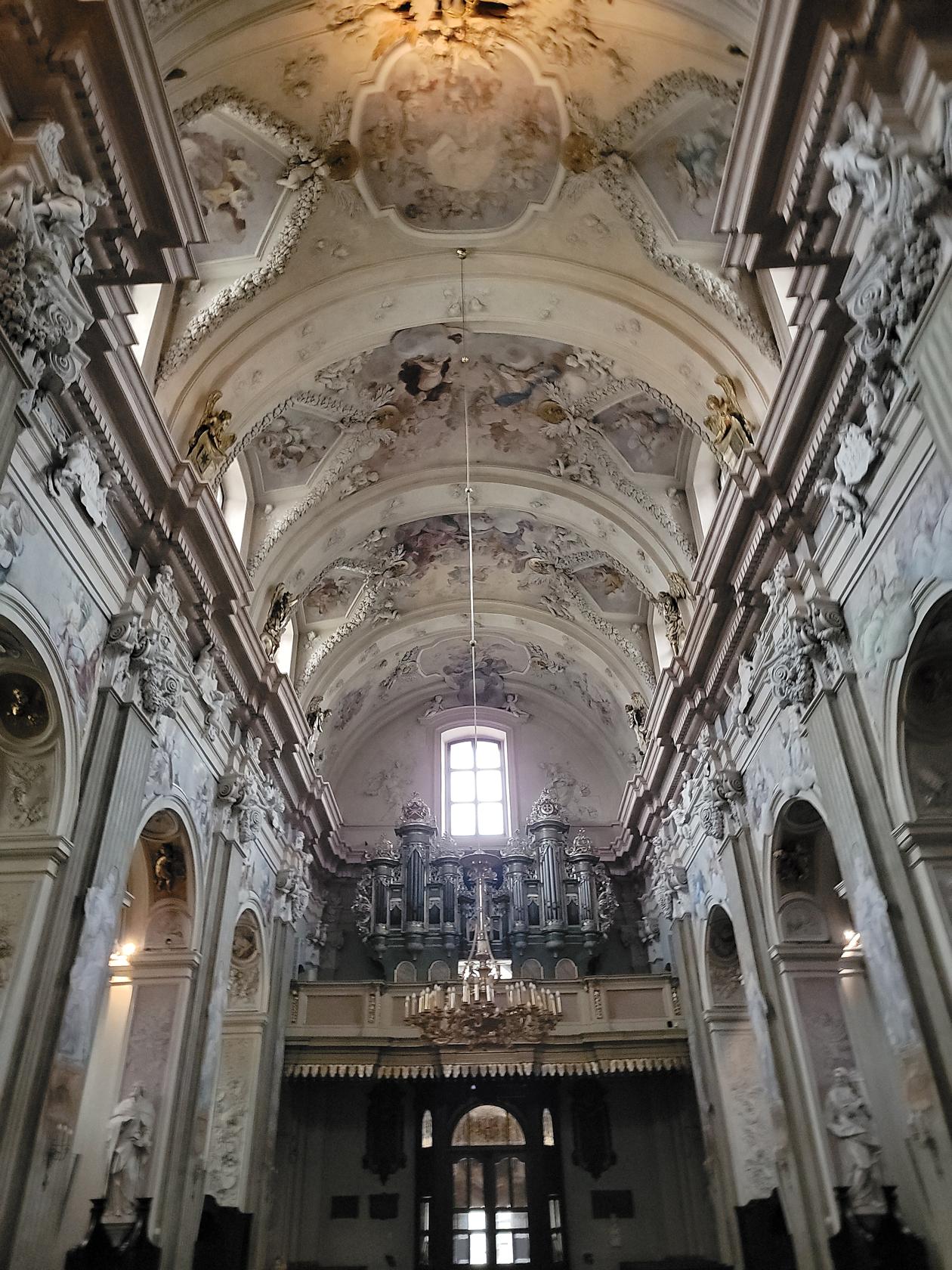
On Pijarska Street, not far from our hotel is the Church of the Transfiguration. Perched a bit high overlooking Świętego Jana Street, the church has an amazing vault or ceiling.
Entrance – Church of the Transfiguration – Kraków, Poland
Nave – Church of the Transfiguration – Kraków, Poland
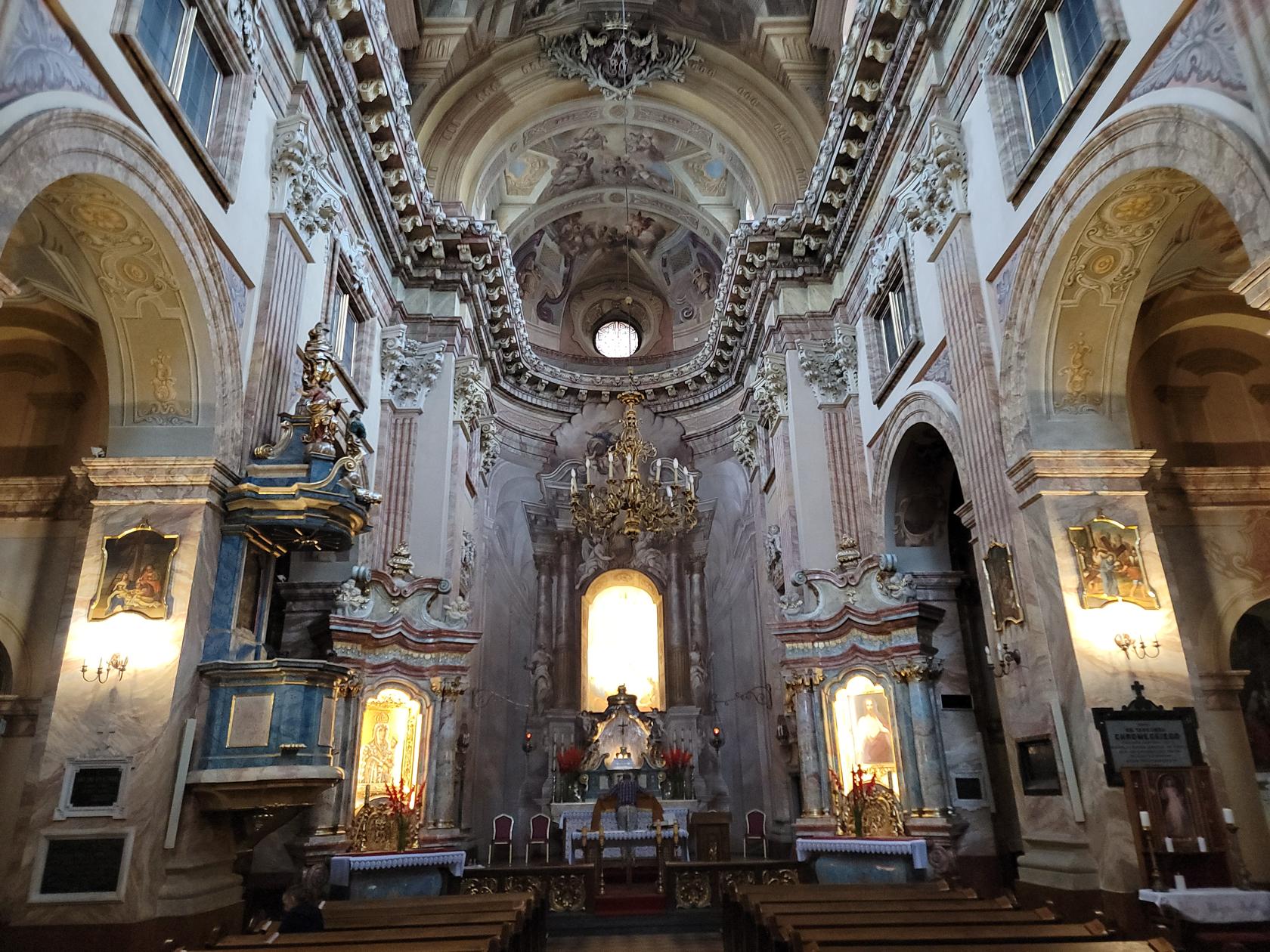
Altar – Church of the Transfiguration – Kraków, Poland
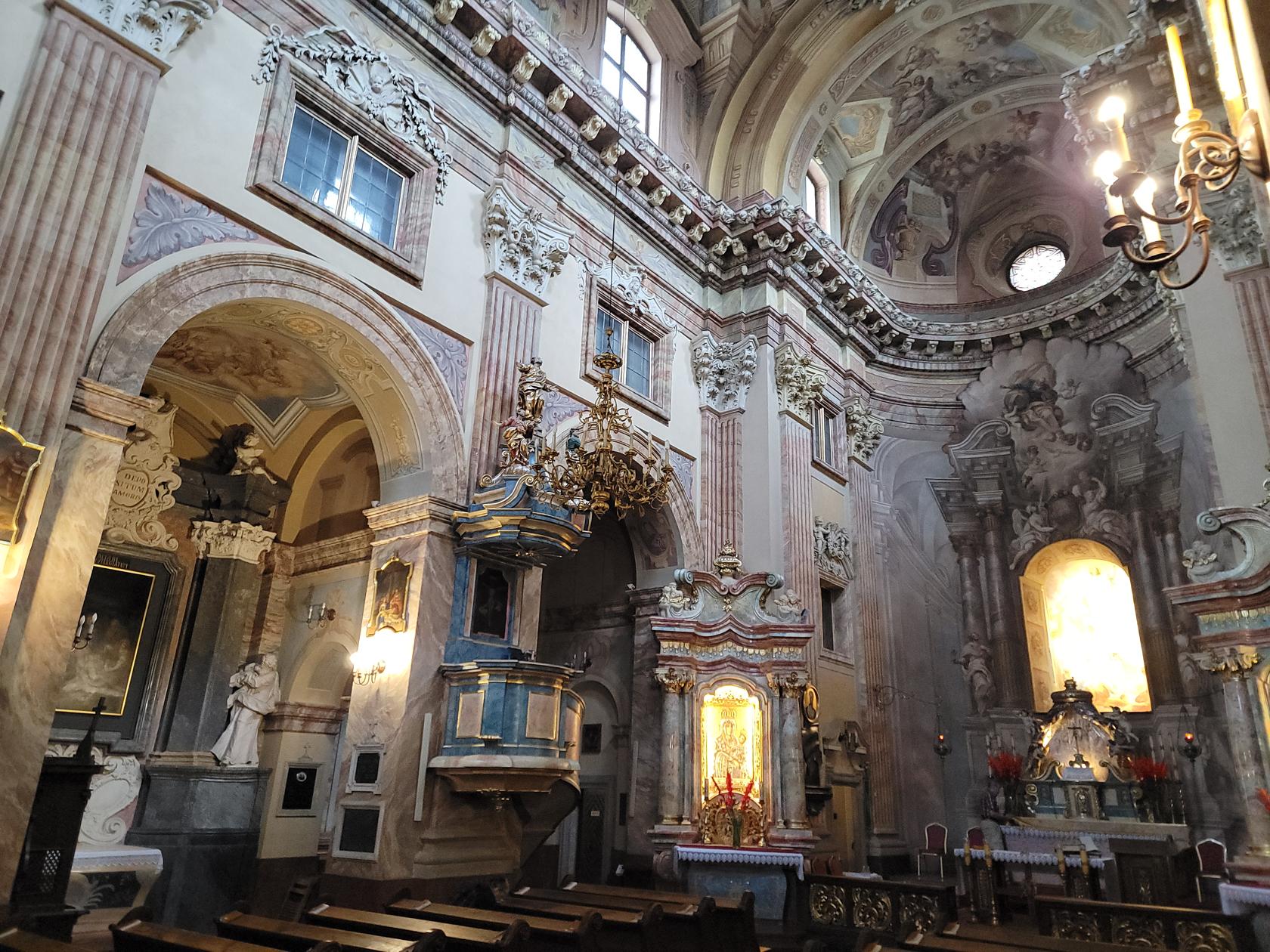
Pulpit – Church of the Transfiguration – Kraków, Poland
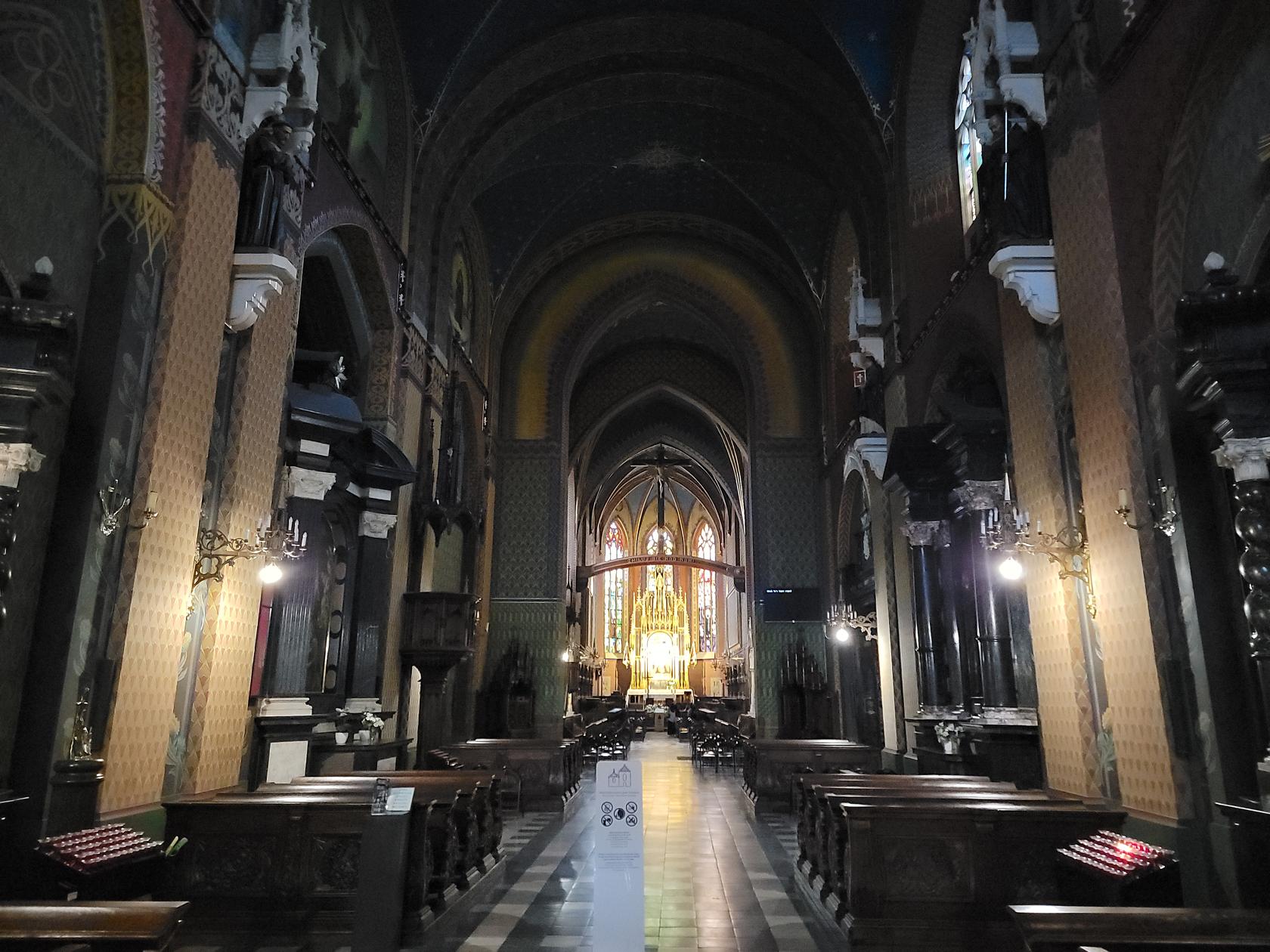
Basilica Saint Francis Of Assisi
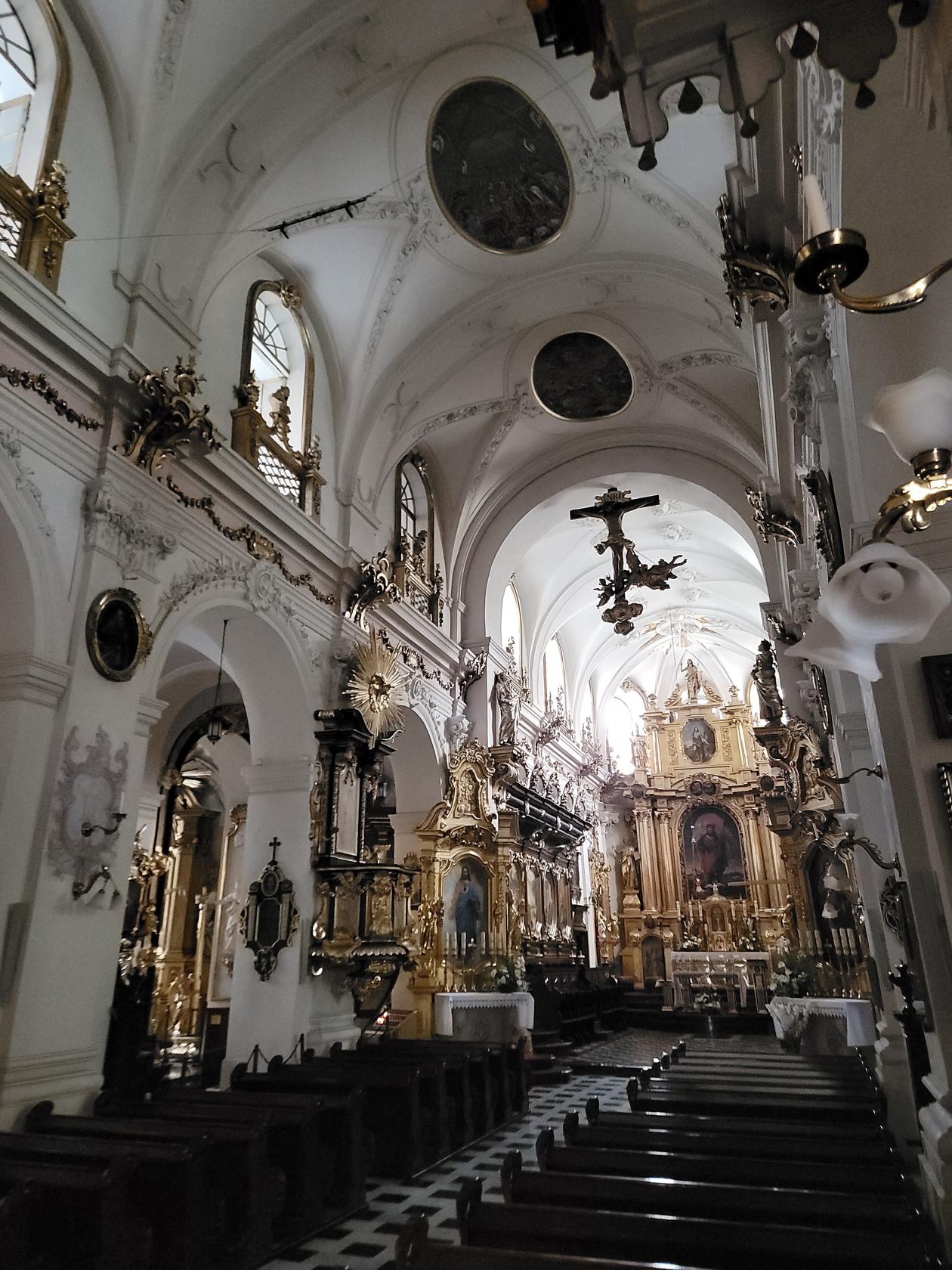
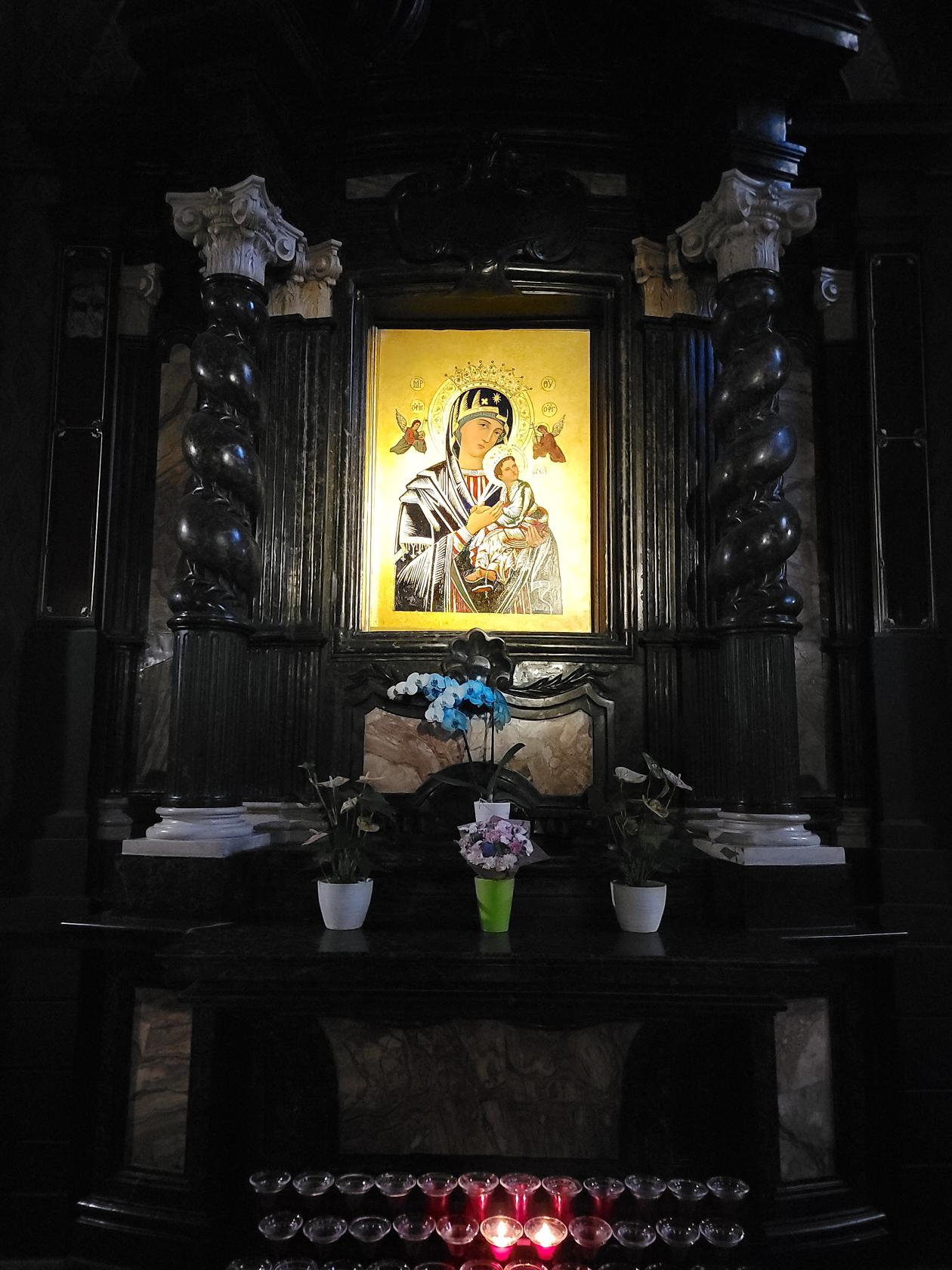
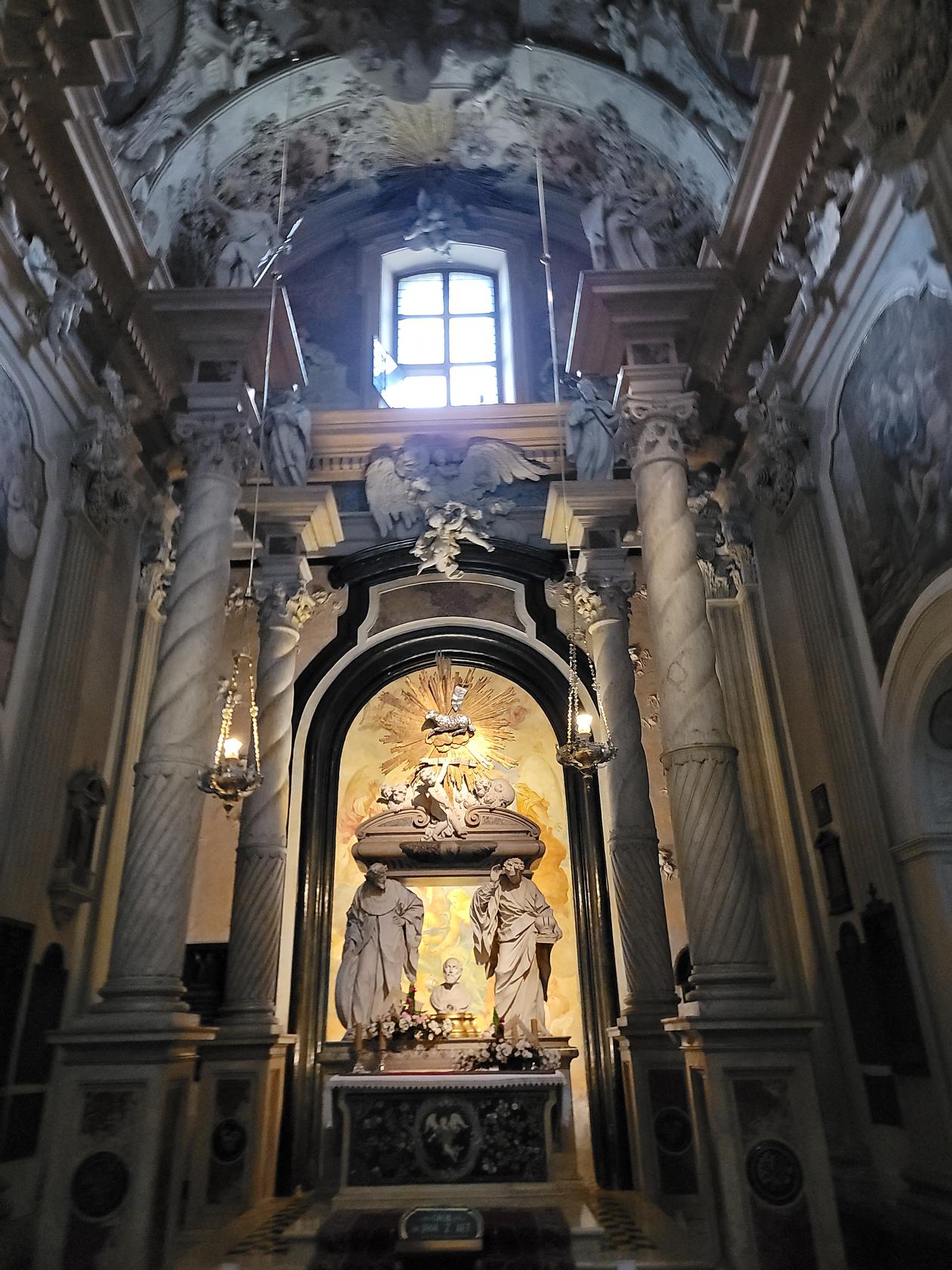
Typical of Saint Francis of Assisi this unassuming basilica was a pleasure to visit. Dark and unoffending, the ebony side chapel of the Madonna with Child is a real marvel.
Madonna with Child – Basilica of Saint Francis of Assisi – Kraków, Poland
Altar – Basilica of Saint Francis of Assisi – Kraków, Poland
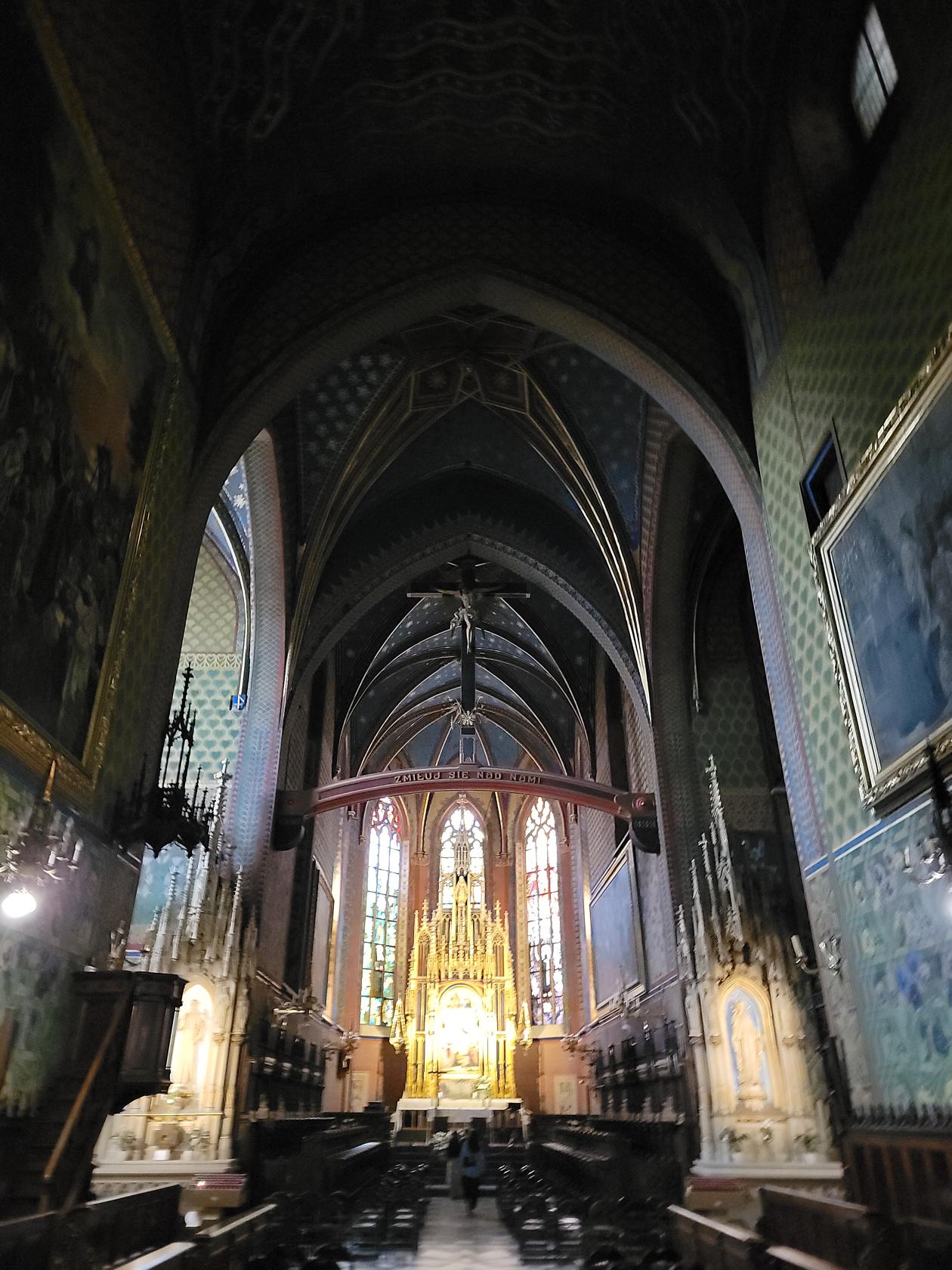
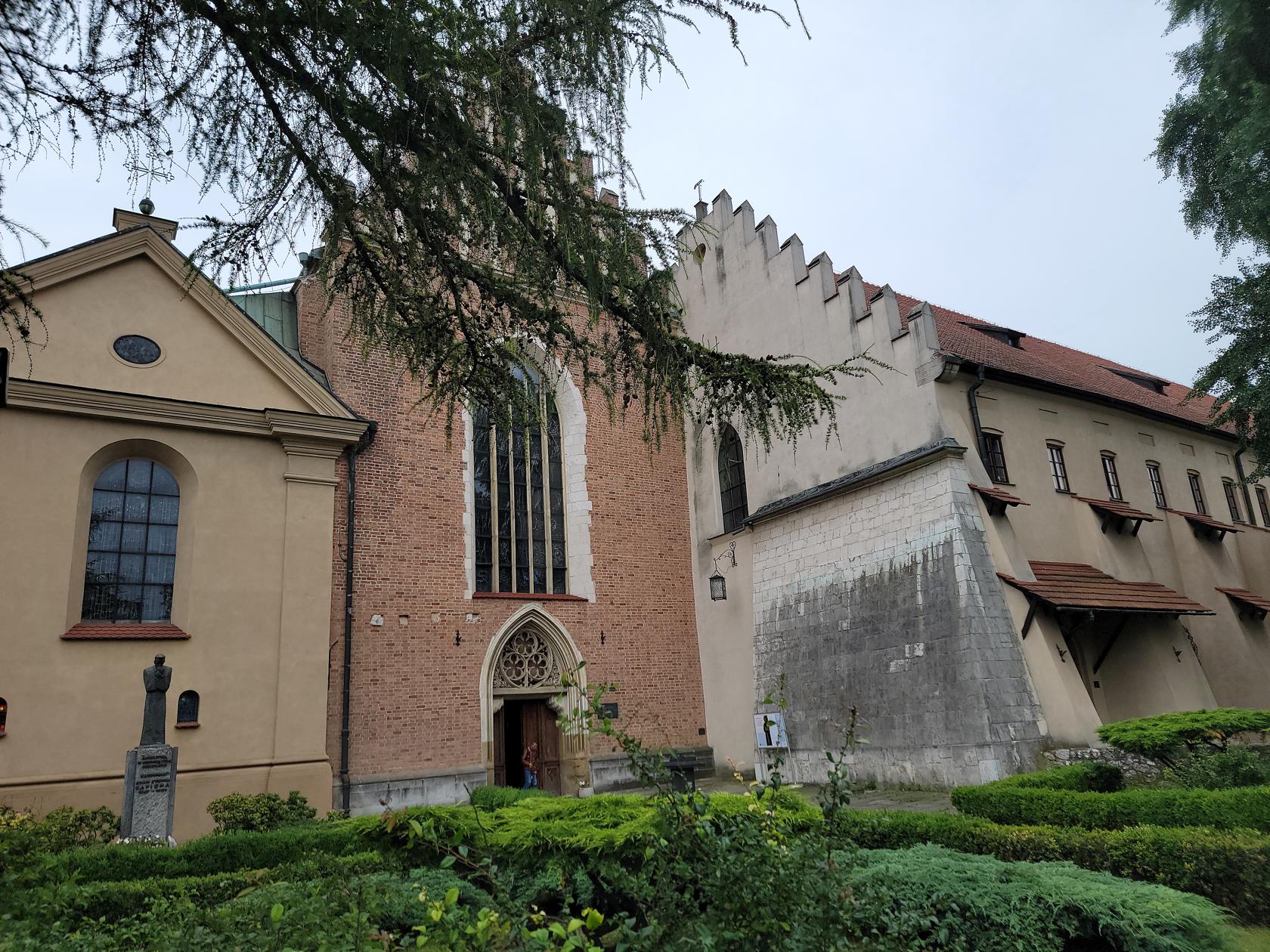
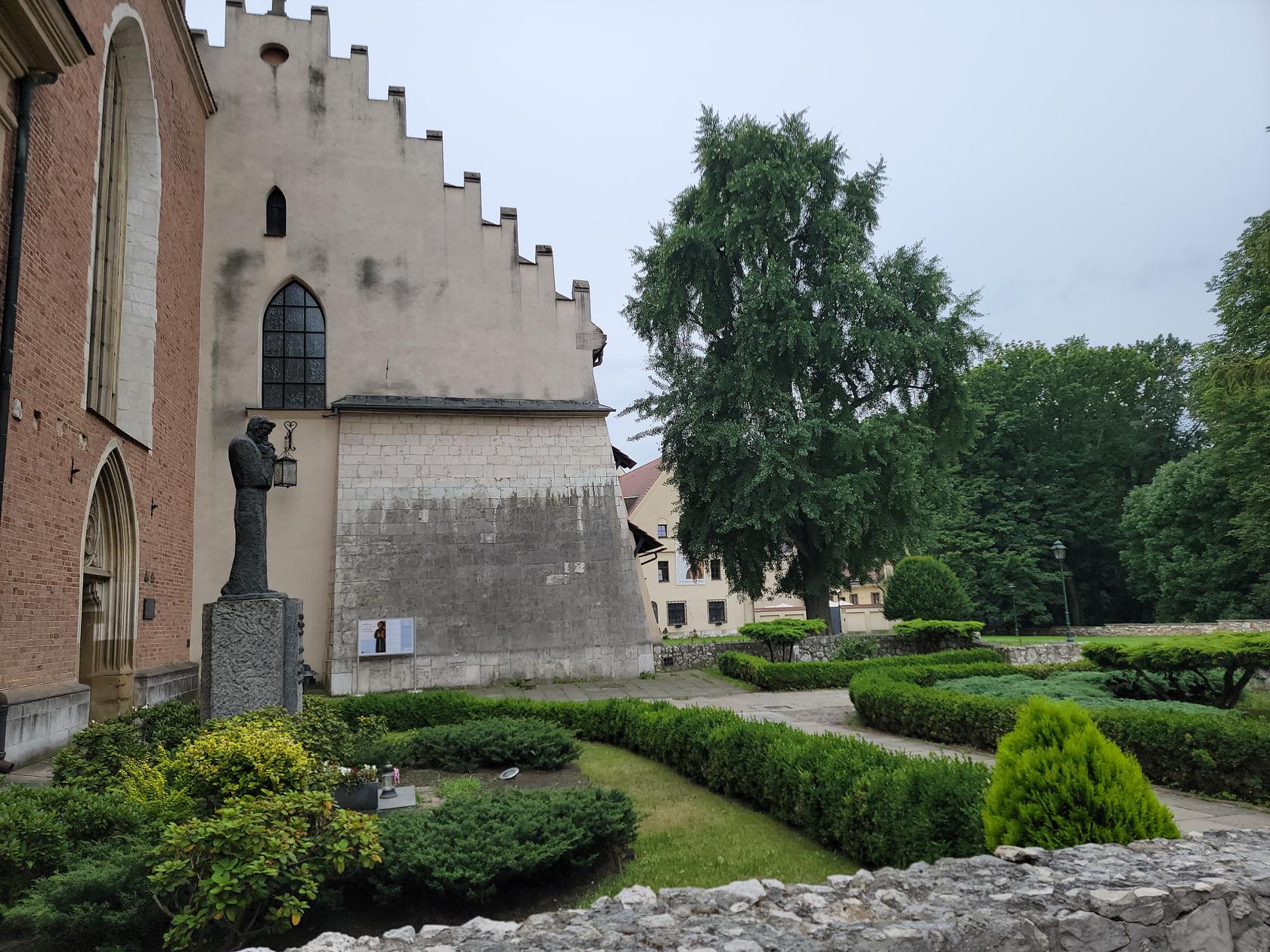
The nave, with a golden altar beckons you forward, beseeching the faithful inside. The Basilica of Saint Francis of Assisi is a thirteenth century church that was one of the first brick and sandstone churches in Poland.
Entrance – Basilica of Saint Francis of Assisi – Kraków, Poland
Garden – Basilica of Saint Francis of Assisi – Kraków, Poland
Nave – Basilica of Saint Francis of Assisi – Kraków, Poland
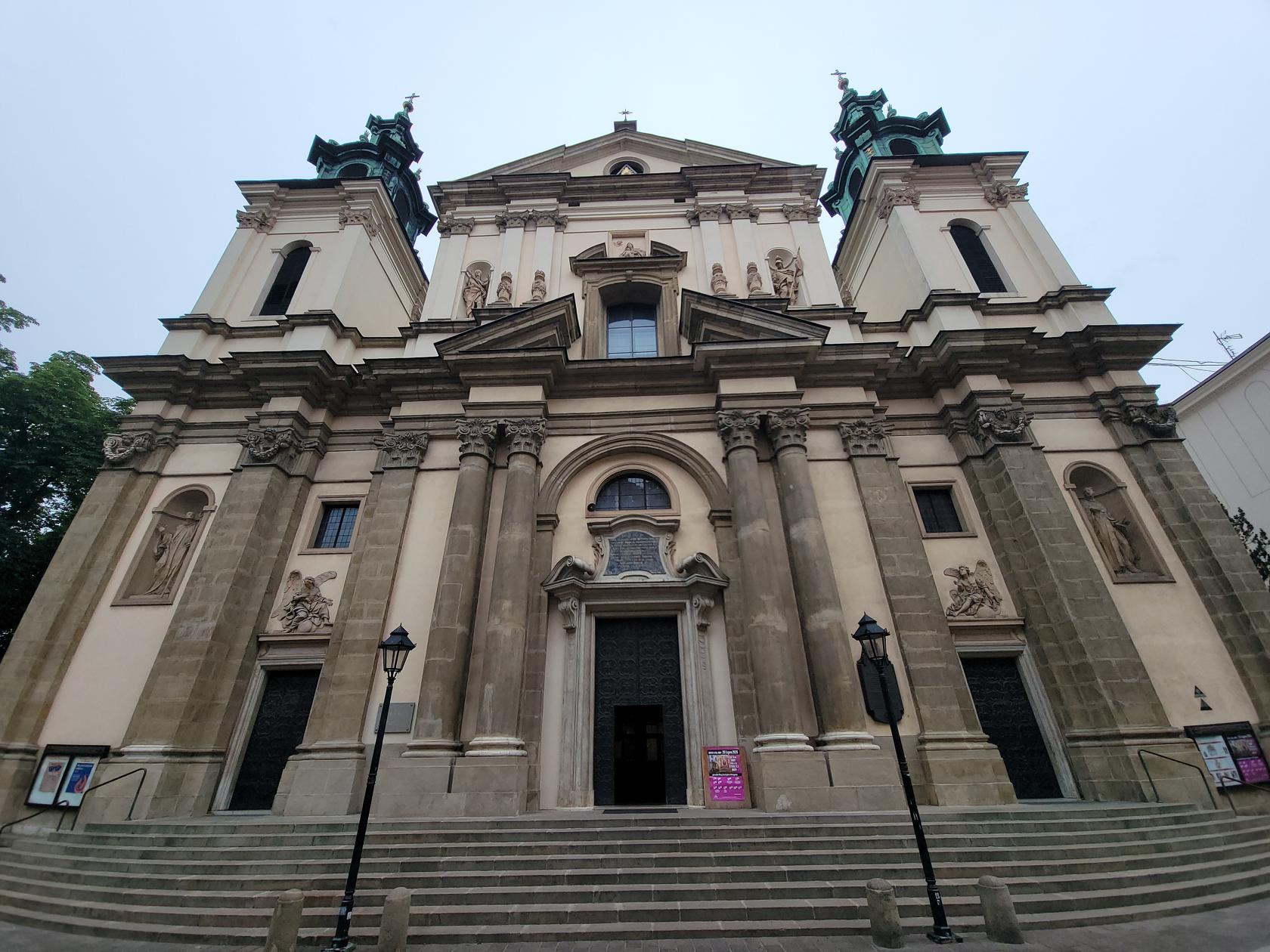
Church Of Saint Anne
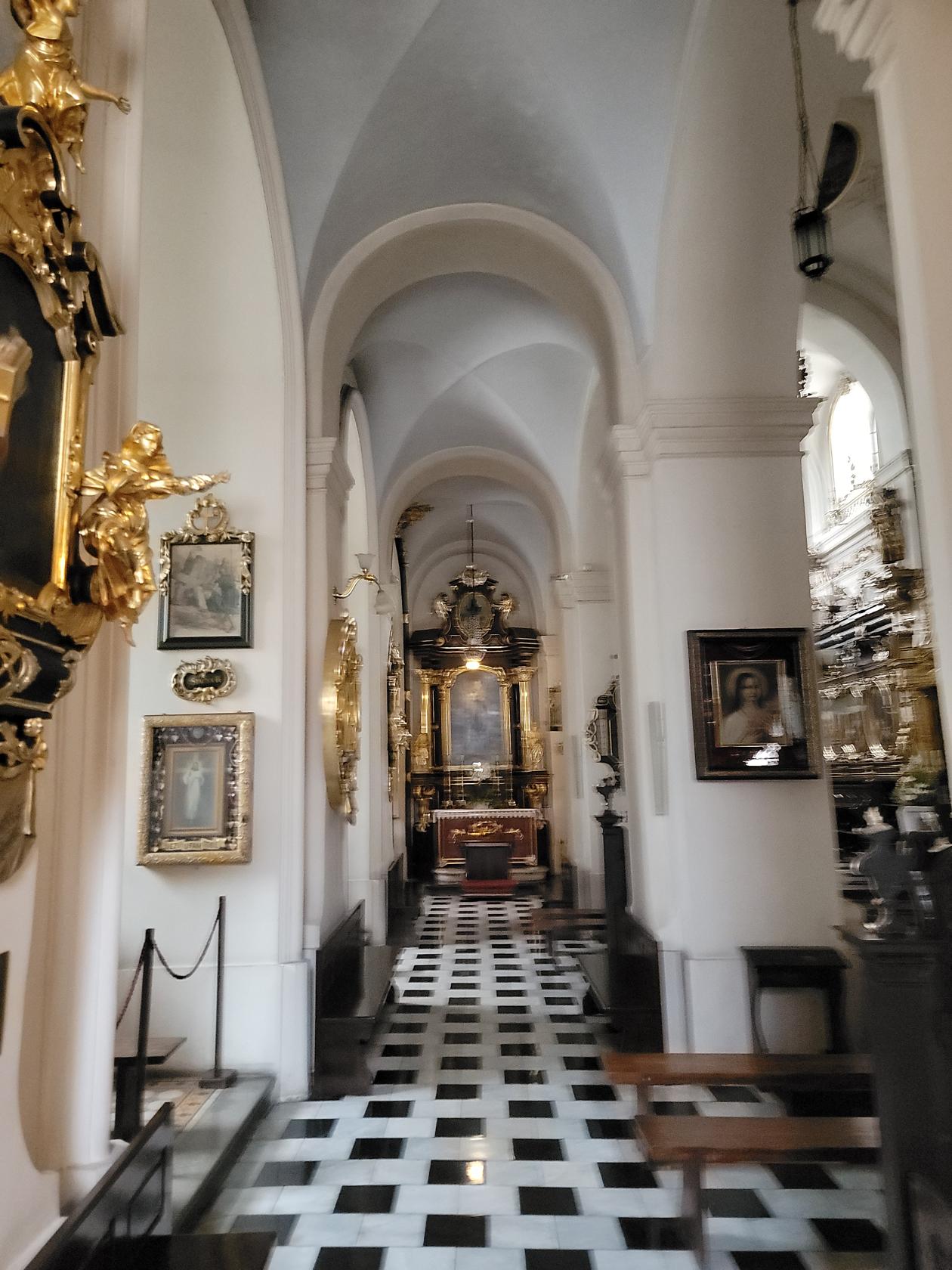
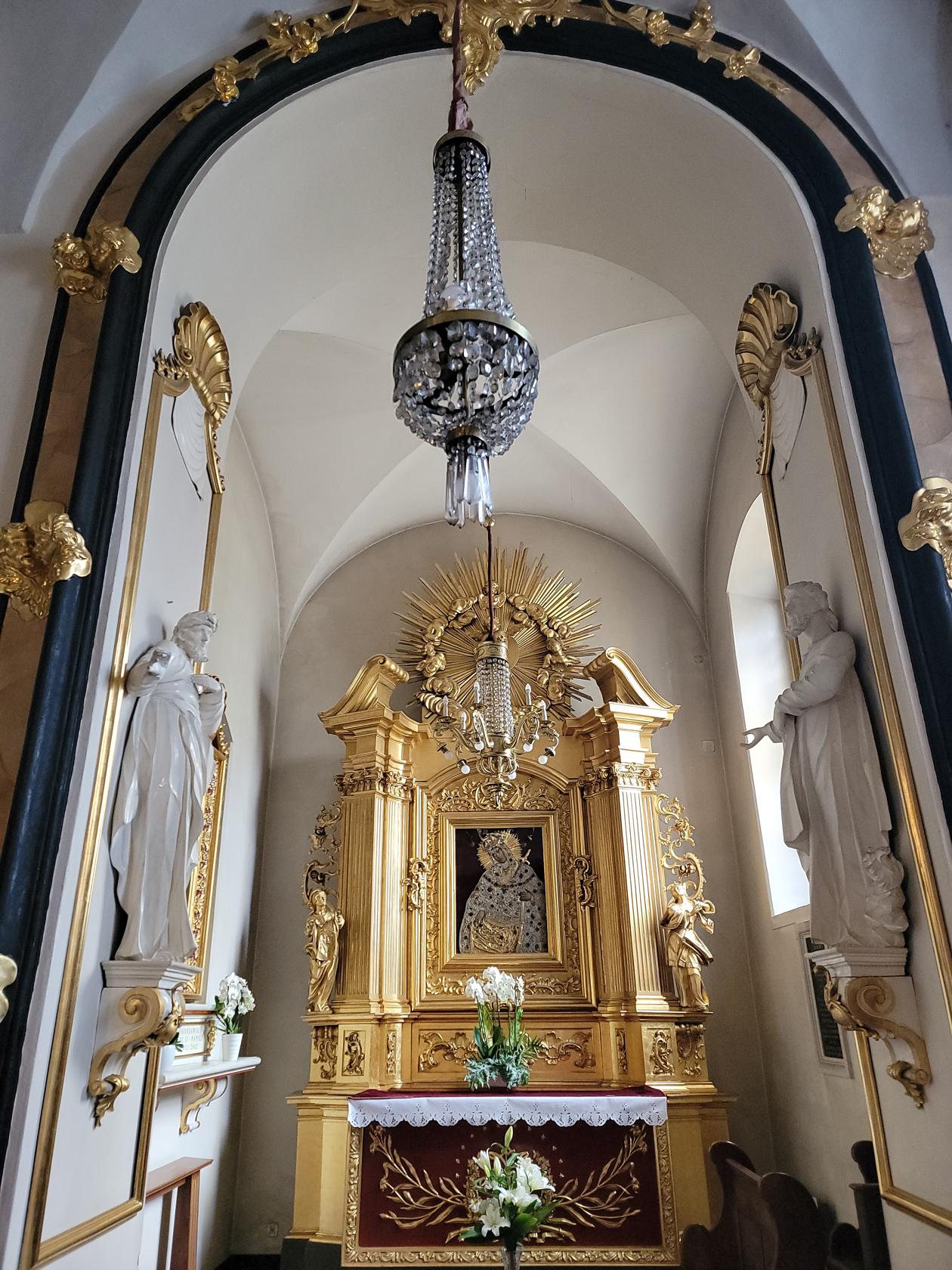
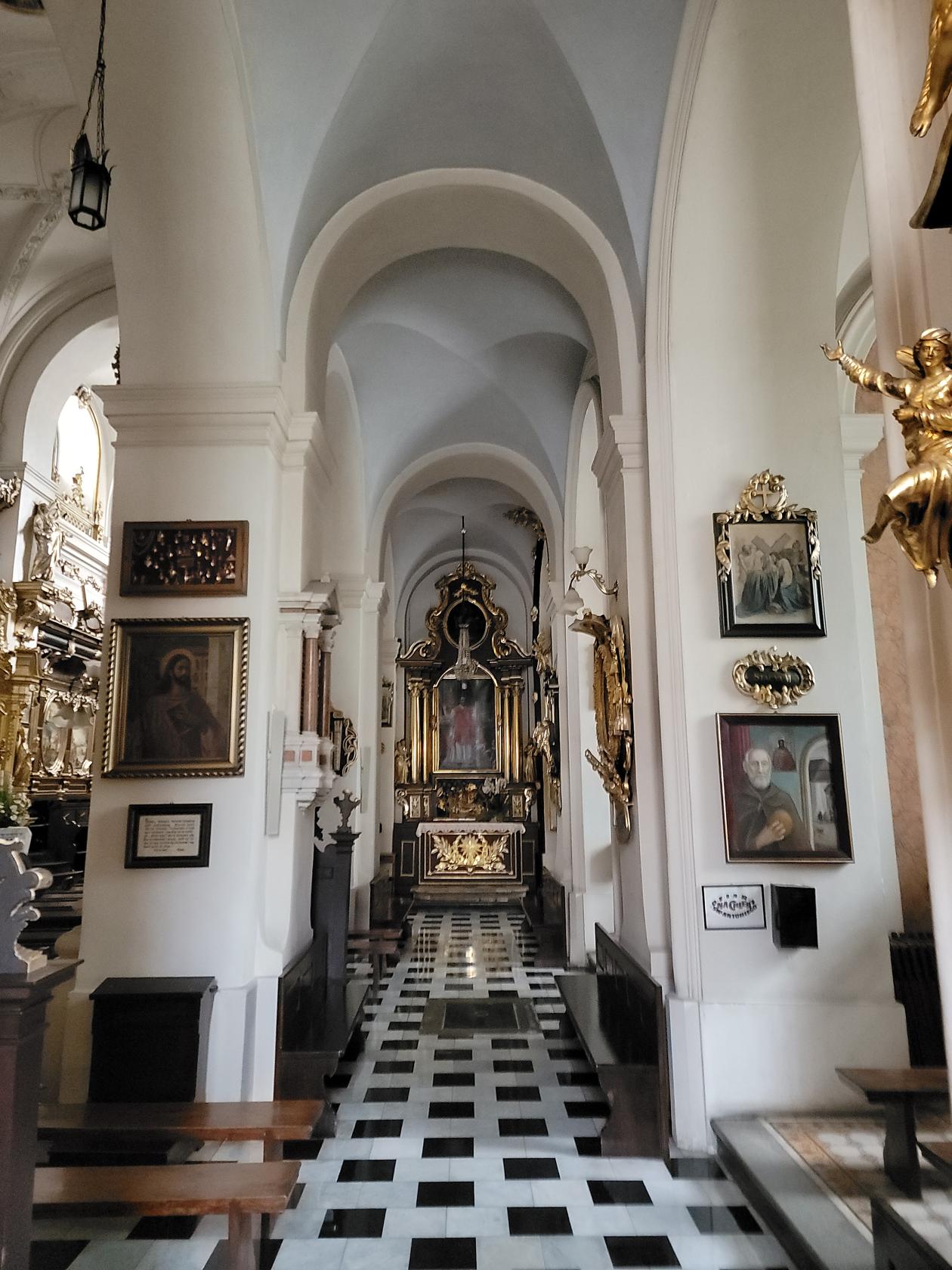
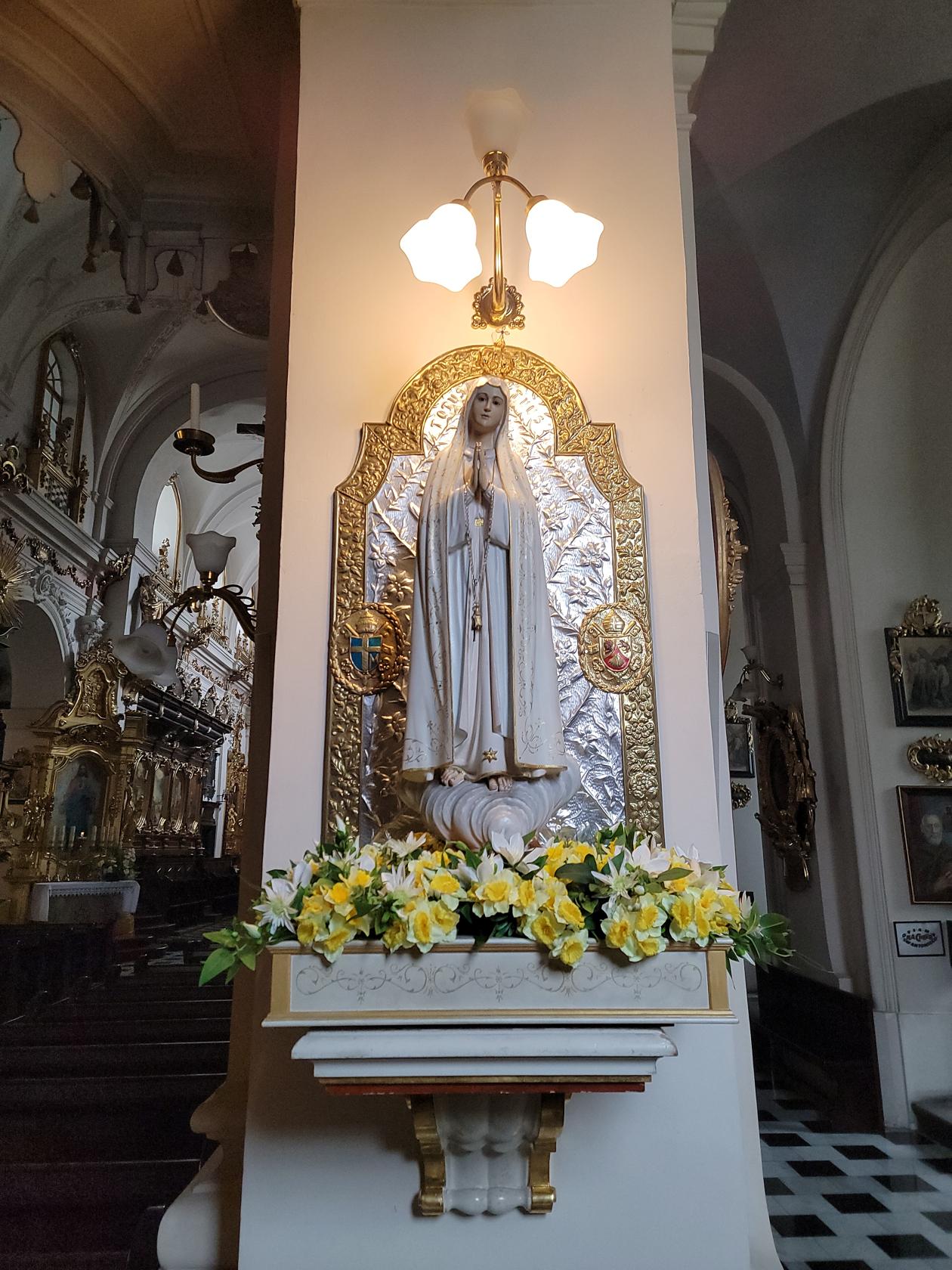
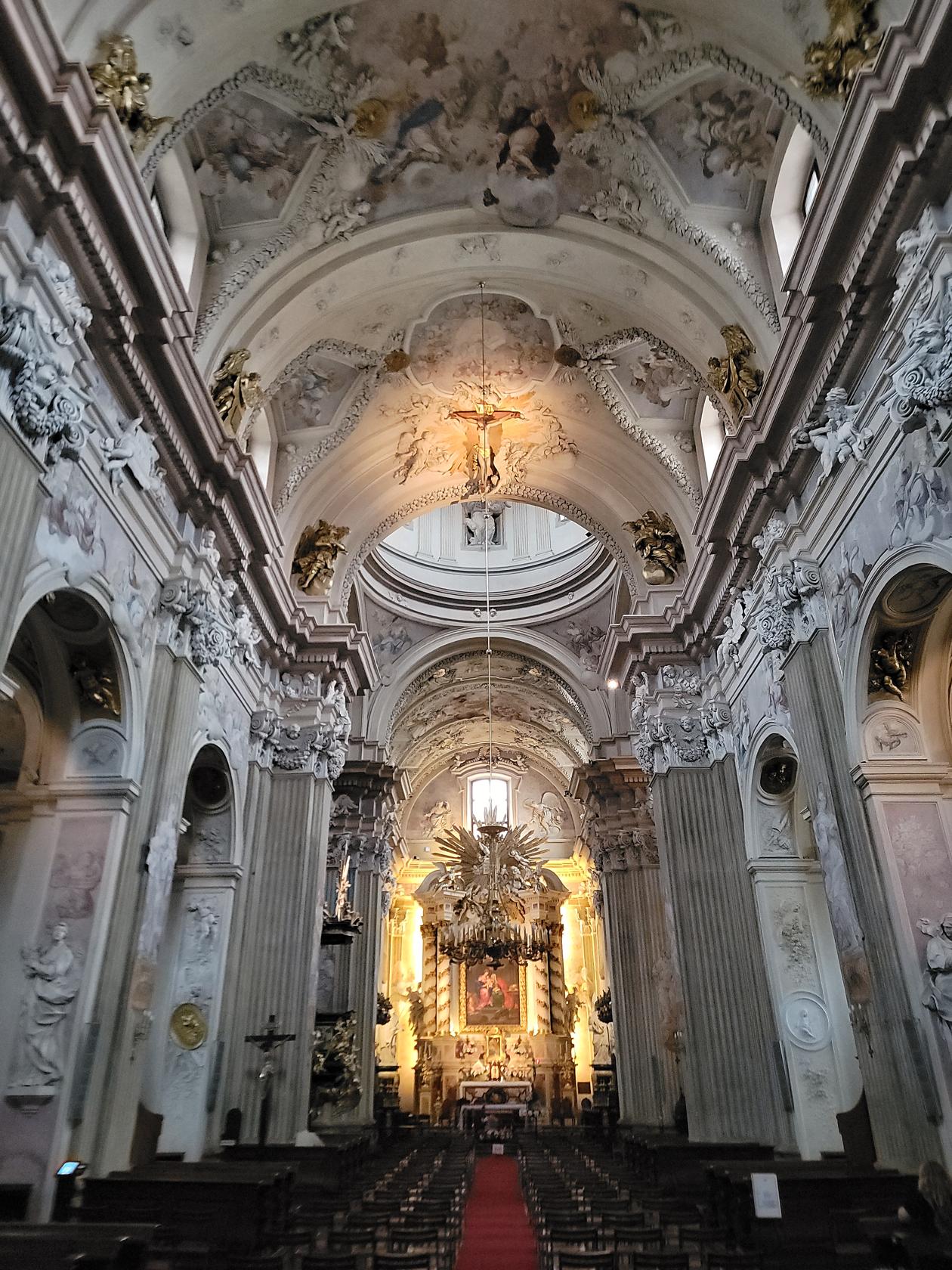
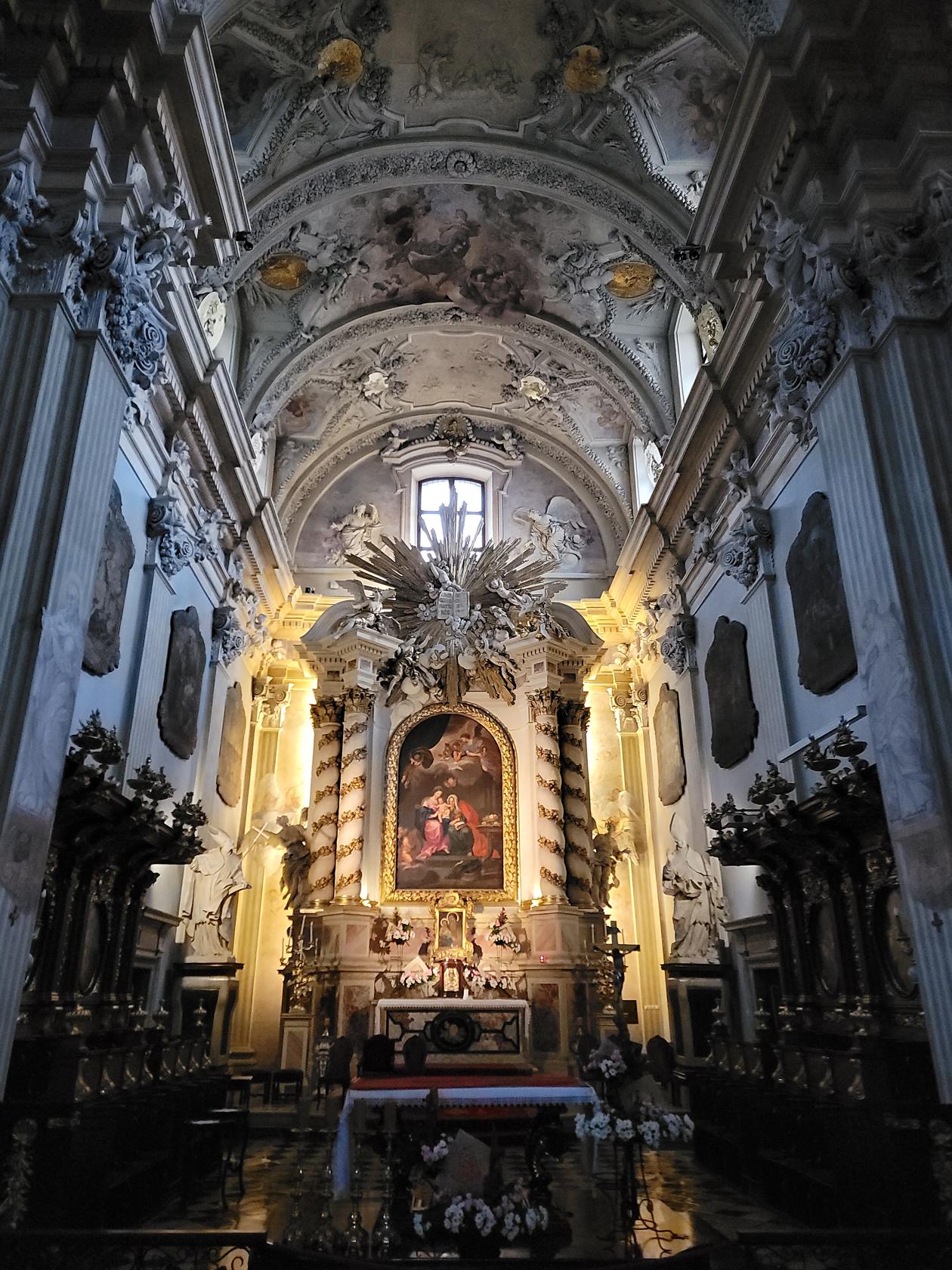
Located close to the Art Palace and the Plac Szczepański the Church of Saint Anne is elegant in its own way. Built in the baroque style, the floor itself is impressive in its own right.
Entrance – Church of Saint Anne – Kraków, Poland
Nave – Church of Saint Anne – Kraków, Poland
Aisle – Church of Saint Anne – Kraków, Poland
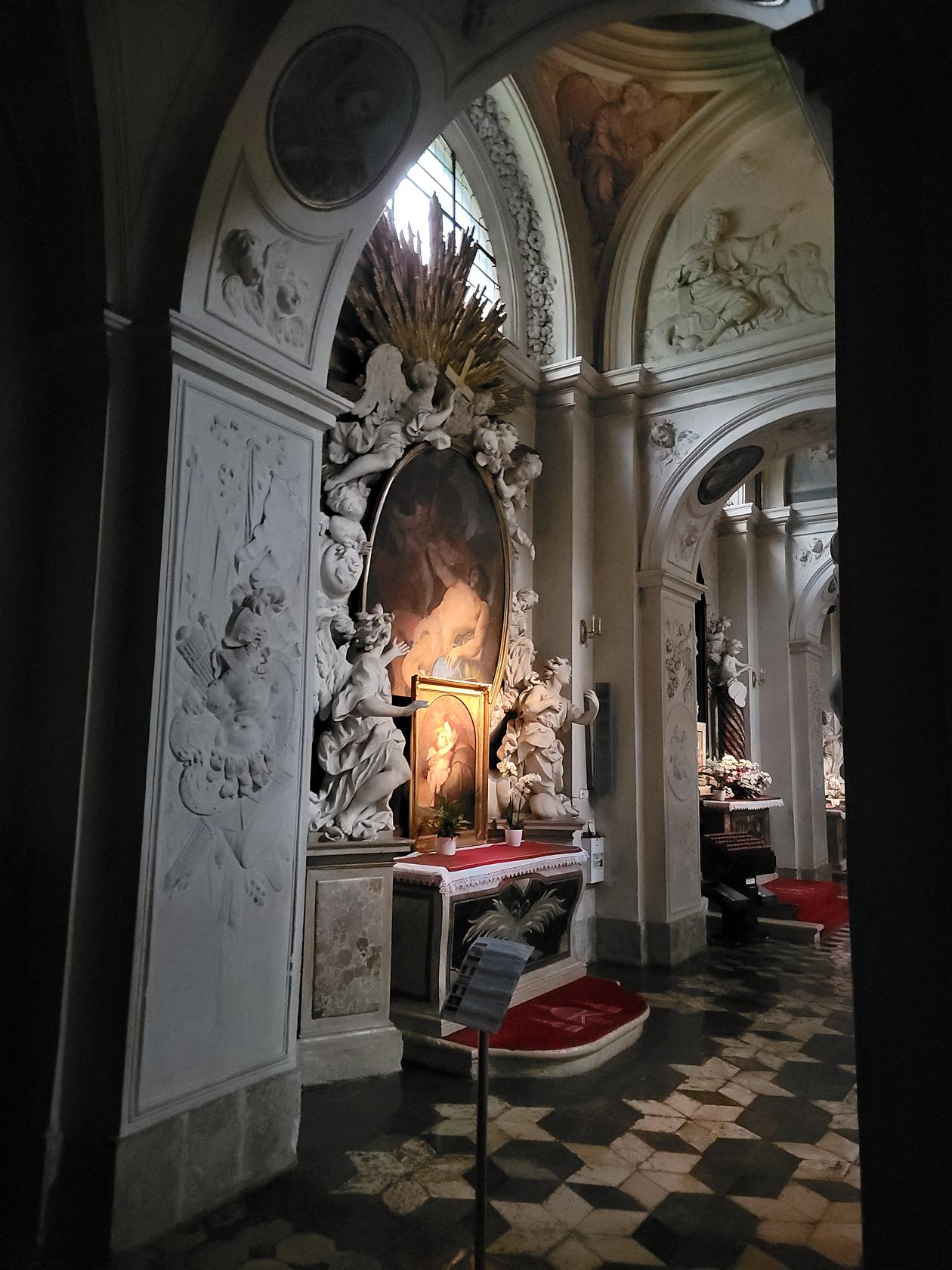
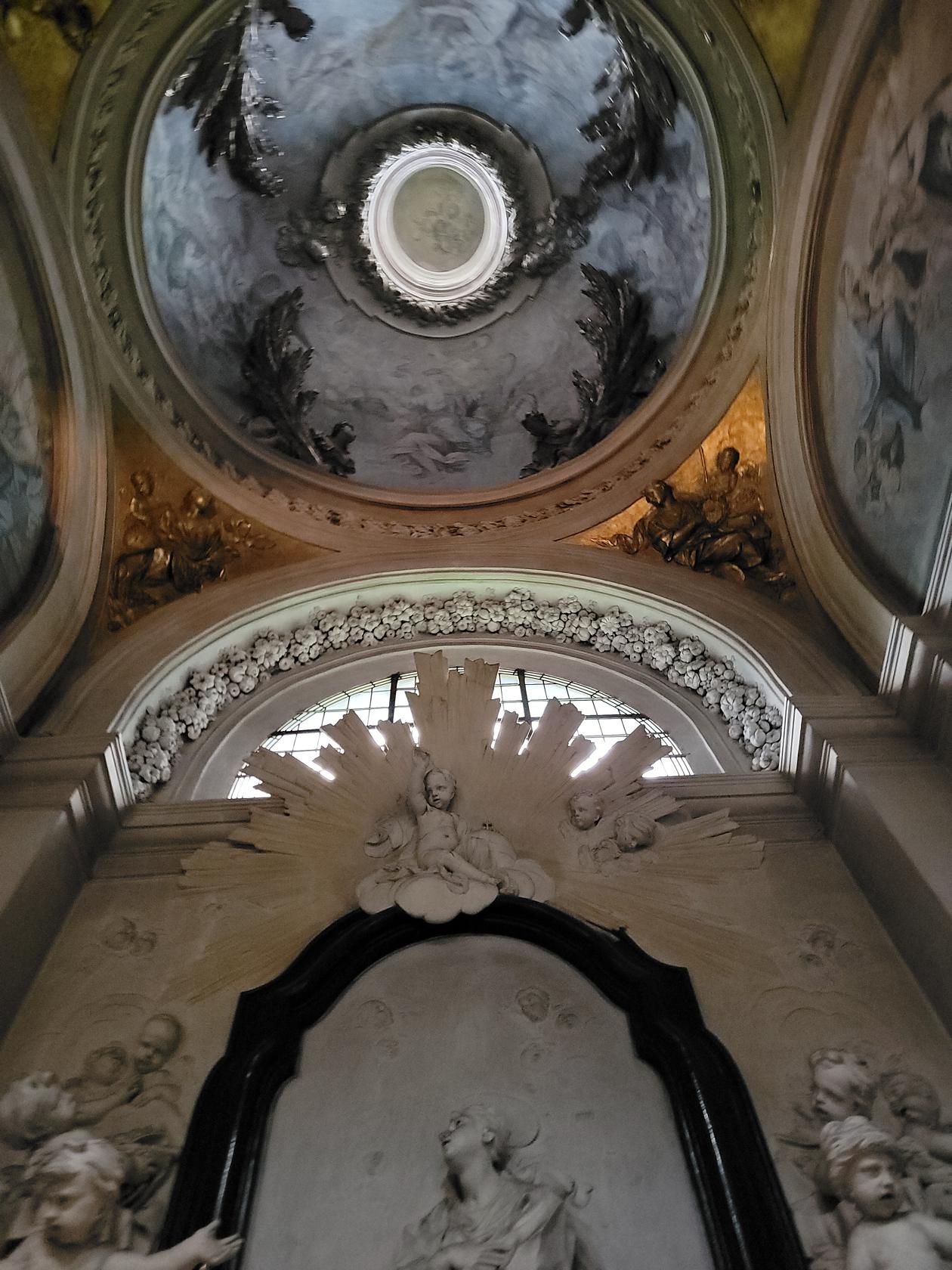
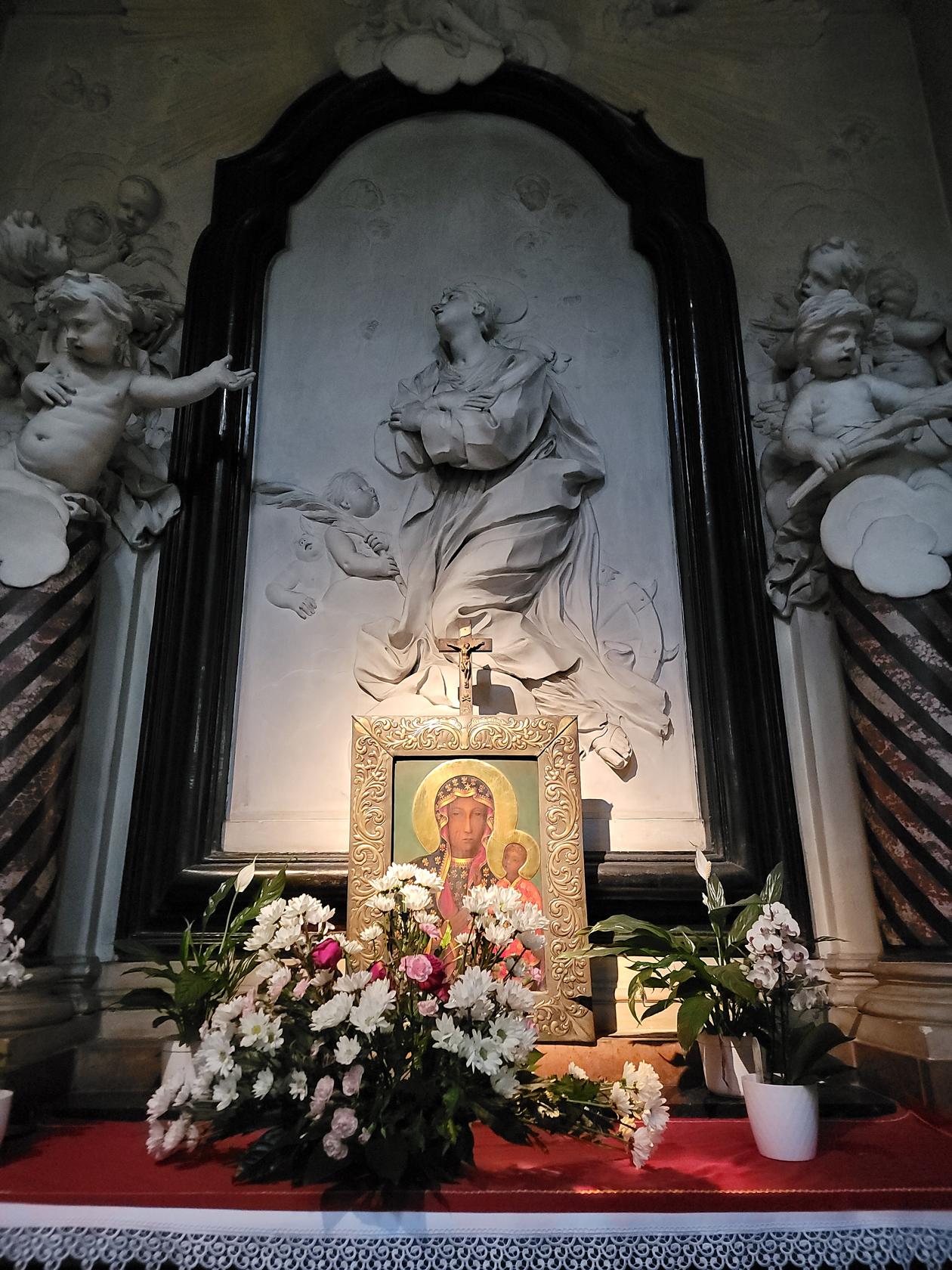
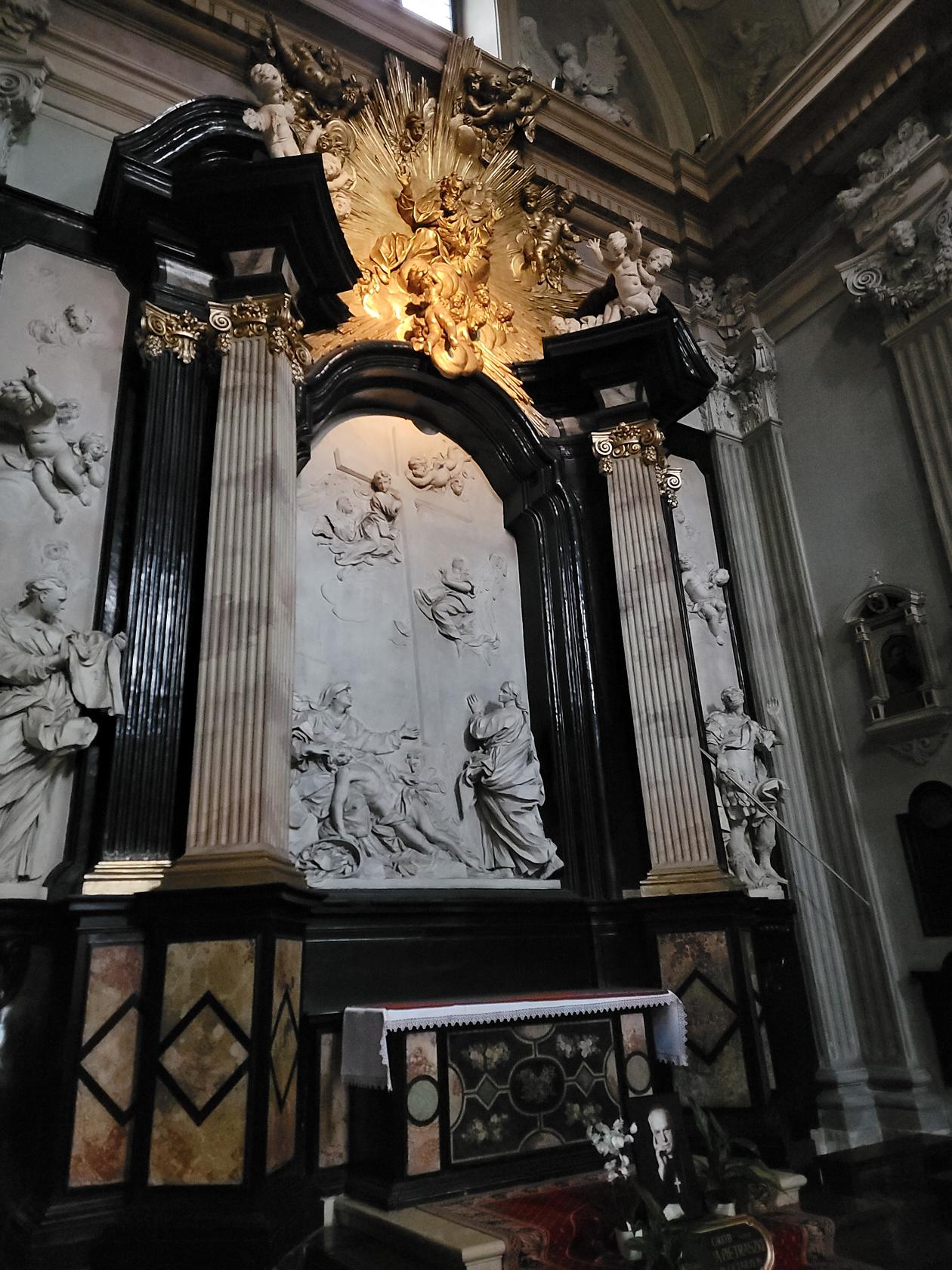
The nave, altar, aisles and other aspects of the church speak for themselves. A beautiful church and typical of Catholic Churches found in Poland.
Side Chapel Ceiling – Church of Saint Anne – Kraków, Poland
Side Chapel – Church of Saint Anne – Kraków, Poland
Side Altar – Church of Saint Anne – Kraków, Poland
Altar – Church of Saint Anne – Kraków, Poland
Side Altar – Church of Saint Anne – Kraków, Poland
Organ and Nave Ceiling – Church of Saint Anne – Kraków, Poland
Church Of Saints John The Baptist And John The Evangelist
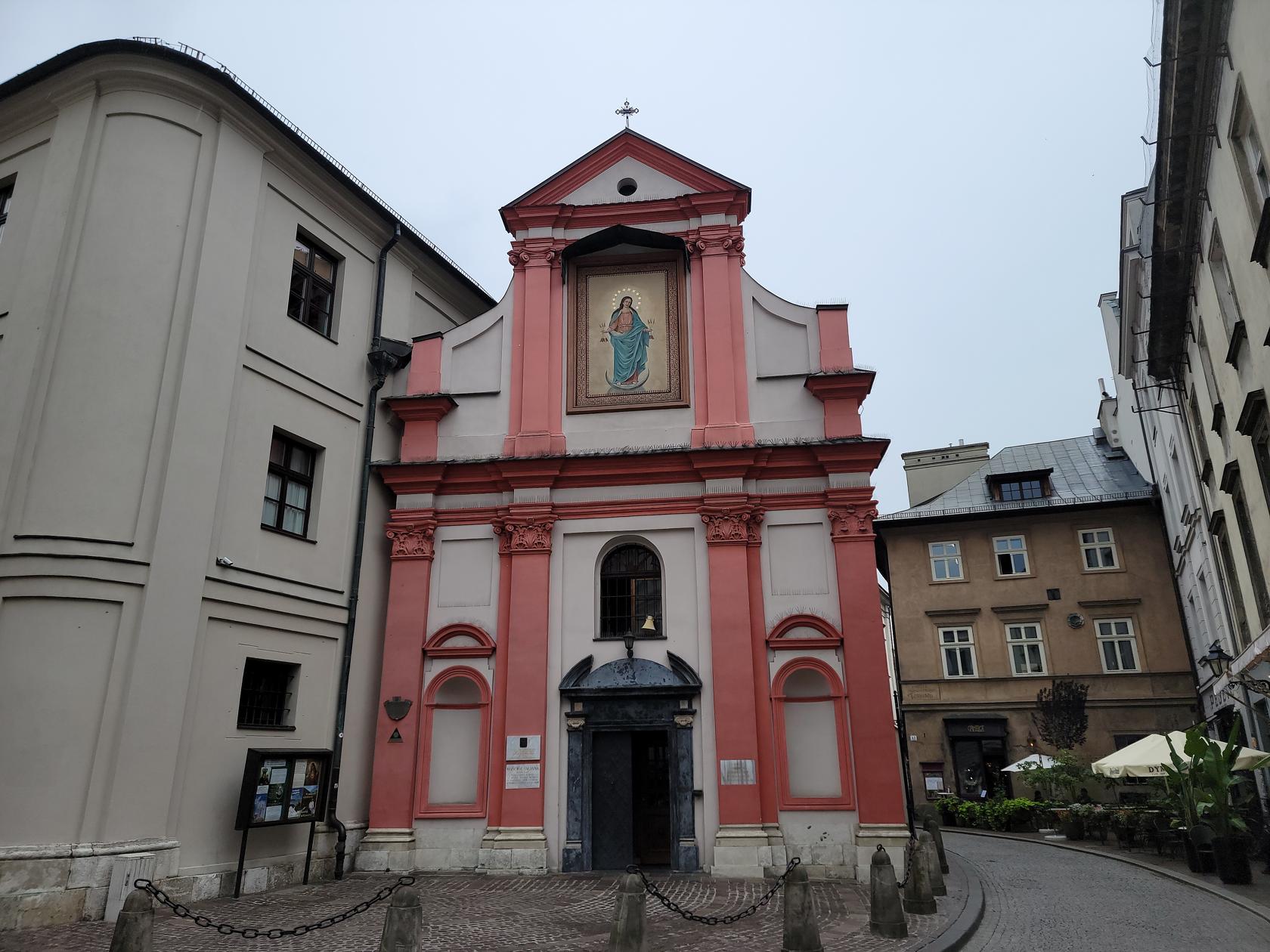
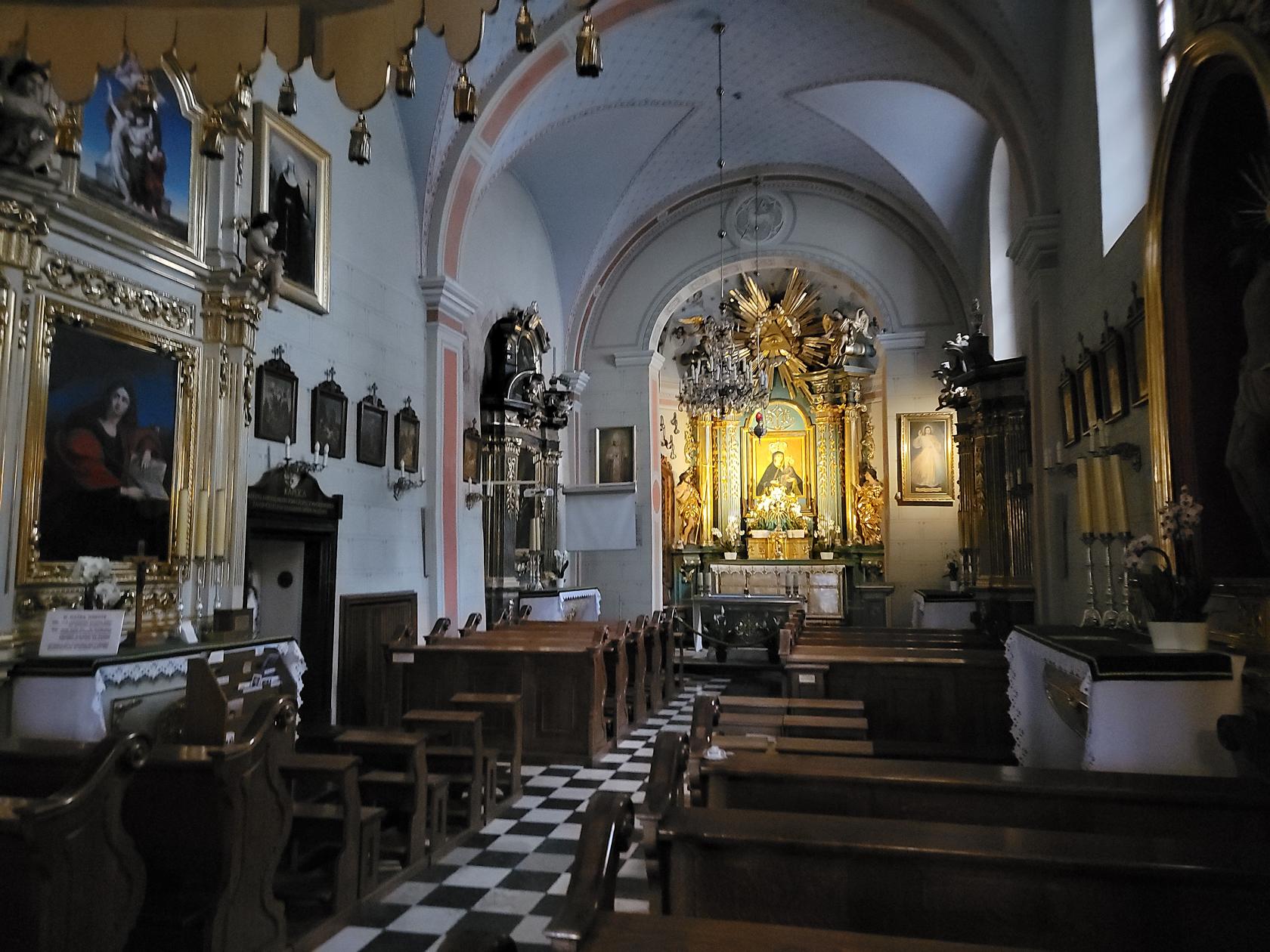
A small church next to a small Italian restaurant that we ate at, the Church Of Saints John The Baptist And John The Evangelist has a red exterior, small in stature and somewhat a simple baroque interior, but well worth a visit.
Entrance – Church of Saints John the Baptist and John the Evangelist – Kraków, Poland
Altar and Inside – Church of Saints John the Baptist and John the Evangelist – Kraków, Poland
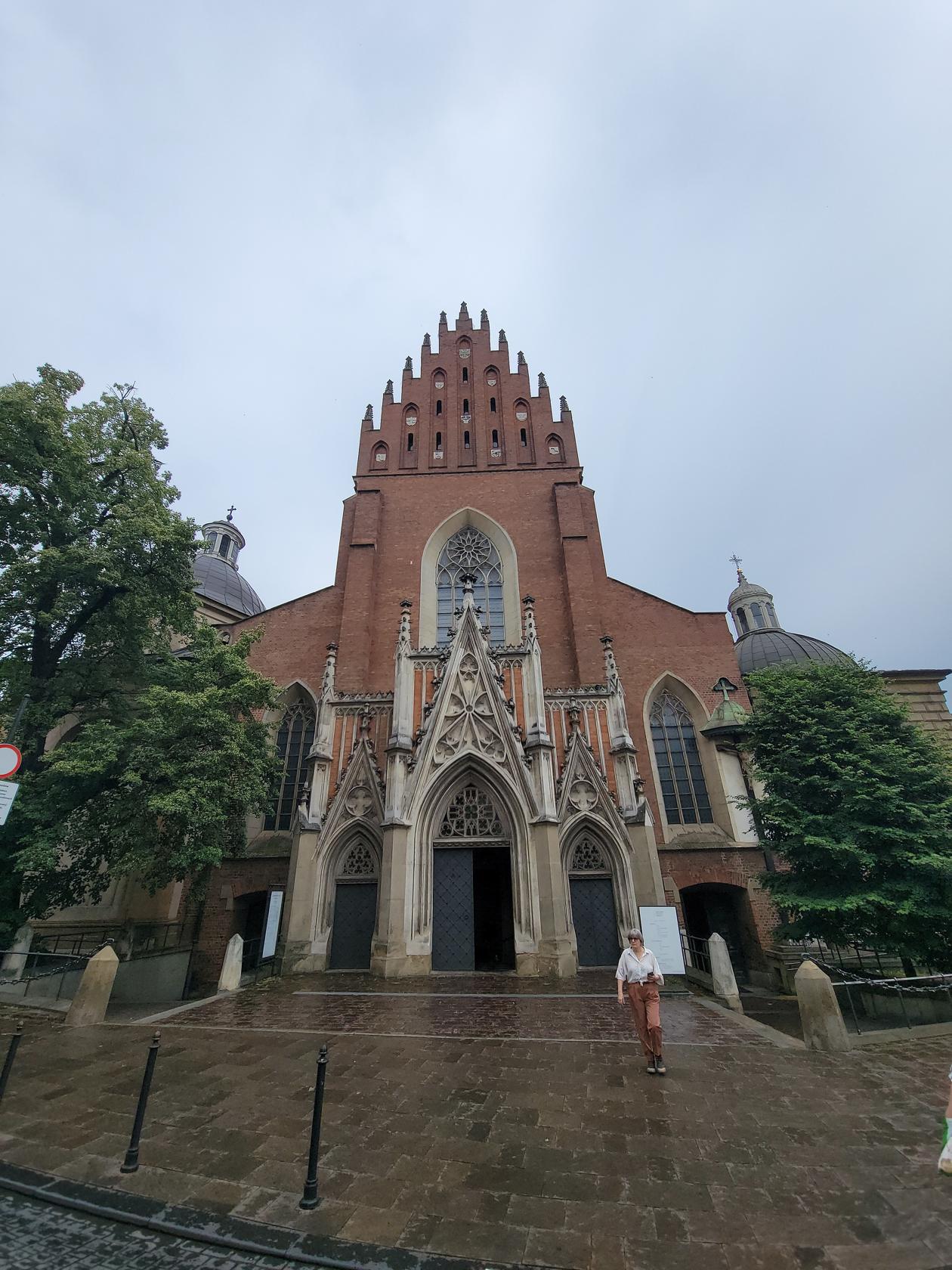
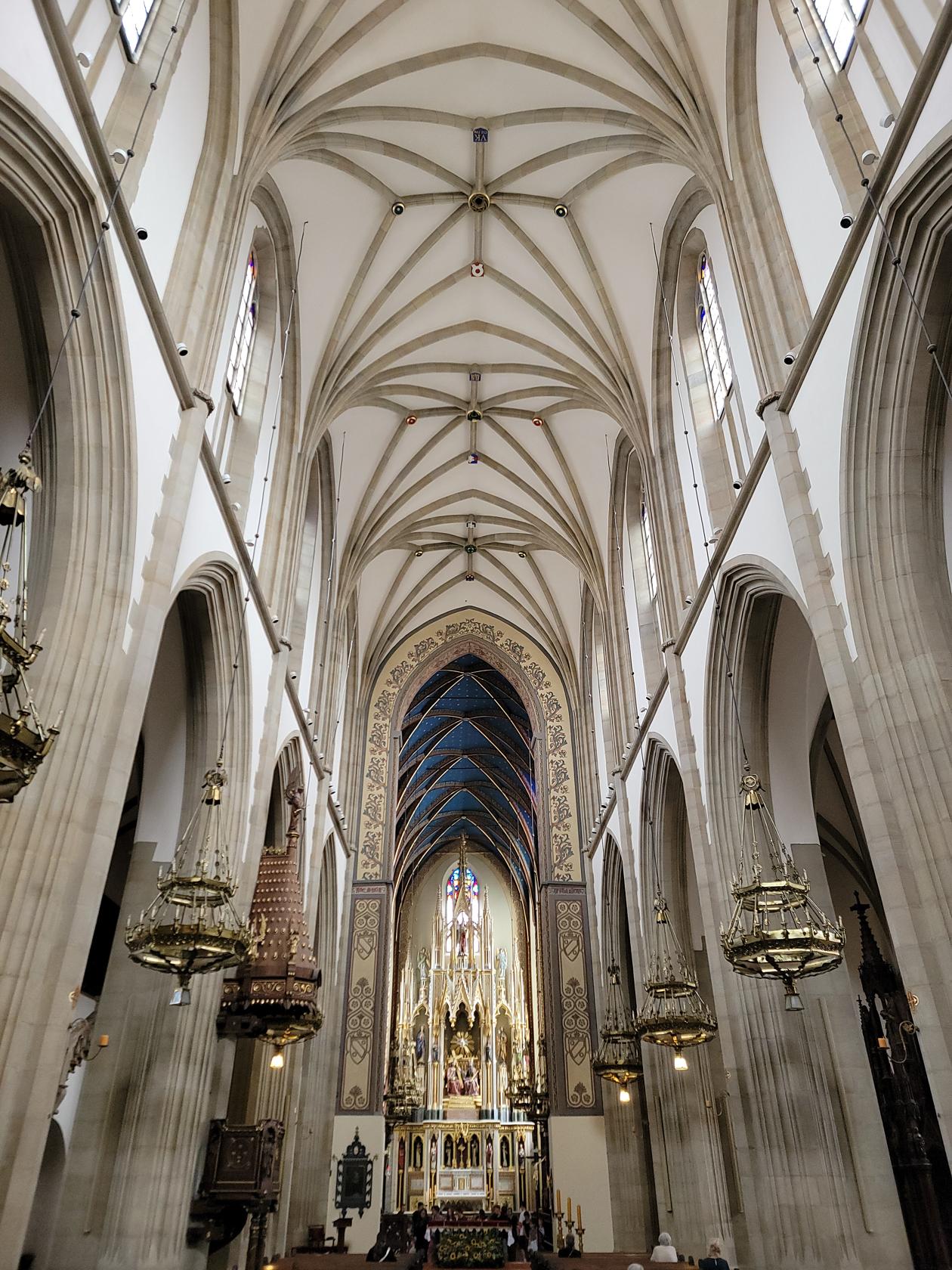
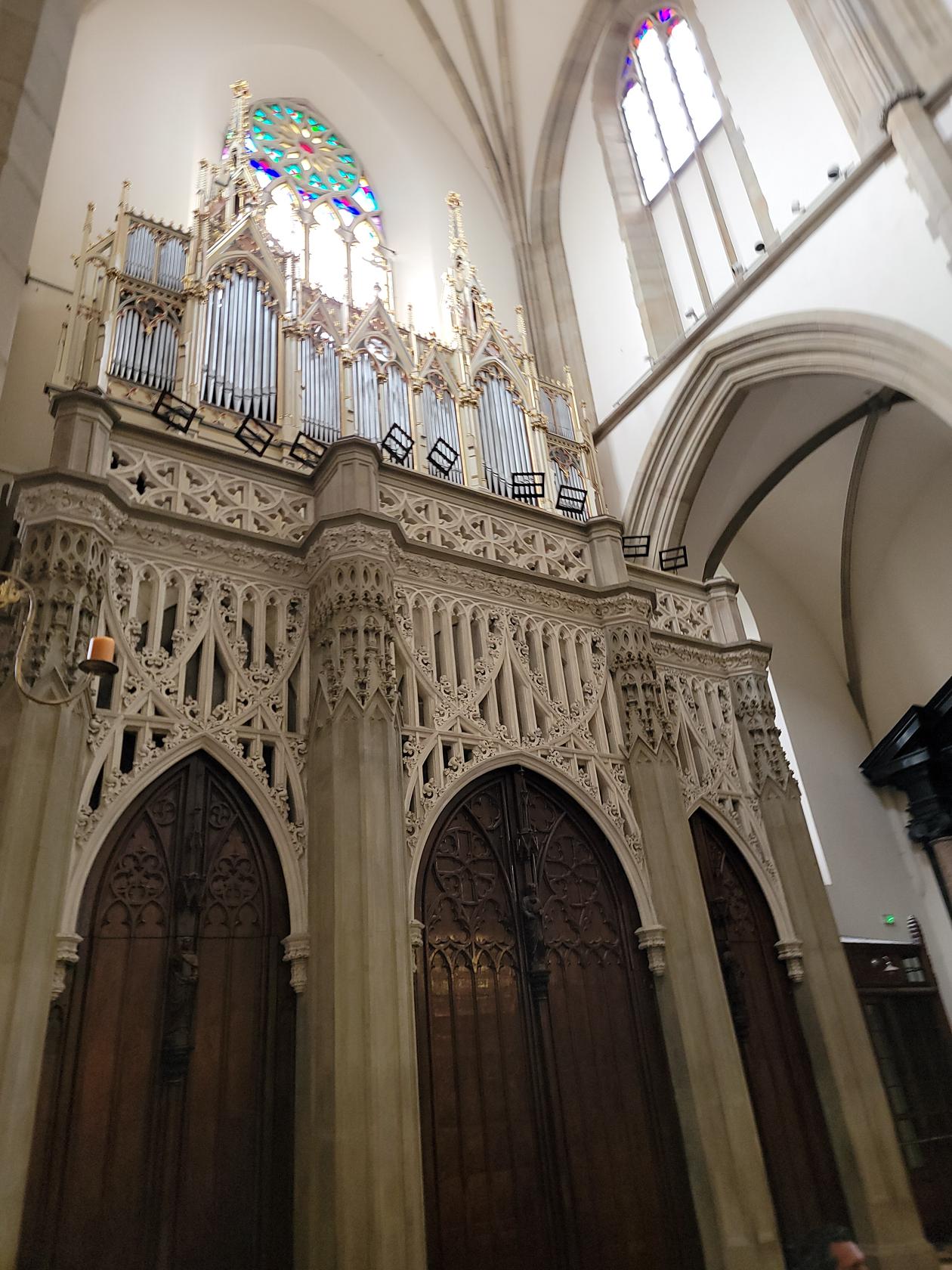
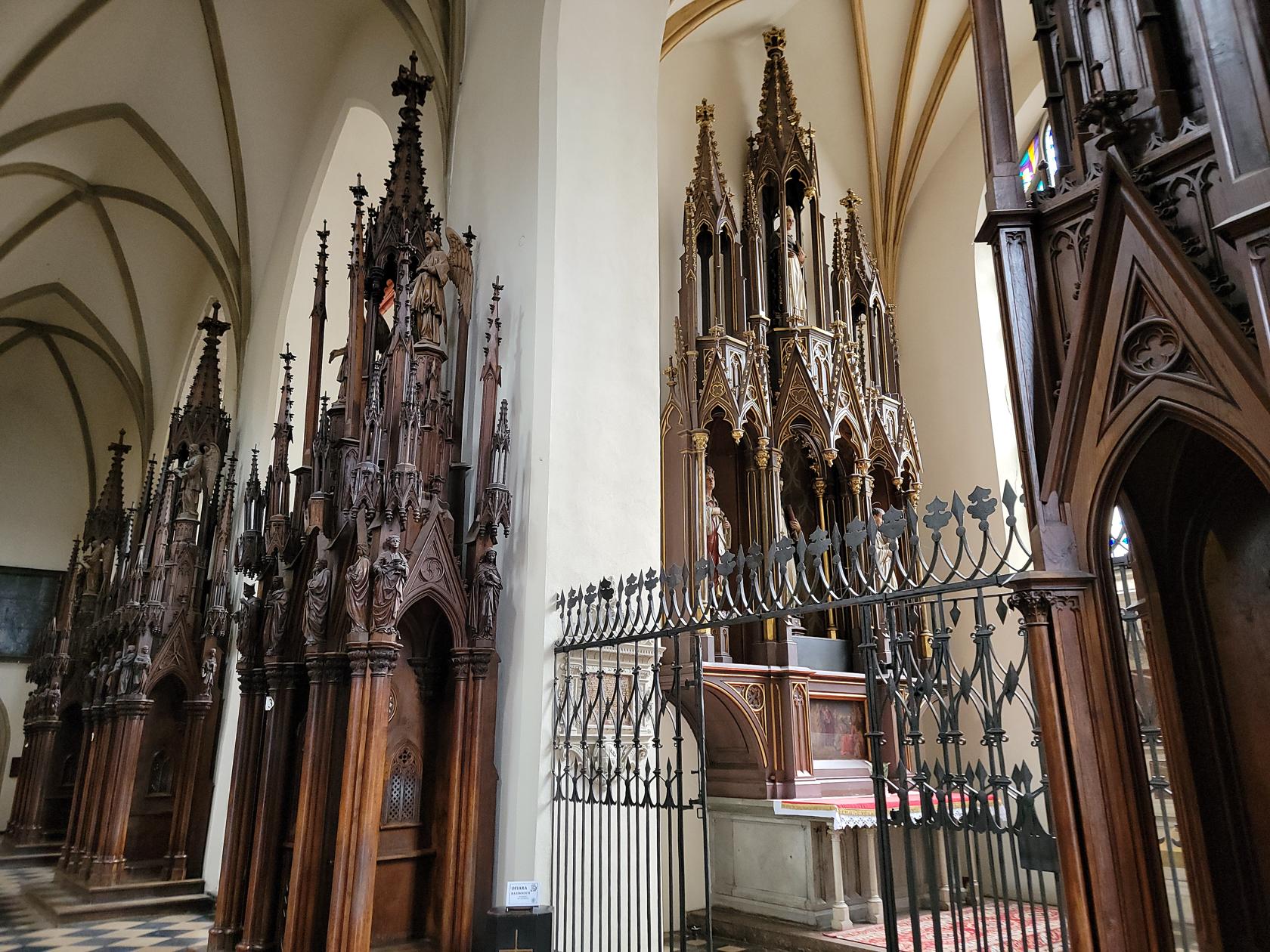
Holy Trinity Church
If you are looking for something small with more spartan lines, then the Holy Trinity Church should be a destination. It singular feature of adornment is in its wooden side chapels, which the photographs below show in better detail.
Entrance – Holy Trinity Church – Kraków, Poland
Nave – Holy Trinity Church – Kraków, Poland
Organ – Holy Trinity Church – Kraków, Poland
Side Chapels – Holy Trinity Church – Kraków, Poland
Pulpit – Holy Trinity Church – Kraków, Poland
Saint Aldabert’s Church
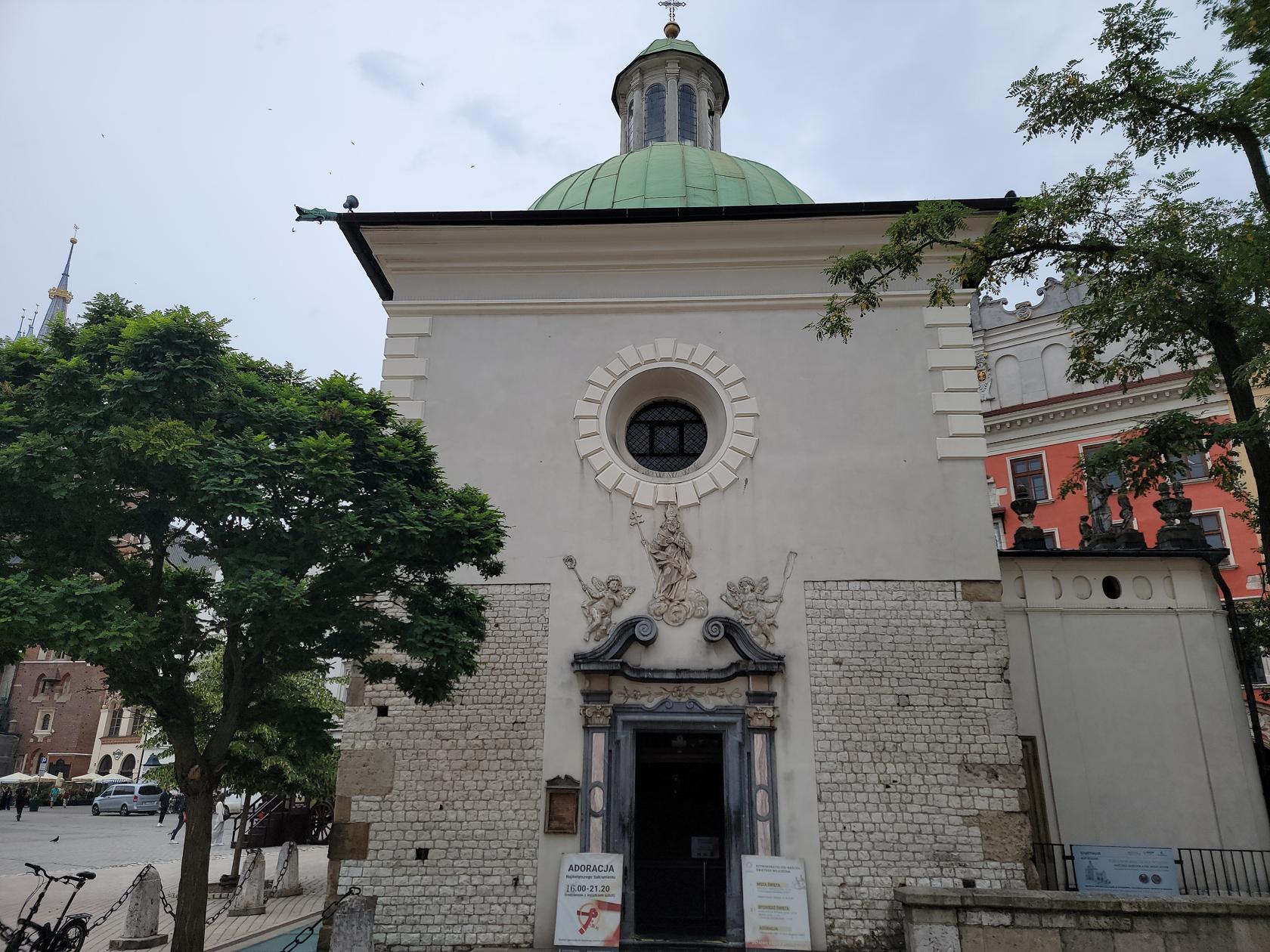
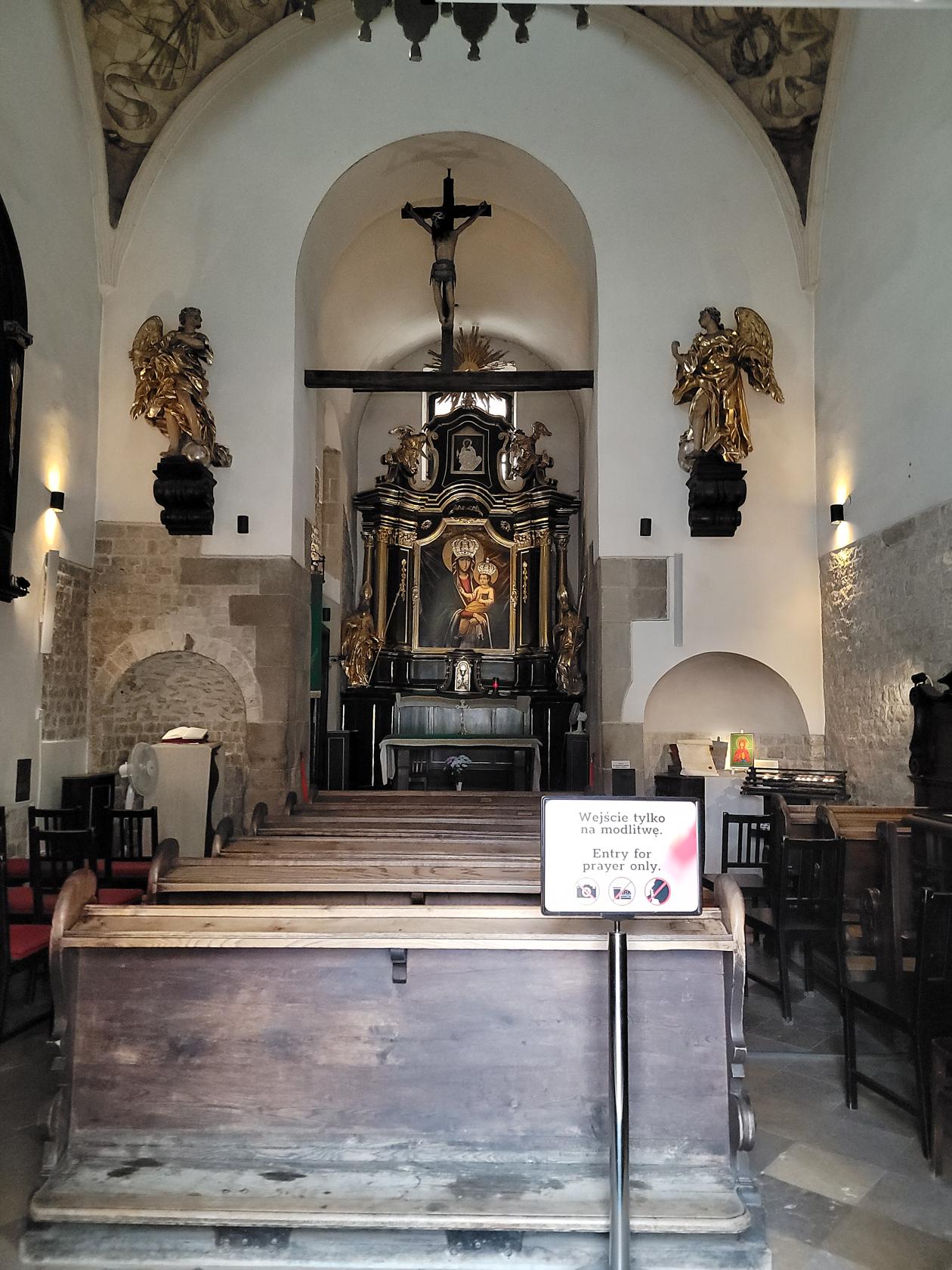
Also known as Church Of Saint Wojciech, Saint Aldabert’s Church is a small chapel that sits on top of an older church.
Church of St. Wojciech – Rynek Główny Main Plaza – Kraków, Poland
Church of St. Wojciech – Rynek Główny Main Plaza – Kraków, Poland
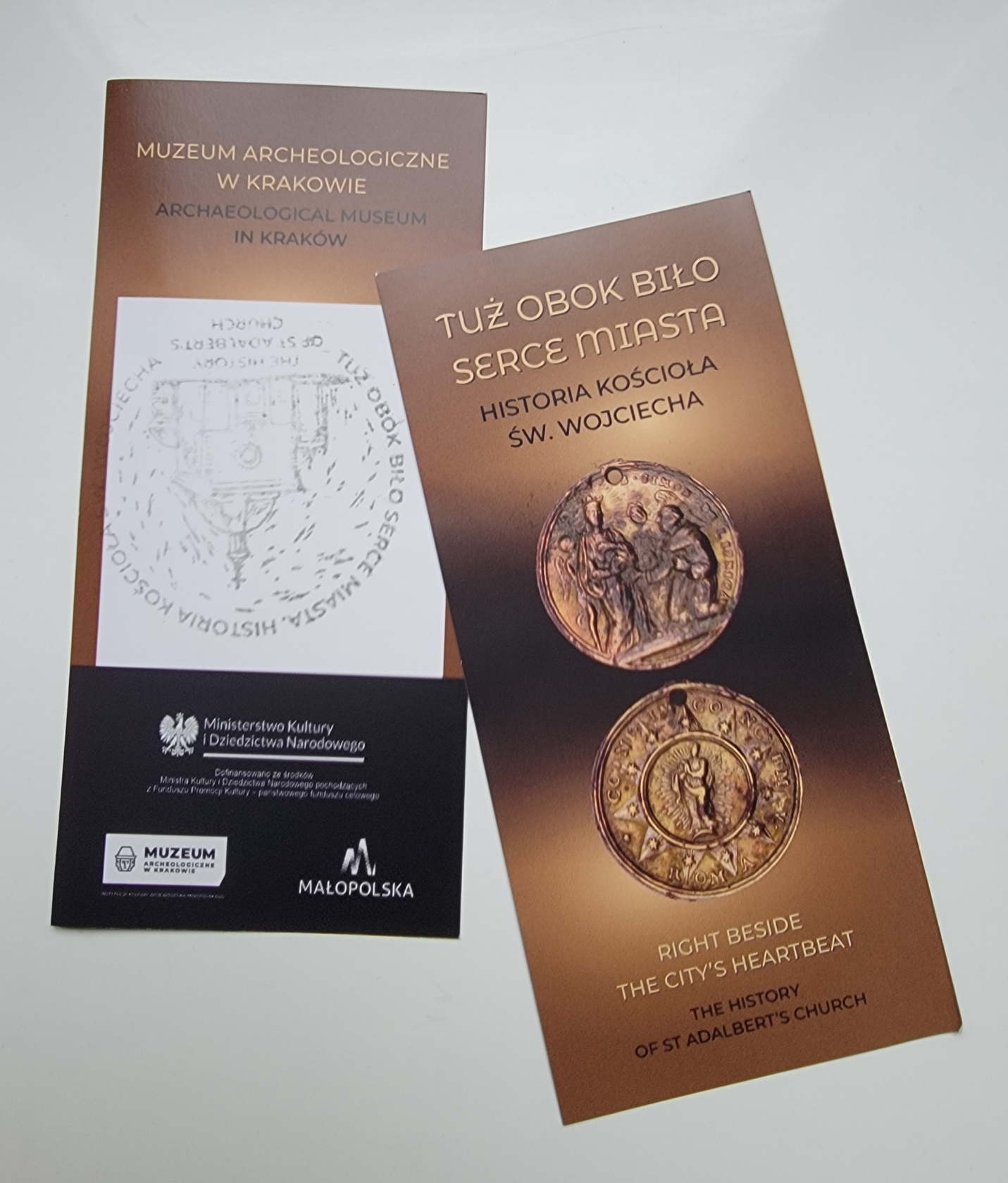
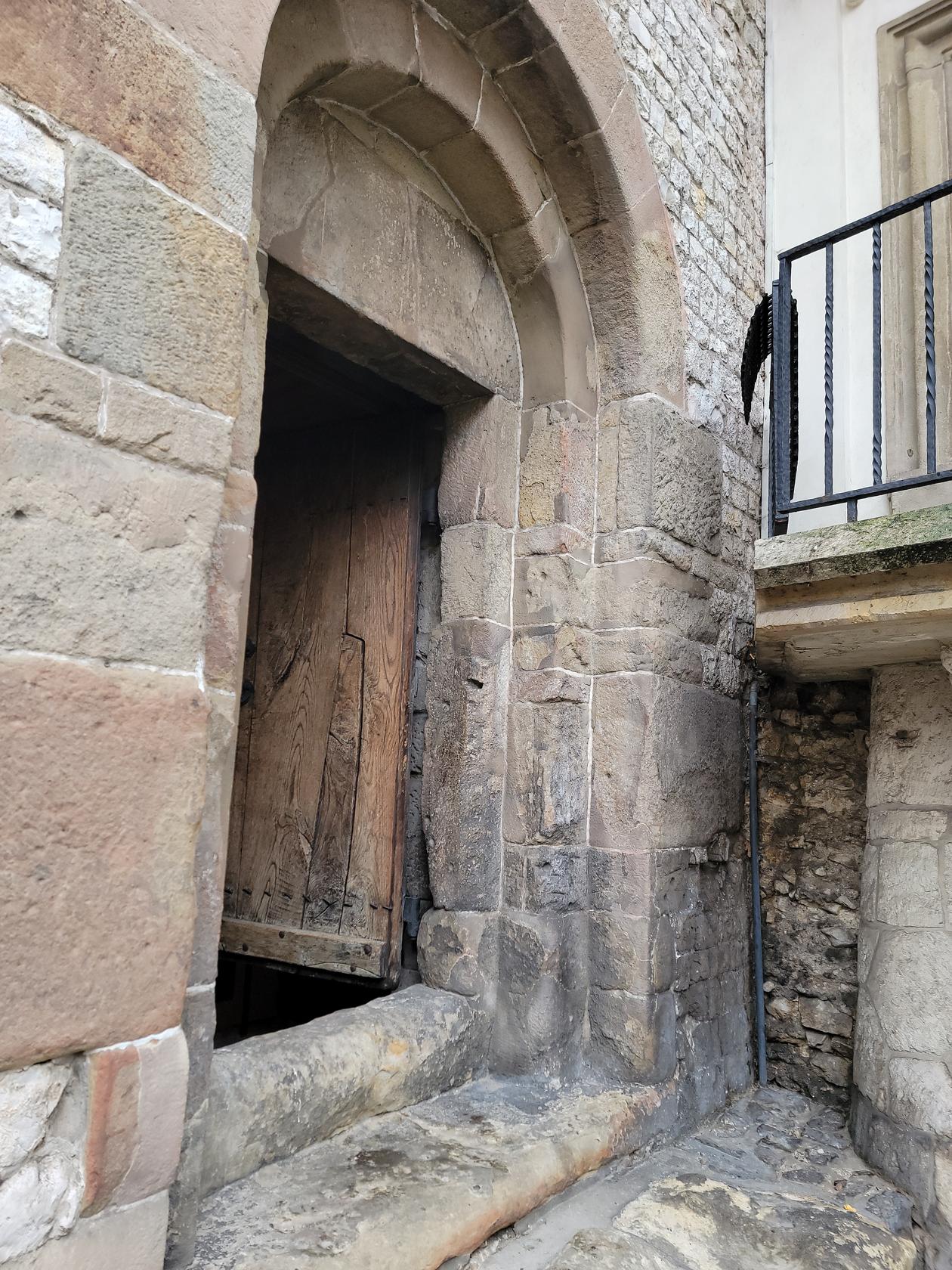
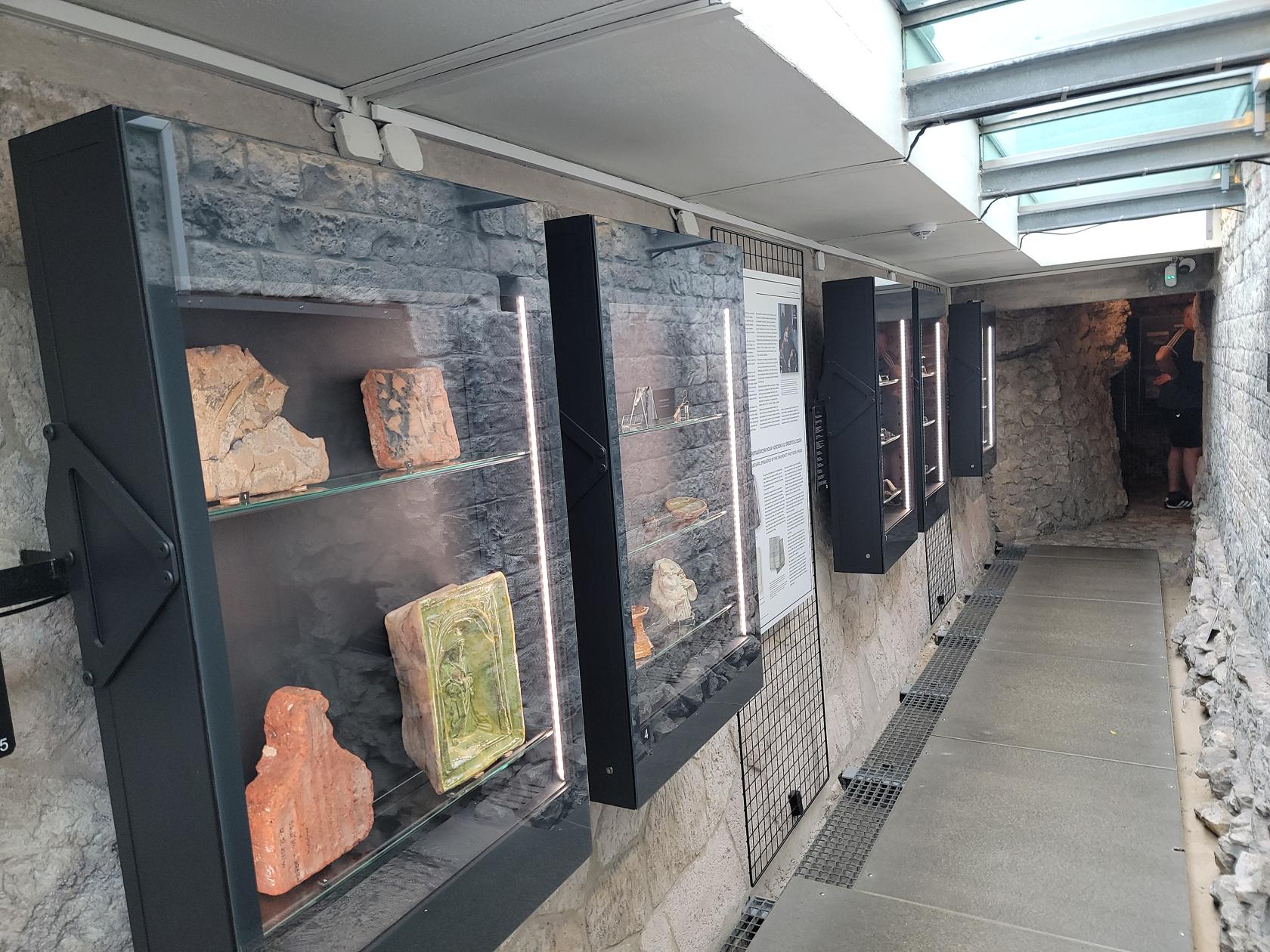
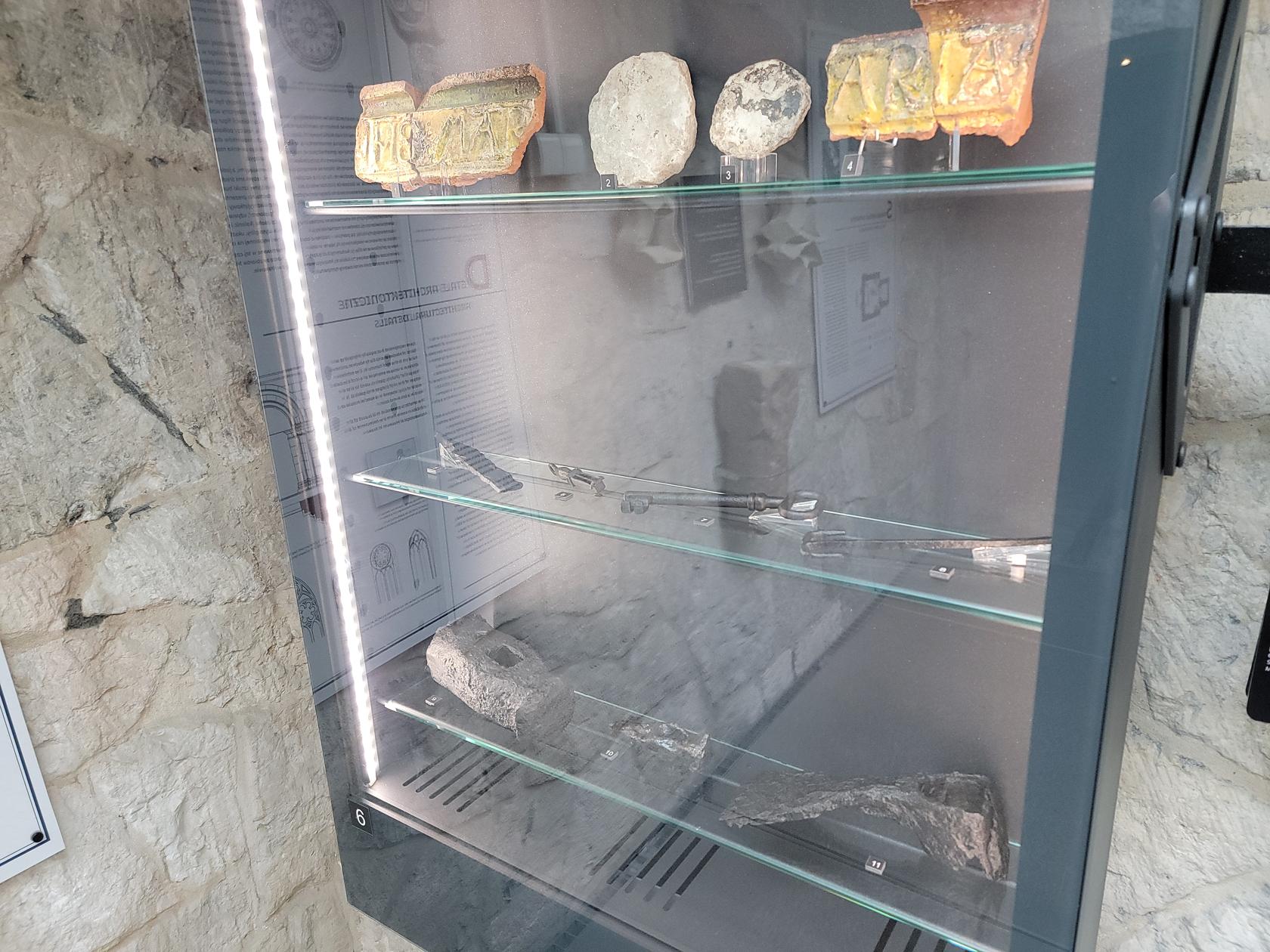
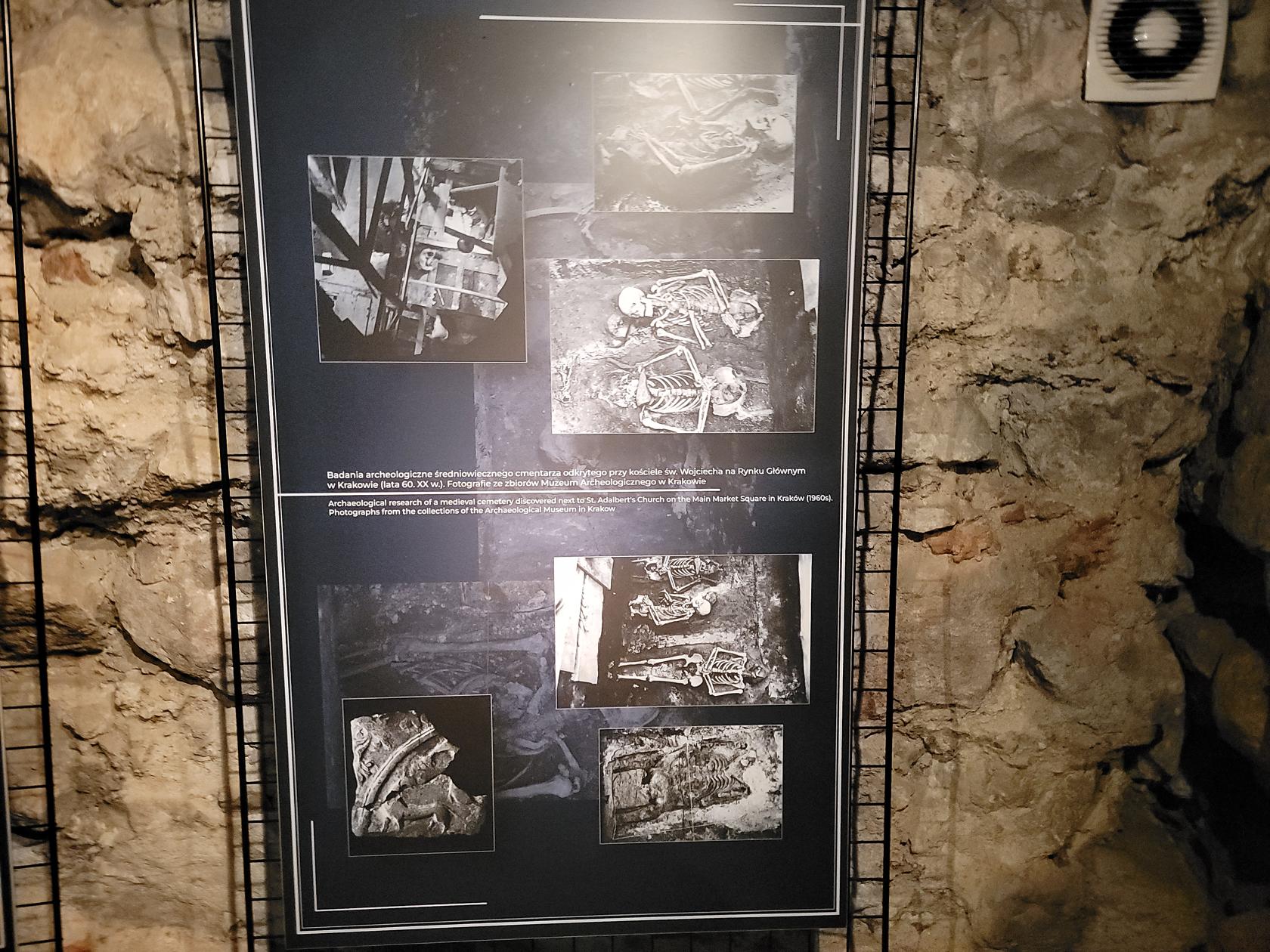
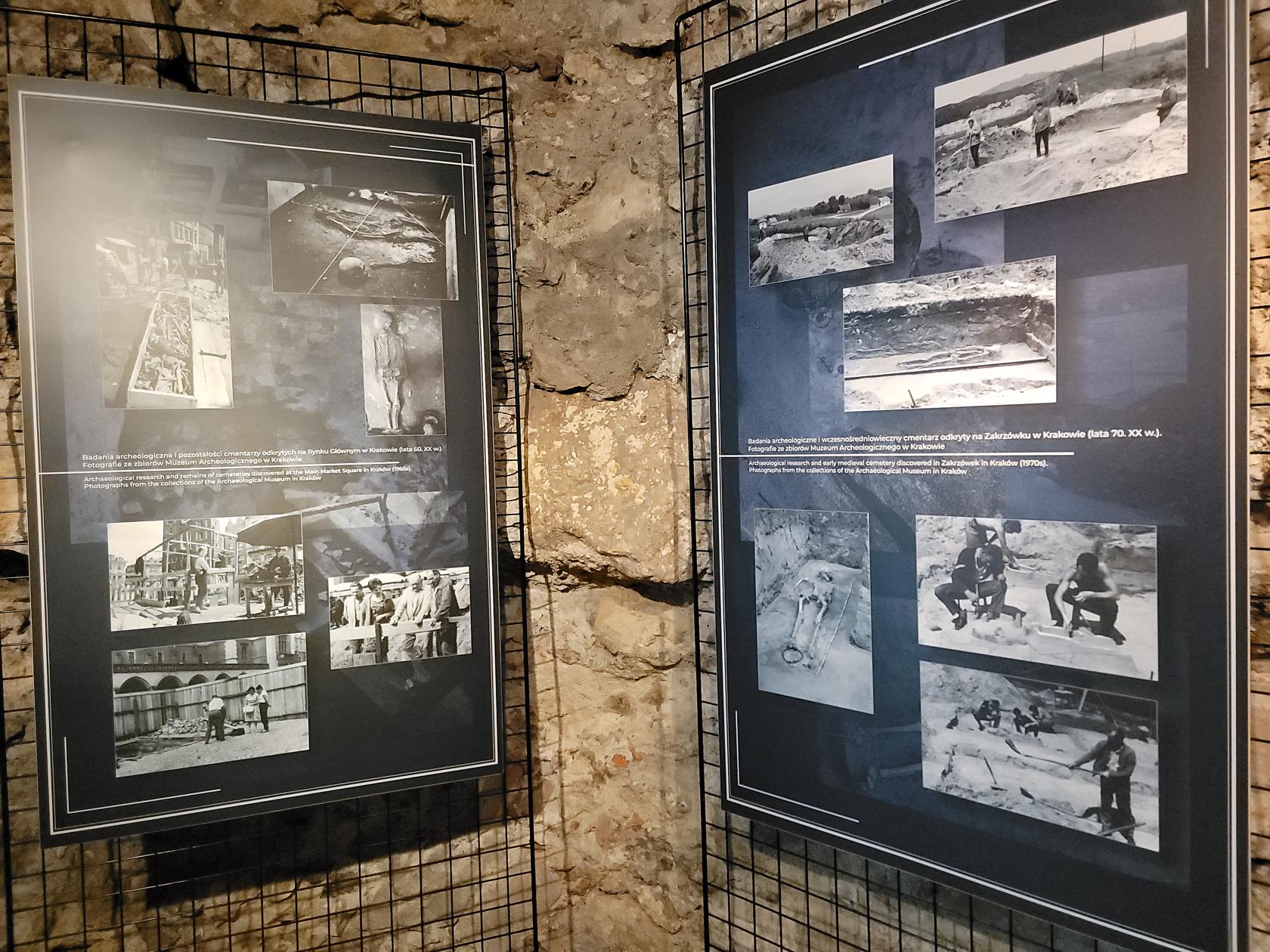
The archealogical remains of the older church may be visited for a small fee. Frankly there is not much to see, but it was interesting nonetheless, even though it was quite short.
Tickets For Two – Saint Aldaberts Church – Kraków, Poland
Entrance – Saint Aldabert’s Church – Kraków, Poland
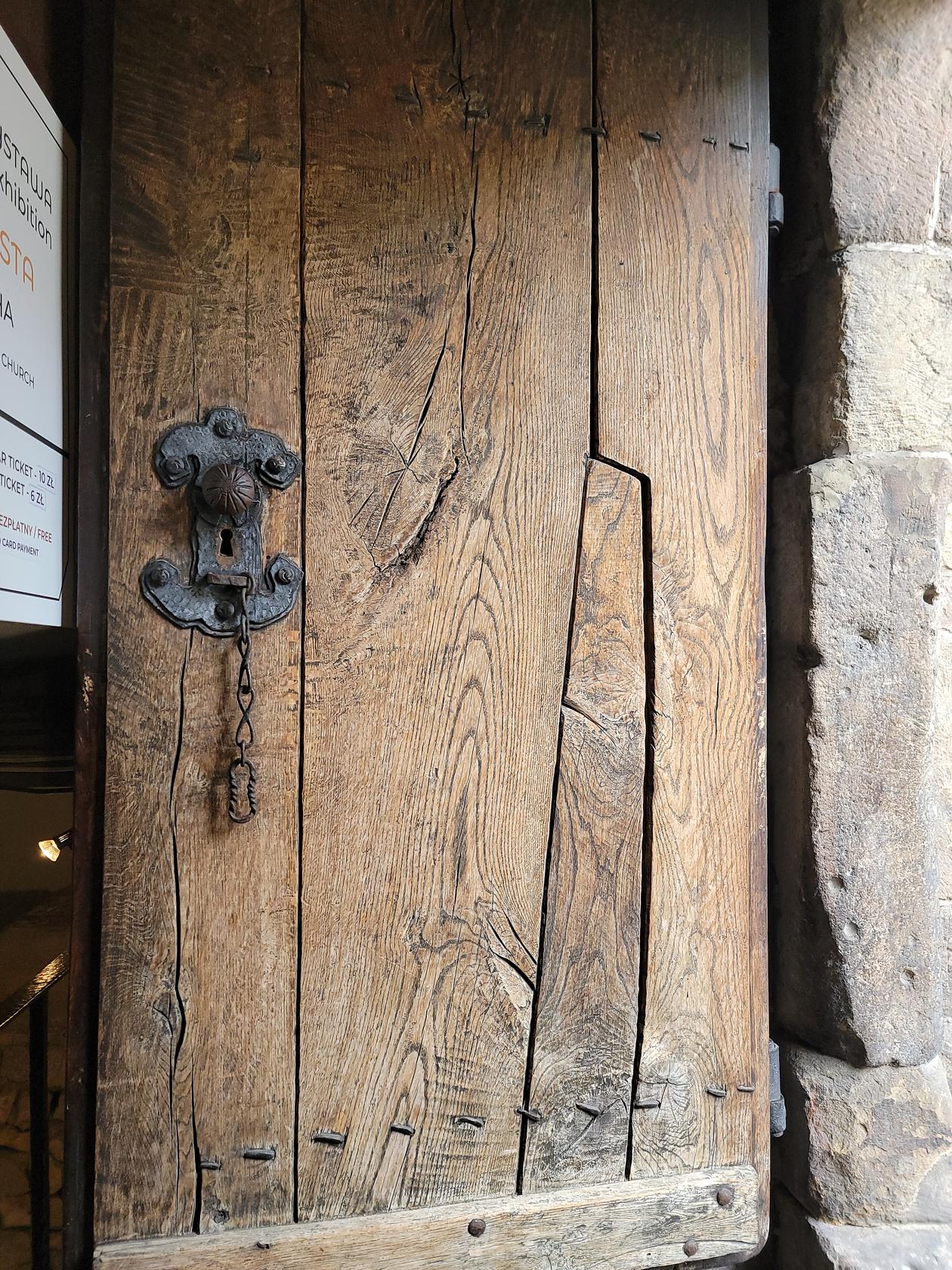
Old Wooden Door with Iron Doorknob – Saint Aldabert’s Church – Kraków, Poland
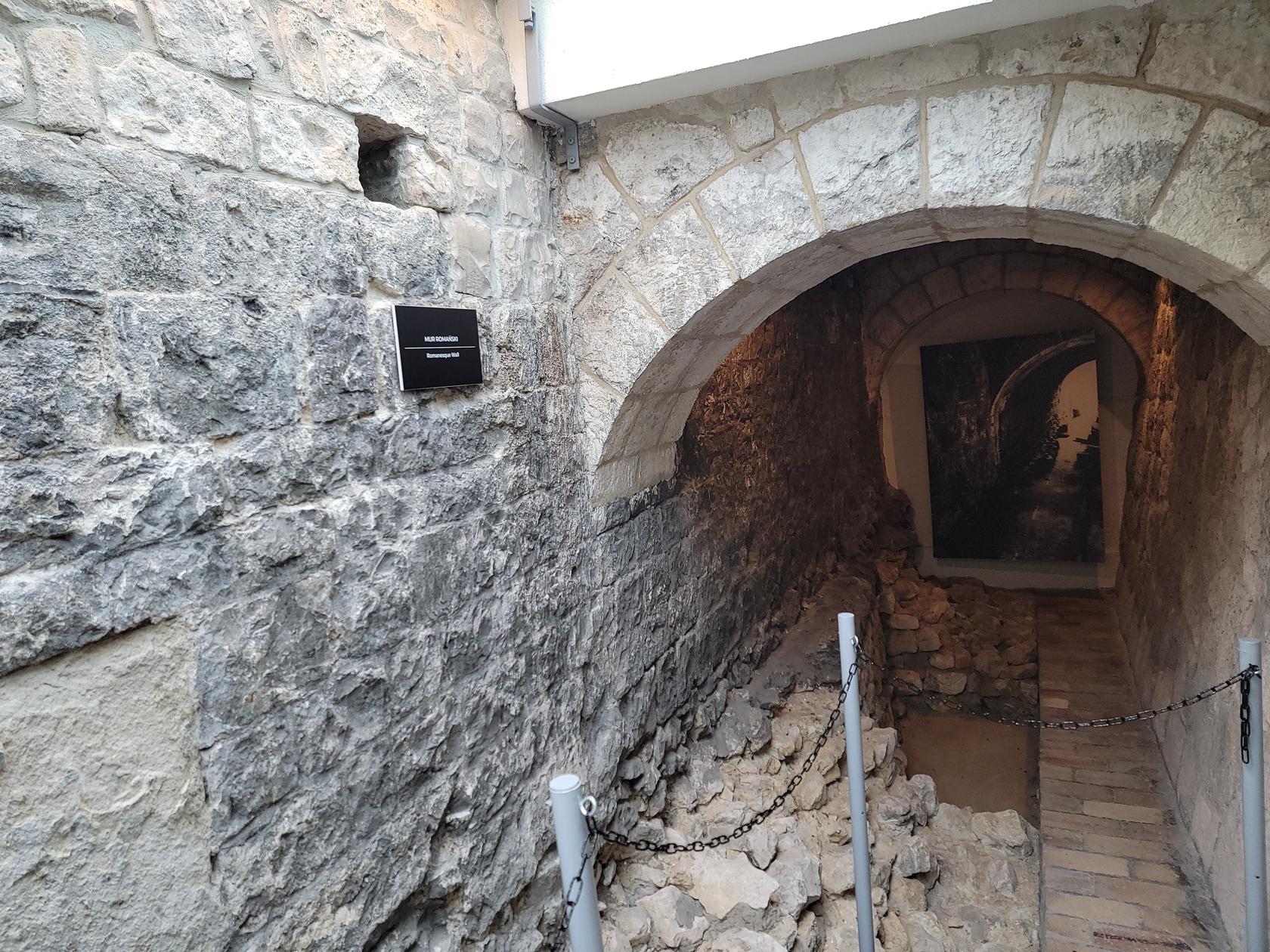
Old Romanesque Wall – Saint Aldabert’s Church – Kraków, Poland
Old Romanesque Wall – Saint Aldabert’s Church – Kraków, Poland
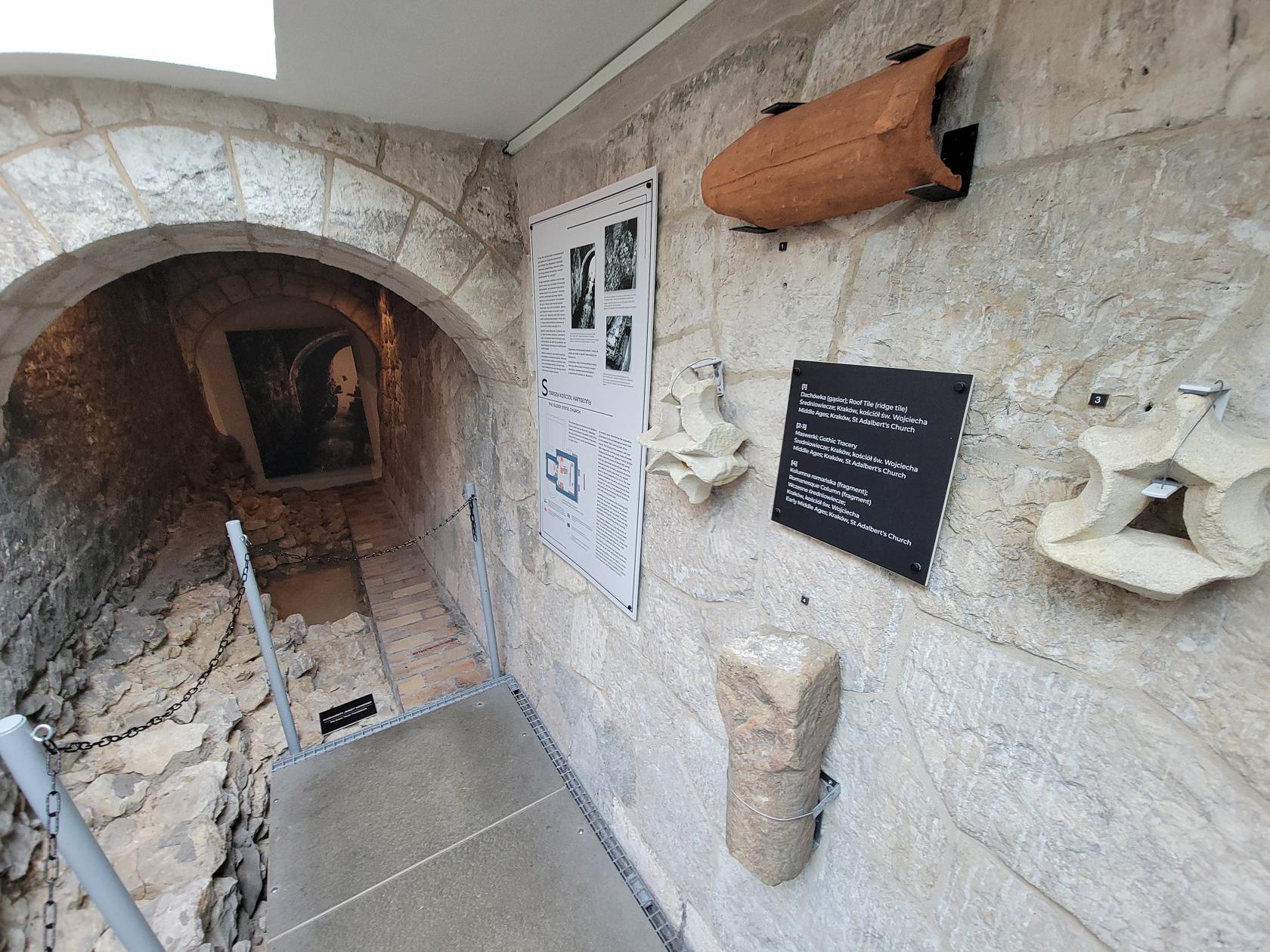
Exhibits – Saint Aldabert’s Church – Kraków, Poland
Old Keys and other artifacts – Saint Aldabert’s Church – Kraków, Poland
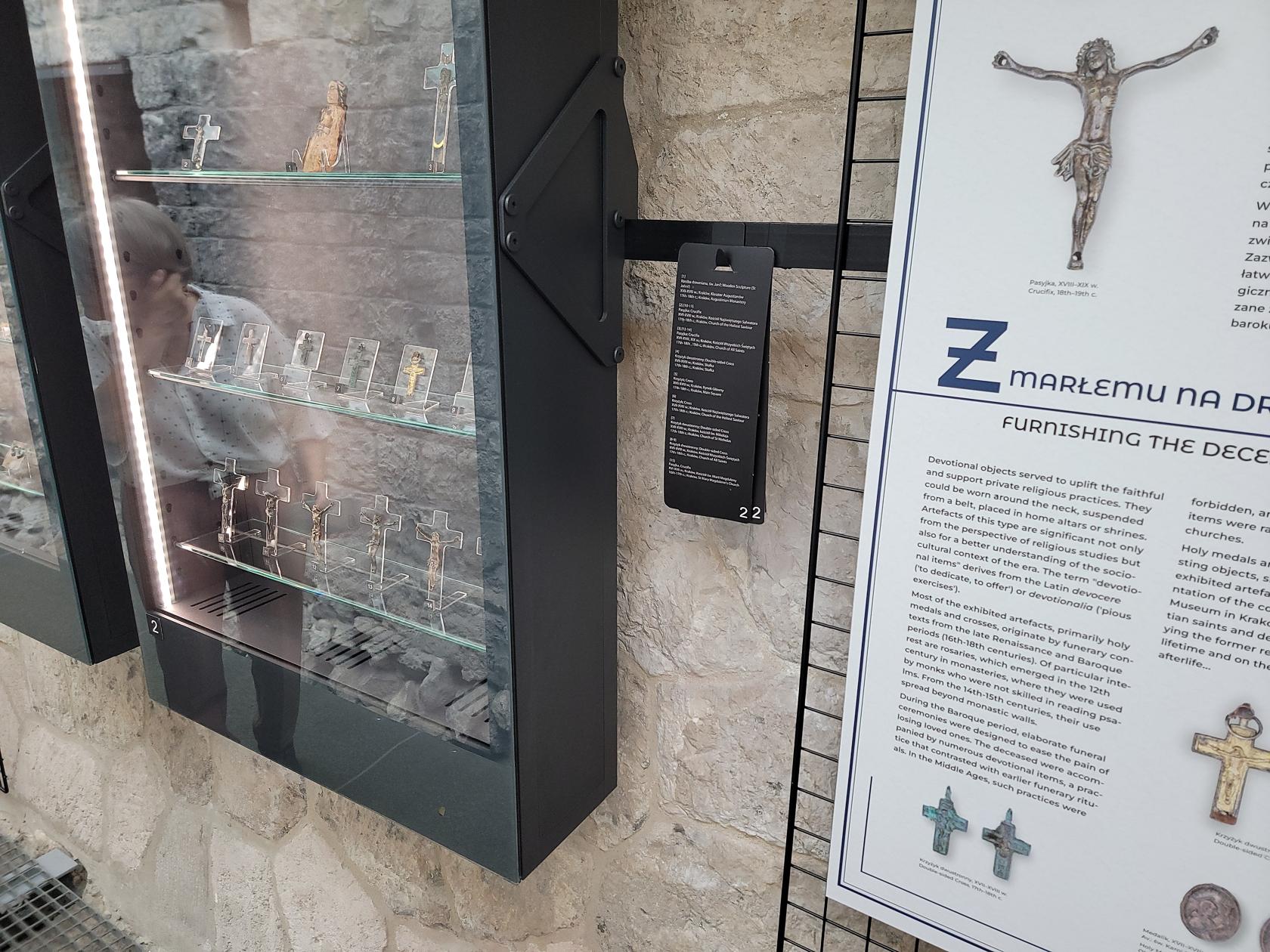
Old Crucifixes – Saint Aldabert’s Church – Kraków, Poland
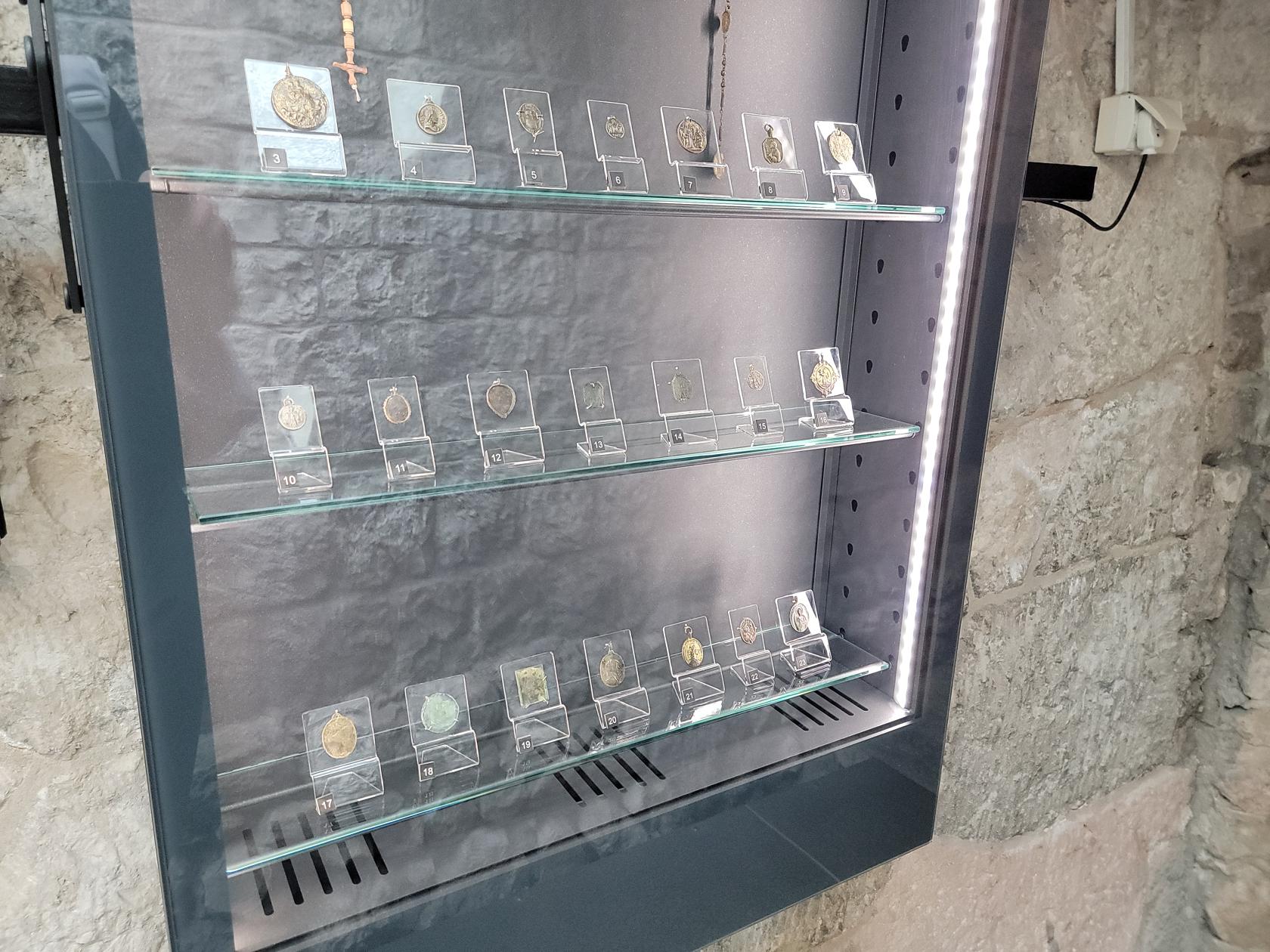
Crucifixes and Gold Pendants – Saint Aldabert’s Church – Kraków, Poland
Remains Found – Saint Aldabert’s Church – Kraków, Poland
Exhibits – Saint Aldabert’s Church – Kraków, Poland
Restaurants
In this part we visited two restaurants of note. The Morski Oko and the Jama Michalika, one noted for its food, the other for its artwork.
Morskie Oko Restaurant
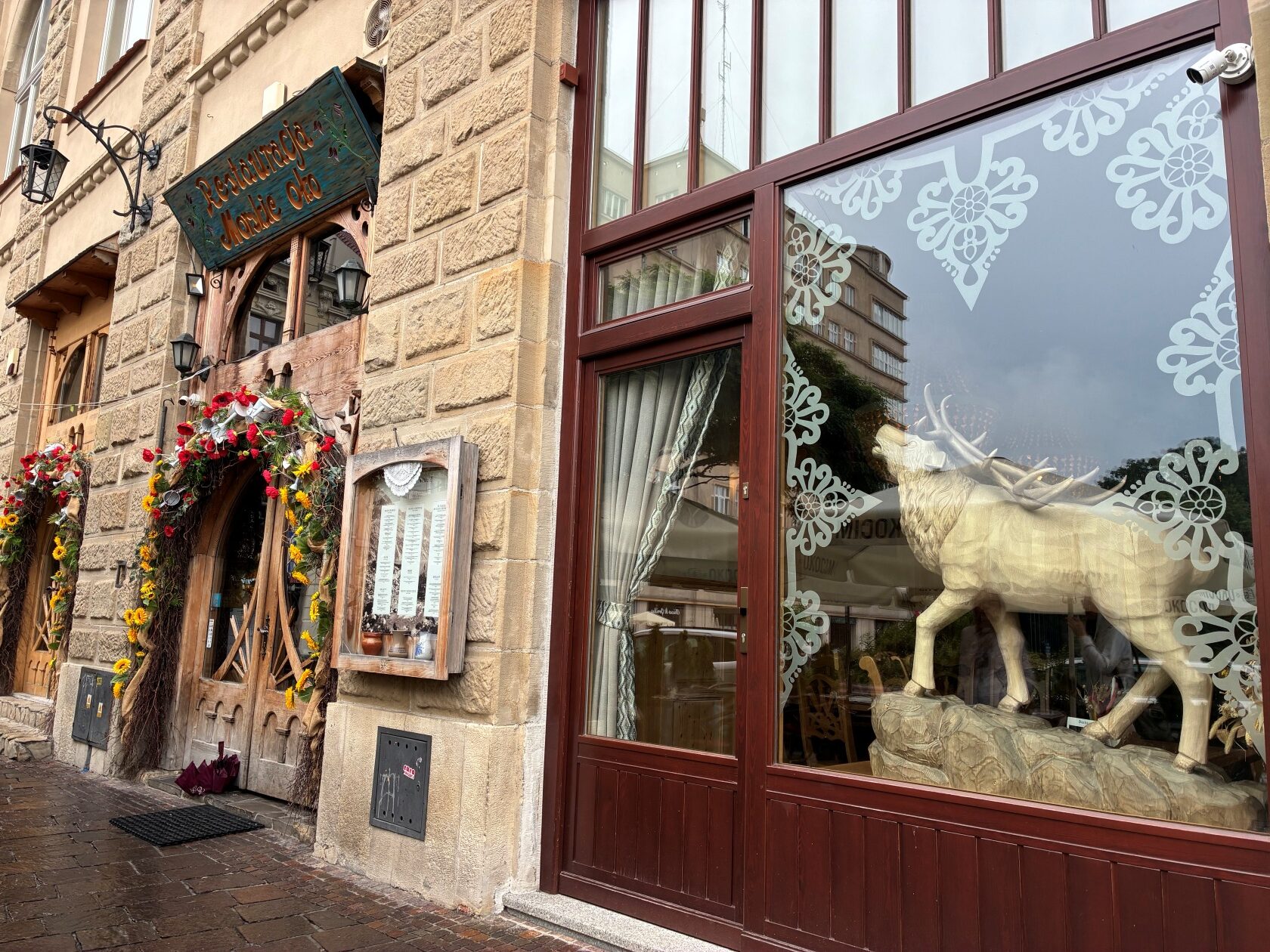
The Morskie Oko restaurant is actually one that we visited more than once, more on that later. In this edition we had reservations for lunch, since it can get quite busy.
Entrance – Morskie Oko Restaurant – Kraków, Poland
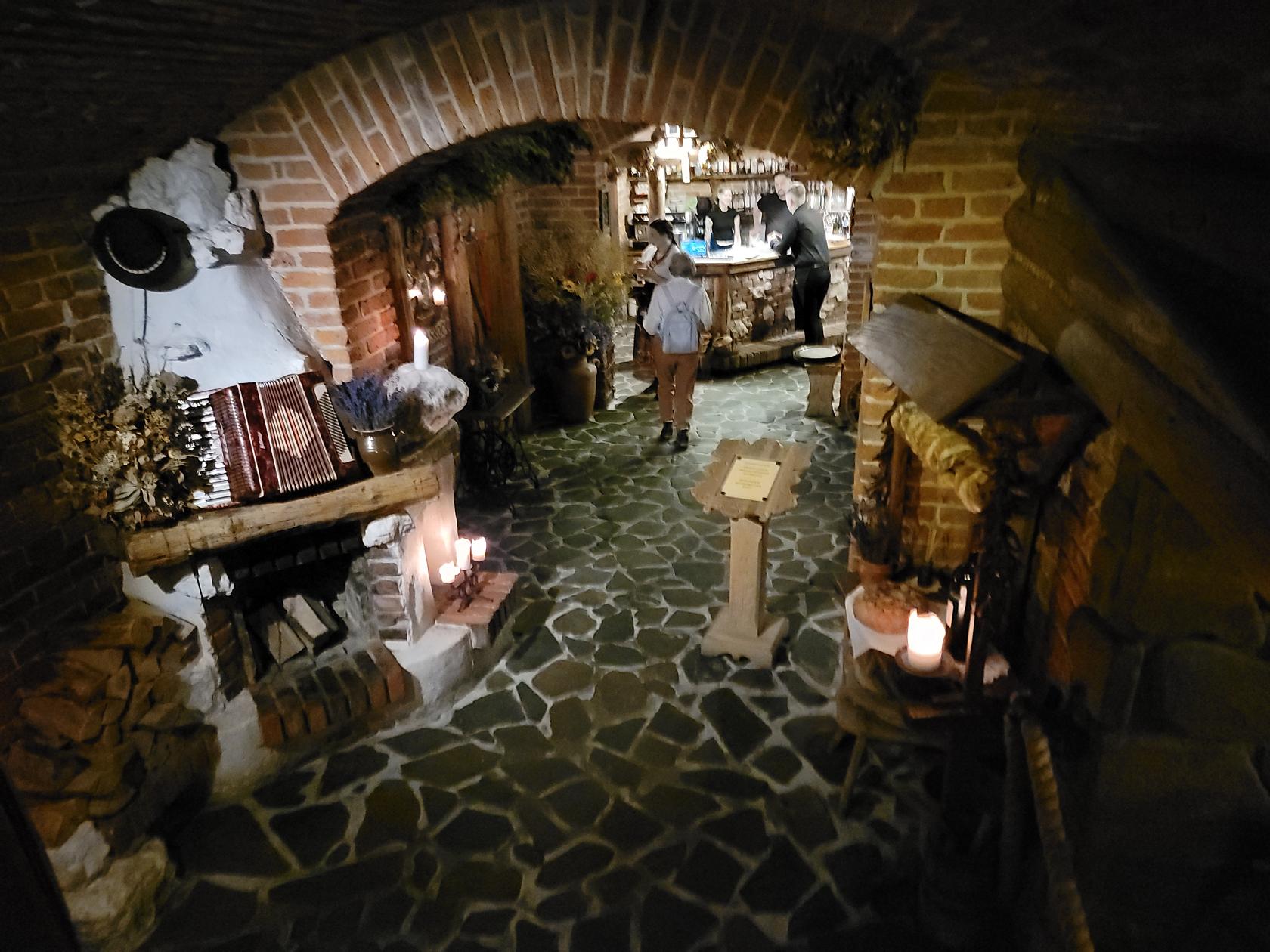
Downstairs – Morskie Oko Restaurant – Kraków, Poland
Inside Downstairs – Morskie Oko Restaurant – Kraków, Poland
Group Seating – Morskie Oko Restaurant – Kraków, Poland
Patti waiting for lunch – Morskie Oko Restaurant – Kraków, Poland
Inside – Morskie Oko Restaurant – Kraków, Poland
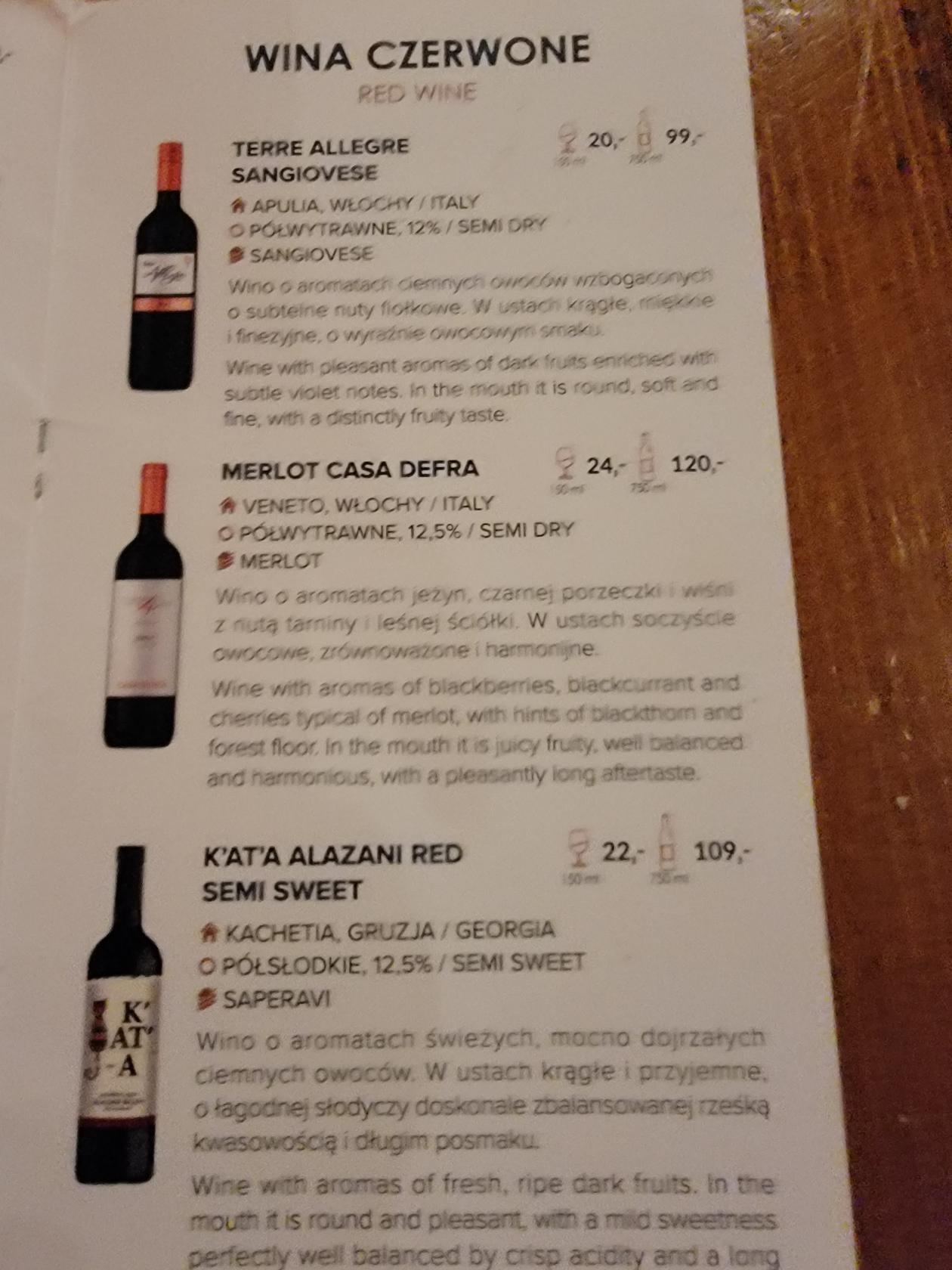
Wines – Morskie Oko Restaurant – Kraków, Poland
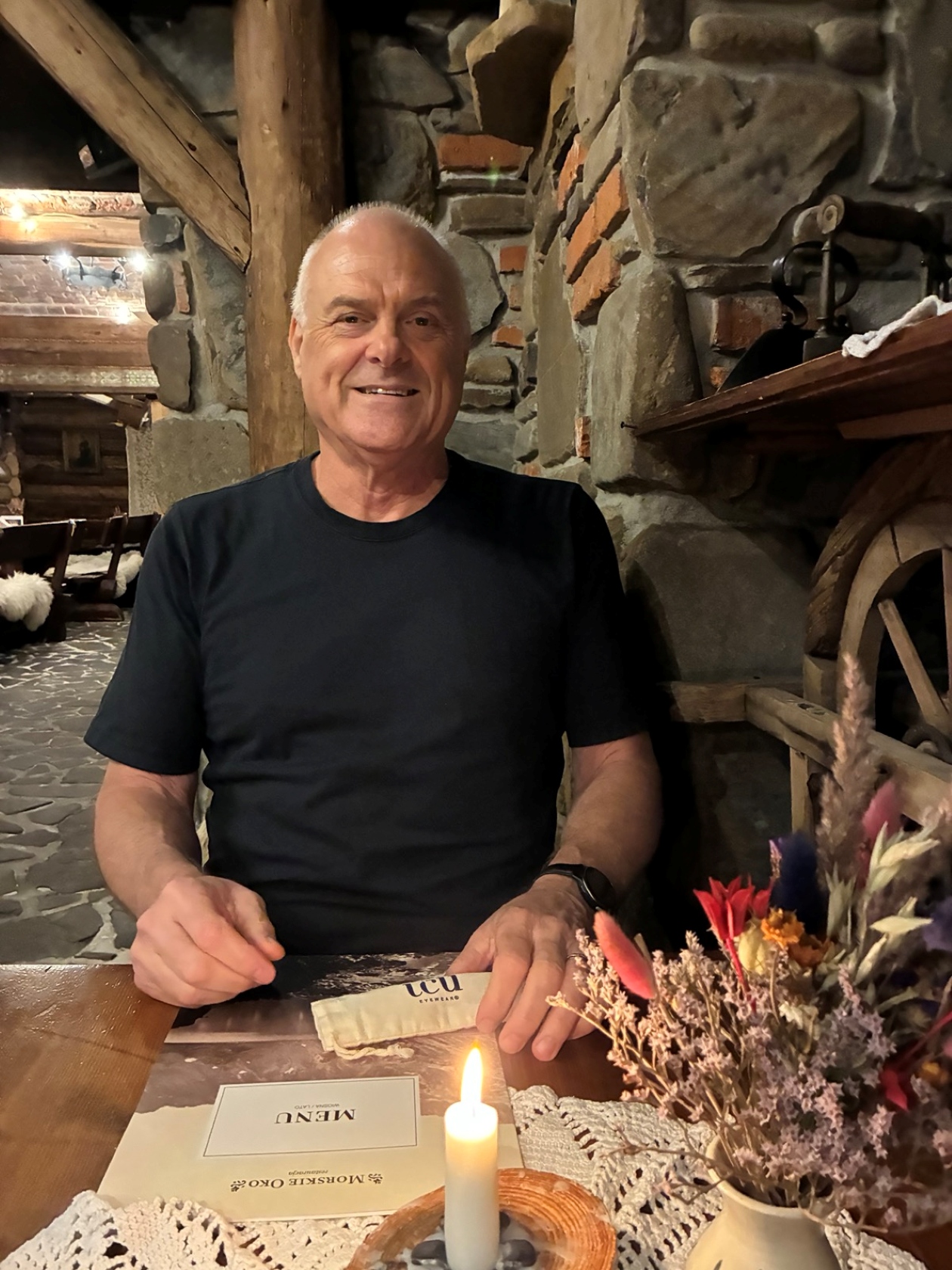
Erick – Morskie Oko Restaurant – Kraków, Poland
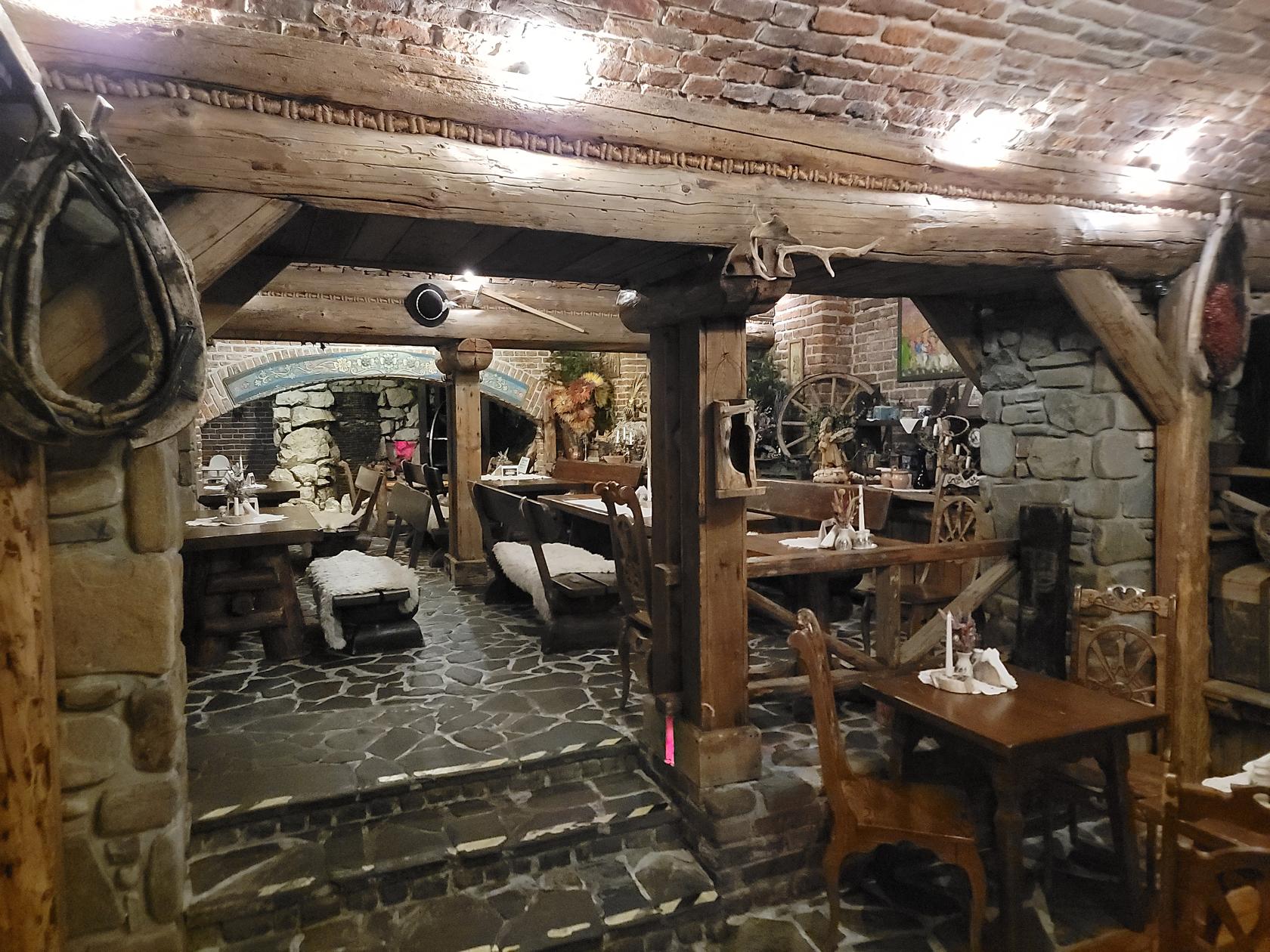
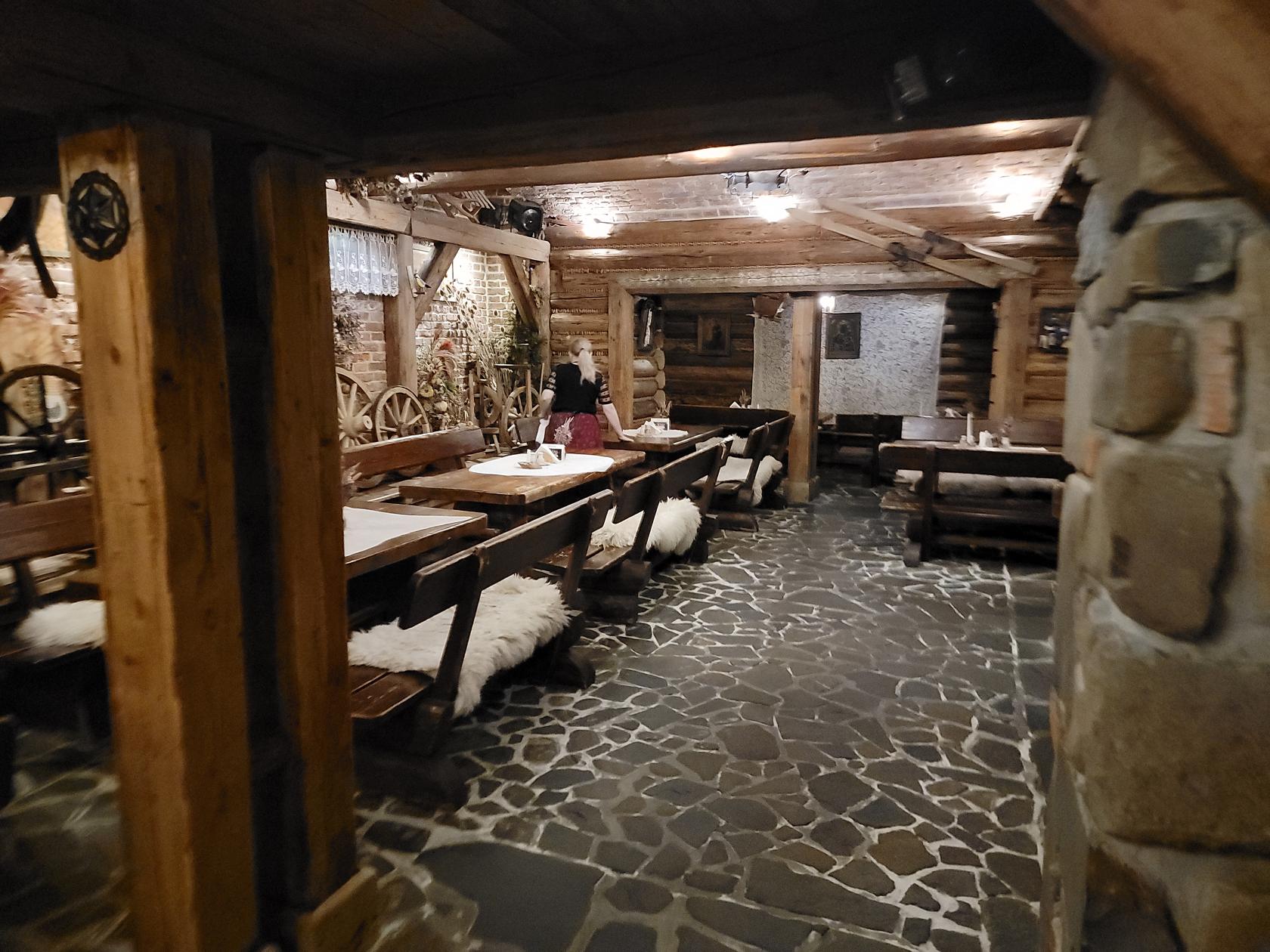
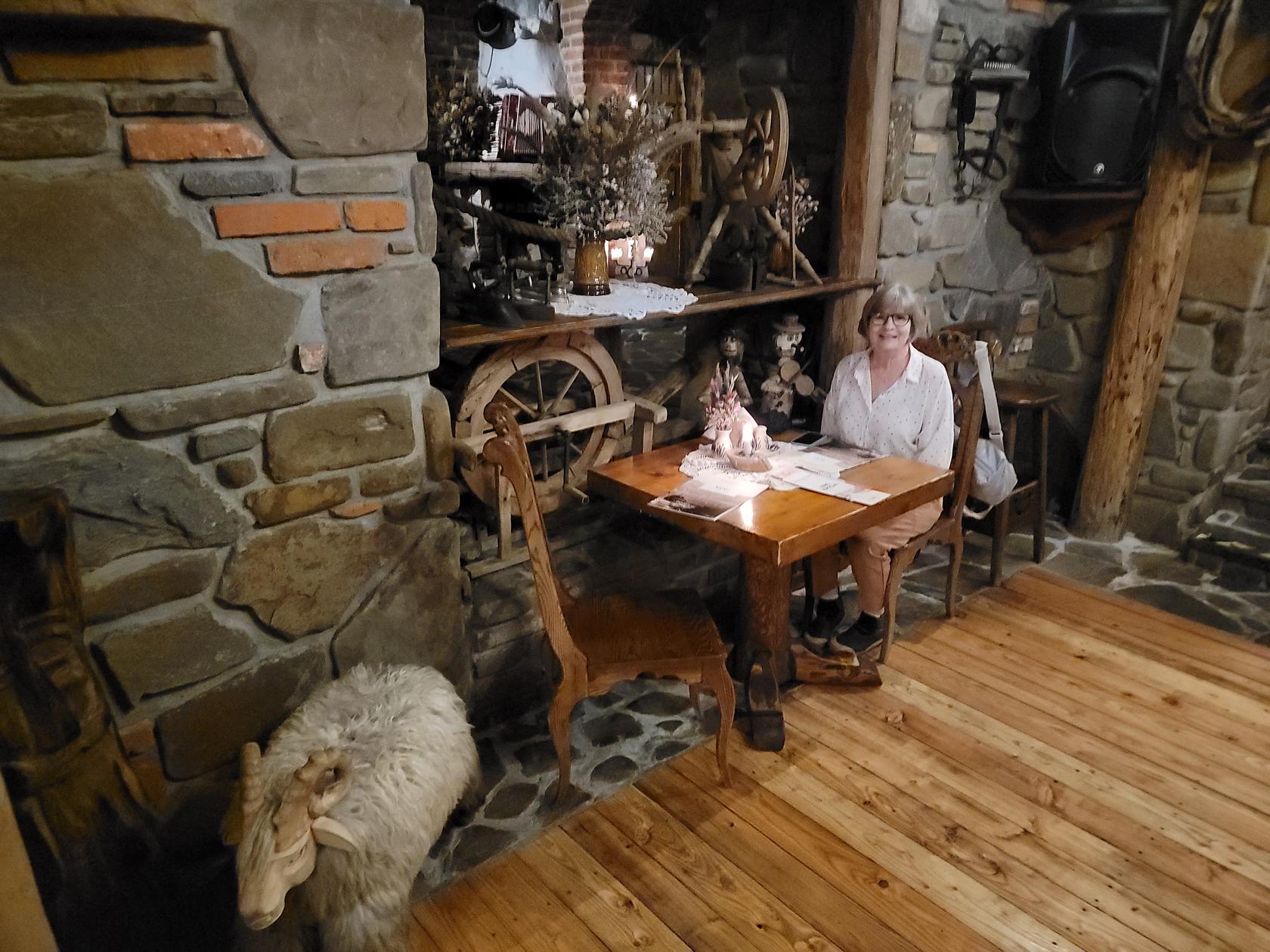
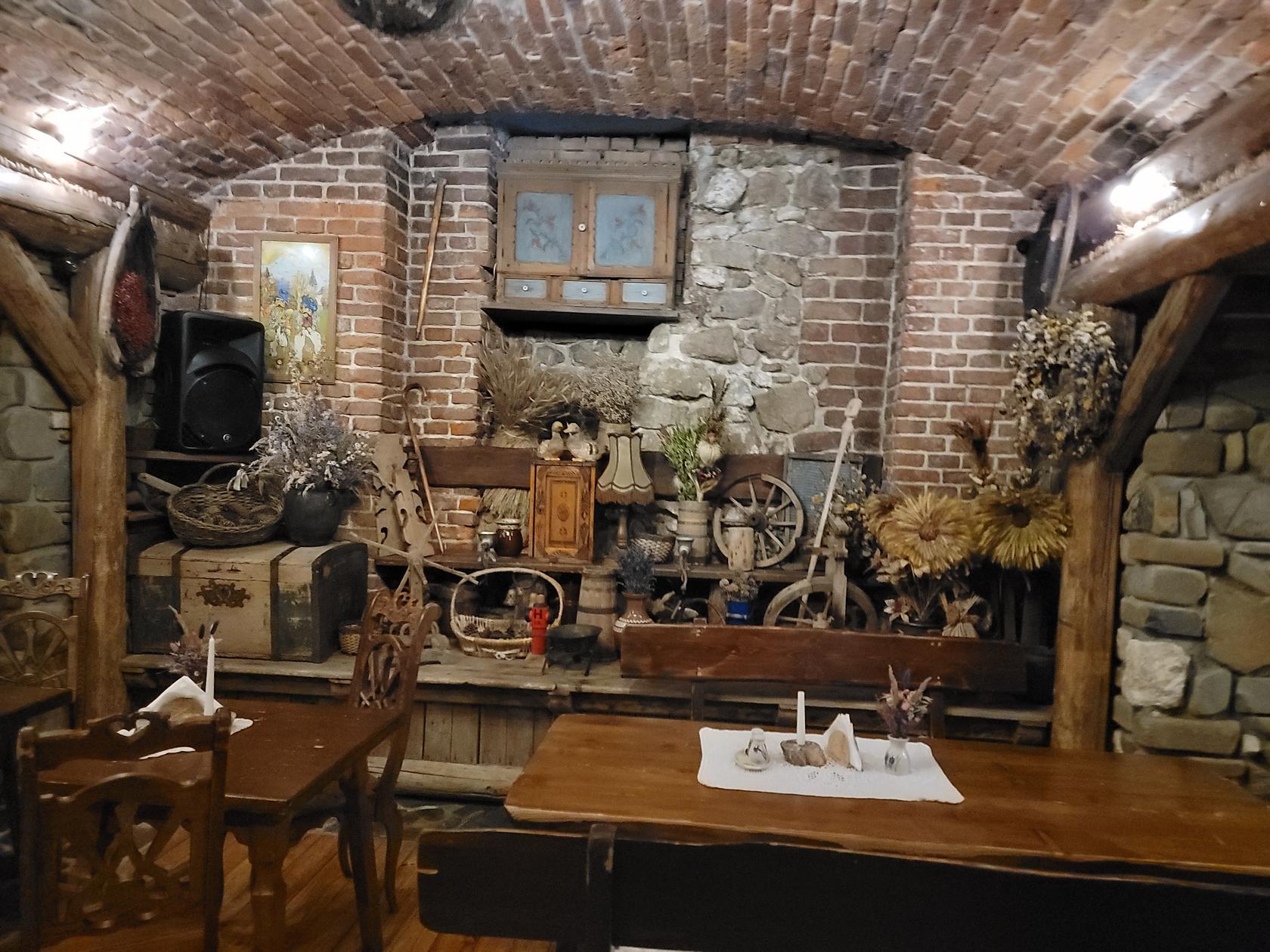
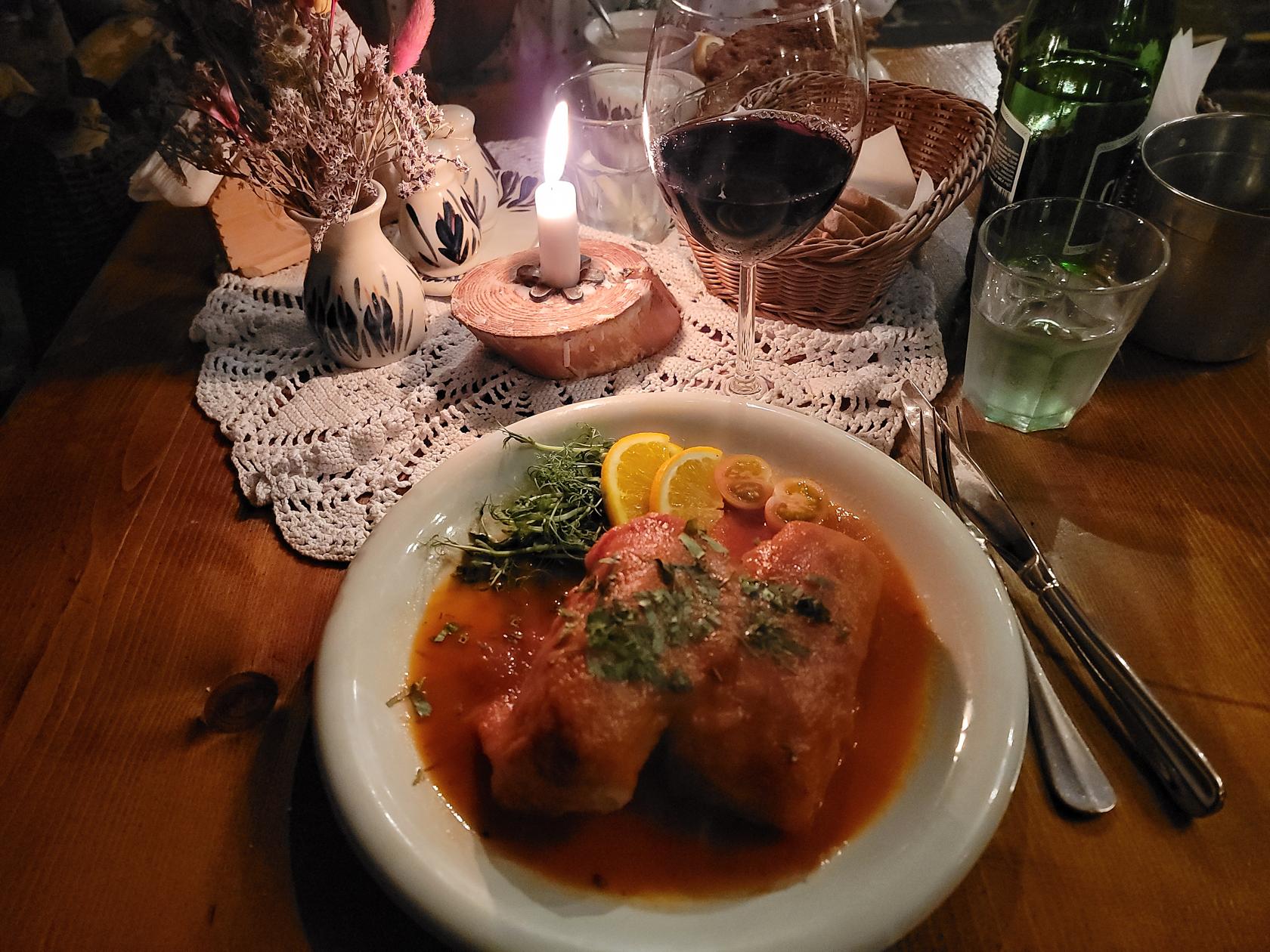
Our seating was downstairs, where we could enjoy the restaurant’s medieval quality. The food was very good, but in true Polish fashion, very filling. The gołąbki w sosie pomidorowym, or cabbage rolls in tomato sauce, were actually very good, light but at the same time very filling.
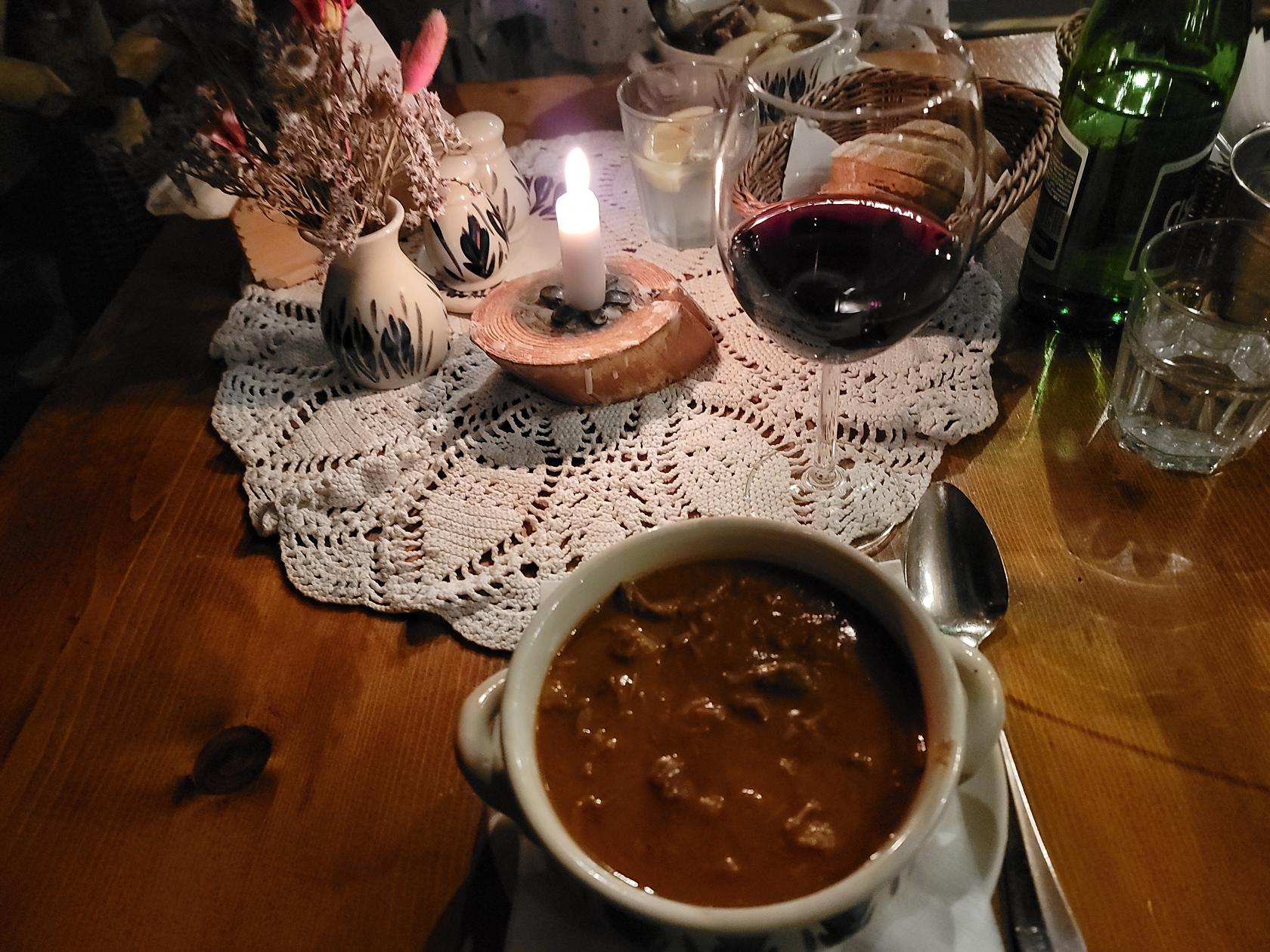
Gulash Soup – Morskie Oko Restaurant – Kraków, Poland
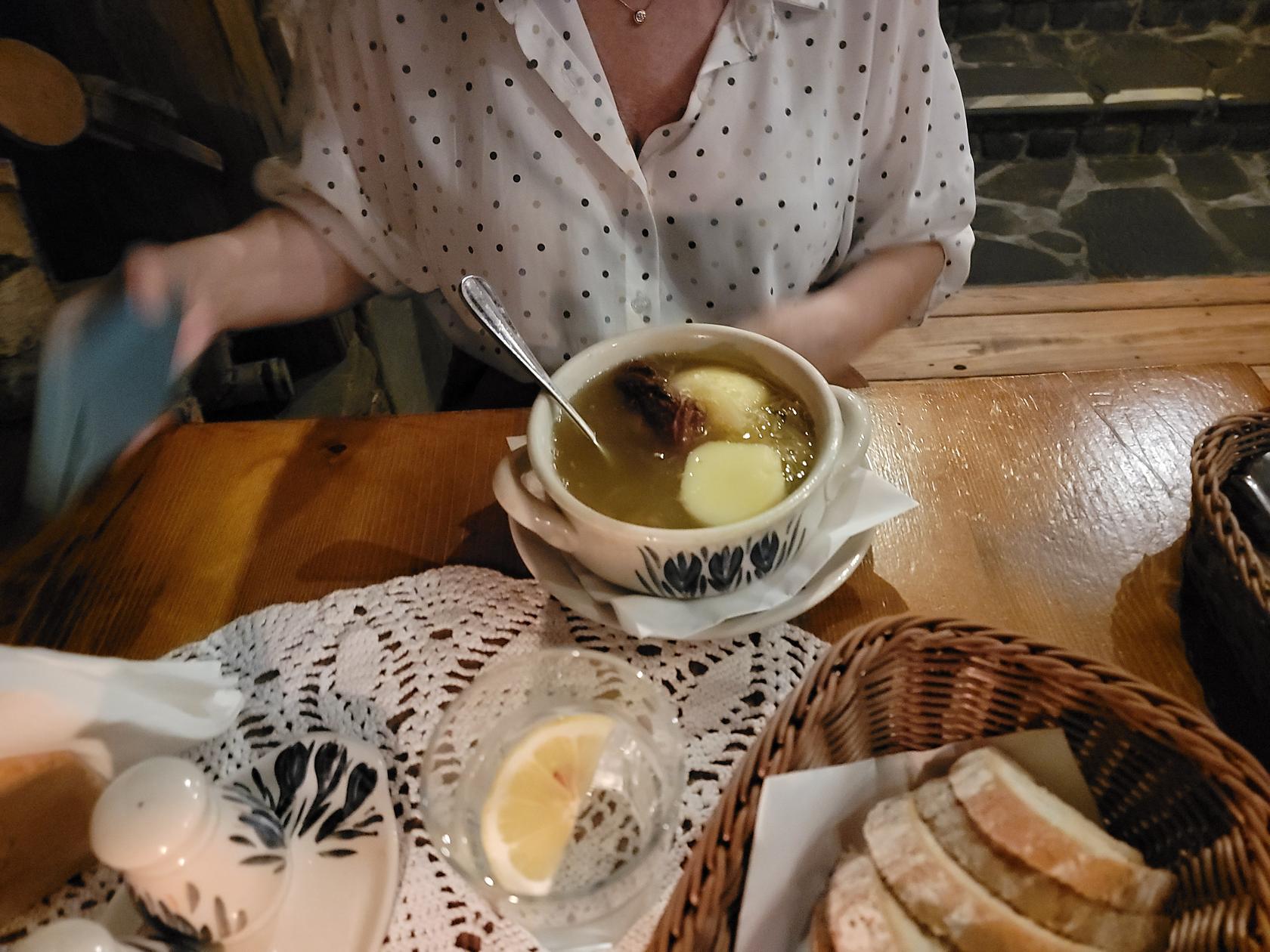
Sauerkraut Soup – Morskie Oko Restaurant – Kraków, Poland
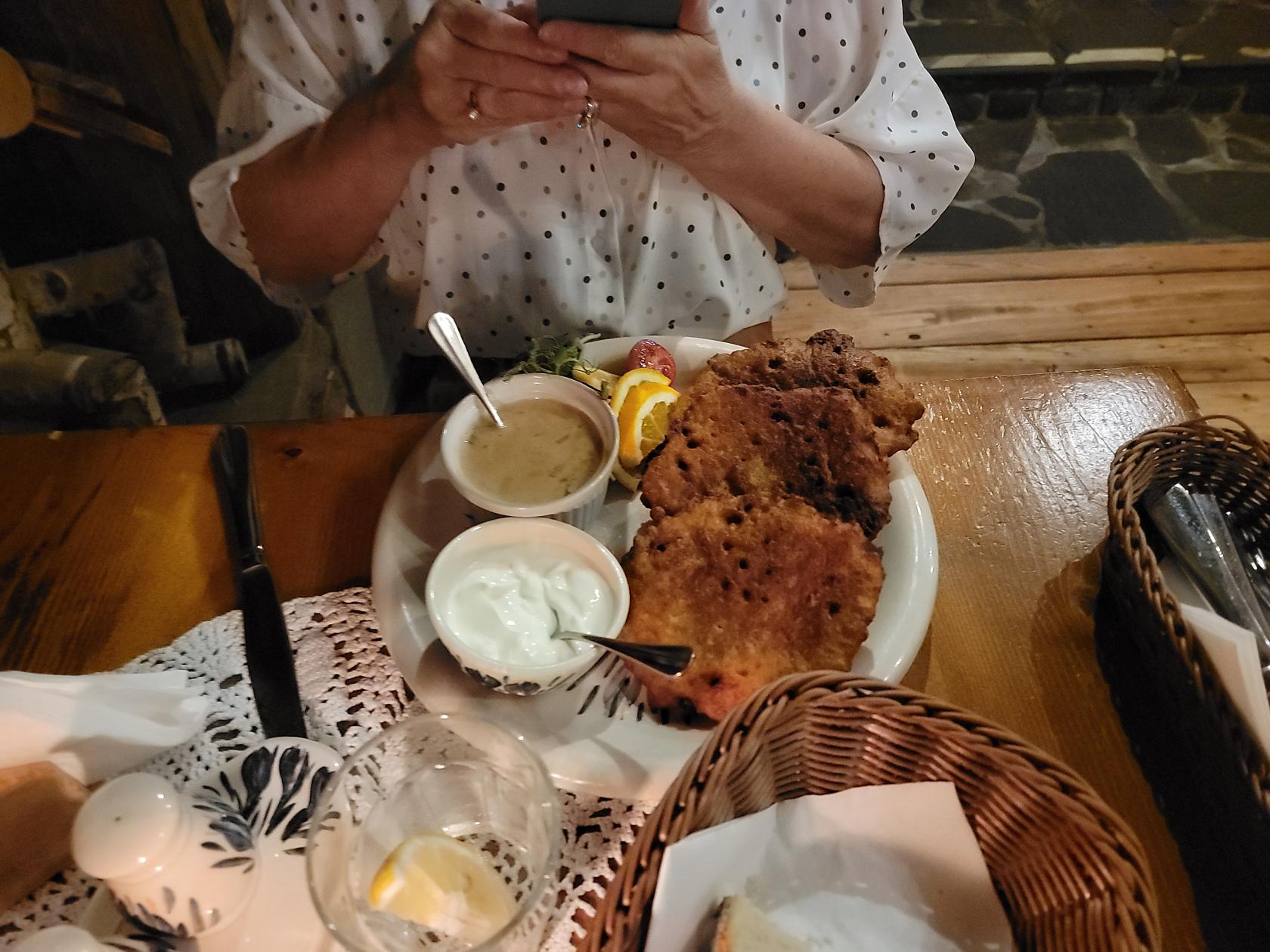
Potato Pancakes with Cream and Mushroom Sauce – Morskie Oko Restaurant – Kraków, Poland
Gołąbki w sosie pomidorowym, or Stuffed Cabbage Rolls in Sauce – Morskie Oko Restaurant – Kraków, Poland
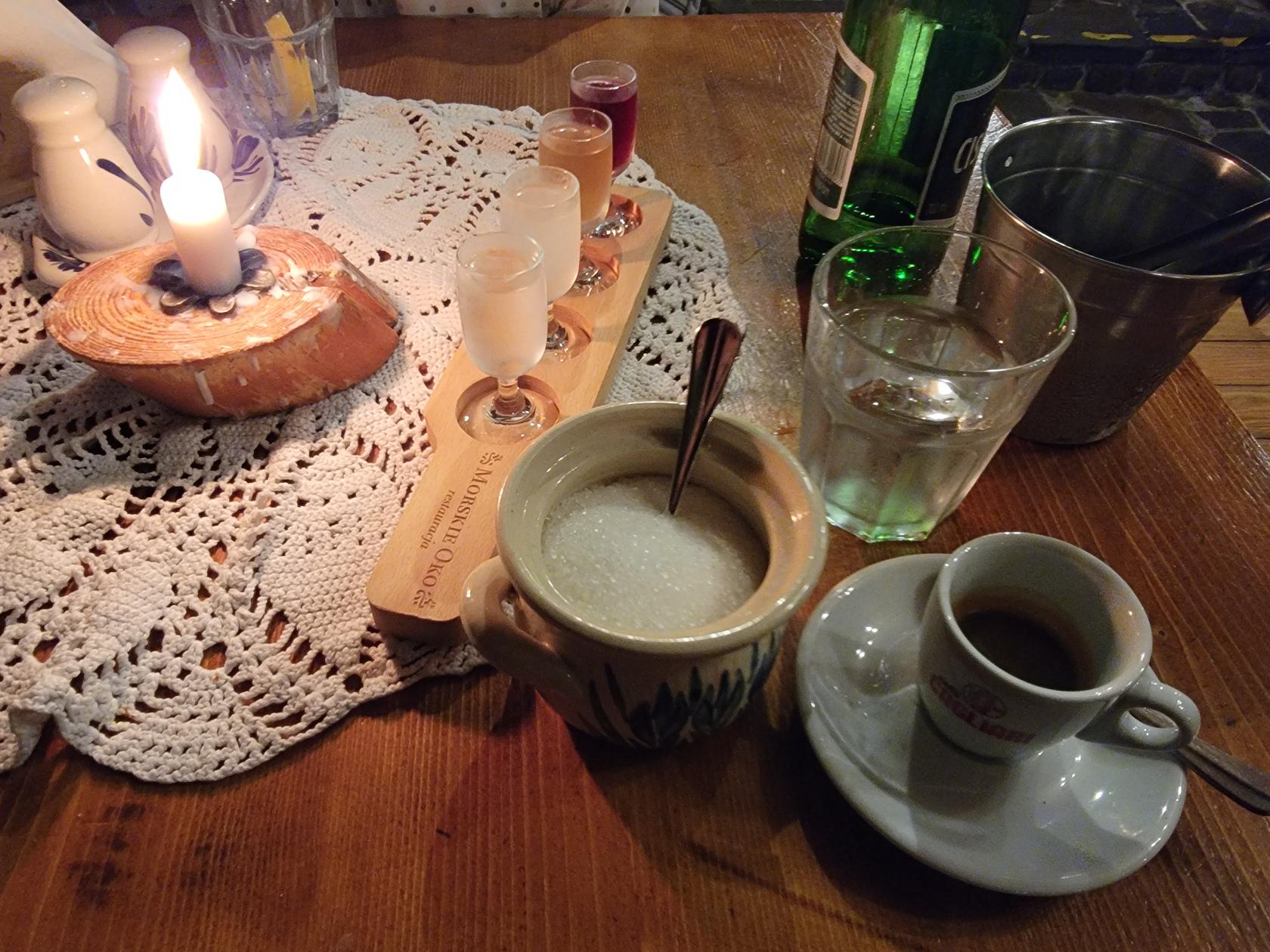
Vodka Flight and Espresso – Morskie Oko Restaurant – Kraków, Poland
Jama Michalika Restaurant
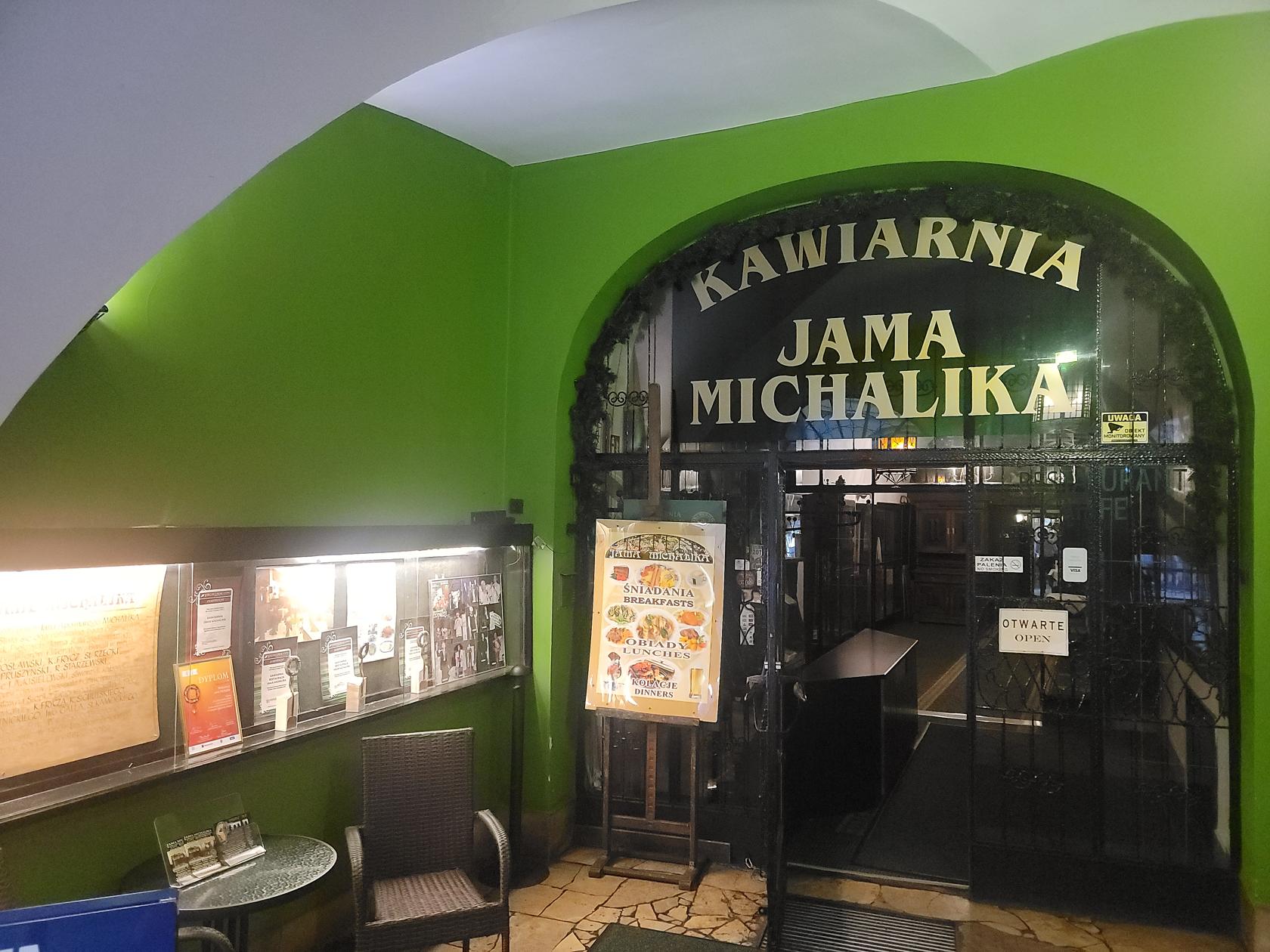
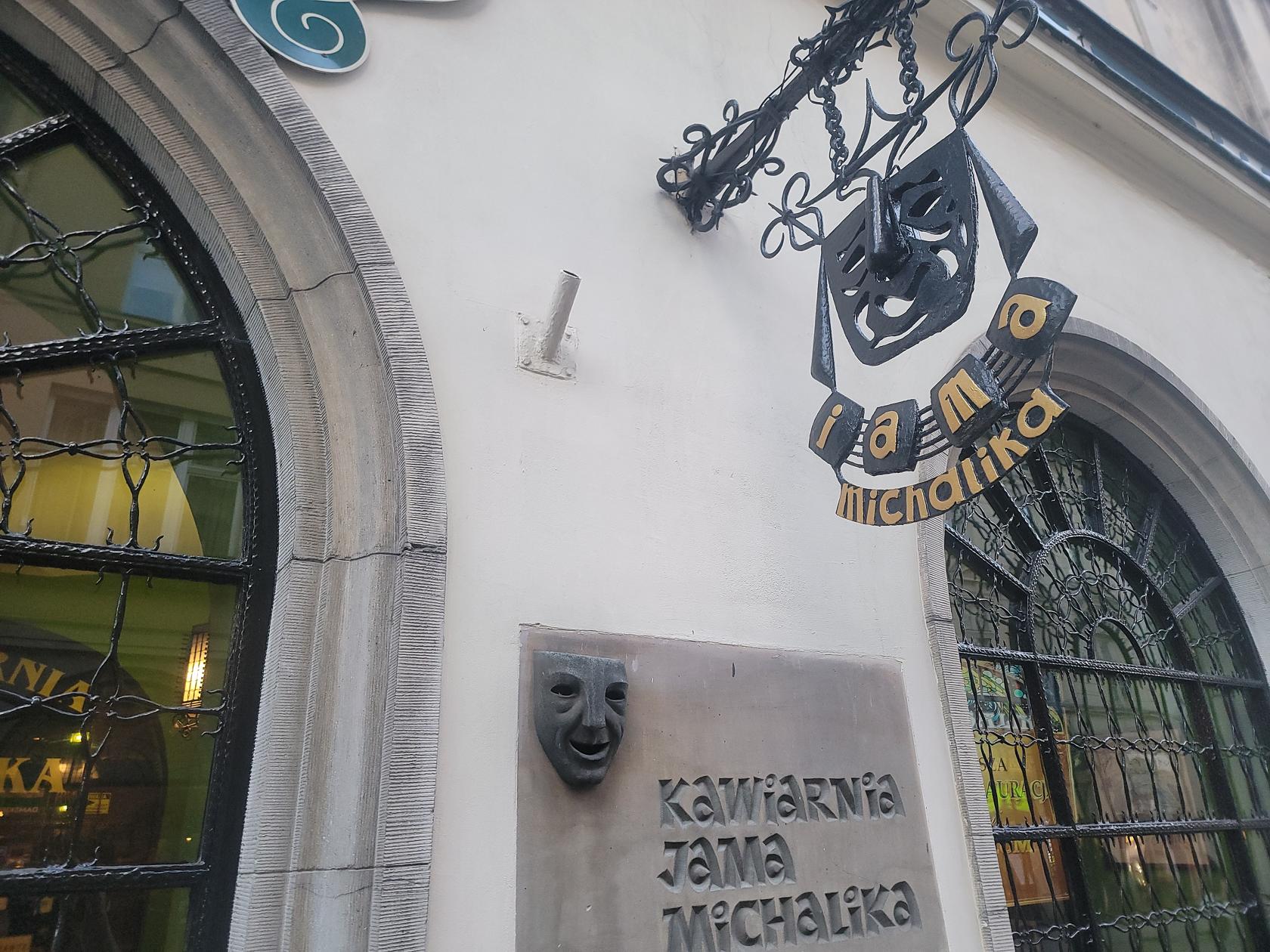
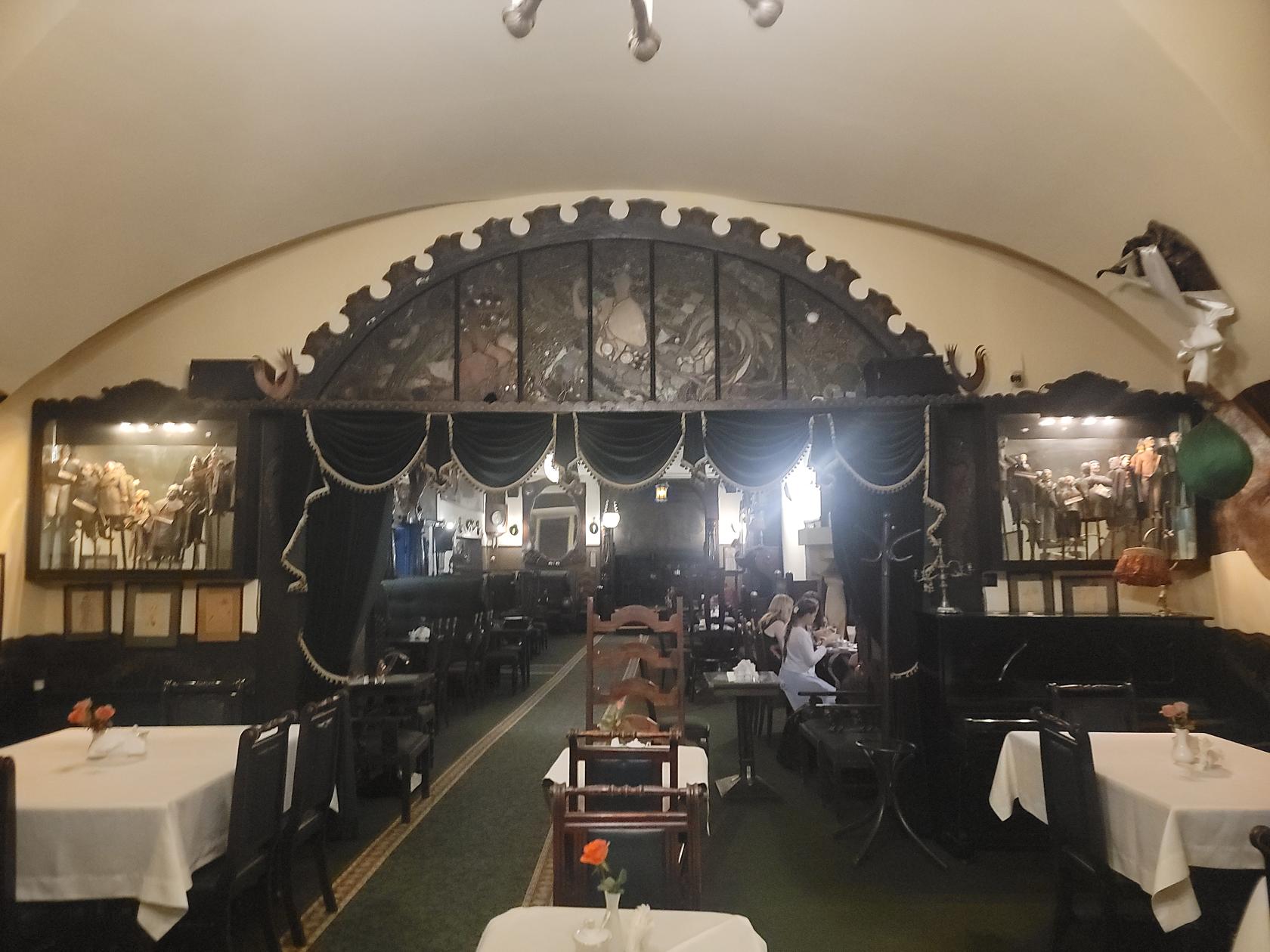
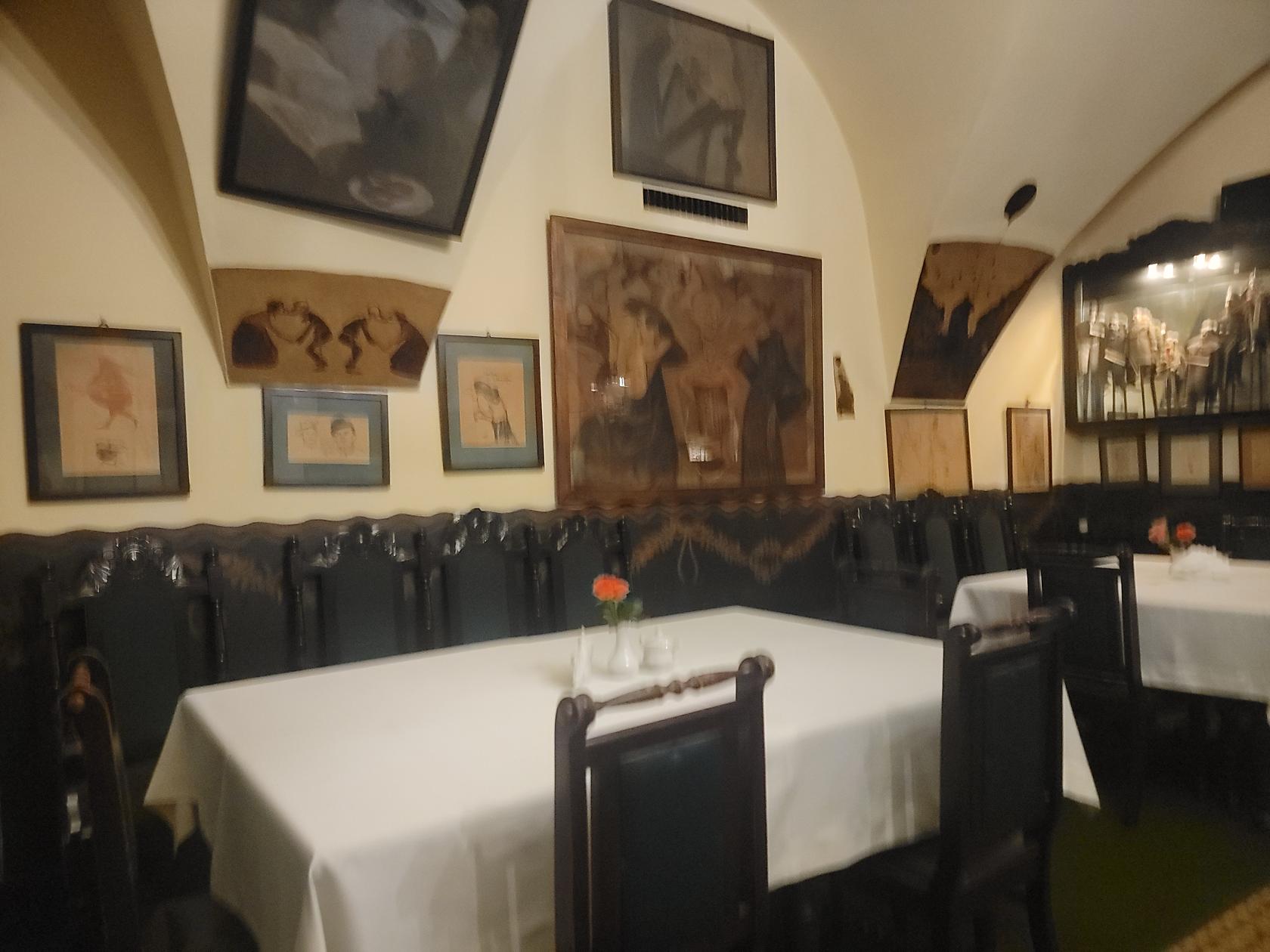
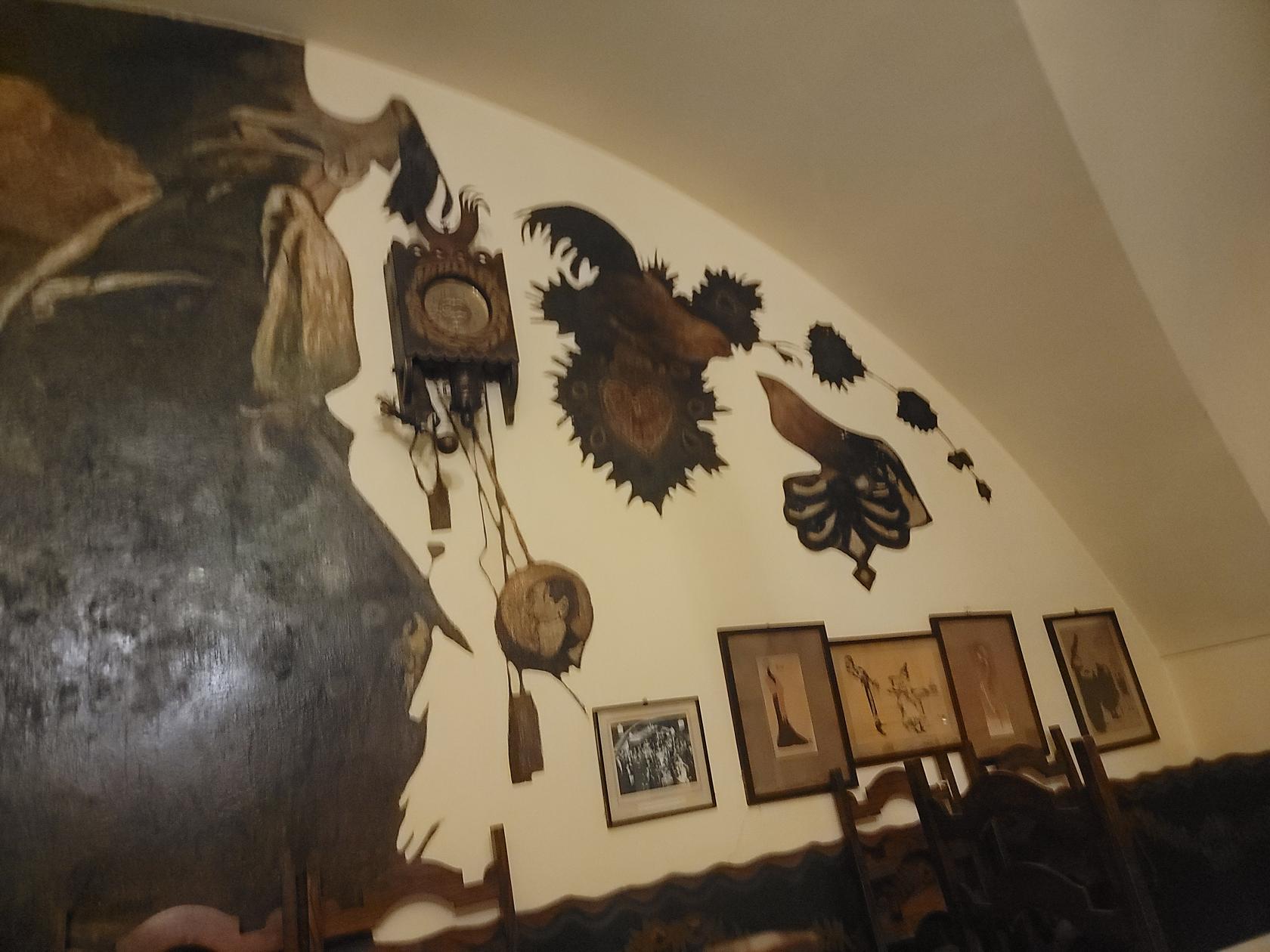
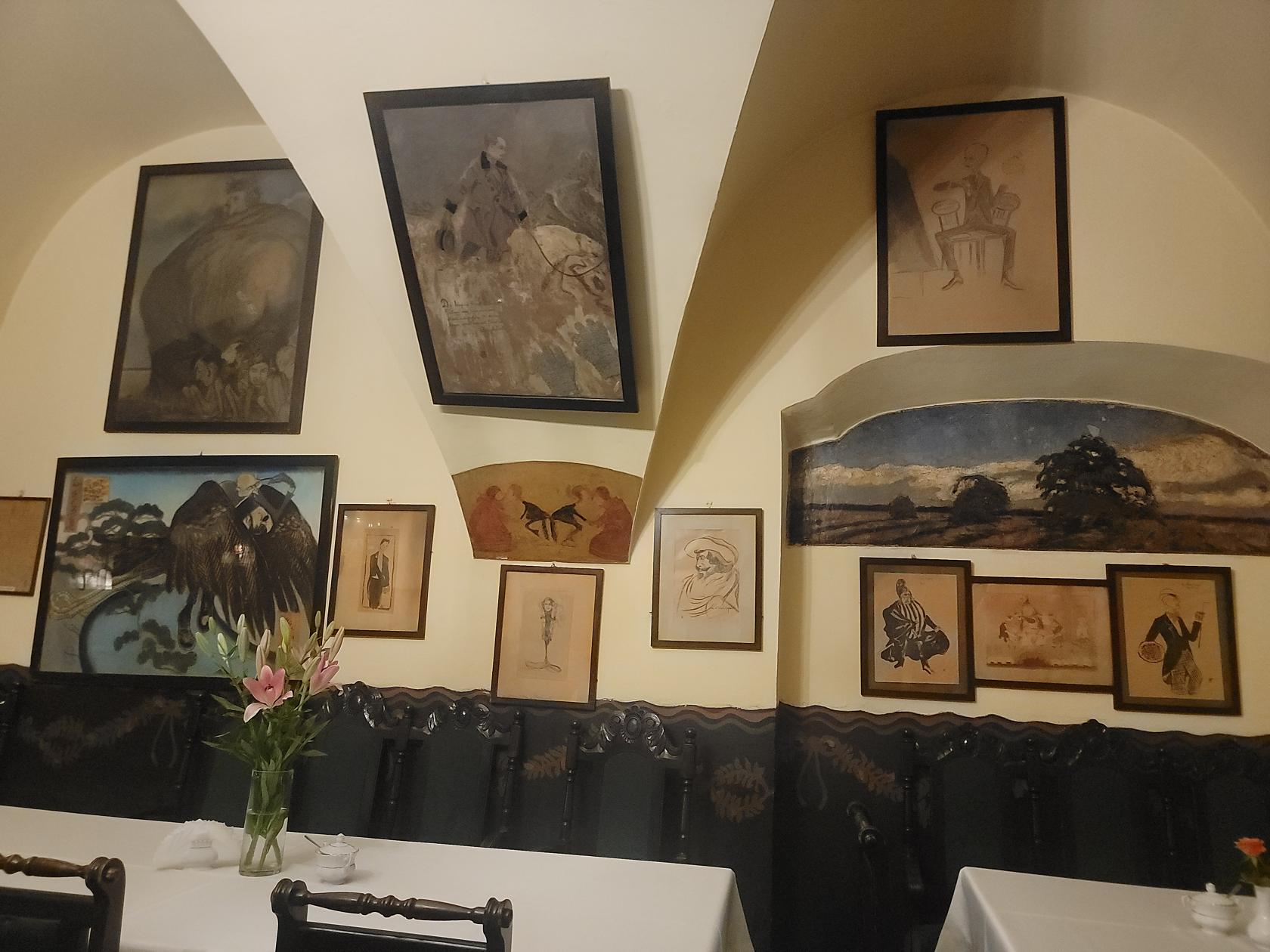
The Jama Michalika restaurant, though the food was not as good as the Morskie Oko, it is adorned with artwork. Pedestrians actually visit the inside of the restaurant just to look at the works.
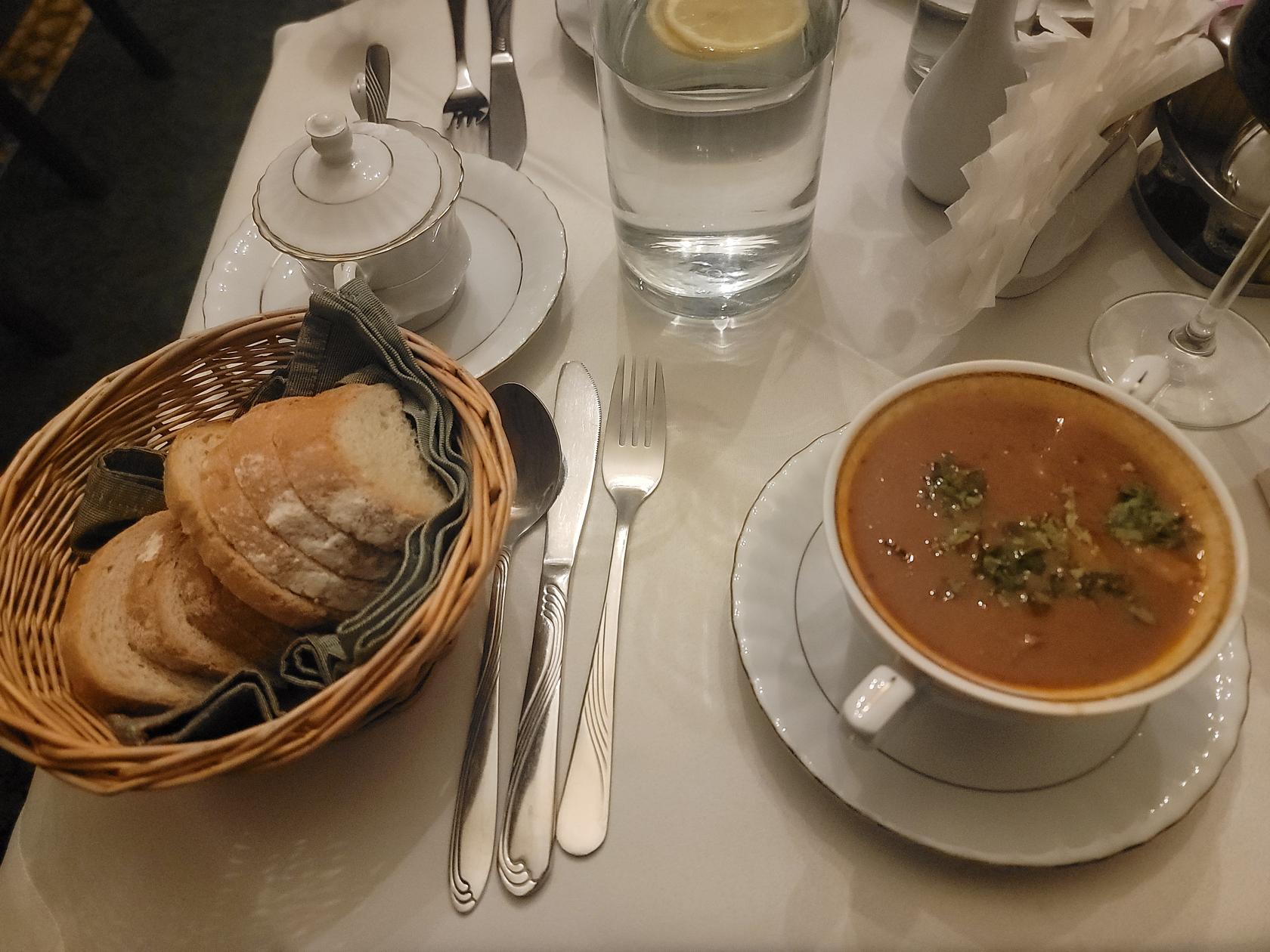
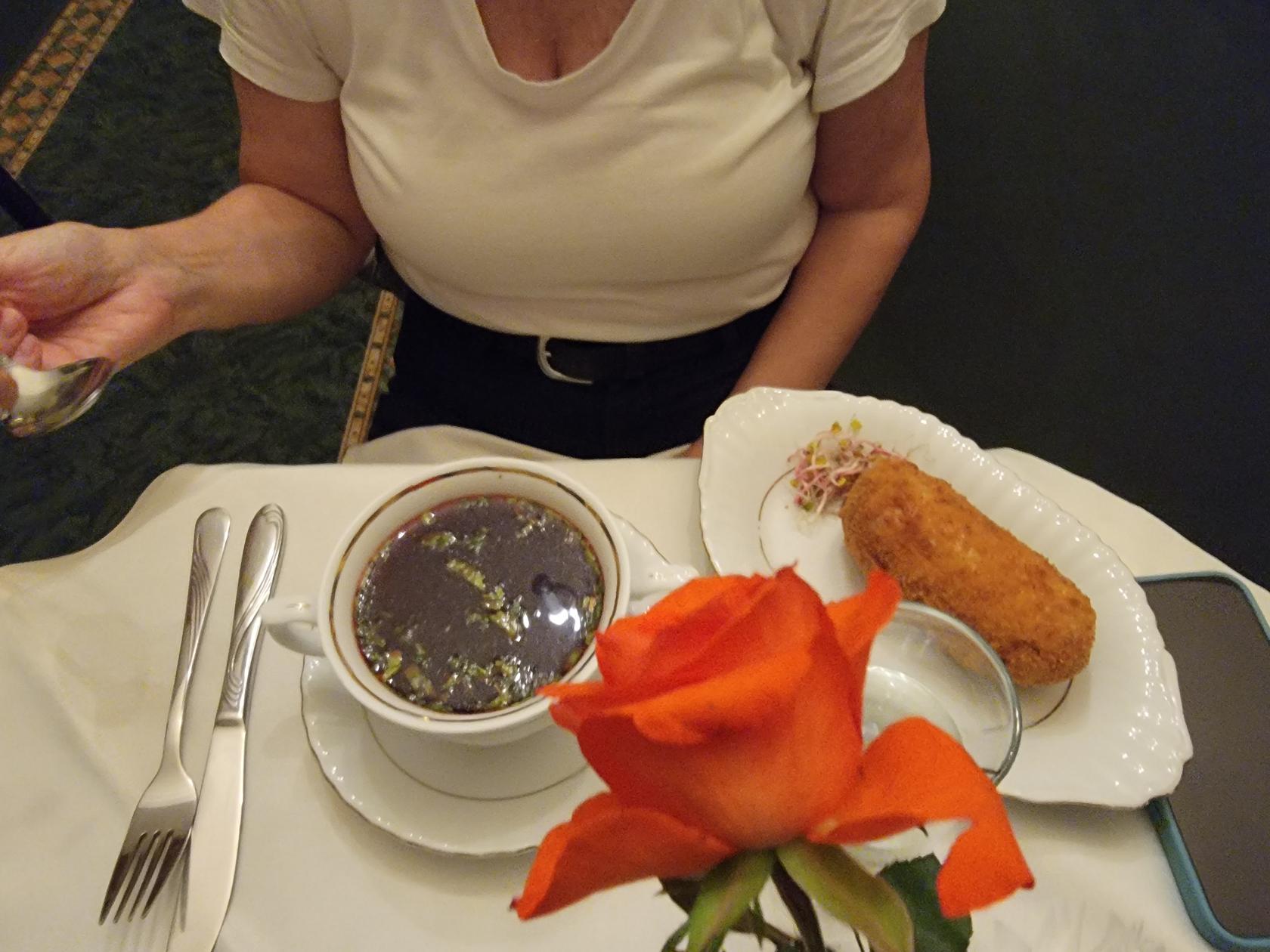
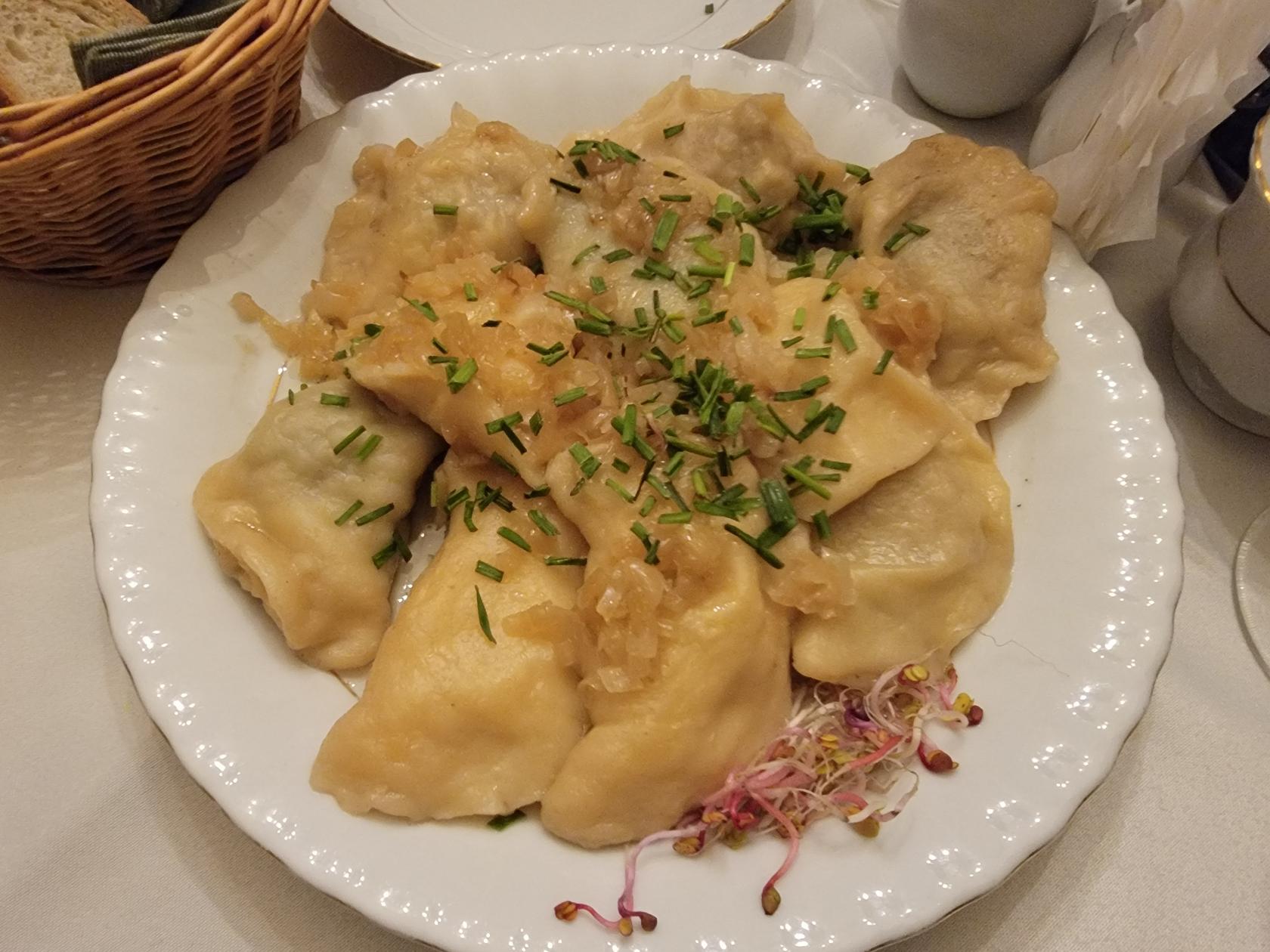
We did not have reservations for this restaurant, but rather visited them since they had perogie on the menu. They were actually quite good, but also quite filling.