Since we like to travel at a slower pace, we tend to stay longer in towns and cities we visit, even if the stay may be unwarranted. This gives us a better feel for the places we have visited, but then you run the risk of running out of things to do. When this happens, we visit churches, the odd museum or other eccentric distractions that typically wouldn’t come up on a visitor’s radar. Here are a few examples.
Distractions in Parma
Teatro Regio
The Regio Theater is situated on Garibaldi just past the Pilotta on the right. Tickets may be purchased directly from them, however there are only guided tours in any one of several languages.
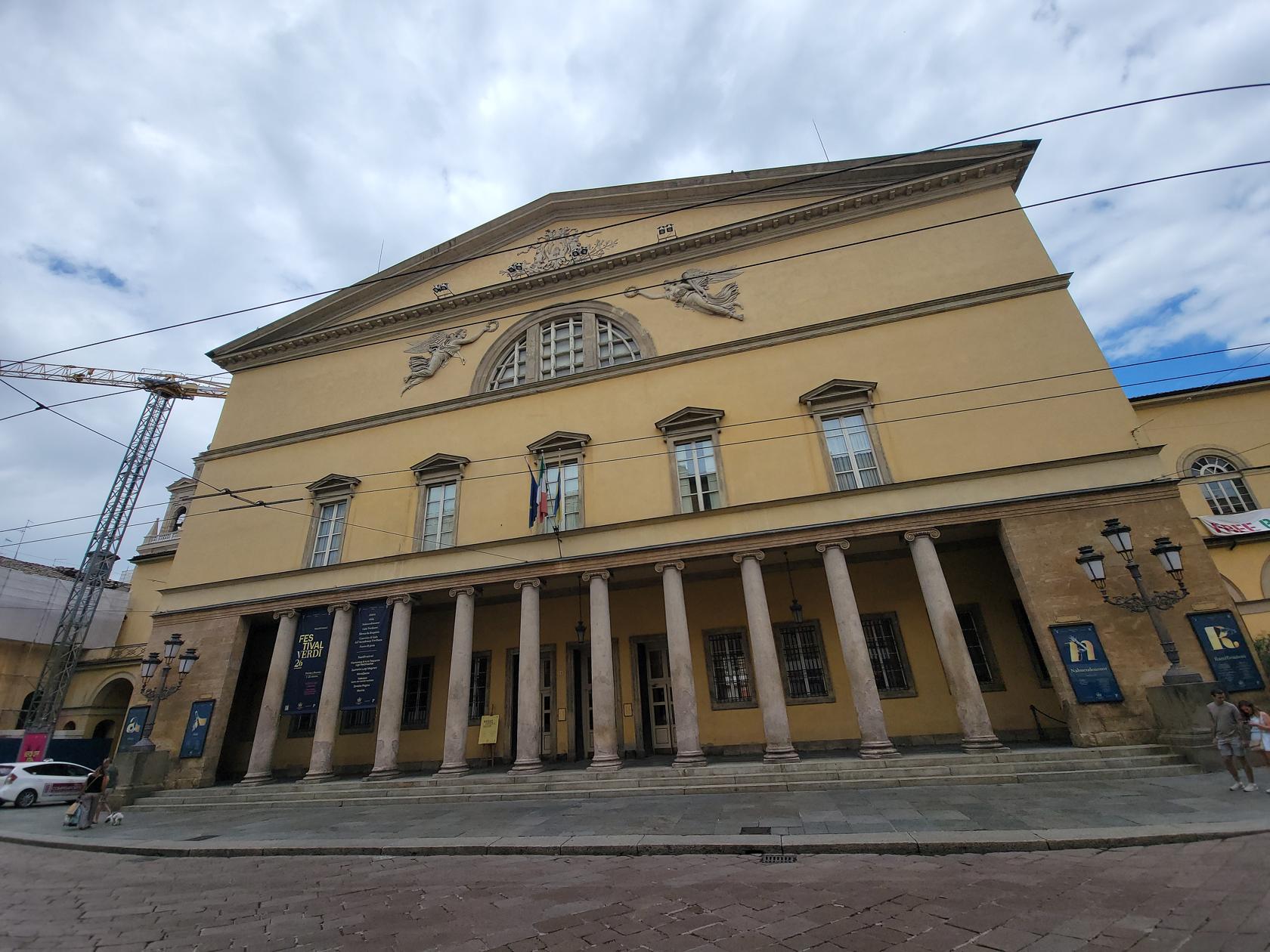
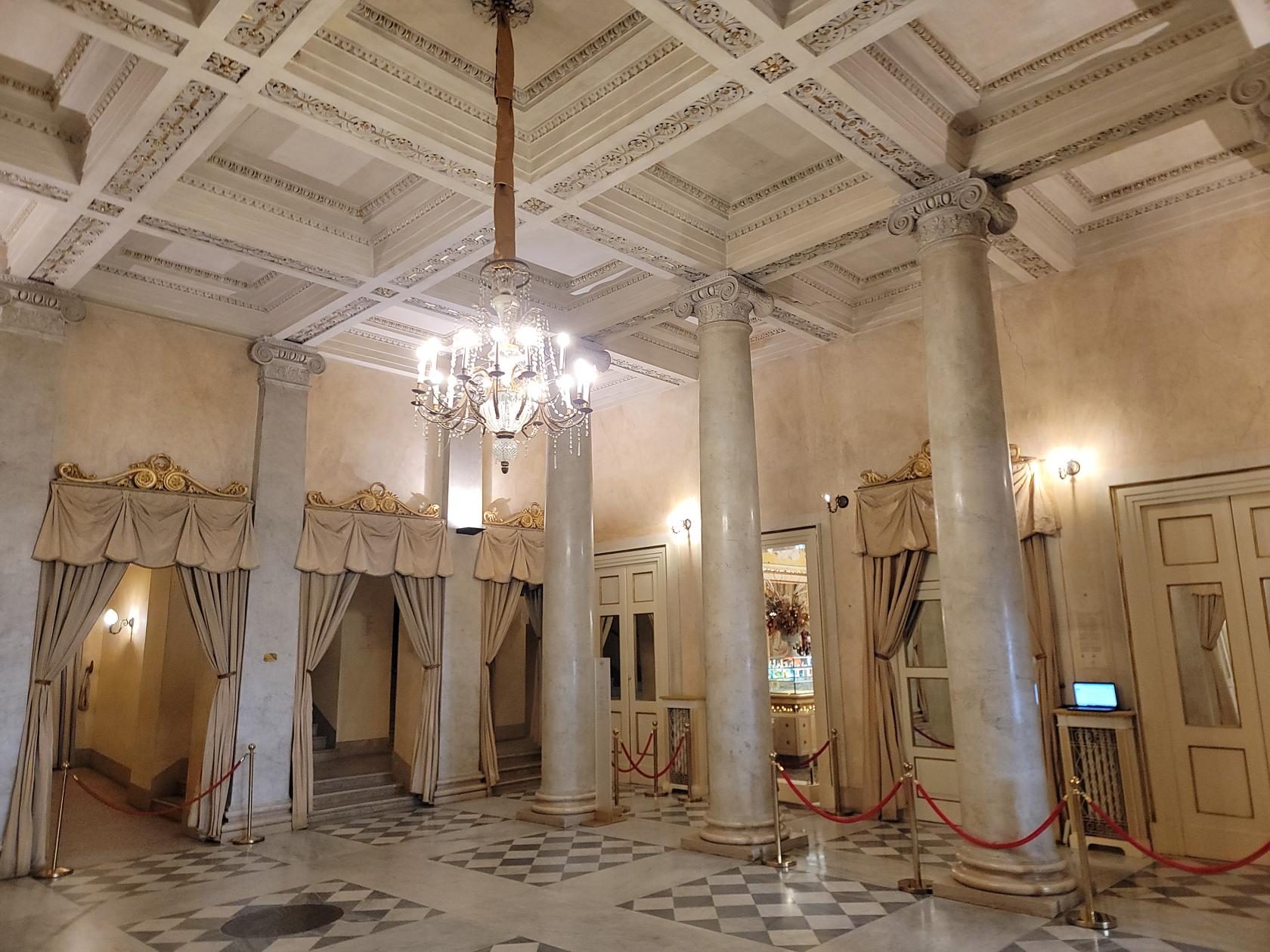
The outside and entrance are rather plain and nothing compared to La Scala or other prominent theaters in Italy. However, it does have a very critical local audience that only excepts high standards and sticking to tradition. So event organizers must plan carefully, lest to lose the wrath of the local perfectionists.
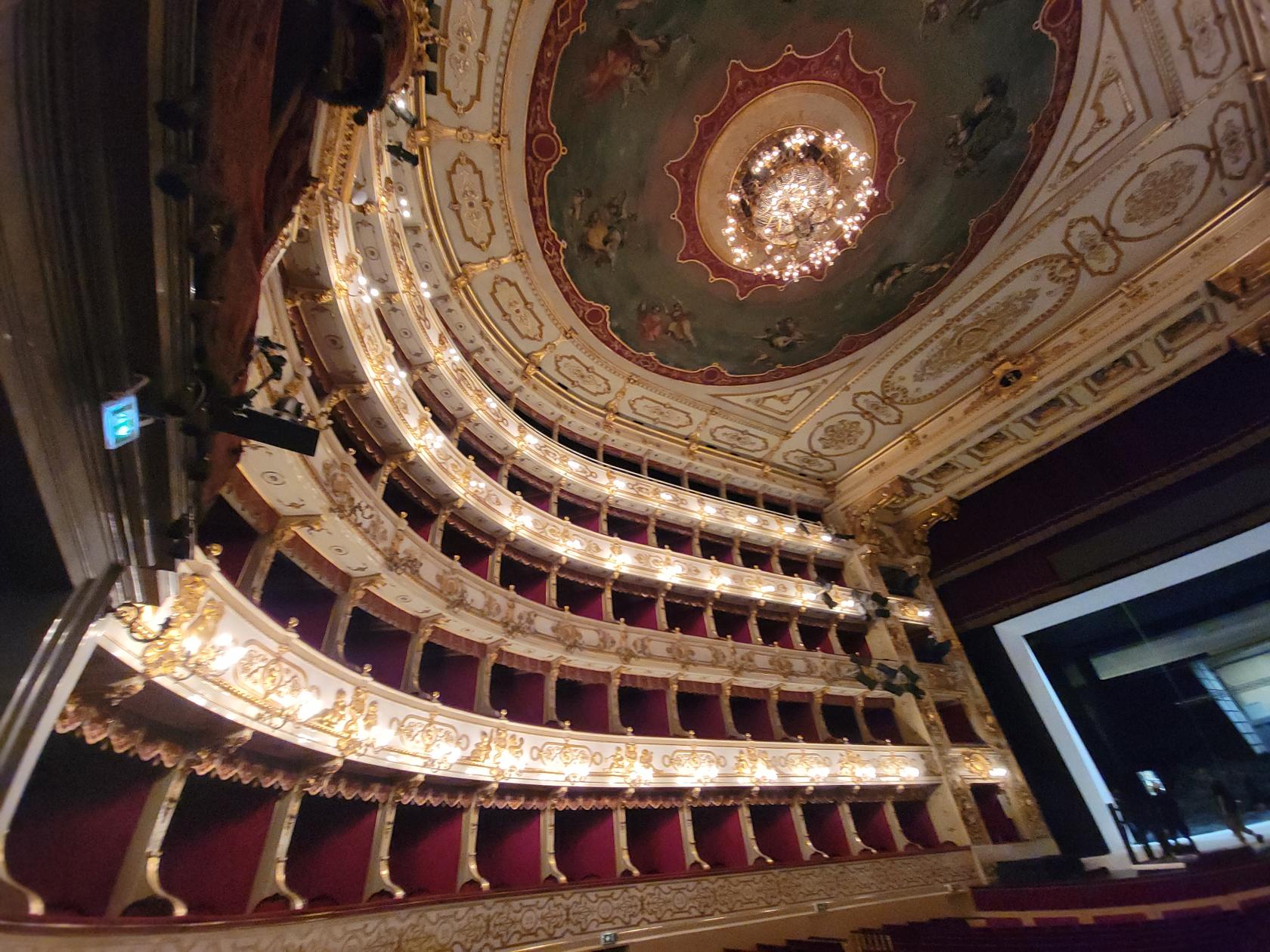
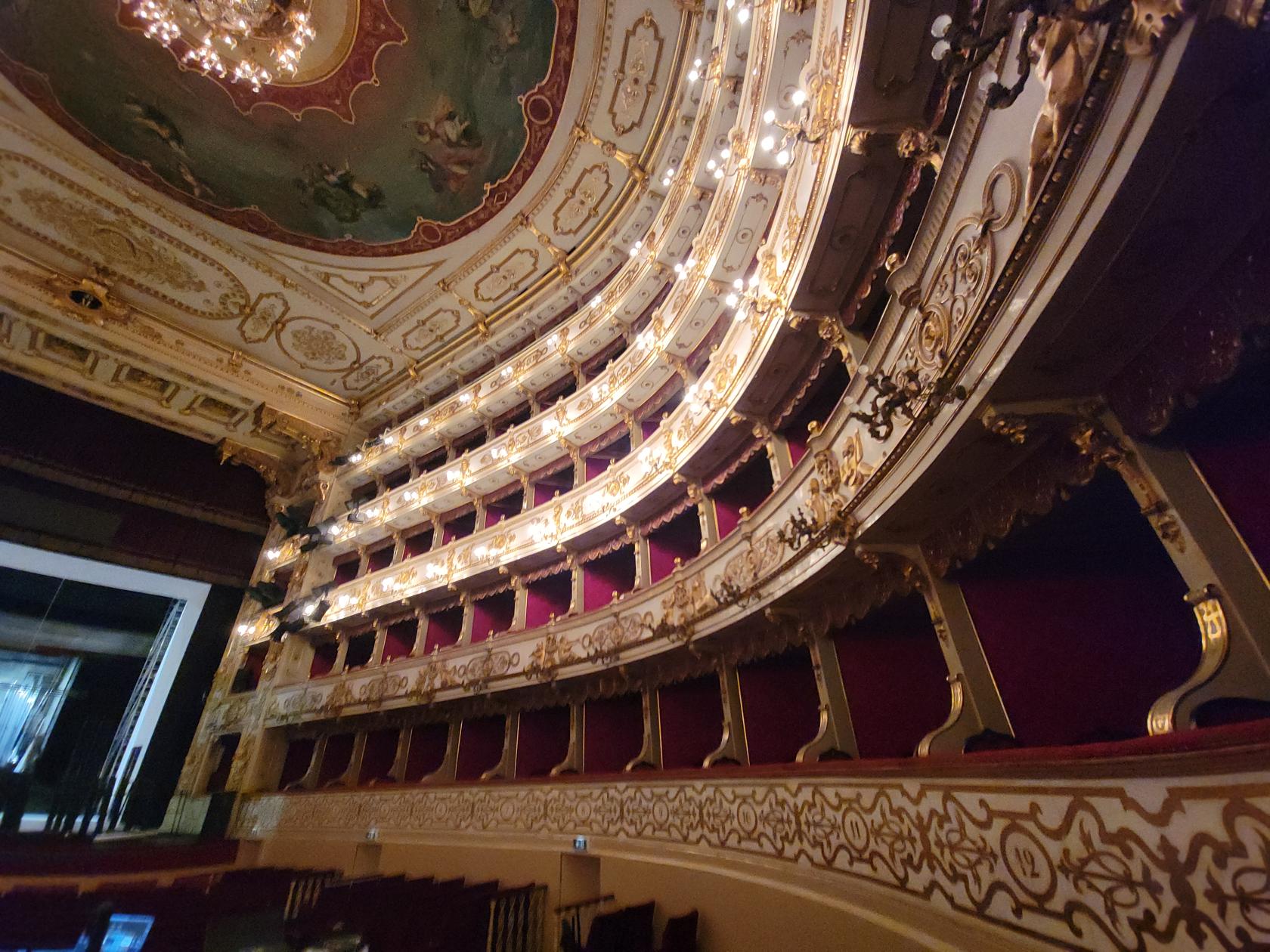
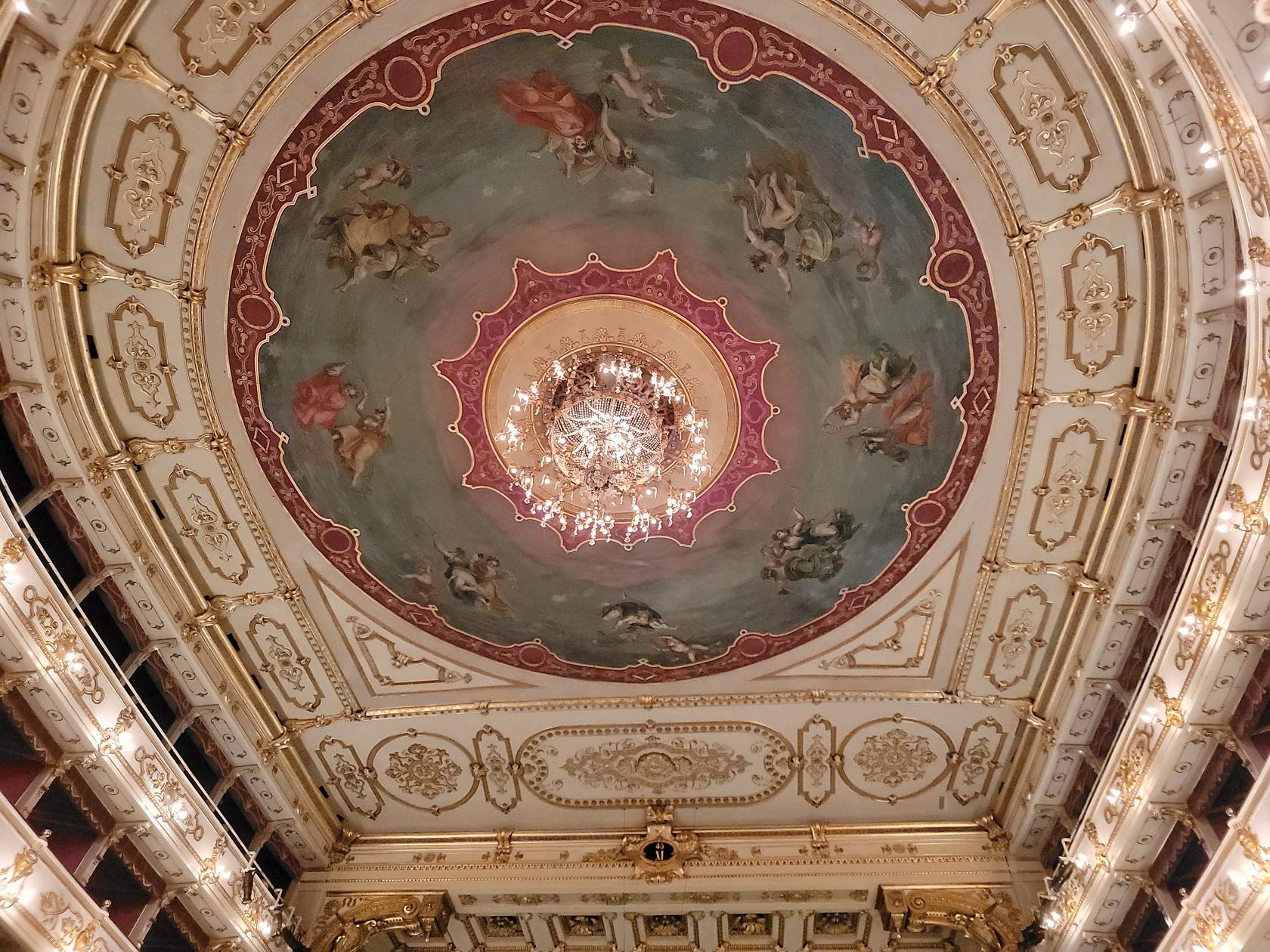
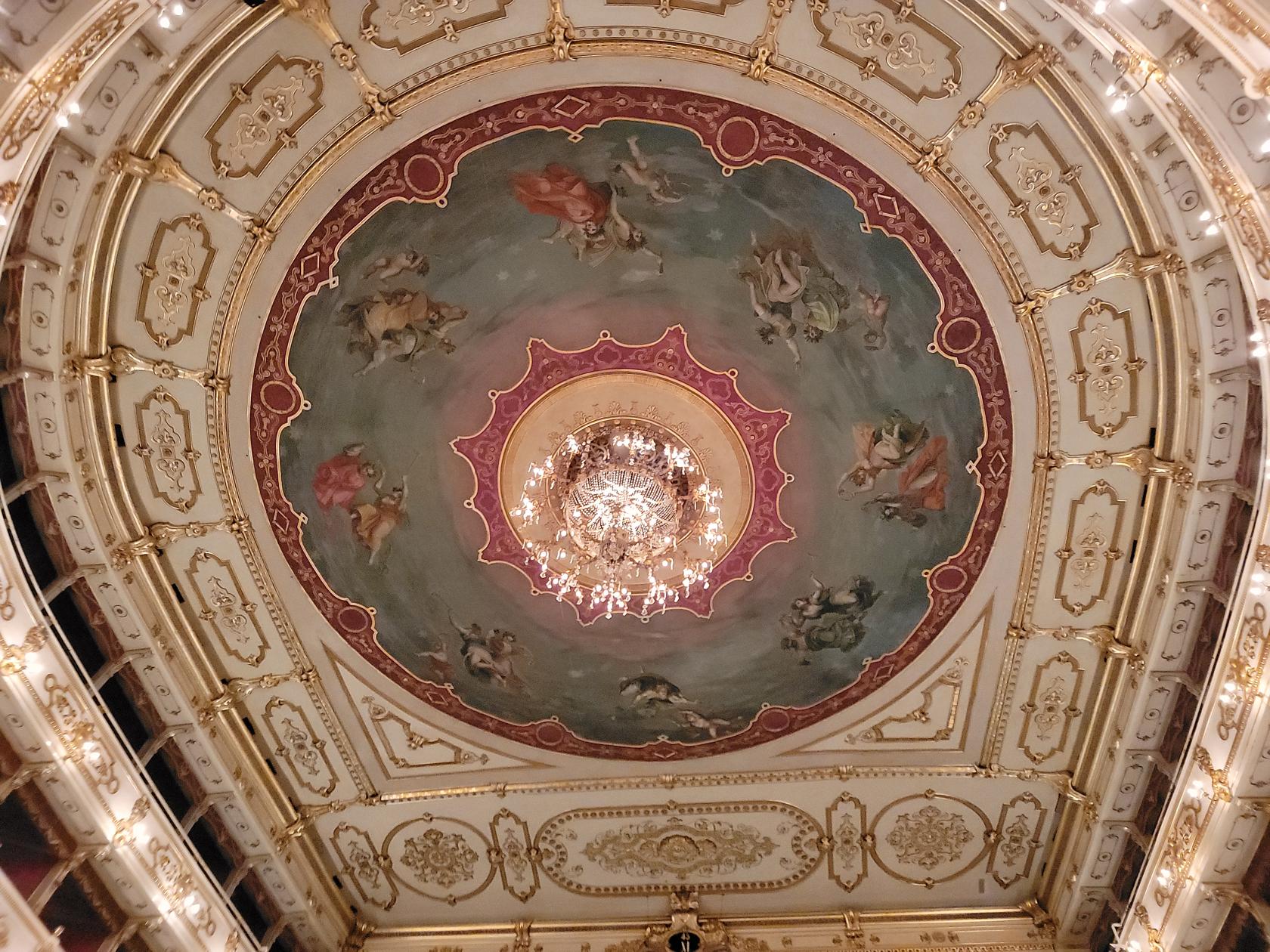
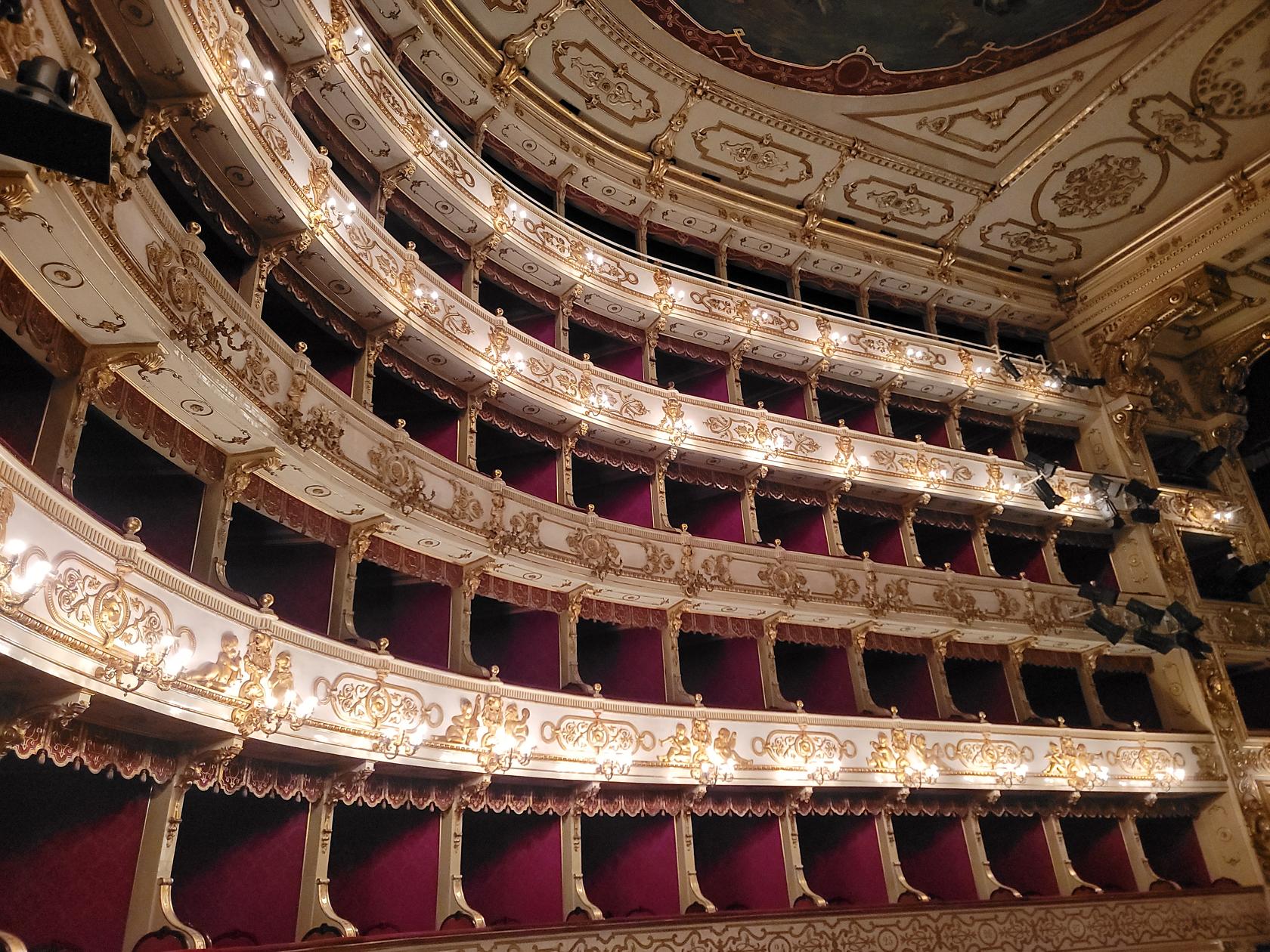
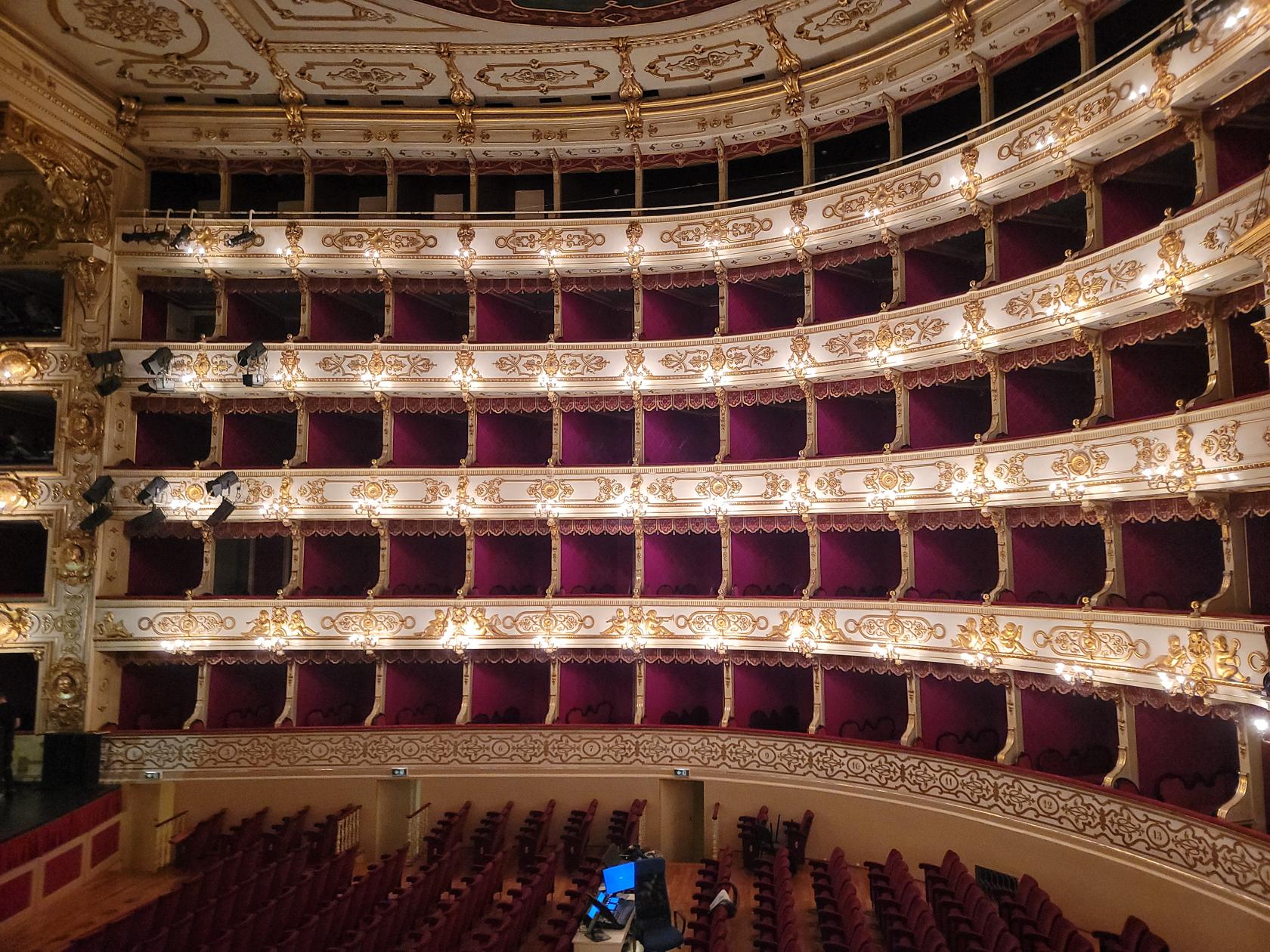
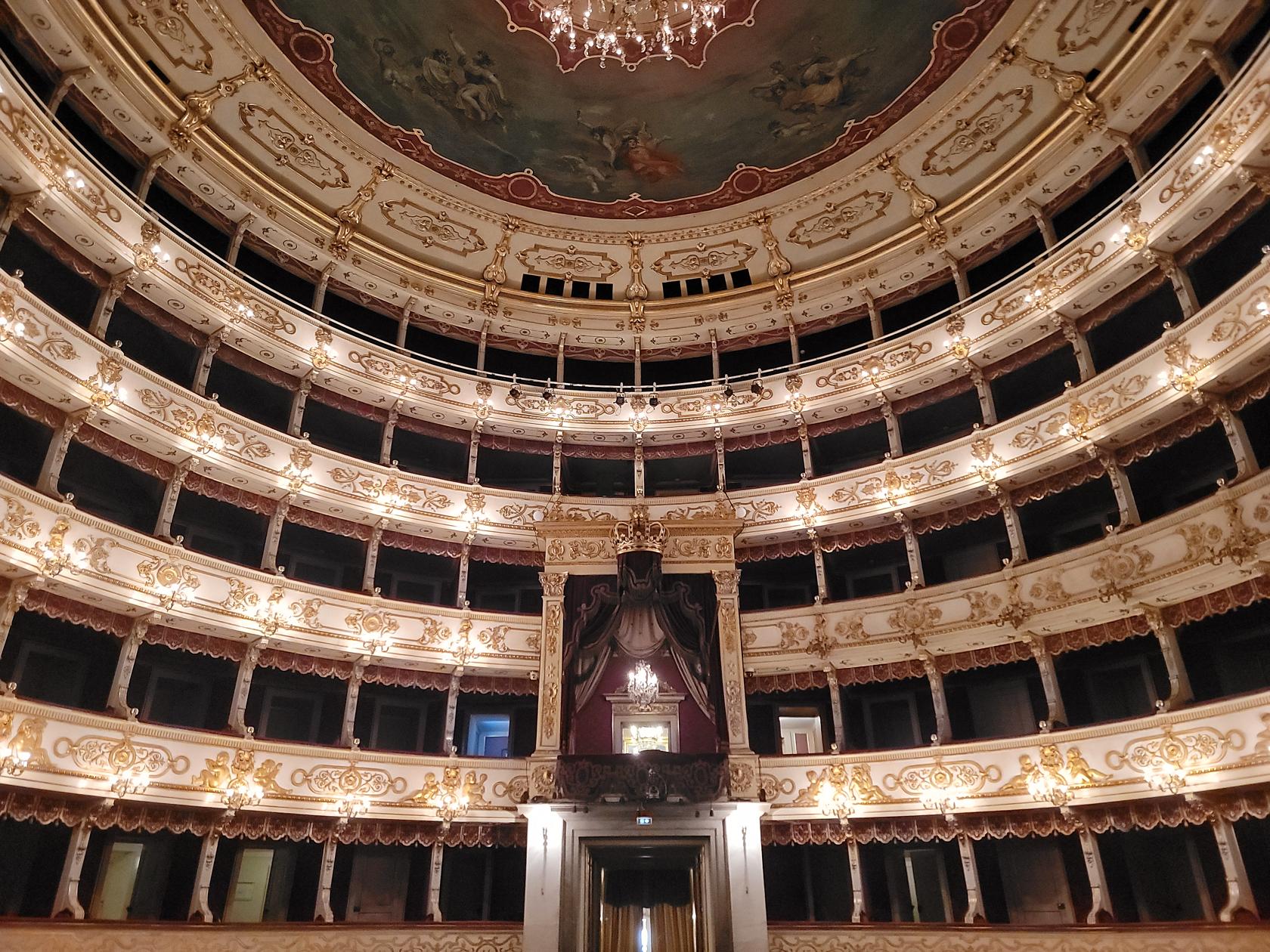
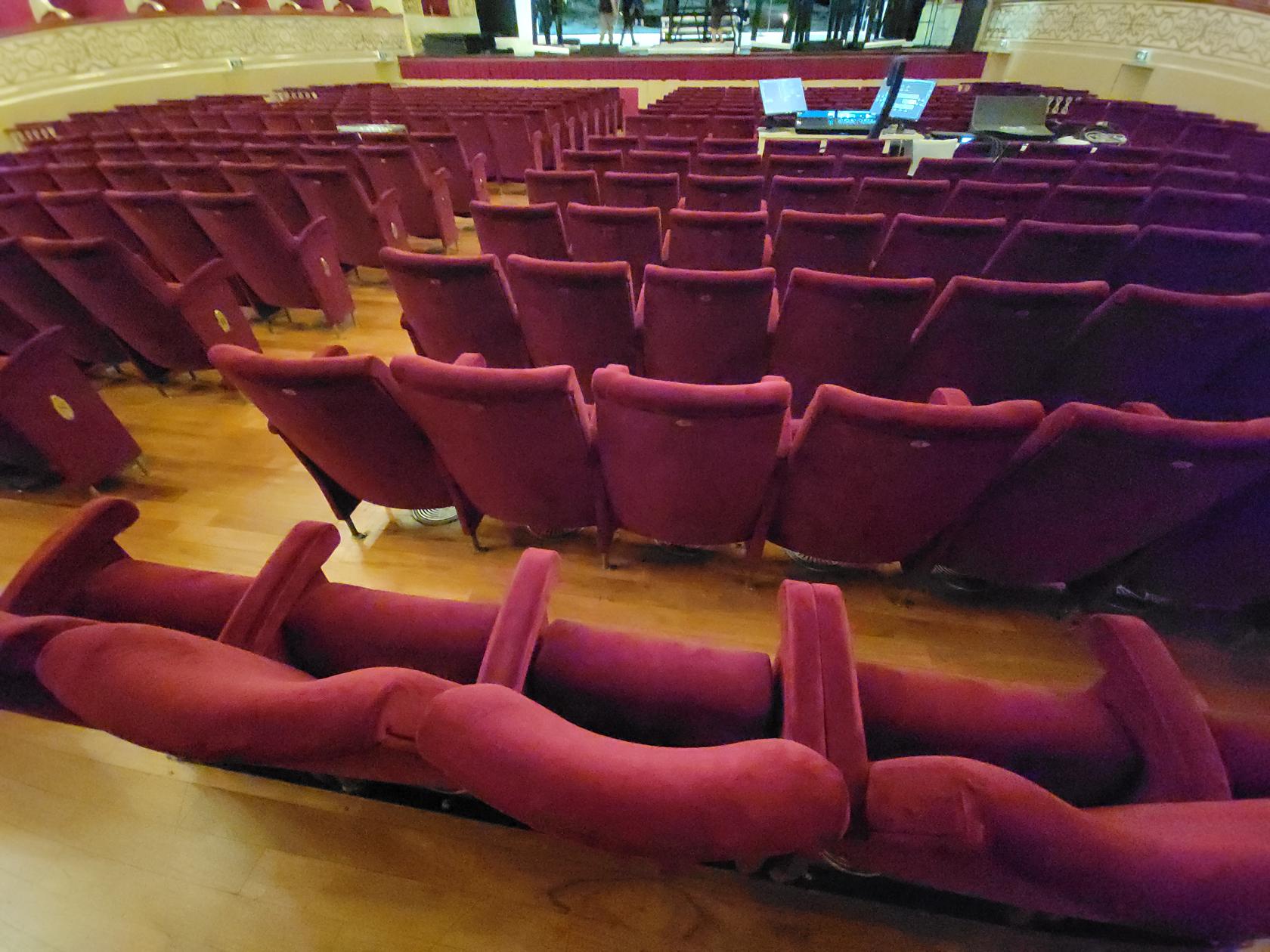
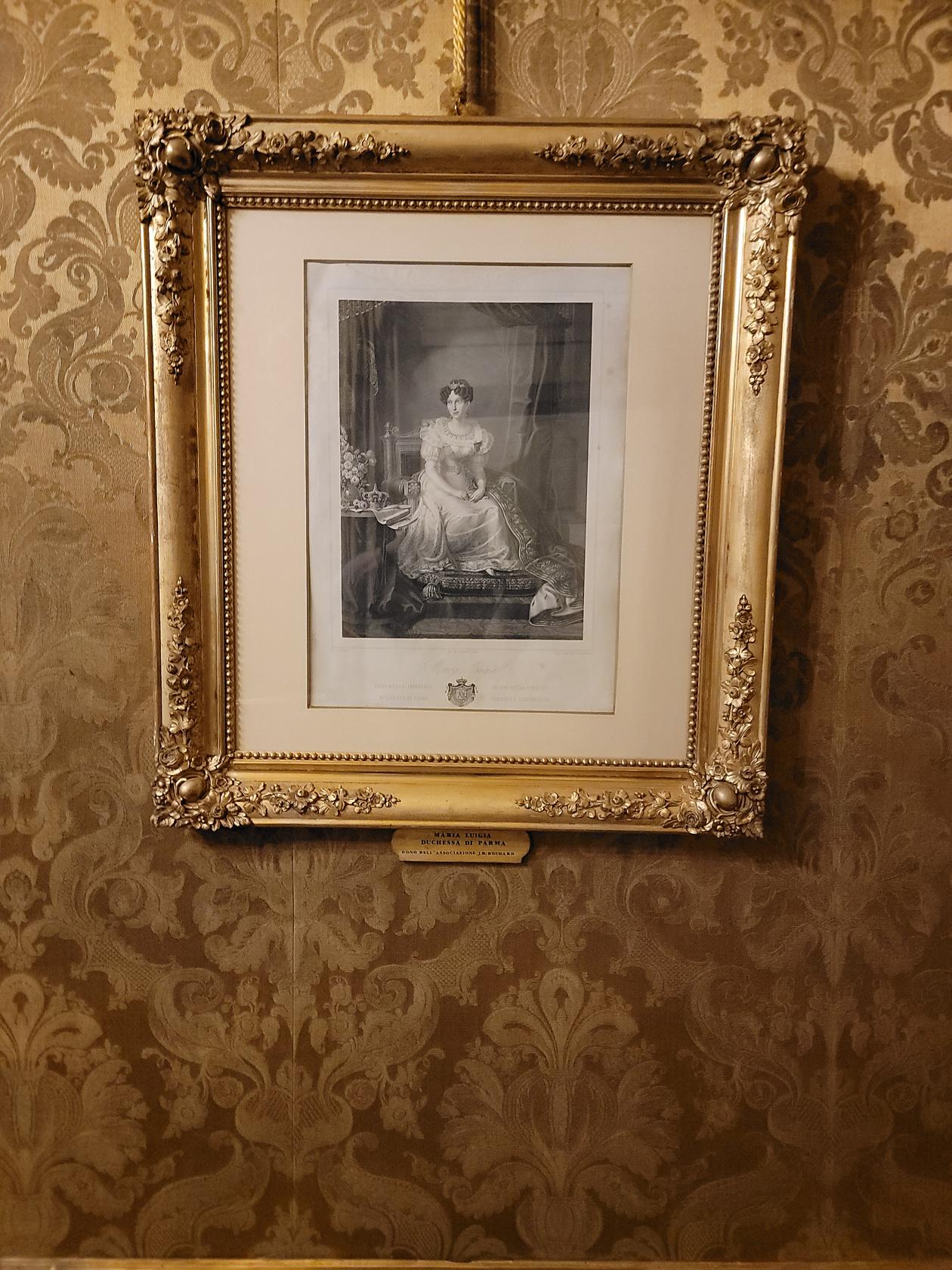
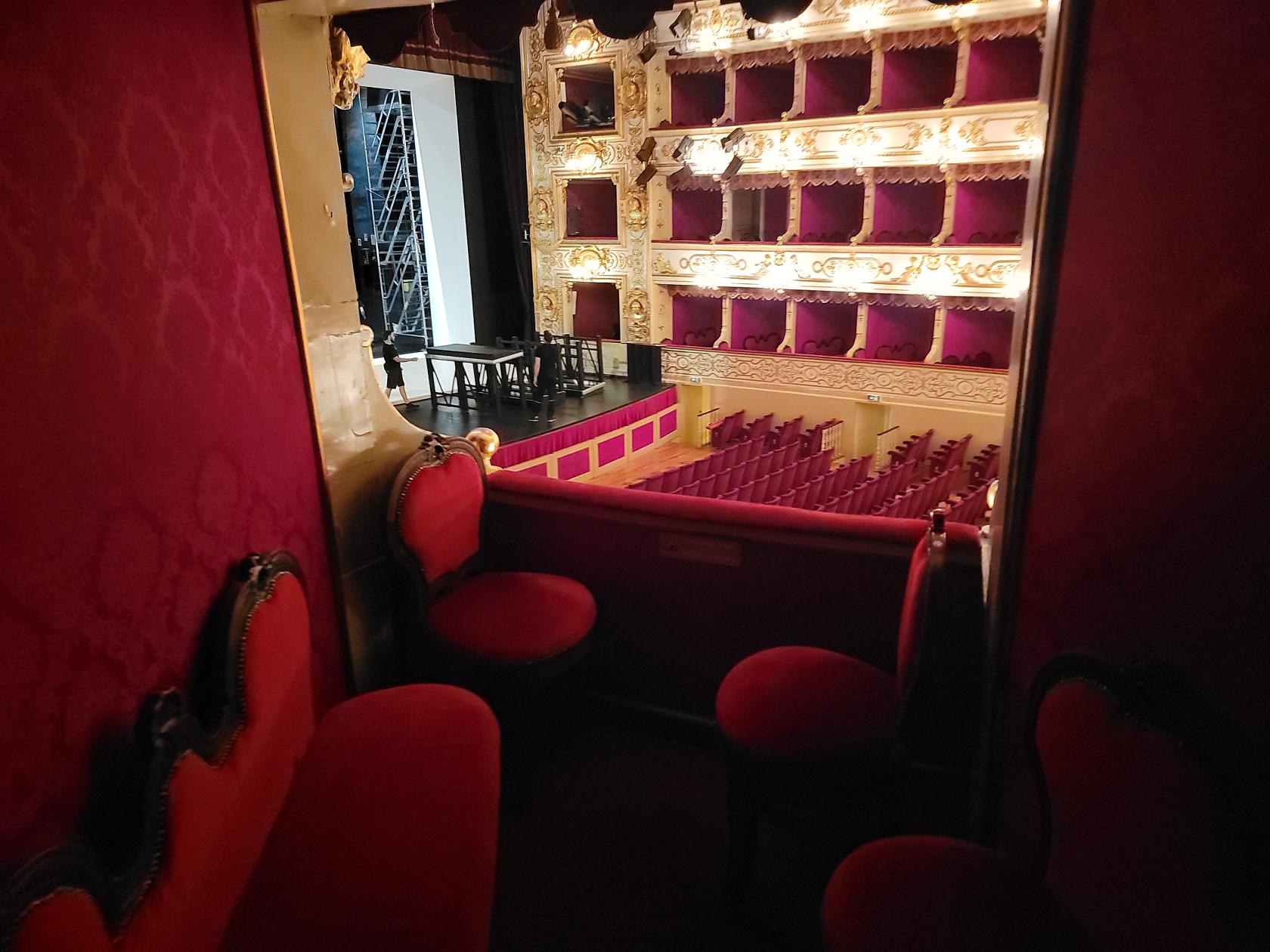
Originally decorated in the color blue, it has since been redesigned and redecorated by the Duchess Marie Louise of Parma in red. The walls are covered in box seats. When the duchess was still alive, the first floor seating, on the same level as the duchess’ box seat, were the most expensive. The very top level has no box seating, but rather standing room only for the commoner who could purchase a cheaper ticket and at least stand and hear the performances. The floor seating, though now the most expensive, were the cheaper seats in her day.
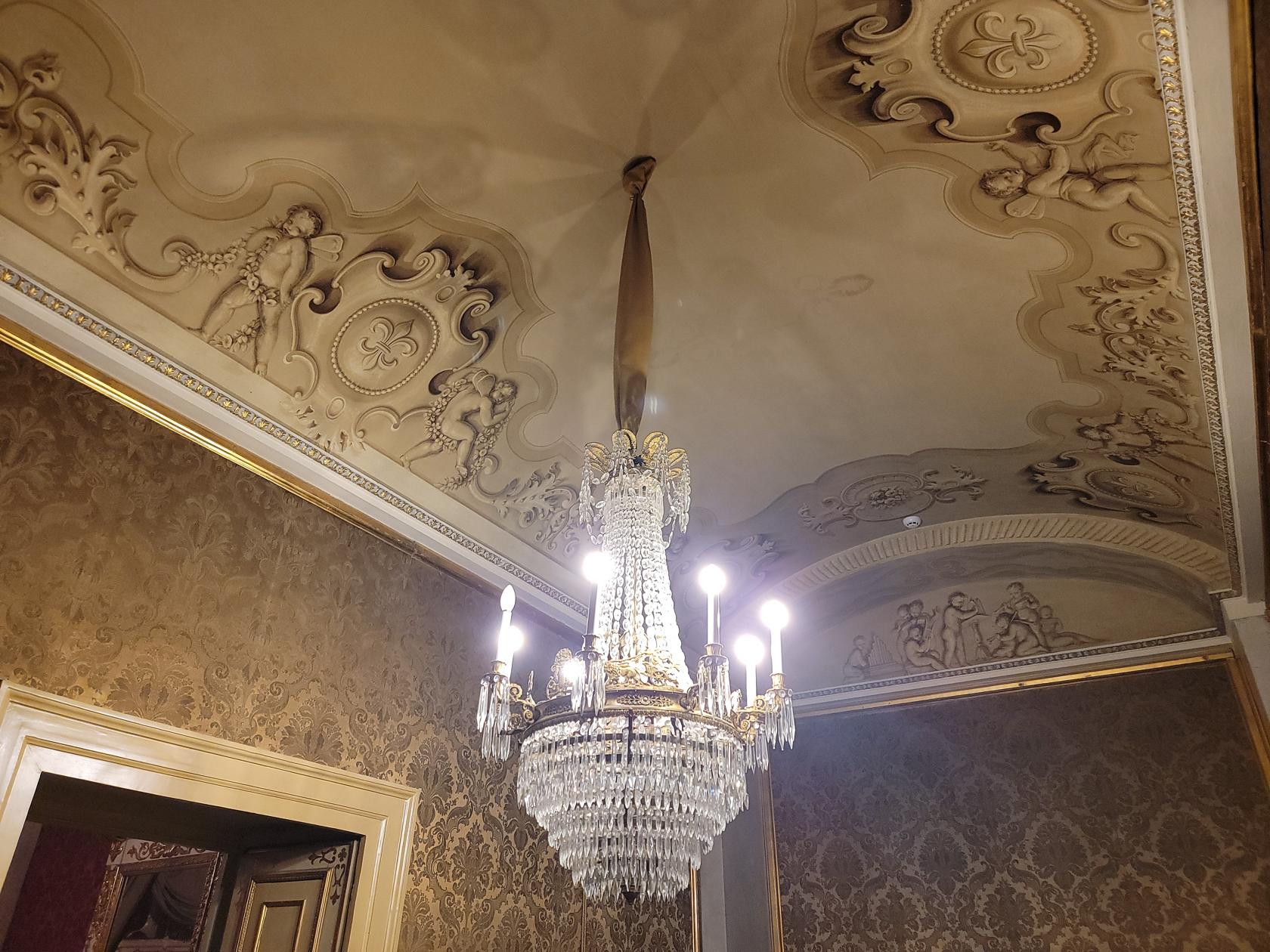
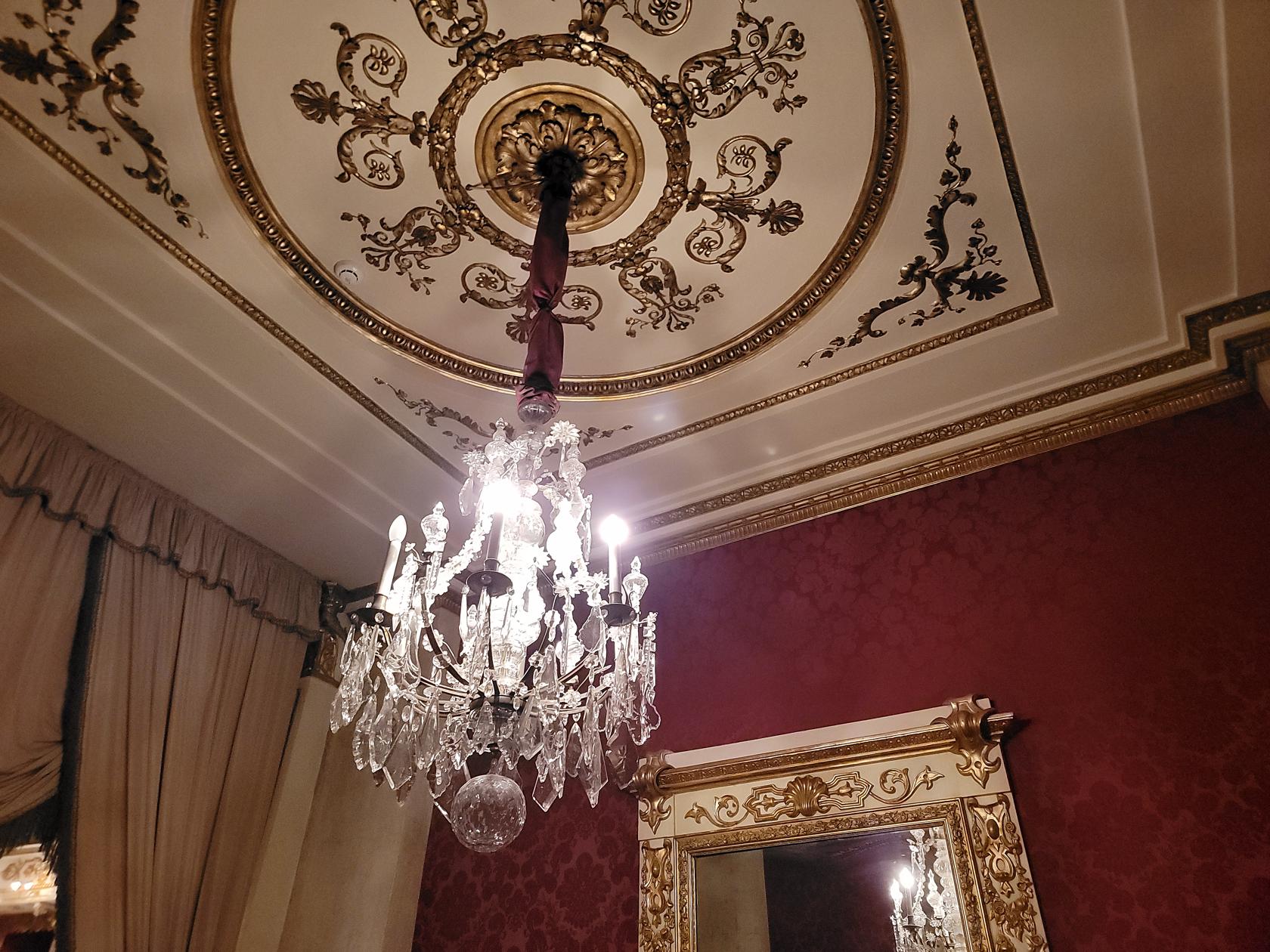
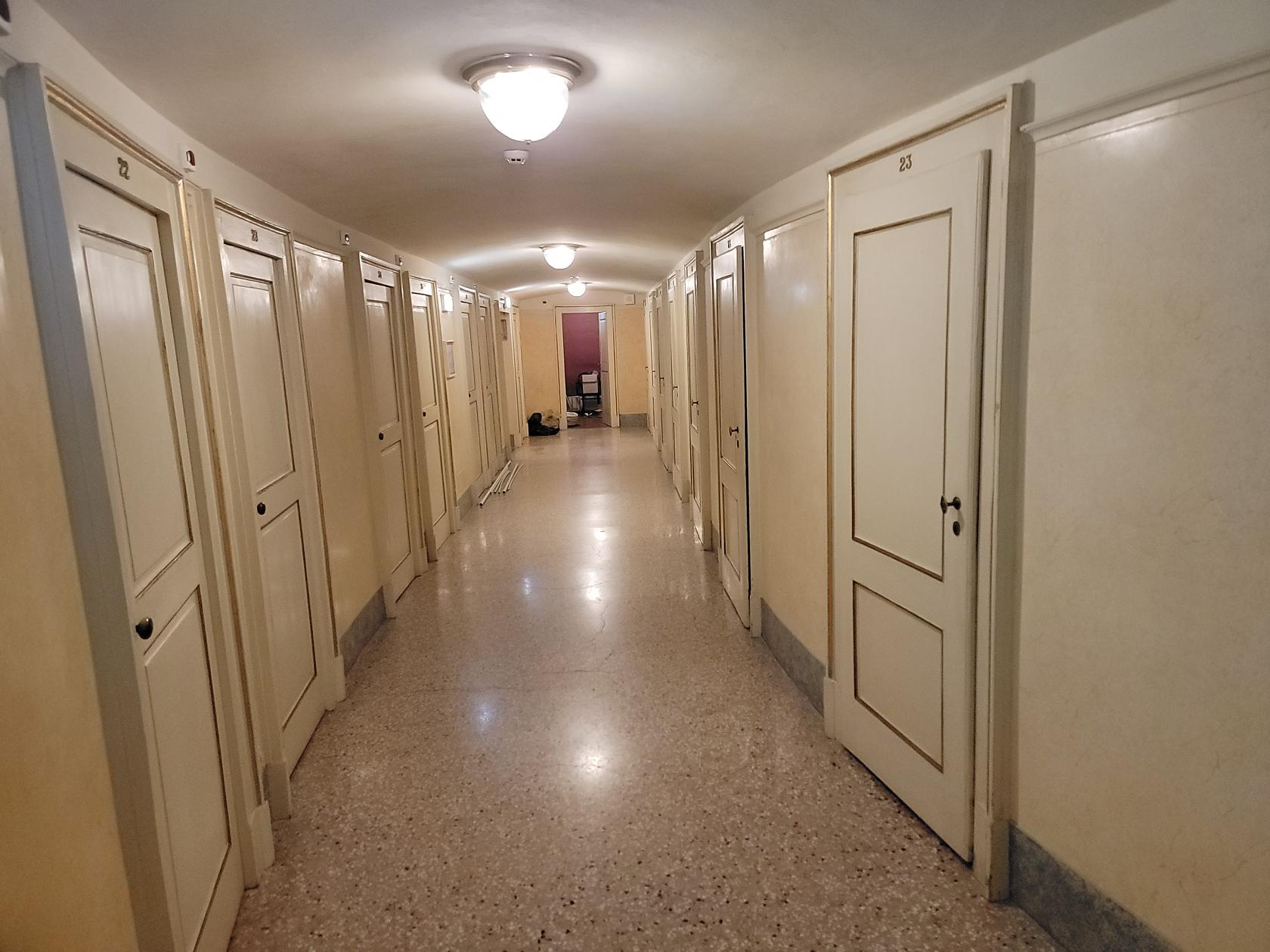
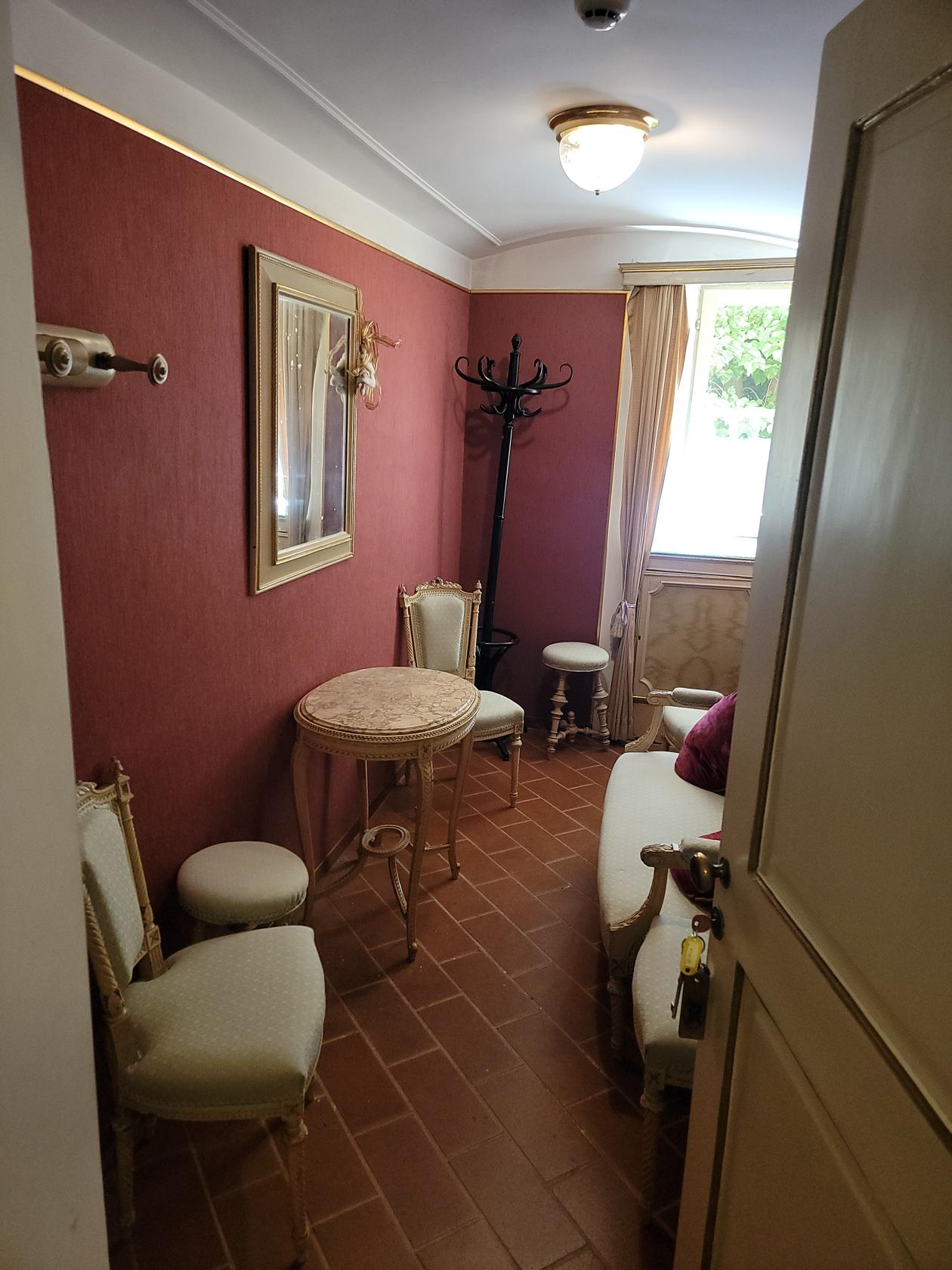
The box seating is nothing special, they actually look rather uncomfortable. Each used to be paired with an out room, where the ticket holder could throw a small party, bring something to eat and enjoy, or engage in other activities. The box seats and ancillary room across the hall used to be privately owned. Now the owners have been divested of the box seating, but still hold ownership rights to this ancillary rooms, which they cannot use unless they are in attendance. An odd arrangement that the theater owner, city and box seat owners agreed to some time ago, in order to prevent the theater from going bankrupt.
Churches and Cathedrals
Parma, as any Italian city, is host to numerous churches and cathedrals. The most important and interesting ones we found follow.
Parma Cathedral
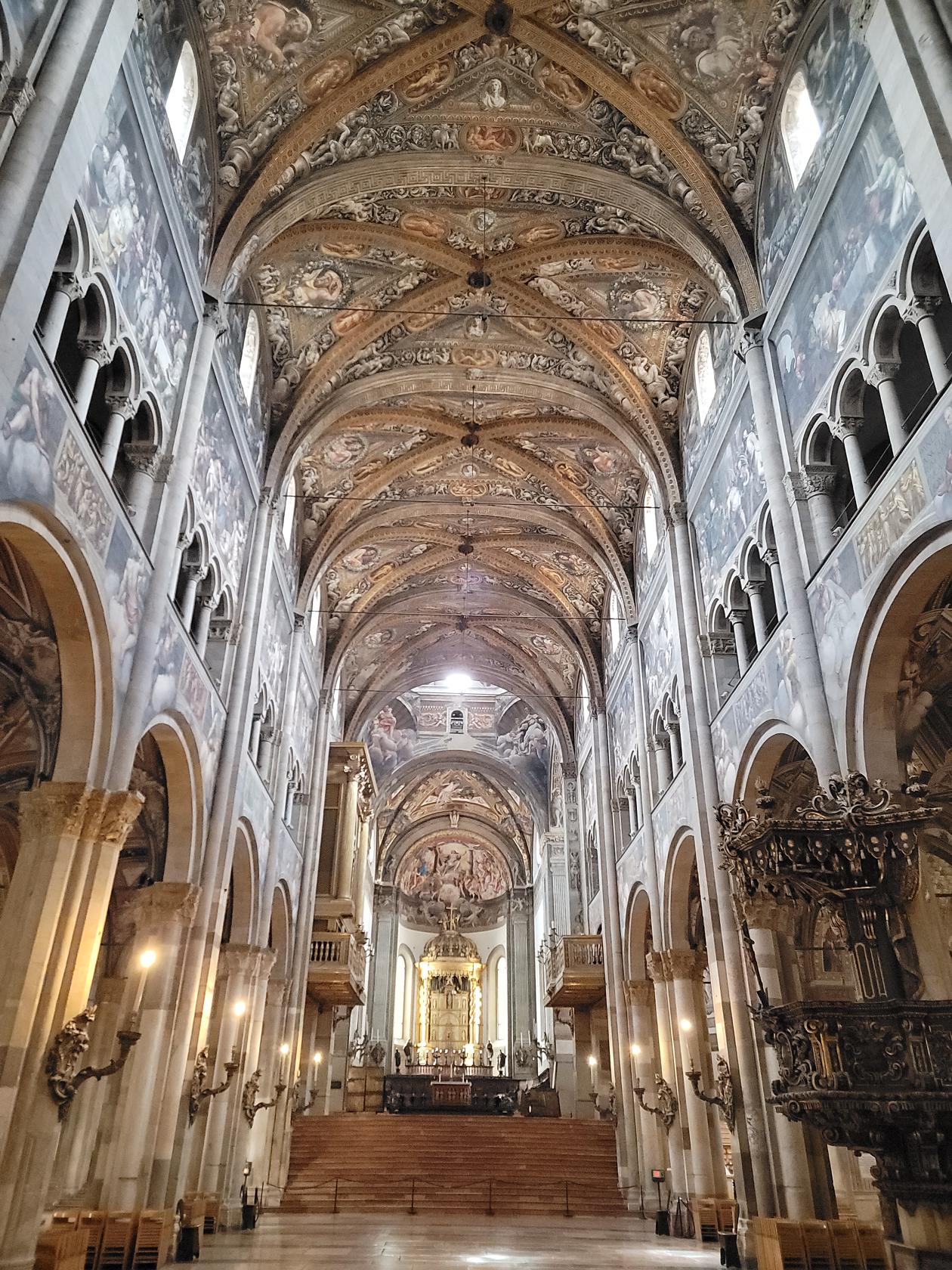
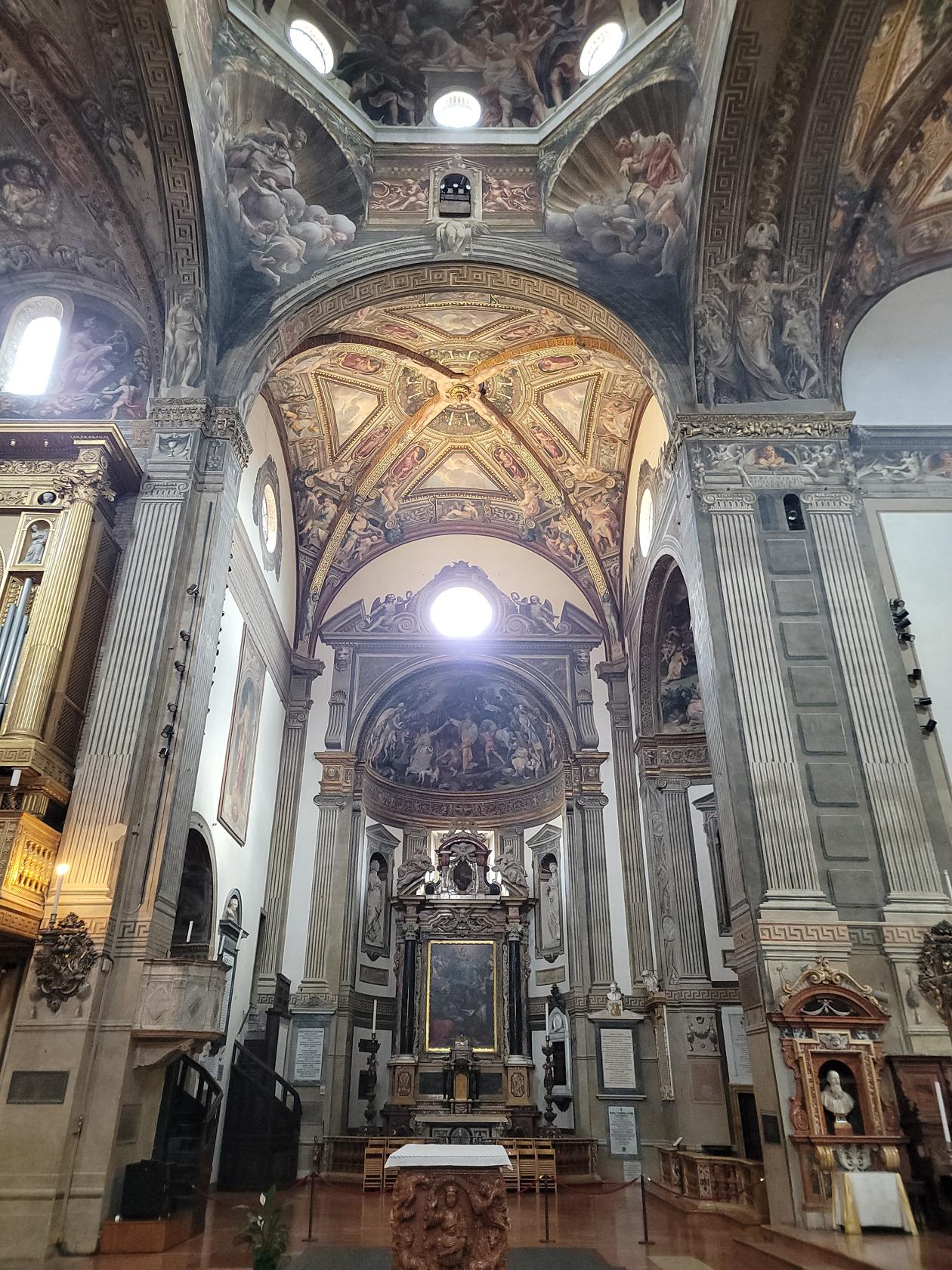
The Romanesque architecture of the Cathedral of the Assumption of the Blessed Virgin Mary, also known as the Parma Duomo or the Cathdral of Parma, must be on anyone’s list of places to visit in Parma. The ceiling by Correggio warrants a good ten to twenty minute inspection.
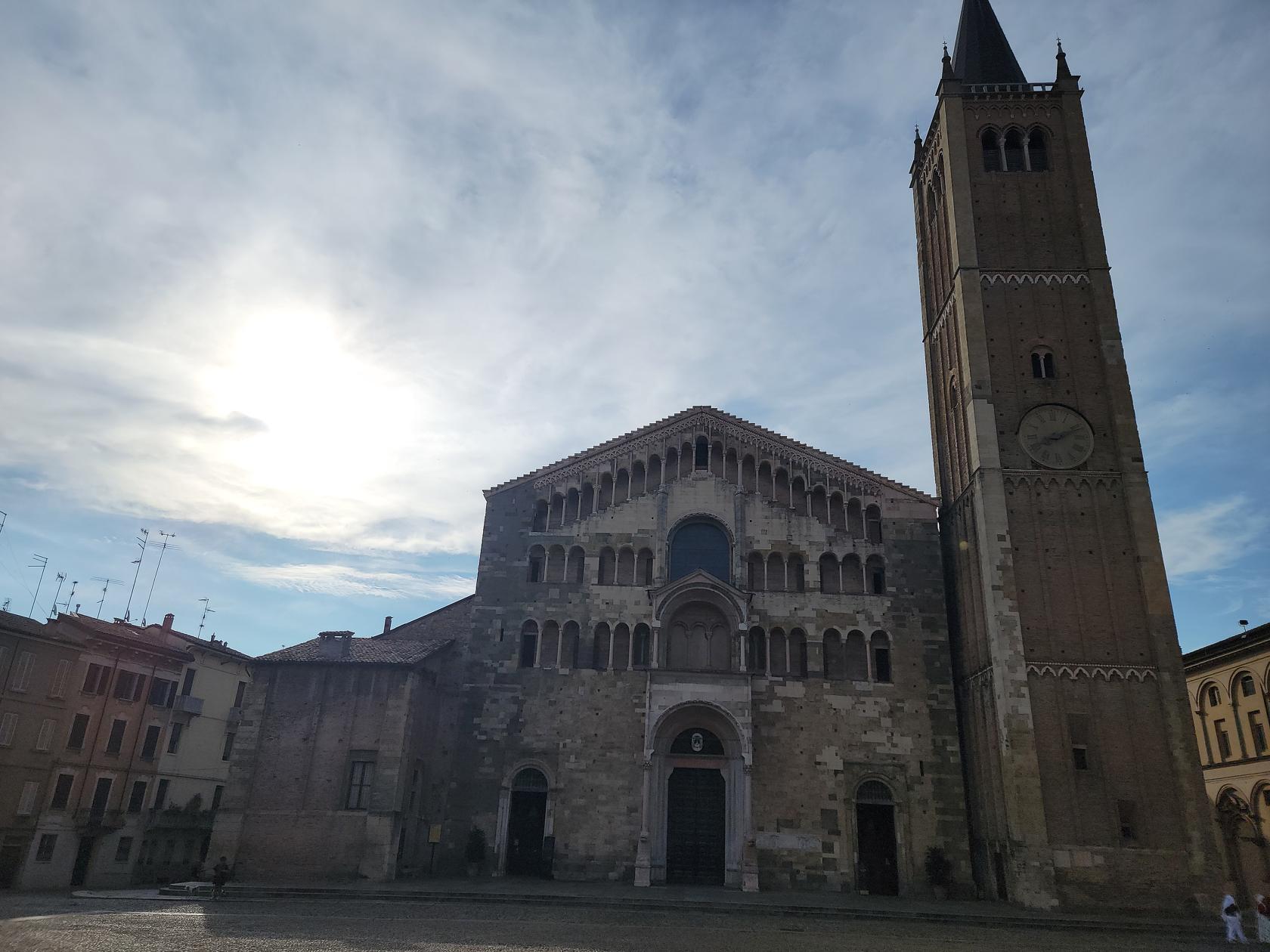
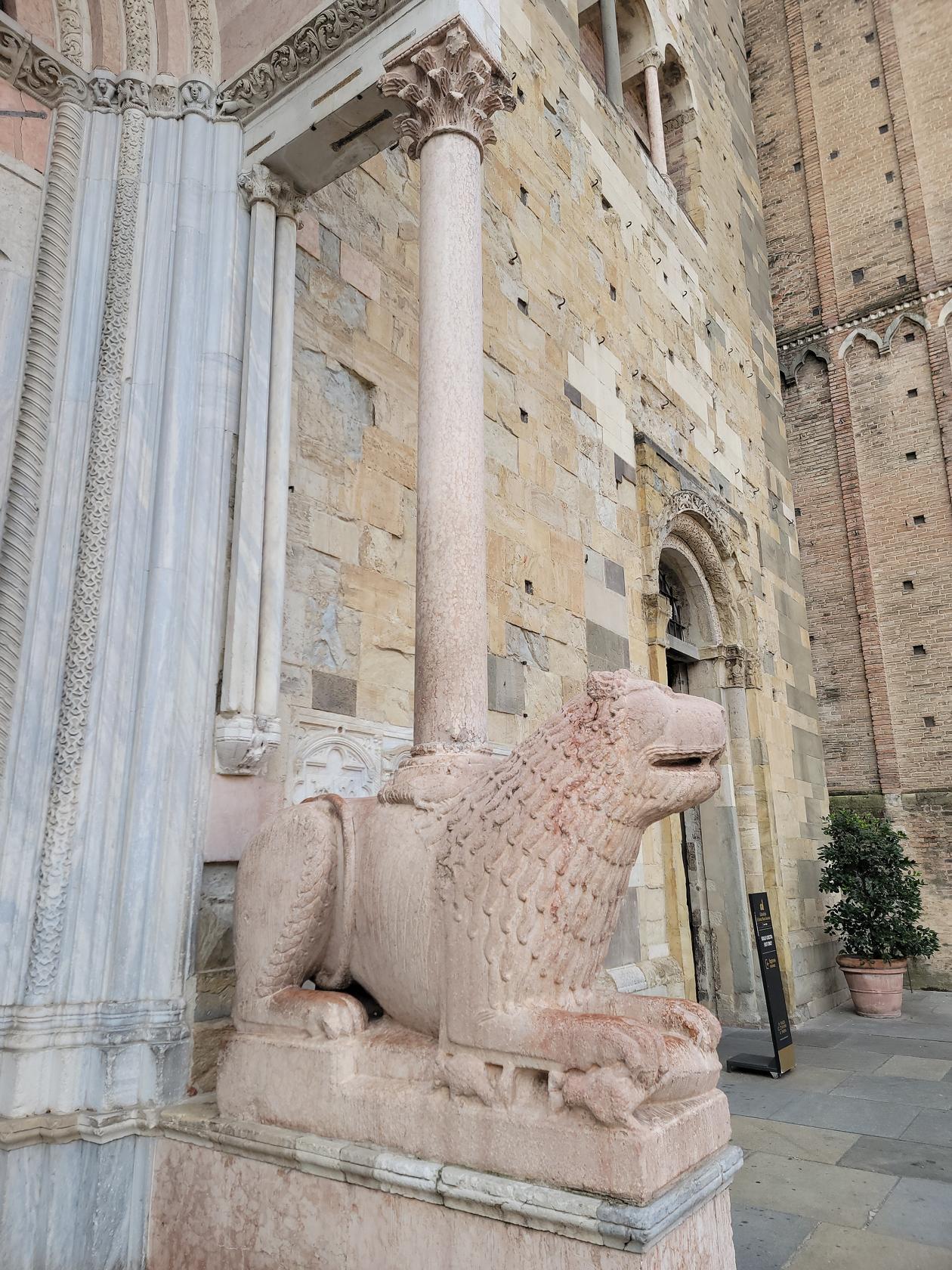
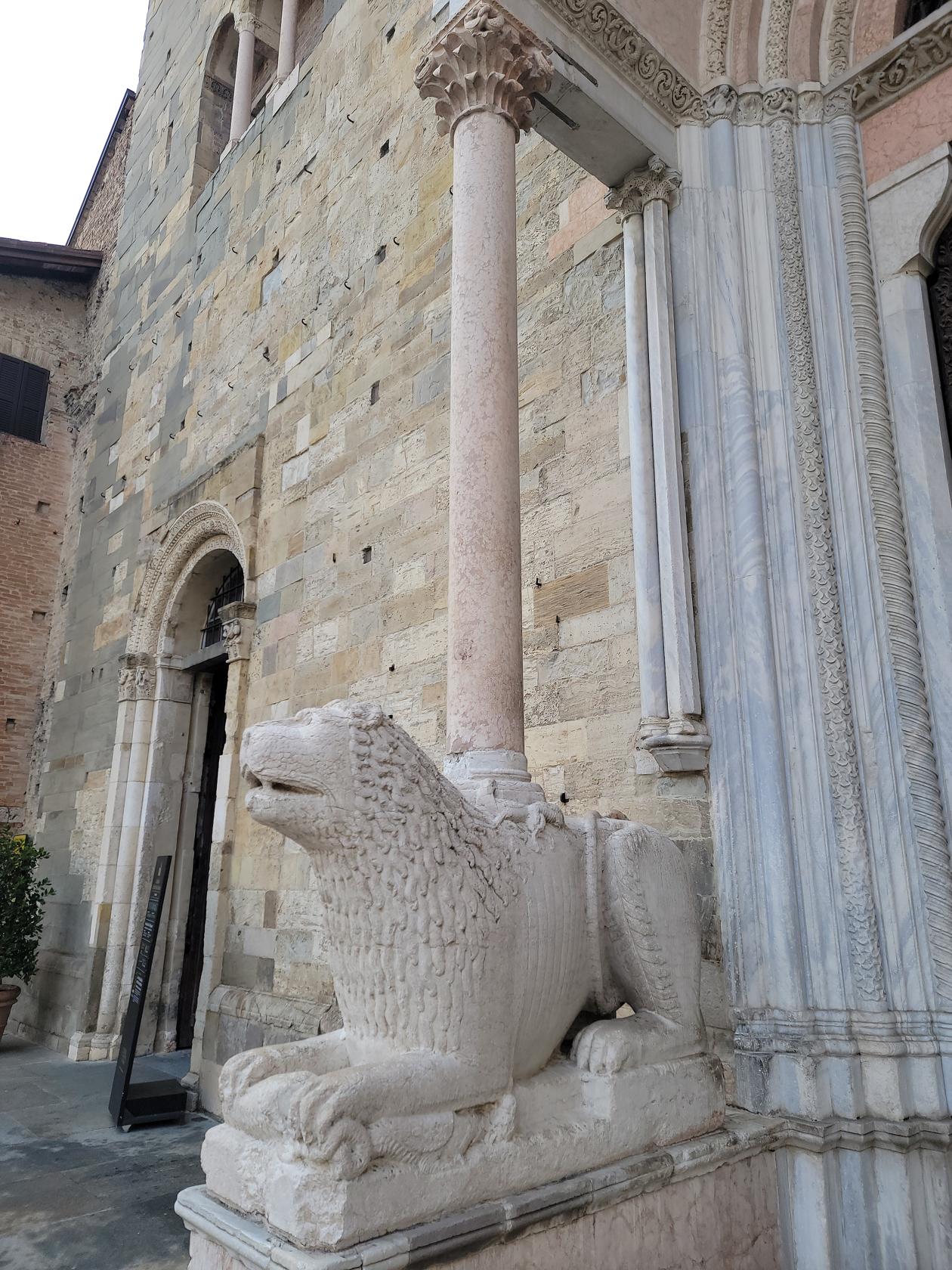
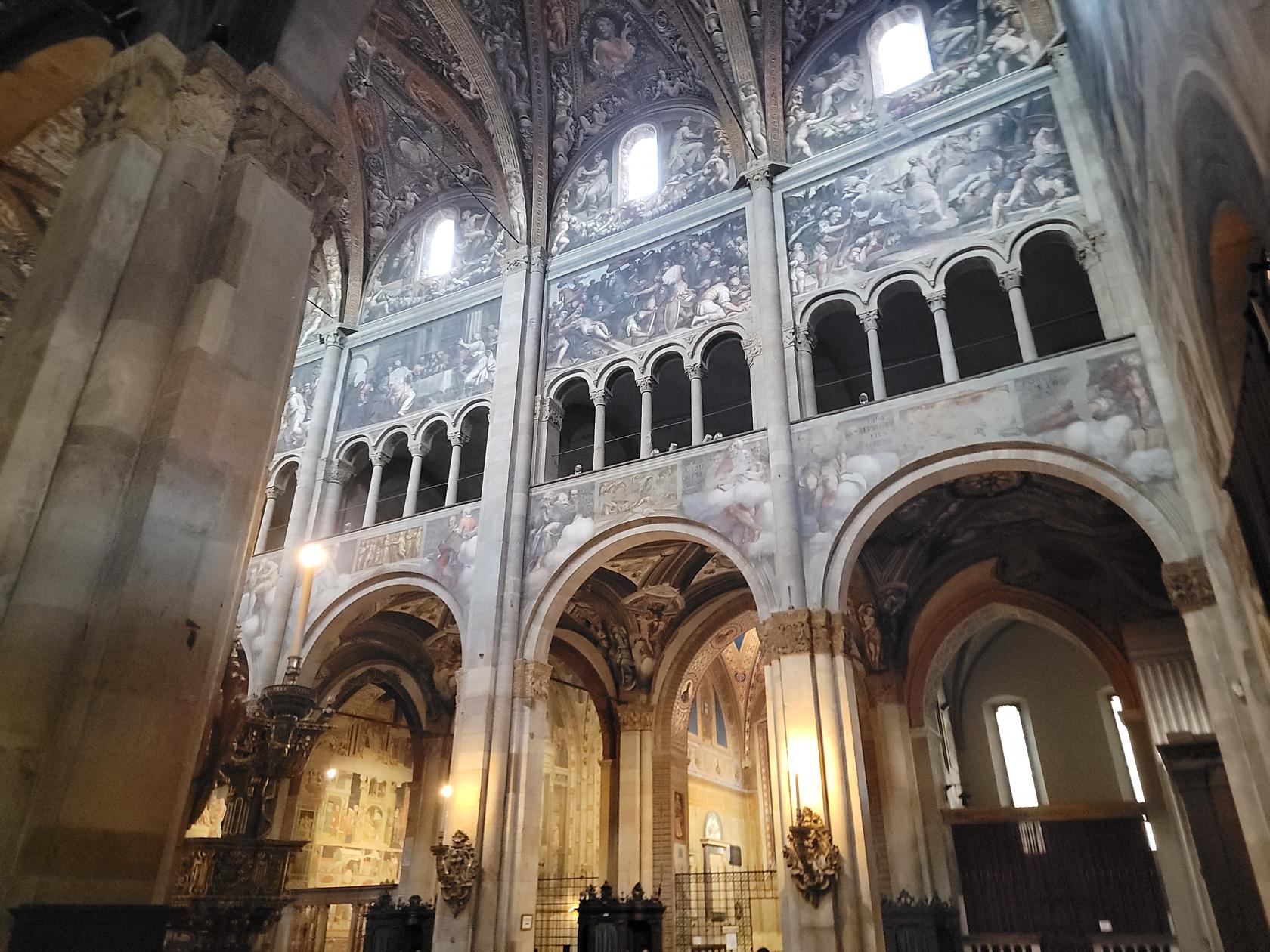
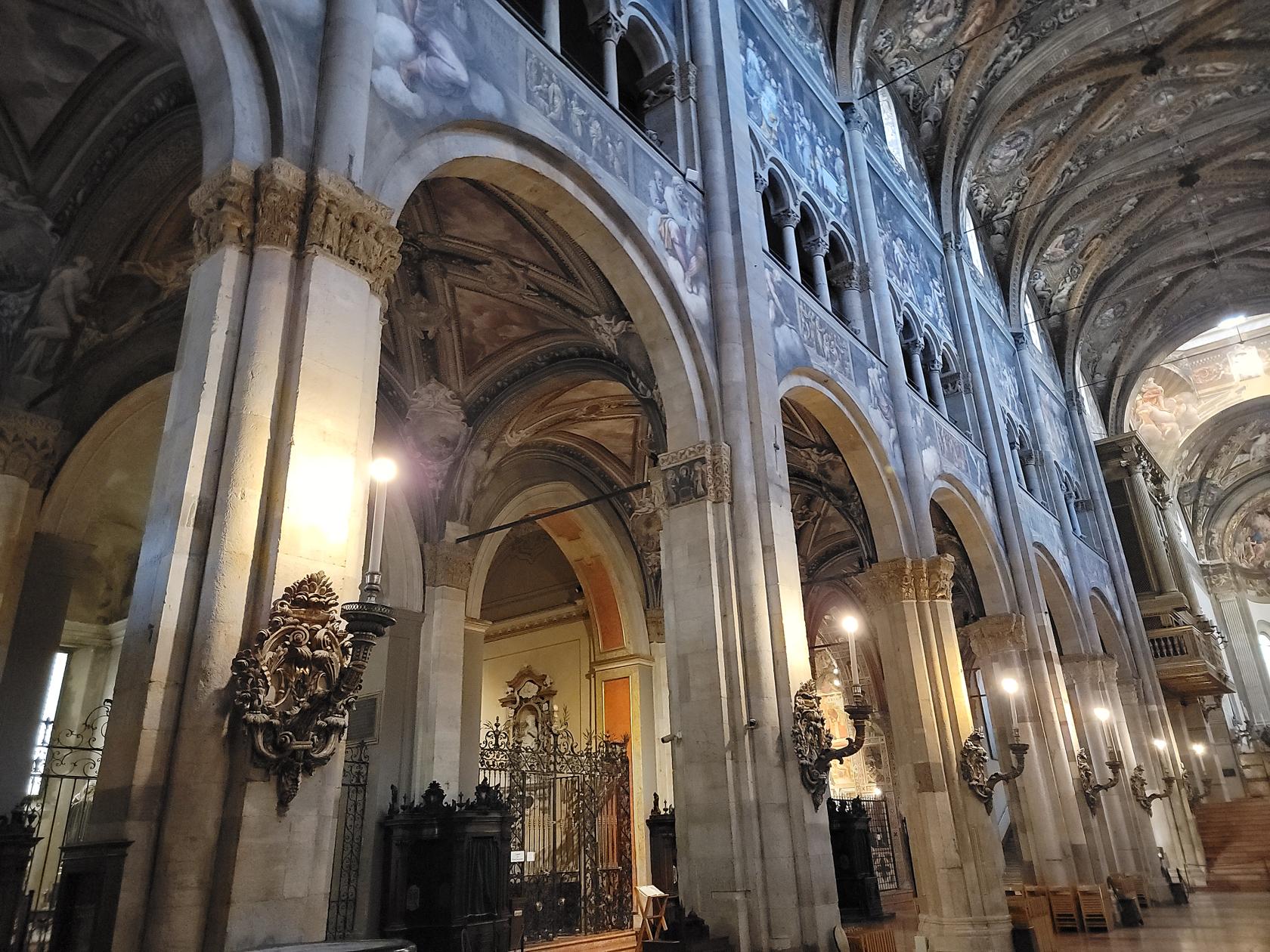
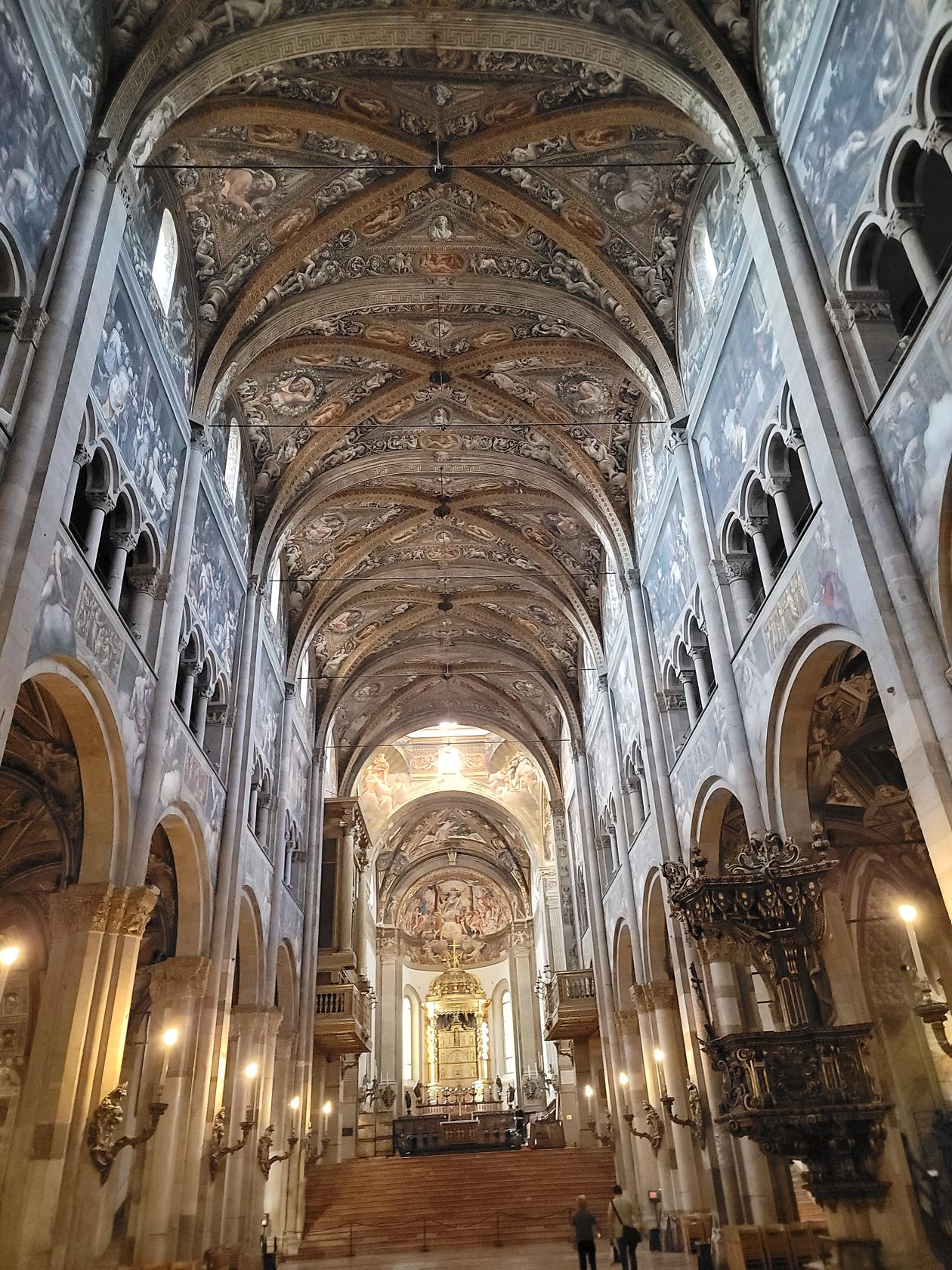
The nave is decorated by numerous frescoes and art of the twelfth century and depict the stories of faith that were common at that time.
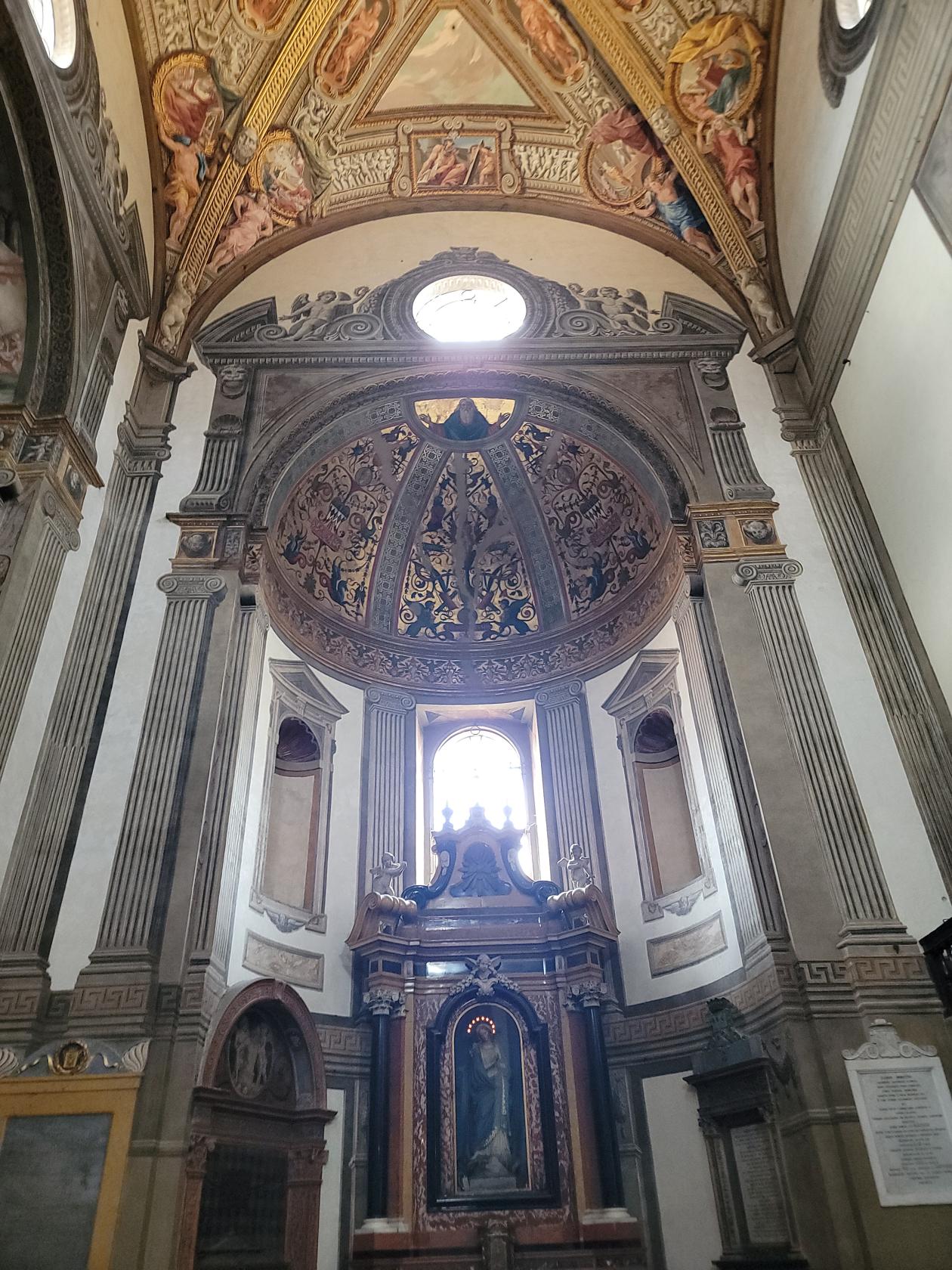
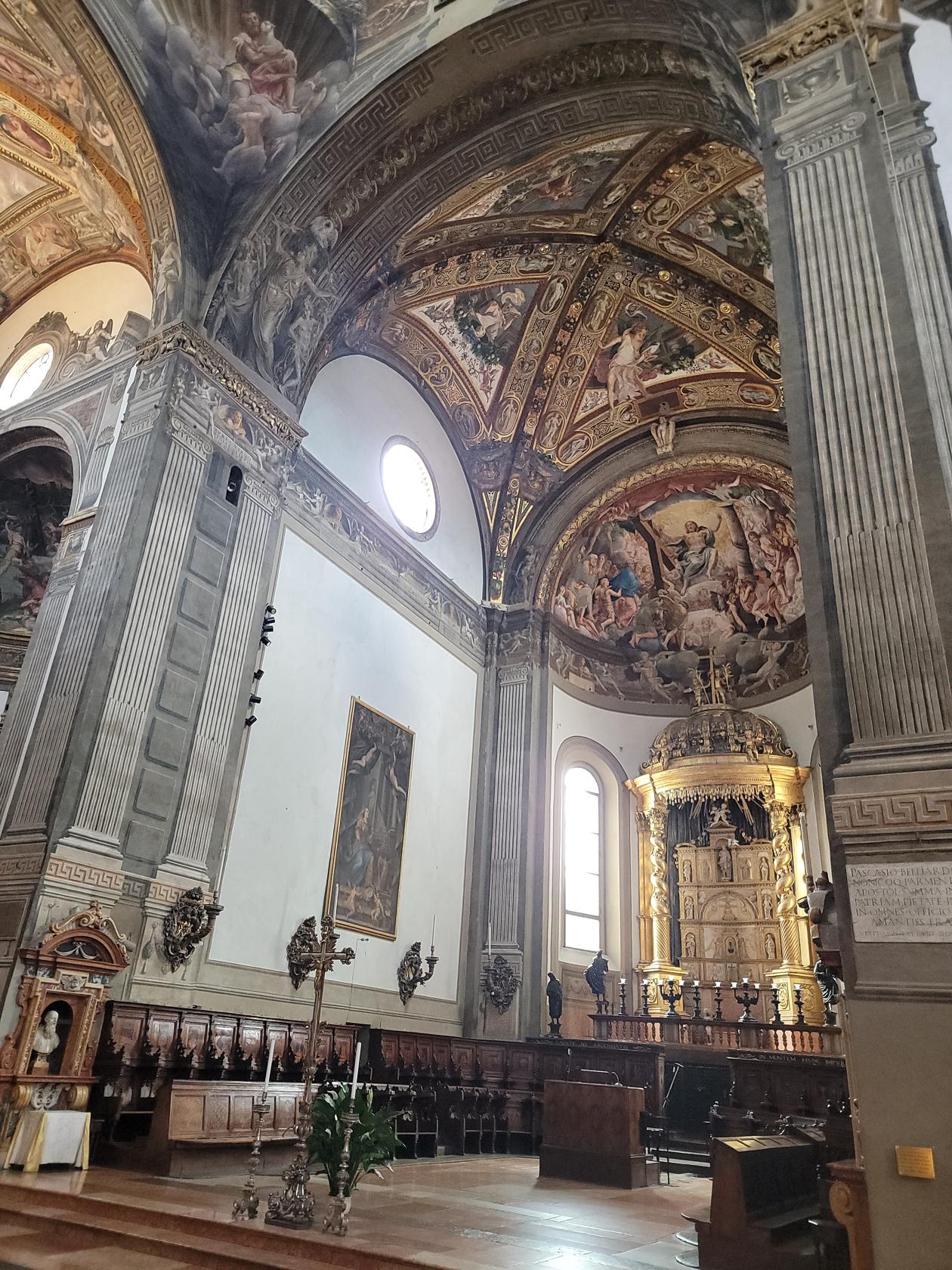
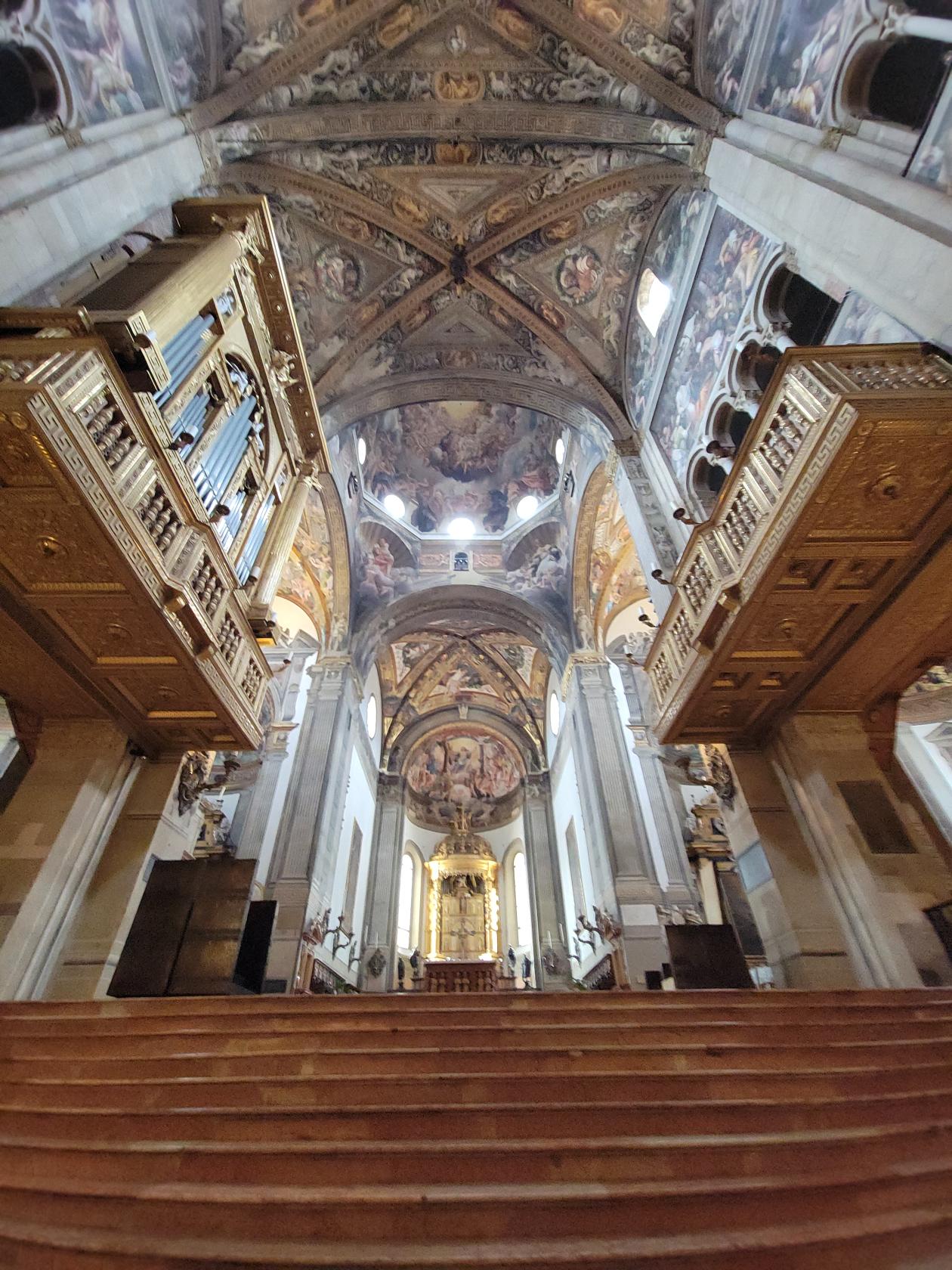
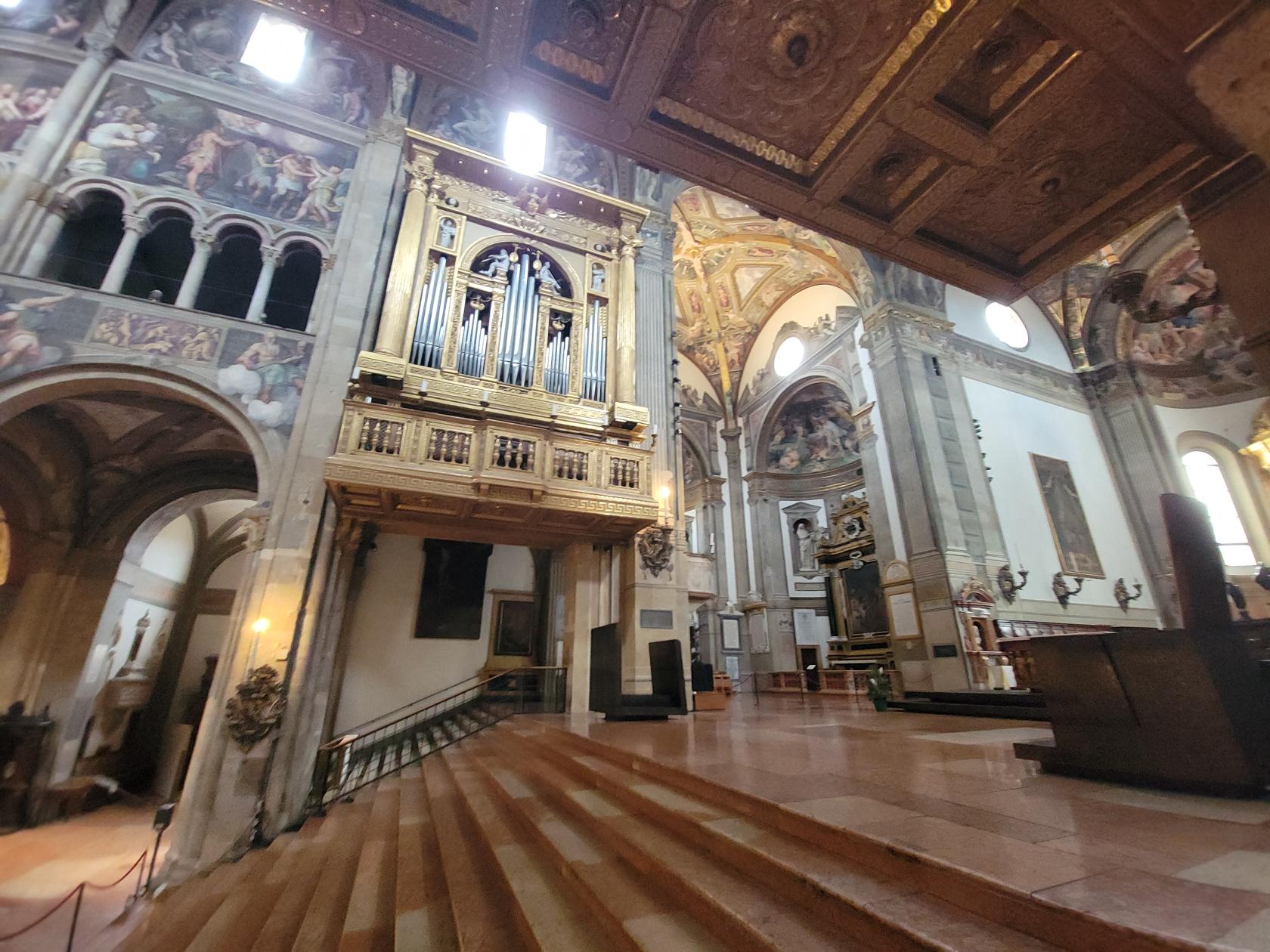
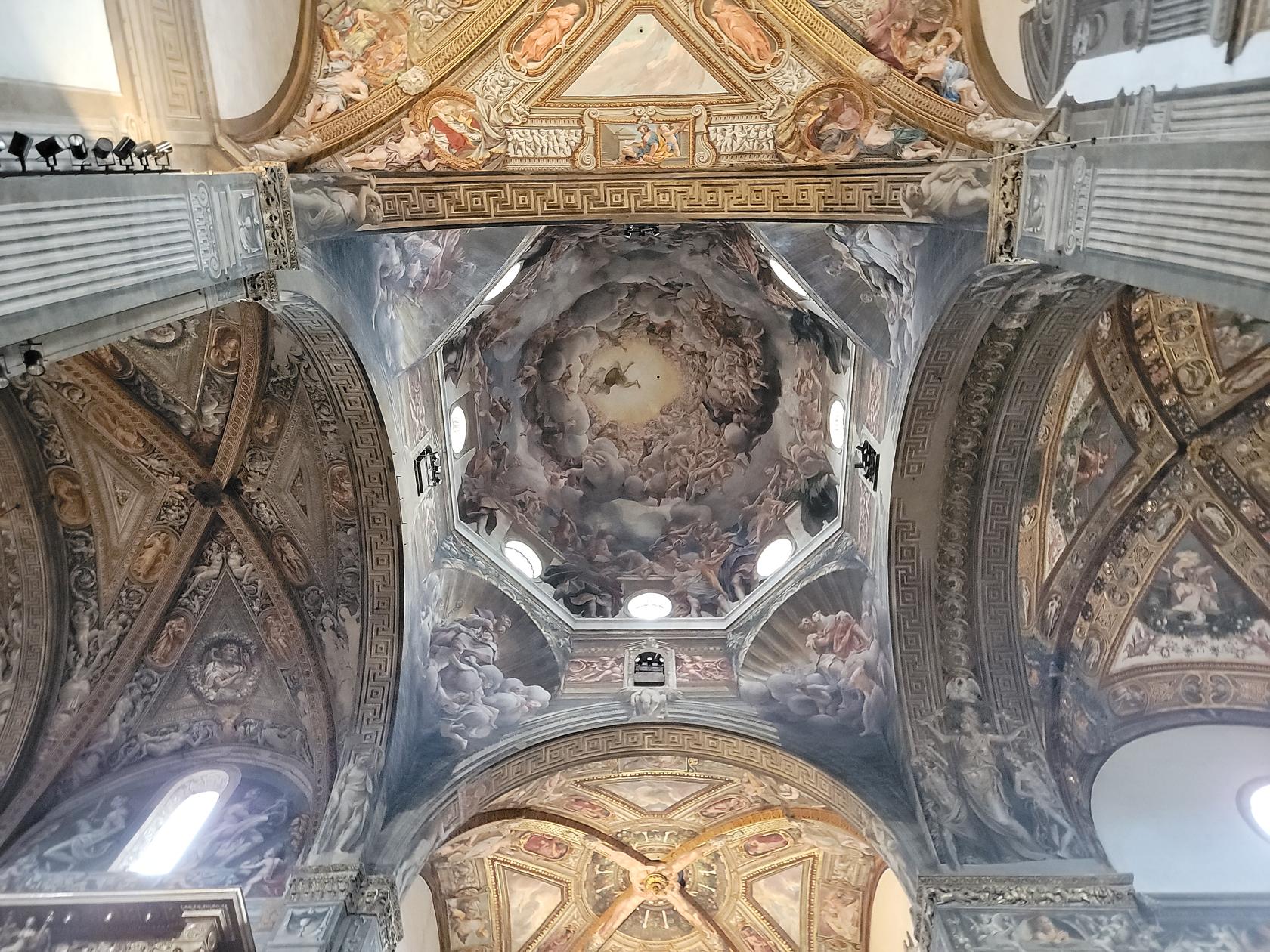
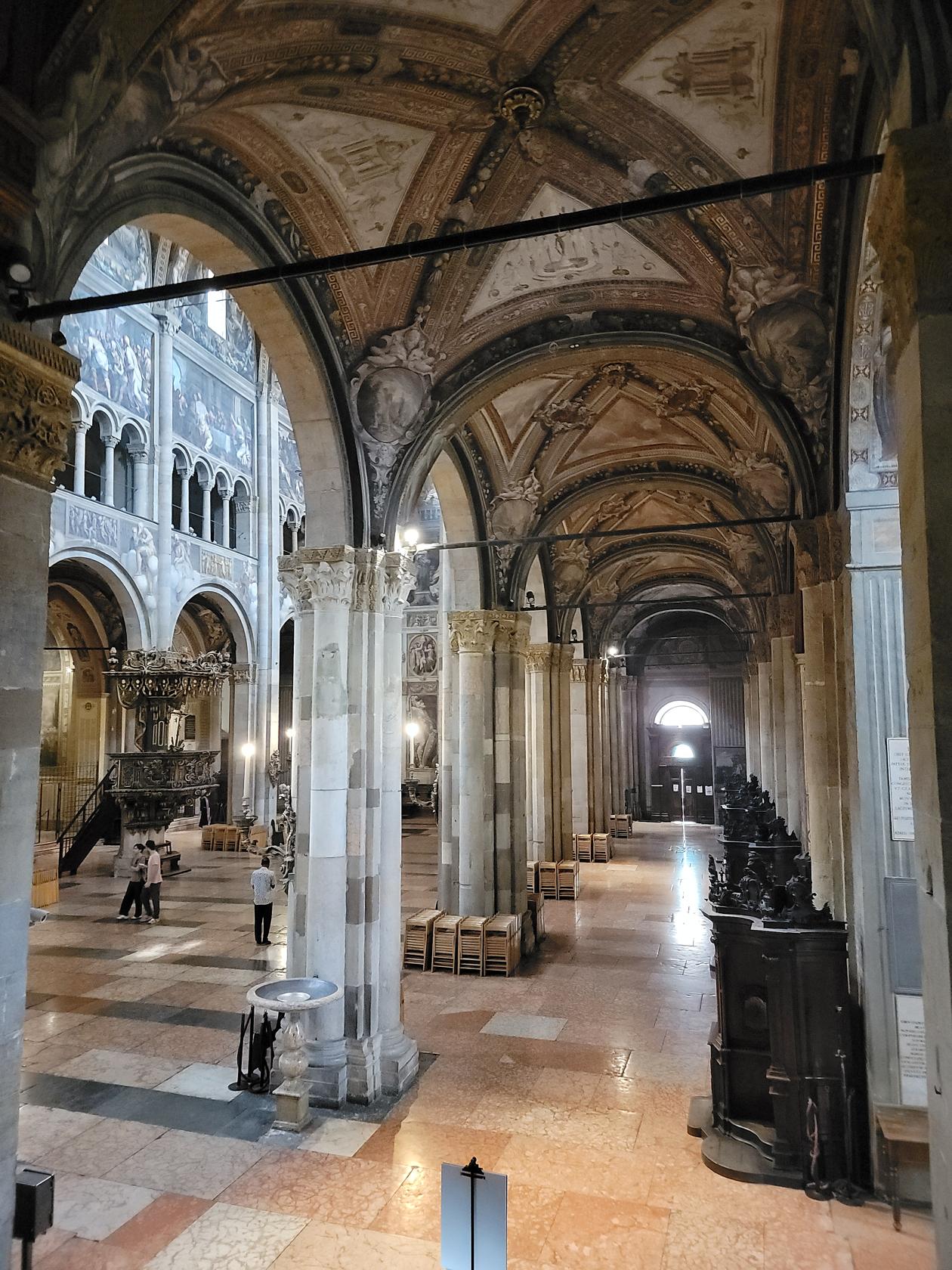
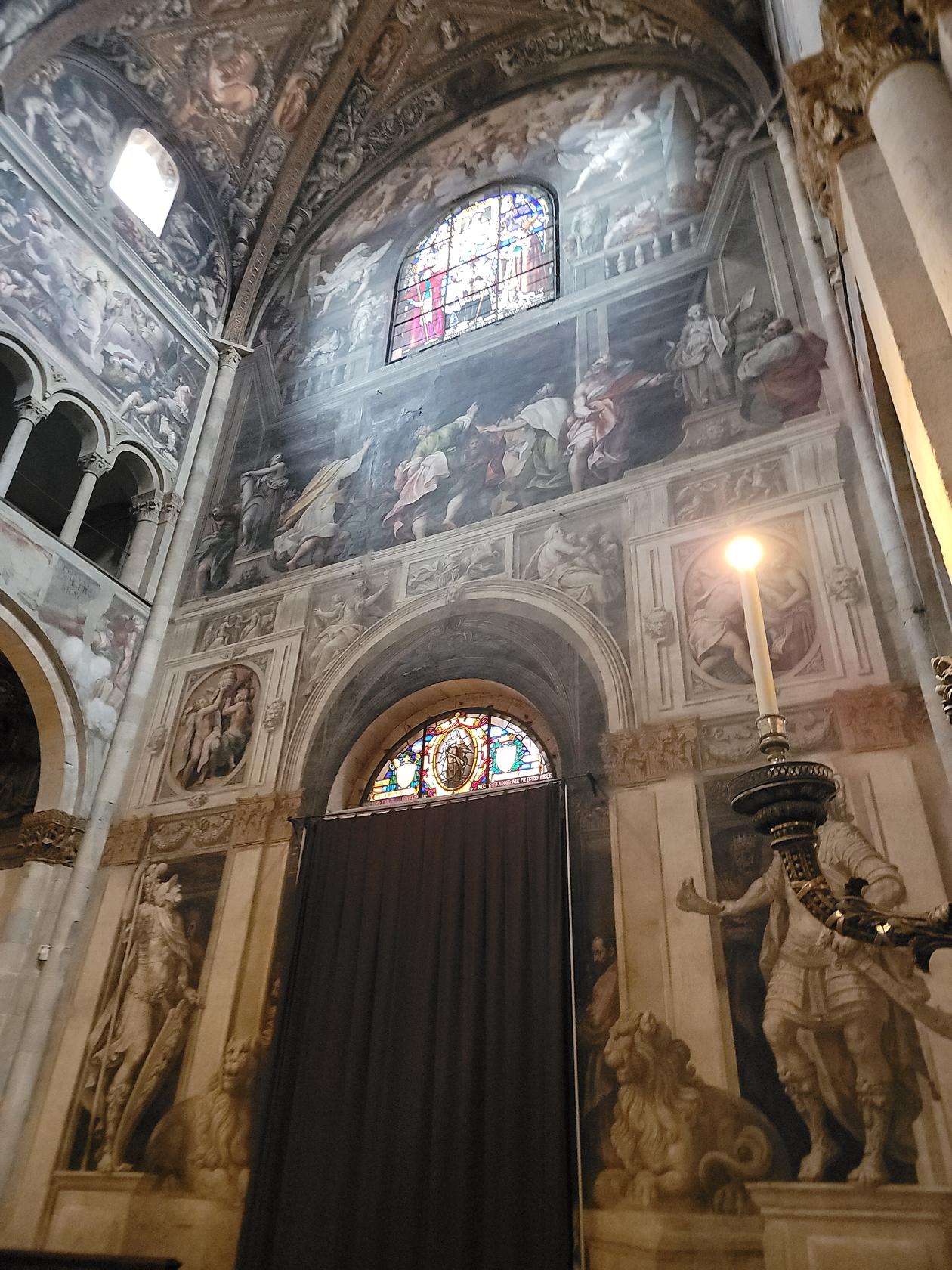
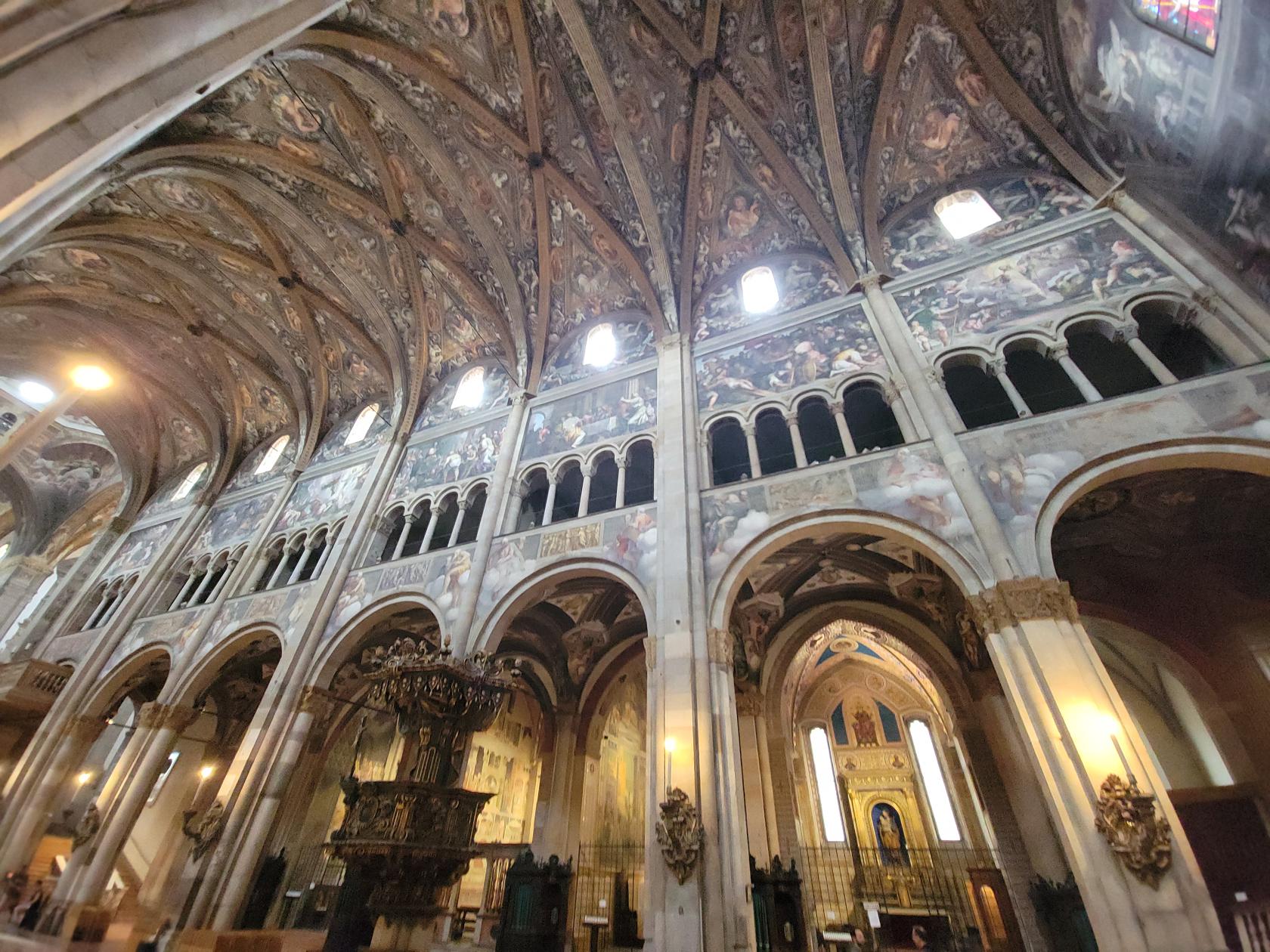
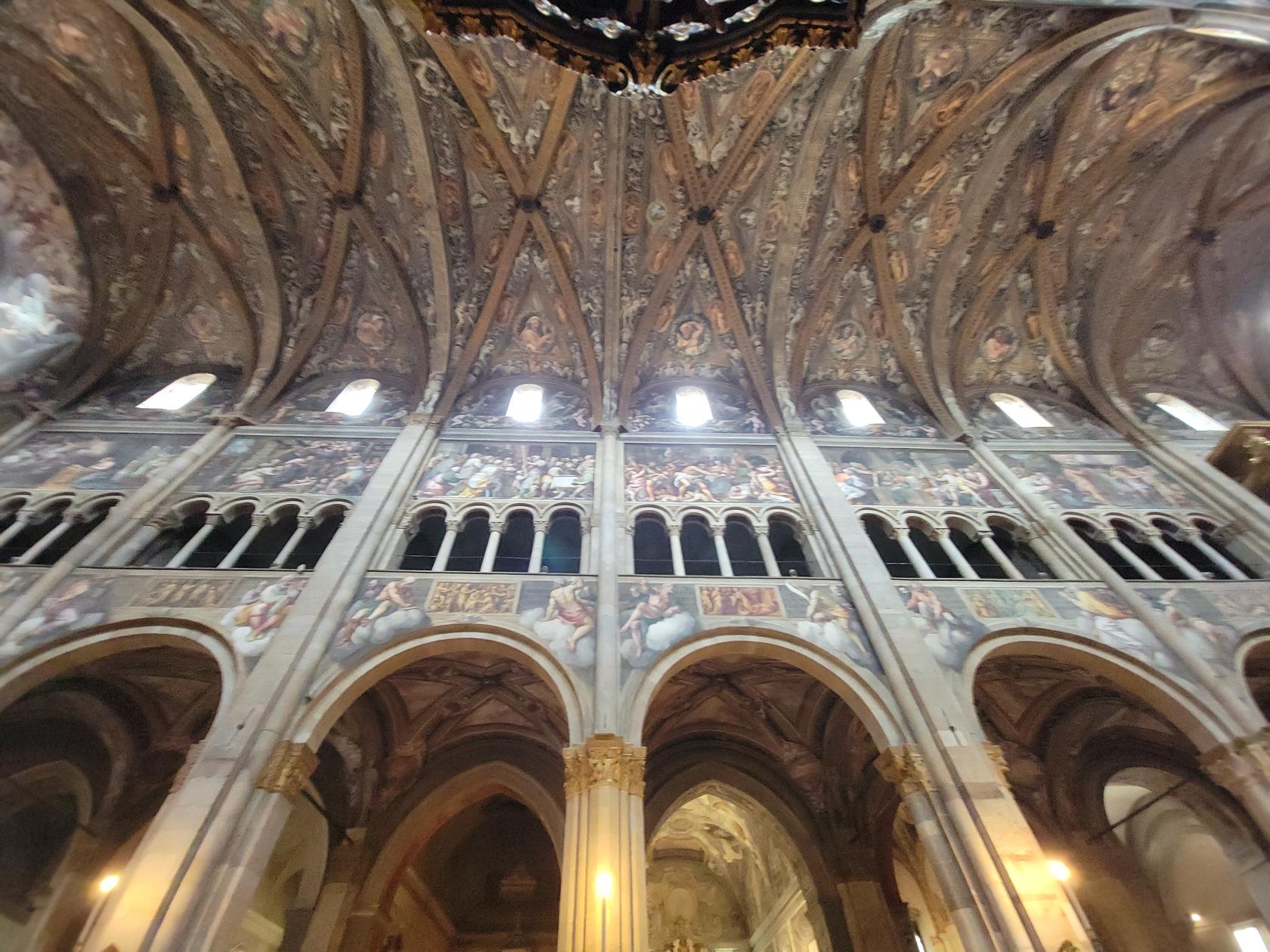
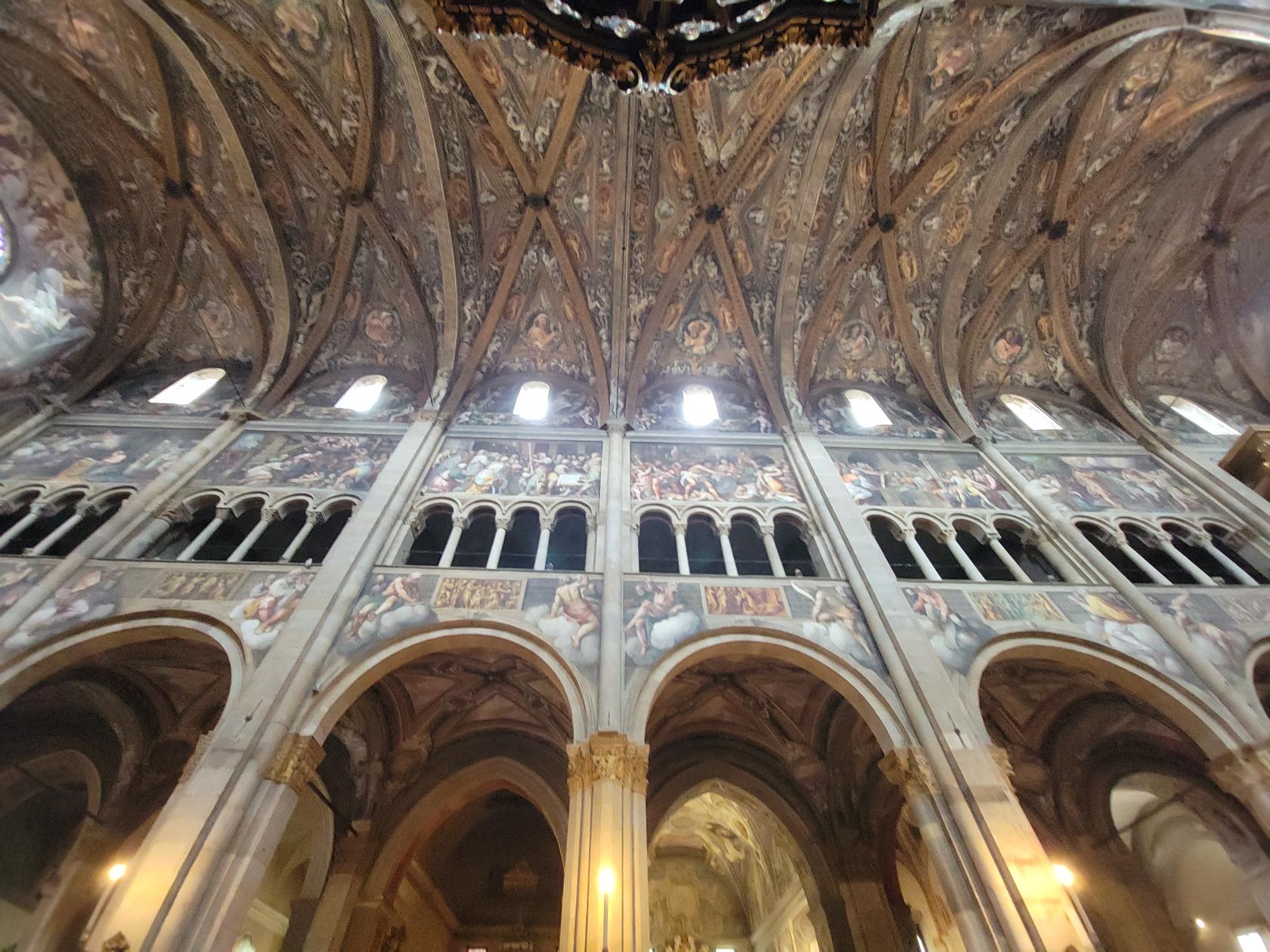
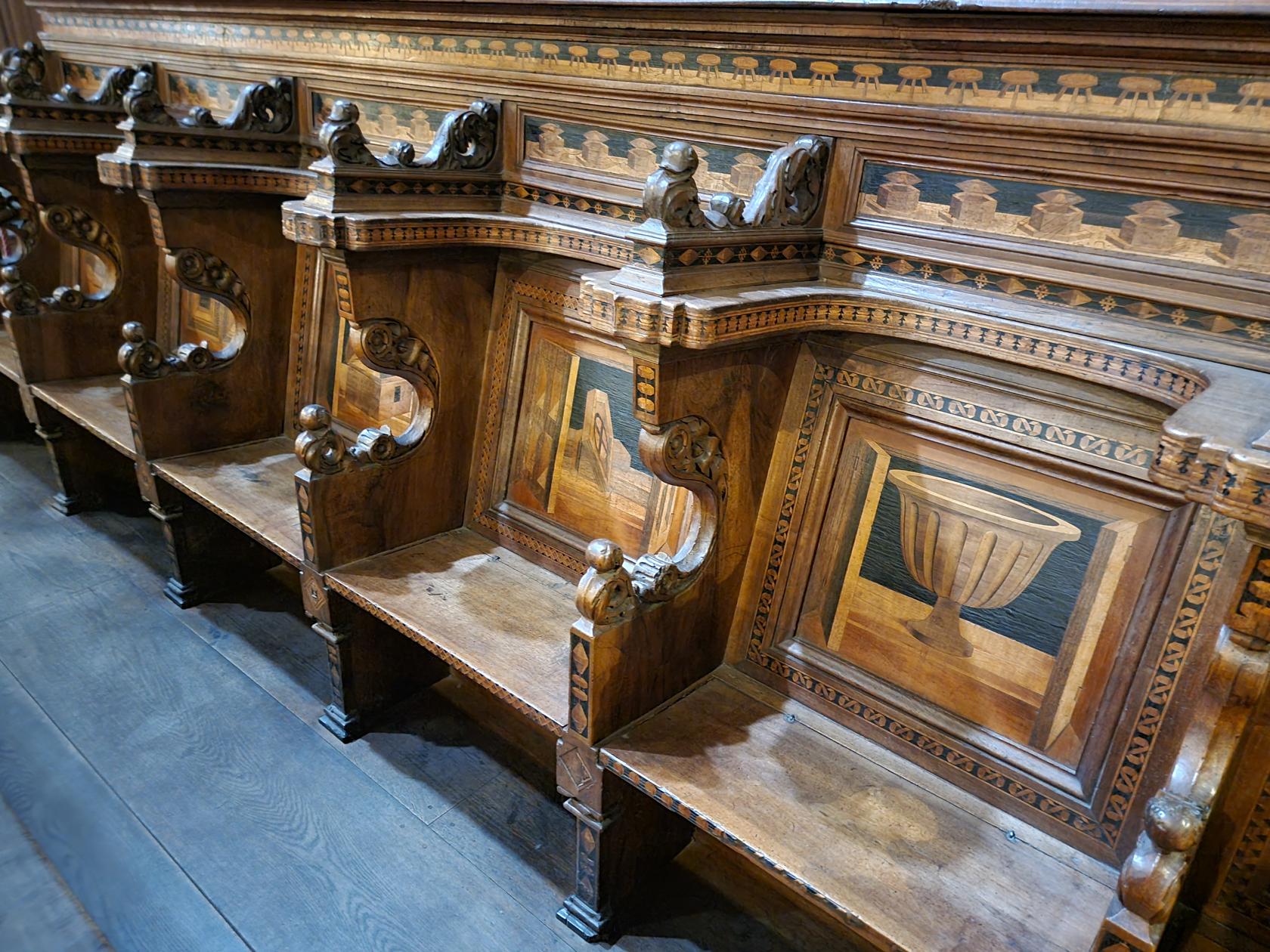
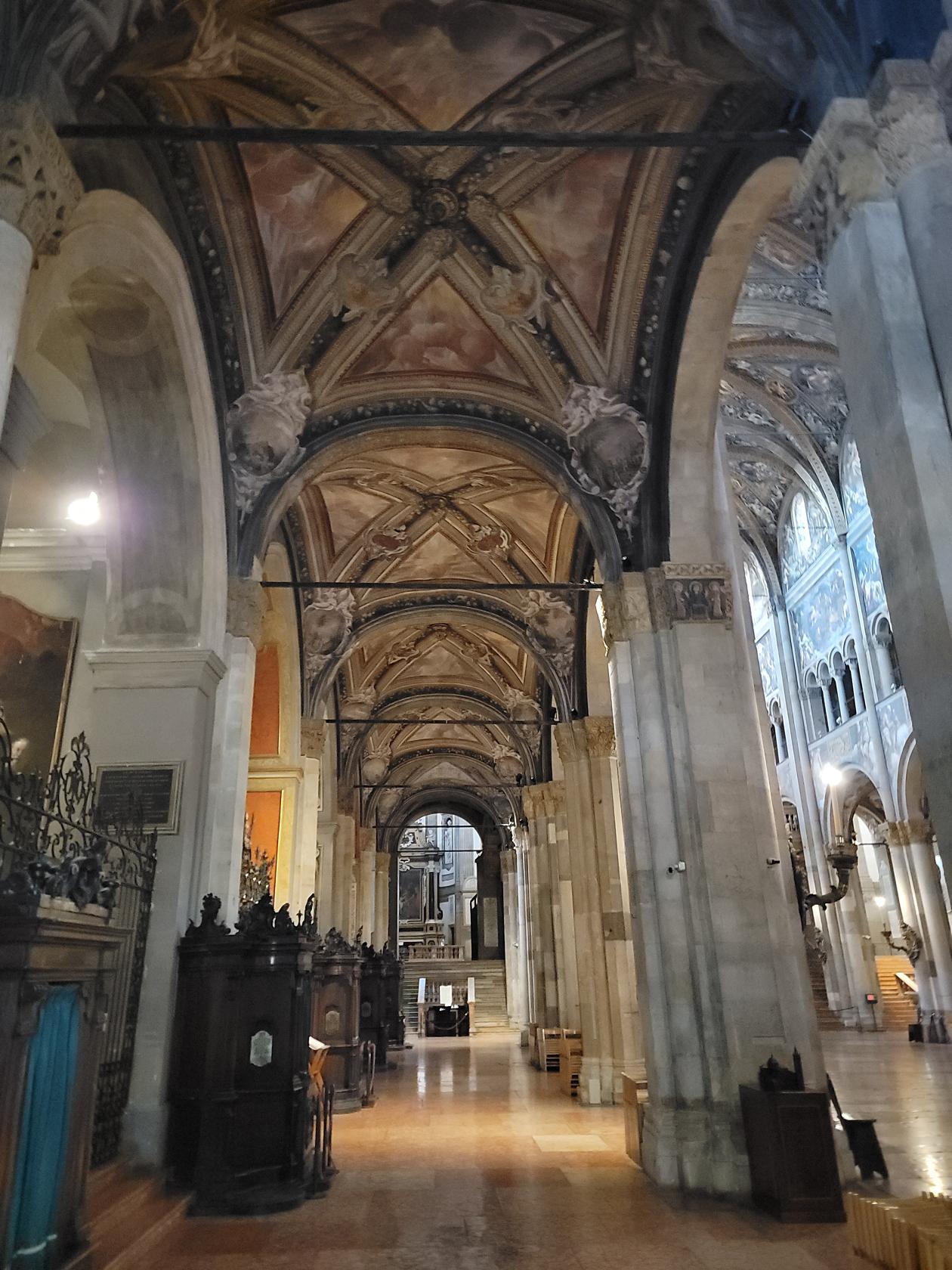
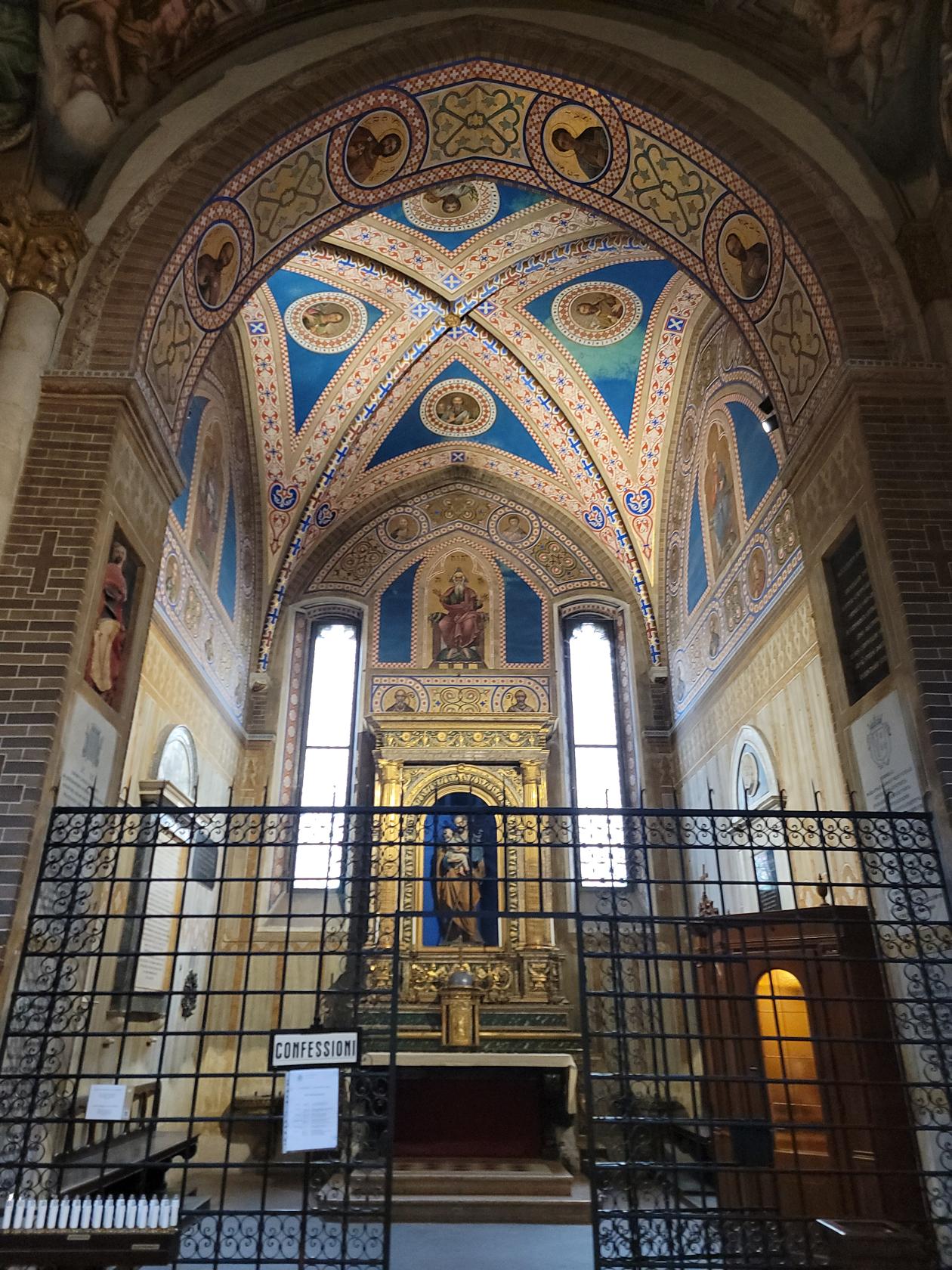
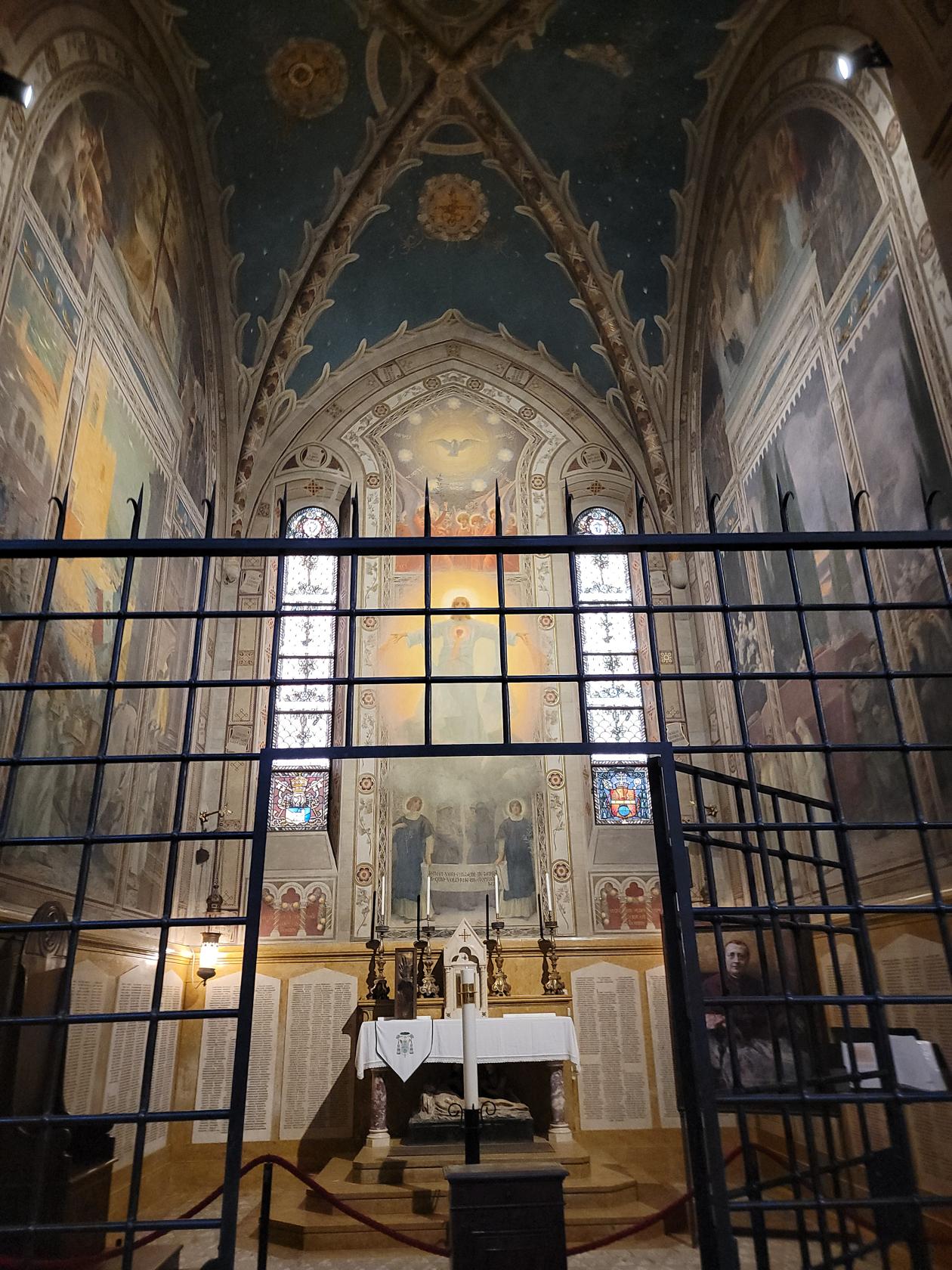
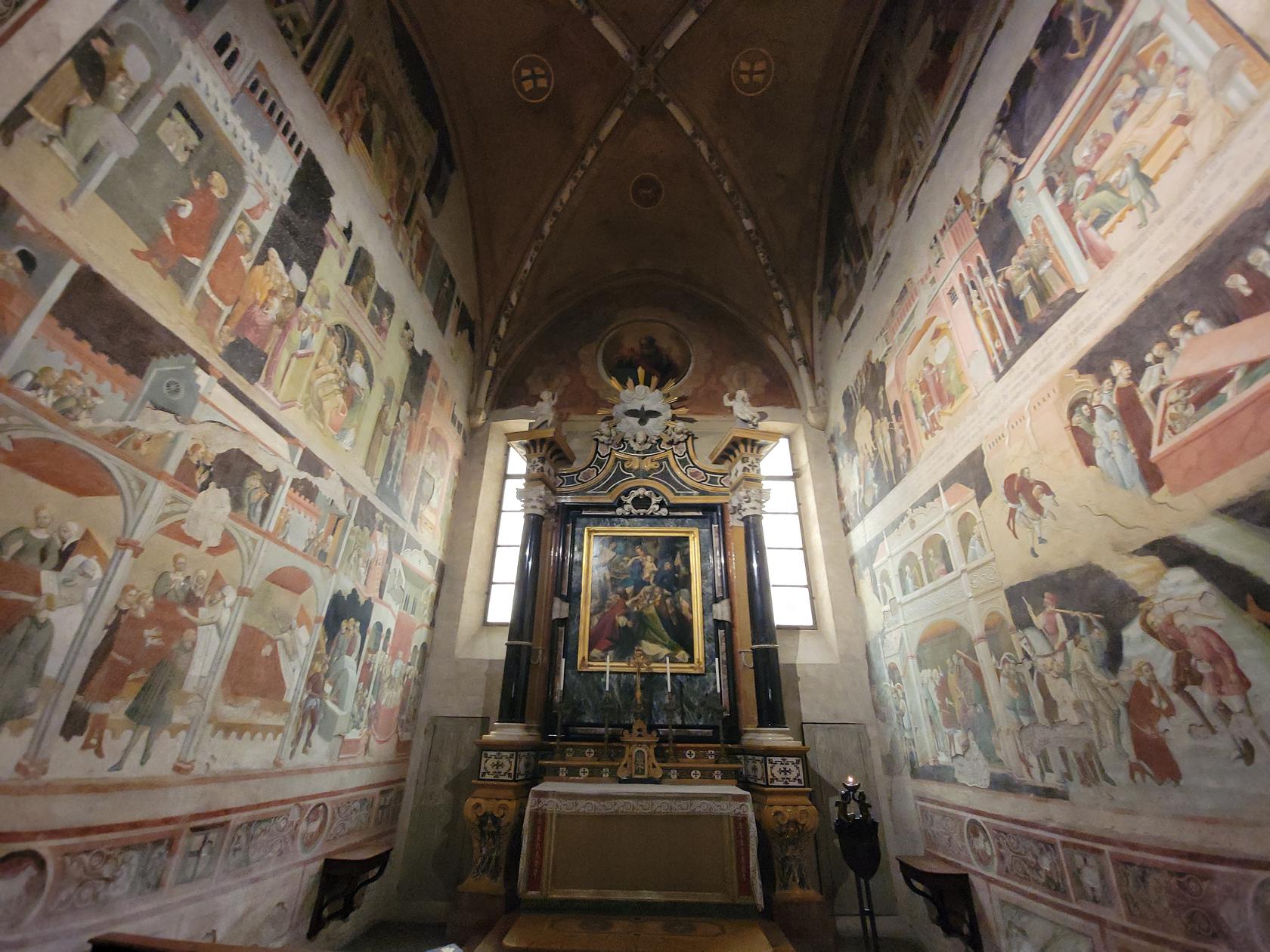
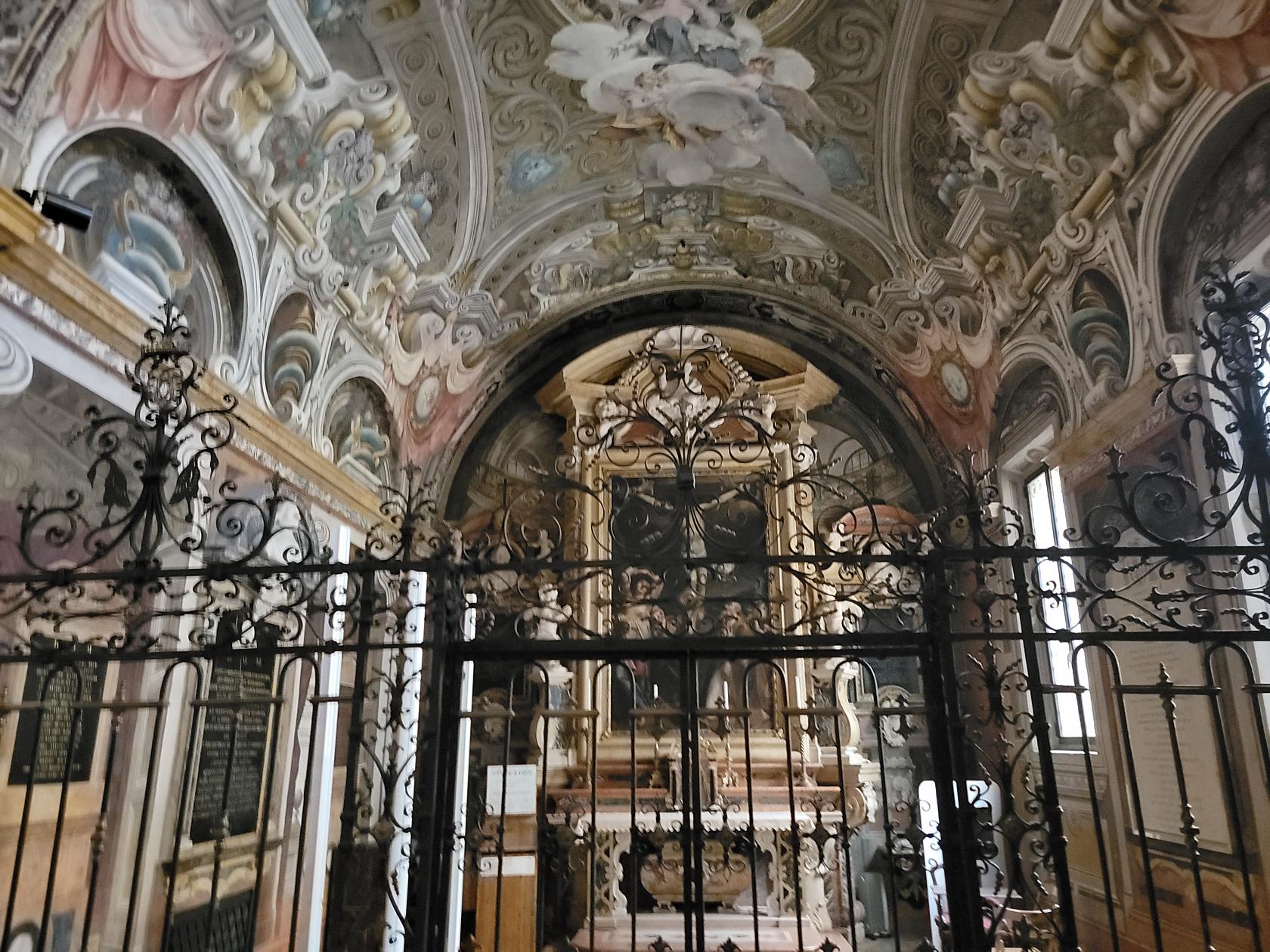
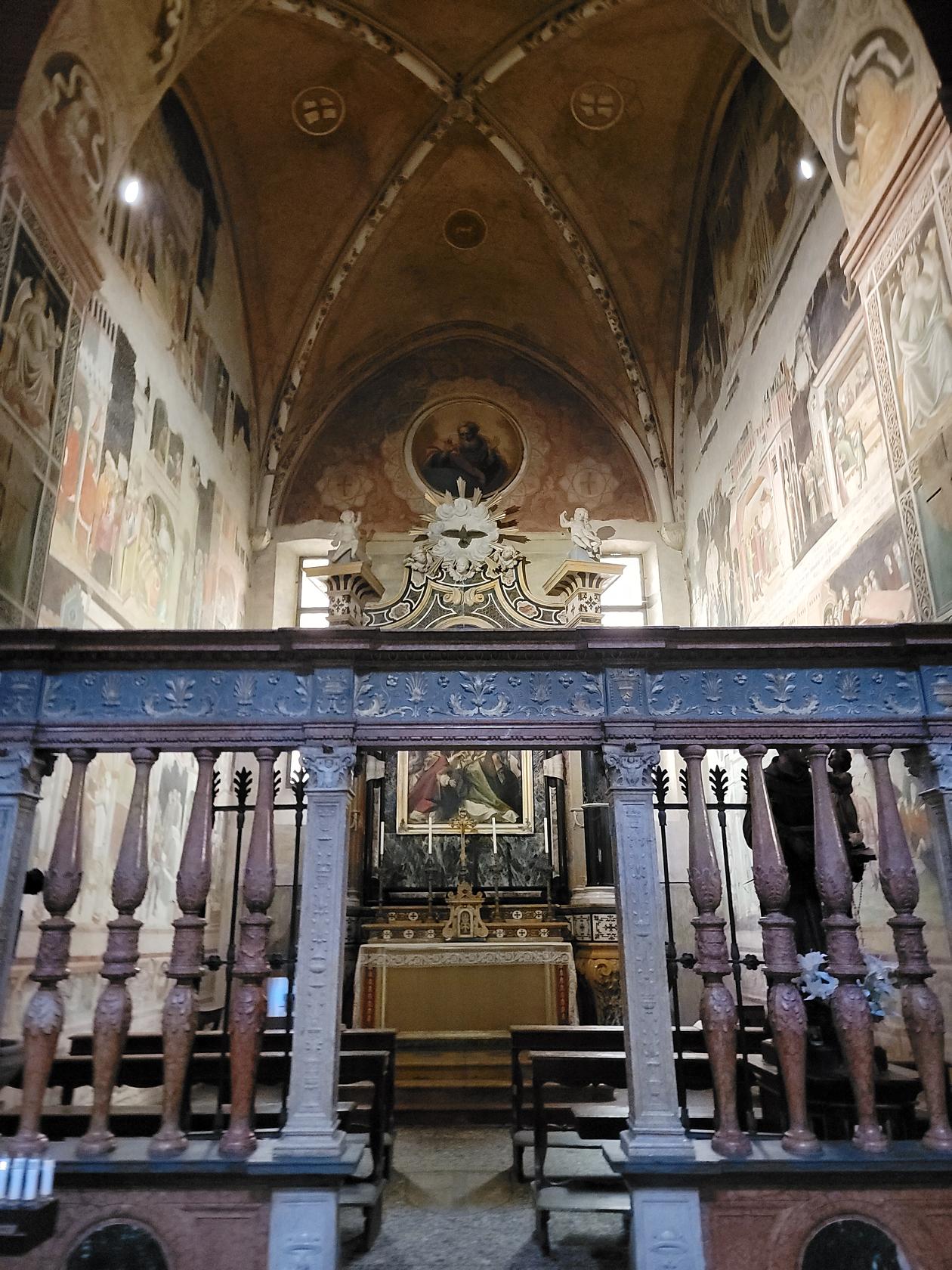
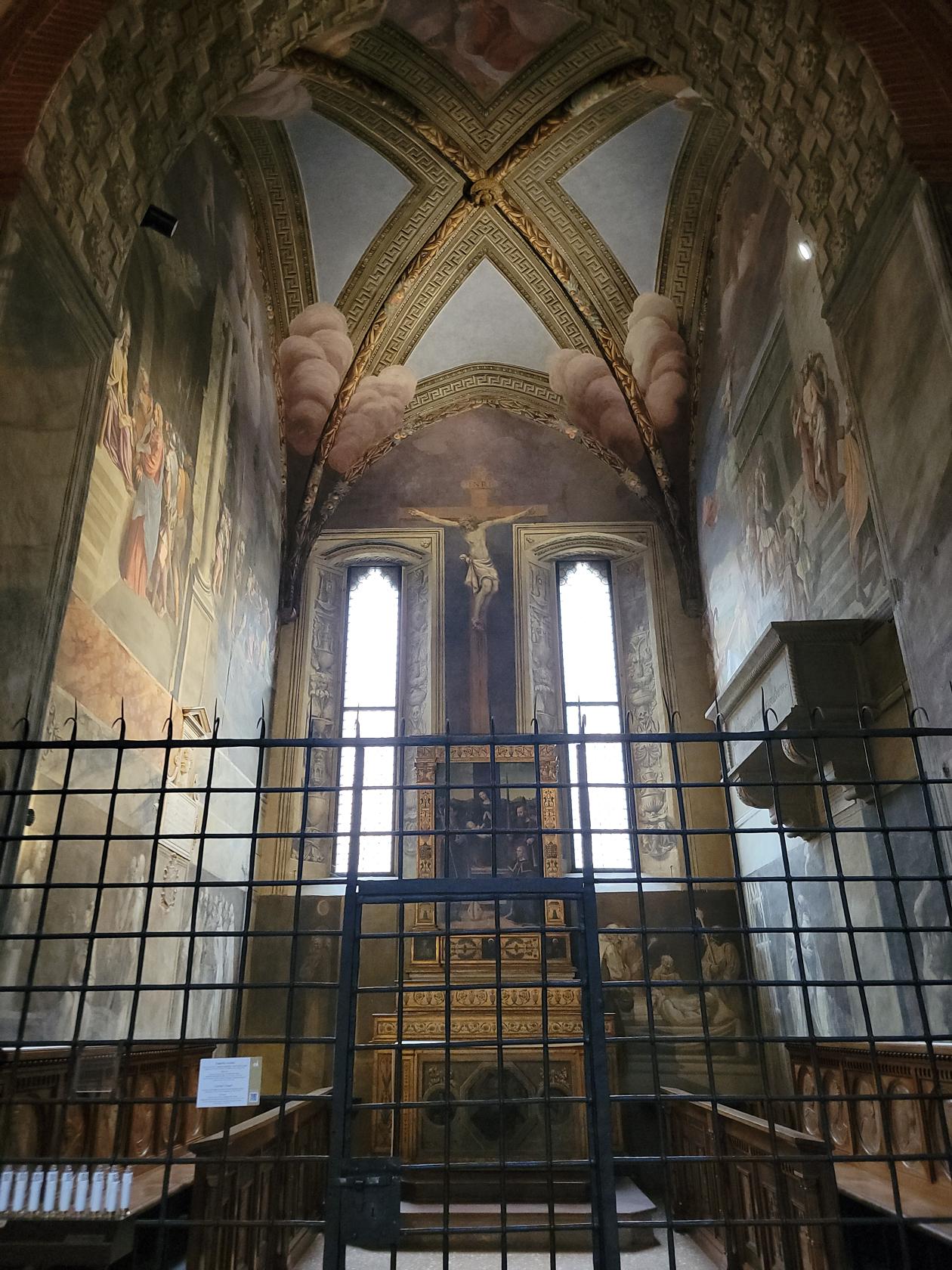
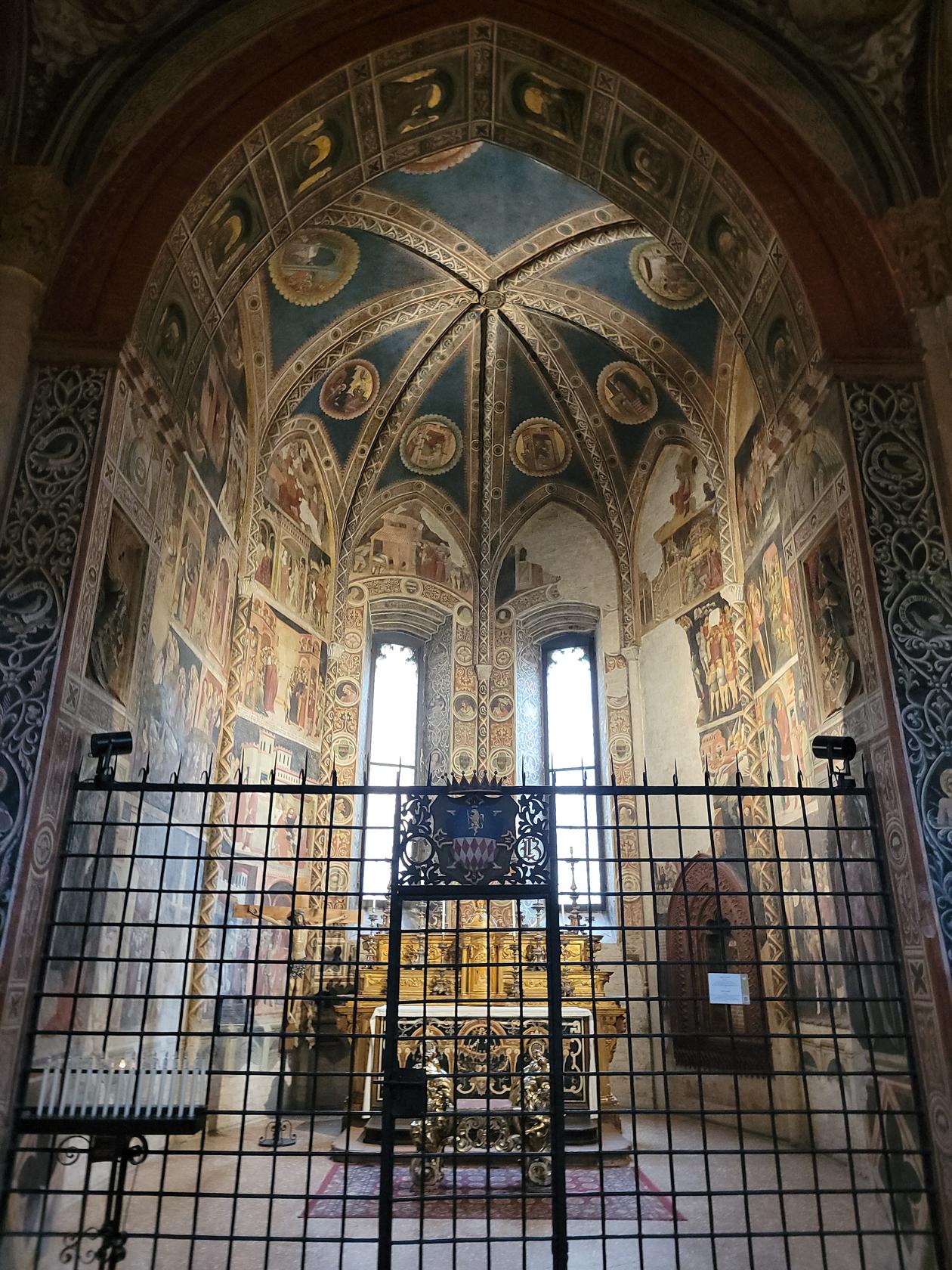
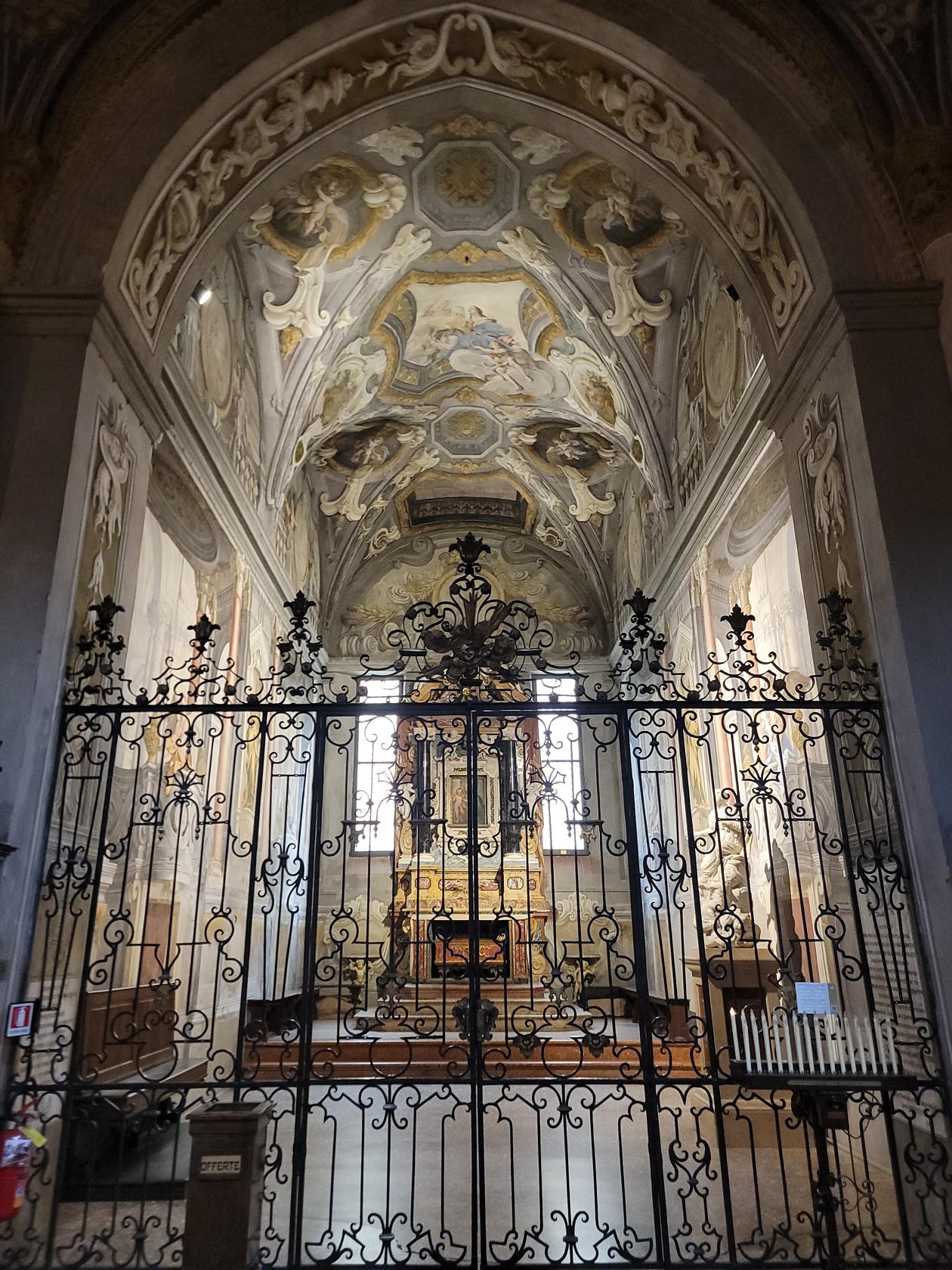
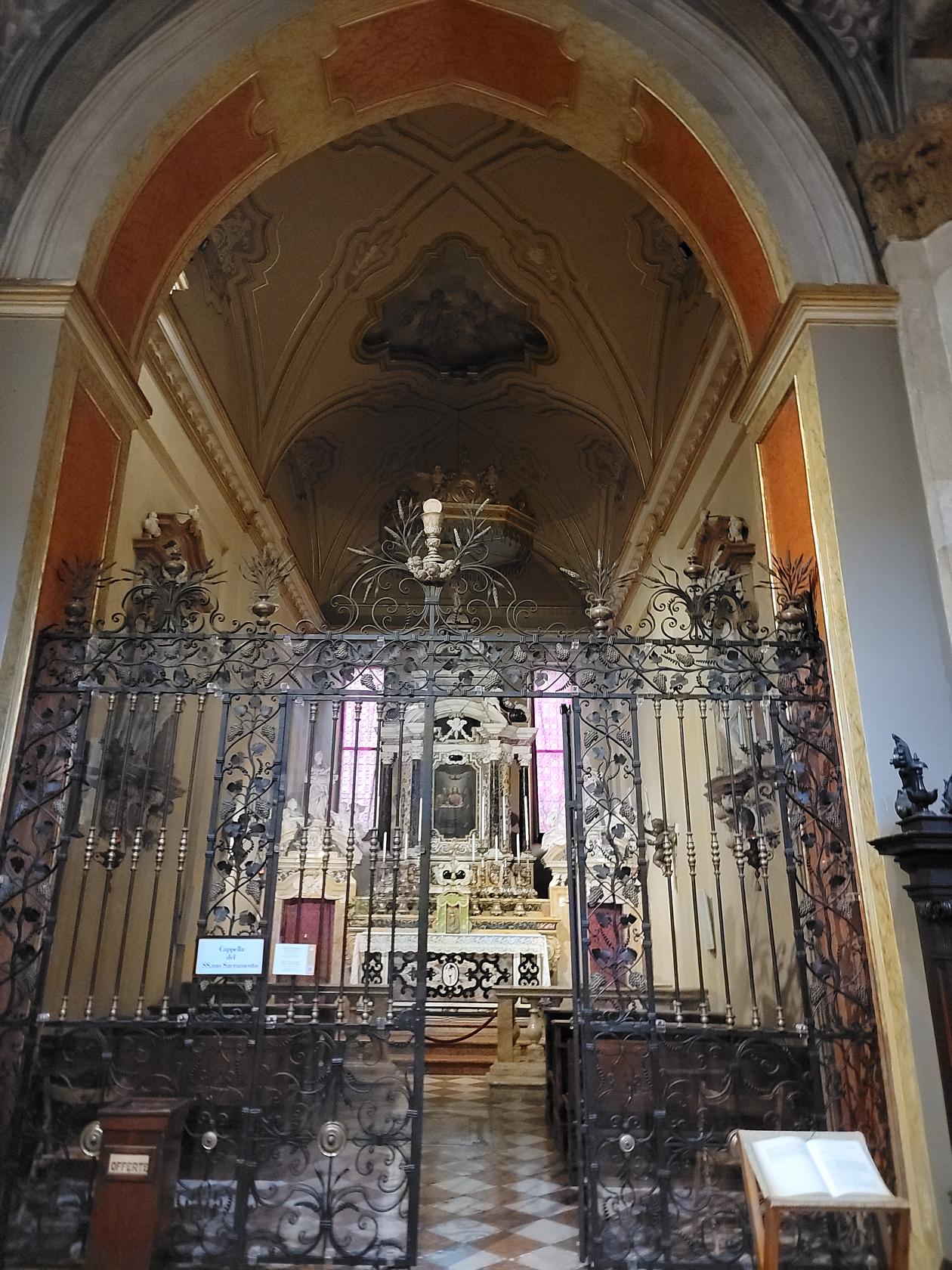
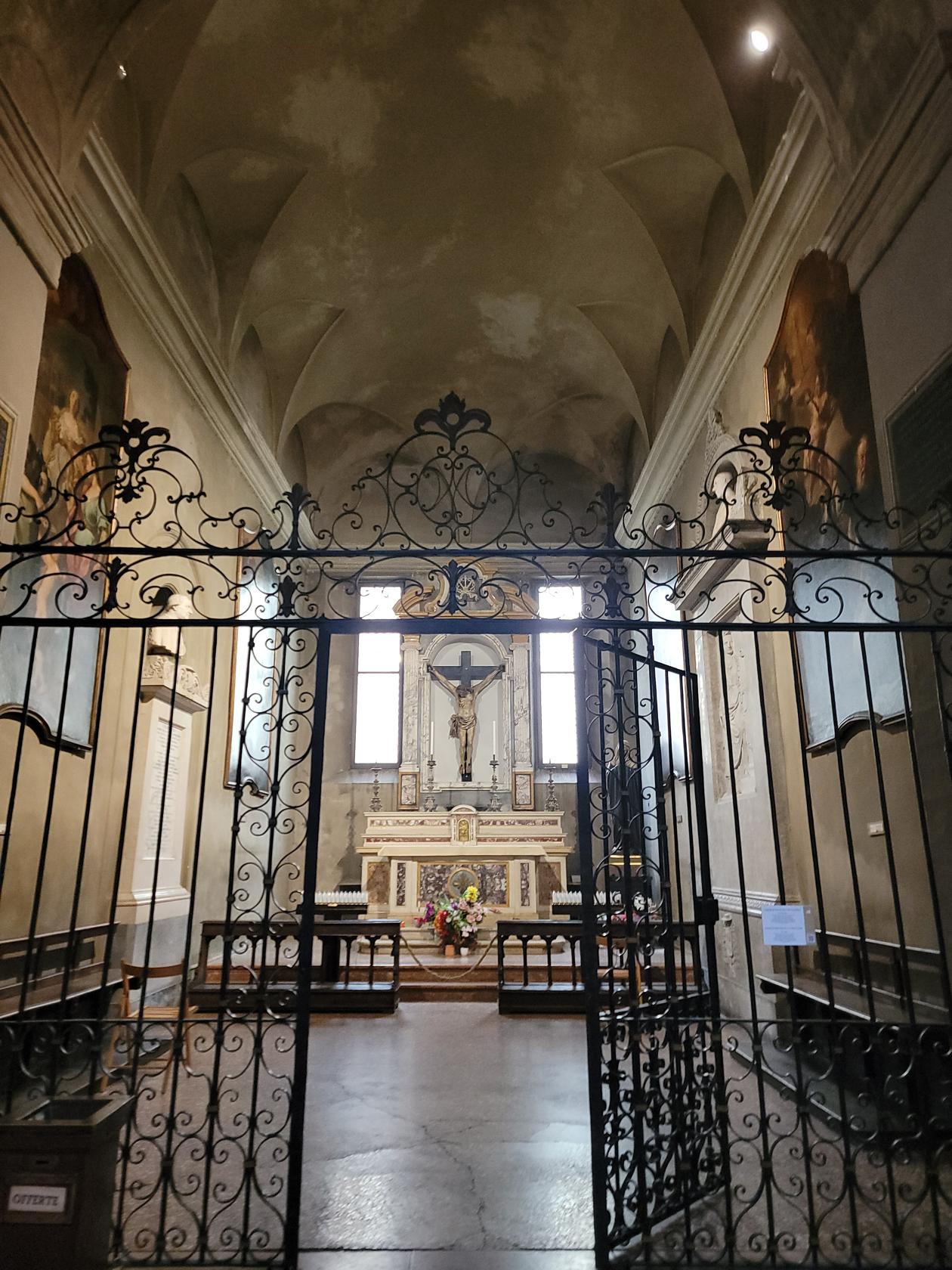
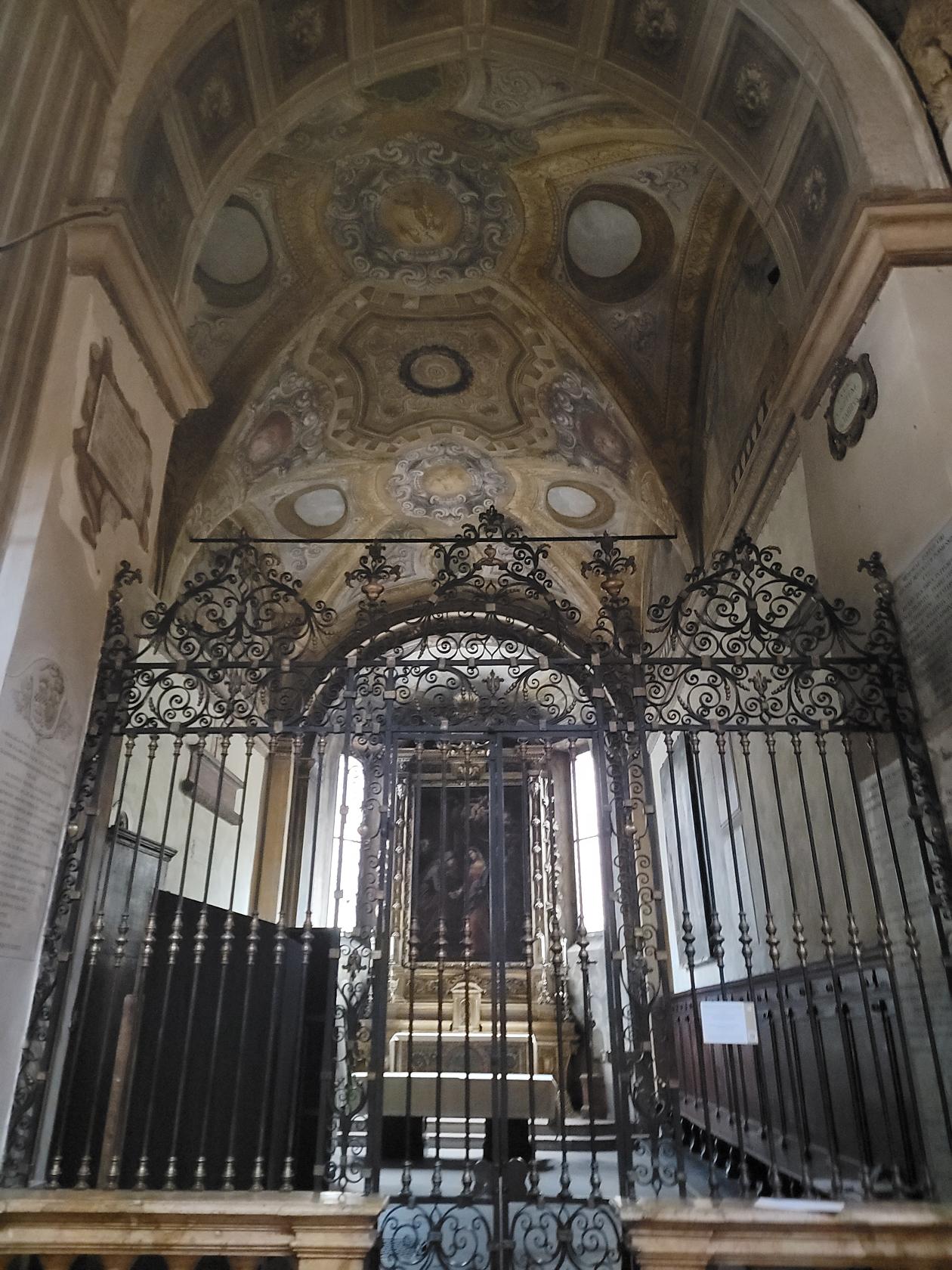
Each aisle contains about six chapels, decorated and commemorated to different aspects of the faith, some used more than others.
Parma Baptistry
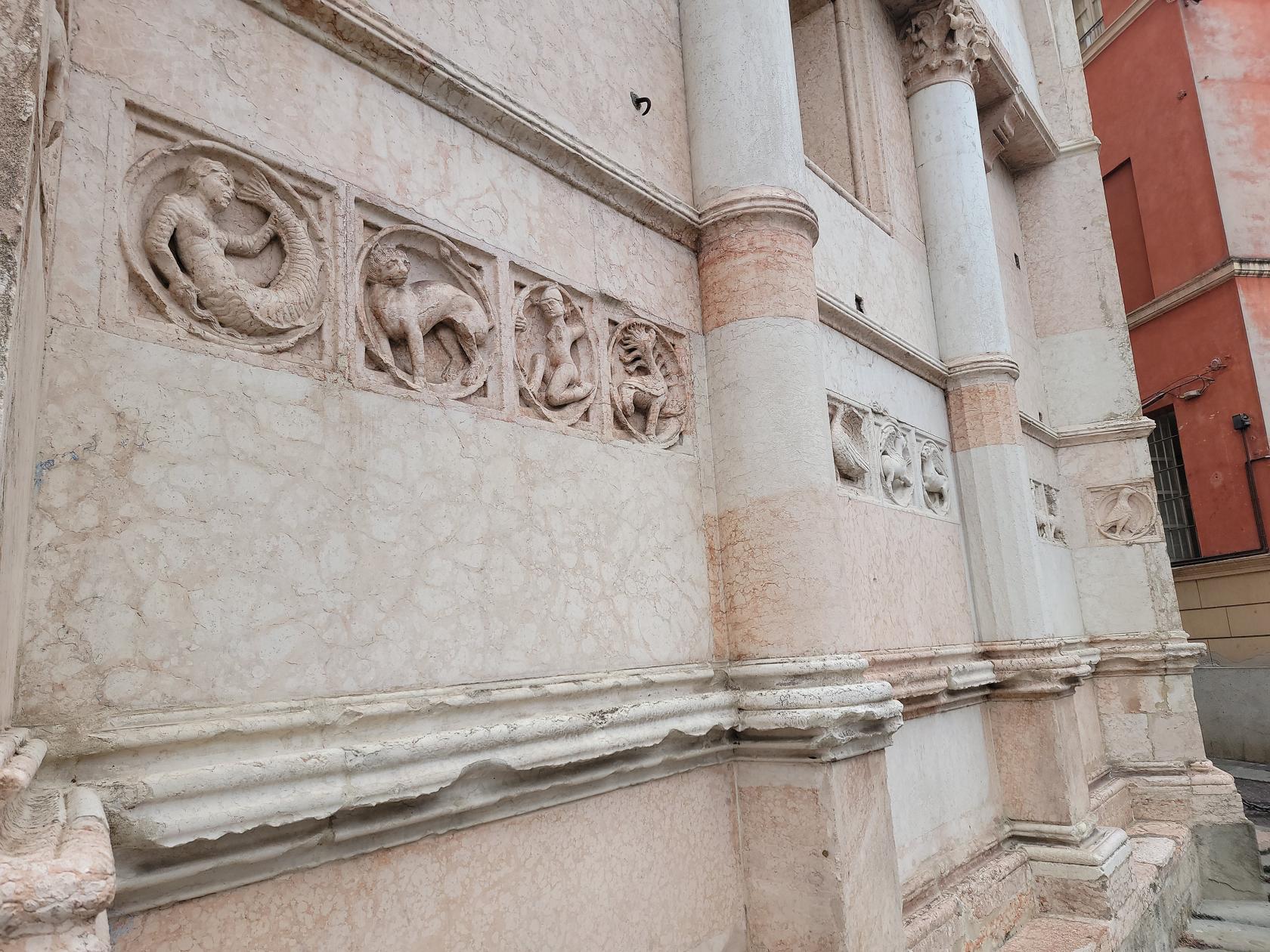
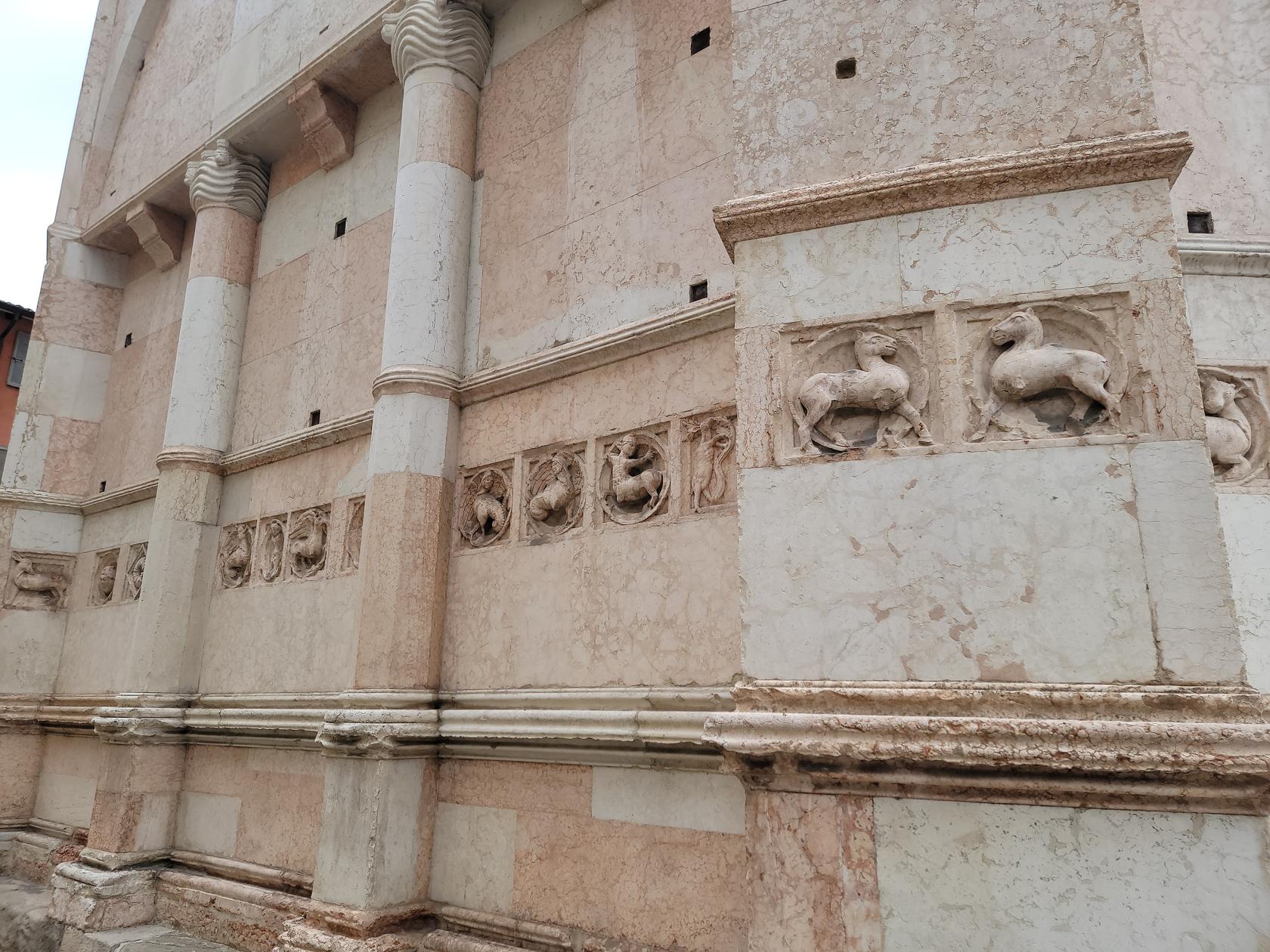
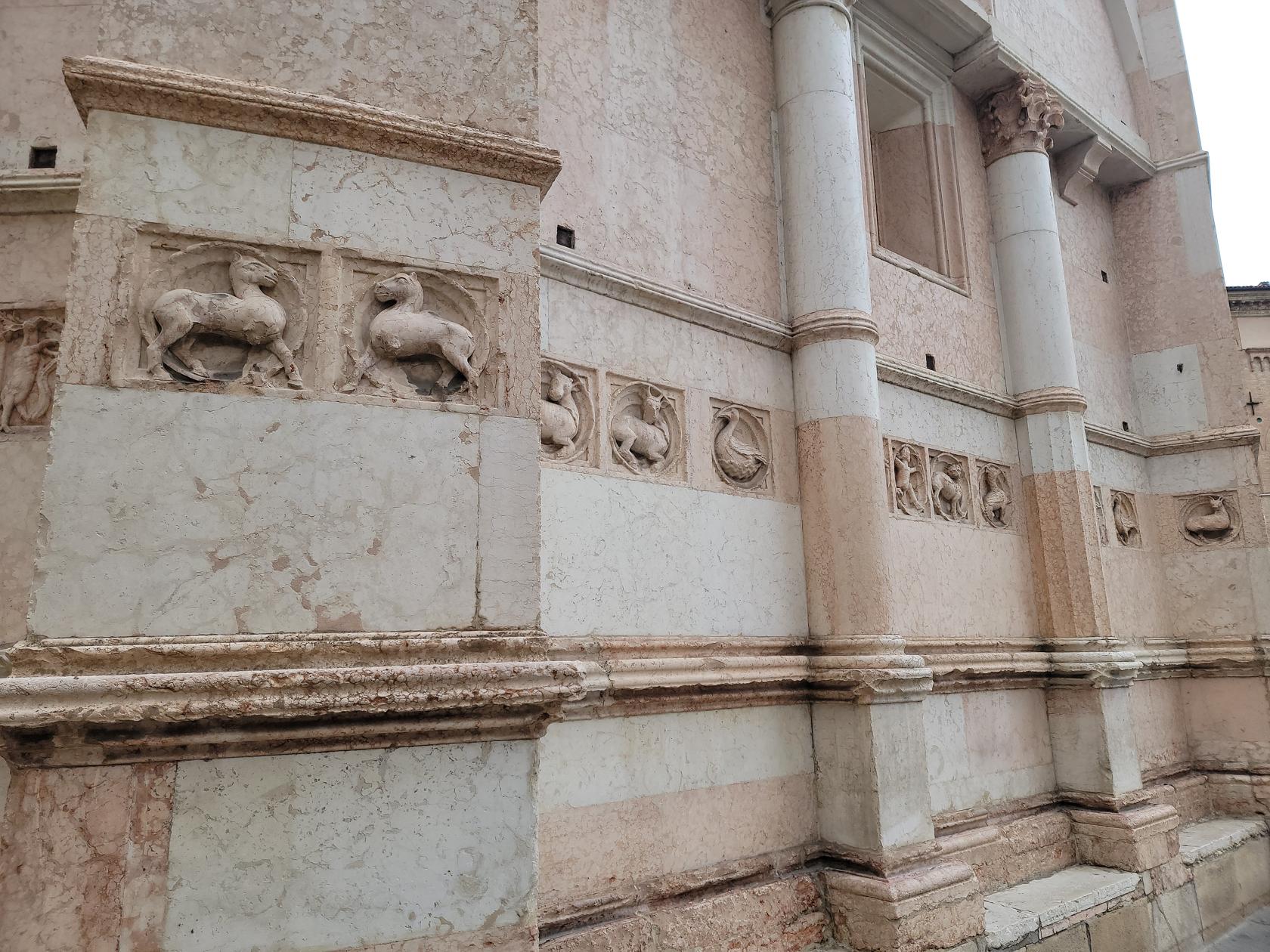
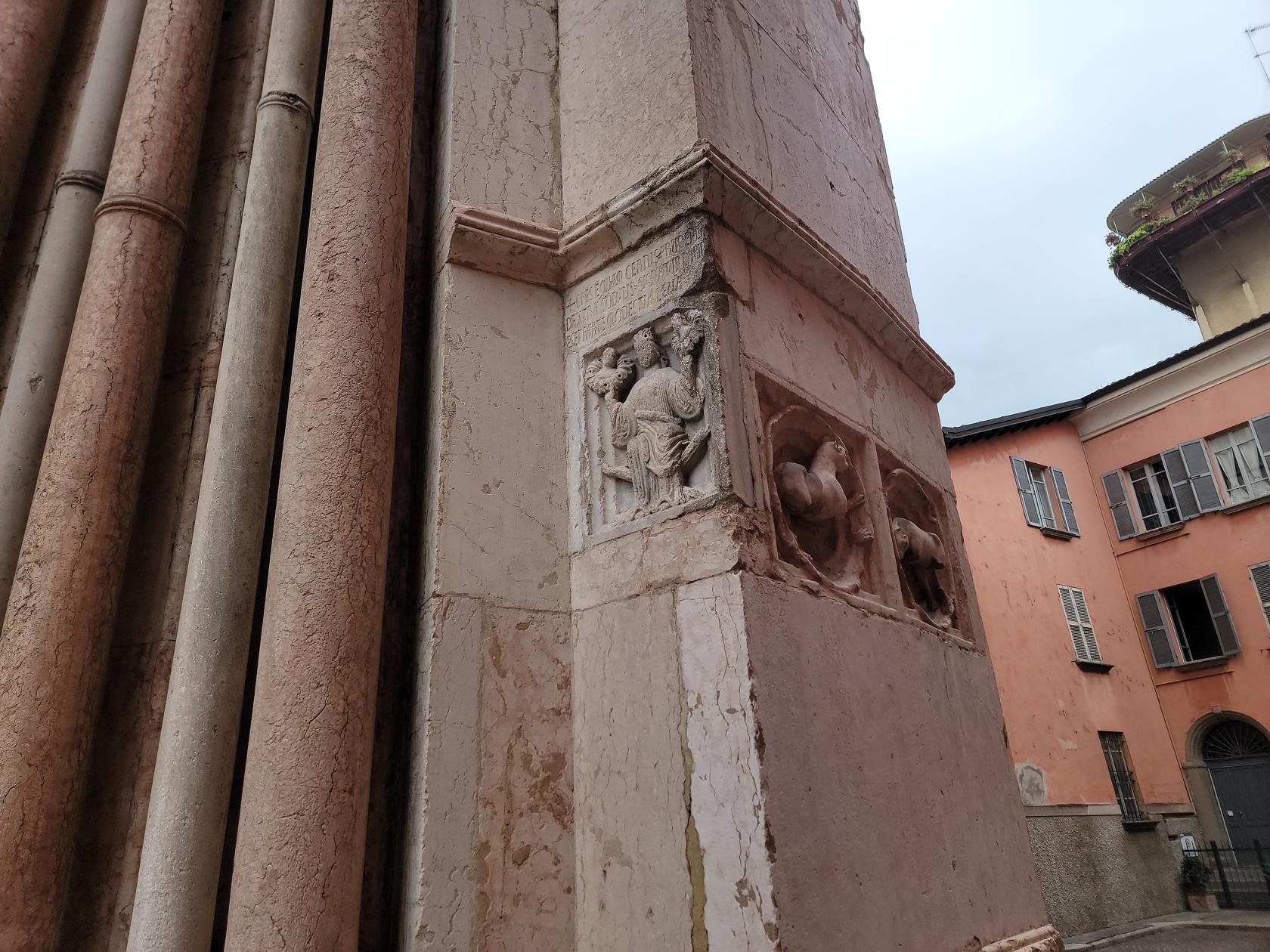
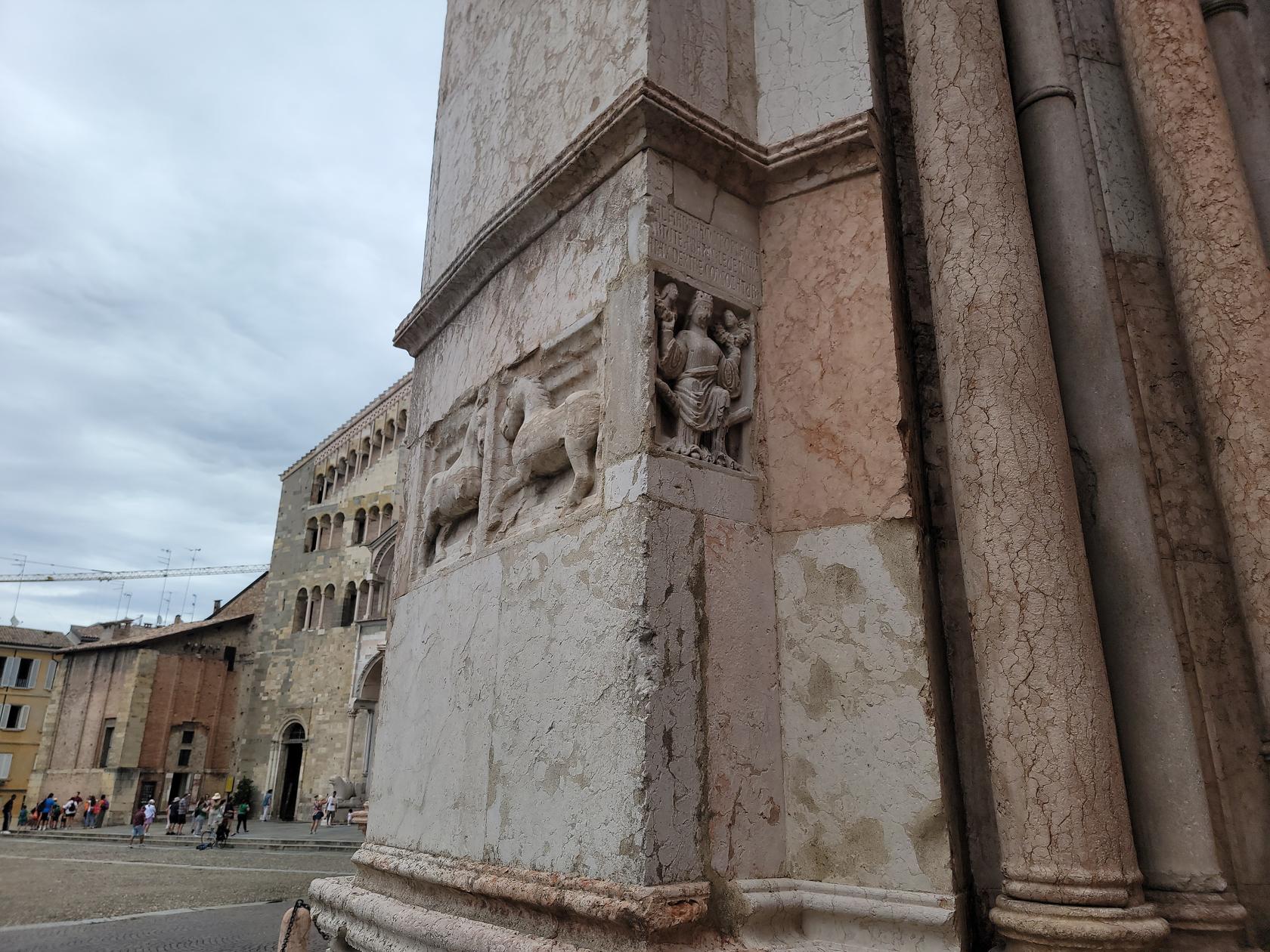
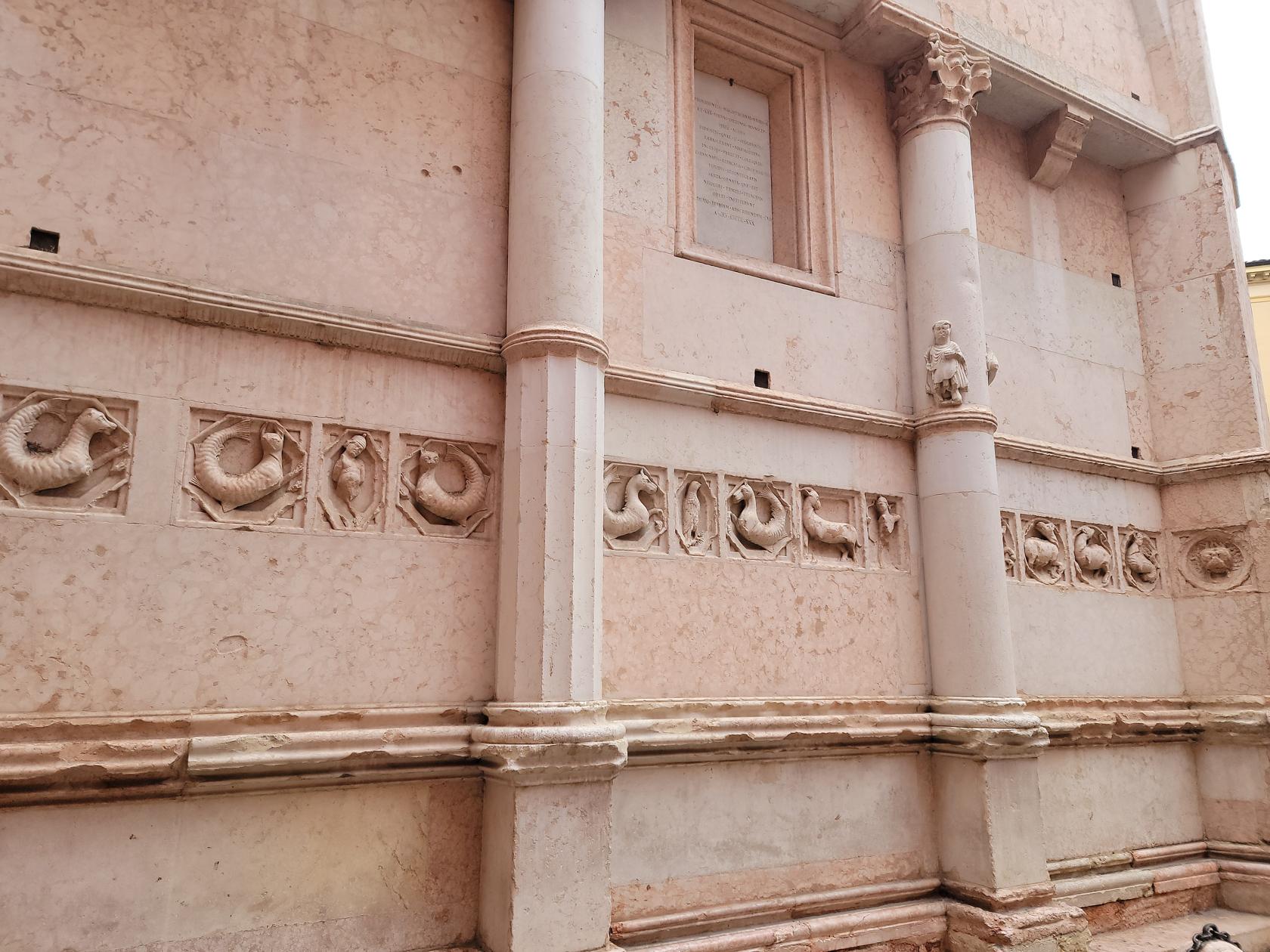
Adjacent to the Cathedral of Parma is the Baptistry. From the outside it is a rather tall eight side building that is elegantly carved on the outside with many different depictions of creatures and people, some flaunting animal appendages, while others appear almost mythological.
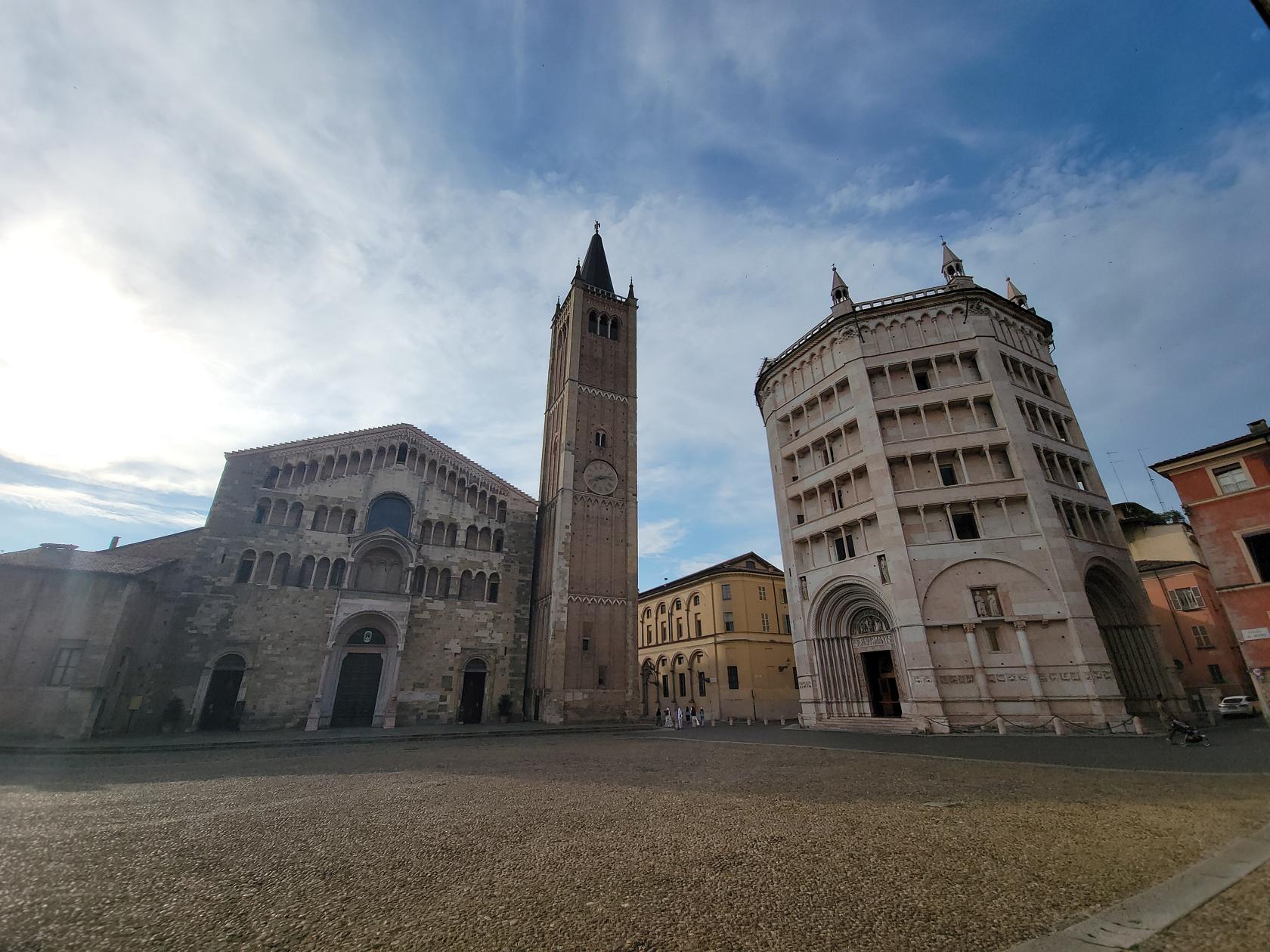
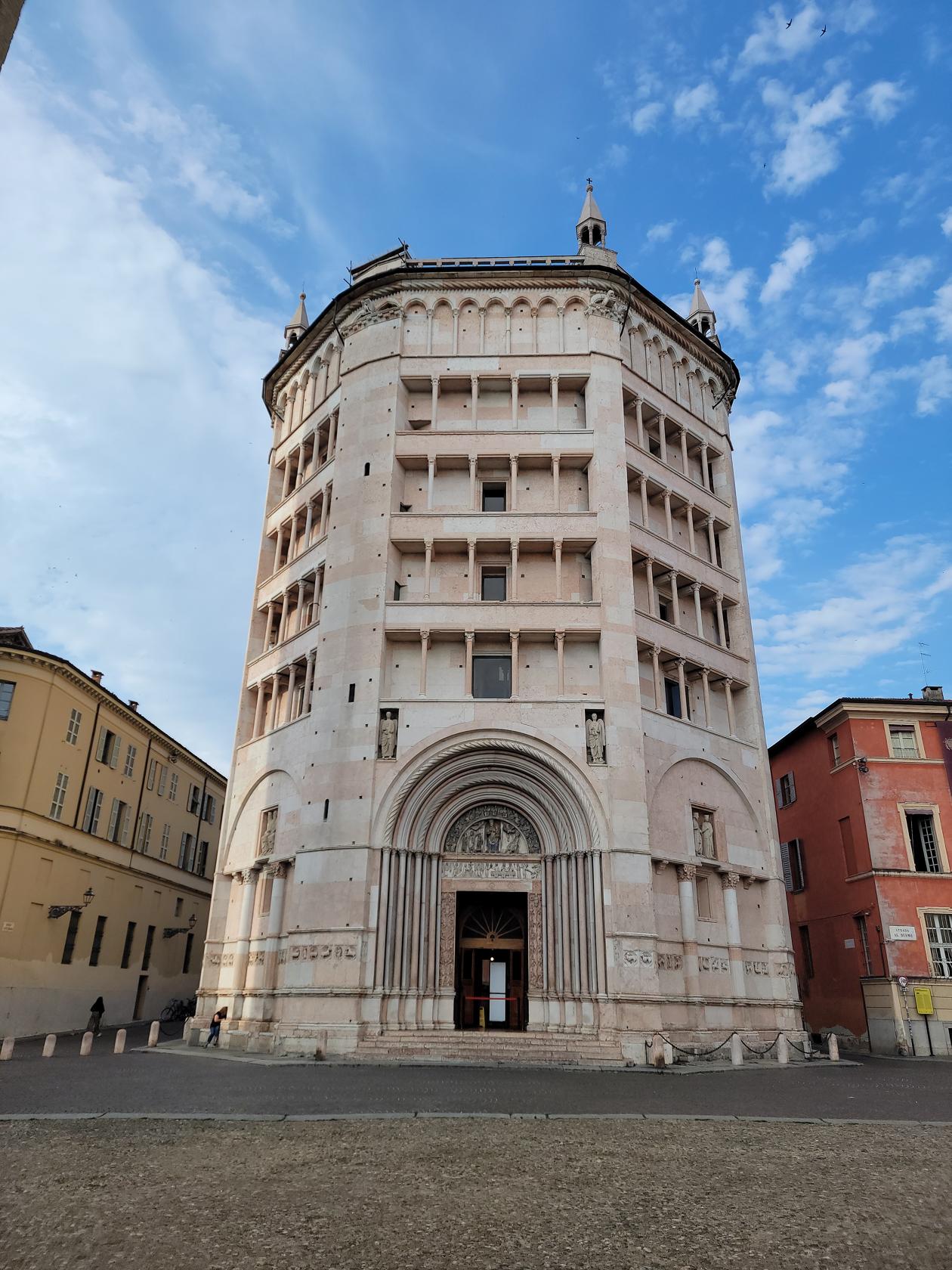
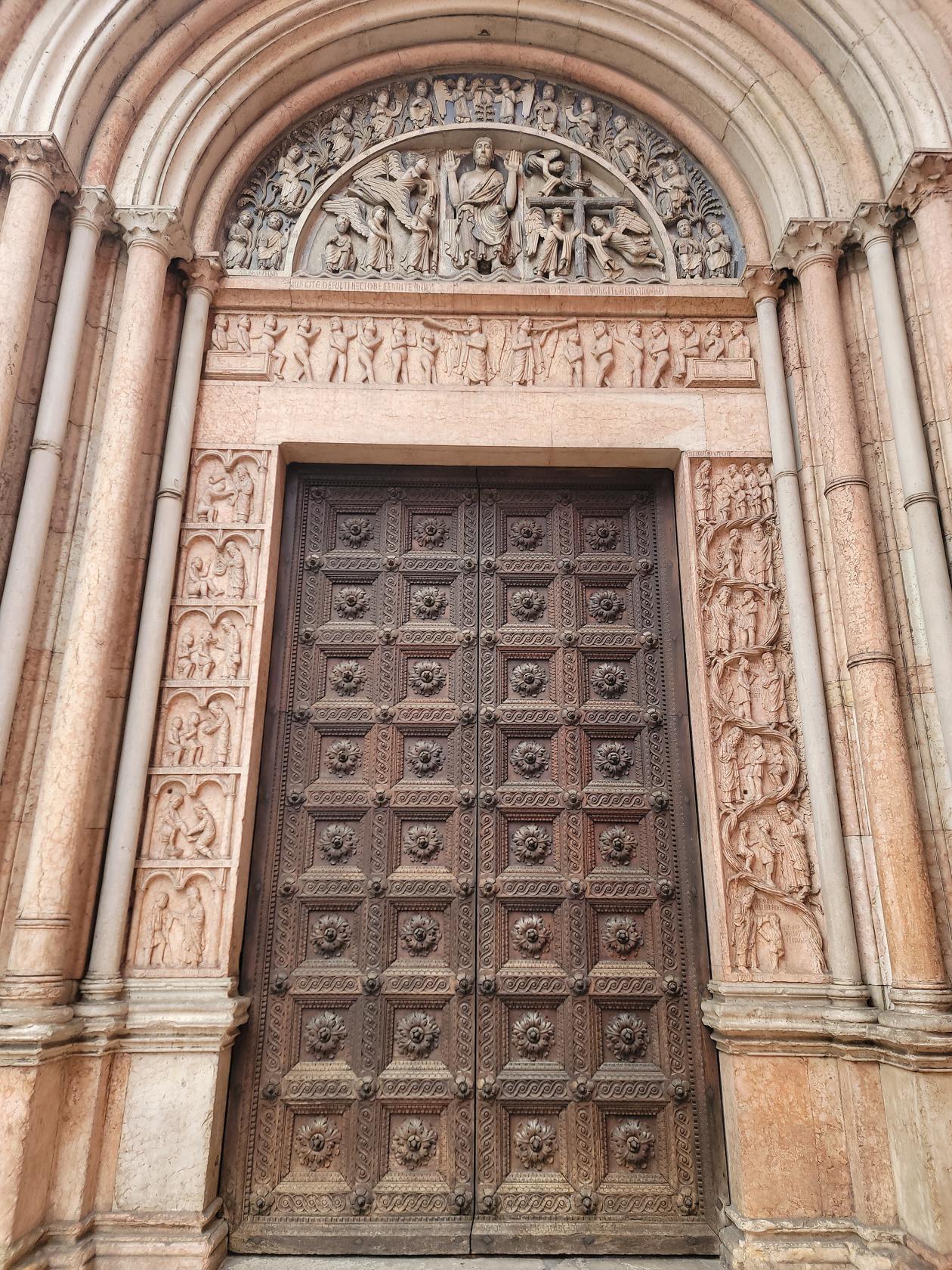
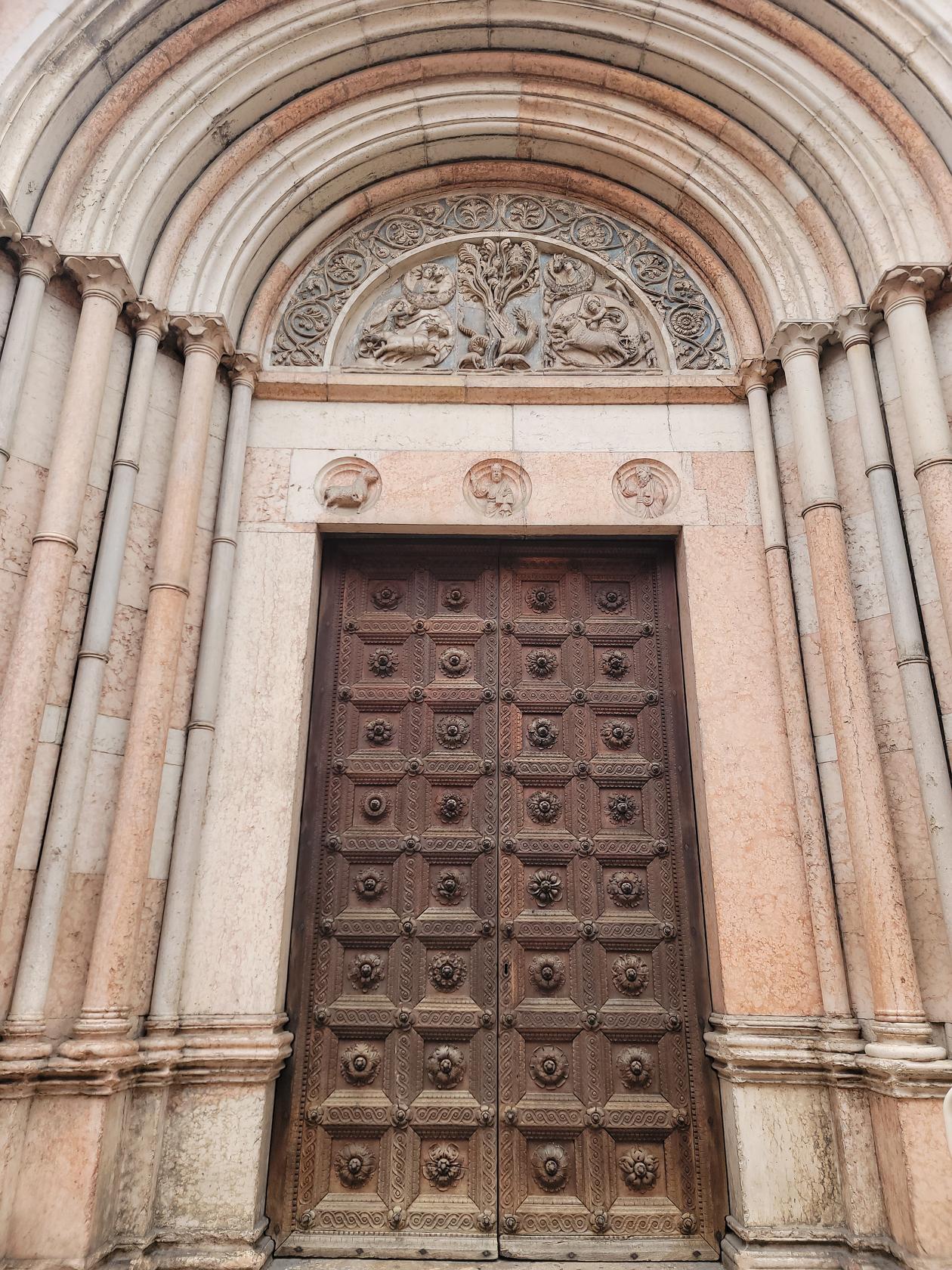
The main entrance faces northward and is adorned with a tympanum and other decorations, much like westward facing entrance. The rear entrance is less attactive and not as ornate as the other two, for reasons unknown.
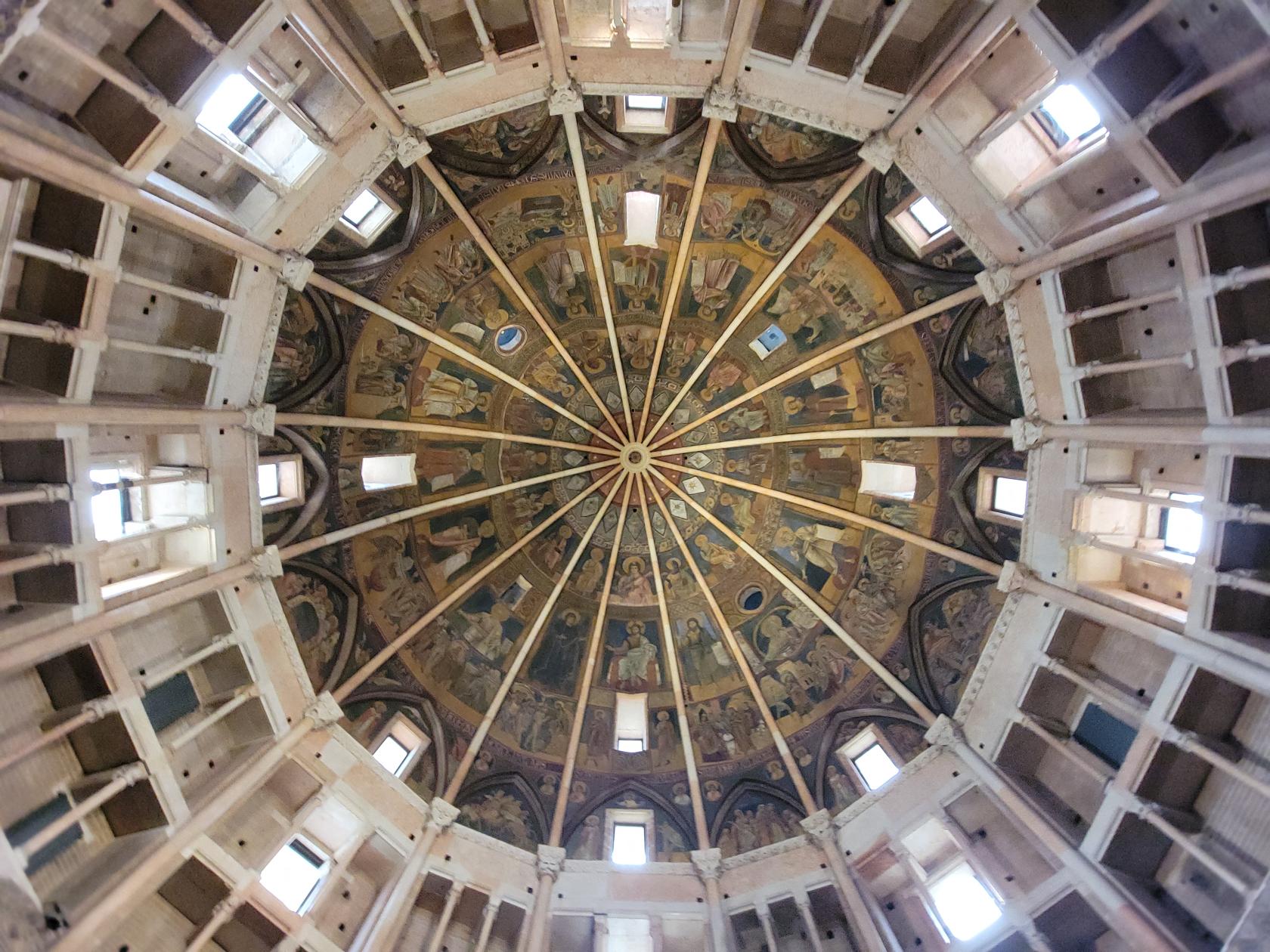
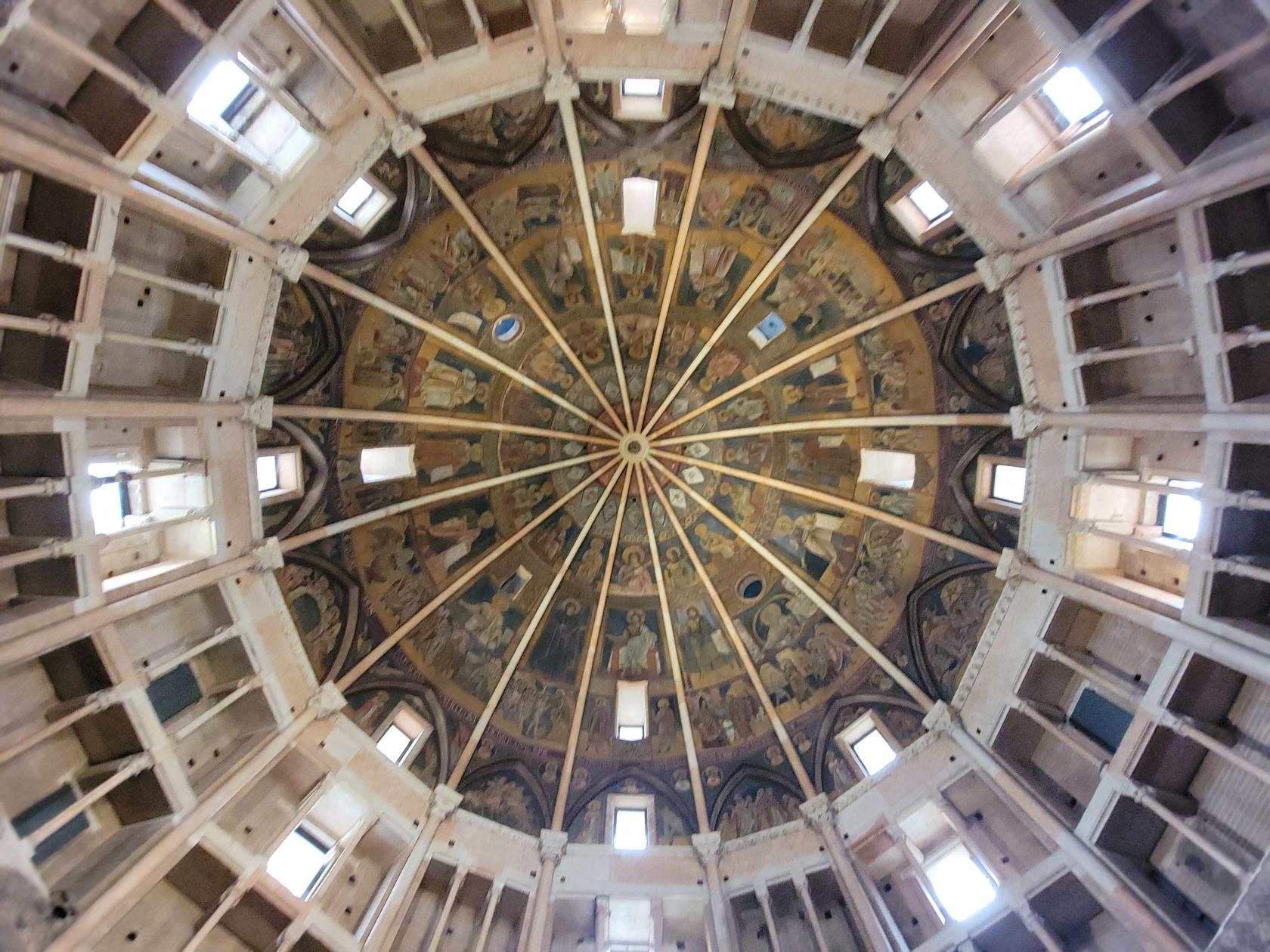
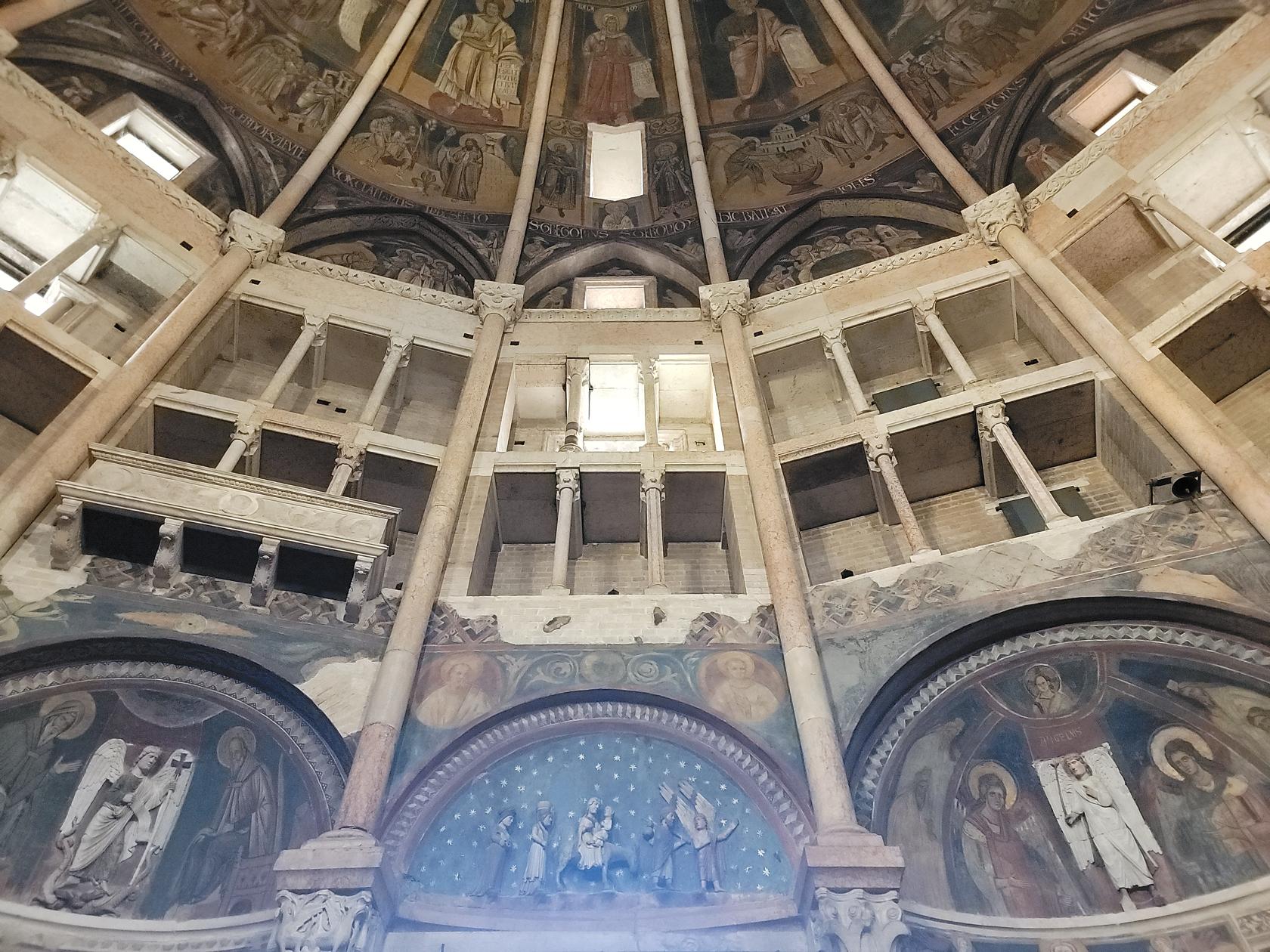
From the inside, the Baptistry appears as a sixteen sided room with the font in the middle of the space. Each of the walls has a fresco on it and other architectural details. The ceiling is frescoed as well as a series of sixteen triangular paintings.
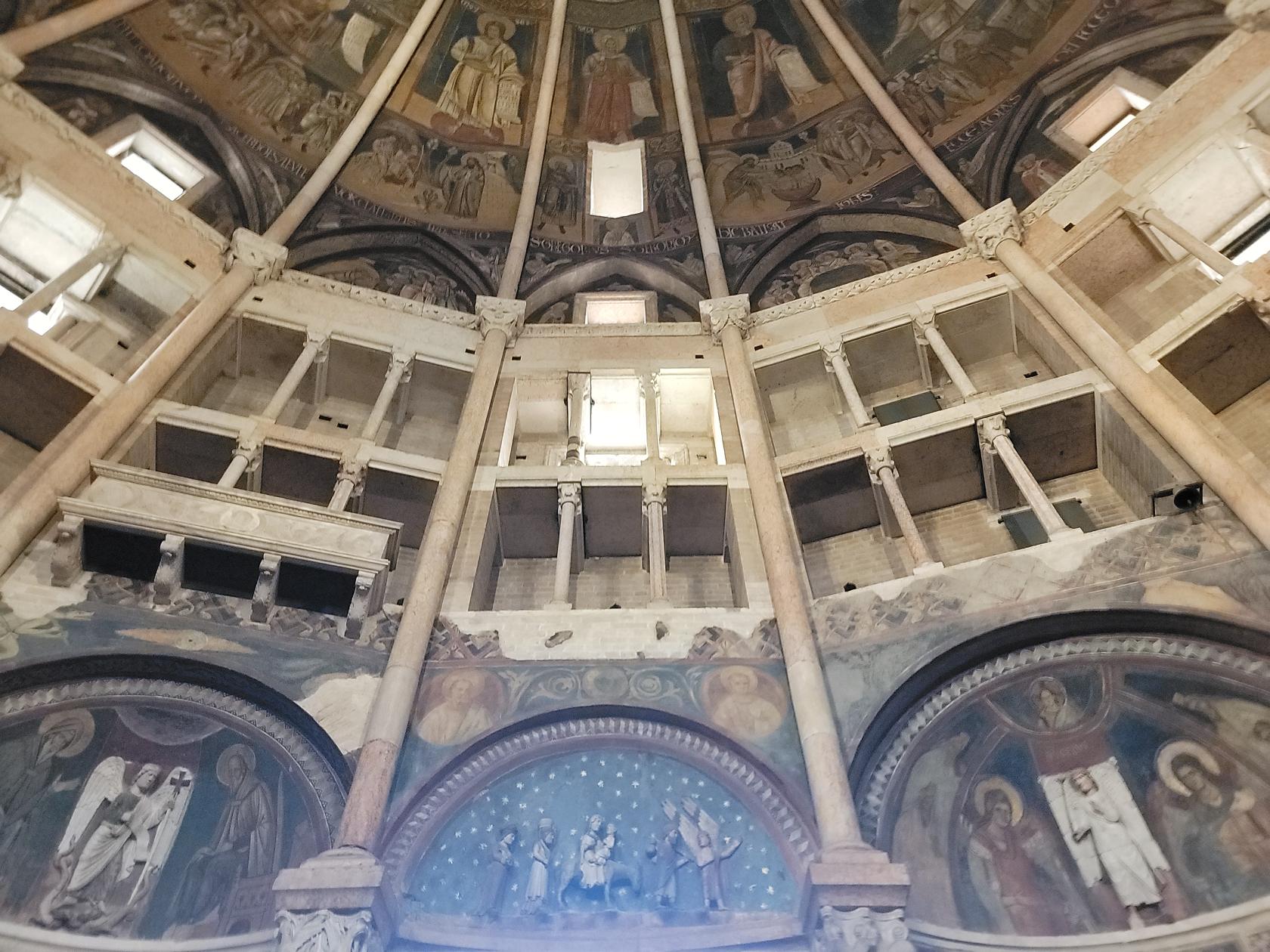
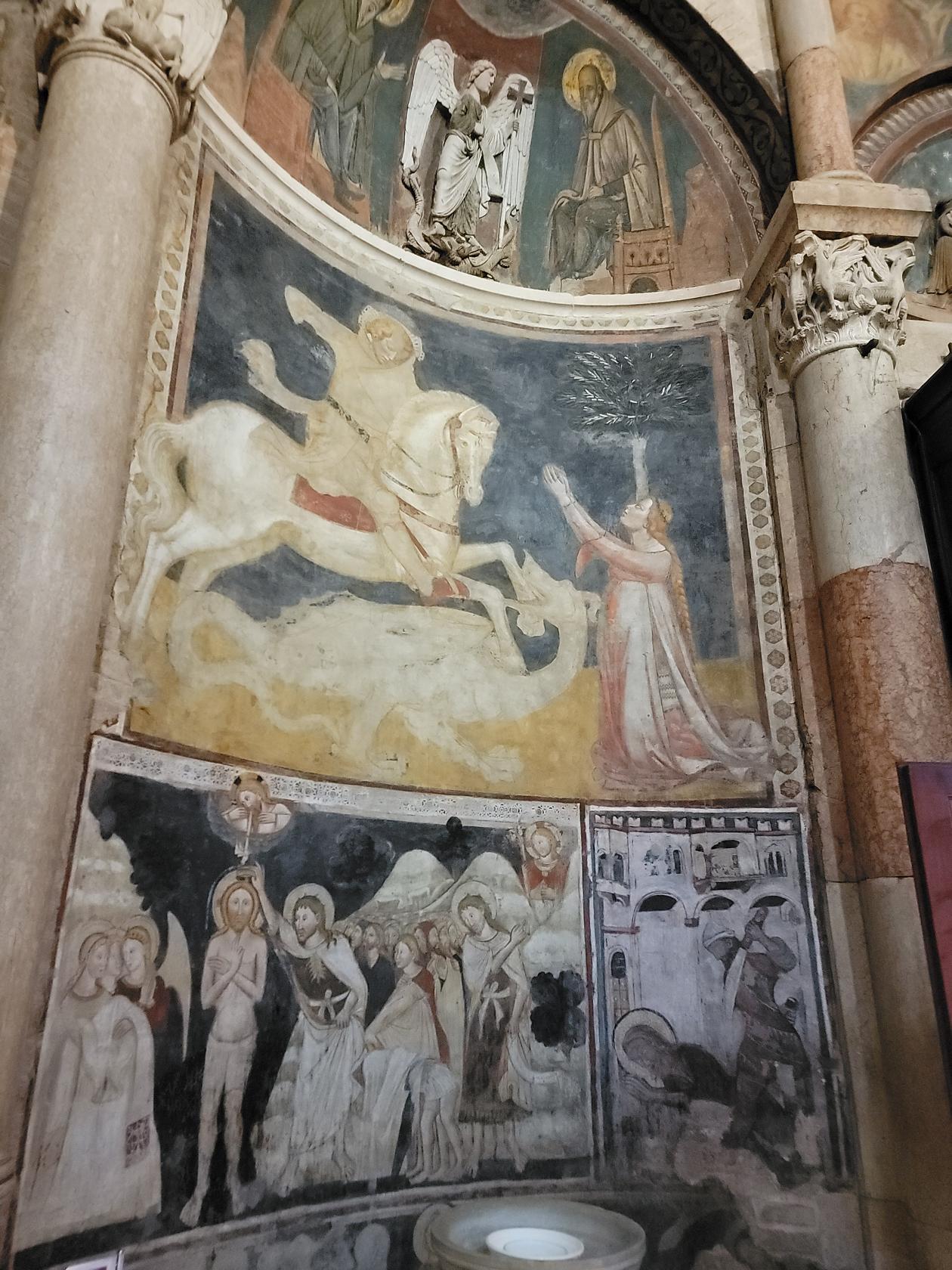
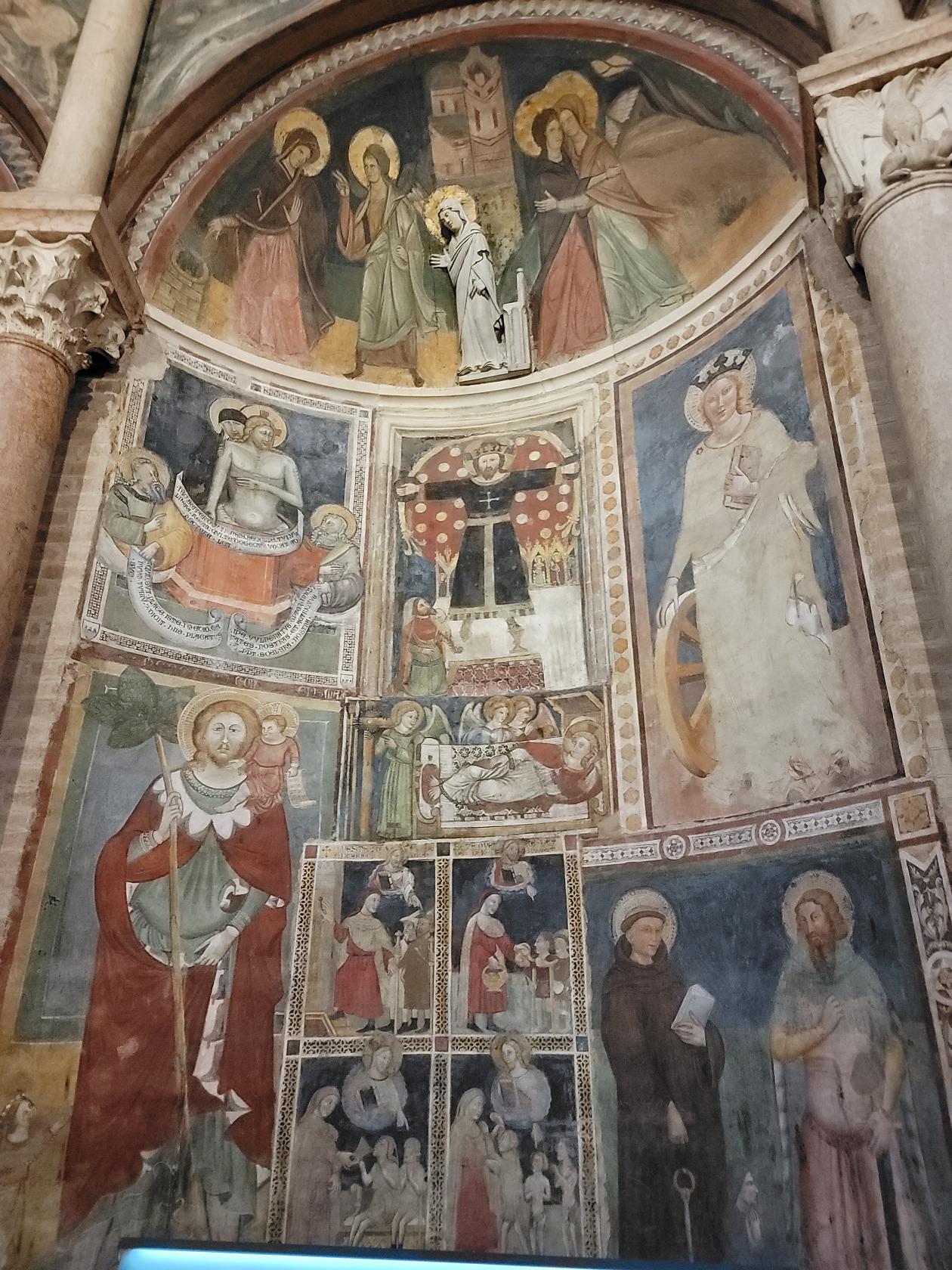
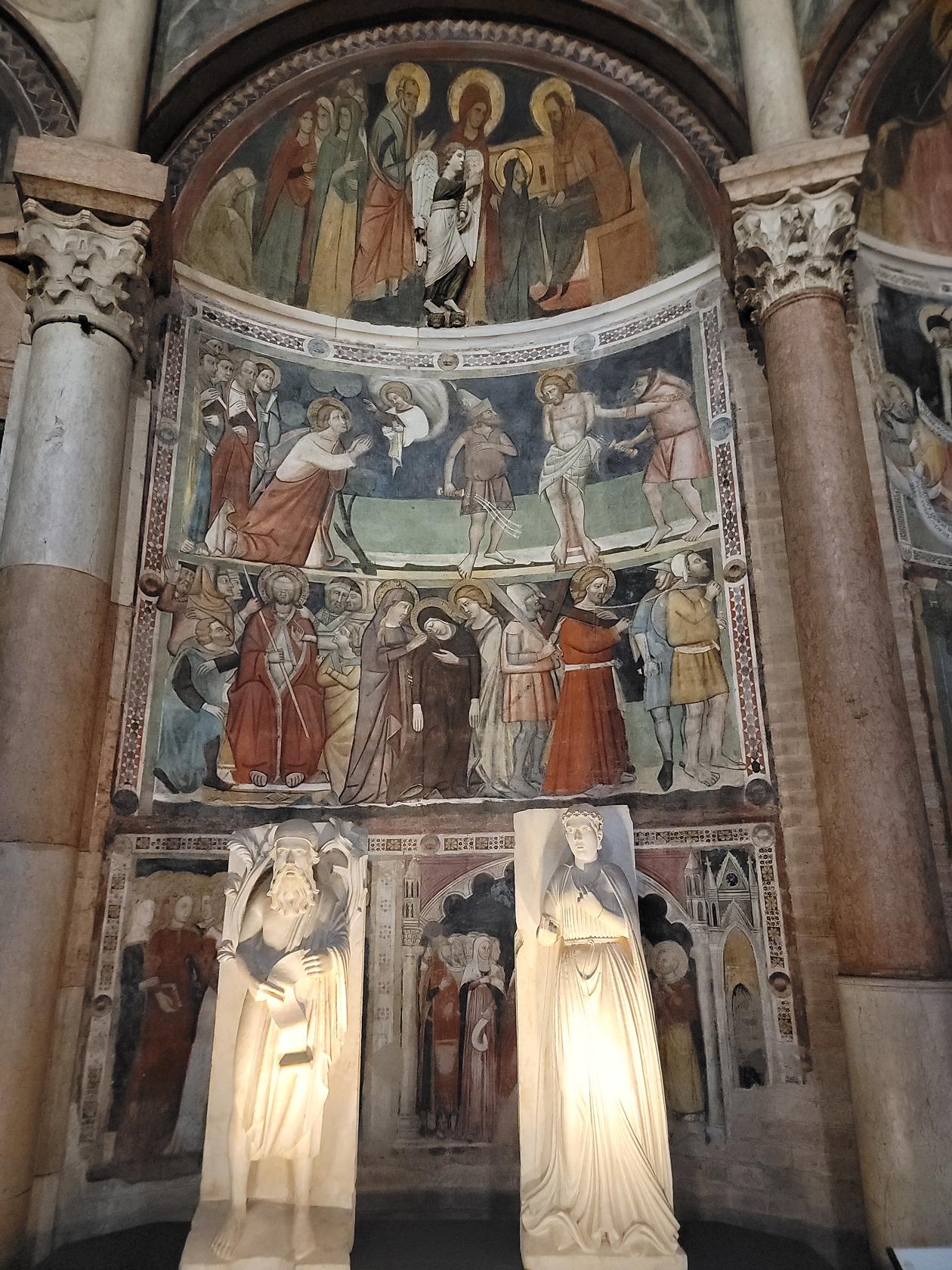
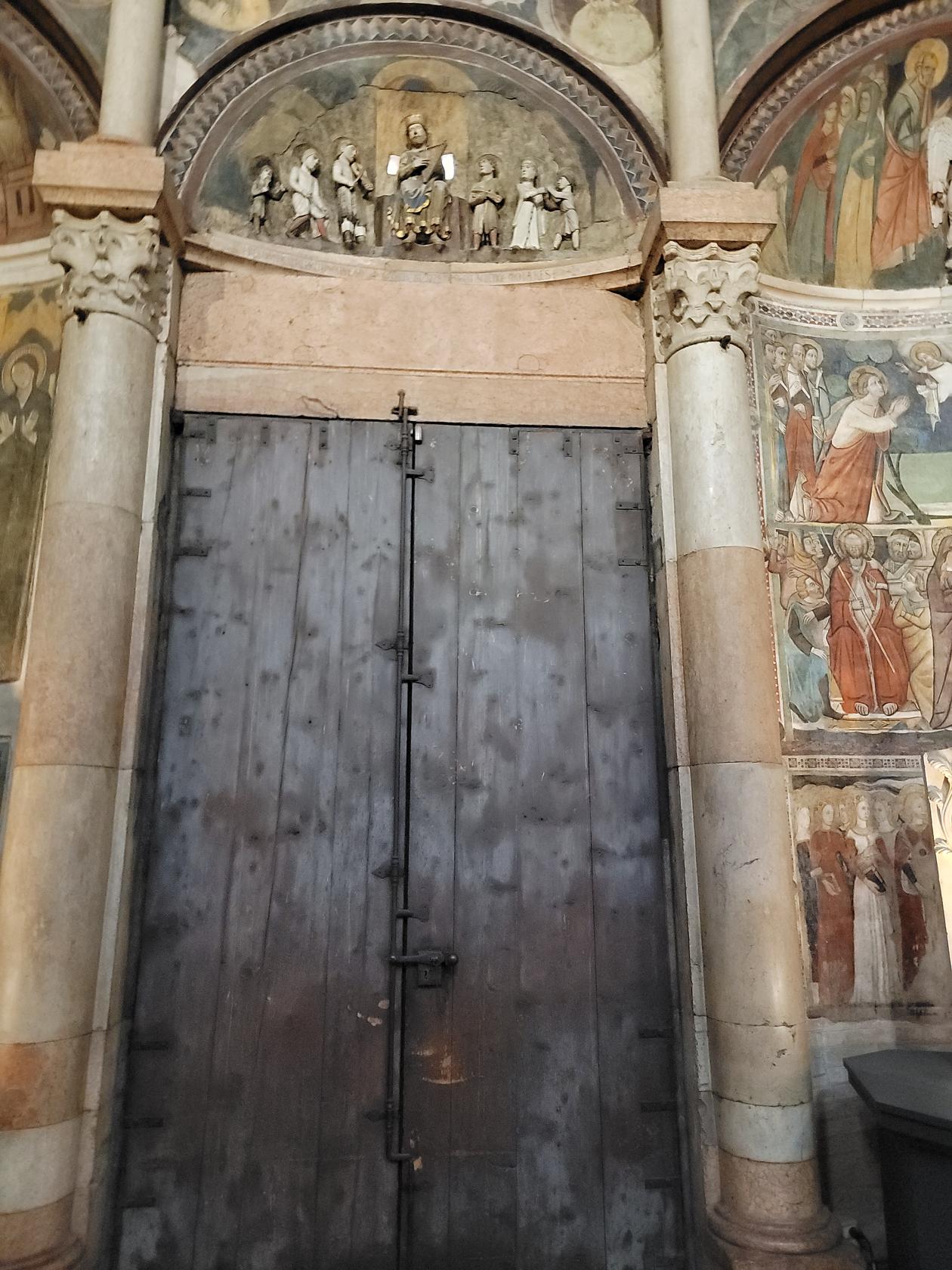
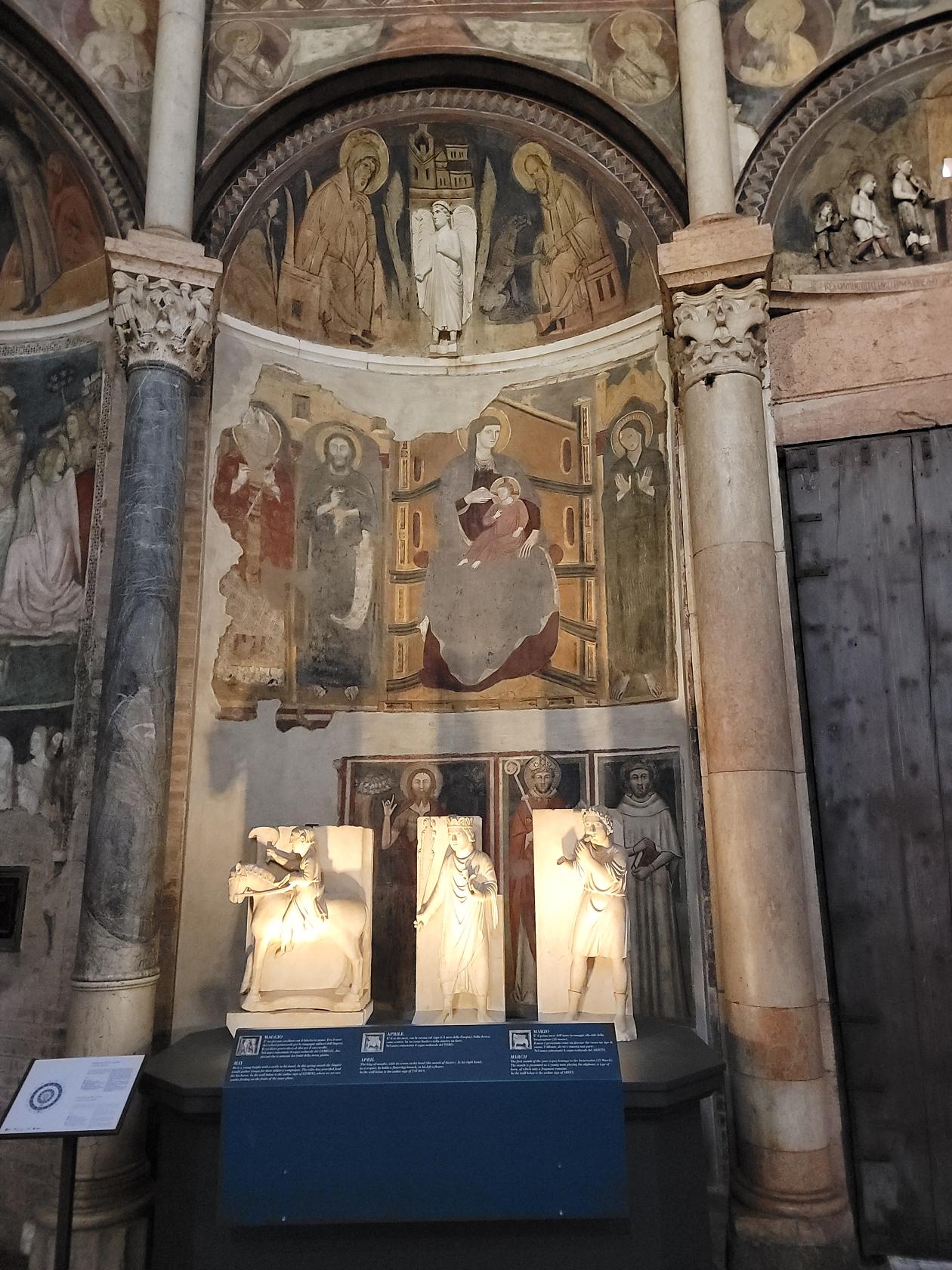
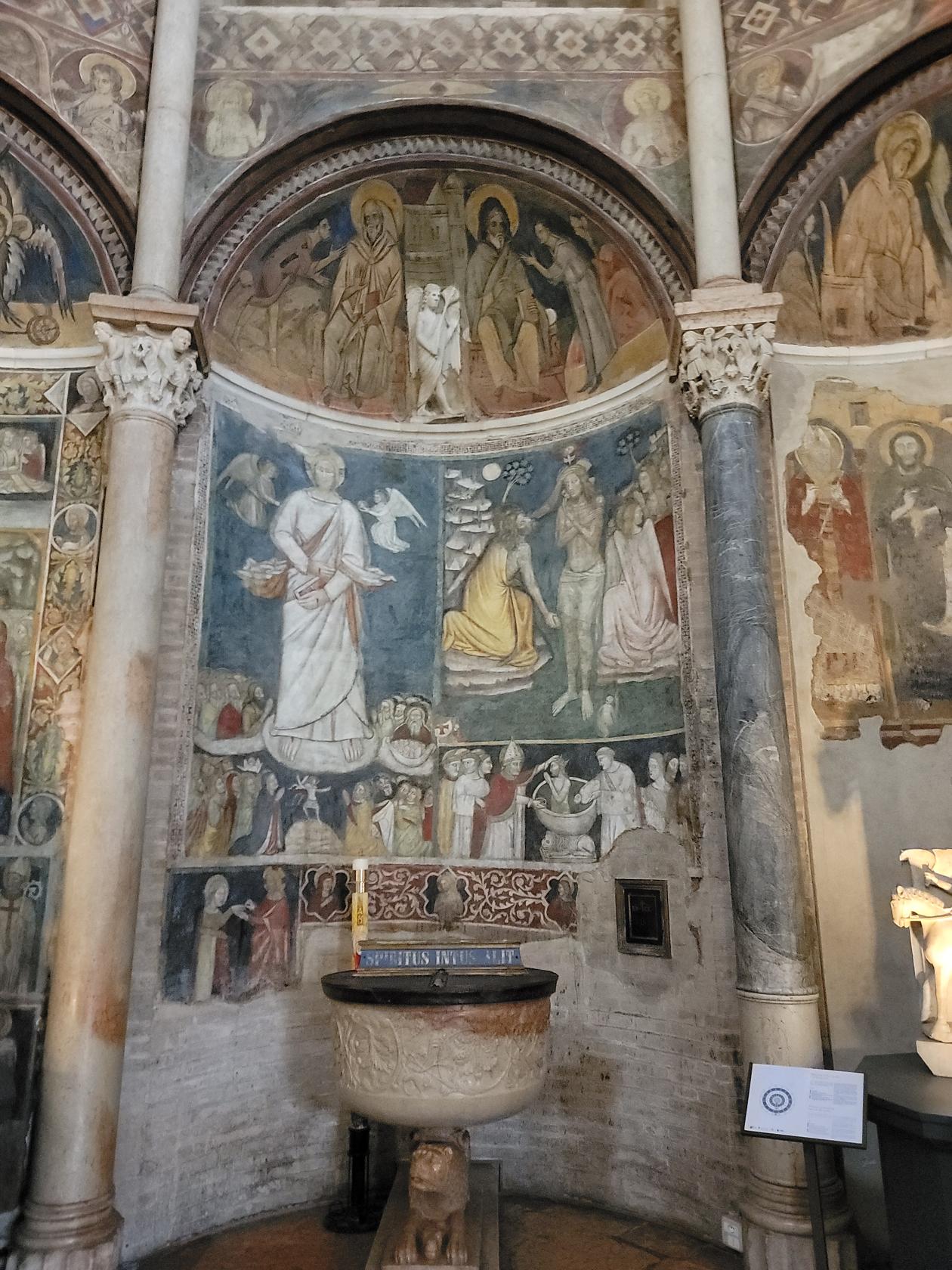
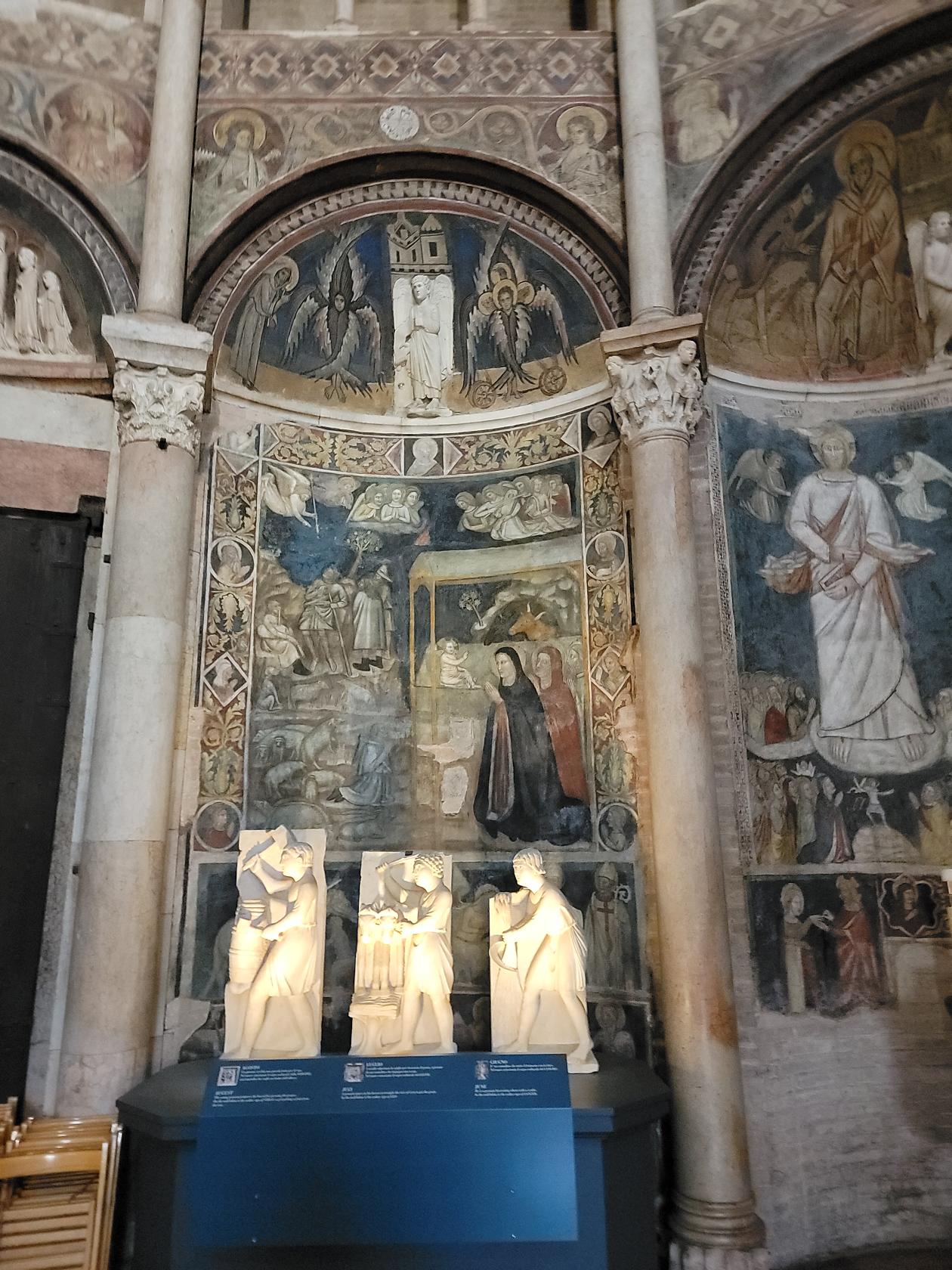
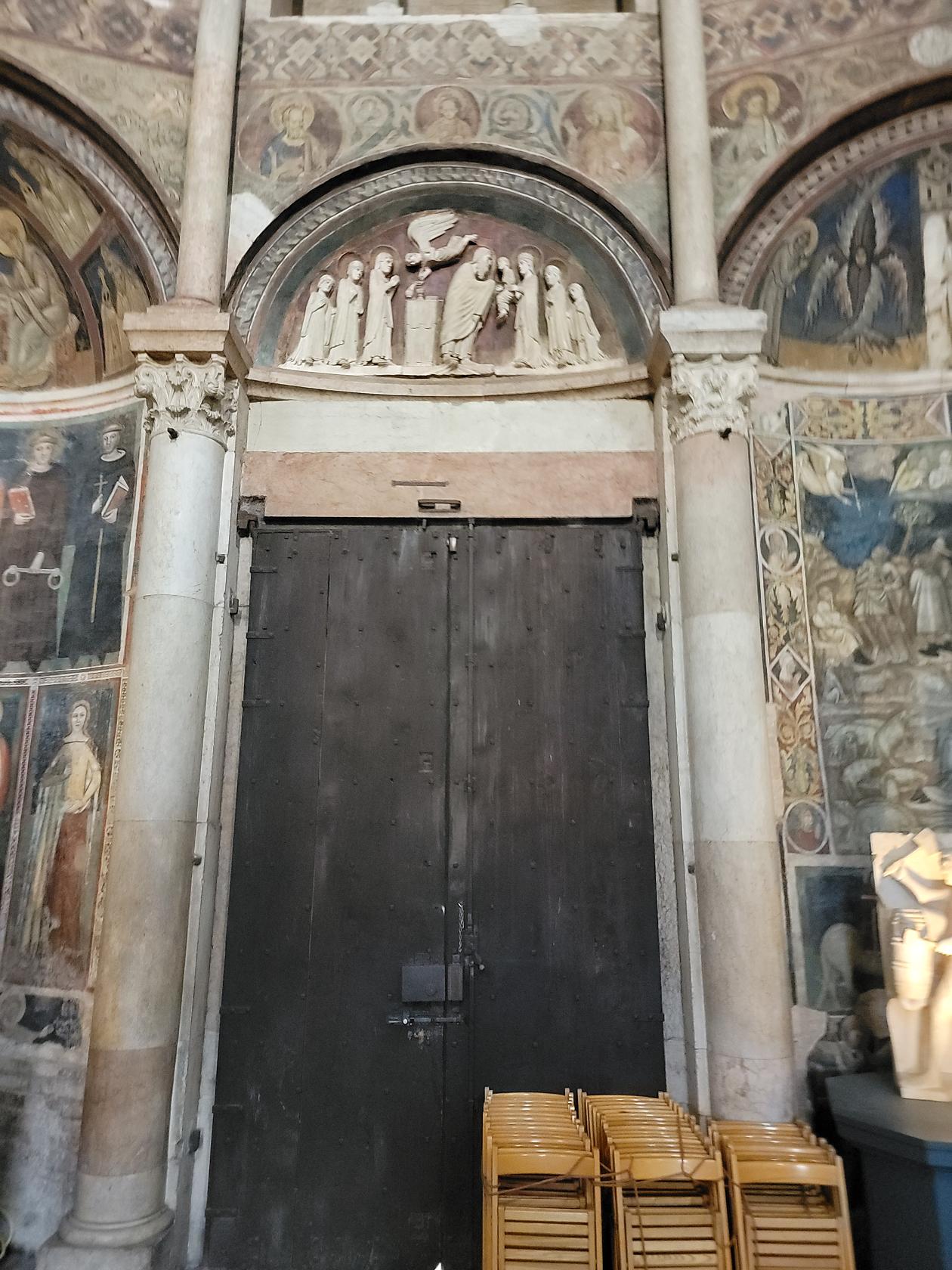
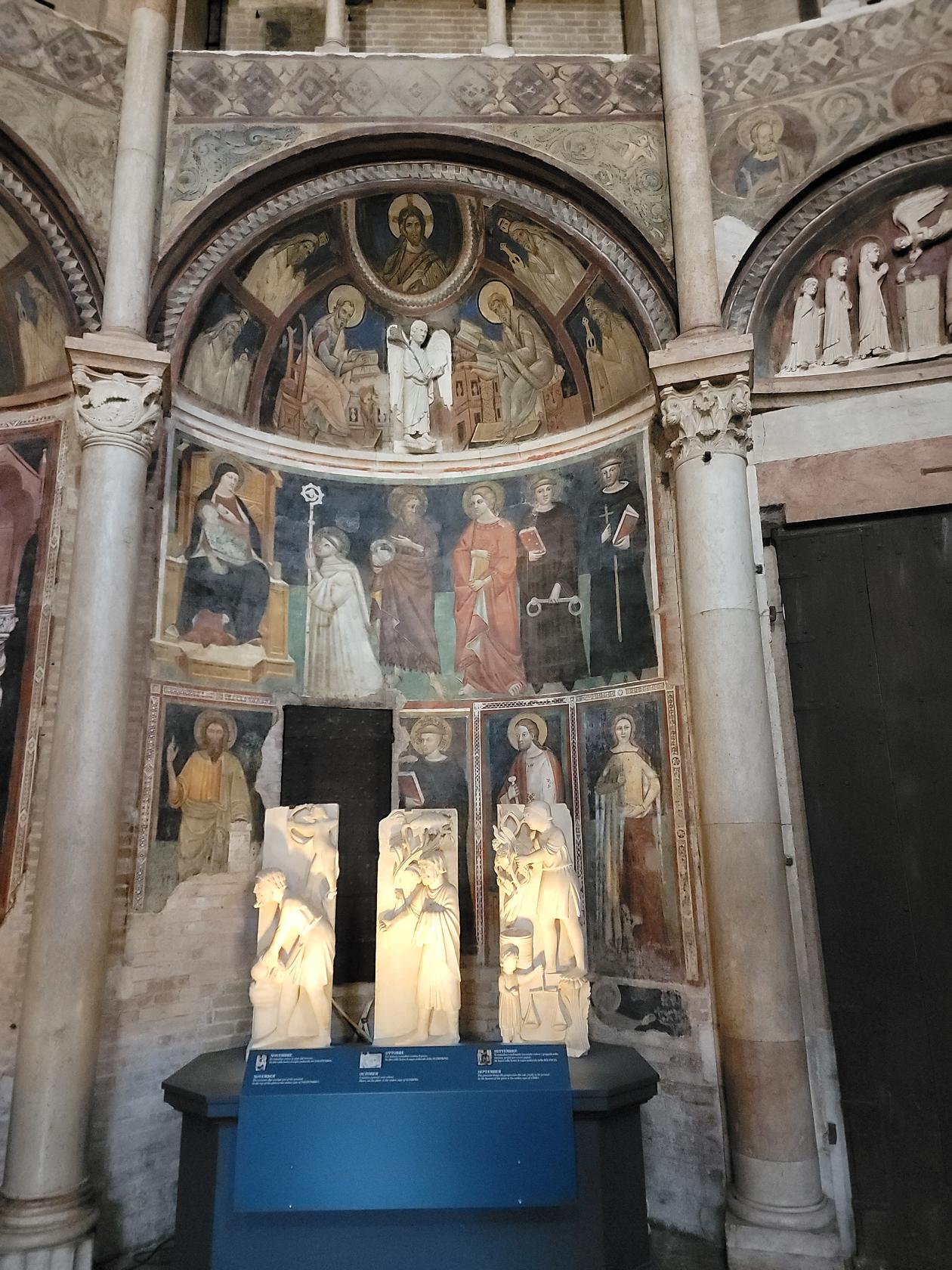
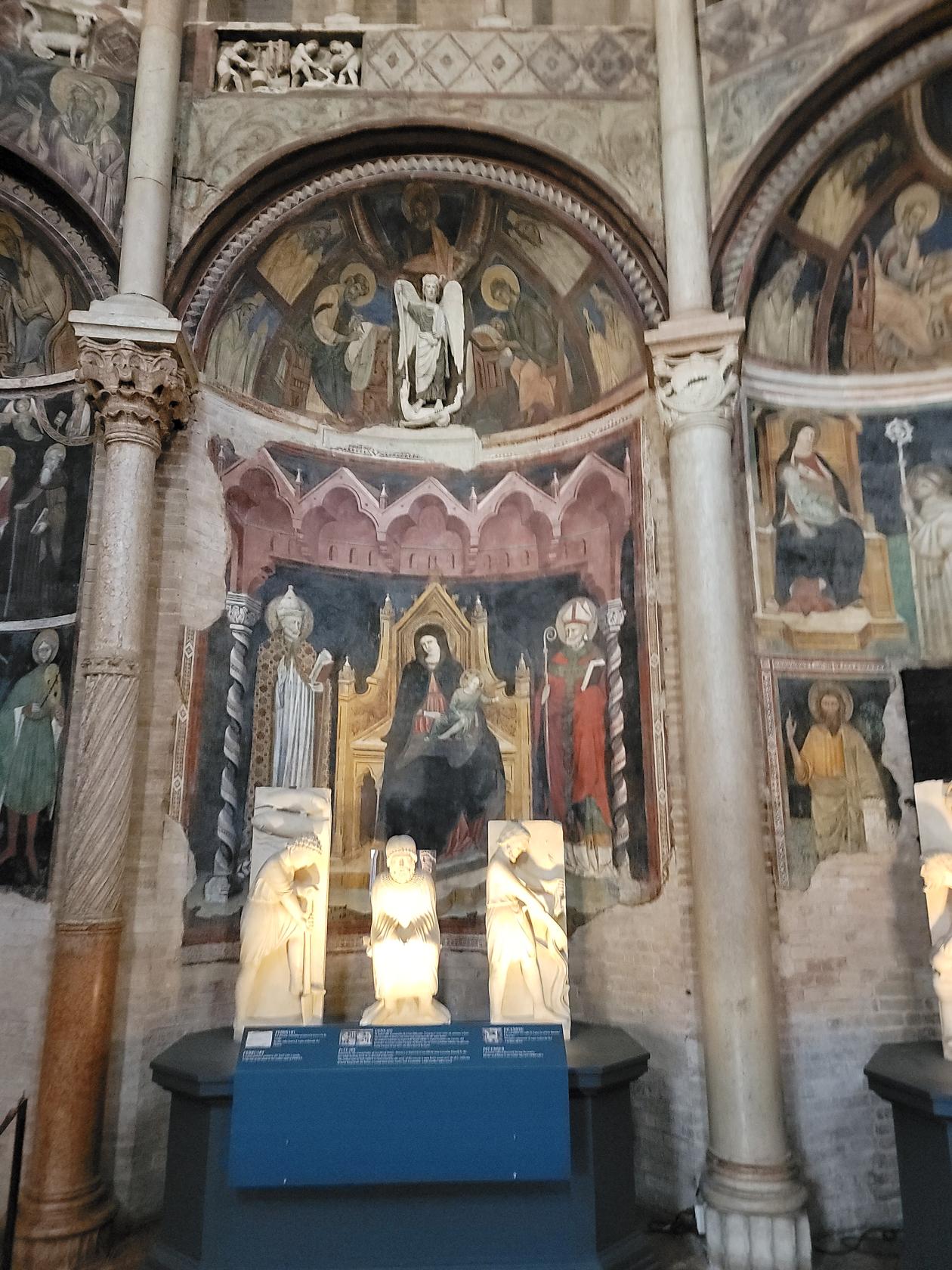
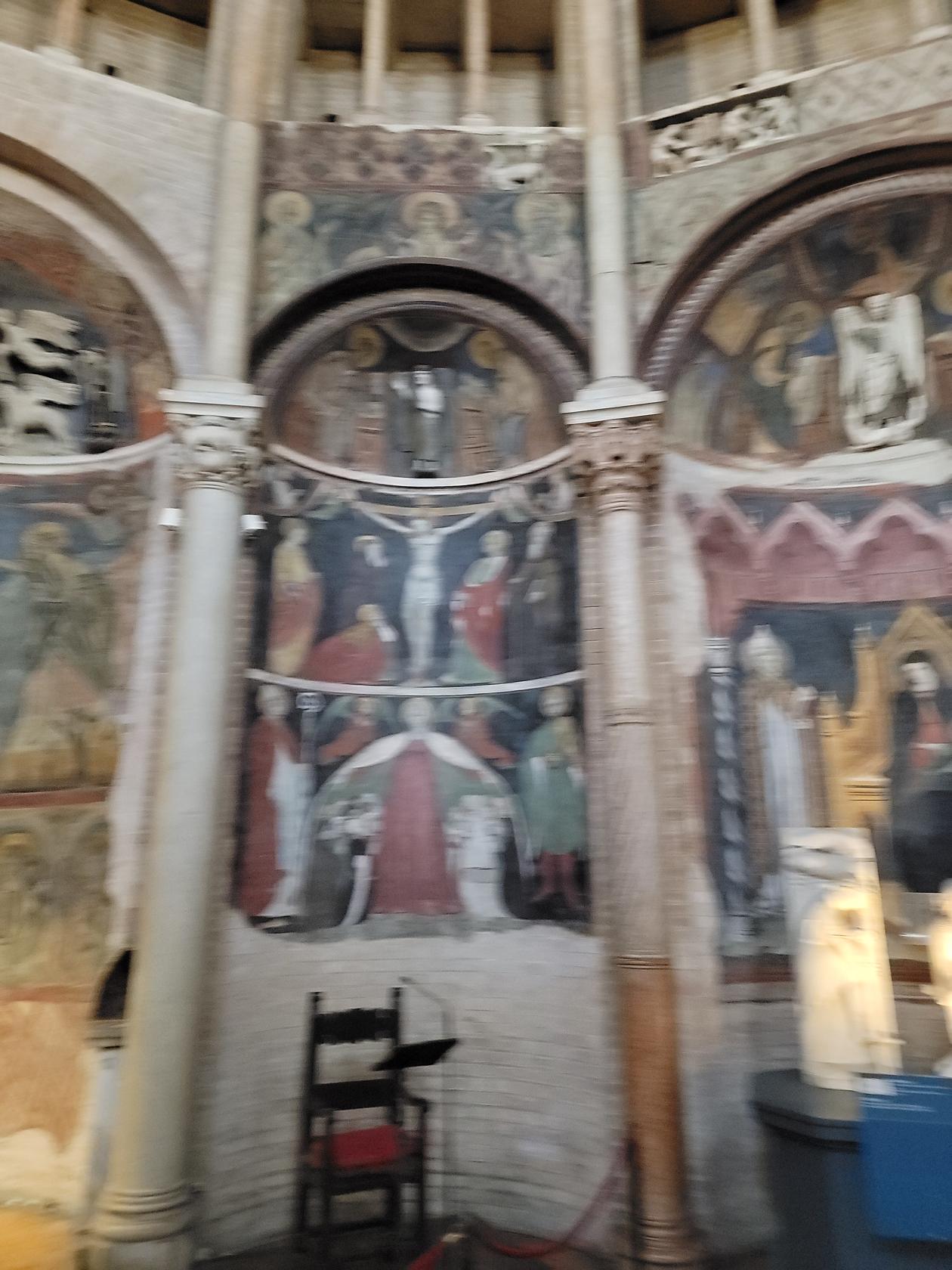
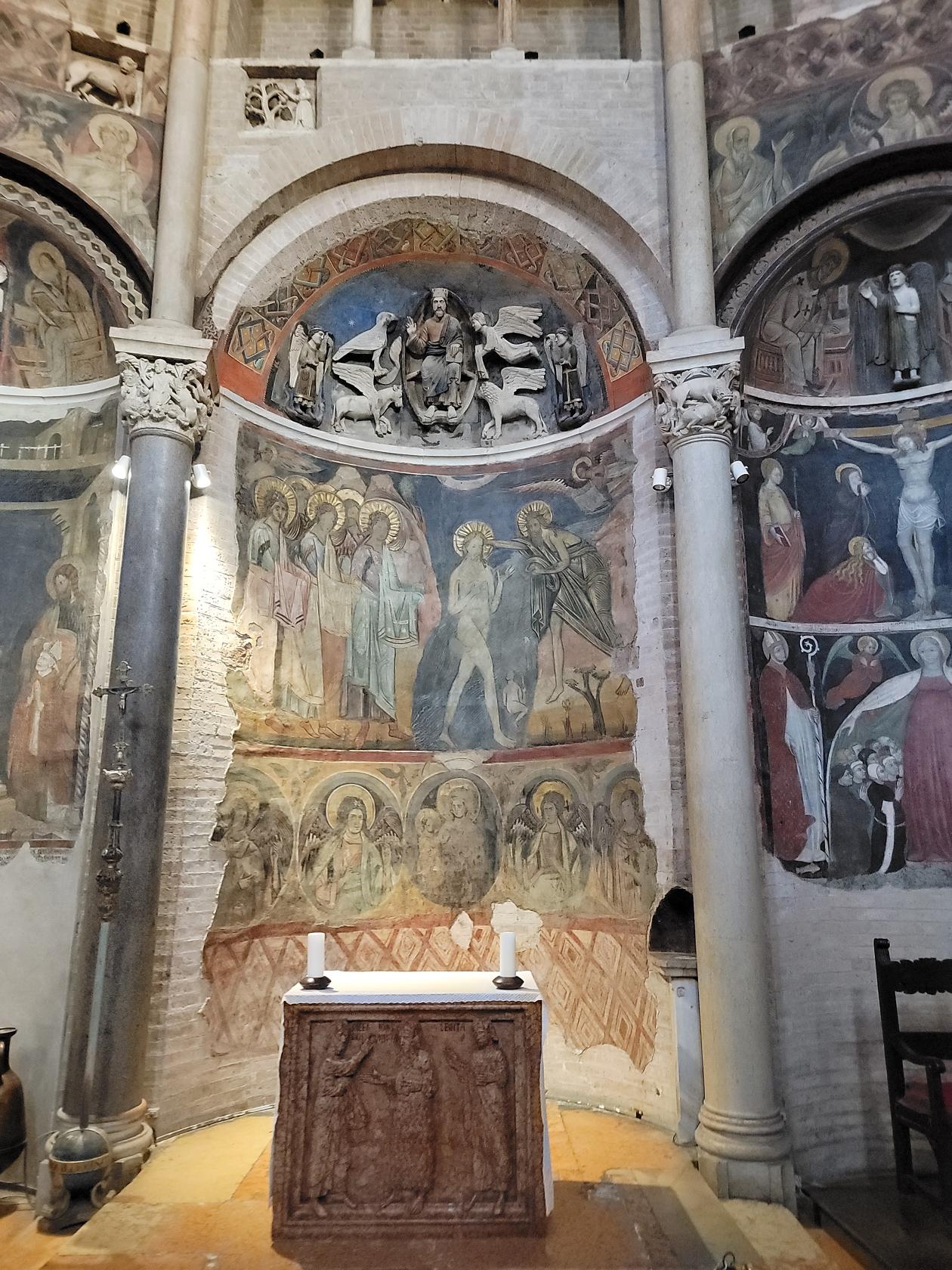
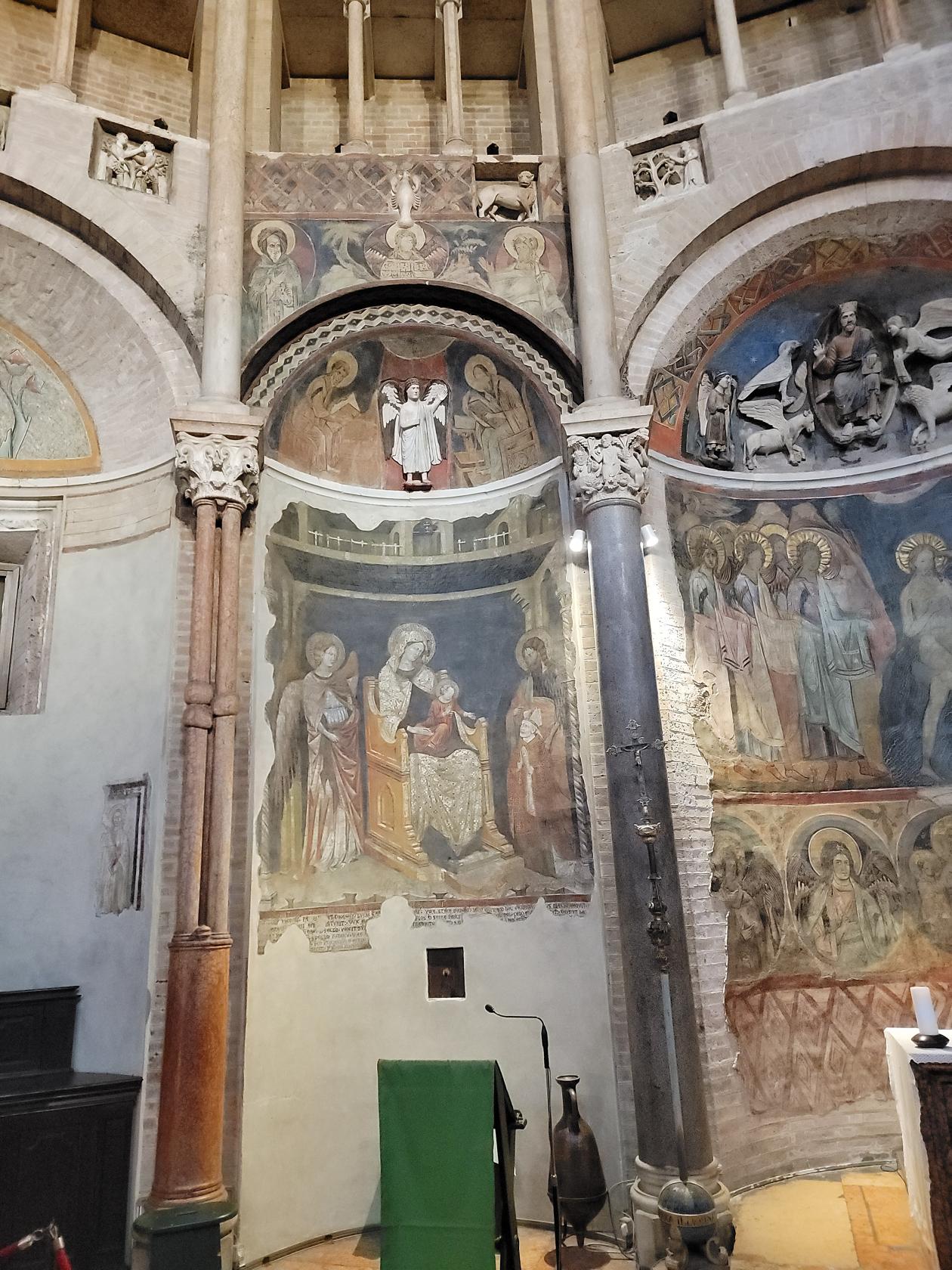
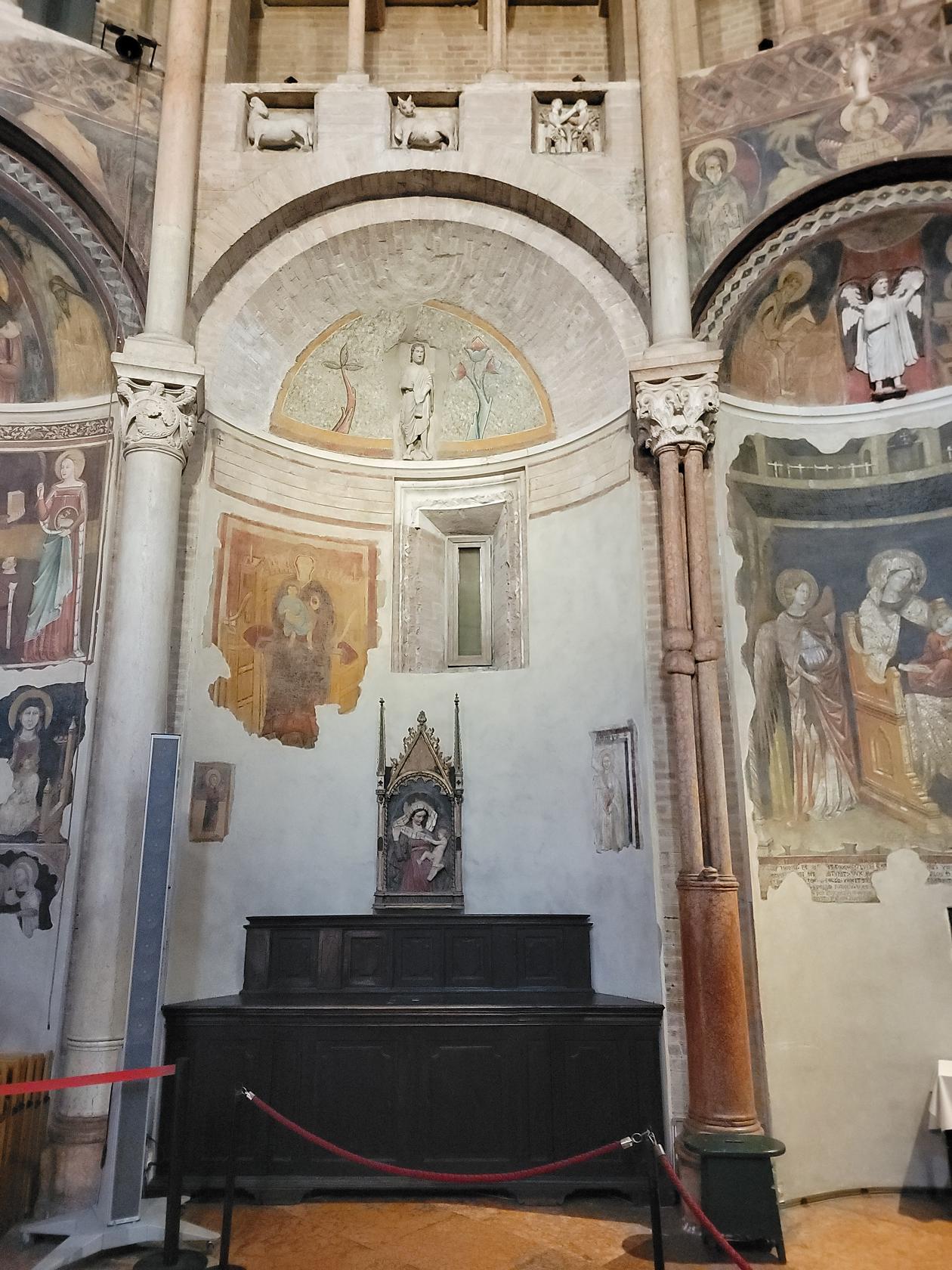
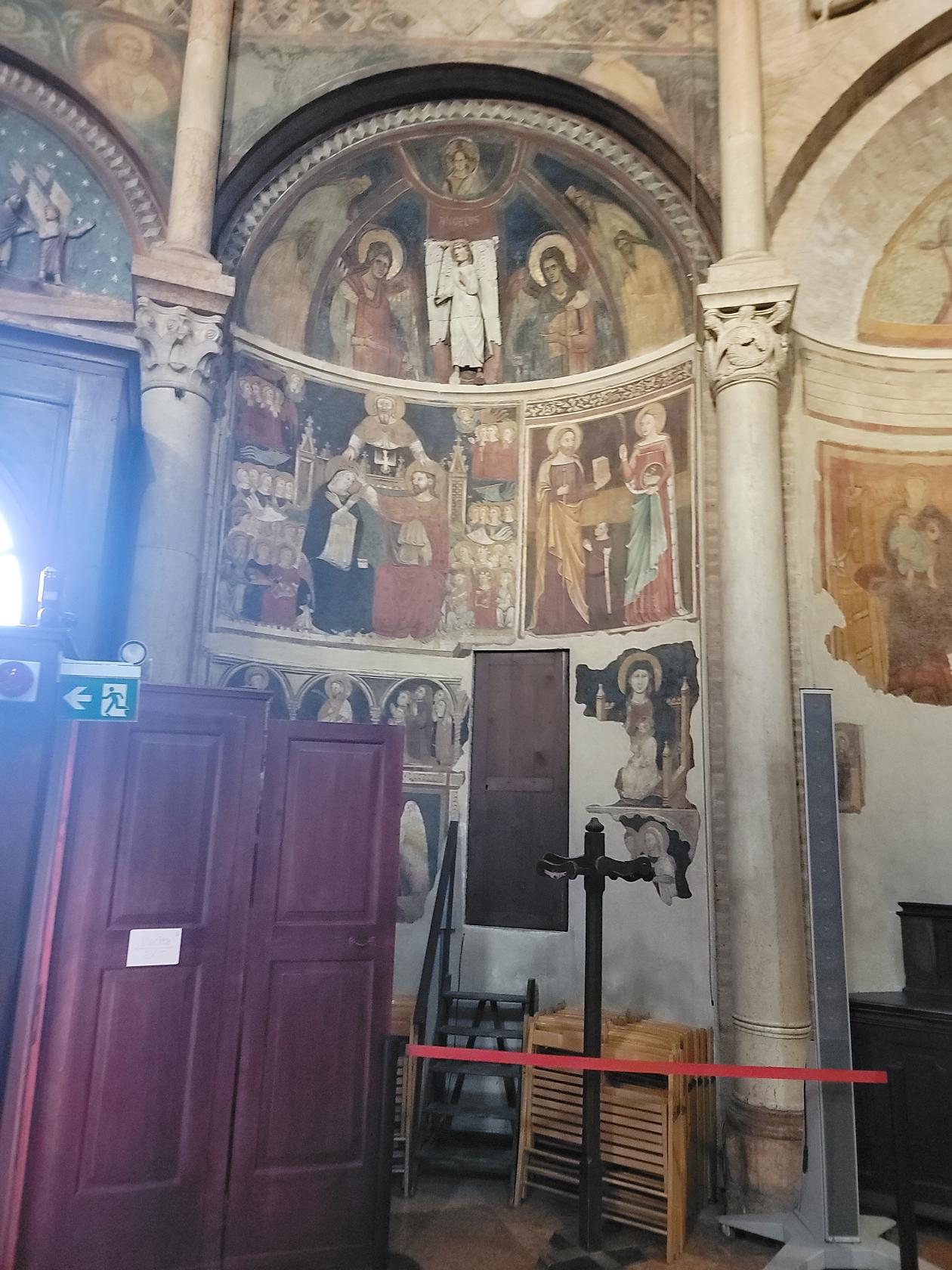
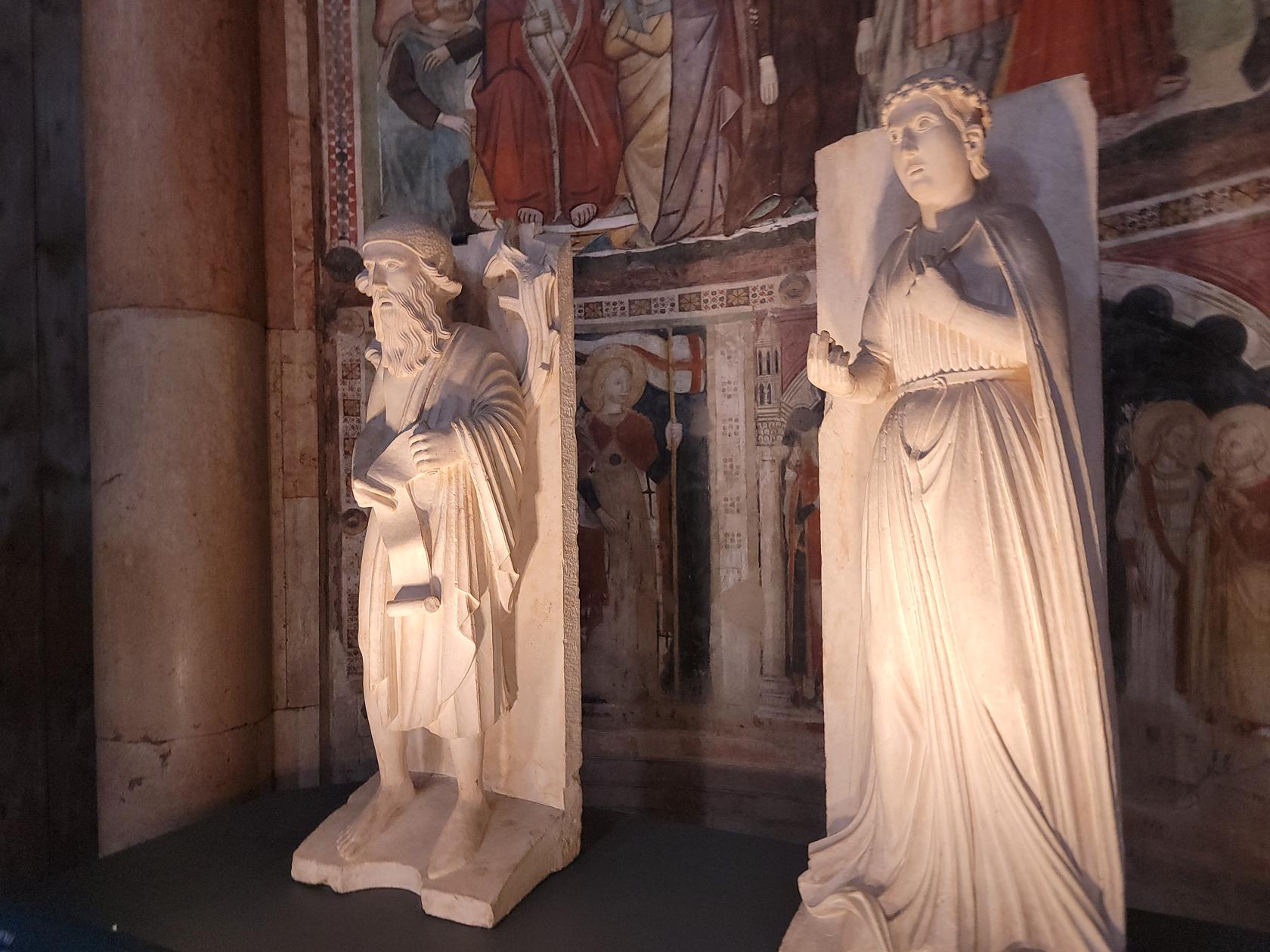
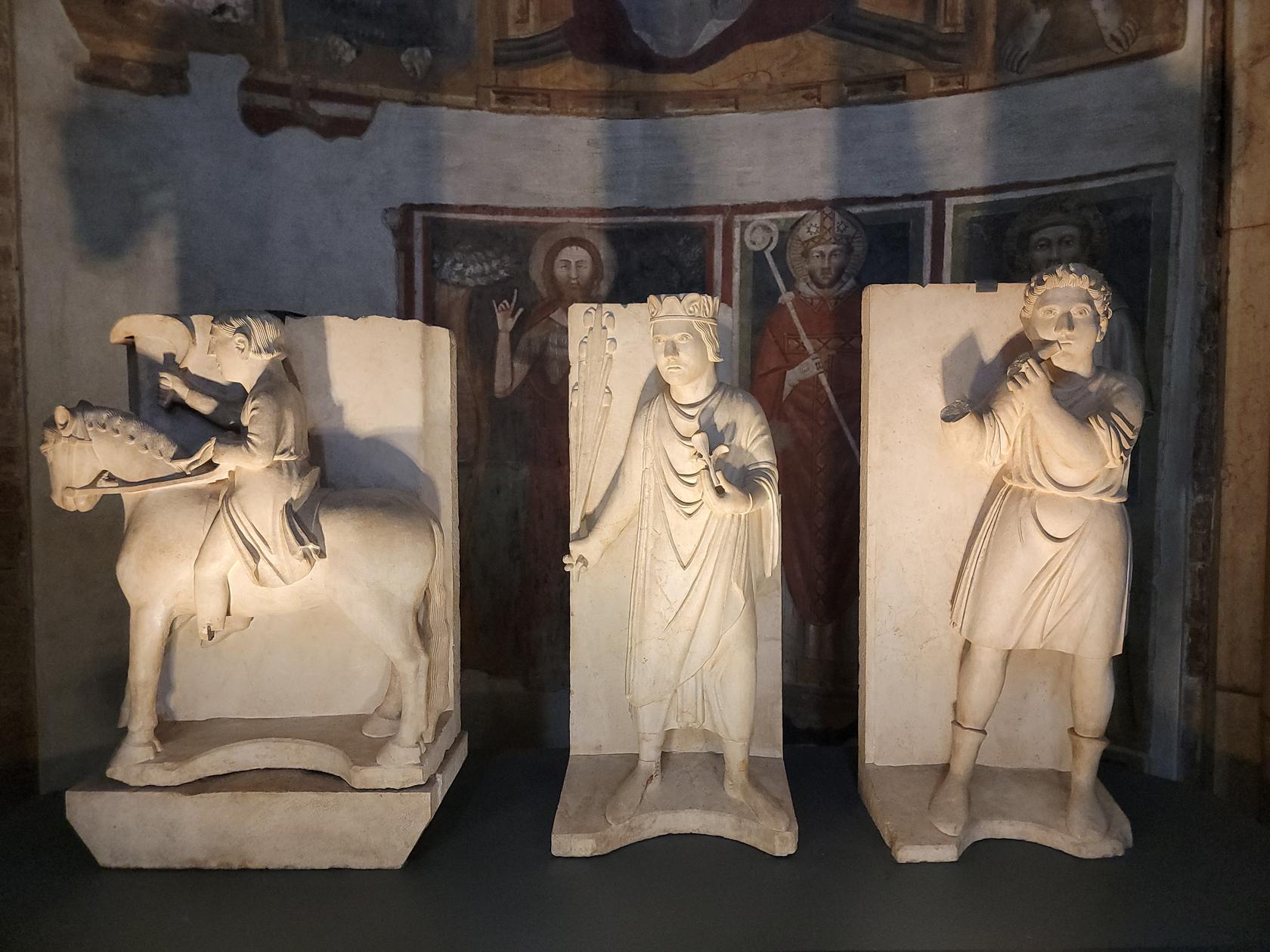
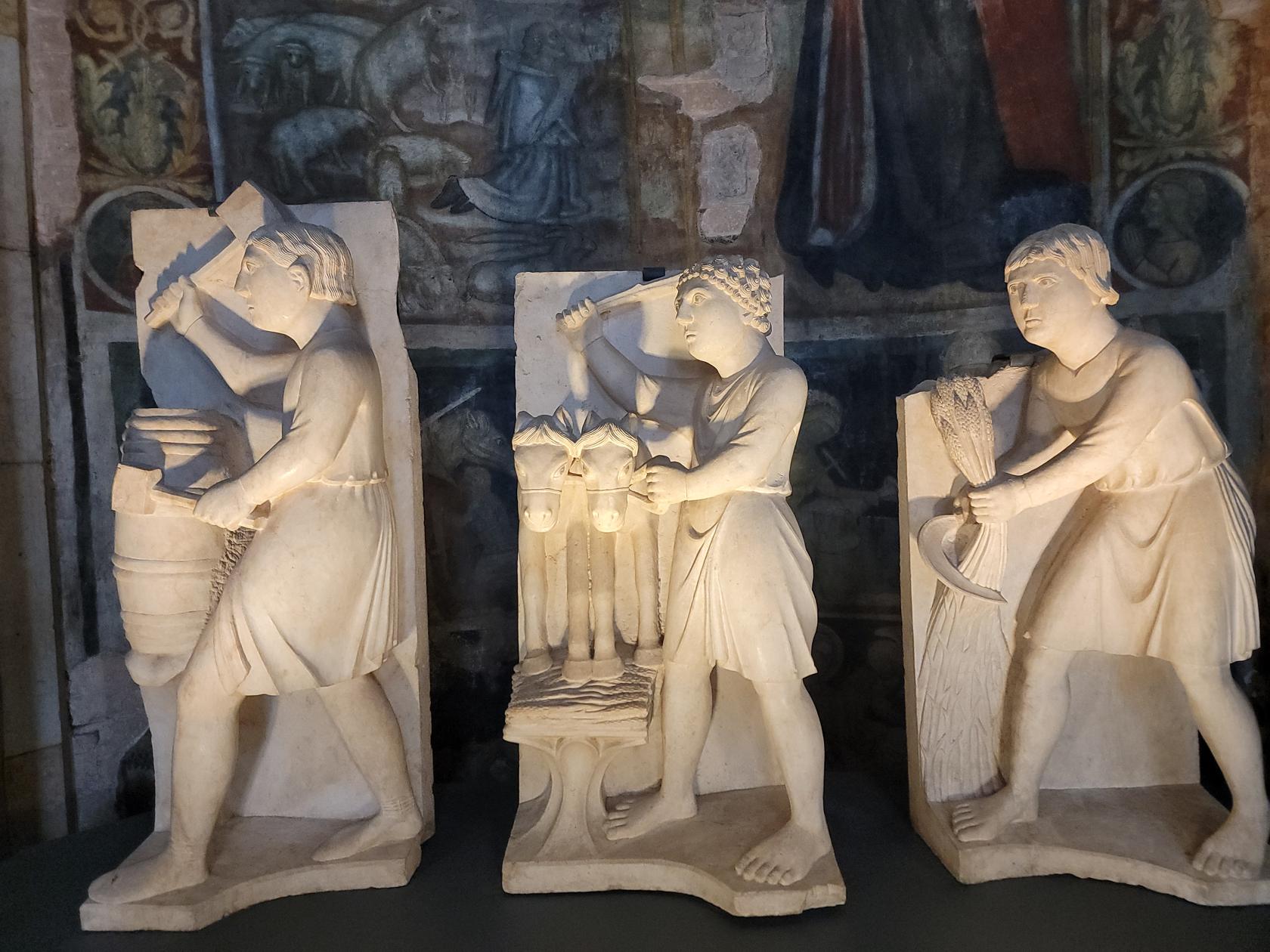
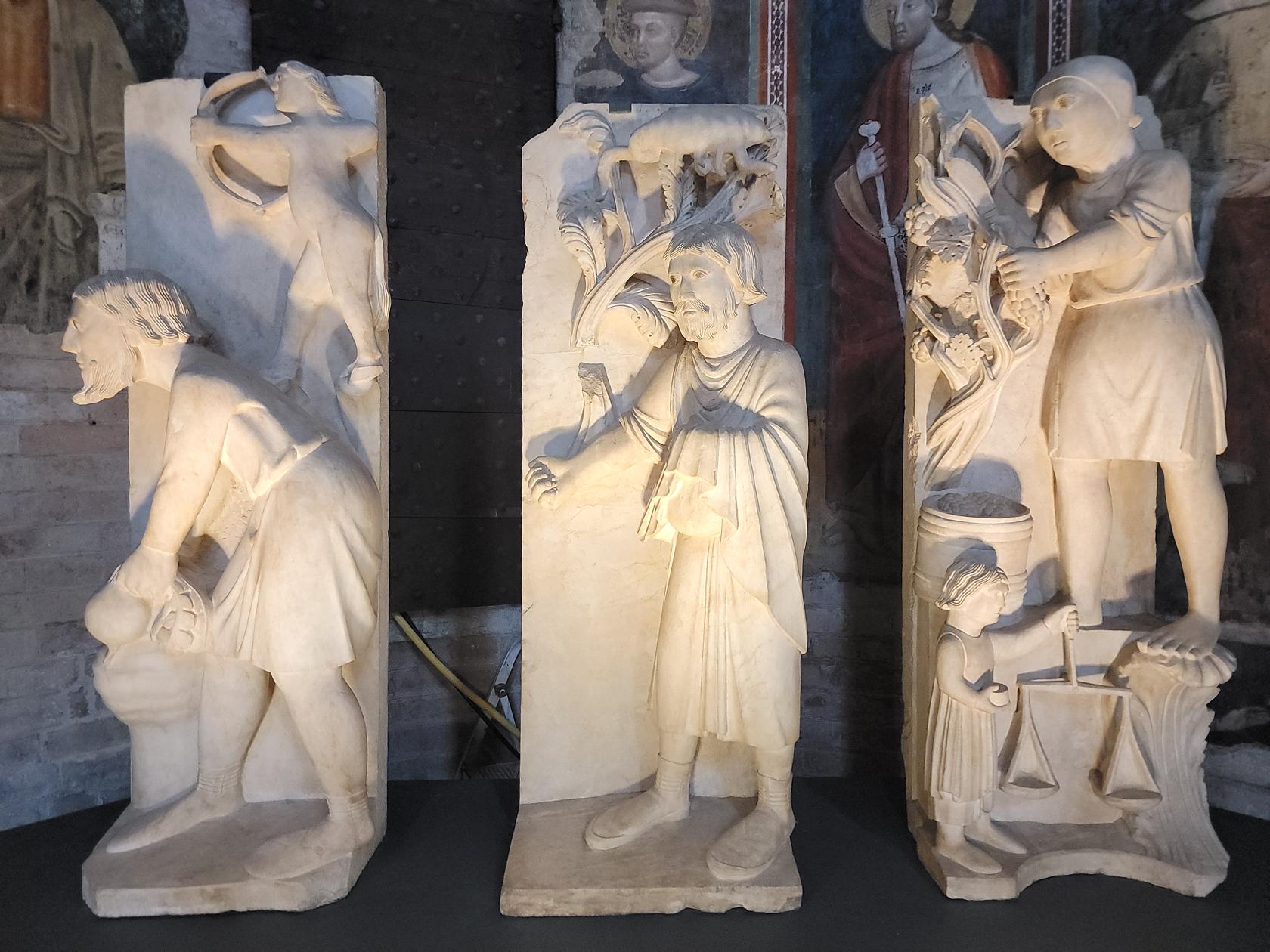
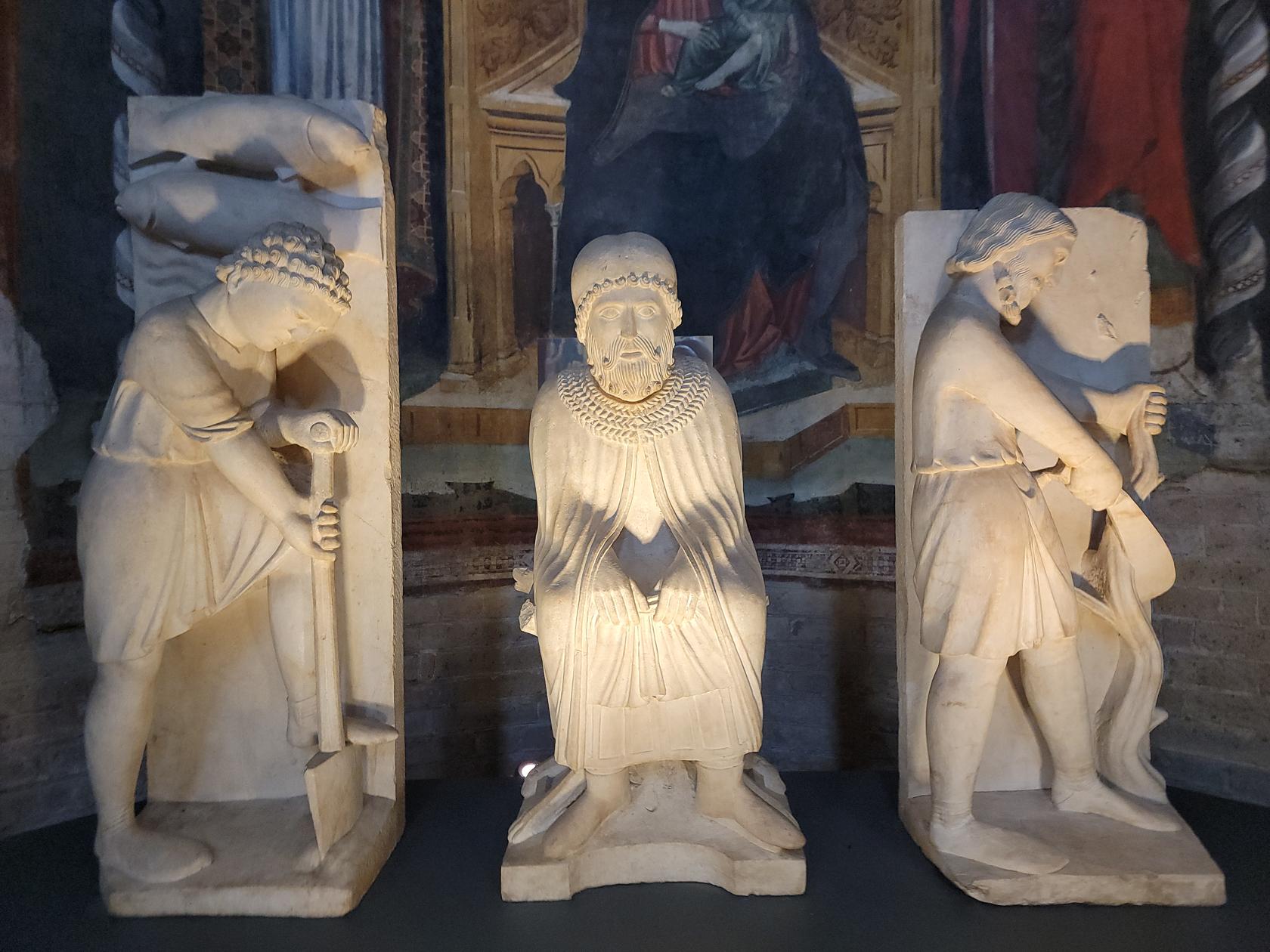
Today there is a collection of artistic statues placed along some of the walls, depicting the two seasons of Winter and Summer, as well as all of the months of the year.
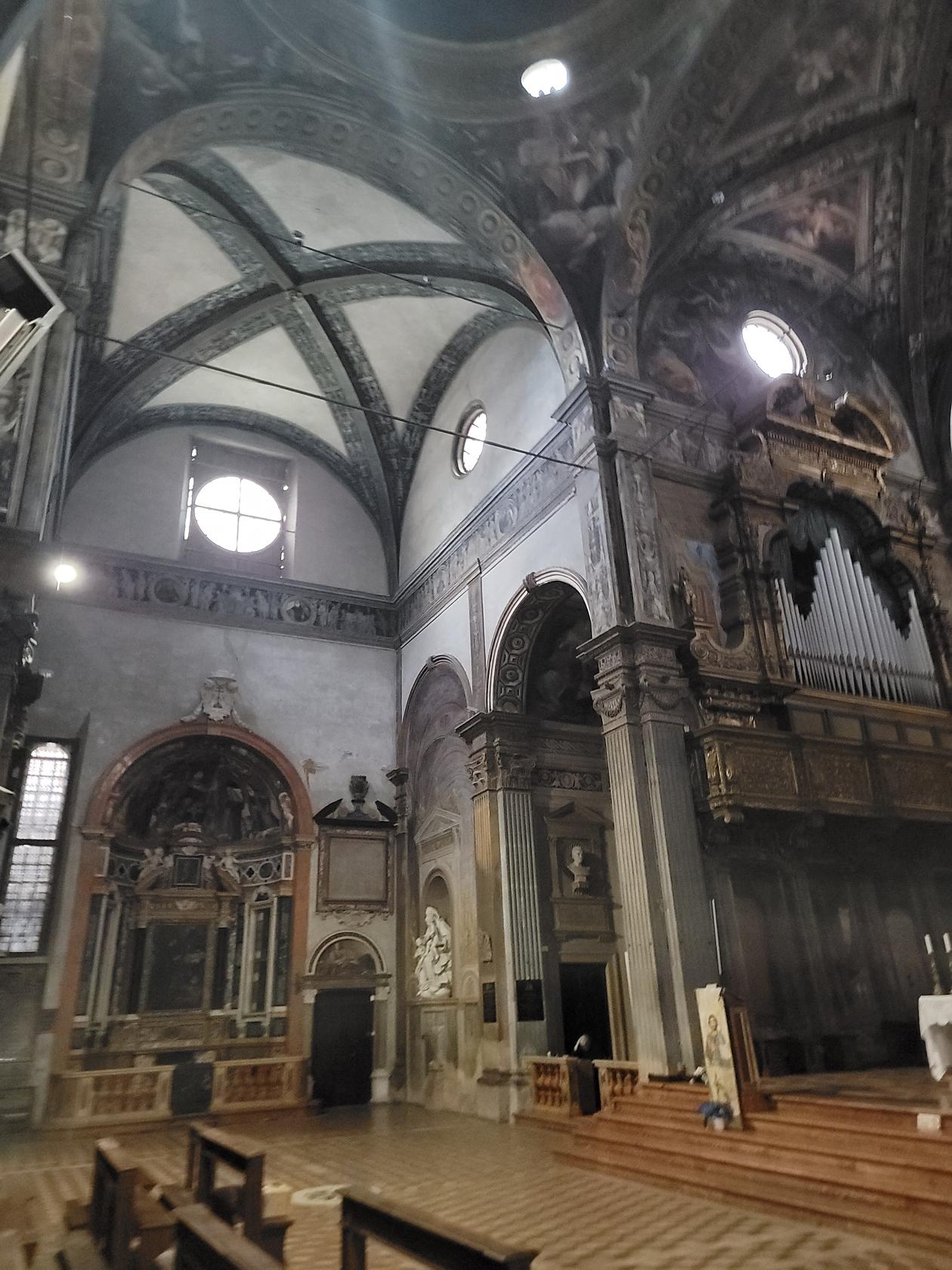
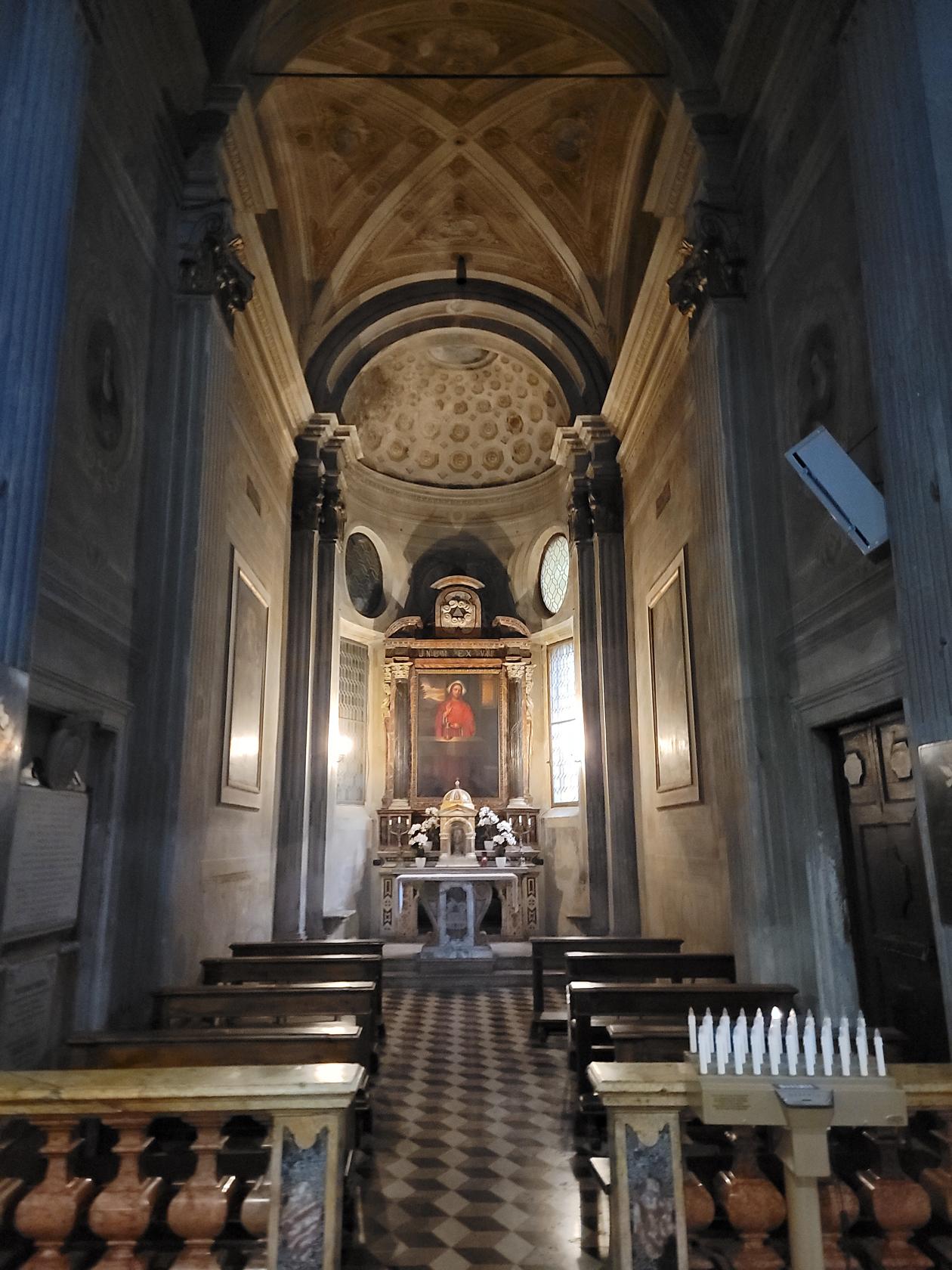
Church of San Giovanni Evangelista
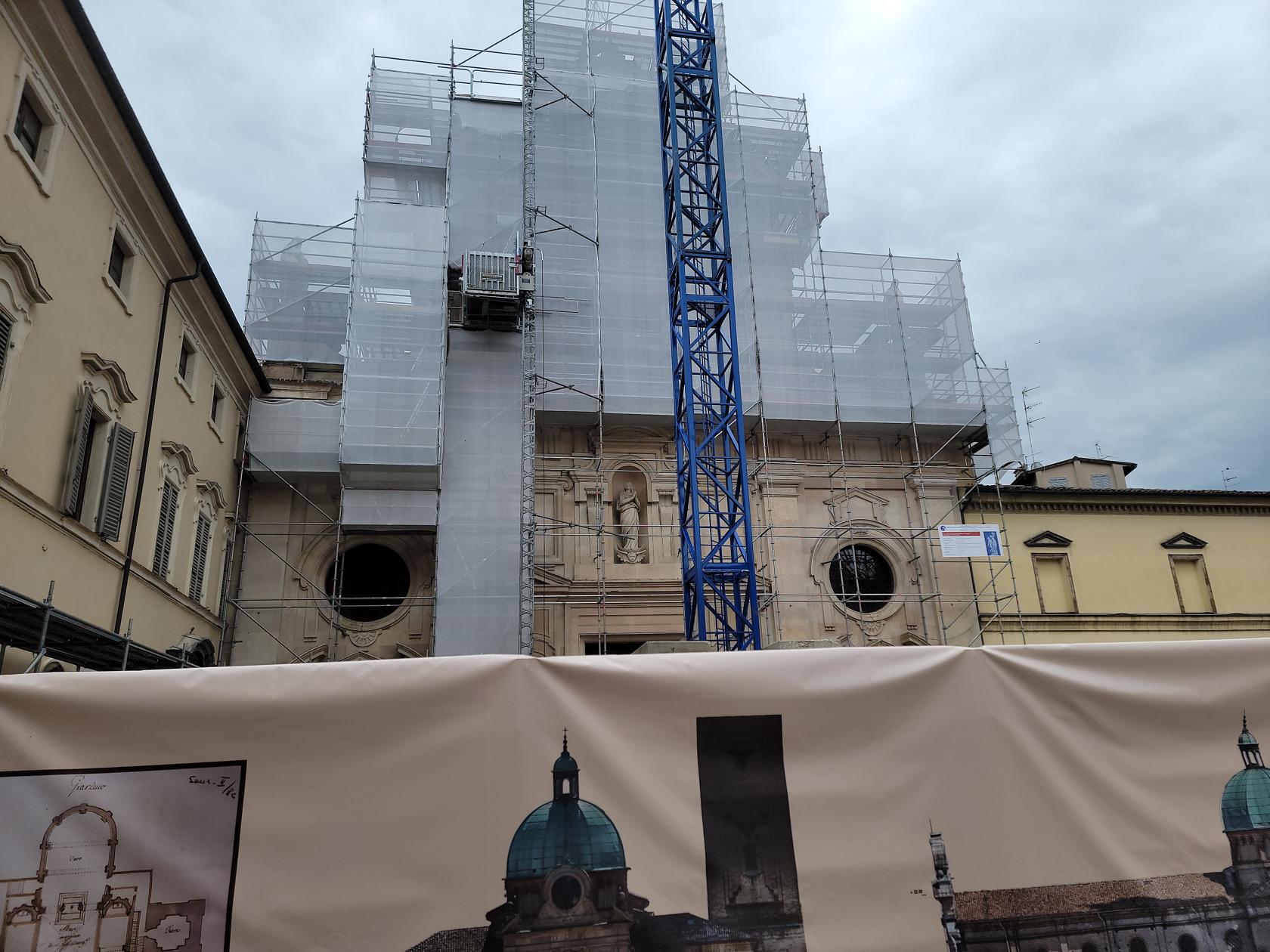
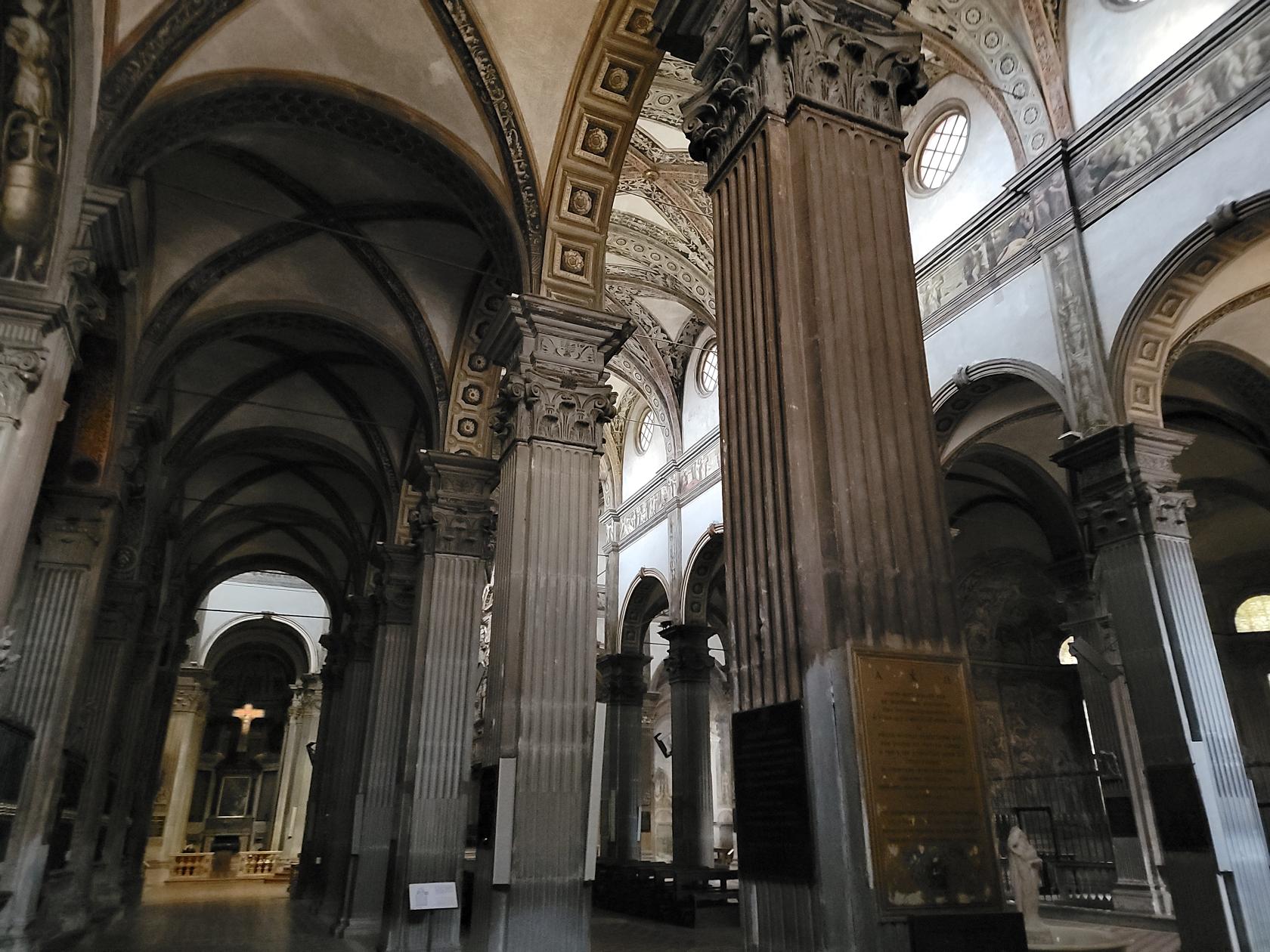
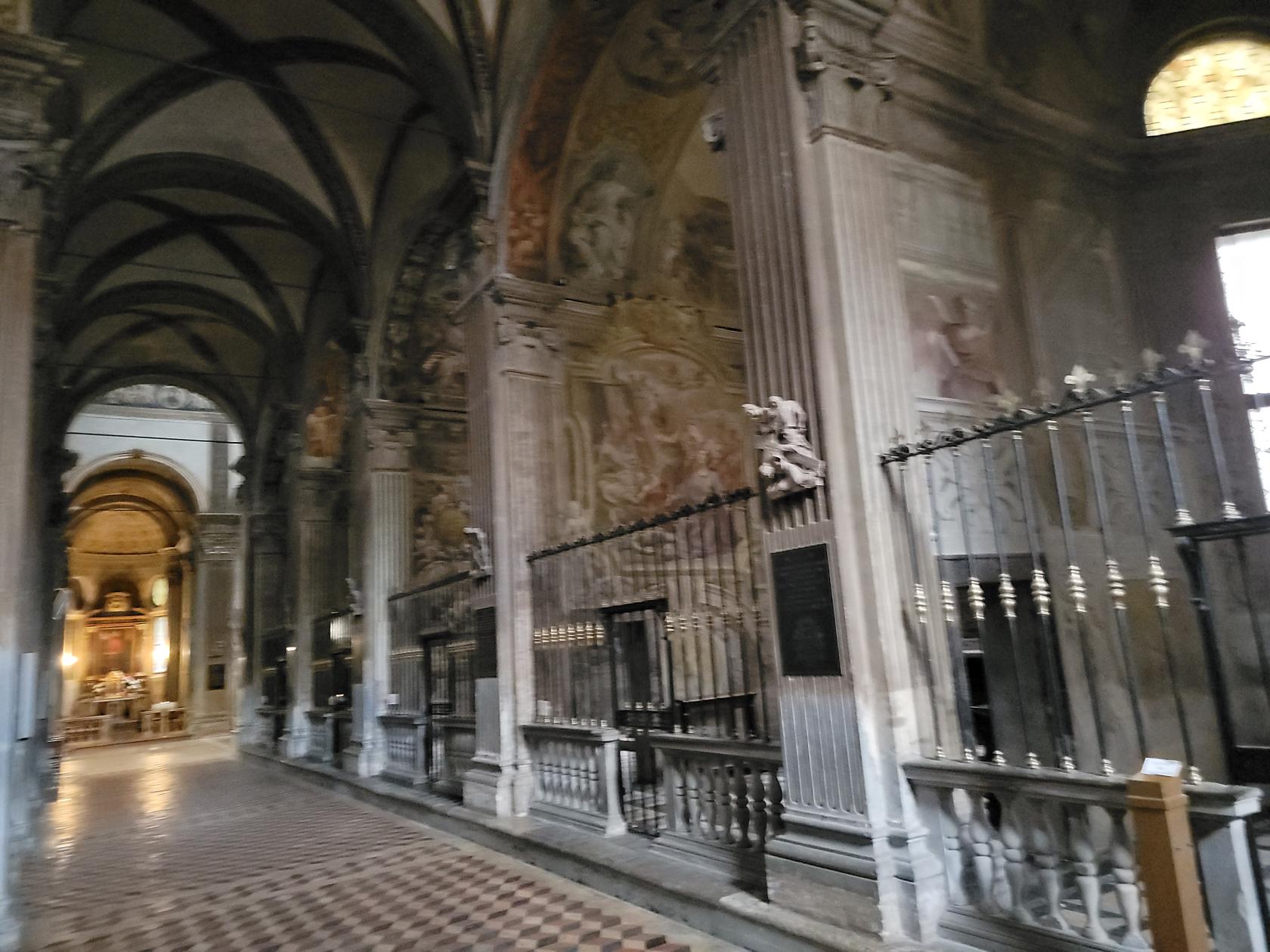
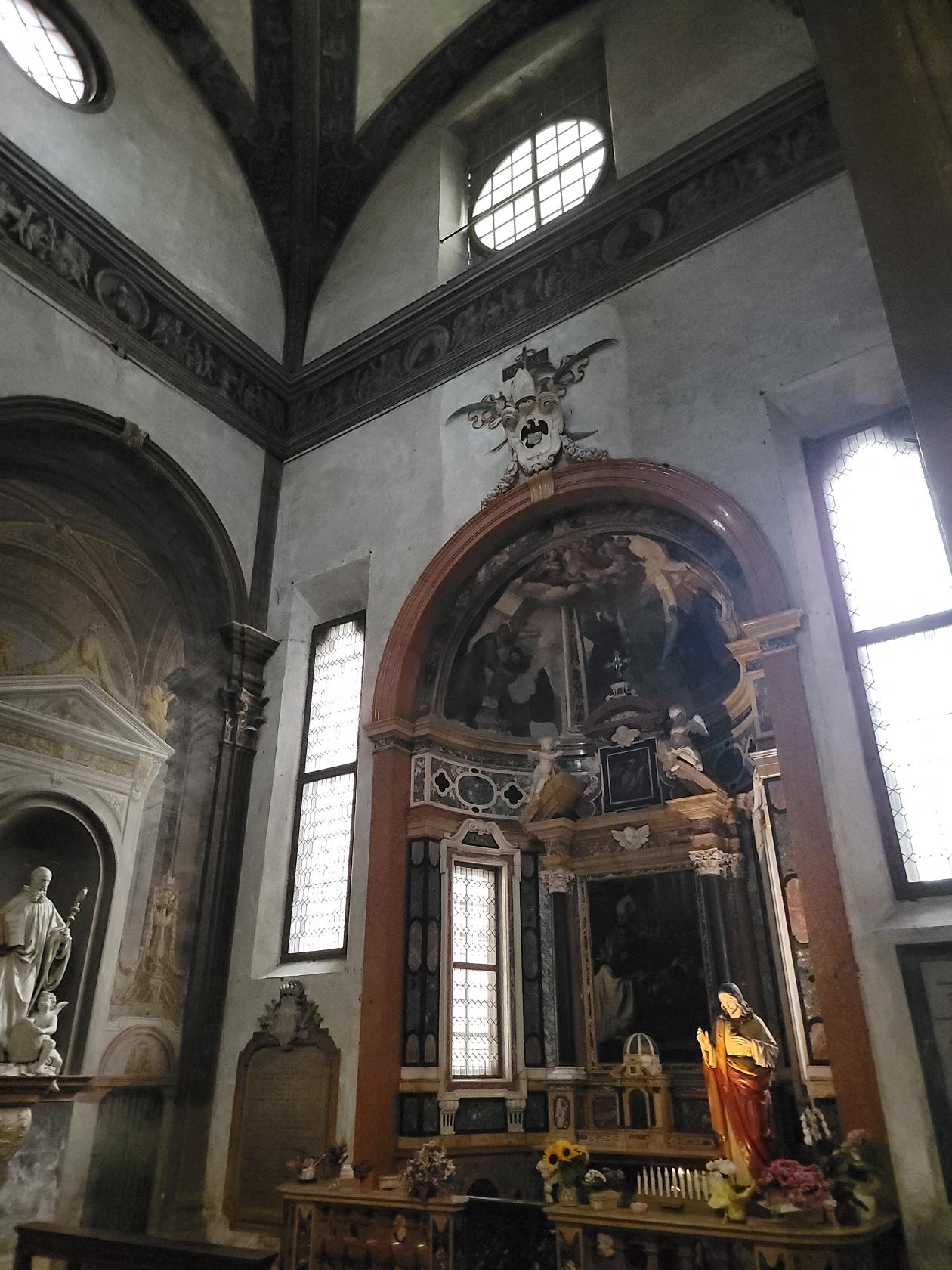
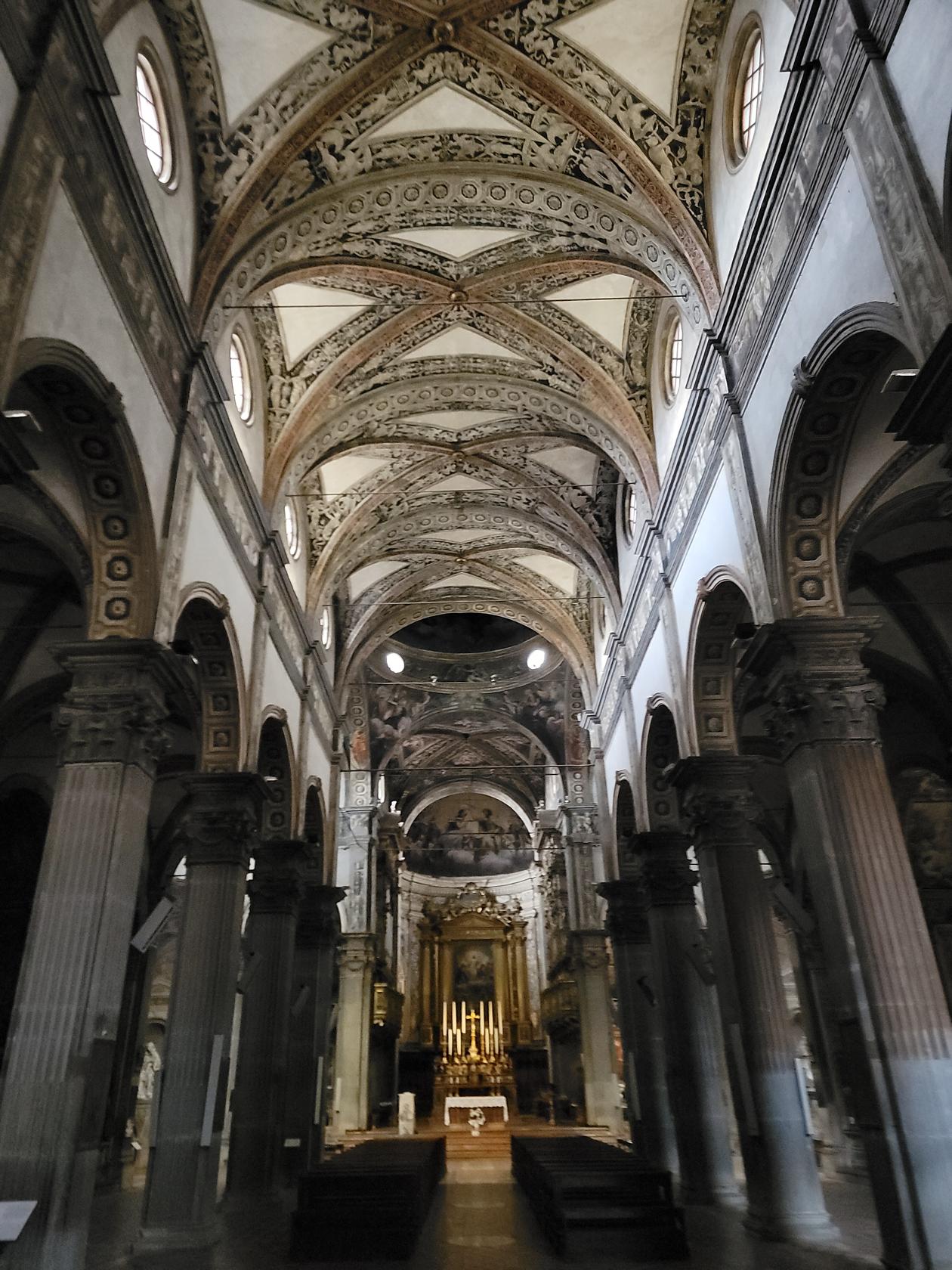
Under construction at the time, the church exhibits the fanciful, if not frustrating looks of a construction site so familiar to those who travel Europe.
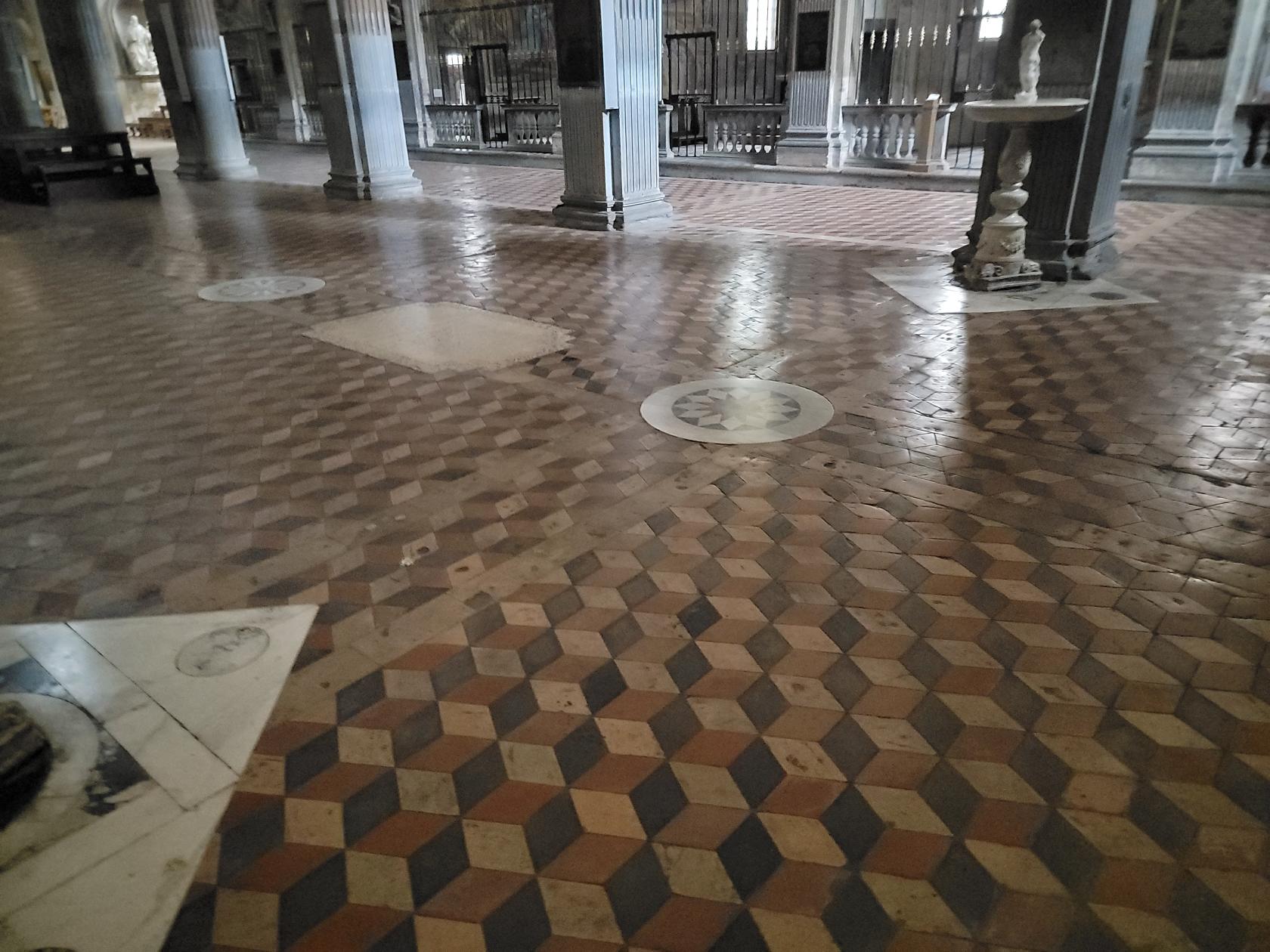
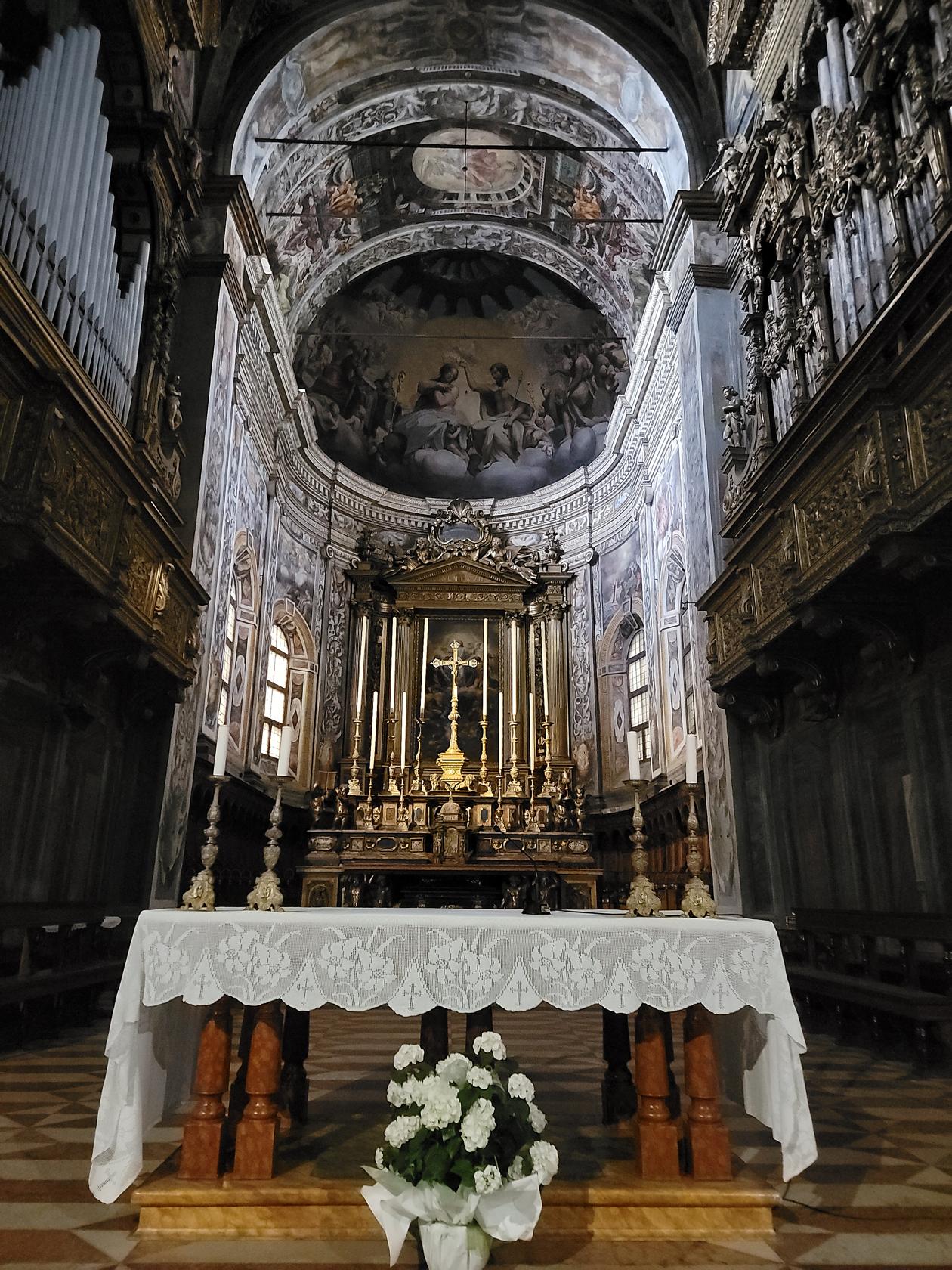
Even the interior lacked lighting, so it was difficult to see much, let alone take decent photographs.
Complex of San Paolo
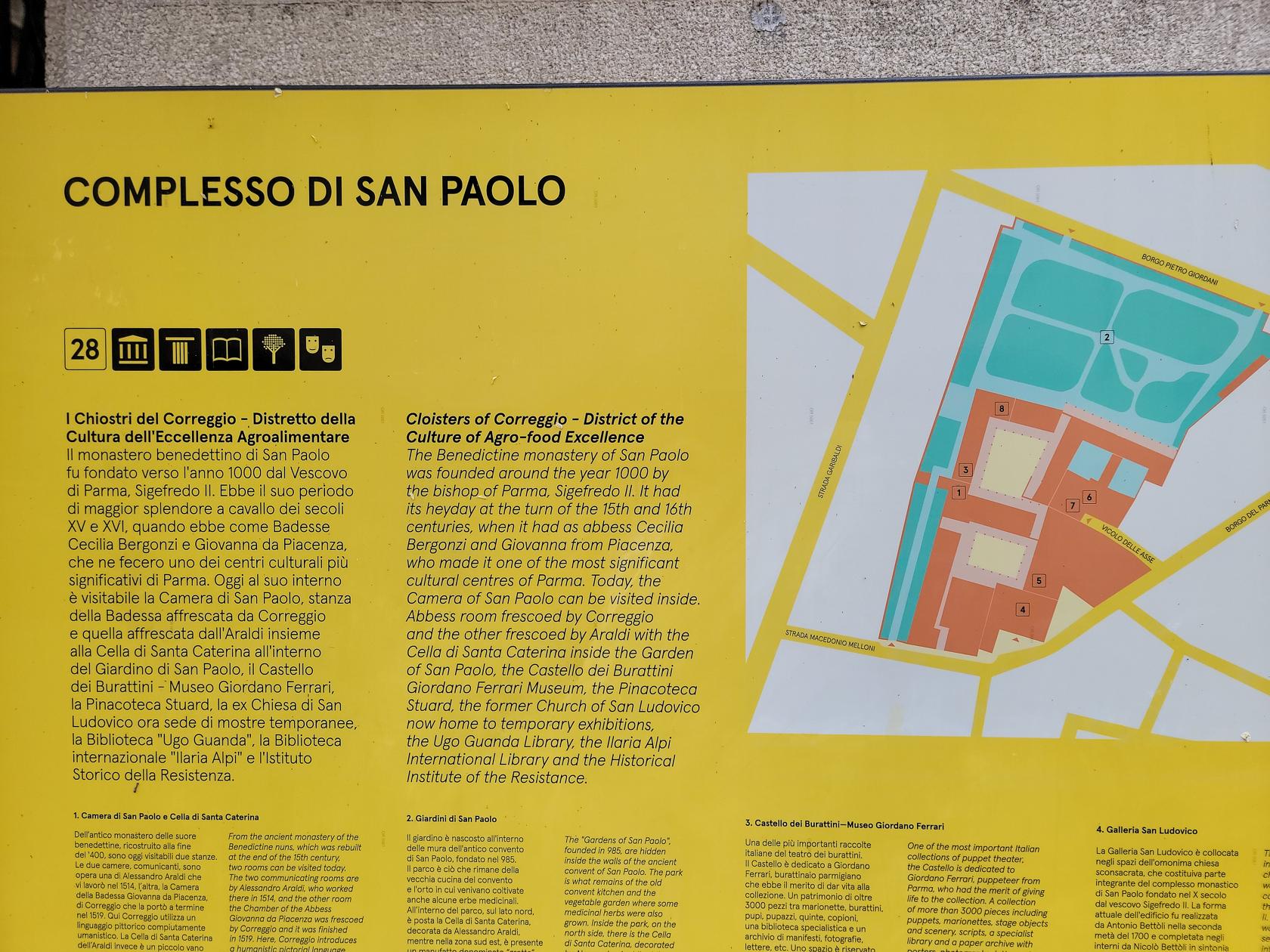
Not far from the intersection of Strada G. Garibaldi and Strada Macedonio Melloni is the complex of San Paolo. There are signs near the street by the entrance, but you have to walk a wooded entry some distance before reaching the ticket office. There you can purchase tickets for both the Rooms of San Paolo and the Puppet Museum.
Rooms of Saint Paul
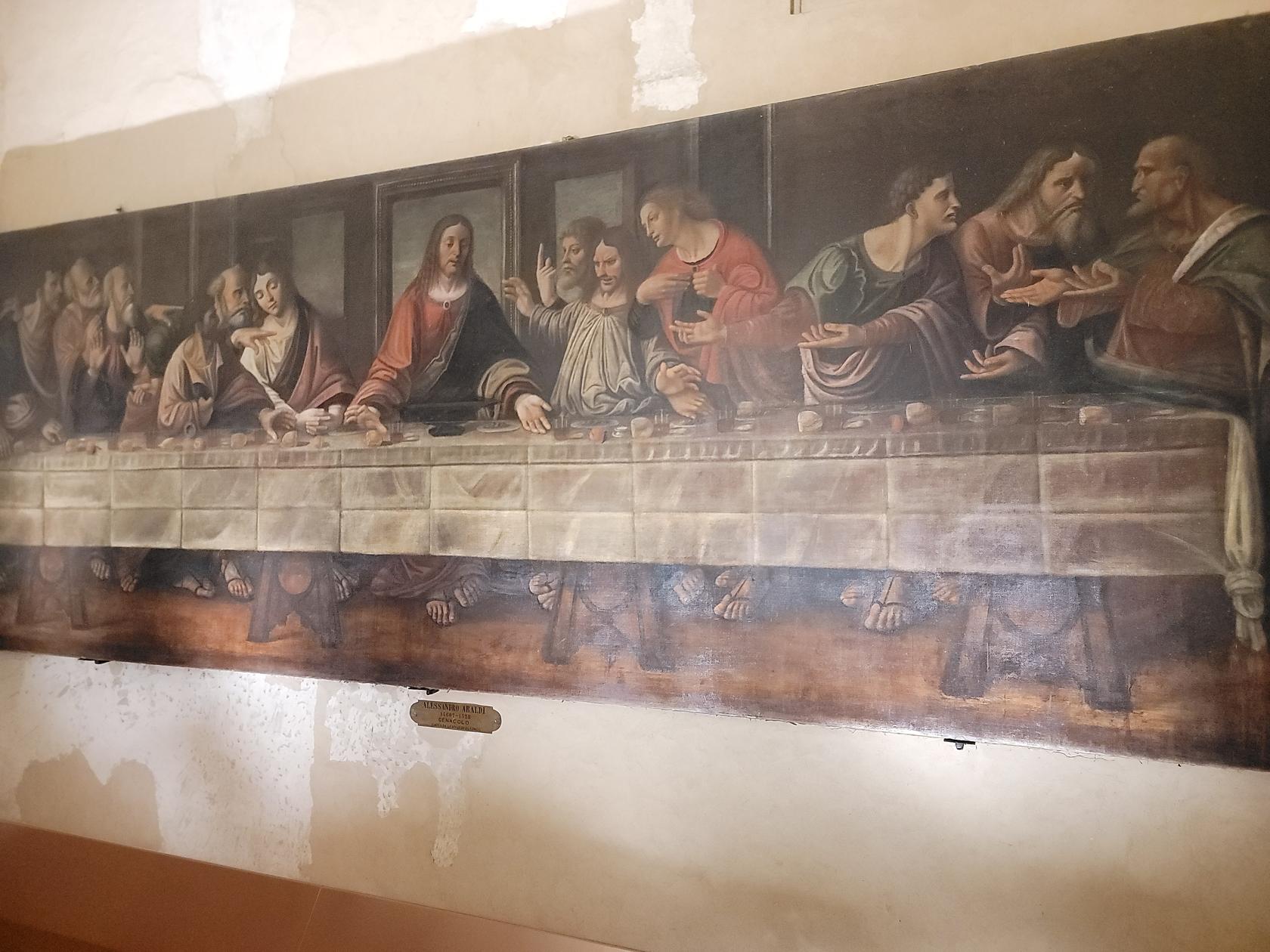
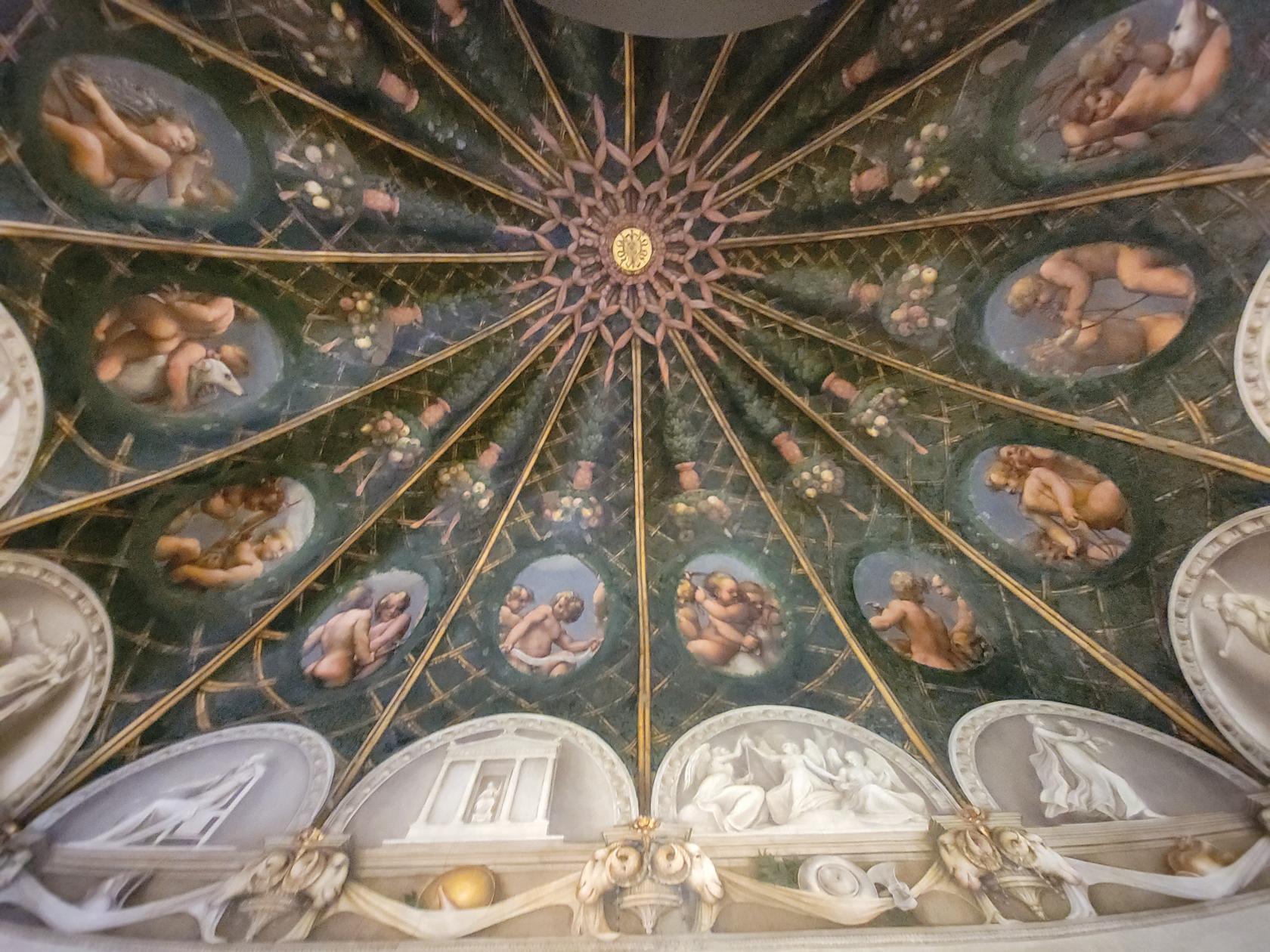
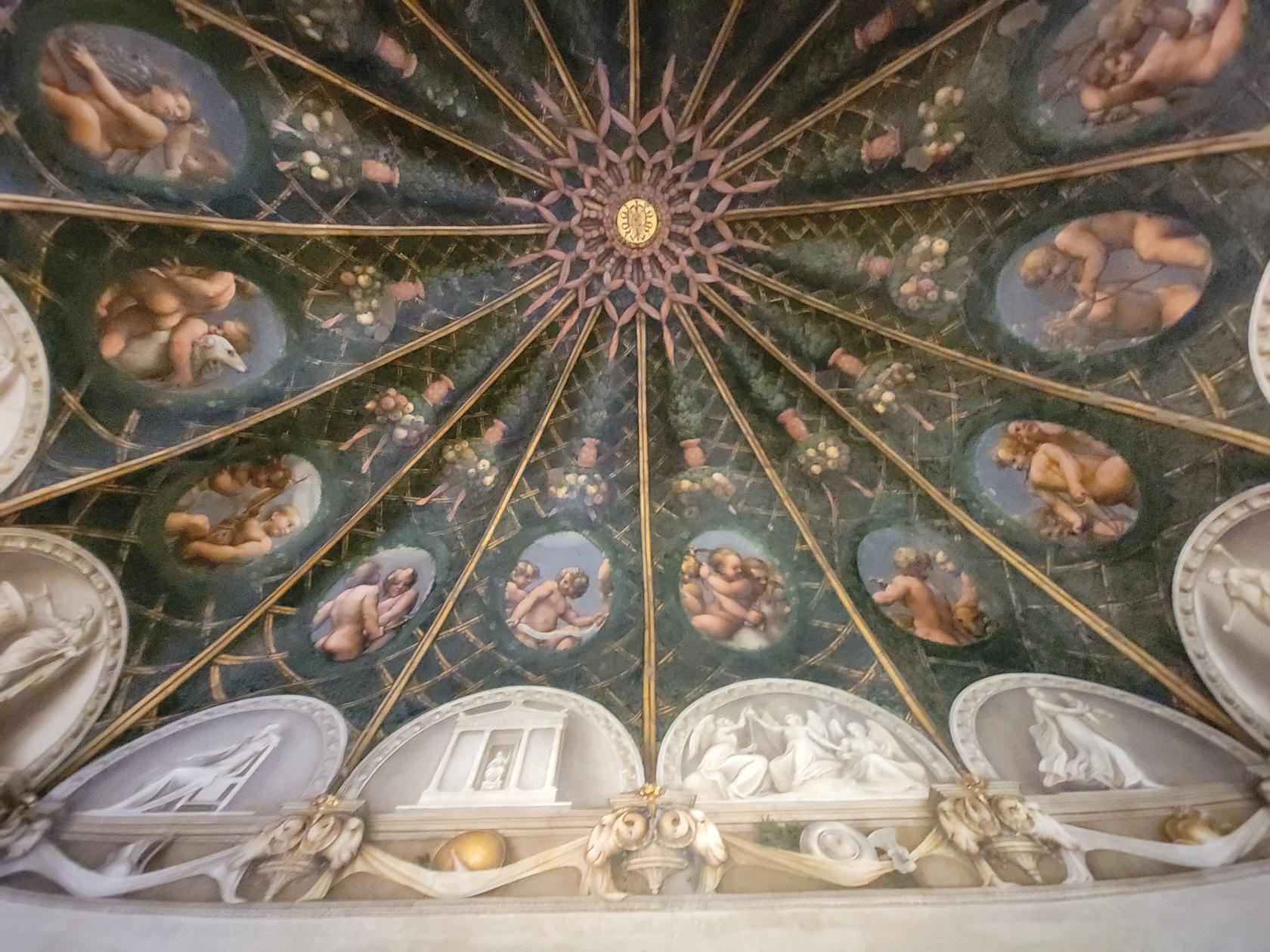
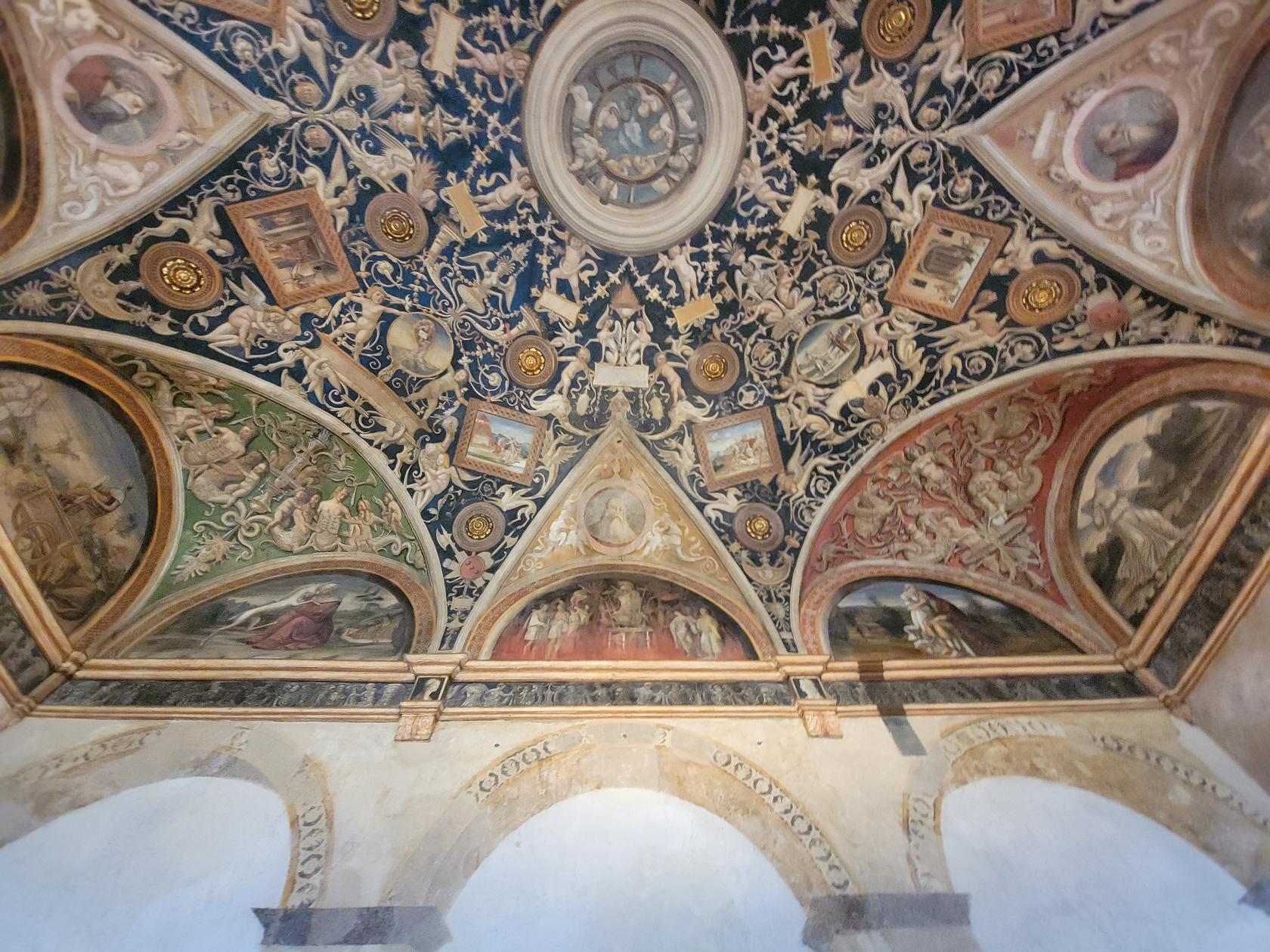
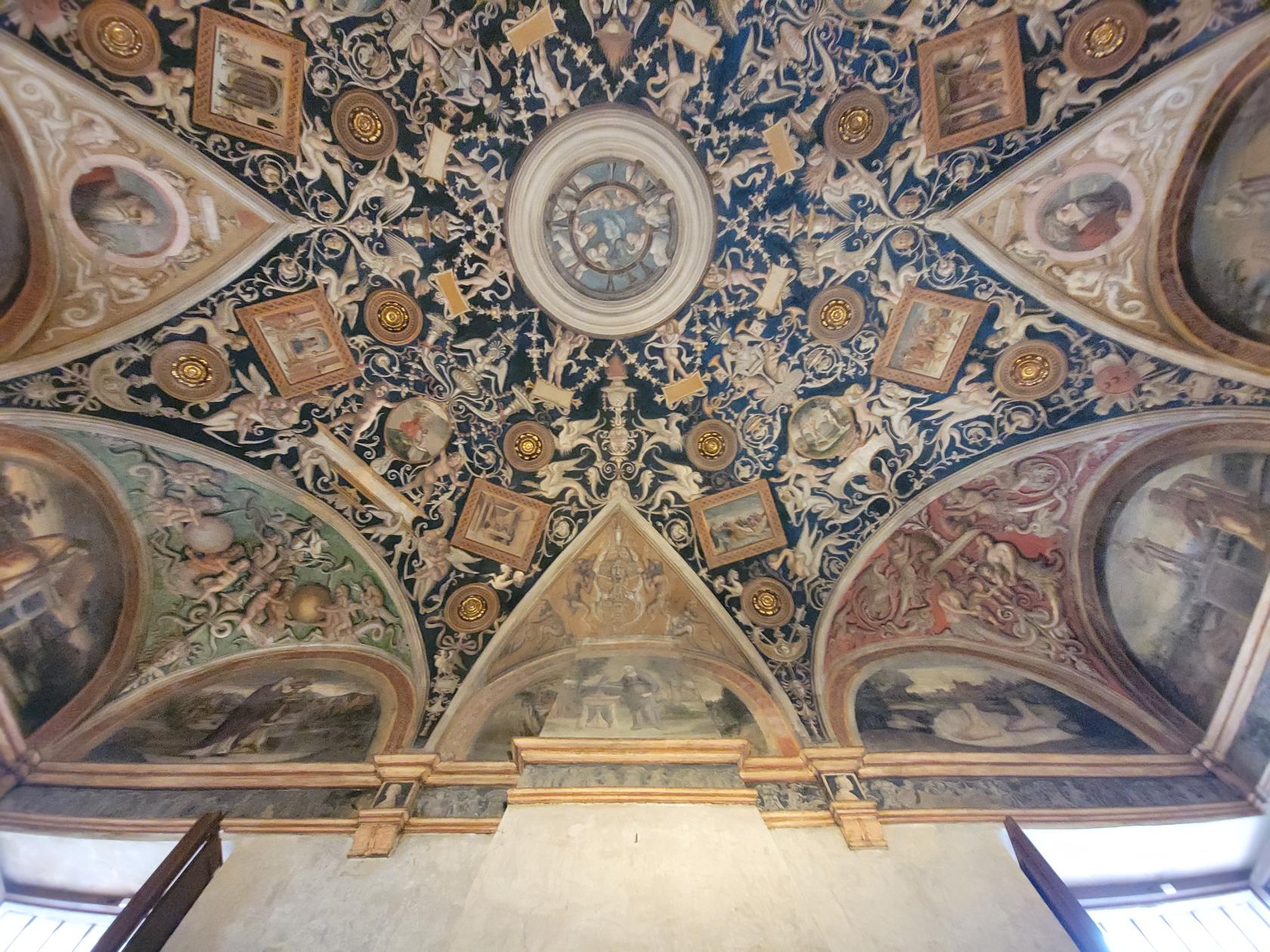
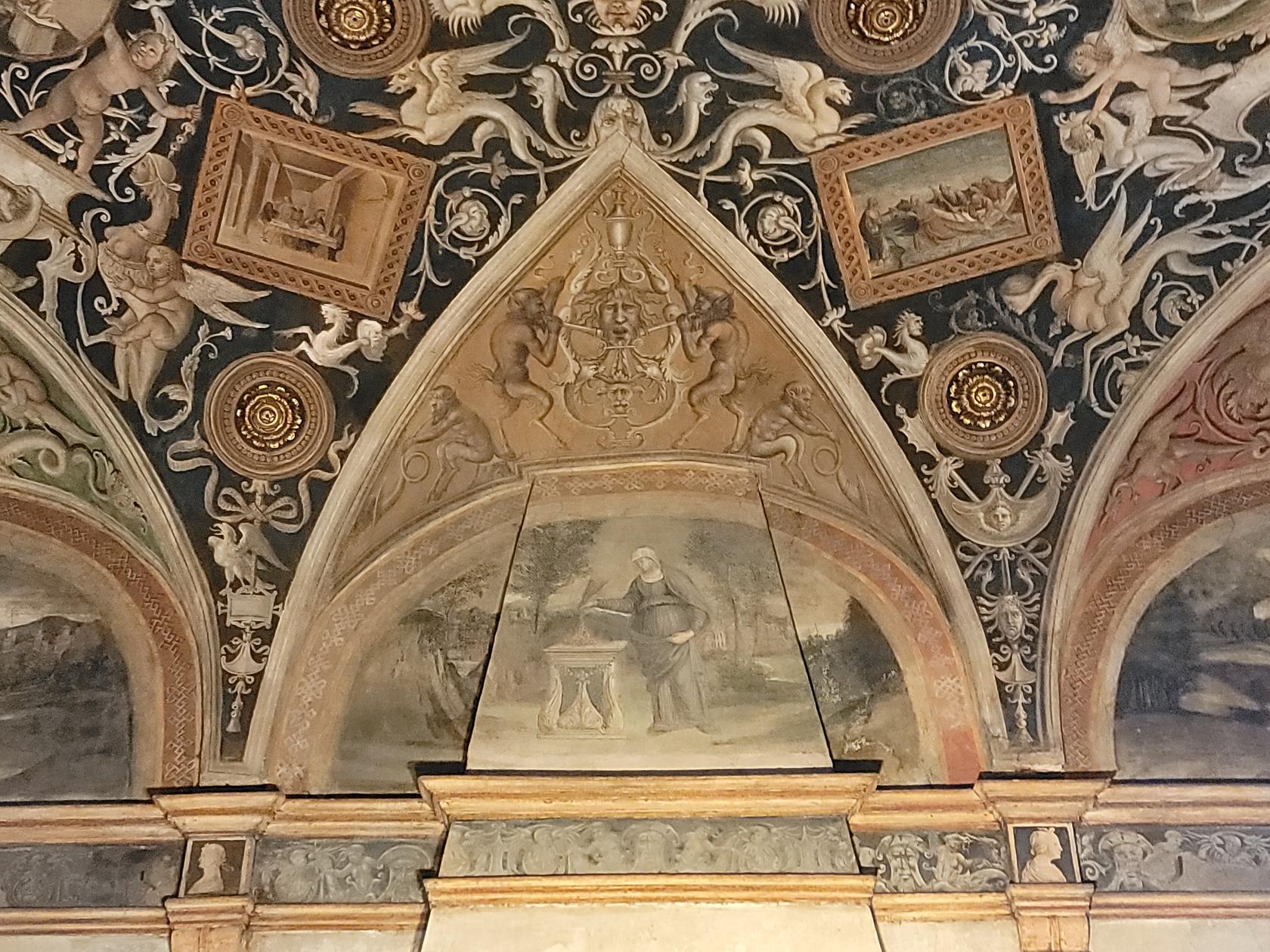
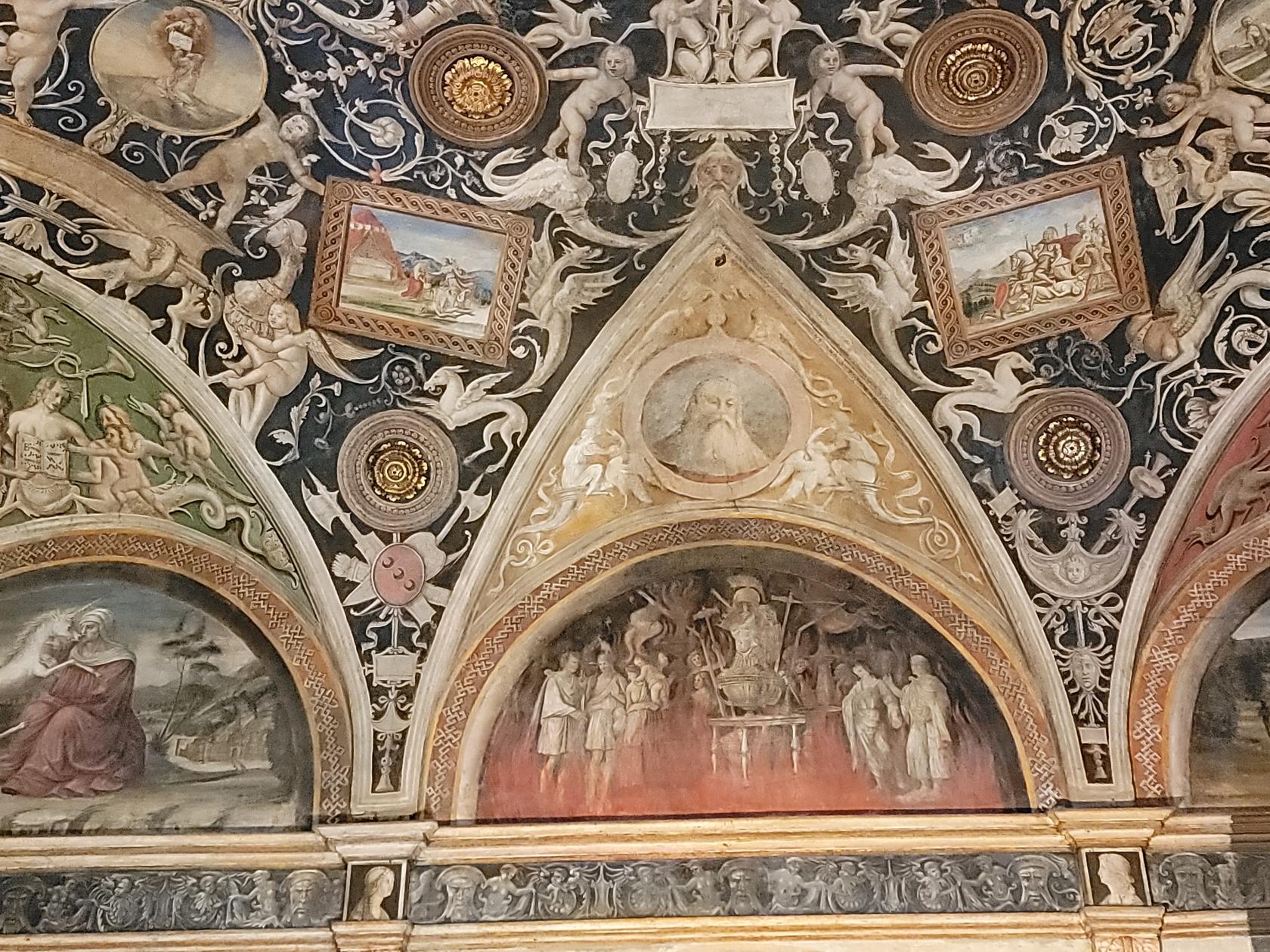
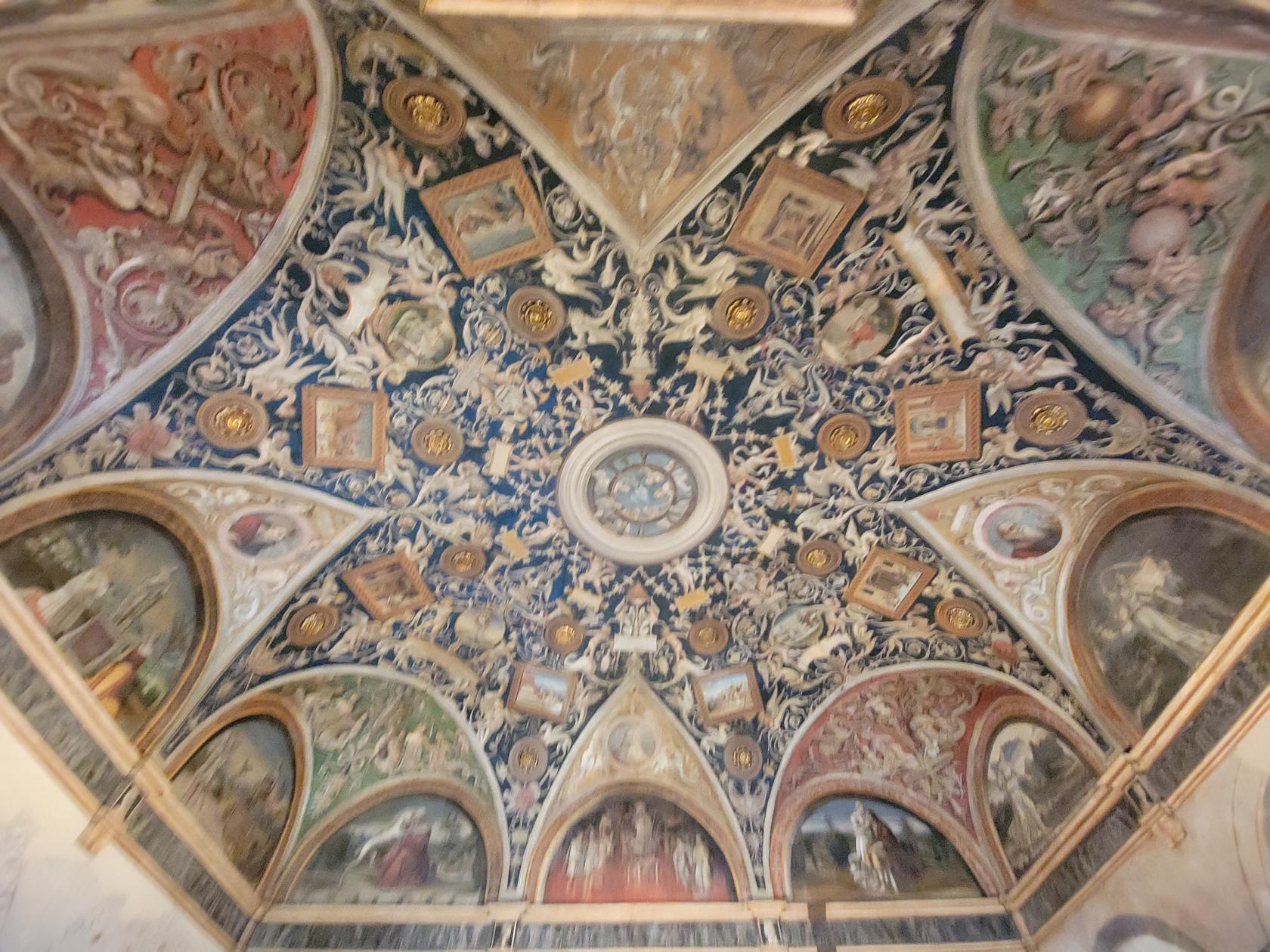
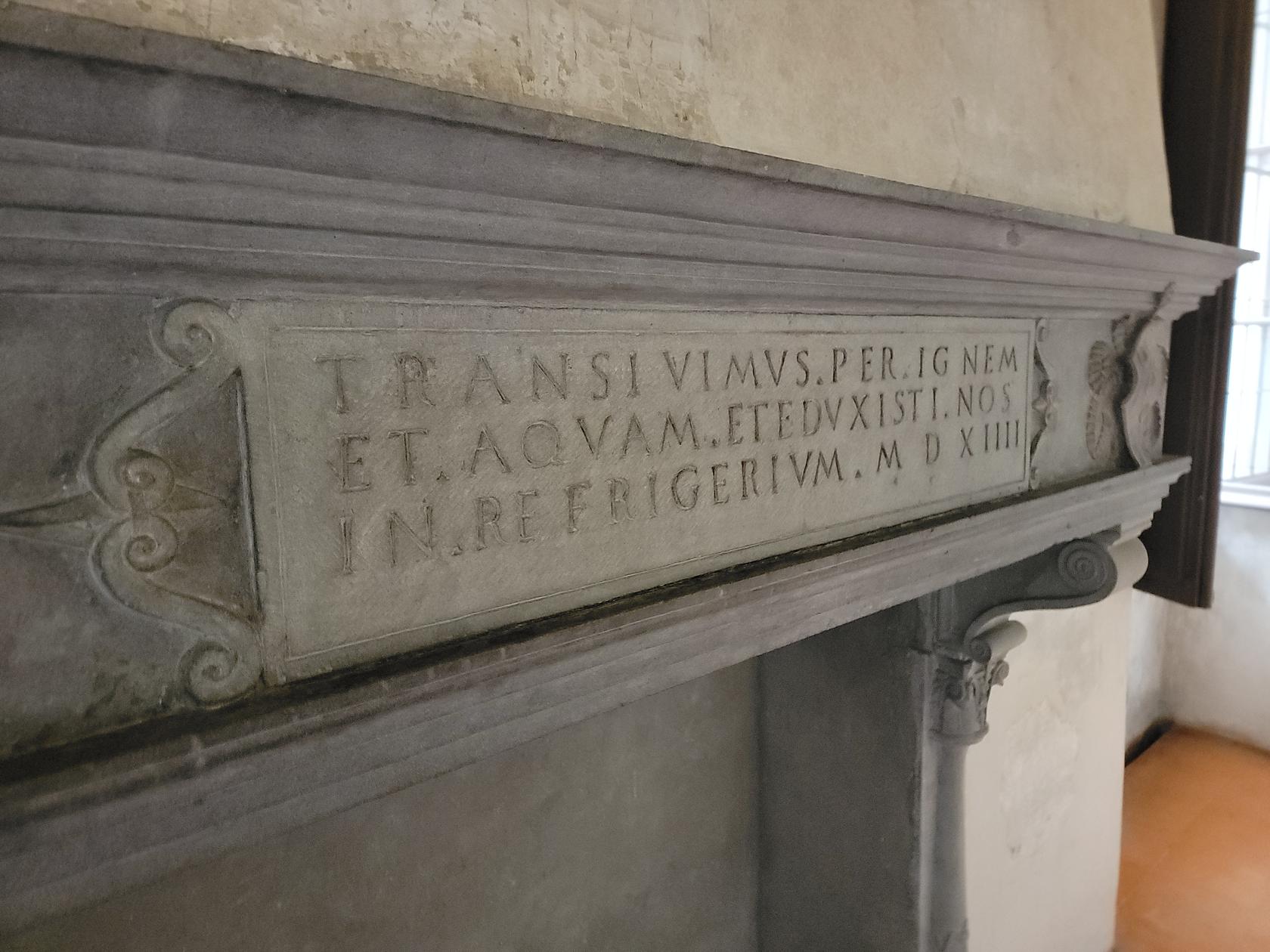
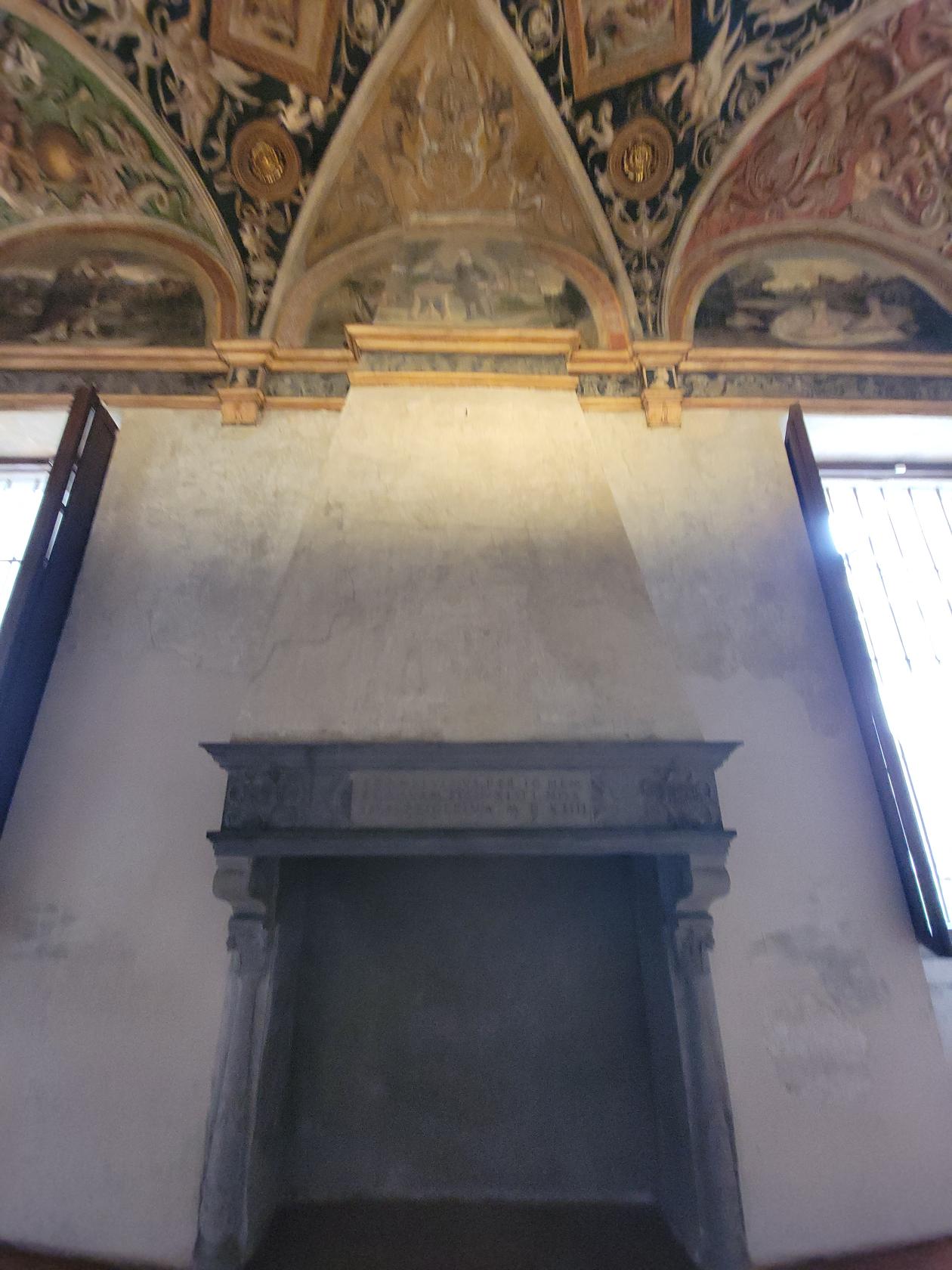
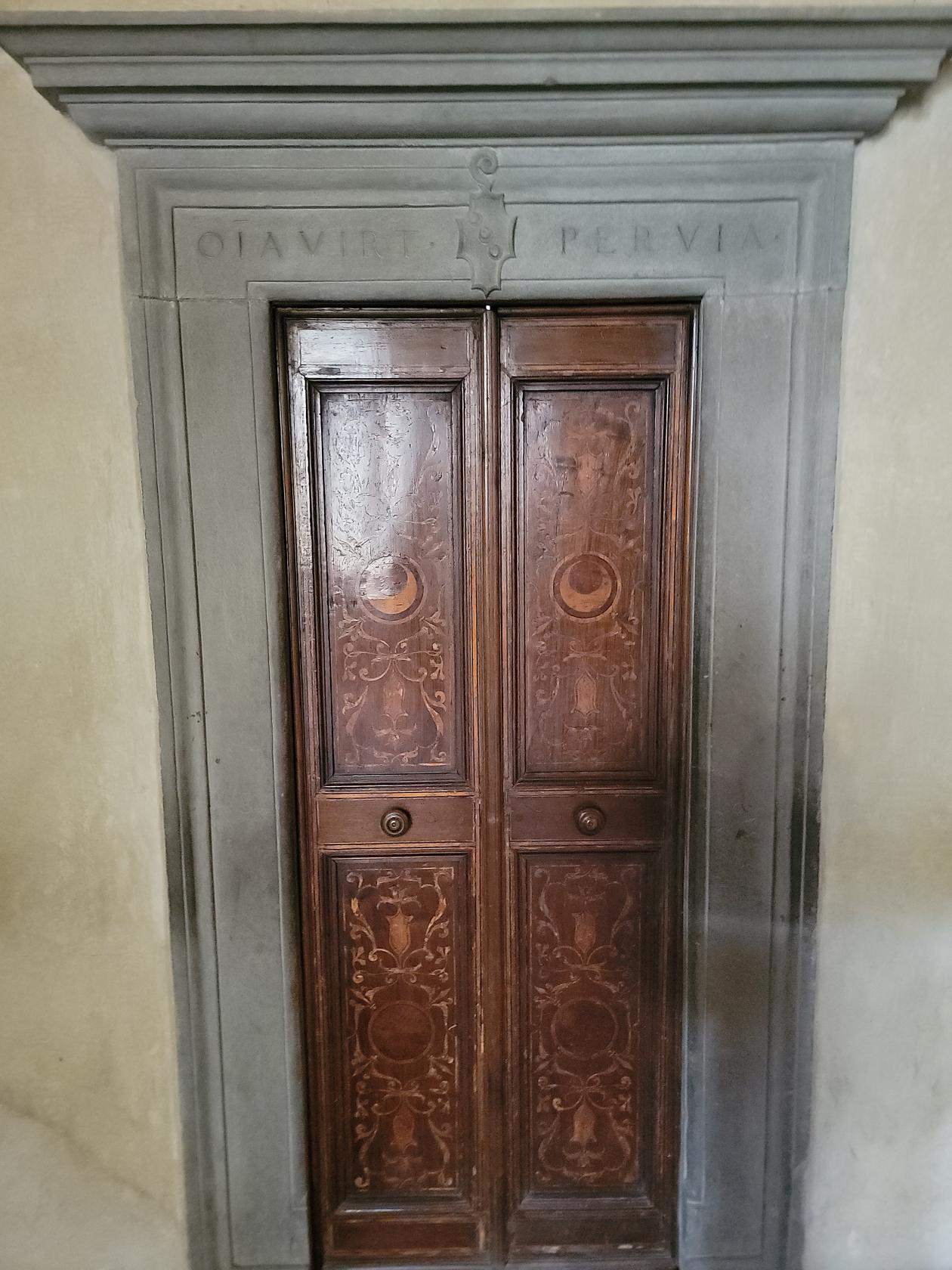
Better known as the Camera di San Paolo, the rooms in this museum are part of the Benedictine Monestary that stood on this spot starting in the 11th century.
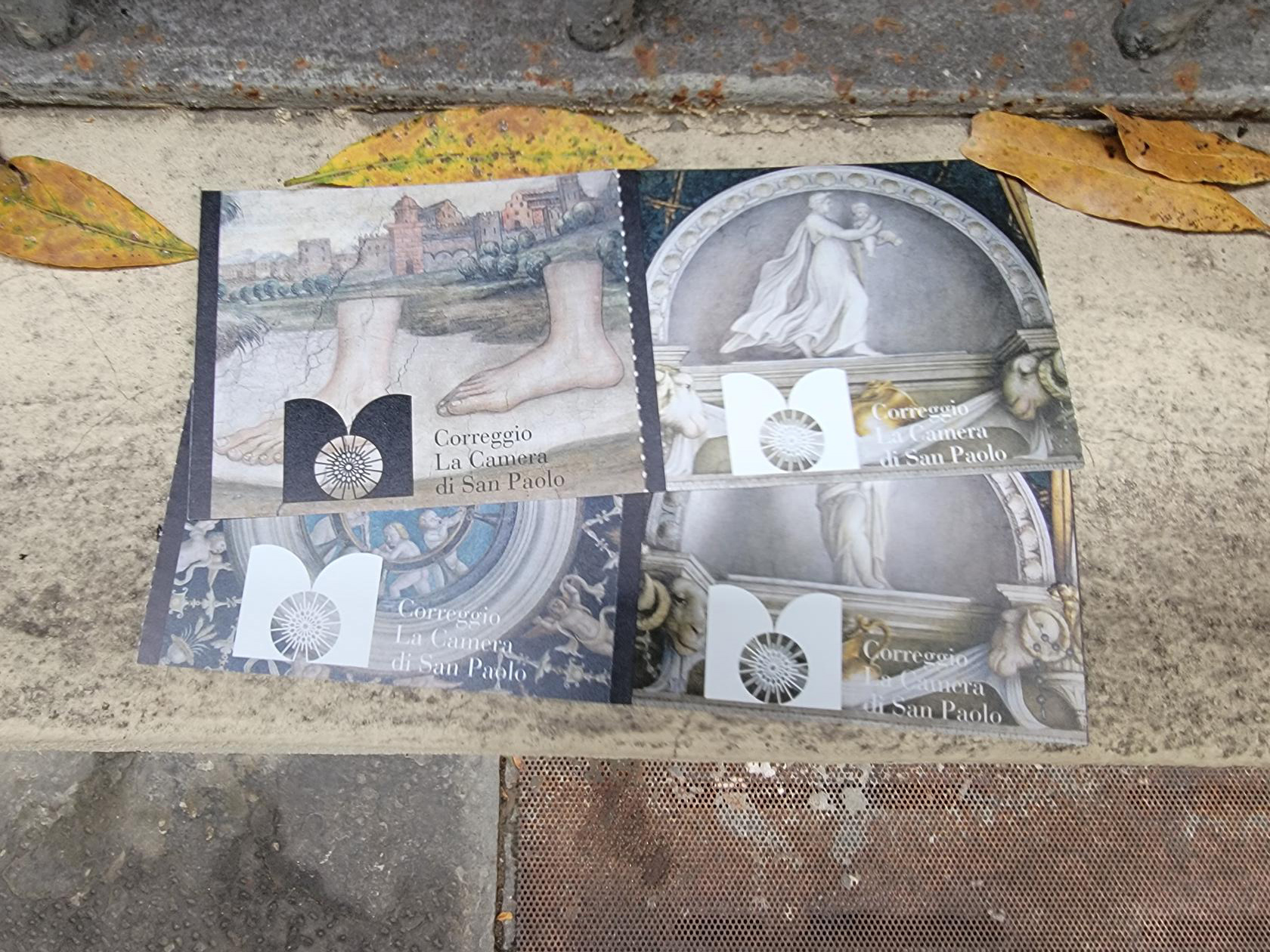
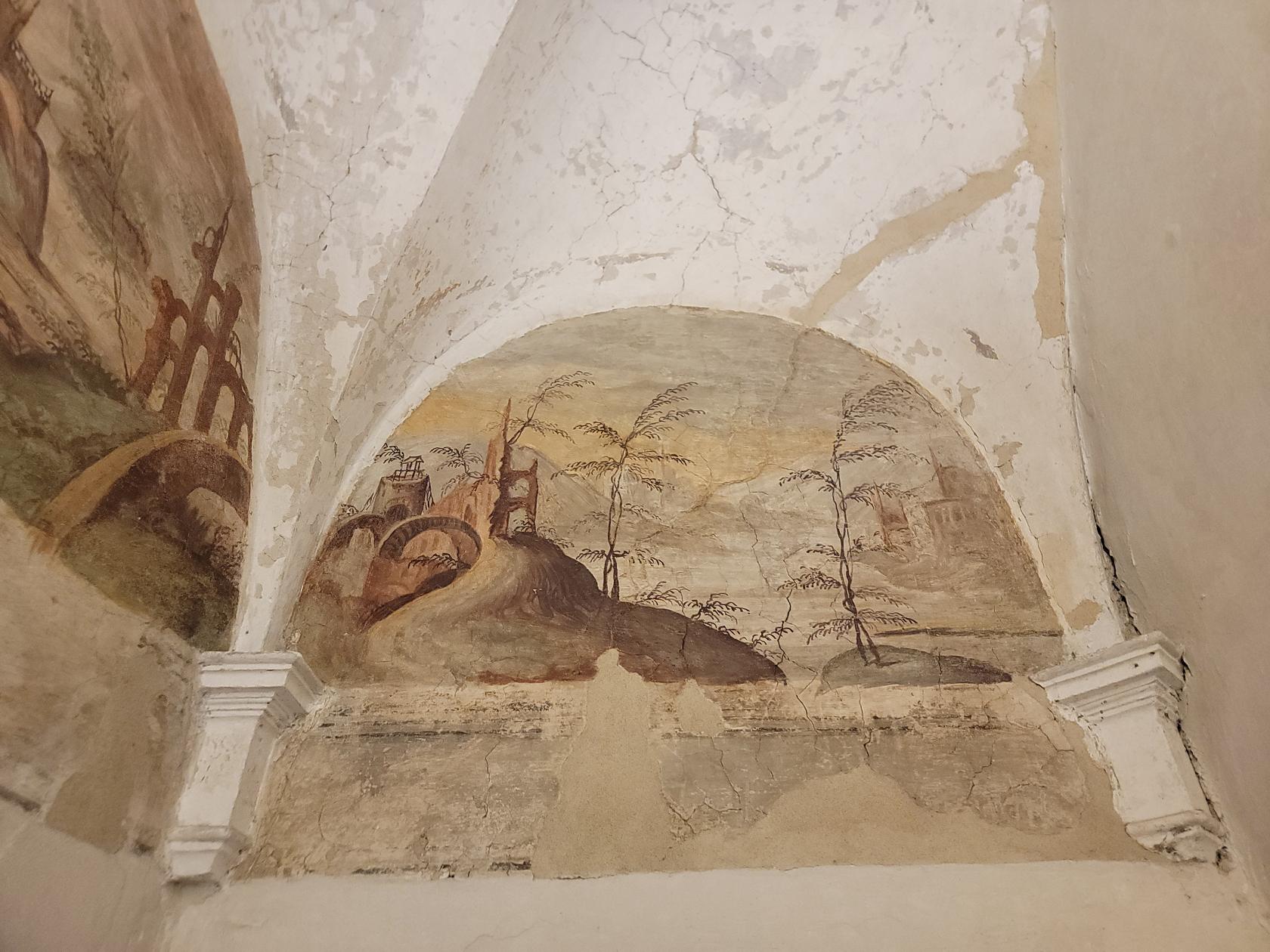
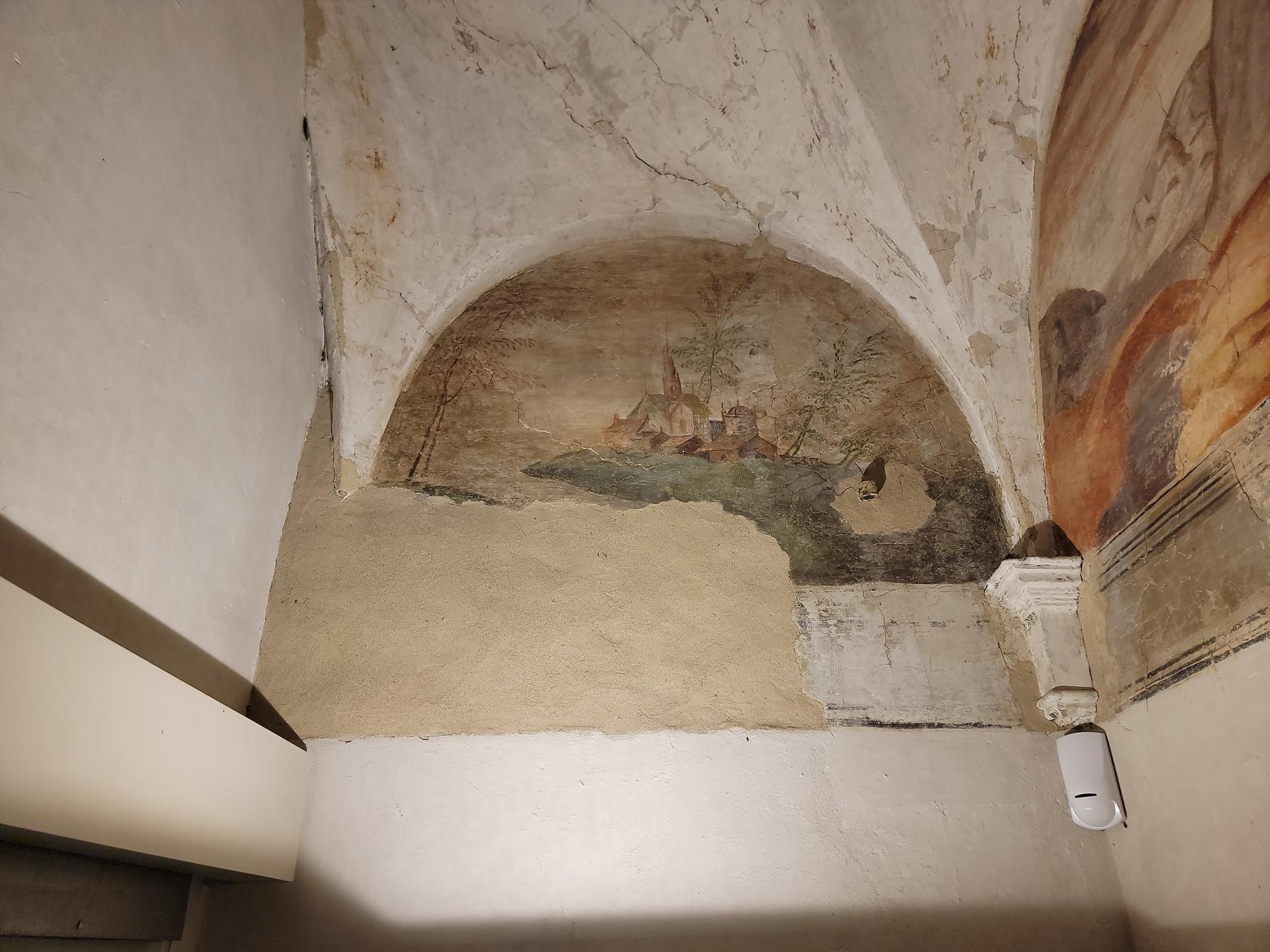
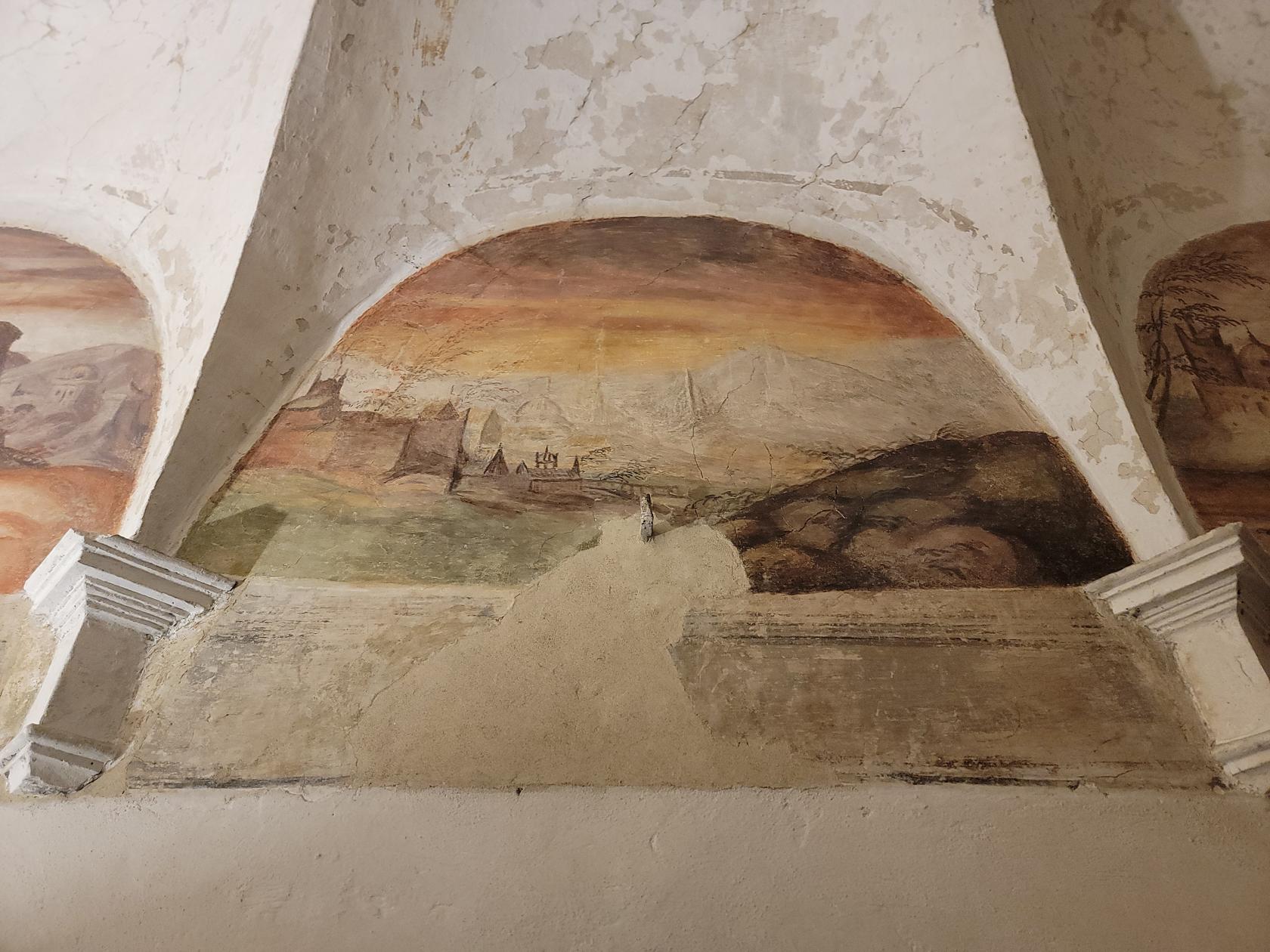
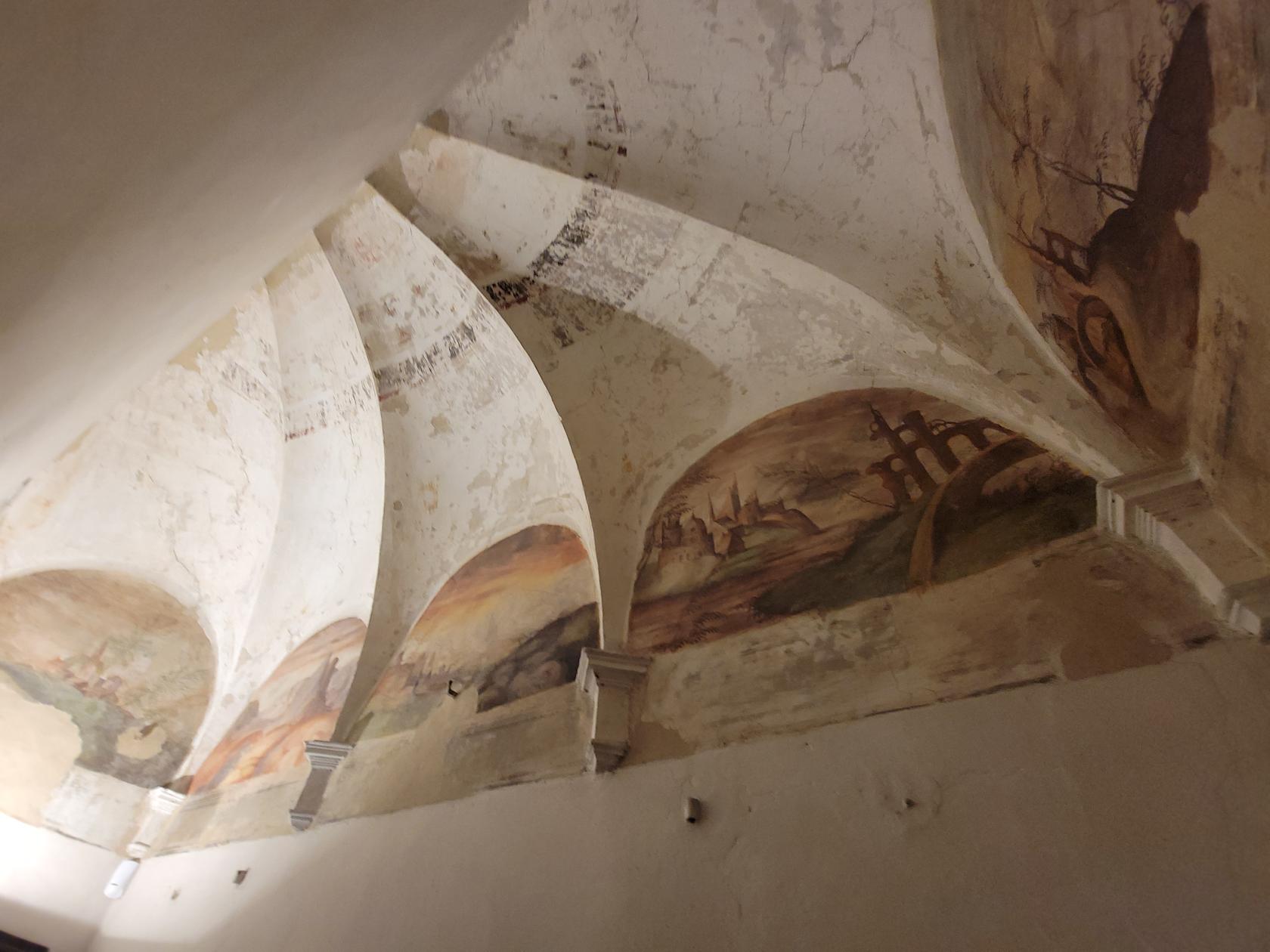
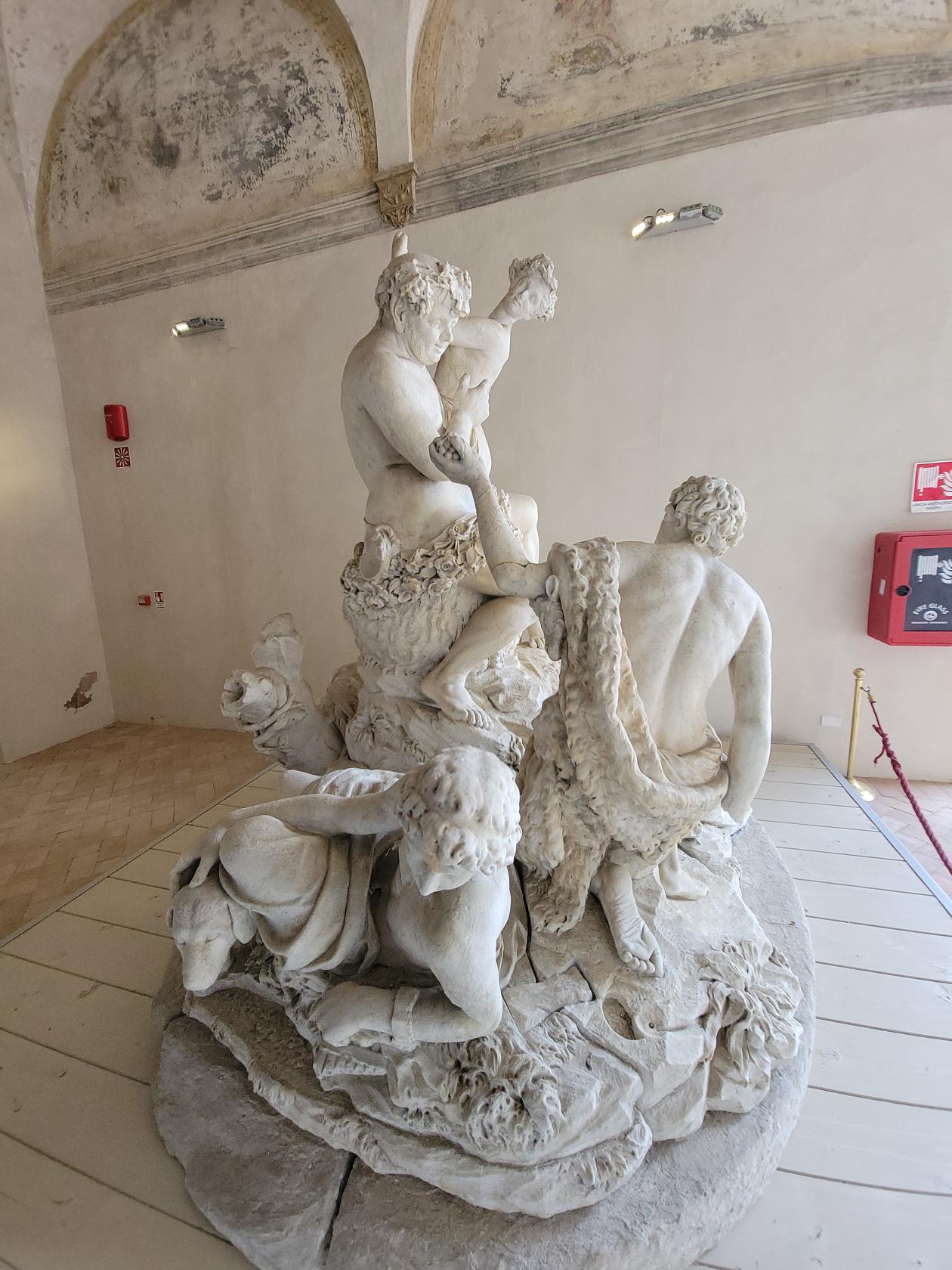
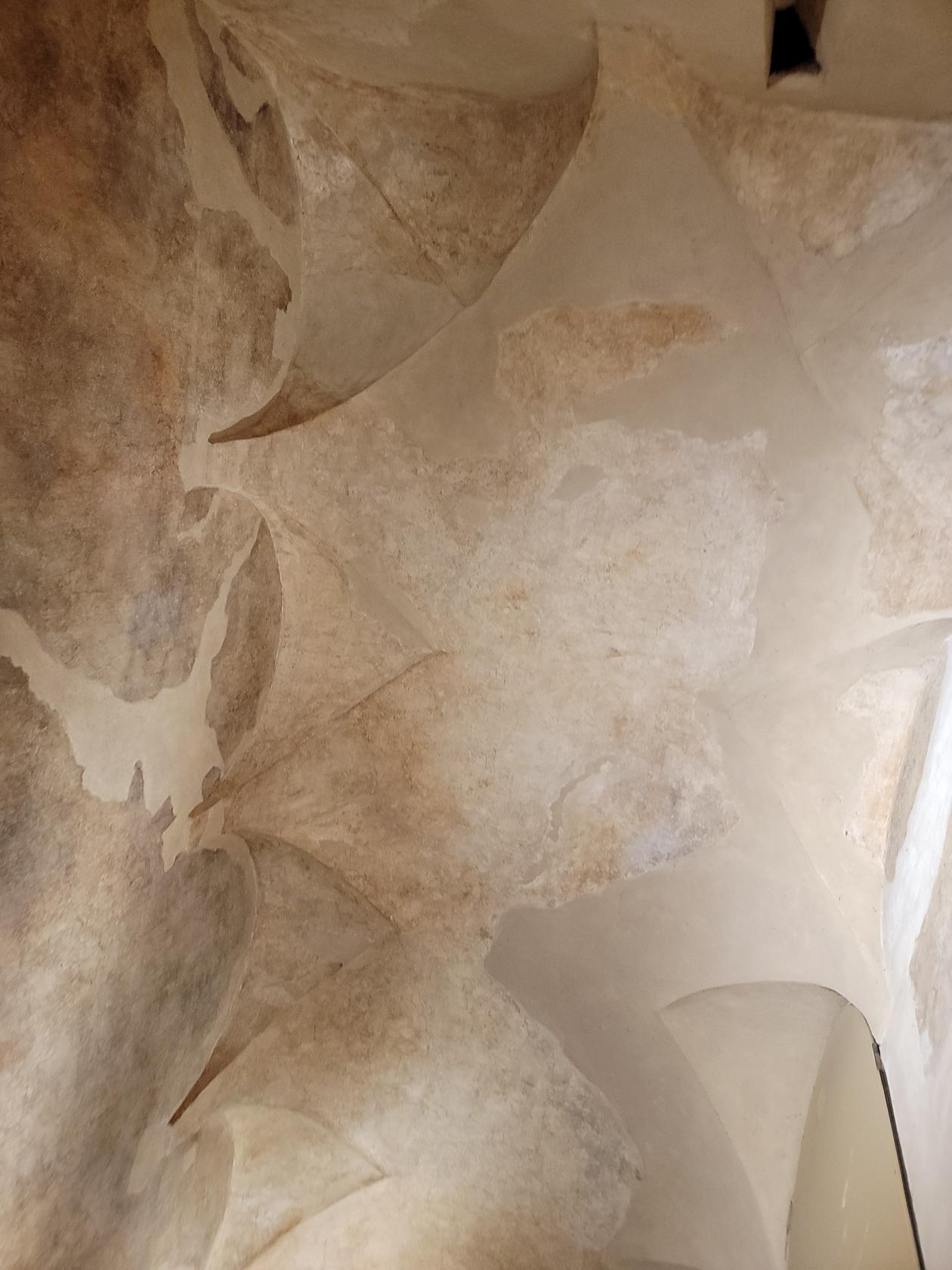
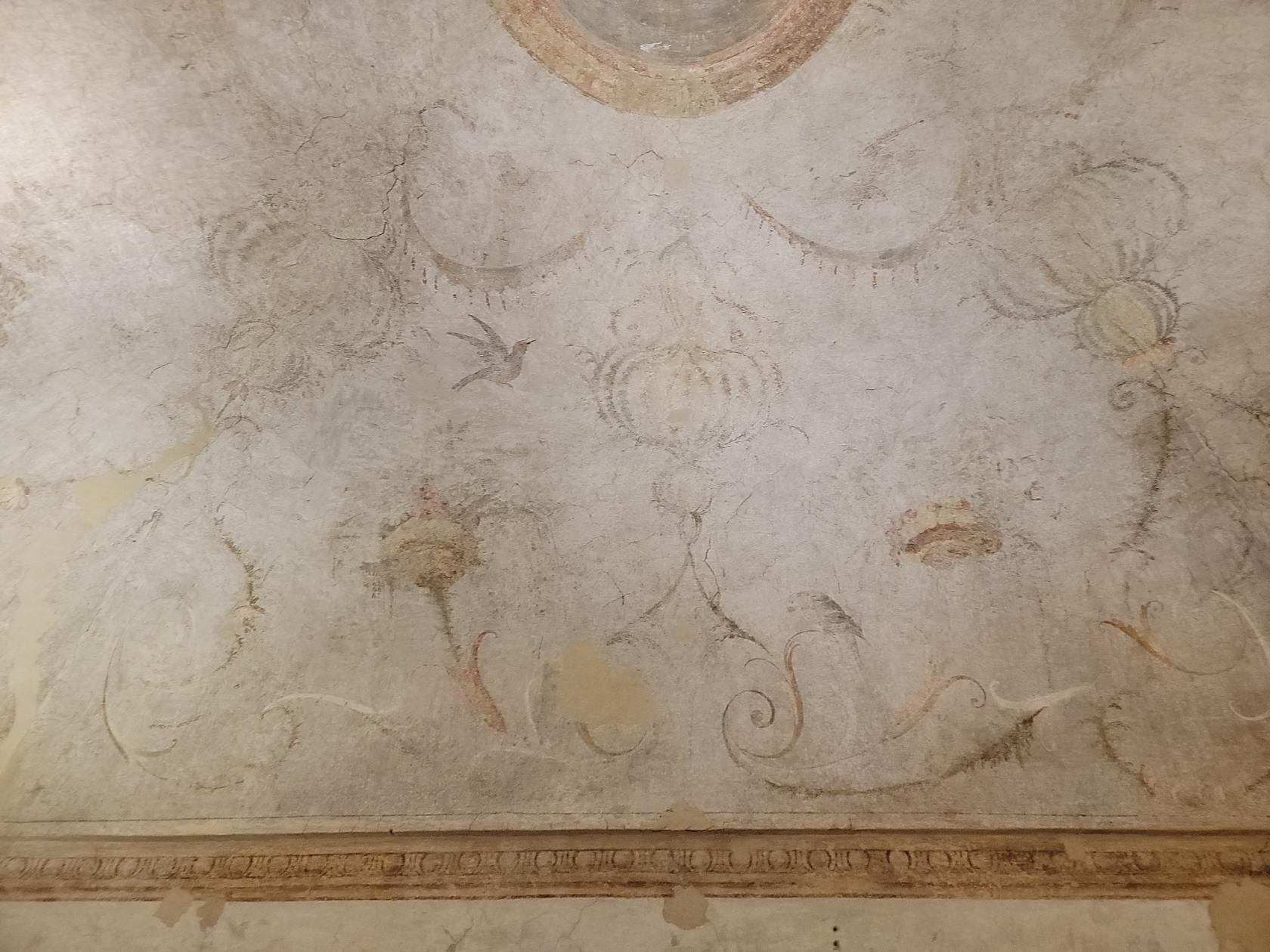
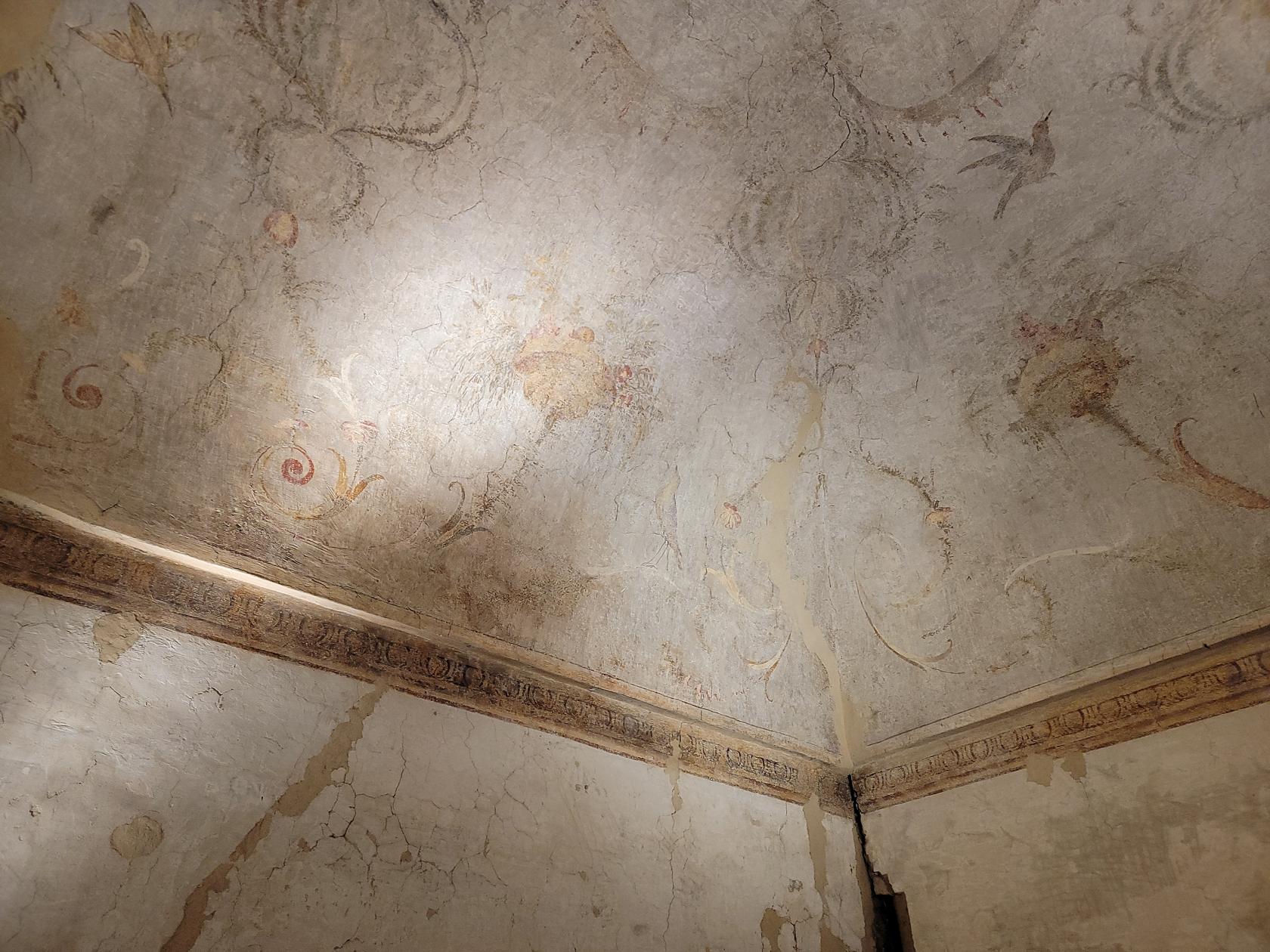
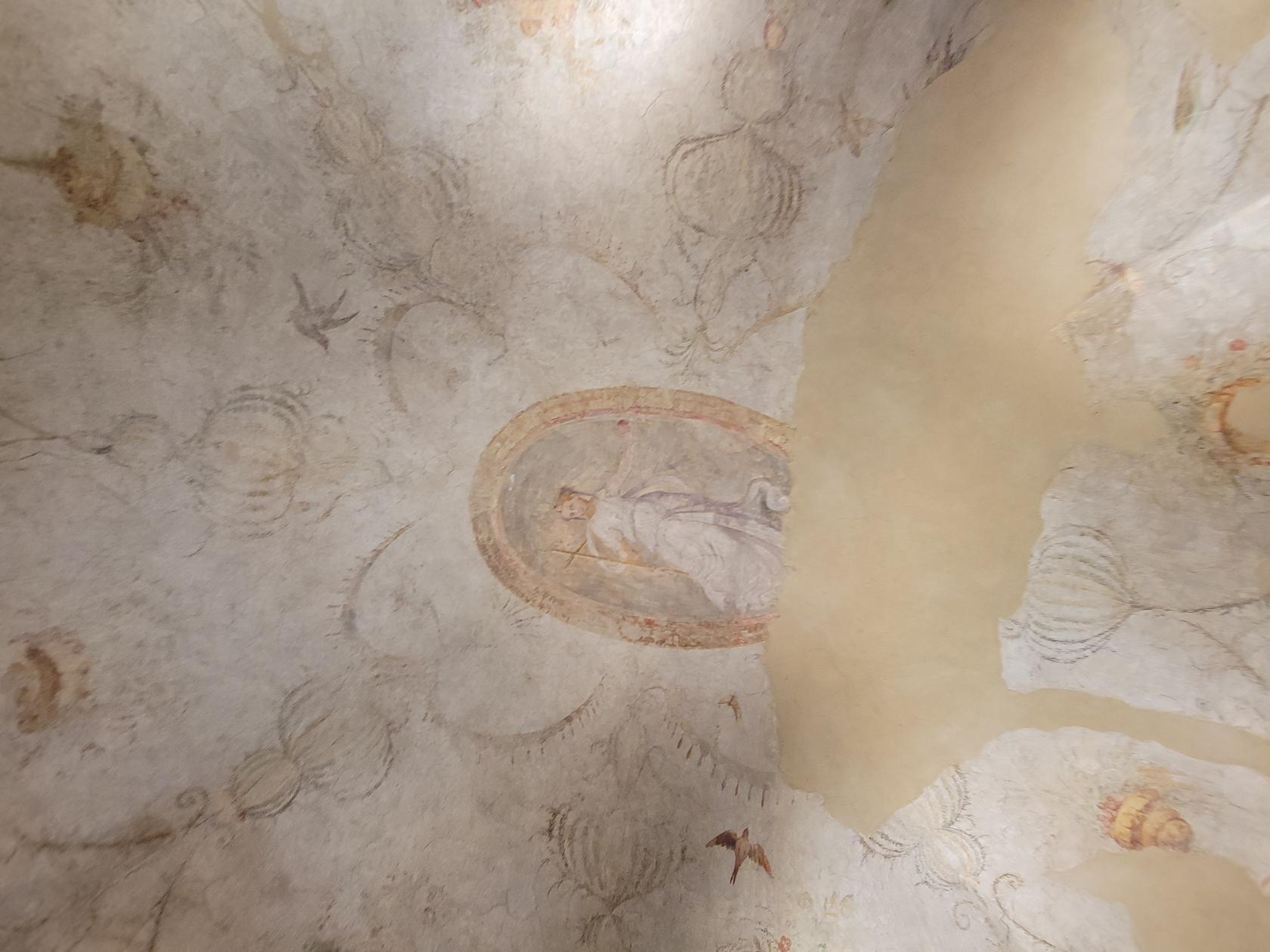
In one room, the frescoes painted on the walls and ceilings are from one of the areas famous painters, Correggio, and were done sometime in the 16th century.
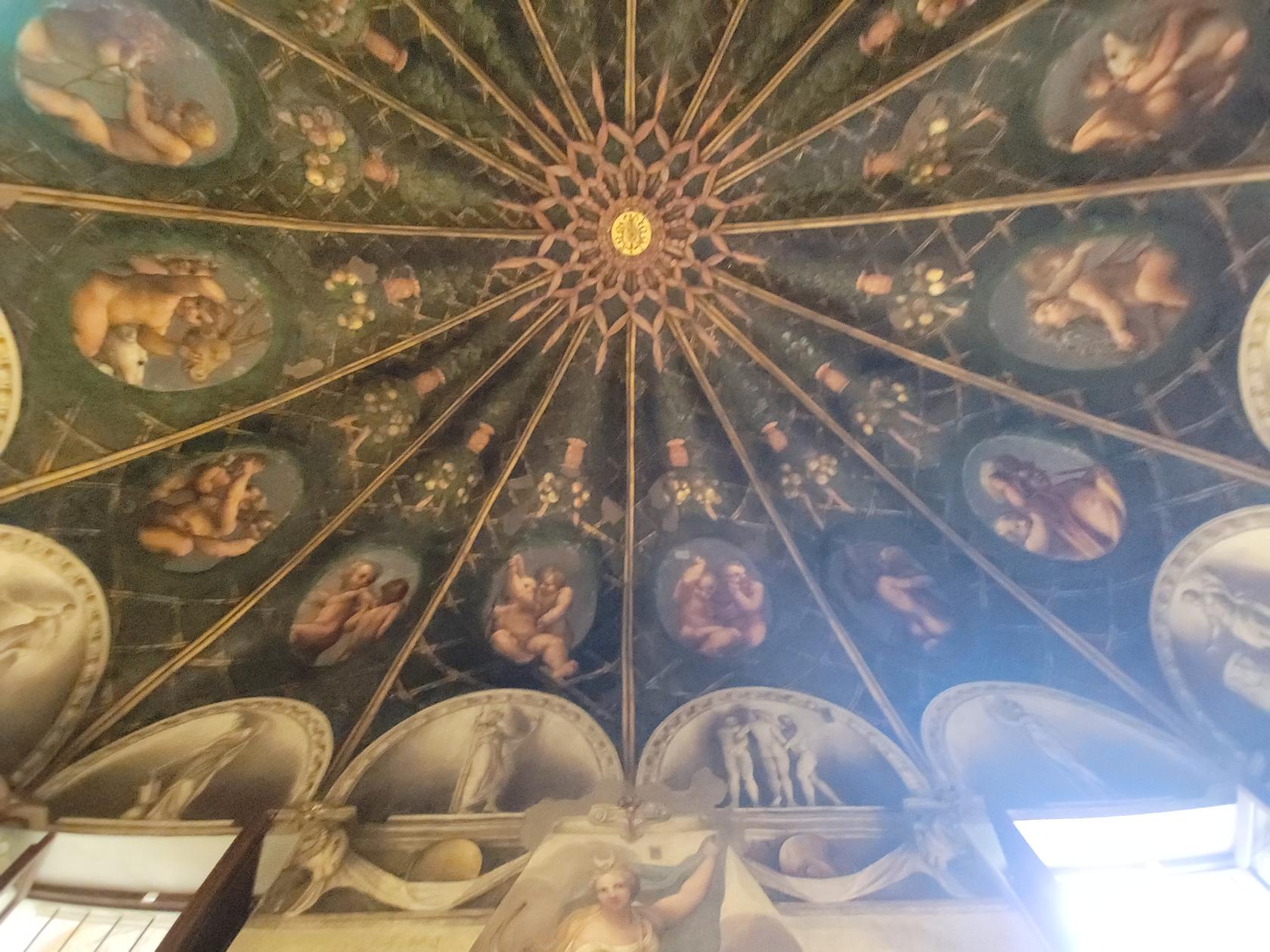
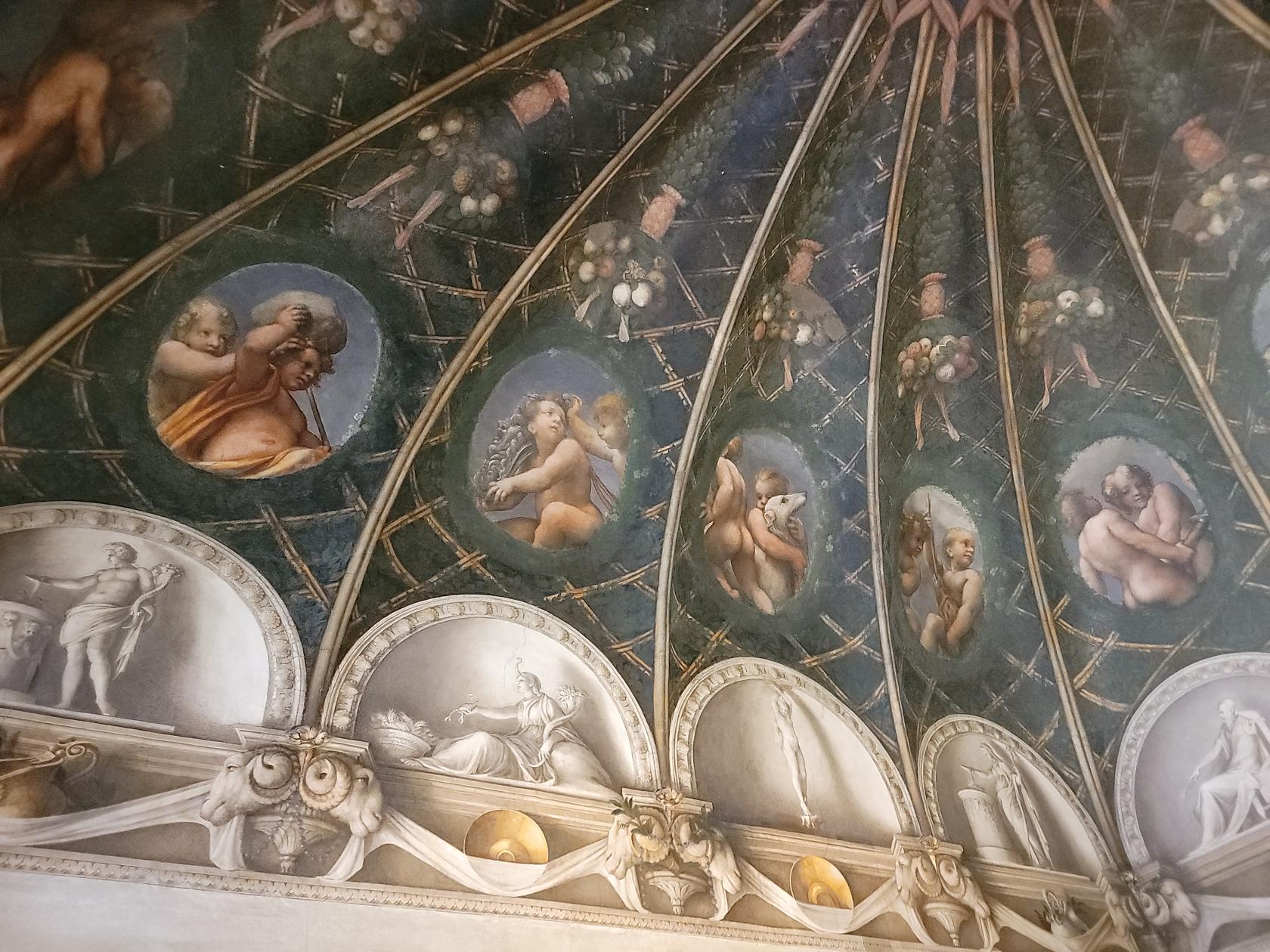
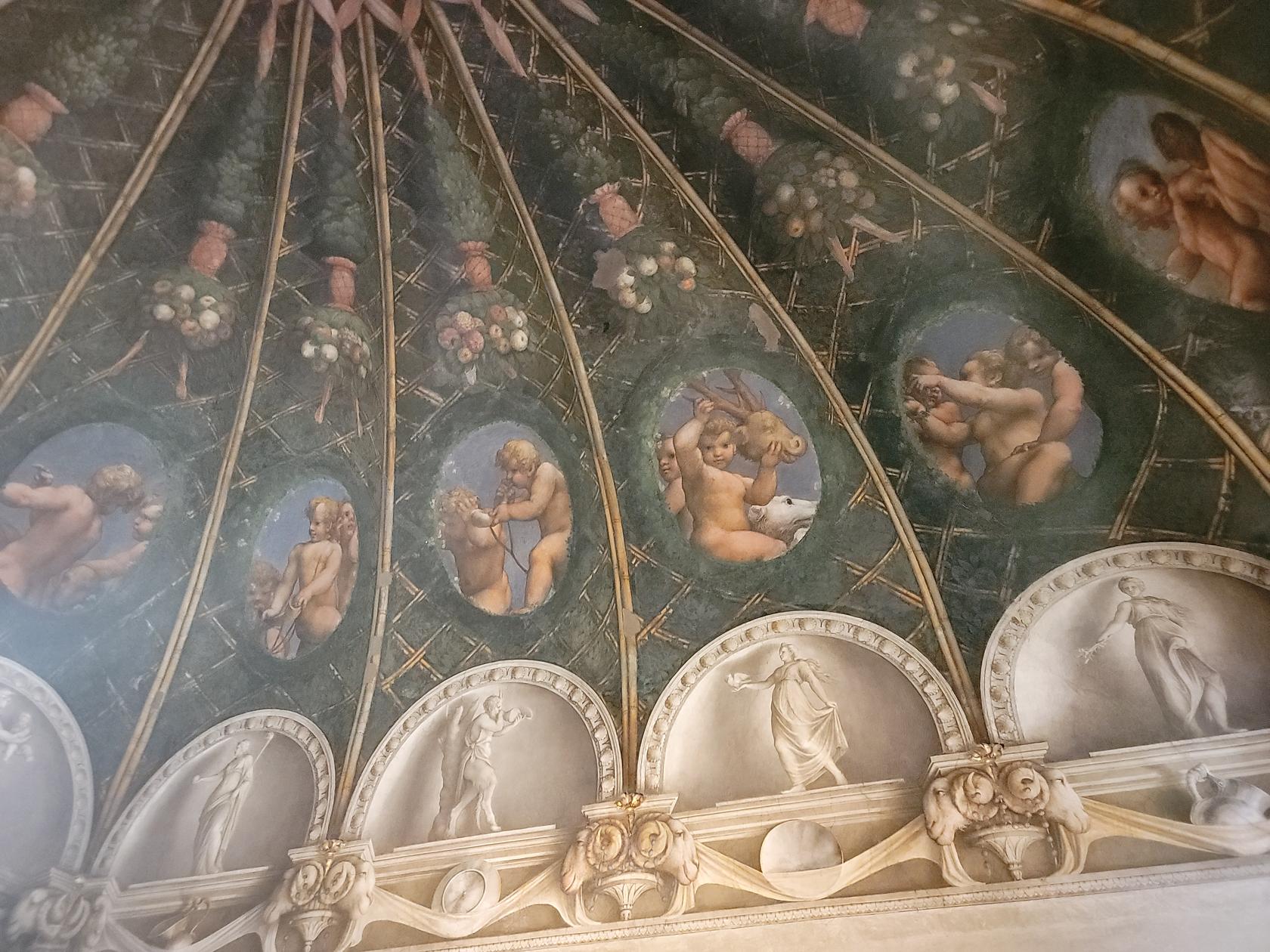
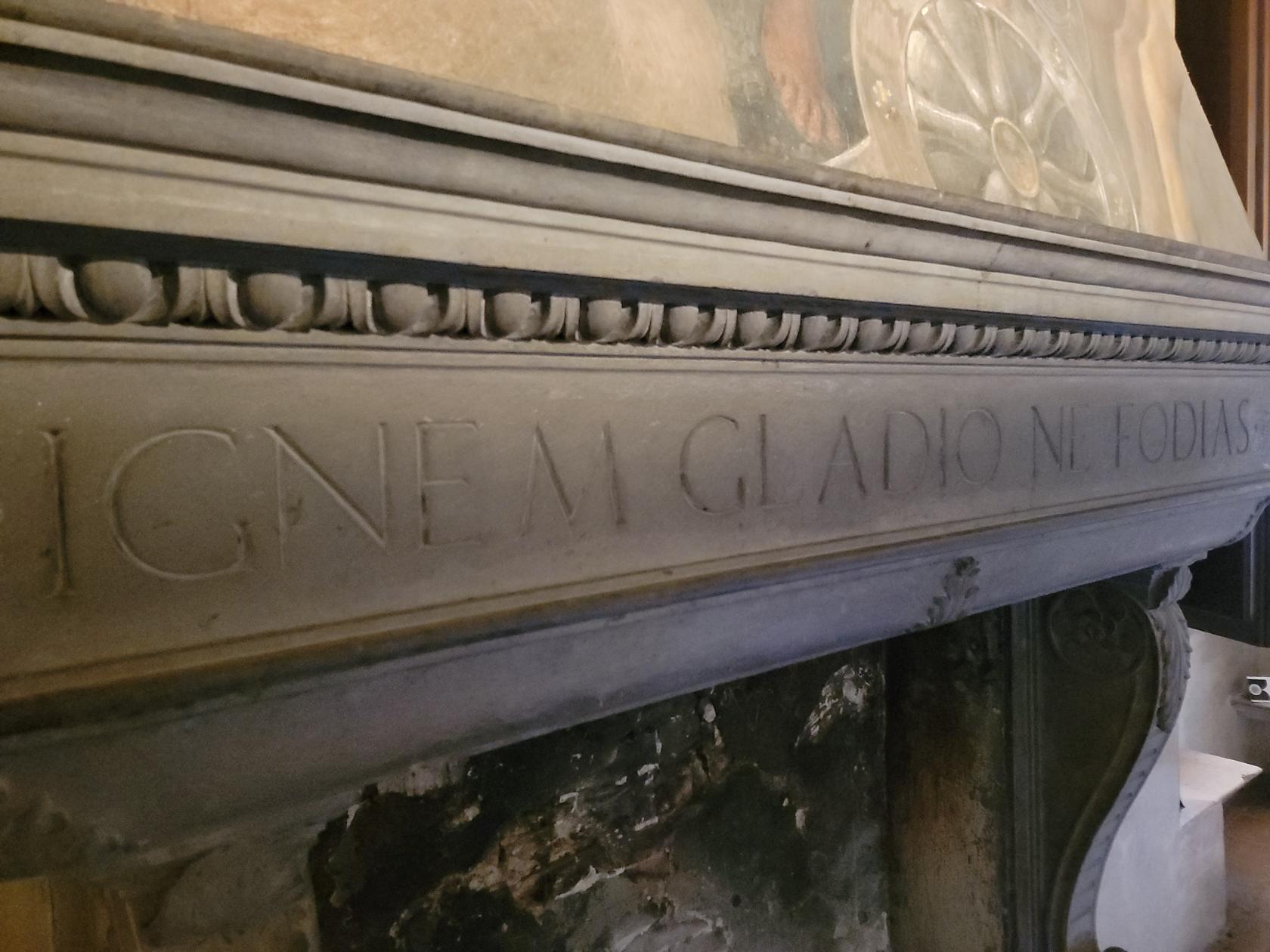
The museum also has a vaulted frescoed ceiling from Alessandro Araldi dedicated to Saint Catherine.
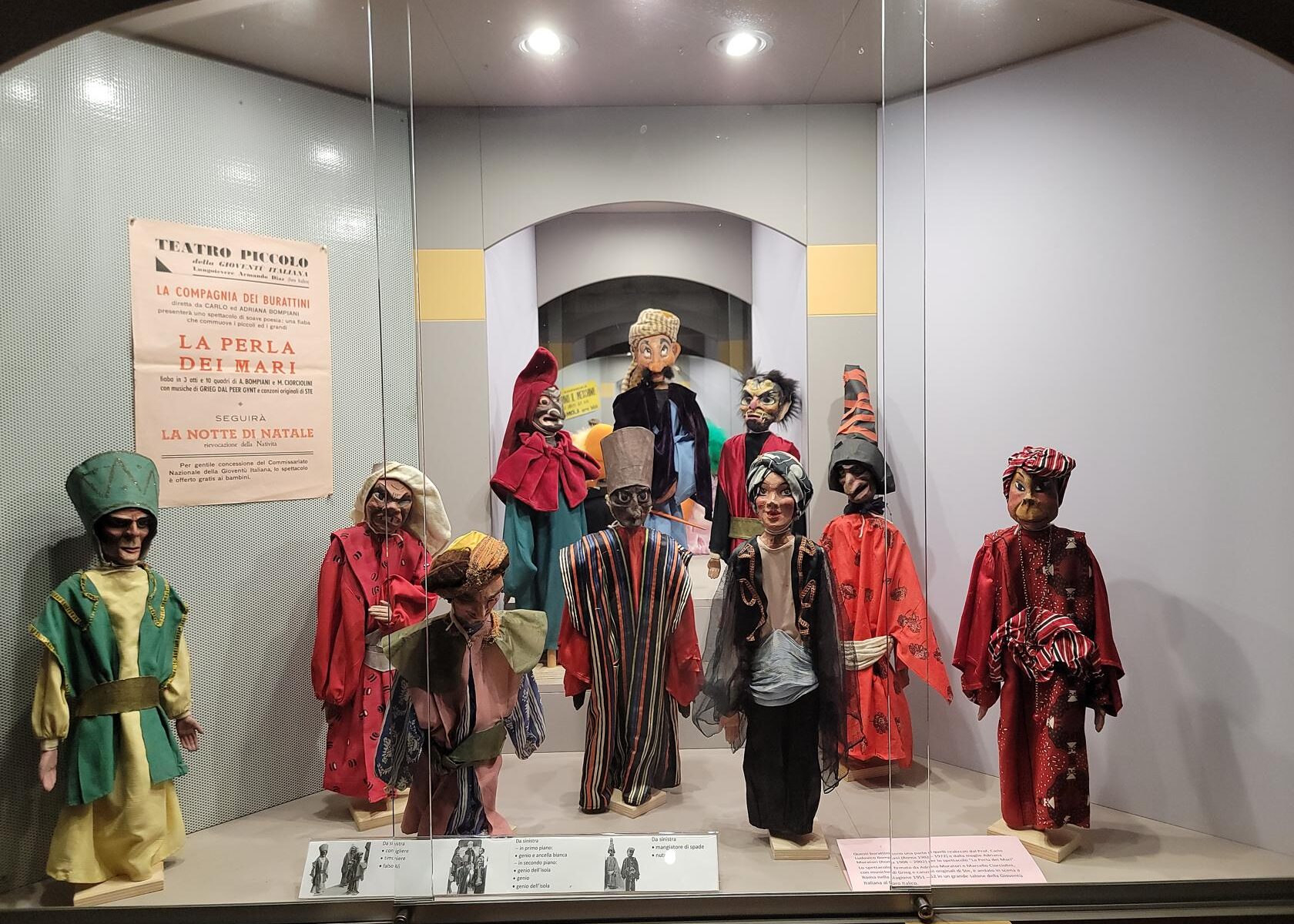
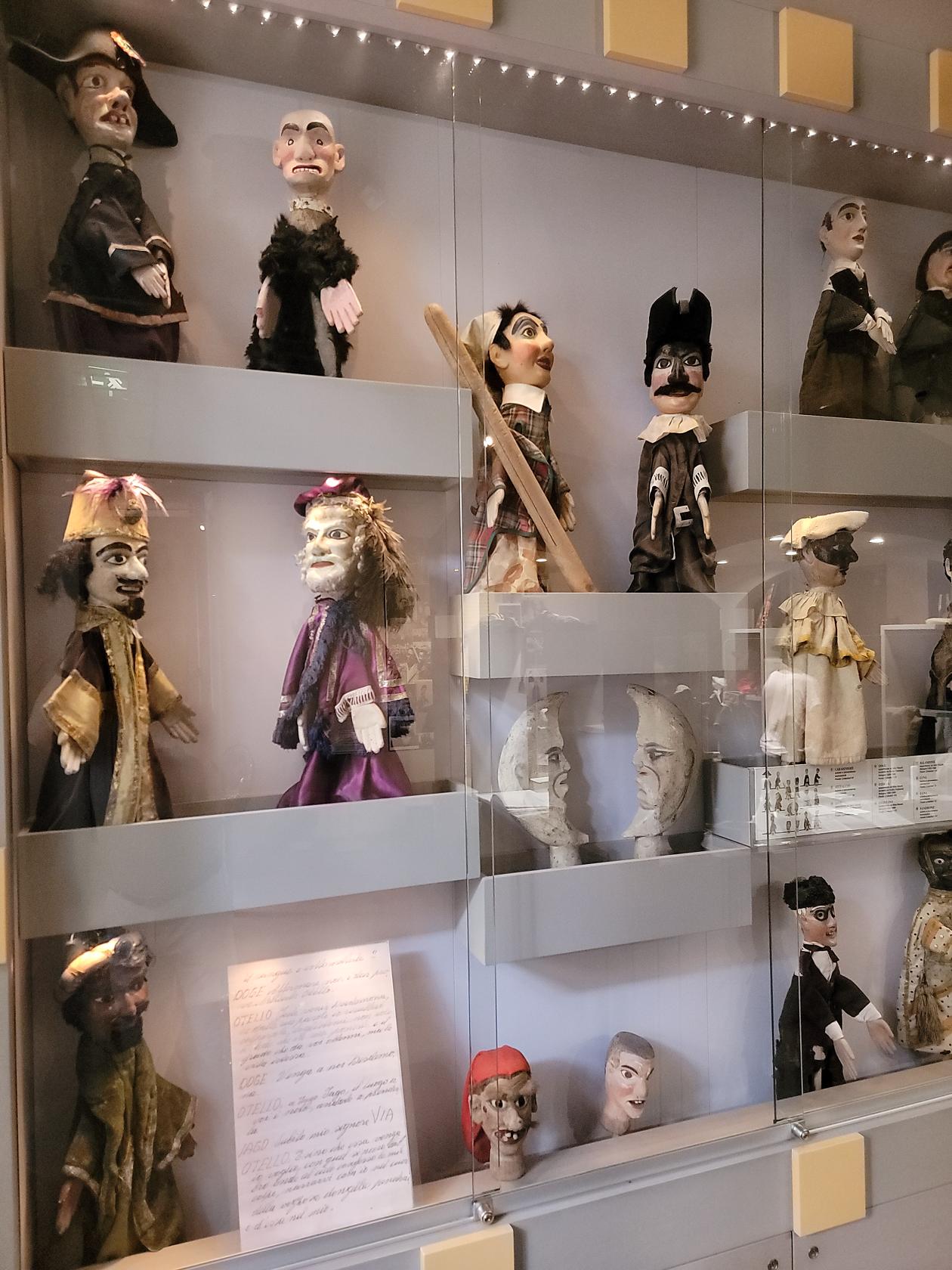
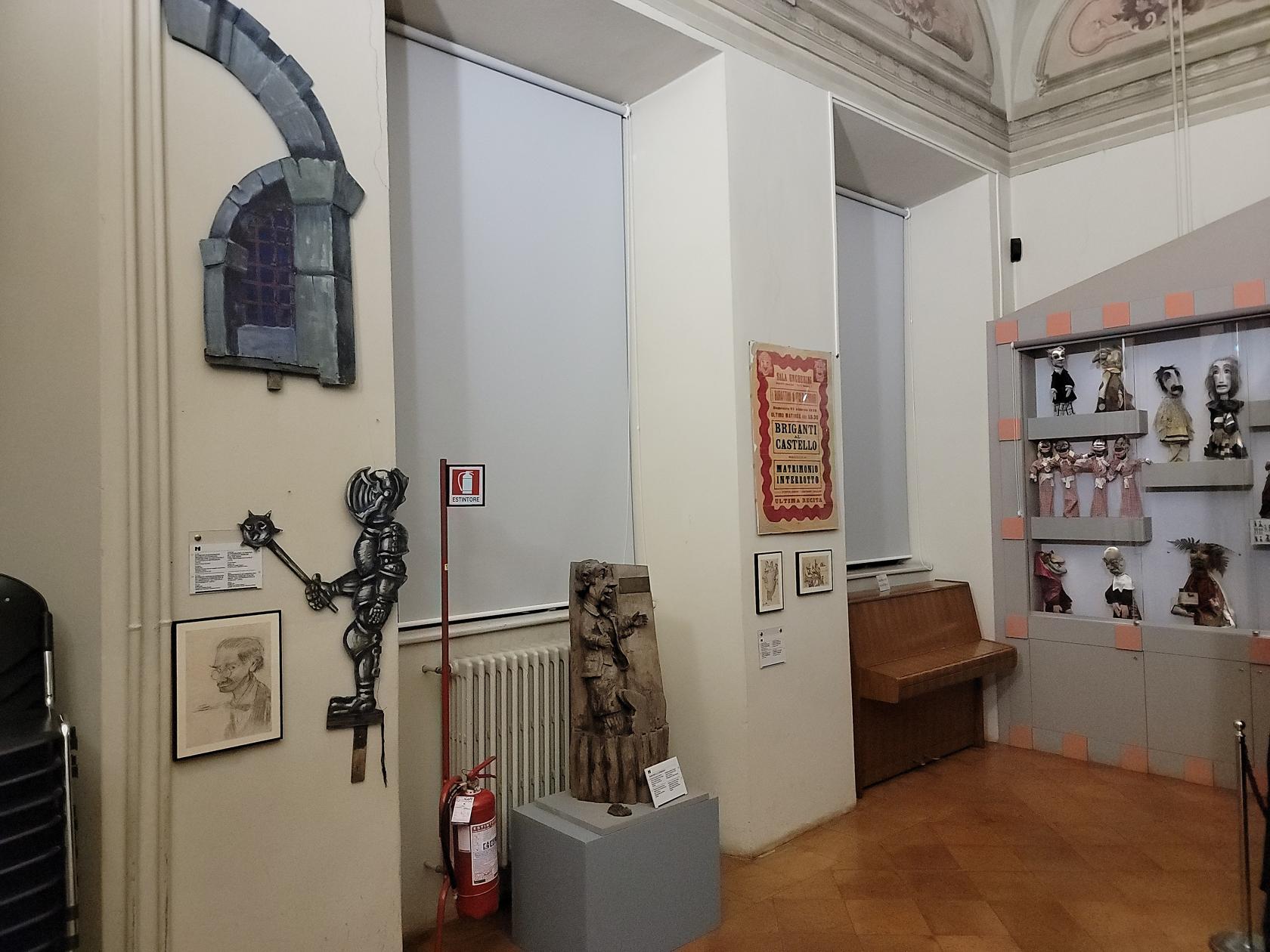
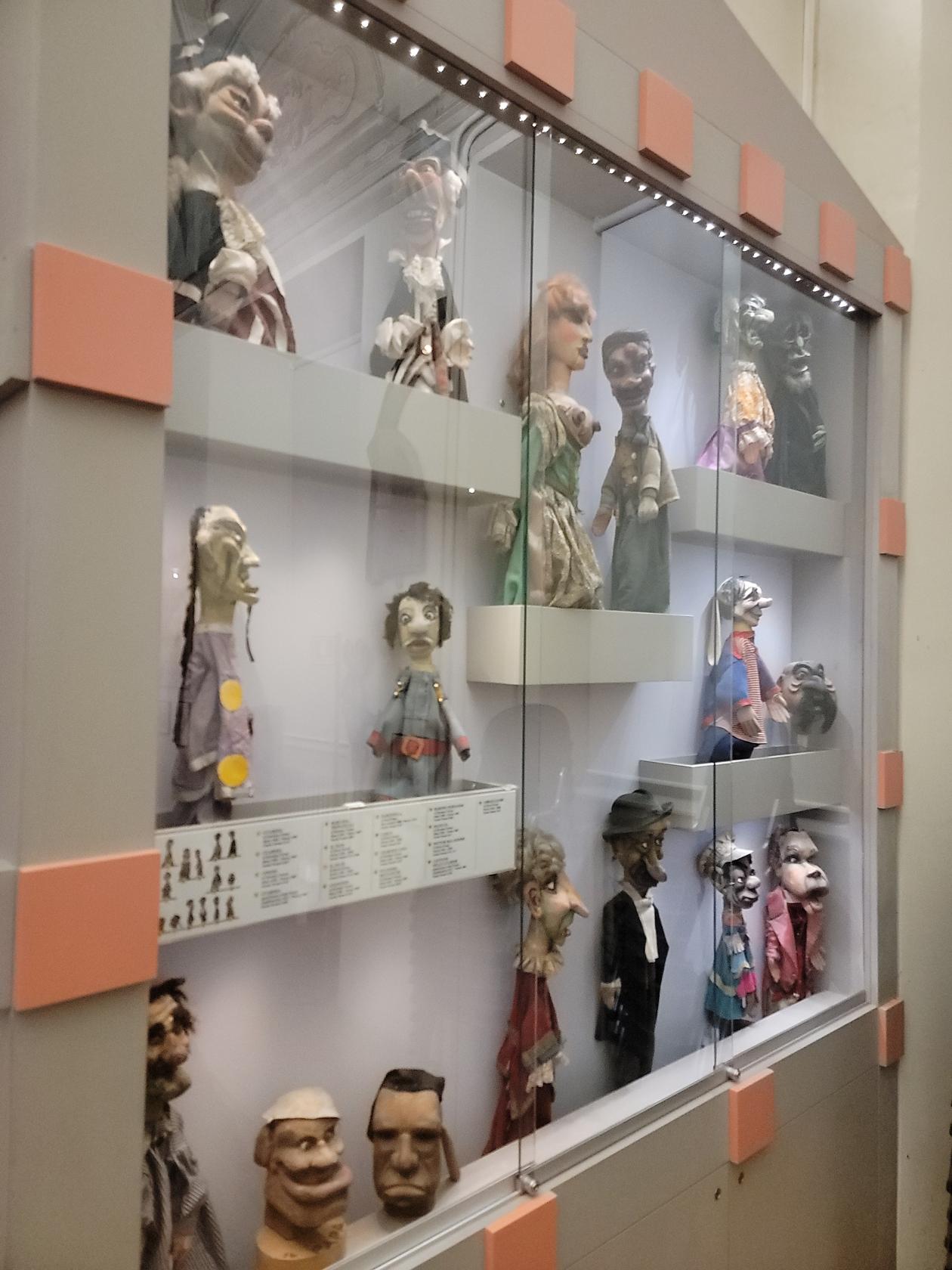
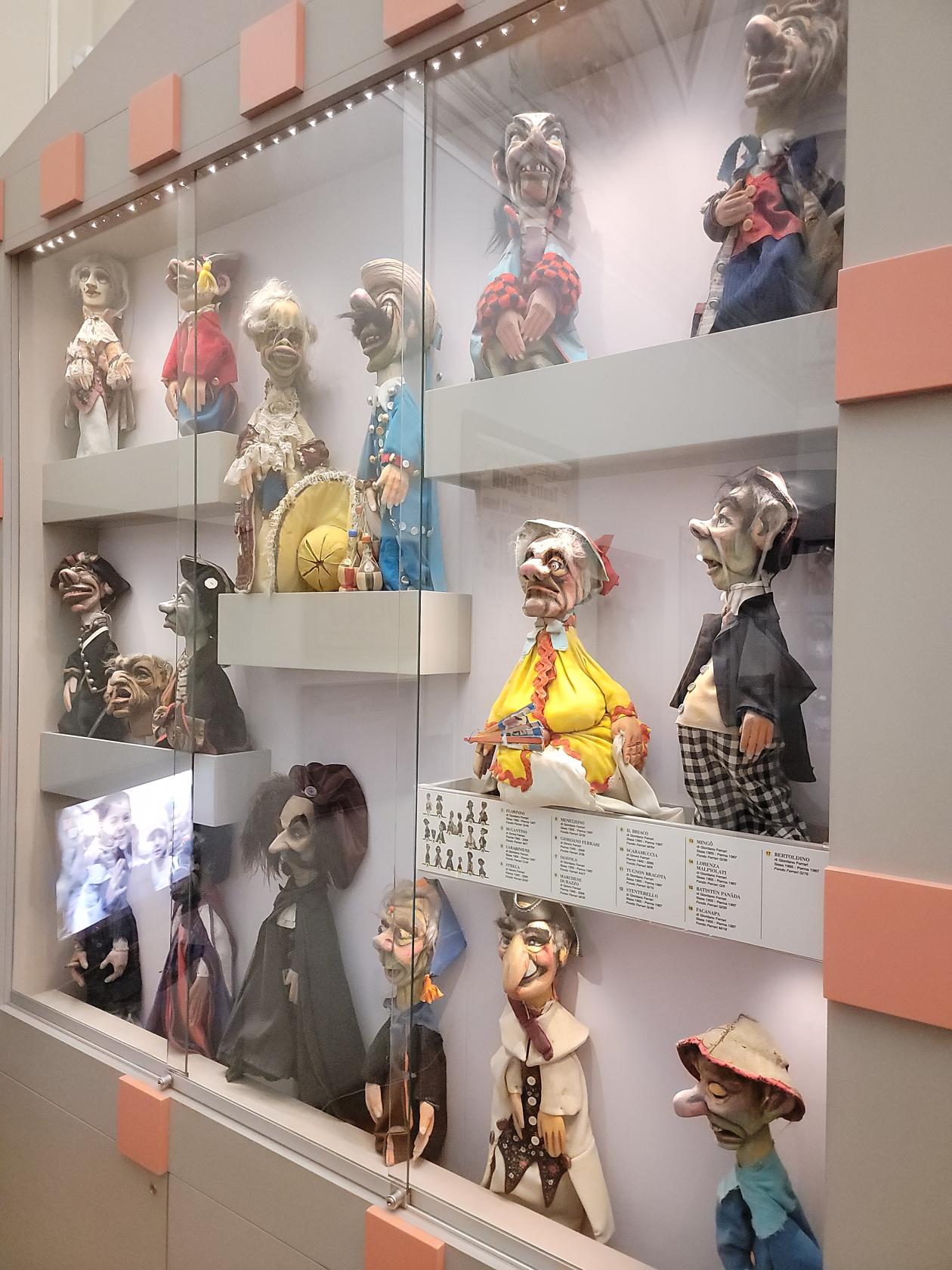
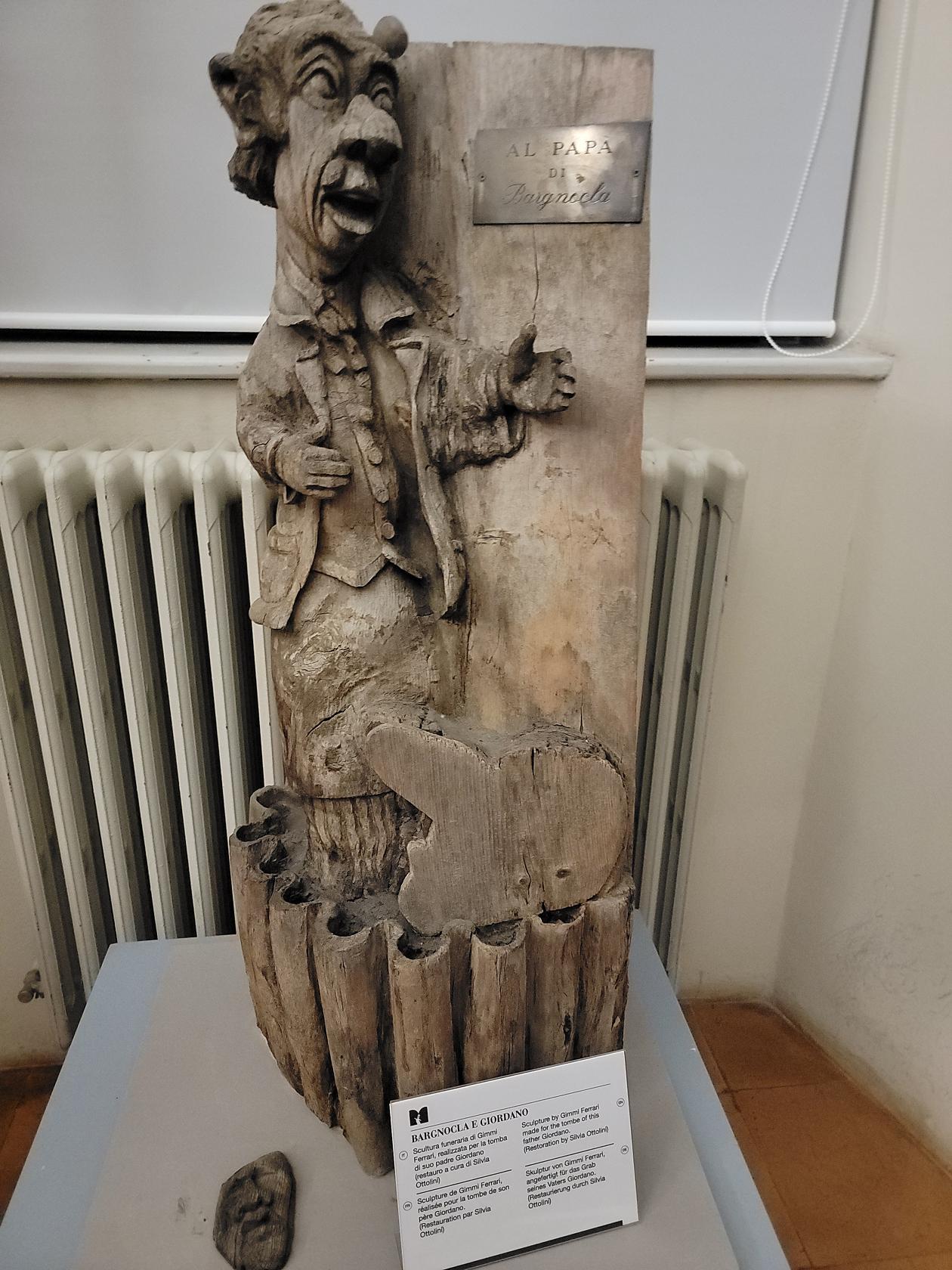
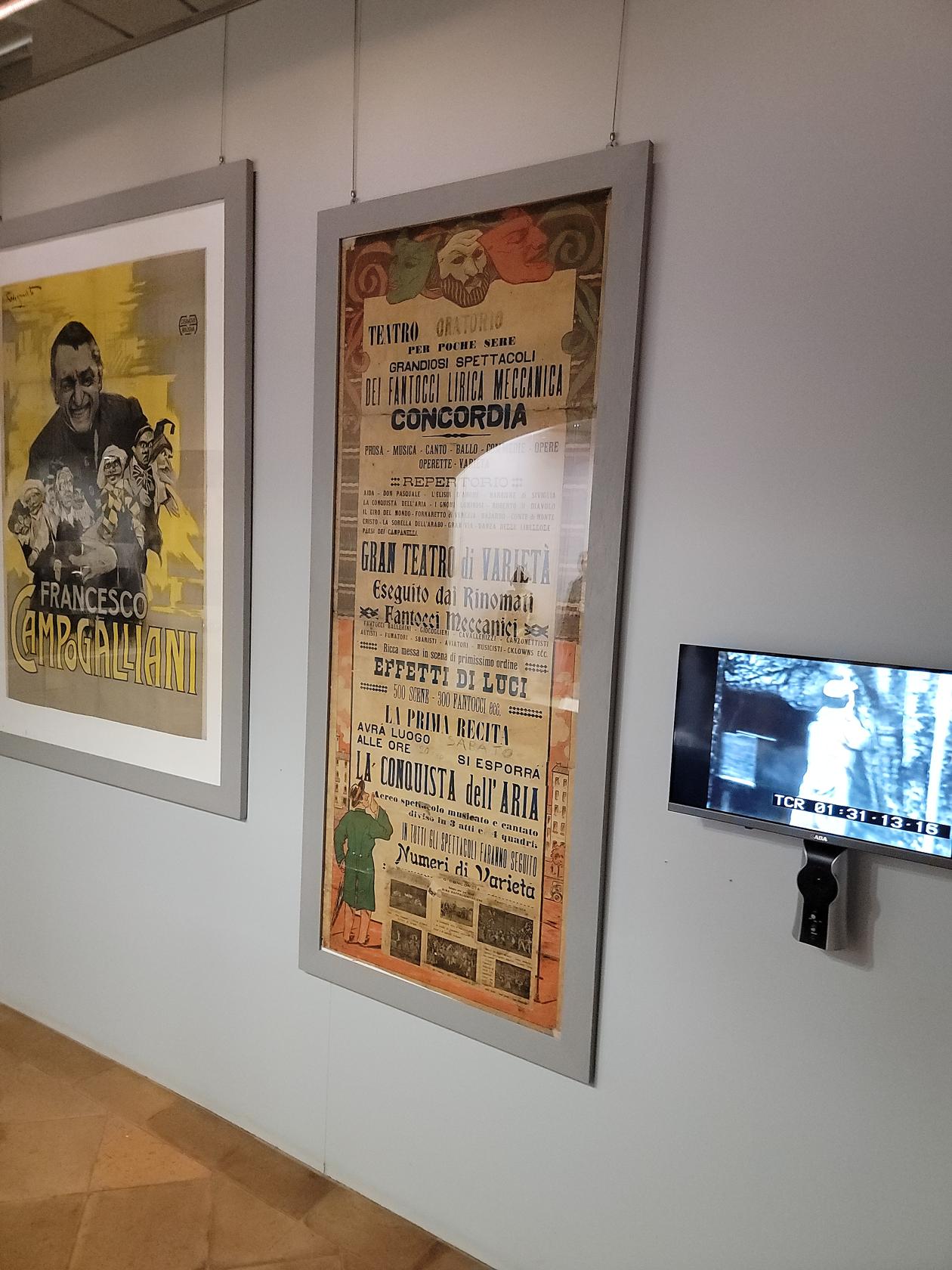
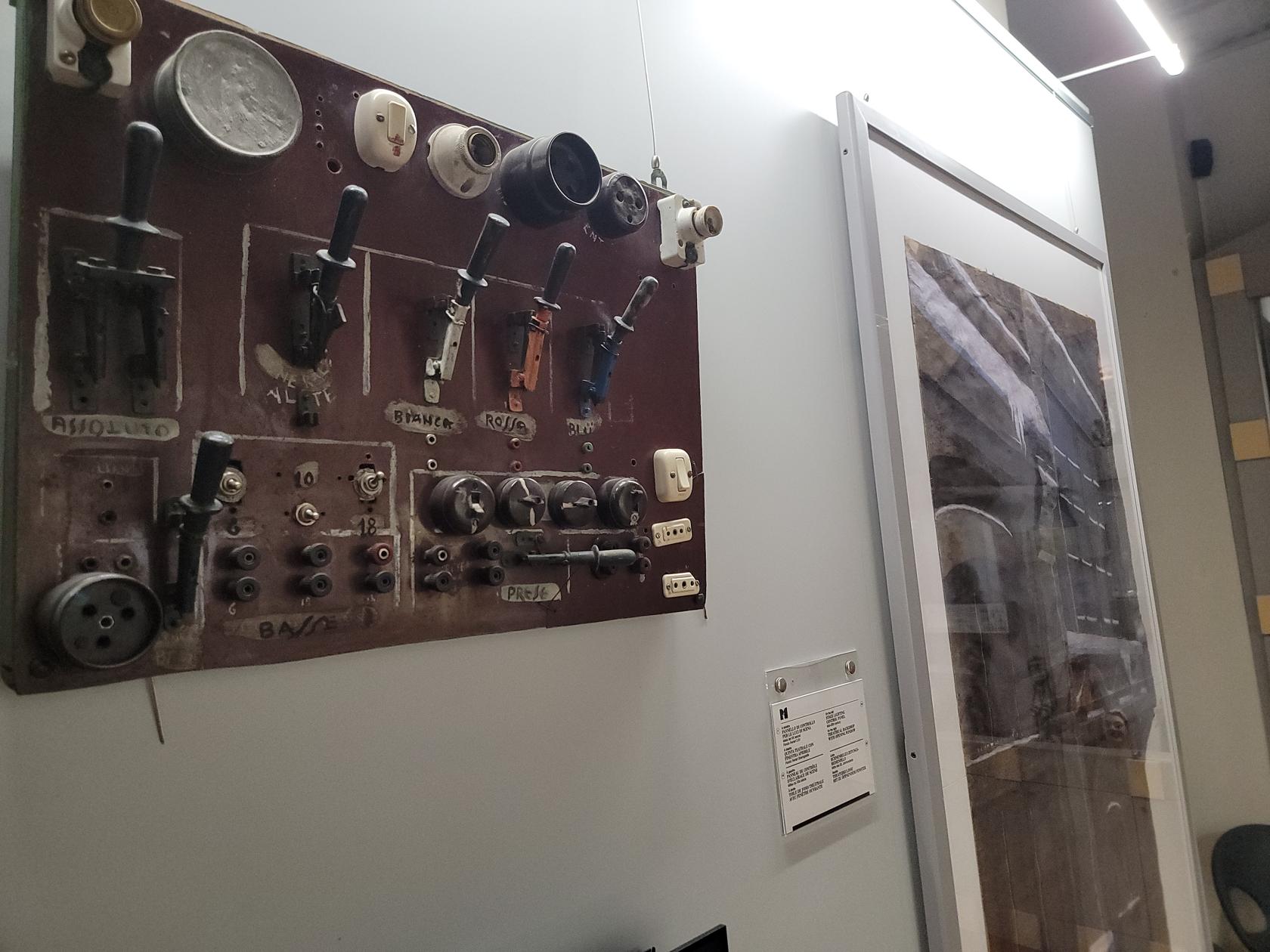
Giordano Ferrari’s Puppet Museum
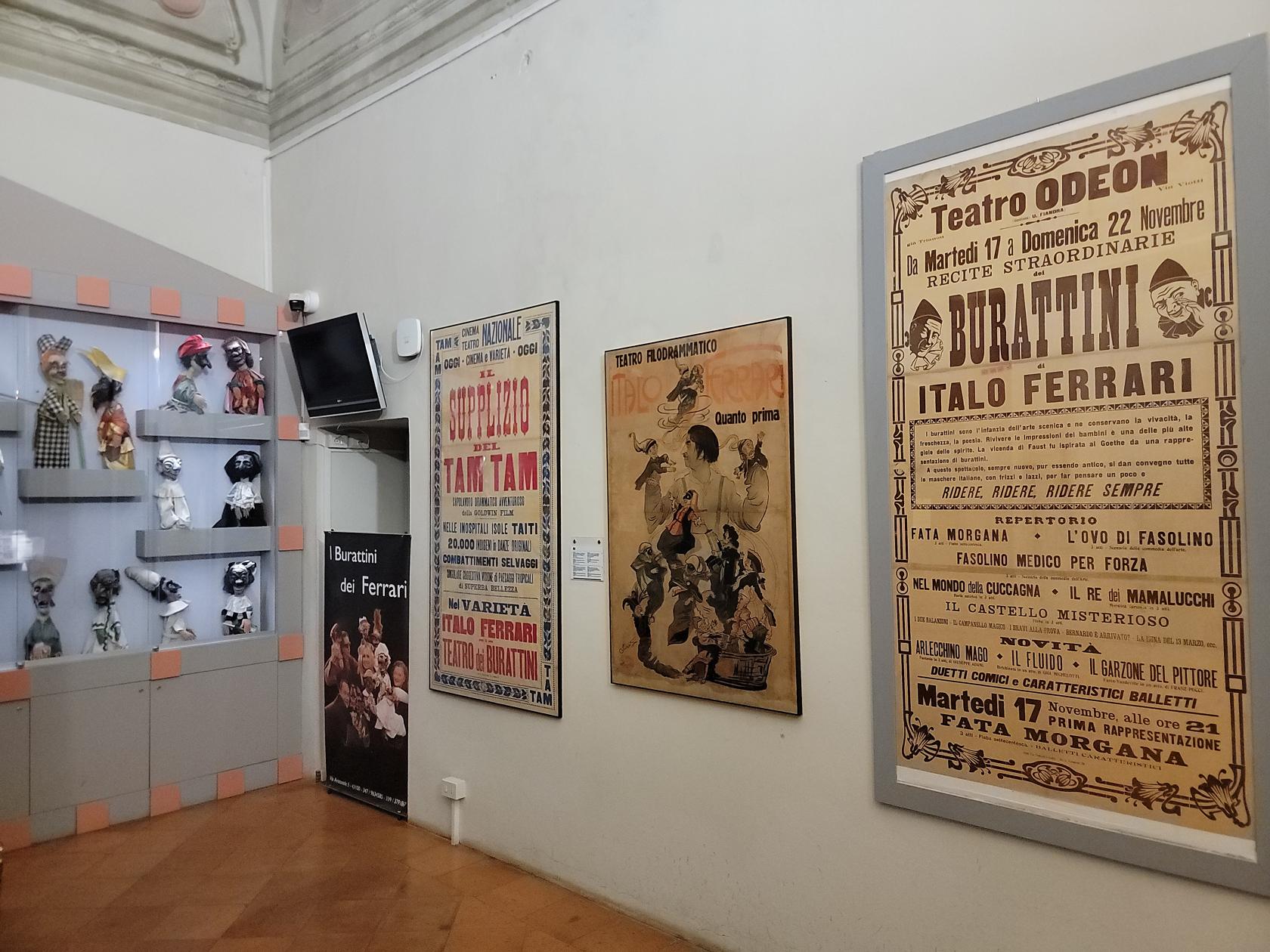
Founded by Italo Ferrari, a peasant and apprentice shoemaker, turned his love of puppetry and puppeteering into an obsession. After failing several times in his twenties and thirties, he took on other jobs to support himself. It wasn’t until he perfected his art after the turn of the century and his repertoire from only tragedies, but to also include comedies and variety acts, was he able to devote full time and energy to his passion.
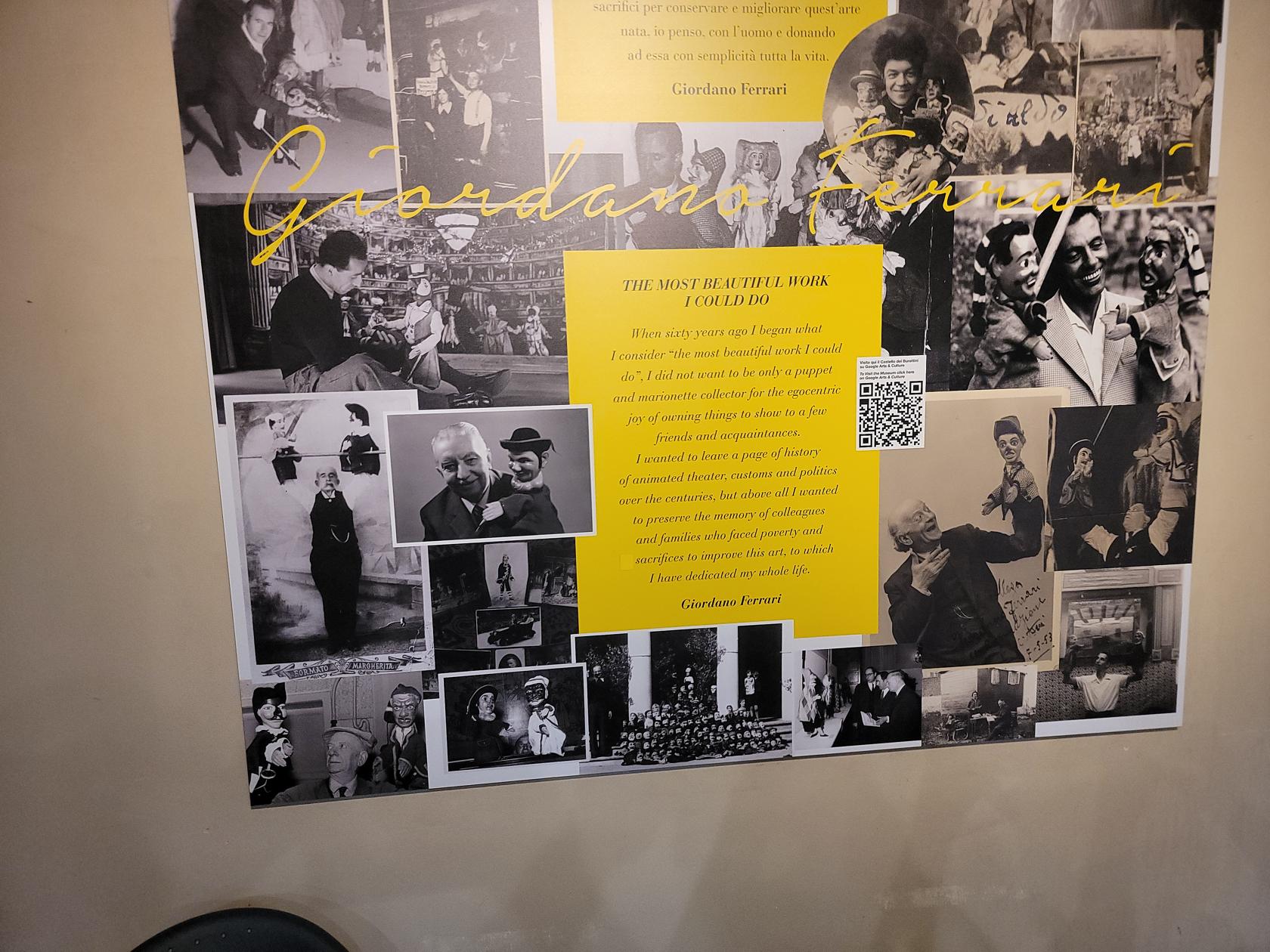
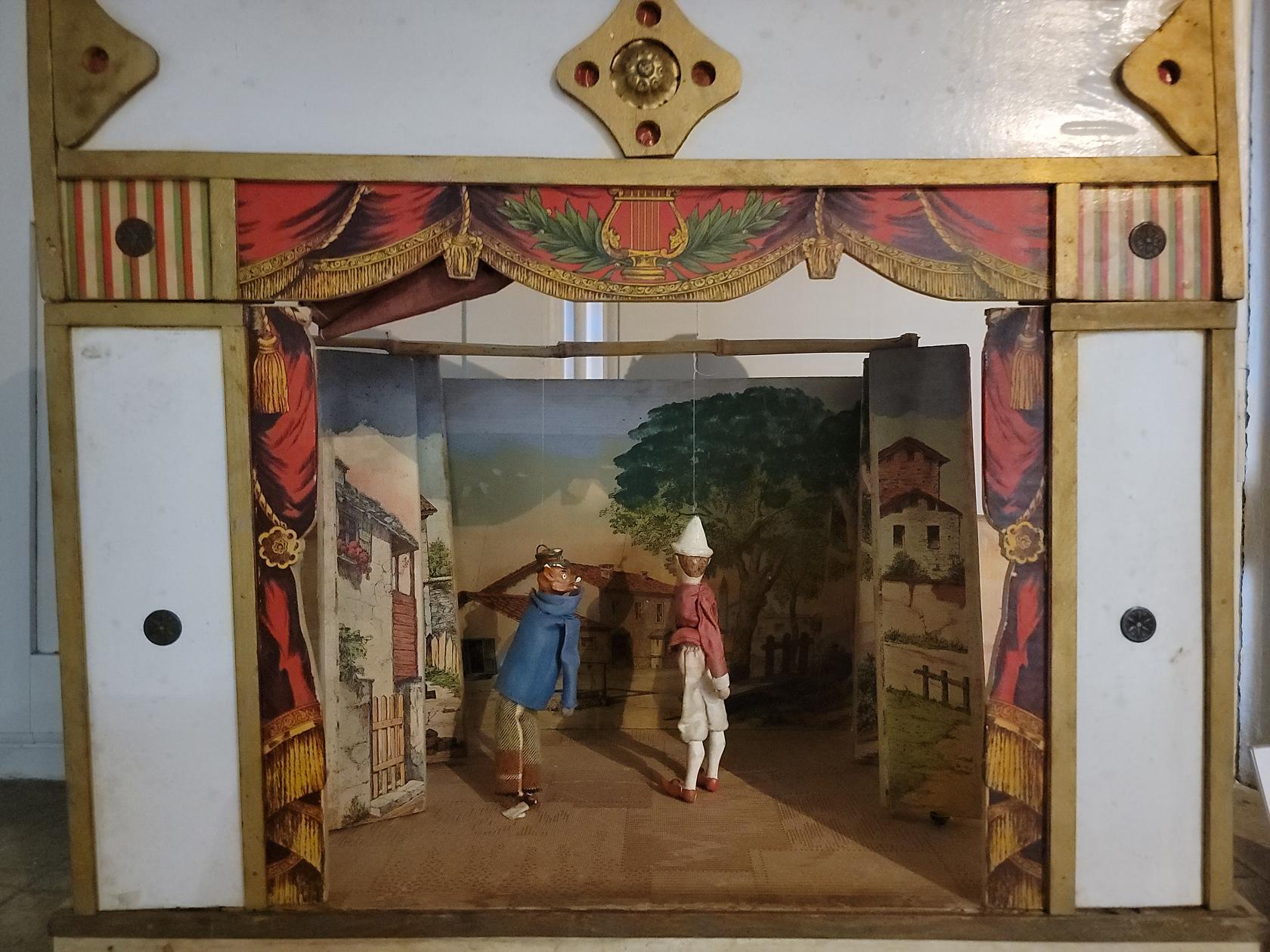
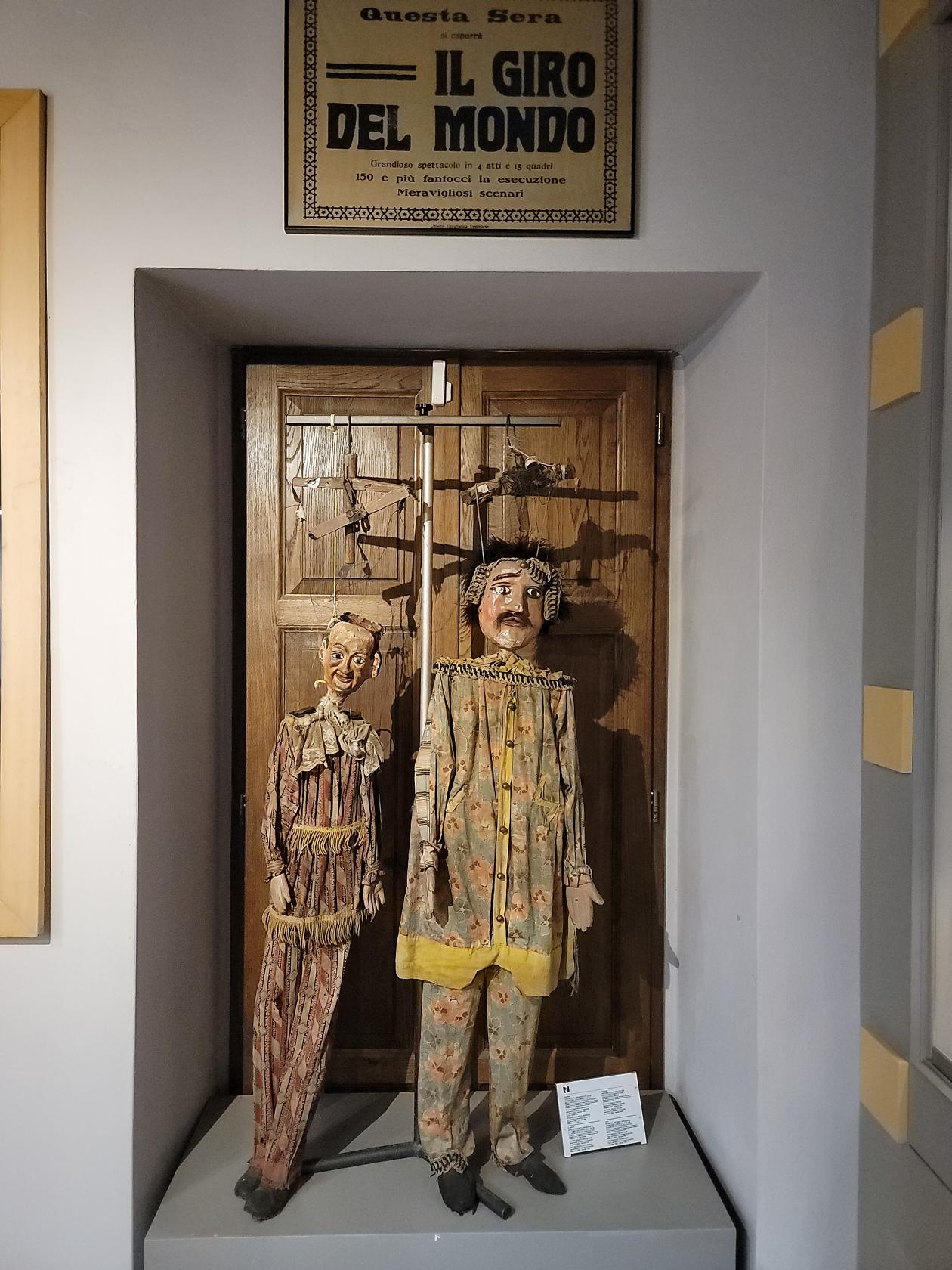
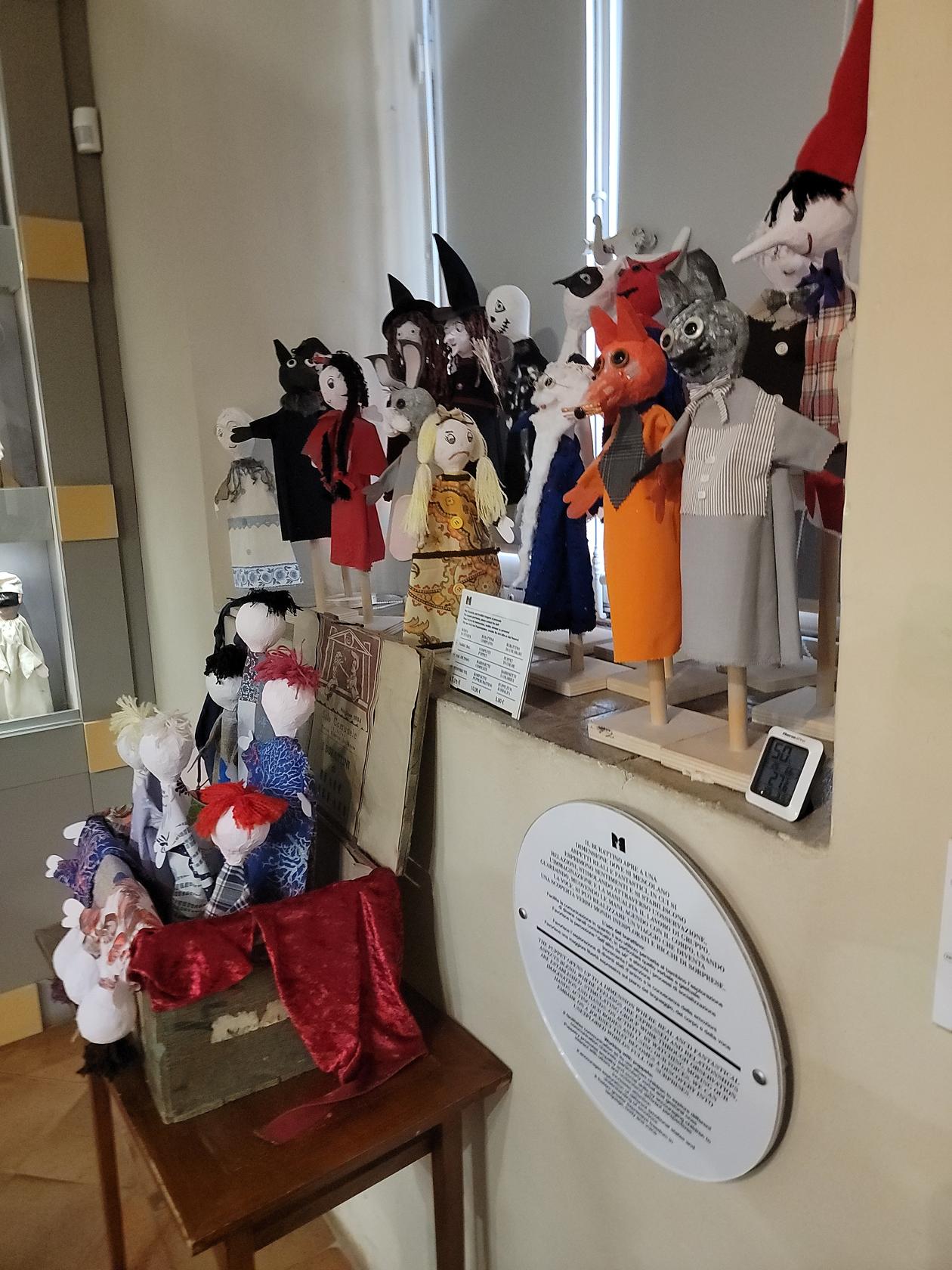
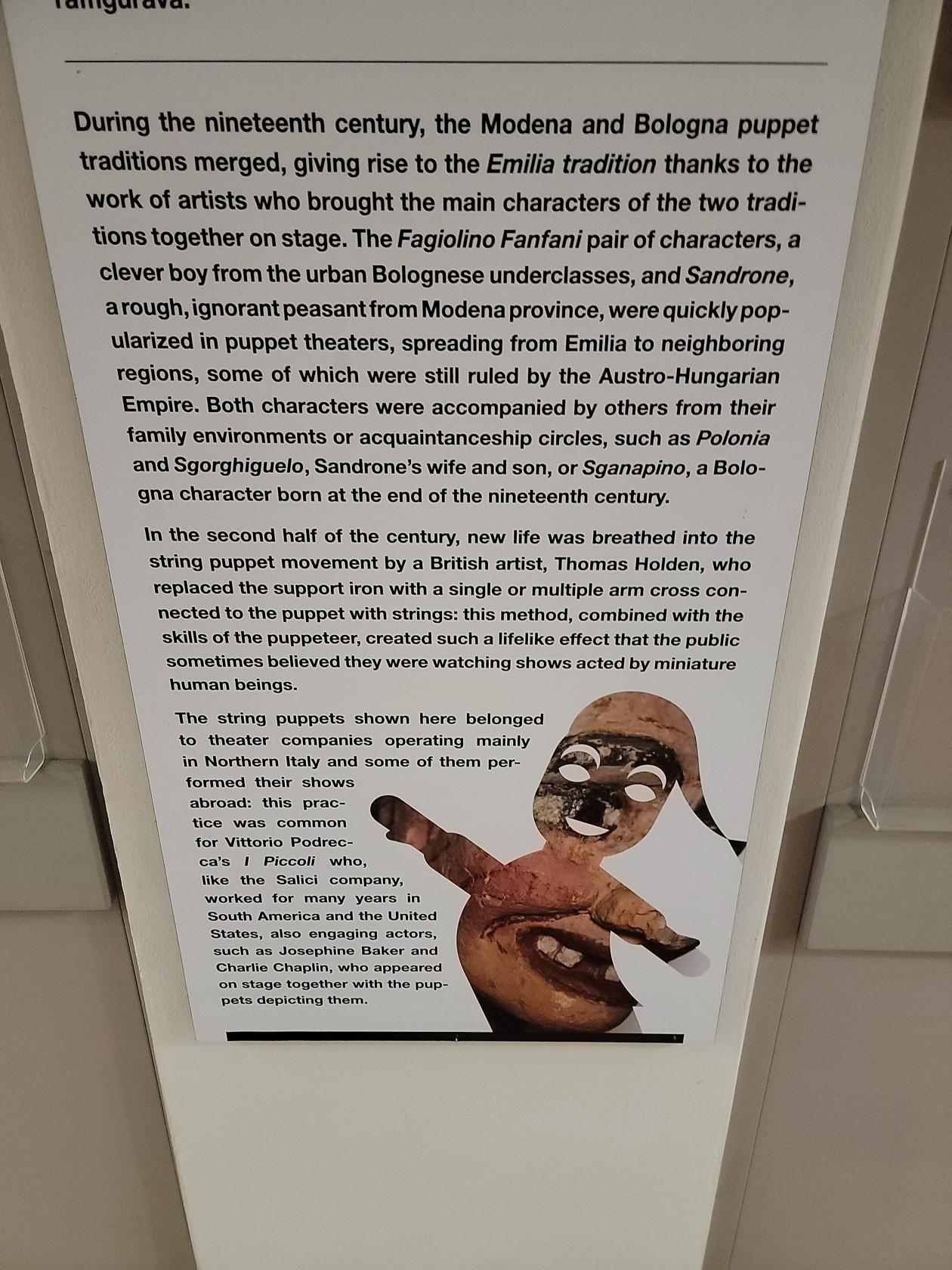
He died in 1961 at the ripe old of 84, after having several successful radio and tv presentations. From then on, his son Giordano took up his mantel and later rebranded the act as the Ferrari Company, not to be confused with the eponymous car manufacturer.
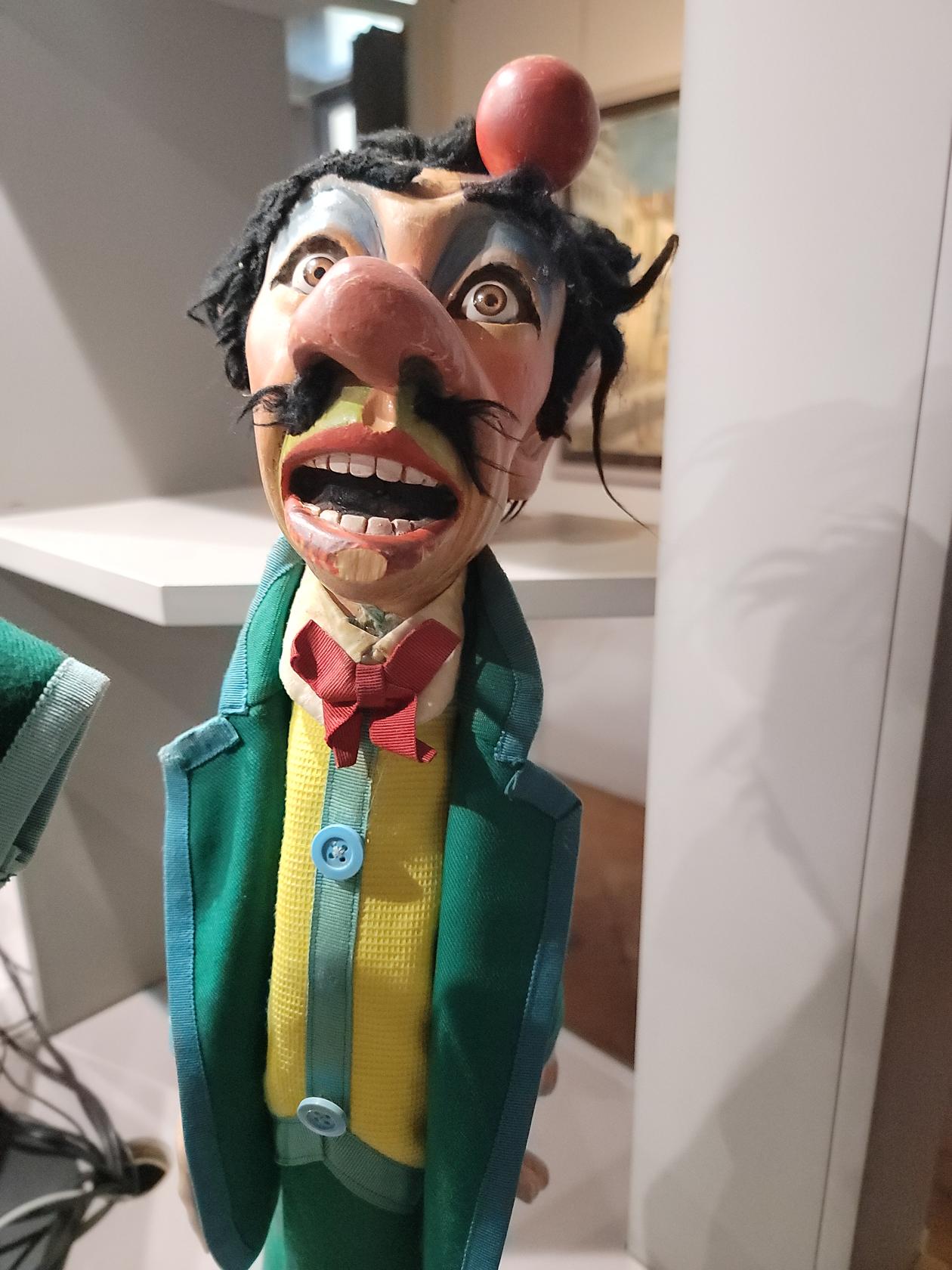
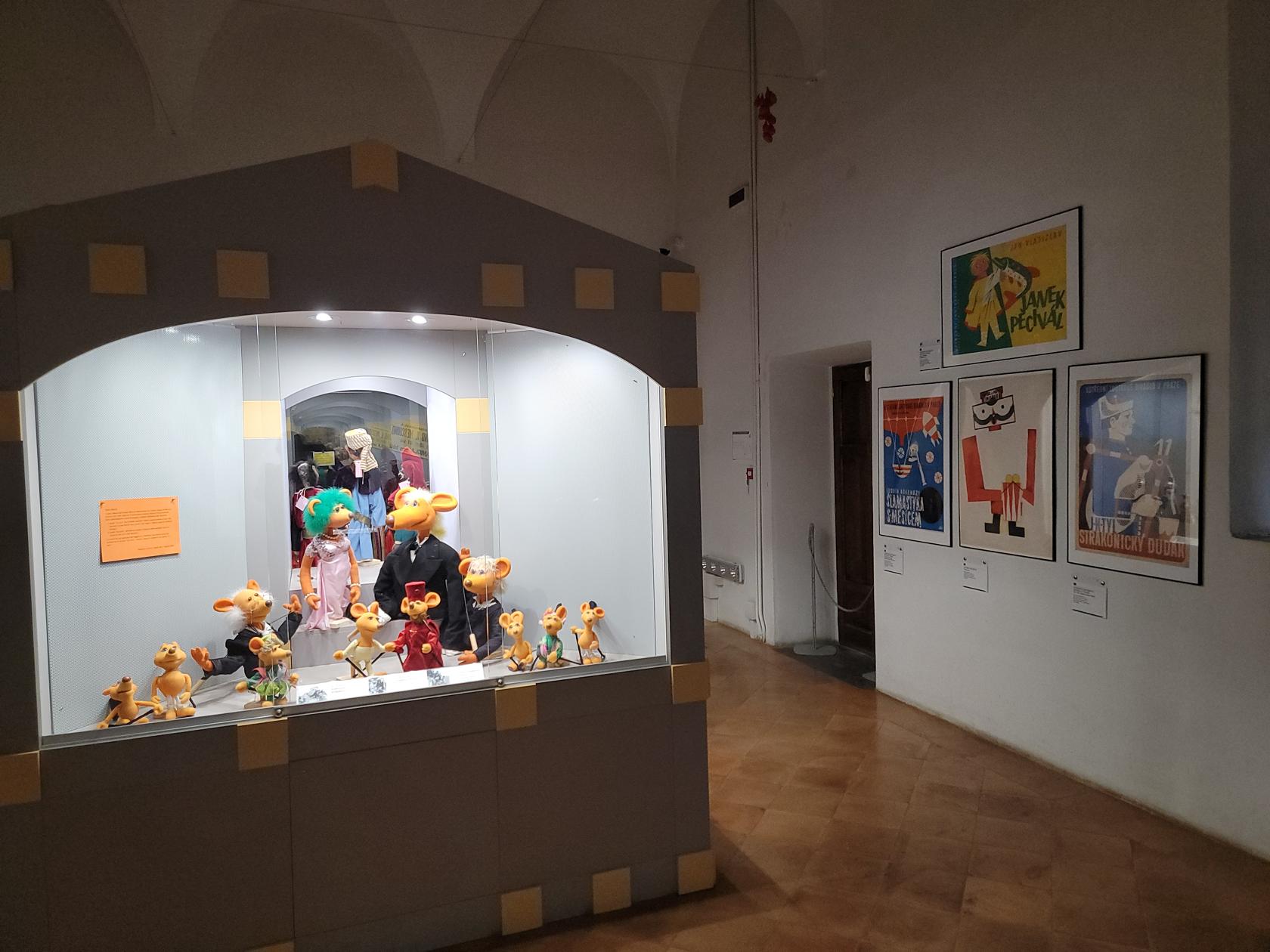
It is with the wish or his son and family to preserve this important social and artful legacy, that the family was finally able to secure funding and the means to open this museum. The museum even hosts events and of course, puppet shows, however only when the current company is not touring internationally. The shows are mainly geared around fairy tales and other fables, especially tales around good and bad people, including everyone’s favority, the devil.
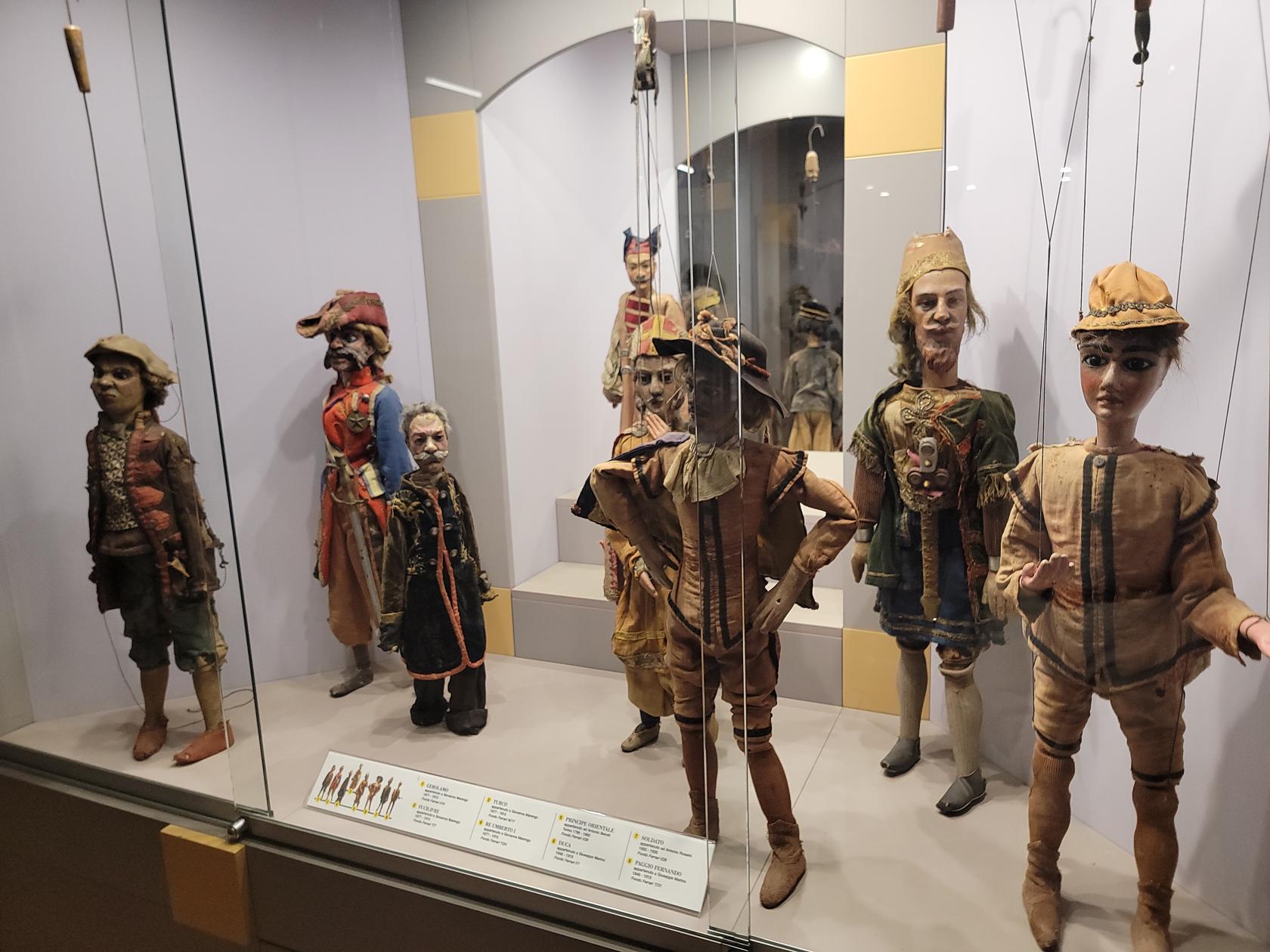
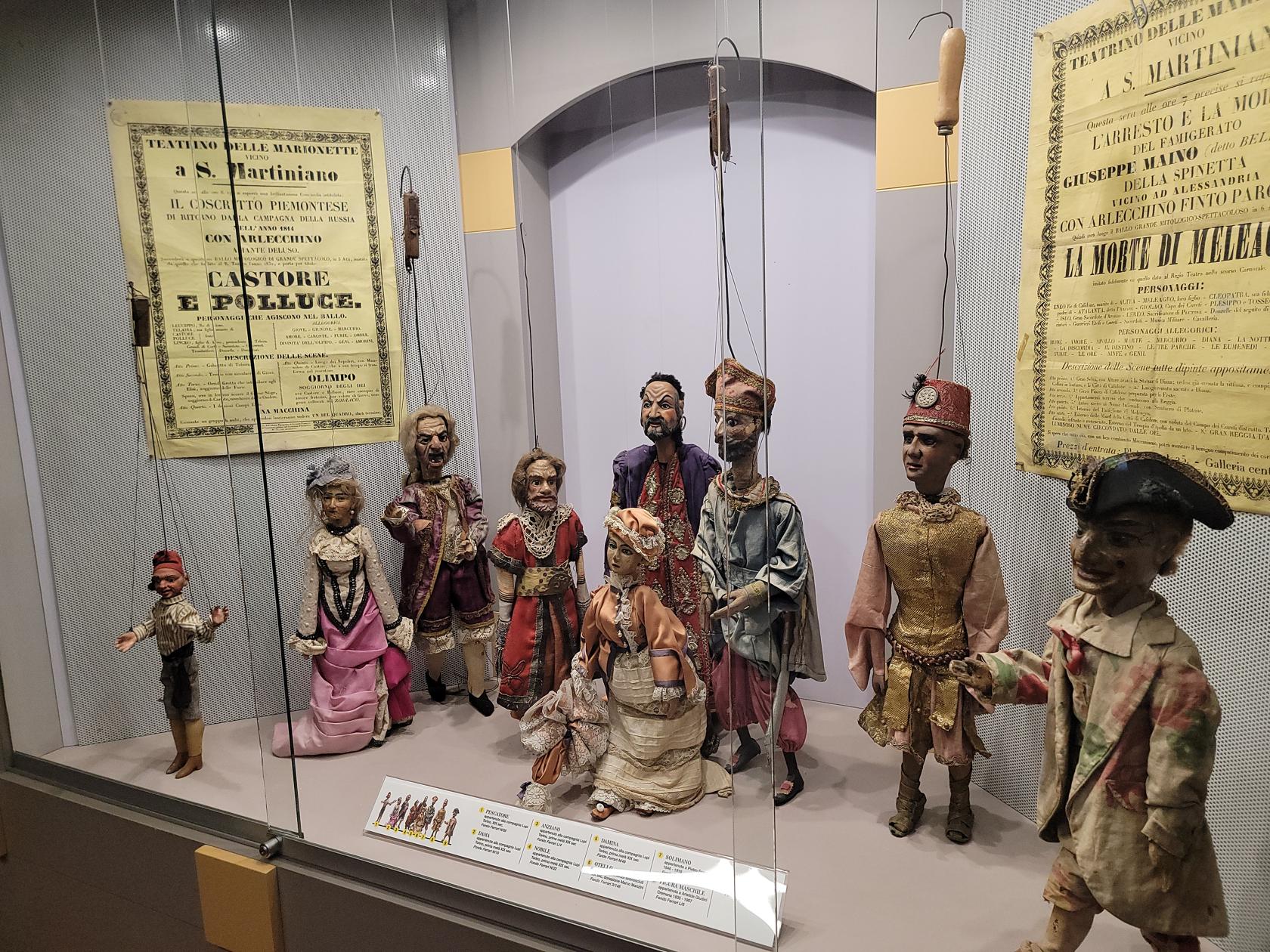
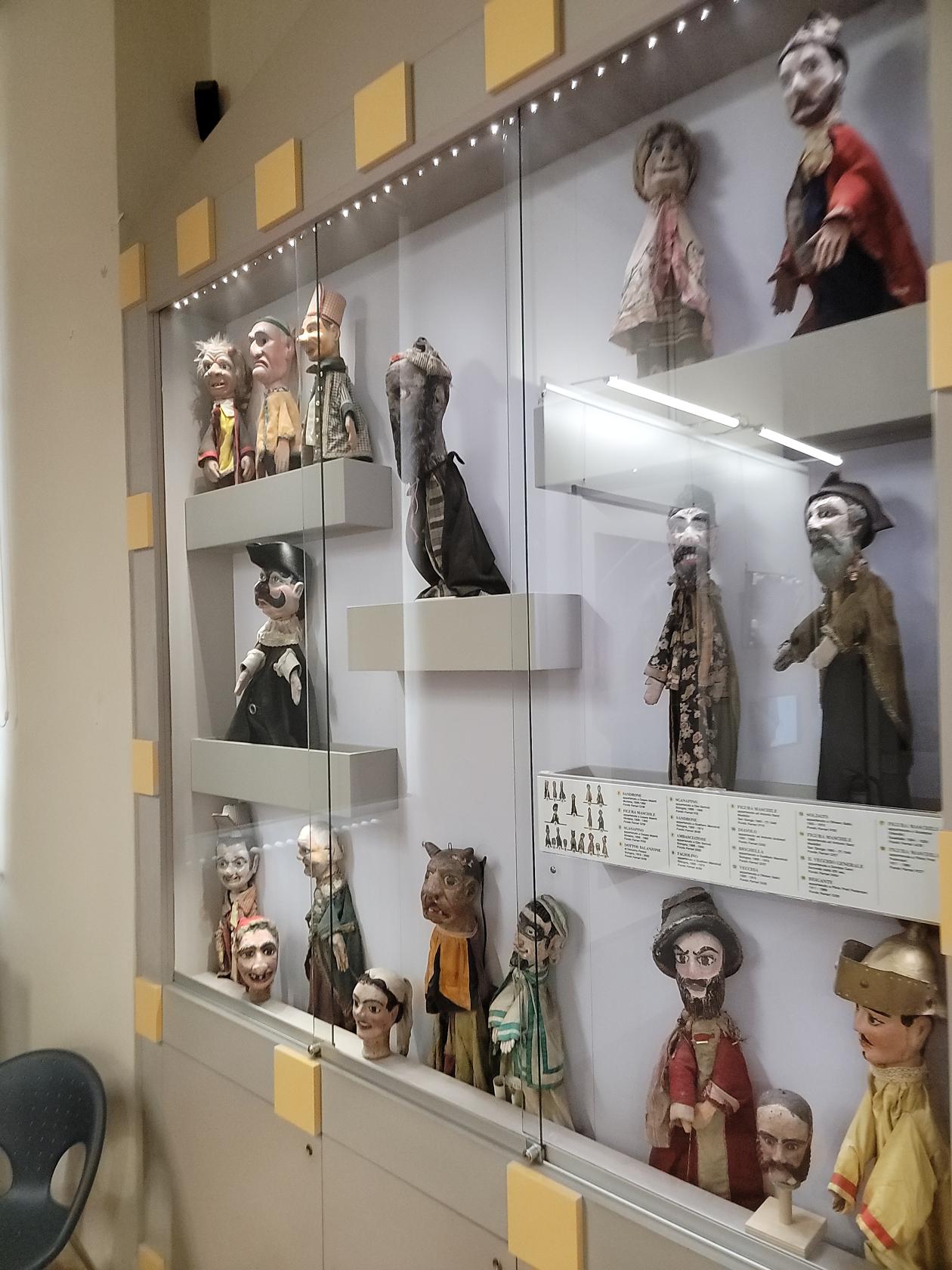
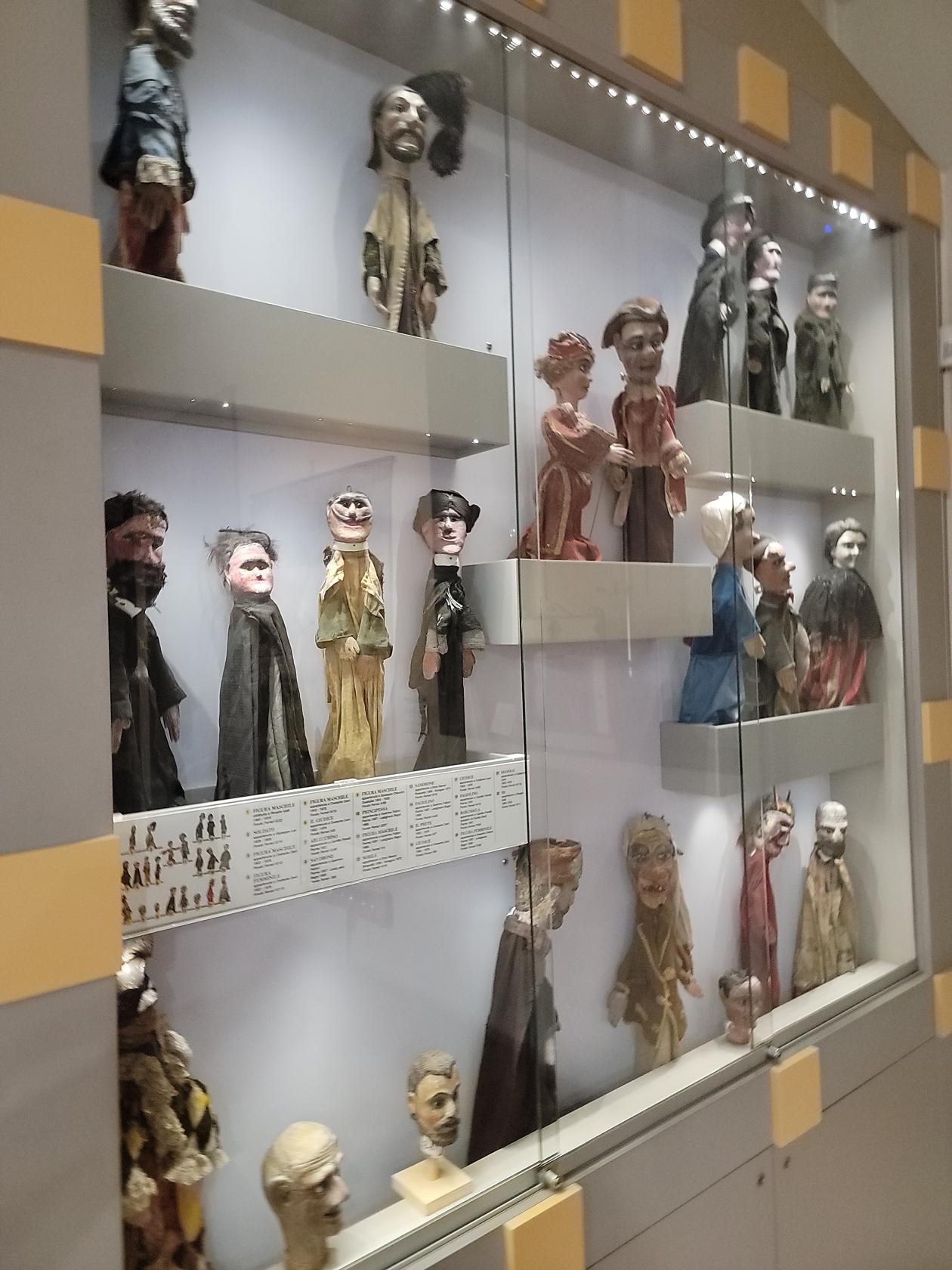
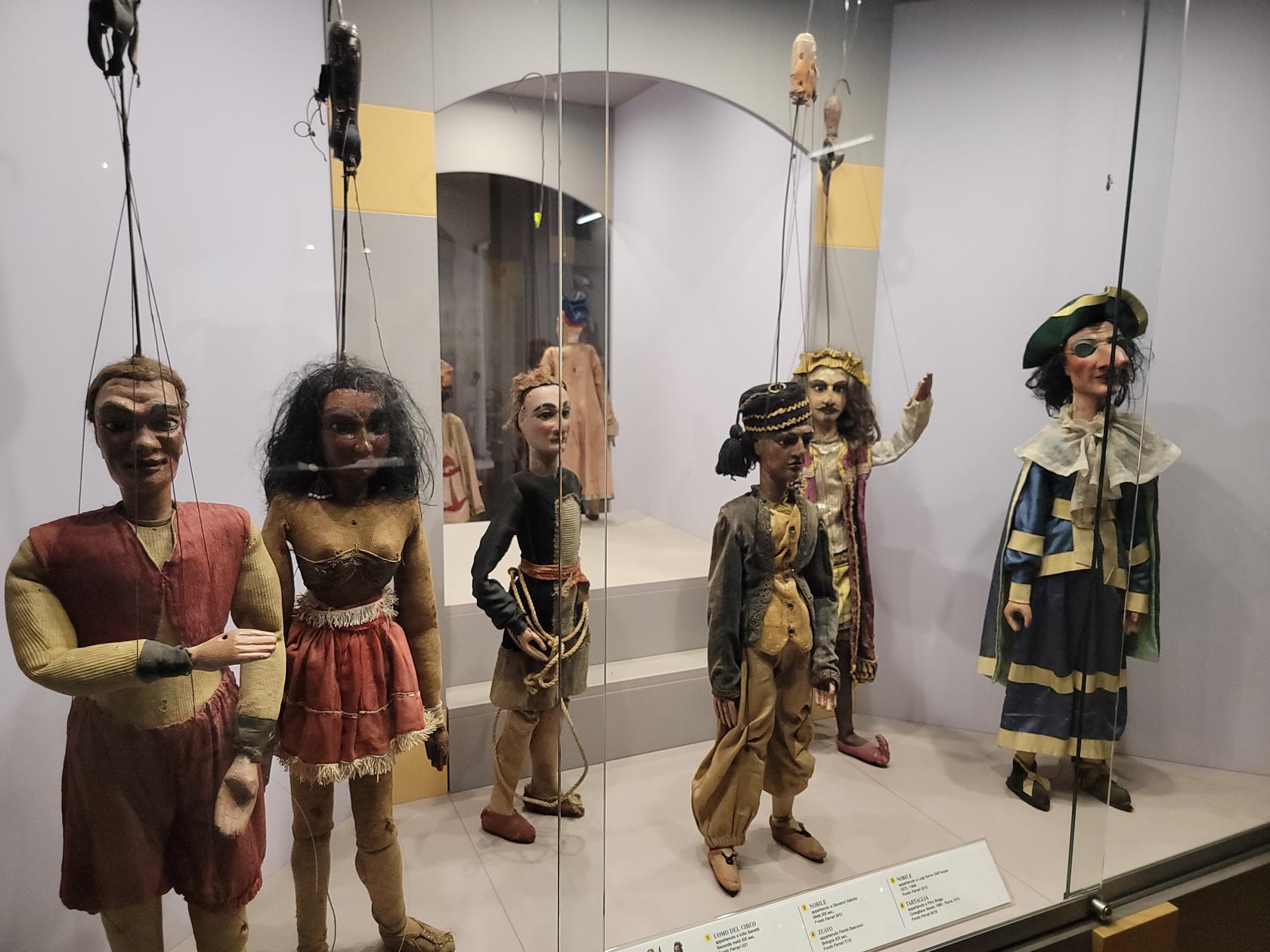
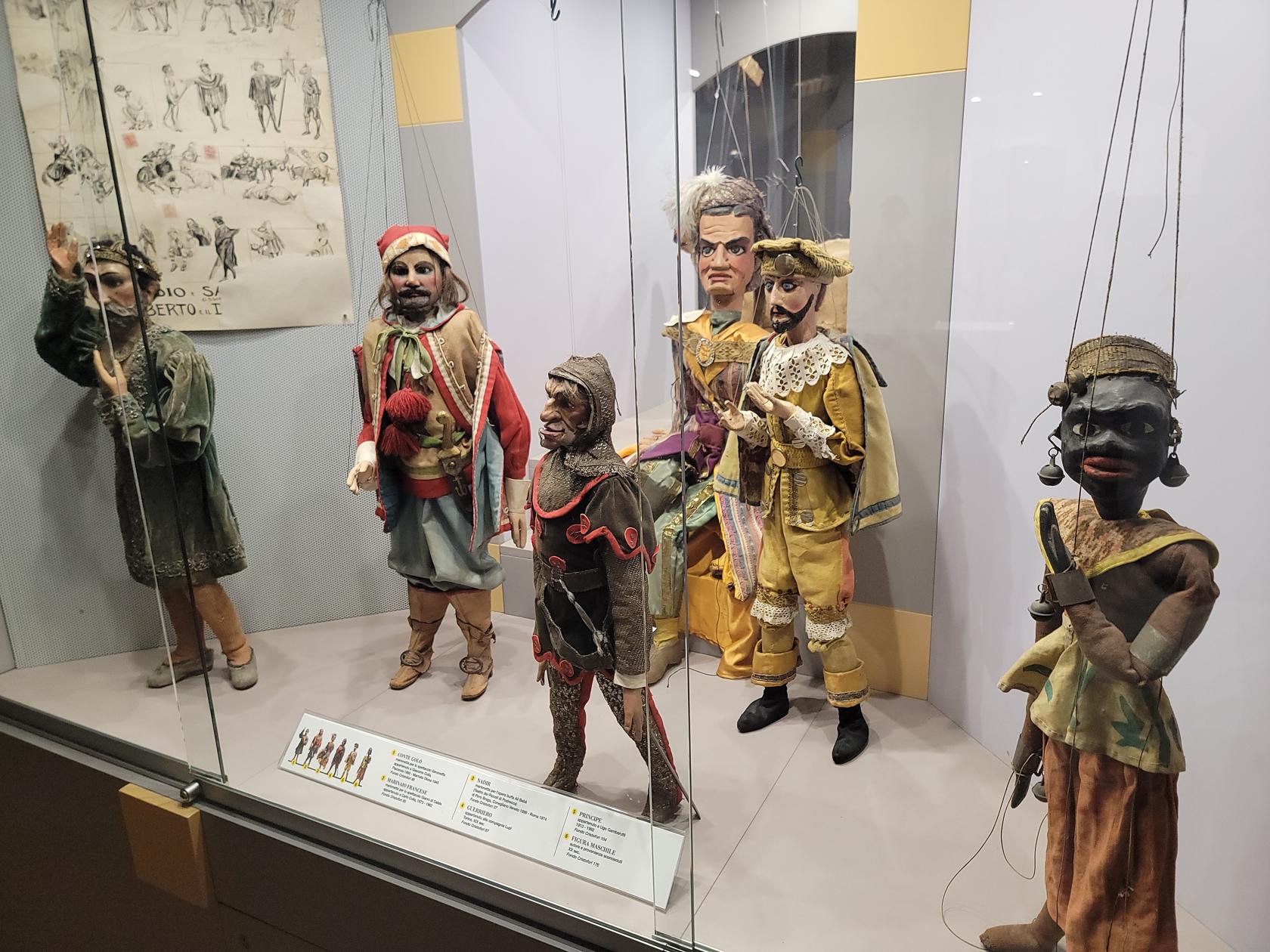
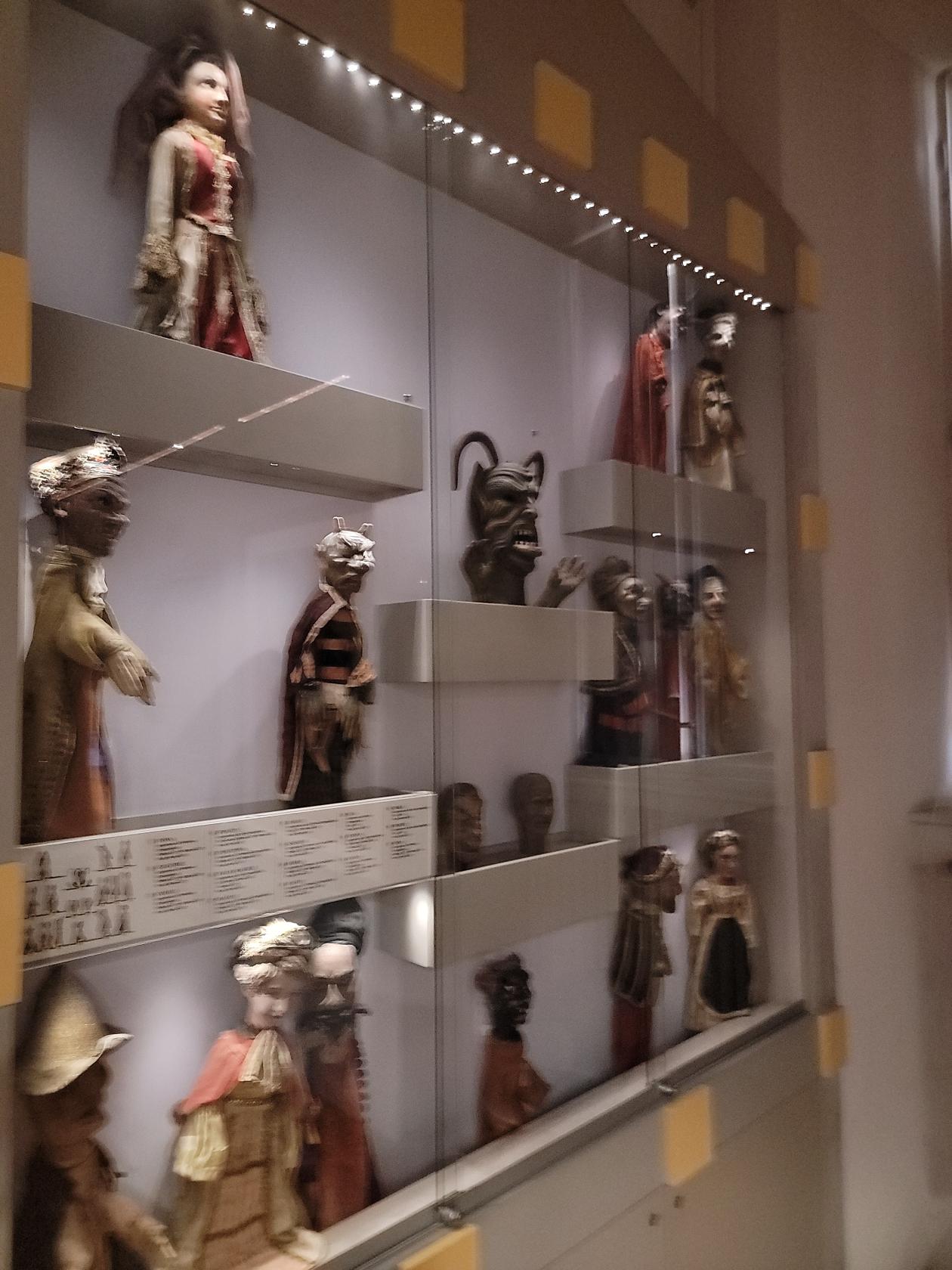
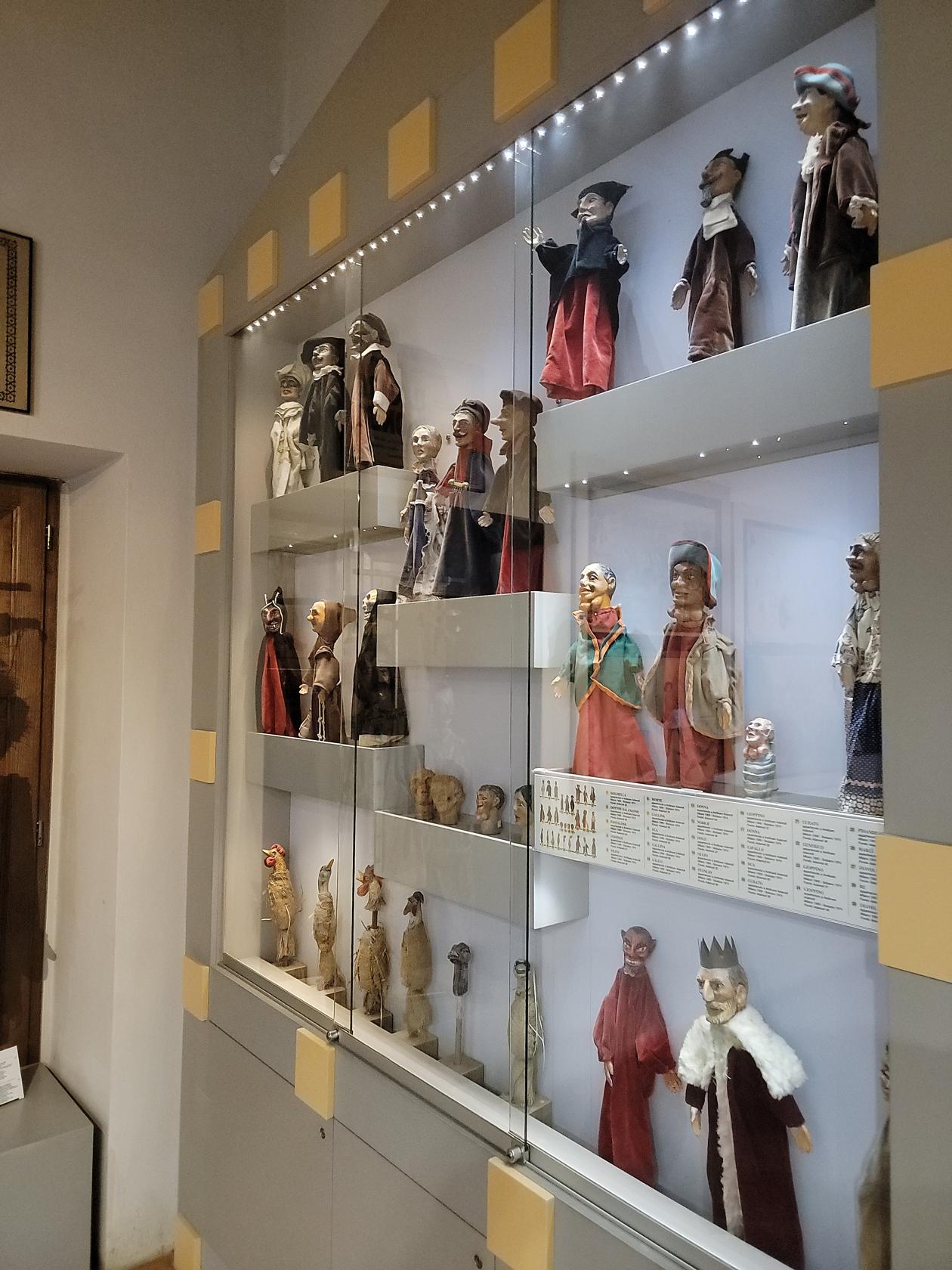
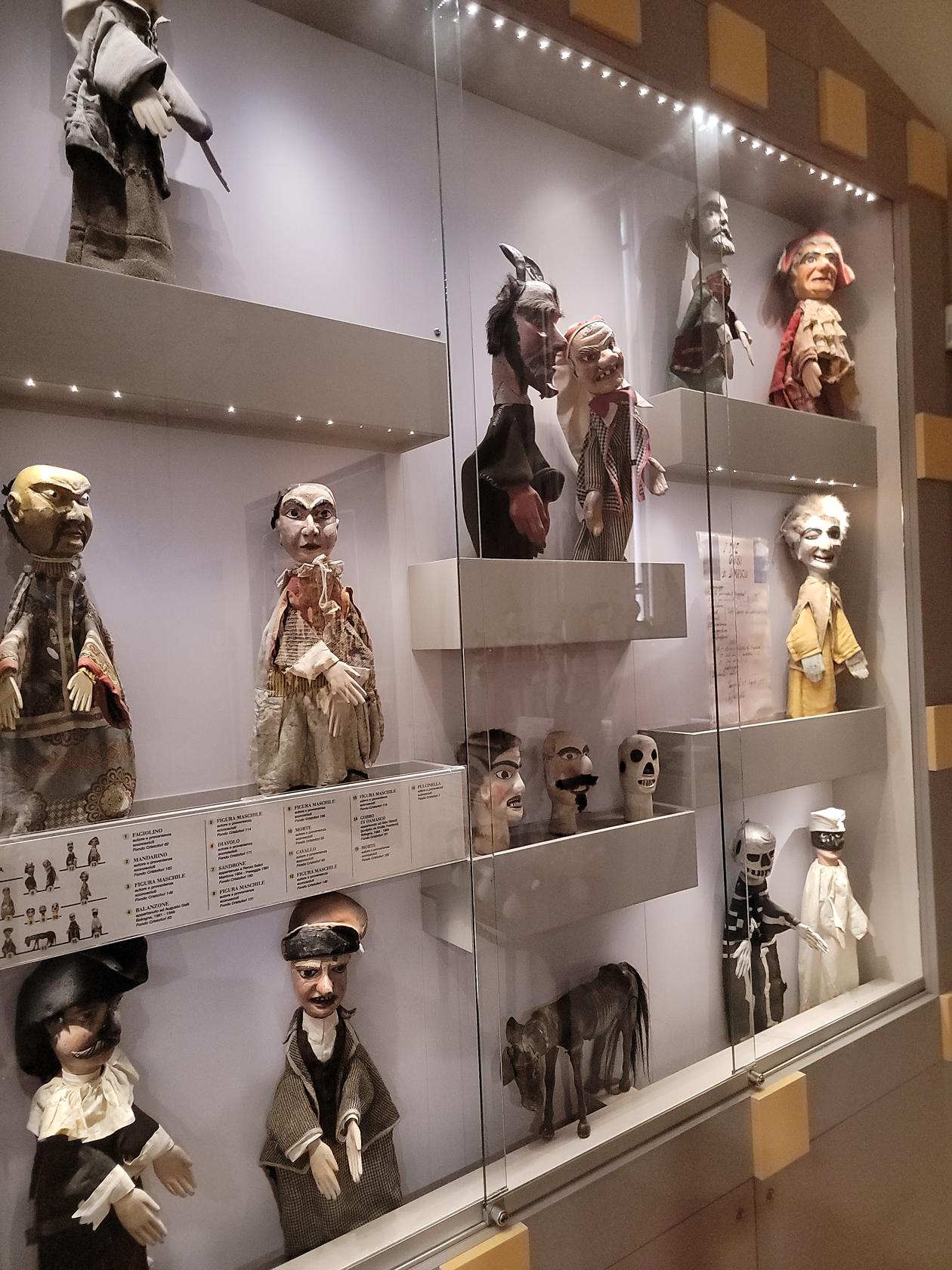
Some of the puppets they have at their disposal seem to also indicate a predilection for the Zanni, having representations of the characters Harlequin[1]He is the dockworker, the porter, the pimp, the good servant, simple in manner and mind, who gets into trouble and is always hungry. This is Harlequin. He derives from the figure of the Zanni, the … Continue reading, Pulcinello[2]Pulcinella is both good and bad, rude and sometimes affected. Unlike Harlequin, a “sidekick,” but manages to be independent on stage, competing even with only one antagonist at a time. … Continue reading and other Commedia dell’Arte puppets.
Restaurants
Uagliò Restaurant
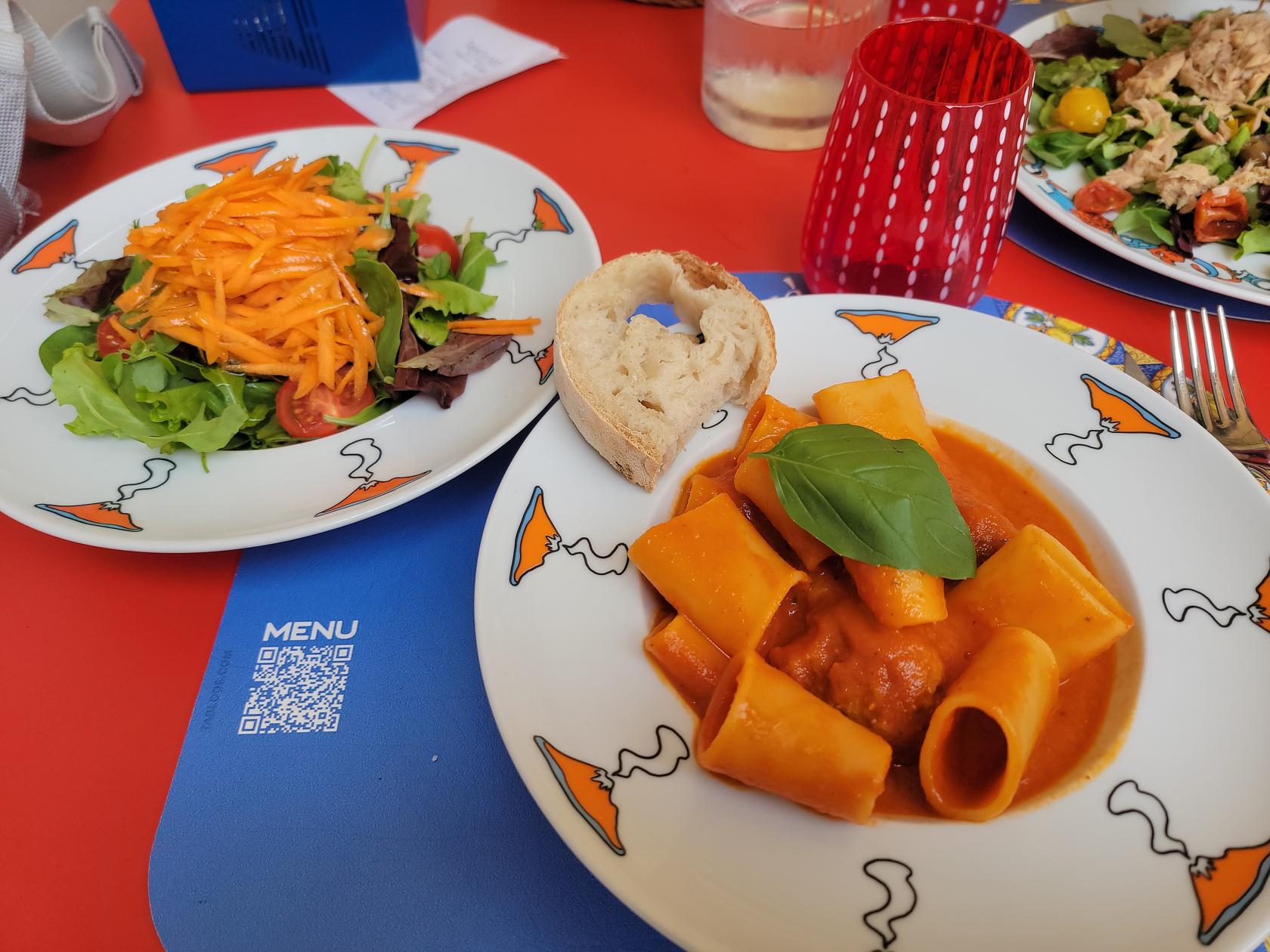
A smaller chain restaurant with a few stores around the area, Uagliò is not a bad pick if you are in a hurry or have not made other plans. We were hungry for lunch, so we stopped to see what they had to offer. The pasta with meatballs in sauce was very good, as was the small mixed salad. There was plenty of seating inside and out.
References
| ↑1 | He is the dockworker, the porter, the pimp, the good servant, simple in manner and mind, who gets into trouble and is always hungry. This is Harlequin. He derives from the figure of the Zanni, the jester of comic tales documented as early as the 14th century. From the Zanni, Harlequin retains the frank character and natural propensity for mischief. Harlequin’s costume, known by all as the most colorful of masks, was initially white and tattered; for this reason, first a patch was added, then another, until the outfit was multi-colored diamonds. This is how we see him in 17th-century theater. His appearance is clumsy and stocky, the black half-mask he wears is animalistic, and on his head he wears a white felt hat topped with a feather or a rabbit’s foot. The feather is a symbol of fertility and the rabbit is a symbol of cunning. From his belt hangs the baòcio, the polenta stirring stick, which serves as his sword. He also has a bump on his forehead, which some believe to be the remnants of a devil’s horn. The name Harlequin, in fact, recalls that of a devil. Alichino is the devil mentioned by Dante in the Divine Comedy. |
|---|---|
| ↑2 | Pulcinella is both good and bad, rude and sometimes affected. Unlike Harlequin, a “sidekick,” but manages to be independent on stage, competing even with only one antagonist at a time. Pulcinella wears a white shirt with a gathered waist, white trousers with a belt, a white felt conical hat, and a half-mask with a large, slightly hooked nose. The costume is similar to that worn by peasants since the Middle Ages; they are made out of hemp, the cheapest home-woven fiber, and no color to avoid the cost of dye. Pulcinella is a poor man. These masks form the original core of the Commedia dell’Arte. |