Zagreb, the etymology of the name even today is disputed, is actually composed of two historic city centers, Kaptol to the east and Gradec to the west. Today, it consists of an even larger metropolitan area, where more than a million people live.
Zagreb
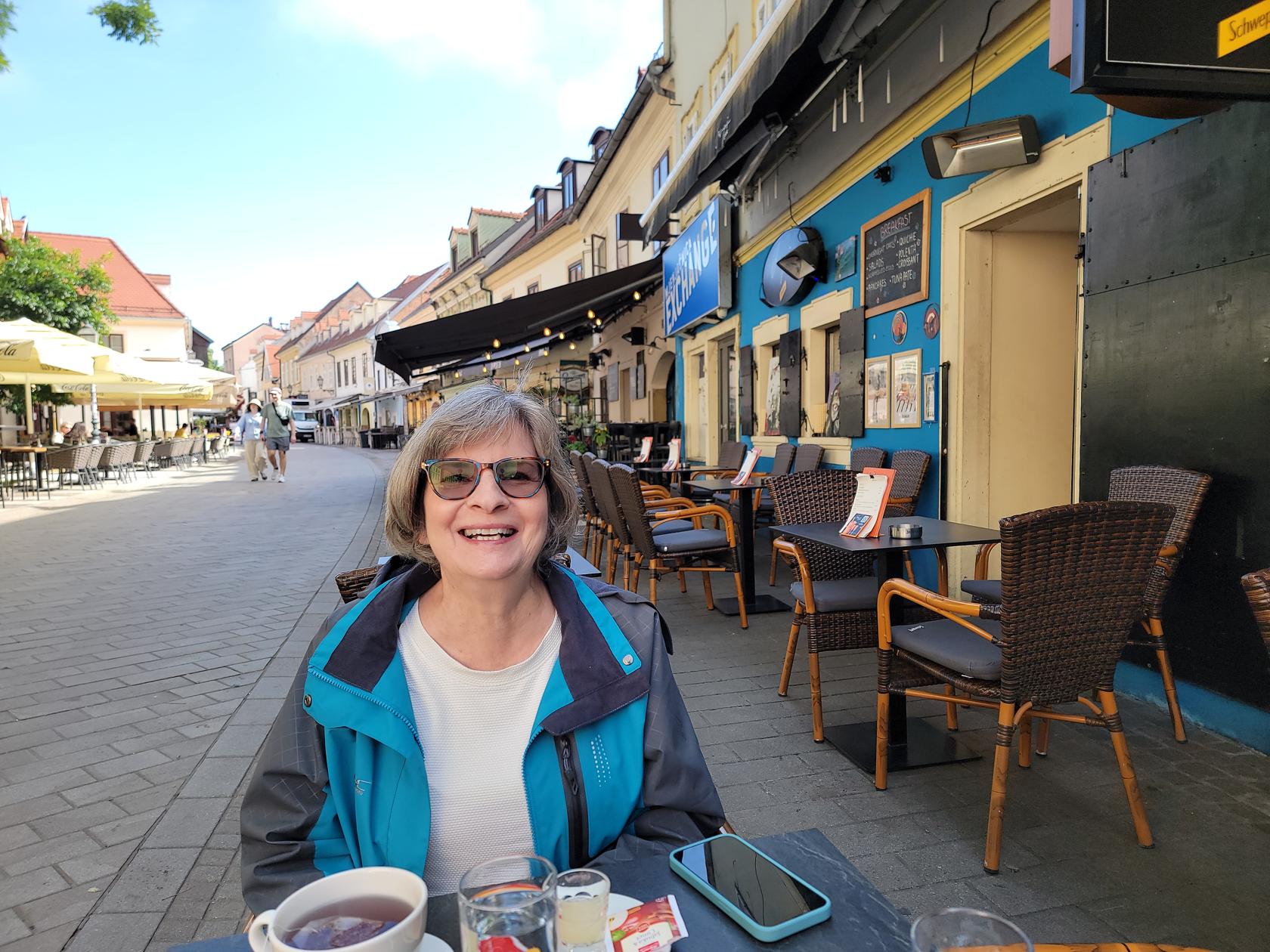
On a normal day, the historic parts of the city are filled with tourists and sightseers, however the weekends can be quieter. We arrived on a Sunday and found it strangely quiescent.
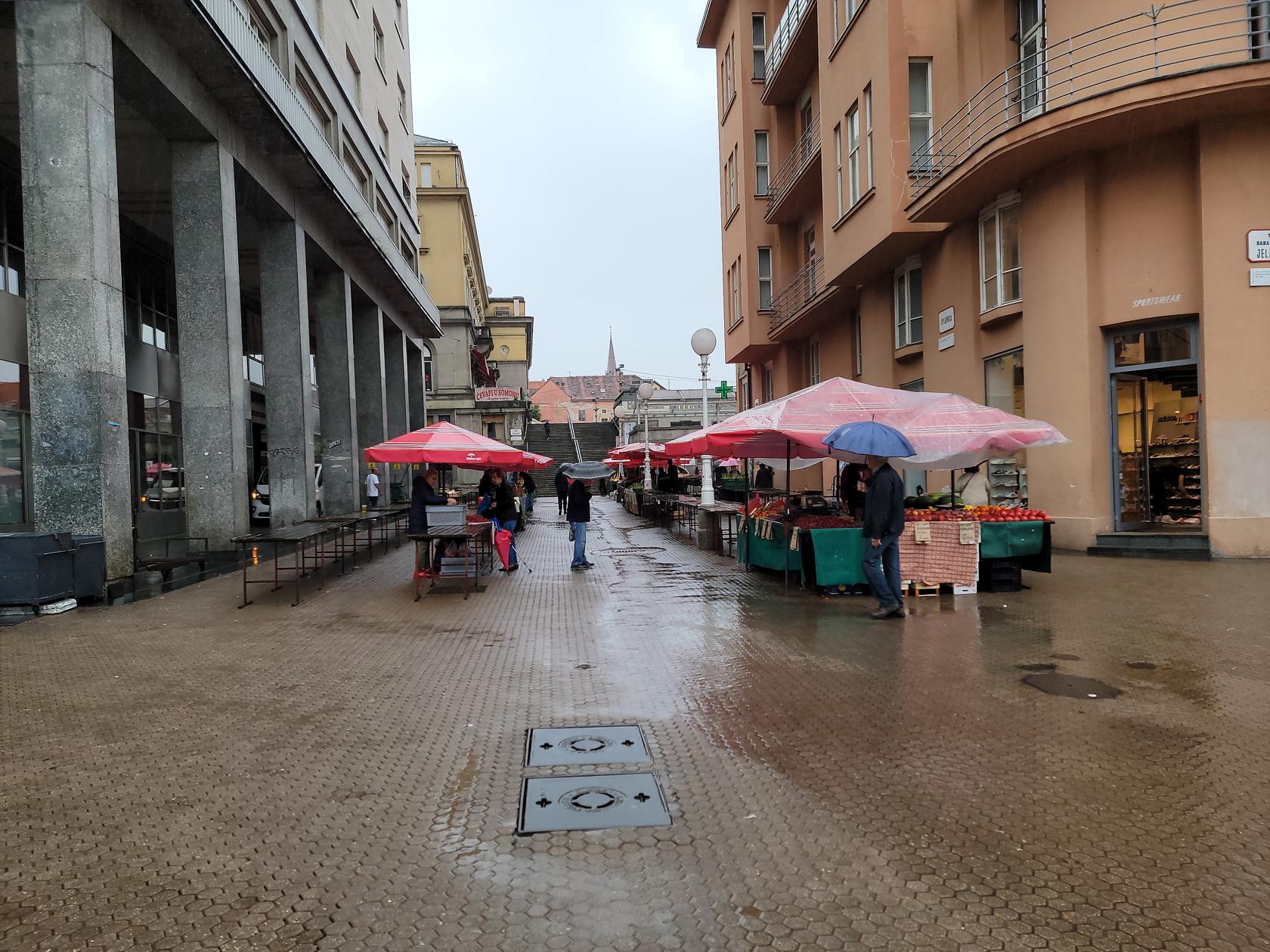
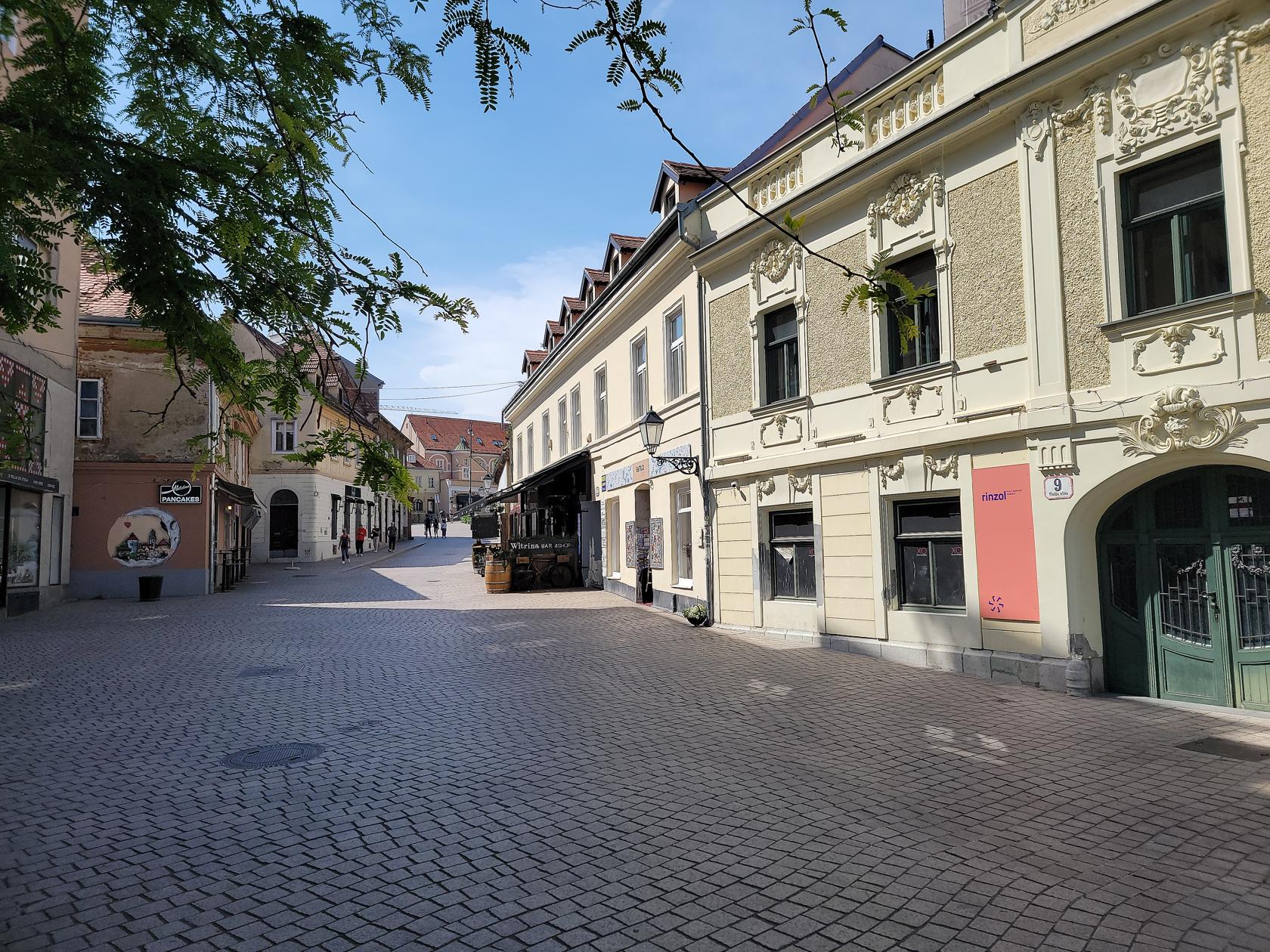
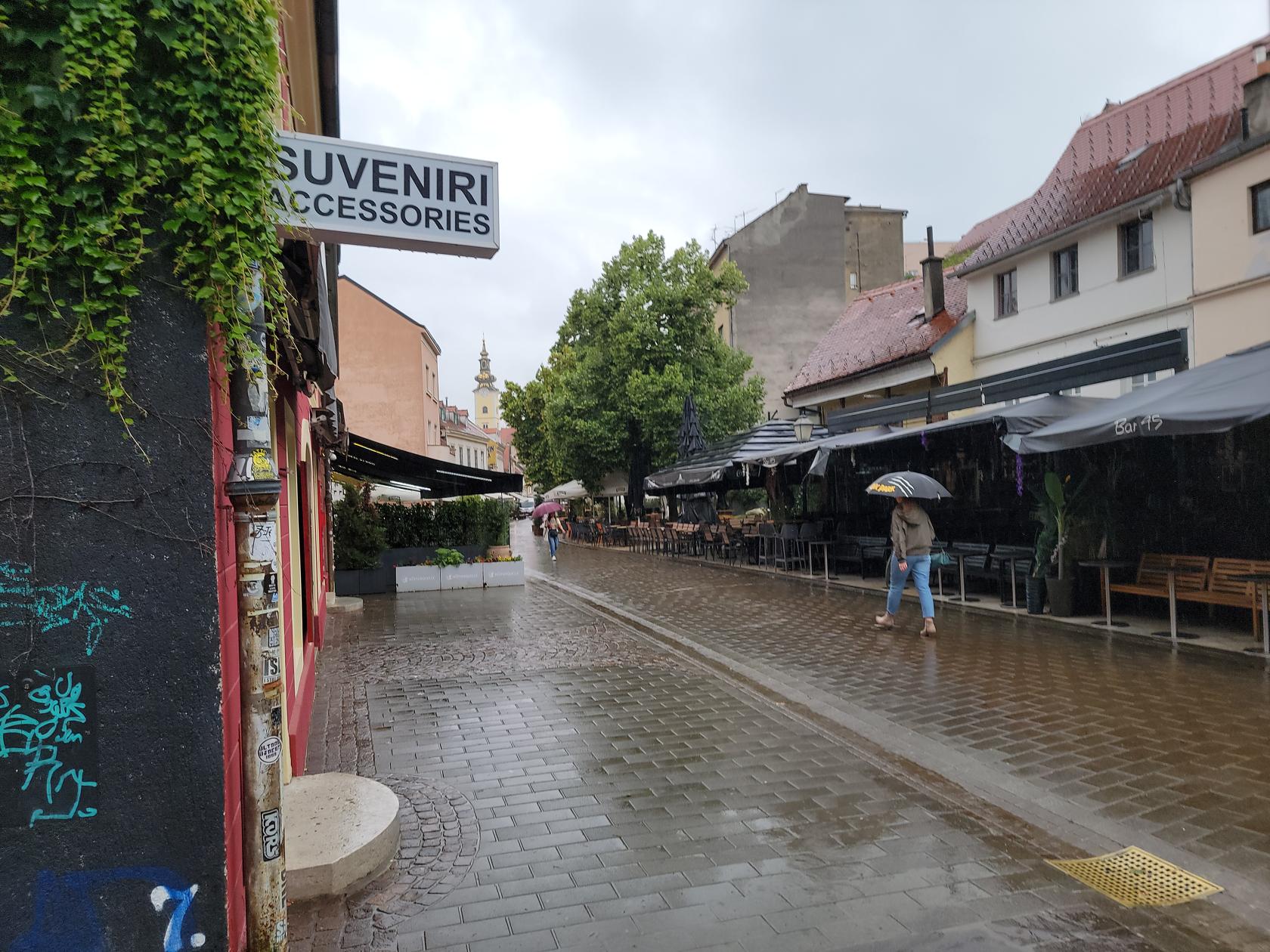
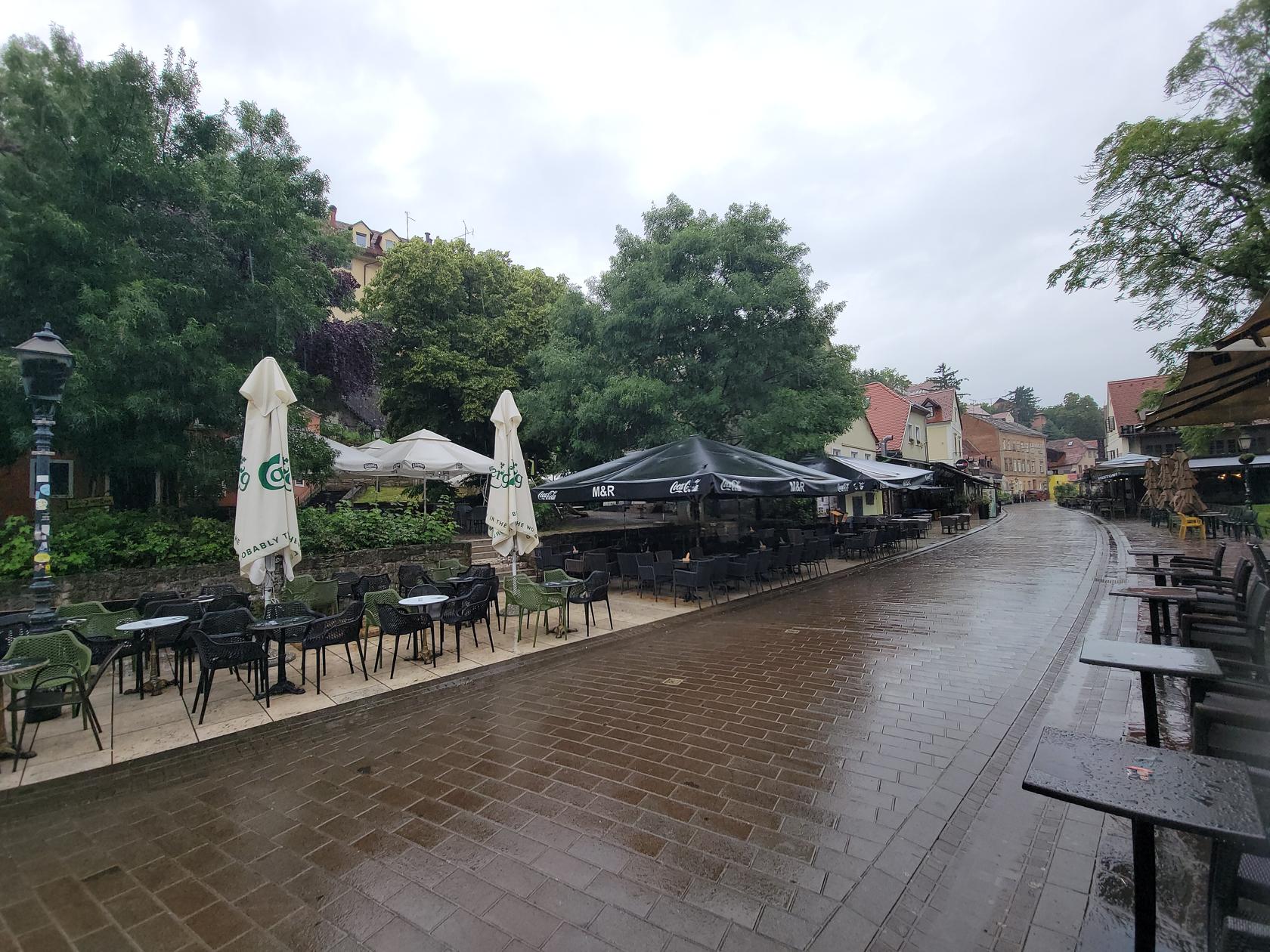
Kaptol was the first to be formally recognized as pertaining to Zagreb, followed by Gradec some time later through King Bela IV edict of the Golden Bull. They both sit upon their corresponding hills and lay alongside one another, being separated somewhat by a slight depression where the Тkalčićeva ulica street runs.
Getting There
Coming from Turin we flew with Air Dolomiti to Munich and then later on to Zagreb, two short one hour flights which took us about five hours to complete with layover.
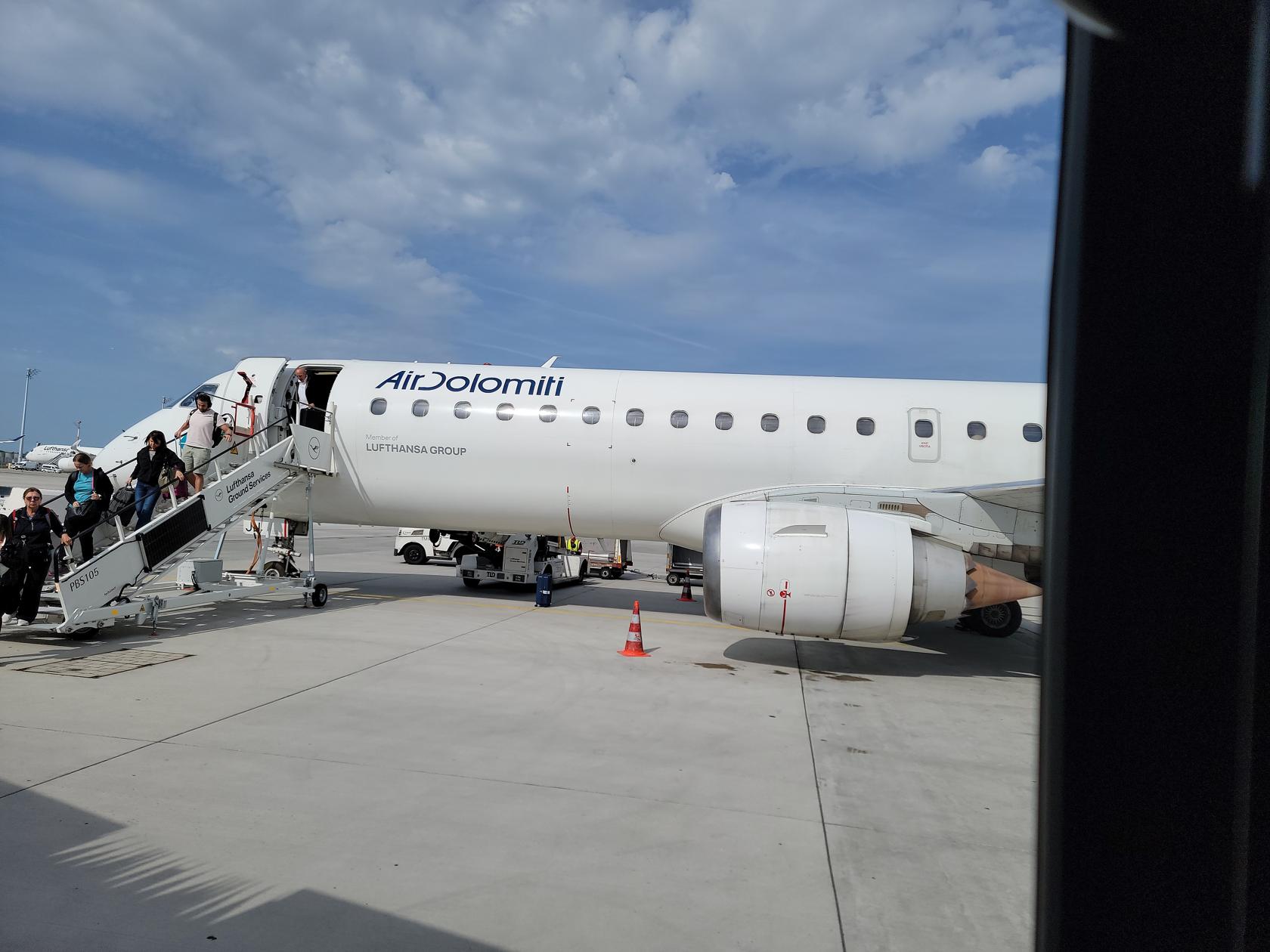
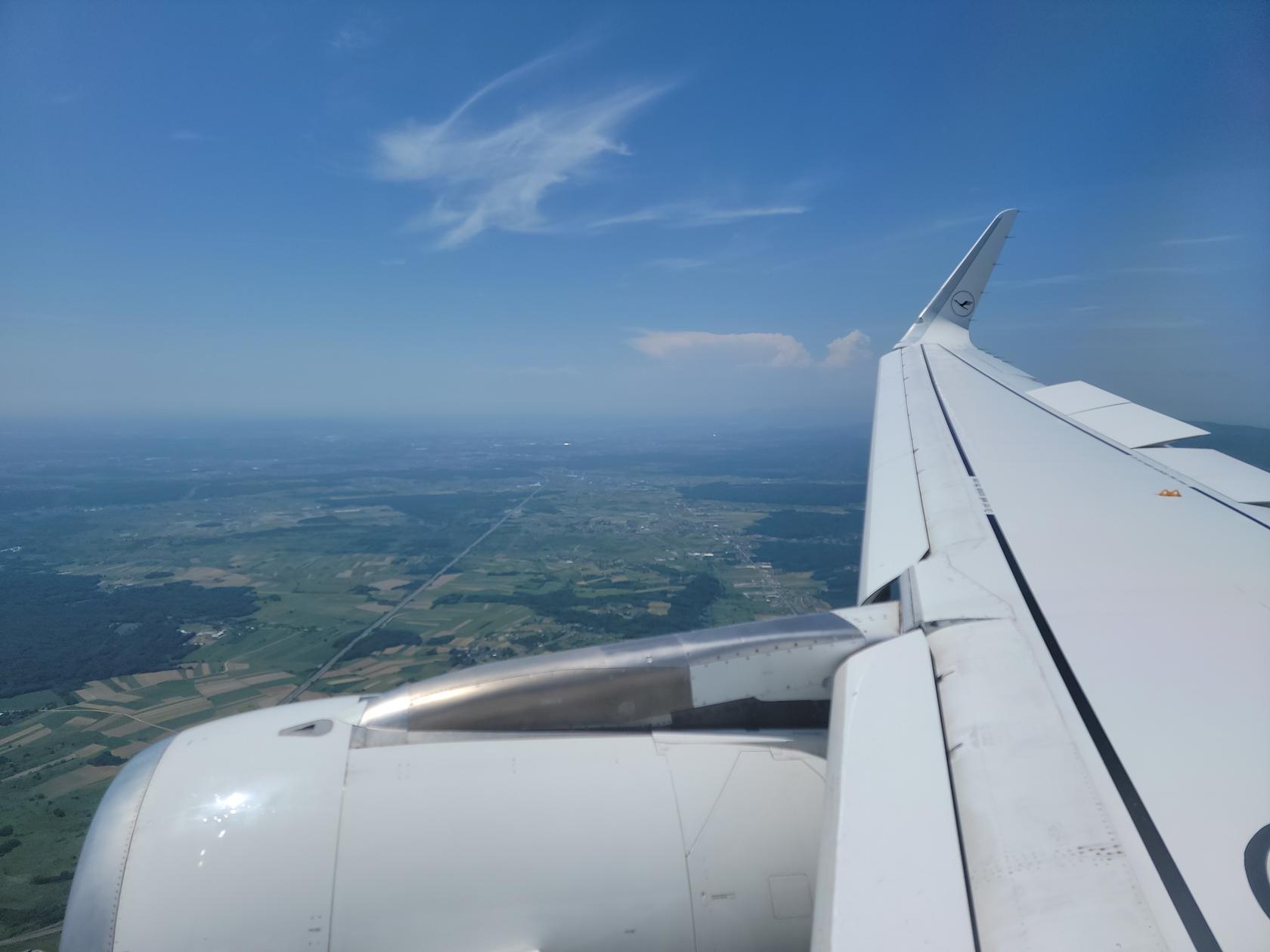
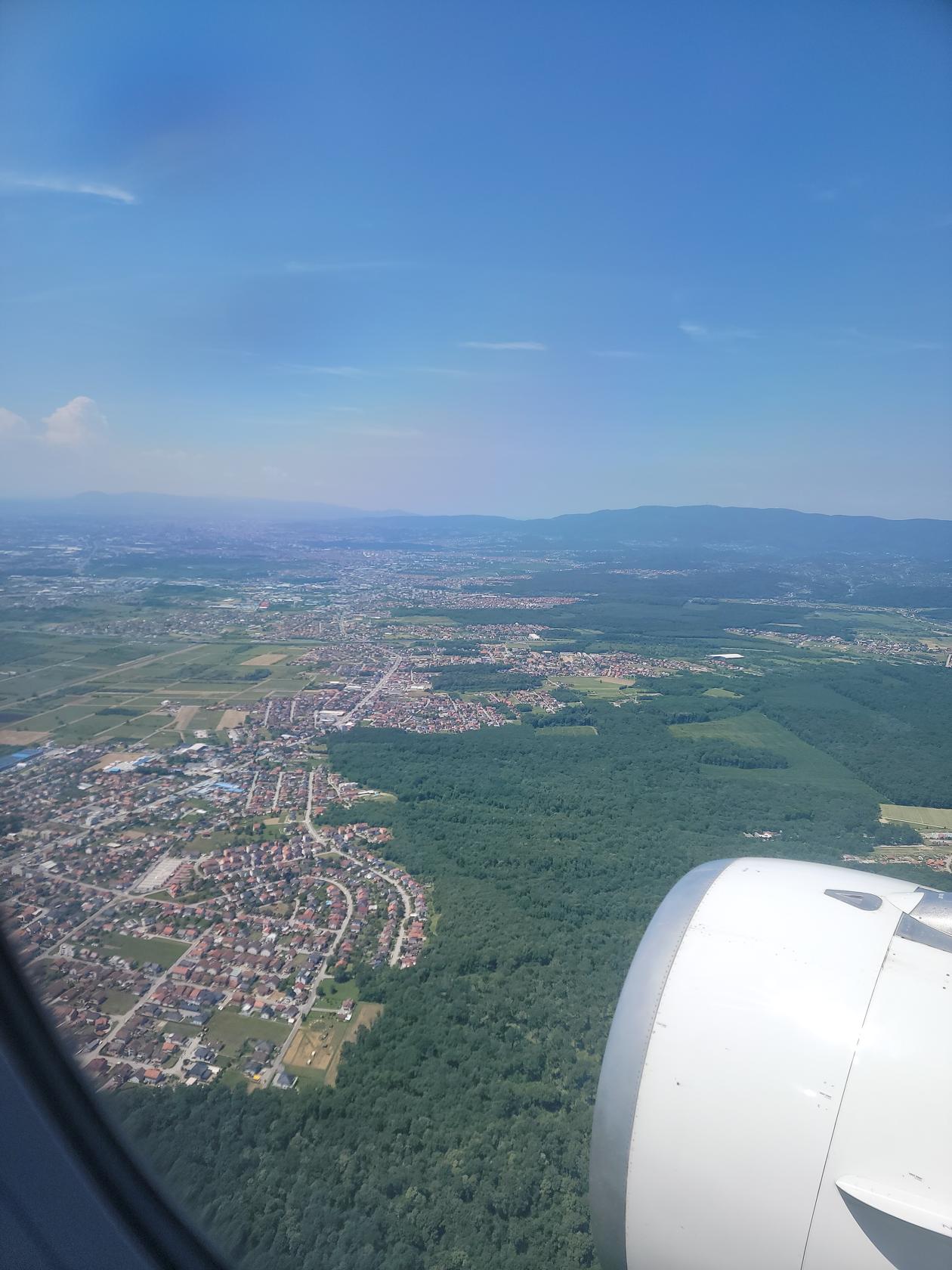
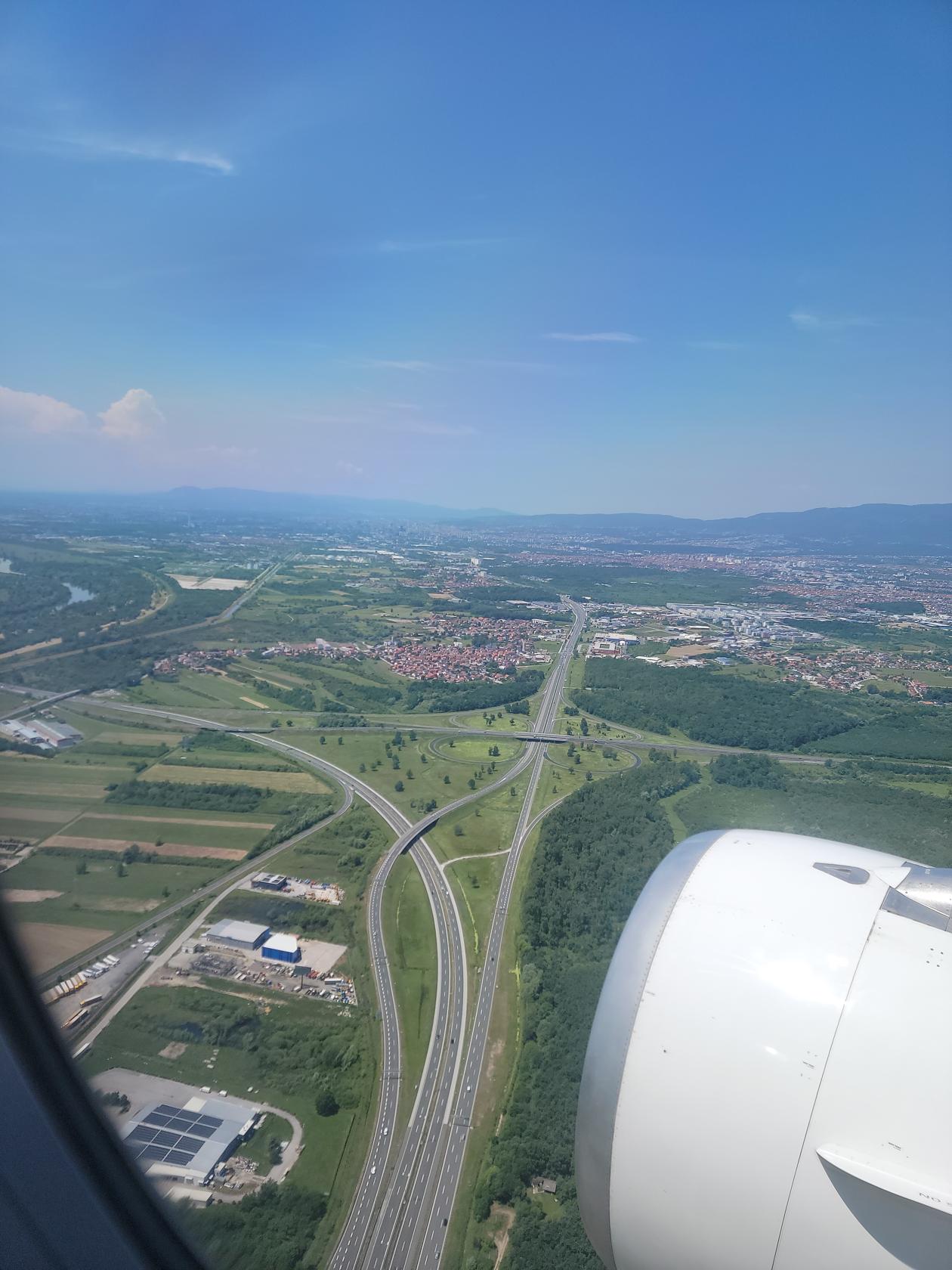
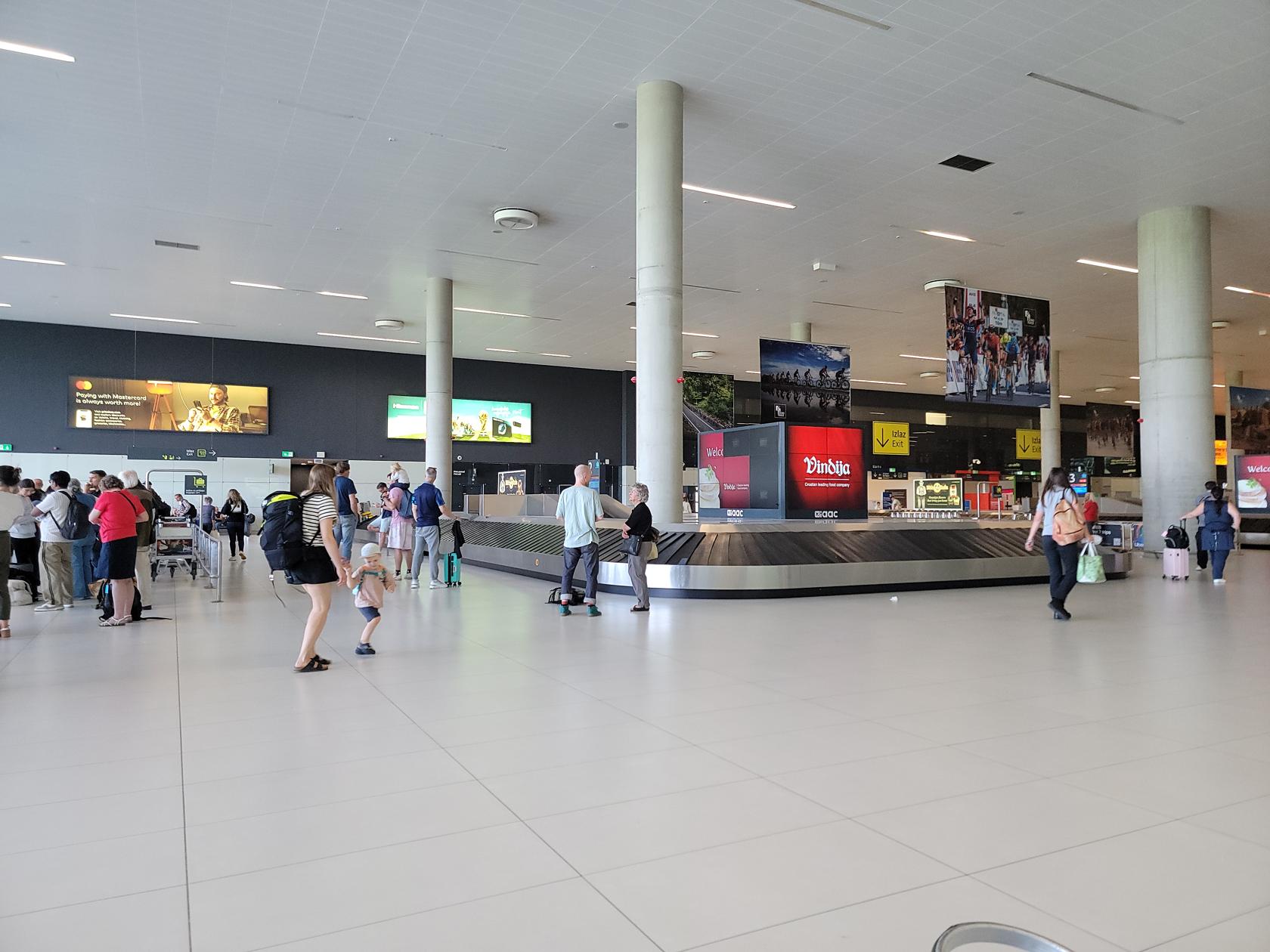
The Zagrab airport is small, perhaps smaller than most would expect. It took us approximately an hour to get our luggage, once we had left the plane. So do not expect the speedy luggage service you may enjoy elsewhere, here, things definitely move slower. In such cases, it might be good to have air-tags, just to keep an eye on where your luggage is, before getting alarmed. We got them as a gift and they really came in handy.
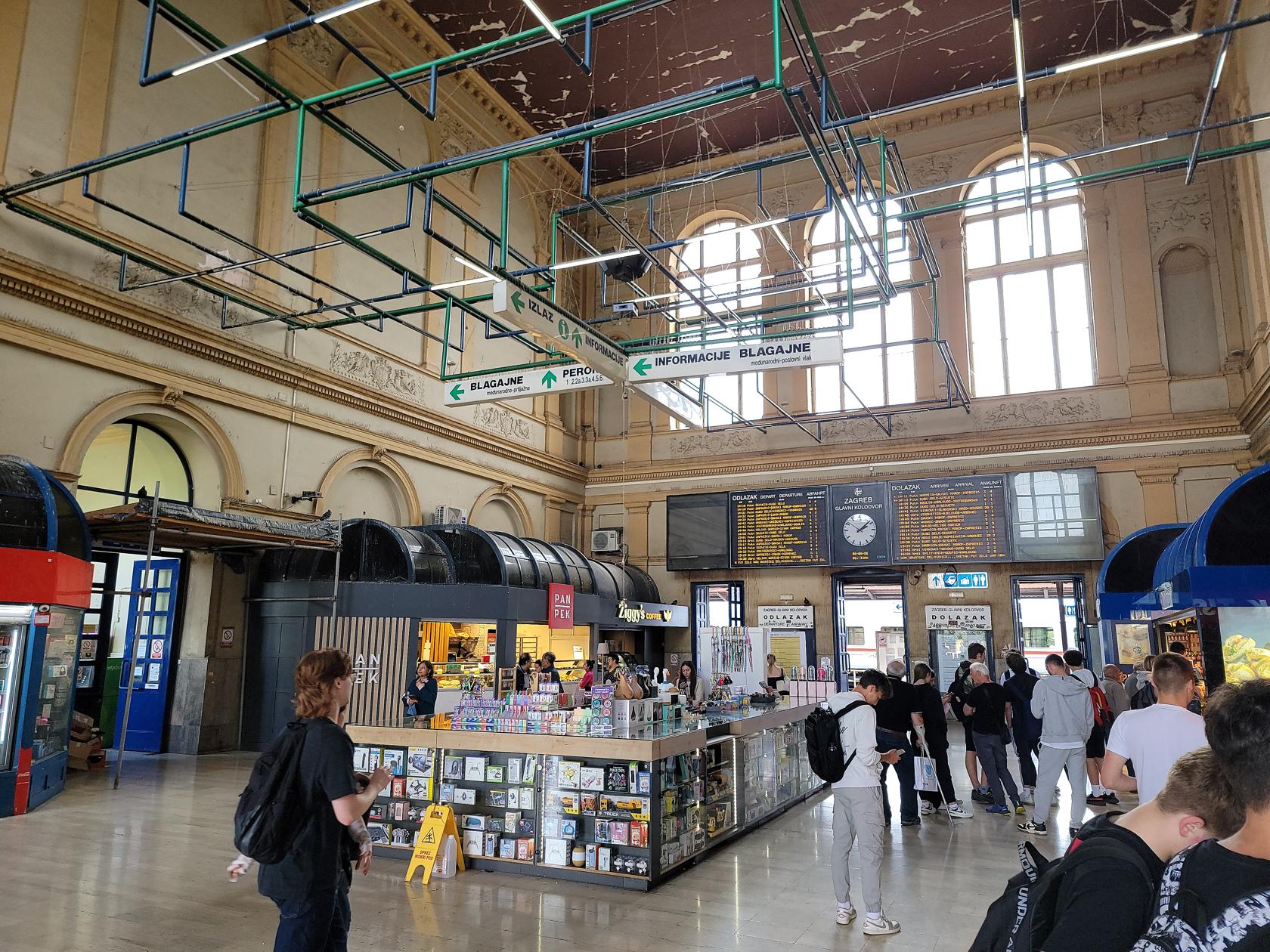
Of course you can also come by car, but from what we can see, parking is a problem and quite expensive. Train, is also an option, though we ruled it out due to scheduling issues and other considerations.
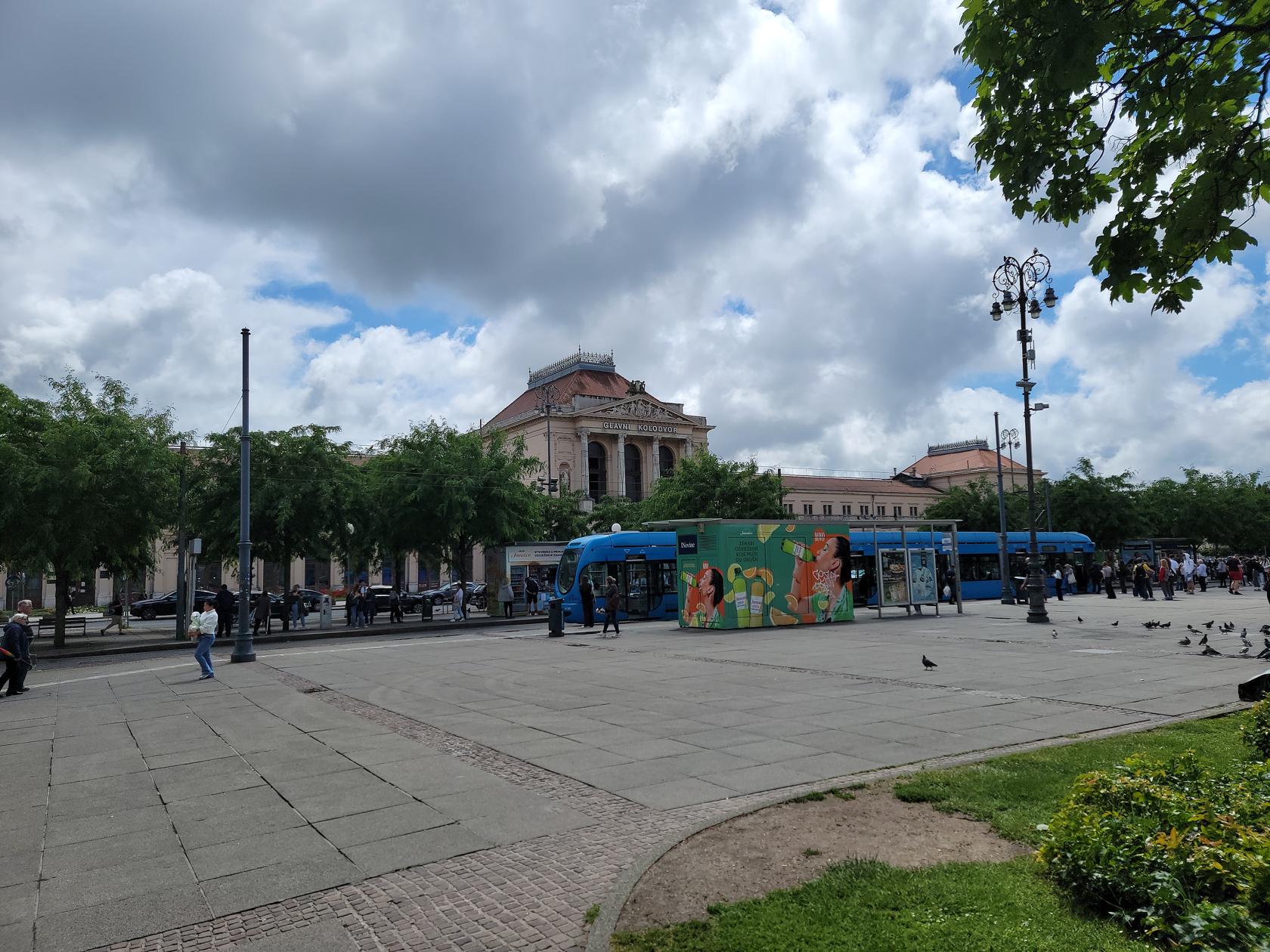
Lower Zagreb
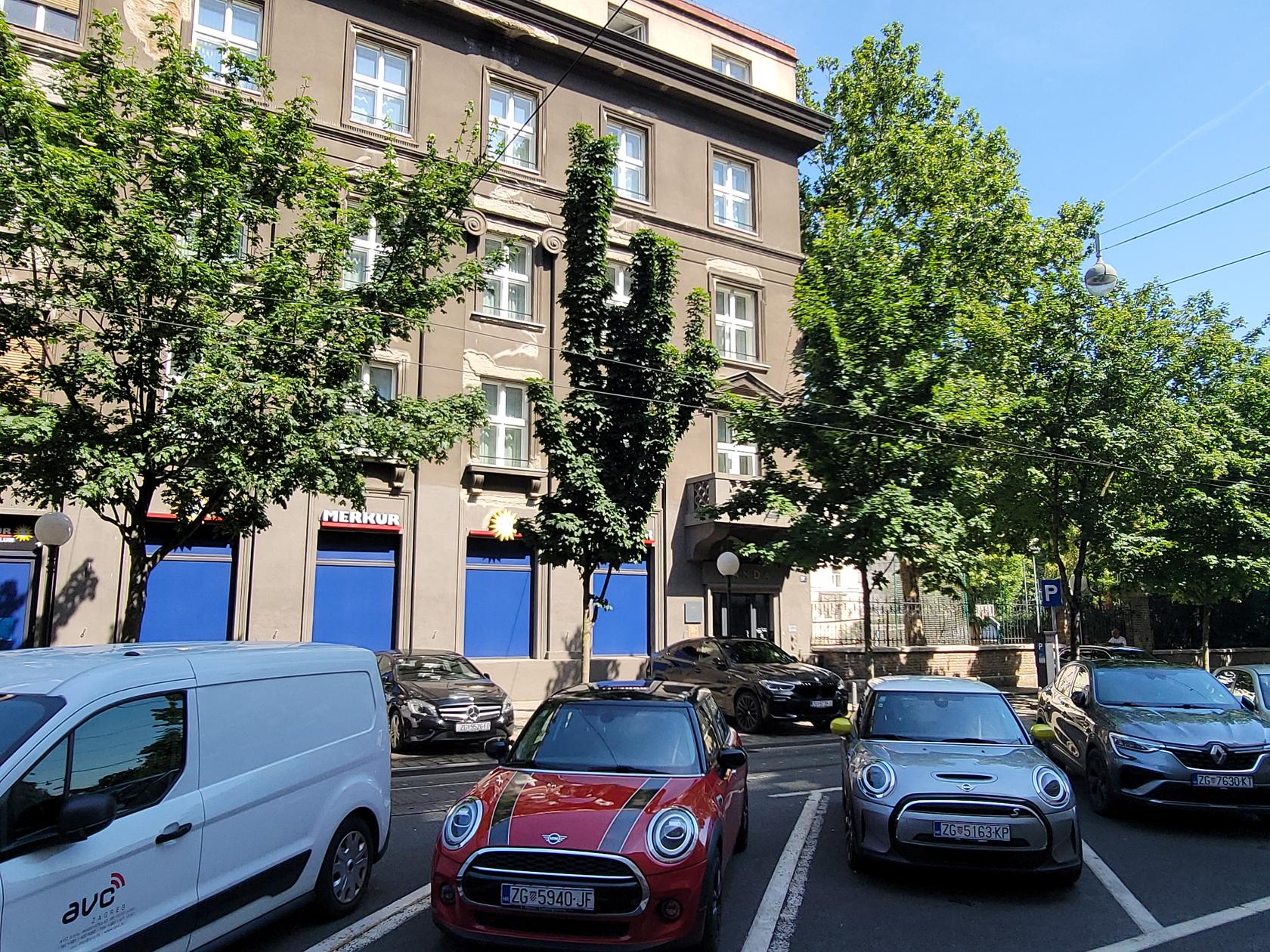
We stayed in Lower Zagreb very close to Kaptol and the main square. From here we were able to visit most parts of the old city within a ten to fifteen minute walk.
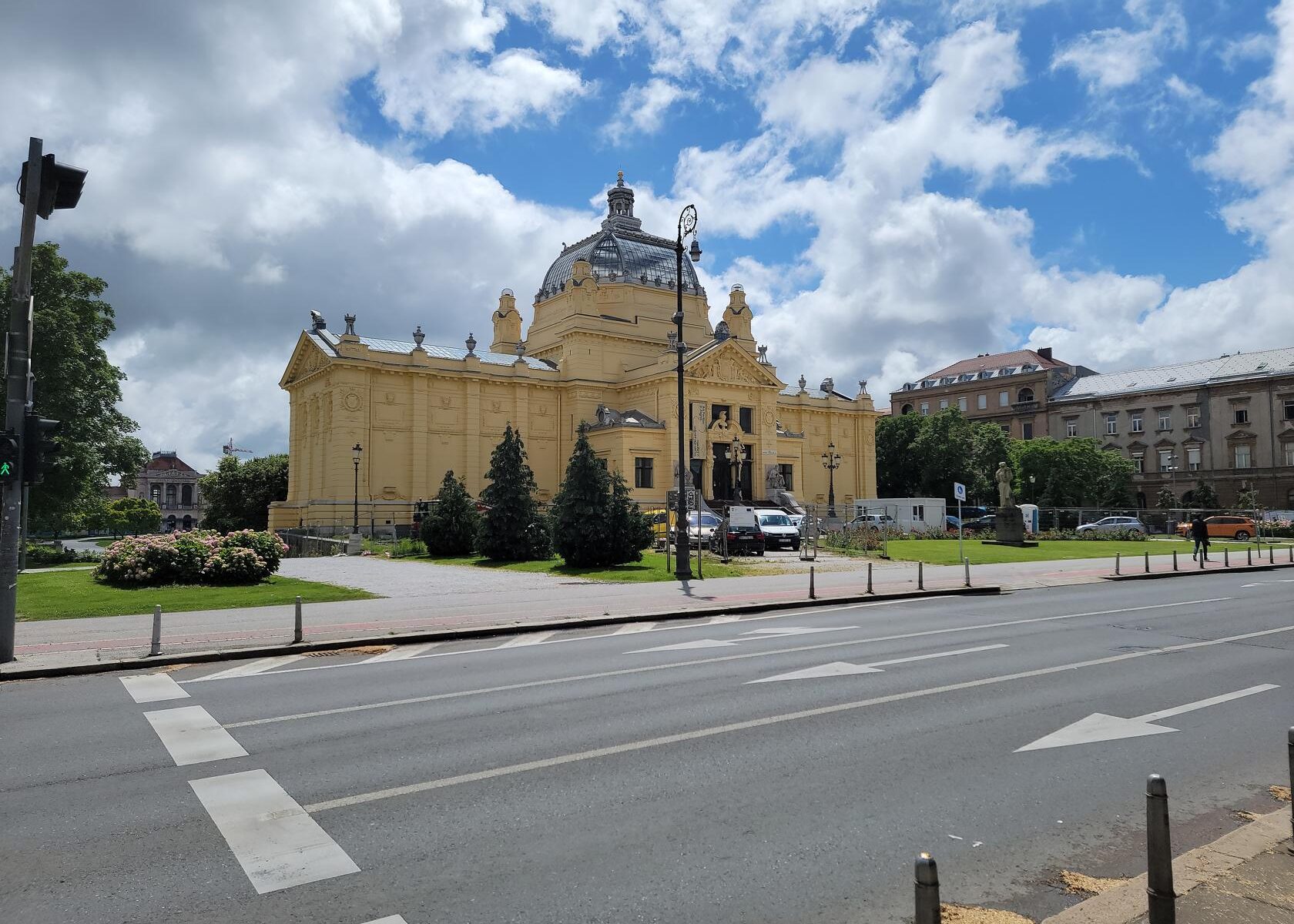
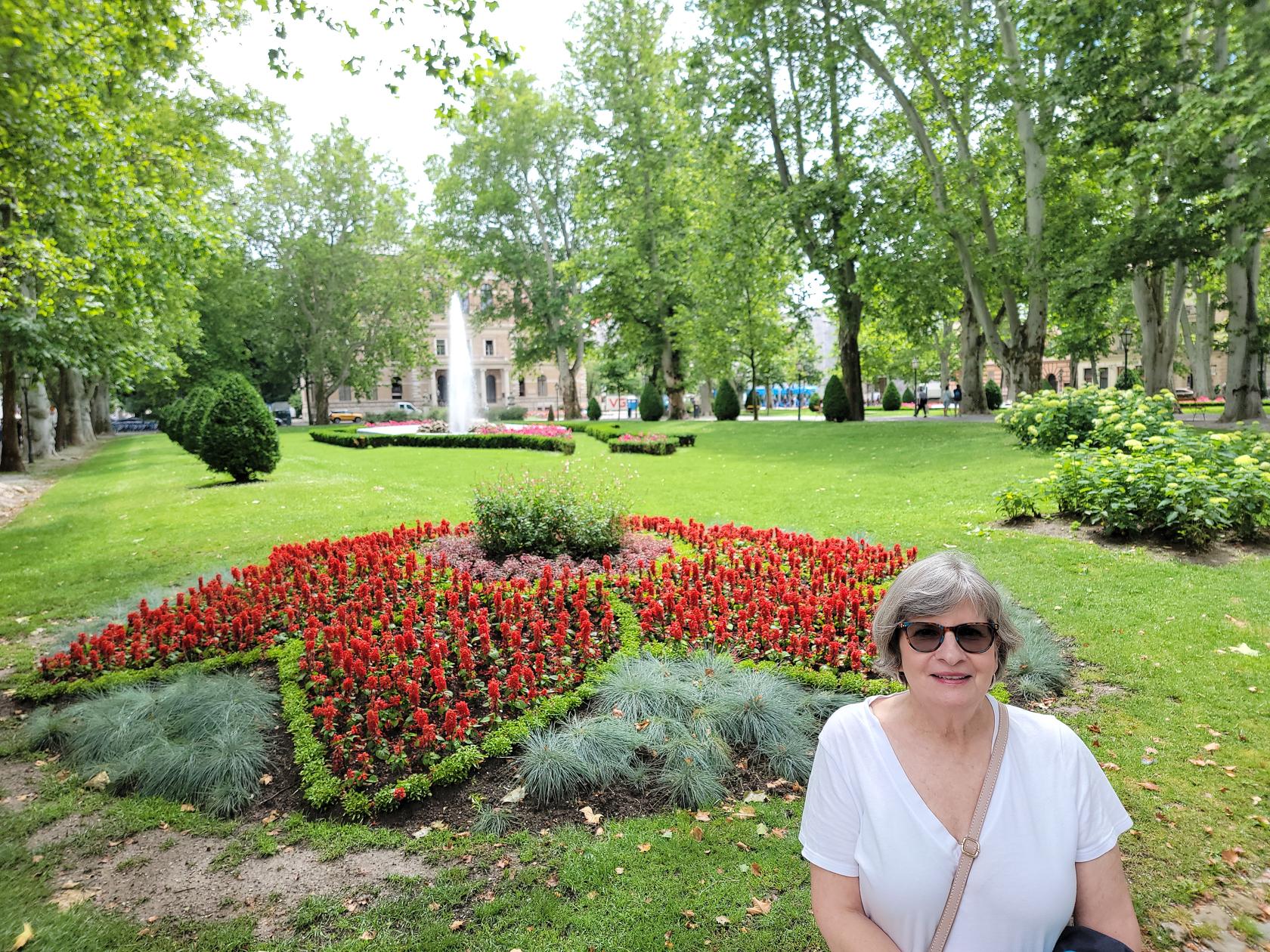
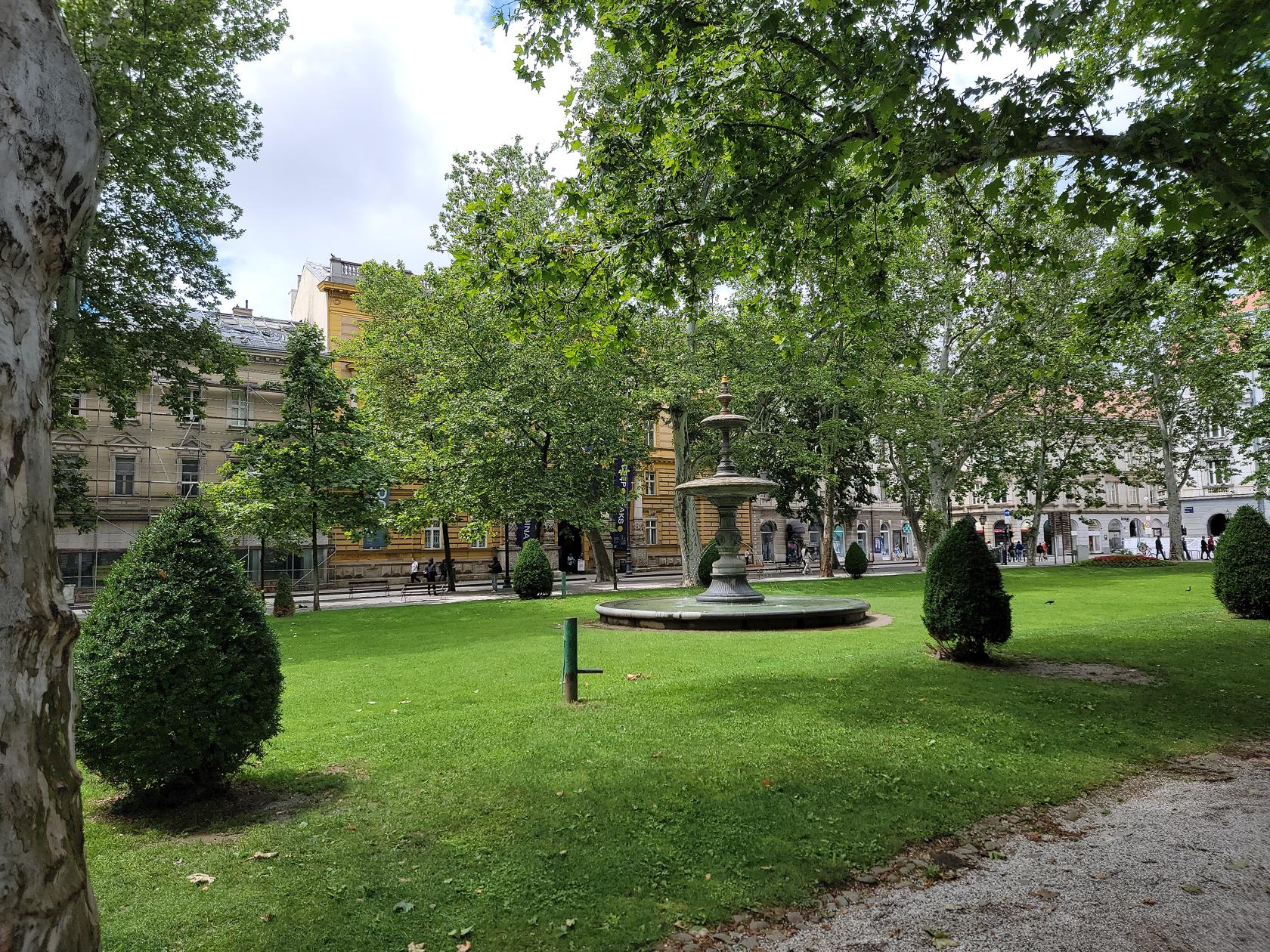
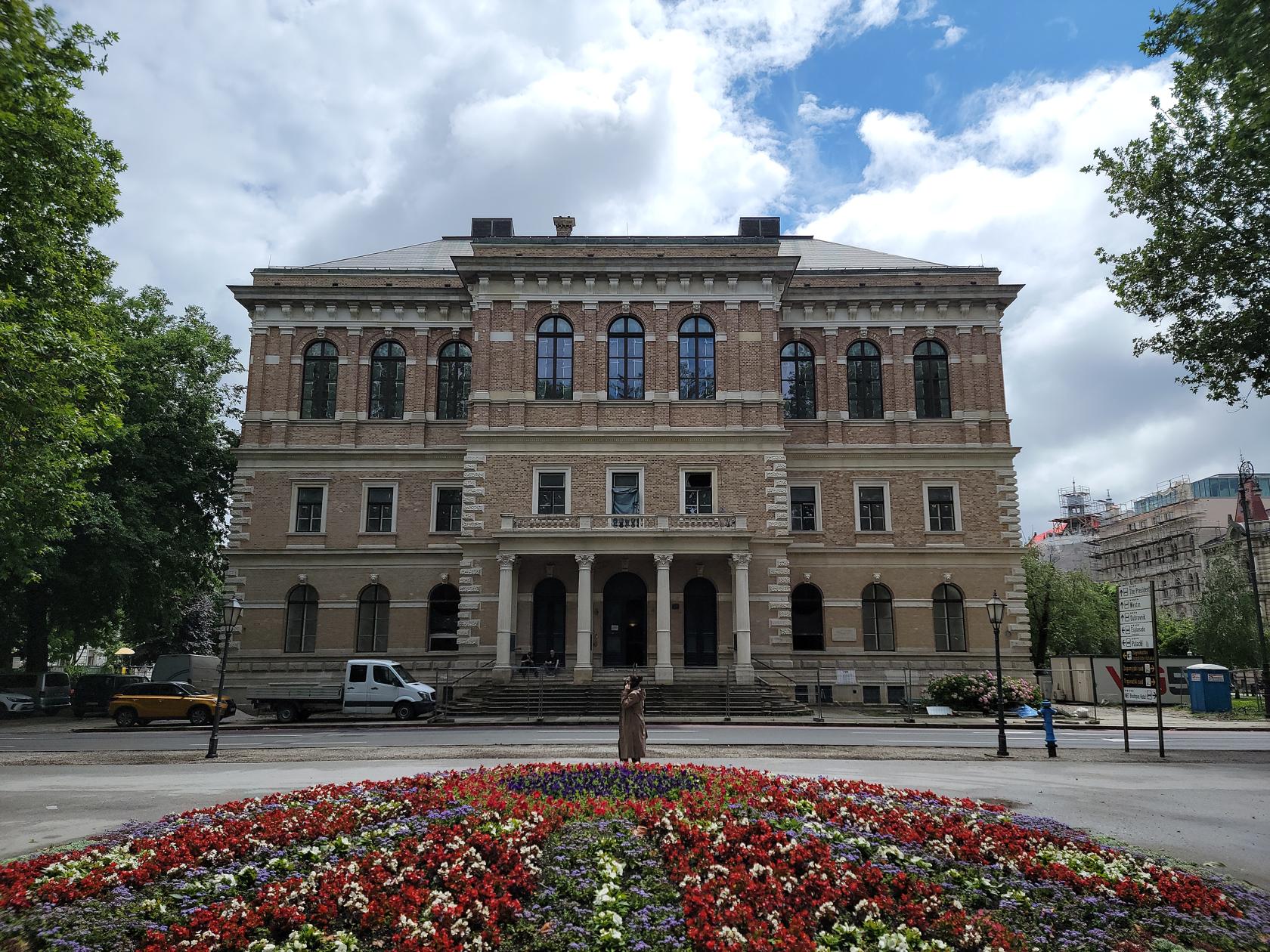
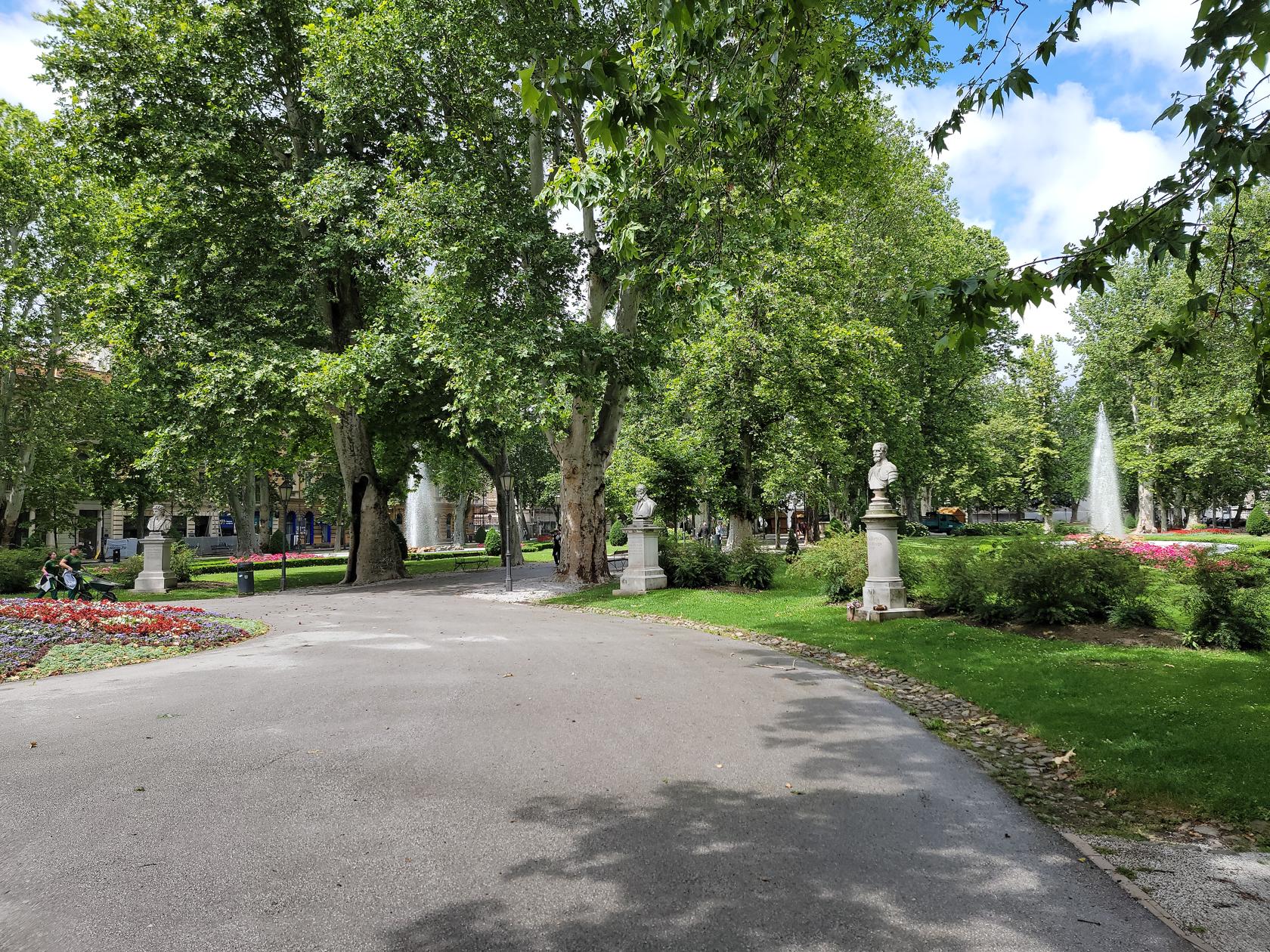
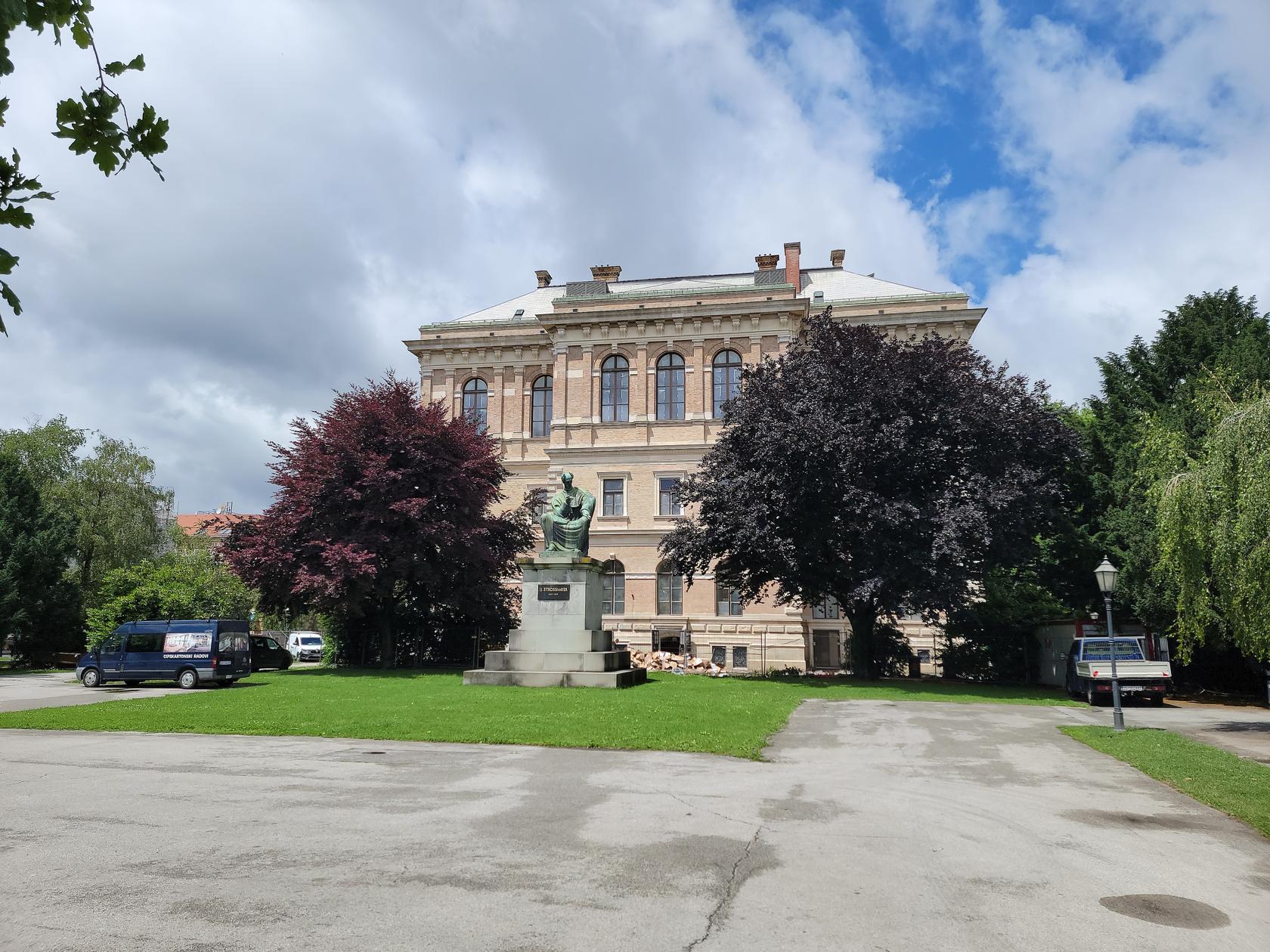
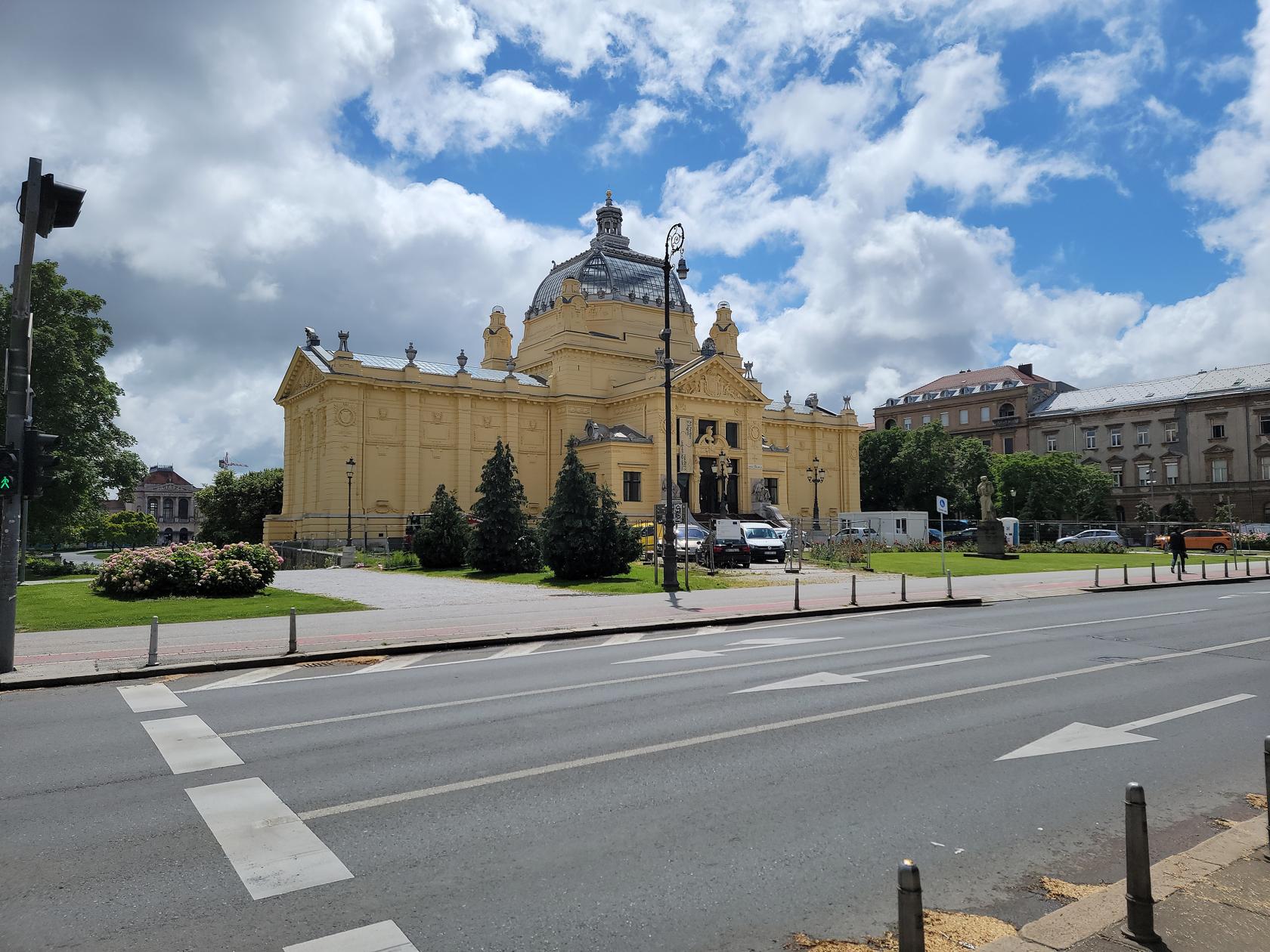
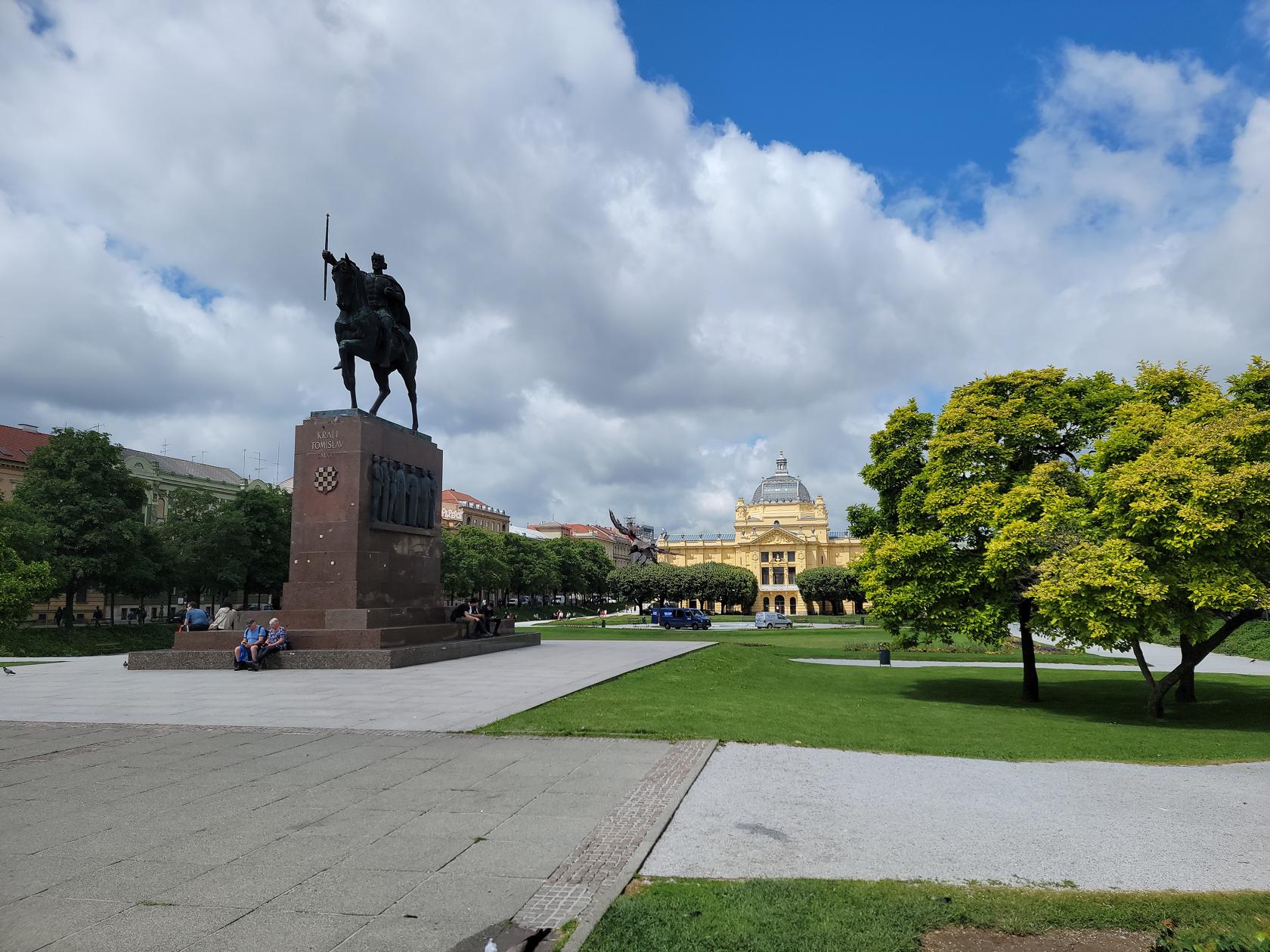
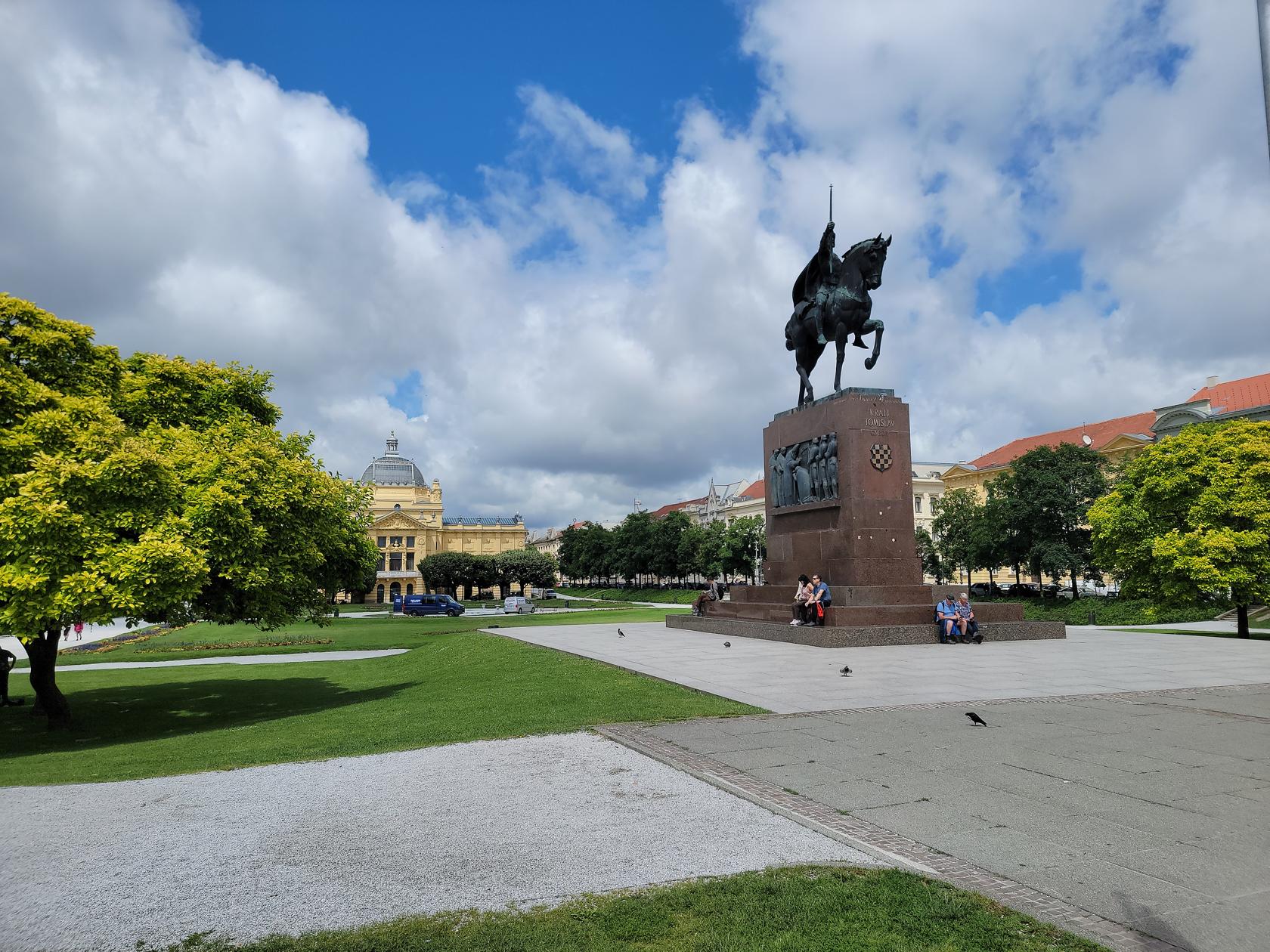
Zrinjevac Park
Actually many parks in tandem and tied together by several buildings and monuments. It is actually a nice place to take a stroll and enjoy the salubrious spring weather.
Gradec
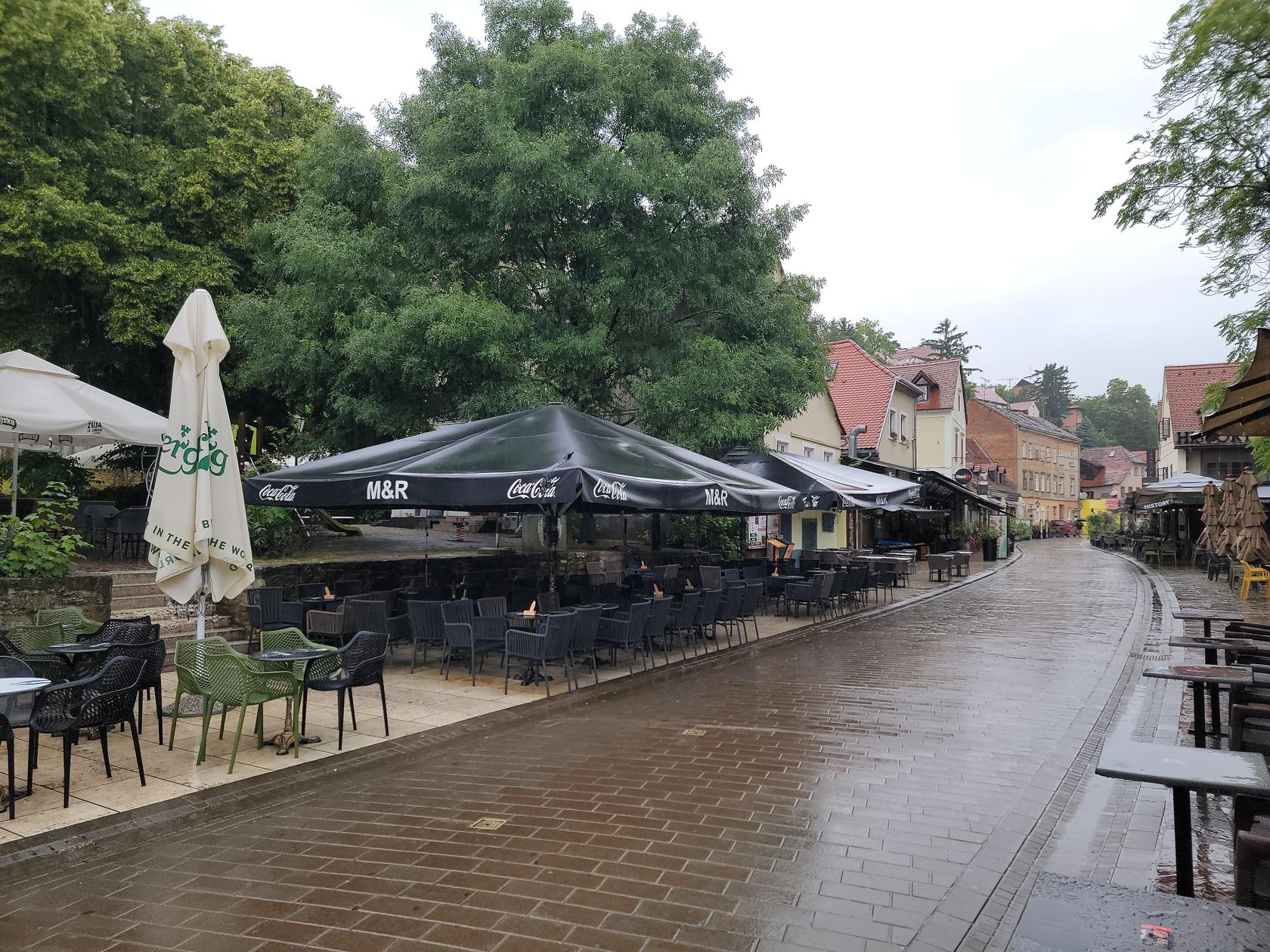
To the west of Kaptol and across small depression represented by Pavla Radica, where you will find many bars, cafes and some restaurants, is Gradec, also referred to as Grič.
The Stone Gate
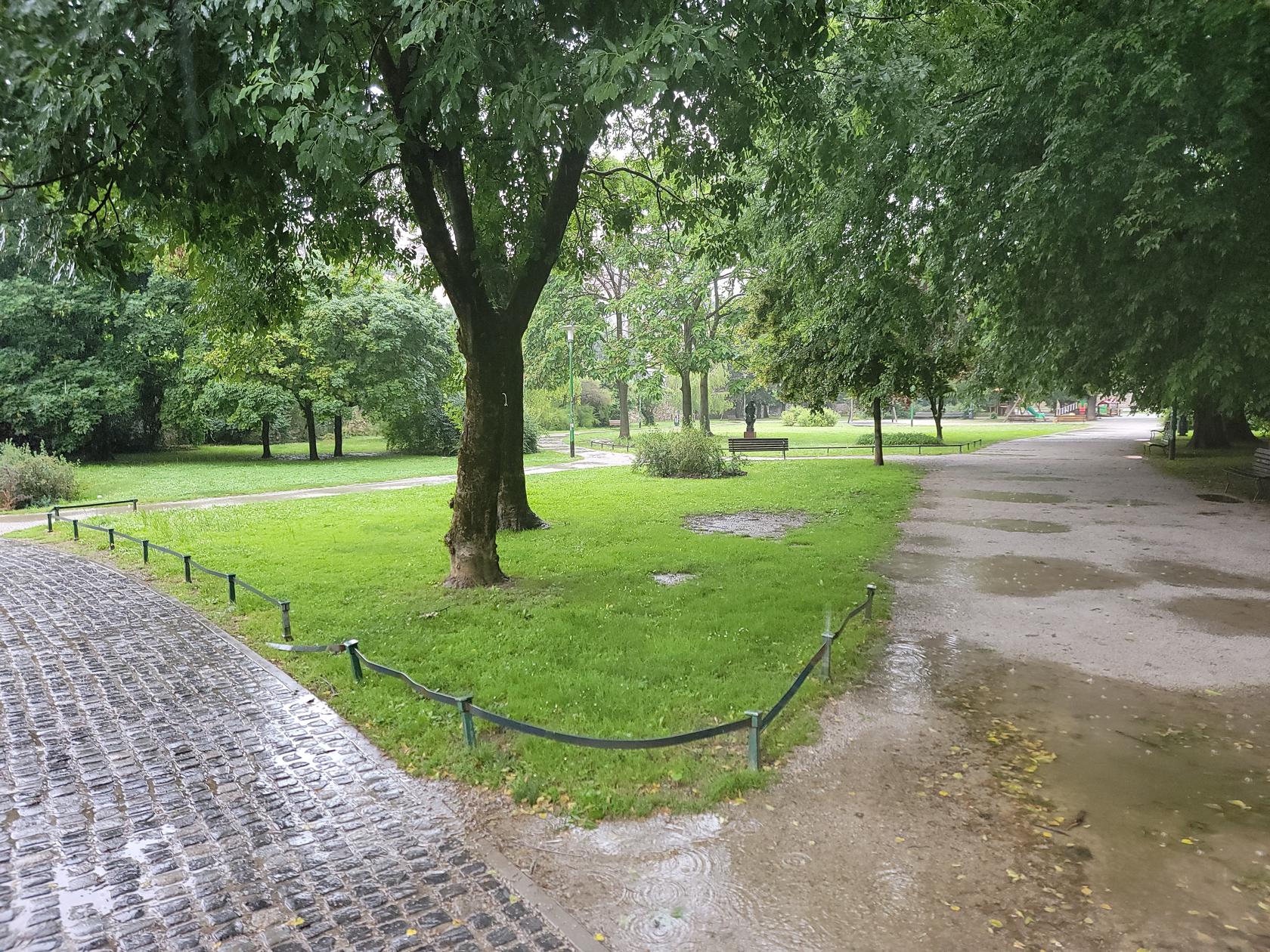
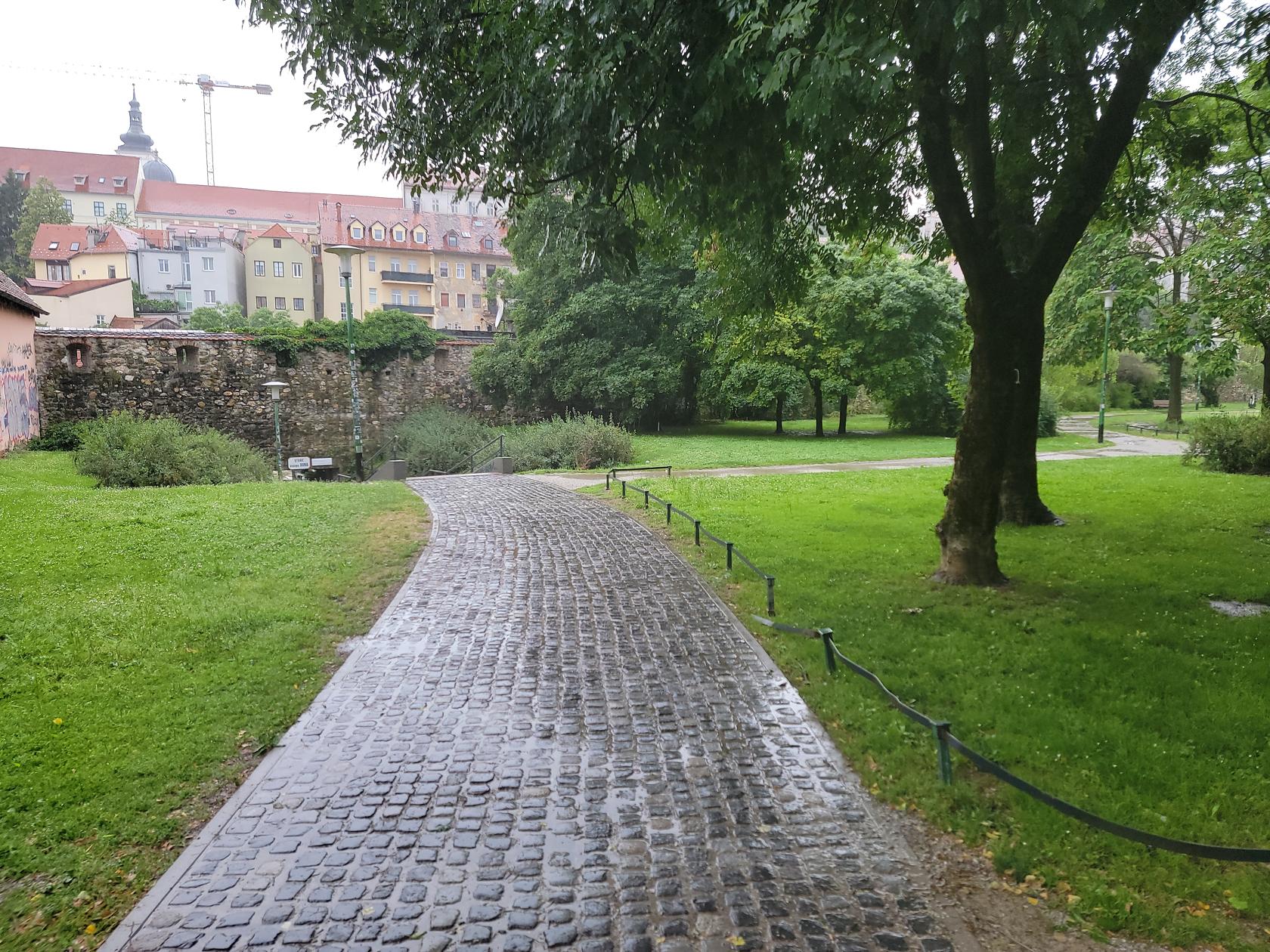
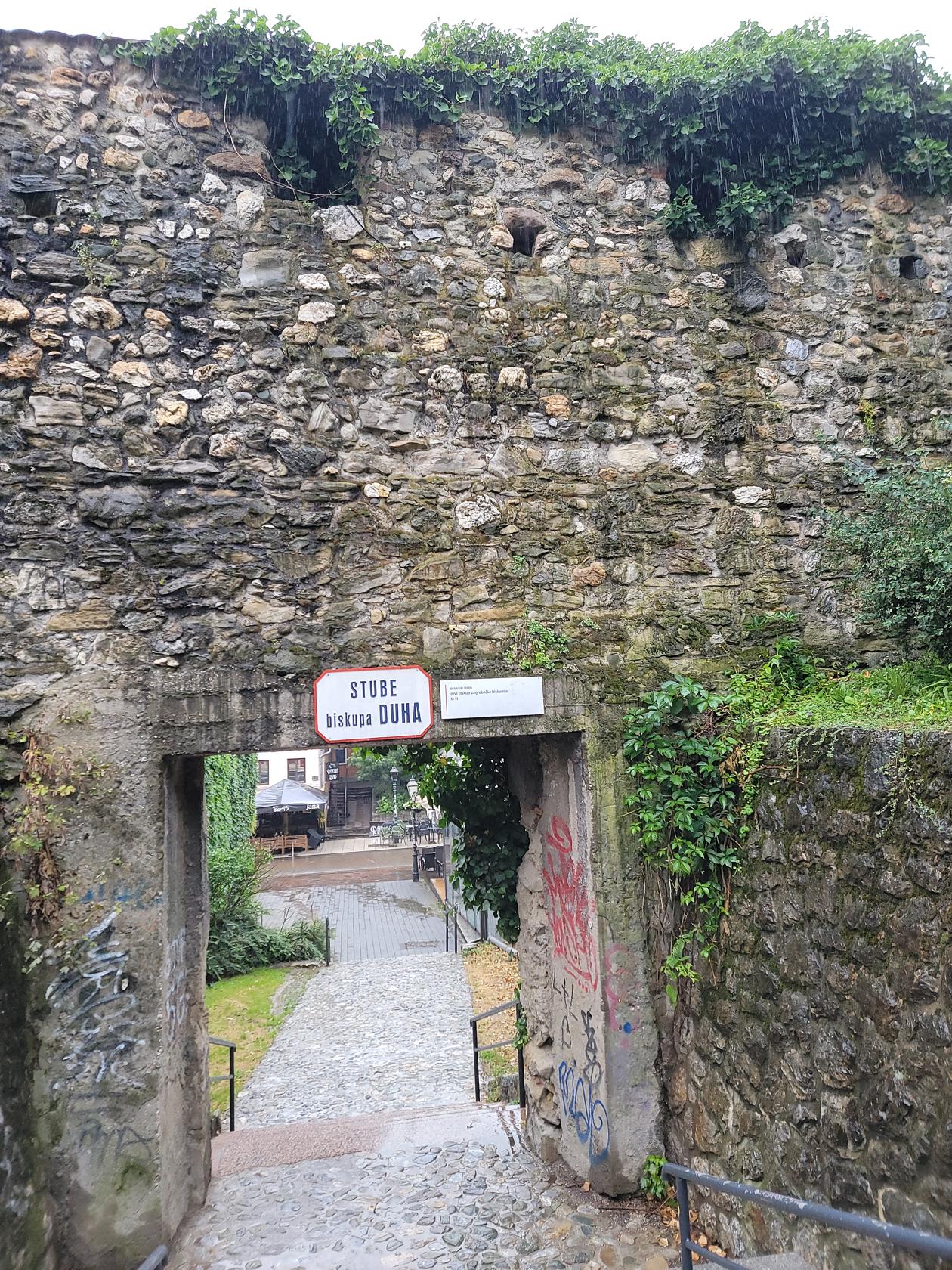
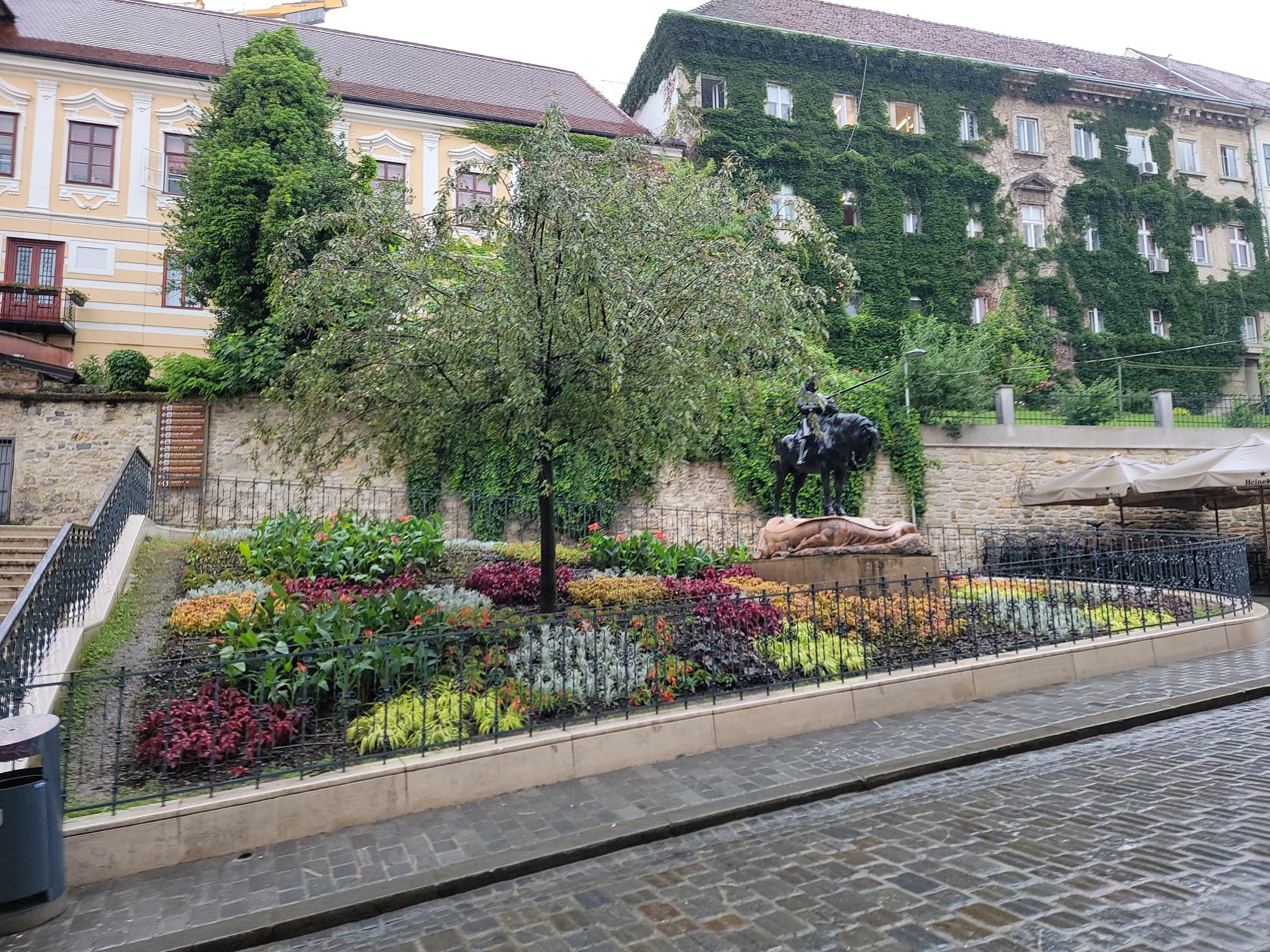
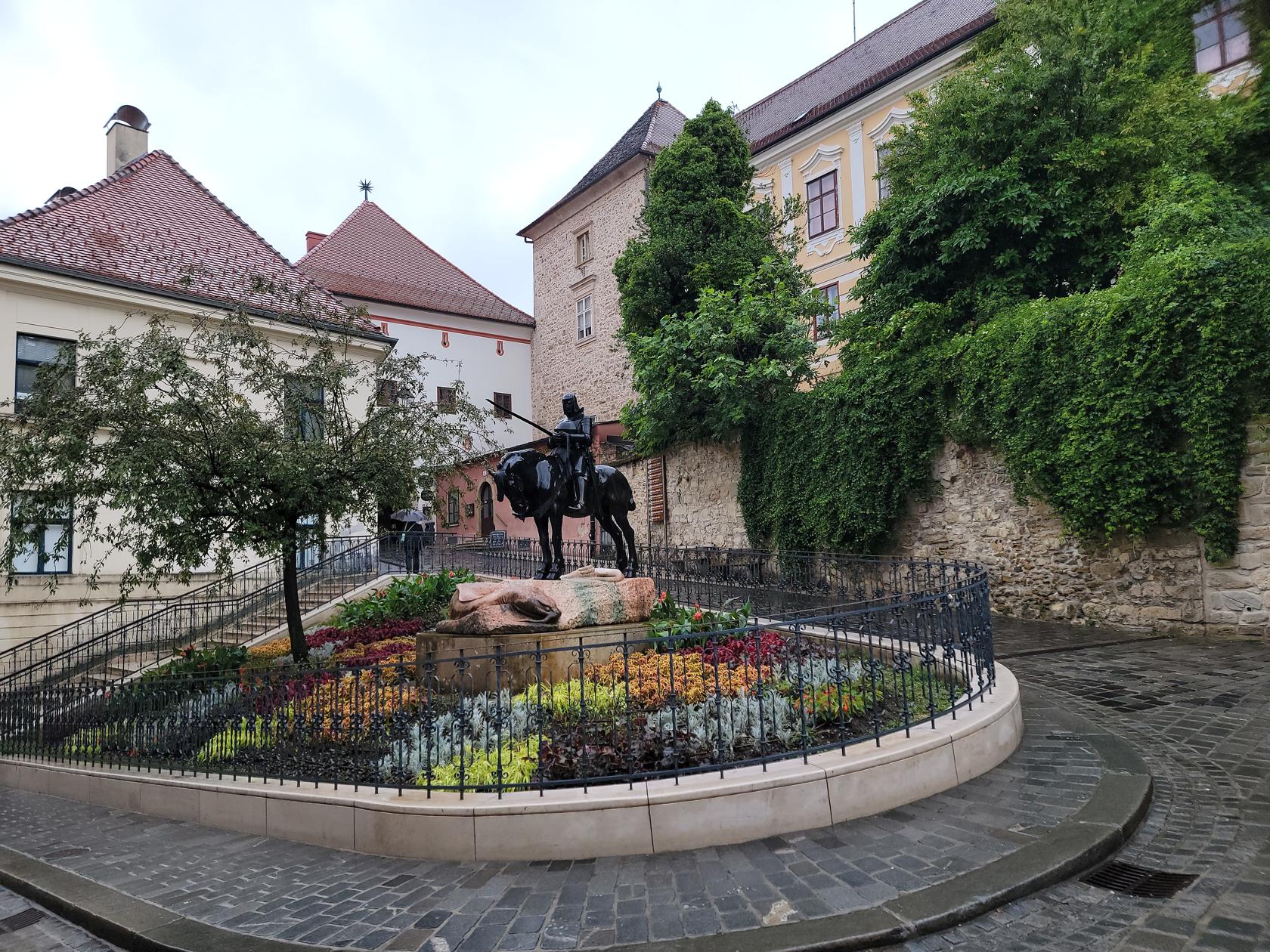
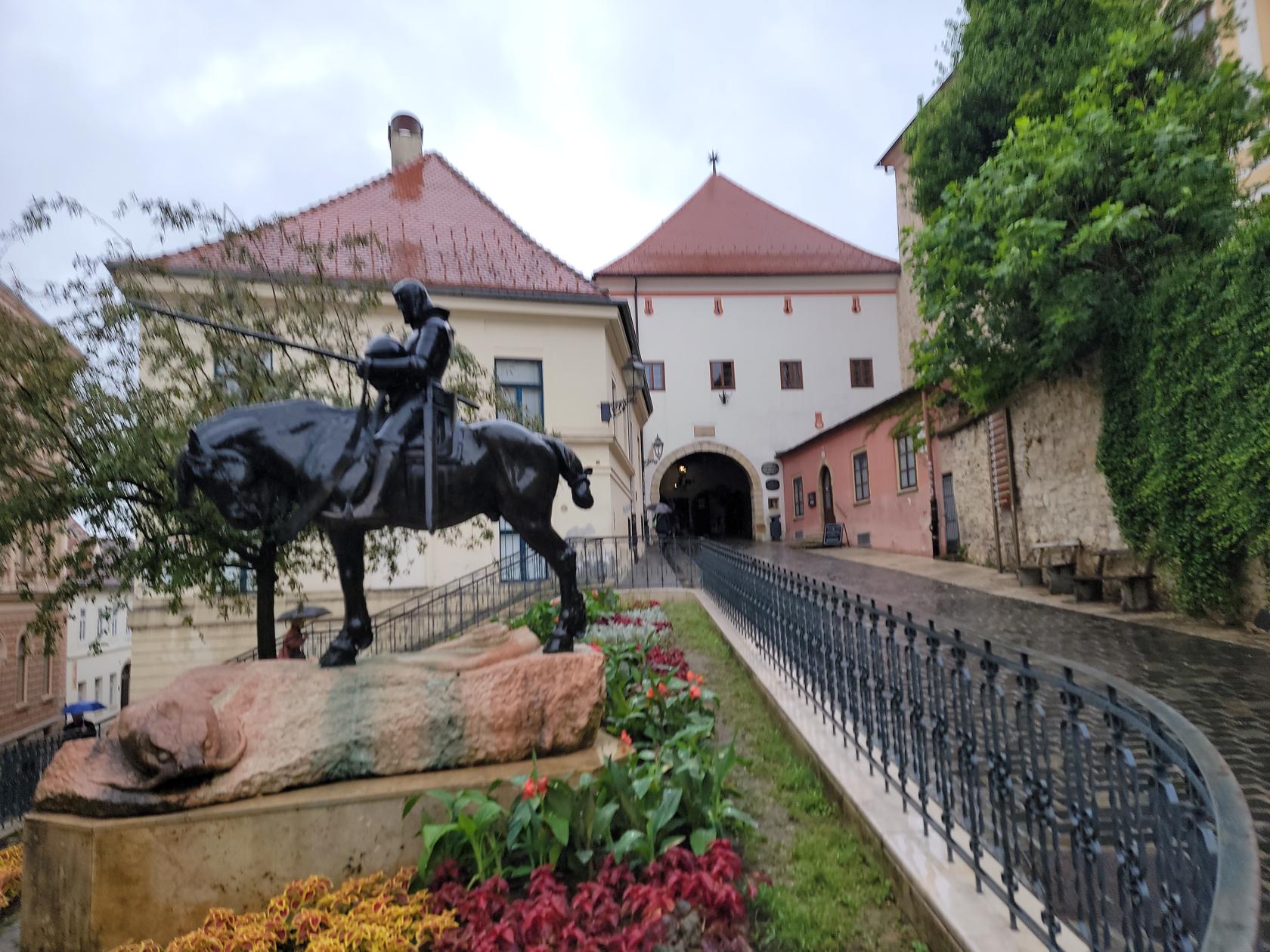
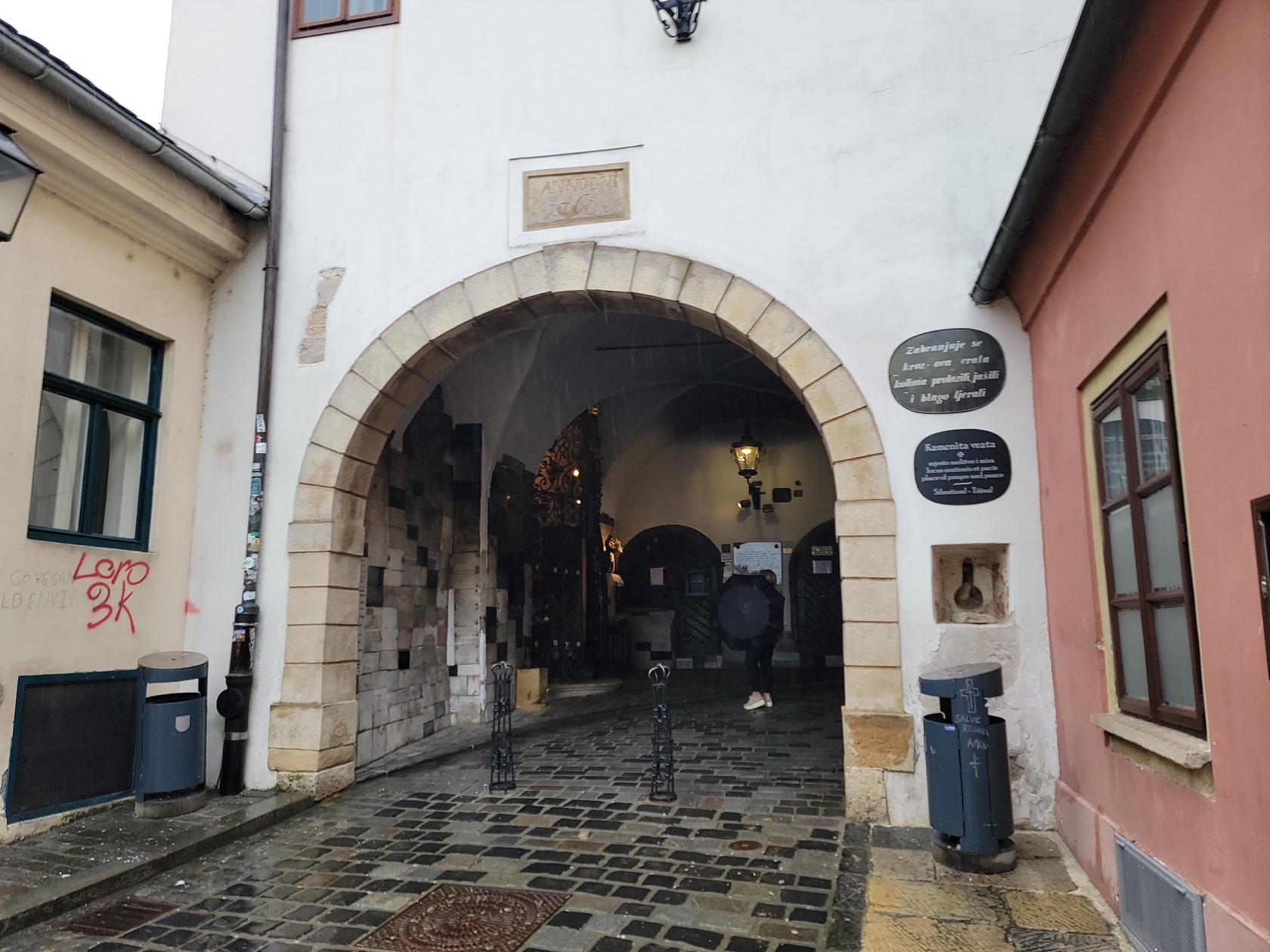
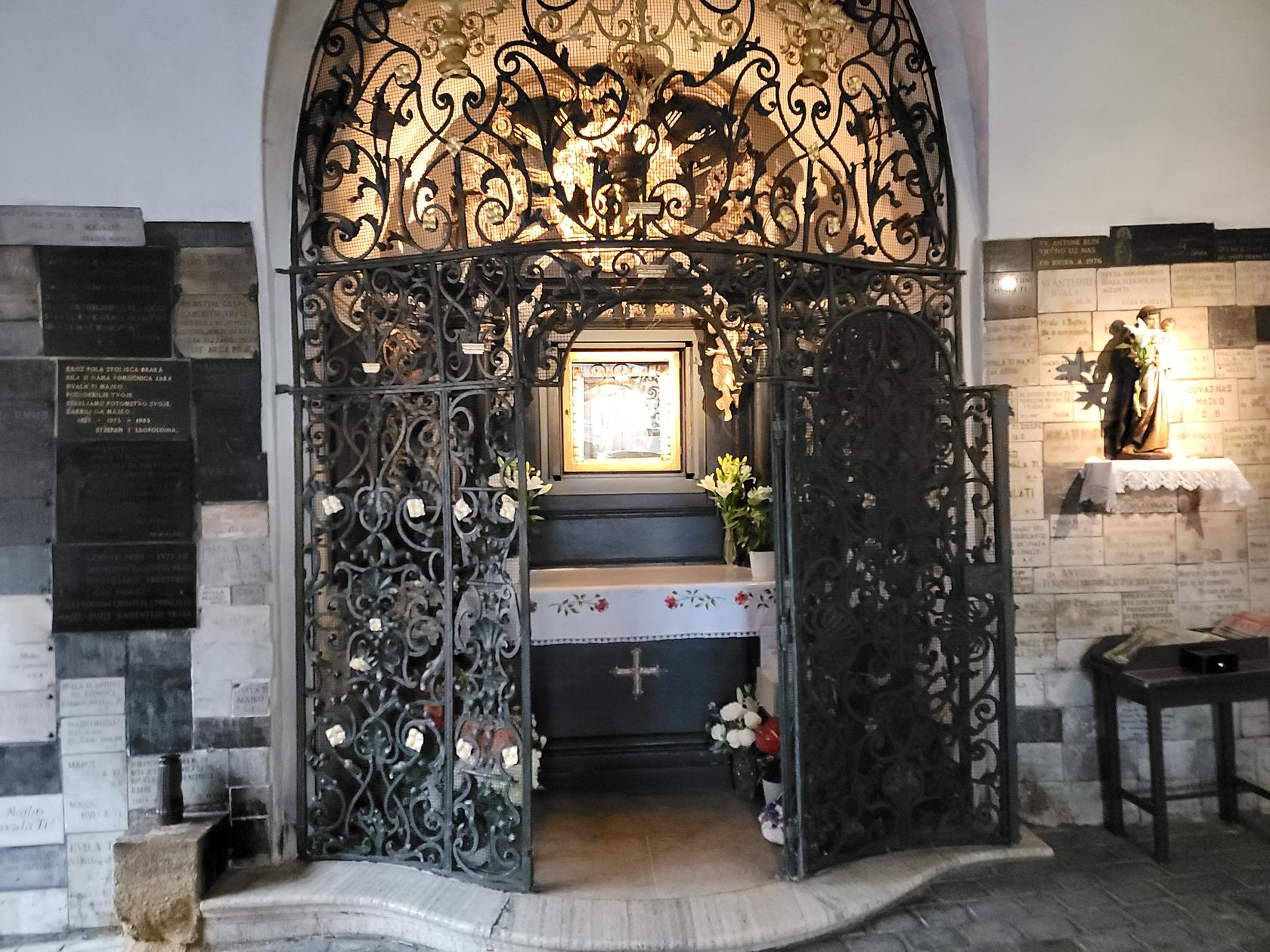
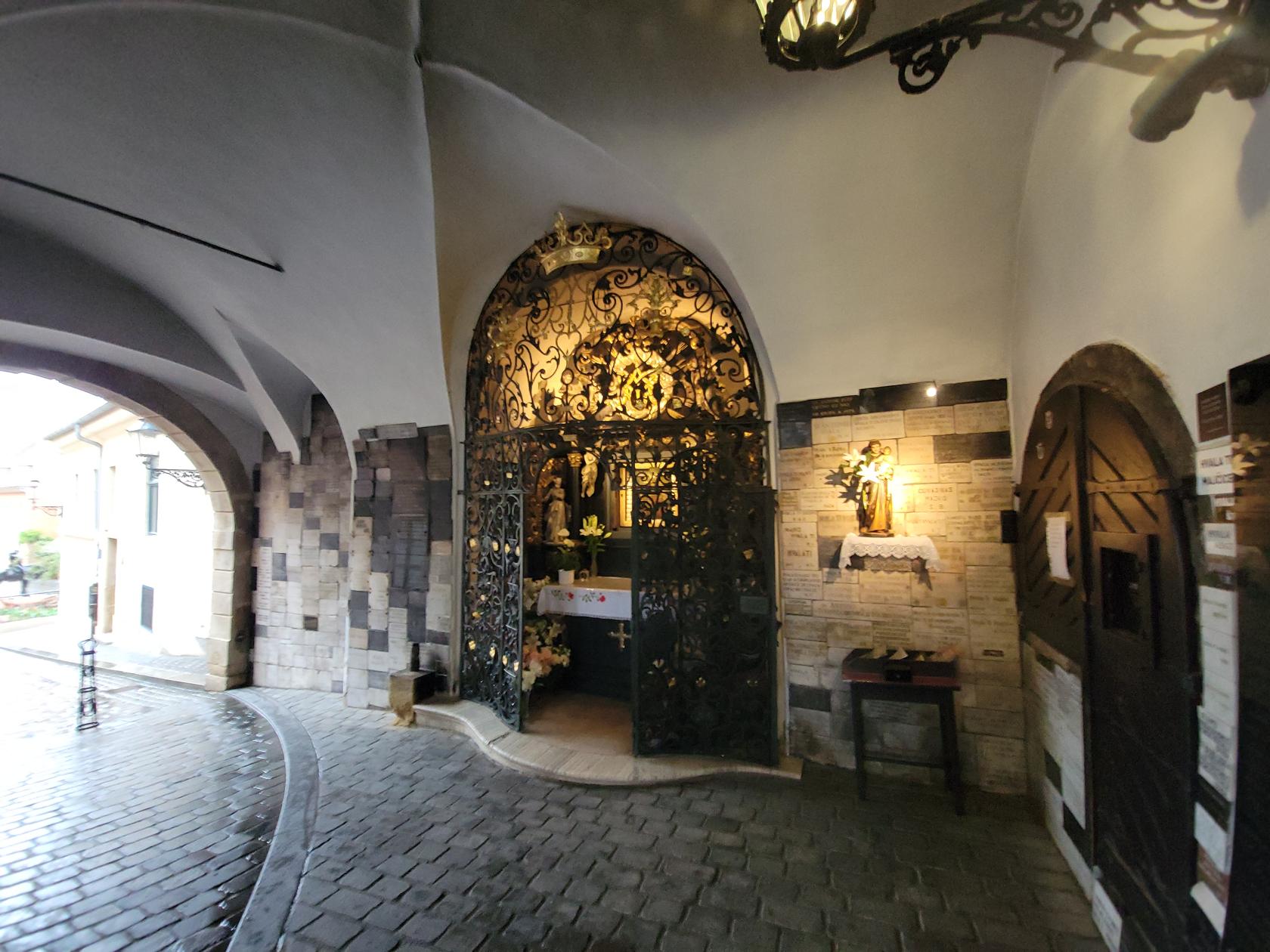
One of the entrances to Gradec is via the Stone Gate. It is adorned by a statue of Saint George before you get there and actually contains a small chapel.
Saint Mark’s Church
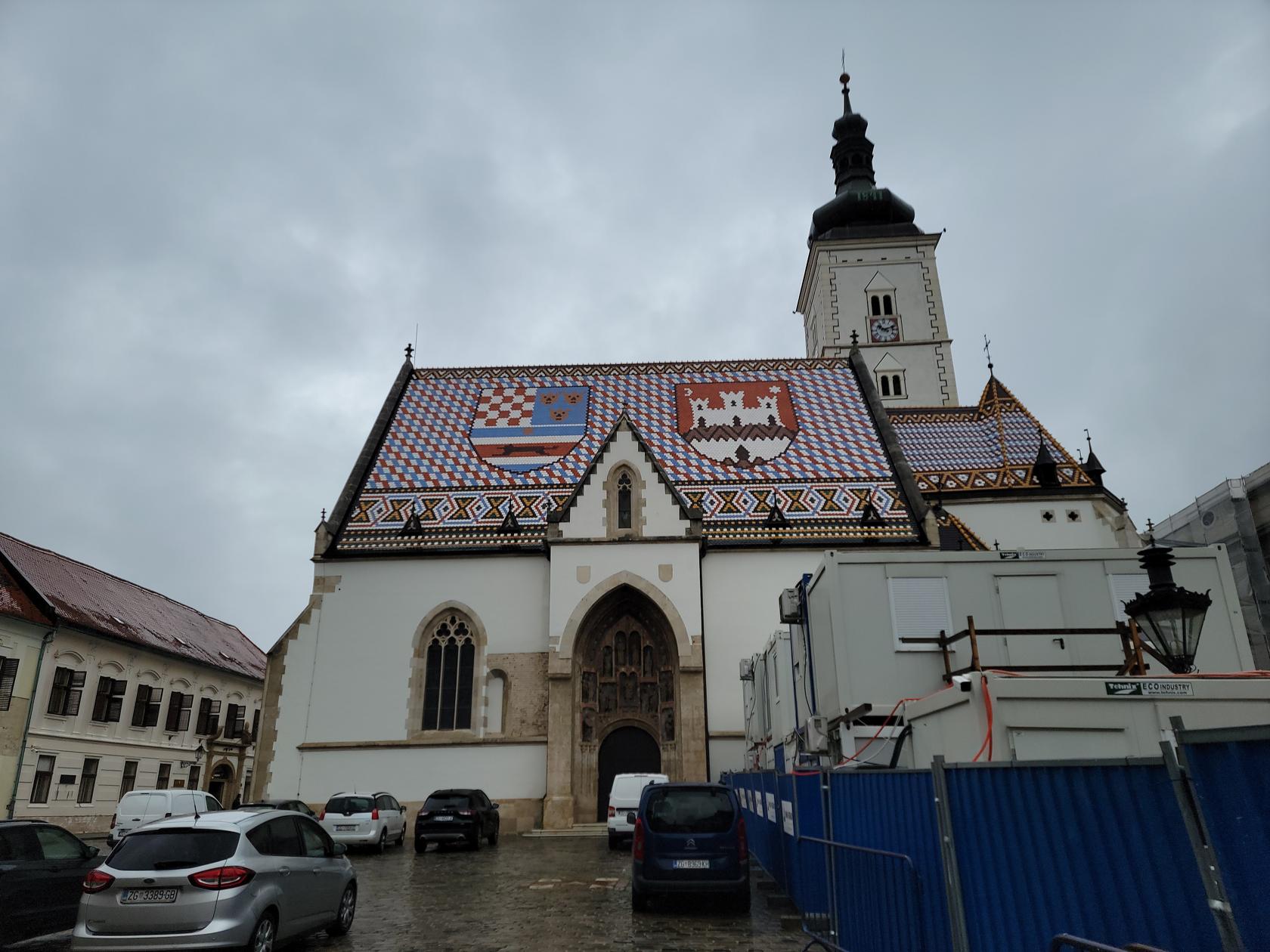
The most prominent structure here is Saint Mark’s Church. Noted for its polychrome roof tiles depicting the coats of arms of Croatia and Zagreb, it is a beautiful to see. Again, like other structures in the area, it too was damaged by the earthquake and was still undergoing renovations at the time of our visit. Therefore, we were unable to go inside or even get up close to its facade.
Observation Tower
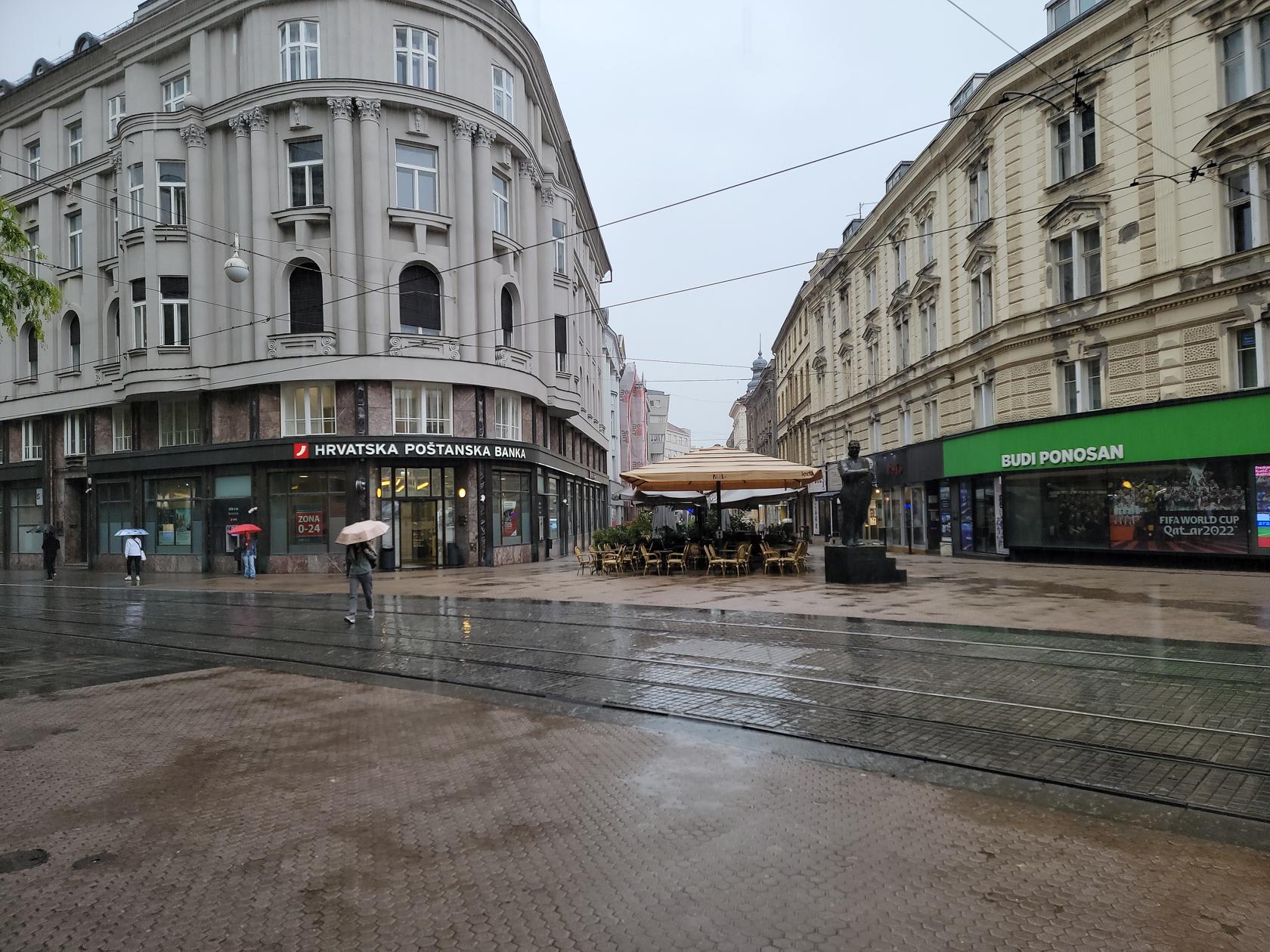
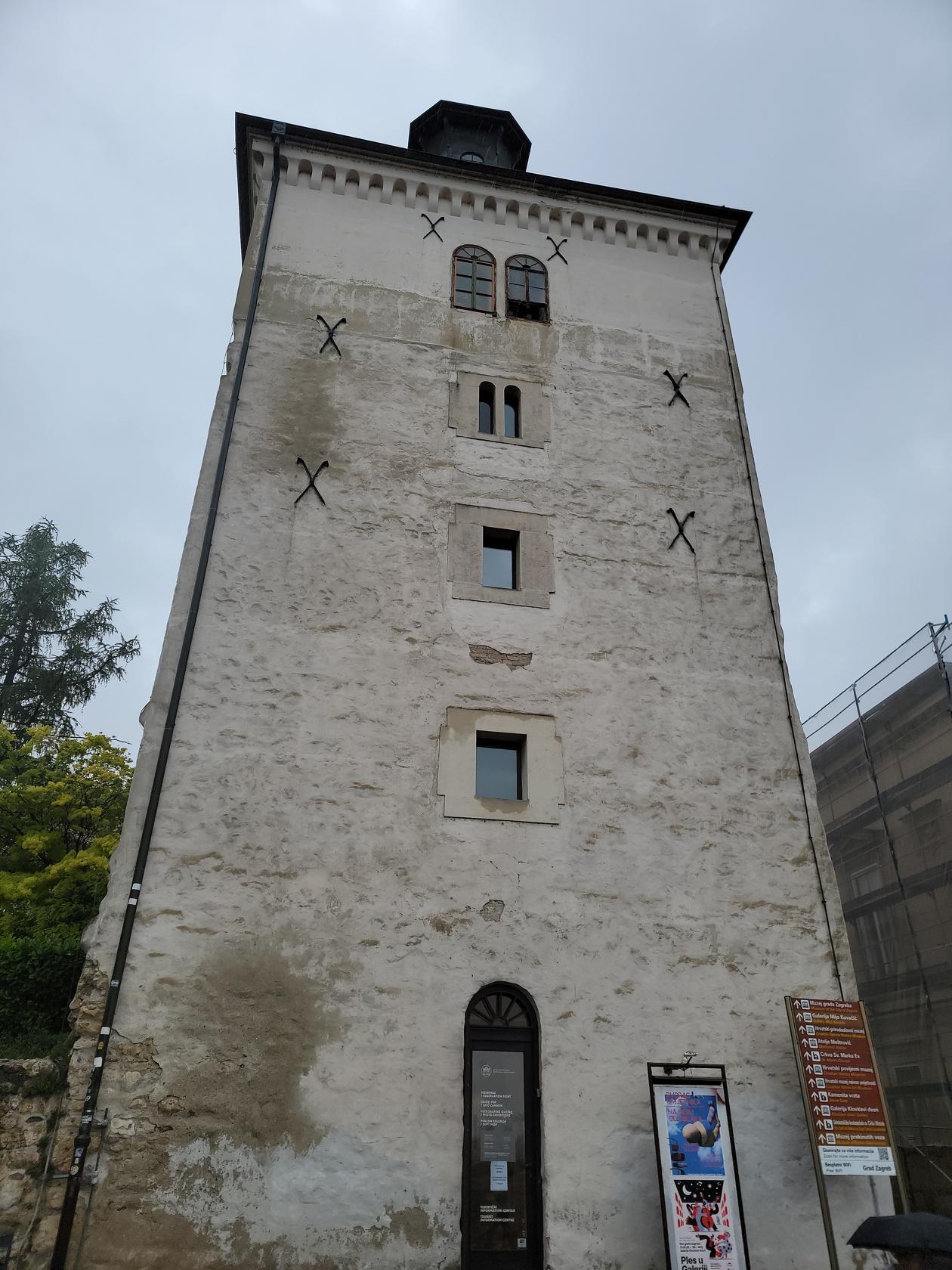
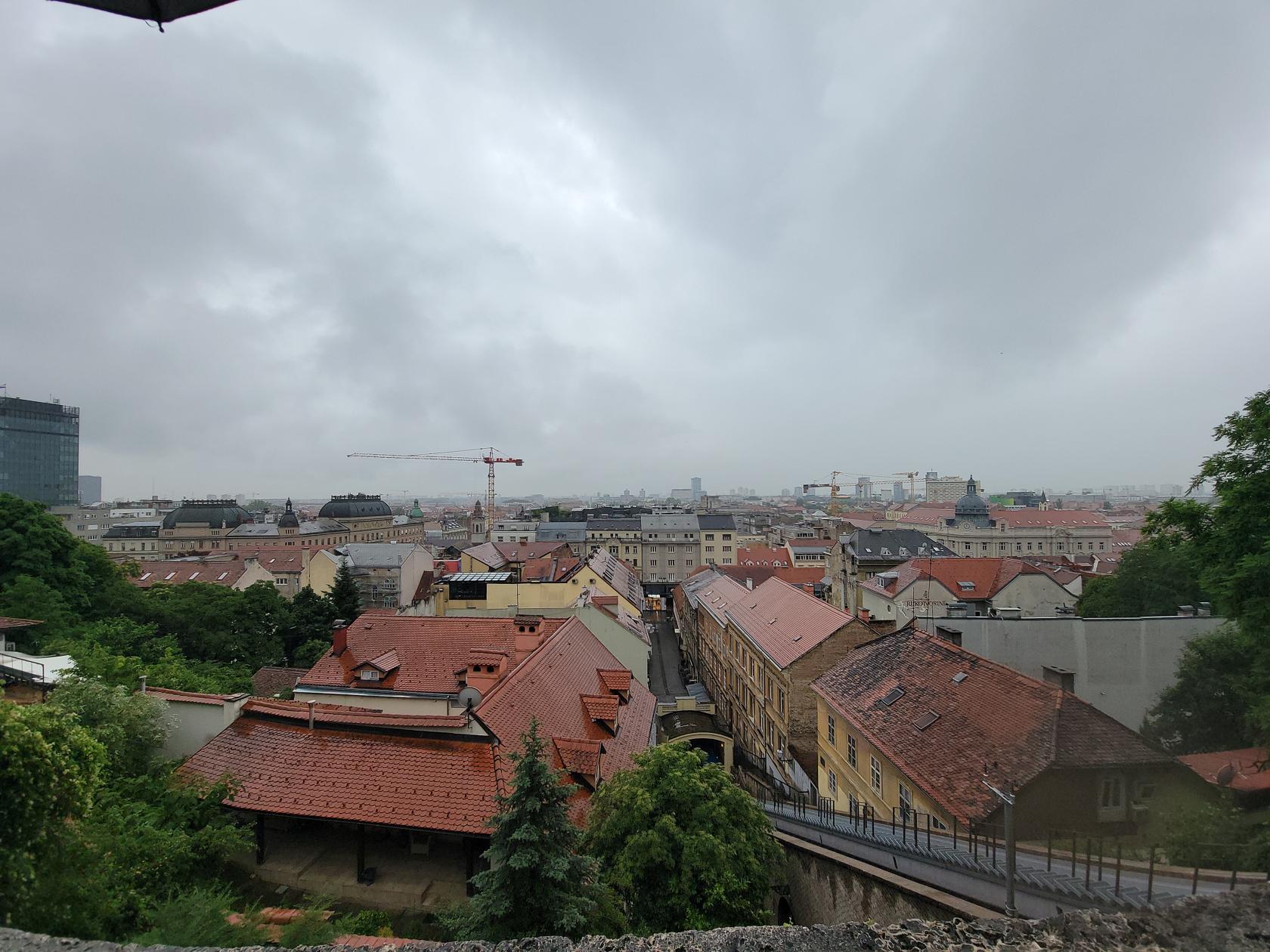
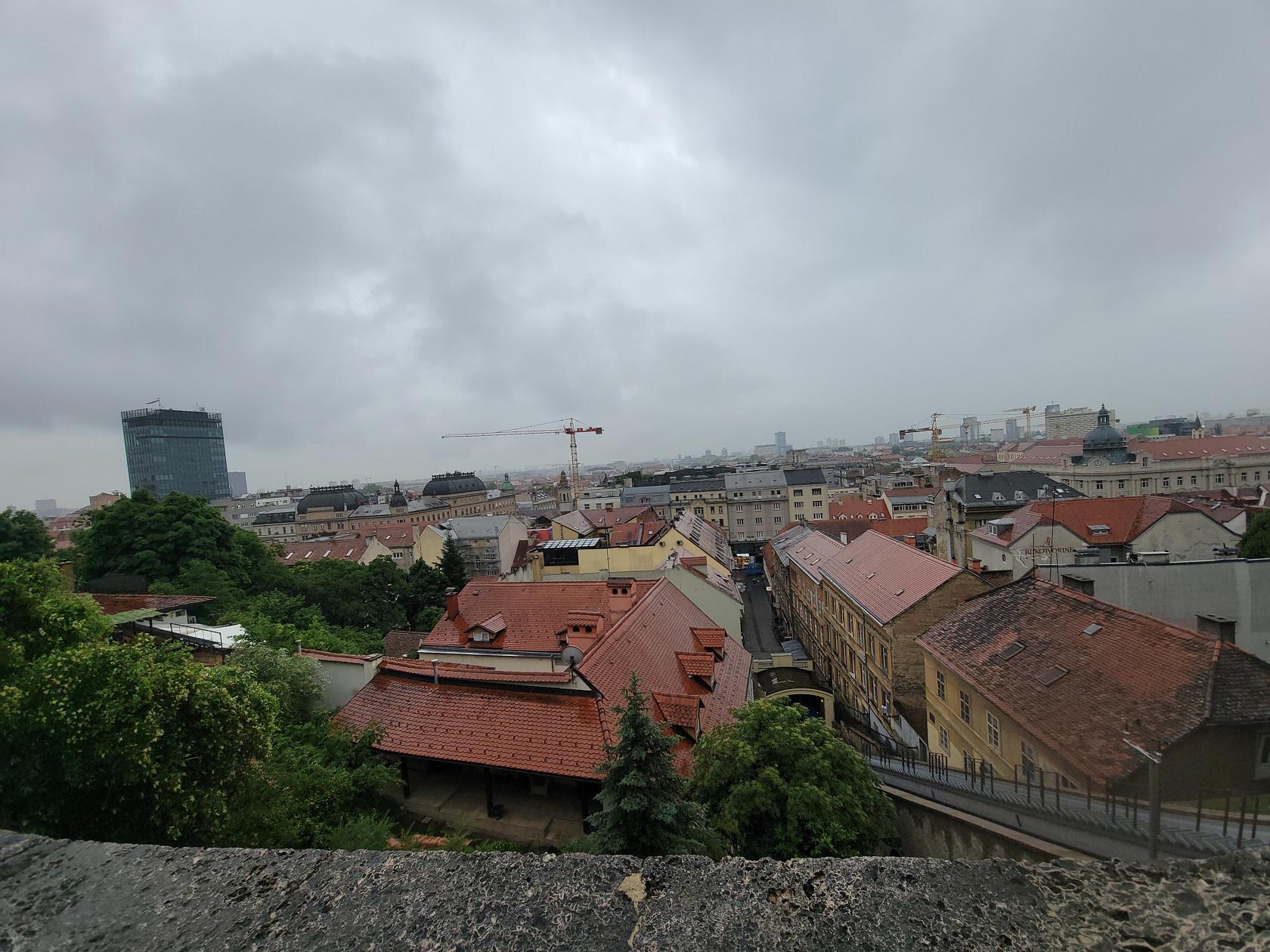
The Observation Tower, or Lotrščak Tower, can be found near Saint Mark’s Church in Gradec. It is right next to the Furnicular station to Lower Zagreb and can be ascended for a modest fee. We chose not to, since the weather was terrible and it was raining and overcast.
Tunel Grič
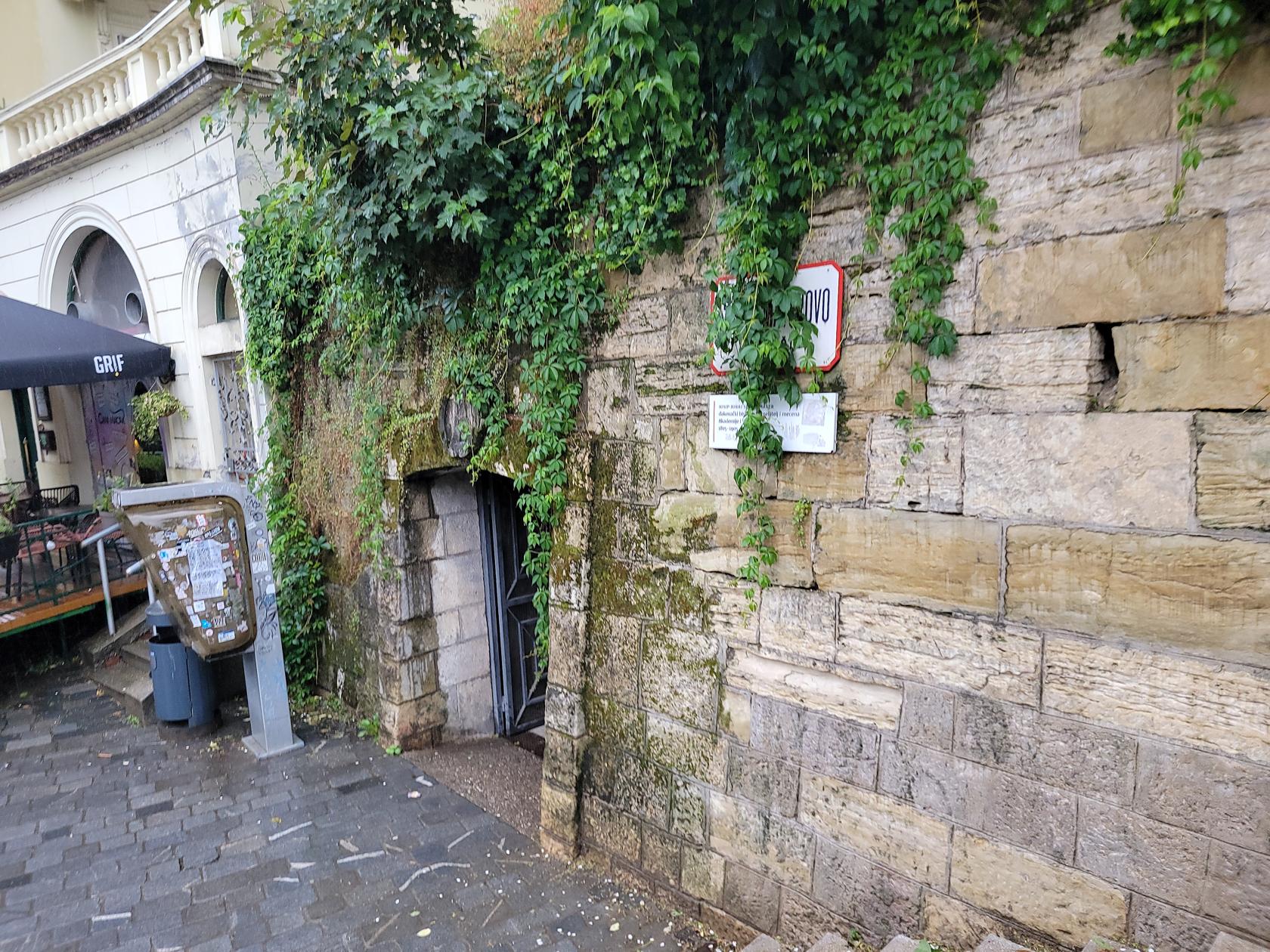
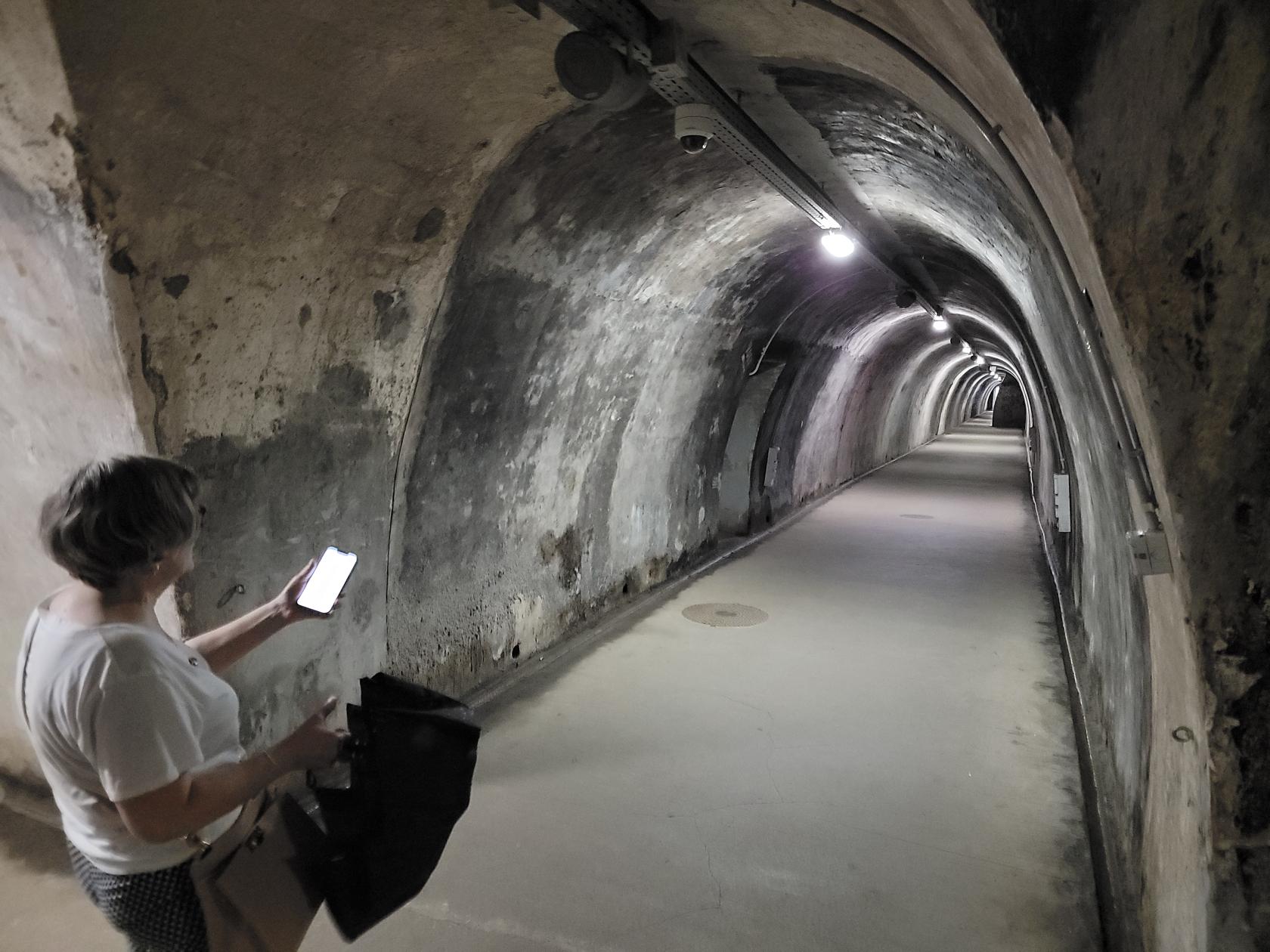
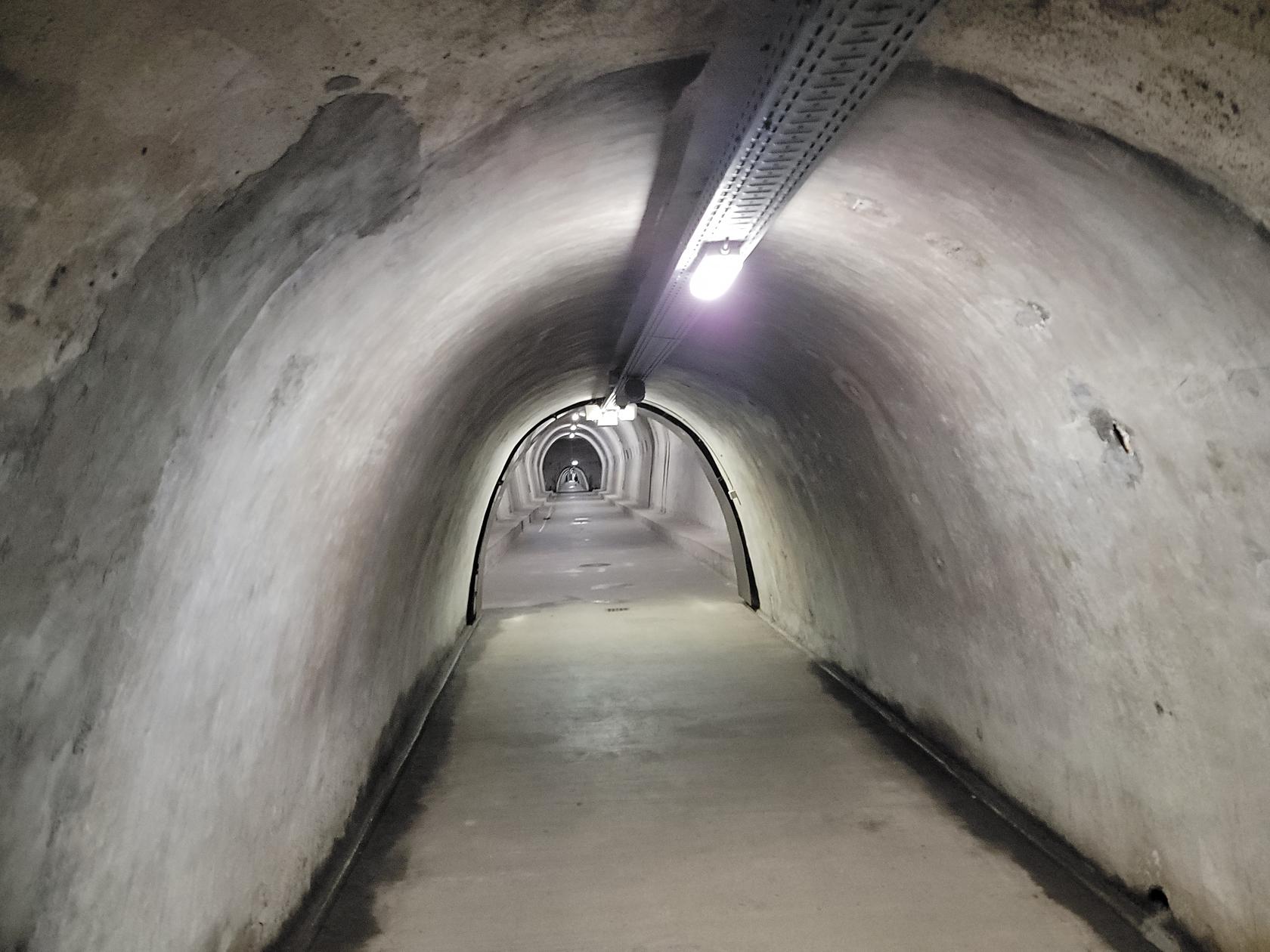
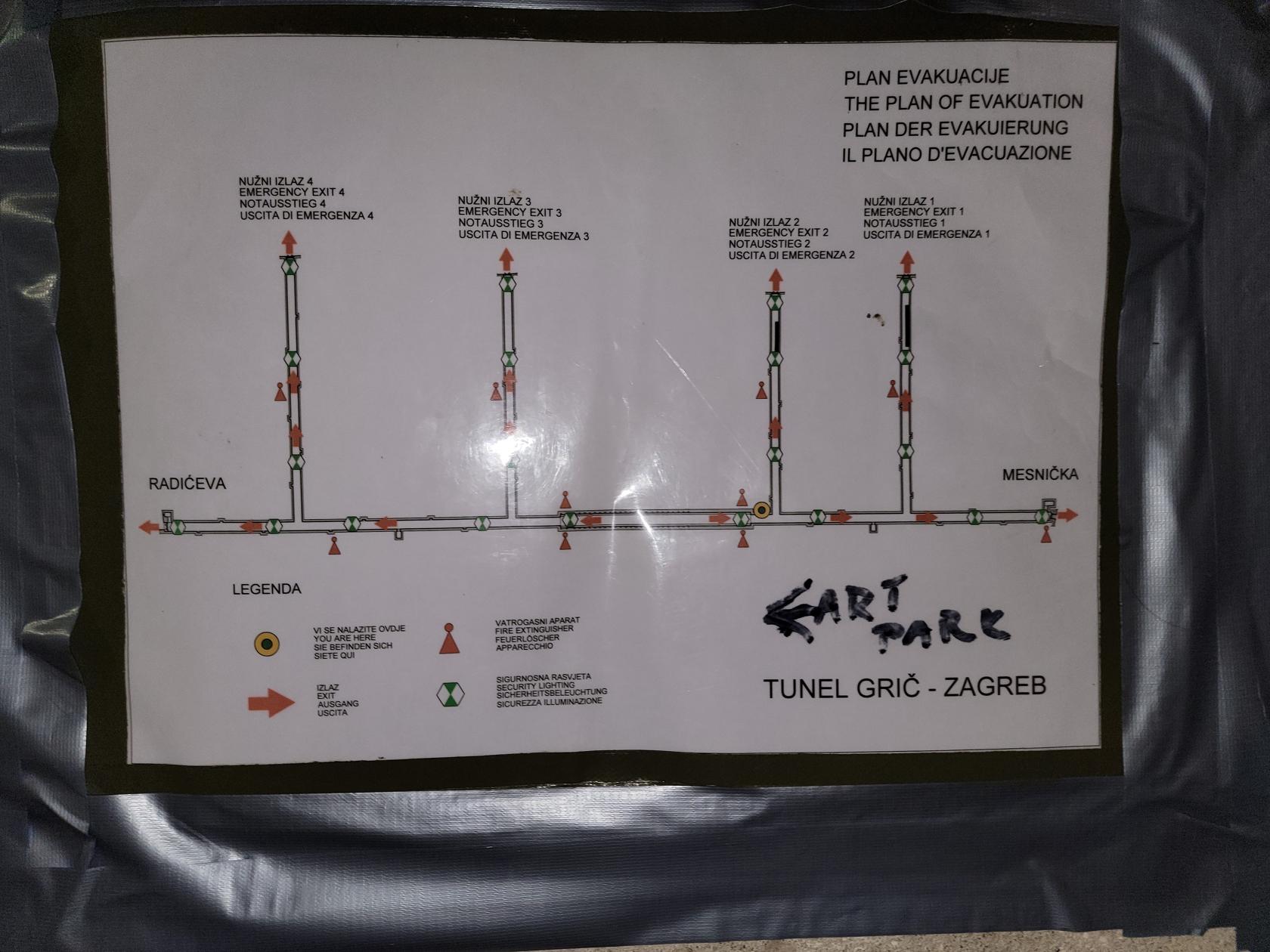
Built during World War II as a bomb shelter, the Tunel Grič, or Gric Tunnel is commonly used as a pedestrian path now, even though several sections of it are in disrepair and no longer used. The main section spans about a quarter of a mile an connects western side of Gradec with the eastern side on Pavla Radica street.
Kaptol
Even today it appears that most of the real estate here is consigned to the Roman Catholic clergy in one form or another. It is here where you will find the Cathedral of Zagreb, the seat of arch bishop.
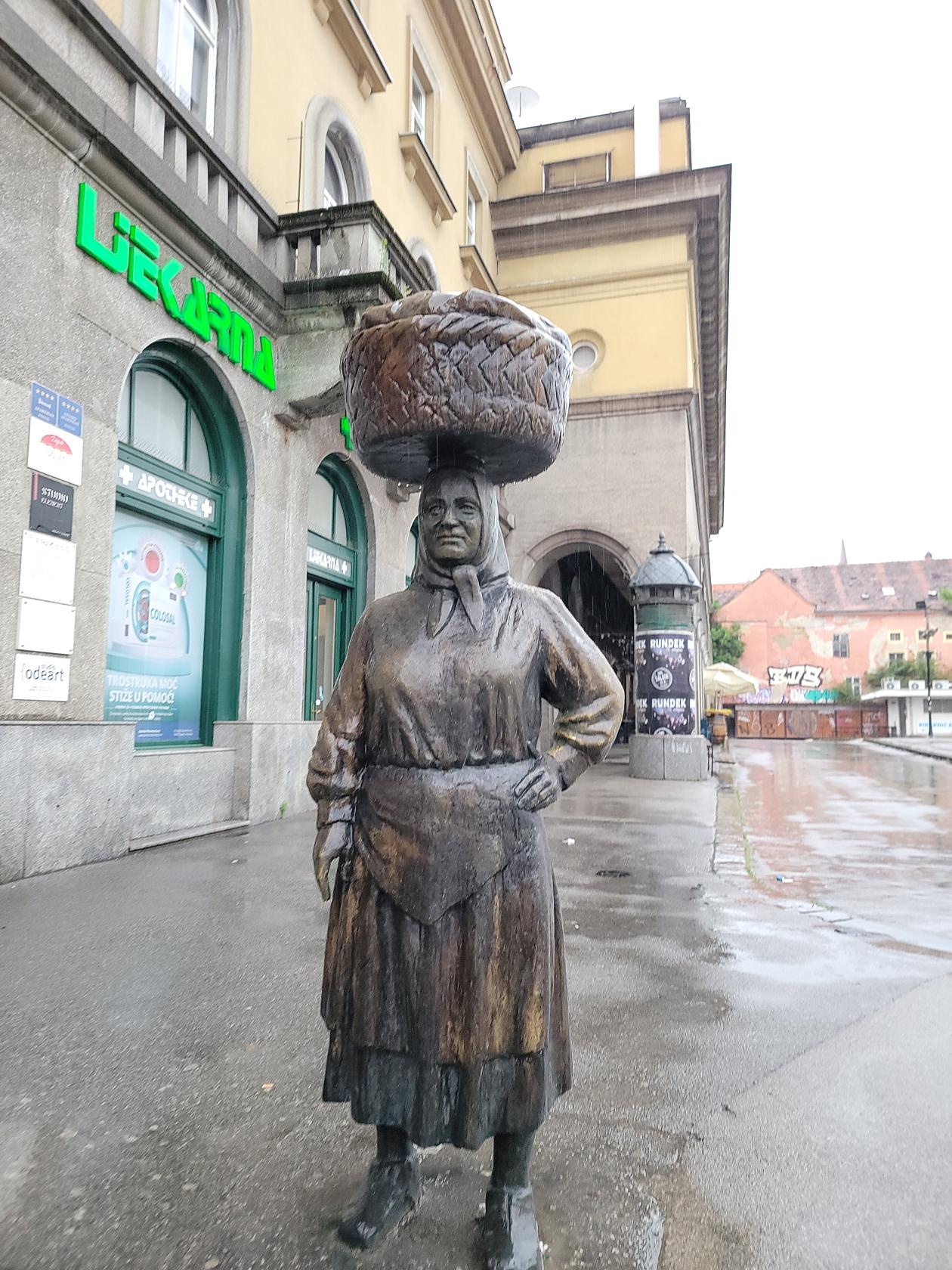
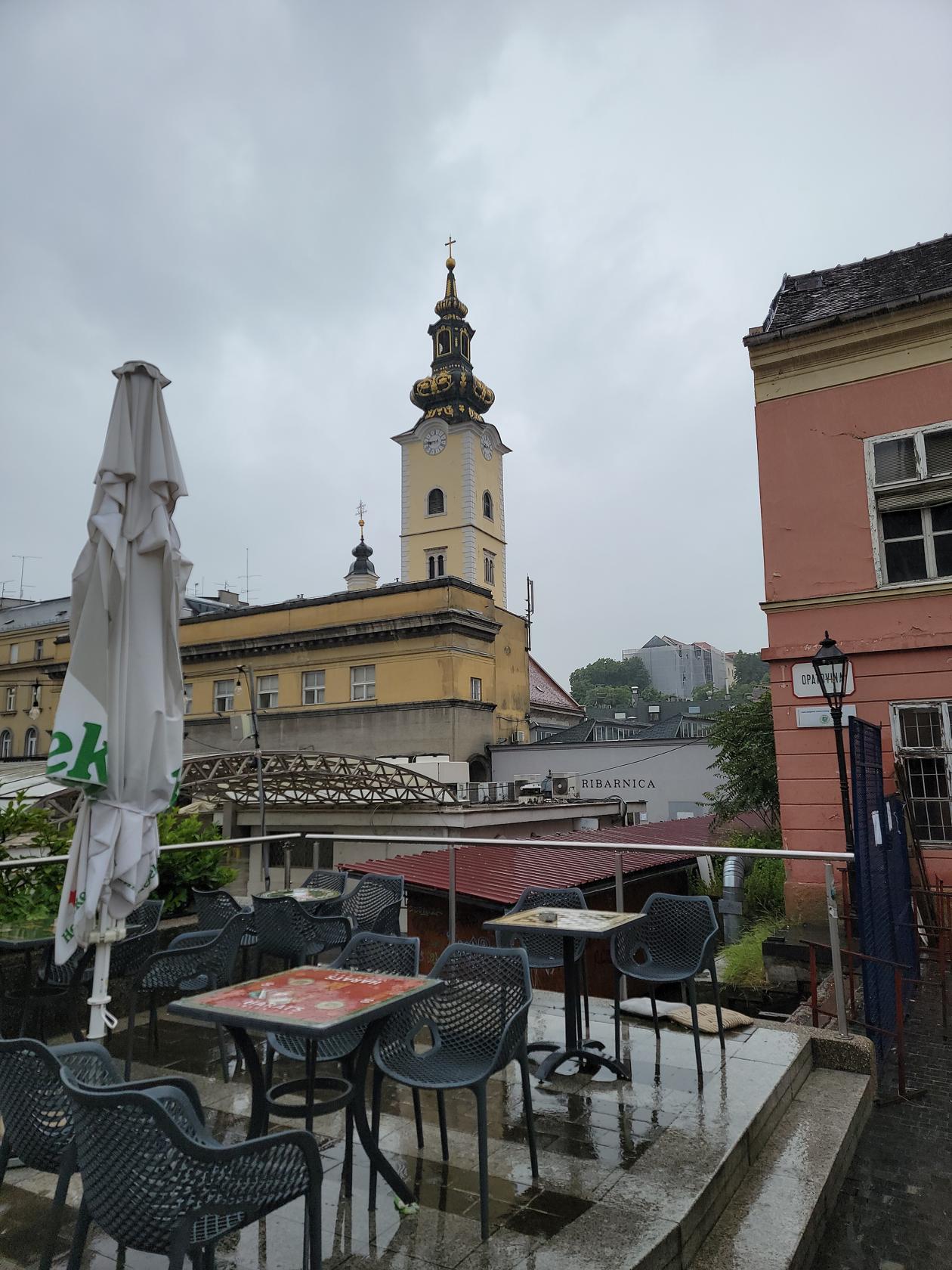
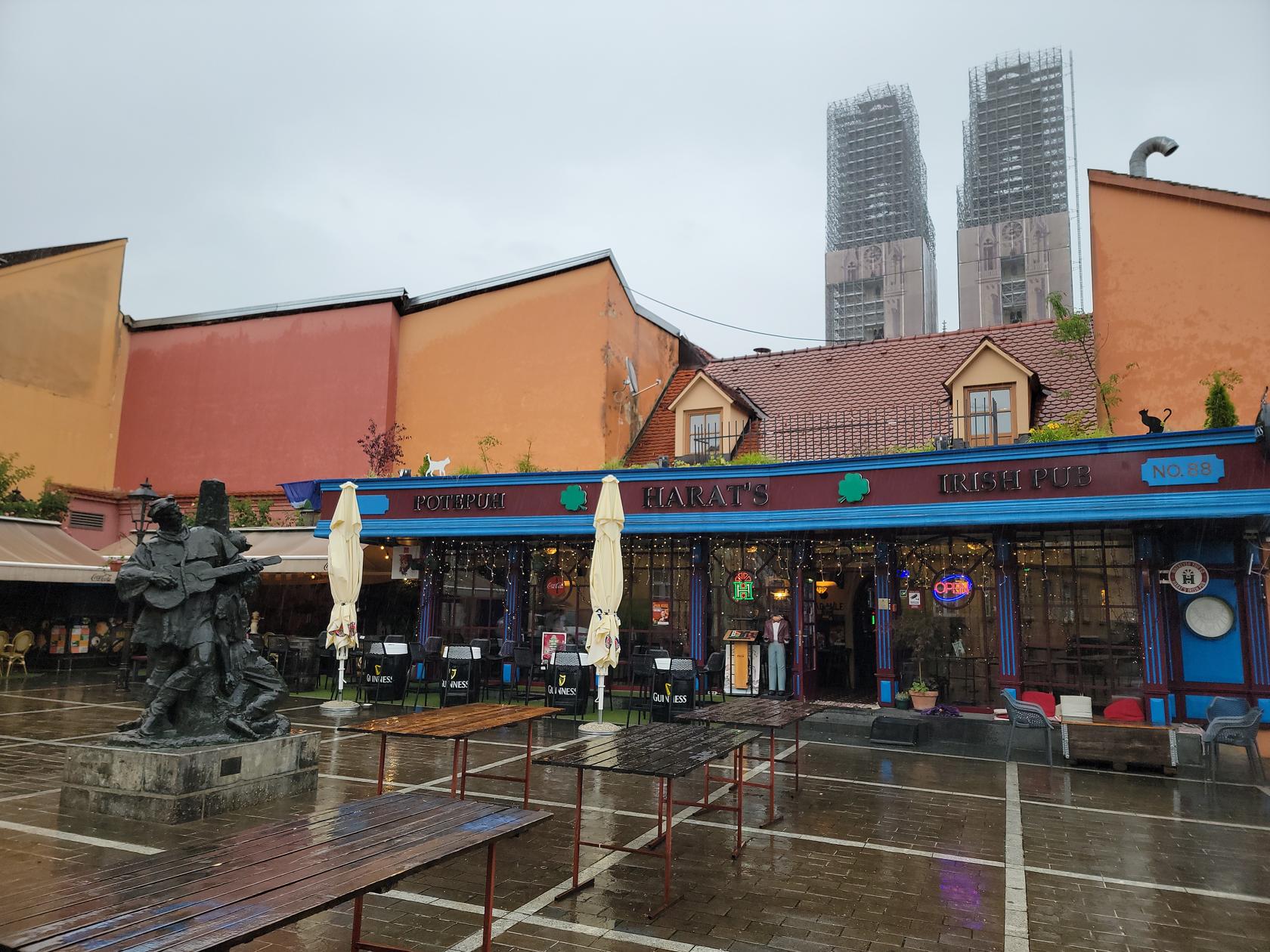
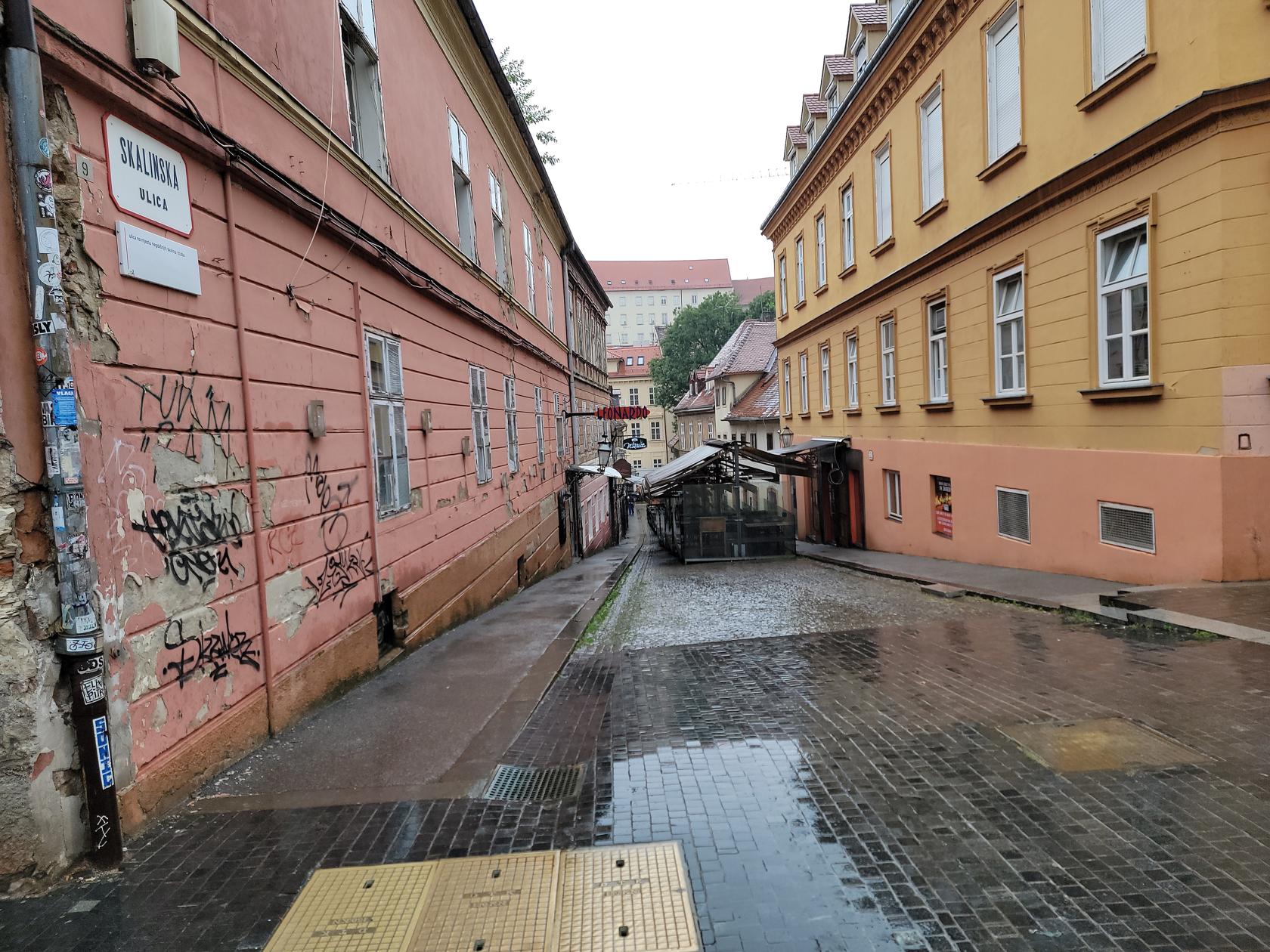
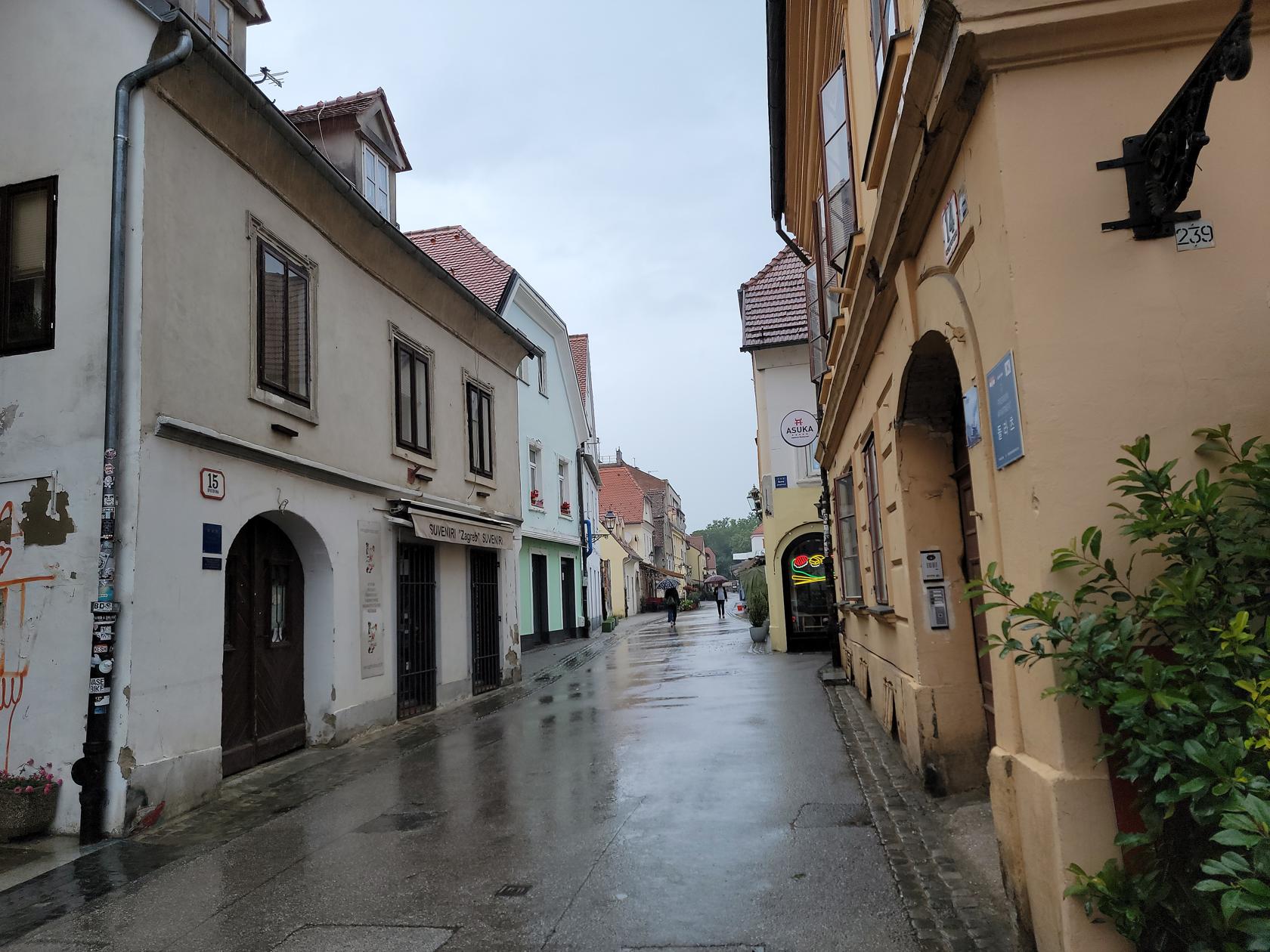
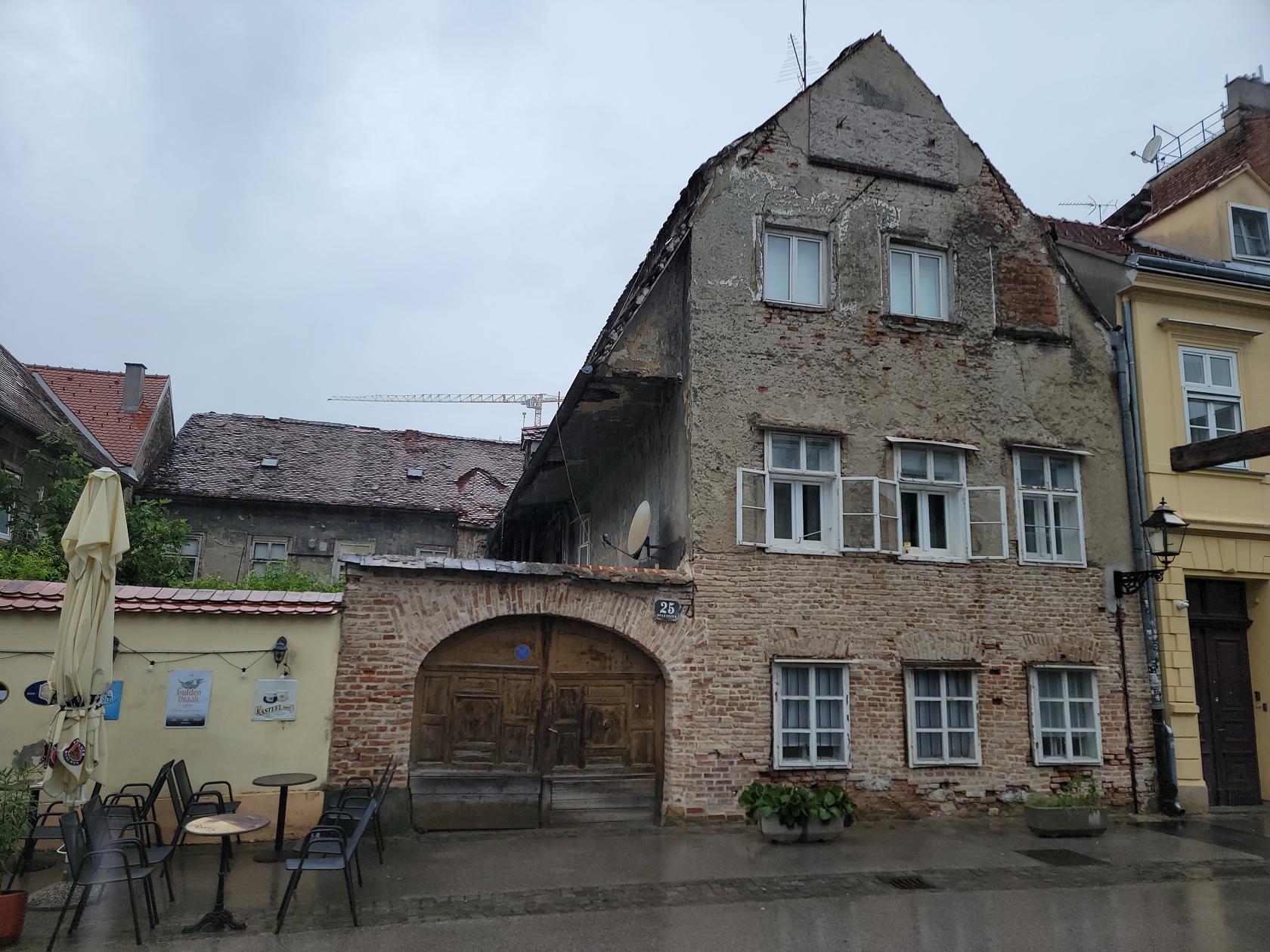
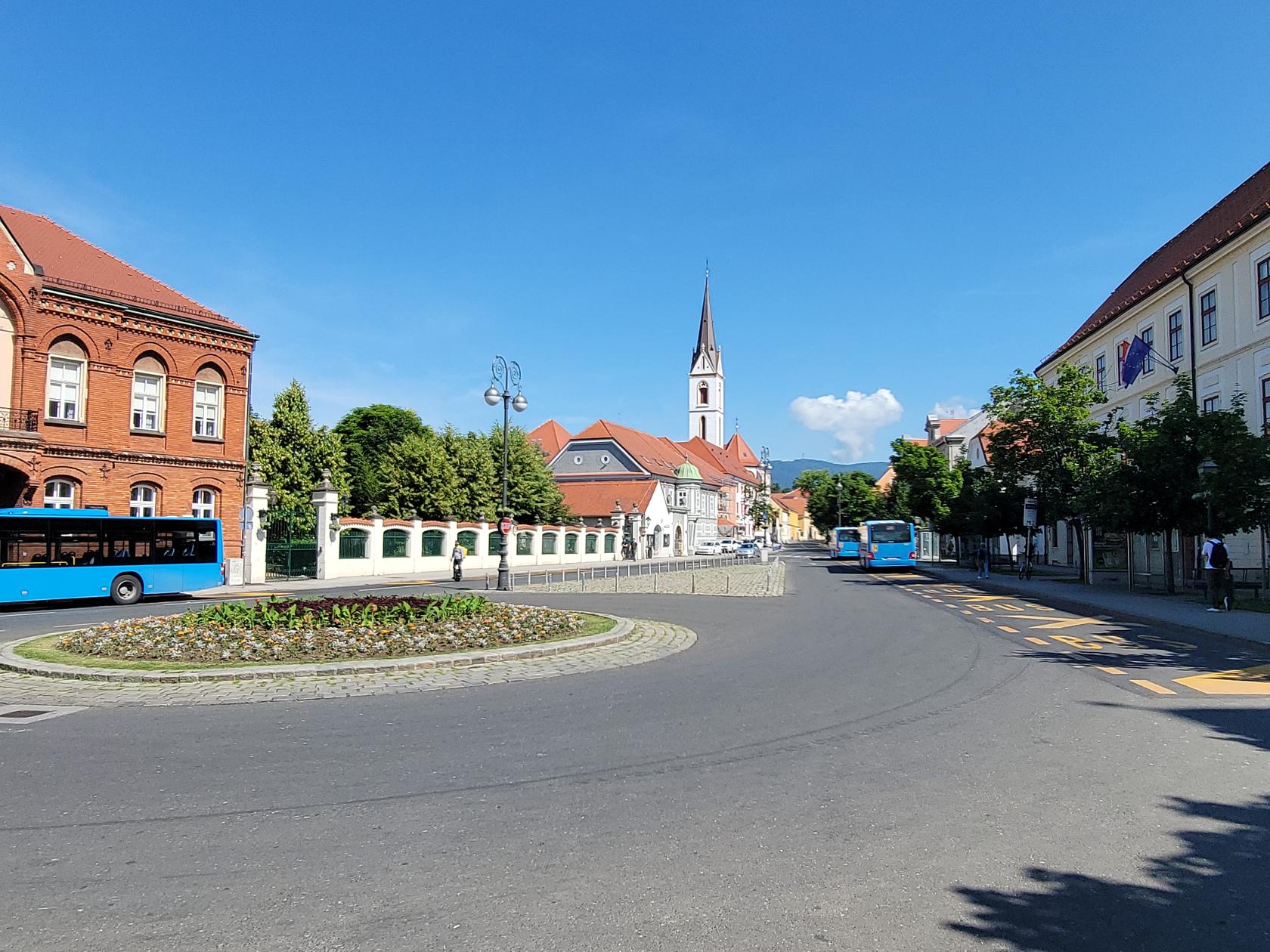
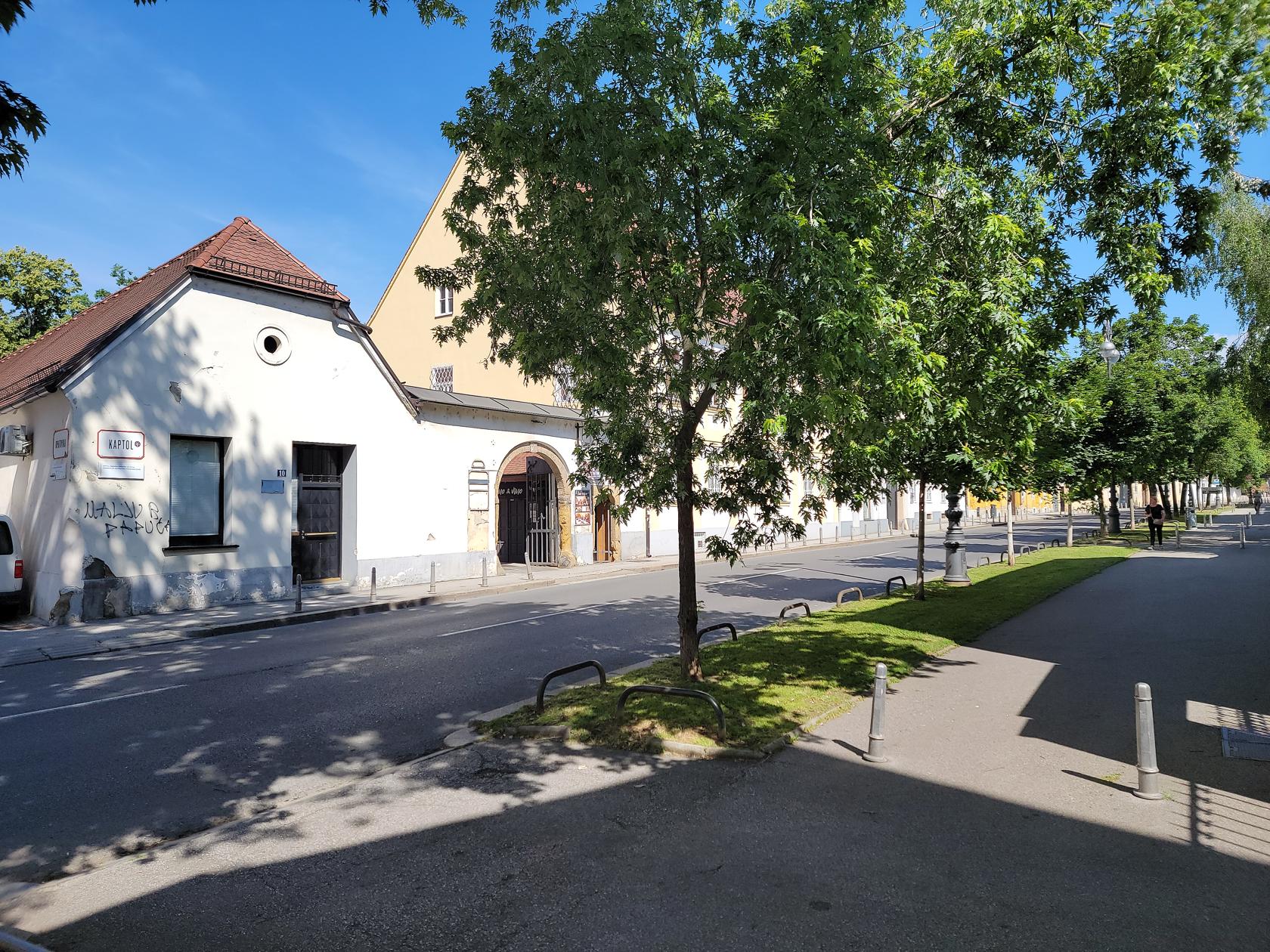
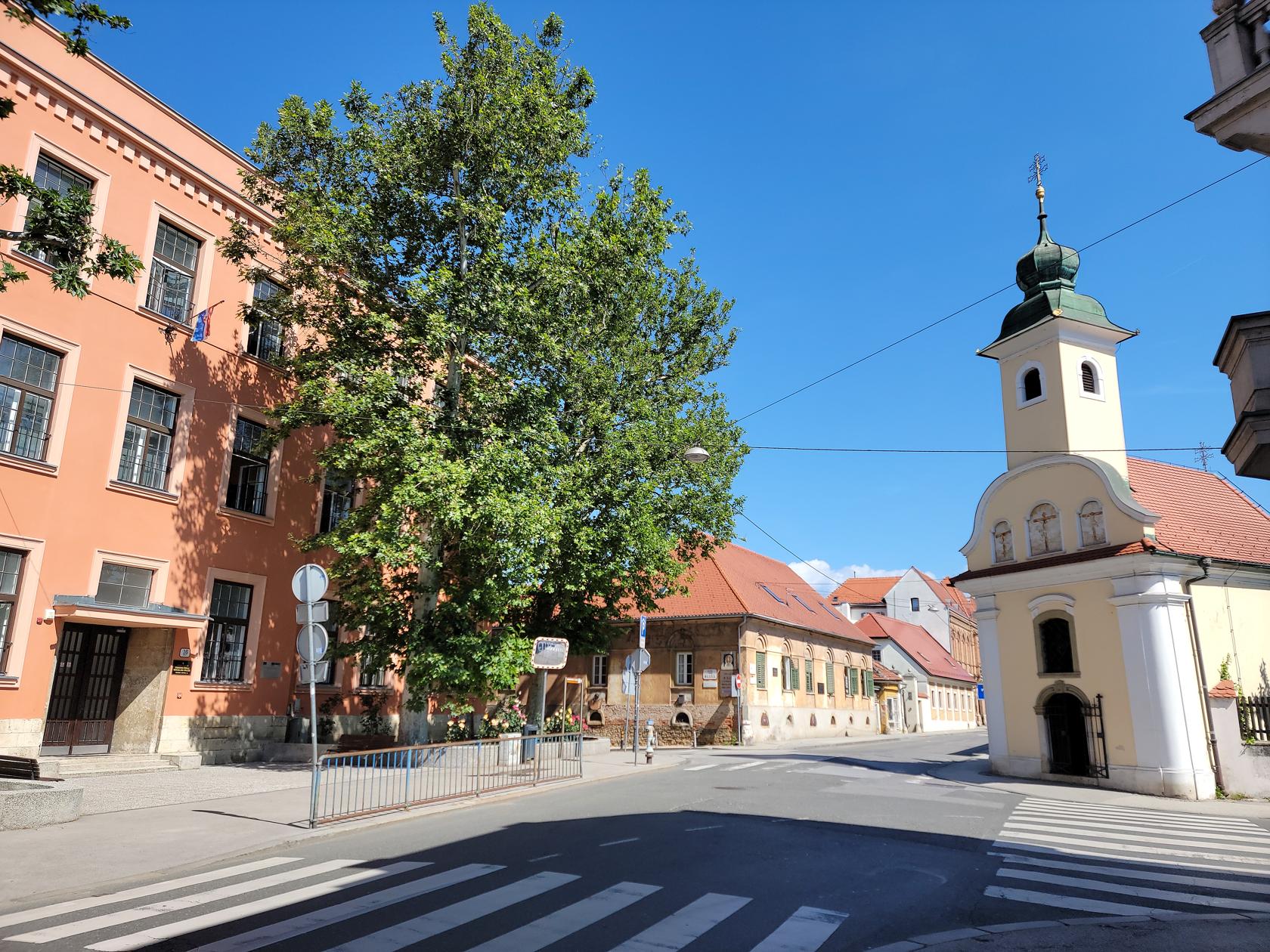
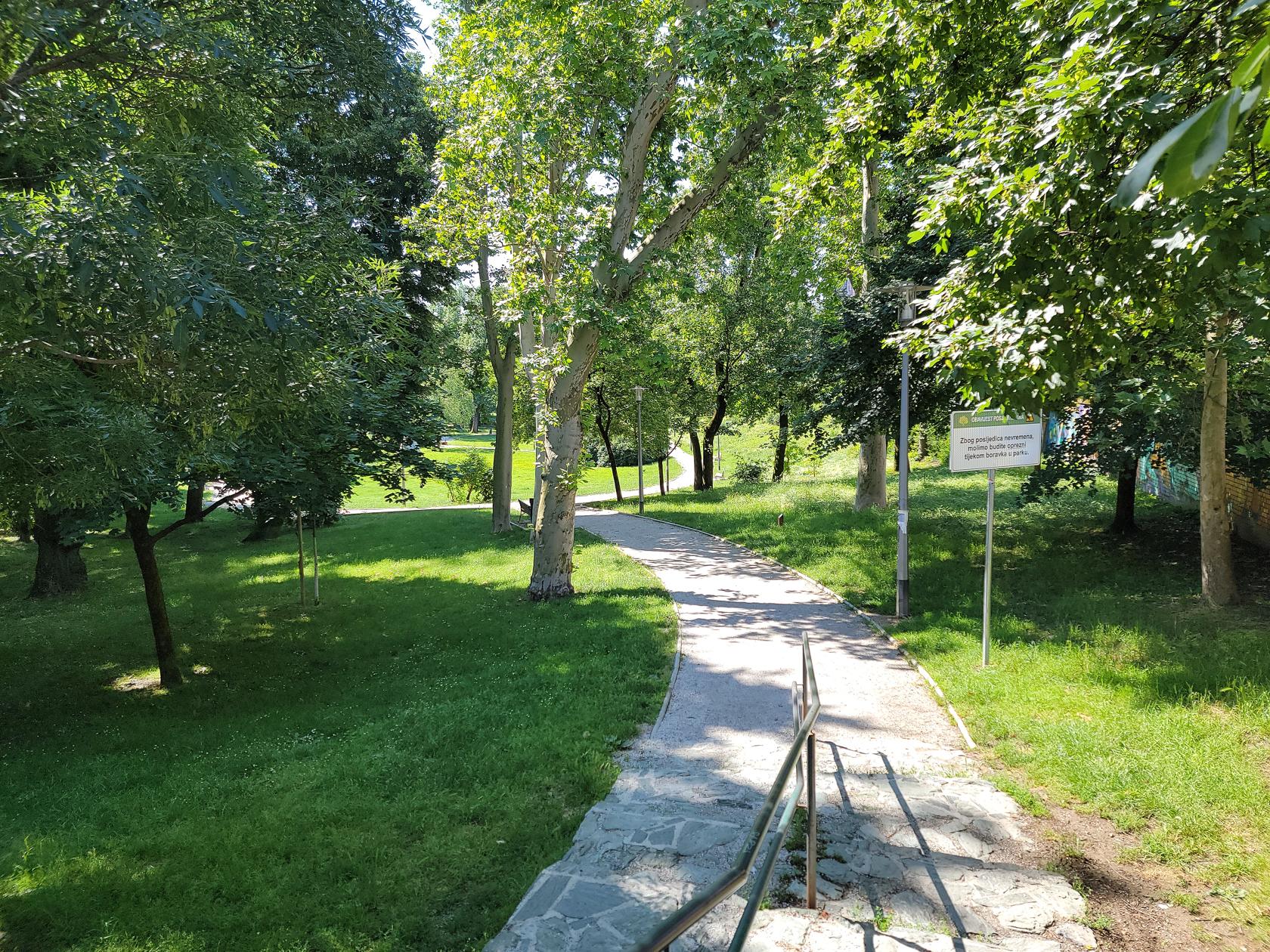
Walking the Kaptol street is very relaxing. All of Zagreb is rather well cared for in one repect or another, but this area even more so with its beautiful buildings and well maintained park, the Ribnjak Park.
Zagreb Cathedral
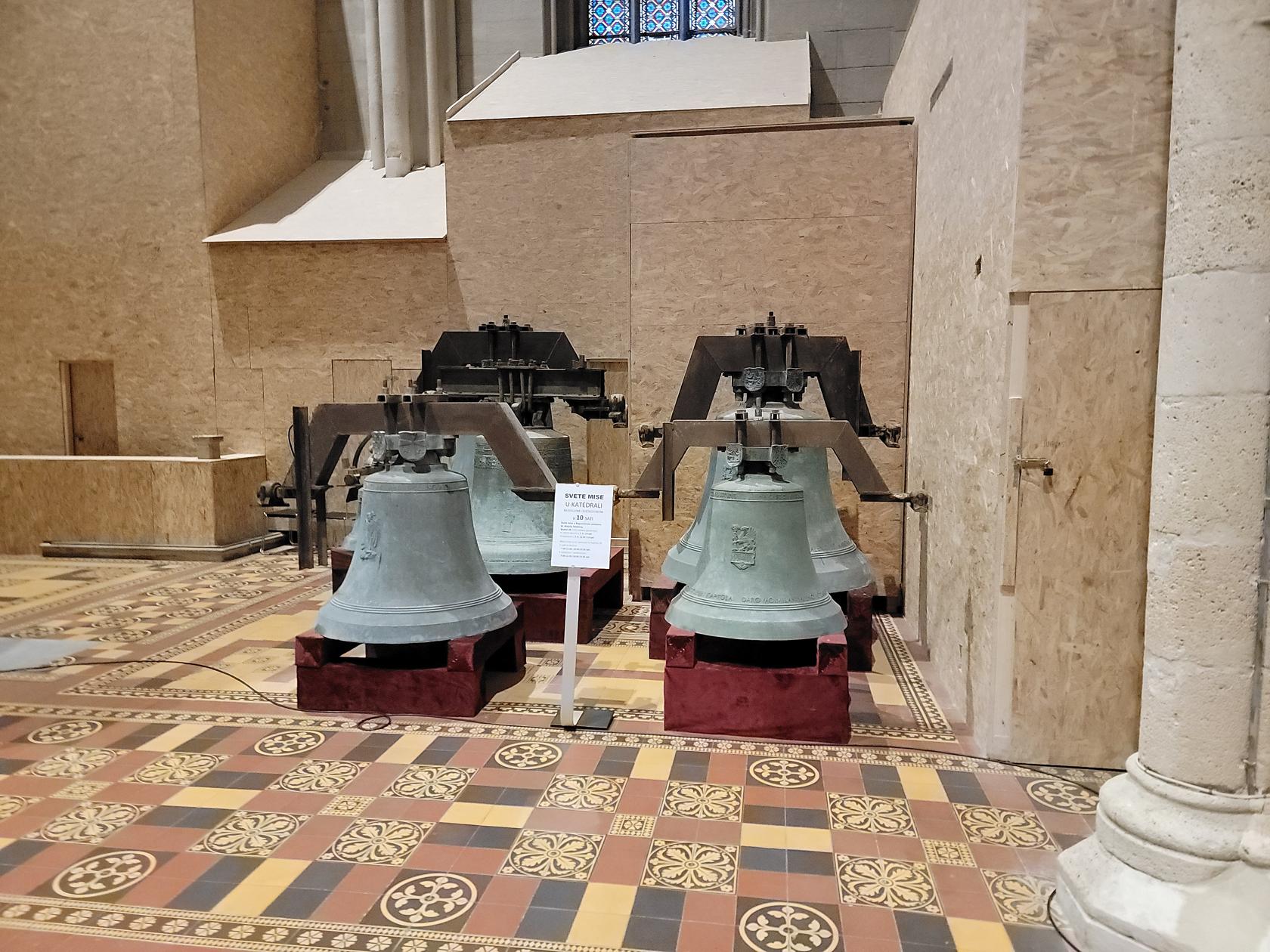
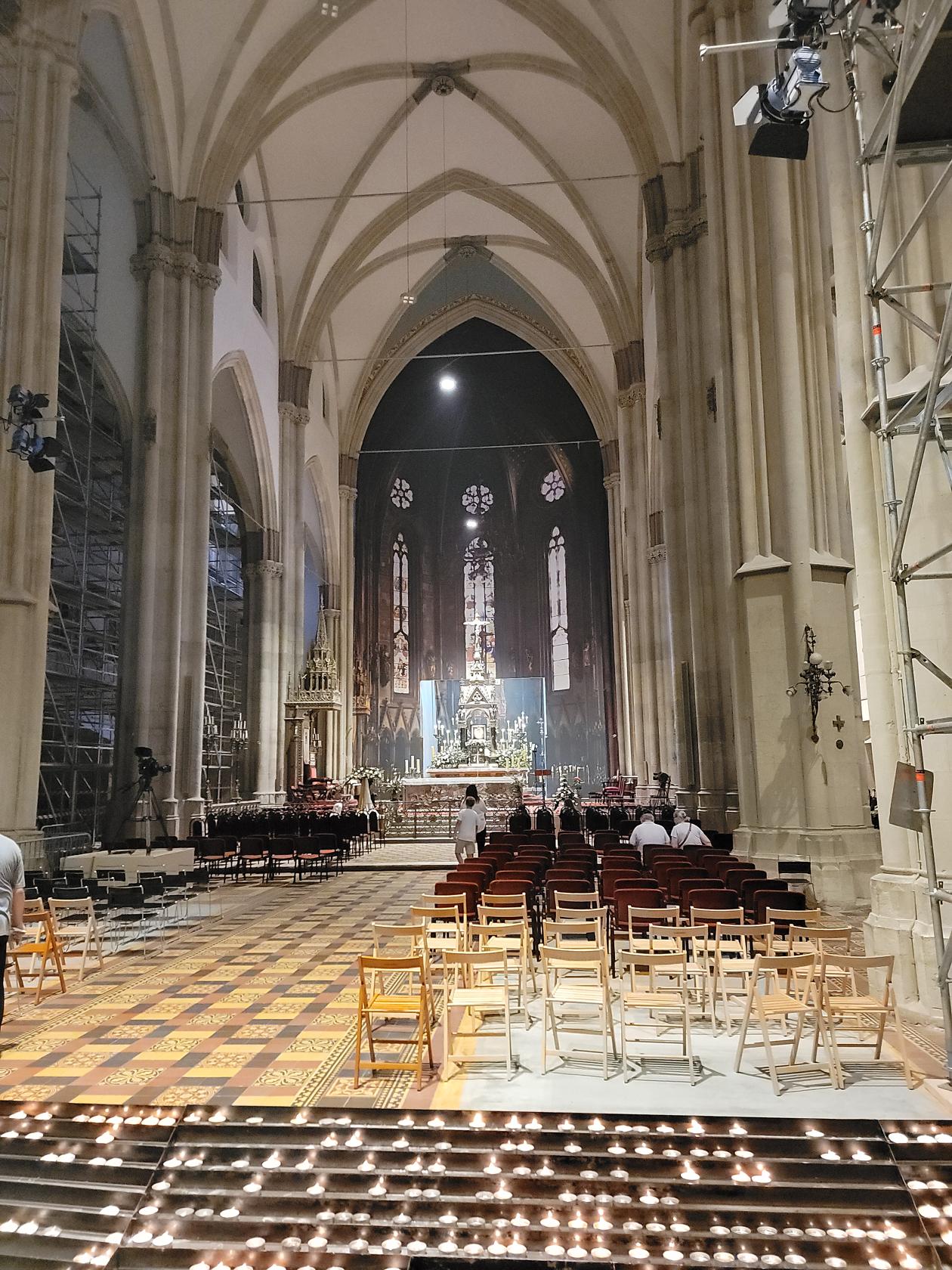
An enormous and the most prominent building in Kaptol is the Zagreb Cathedral. It is the second tallest building in Croatia and is surrounded by the Kaptol Fortress. Unfortunately at this writing, it was undergoing heavy reconstruction after the 2020 Earthquake., where most of its facade and interior are shrouded in construction scaffolding and screens.
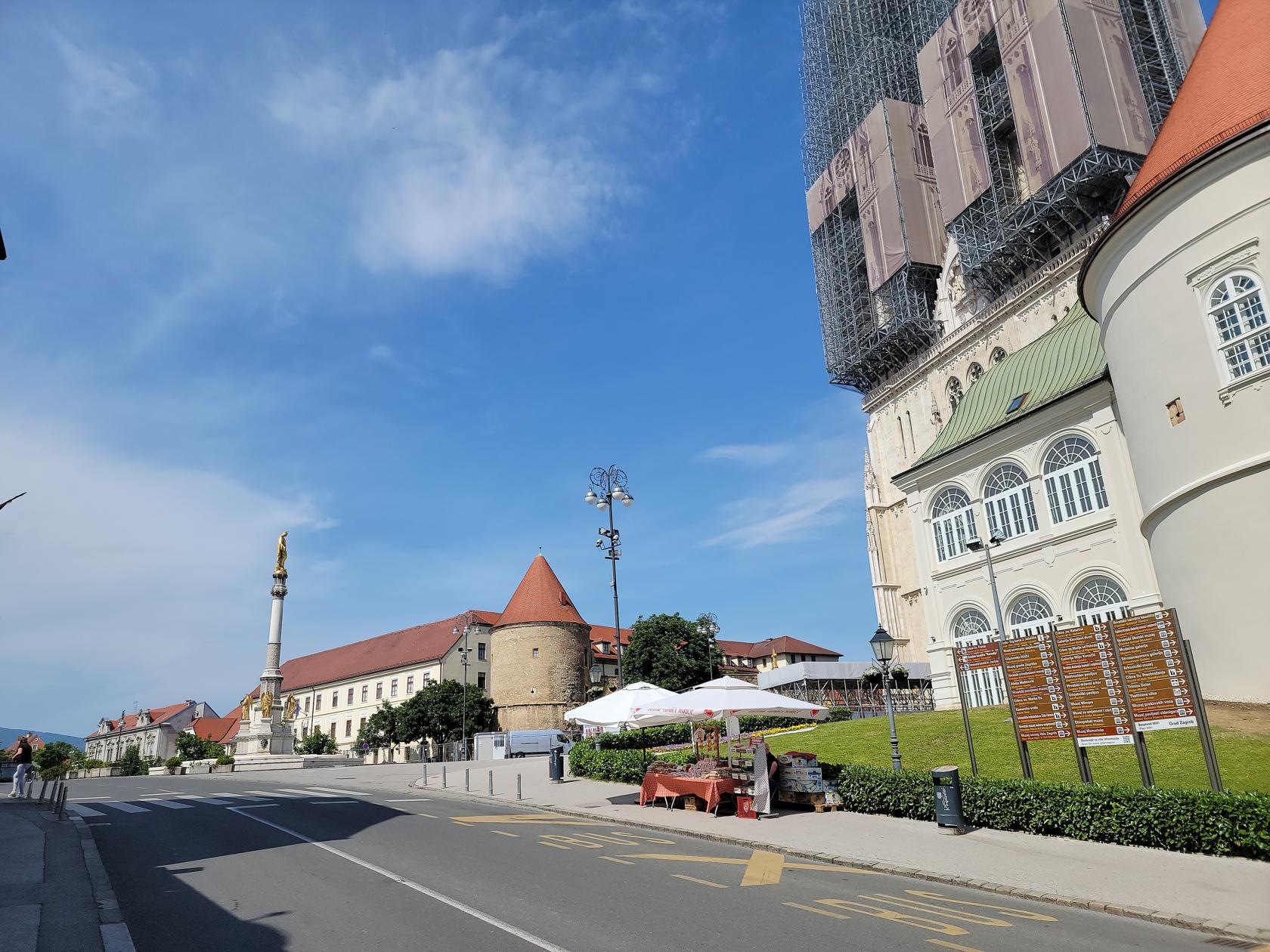
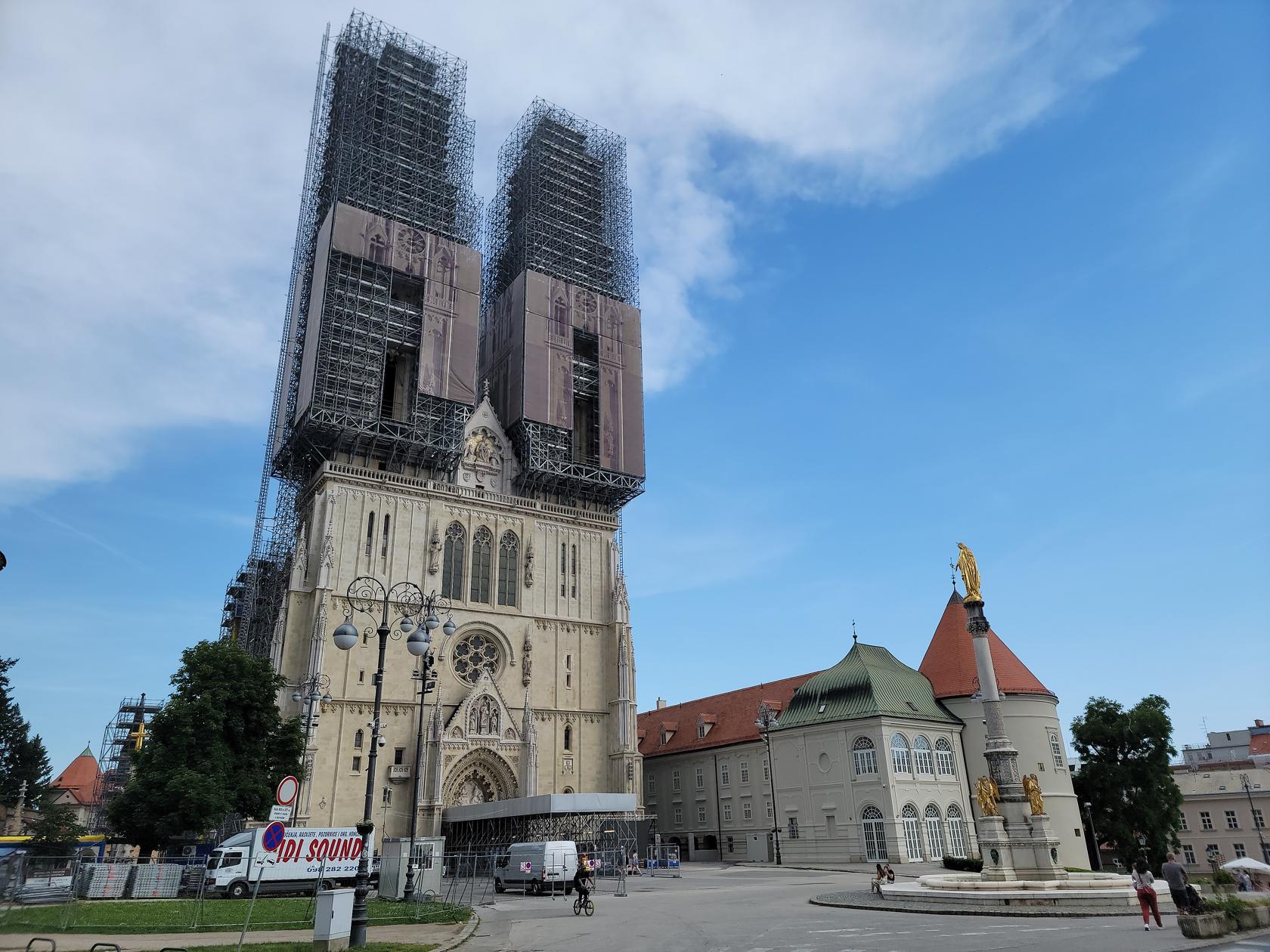
The southern spire had snapped off during the quake and crashed onto one of the adjacent buildings. The northern spire was later removed because it was leaning and can now be seen alongside the cathedral, waiting for its eventual return.
Restaurants
Gostionica Ficlek
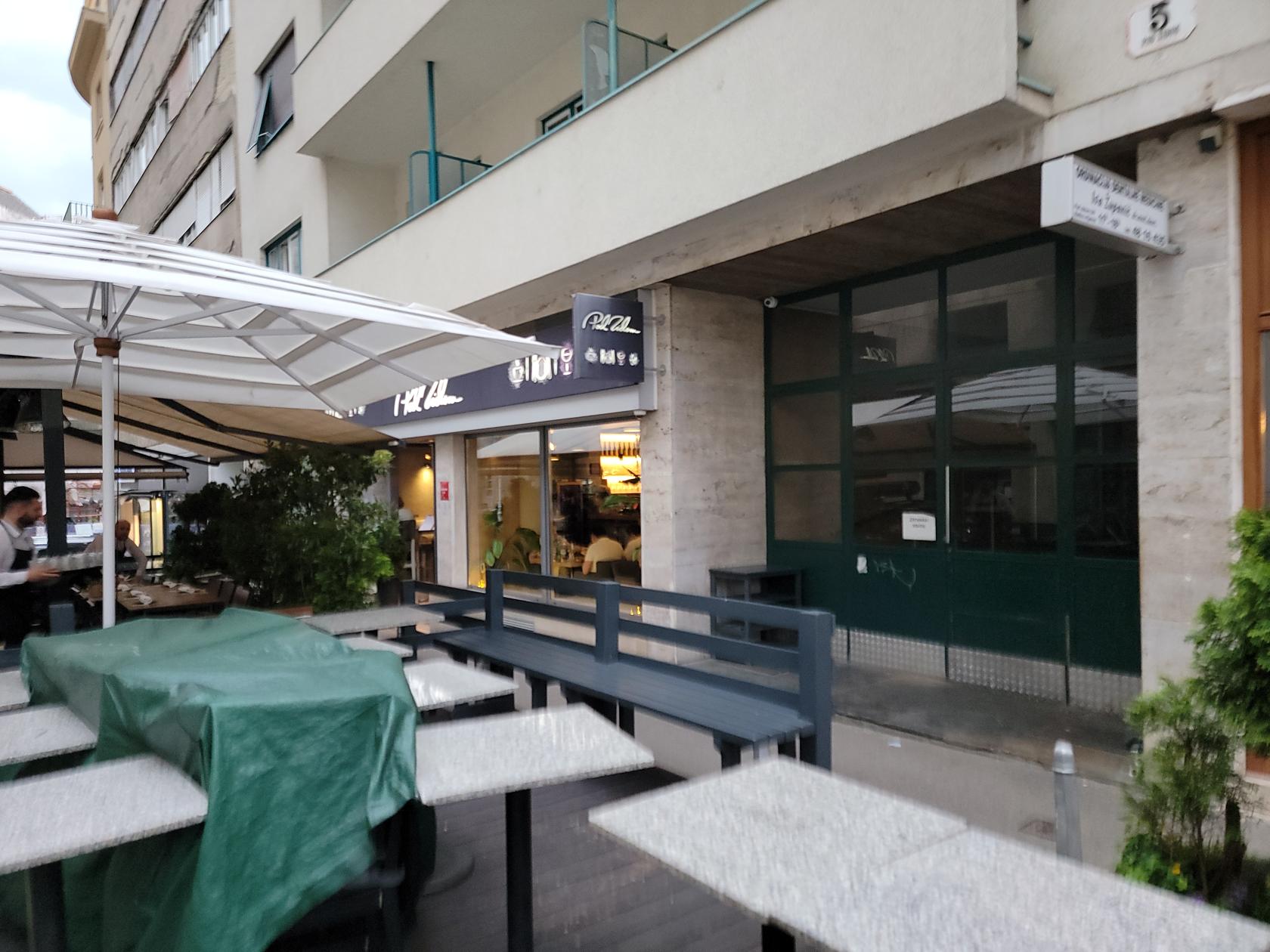
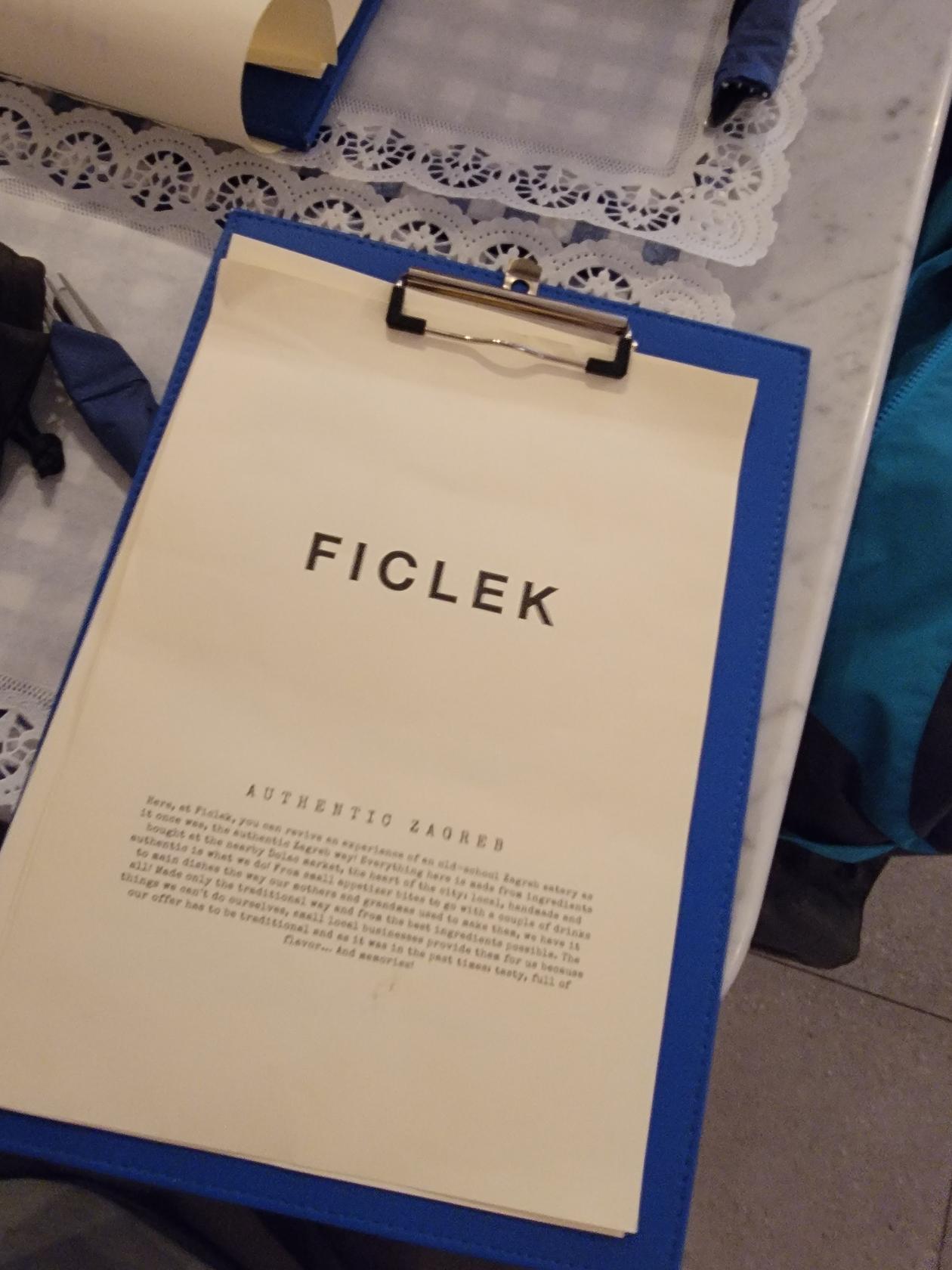
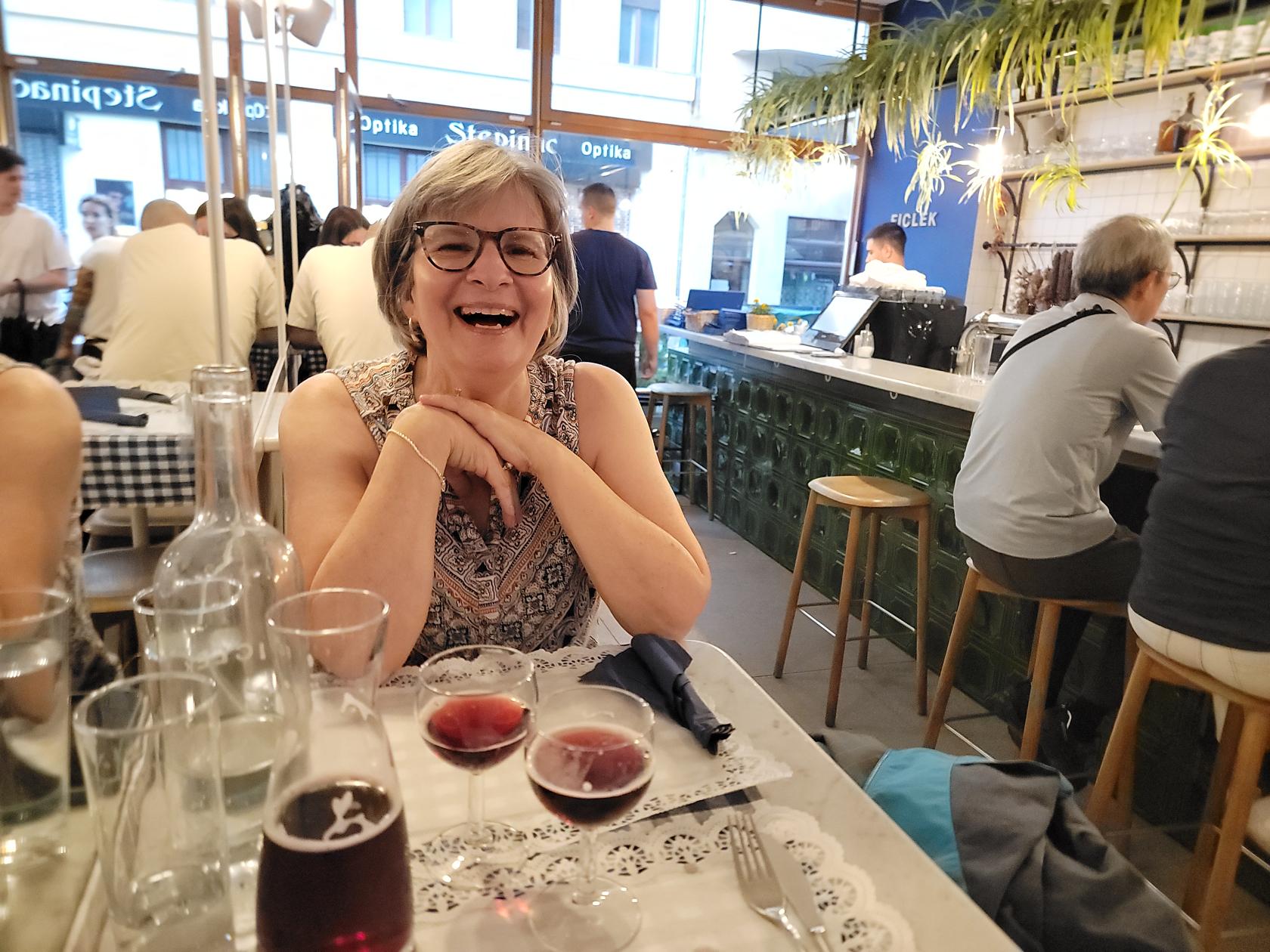
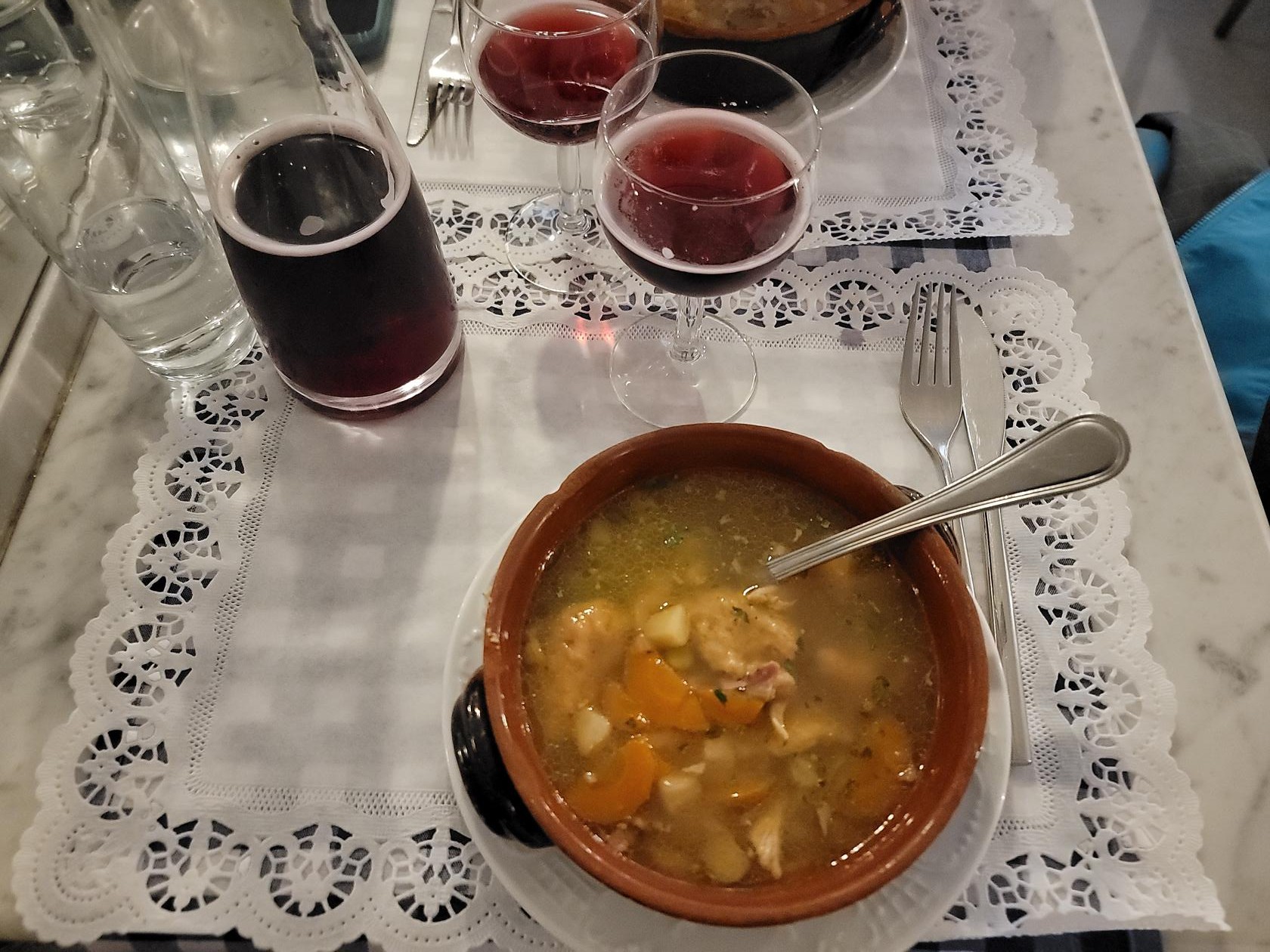
The restaurant Gostionica Ficlek is a good place to enjoy the gastronomy of Croatia and Zagreb. It has a fine collection of tasty treats on its menu that can be tried for a more than reasonable price. The traditional chicken soup tastes like a typical chicken soup, until you notice the dumplings, which just puts it over the top.
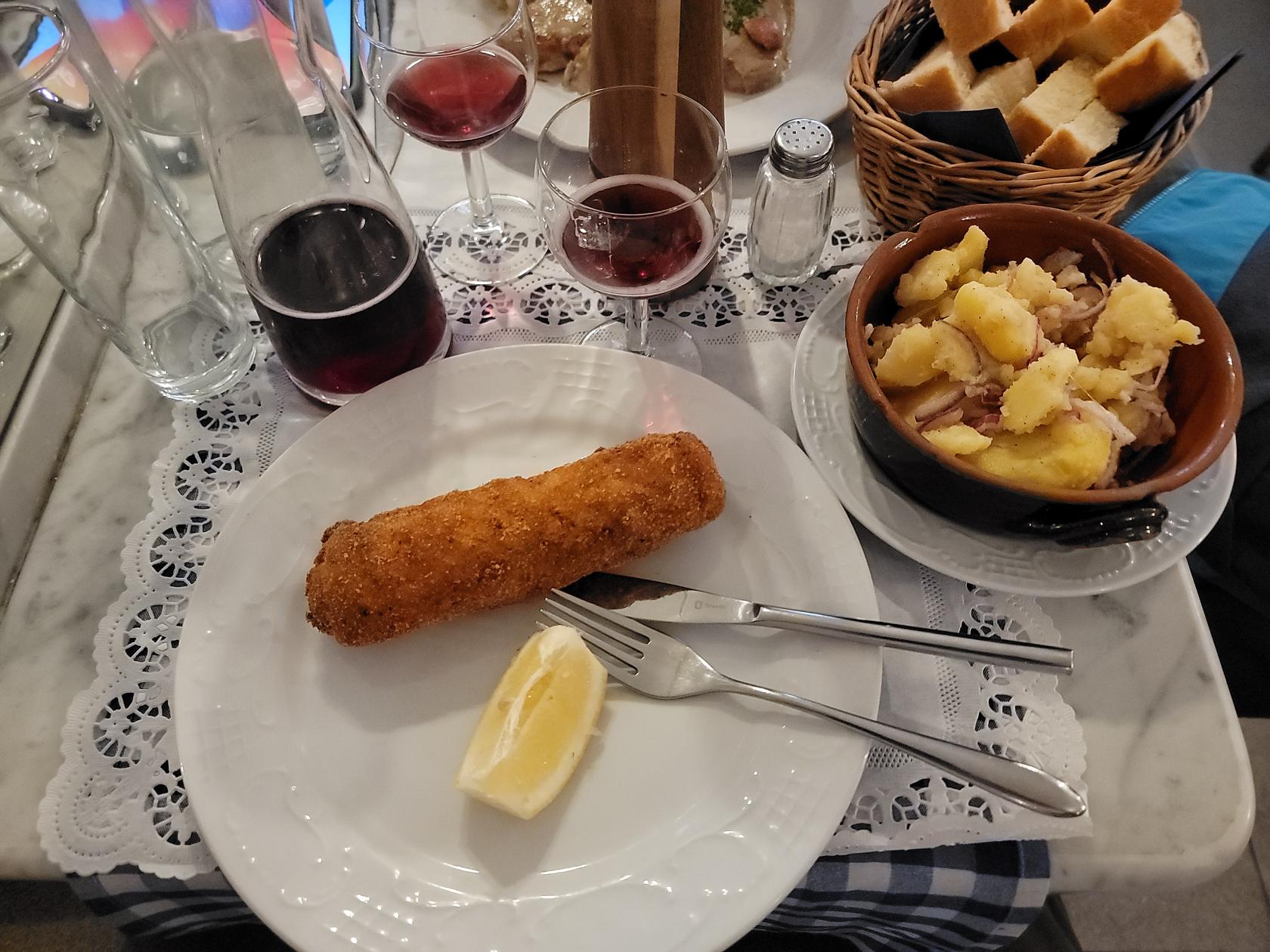
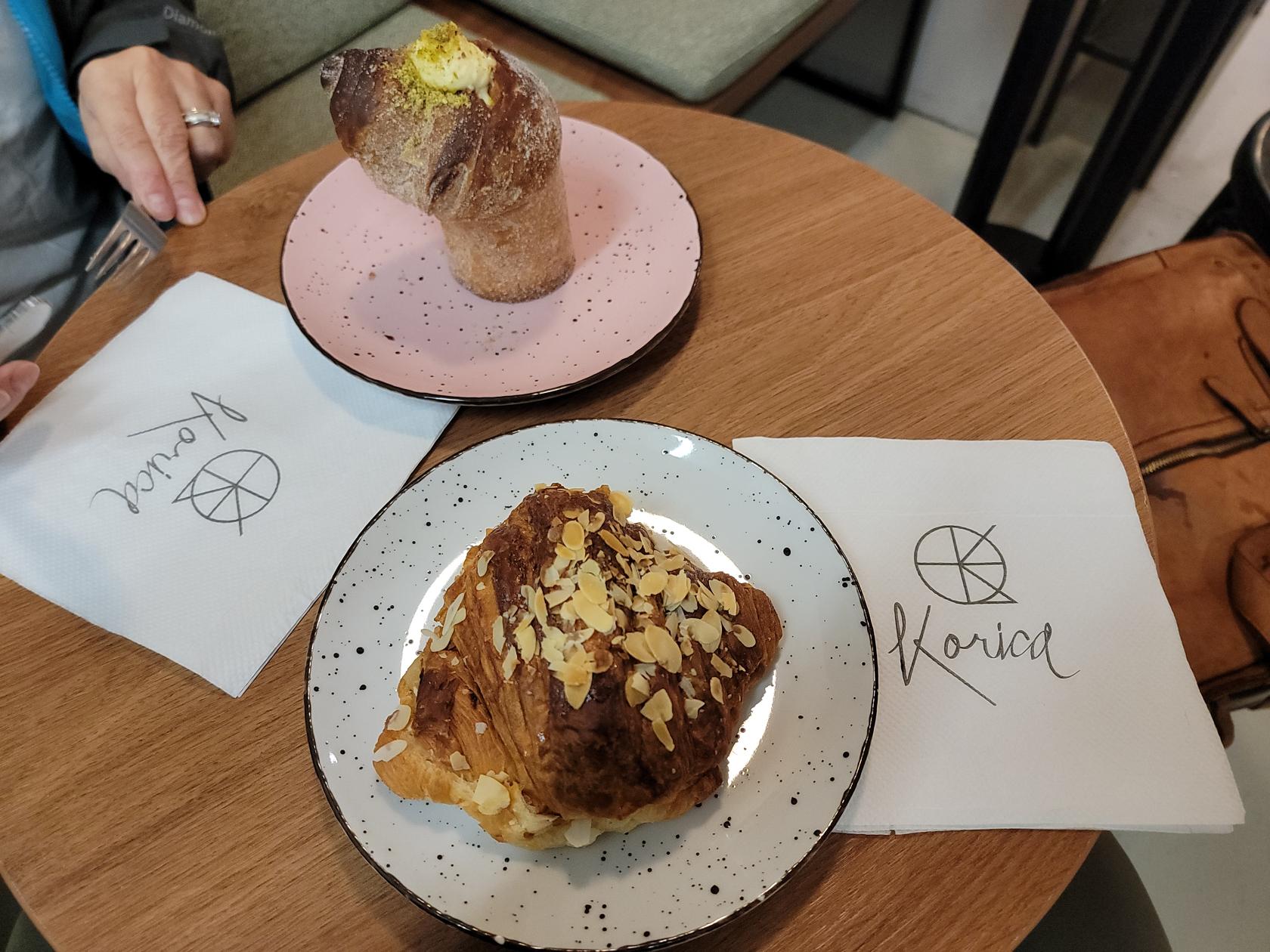
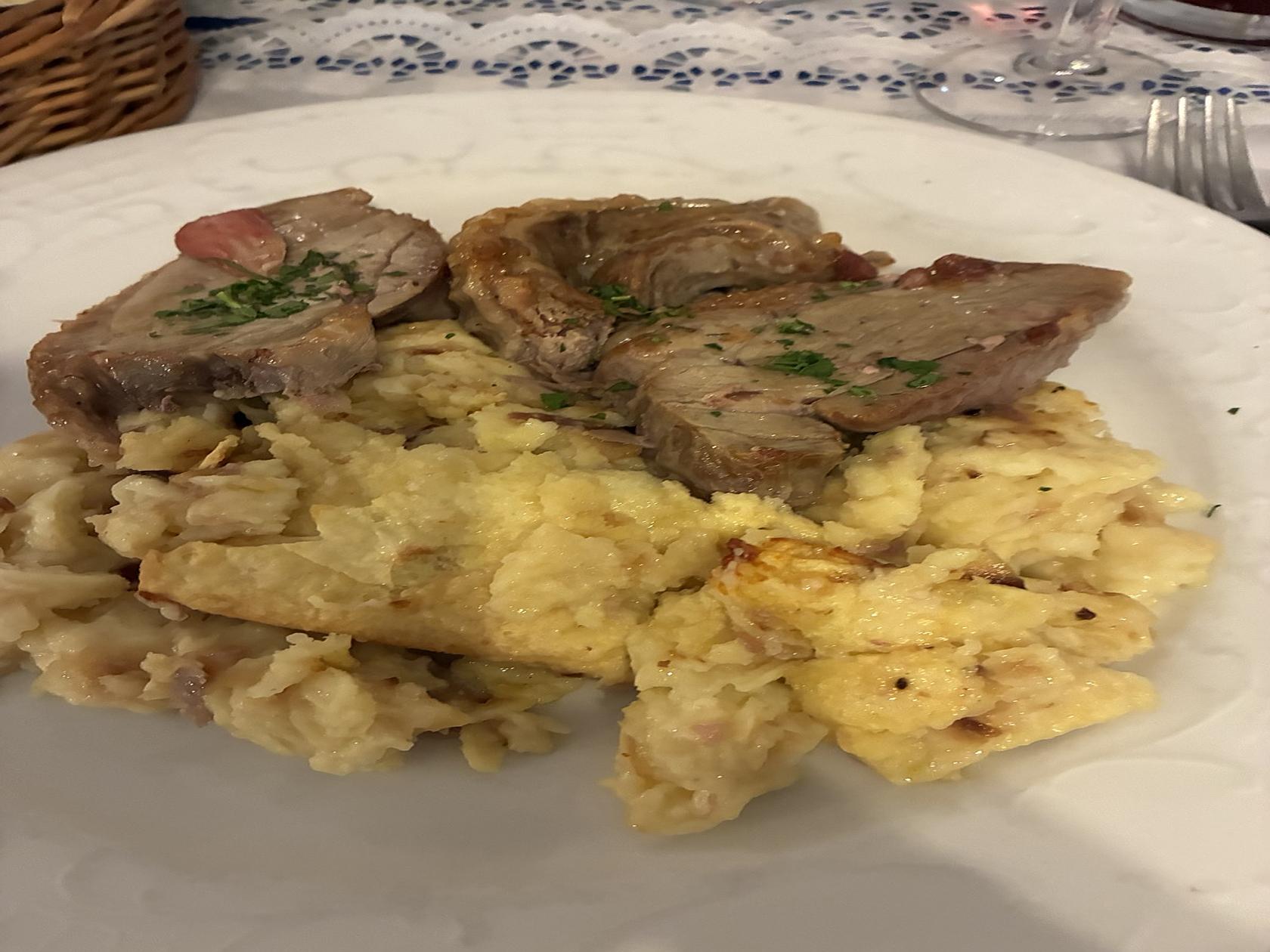
Heritage Street Food
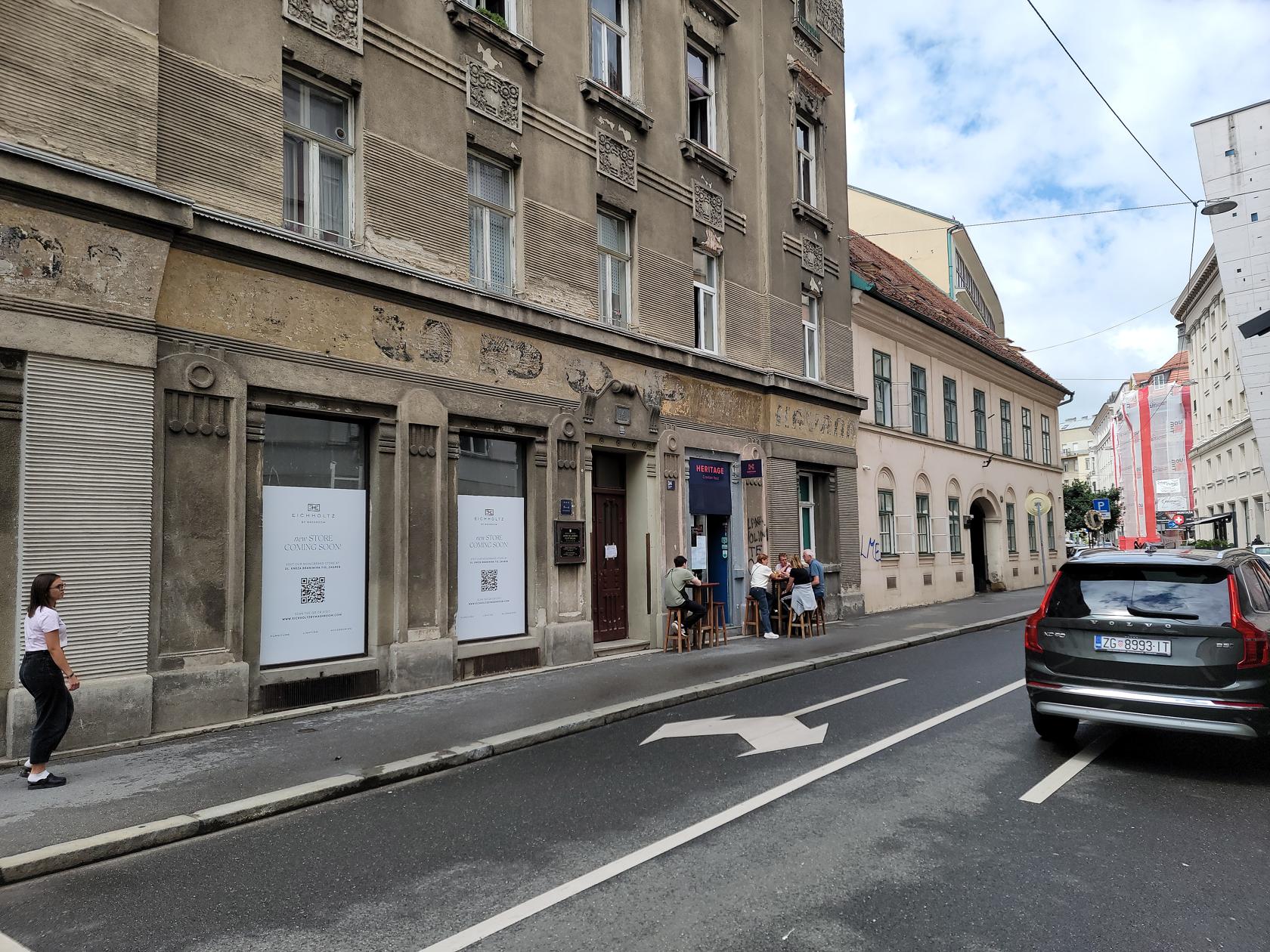
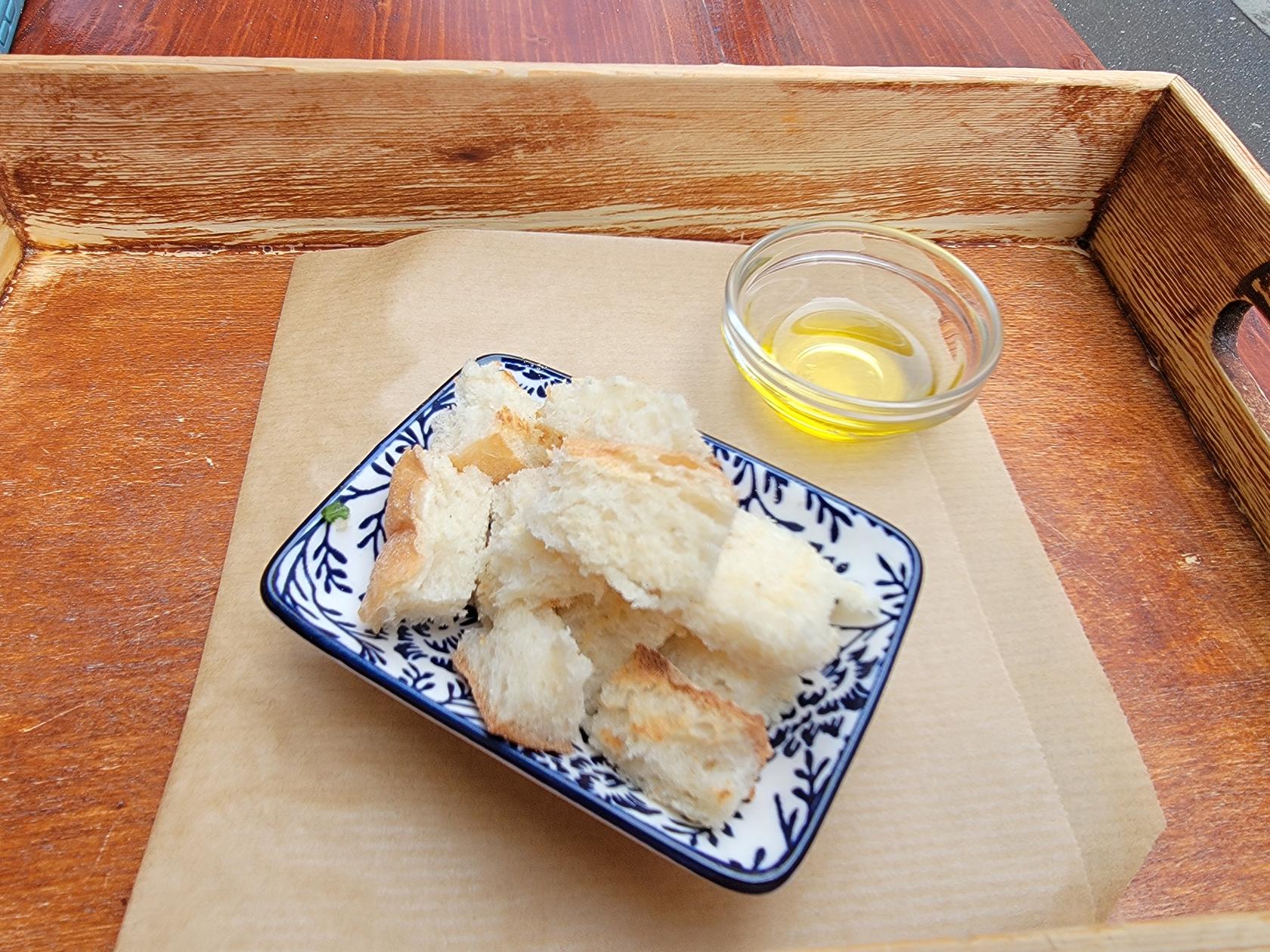
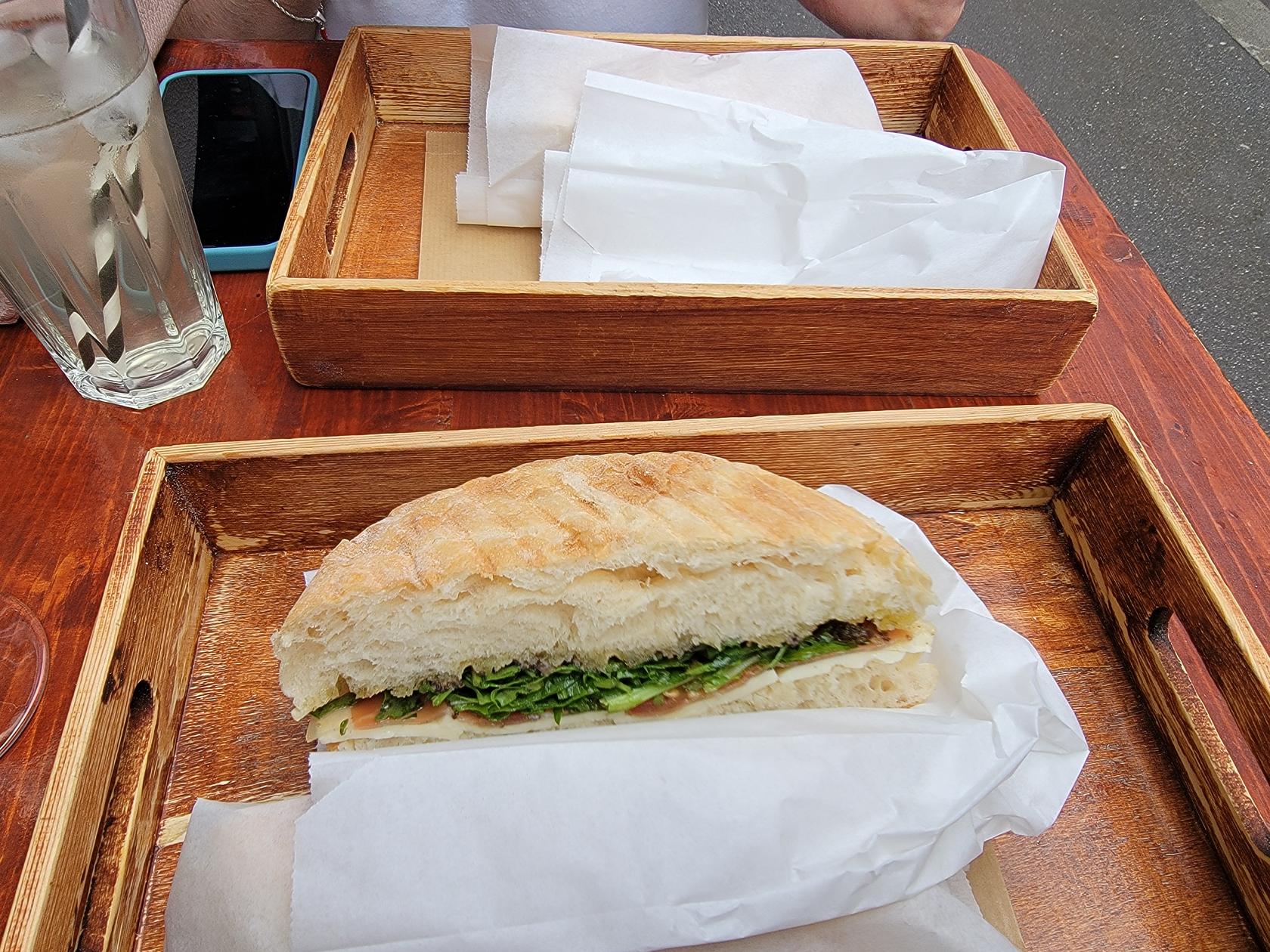
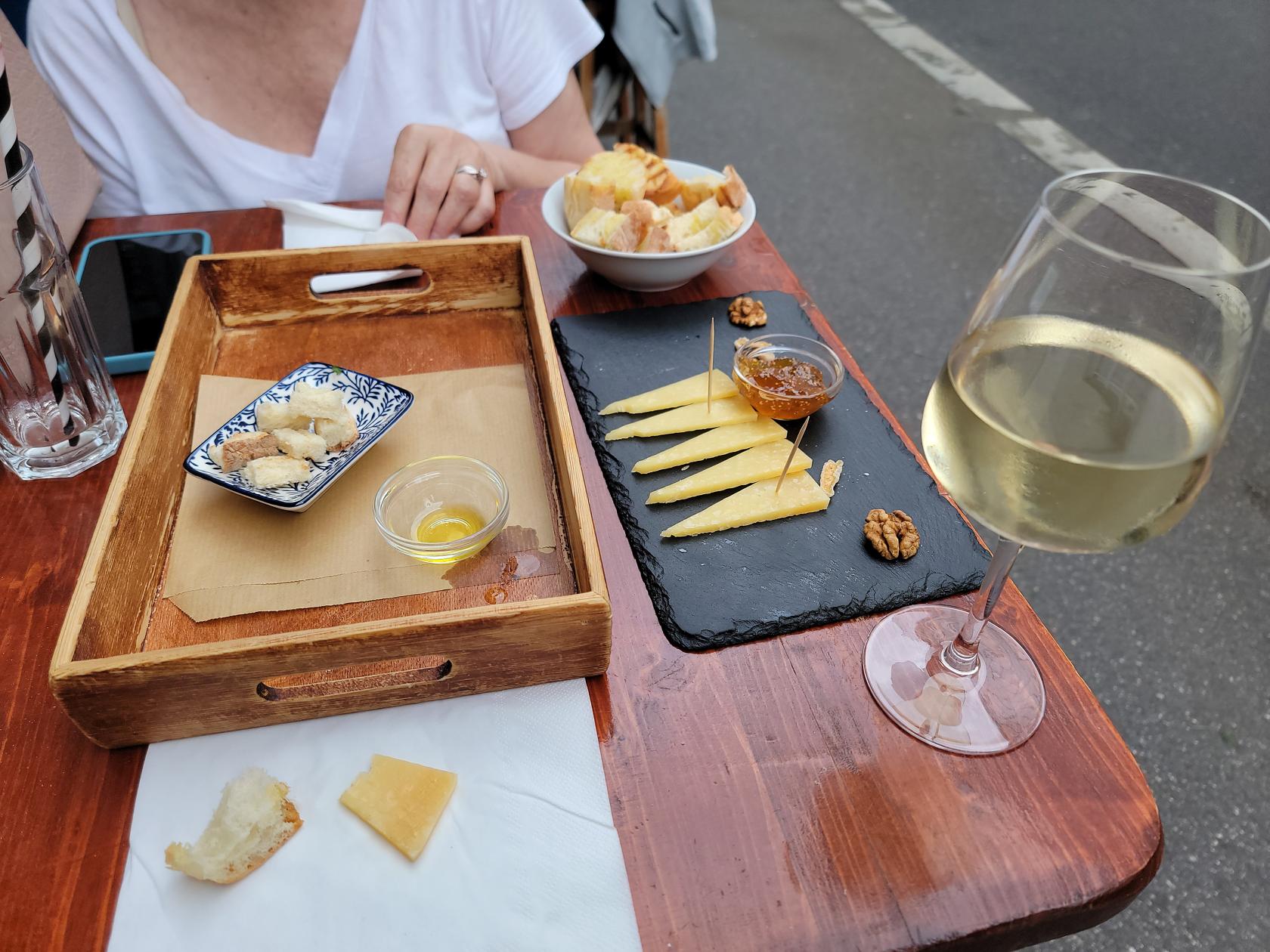
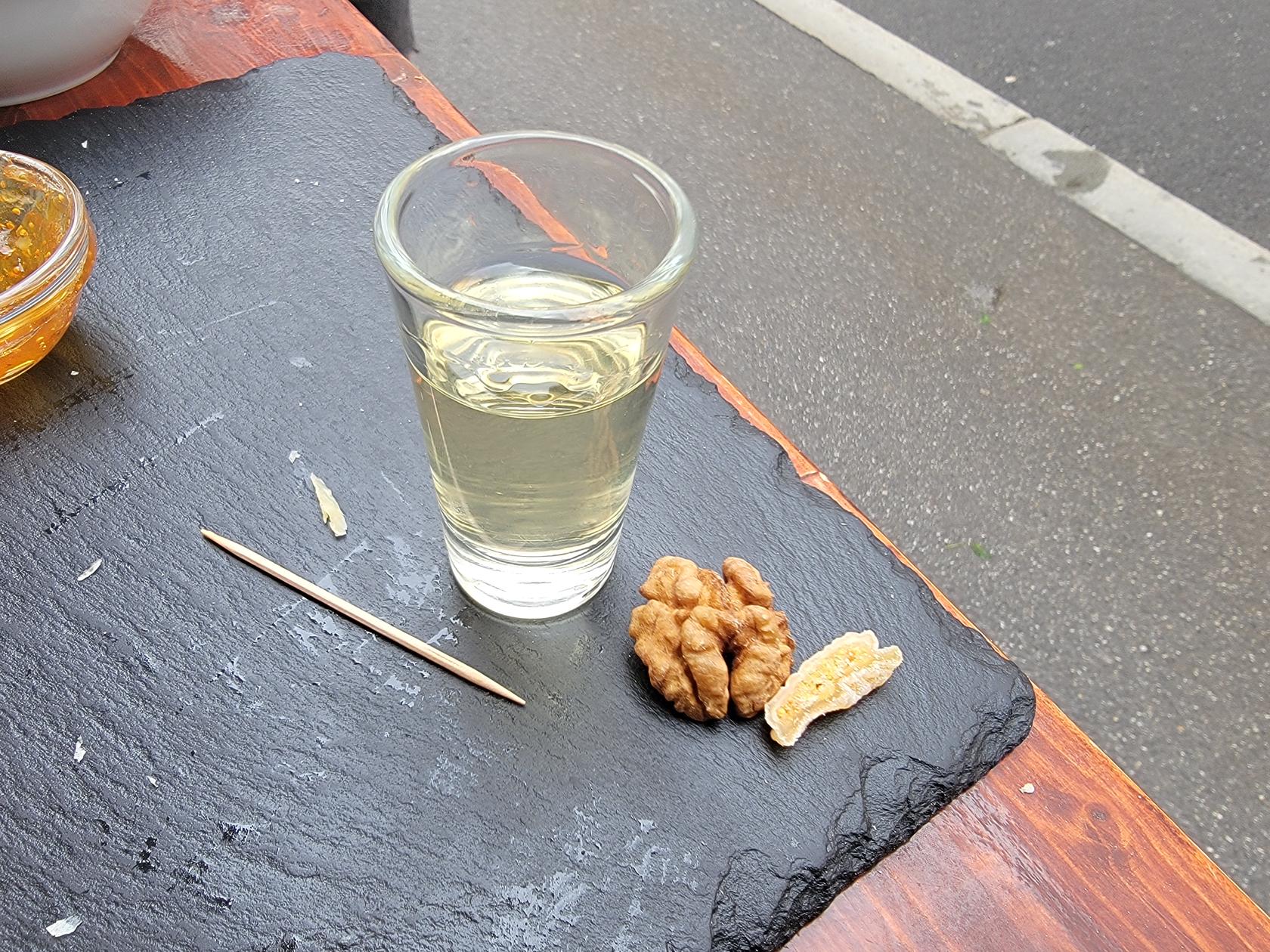
For lunch, Patti selected a tiny establishment on Petrinjska street, known as Heritage Street Food. Their concentration is on Paninis and Focaccia style sandwiches, which when combined with other delectable sides, create a truly enjoyable and tasty little adventure for your palate.
Caffe & Bar Jupi
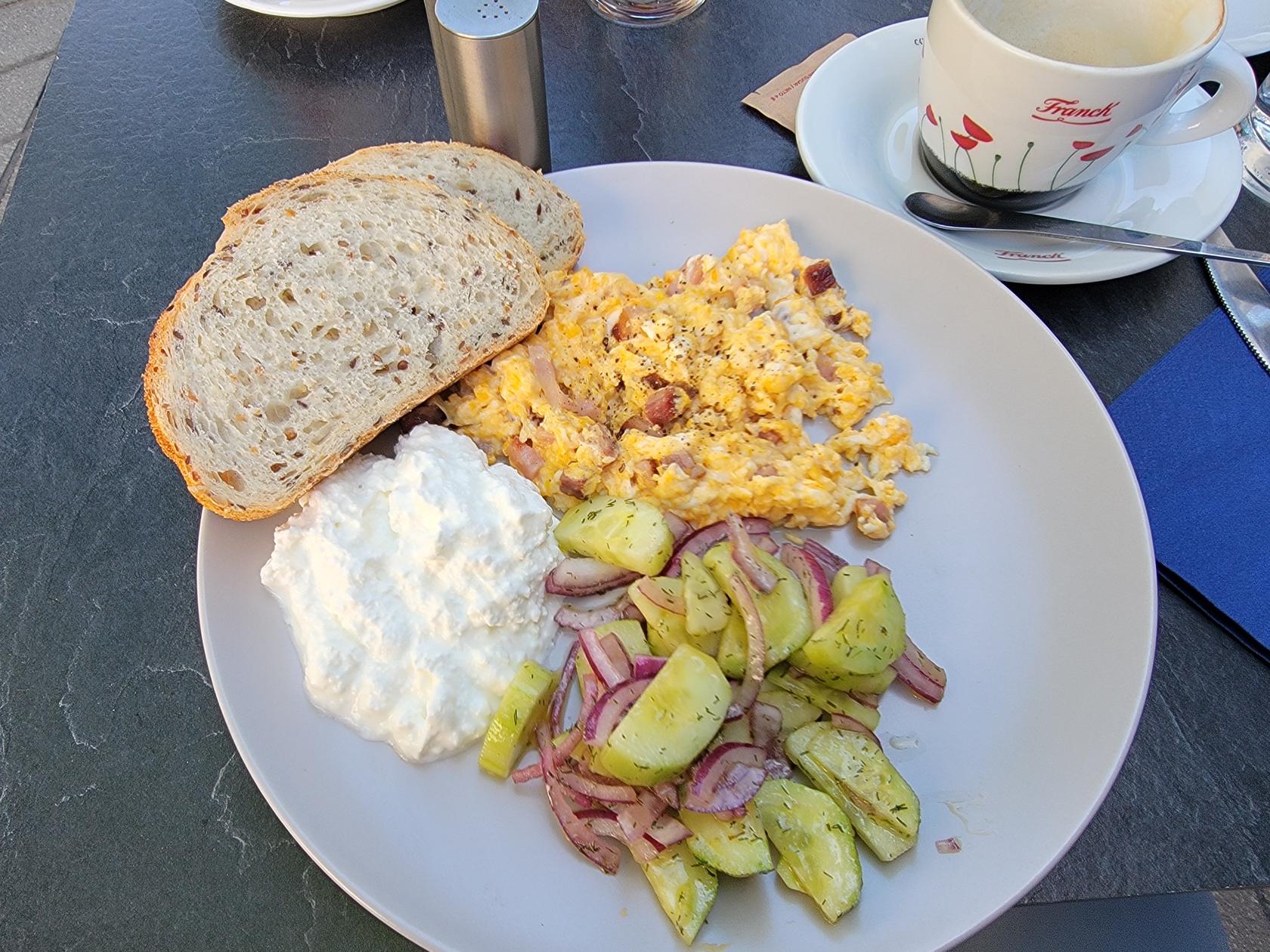
The day that we left Zagreb we visited a small cafe for breakfast called Caffe & Bar Jupi. Patti ordered the pancakes with fruit and I had the scrambled eggs. Both were delicious and hit the spot on a busy and somewhat chilly morning.