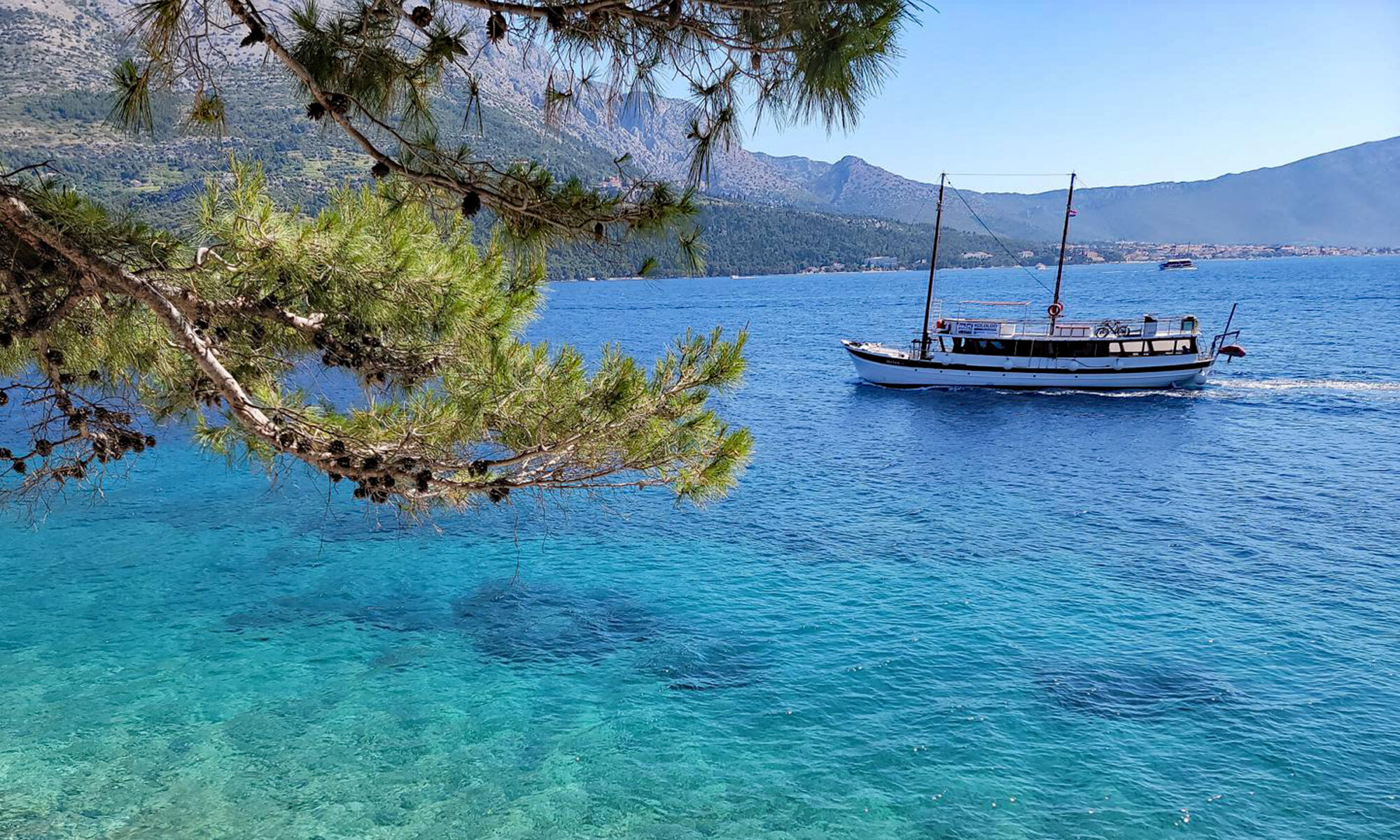
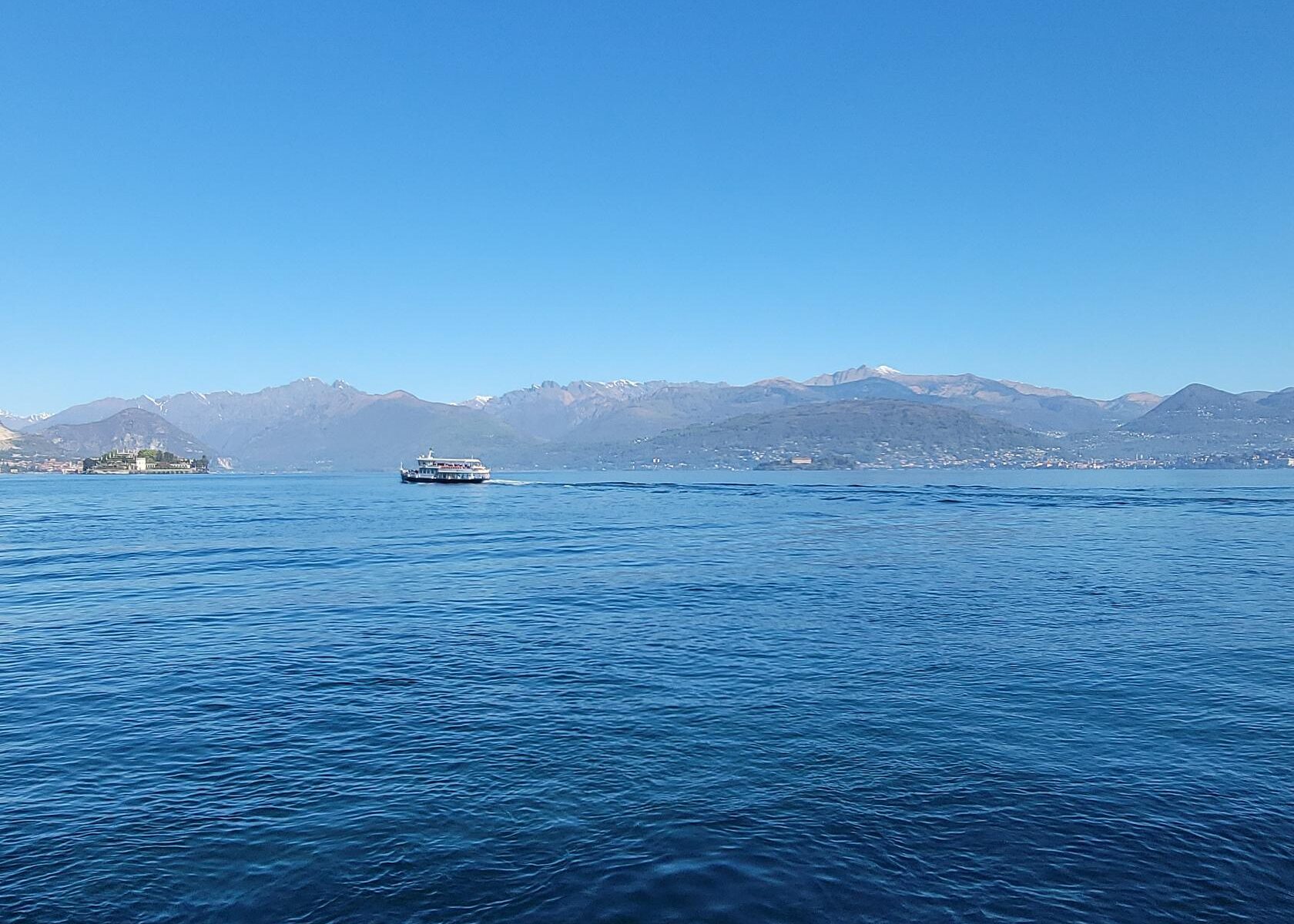
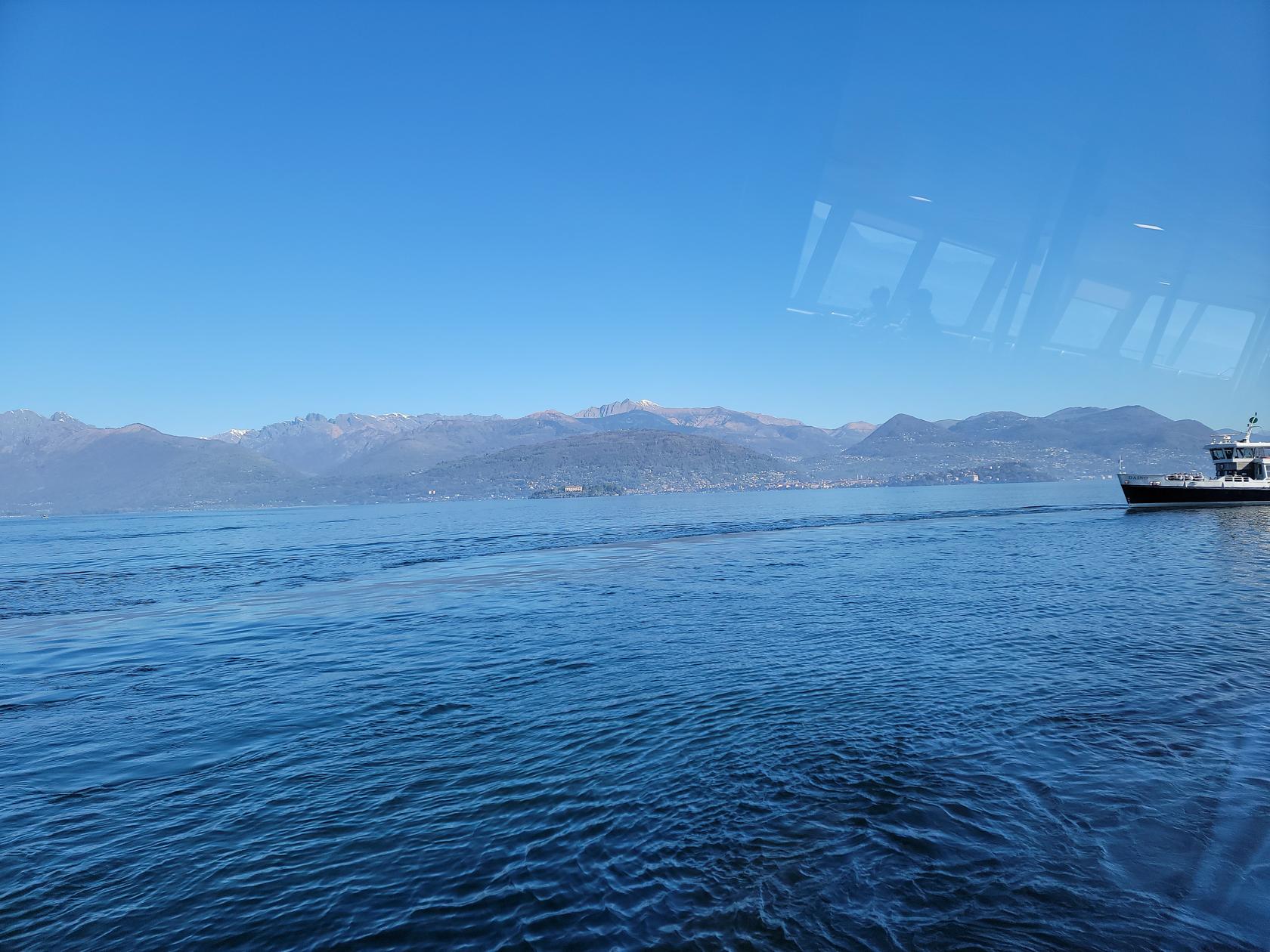
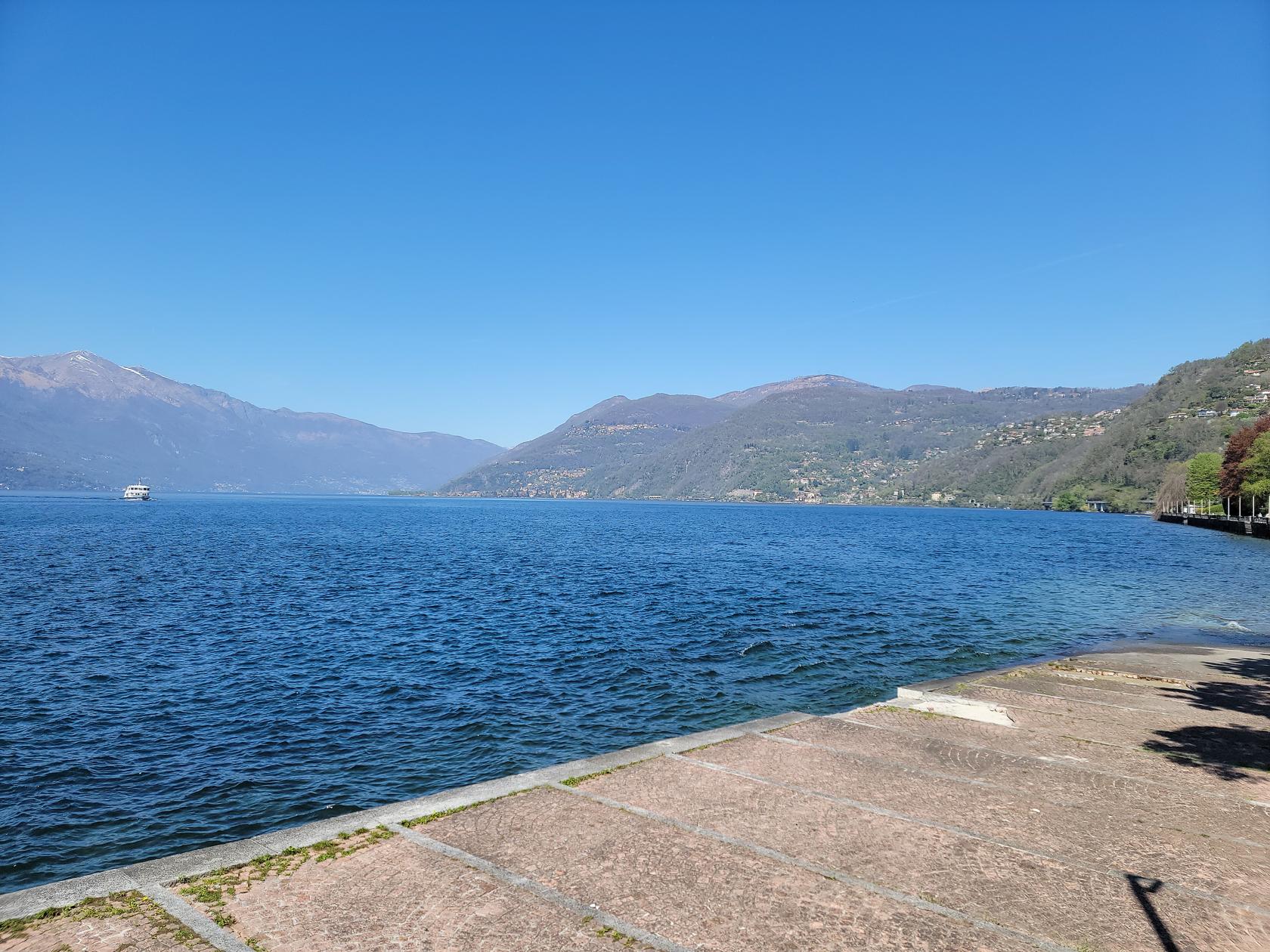
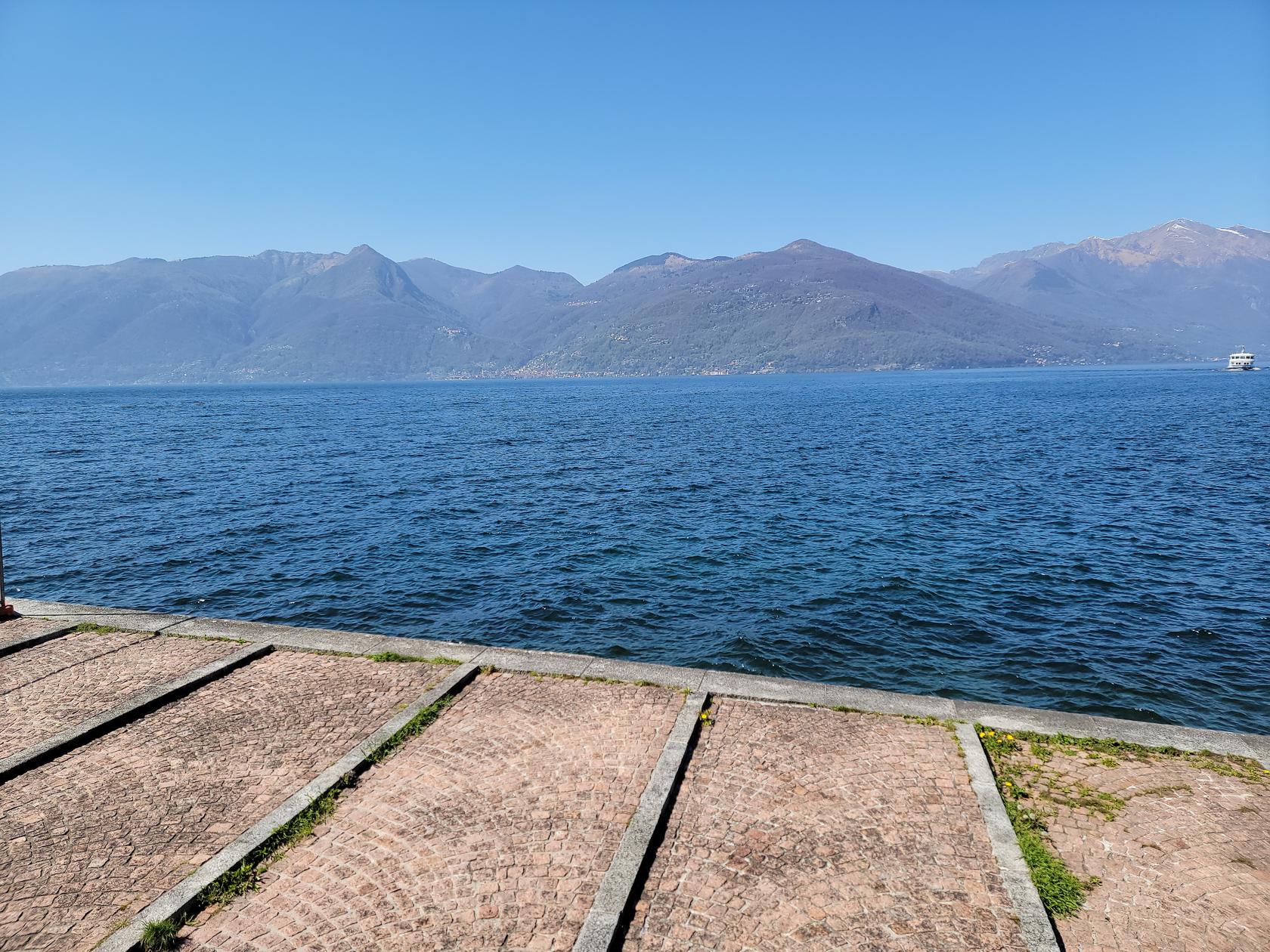
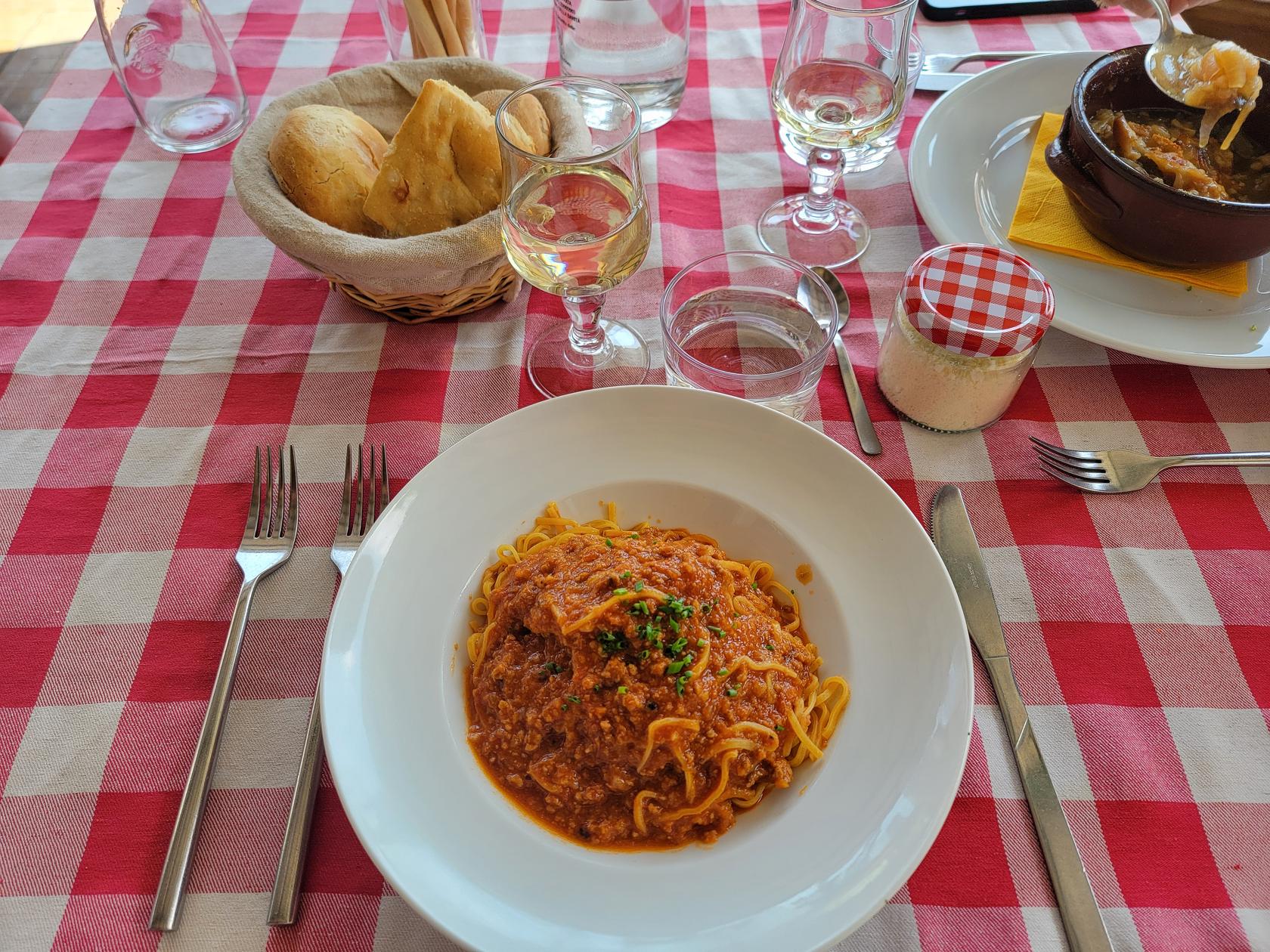
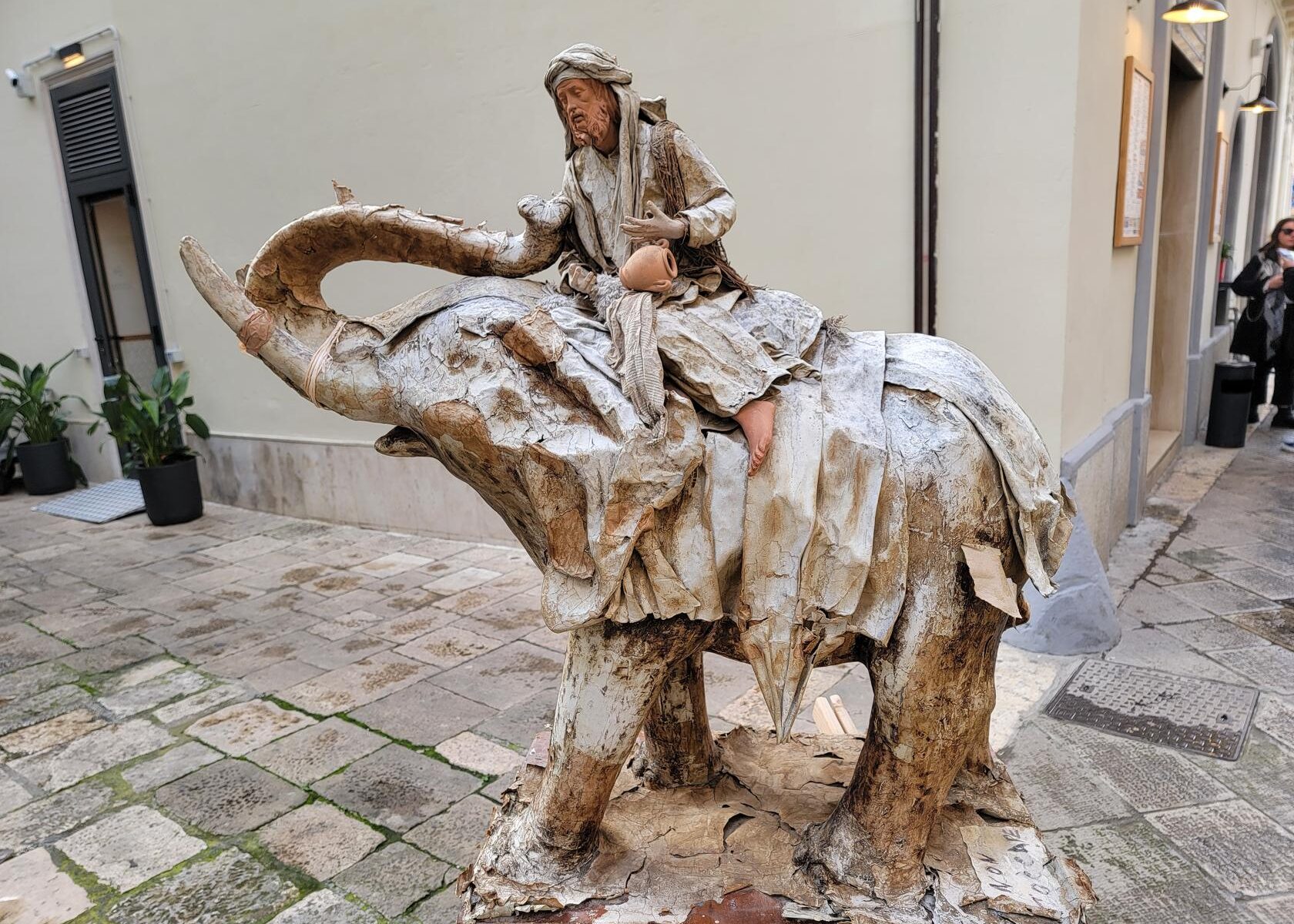
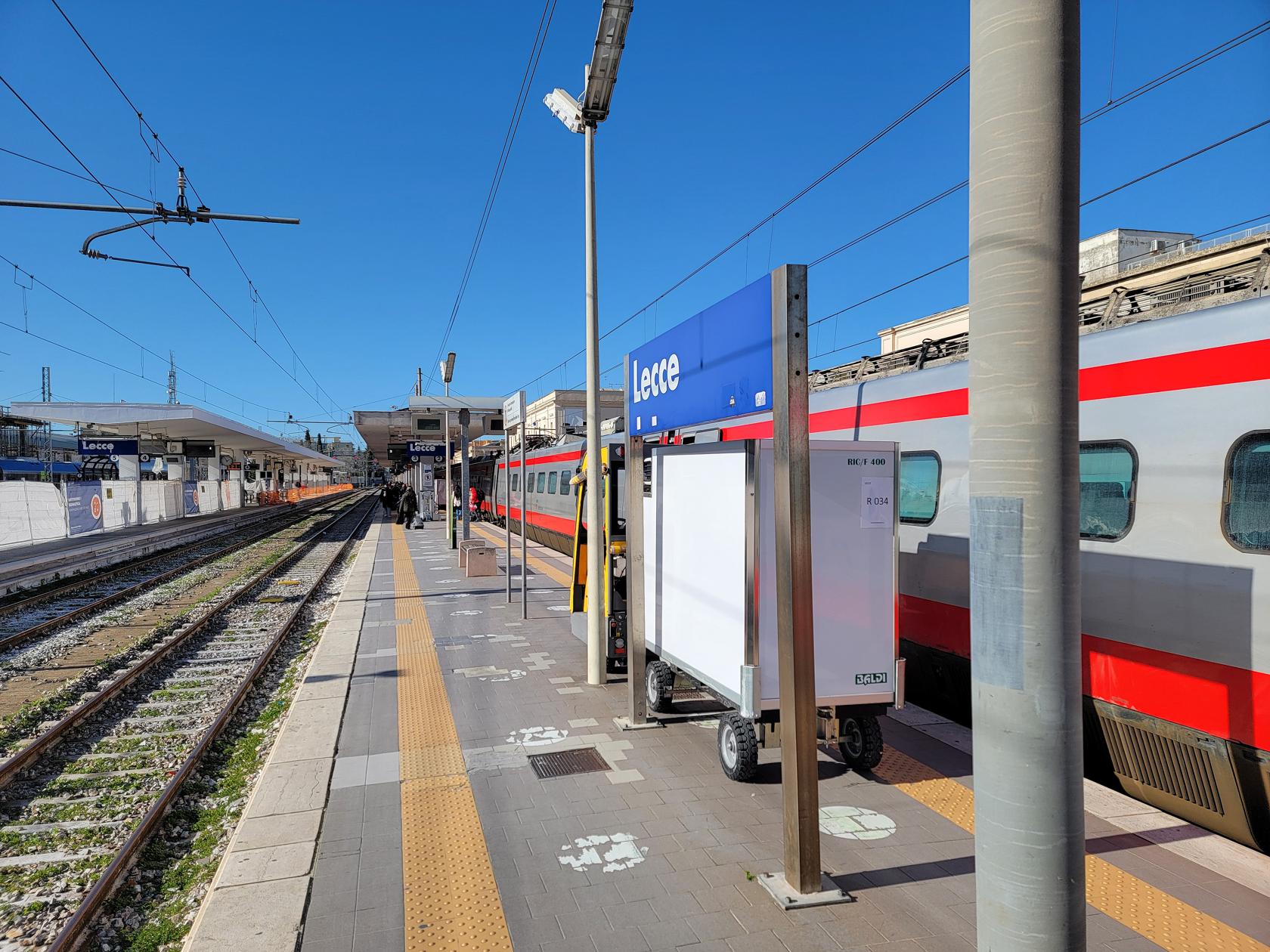
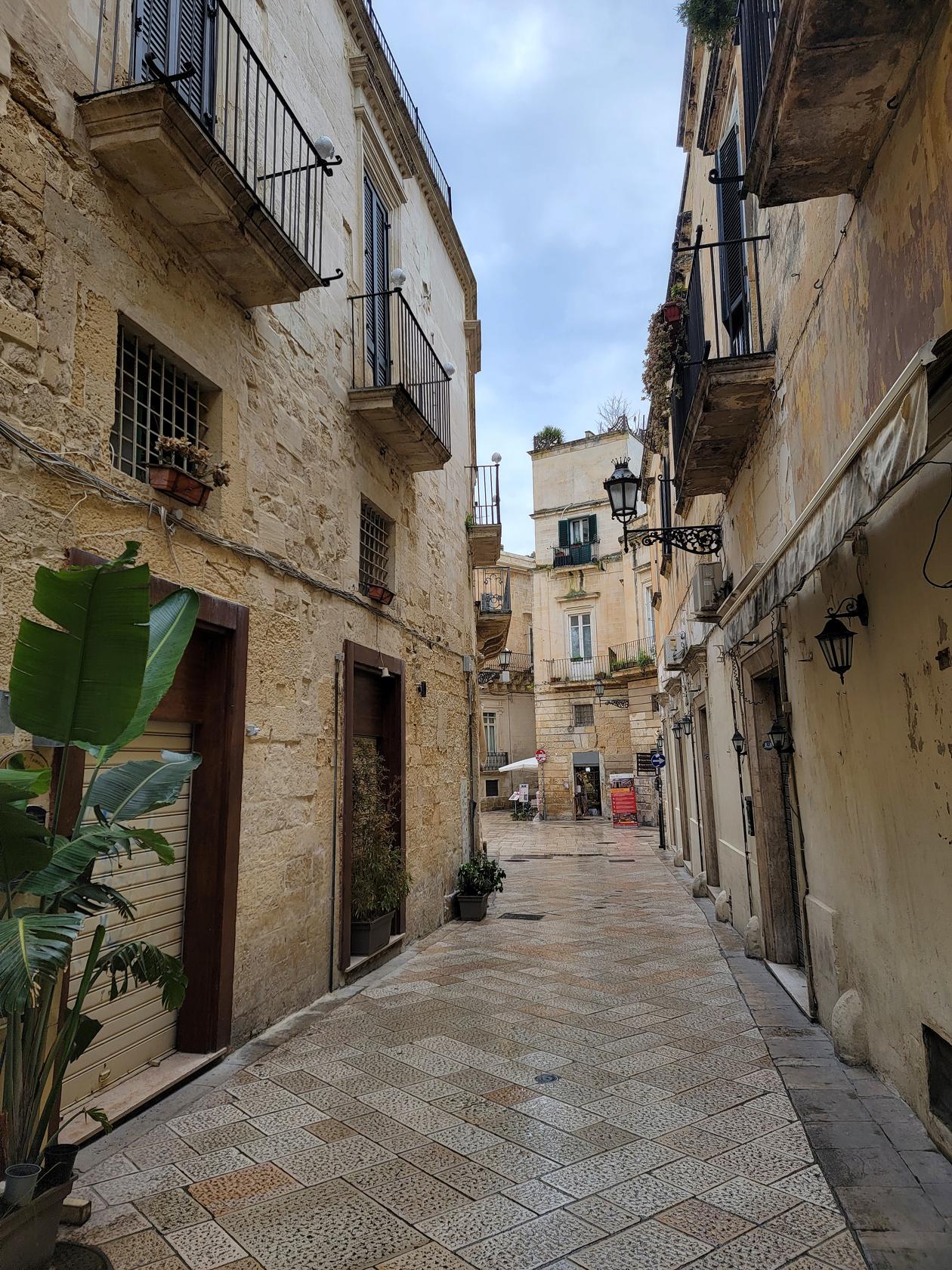
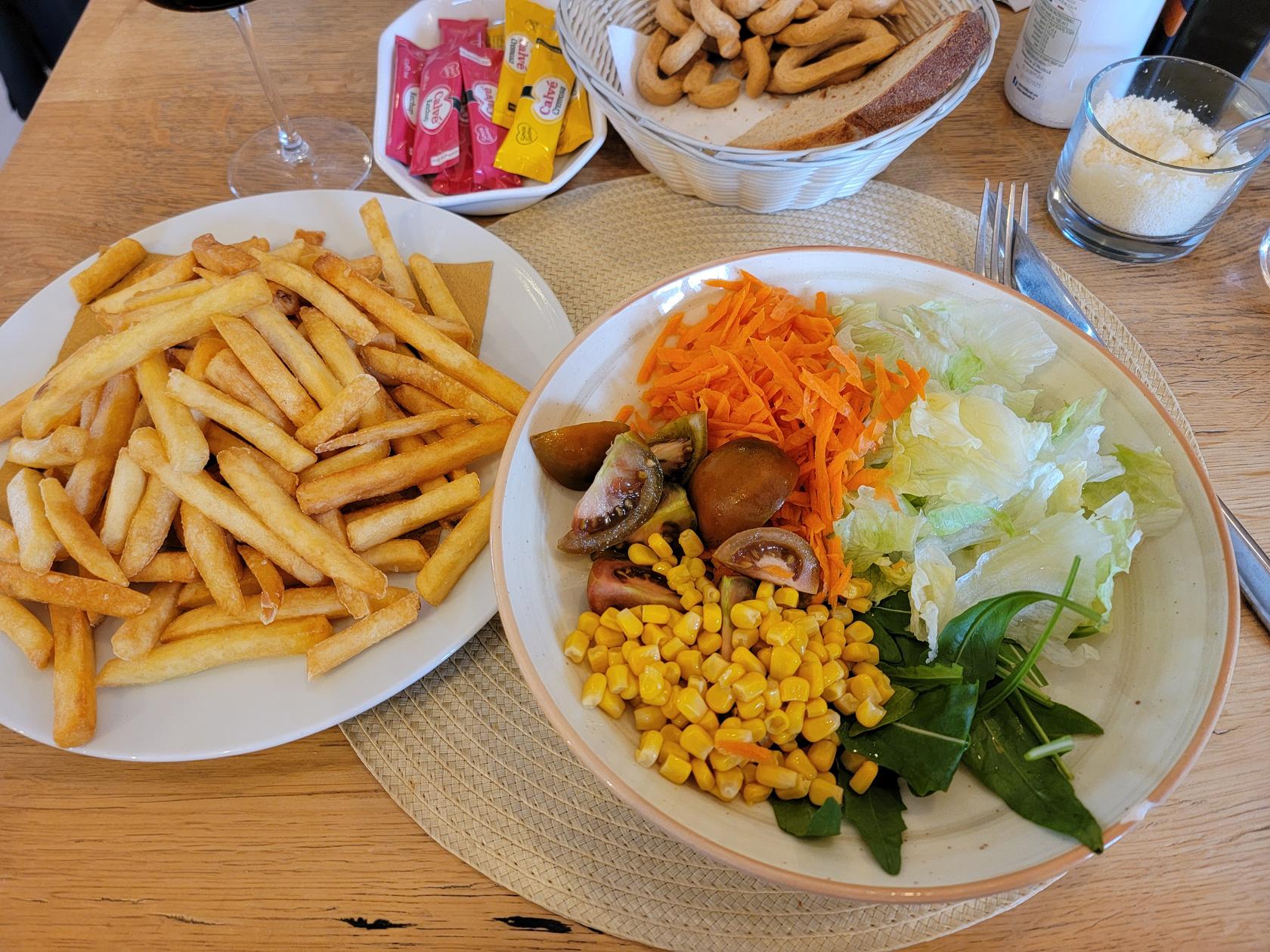
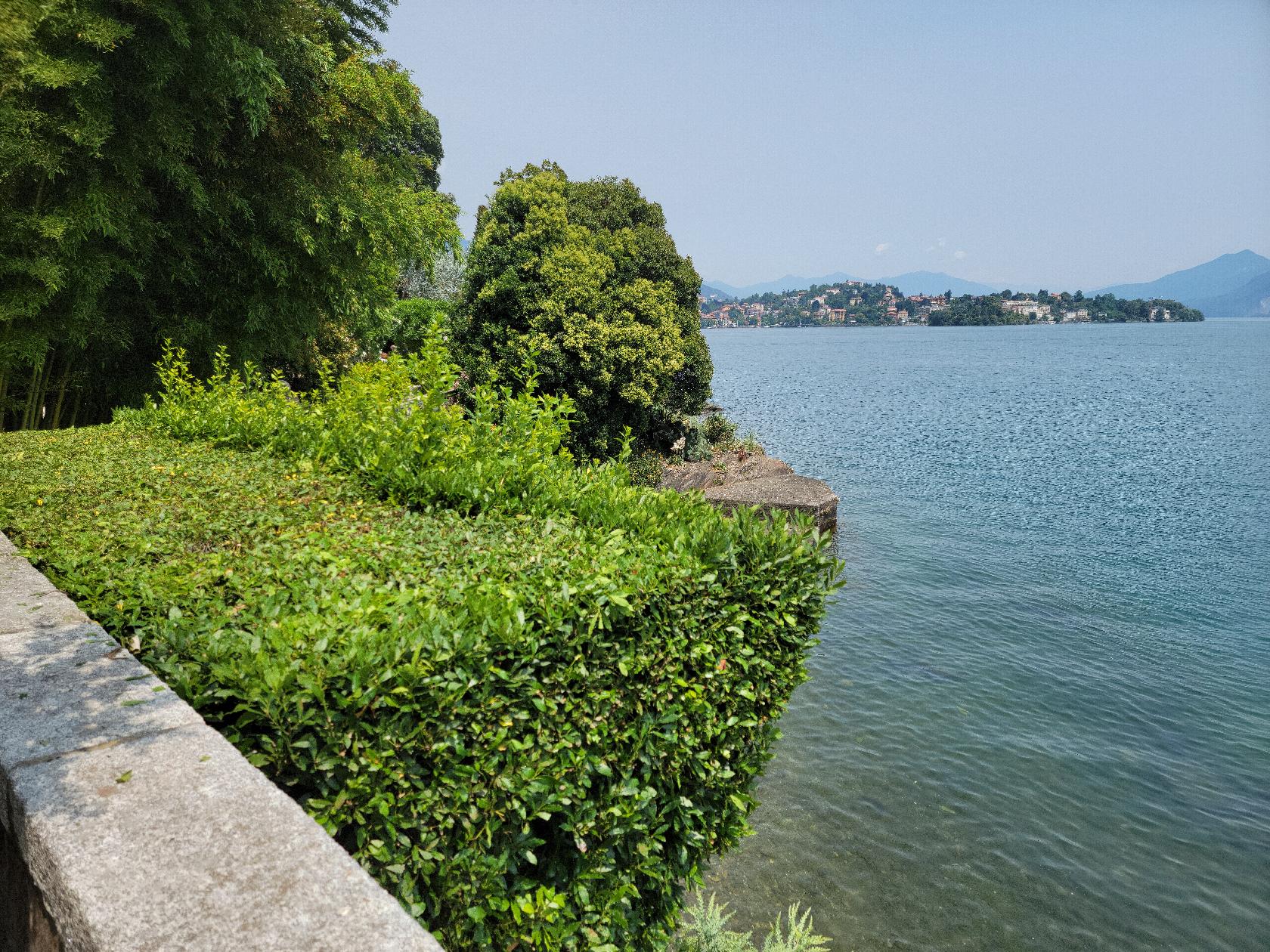
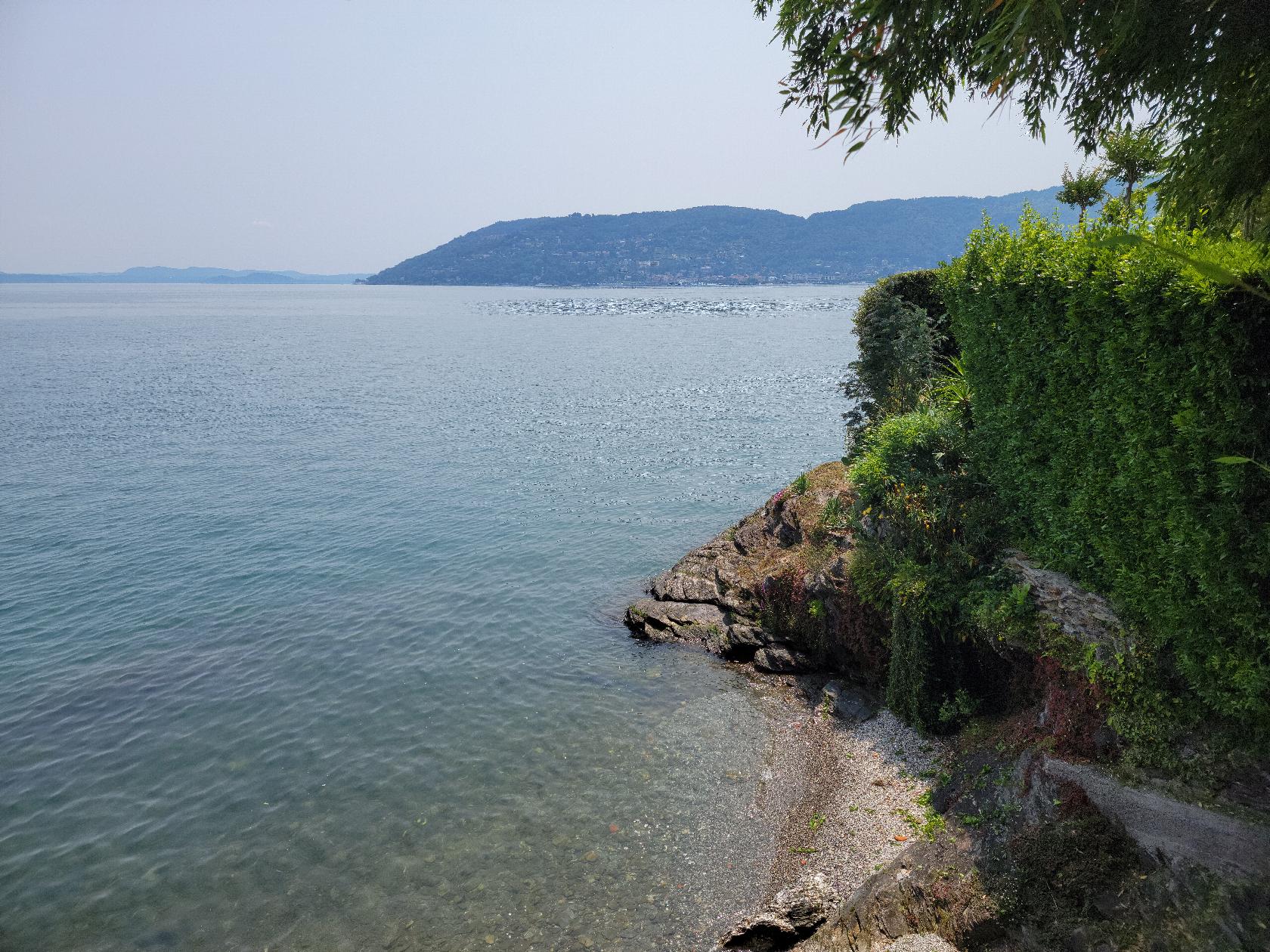
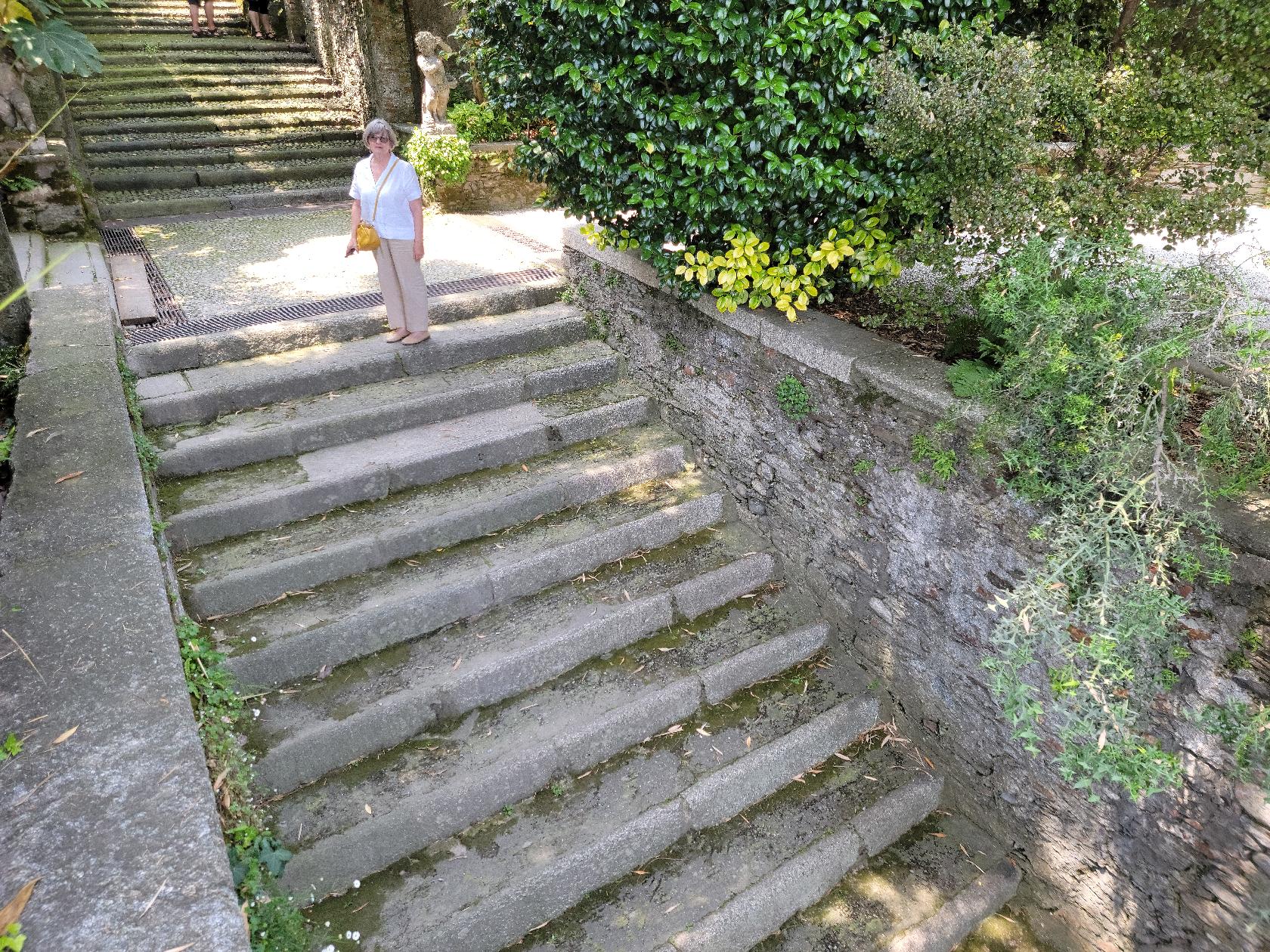
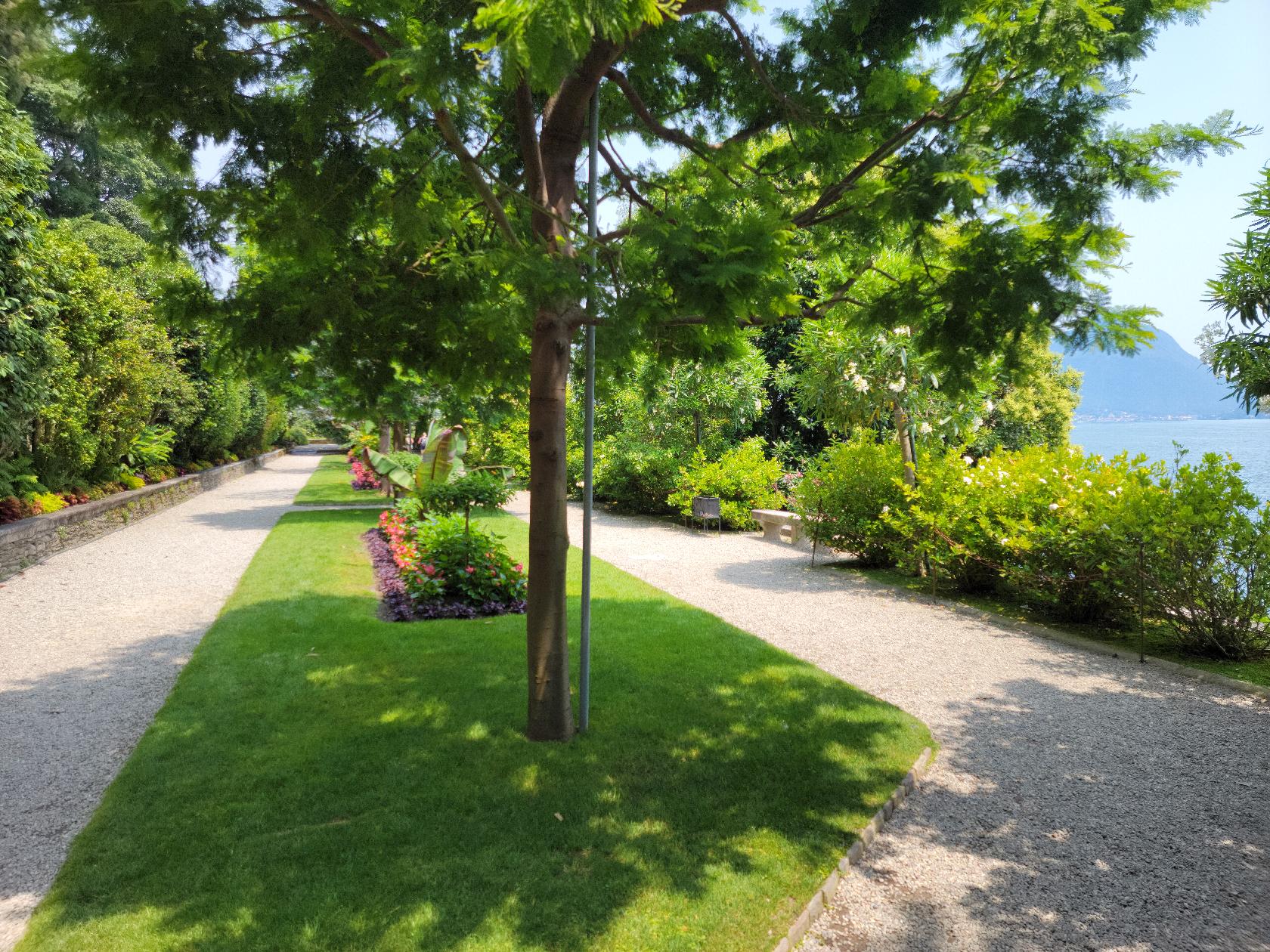
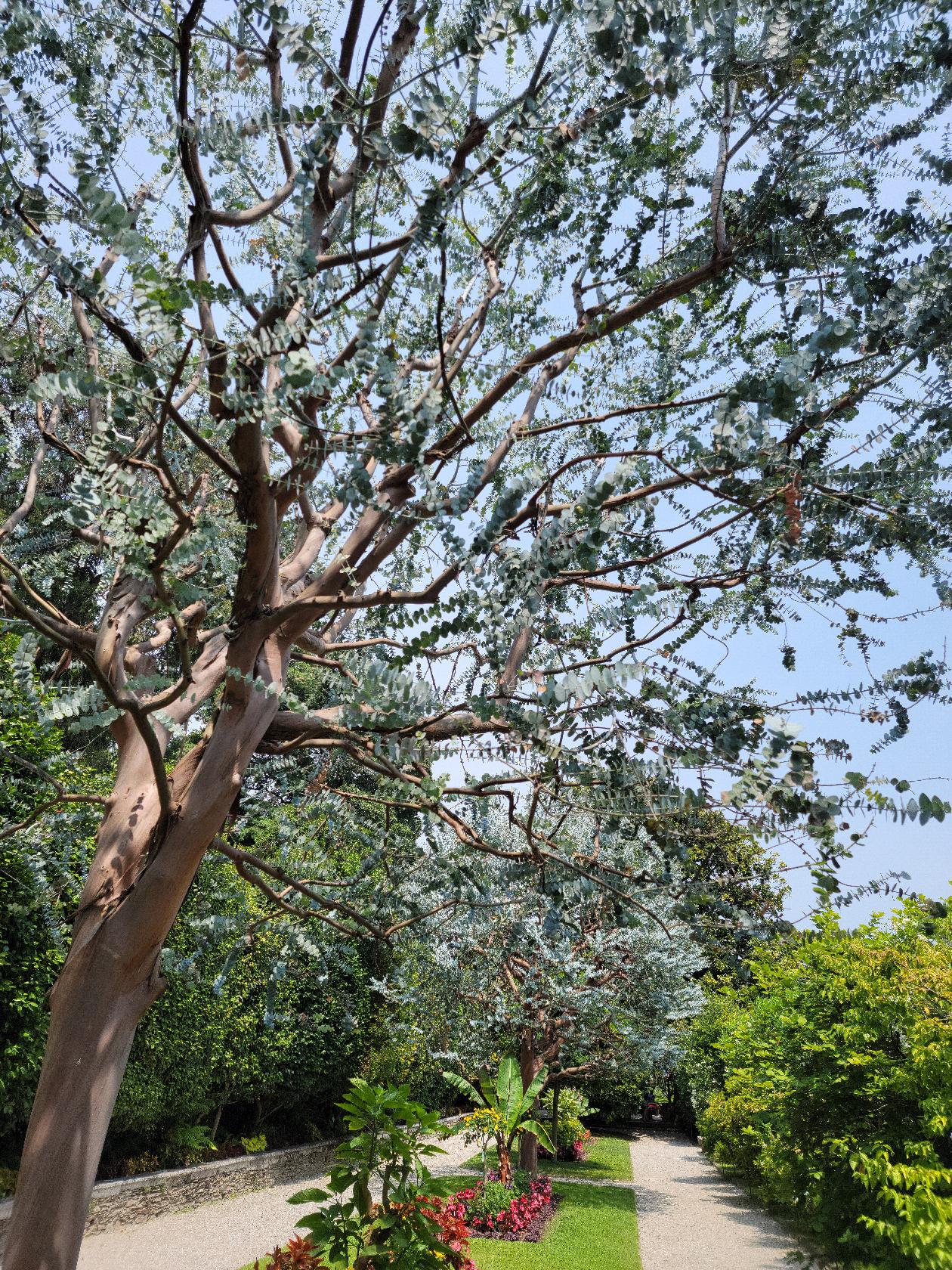
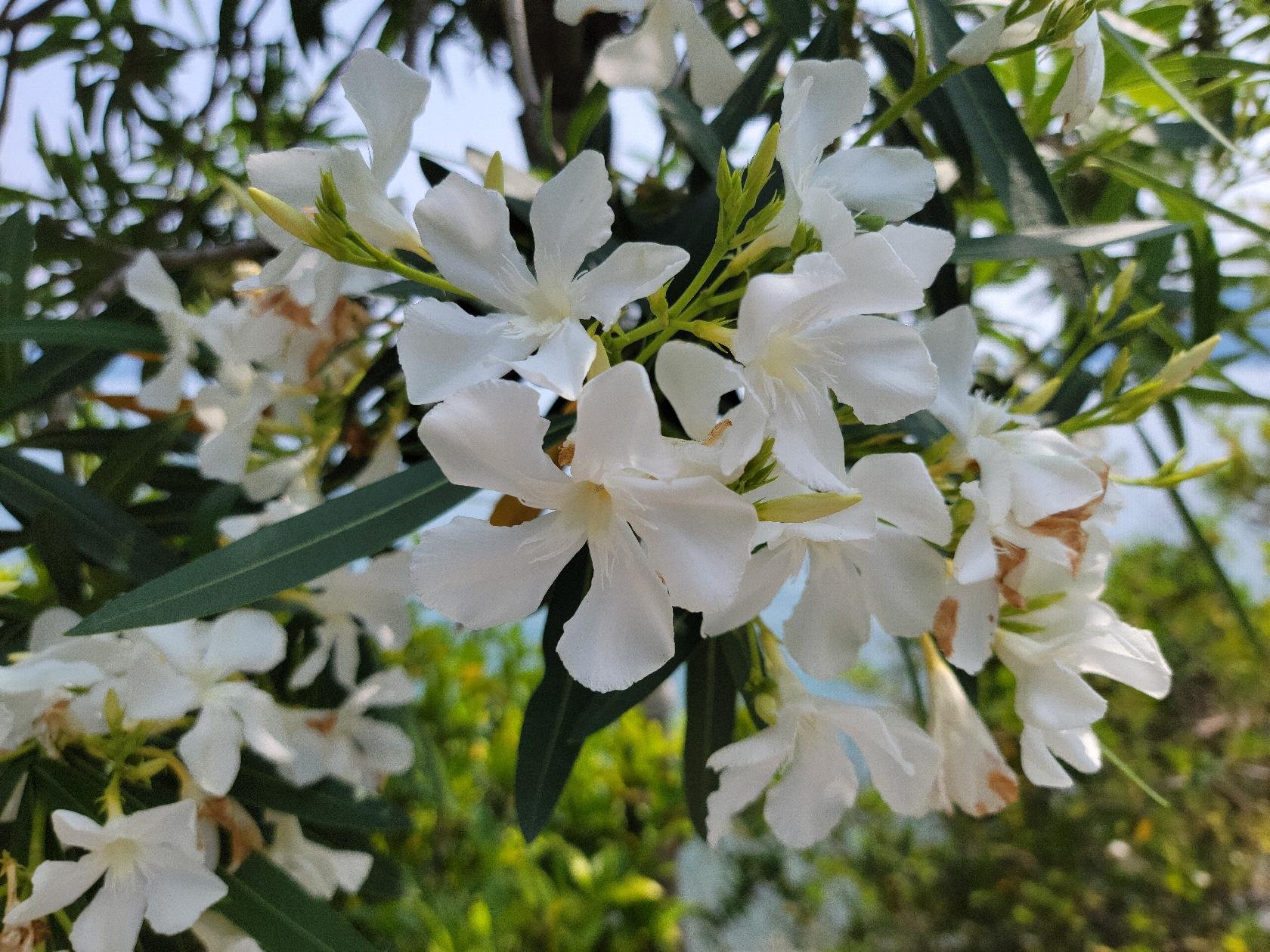
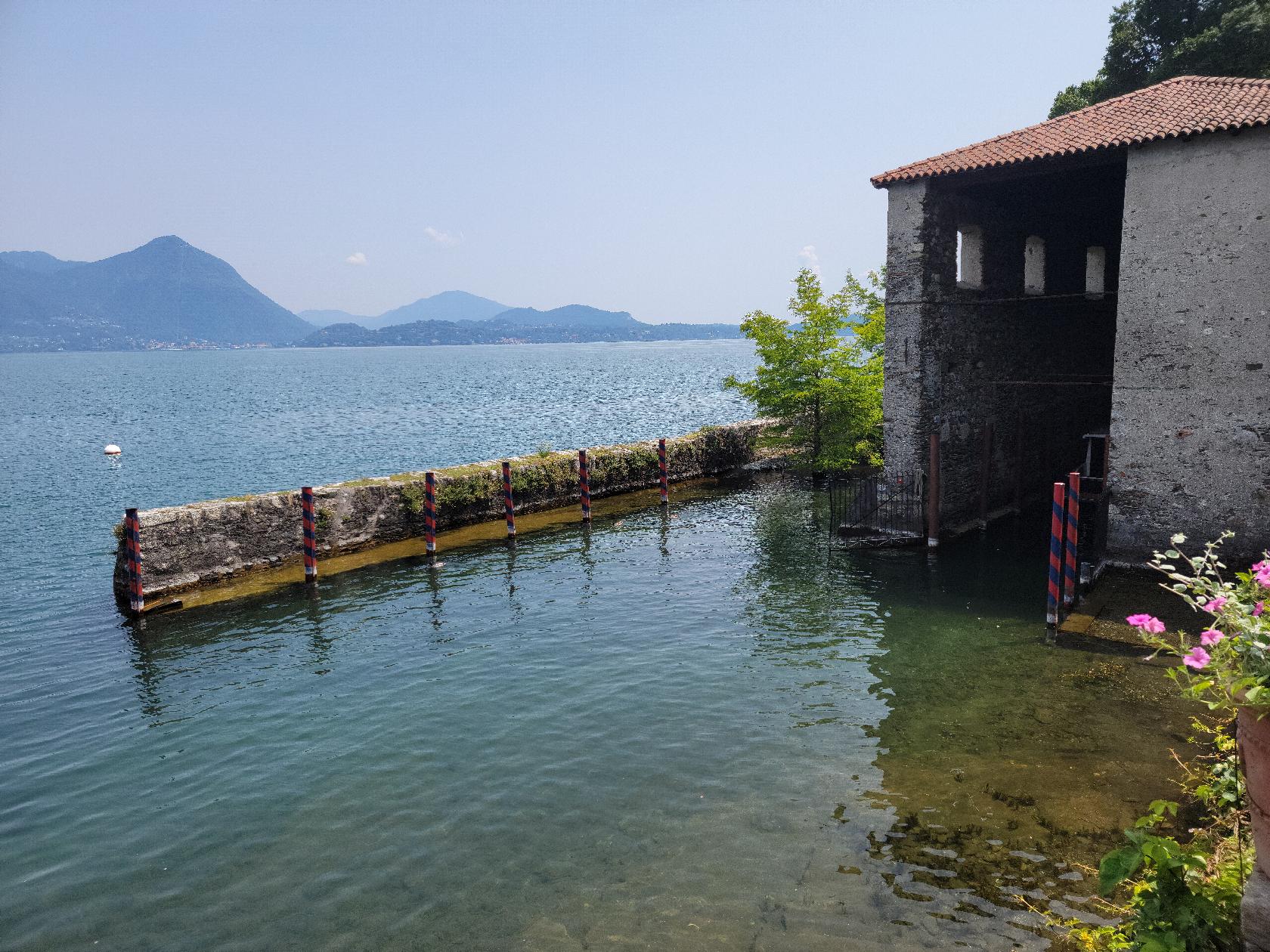
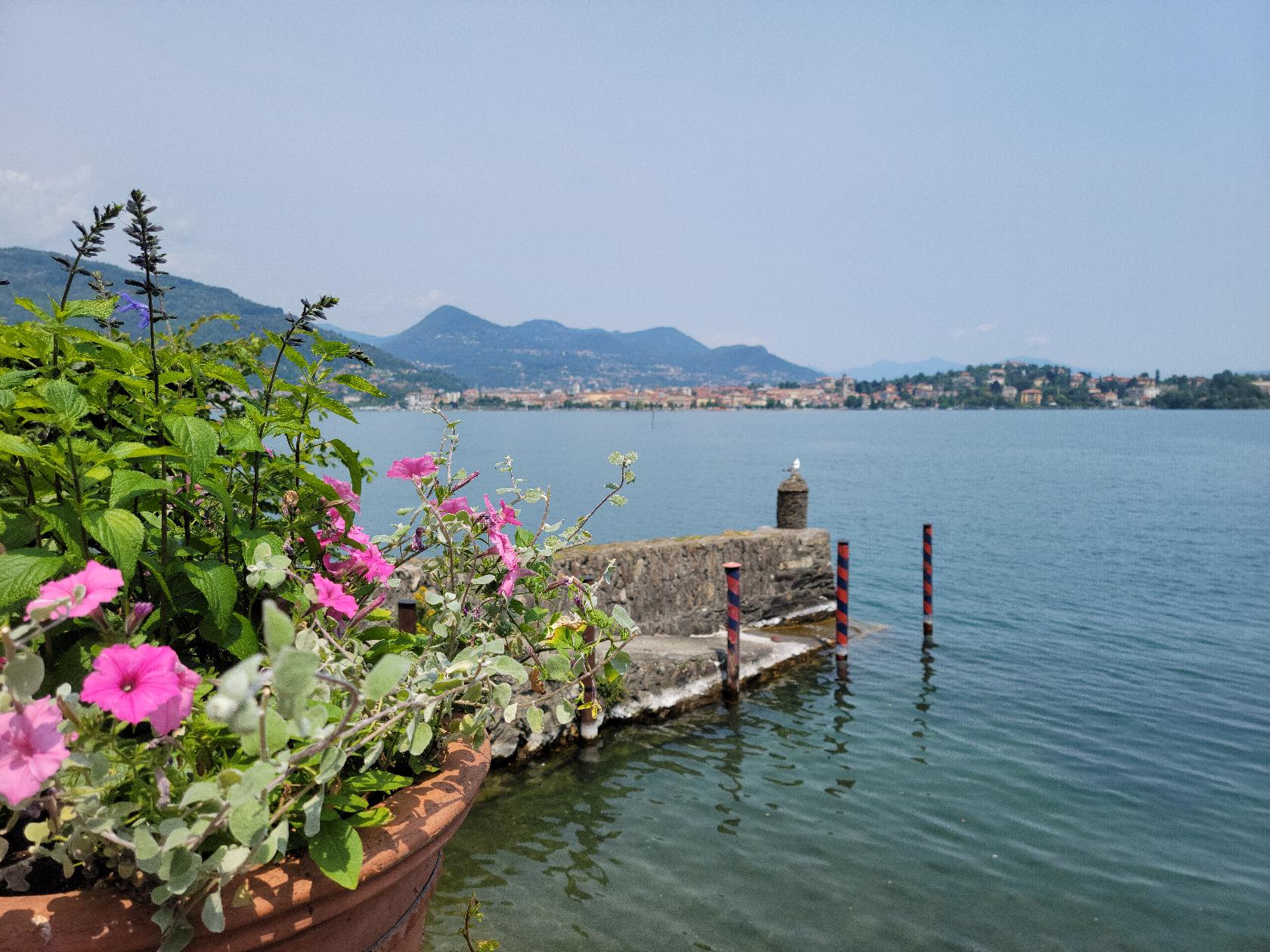
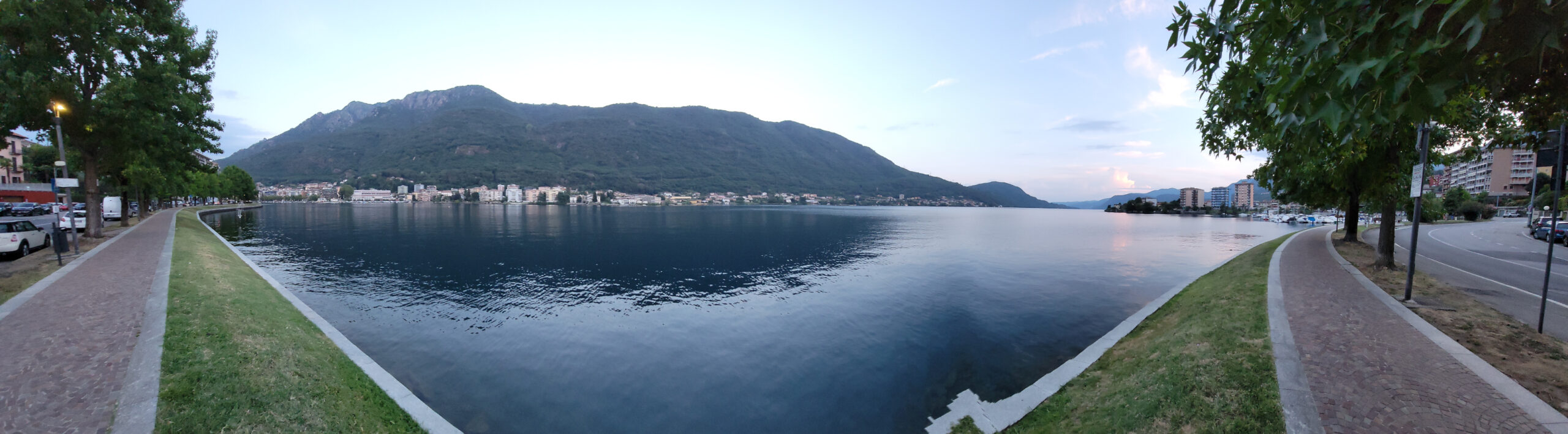
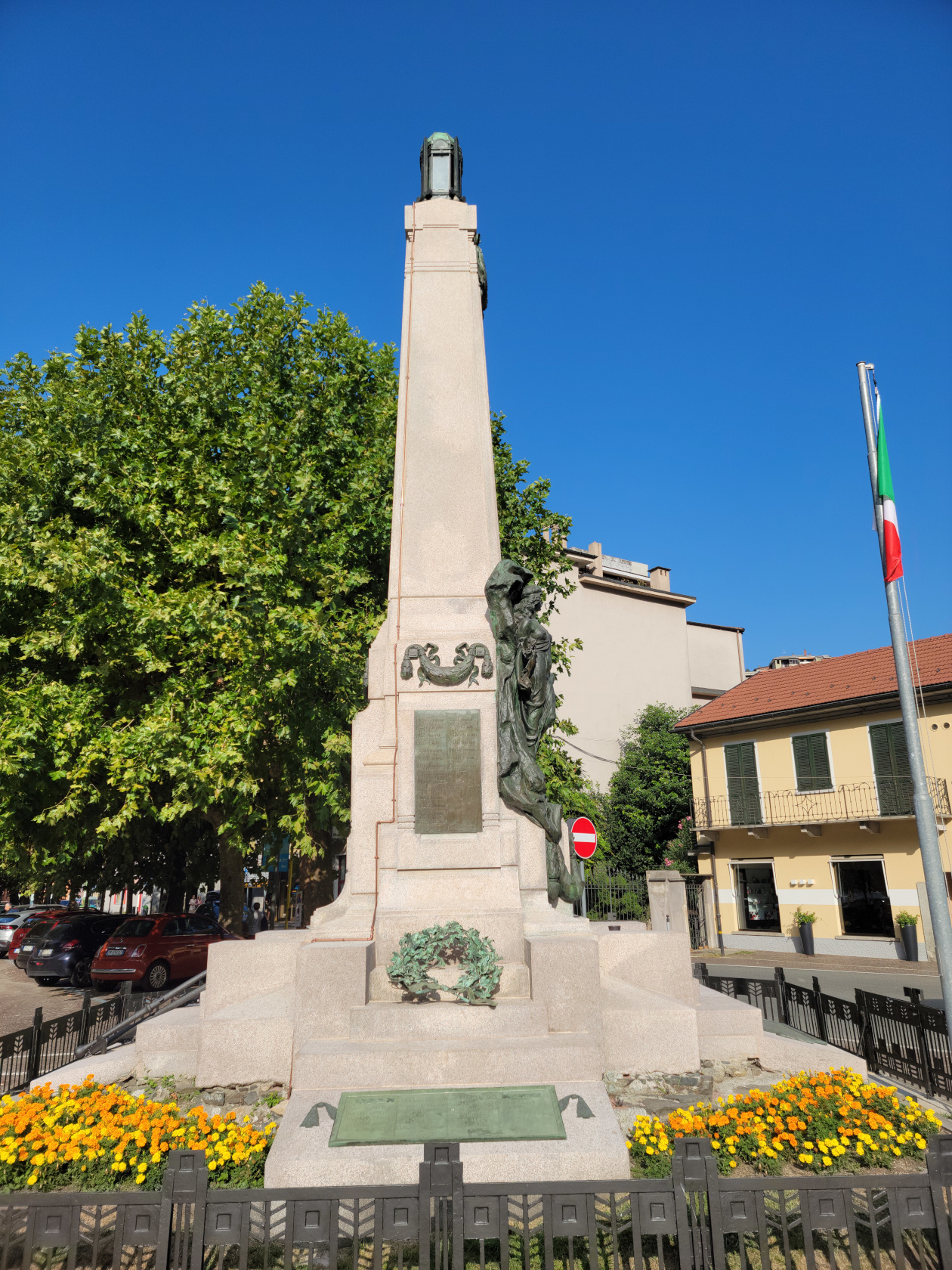
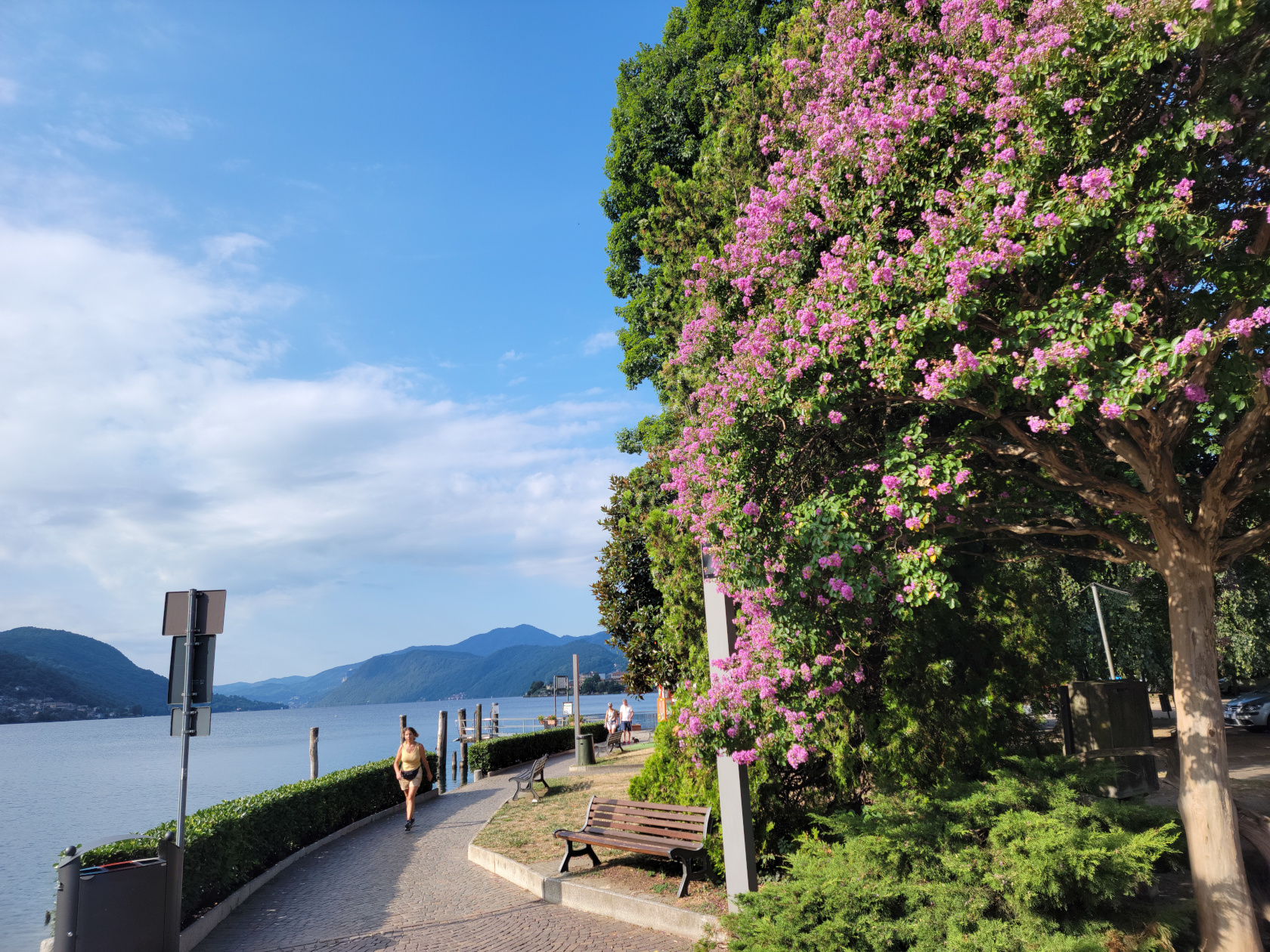
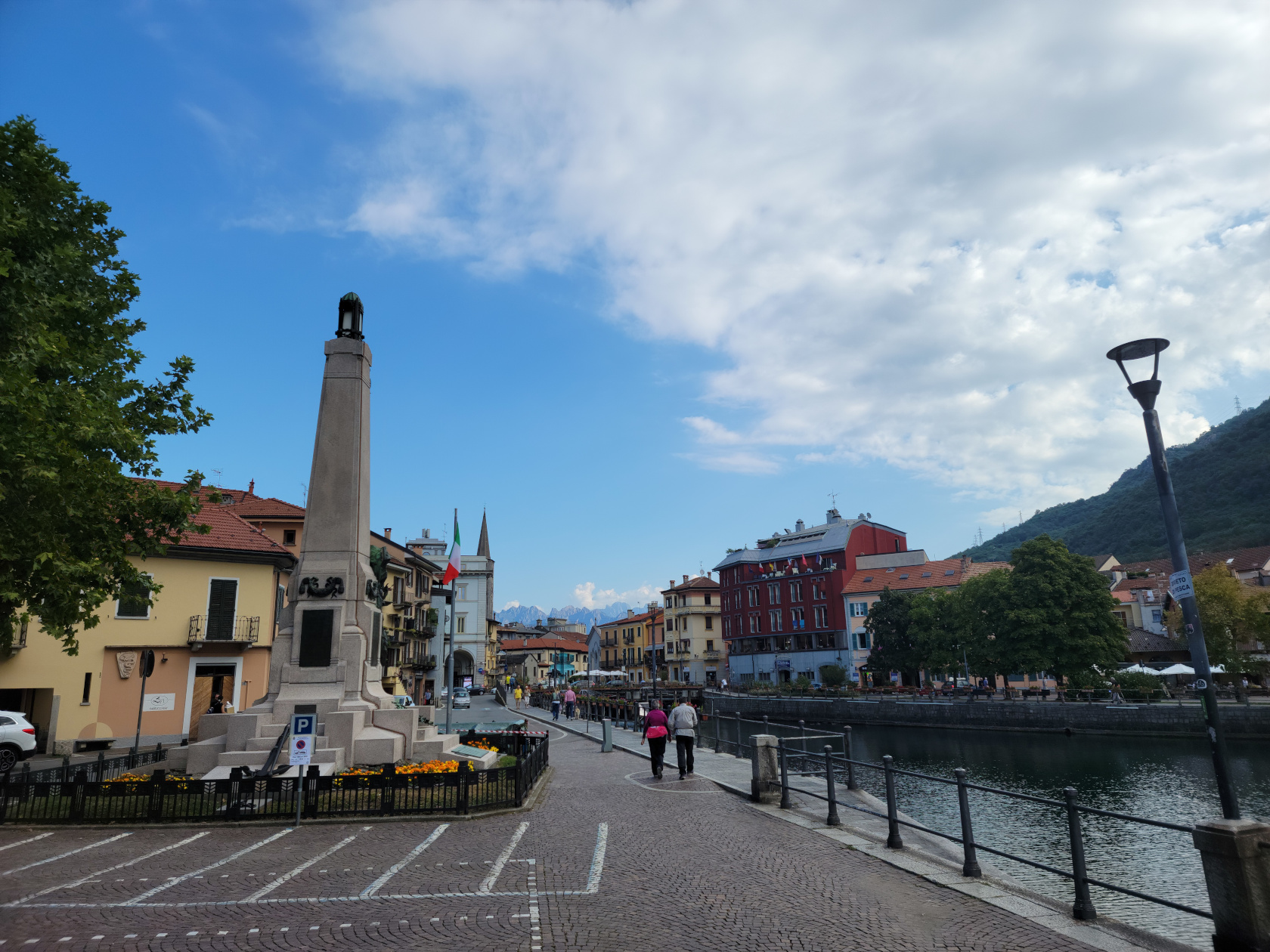
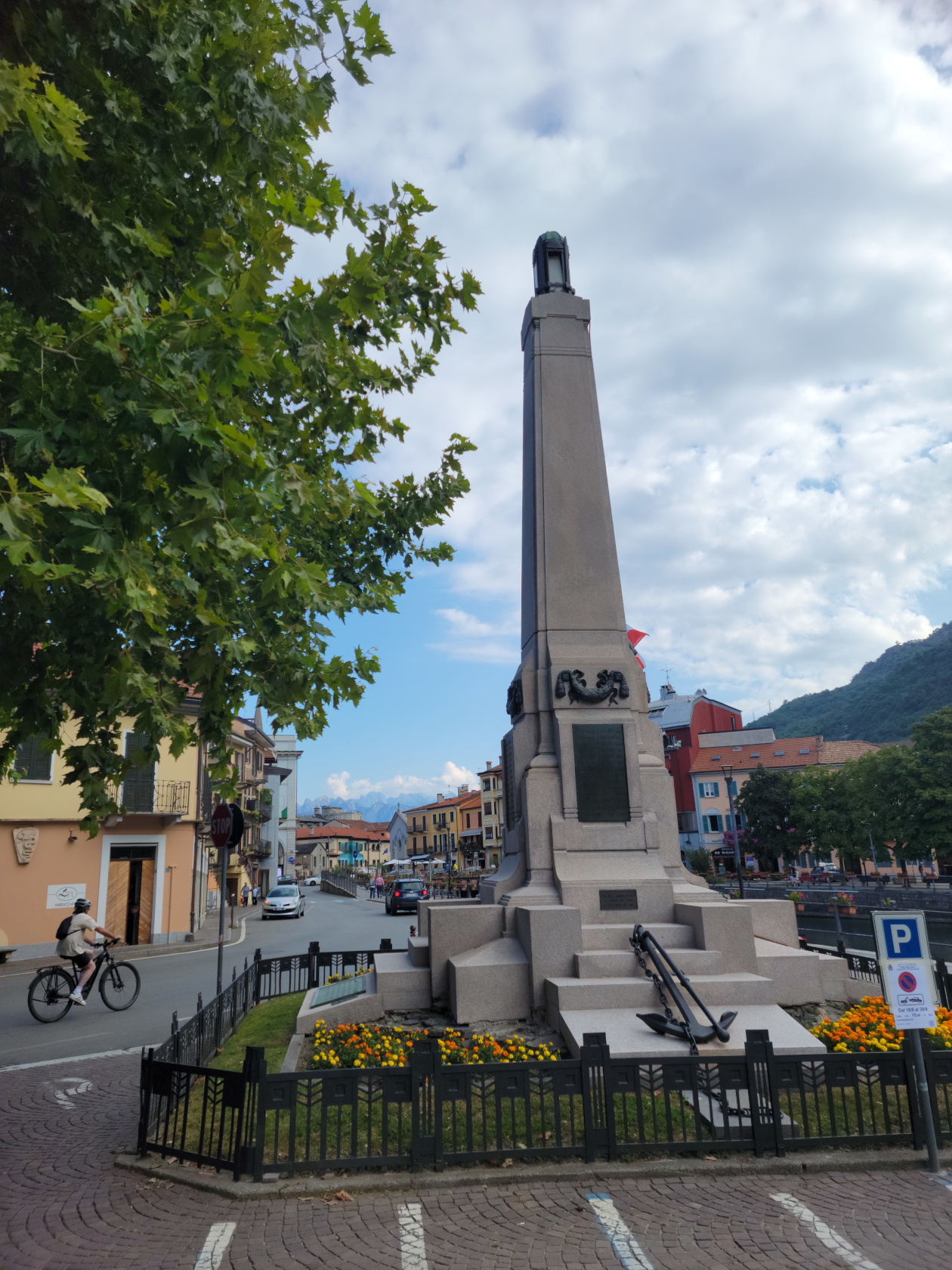
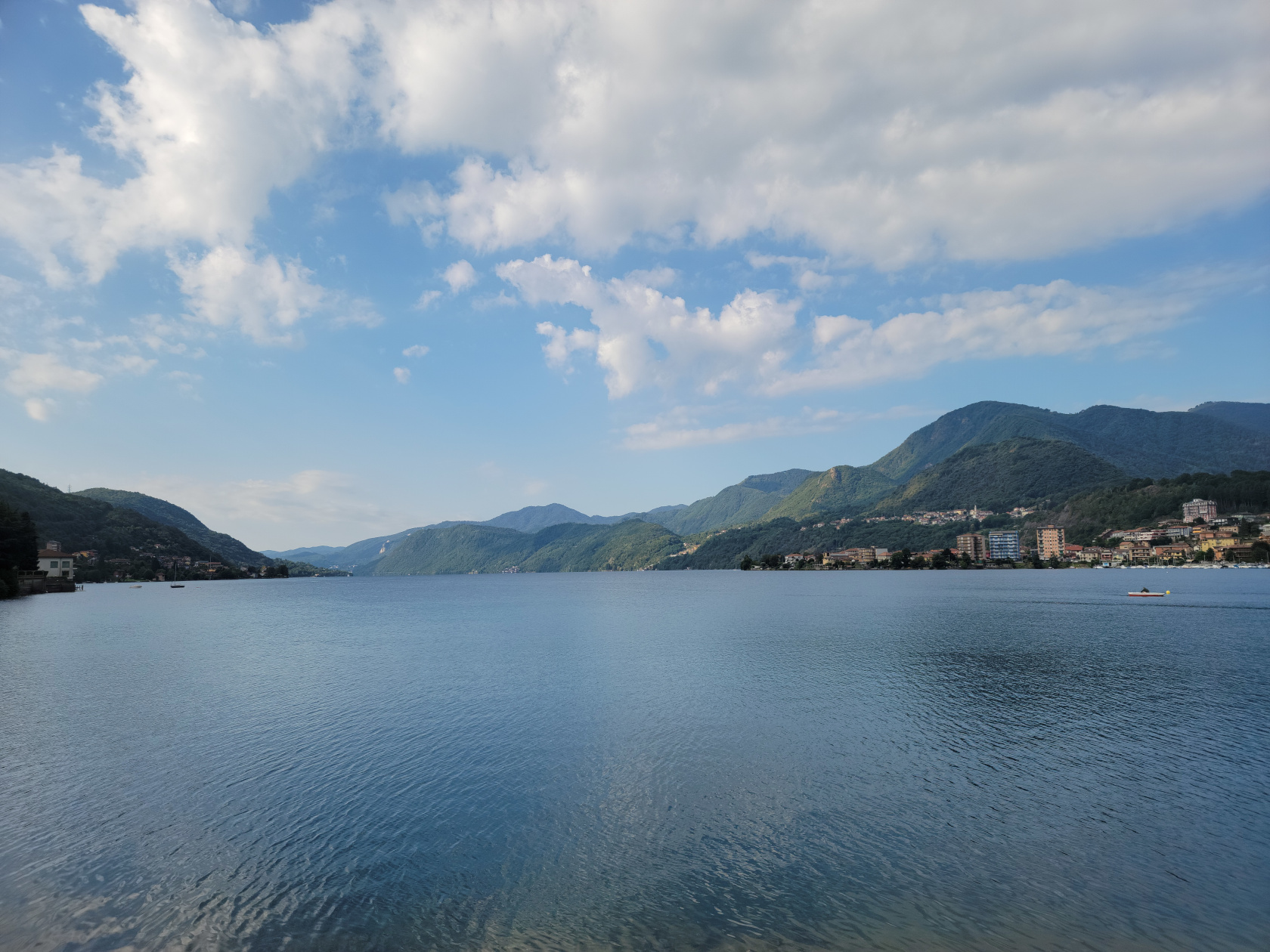
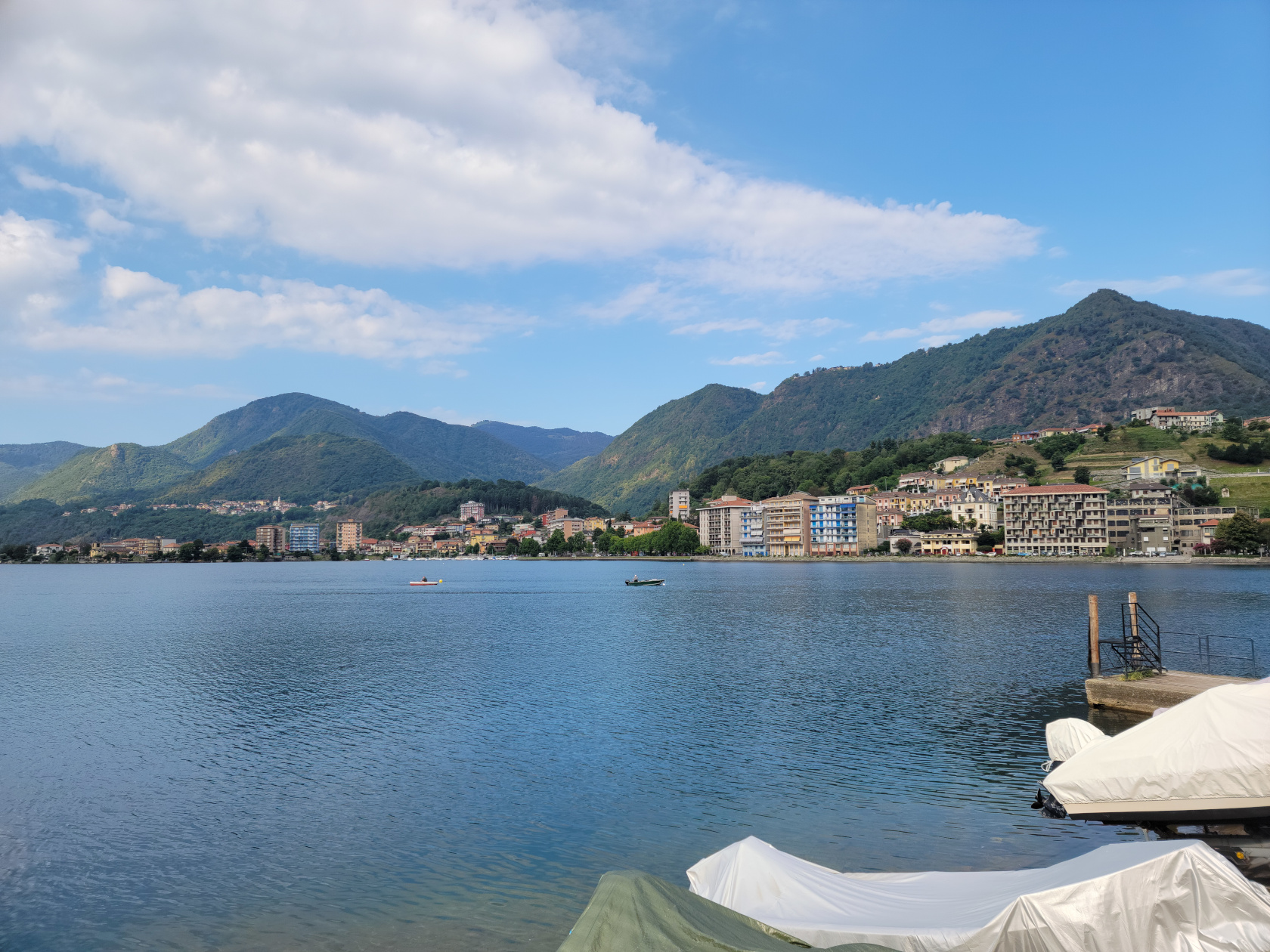
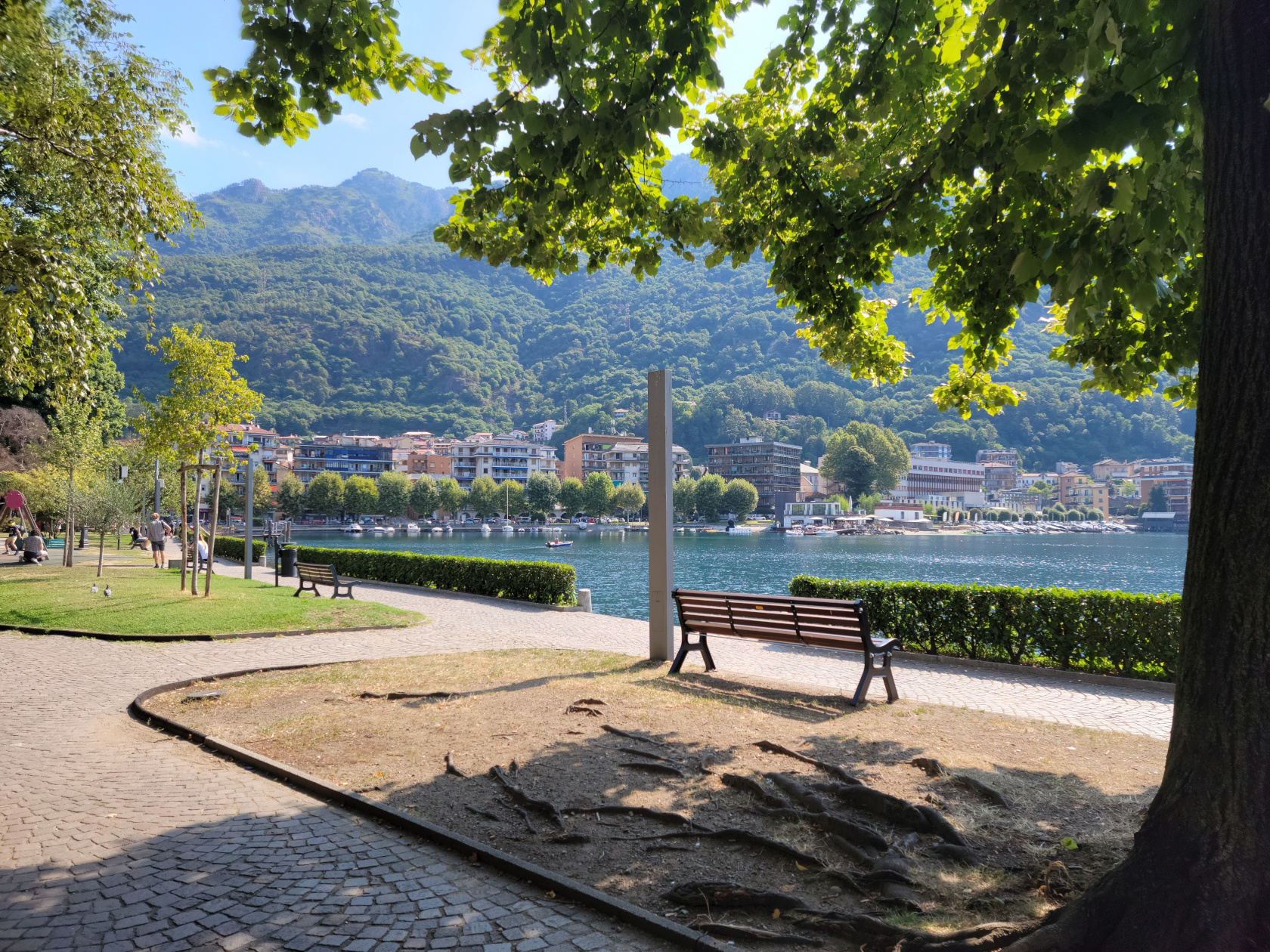
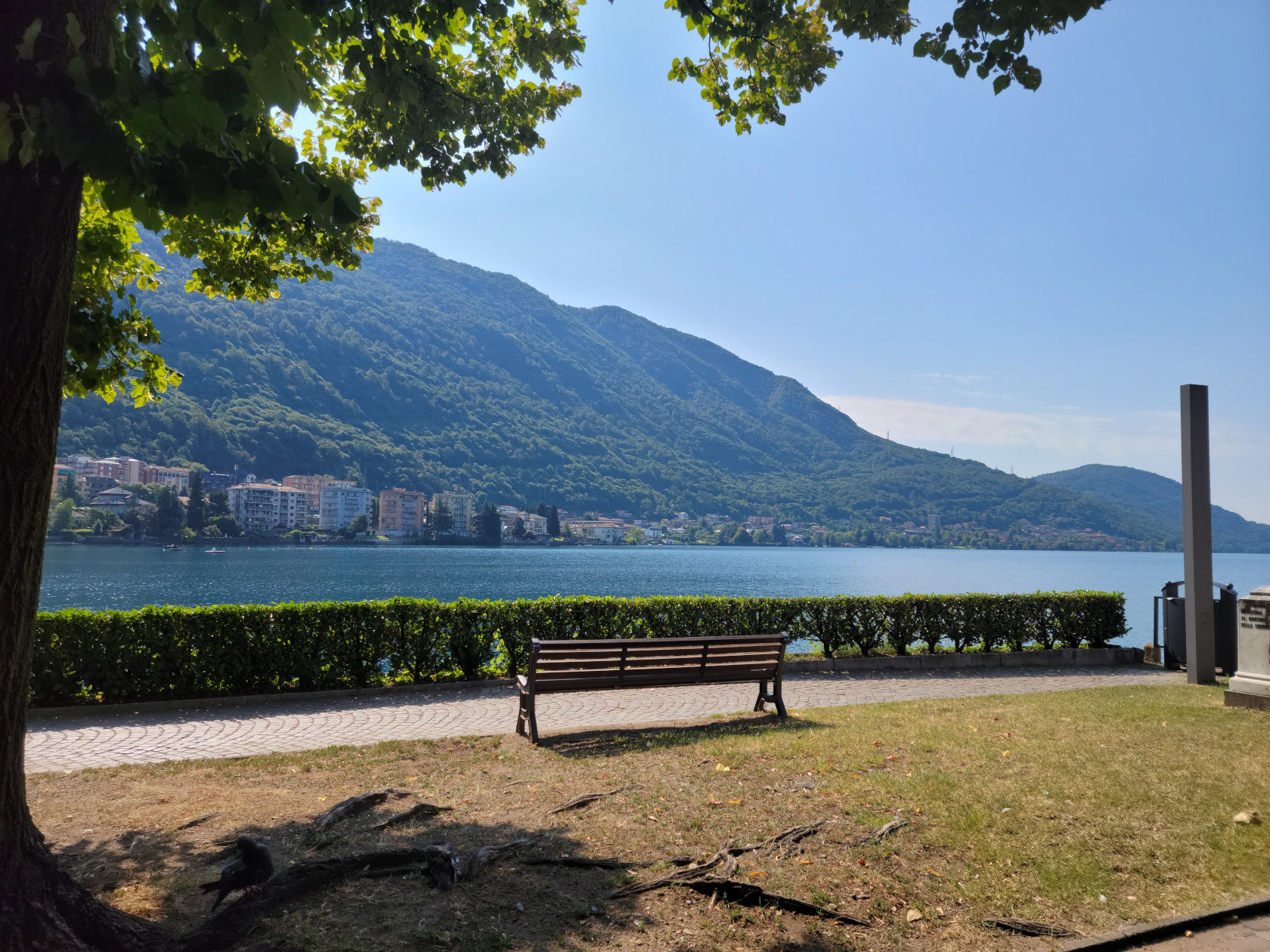
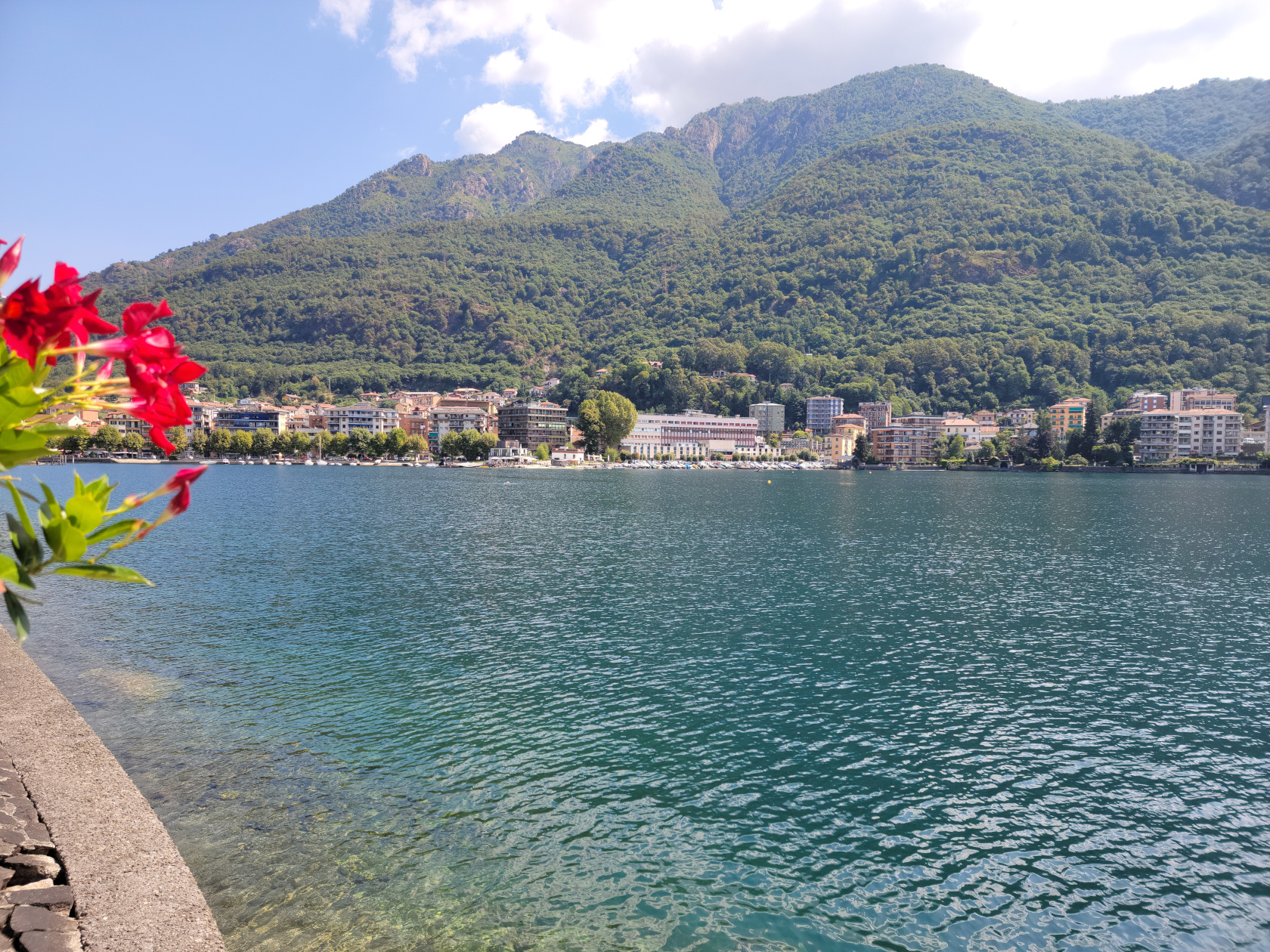
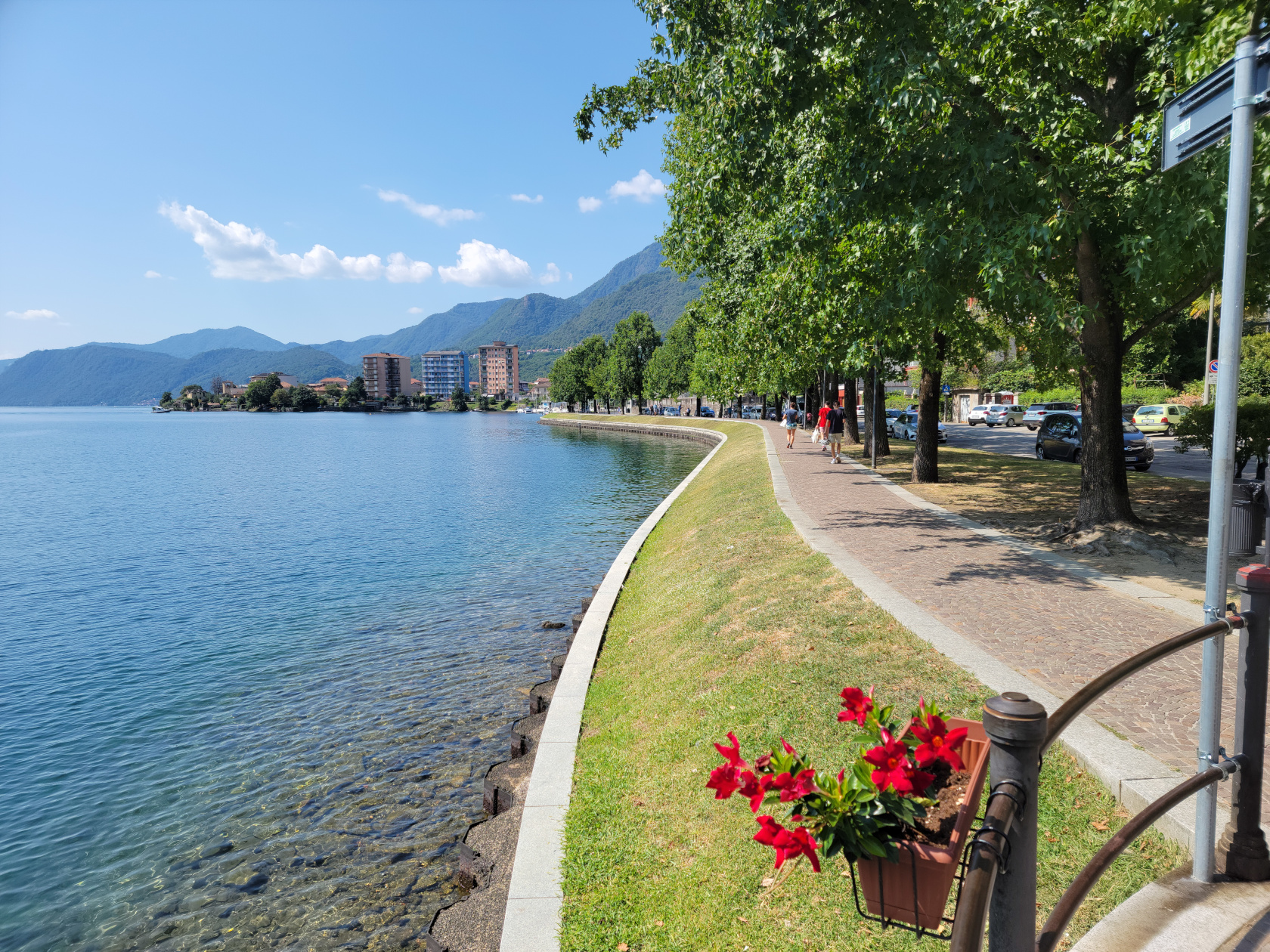
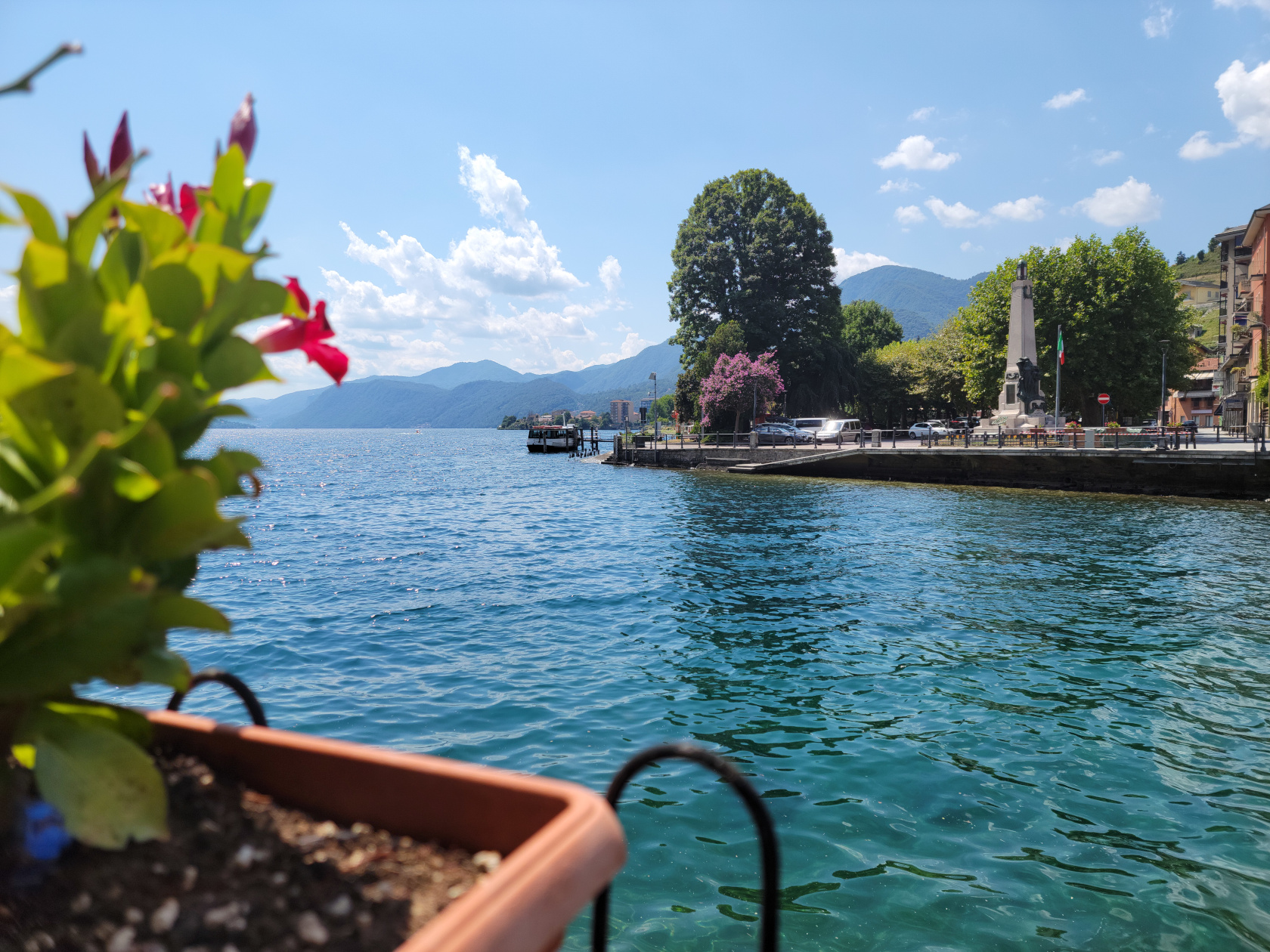
A popular tourist destination for the Swiss, Germans and Netherlanders is the small town of Luino on the northeast end of Lake Maggiore. The boat services on the lake are divided here for destinations north of it and south of it. From the south, especially from Stresa, it is difficult, if not impossible, to arrange a roundtrip to this town except on wednesdays. Even to get here by train is a three to five hour ordeal and roundtrips by rail or bus are all but out of the question. The town is truely lacking service from the southern end of the lake.
Other Boat Leaving – Lake Boat Trip – Luino, Italy
Luino
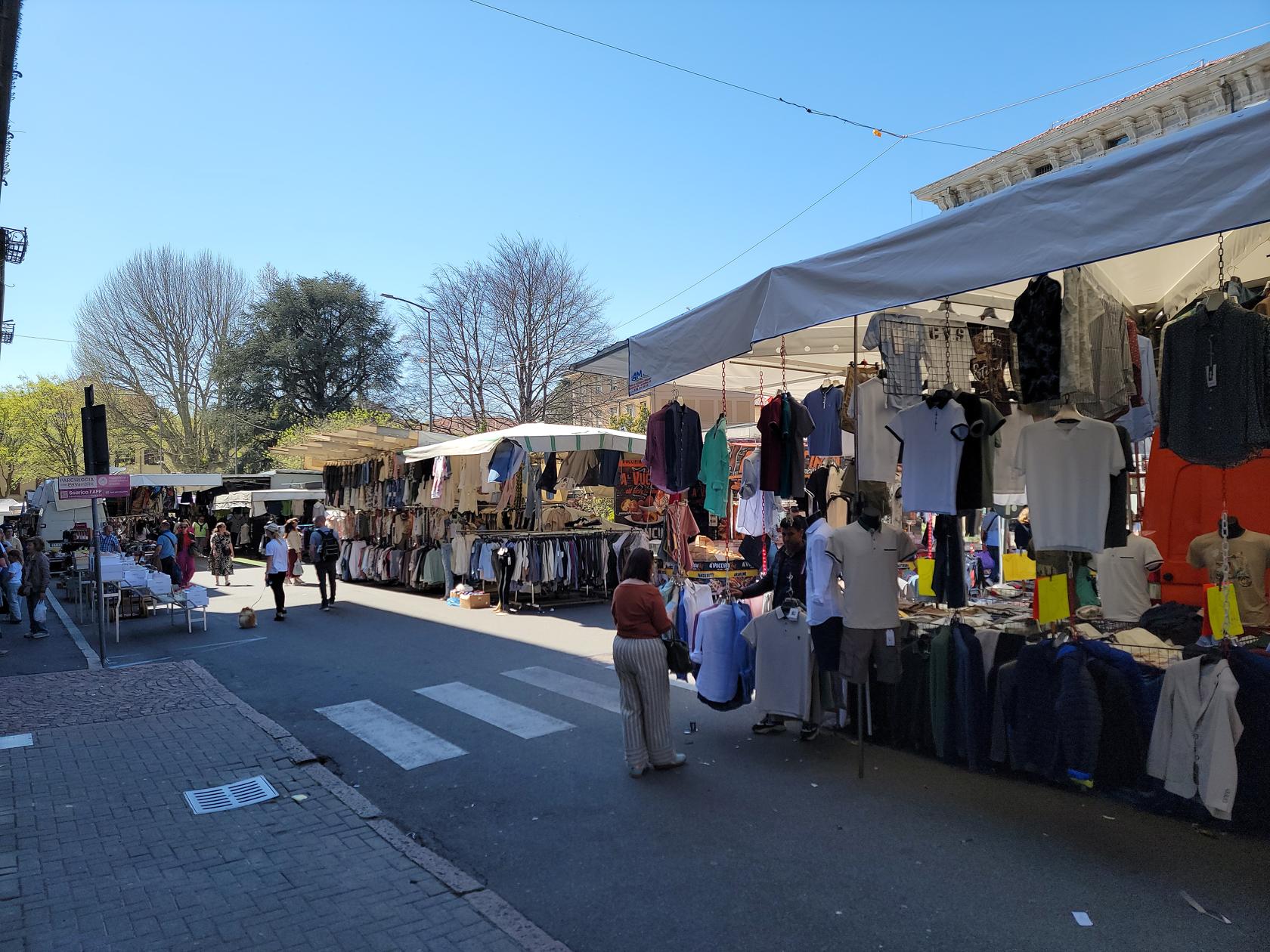
It seems a popular destination for people from the north, who are either staying in Switzerland or the nearby town of Cannobio. It is especially busy on Wednesdays, this is when the town holds its weekly market. [1]Proportedly the largest in Europe, but that is not possible. The one in Turin far eclipses it in size and weekly frequency, being open every day and not just the middle of the week.
Wednesday Market Place – Luino, Italy
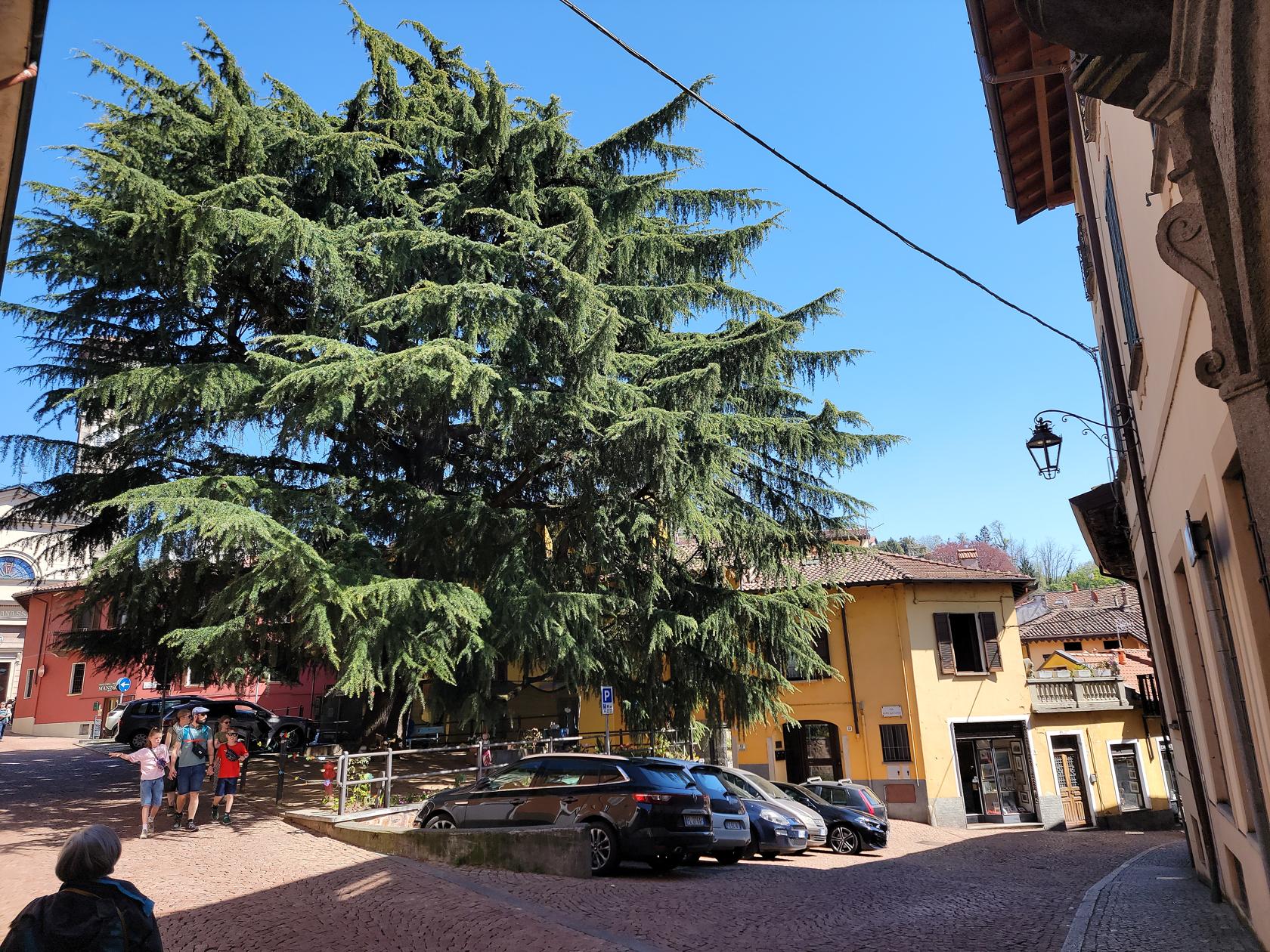
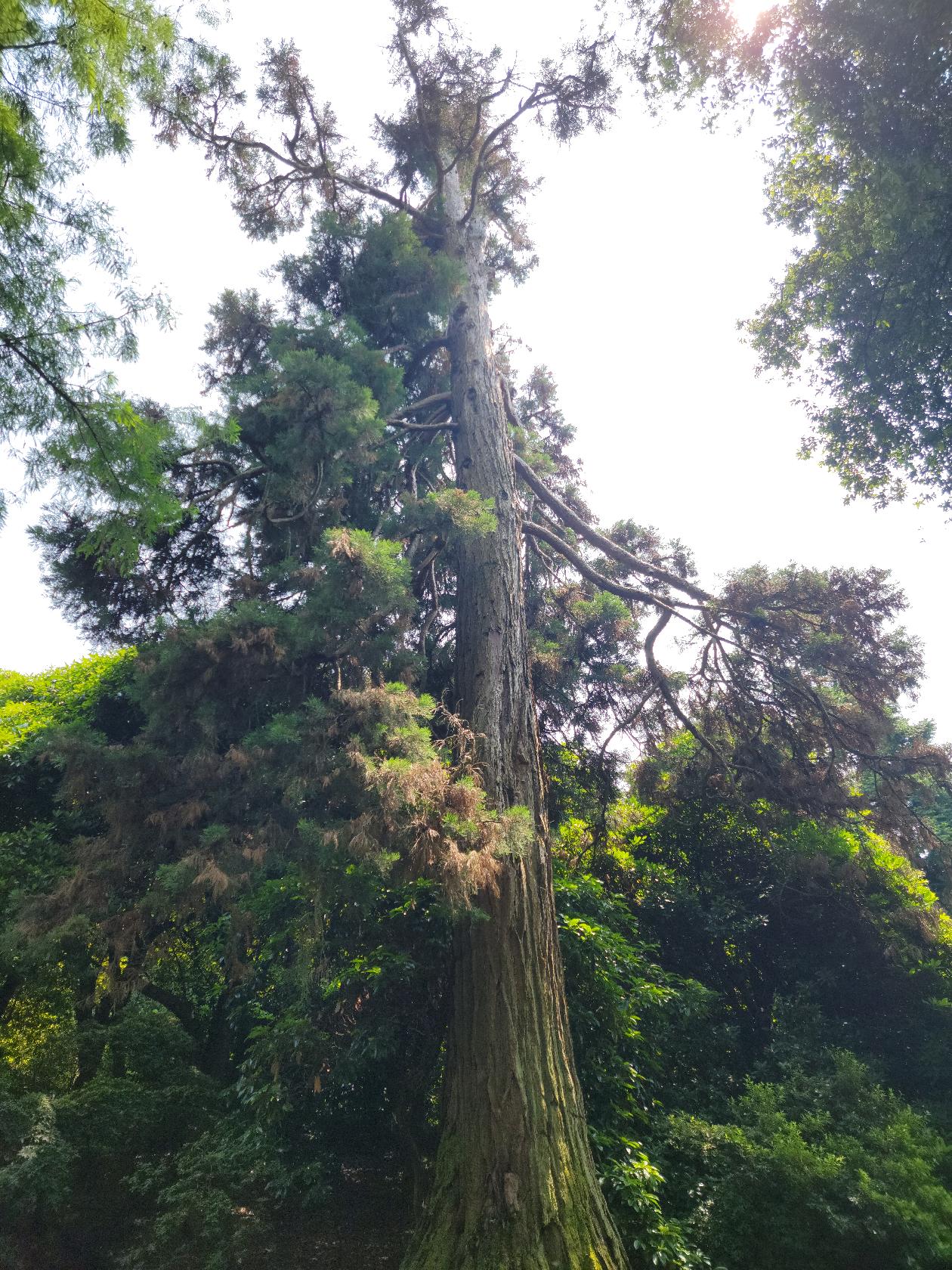
Hemlock Near Church Of Saints Peter And Paul – Luino, Italy
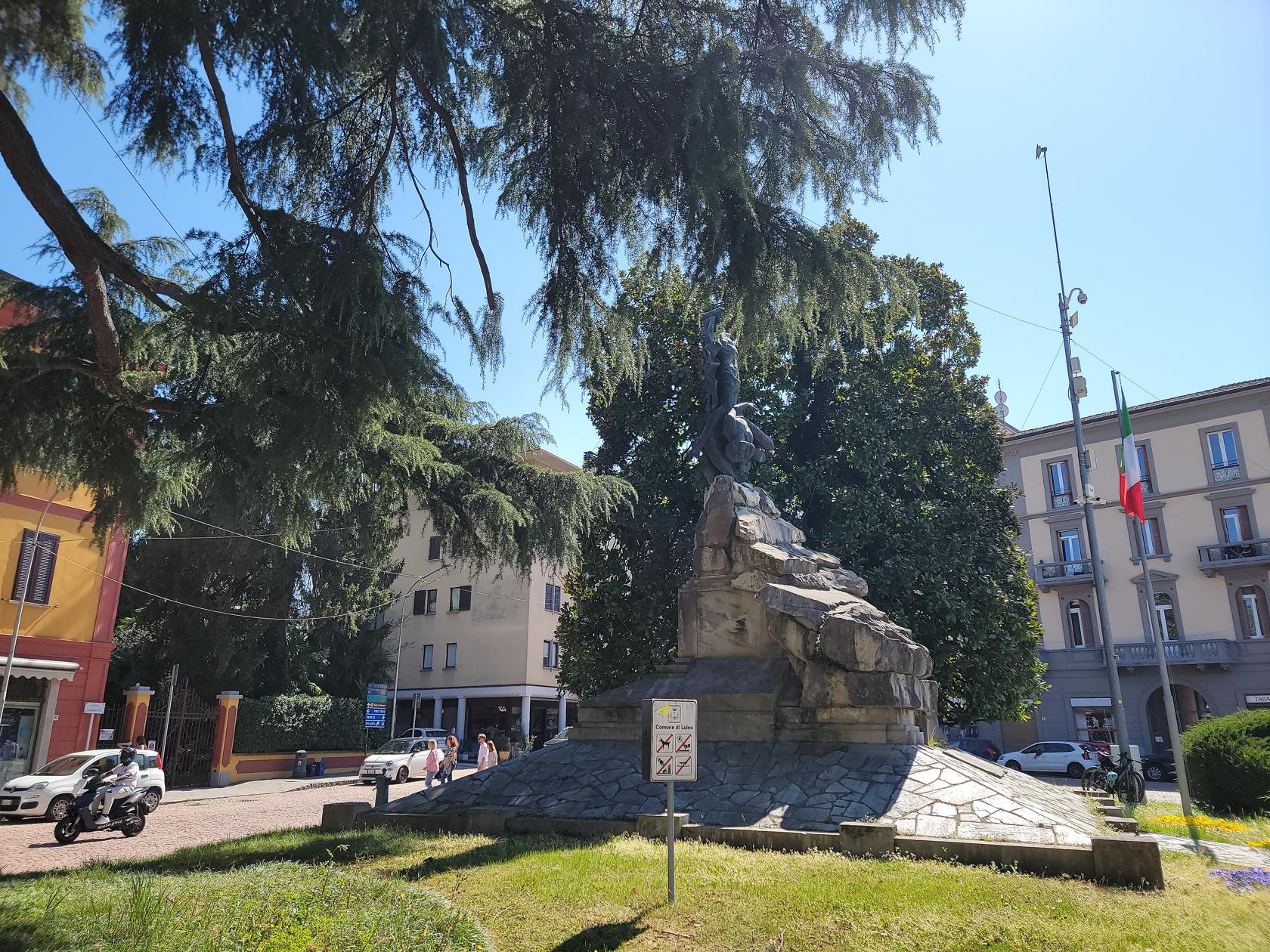
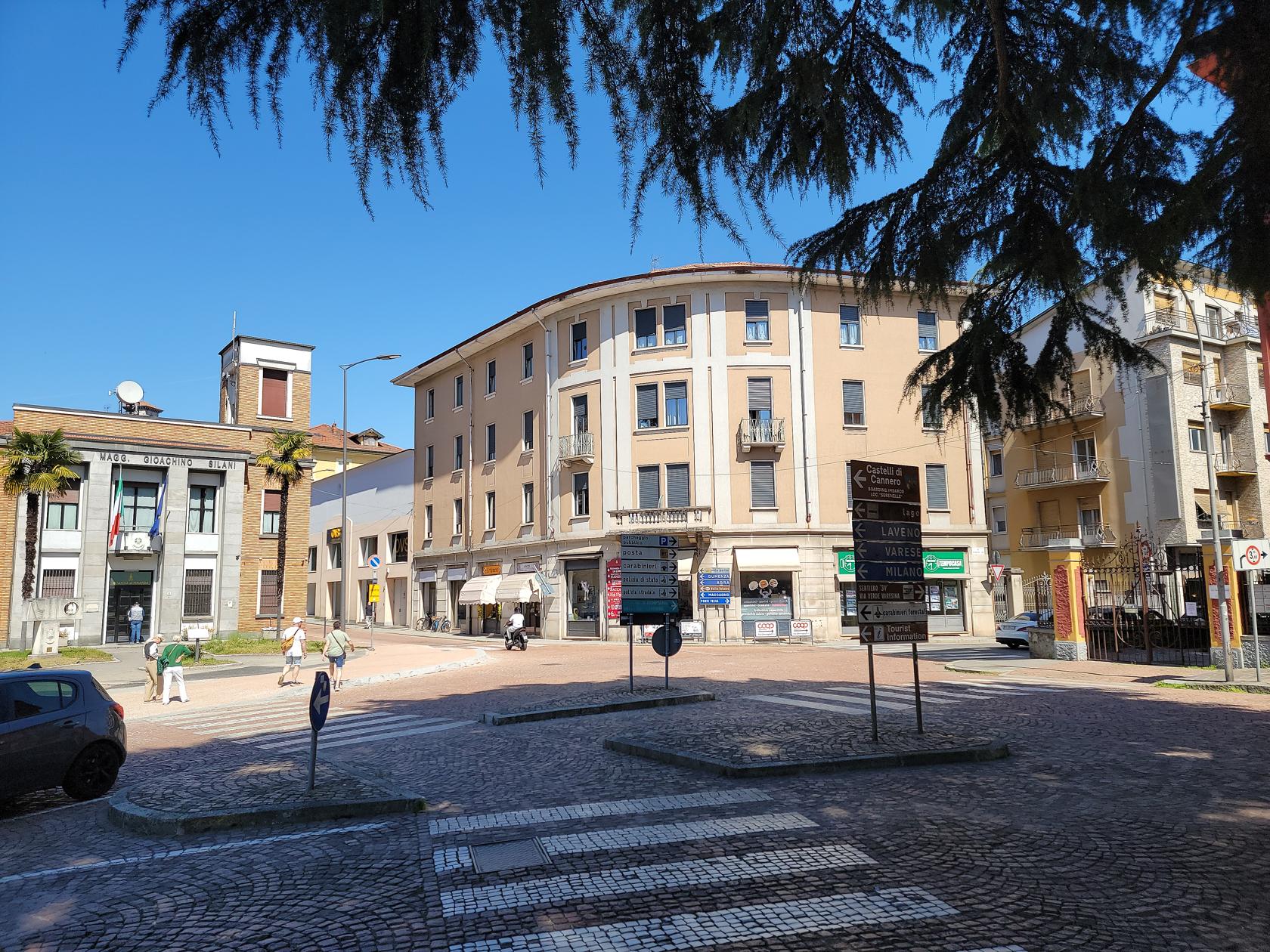
Piazza Risorgimento – Luino, Italy
Piazza Risorgimento – Luino, Italy
At one time the town was heavily industrialized and there were many textile factories here, which accounted for the terrible pollution the lake had to endure for years after its demise. Luckily today, the lake has considerably cleaner water that in the previous century.
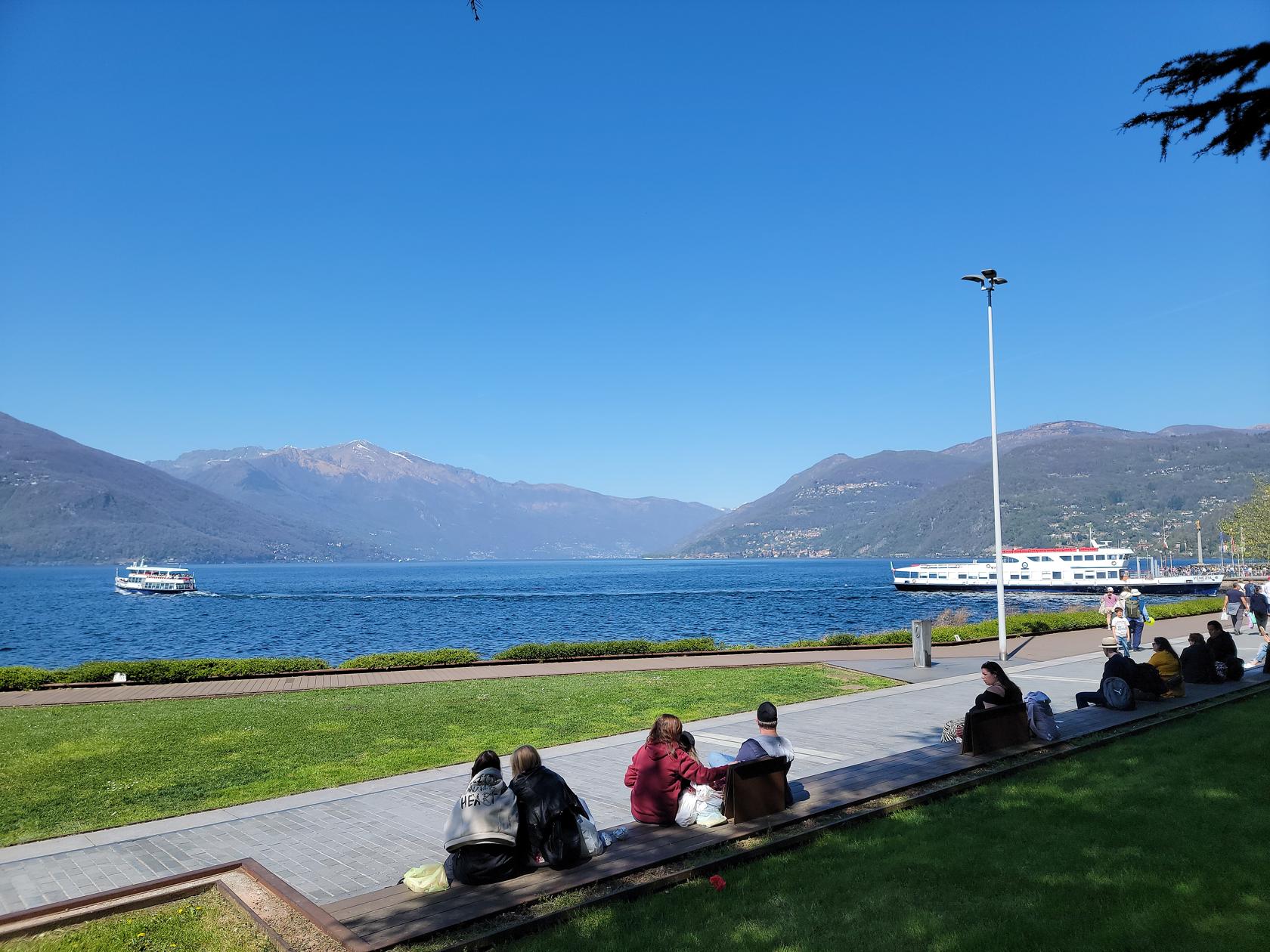
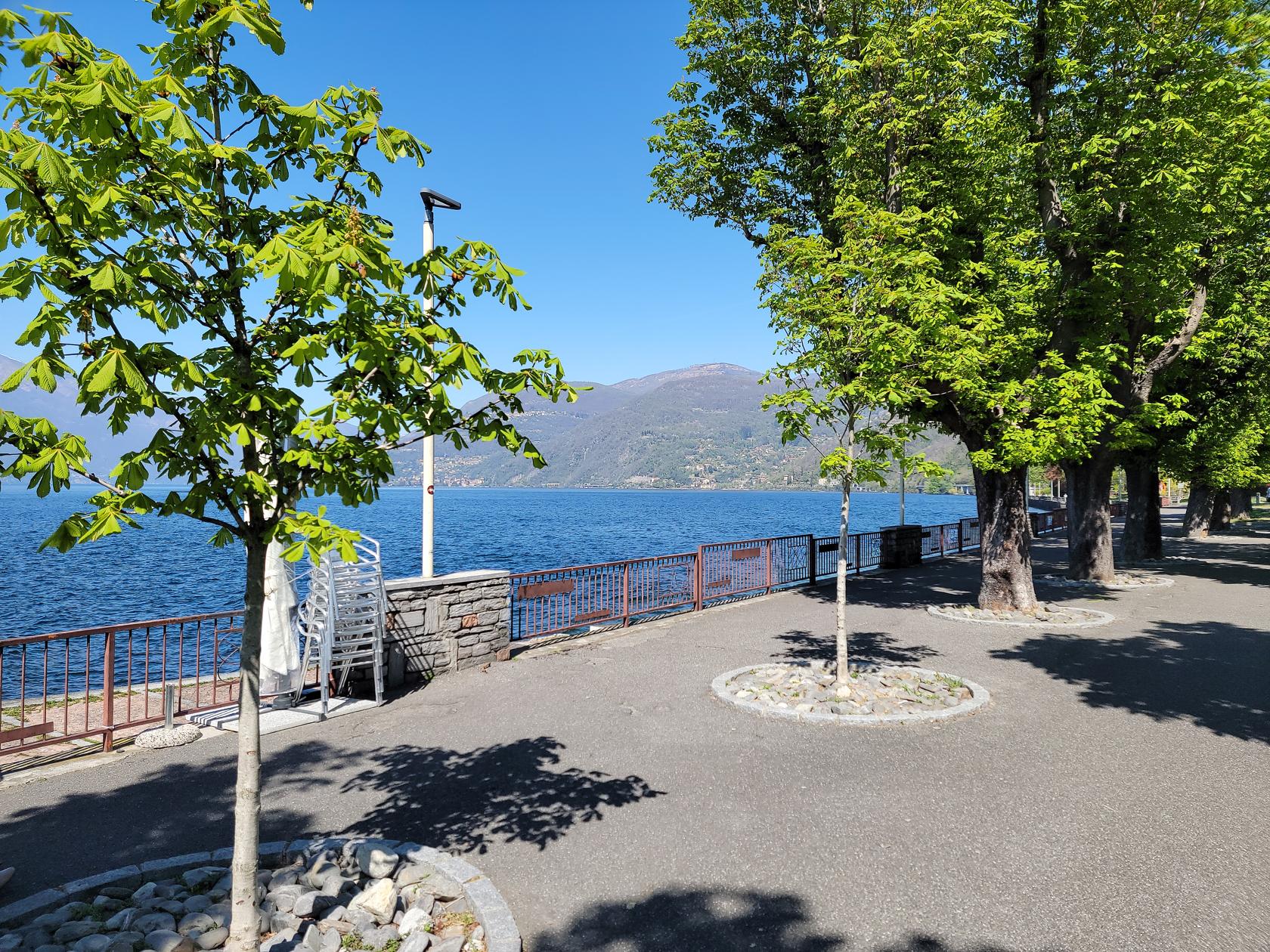
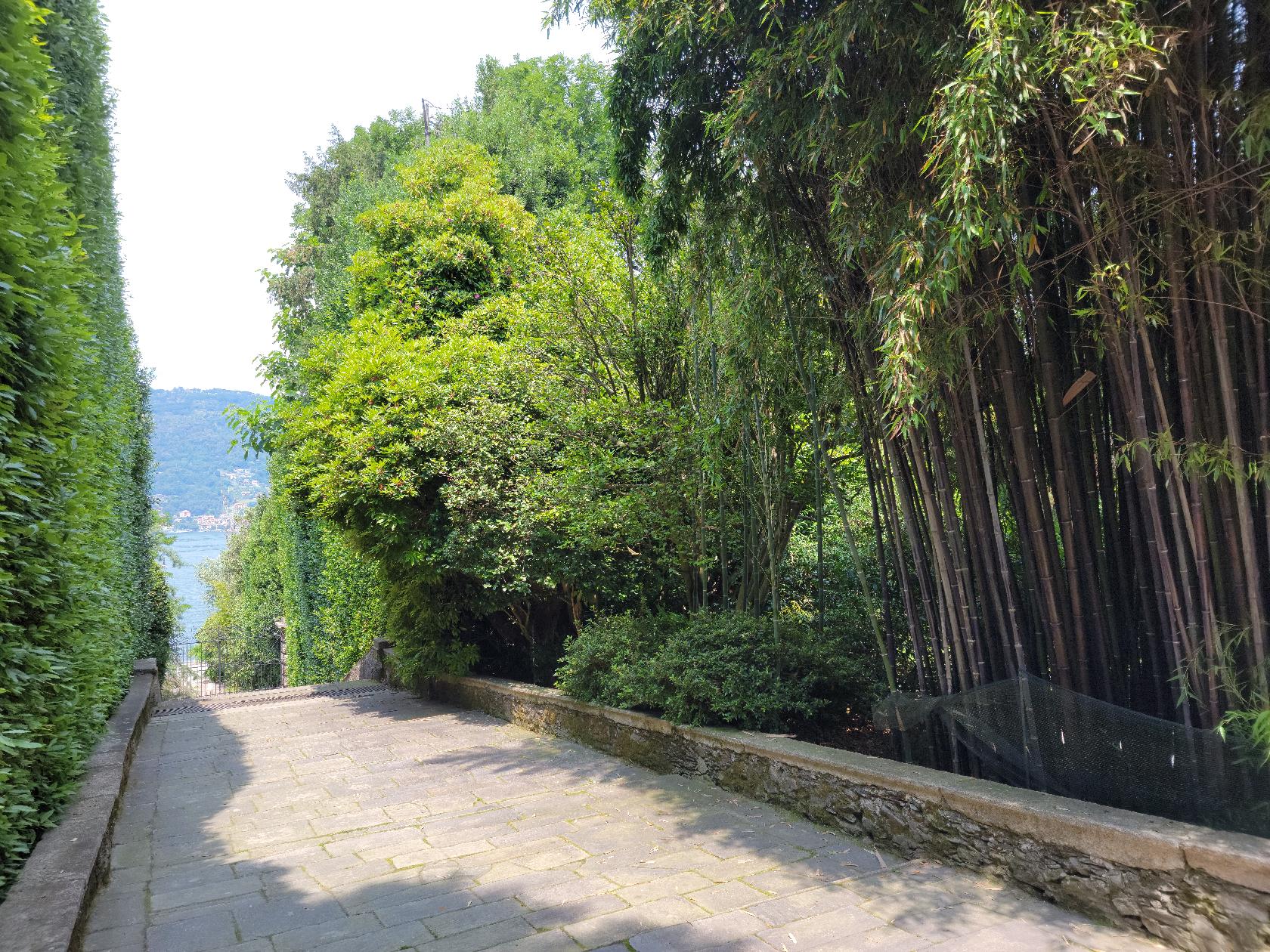
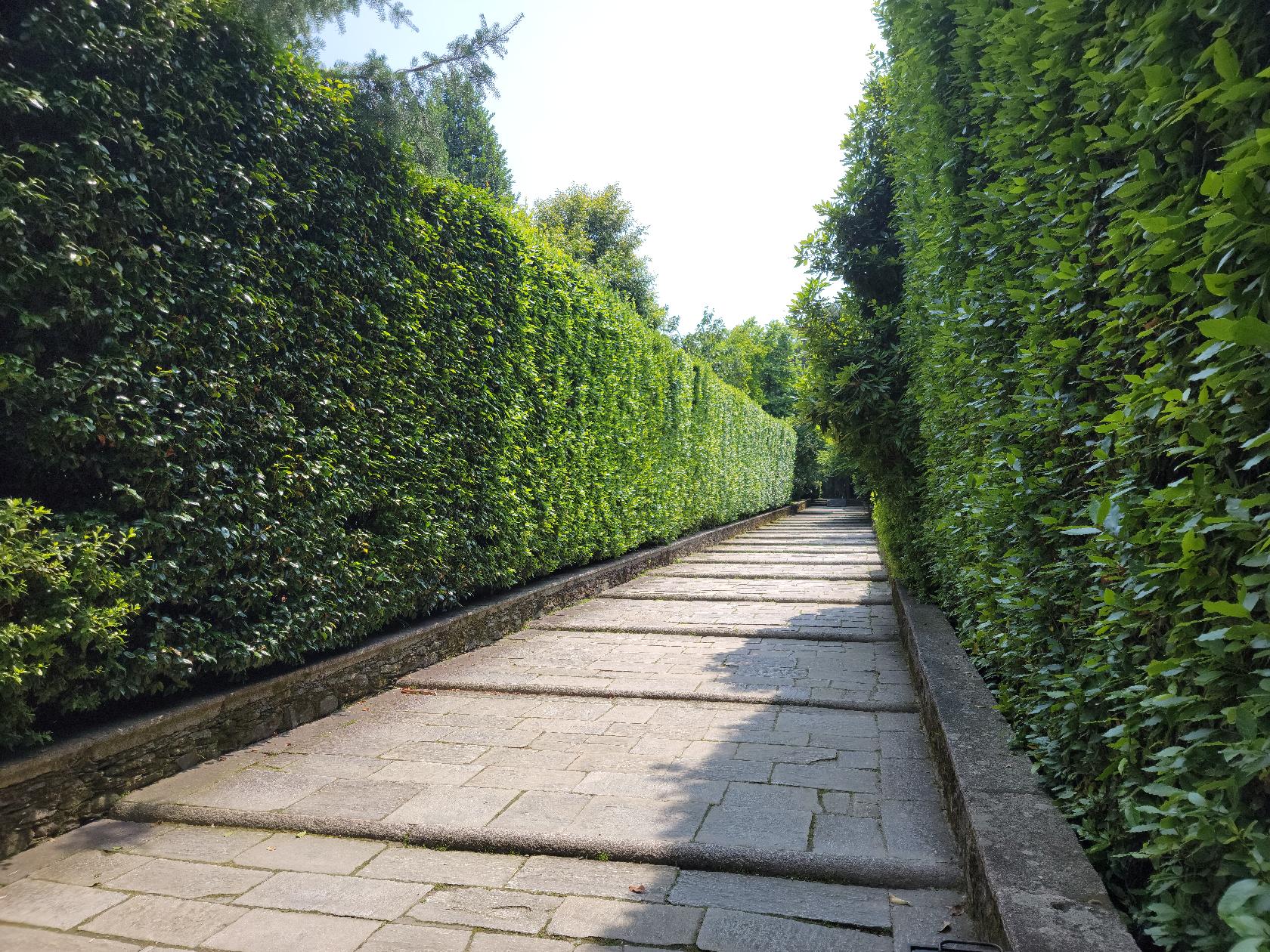
Lungolago – Luino, Italy
Lungolago – Luino, Italy
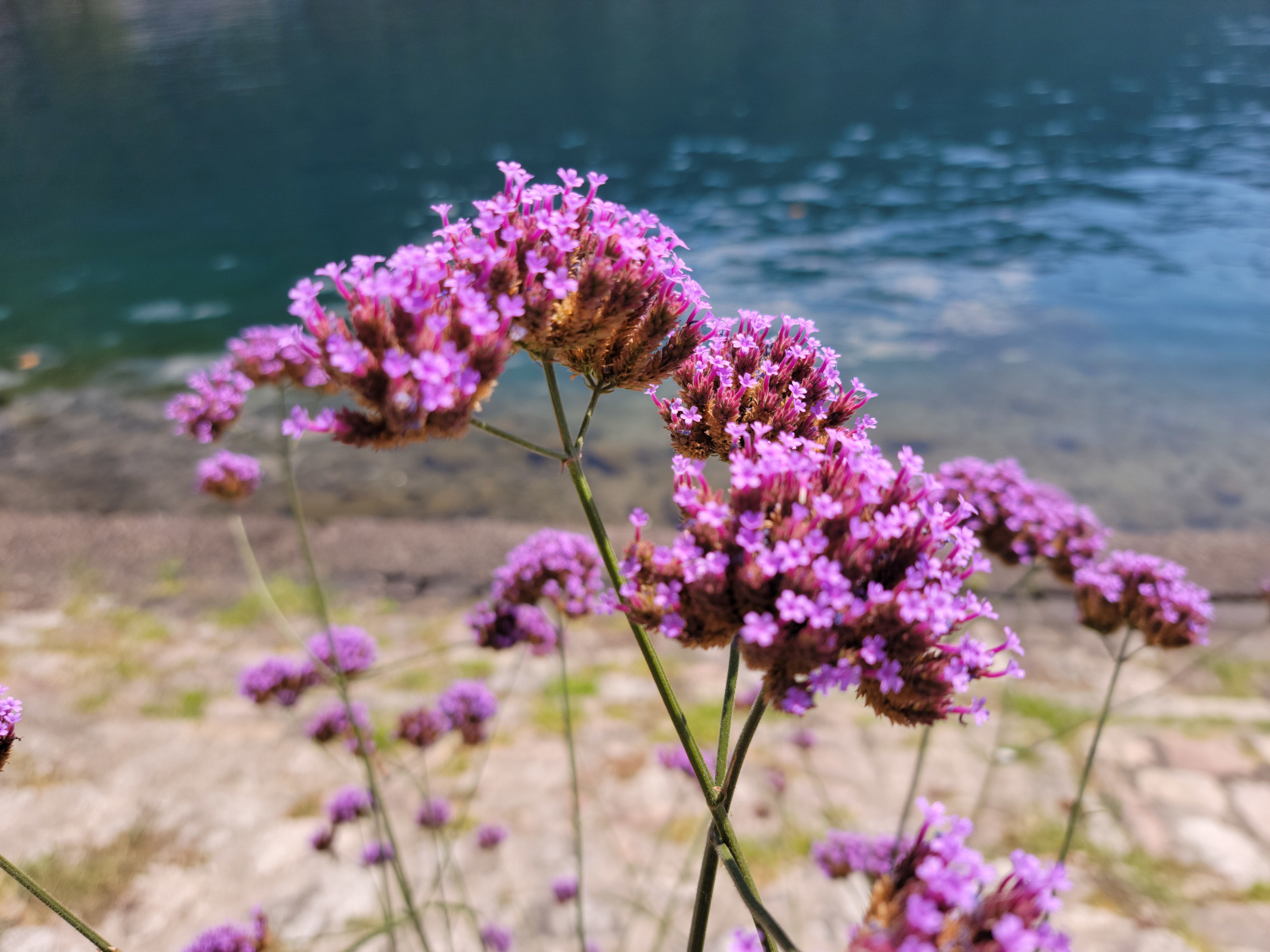
Lungolago – Luino, Italy
Lungolago – Luino, Italy
Getting There
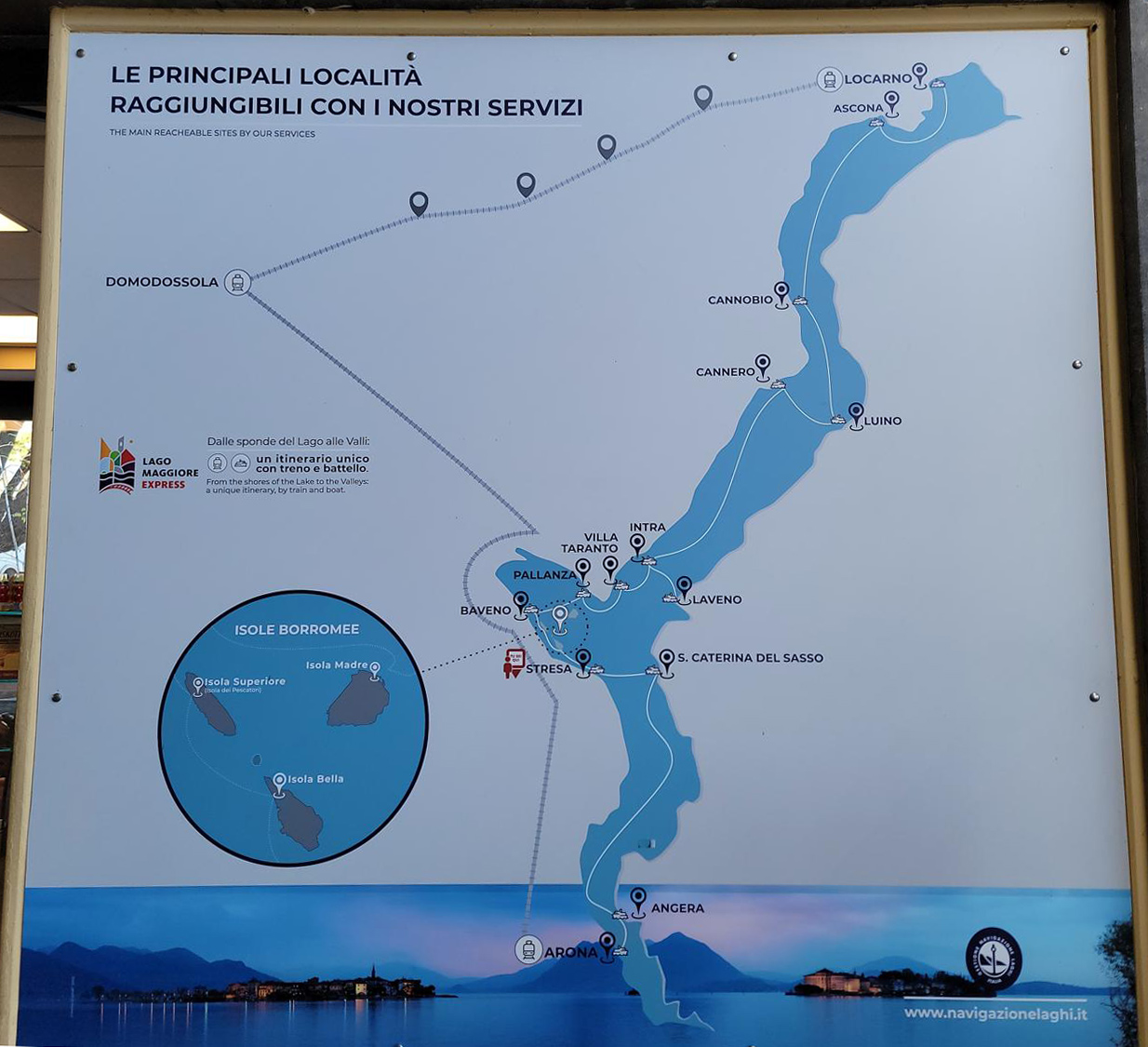
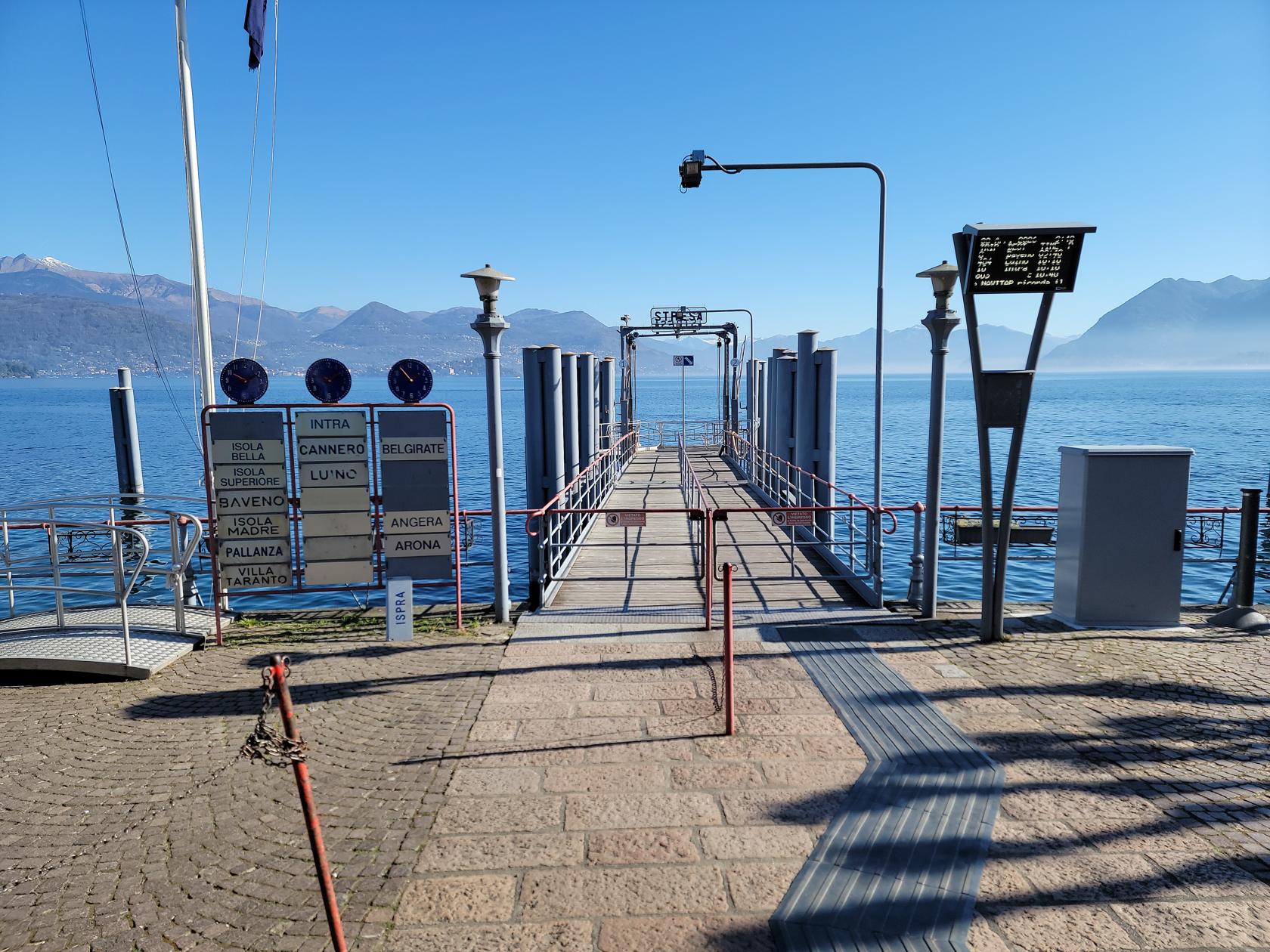
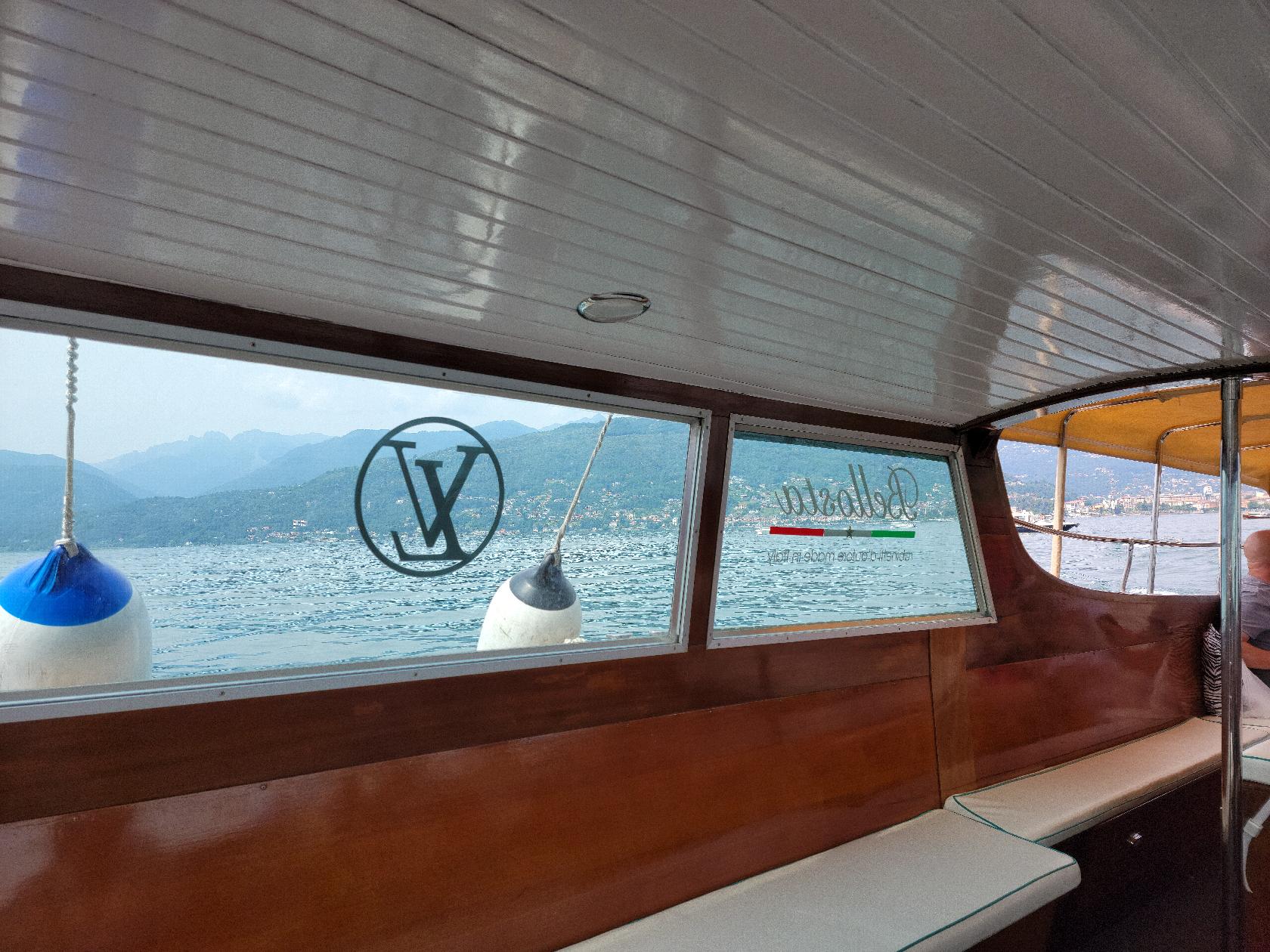
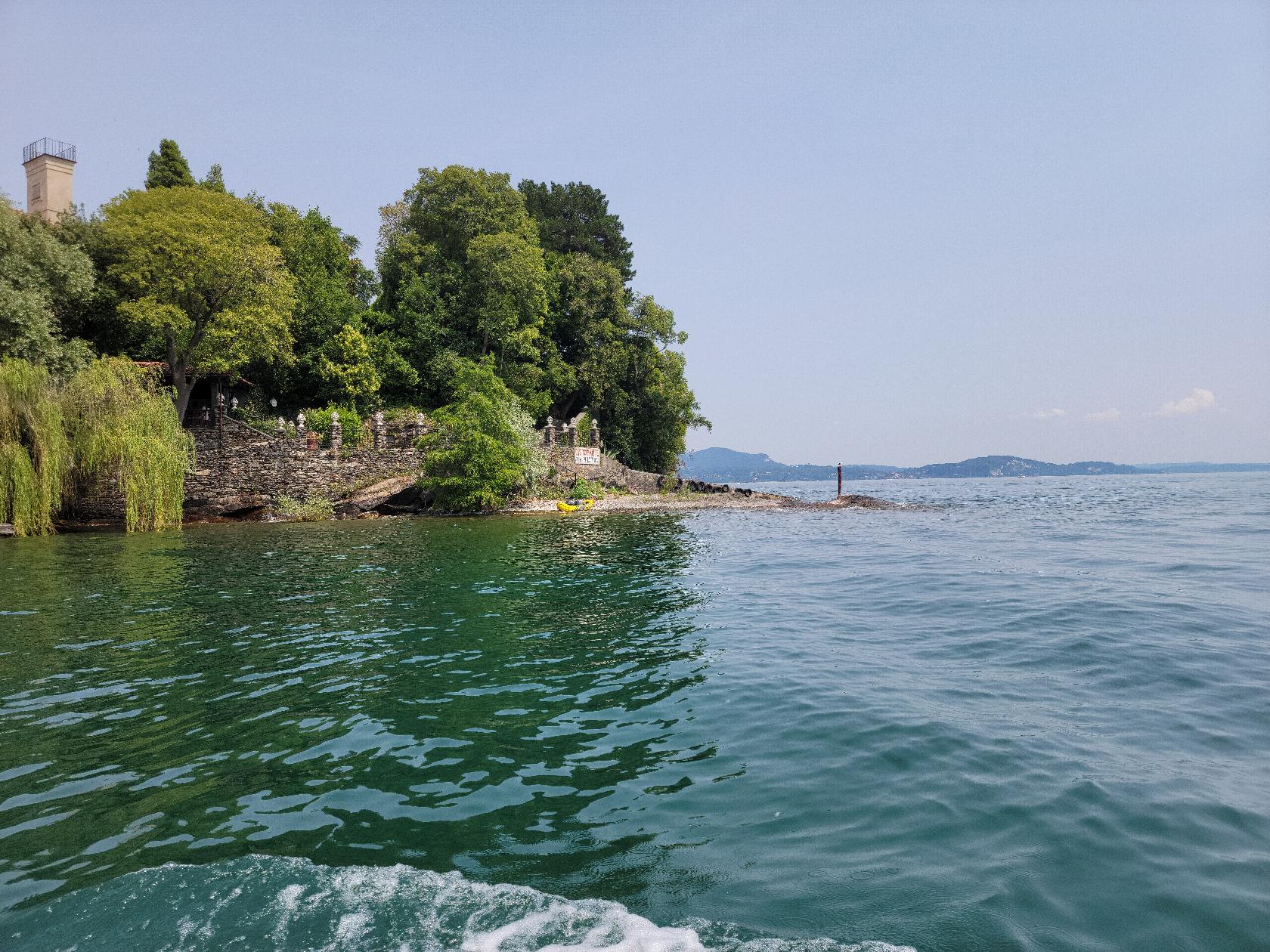
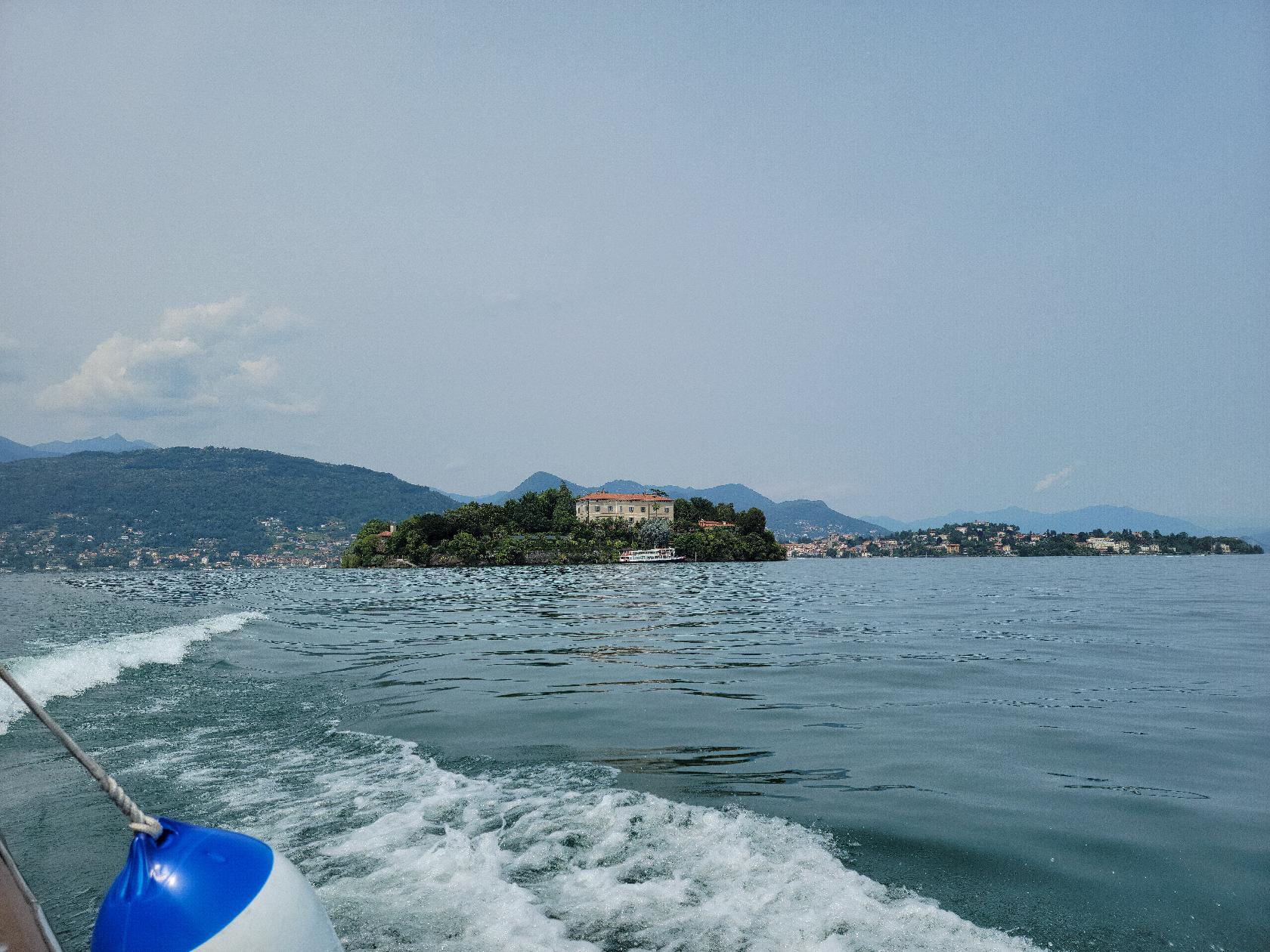
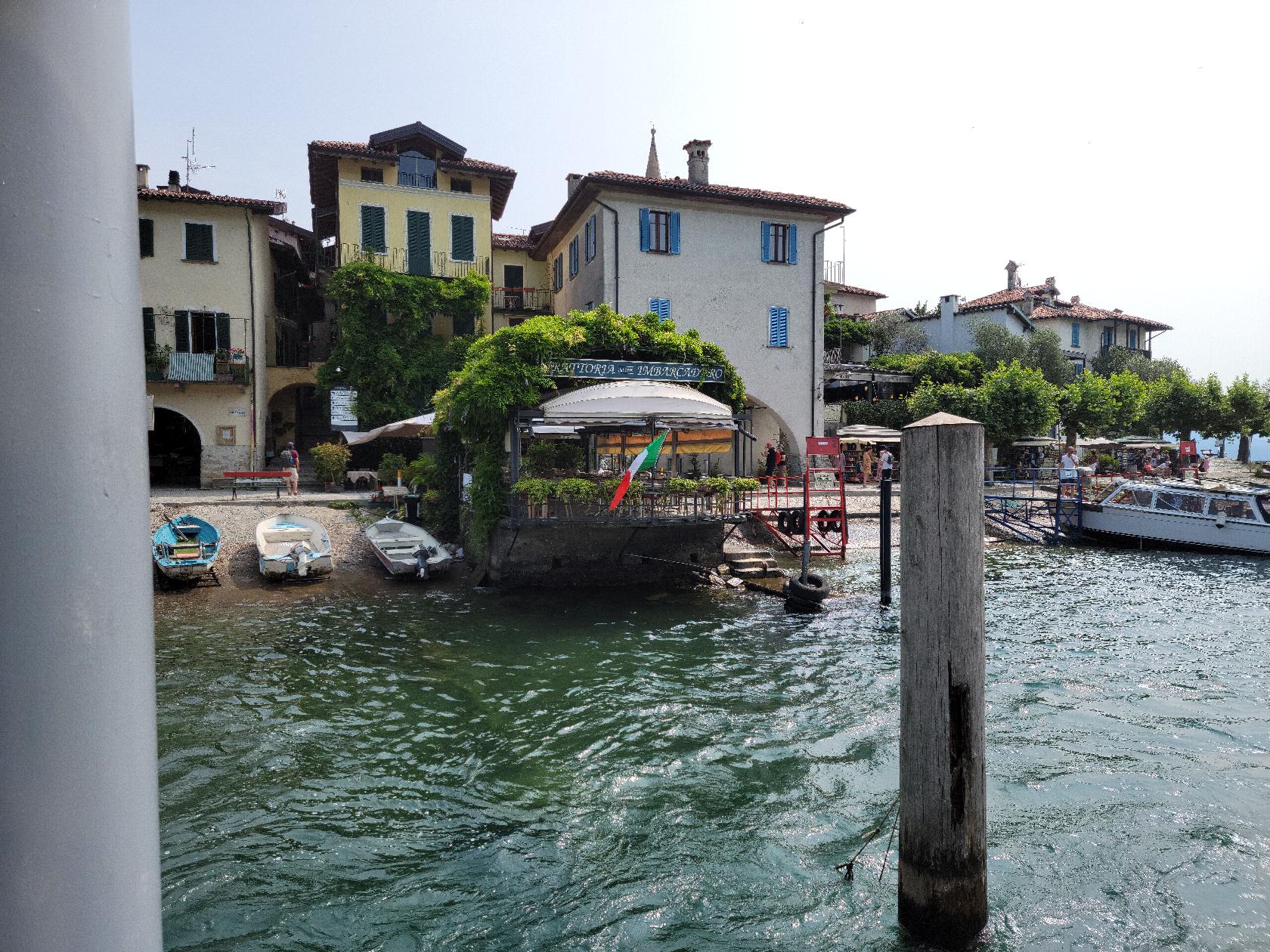
From the north, the map shows all traffic by boat going through Cannobio. From the south, we took the boat from Stresa. From there we stopped a half dozen times before reaching our destination.
Navigation Map – Lake Boat Trip – Luino, Italy
Stresa Boat Dock – Lake Boat Trip – Luino, Italy
It should be noted, if you are traveling from the south and want to go further than Luino, you can, you just may have to change boats in Luino.
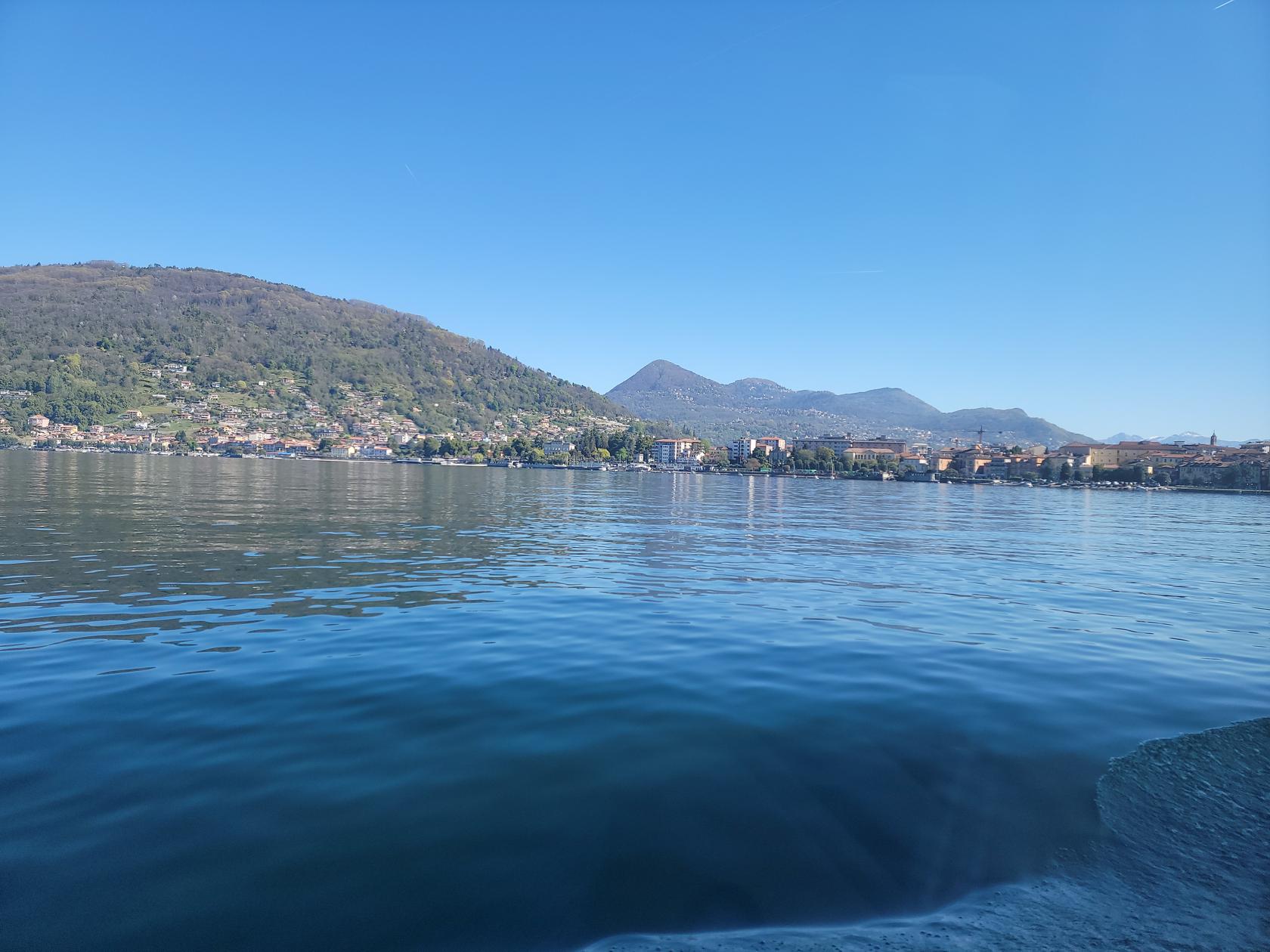
Beautiful Day – Lake Boat Trip – Luino, Italy
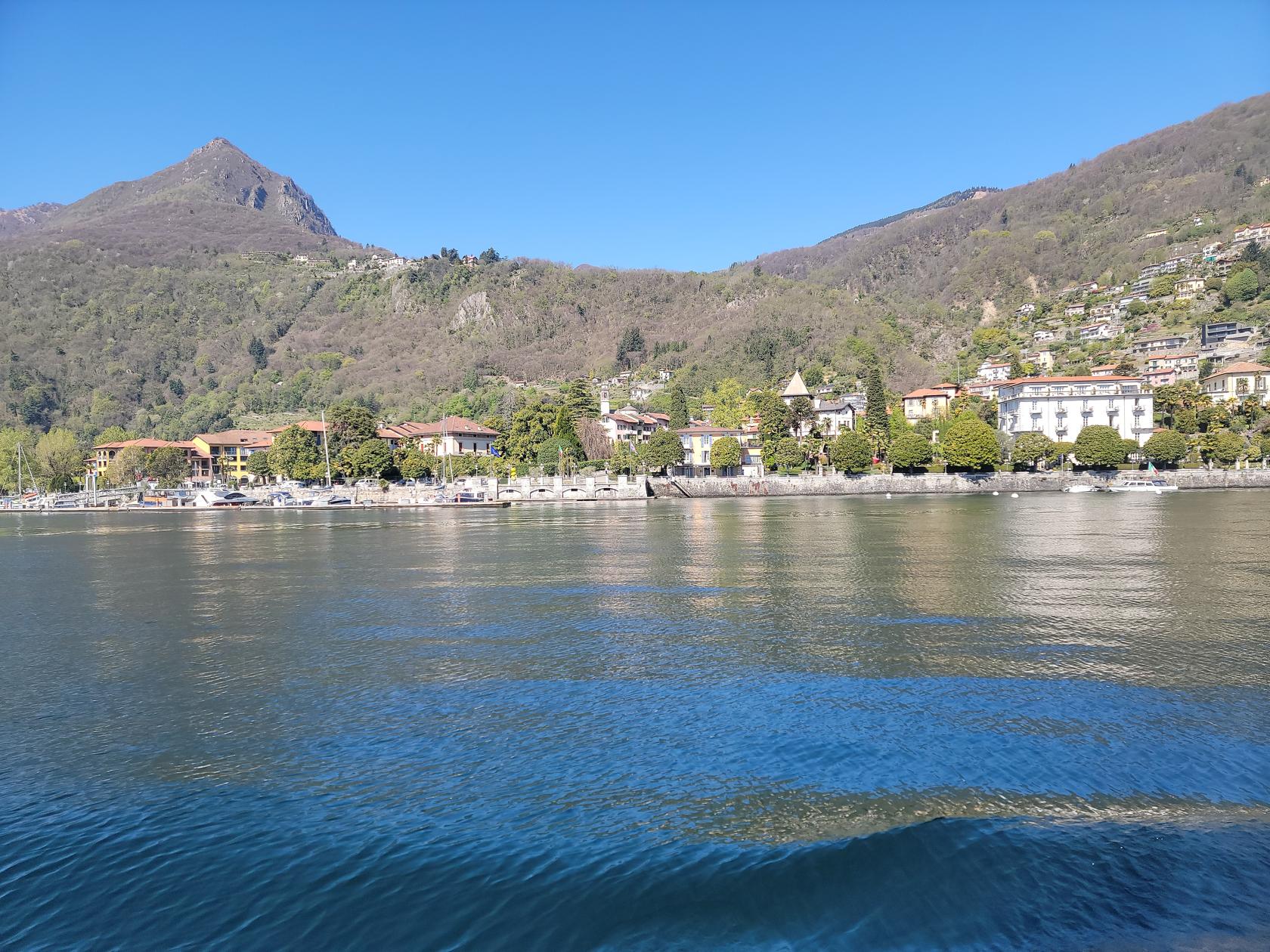
Coming Into Our First Stop – Lake Boat Trip – Luino, Italy
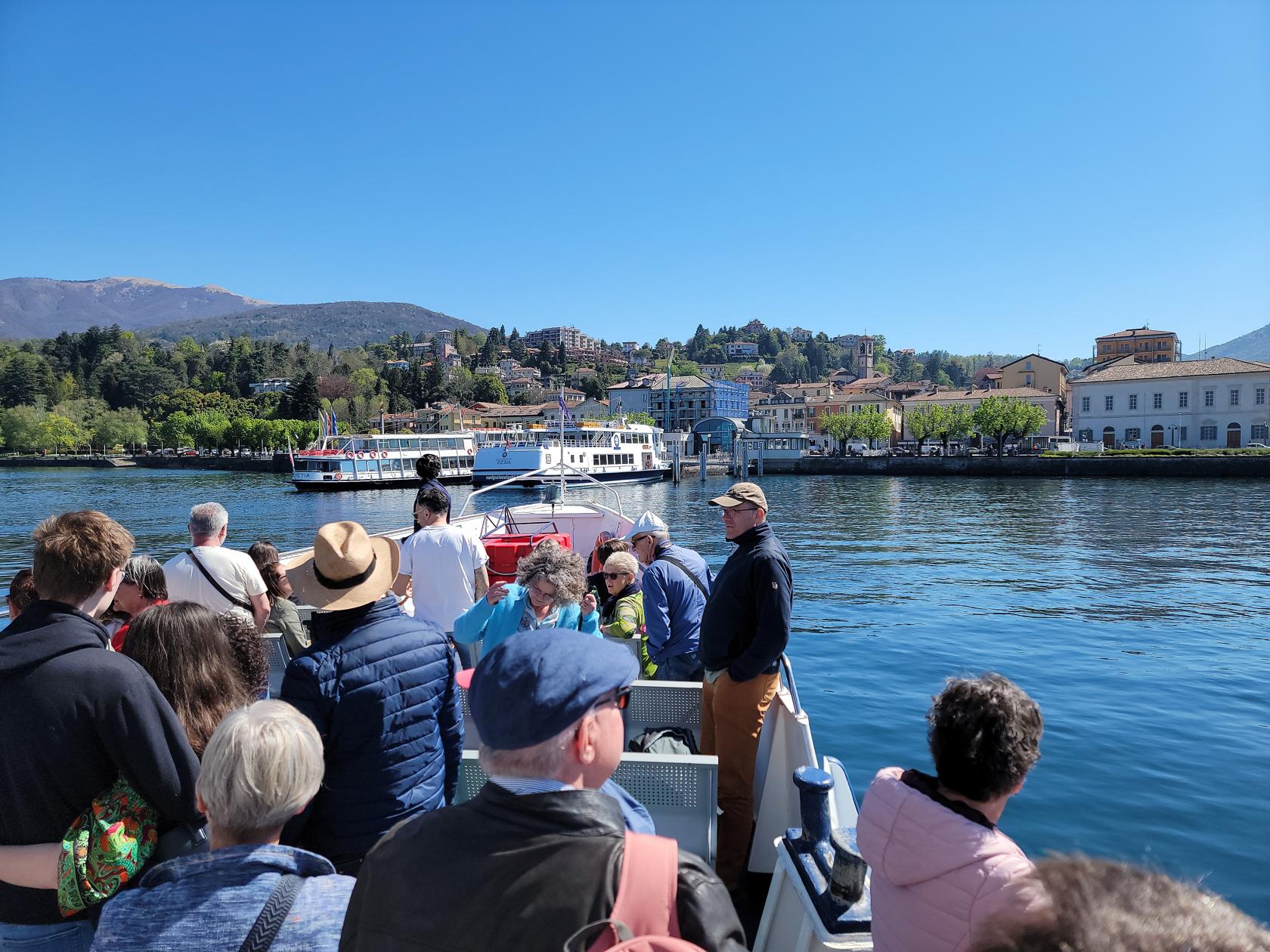
Arriving In Luino – Lake Boat Trip – Luino, Italy
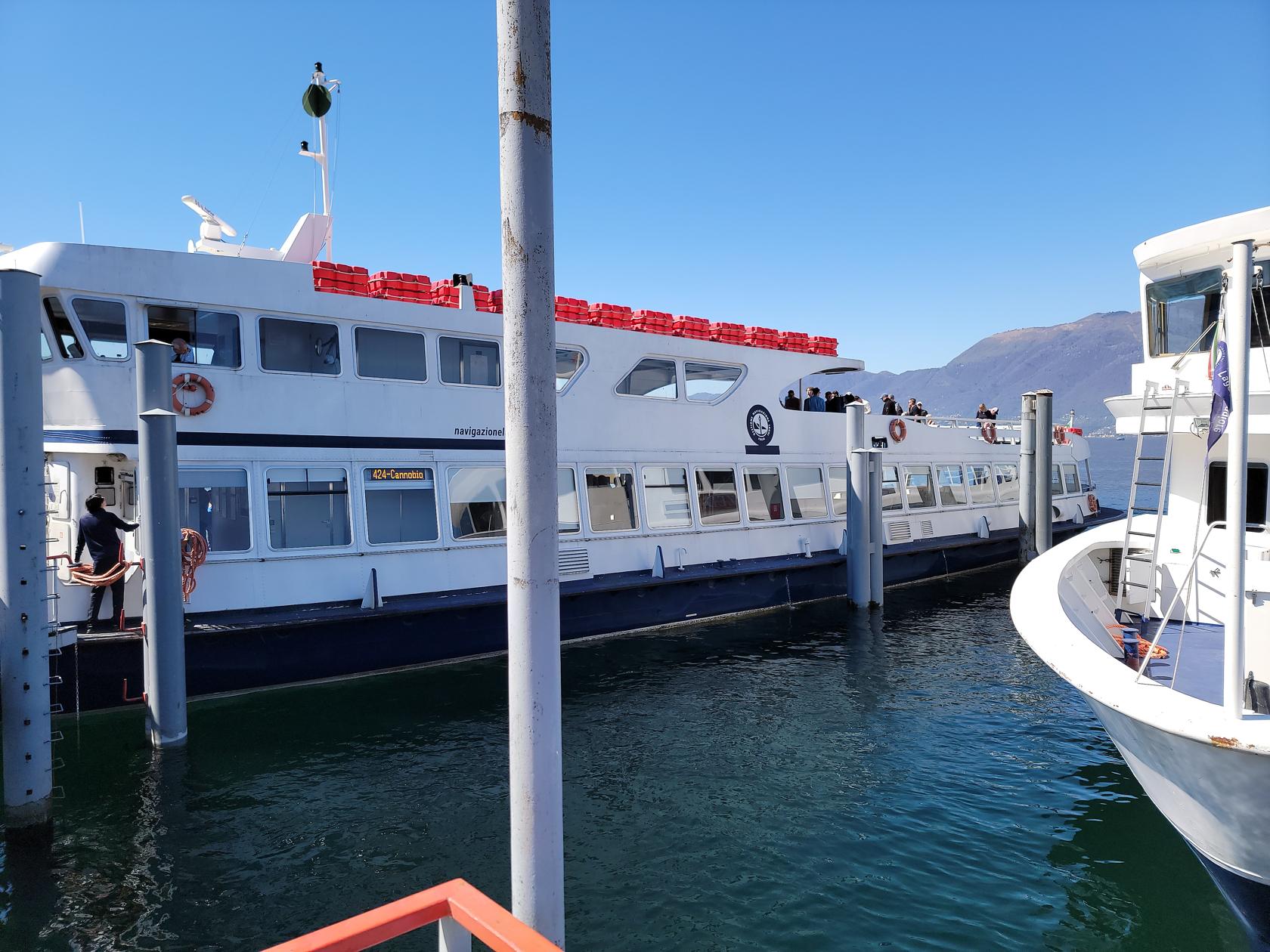
Our Boat – Lake Boat Trip – Luino, Italy
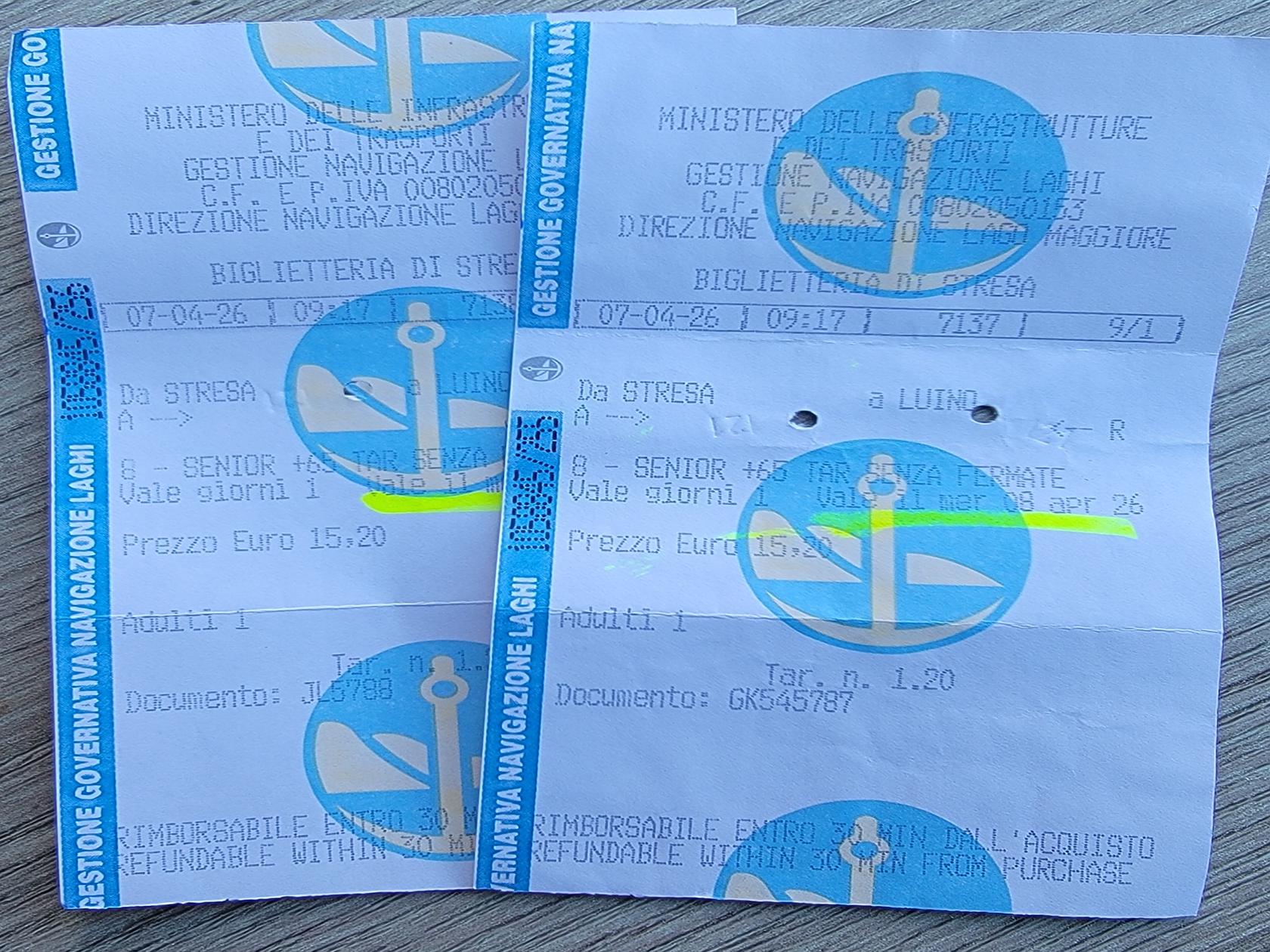
From Stresa the trip is not inexpensive to Luino. For roundtrip tickets it cost us €15.20 per person[2]or about $18 per person.
Tickets For Two – Lake Boat Trip – Luino, Italy
Church of Saints Peter and Paul
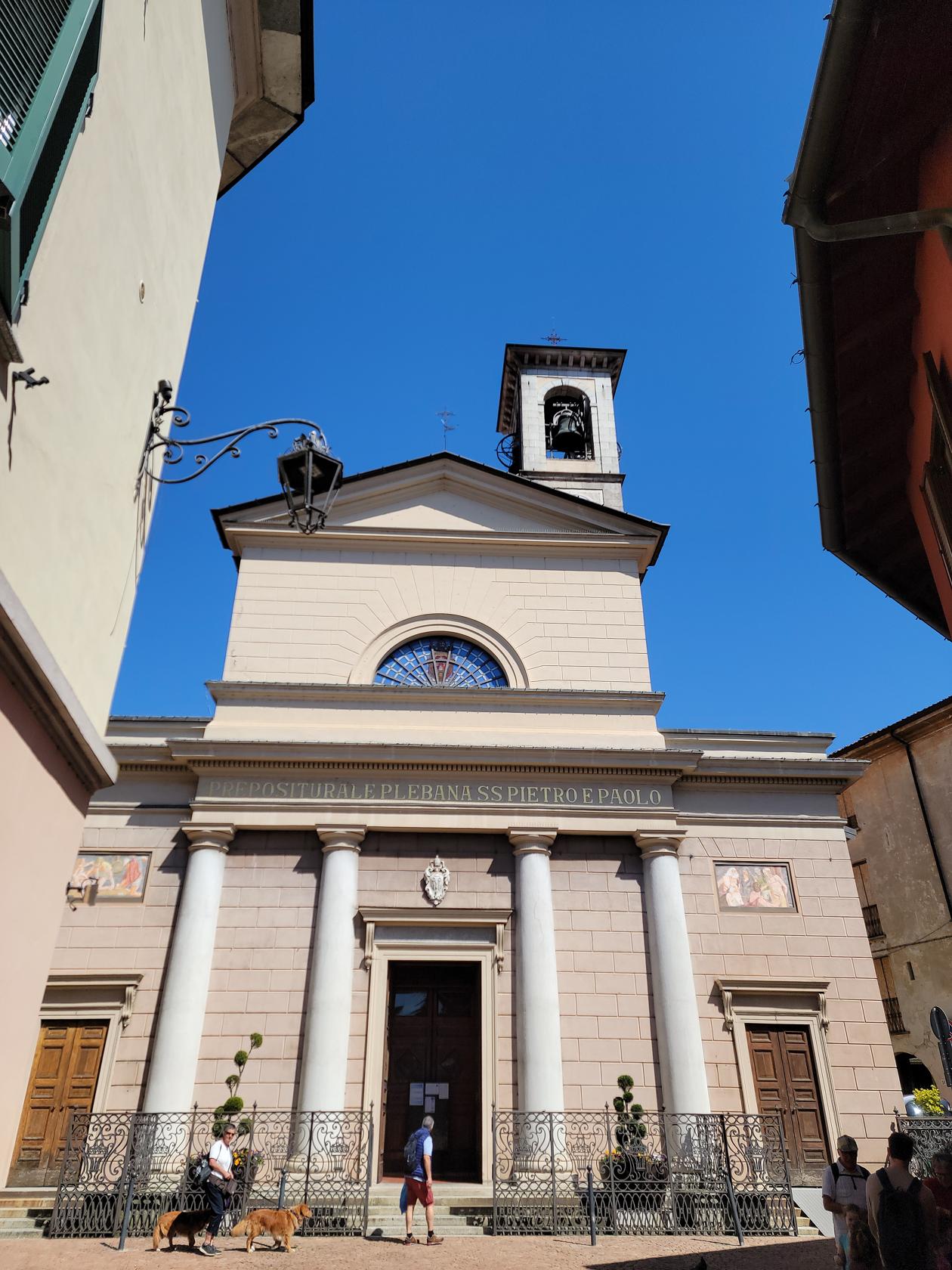
A walk through the town and above most if, you will find the Church of Saints Peter and Paul. An unusual church which looks more like an administrative building than a church.
Front And Entrance – Church Of Saints Peter And Paul – Luino, Italy
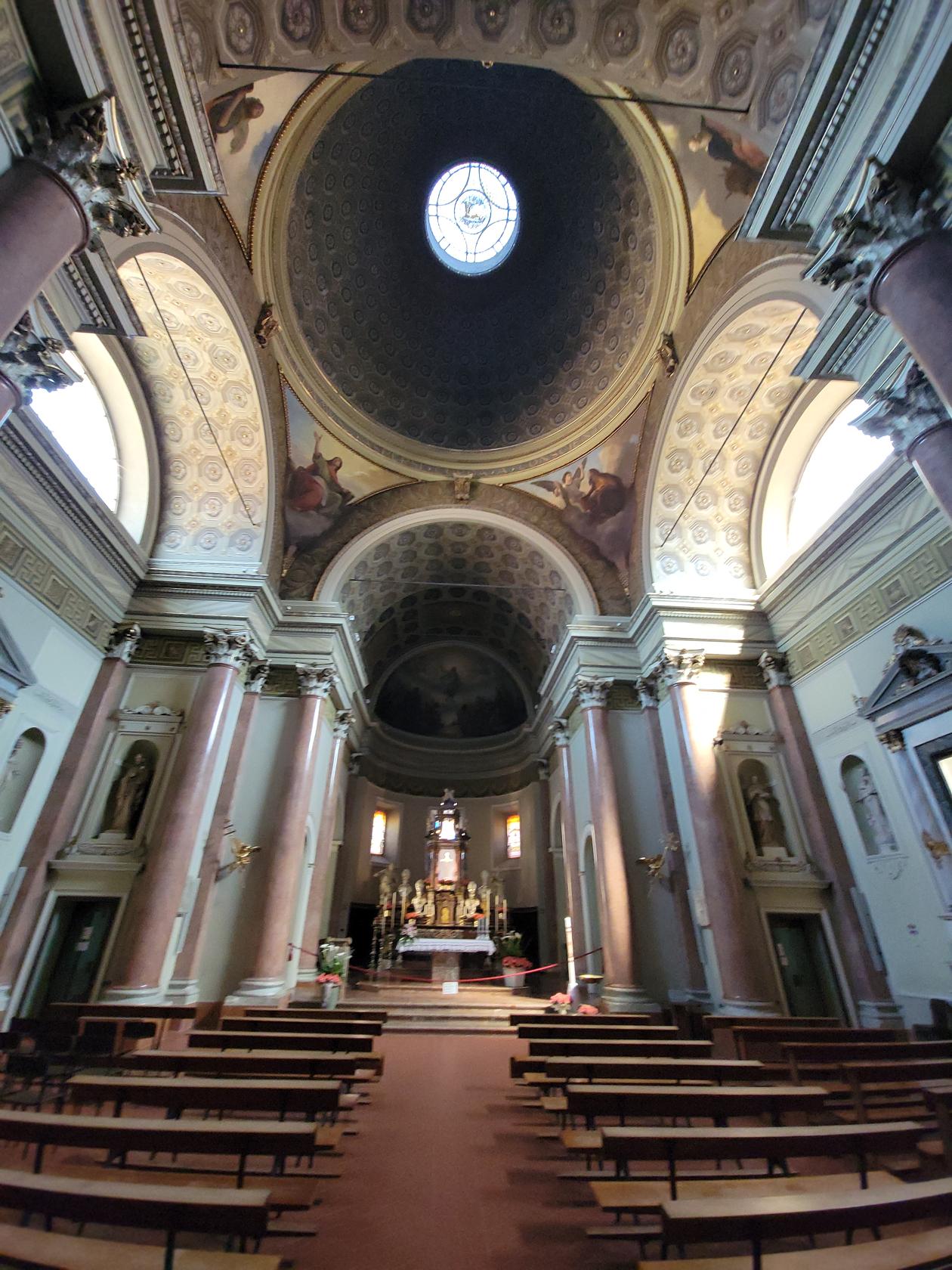
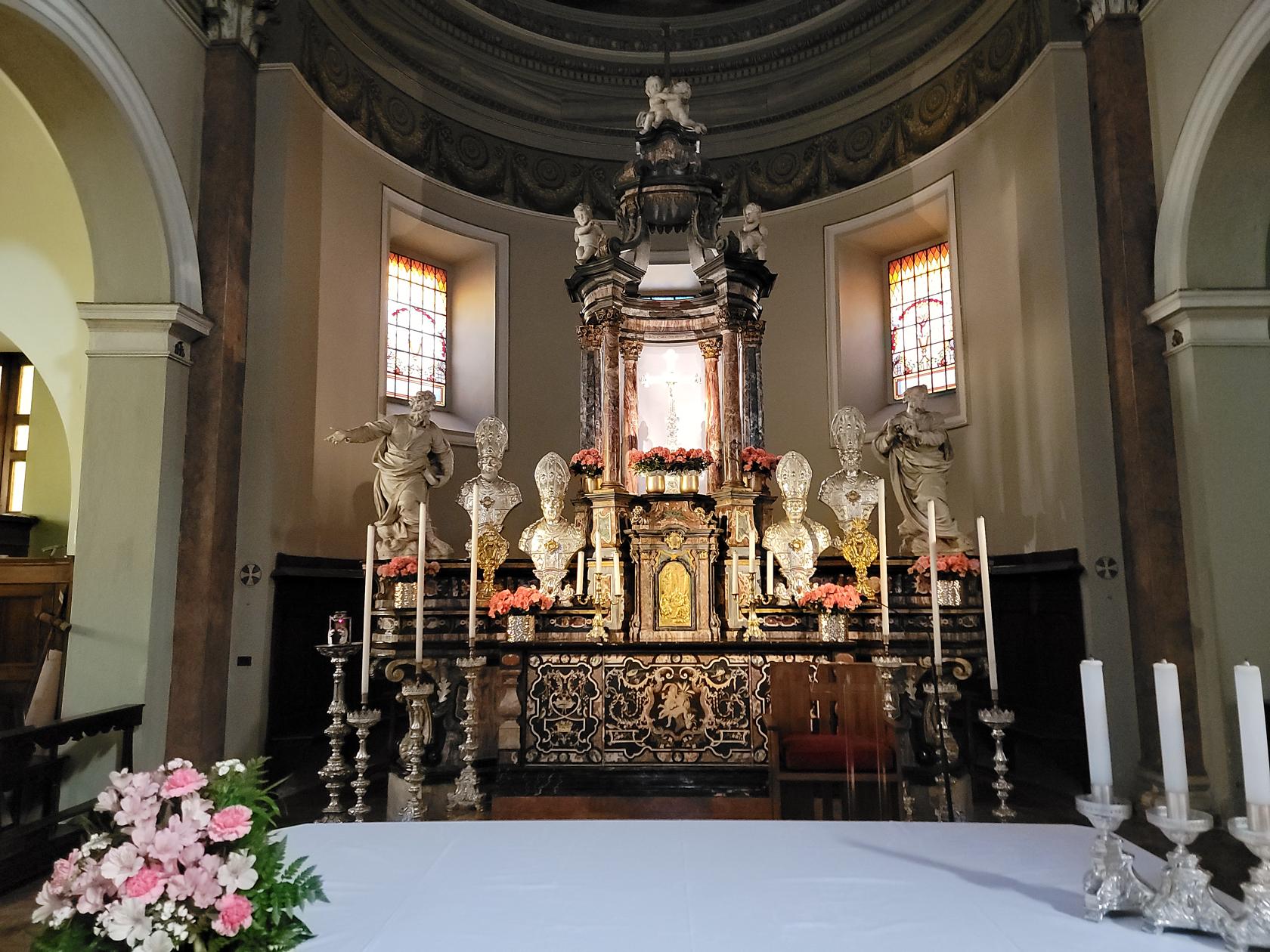
The inside does have some marble, but the rest of the nave and ceiling are painted in the style trompe-l’œil, giving the impression of relief where none really exists.
Nave – Church Of Saints Peter And Paul – Luino, Italy
Altar – Church Of Saints Peter And Paul – Luino, Italy
Restaurants
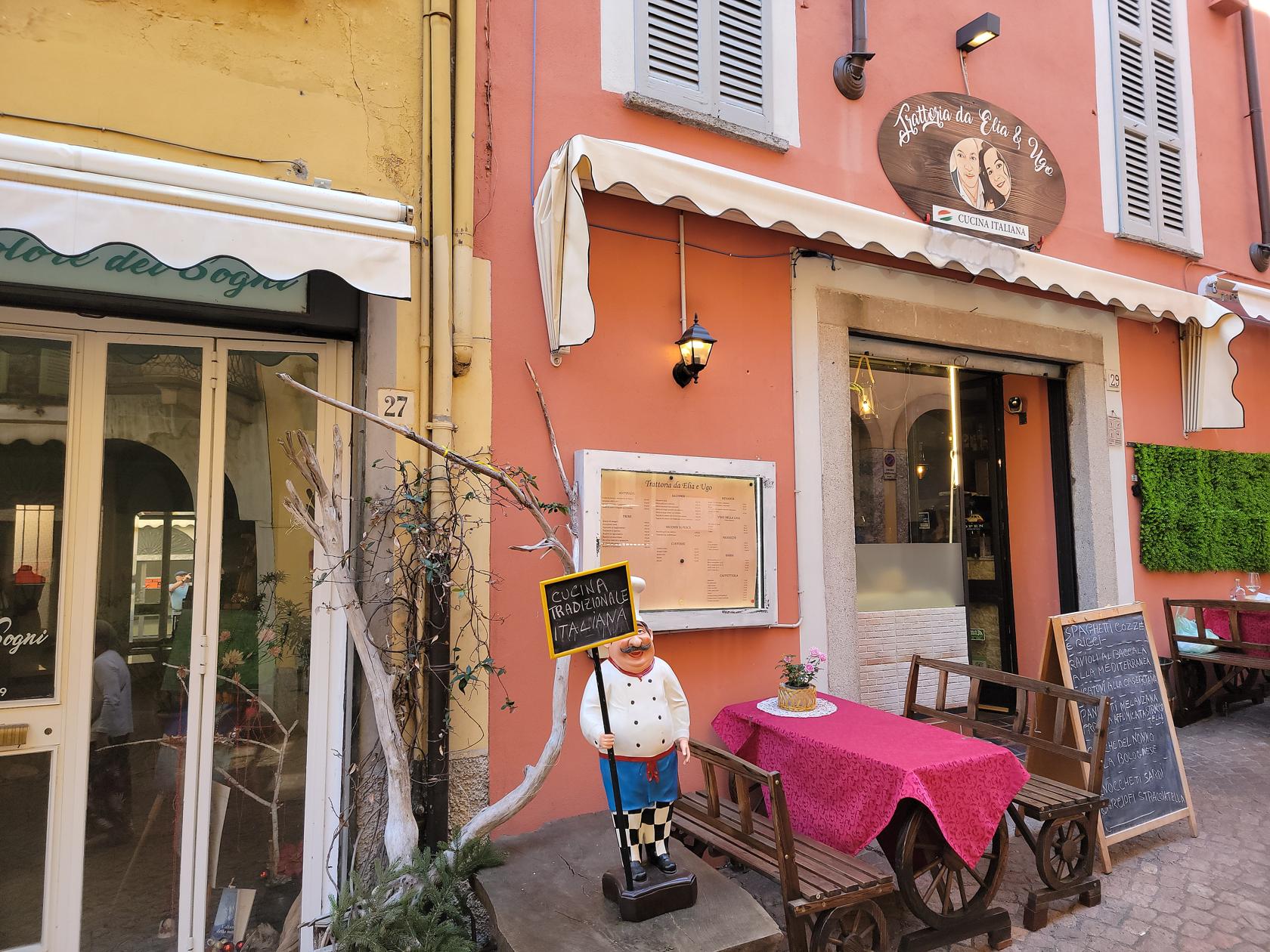
When we arrived in Luino, we only had three hours before our boat trip back, so we had to make good use of our time. Subsequently, we looked for a place to eat first and chose the Trattoria da Elia e Ugo.
Front – Trattoria da Elia e Ugo – Via Felice Cavallotti – Luino, Italy
Trattoria da Elia e Ugo
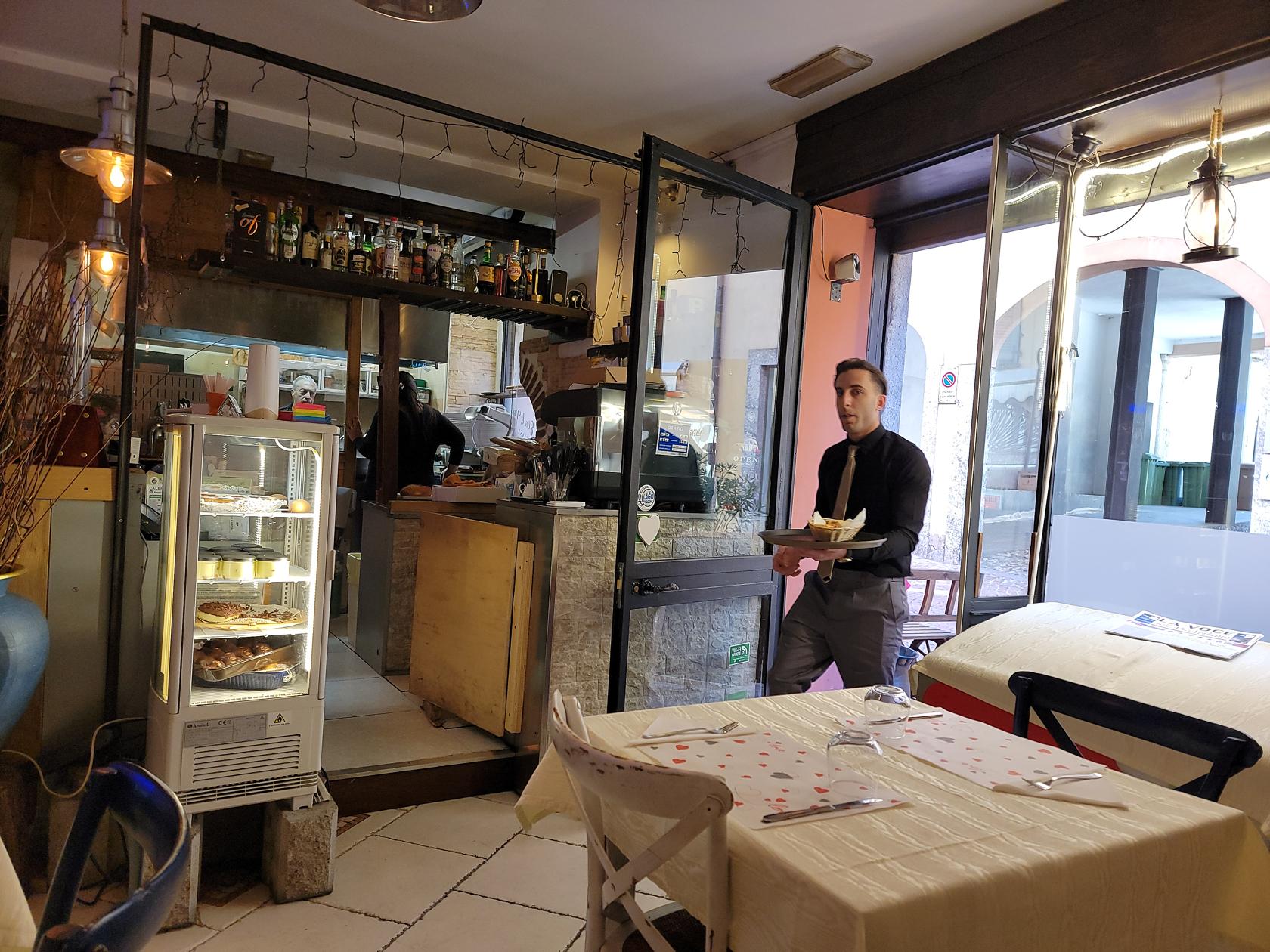
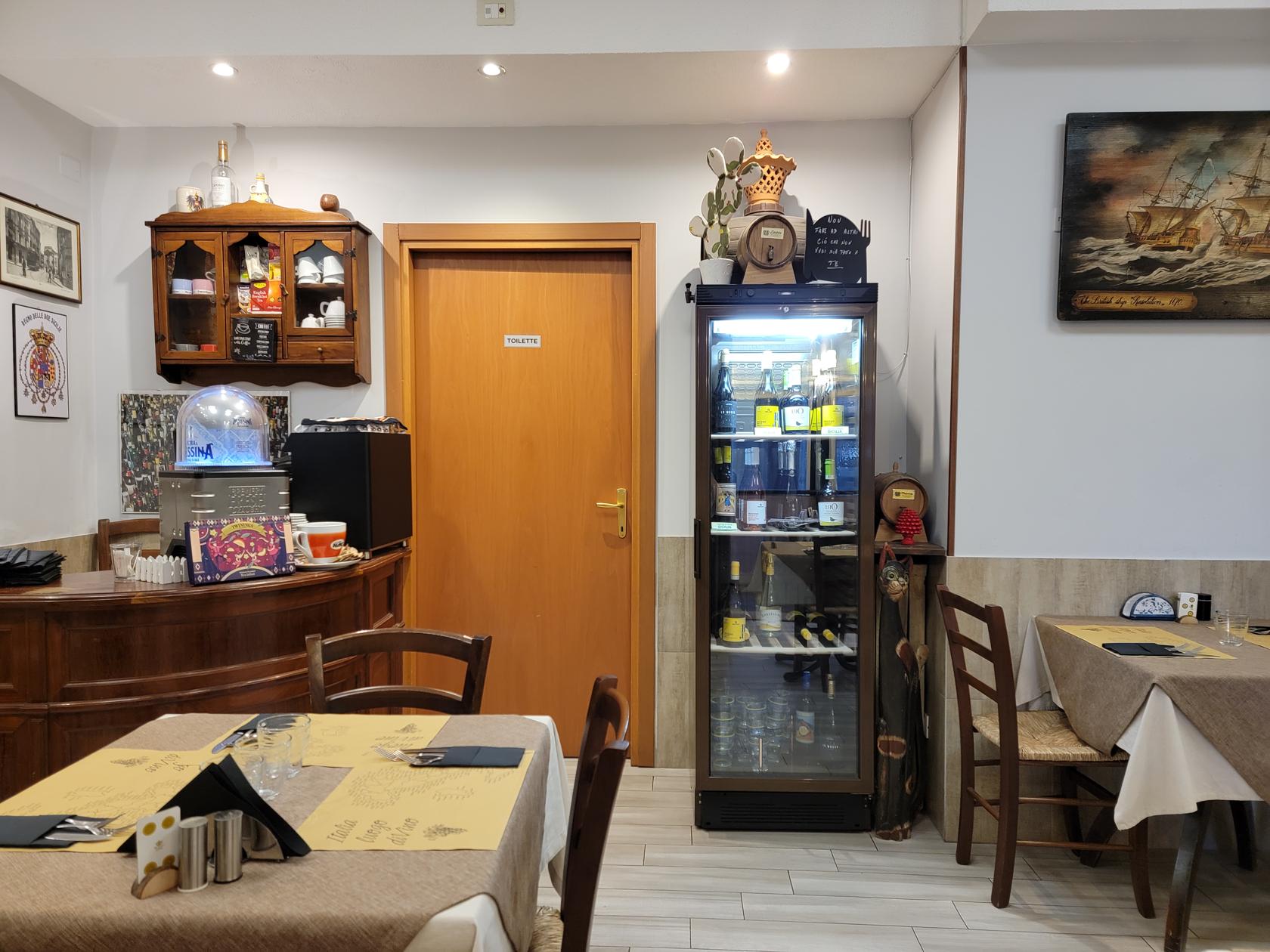
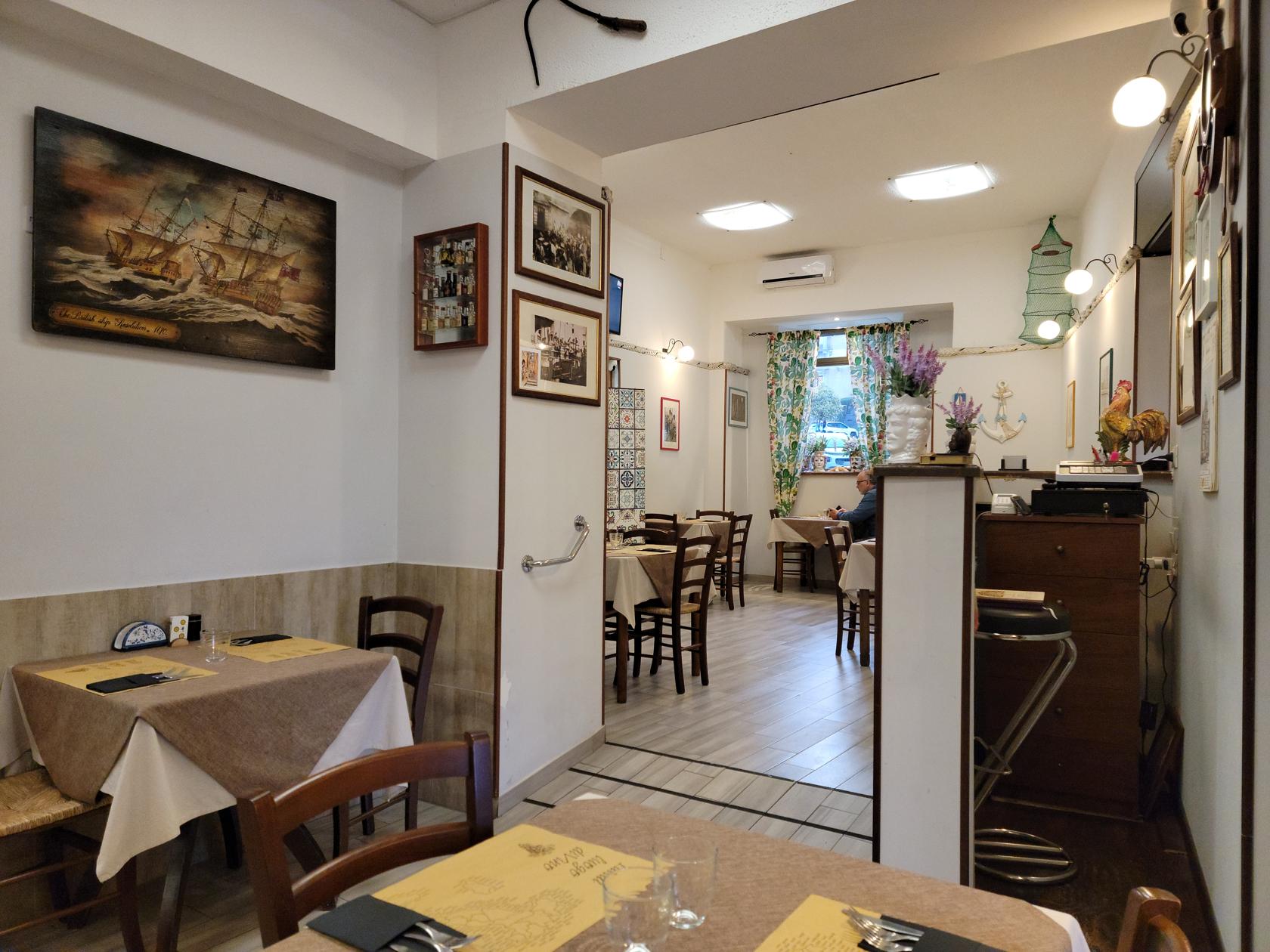
A small restaurant that caters to locals and tourists alike. They speak very good english, so there should be no problem with the language; they are even willing to look words up in order to make sure they have the correct word.
Entrance – Trattoria da Elia e Ugo – Via Felice Cavallotti – Luino, Italy
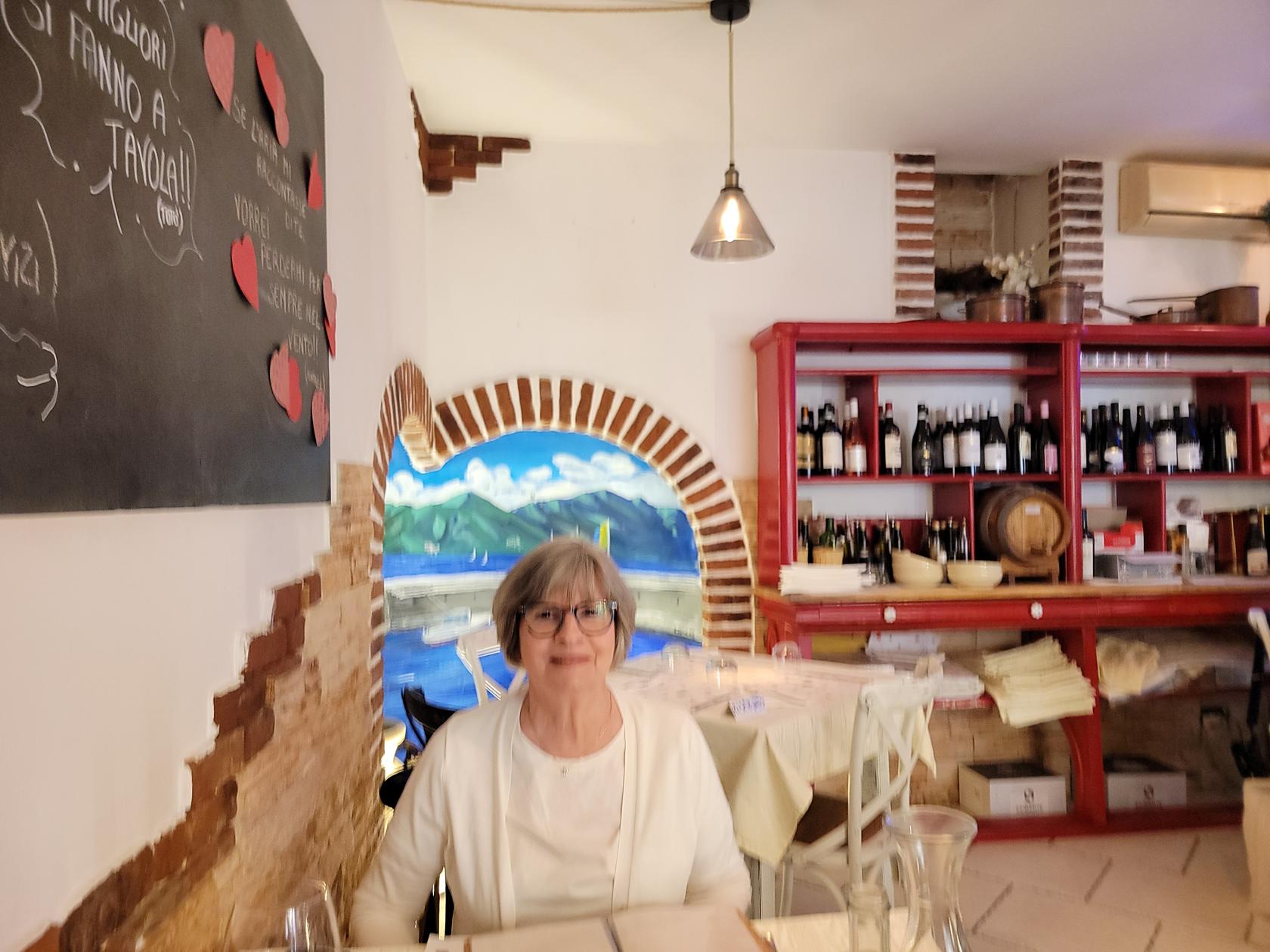
Patti – Trattoria da Elia e Ugo – Via Felice Cavallotti – Luino, Italy
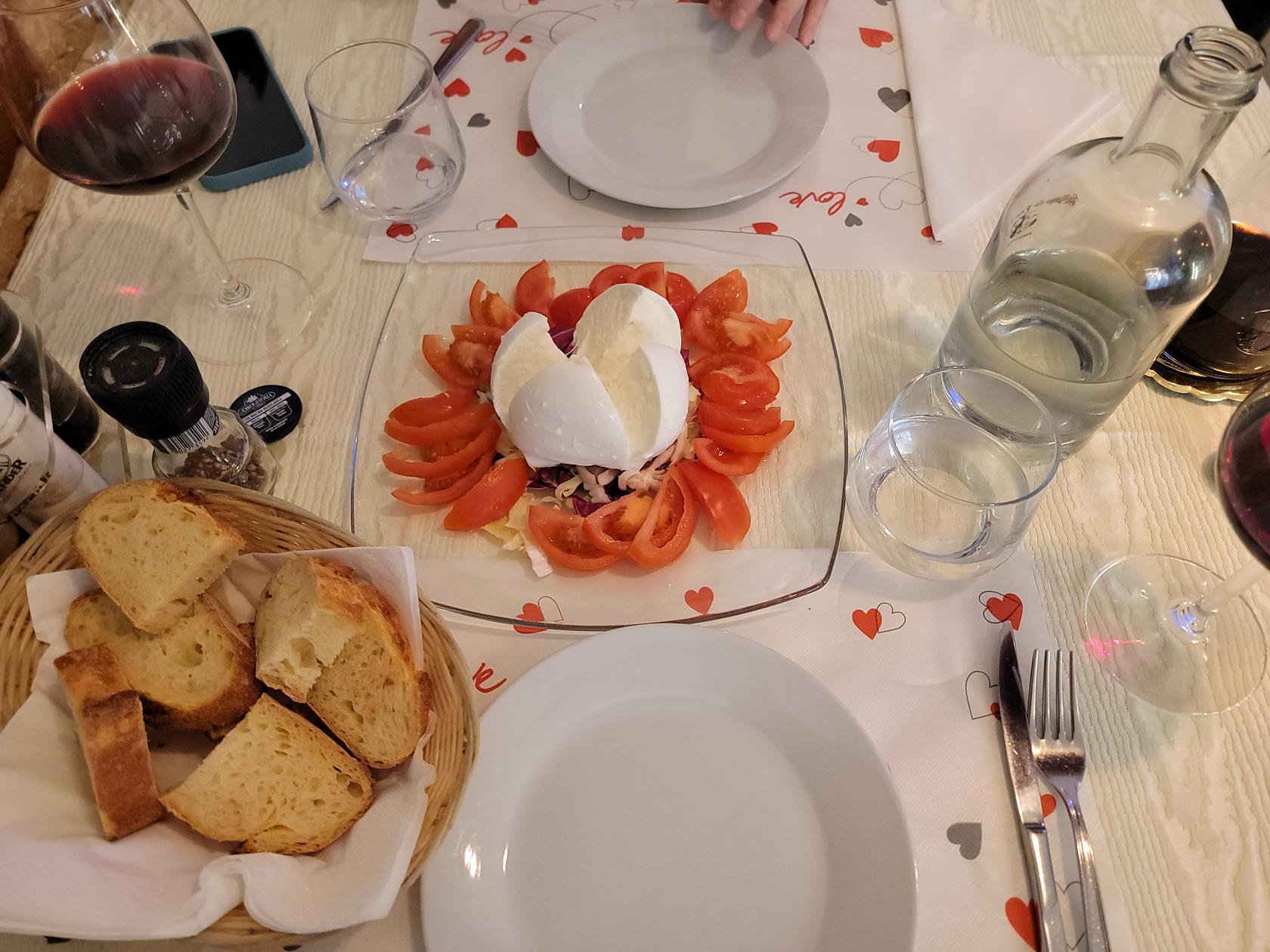
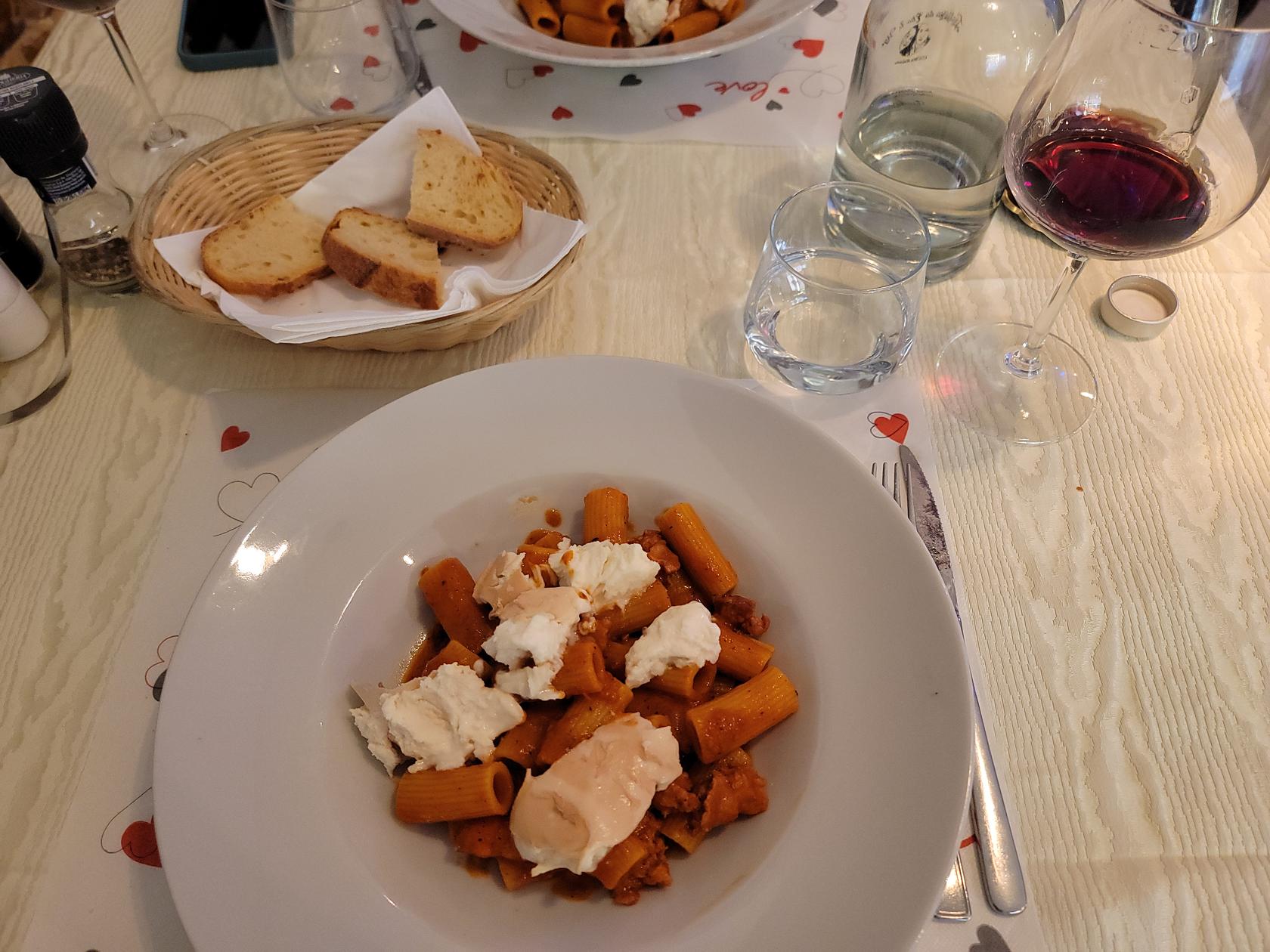
The food is very good and well portioned. The caprese is rather large and good enough for two. The pasta dishes are also fairly large and well seasoned.
Caprese – Trattoria da Elia e Ugo – Via Felice Cavallotti – Luino, Italy
Pasta Special – Trattoria da Elia e Ugo – Via Felice Cavallotti – Luino, Italy
Aside from the popular marketplace on wednesdays and the odd historical monument, there really is not much to see in Lunio. Coming from the south, it can only be commended for the odd day trip with lunch as the primary reason for the expedition, since it is rather far away and the boat service only runs roundtrip on wednesday, so plan accordingly.
Proportedly the largest in Europe, but that is not possible. The one in Turin far eclipses it in size and weekly frequency, being open every day and not just the middle of the week.
On a whim, since it was such a nice day out (clear sky, mid-70s), we decided to go to Sassi-Superga for a day trip. The last time we visited Sassi-Superga was in 2019, after we arrived in Turin from the States.
Getting There
From the center of town and a short walk to Piazza Vittorio Veneto we took the GTT #15 tram going toward Sassi. After waiting about 15 minutes, it arrived and we enjoyed a twenty minute ride up to around the Briaza stop on Corso Belgio. Here we ended up behind another tram that was having issues and subsequently was numbered #00, to indicate that it was no longer in use. Because of this, we had to get off the tram at the next stop and were told to take the GTT #68 bus that pulled up behind our tram.
We happily got on and tried to ignore the issue, until at the next stop the bus driver indicated that we had to get off his bus and get on another #68 bus that had pulled up behind us. Flaborghasted and flumexed we did complied, but not after we clearly showed our displeasure, however being Italian, he was totally nonplussed by the situation. Luckily, after another short 10 minute ride we arrived at our destination, still in time to catch the Cog or Inclined Train up to Superga hill.
Sassi-Superga
After your bus, or tram ride if you are so lucky, there is a short five minute walk to the train station. It is located on a rather confusing intersection on Corso Casale between SS10 and SC di Superga, for which there are about seven or eight crosswalks!
Basilica of Superga – Patti going back to Train Station – Turin, Italy
Stazione Sassi
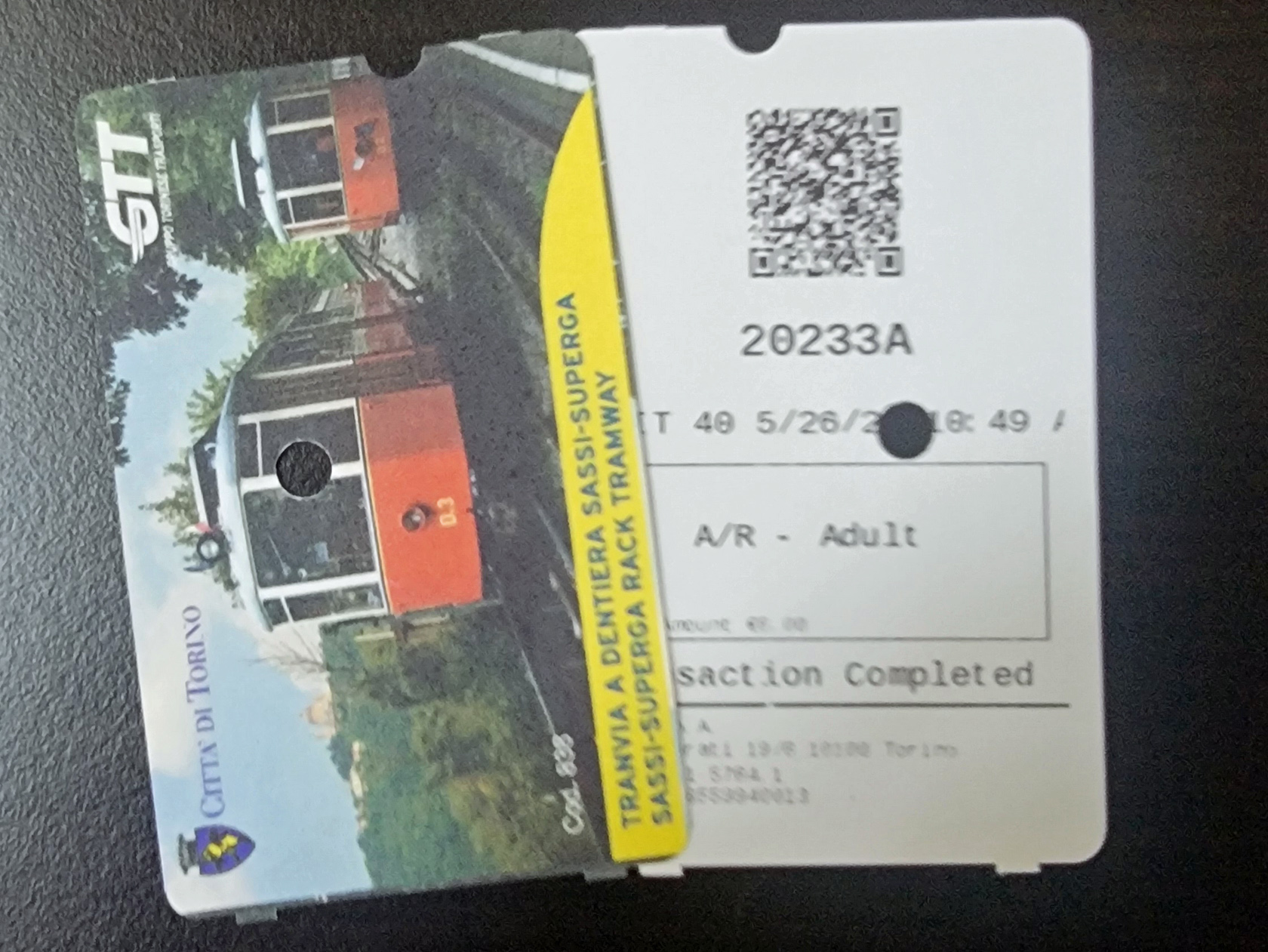
If you use the GTT phone application for tickets, you would get the mistaken impression that your €1.90 commuter ticket, that was used on the tram and bus, should still apply (within the 90 minute time limit) to take the Inclined Railway up Superga Hill, it does not. Ticket vending machines are inside the railway and cafe building on-site, they may also be purchased from the conductor, but there may be an additional charge. The charge from the vending machine is €3 per person one way, so for two persons round-trip, that came to €12 total for us.
Sassi-Superga Inclined Railway – Tickets For Two – Turin, Italy
The train departs promptly and after about twenty to twenty-five minutes, you will arrive at Superga Station, just below the Basilica of Superga. The station has a cafe, so if you are in need of refreshment, now would be the time.
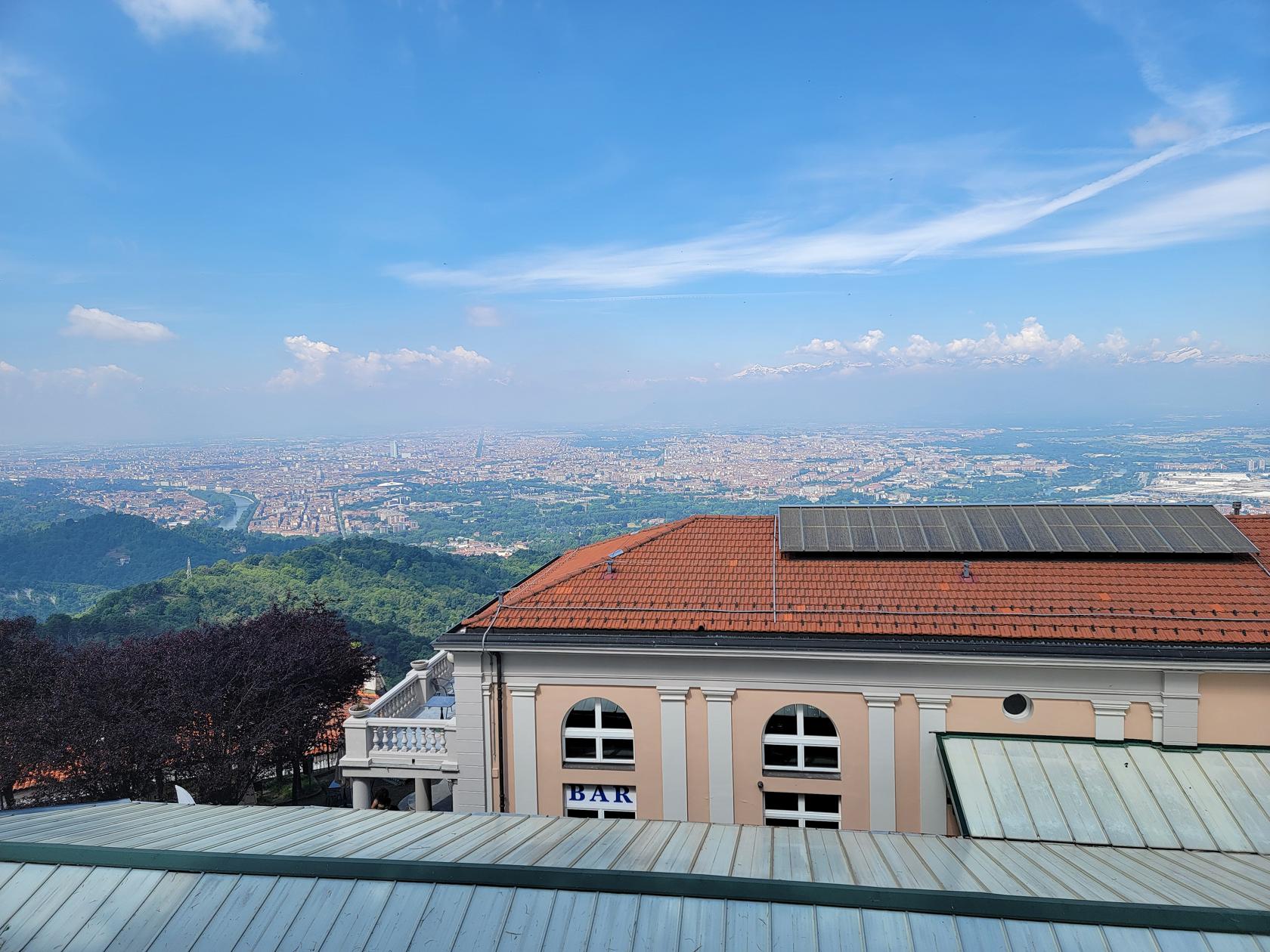
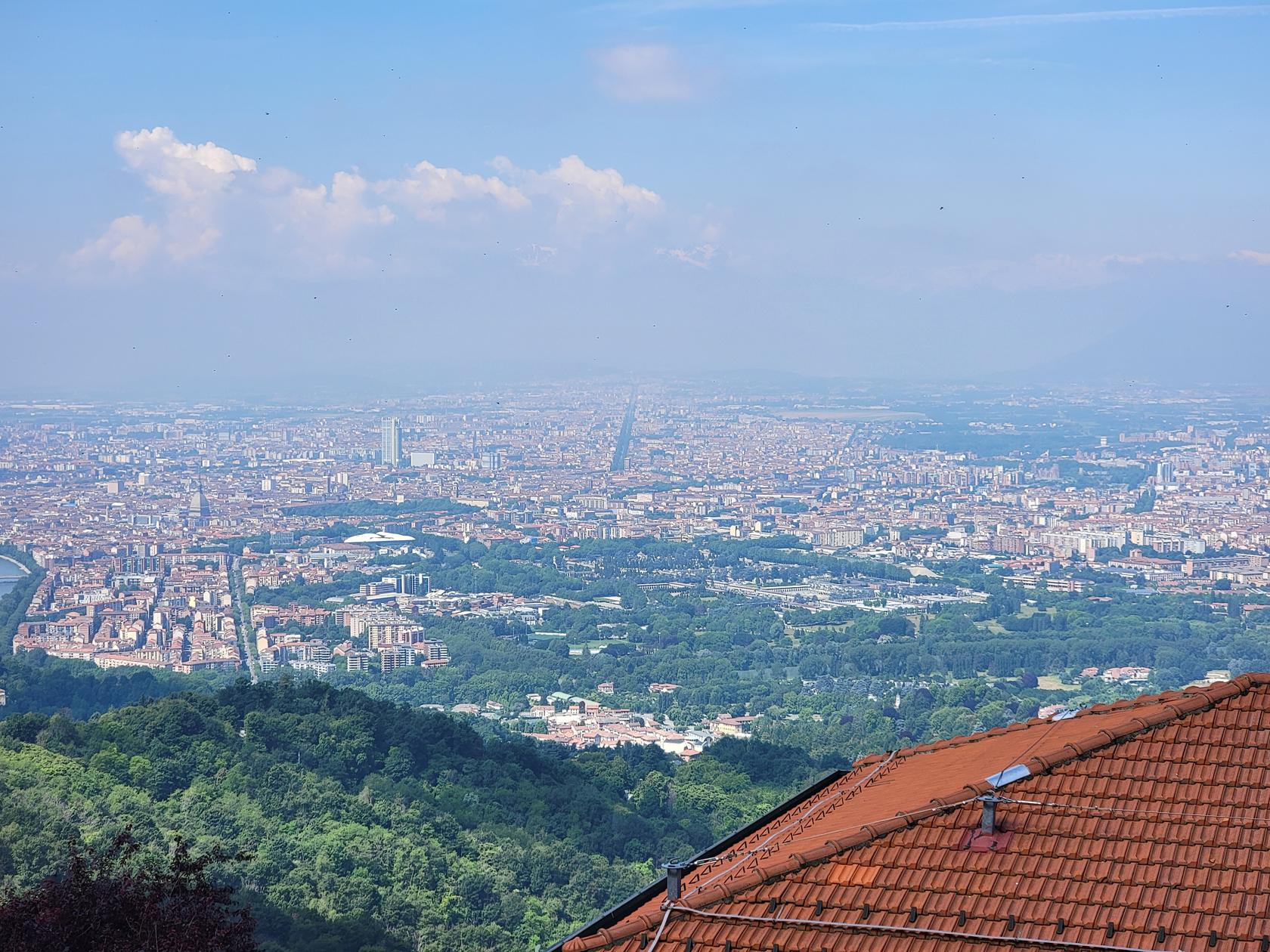
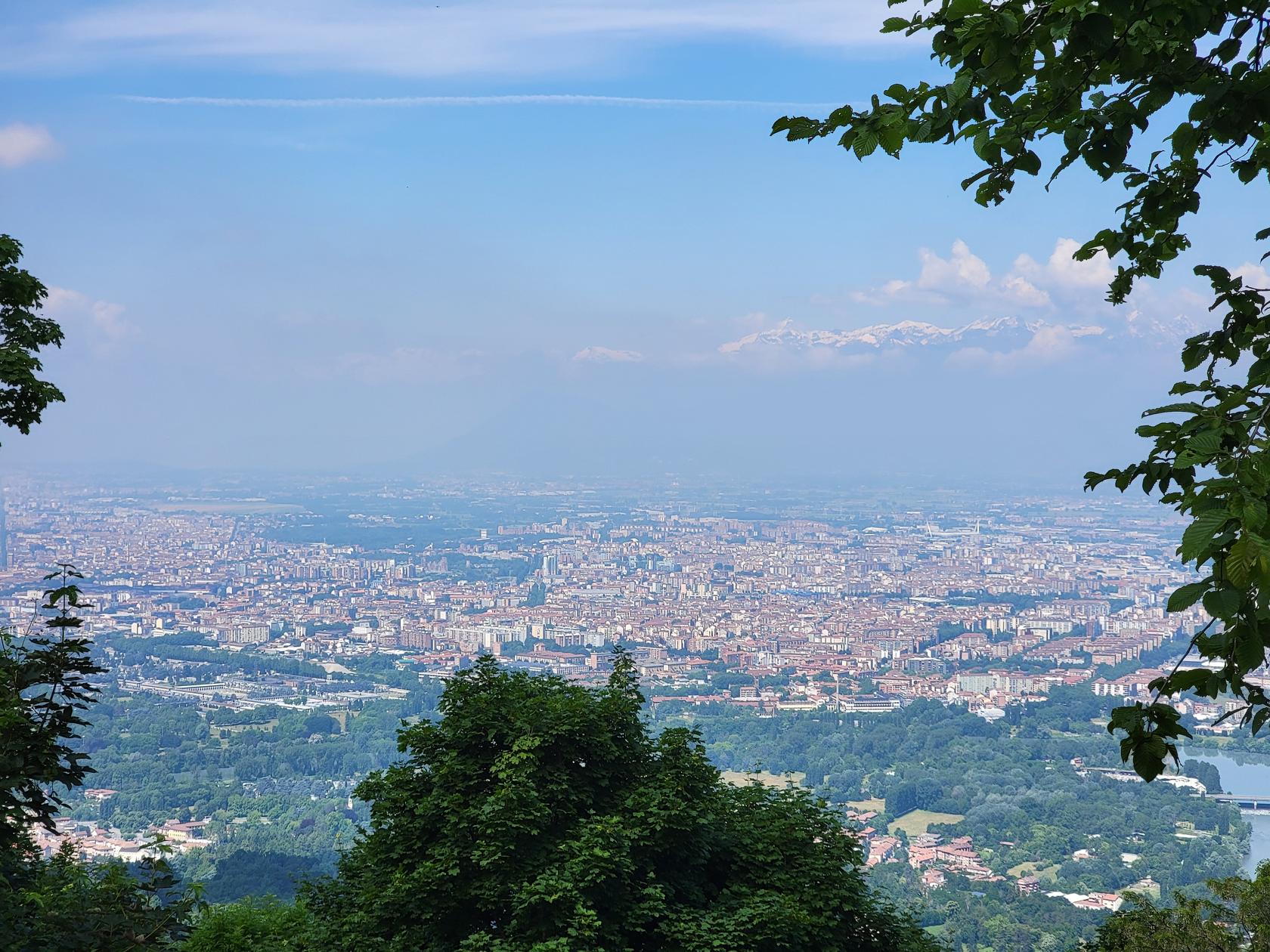
View of Turin – Sassi-Superga Station – Turin, Italy
View of Turin – Sassi-Superga Station – Turin, Italy
View of Turin – Basilica of Superga – Turin, Italy
Basilica of Superga
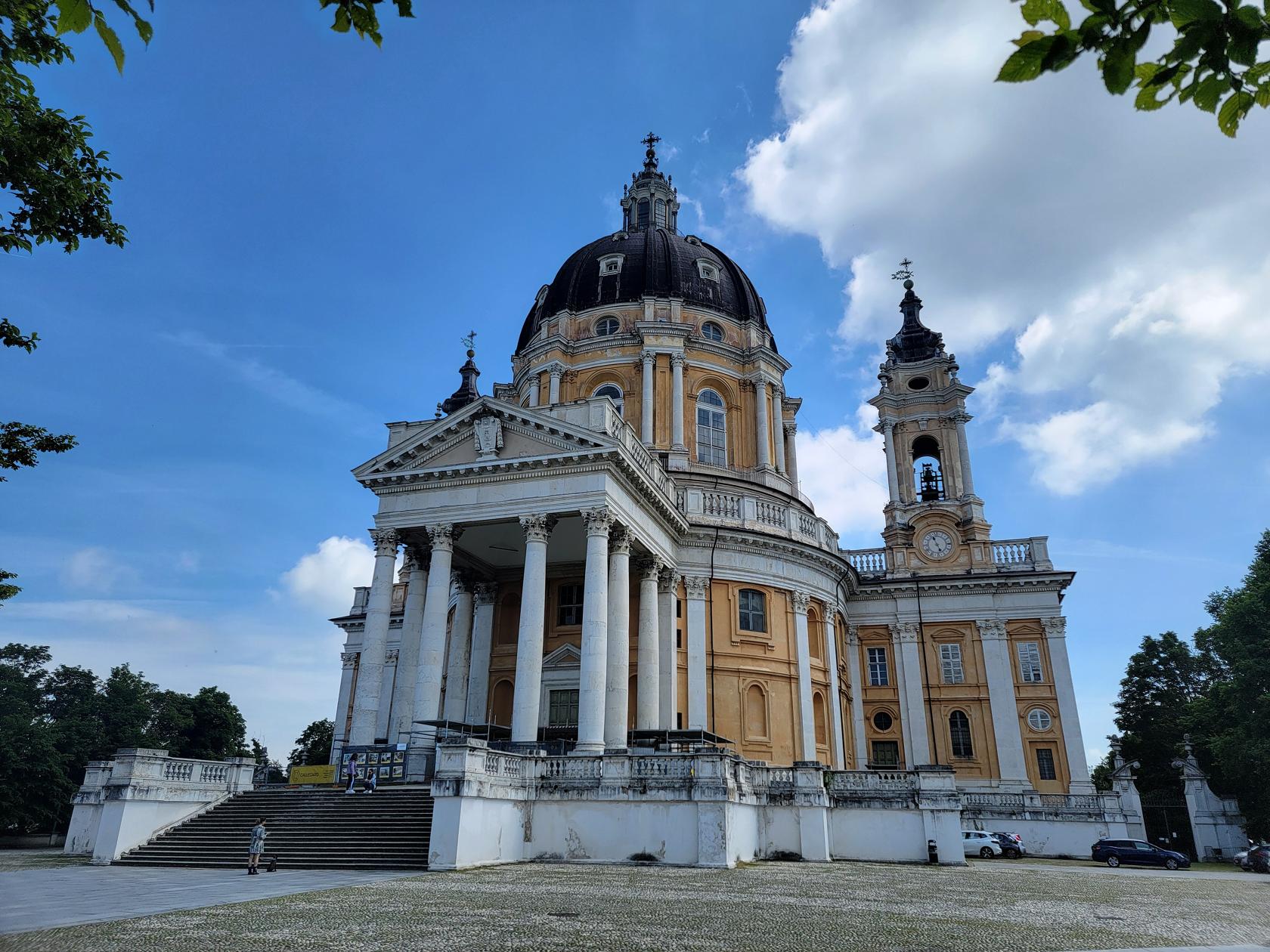
The basilica is still undergoing renovations after all these years and has scaffolding in and around the outside of the building. Most of this appears to be in place to protect visitors from falling debris. The exterior is starting to really look in need of major work, but they do appear to have the upper hand on the issue inside.
Basilica of Superga – Turin, Italy
Unfortunately, the little restaurant that used to be housed on the left hand side of the church no longer exists, there is only an entrance to the Tomb of the Savoy family. So our plans to eat there vanished as soon as we figured out that it had closed, most likely due to the pandemic.
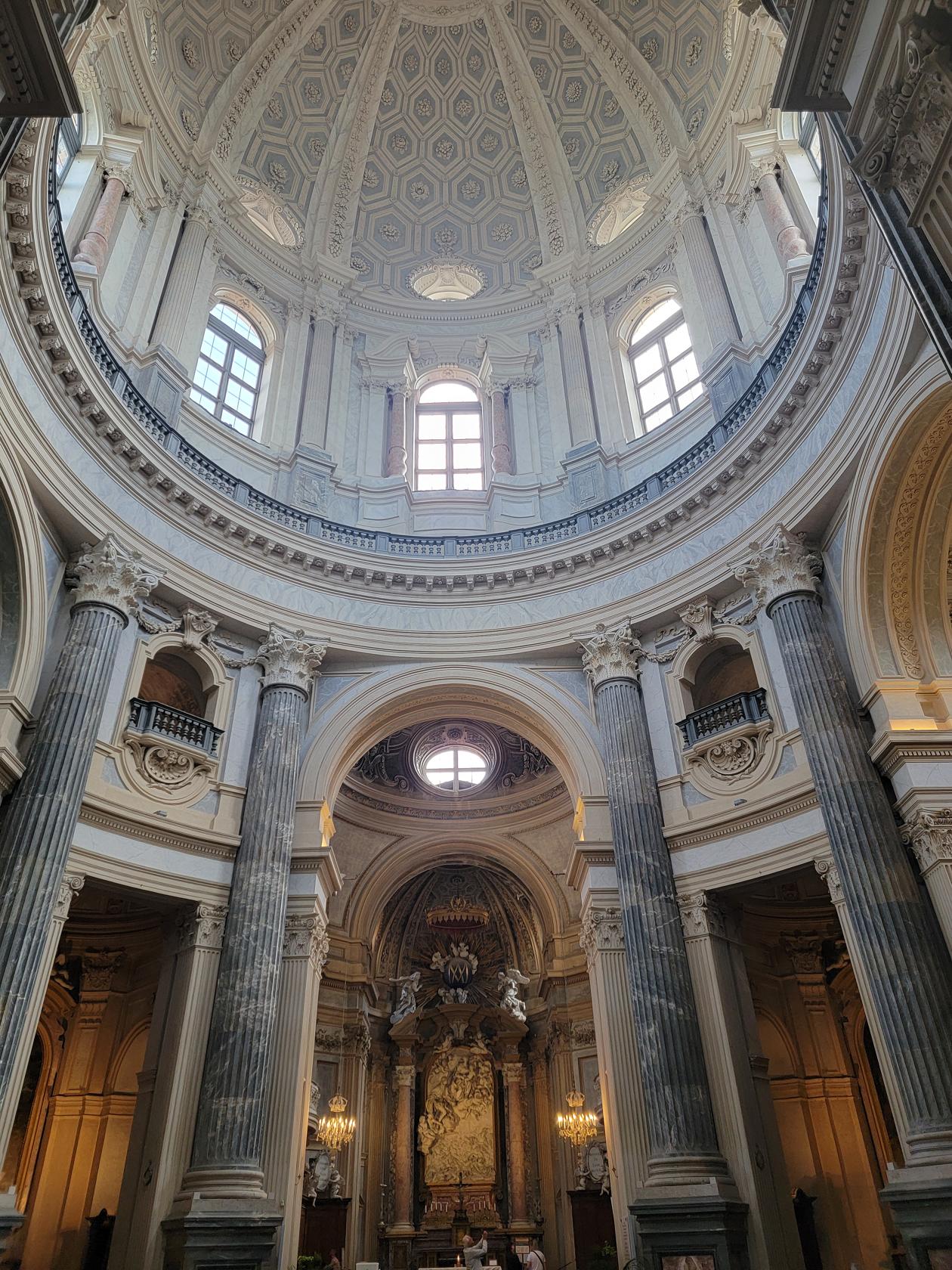
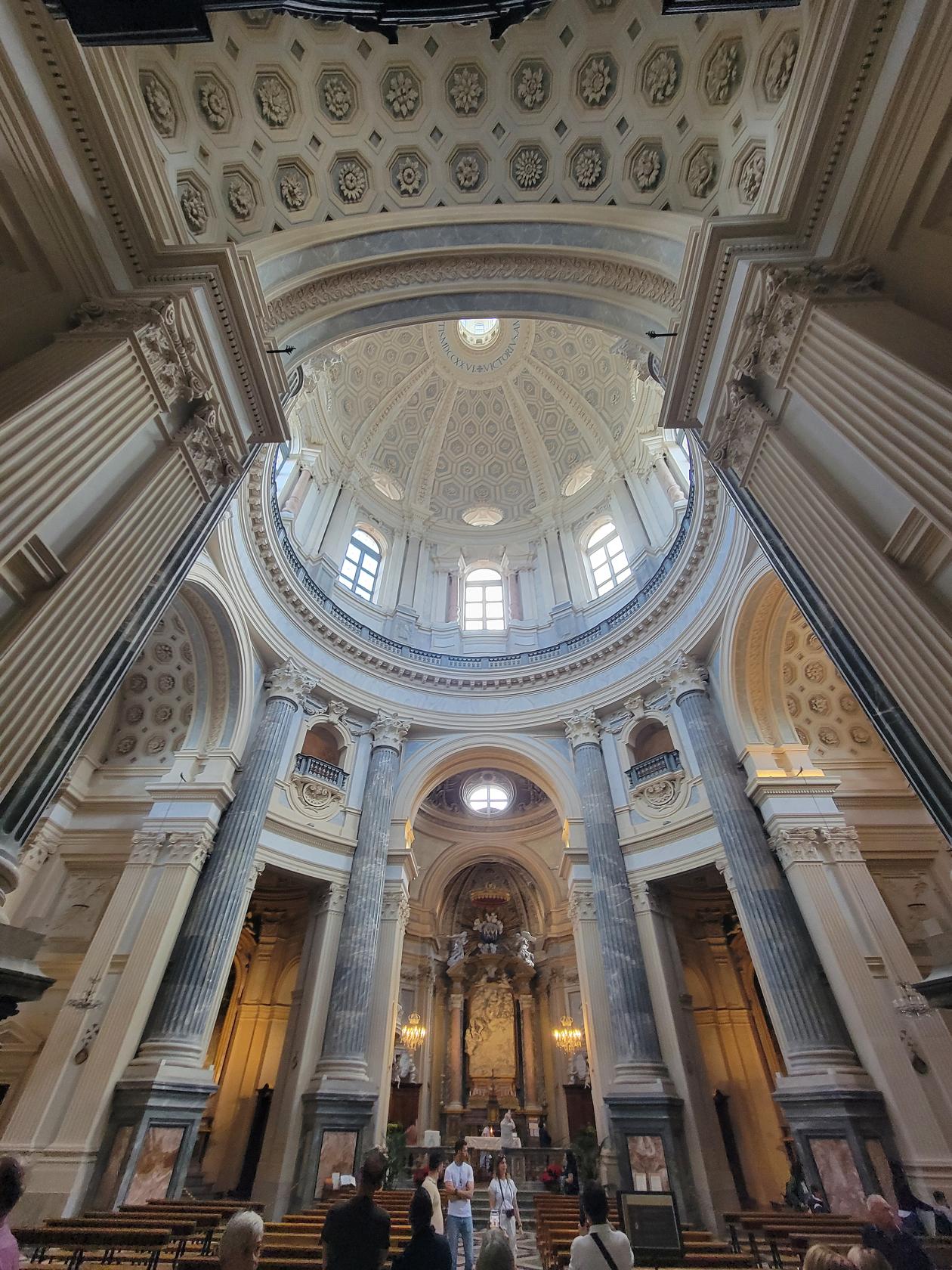
Basilica of Superga – Dome and Altar – Turin, Italy
Basilica of Superga – Dome and Altar – Turin, Italy
Restaurants
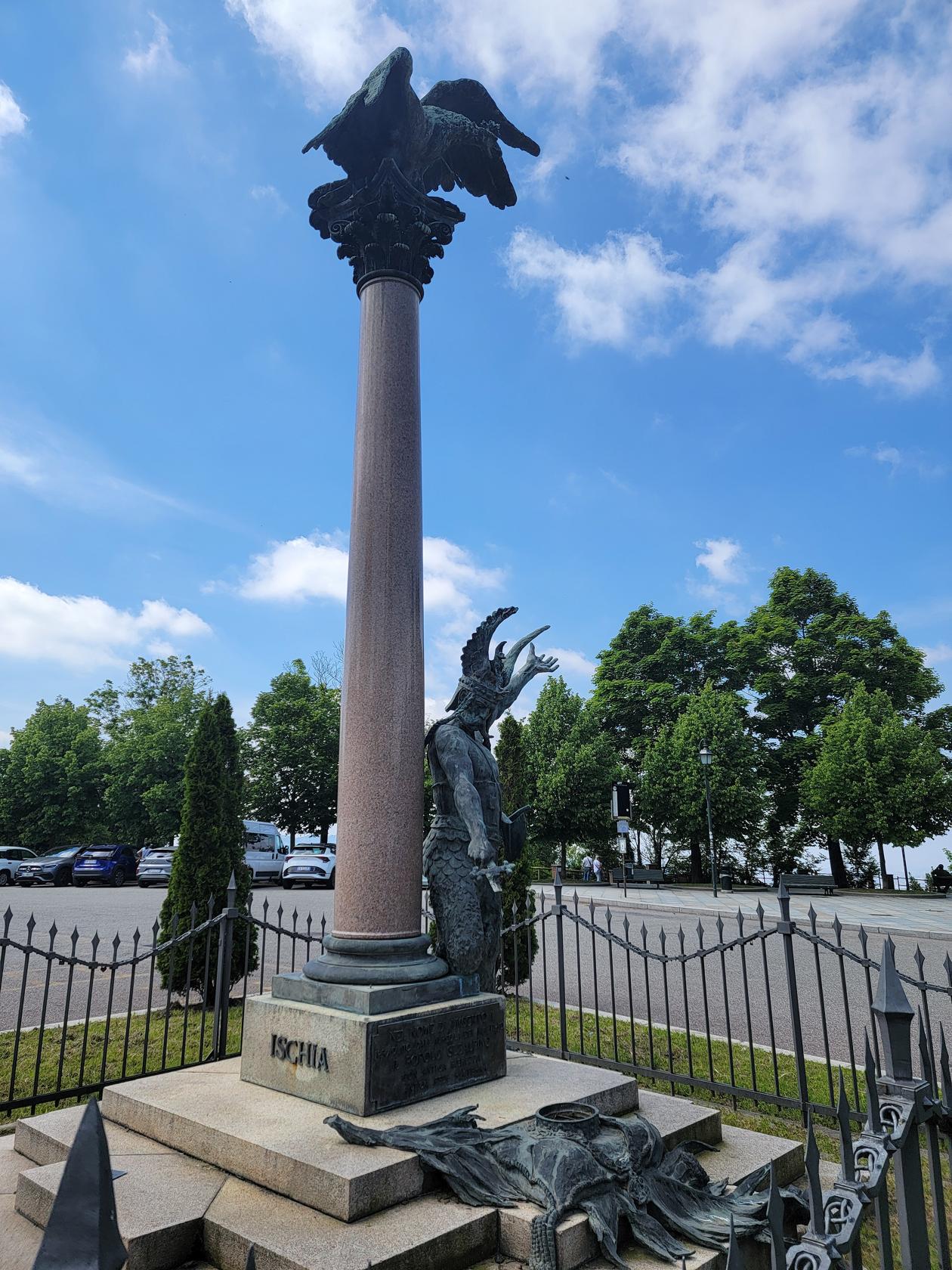
However, all is not lost and a short walk down the hill toward on Sentiero 26 path near the Monument of Umberto I, is a nice little Trattoria that we visited for lunch.
Basilica of Superga – Monument of Umberto I – Turin, Italy
Conserva – Trattoria Superga
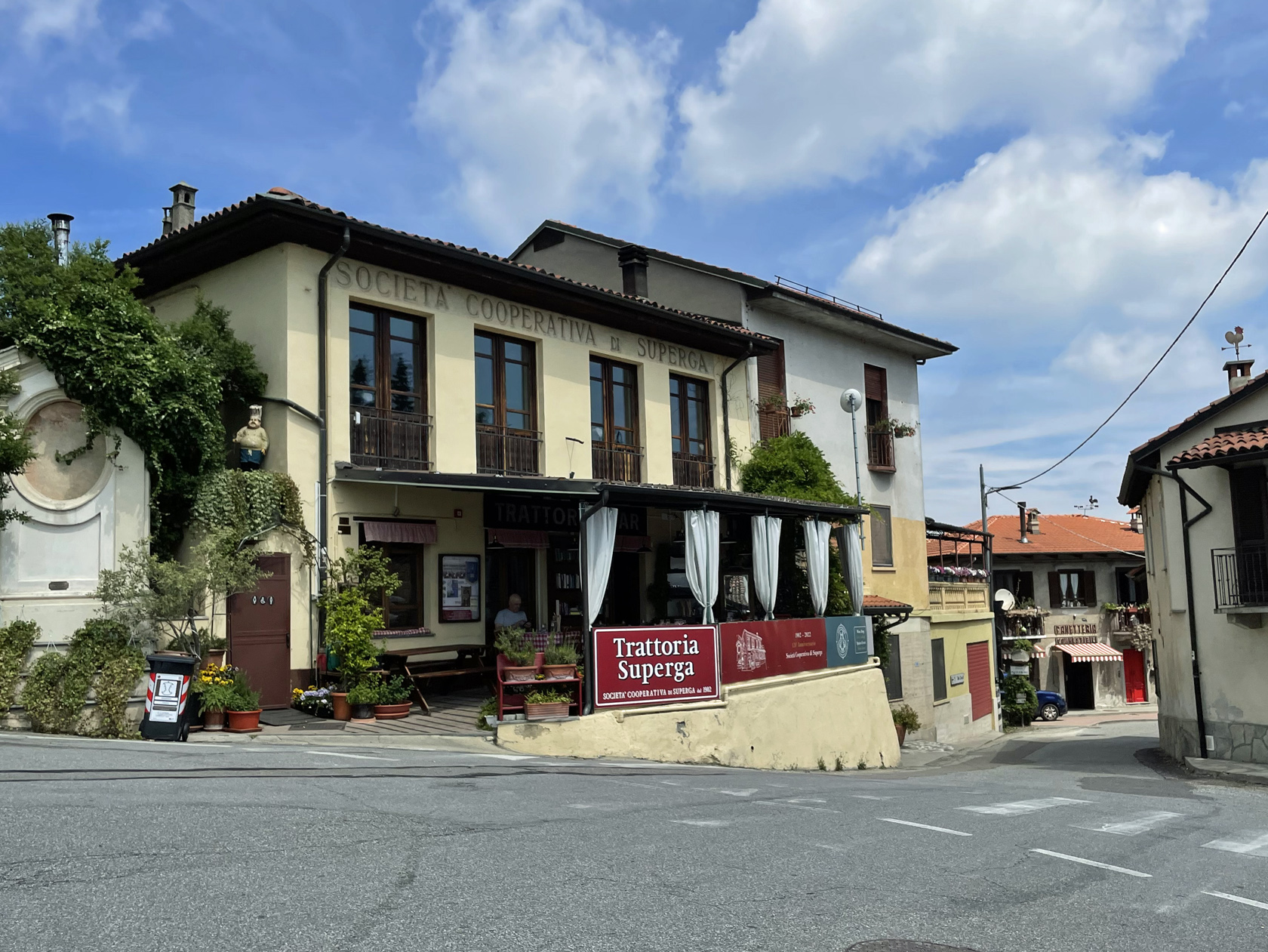
A short ten minute walk downhill on the trail from the monument is the Trattoria Superga. It is on a rather busy road, however we saw as many cyclists while sitting there as we did cars and other forms of transportation.
Trattoria di Superga – Outside – Baldissero Torinese, Turin, Italy
We can only say that the food was very good and typical for Piedmont and the area. The Tajarin and salads were both delicious, though a bit pricey. Our entire lunch with wine, water, bruschetta, pasta, coffee and digestive came to €77 for two, which we consider rather high, though not exorbitant.
Trattoria di Superga – Inside – Baldissero Torinese, Turin, Italy
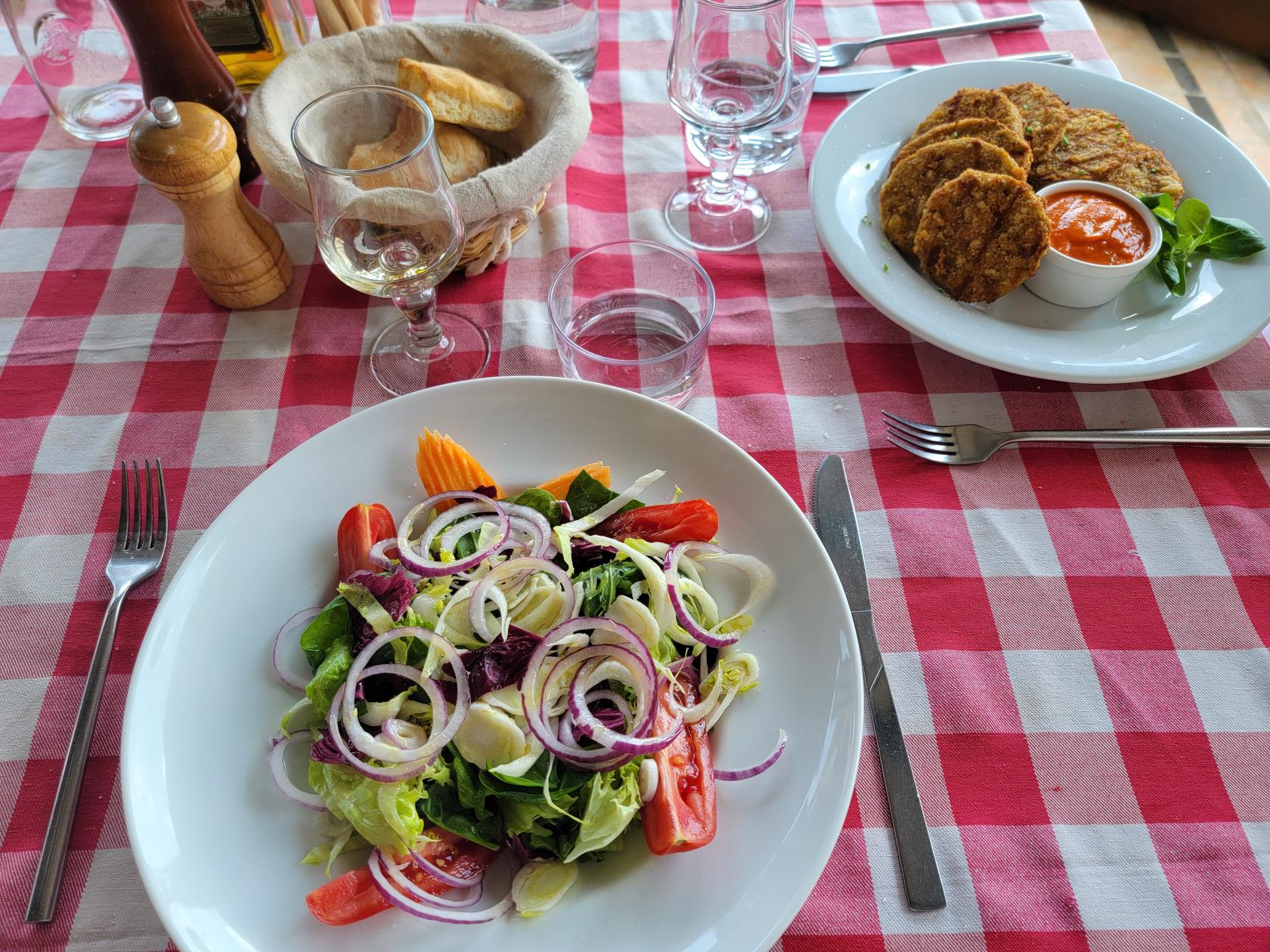
Trattoria di Superga – Insalata Mista and Croccante de Melanzana su Crema Pomodori Confit – Baldissero Torinese, Turin, Italy
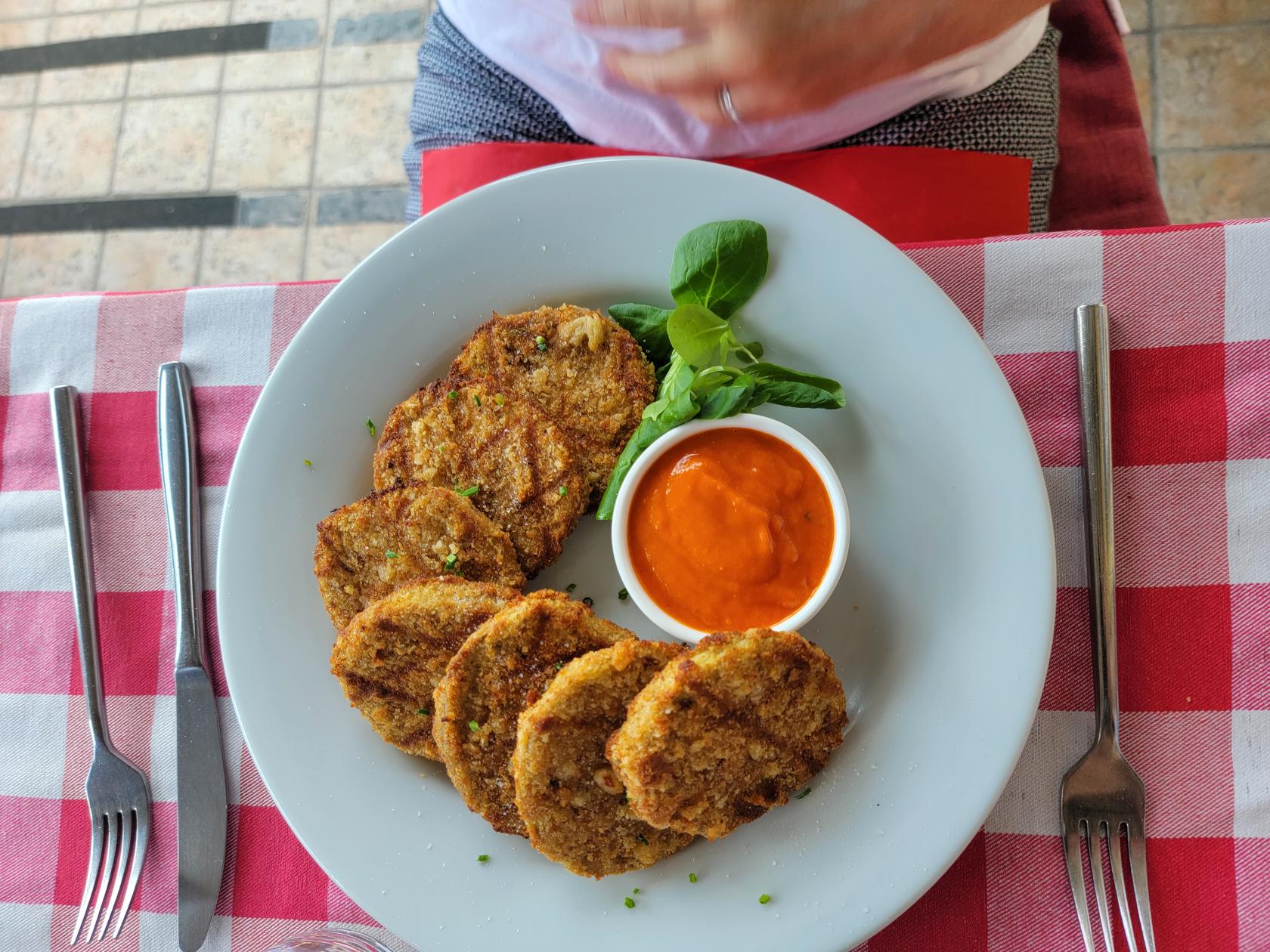
Trattoria di Superga – Croccante de Melanzana su Crema Pomodori Confit – Baldissero Torinese, Turin, Italy
Trattoria di Superga – Tajarin di Re Vittoria Emmanuelle II and Onion Soup Gratinata alla Piemontese – Baldissero Torinese, Turin, Italy
The second largest city in Apulia is called Lecce and is located on the Salentine Peninsula of Italy. It is rich in Baroque architecture, most of which is in the form of Lecce limestone and is often referred to as the Florence of the South. It one of the oldest settlements in southern Italy, with activity dating back to neolithic times.
Getting There
From Brindisis, or most other larger towns and cities on the east coast of Mezzogiorno, the FrecciaArgento is perhaps to quickest way to arrive. From Brindisi it is a short twenty three minute ride, a bit longer on the regional trains.
Lecce Train Station – Lecce, Italy
The City
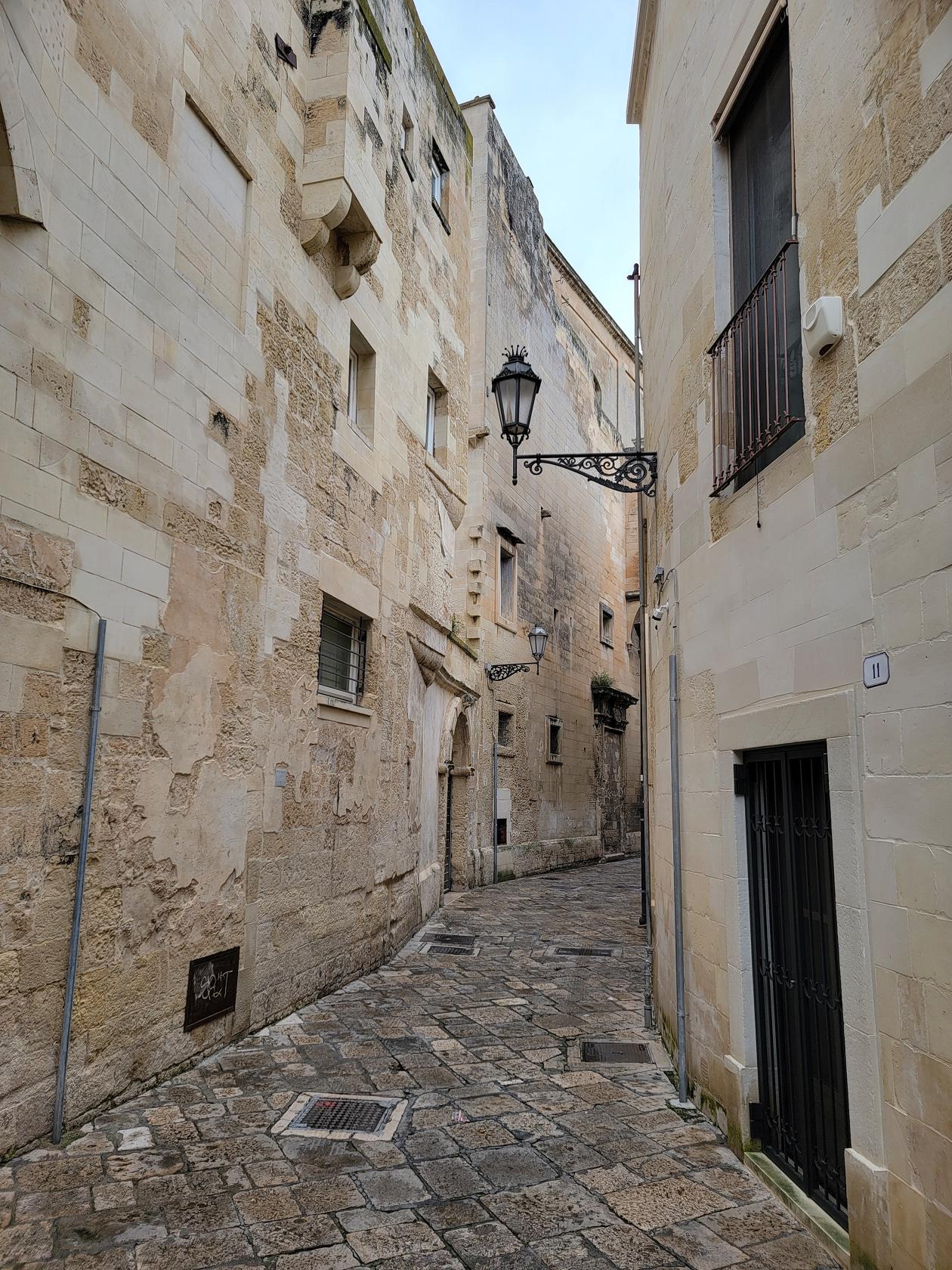
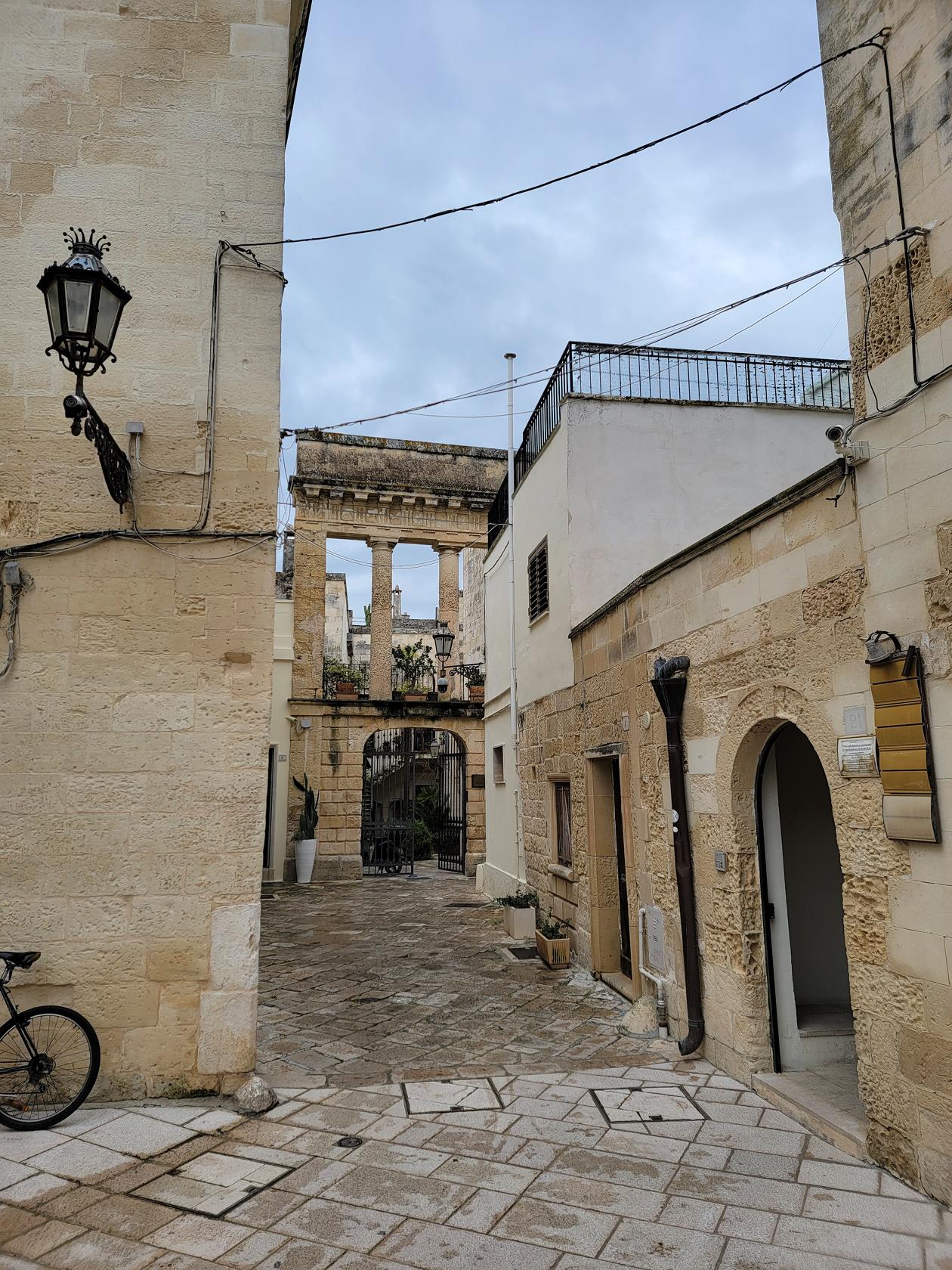
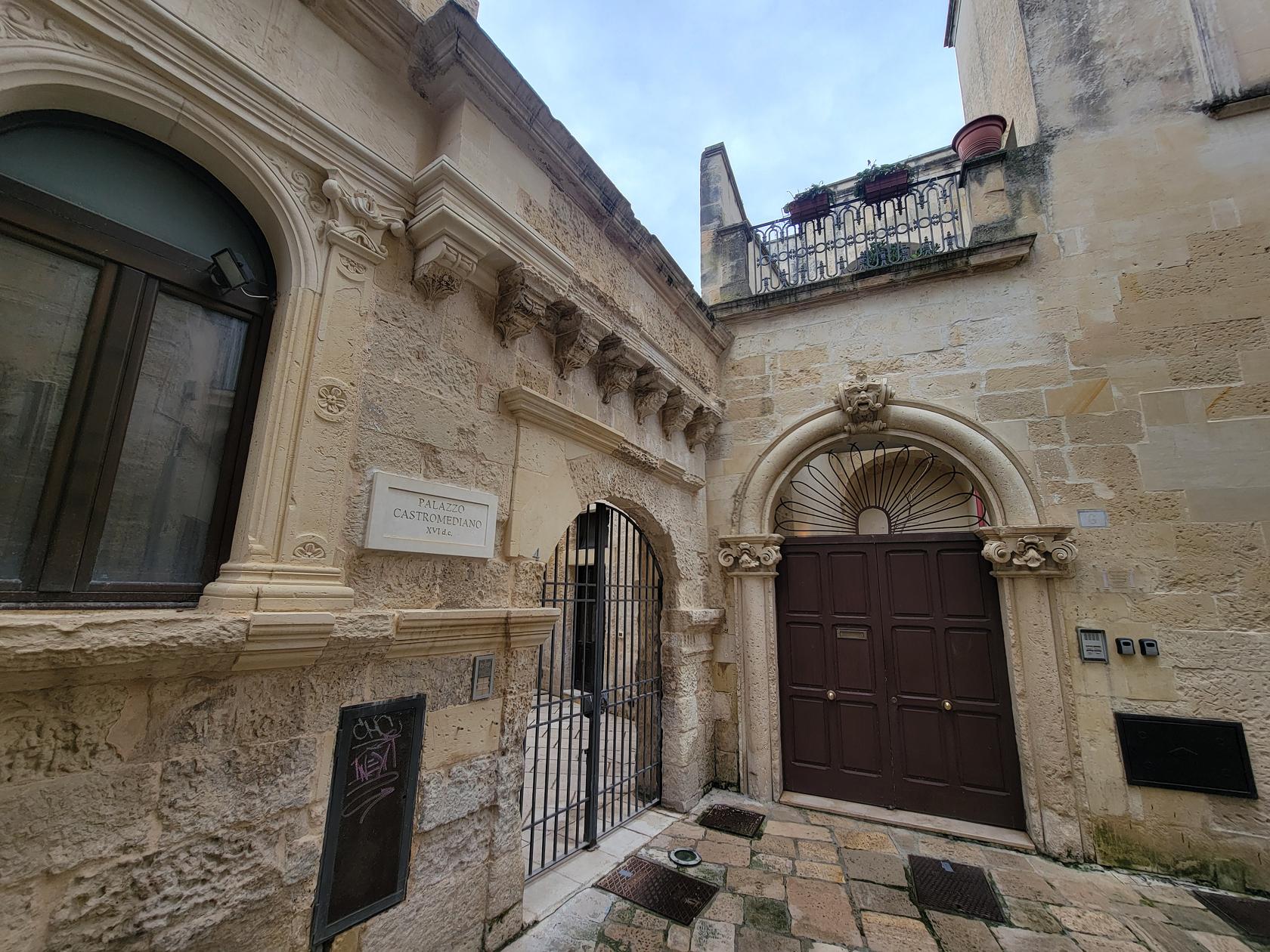
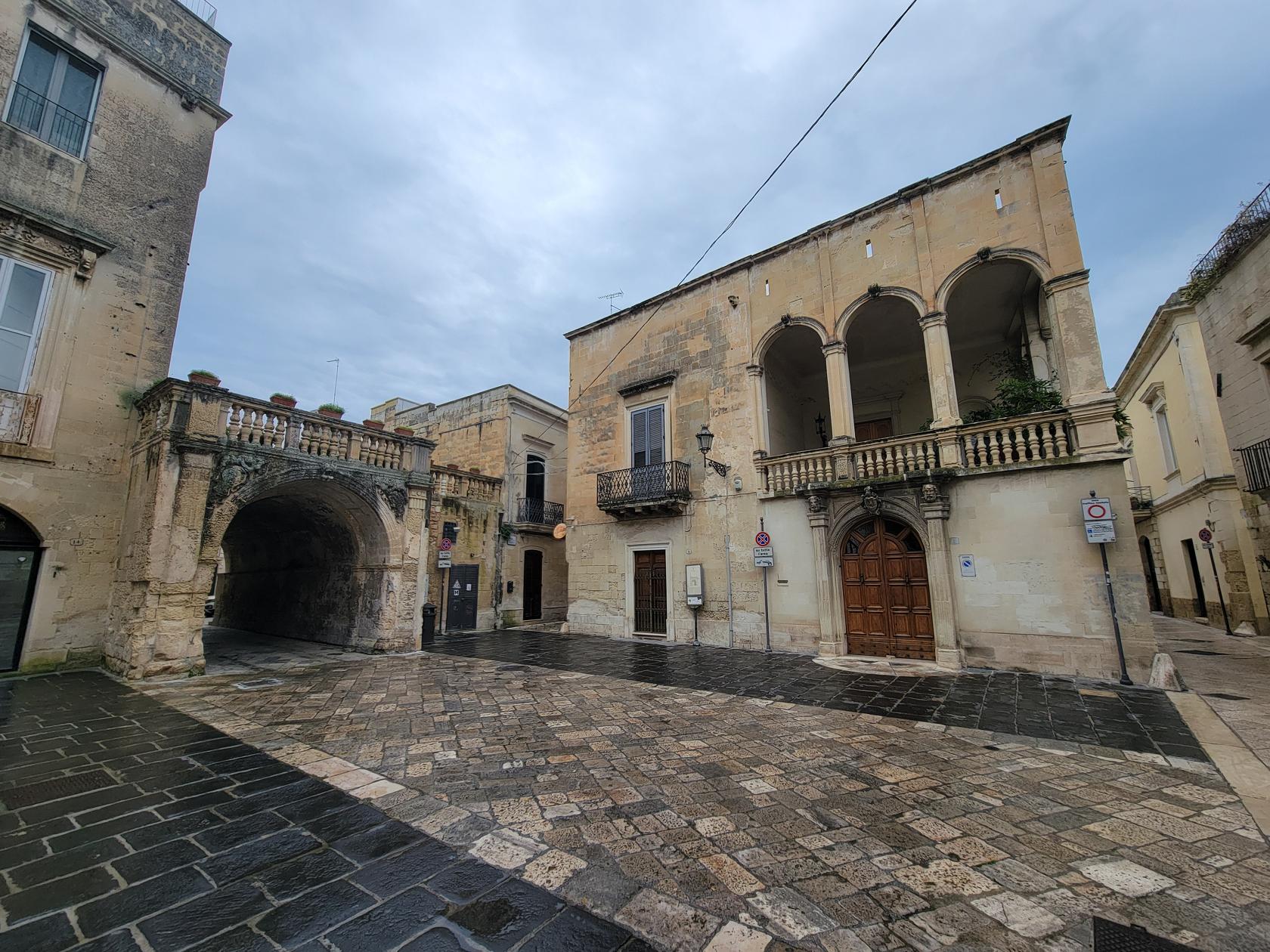
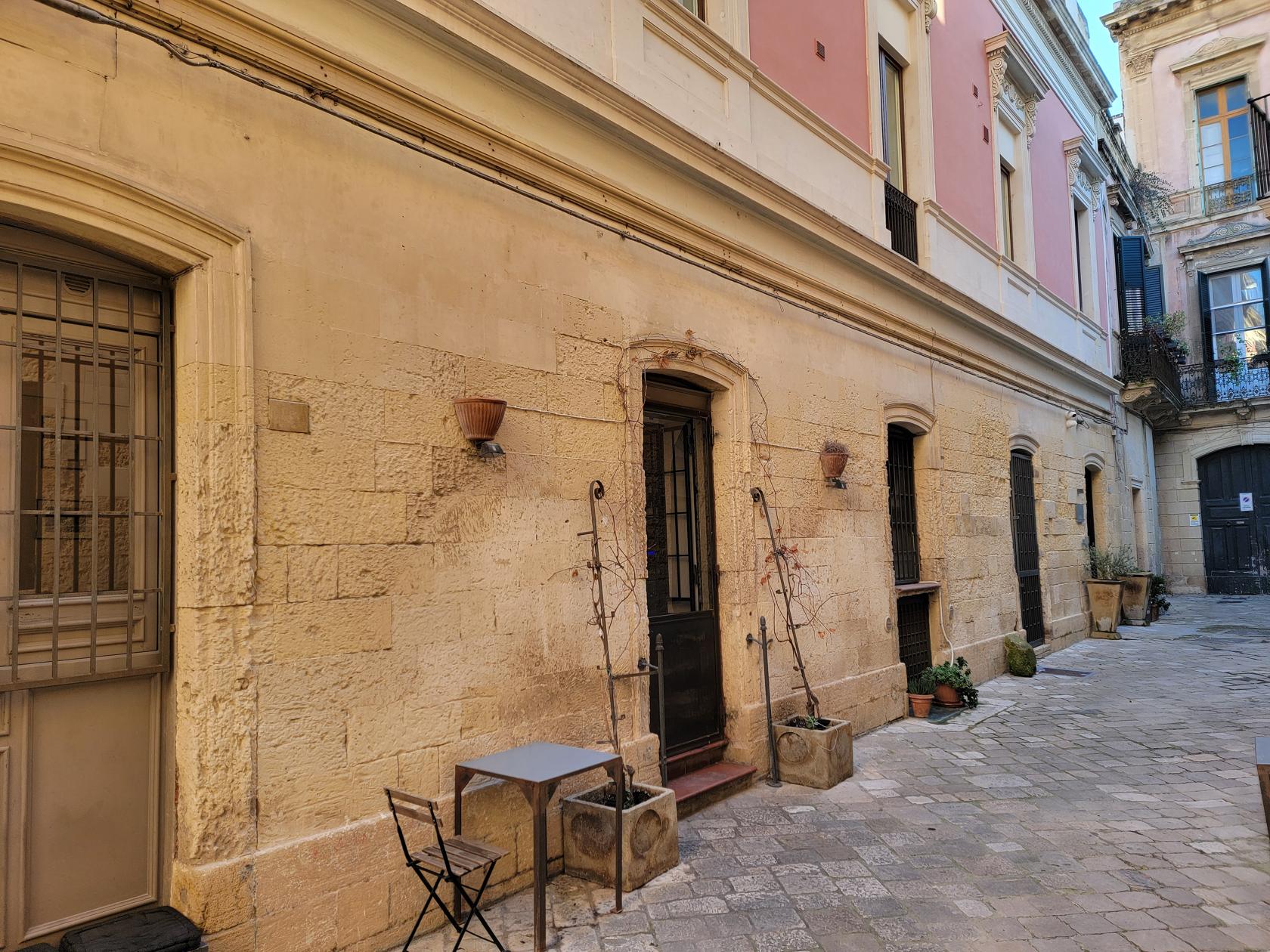
Lecce is a typical ancient city which was at one time circumscribed with a protective wall with three main gates. The streets in the old Città Vecchia, or old history city, are narrow and mostly paved with stones.
Typical city street – Lecce, Italy
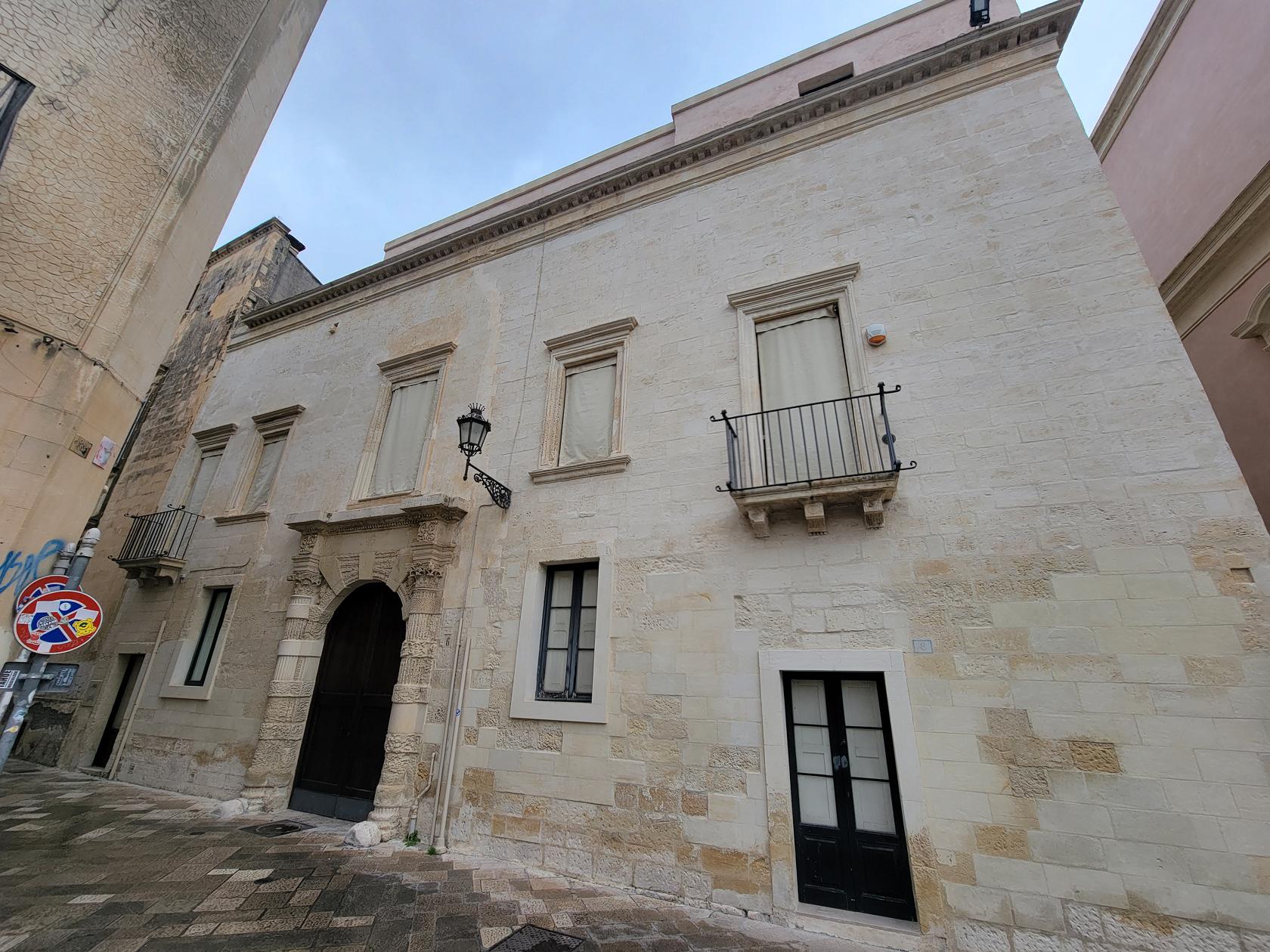
Palazzo Castromediano – Lecce, Italy
Narrow carless streets – Lecce, Italy
Old Roman columned wall – Lecce, Italy
The government here must be very careful of the city center, since it appears to have mitigated much of the traffic you would normally find in other similar cities of this size, making pedestrian traffic all that more enjoyable.
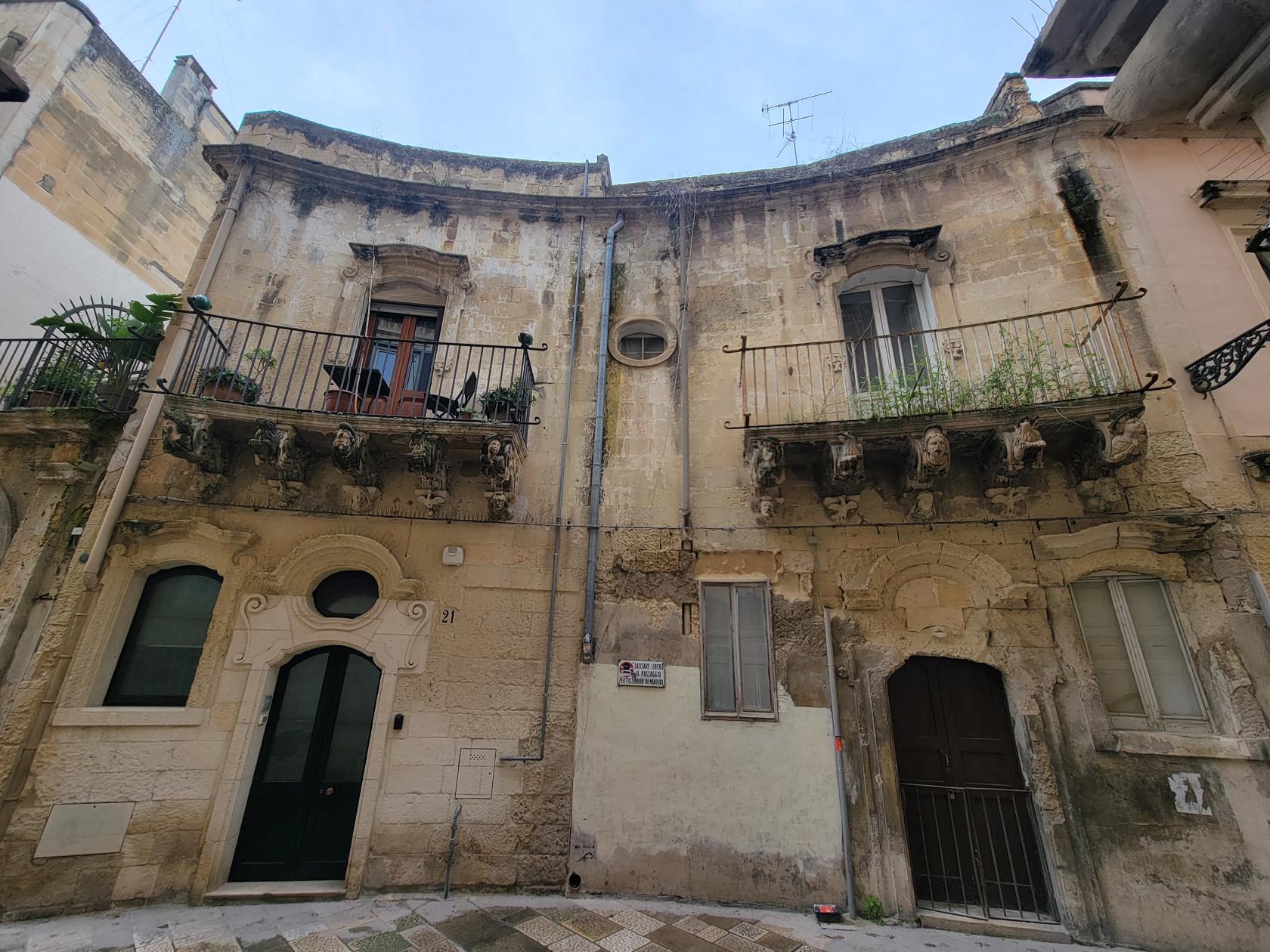
Palazzo Lecciso – Lecce, Italy
Interesting balcony supports – Lecce, Italy
Palazzo Castromediano – Lecce, Italy
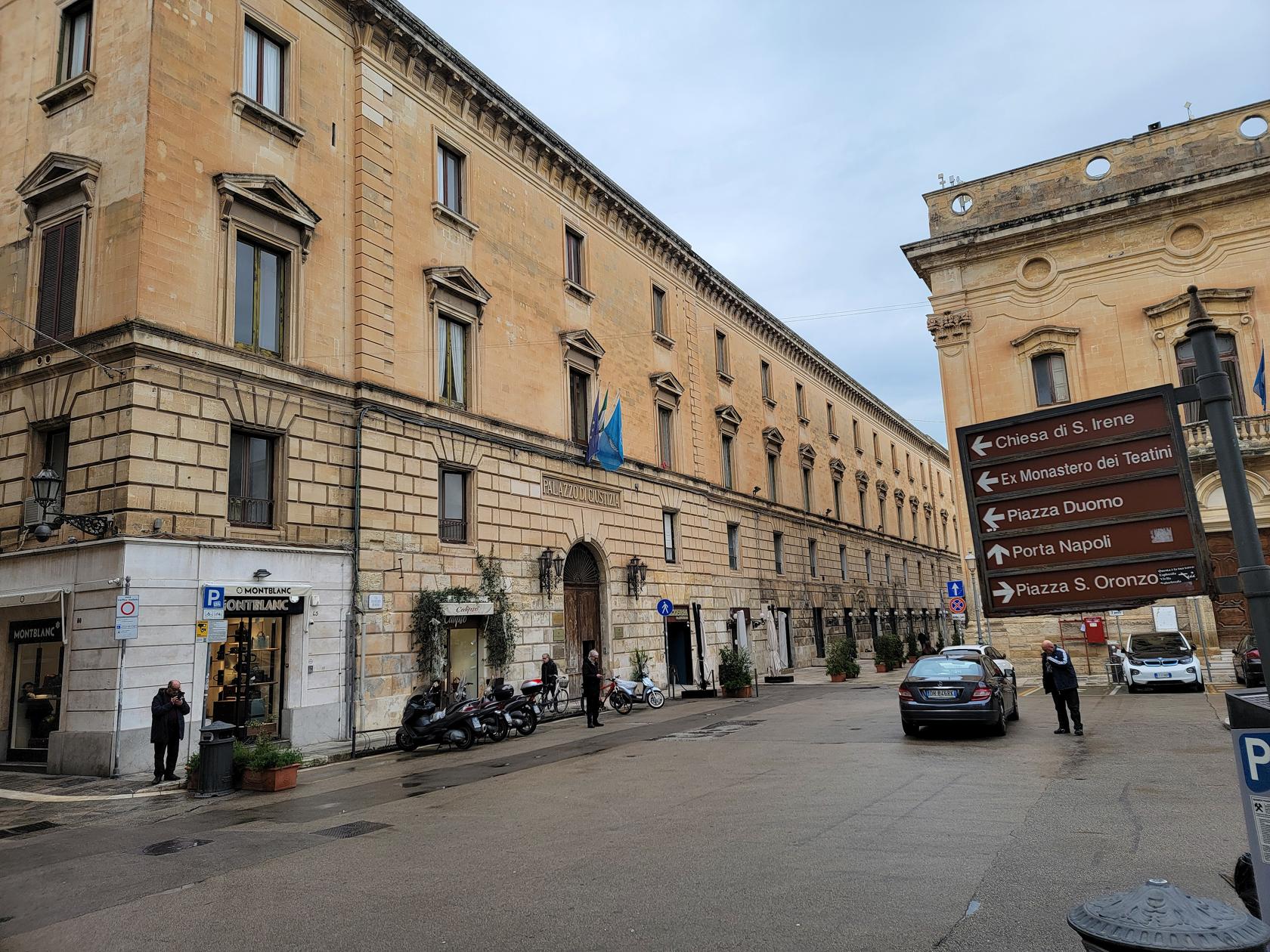
Palazzo Di Giustizia – Lecce, Italy
Ports, Gates, Columns And Castles
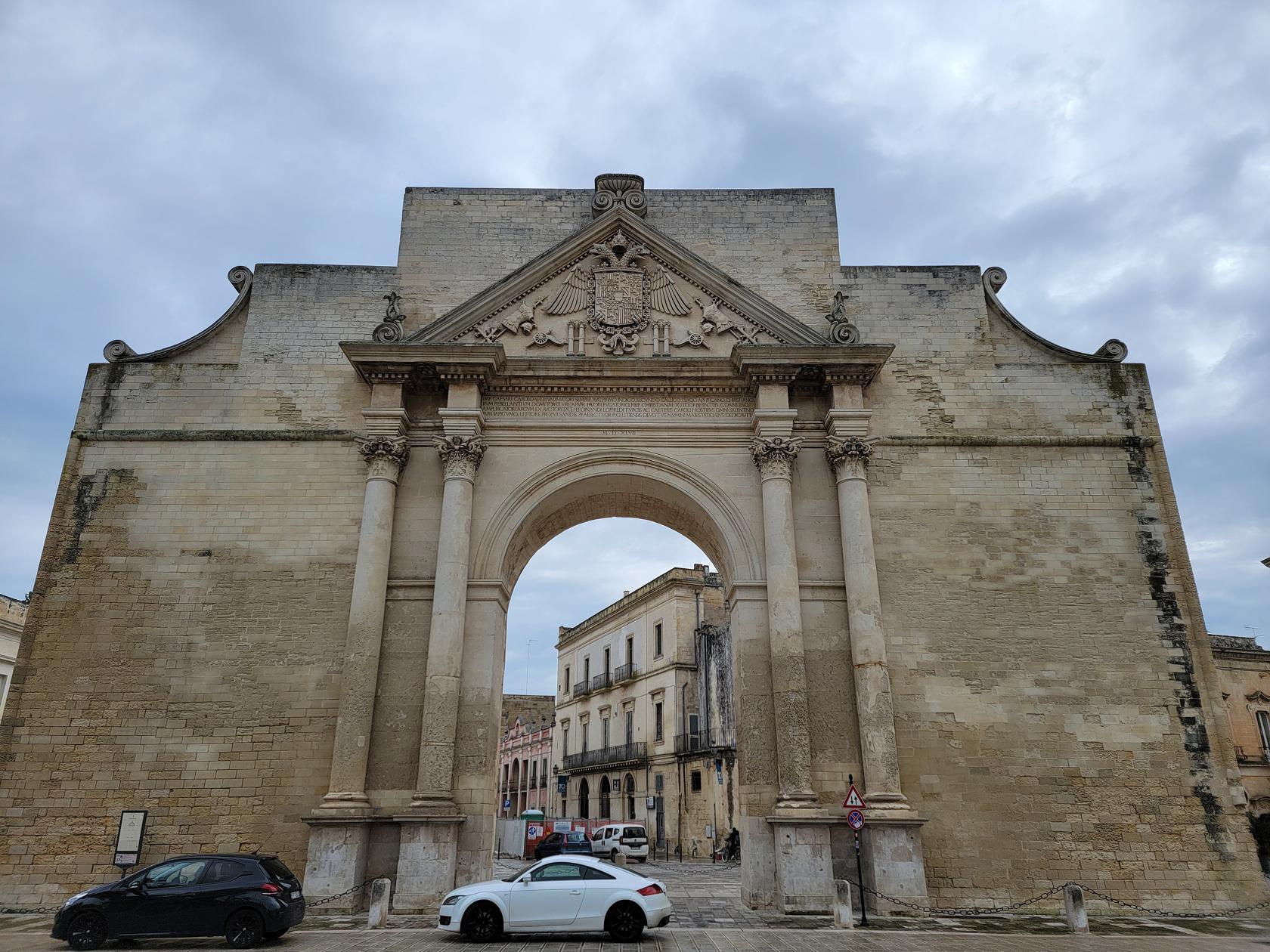
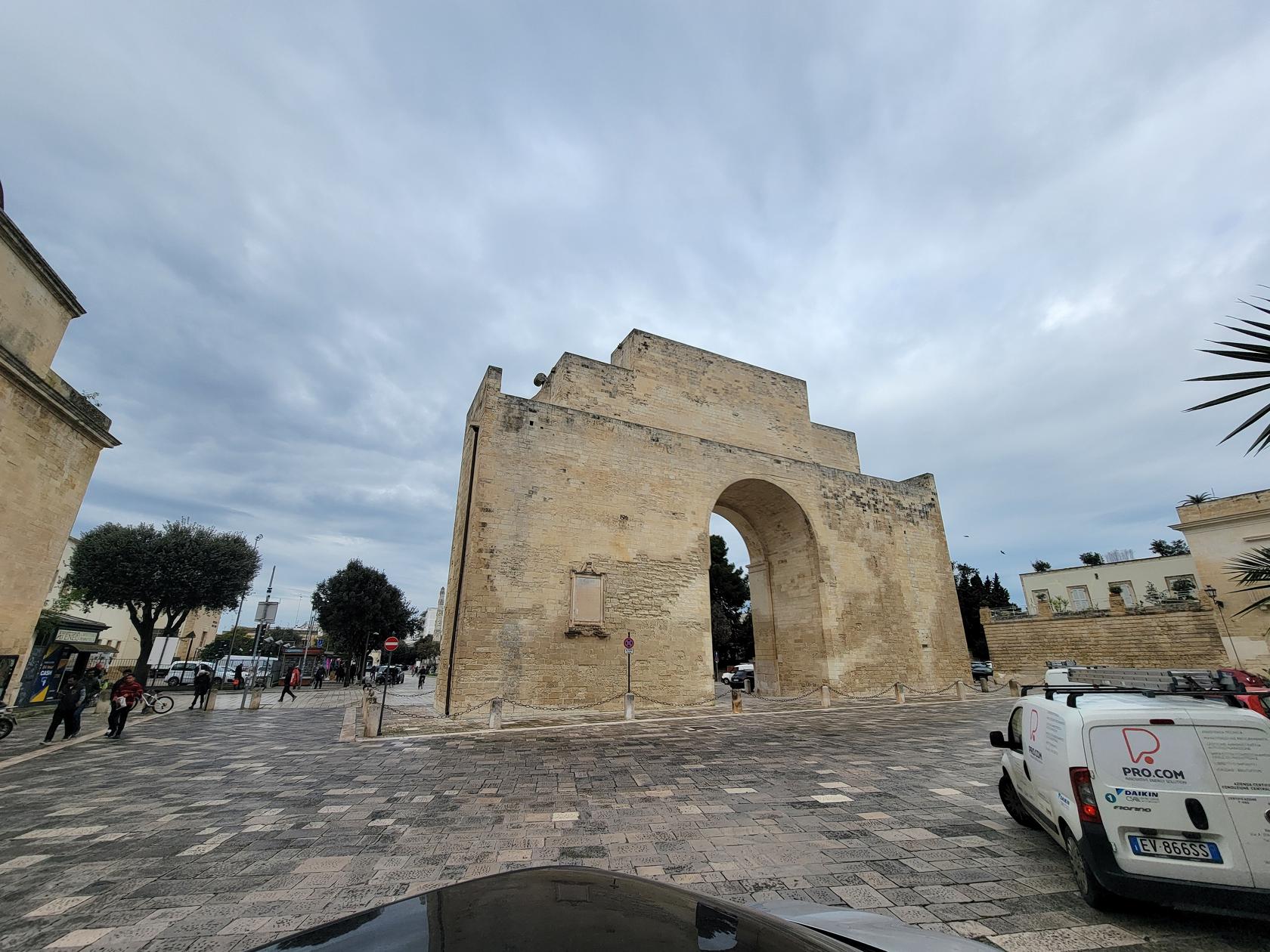
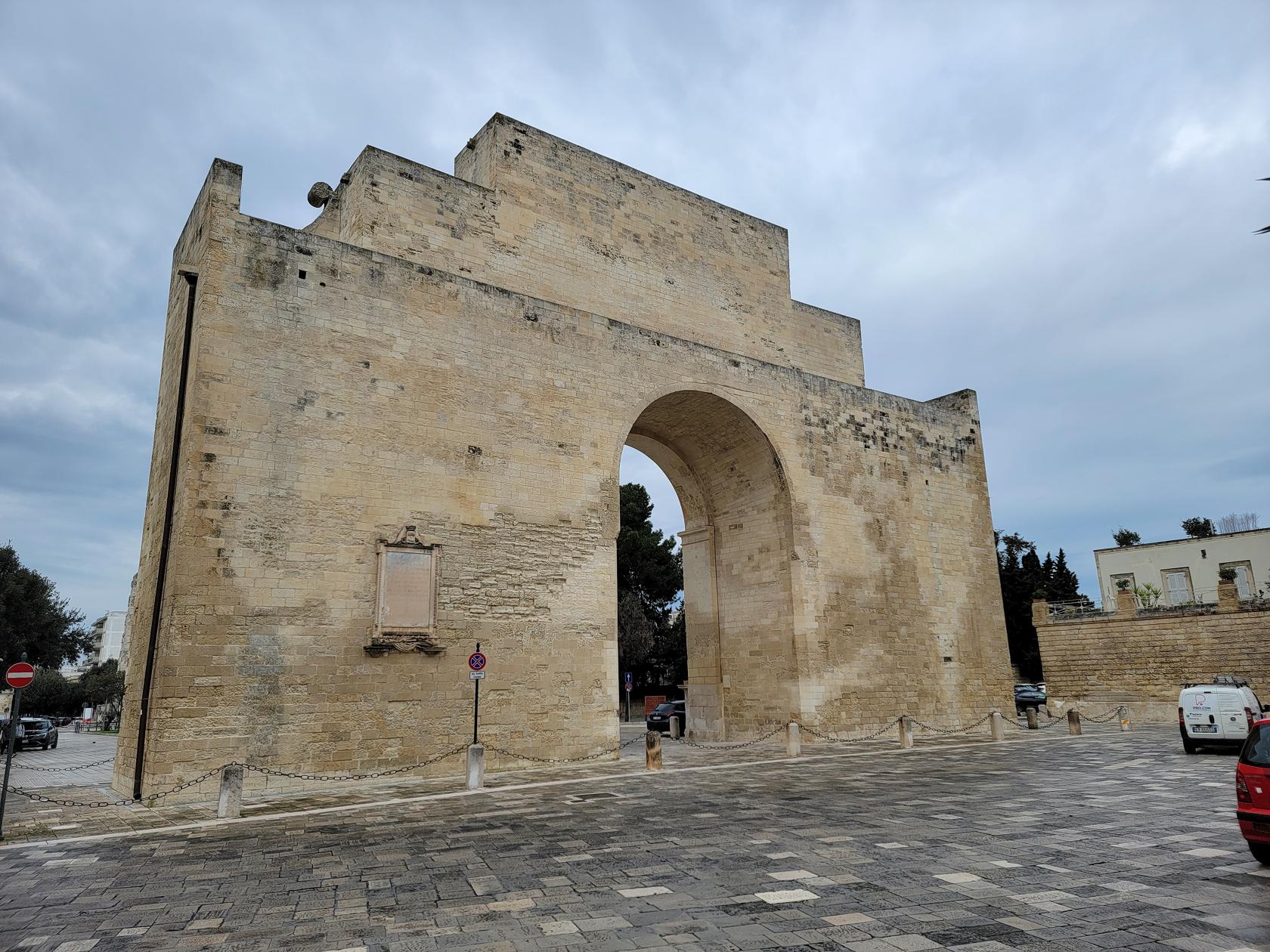
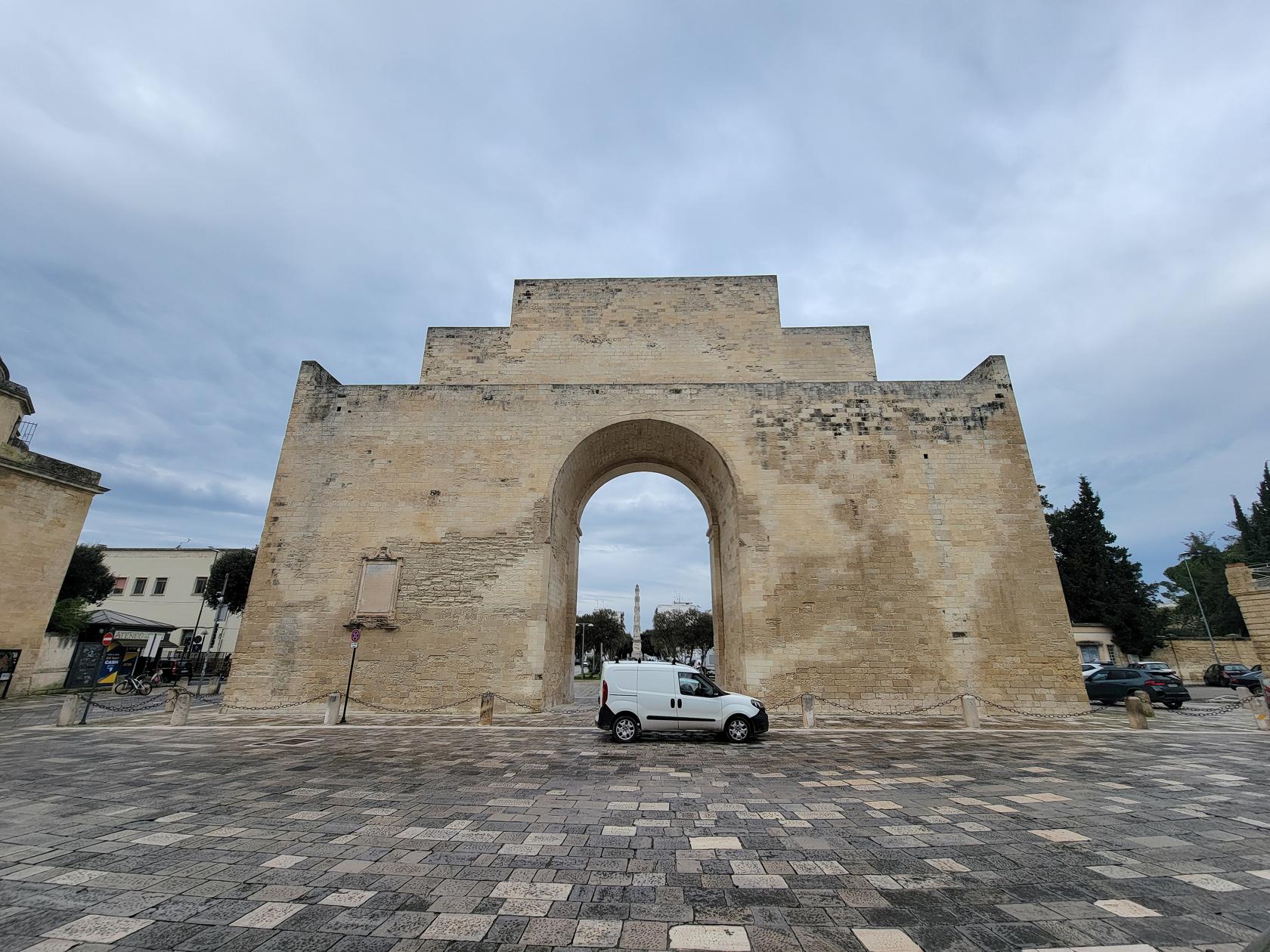
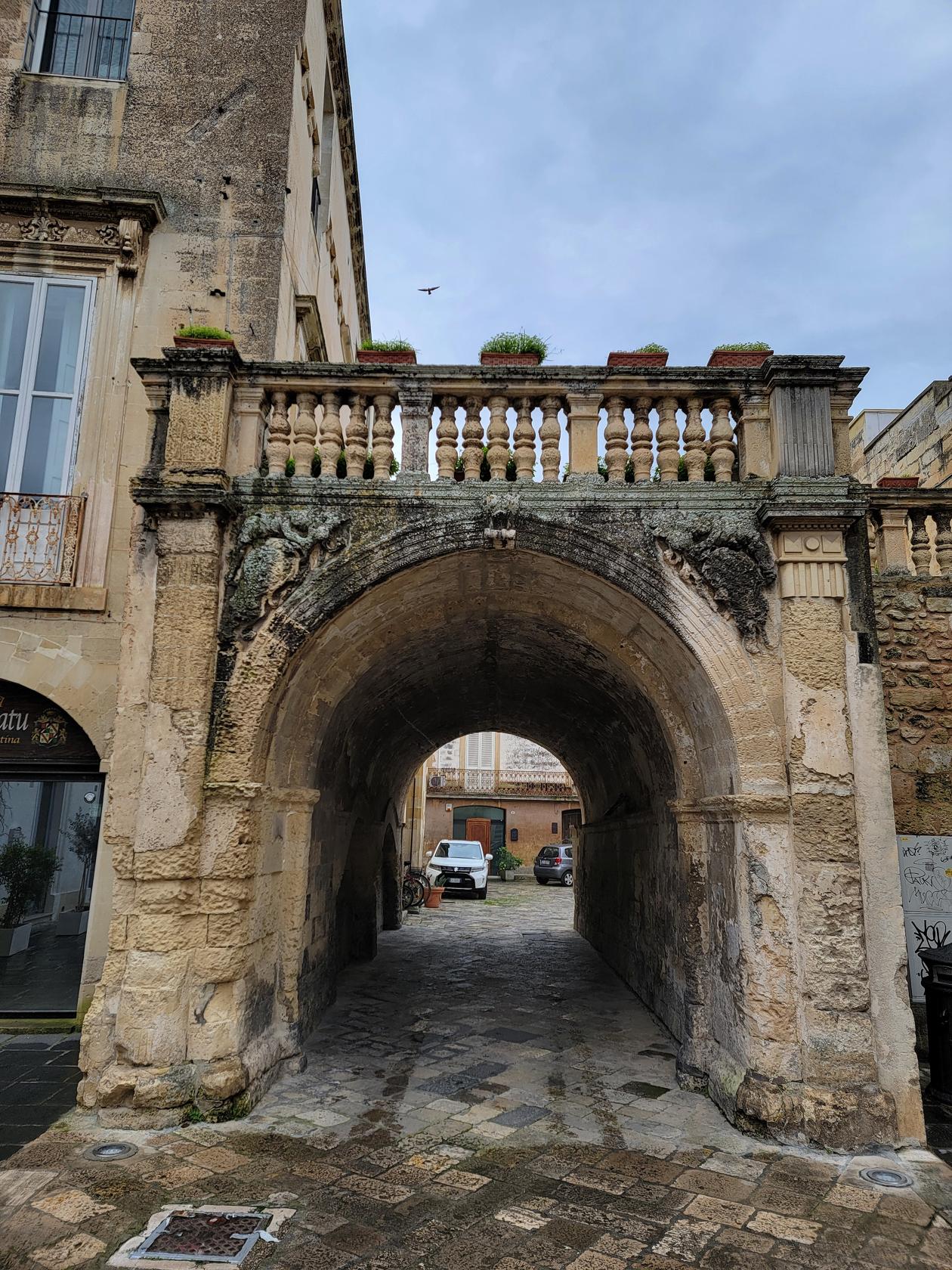
There are numerous ports, gates, columns and obelisks in Lecce. These are spread out all of the city and are well labeled on most maps. The Triumphal Arch, or Porta Napoli, is the largest and one of the three gates to enter the Città Vecchia.
Porta di Napoli – Front – Lecce, Italy
Porta di Napoli – Back – Lecce, Italy
Porta di Napoli – Back – Lecce, Italy
Porta di Napoli – Back – Lecce, Italy
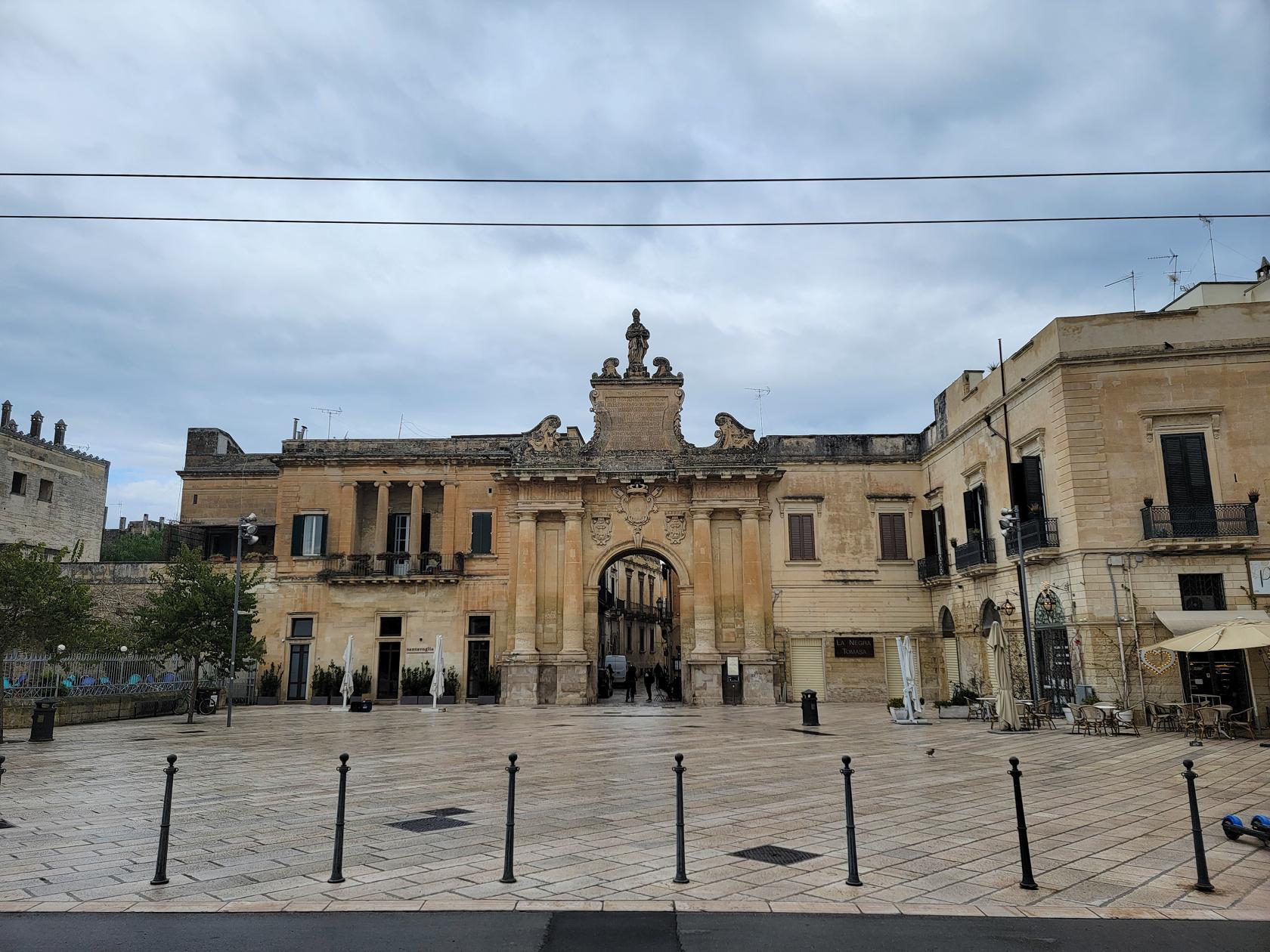
There is also the Porta San Biagio and a smaller one called the Arco di Prato, or Arch of Prato, which is somewhat hidden away within the narrow city streets.
Porta San Biagio – Lecce, Italy
The Arch of Prato – Lecce, Italy
Arch of Prato – Lecce, Italy
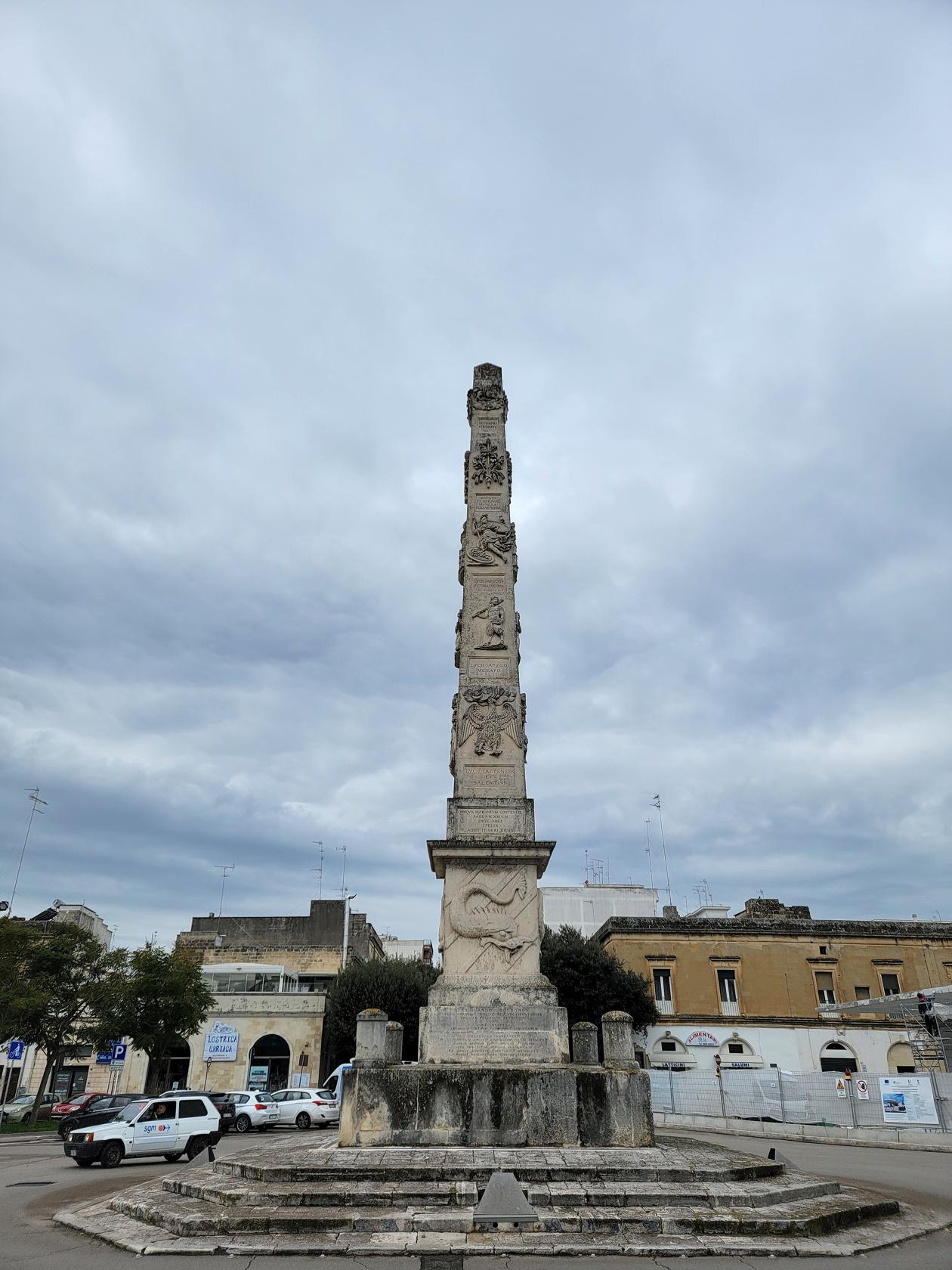
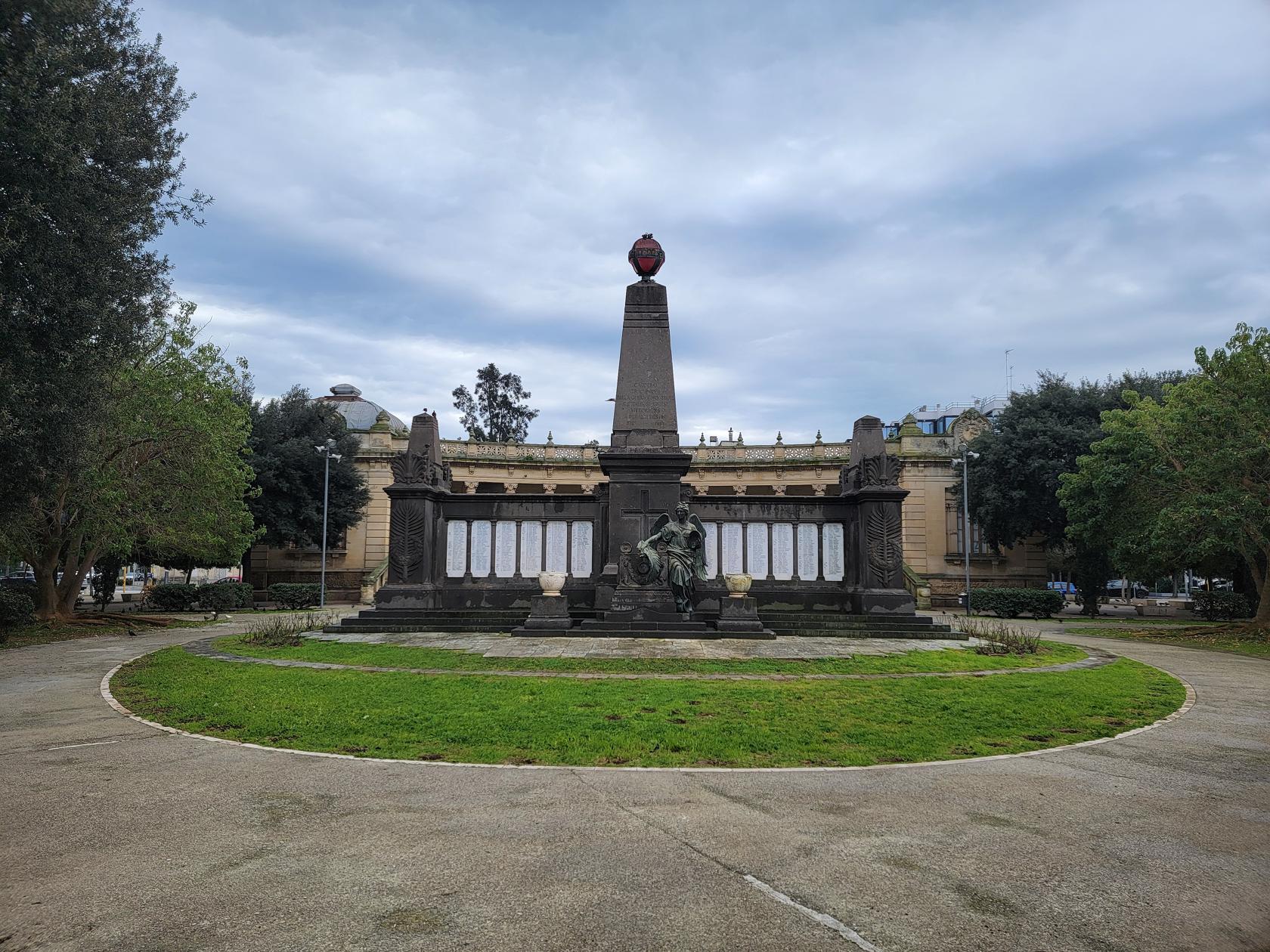
The Obelisk of Terra d’Otranto can be seen close to the Porta Napoli and is rather tall. It was erected in 1822 in honor of one of the rulers of the Two Sicilies. On the other side of town one can find the War Memorial for soldiers lost in war.
Porta di Napoli – Obelisco di Terra d’Otranto – Lecce, Italy
War Memorial – Lecce, Italy
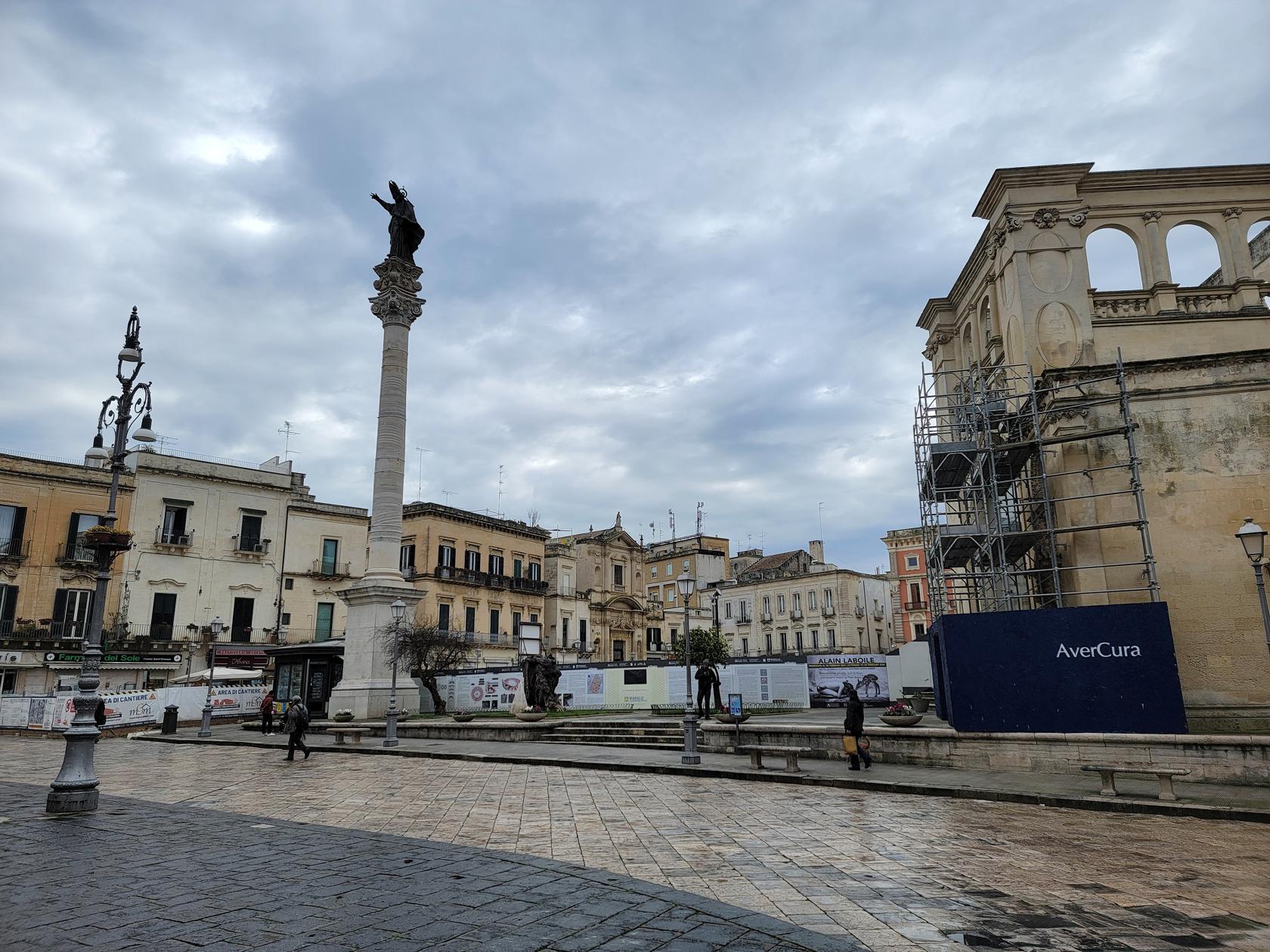
In the Piazza Saint Oronzo you will find the Colonna di Sant’Oronzo, or the Column of Saint Oronzo. It is a tall pedestal with Saint Oronzo on top. The column itself was assembled from pieces of the one that fell apart in Brindisi in the mid sixteenth century, its twin can be found near the port of that city.
Column of Saint Oronzo – Lecce, Italy
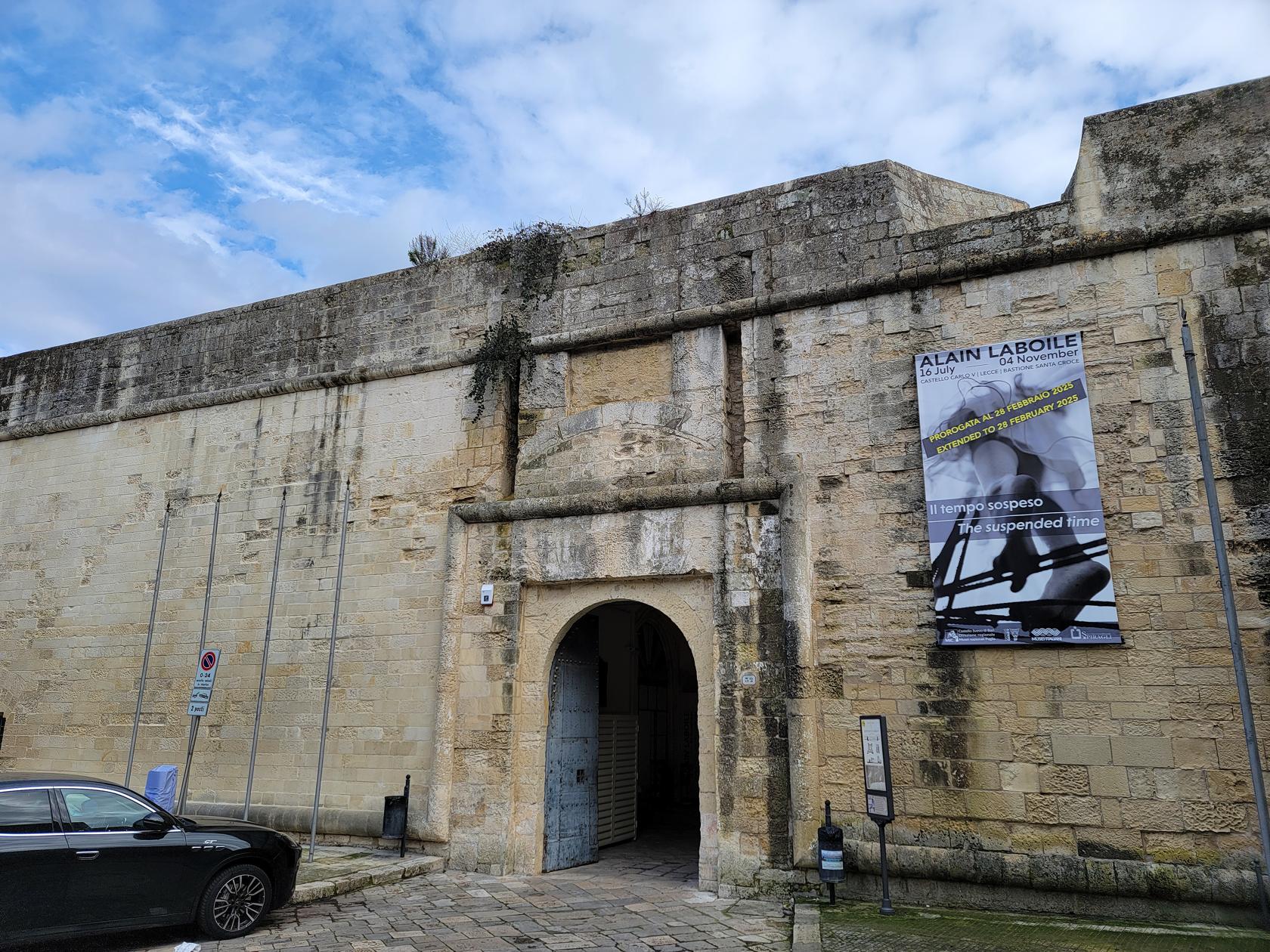
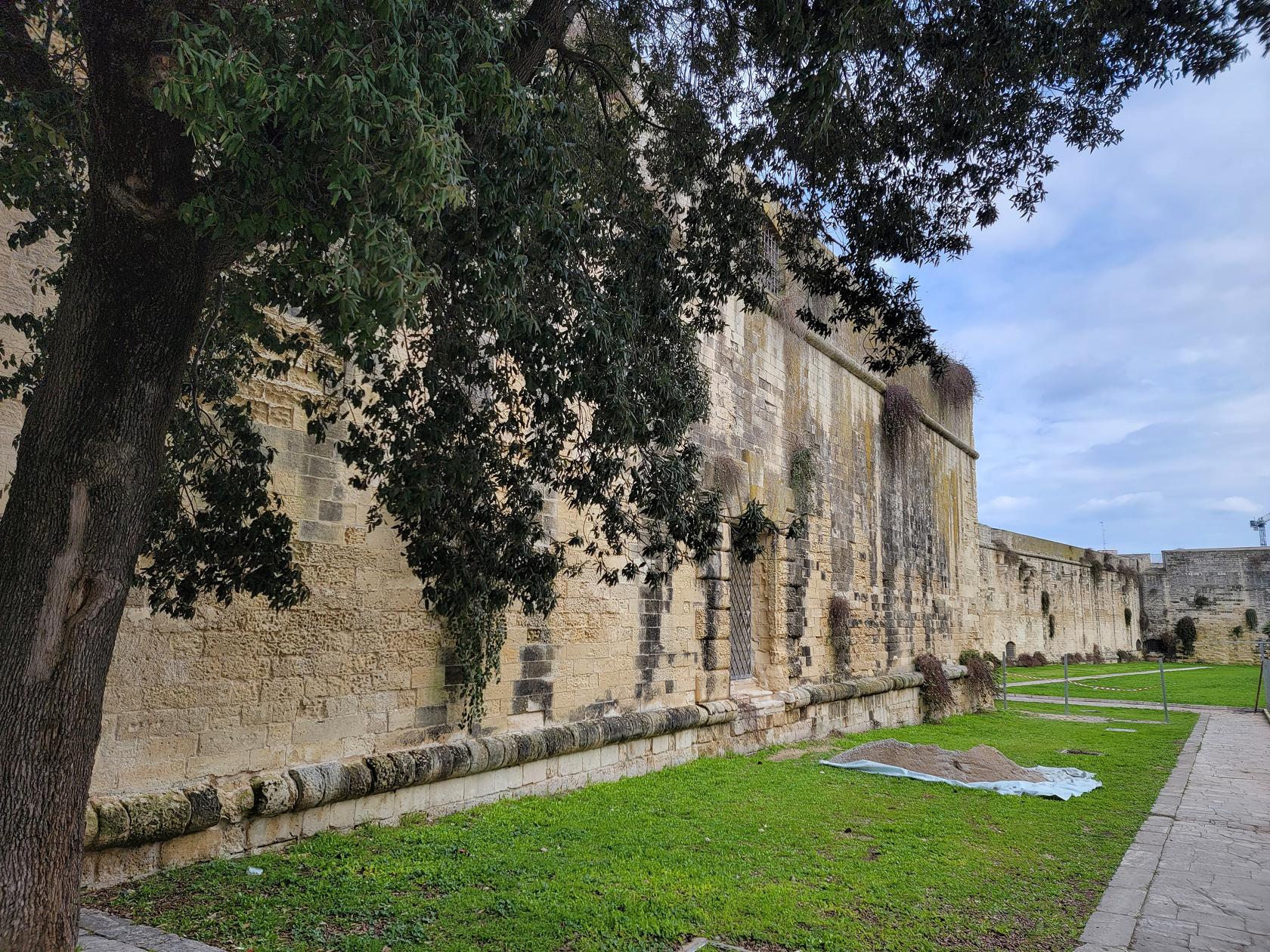
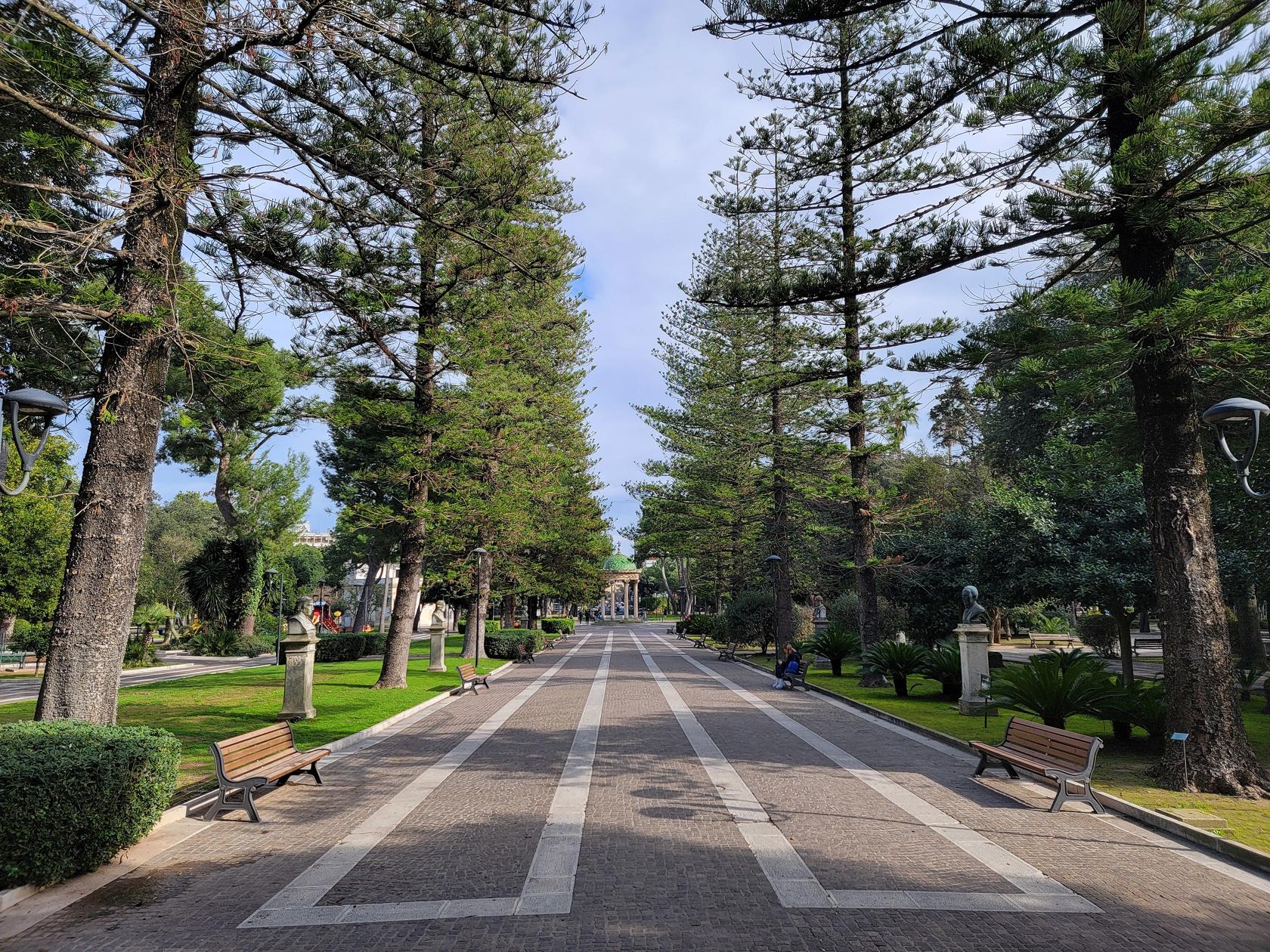
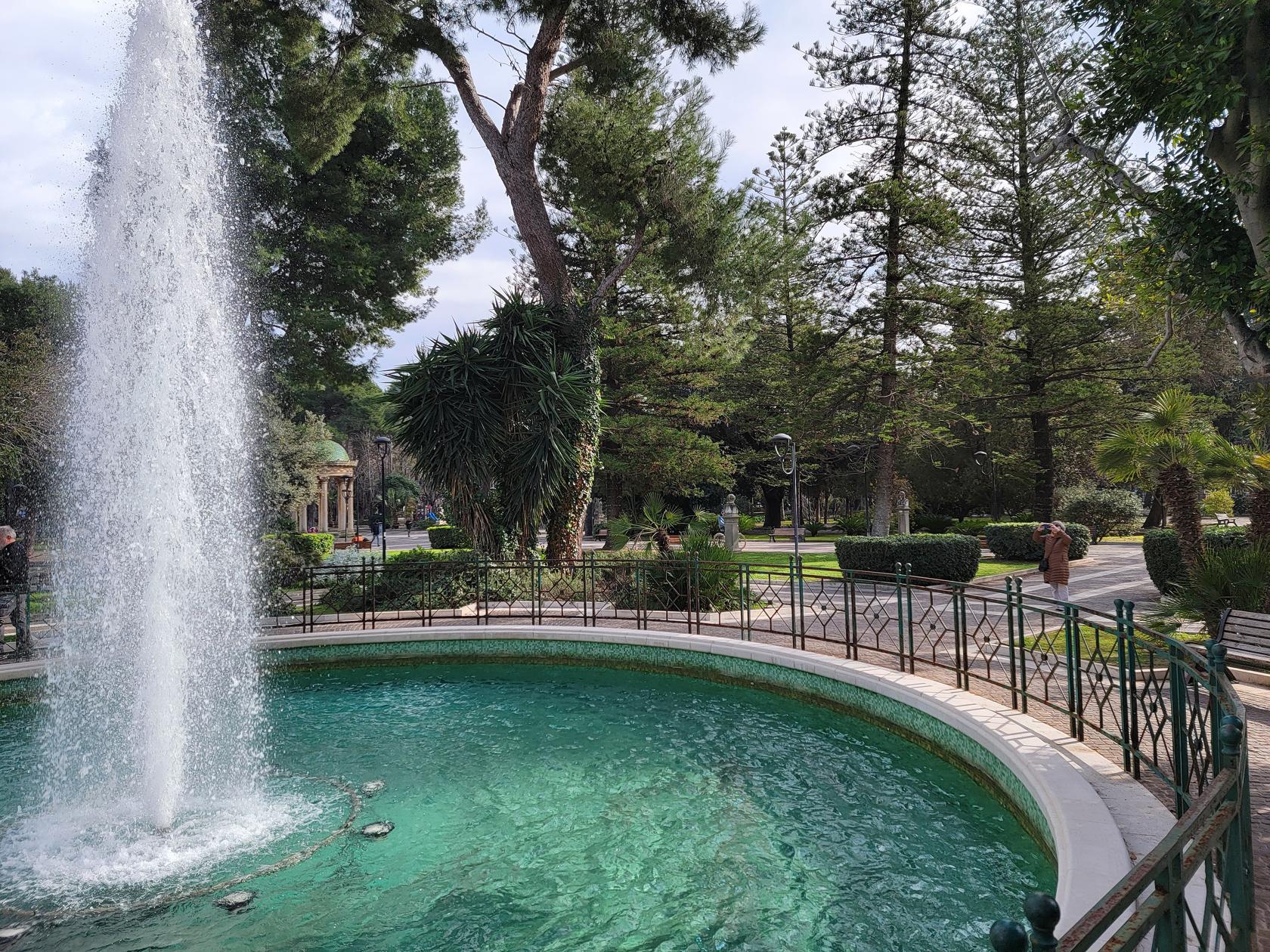
The Castello de Carlo V, or Castle of Charles V sits on the eastern edge of the historic city and below the Giuseppe Garibaldi Public Gardens. It is a large structure and tours are offered, all of which are guided, so you cannot tour the grounds unaccompanied. A short walk from there you will the public park or gardens, which is always a good stop to rest your feet after a few hours of walking.
Castello Carlo V di Lecce – Lecce, Italy
Castello Carlo V di Lecce – Lecce, Italy
Giuseppe Garibaldi Public Gardens – Lecce, Italy
Giuseppe Garibaldi Public Gardens – Fountain – Lecce, Italy
Roman Ruins
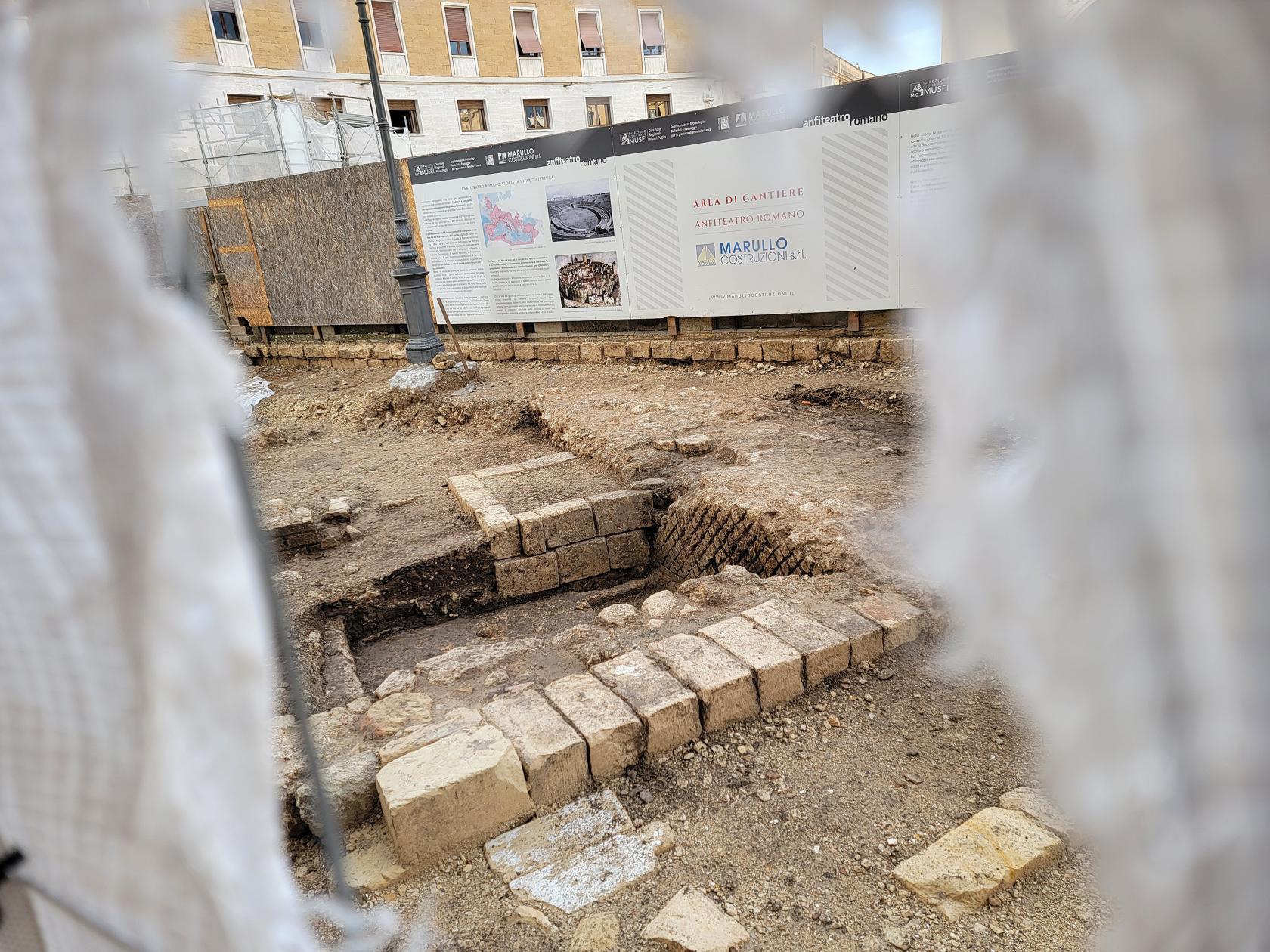
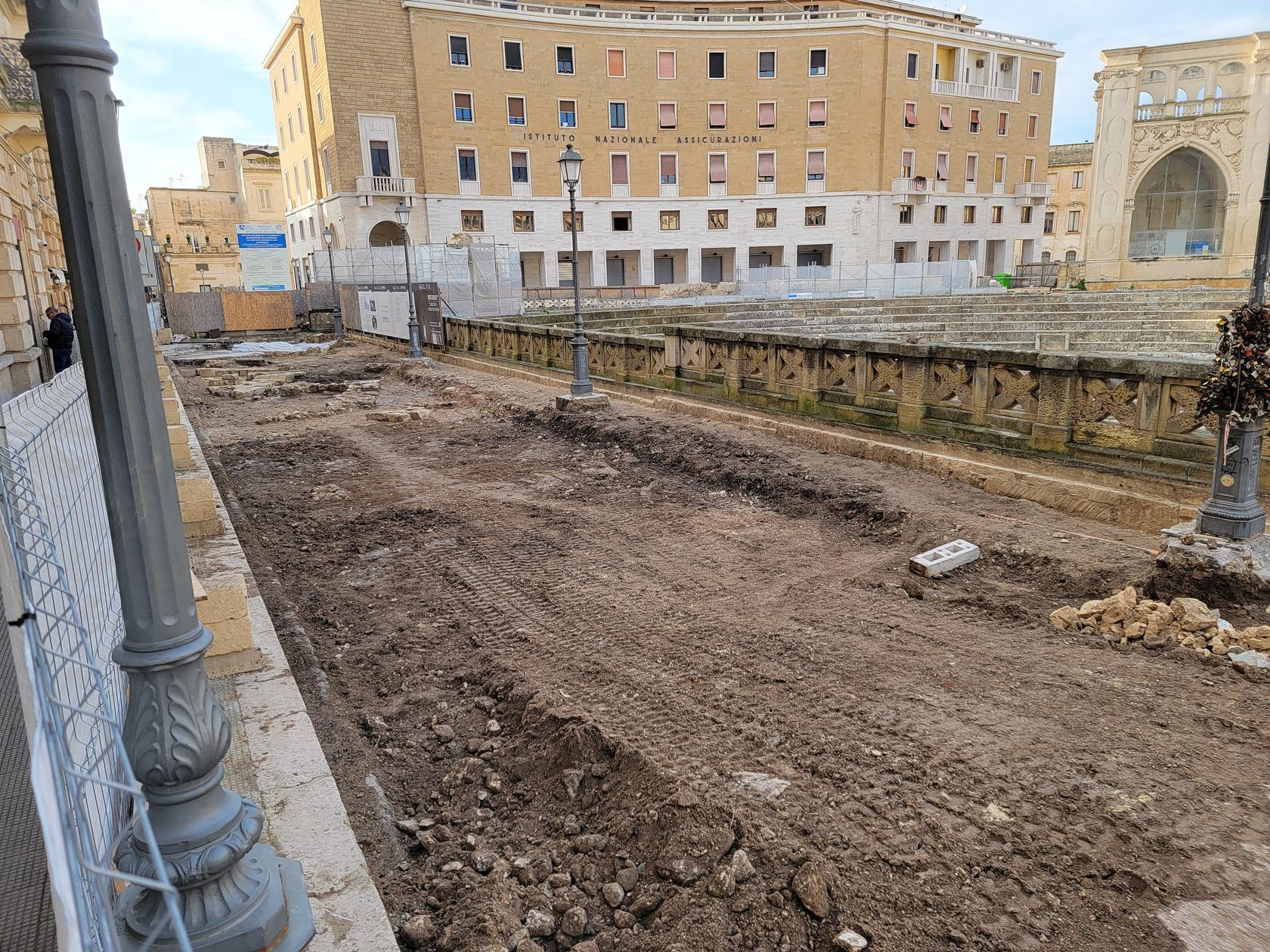
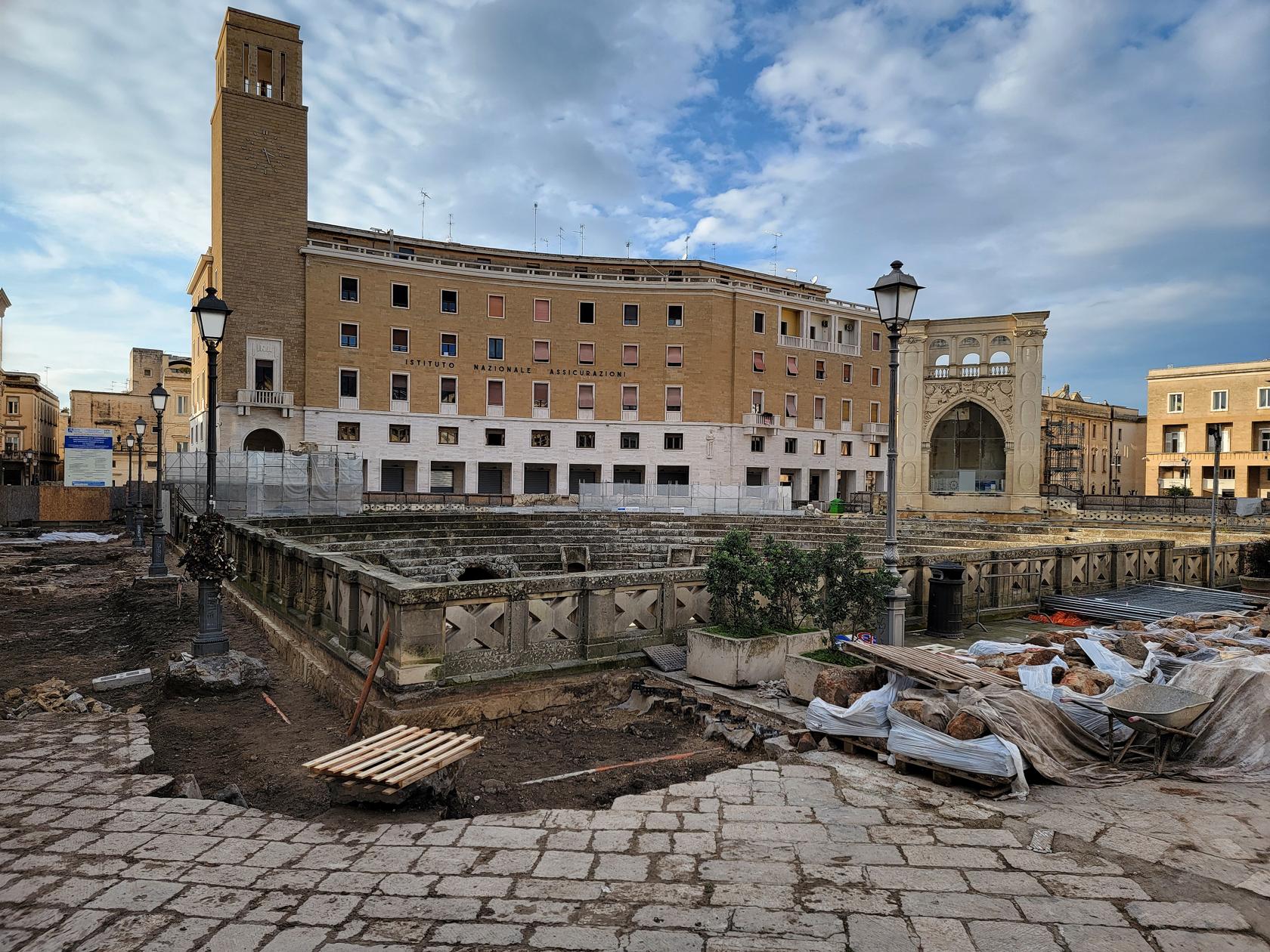
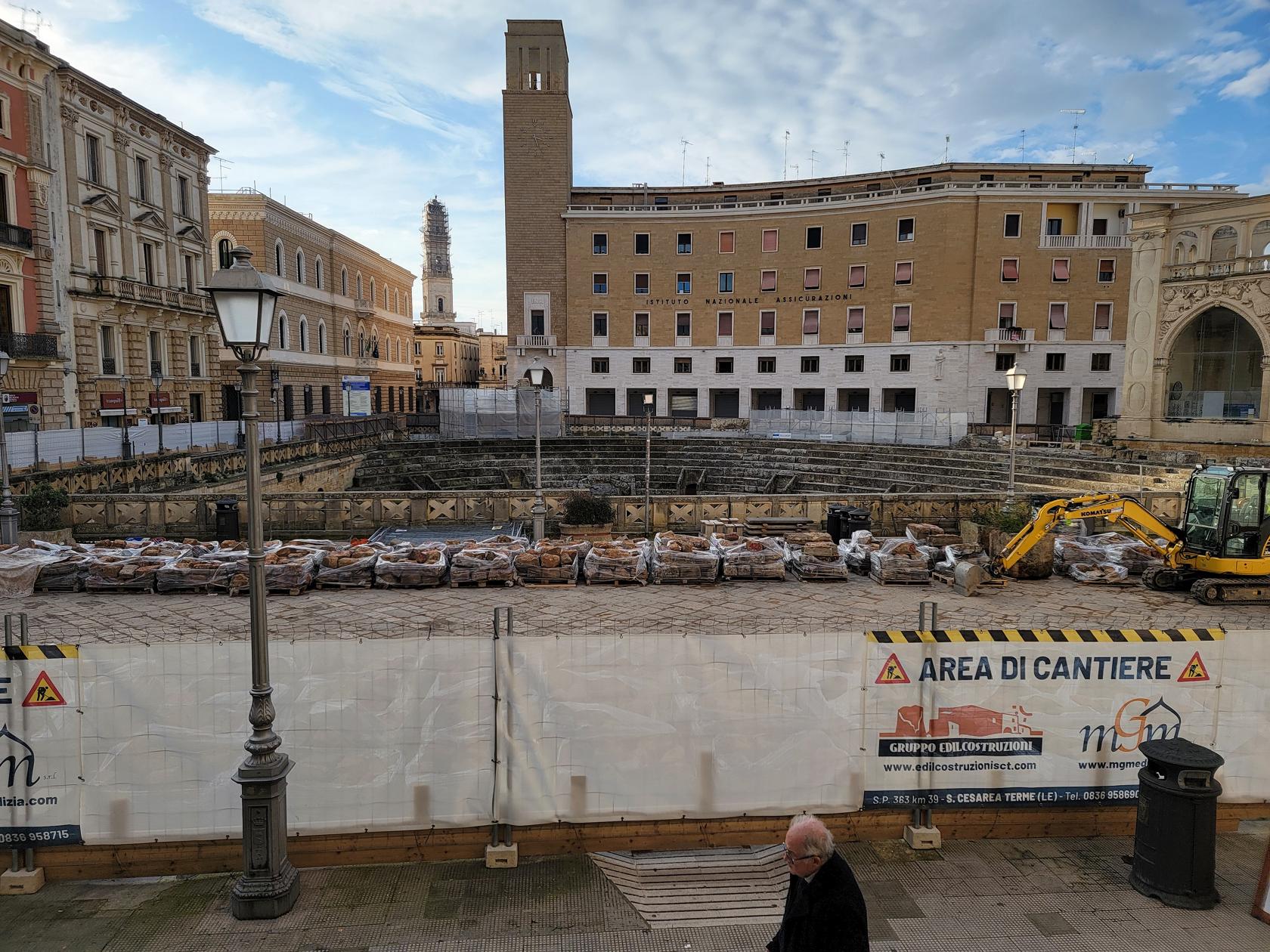
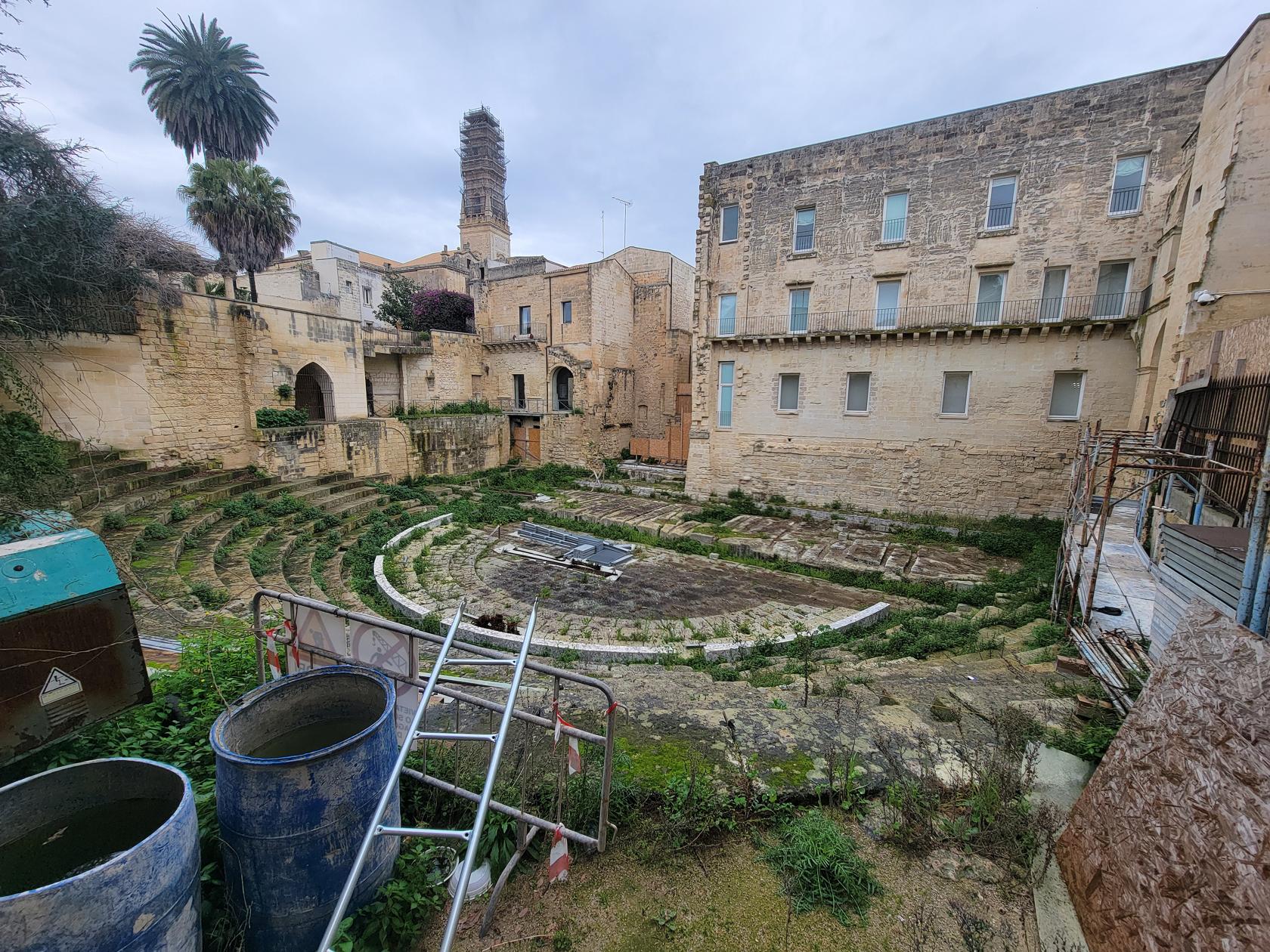
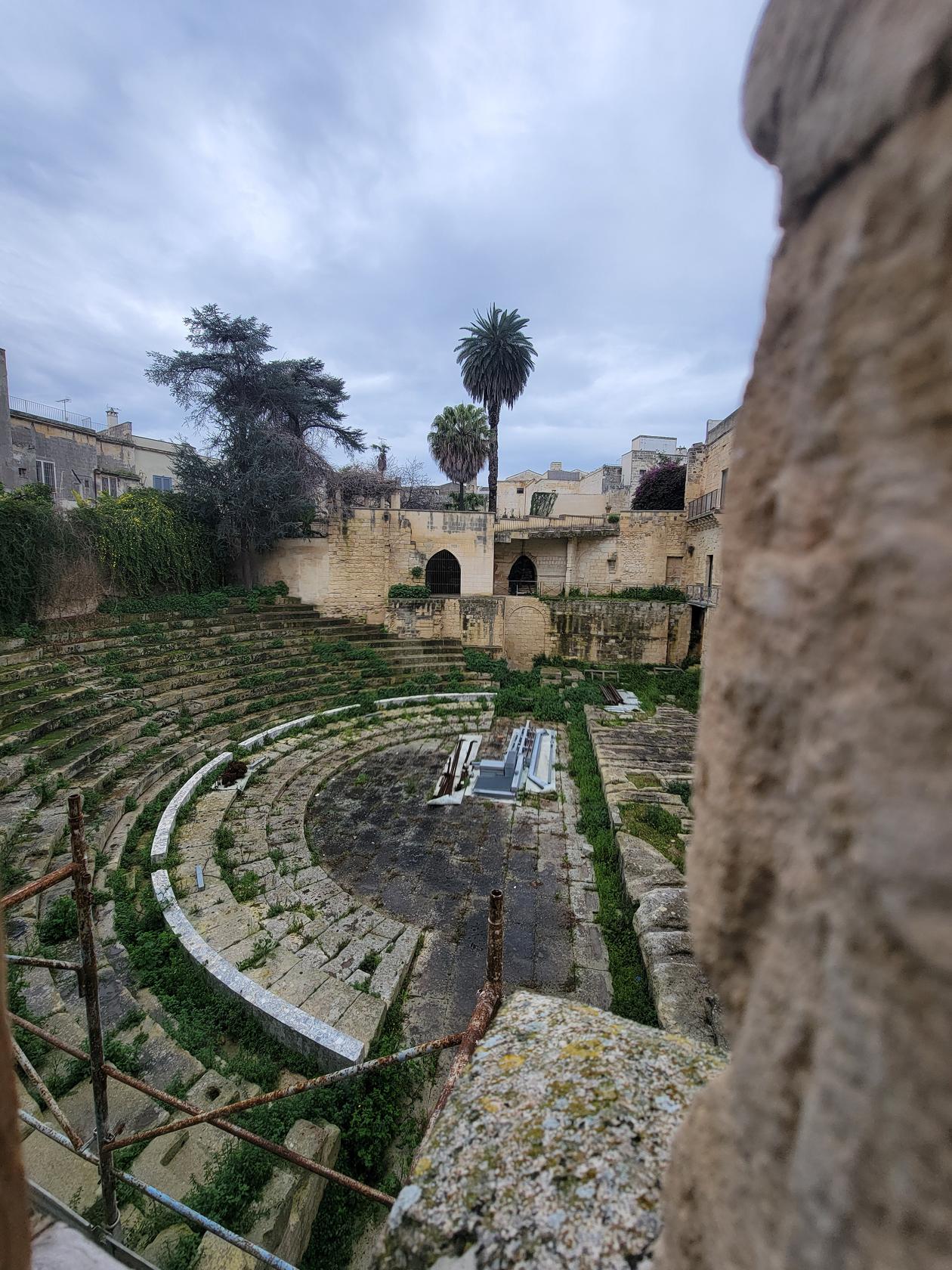
Lecce has in its old historic city not one, but two Roman amphitheaters. Unfortunately for us, both were being restored while we visited and photography was very difficult in both cases.
Roman Amphitheater of Lecce – Lecce, Italy
Roman Amphitheater of Lecce – Lecce, Italy
Roman Amphitheater of Lecce – Lecce, Italy
Roman Amphitheater of Lecce – Lecce, Italy
Roman Amphitheater, 2nd Century – Lecce, Italy
Roman Amphitheater, 2nd Century – Lecce, Italy
Where We Stayed
For the second time on this trip we have booked a Bed and Breakfast. I still cannot say I am fan, but there are times when alternatives to hotels may make a better fit. However, we only commit to such alternatives directly and after thorough research.
L’Orangerie d’Epoque
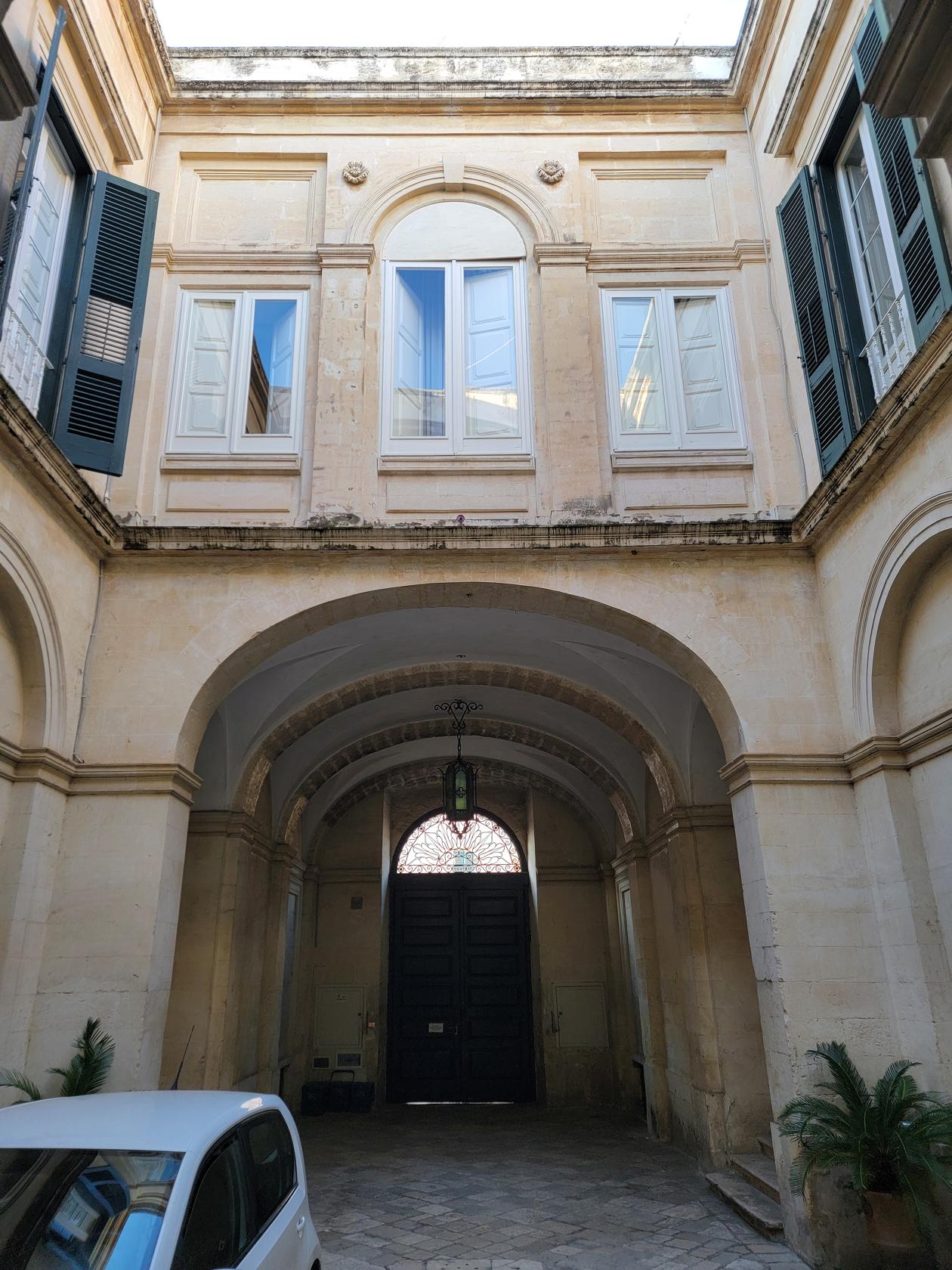
We stayed at a Bed and Breakfast called L’Orangerie d’Epoque on Viale Francesco Lo Re near the Porta San Biagio. A rather large building with a central portico that appears to have one owner.
L’Orangerie d’Epoque Bed & Breakfast – Entryway and Portico – Lecce, Italy
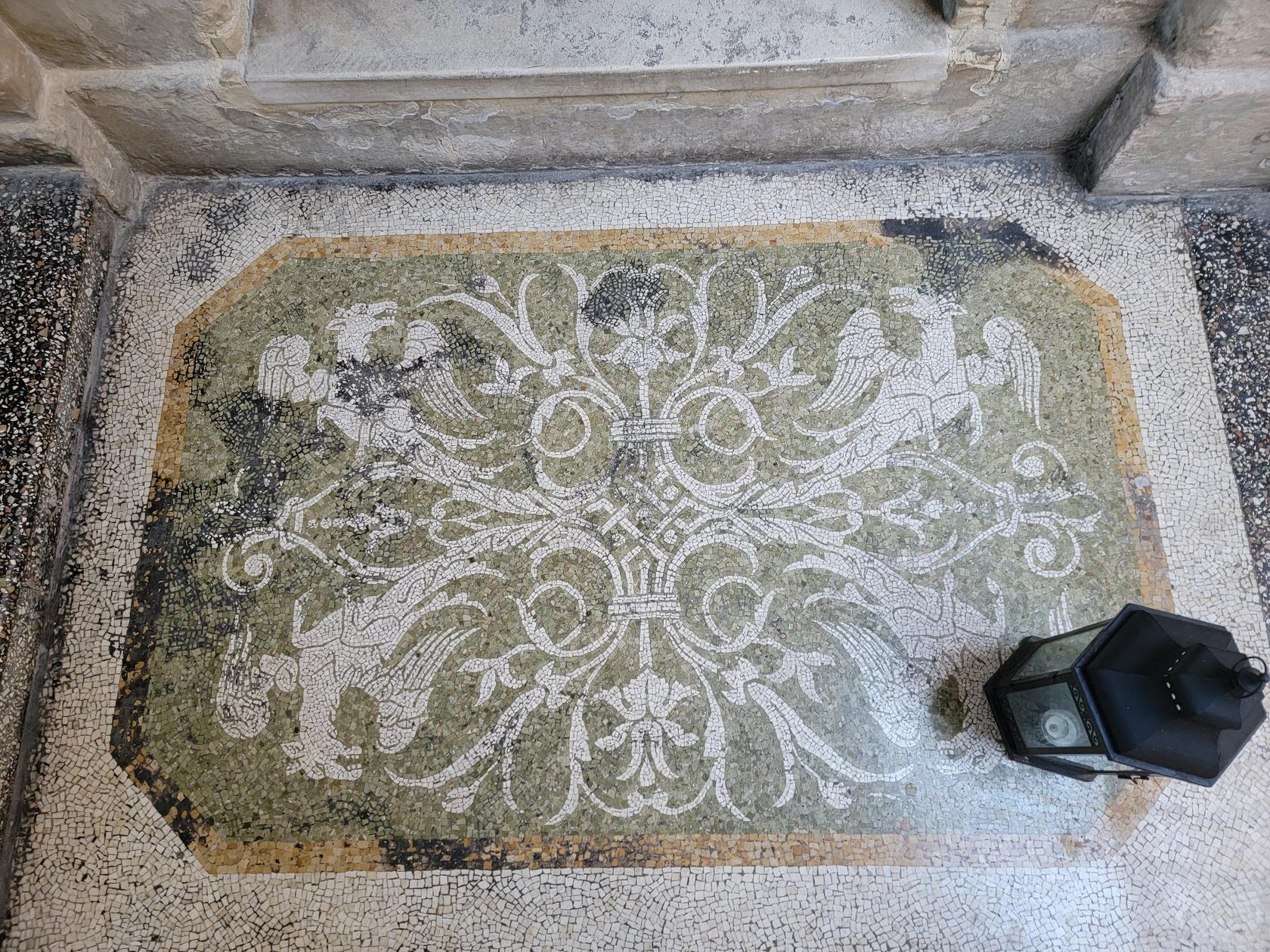
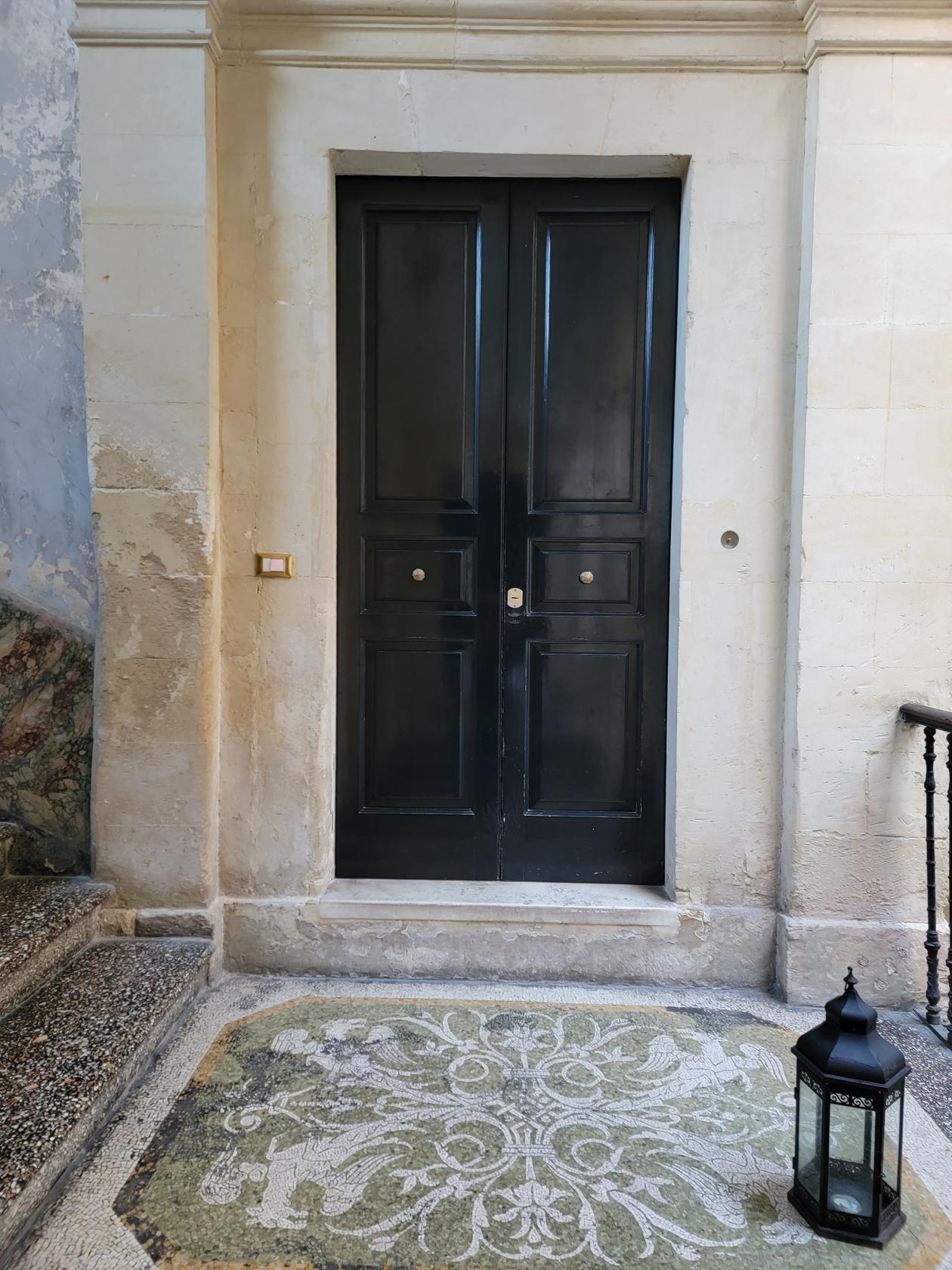
Our room was on the ground floor with its own entrance to the portico. The entryway has a beautiful mosaic tiled floor, reminiscent of ancient Rome or Pompeii.
L’Orangerie d’Epoque Bed & Breakfast – Entrance Mosaic and Door – Lecce, Italy
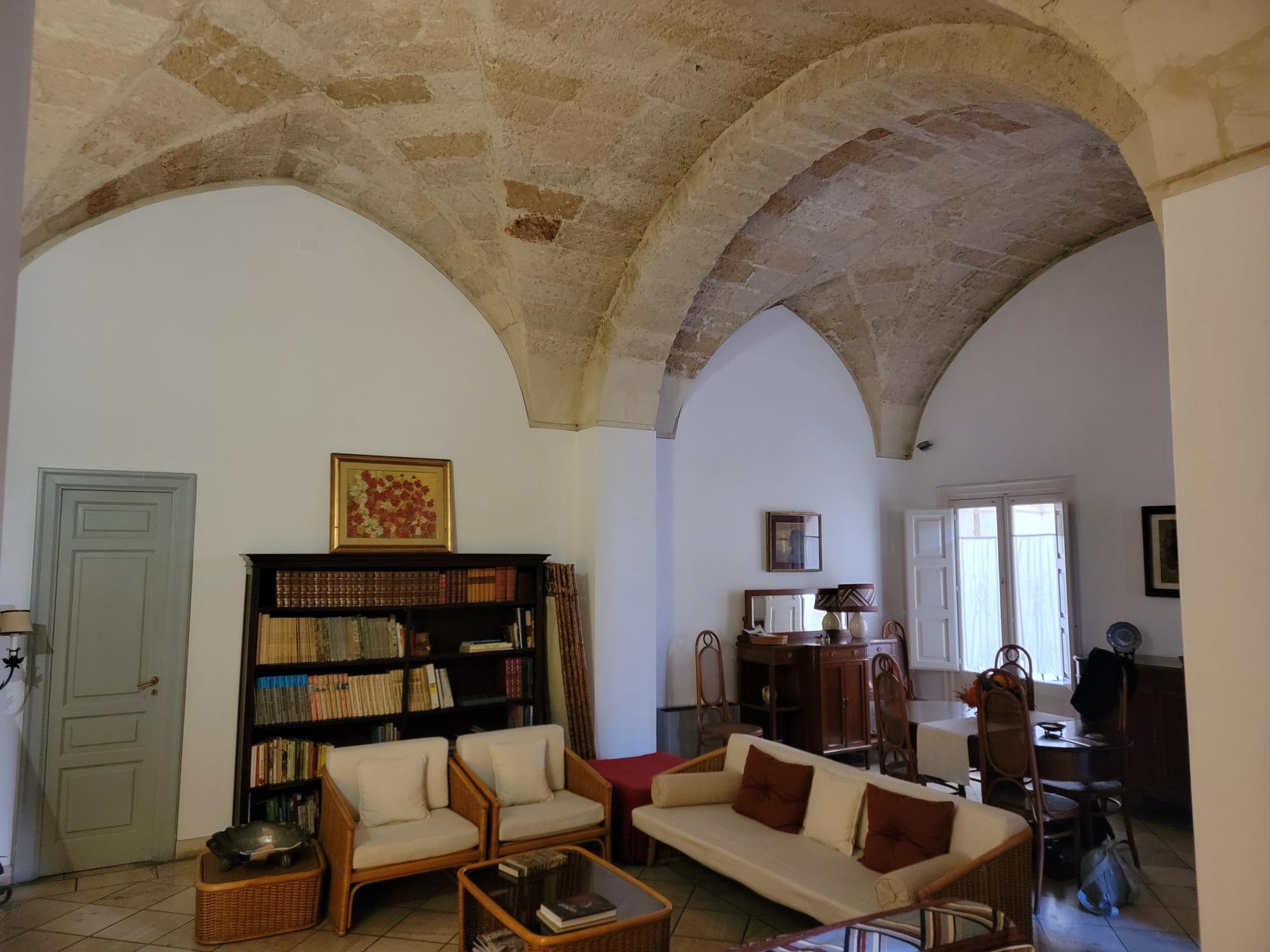
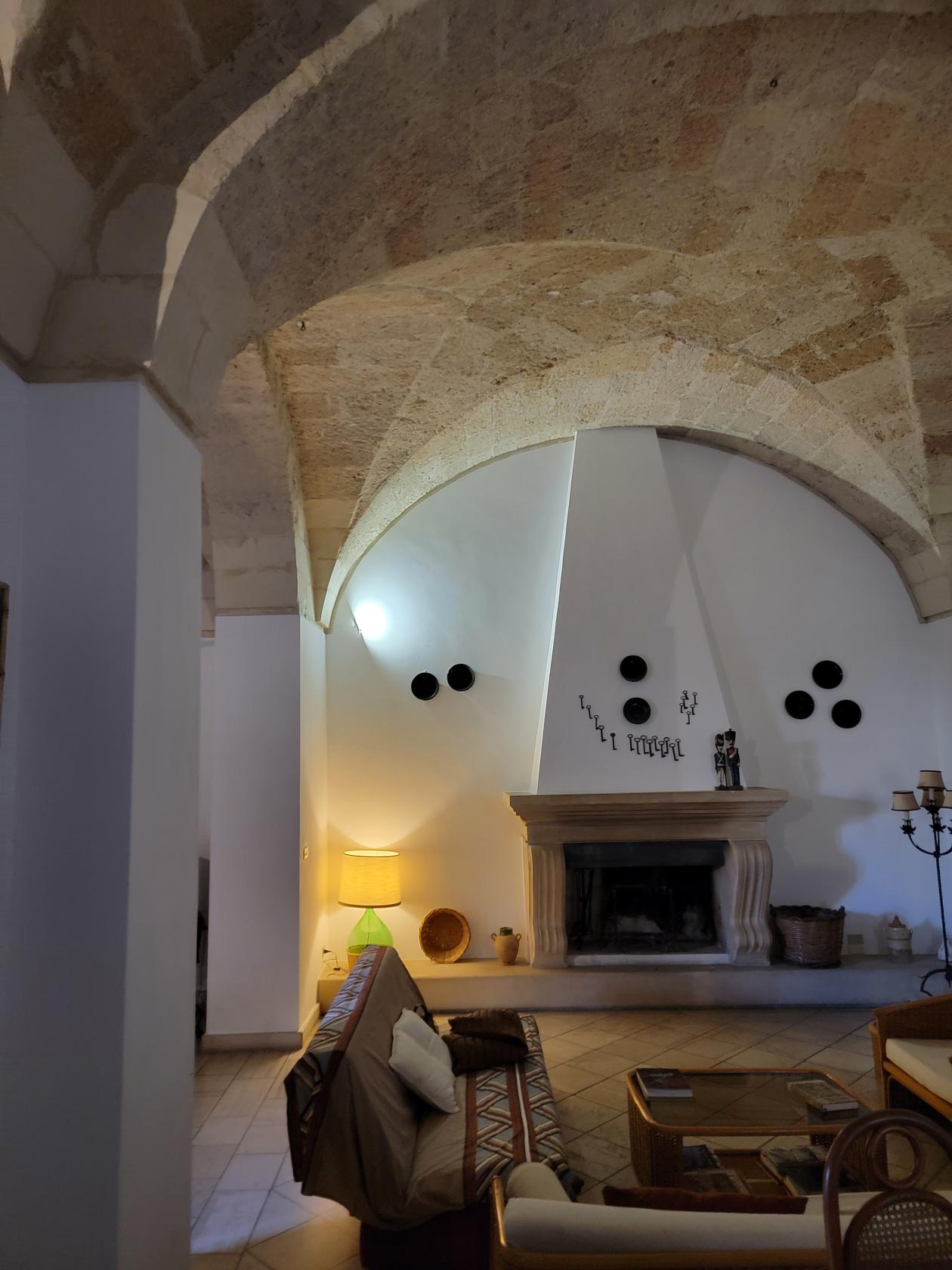
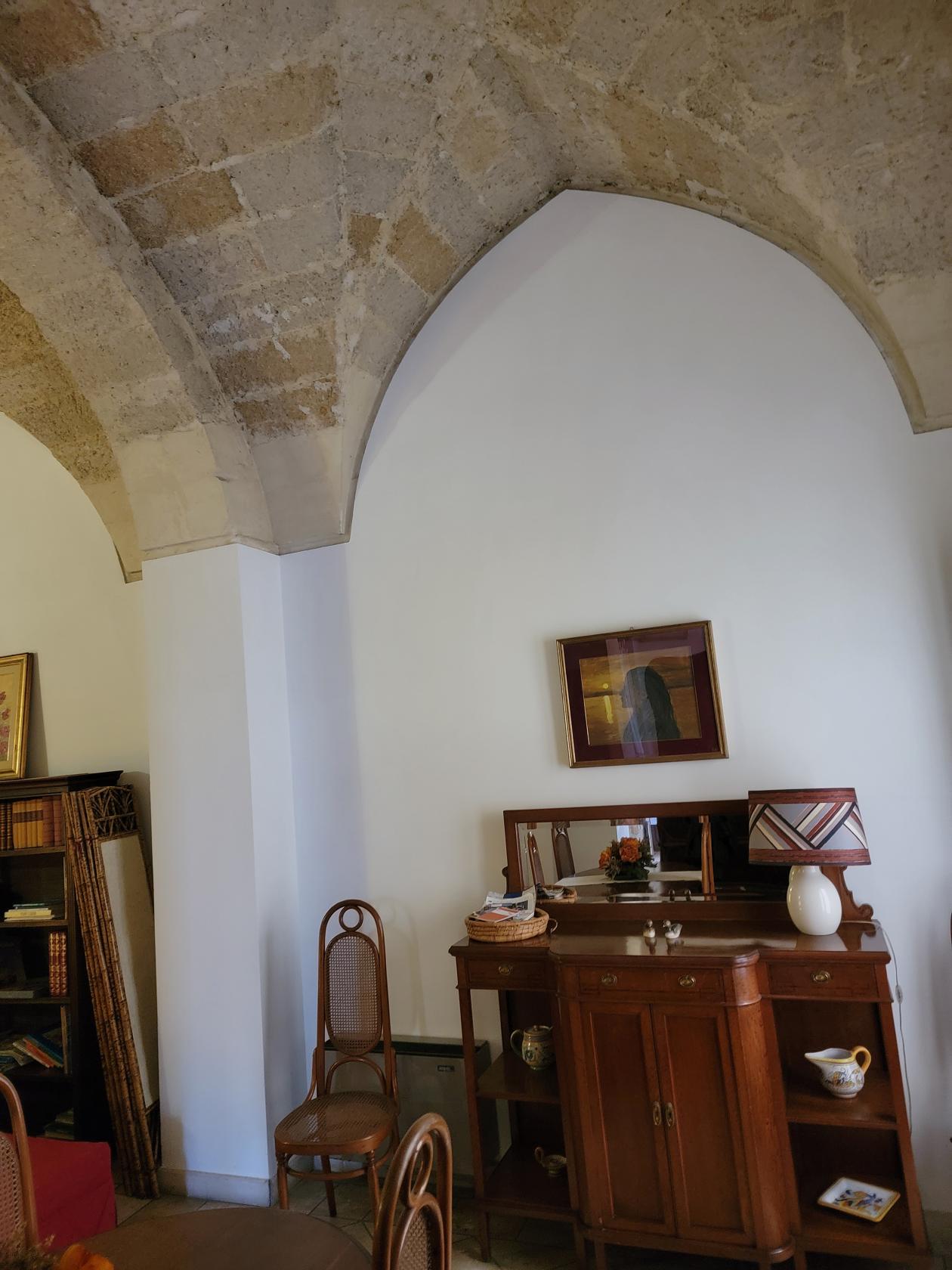
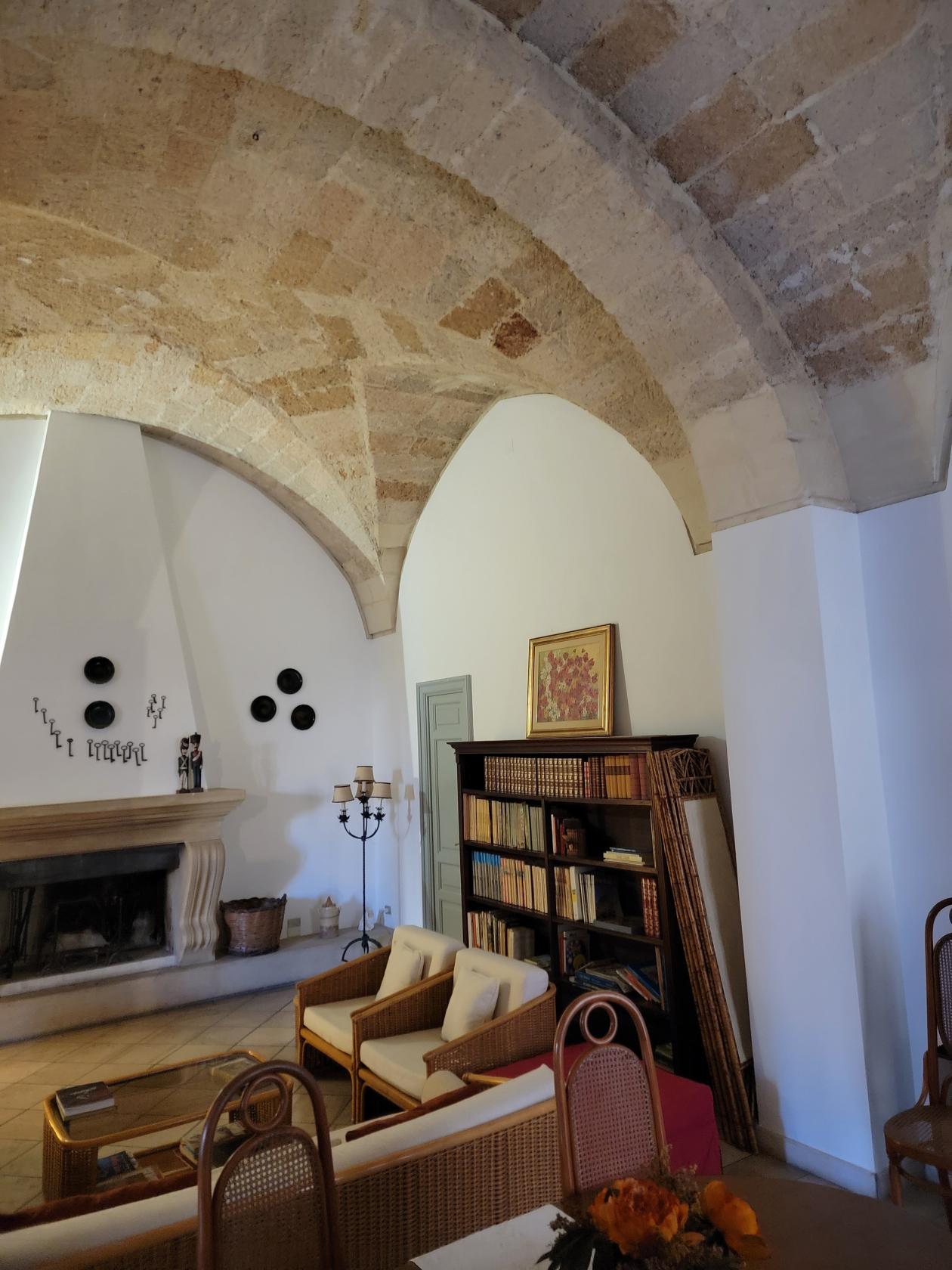
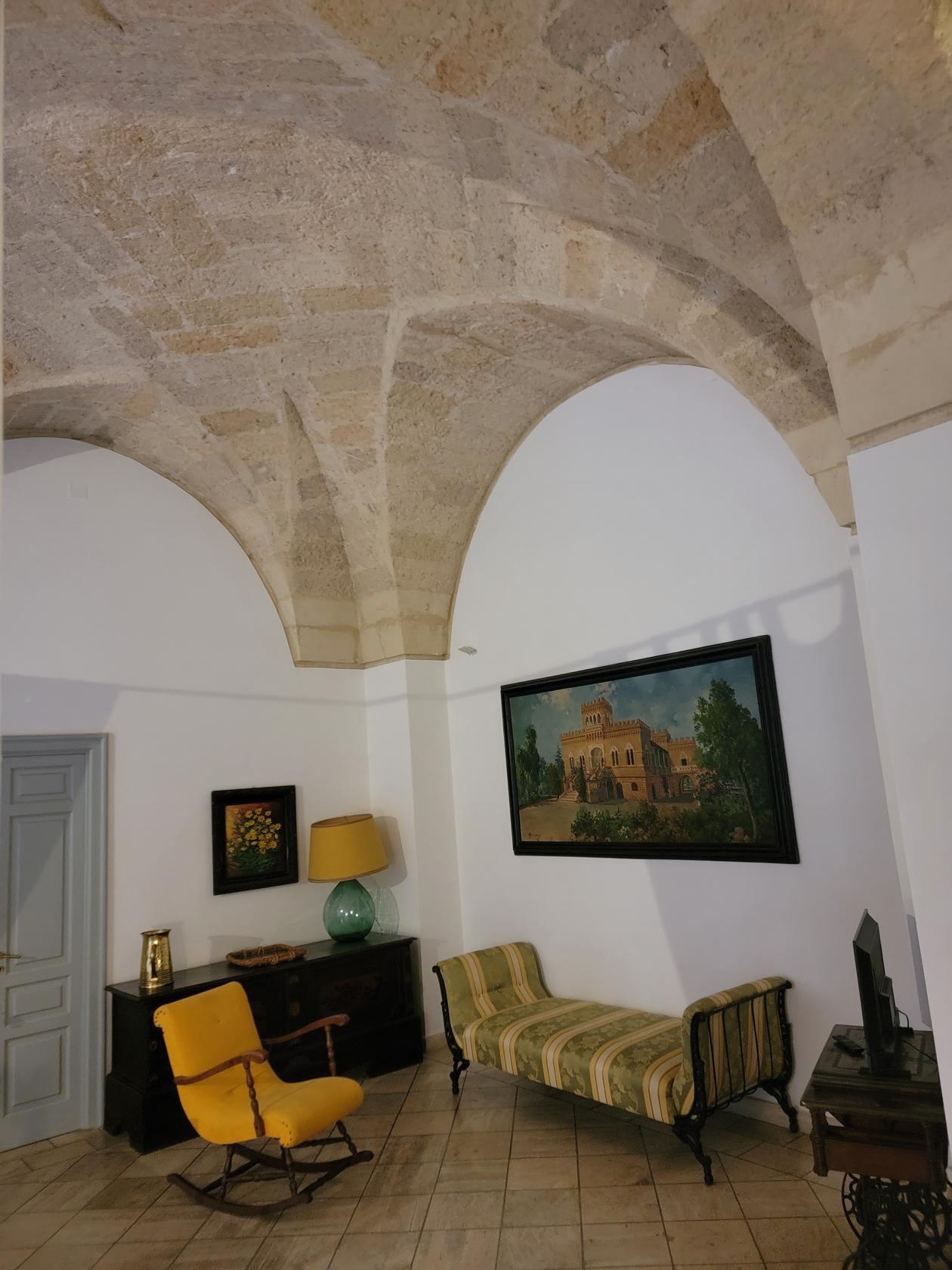
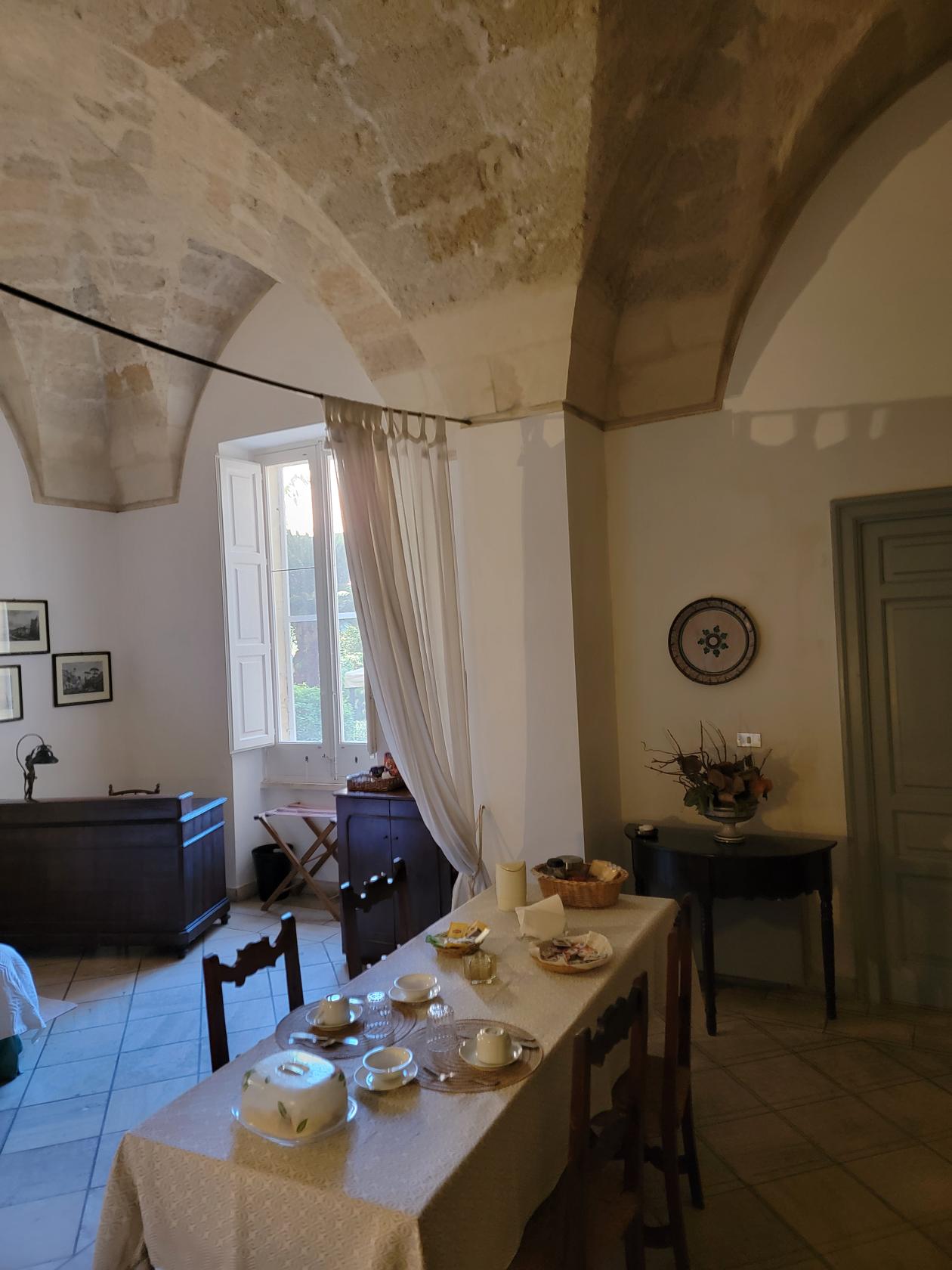
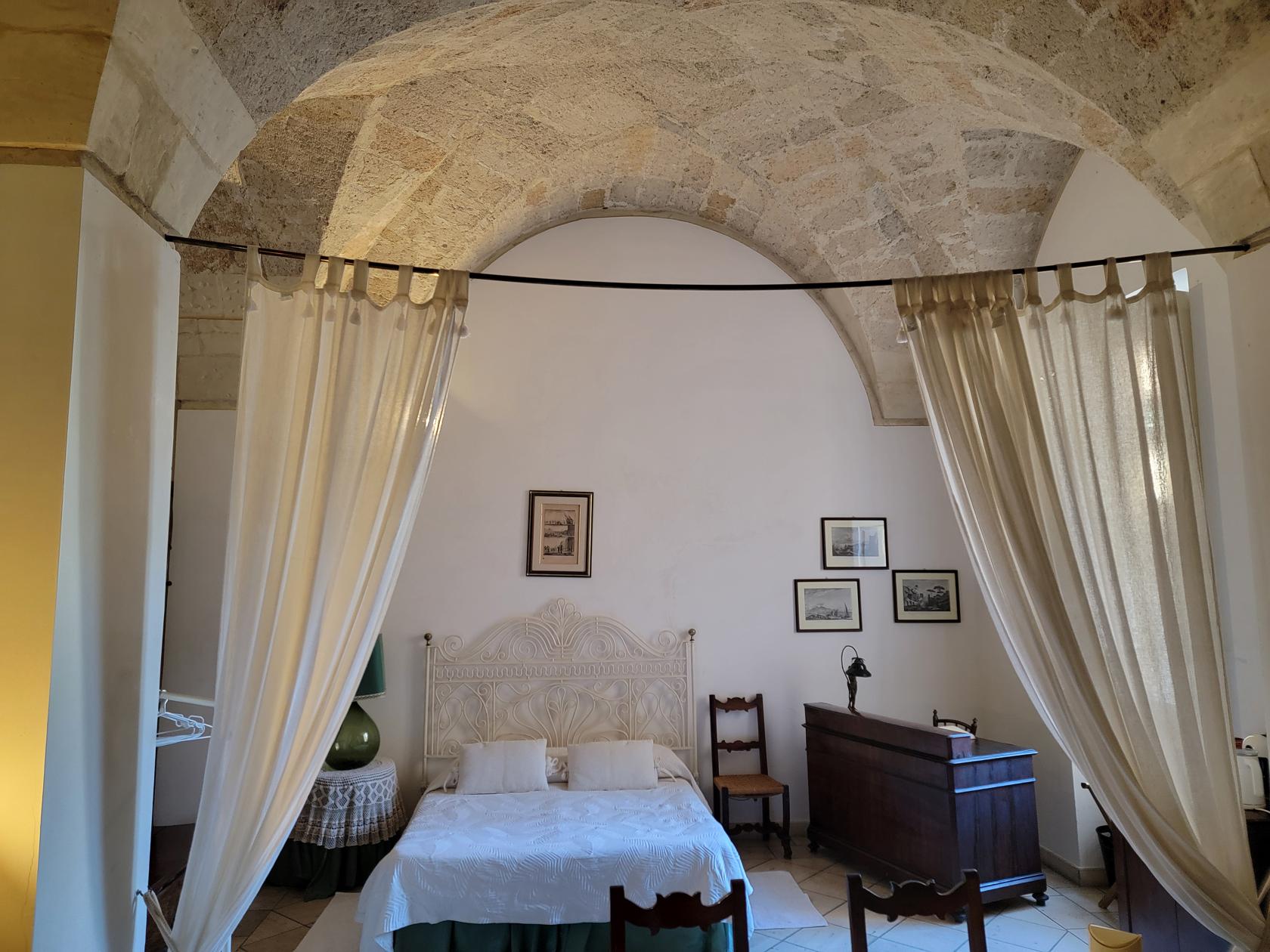
The room was spacious, with a fireplace and split up into almost four equal parts. There was a large dining area by the entrance that flowed into a living room with several couches.
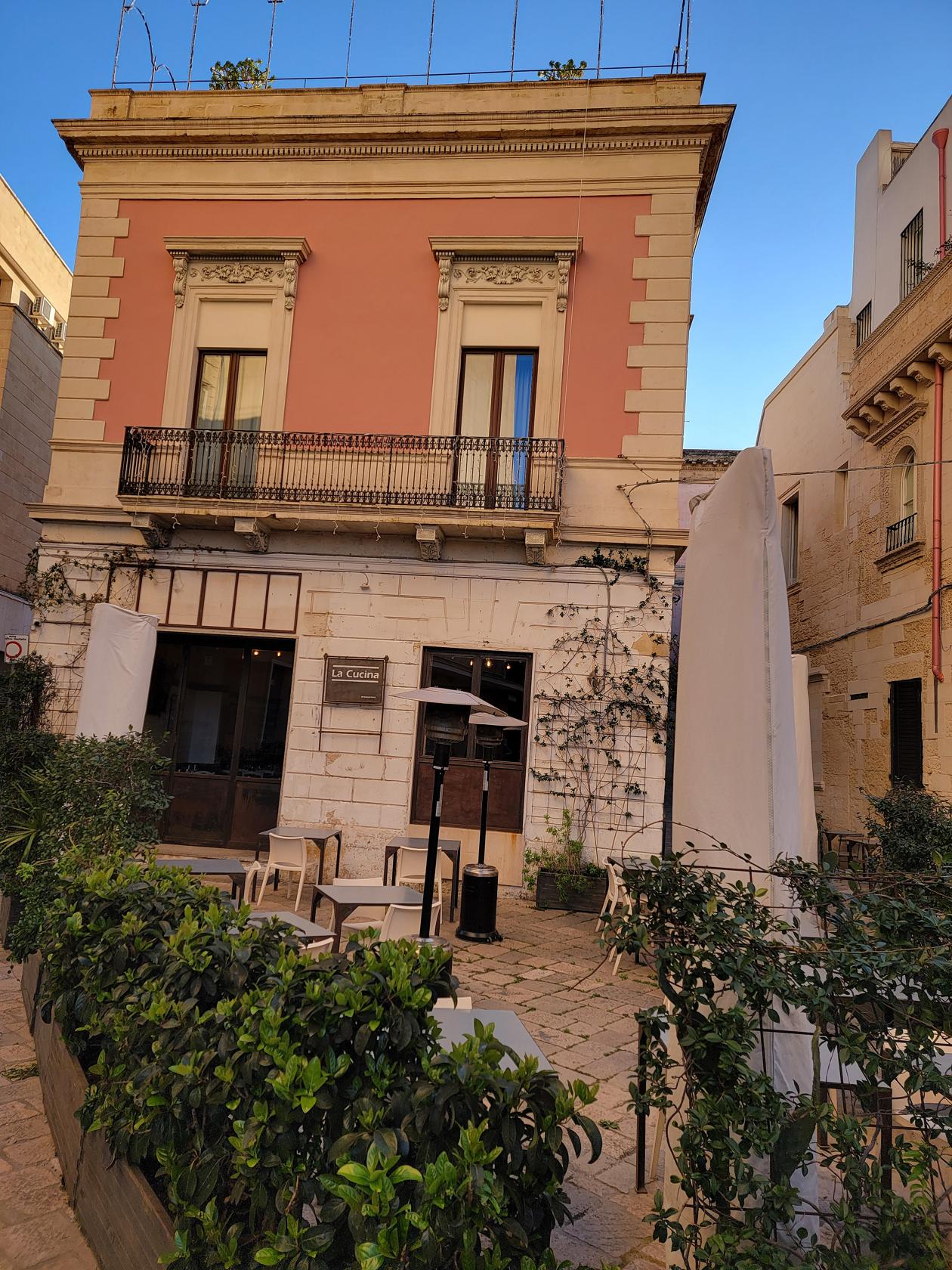
This small restaurant has good food and wine at fairly reasonable prices. We actually went there late for lunch, around 14:40 and they still took our order and served us.
La Cucina Di Mamma Elvira – Entrance – Lecce, Italy
The service was very good and the menu had a decent choice of both local cuisine and other more general Italian items to chose.
La Cucina Di Mamma Elvira – Front of the Building – Lecce, Italy
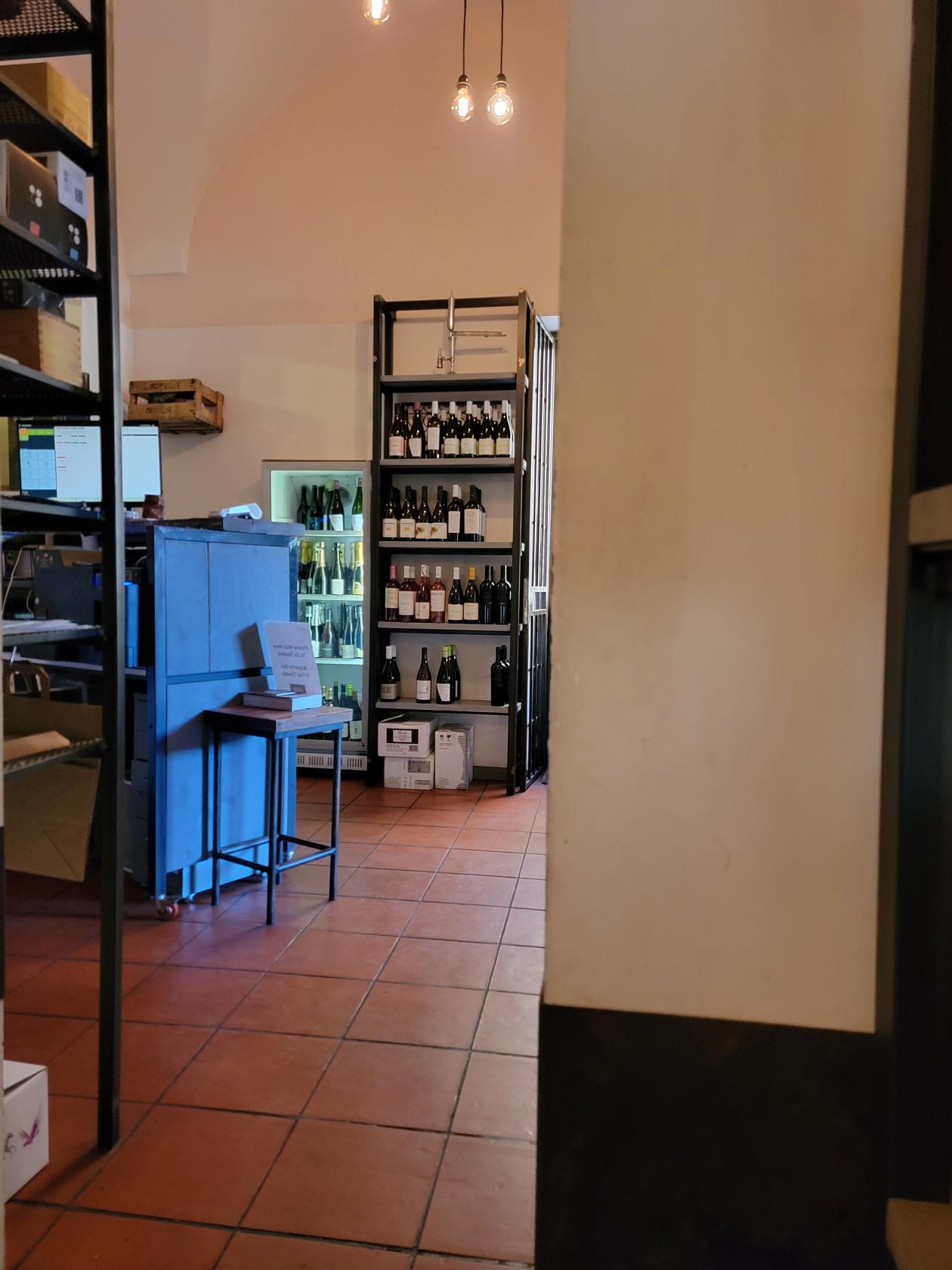
La Cucina Di Mamma Elvira – Entrance, Cassa and Wines – Lecce, Italy
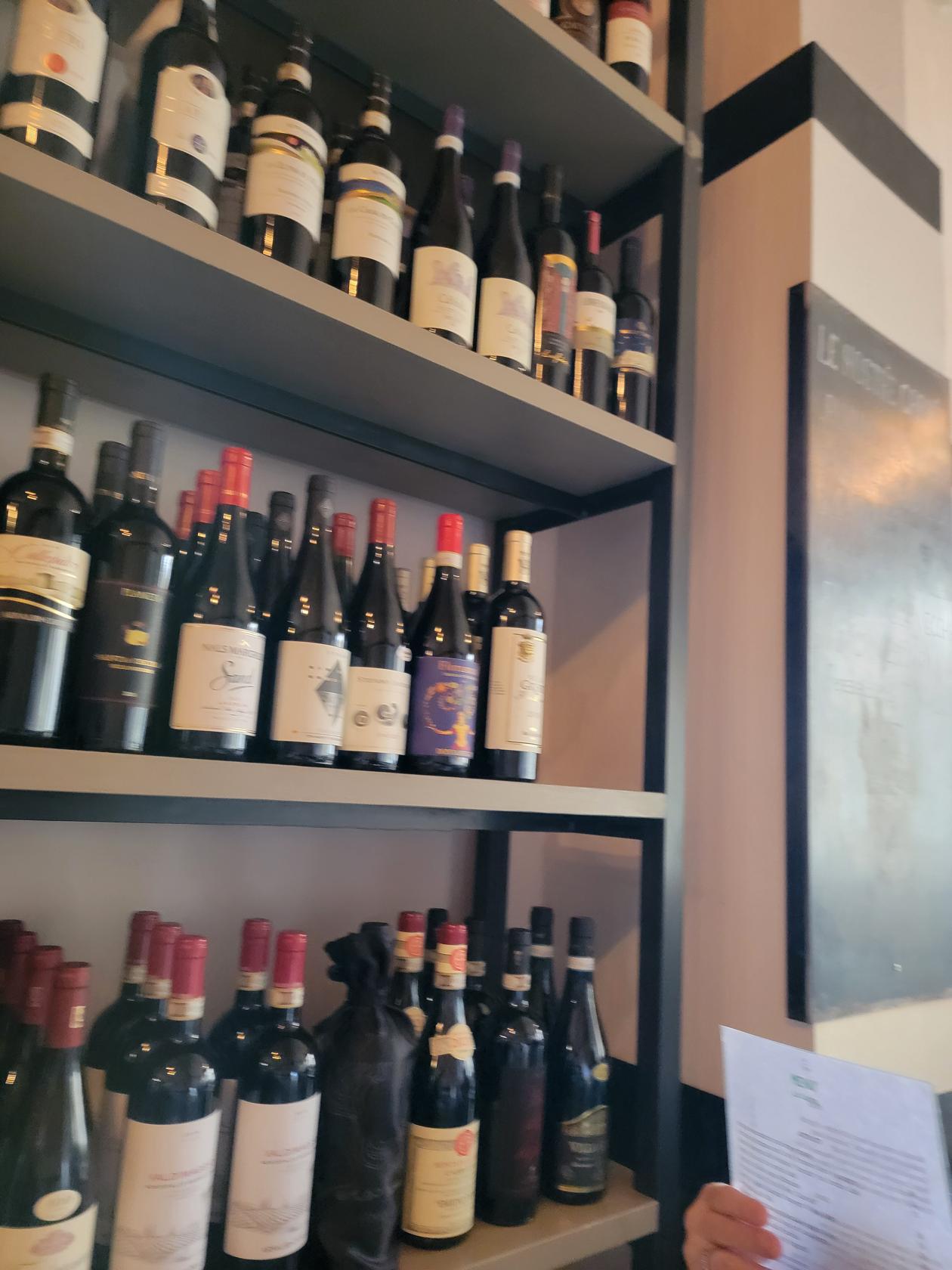
La Cucina Di Mamma Elvira – Wines – Lecce, Italy
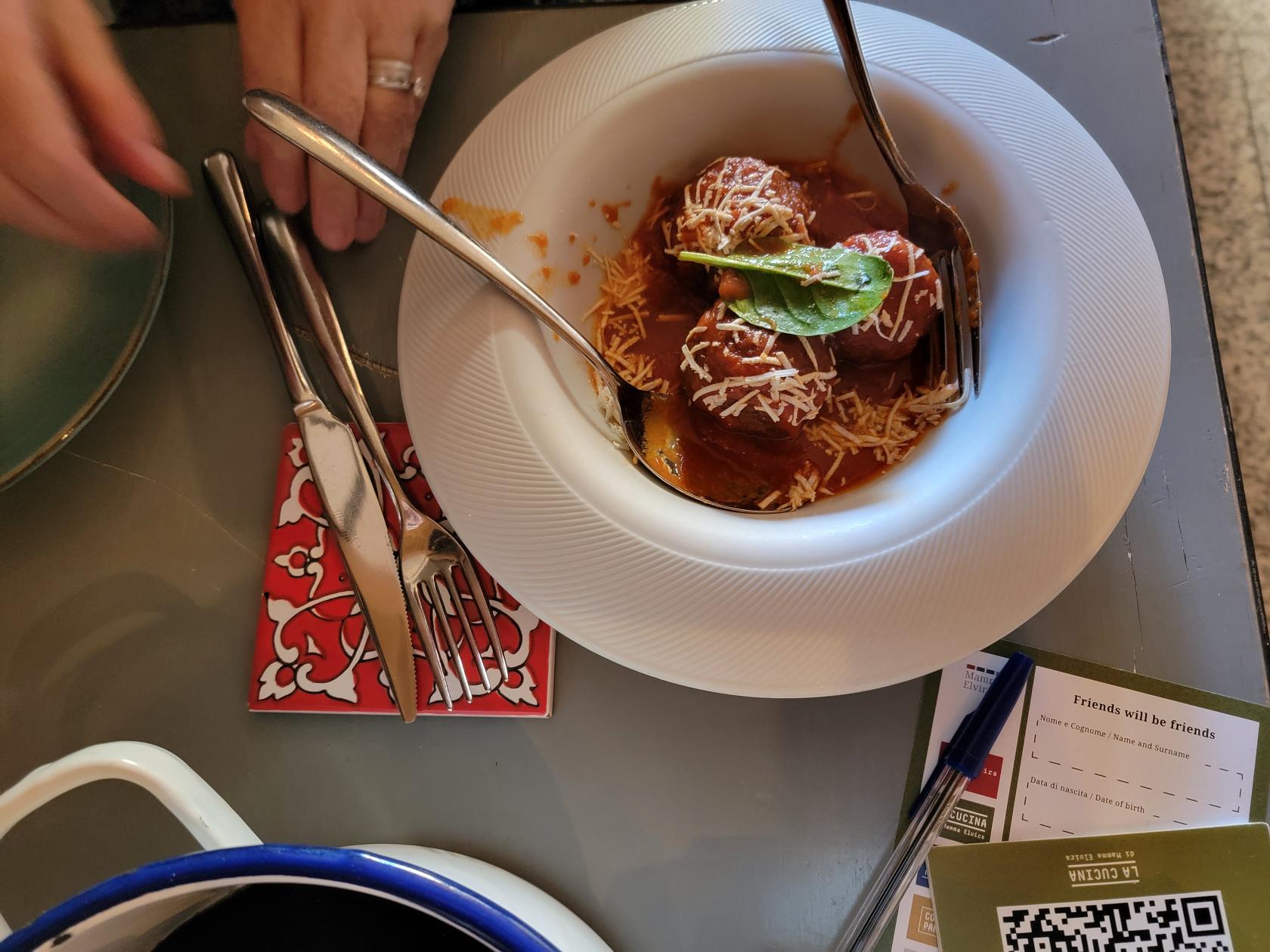
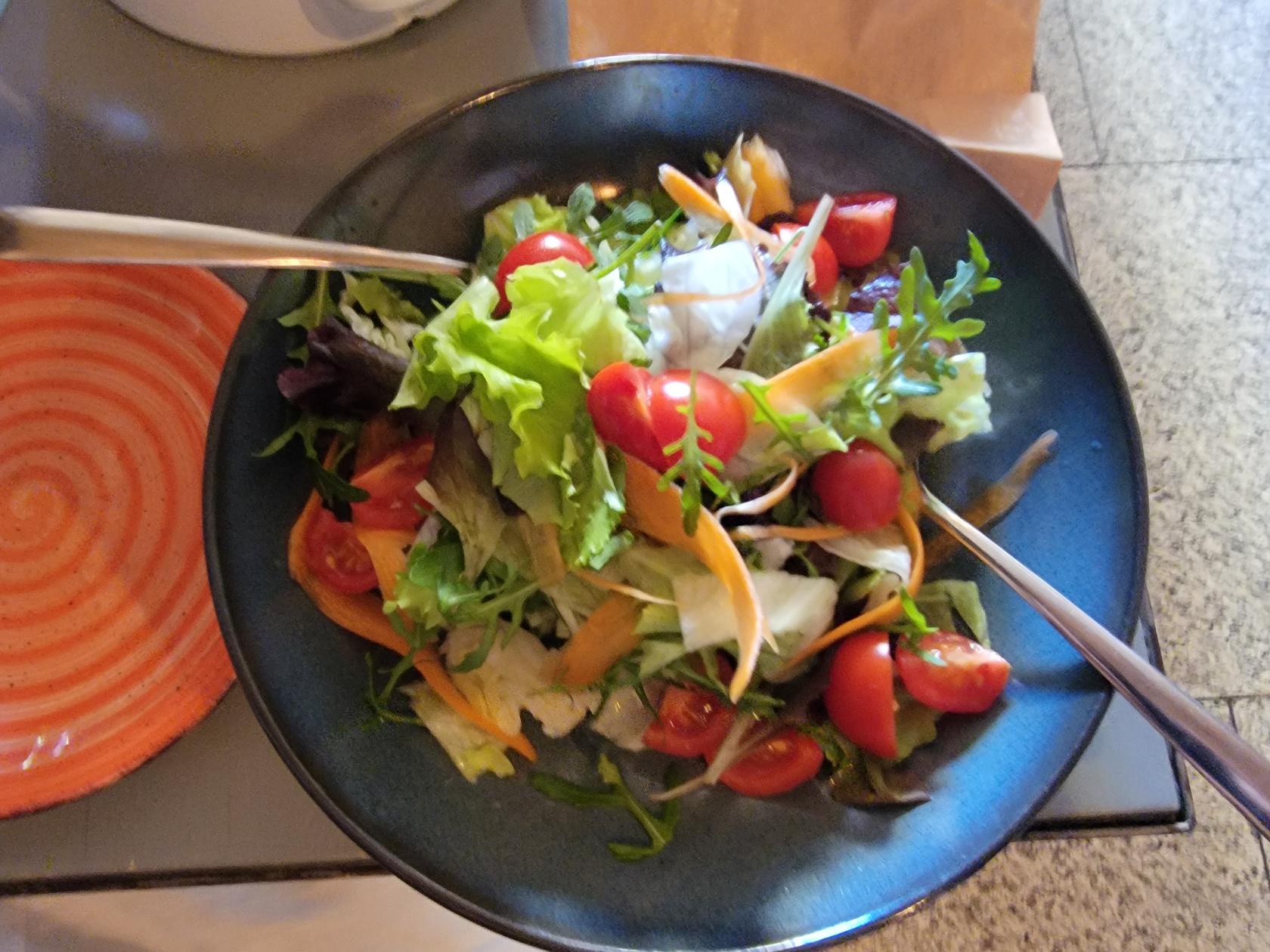
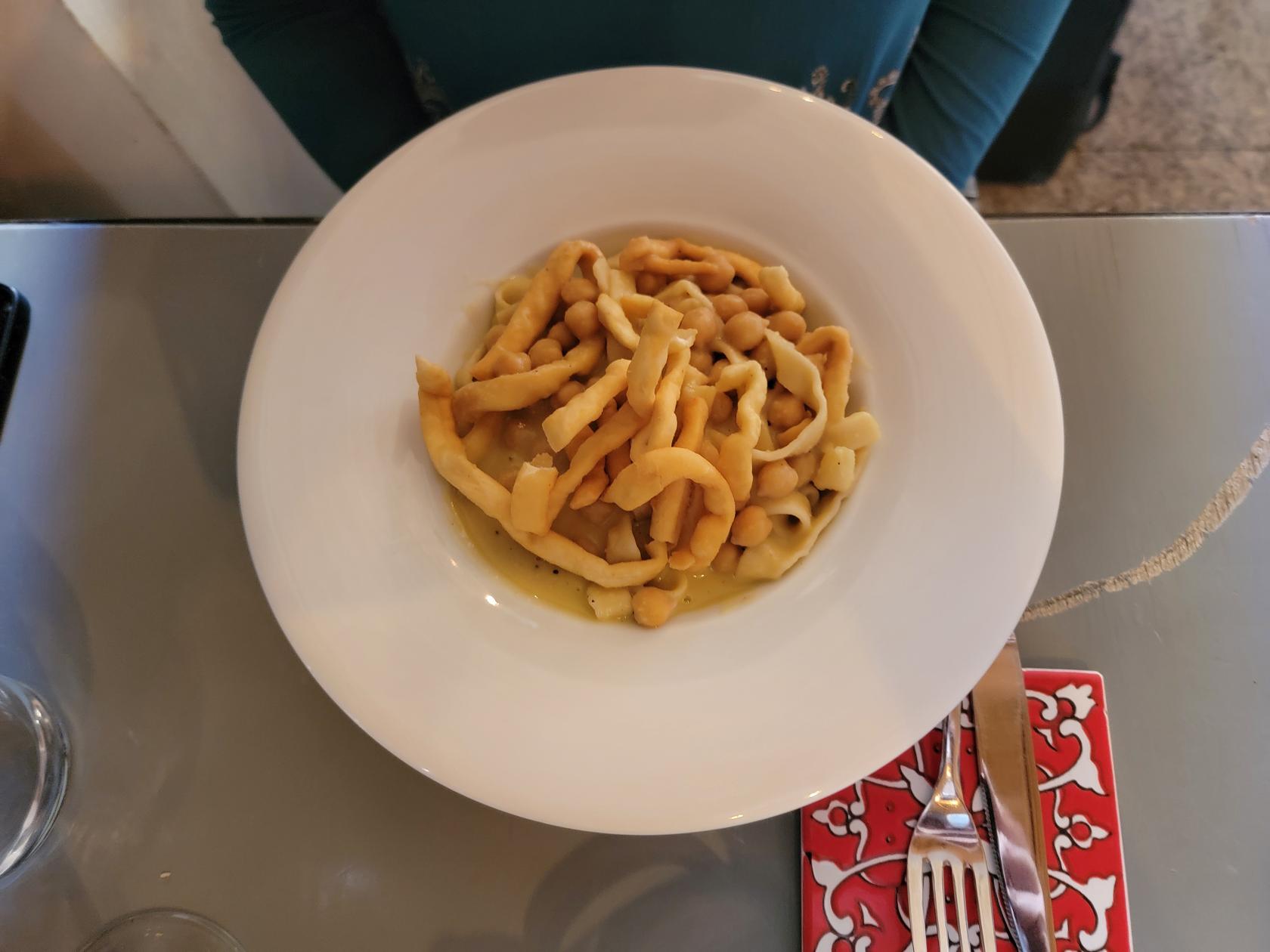
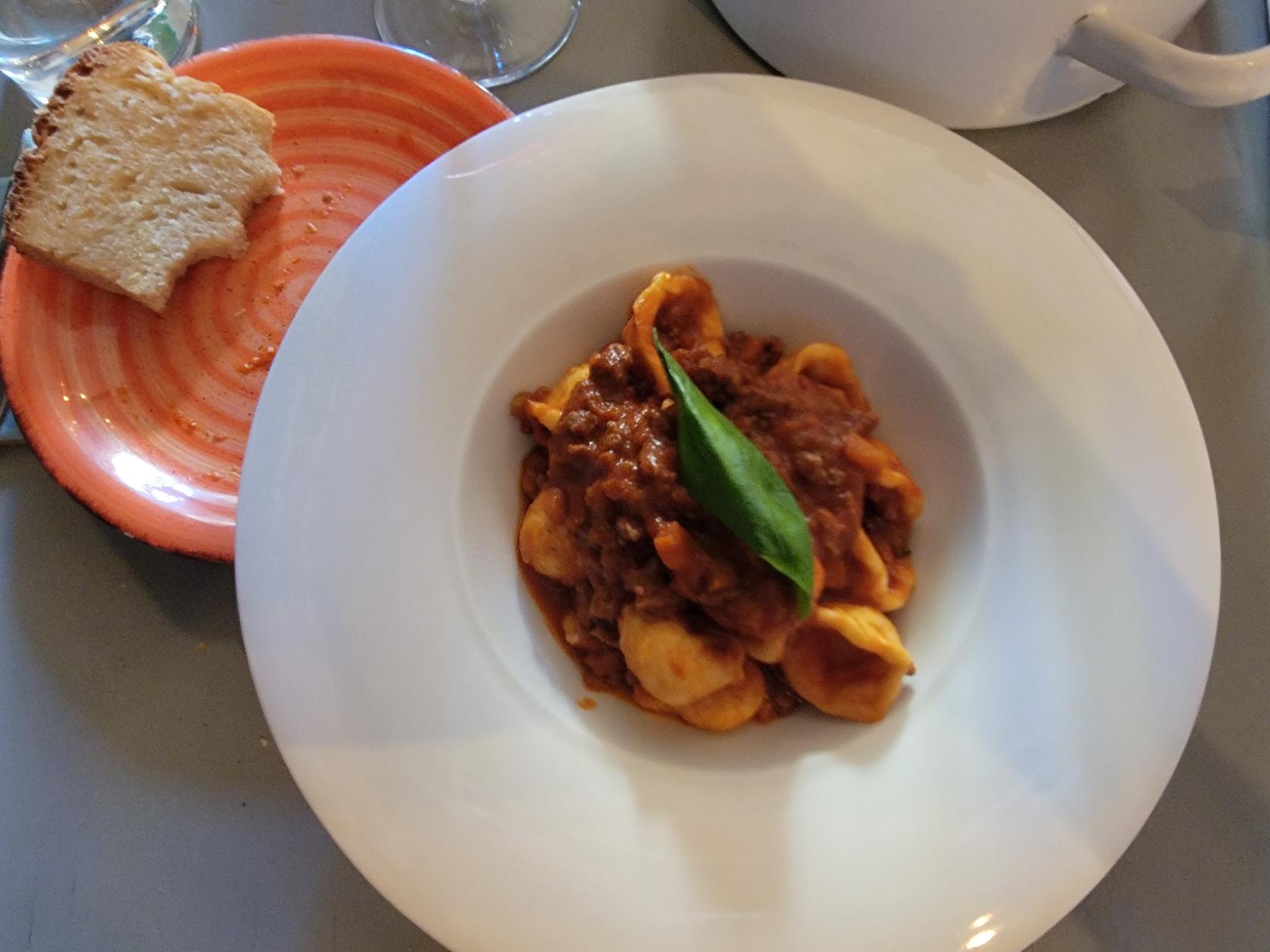
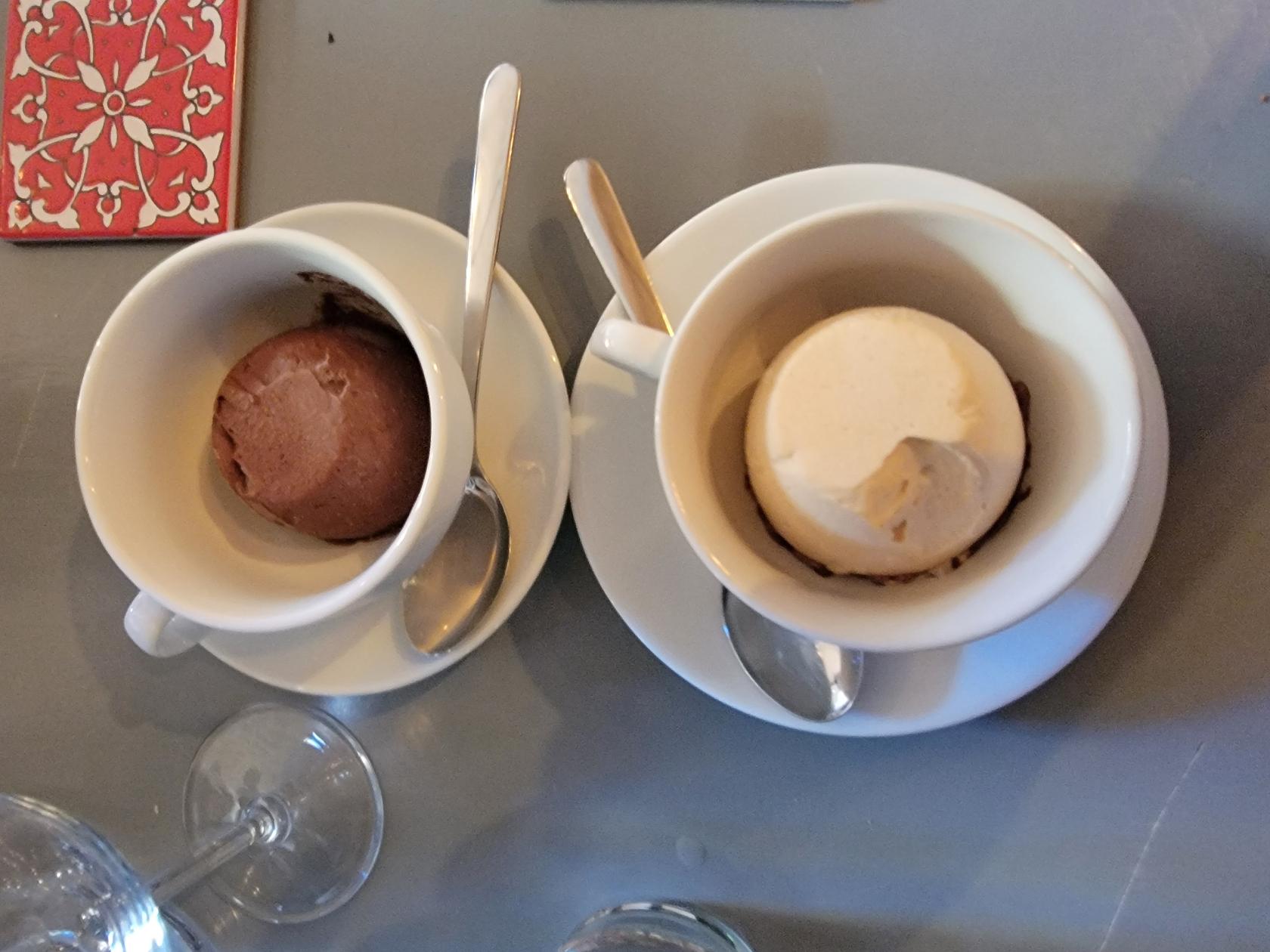
I ordered the Eggplant Polpette in Ragu Sauce with Ricotta Cheese, an Insalata Mista (mixed salad) and the Orecchiette with re-milled Semolina with Scottona Red Ragu and Patti ordered the Ciceri and Tria Pasta and shared my Polpette. All the dishes were very good. The wine was Negroamaro from the region and it was very good, served by the glass. The desserts you can see below and the espresso was also very good, not bitter at all.
La Cucina Di Mamma Elvira – Eggplant Polpette in Ragu Sauce with Ricotta Cheese – Lecce, Italy
La Cucina Di Mamma Elvira – Insalata Mista – Lecce, Italy
La Cucina Di Mamma Elvira – Ciceri and Tria Pasta – Lecce, Italy
La Cucina Di Mamma Elvira – Orecchiette with re-milled Semolina with Scottona Red Ragu – Lecce, Italy
La Cucina Di Mamma Elvira – Salted Pistachio Semifreddo with Chocolate Crunchy, Martucci Spumone Hazelnut Chocolate – Lecce, Italy
La Cucina Di Mamma Elvira – Espresso and Molinari Sambuca – Lecce, Italy
Miro Wine And Lounge
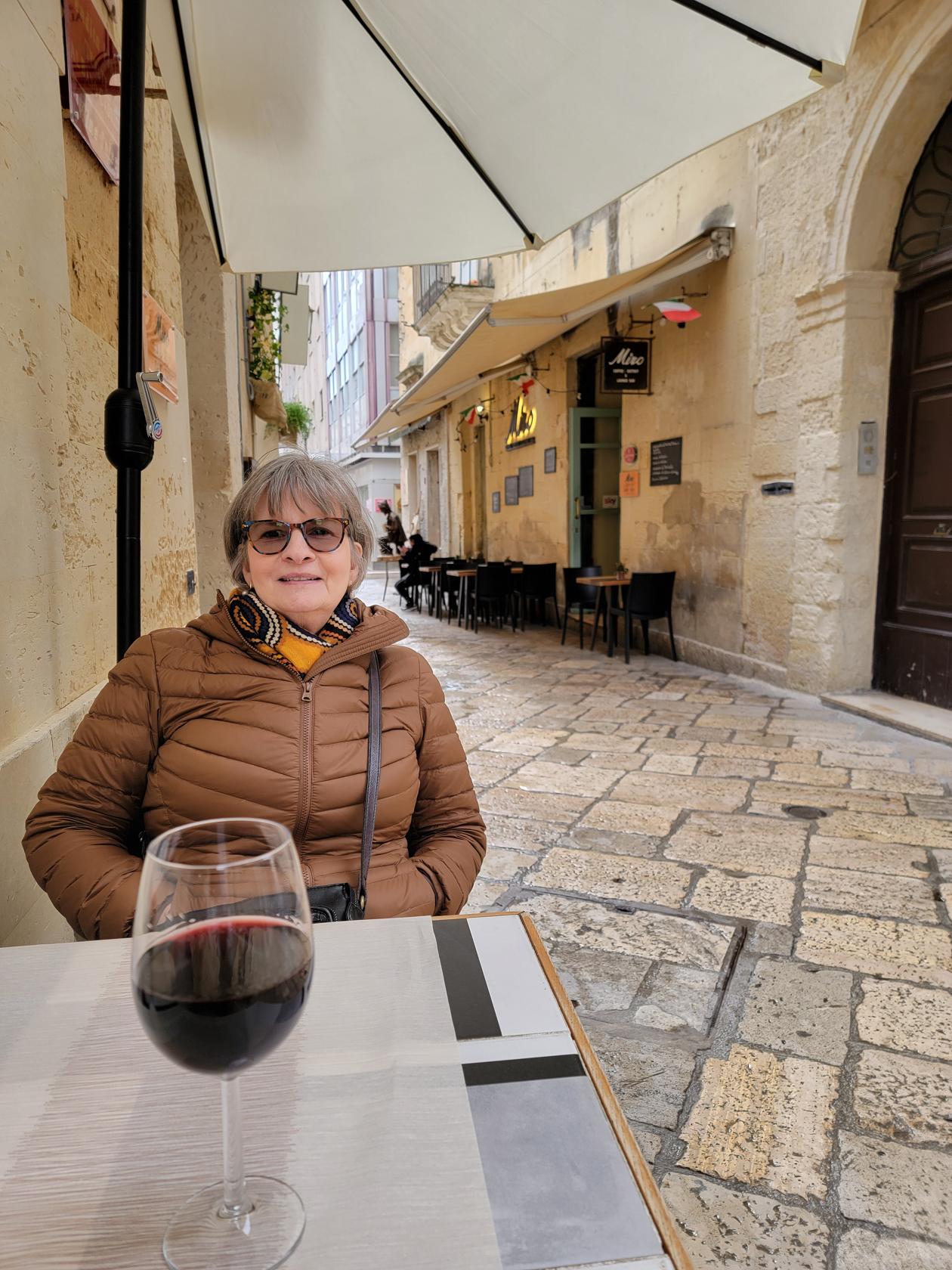
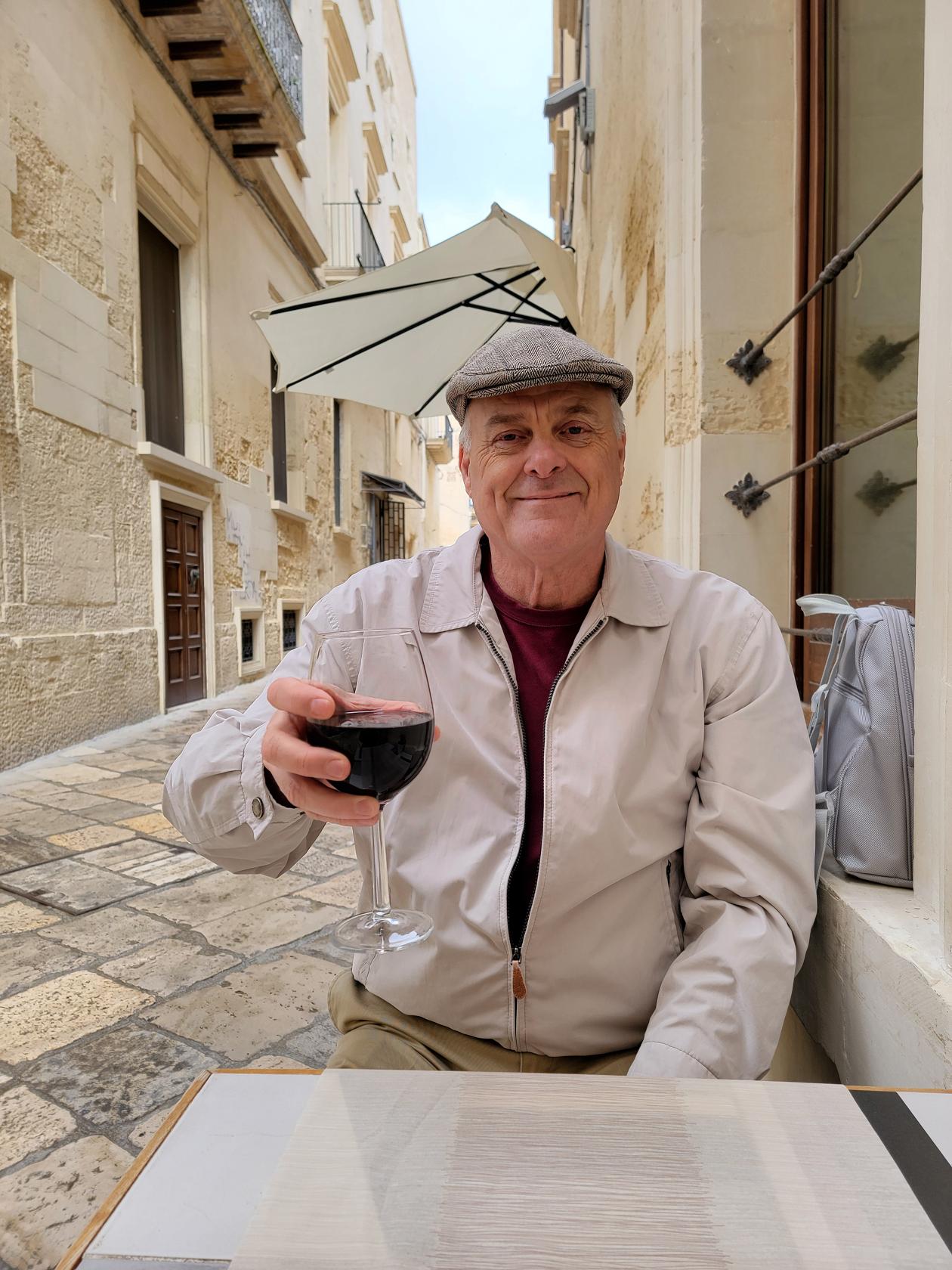
We stopped here for a drink and decided on a quick bite to eat, since we were both getting hungry and it was only a little passed eleven. We were actually surprised they were serving lunch.
Miro Wine and Lounge – Patti outside waiting for soup – Lecce, Italy
Miro Wine and Lounge – Erick outside waiting for soup with a glass of red – Lecce, Italy
While we waited, I ordered a glass of Negroamaro from Puglia, a very nice wine that reminds me of Barbera. They had a nice bean and cereal soup on the menu that Patti and I decided to try and it was magnificent.
Miro Wine and Lounge – Bean and Cereal soup with Croutons – Lecce, Italy
Tranquillo
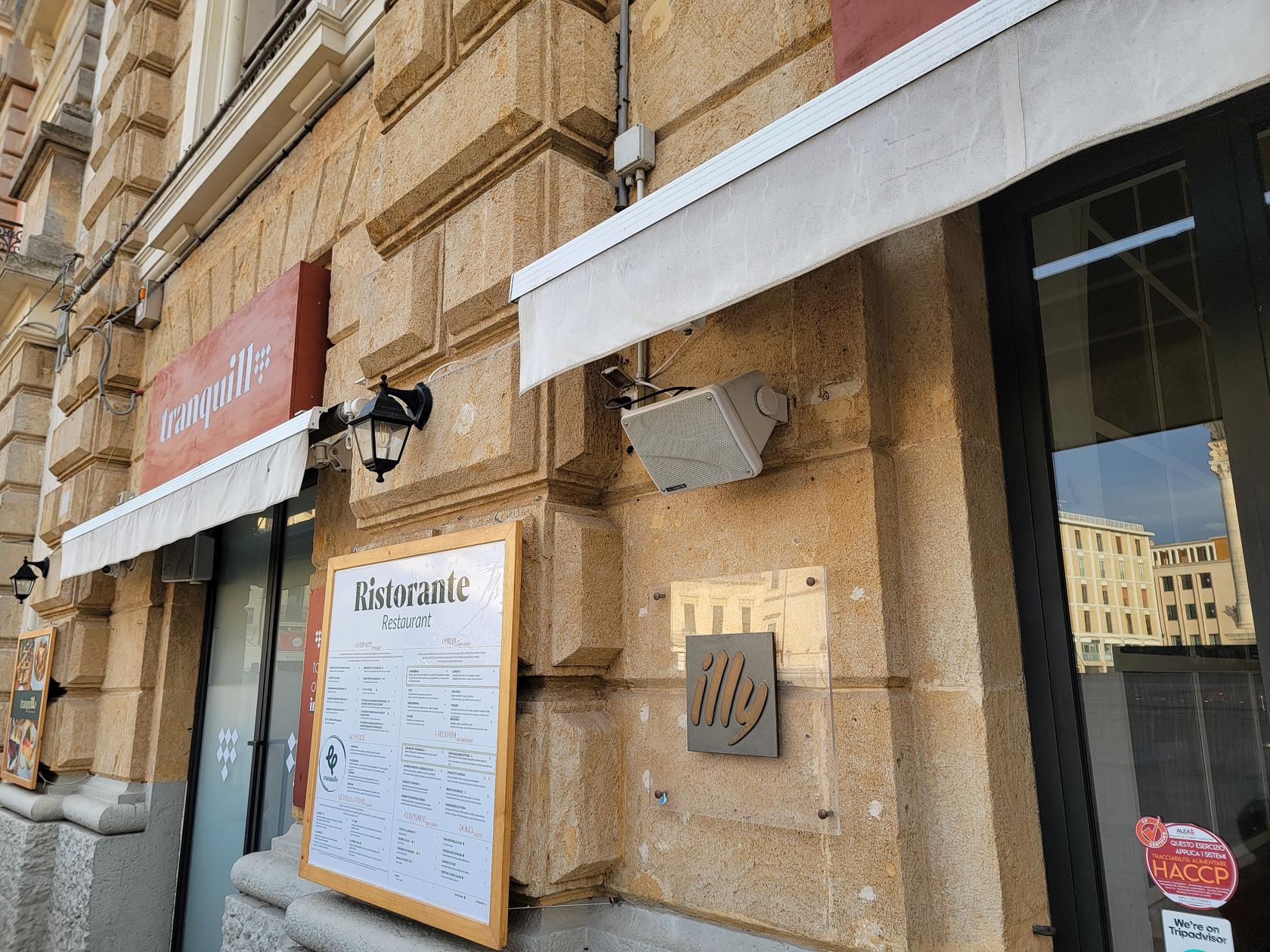
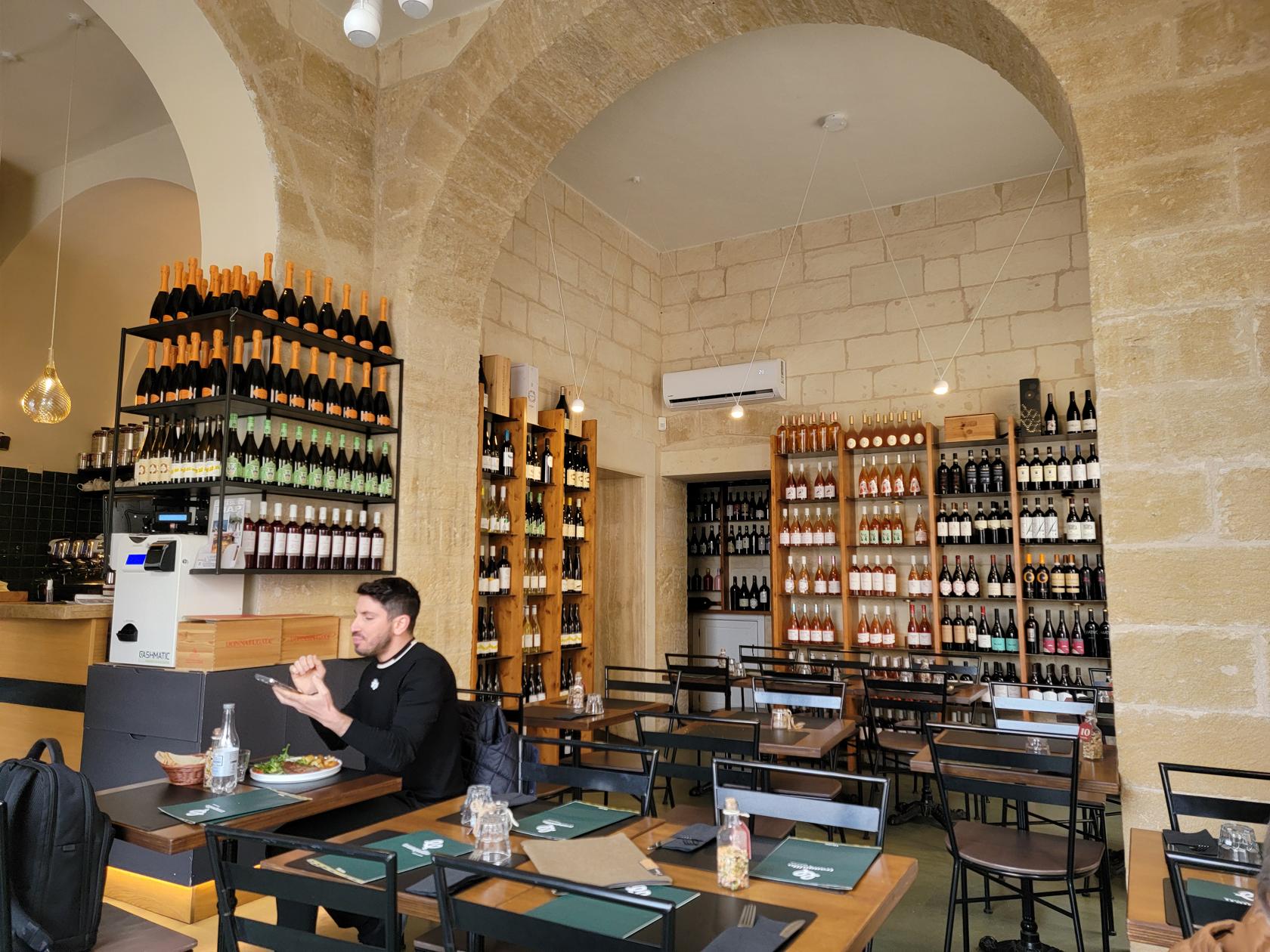
The restaurant Tranquillo is a more modern restaurant with two locations in Lecce, we chose the one located at Piazza Sant’Oronzo. The service and food were very good.
Tranquillo – Entrance – Lecce, Italy
Tranquillo – Menu – Lecce, Italy
Tranquillo – Inside – Lecce, Italy
Tranquillo – Inside – Lecce, Italy
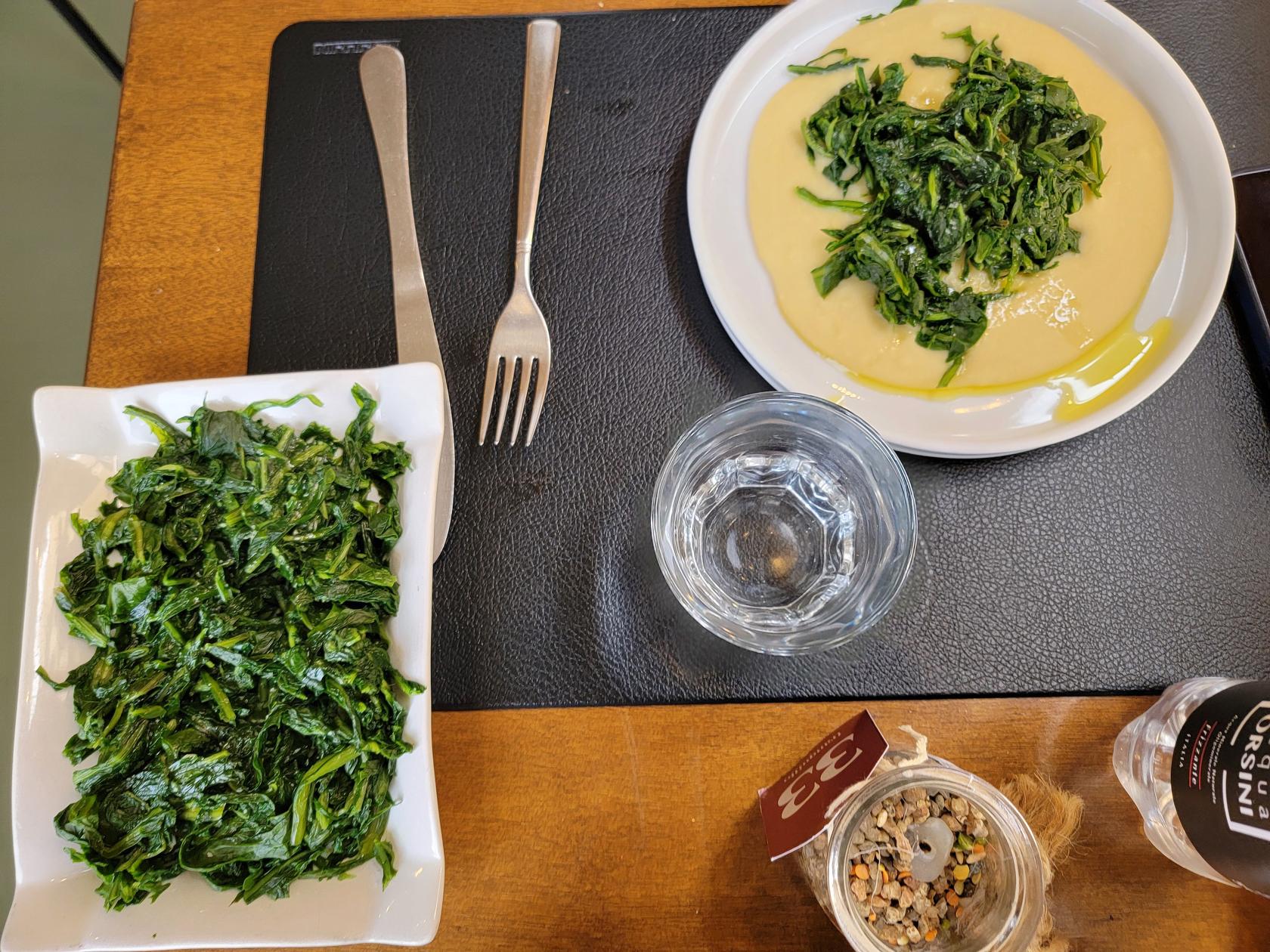
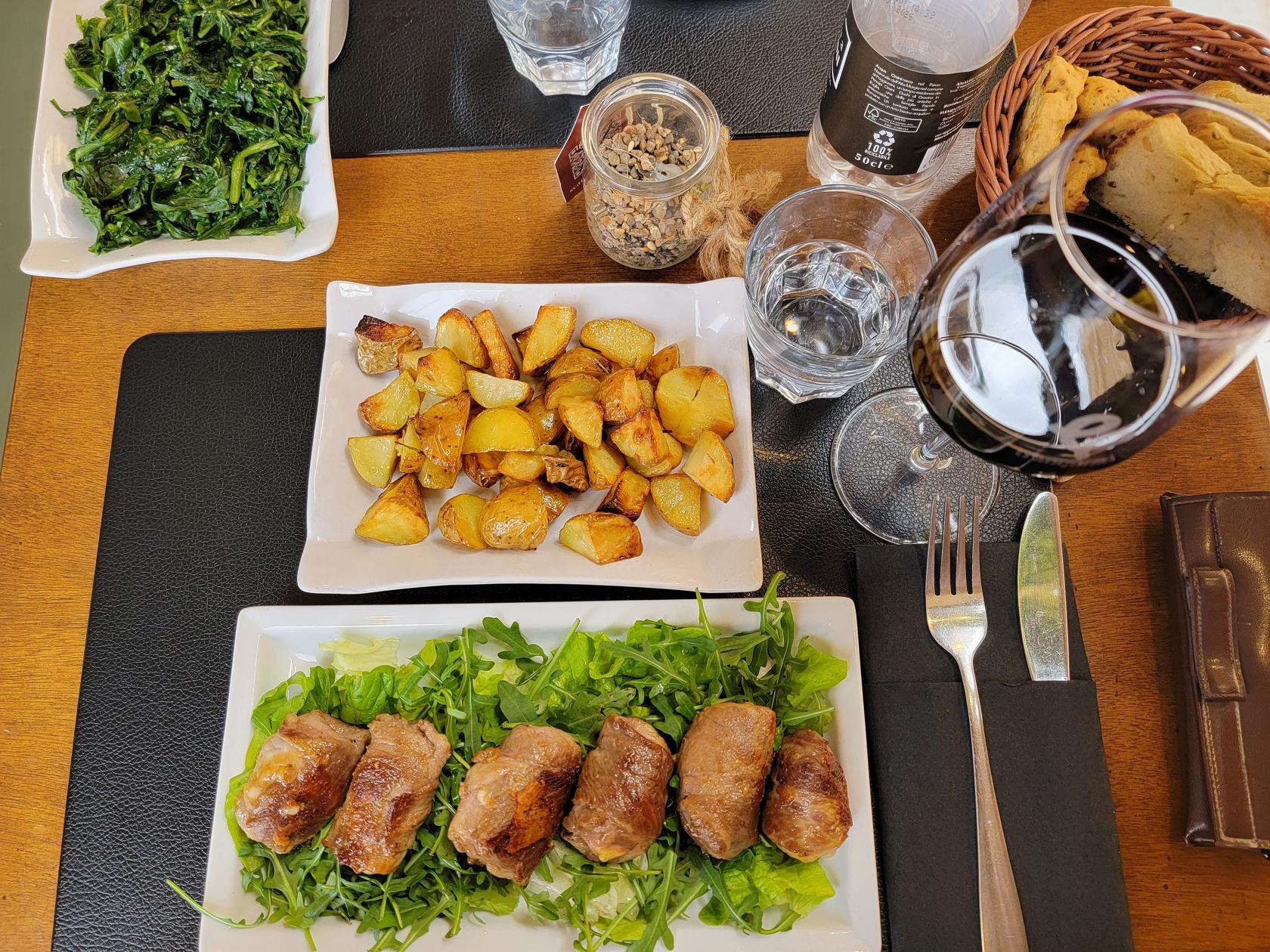
We dined late again at around 14:30, opting for a larger lunch and skipping dinner. We find this preferrable to eating again late in the evening and going to bed with a full stomach, something that we find does not lend itself to a good night sleep as we get older. I ordered the Apulian Bombette with Cheese on greens with a side order of Potato al Forno and Cicorie (Chickory), and Patti ordered the Cicorie on Pureed Fava Beans.
Tranquillo – Chicory side and Chicory on Pureed Fava Beans – Lecce, Italy
Tranquillo – Potatoes al Forno, Ricetta Bombette with cheese and a glass of red wine – Lecce, Italy
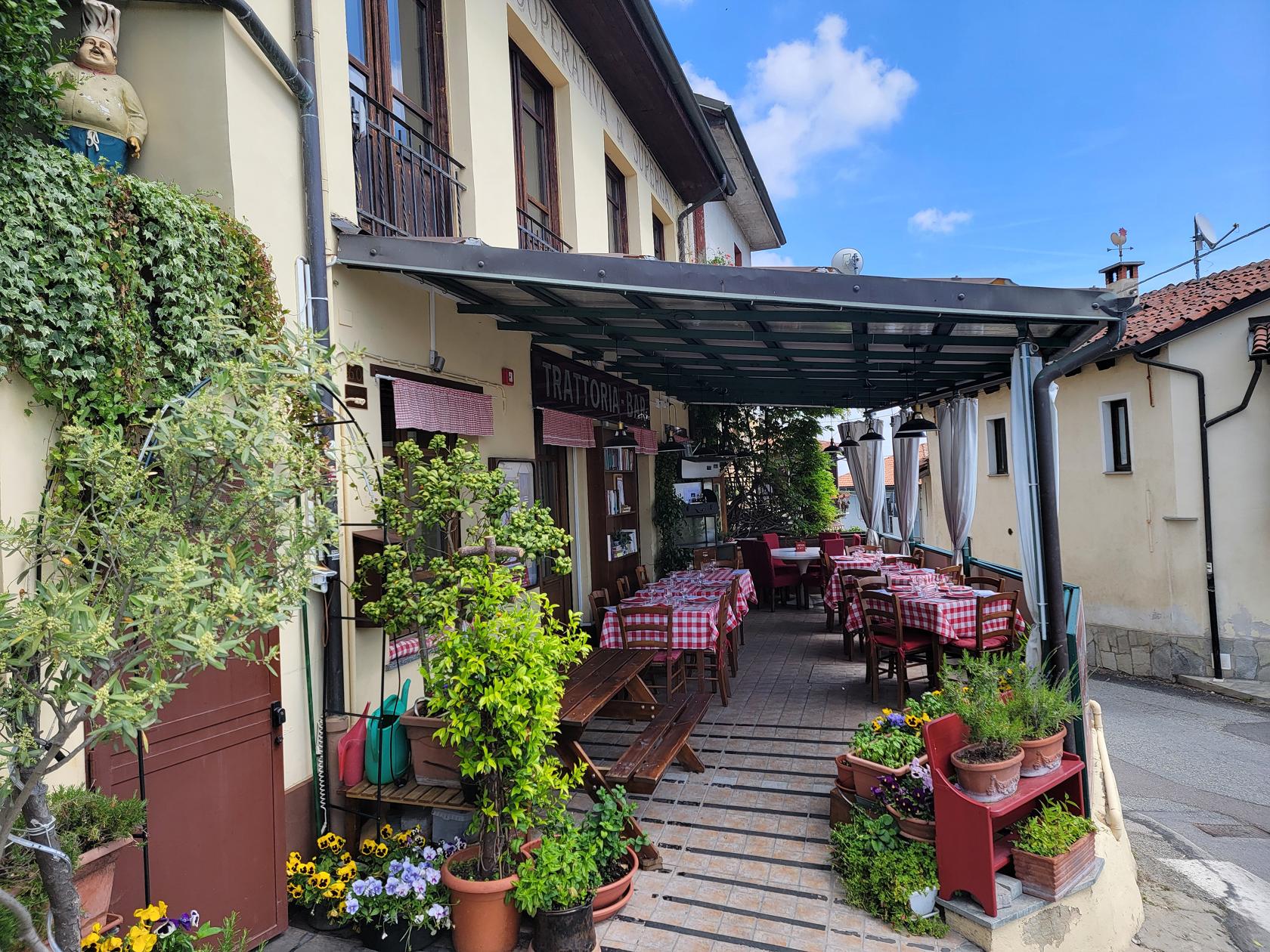
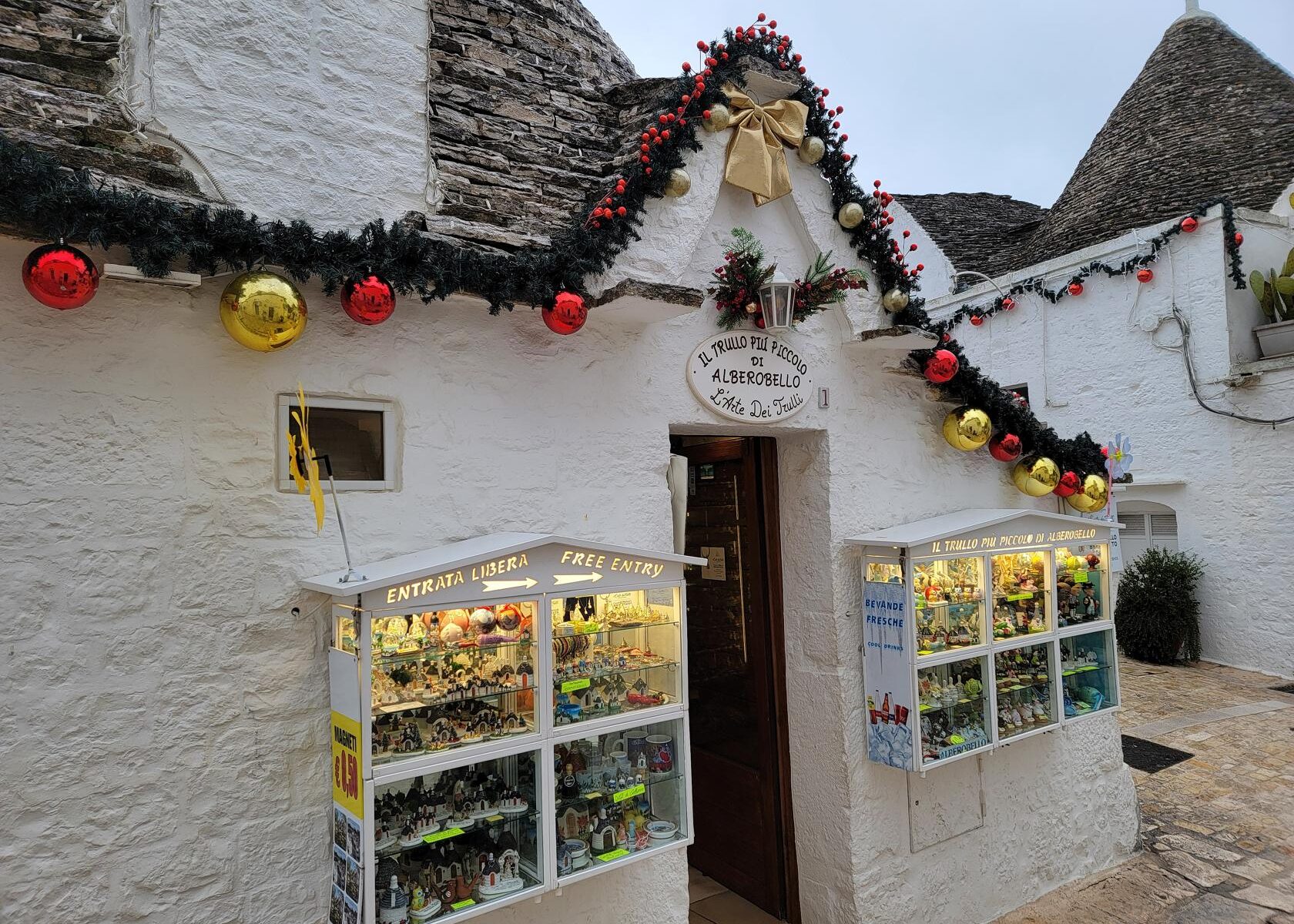
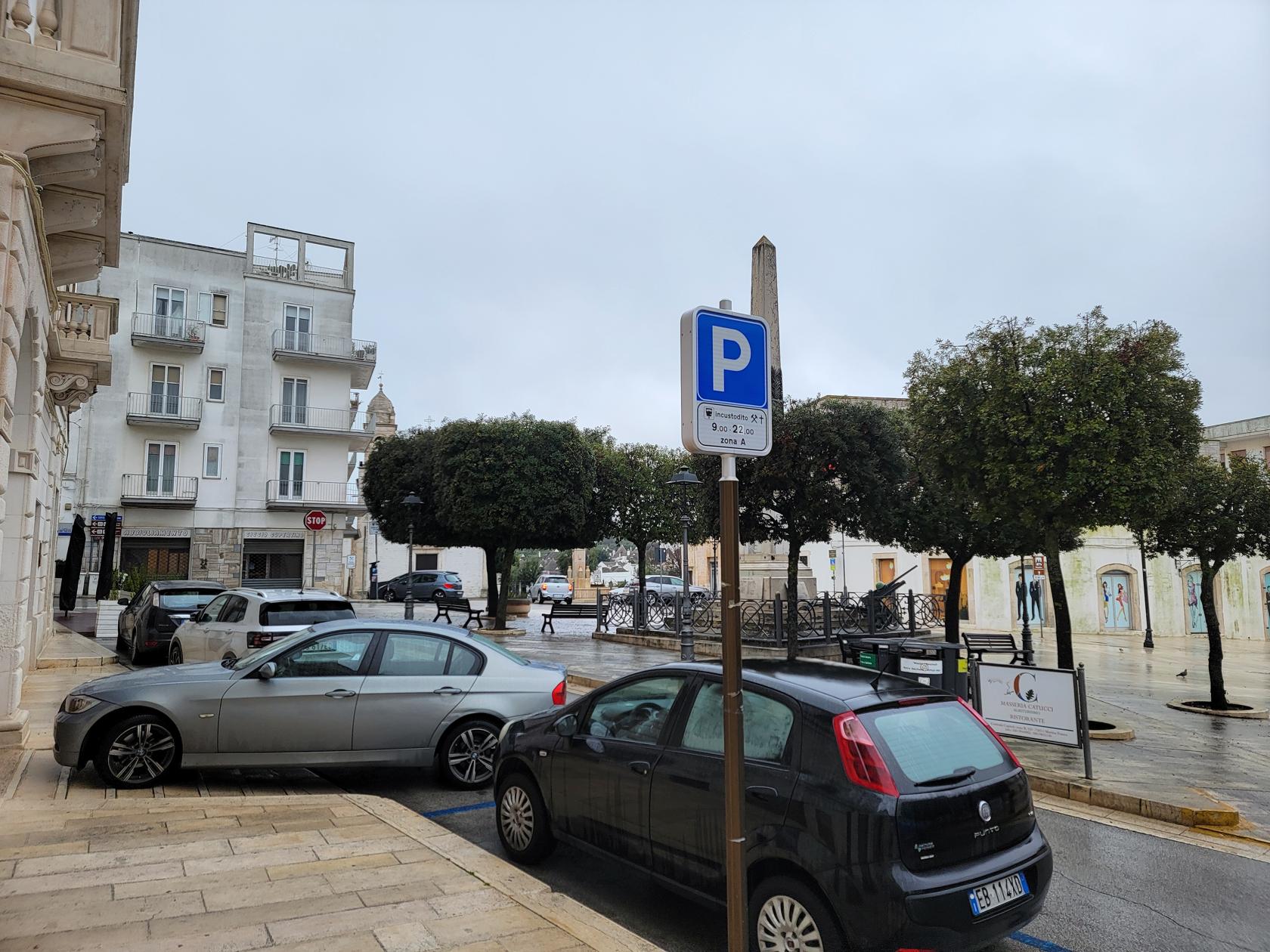
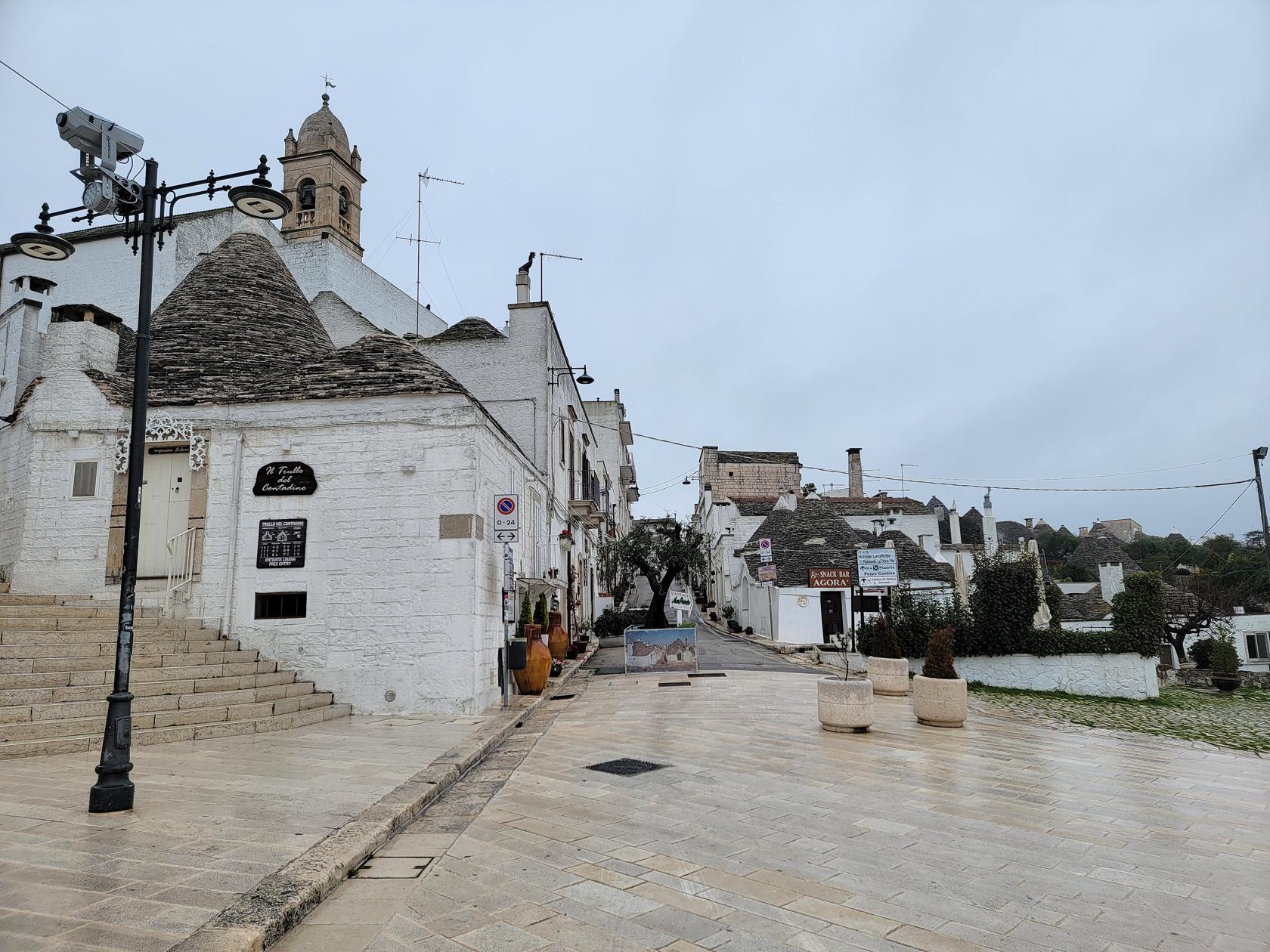
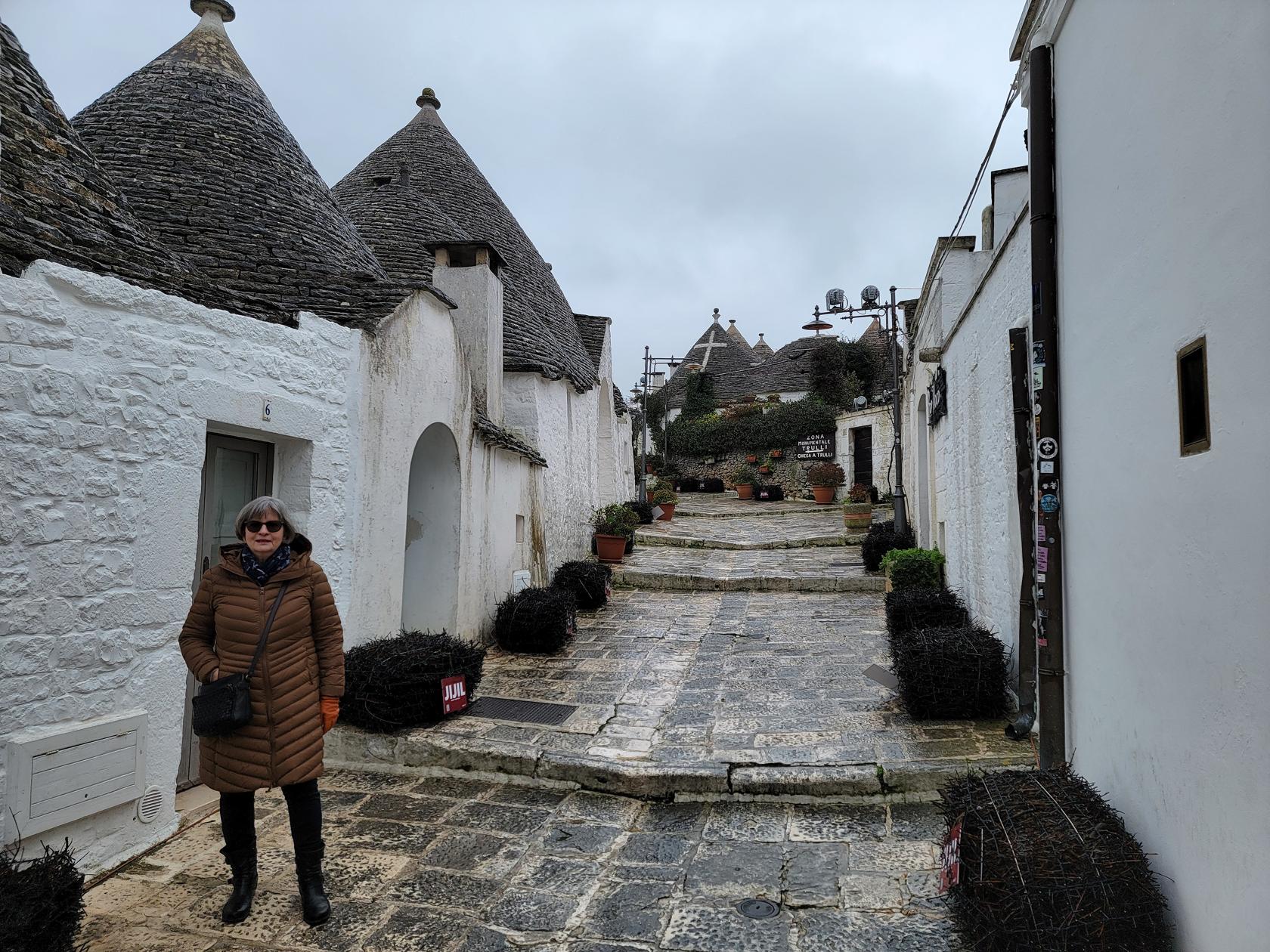
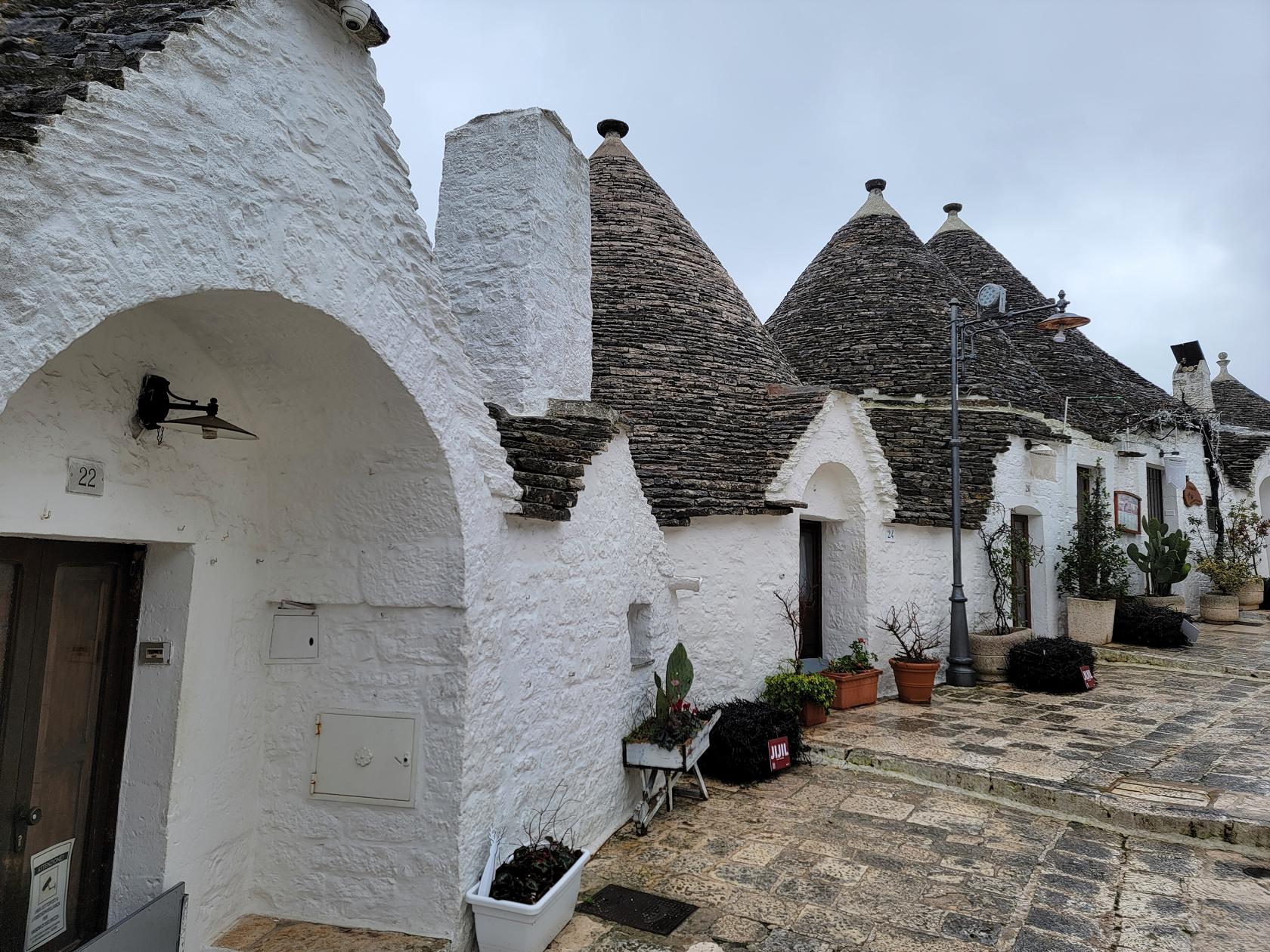
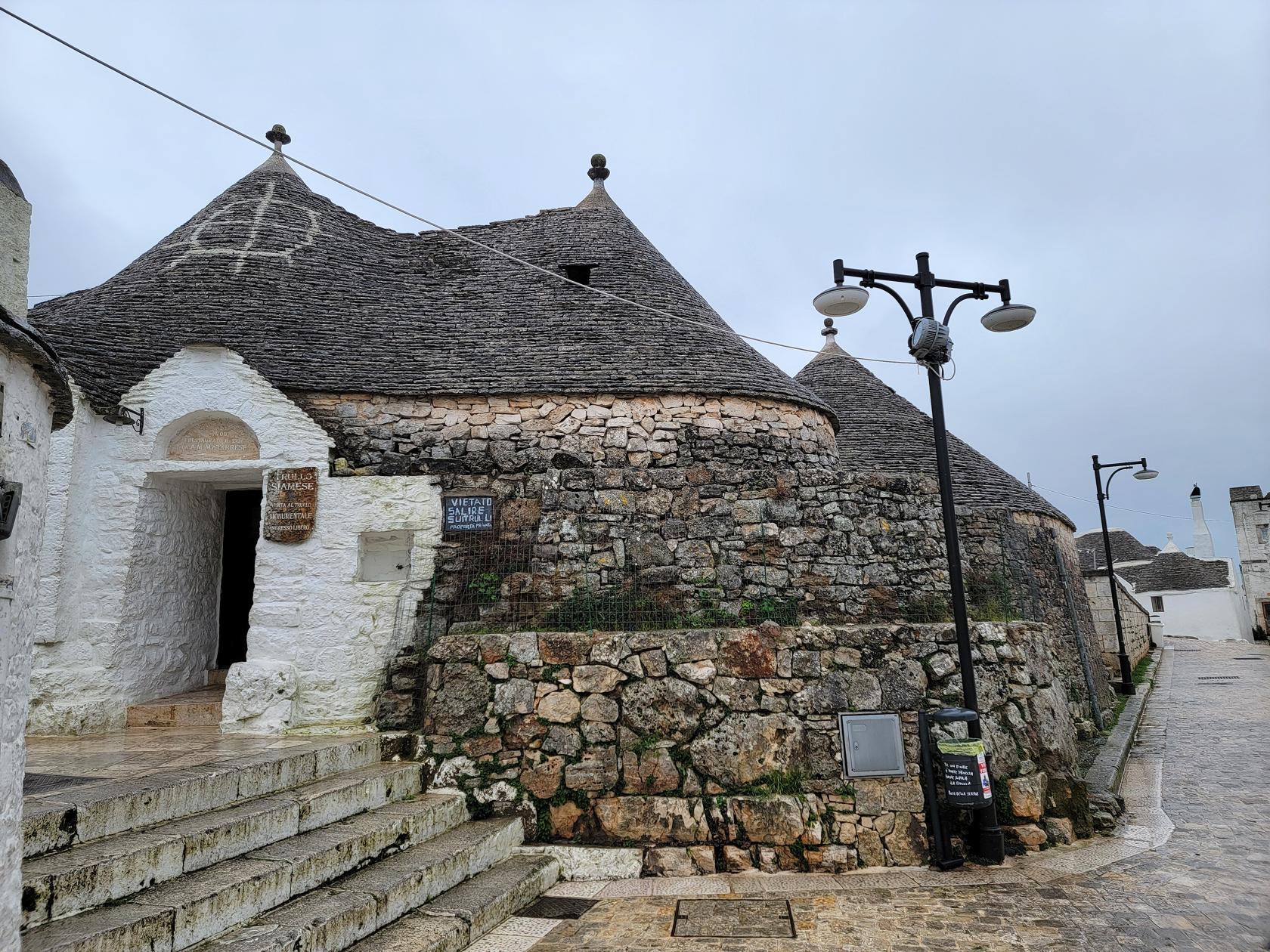
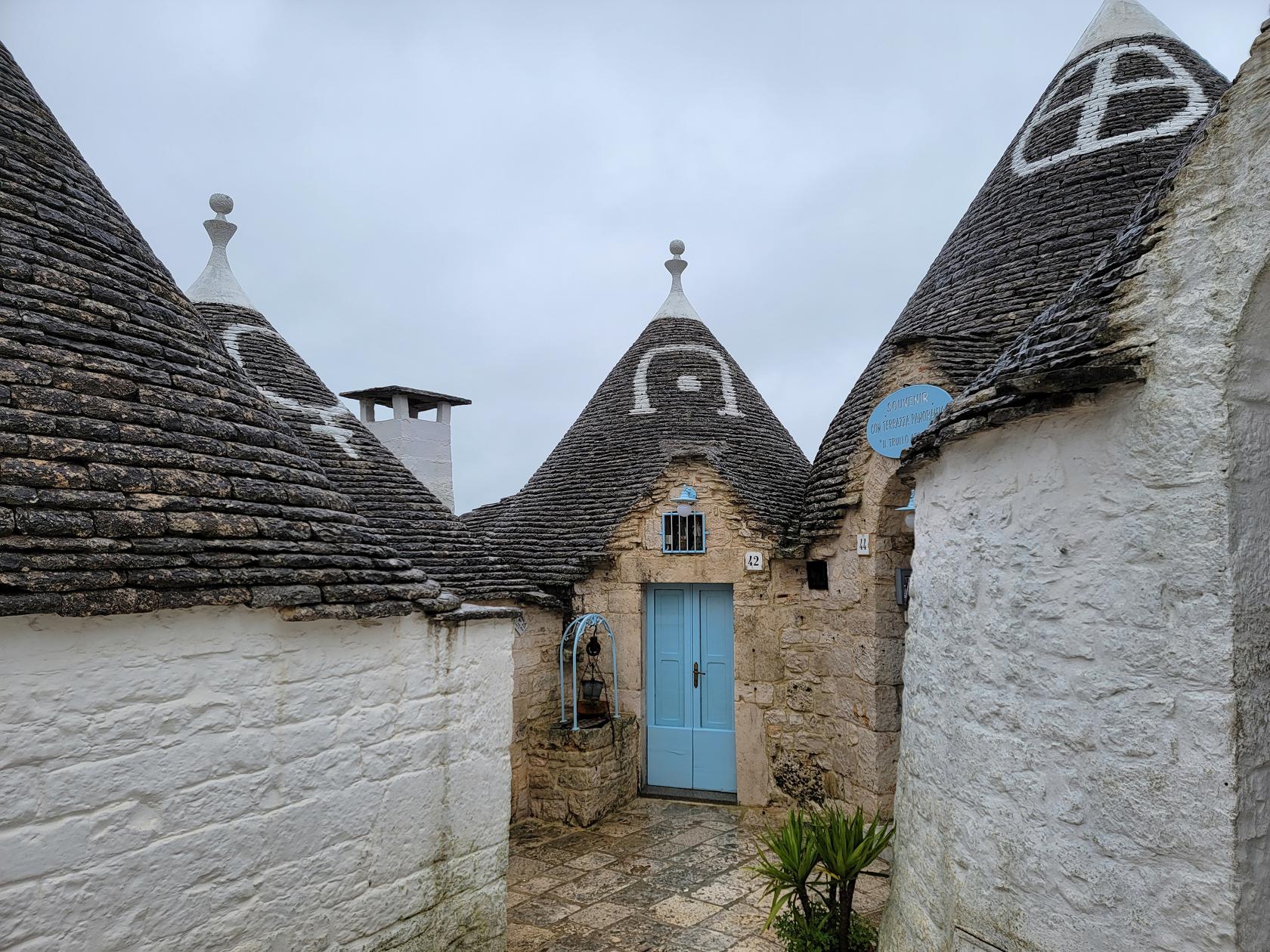
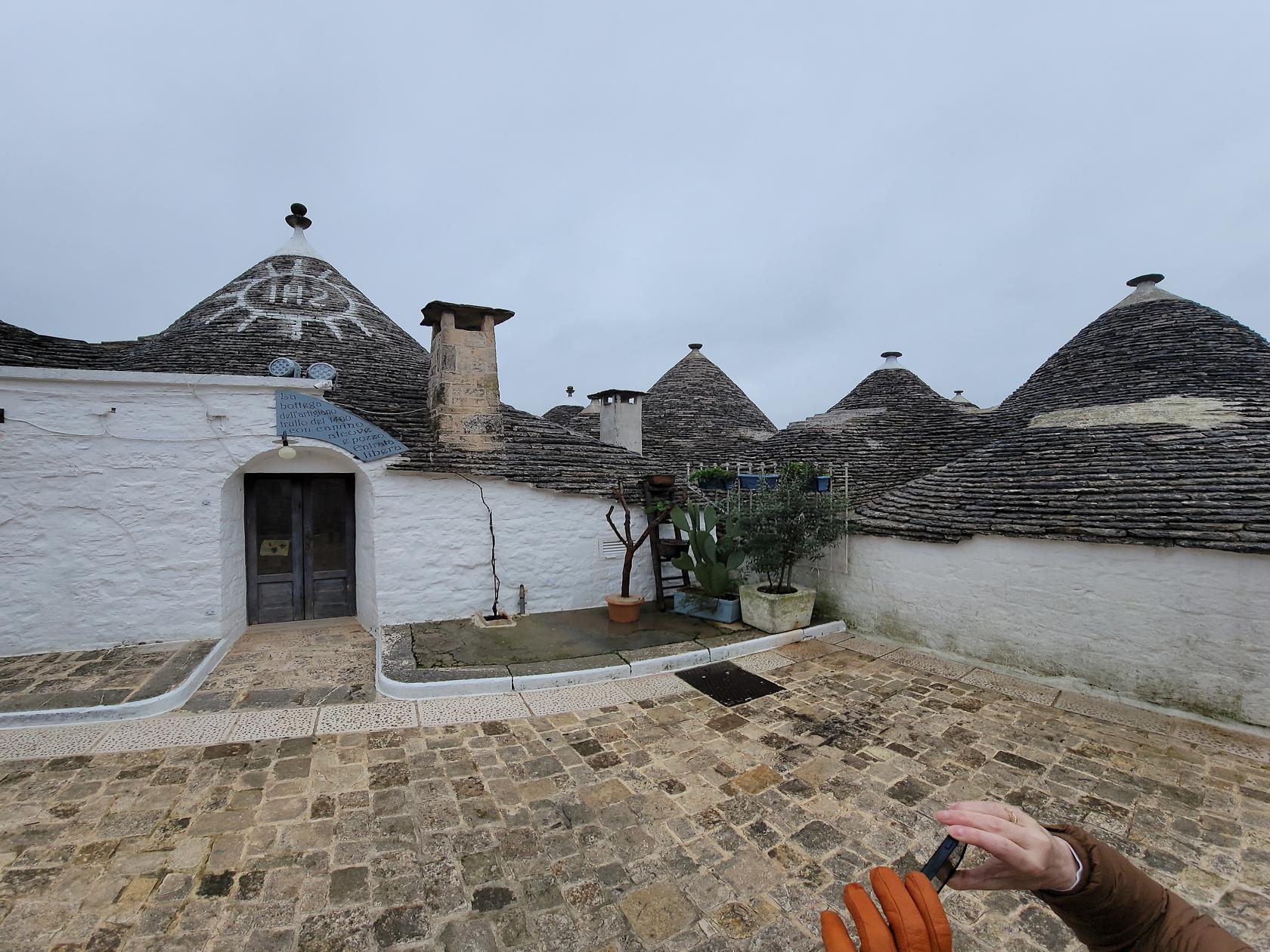
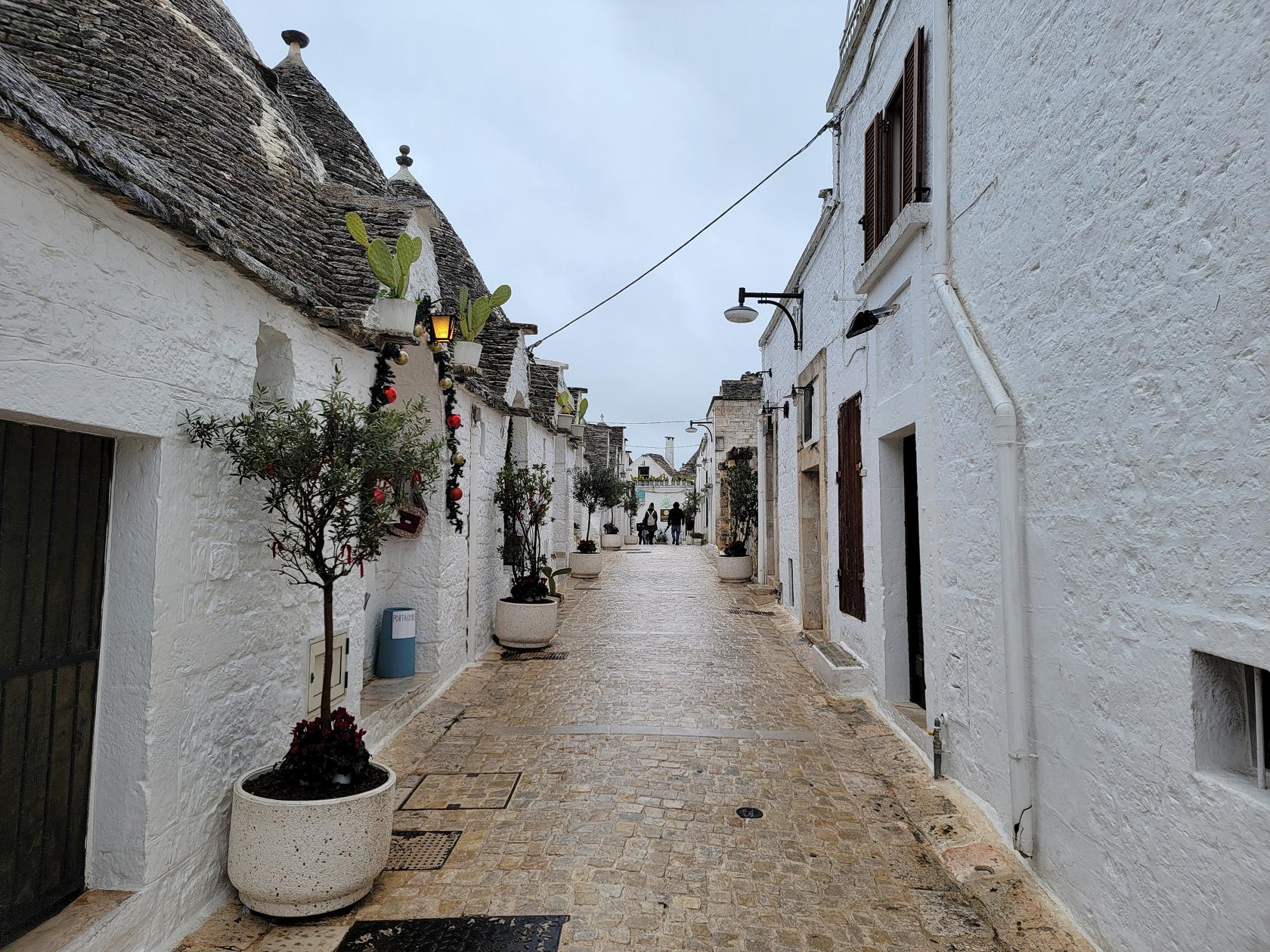
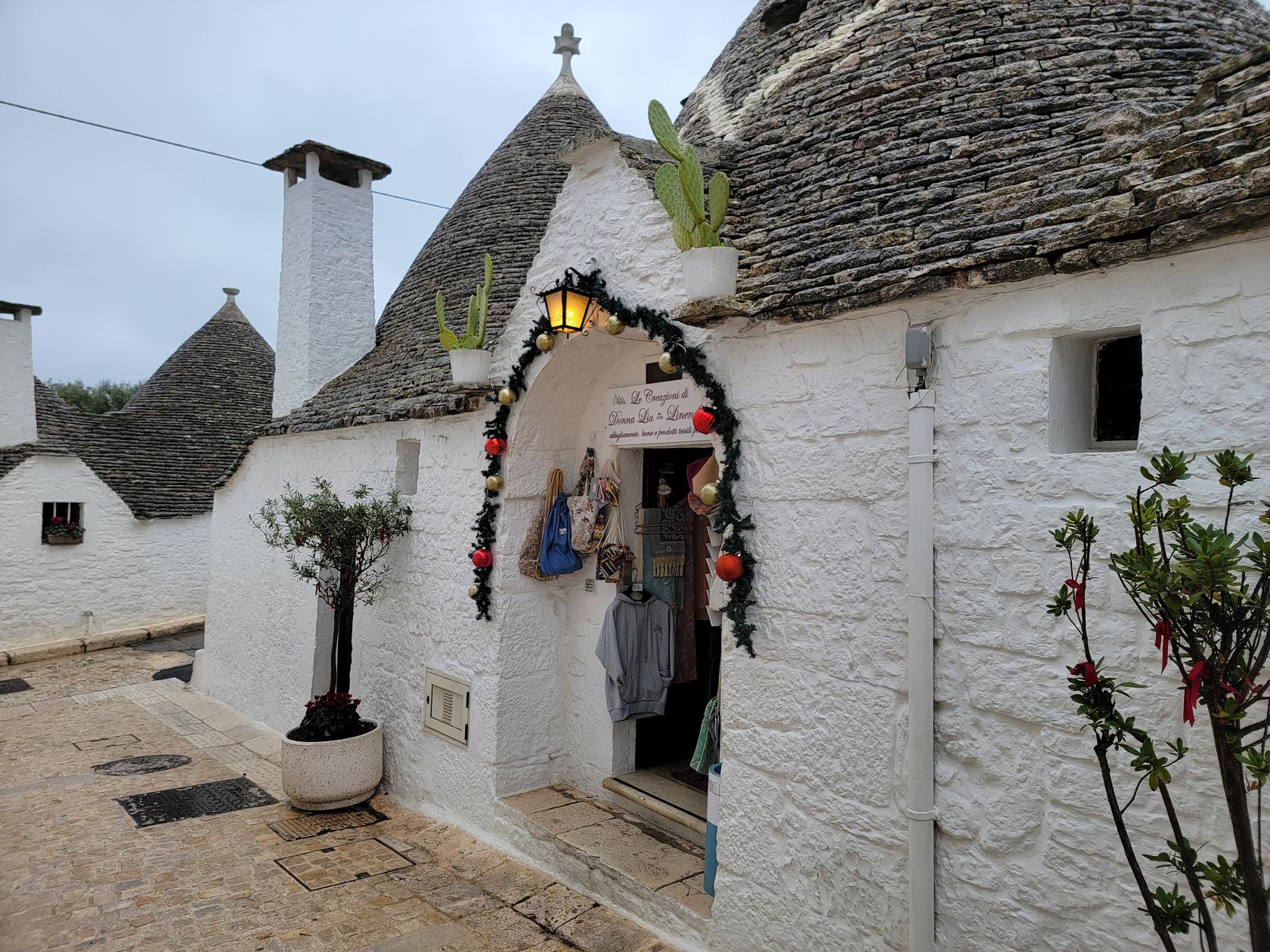
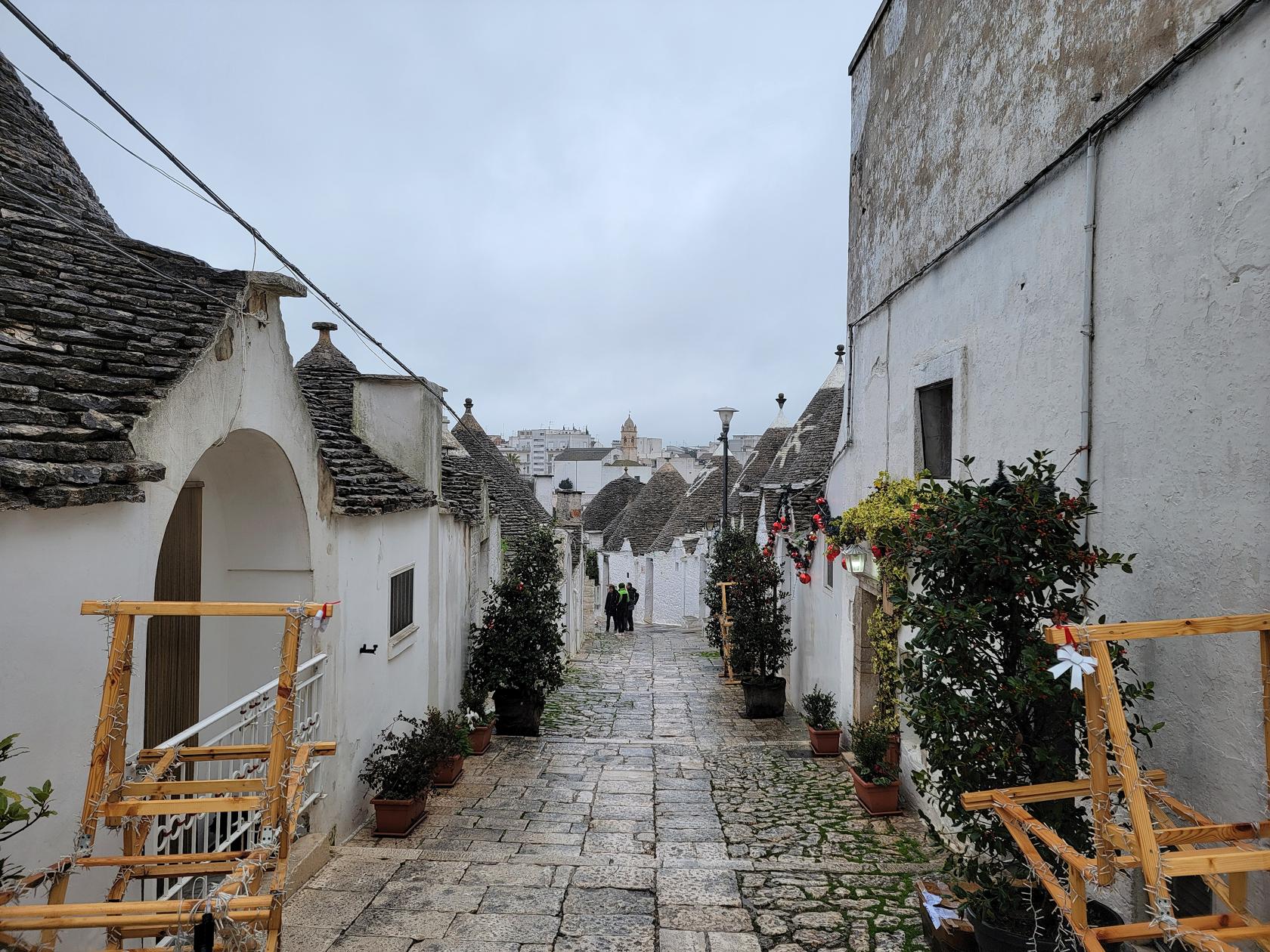
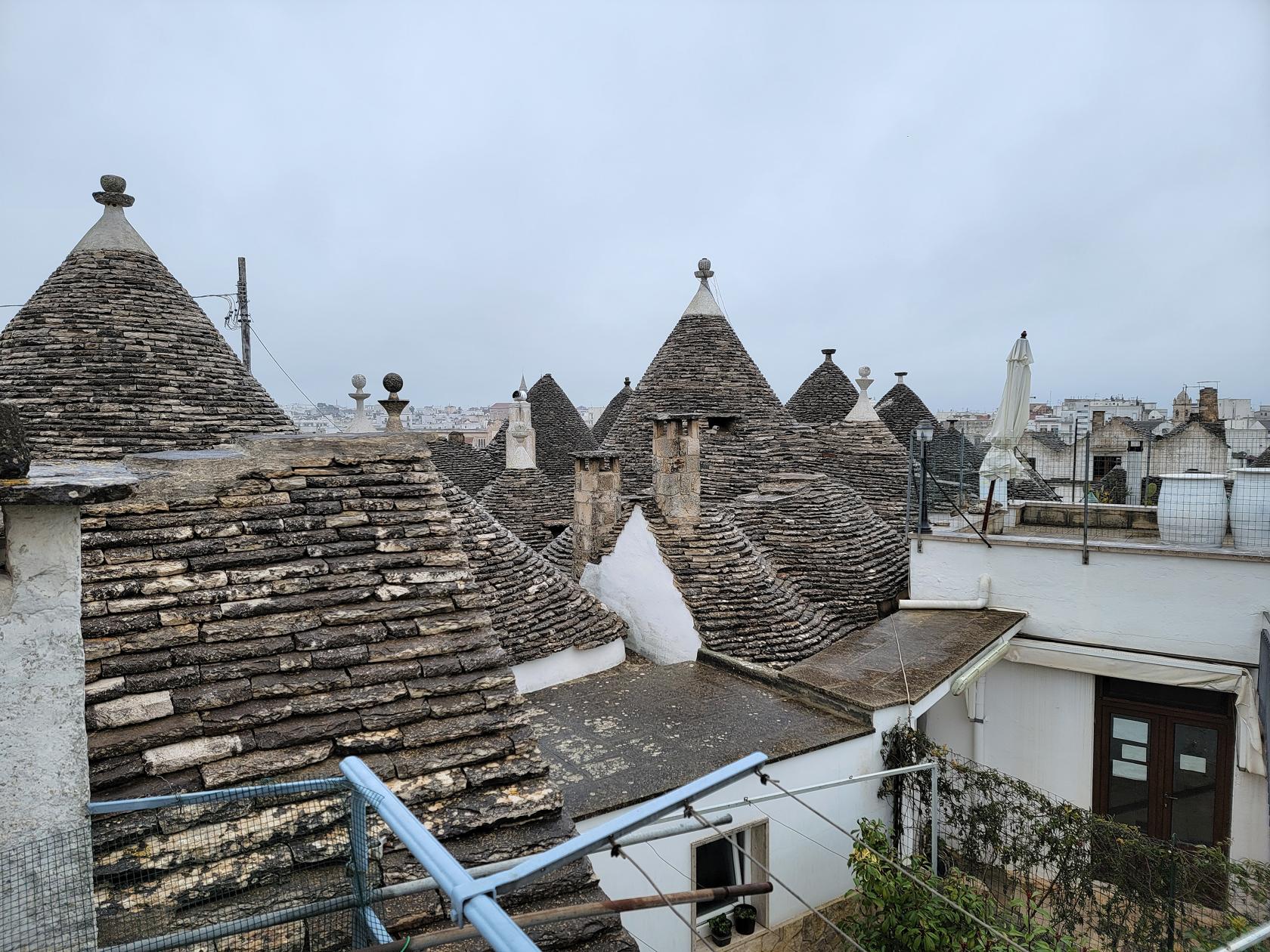
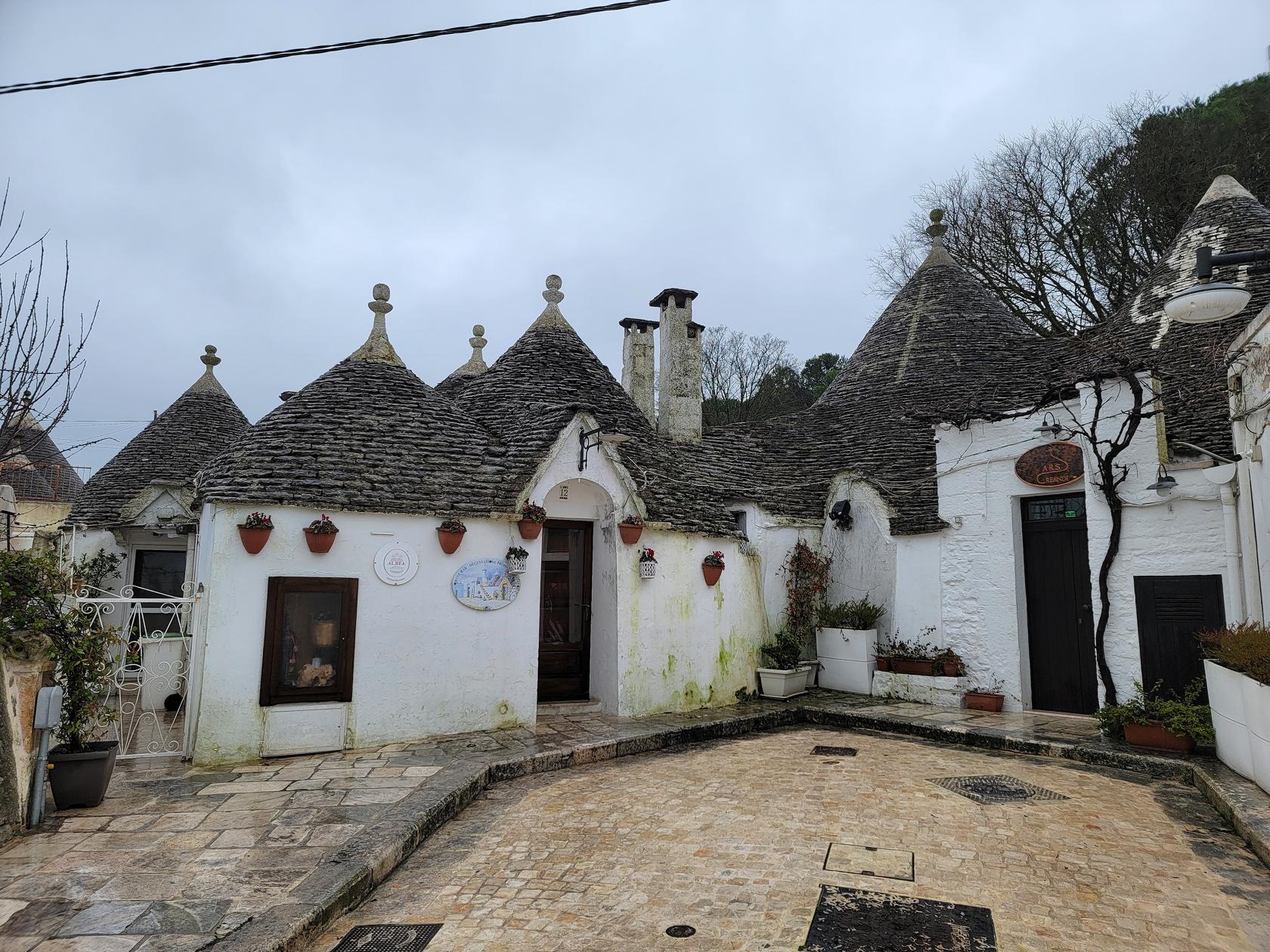
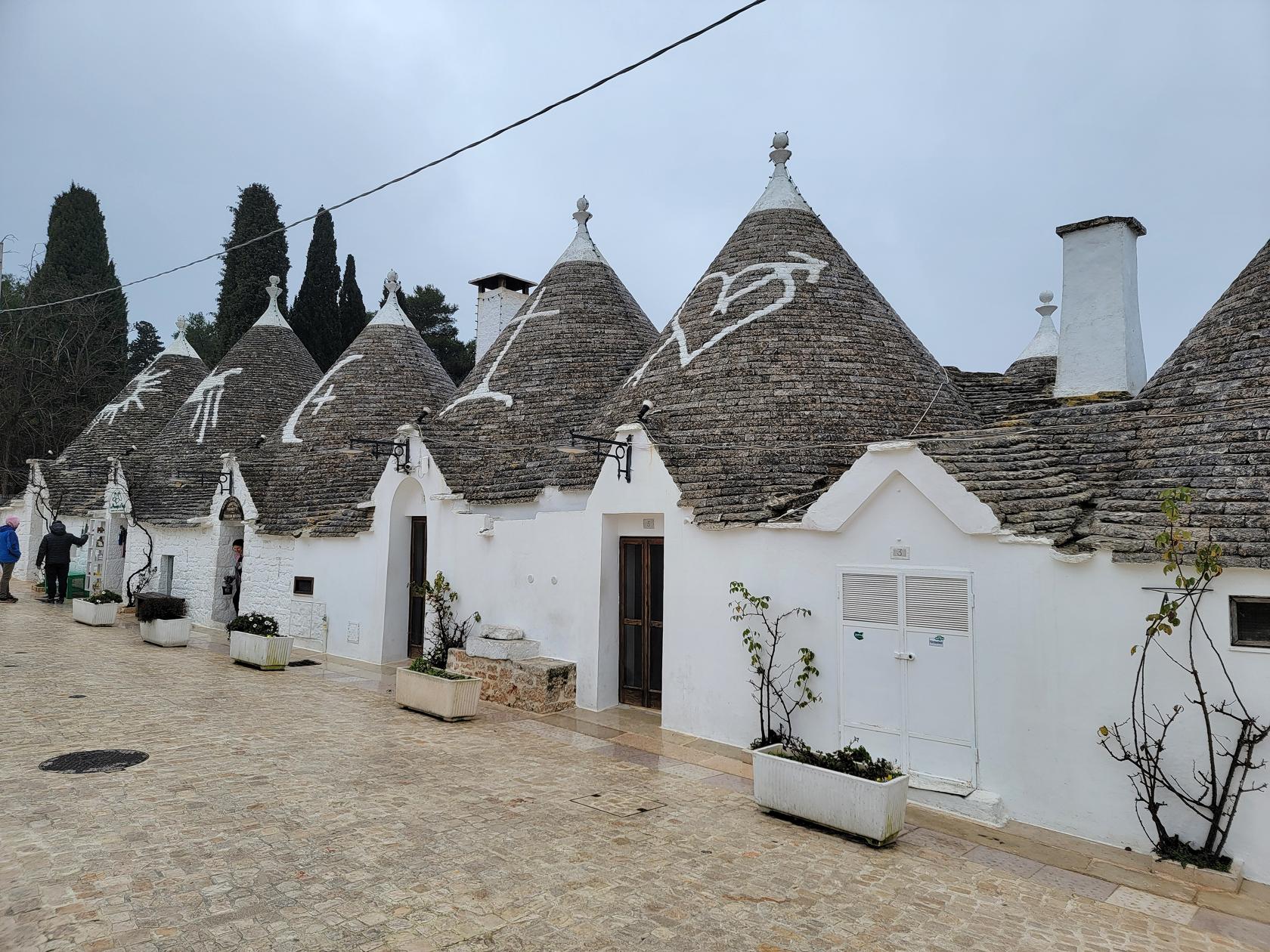
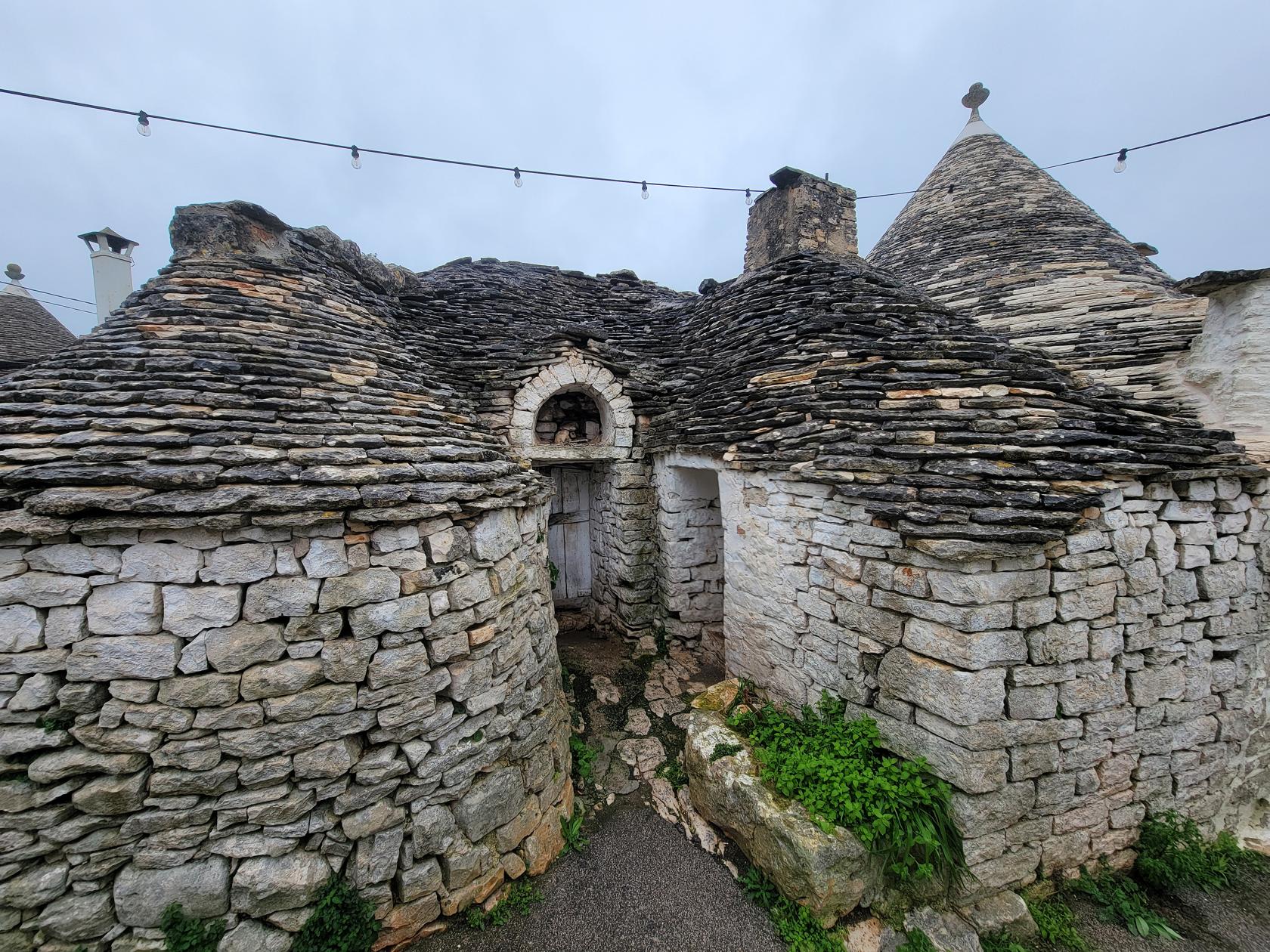
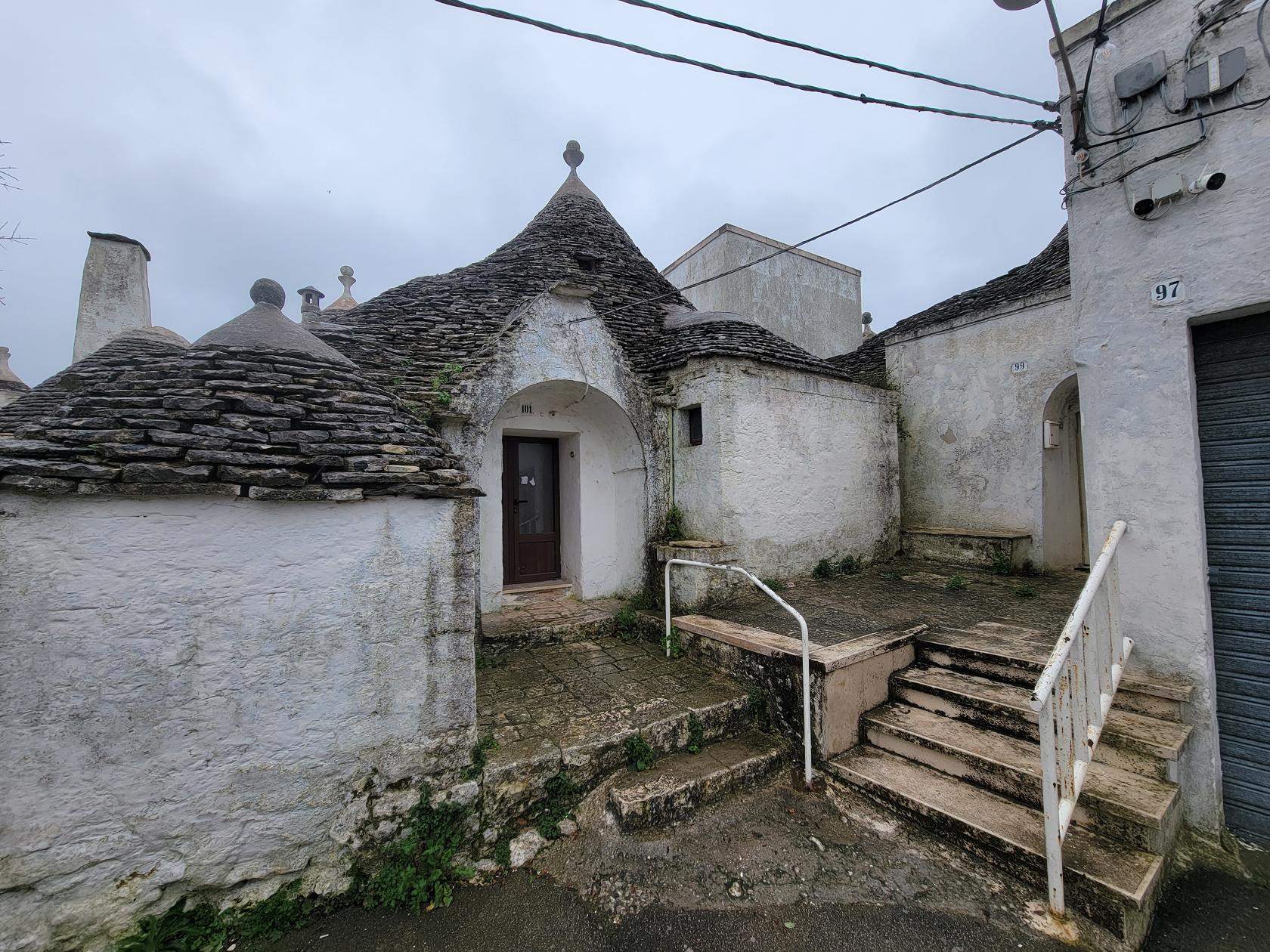
Before I went to Alberobello, I had never heard of a Trullo house and I must say I find them rather odd. To me, they just appear as though they are a bit small and perhaps uncomfortable inside. But I guess it’s what you get used to in life.
How To Get There
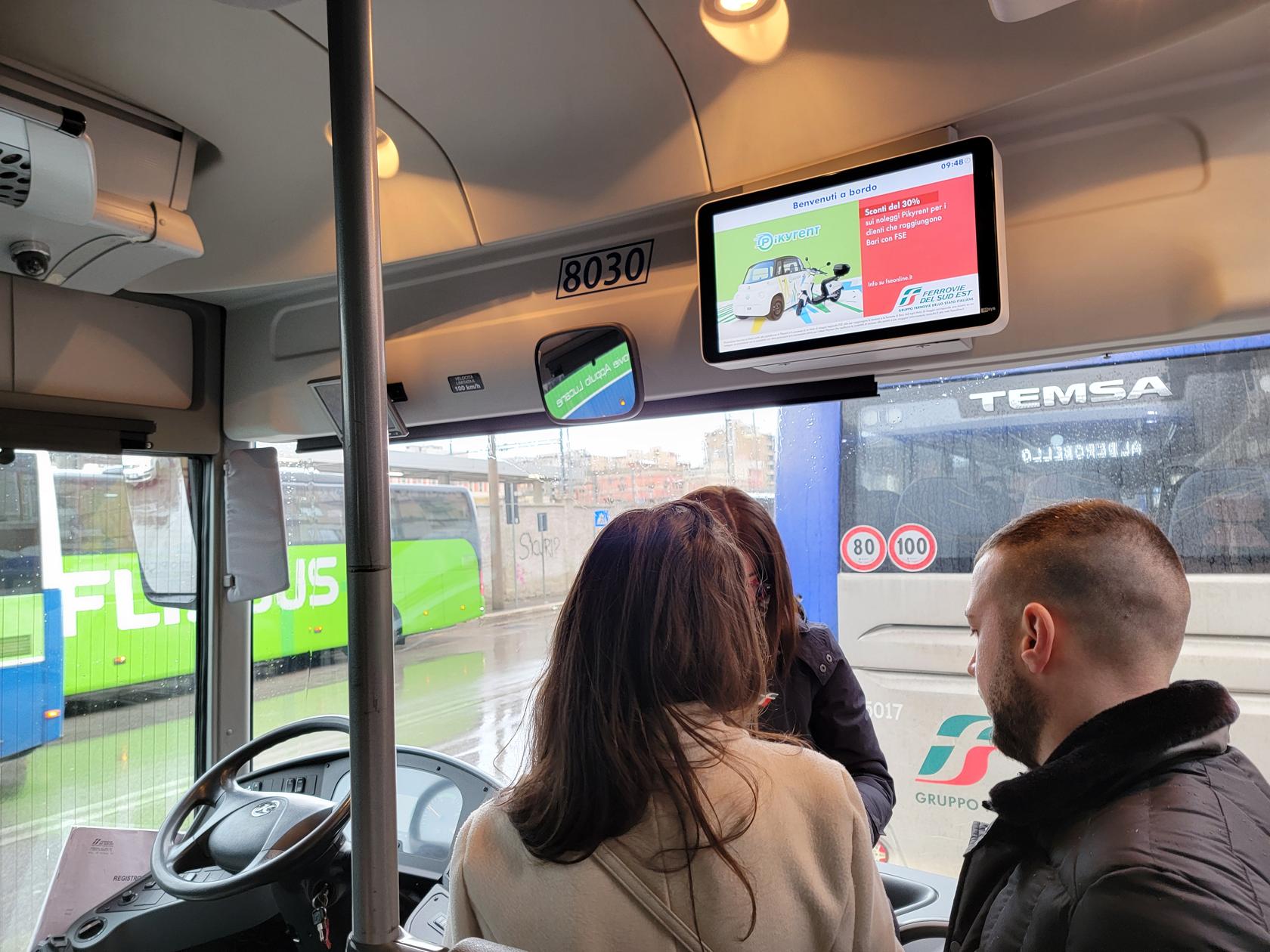
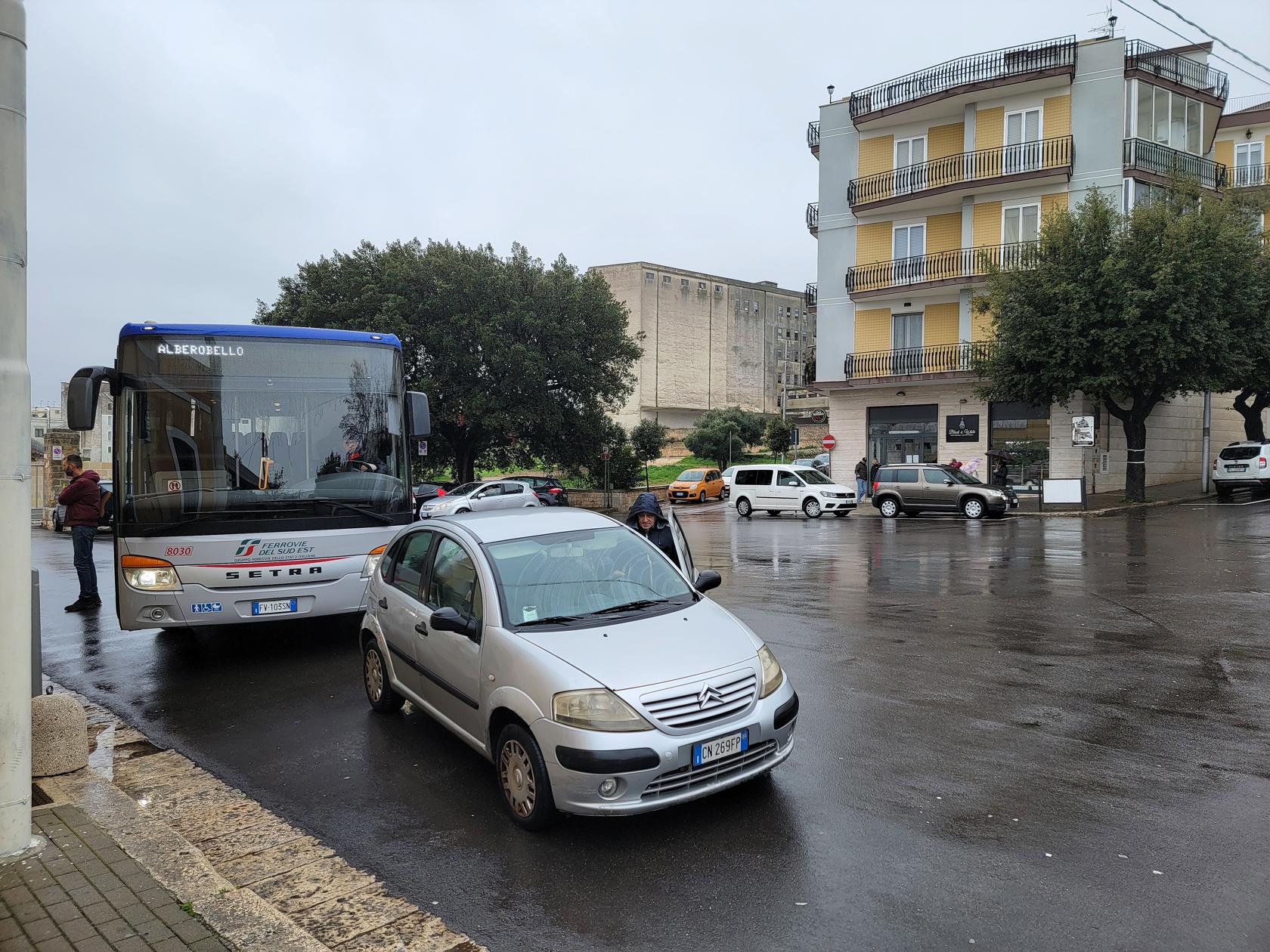
From Bari the easiest way to get there is by the TrennItalia website, application or buying a ticket at the station. The bus arrives in front of the DOK supermarket on the back side of the train station, so from town you will have to use the underground train station passage to get to the bus stop, it is across the street of Via Giuseppe Capruzzi. The cost is minimal, 2€ per person each way. You may hear them referred to as the TrulliBus, but if you ask anyone locally they will be confused by your question. So use the destination name of Alberobello and there will not be any confusion.
Bus from Bari to Alberobello – Alberobello, Italy
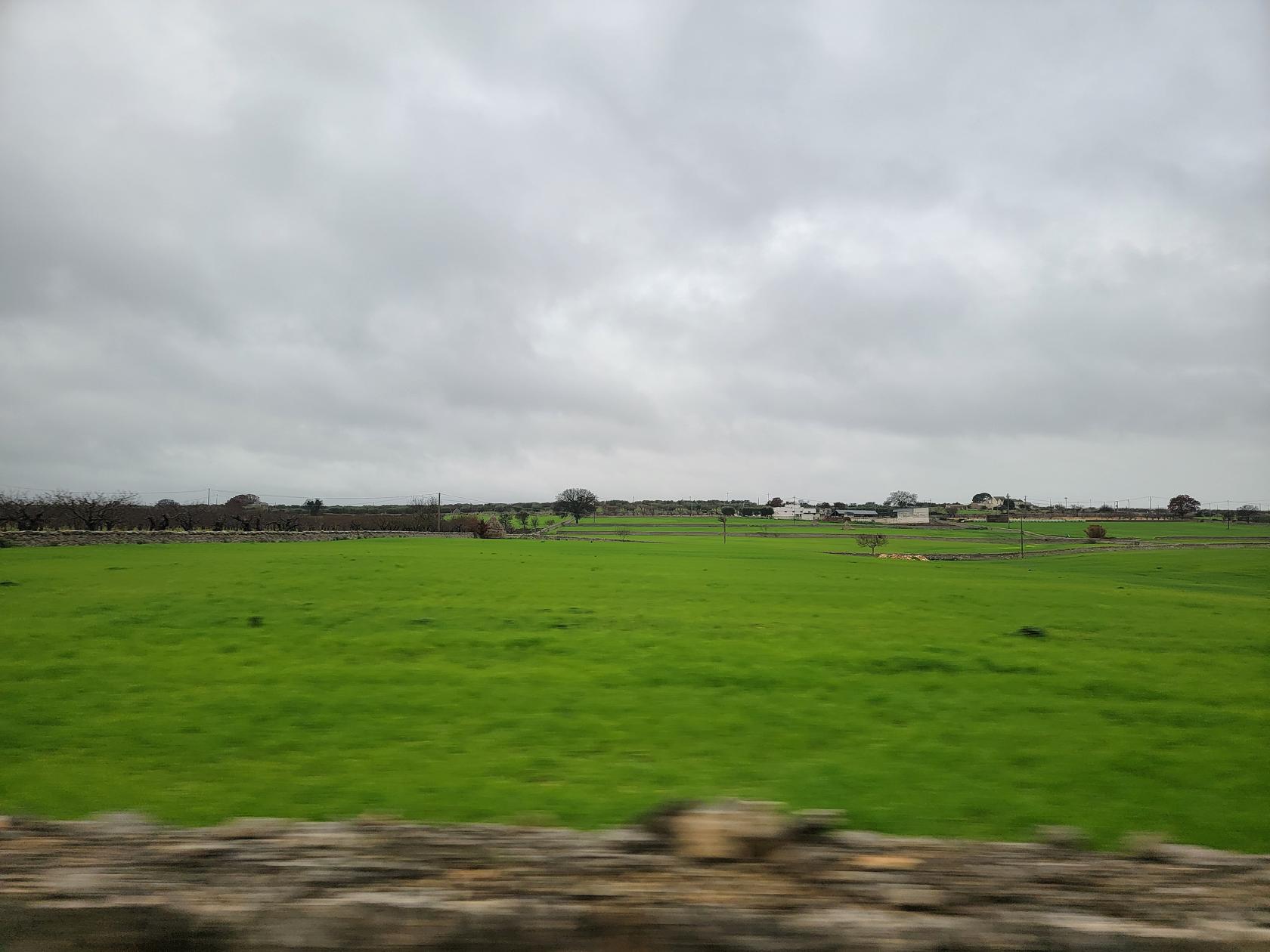
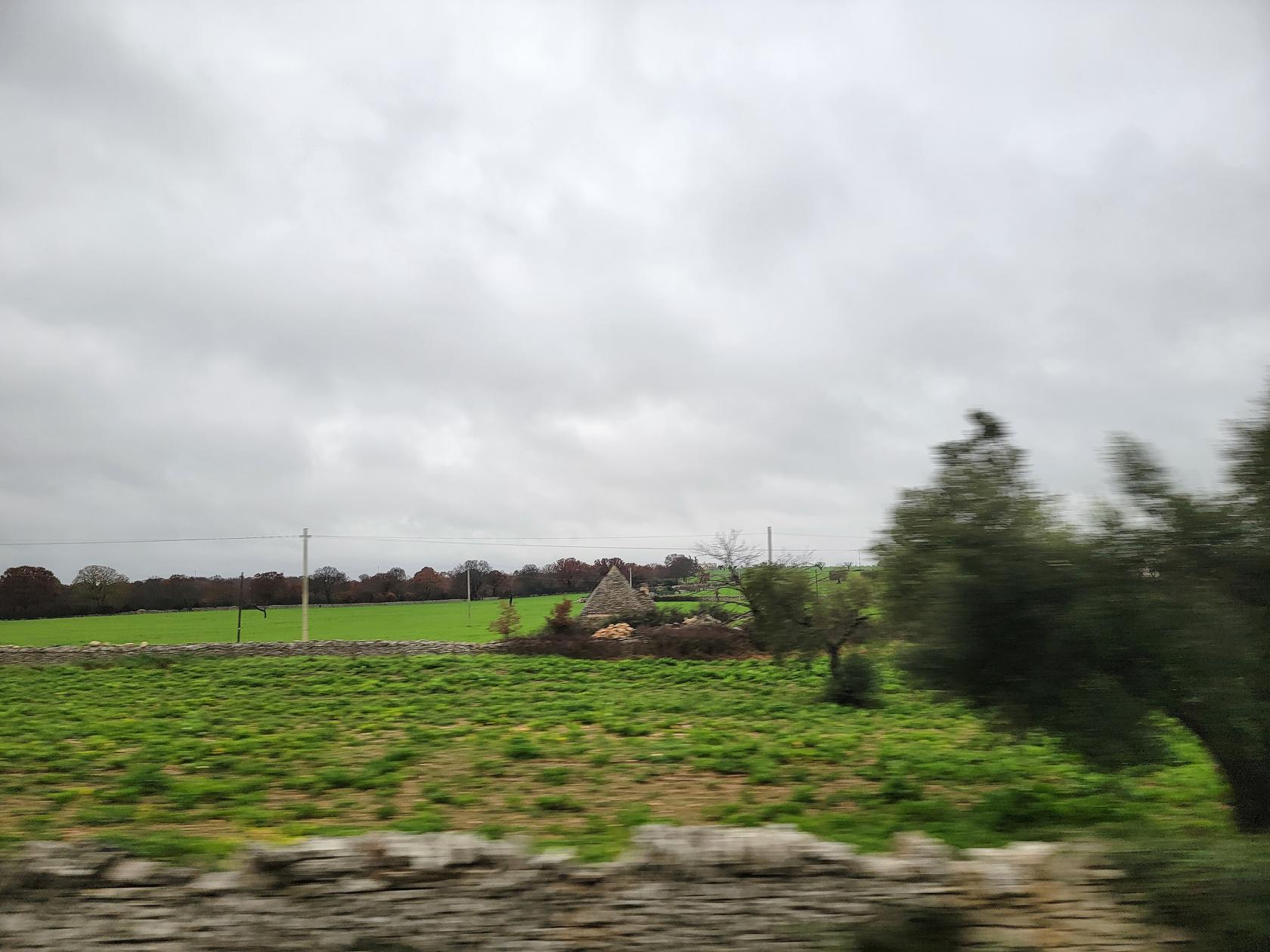
Bus ride – Truli buildings – Alberobello, Italy
Bus ride – Truli buildings – Alberobello, Italy
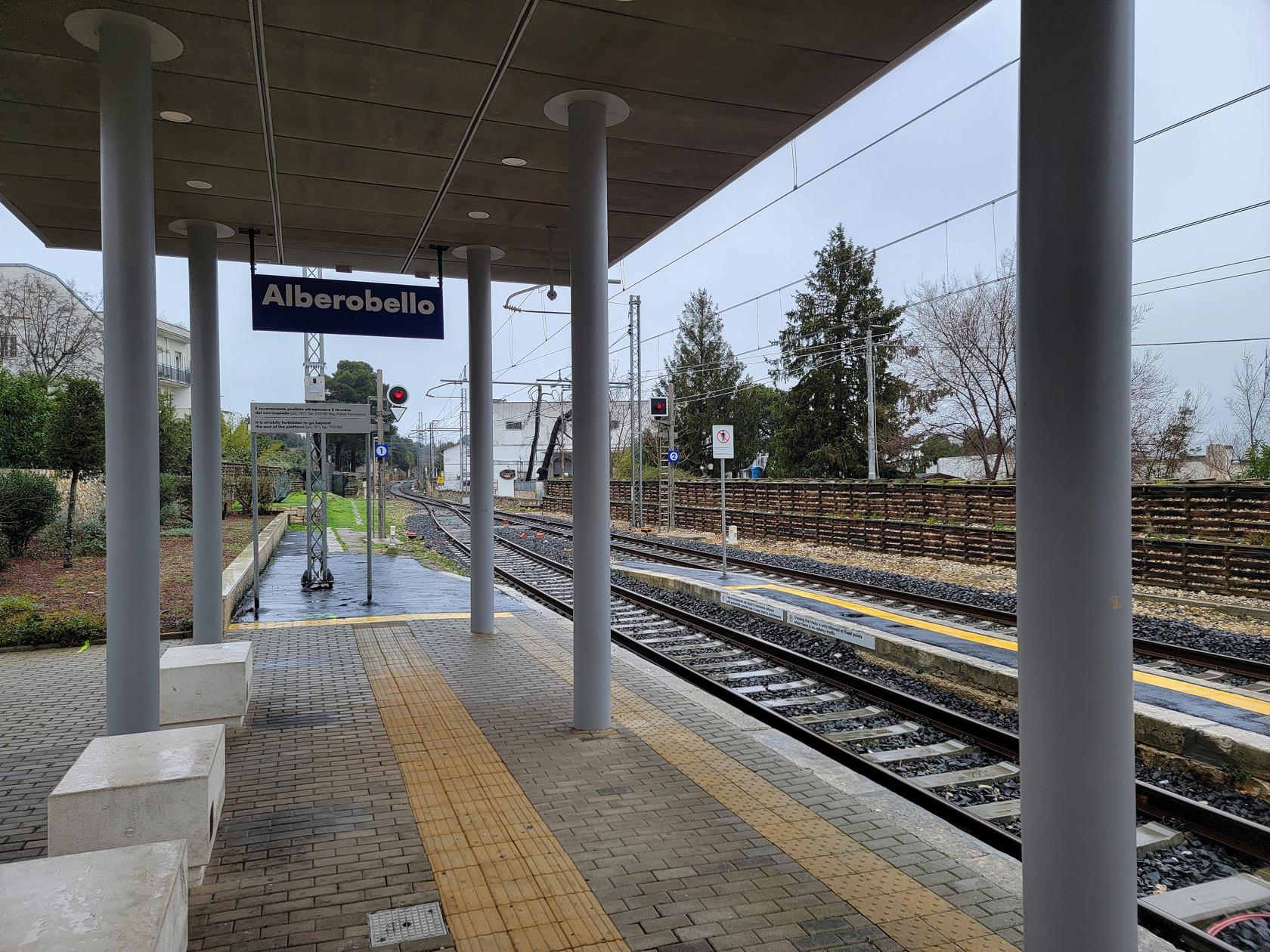
It arrives in Alberobello at that city’s train station and it is about a fifteen to twenty minute walk to the houses.
Our bus from Bari – Alberobello, Italy
Train Station – Bus Stop – Alberobello, Italy
Alberobello
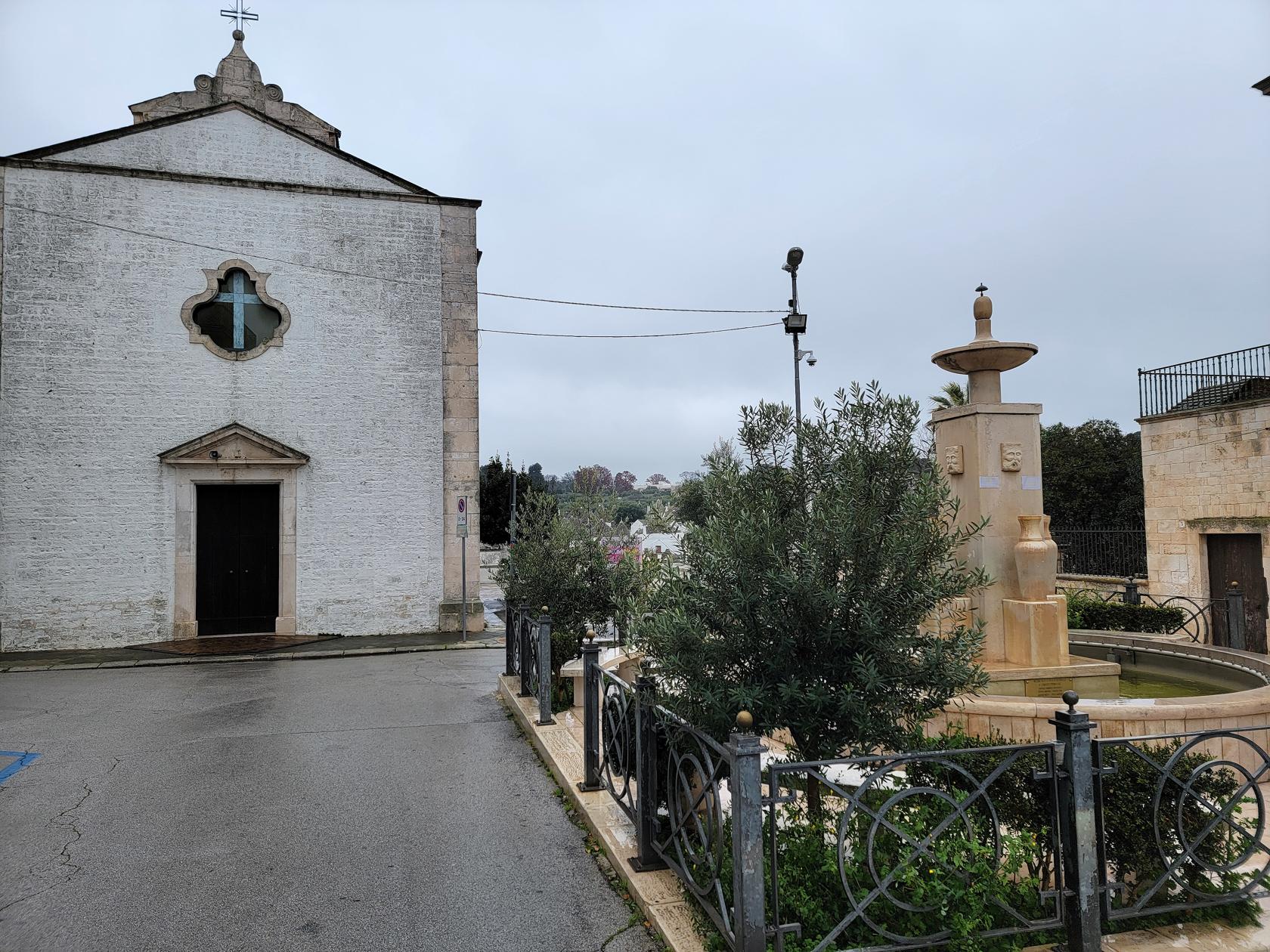
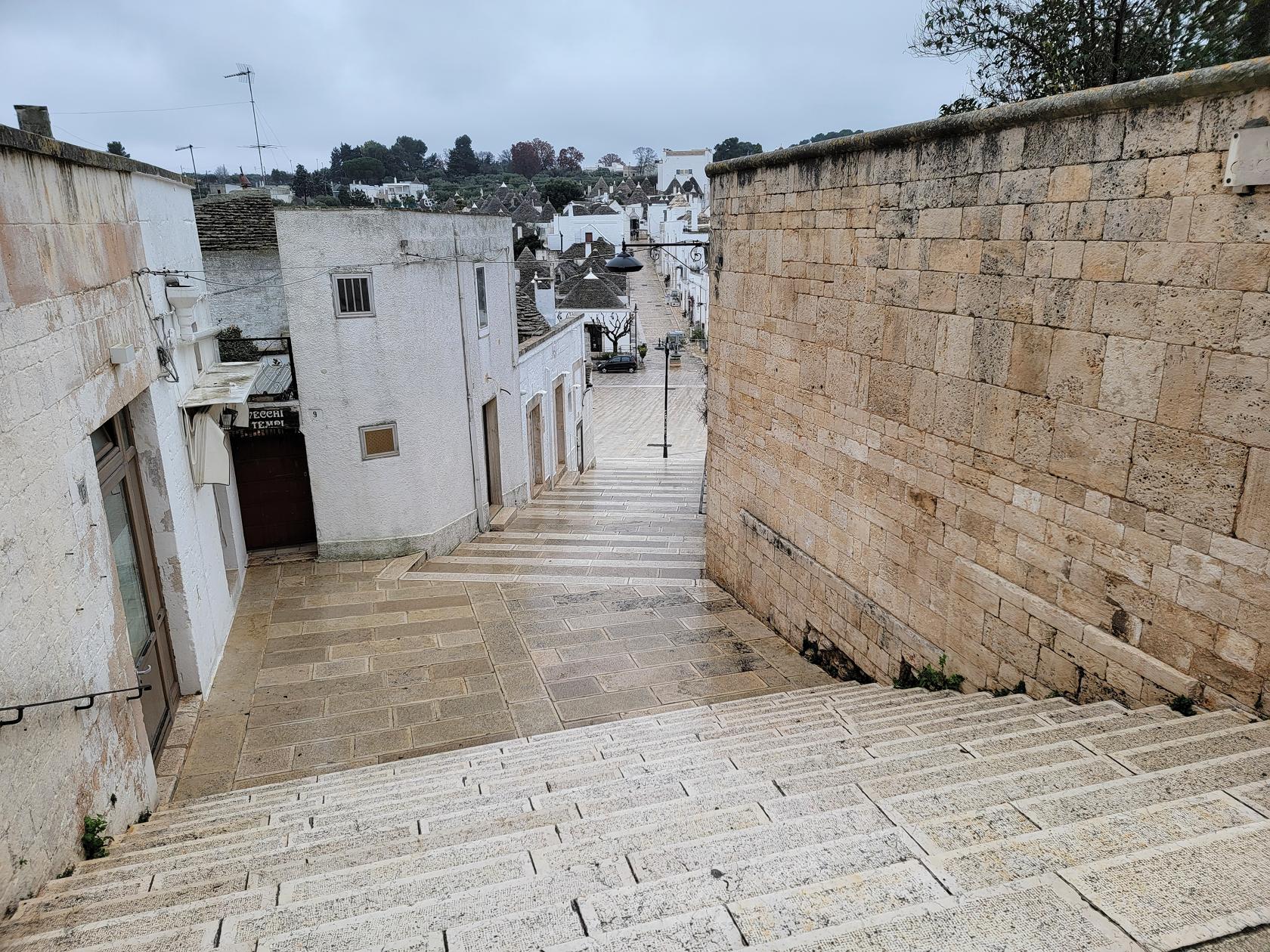
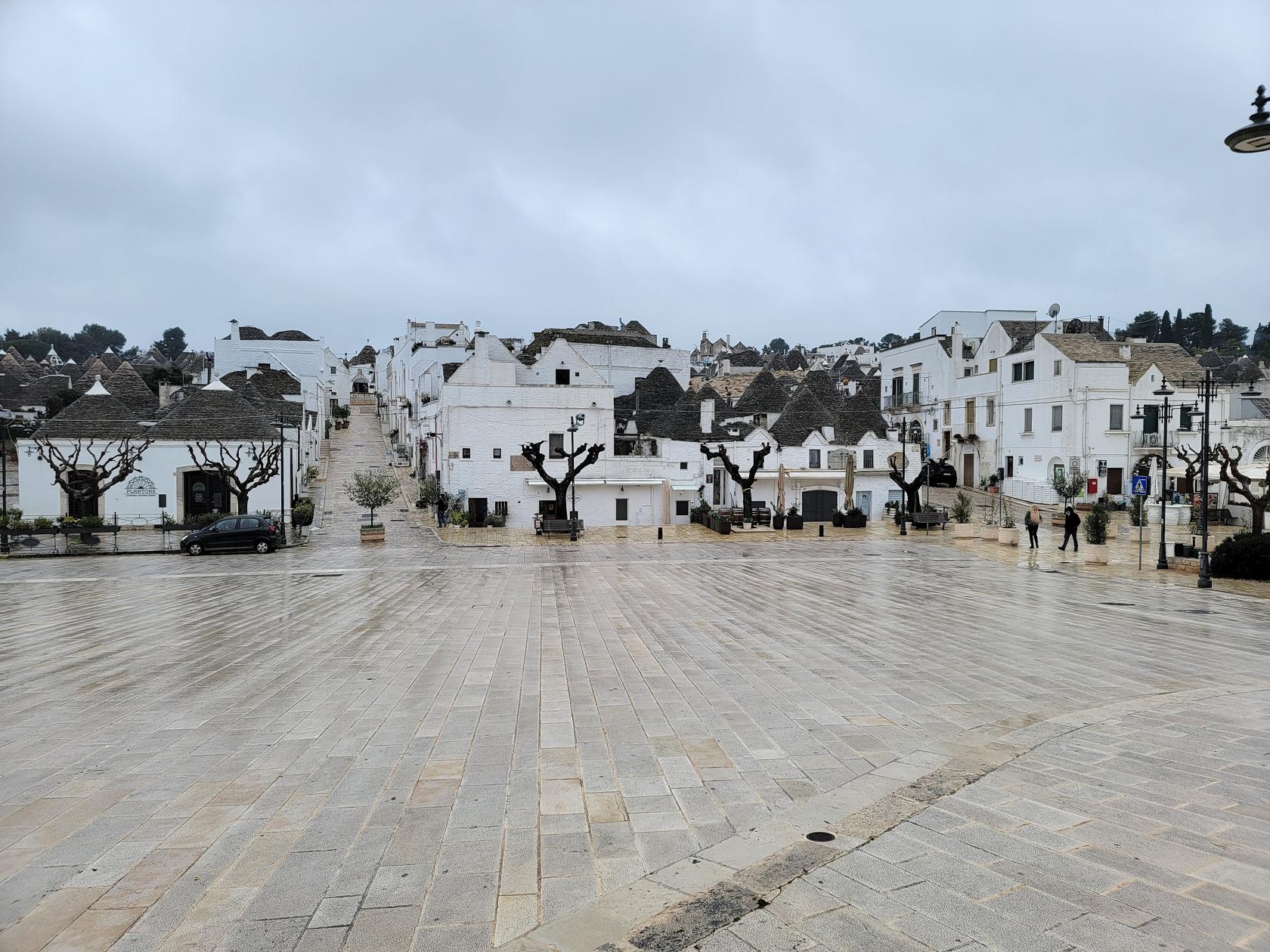
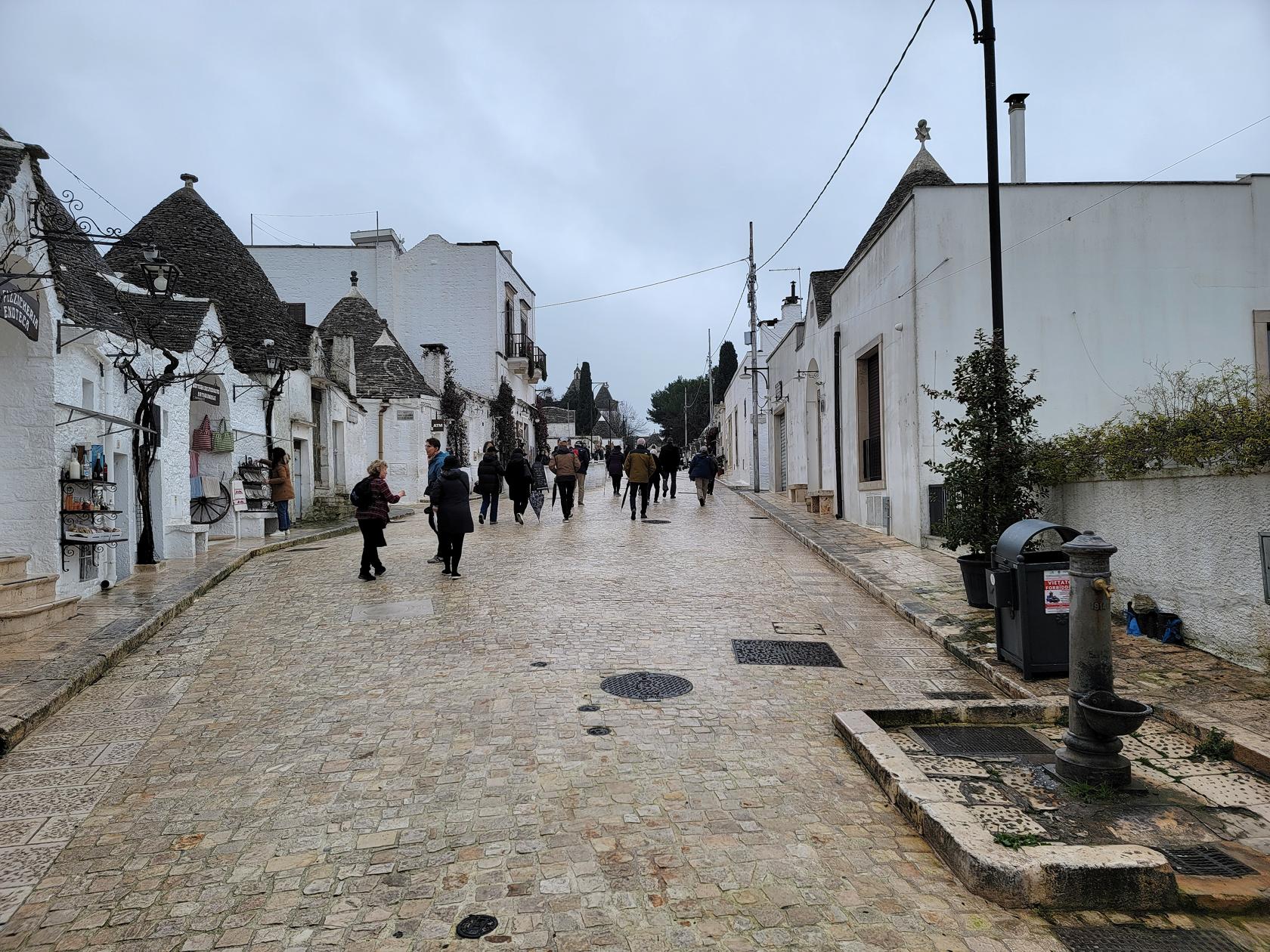
When one first sees a Trullo house one’s first impression might be that it is a rather strange place to live. However, there are other precedents in other cultures. Alberobello contains many such examples of these houses, now converted toward the tourists industry.
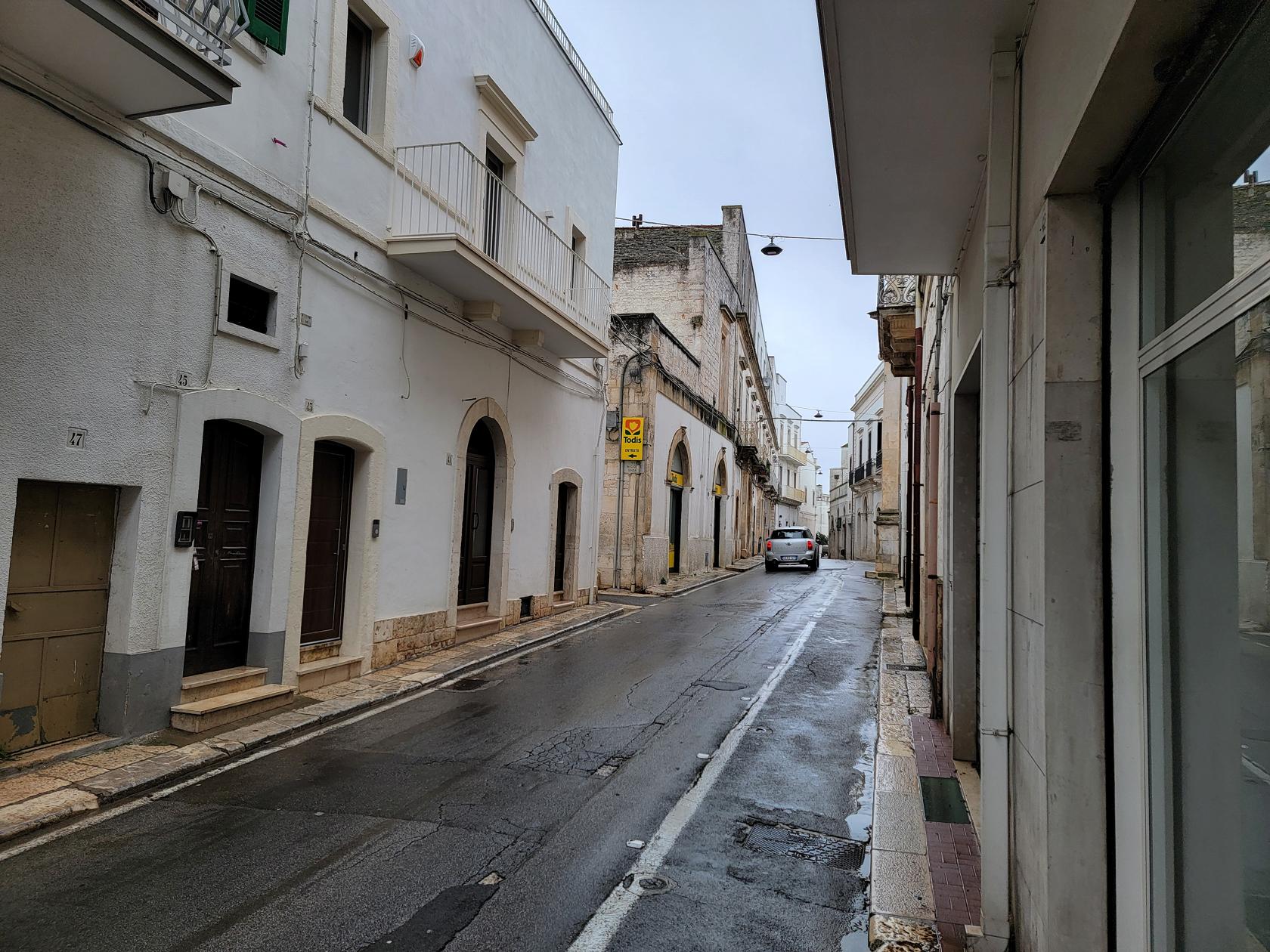
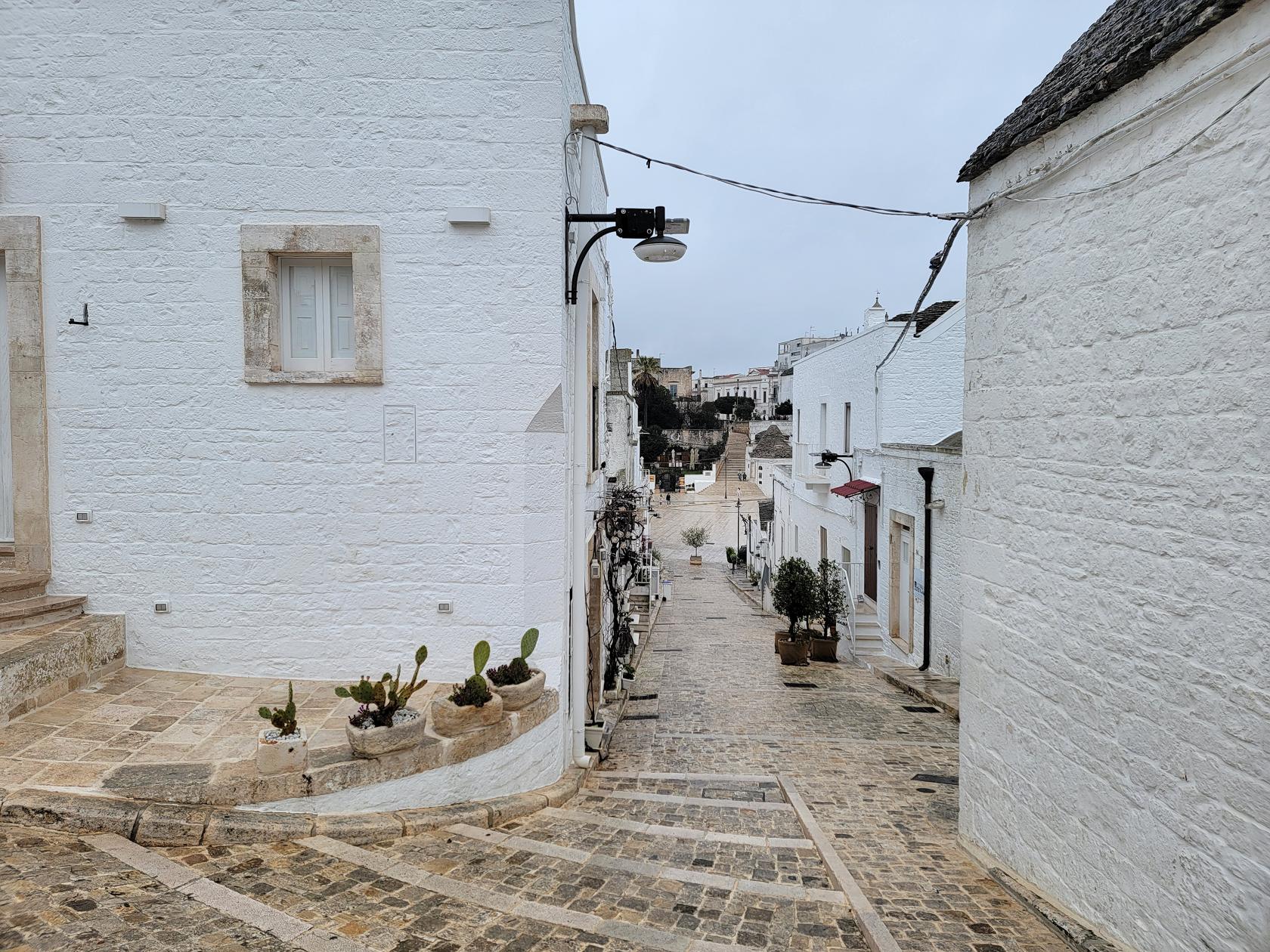
Typical Italian street – via Giuseppe Girabaldi – Alberobello, Italy
Monumento Dei Caduti in Guerre – Alberobello, Italy
Fountain – Piazza Giangirolamo II – Alberobello, Italy
Stairs with Truli house view – Alberobello, Italy
Via Brigata Regina – Alberobello, Italy
Via Brigata Regina – Alberobello, Italy
The Trullo House
Initially developed by farmers and herders as a temporary place to stay while performing their tasks. However, once learned that they could be used as a tax dodge, the Italians in the area converted them to more permanent residential building, while forgoing the need to pay their taxes.
Patti – Via Monte San Marco – Alberobello, Italy
Truli homes – Alberobello, Italy
Truli homes – Alberobello, Italy
Truli homes – Alberobello, Italy
Truli homes – Alberobello, Italy
Truli homes – Alberobello, Italy
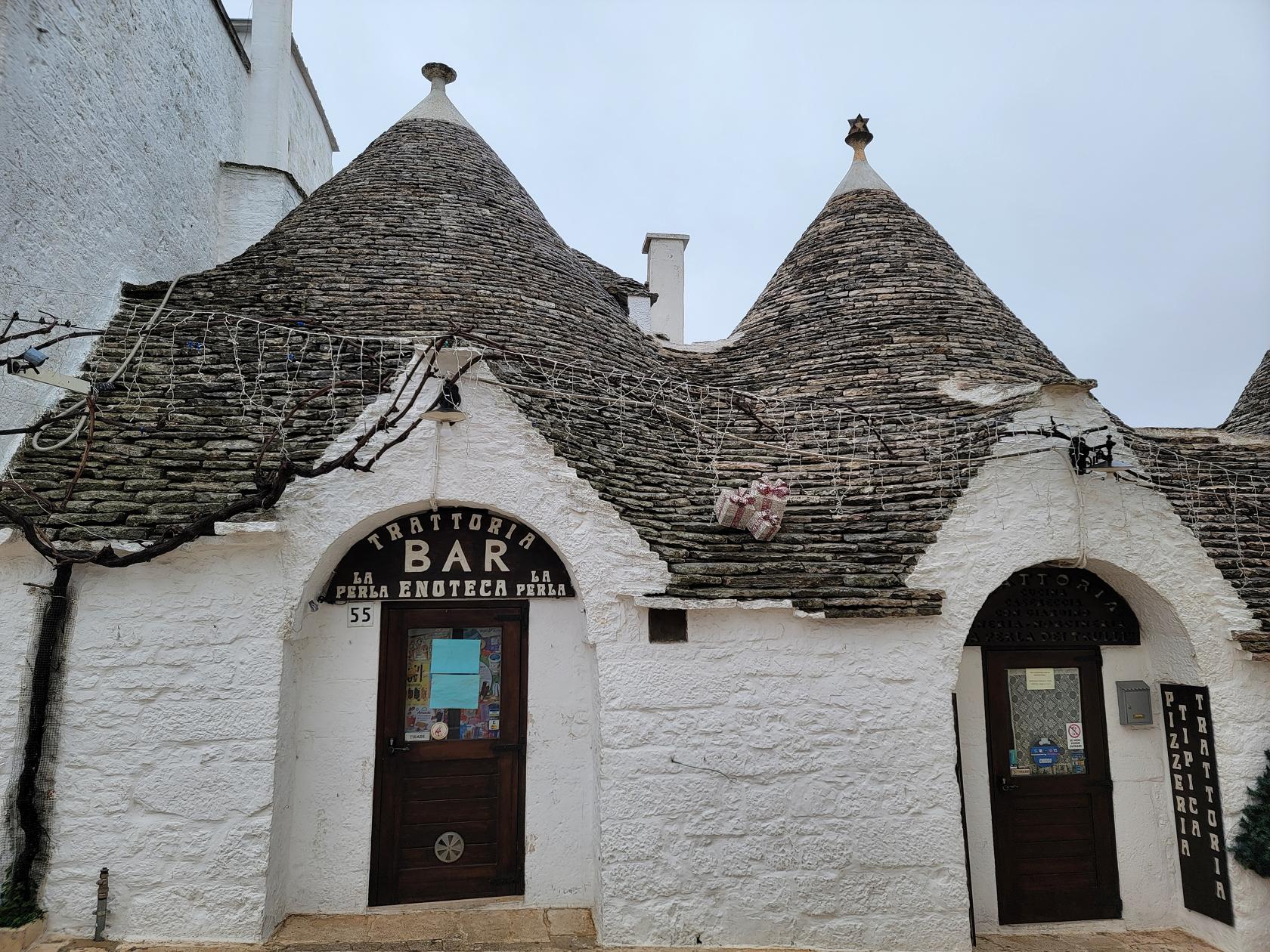
Trattoria and Bar – Alberobello, Italy
Via Duca D’Aosta – Alberobello, Italy
Donna Lia Intrecci – Alberobello, Italy
Via Monte San Michelle – Alberobello, Italy
Via Monte San Michelle – Alberobello, Italy
Truli house tops – Alberobello, Italy
Truli shops – Alberobello, Italy
Truli houses – Alberobello, Italy
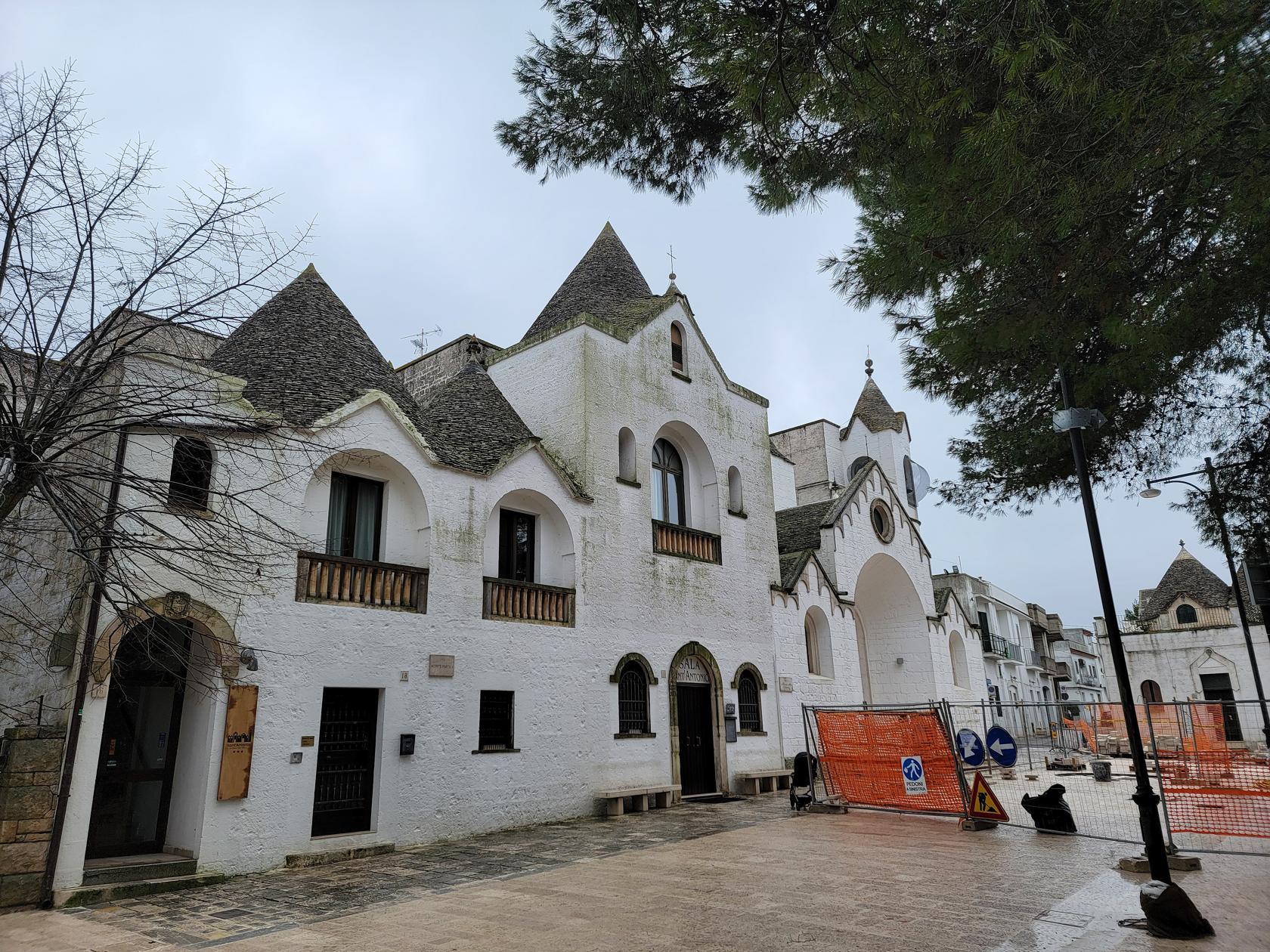
Chiesa Parrocchiale di Sant’Antonio da Padova – Chiesa a Trullo – Alberobello, Italy
Truly an authentic Truli home – Alberobello, Italy
Another authentic Truli home – Alberobello, Italy
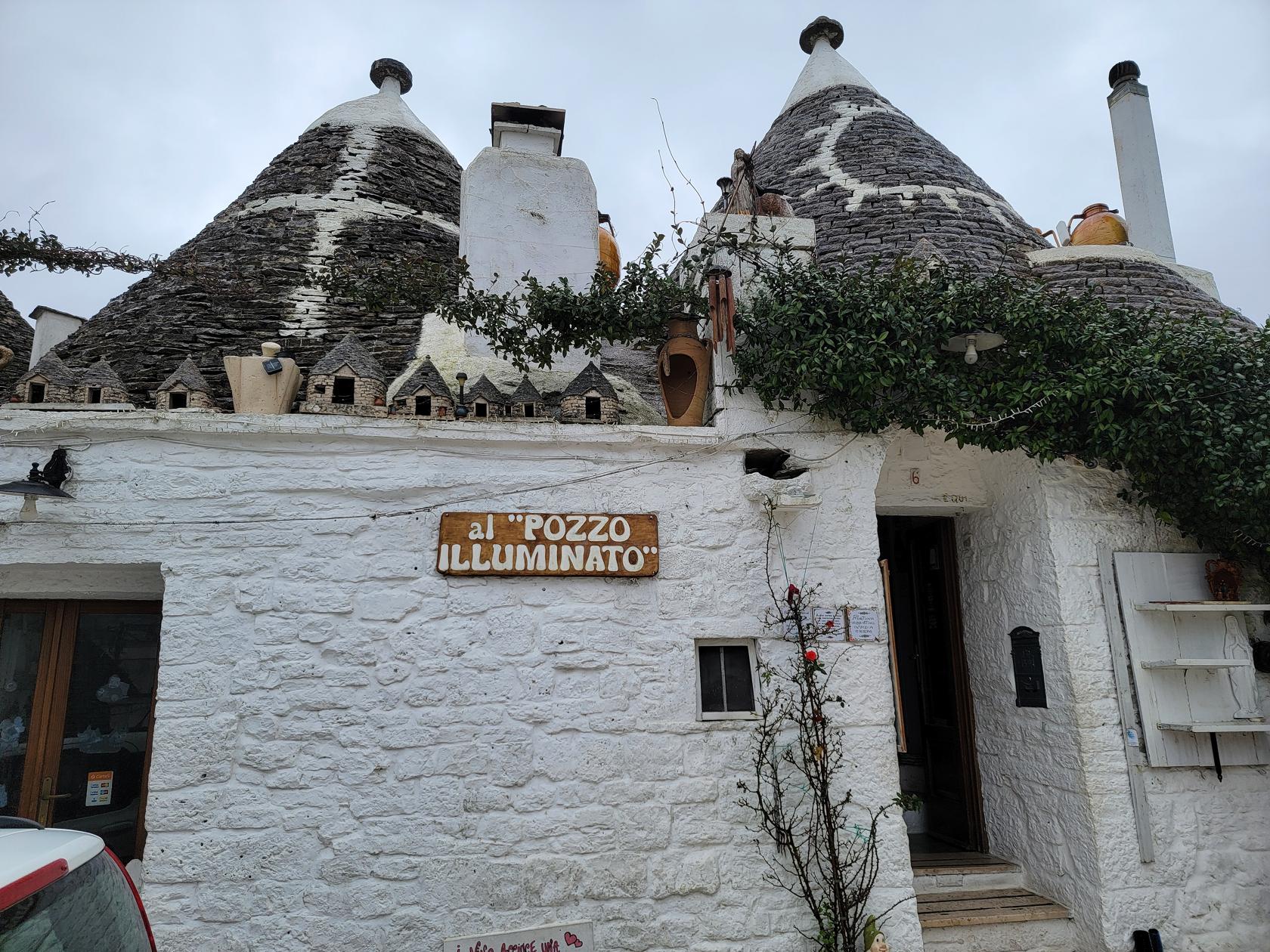
Al Pozzo Illuminato shop – Alberobello, Italy
Restaurants
During the off season there are limited restaurants for lunch, so plan accordingly. However, there are a few that open all year.
Terra Mossa Ristorante Pizzeria
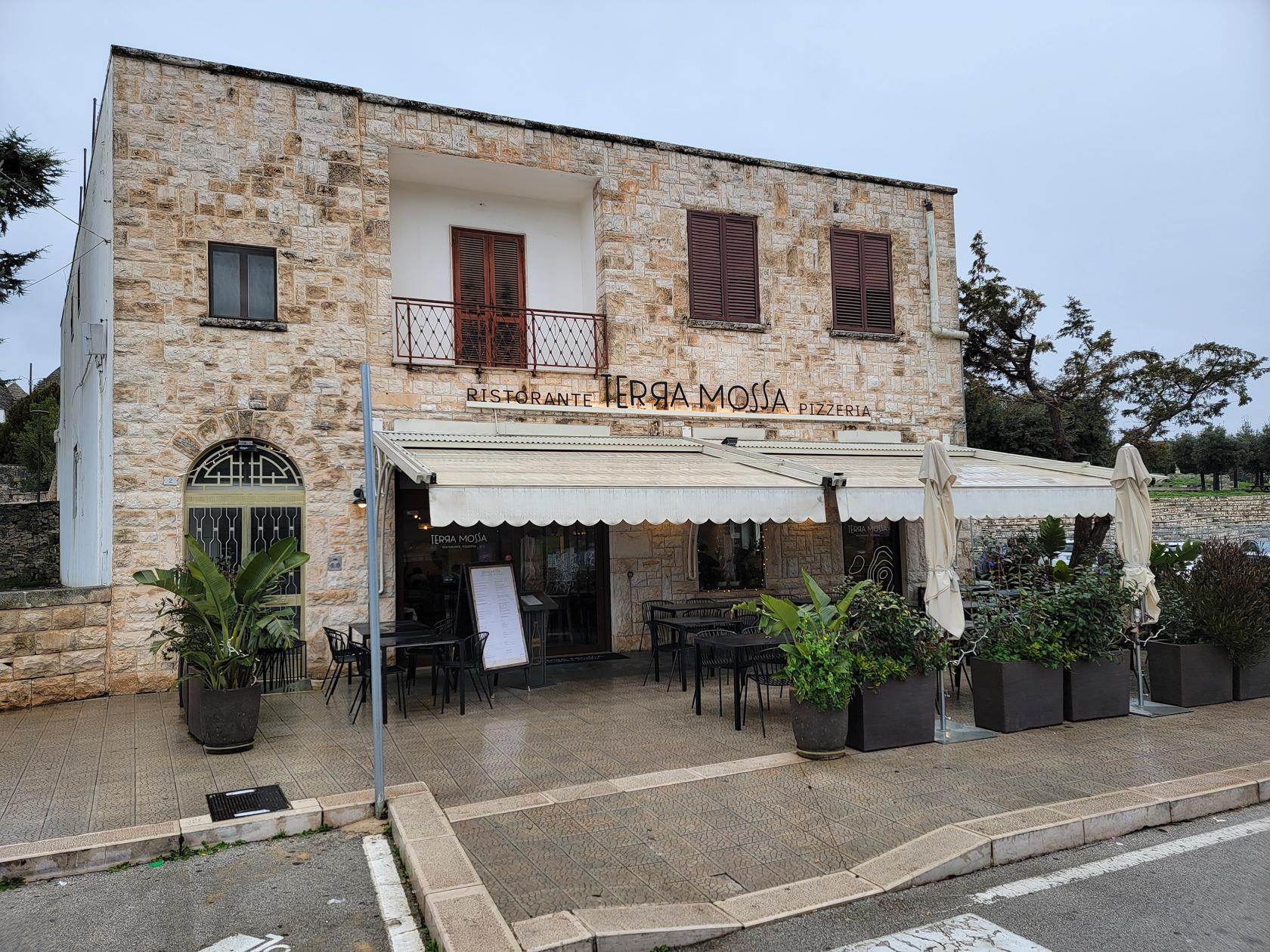
The Terra Mossa Ristorante Pizzeria was our second pick, but we happen to go there because it opened a half an hour earlier than our original pick.
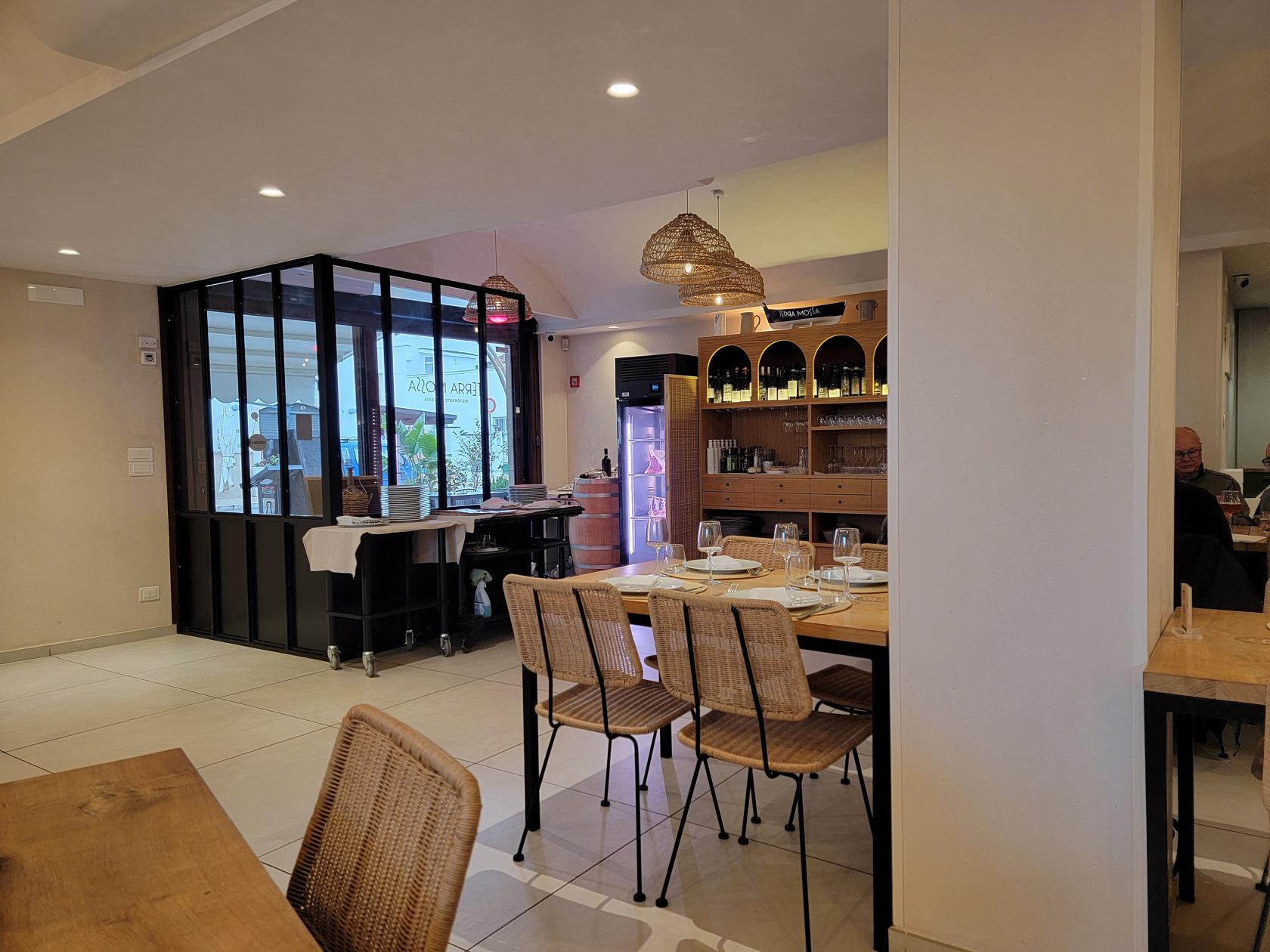
Ristorante Terra Mossa – Entrance – Alberobello, Italy
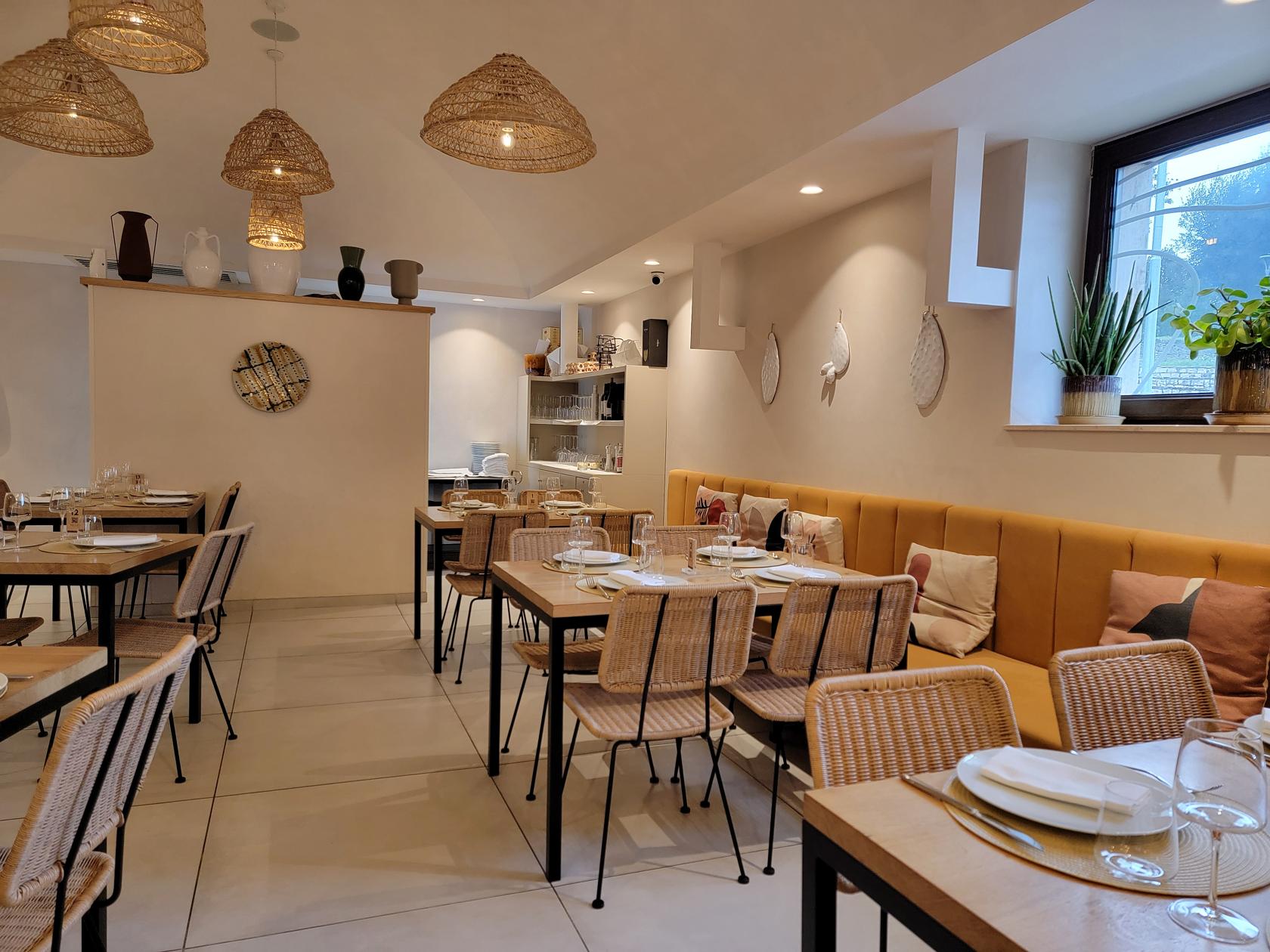
Ristorante Terra Mossa – Inside – Alberobello, Italy
Ristorante Terra Mossa – Inside – Alberobello, Italy
Located on Via Indipendenza, 4, it is a totally modern establishment and able to handle large crowds and tour groups. There were two visiting while we were eating and we did not experience any change in our service. The food is very good and they have English speakers, due to their location in a tourist area. It is prices slightly on the high side, but if you don’t go nuts two people can eat a fair lunch for around 40€.
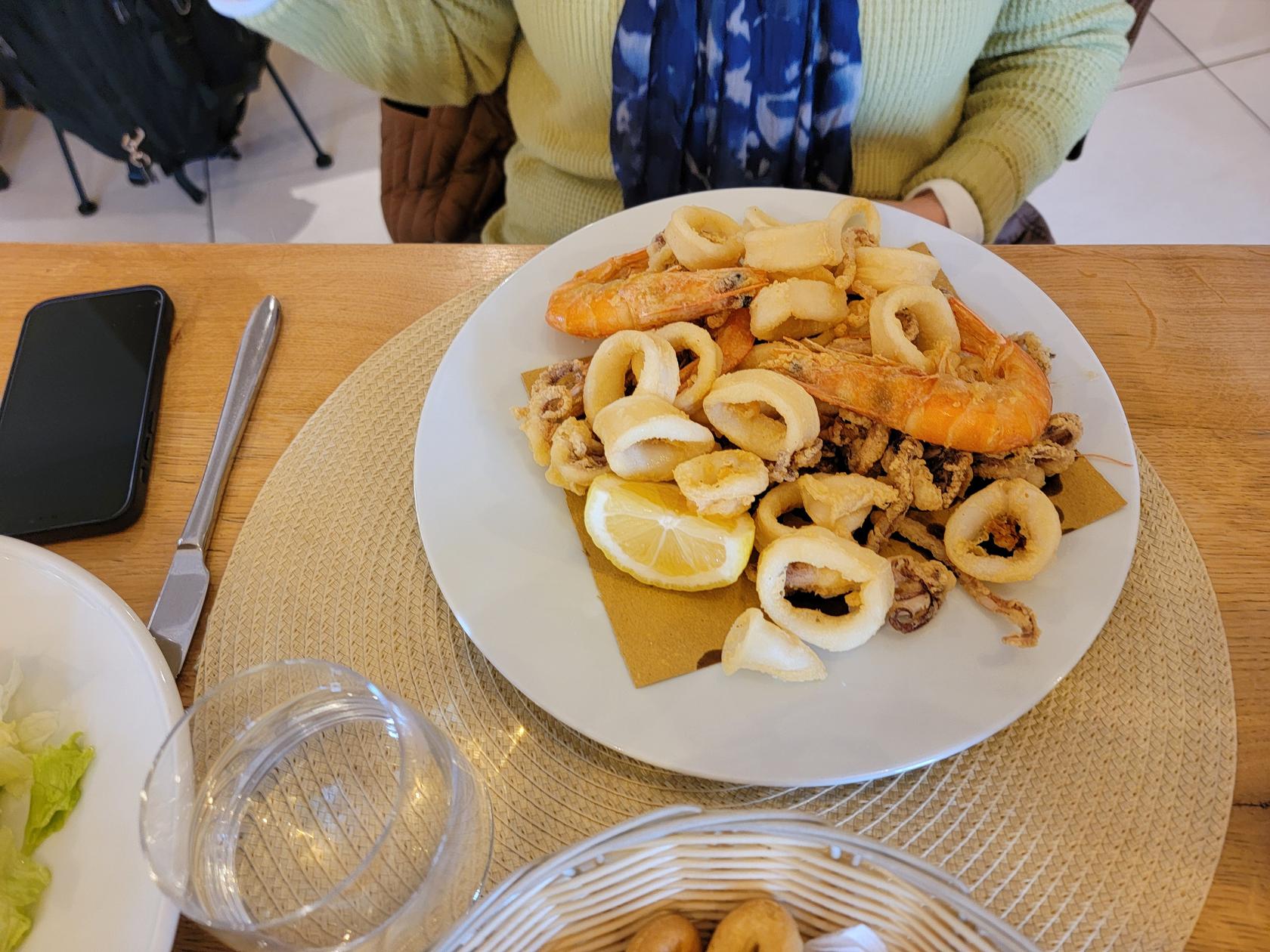
Ristorante Terra Mossa – Patti’s Frittura di Calamari e Gamberi – Alberobello, Italy
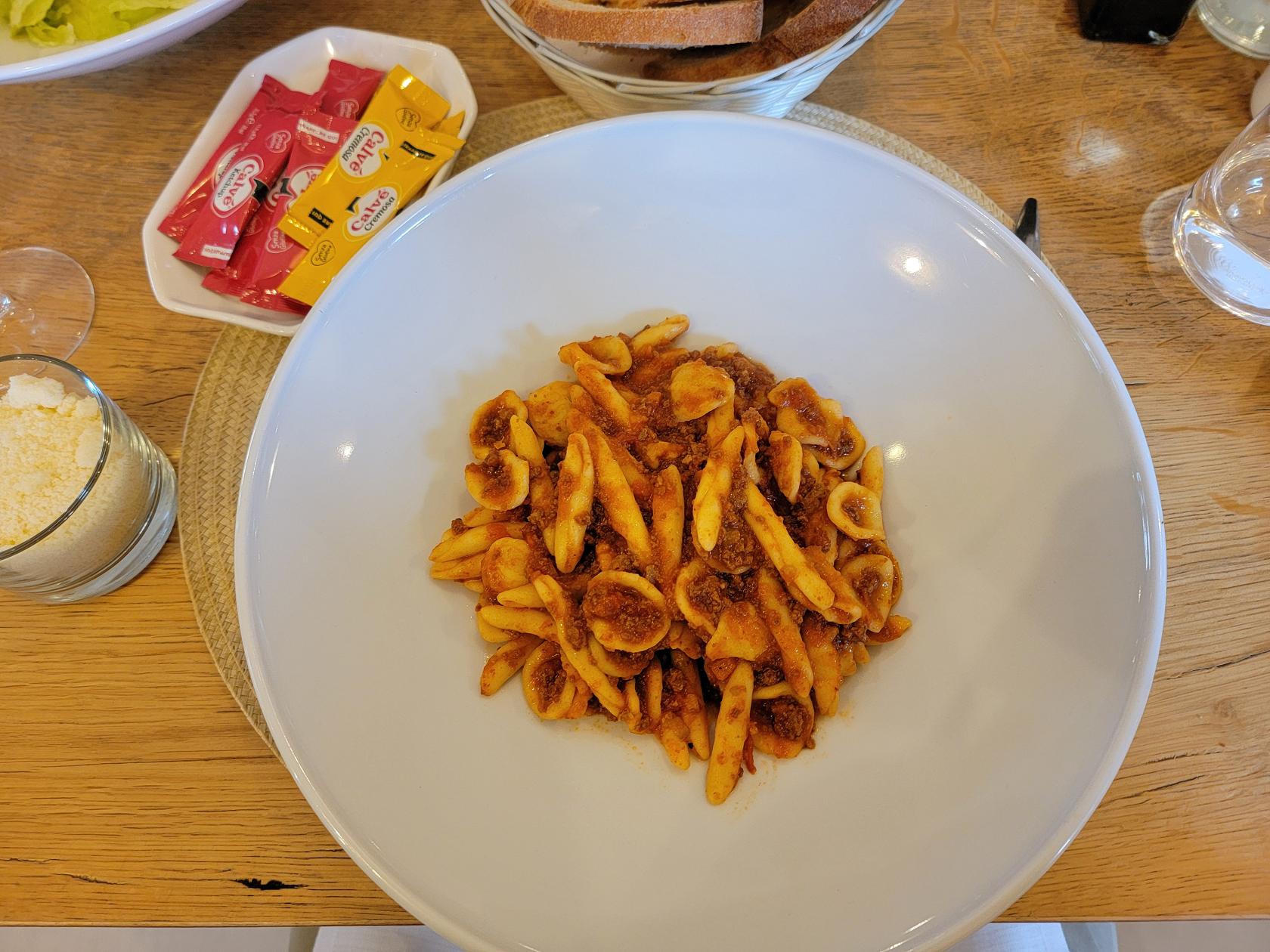
Ristorante Terra Mossa – Erick’s Maritati Al Ragu – Alberobello, Italy
Ristorante Terra Mossa – Erick’s Insalata Mista and Fritta Patate – Alberobello, Italy
After spending a week in Frankfurt, we decided to spend some time in München, or Munich, Germany. The most affective way to do this from Frankfurt is by train, particularly the ICE DB service. In three hours and some odd number of minutes, you can travel between the two main train stations in comfort.
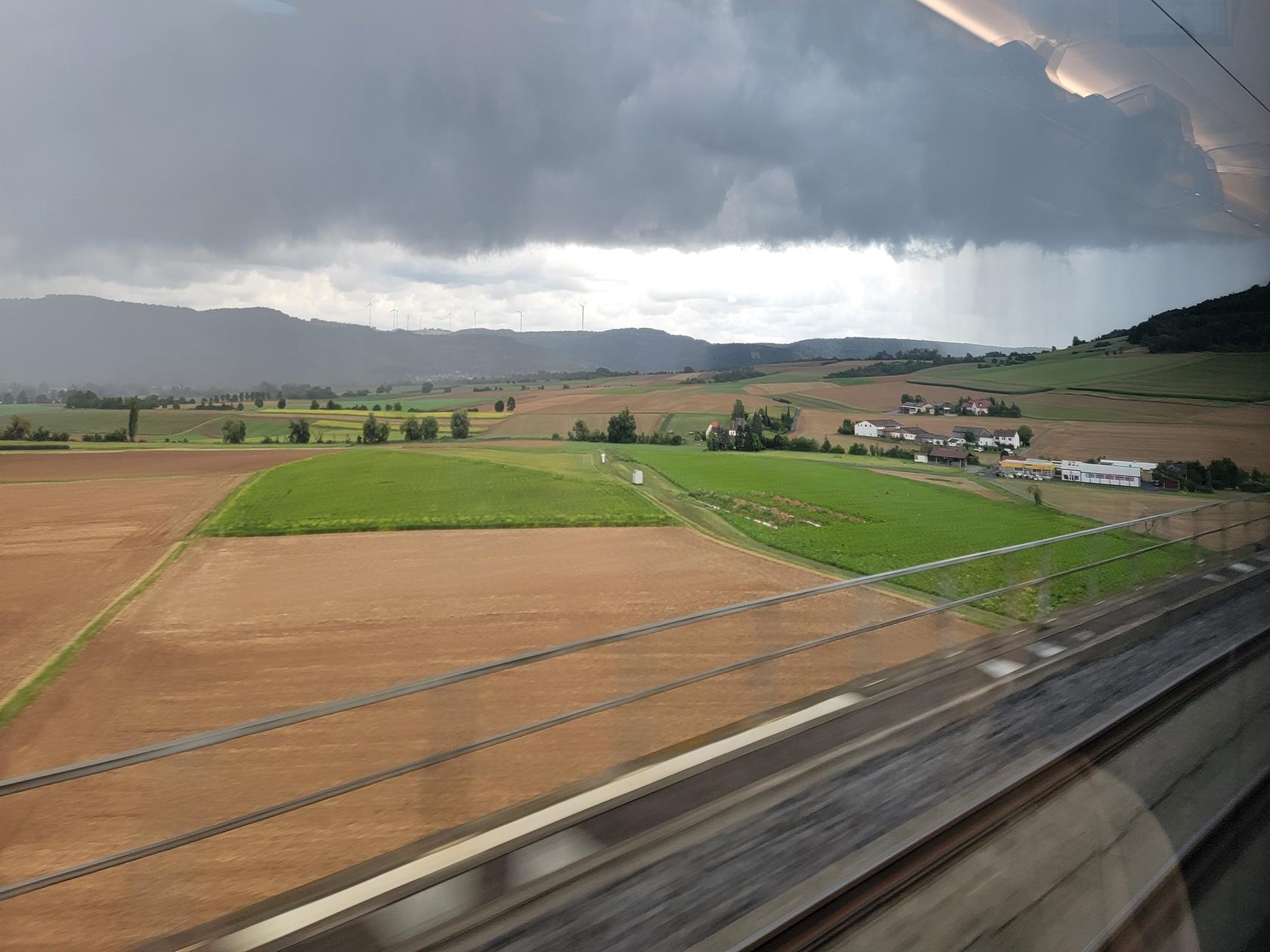
ICE Train to Munich – Storm Front – München, Germany
With most of the family here, we were seven and traveling by train such a short distance just made the most sense, since our daughter and son-in-law had our grandson along. This gave him some added room to walk around an annoy other people instead of just us, breaking up the monotony of the journey. Not really, but it did provide him enough space to get the wiggles out, as opposed to other modes of transport, like an airplane or automobile.
München
The largest city in Bayern, or Bavaria, Munich is a large, bustling city completely accustomed to tourists and tourism. If you are a mono-lingual English speaker, you will find no problem getting around in Munich, most of the residence and restaurant staff speak fluent English.
Marianplatz
The largest and most central of the squares or piazzas in Munich is the Marianplatz. It is most likely your U- or S-Bahn destination from the Hauptbahnhof and the energetic core of the tourism industry.
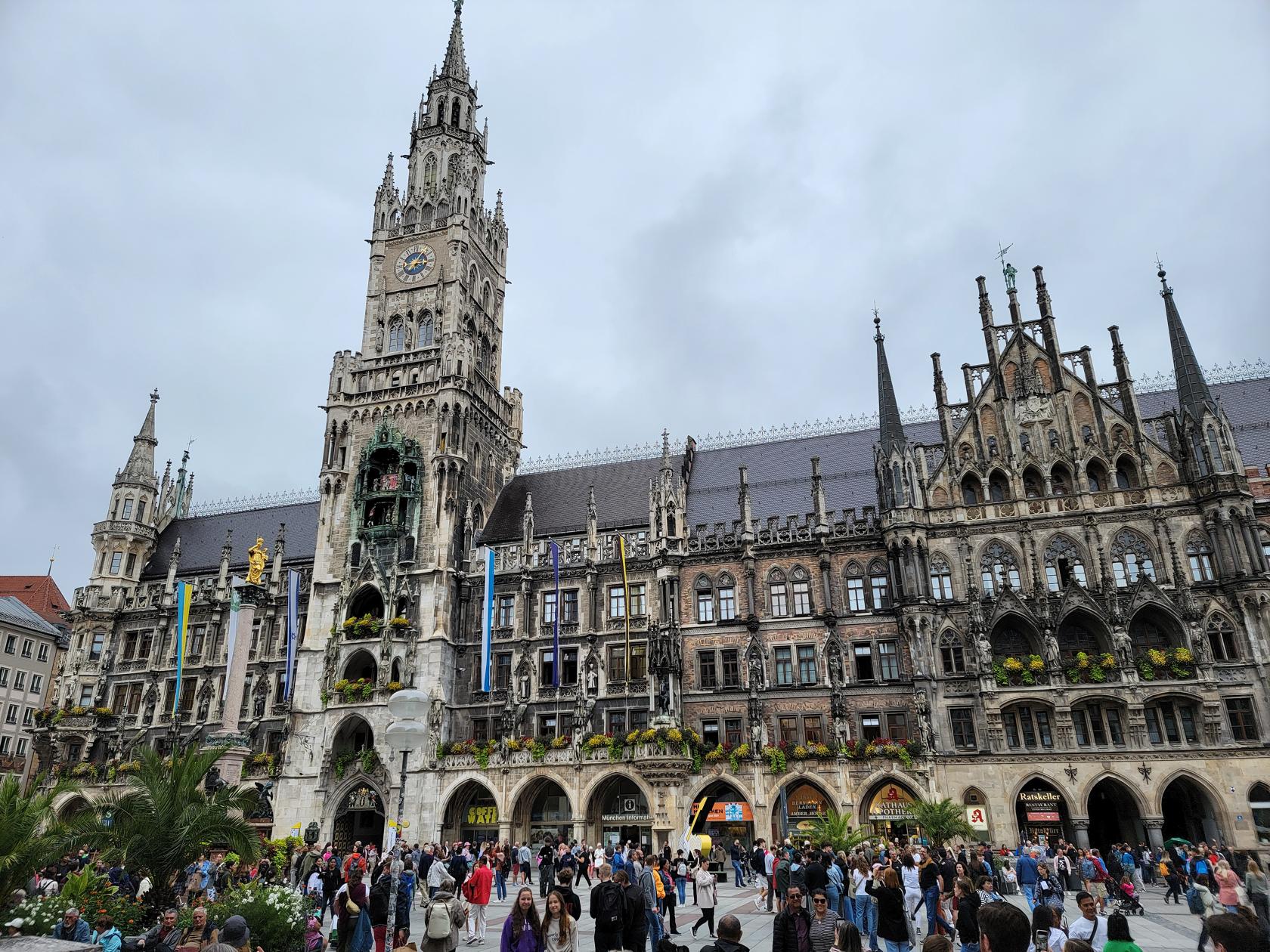
Marianplatz and the new Rathaus – München, Germany
The Marianplatz is girdled with high-end shopping, caffes and tourism shops. It also has many historical monuments and fountains, as well as churches and other places of interest.
Neues Rathaus and Glockenspiel
Most people will likely concentrate on the Old City, Marianplatz where the Glockenspiel plays it’s tune everyday at eleven and twelve o’clock (sometimes at seventeen o’clock in the winter).
Neues Rathaus – München, Germany
Der Affenturm – München, Germany
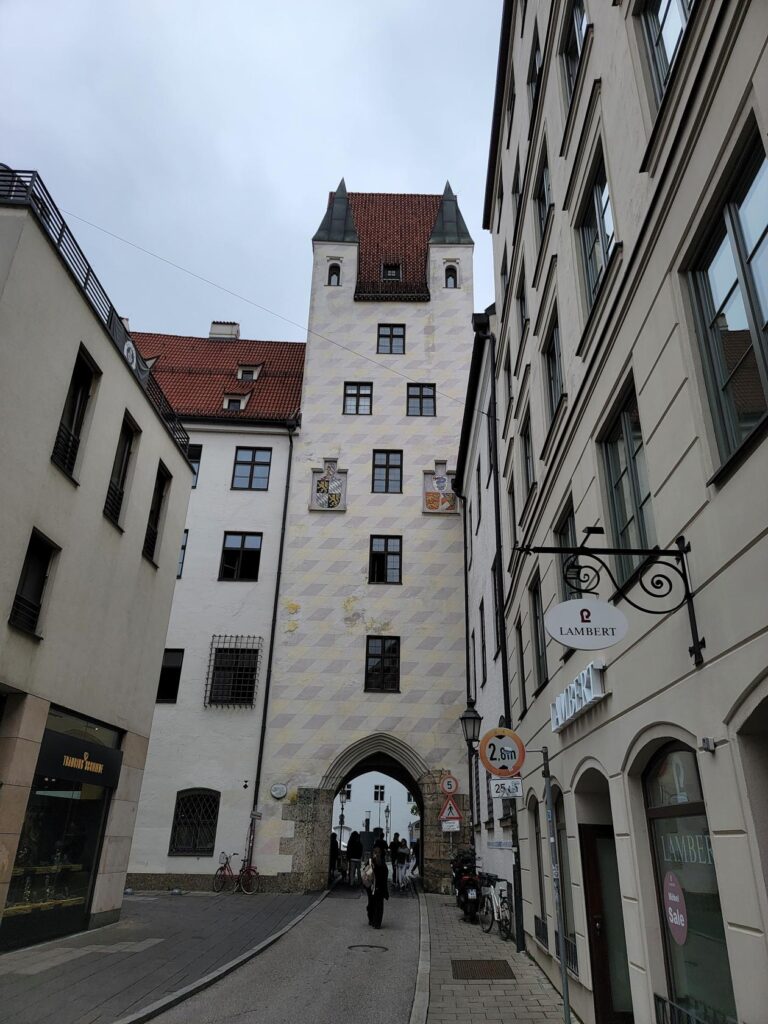
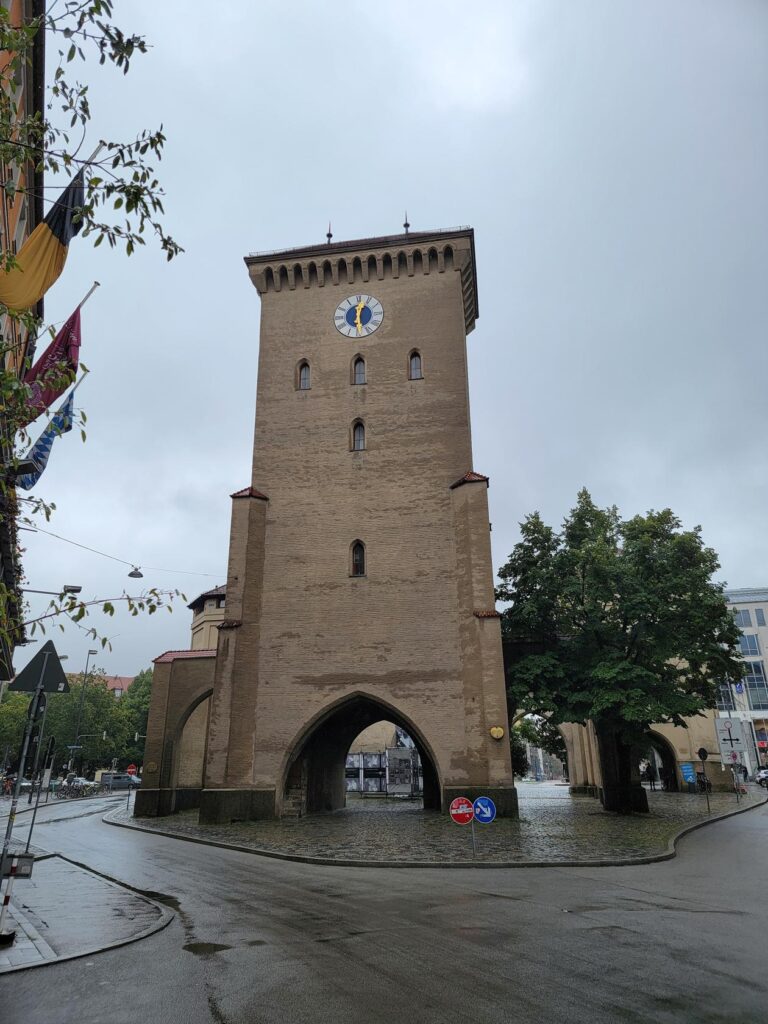
Isar Tor – München, Germany
It plays a rather long ditty that includes the operation of the top and then the bottom carousel of automatons.
Altstadt-Lehel
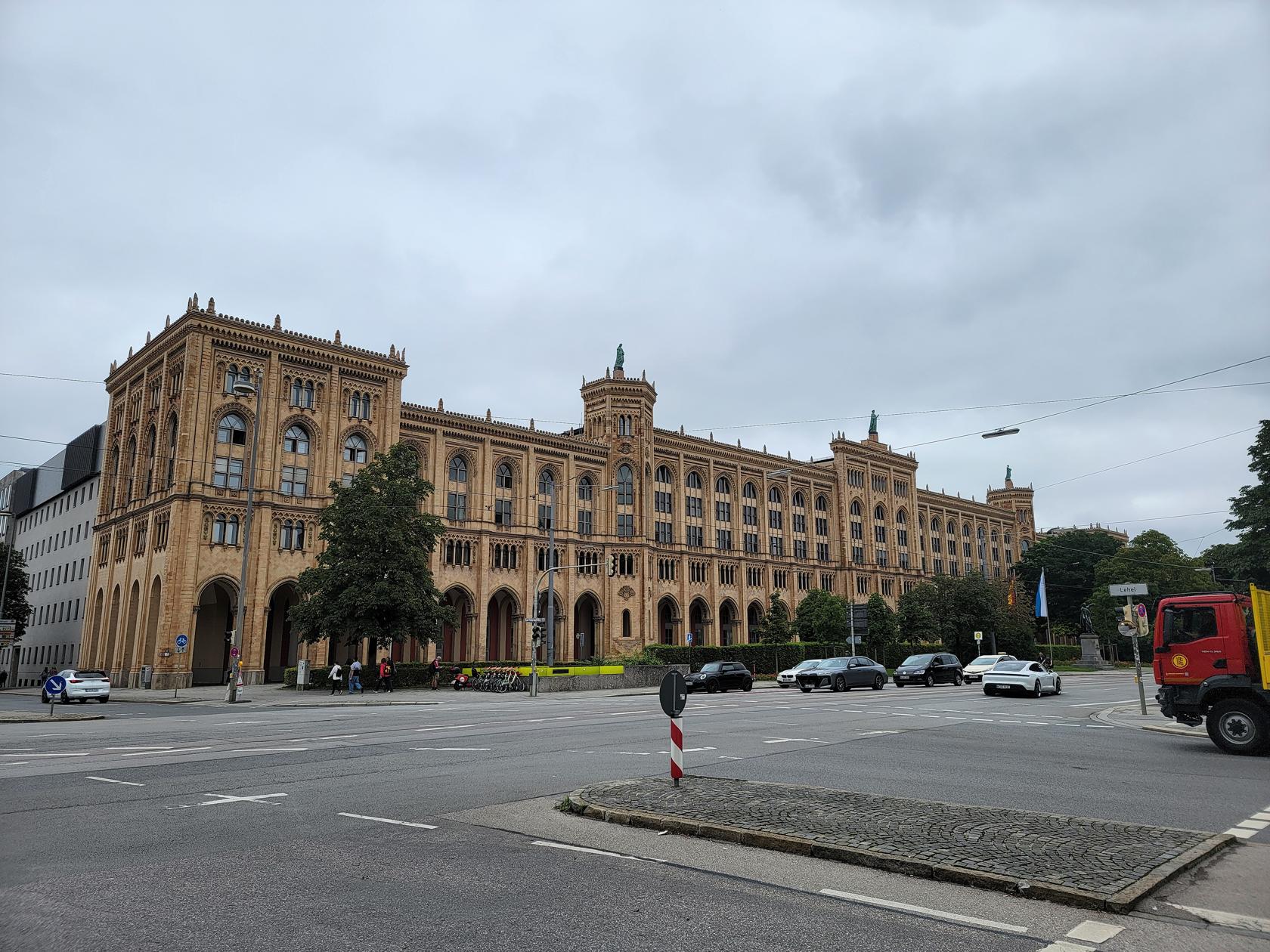
This region of München lies just to the north of the old city, or Altstadt. Here is where you will find the palaces, gardens and other grand accoutrements of the city.
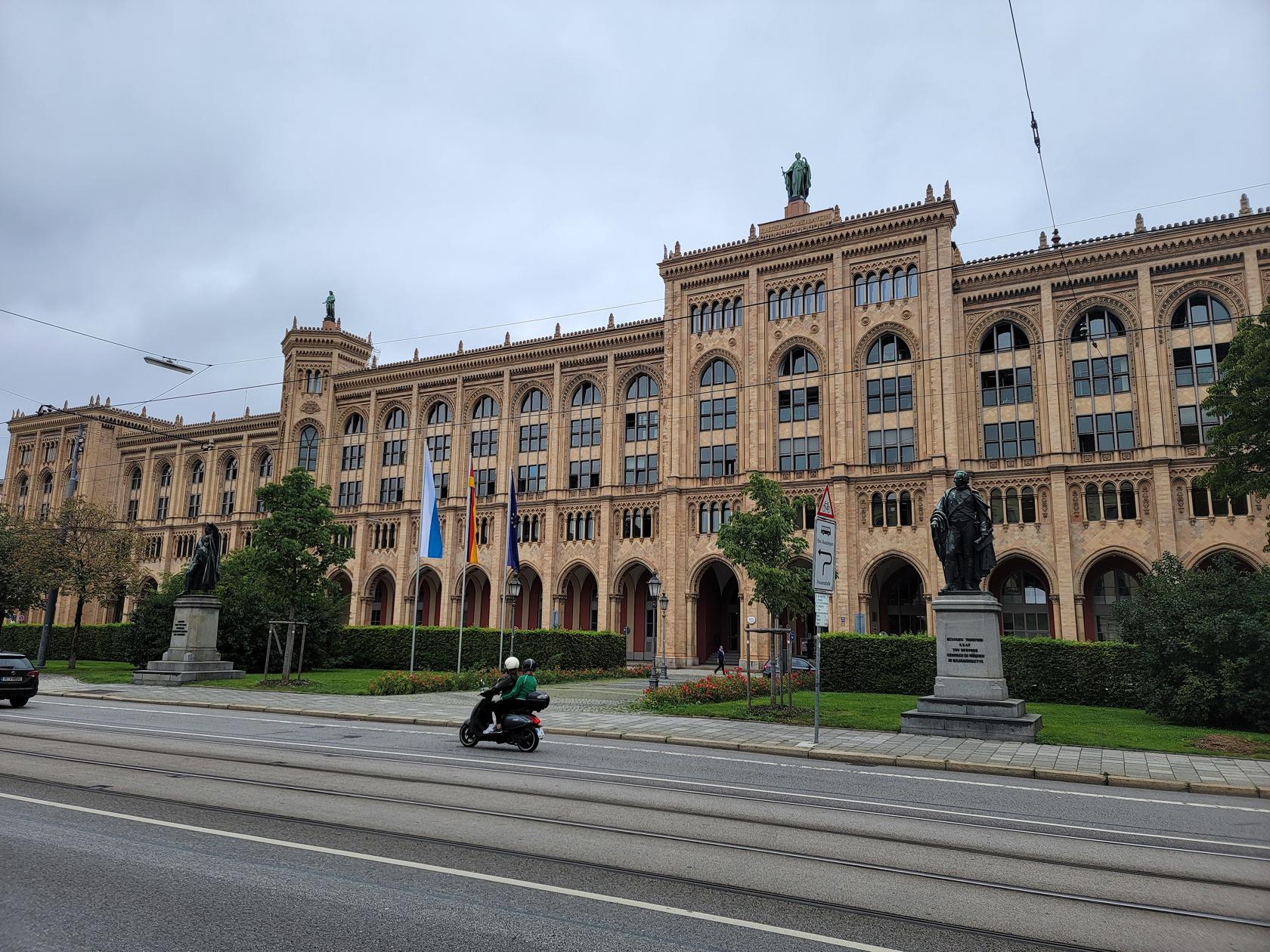
Museum building – München, Germany
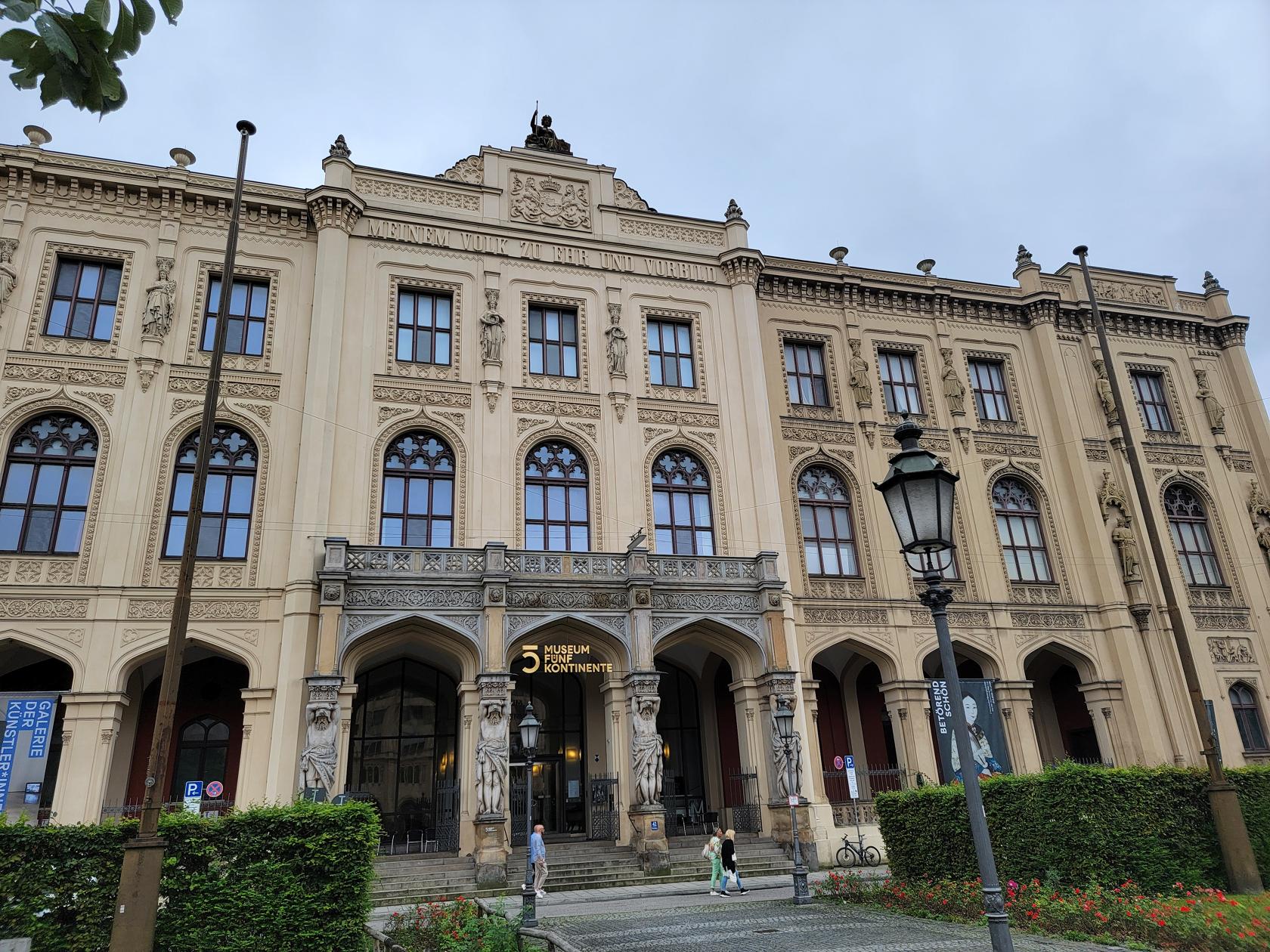
Museum of the 5 continents – München, Germany
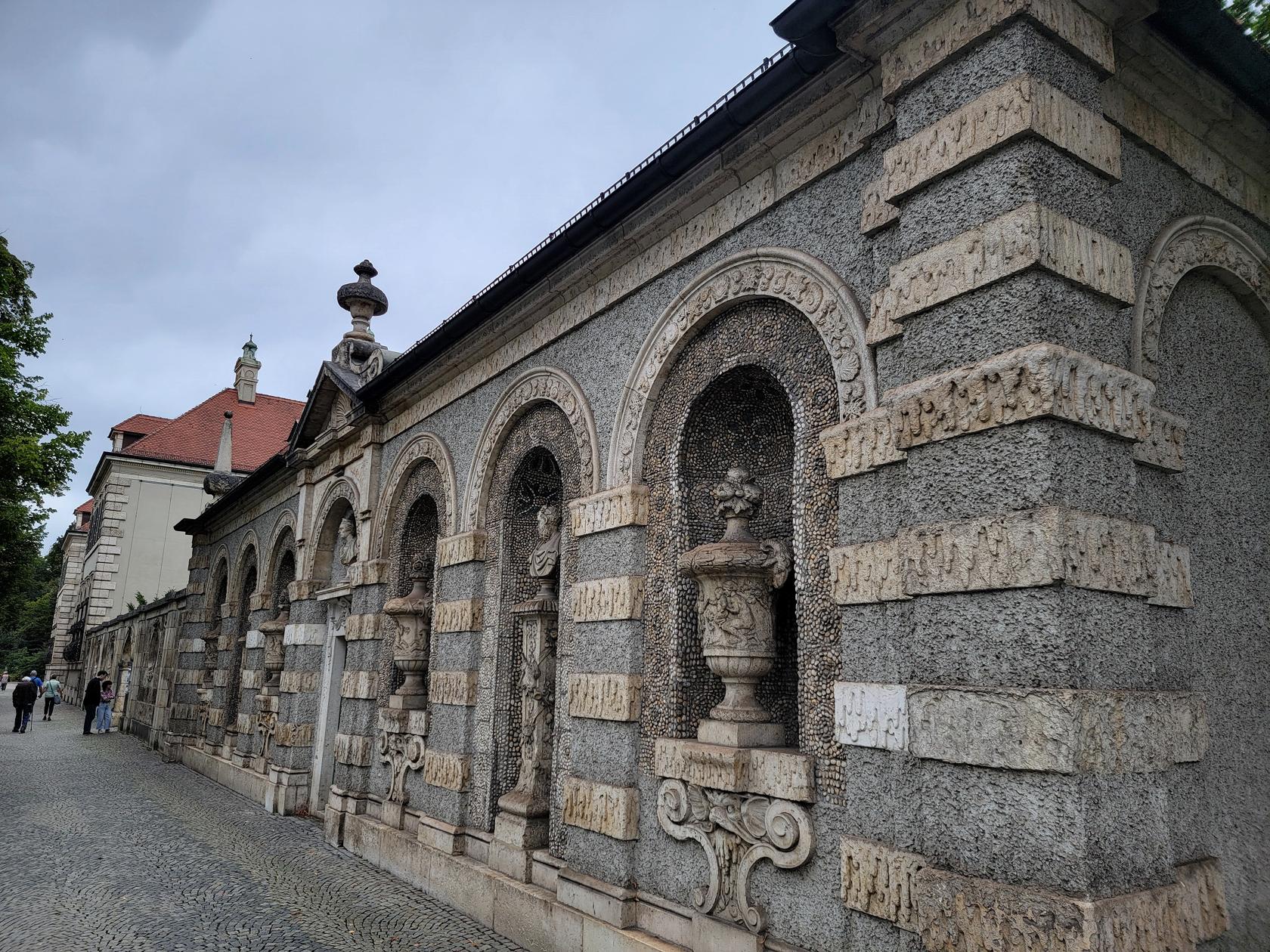
Museum – München, Germany
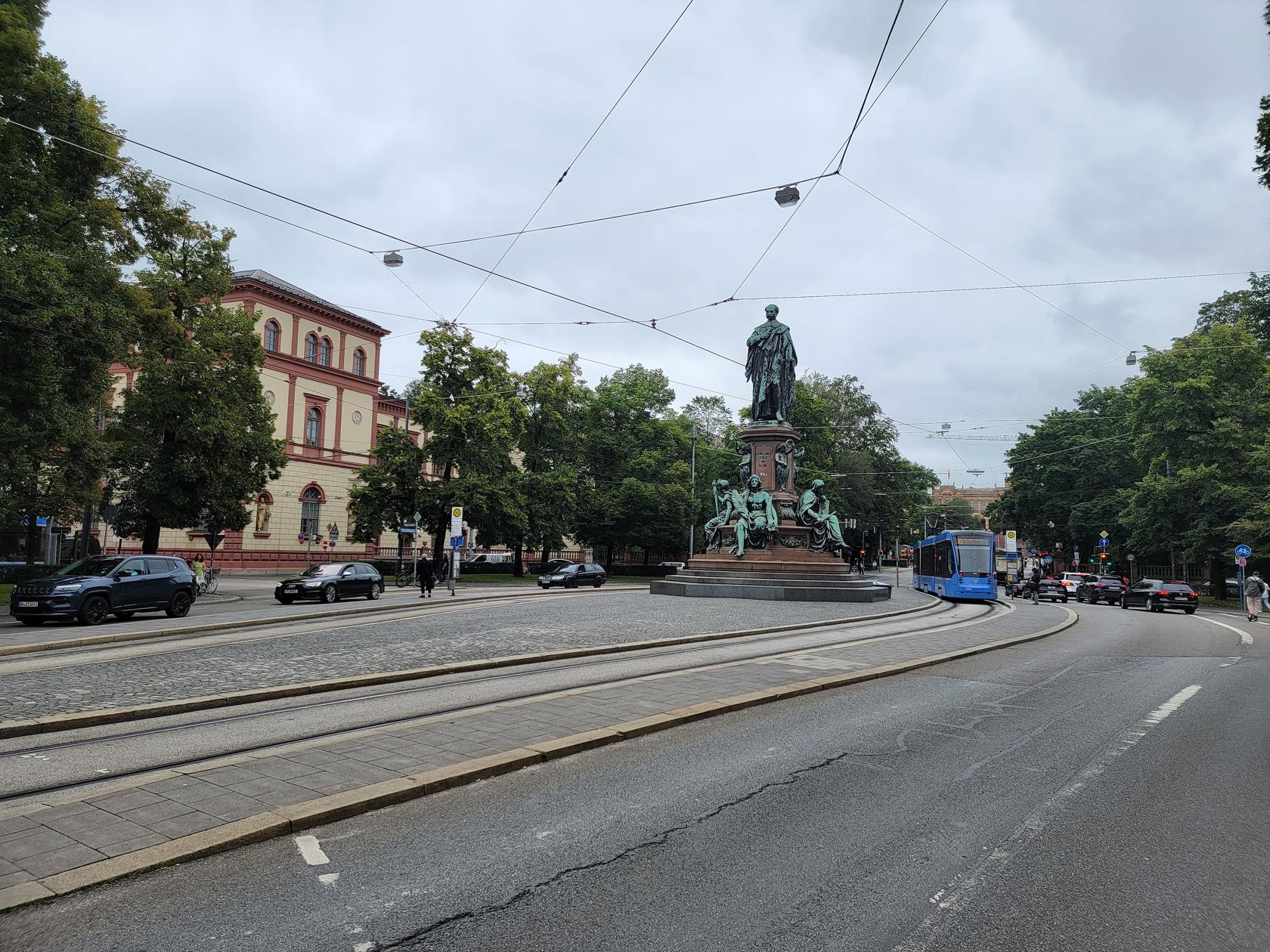
Maximilian von Bayern monument – Maximilianstraße – München, Germany
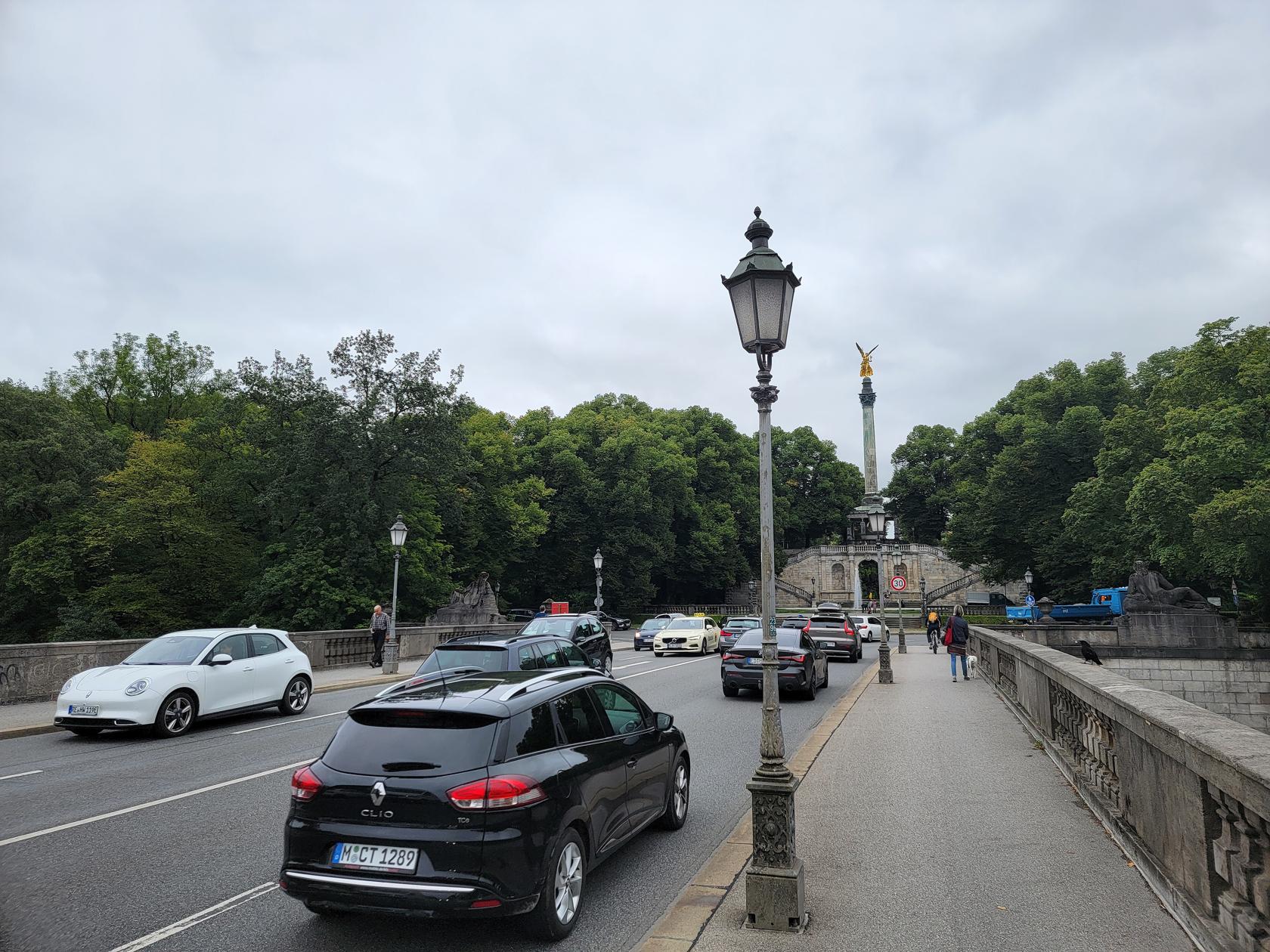
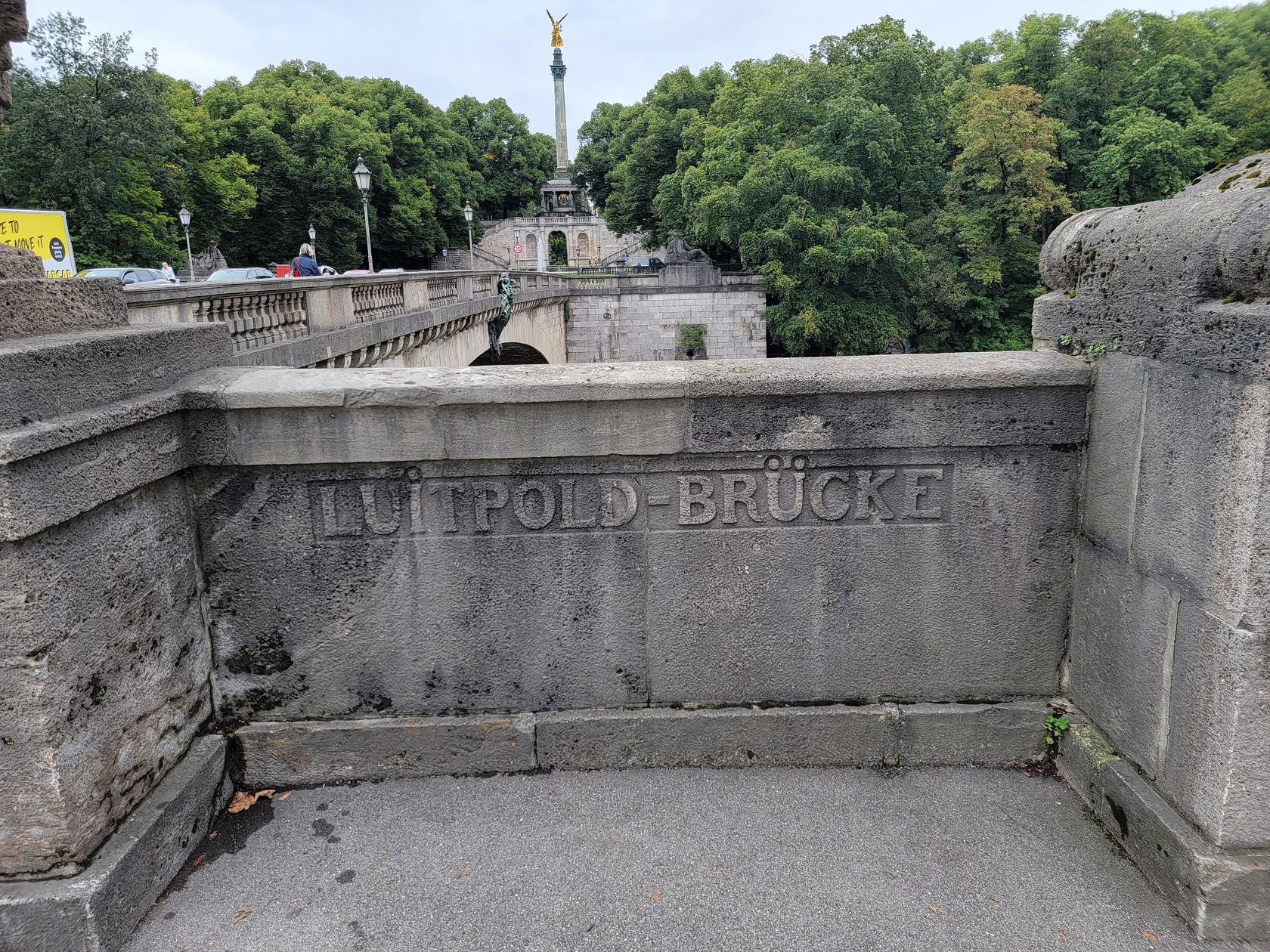
Luitpoldbrücke – München, Germany
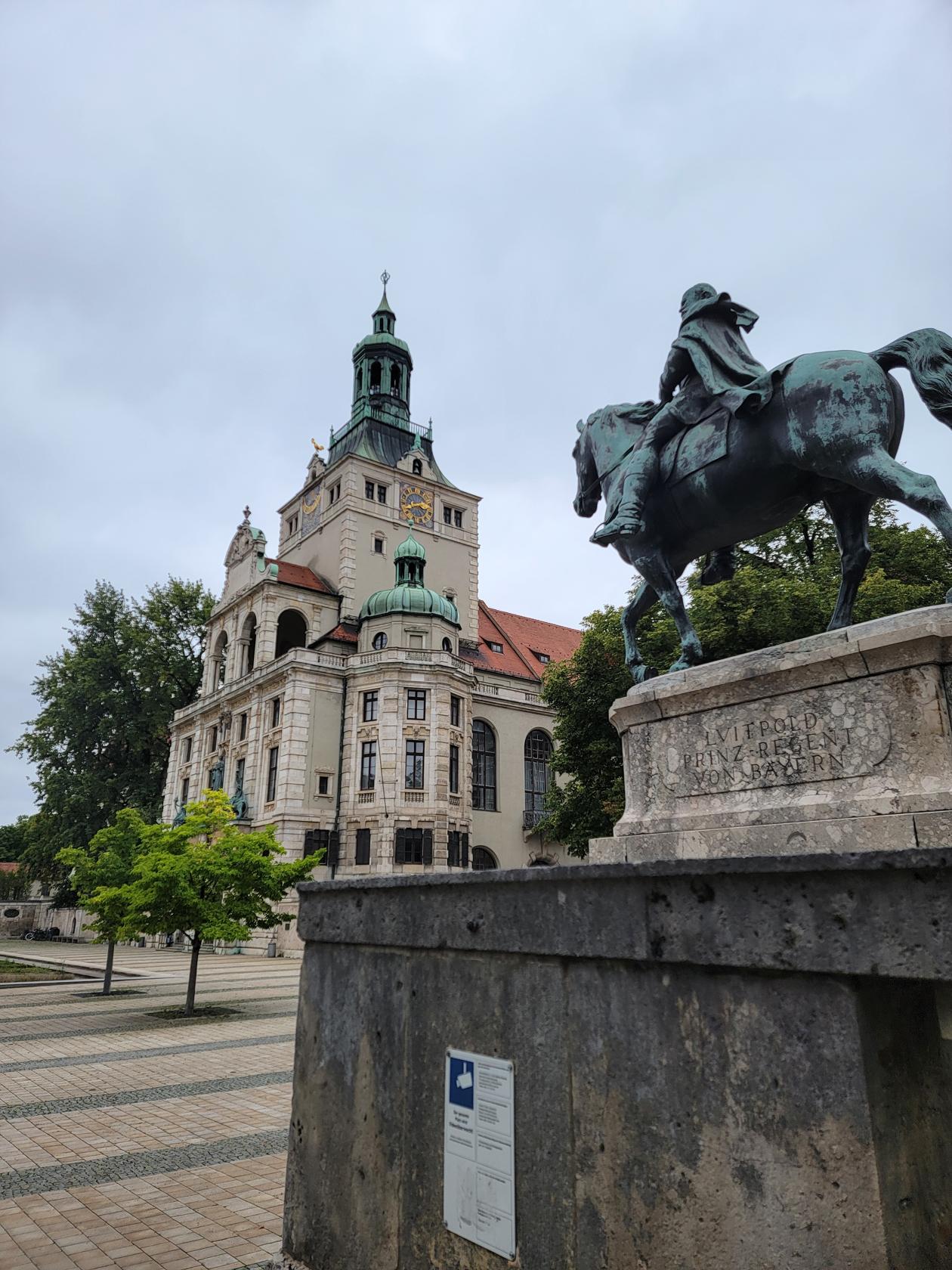
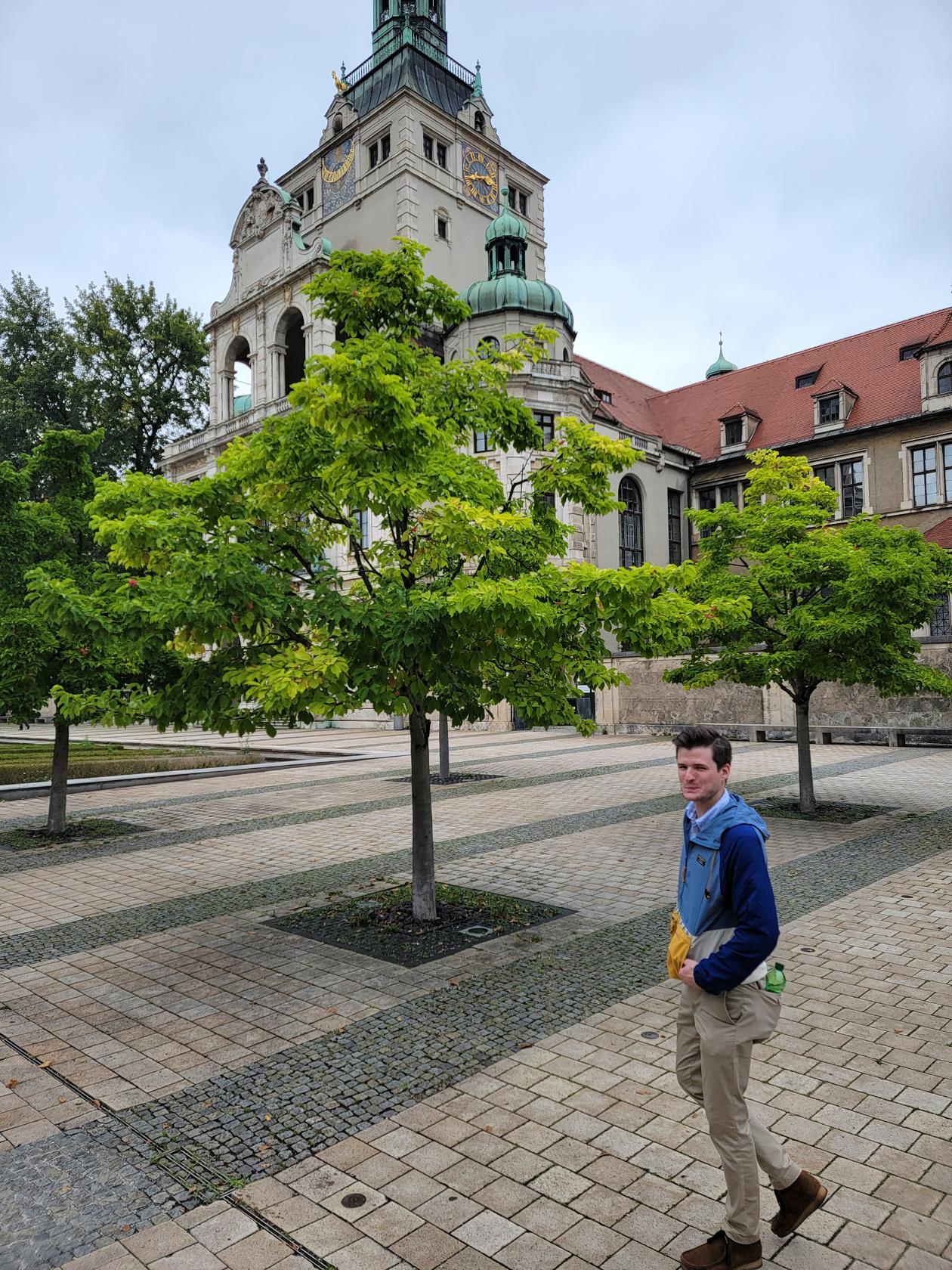
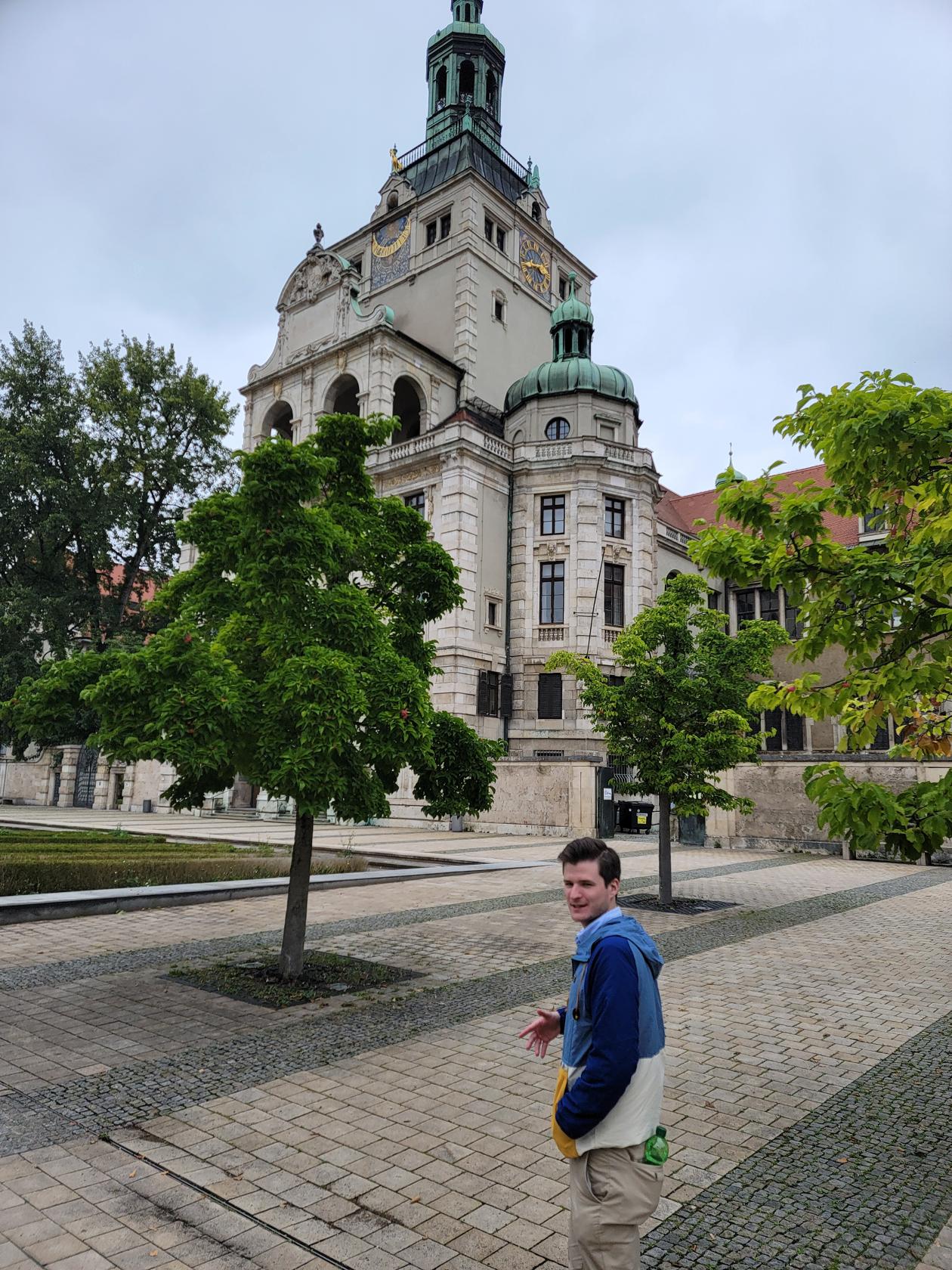
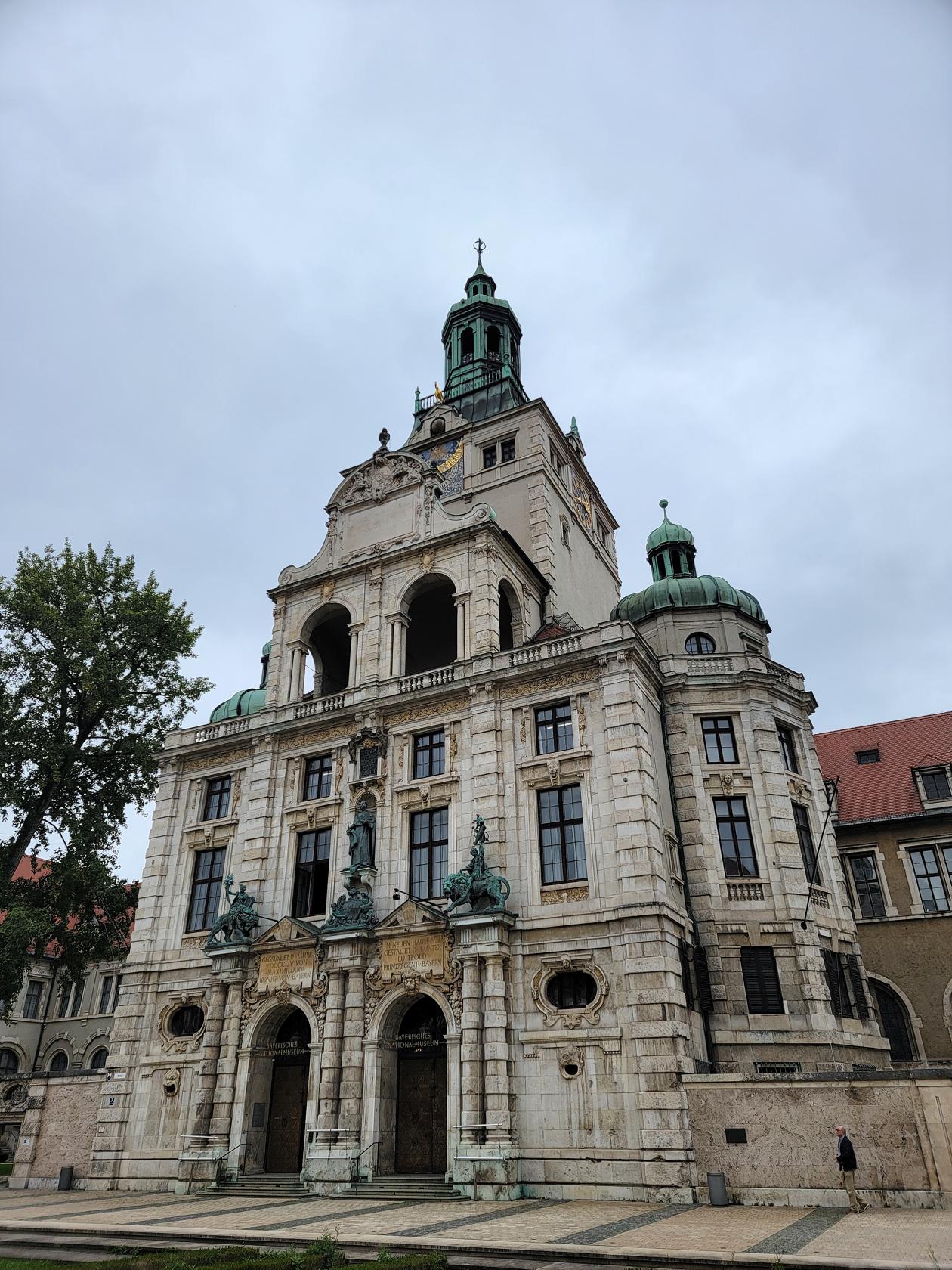
Bavarian National Museum – München, Germany
Dana – In front of the Bavarian National Museum – München, Germany
Dana – In front of the Bavarian National Museum – München, Germany
The Bavarian National Museum – München, Germany
Café – Bavarian National Museum – München, Germany
English Gardens
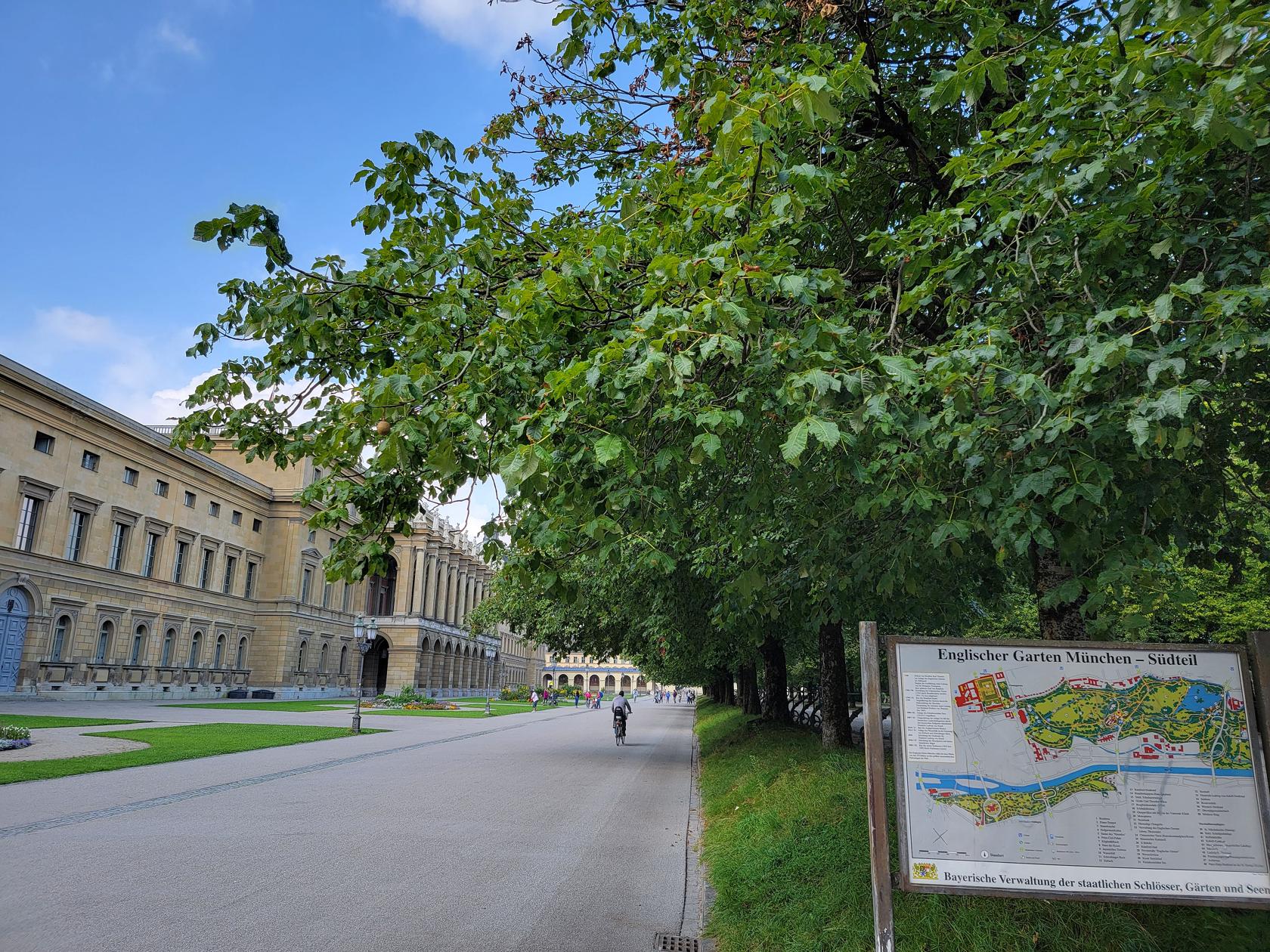
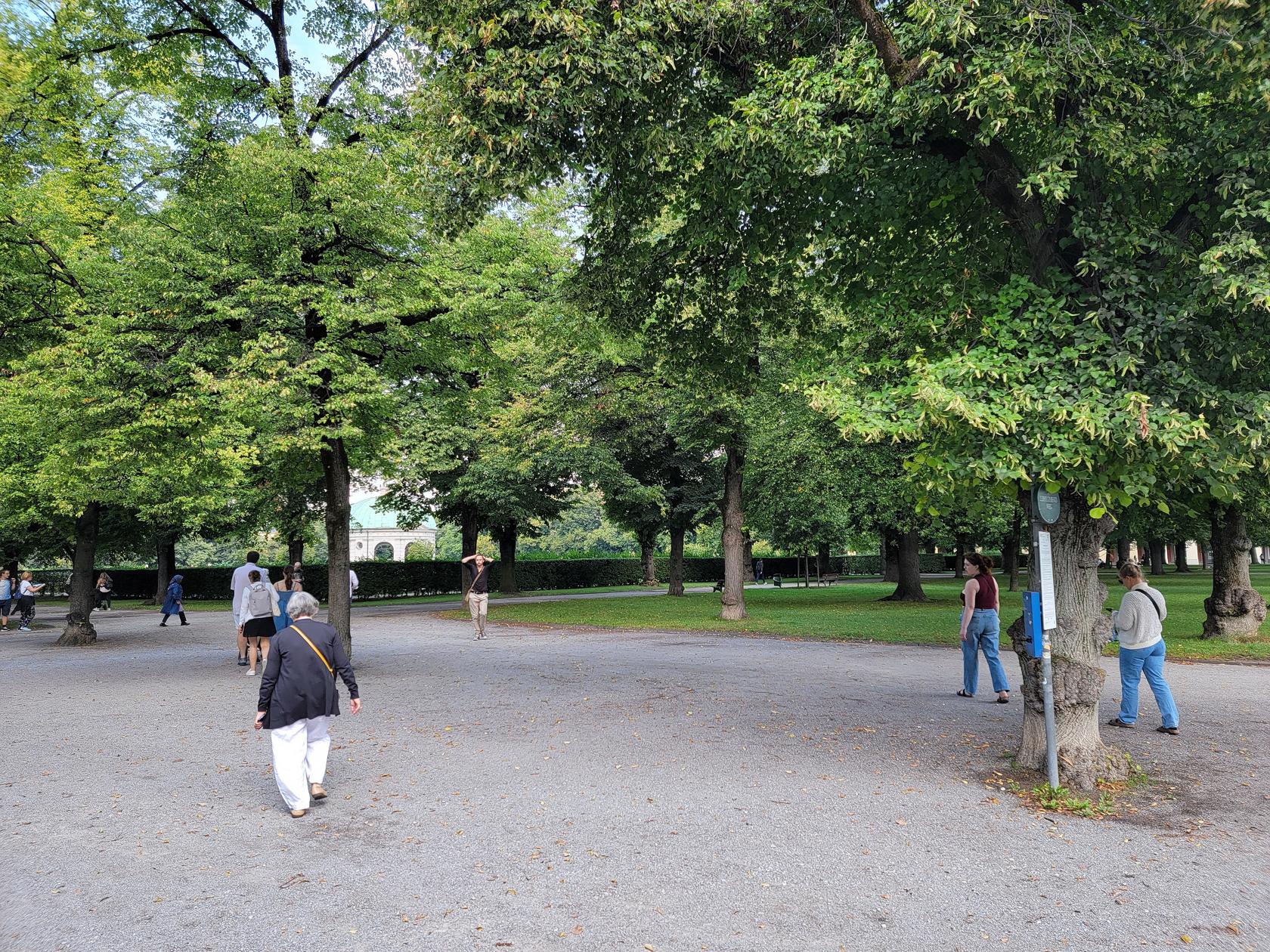
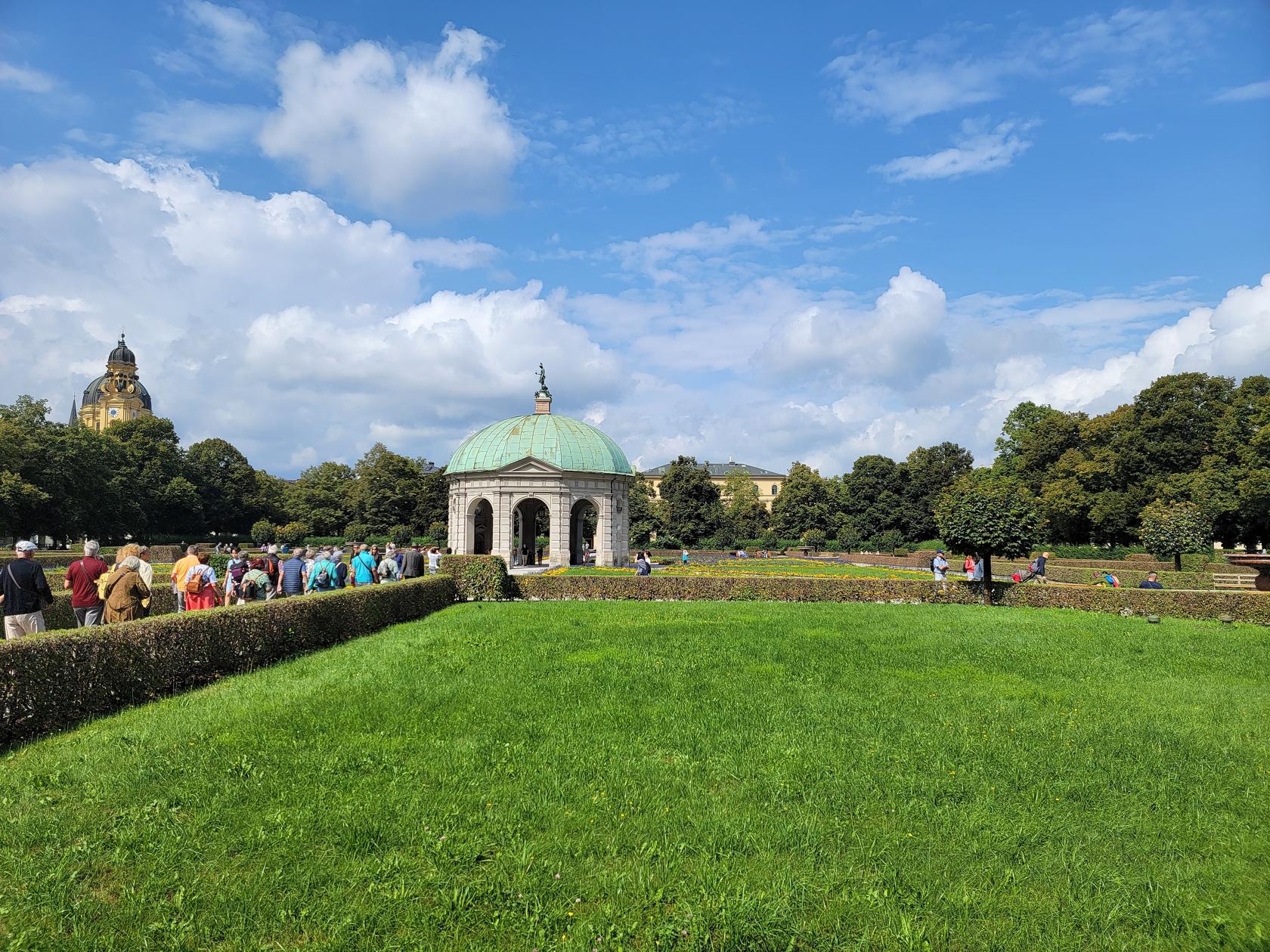
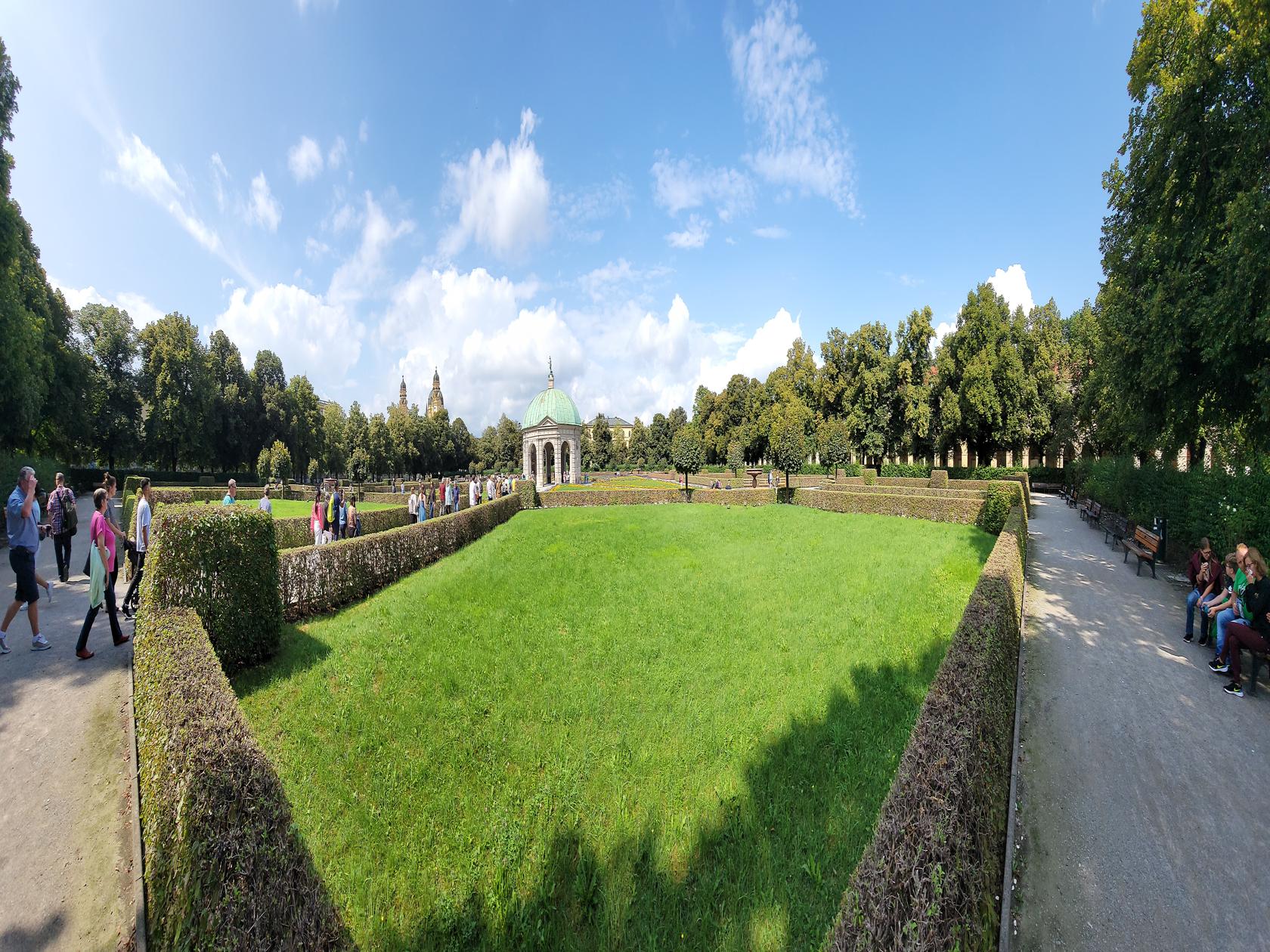
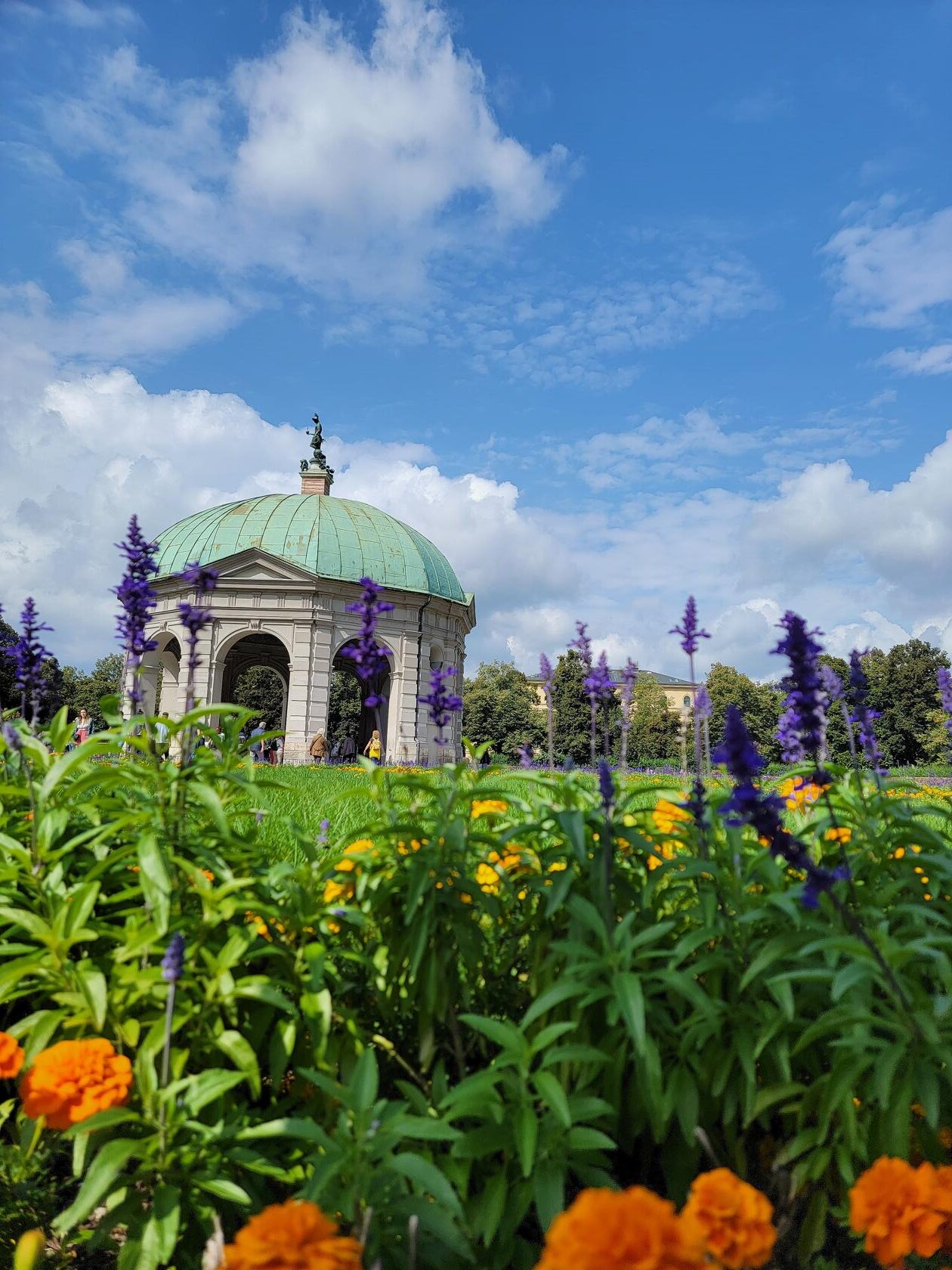
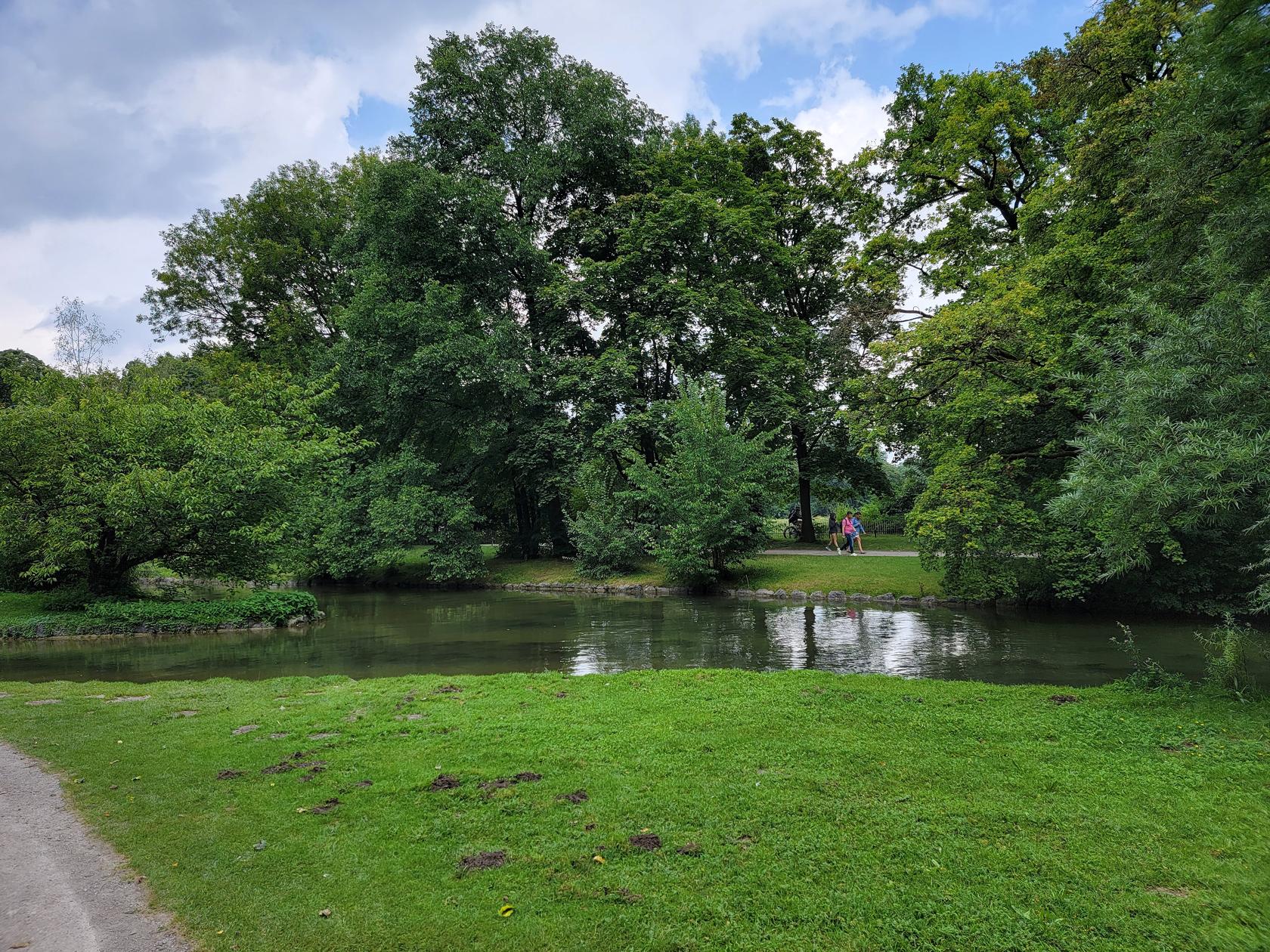
A large garden located to the north of the main part of the city, it is a very nice place to visit on a sunny day. A large city park with many different things to see and experience, it even has a place that people go to surf, if one can believe such a thing can exist away from the coast in a city.
English Gardens – München, Germany
English Gardens – München, Germany
English Gardens – München, Germany
English Gardens – München, Germany
English Gardens – München, Germany
English Gardens – München, Germany
Eisbachwelle
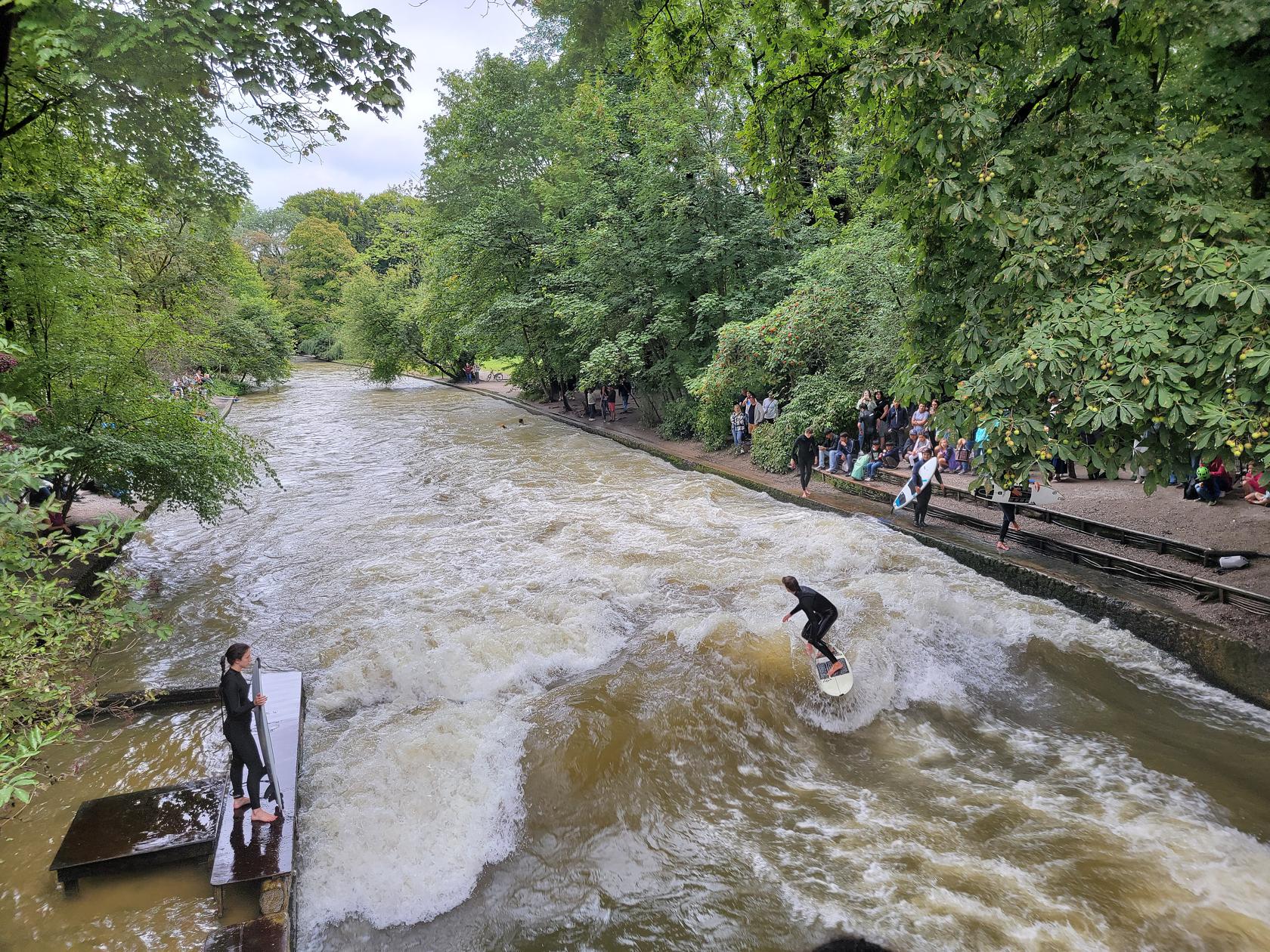
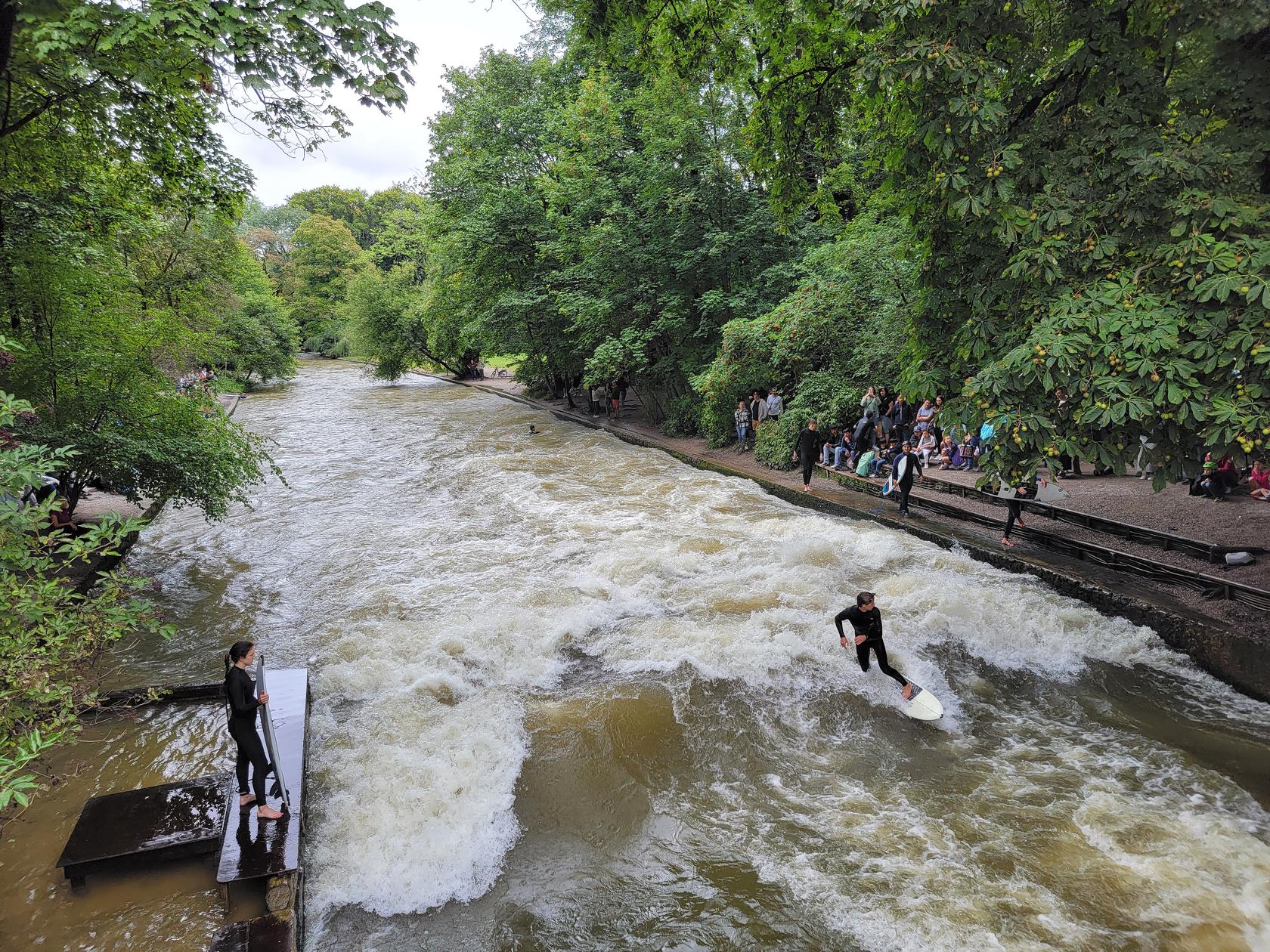
Just on the south east end of the gardens you will discover the river Eisbach and the Eisbachwelle. This is a fast moving stream that has been conveniently modified through the use of carefully placed stones into a haven for surf-boarders. It’s amazing to stop for a bit just to see their skill and how they are able to throw their boards in and hop on in all but an instant, truly remarkable.
Eisbachwelle – München, Germany
Eisbachwelle – München, Germany
Maximiliansanlagen and the Isar
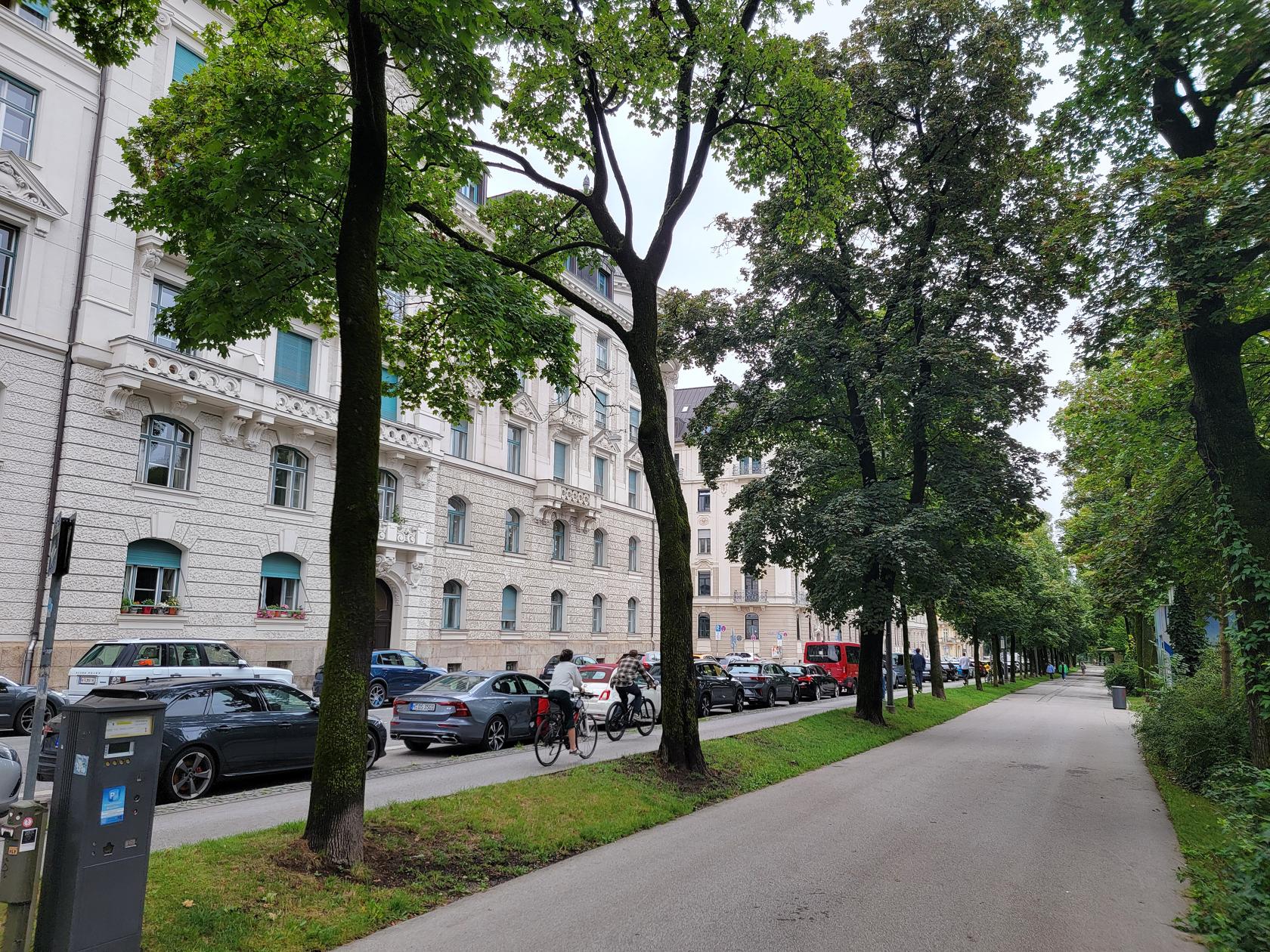
Another great place for a stroll is Maximilian’s garden. A very well kept park which stretches along the Isar and the Isarinsel or island that provides a cool contemplative place for de-stressing and an escape from the warm summer midday.
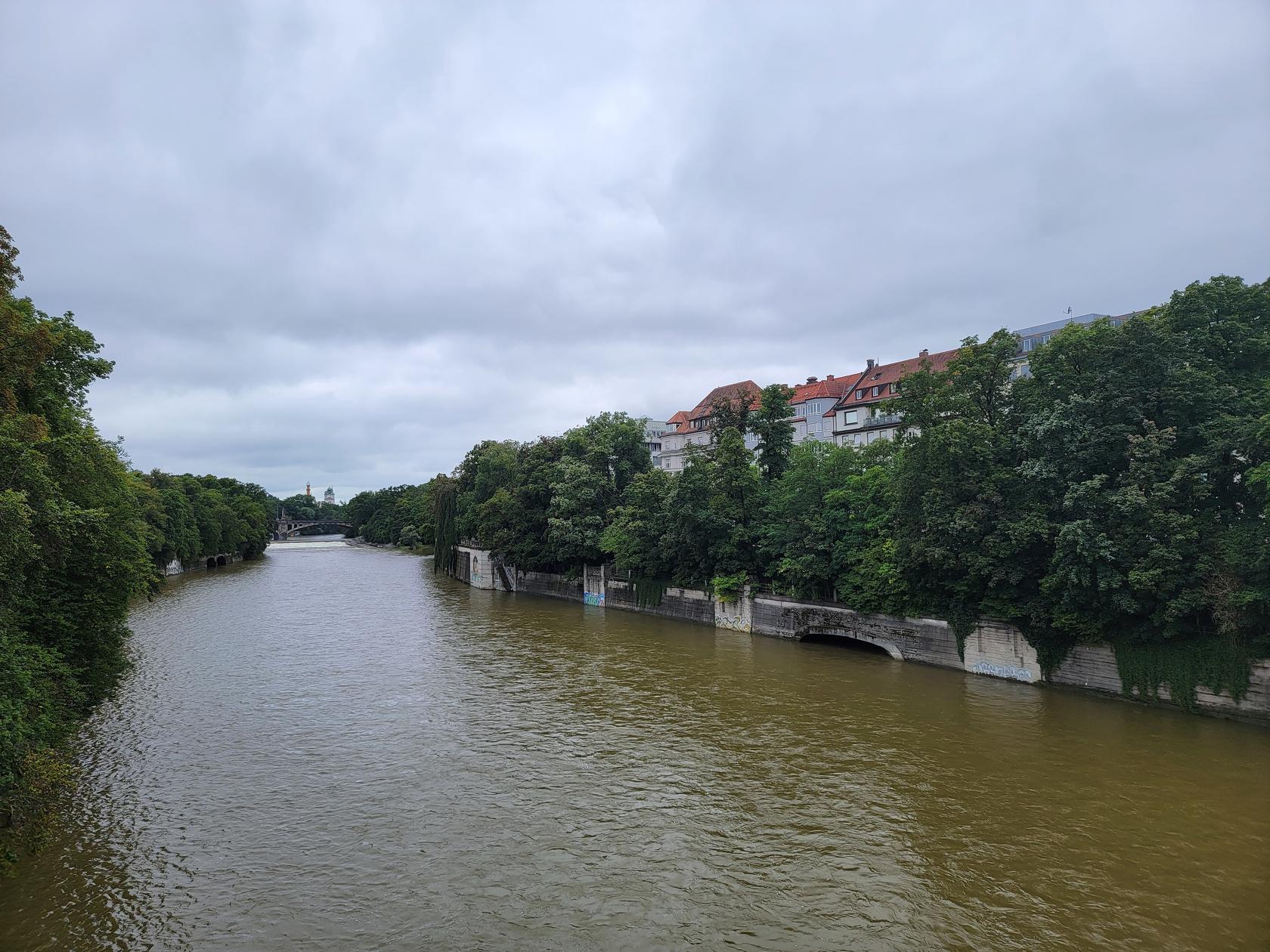
The Isar – Luitpoldbrücke – München, Germany
Luitpoldbrücke – München, Germany
Luitpoldbrücke – München, Germany
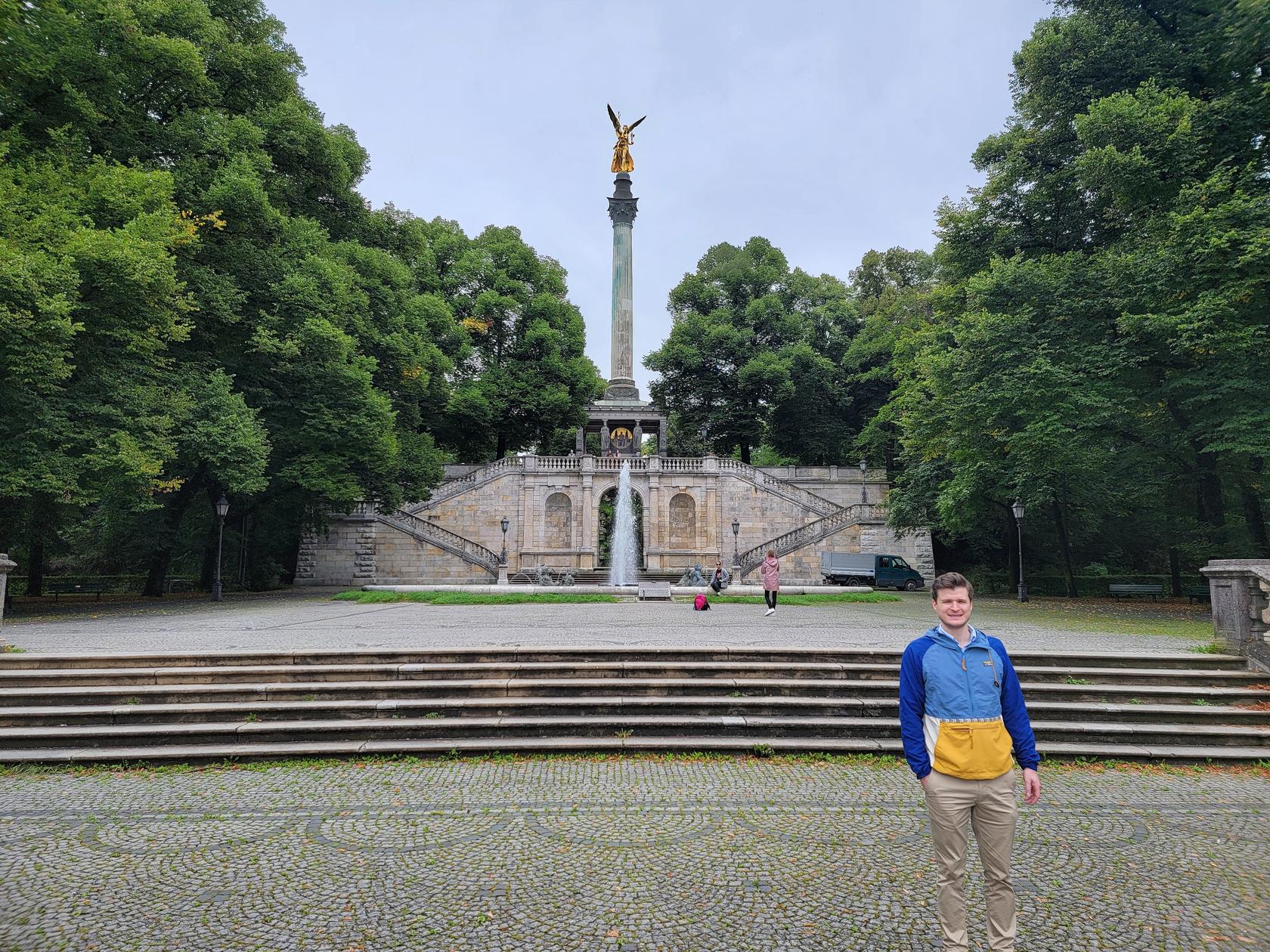
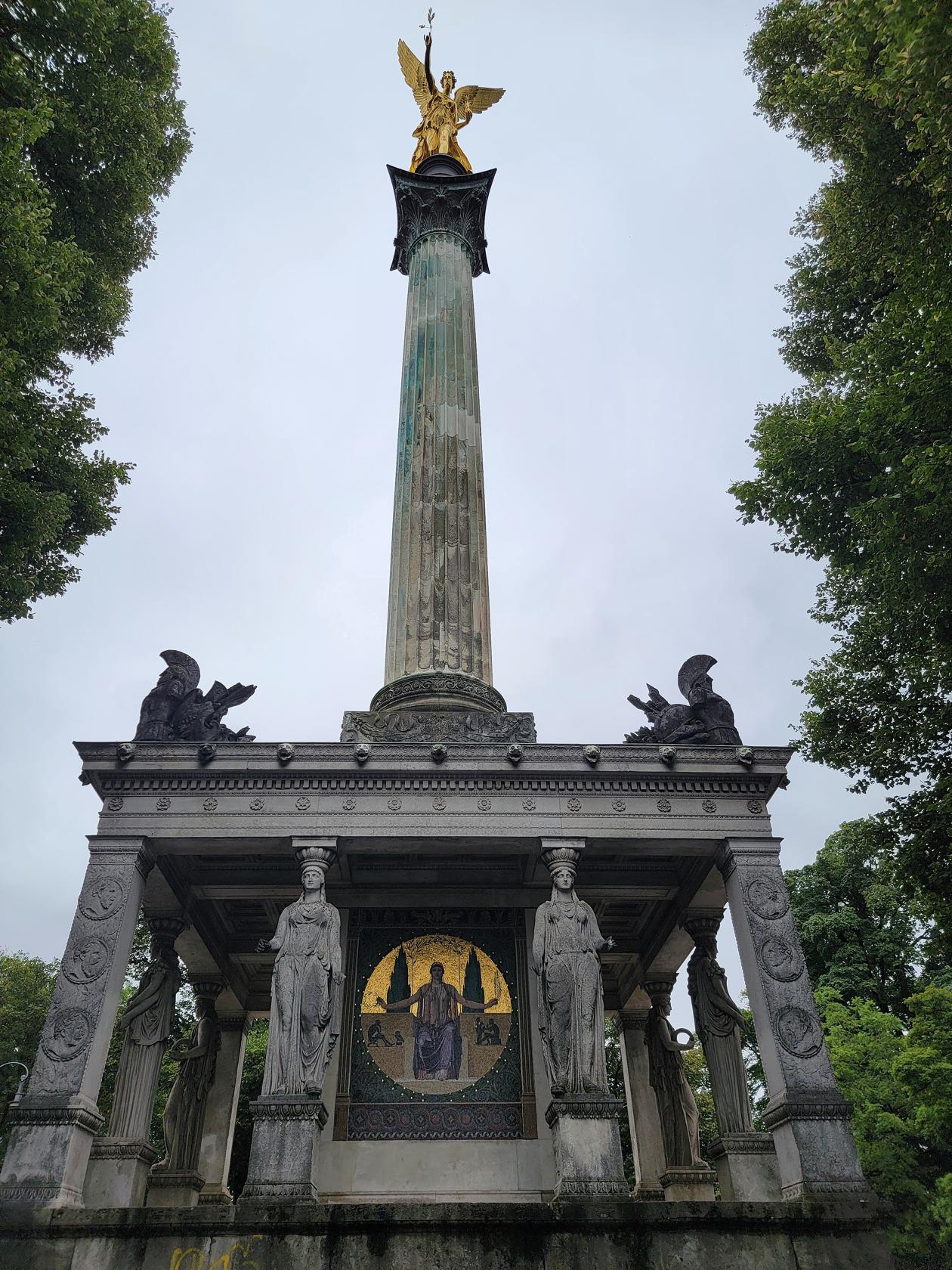
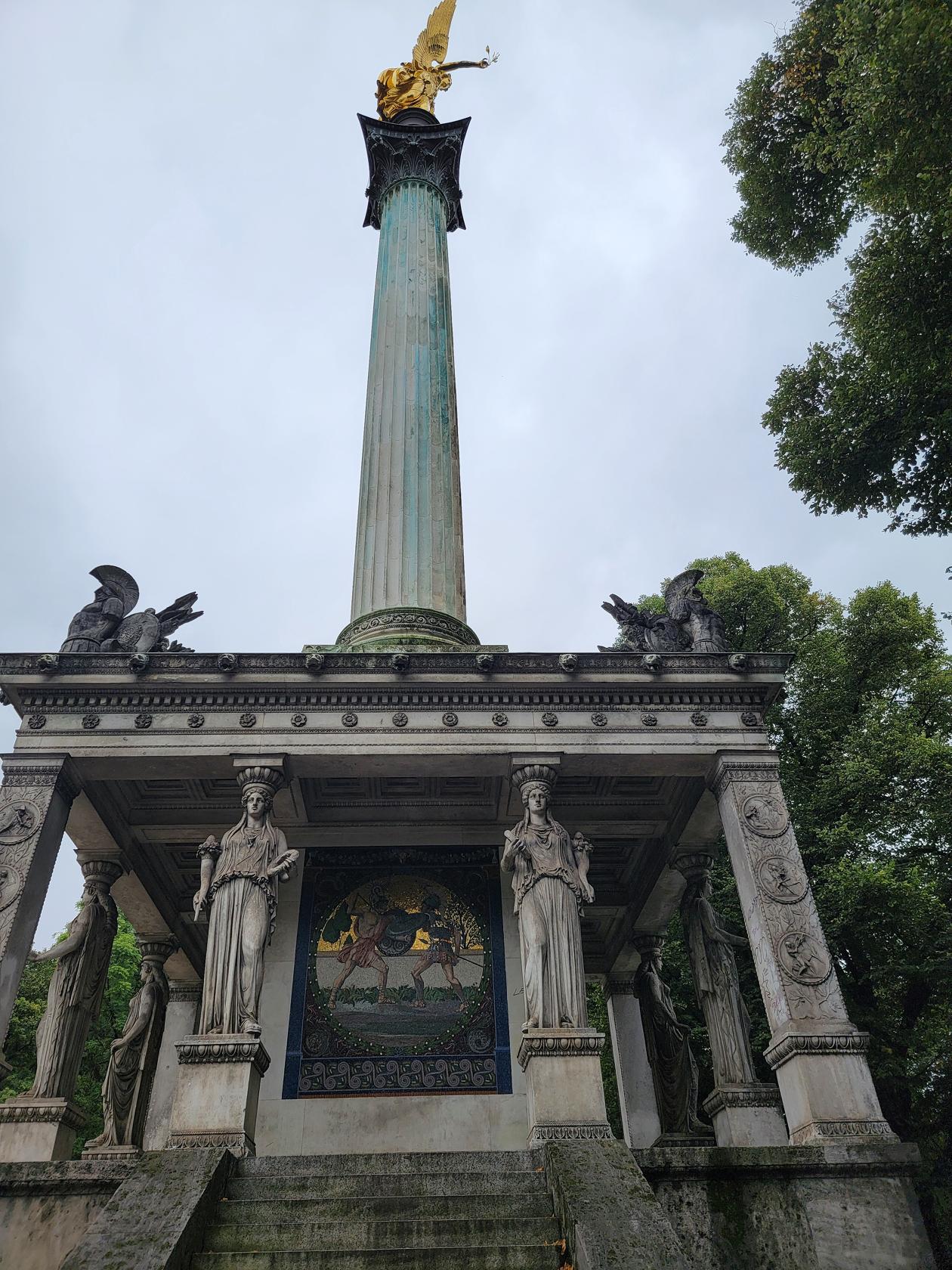
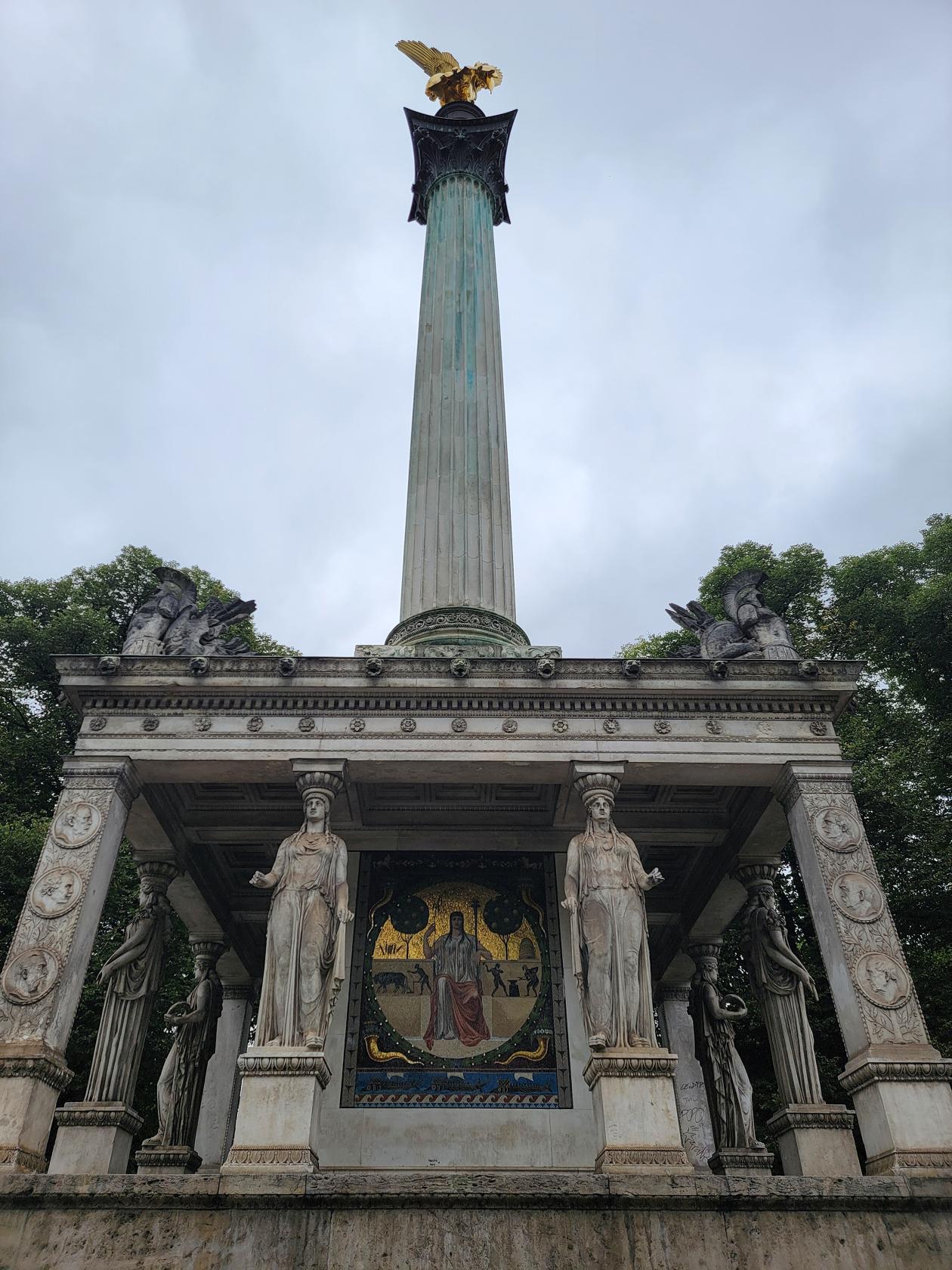
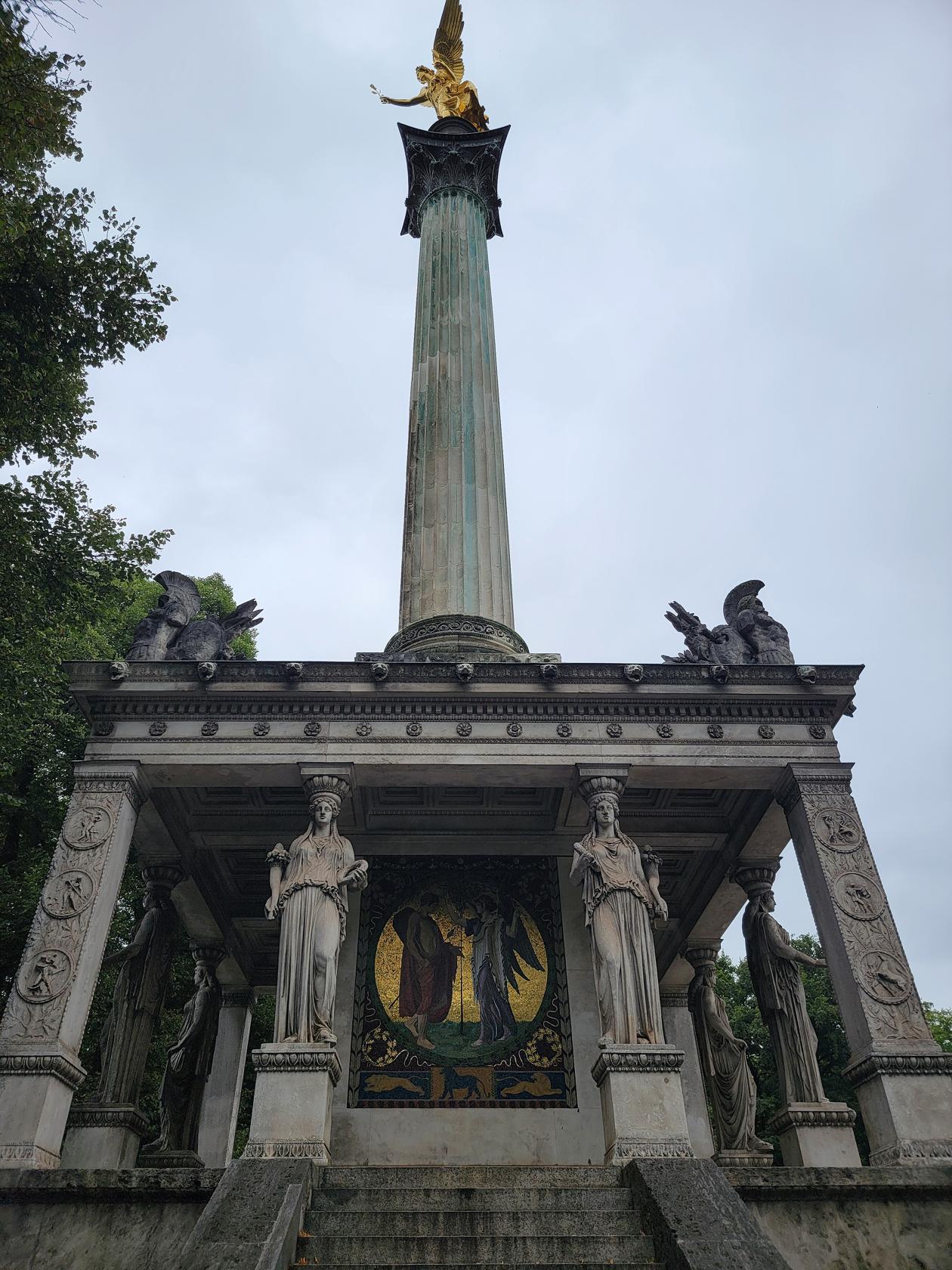
Dana – In front of the Friedensengel – München, Germany
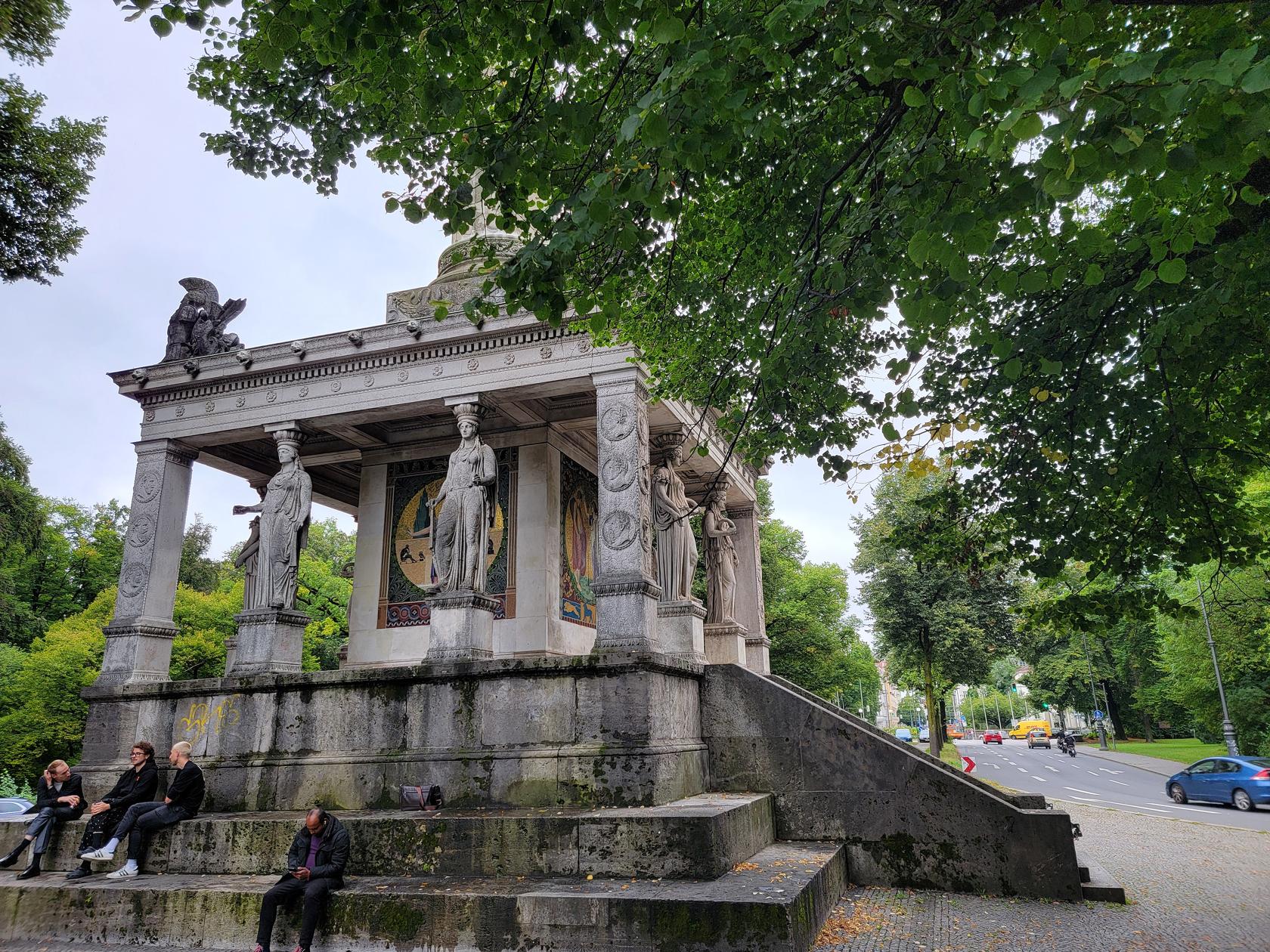
Friedensengel – München, Germany
Friedensengel – München, Germany
Friedensengel – München, Germany
Friedensengel – München, Germany
Friedensengel – München, Germany
The Isar – München, Germany
Widenmayerstraße promenade – München, Germany
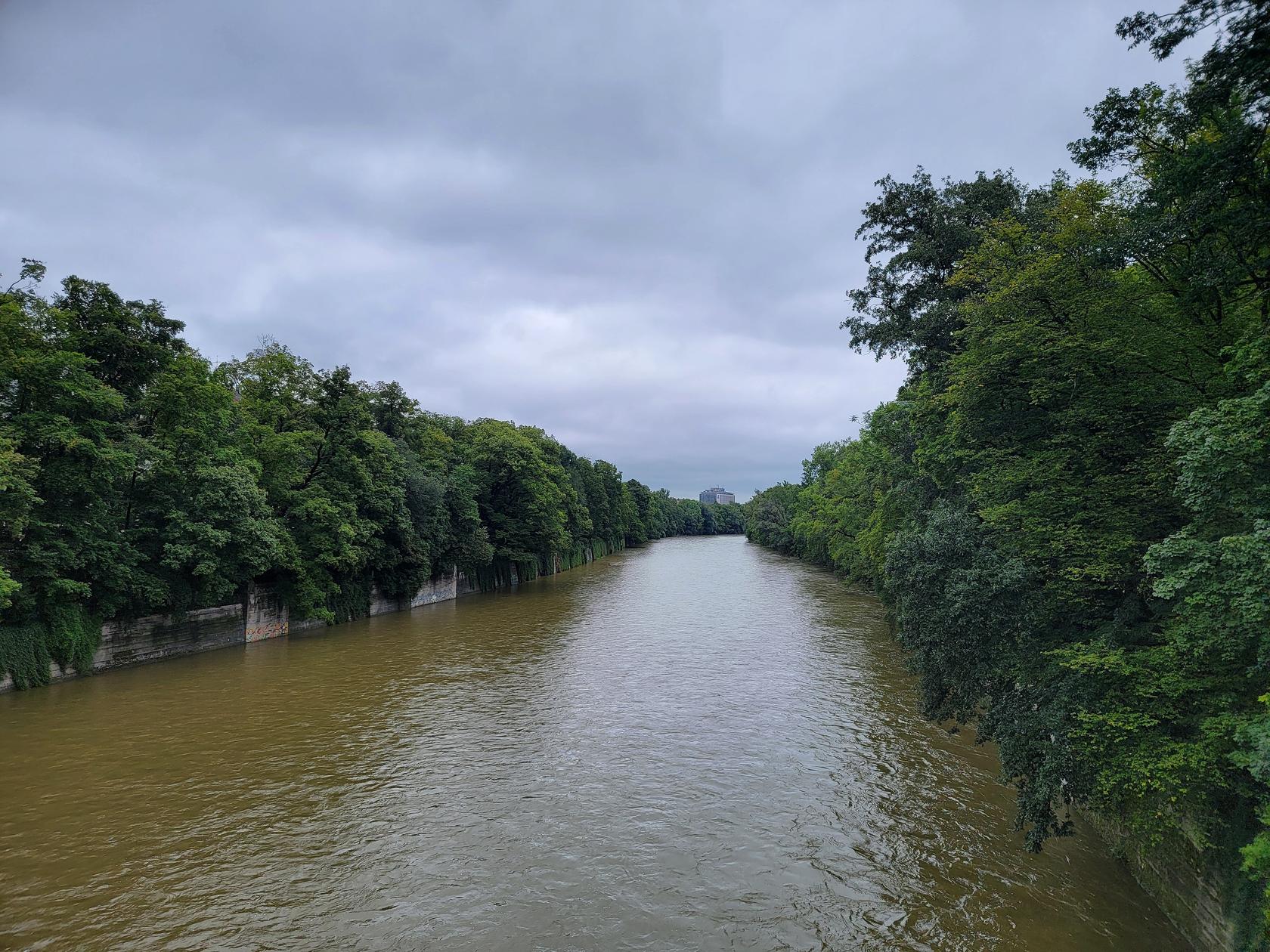
Here you will find the Friedensengel monument and several other interesting points of interest. The two bridges that bound it, the Luitpoldbrücke and the Maximiliansbrücke provide pedestrian friendly points of entry.
The Great Cascades – München, Germany
The Great Cascades – München, Germany
The Great Cascades – München, Germany
The Isar below the Great Cascades – München, Germany
The Isar – Luitpoldbrücke – München, Germany
The Isar – München, Germany
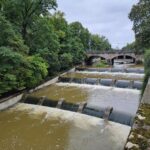
Of note are the Große Kascaden, or Great Cascades, a series of weirs and fish ladders that provide a series of small waterfalls. The Wehr WKW-Praterkraftwerk, or power station, is built into the structure to provide electric power to the city. Through thoughtful design of constructing flood control they have provided electricity as well.
Restaurants
We spent time at the following restaurants. Some are must see, even though the food will not be up to expectations. We found the smaller establishments to be better, especially the service and cleanliness.
Hofbräuhaus
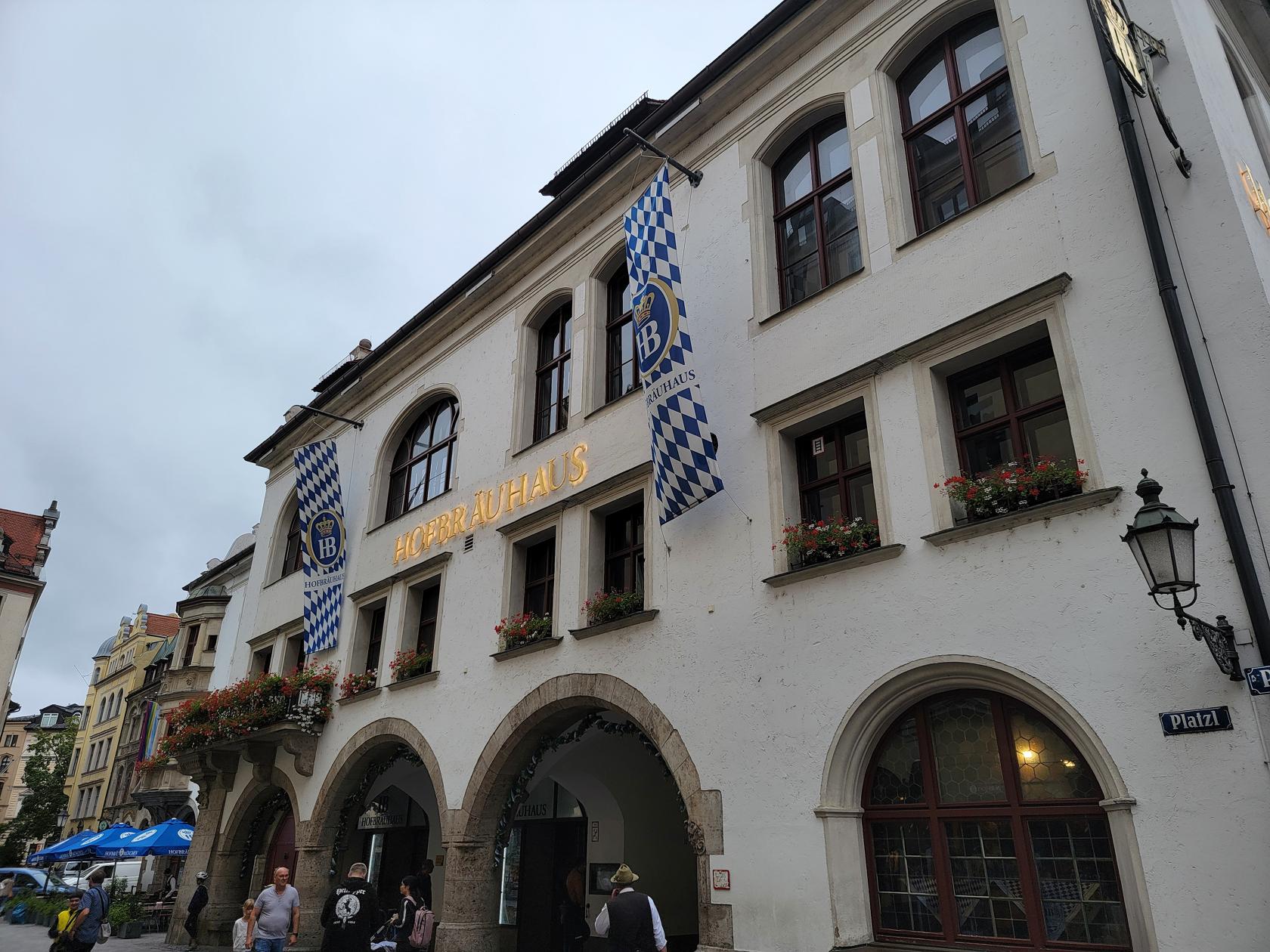
Well, perhaps the largest and most well-known beerhall in München, the Munich Hofbräuhaus is as large and as busy as it will get in a place to eat. They have a gift shop to match your expectations for a large one liter glass.
Entrance – Hofbräuhaus – München, Germany
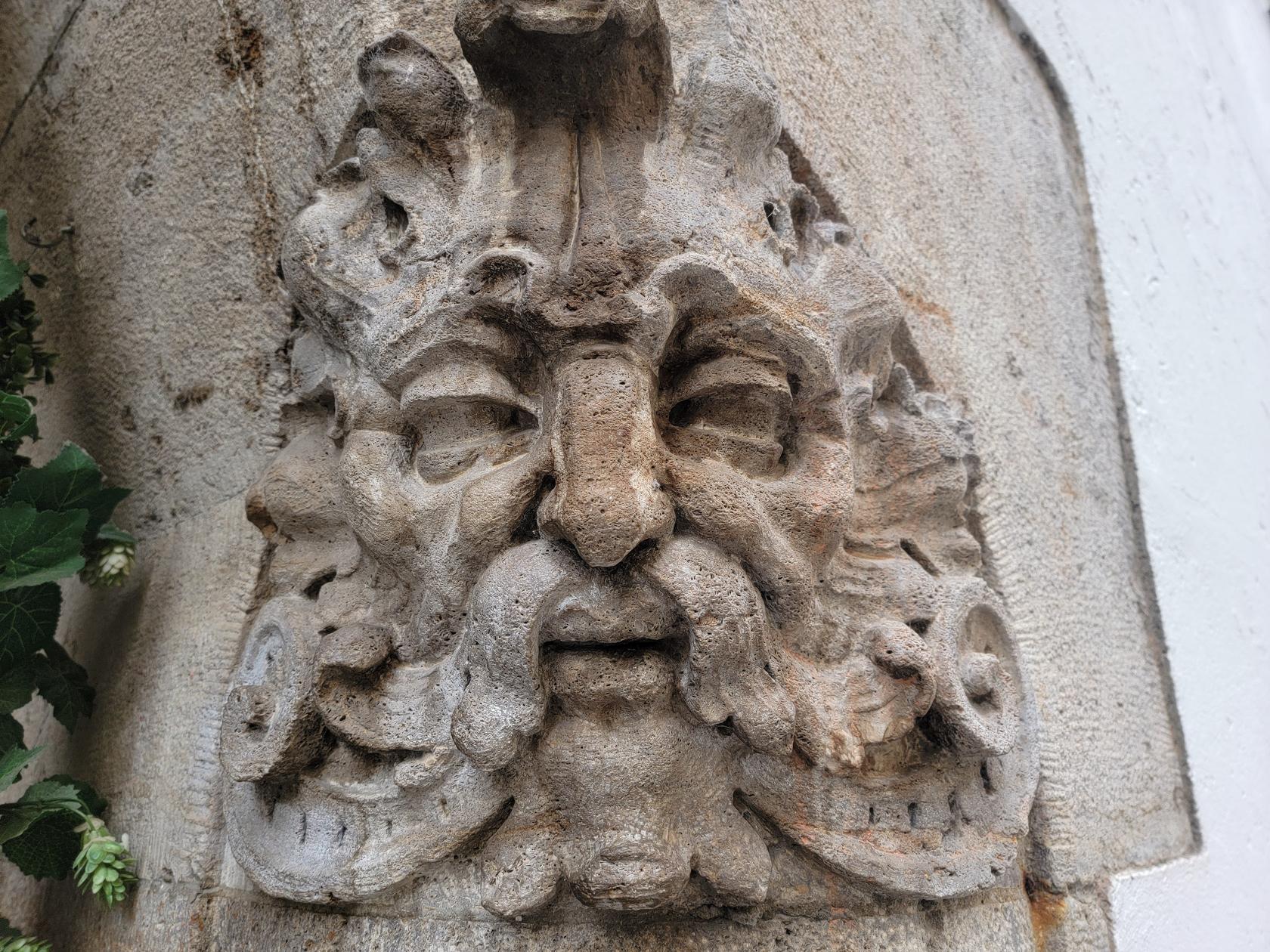
Carved face – Hofbräuhaus – München, Germany
The band was great and our food was okay. Service is always going to be a problem at such a large establishment, that’s why I prefer the smaller places.
However, if you can overlook the local fauna, an interesting place to eat and drink. I have found a lack of service usually indicates a lack of cleanliness; if they cannot serve you, they cannot clean properly either – just a thought. In any case, one of the go-to places and a must see. Have a drink and if the fauna bother you, avoid the rest of the menu.
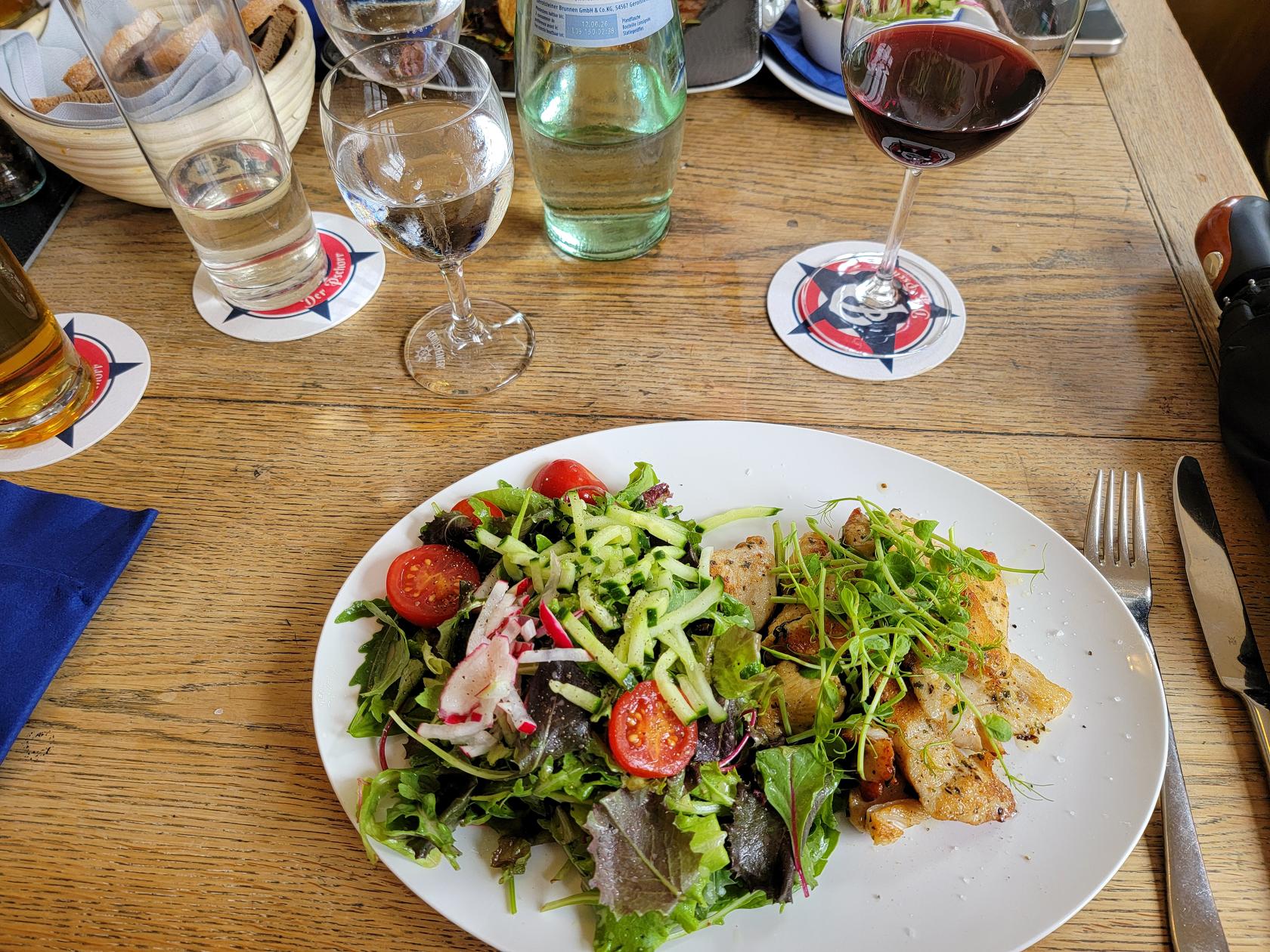
Salad – Der Pschorr restaurant – München, Germany
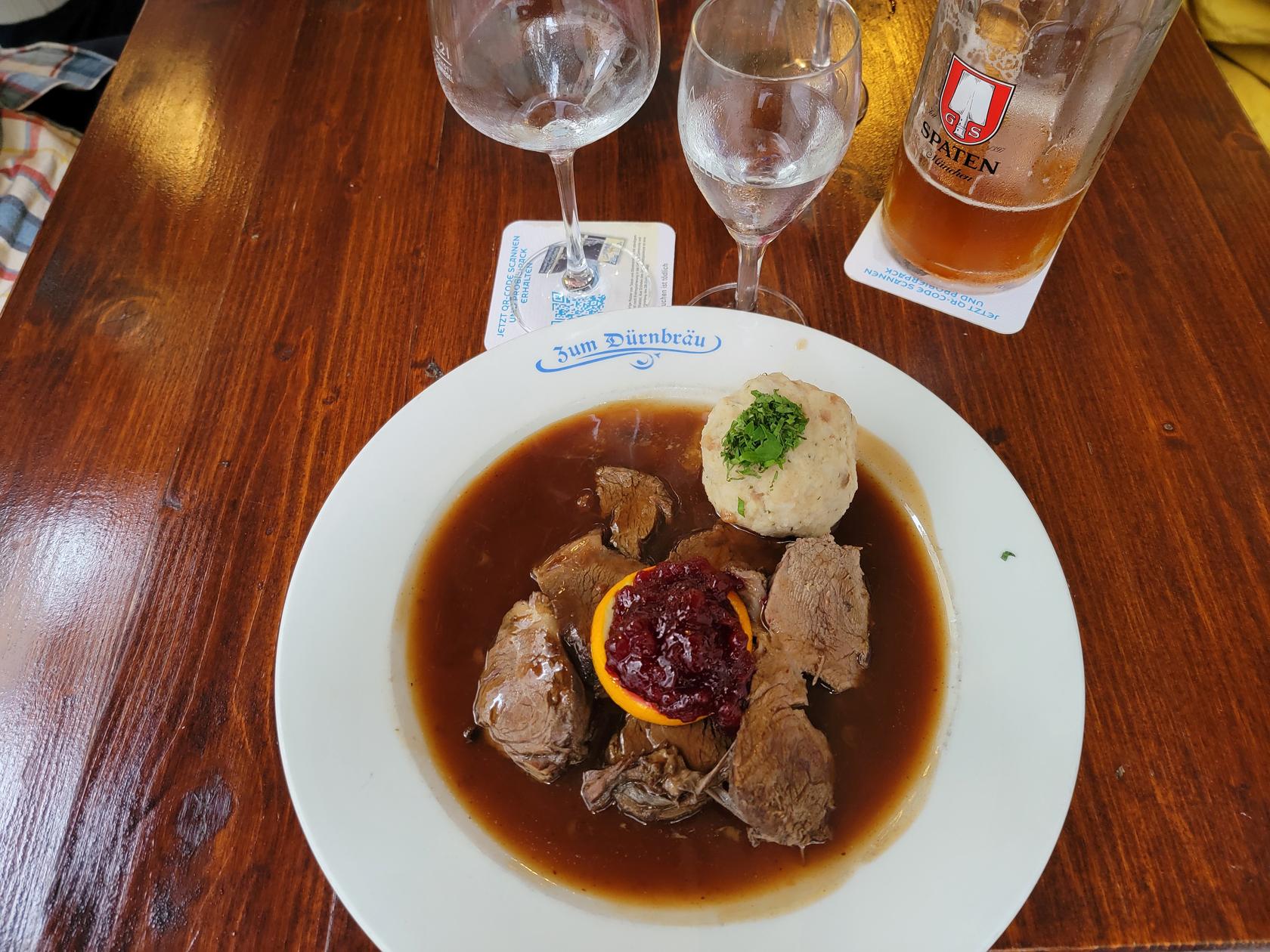
Sauerbraten with Knudel – Zum Dürnbräu – München, Germany
Der Pschorr
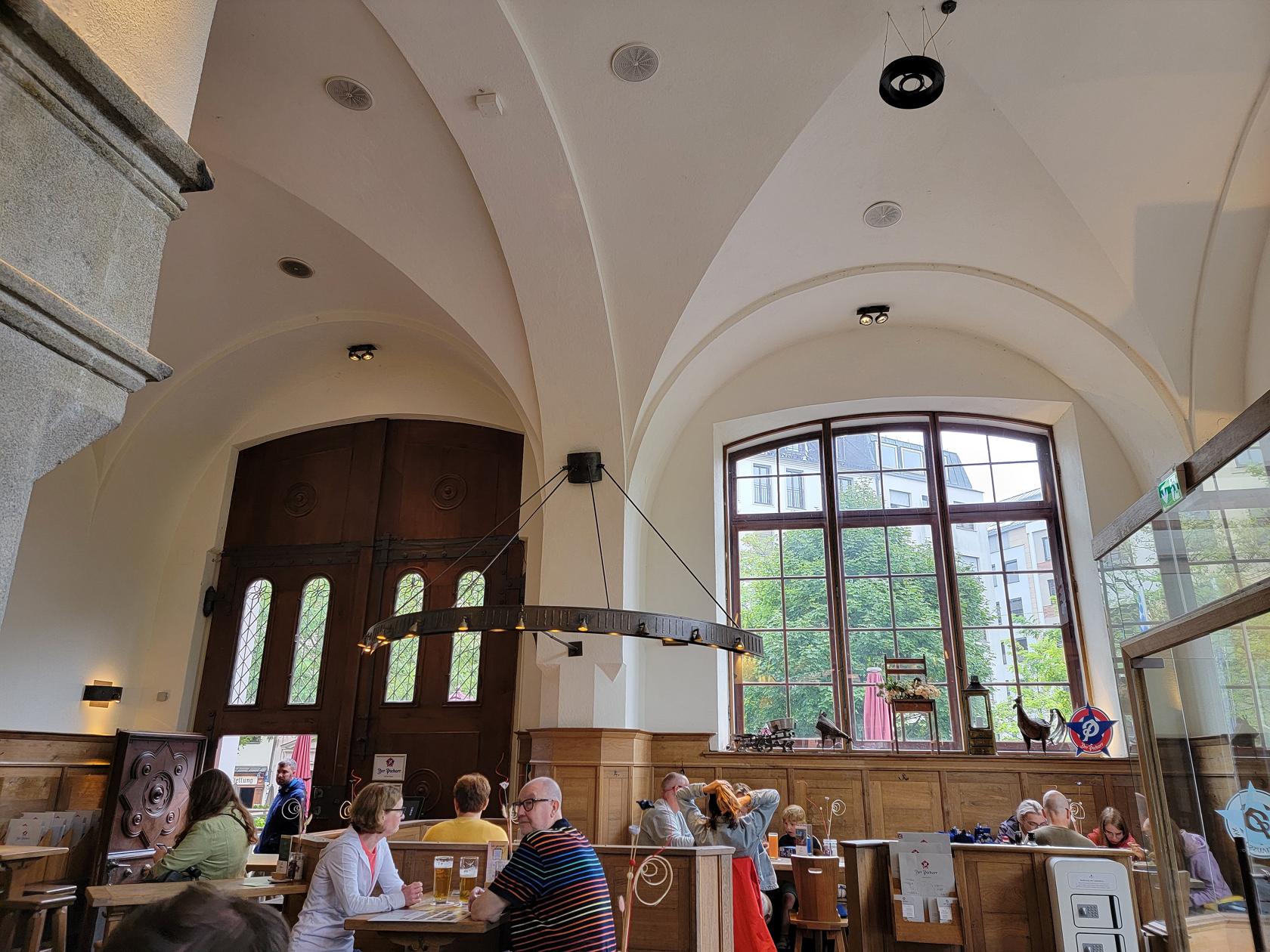
Another very good place for German food, perhaps the best that we had while in Munich. The service was very good as well, they kind of went out of their way to welcome families with children. You will find the place open and inviting with a good menu and food. Jett, Meagan and Jason’s baby ate for free, something not seen too often today.
Der Pschorr restaurant – München, Germany
Der Pschorr restaurant – München, Germany
Salad – Der Pschorr restaurant – München, Germany
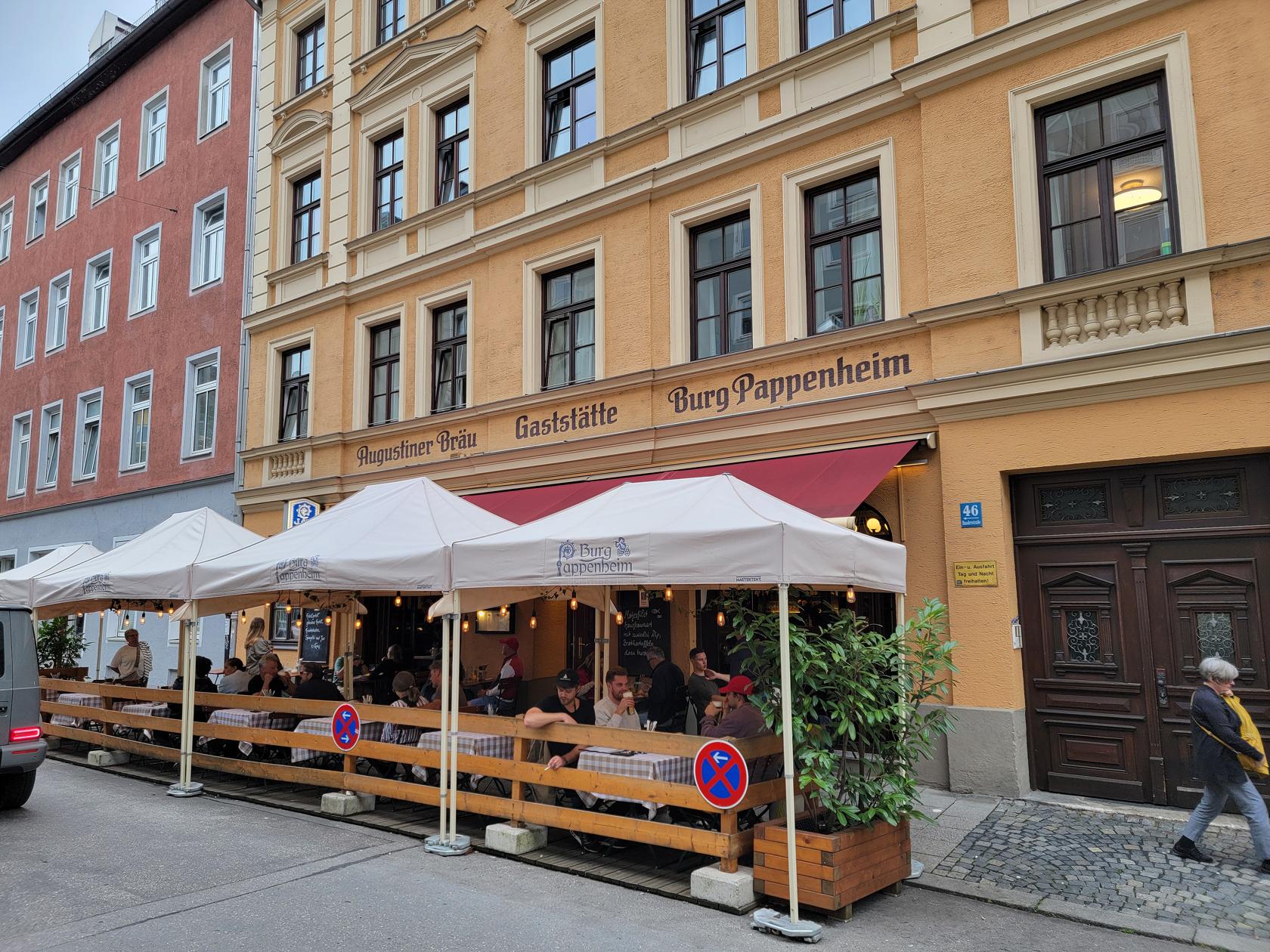
Burg Pappenheim
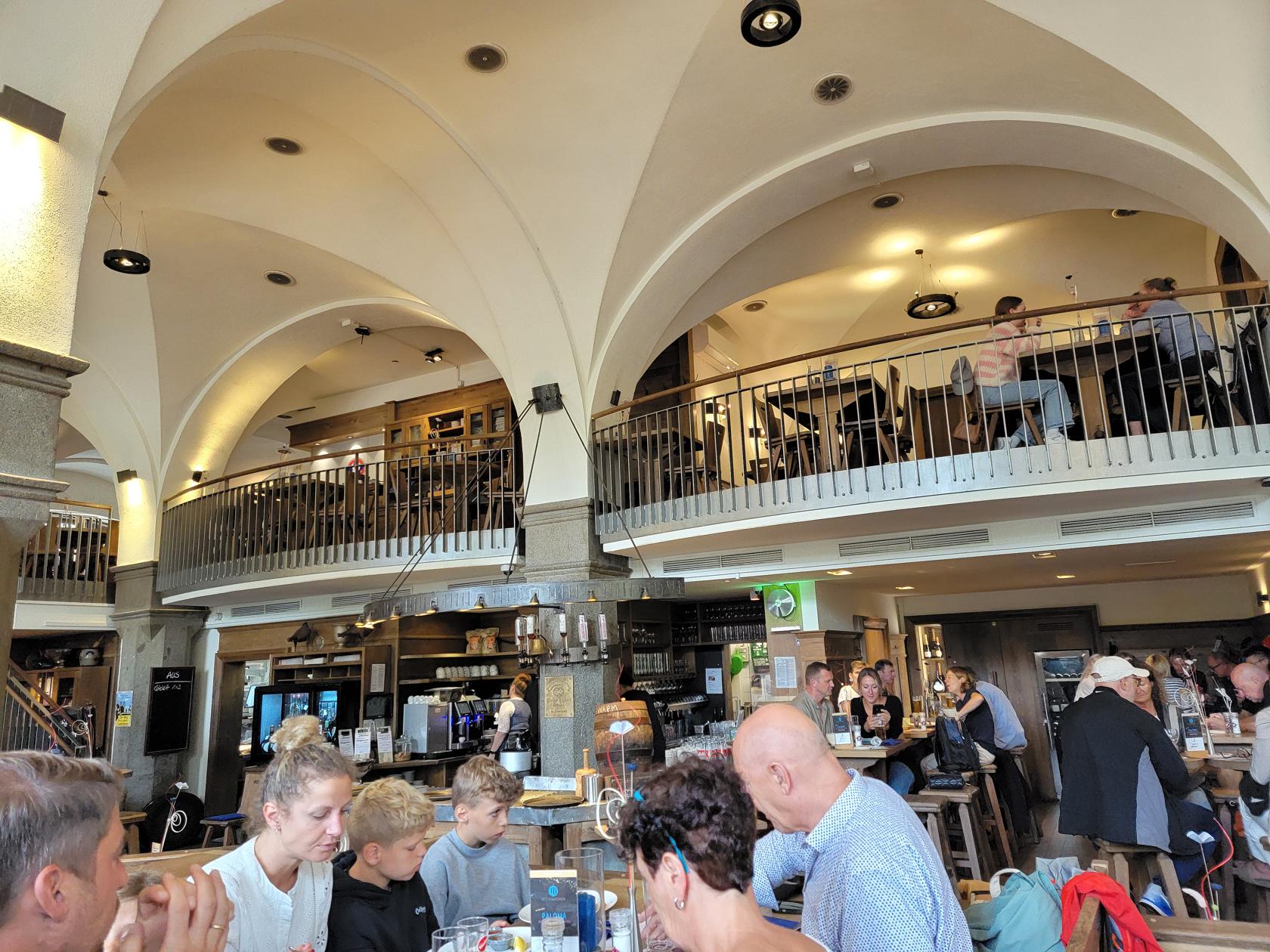
One of Dana’s picks and an attempt to find that authentic German restaurant look and feel. It was really close, we found only one waiter that spoke English here, the others spoke German for the most part, though I was confident they could completely understand English.
Entrance – Burg Pappenheim restaurant – München, Germany
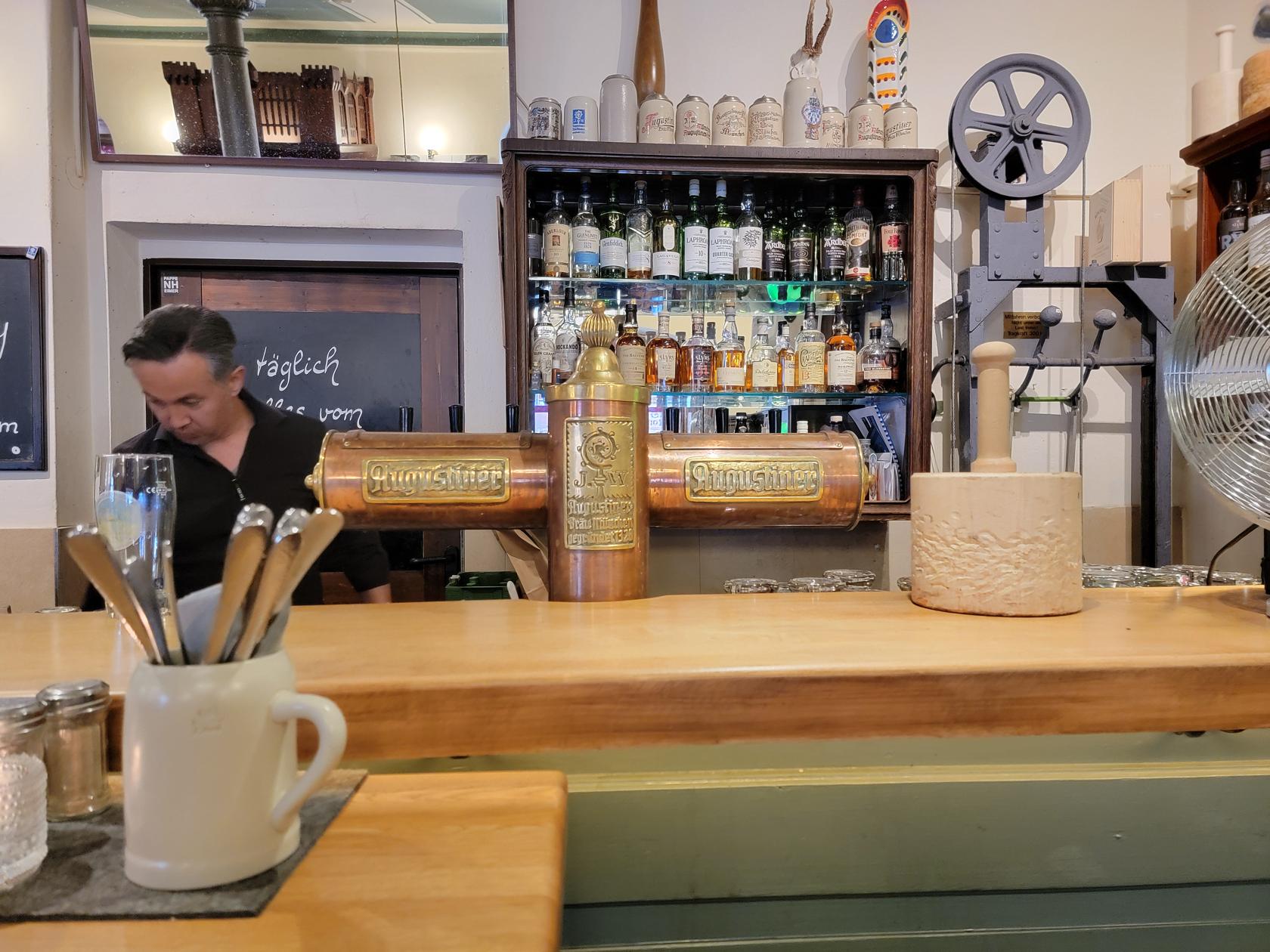
Old Augustiner faß – Burg Pappenheim restaurant – München, Germany
Burg Pappenheim restaurant – München, Germany
Burg Pappenheim restaurant – München, Germany
Dana, Meagan, Jett, Jason and Patti – Burg Pappenheim restaurant – München, Germany
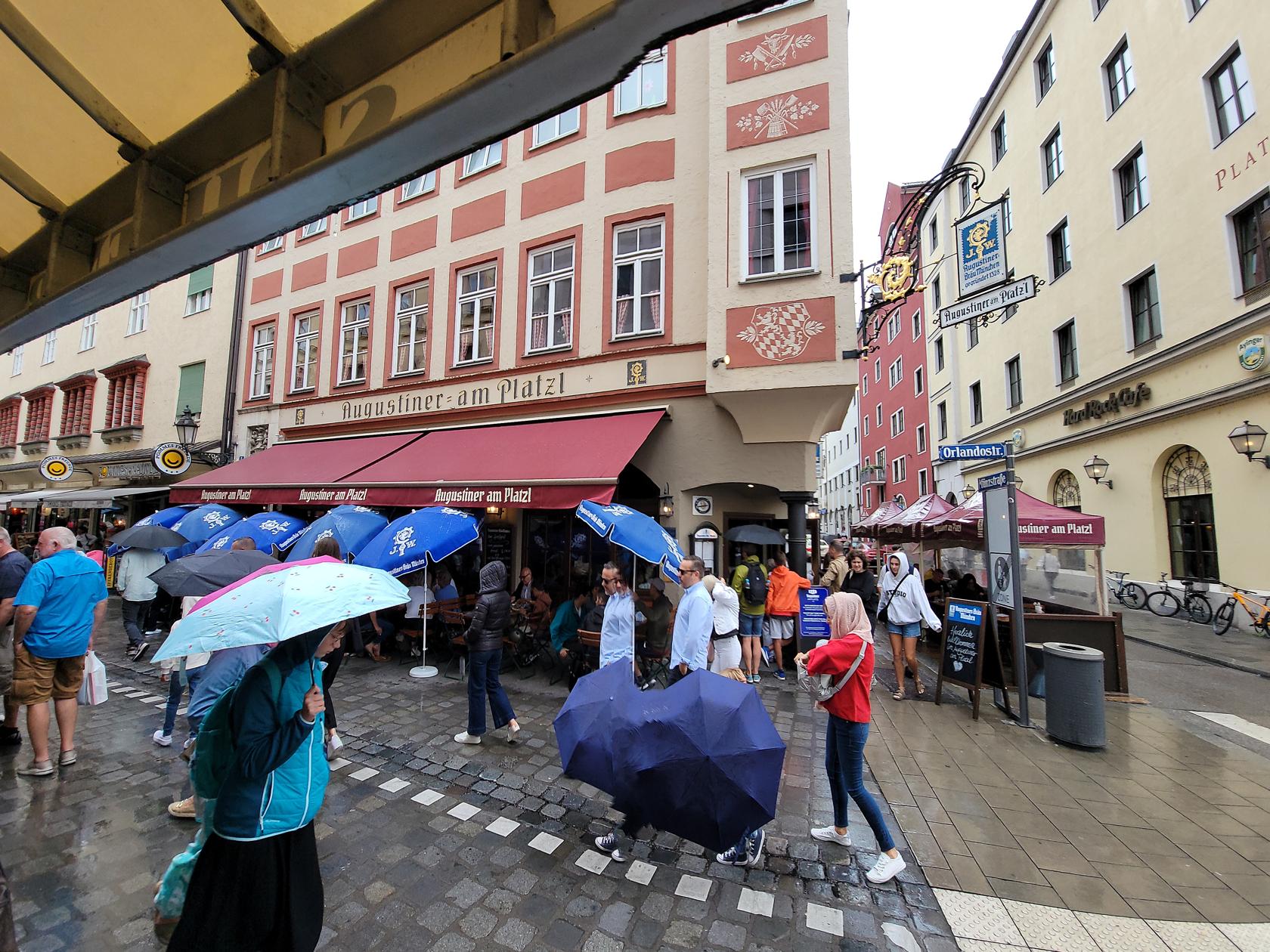
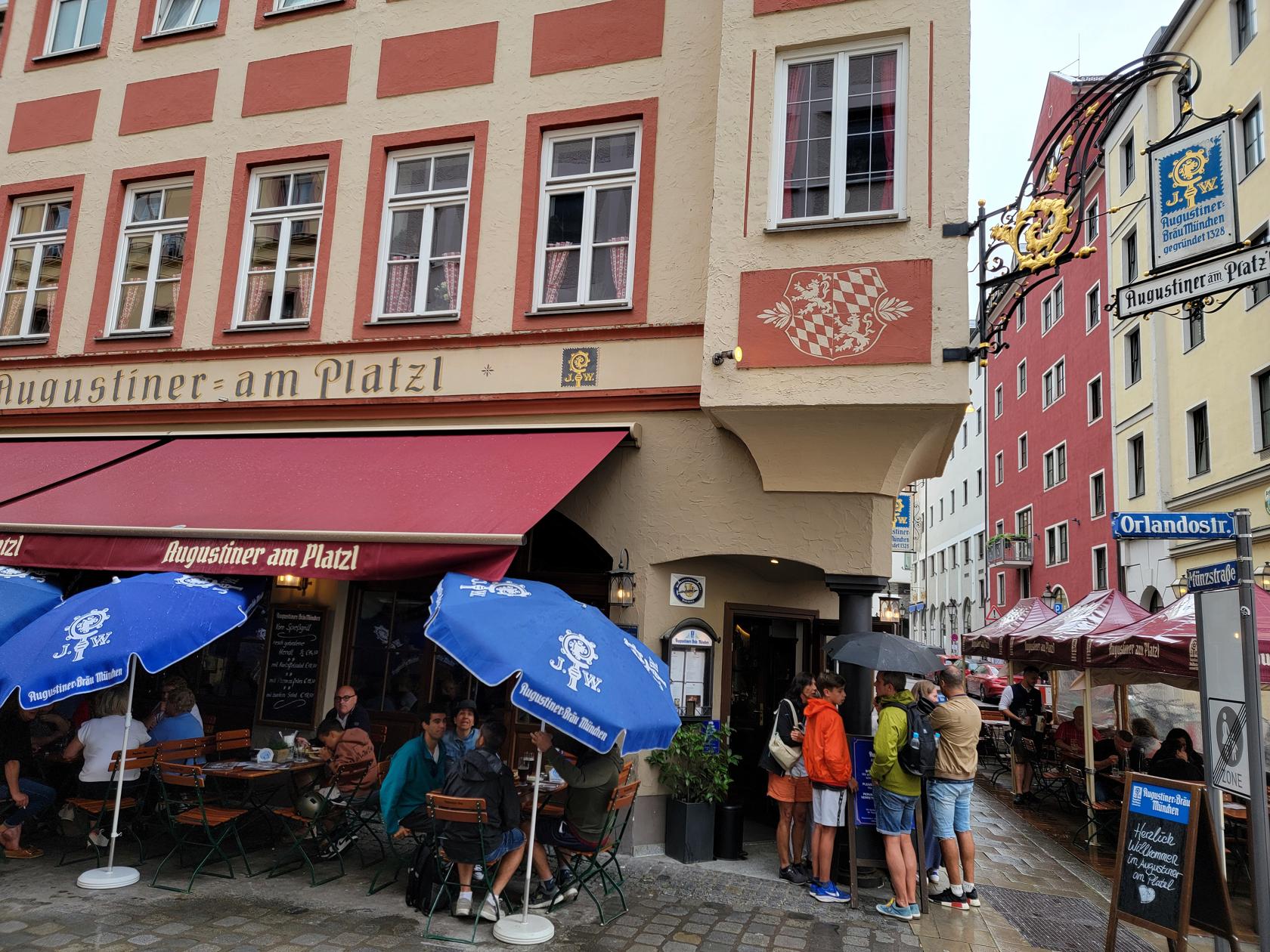
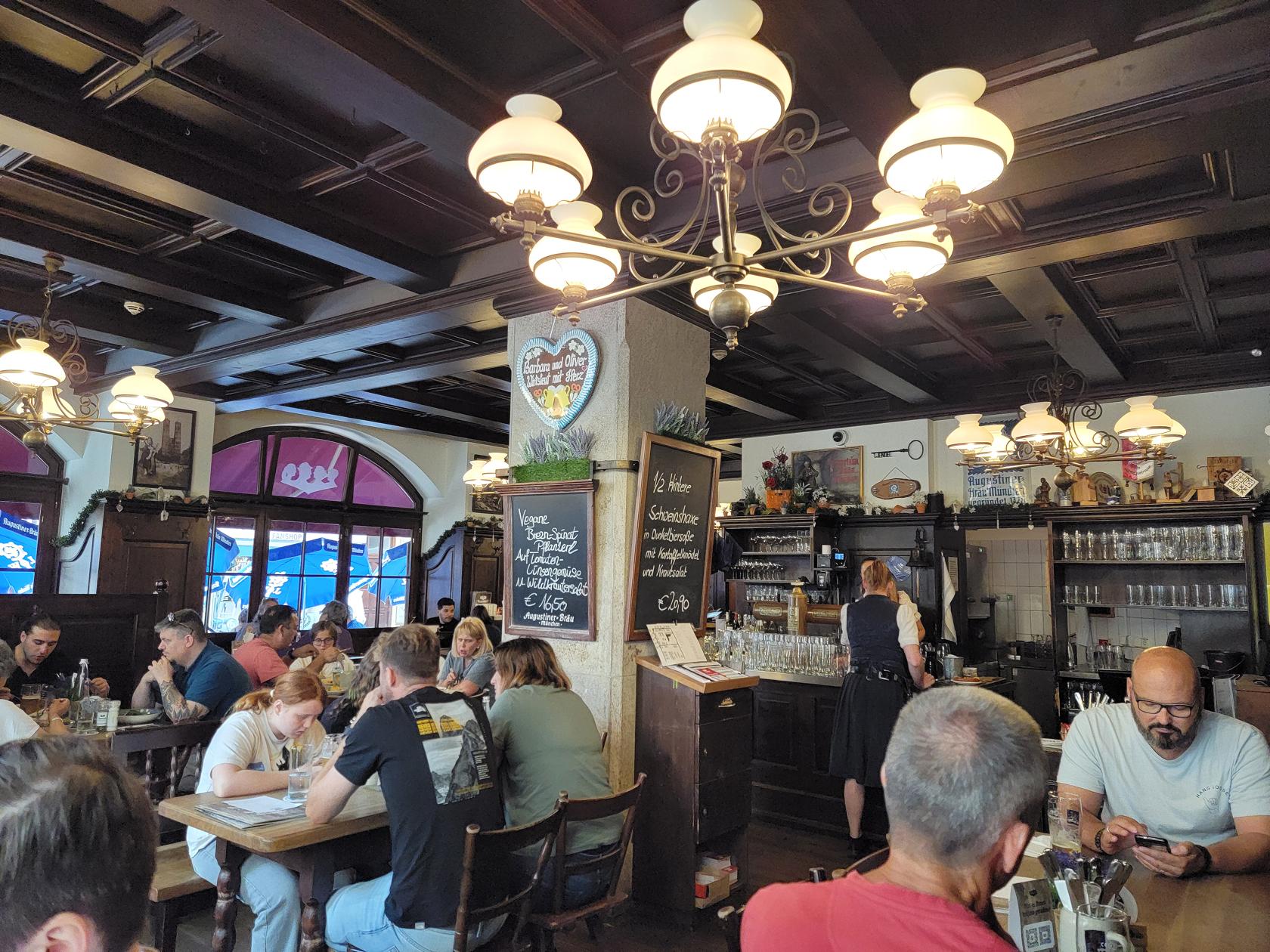
Augustiner am Platzl
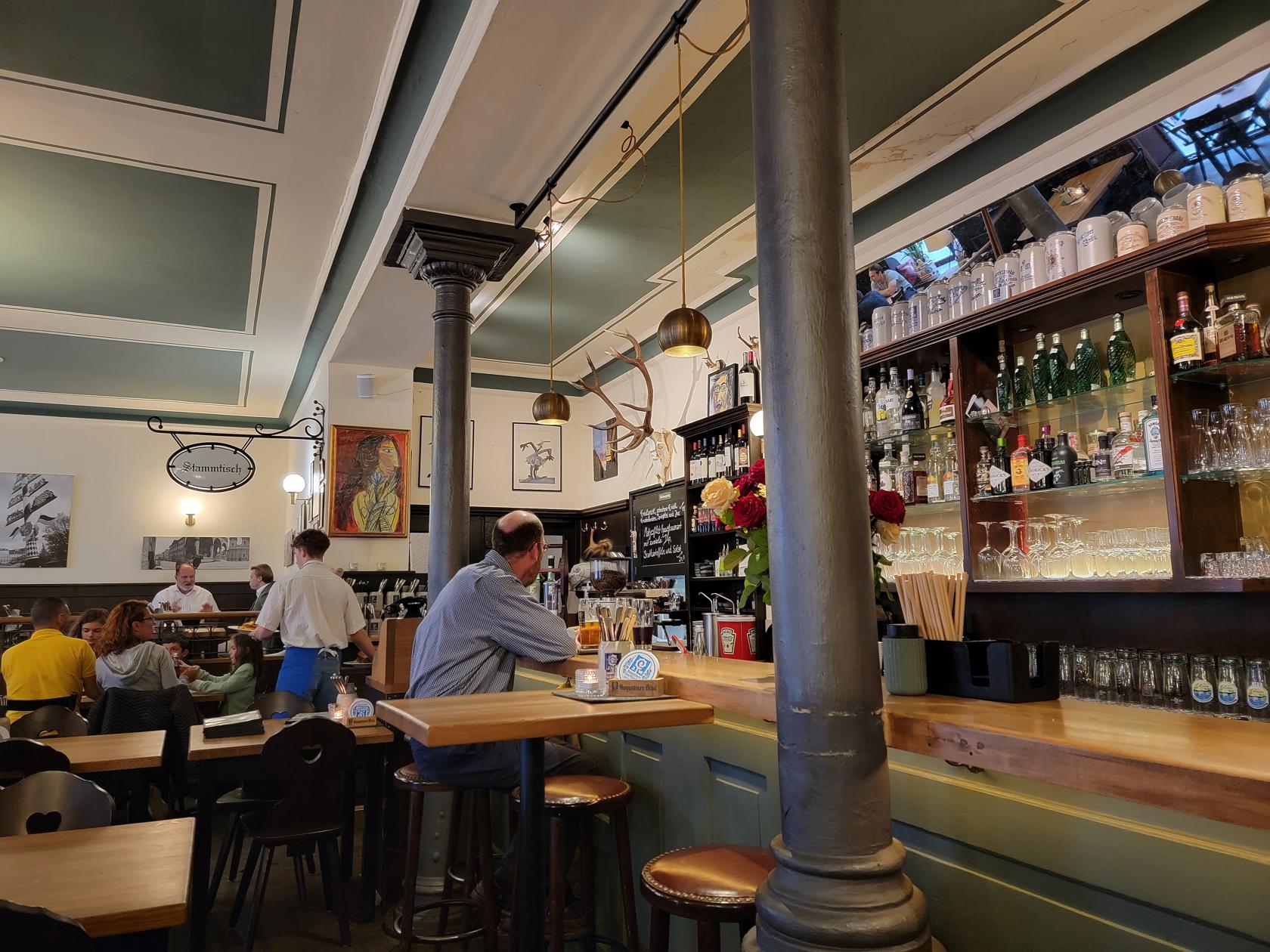
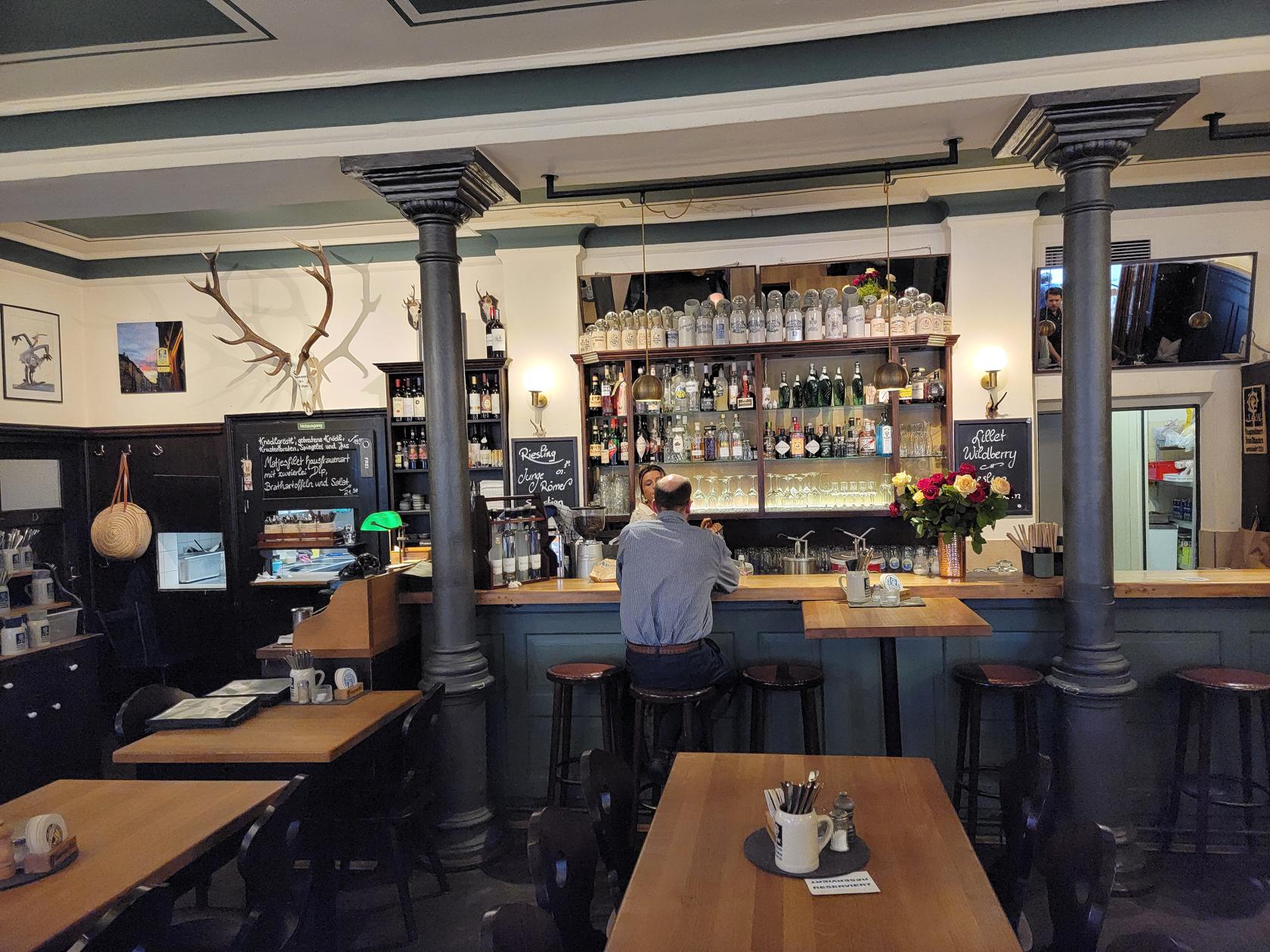
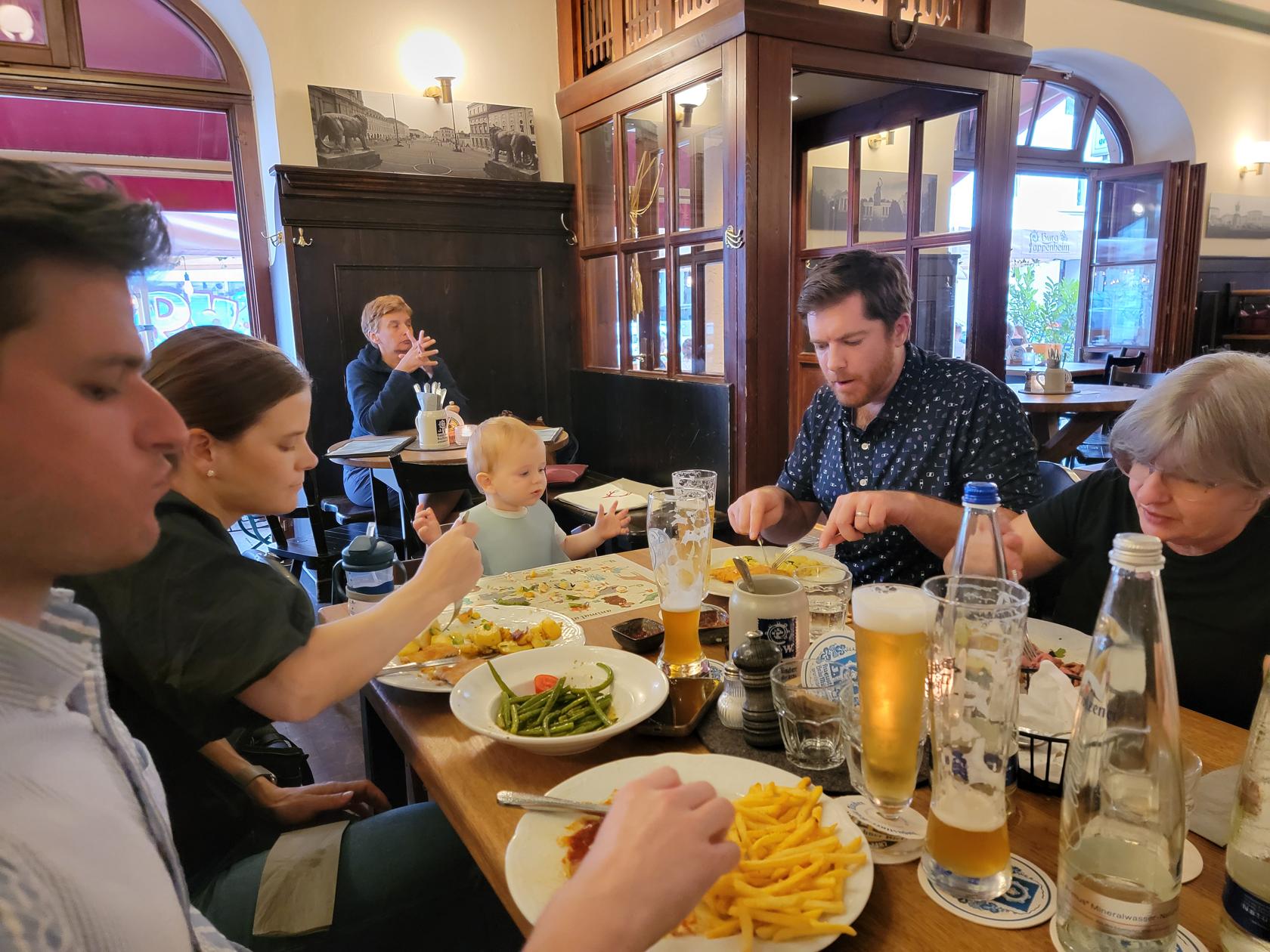
Overall a good place for German food. The service is better and the staff seems more attentive to customer needs. The food is also better, both tastier and presentation-wise. They can also accommodate larger families without the squeeze. There is however no band, so if you are looking for the Umpa-band look and feel, you will not find it here.
Augustiner am Platzl – München, Germany
Augustiner am Platzl – München, Germany
Augustiner am Platzl – München, Germany
The food and service were very good and the atmosphere a mix of old and new Bavaria. This restaurant is a bit out of the way and a bit of a walk from the city center, but worth the visit.
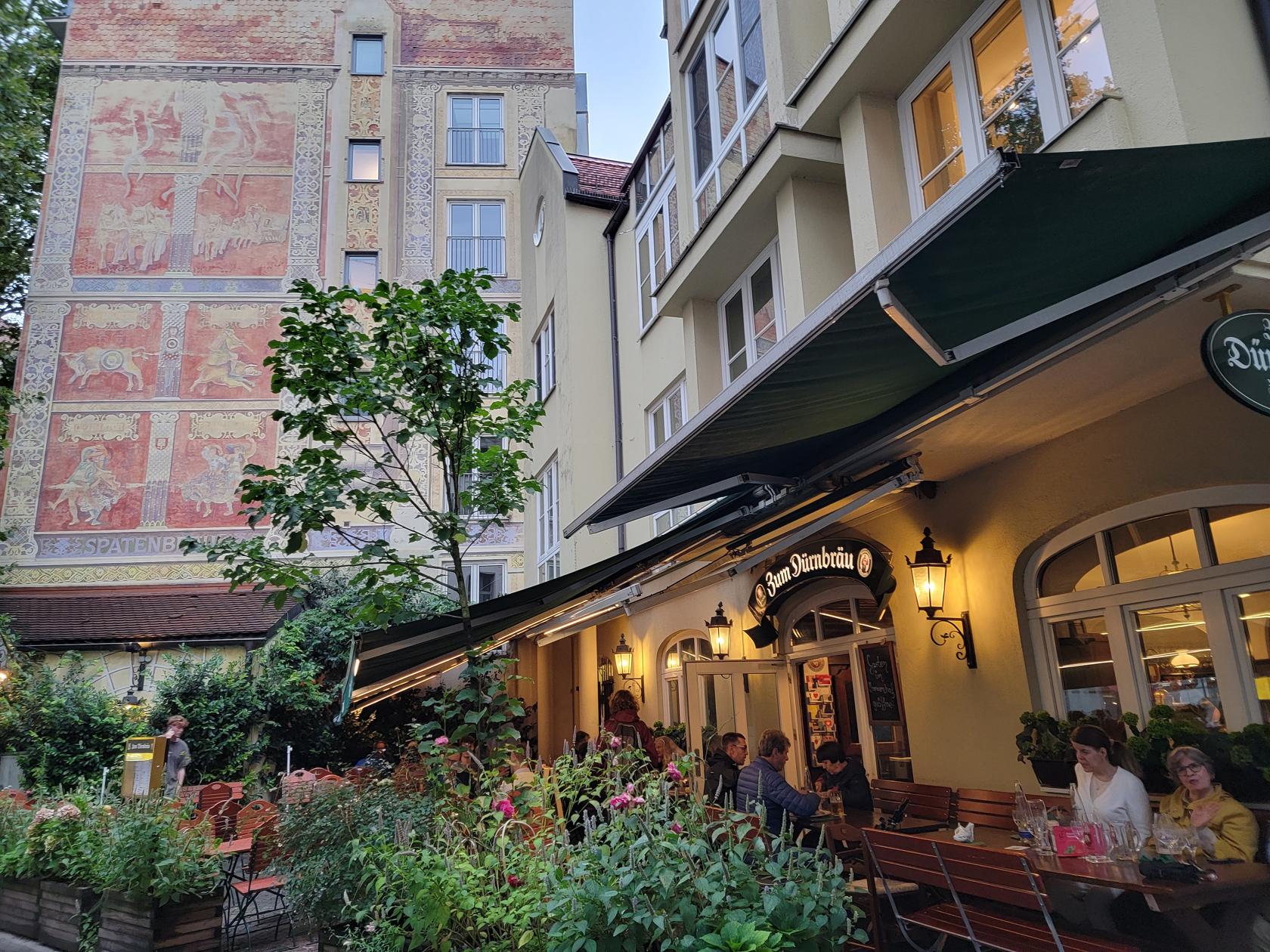
Zum Dürnbräu
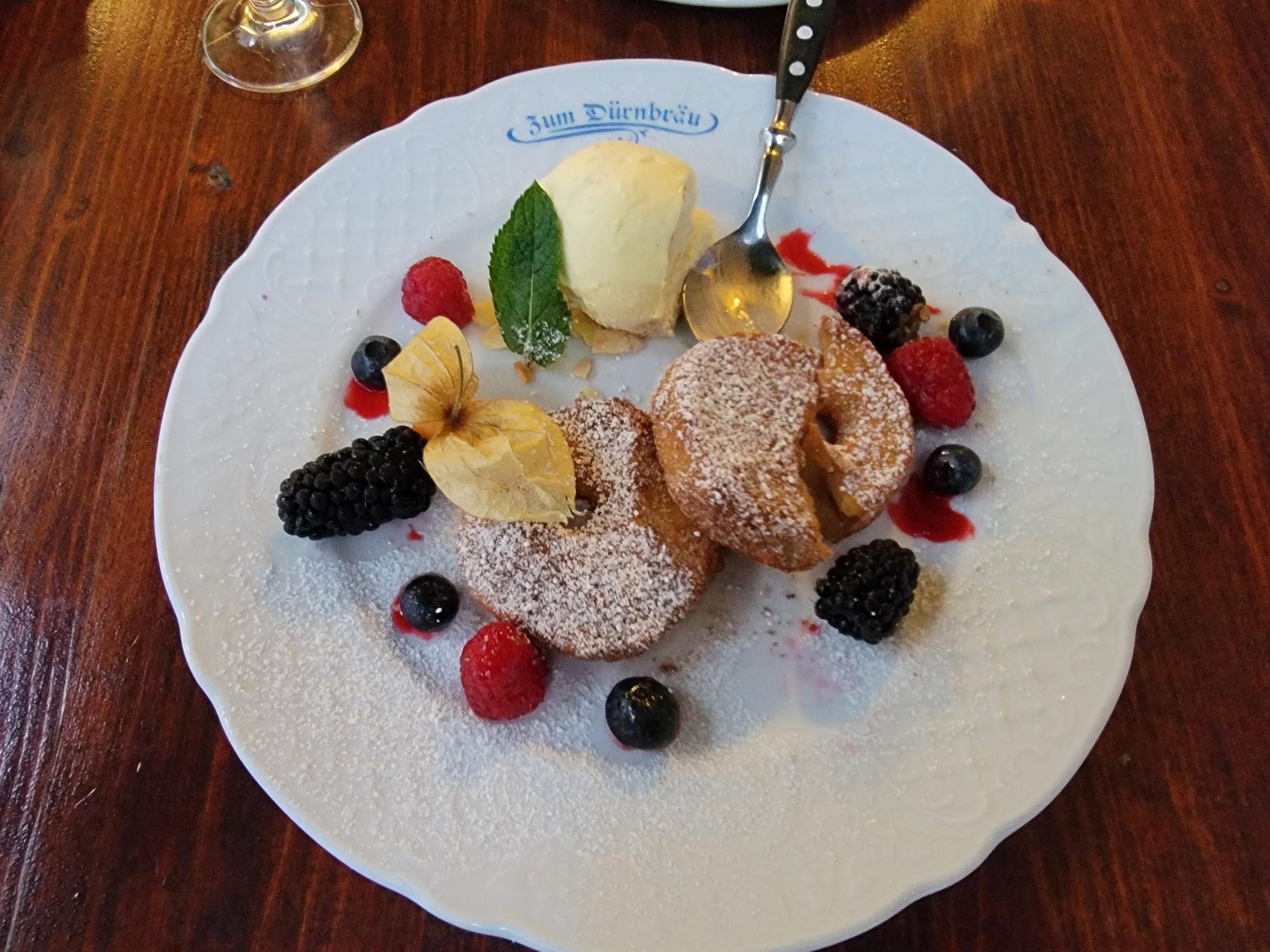
Here we had a pleasant meal outside not far from our hotel, even though the weather was a bit questionable with rain possible. The service was a bit slow, but the food was good and we had a very good time. The sauerbraten was first rate and I got to try the Apfelküchle, or fried apple rings with cinnamon and light sugar, which I found delightful.
Entrance and terrace – Zum Dürnbräu – München, Germany
Sauerbraten with Knudel – Zum Dürnbräu – München, Germany
Apfelküchle – Zum Dürnbräu – München, Germany
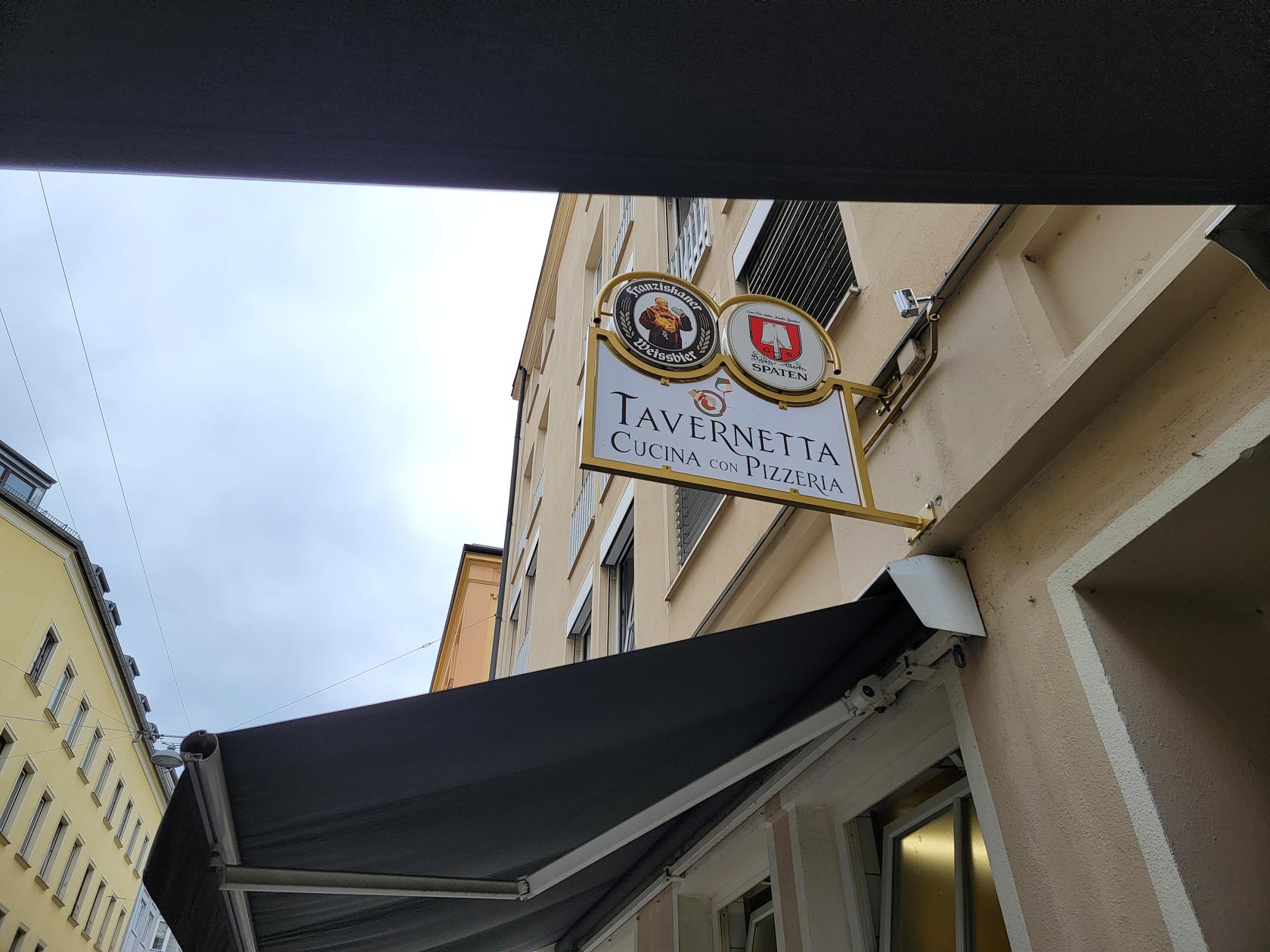
Tavernetta Cucina con Pizza
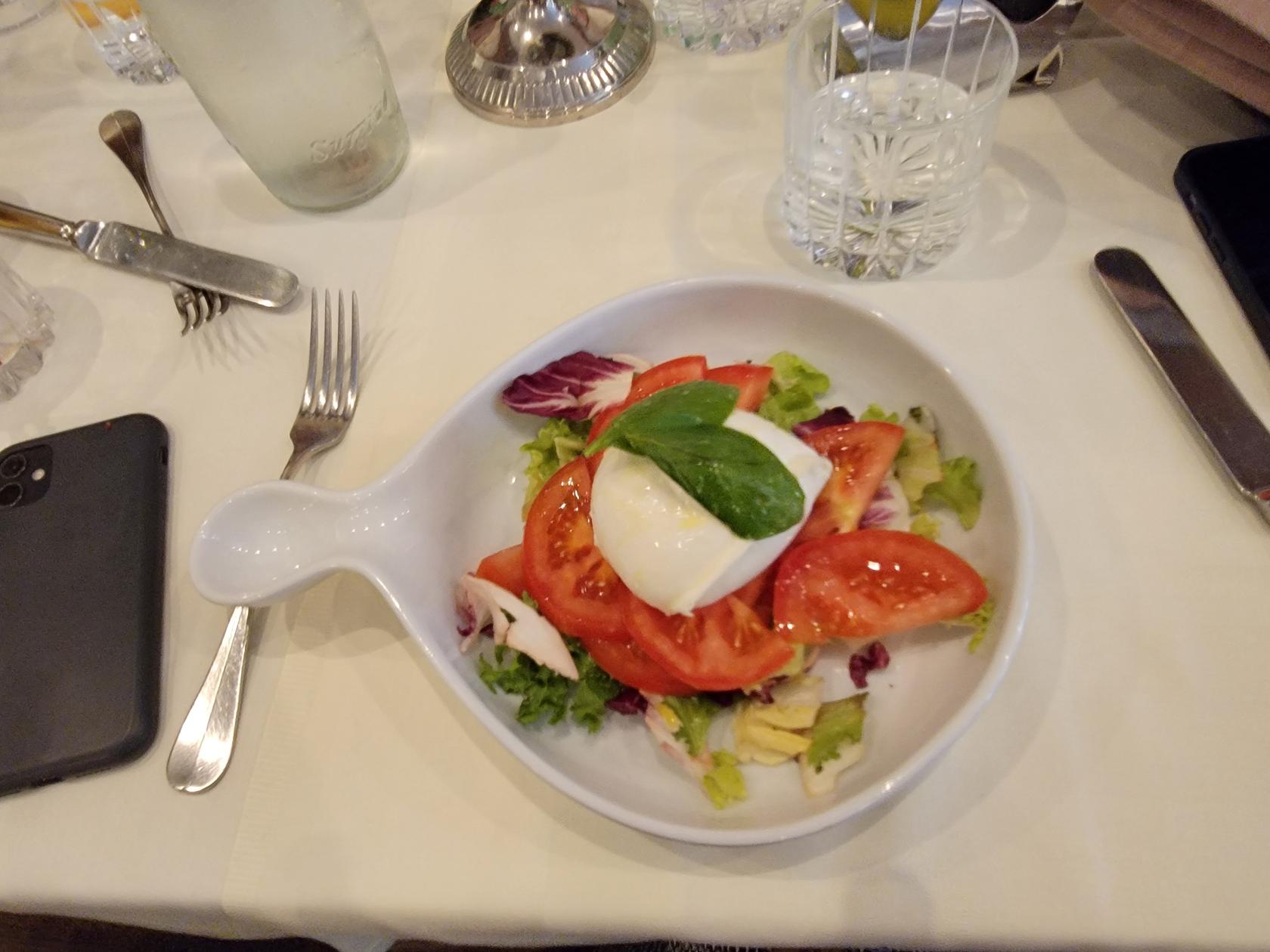
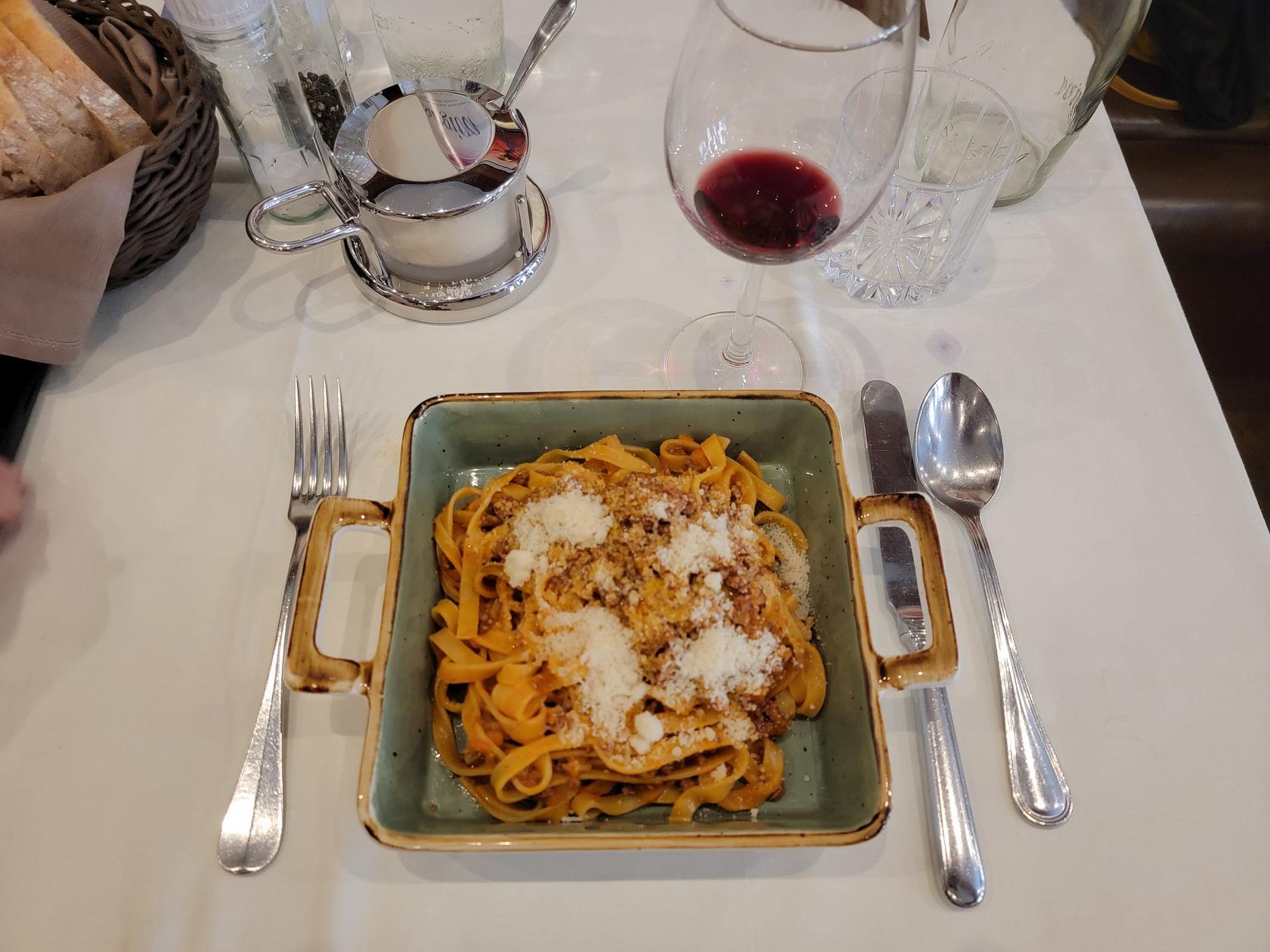
After some time German food creates issues that only Italian food can cure. When you come to this Rubicon, you can cross by considering a place like Tavernetta, where you can enjoy some Italian food. They have a good menu, good service and the prices are not astronomical.
Entrance – Tavernetta Cucina with Pizza – München, Germany
Sign – Tavernetta Cucina with Pizza – München, Germany
Small Caprese – Tavernetta Cucina with Pizza – München, Germany
Tagliatelle Bolognese – Tavernetta Cucina with Pizza – München, Germany
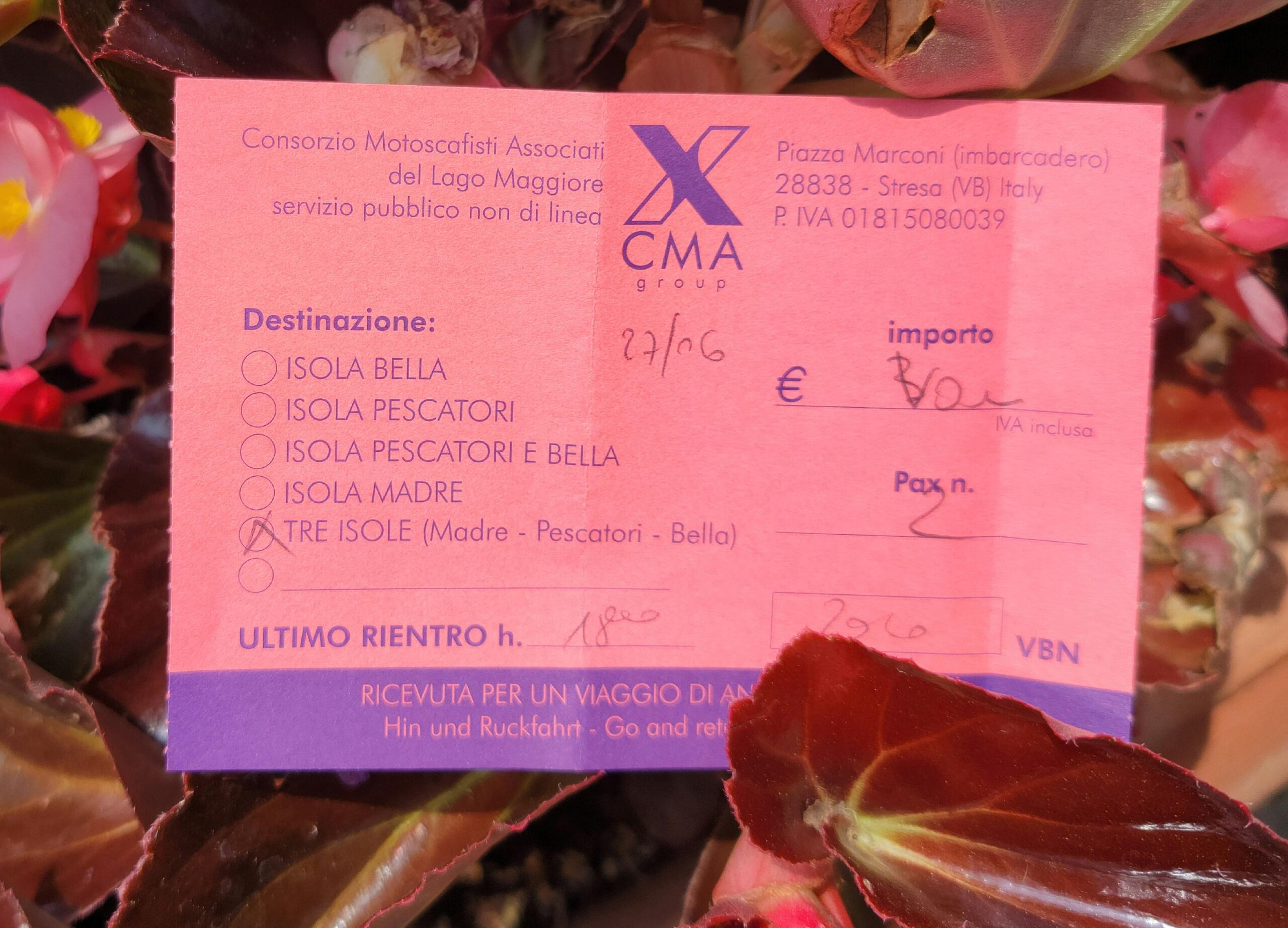
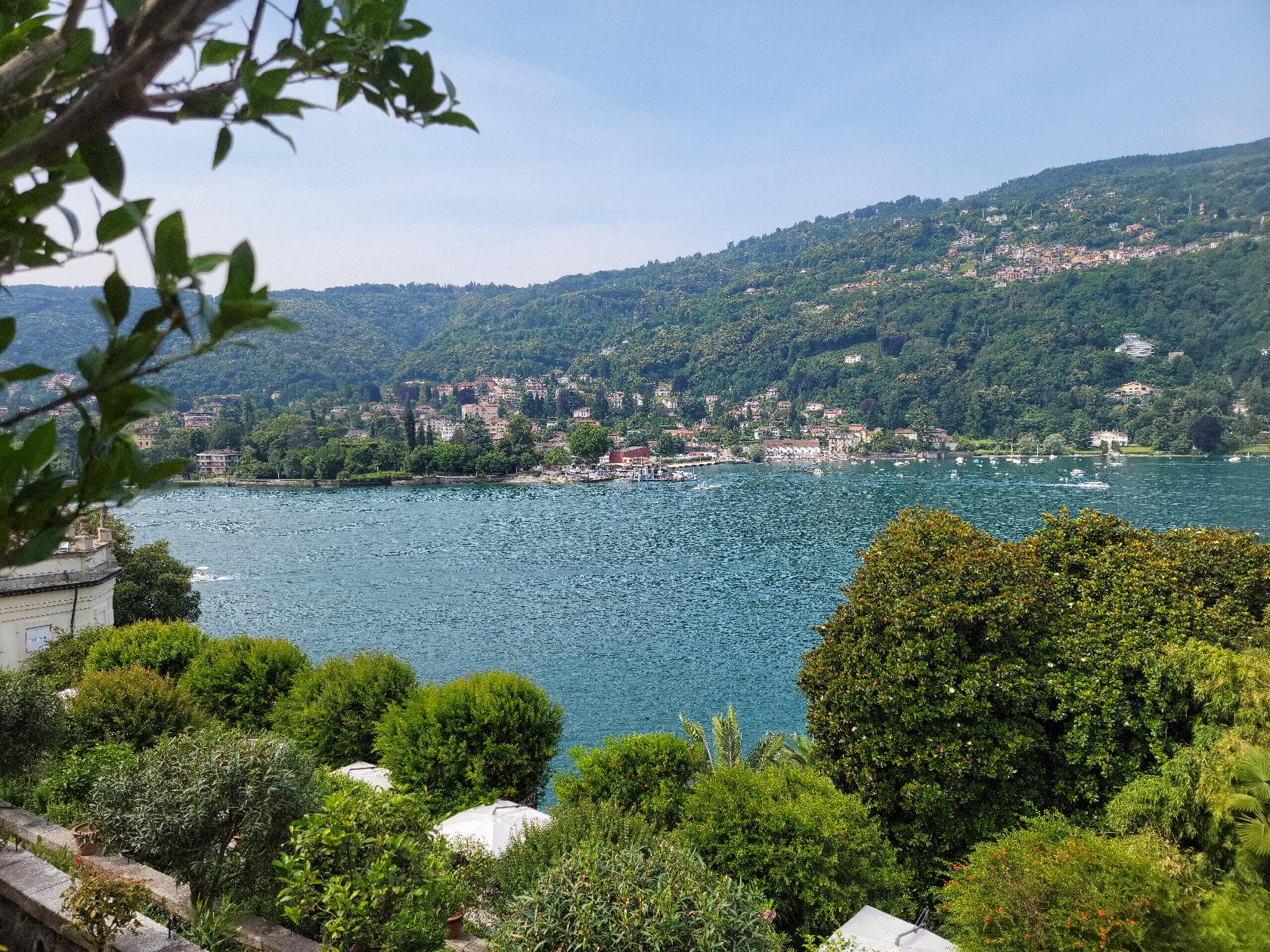
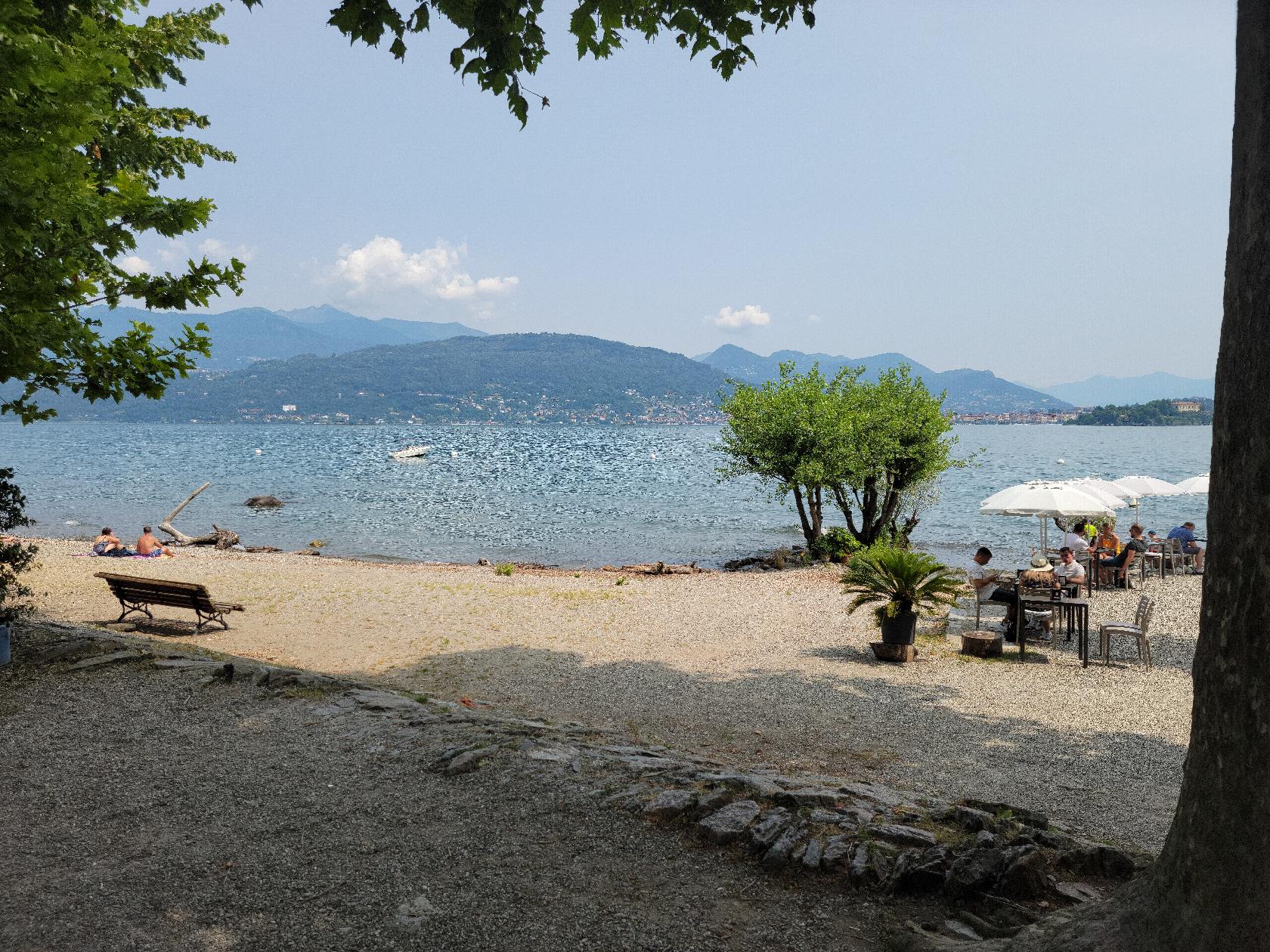
Of the five Borromeo islands that make up that small group in Lake Maggiore, three have ferry service to them, one is uninhabitable, but has a beach you can visit, and the other, not far off the coast near Pallanza, is small and not frequented by visitors.
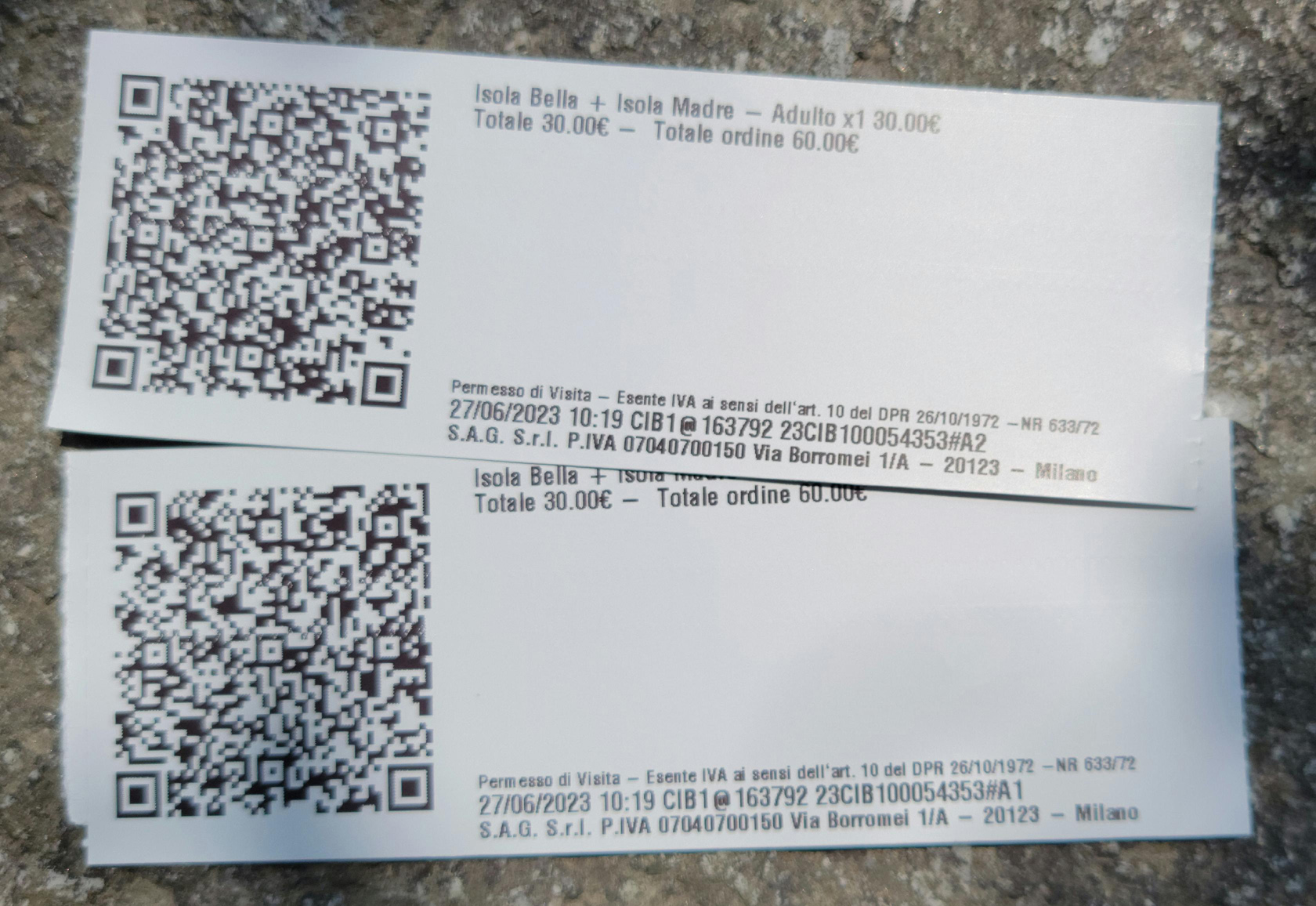
CMA Ship Ticket – Tickets For Two – Three Island Tour – Stresa, Italy
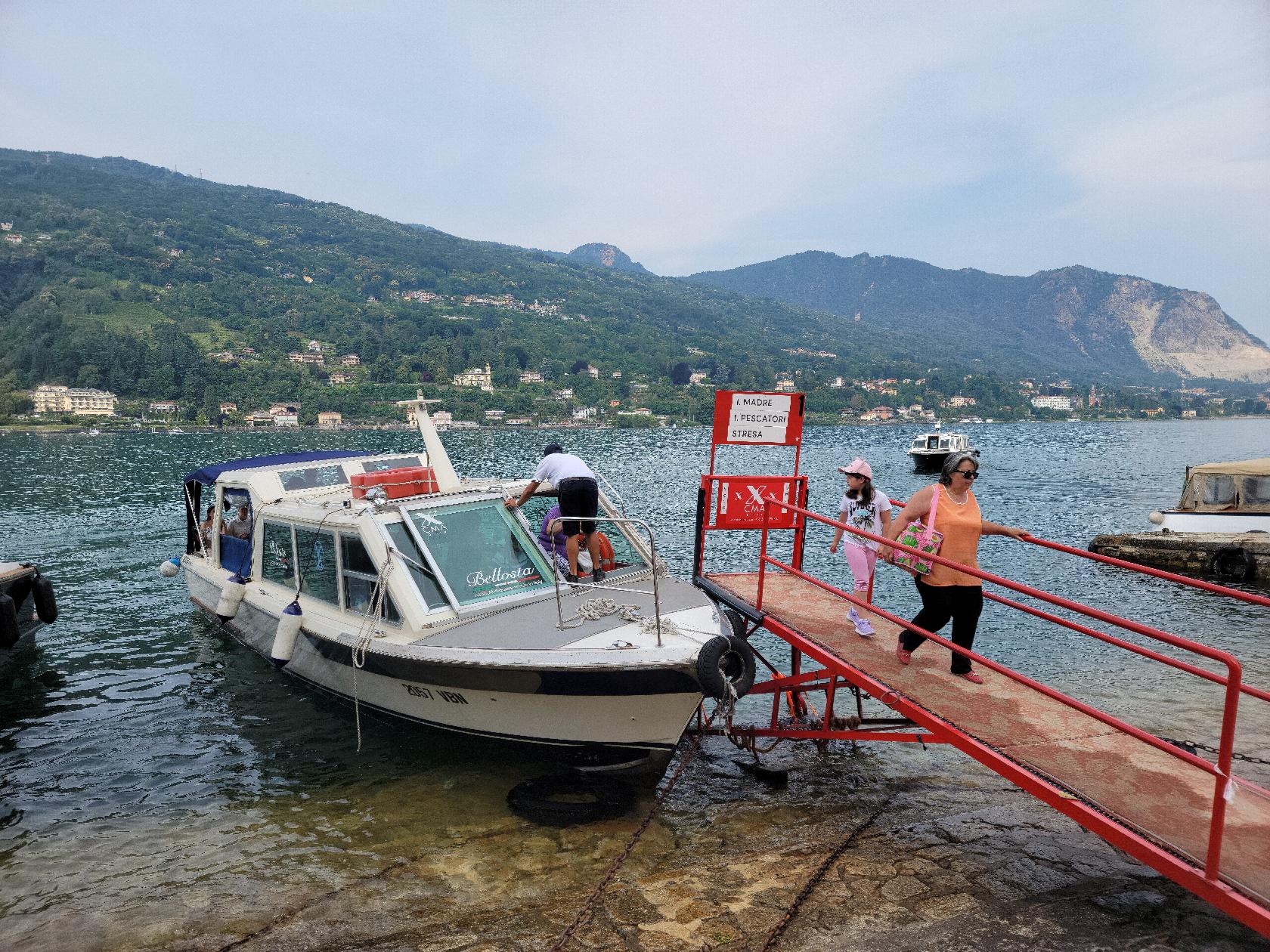
CMA Boat Service to the islands – Stresa, Italy
One should note, at least for our CMA ferry service, the islands are visited in an order, as presented below. Altering this order is impossible, if not very difficult, so plan accordingly.
Isola Bella
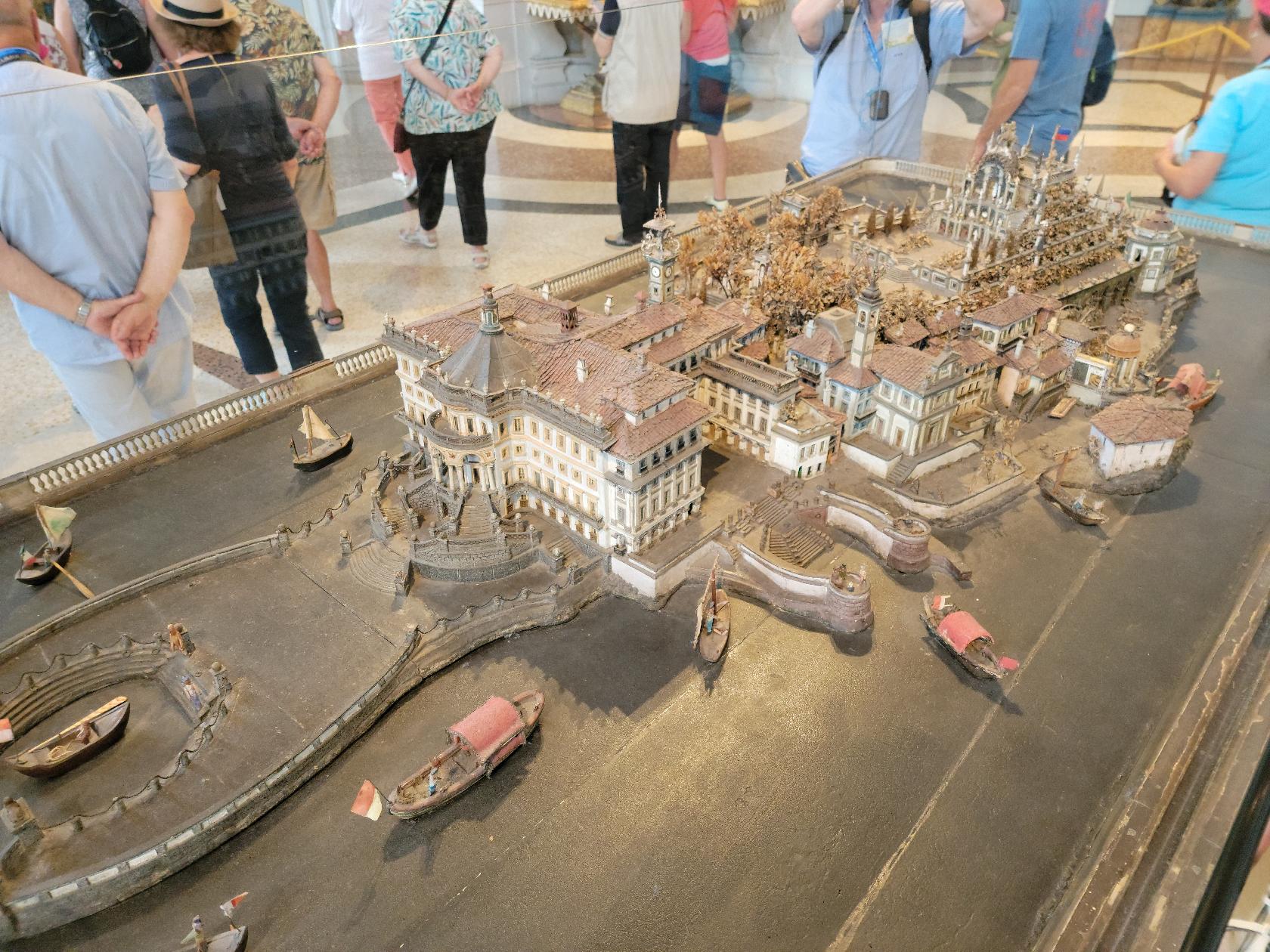
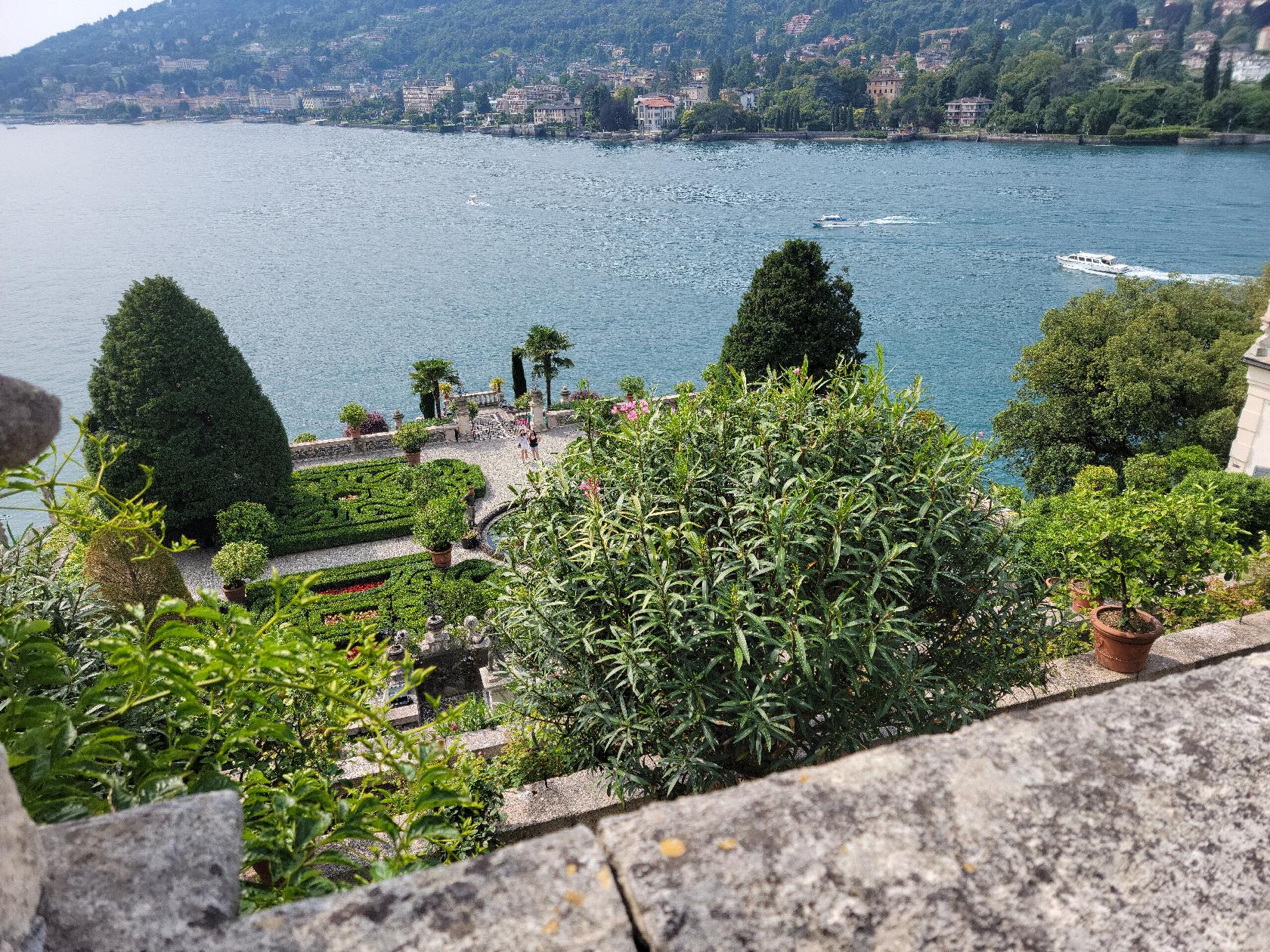
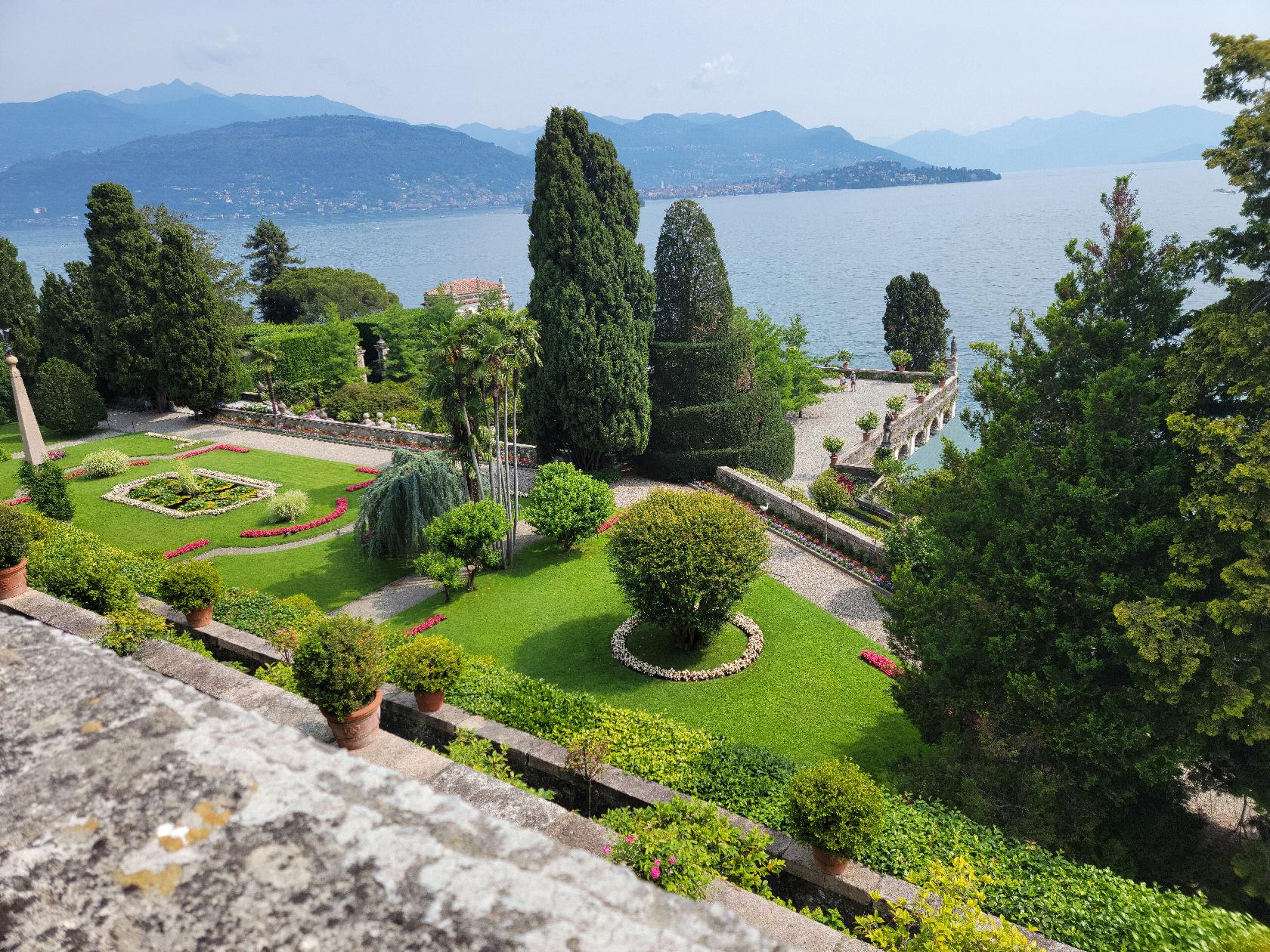
Isola Bella is probably the most frequented of the three. It has an ostensibly renowned italianate garden, which you have to purchase tickets for of course, but they do include access to the palazzo and the other gardens on Isola Madre.
Isola Bella and Madre Garden tickets – Tickets For Two – Stresa, Italy
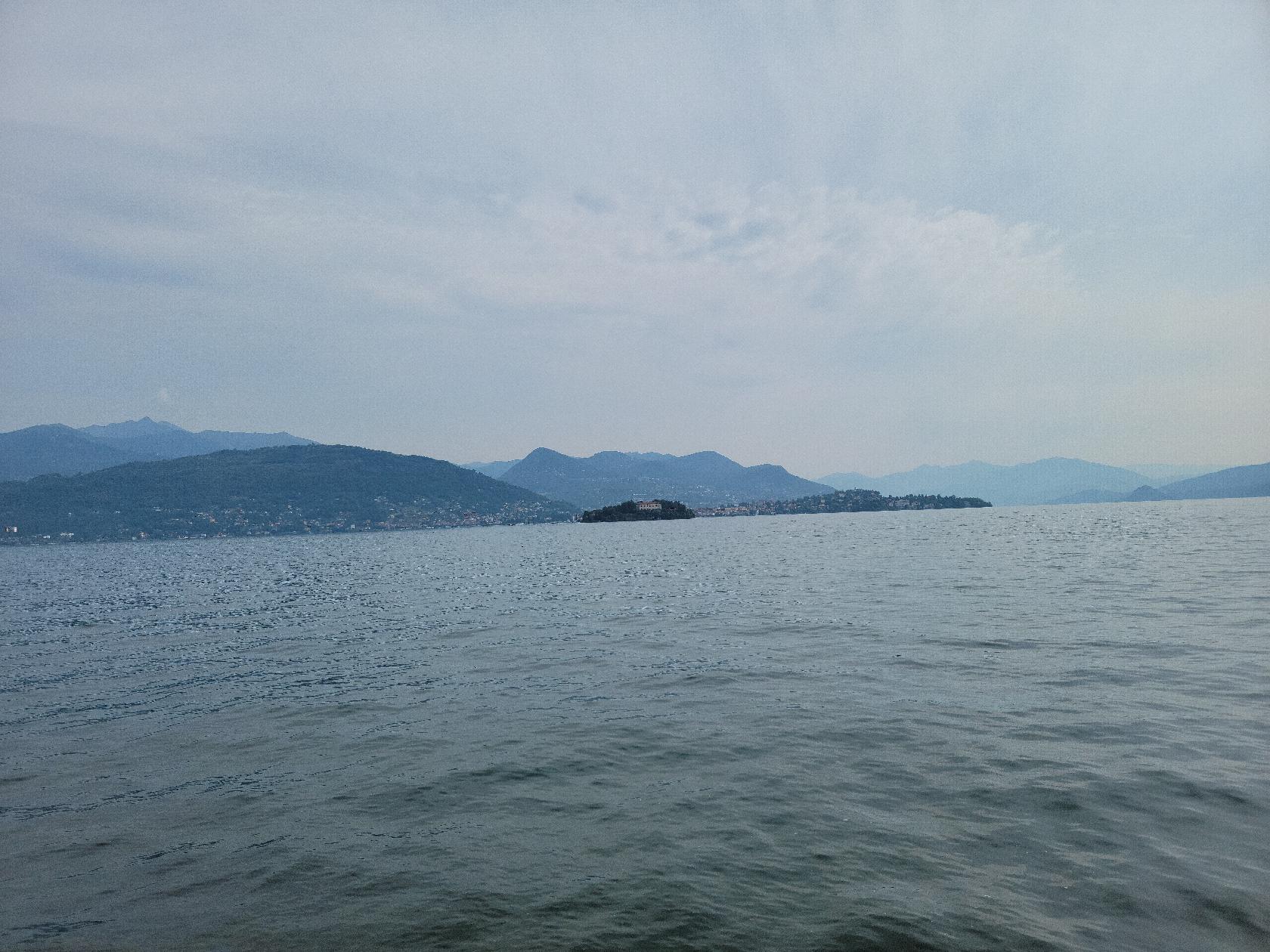
Isola Madre from Isola Bella – Isola Bella, Lake Maggiore, Italy
The Palazzo
The entrance to the gardens is via the palazzo, you cannot just walk into them. We walked through the old fishing town thinking there were multiple entrances to the gardens, there are not. There is only one, through the palazzo and after the ticket counter.
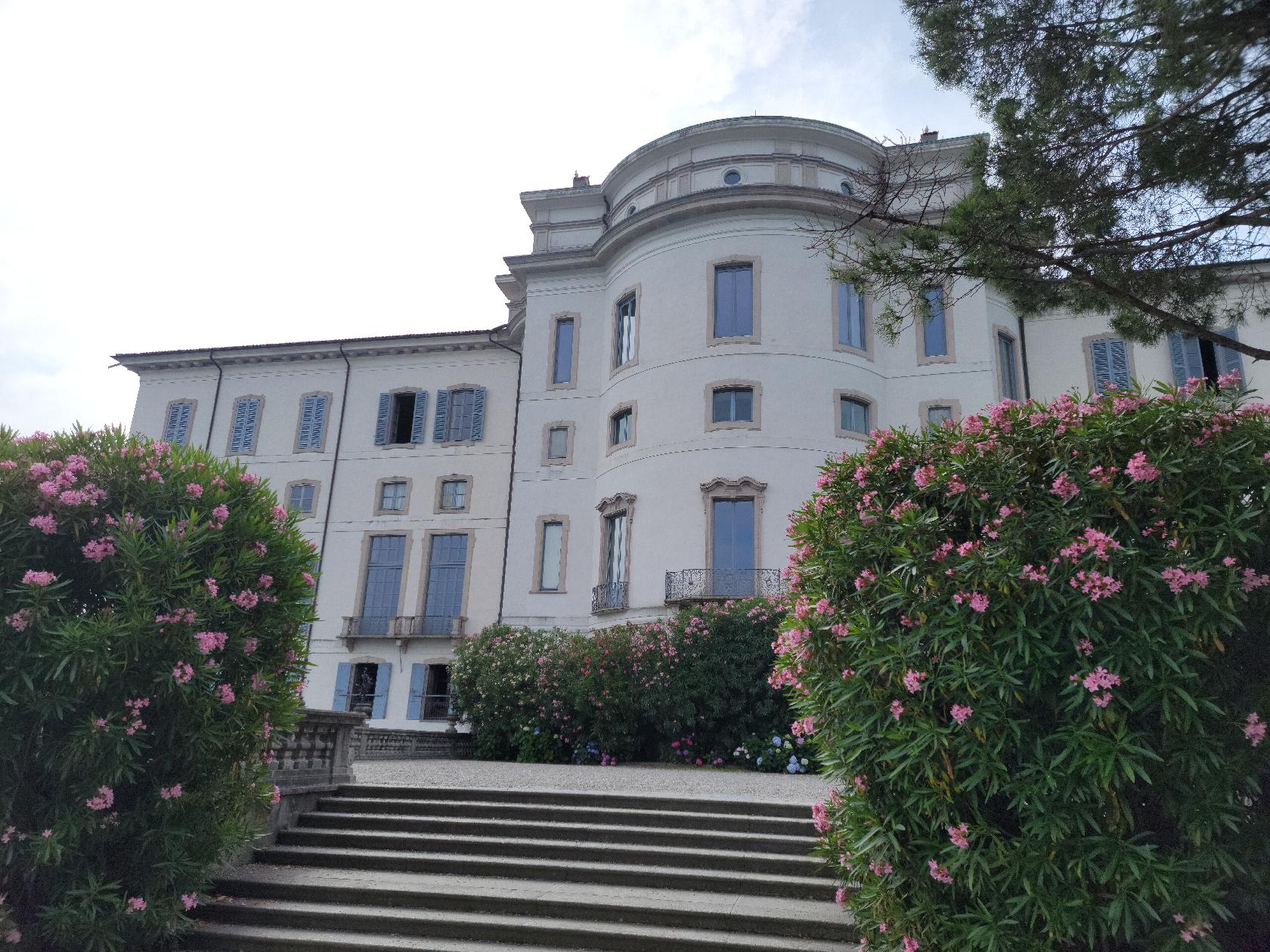
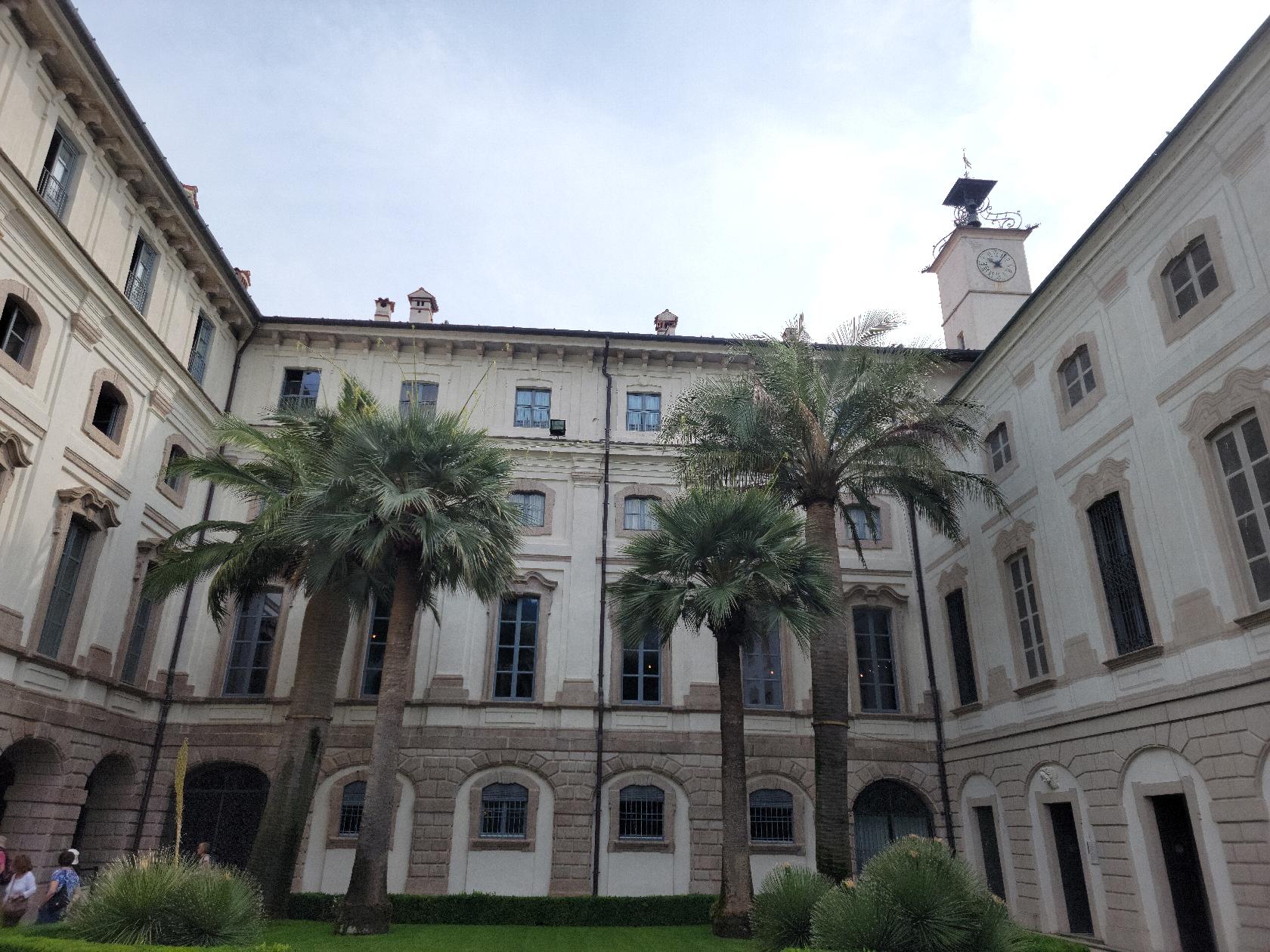
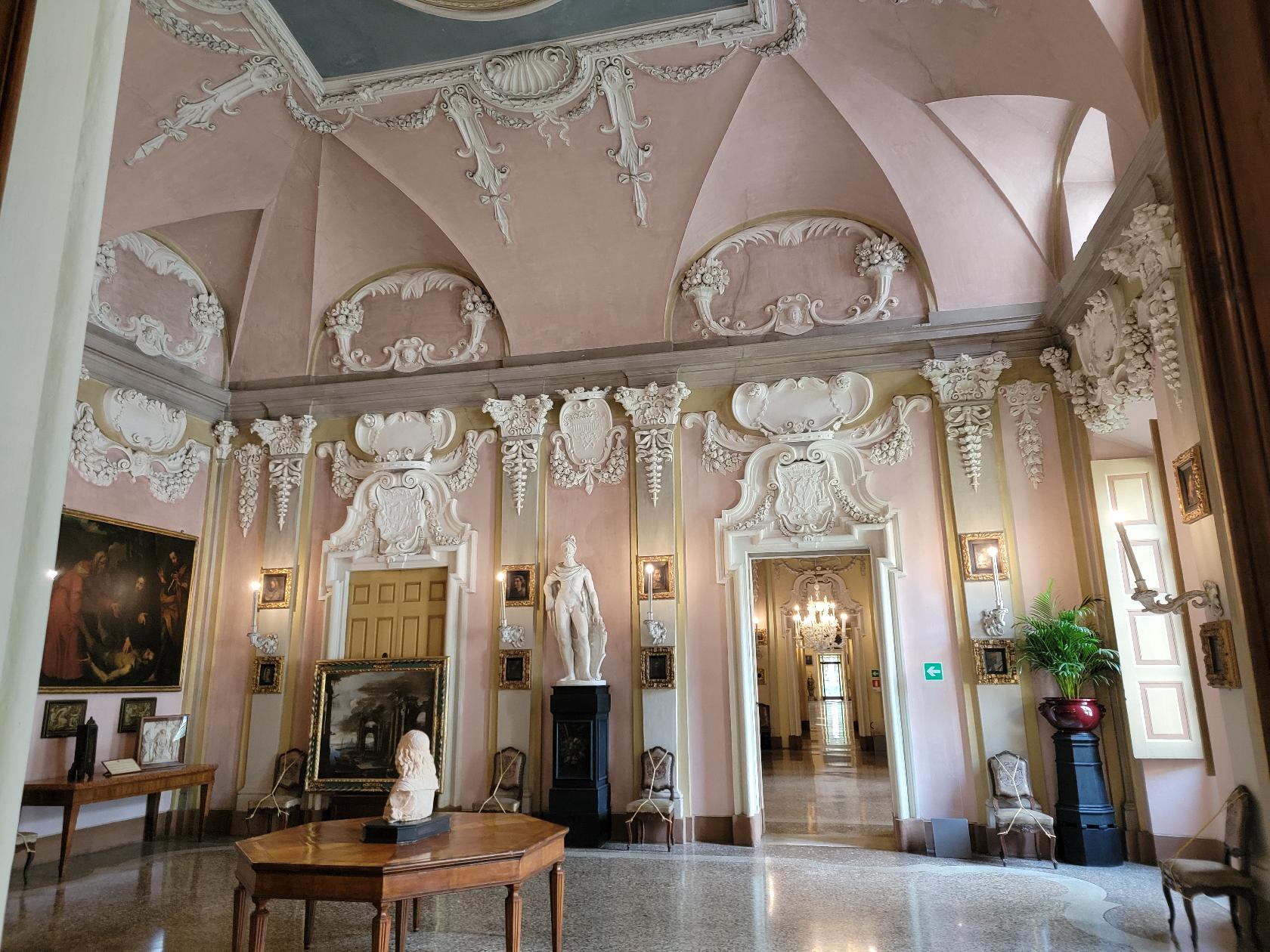
Palazzo Borromea – Isola Bella, Lake Maggiore, Italy
Entrance to the palazzo – Isola Bella, Lake Maggiore, Italy
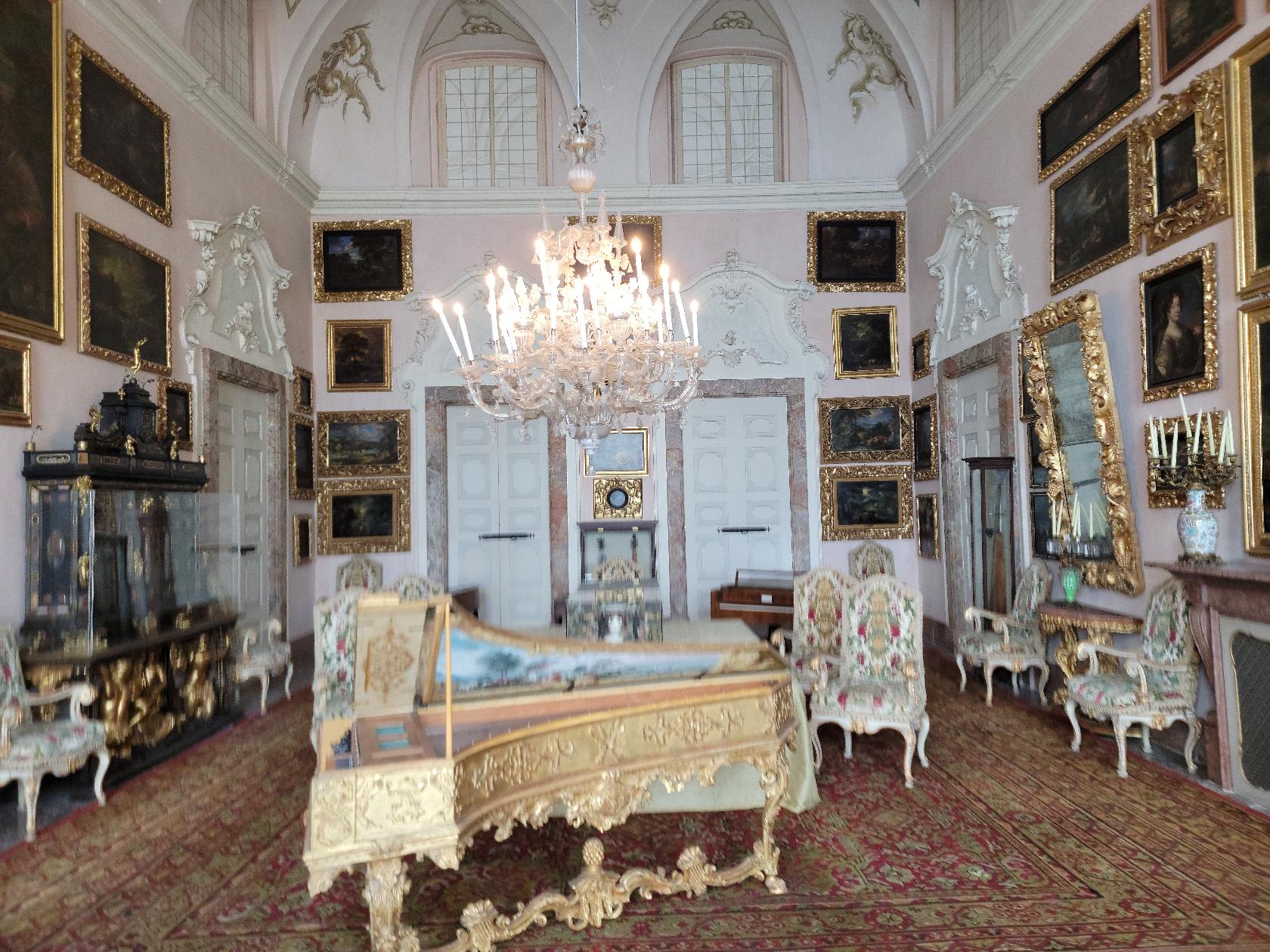
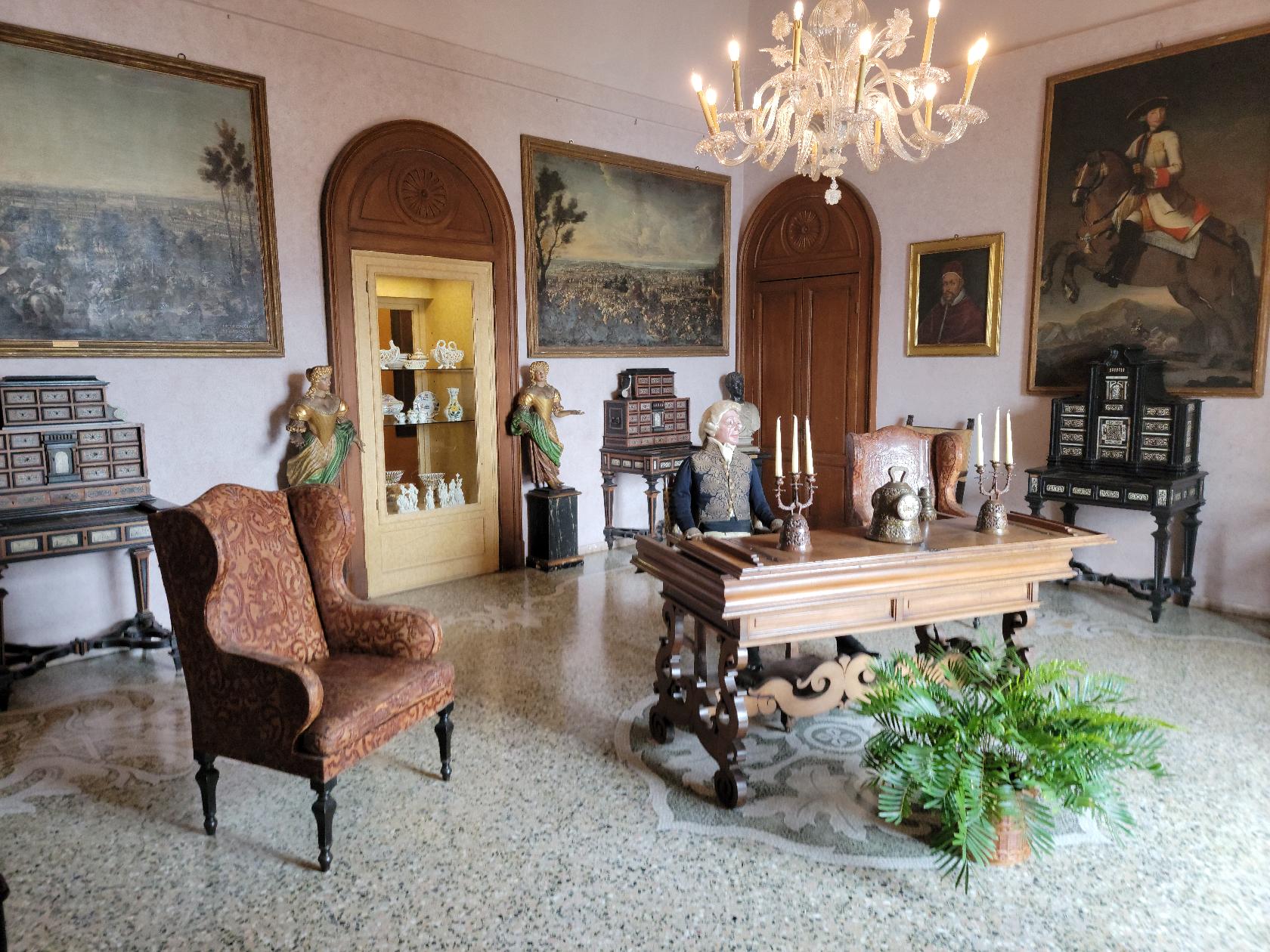
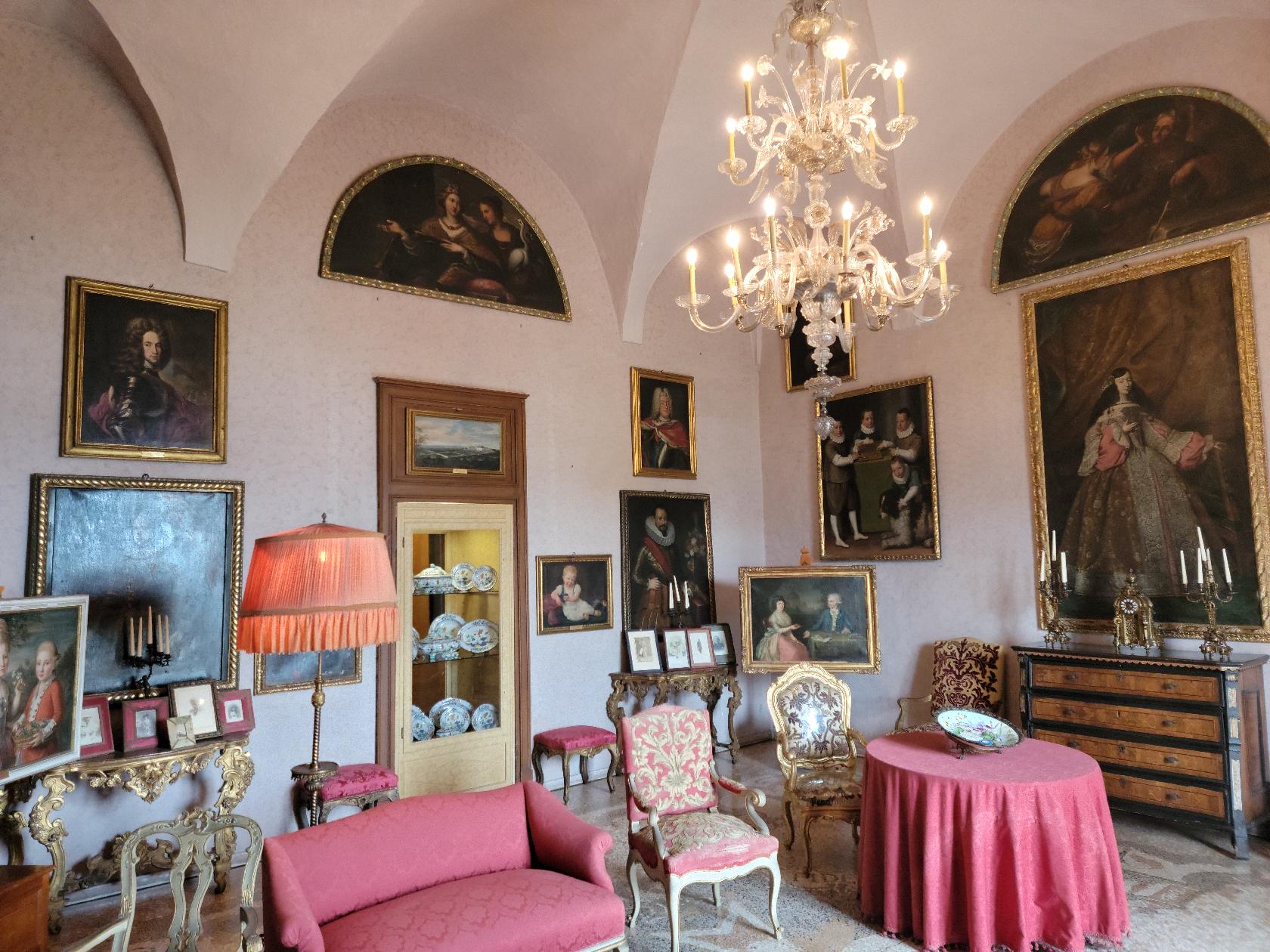
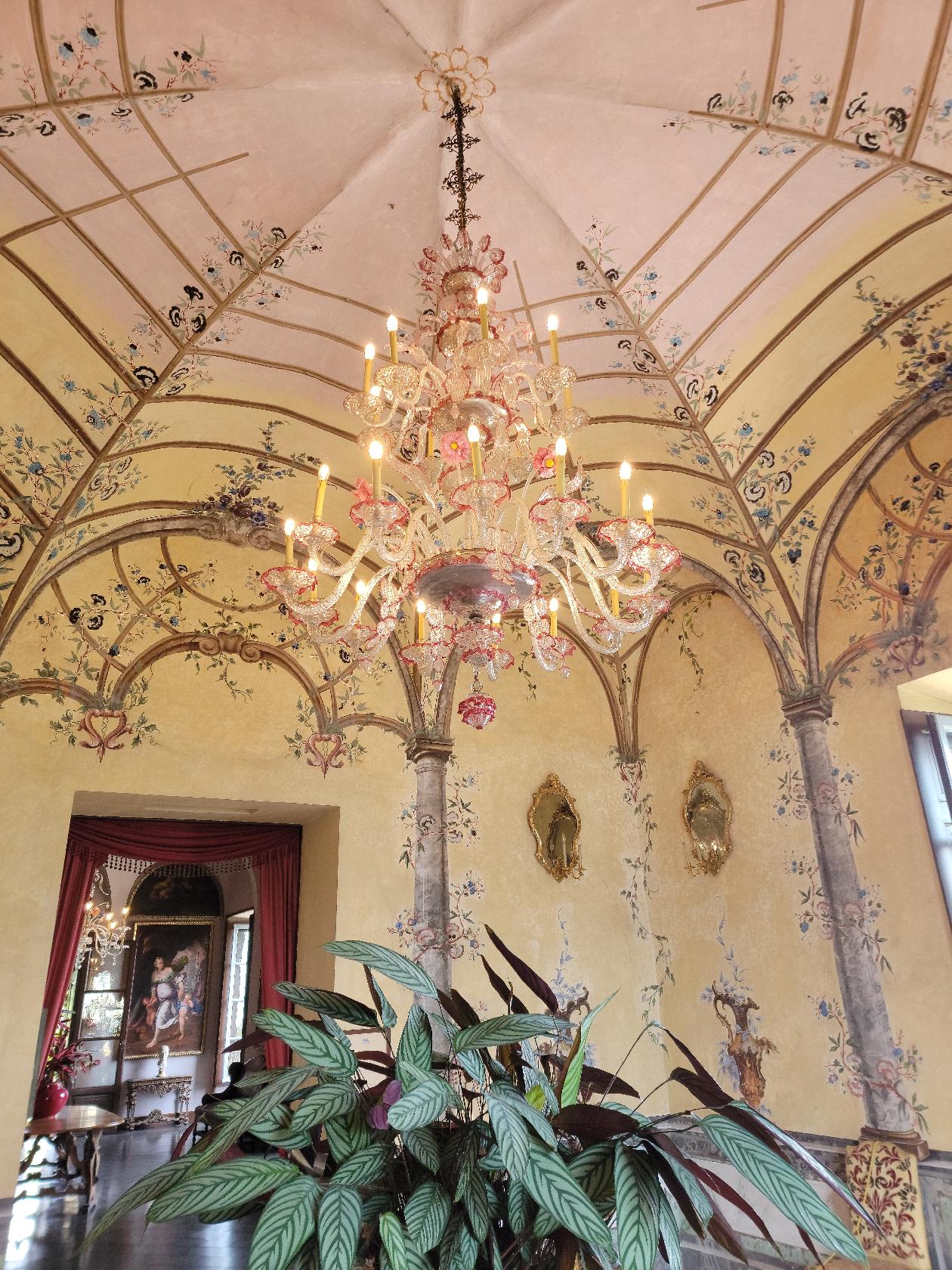
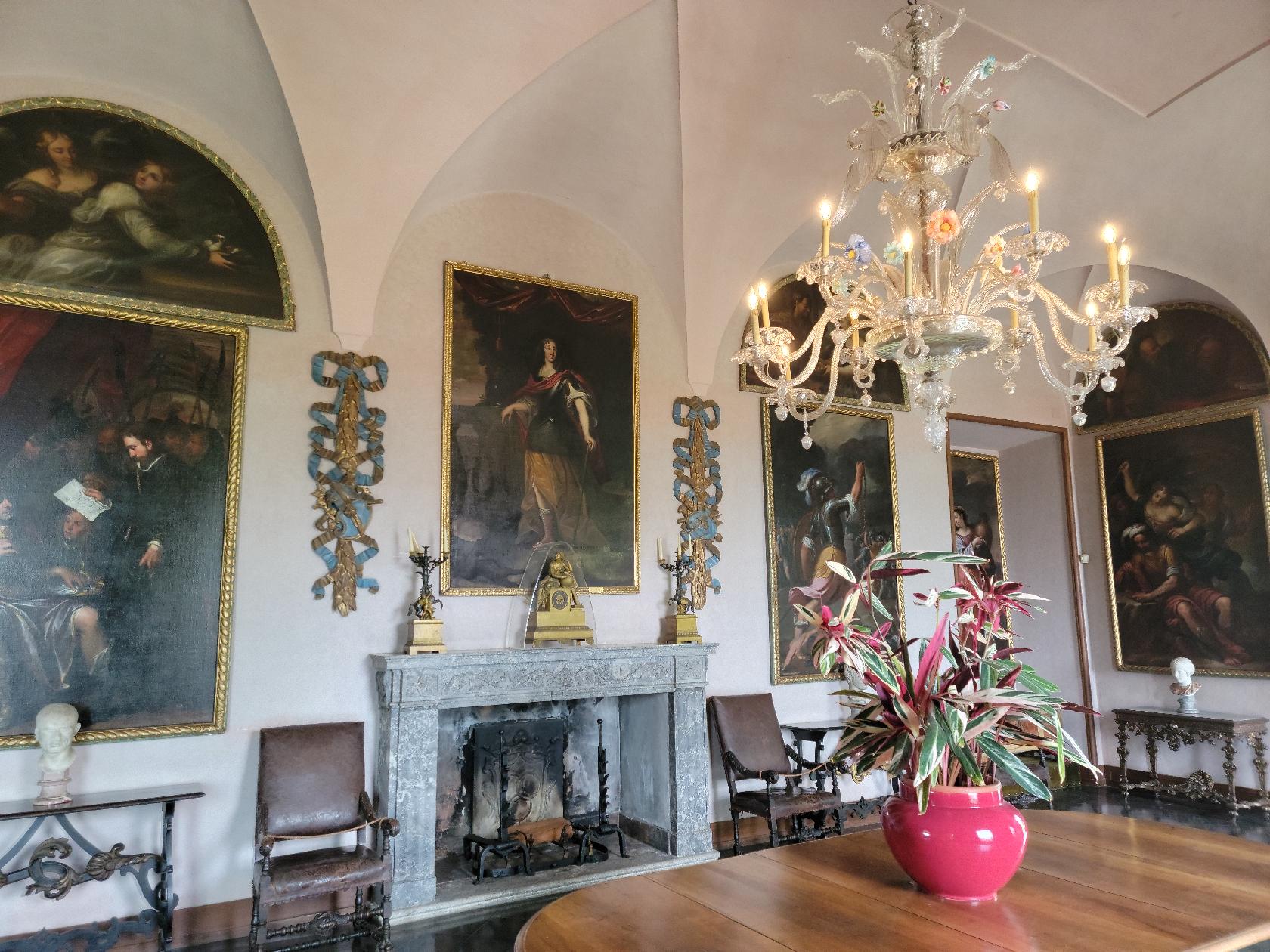
A walk-through of the palazzo is provided in the below slideshow.
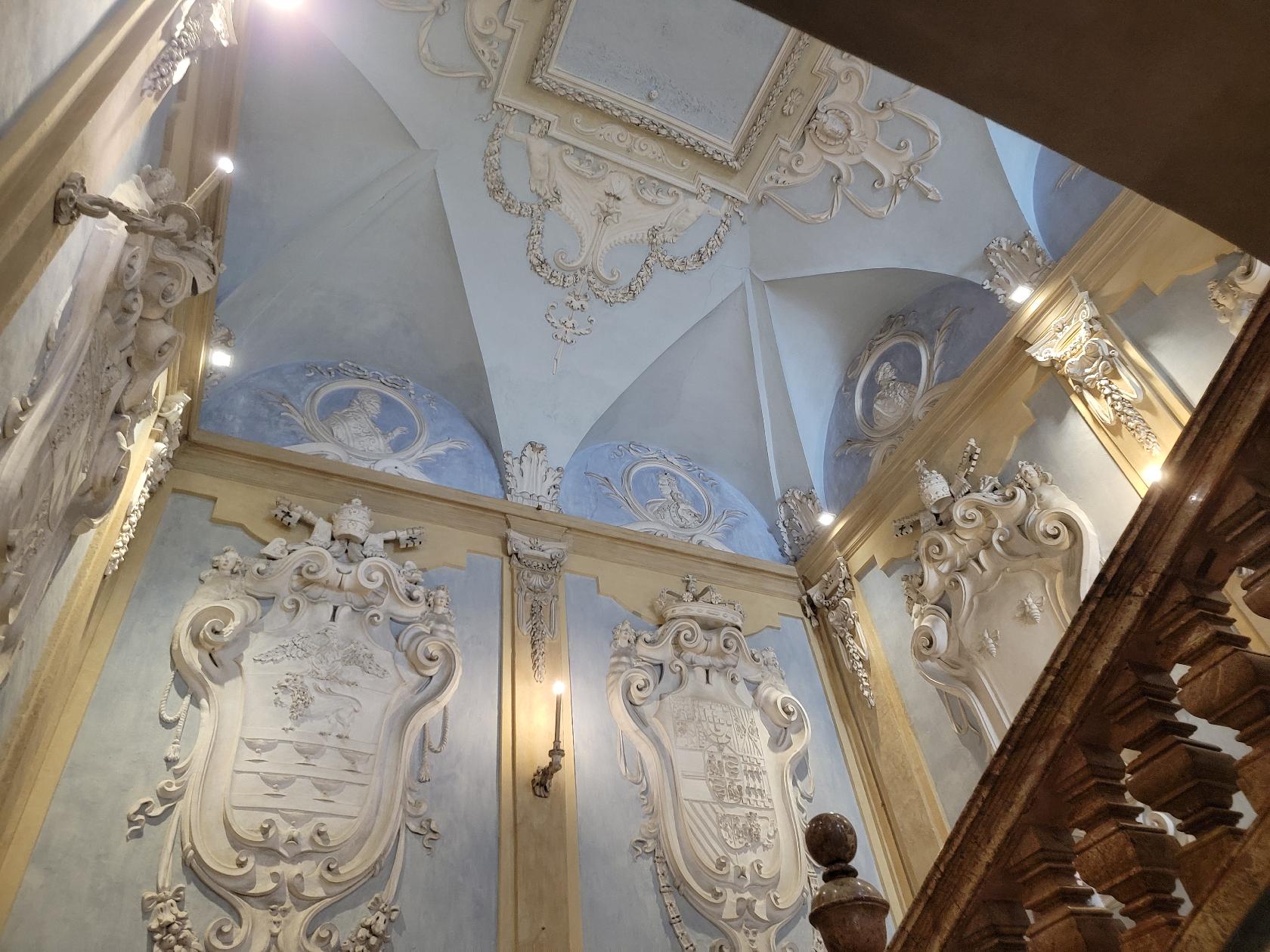
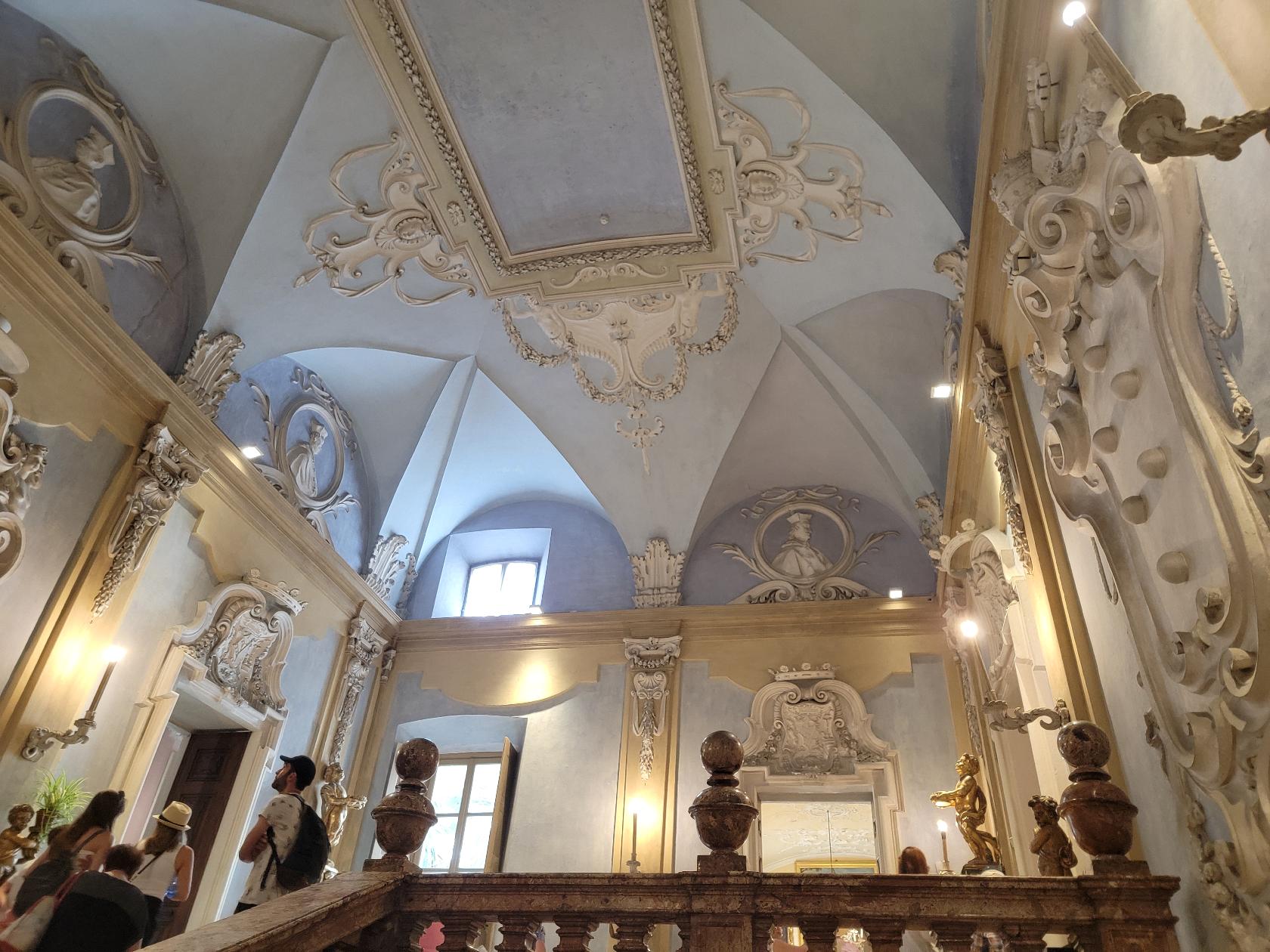
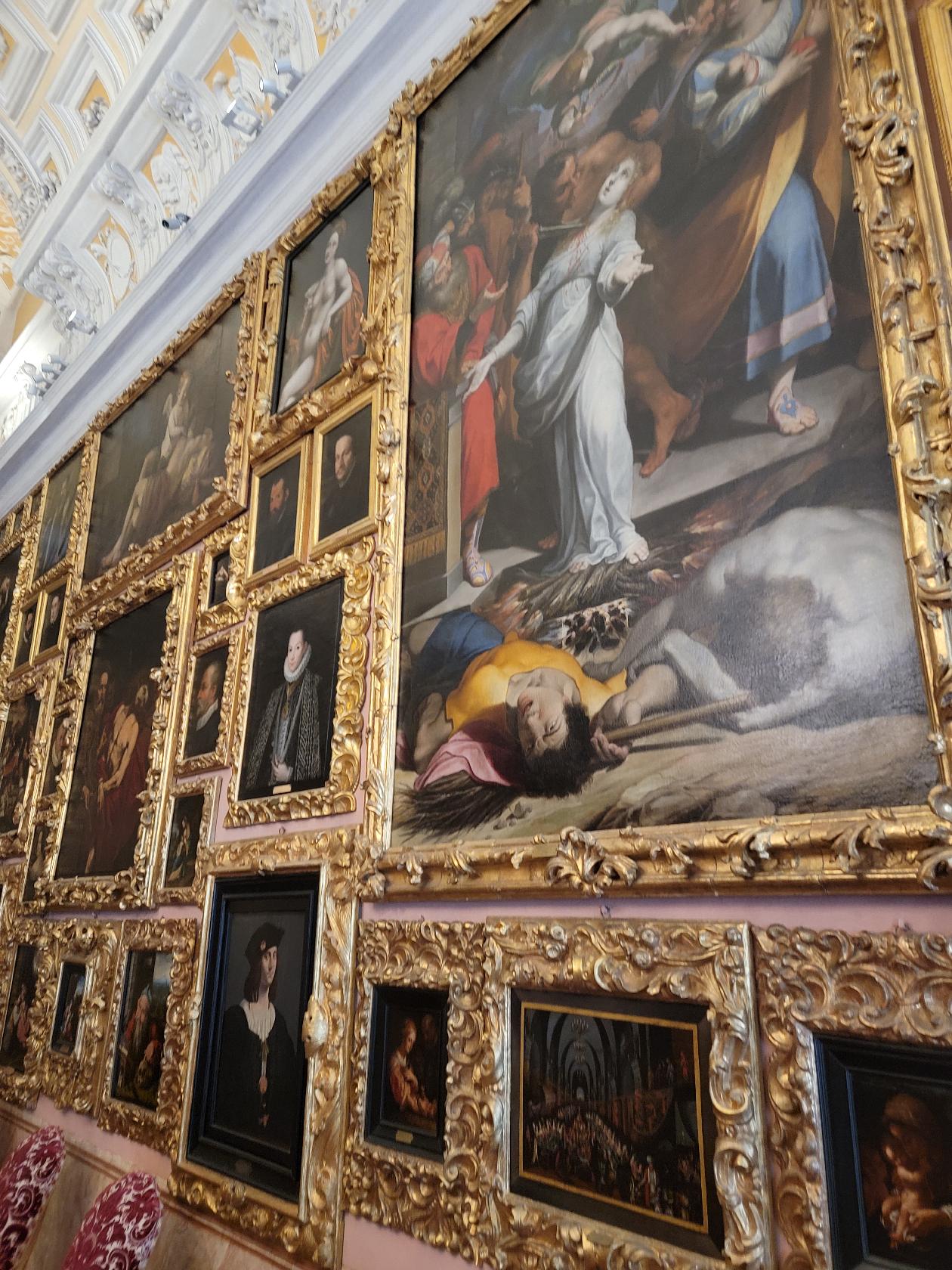
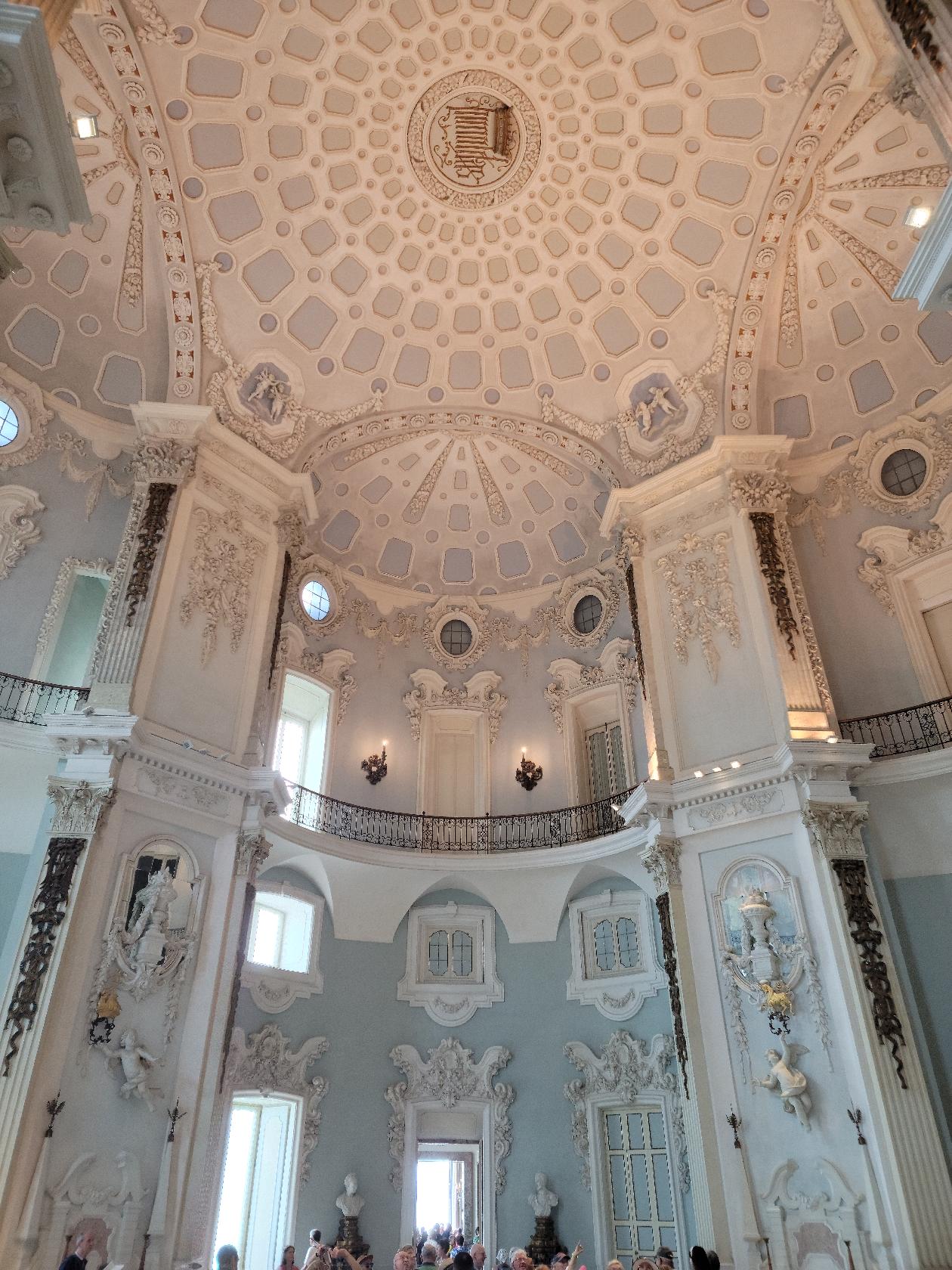
Staircase to Salone Nuovo – Palazzo Borromeo – Isola Bella, Lake Maggiore, Italy
Staircase to Salone Nuovo – Palazzo Borromeo – Isola Bella, Lake Maggiore, Italy
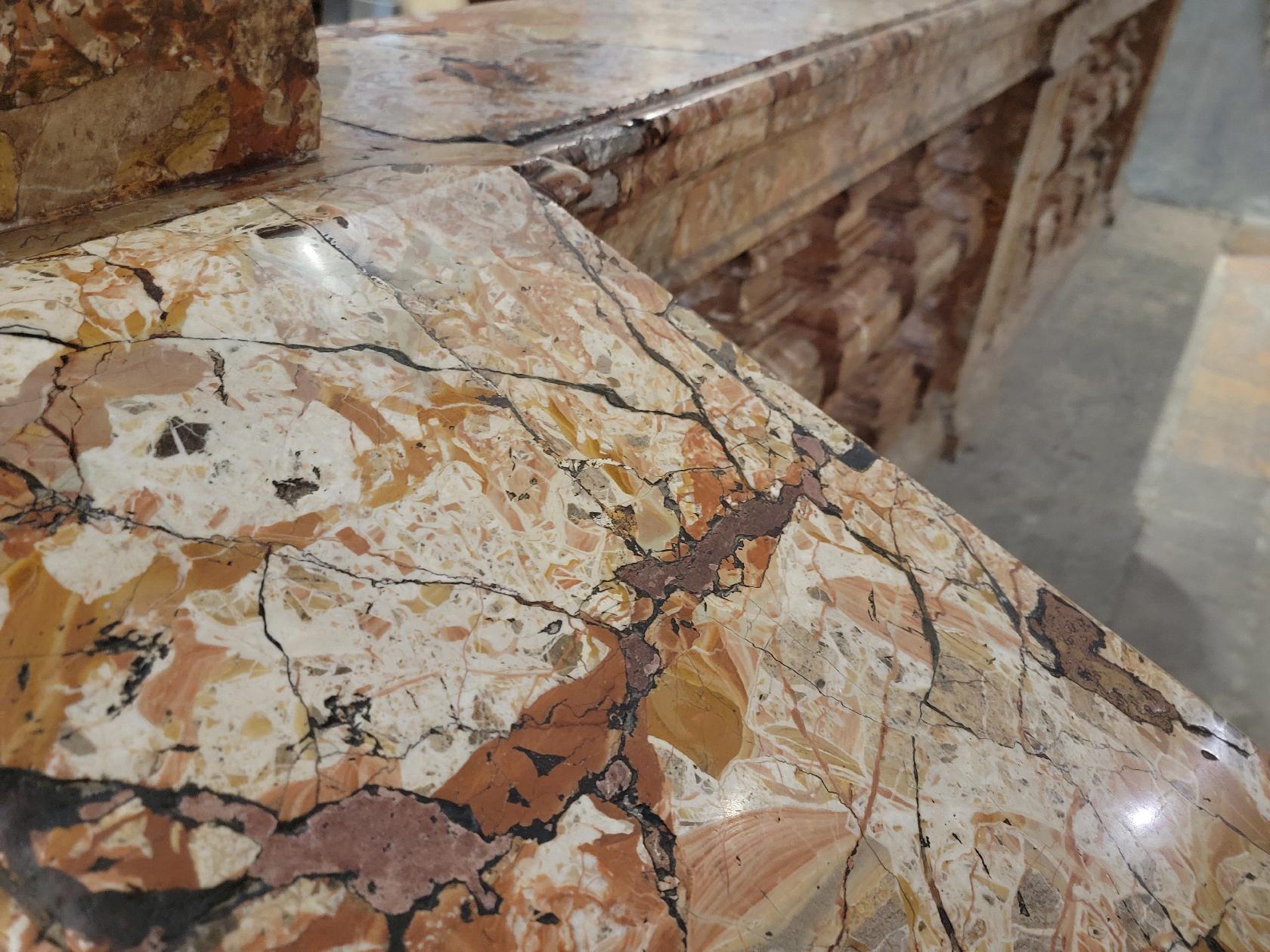
Old Marble for staircase – Palazzo Borromeo – Isola Bella, Lake Maggiore, Italy
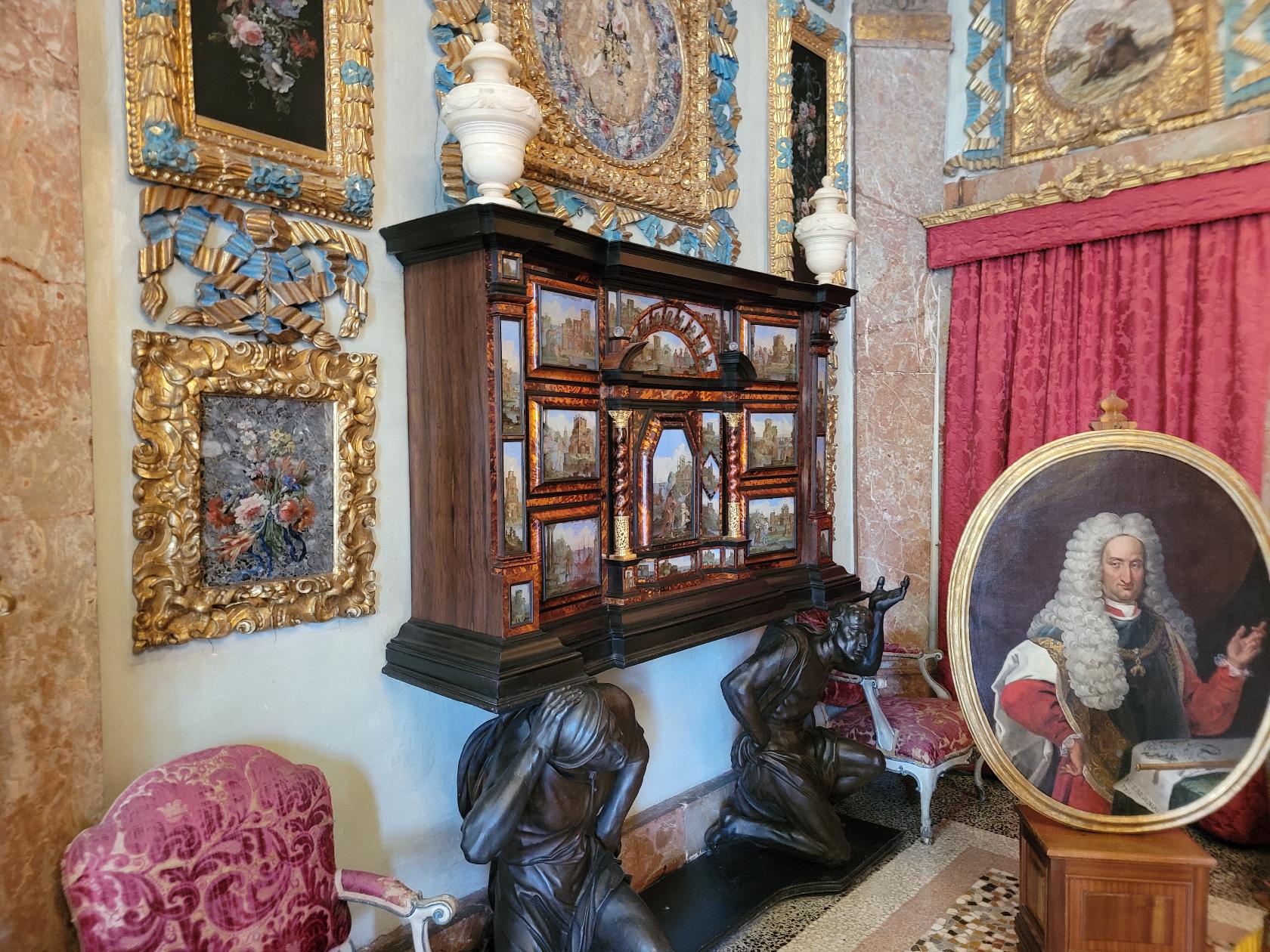
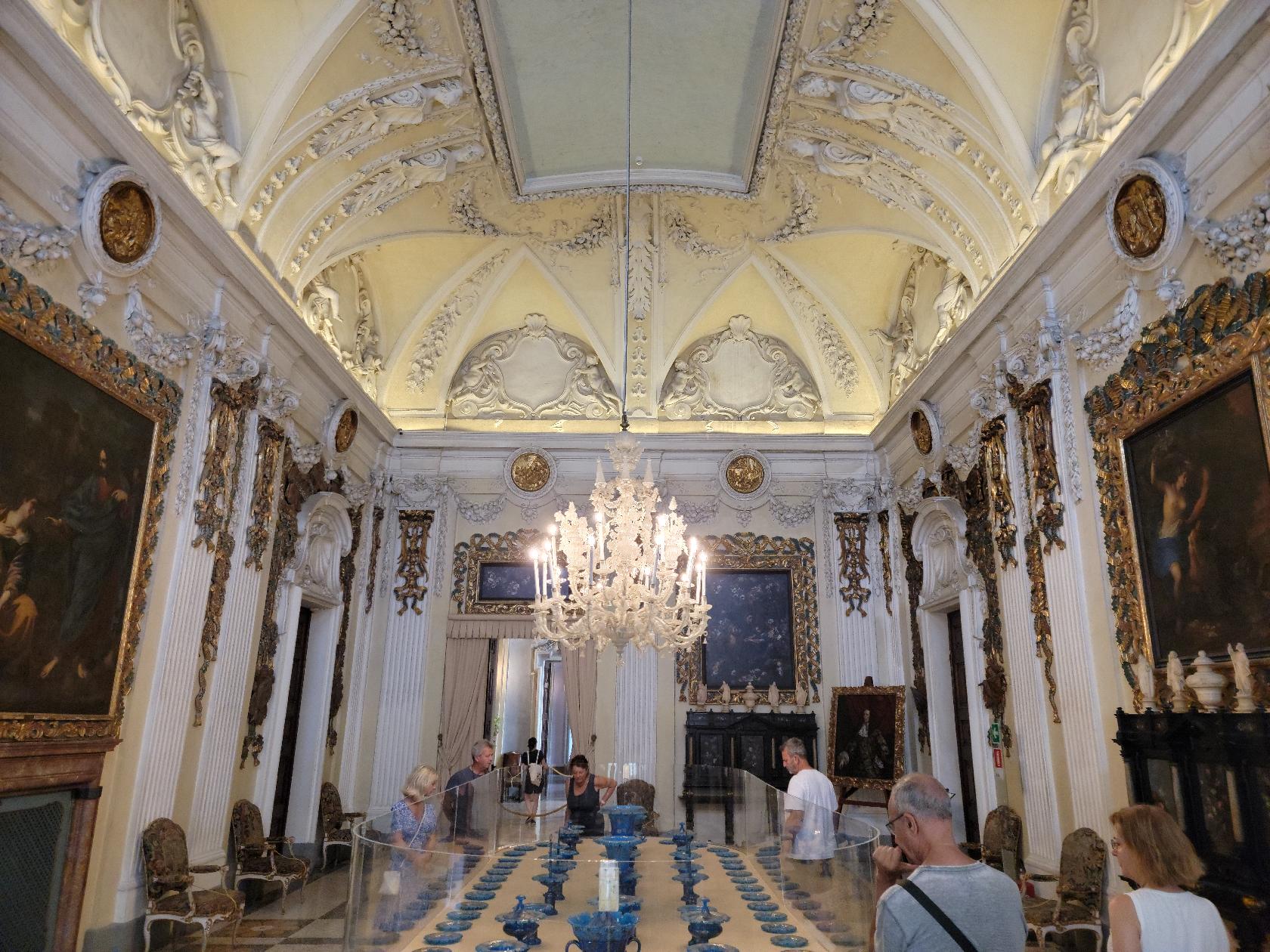
Sala del Trono and Sala della Regina – Palazzo Borromeo – Isola Bella, Lake Maggiore, Italy
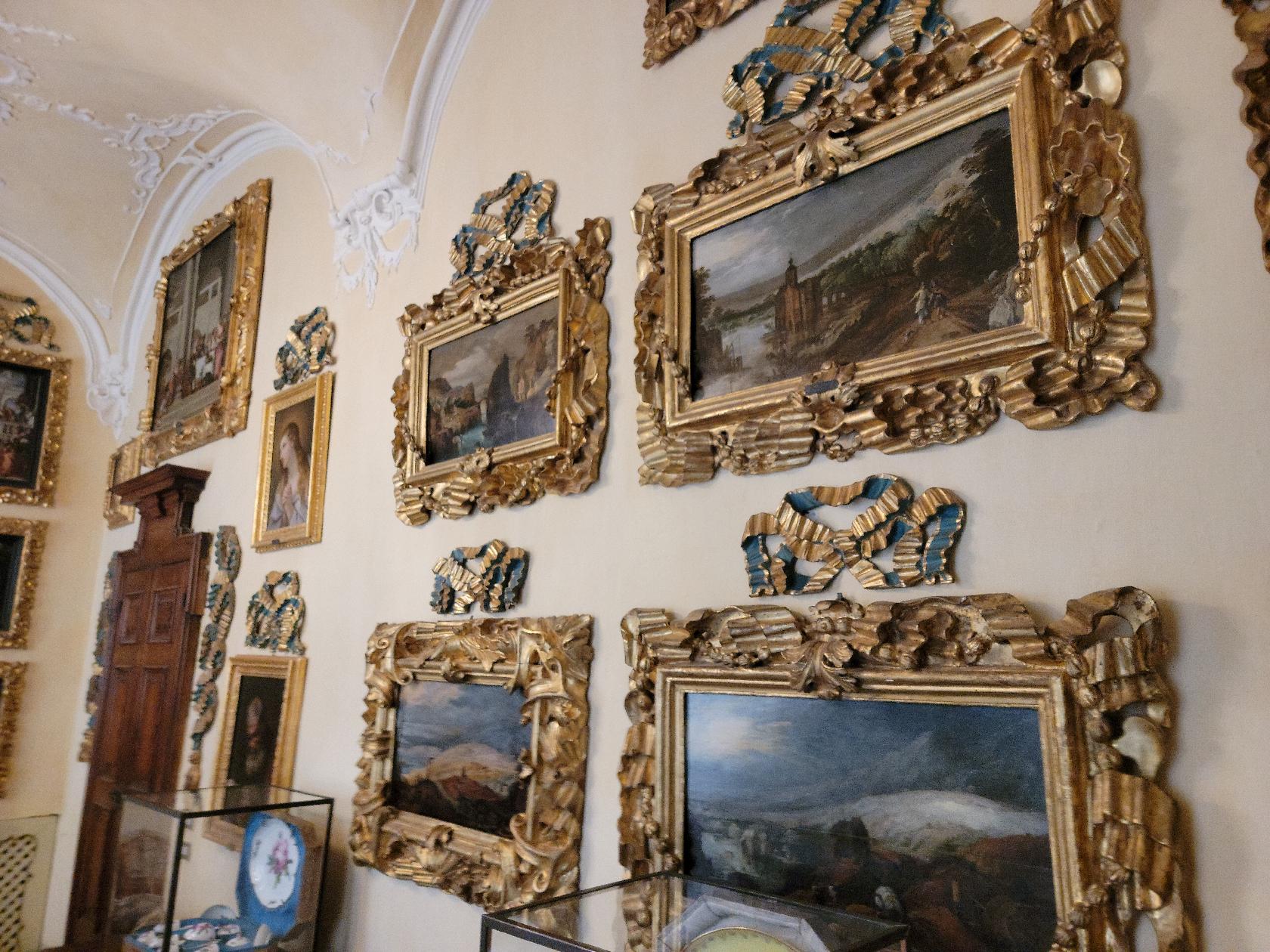
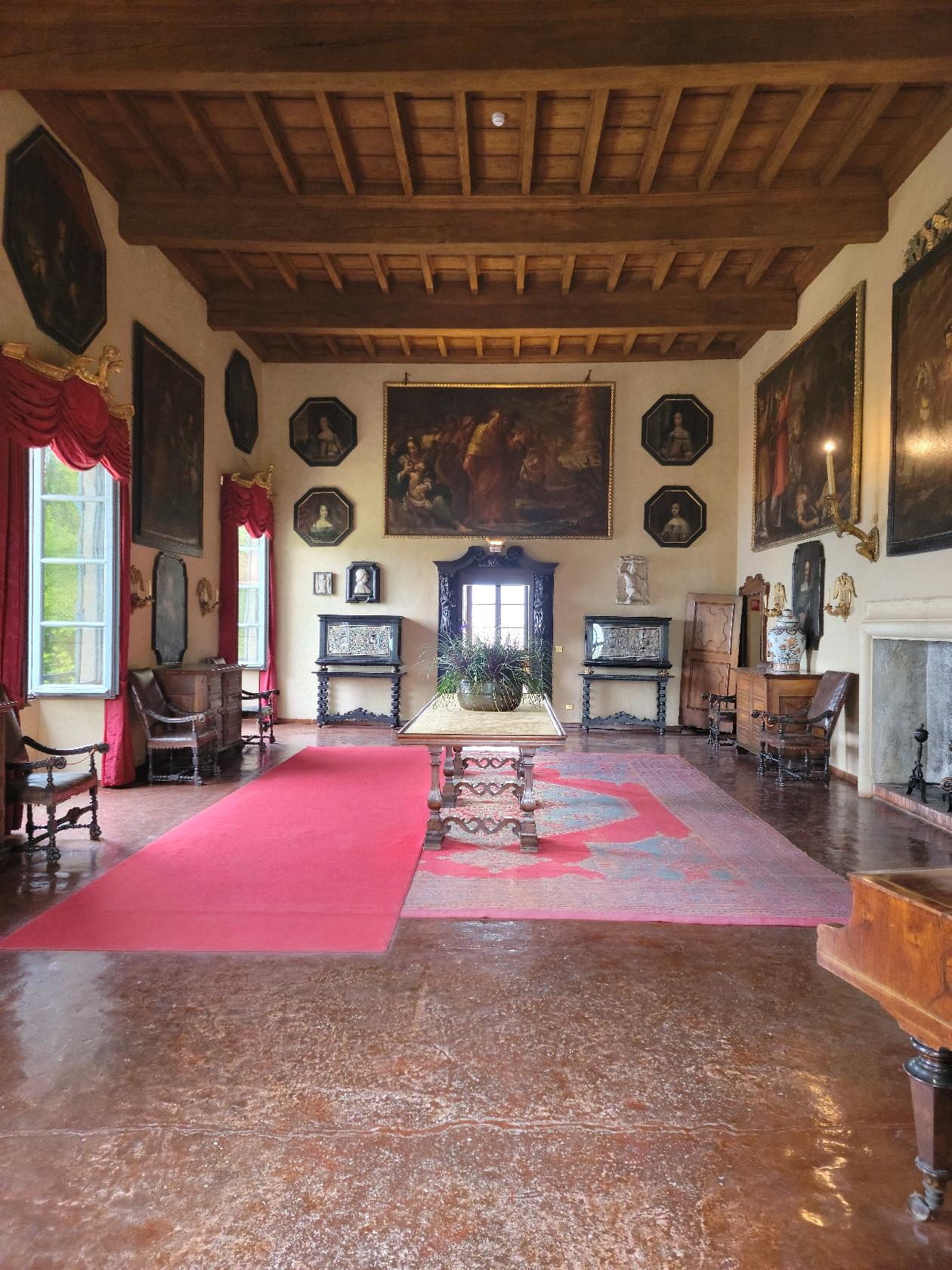
Palazzo Borromeo – Isola Bella, Lake Maggiore, Italy
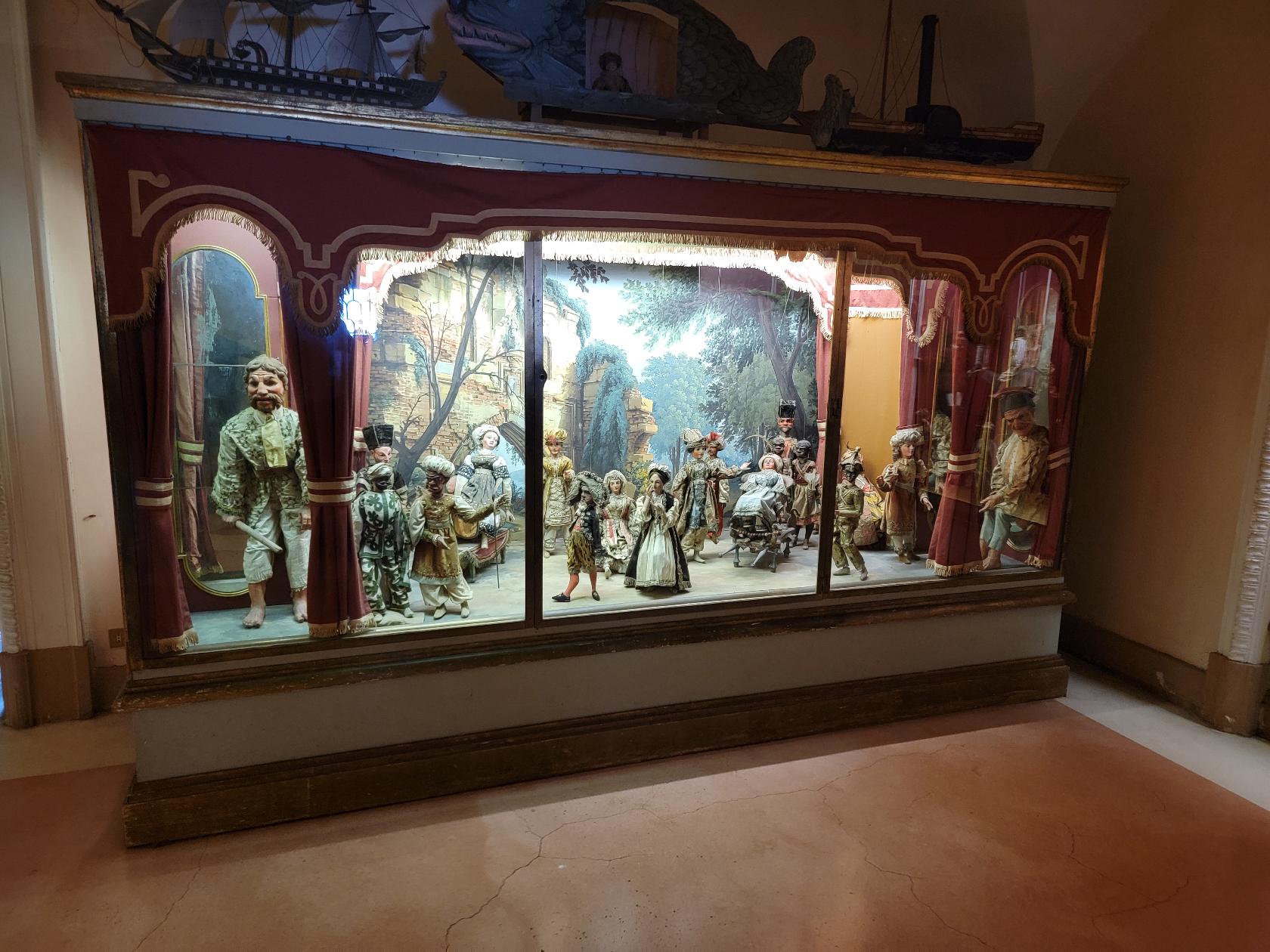
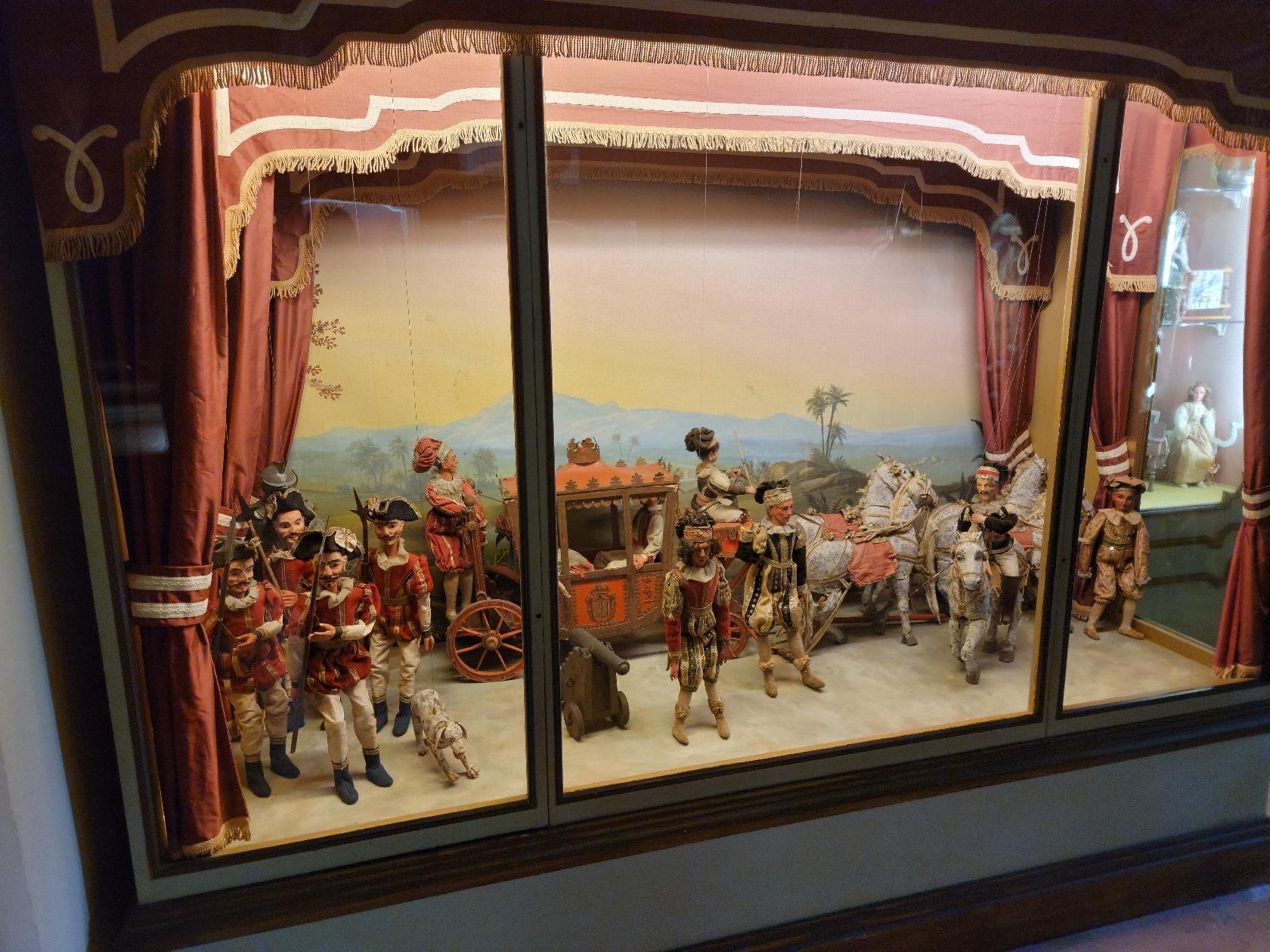
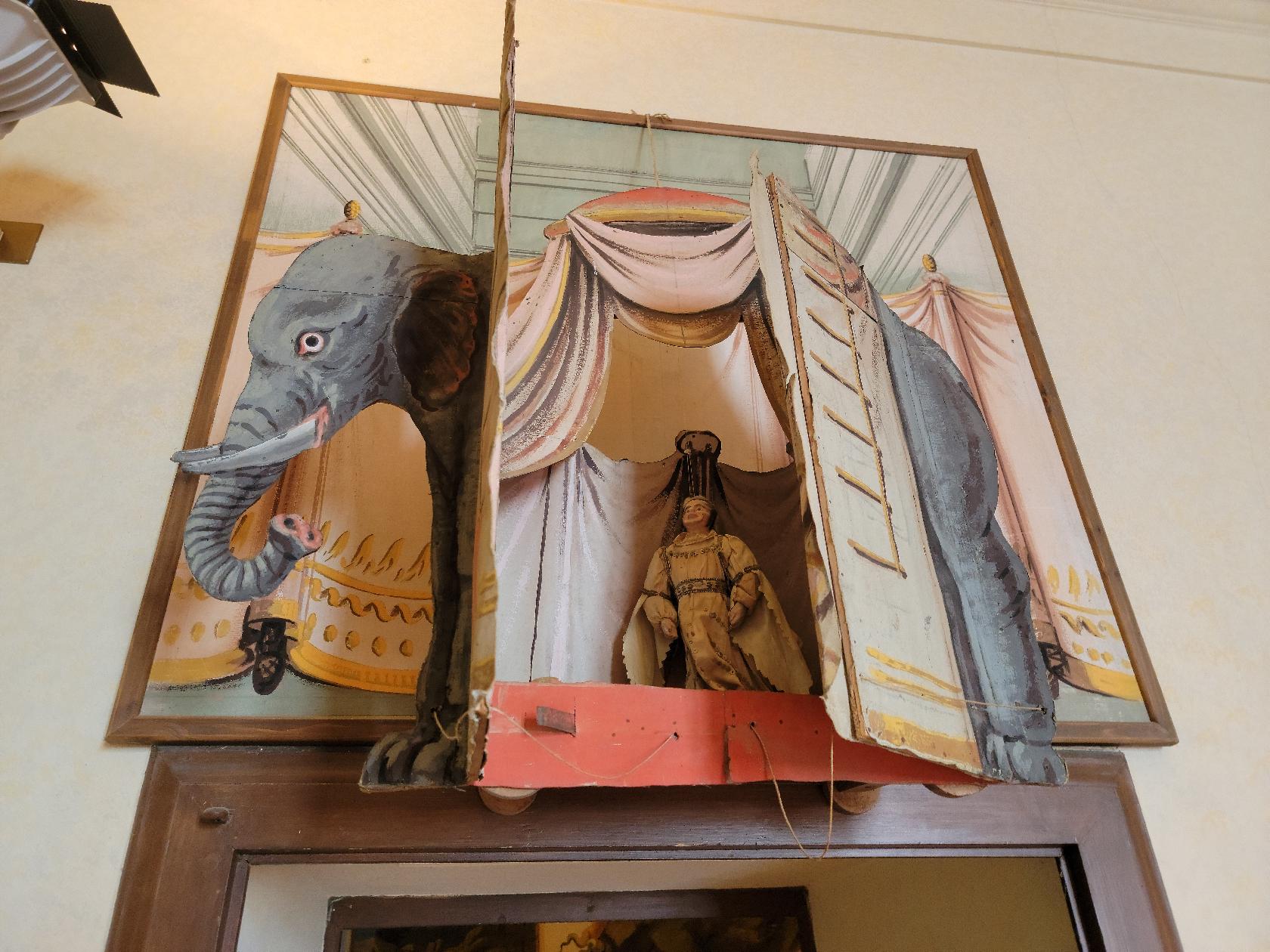
Puppets and Marionettes – Palazzo Borromeo – Isola Bella, Lake Maggiore, Italy
Puppets and Marionettes – Palazzo Borromeo – Isola Bella, Lake Maggiore, Italy
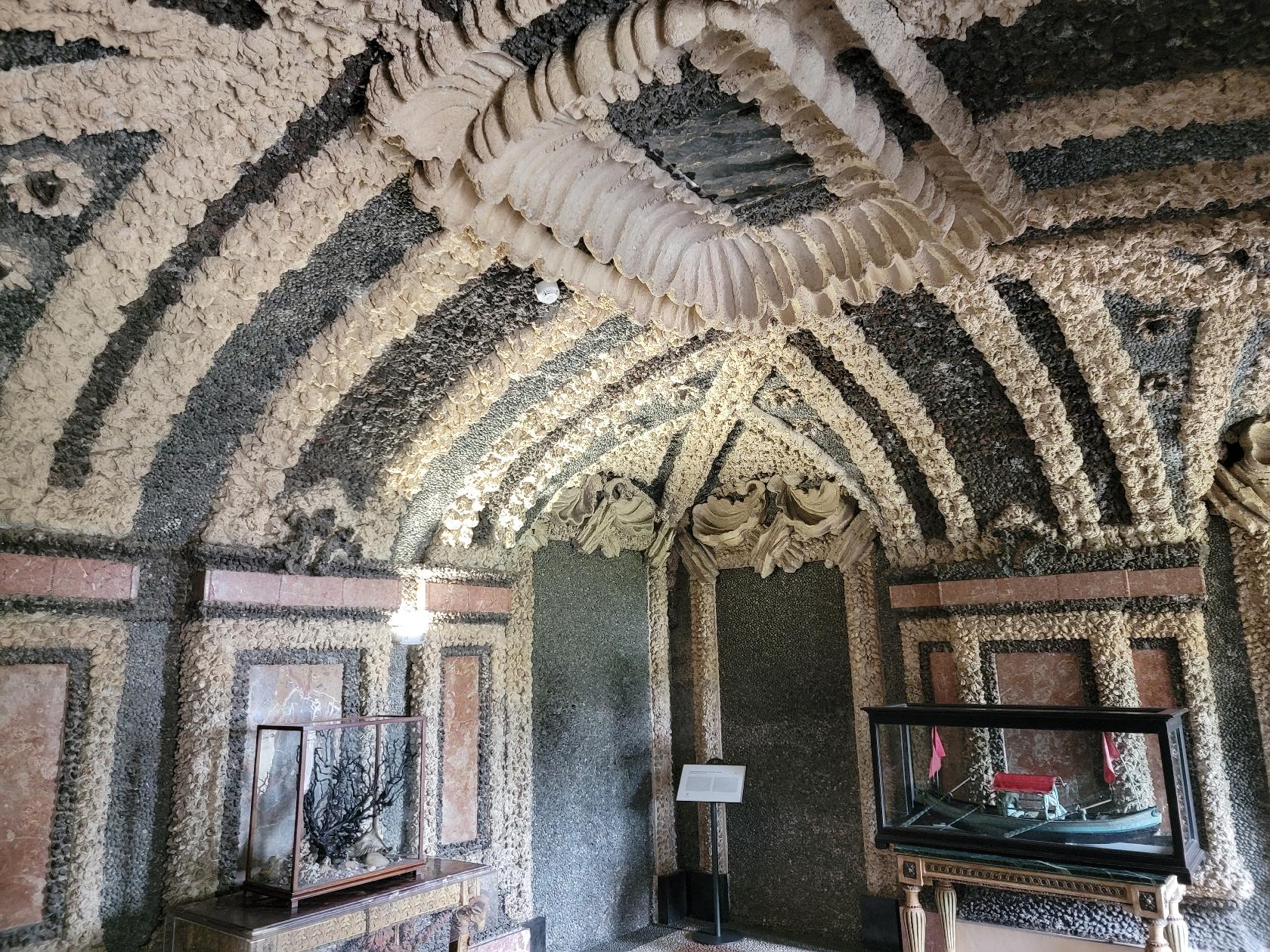
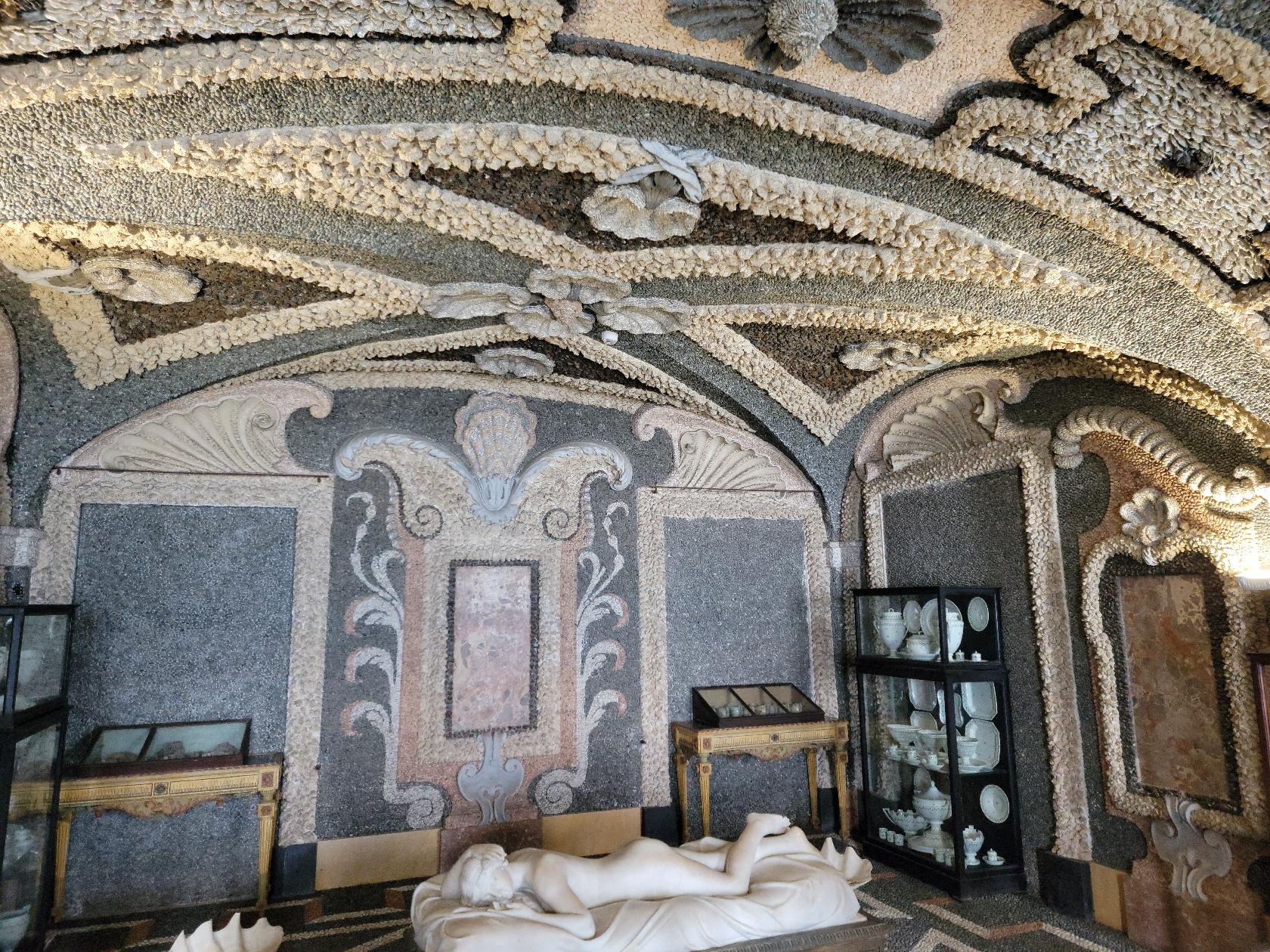
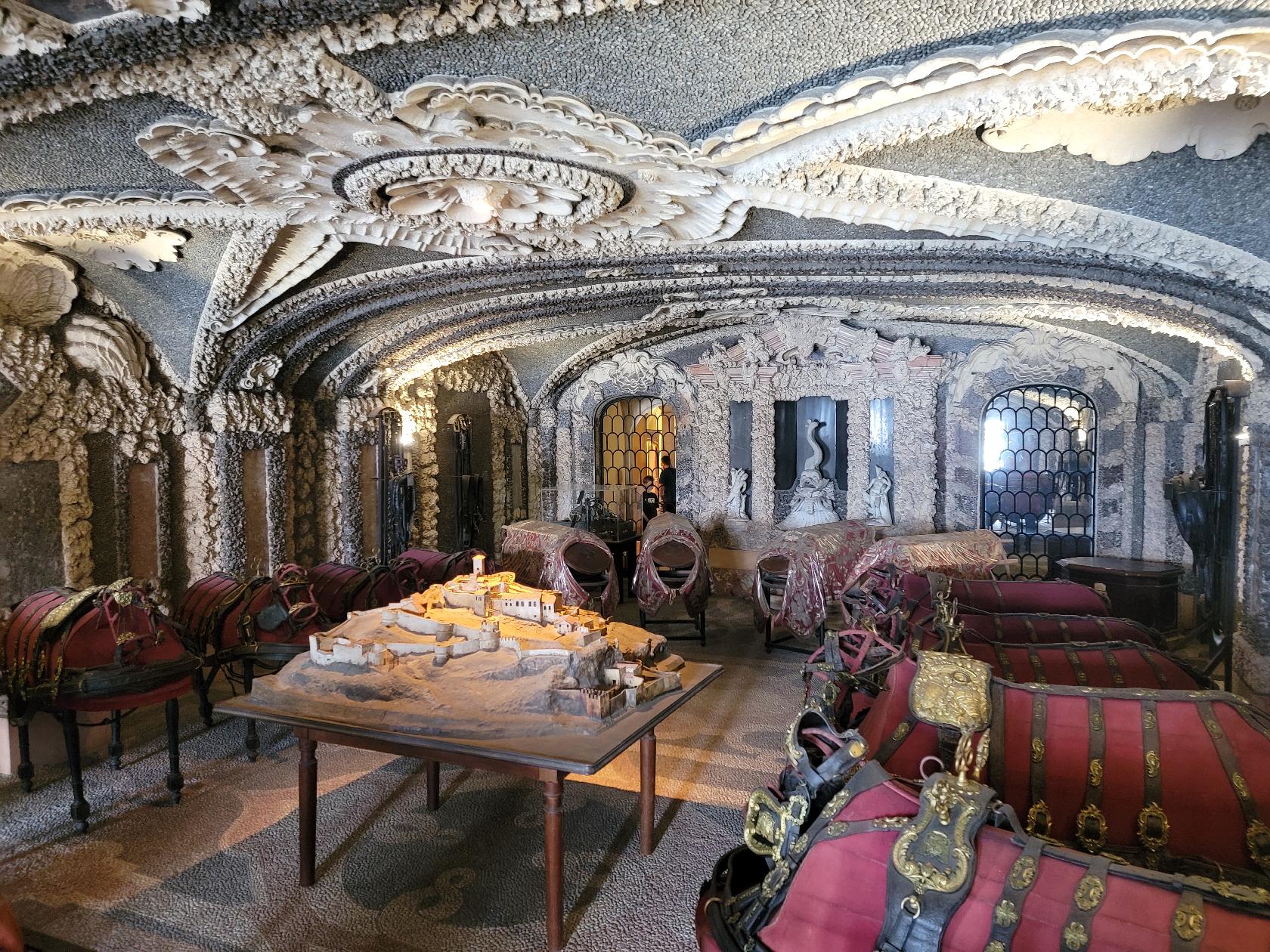
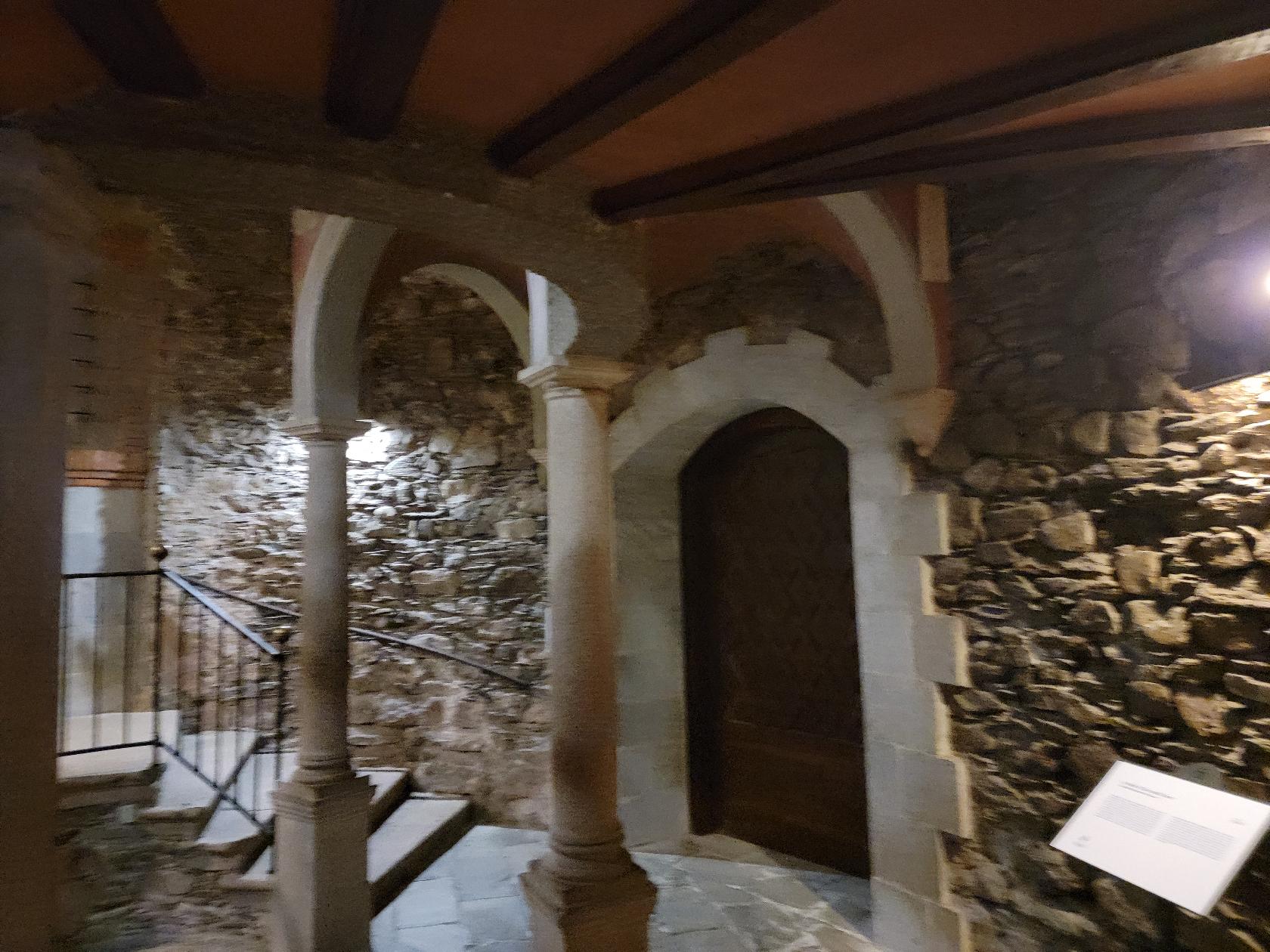
Odd rock style rooms – Palazzo Borromeo – Isola Bella, Lake Maggiore, Italy
Odd rock style rooms – Palazzo Borromeo – Isola Bella, Lake Maggiore, Italy
Odd rock style rooms – Palazzo Borromeo – Isola Bella, Lake Maggiore, Italy
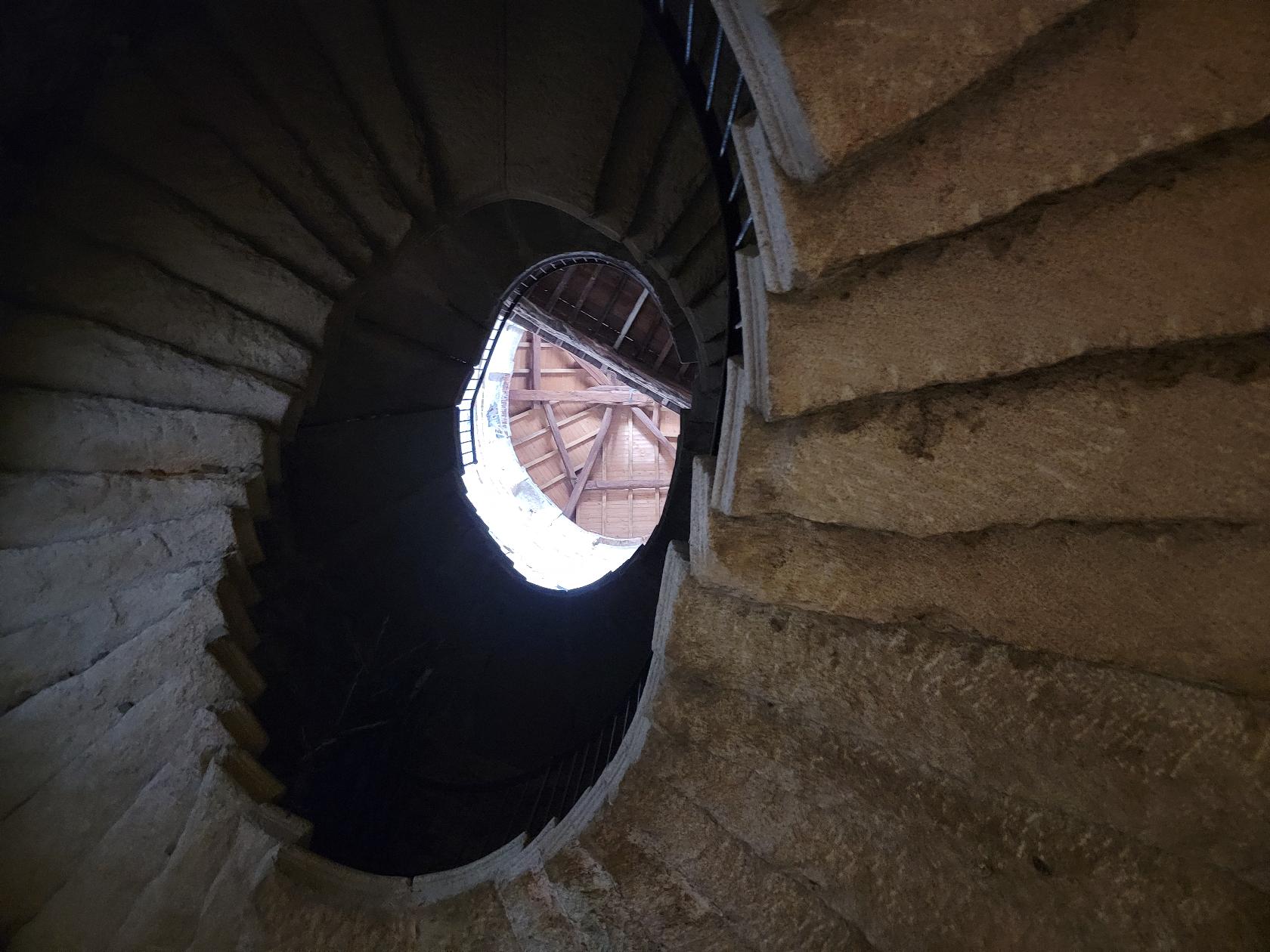
Stone spiral stairway – Palazzo Borromeo – Isola Bella, Lake Maggiore, Italy
Stone spiral stairway – Palazzo Borromeo – Isola Bella, Lake Maggiore, Italy
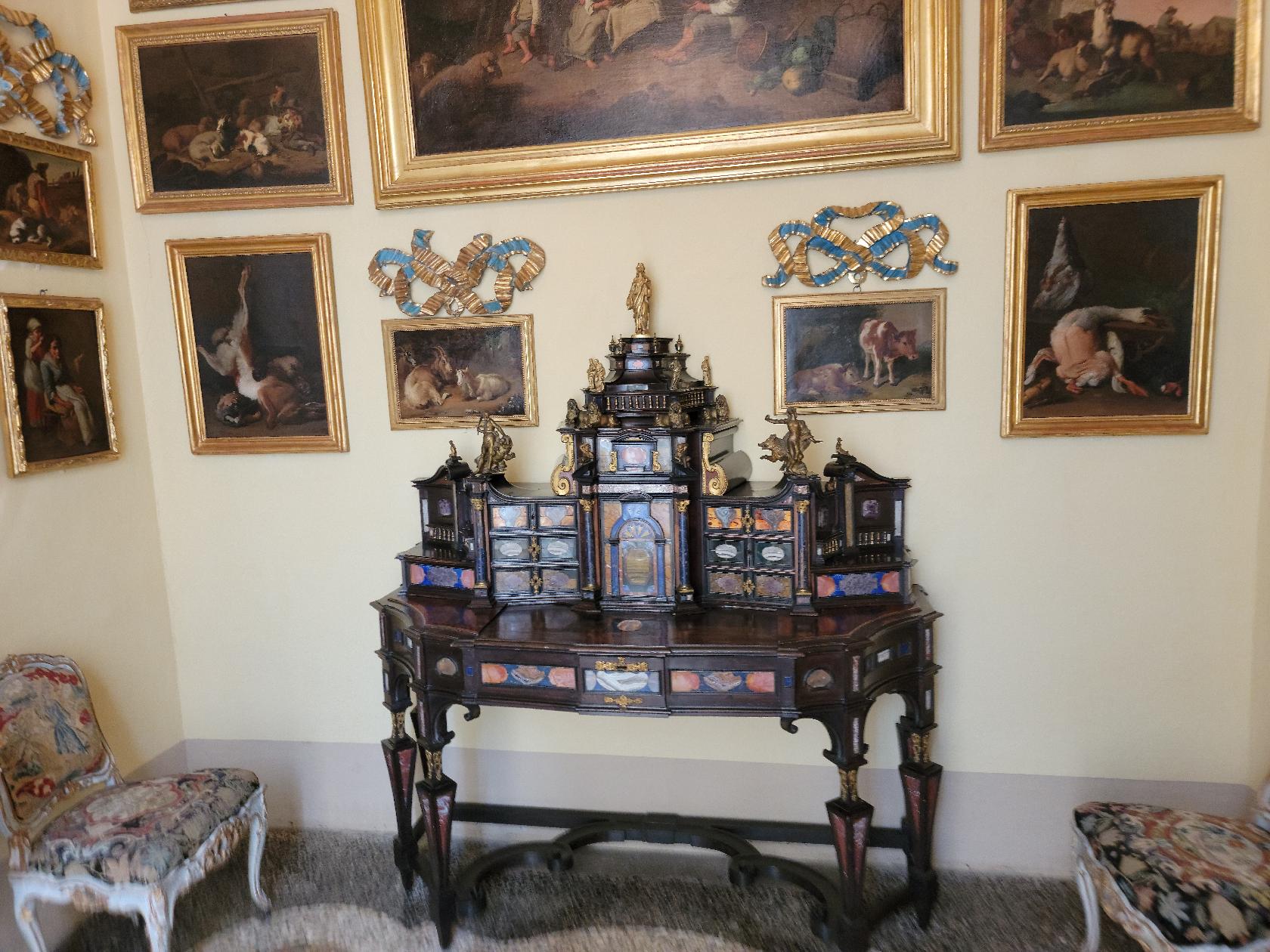
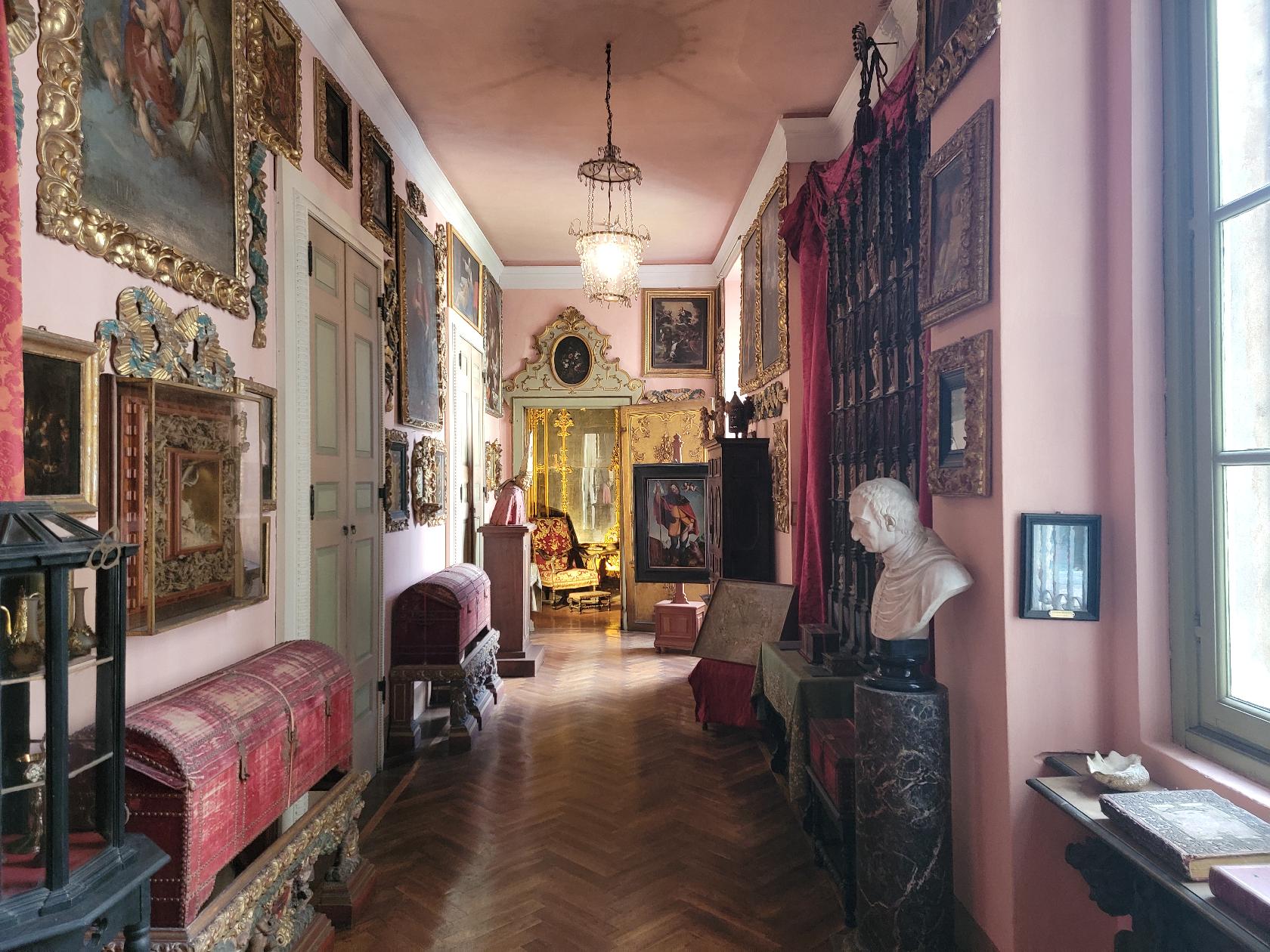
Hallway storing other artifacts – Palazzo Borromeo – Isola Bella, Lake Maggiore, Italy
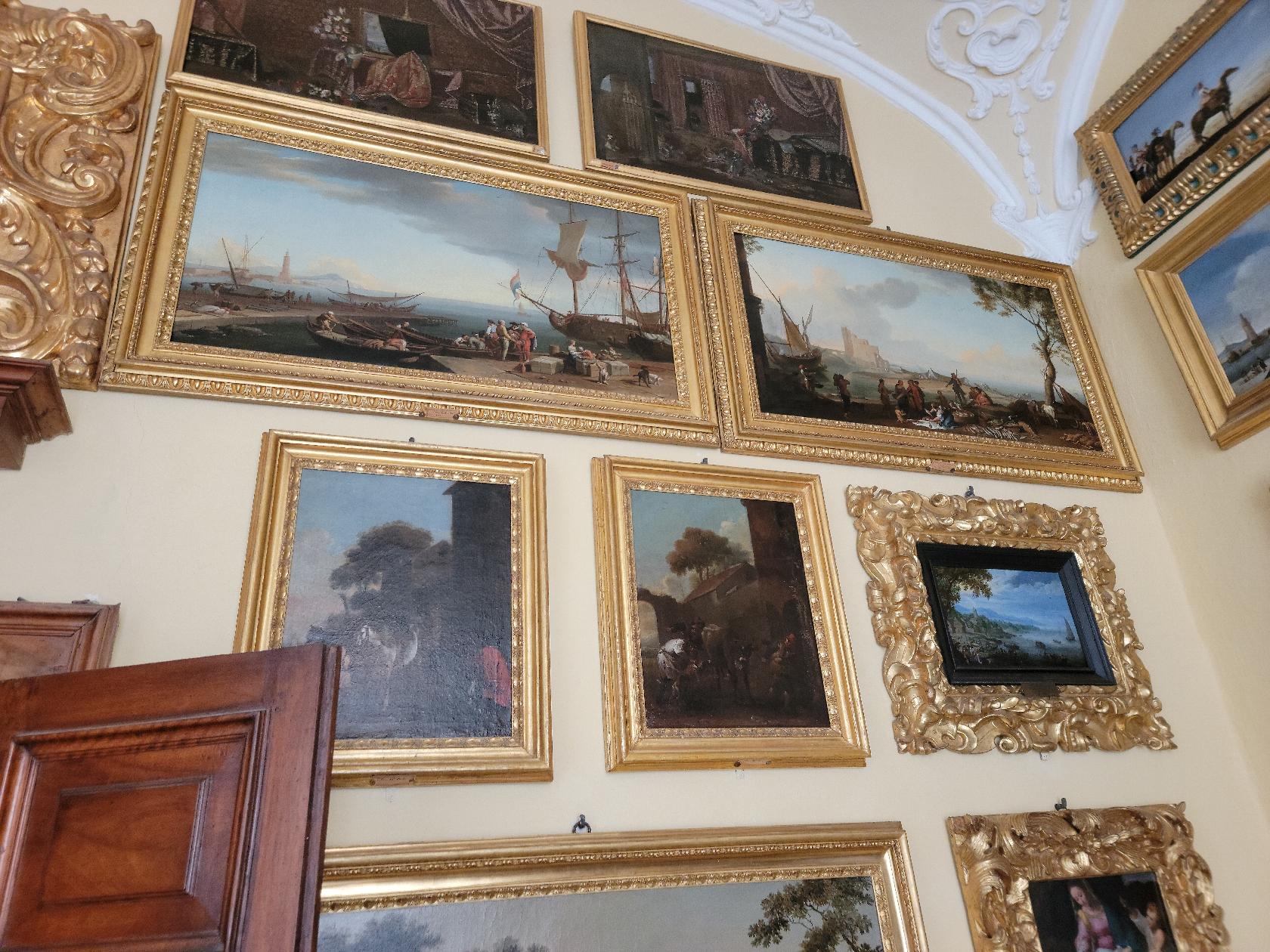
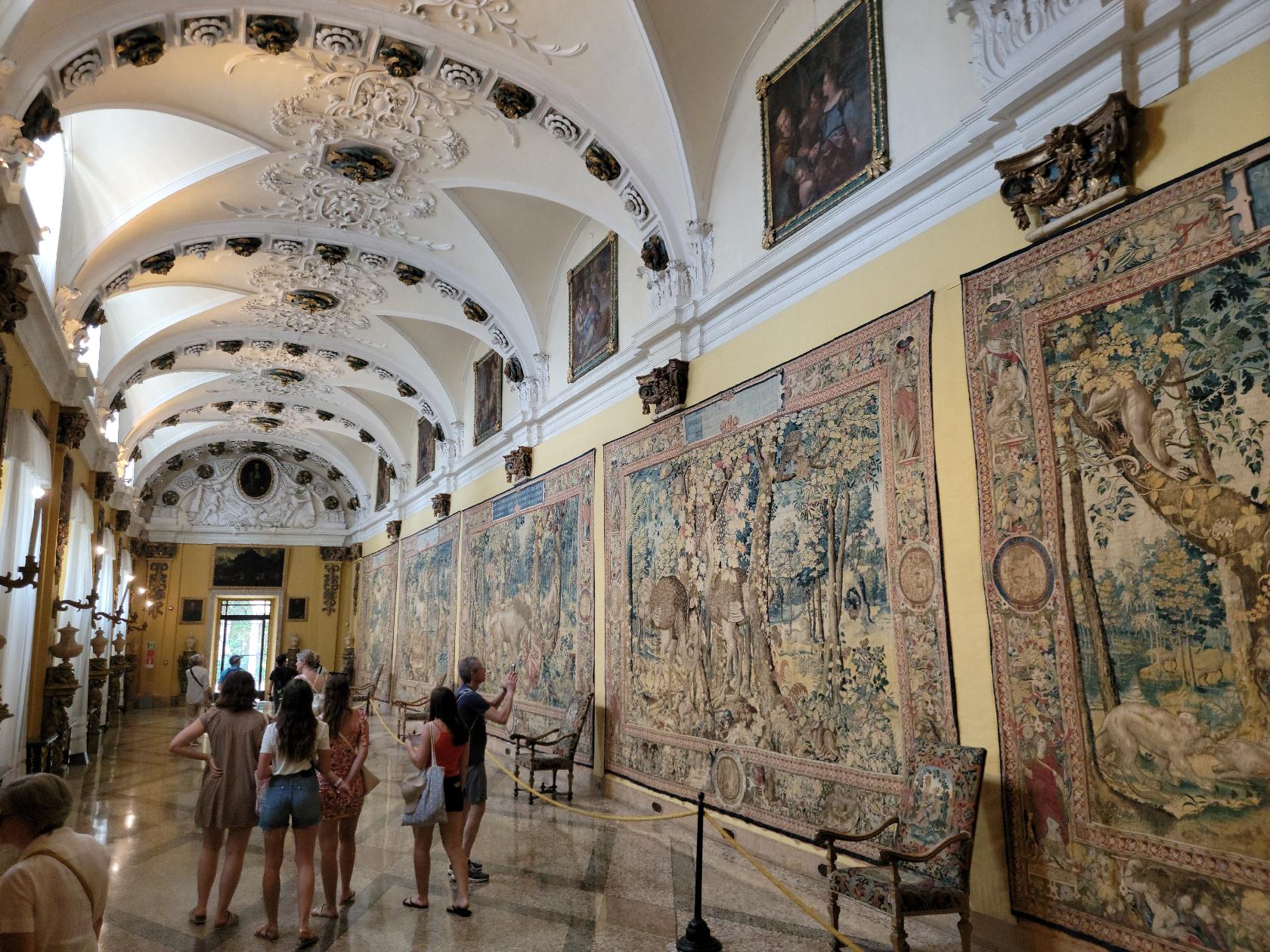
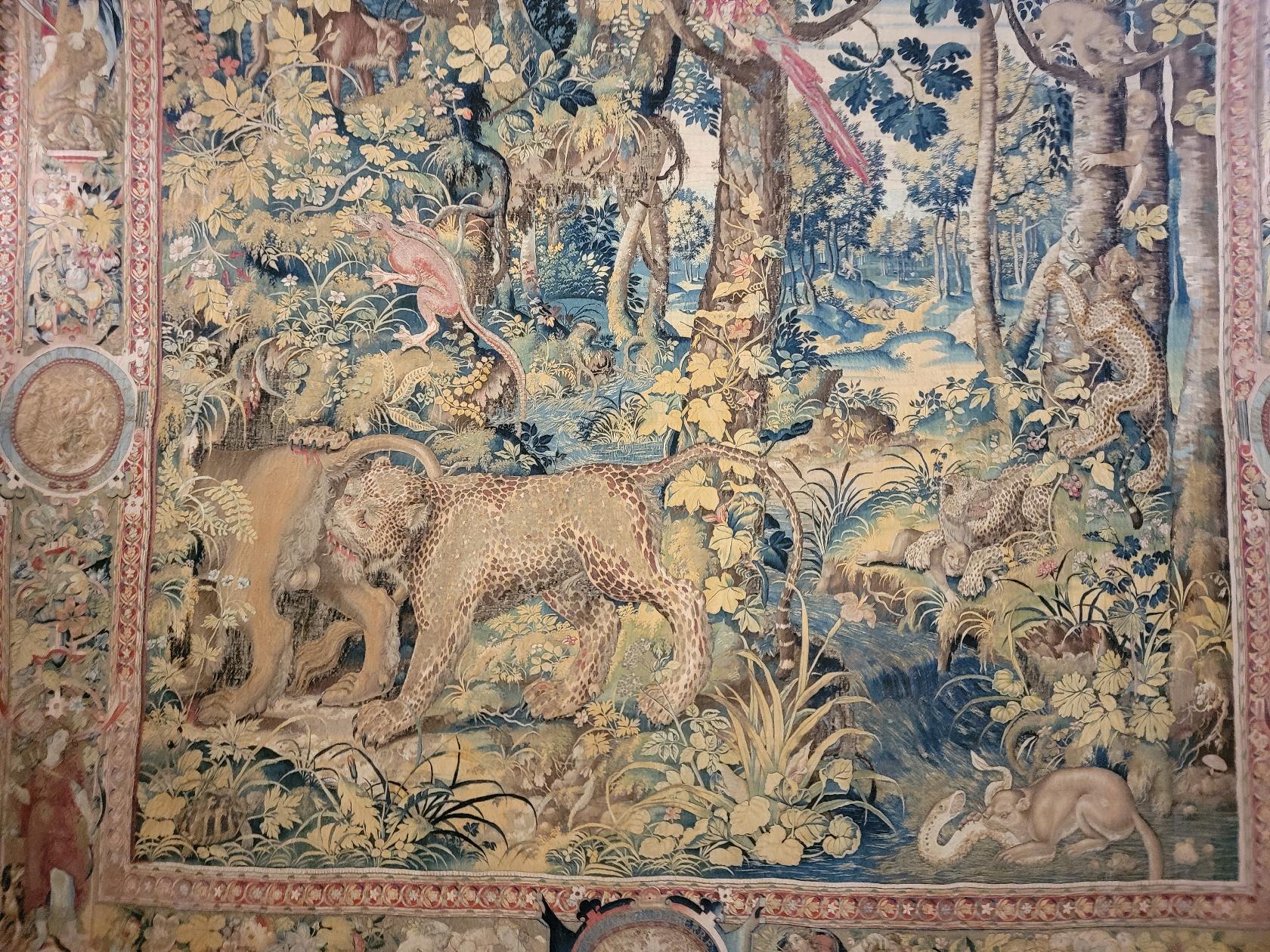
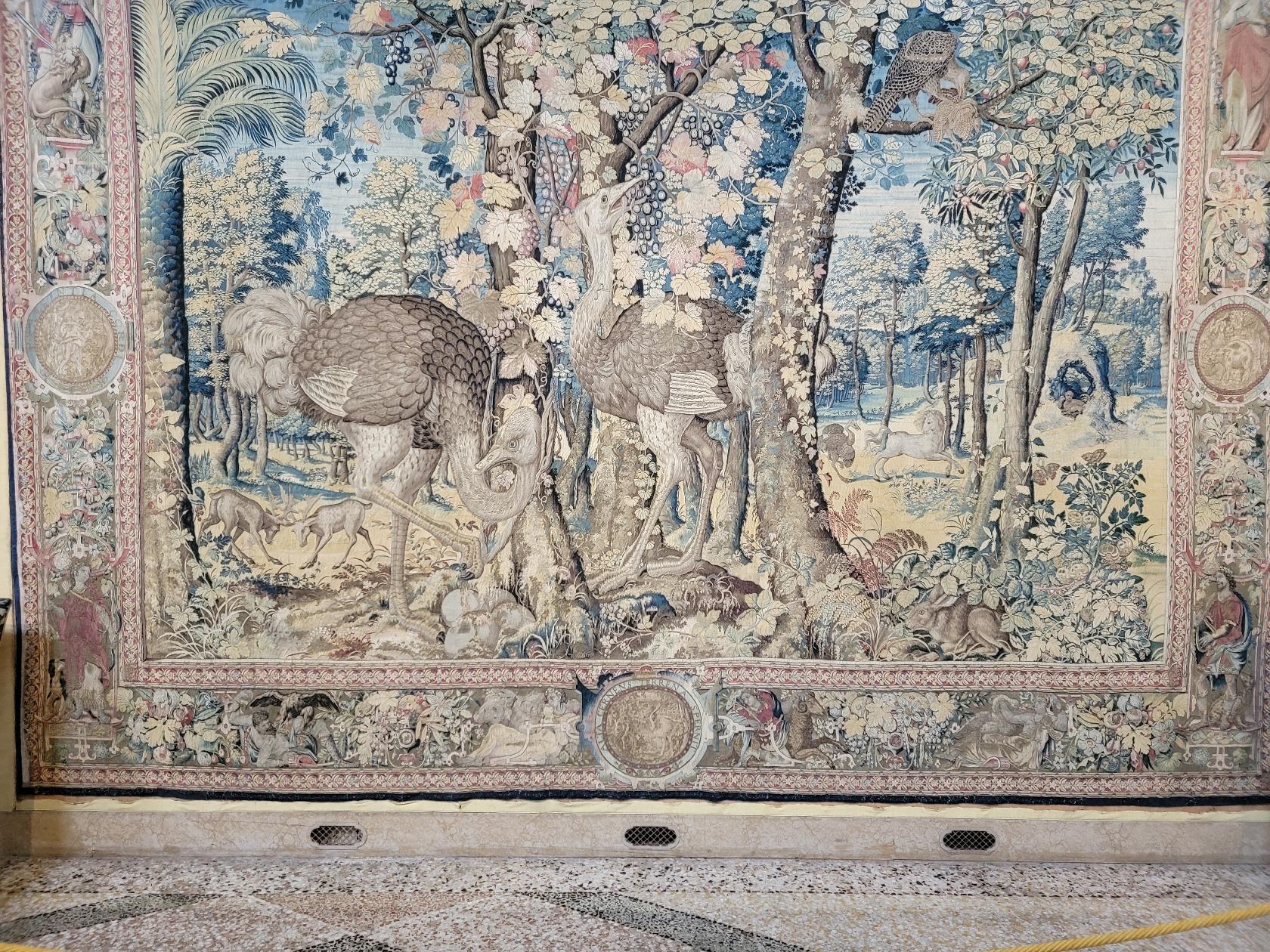
Galleria degli Arazzi – Palazzo Borromeo – Isola Bella, Lake Maggiore, Italy
Galleria degli Arazzi – Palazzo Borromeo – Isola Bella, Lake Maggiore, Italy
Galleria degli Arazzi – Palazzo Borromeo – Isola Bella, Lake Maggiore, Italy
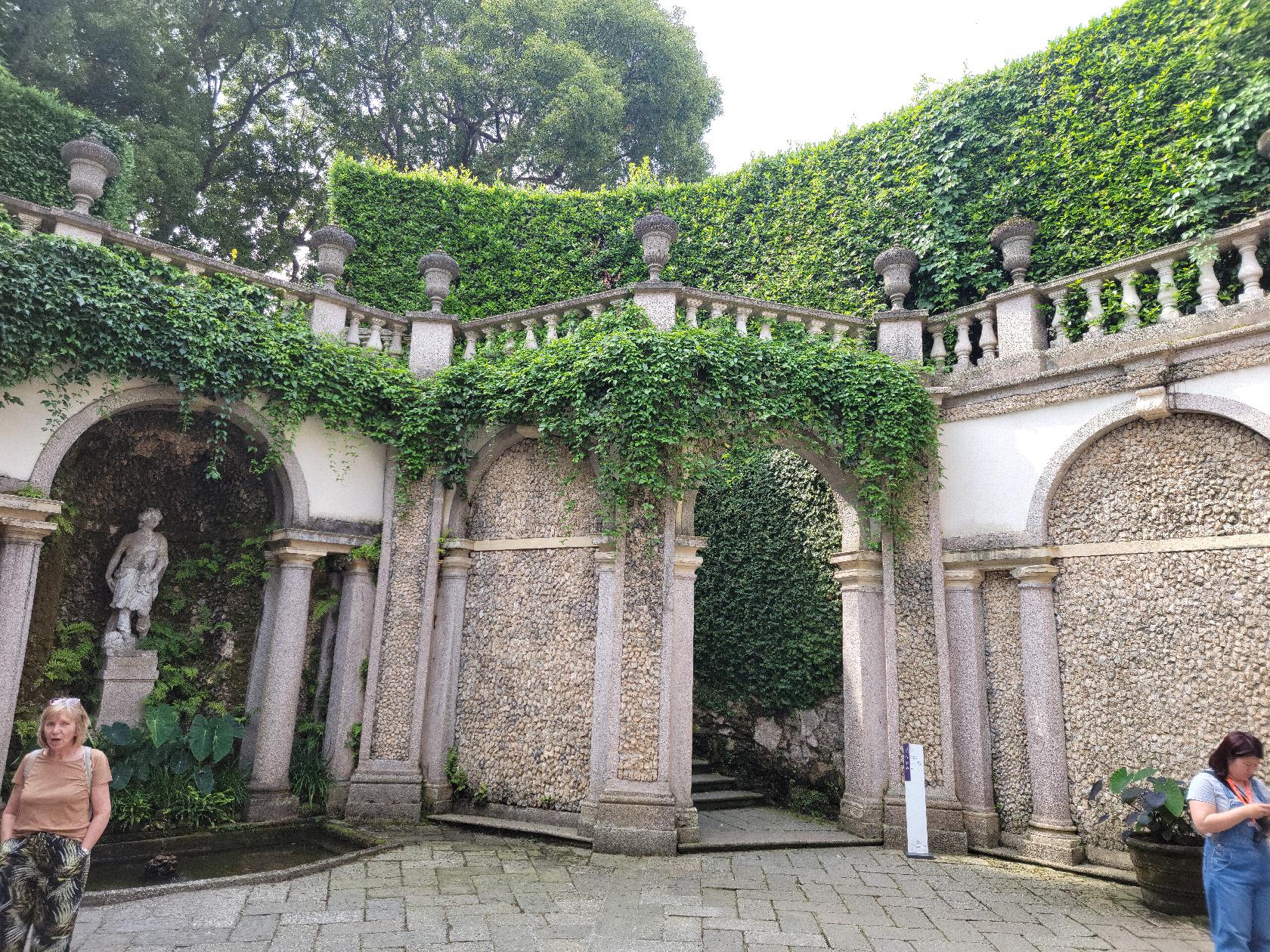
The gardens are accessed from the palazzo through what is called Diana’s Atrium, a small sub-garden with stairways to the garden. There is not much to see here and it is probably meant more as a meeting place, than any important adjunct to the gardens, so we ascended to the gardens almost immediately.
To the gardens – Palazzo Borromeo – Isola Bella, Lake Maggiore, Italy
The Gardens
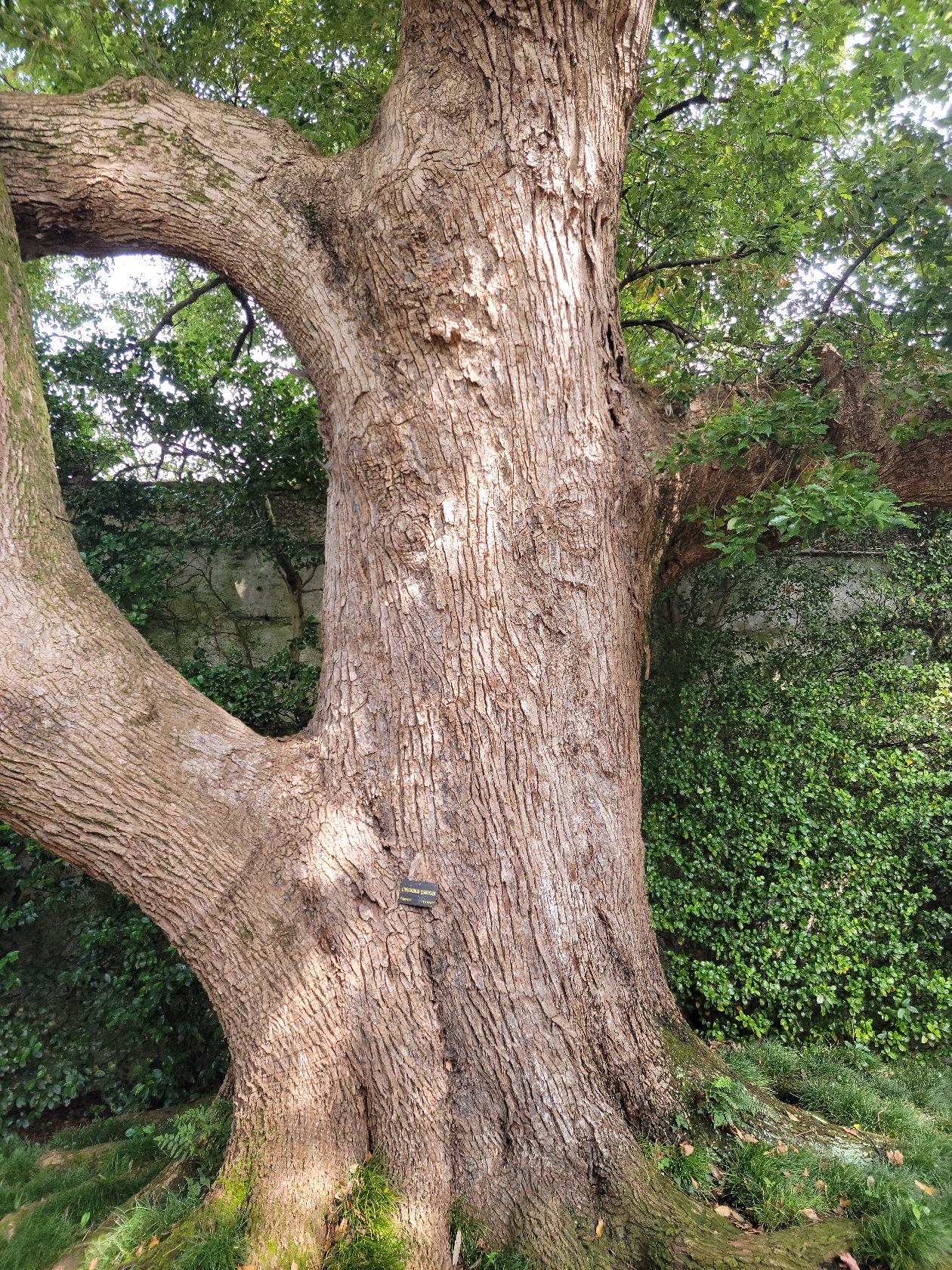
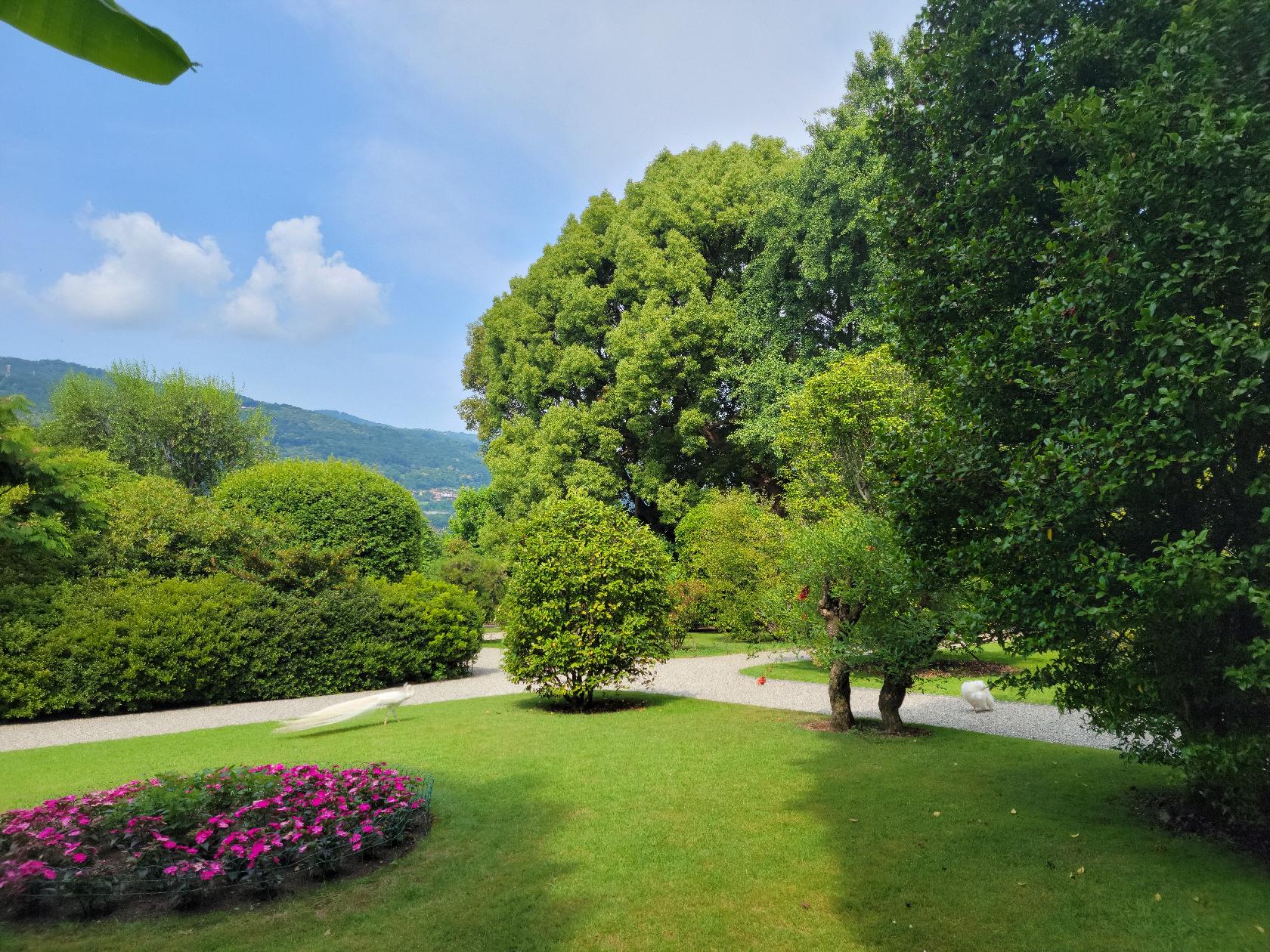
The gardens do contain some interesting species, especially the old Camphor tree that was planted there in 1819 by Vitaliano IX Borromeo. It also houses a peacock and peahen, which will provide the necessary background noise in the gardens for any videos you wish to make.
Camphor Tree on Camphor Terrace – Palazzo Borromeo – Isola Bella, Lake Maggiore, Italy
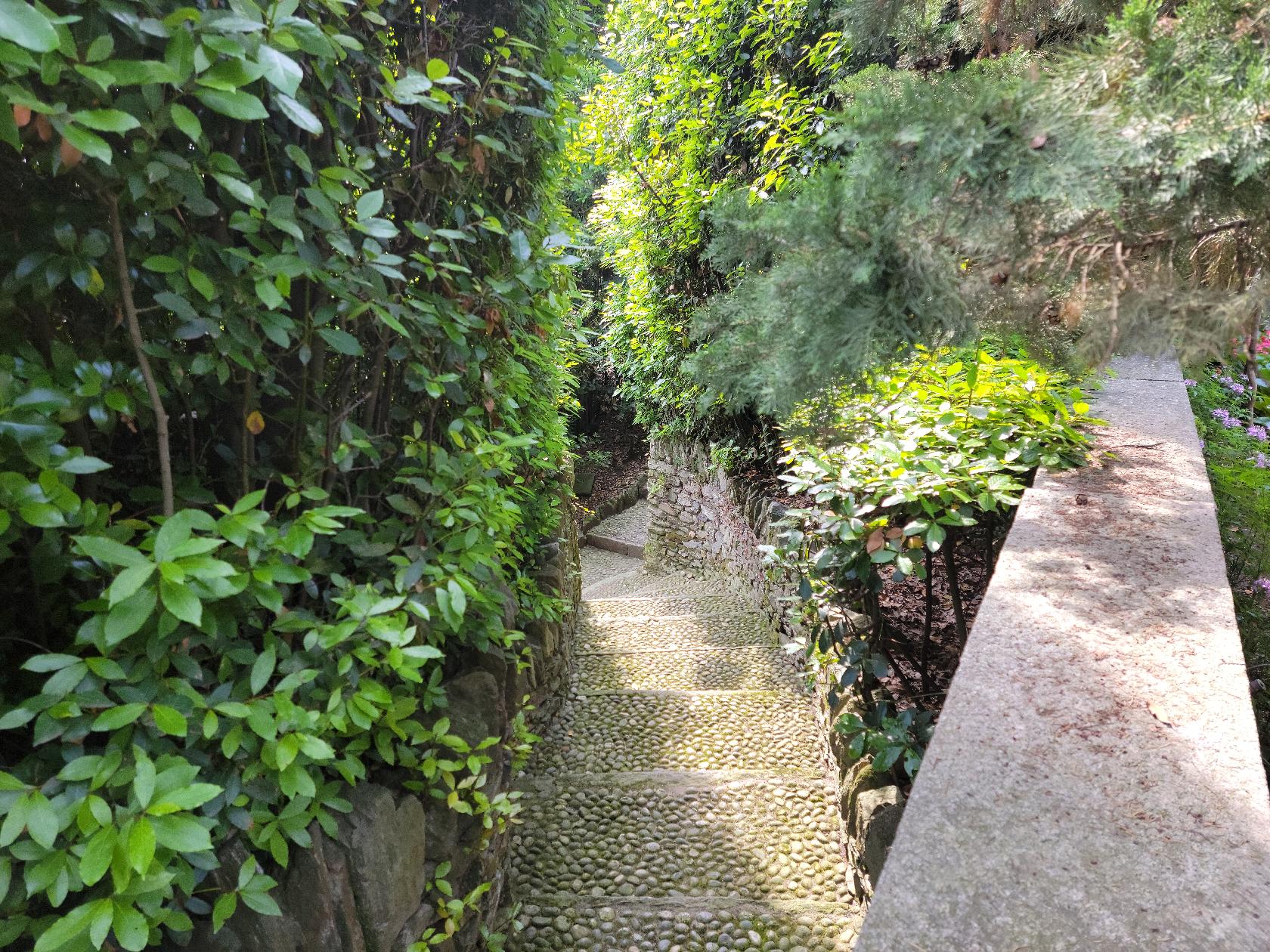
Stairs to another level – Palazzo Borromeo – Isola Bella, Lake Maggiore, Italy
Peacock and Peahen – Palazzo Borromeo – Isola Bella, Lake Maggiore, Italy
Stresa – Palazzo Borromeo – Isola Bella, Lake Maggiore, Italy
Gardino d’Amore – Palazzo Borromeo – Isola Bella, Lake Maggiore, Italy
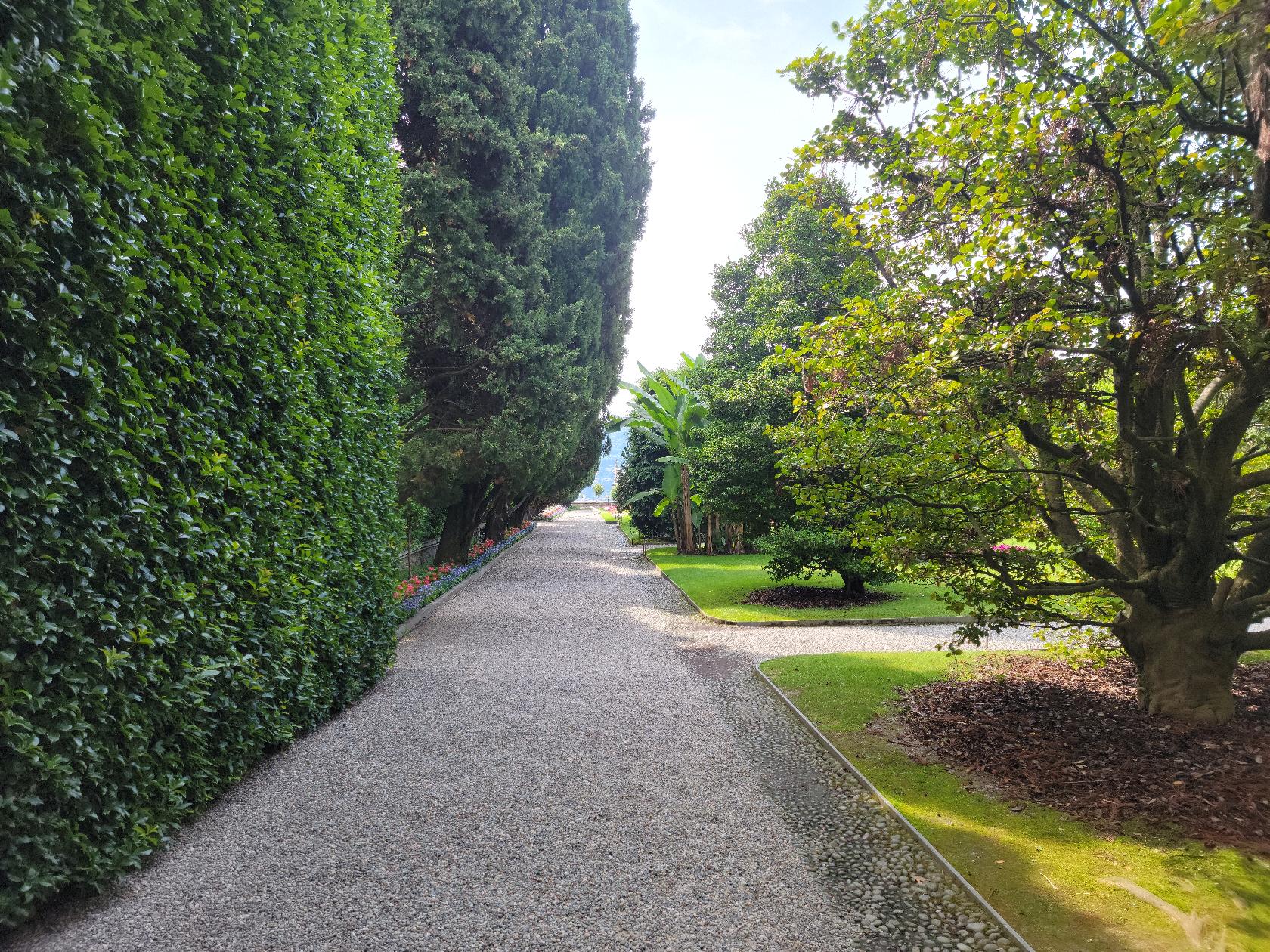
Gardens – Palazzo Borromeo – Isola Bella, Lake Maggiore, Italy
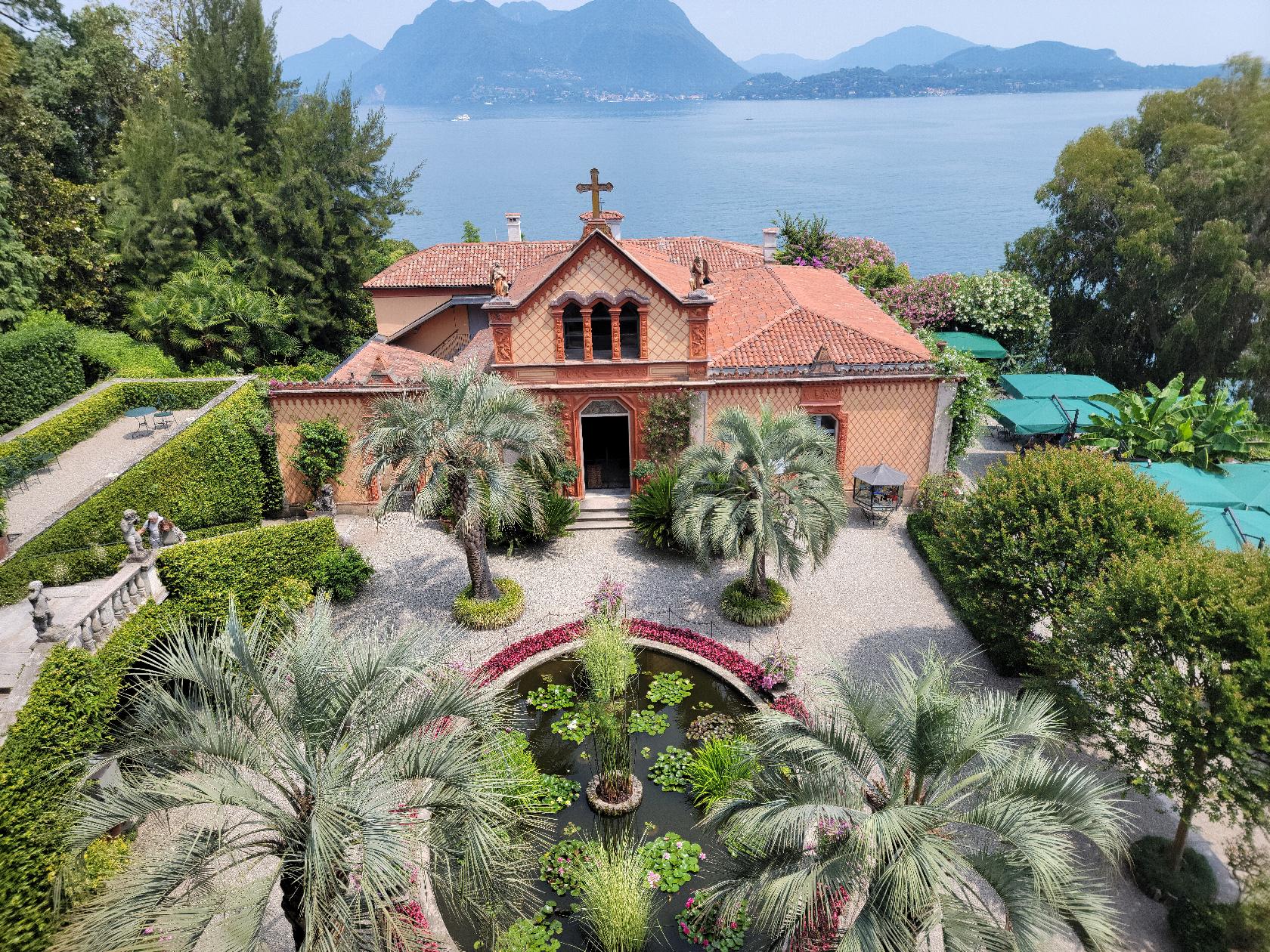
The Gardens – Palazzo Borromeo – Isola Bella, Lake Maggiore, Italy
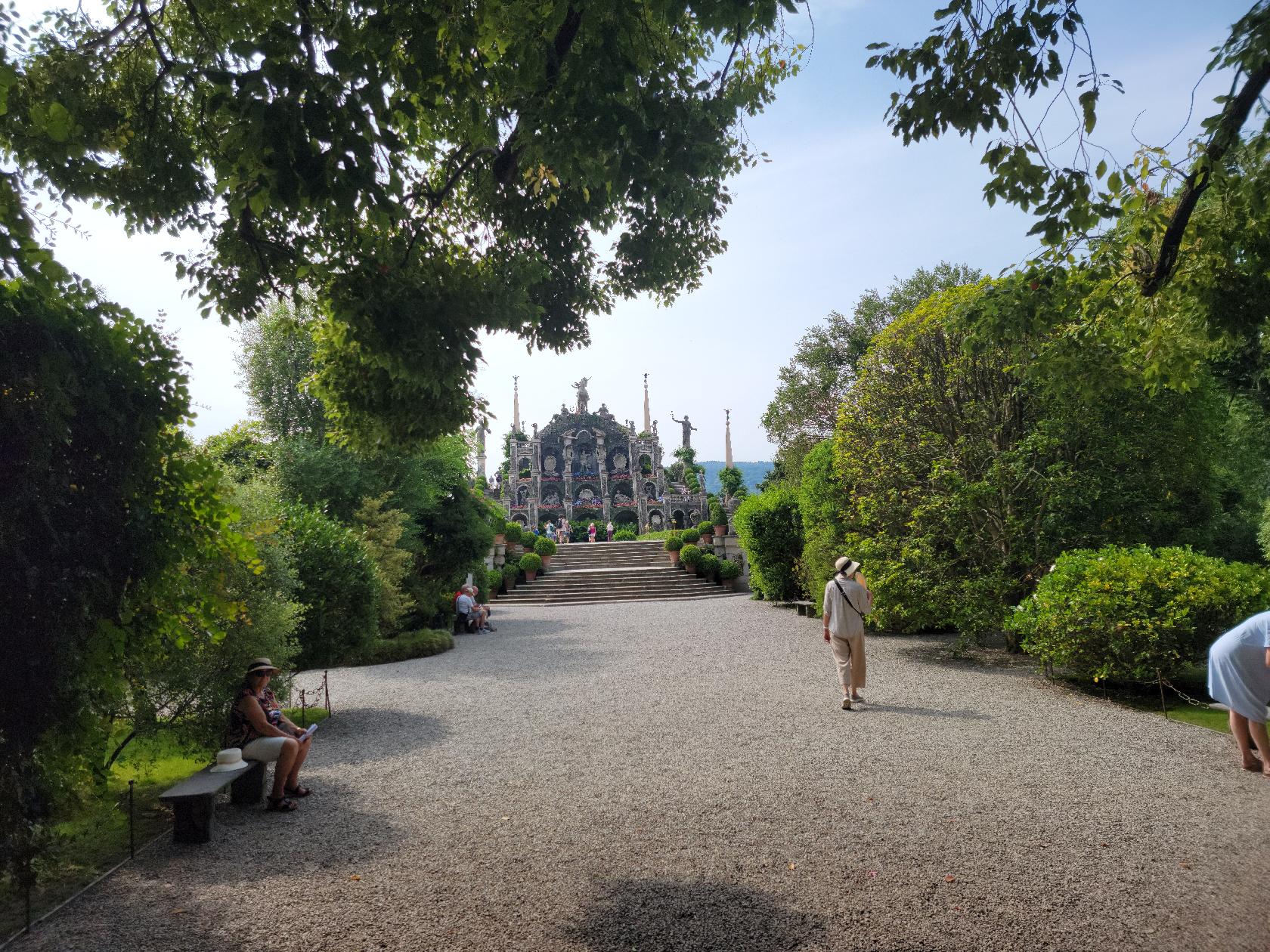
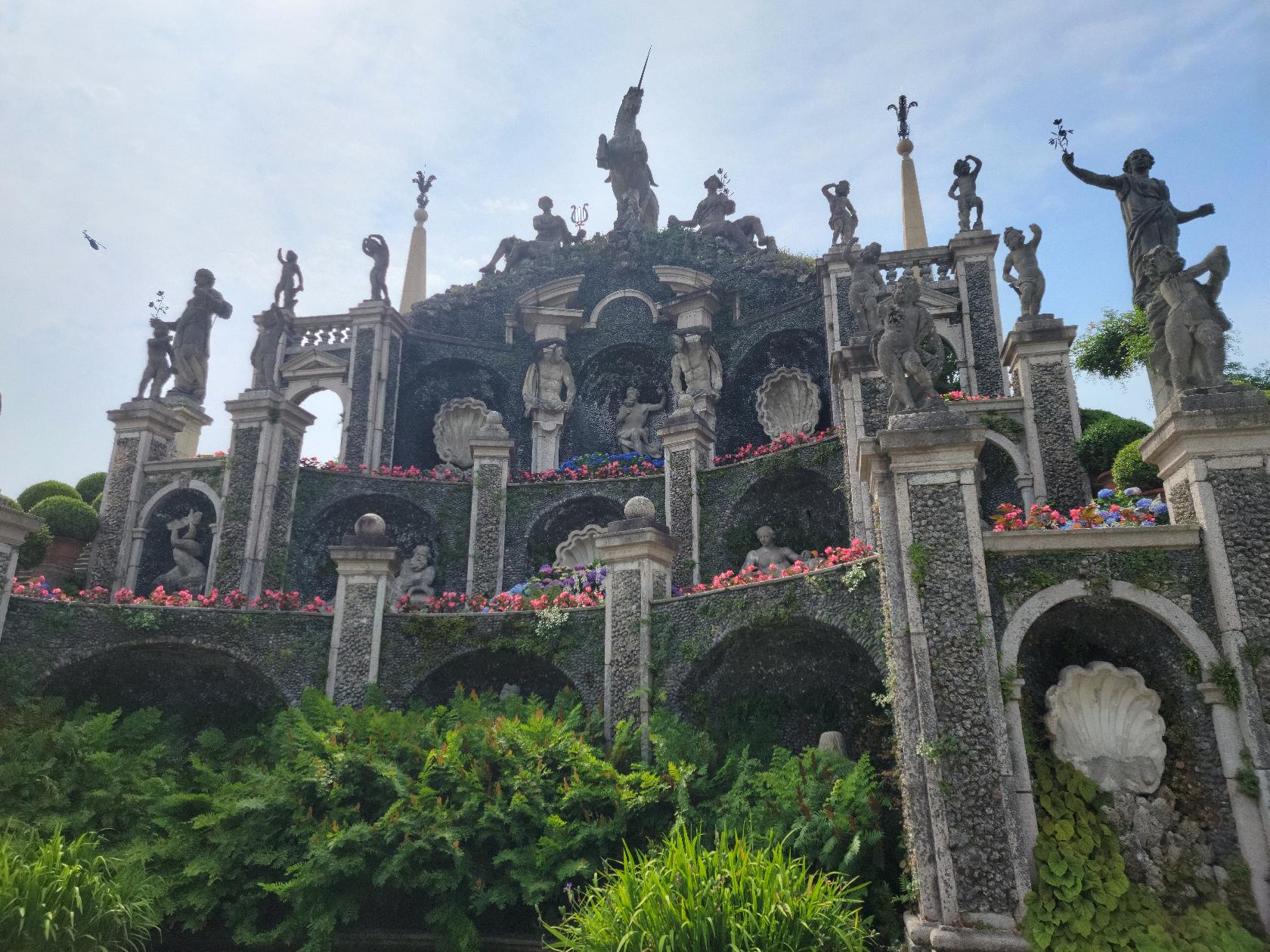
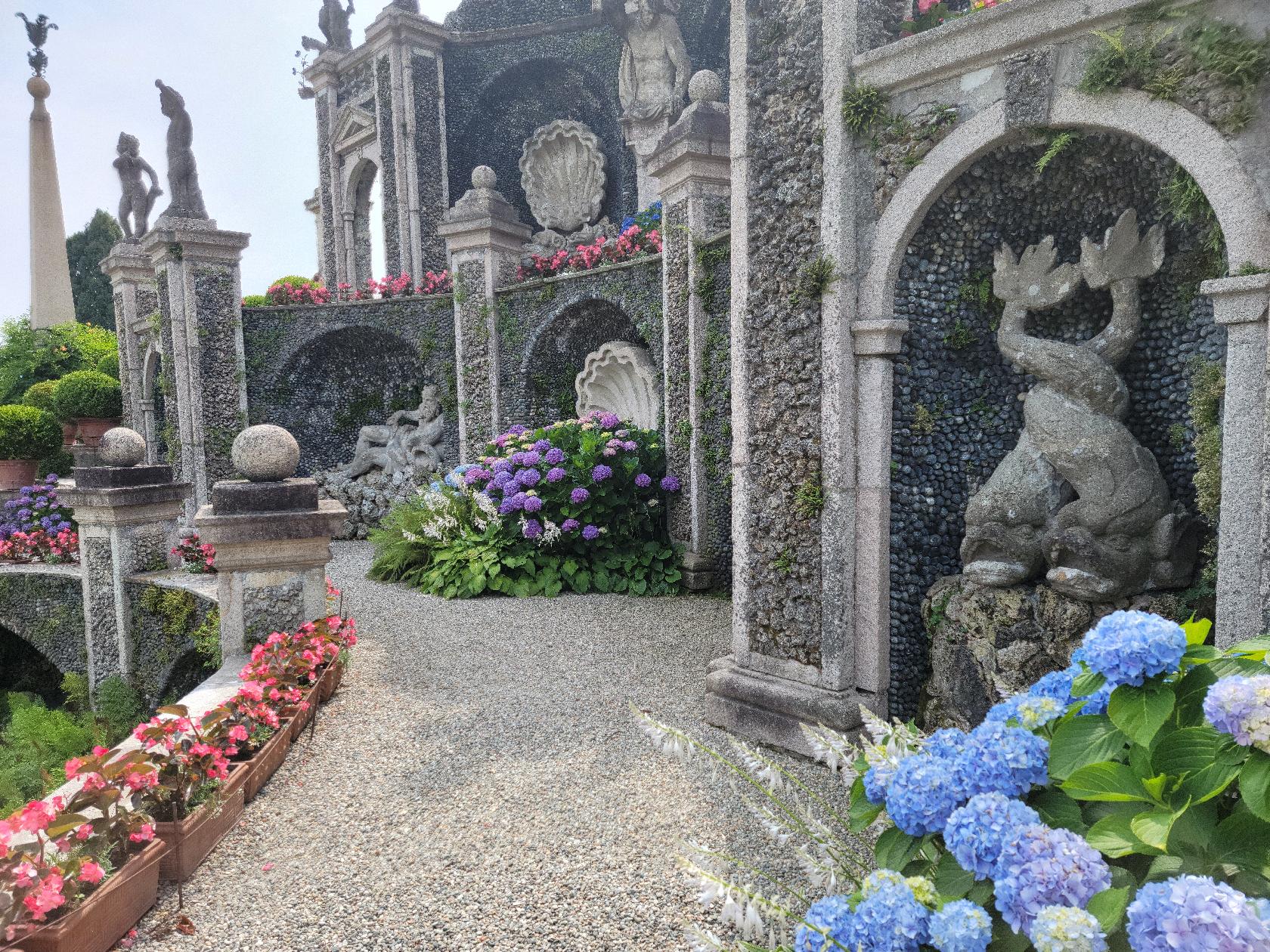
Apparently the pride of the gardens is the Massimo Theater. A rather odd assemblage of opulent statues and finished by Carlo IV, it probably points to the decedent past these properties enjoyed.
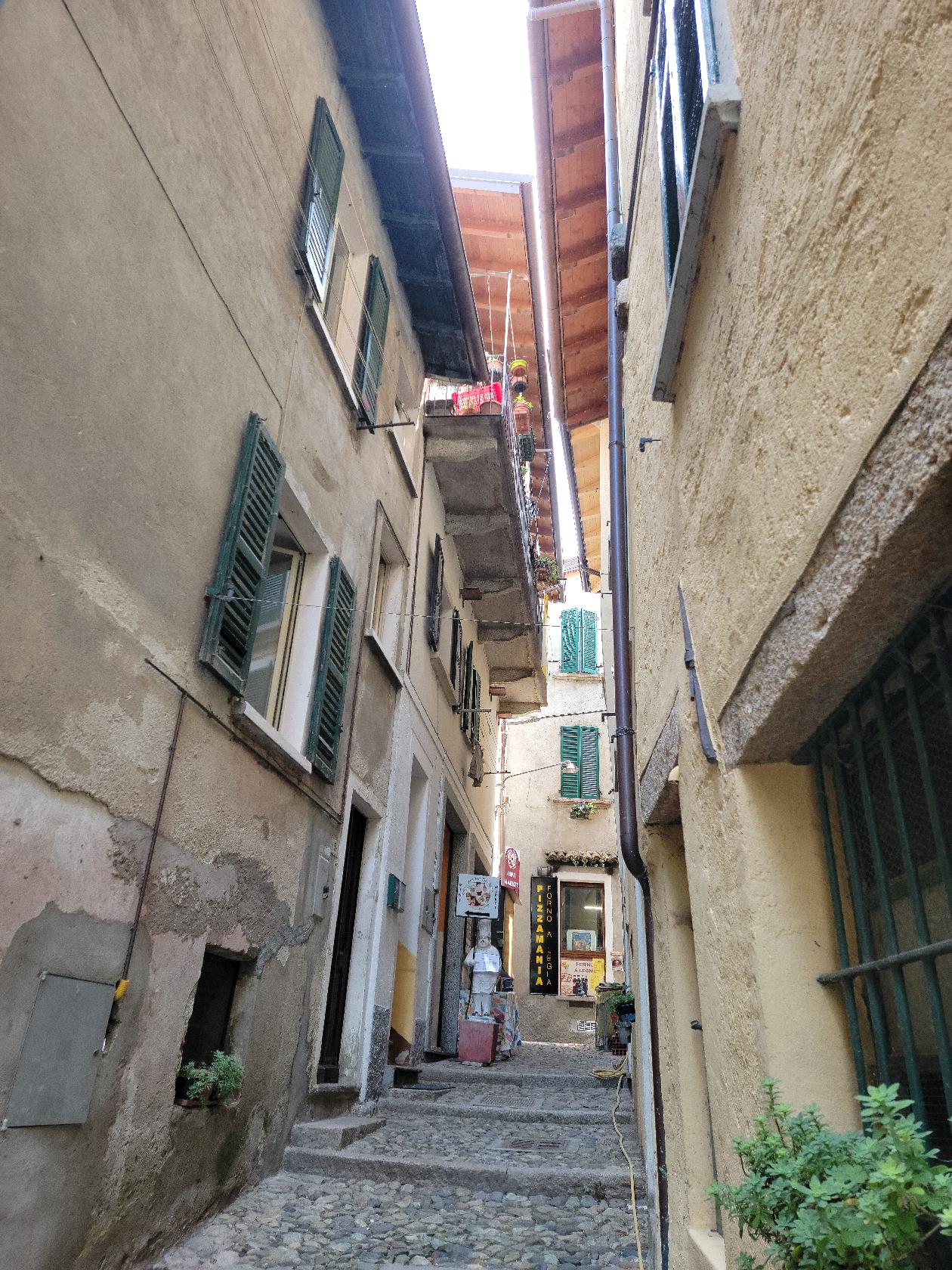
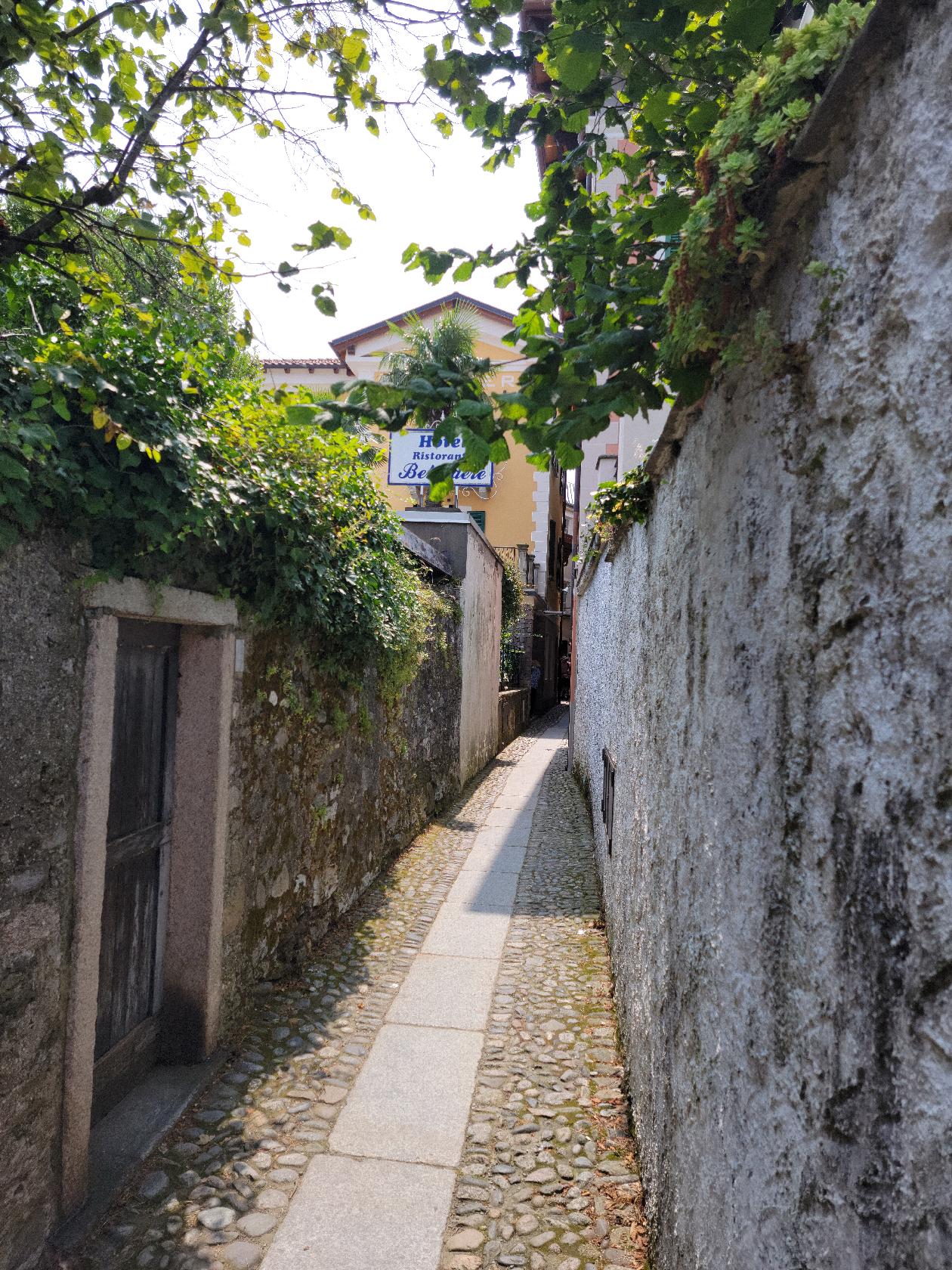
Even though its proper name of Isola Superiore belies its size, Isola dei Pescatori is the smallest of the three islands. Its main attraction is the small fishing town that stretches from three quarters of its shoreline.
Small town streets – Isola Pescatori, Lake Maggiore, Italy
Narrow alleys – Isola Pescatori, Lake Maggiore, Italy
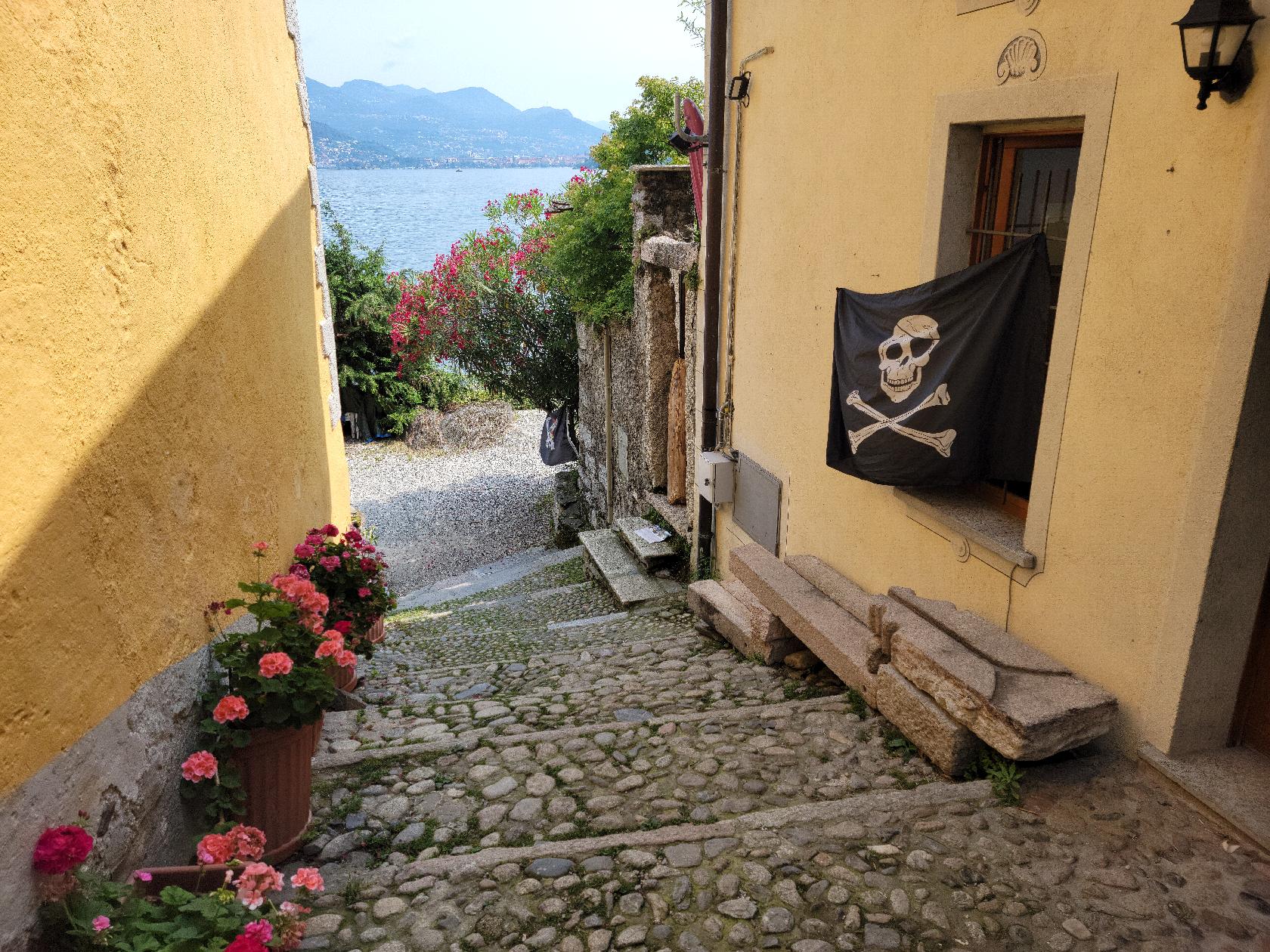
Jolly Roger – Isola Pescatori, Lake Maggiore, Italy
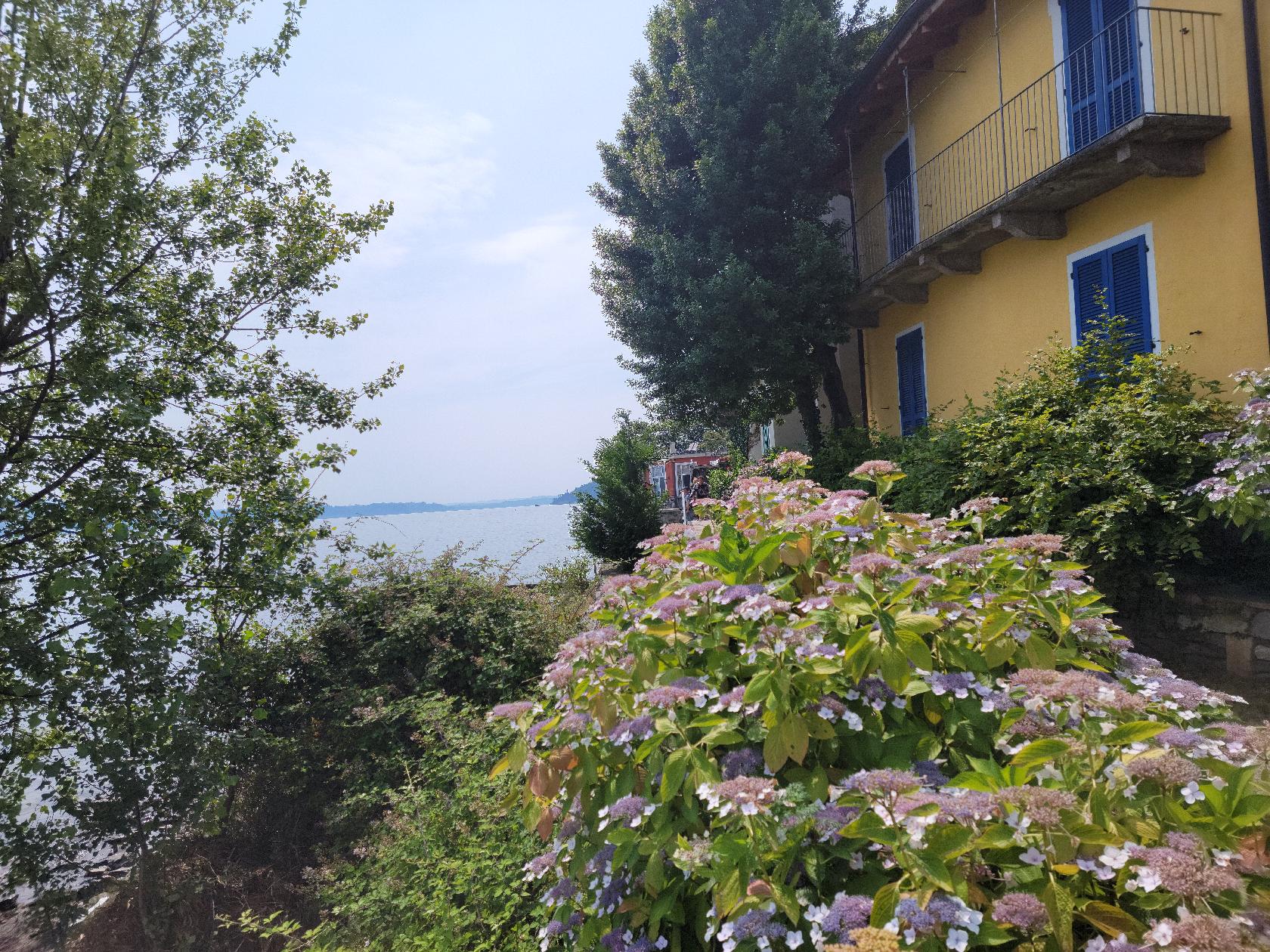
Hydrangea – Isola Pescatori, Lake Maggiore, Italy
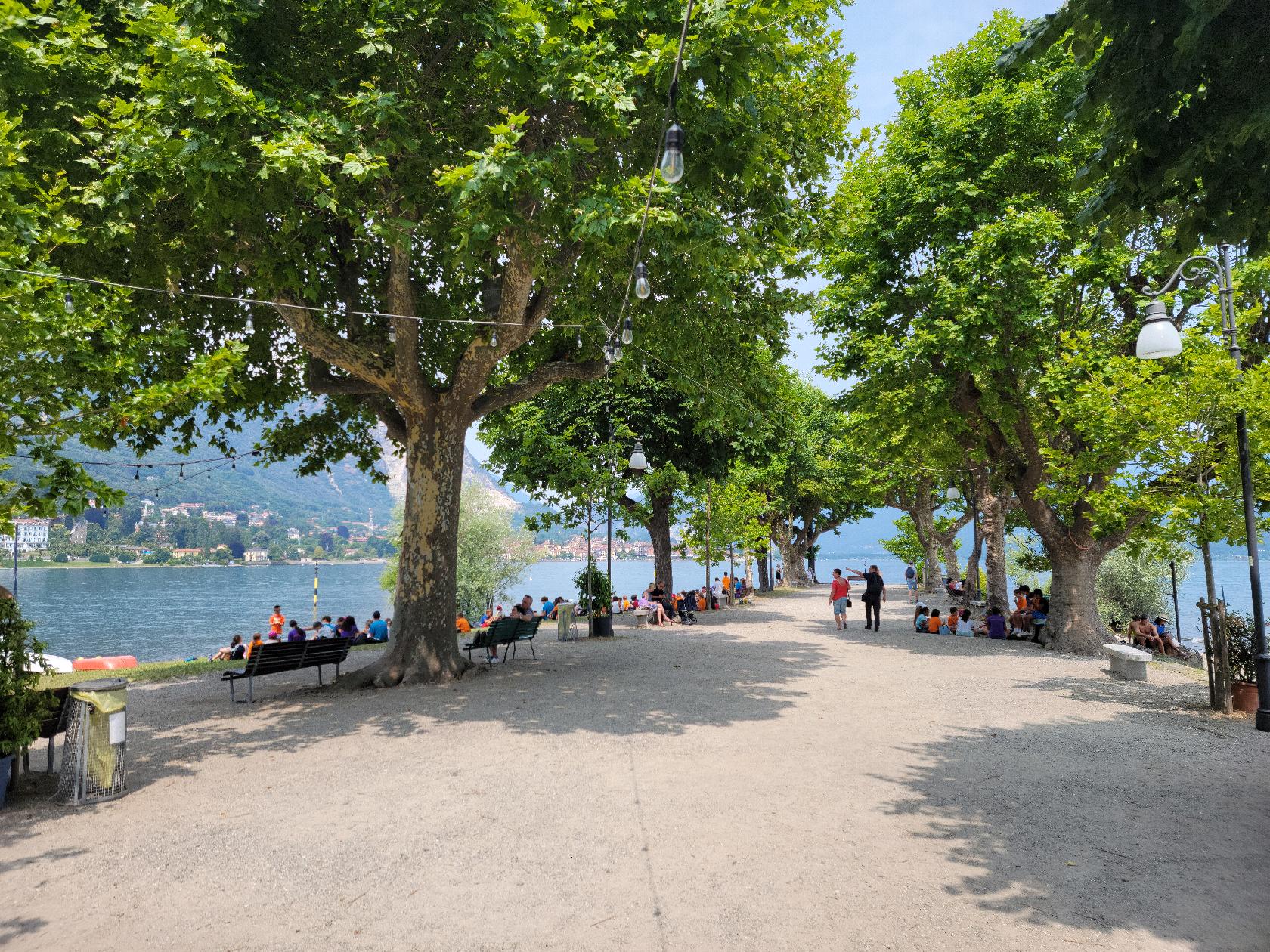
There is only enough room here for restaurants, cafes, shops, boat docks and the odd park on the northwest side of the island. So, casually walking its streets and narrow alleyways is, more or less, the only thing to do here, aside from eating of course.
Rocky beach on the island – Isola Pescatori, Lake Maggiore, Italy
Park at the end of island – Isola Pescatori, Lake Maggiore, Italy
Isola Madre
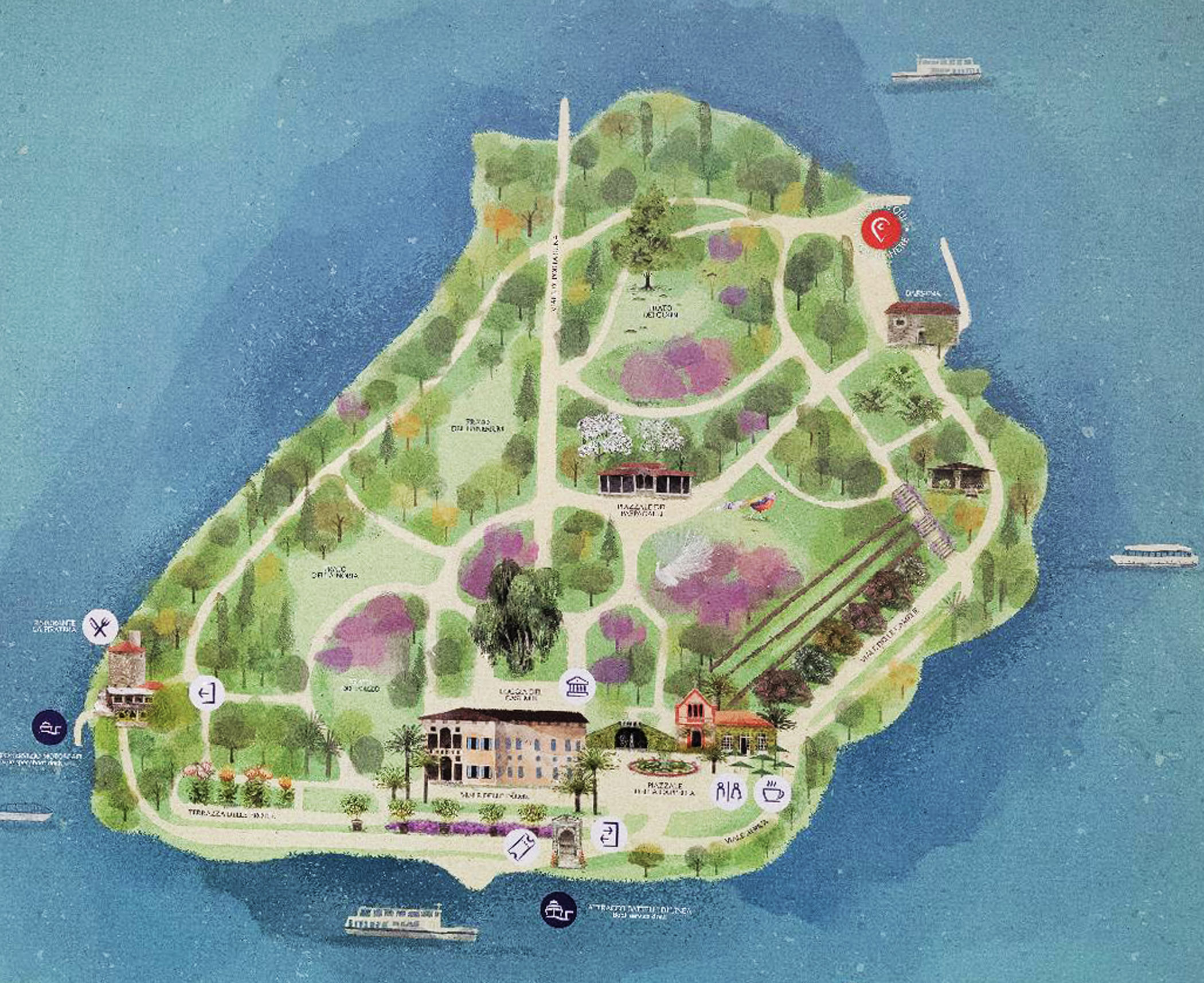
Isola Madre is the largest of the three and for the most part is an island with a garden and palazzo on it. The garden is entered first, after turning right off the boat and taking the a long garden path walk around a third of the island.
Map – Isola Madre, Lake Maggiore, Italy
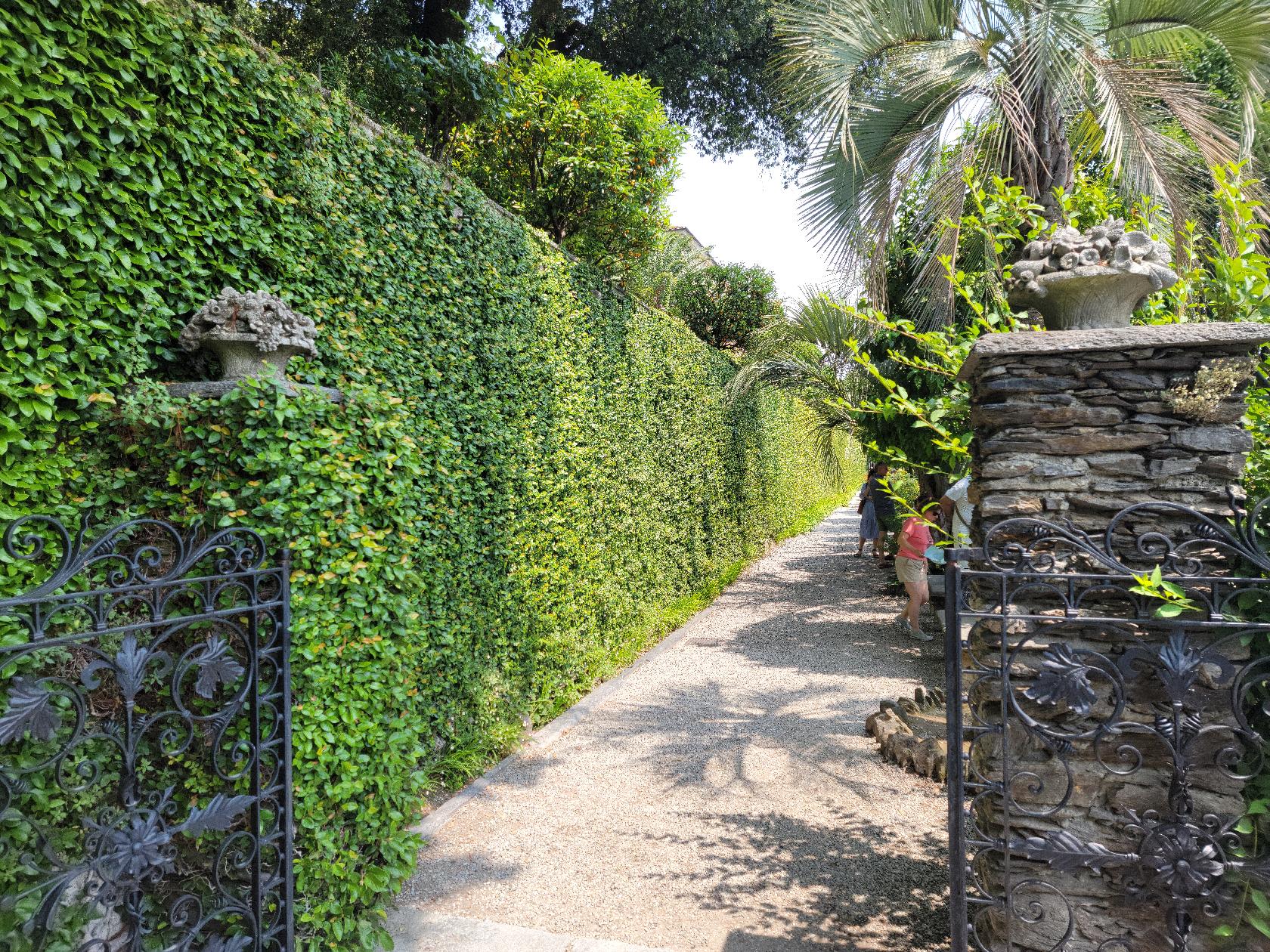
Entrance to gardens – Isola Madre, Lake Maggiore, Italy
Entrance to gardens – Isola Madre, Lake Maggiore, Italy
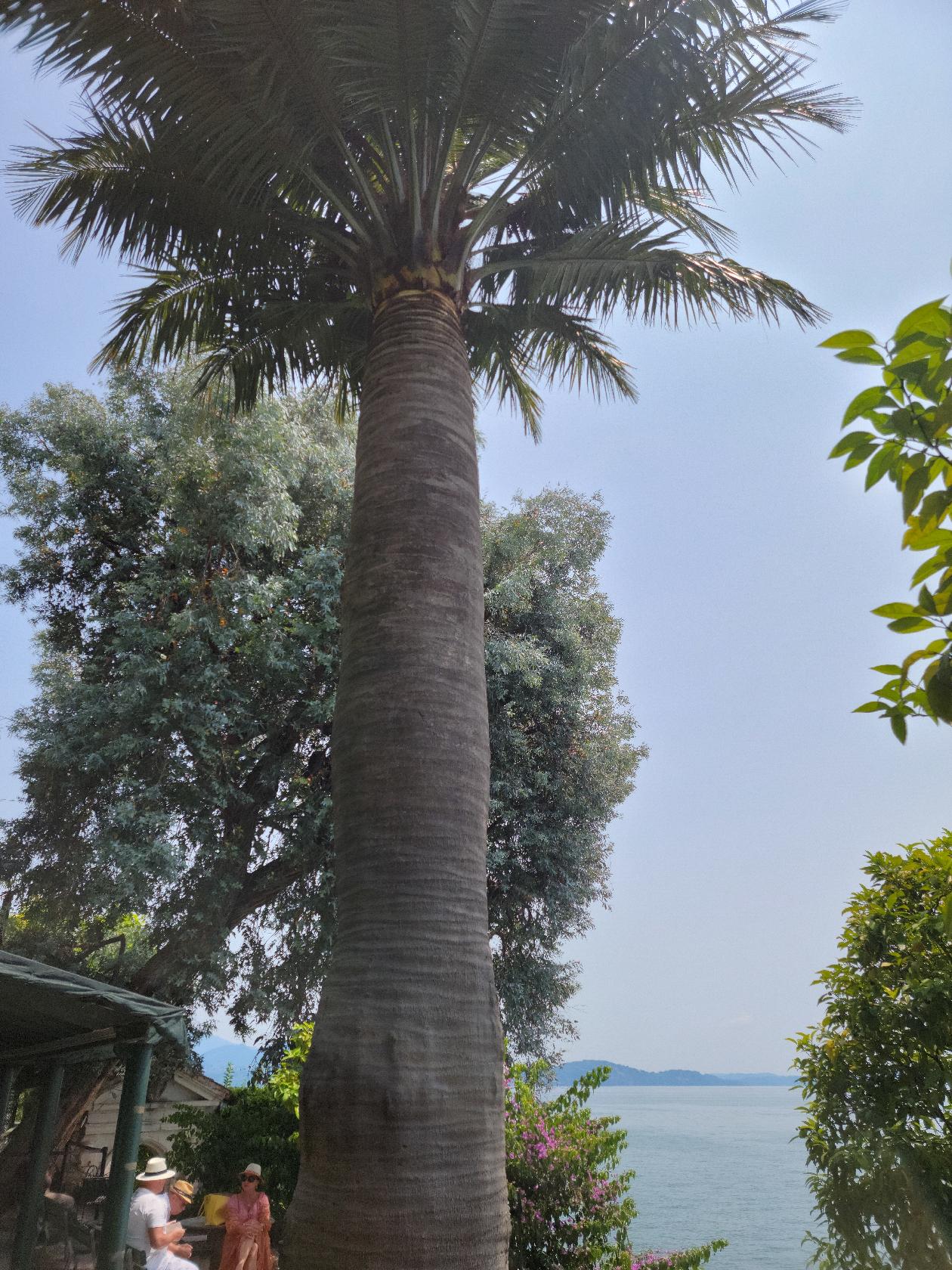
Old Palm tree – Isola Madre, Lake Maggiore, Italy
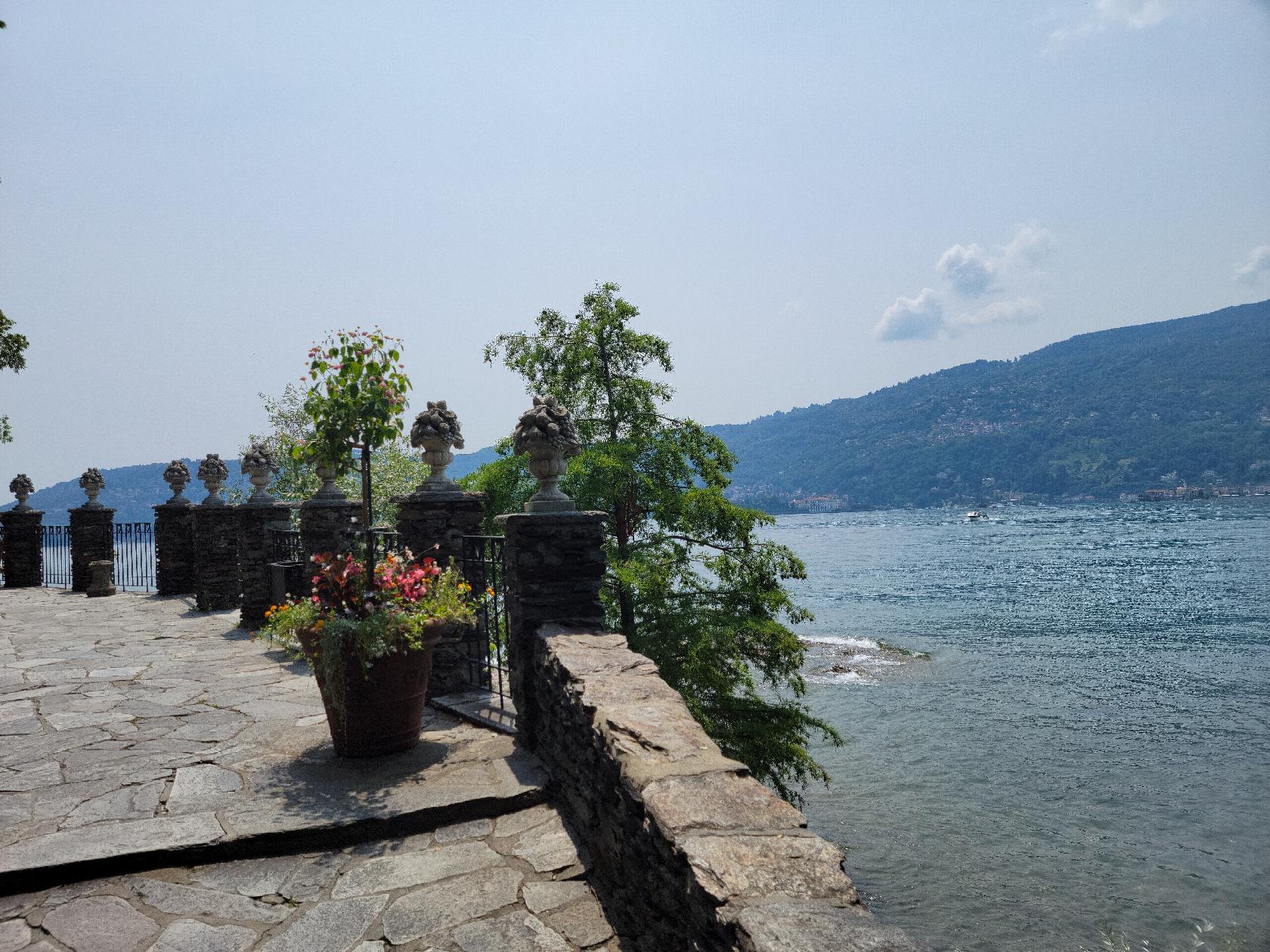
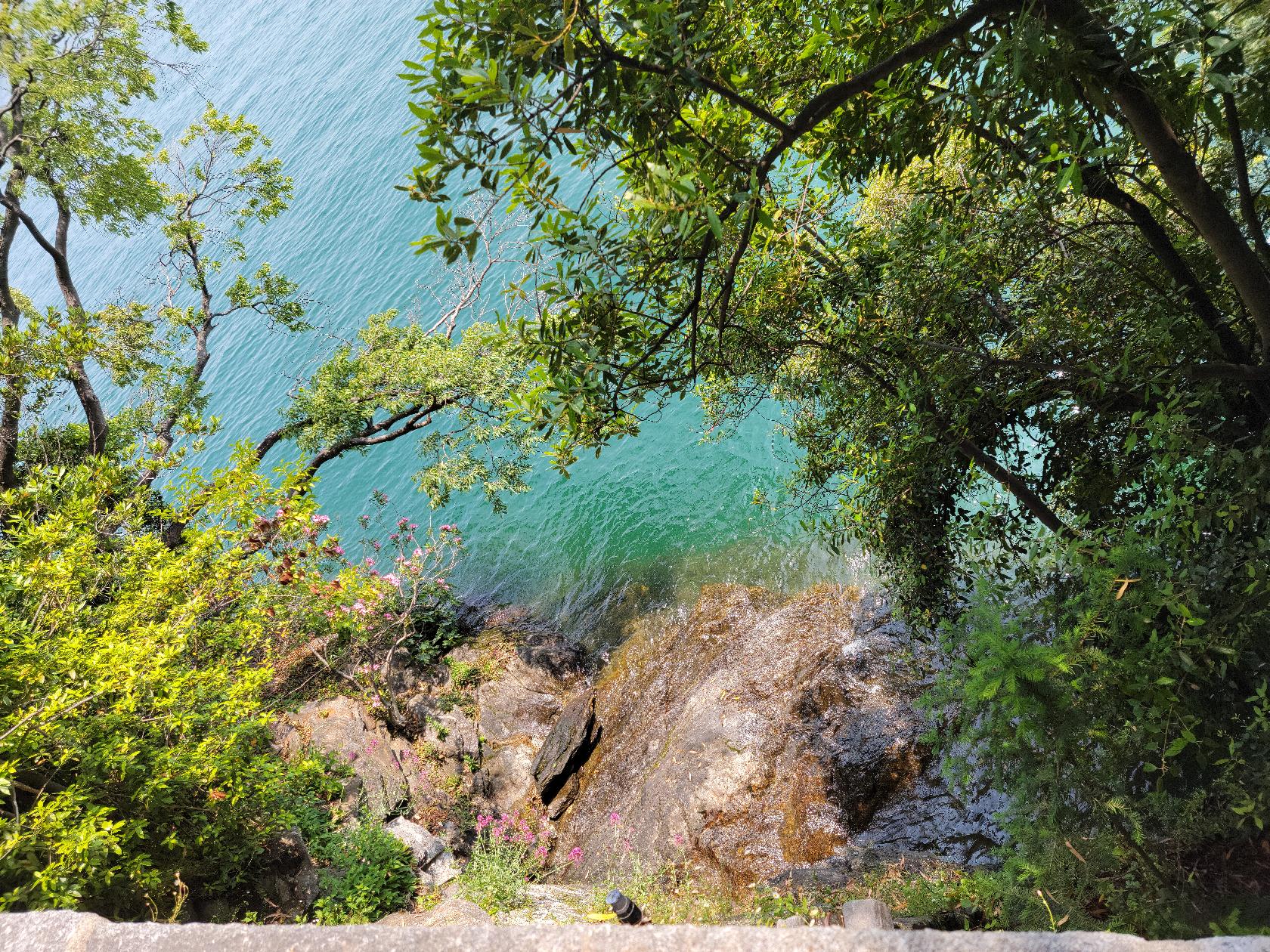
Coast – Isola Madre, Lake Maggiore, Italy
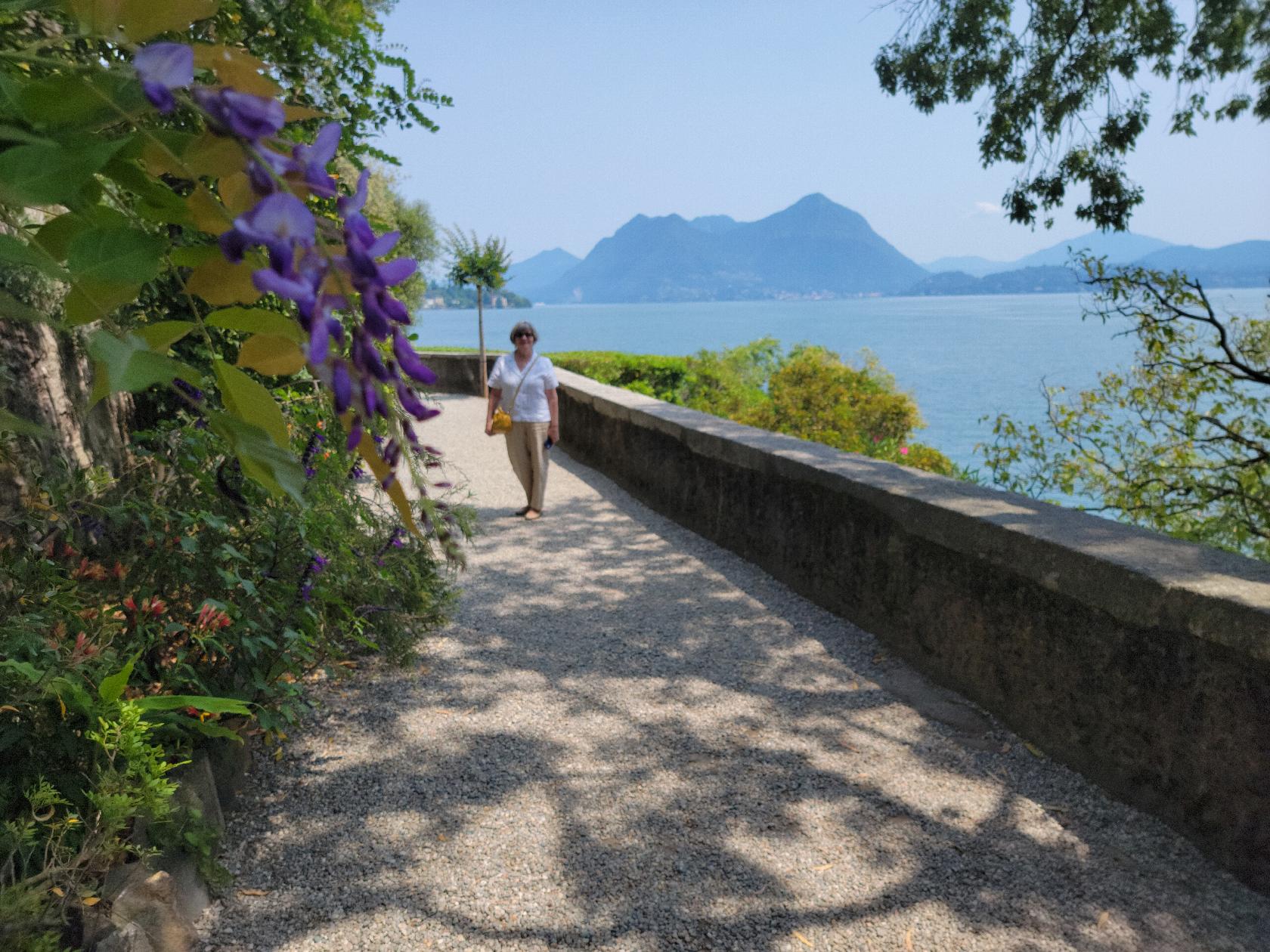
Patti in gardens – Isola Madre, Lake Maggiore, Italy
View of Pallanza and Laveno – Isola Madre, Lake Maggiore, Italy
Pallanza – Isola Madre, Lake Maggiore, Italy
Once you pass the entrance, where a person will scan your tickets, the garden begins.
Entrance statue – Isola Madre, Lake Maggiore, Italy
Entrance statue – Isola Madre, Lake Maggiore, Italy
The Garden
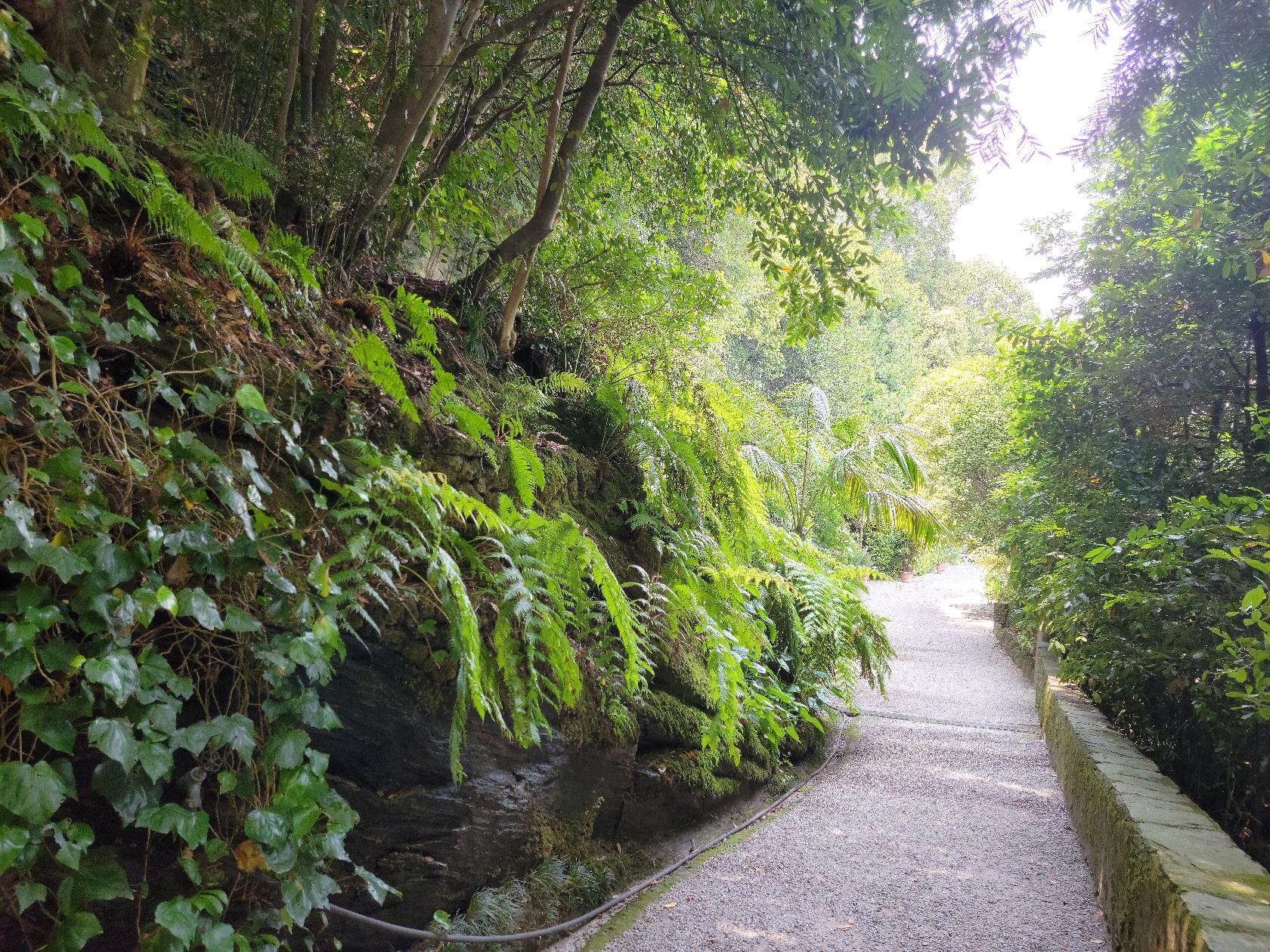
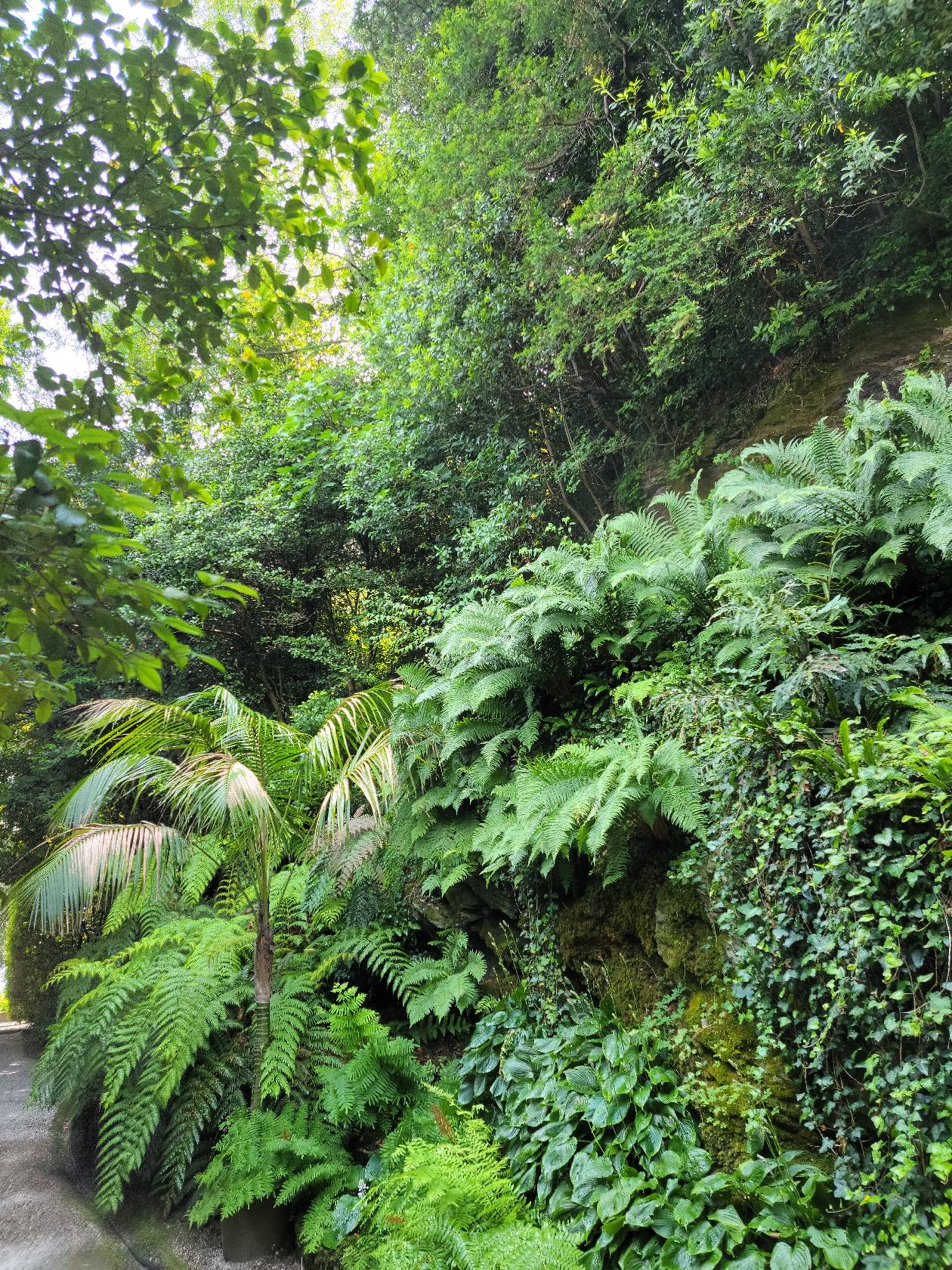
I found this garden quieter, more casual and more enjoyable overall. It has a few different sections, including a jungle environment which is very wet and grows ferns and other jungle type plants.
Looking back at Stresa – Isola Madre, Lake Maggiore, Italy
Patti on garden steps – Isola Madre, Lake Maggiore, Italy
Garden walkway – Isola Madre, Lake Maggiore, Italy
Eucalyptus trees – Isola Madre, Lake Maggiore, Italy
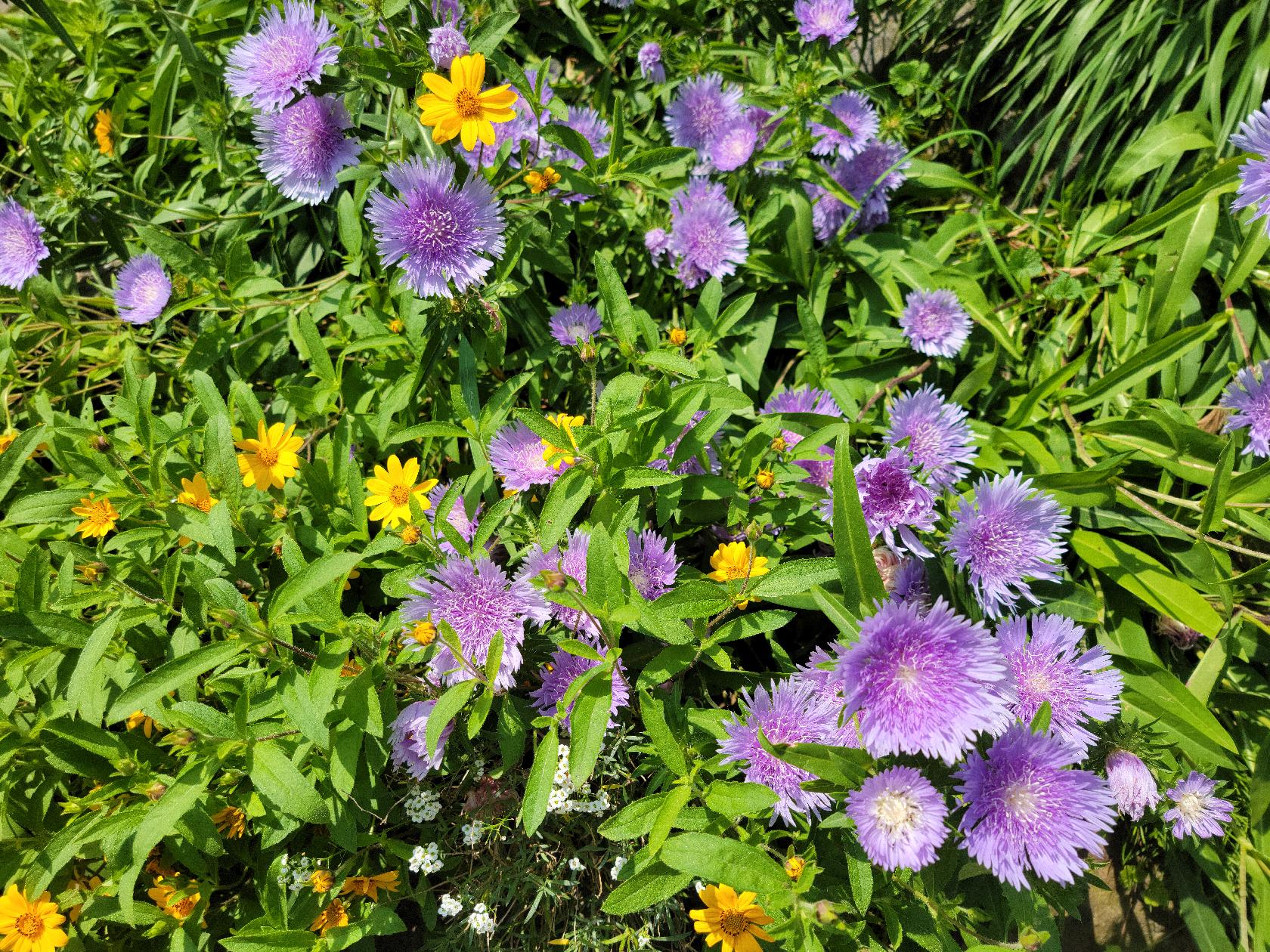
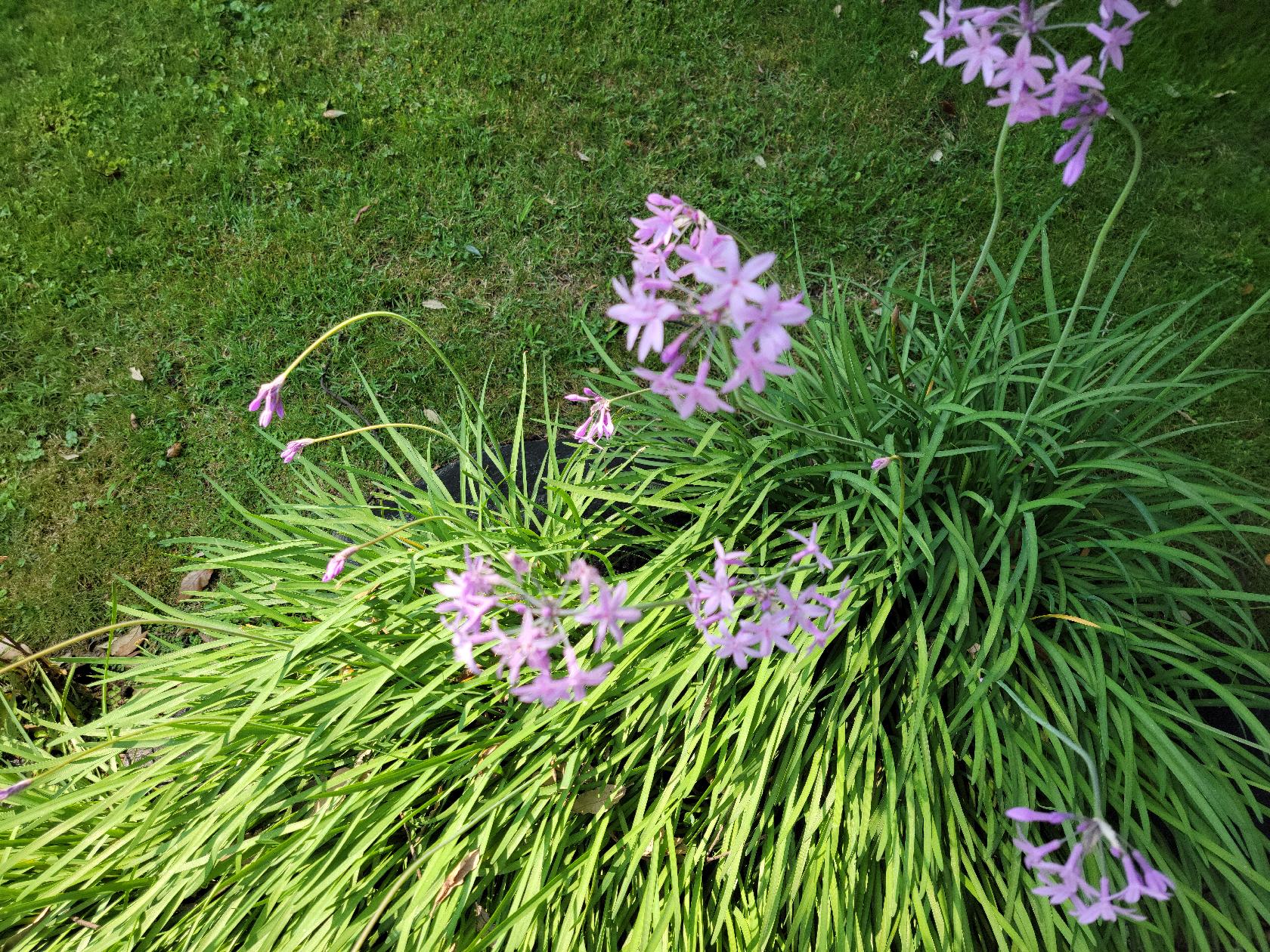
Flowers – Isola Madre, Lake Maggiore, Italy
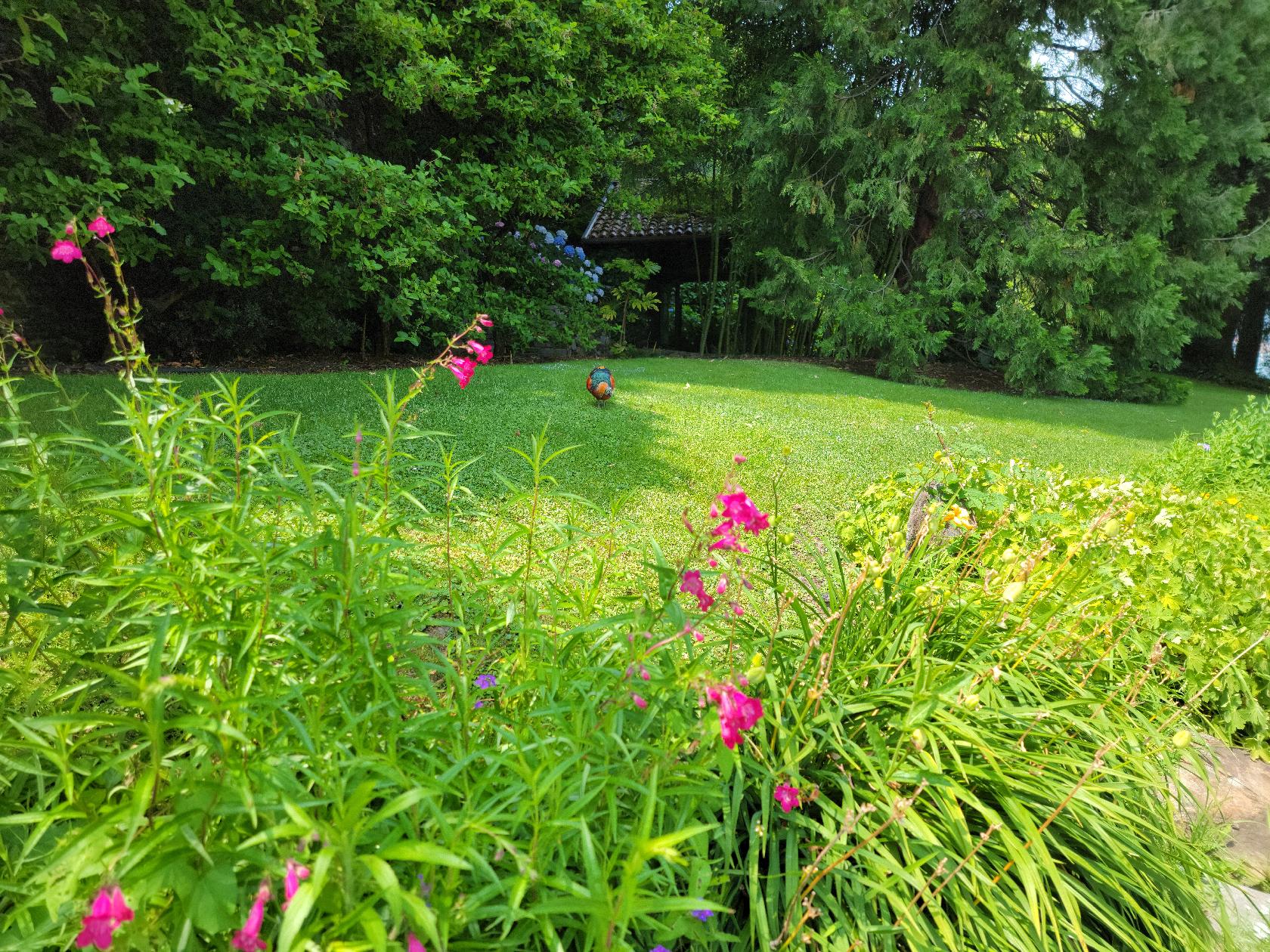
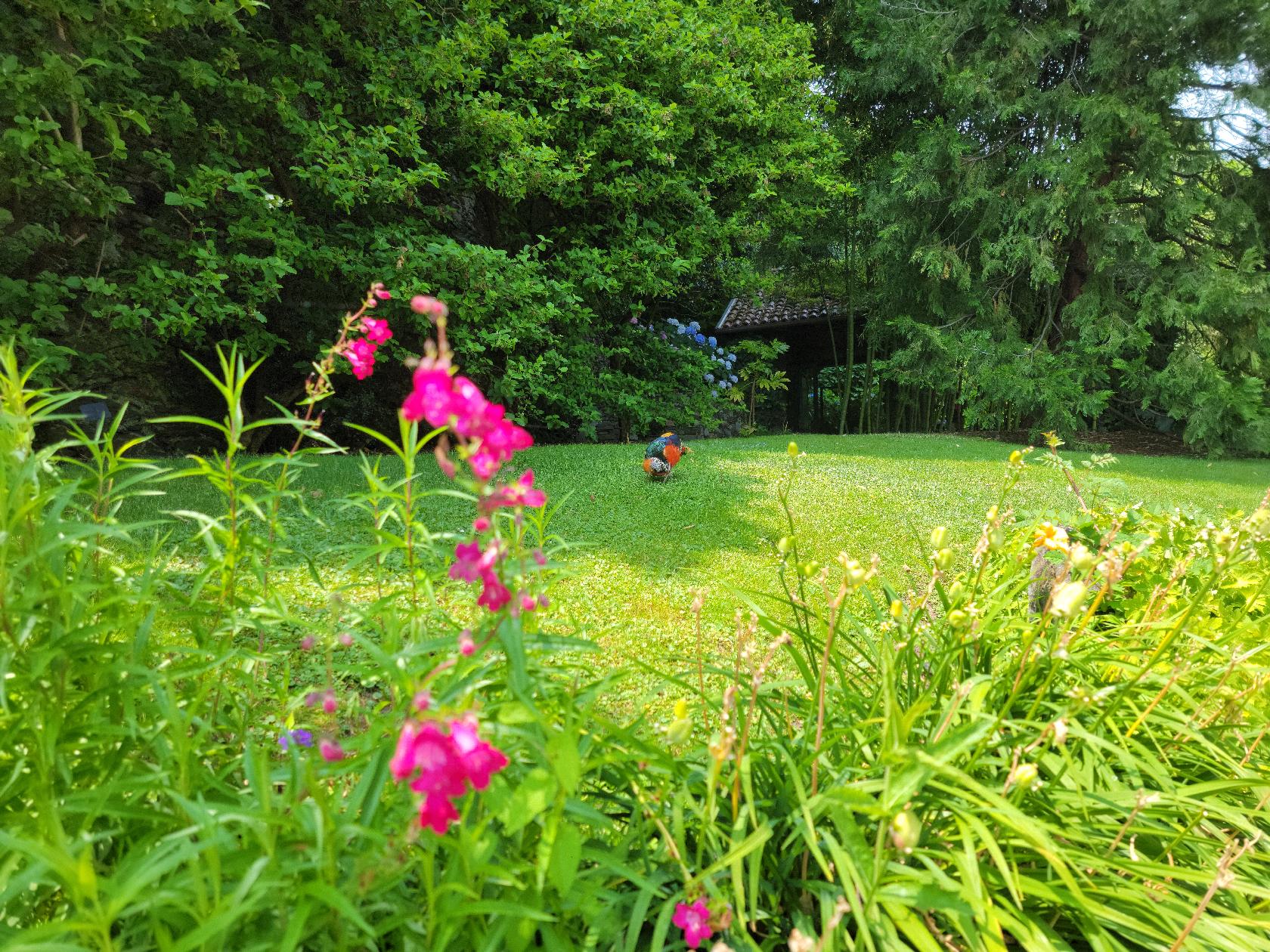
More flowers and Dark Throat Golden Pheasant – Isola Madre, Lake Maggiore, Italy
Dark Throat Golden Pheasant – Isola Madre, Lake Maggiore, Italy
More flowers – Isola Madre, Lake Maggiore, Italy
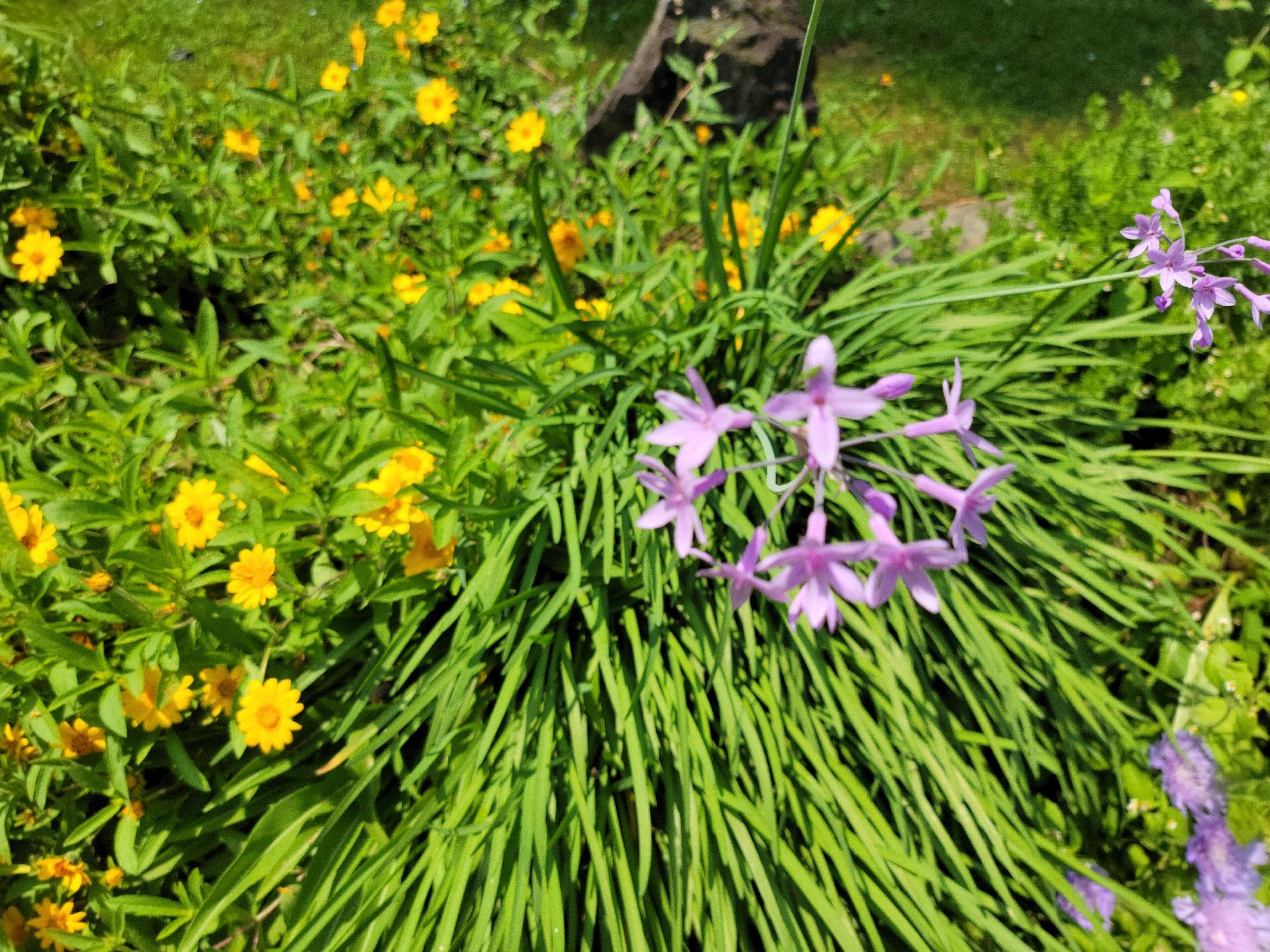
More flowers – Isola Madre, Lake Maggiore, Italy
More flowers – Isola Madre, Lake Maggiore, Italy
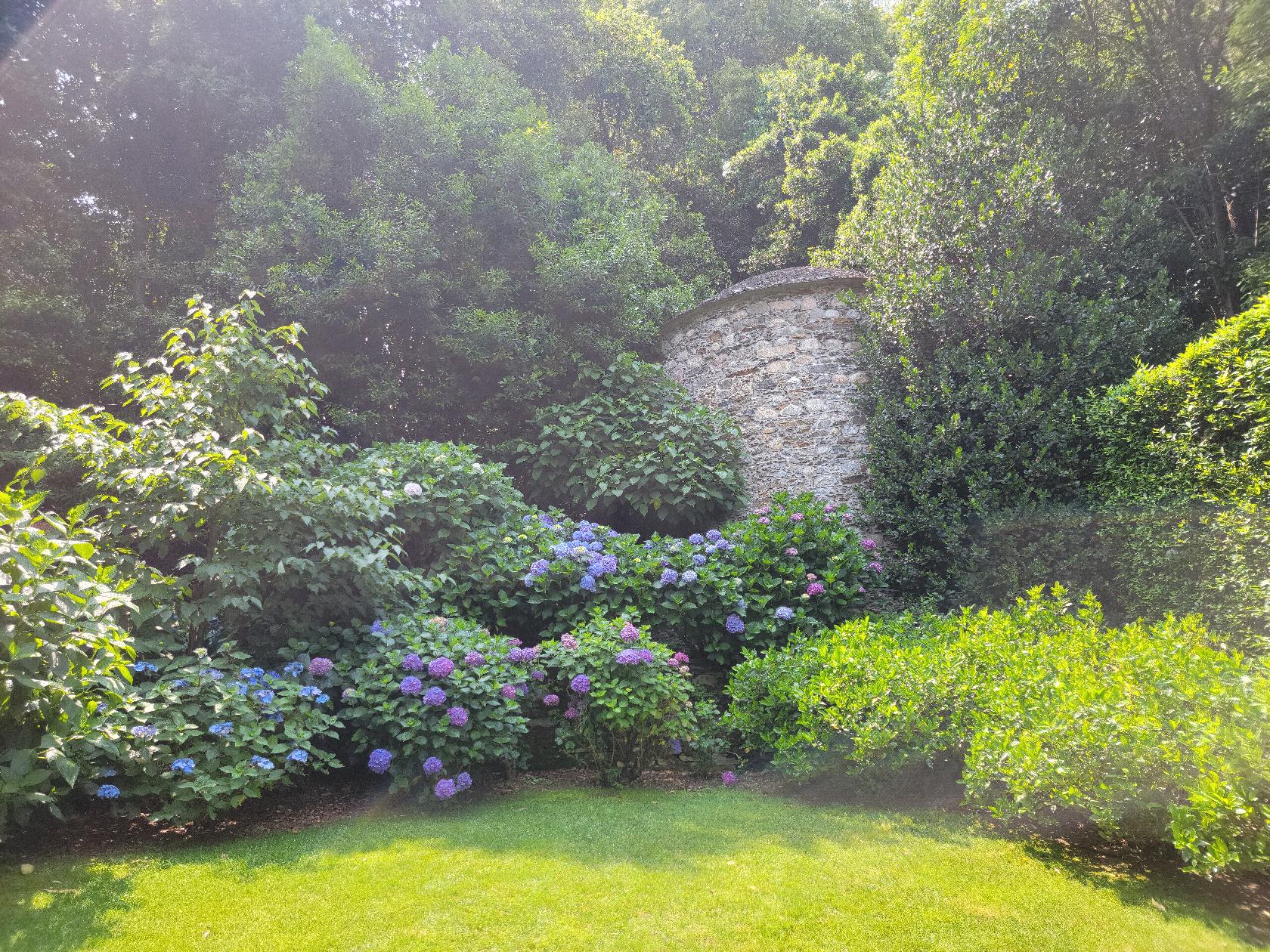
Hydrangea – Isola Madre, Lake Maggiore, Italy
Ferns in the wet part of the gardens – Isola Madre, Lake Maggiore, Italy
More ferns – Isola Madre, Lake Maggiore, Italy
Old boat or gondola dock – Isola Madre, Lake Maggiore, Italy
Pallanza – Isola Madre, Lake Maggiore, Italy
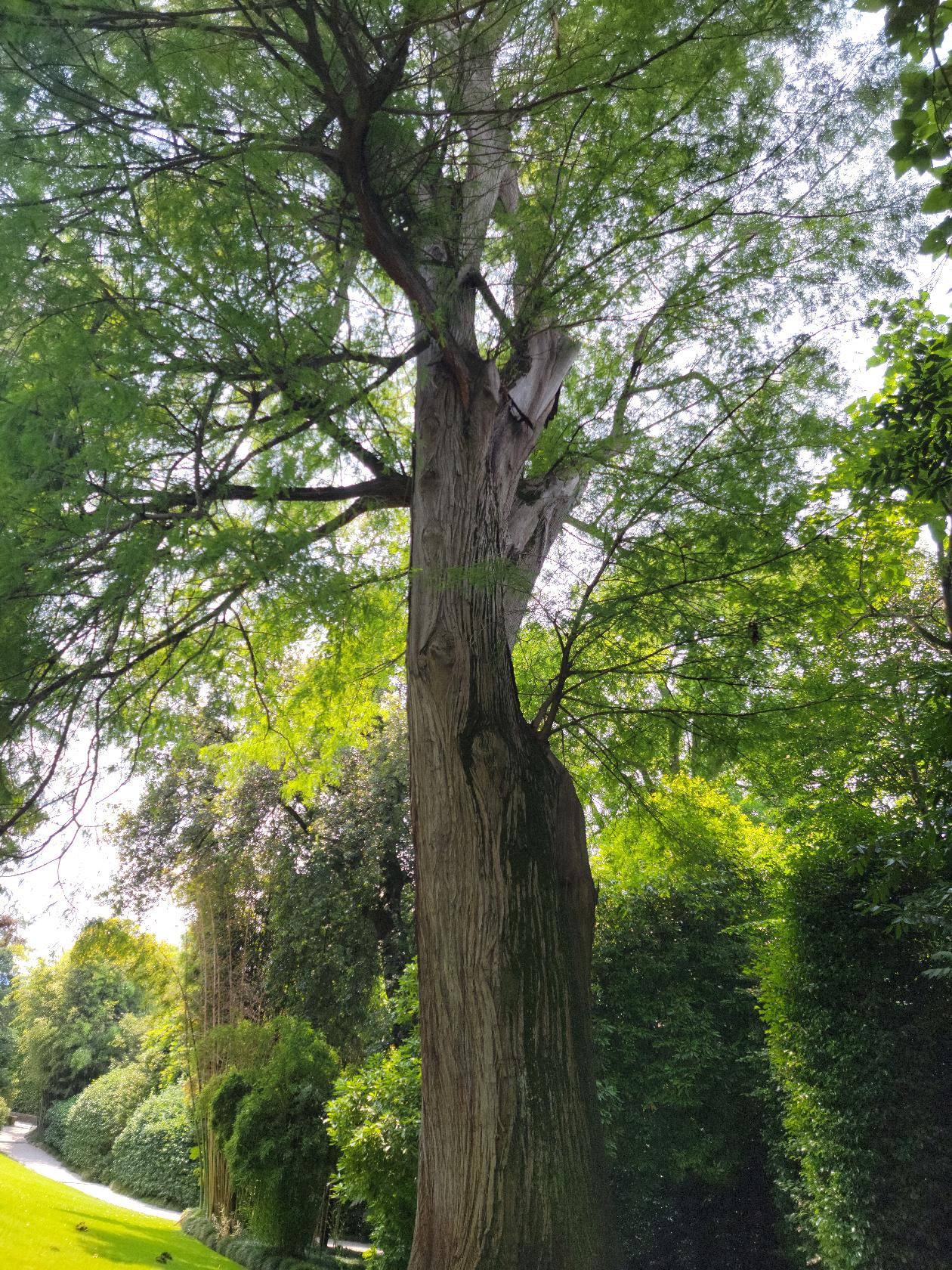
An old Taxodium Distichum or swamp cypress – Isola Madre, Lake Maggiore, Italy
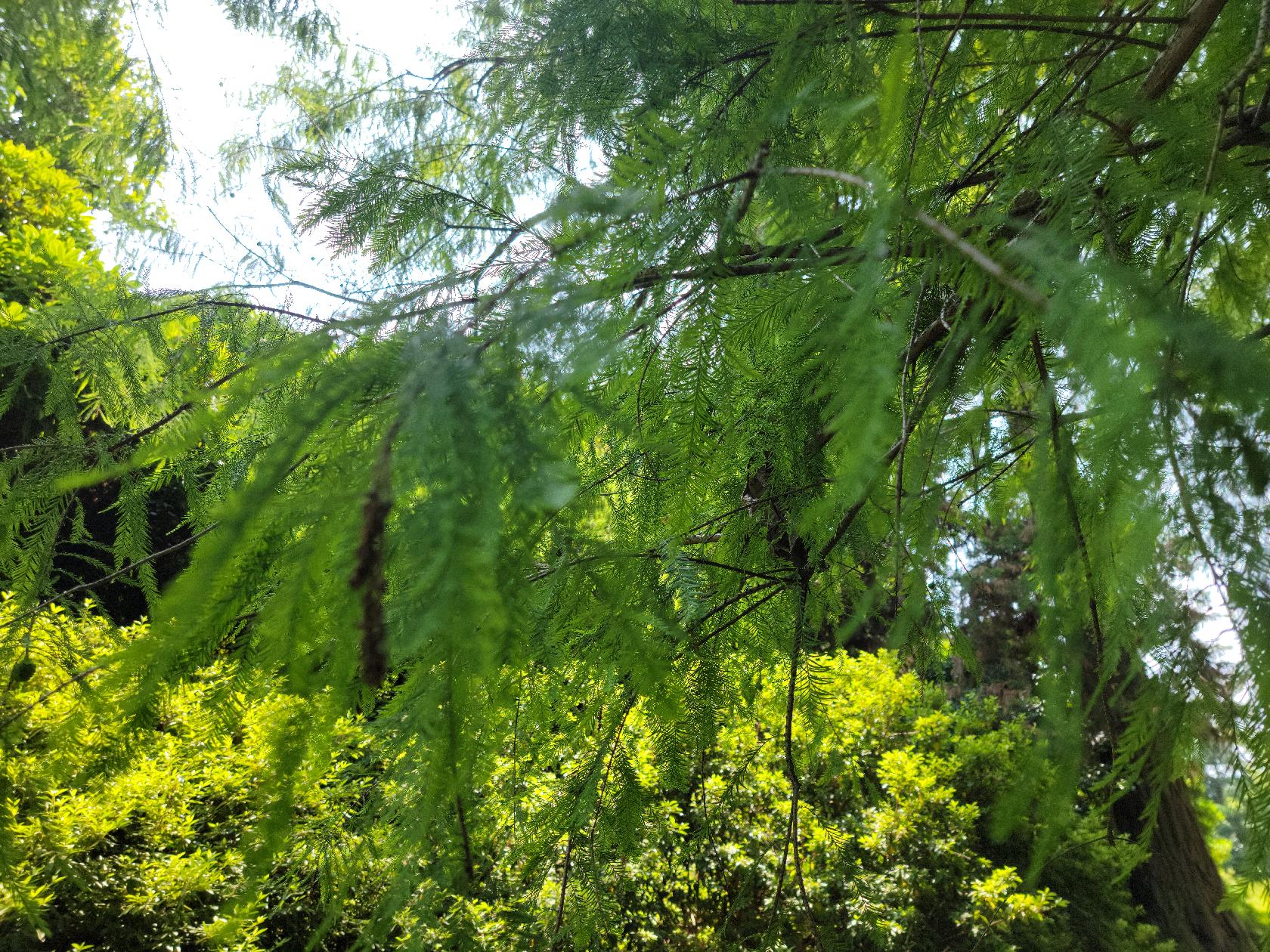
Leaves of the swamp cypress – Isola Madre, Lake Maggiore, Italy
A rather poor specimen of Sequoiadendron Giganteum, labeled Wellingtonia Gigantea, or the giant sequoia – Isola Madre, Lake Maggiore, Italy
Pathway and Bamboo grove – Isola Madre, Lake Maggiore, Italy
Walkway towards the palazzo – Isola Madre, Lake Maggiore, Italy
The Palazzo
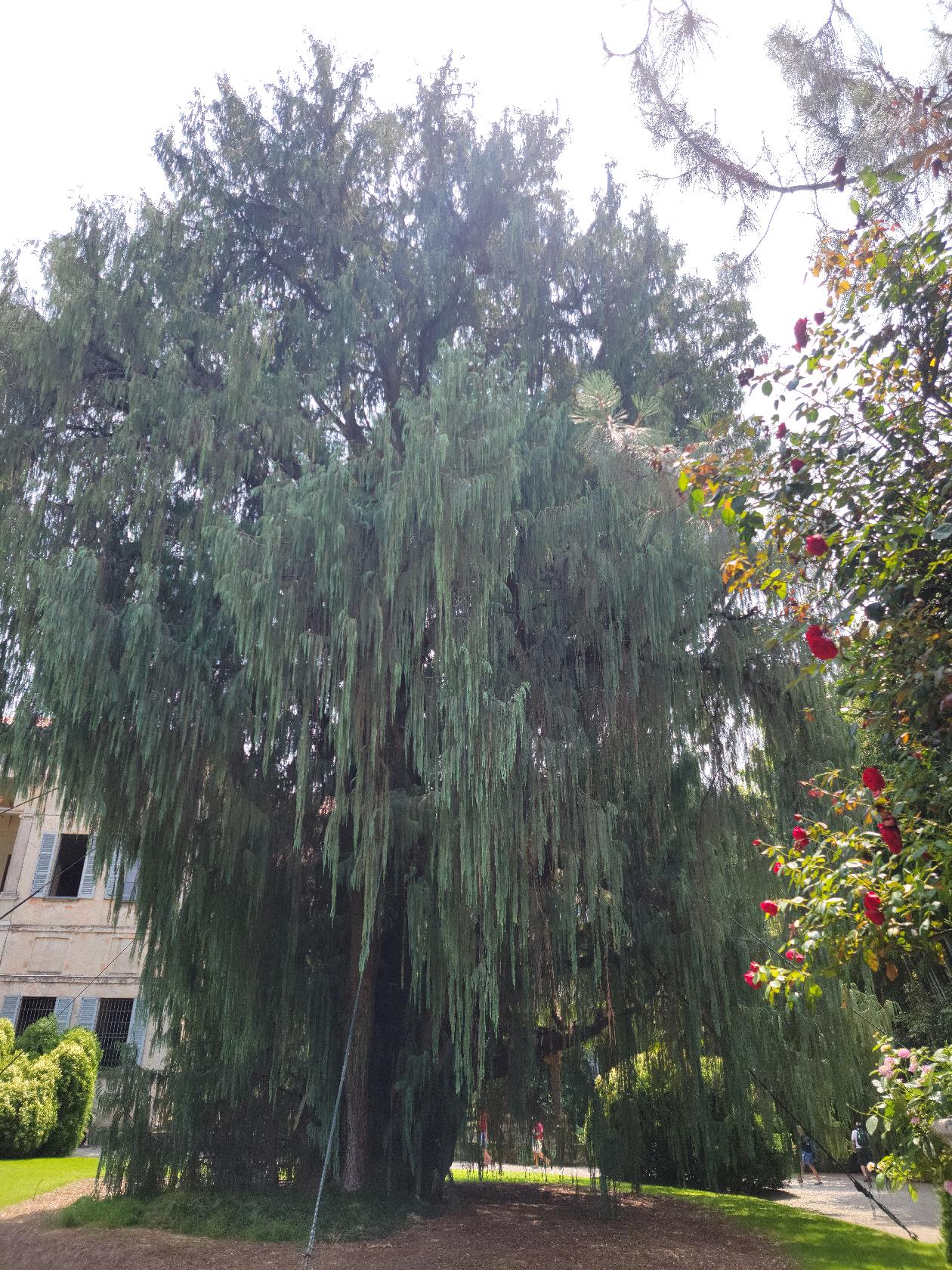
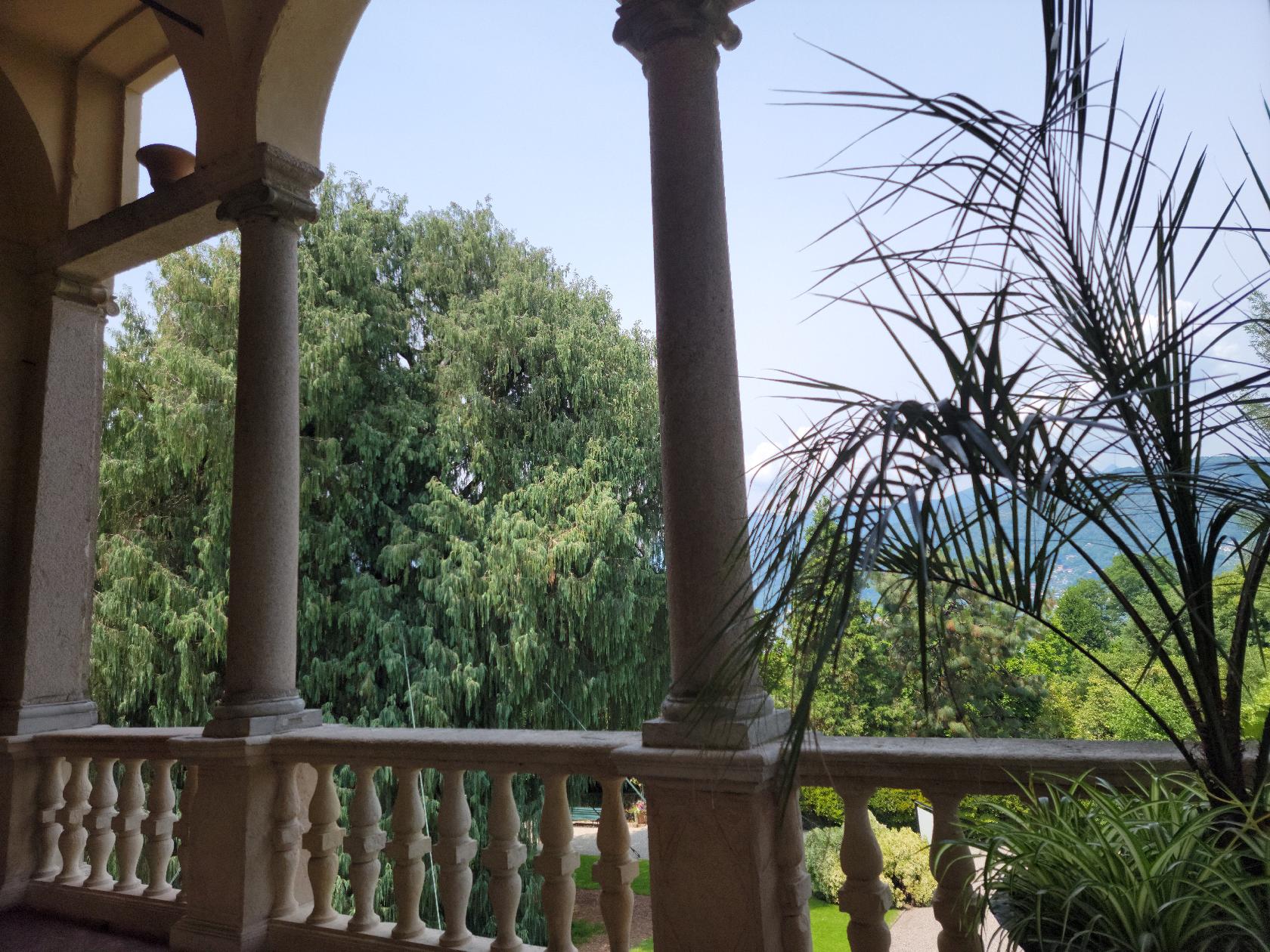
Immediately outside the entrance to the palazzo is a huge Cashmir Cypress tree, that was once blown over by a tornado on the island and later saved. It is indeed a magnificent specimen.
The Cashmir Cypress – Isola Madre, Lake Maggiore, Italy
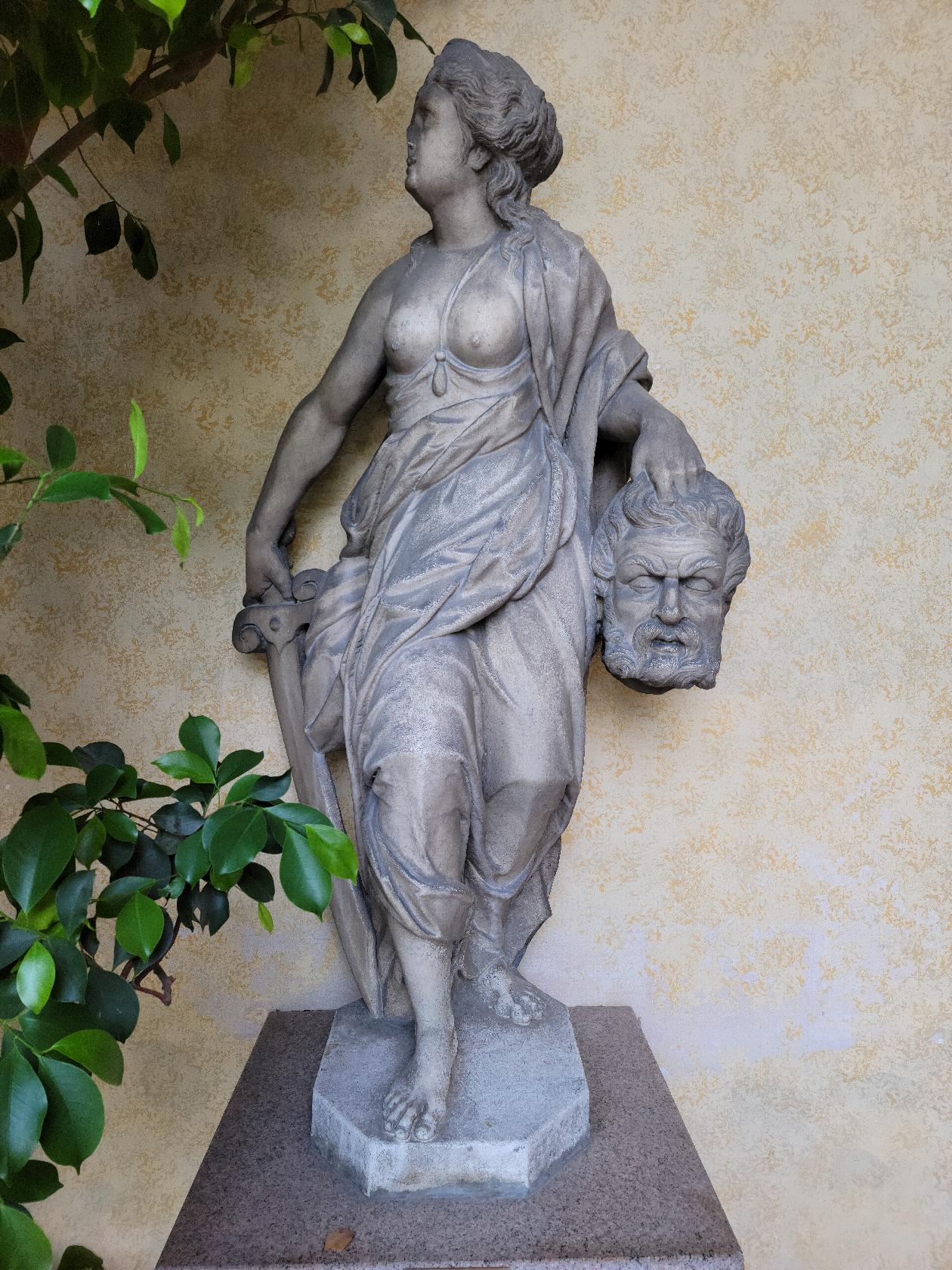
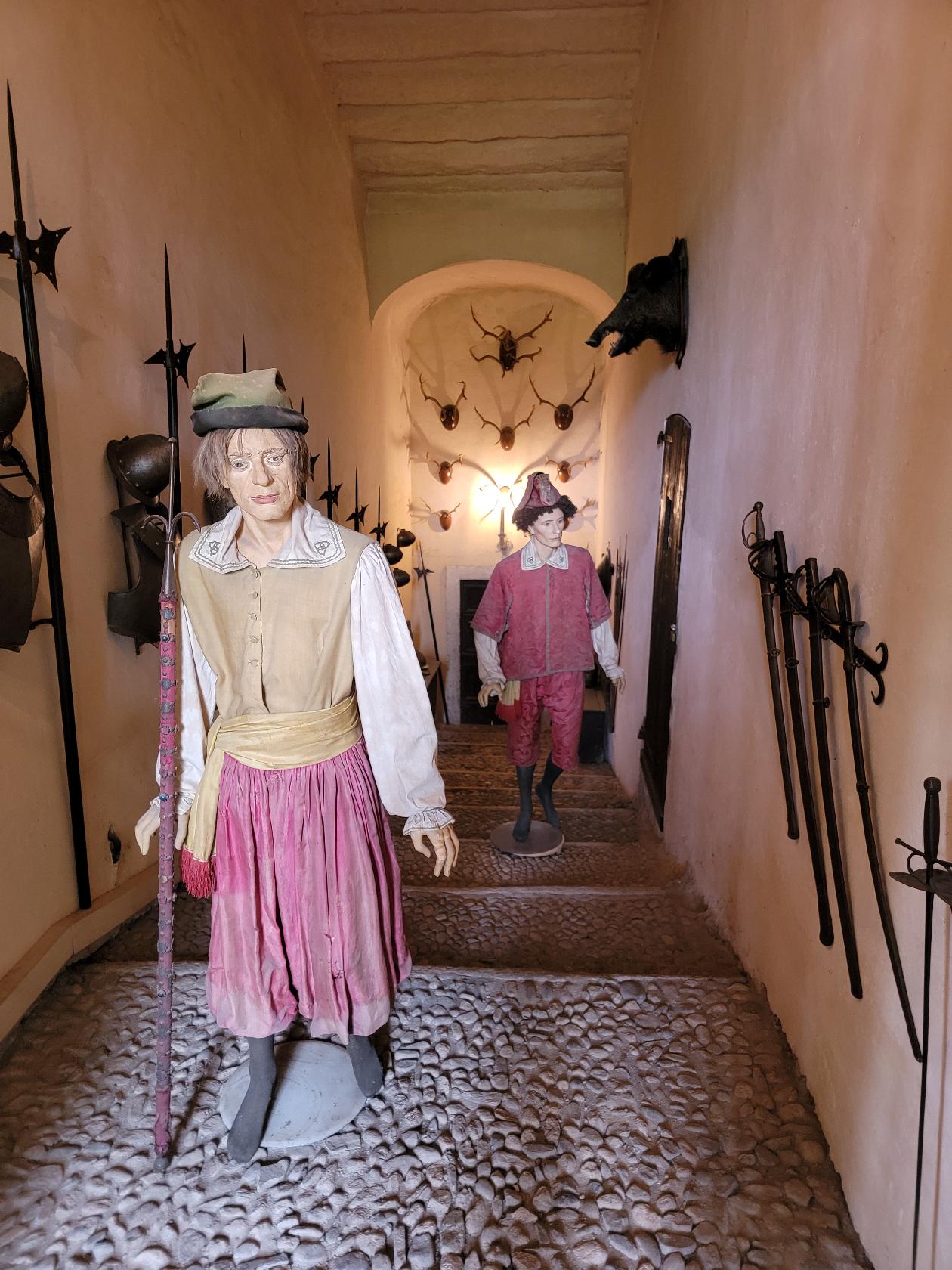
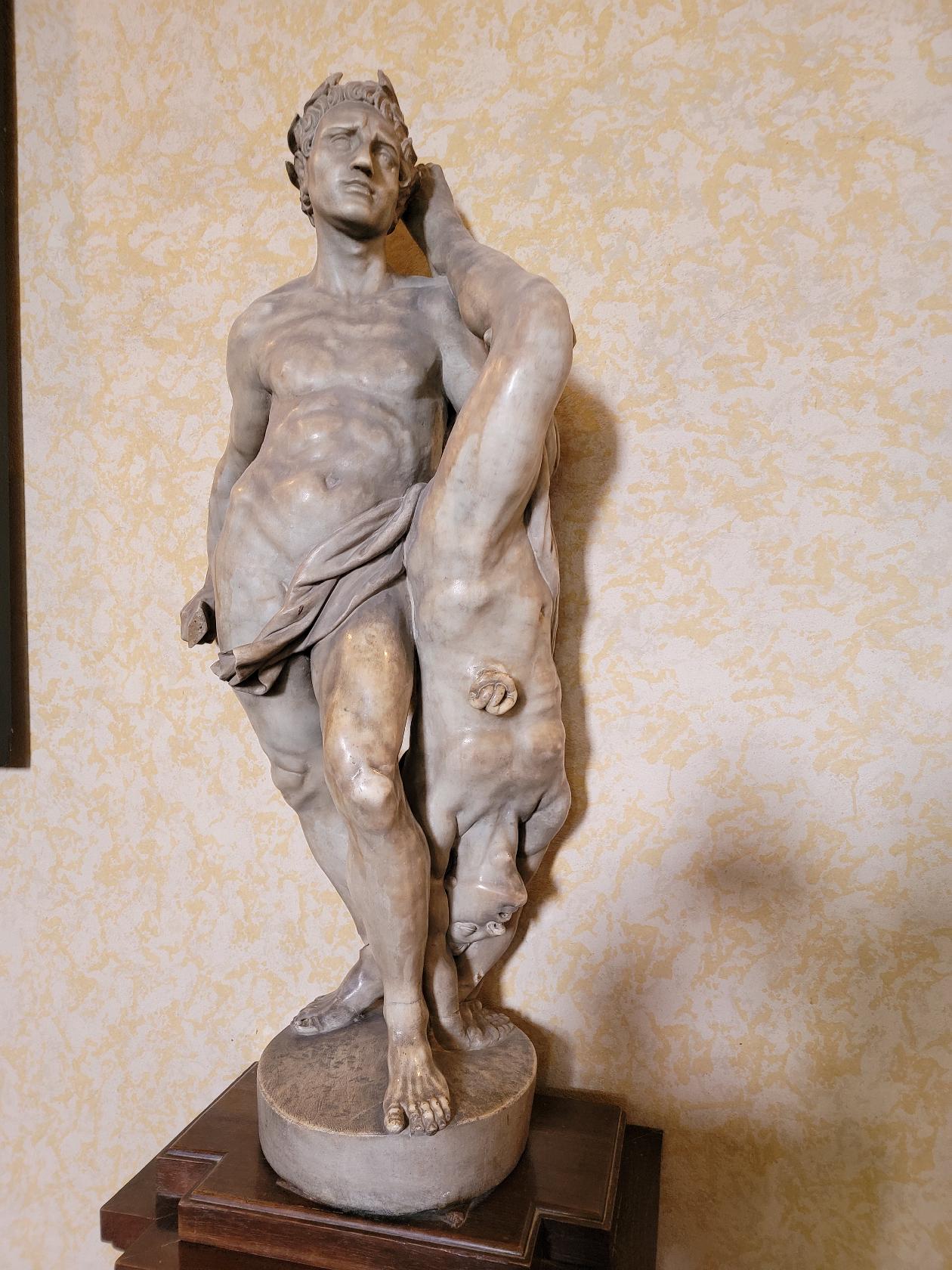
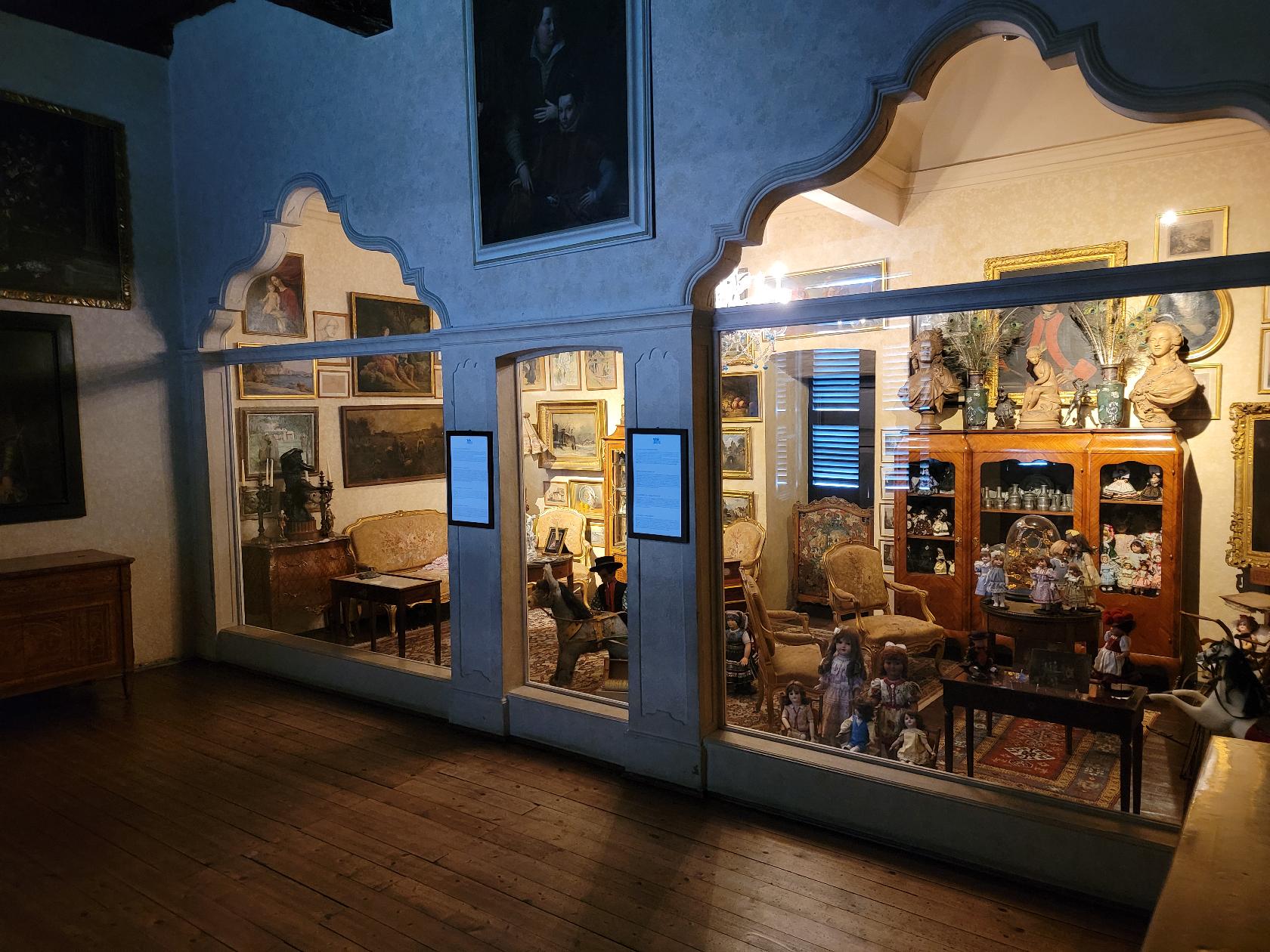
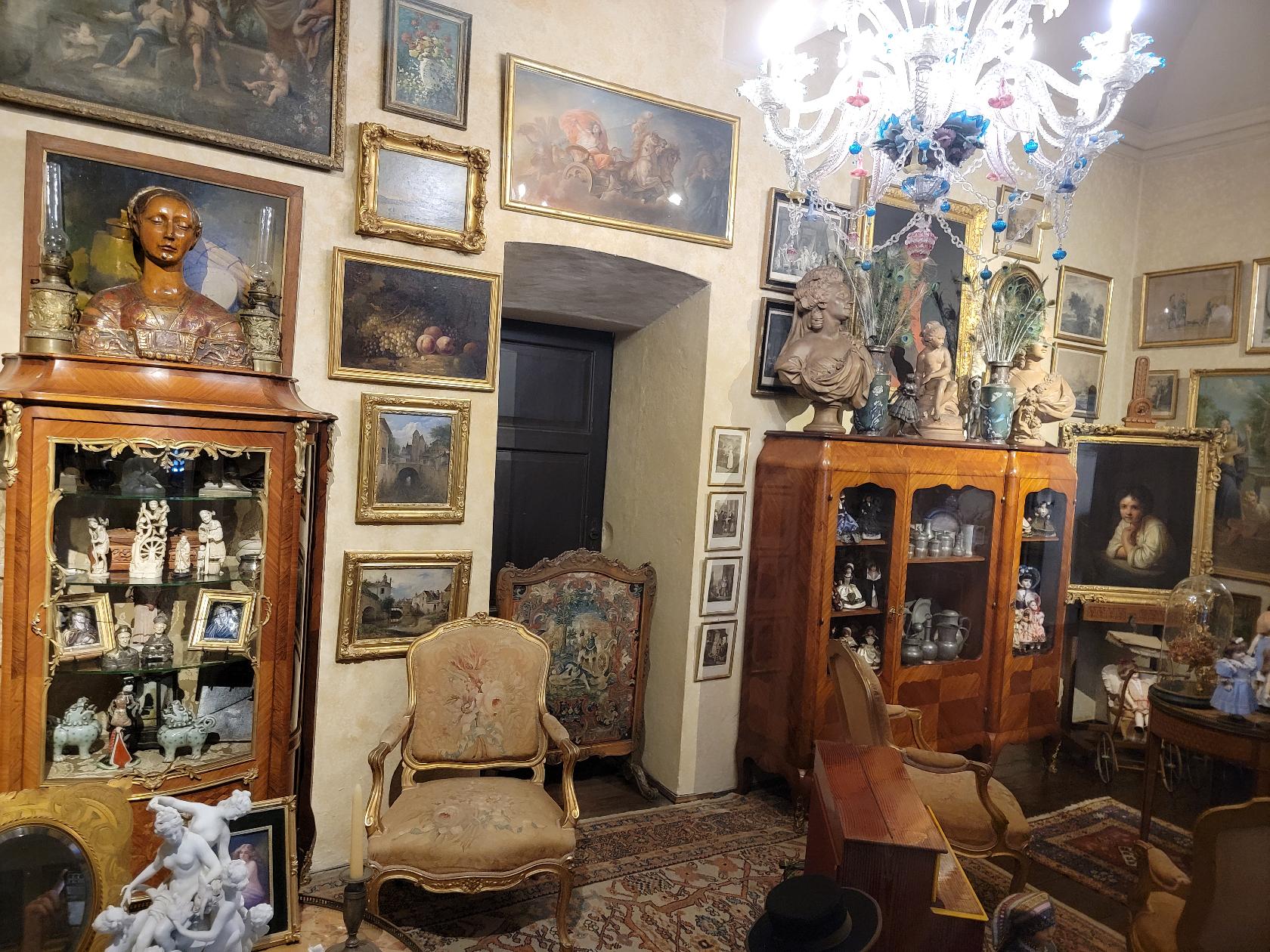
The interior of the palazzo is very interesting and a bit disturbing as well. It contains a lot of desiderata, so the displays can often appear disjointed and not themed well. However, taken as the idiosyncrasies of its creators and owners, it is perhaps more understandable. I found it enjoyable though confused at times, in its own way.
Antonio Albertini, Biuditta con la Testa di Oloferne – Palazzo dell’Isola Madre – Isola Madre, Lake Maggiore, Italy
Exhibit – Palazzo dell’Isola Madre – Isola Madre, Lake Maggiore, Italy
Statue – Palazzo dell’Isola Madre – Isola Madre, Lake Maggiore, Italy
Cypress tree from balcony – Palazzo dell’Isola Madre – Isola Madre, Lake Maggiore, Italy
Main room – Palazzo dell’Isola Madre – Isola Madre, Lake Maggiore, Italy
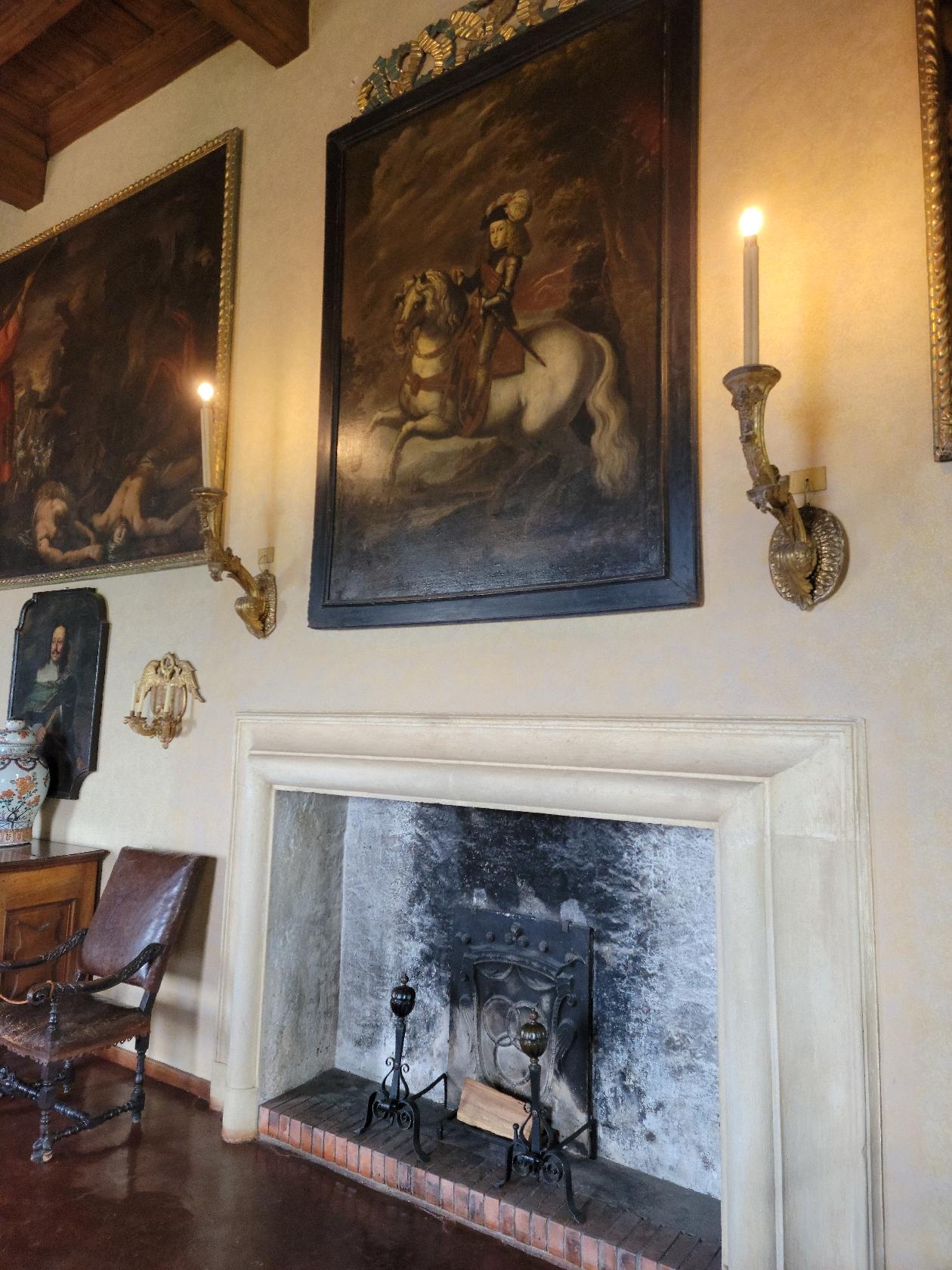
Fireplace – Palazzo dell’Isola Madre – Isola Madre, Lake Maggiore, Italy
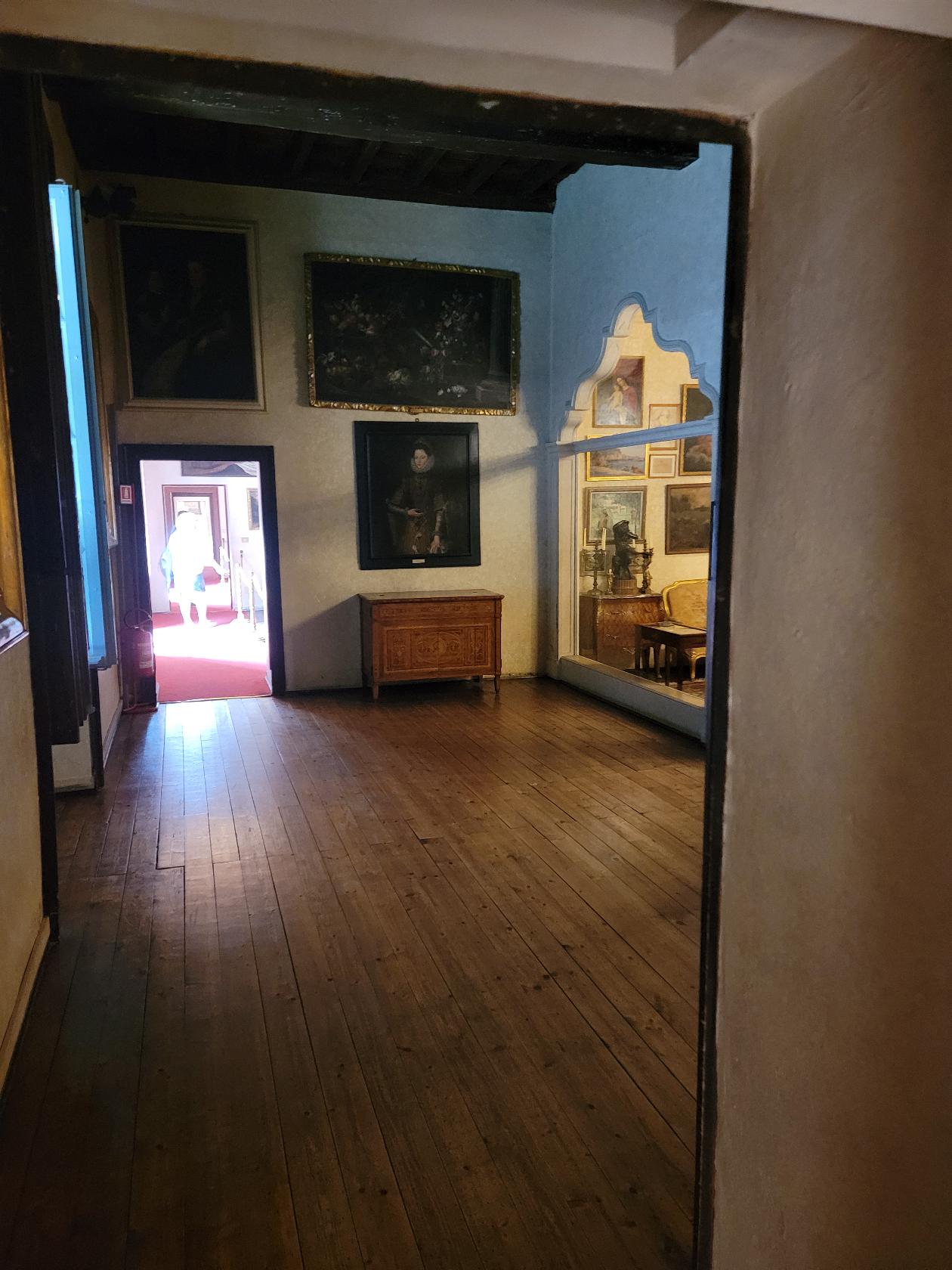
Hallway crowded with extra furniture – Palazzo dell’Isola Madre – Isola Madre, Lake Maggiore, Italy
Chapel and outside garden – Palazzo dell’Isola Madre – Isola Madre, Lake Maggiore, Italy
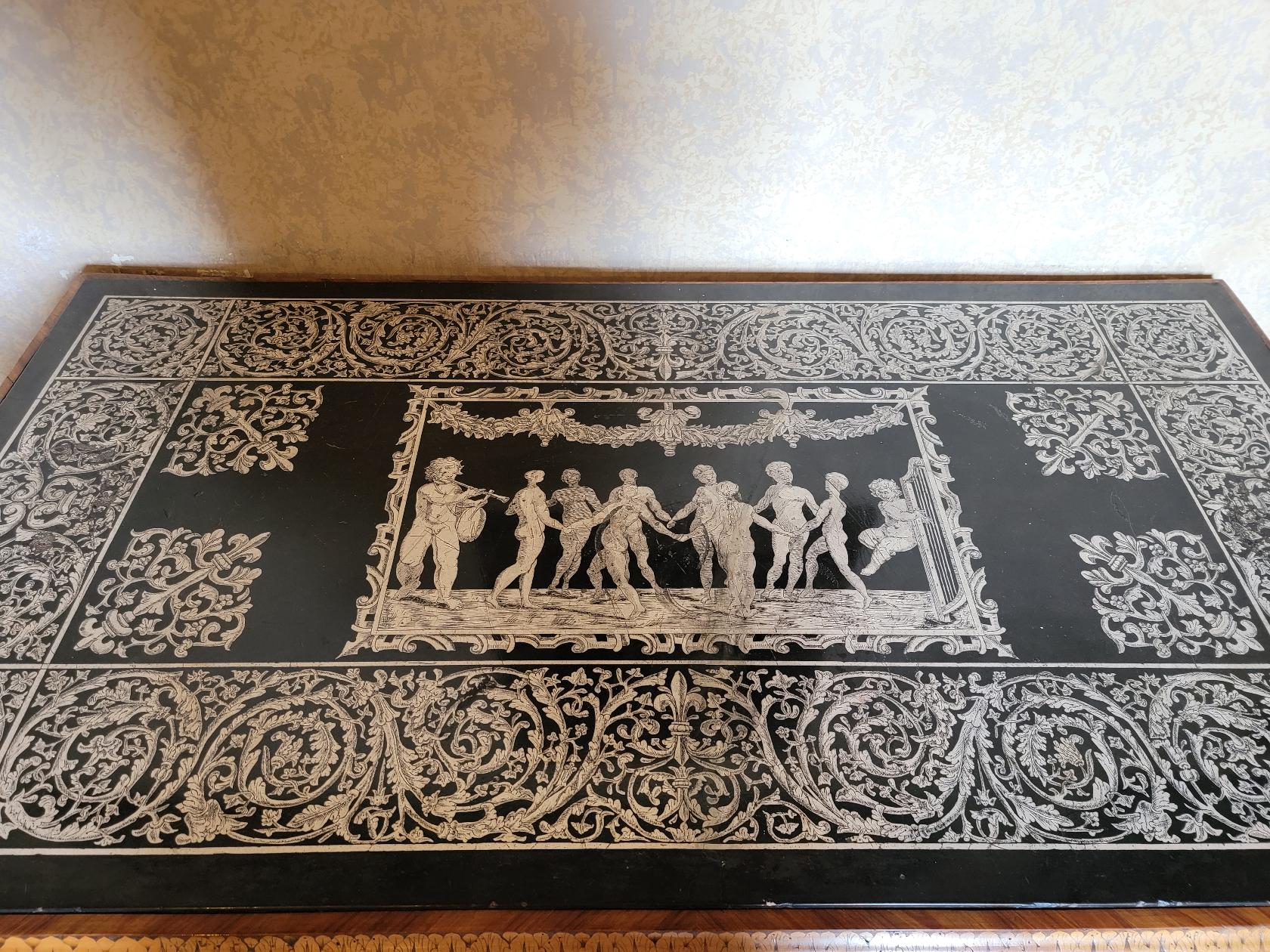
Ivory and Ebony tabletop – Palazzo dell’Isola Madre – Isola Madre, Lake Maggiore, Italy
Room with oddities – Palazzo dell’Isola Madre – Isola Madre, Lake Maggiore, Italy
Room with oddities – Palazzo dell’Isola Madre – Isola Madre, Lake Maggiore, Italy
Room with oddities – Palazzo dell’Isola Madre – Isola Madre, Lake Maggiore, Italy
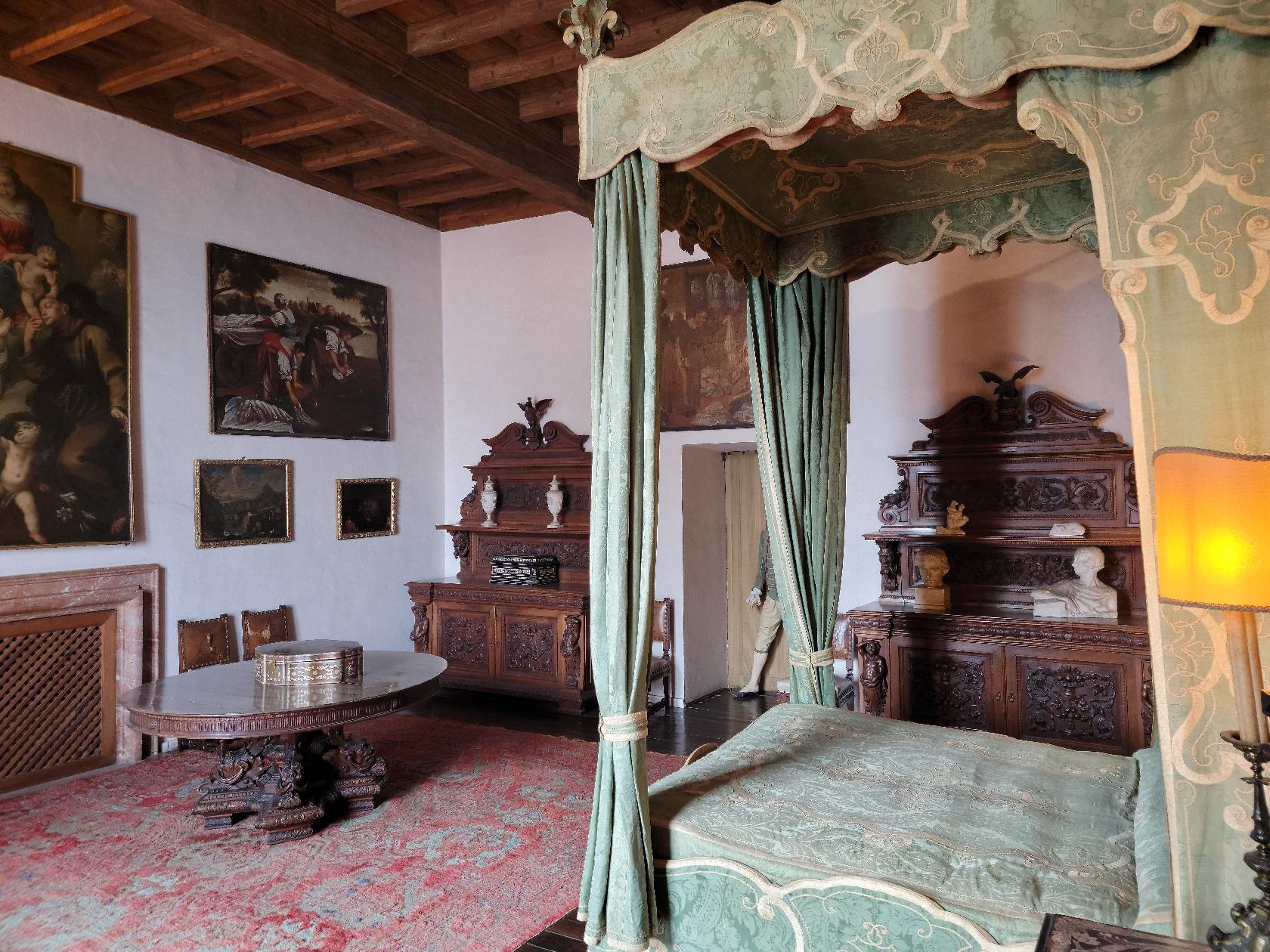
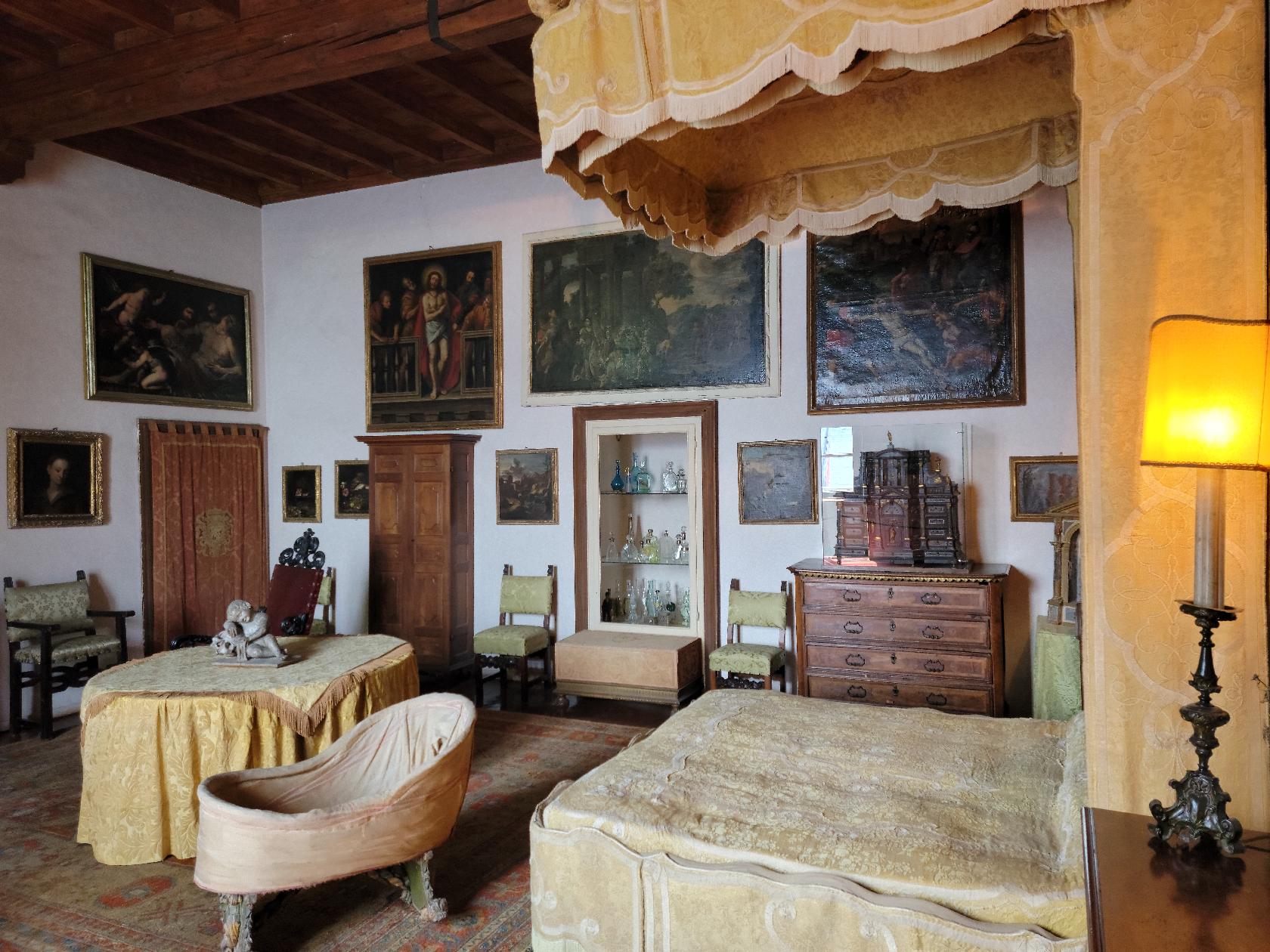
Bedroom – Palazzo dell’Isola Madre – Isola Madre, Lake Maggiore, Italy
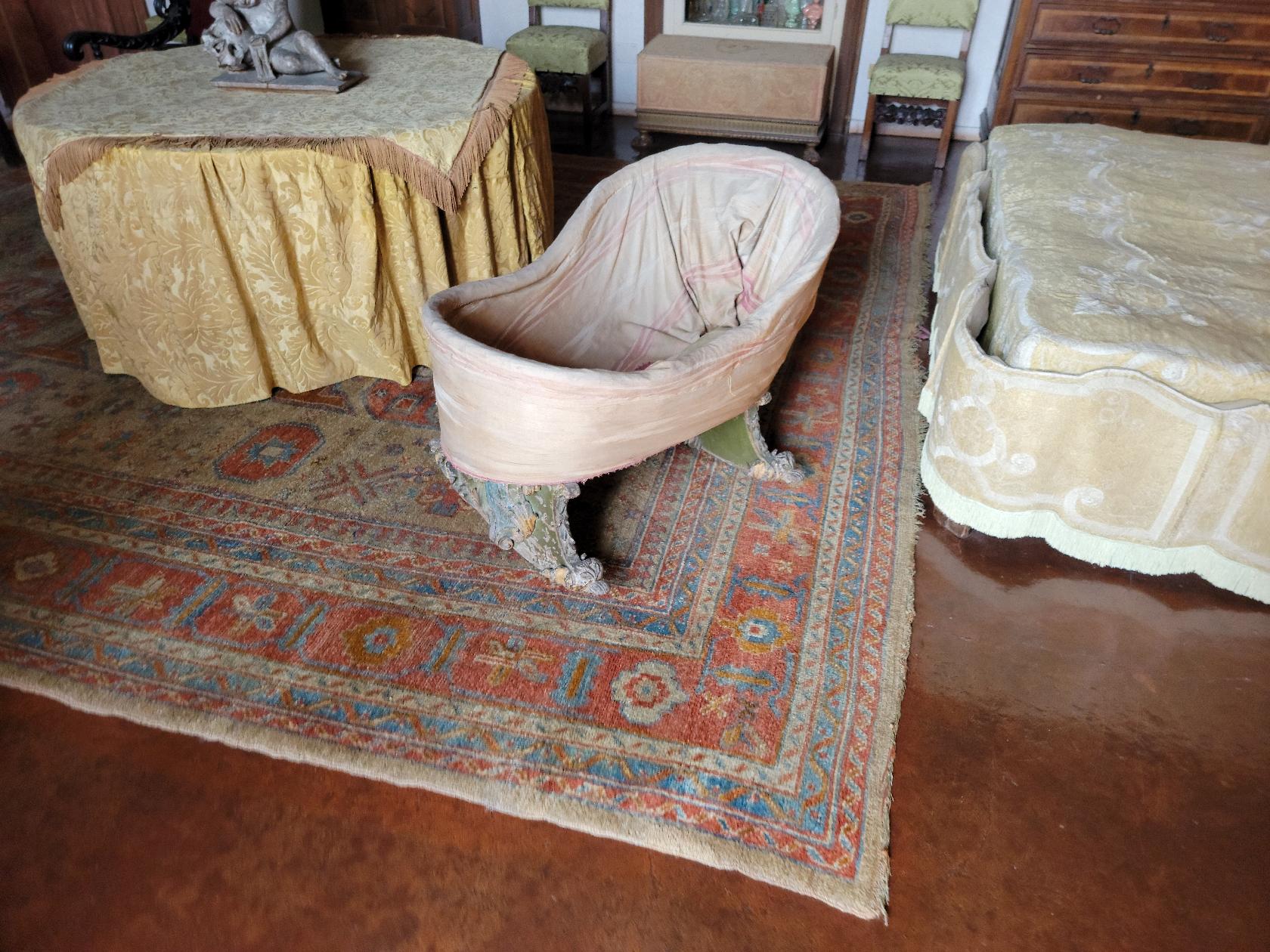
Bedroom for baby and mother – Palazzo dell’Isola Madre – Isola Madre, Lake Maggiore, Italy
Cradle – Palazzo dell’Isola Madre – Isola Madre, Lake Maggiore, Italy
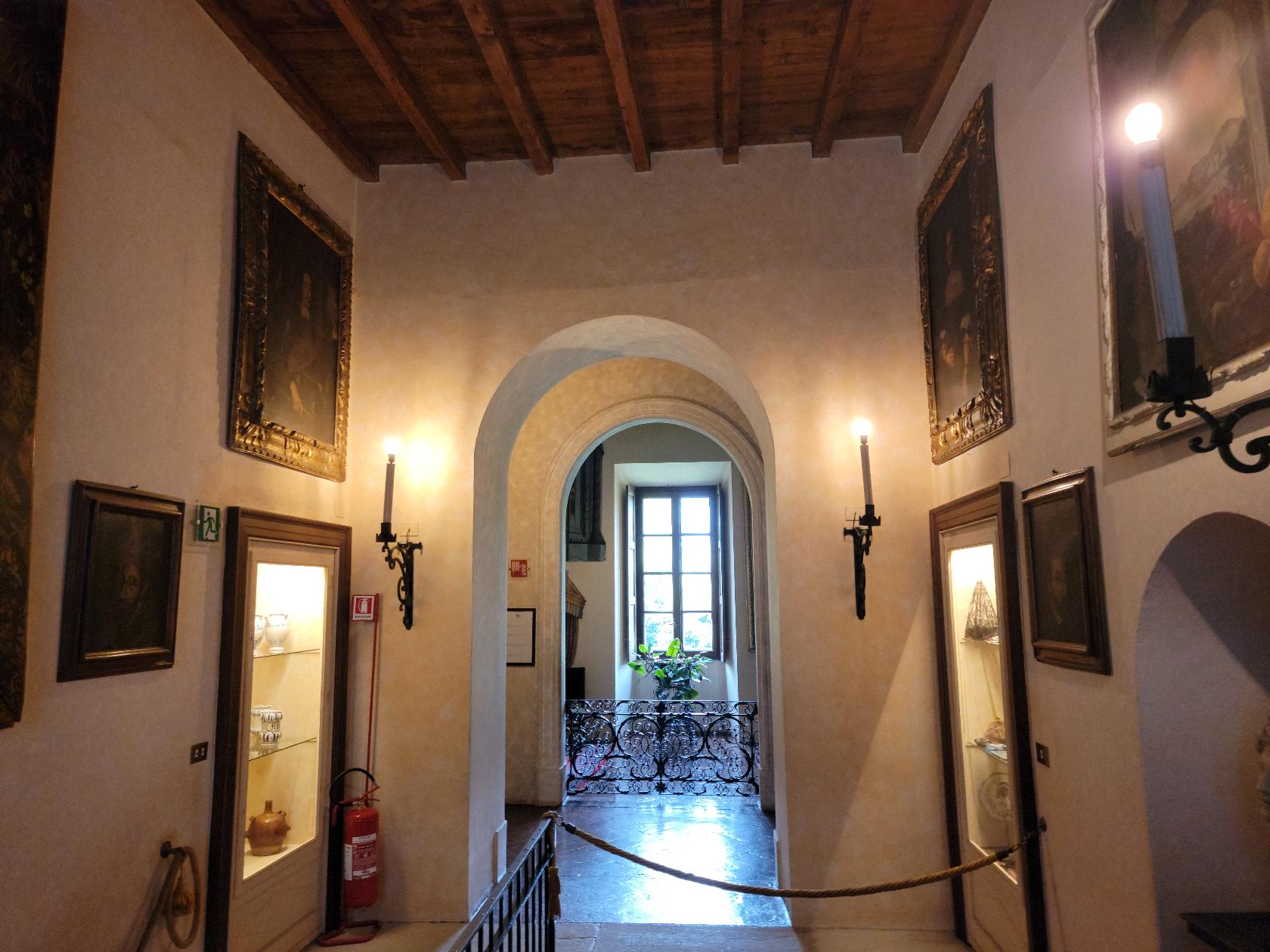
Hallway – Palazzo dell’Isola Madre – Isola Madre, Lake Maggiore, Italy
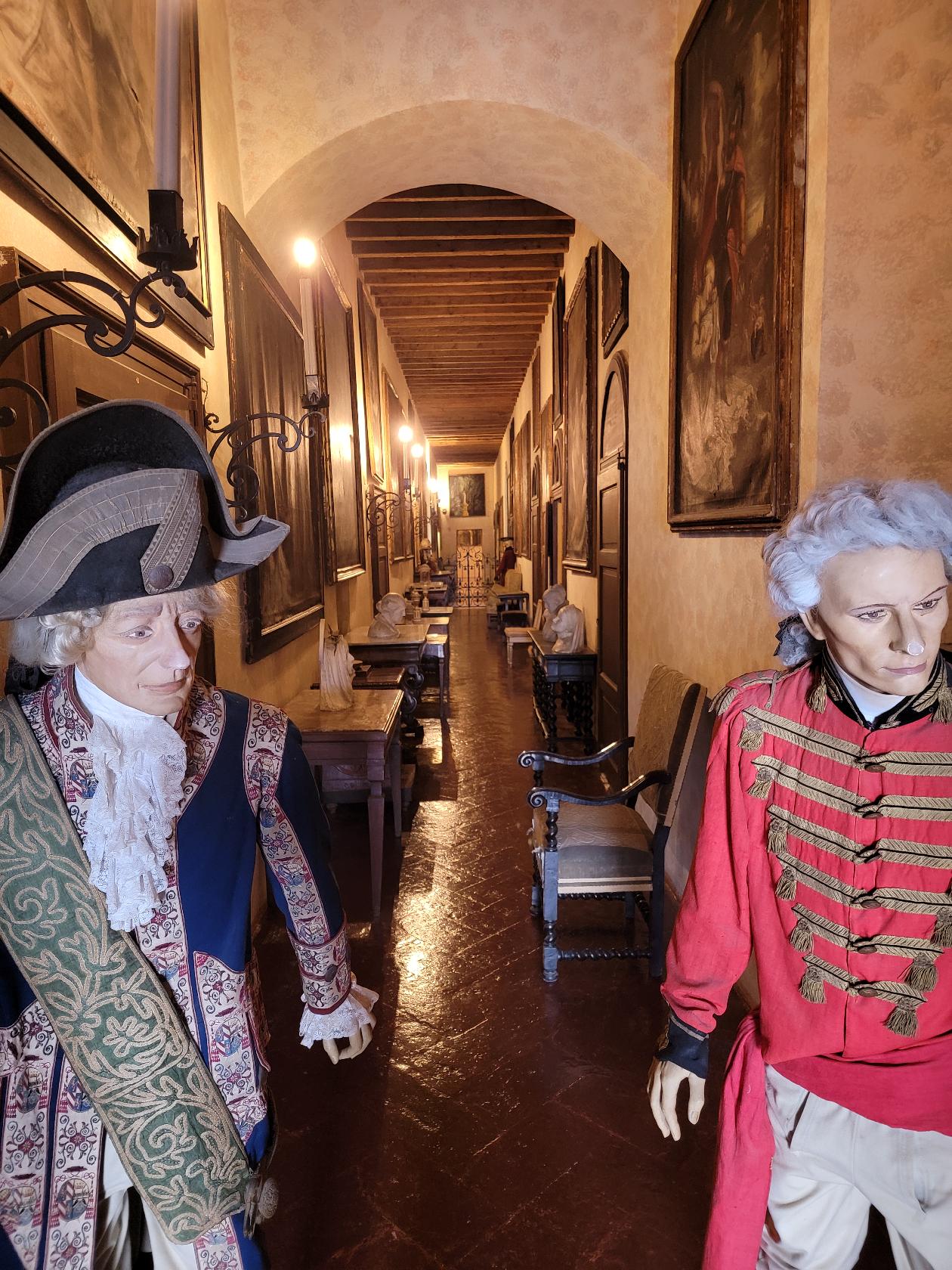
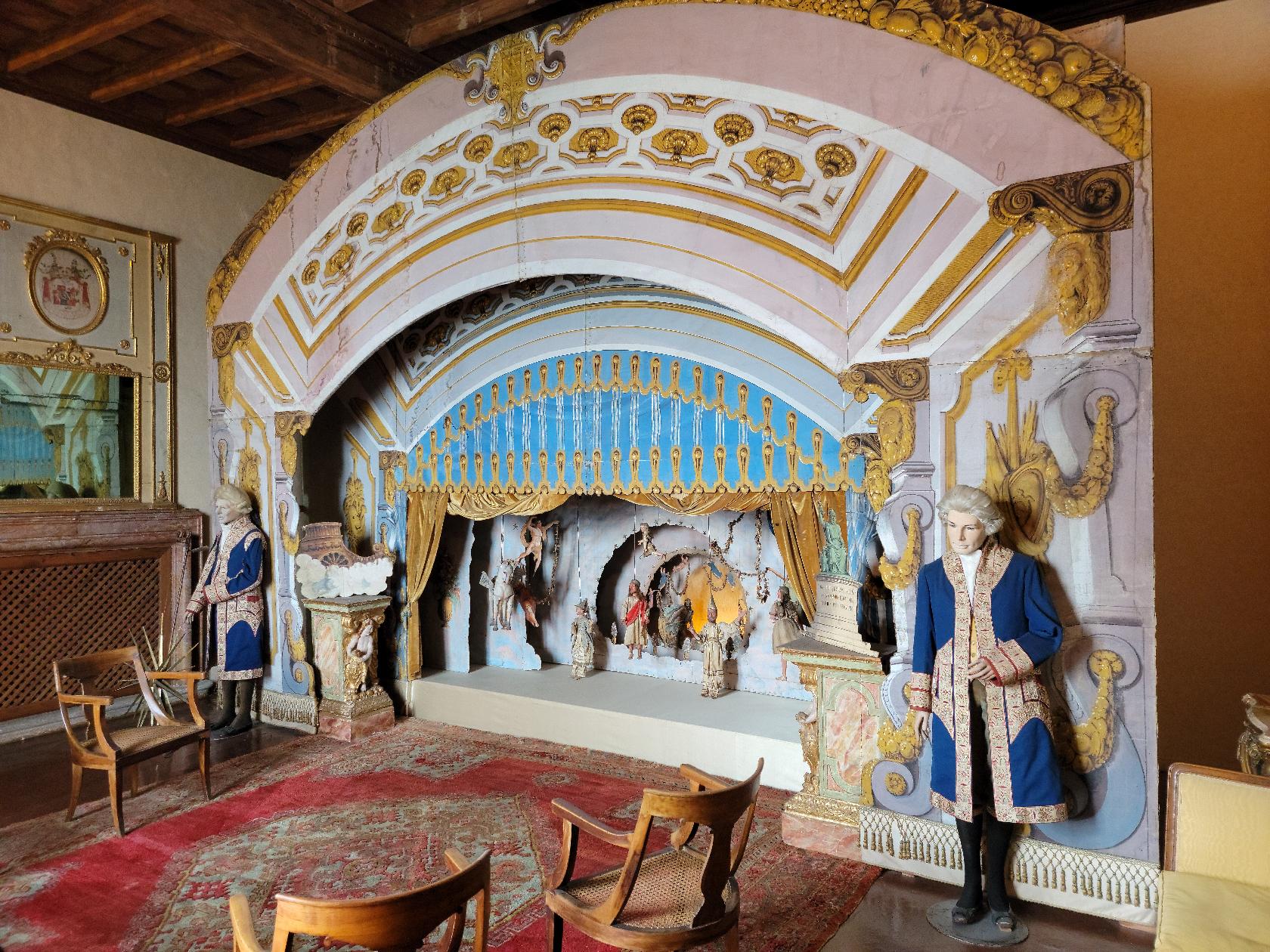
Elaborate mannequins with Marionette stage – Palazzo dell’Isola Madre – Isola Madre, Lake Maggiore, Italy
Marionette stage – Palazzo dell’Isola Madre – Isola Madre, Lake Maggiore, Italy
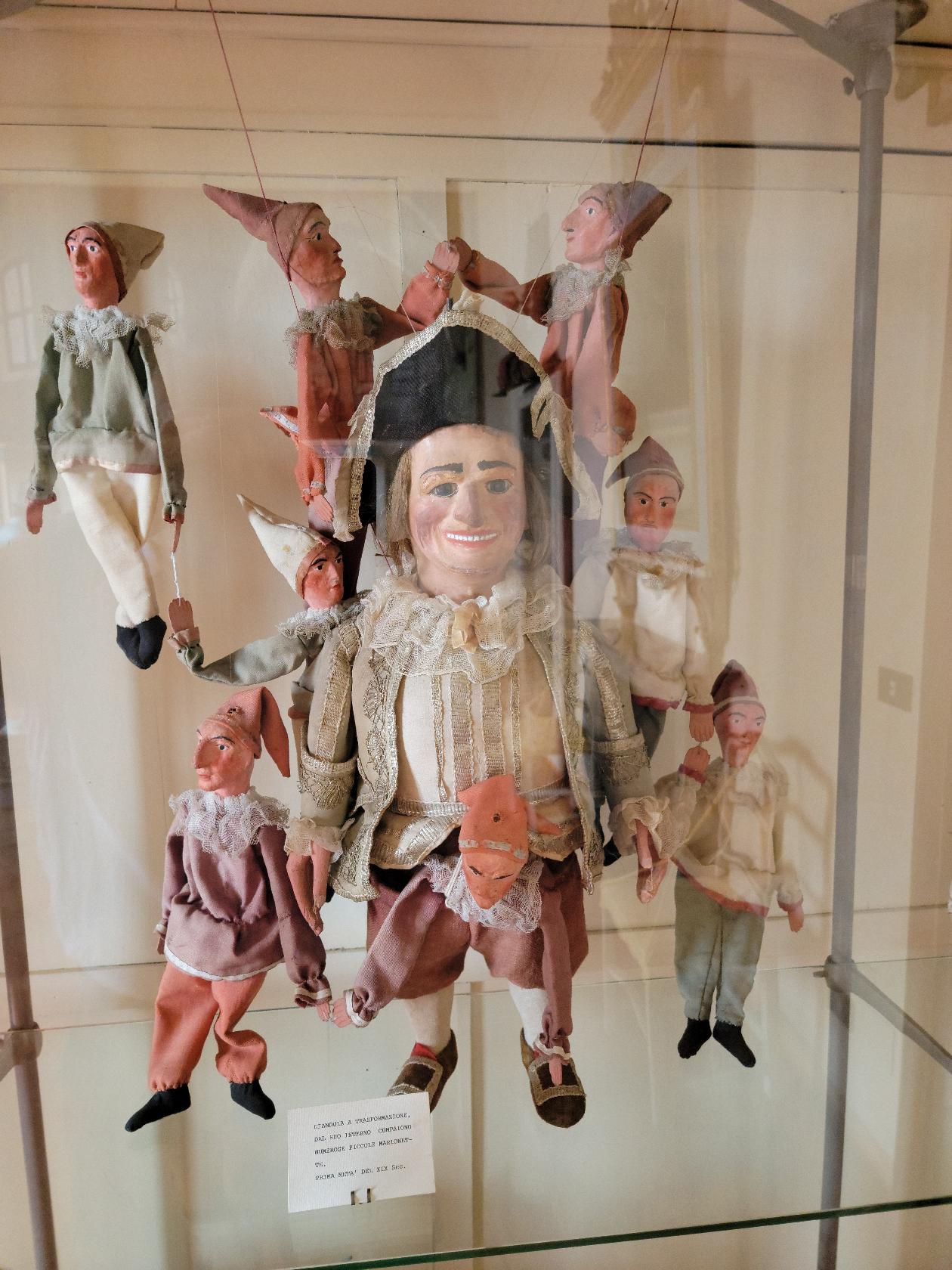
Marionettes and small puppets – Palazzo dell’Isola Madre – Isola Madre, Lake Maggiore, Italy
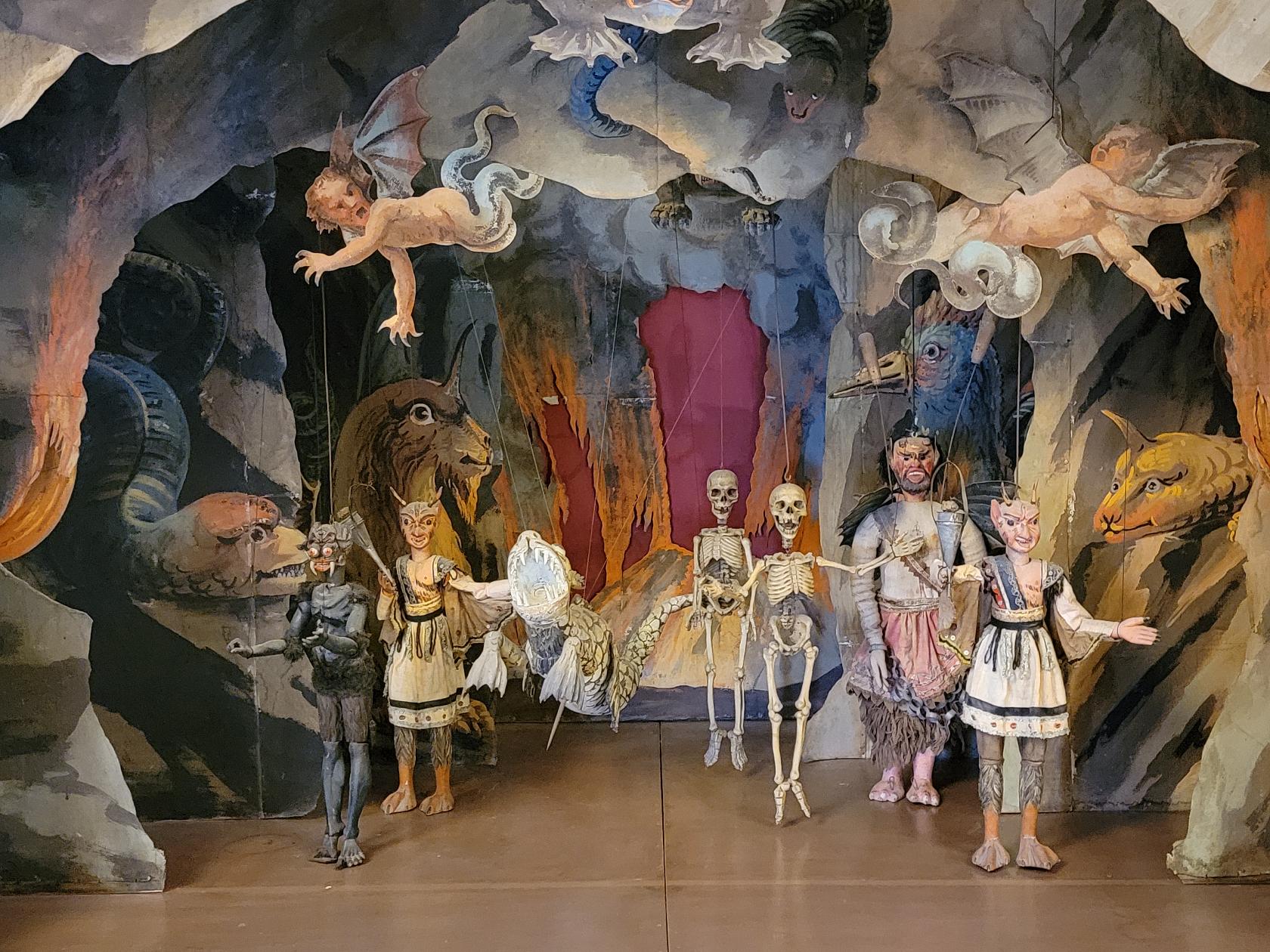
Marionettes on stage – Palazzo dell’Isola Madre – Isola Madre, Lake Maggiore, Italy
Odd women’s room – Palazzo dell’Isola Madre – Isola Madre, Lake Maggiore, Italy
Dark hallway filled with unused furniture – Palazzo dell’Isola Madre – Isola Madre, Lake Maggiore, Italy
Interesting painting – Palazzo dell’Isola Madre – Isola Madre, Lake Maggiore, Italy
Study – Palazzo dell’Isola Madre – Isola Madre, Lake Maggiore, Italy
Study – Palazzo dell’Isola Madre – Isola Madre, Lake Maggiore, Italy
Sitting room – Palazzo dell’Isola Madre – Isola Madre, Lake Maggiore, Italy
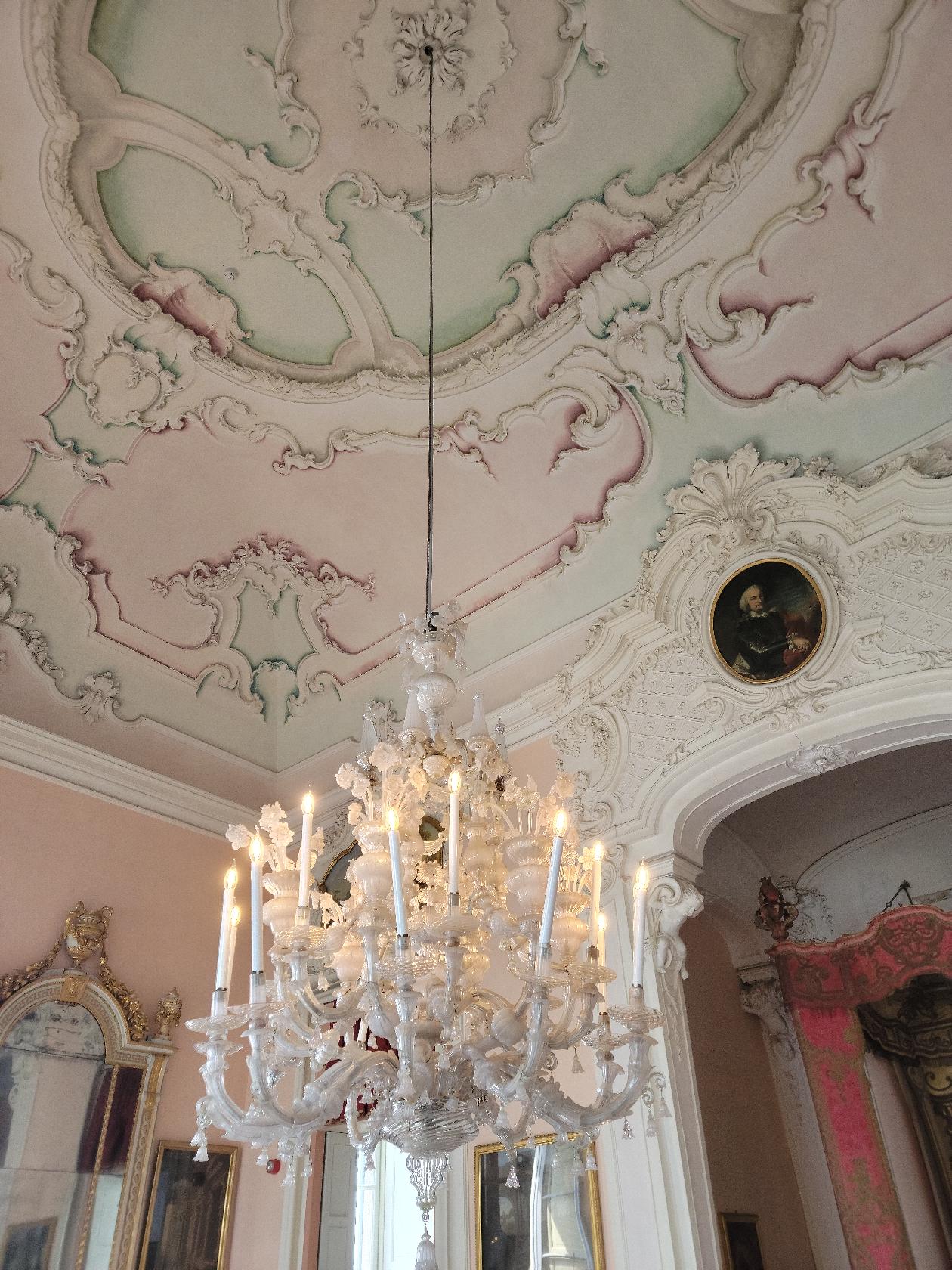
Murano glass chandelier – Palazzo dell’Isola Madre – Isola Madre, Lake Maggiore, Italy
Another Murano glass chandelier – Palazzo dell’Isola Madre – Isola Madre, Lake Maggiore, Italy
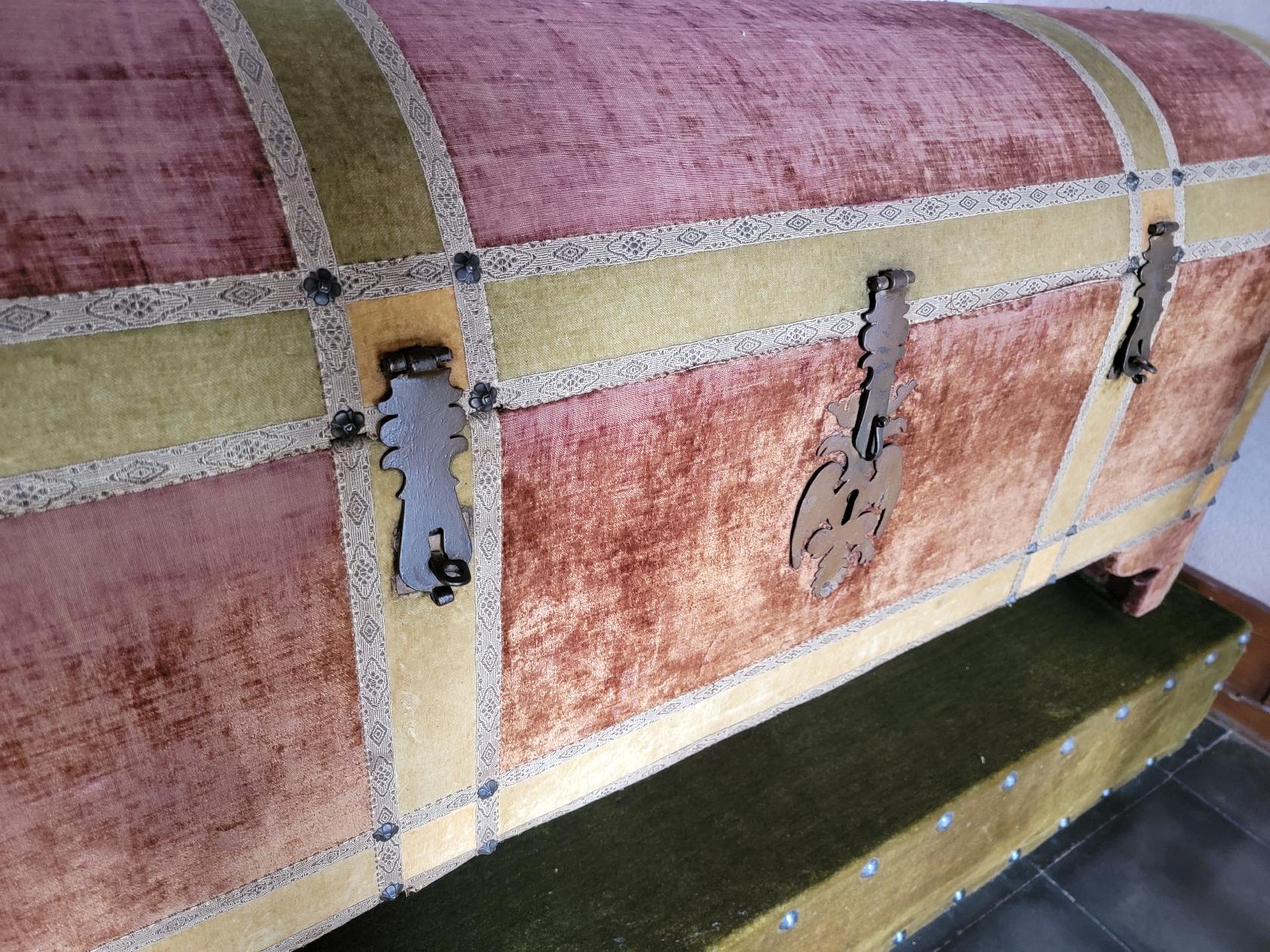
Old chest – Palazzo dell’Isola Madre – Isola Madre, Lake Maggiore, Italy
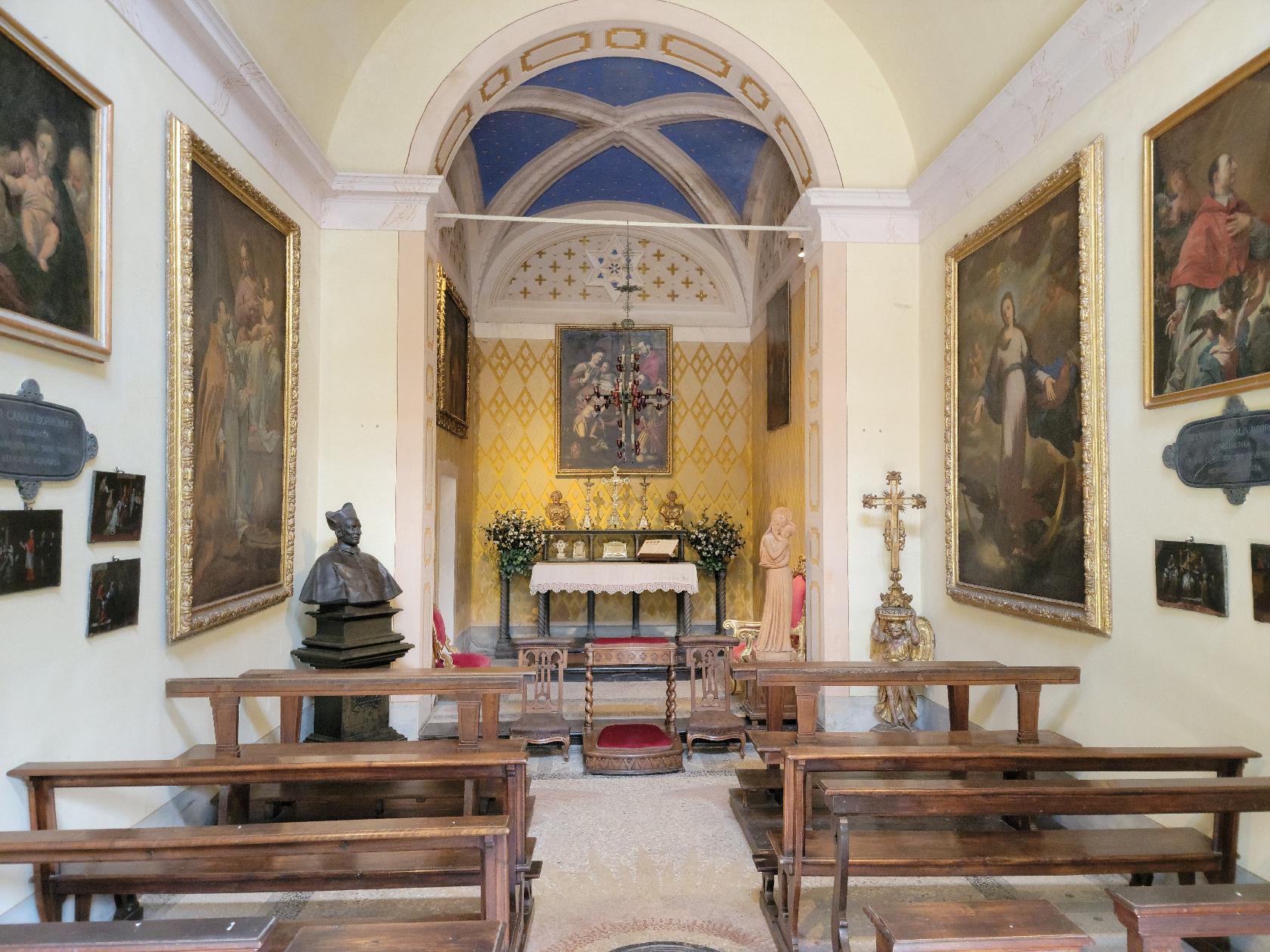
The Chapel inside – Palazzo dell’Isola Madre – Isola Madre, Lake Maggiore, Italy
Outside and exit to boats – Isola Madre, Lake Maggiore, Italy
We thoroughly enjoyed our day visiting all three islands. Though it is a lot to see in one day, it took us about five hours, it is manageable. It might be more difficult if it is hot outside, since all of the gardens are outside and the palazzos do not appears to have any air-conditioning in them. However, there are plenty of places to buy water on each of the islands, so staying hydrated should not be an issue.
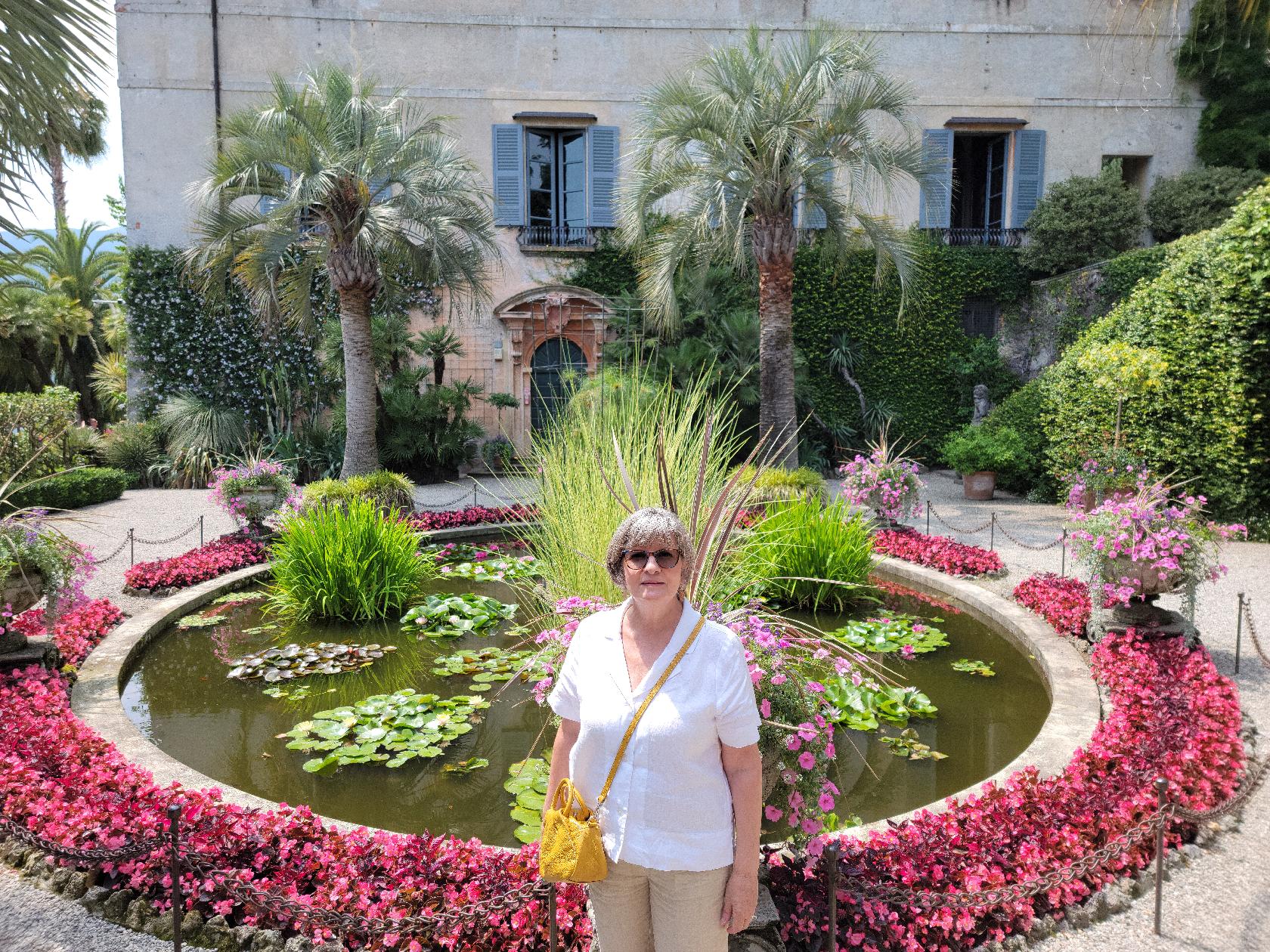
Patti by Small pond – Palazzo dell’Isola Madre – Isola Madre, Lake Maggiore, Italy
Our CMA ferry – Isola Madre, Lake Maggiore, Italy
Leaving the island – Isola Madre, Lake Maggiore, Italy
The island from our ferry – Isola Madre, Lake Maggiore, Italy
Restaurants
Though there are restaurants and cafes on all the islands, we ate on the island of Pescatori because it was in the middle of our day boat trip to all of the islands, and at around half past one, it broke the trip up just about right.
Trattoria Ristorante Imbarcodero
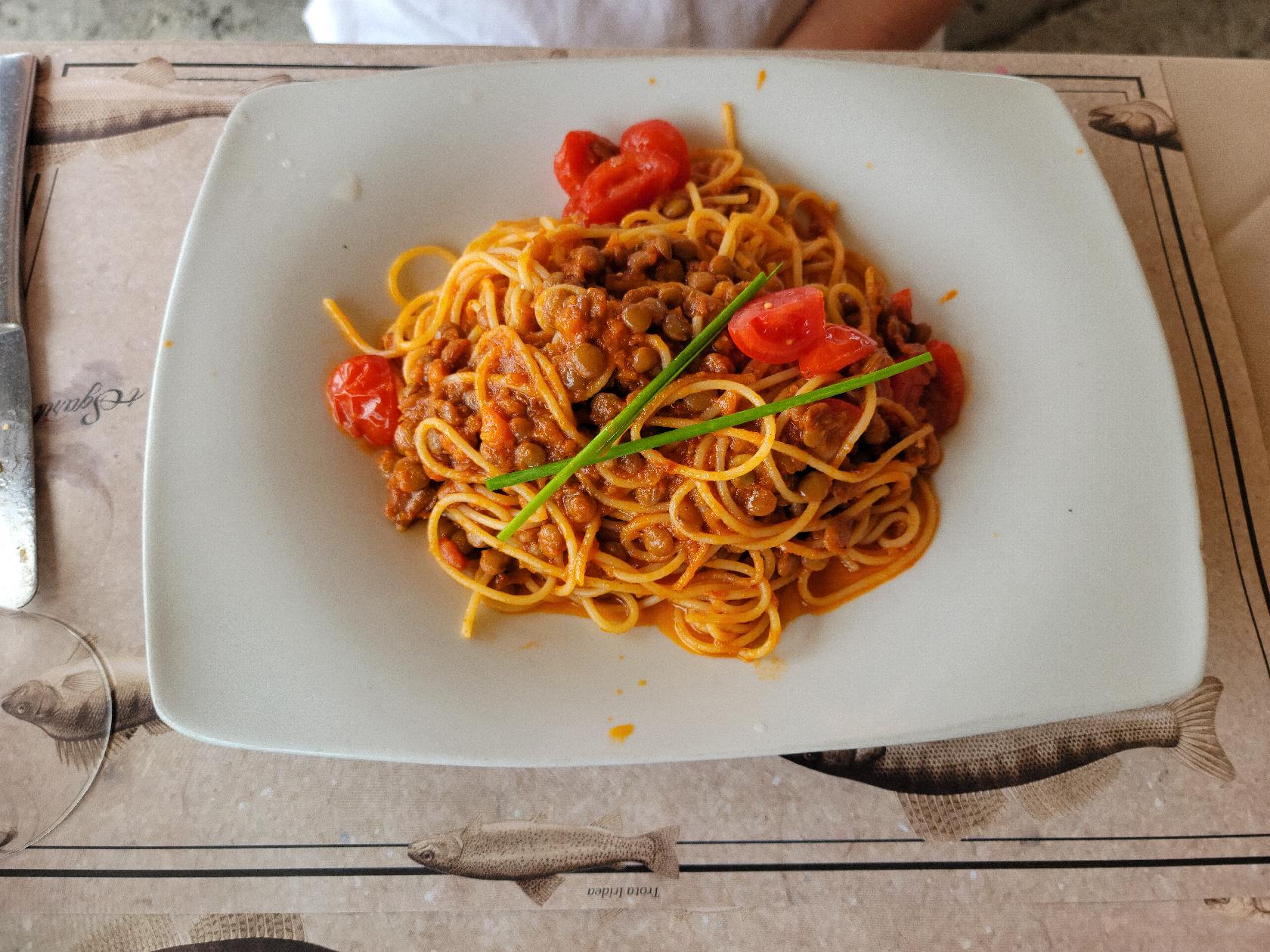
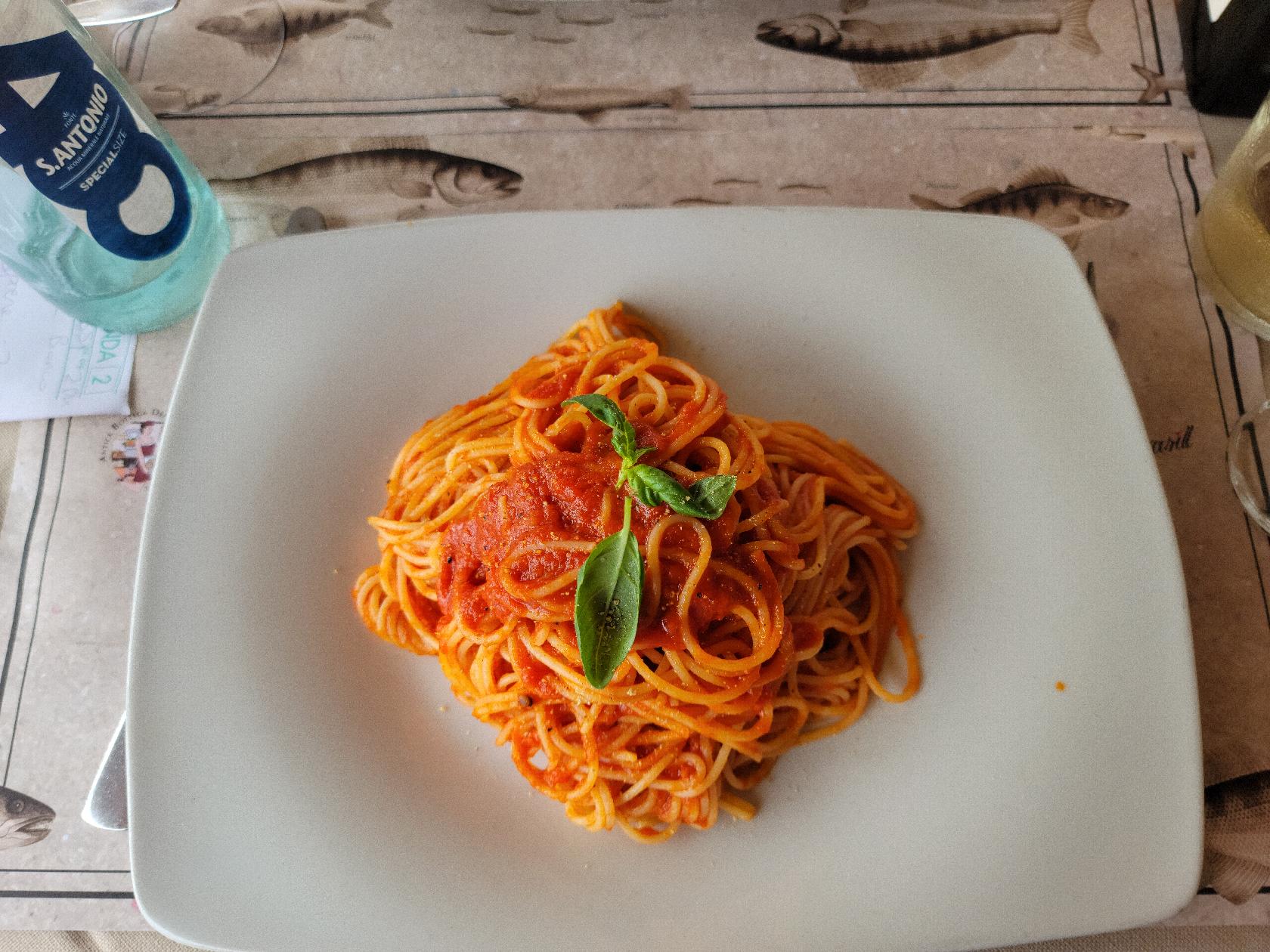
The Trattoria Ristorante Imbarcodero is on the small island of Pescatori. In fact, most of the good restaurants of the three islands are probably here. It has a wide variety of Italian dishes that one can choose from the menu. For lunch, we kept it simple, since we were both not feeling one hundred percent and already had a substantial breakfast at the hotel.
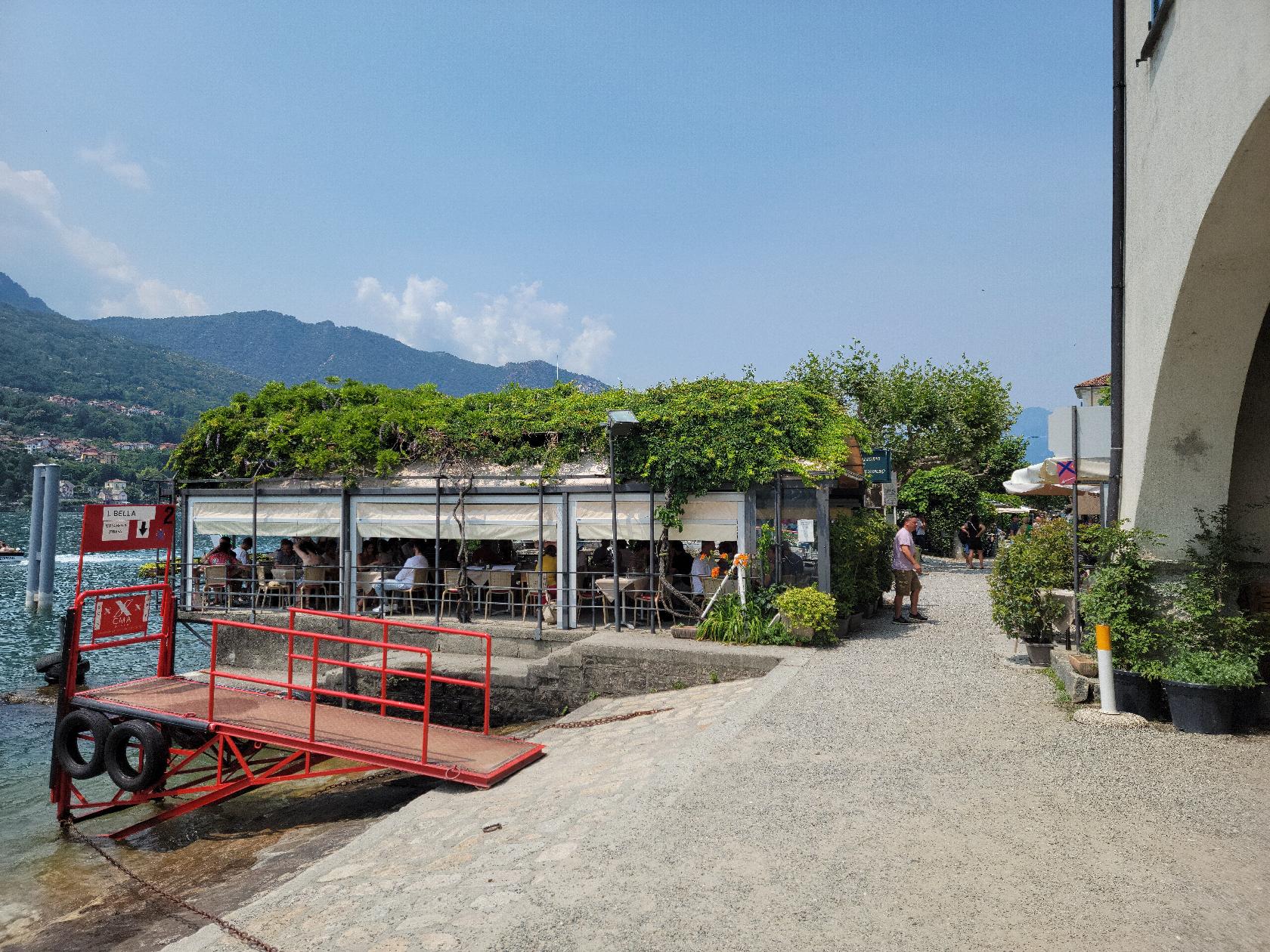
From the boat – Trattoria Ristorante Imbarcadero – Isola Pescatori, Lake Maggiore, Italy
Trattoria Ristorante Imbarcadero – Isola Pescatori, Lake Maggiore, Italy
Spaghetti with tomatoes and lentils – Trattoria Ristorante Imbarcadero – Isola Pescatori, Lake Maggiore, Italy
Spaghetti in simple tomato sauce – Trattoria Ristorante Imbarcadero – Isola Pescatori, Lake Maggiore, Italy
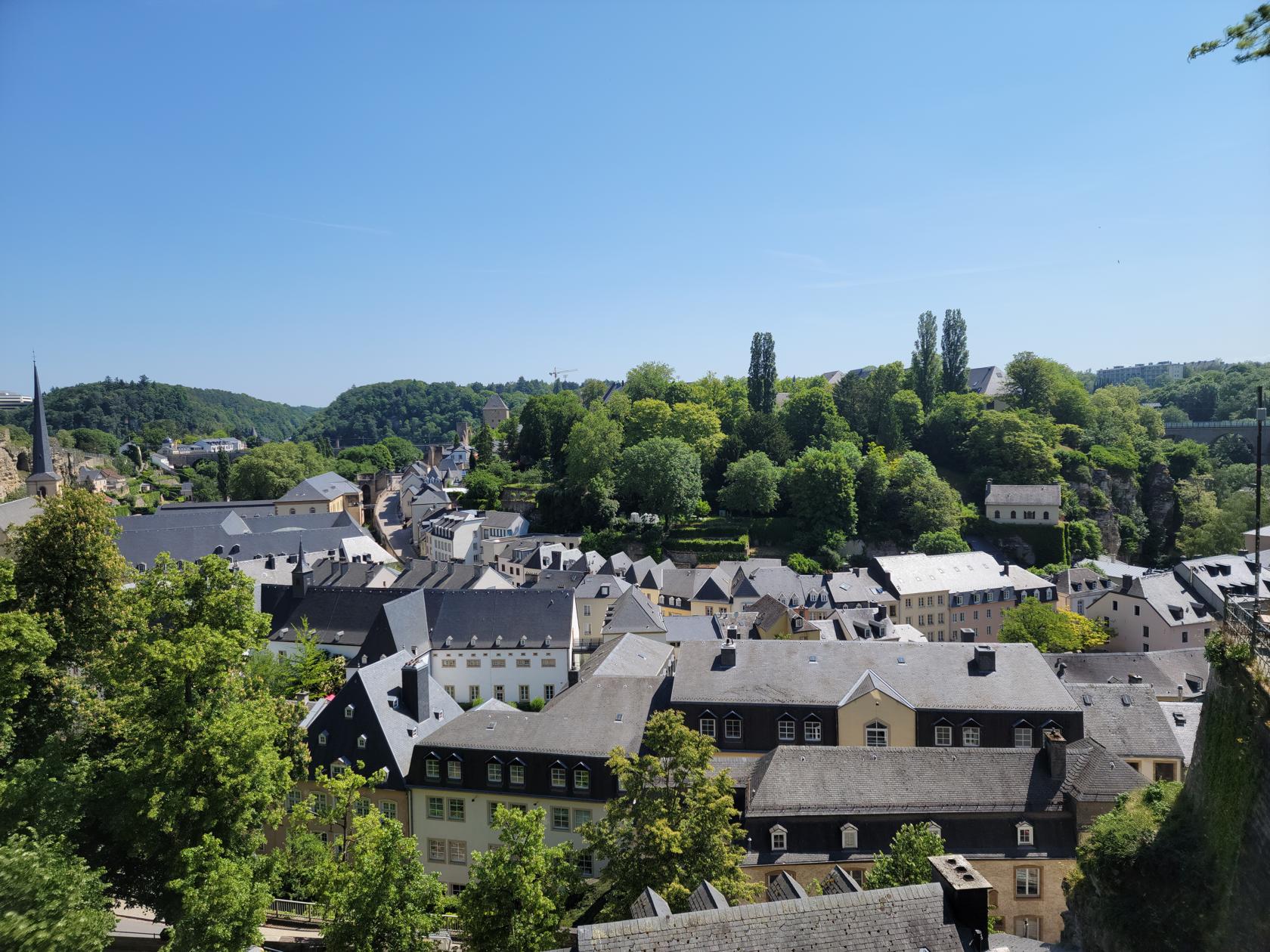
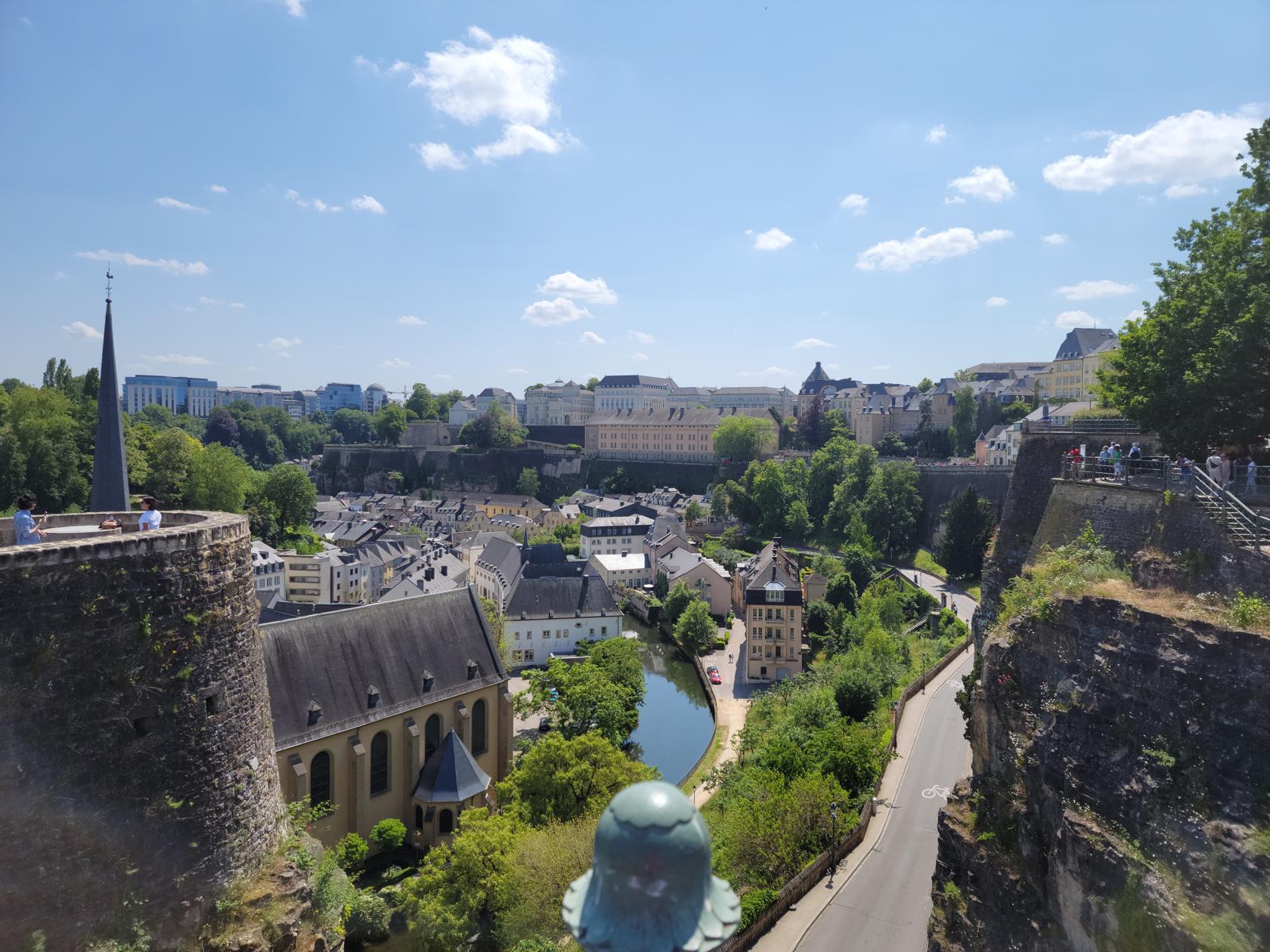
Probably one of the most clean European cities you will come across is the city of Luxemburg in the country of Luxemburg, or as they prefer to spell both, Luxembourg. The people here speak many different languages, including their own. They have to, they are wedged between Belgium, France and Germany and are frequented by tourist from English speaking countries as well.
Looking north – Luxemburg, Luxemburg
Luxembourg
The city was created on its rocky perch during the Roman times, most likely due to its excellent defensive qualities. Then later in the tenth century a count acquired the rights to the land and started to build the family’s kingdom. From modest beginnings, the Kingdom of Luxembourg grew from here and became very important because of its strategic position.
Ericka and Gabi leaving hotel – Luxemburg, Luxemburg
Avenue de la Porta Neuve – Luxemburg, Luxemburg
Avenue de la Porta Neuve – Luxemburg, Luxemburg
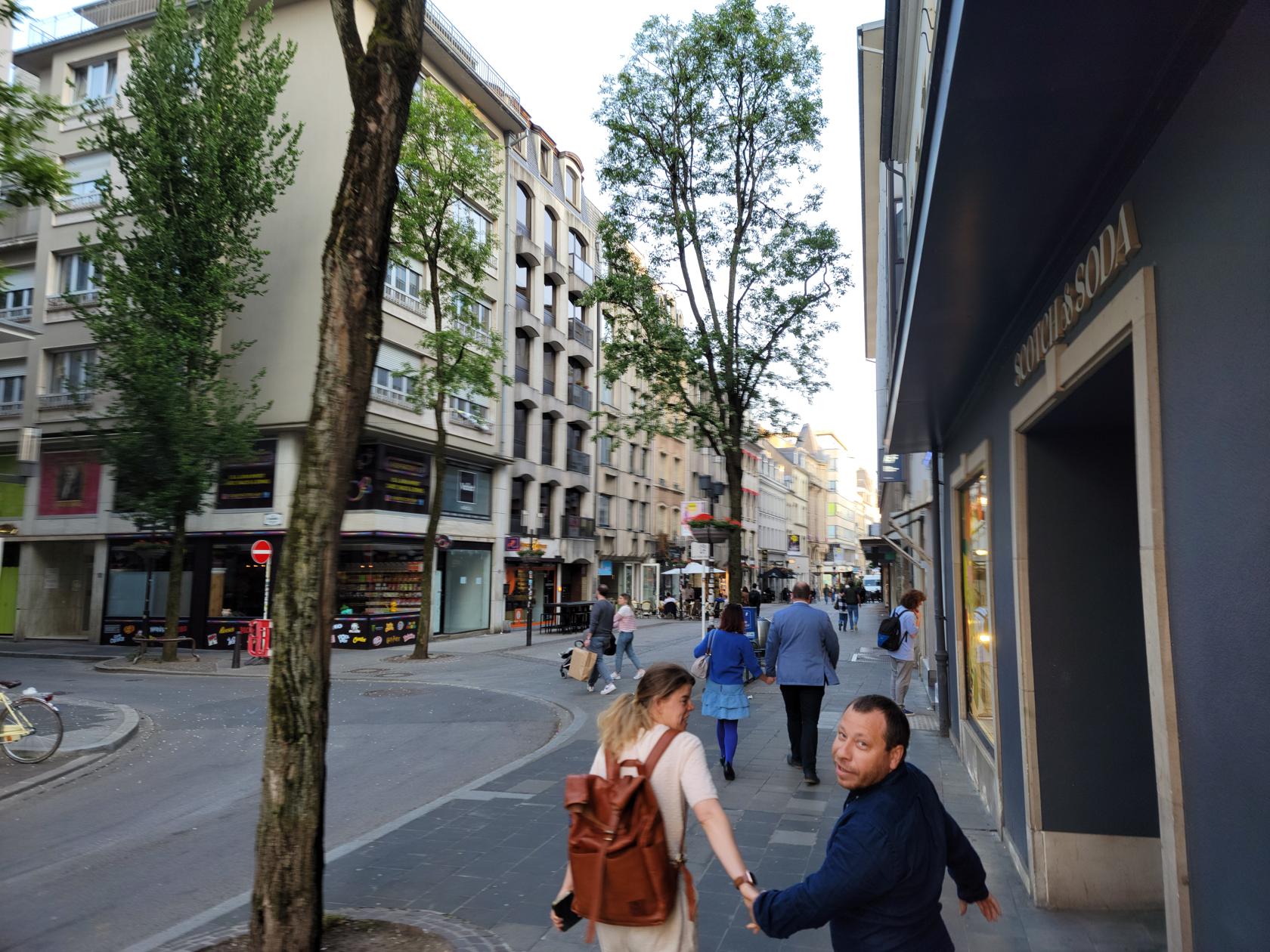
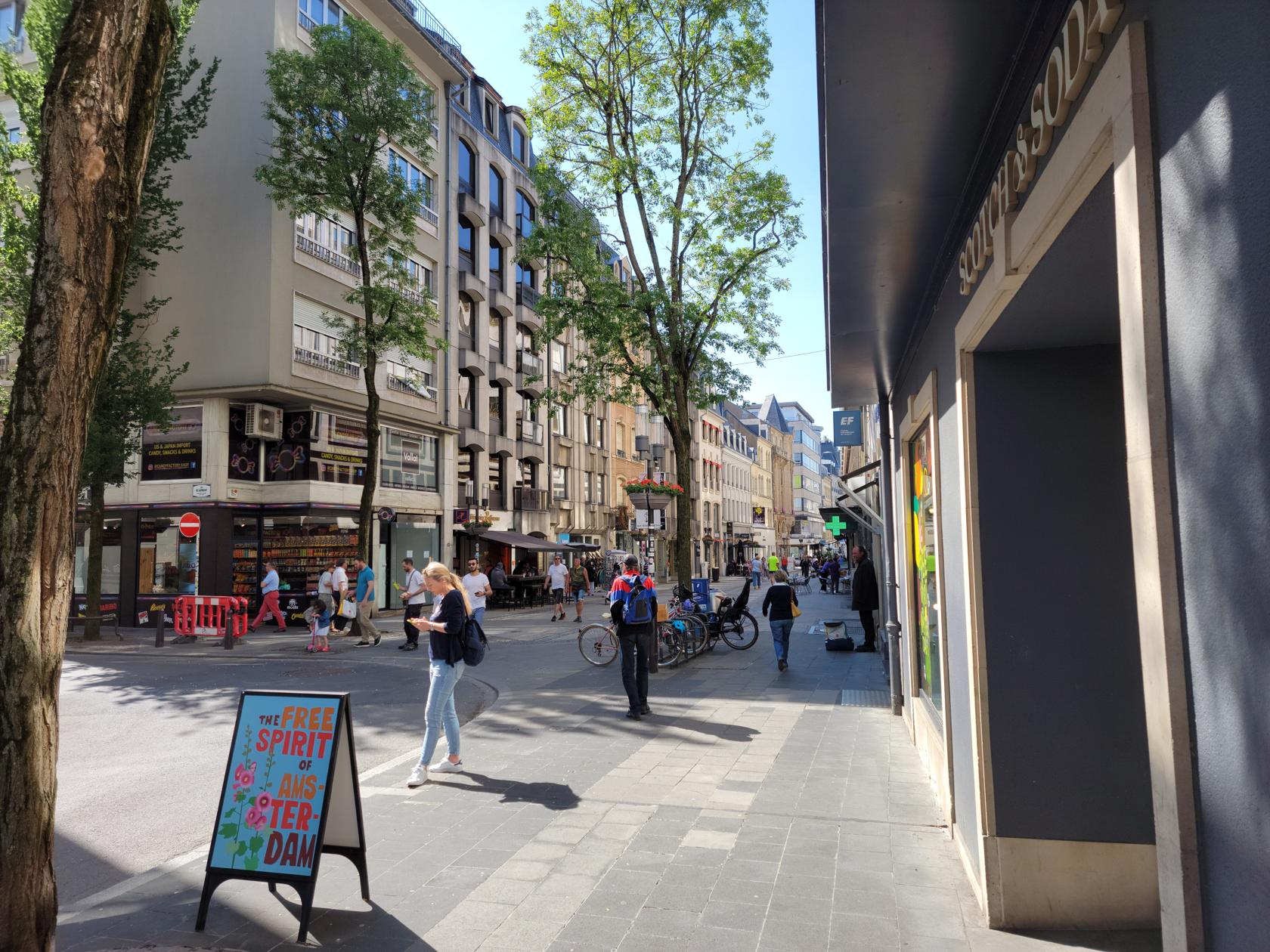
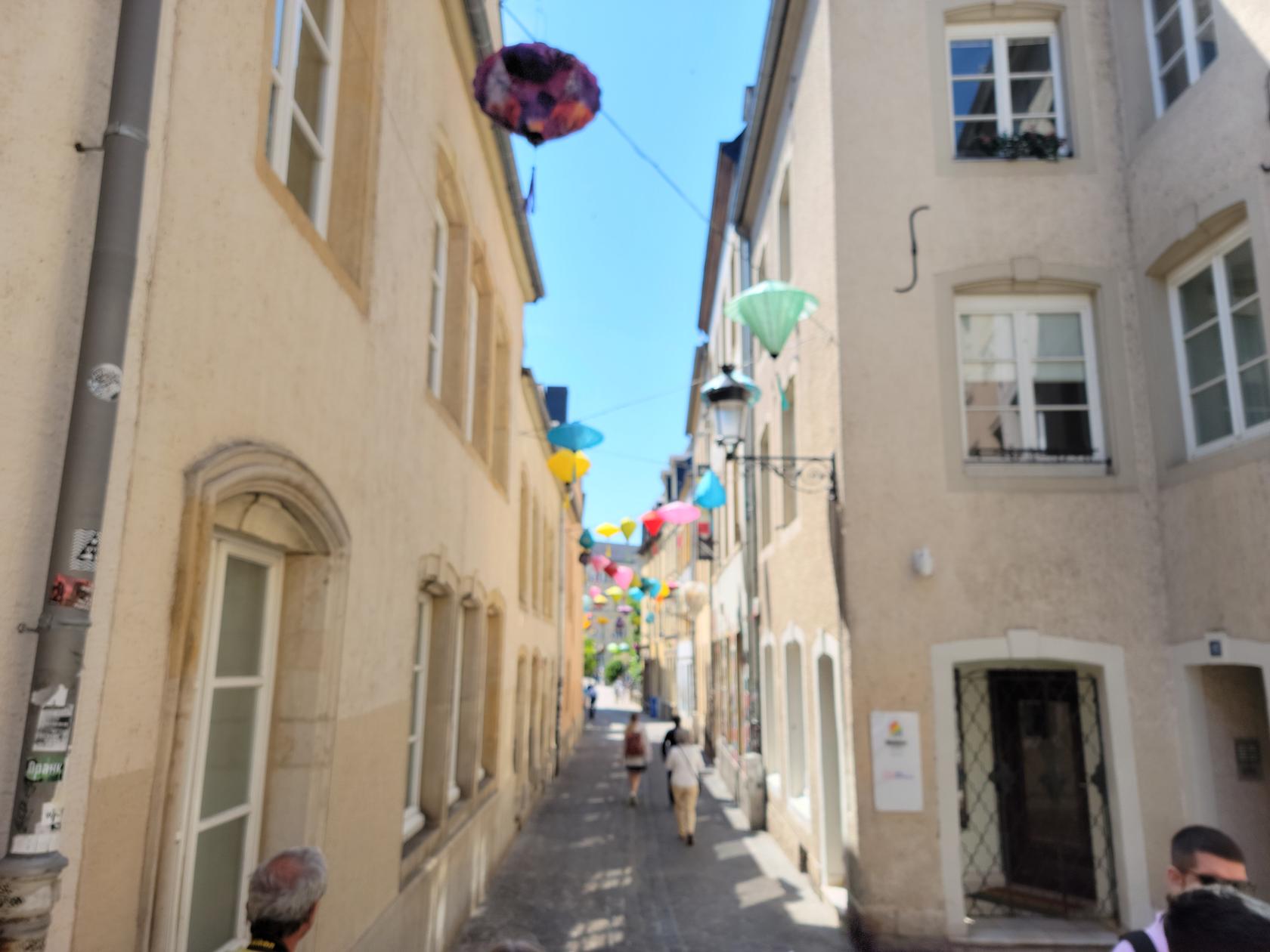
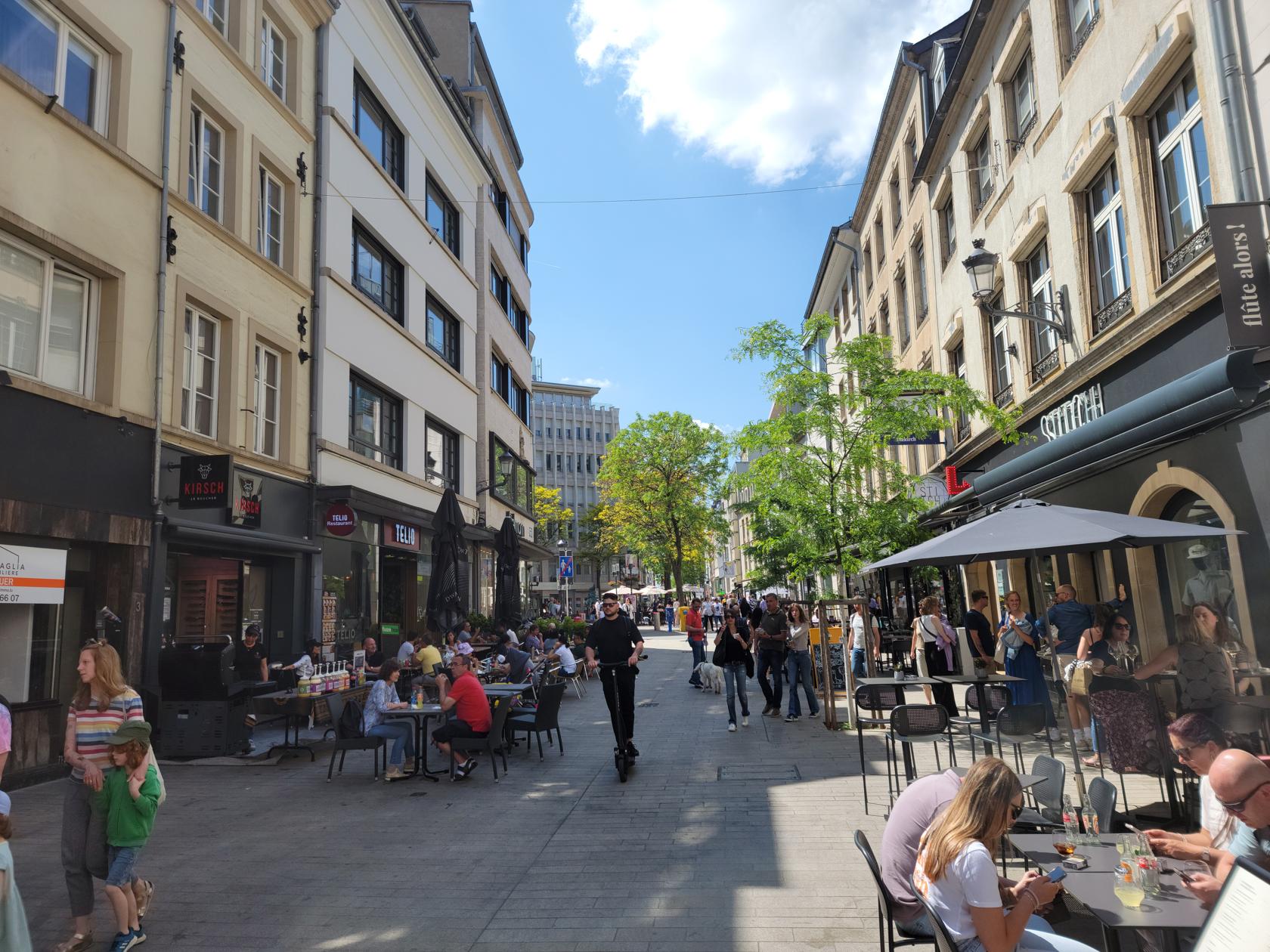
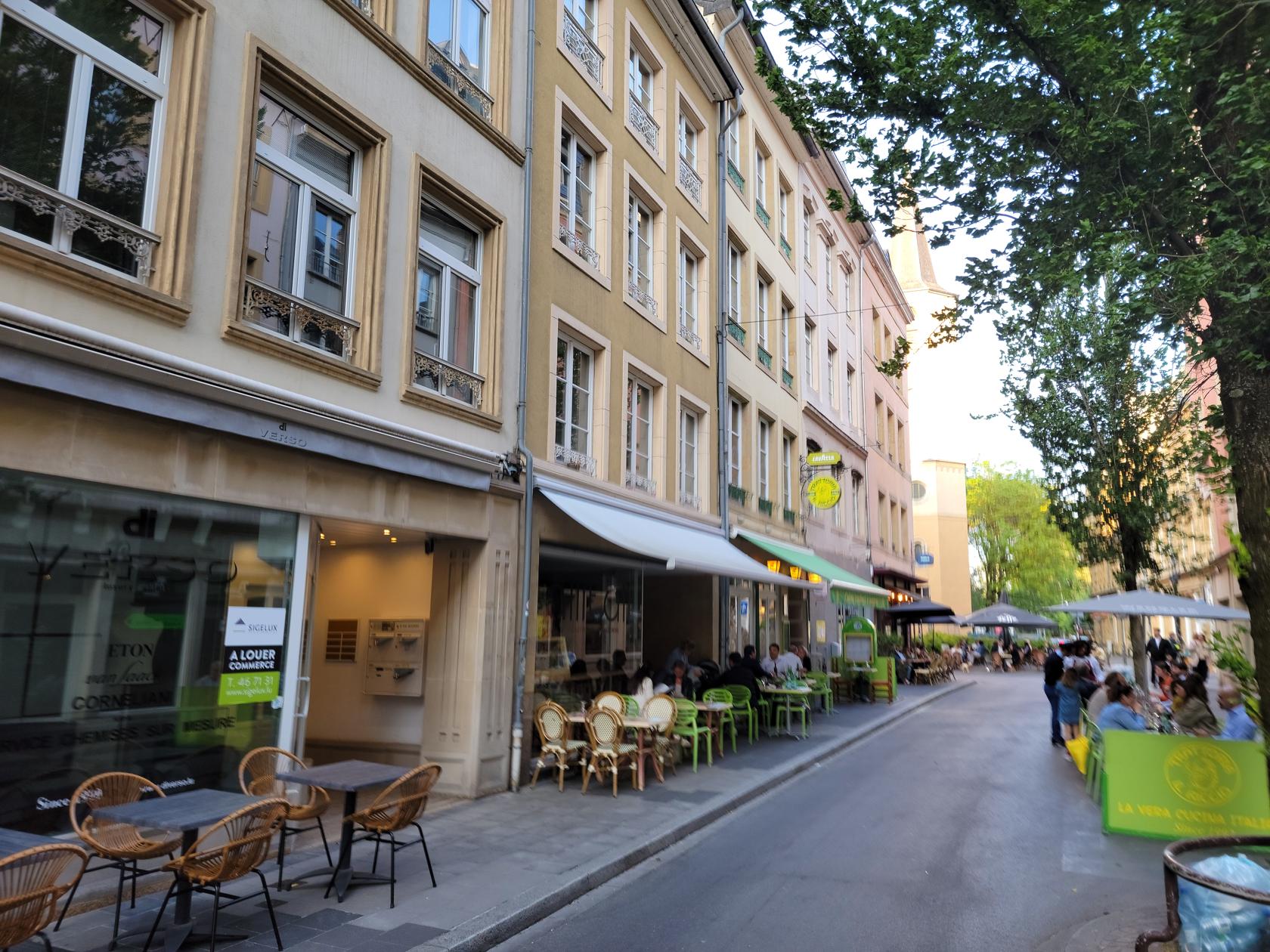
City streets – Luxemburg, Luxemburg
Memorial – Luxemburg, Luxemburg
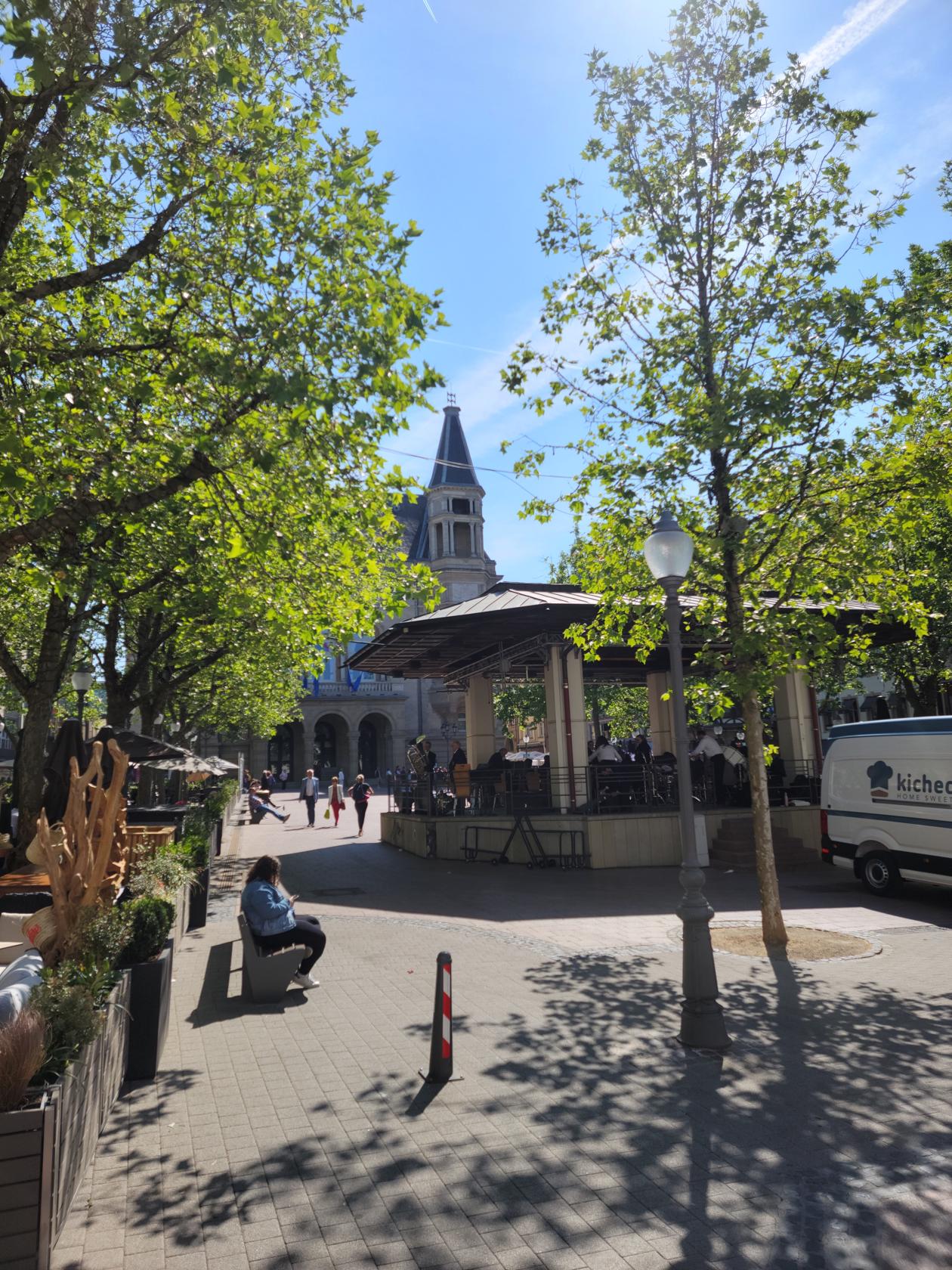
Main square and bandstand – Luxemburg, Luxemburg
City streets – Luxemburg, Luxemburg
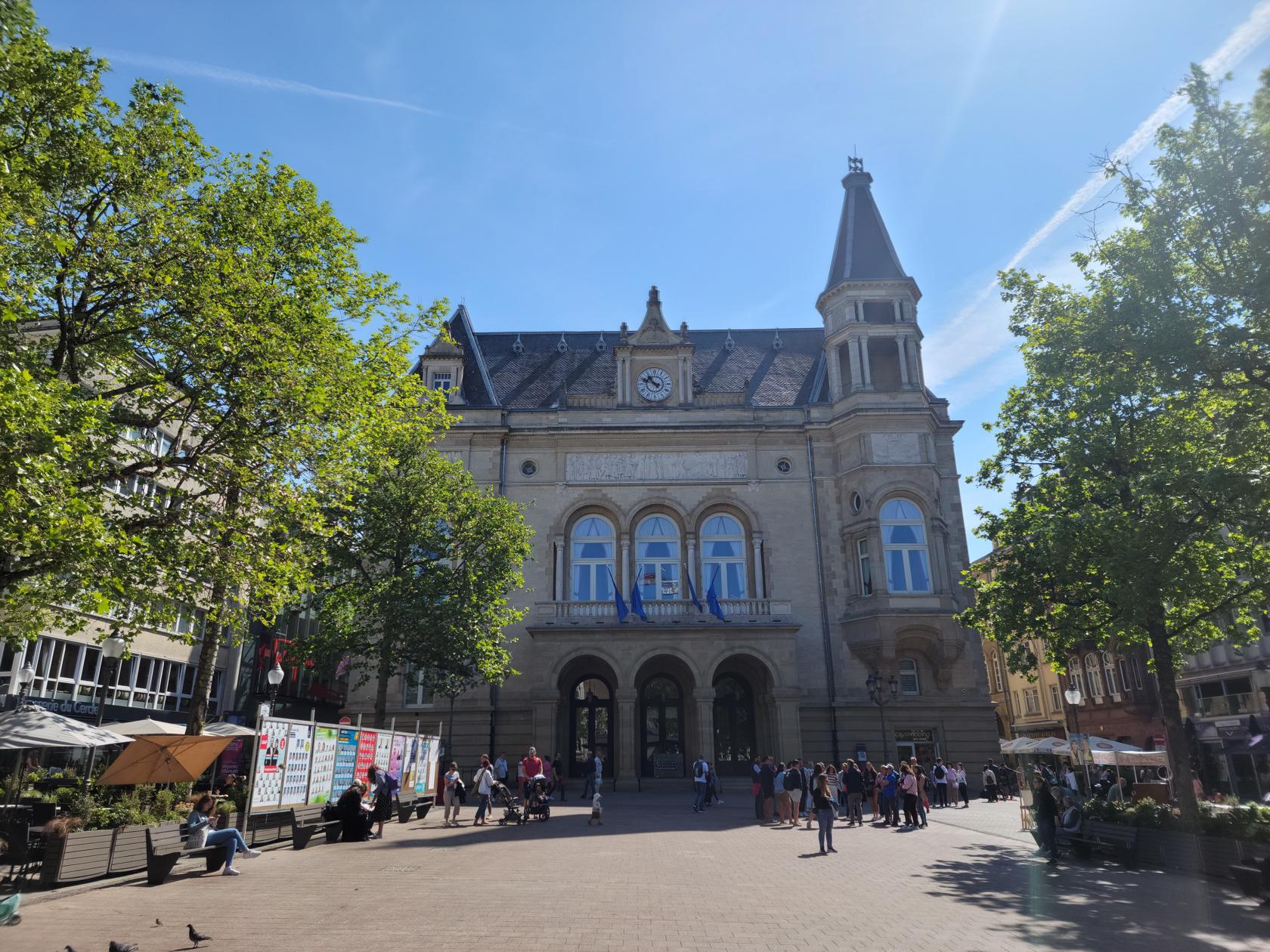
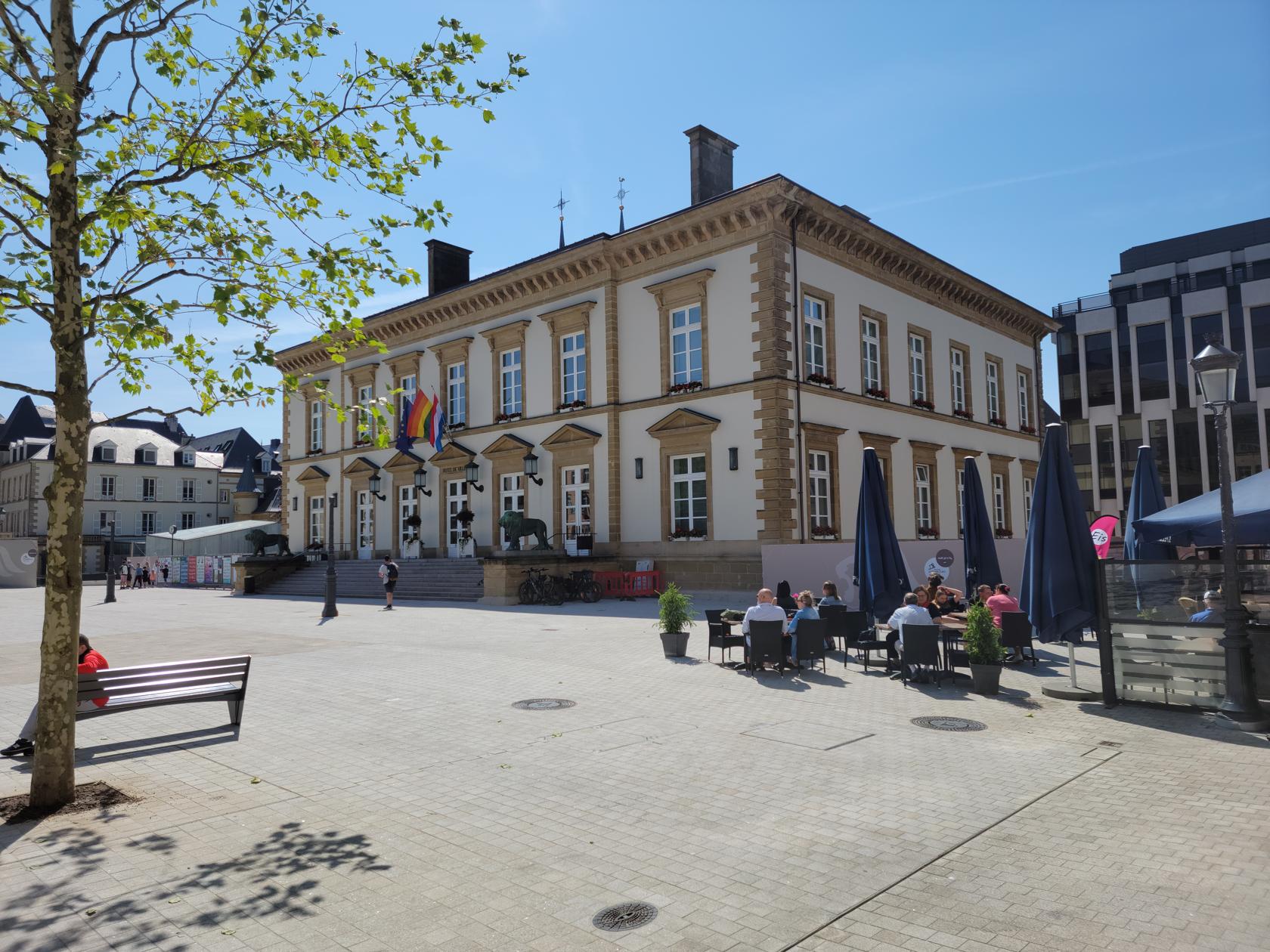
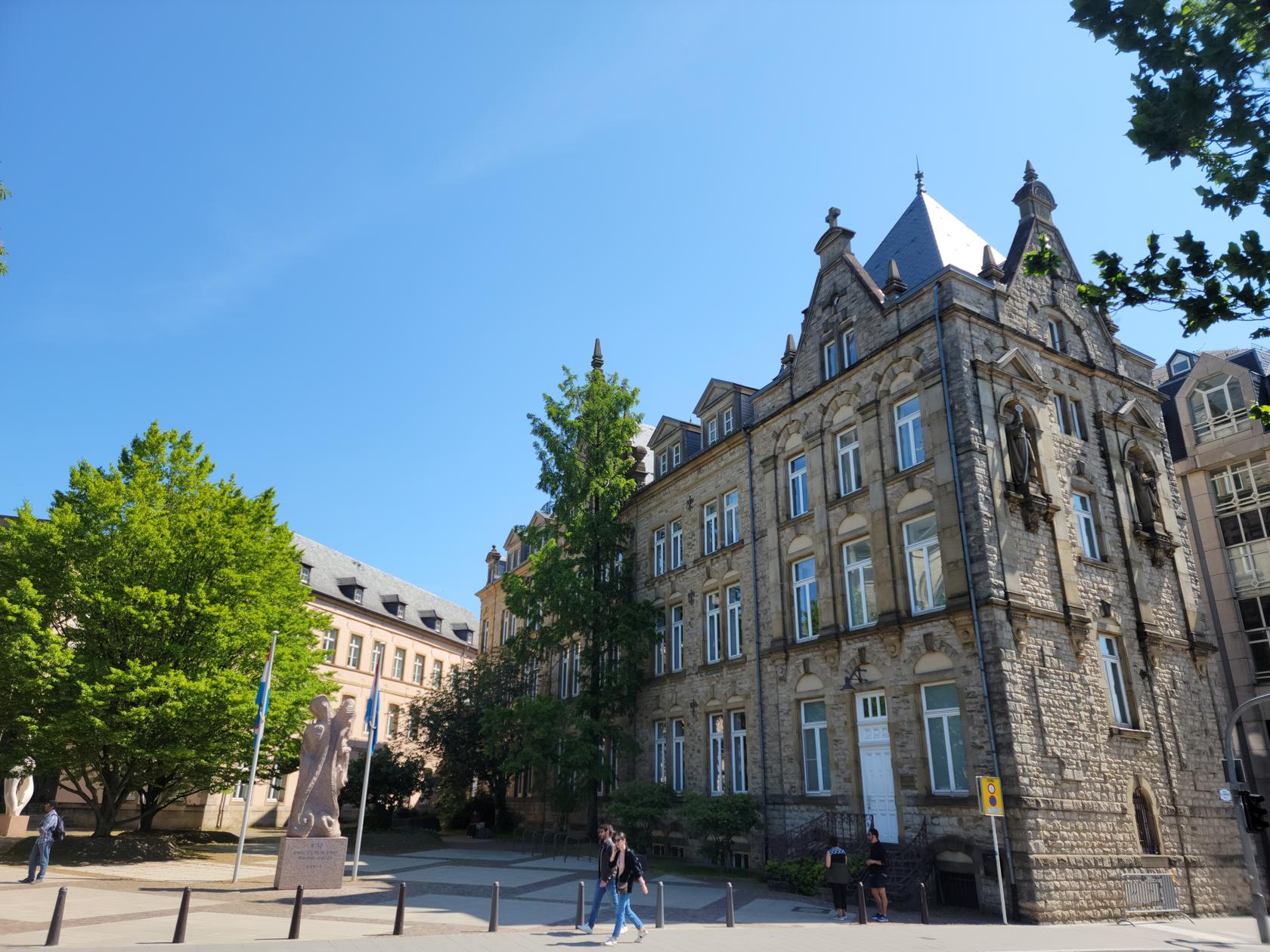
Municipal center – Luxemburg, Luxemburg
City streets – Luxemburg, Luxemburg
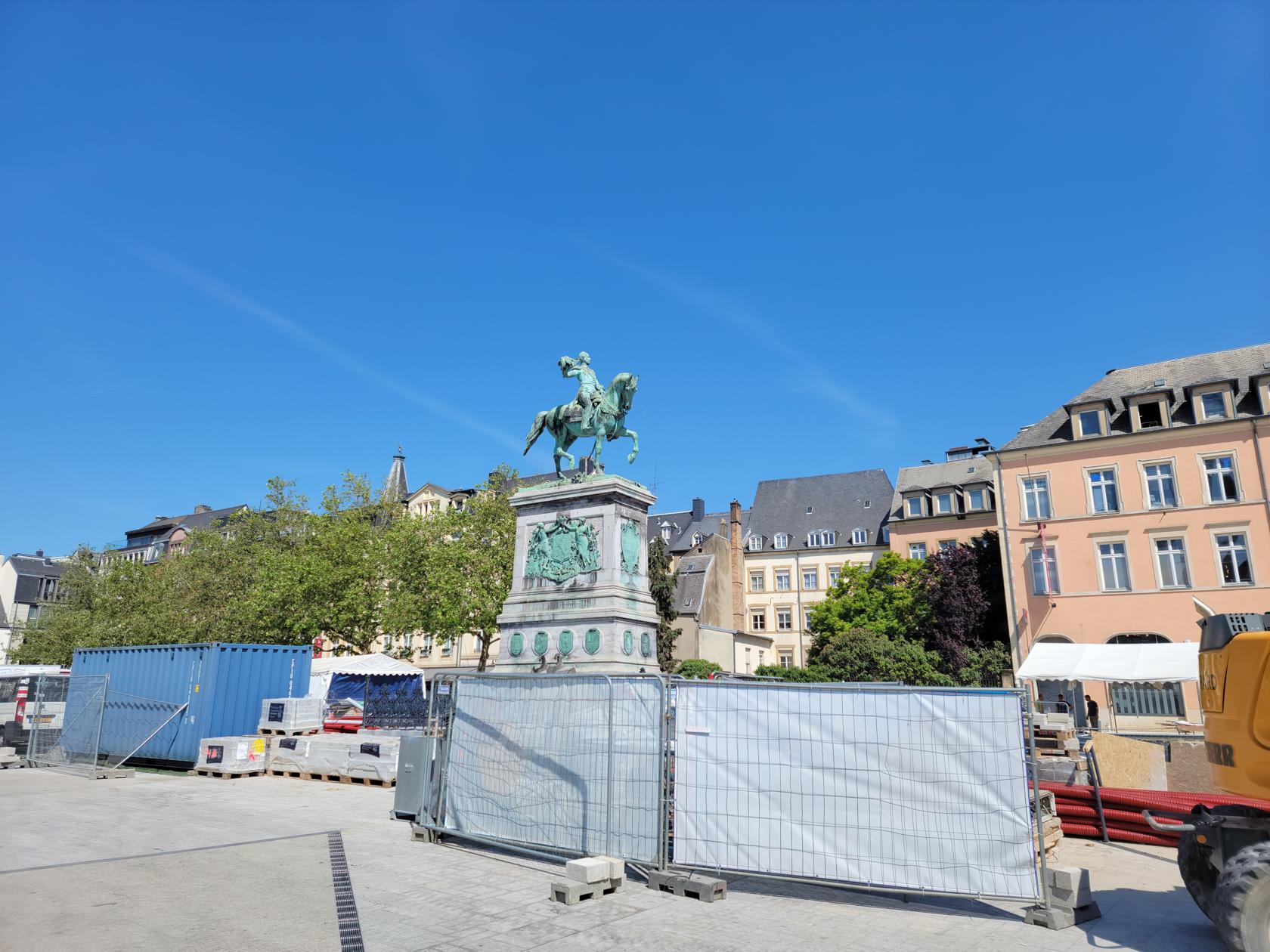
Place Guillaume II – Luxemburg, Luxemburg
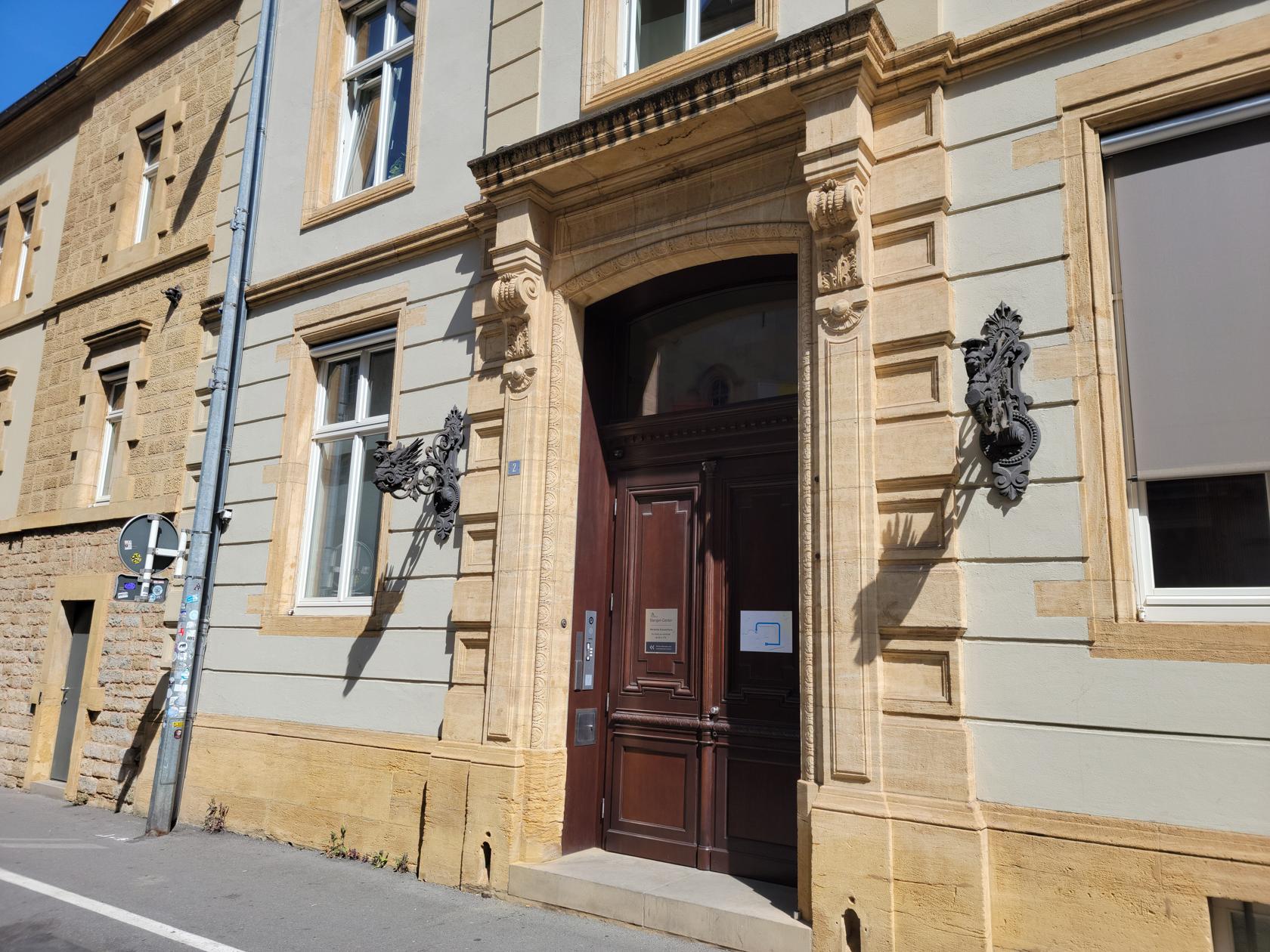
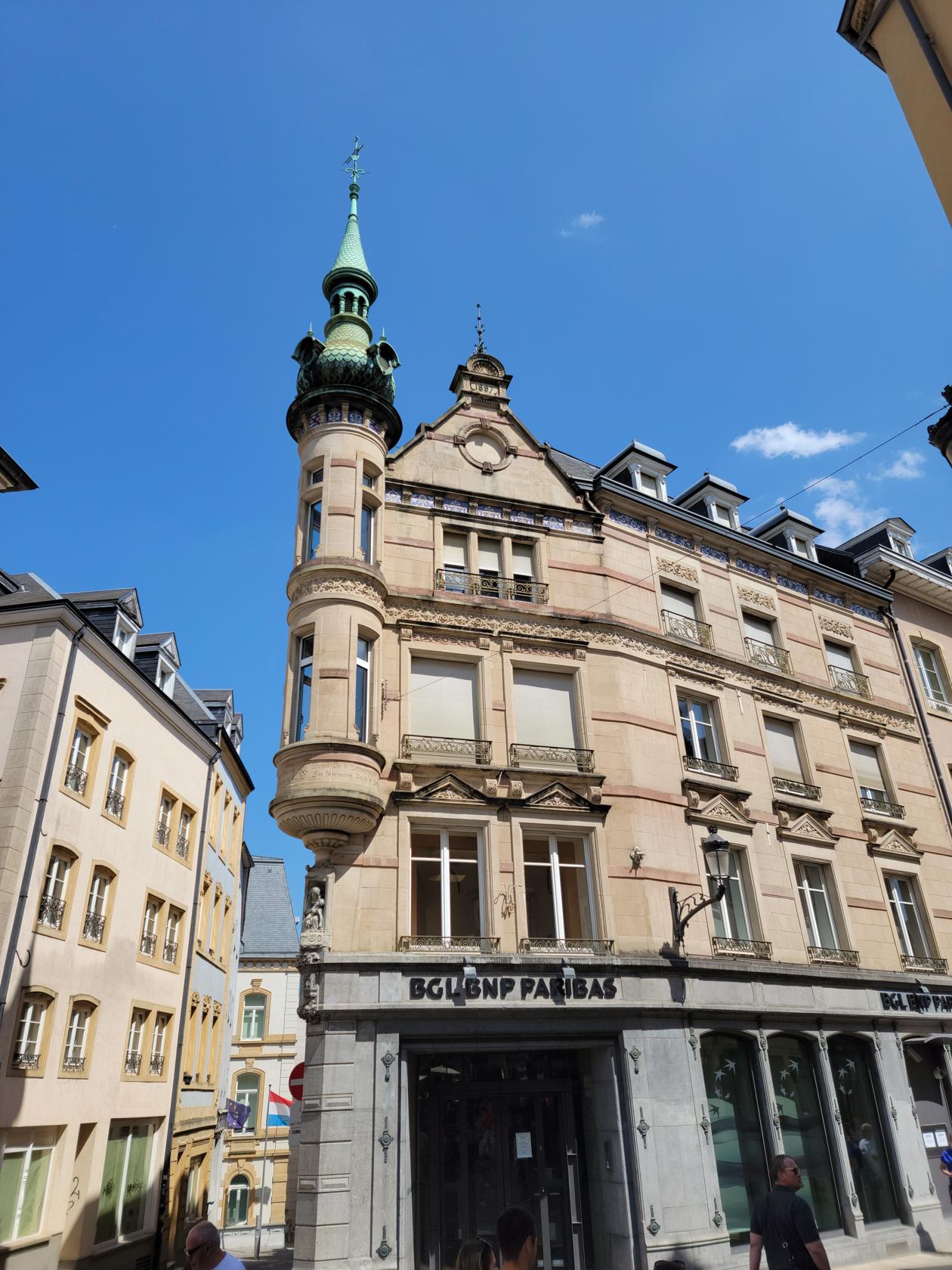
Interesting building – Luxemburg, Luxemburg
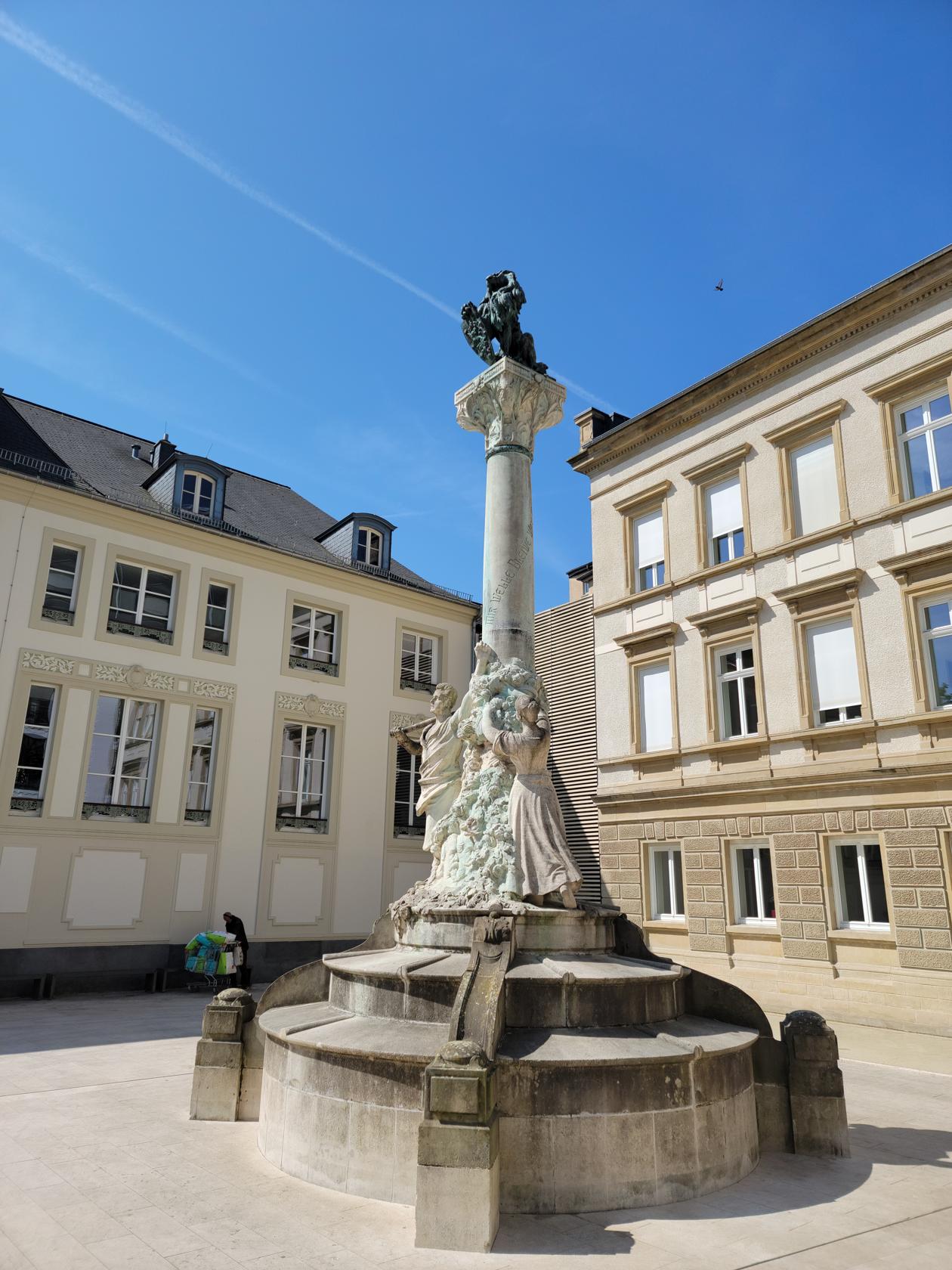
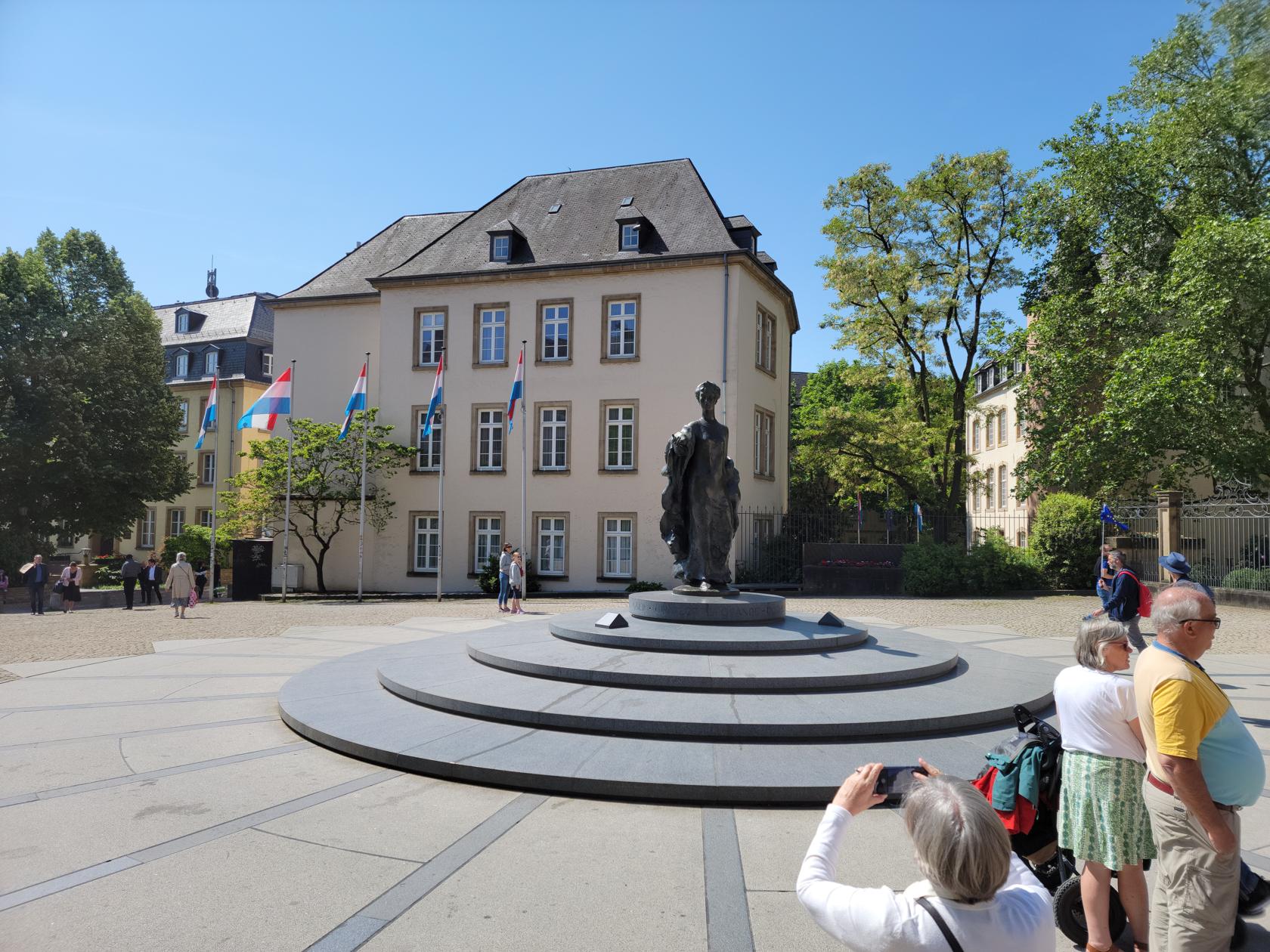
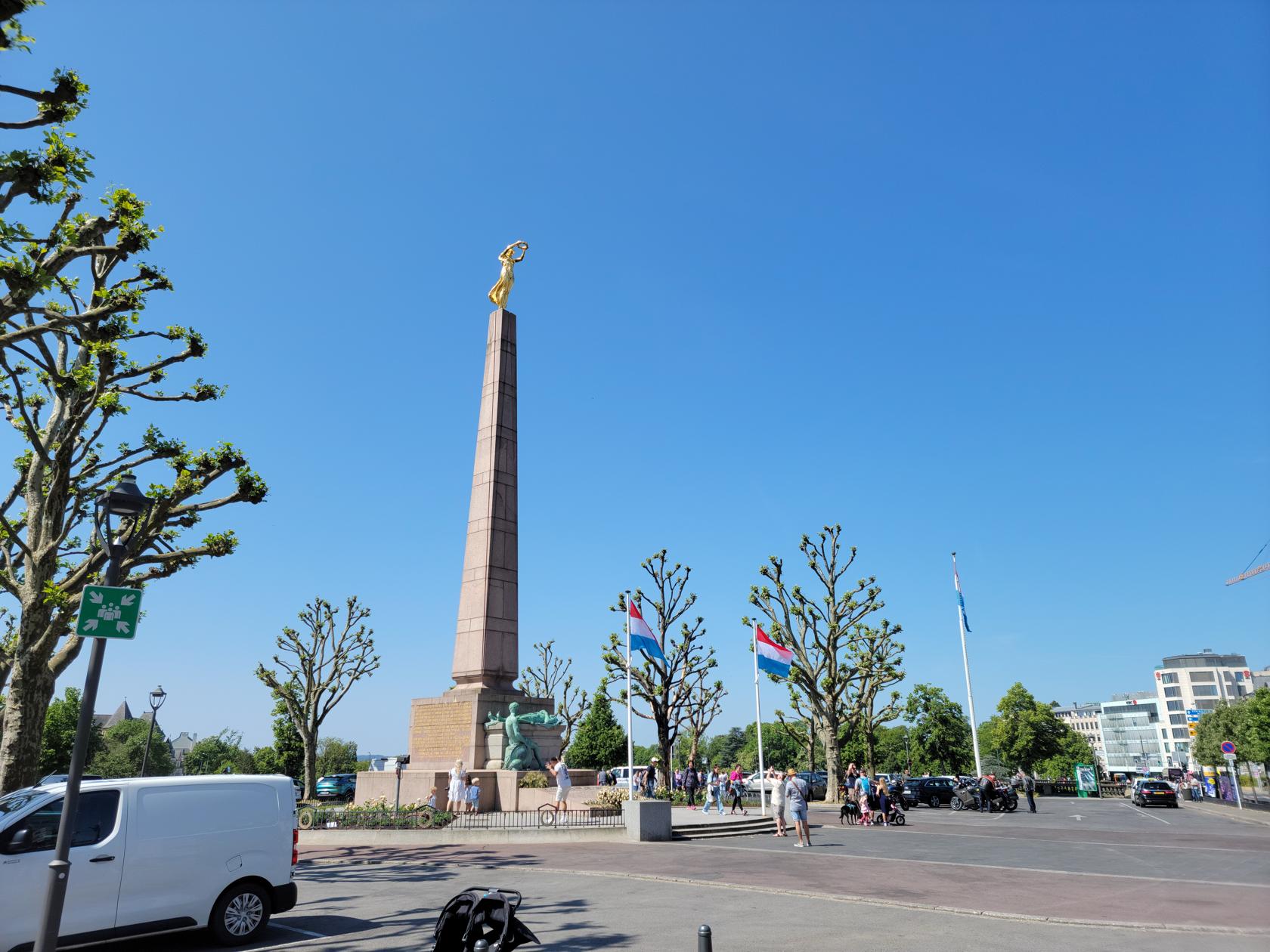
Statue of Charlotte Monument – Luxemburg, Luxemburg
Remembrance memorial – Luxemburg, Luxemburg
Jewish Kadish monument – Luxemburg, Luxemburg
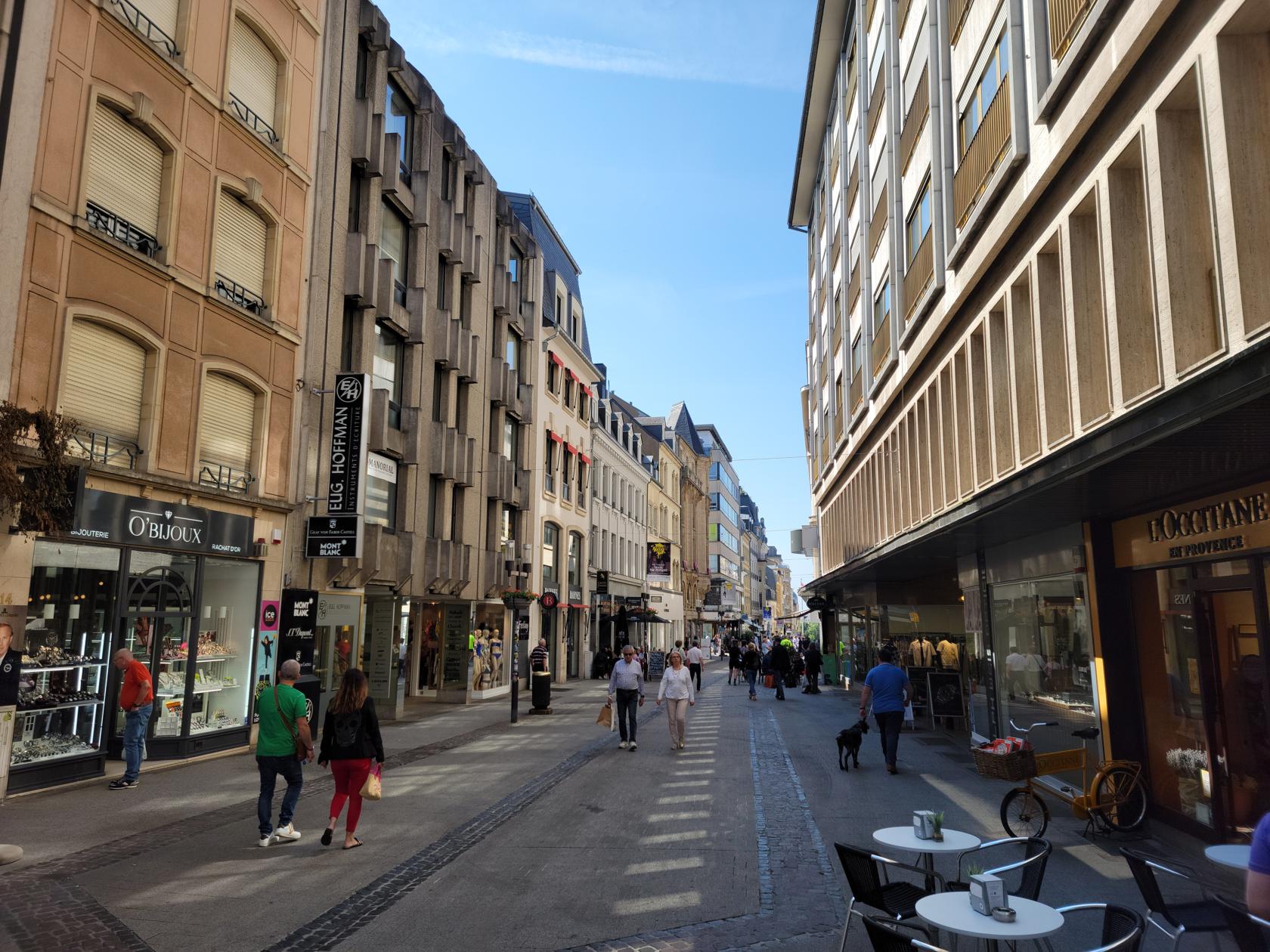
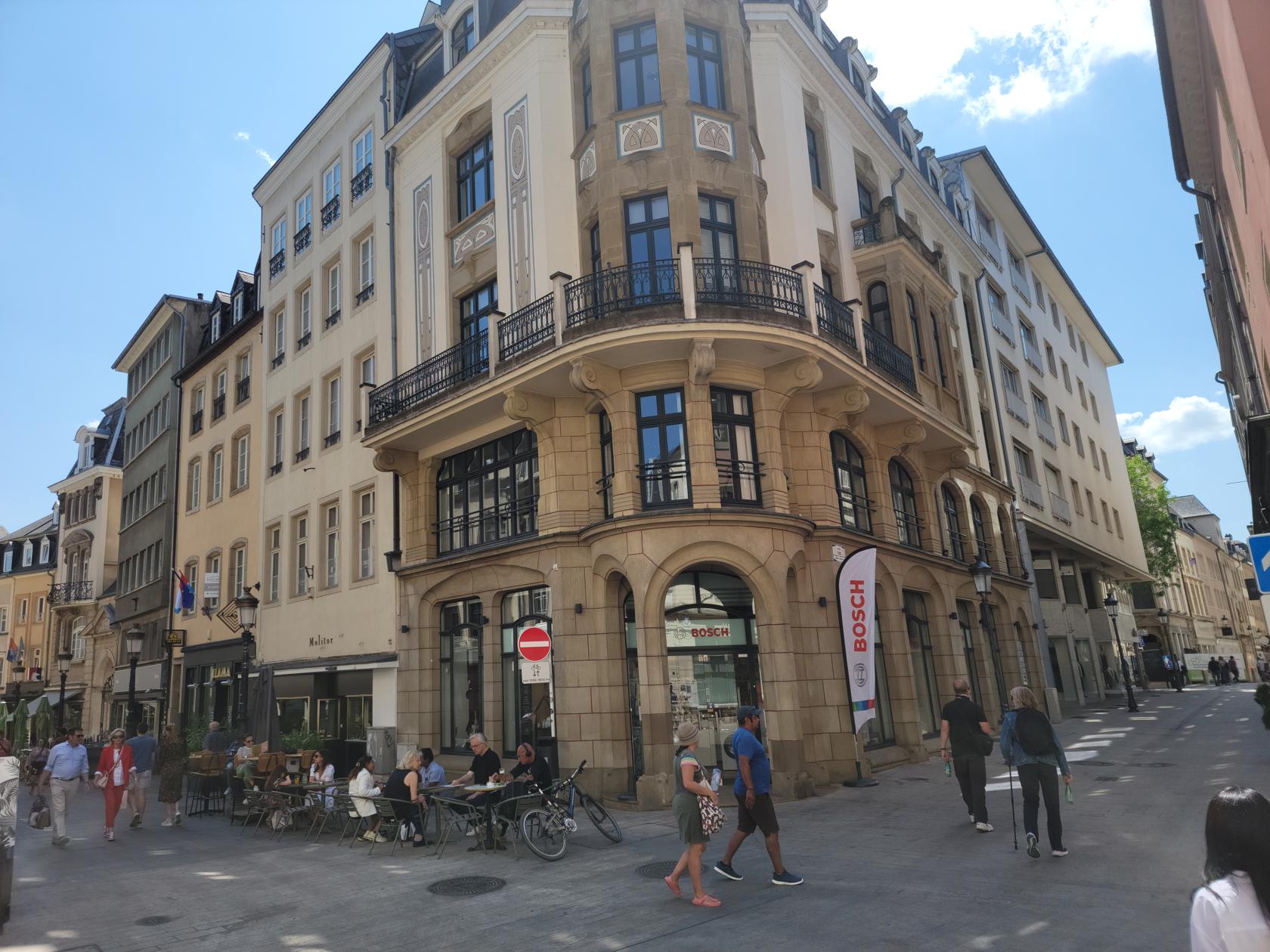
Fancy street – Luxemburg, Luxemburg
Street view – Luxemburg, Luxemburg
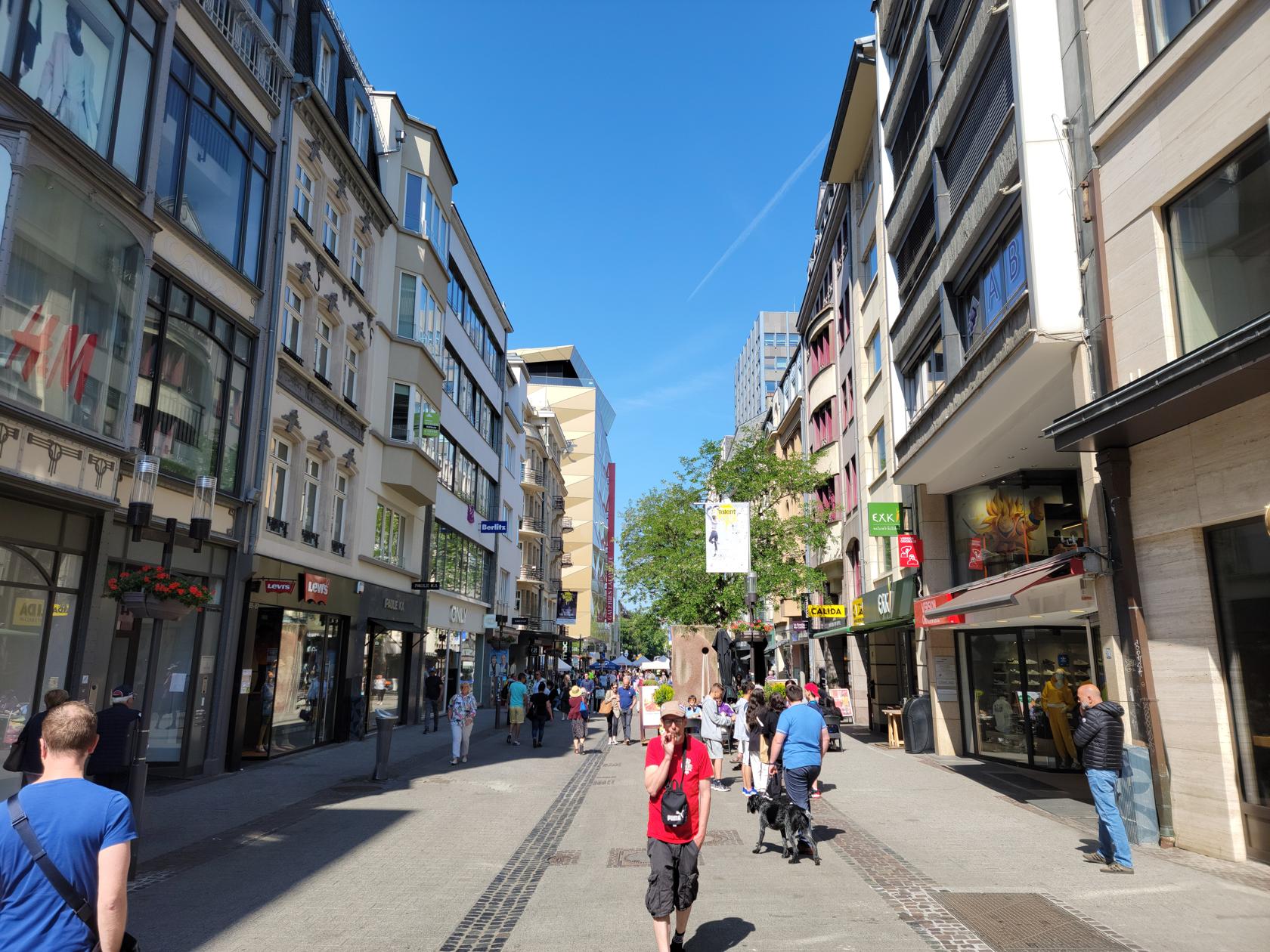
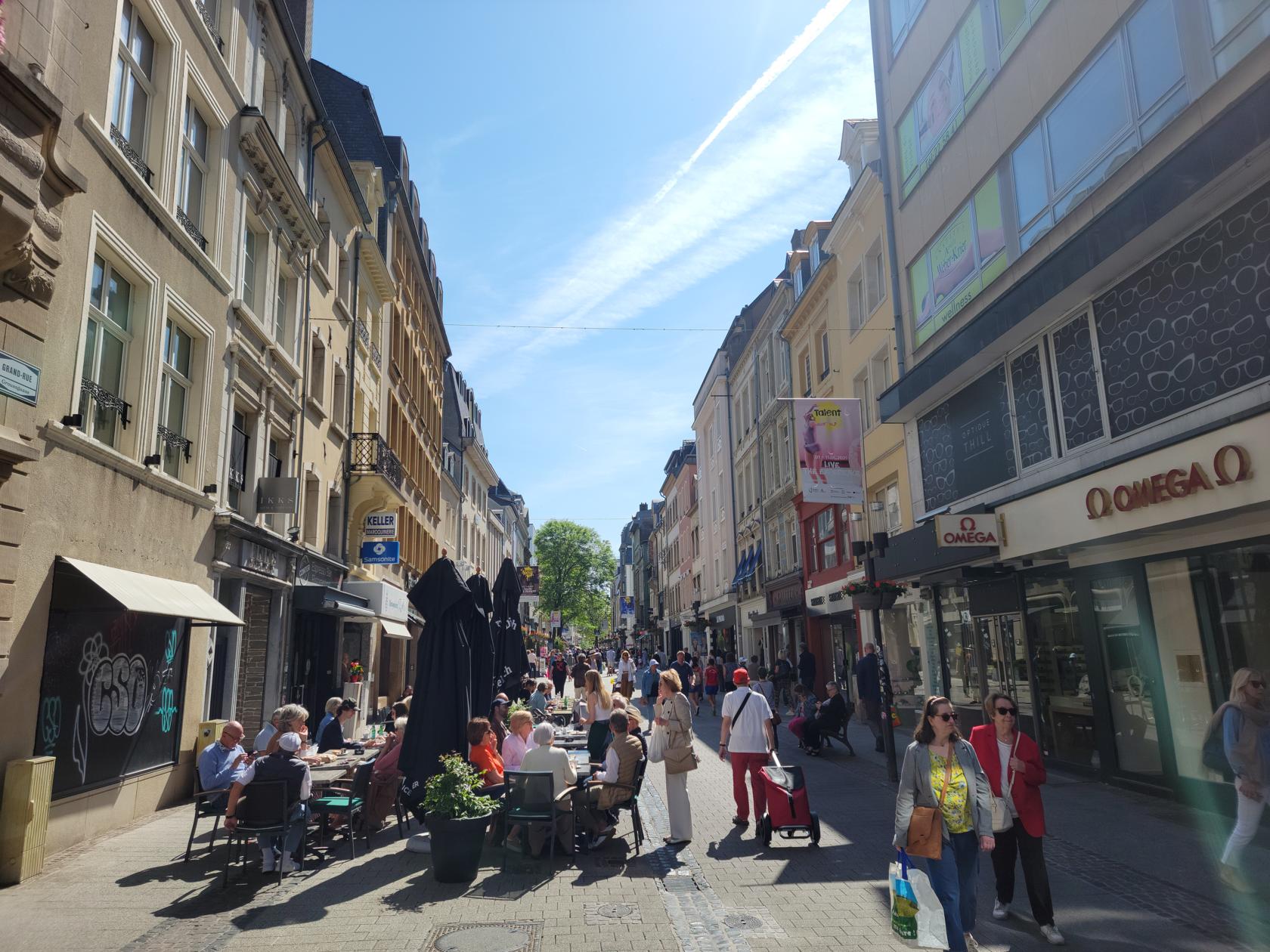
The main shopping street – Grand Rue – Luxemburg, Luxemburg
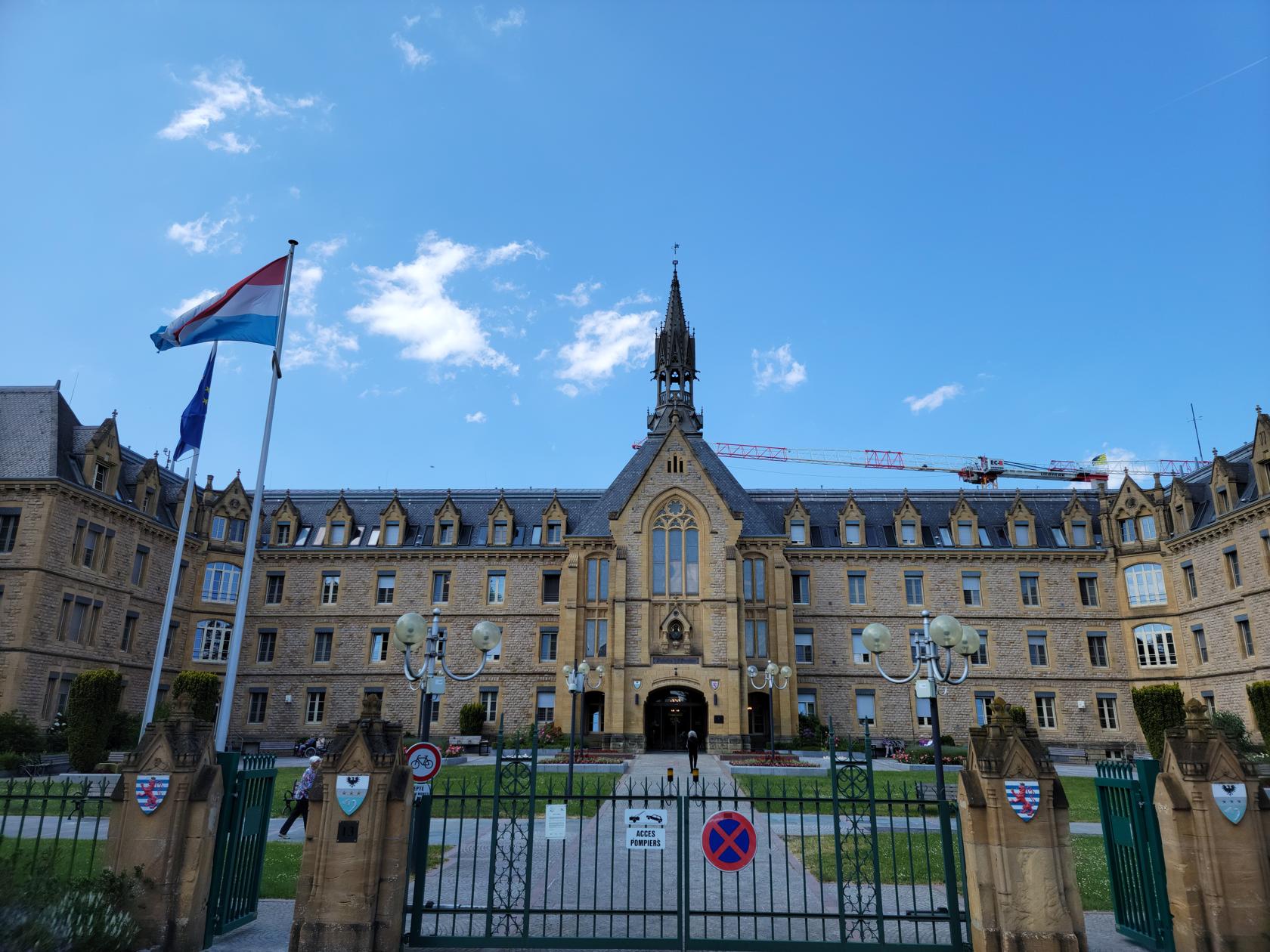
Pescatore – Retirement home – Luxemburg, Luxemburg
Roude Pëtz Square – Luxemburg, Luxemburg
Interesting building – Grand Rue – Luxemburg, Luxemburg
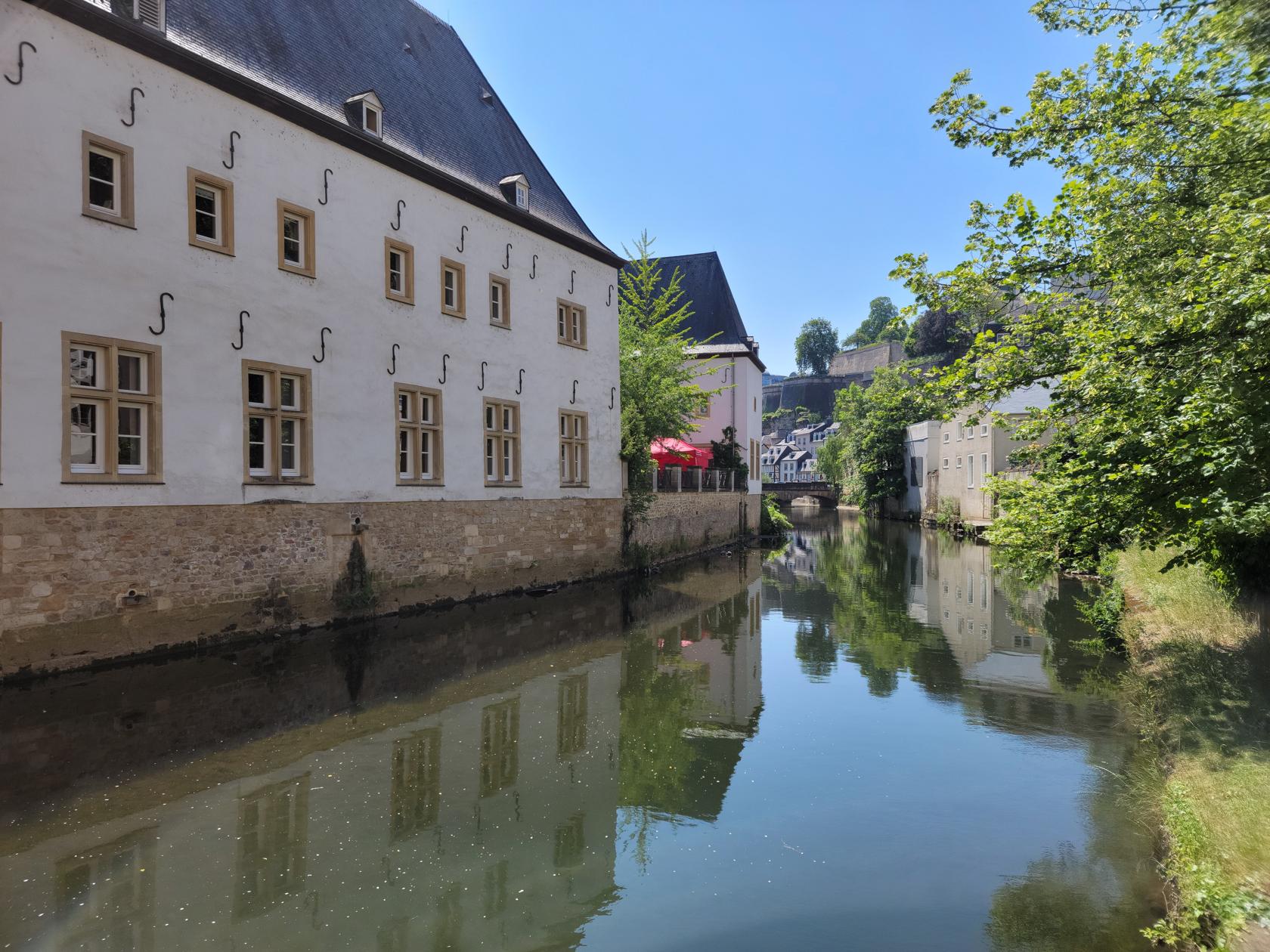
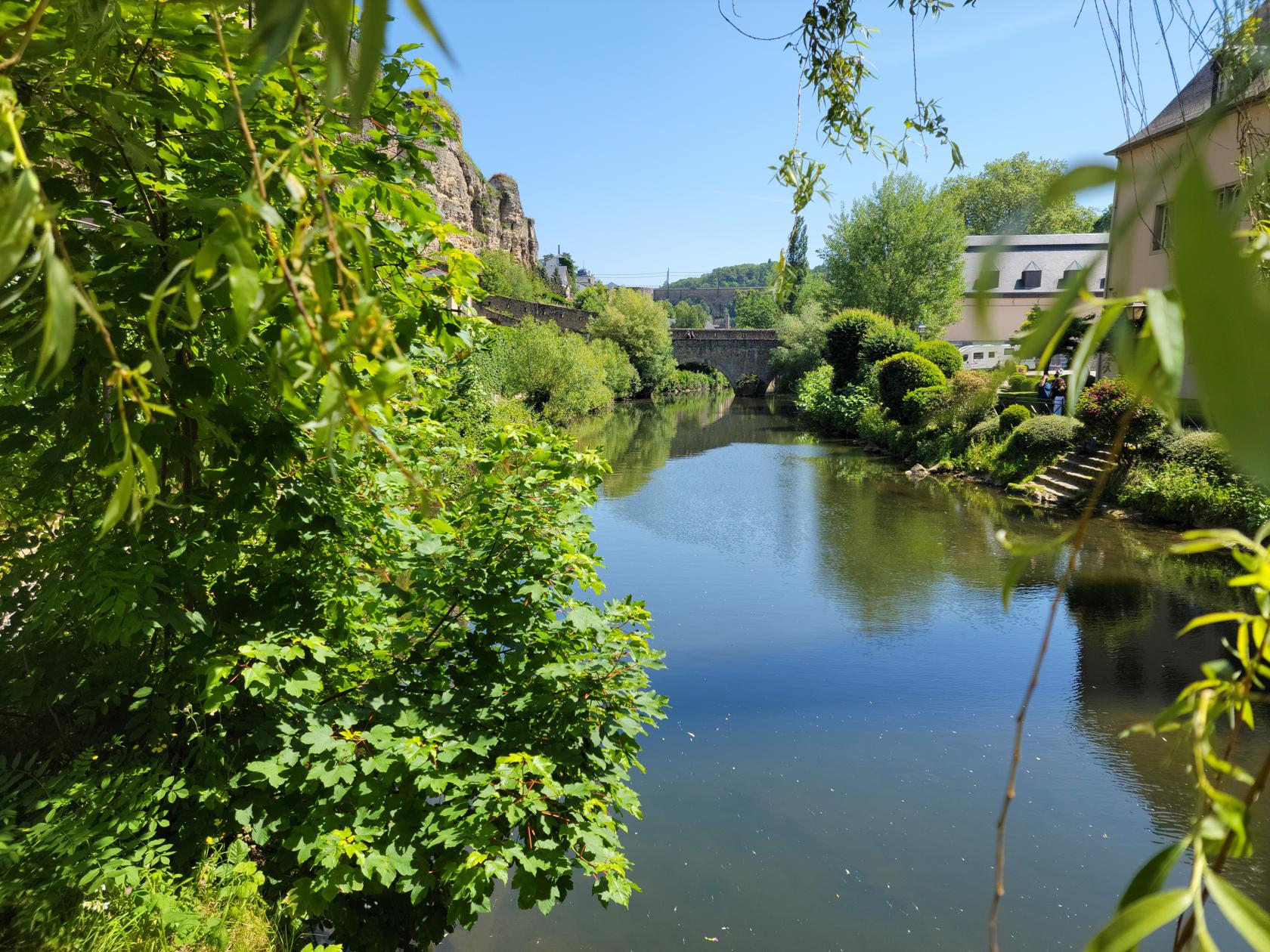
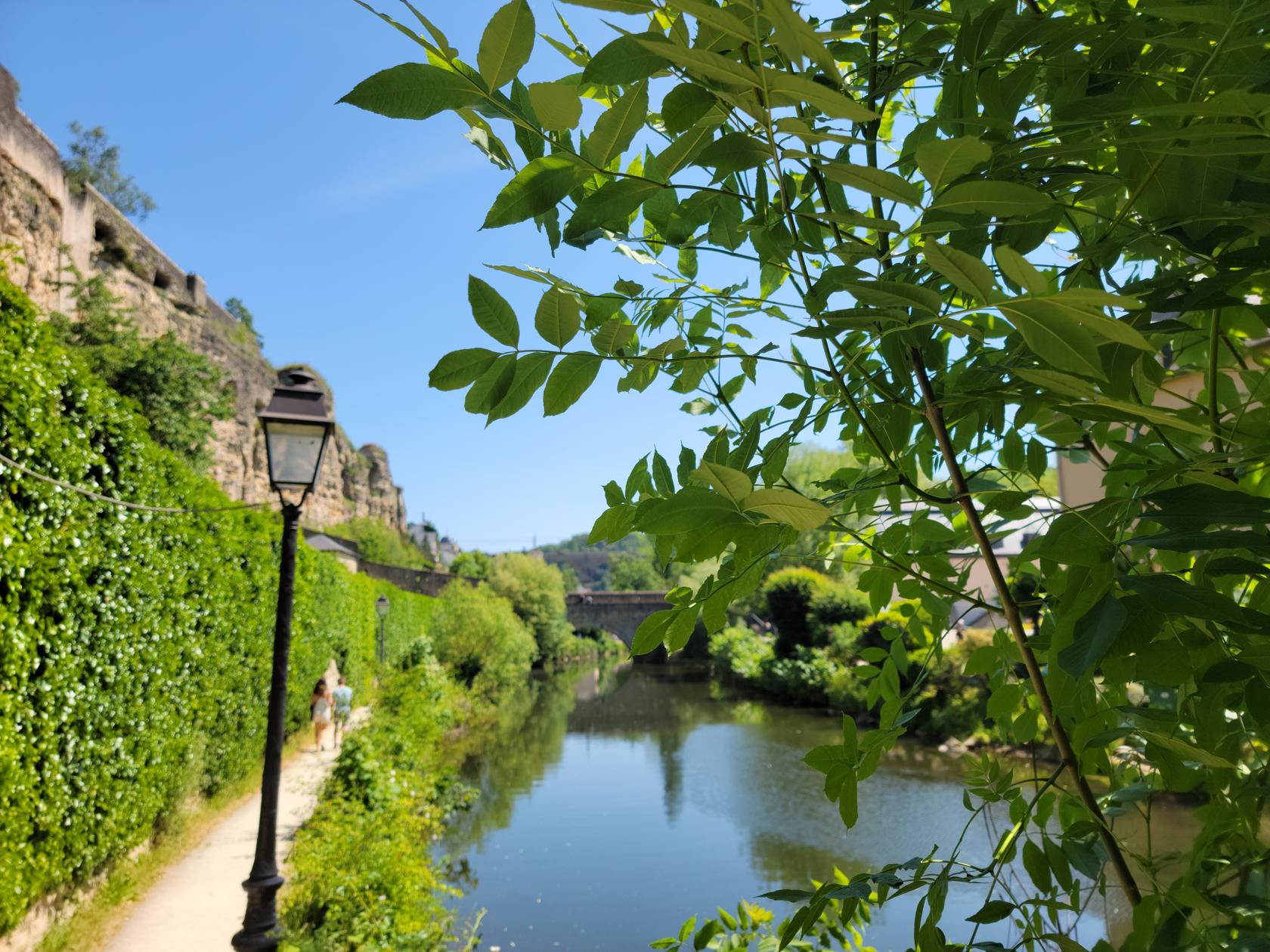
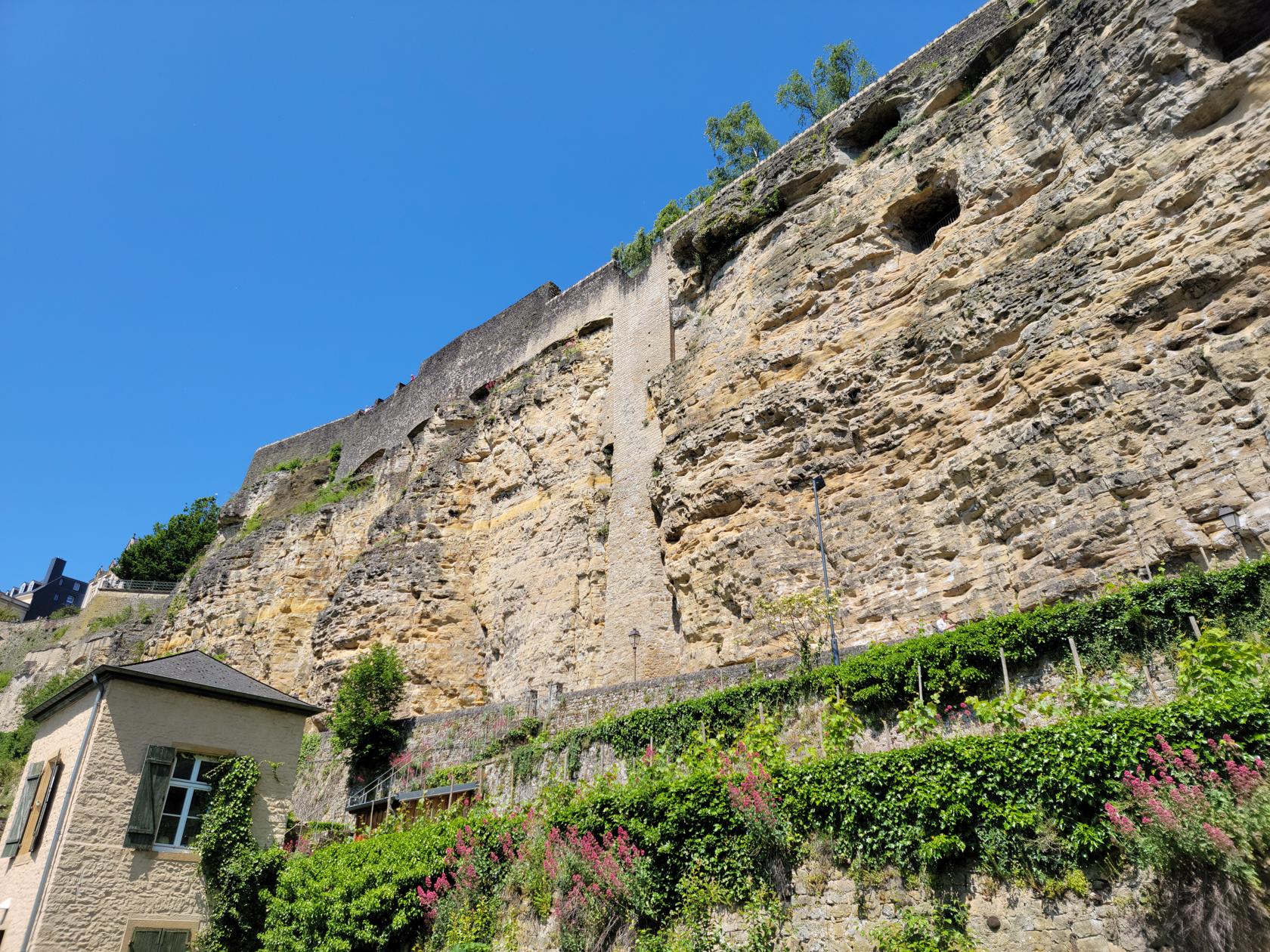
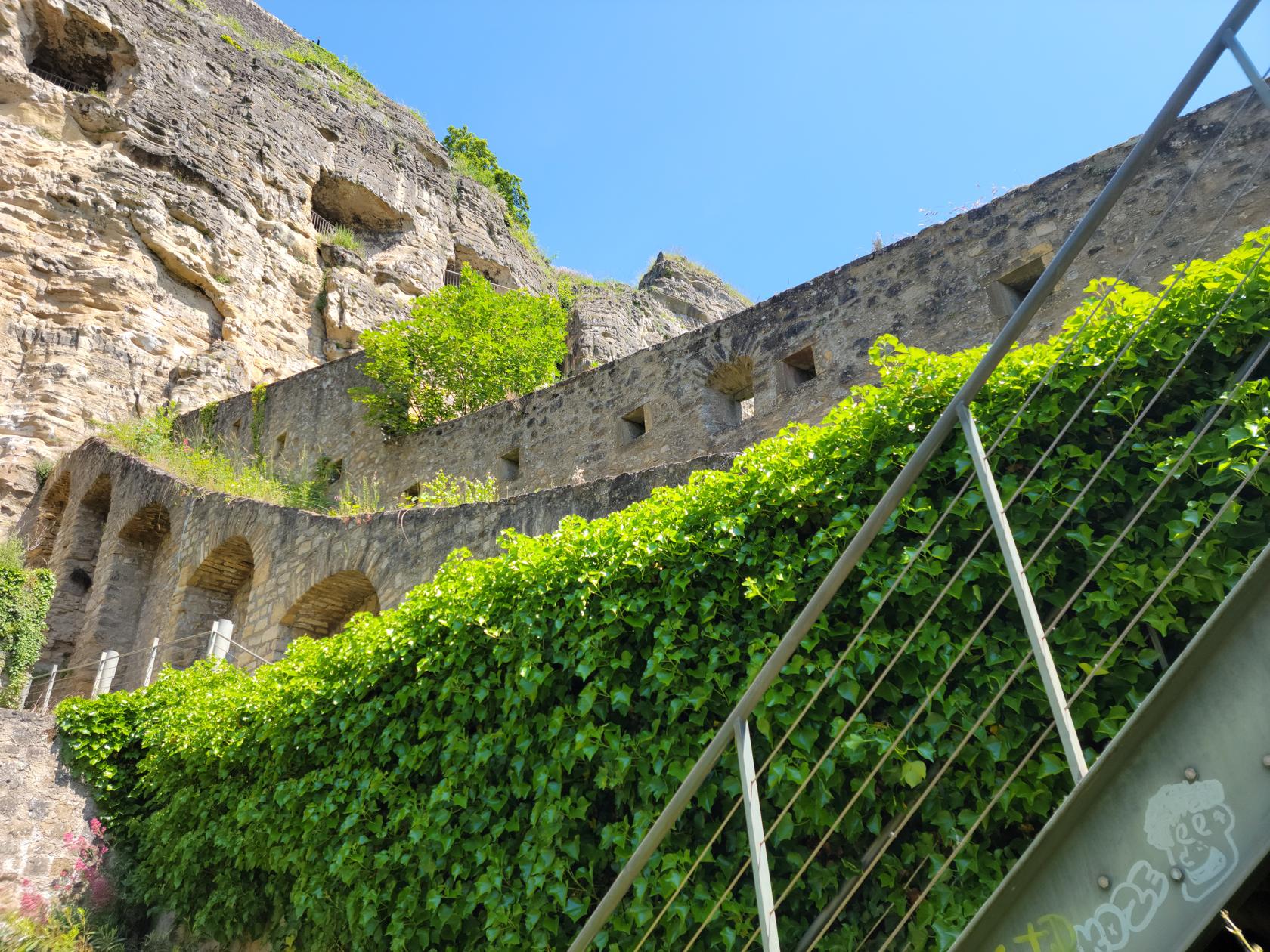
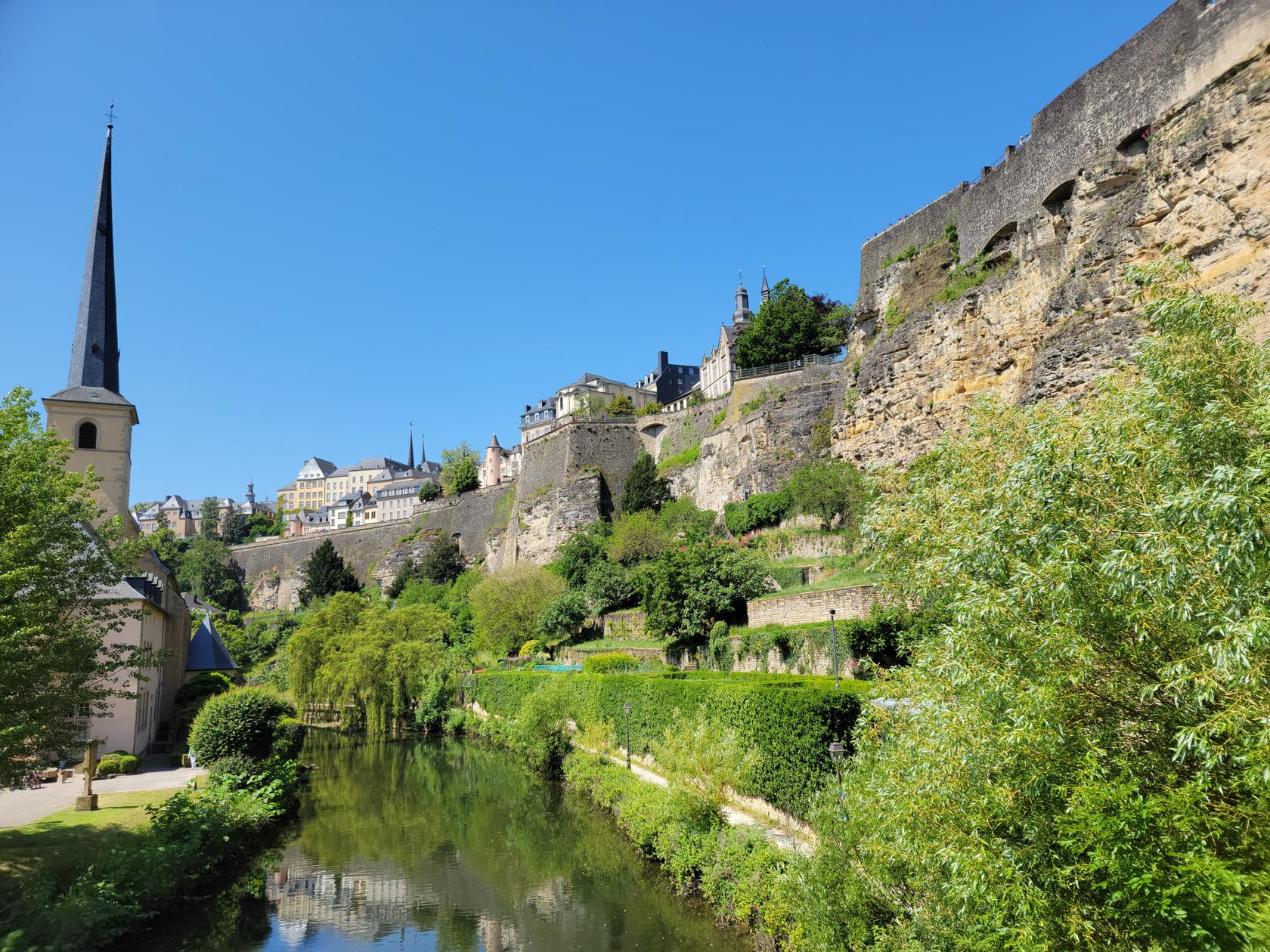
The city has fortifications and remnants of them on three sides. Some are in better condition than others, but you can at least enjoy the ones that follow the river Alzette.
Plateau de Rham – Luxemburg, Luxemburg
Plateau de Rham – Luxemburg, Luxemburg
Alzette river – Luxemburg, Luxemburg
Alzette river – Luxemburg, Luxemburg
Alzette river – Luxemburg, Luxemburg
Cliffs of Luxemburg – Luxemburg, Luxemburg
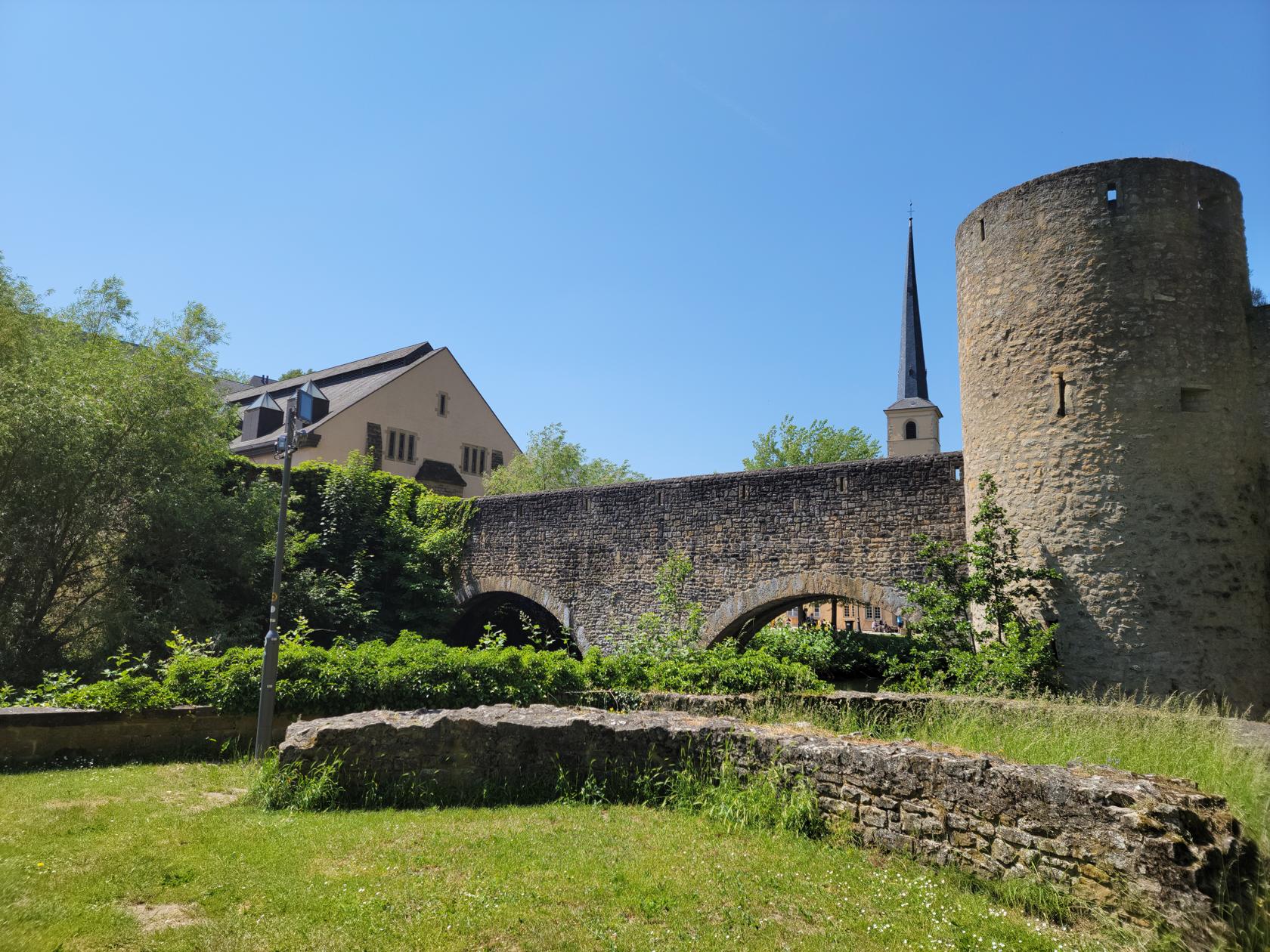
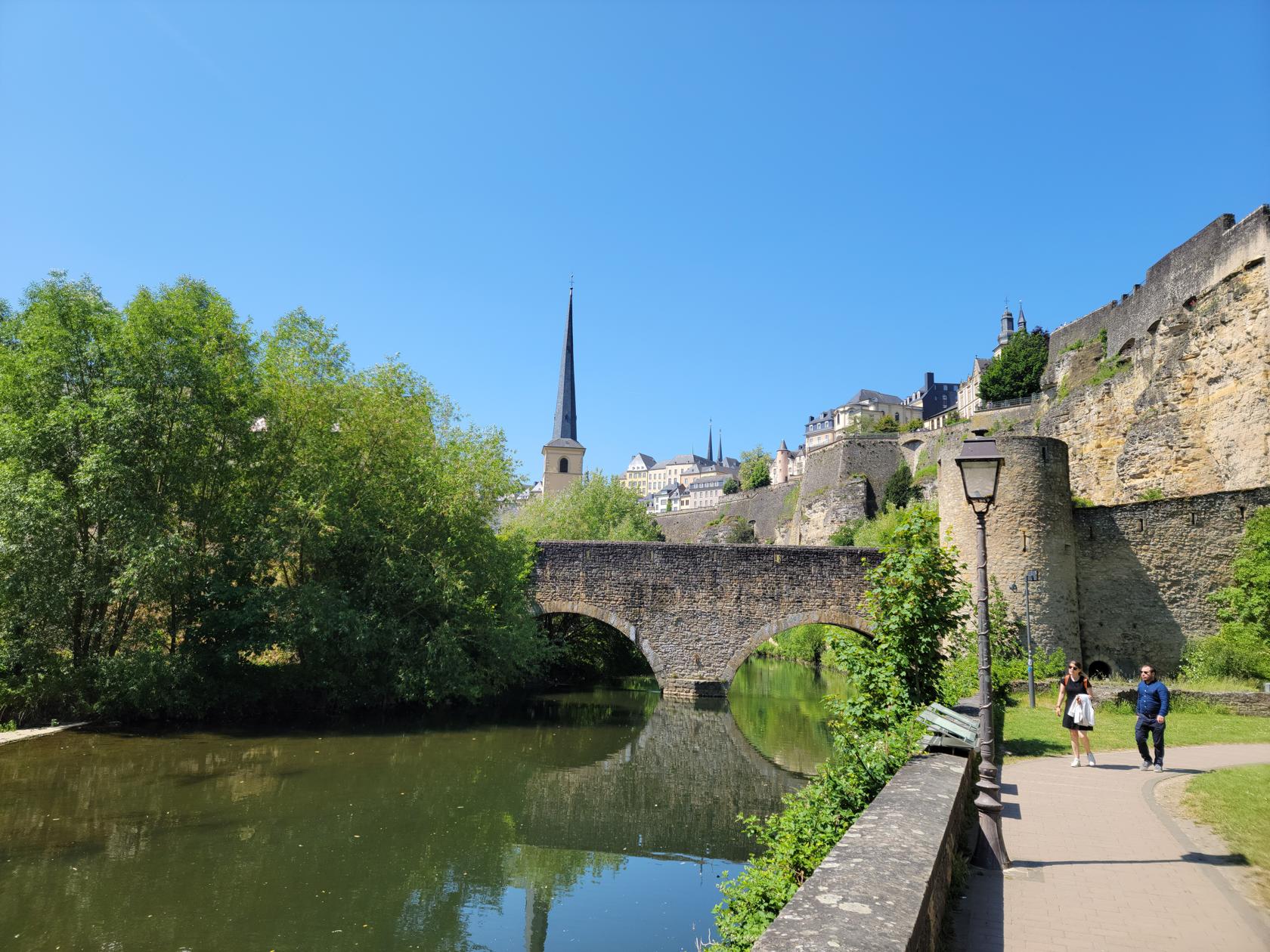
Pont du Stierchen over Alzette river – Luxemburg, Luxemburg
Cliffs of Luxemburg – Luxemburg, Luxemburg
Pont du Stierchen over Alzette river – Luxemburg, Luxemburg
Pont du Stierchen over Alzette river – Luxemburg, Luxemburg
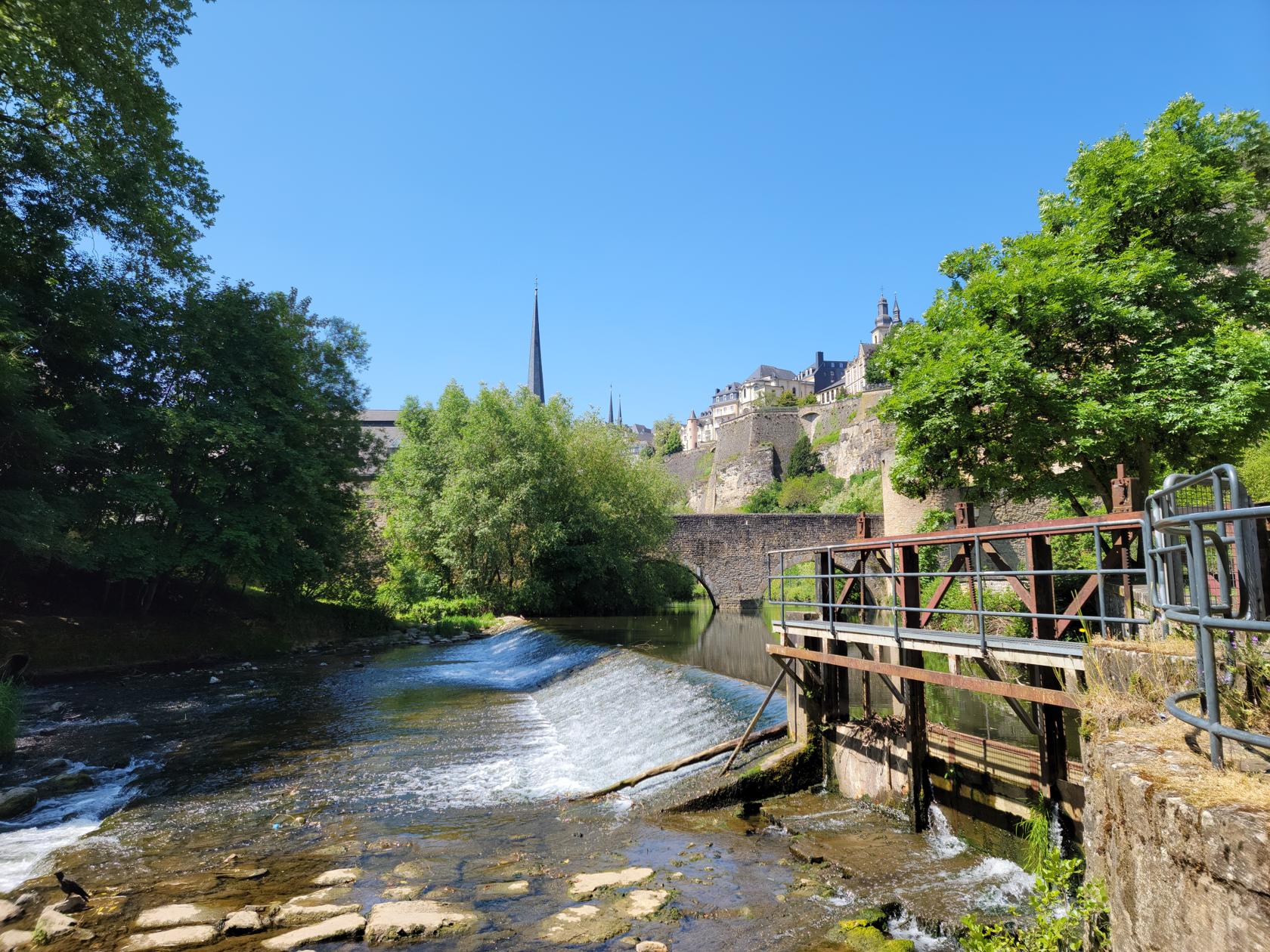
Wier and Sleuce Gate with Pont du Stierchen over Alzette river – Luxemburg, Luxemburg
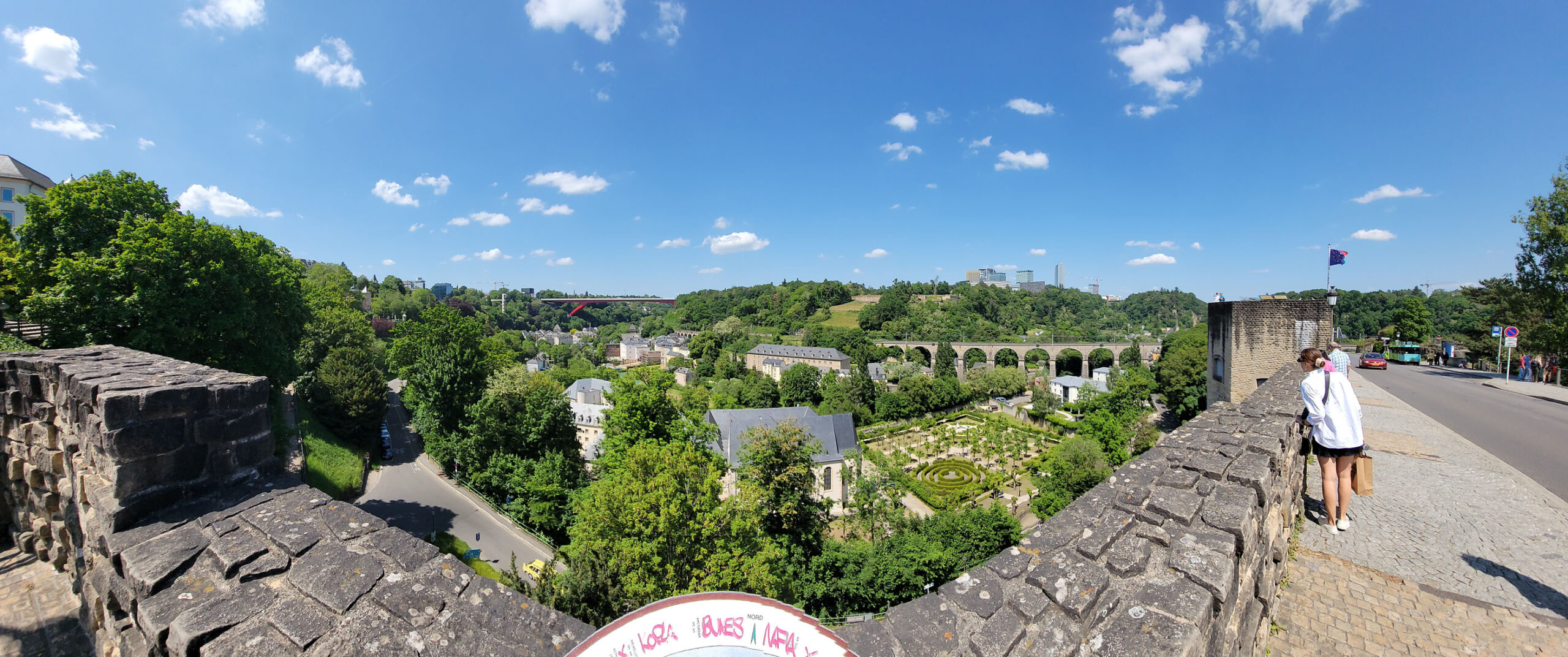
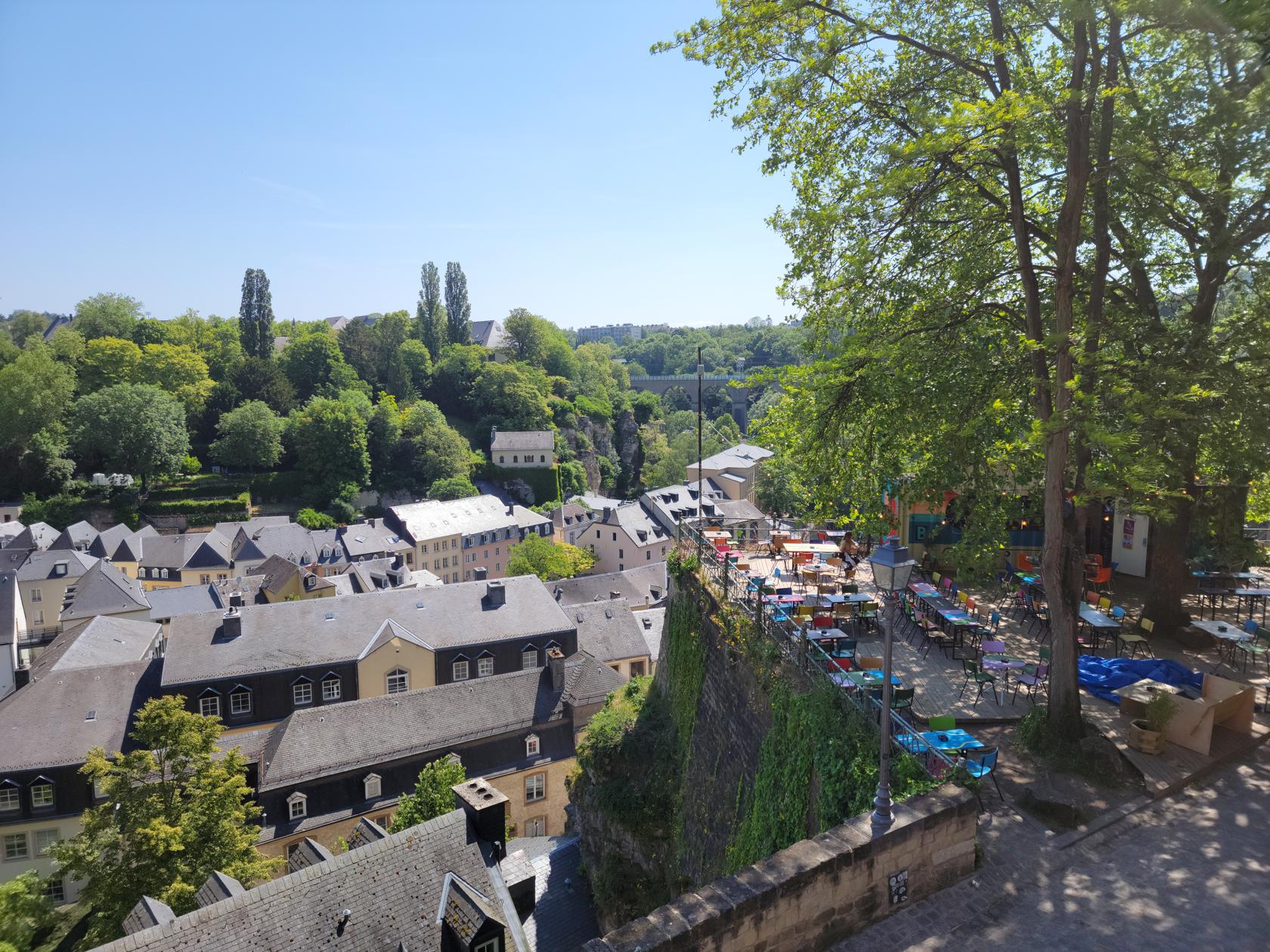
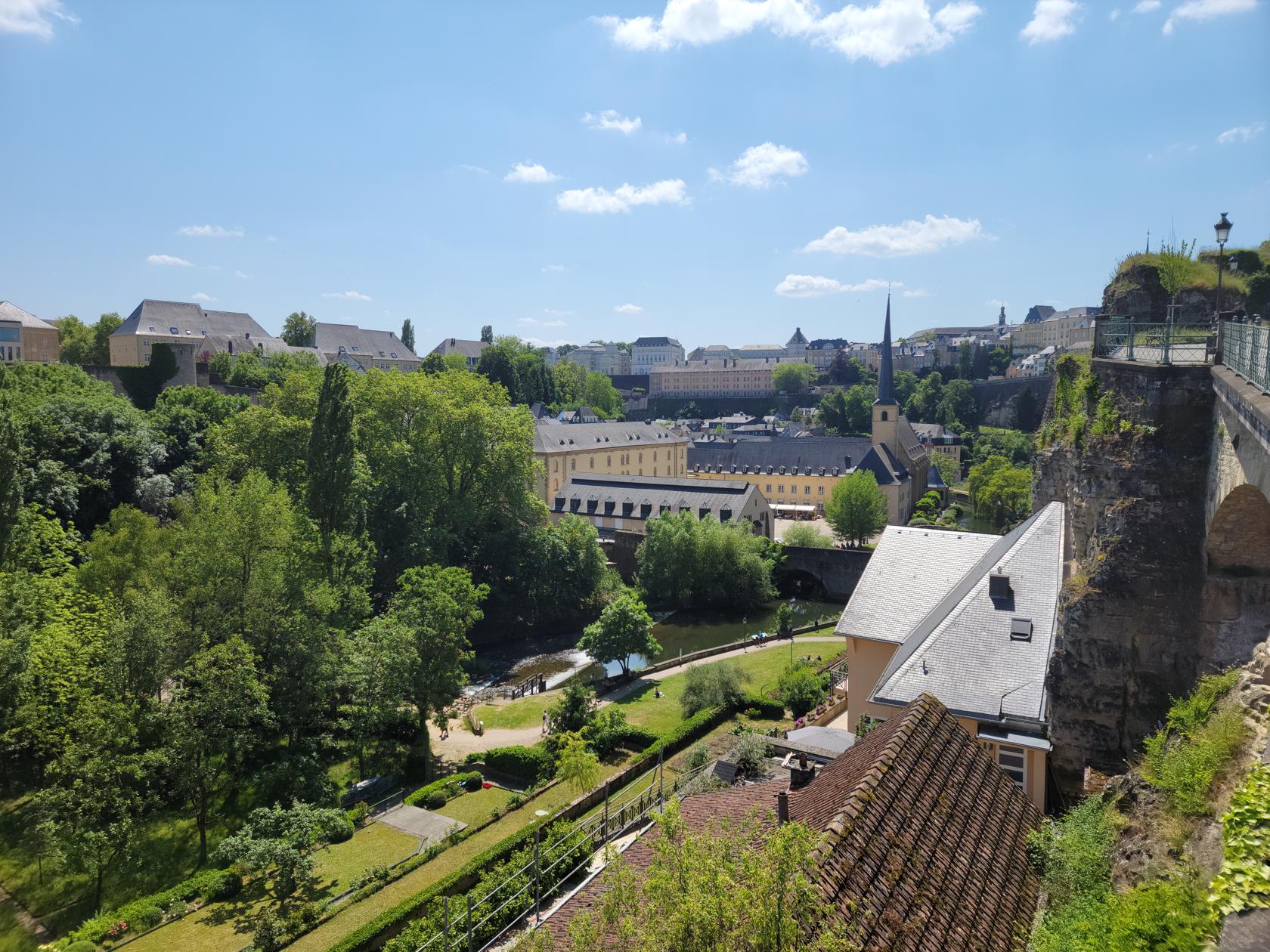
Overlook of Alzette river – Luxemburg, Luxemburg
Overlook of the river Alzette – South side – Luxemburg, Luxemburg
There is also a wonderful weir on the river between the Plateau du Rham and the City Center. From here the water flows over a set of rapids making for a very relaxing and shaded place to walk. There is even a bridge that crosses the river here where you may also enjoy it.
Casements of Luxemburg
The casements of Luxemburg city are underground facilities were originally built as passages and storage areas for the former castle of Luxemburg. During World War II, they were used for various purposes by both sides, including shelter during bombings. The one that was open while we were there was called Casemates de la Pétrusse, named after the river Pétrusse. Unfortunately, they were all booked the day we came for the entire weekend, so purchase your tickets early, if you want to go below and enjoy the guided tour of this unusual exhibit. It is located under the Monument of Remembrance.
Remembrance memorial – Luxemburg, Luxemburg
The other casement is Casements du Bock which currently is temporarily closed. When it opens, tickets can be purchased for a guided tour and this one is located on Mount de Clausen near the Casement Memorial.
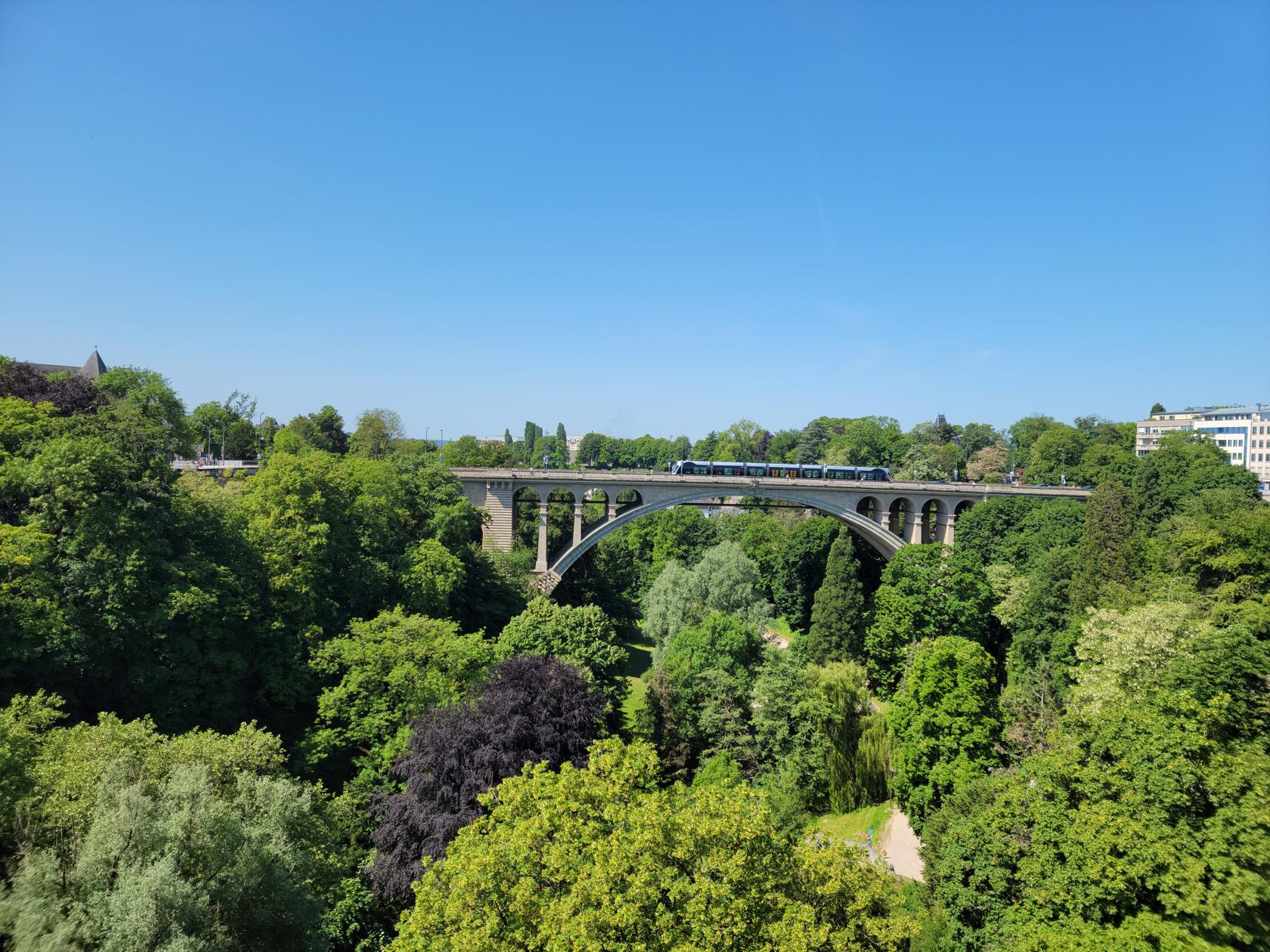
Adolphe bridge – Luxemburg, Luxemburg
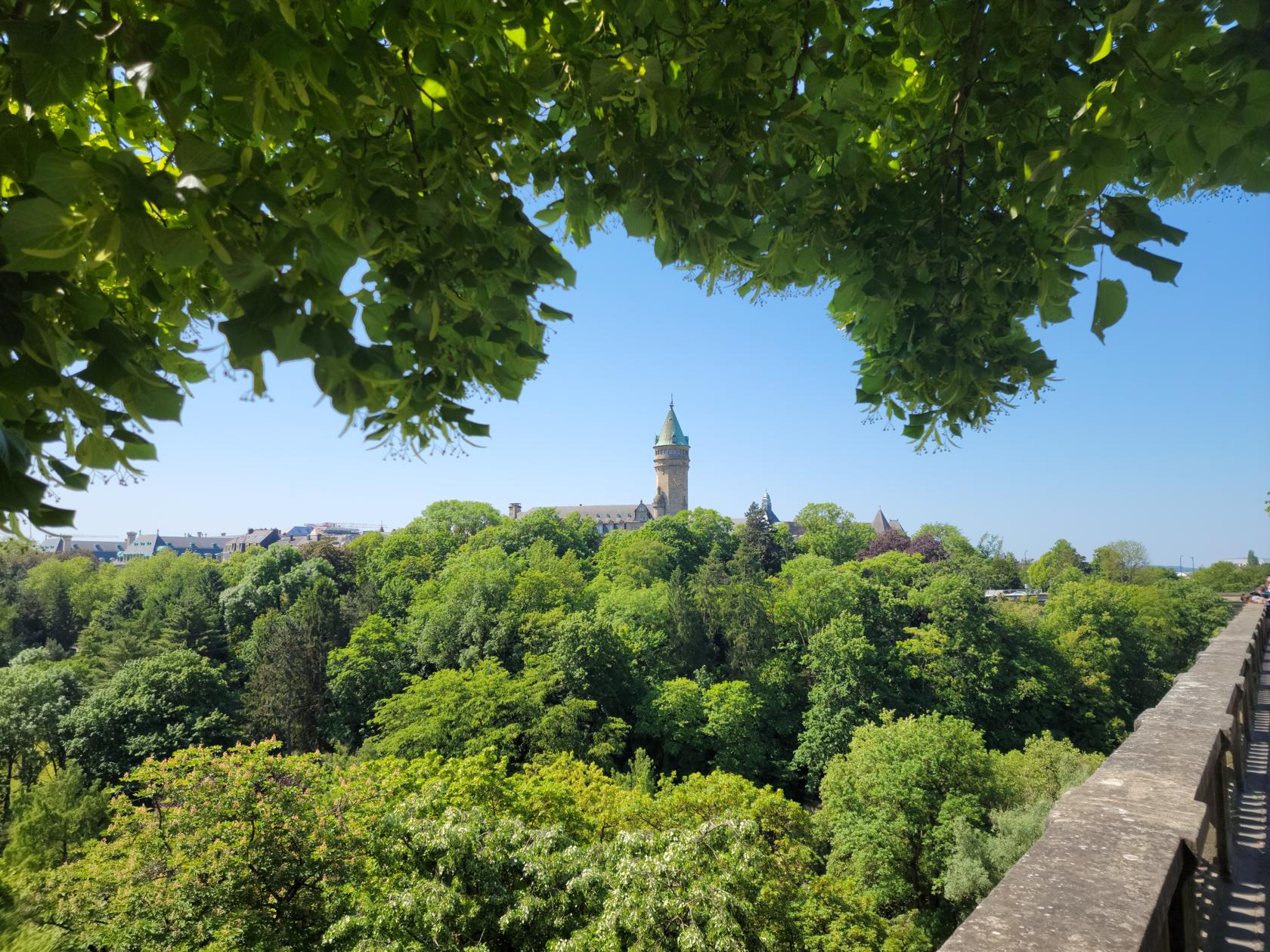
Muesee de la Banque Tower – Luxemburg, Luxemburg
Church of Saint Michael’s
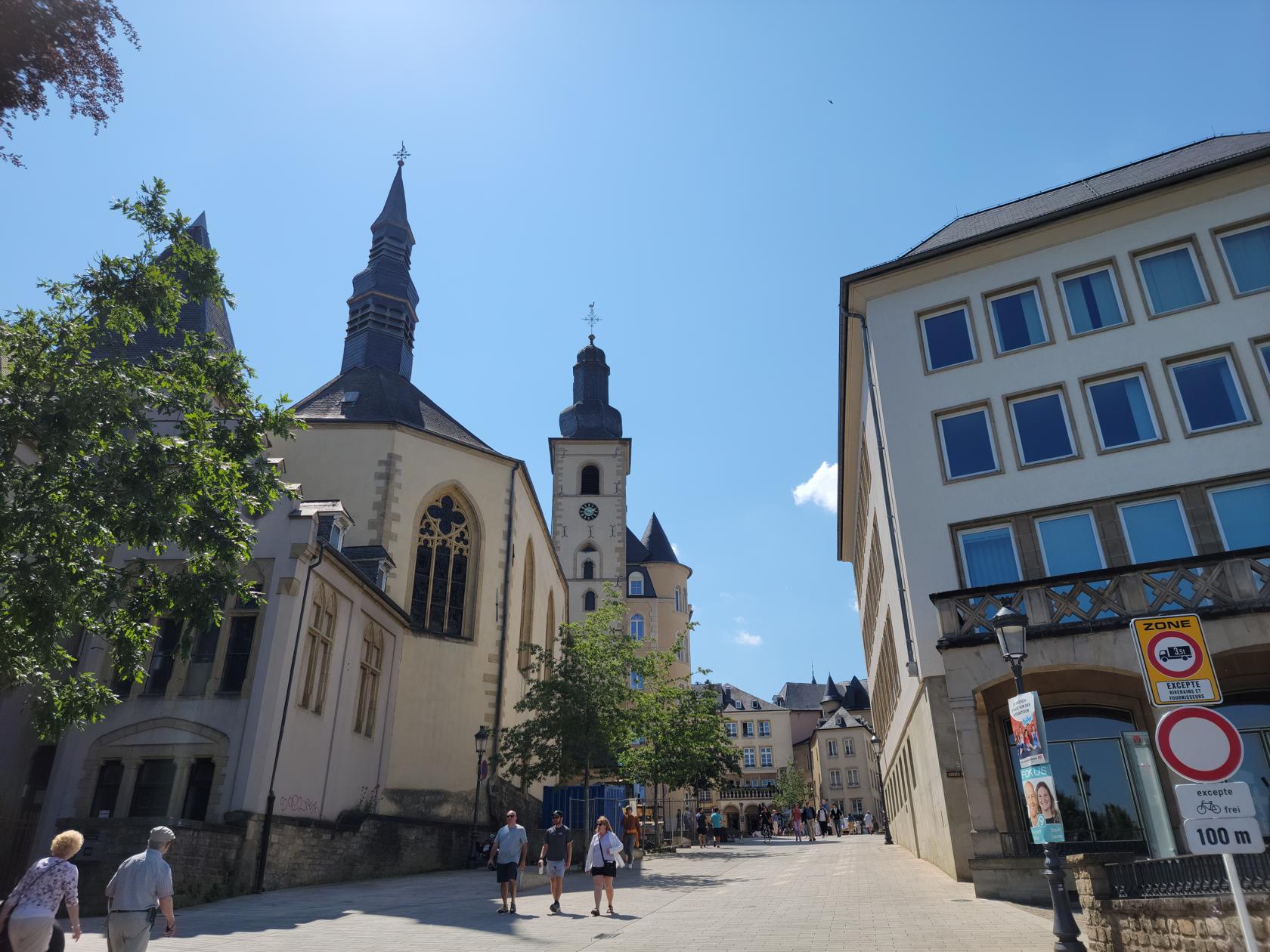
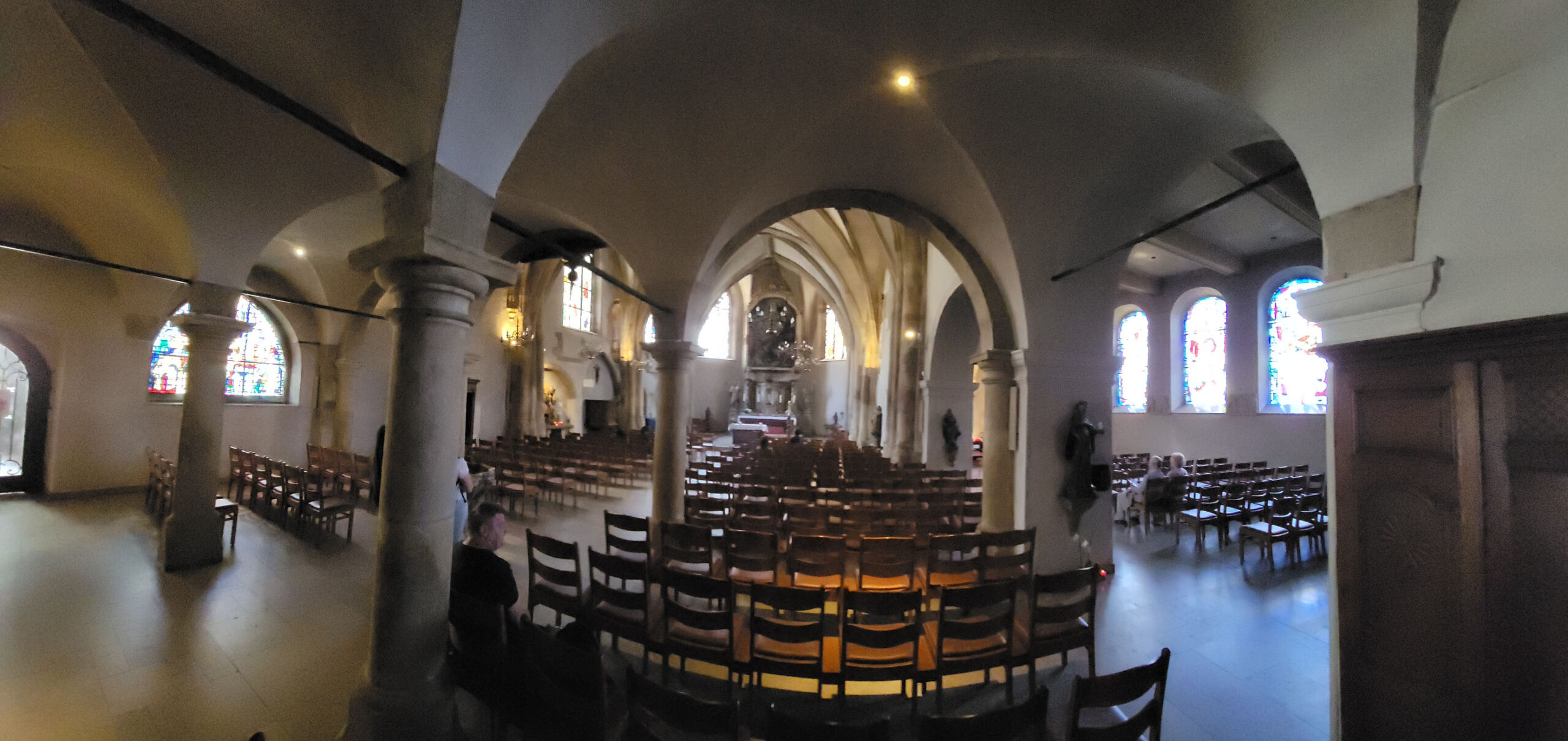
The church of Saint Michael’s has a beautiful set of windows to enjoy. Built in the tenth century and originally named Church of the Redemption, the new and colorful windows were installed after much of the city was destroyed during the war and the new church was reconsecrated as the church of Saint Michael.
Saint Michael’s church – Luxemburg, Luxemburg
Inside panorama of Saint Michael’s church – Luxemburg, Luxemburg
Stained glass – Saint Michael’s church – Luxemburg, Luxemburg
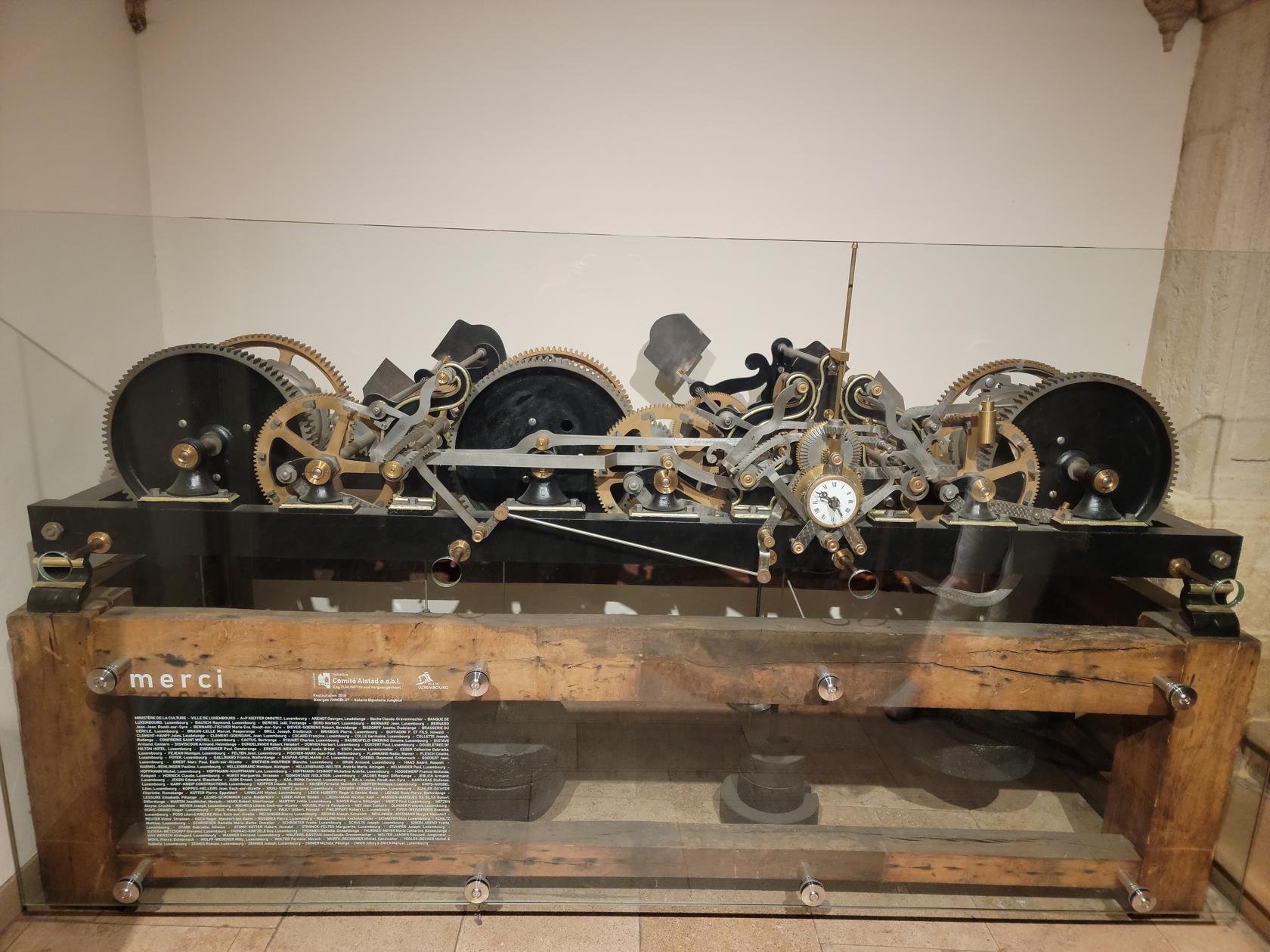
The other point of interest in this church is the old church turret clock.
Turret clock from 1902 – Saint Michael’s church – Luxemburg, Luxemburg
The city does offer other things to see and do, for those who are so inclined. However, for a short weekend stay, I thought we enjoyed a fair amount of what the city had to offer and enjoyed ourselves immensely. The people are very friendly and fluent in many languages. The city is clean, well cared for and vibrant and there is plenty of history to be found walking among its streets. Being only a few hours drive from Frankfurt and other cities, it is well situated for a weekend trip. Going by train is a bit longer, since there is no direct route and flying is an option, though an unjustifiable cost given the destination and the amount of time one has to spend in airports these days to get anywhere.
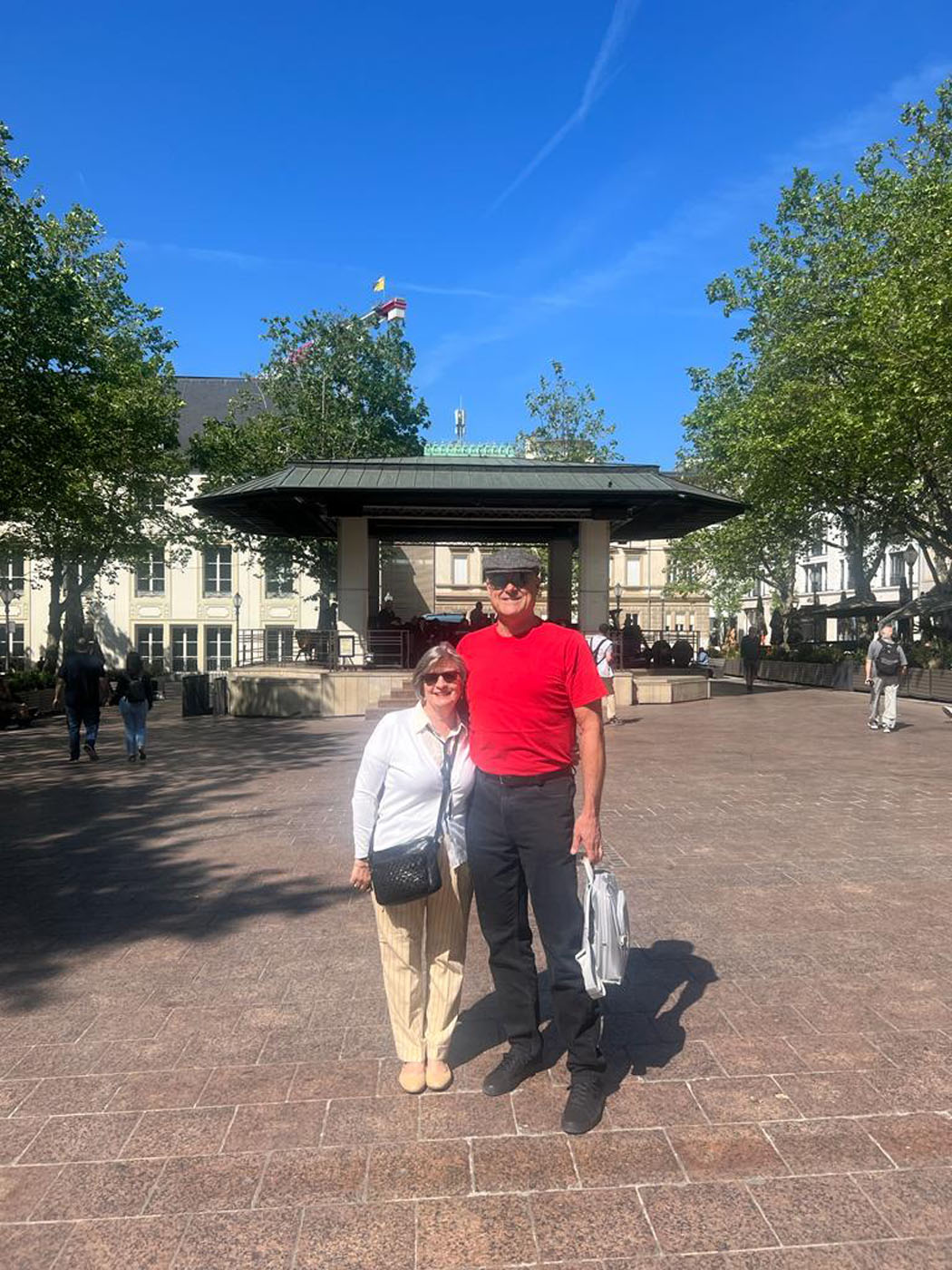
Patti and Erick – Luxemburg, Luxemburg
Restaurants
One thing that can be said about restaurants in Luxemburg is, eating out is rather expensive. Our opinion is, it’s more in line with eating out in Switzerland or at an expensive restaurant in the United States.
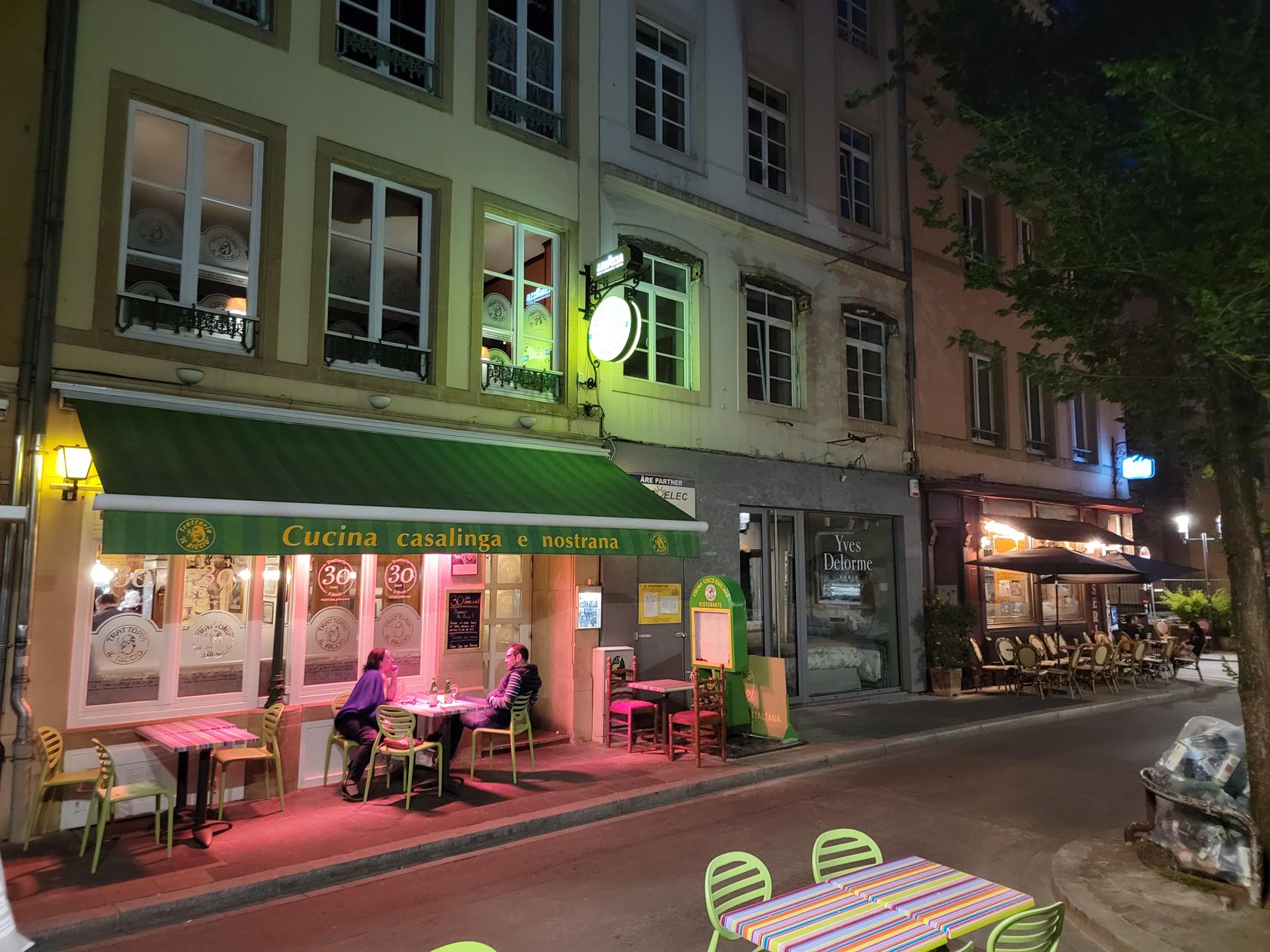
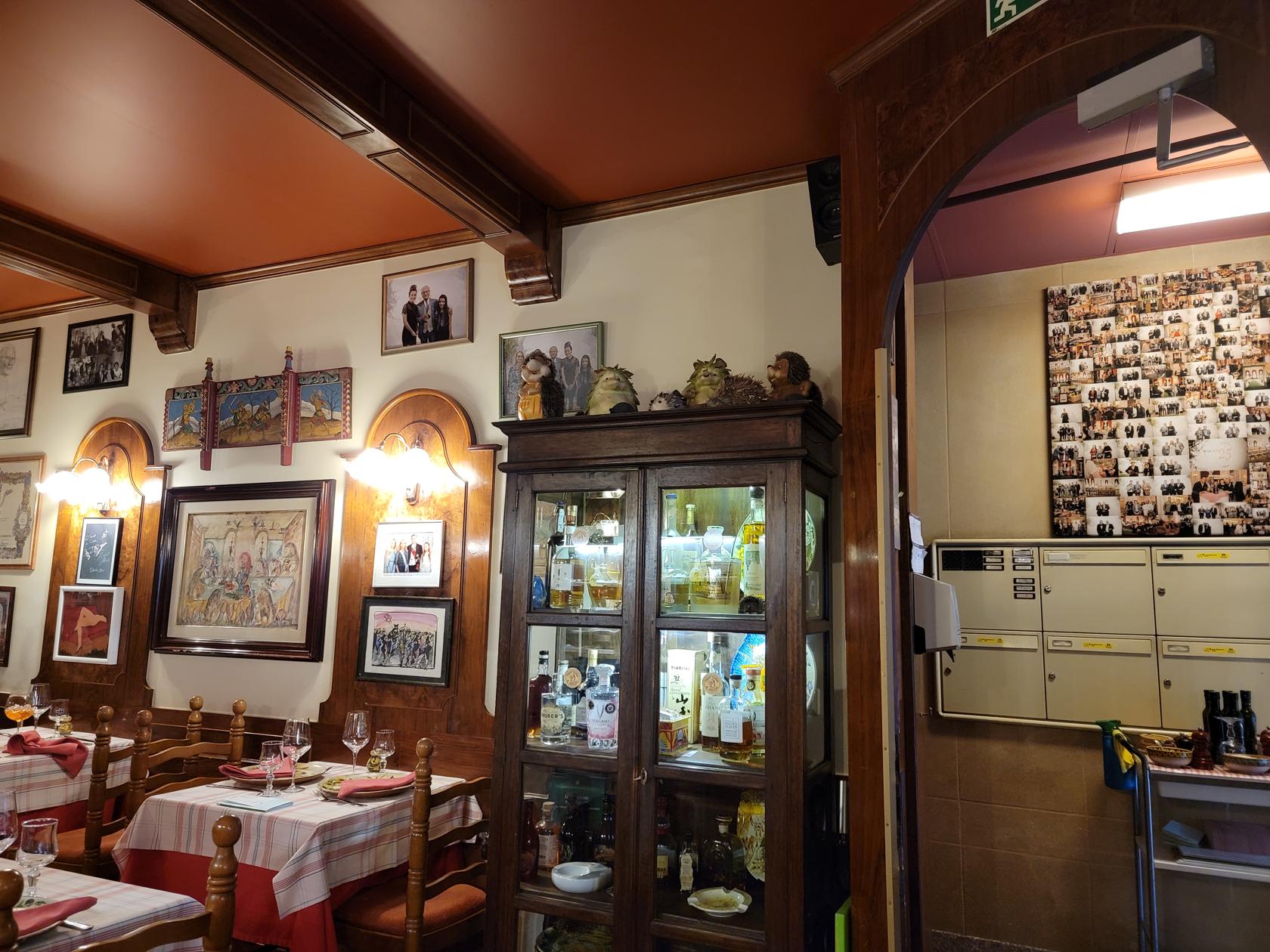
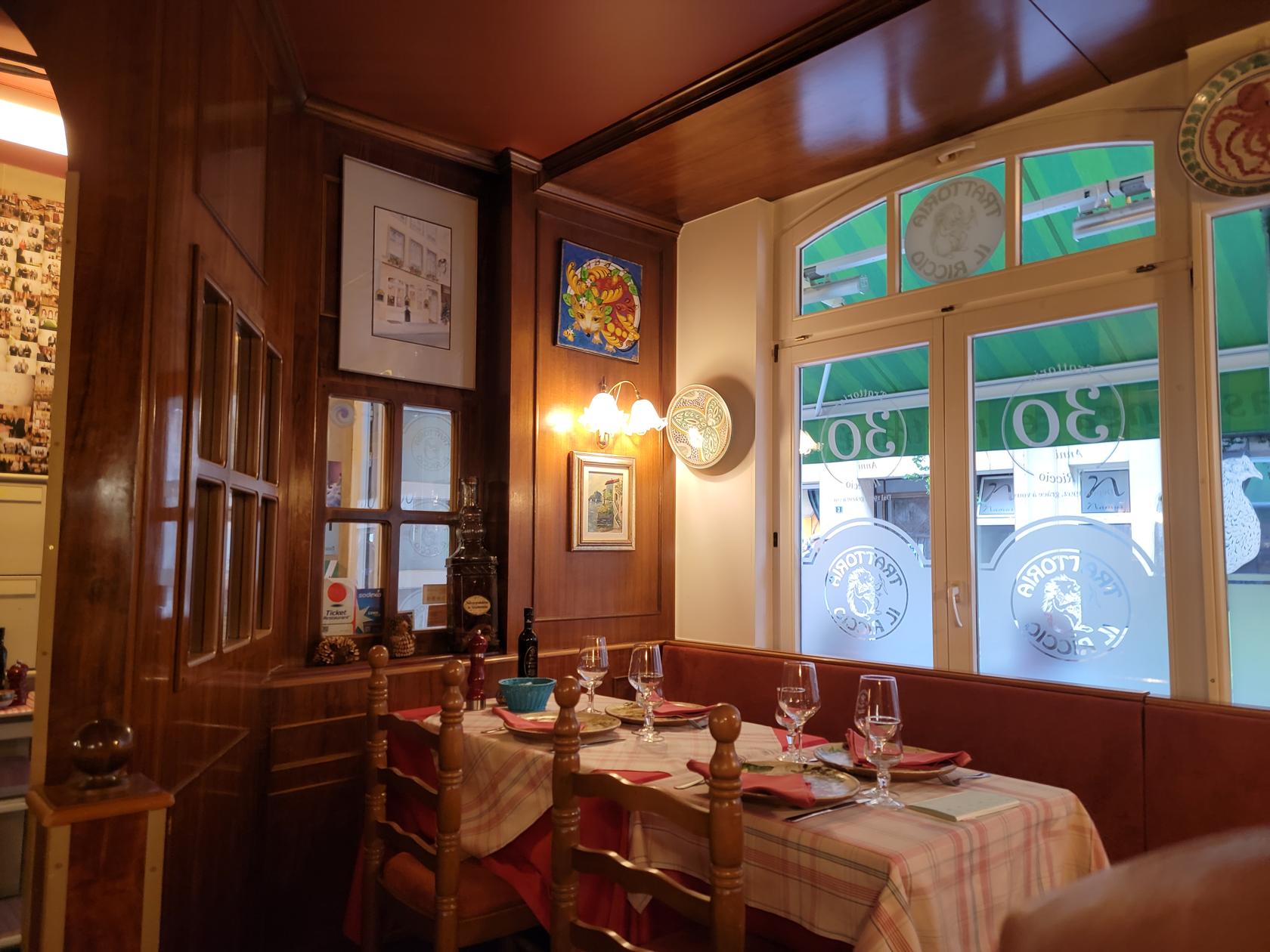
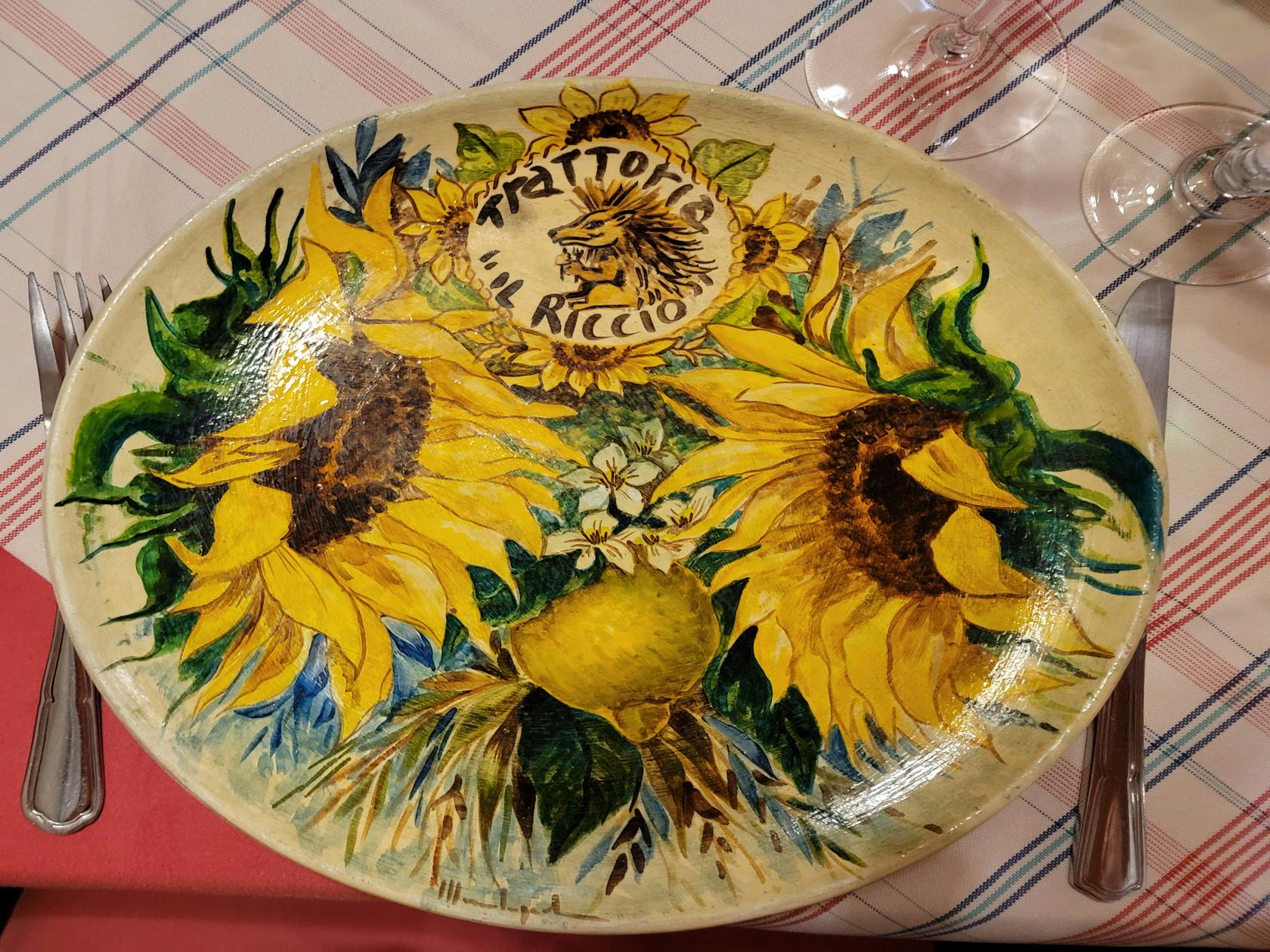
Trattoria Il Riccio
This is a cozy, but expensive little Italian gem on the Rue Beaumont.
Ristorante Il Riccio – Luxemburg, Luxemburg
Ristorante Il Riccio – Luxemburg, Luxemburg
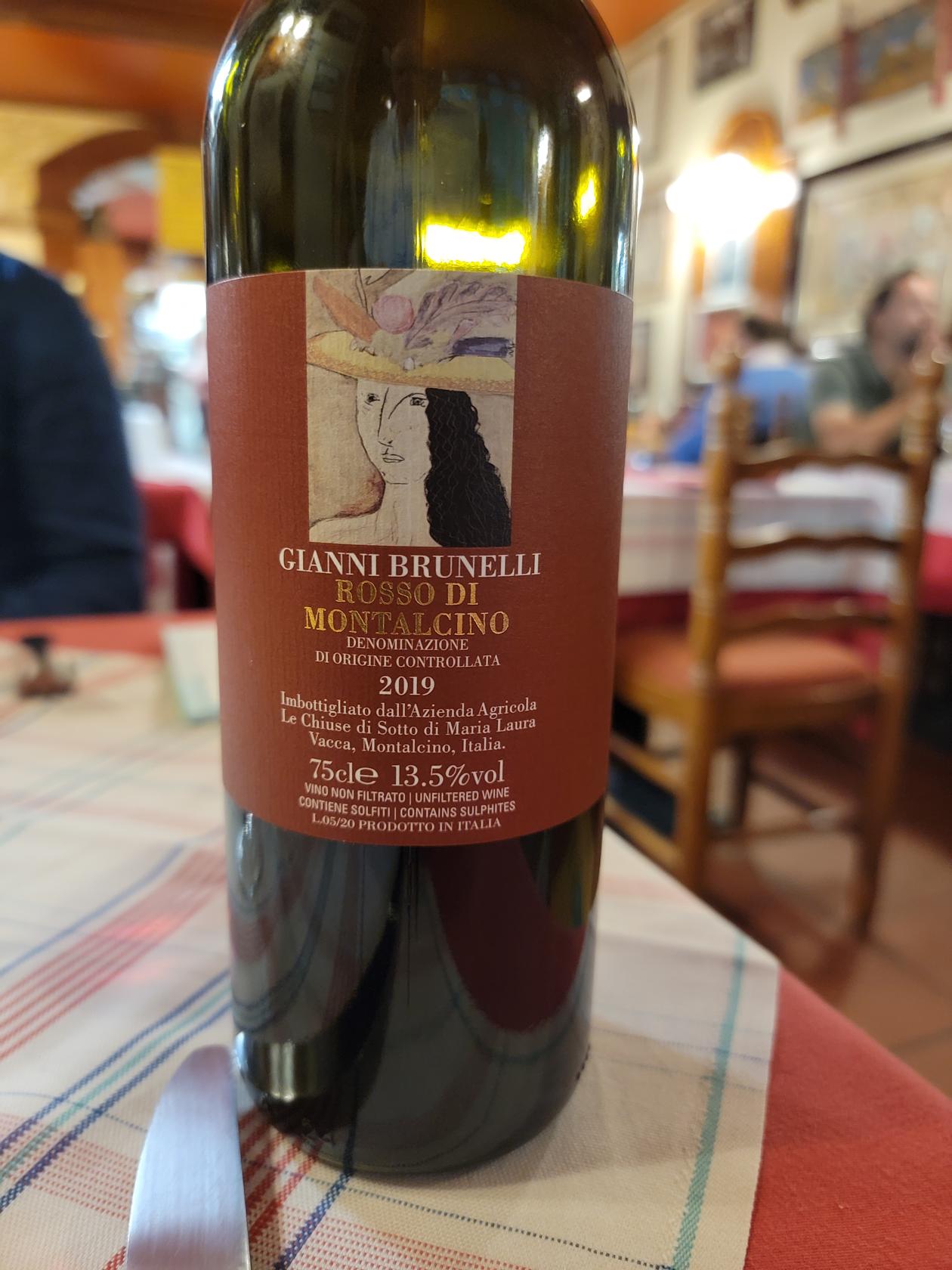
We had an excellent and delicious meal here, complete with two bottles of fairly expensive wine (56€/ea) and the total for four came to 450€. Of course, we all had an appetizer, primi and secondi.
Rue Beaumont – Luxemburg, Luxemburg
Ristorante Il Riccio – Luxemburg, Luxemburg
Ristorante Il Riccio – Luxemburg, Luxemburg
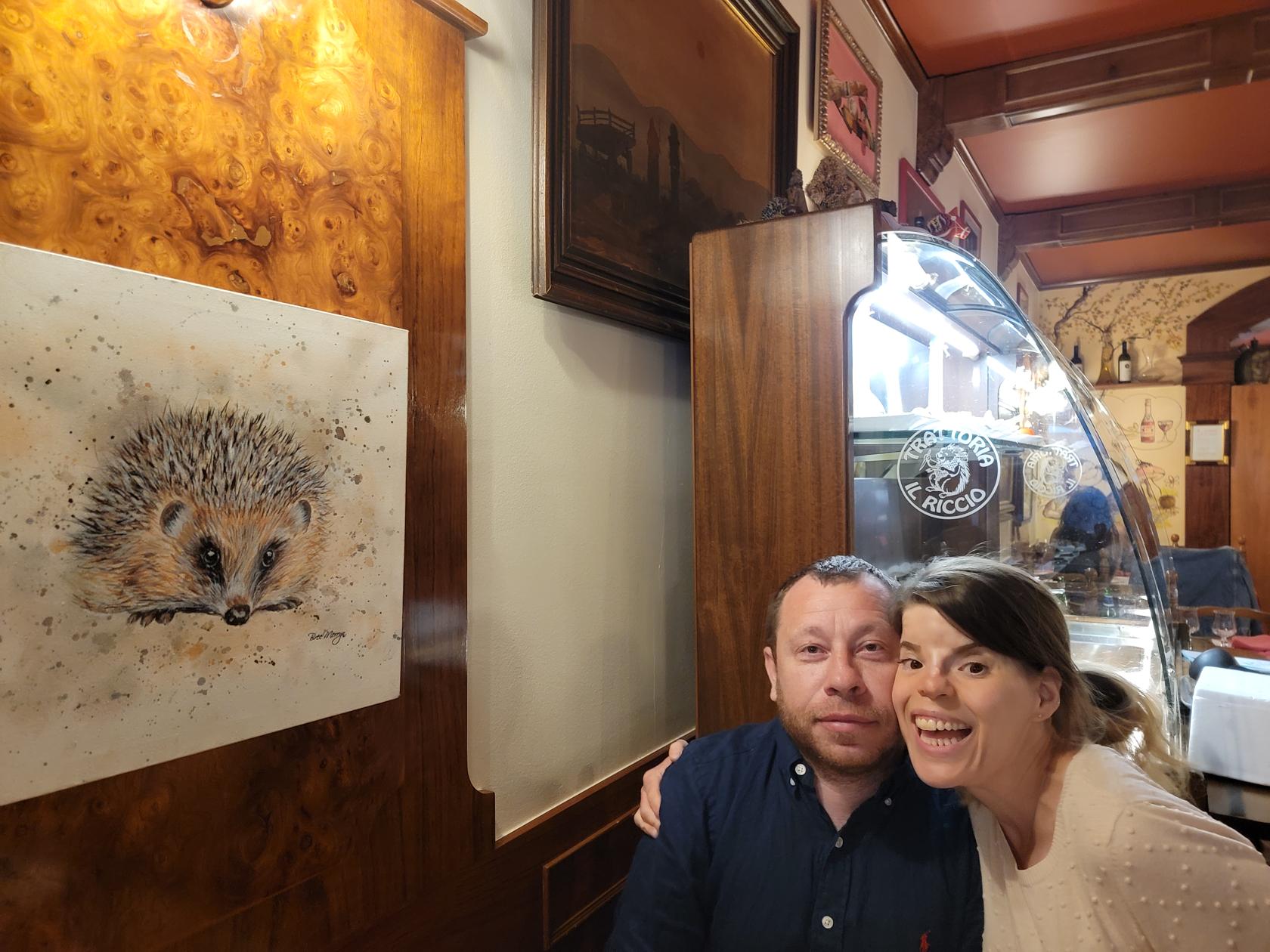
Gabi and Ericka – Ristorante Il Riccio – Luxemburg, Luxemburg
Ristorante Il Riccio – Luxemburg, Luxemburg
Gianni Brunelli Montalcino – Ristorante Il Riccio – Luxemburg, Luxemburg
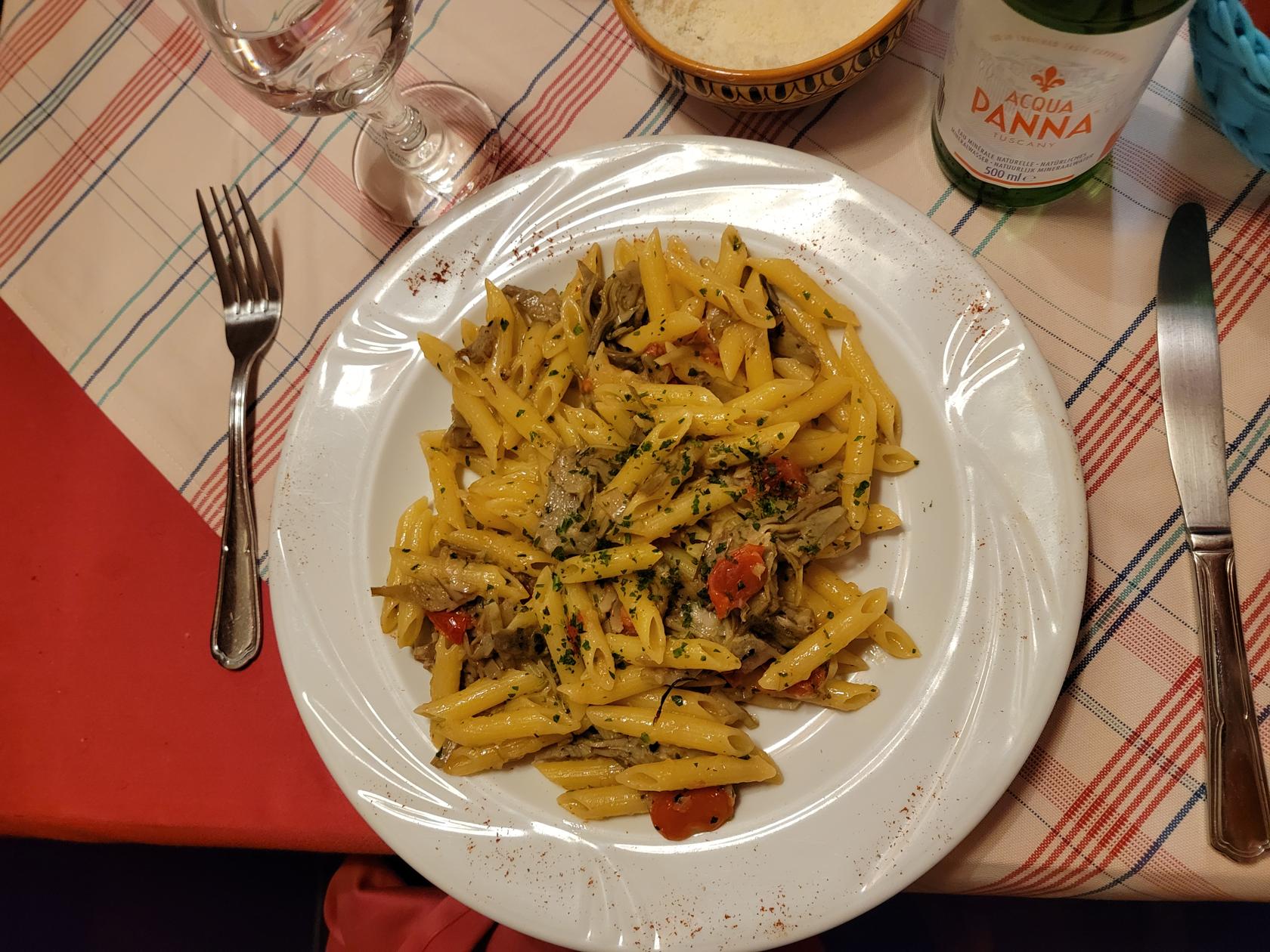
Penne with artichokes and tomatoes – Ristorante Il Riccio – Luxemburg, Luxemburg
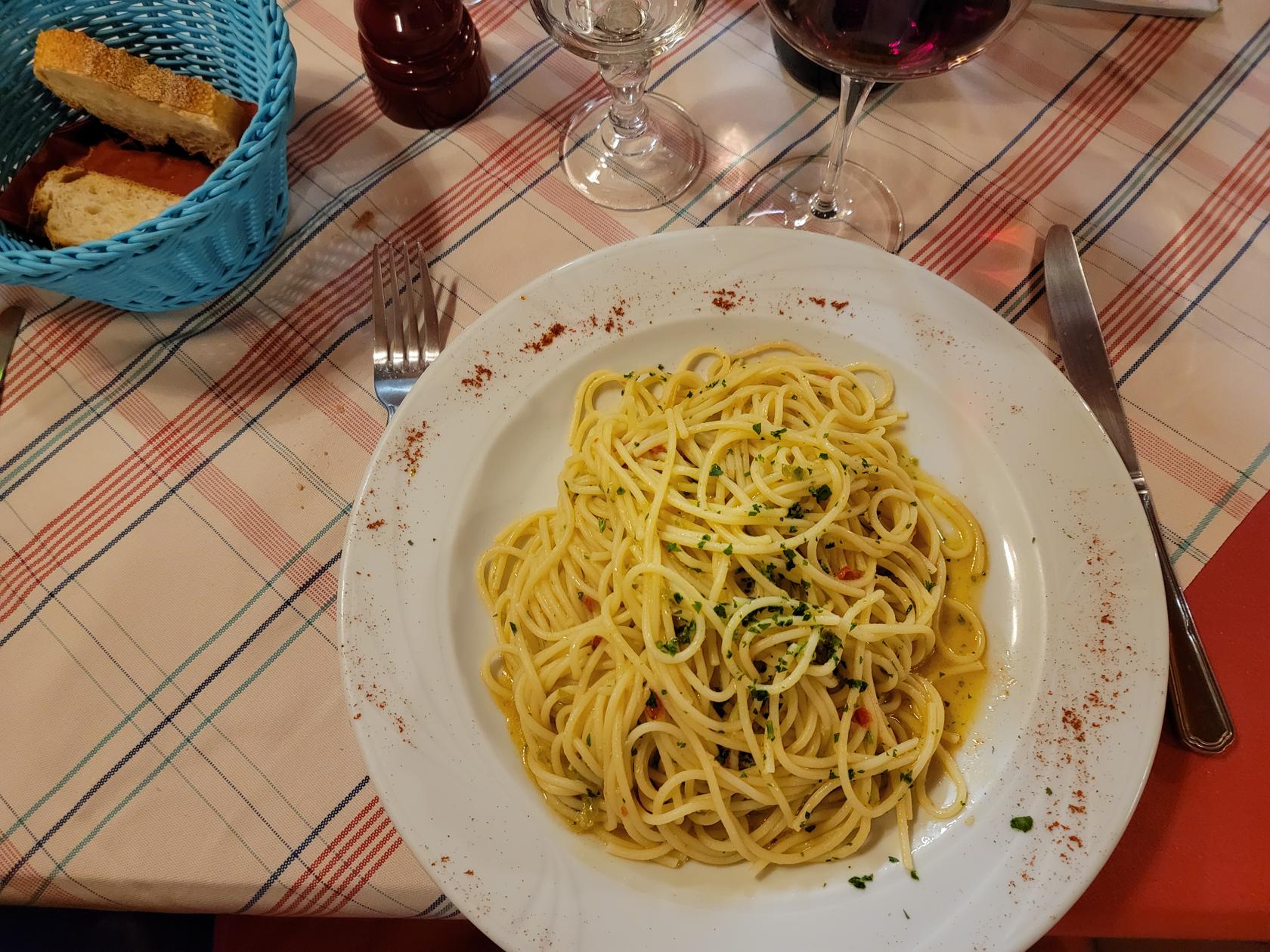
Spaghetti with garlic and oil- Ristorante Il Riccio – Luxemburg, Luxemburg
Continuing our journeys on the eastern coast of Sicily, we arrived at Catania. A port city and working town that believe it or not, is even grittier than Naples.
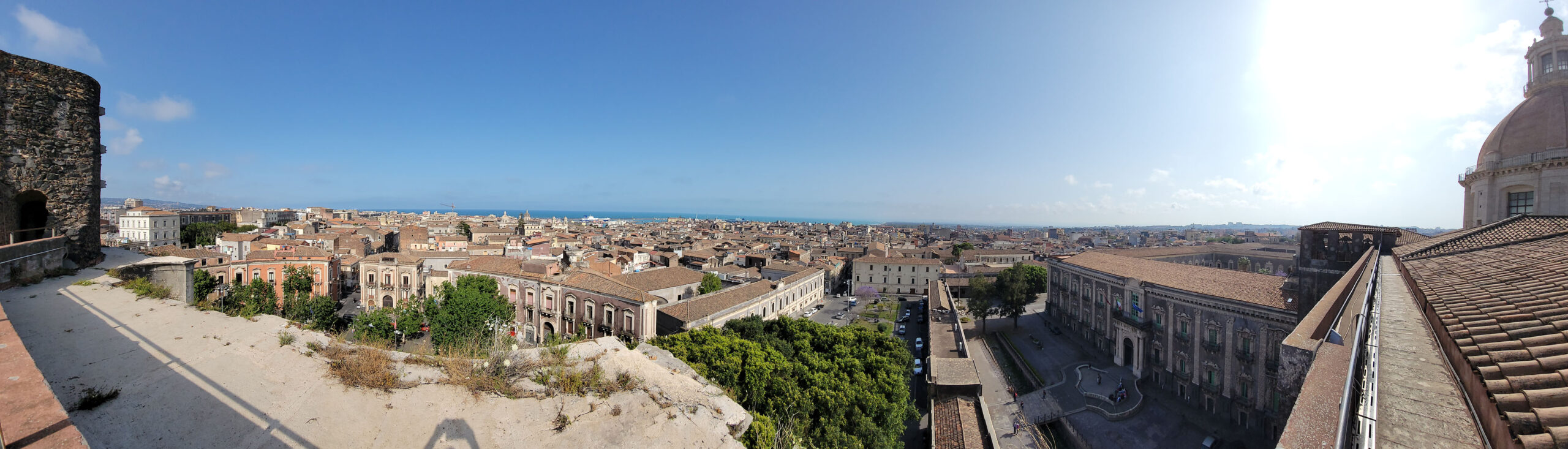
Catania, a panorama – San Nicolo L’Arena Church – Catania, Sicily
Catania
Existing in the shadow of a large, ever erupting volcano, would seem like a fool’s errand. But the people of Catania do it everyday and only give it a second thought. Luckily, the volcano has not had a major eruption in some time, and since it’s monitored continuously, most people try to ignore it.
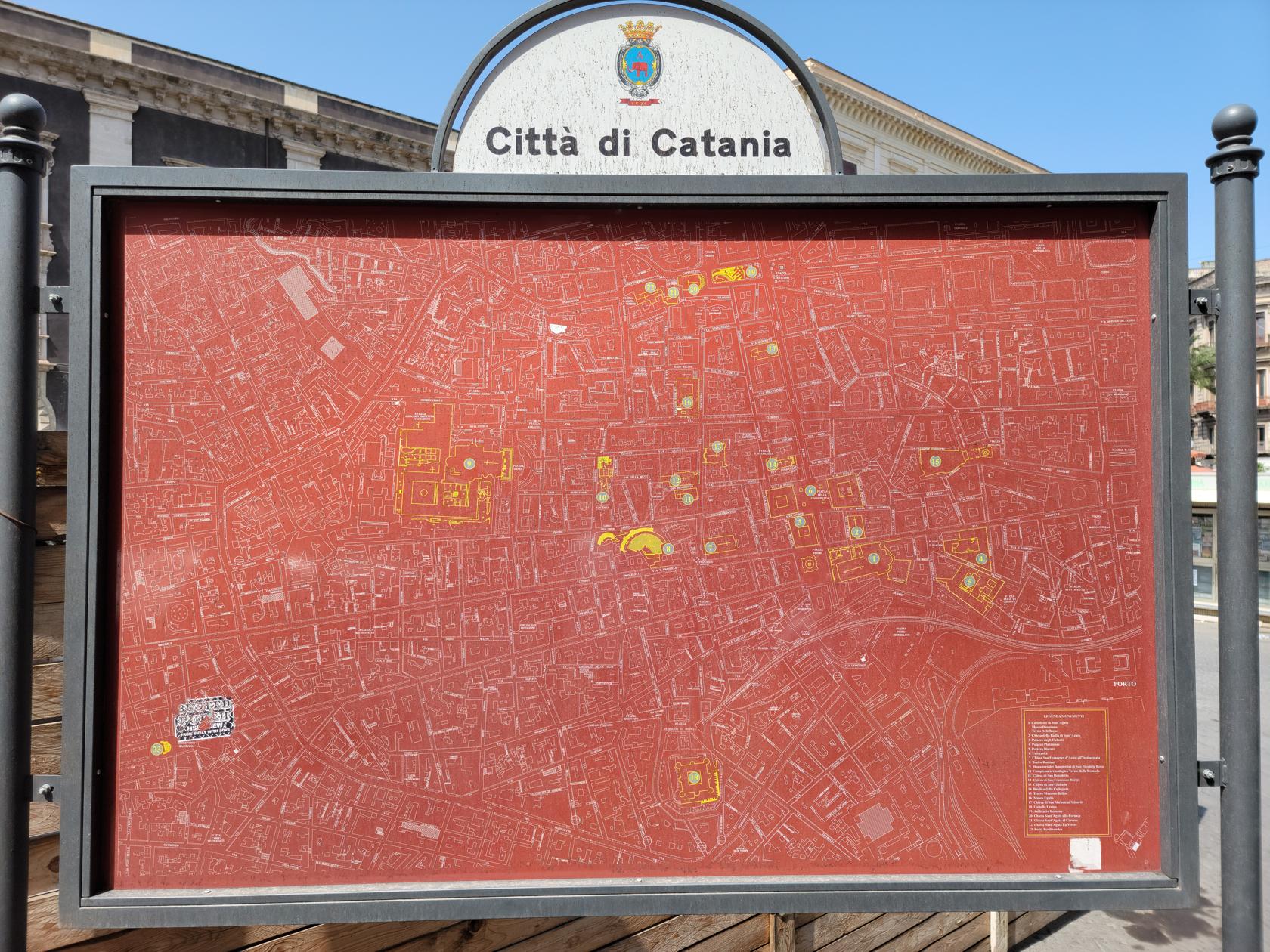
Map of Catania – Catania, Sicily
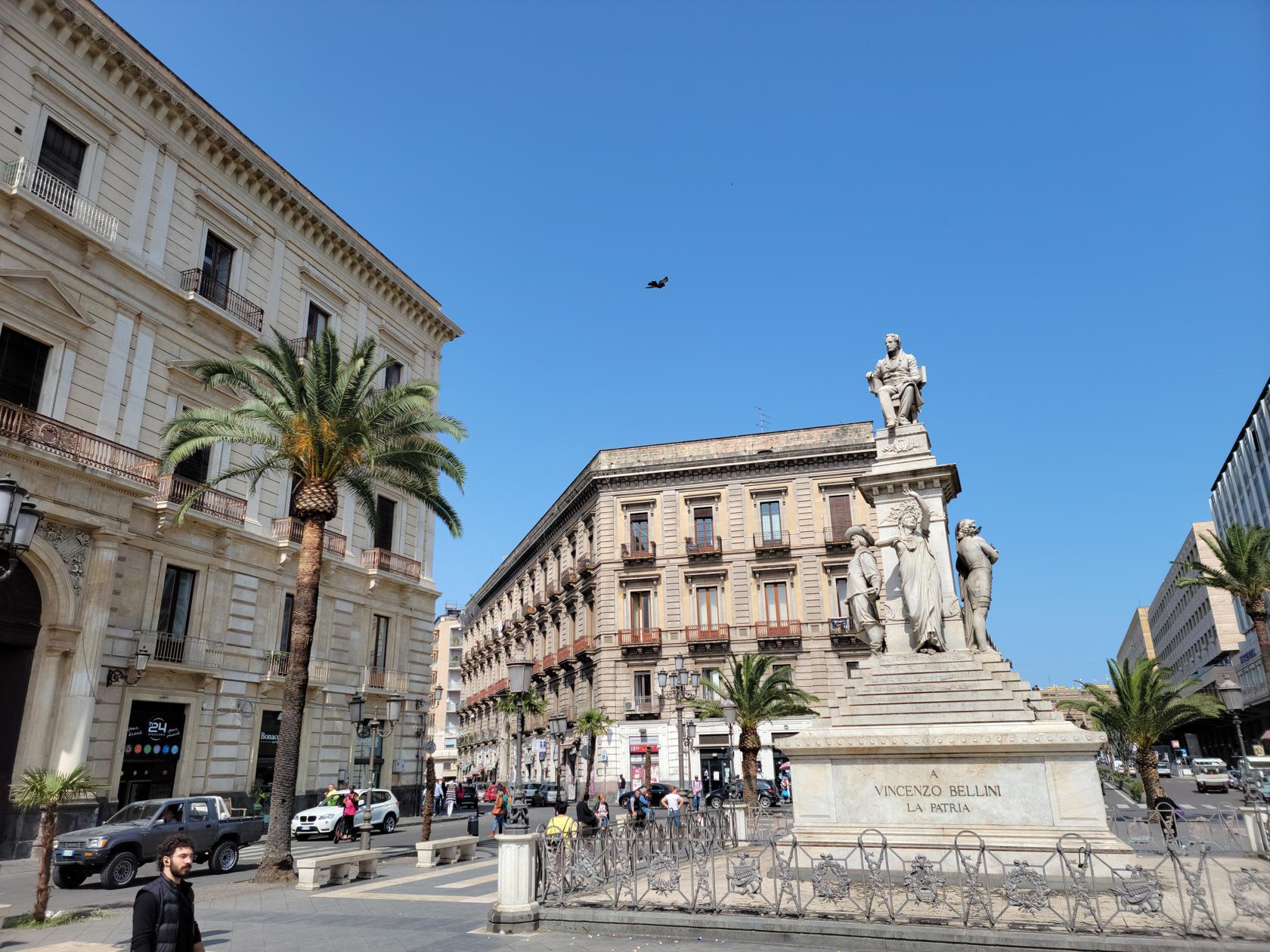
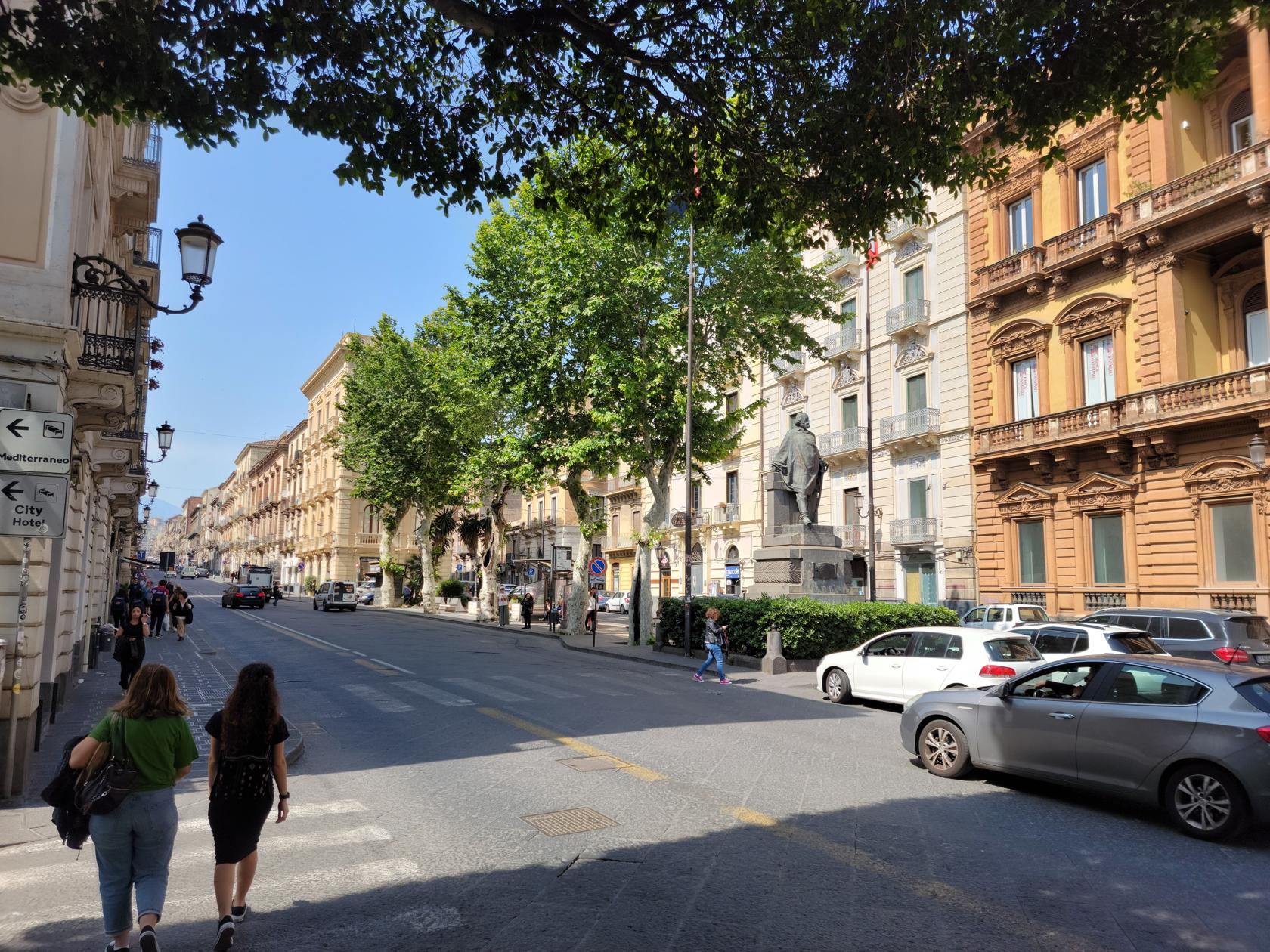
Via Etnae – Catania, Sicily
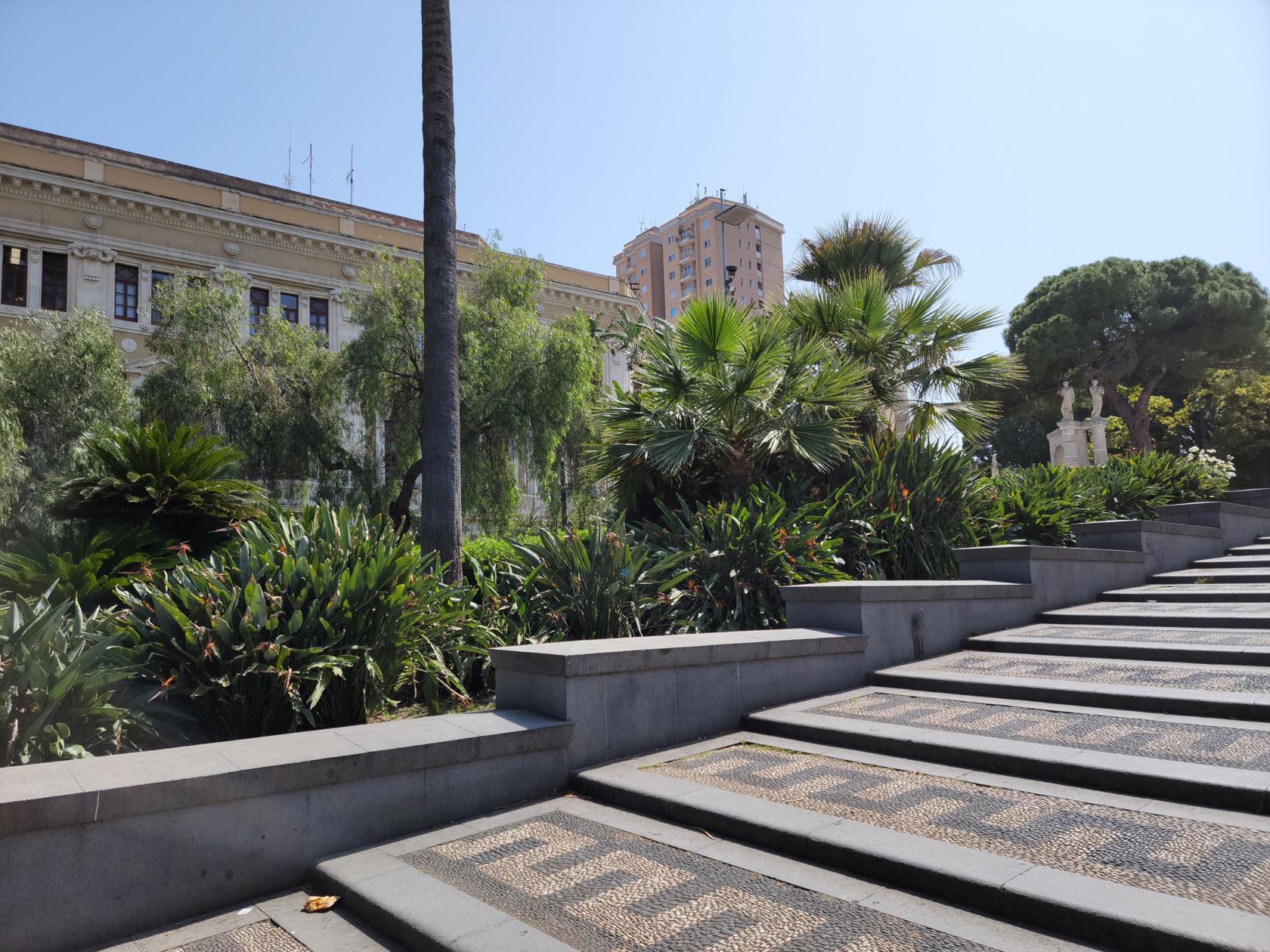
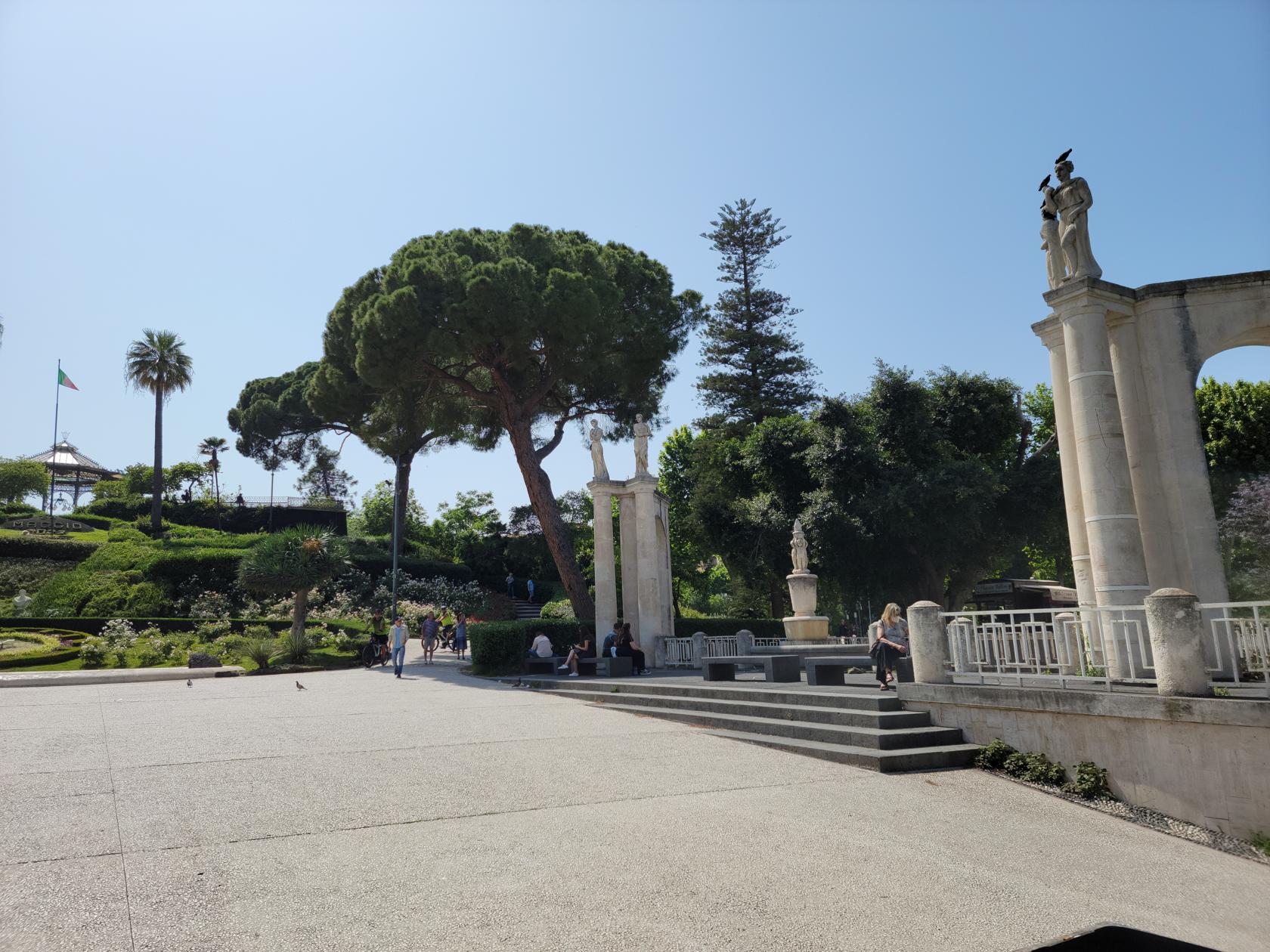
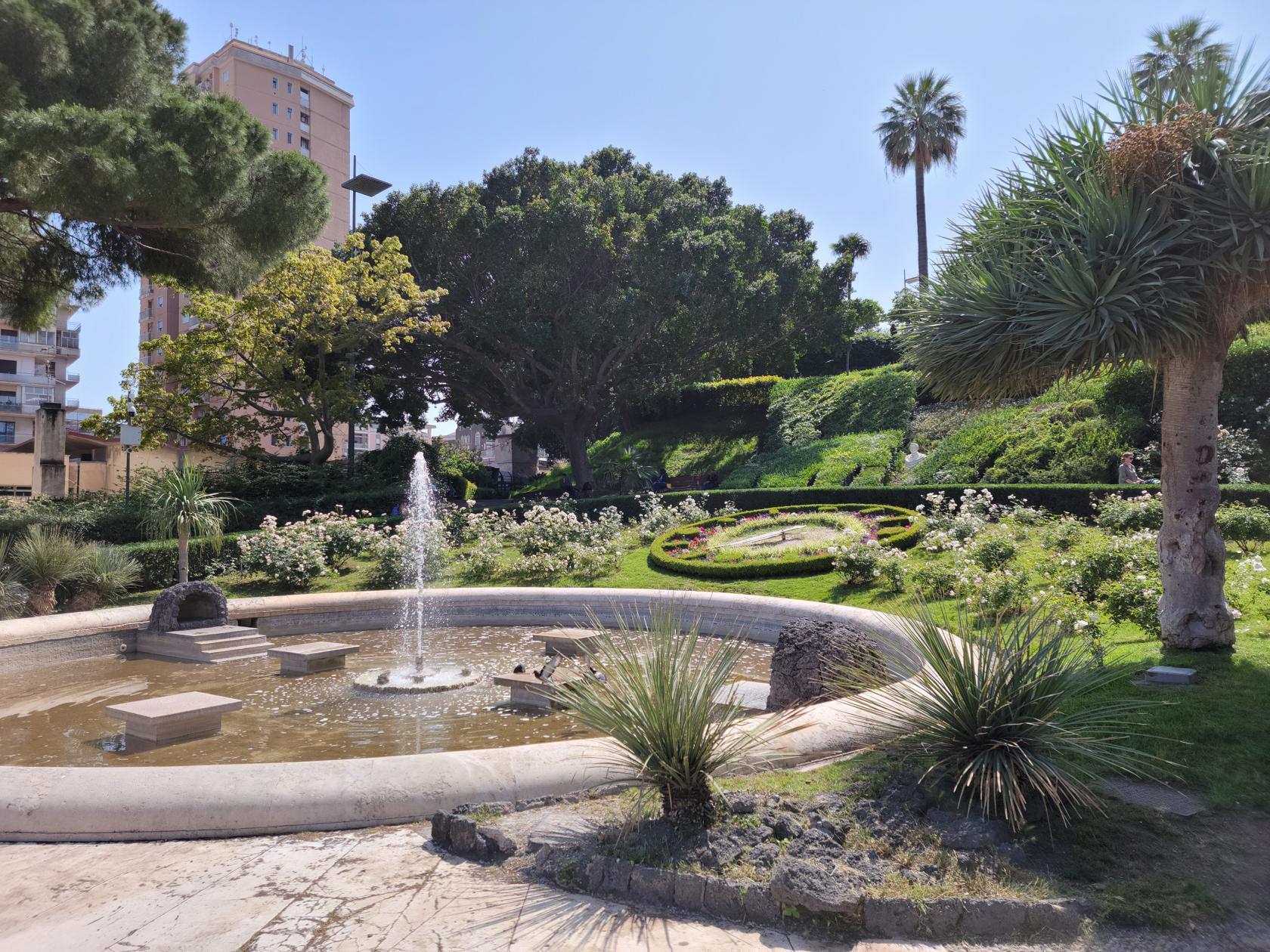
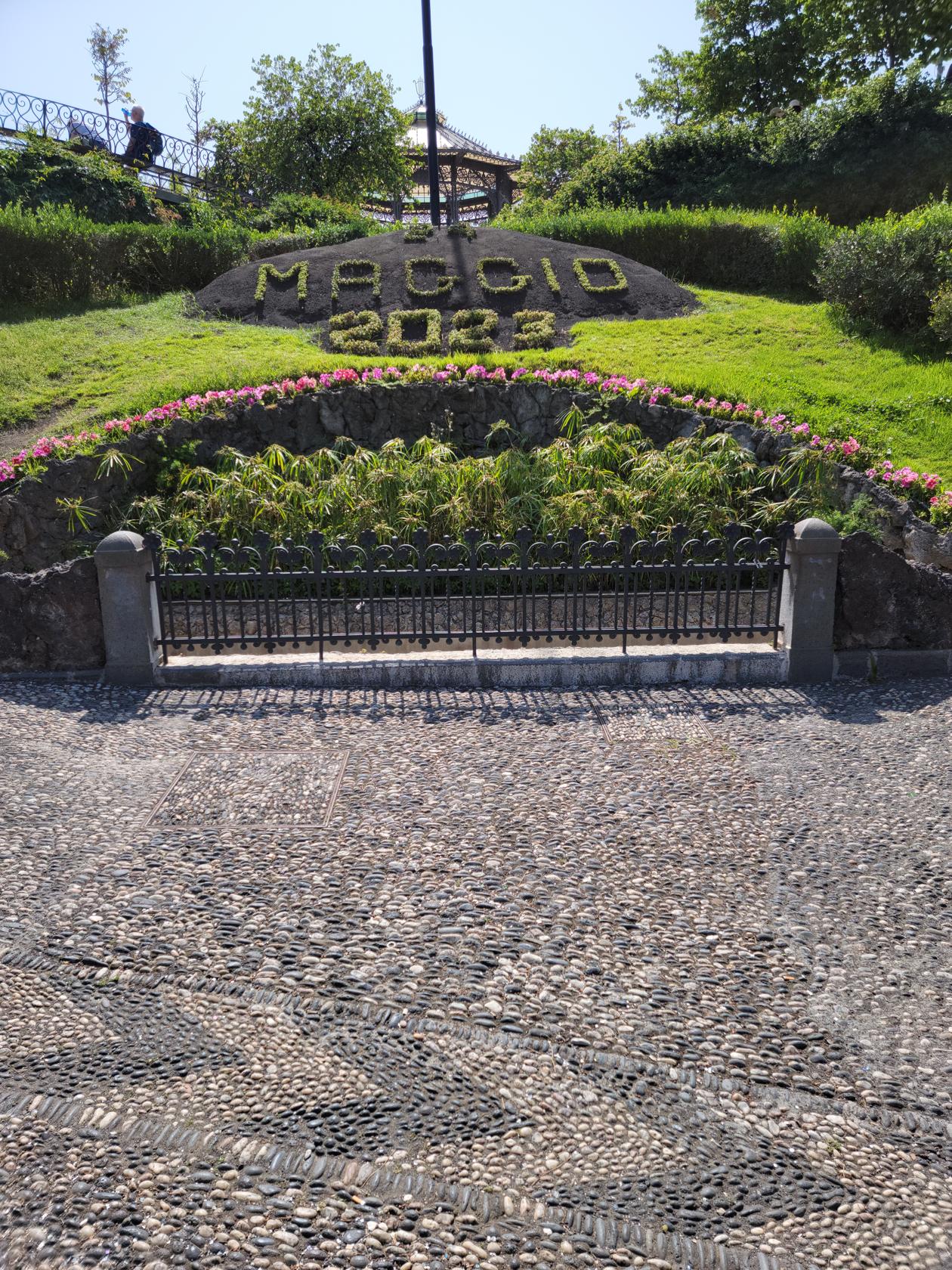
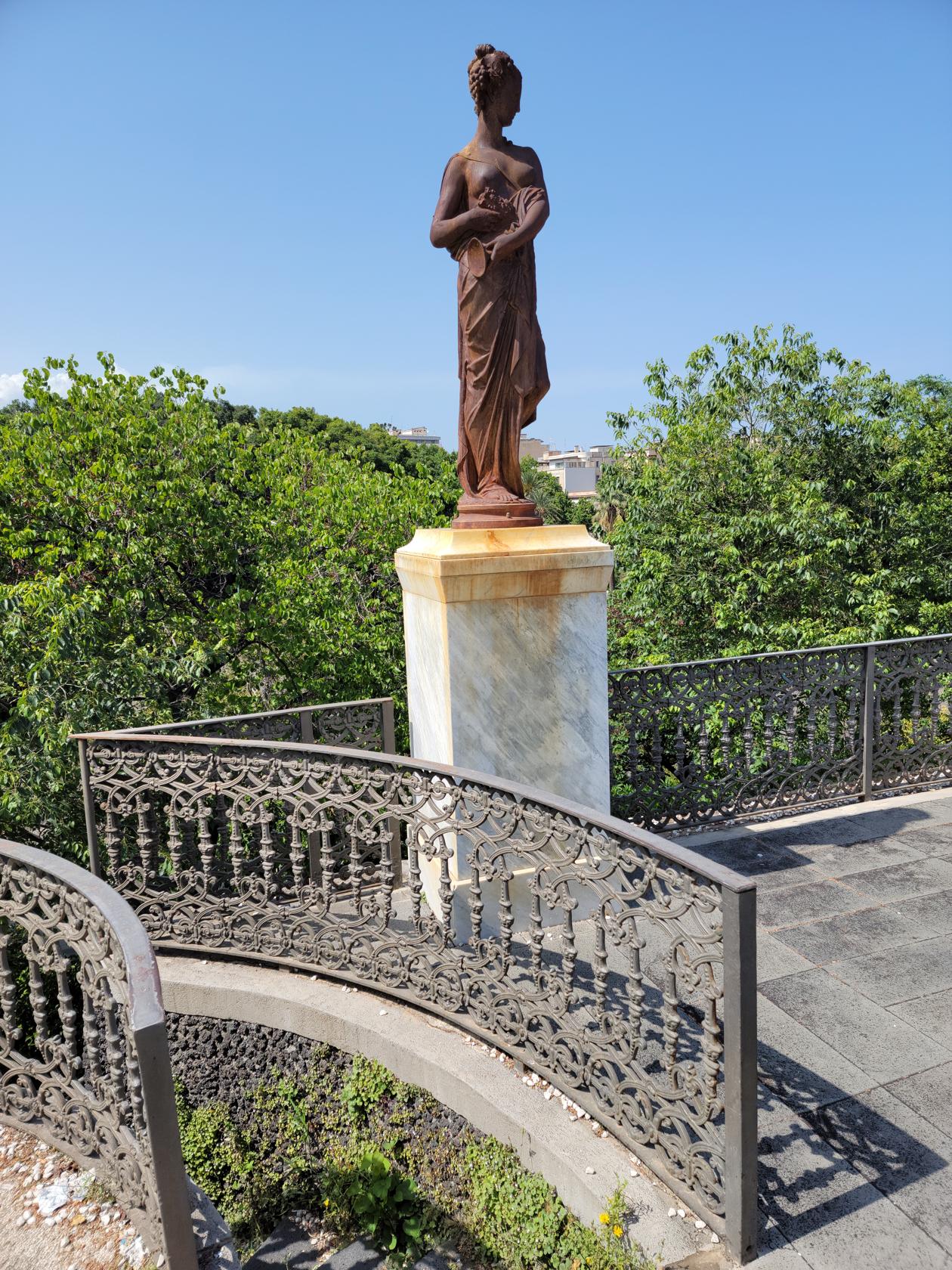
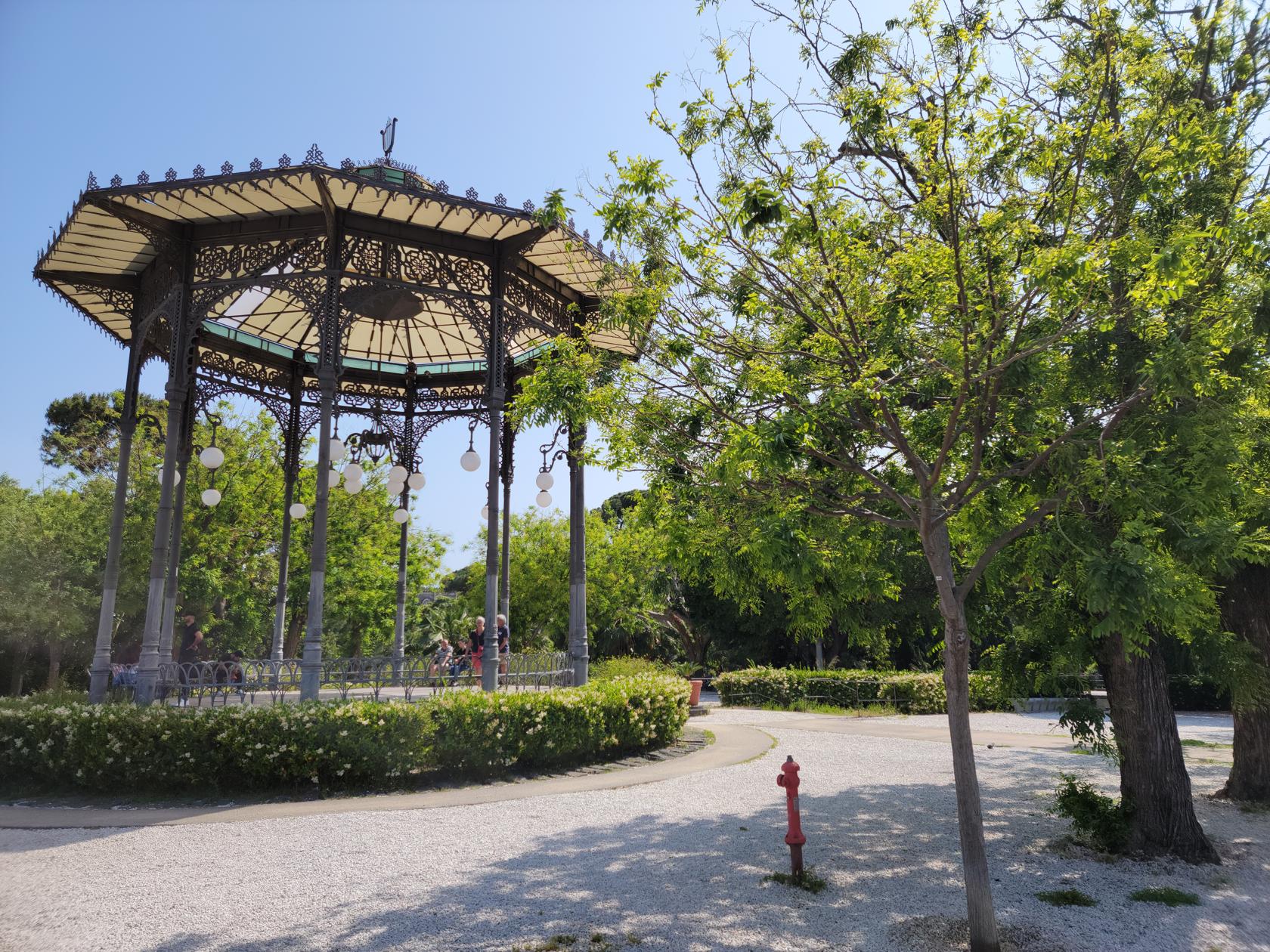
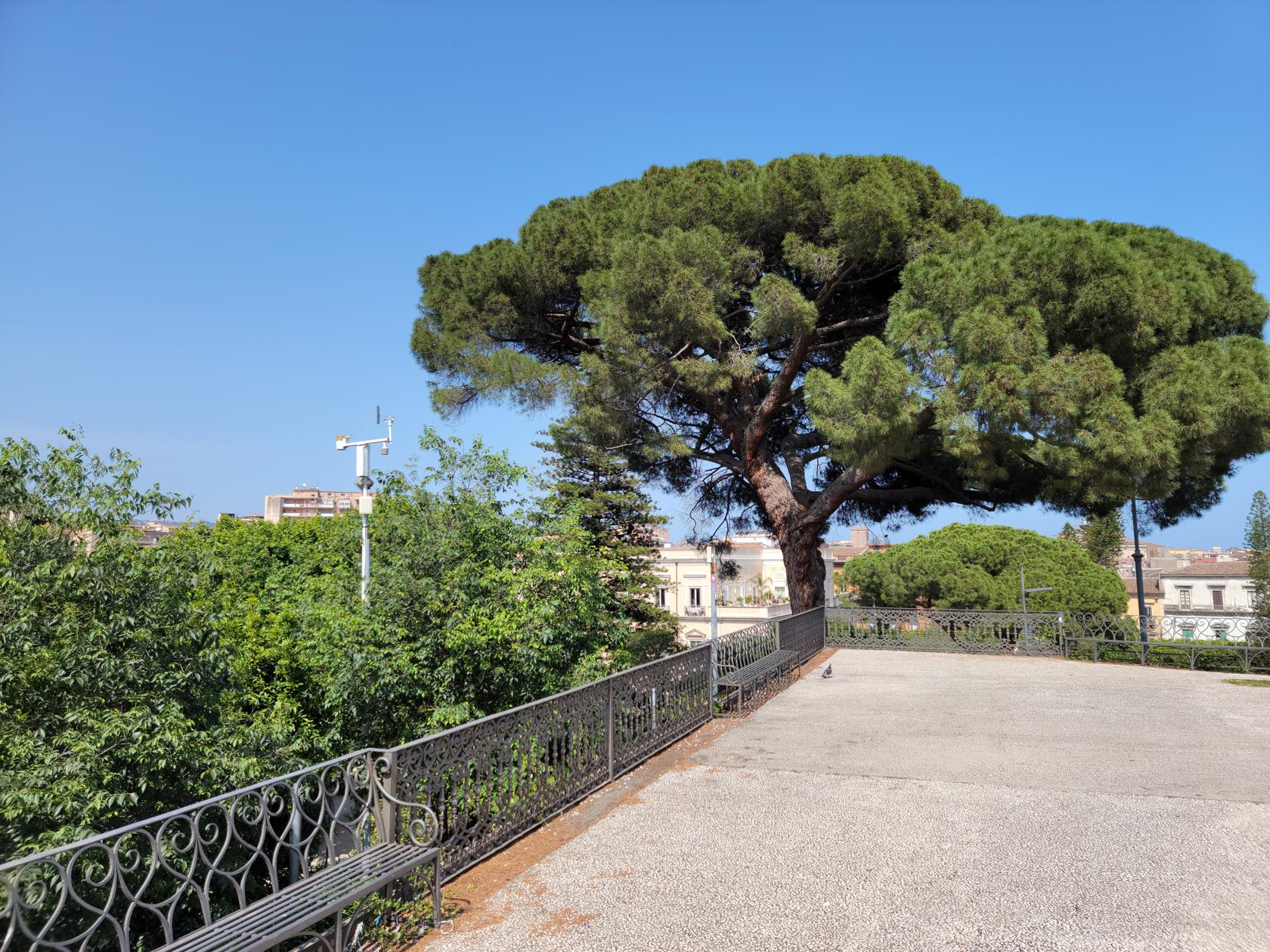
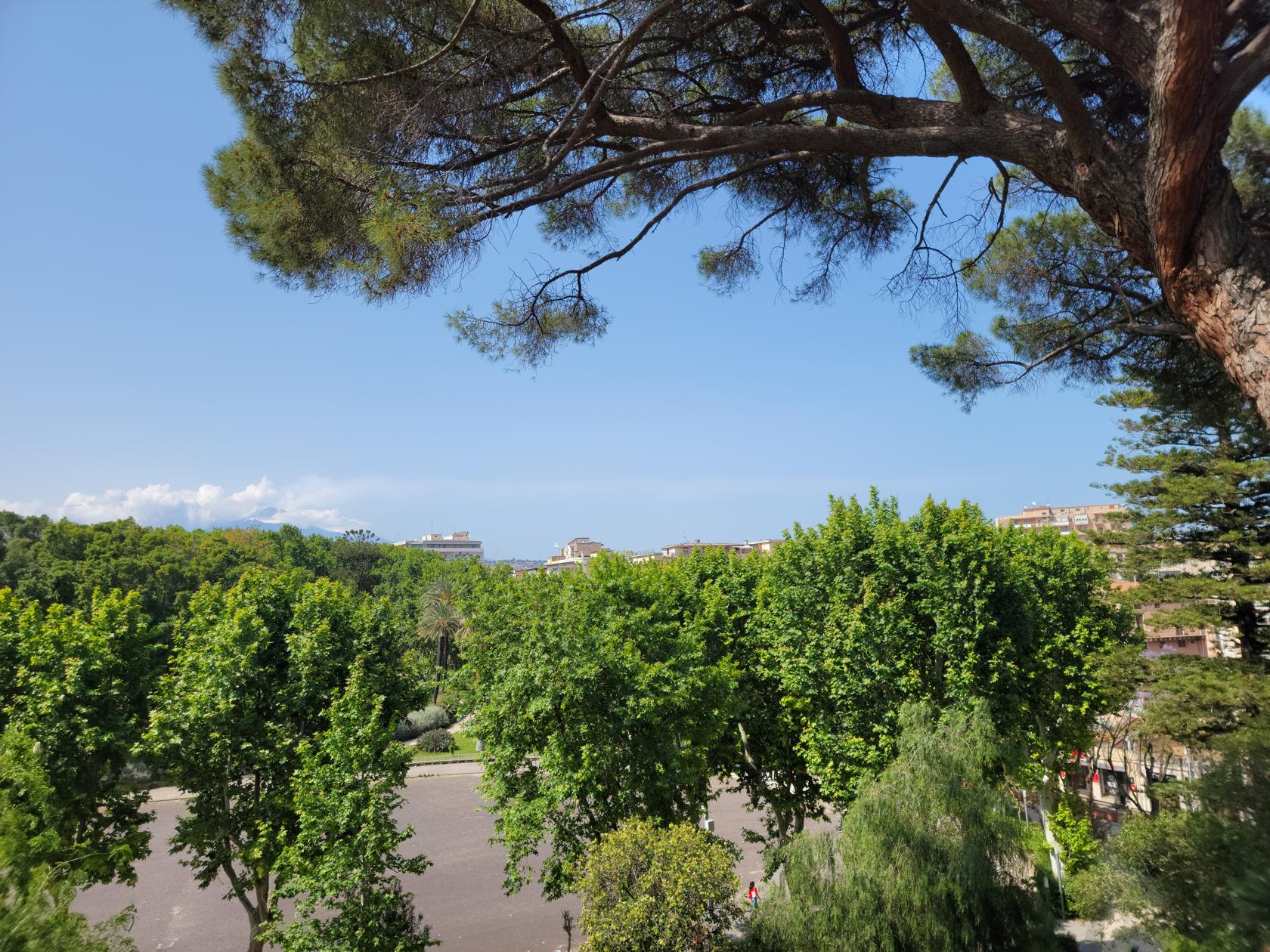
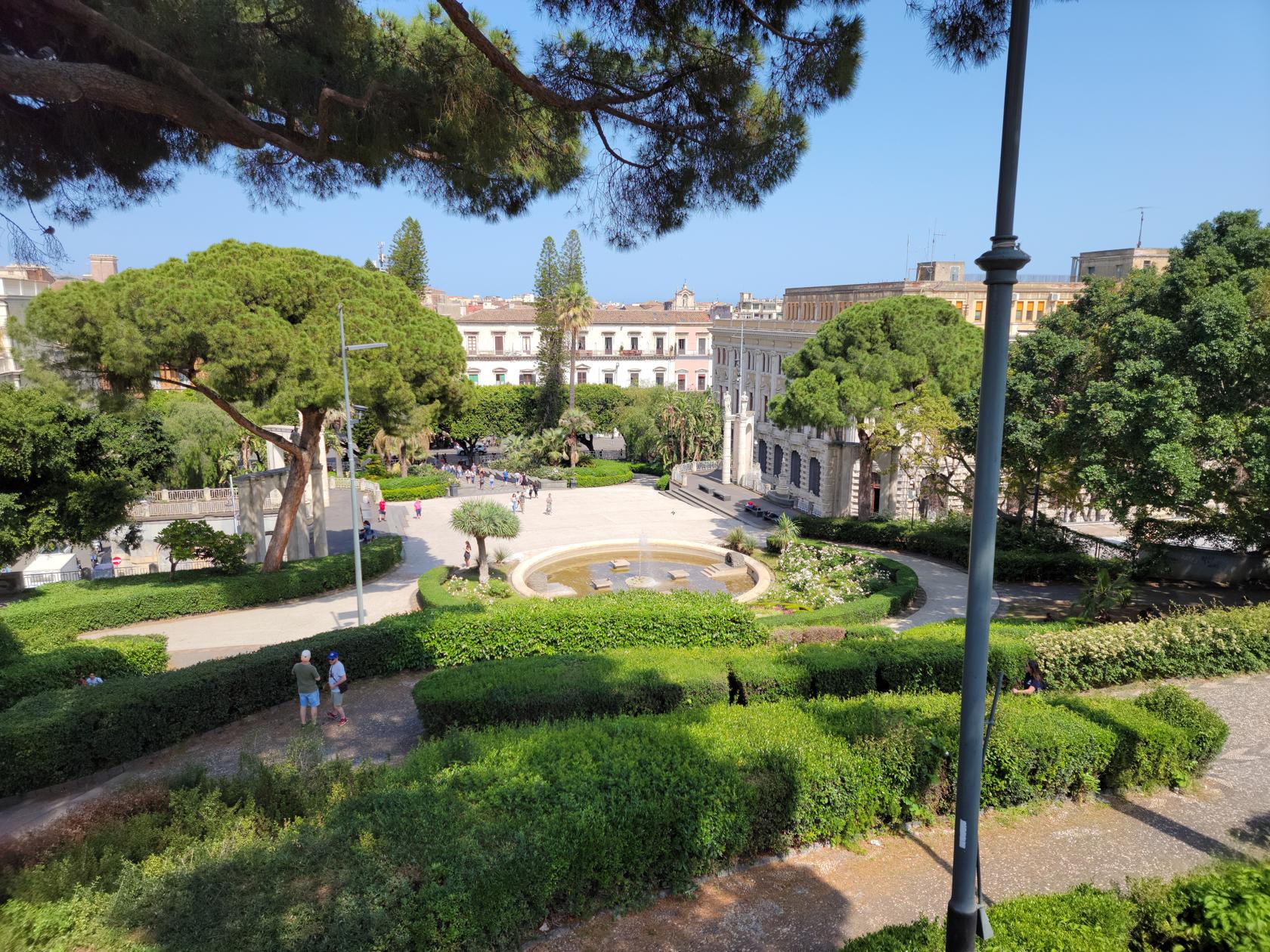
The city has at least one good park near the city center that is easy to visit. The Villa Bellini and Park Maestranze is right off of Via Etnea and has some great views of the volcano and a very quiet place to visit.
Villa Bellini – Park Maestranza – Catania, Sicily
Villa Bellini – Park Maestranza – Catania, Sicily
Villa Bellini – Park Maestranza – Catania, Sicily
Villa Bellini – Park Maestranza – Catania, Sicily
Villa Bellini – Park Maestranza – Catania, Sicily
Villa Bellini – Park Maestranza – Catania, Sicily
Villa Bellini – Park Maestranza – Catania, Sicily
Villa Bellini – Park Maestranza – Catania, Sicily
Villa Bellini – Park Maestranza – Catania, Sicily
Via Etnae – Catania, Sicily
Mount Etna
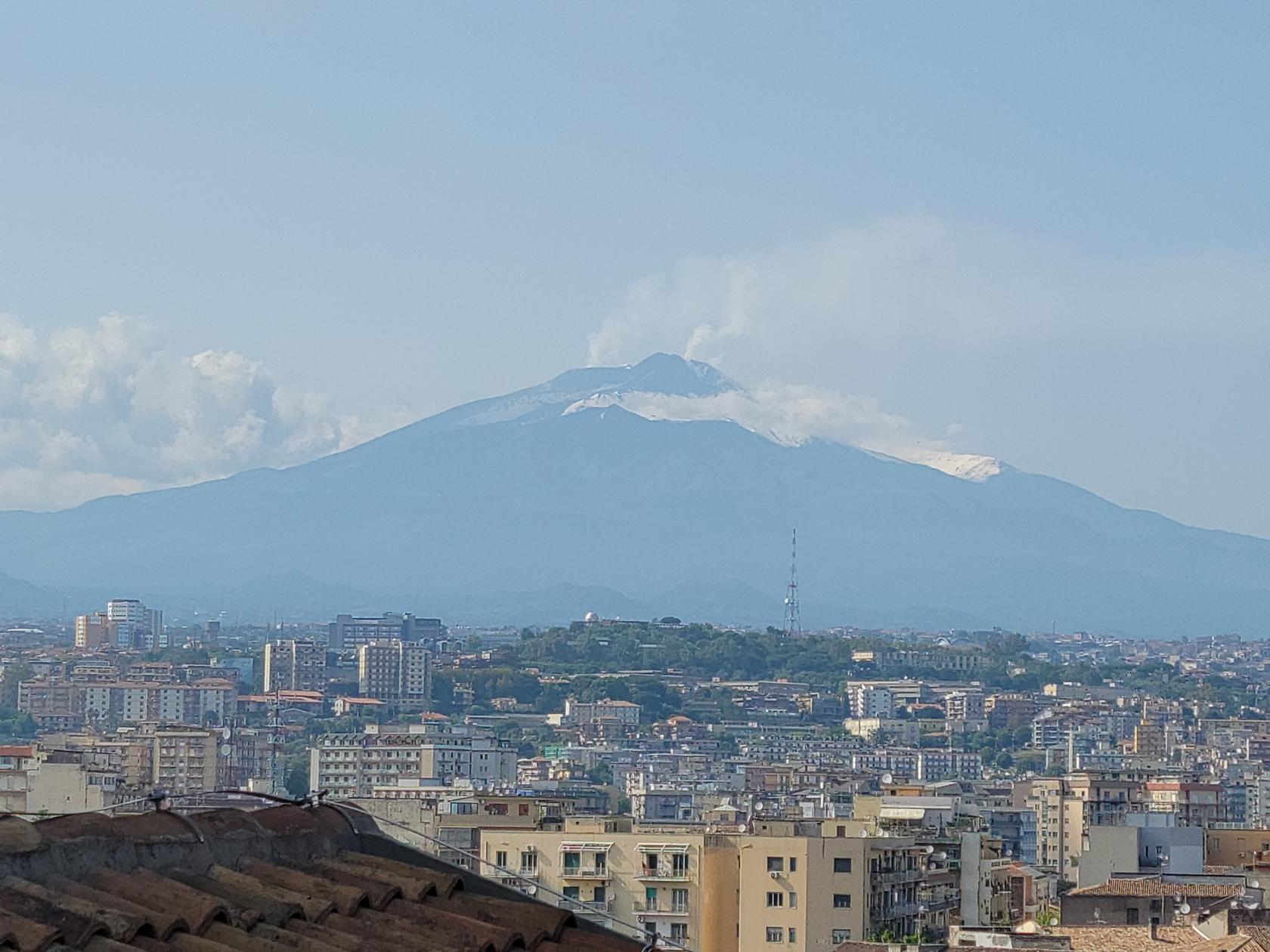
The presence of Etna is felt everywhere, from the architecture, to the items some of the shops sell, to the very grit you grind under your feet as you walk. Even though as you walk the streets and cannot see it, it will rear its ugly snow-capped head as you round a corner, or ascend some lookout in the city.
A view of Mount Etna from the roof – San Nicolo L’Arena Church – Catania, Sicily
Theaters and Baths
Many of the ruins in and around Catania contain theaters and baths from the Greek and Roman periods.
The Roman Amphitheater
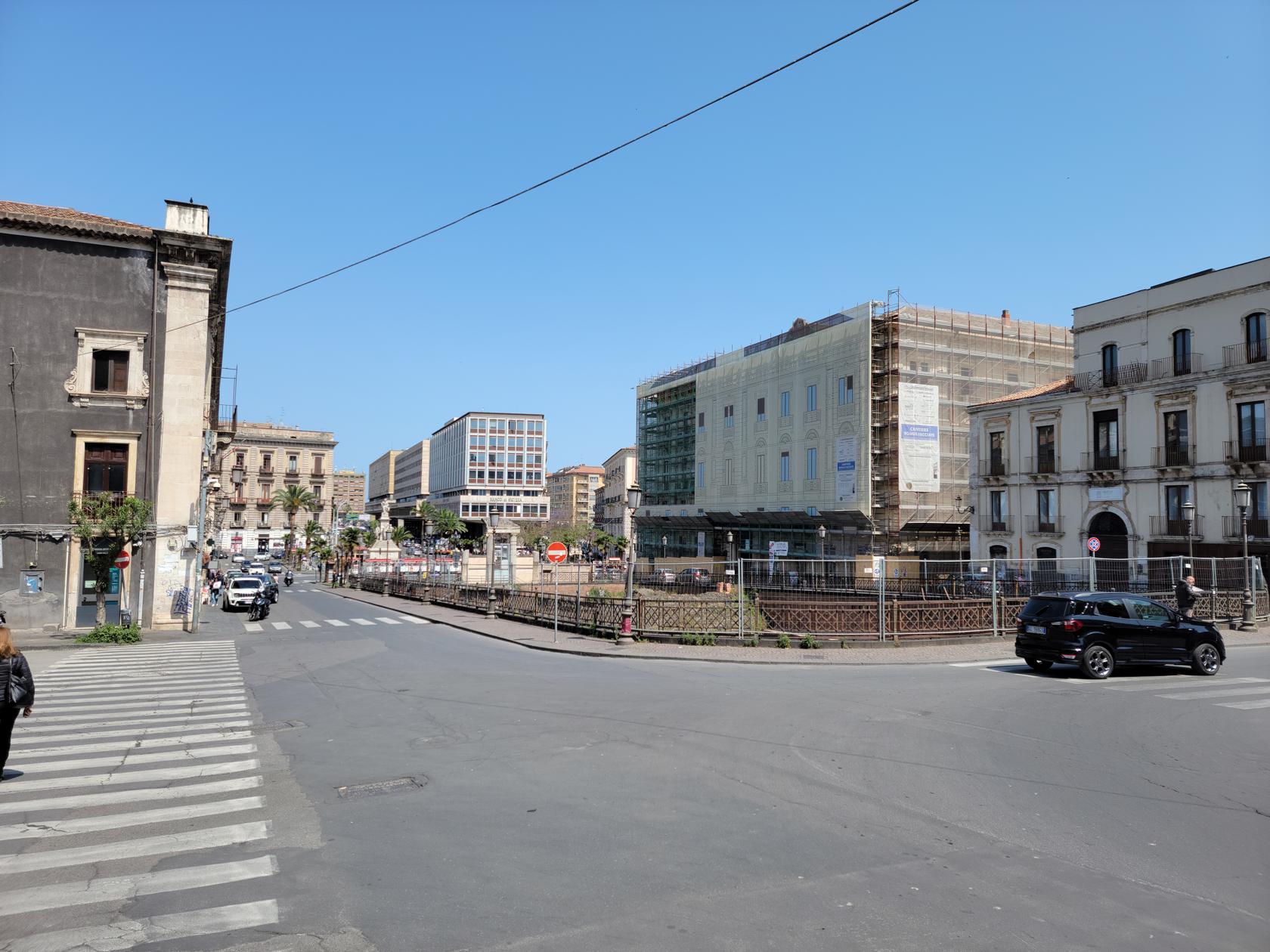
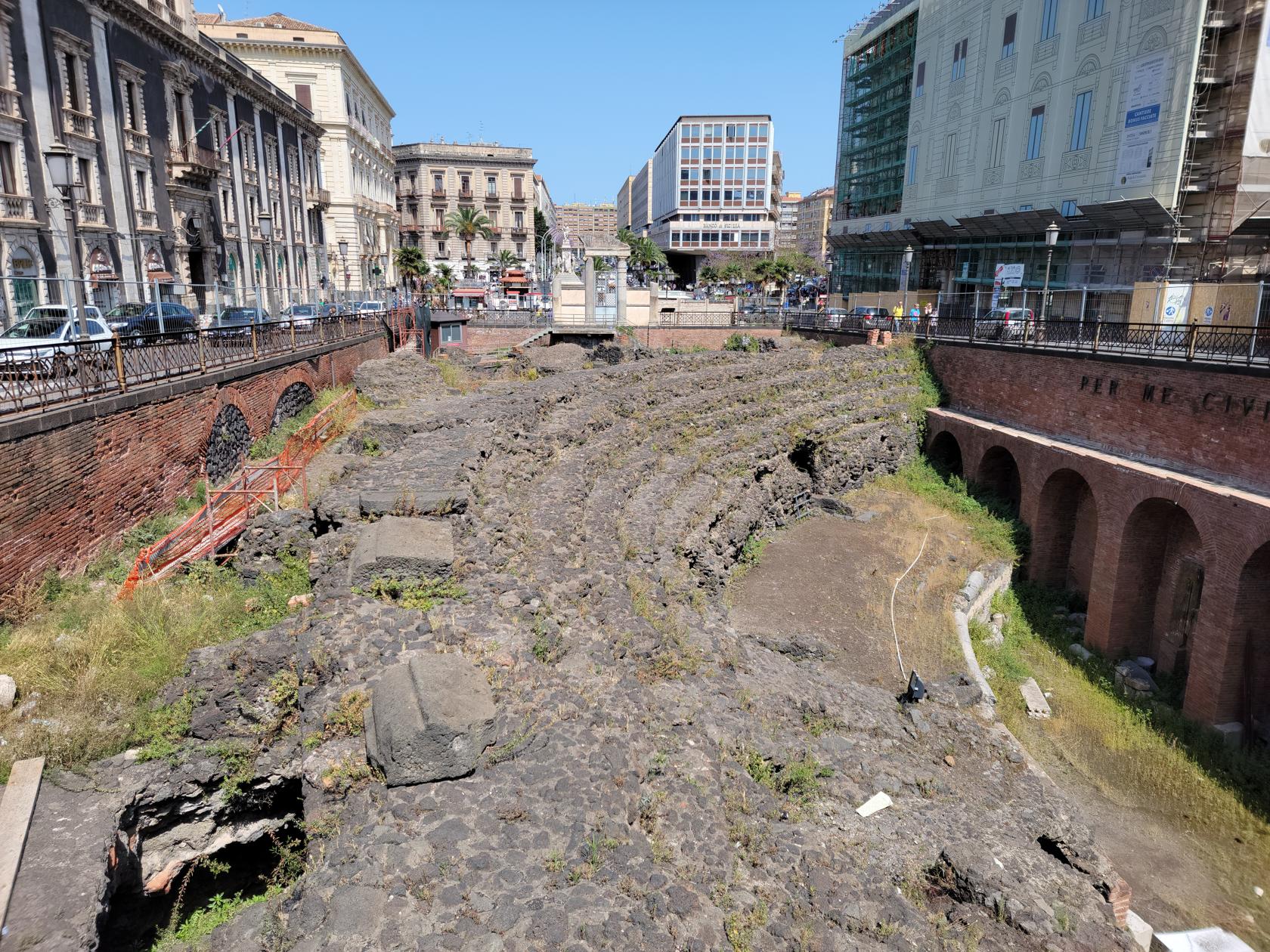
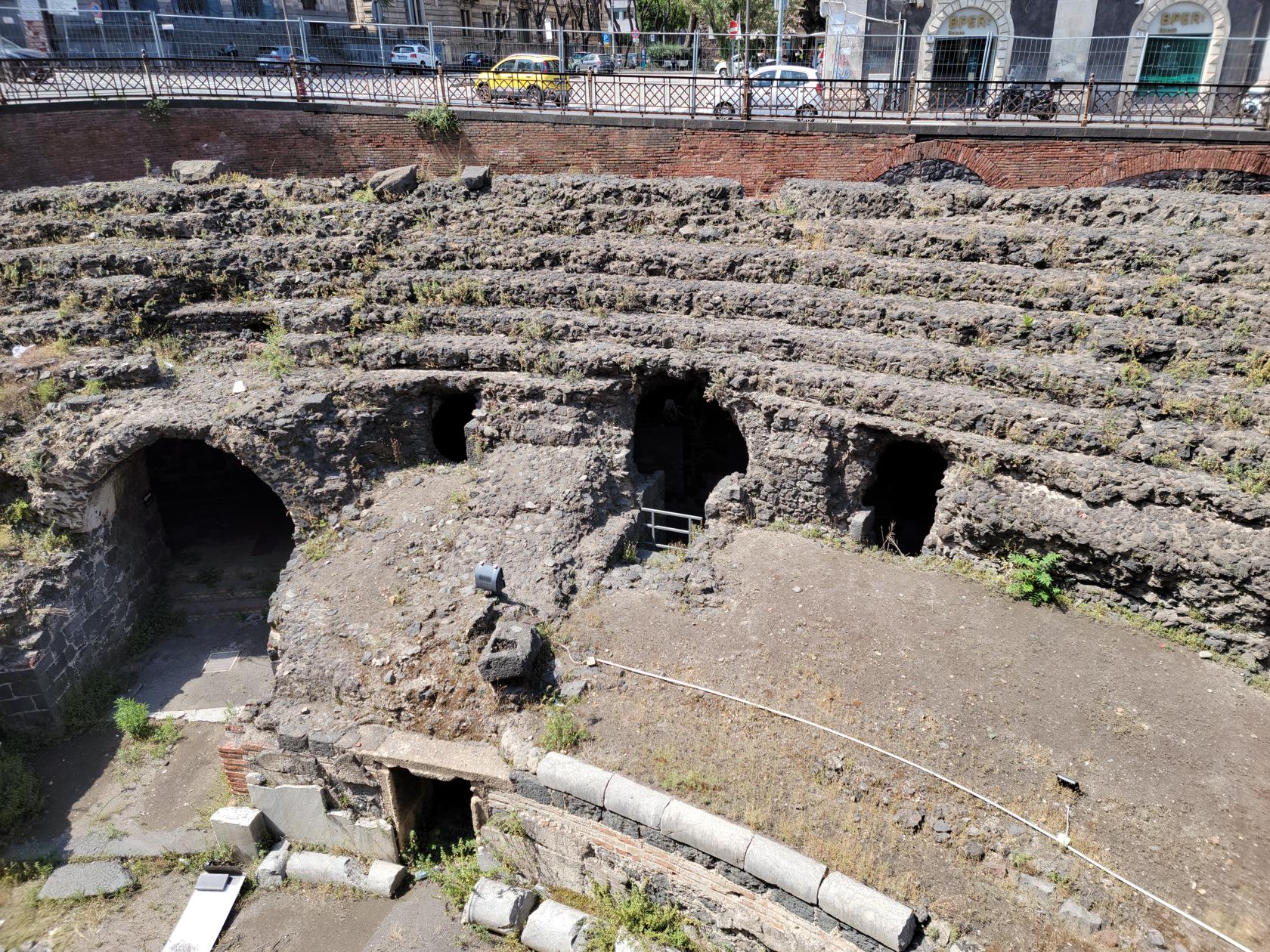
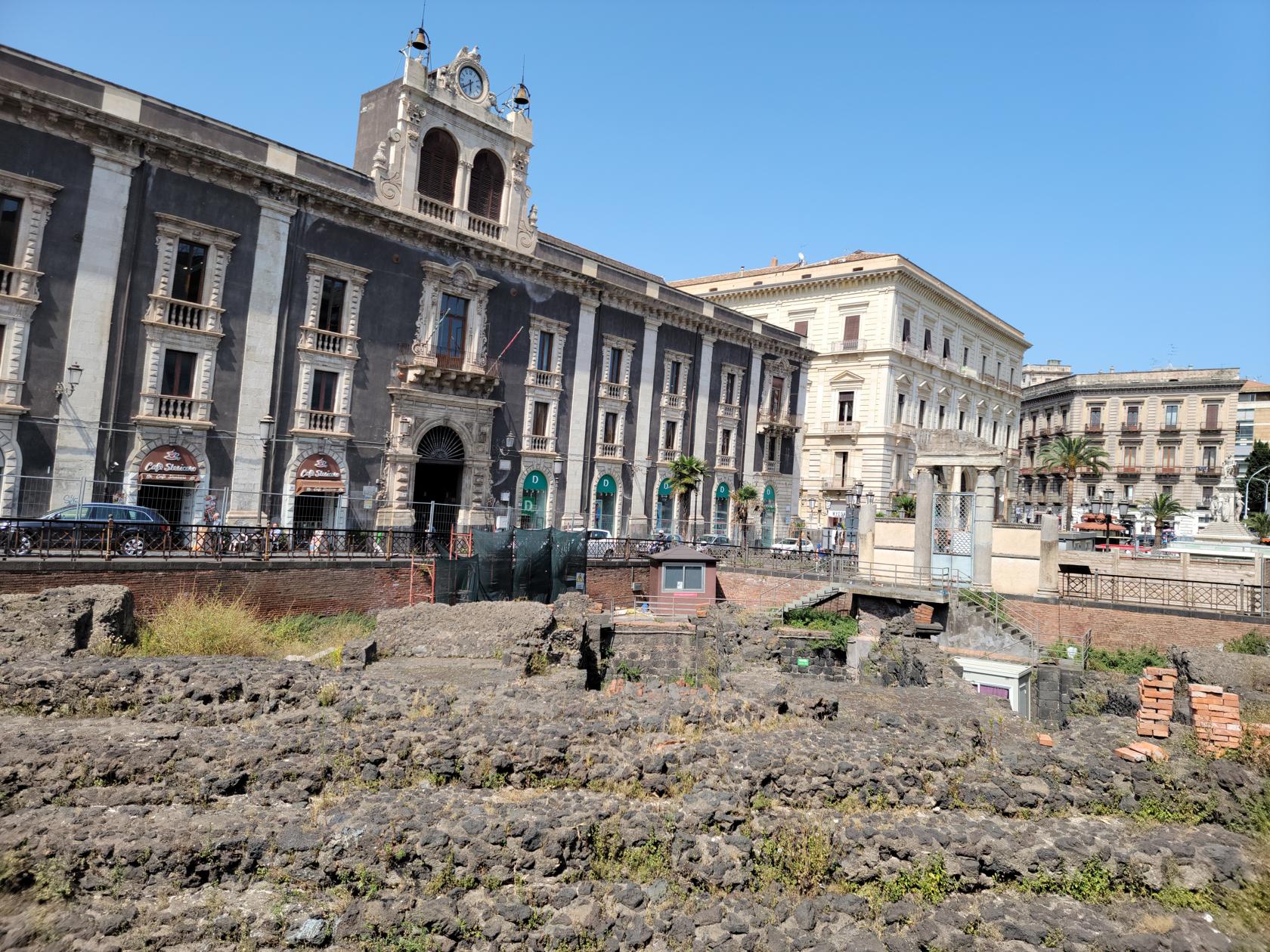
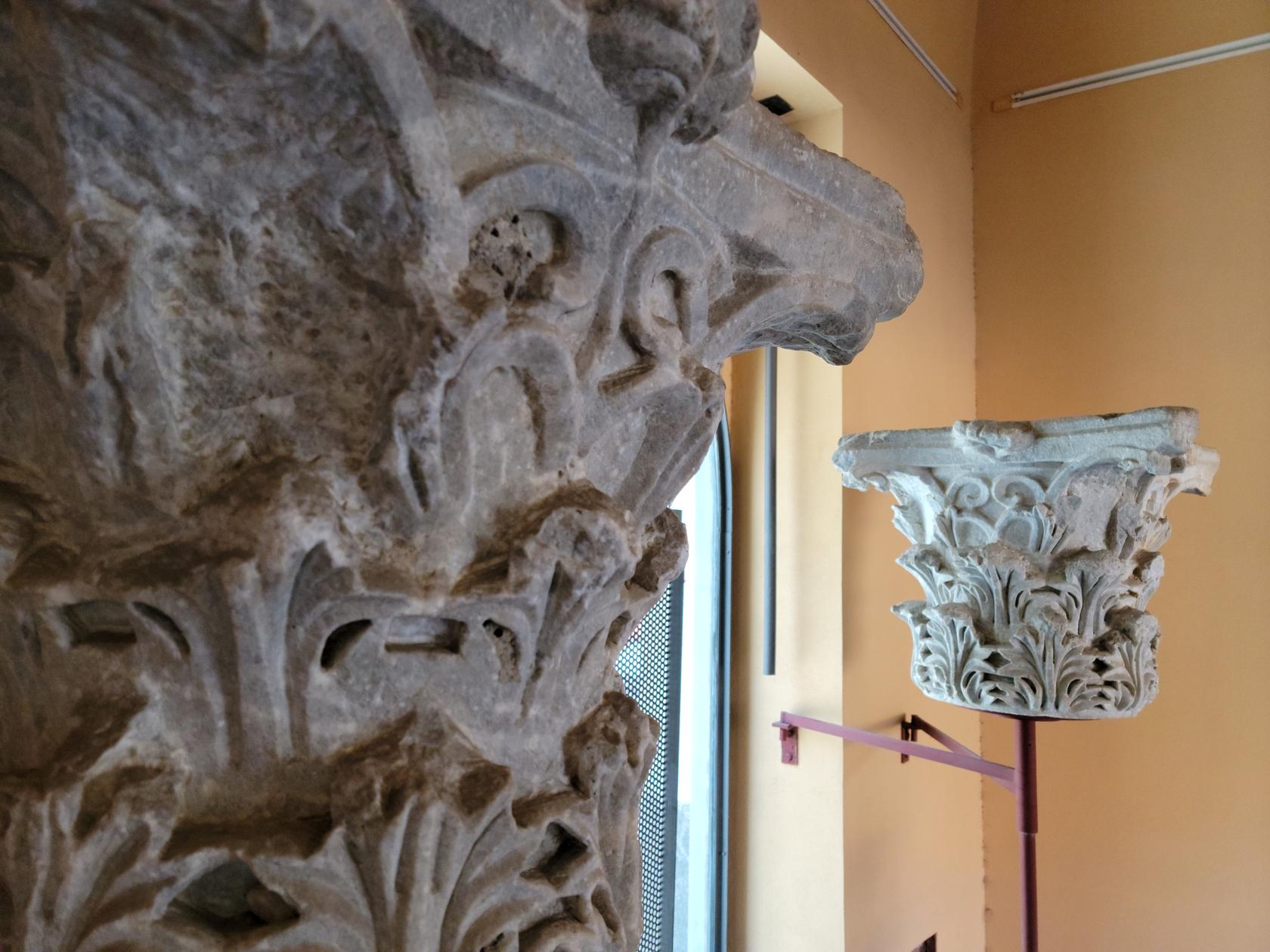
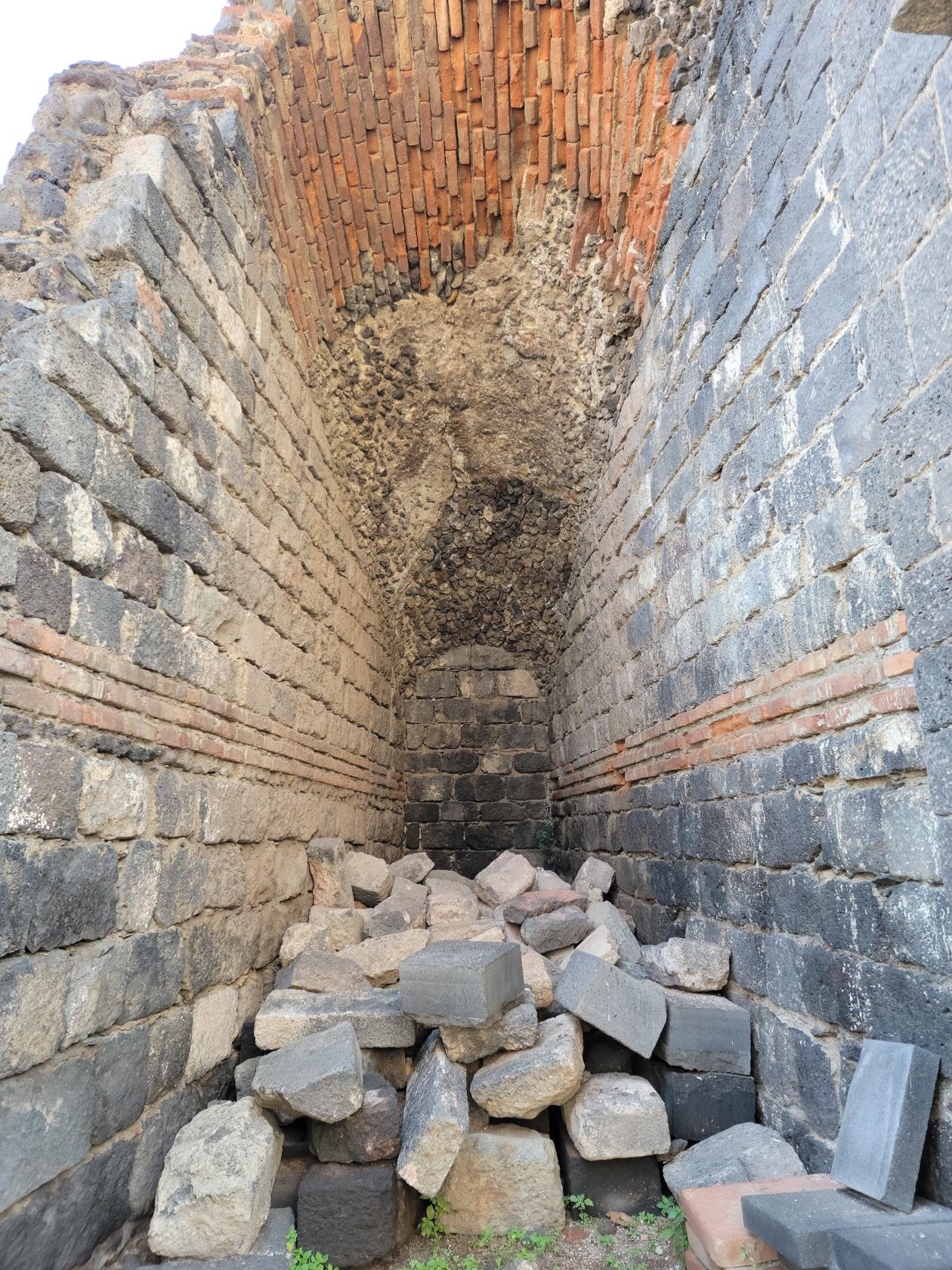
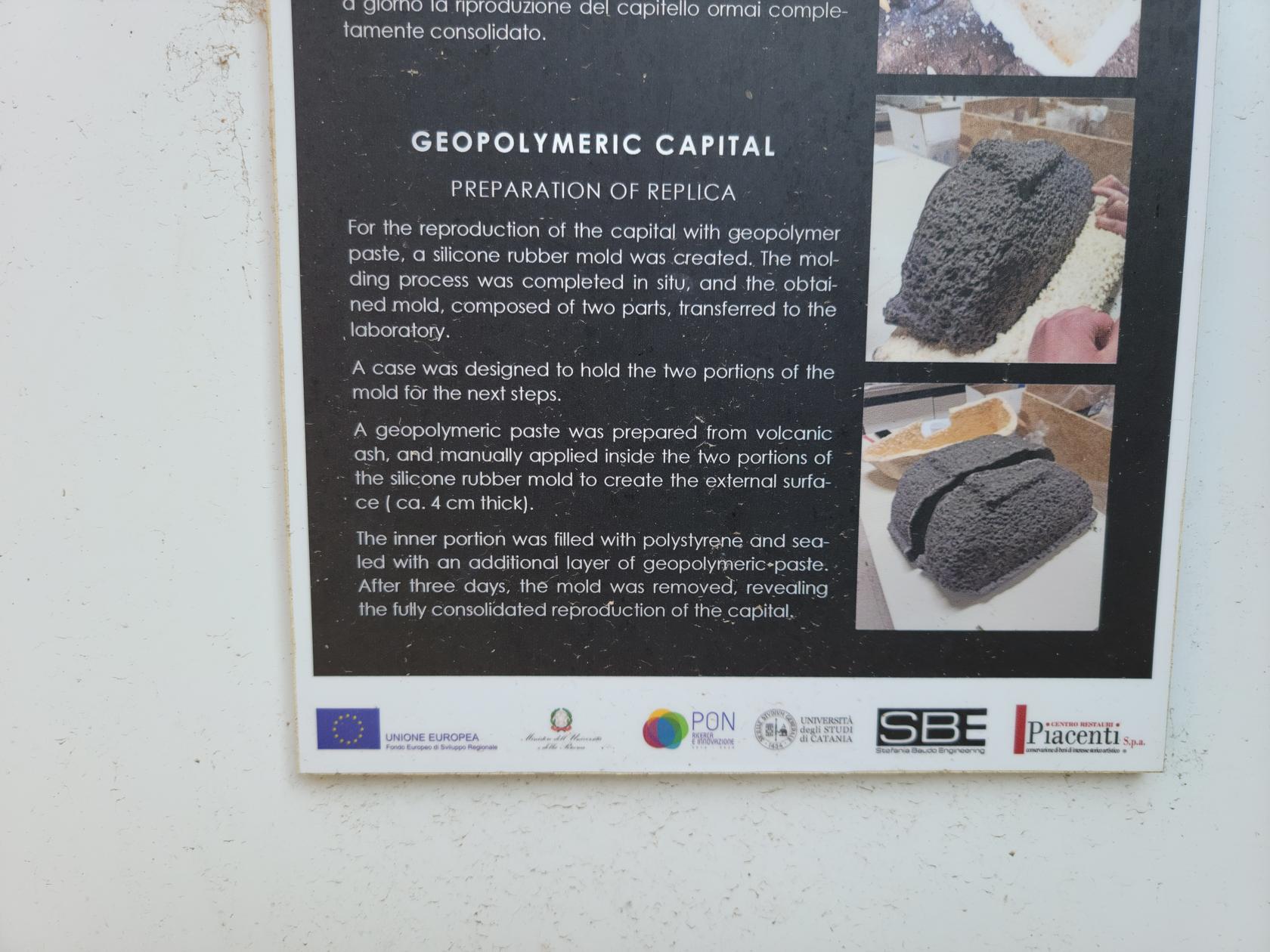
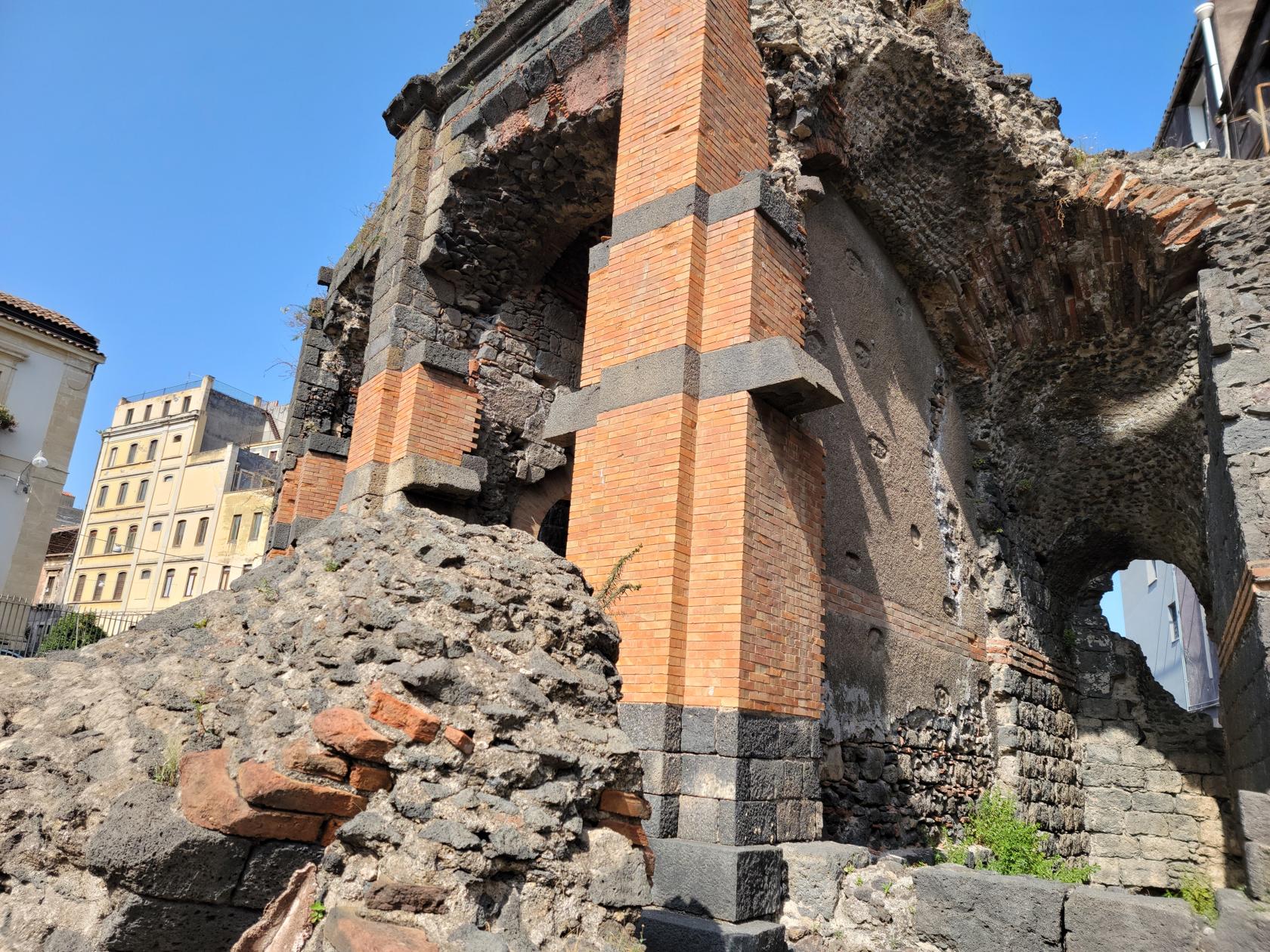
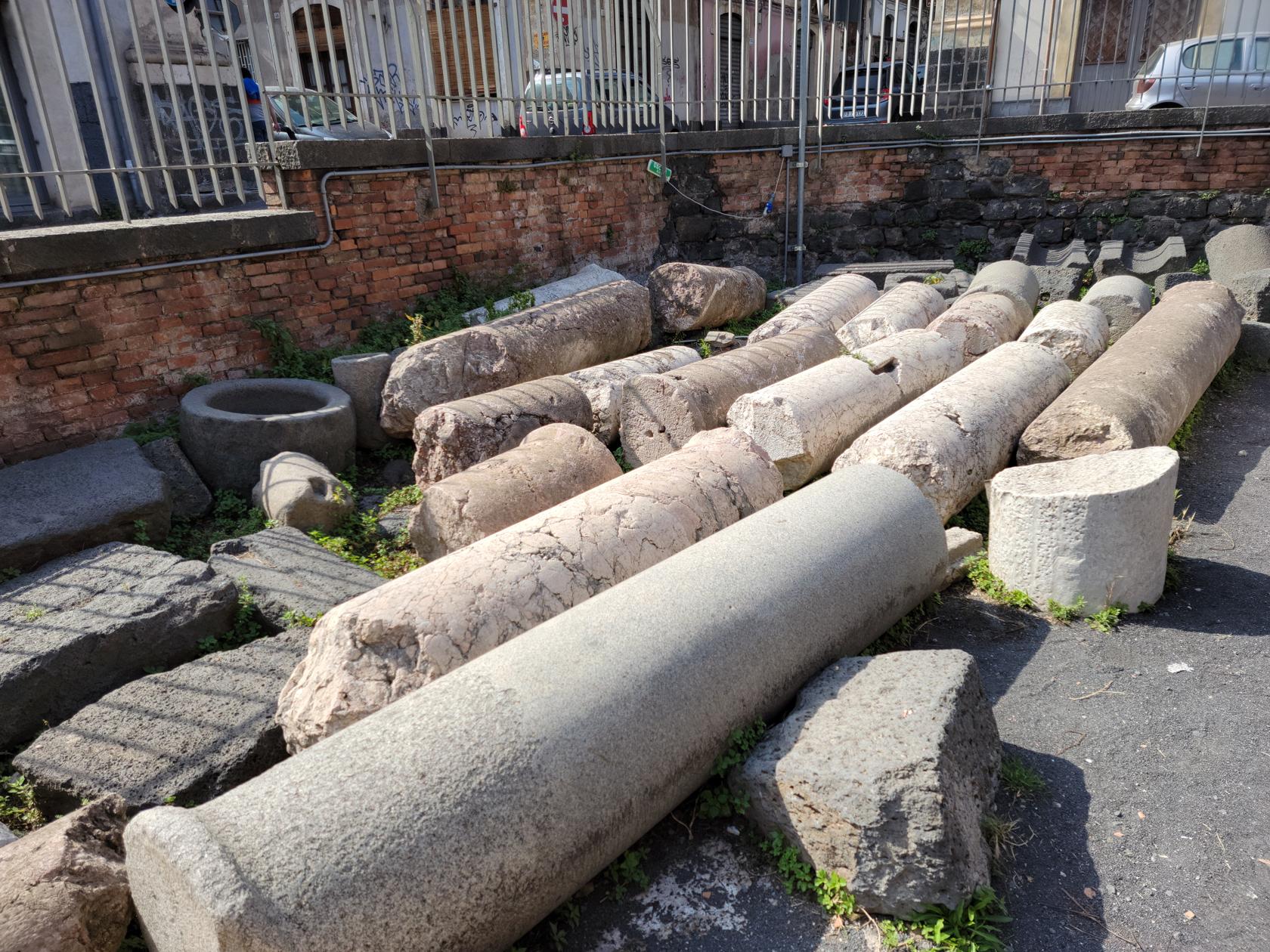
A stone’s throw away from our hotel the amphitheater forces all the traffic to go around it. There is not much story behind the amphitheater other than in the fourth century the town’s people had started robbing it stones for building material. Later it was almost completely covered up by a building project in the eighteenth century. It was later rediscovered and preserved as part of an urban archeological site.
Roman Amphitheater – Catania, Sicily
Roman Amphitheater – Catania, Sicily
Roman Amphitheater – Catania, Sicily
Roman Amphitheater – Catania, Sicily
The Roman Baths
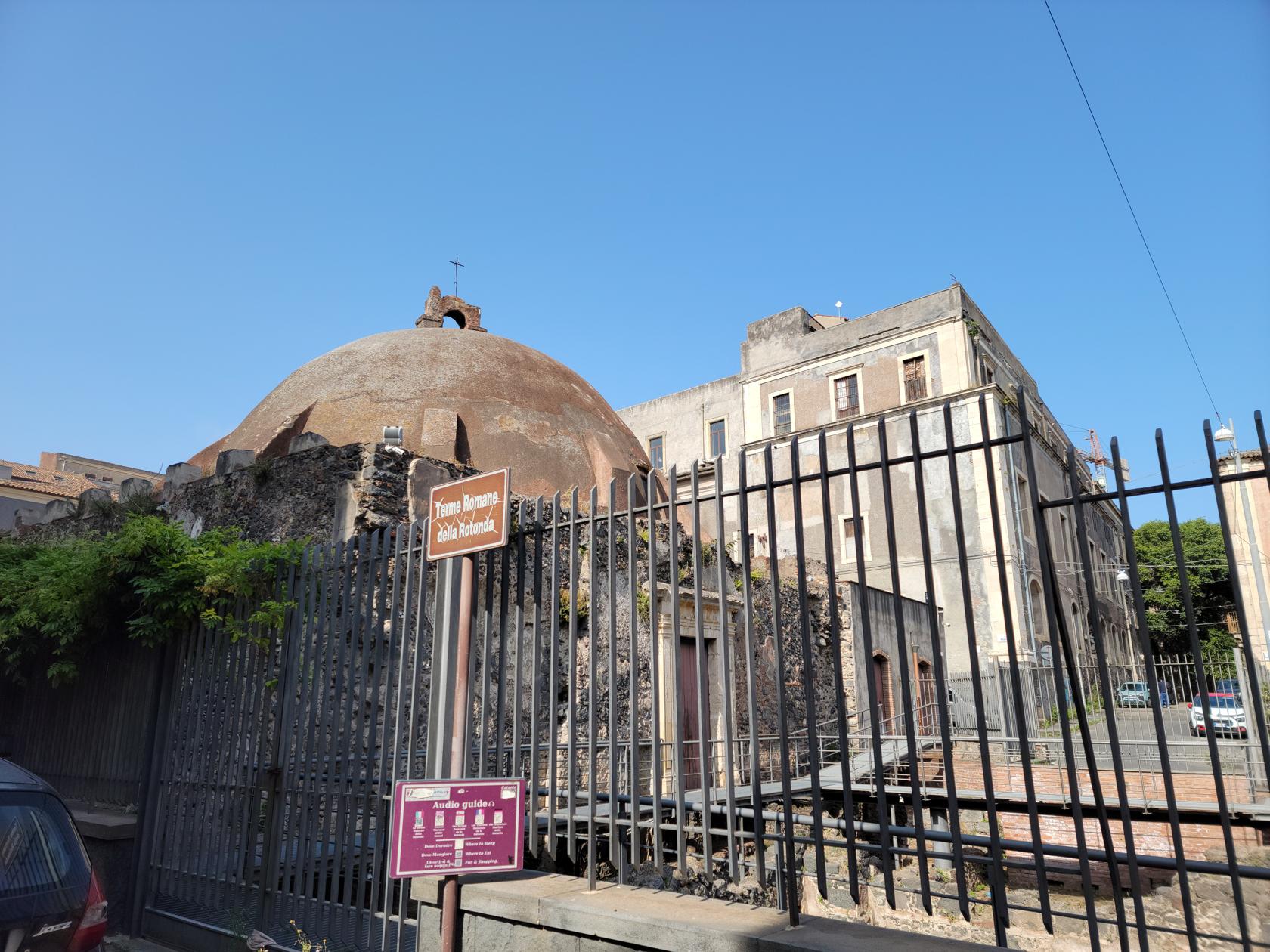
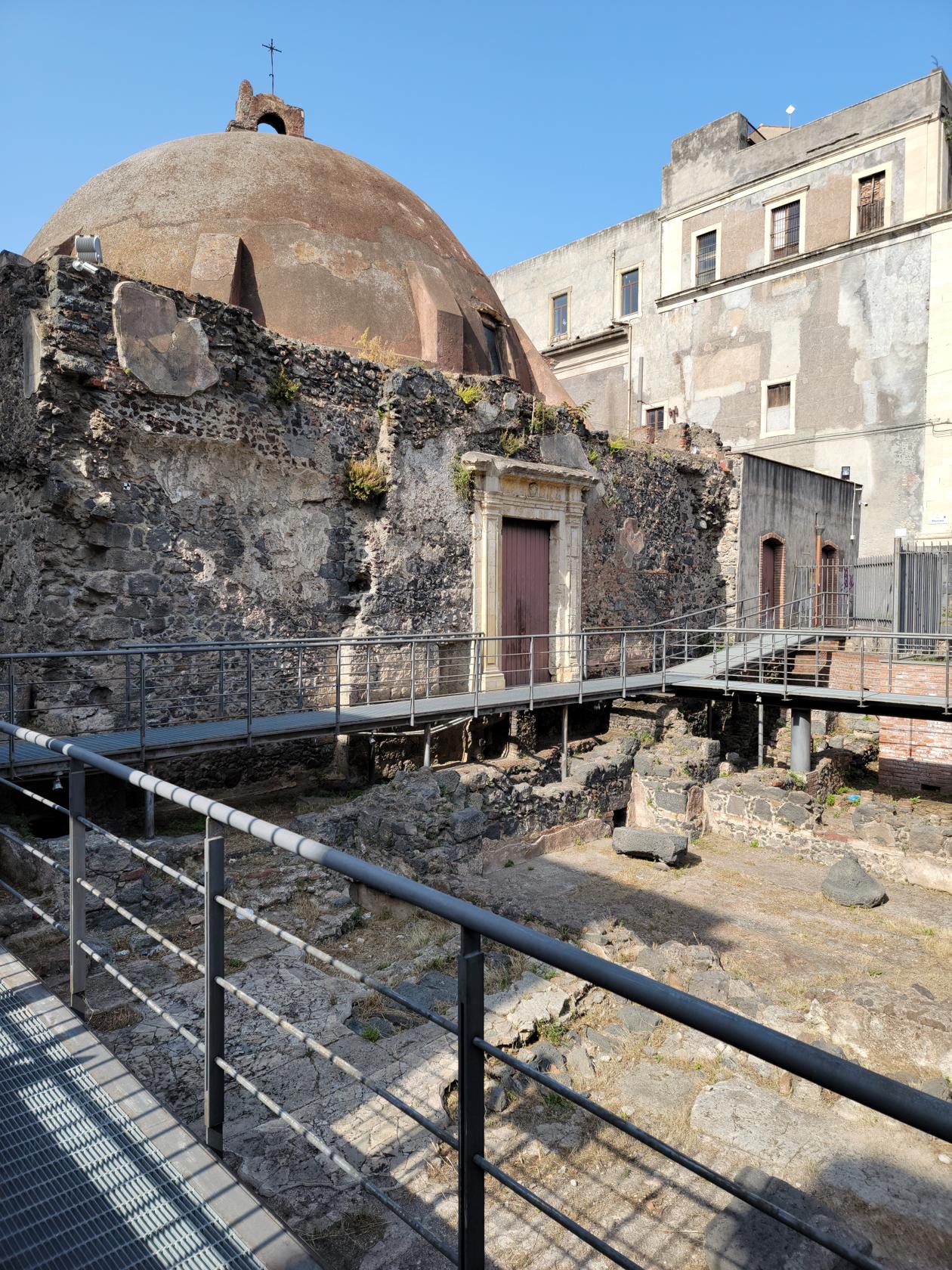
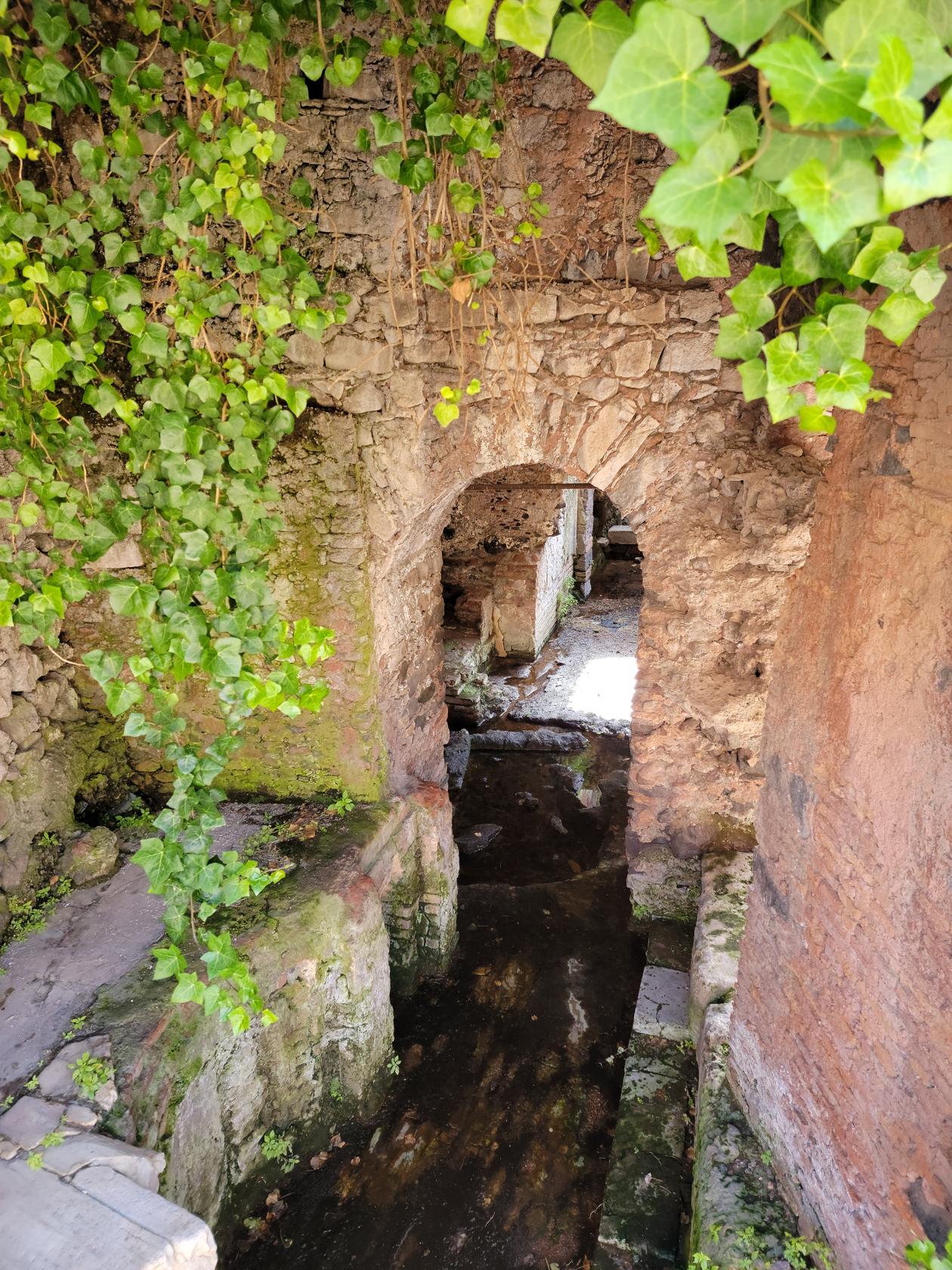
Very close to the Greek and Roman Theater are the Roman Baths. They appear to be part of a city walking audio tour, but since we did not visit the information center, we have no other details on the site.
Roman Baths of the Rotunda – Catania, Sicily
Roman Baths of the Rotunda – Catania, Sicily
The Greek and Roman Theater
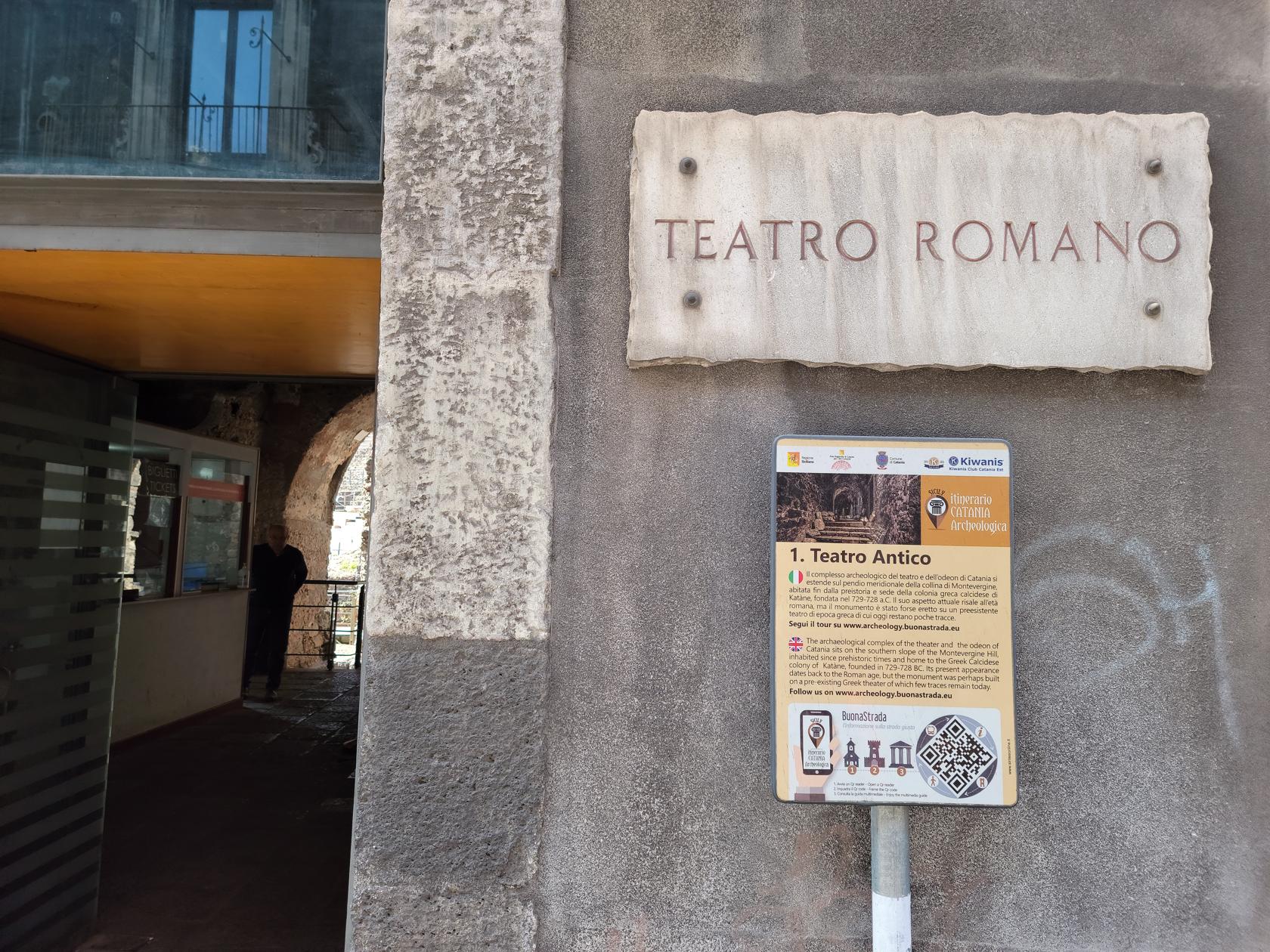
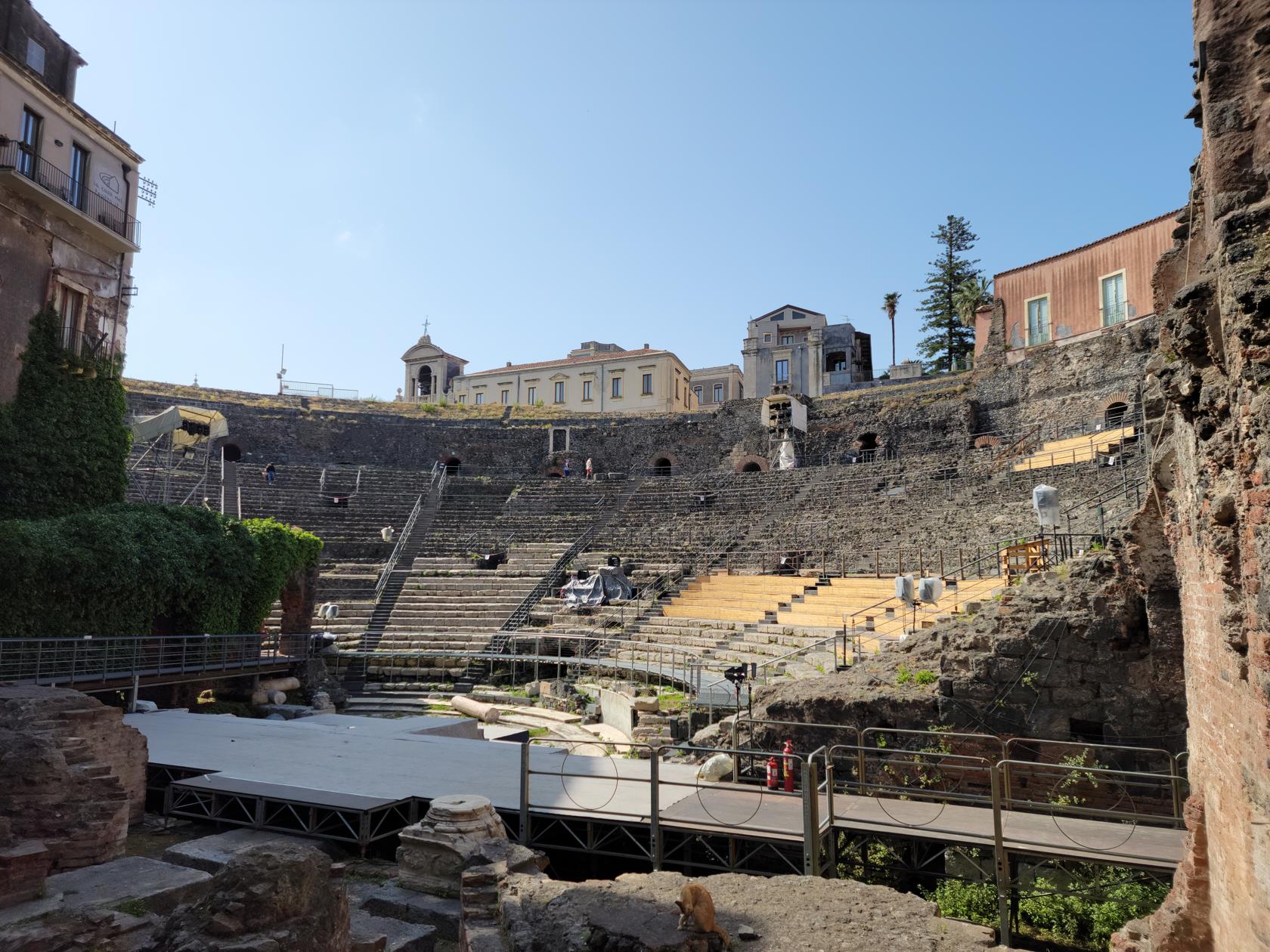
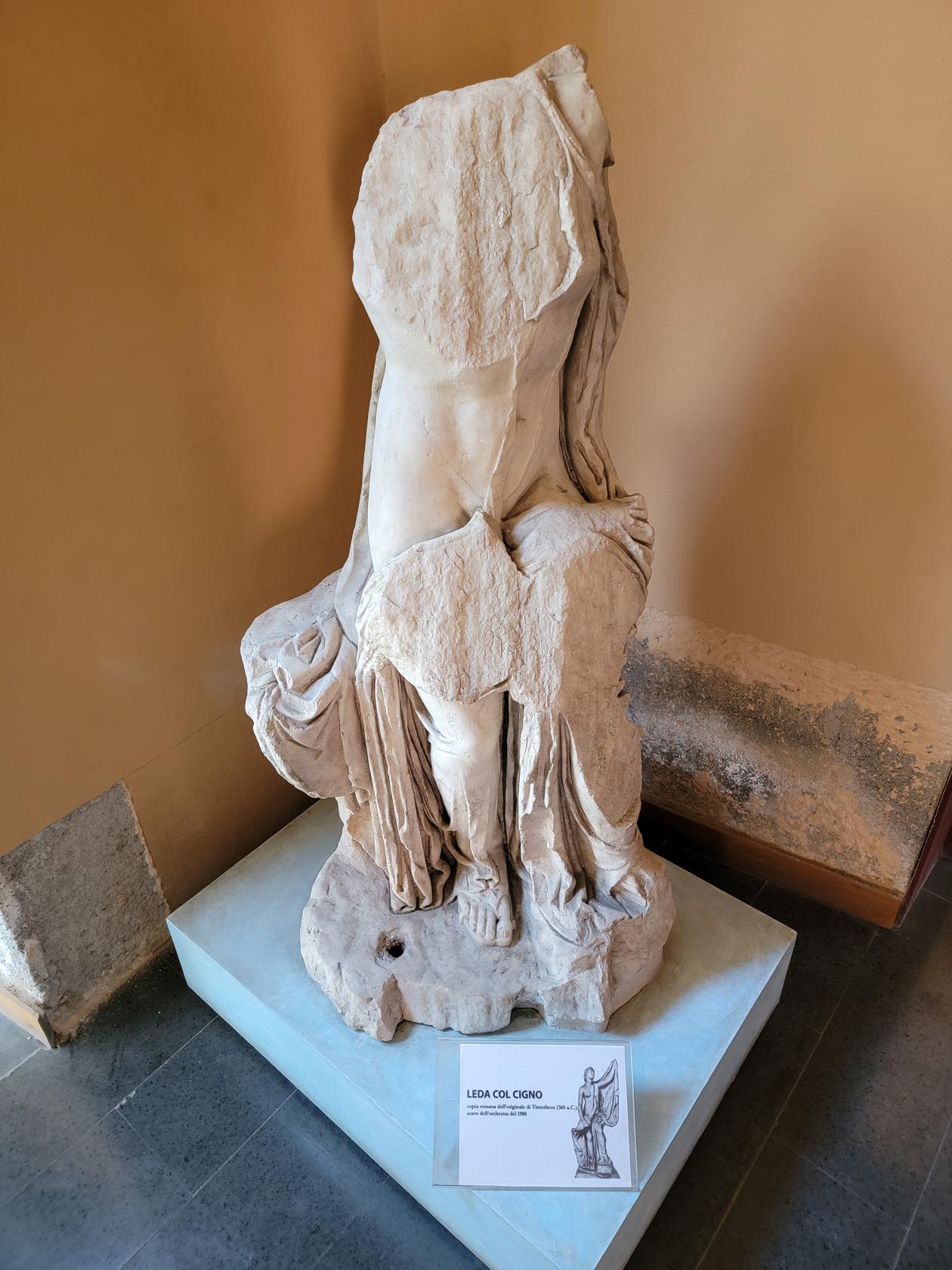
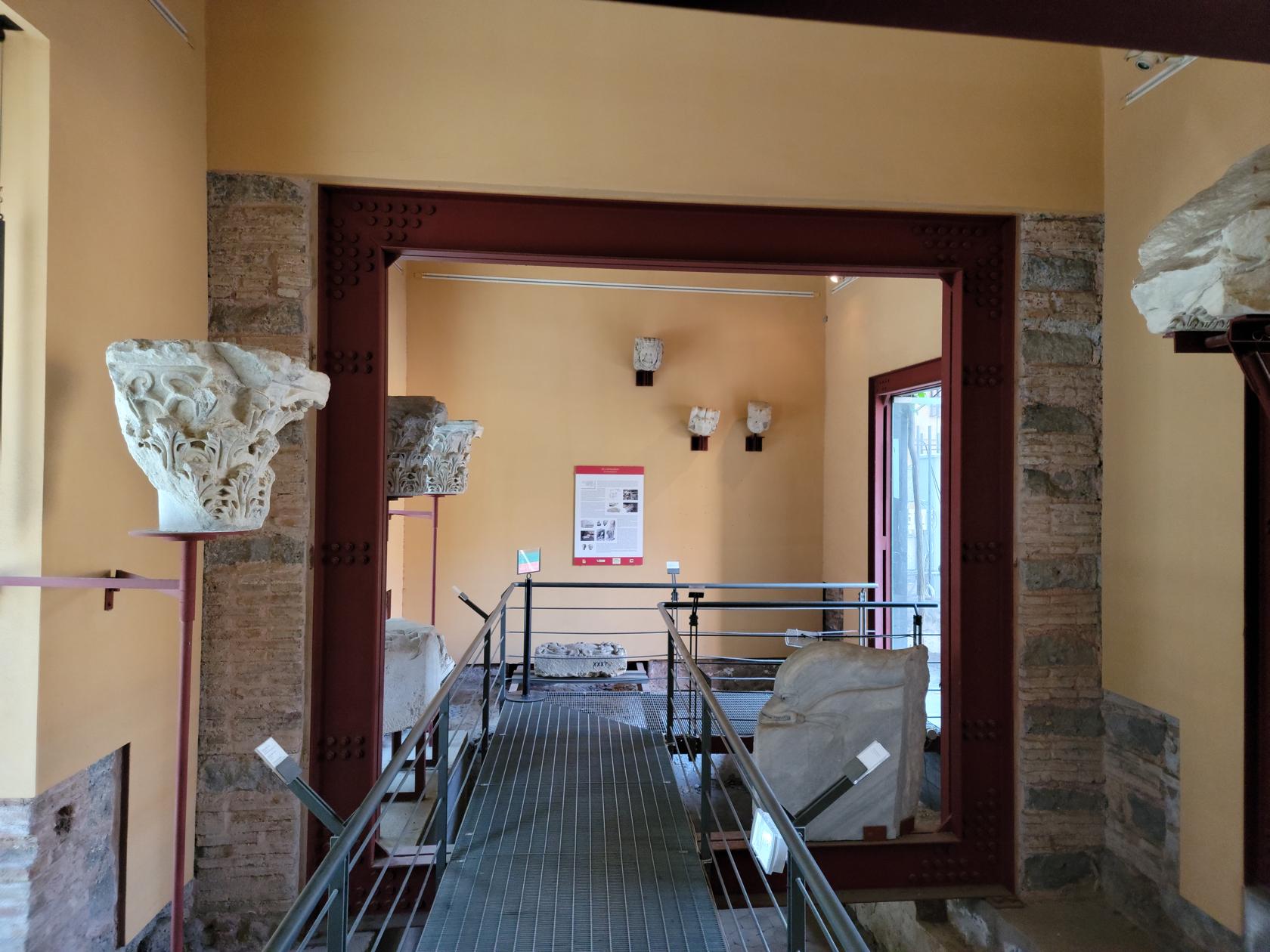
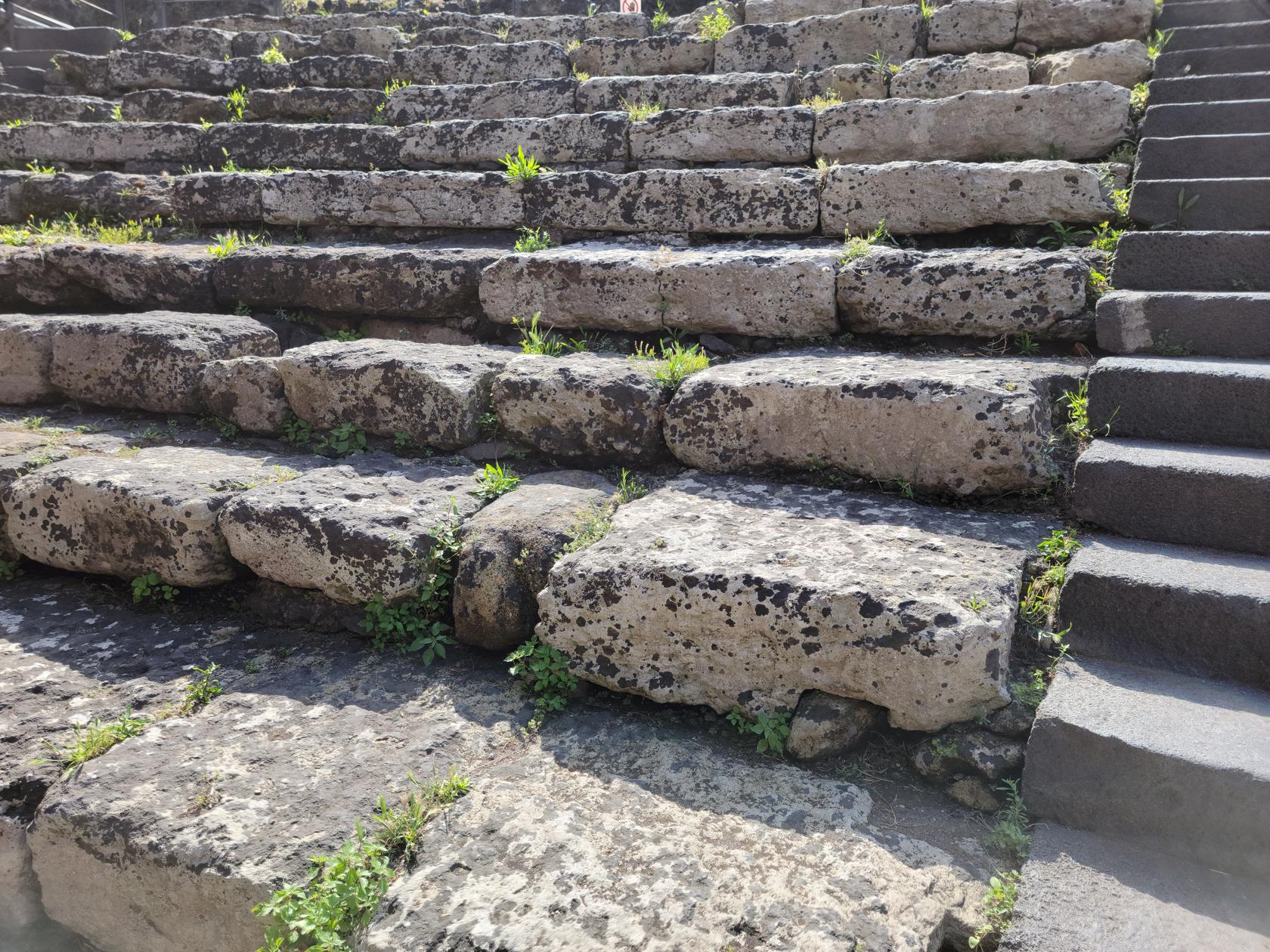
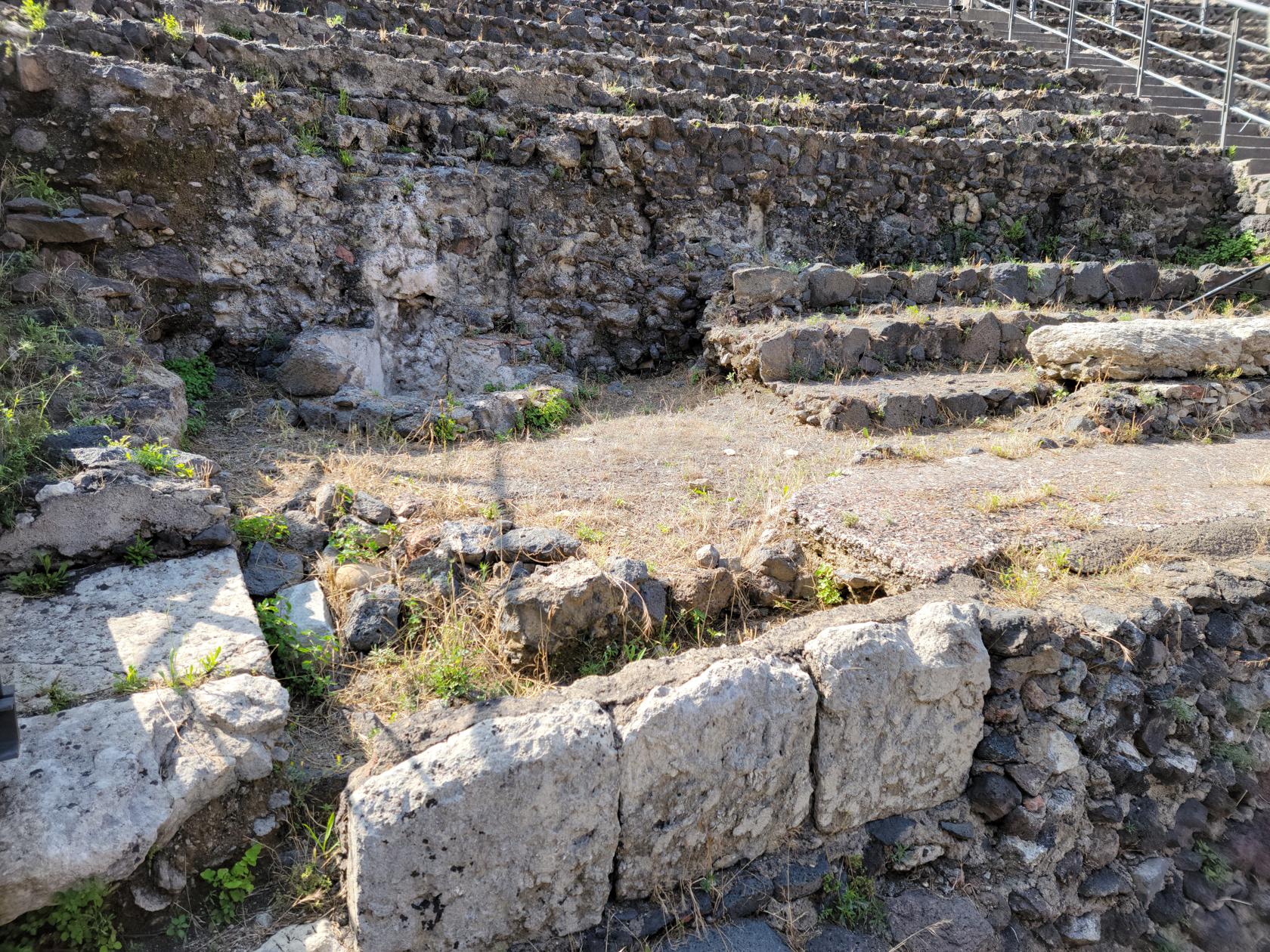
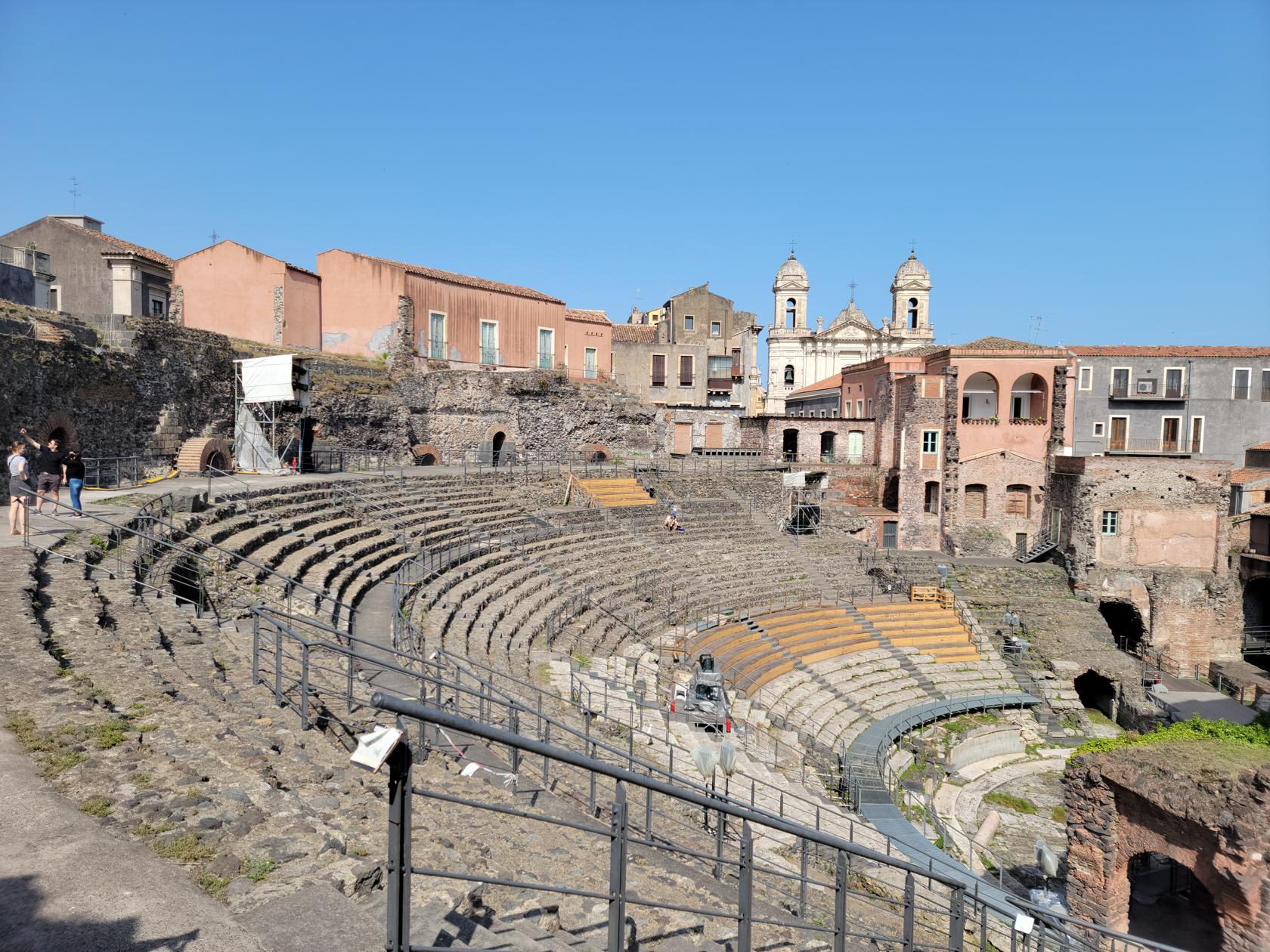
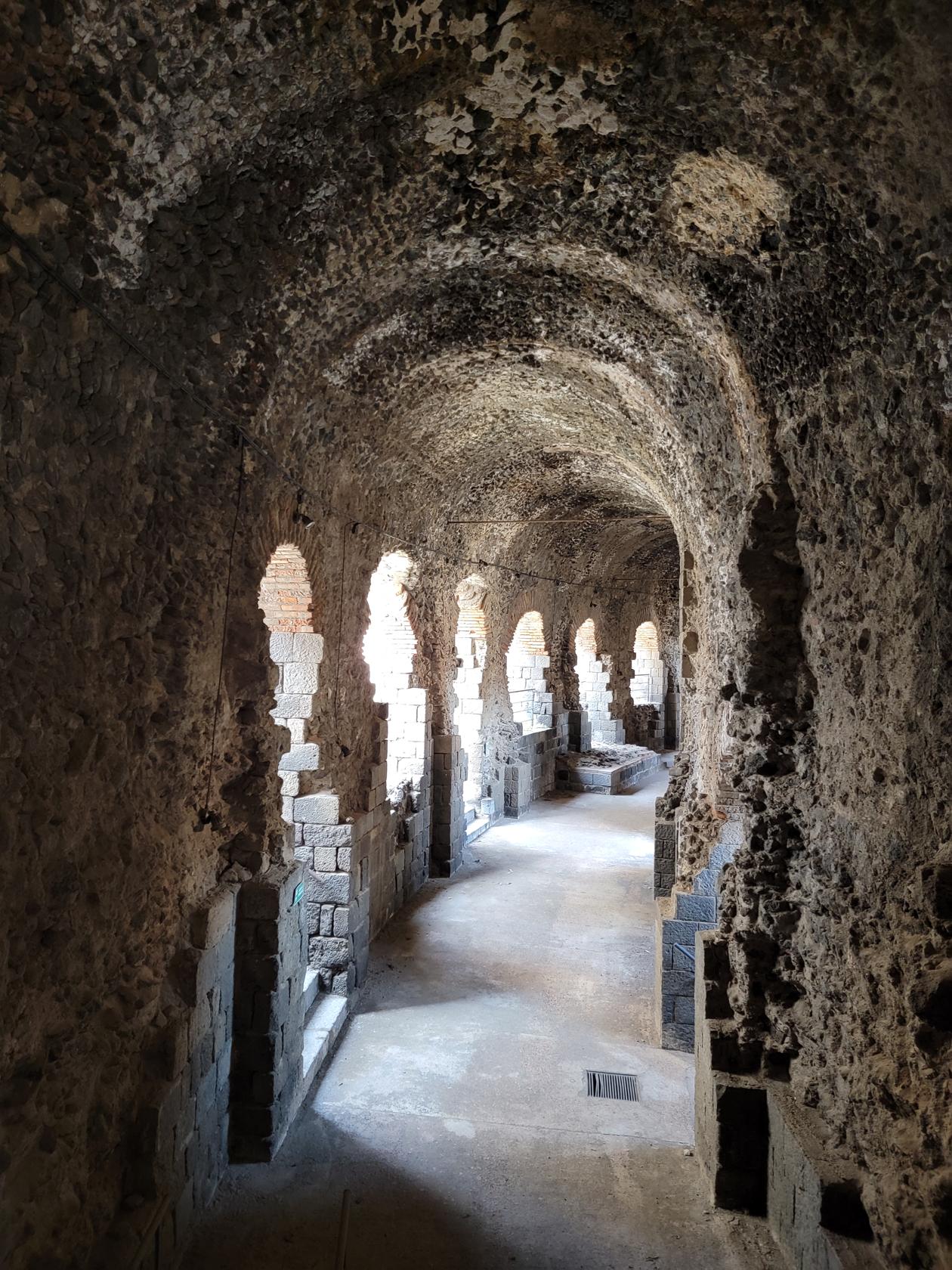
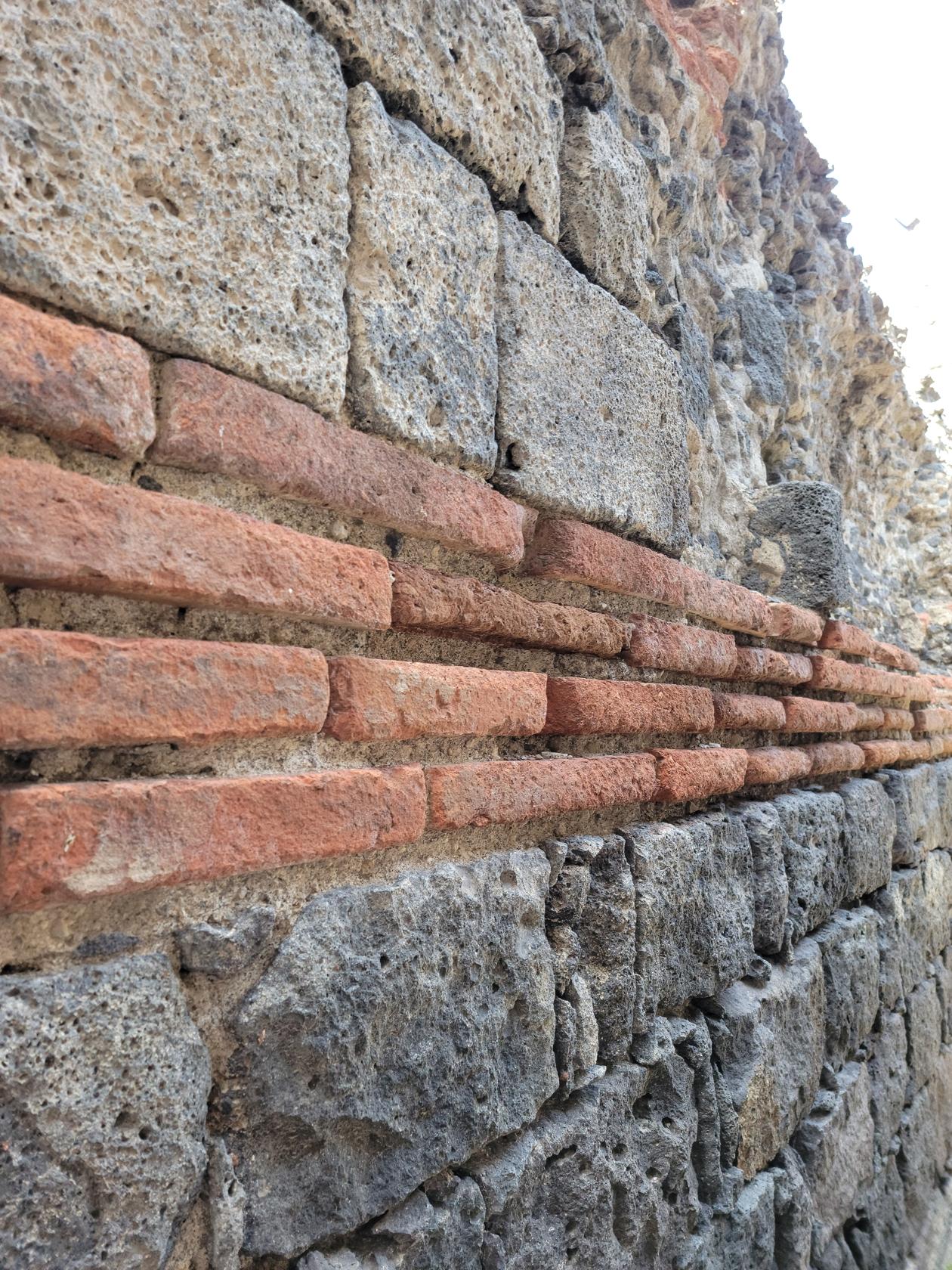
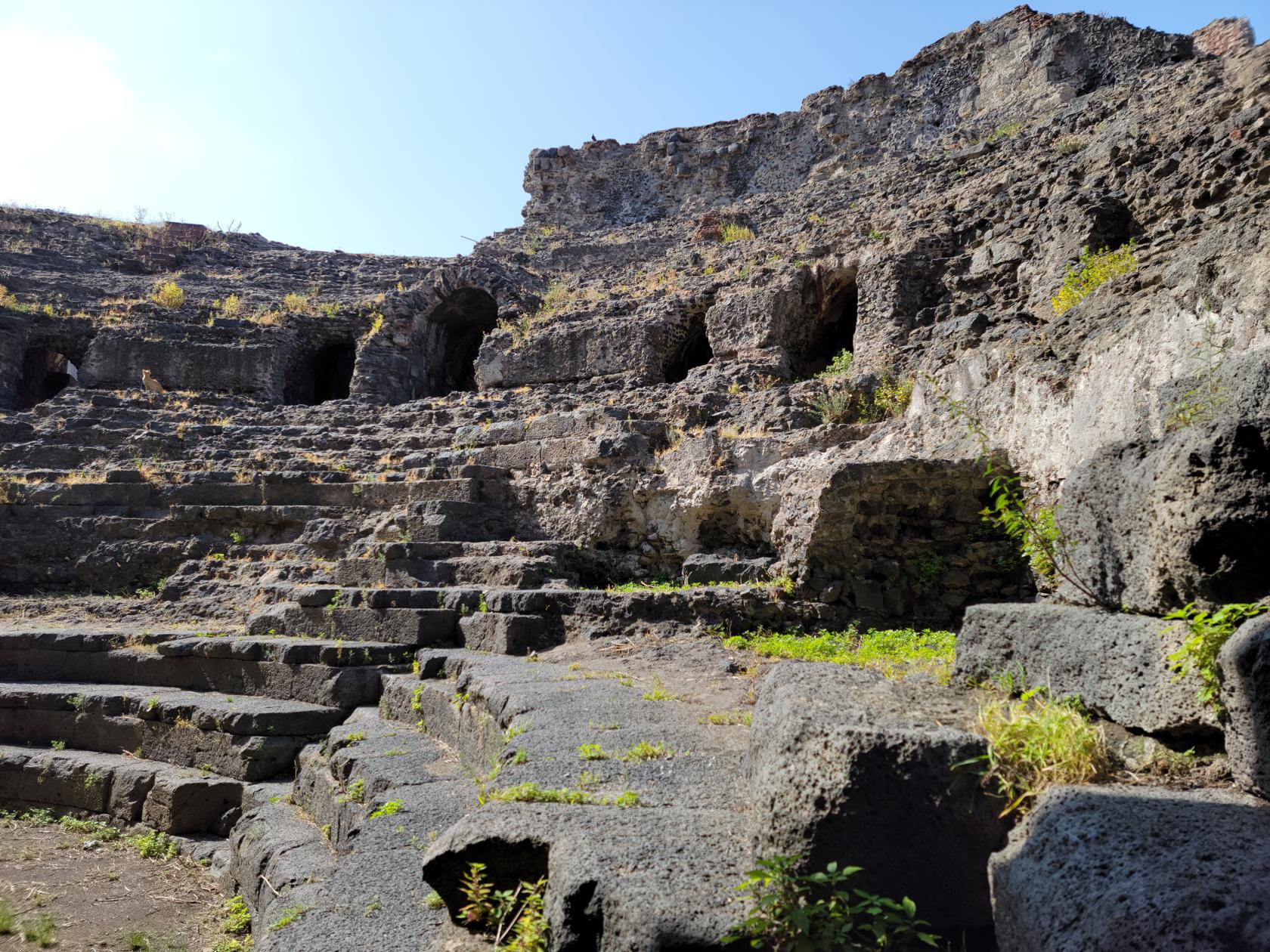
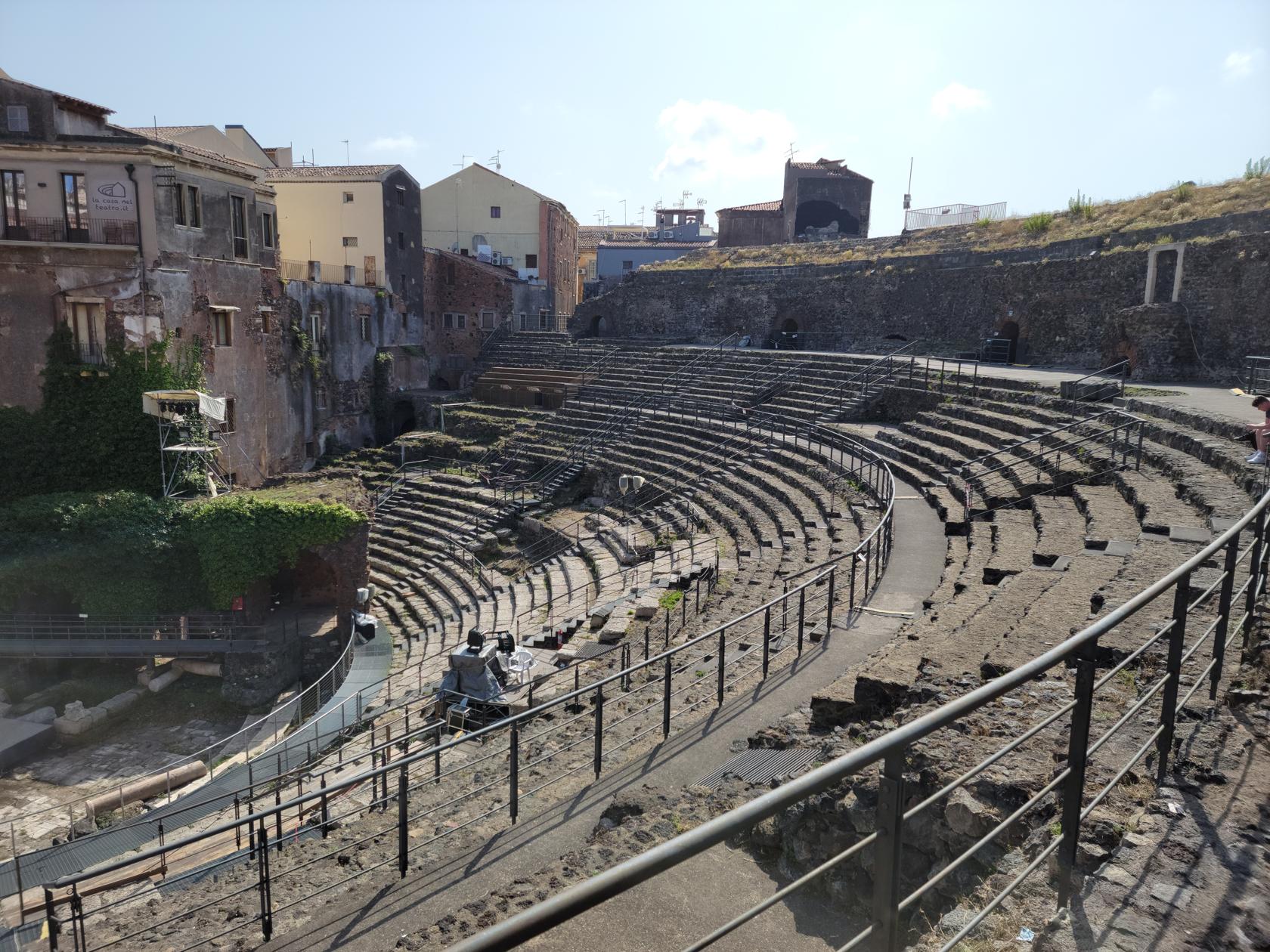
Labeled the Roman Theater, it was actually established by the Greeks and later rebuilt as a Roman Theater. There is an entrance fee for this exhibit, which again seems to be repurposed for shows. Though there is ample space to take photographs to get a good idea of how it used to look.
The Greek-Roman Theater – Catania, Sicily
The Greek-Roman Theater – Catania, Sicily
The Greek-Roman Theater – Catania, Sicily
The Greek-Roman Theater – Catania, Sicily
The Greek-Roman Theater – Catania, Sicily
The Greek-Roman Theater – Catania, Sicily
The Greek-Roman Theater – Catania, Sicily
The Greek-Roman Theater – Catania, Sicily
The Greek-Roman Theater – Catania, Sicily
The Greek-Roman Theater – Catania, Sicily
The Greek-Roman Theater – Catania, Sicily
The Greek-Roman Theater – Catania, Sicily
The Greek-Roman Theater – Catania, Sicily
The Greek-Roman Theater – Catania, Sicily
The Greek-Roman Theater – Catania, Sicily
The Greek-Roman Theater – Catania, Sicily
Churches, Cathedral and Basilicas
There are numerous churches and other religious structures of note all throughout Catania. The most noteworthy one is the Cathedral of Catania.
Church of San Nicolò l’Arena
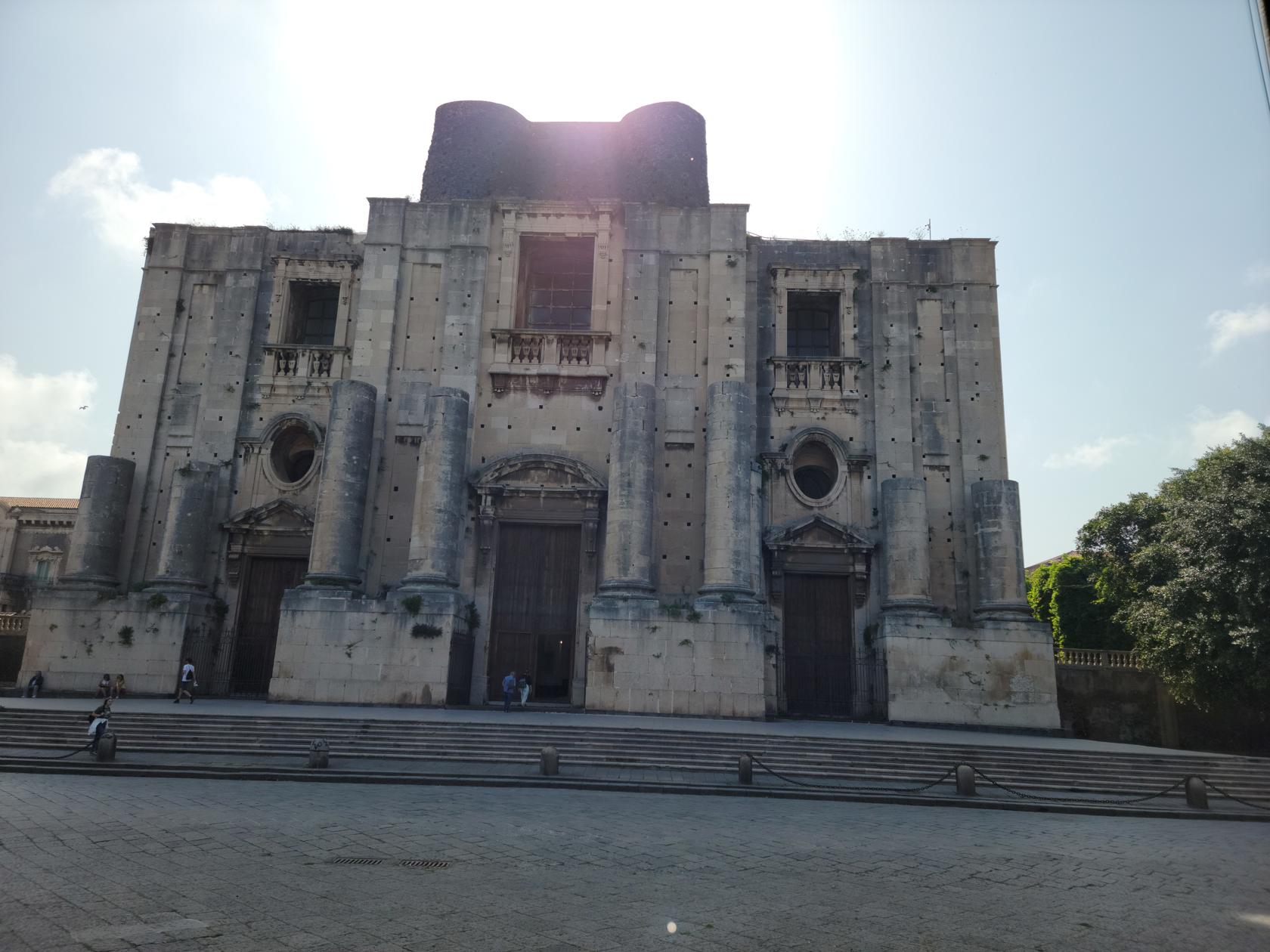
A large unfinished artifice is the Church of San Nicolò l’Arena. It was started in the late 17th century and interrupted by the large earthquake of 1693. The dome and inside were later completed, but the facade remains unfinished sadly even to this day.
San Nicolo L’Arena Church – Catania, Sicily
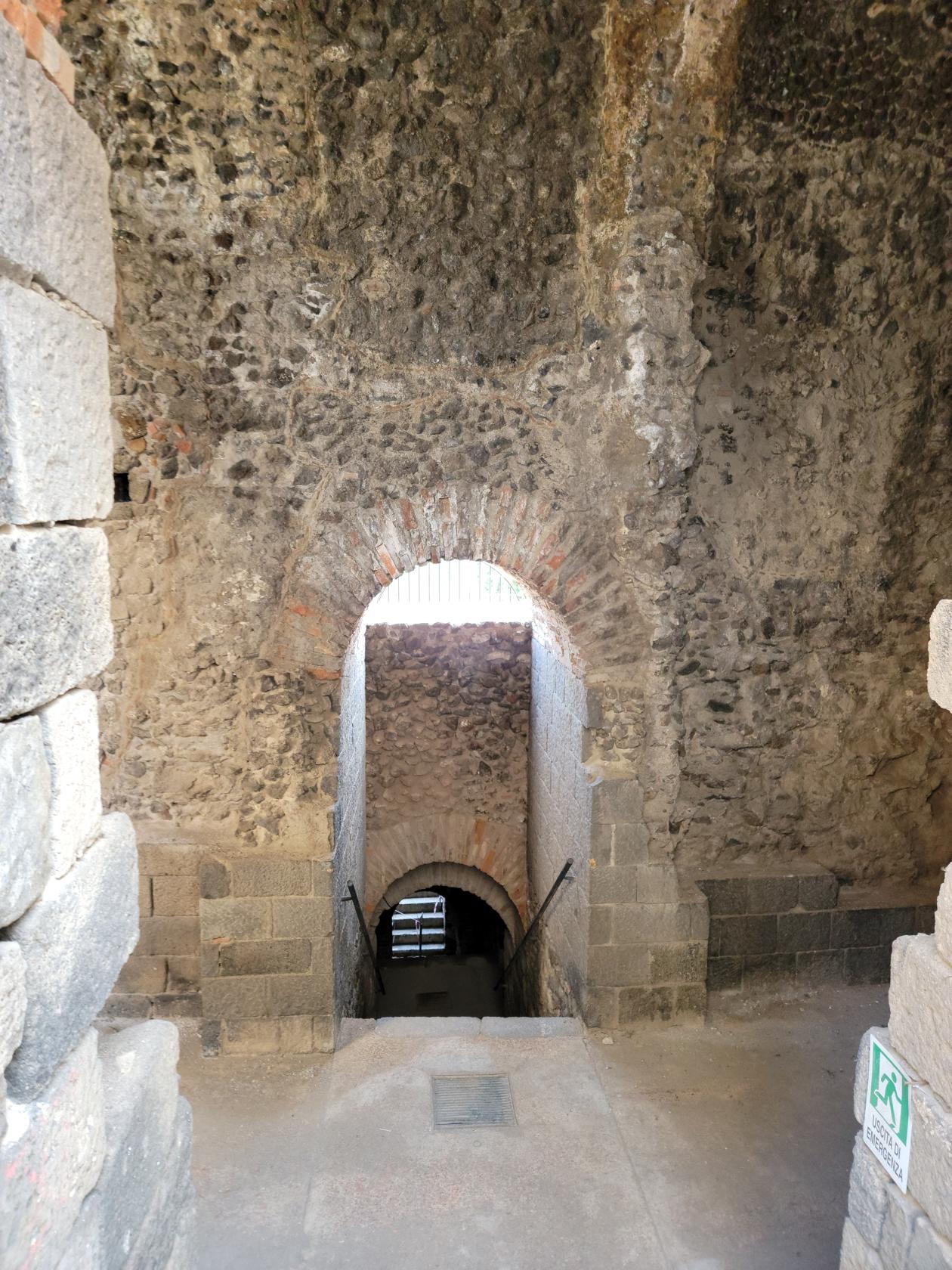
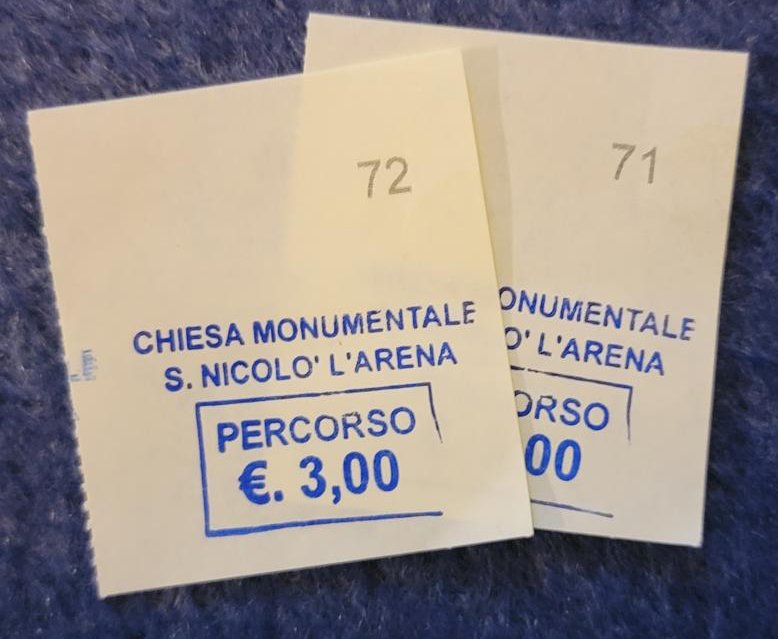
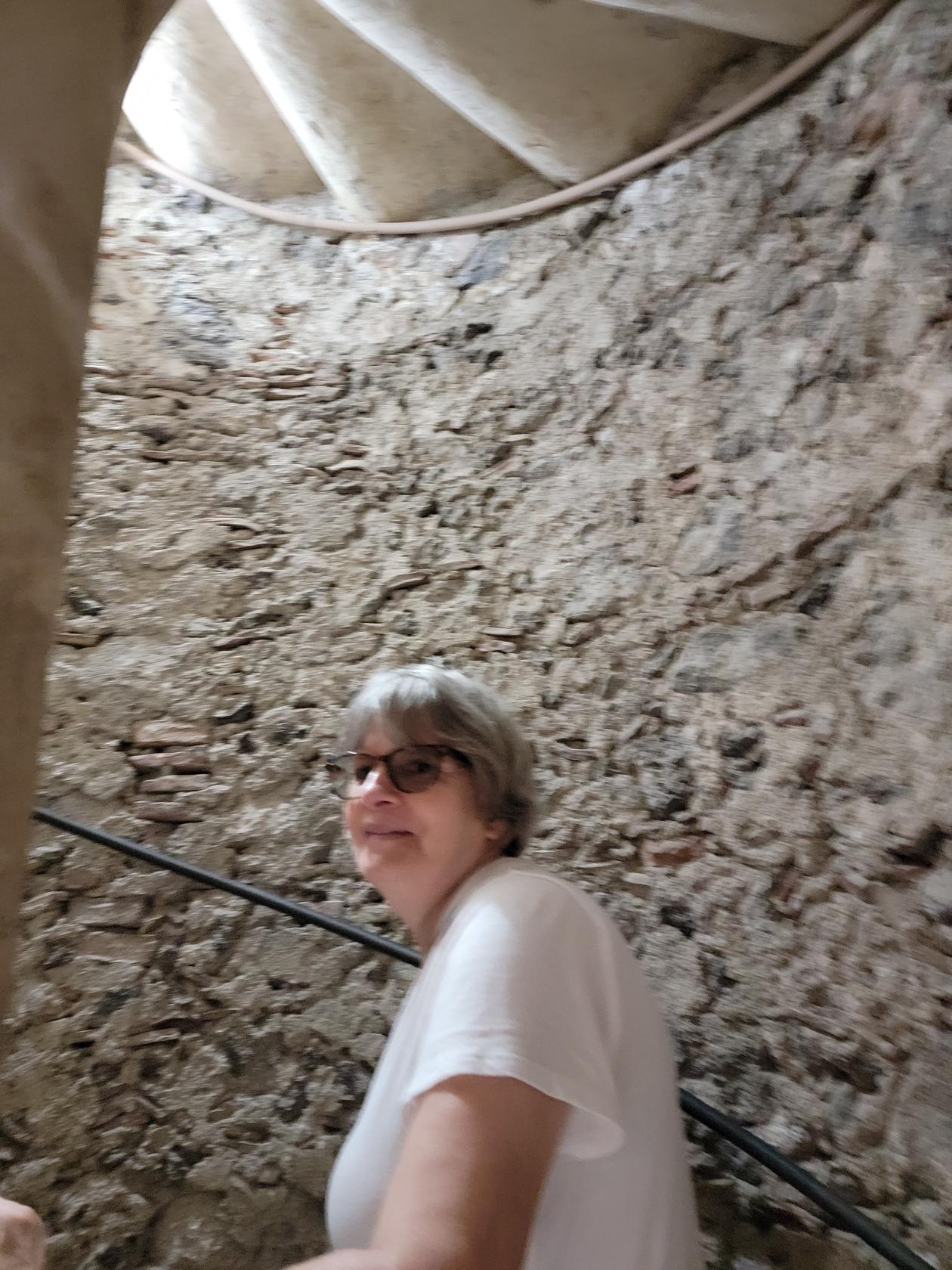
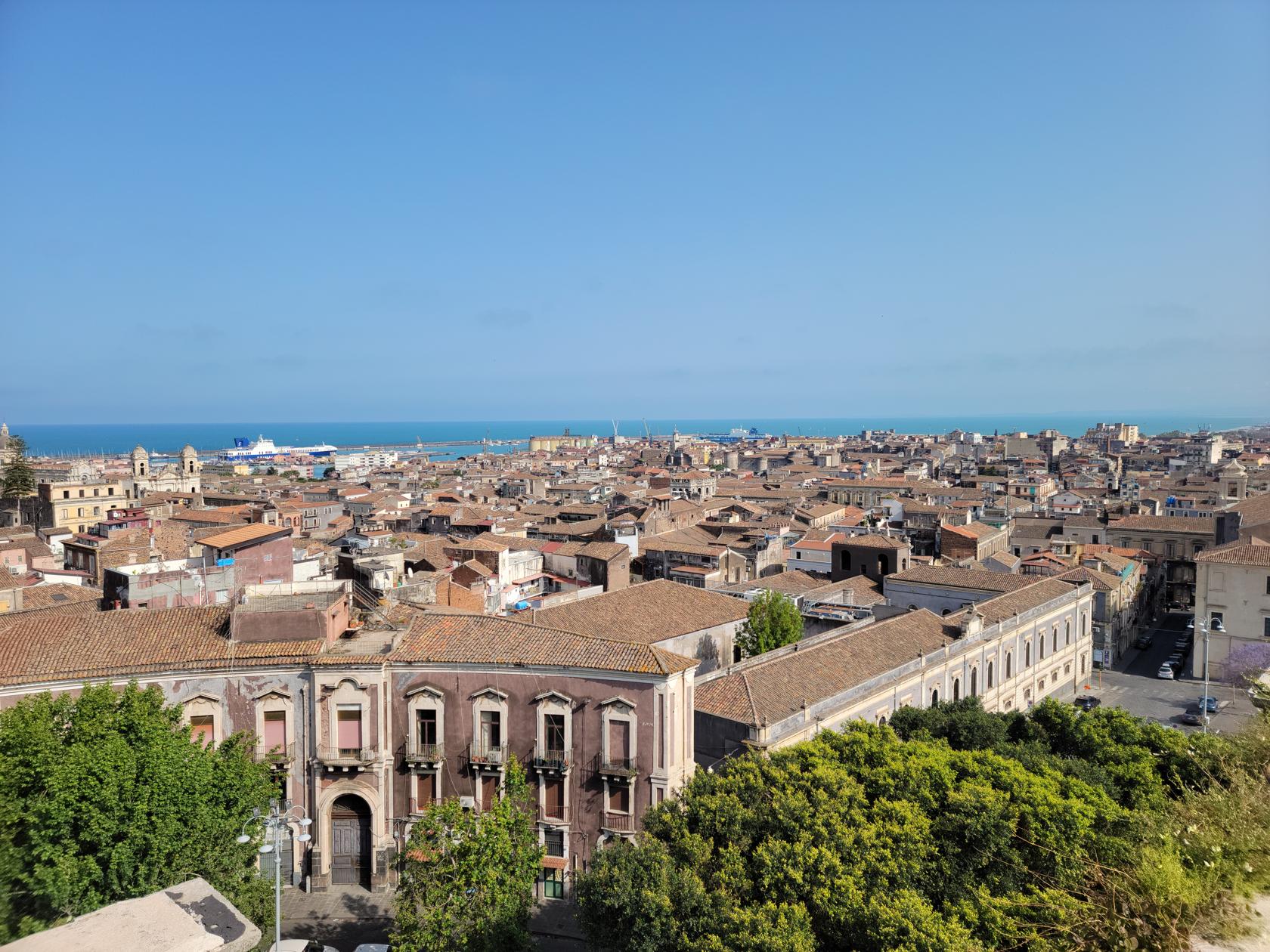
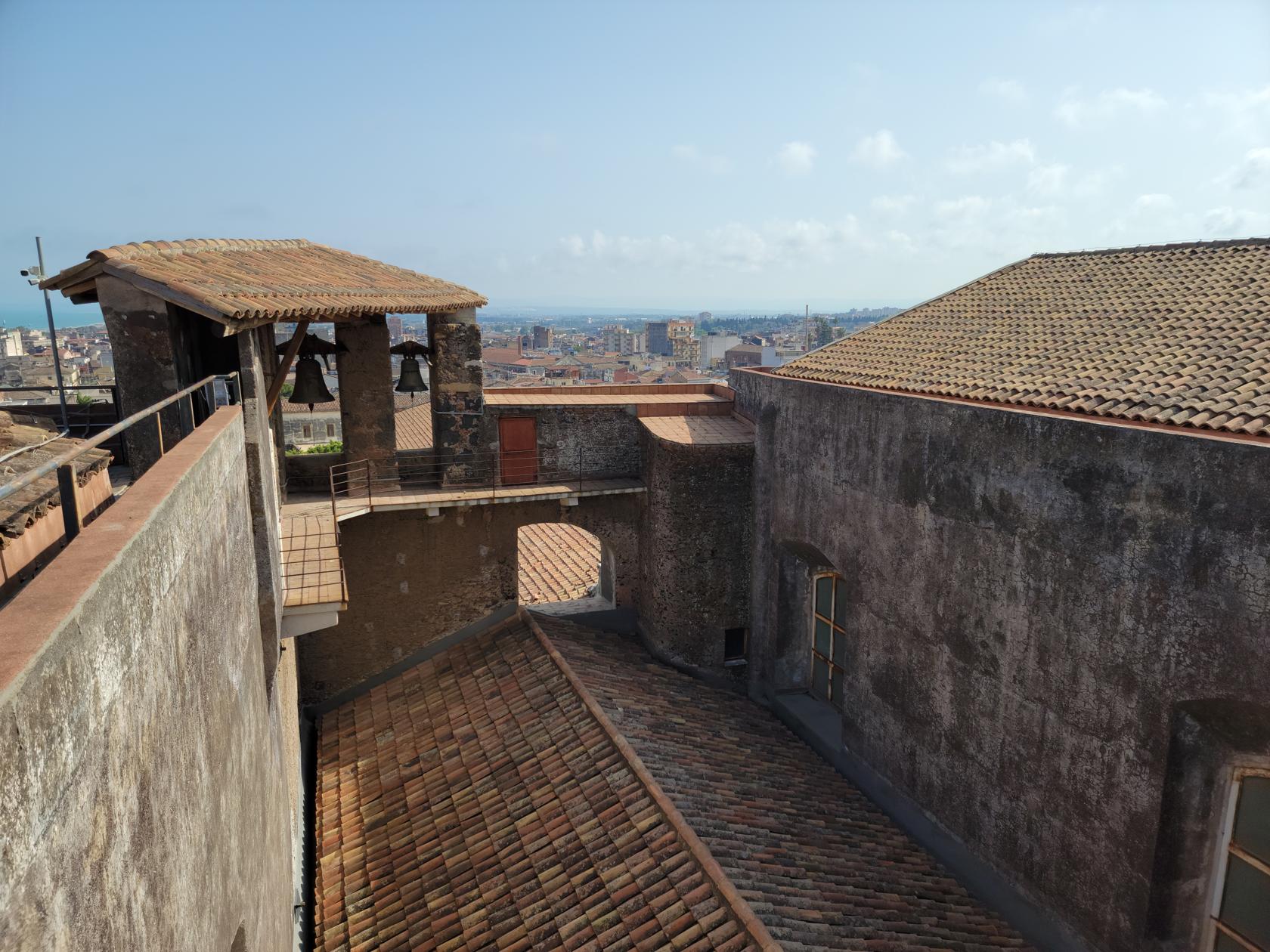
This church has a secret though, for small fee you may ascend its narrow spiral staircase to the roof for its impressive view of the city.
Tickets For Two – San Nicolo L’Arena Church – Catania, Sicily
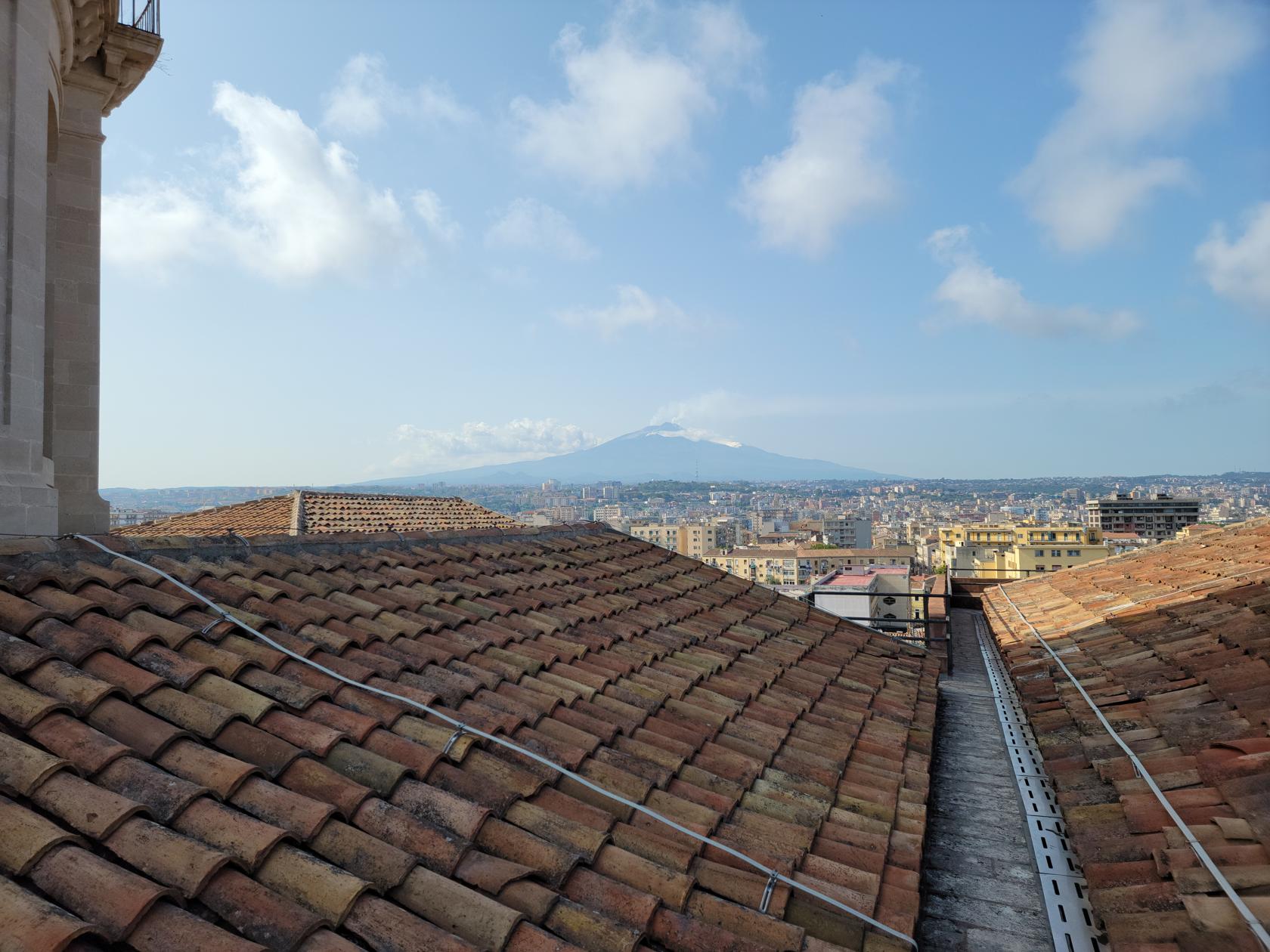
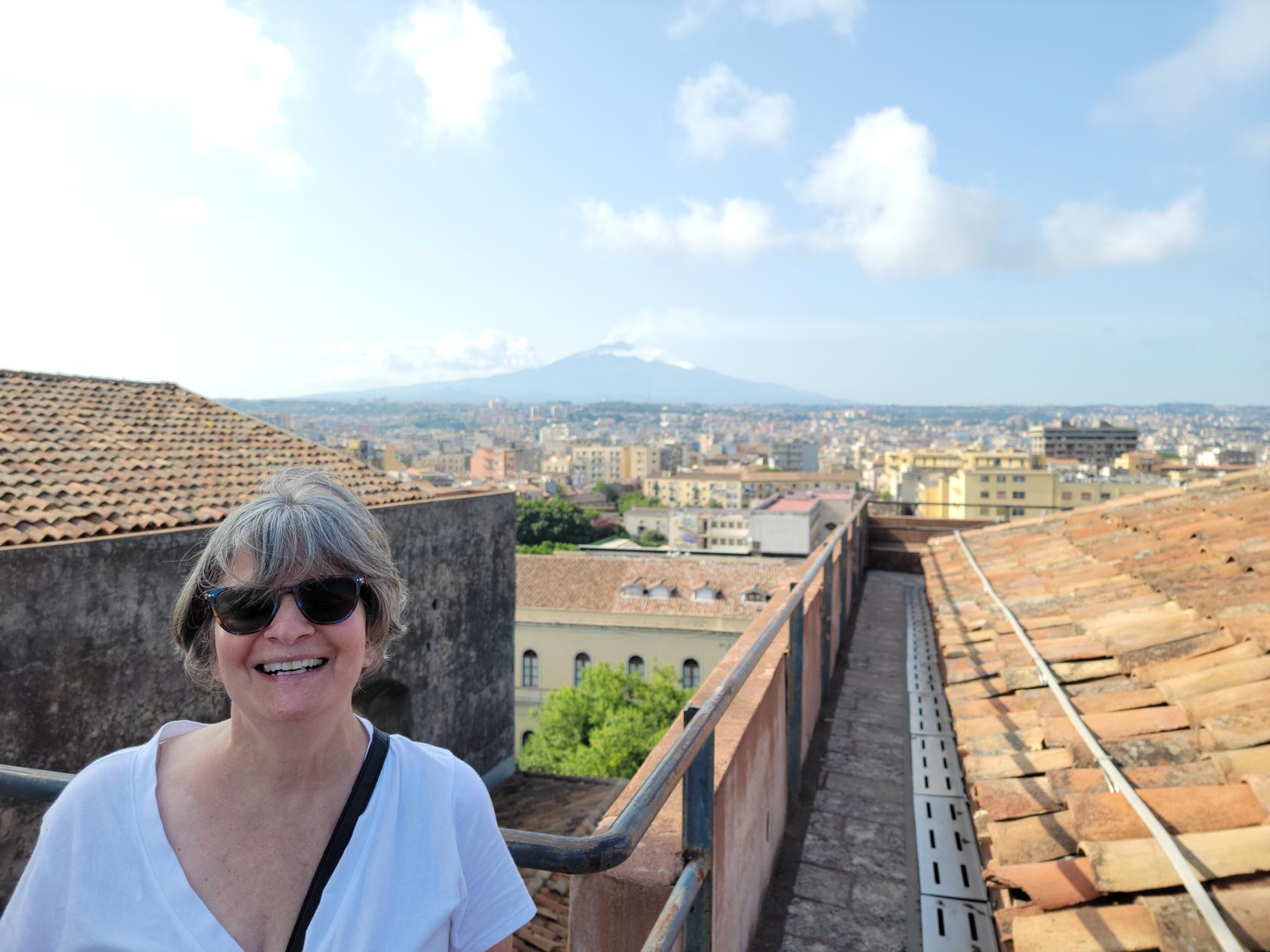
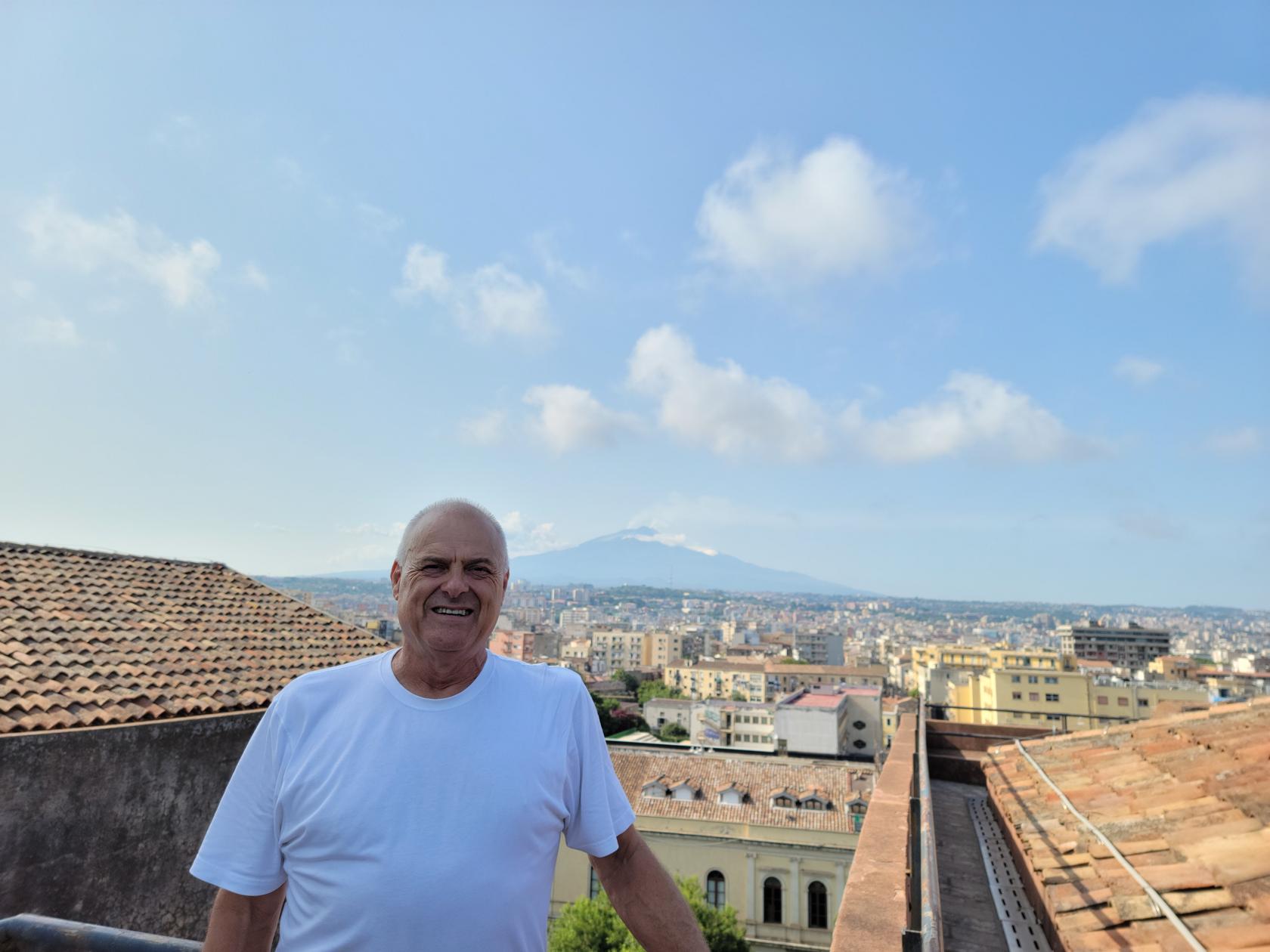
From this perch you can also get an amazing shot at Mount Etna.
Climbing the stairs to the roof – San Nicolo L’Arena Church – Catania, Sicily
View of Catania Bay from the roof – San Nicolo L’Arena Church – Catania, Sicily
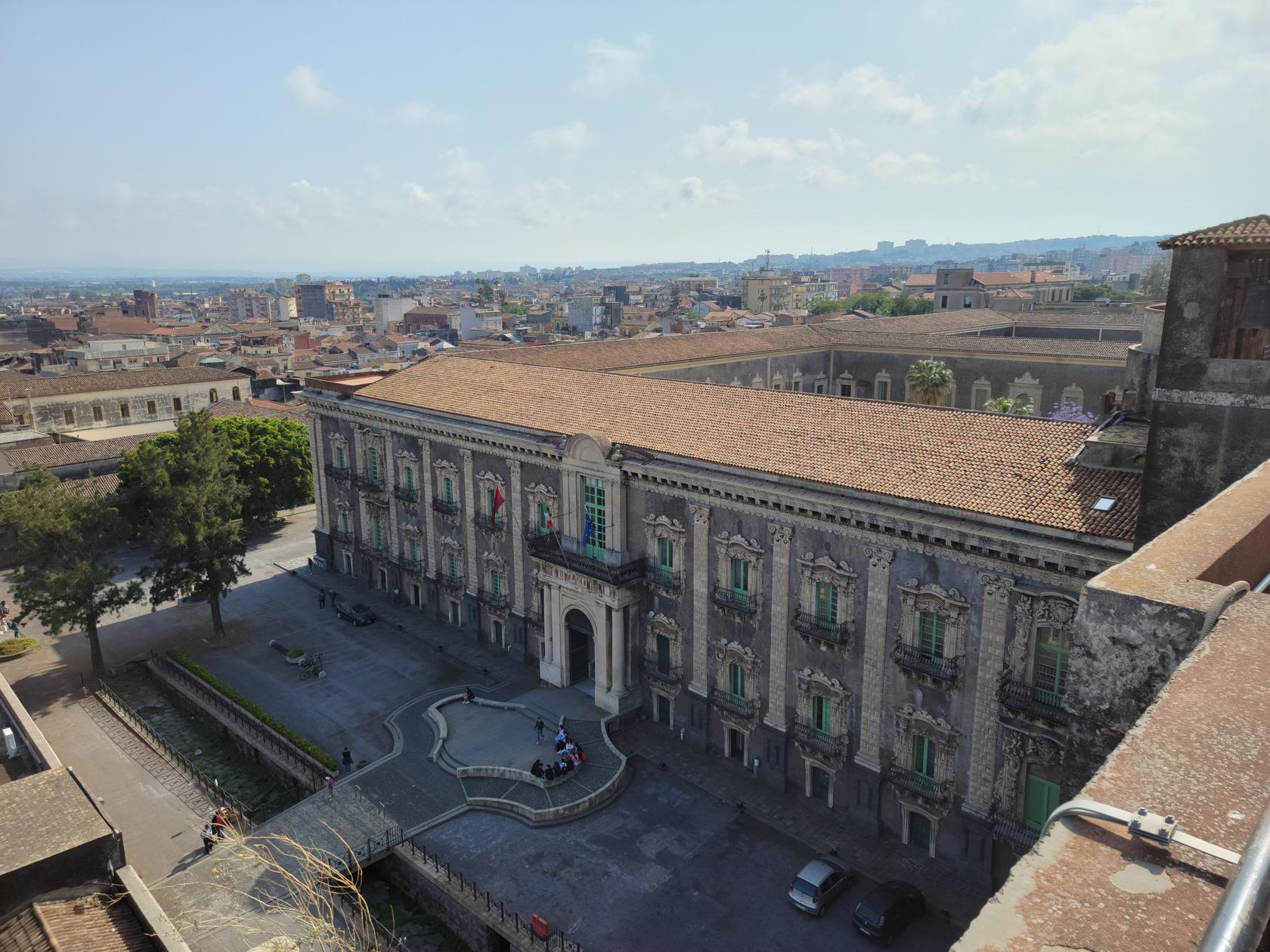
View from roof – San Nicolo L’Arena Church – Catania, Sicily
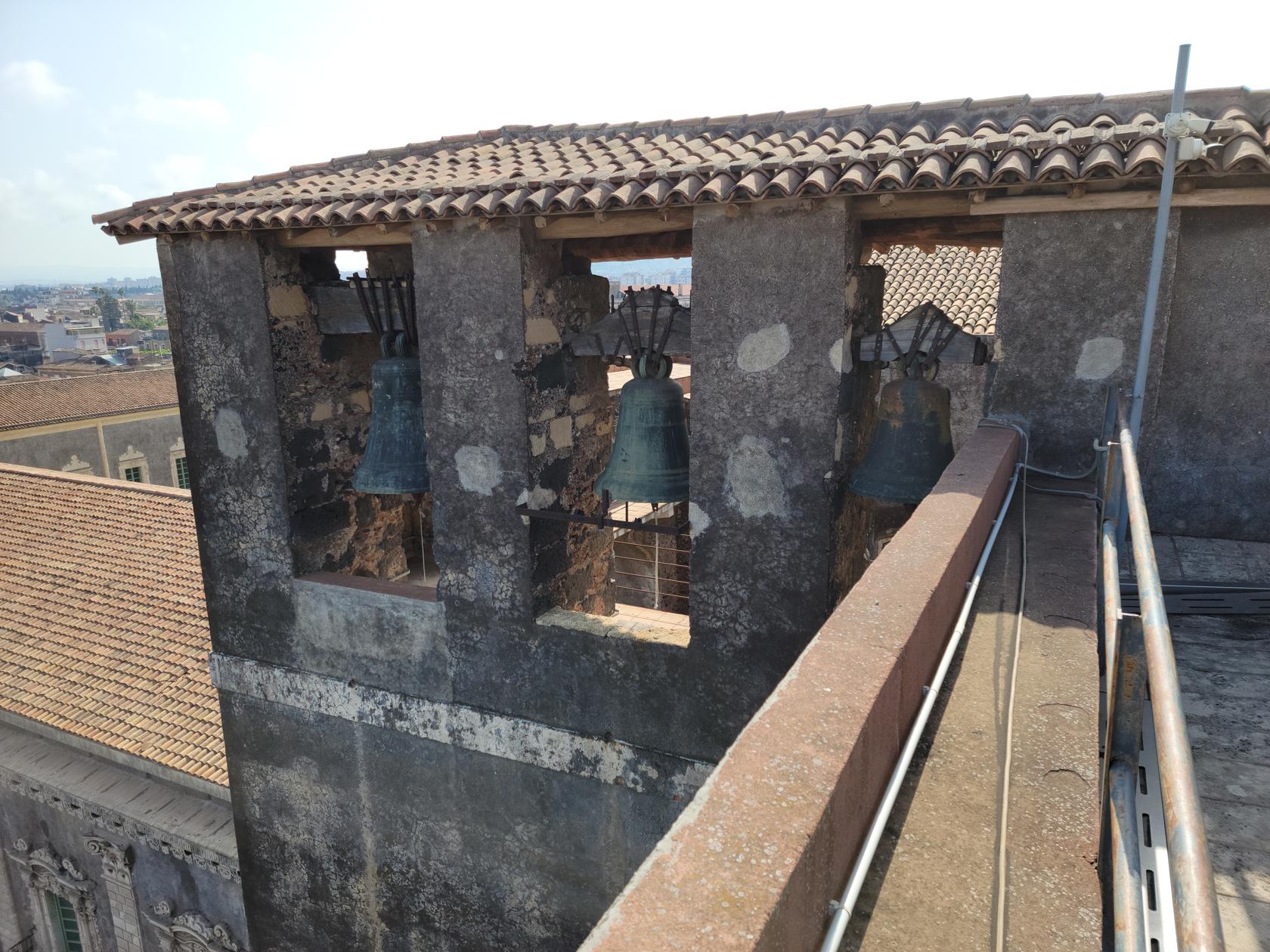
The belfry tower – San Nicolo L’Arena Church – Catania, Sicily
The roof – San Nicolo L’Arena Church – Catania, Sicily
A view of Mount Etna from the roof – San Nicolo L’Arena Church – Catania, Sicily
A view of Mount Etna and Patti from the roof – San Nicolo L’Arena Church – Catania, Sicily
A view of Mount Etna and Erick from the roof – San Nicolo L’Arena Church – Catania, Sicily
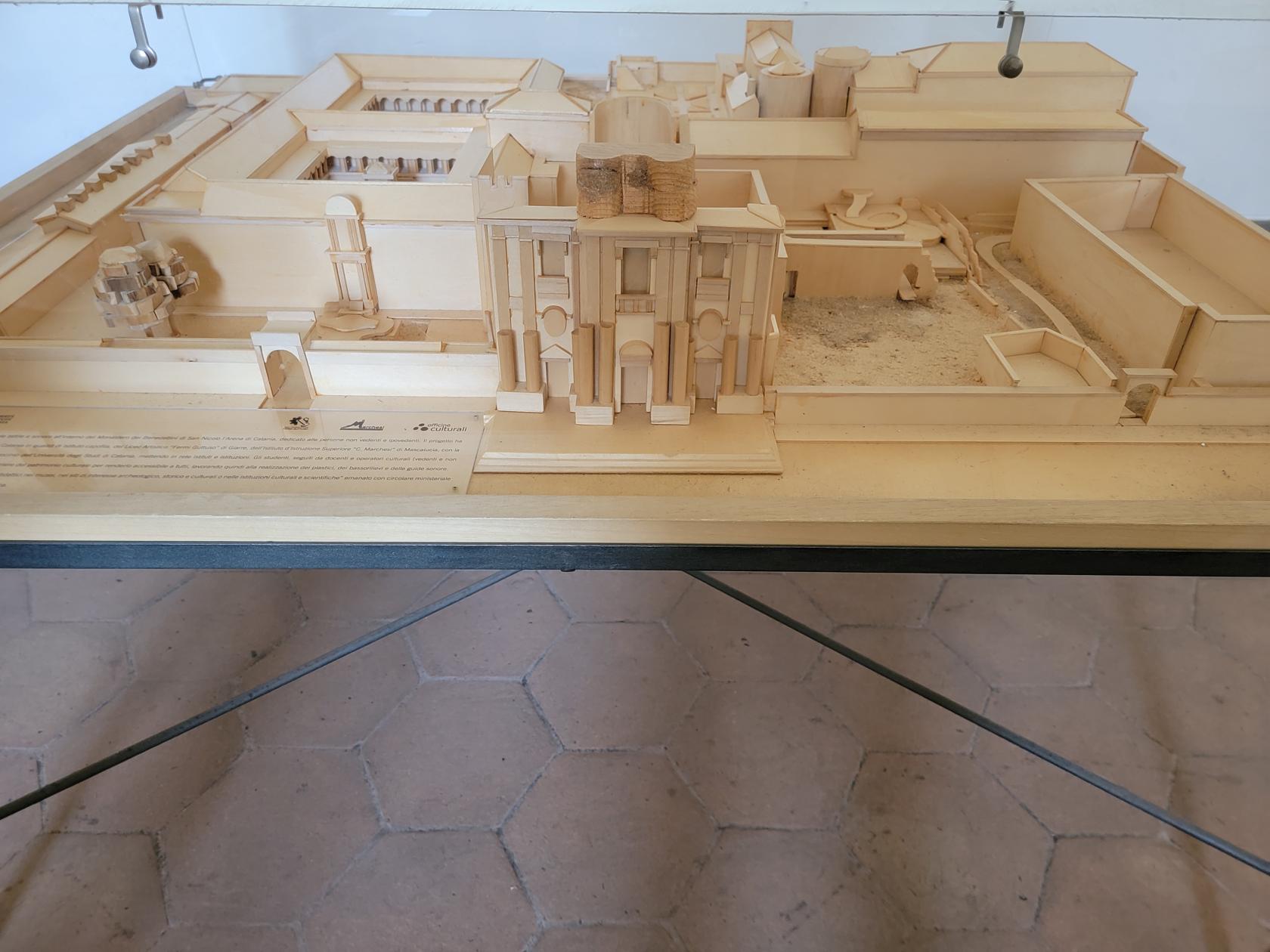
A diorama of the Benedictine Monastery – Catania, Sicily
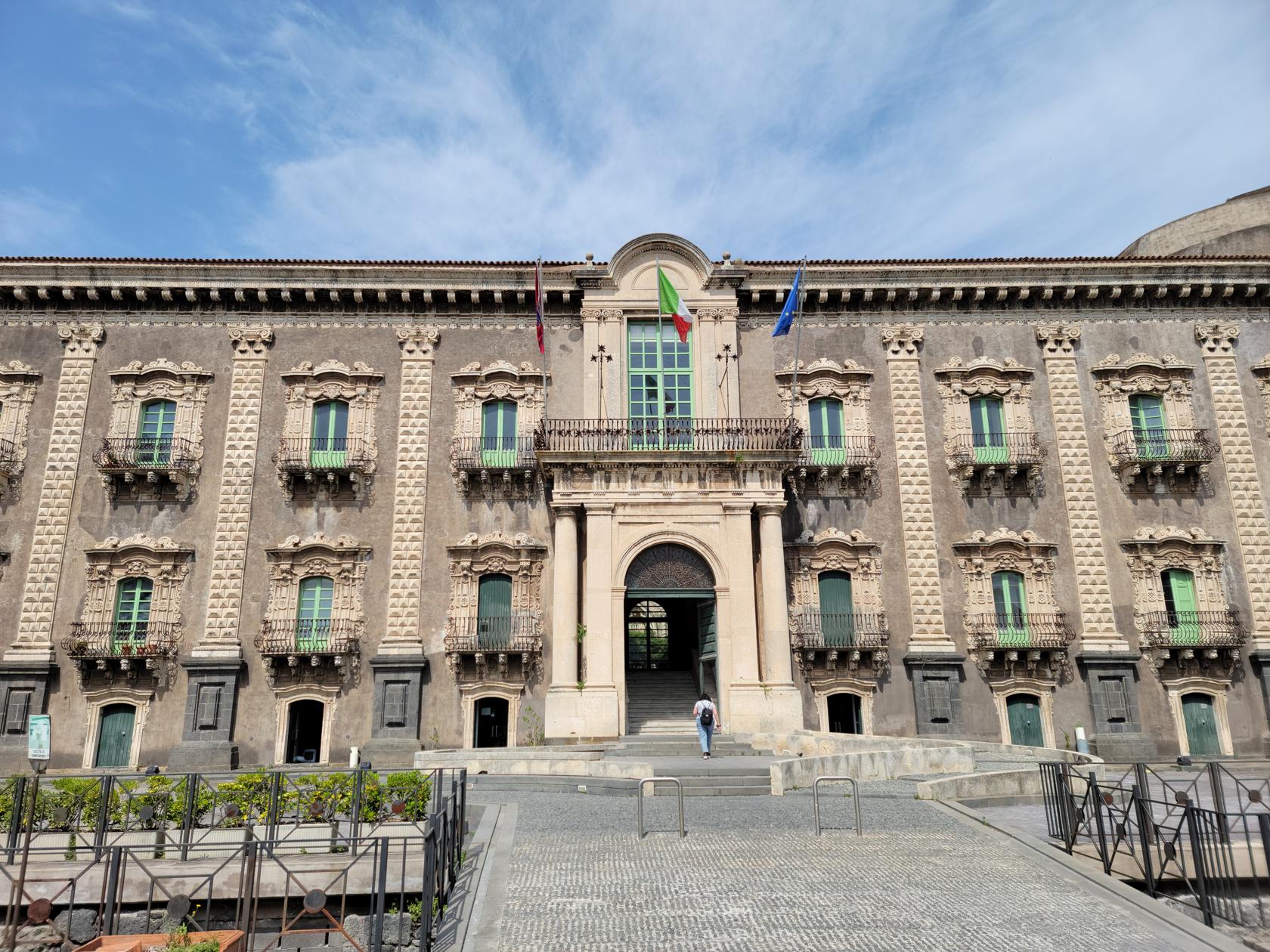
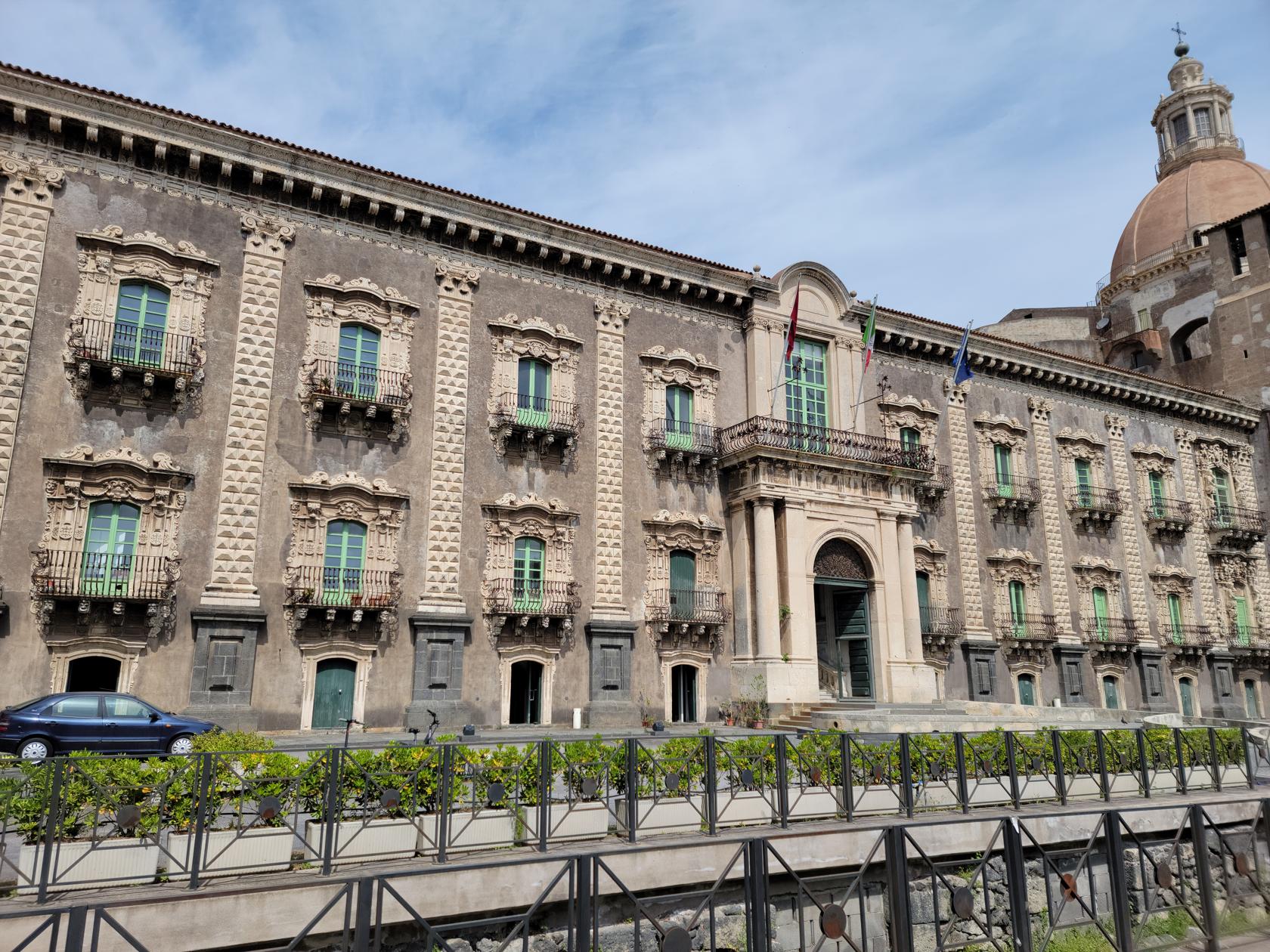
Benedictine Monastery – Catania, Sicily
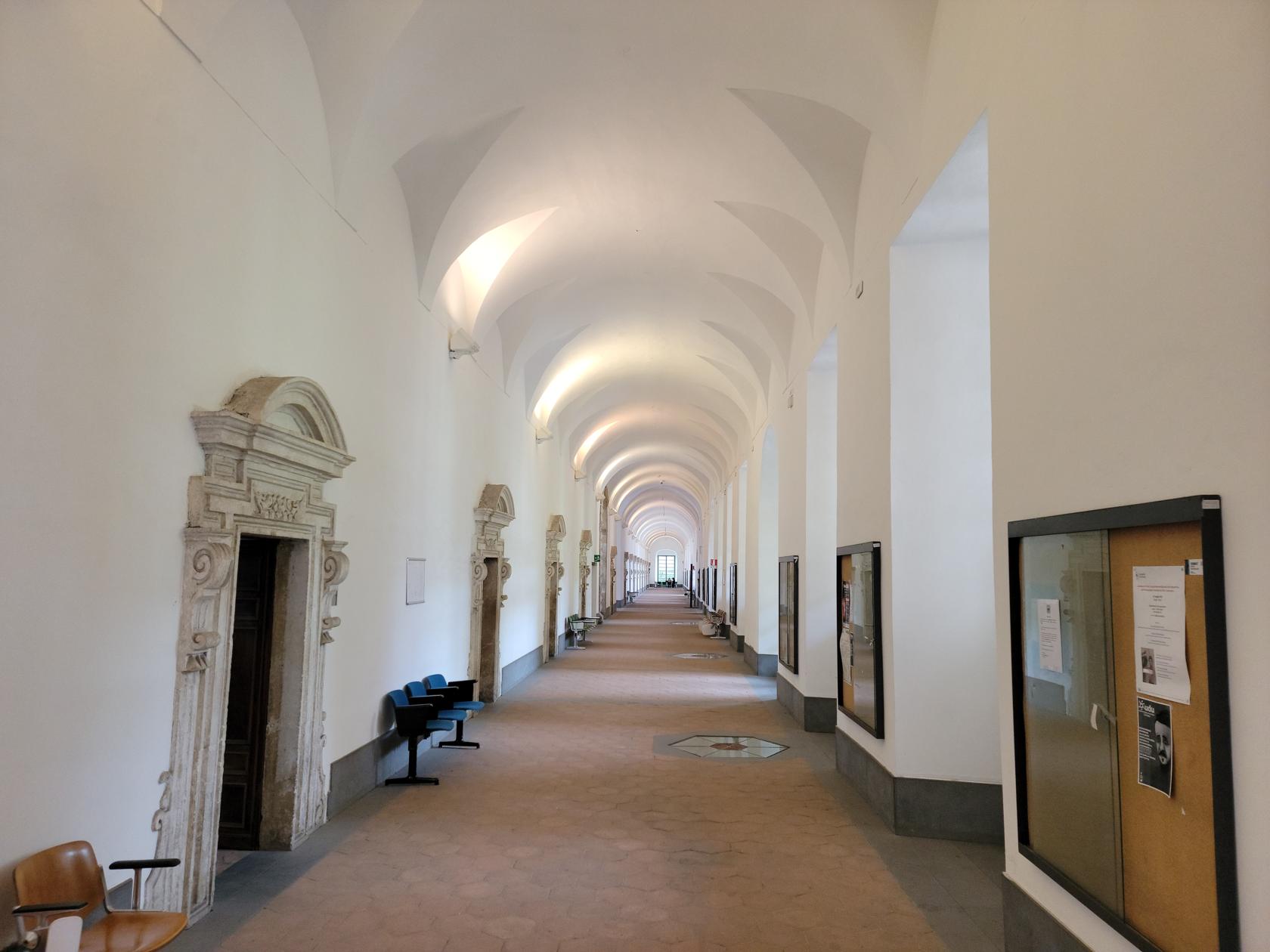
Benedictine Monastery – Catania, Sicily
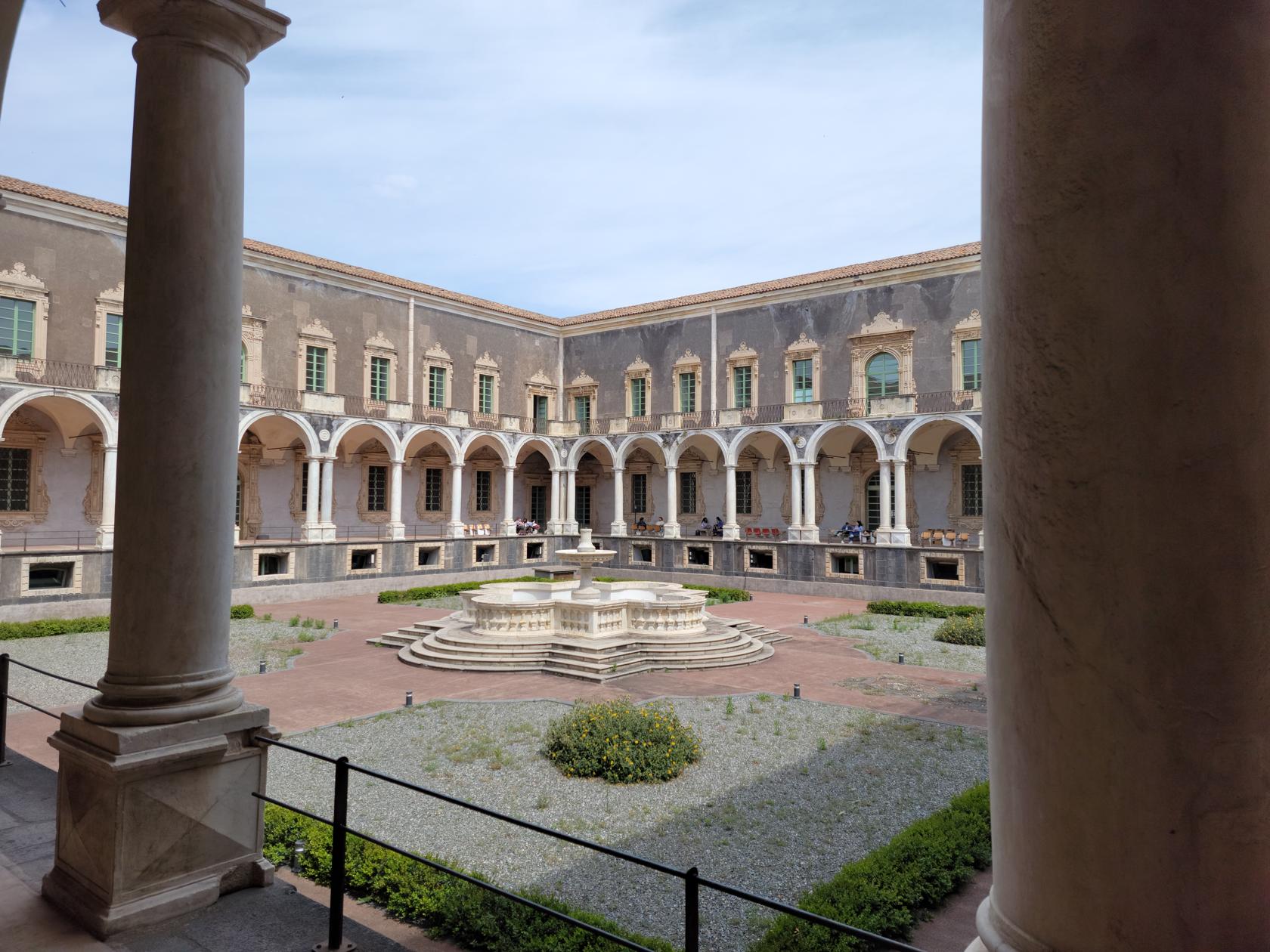
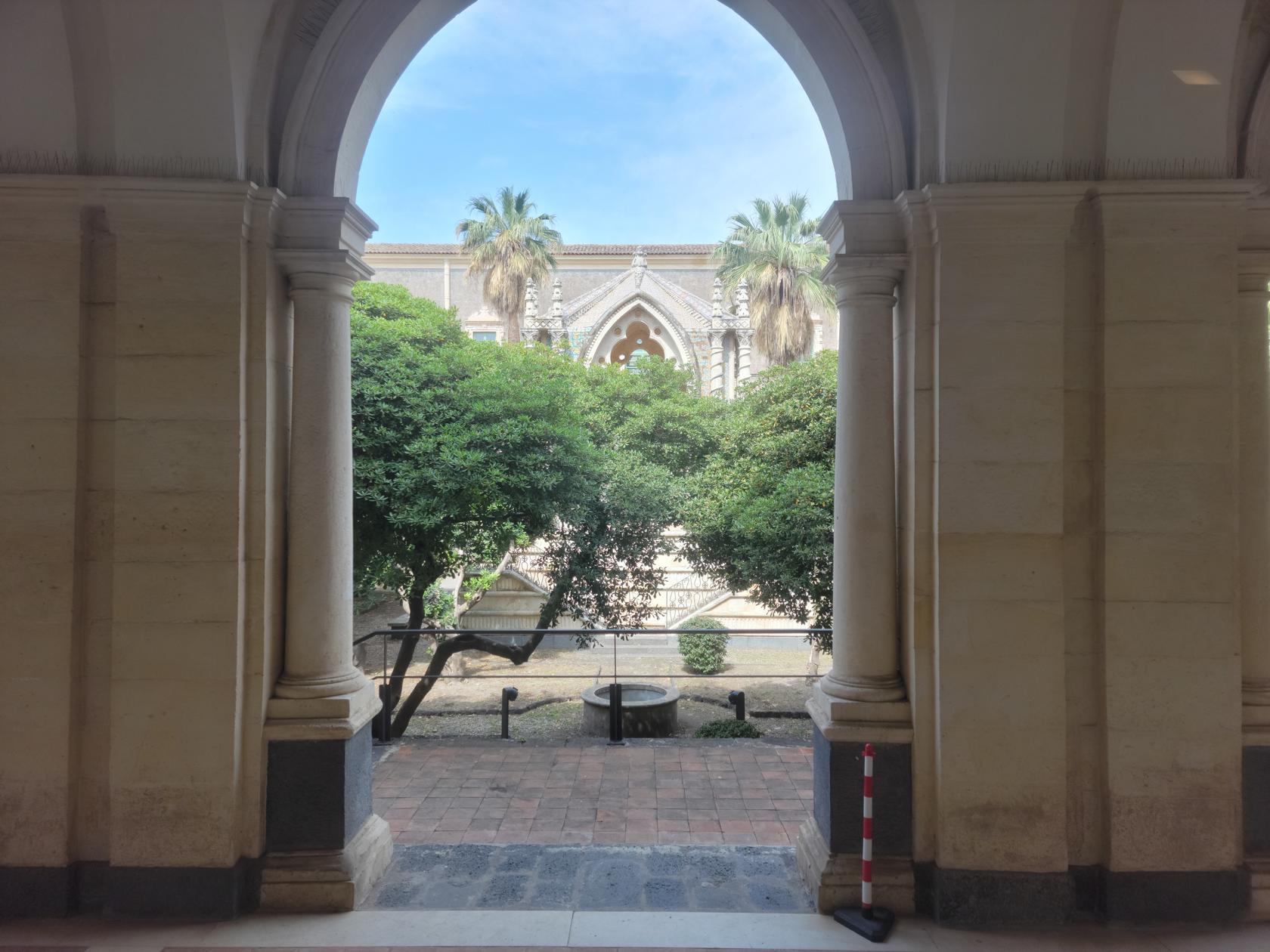
it is only open for guided tours and they were completely booked up when we inquired with school groups and other tour groups. We were lucky however to get a glimpse of some of the grounds which is also used as part of the university, which holds lectures on philosophy and other classical topics.
Basilica of Saint Agatha
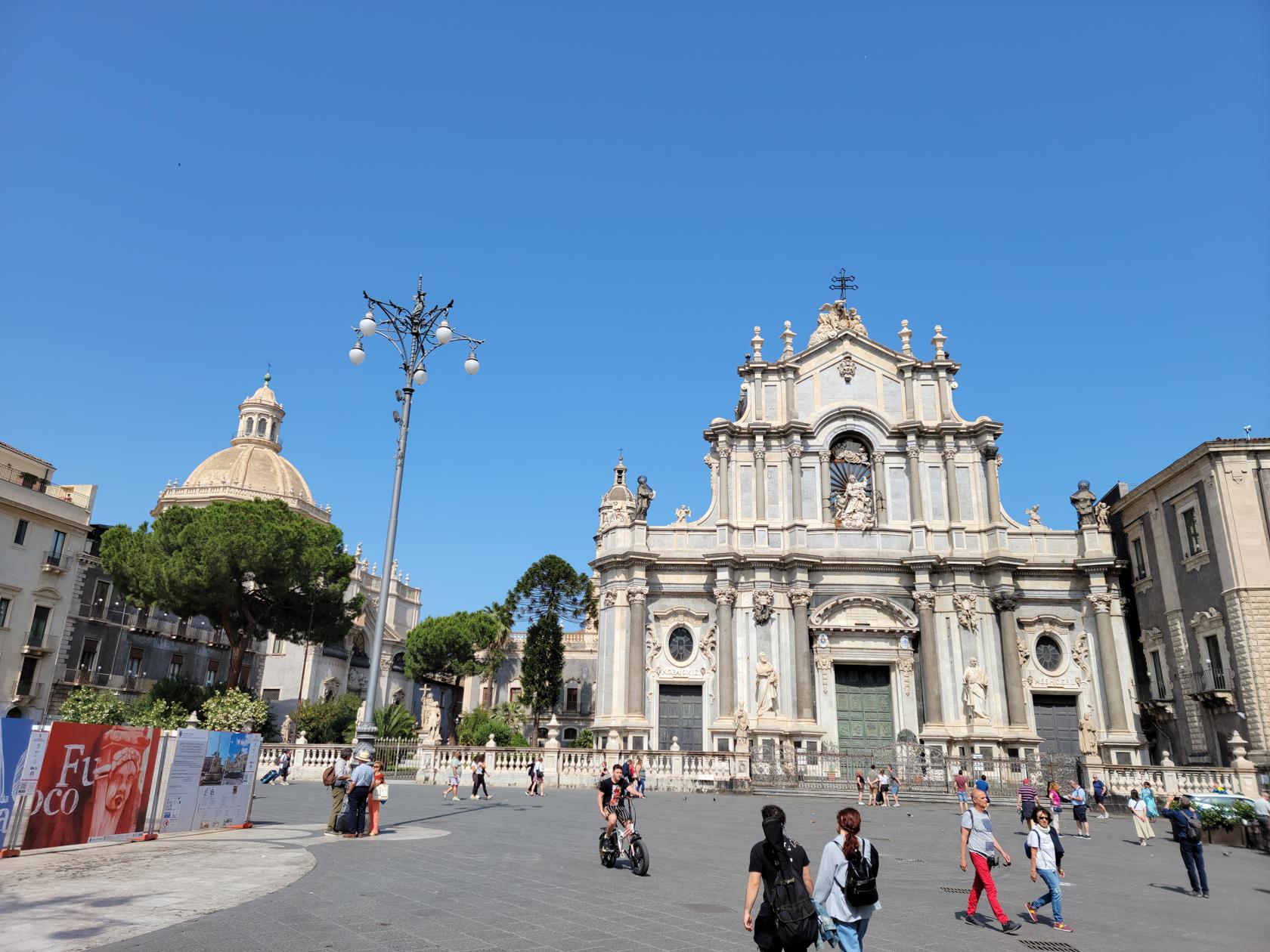
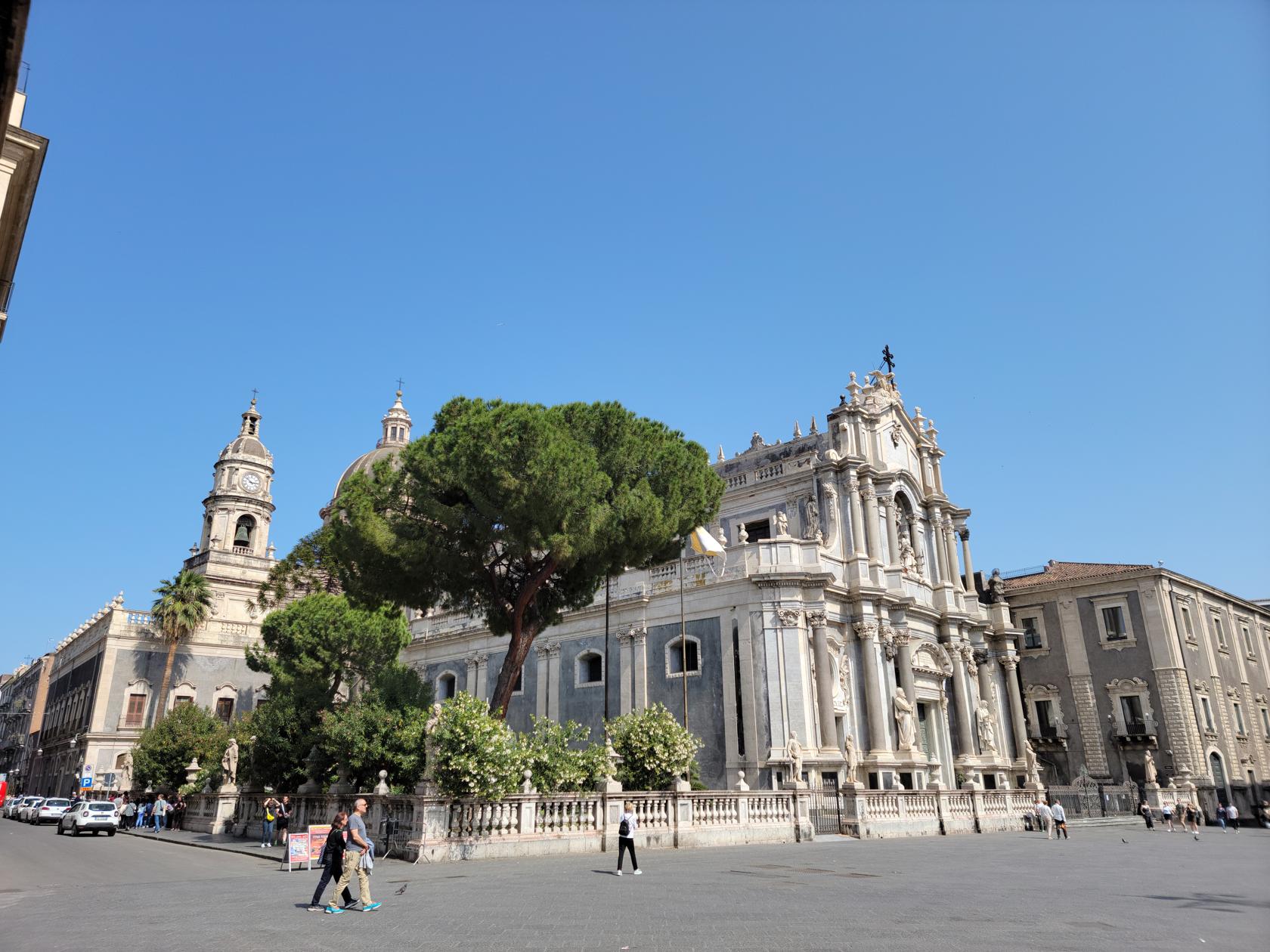
This basilica has a Sicilian Baroque facade that was designed by Vaccarini in the early 18th century. It has a clock tower and a large piazza outside it to support its impressive entrance.
Basilica Cathedral of Saint Agatha – Catania, Sicily
Basilica Cathedral of Saint Agatha – Catania, Sicily
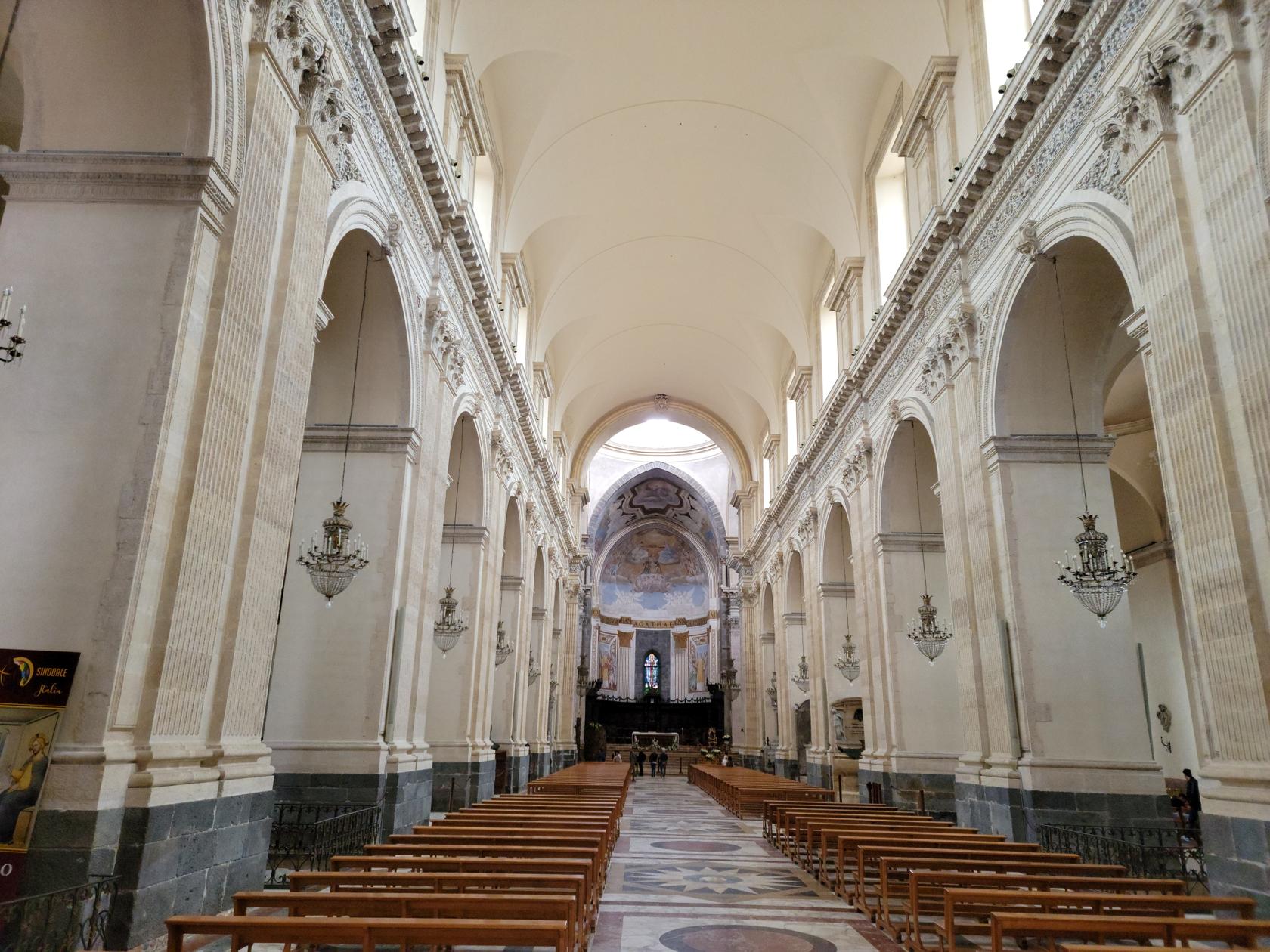
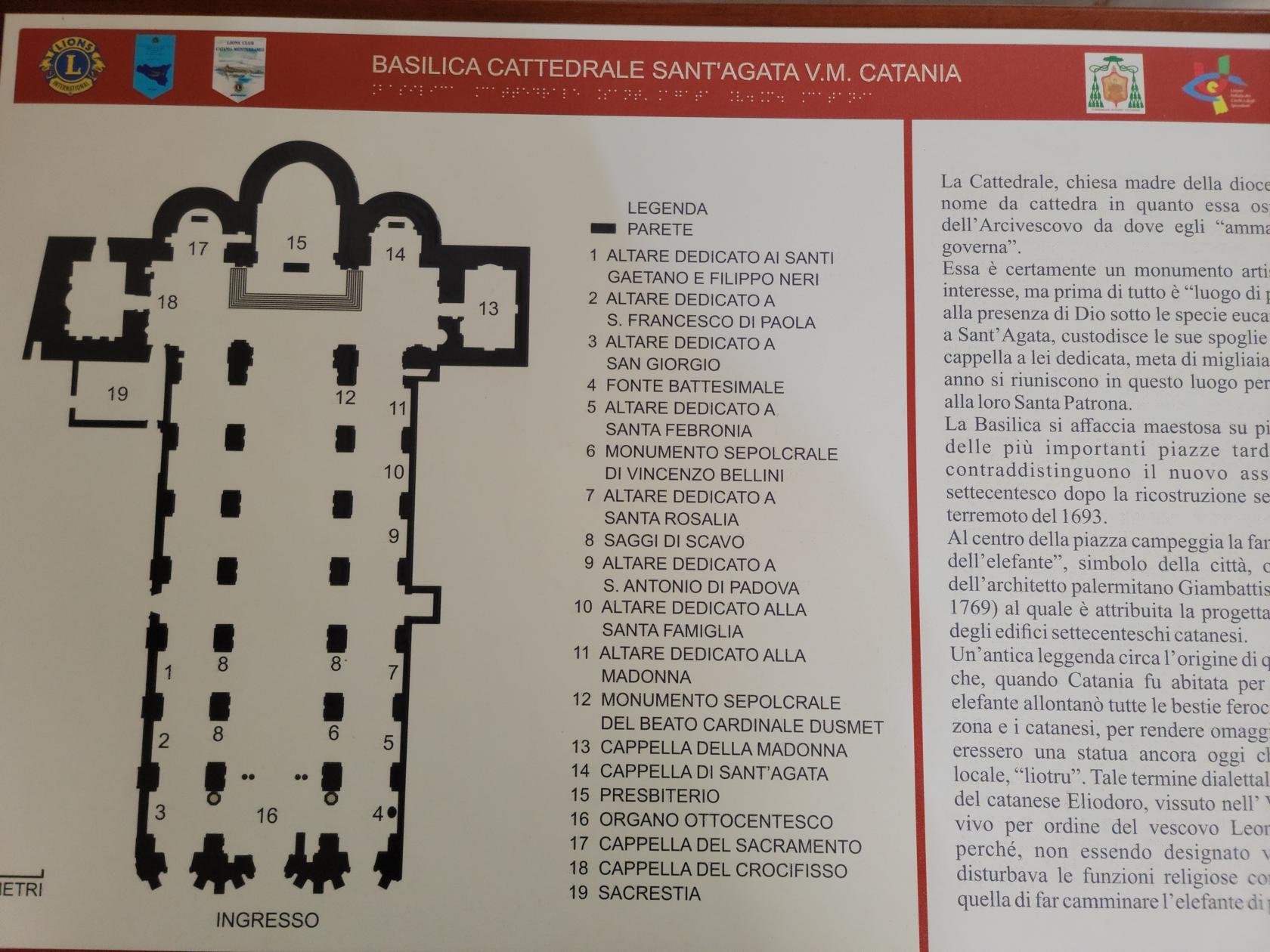
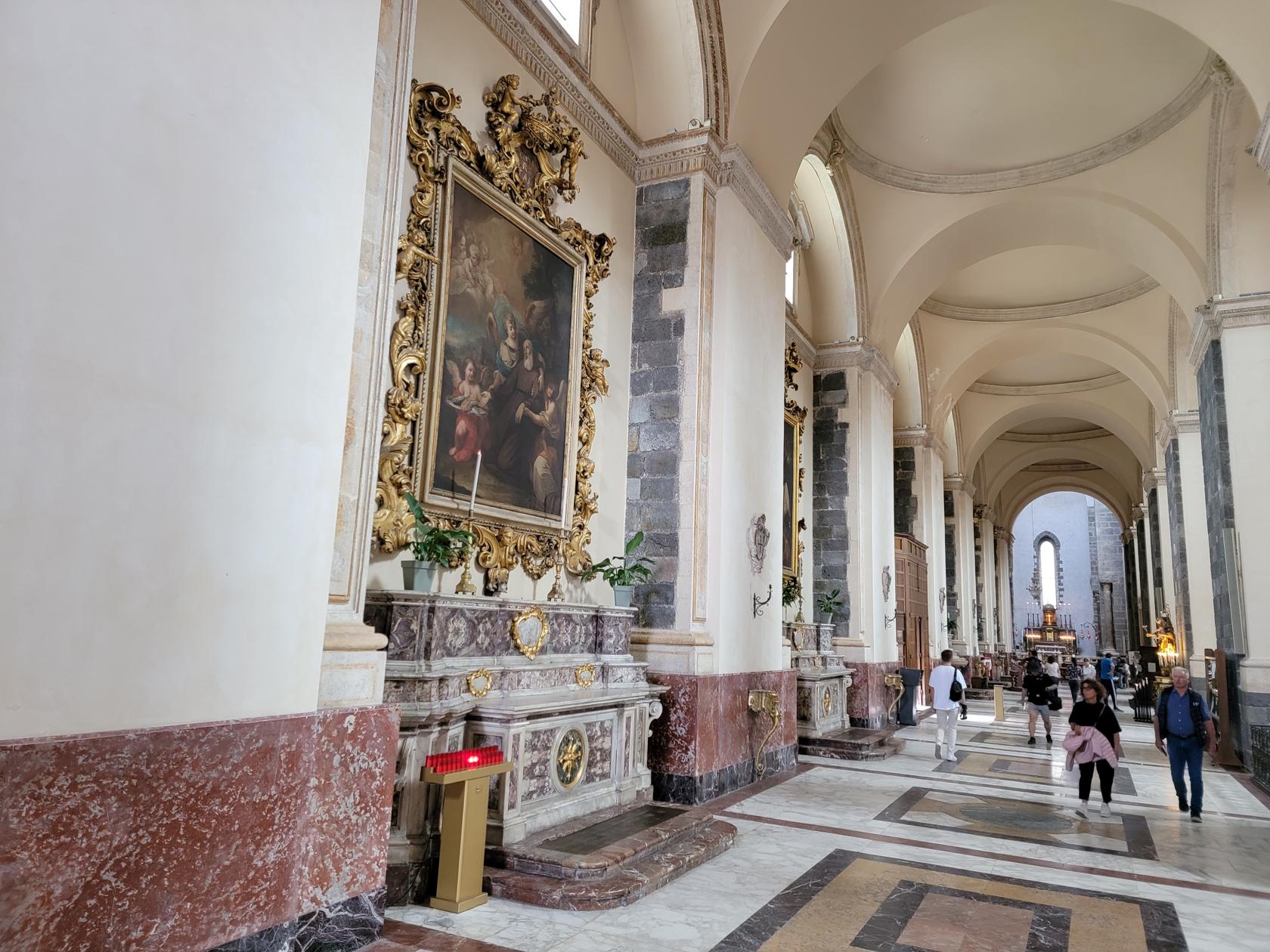
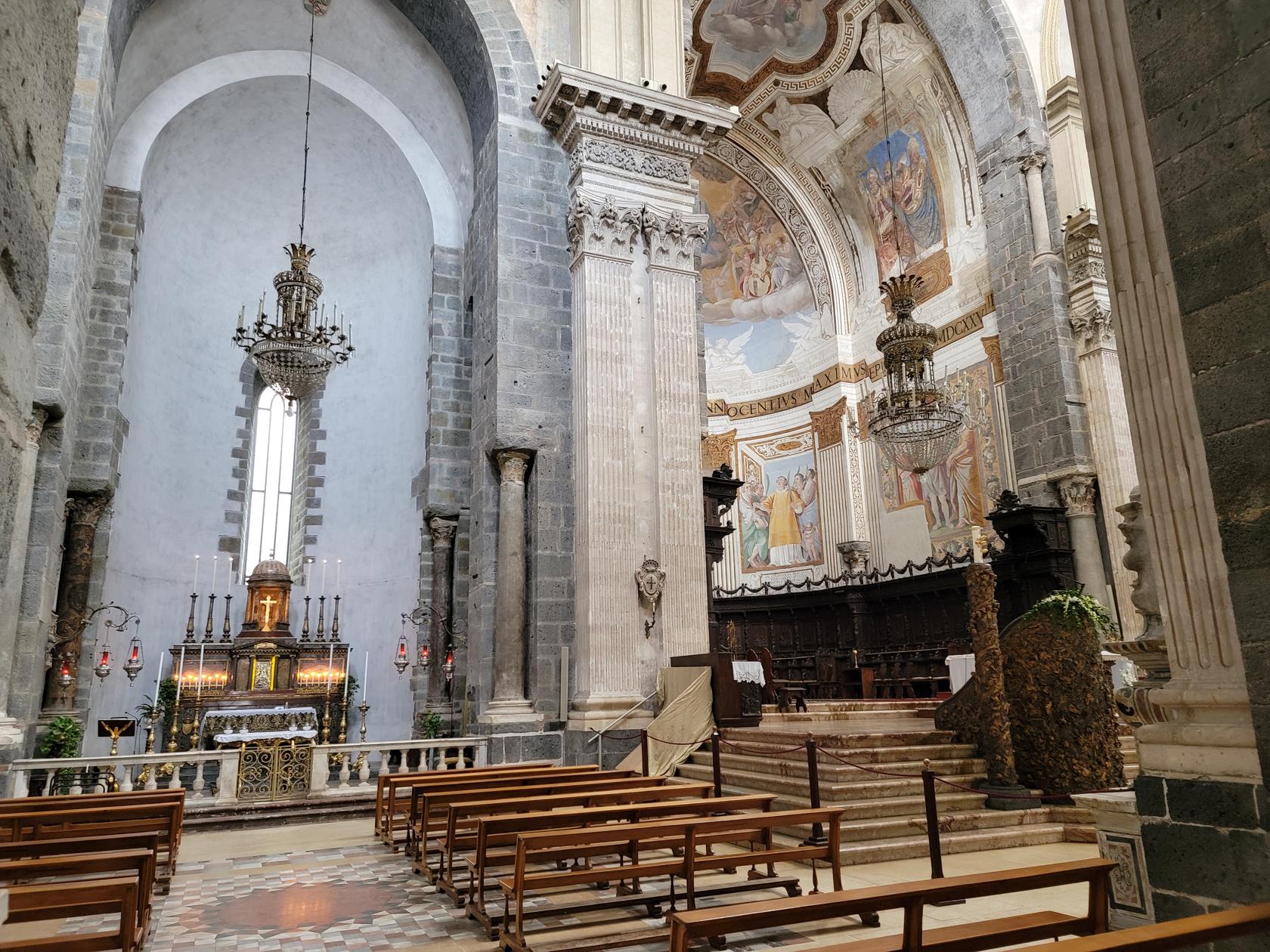
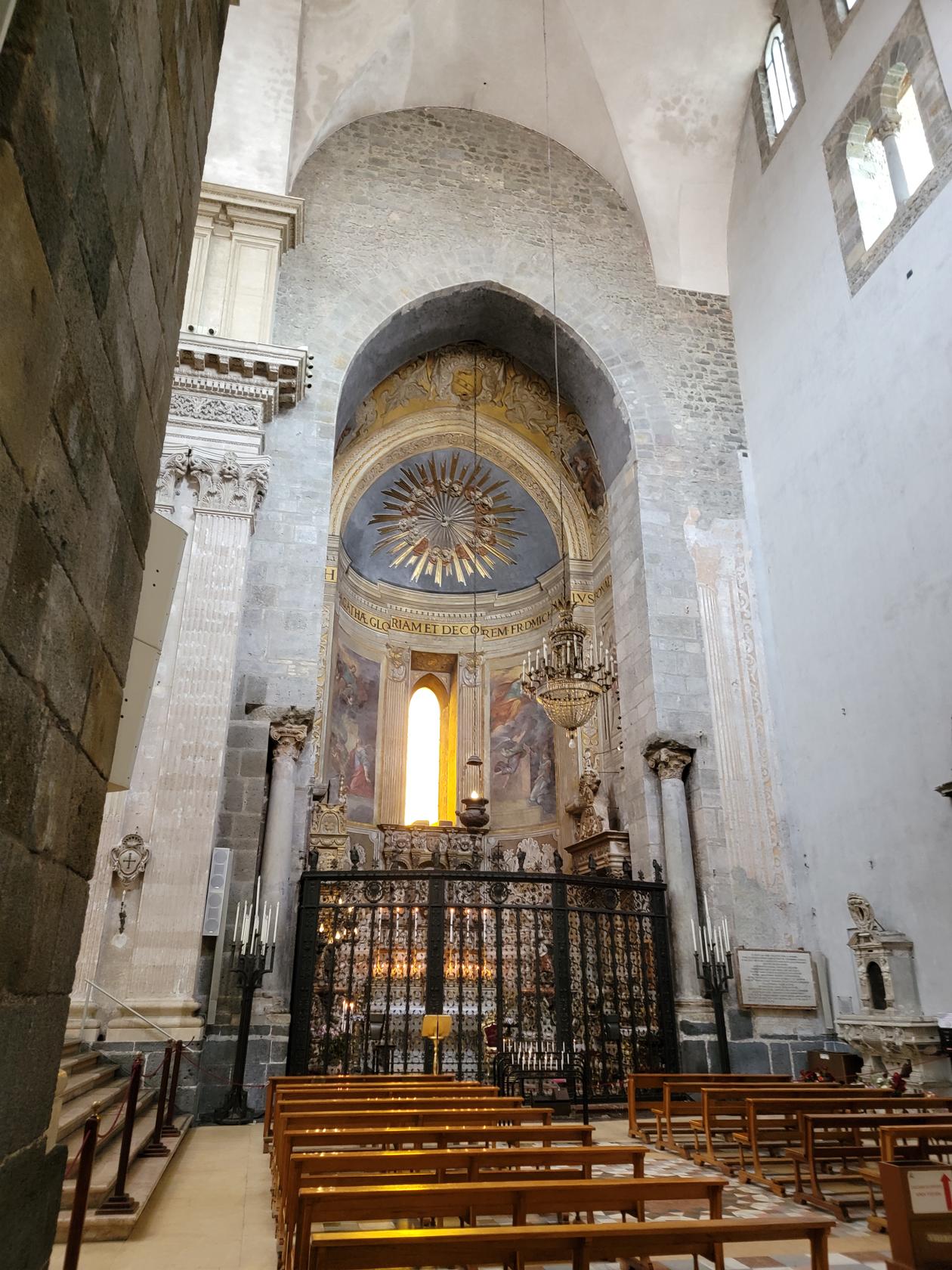
The interior is very large and has ten or twelve sub-chapels along its walls. There are three main altars, the two are the sides appear to be lit at all times, while the main alter, along with its wooden pulpit is probably only used to special occasions.
Cathedral of Saint Agatha – Catania, Sicily
Cathedral of Saint Agatha – Catania, Sicily
Cathedral of Saint Agatha – Catania, Sicily
Cathedral of Saint Agatha – Catania, Sicily
Our Hotel – Hotel Liberty
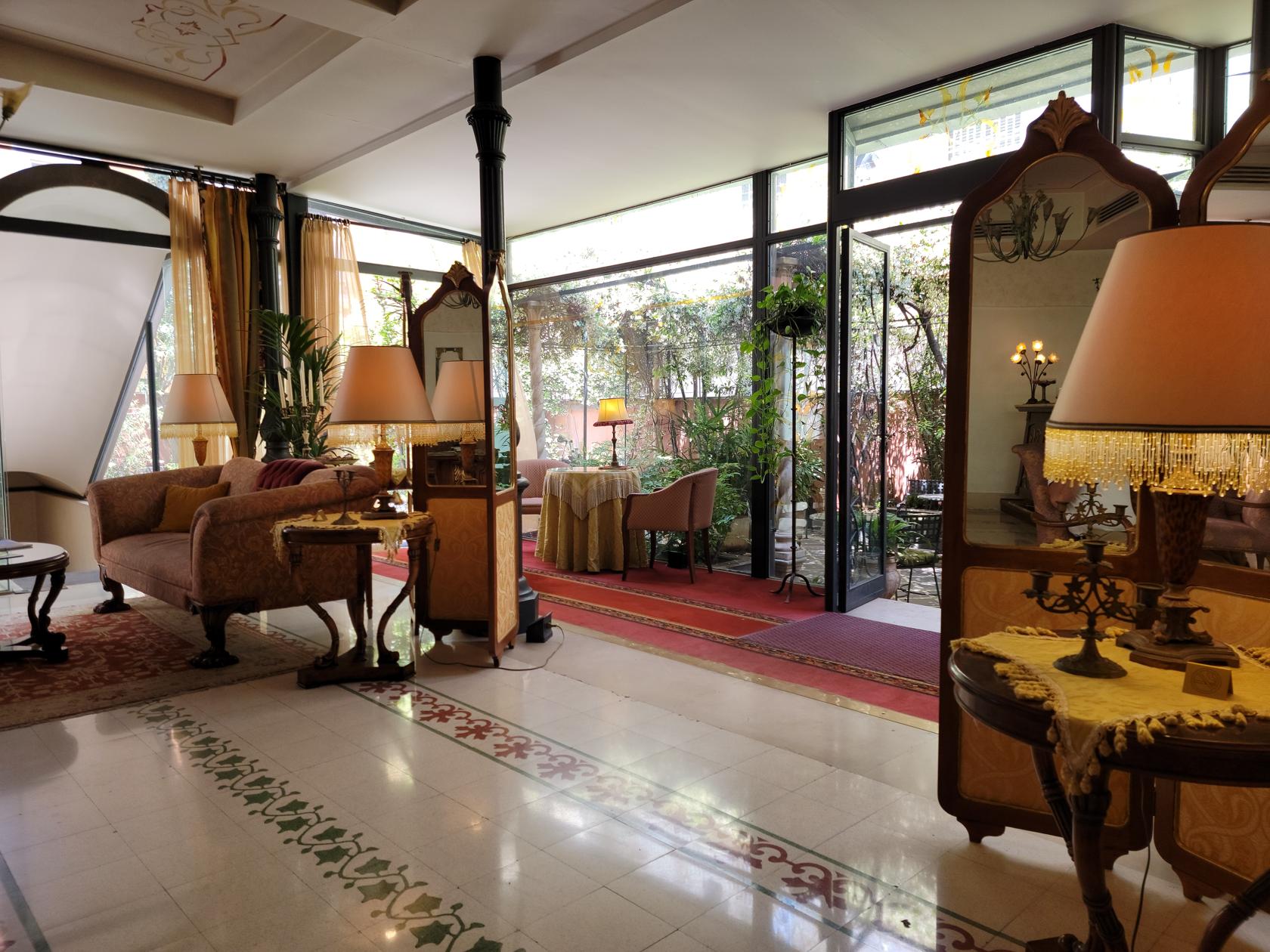
This hotel is situated above the main thoroughfare of Via Etnea (Etna) and just outside what would be perceived as the nice part of the city. It is most likely, the nice part of town has moved over time and now it finds itself a bit on the margins; but it is a great four-star hotel and the rooms are really great. The staff is very courteous and knowledgeable. Irons are not in the rooms but are available for those seeking to touch up their clothes after a hard travel.
Hotel Liberty Lobby – Catania, Sicily
Hotel Liberty Bar – Catania, Sicily
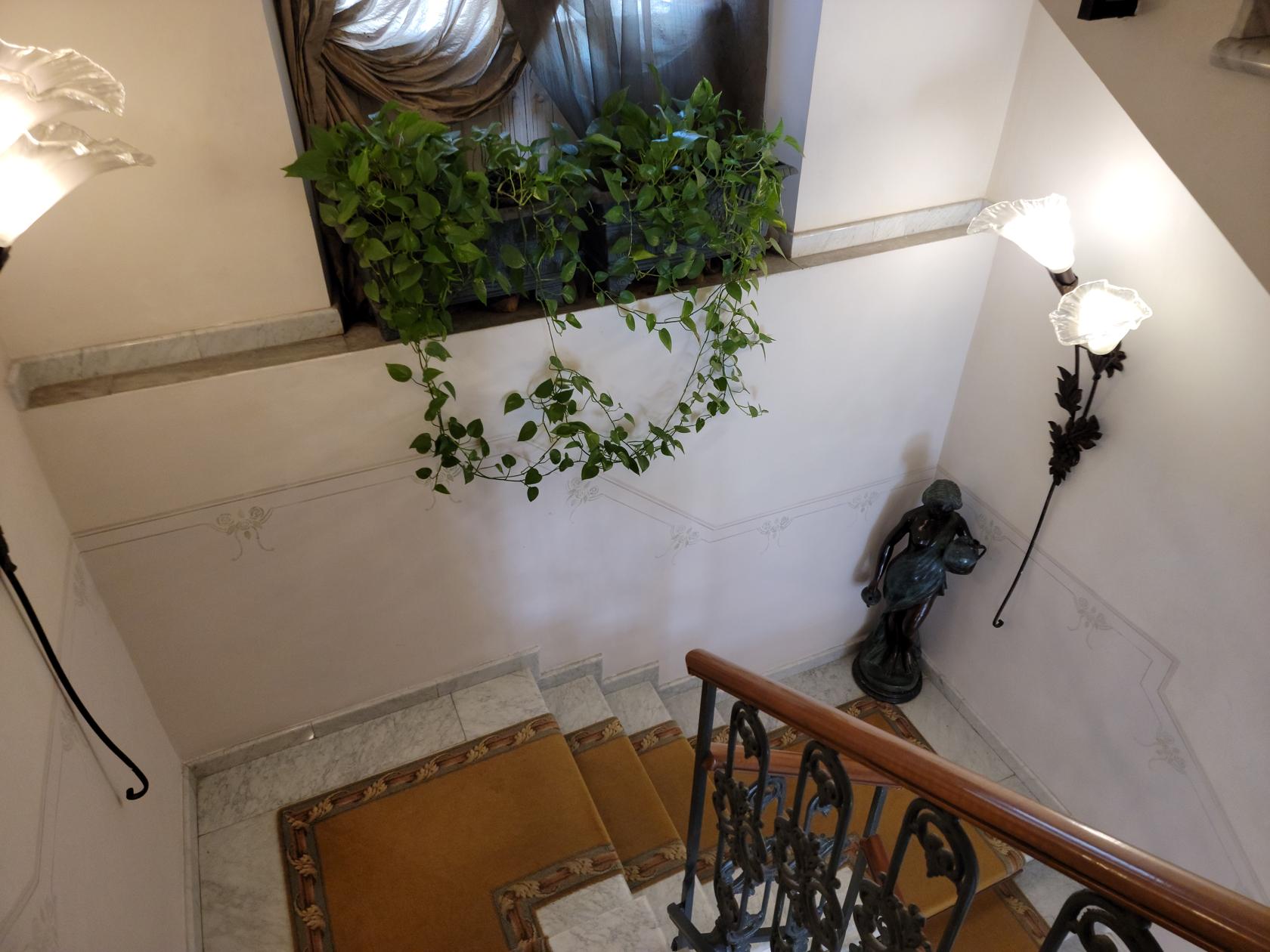
Main stairwell – Hotel Liberty – Catania, Sicily
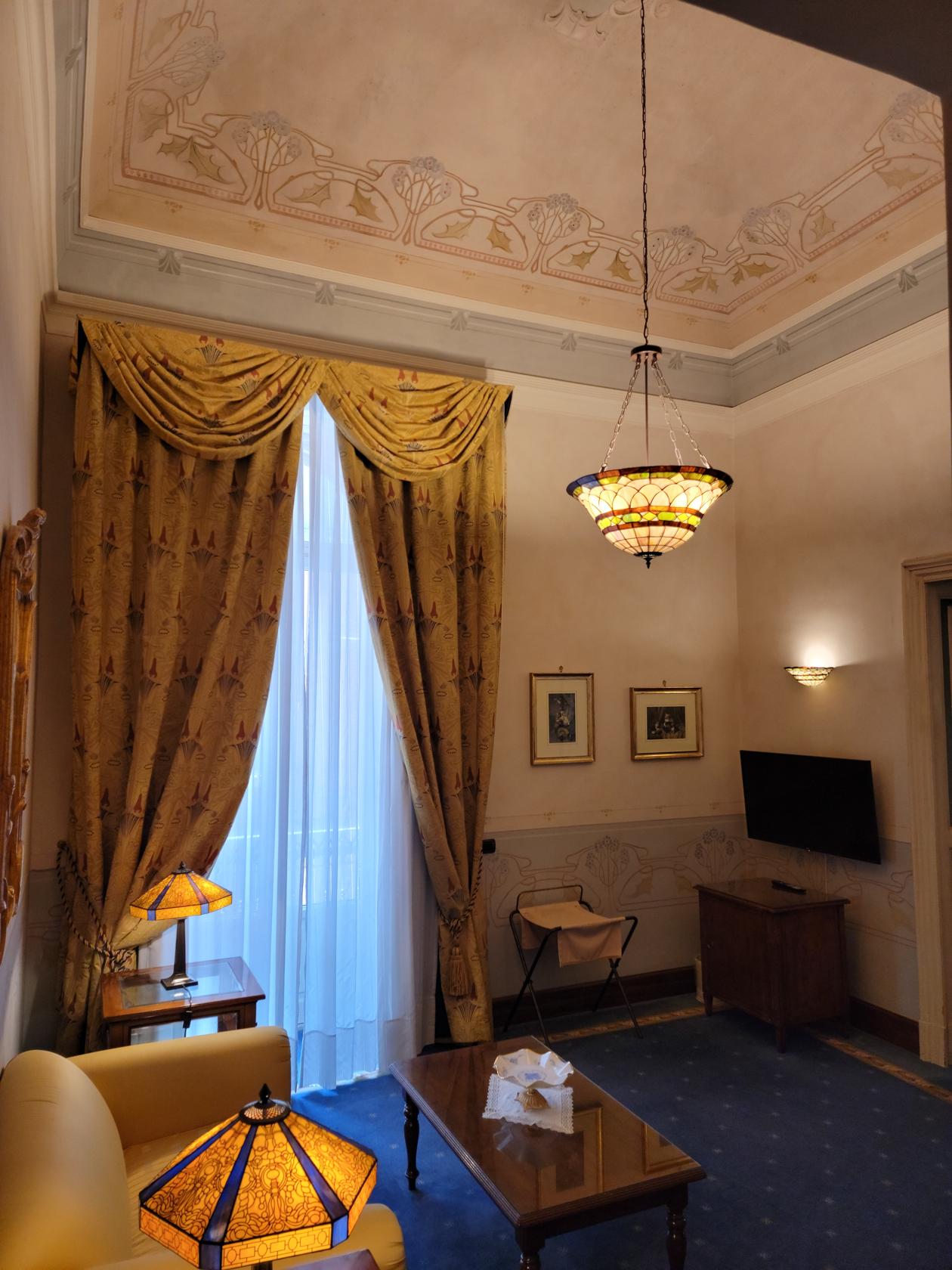
We were booked into a luxury room and upgraded to the Estasi suite, it was almost as big as our entire apartment in Turin!
Our rooms – Hotel Liberty – Catania, Sicily
Our rooms – Hotel Liberty – Catania, Sicily
Our rooms – Hotel Liberty – Catania, Sicily
Our rooms – Hotel Liberty – Catania, Sicily
Our rooms – Hotel Liberty – Catania, Sicily
Our rooms – Hotel Liberty – Catania, Sicily
Restaurants
Like any large city, Catania has a variety of restaurants to choose from, including Asian and other cuisines. Since our stay was so short we stuck with the local favorites and something new as well.
La Taverna Del Grande Albergo
This is a very good restaurant with excellent typical Sicilian food. It has a limited menu, but that’s what makes it so great. What ever is on the menu is delicious. It was so good in fact, we ate here both evenings.
Inside – La Taverna Del Grande Albergo Ristorante – Catania, Sicily
Inside – La Taverna Del Grande Albergo Ristorante – Catania, Sicily
La Taverna Del Grande Albergo Ristorante – Catania, Sicily
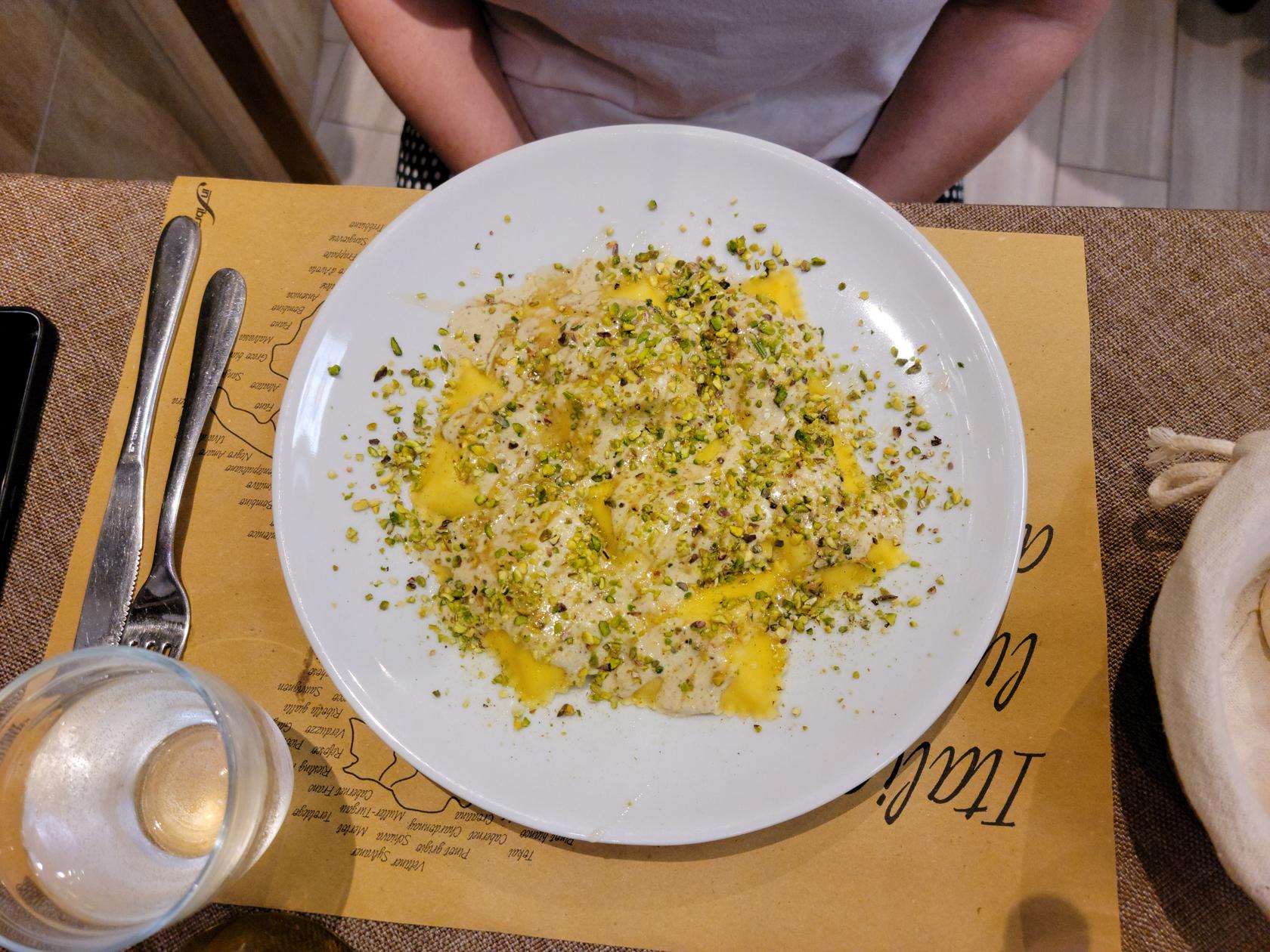
Ravioli stuffed with ricotta cheese, honey and pistachios – La Taverna Del Grande Albergo Ristorante – Catania, Sicily
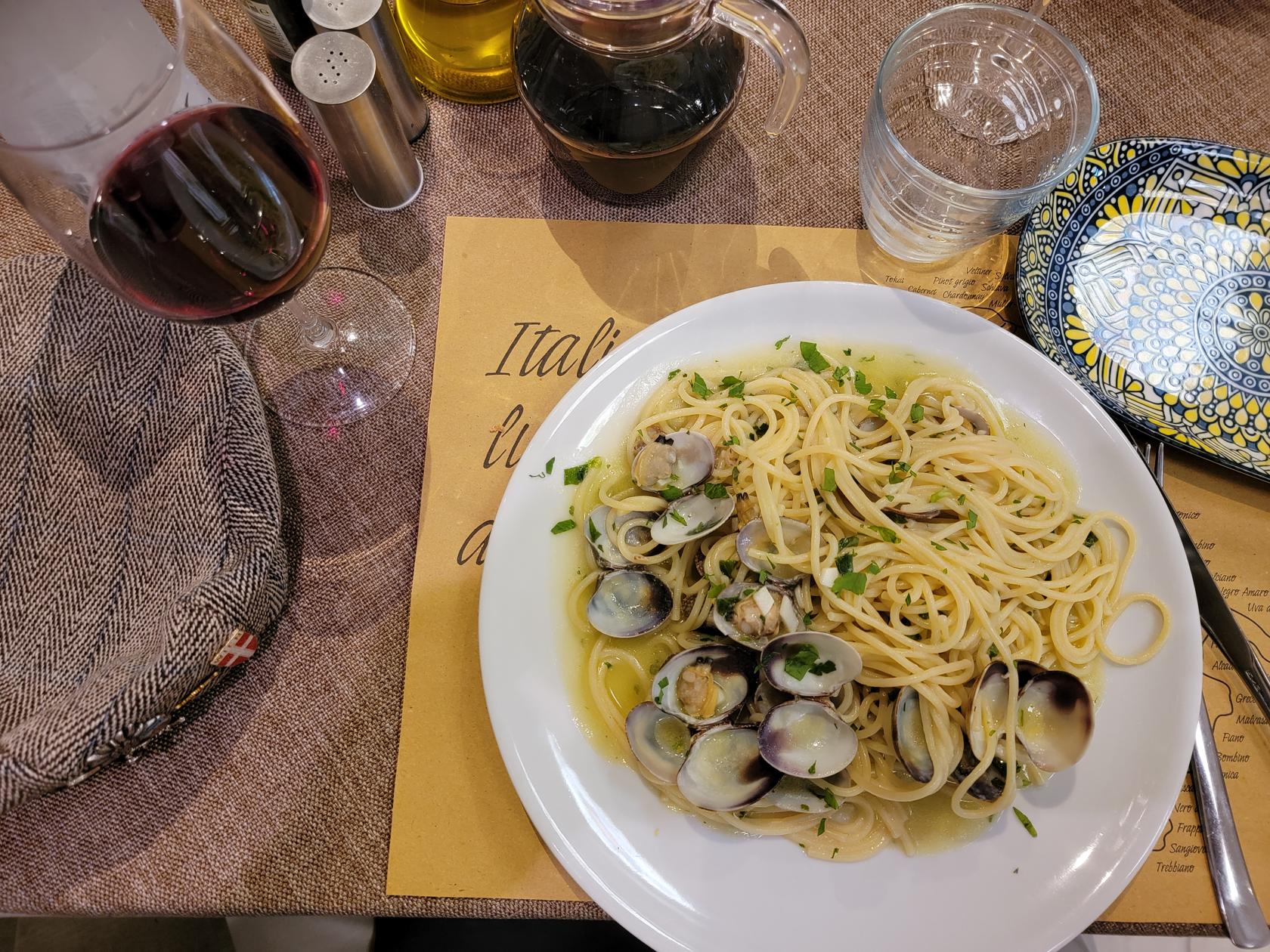
Spaghetti with clams – La Taverna Del Grande Albergo Ristorante – Catania, Sicily
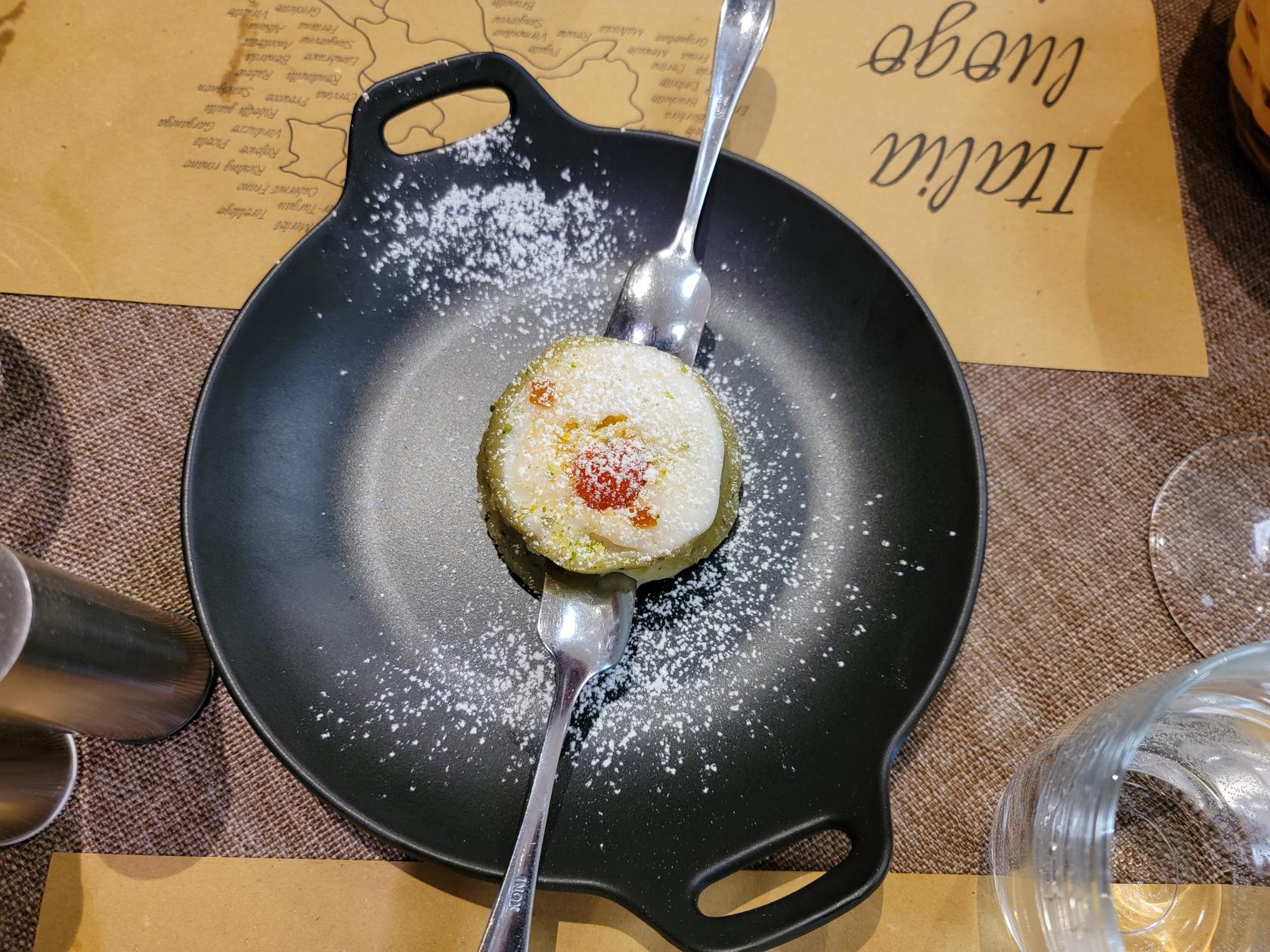
Casatta – La Taverna Del Grande Albergo Ristorante – Catania, Sicily
Forma Ristorante
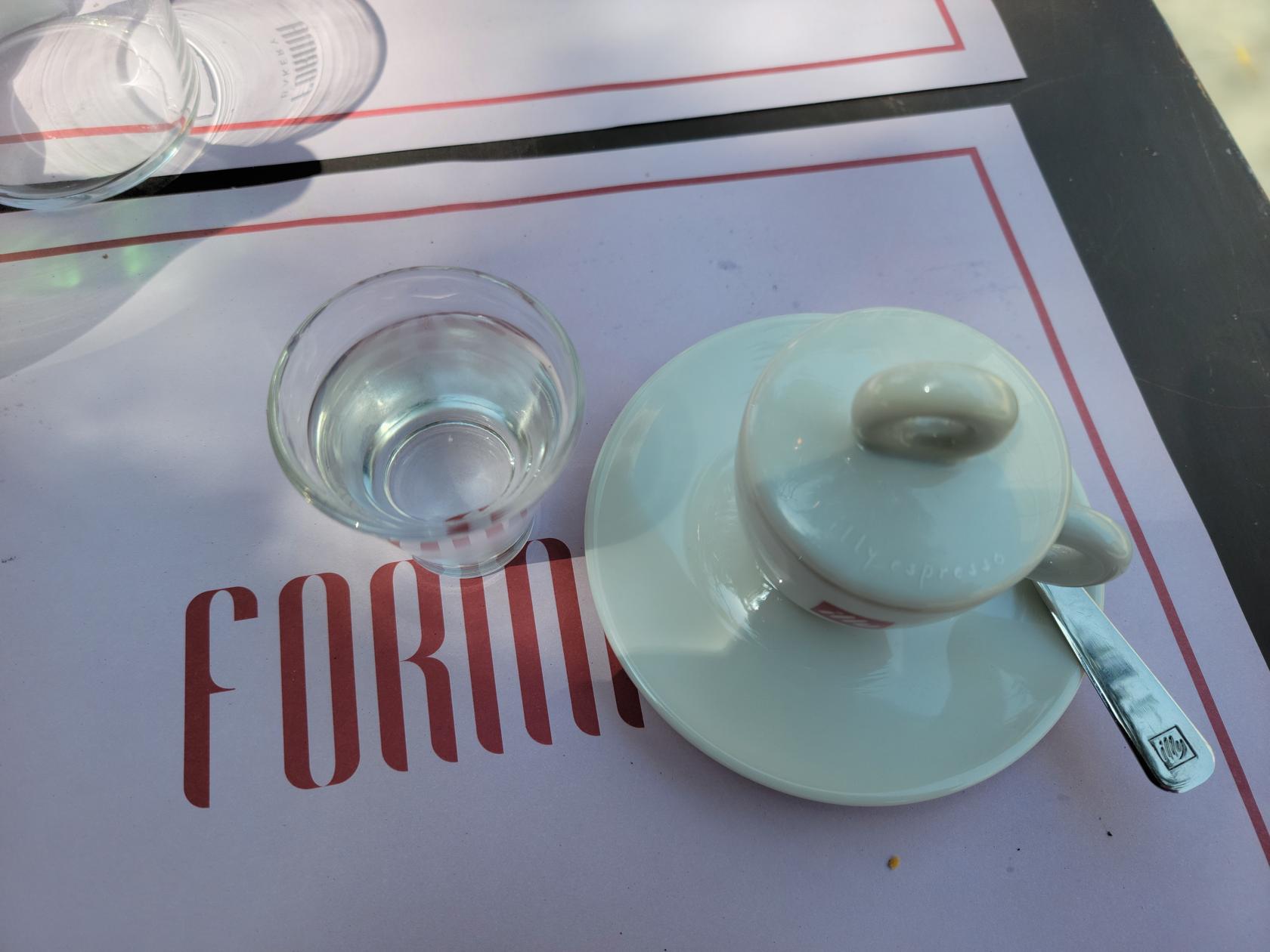
A new kind of boutique restaurant, it has a select menu of typical dishes created with some style. The outside seating is under a very large tree where you can enjoy your food and the great weather. The staff is fairly energetic and responds quickly if you require any assistance or your bill. As with most establishments in Italy, you pay inside at the cashier.
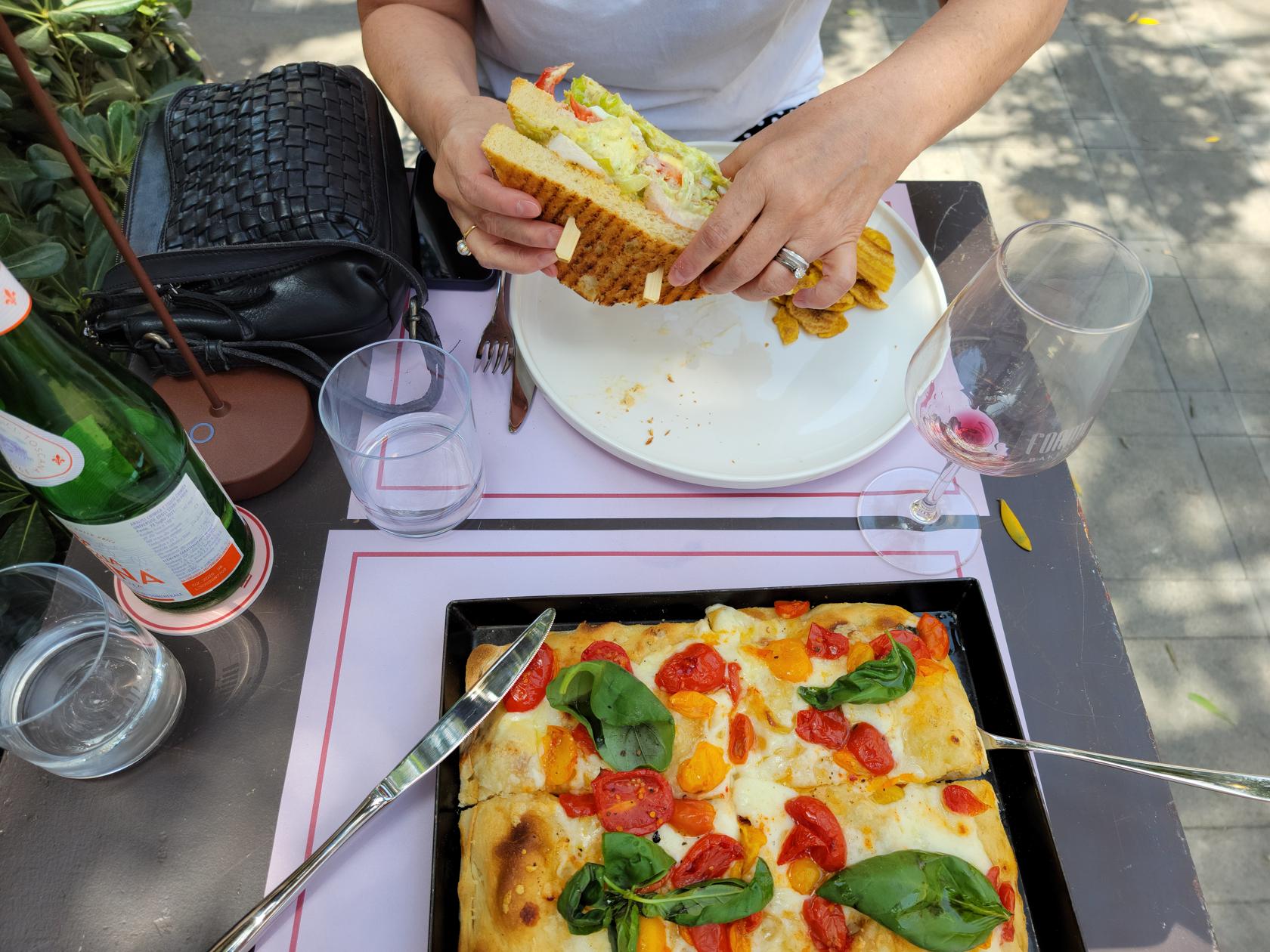
Pizza Margherita and Chicken Club – Forma Ristorante – Catania, Sicily
Espresso and Sambuca – Forma Ristorante – Catania, Sicily
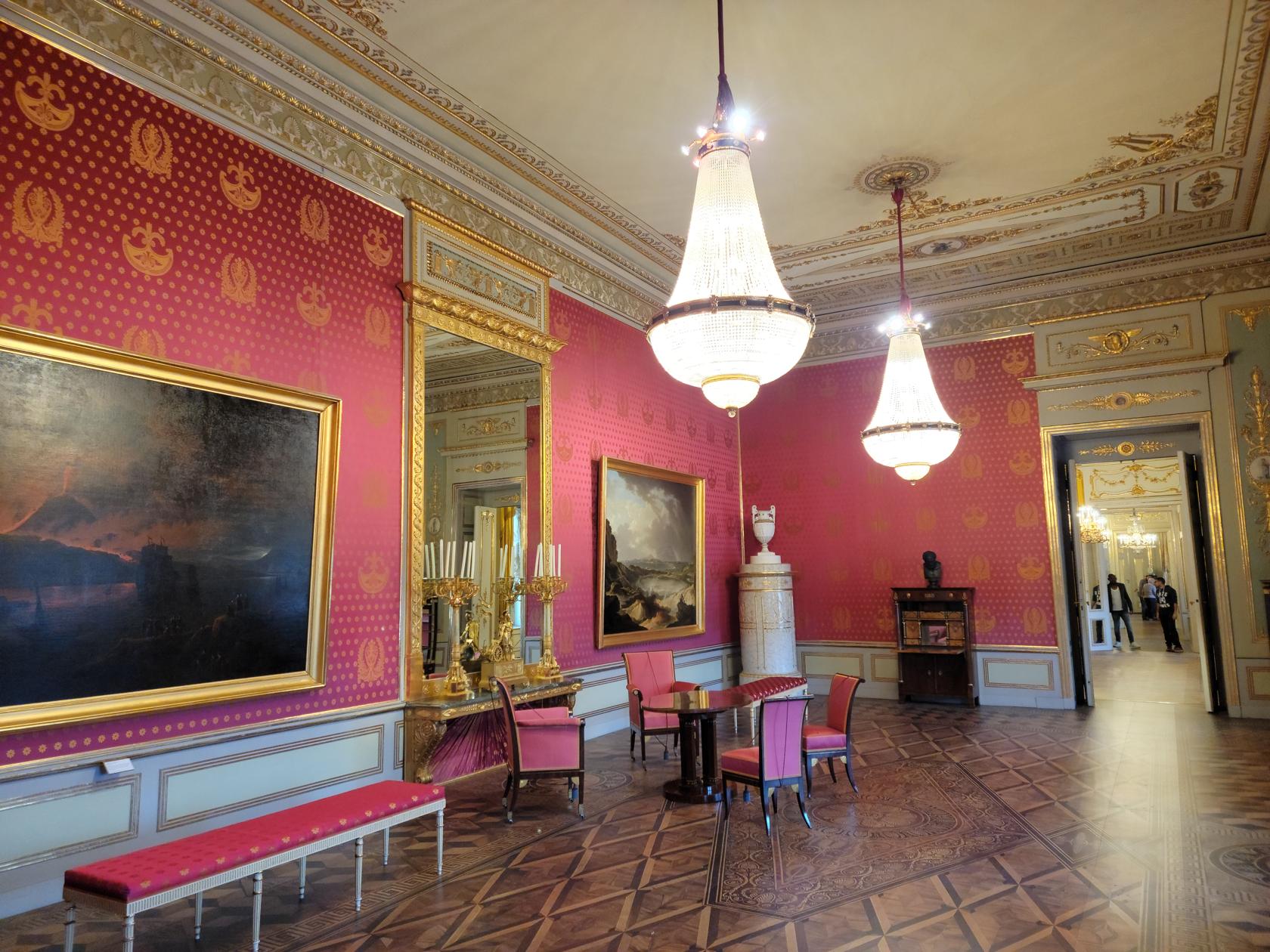
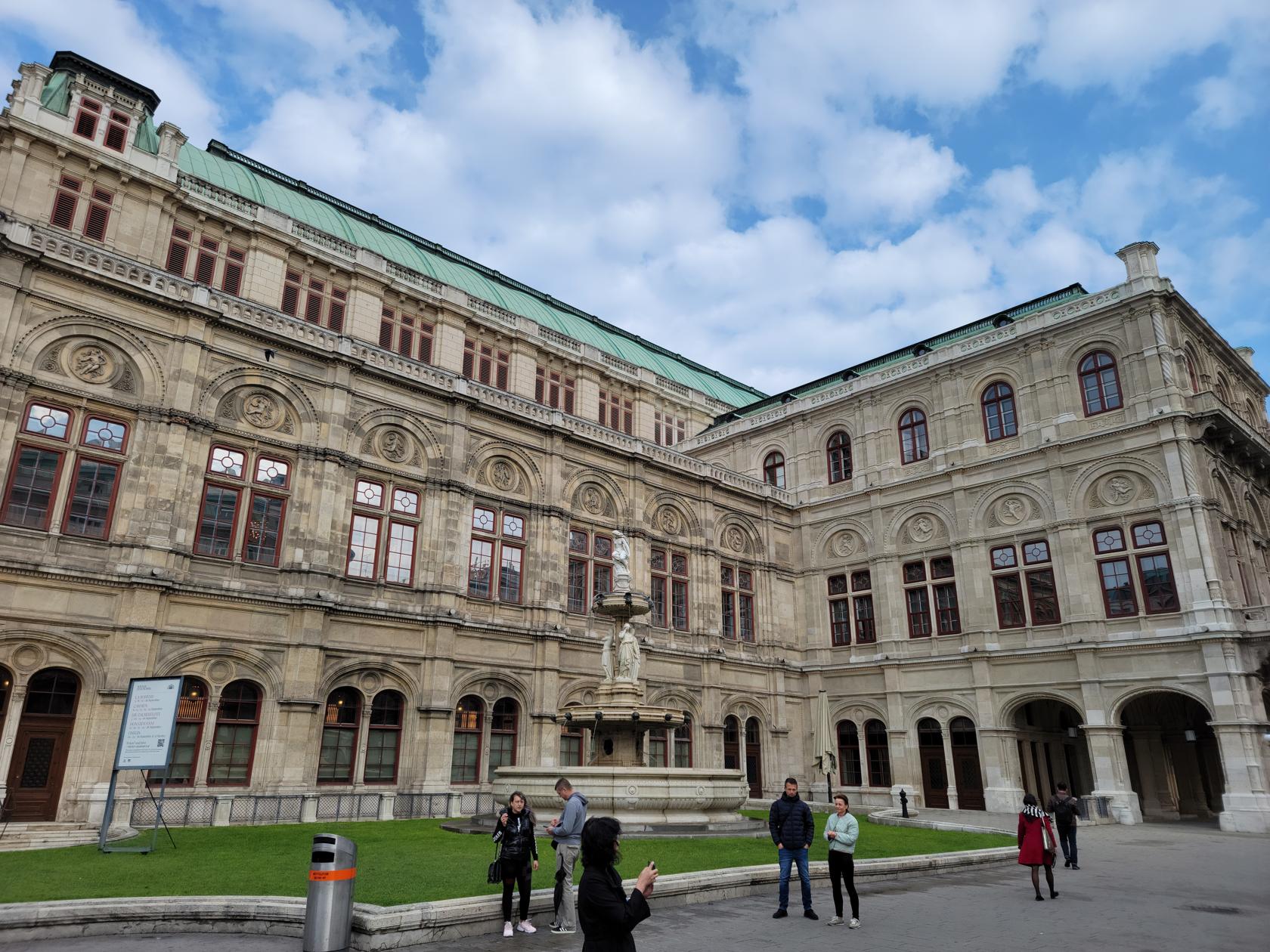
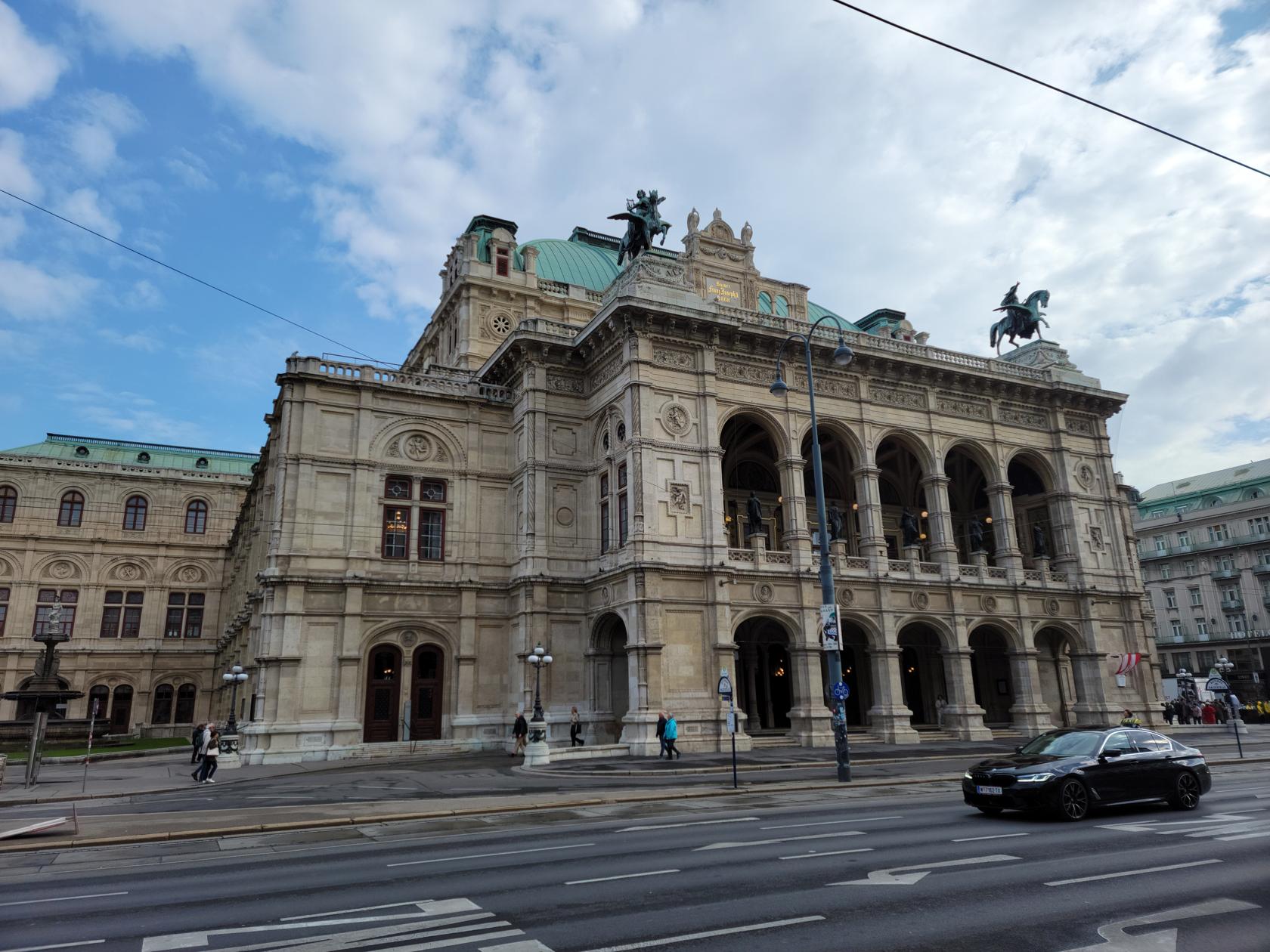
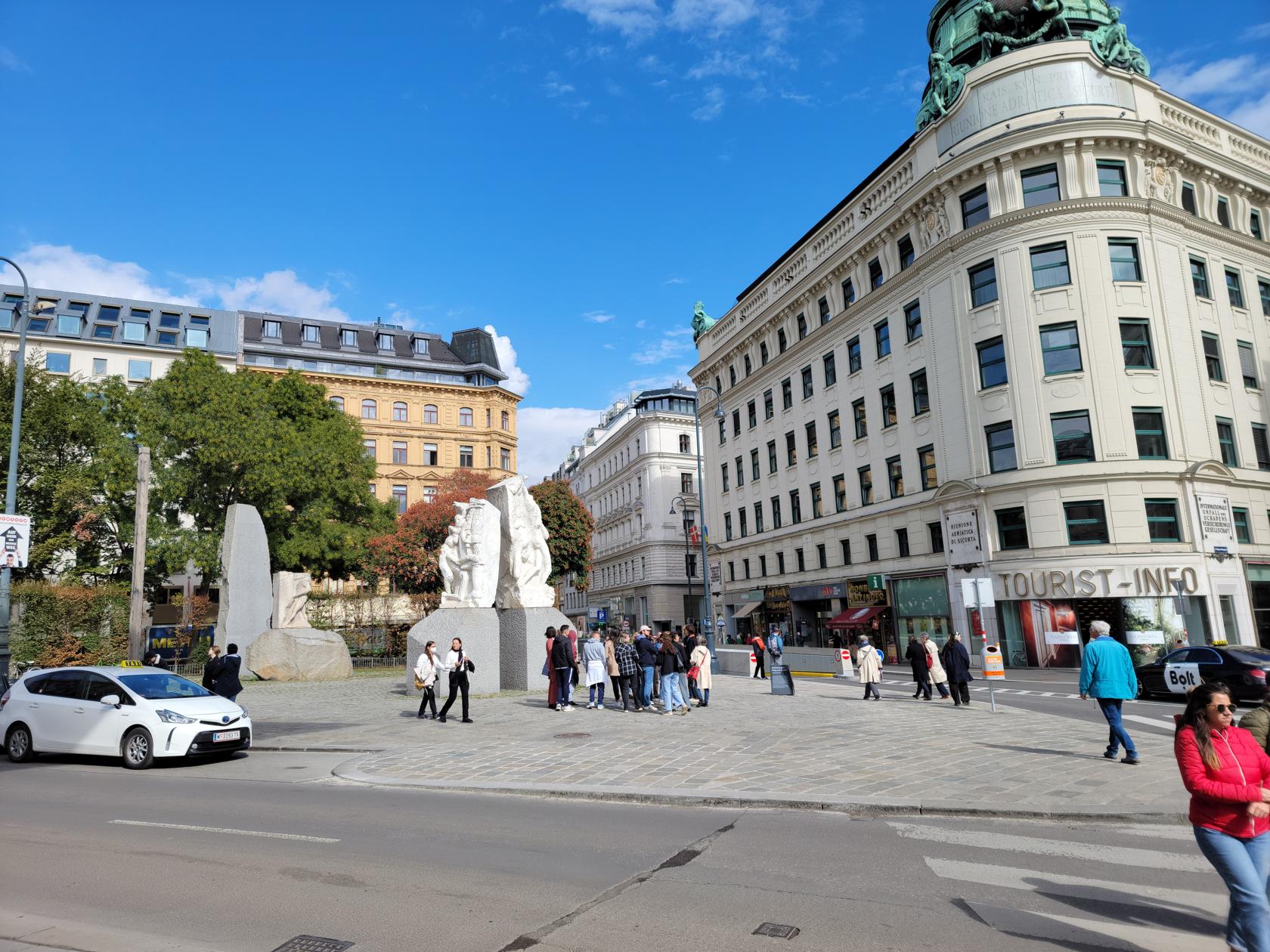
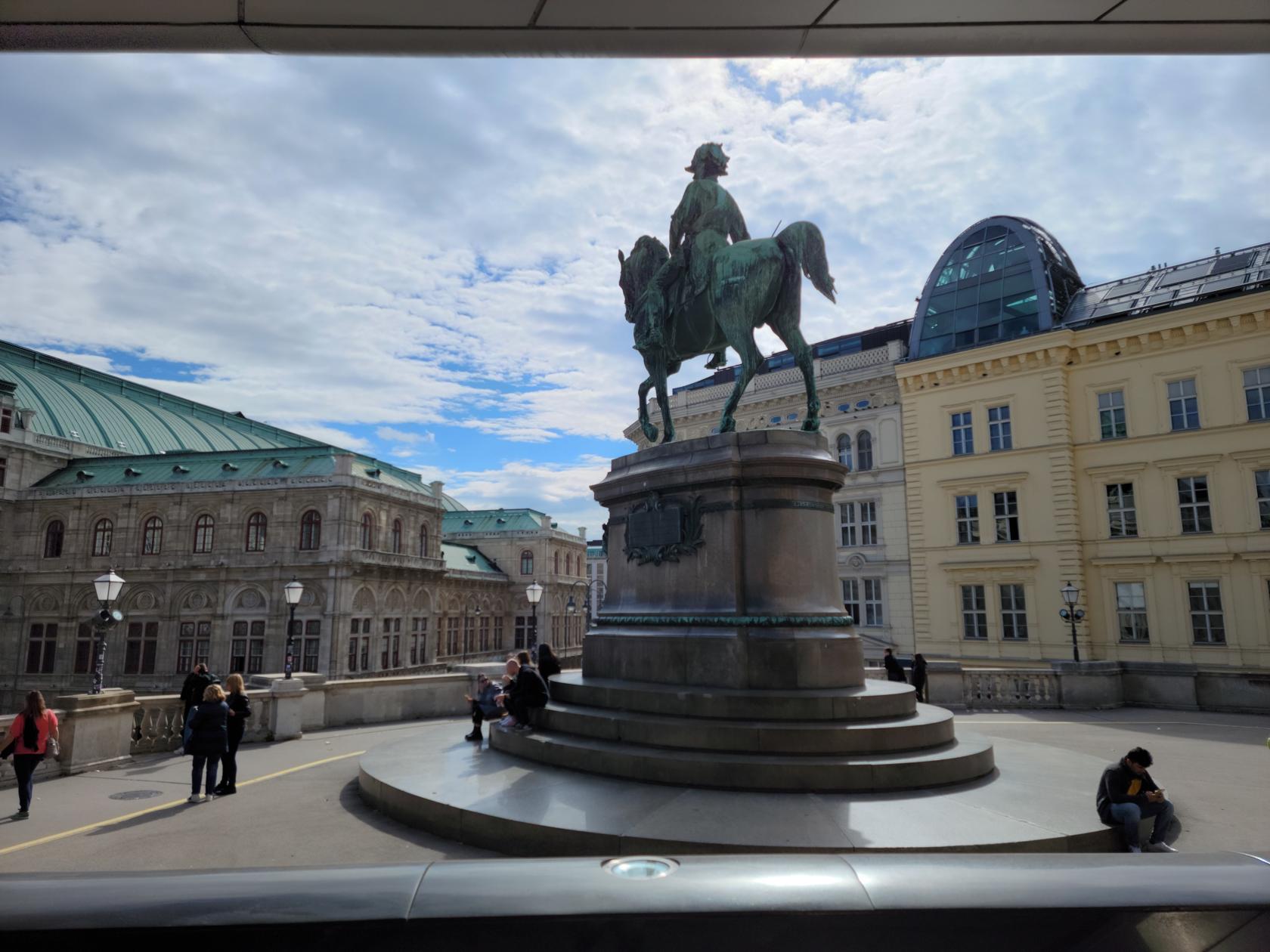
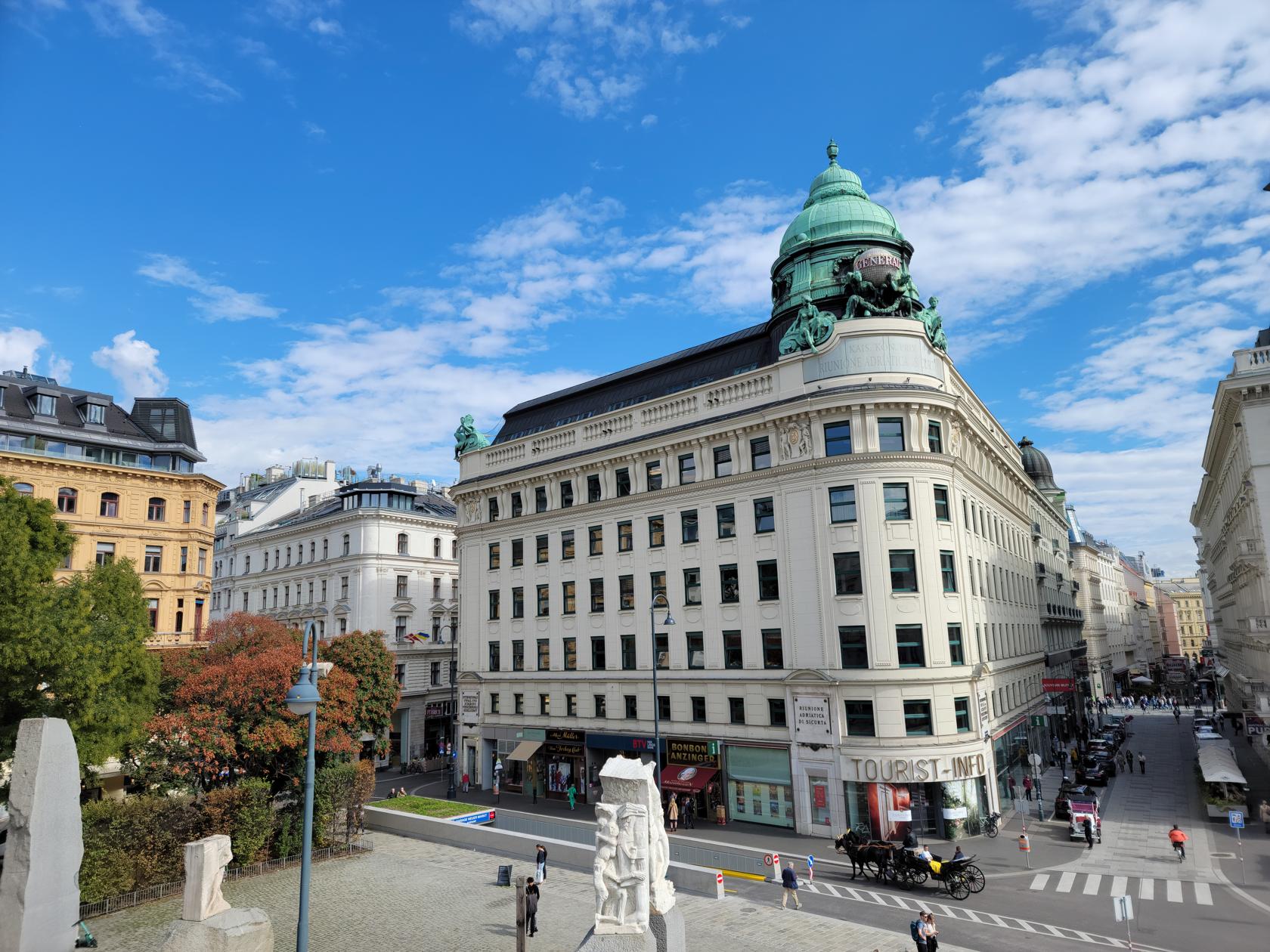
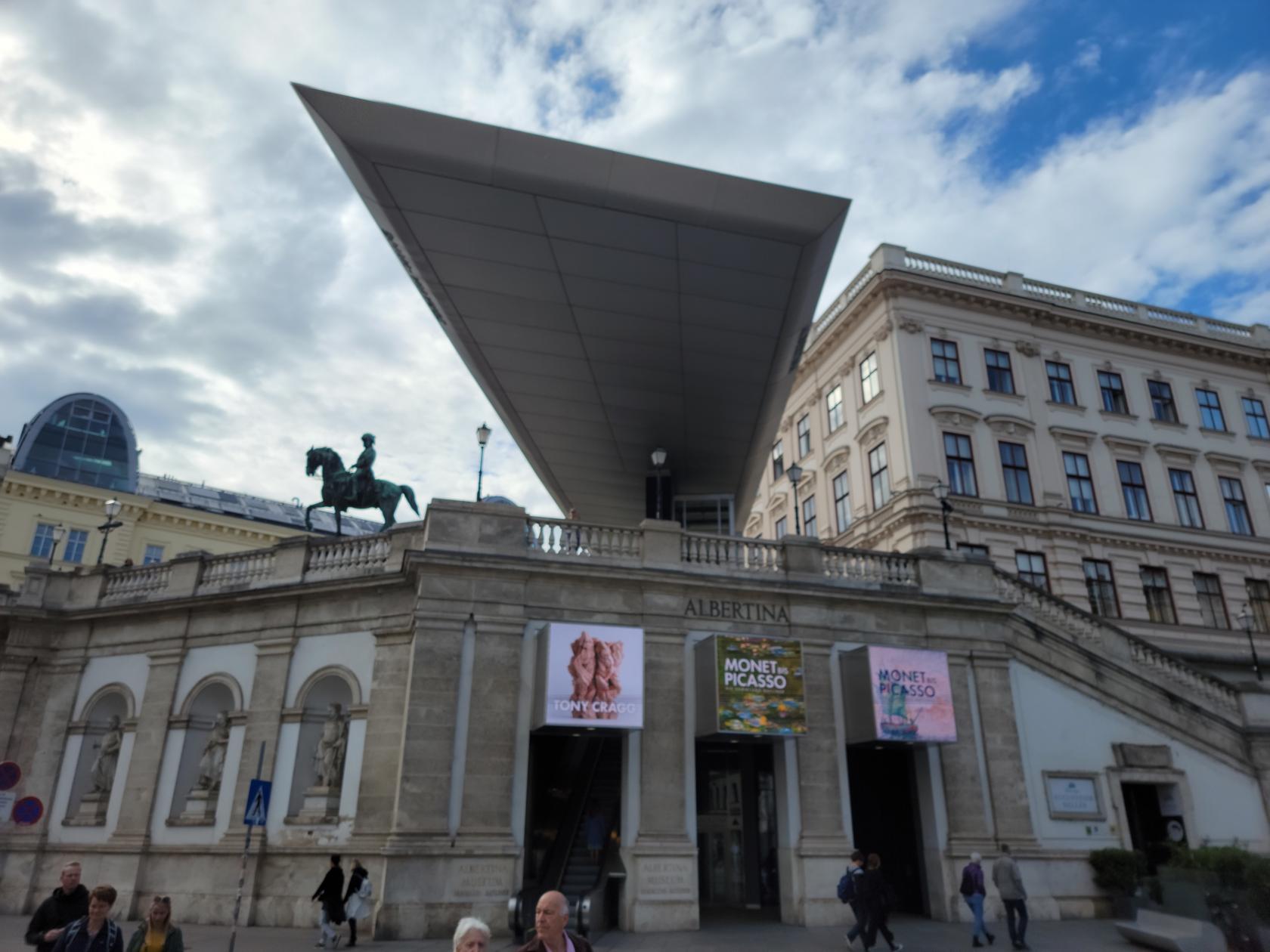
Anyone visiting Vienna has to have museums on the top of their list of things-to-do. This city is home to many extraordinary examples of very good museums, some even housed in former palaces. The Albertina is just such an example and a must see when visiting Vienna, their collection of fine art is, shall we say, first rate.
Vienna – The Natural History Museum – Naturhistorisches Museum Wien
Some Museums of Vienna
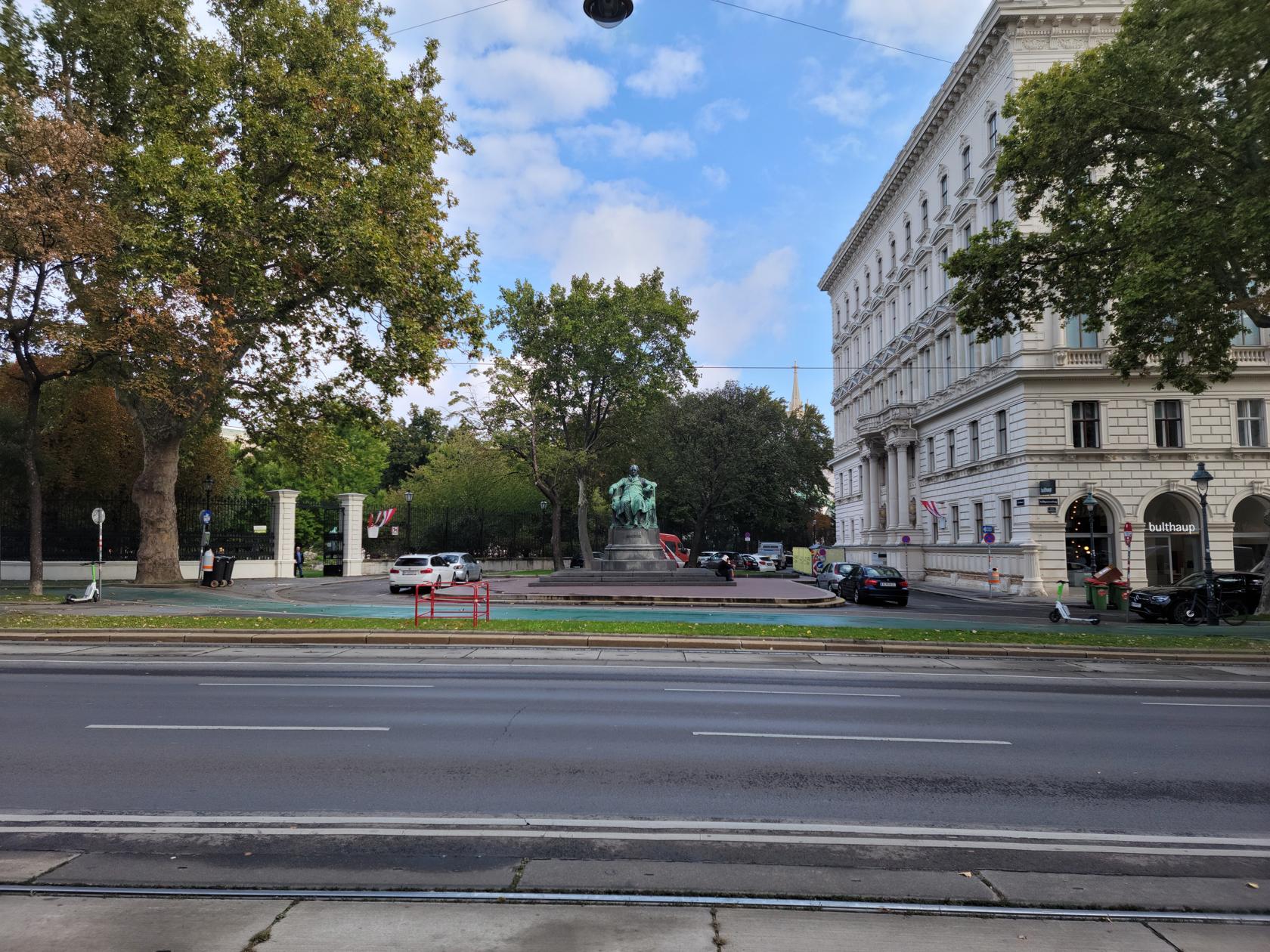
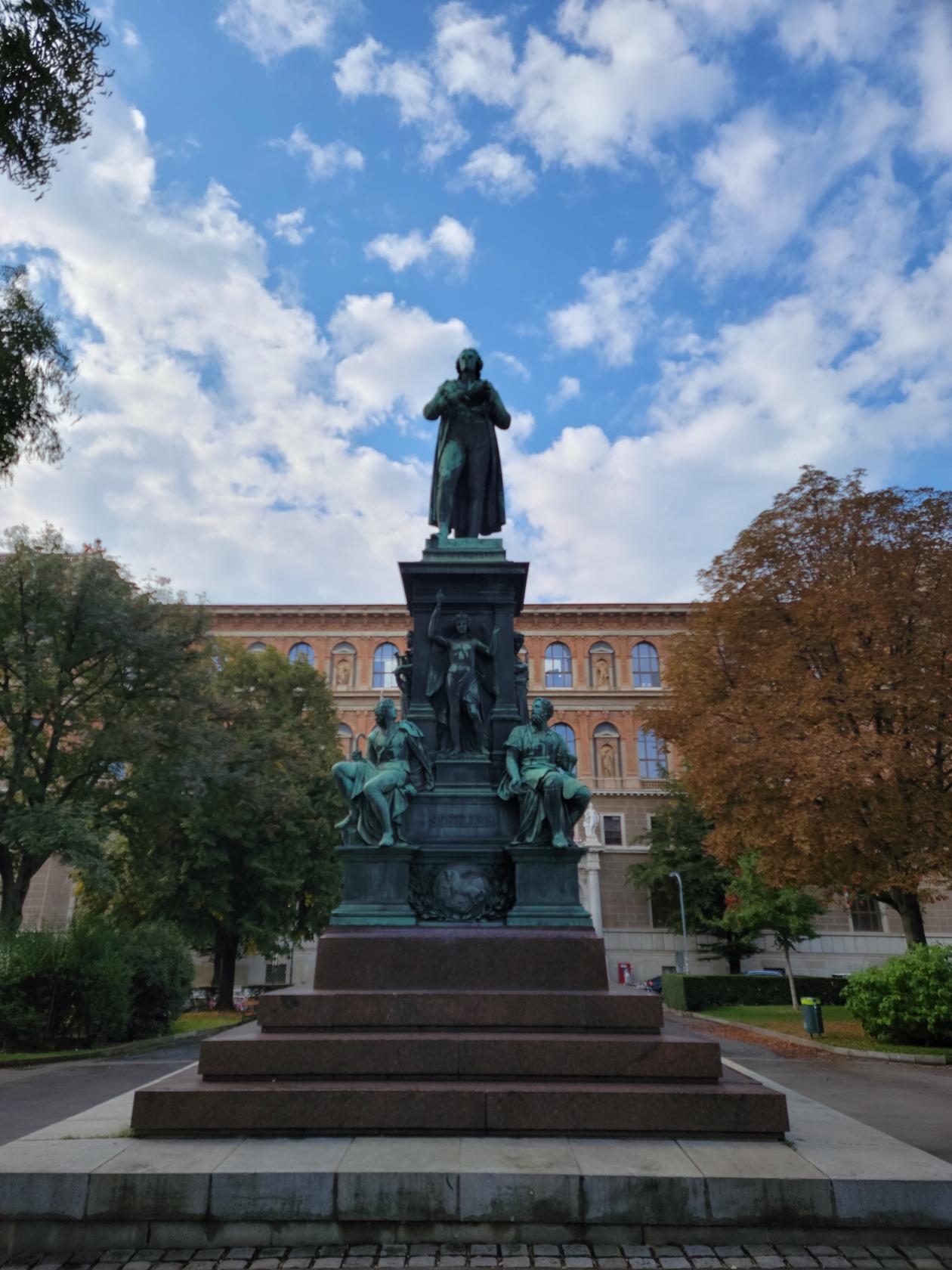
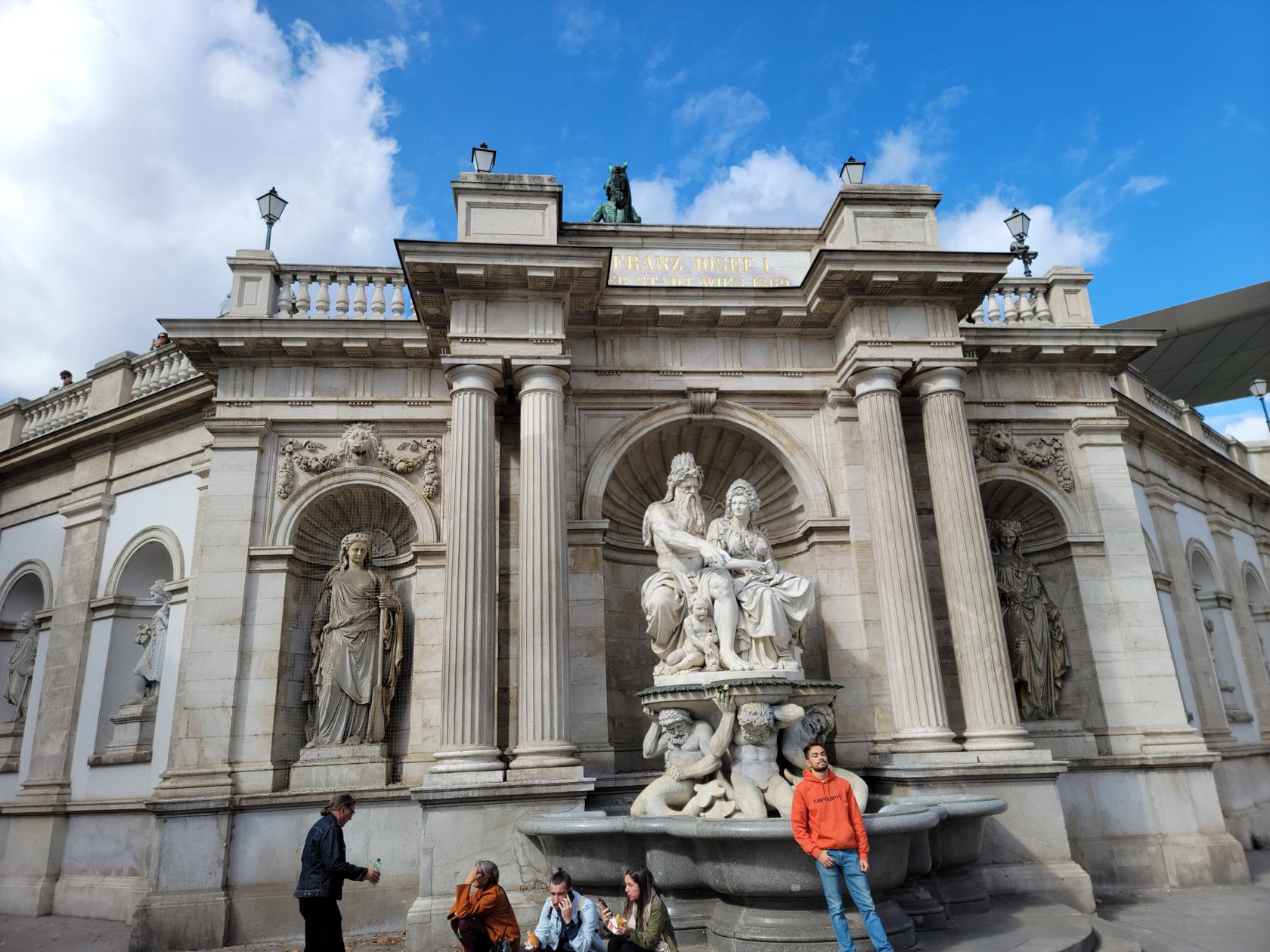
In fact, there are so many museums in Vienna, it is perhaps difficult to list them all. Below are a few that we visited and thoroughly enjoyed, along with a few photographs, just to remember the important works of art that are there.
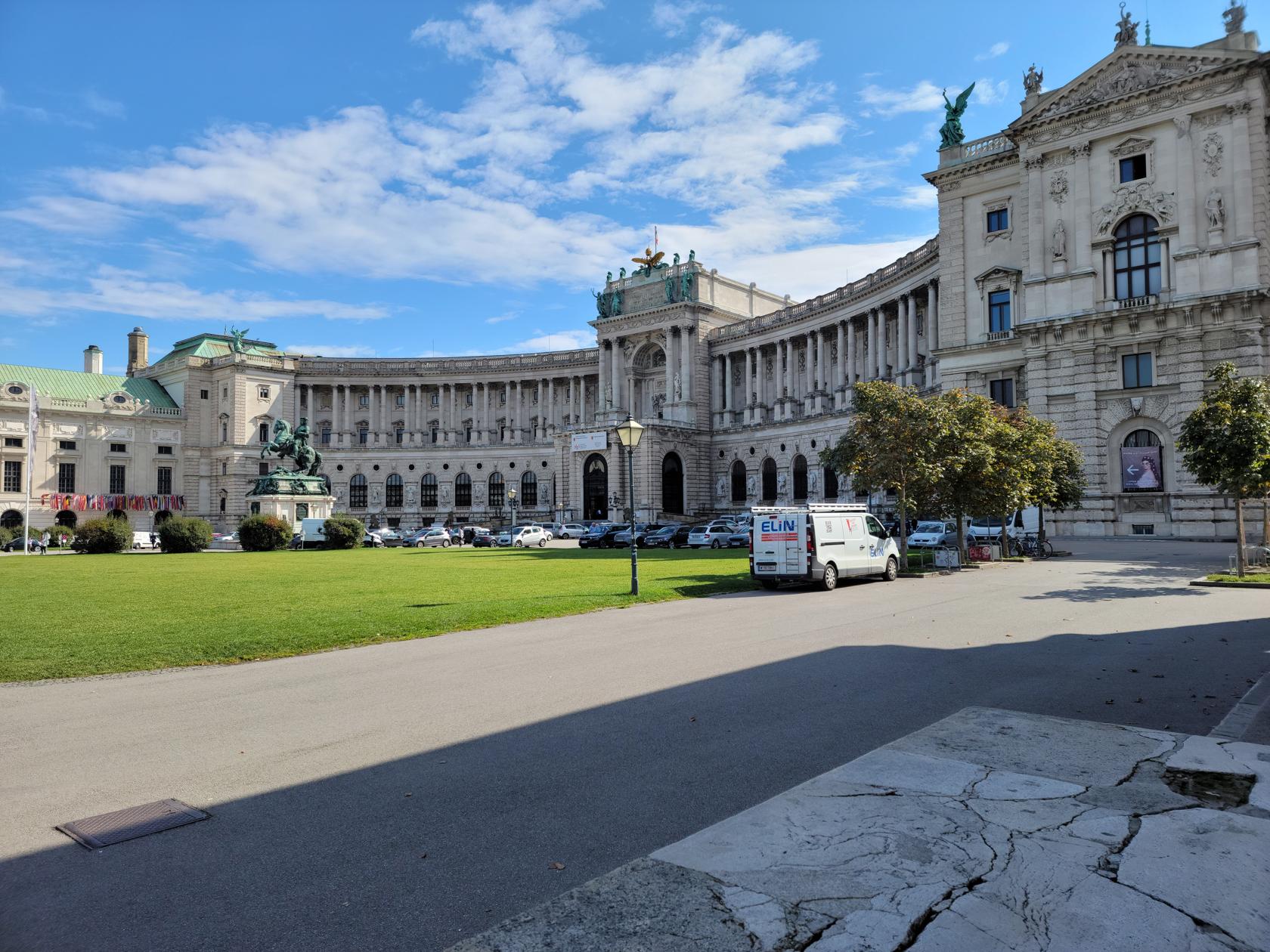
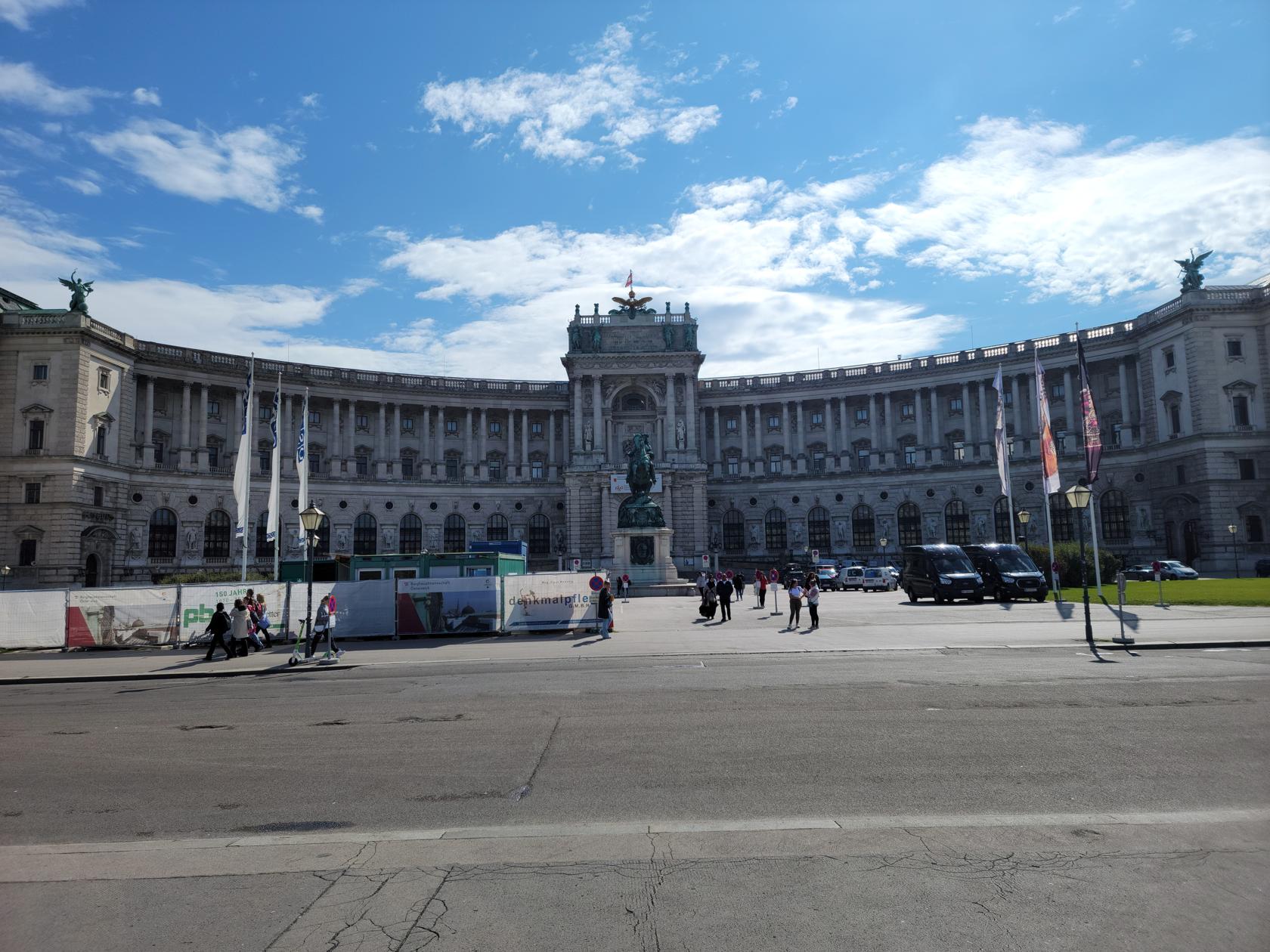
The Hofburg
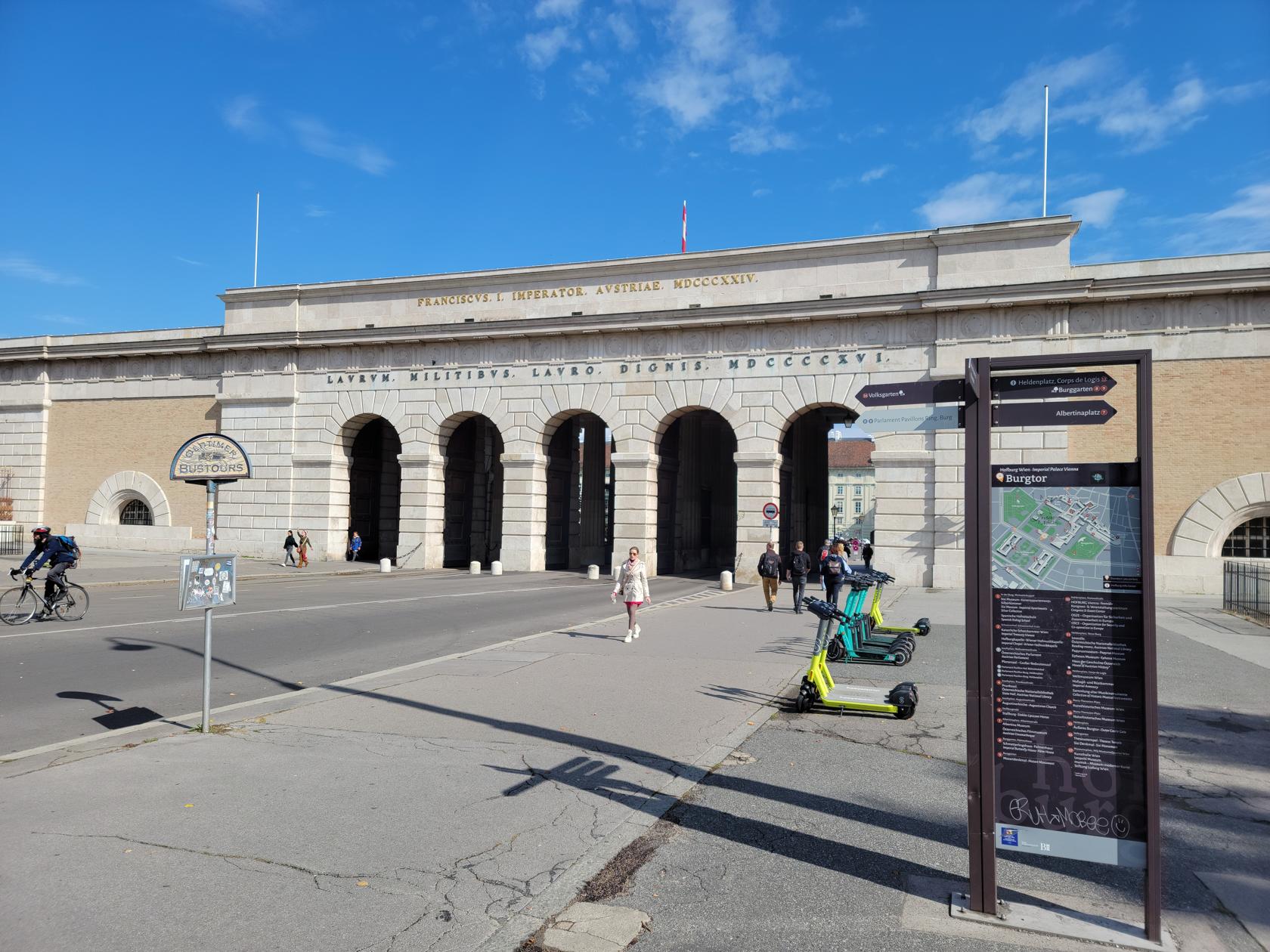
A complex of museums and a library, which we found out only allows users who are doing research or have special permission. Though we did not see any museums here, it does include a World Museum and a Papyrus Museum.
Vienna – The Hofburg Gate
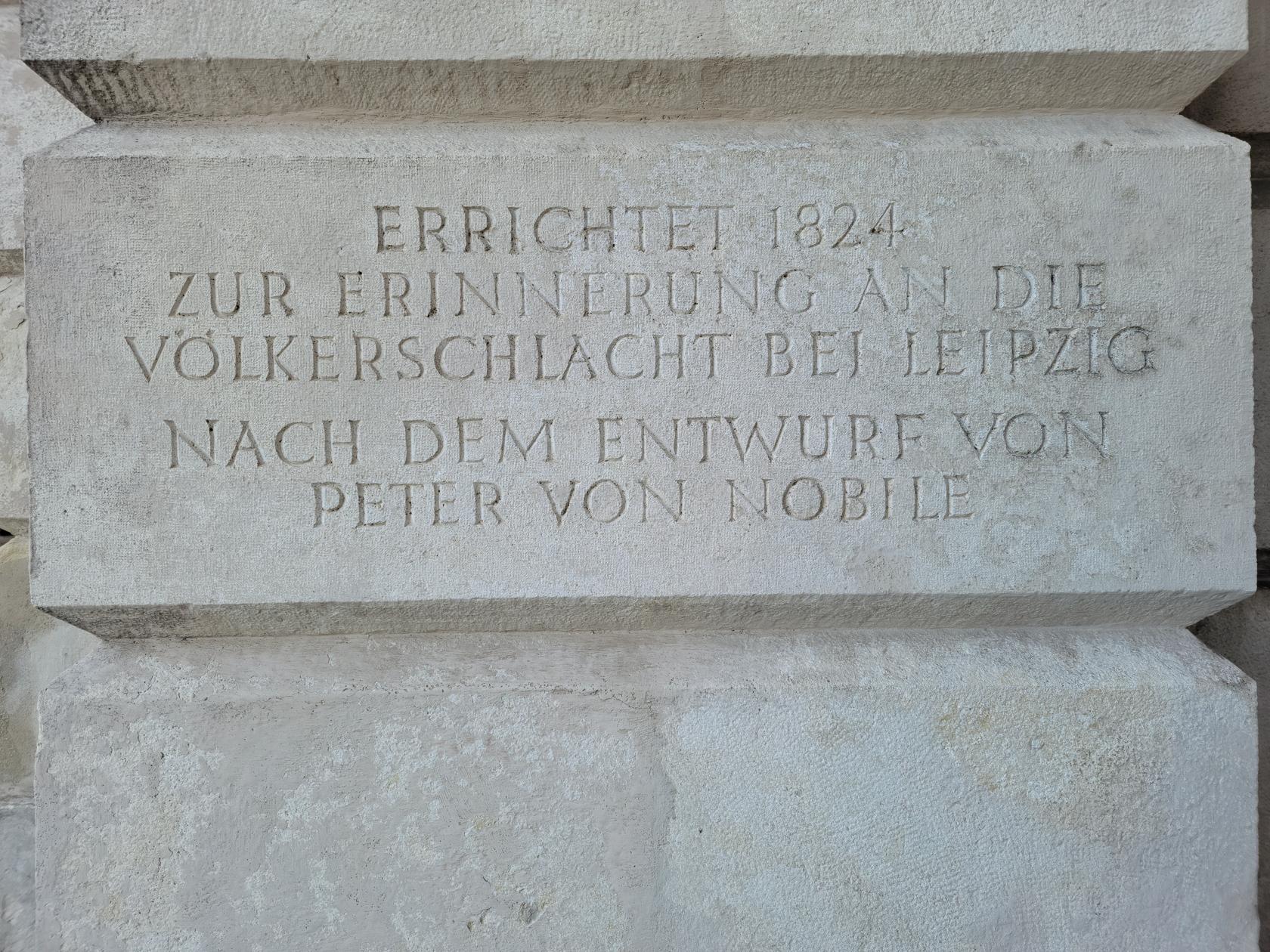
Vienna – The Hofburg – 1821 built in memory of the Battle of Leipzig
Vienna – The Hofburg
Vienna – The Hofburg
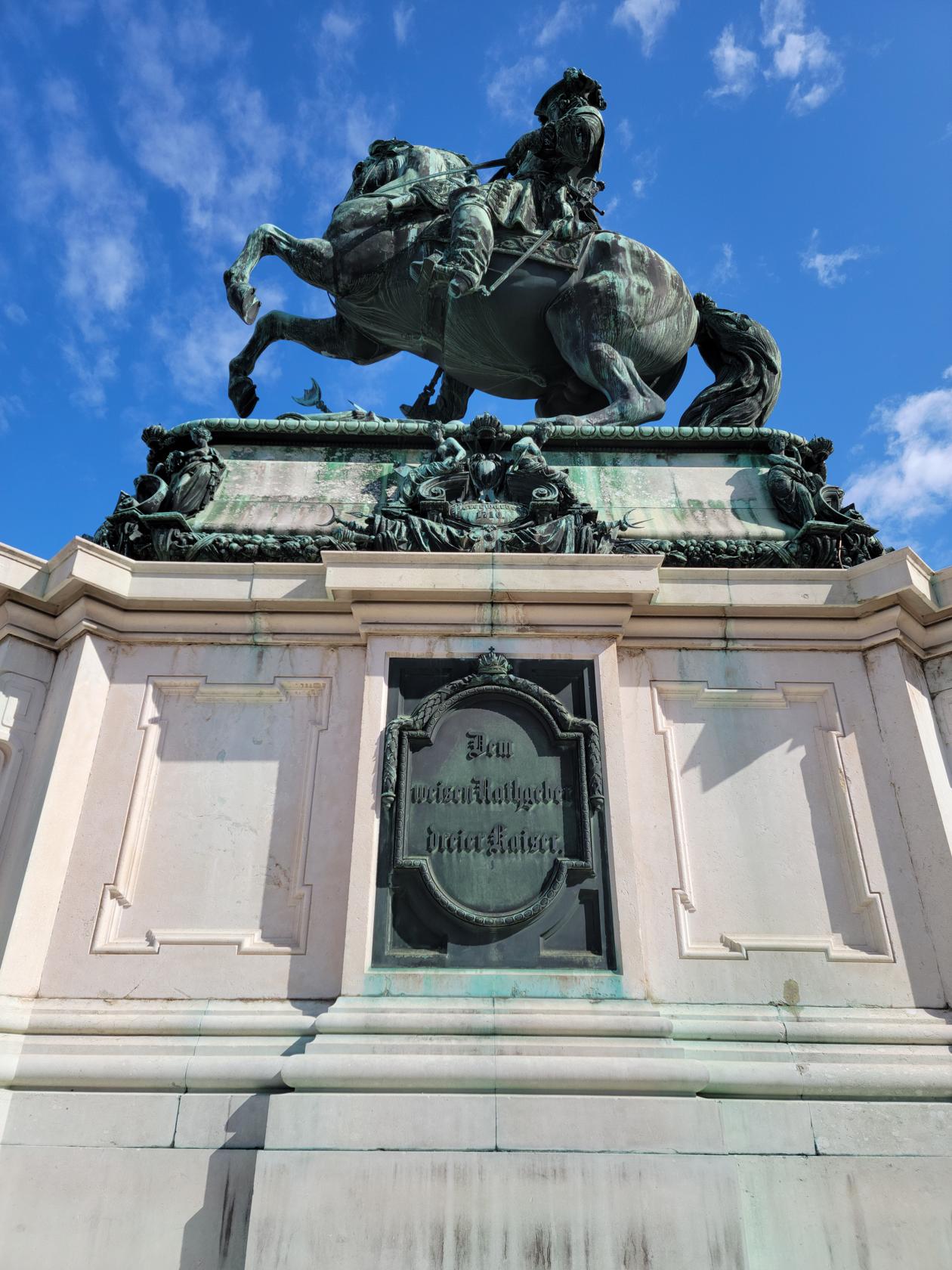
Vienna – The Hofburg – Prince Eugene Statue
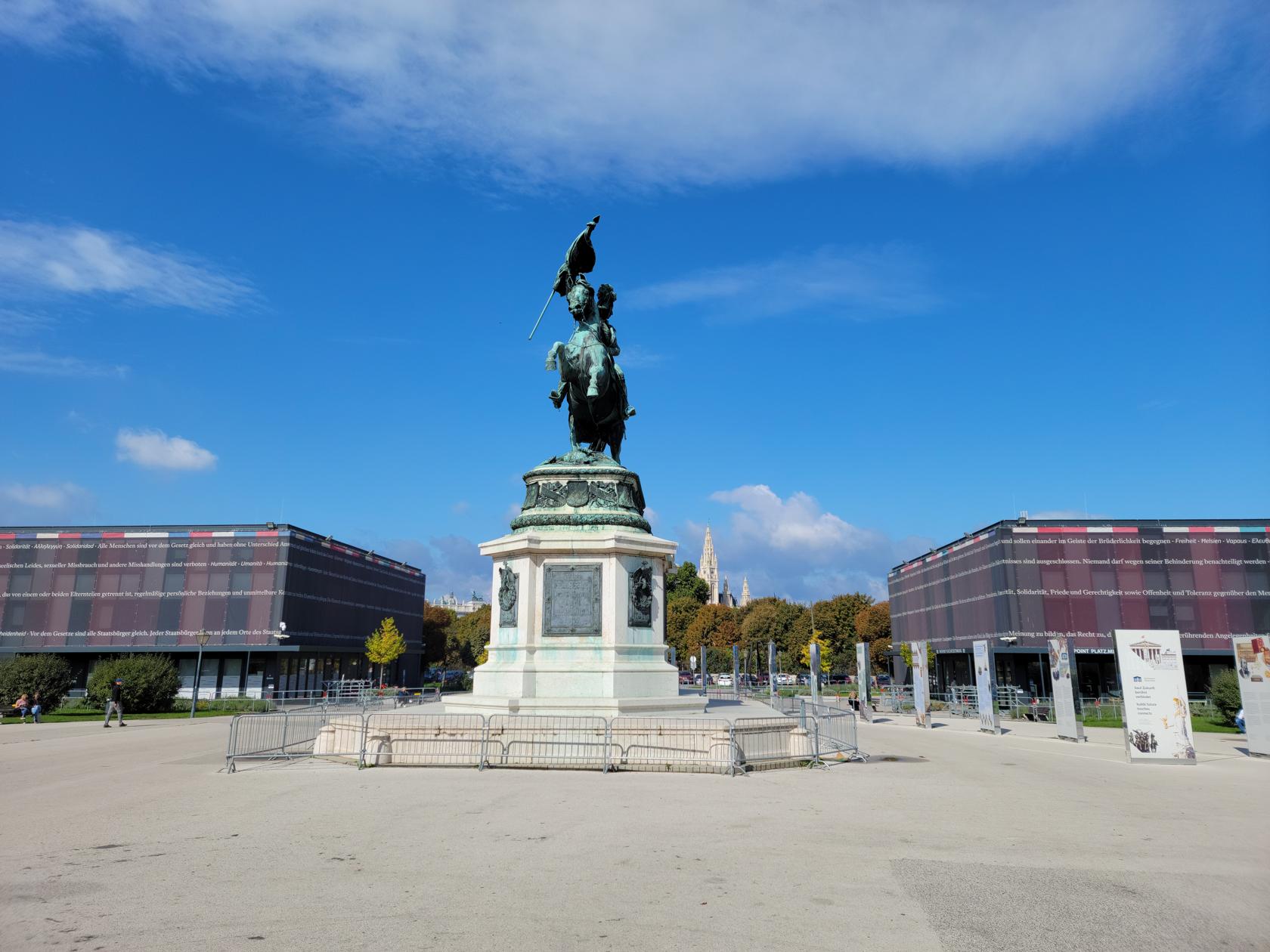
Vienna – The Hofburg – Erzherzog Karl – Equestrian Statue
Maria-Theresien-Platz
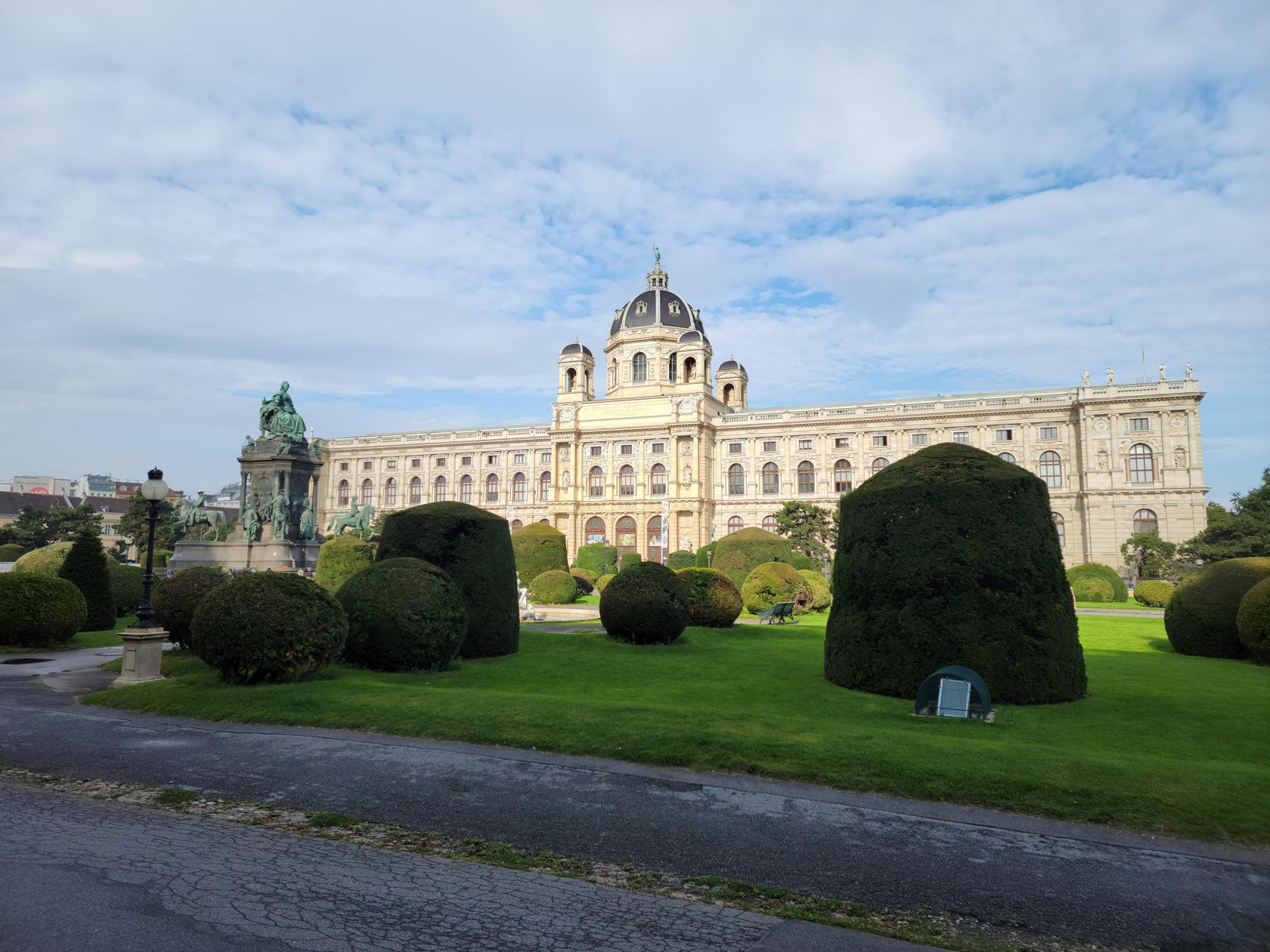
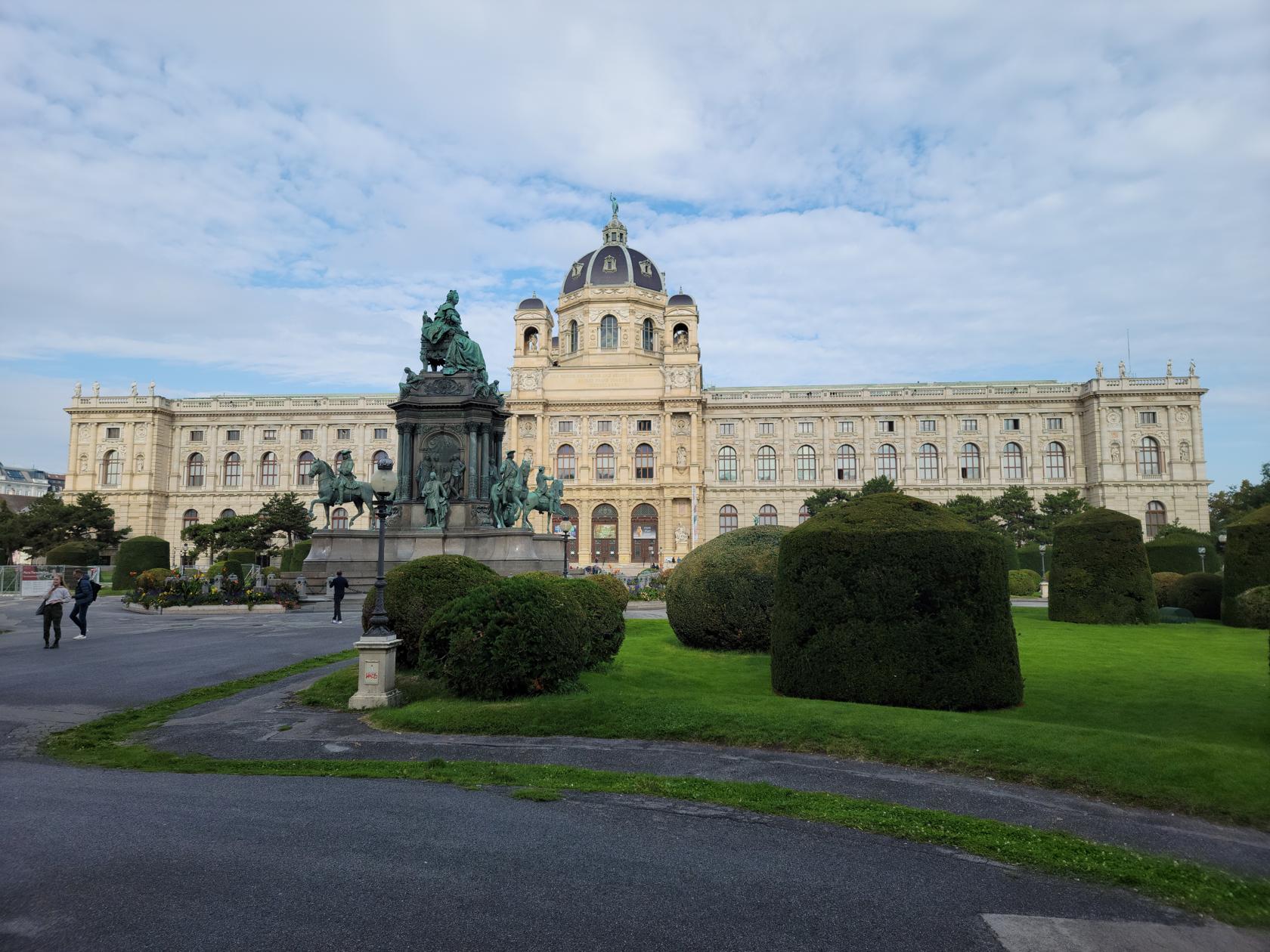
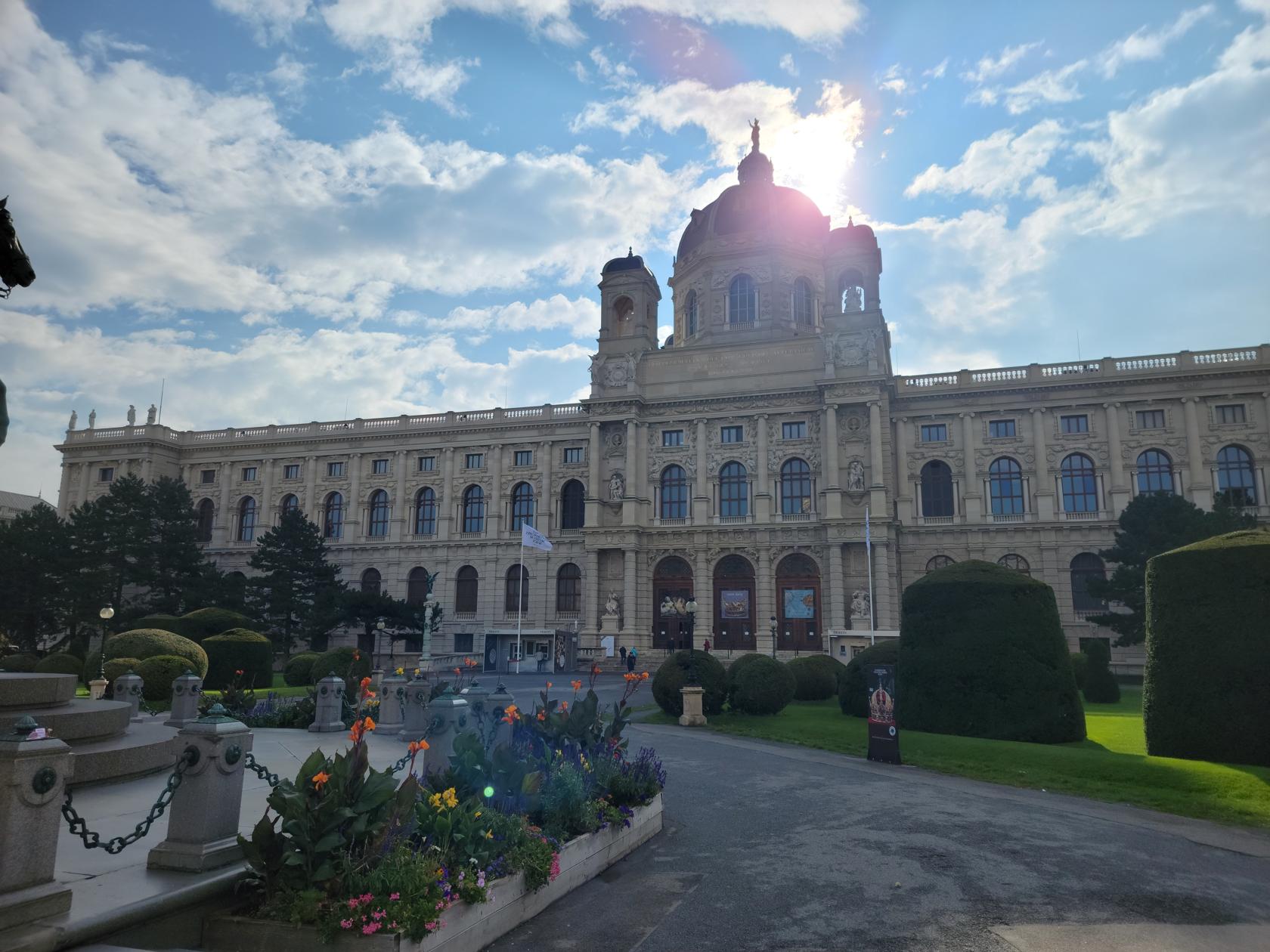
Sitting across from one another, on the Maria-Theresien Platz, are the Art History and Natural History museums. This impressive public square was built with the public in mind, where they could come and enjoy the museums and stroll the grounds afterwards. The square is joined on the one end by the Museumquartier and on the other by the Burgring (Ringstraße), across which lies the Hofburg.
Vienna – The Natural History Museum
Vienna – The Art History Museum
Kunsthistorisches Museum Wien
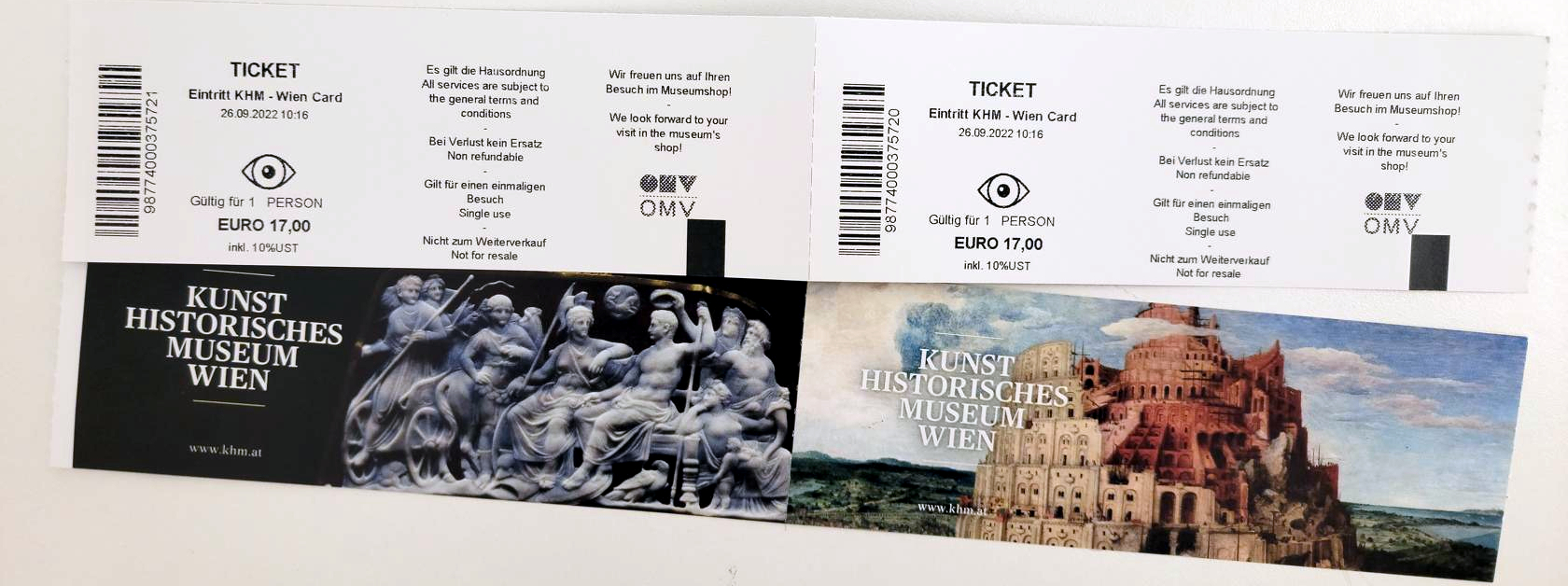
Vienna – The Art History Museum – Tickets for Two
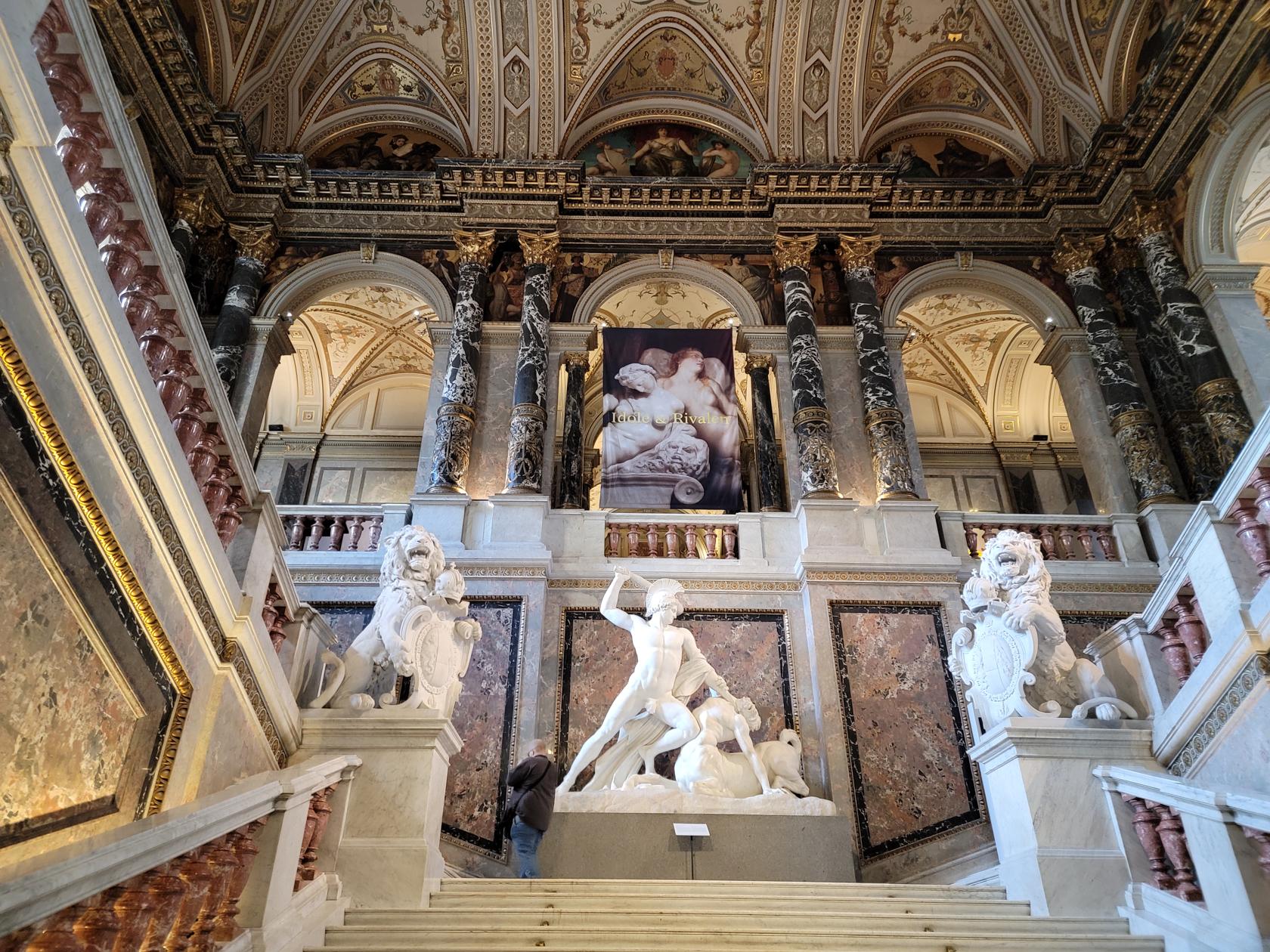
Vienna – The Art History Museum – Main Stairway – Works by Klimt and others
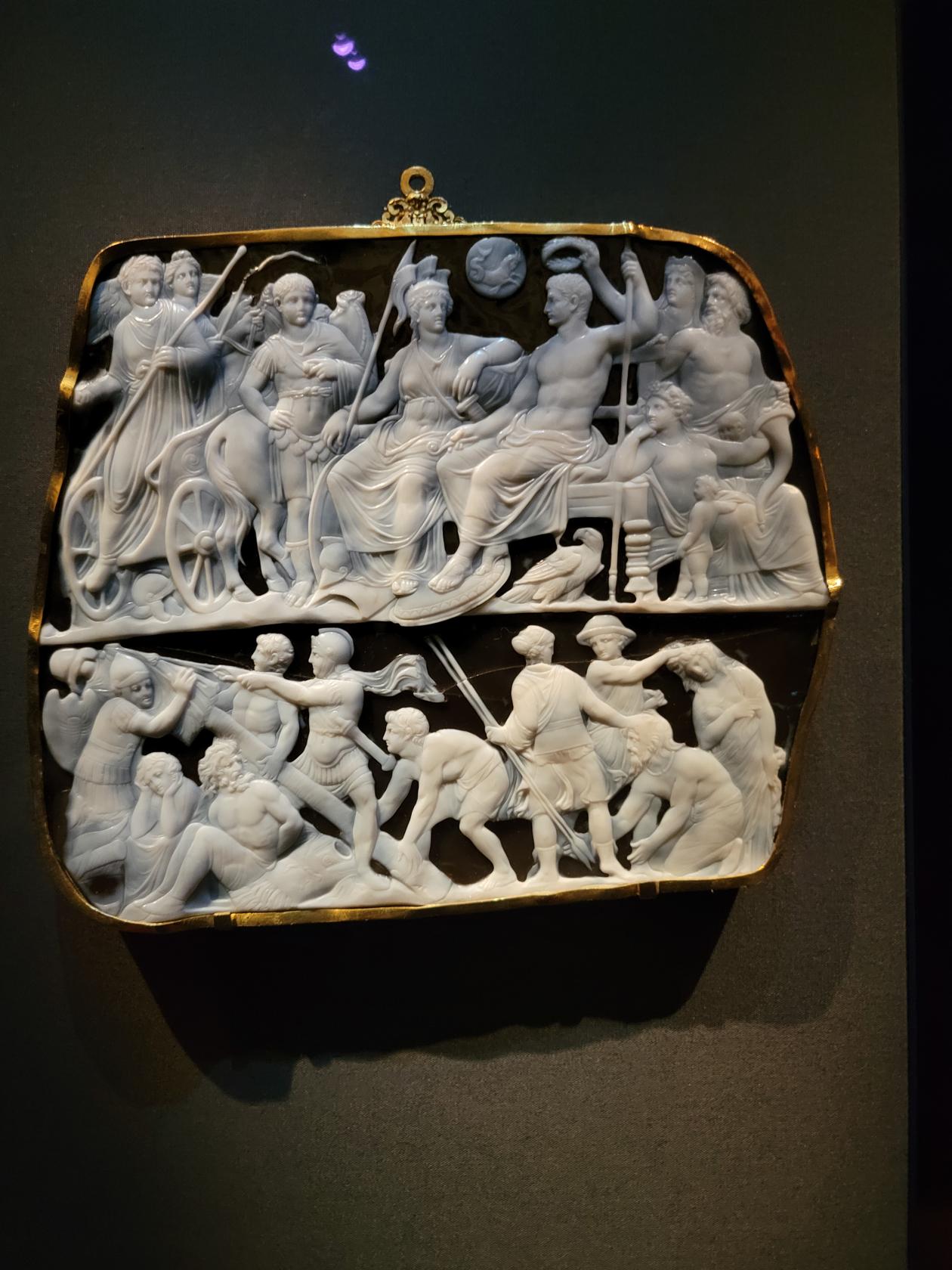
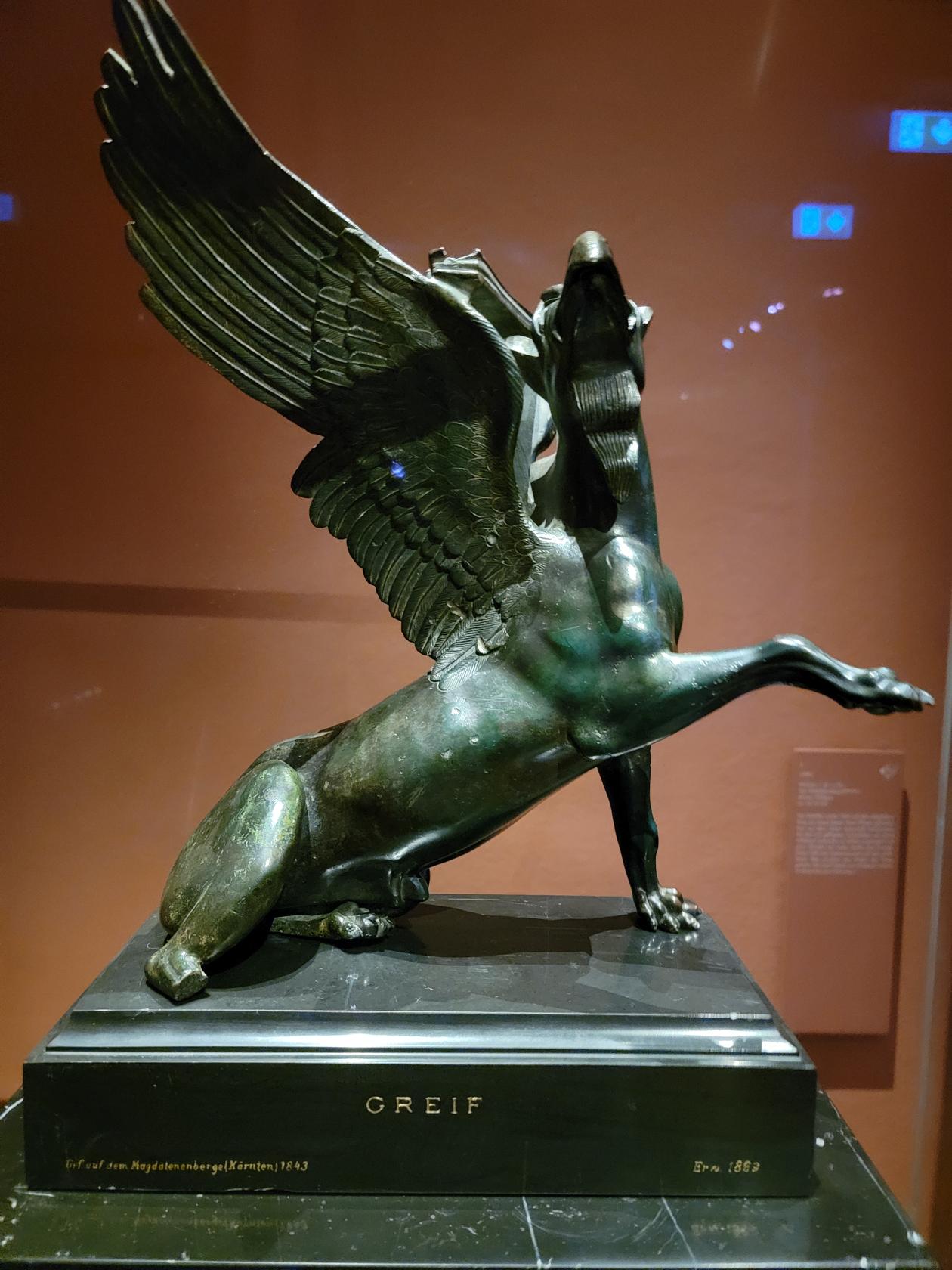
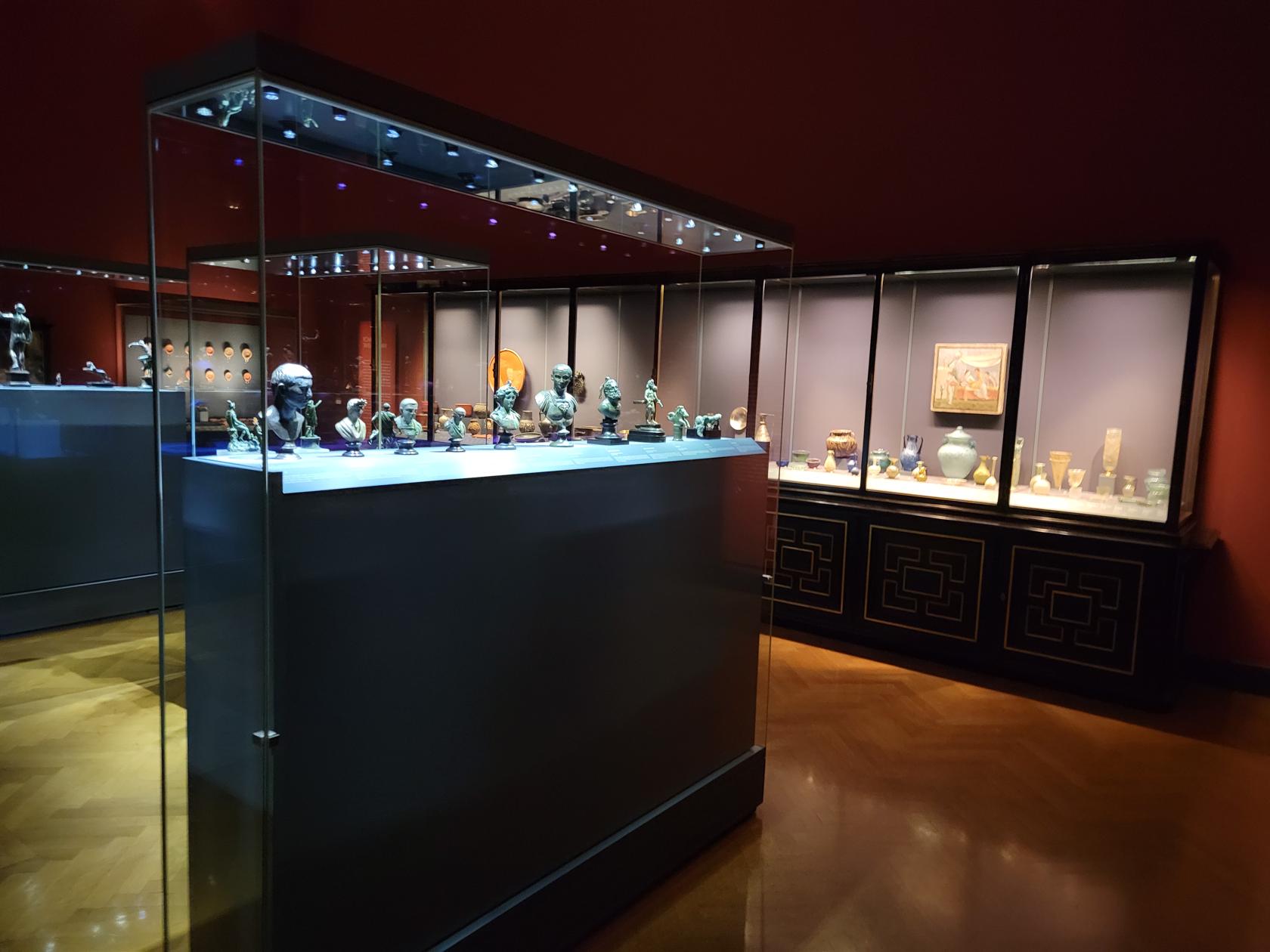
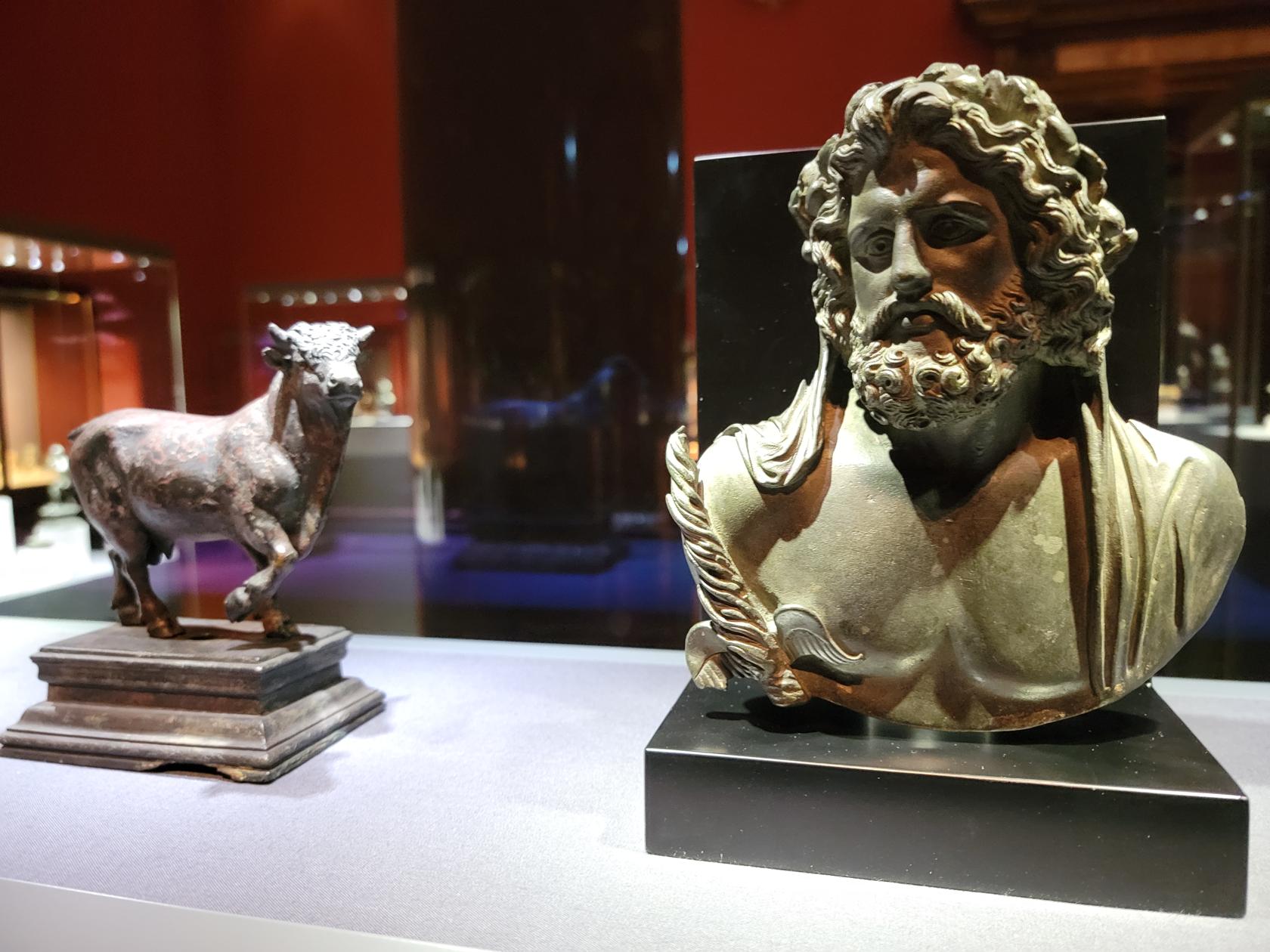
Across the Burgring from the Hofburg is the Art History Museum of Vienna, or the Kunsthistorisches Museum Wien. It houses unique art pieces collected by the Habsburgs during their reign.
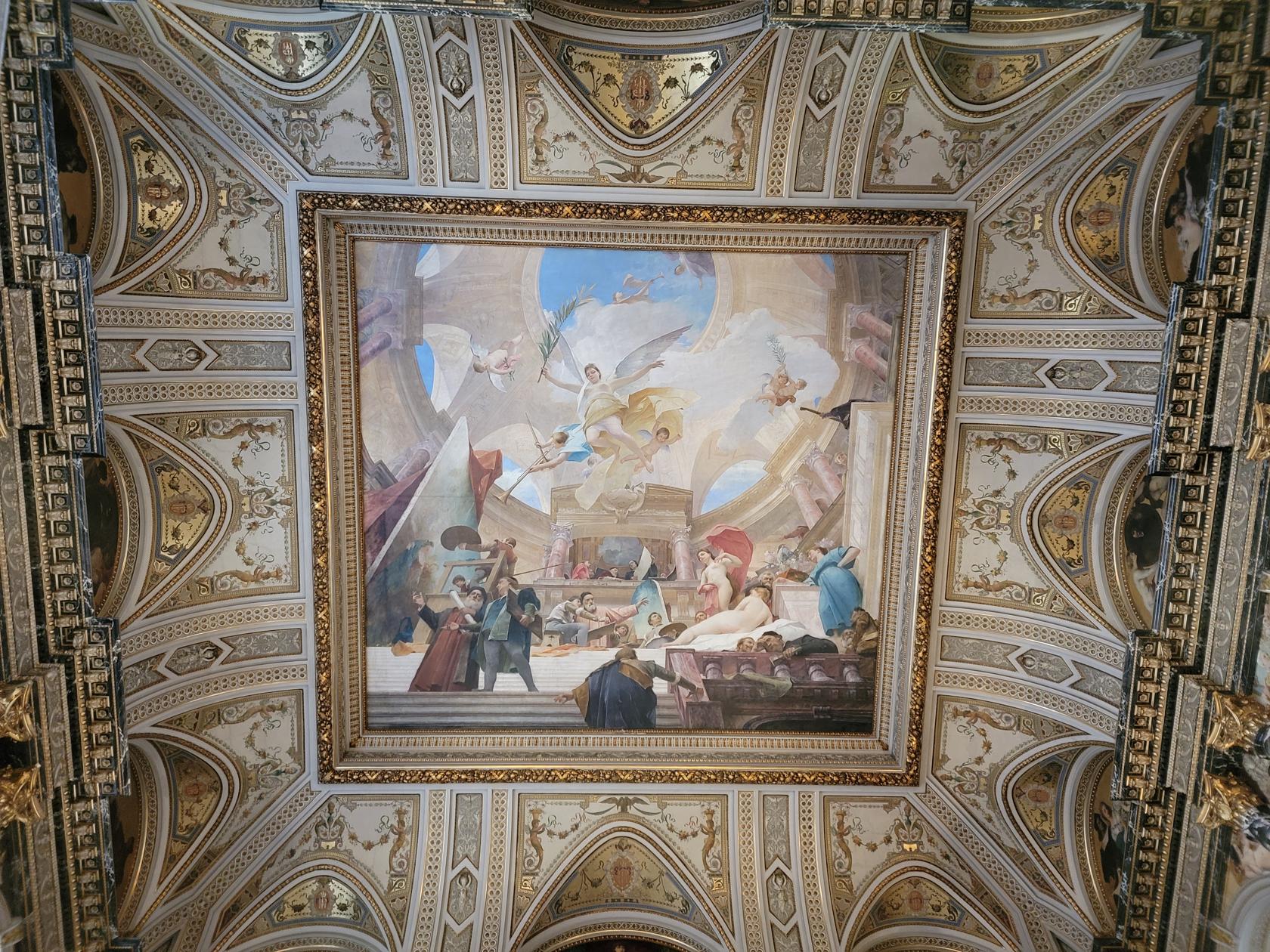
Vienna – The Art History Museum – Ceiling
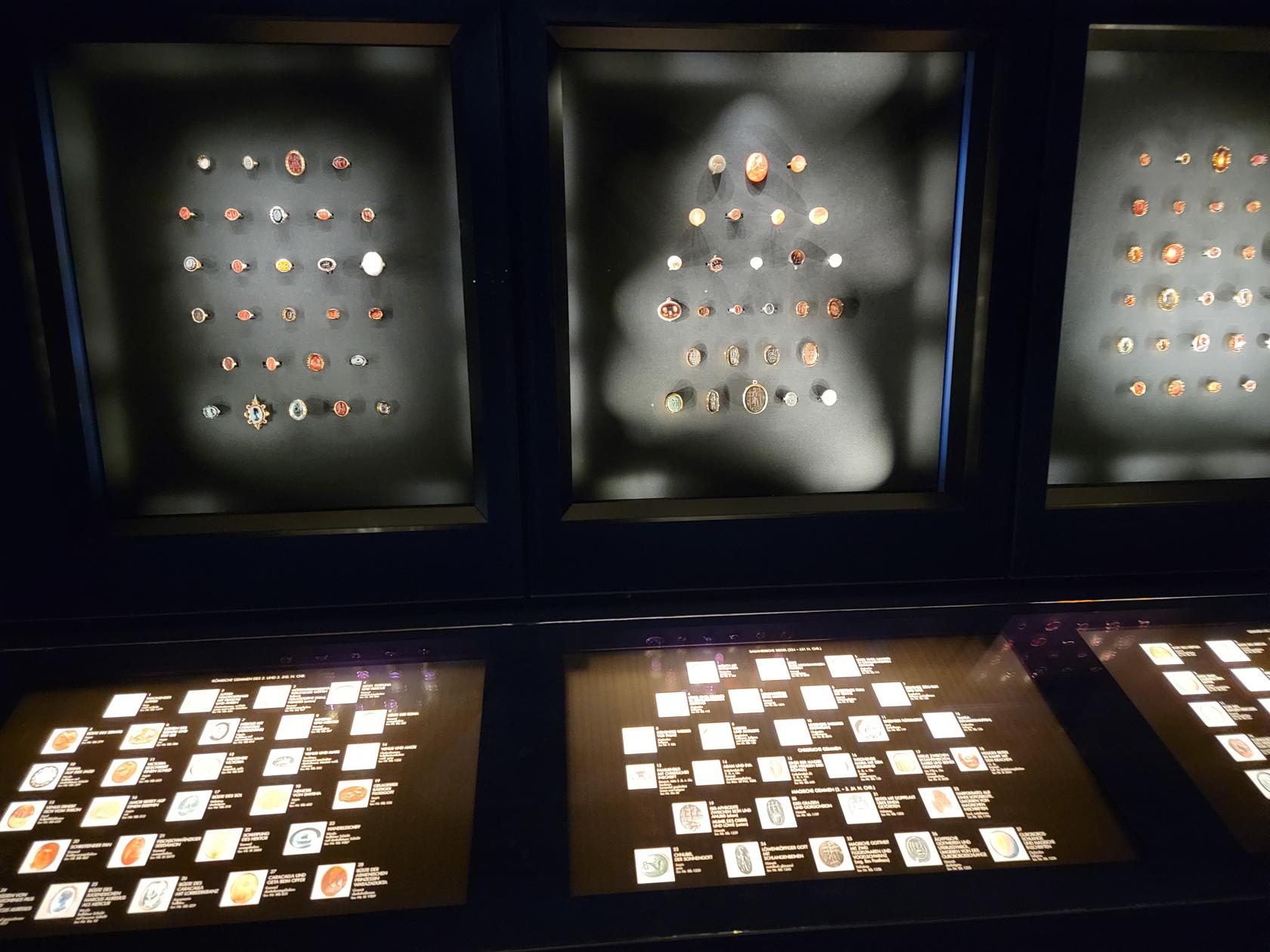
Vienna – The Art History Museum – Ancient Jewelry Collection
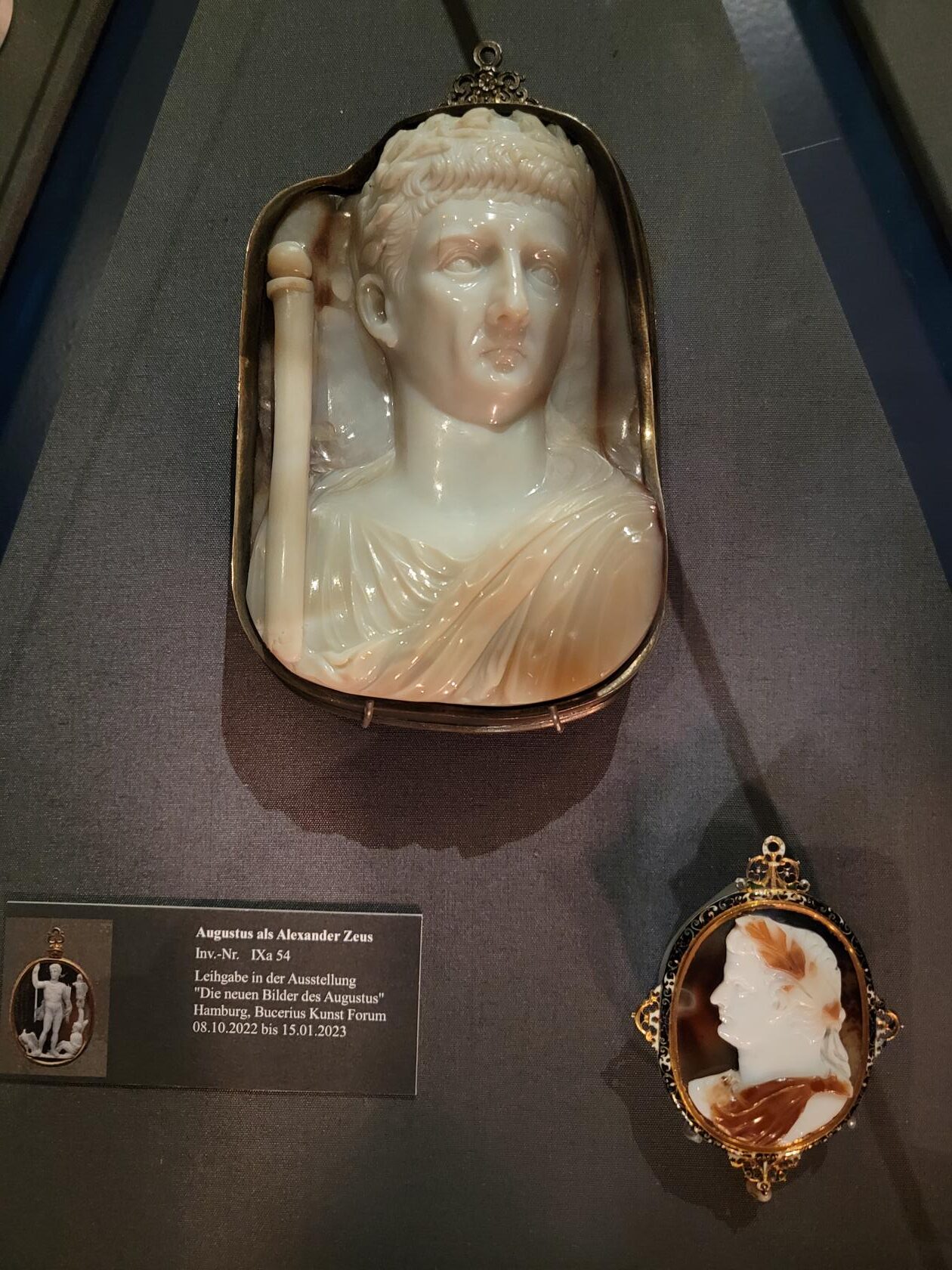
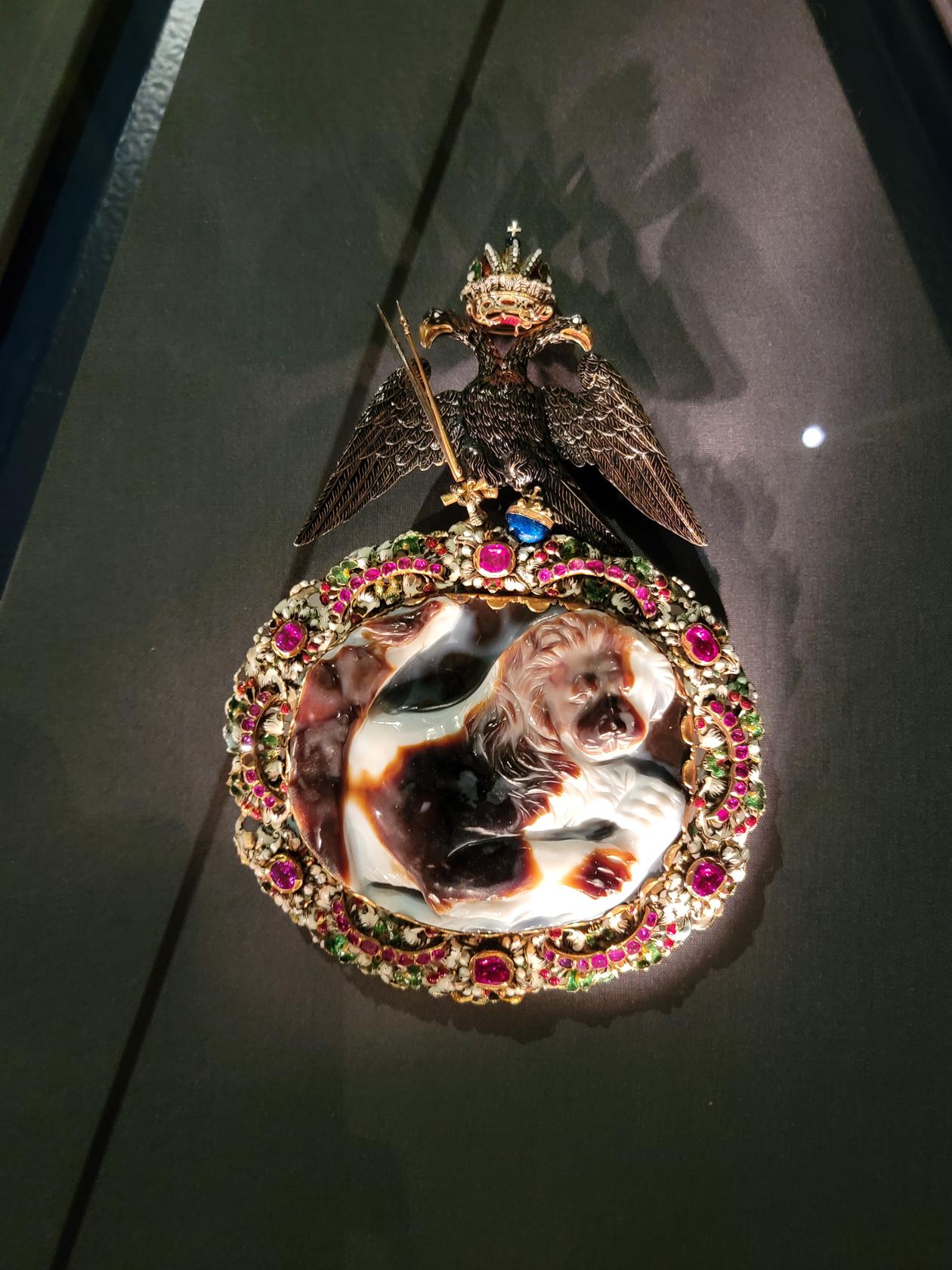
Vienna – The Art History Museum – Cameos
Vienna – The Art History Museum – Cameos
Vienna – The Art History Museum – Cameos
Vienna – The Art History Museum – A Griffin
Vienna – The Art History Museum – Ancient Roman and Greek bronzes and vases
Vienna – The Art History Museum – Ancient Bust
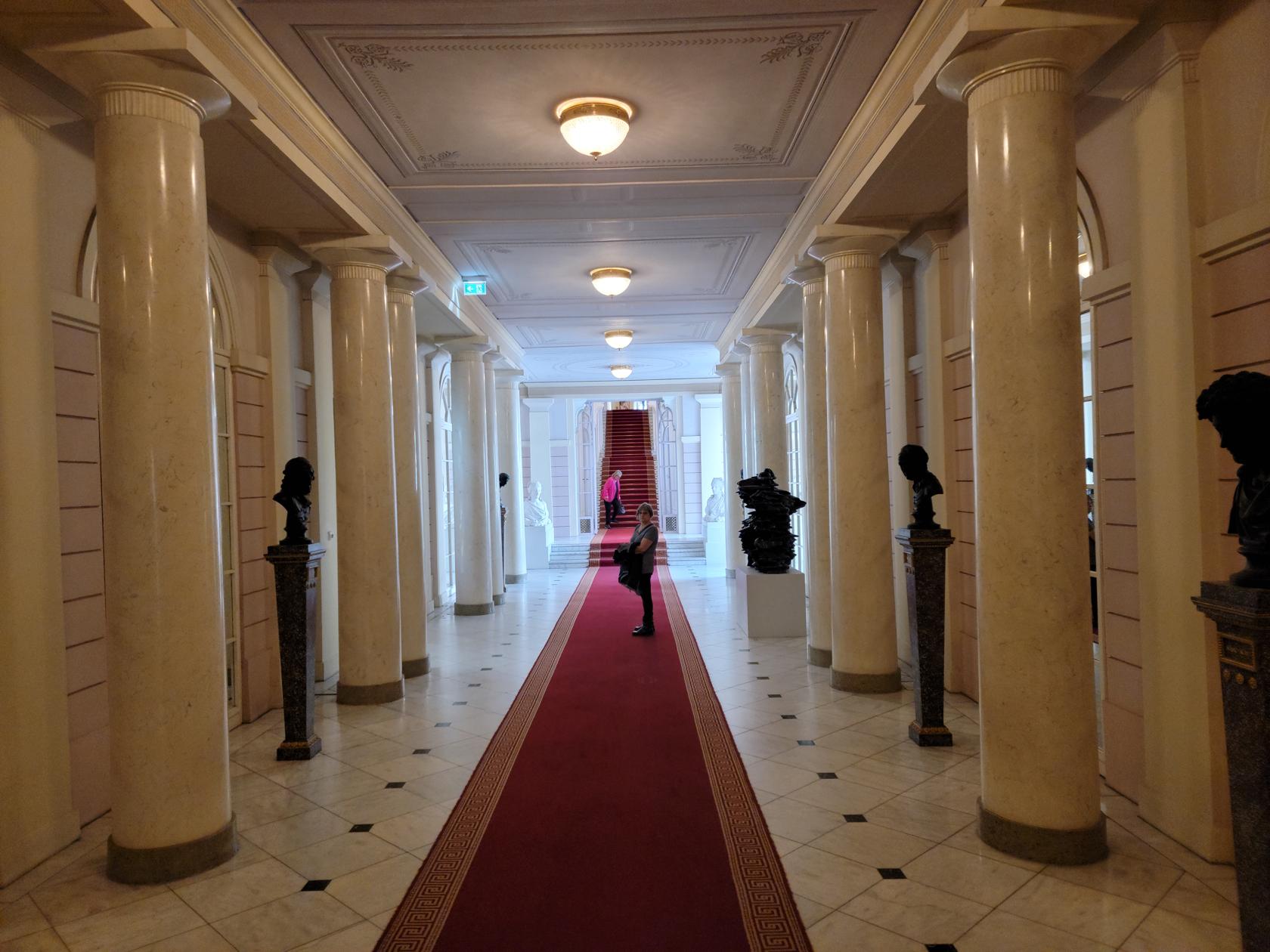
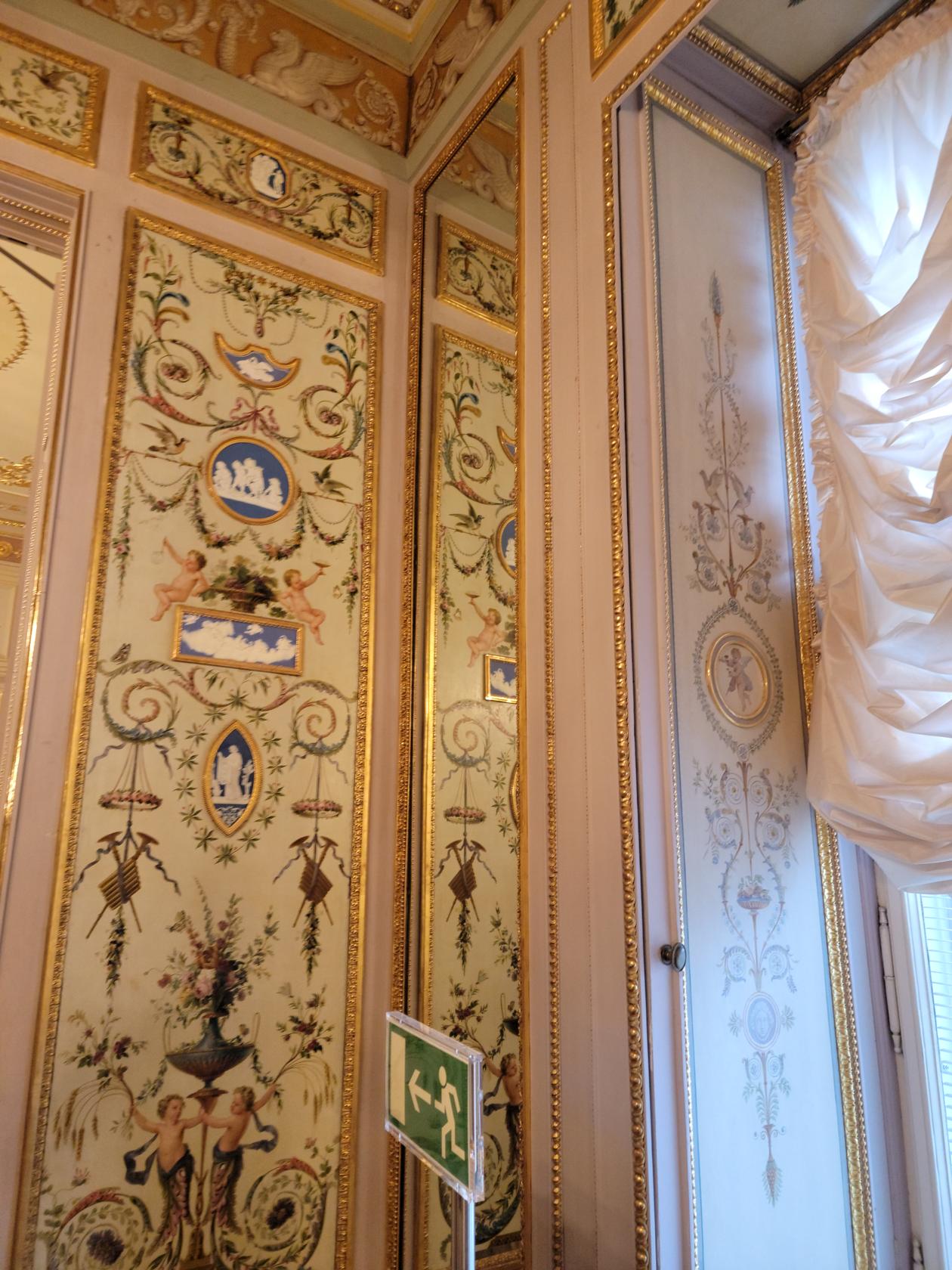
The Albertina
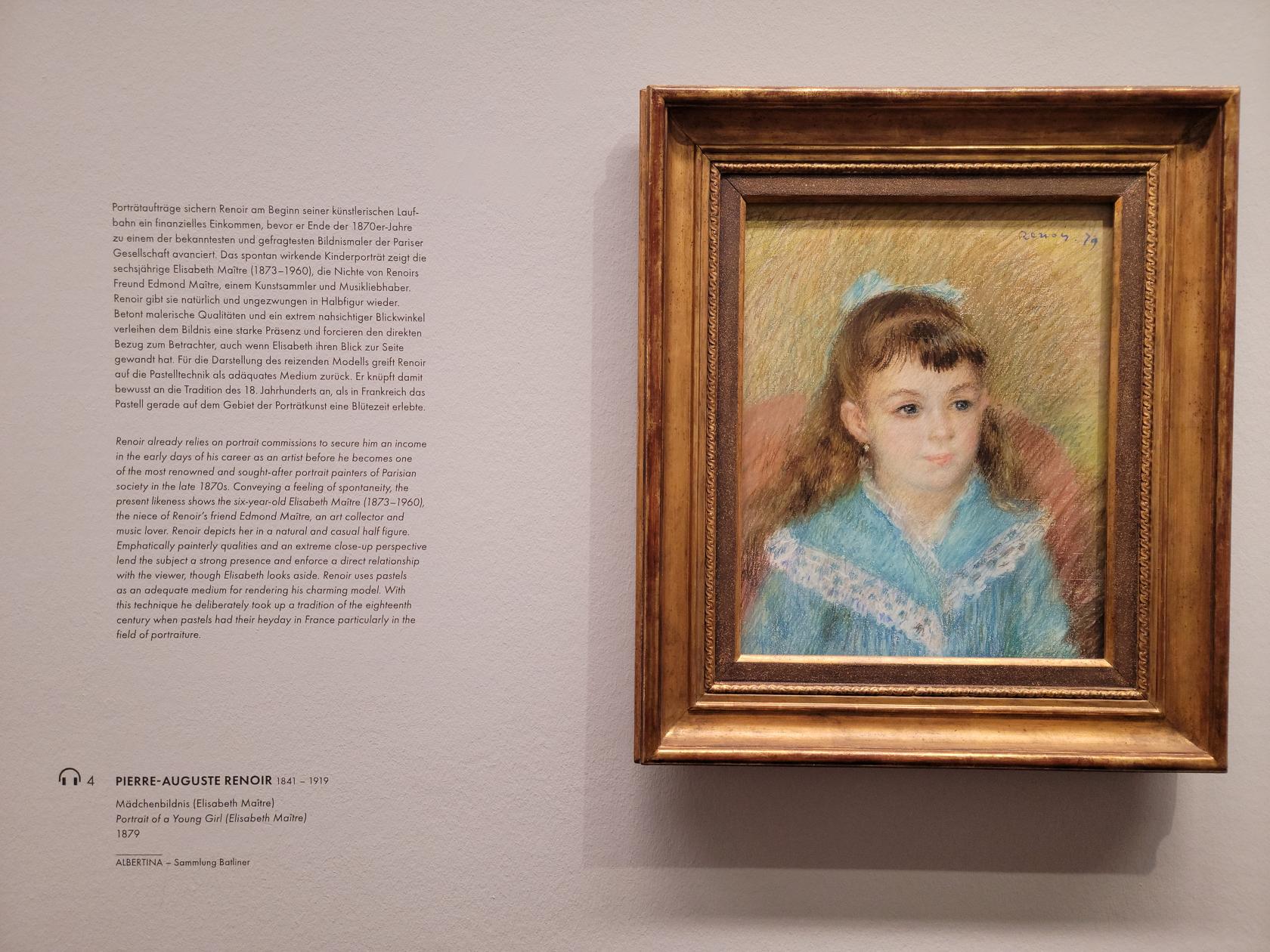
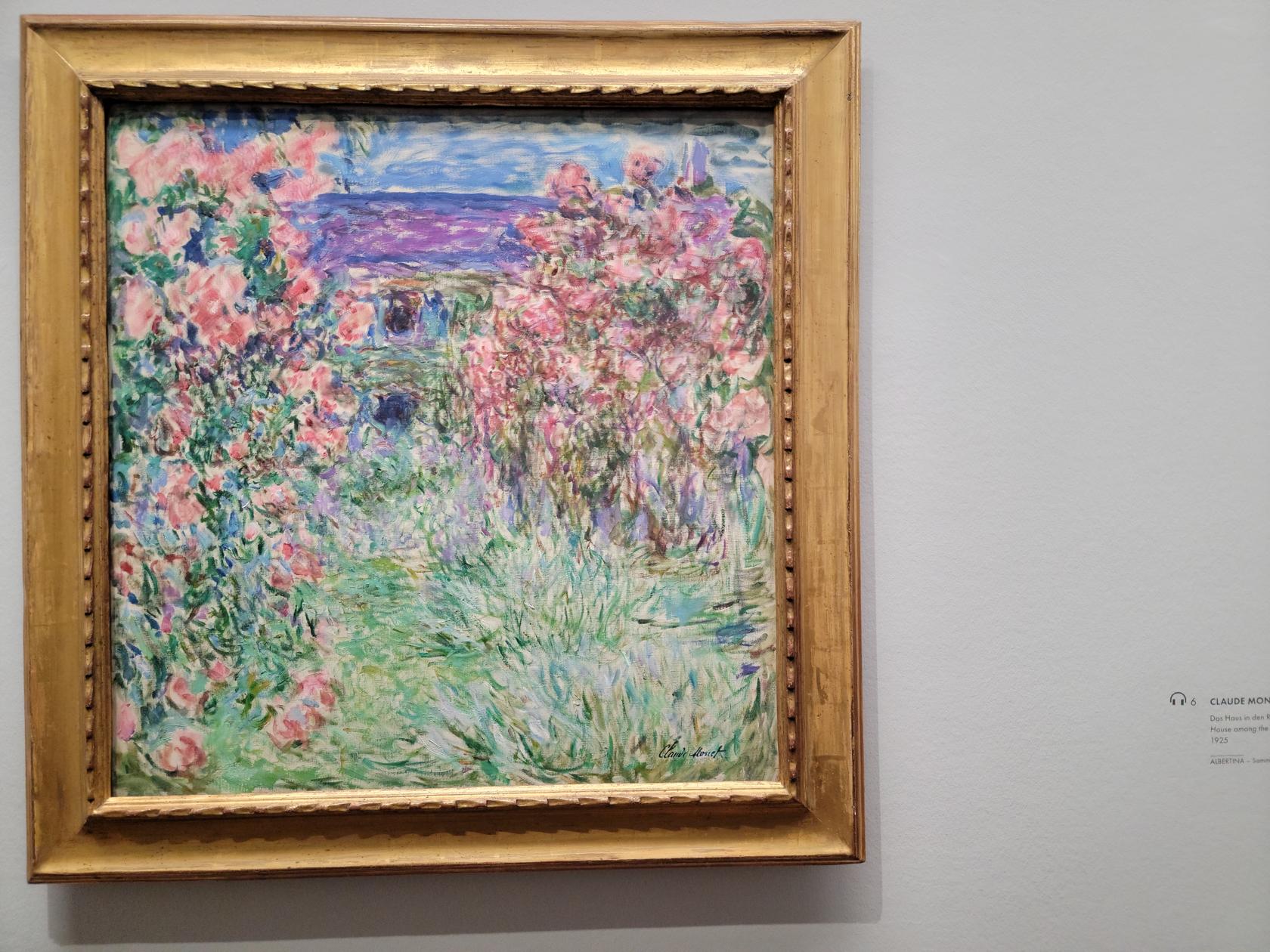
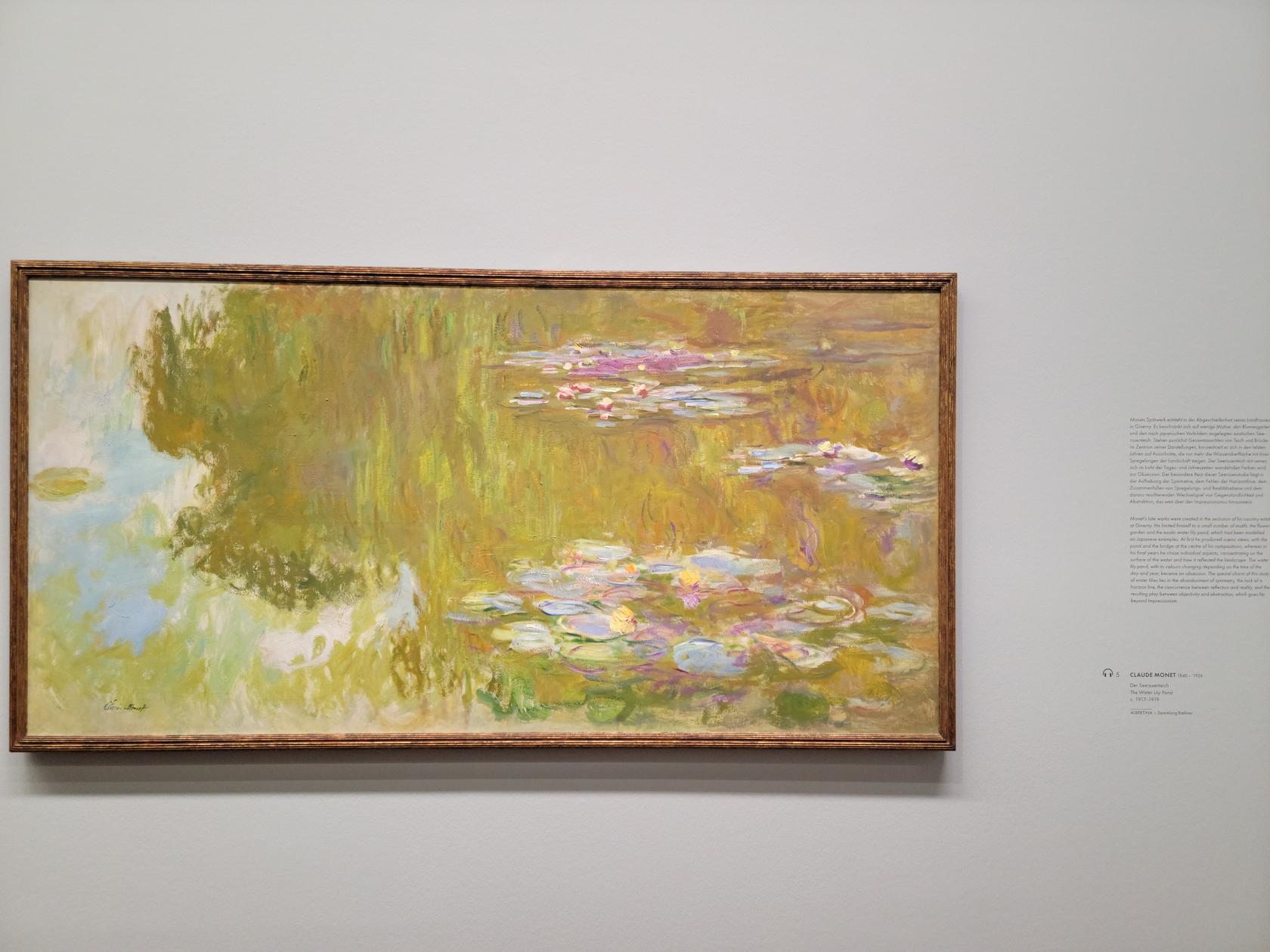
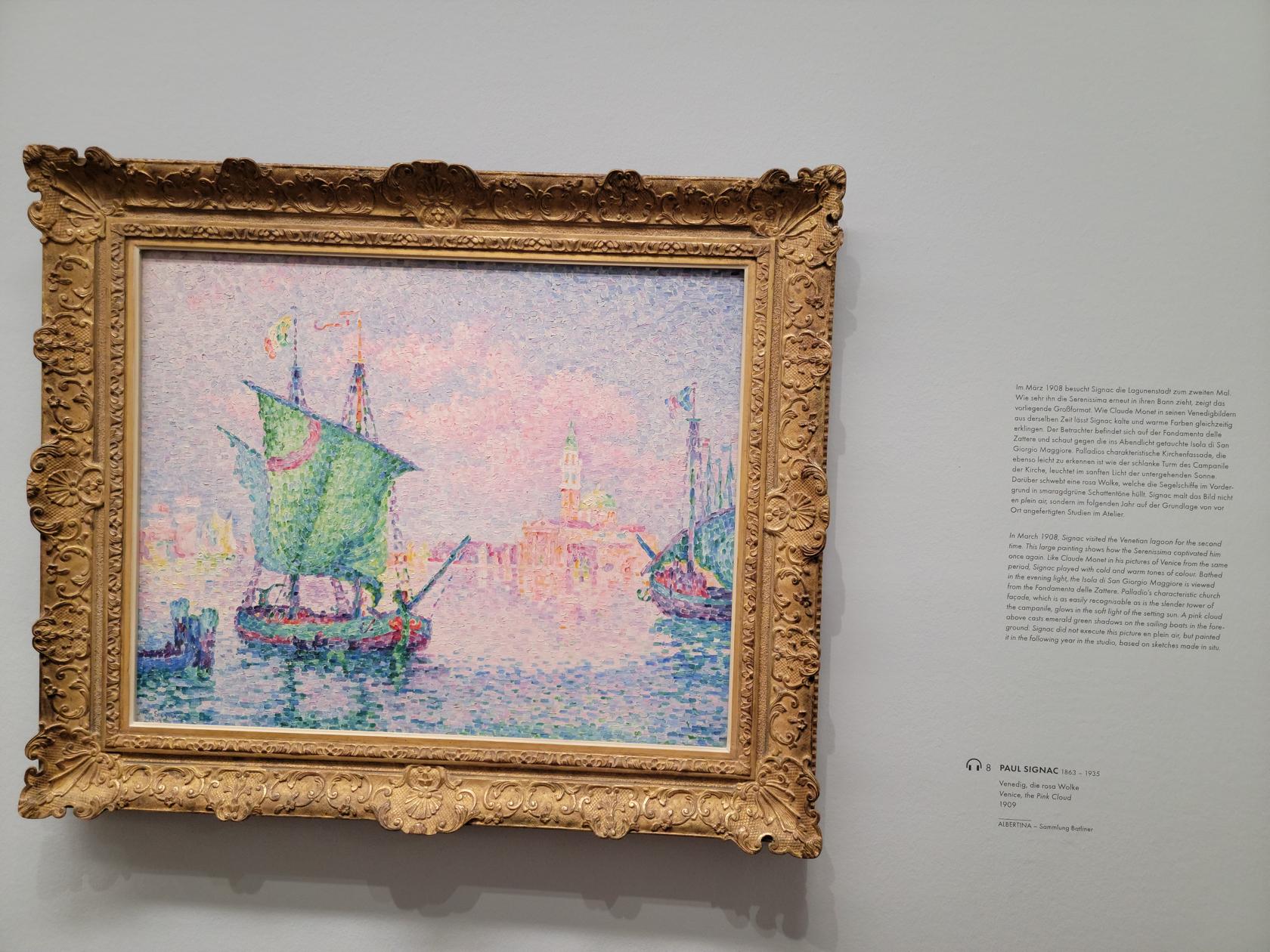
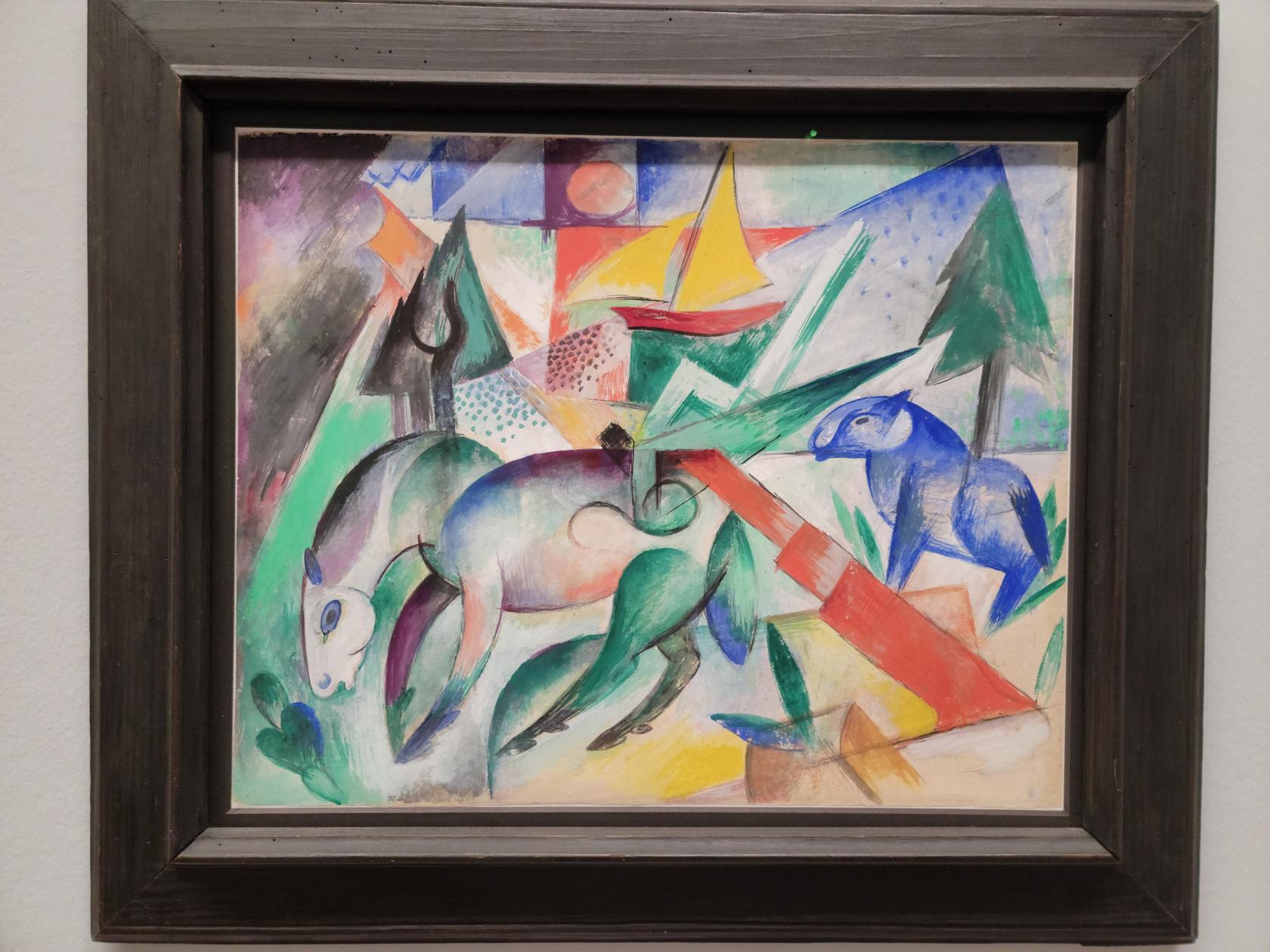
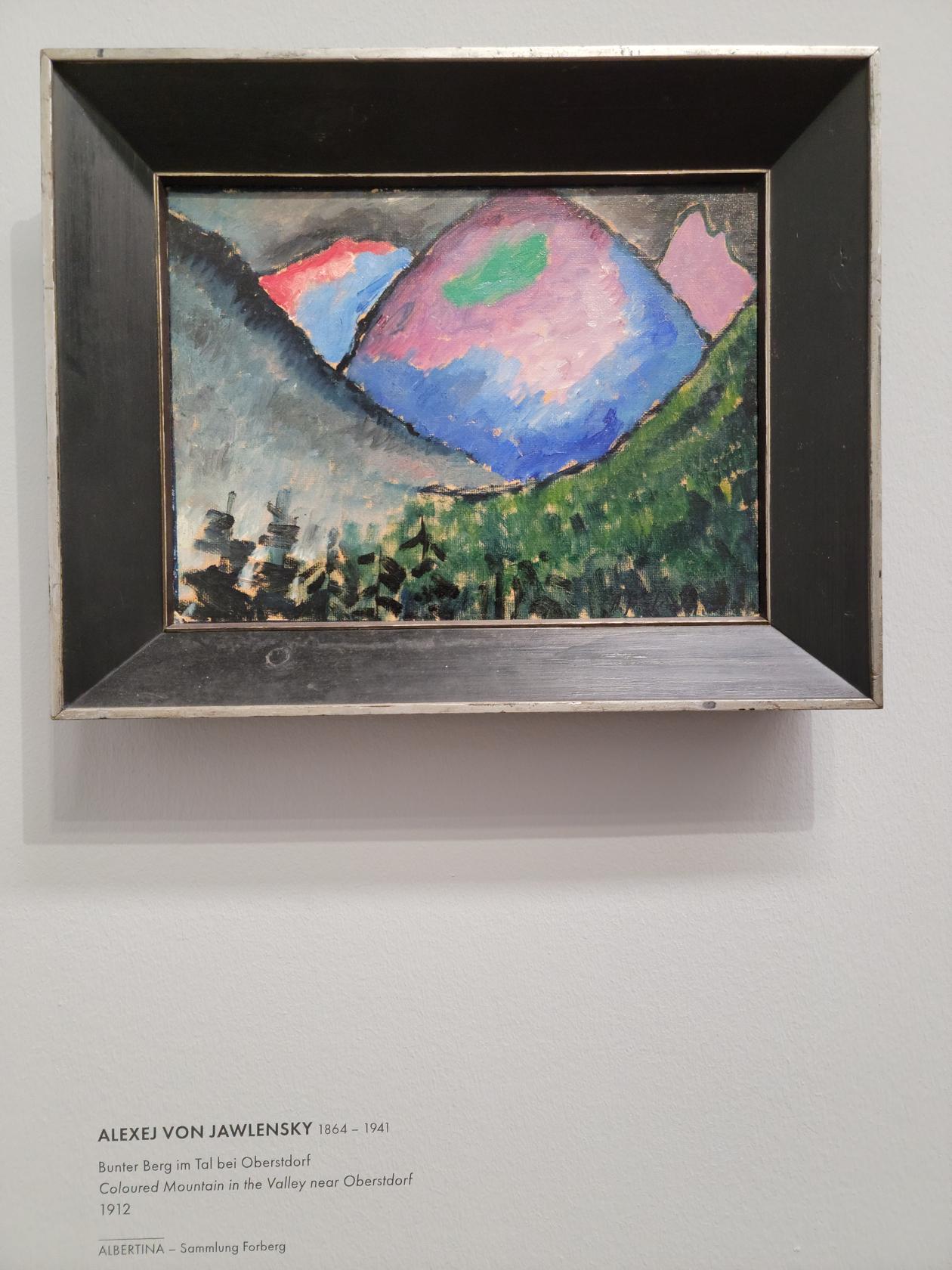
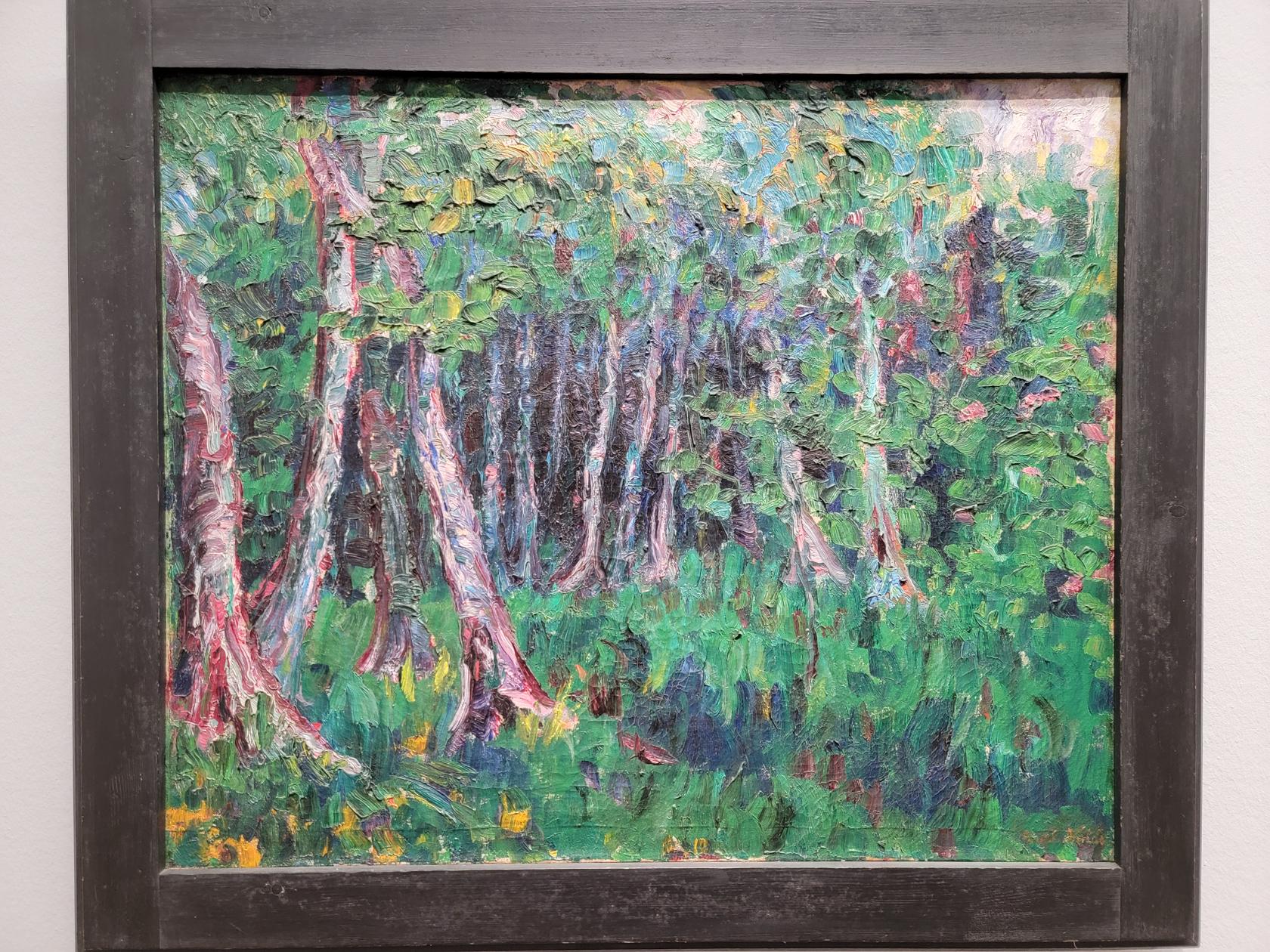
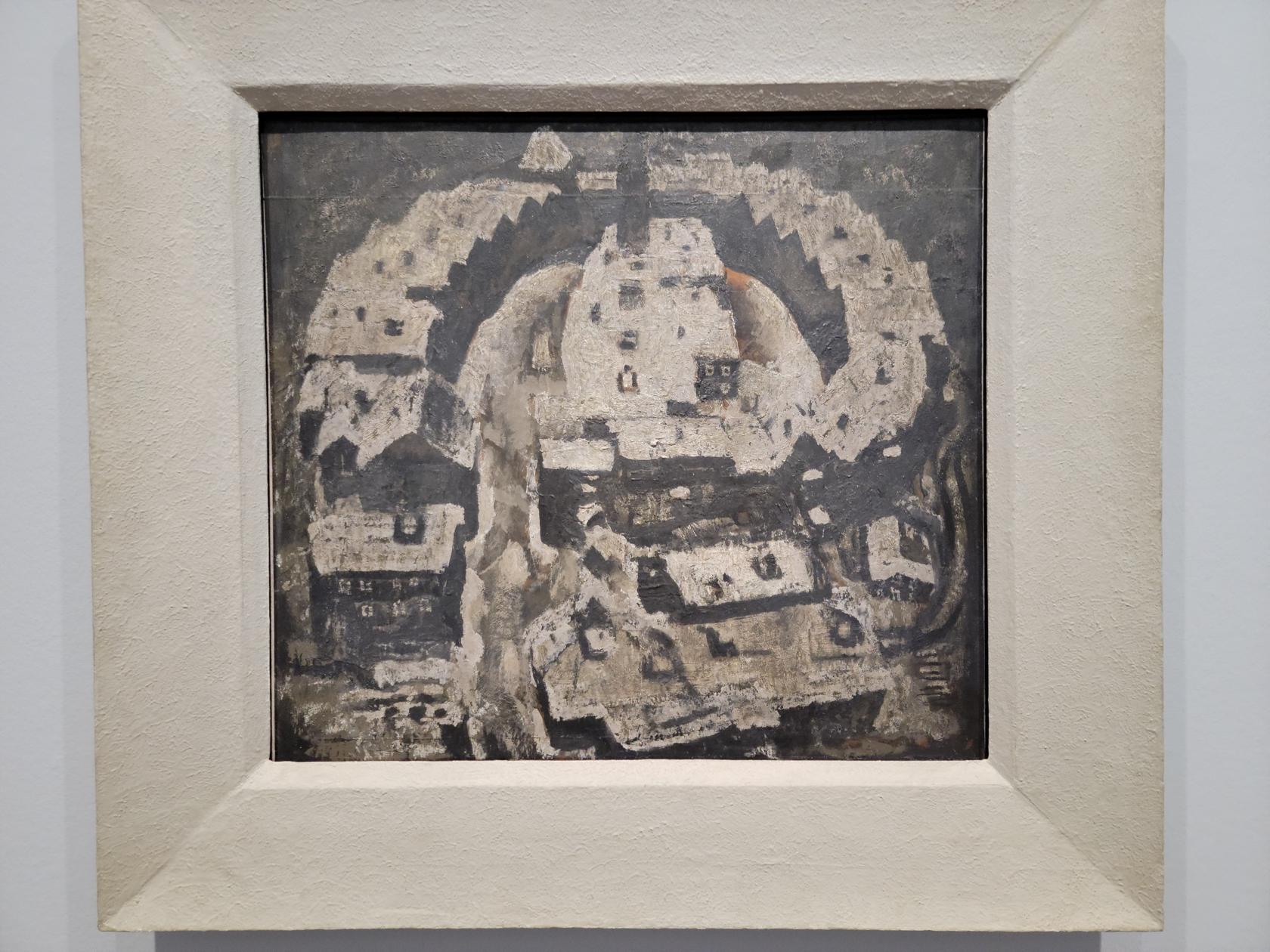
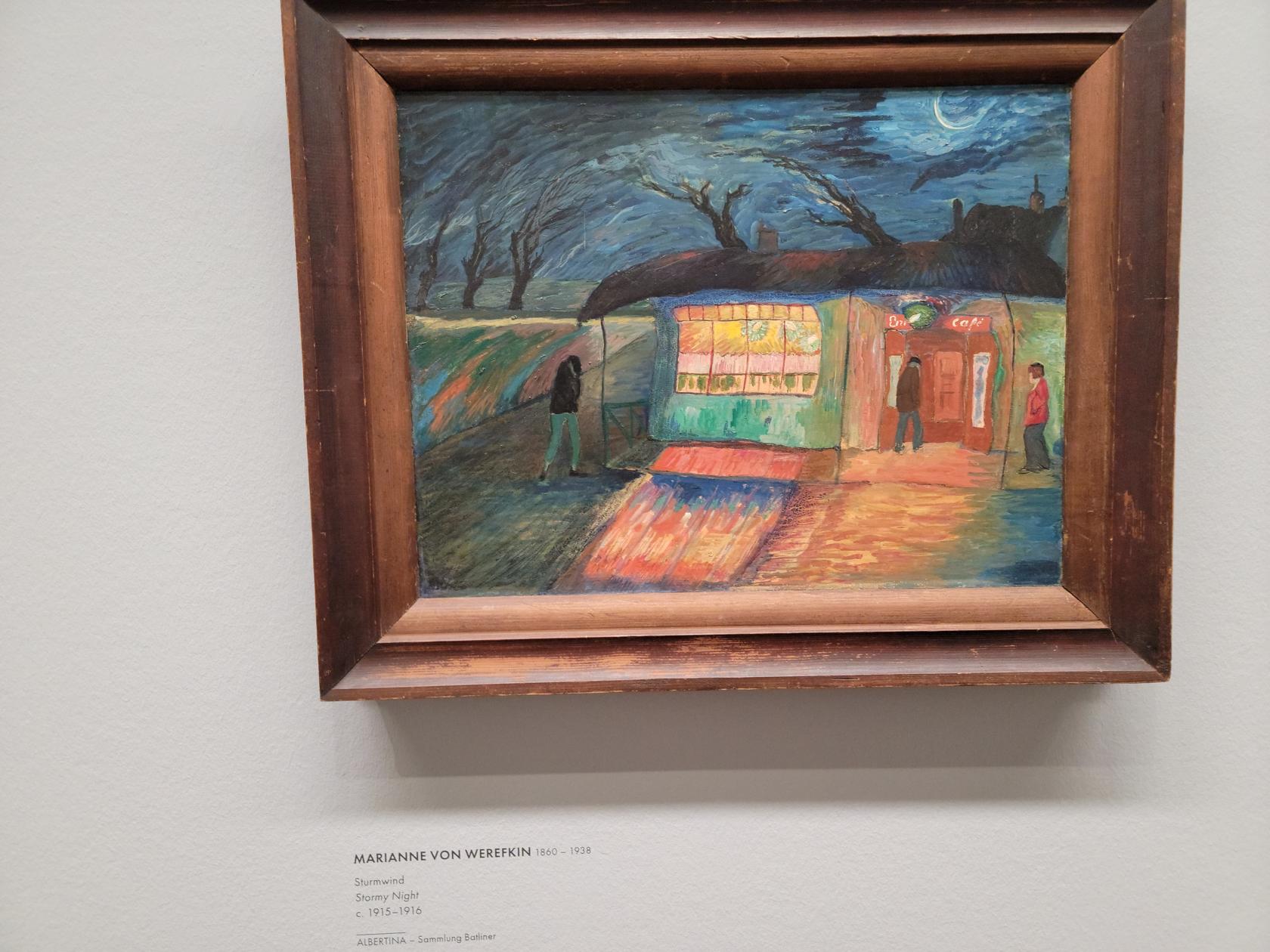
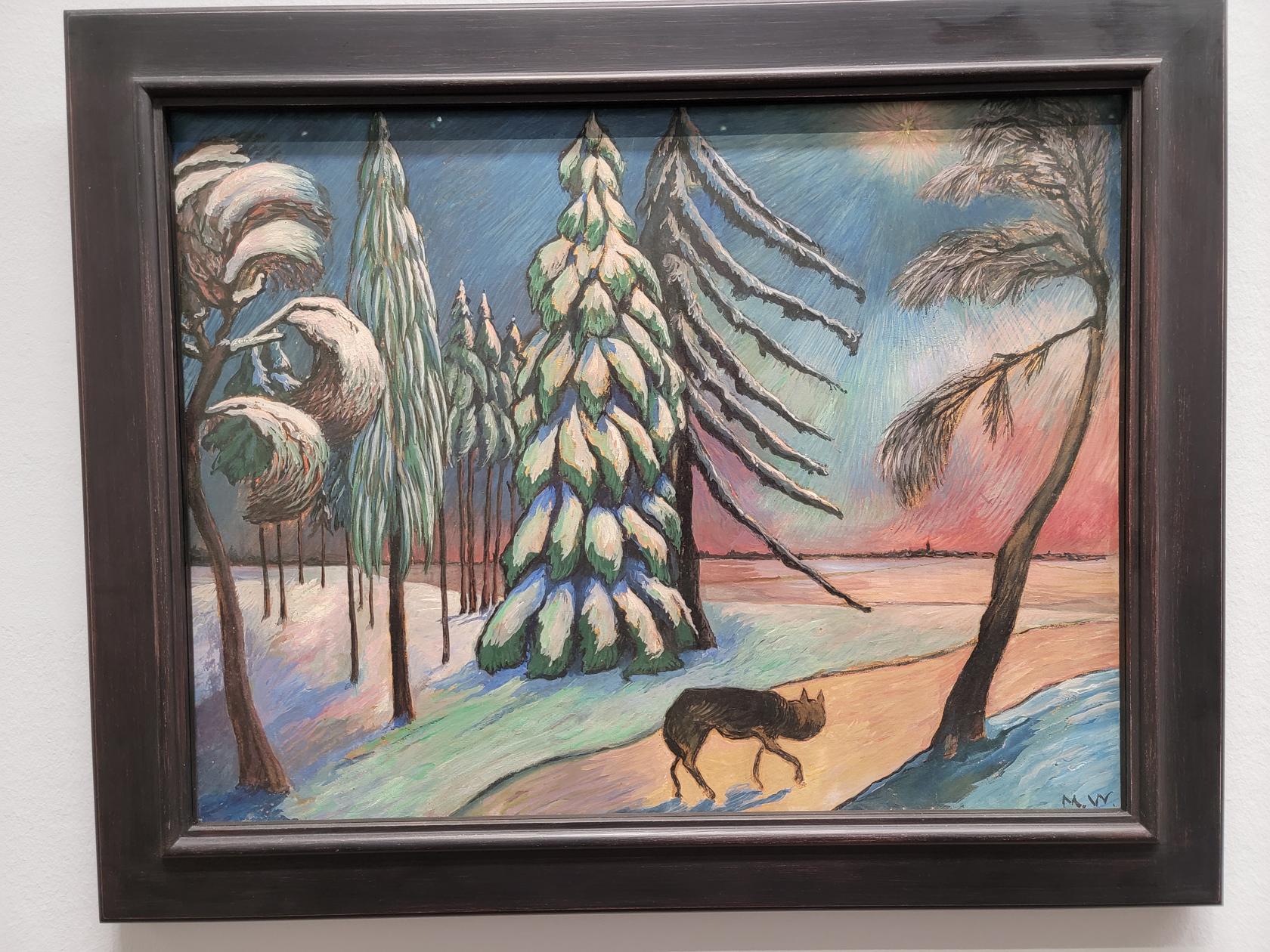
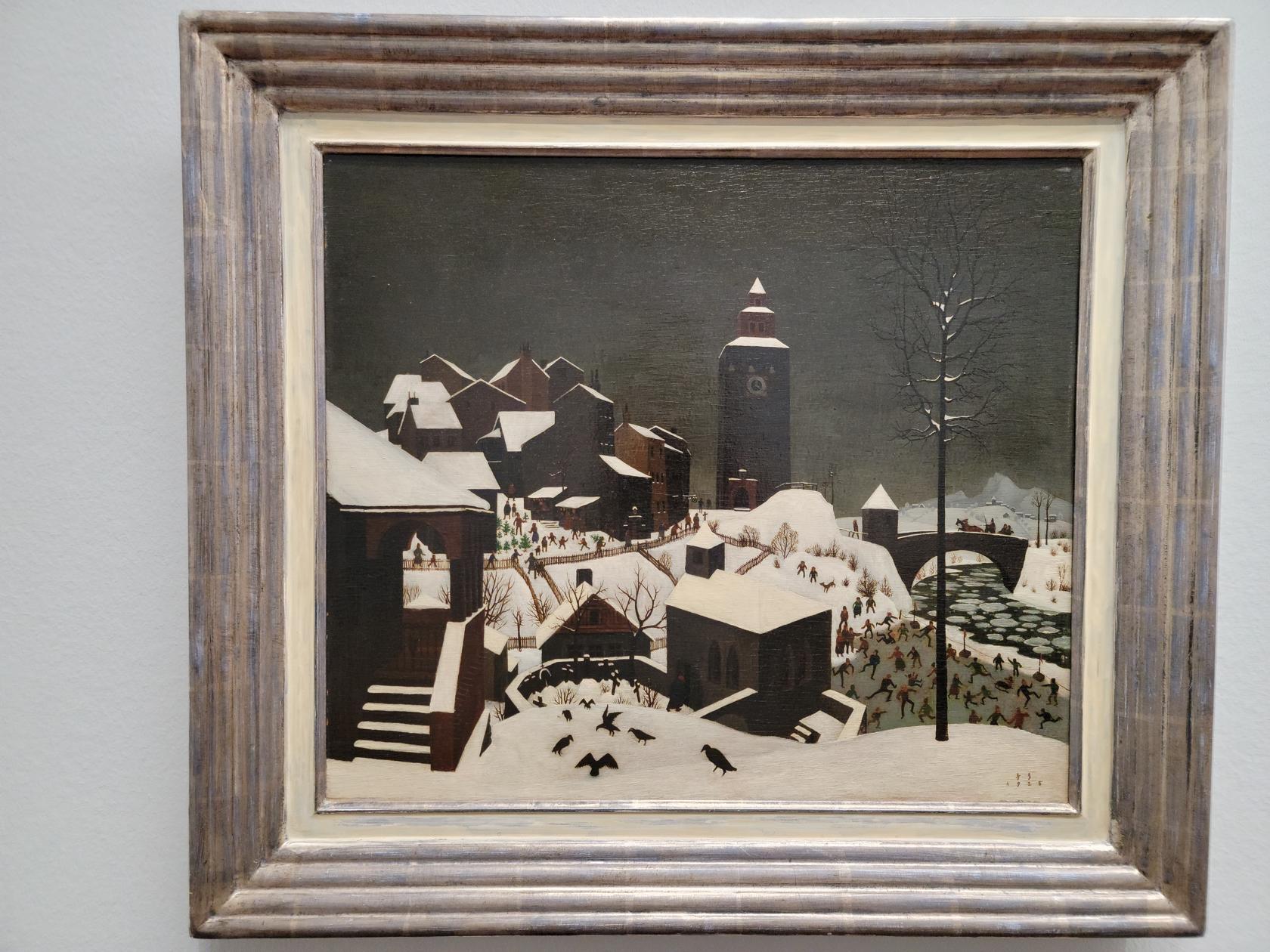
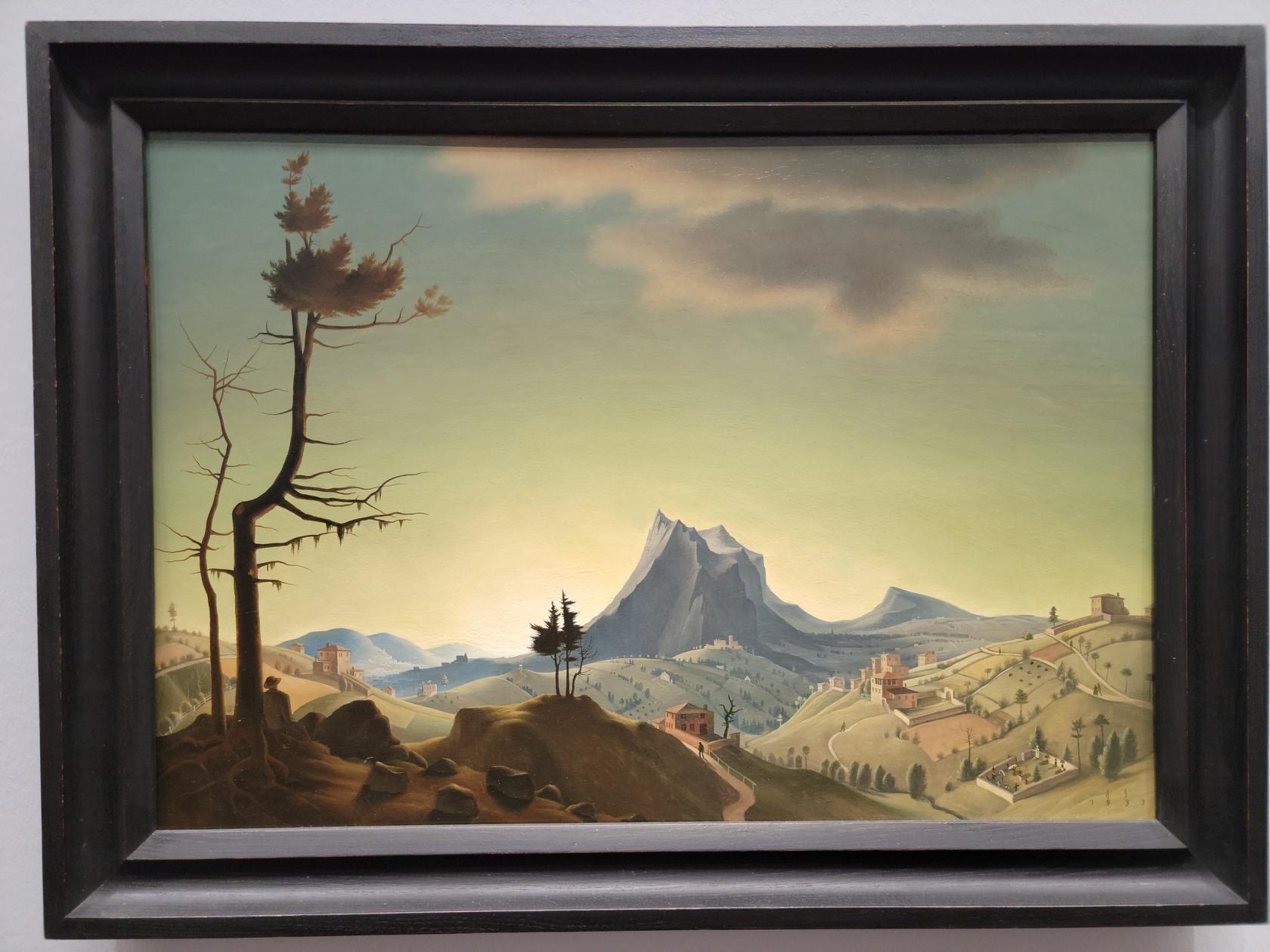
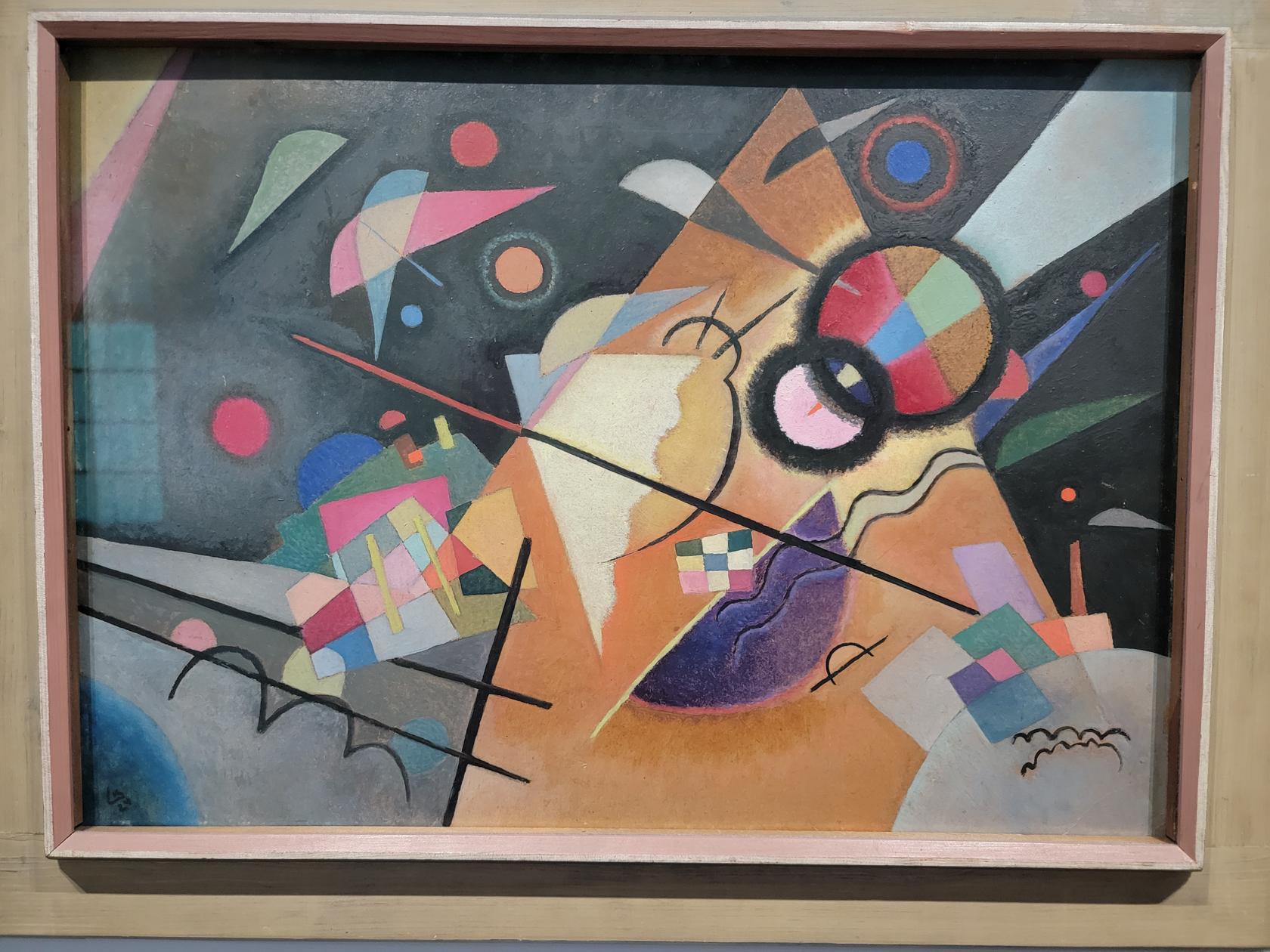
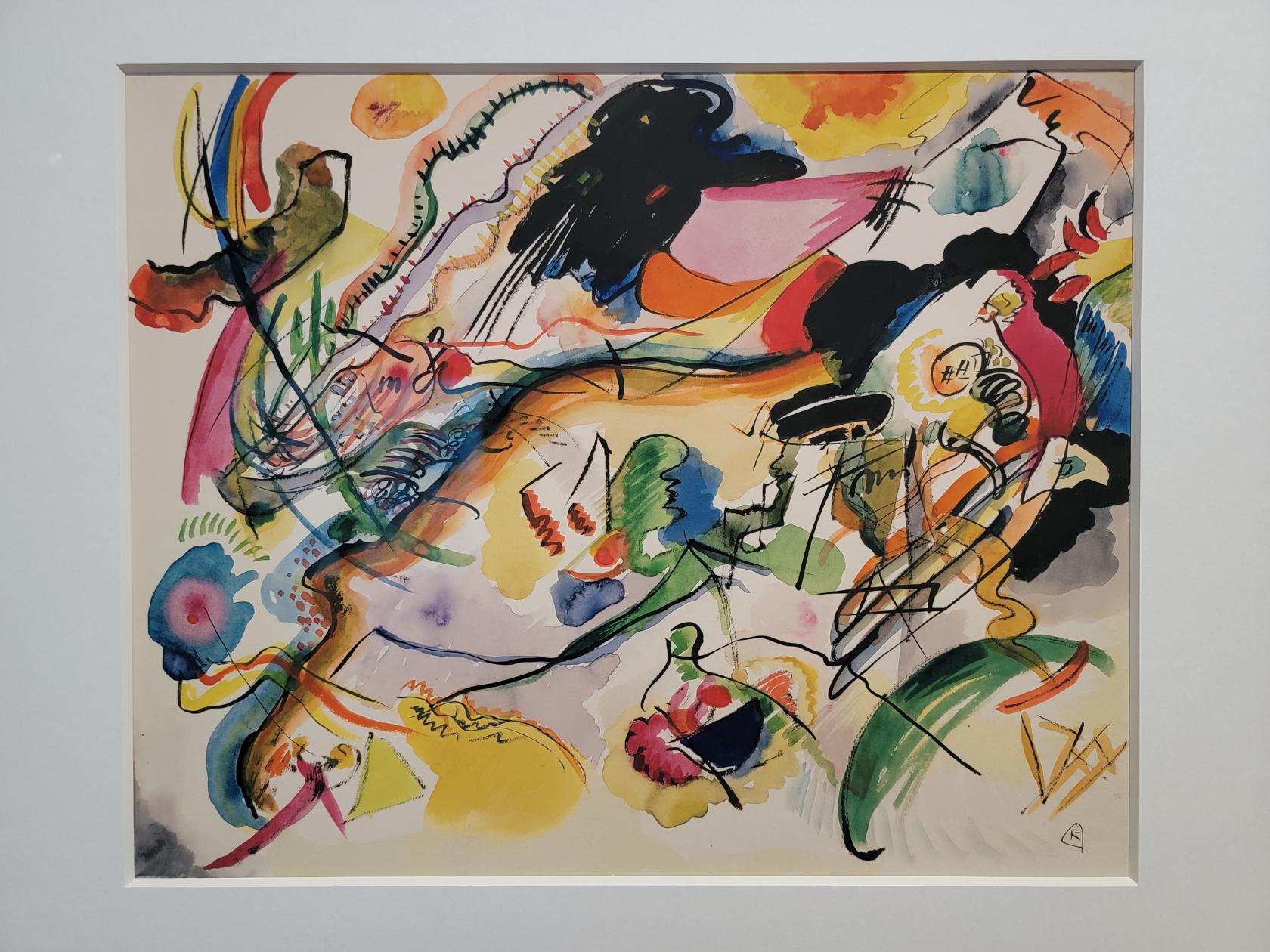
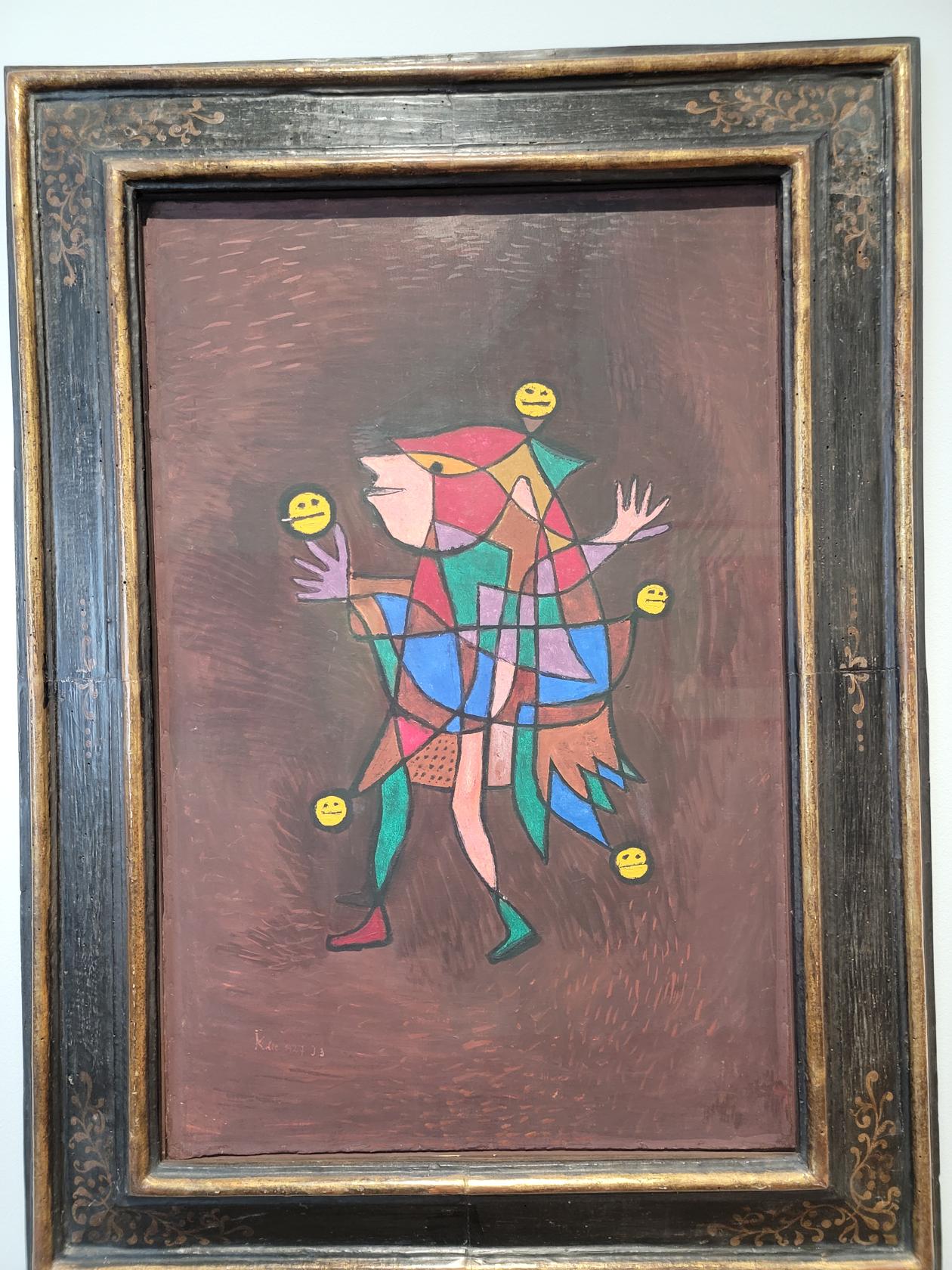
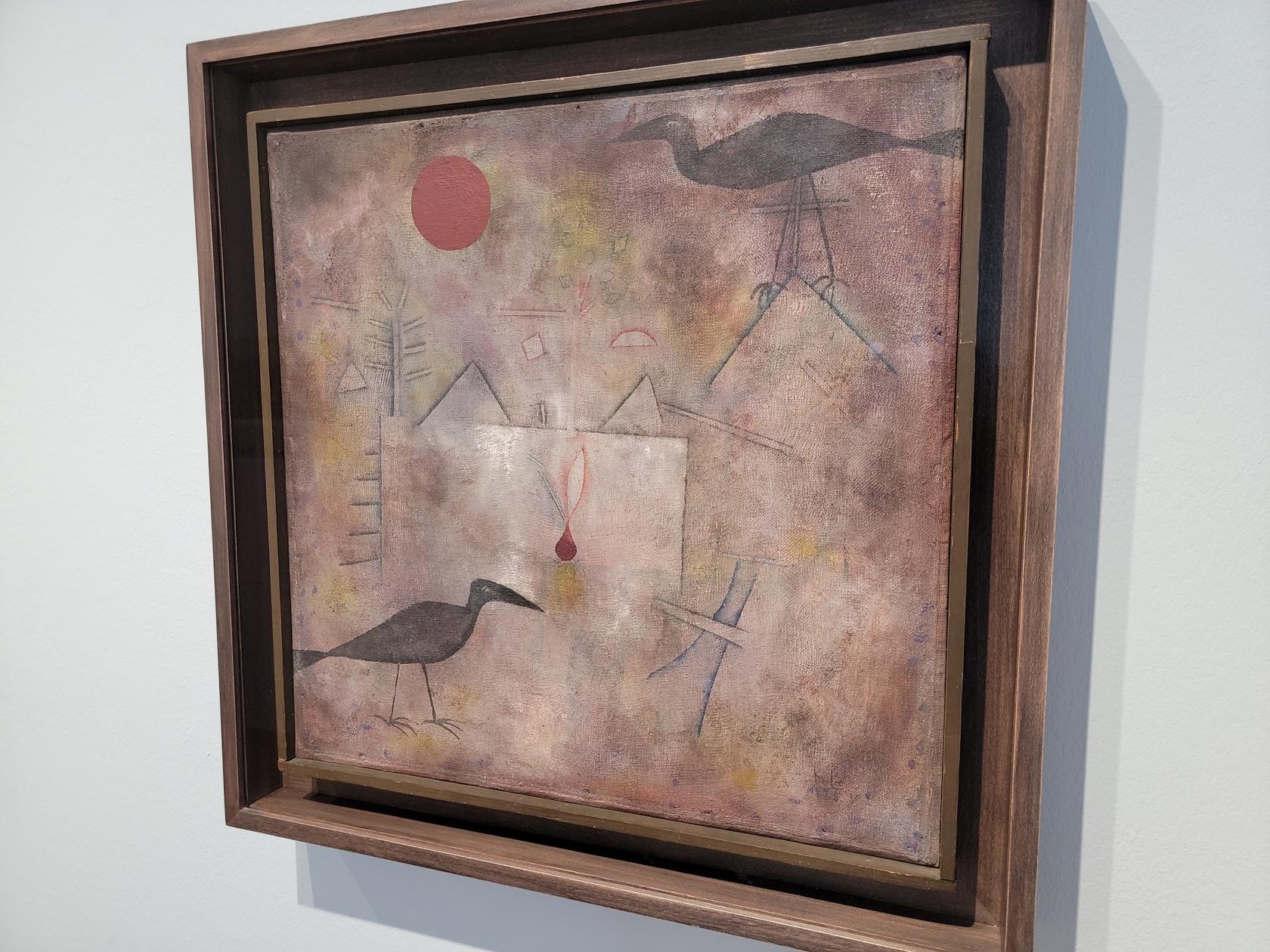
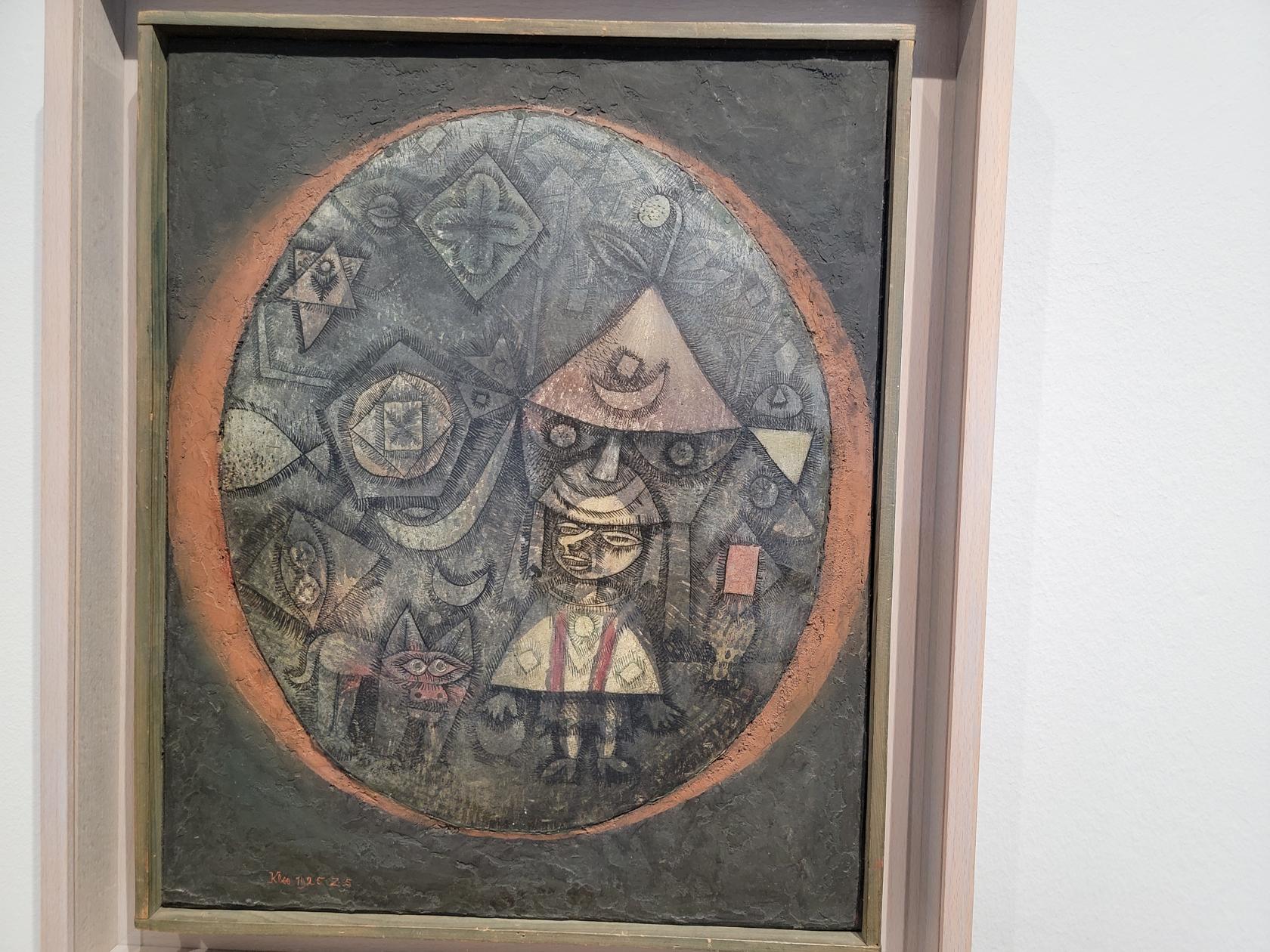
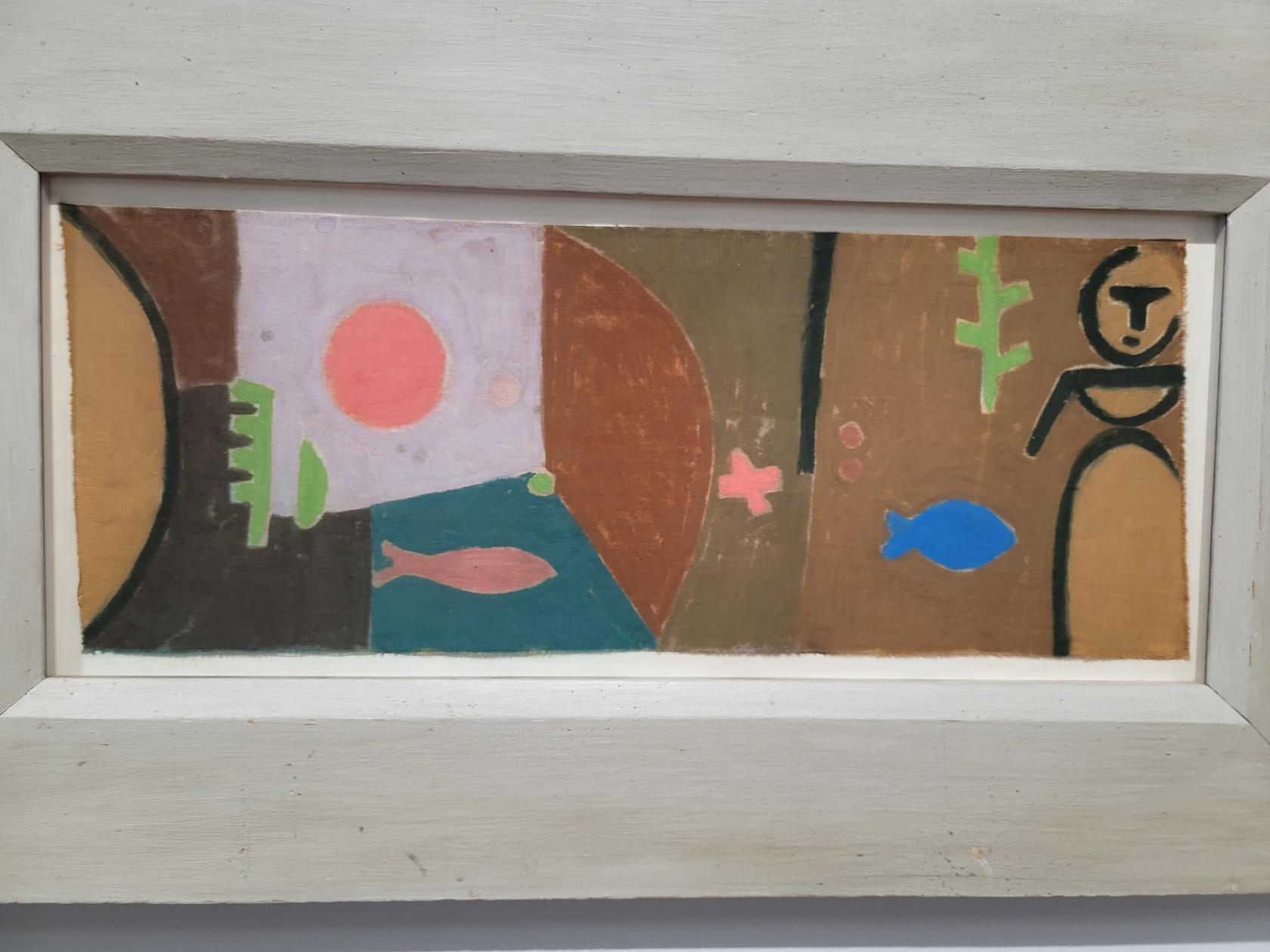
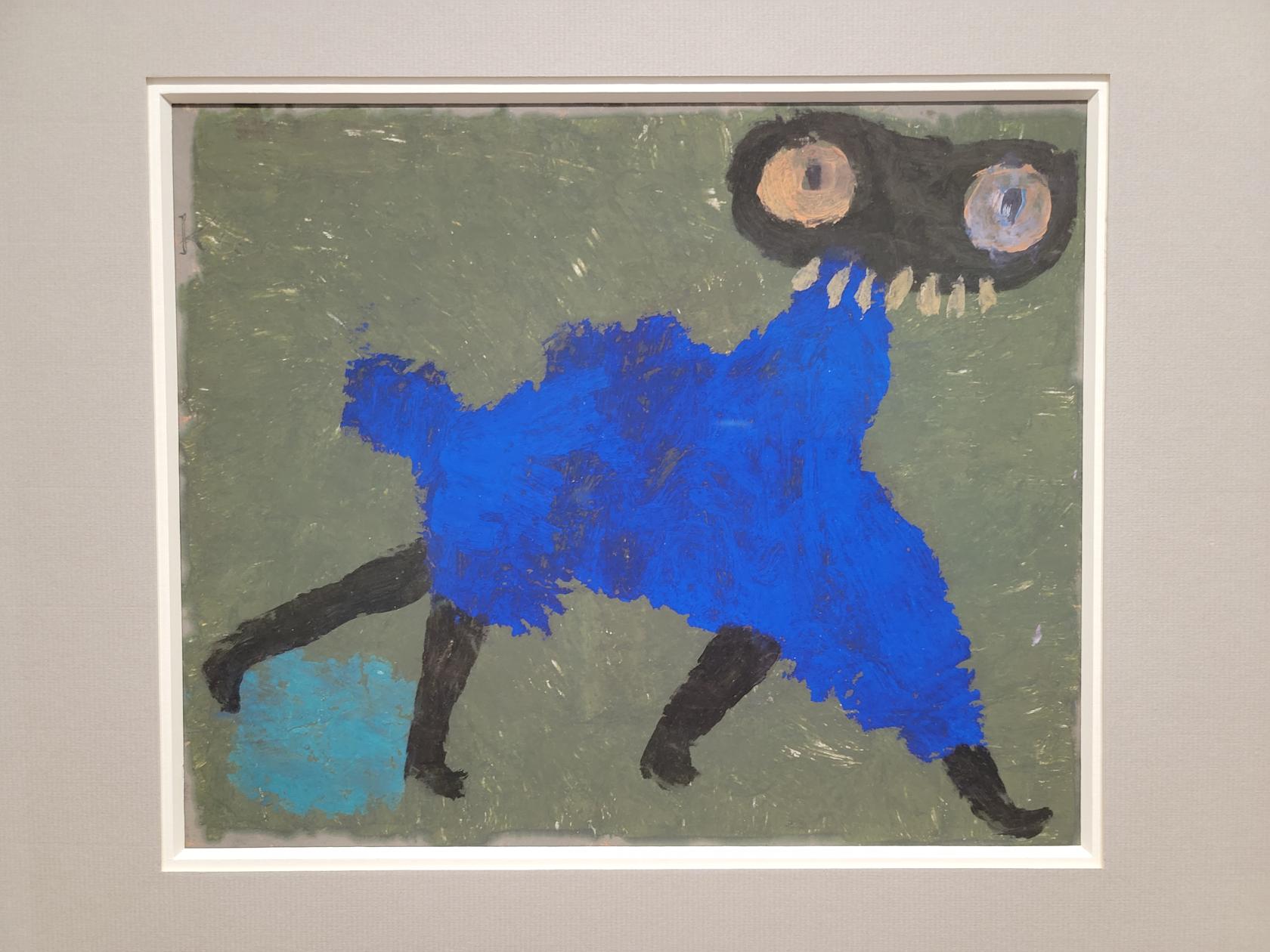
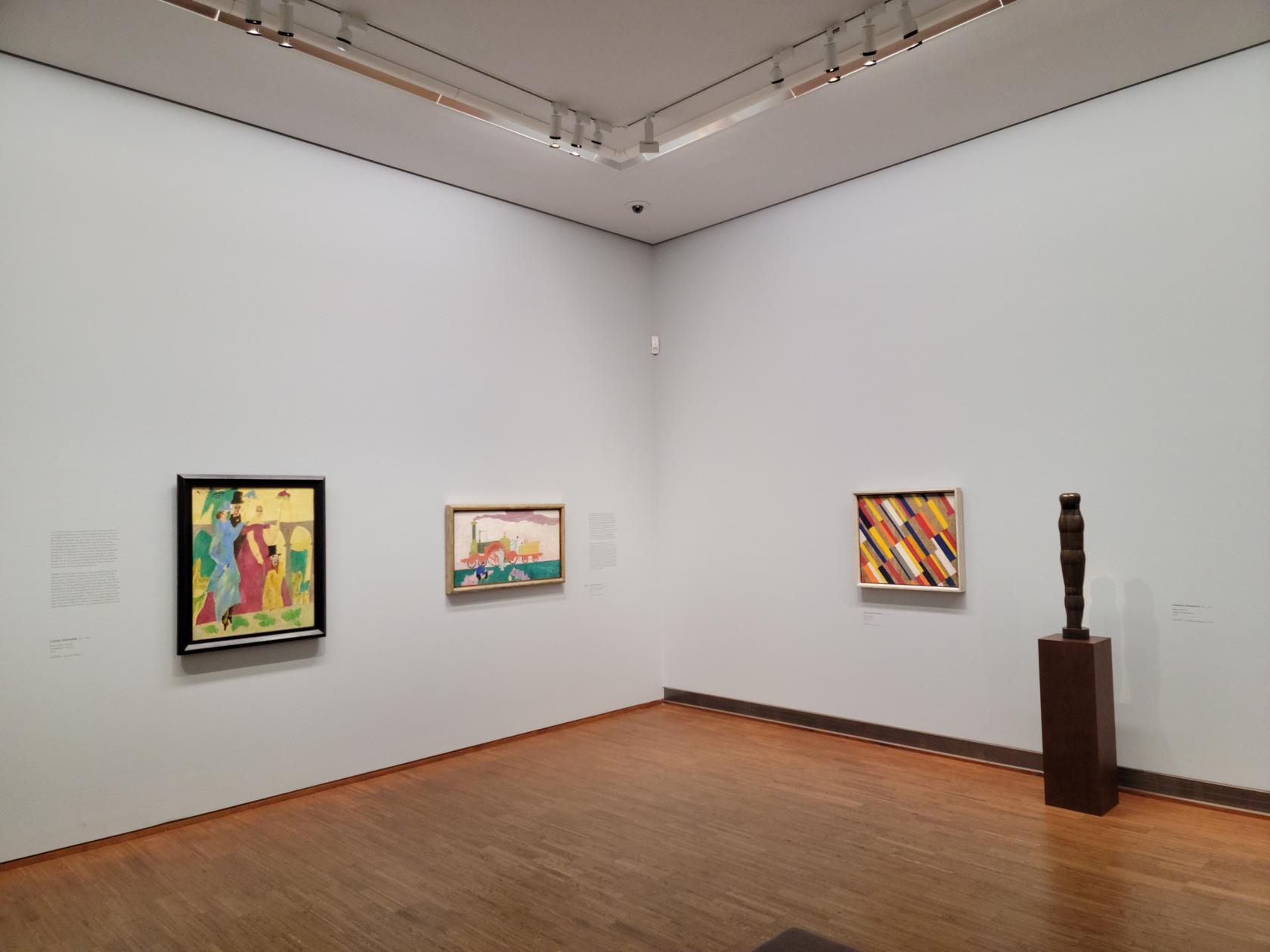
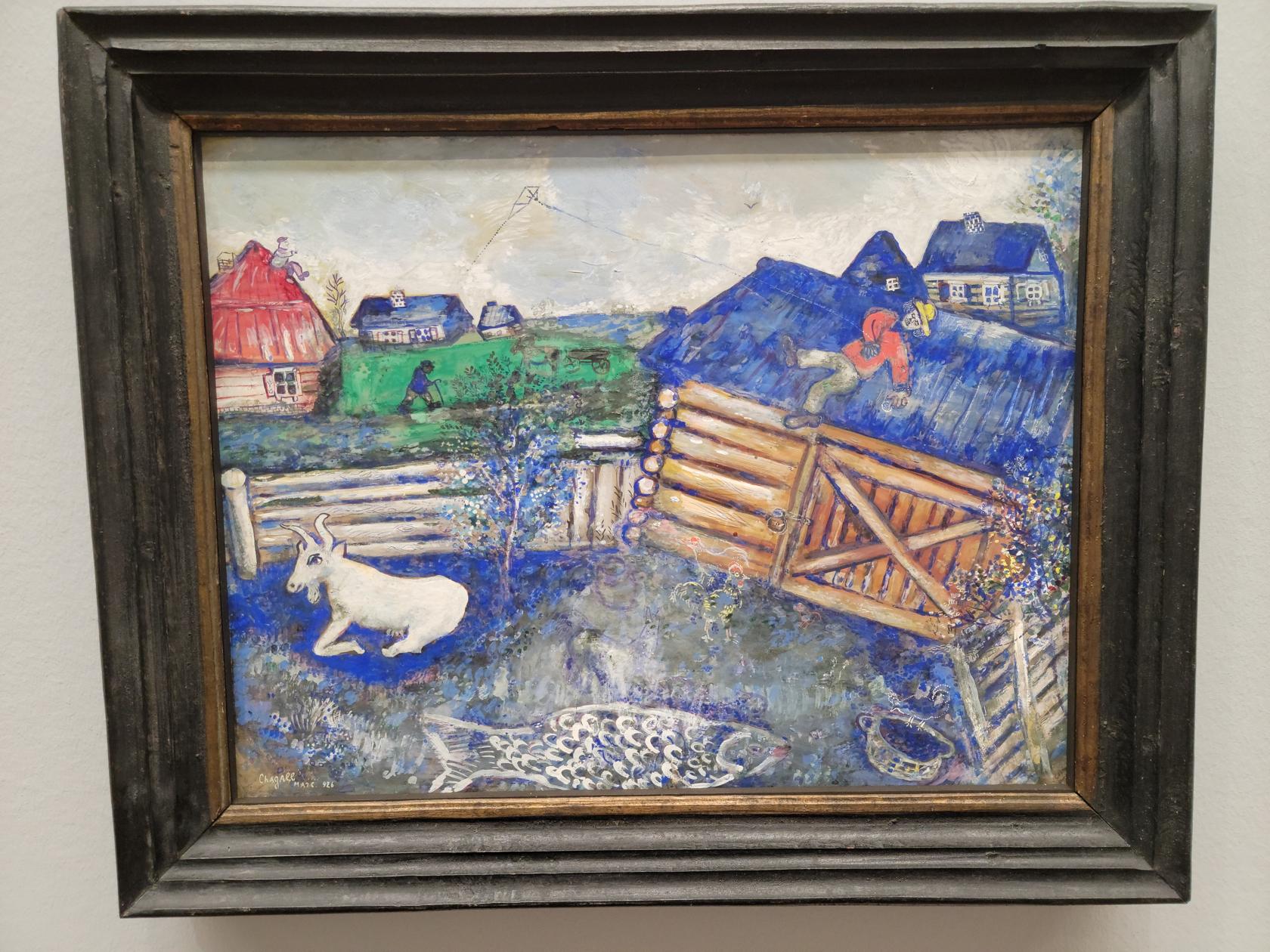
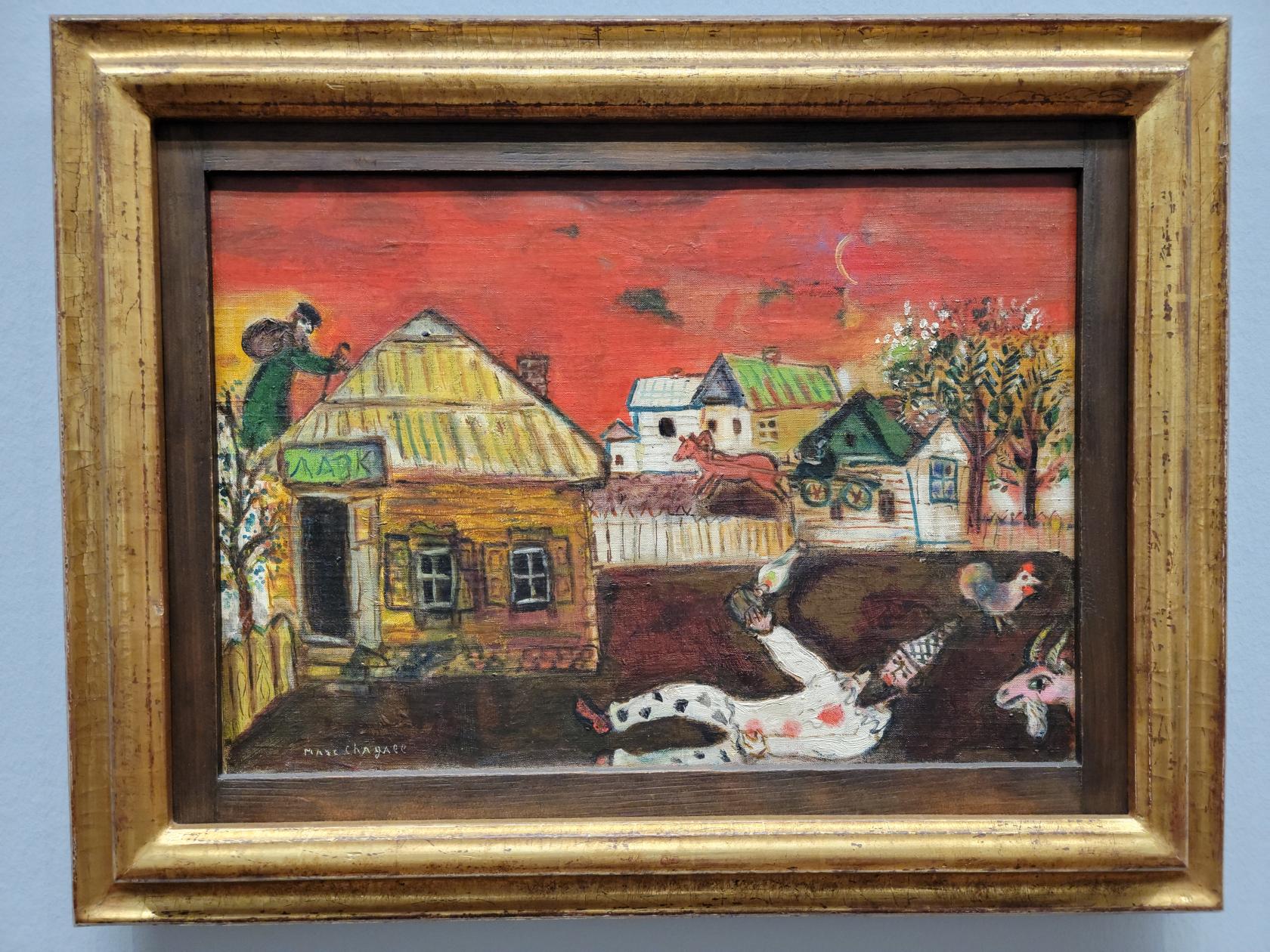
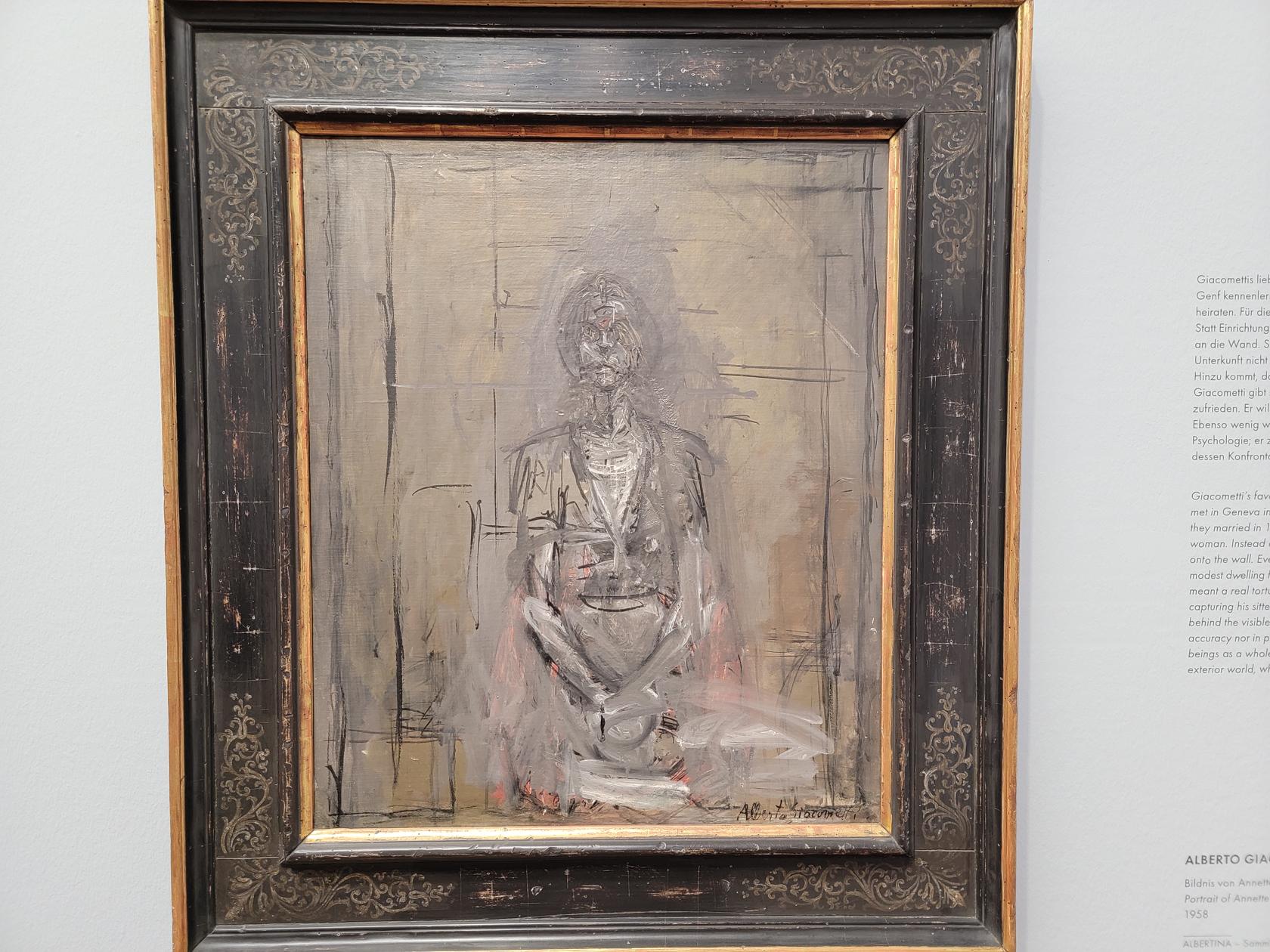
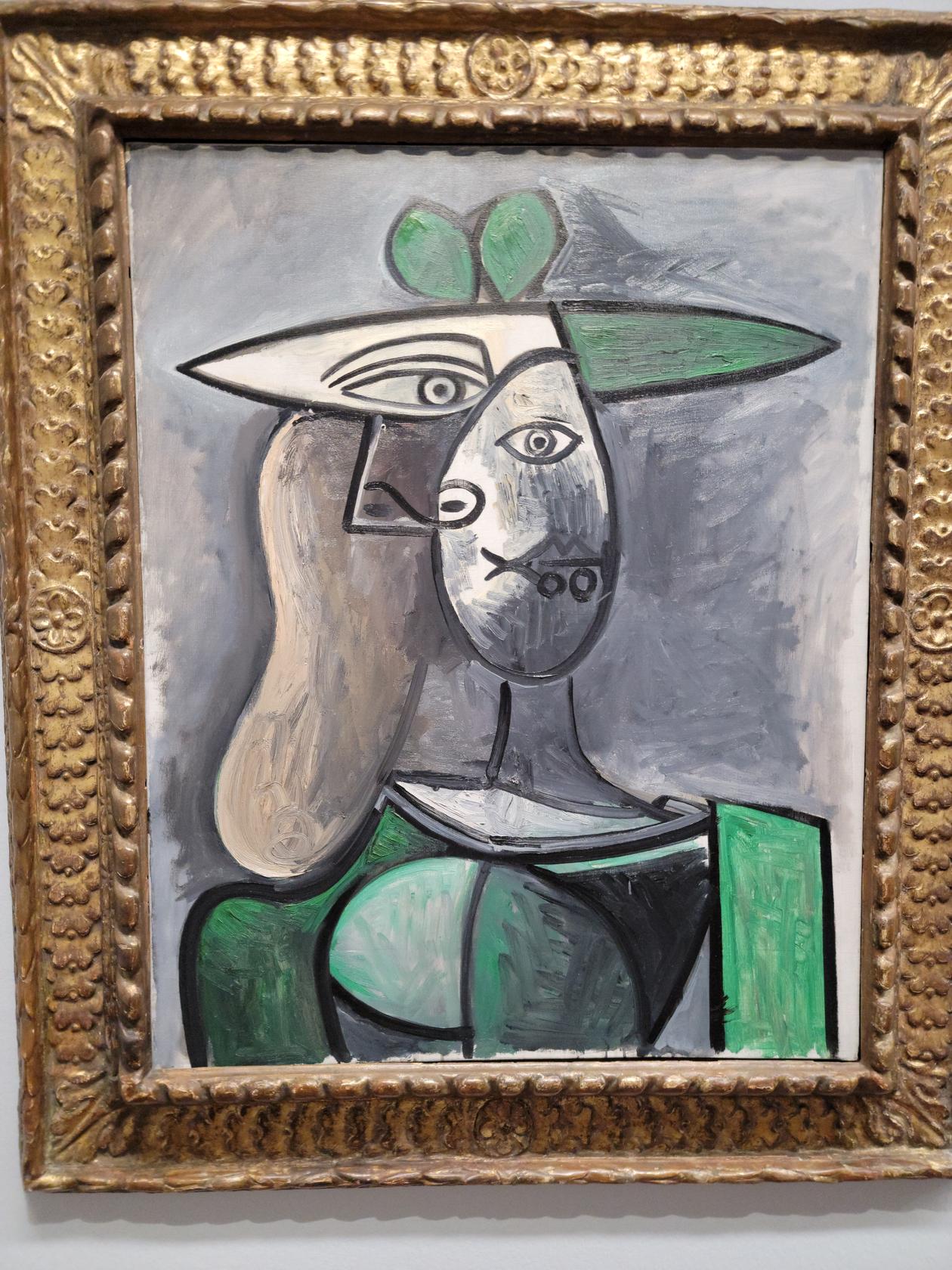
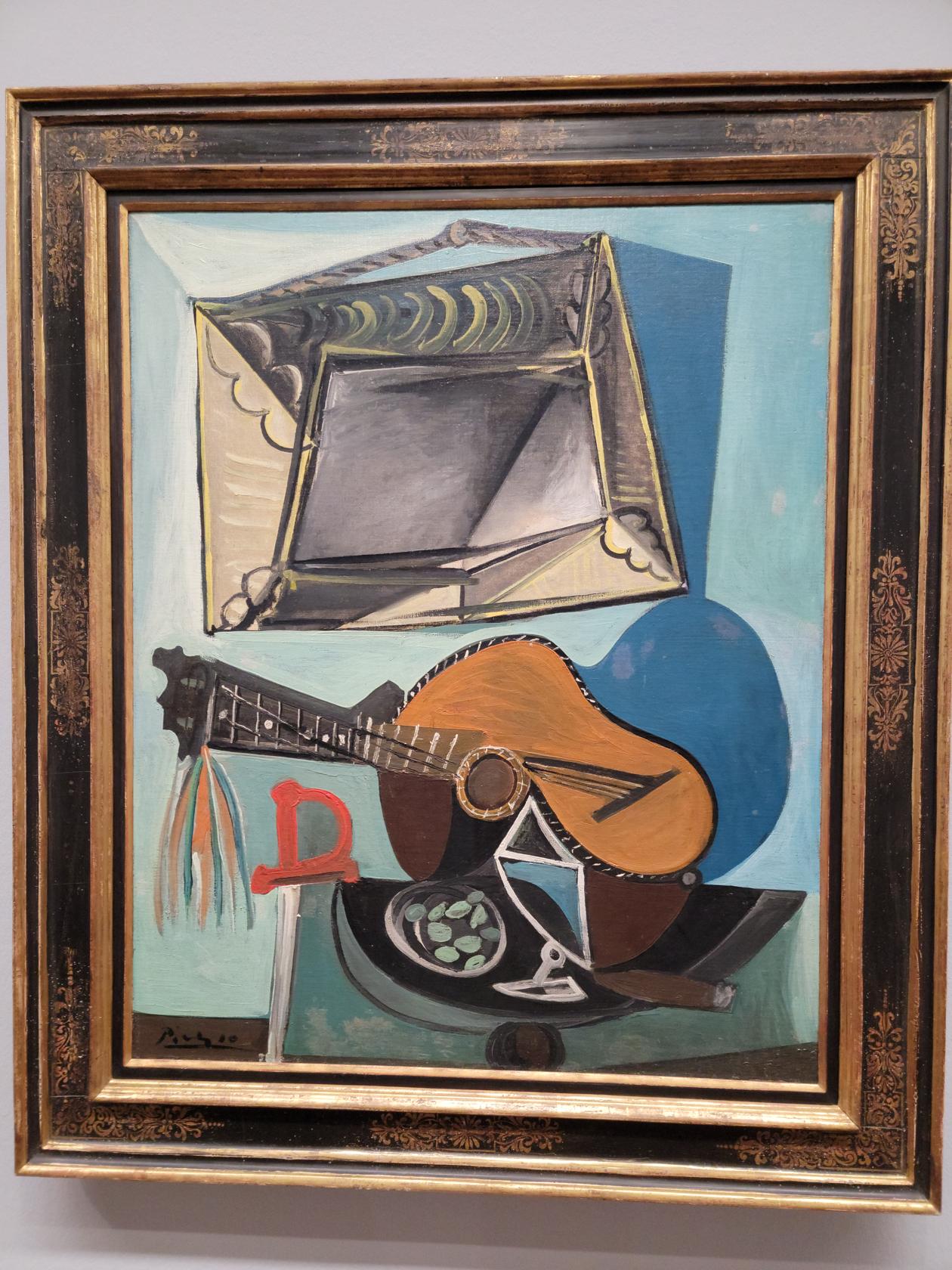
Formerly a palace, the Albertina was rebuilt after the Second World War and refurbished at the turn of the millennium. It contains collections of works by Monet, Picasso, Dürer and Da Vinci to name a few, my favorites are the works by Klee and Chagall. Here is a slideshow of some of those works.
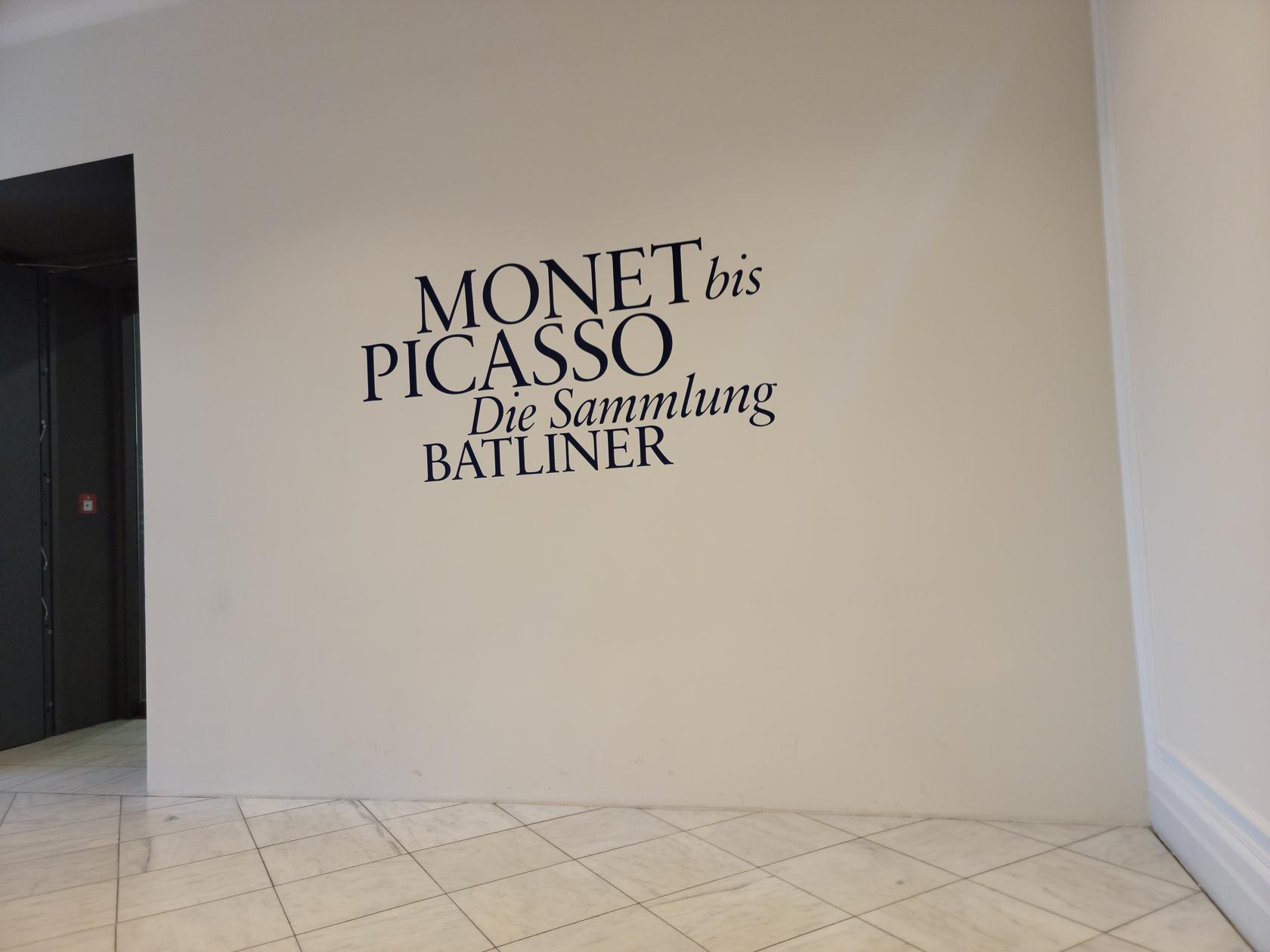
Batliner Collection
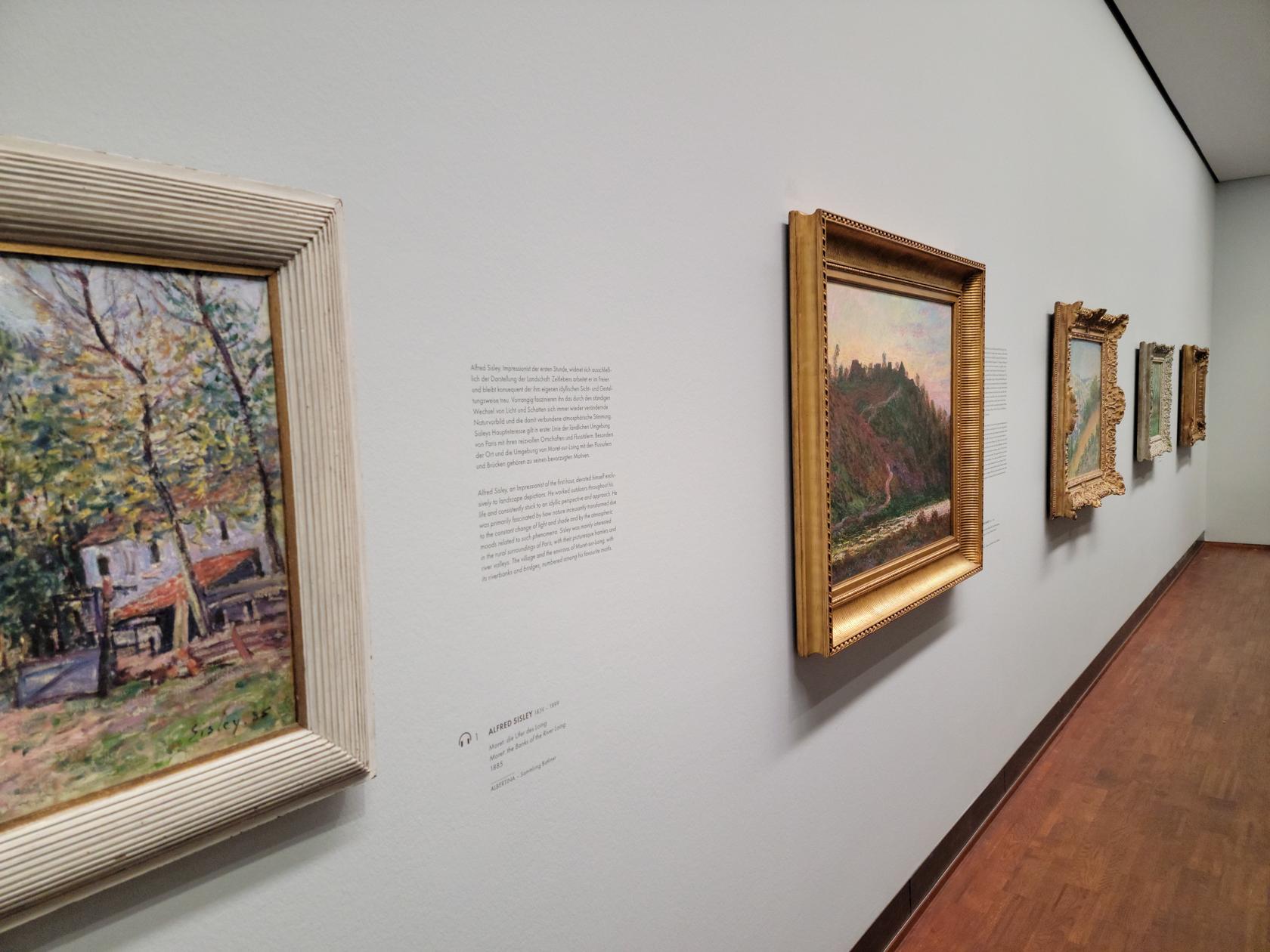
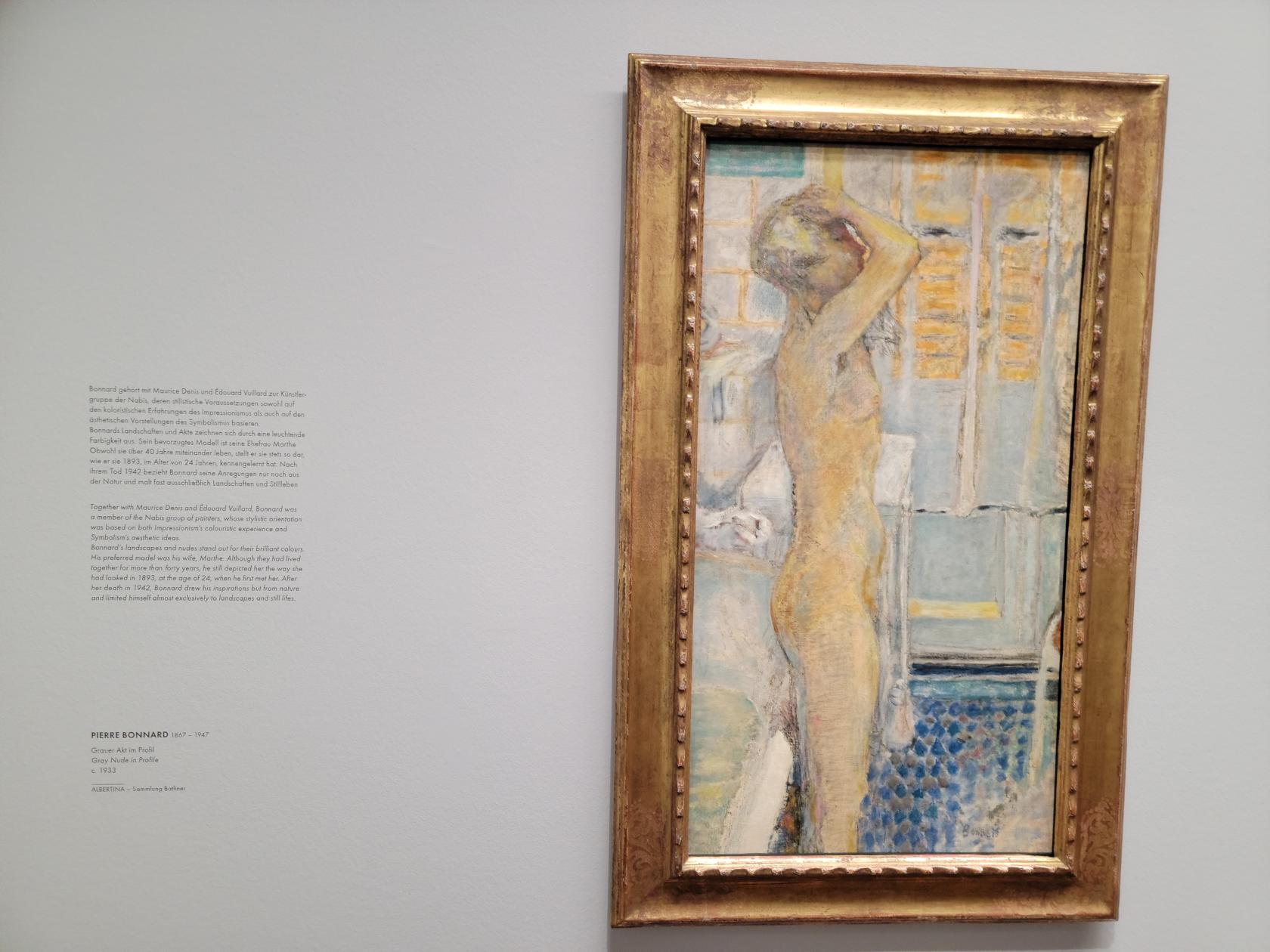
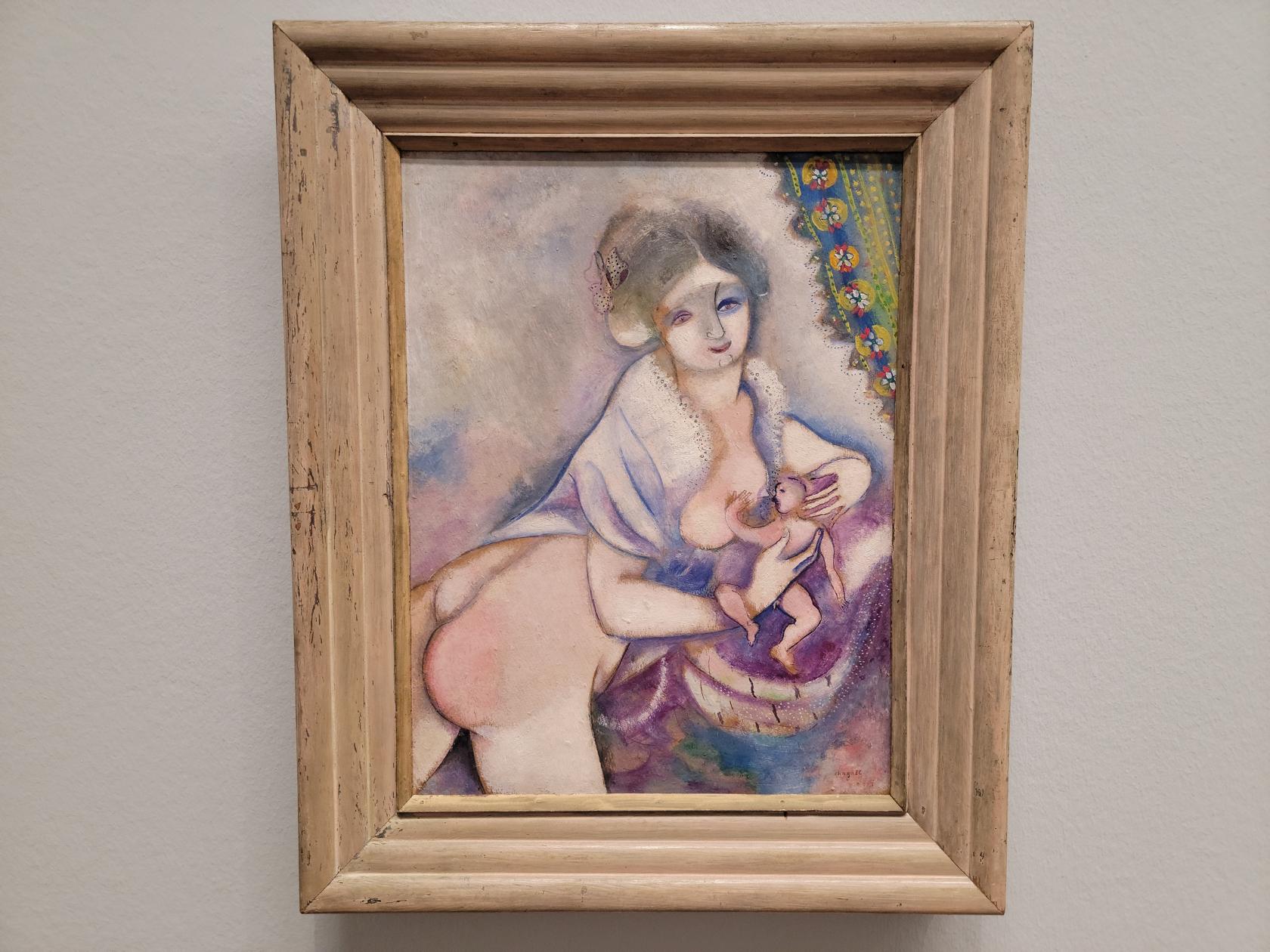
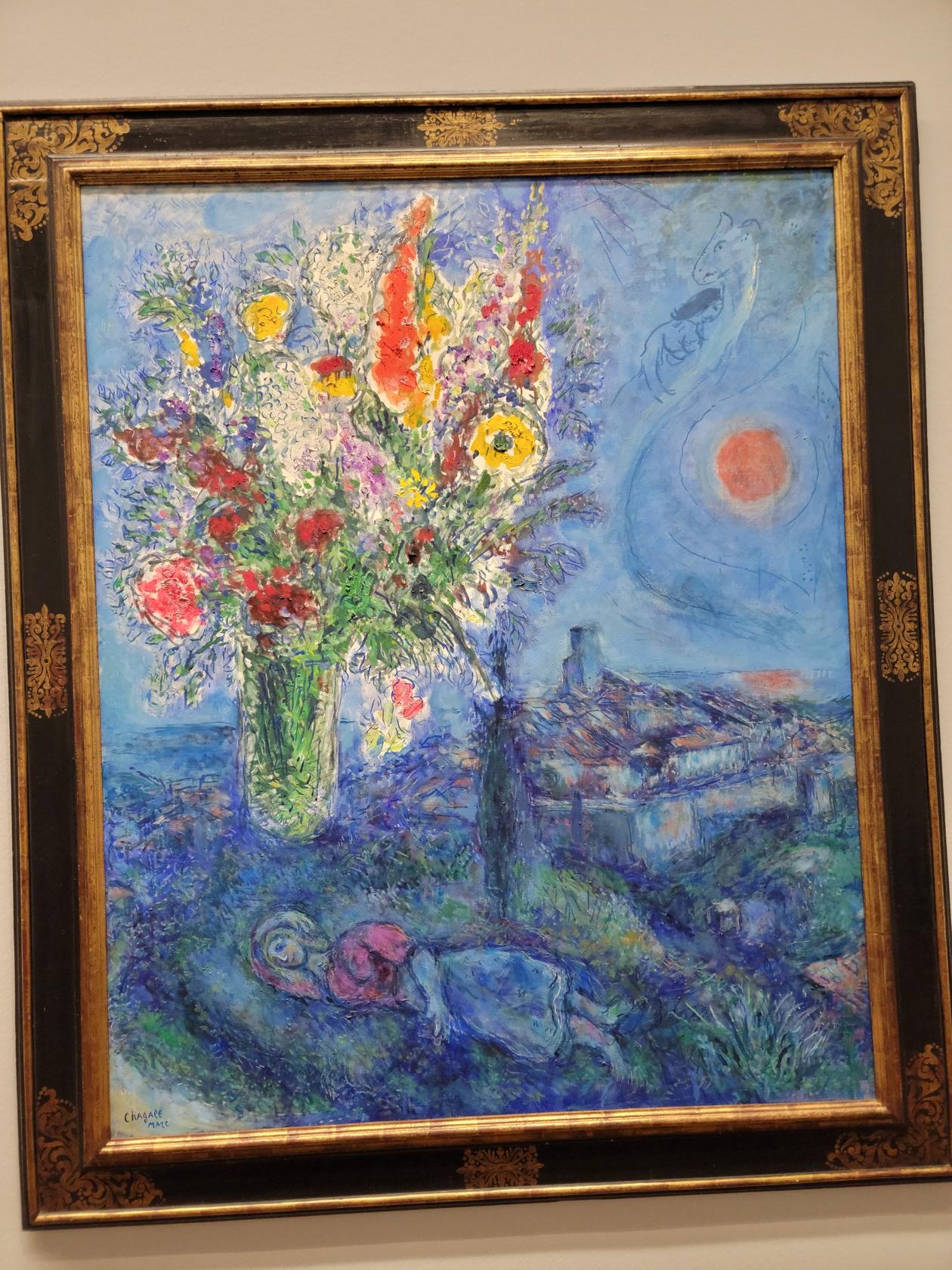
A famous collection of paintings featuring Monet and Picasso, the Batliner Collection was endowed to the Albertina by Herbert Batliner’s estate. It contains many important collections by modernist artists, including Chagall, Ernst and Klee. Here is a slideshow of what this collection has to offer.
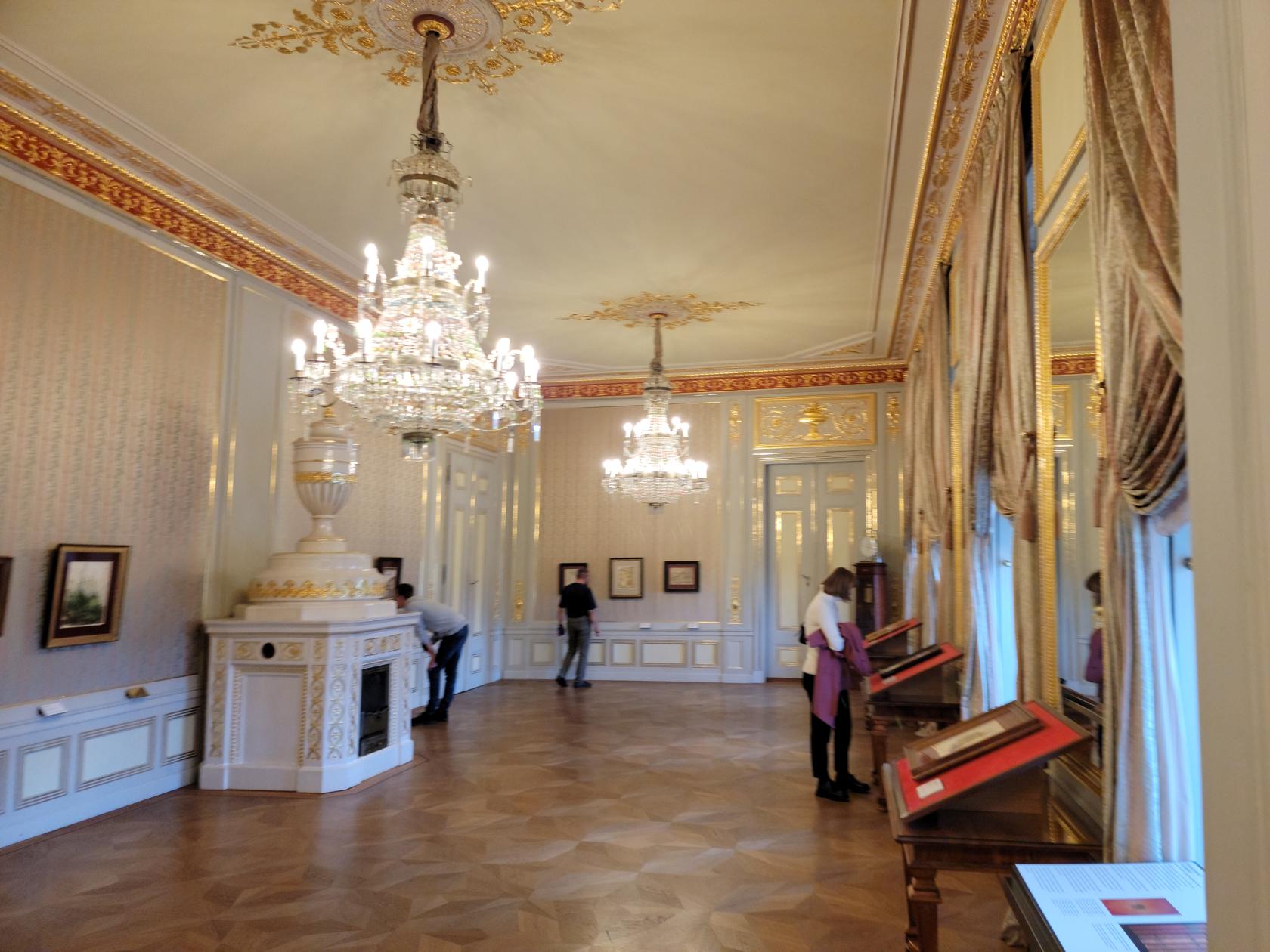
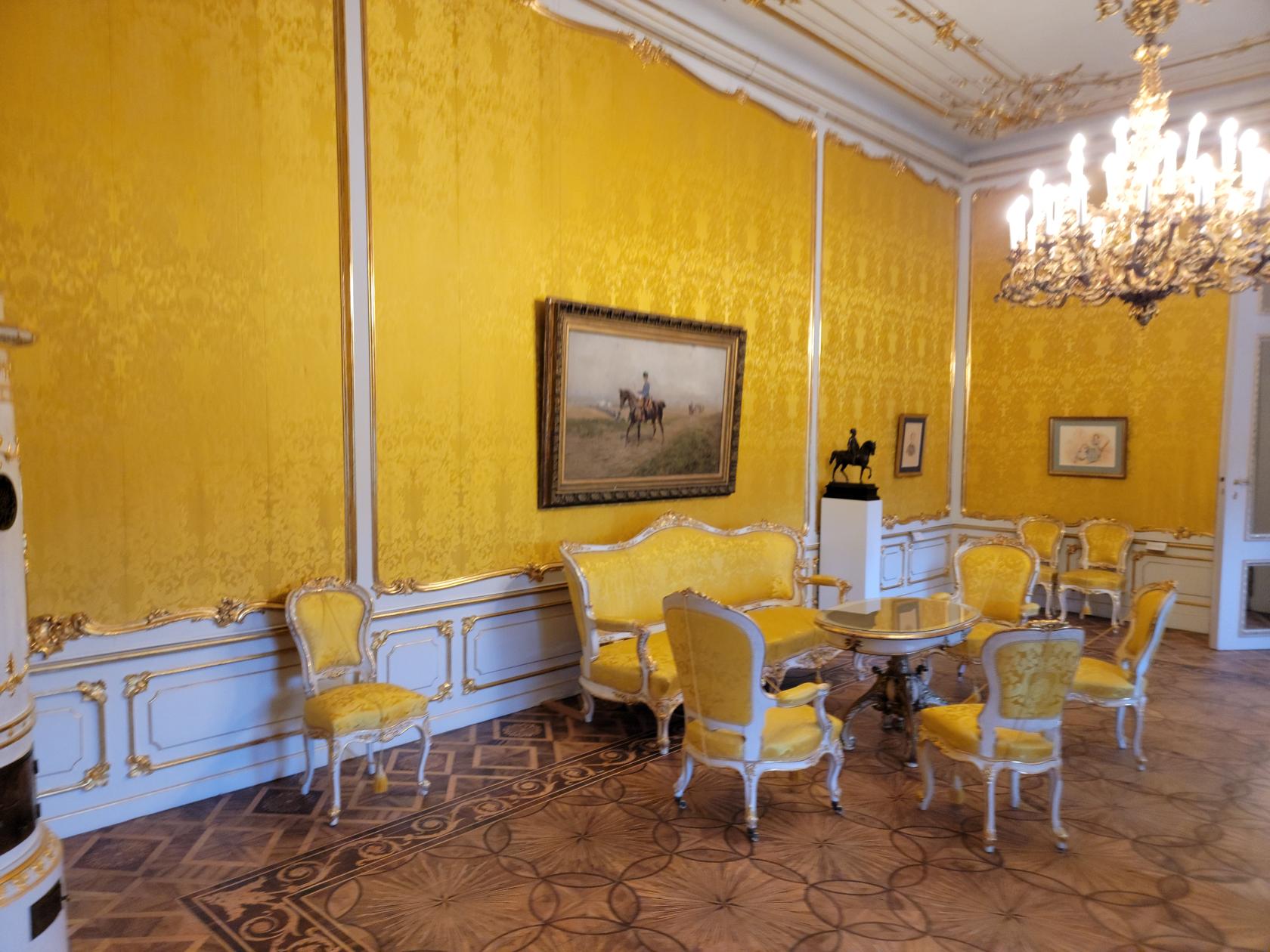
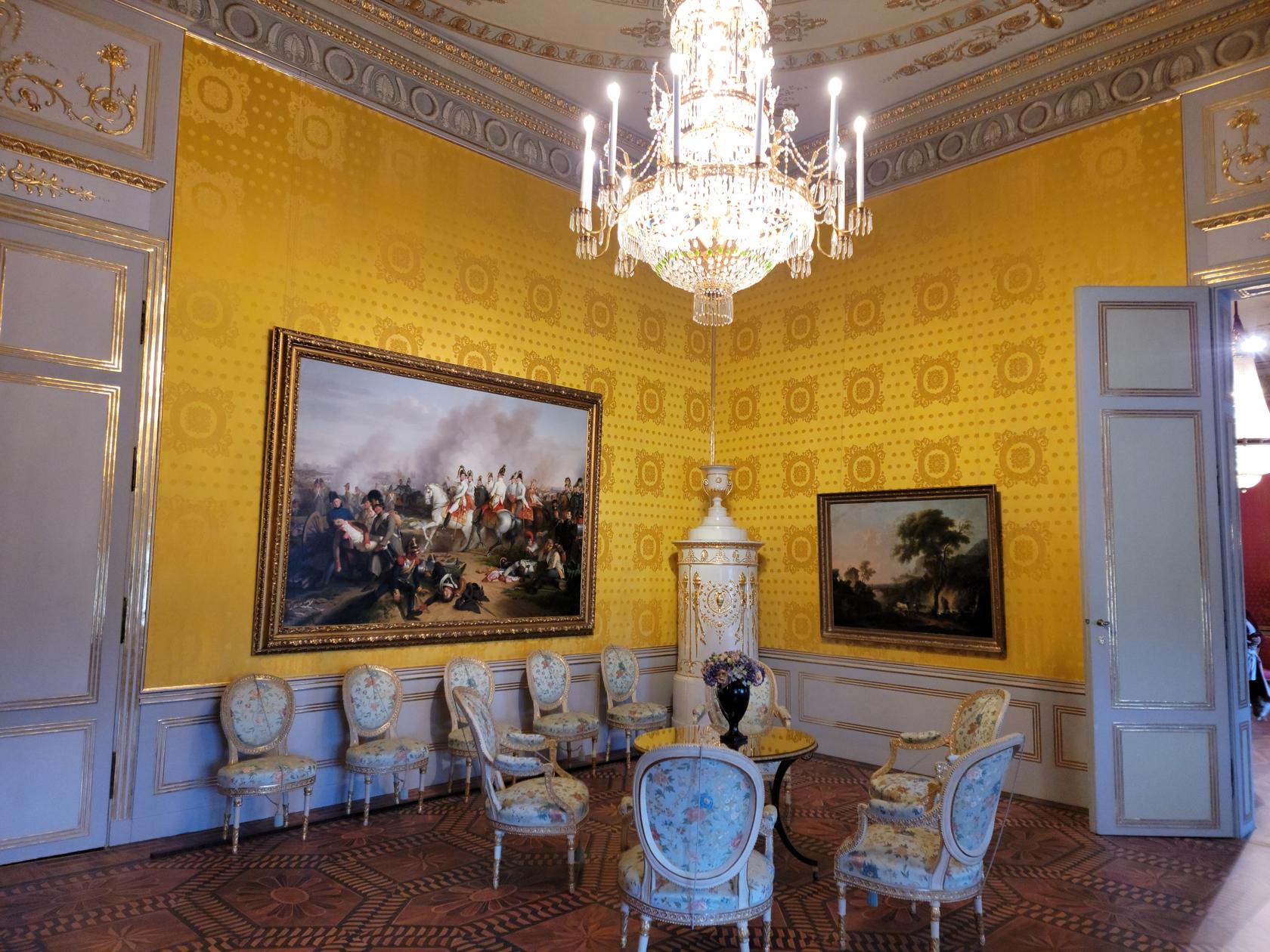
The building also has a collection of state rooms that were used by the archdukes and archduchesses of the Habsburgs. It consists of about twenty rooms of varying styles and designs.
Vienna – Albertina – State Rooms
Vienna – Albertina – State Rooms
Vienna – Albertina – State Rooms
Vienna – Albertina – State Rooms
Vienna – Albertina – State Rooms
Vienna – Albertina – State Rooms
Restaurants
La Scala Trattoria
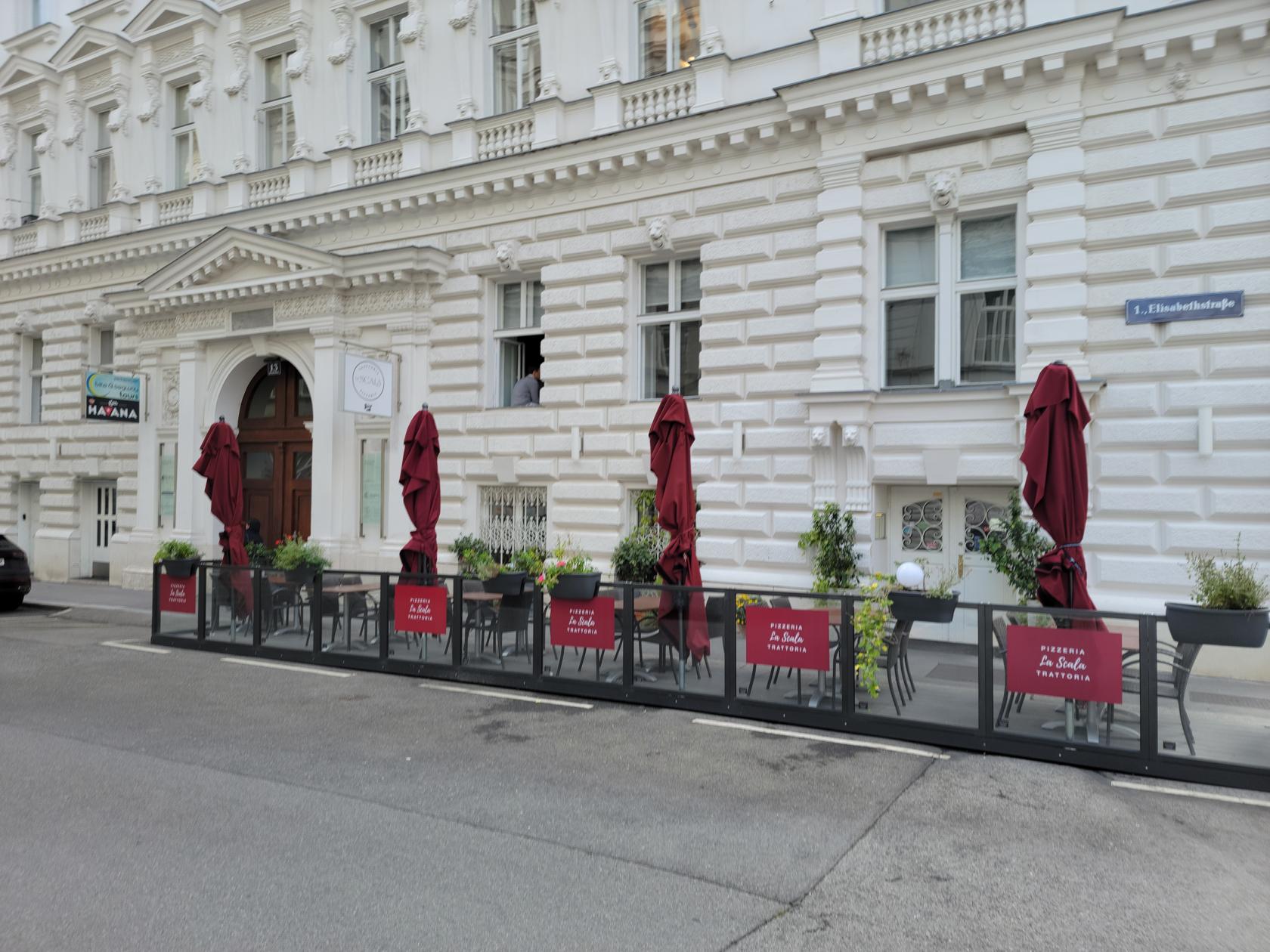
Yes we know, Italian food in Austria? Yes and yes! It is amazing how many Italian restaurants and trattoria there are here, including chains like Vapiano’s, if you need a quick bite for lunch.
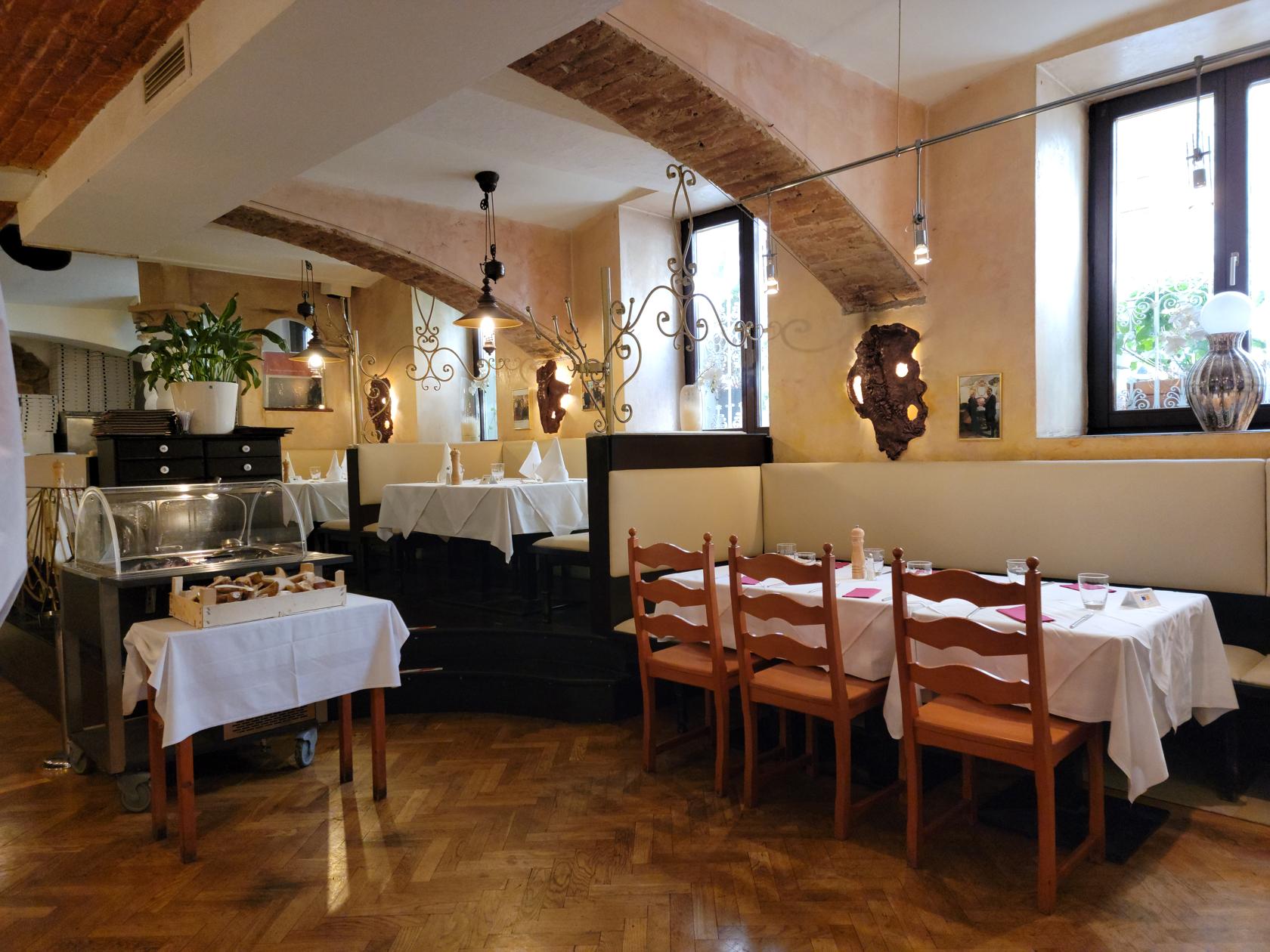
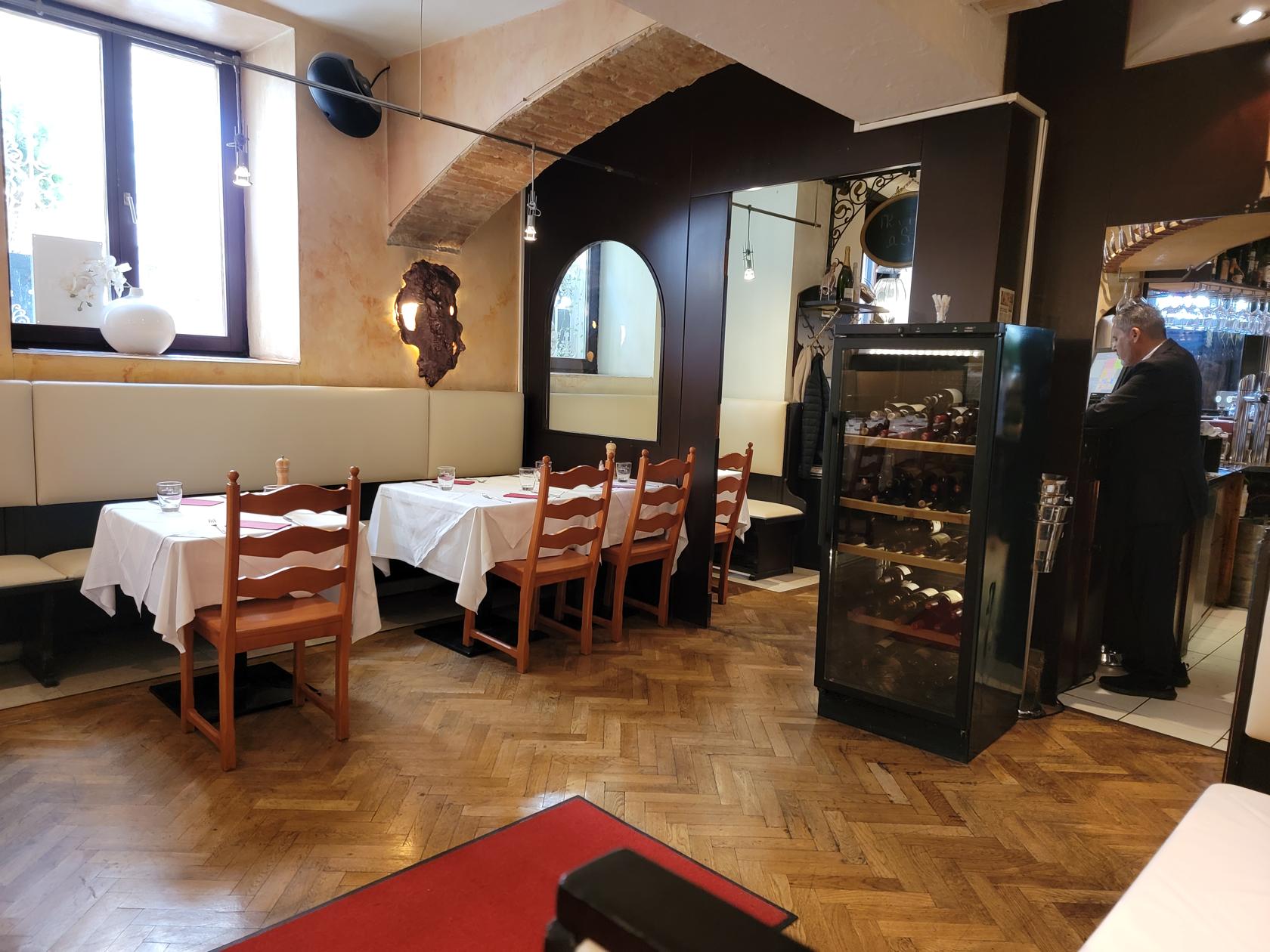
Vienna – Italian Restaurant – La Scala
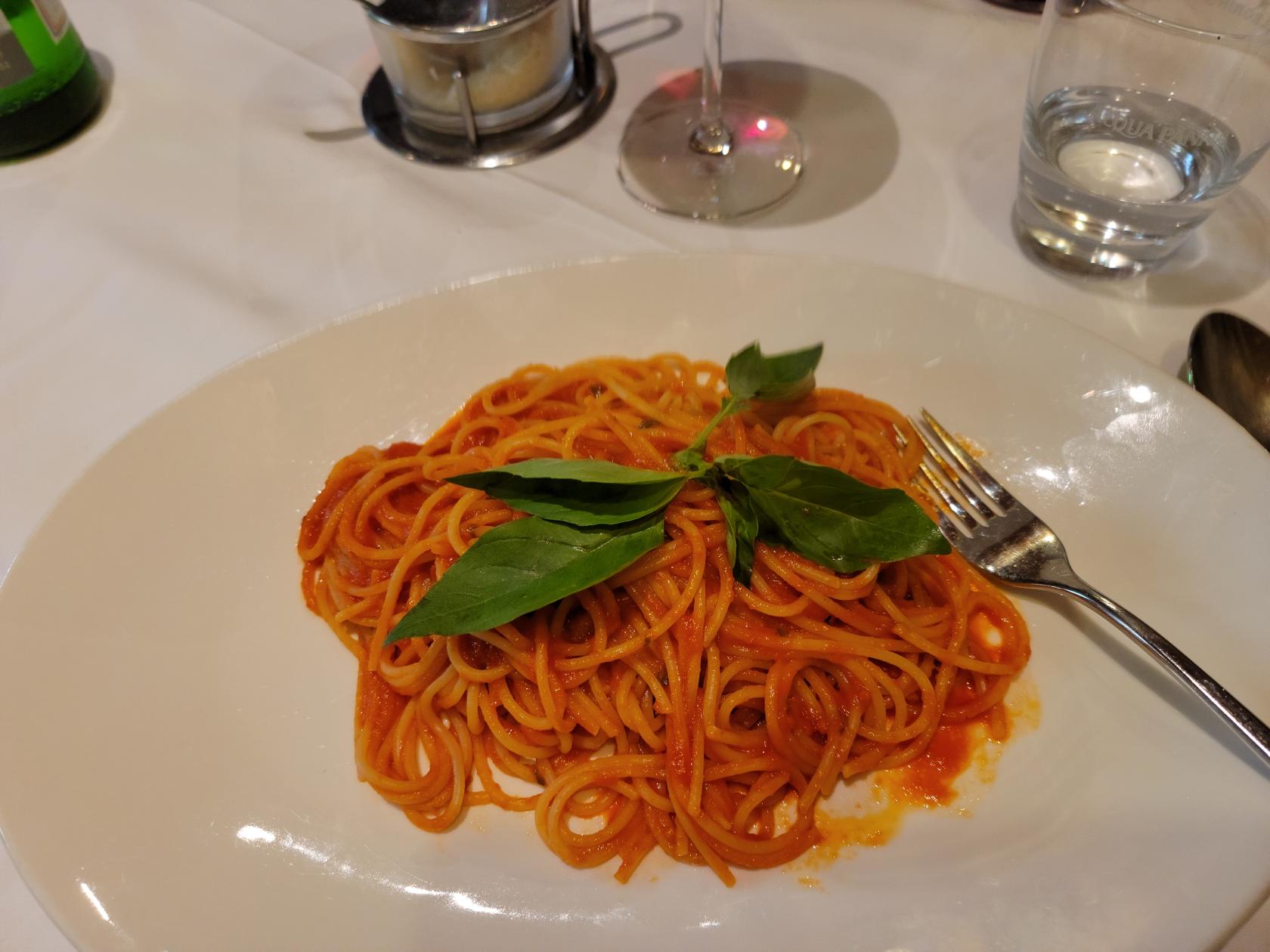
This was a great pick for lunch, the hosts are very attentive and the food is speedily and well prepared. Though I would say that cuisine that is offered has an almost Rome feel to it, either due to the owners origin or as a response to tourist’s expectations. All in all, you couldn’t any better in Vienna than selecting this place to eat Italian food.
Vienna – Italian Restaurant – La Scala
Vienna – Italian Restaurant – La Scala – Spaghetti al Pomodoro e Basilico
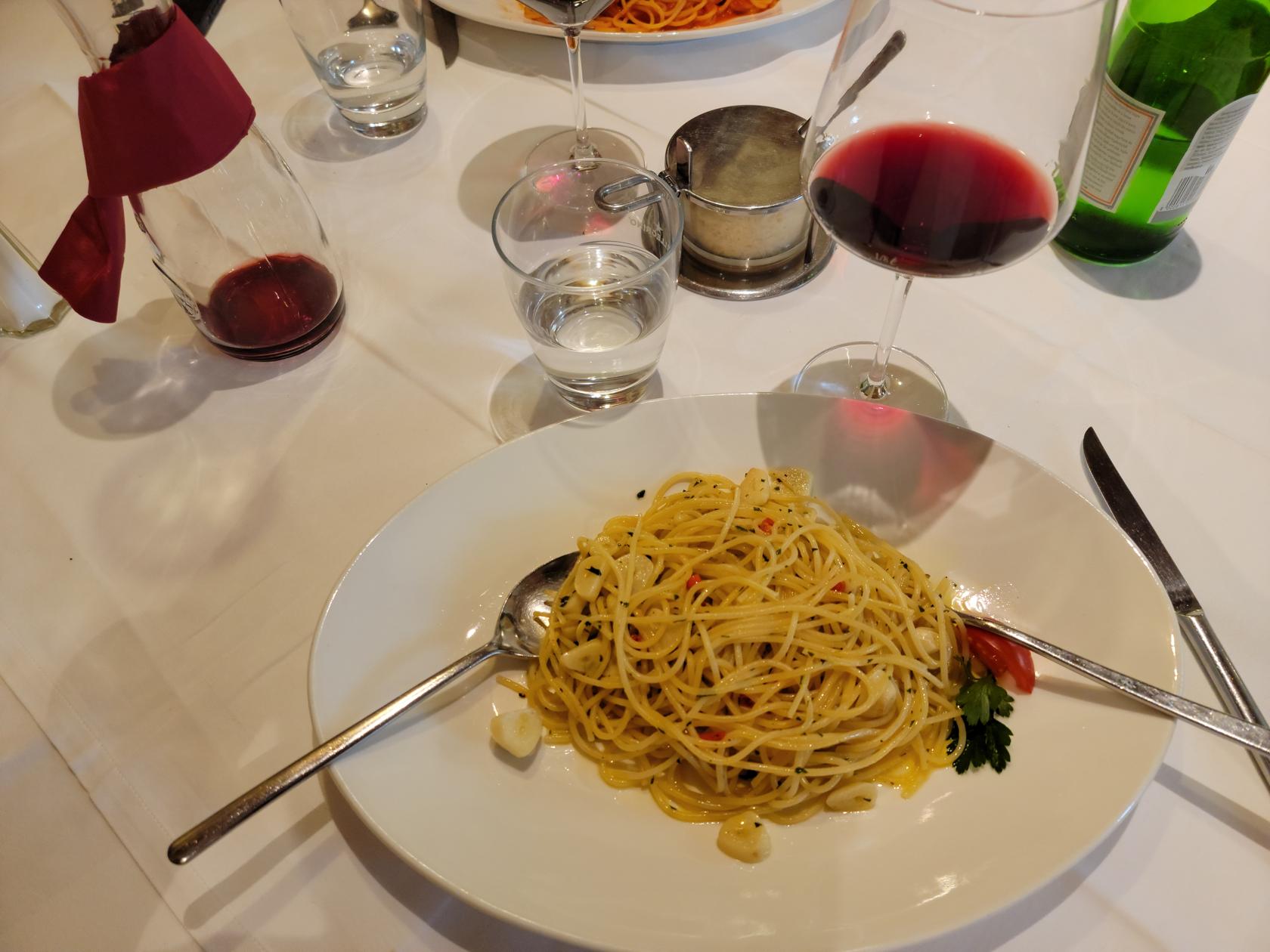
Vienna – Italian Restaurant – La Scala – Spaghette Aglio Olio
Vienna – Italian Restaurant – La Scala
Vienna – Italian Restaurant – La Scala
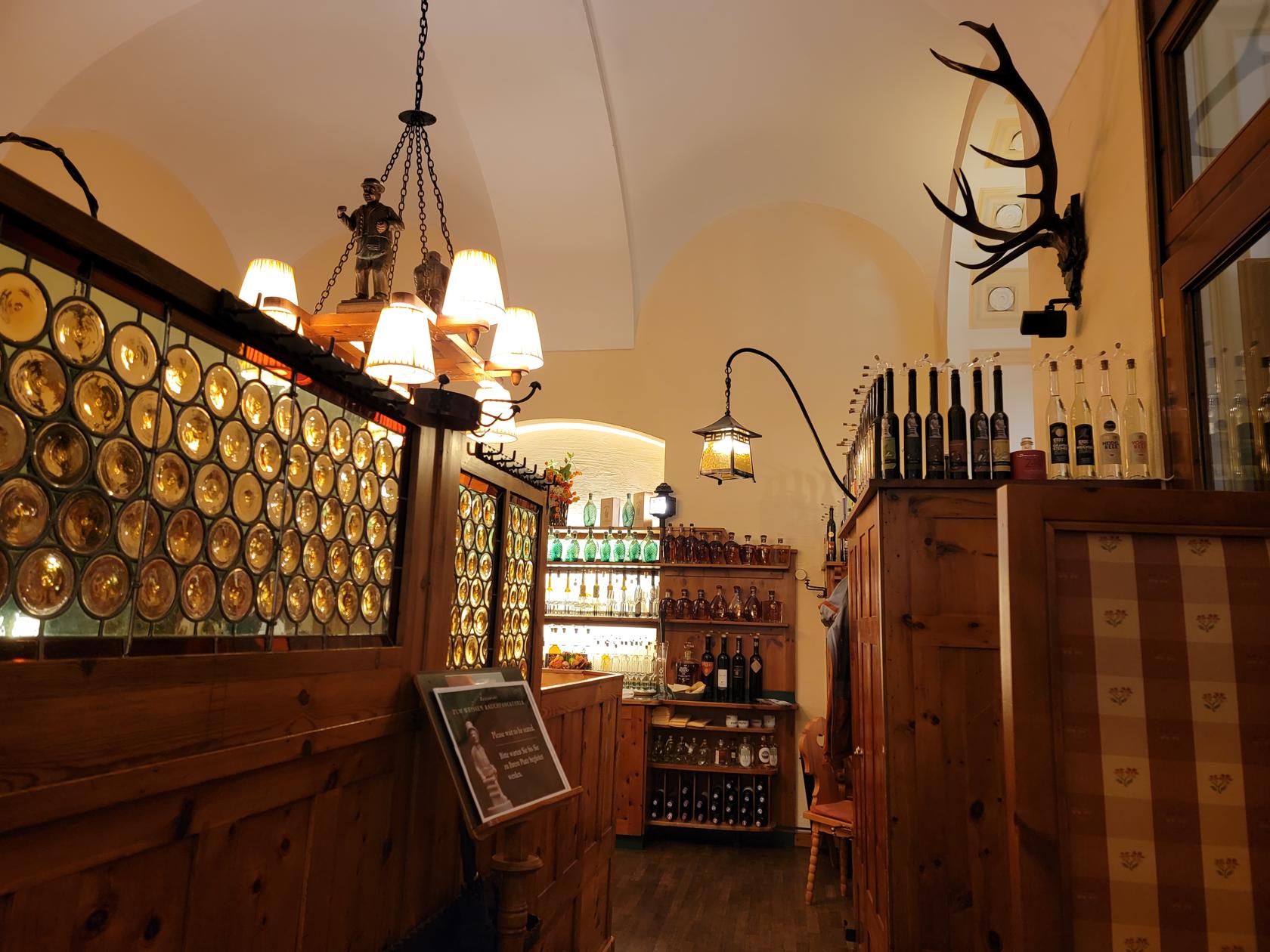
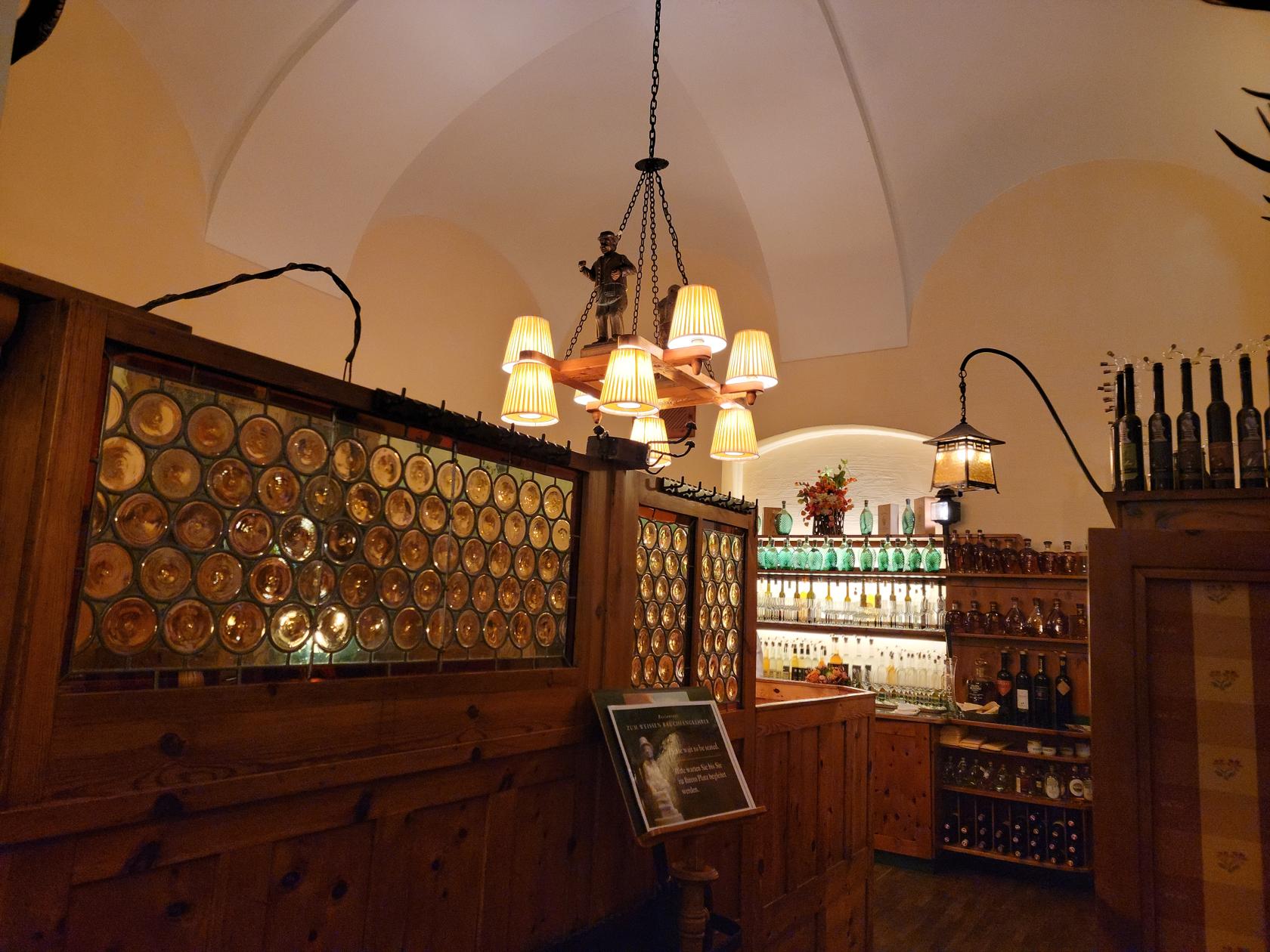
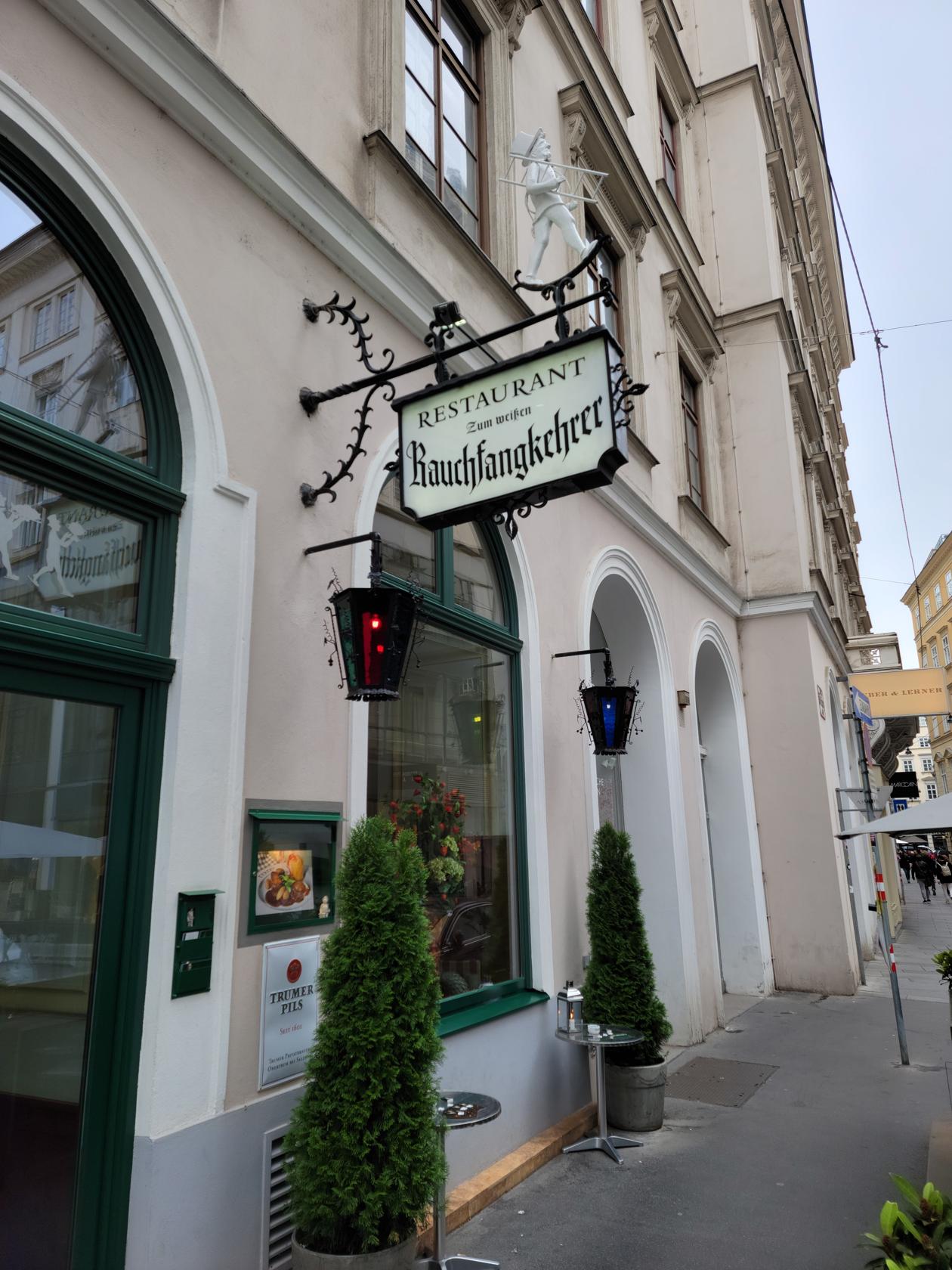
Zum Weissen Rauchfangkehrer
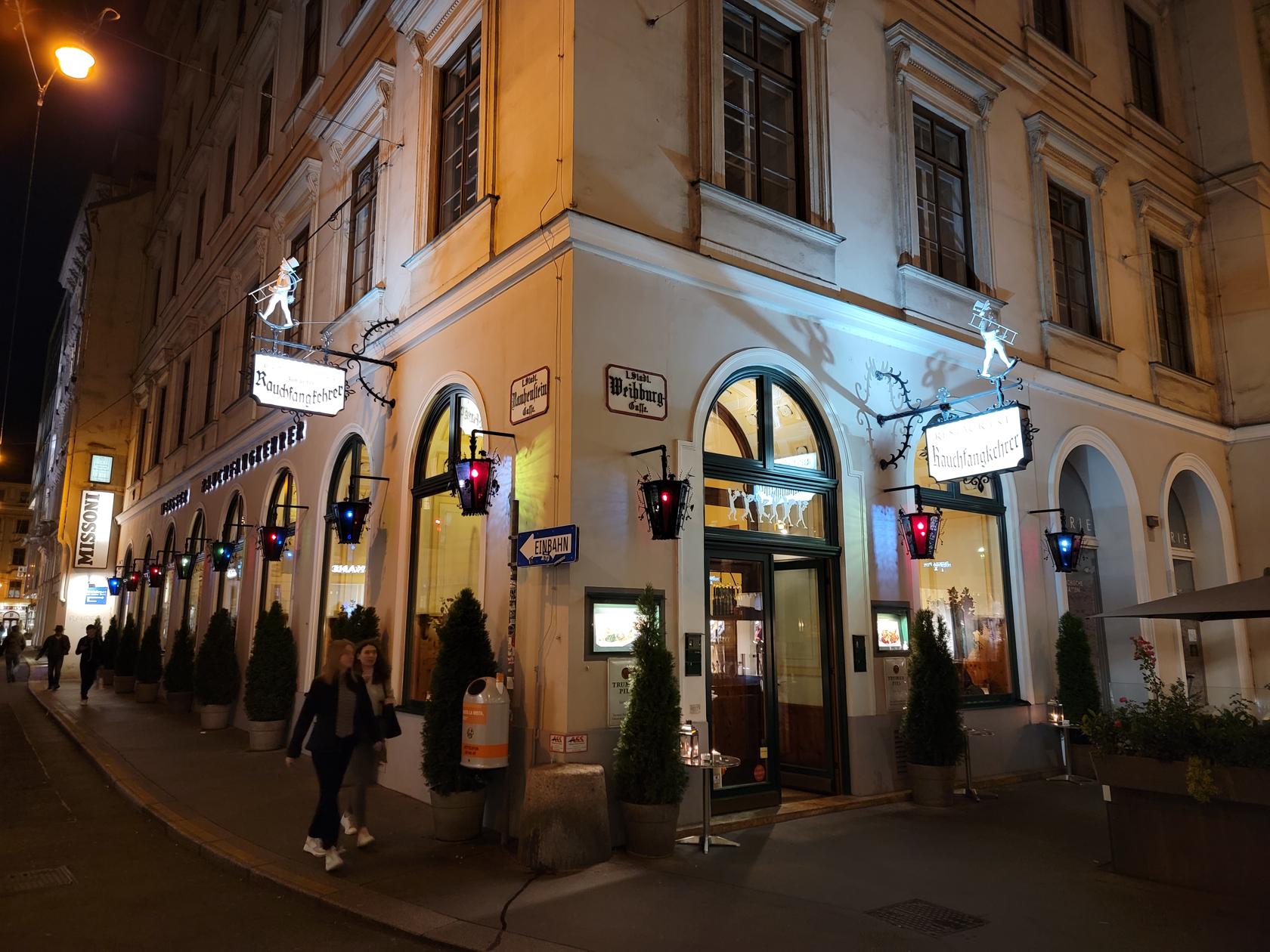
This is an old Viennese restaurant, formerly owned by Sacher[1]The same person one who made the Sacher Torte famous, which was named after the exploits of a chimney sweep who had a torrid love affair with a young woman baker who used to work in the building. After some time of coming out each morning covered in baking flour the locals would jokingly call the place of the White Chimney Sweep.
Vienna – Restaurant Rauchfangkehrer
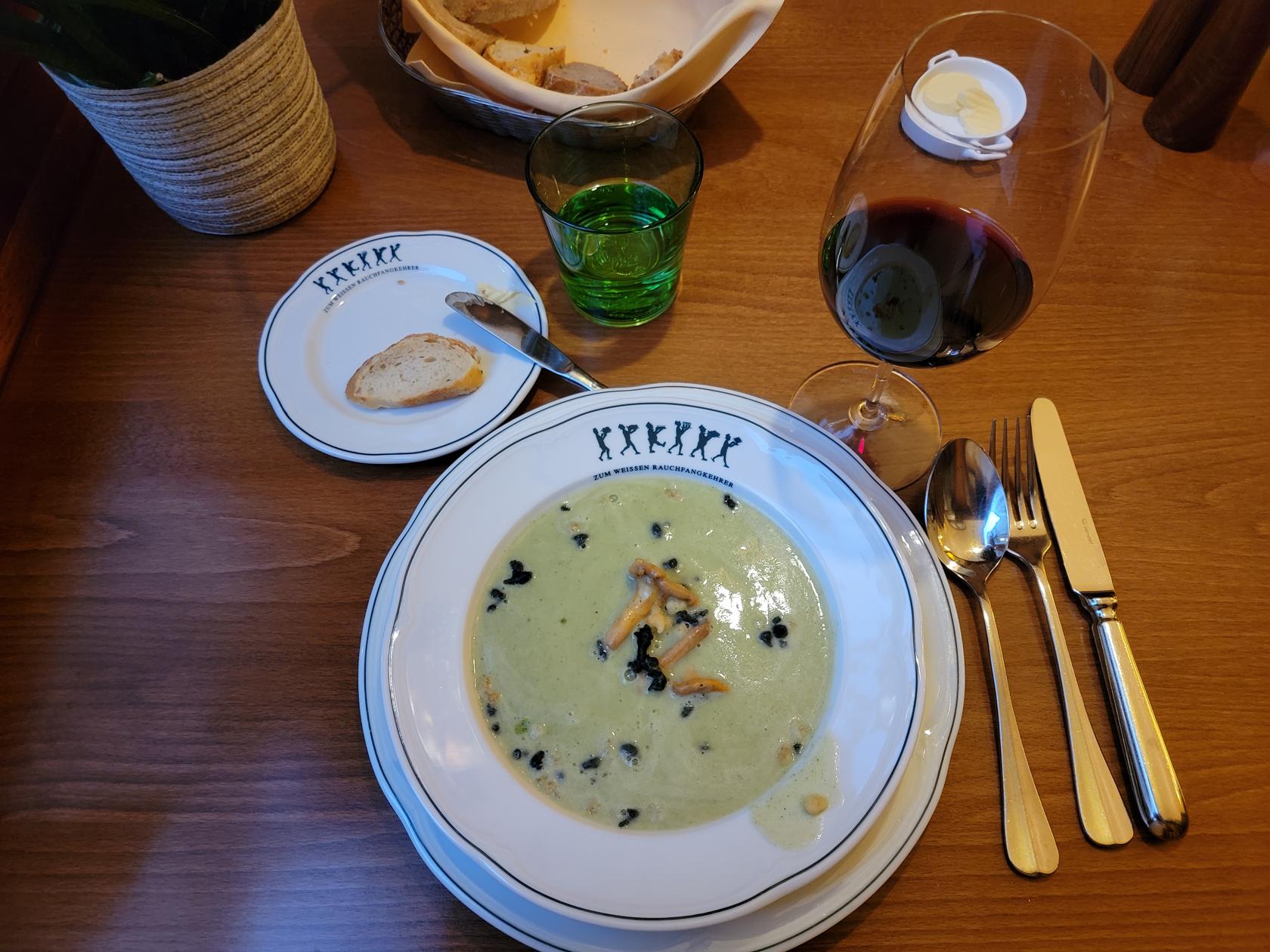
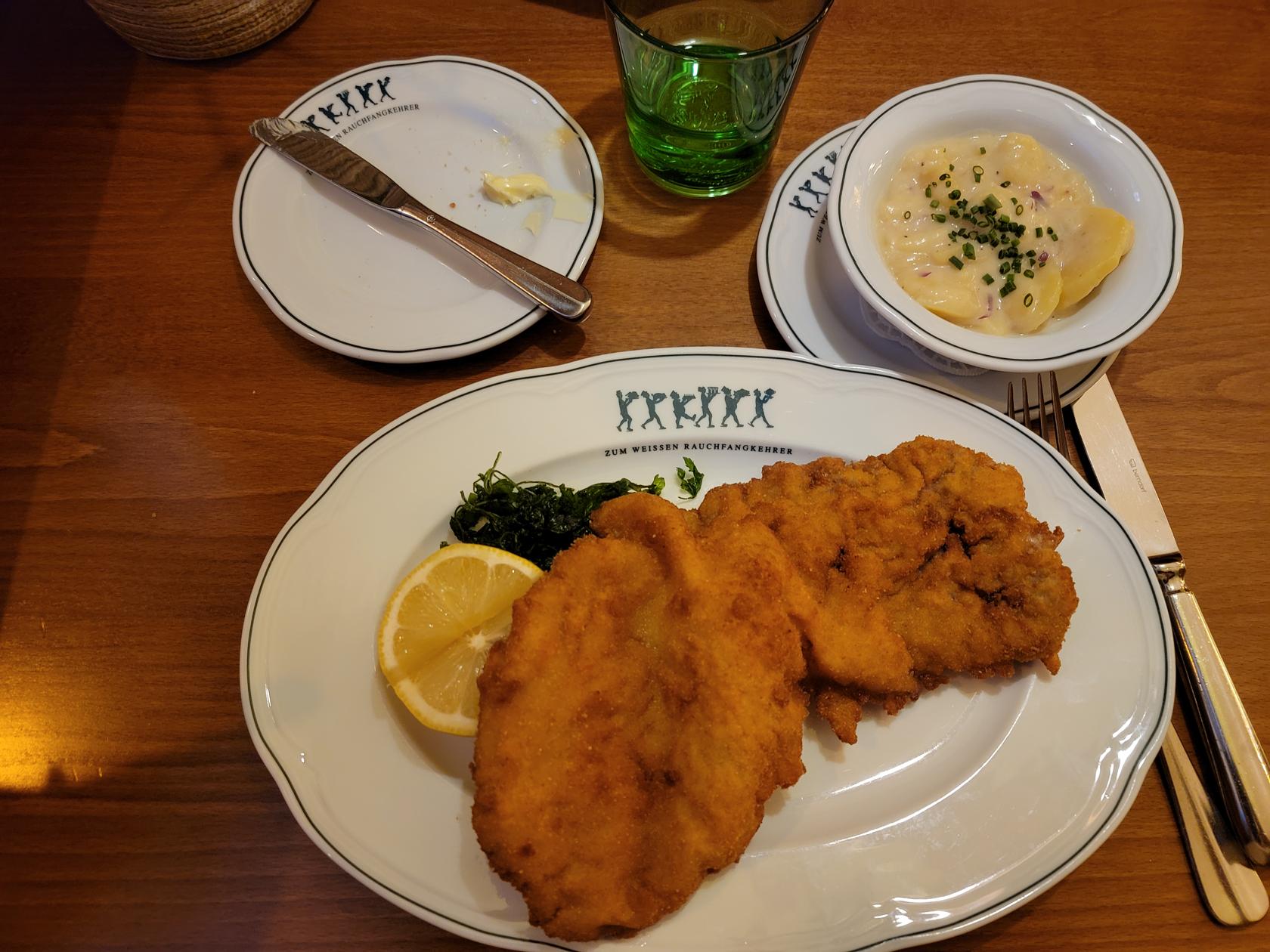
The food is traditional for this area and very well prepared, the pea soup was marvelous. The Wiener Schnitzel was above average with the breading being very tasty, crusty and separated from the veal, making for a delicious entree. As such, expect to pay above average prices.
Vienna – Restaurant Rauchfangkehrer
Vienna – Restaurant Rauchfangkehrer – Pea Soup
Vienna – Restaurant Rauchfangkehrer – Wiener Schnitzel
Vienna – Restaurant Rauchfangkehrer
Be aware, though we were seated immediately at fifteen after six in the evening, management of getting a table appeared a bit capricious to us. They seem to turn some parties away while accepting others of the same size without reservations. My wife and I were puzzled, so reservations are easy enough to make and probably a good idea.
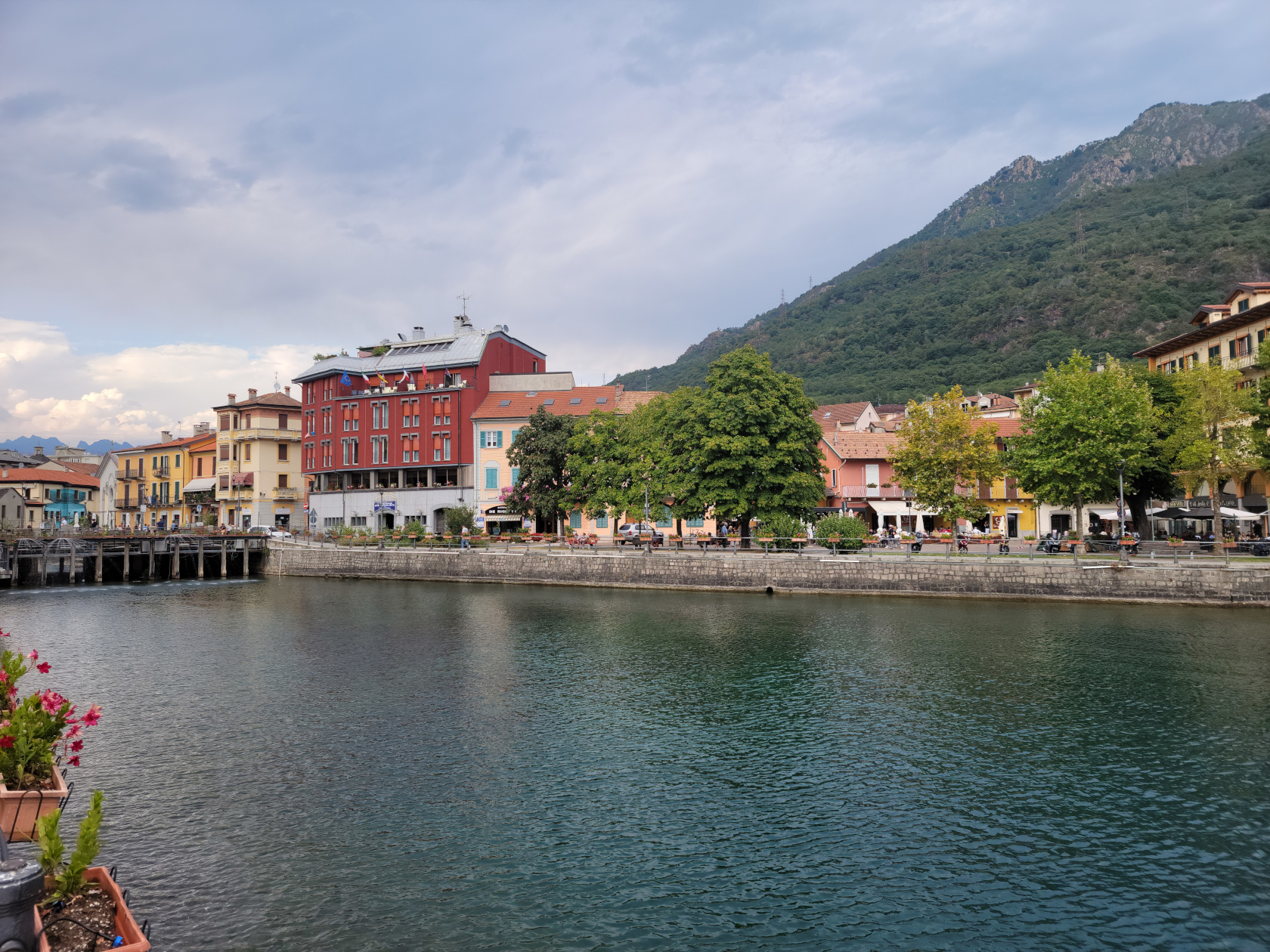
Hidden quietly in the north of Italy is the small lake of Orta and the lazy town of Omegna. After two trains and a bus ride, we finally arrived at our new short trip destination. We checked into our three star hotel, the Croce Bianci, perhaps the best centrally located one in the town.
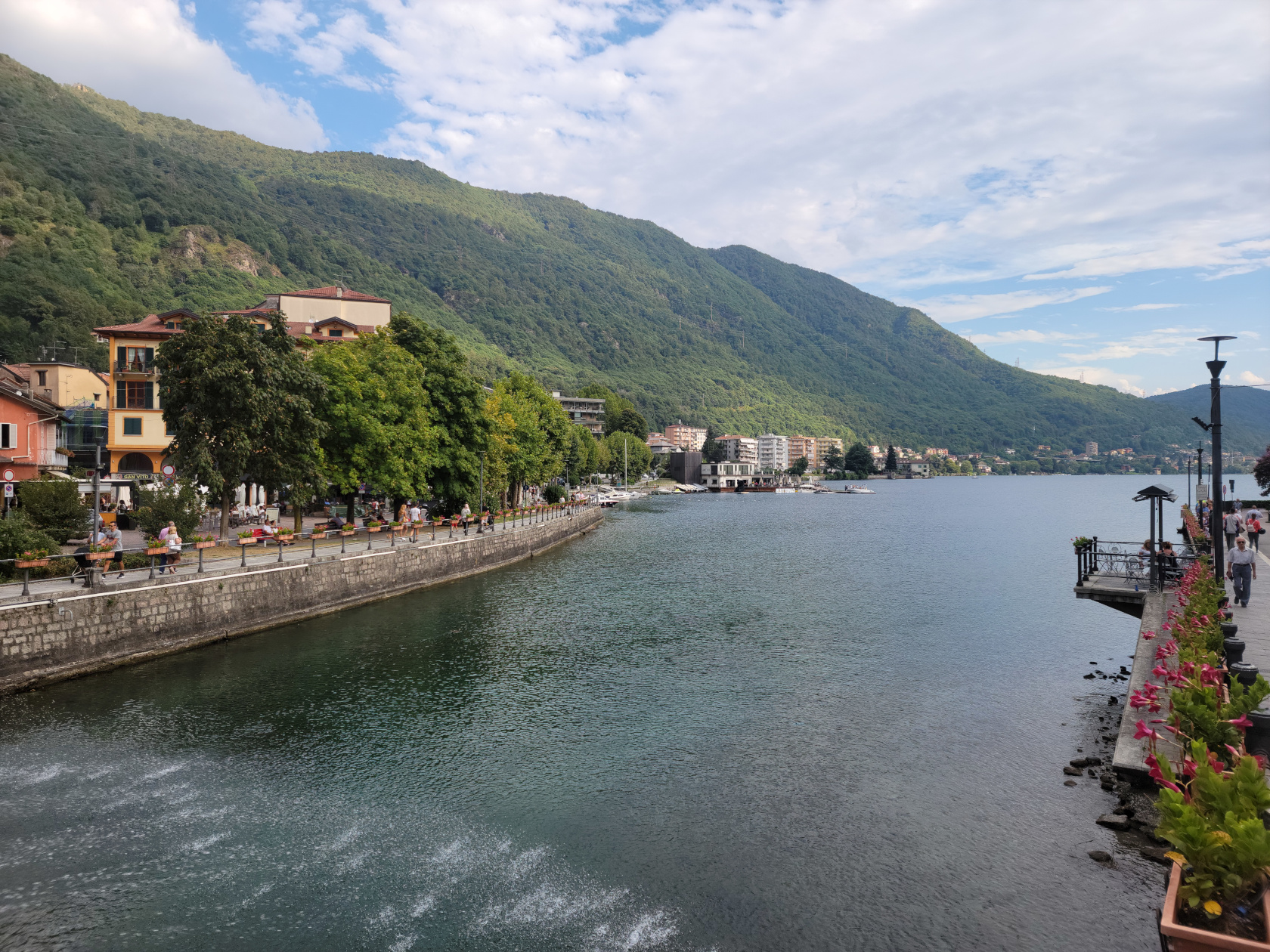
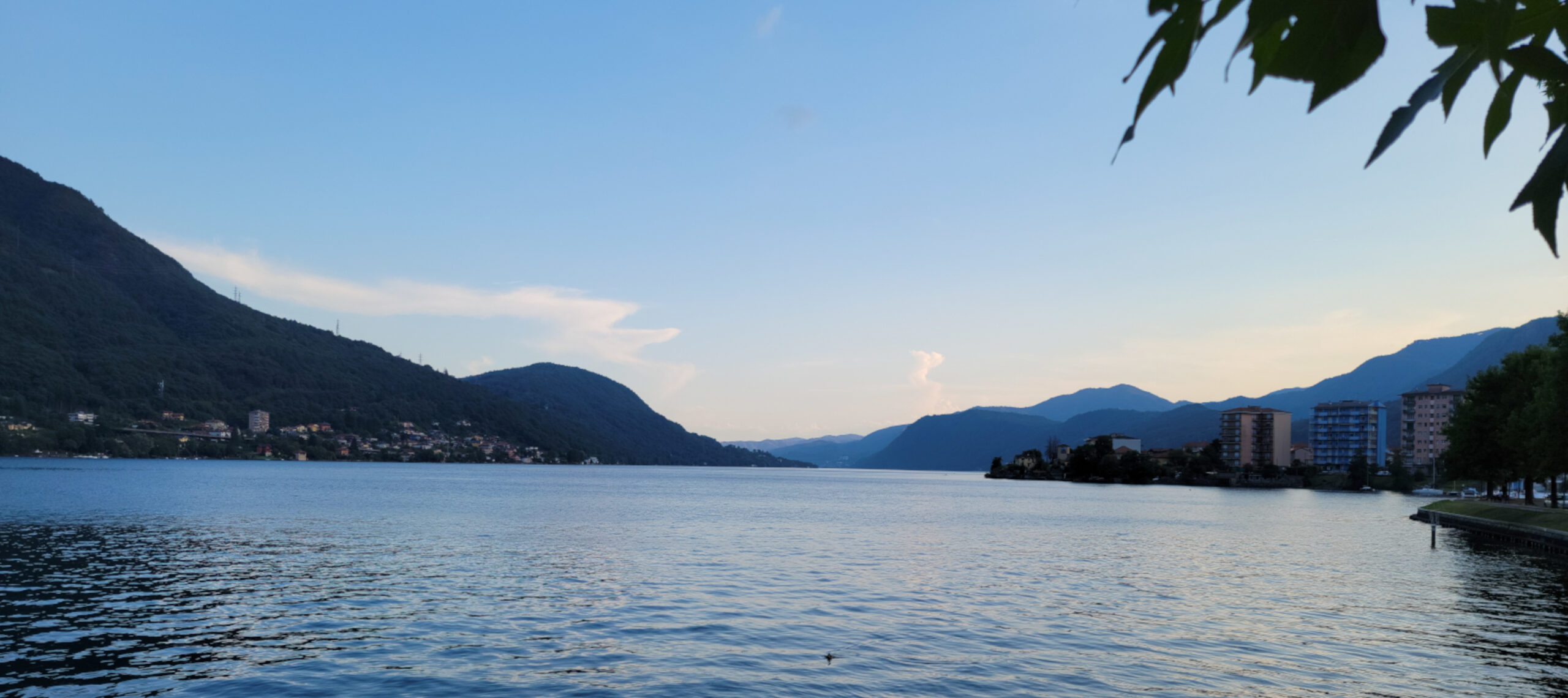
Orta Lake – Panorama from Omegna Shoreline
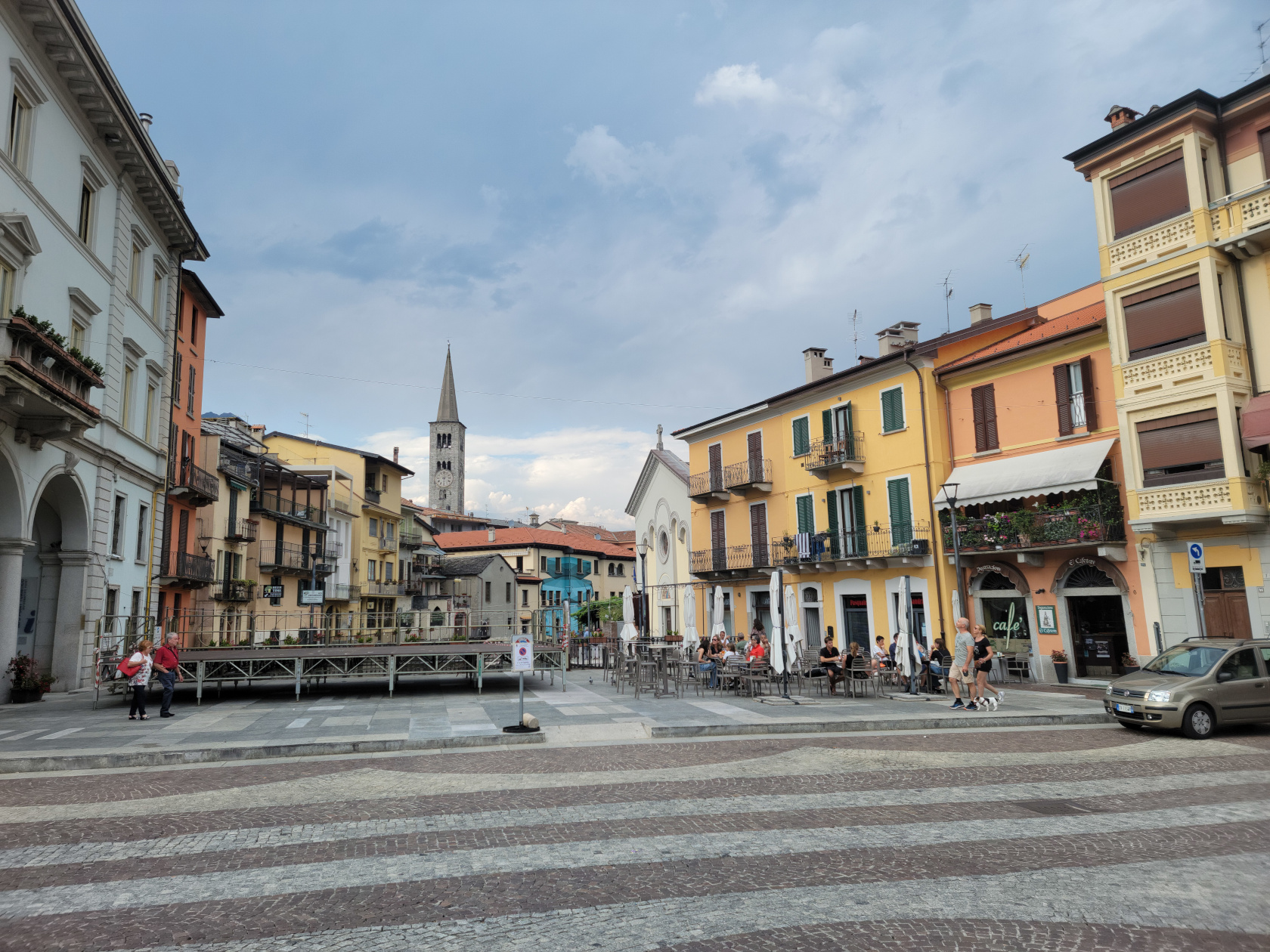
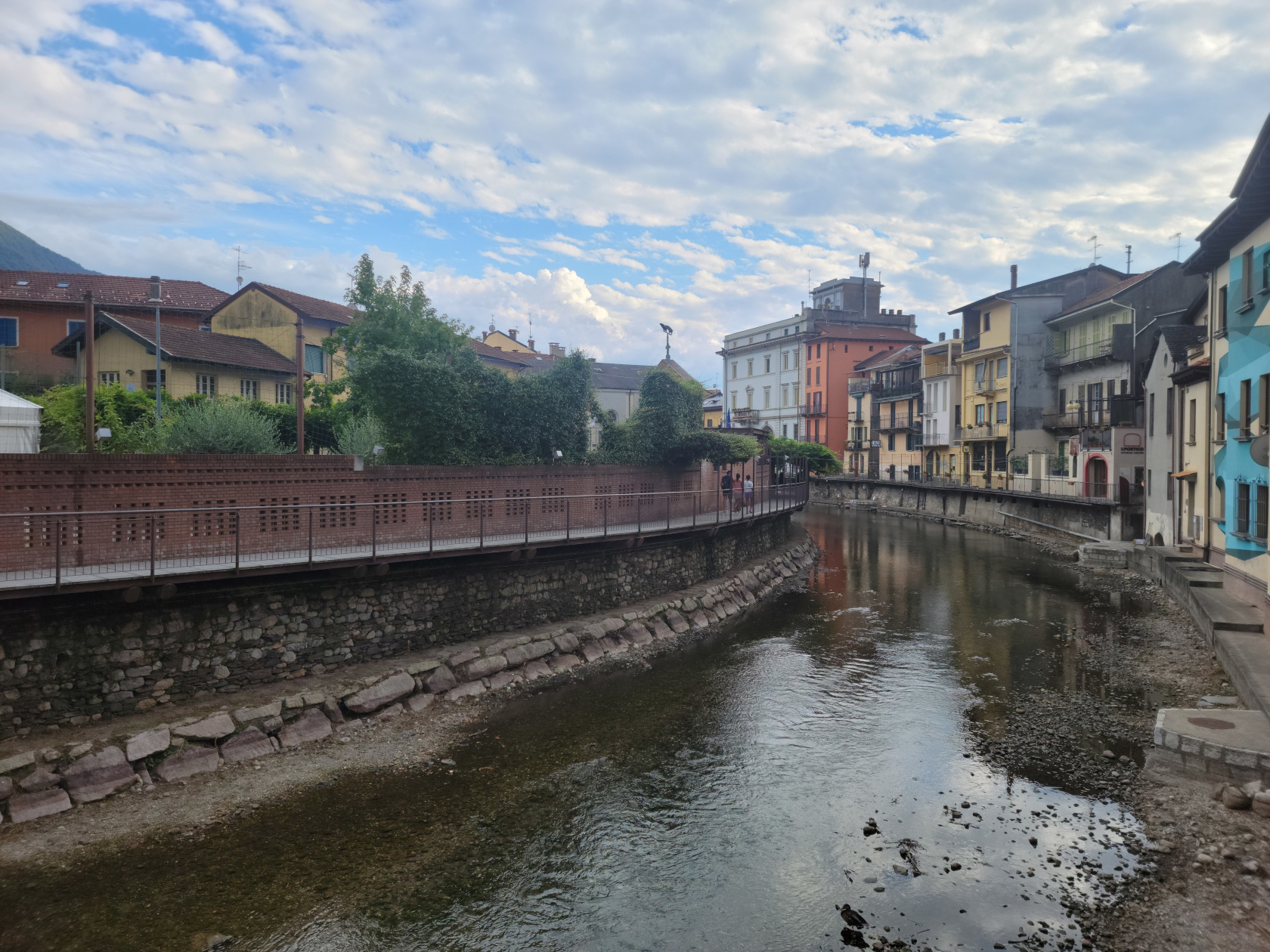
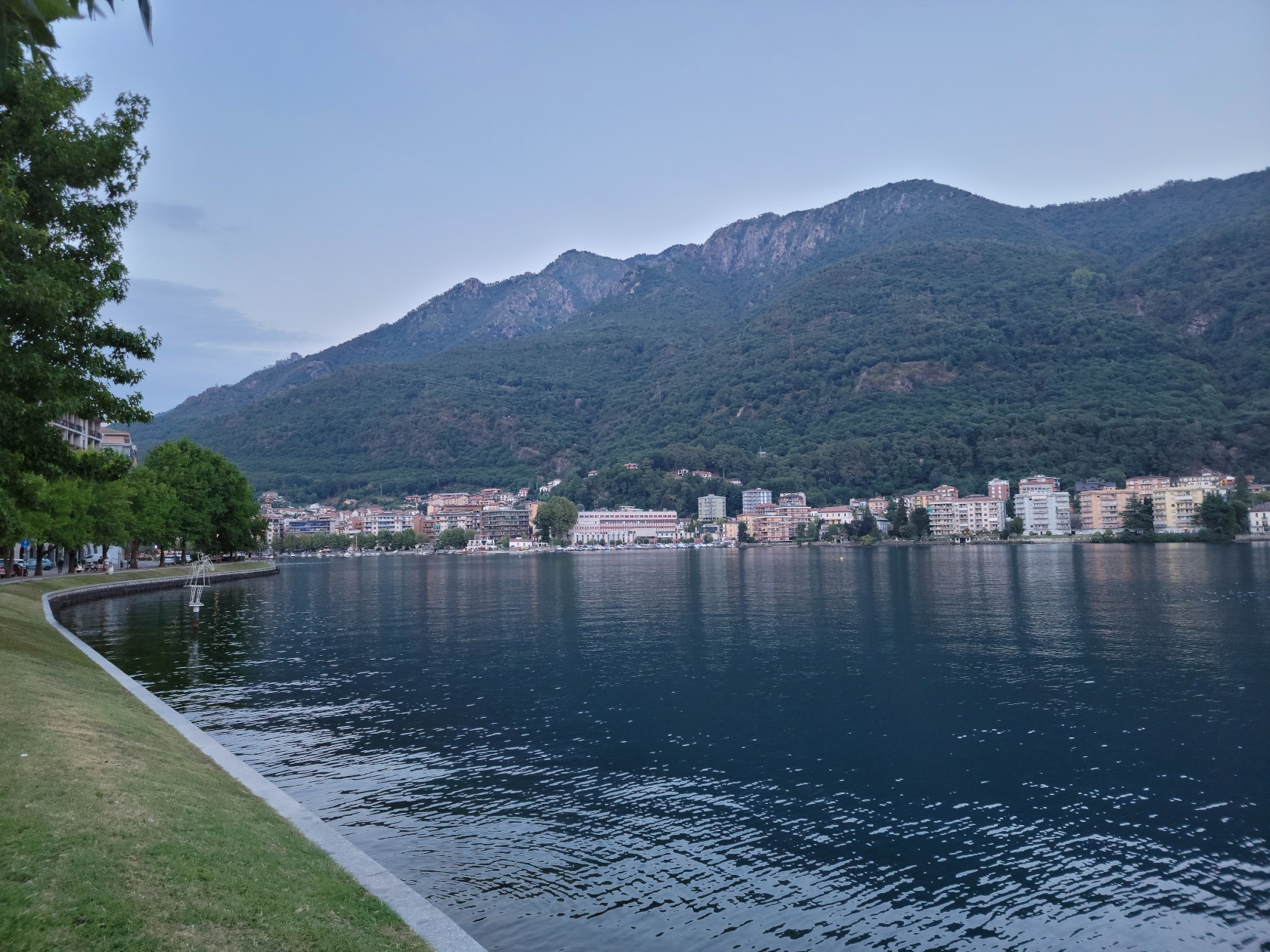
Because of its small size and lack of glamour, Lake Orta is often overlooked by most overseas travelers, who are more interested in the high impact tourist destinations to check off their bucket lists. It is visited mostly by Italians from Milan, some of whom own weekend homes here, the French, Germans and the occasional Brit. Since there is really not much to see and do on this side of the lake, a short slideshow is perhaps more in order.
Omegna – Nigoglia Square
Omegna – Lake Orta by the bridge
Omegna – The Hotel Croce Bianca (red building)
Omegna – The Strona
Omegna – Caduti Monument
Omegna – Lungolago Gramsci
Omegna – Caduti Monument and Hotel Croce Bianci – Lungolago Gramsci
Omegna – Caduti Monument
Omegna – Lake Orta
Omegna – Lake Orta
Omegna – Lungolago Gramsci
Omegna – Lungolago Gramsci
Omegna – Lungolago Gramsci – Lake Orta
Omegna – Lungolago Gramsci – Lake Orta
Omegna – Lungolago Gramsci
Omegna – Lungolago Gramsci – Flowers
Omegna – Lungolago Gramsci
Omegna – Lake Orta at night
Omegna – Lake Orta
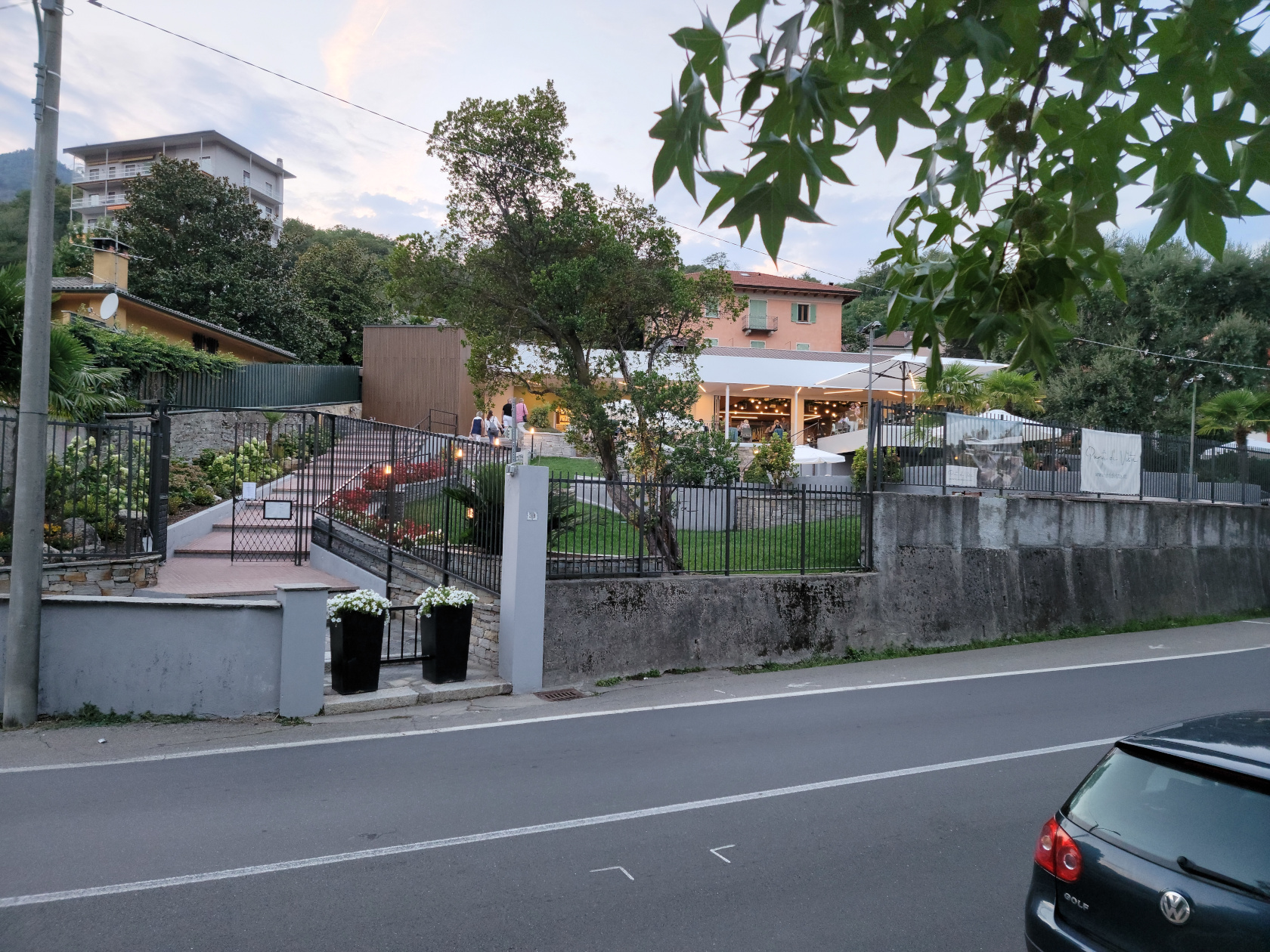
Omegna – Ristorante Punti Di Vista
We made plans to visit Omegna just to relax and actually do nothing more than just check the lake out. This is definitely a good place to accomplish nothing. However, there are plenty of activities available, from camping, boating, cycling, swimming, hiking and the odd trek to a neighboring town, if one is so inclined. The area is definitely family friendly, even the town has a large and very well equipped playground for them.
The remainder of our trip will visit other parts of the lake and be continued in another entry, so stay tuned. Ciao for now…
Restaurants
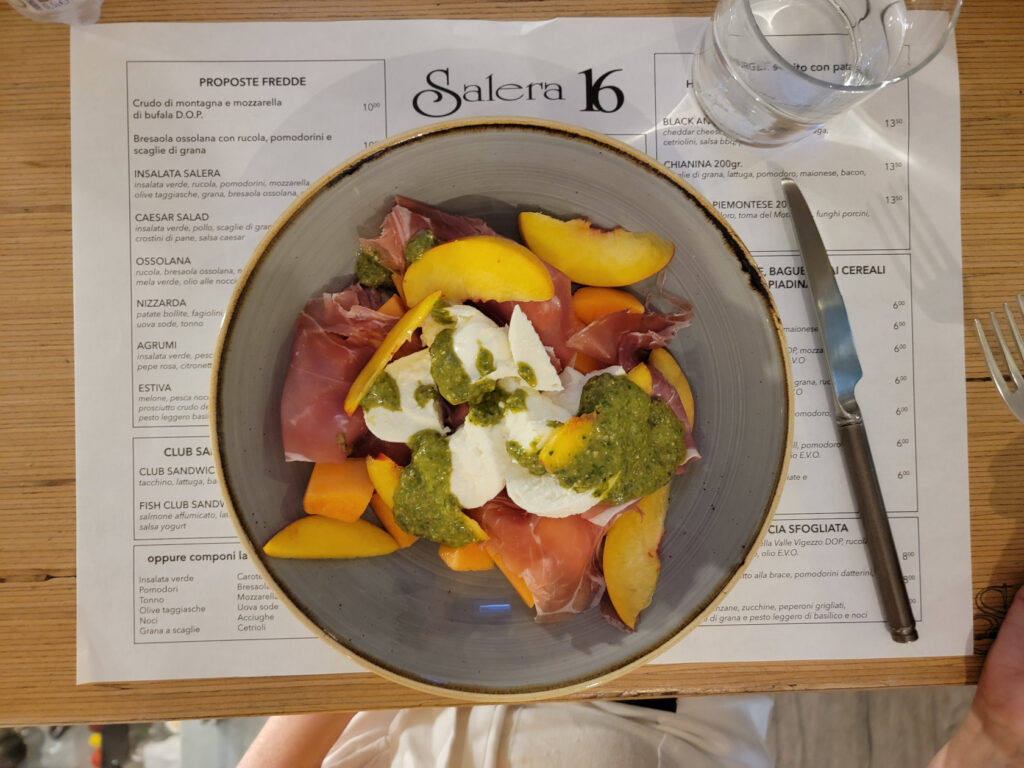
Salera 16
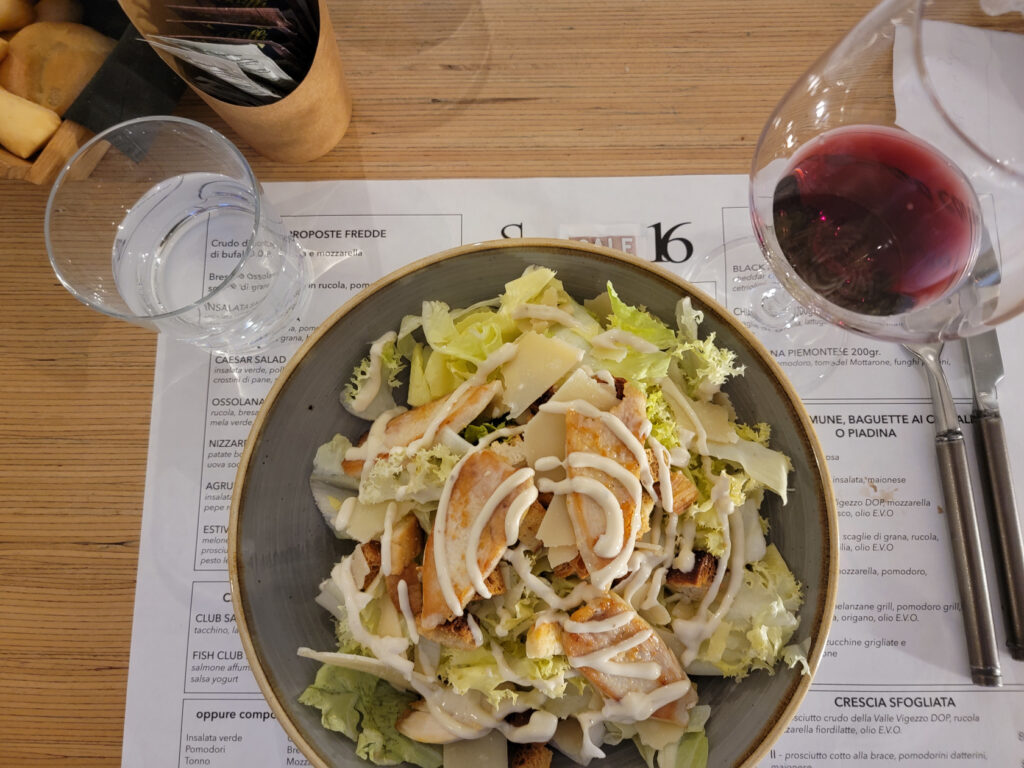
A more hip and trendy place is the Salera 16, which caters to the younger crowd with burgers, fries and other handheld items. A good place to stop for something quick.
Omegna – Estiva: Fruit Salad with Prosciutto, Mozarella and Pesto – Salera 16
Omegna – Caesar Salad with Chicken and shaved Parmesan – Salera 16
Al Centrale Bistrot
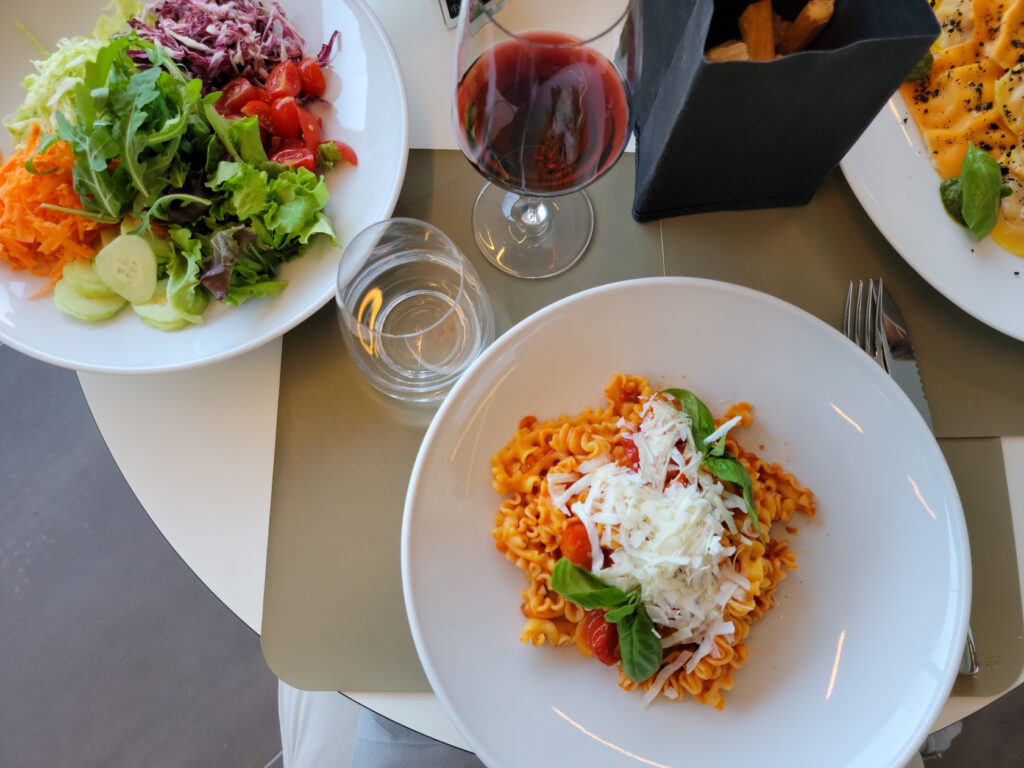
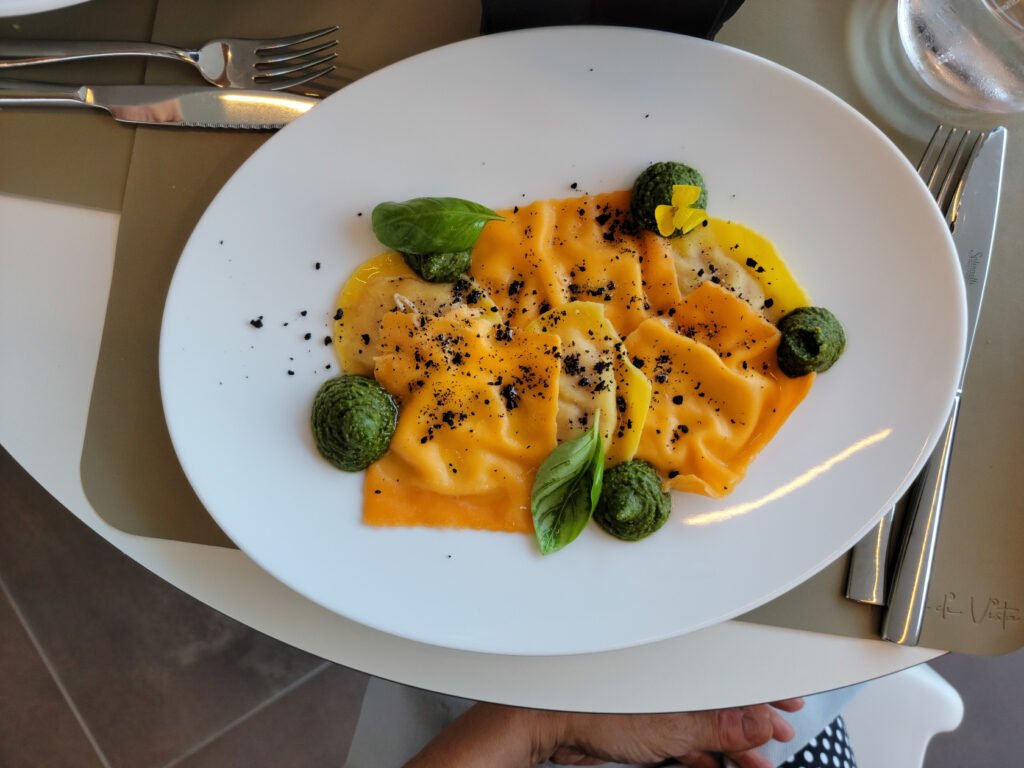
This little bistrot has excellent food at great prices, though the menu is limited and changes daily. If you are not fussy and adaptable you definitely find a tasty treat here. Their wines by the glass are very good.
Omegna – Pasta Bolognese and Insalata Mista – Al Centrale Bistrot
Omegna – Ravioli with Pesto – Al Centrale Bistrot
Ristorante Il Cavalieri
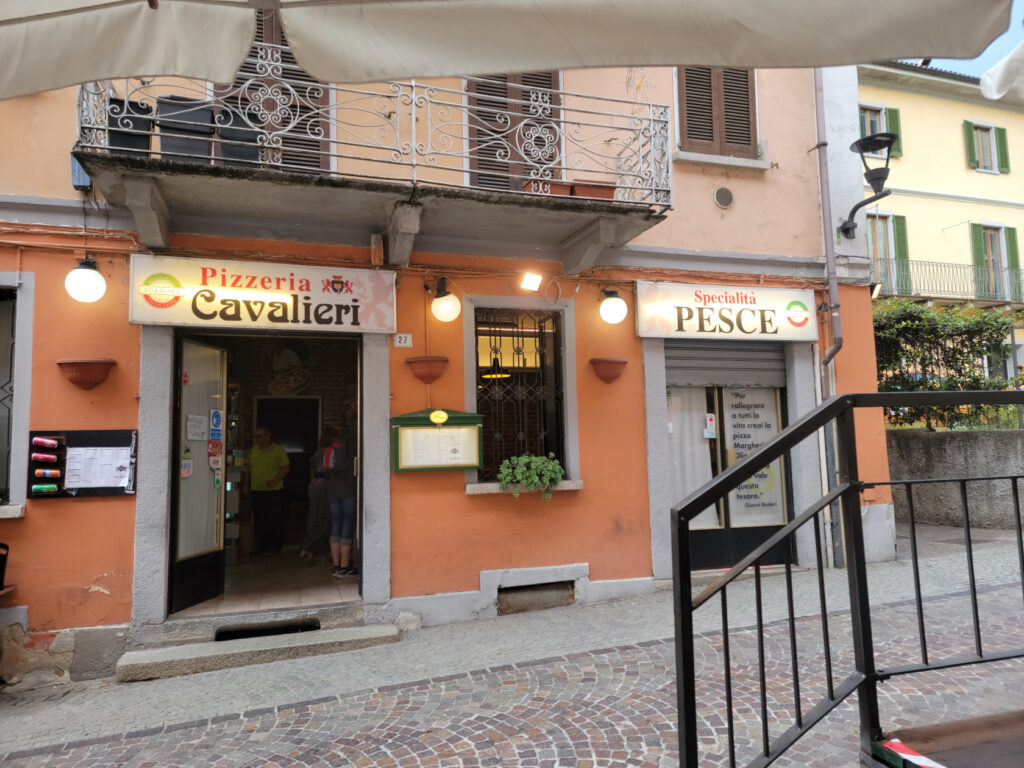
The first restaurant we visited when we arrived, it offers traditional Italian fare and pizza. It behaves more like a trattoria and gets a lot of local traffic. So an excellent place for reasonably priced authentic Italian food. I found the Vino Sfuso, or bulk house wine, a bit of a disappointment, but it is still drinkable and reasonably priced.
Omegna – Il Cavalieri Pizzeria
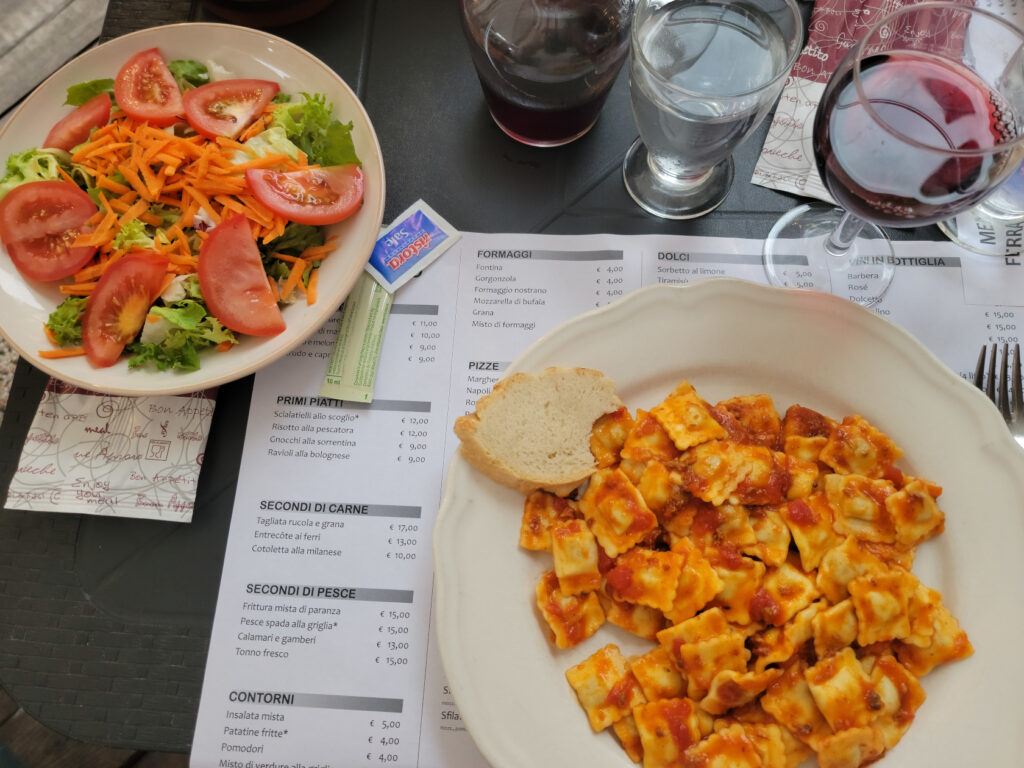
Omegna – Ravioli and side salad – Il Cavalieri Pizzeria
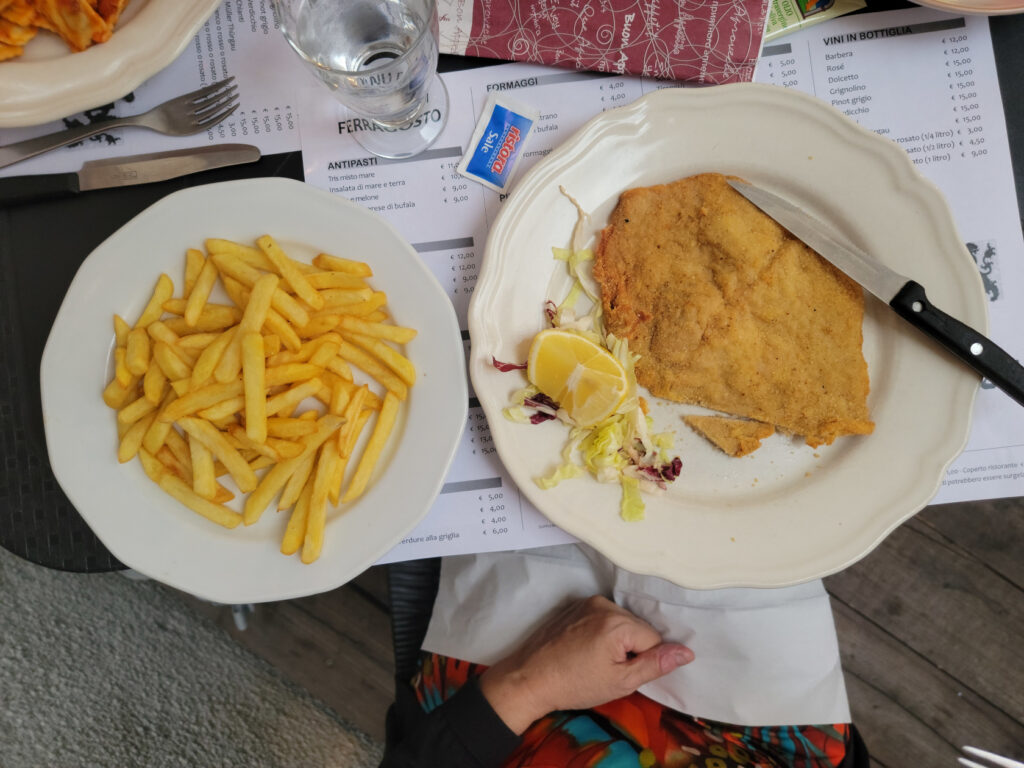
Omegna – Chicken Cutlet Milano Style with Fries – Il Cavalieri Pizzeria
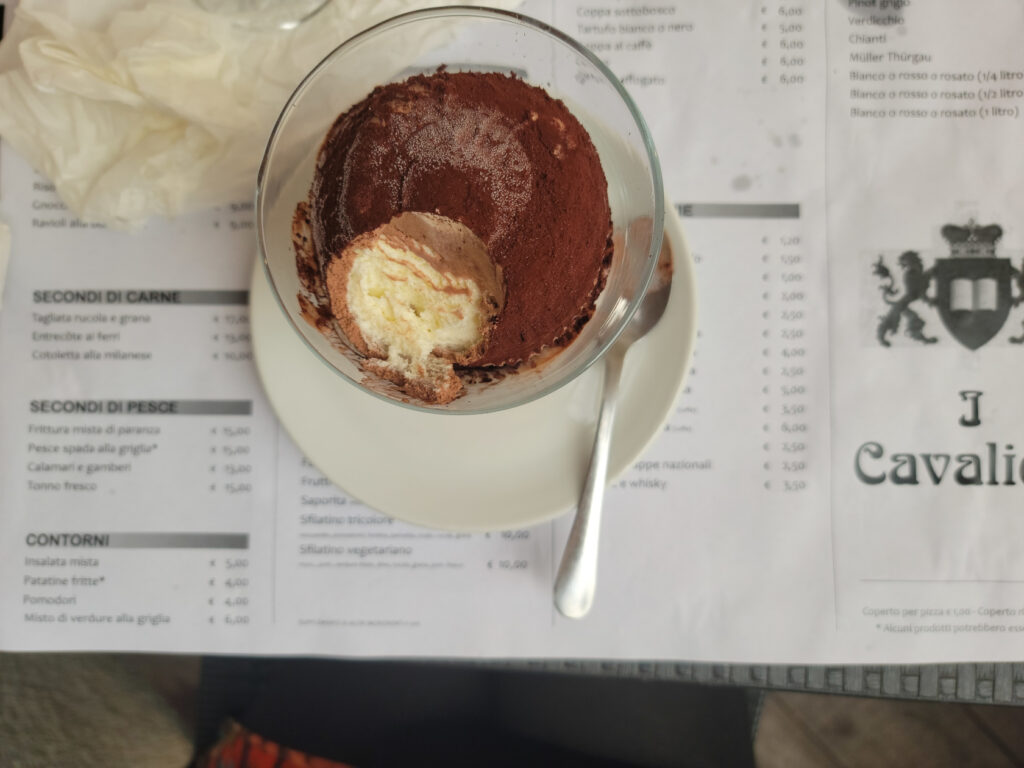
Omegna – Tartufo – Il Cavalieri Pizzeria
Ristorante Punti D’Vista
A ten minute walk along the Lungolago Gramsci of Omegna on the west bank will bring you to this hotel and restaurant. Set slightly uphill from the road it has a commanding view of the lake and plenty of outside seating. Reservations are recommended though, as the patio seating fills up quite fast.
Omegna – Ristorante Punti Di Vista
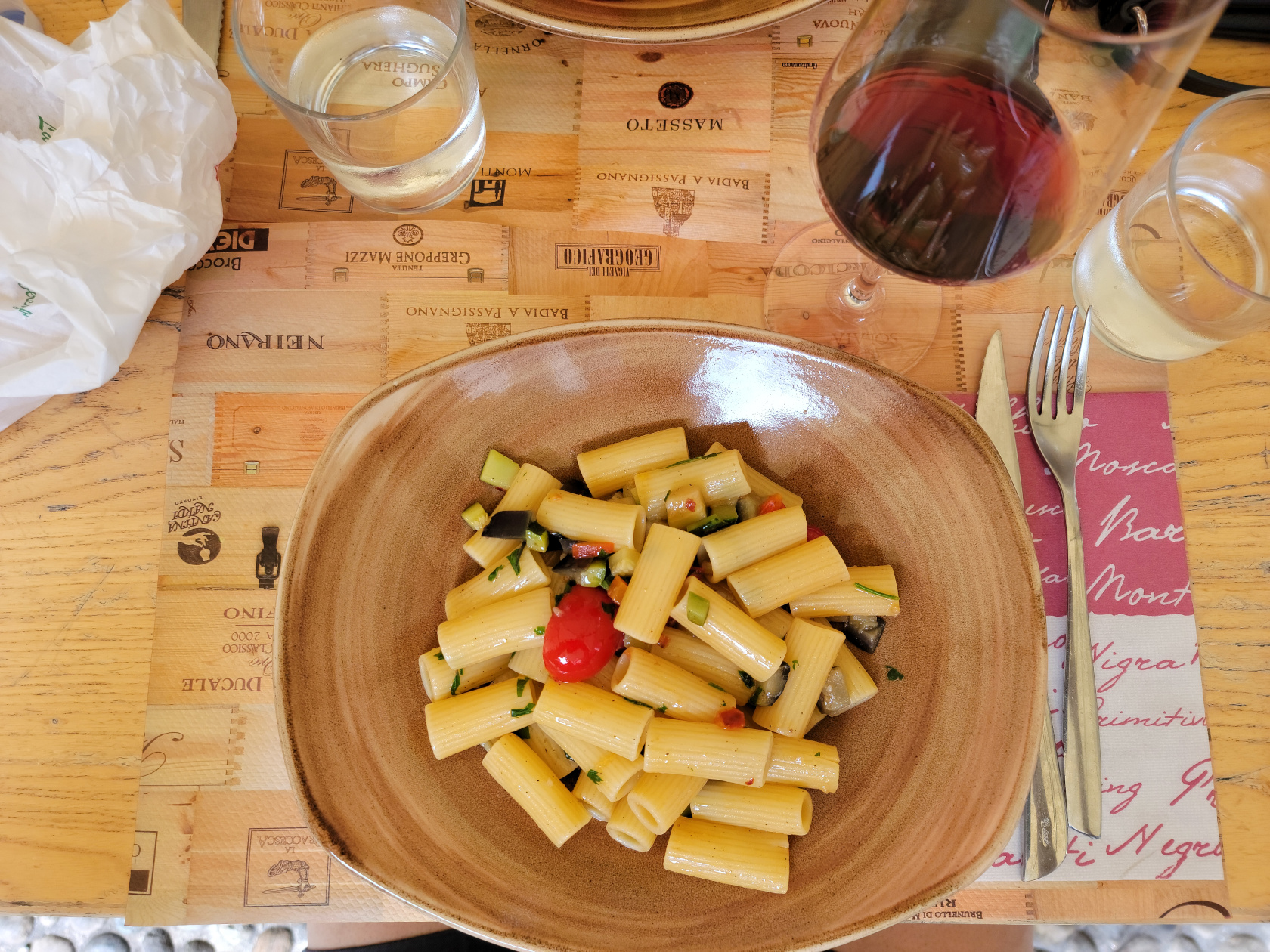
Omegna – Rigatoni with olive oil, tomatoes and fried vegetables – Ristorante Punti Di Vista
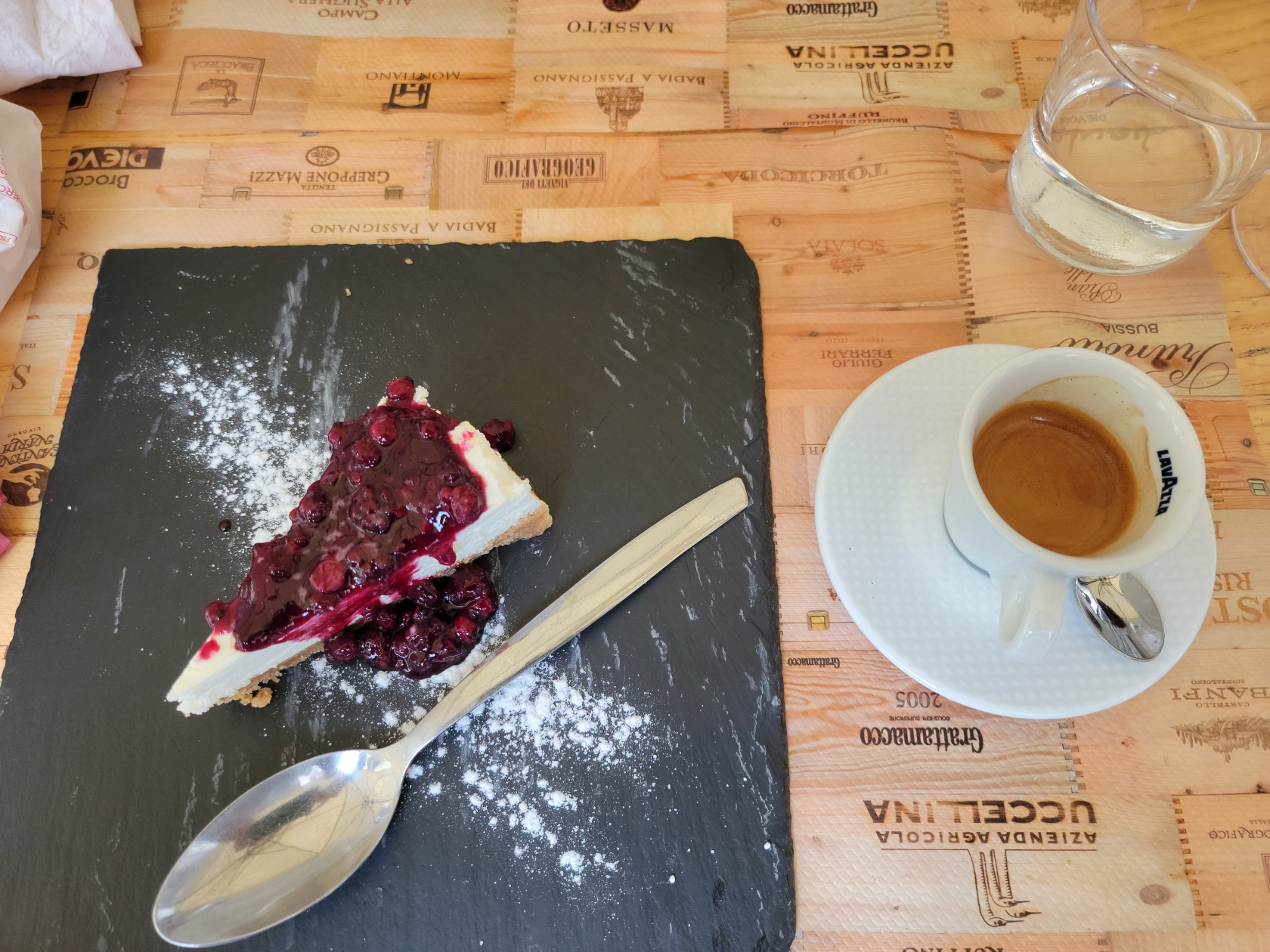
Omegna – Cheese Cake with currants, Coffee and Sambuca – Ristorante Punti Di Vista