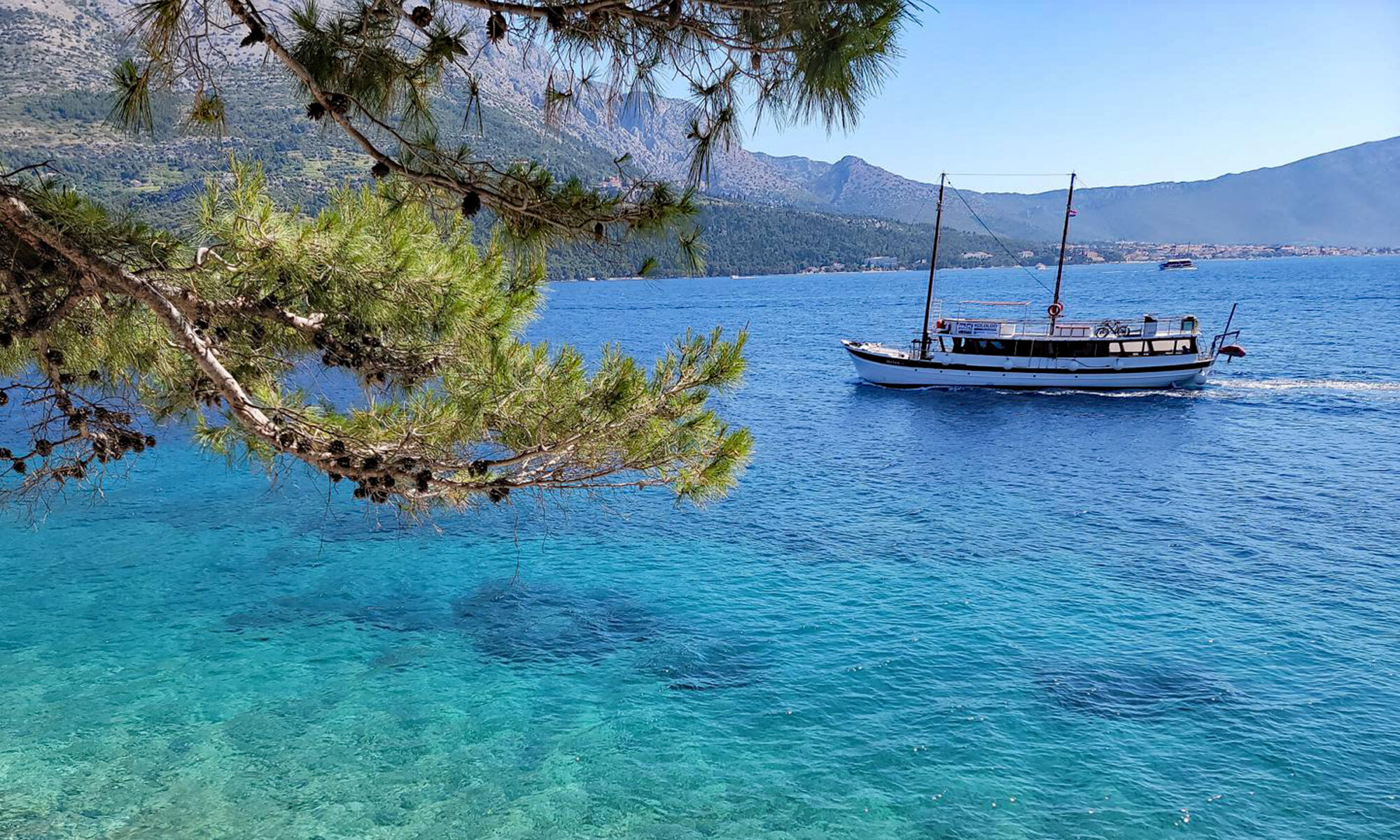
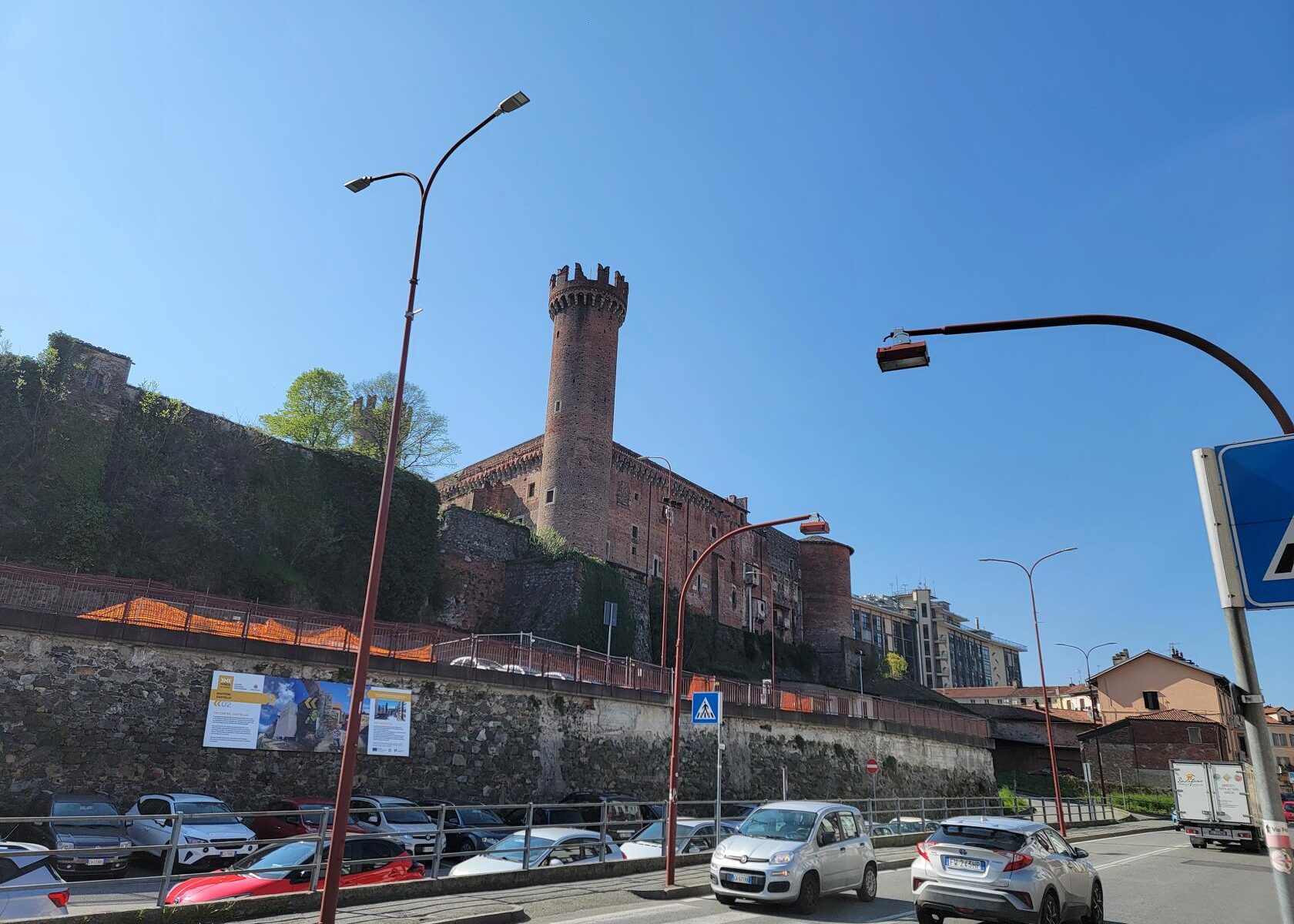
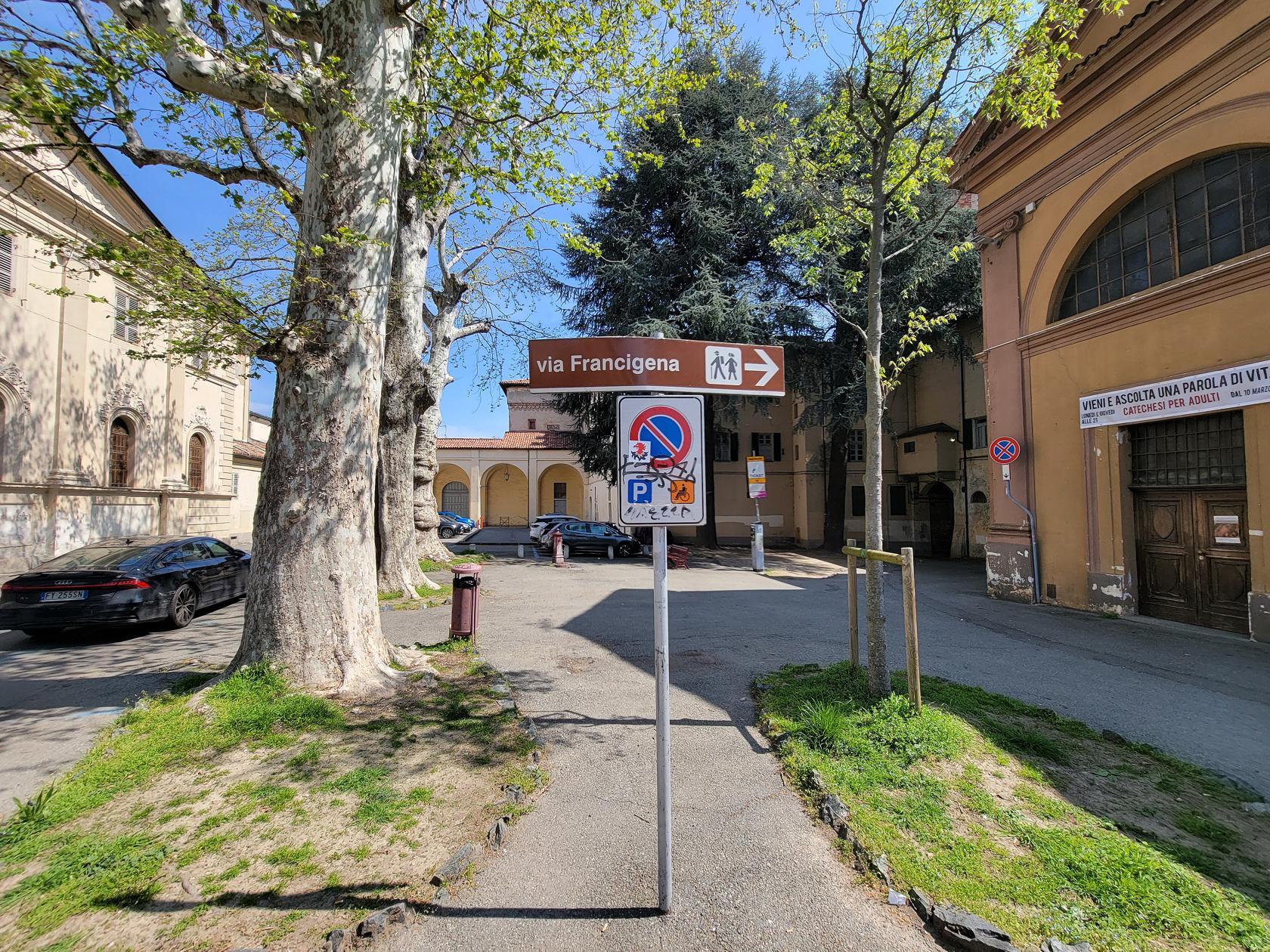
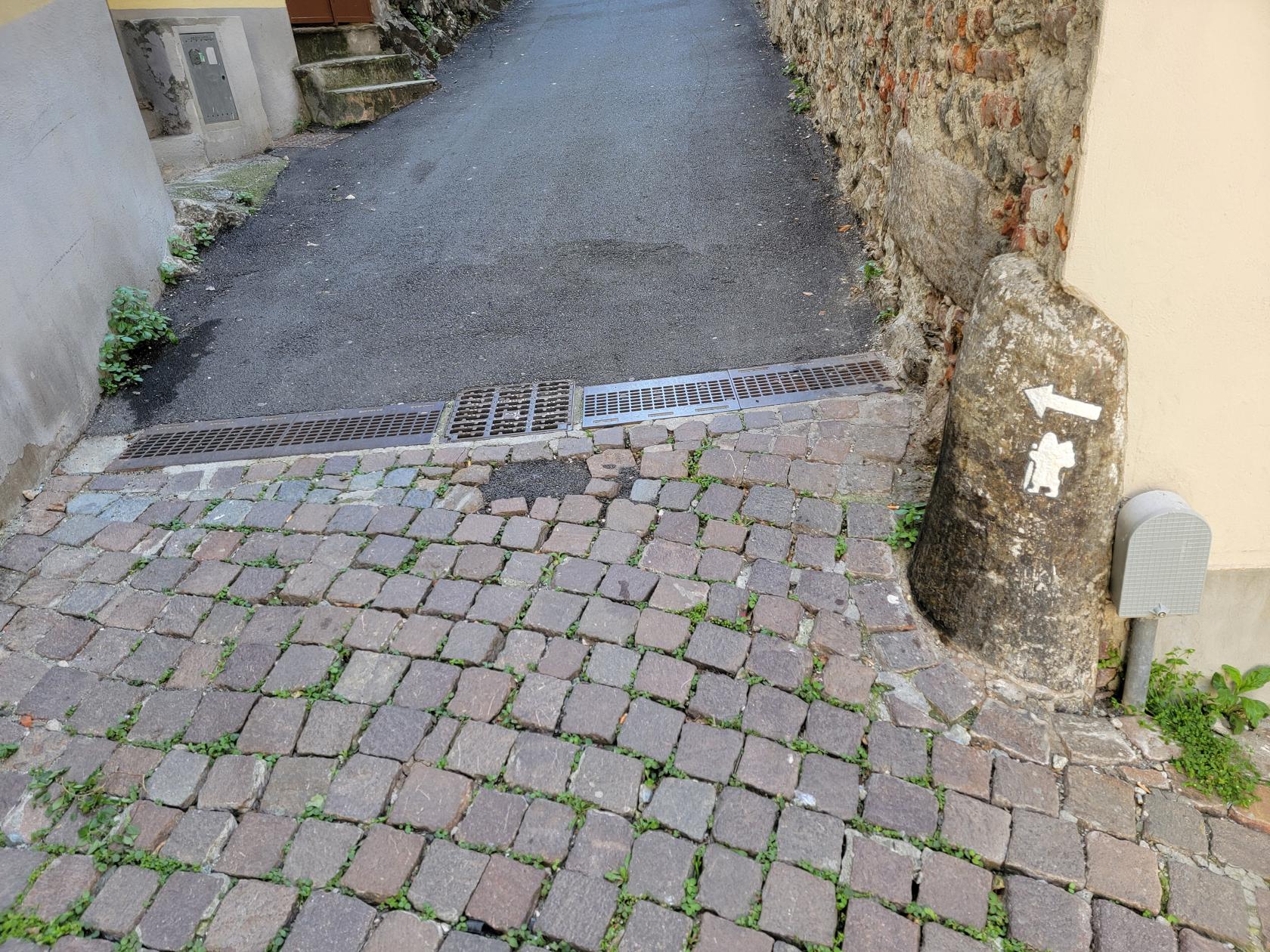
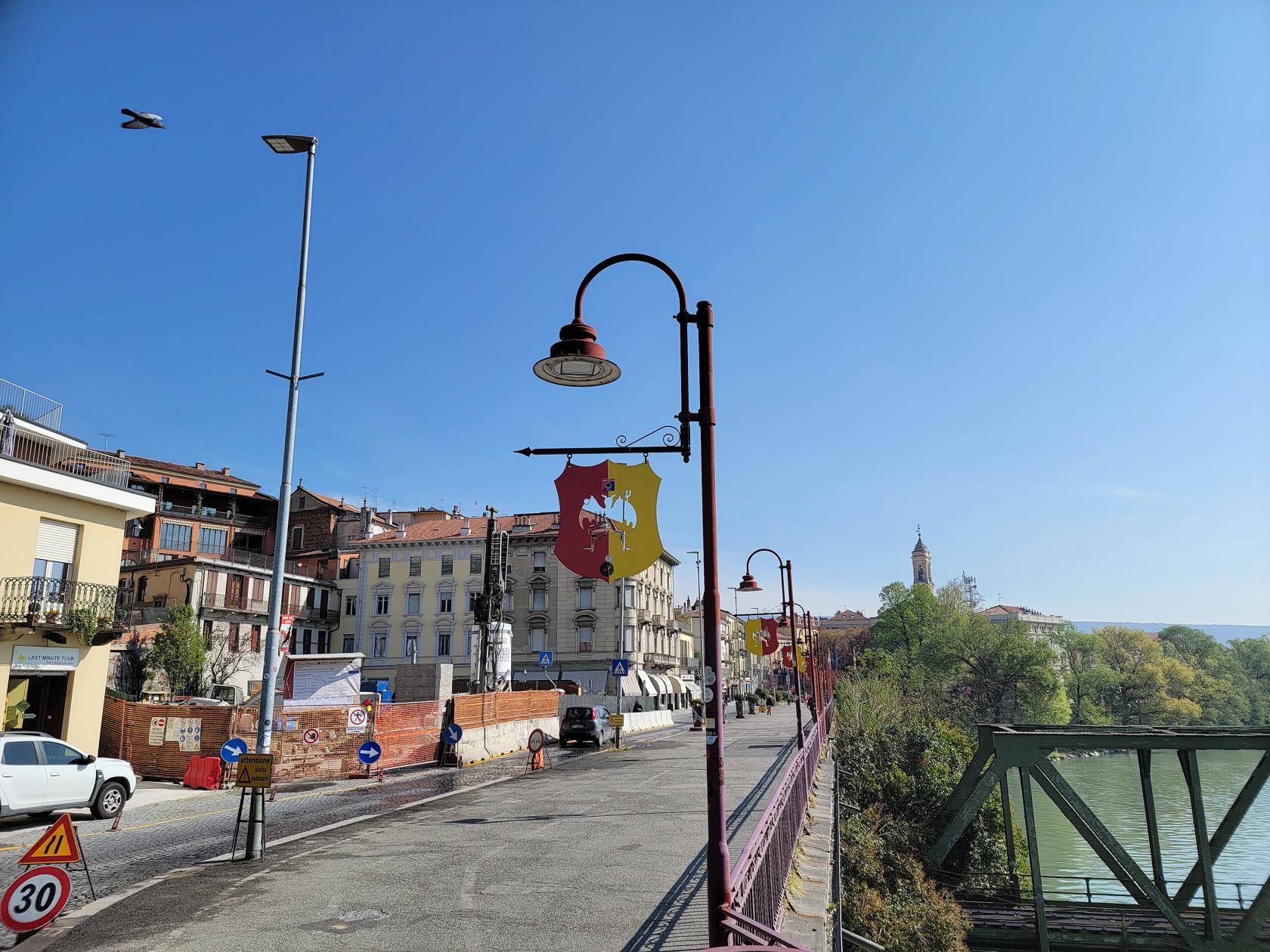
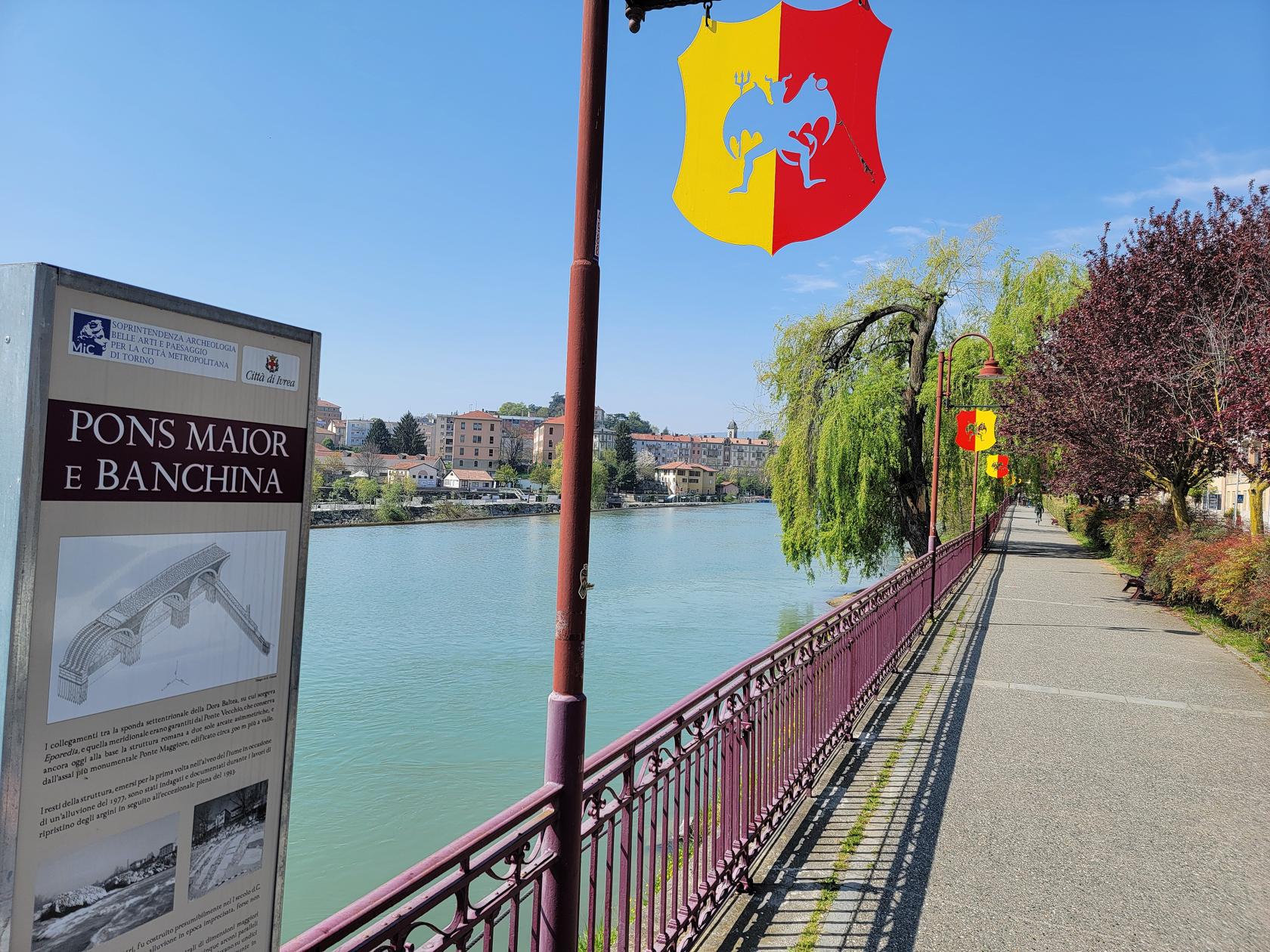
If you are into hiking and enjoy a really good weekend excursion, then the Metropolitan town of Turin has something great to offer, the tiny little town of Ivrea. Known for being part of the Via Francigena[1]The ancient pilgrimage route from England to Rome. and Five Lake hiking area, it is a great place to spend a few days.
Via Francigena – Hiking and Trail Sign – Ivrea, Italy
Via Francigena – Hiking and Trail Guide – Ivrea, Italy
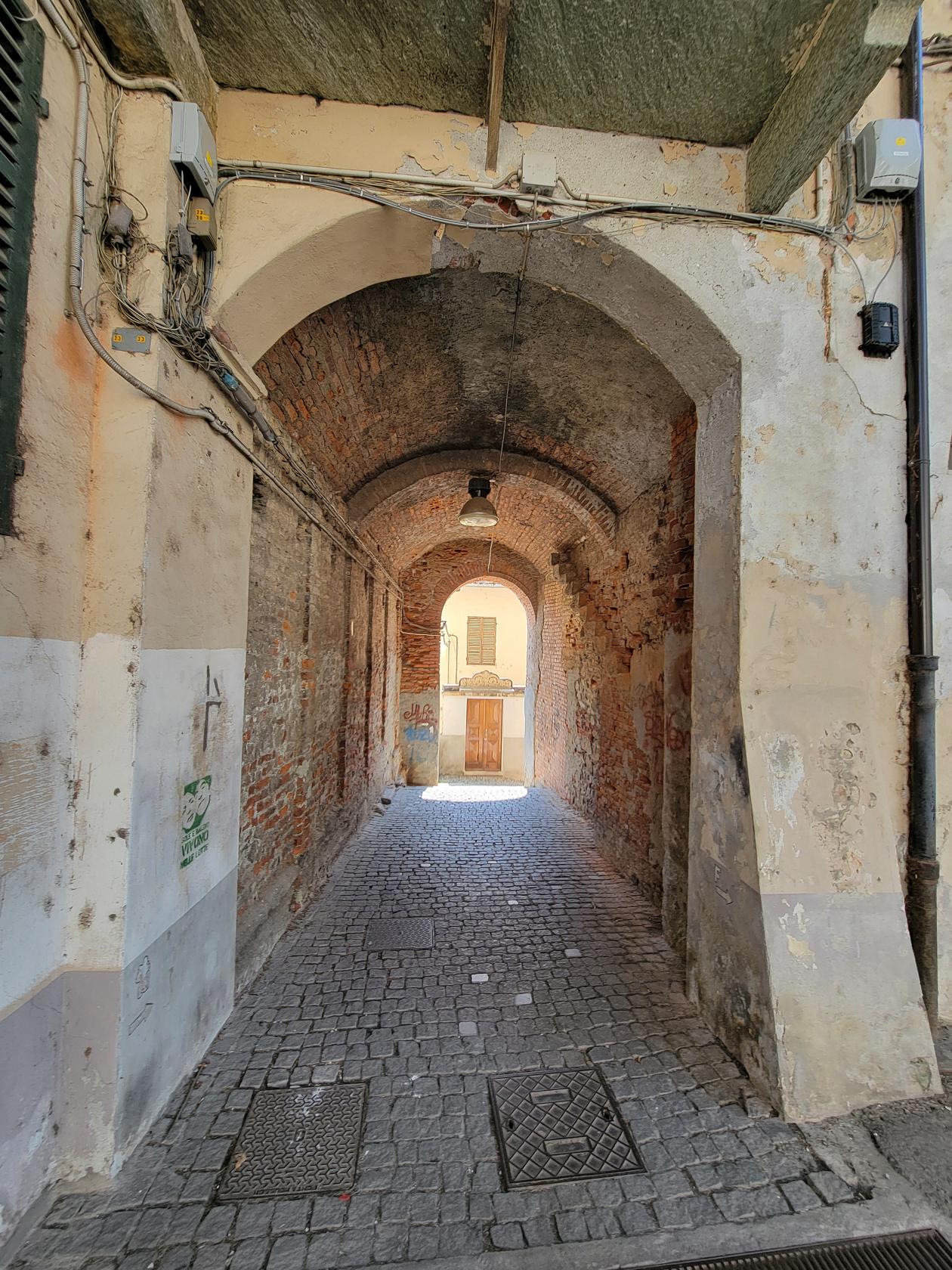
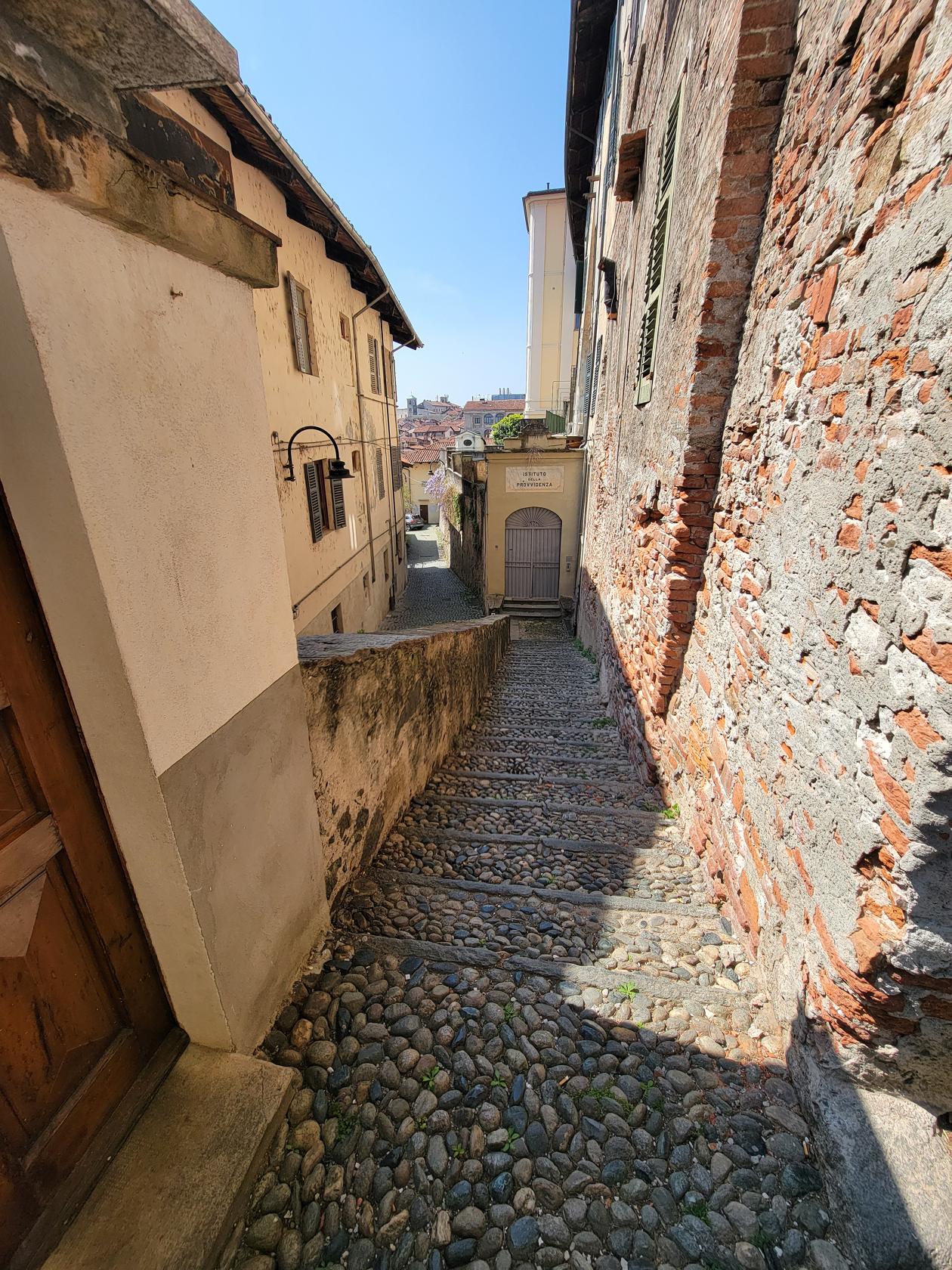
Via Francigena – Way through the city – Ivrea, Italy
Via Francigena – Way through the city – Ivrea, Italy
Getting There
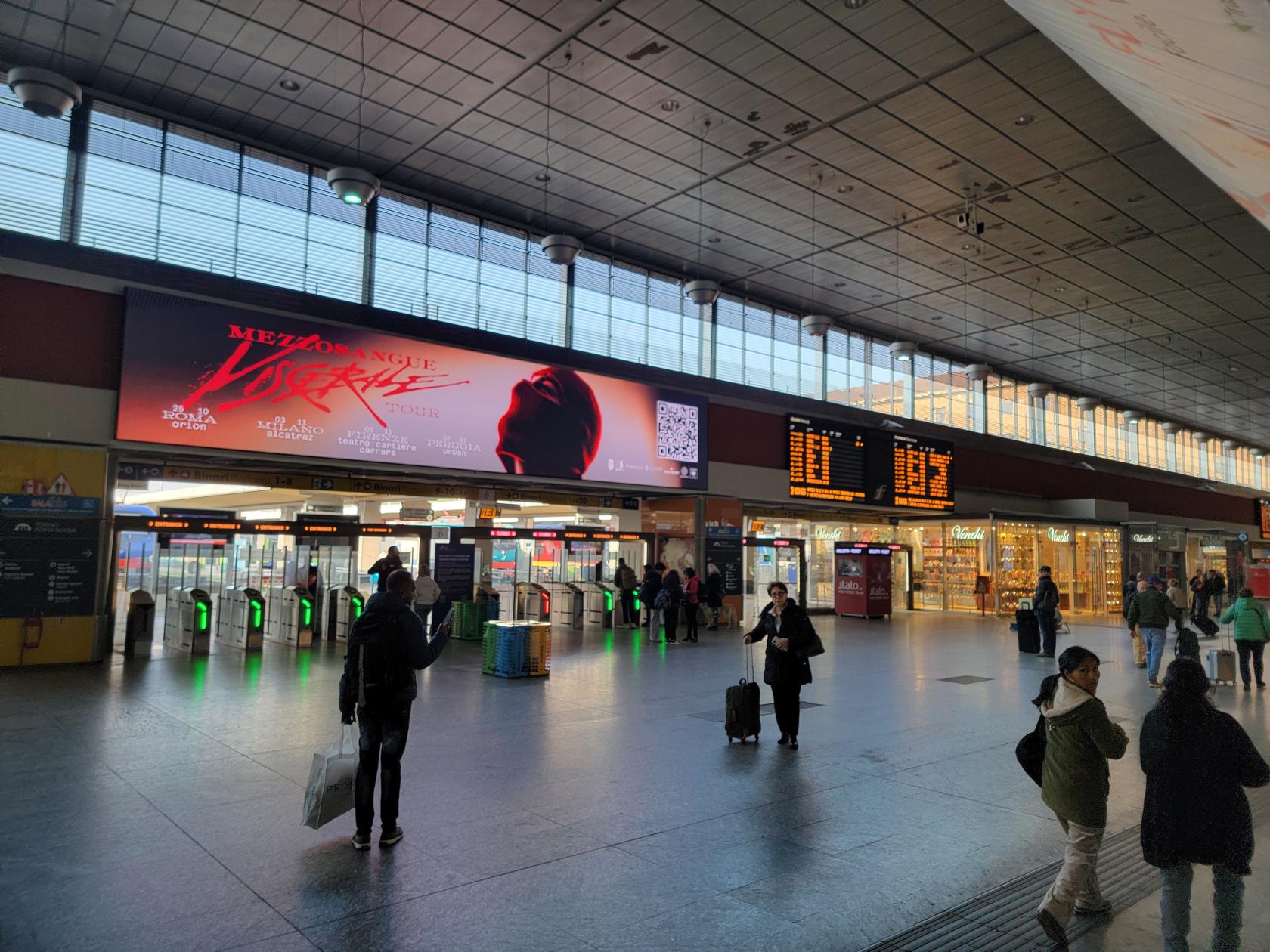
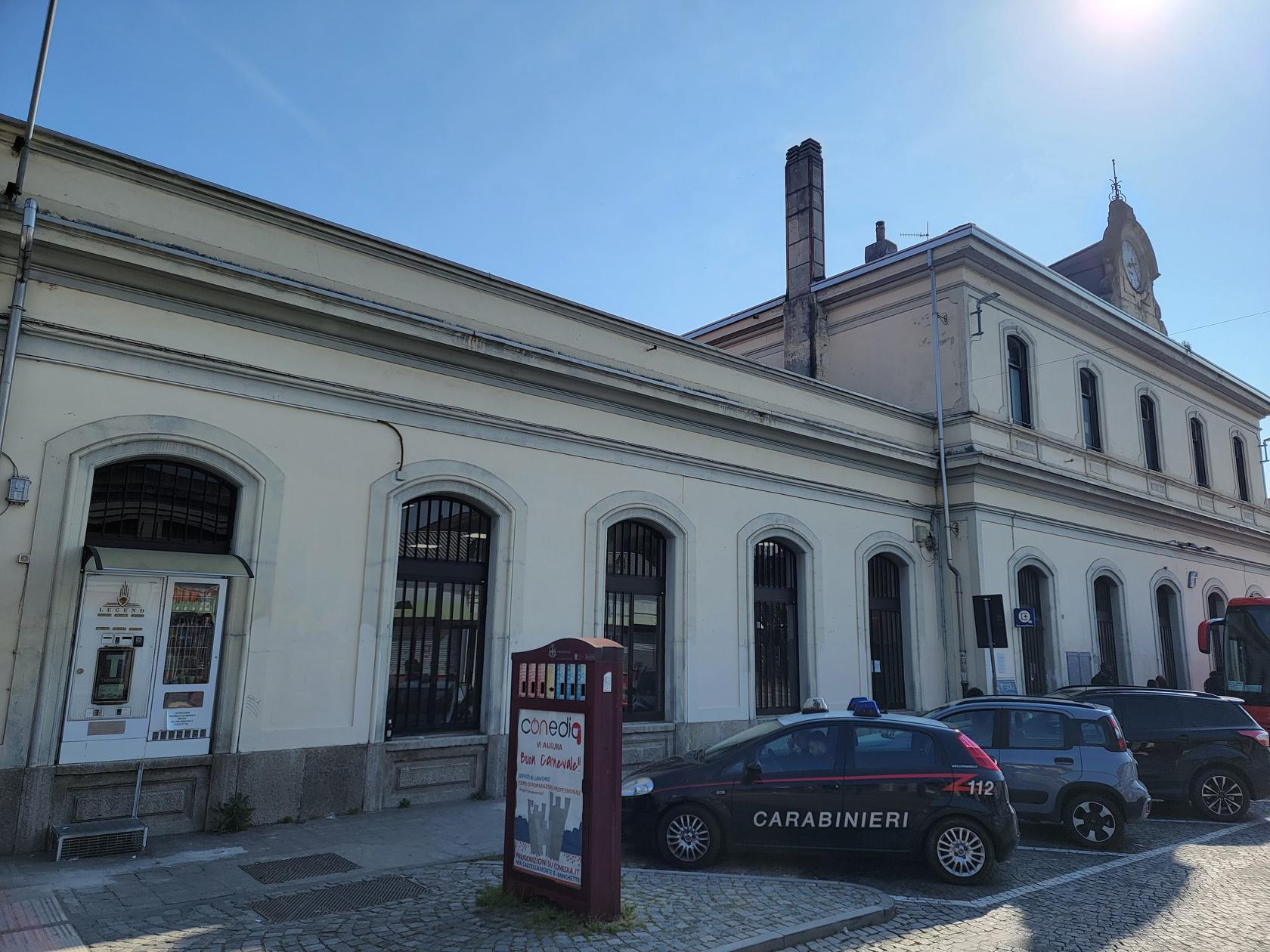
This town can be reached in just under an hour’s train ride from Porta Nuovo in Turin. The Regional Veloce (RV) runs directly from the main train station, through Porta Susa and onto Ivrea. Unfortunately, the line no longer continues to Aosta, so those who are stopping over have to use the bus service to continue their journeys.
Porta Nuovo Train Station – Main Lobby – Turin, Italy
Ivrea Train Station – Outside – Ivrea, Italy
The Hotel
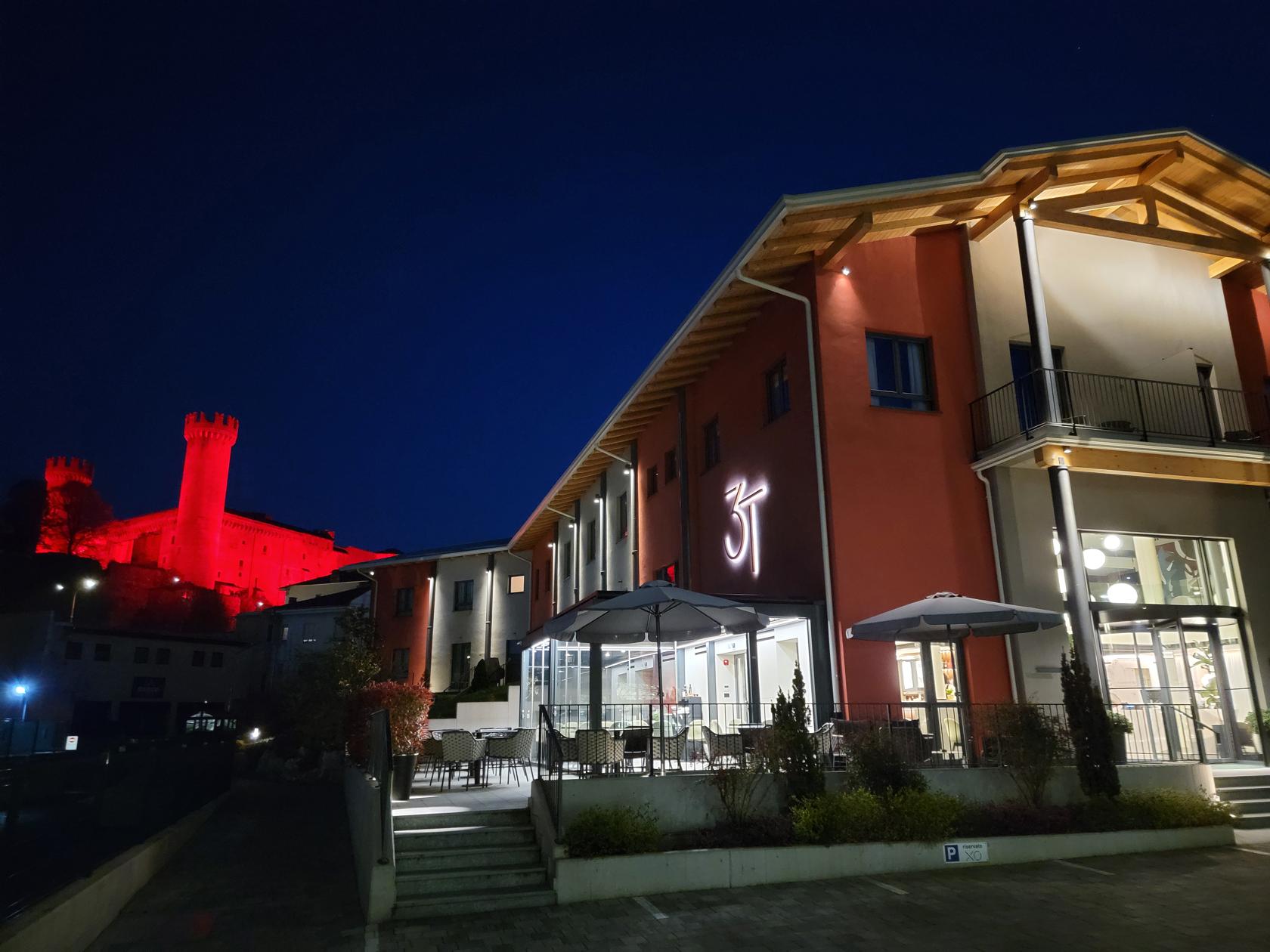
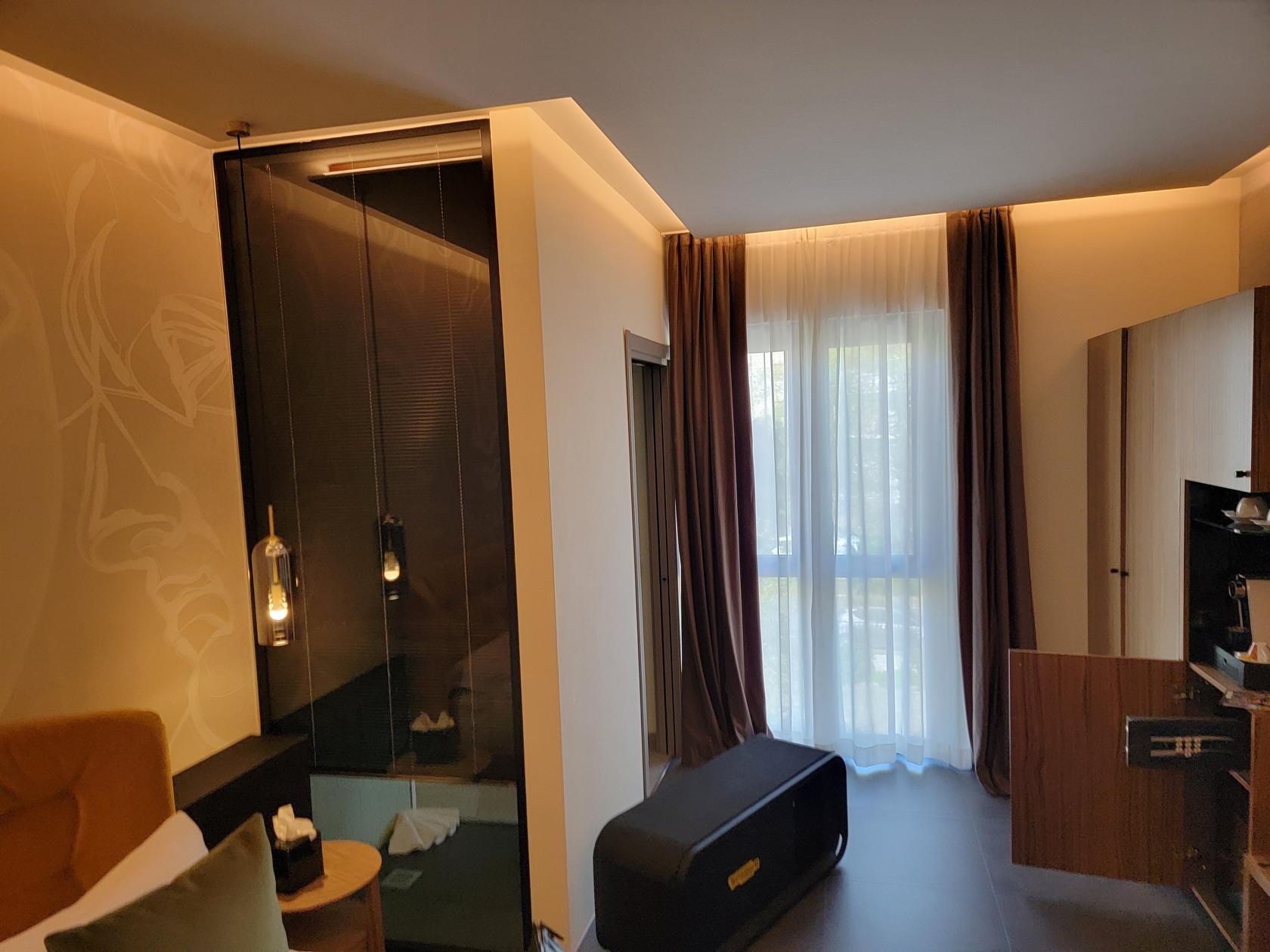
We stayed at the Hotel 3T on Via Sant’Ulderico, a modern hotel that has most of the amenities. One thing I disliked about this hotel, at least during this time of year (Spring), is that the thermostat makes you believe you have control over the temperature in your room, when in fact you don’t!
3T Hotel – Castle Sabaudo, At Night – Ivrea, Italy
3T Hotel – Our Room, 209 – Ivrea, Italy
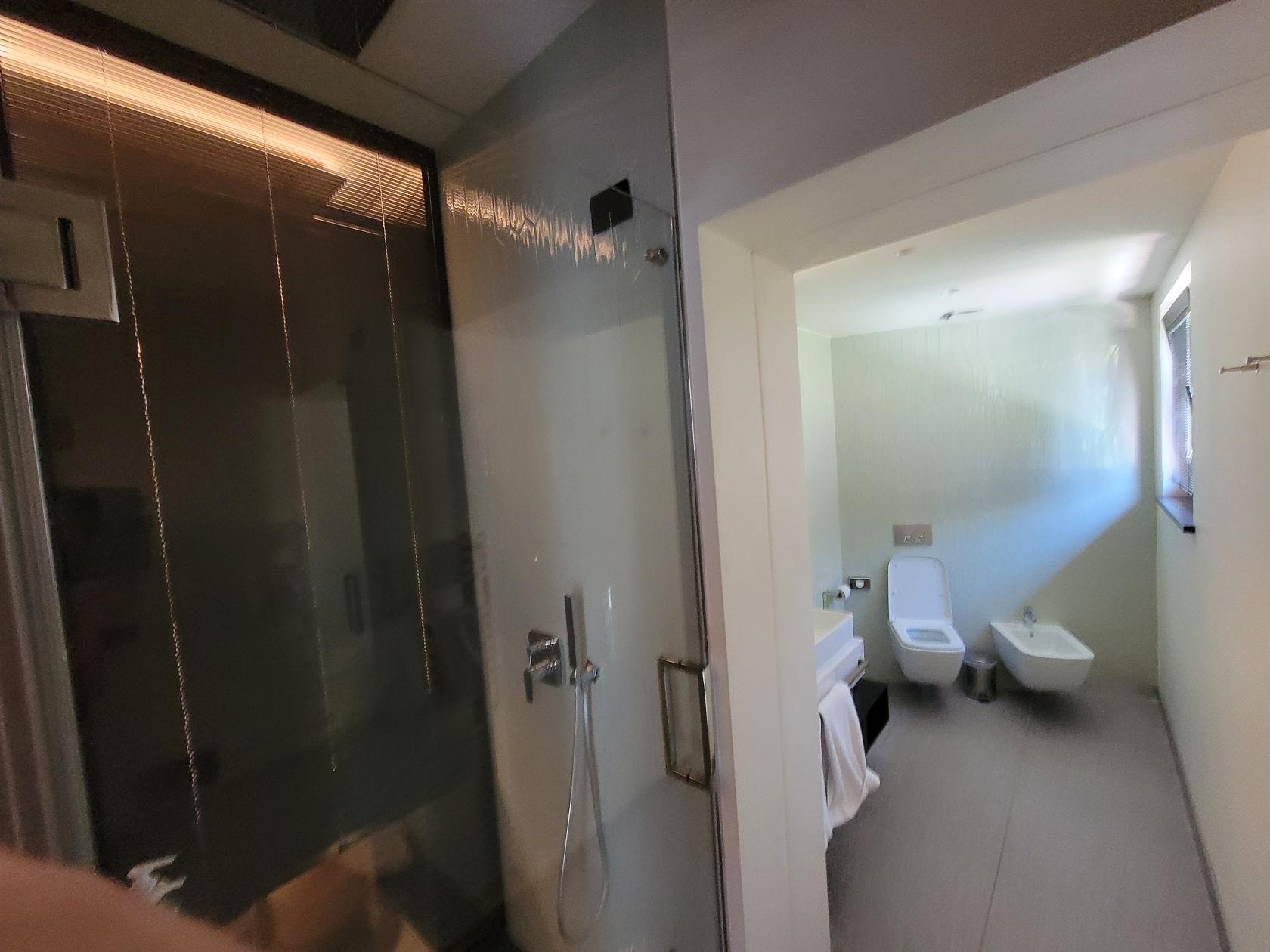
3T Hotel – Our Room, 209 – Ivrea, Italy
The Town
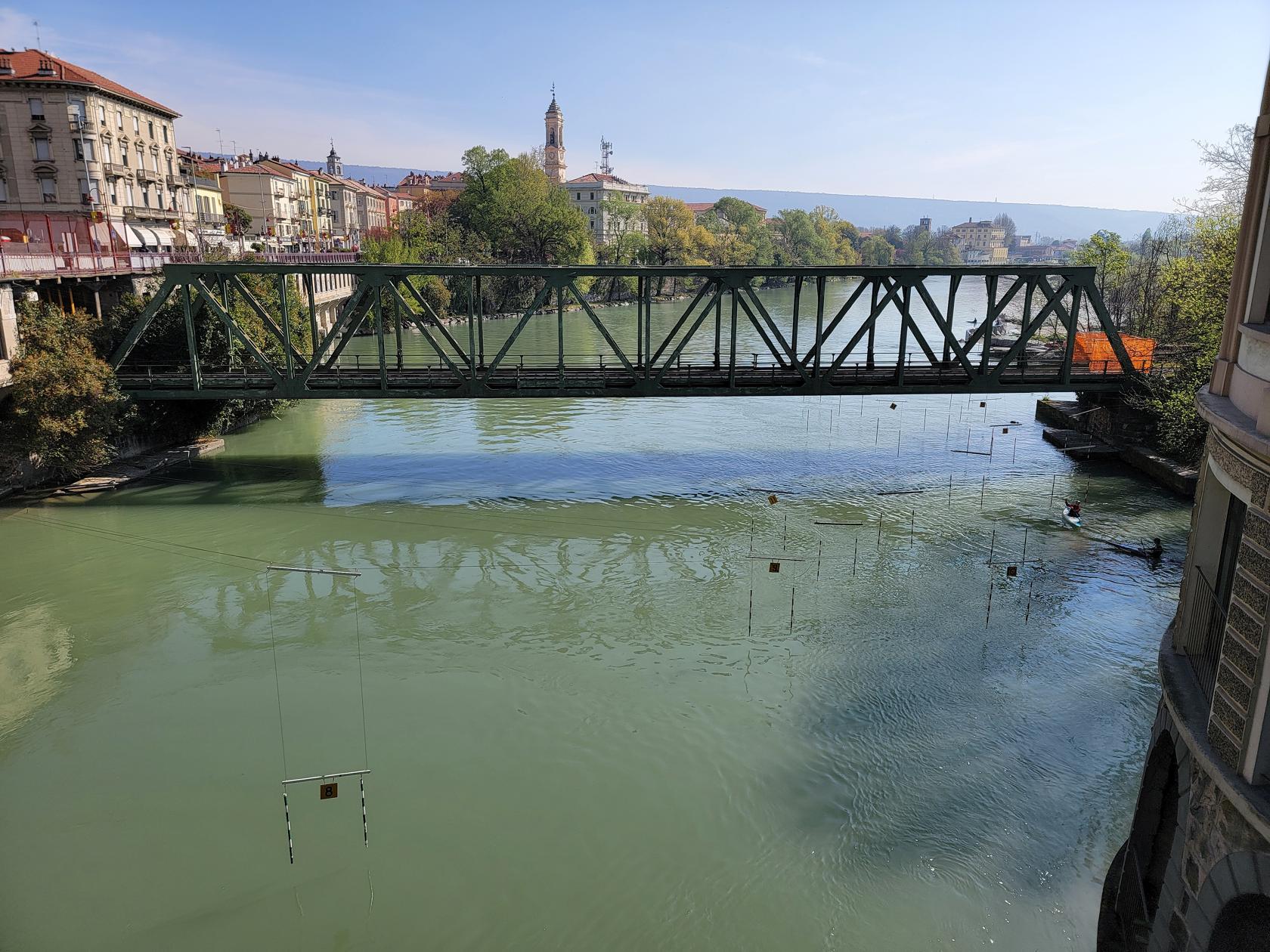
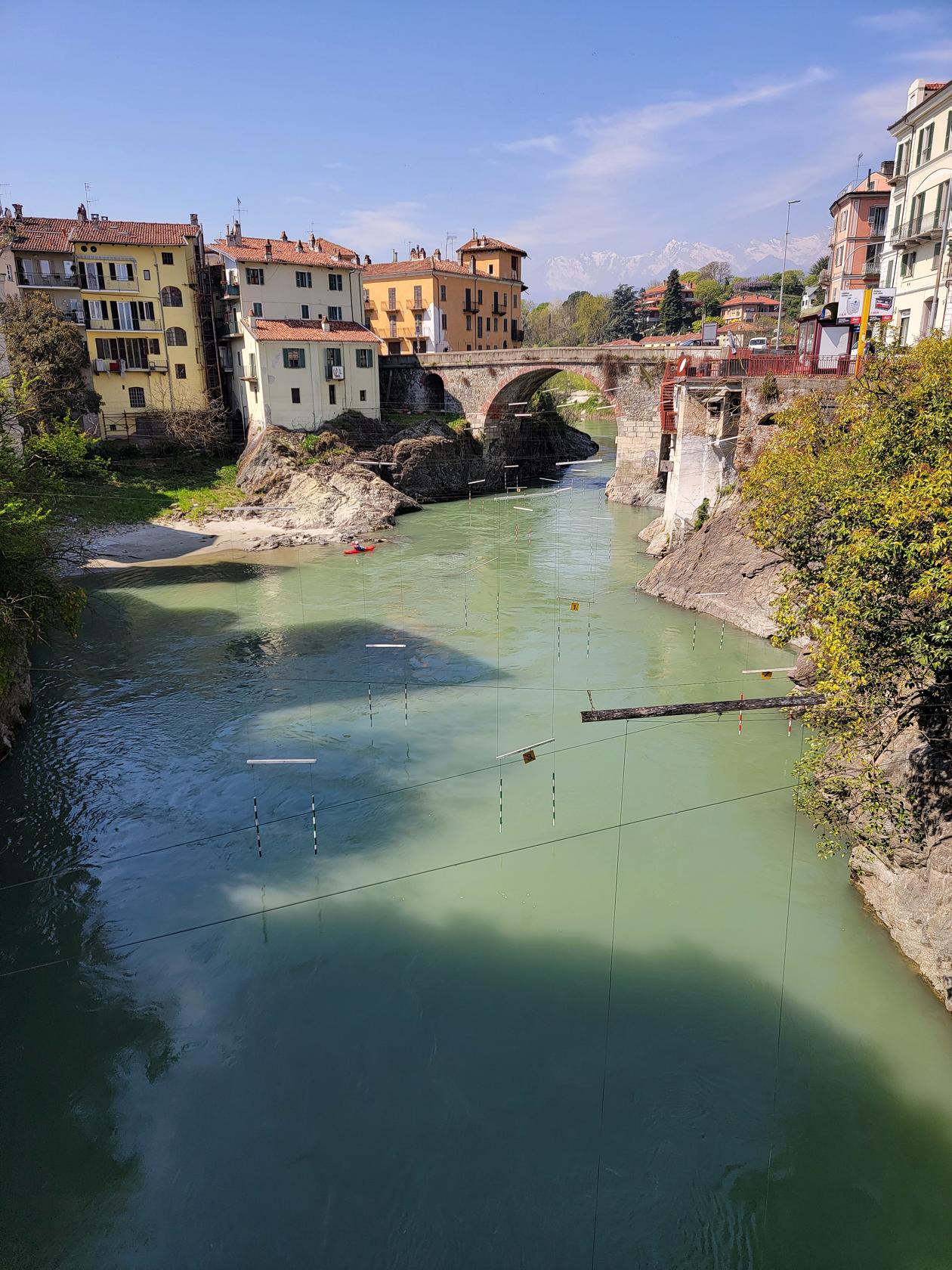
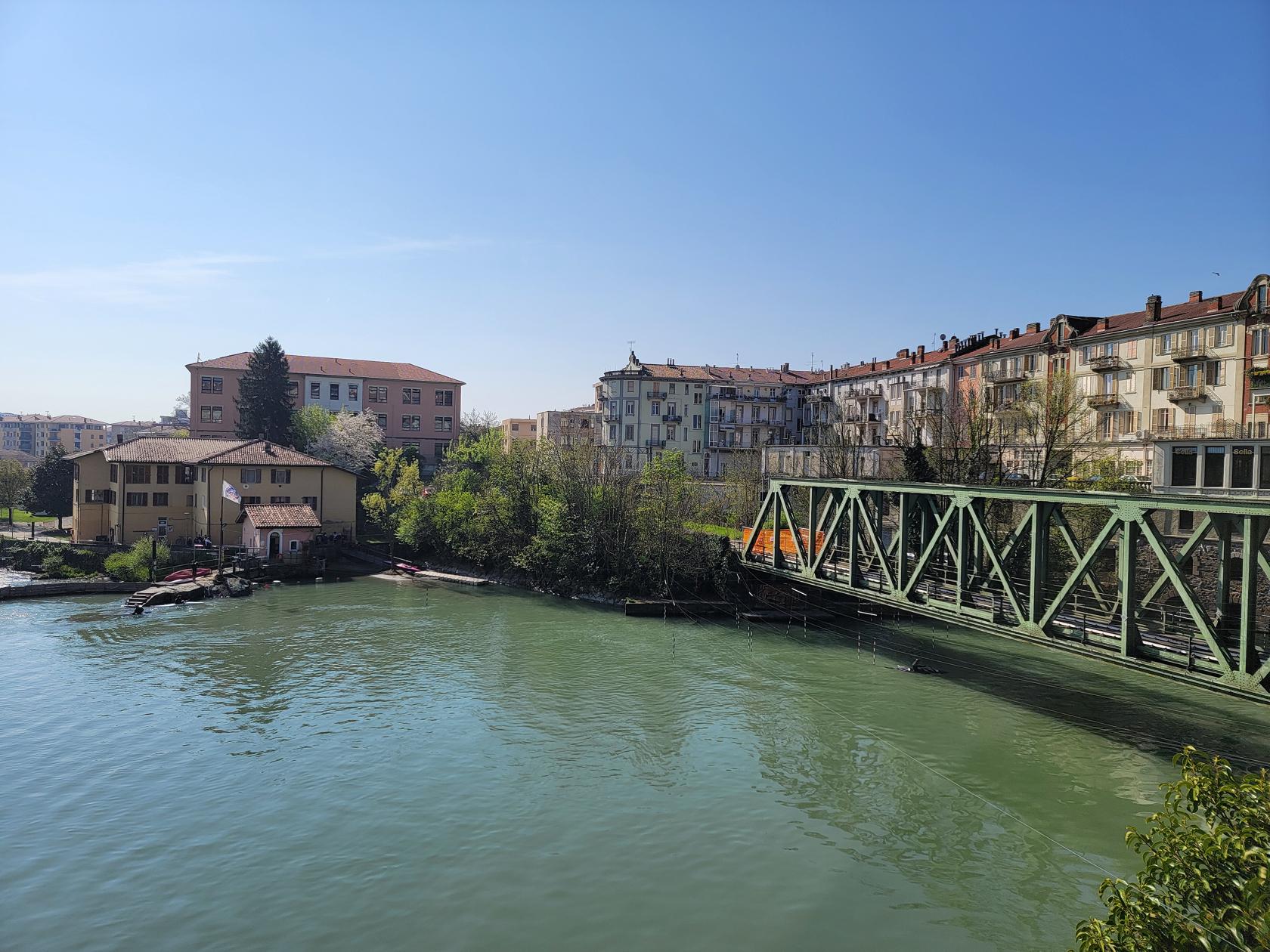
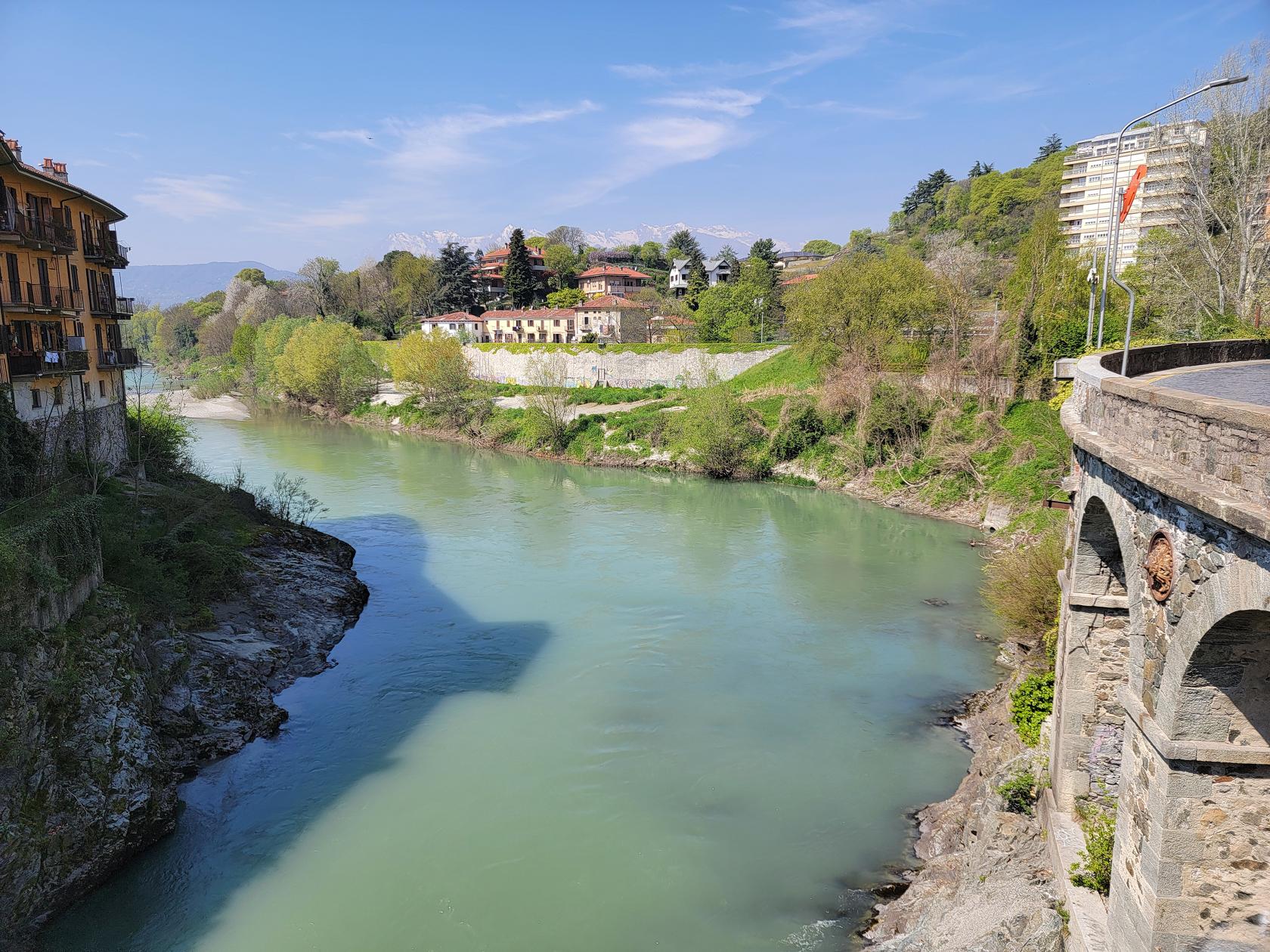
The town is cut in two by the Dora Baltea river, which offers a few courses for avid kayakers and seems to draw them from all over. The river here cuts right through the native diorite rock, which can be seen everywhere you look and presents a dark geologic hardness that makes it such a stable building foundation; practically everything, including the hospital, is built on it.
Dora Baltea River – Train Bridge to Aosta, closed – Ivrea, Italy
Dora Baltea River – Ponte Vecchio – Ivrea, Italy
Dora Baltea River – Train Bridge to Aosta, closed – Ivrea, Italy
Dora Baltea River – From Ponte Vecchio – Ivrea, Italy
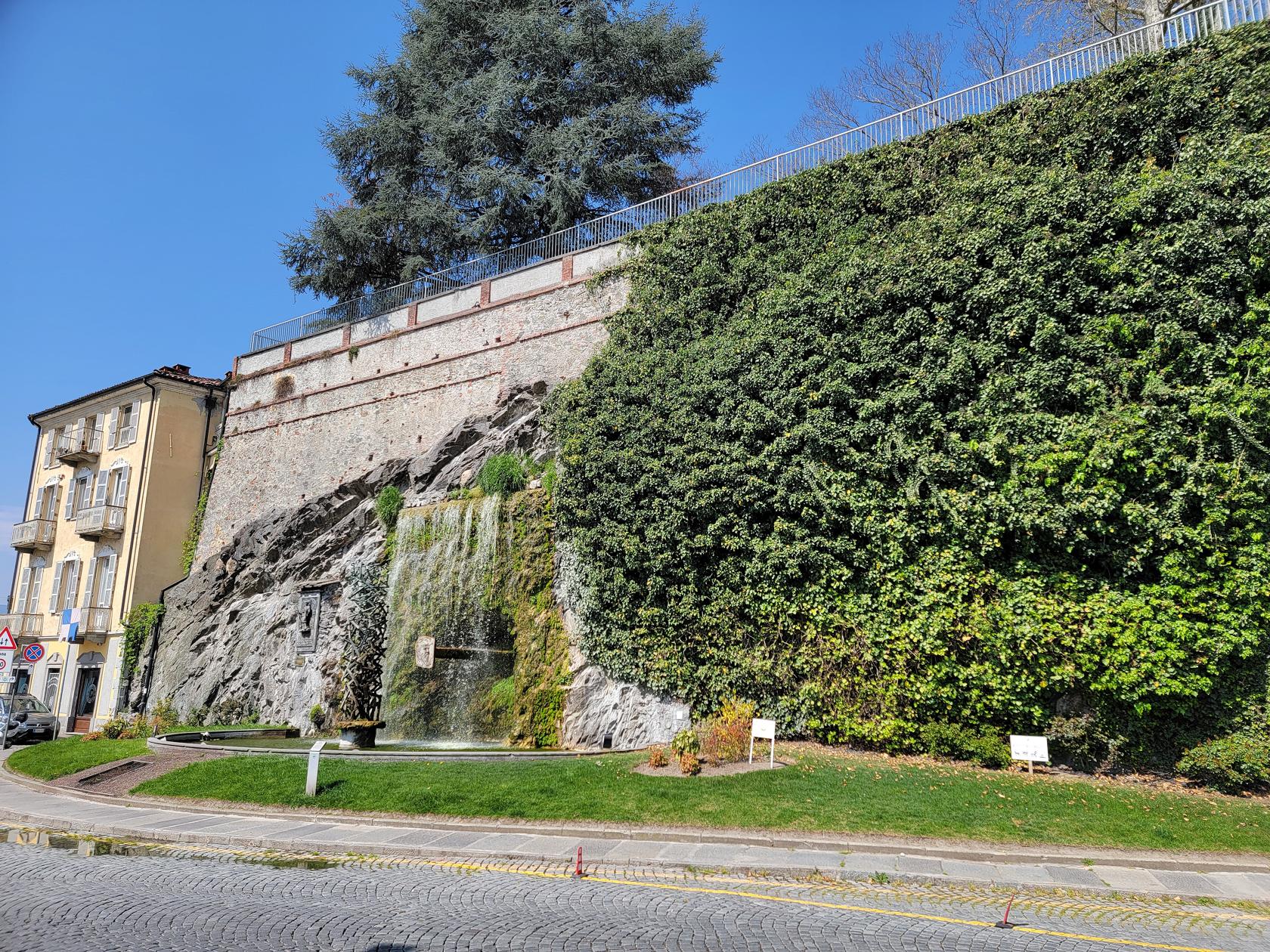
Dora Baltea River – Fontana Camillo Olivetti – Ivrea, Italy
There is not much to the town itself, just the Lungodora, or walkway along the river, and one central main street where one can find most of the shops, cafes and other stores.
Dora Baltea River – Corse Re Umberto – Ivrea, Italy
Dora Baltea River – Corse Re Umberto – Ivrea, Italy
Castle Saubauda
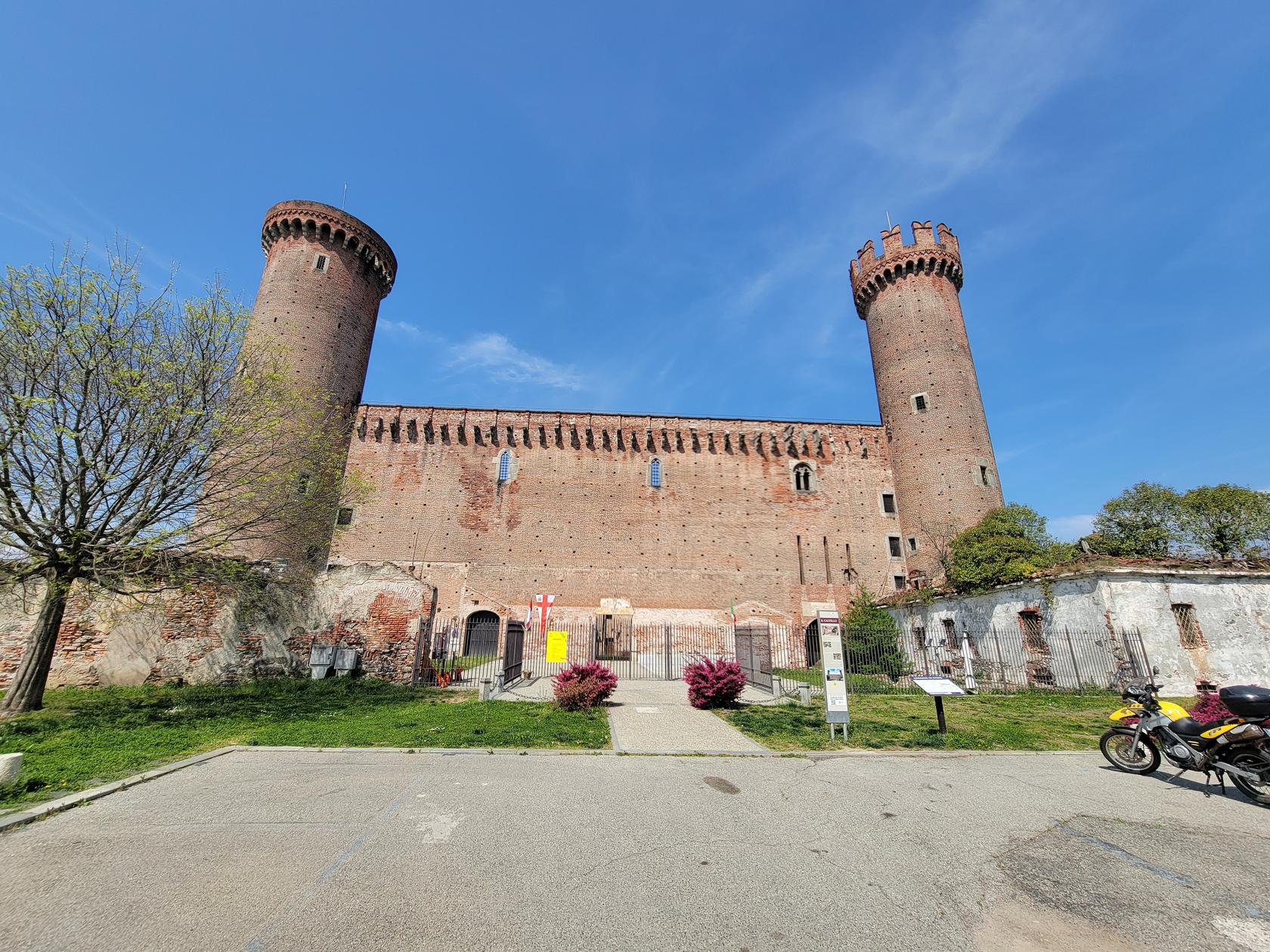
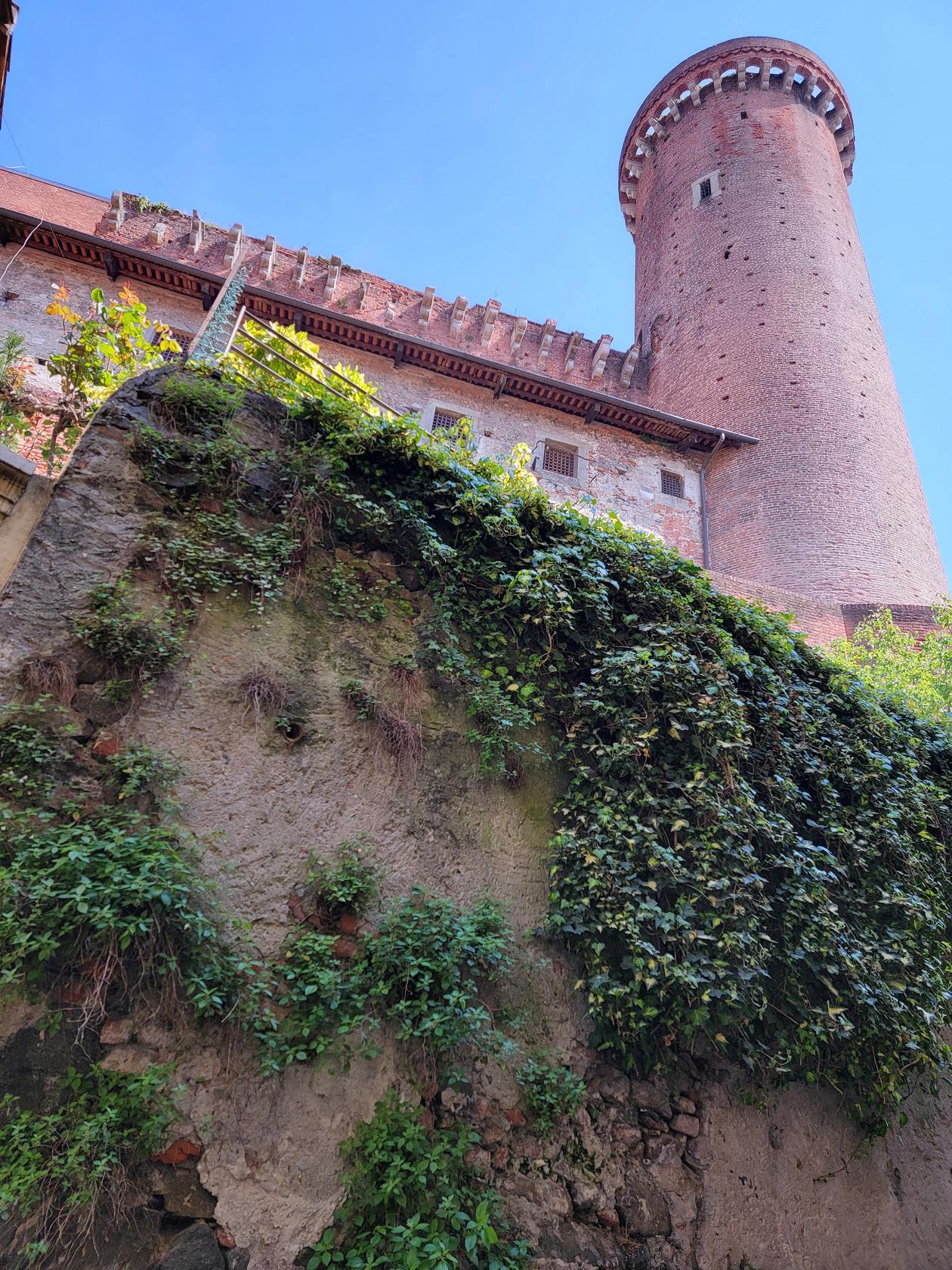
A large rectangular castle built in the fourteenth century by the Savoy family. It is only open certain times during the year and one has to reserve their guided tour ahead of time. We were only able to see the outside and sometimes at night it is lit up in different colors.
Sabaudo Castle – Ivrea, Italy
Sabaudo Castle – Ivrea, Italy
Ivrea Cathedral
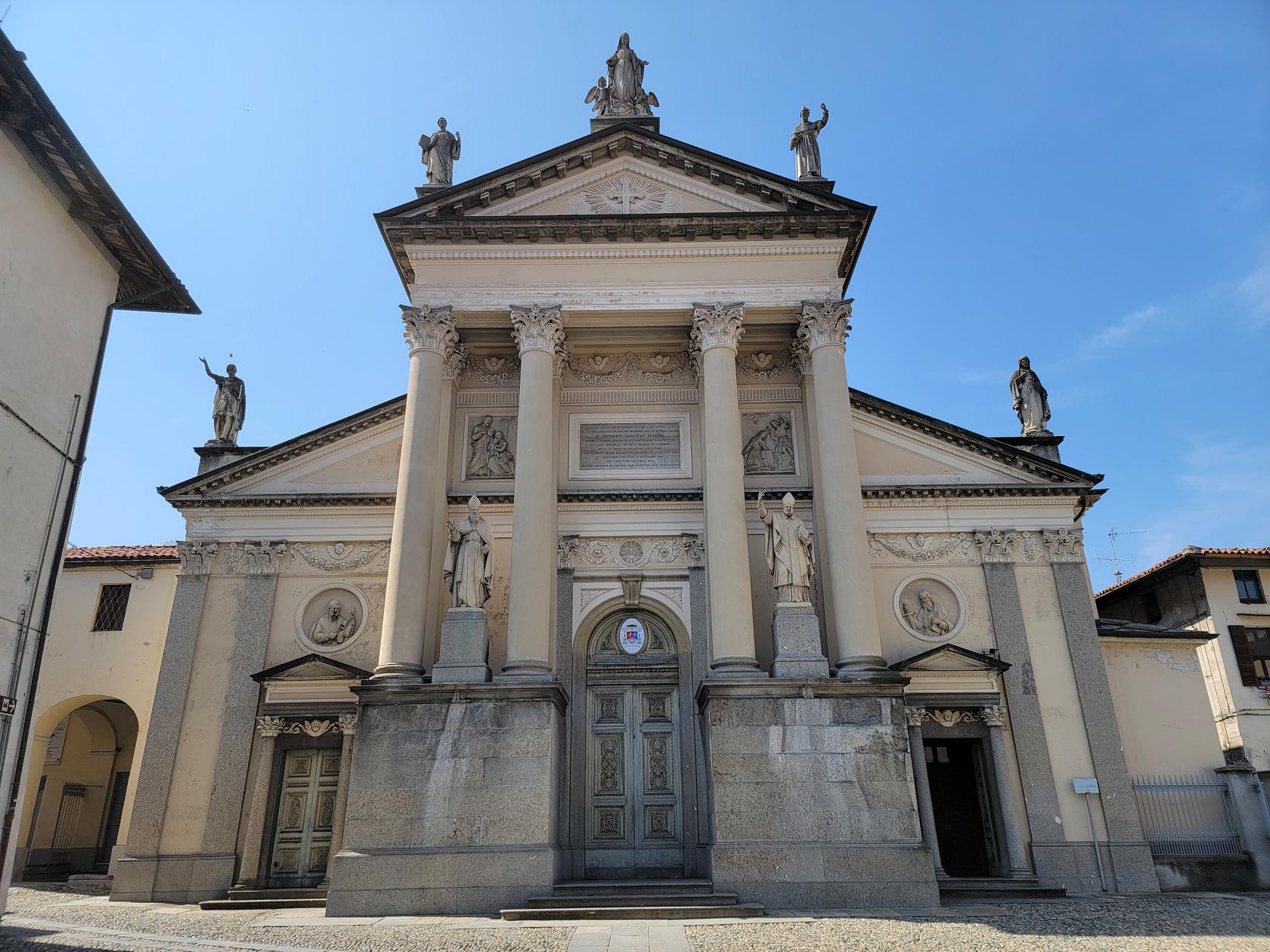
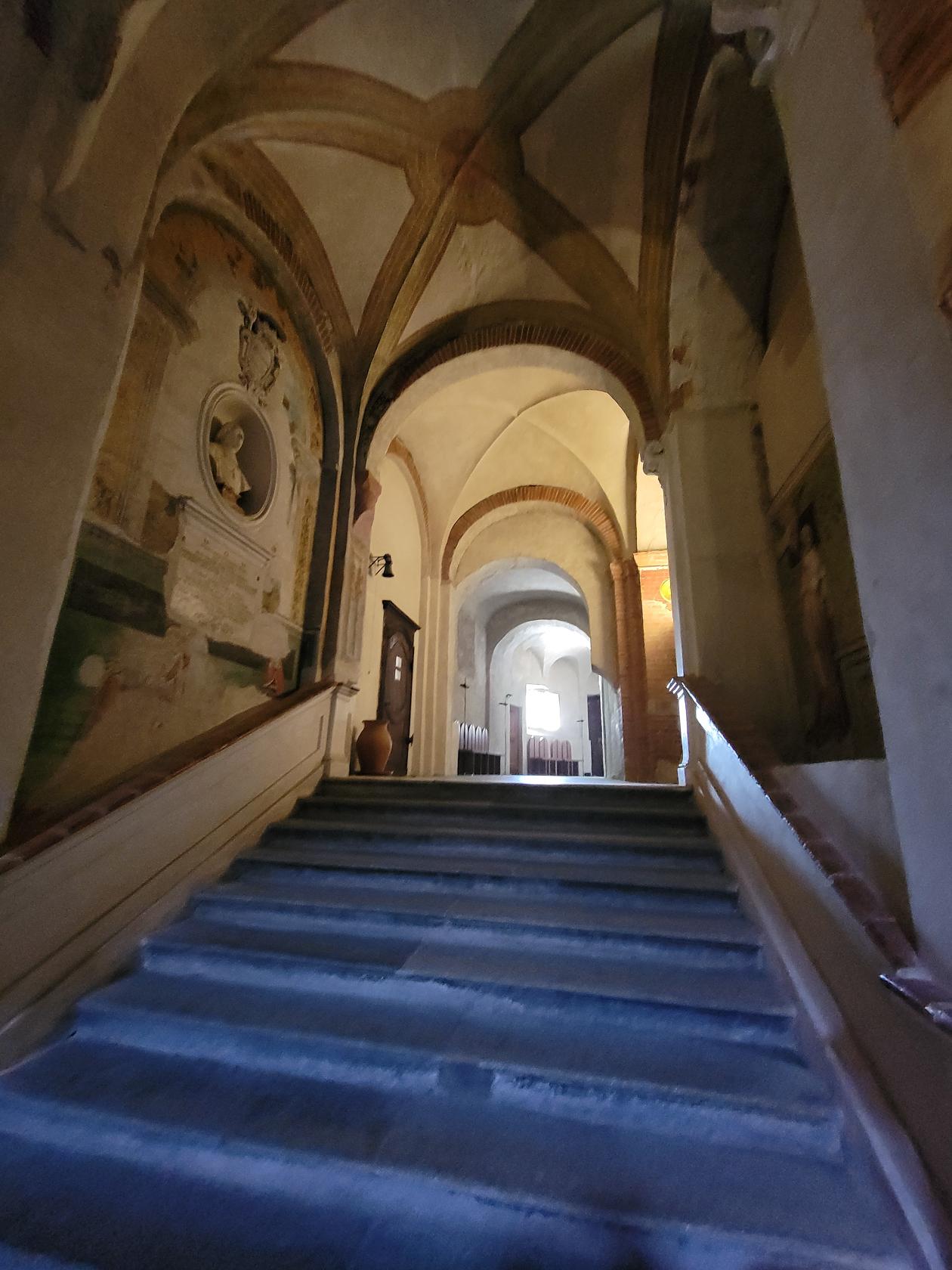
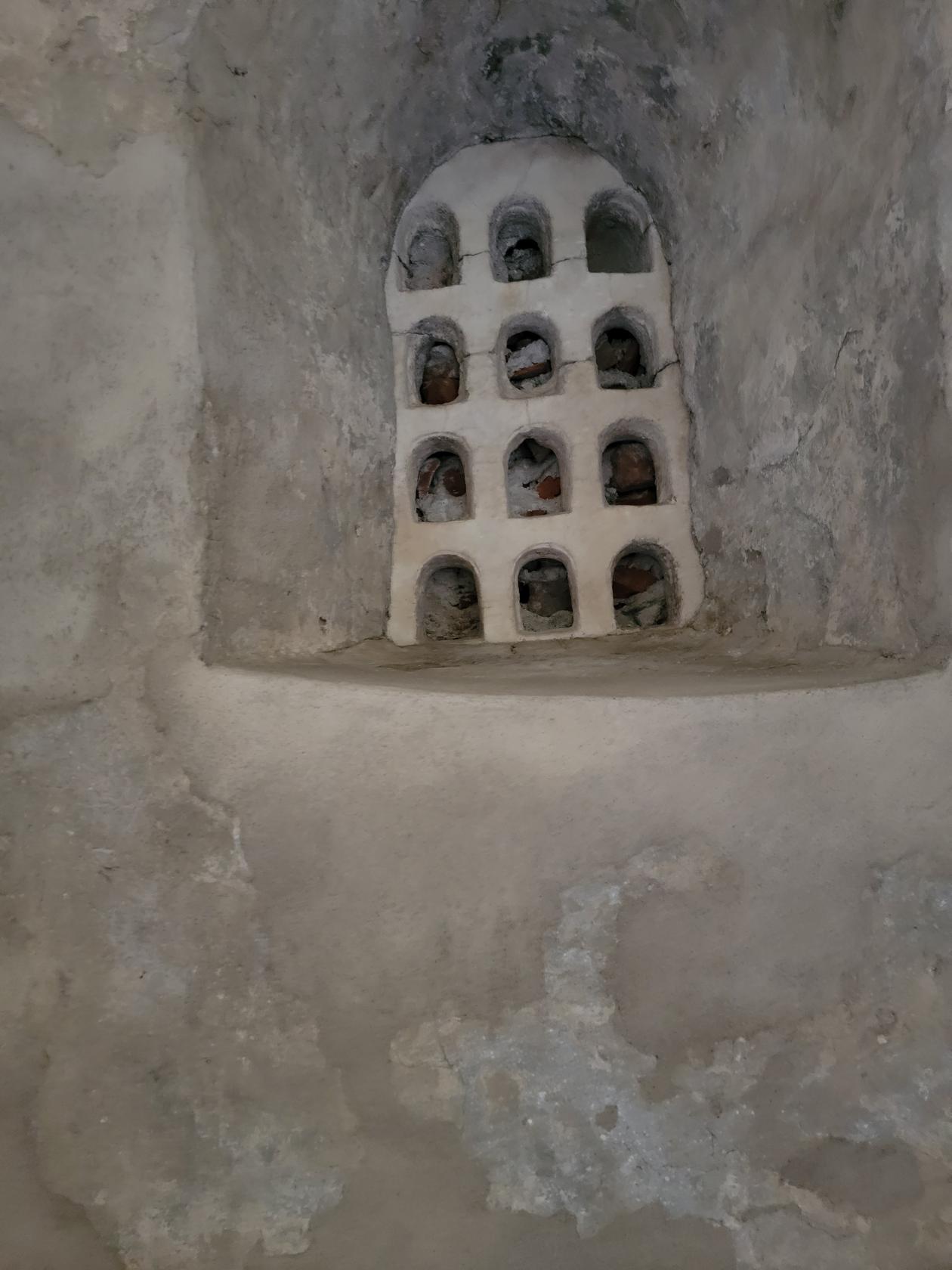
Actually known as the Cathedral of the Assumption of Saint Mary, or Cattedrale di Santa Maria Assunta, is very close to the castle on the hilltop. It is in need of restoration and there are several, apparently small projects already underway inside the cathedral.
Cathedral Santa Maria Assunta – Il Duomo, Entrance – Ivrea, Italy
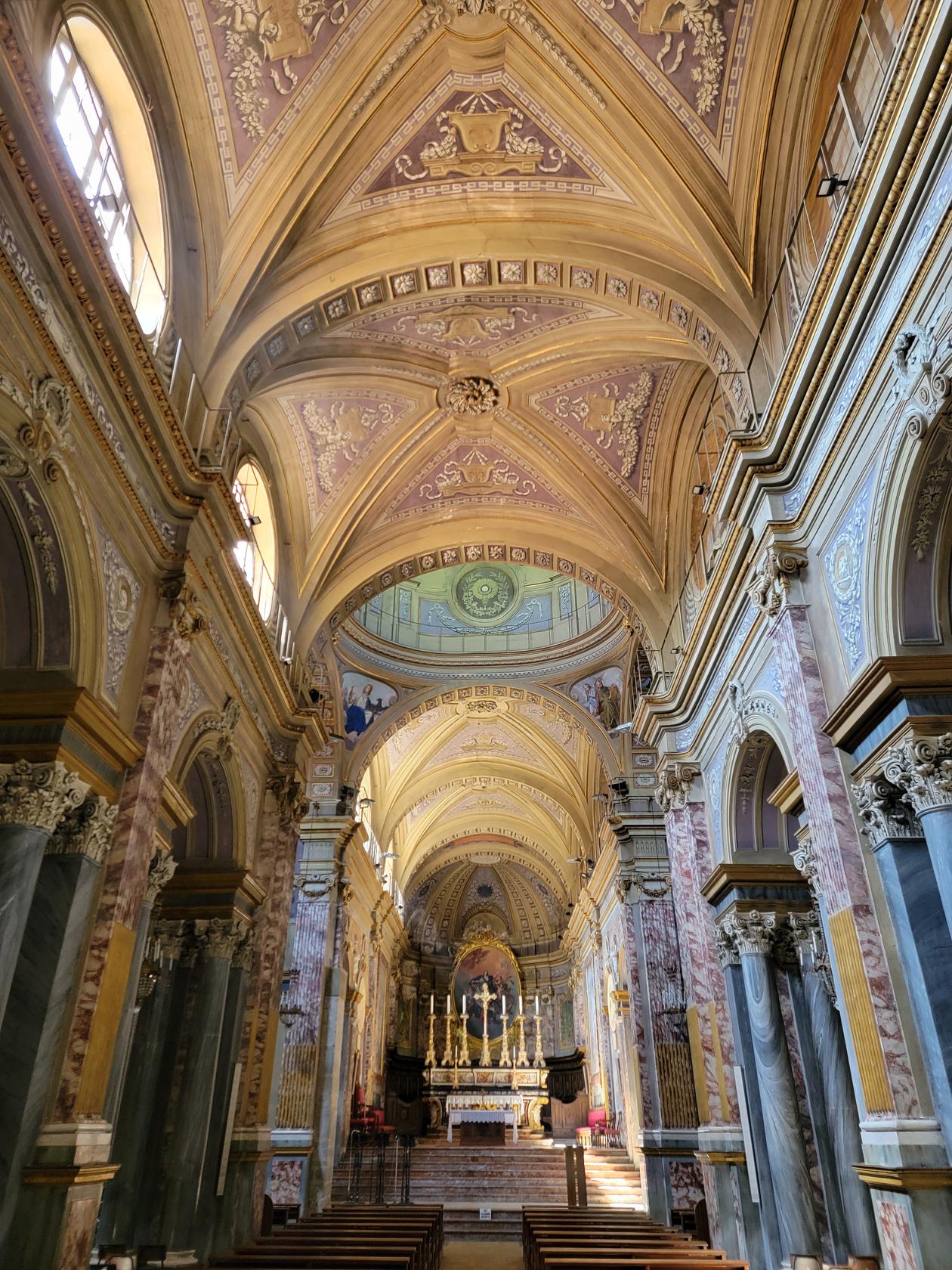
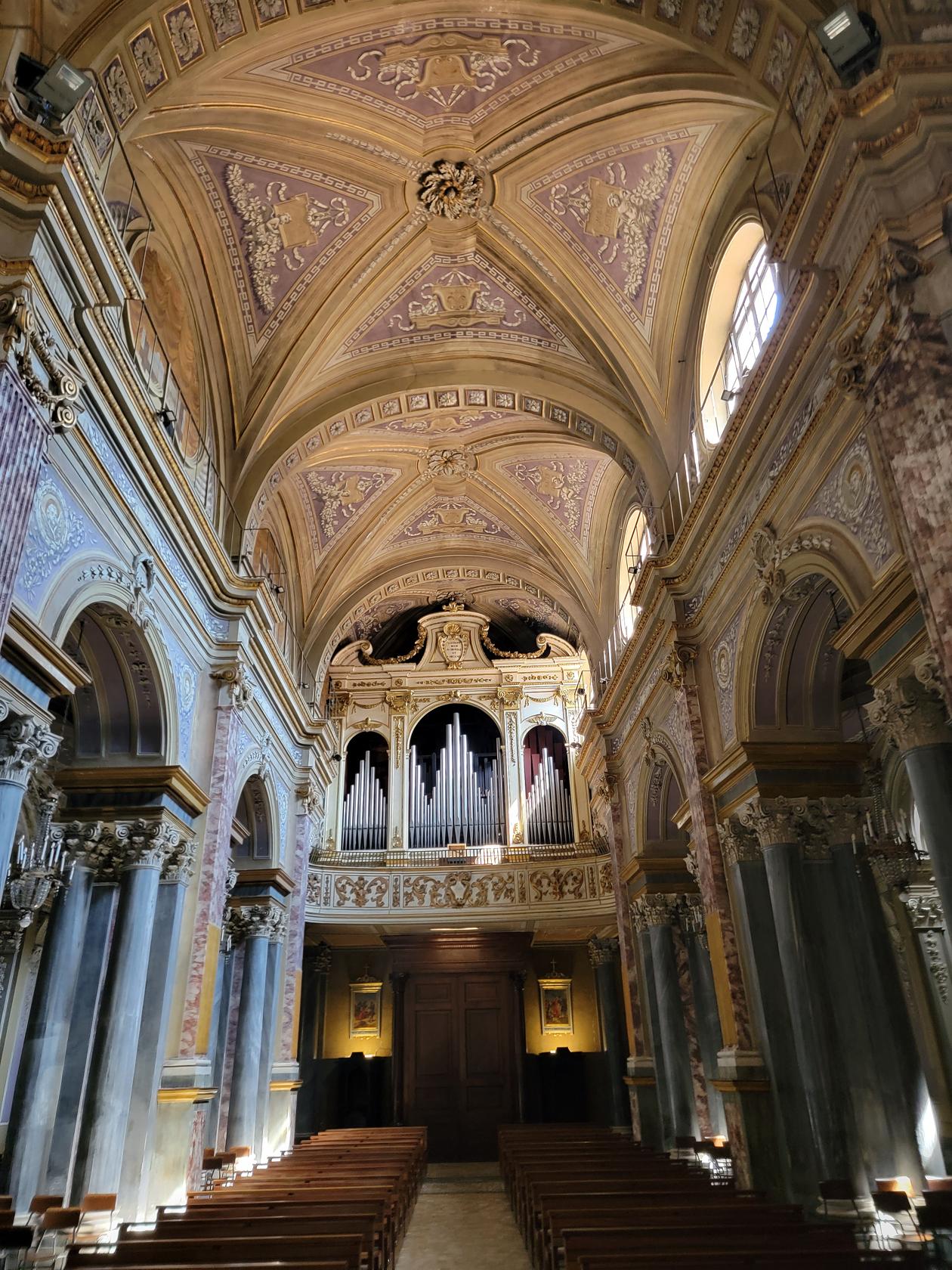
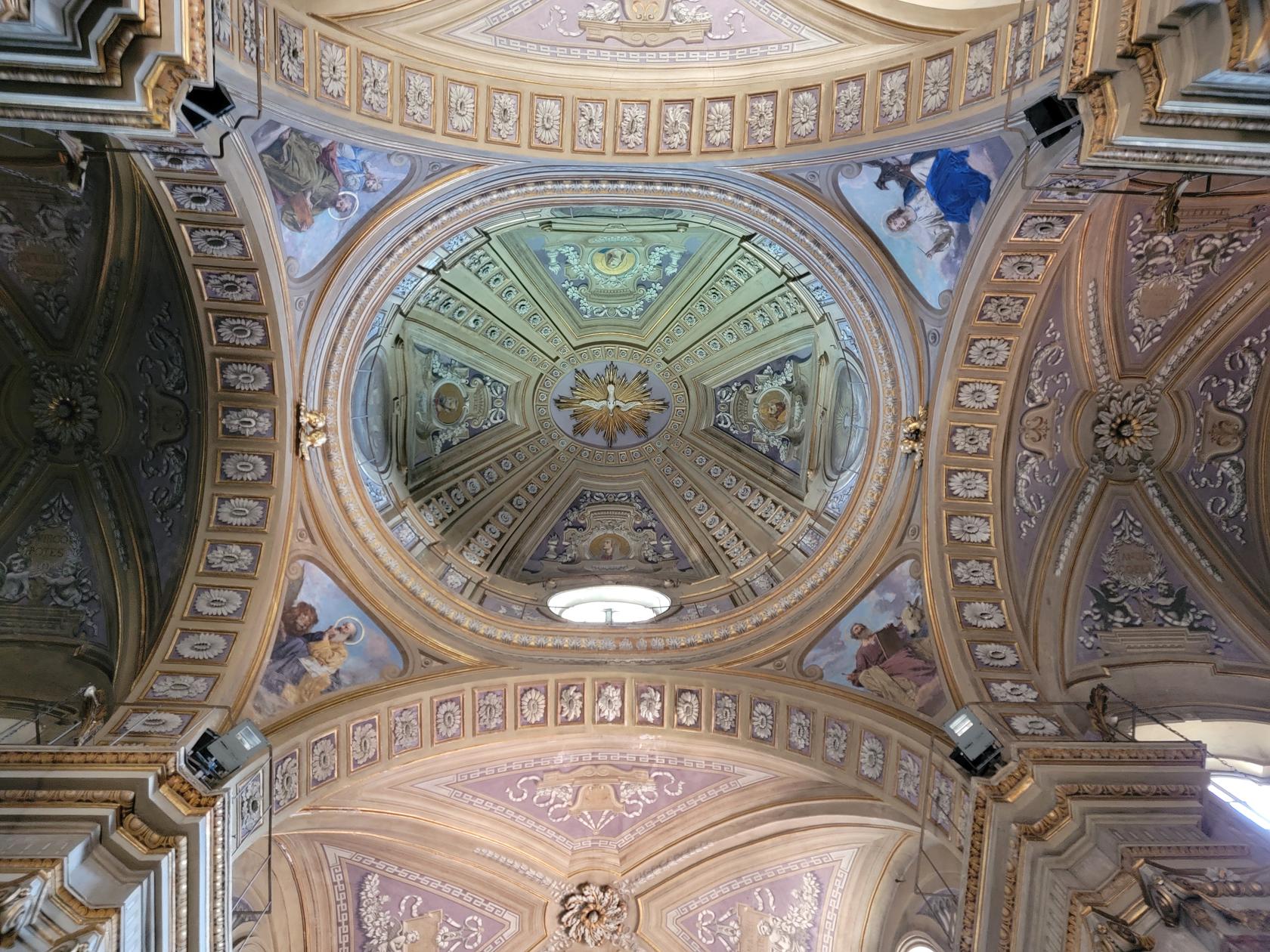
Inside the cathedral is actually quite impressive. The nave is well decorated with ceiling frescoes and religious art. It is quite dark and reminiscent of the Sistine Chapel before that was restored and suffers from decades, if not centuries or candle and other smoke.
Cathedral Santa Maria Assunta – Il Duomo, Nave and ceiling – Ivrea, Italy
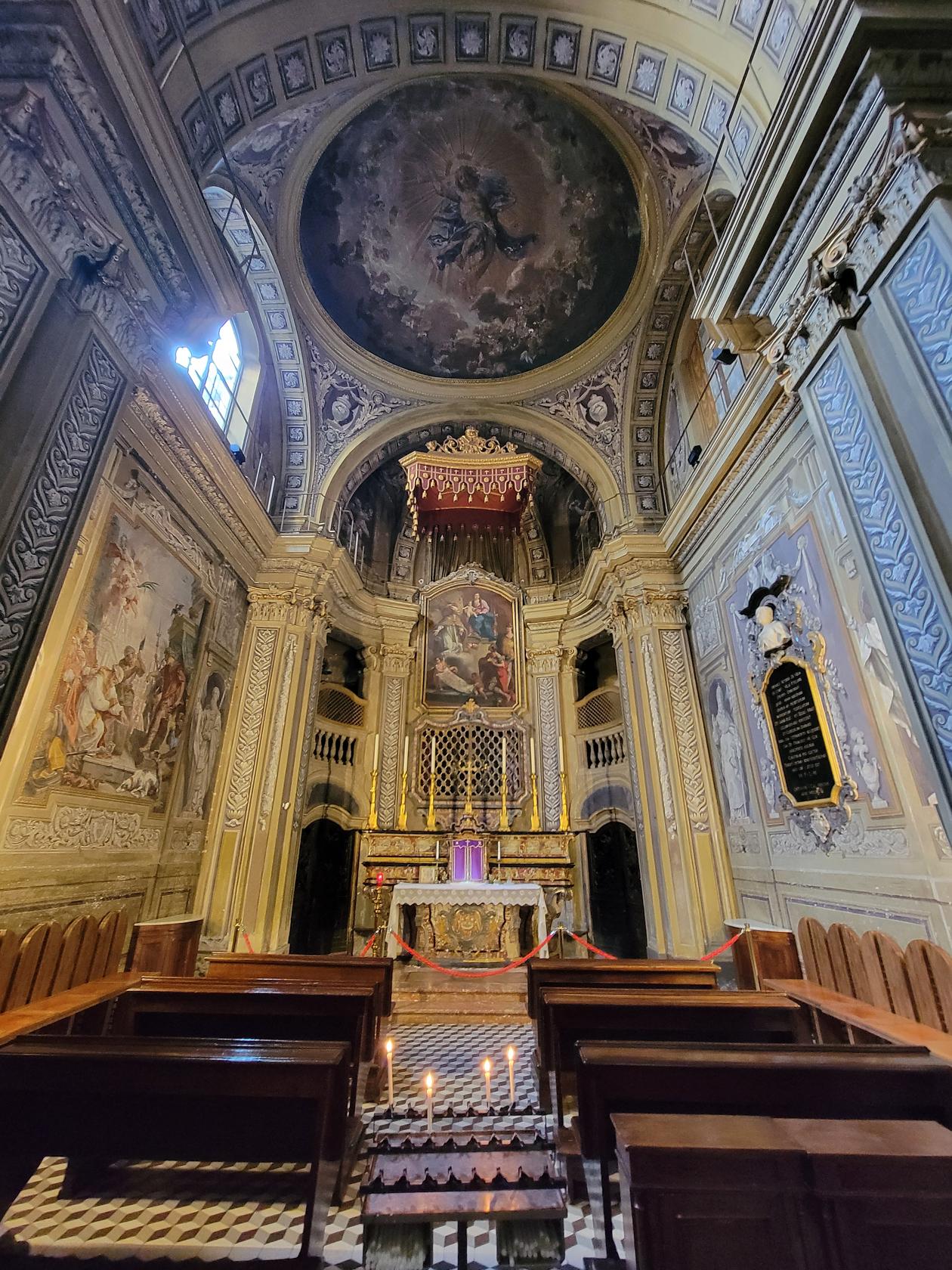
Cathedral Santa Maria Assunta – Il Duomo, Altar – Ivrea, Italy
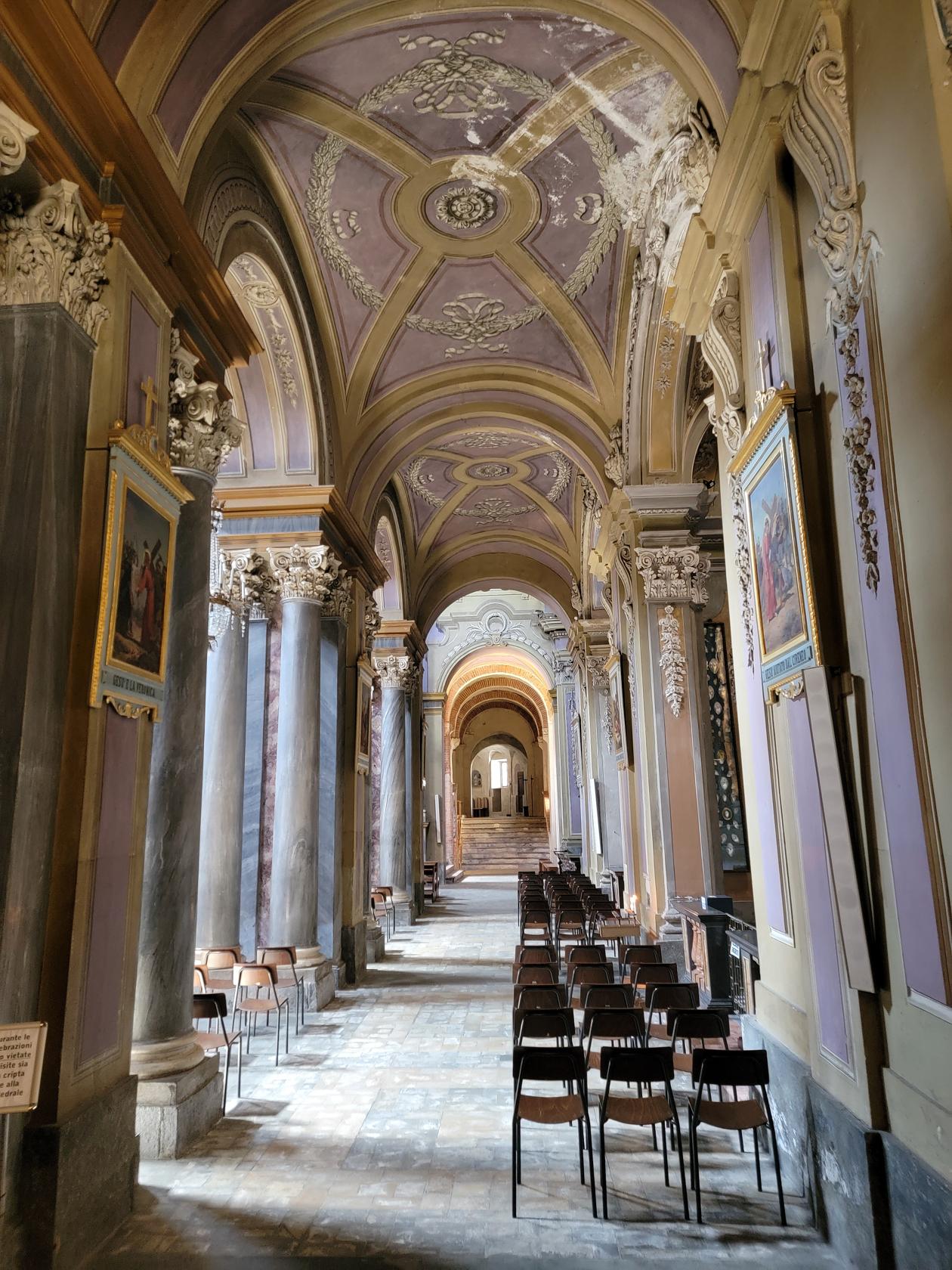
Cathedral Santa Maria Assunta – Il Duomo, Aisle – Ivrea, Italy
Cathedral Santa Maria Assunta – Il Duomo, Altar screen entrance – Ivrea, Italy
Cathedral Santa Maria Assunta – Il Duomo, bricked up window – Ivrea, Italy
Cathedral Santa Maria Assunta – Il Duomo, Nave and Organ – Ivrea, Italy
Cathedral Santa Maria Assunta – Il Duomo, Transept – Ivrea, Italy
Cathedral Santa Maria Assunta – Il Duomo, Altar screen ceiling frescoes – Ivrea, Italy
Cathedral Santa Maria Assunta – Il Duomo, Altar screen frescoes – Ivrea, Italy
Cathedral Santa Maria Assunta – Il Duomo, Altar screen frescoes – Ivrea, Italy
The Crypt
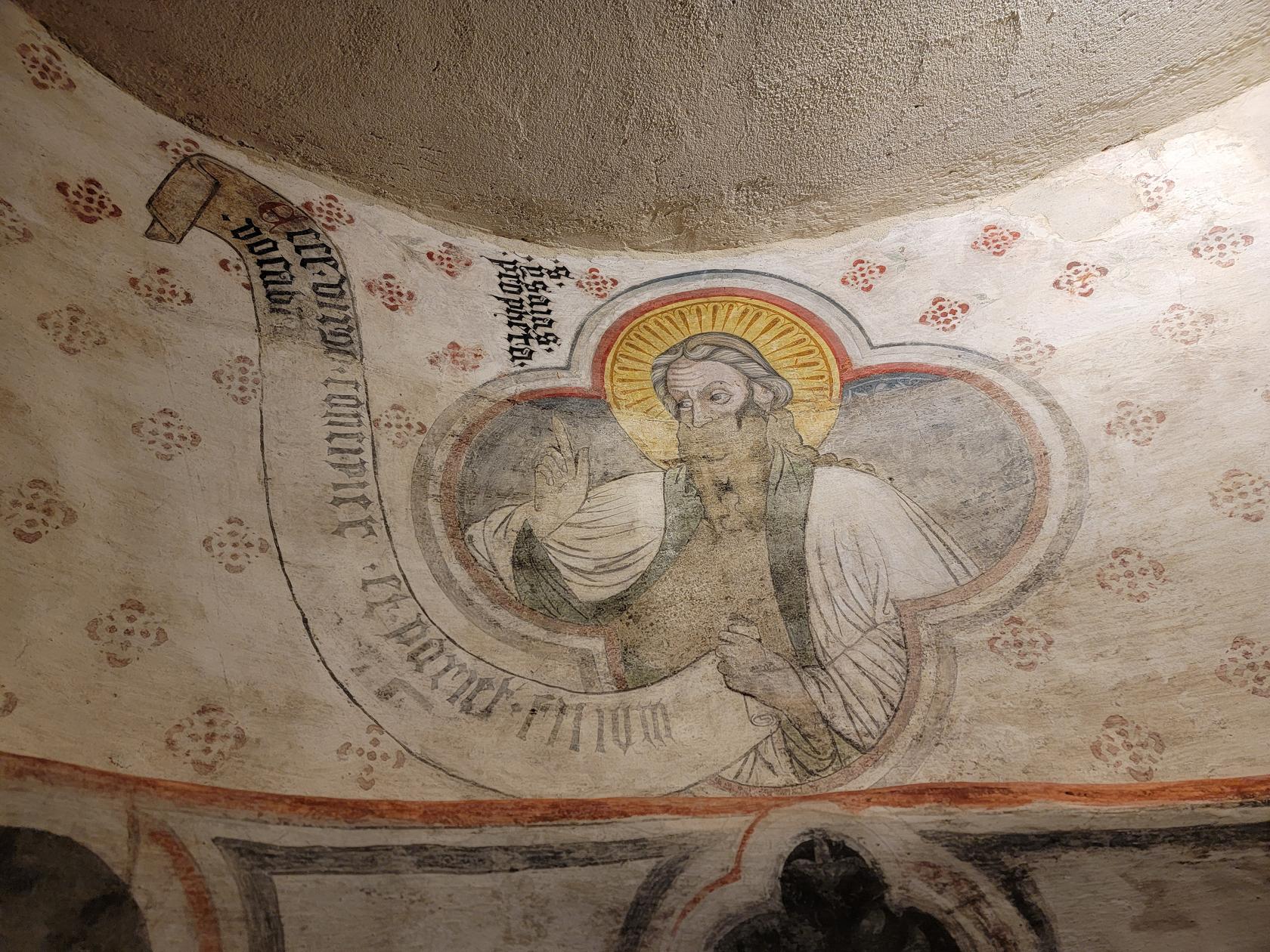
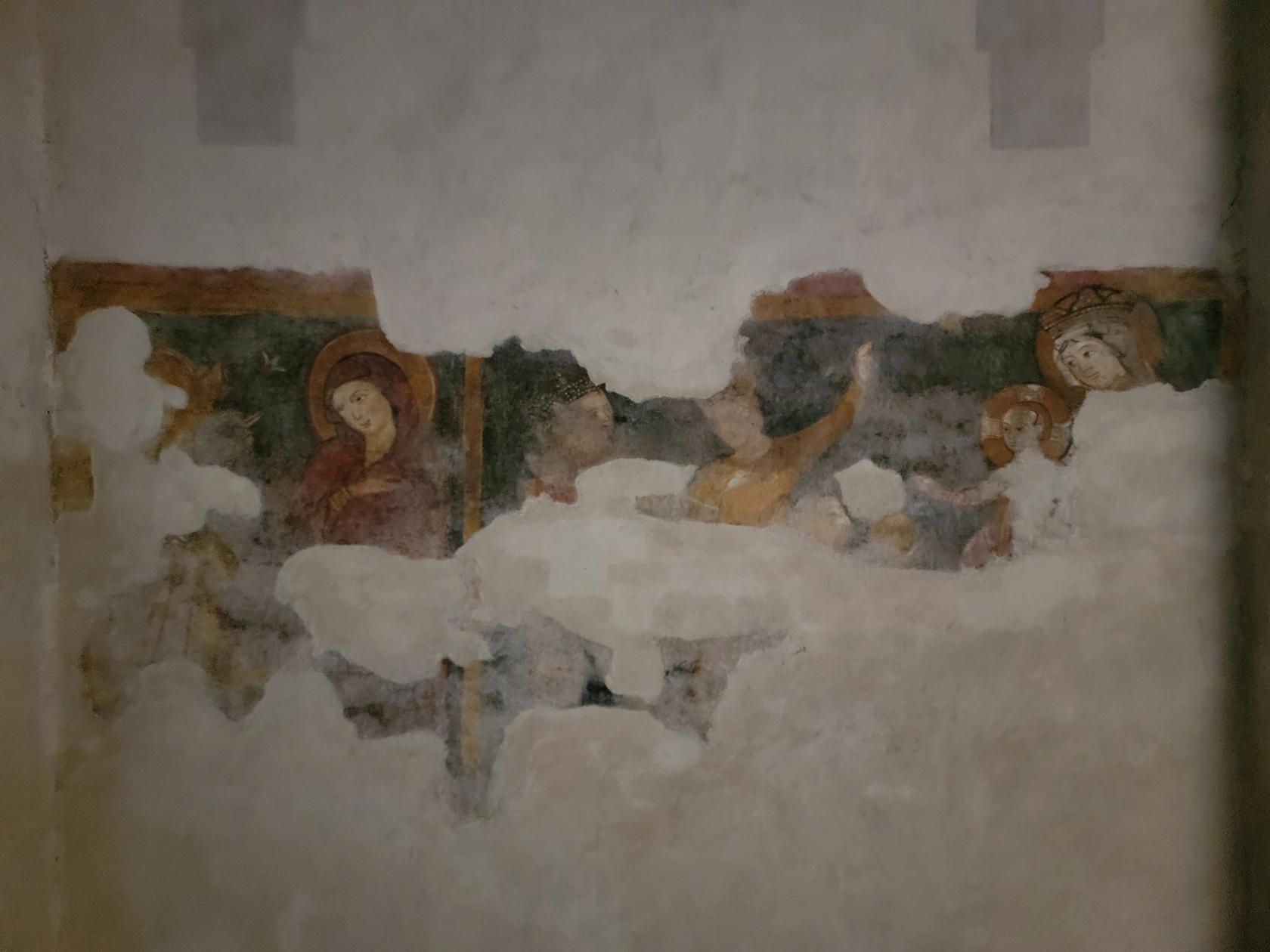
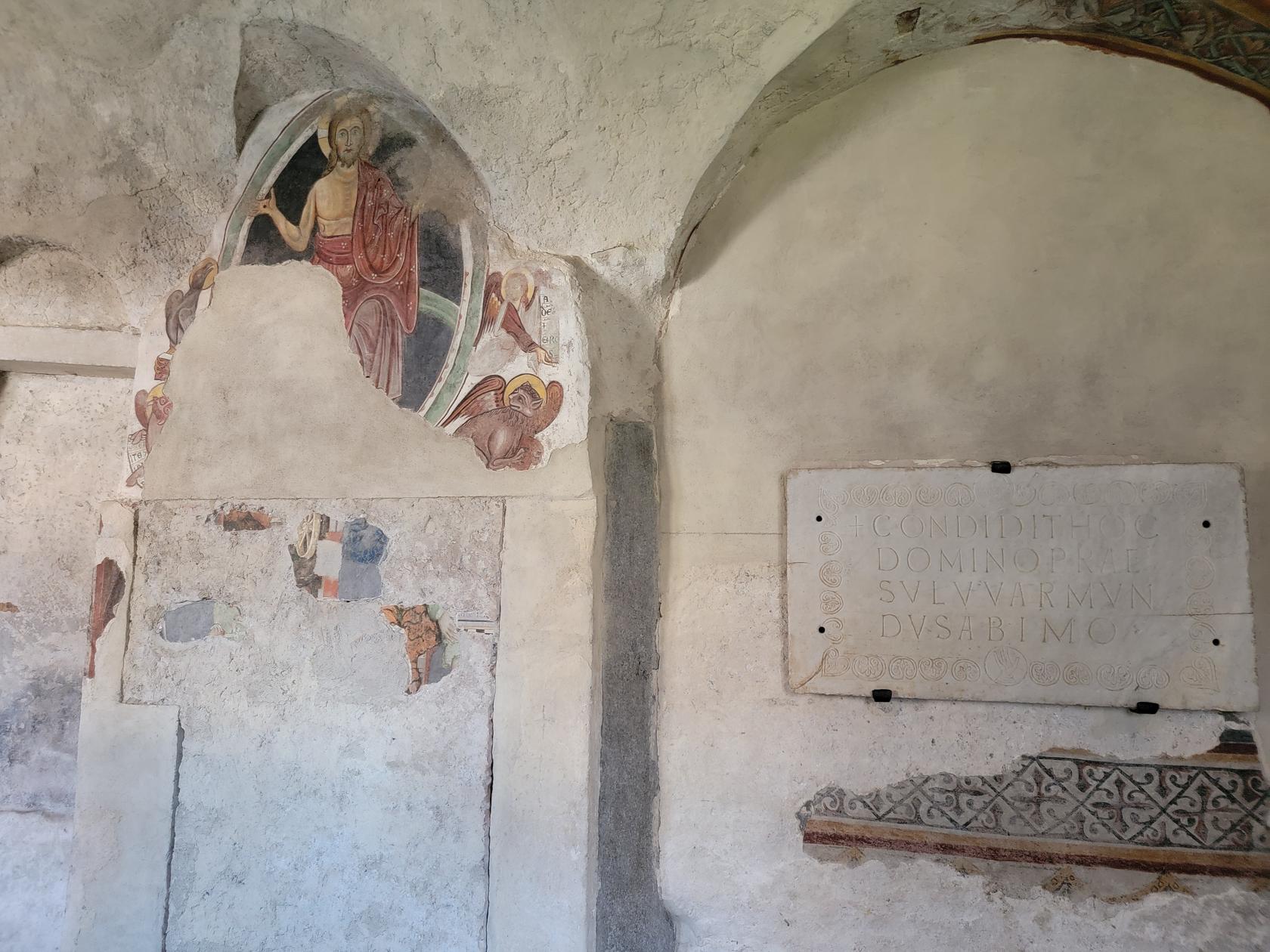
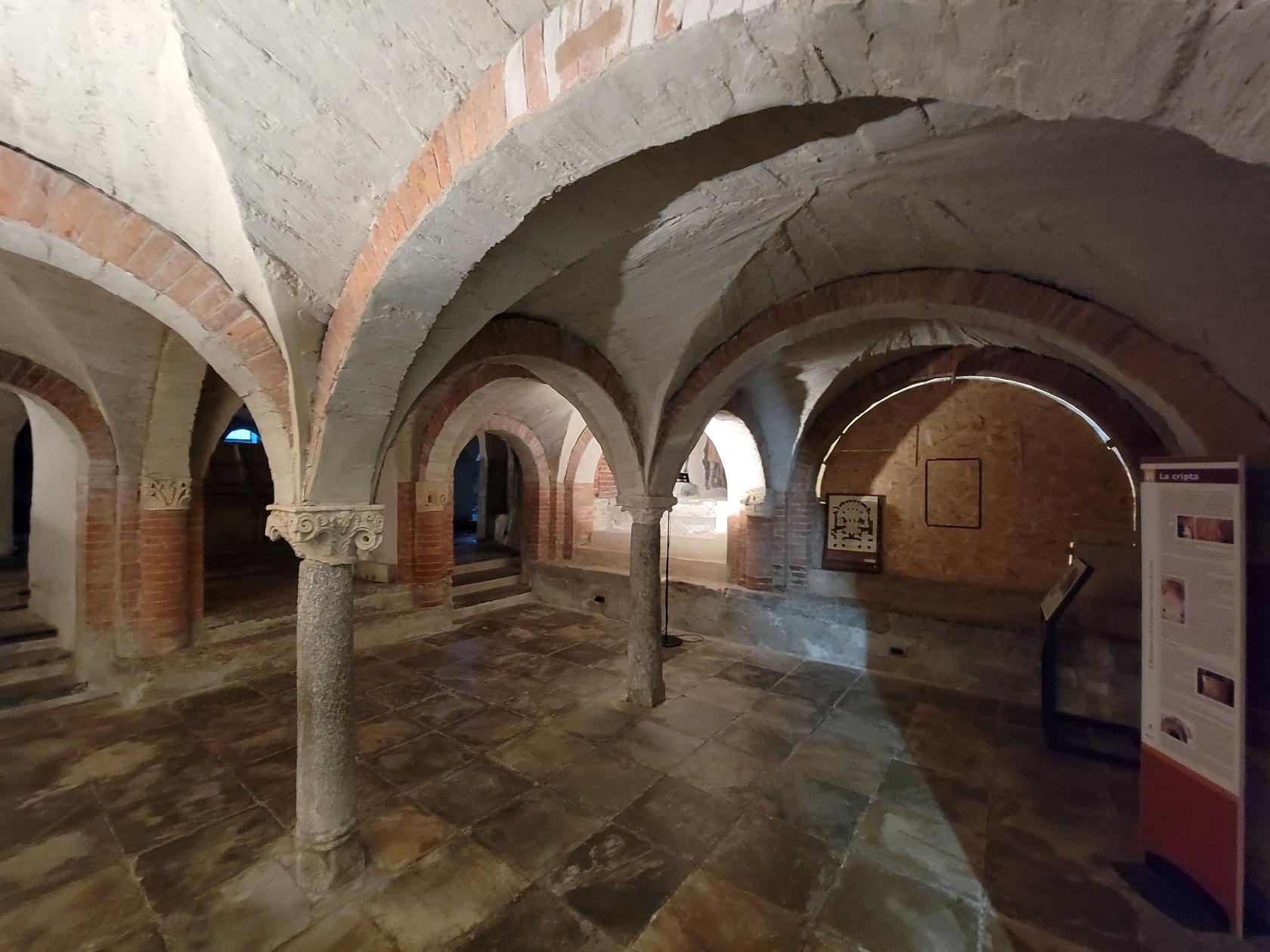
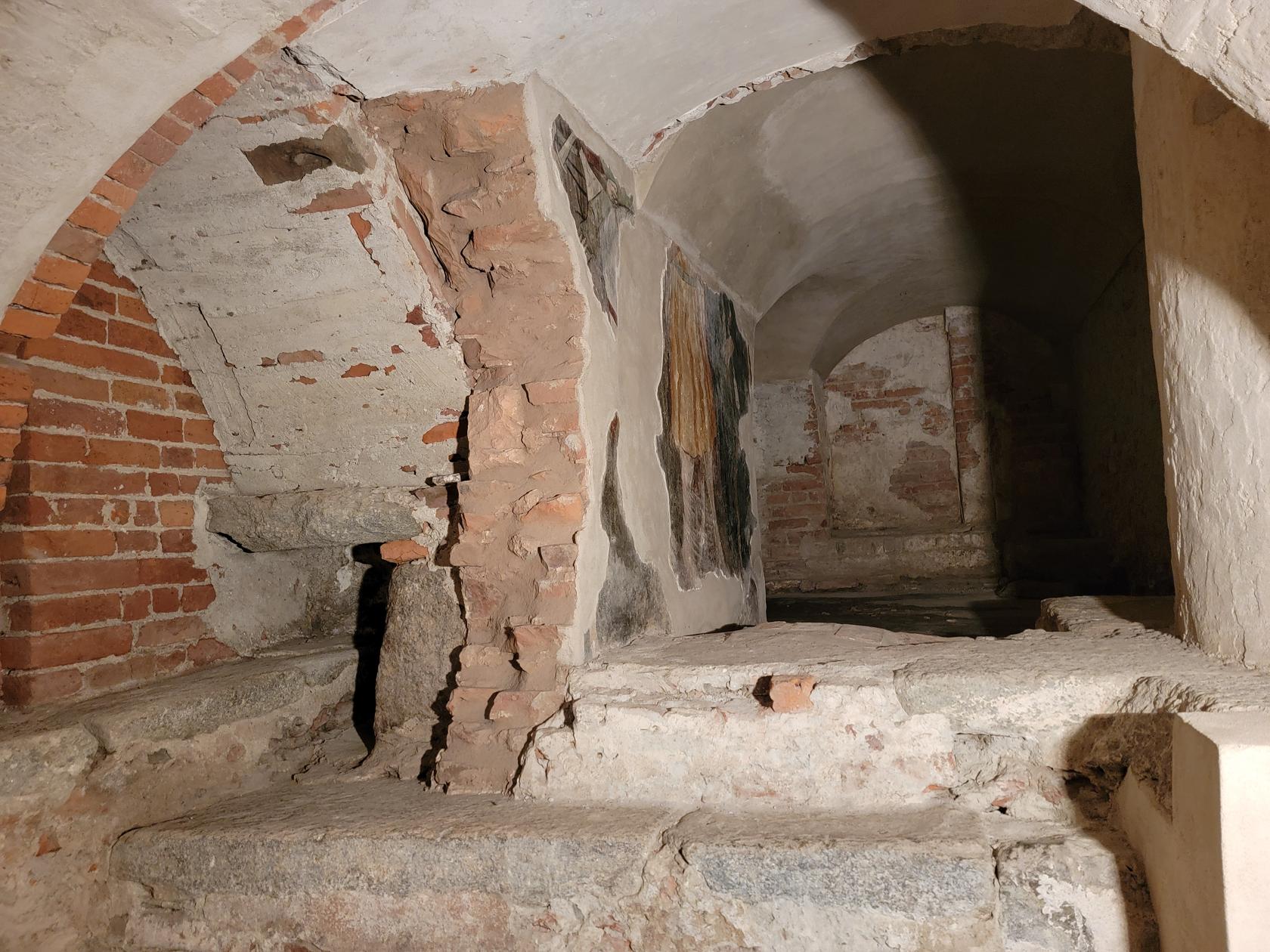
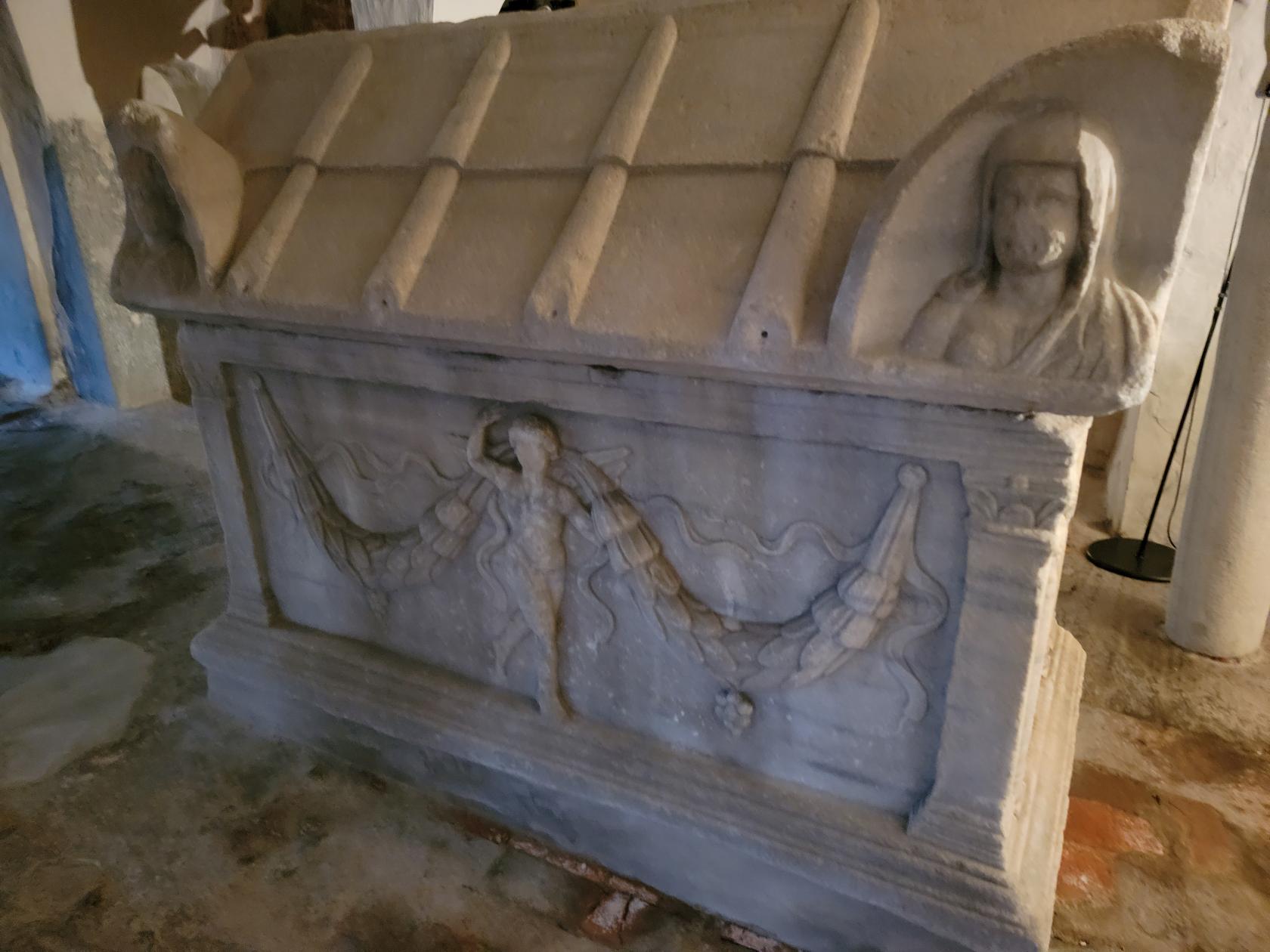
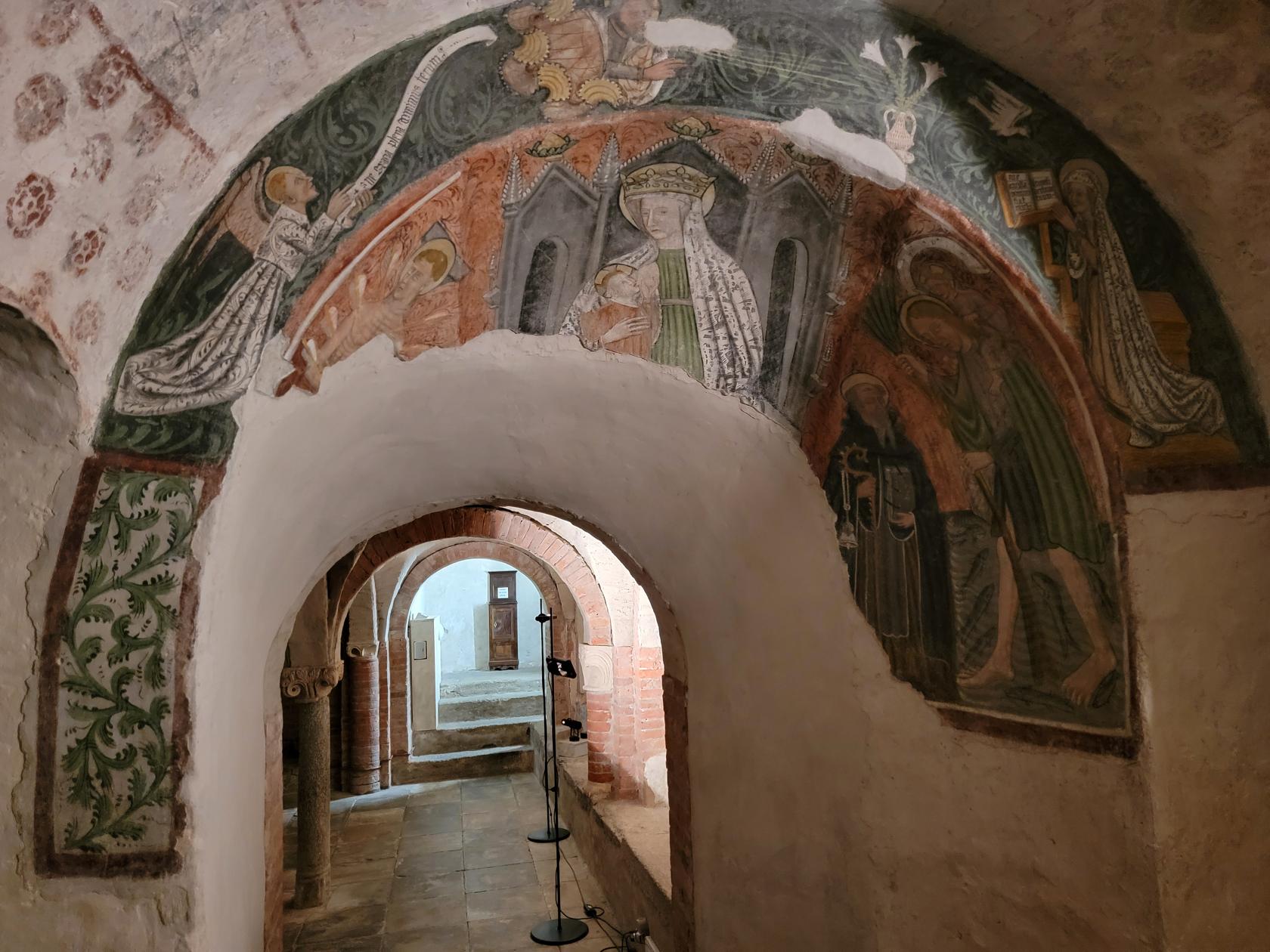
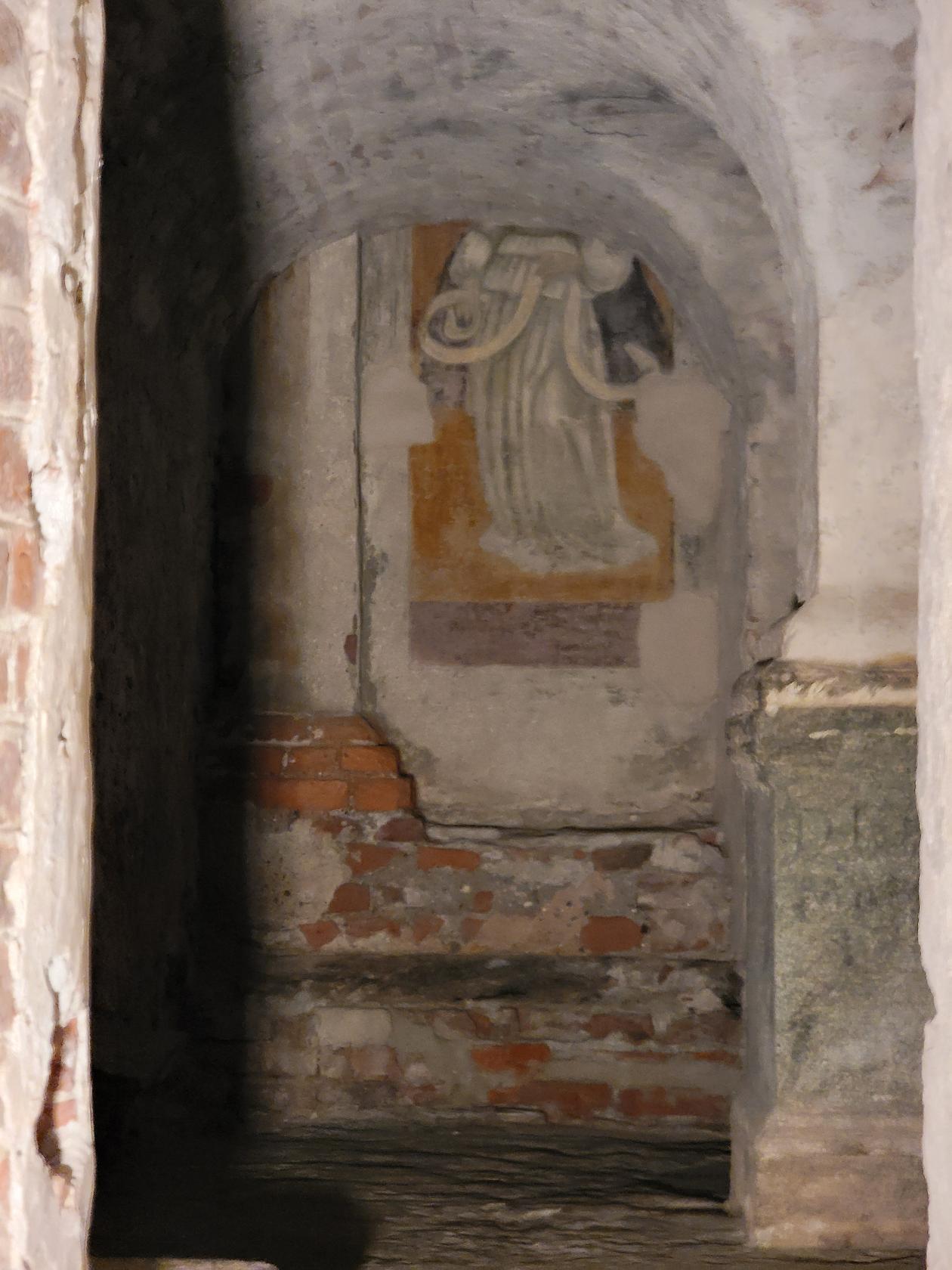
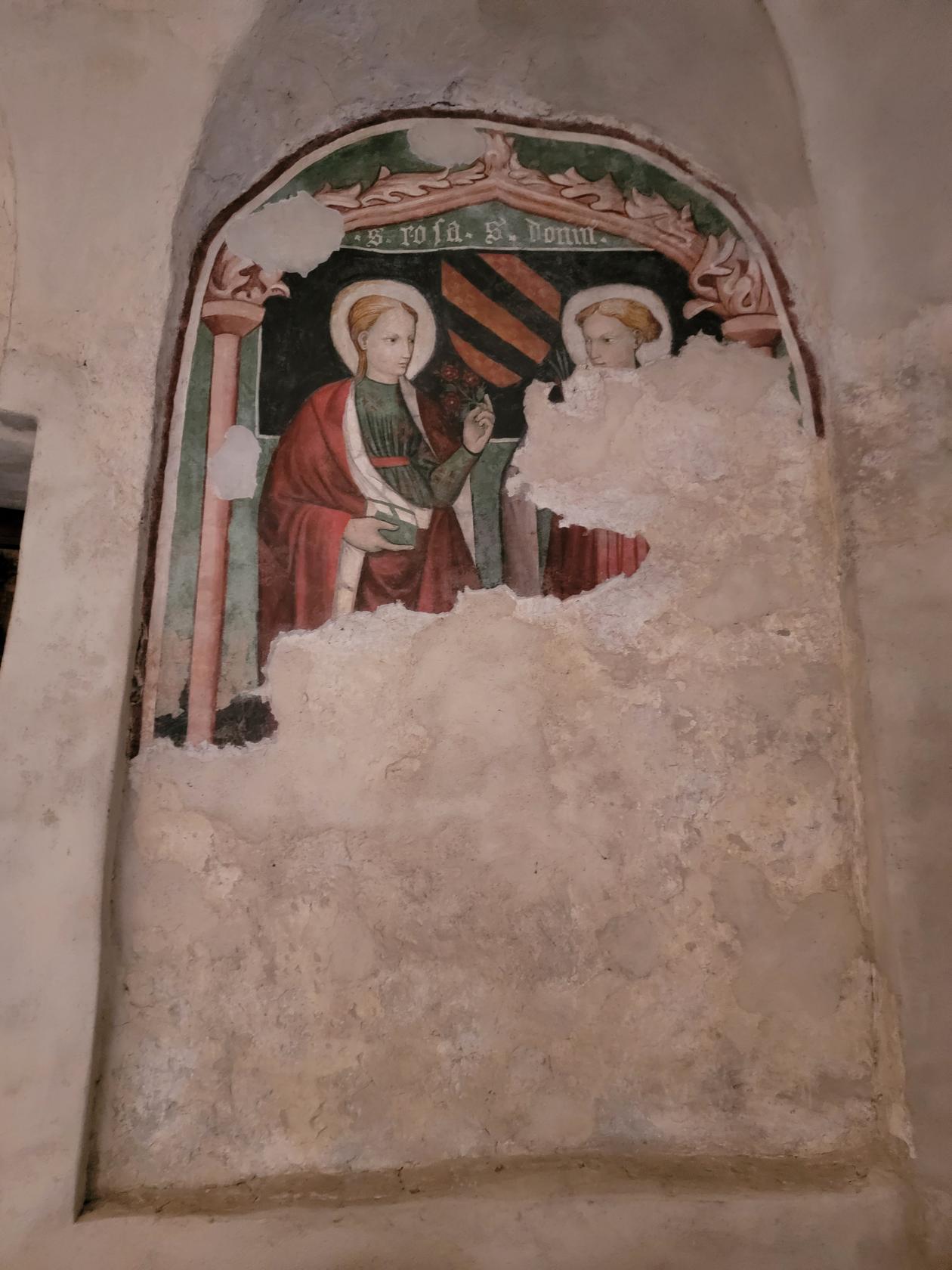
The main attraction of the crypt are the frescoes. When possible the caretakers of the cathedral have installed lighting, so that you can adore without the need for using the flash on your camera, which you should never do.
Cathedral Santa Maria Assunta – Il Duomo, Crypt – Ivrea, Italy
Cathedral Santa Maria Assunta – Il Duomo, Crypt – Ivrea, Italy
Cathedral Santa Maria Assunta – Il Duomo, Crypt – Ivrea, Italy
Cathedral Santa Maria Assunta – Il Duomo, Crypt – Ivrea, Italy
Cathedral Santa Maria Assunta – Il Duomo, Crypt – Ivrea, Italy
Cathedral Santa Maria Assunta – Il Duomo, Altar screen frescoes – Ivrea, Italy
Restaurants
Moma
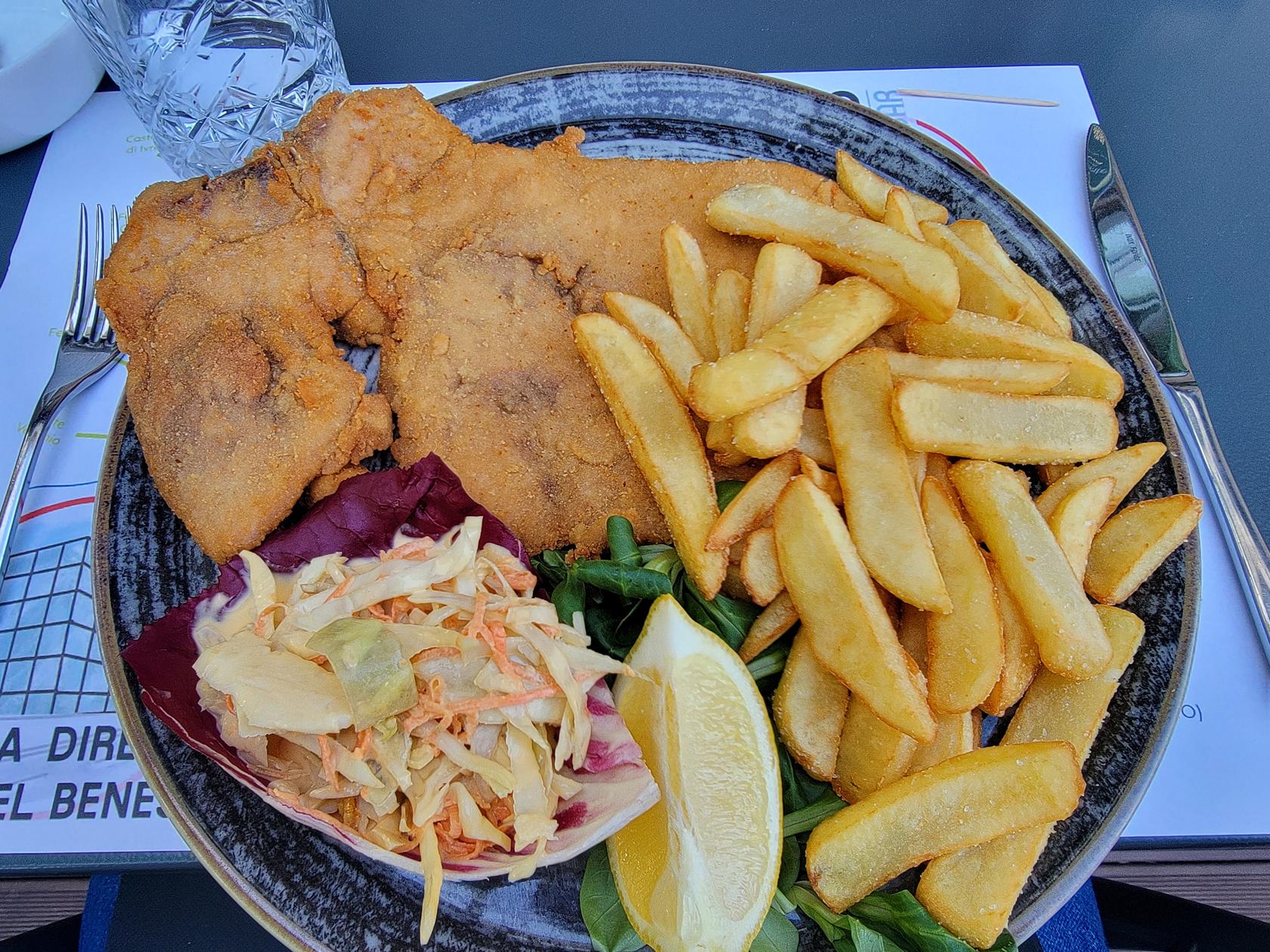
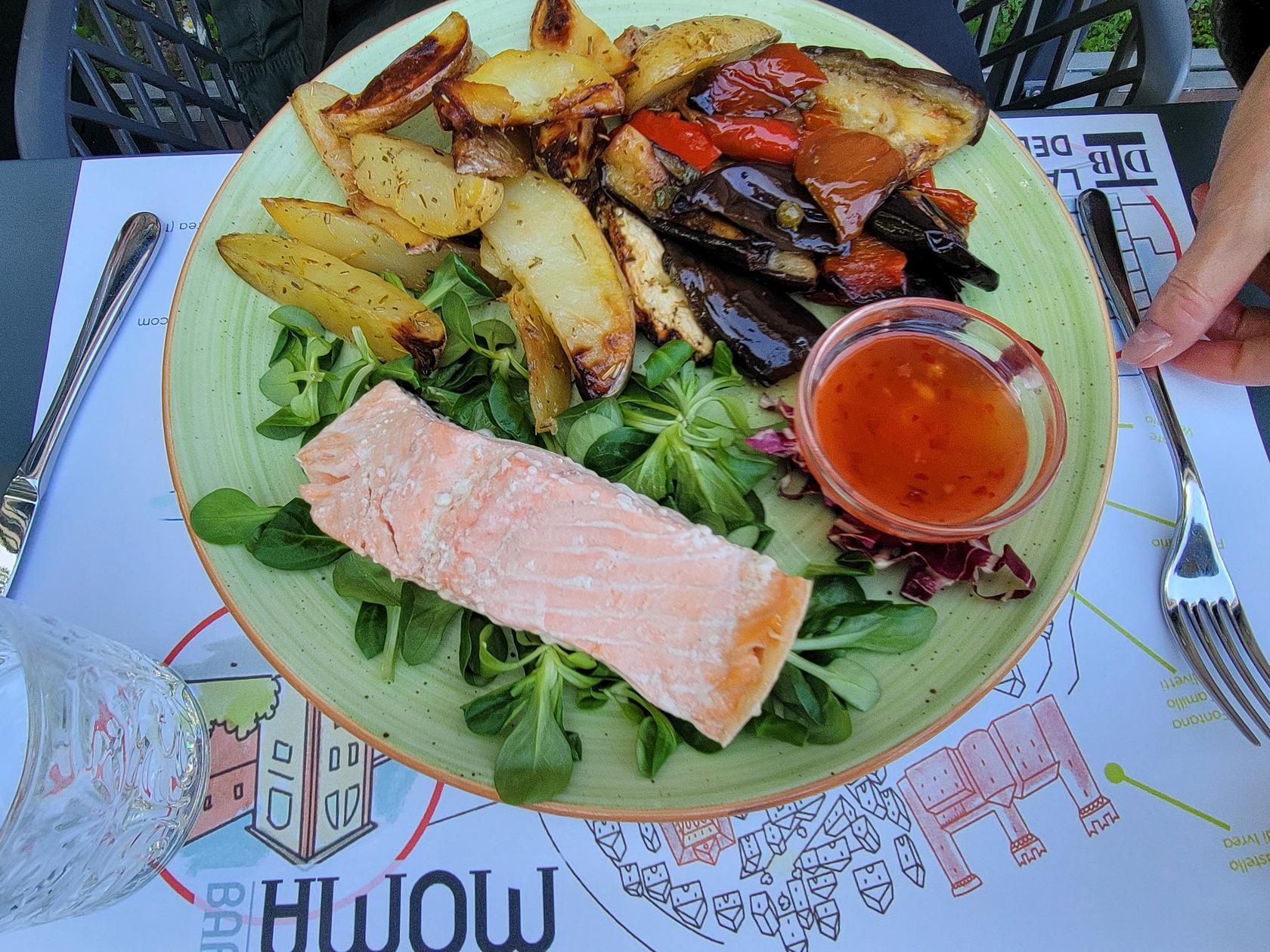
Moma is actually a bar and restaurant, so you can stop their early for a drink before dinner, or wait until 7PM and dine there as well. They have a fairly good selection of food which may be considered cosmopolitan and some Piedmont dishes. Both of our dishes were very good and came with rather large portion size which is unusual of Italy.
Moma Restaurant – Pork Filet with French Fries and Coleslaw – Ivrea, Italy
Moma Restaurant – Norwegian Salmon with Potatoes and Eggplant – Ivrea, Italy
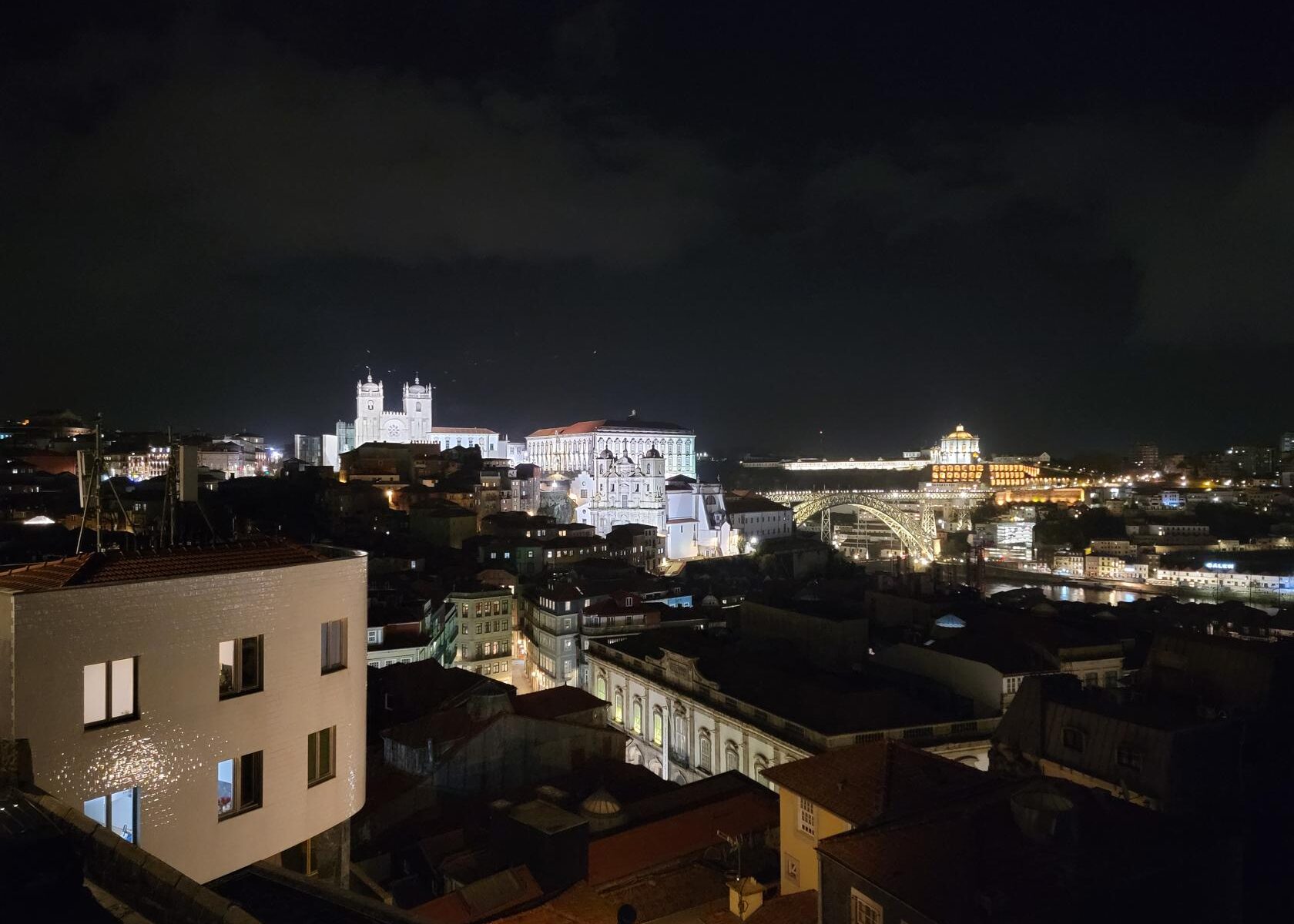
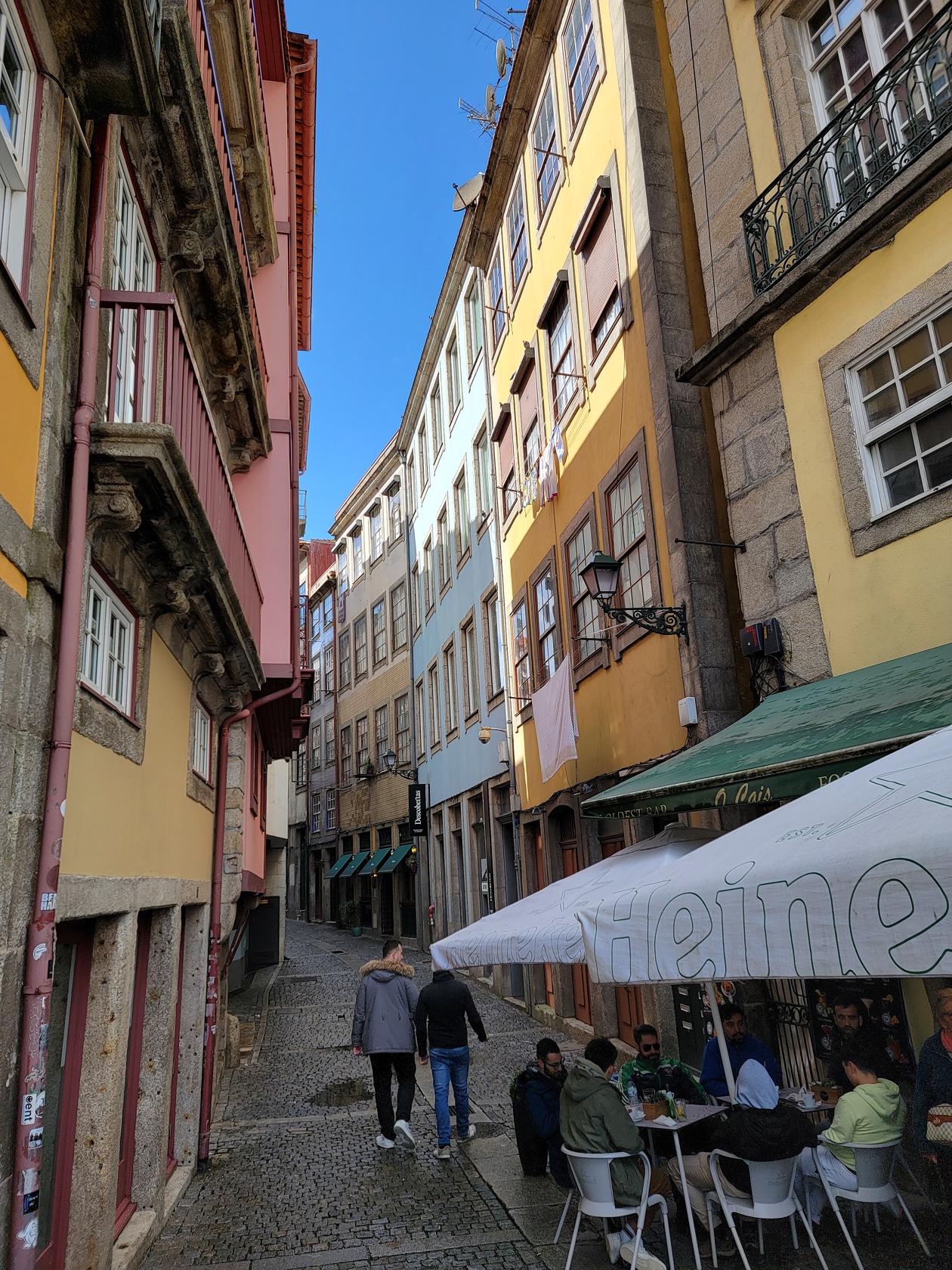
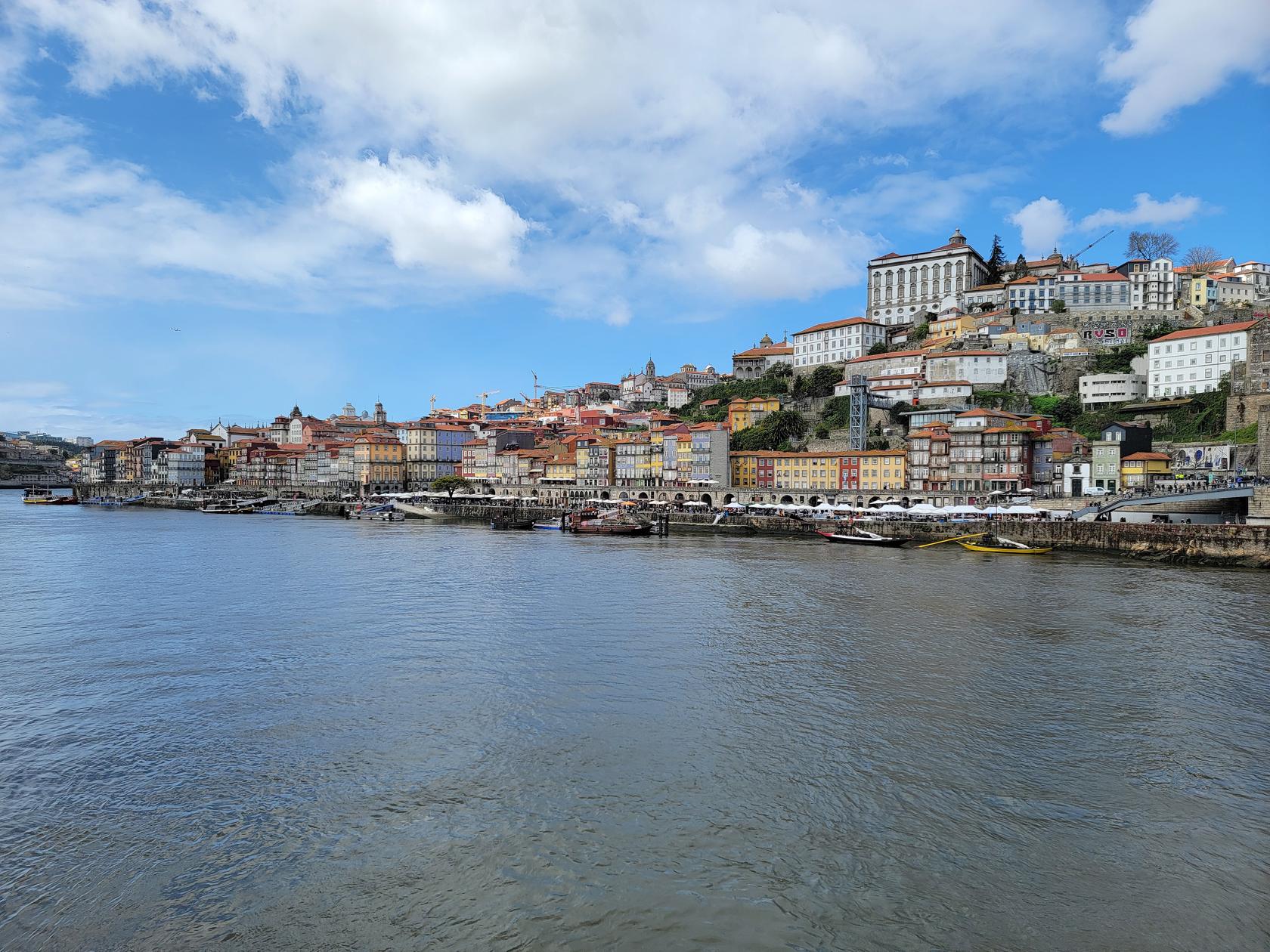
After a dismal start and a break in the weather, we were able to explore the city of Porto a bit more rigorously. There are probably only a handful of streets that do not go up or down, so have your trekking legs prepared.
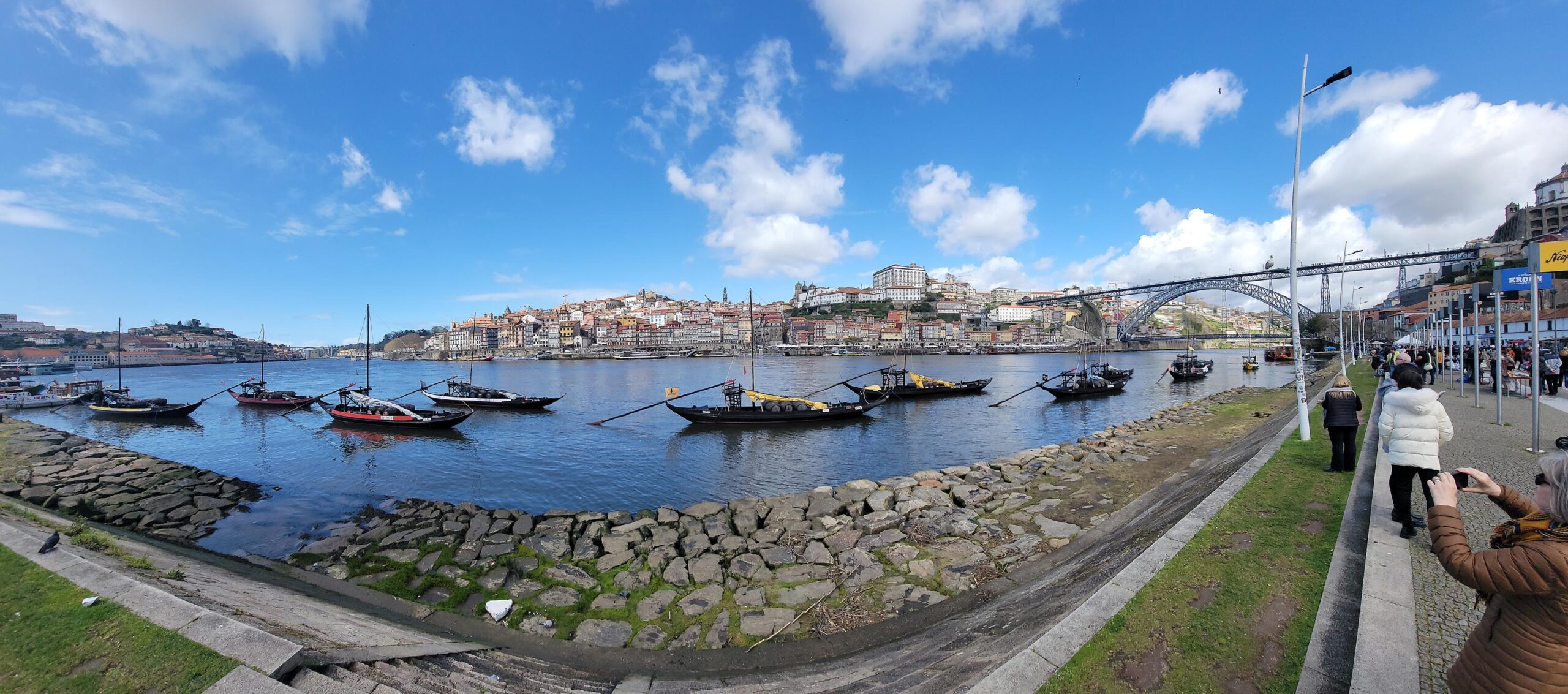
Vila Nova de Gaia – Duoro River – Porto, Portugal
São Bento Train Station
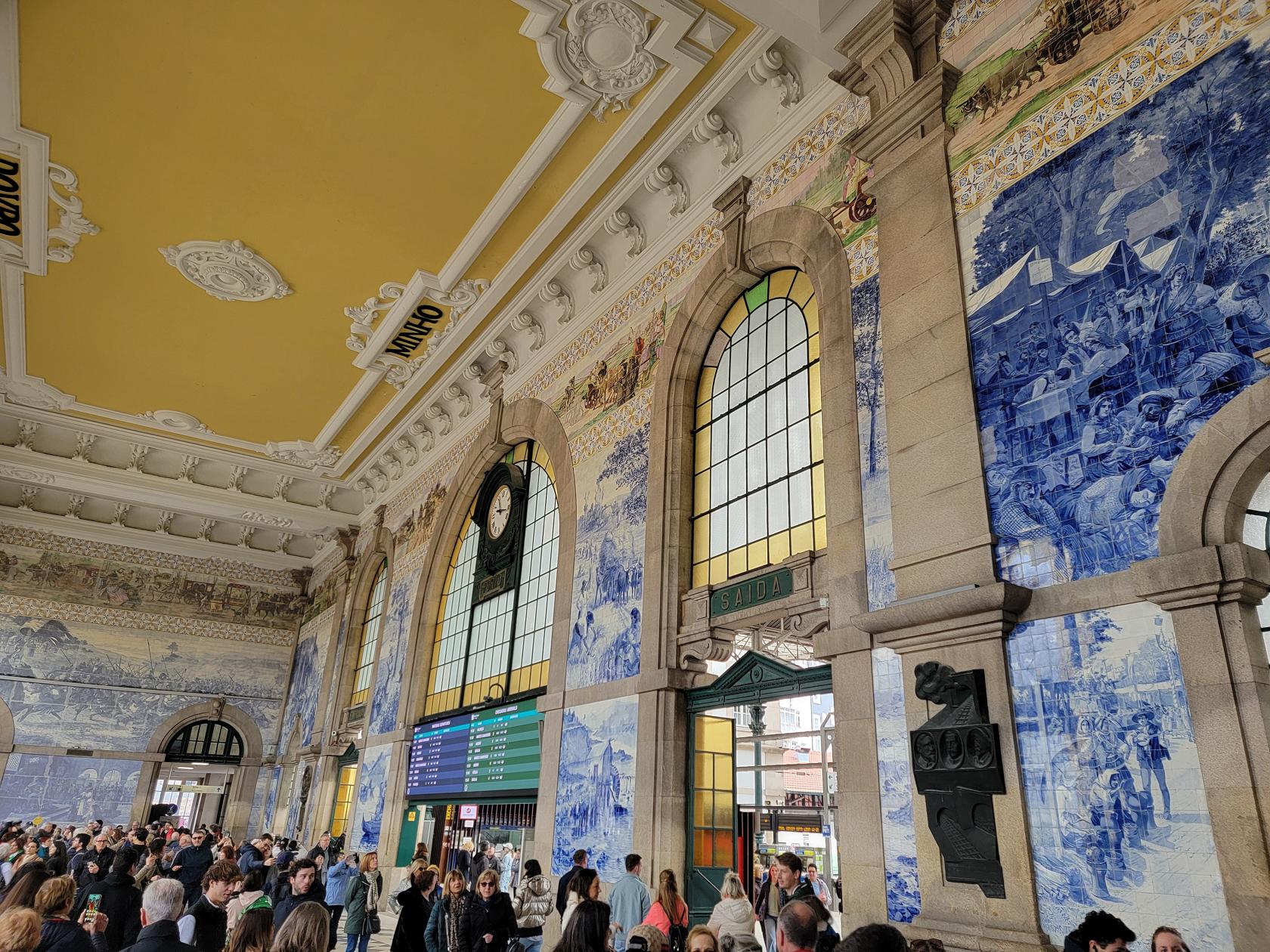
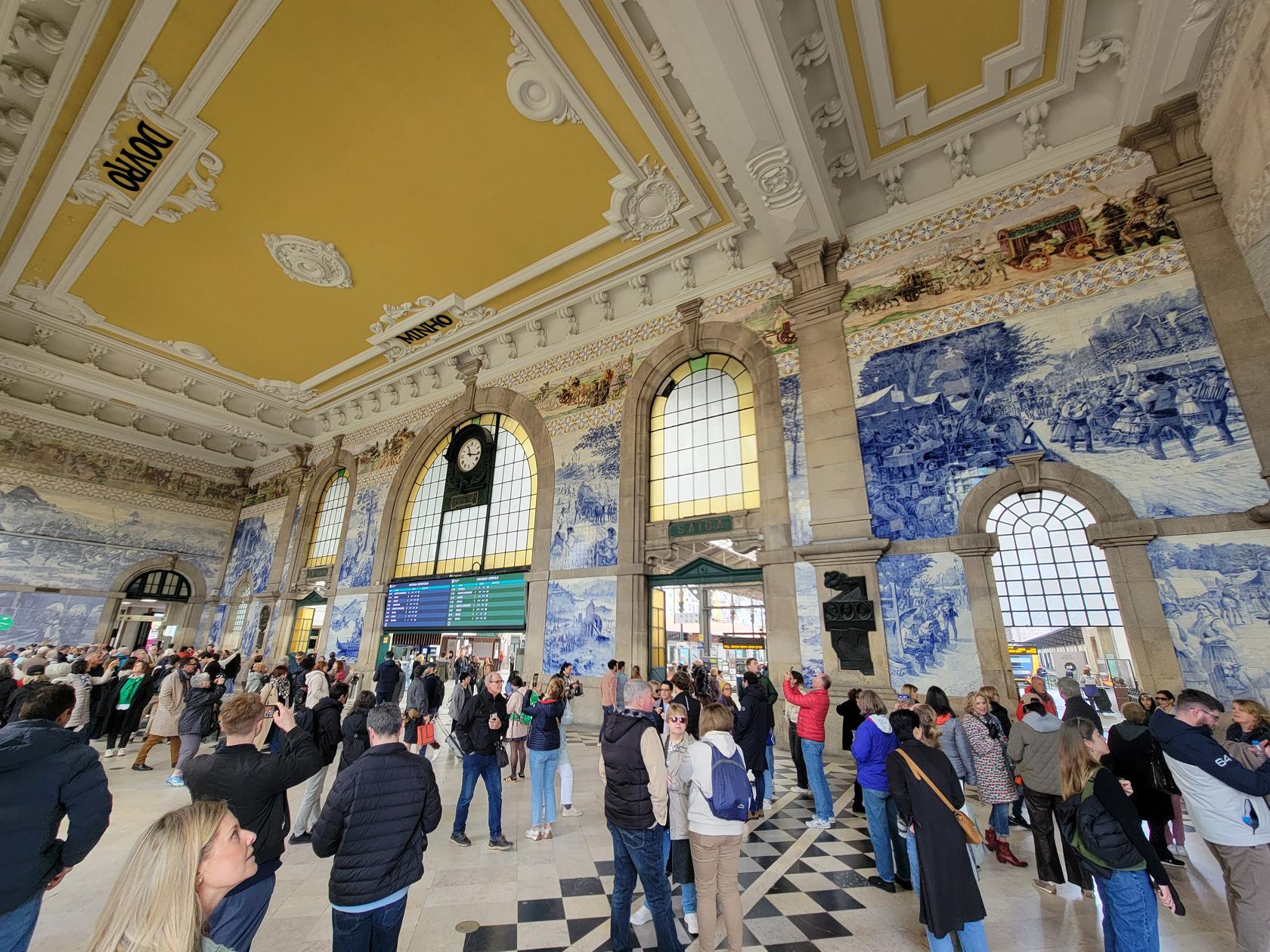
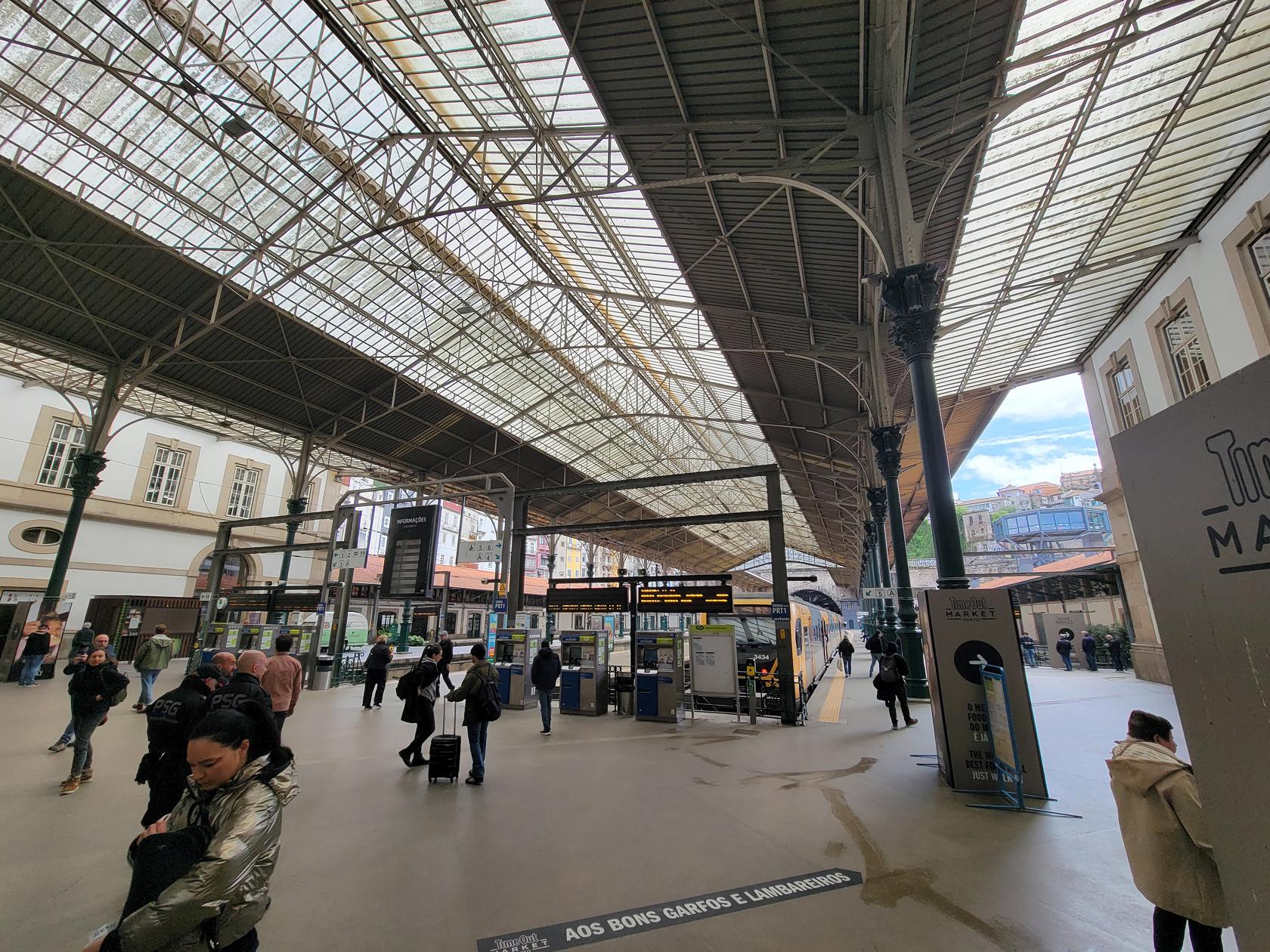
The inner city train station, and perhaps the original Porto Central Station, is the São Bento Train Station. Known for its tiled waiting hall, it is known now more for its artwork than for its use as a primary station; Campahnã having eclipsed it as the main train station now. Unfortunately, it is beset by a very large public works project outside at the moment, so access is through side entrances for the most part.
Sao Bento Train Station – Entry Hall – Porto, Portugal
Sao Bento Train Station – Entry Hall – Porto, Portugal
Sao Bento Train Station – Tracks – Porto, Portugal
Praça da Ribeira
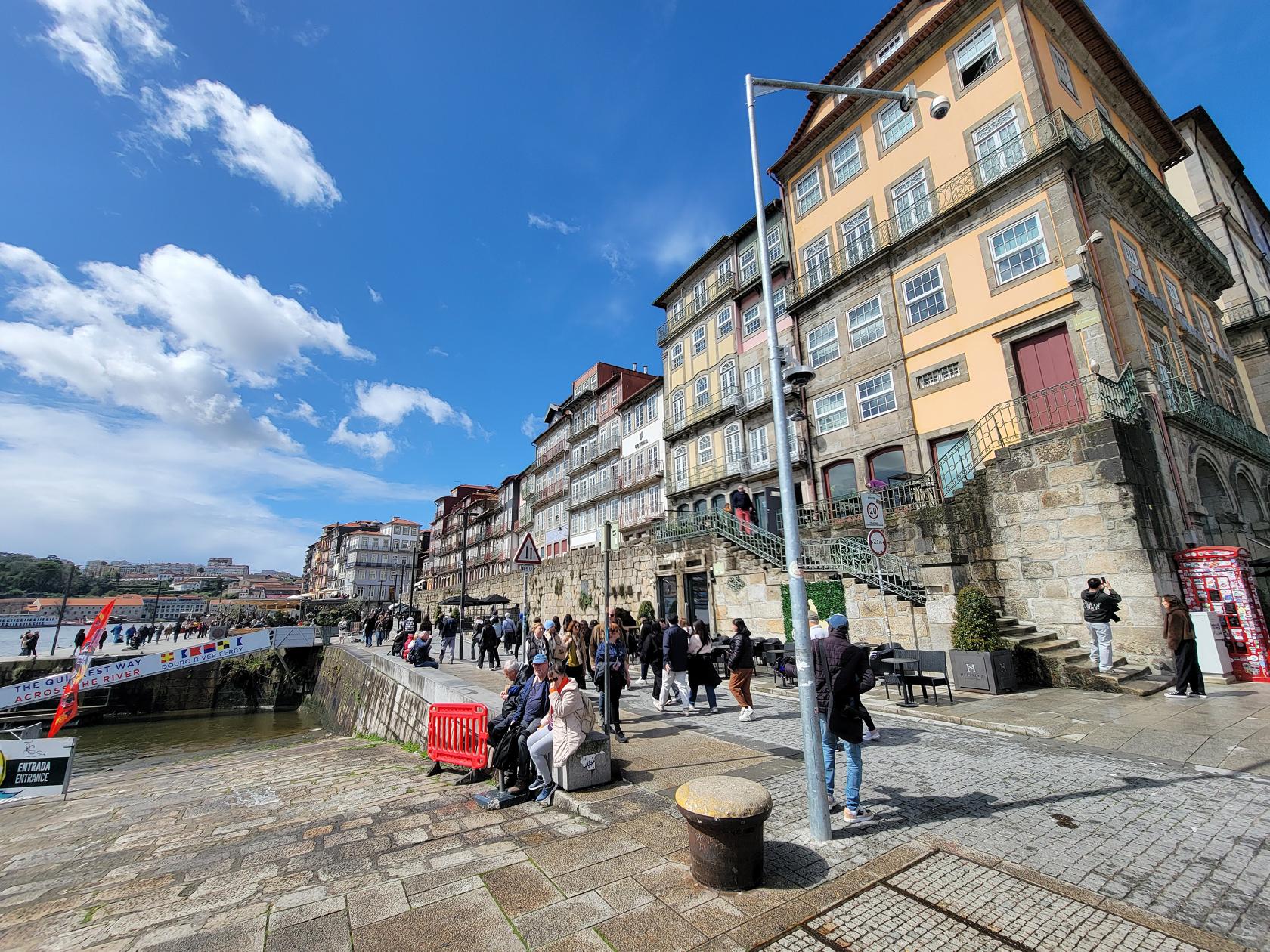
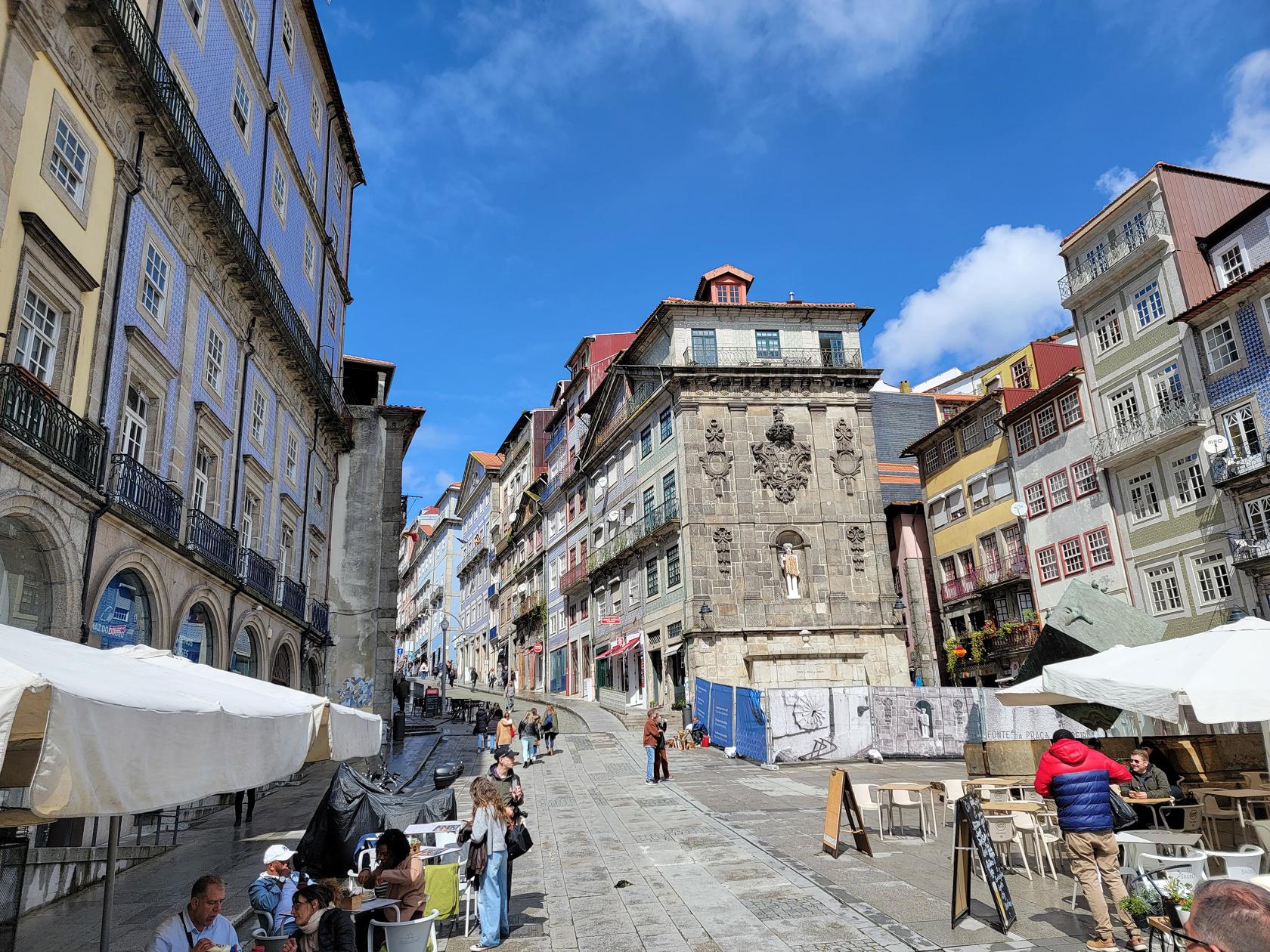
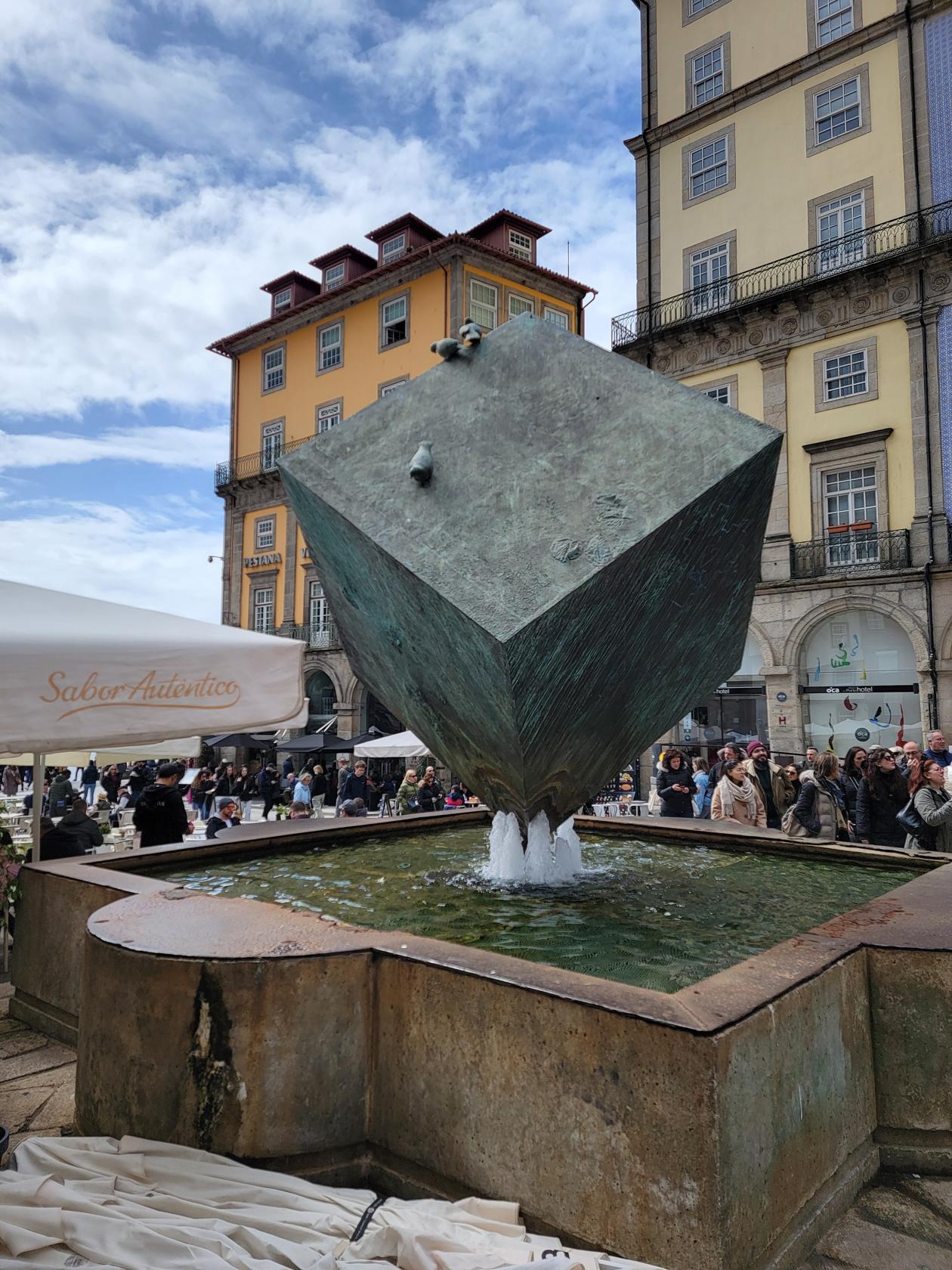
A scenic spot on the River Duoro in the center of the old city is the Praça da Ribeira. It has several pieces of art to enjoy and the Cube Fountain, which is surrounded by a myriad of restaurants and cafe tents. It is along the Cias de Ribeira or promenade where you can enjoy a nice walk, listen to music or just enjoy the river.
Praça da Ribeira – Porto, Portugal
Praça da Ribeira – Porto, Portugal
Praça da Ribeira – Porto, Portugal
Praça da Ribeira – Cube Fountain – Porto, Portugal
Luís I Bridge
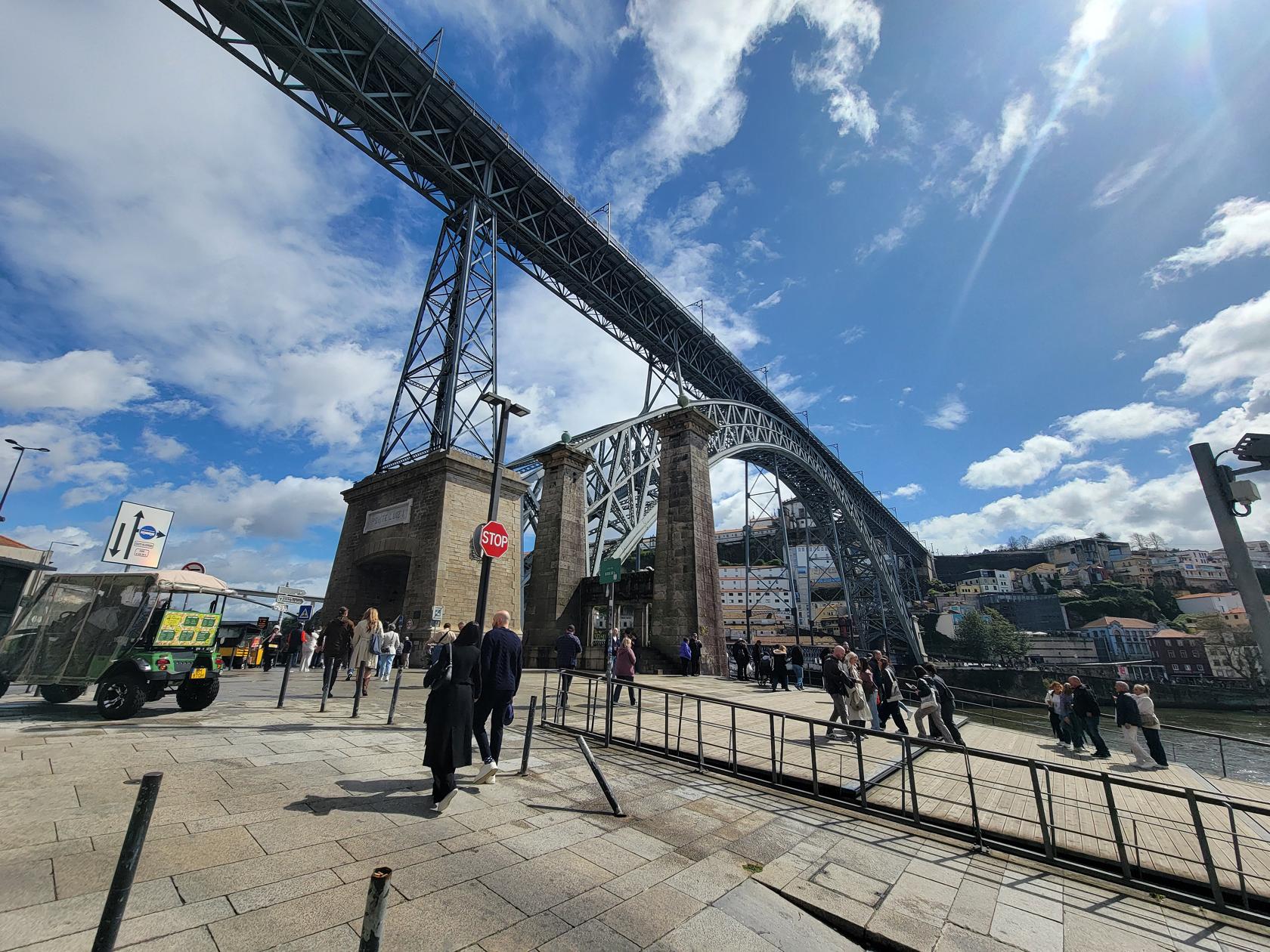
Between the Praça da Ribeira, RibeiraDoPorto and the other side of the river, or Vila Nova de Gaia, is the Luís I Bridge, which was originally proposed by Gustave Eiffel, even though he did not win the competition to build it.
Praça da Ribeira – Luis I Bridge – Porto, Portugal
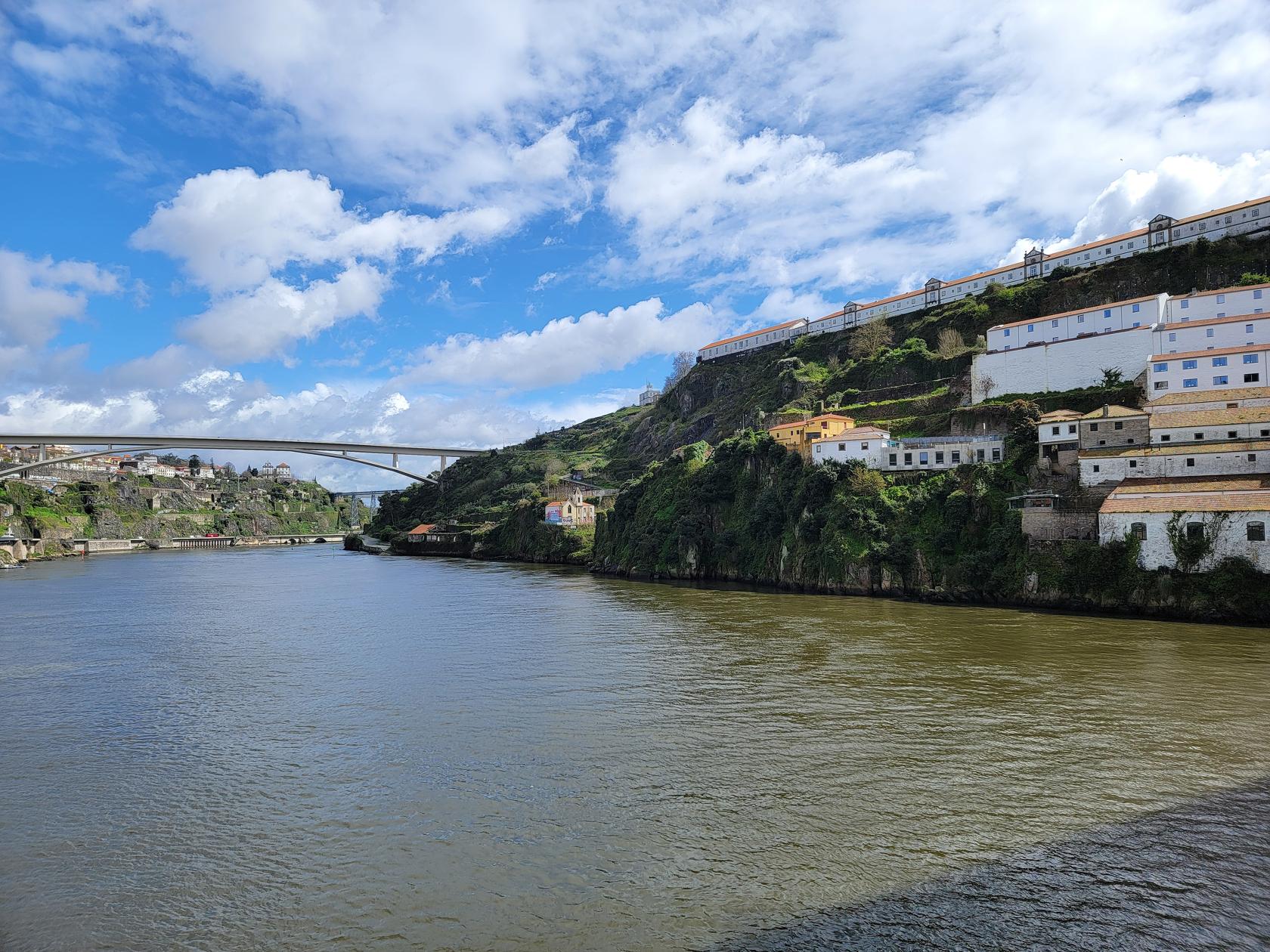
Luis I Bridge – Douro River Upstream – Porto, Portugal
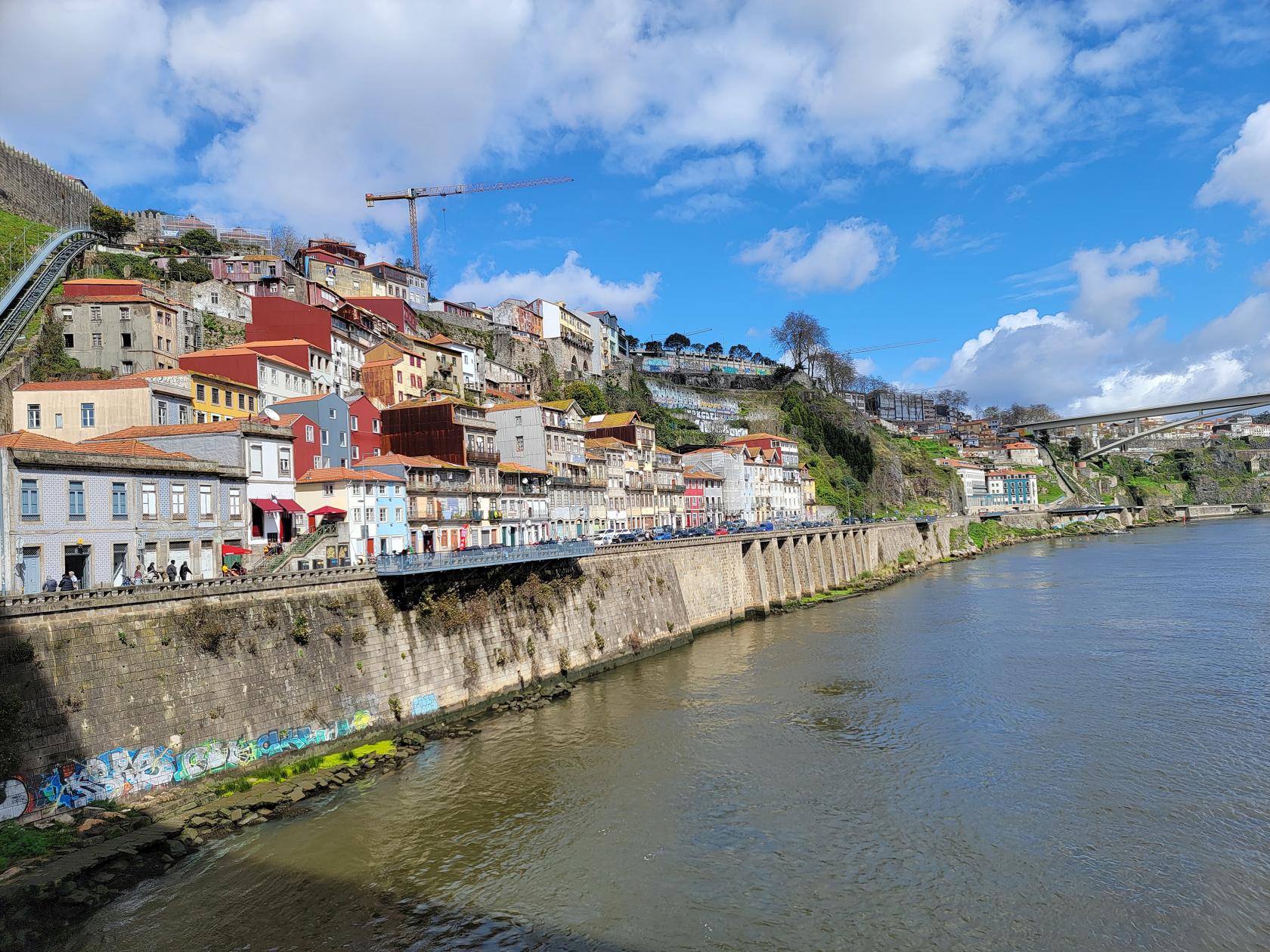
Luis I Bridge – Vila Nova de Gaia – Porto, Portugal
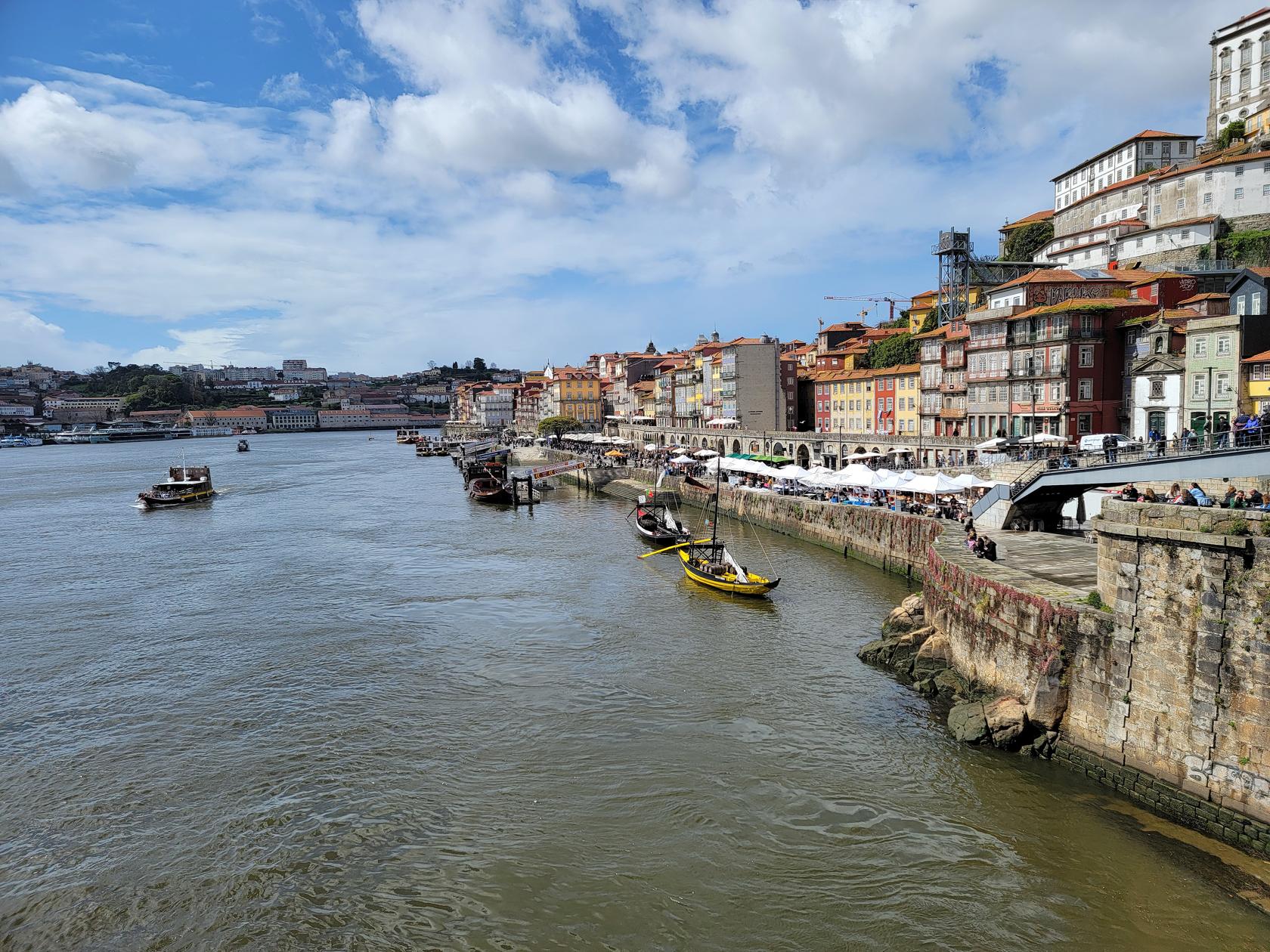
Luis I Bridge – View of Praça da Ribeira – Porto, Portugal
Praça da Ribeira – Luis I Bridge – Porto, Portugal
Vila Nova de Gaia
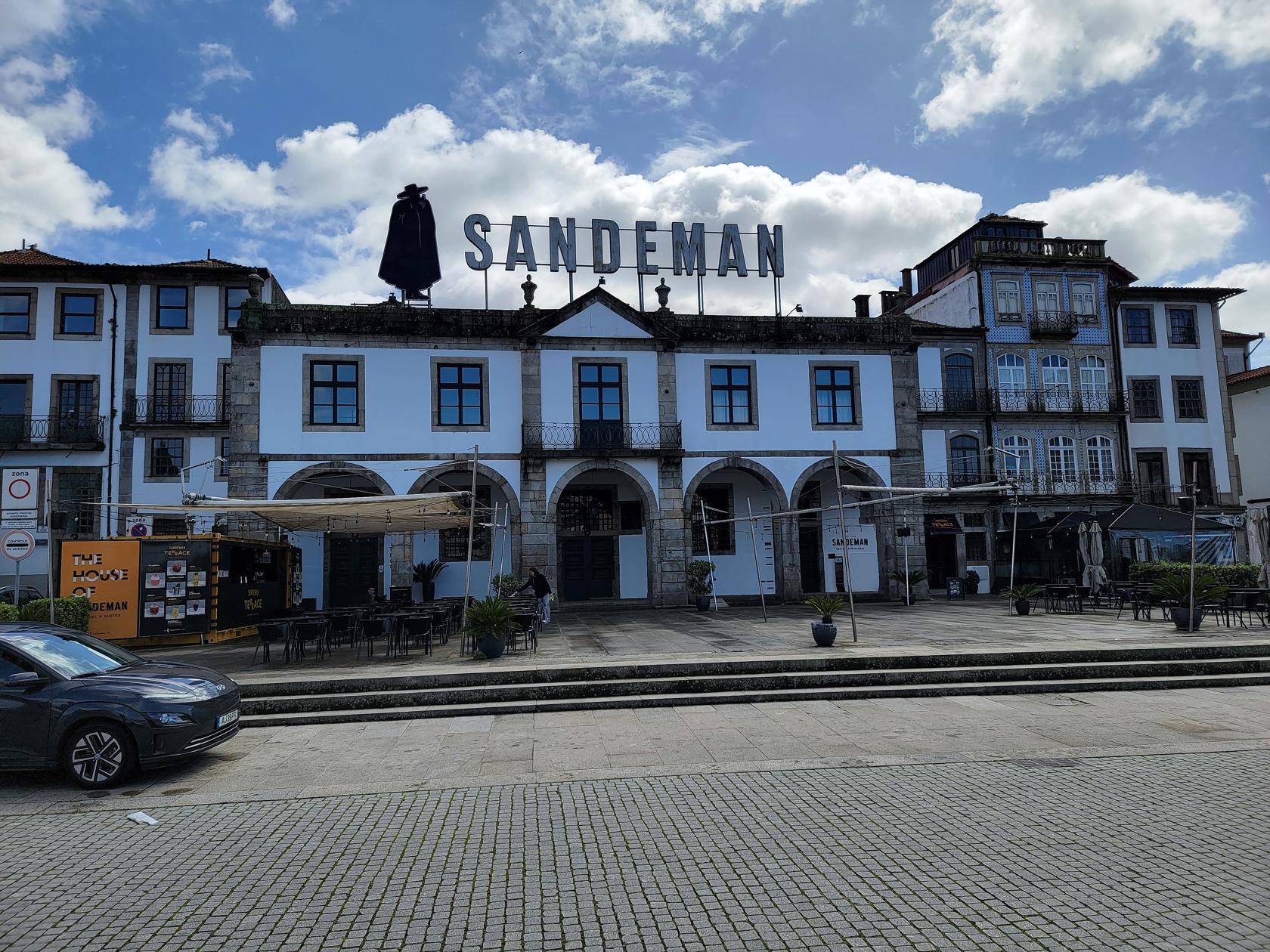
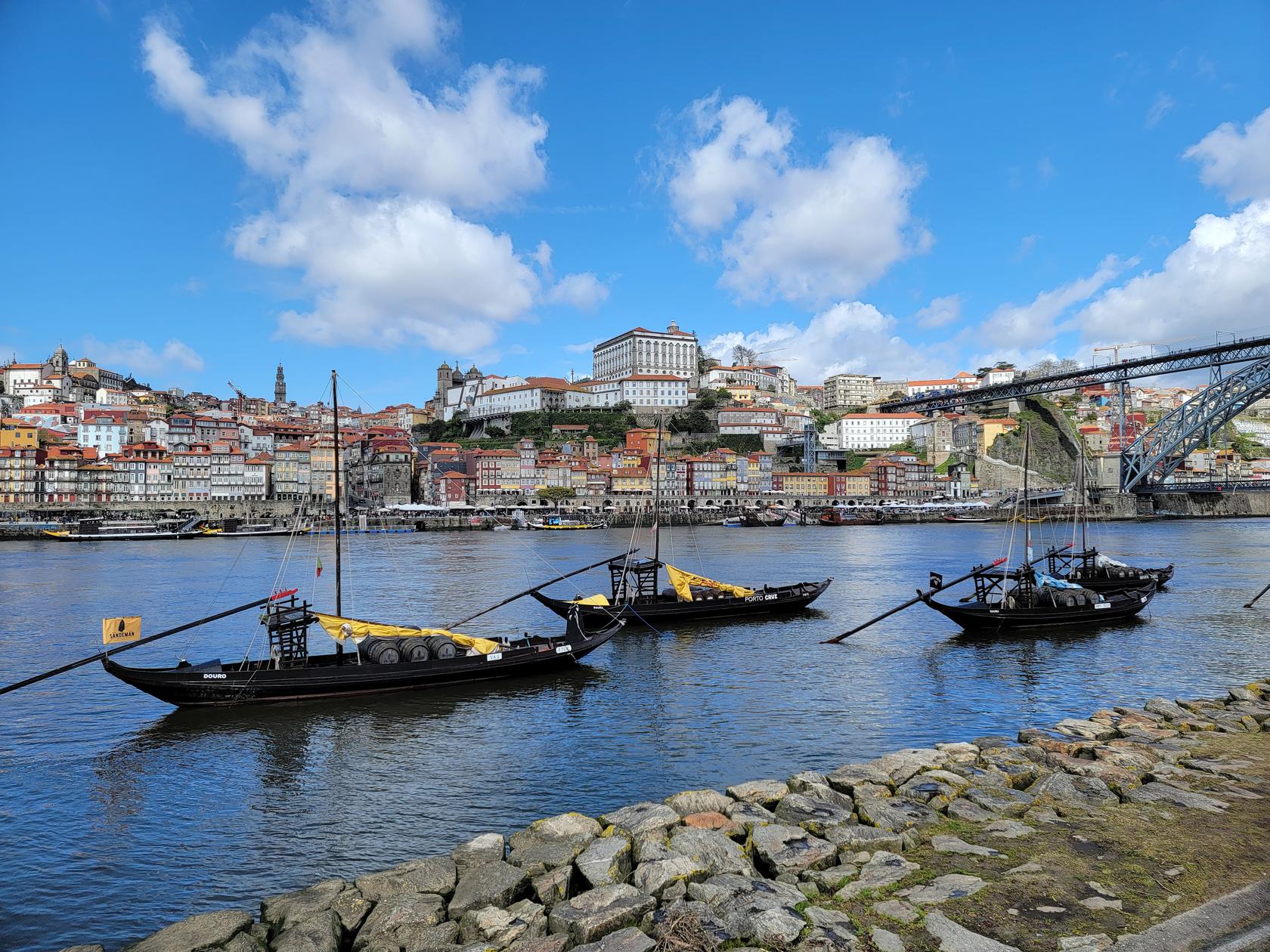
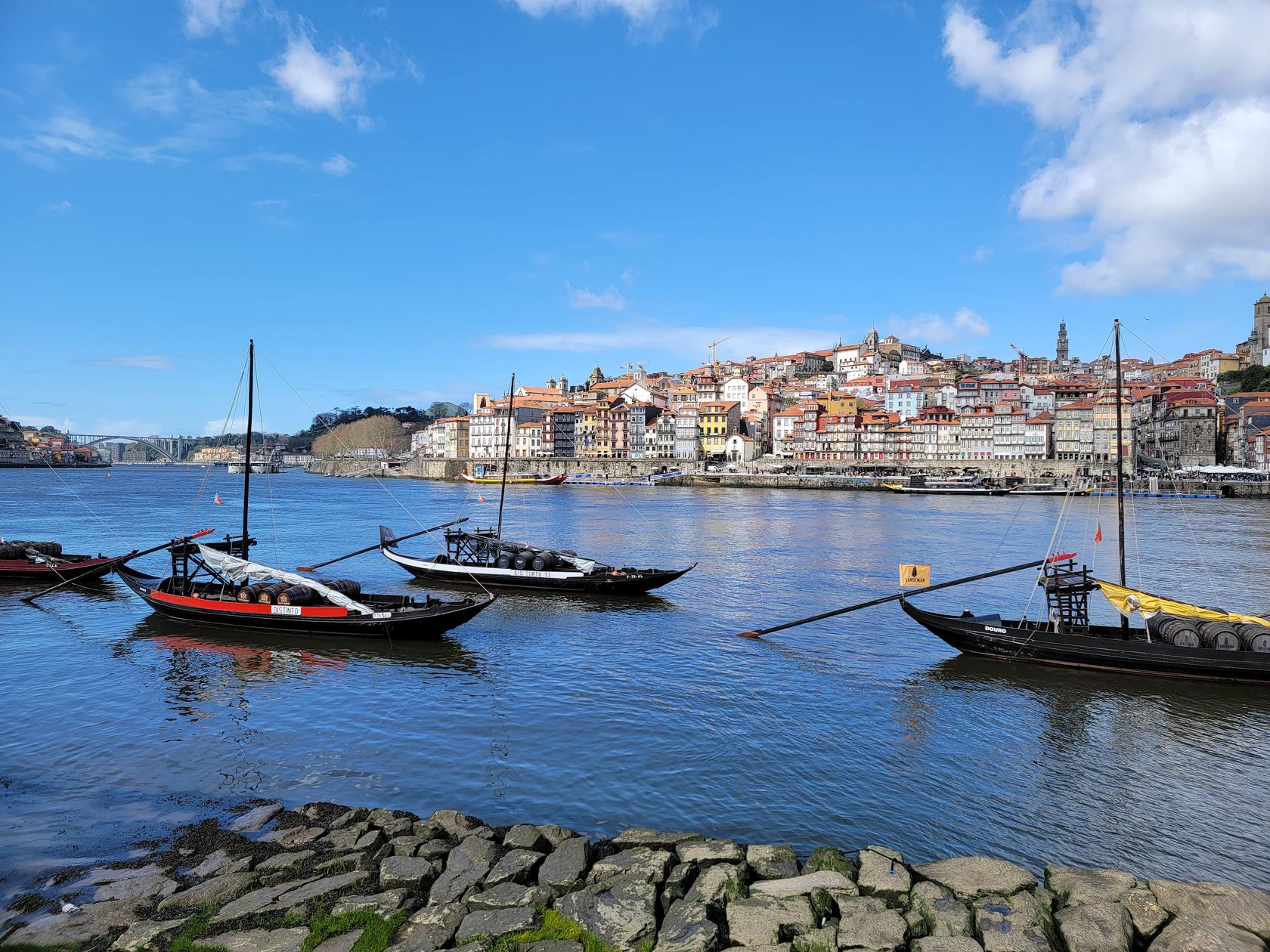
On the other side of the river is the area or civil parish of Vila Nova de Gaia. This prefecture or parish you can find many of the great port wine houses, such as Sandeman, Kopke and Warres to name a few. It also has a very nice river side promenade that can be enjoyed on a nice sunny day.
Vila Nova de Gaia – Praça da Ribeira – Porto, Portugal
Vila Nova de Gaia – Sandeman Port – Porto, Portugal
Vila Nova de Gaia – Duoro River – Porto, Portugal
Vila Nova de Gaia – Duoro River – Porto, Portugal
Churches
Our visit here continues with a few other churches, which we were unable to see the previous day.
Church Of Saint Anthony
A regular church by any measure, the church of St. Anthony does have a remarkable gilded altar, which would be the prize of any structure.
Church of Saint Anthony – Outside – Porto, Portugal
Church of Saint Anthony – Nave and Altar – Porto, Portugal
Church of Saint Anthony – Altar – Porto, Portugal
Carmo Church
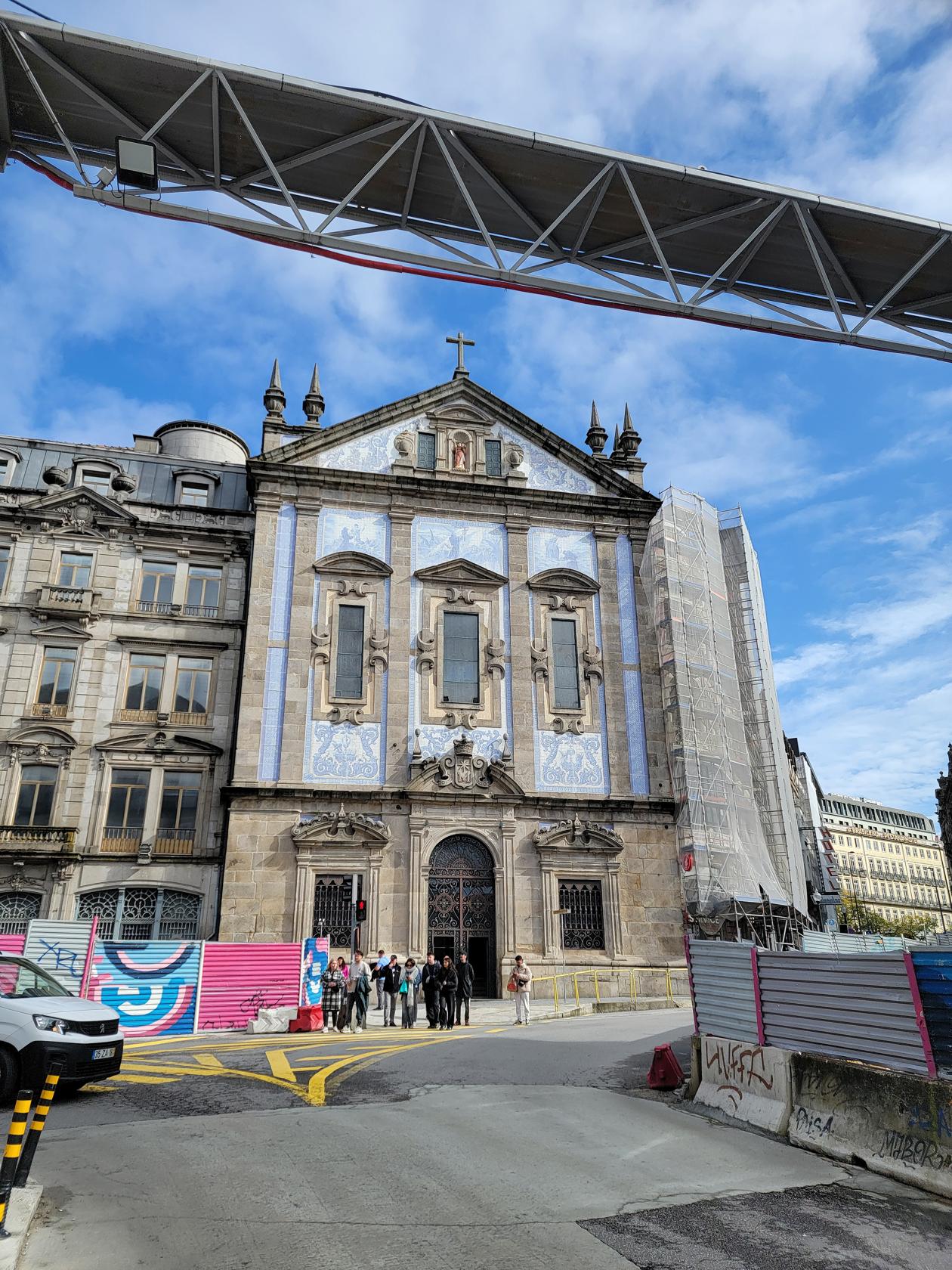
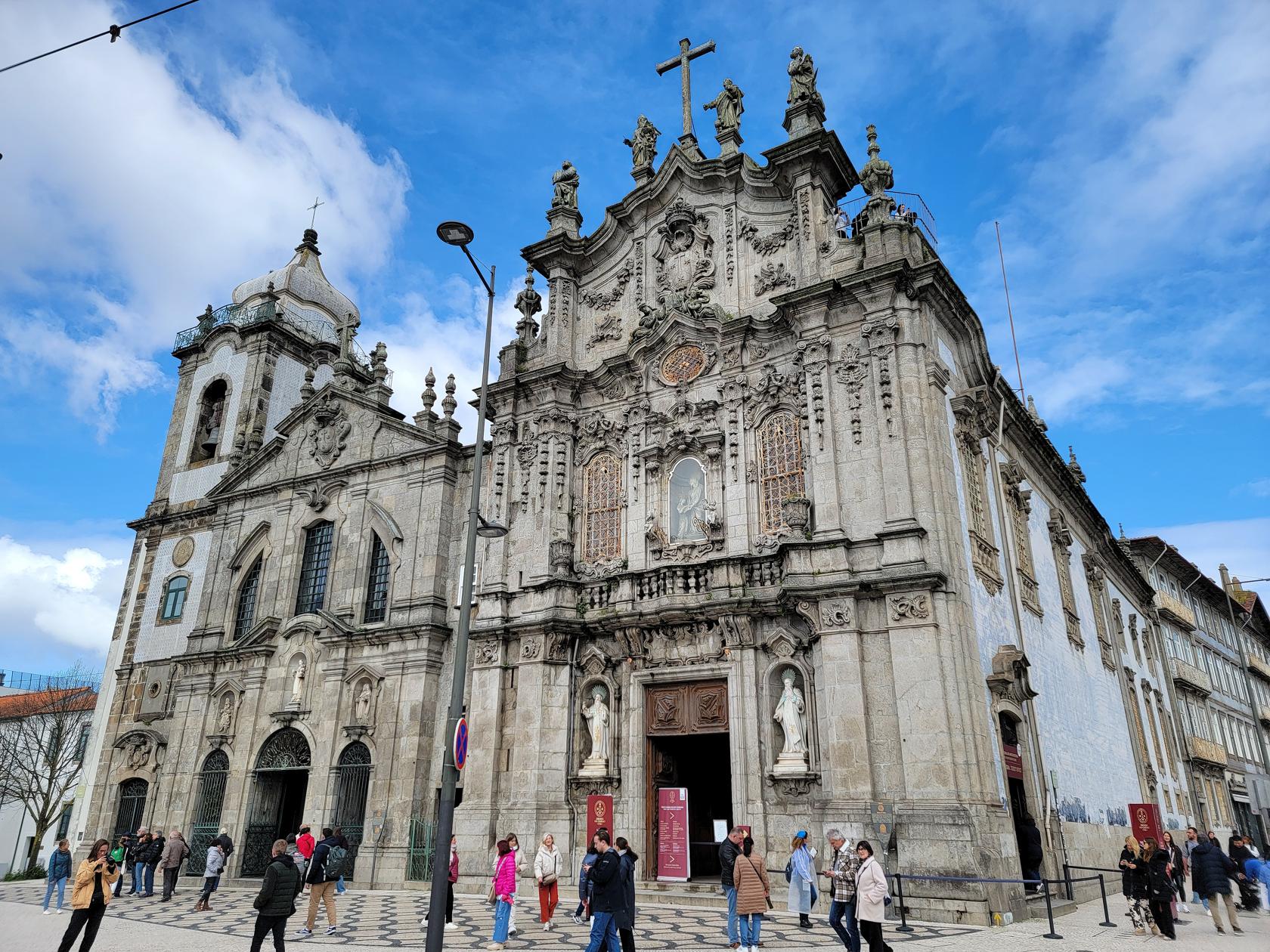
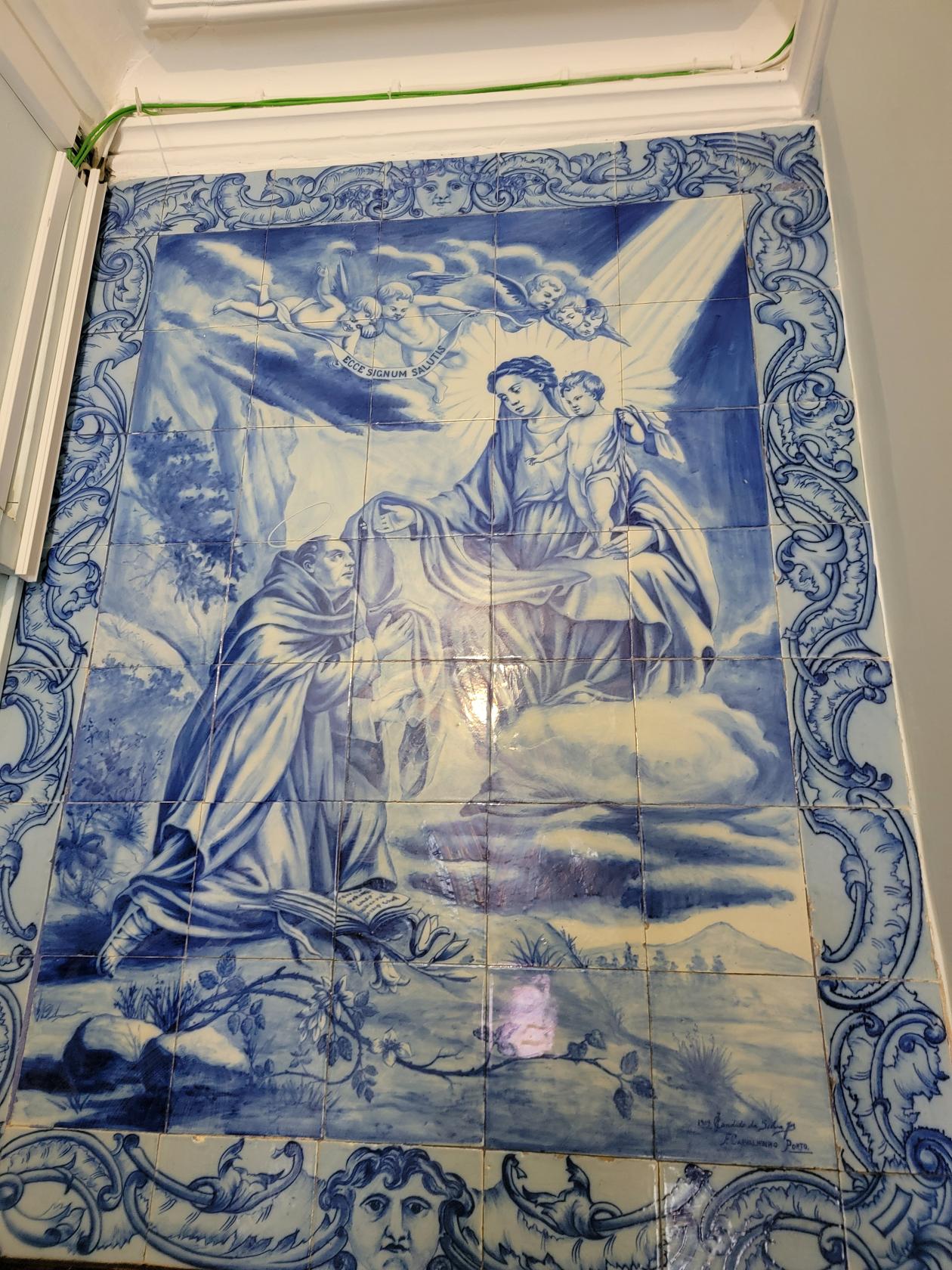
Best known for its Portuguese tiled exterior, the Carmo Church sits on top of the hill next to the Lion Fountain and its park. The tiling on the outside is unfortunately covered with a gauze, no doubt to protect the surface of the tiles from prolonged exposure to the elements, so taking photographs at a distance is probably best.
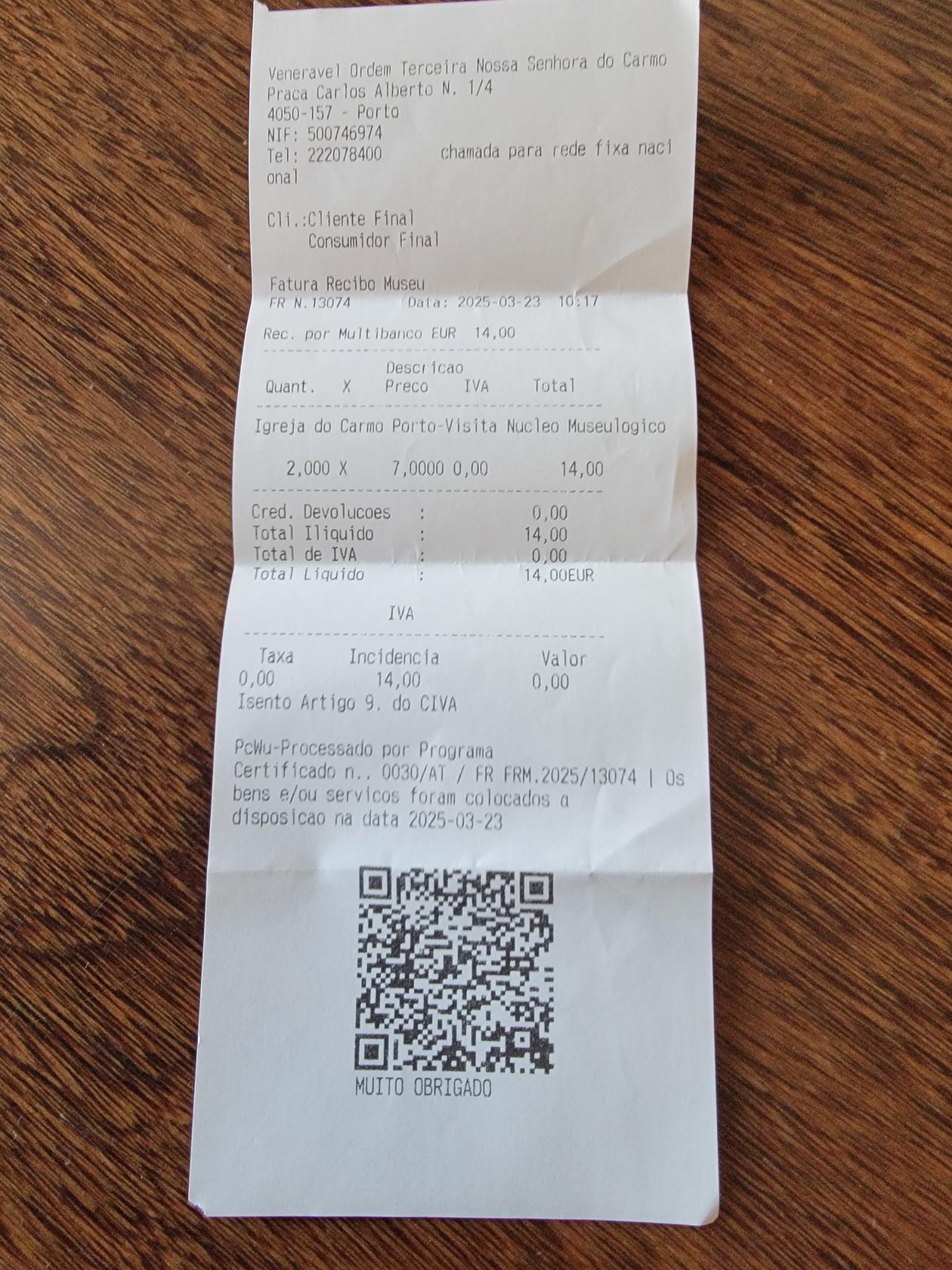
Tickets For Two – Carmo Church – Porto, Portugal
Carmo Church – Entrance with Church of the Carmelitas on the left – Porto, Portugal
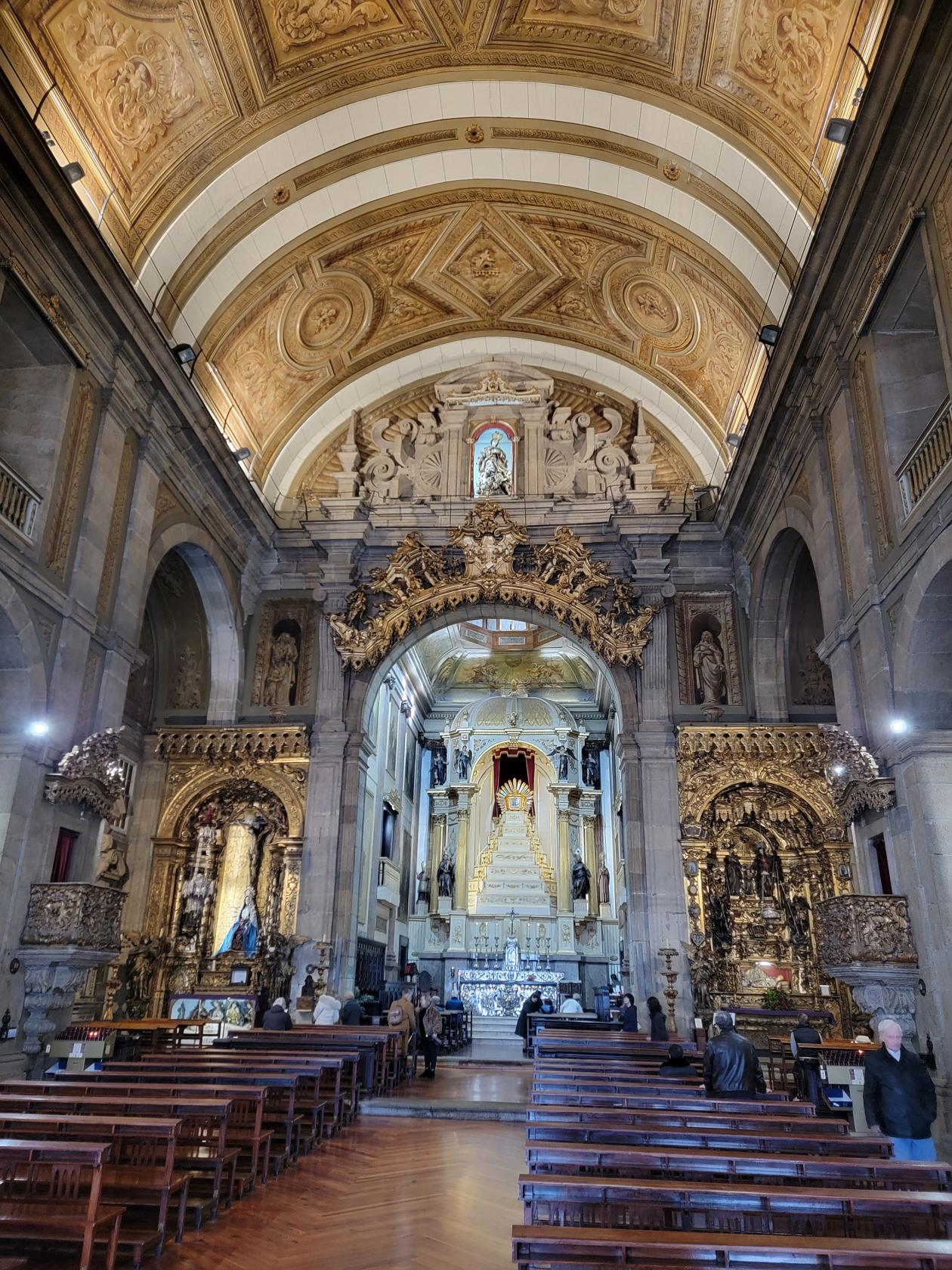
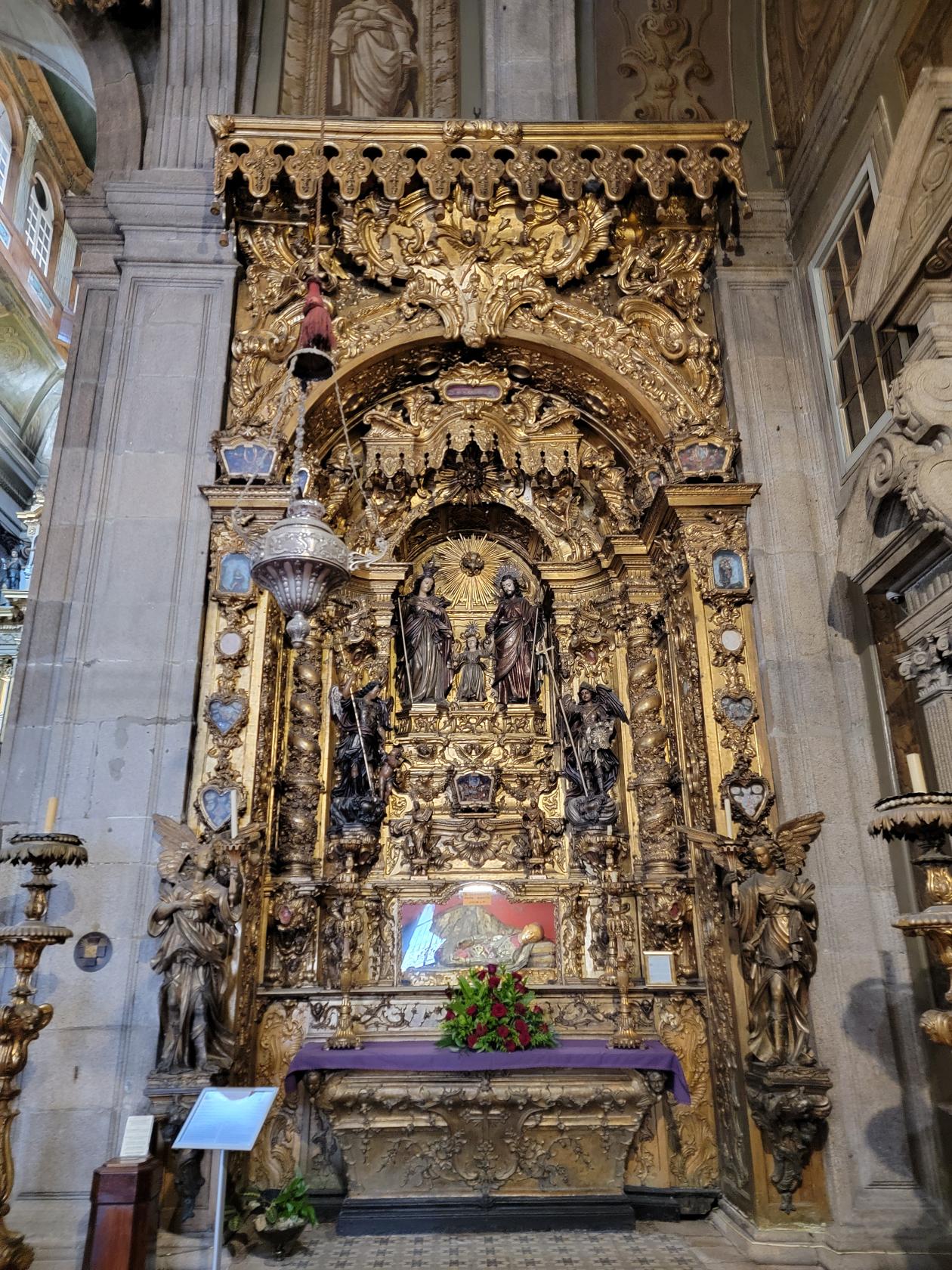
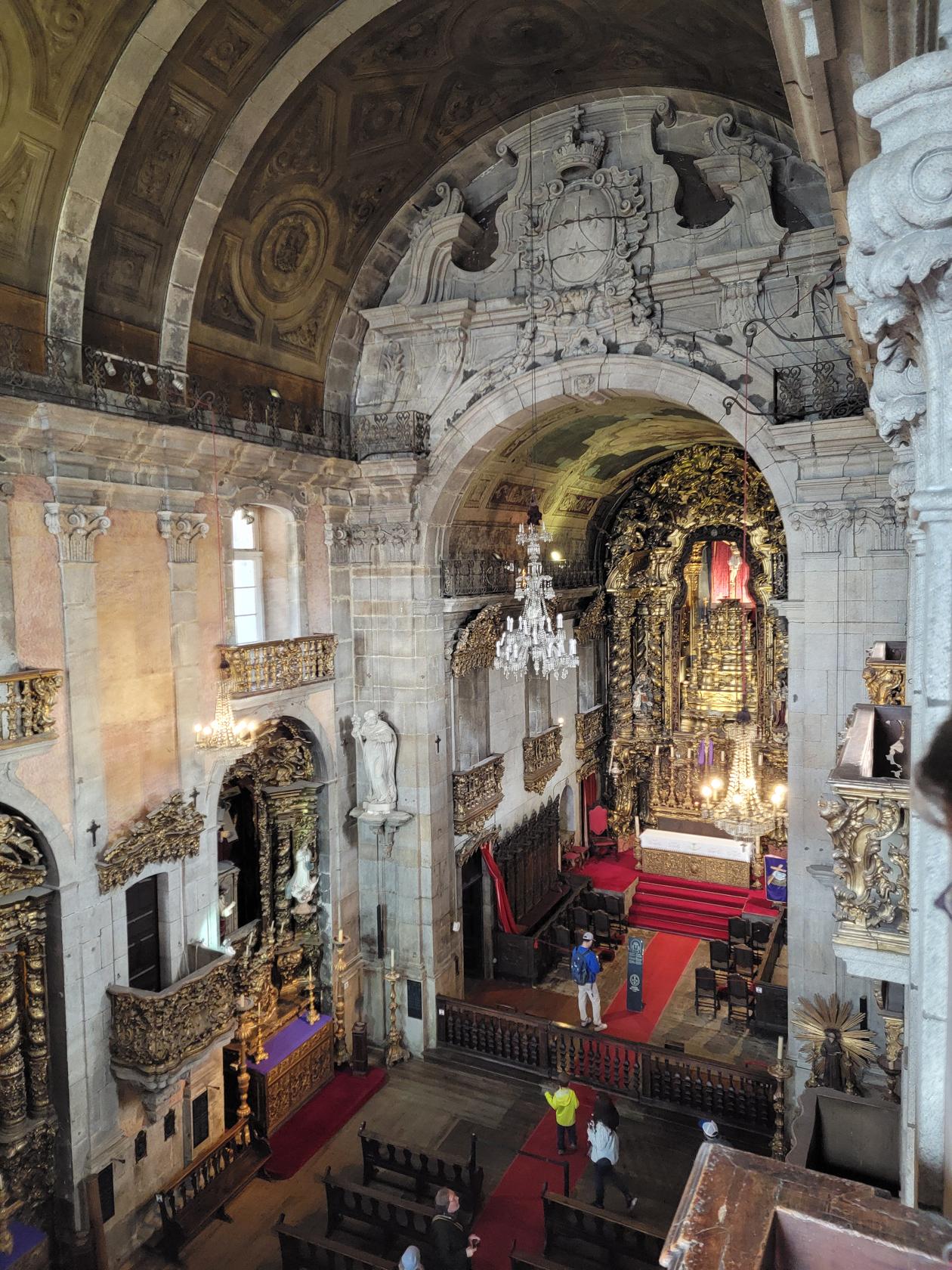
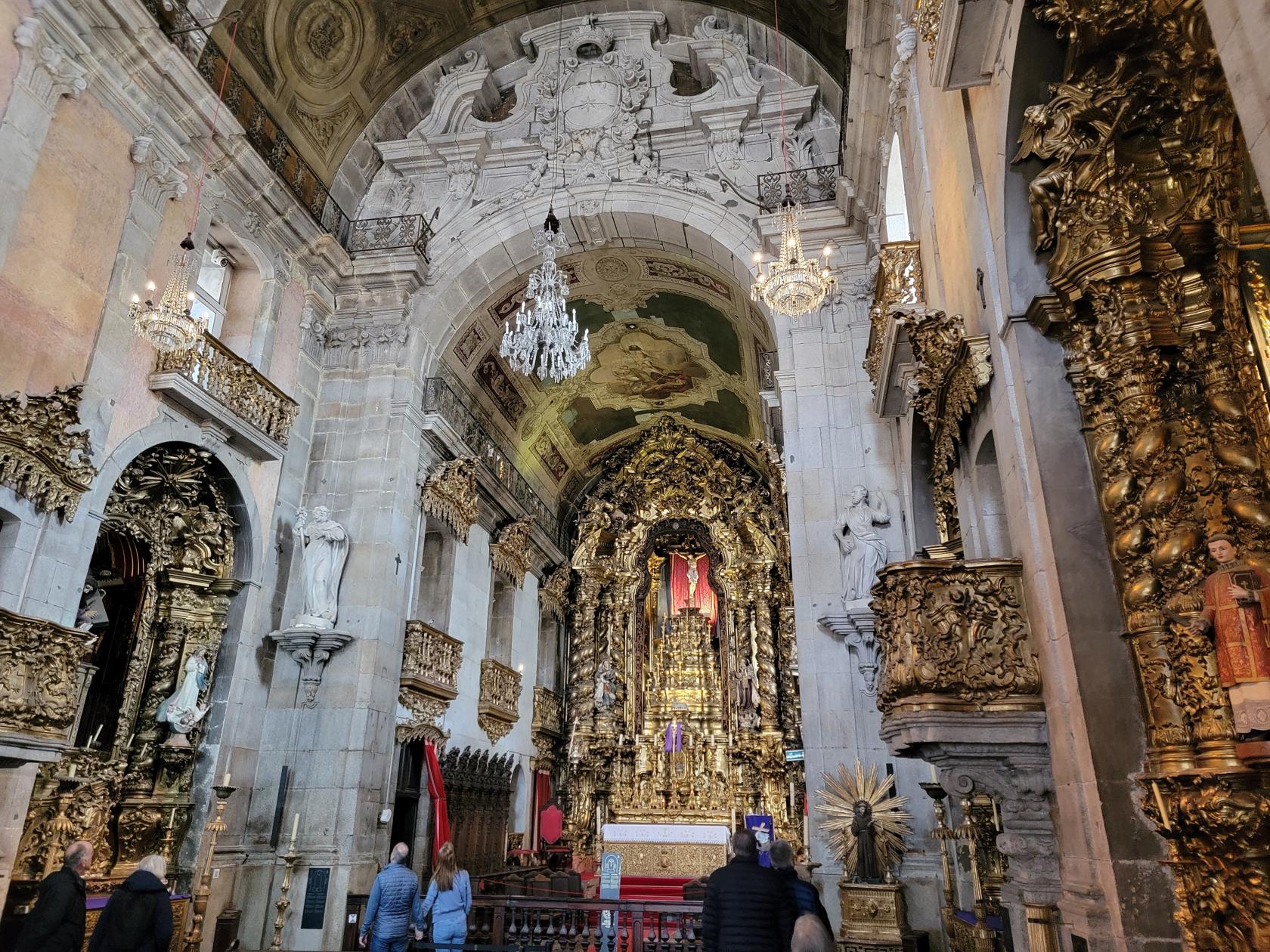
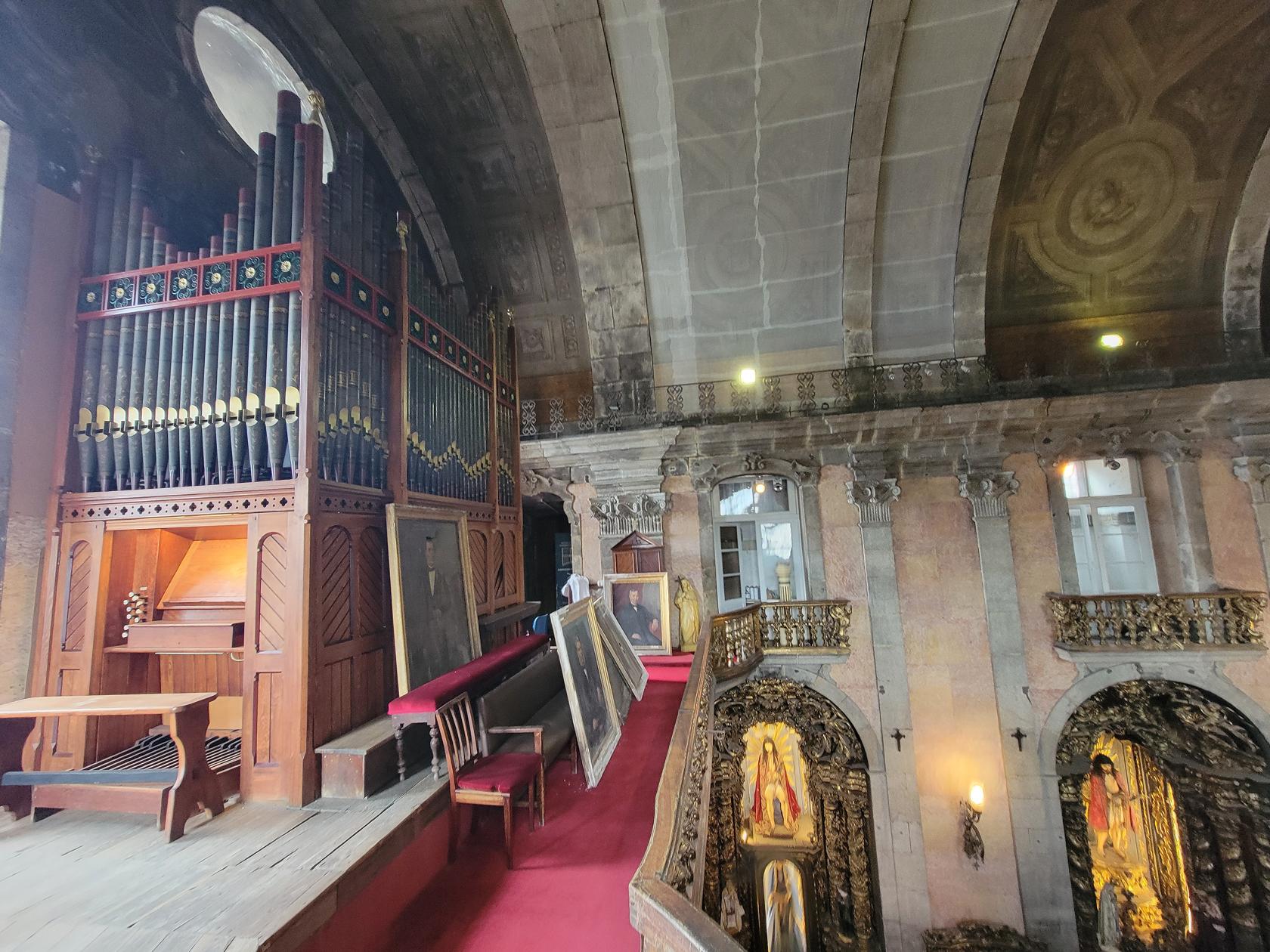
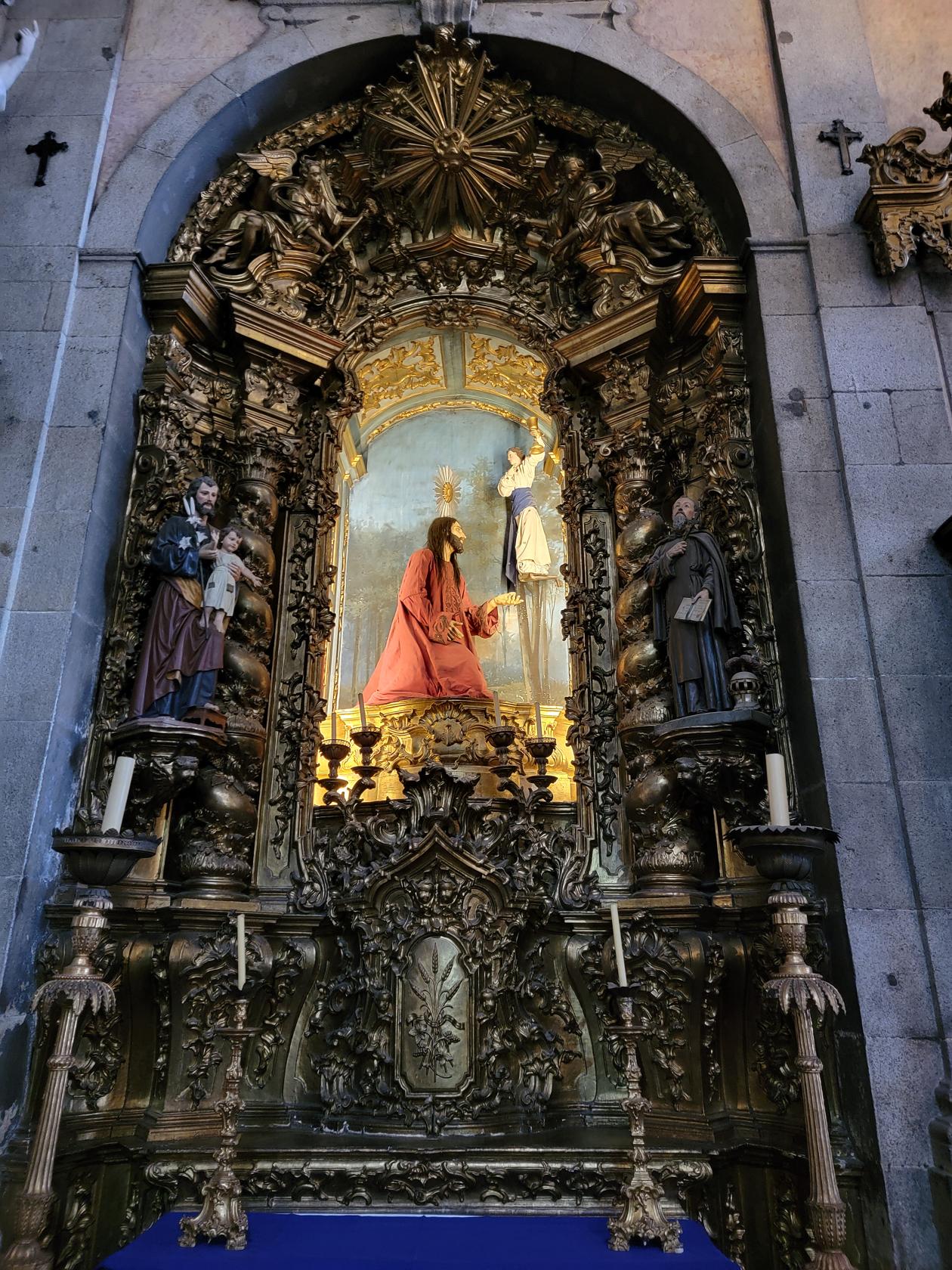
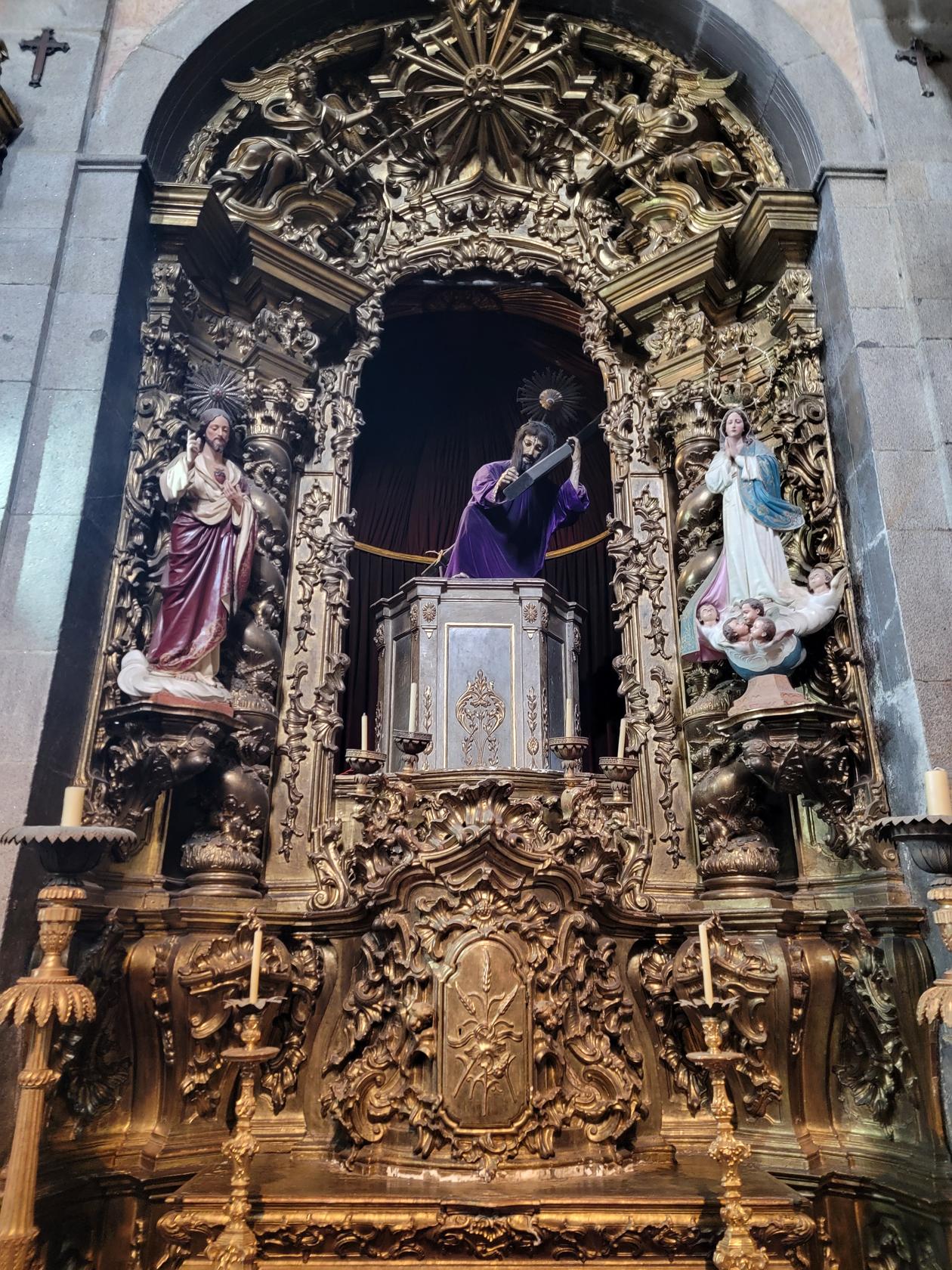
The interior is nice and in the baroque style of churches. Its other claim to fame are the side altars depicting Christ in one form of tribulation or another.
Carmo Church – Nave from above – Porto, Portugal
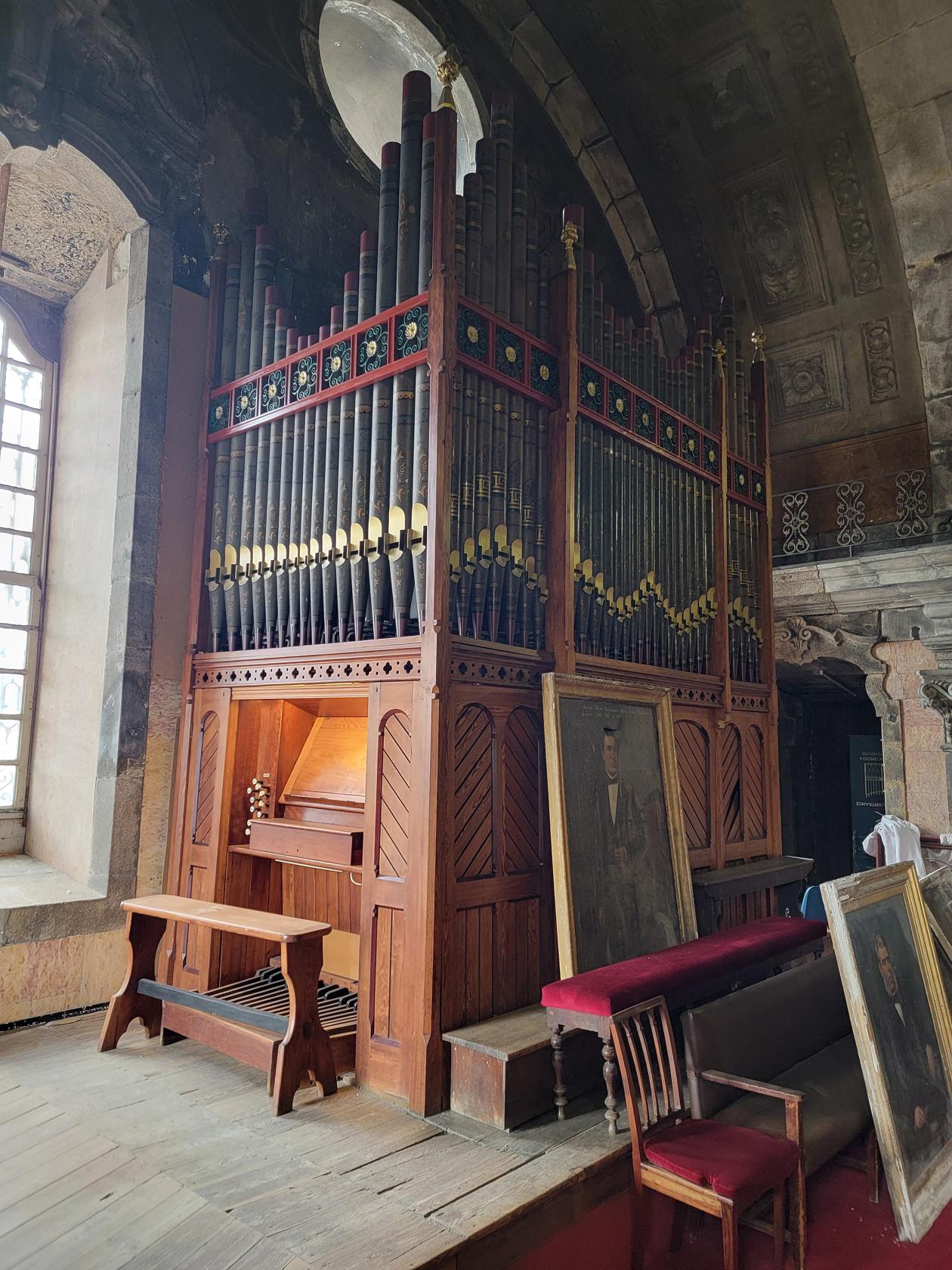
Carmo Church – Organ – Porto, Portugal
Carmo Church – Nave and Altar – Porto, Portugal
Carmo Church – Nave and Organ from above – Porto, Portugal
Carmo Church – Side Altar – Porto, Portugal
Carmo Church – Side Altar – Porto, Portugal
The Hidden House
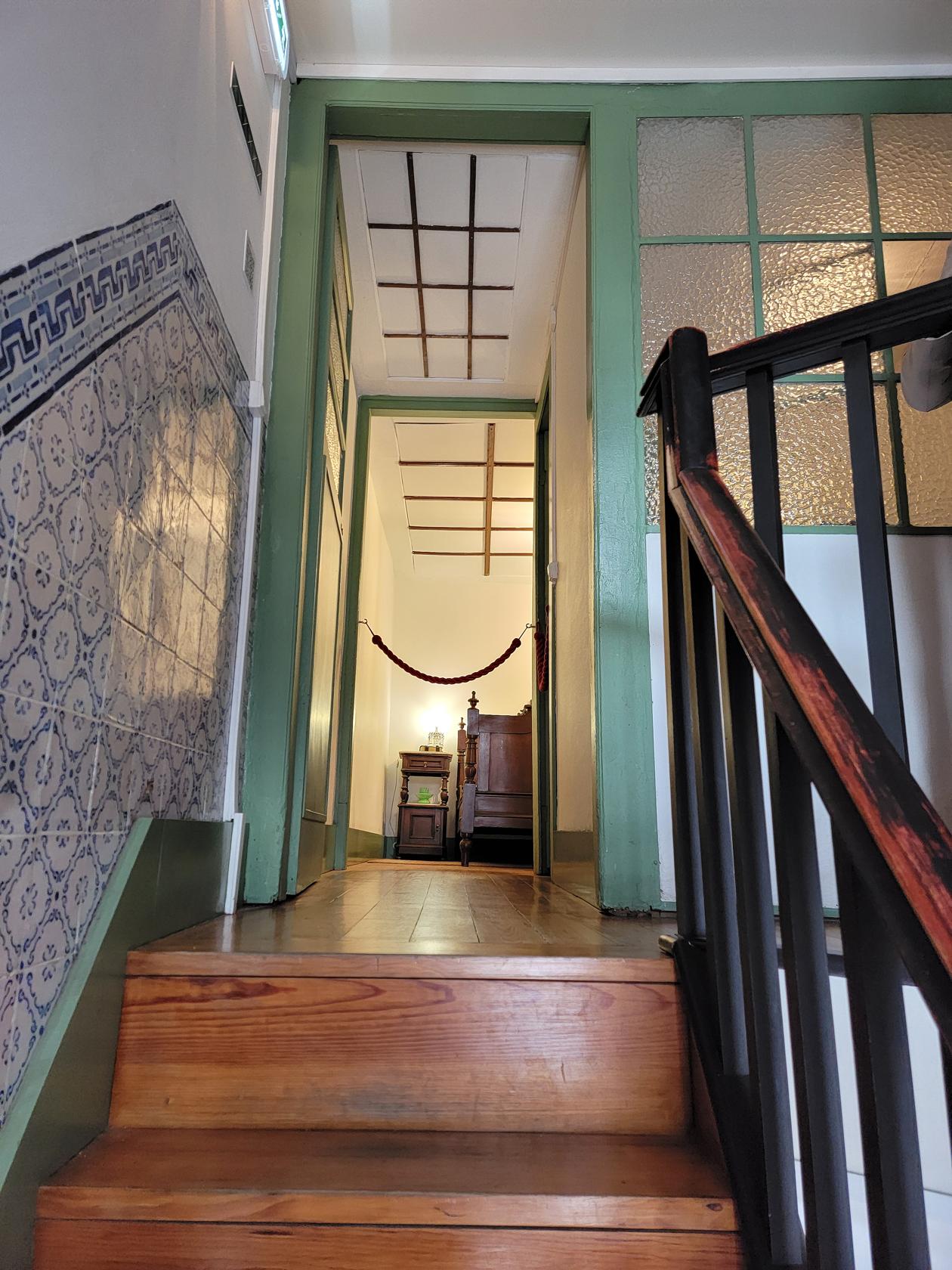
Between the Carmo Church and the Church of the Carmelites is the Hidden House. A four story structure built between the two to prevent the appearance of impropriety, though it has had other uses throughout its 250 years.
Carmo Church – The Hidden House – Porto, Portugal
Carmo Church – The Hidden House – Porto, Portugal
Carmo Church – The Hidden House – Porto, Portugal
Carmo Church – The Hidden House – Porto, Portugal
Carmo Church – The Hidden House – Porto, Portugal
Carmo Church – The Hidden House – Porto, Portugal
The Museum
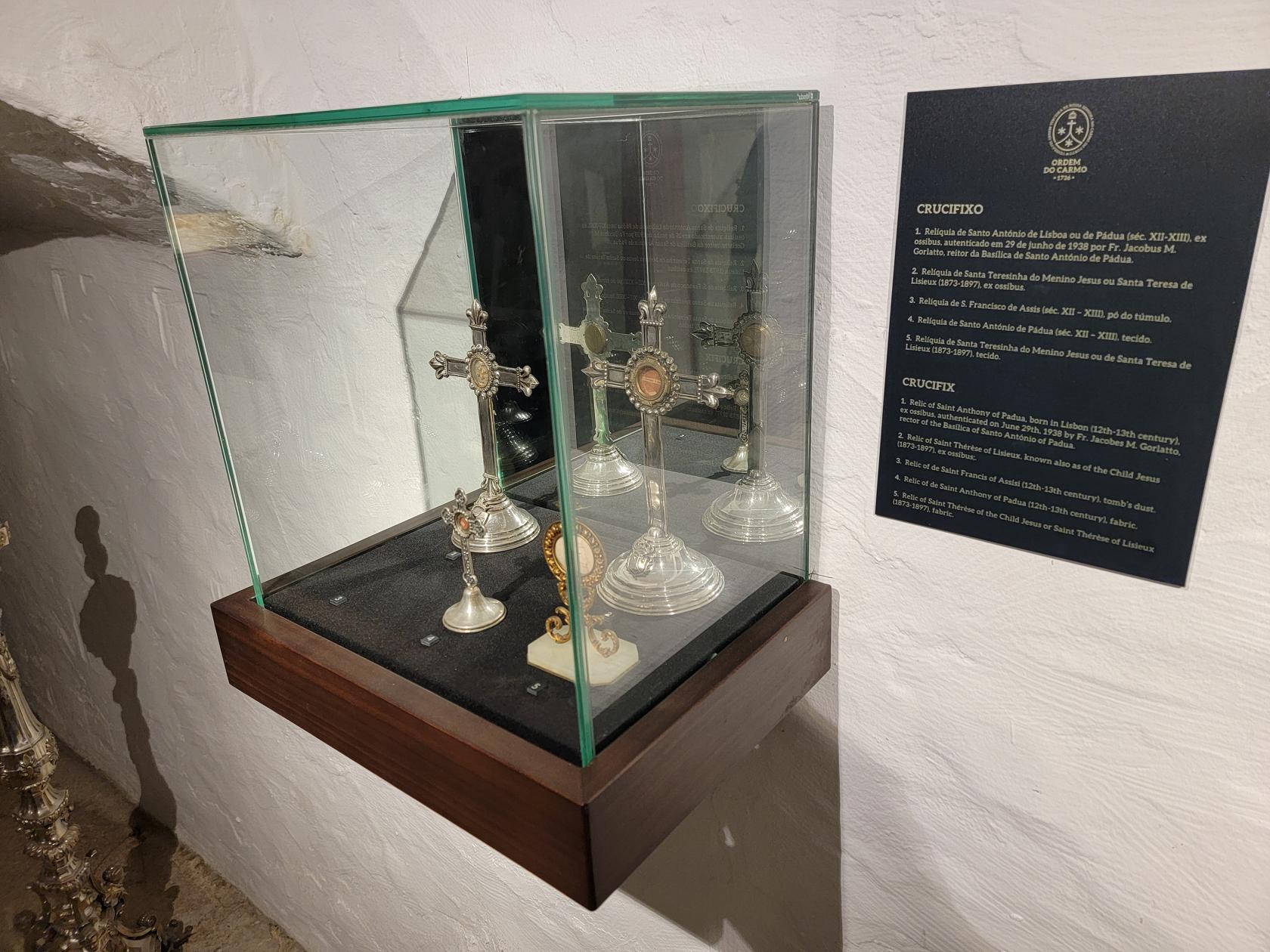
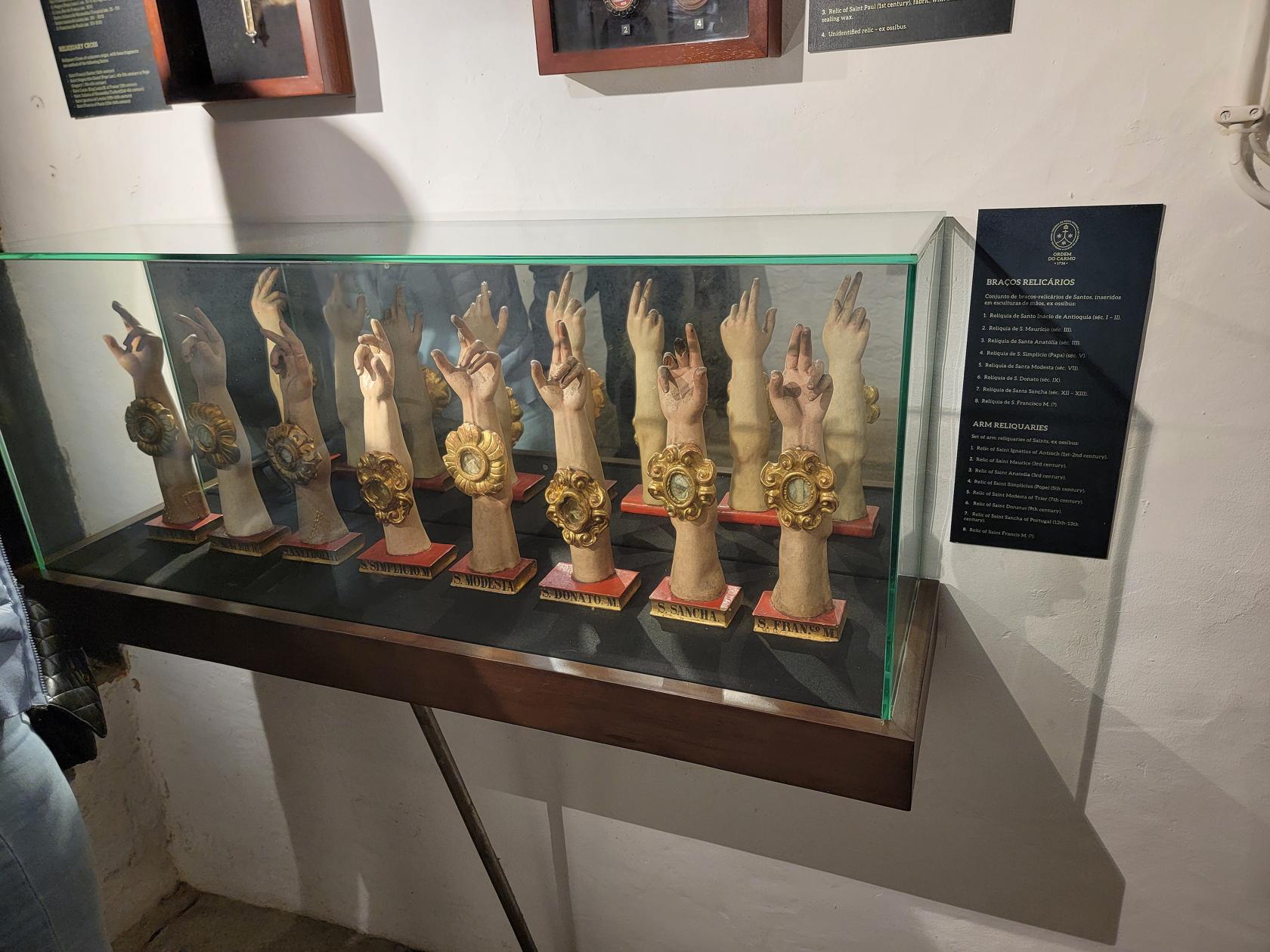
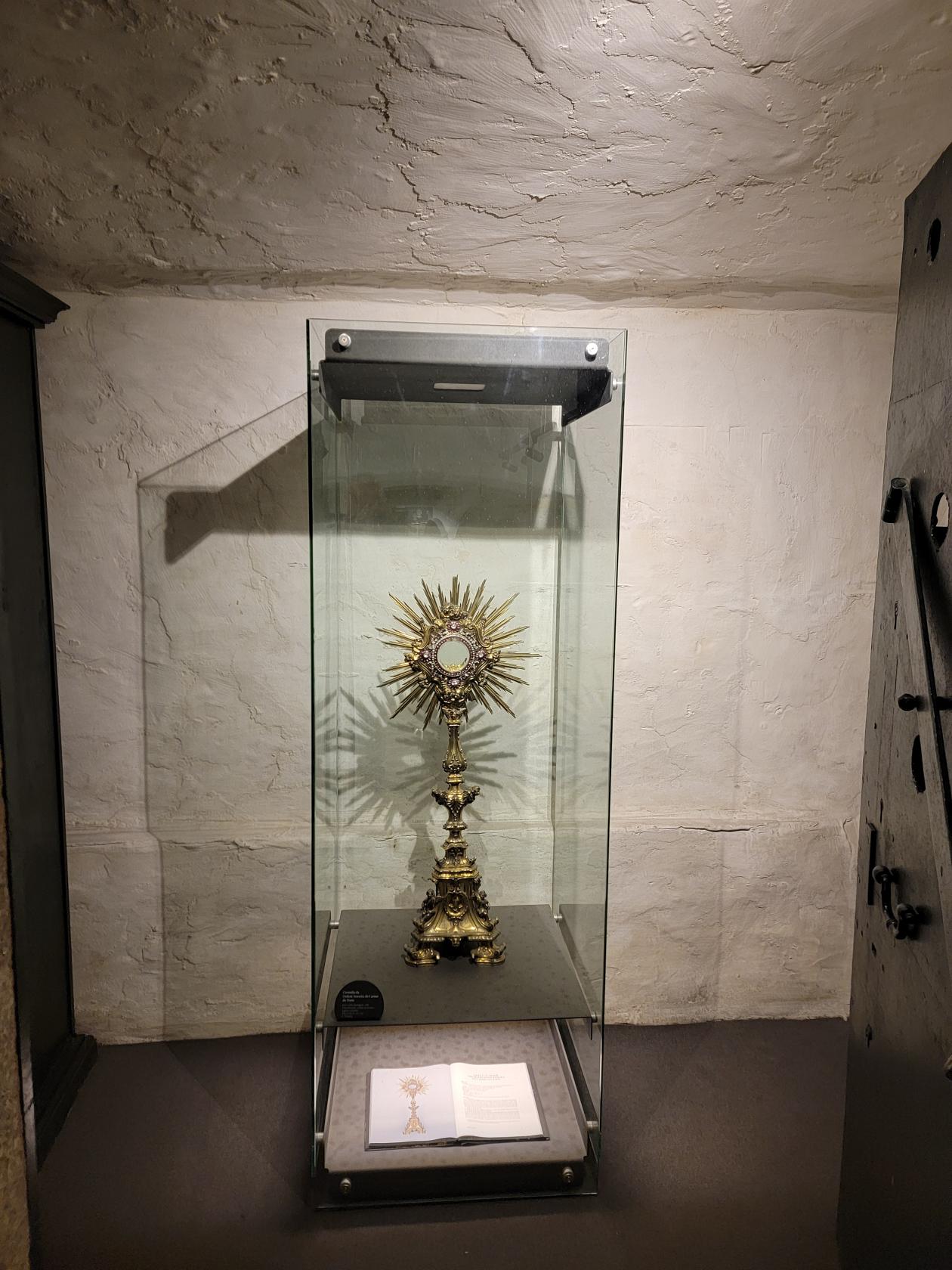
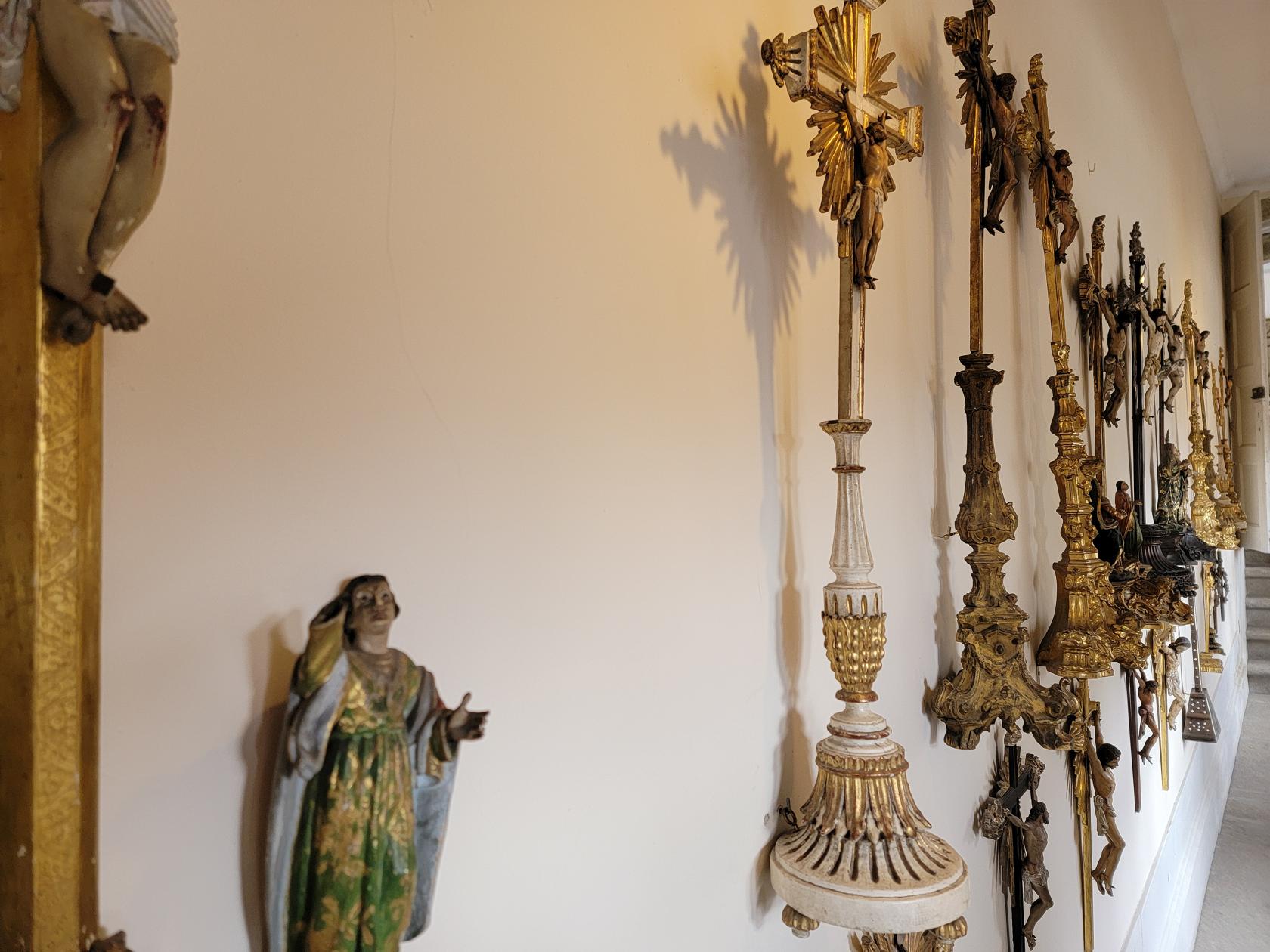
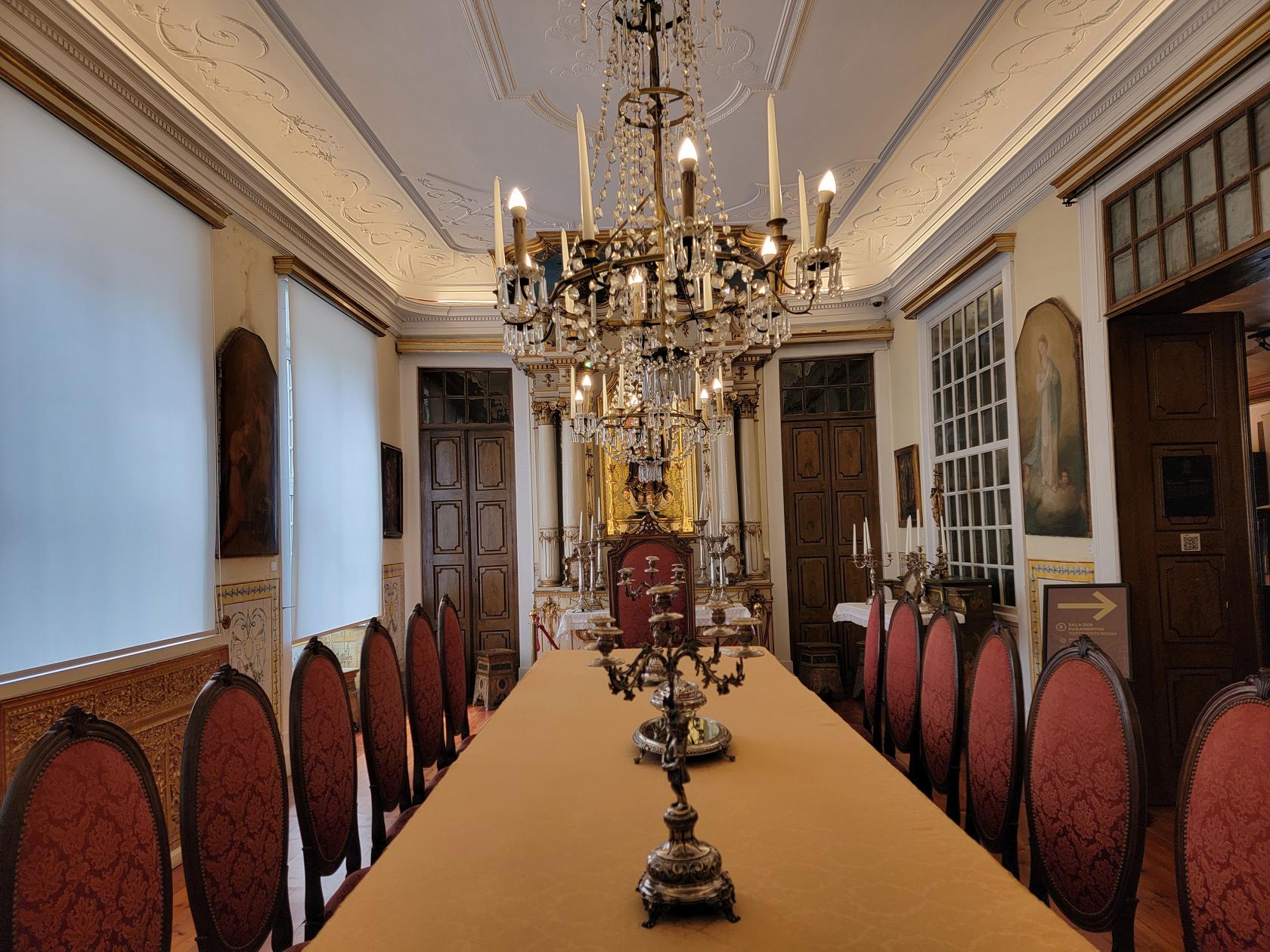
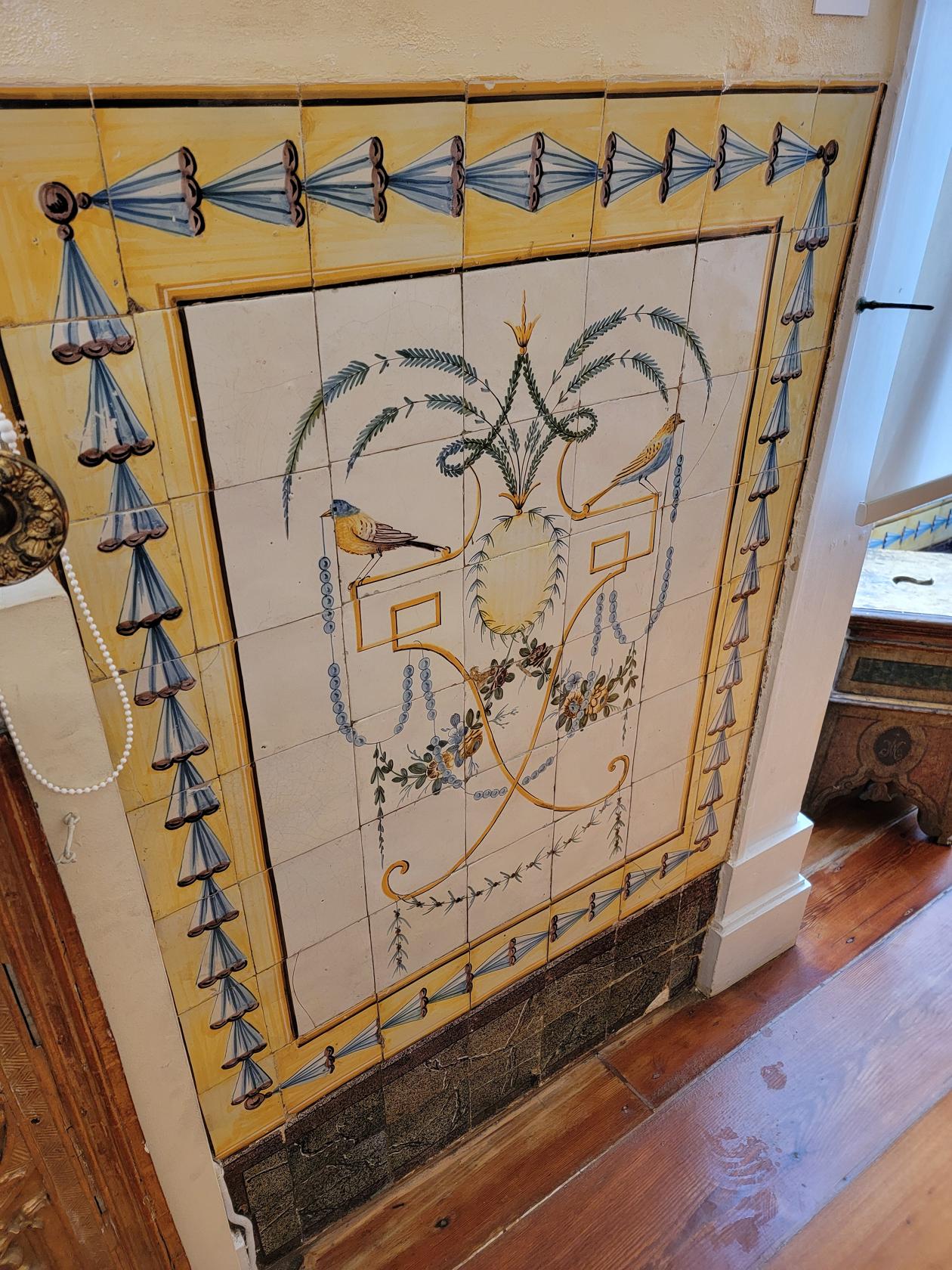
The museum of the Carmo Church houses the typical treasure and other important items used and passed down by the church through the years. There are some things of note, like the collection of hands, as well as other peculiar things that have to be seen to believe.
Carmo Church – Museum – Porto, Portugal
Carmo Church – Museum – Porto, Portugal
Carmo Church – Museum – Porto, Portugal
Carmo Church – Museum – Porto, Portugal
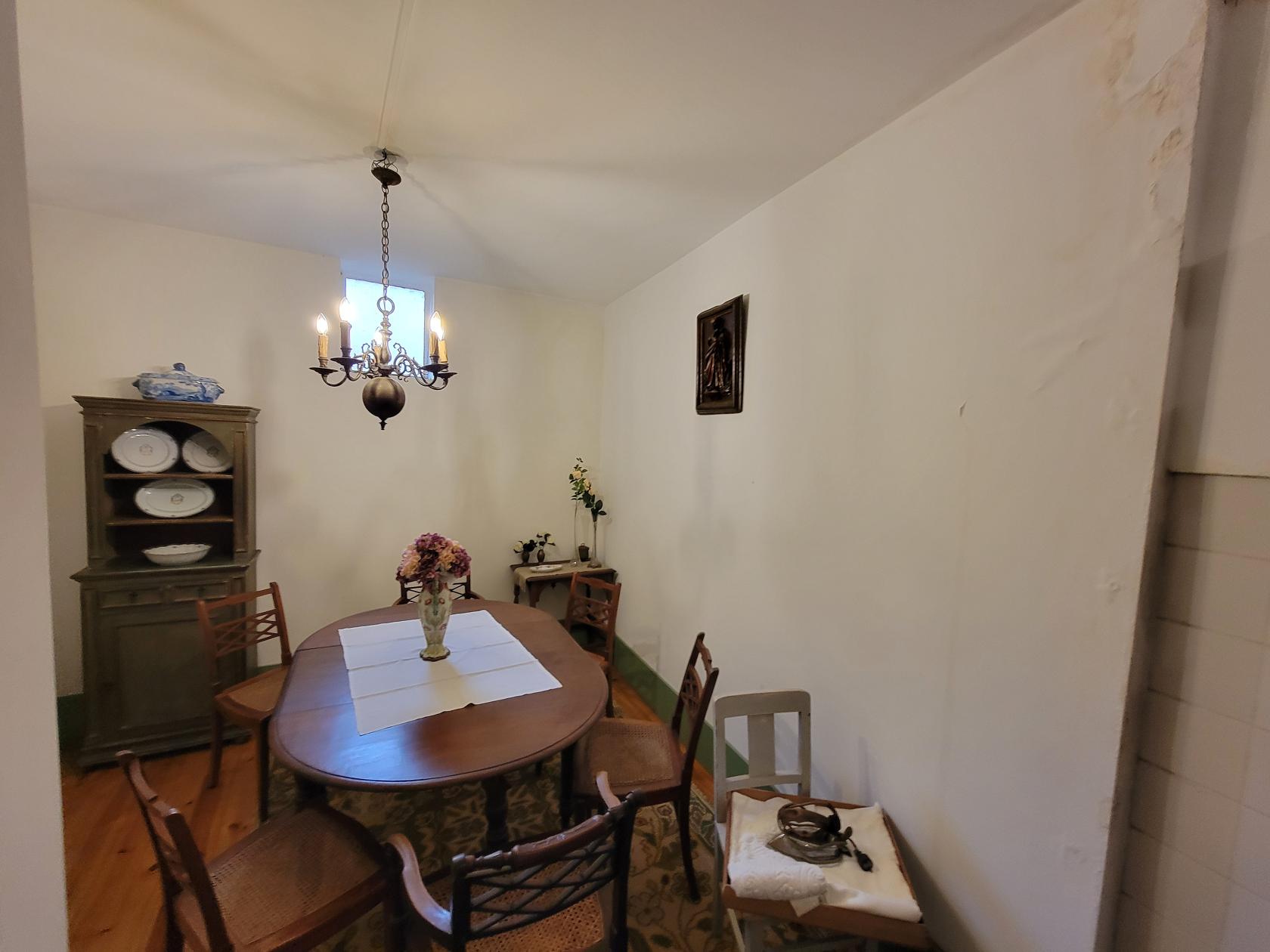
Carmo Church – Museum – Porto, Portugal
Carmo Church – Museum – Porto, Portugal
Carmo Church – Museum – Porto, Portugal
Carmo Church – Museum – Porto, Portugal
Carmo Church – Museum – Porto, Portugal
Carmo Church – Museum – Porto, Portugal
Restaurants and Cafes
The restaurants and cafes in Porto come in clusters, perhaps due to it being a tourist hot spot. They seem to line most of the more important streets and more heavily trafficked areas.
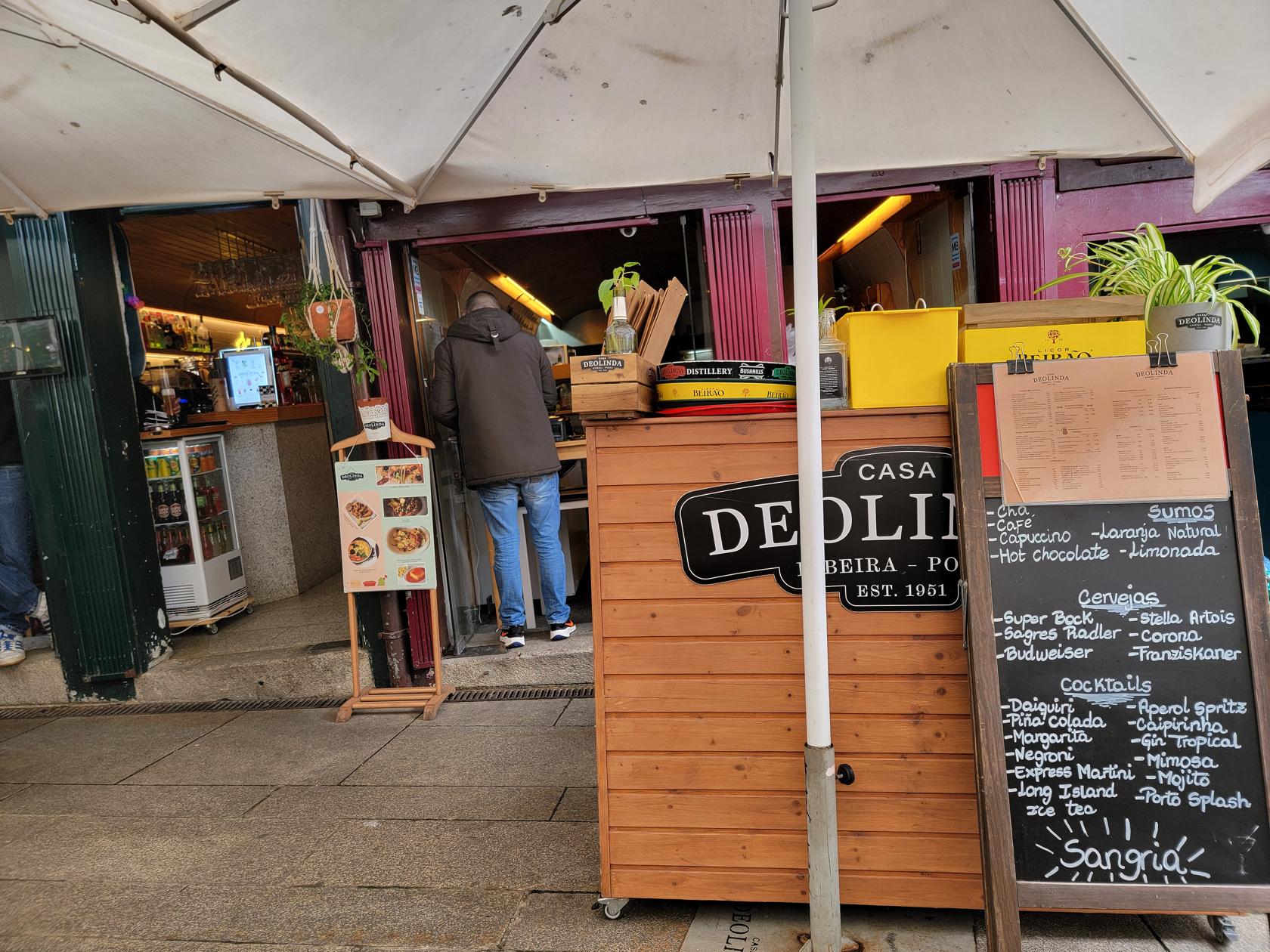
Casa Deolinda
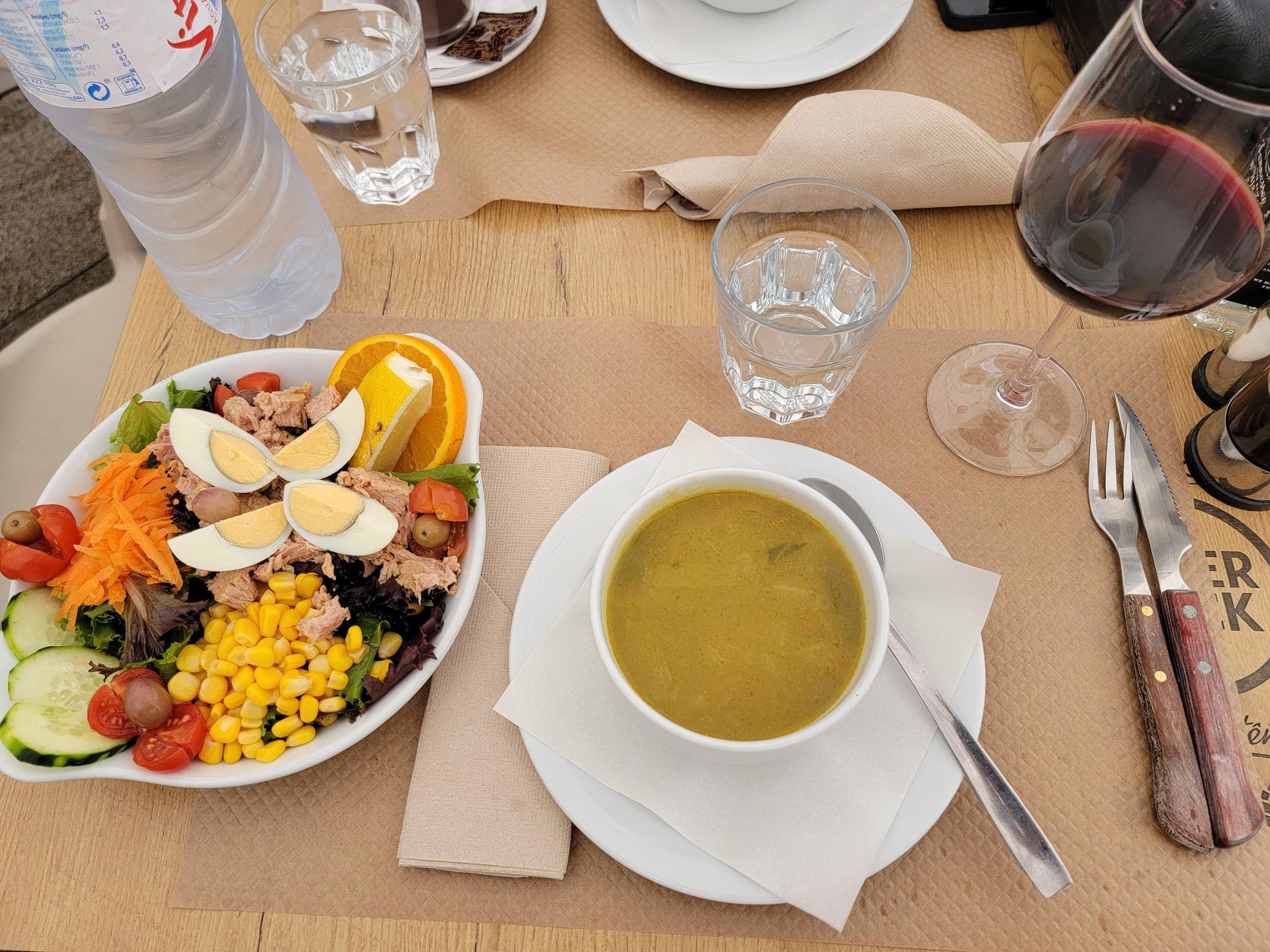
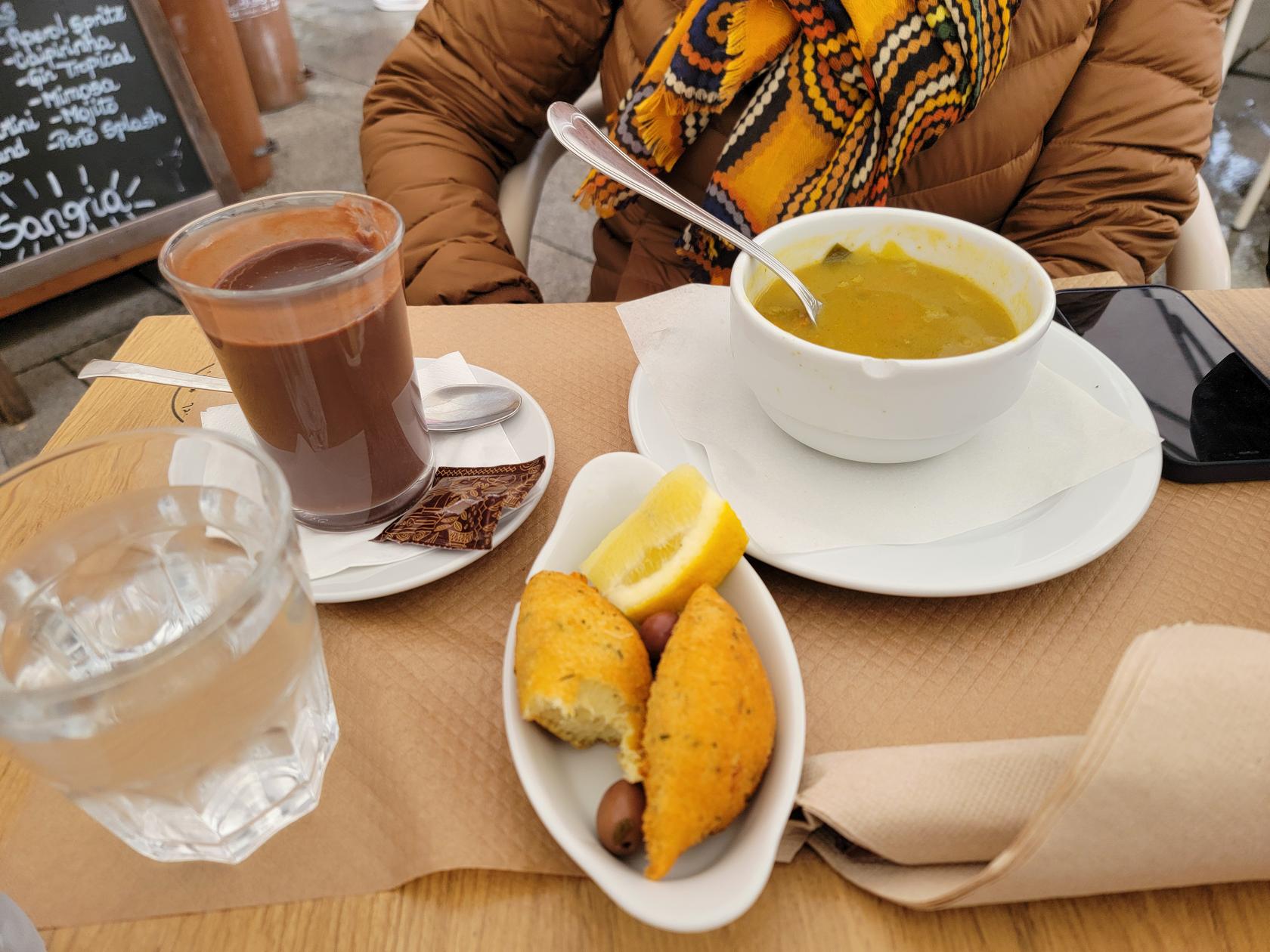
A good spot for lunch would be the Casa Deolinda right within the Praça da Ribeira. We actually felt more compelled to eat here only due to the weather, but we were not disappointed. The food was good and the service was above what we had experienced in other places. The prices were not too bad either, considering its location.
Praça da Ribeira – Restaurant Deolinda – Porto, Portugal
Restaurant Deolinda – Vegetable Soup with Tuna Salad – Porto, Portugal
Restaurant Deolinda – Vegetable Soup with Cod Fish Fritters and Hot Chocolate – Porto, Portugal
The weather too, did not disappoint.
Fabrica da Nata Cafe
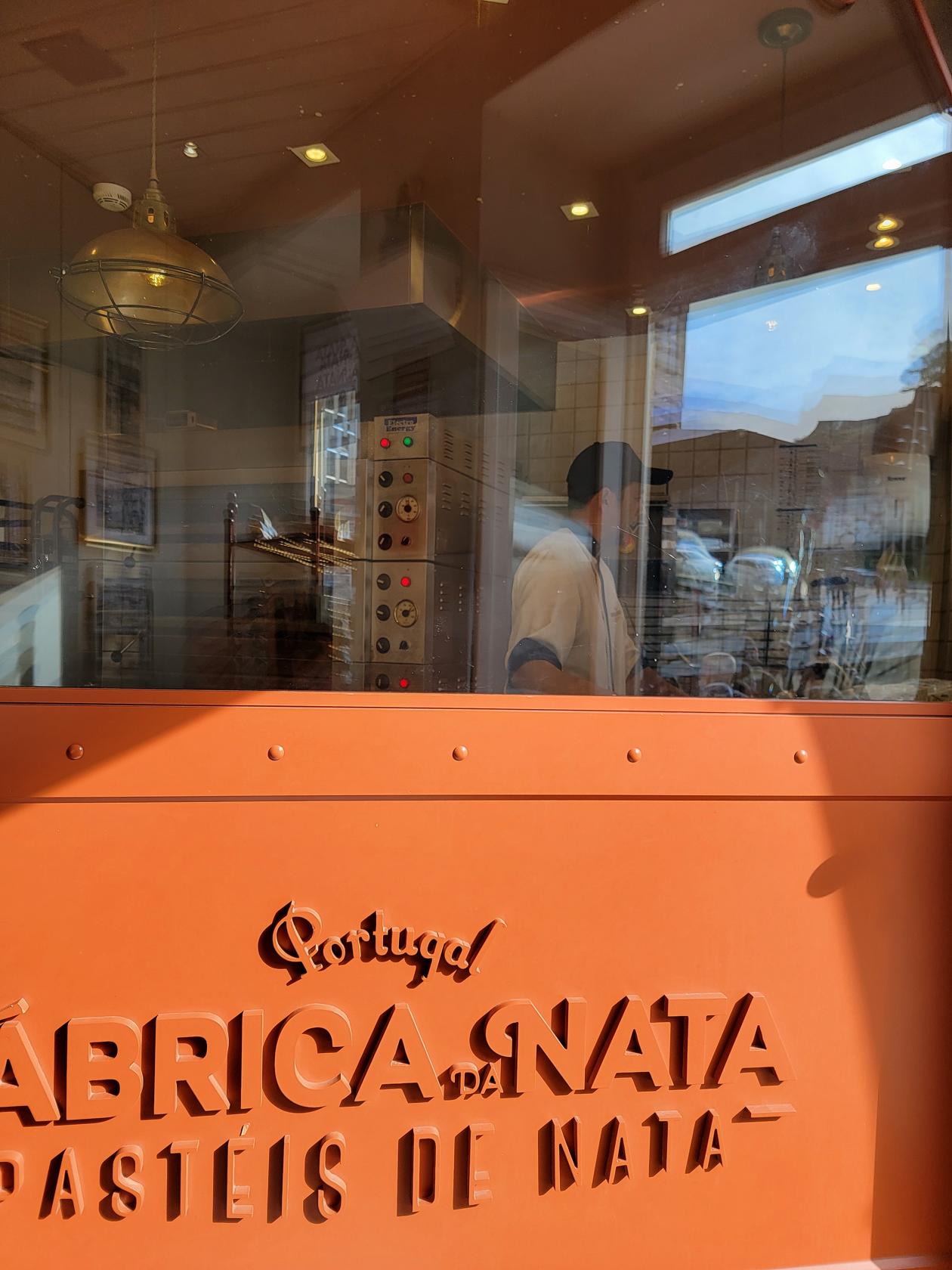
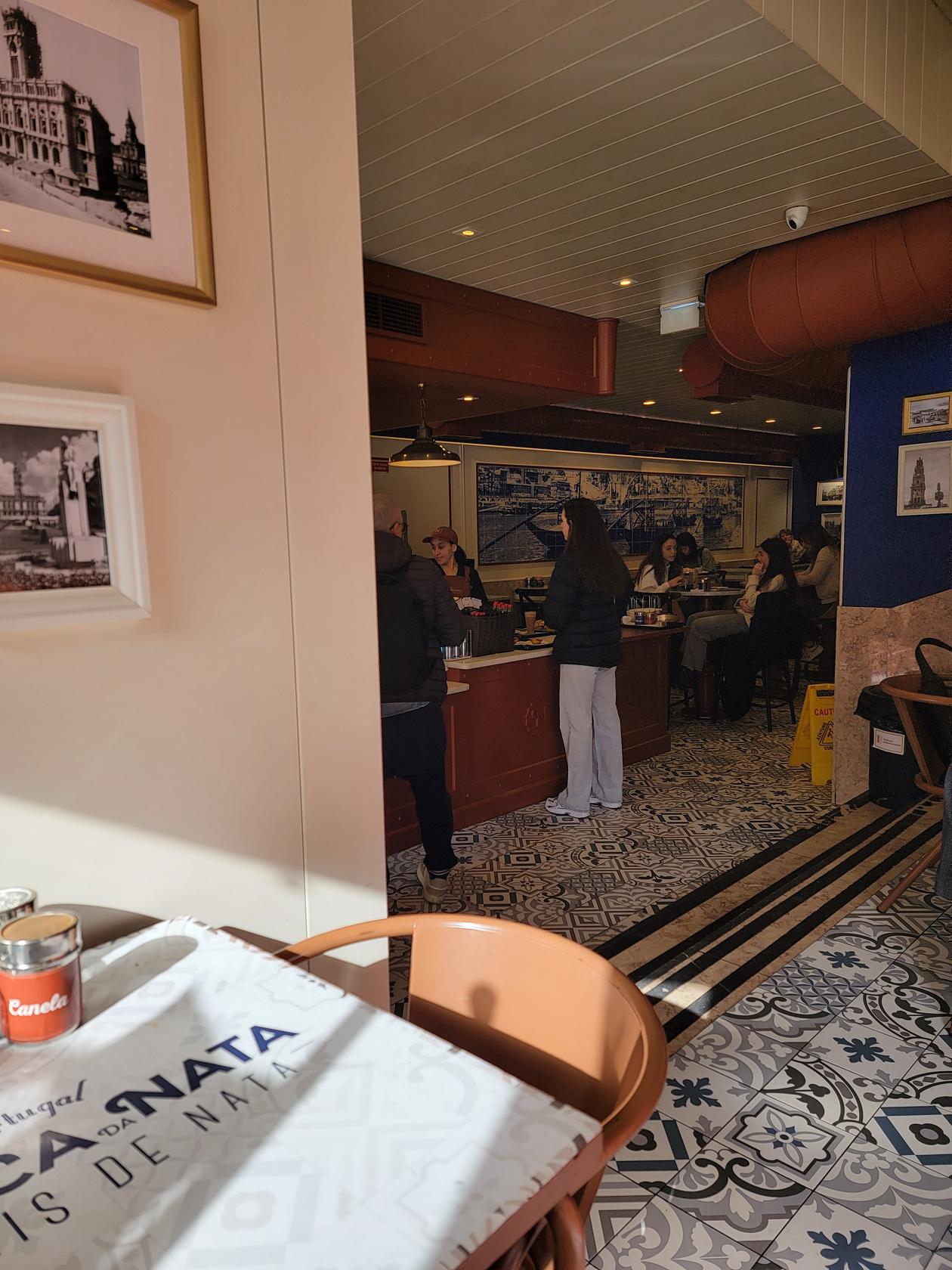
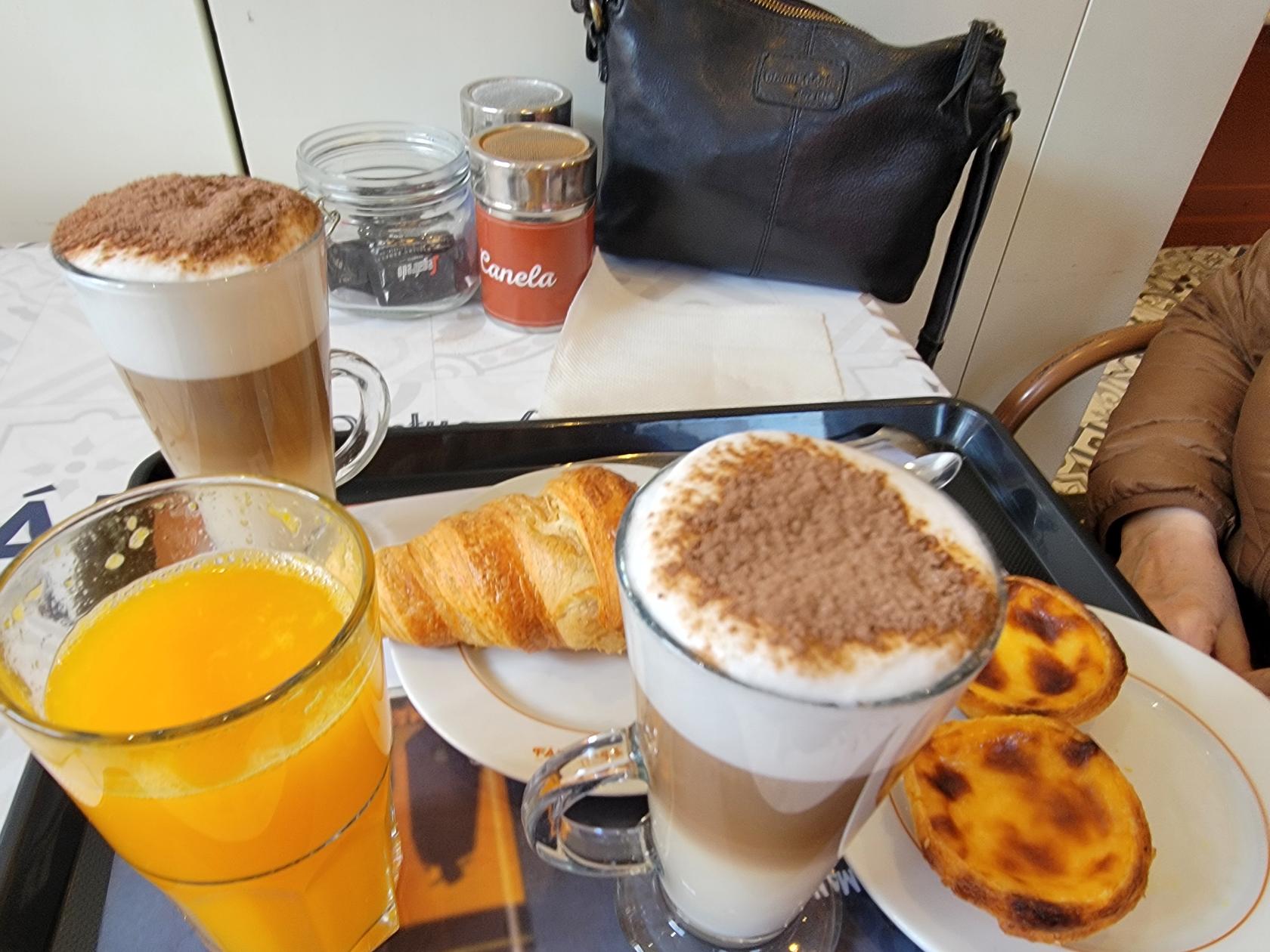
Known for its Portuguese Nata, or Pastel de Nata, are a custard cream delight found at Fabrica da Nata. There is a special little room within the cafe where they prepare these treats inside a glass enclosure. The cappuccino in Portugal is bit different from its Italian parent, it has more milk and is usually not as strong.
Fabrica da Nata Cafe – Making Pastries – Porto, Portugal
Fabrica da Nata Cafe – Inside – Porto, Portugal
Fabrica da Nata Cafe – Breakfast – Porto, Portugal
Popina Restaurant
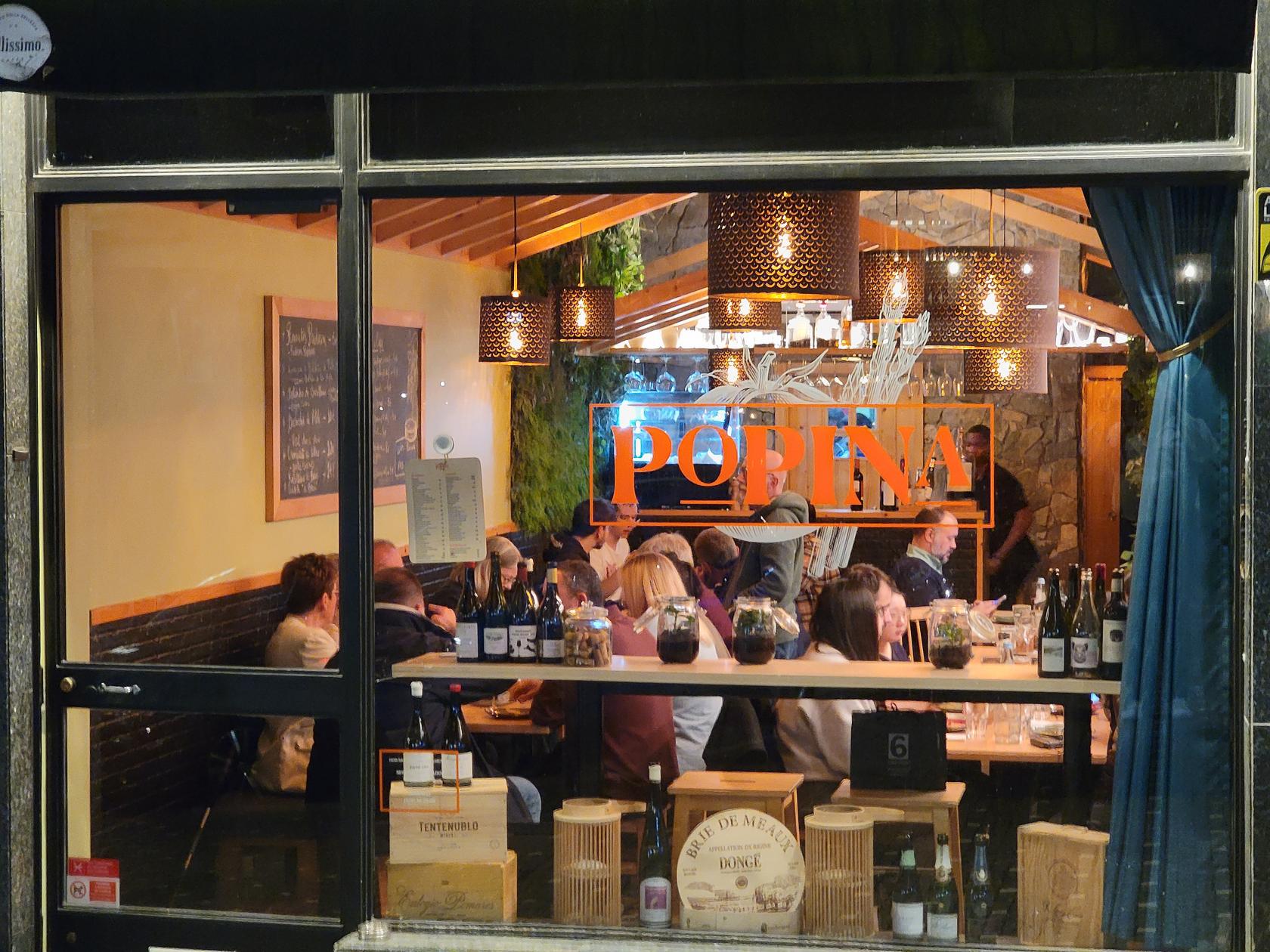
On the smaller scale, if you are looking for an authentic Portuguese adventure in cuisine, look no further than Popina. They have classic dishes here that are served like appetizers and are meant to be shared, so think family-style in a way. You select several items from the menu, all of which are brought out when they are ready, and them divide them accordingly. The order in which they are brought out though can appear a bit confused and disorderly, but bear with the process and you should not be disappointed.
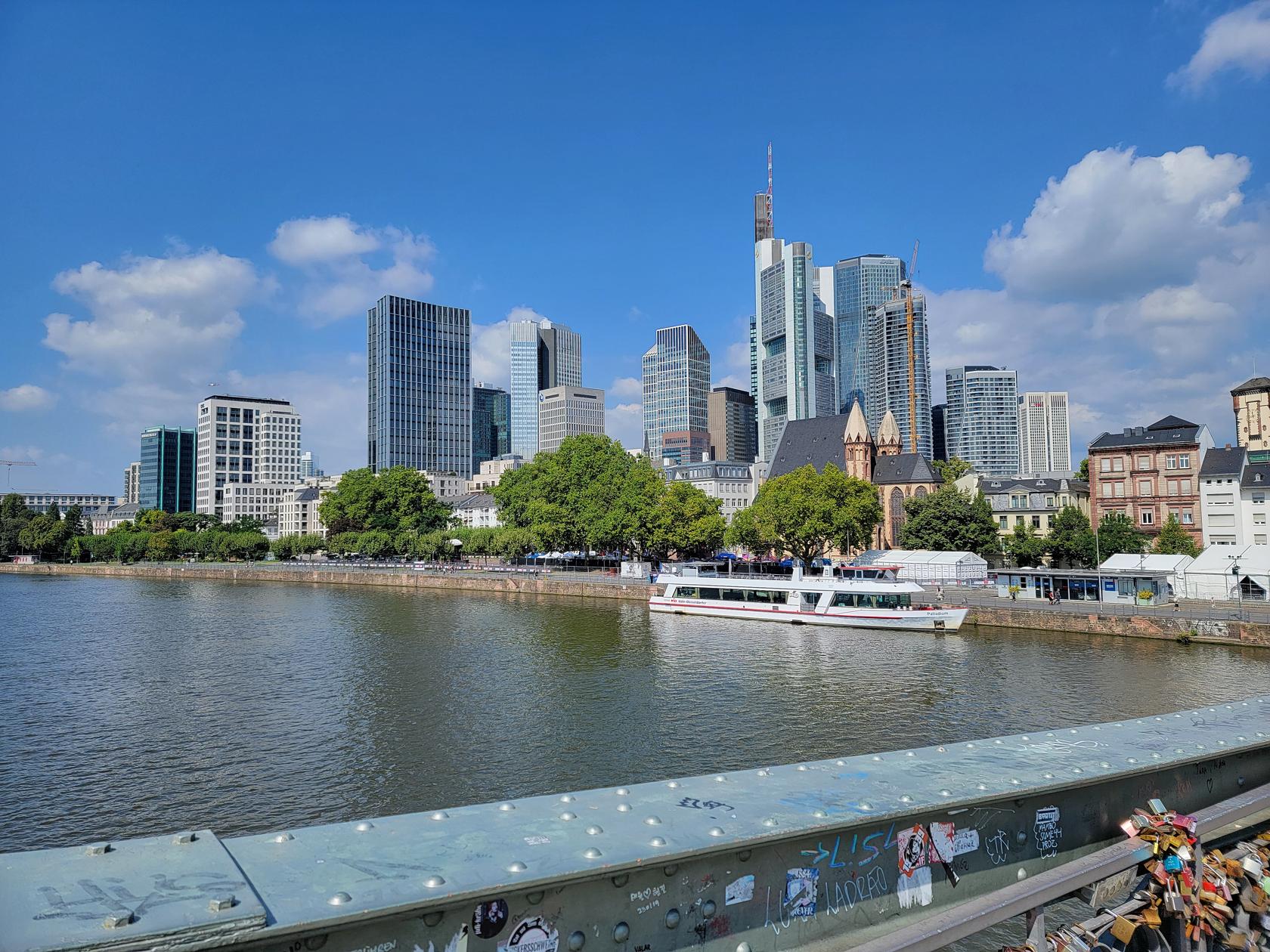
Not having an abundance of time, we decided to stay somewhat local a few times and visit Mainz and Frankfurt, both of which are but a stone’s throw away from Offenbach. Since we have been to both several times, we wanted to show other family members these two cities and will post mostly photographs without a lot of text.
Mainz
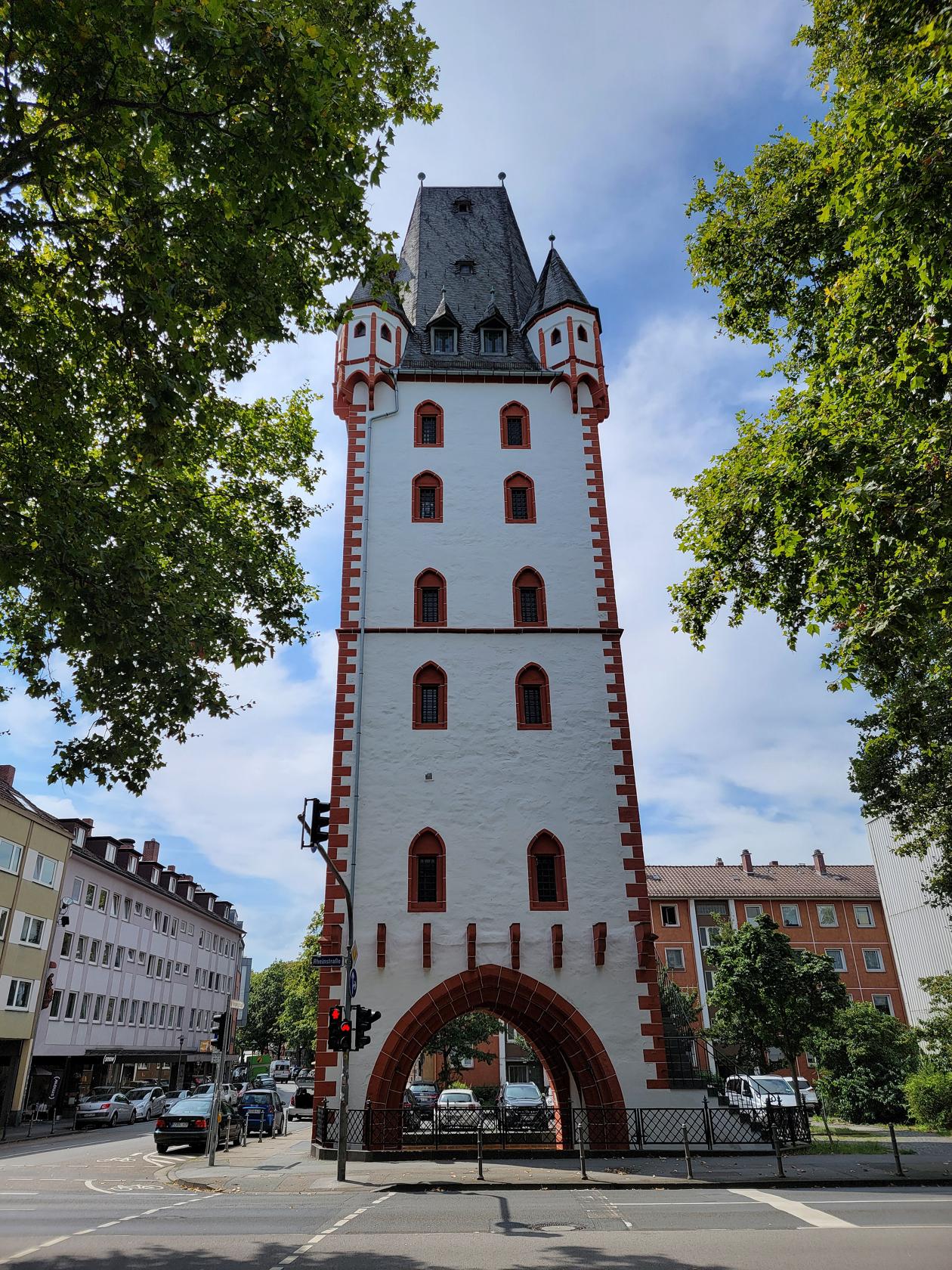
Holzturm of the old city wall – Mainz, Germany
The Wine Gate – Mainz, Germany
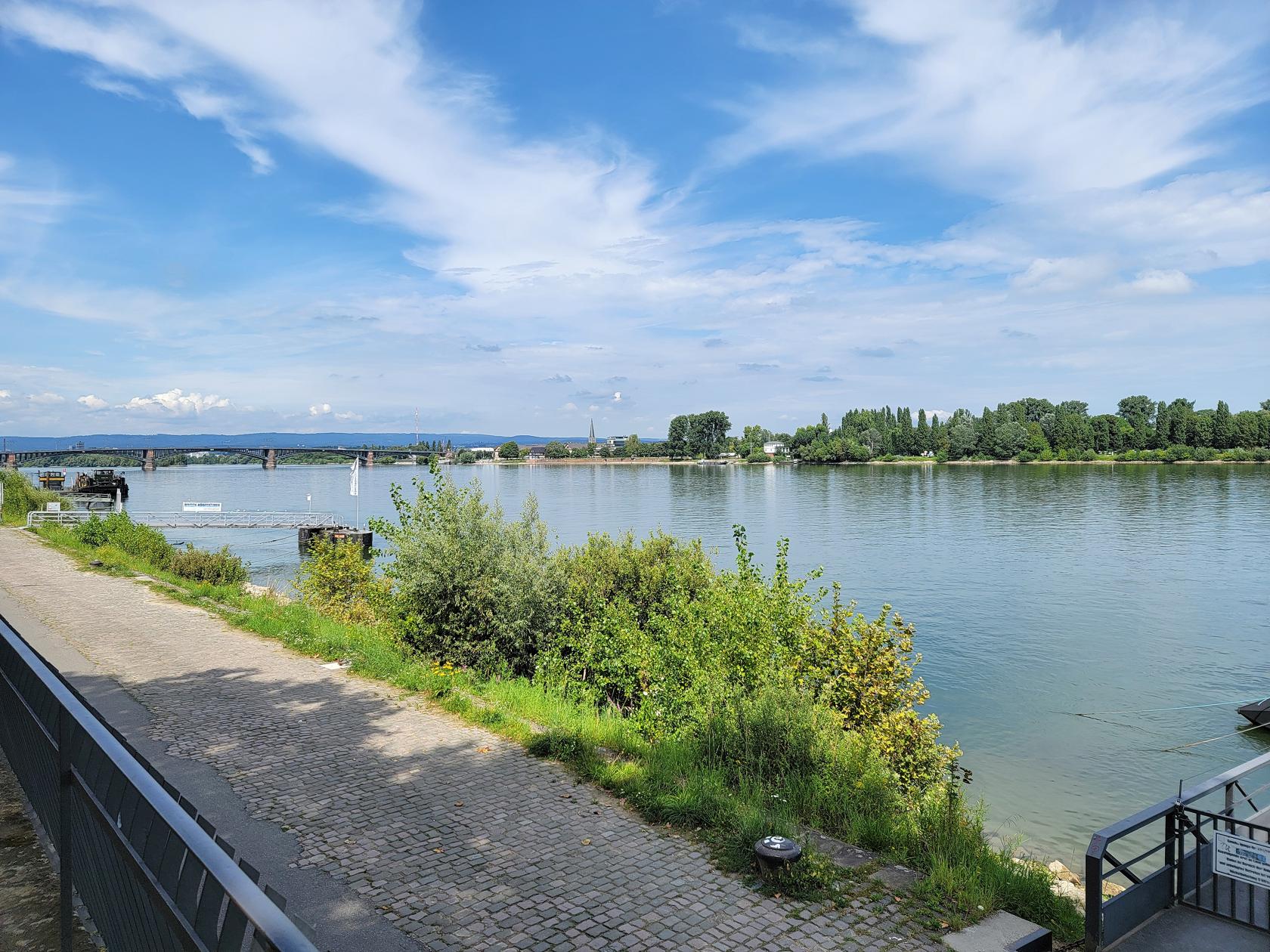
The Rhine river – Mainz, Germany
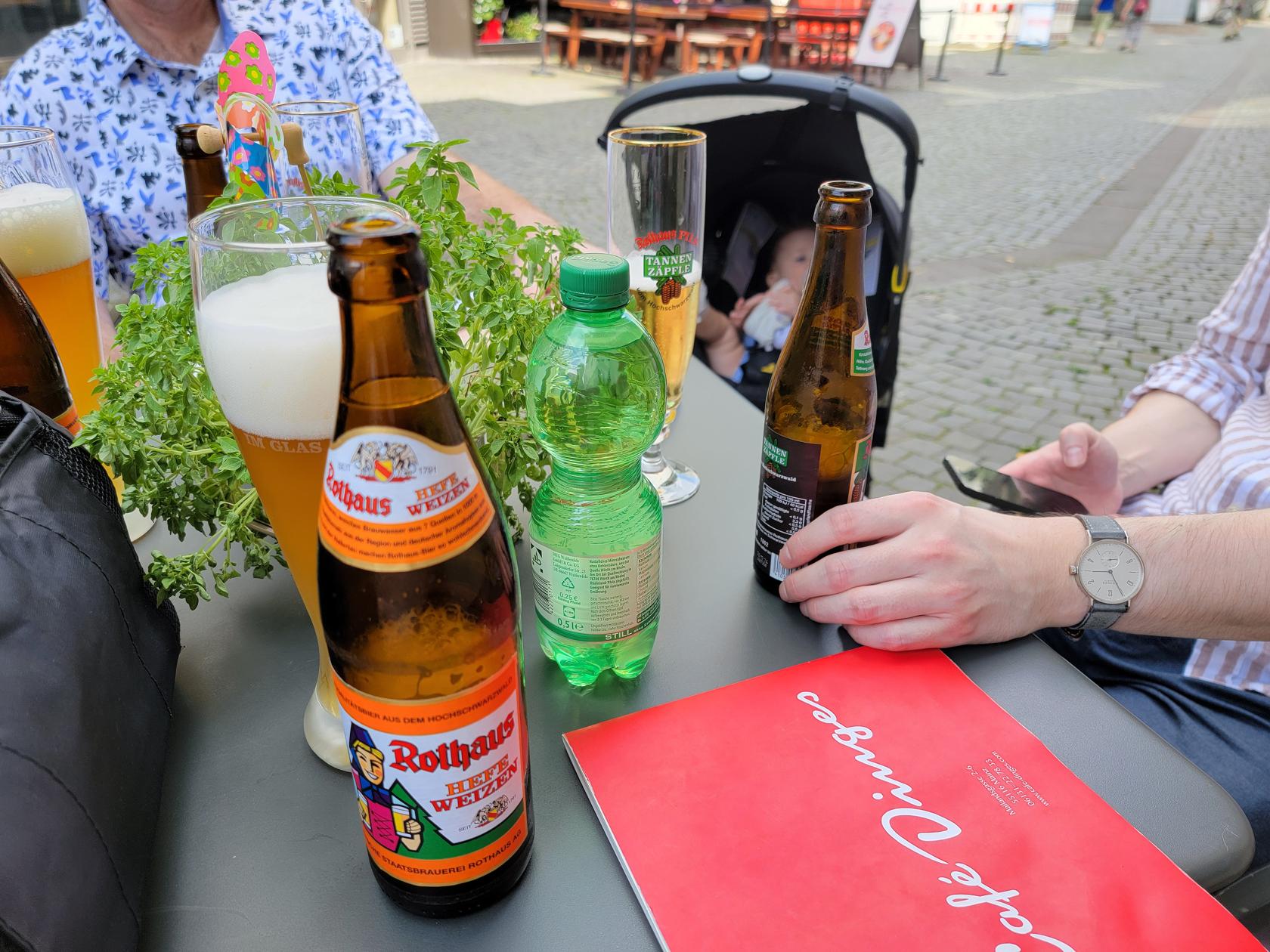
Rothaus – Mainz, Germany
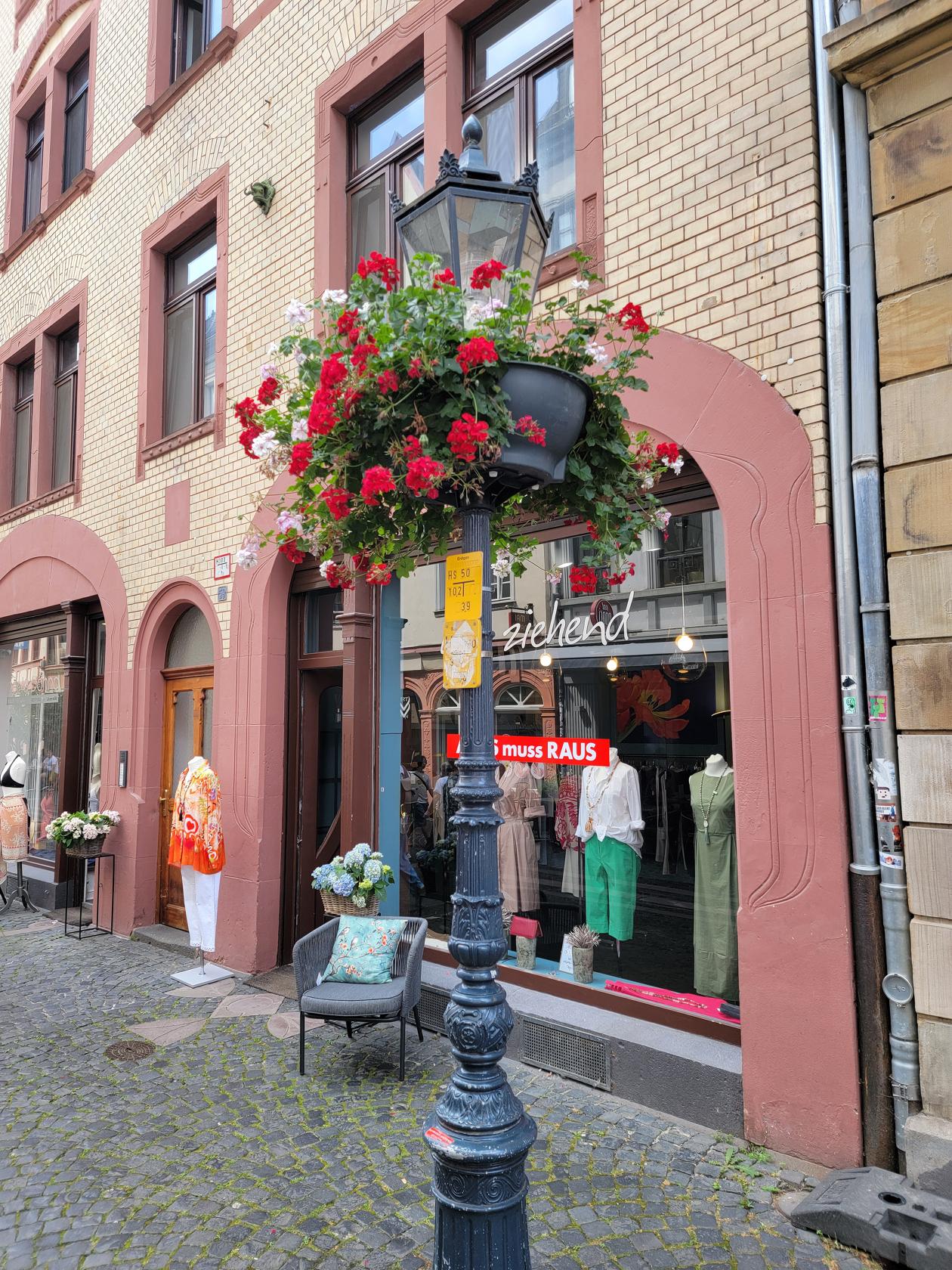
Street flowers – Mainz, Germany
Restaurants
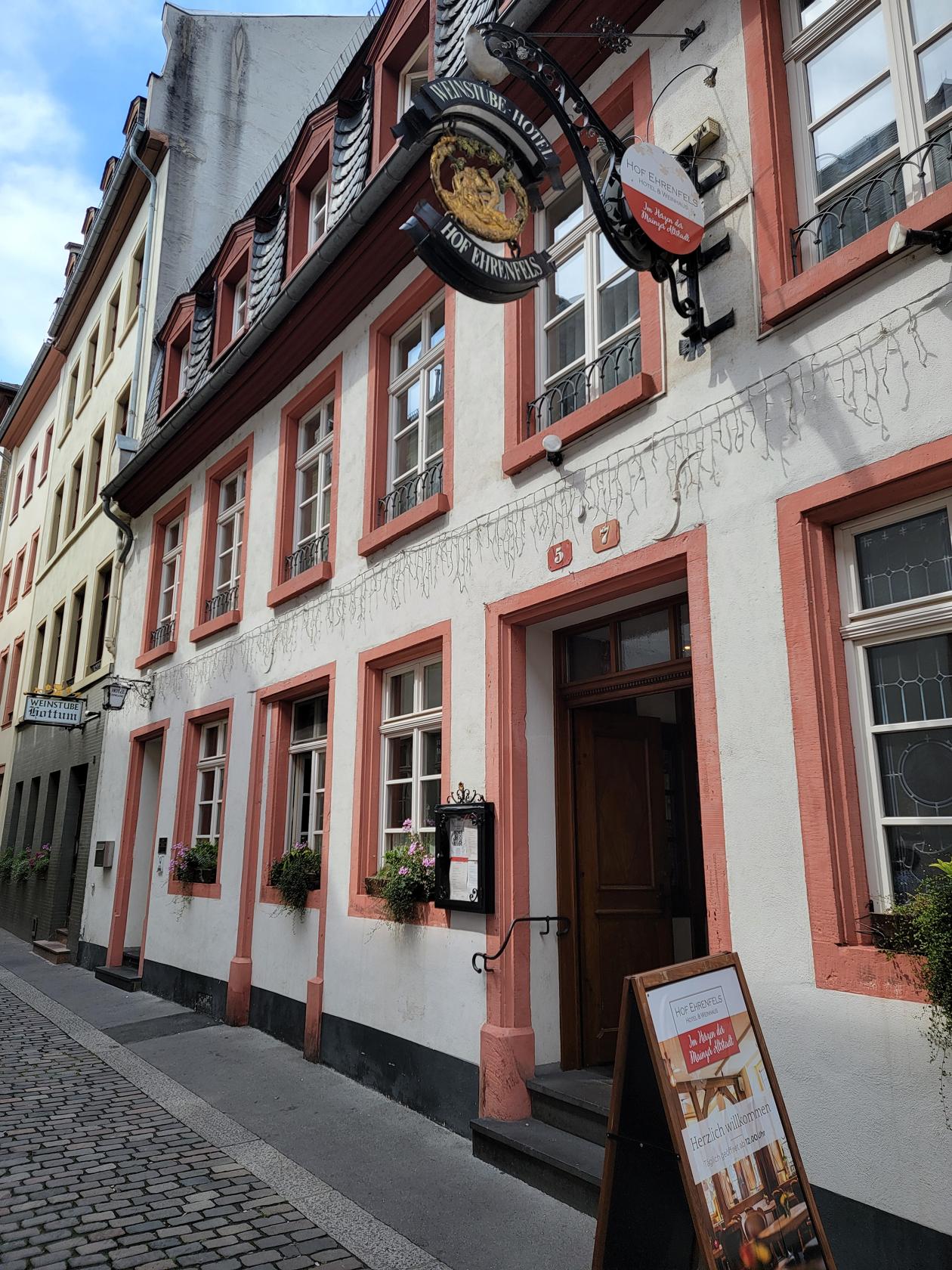
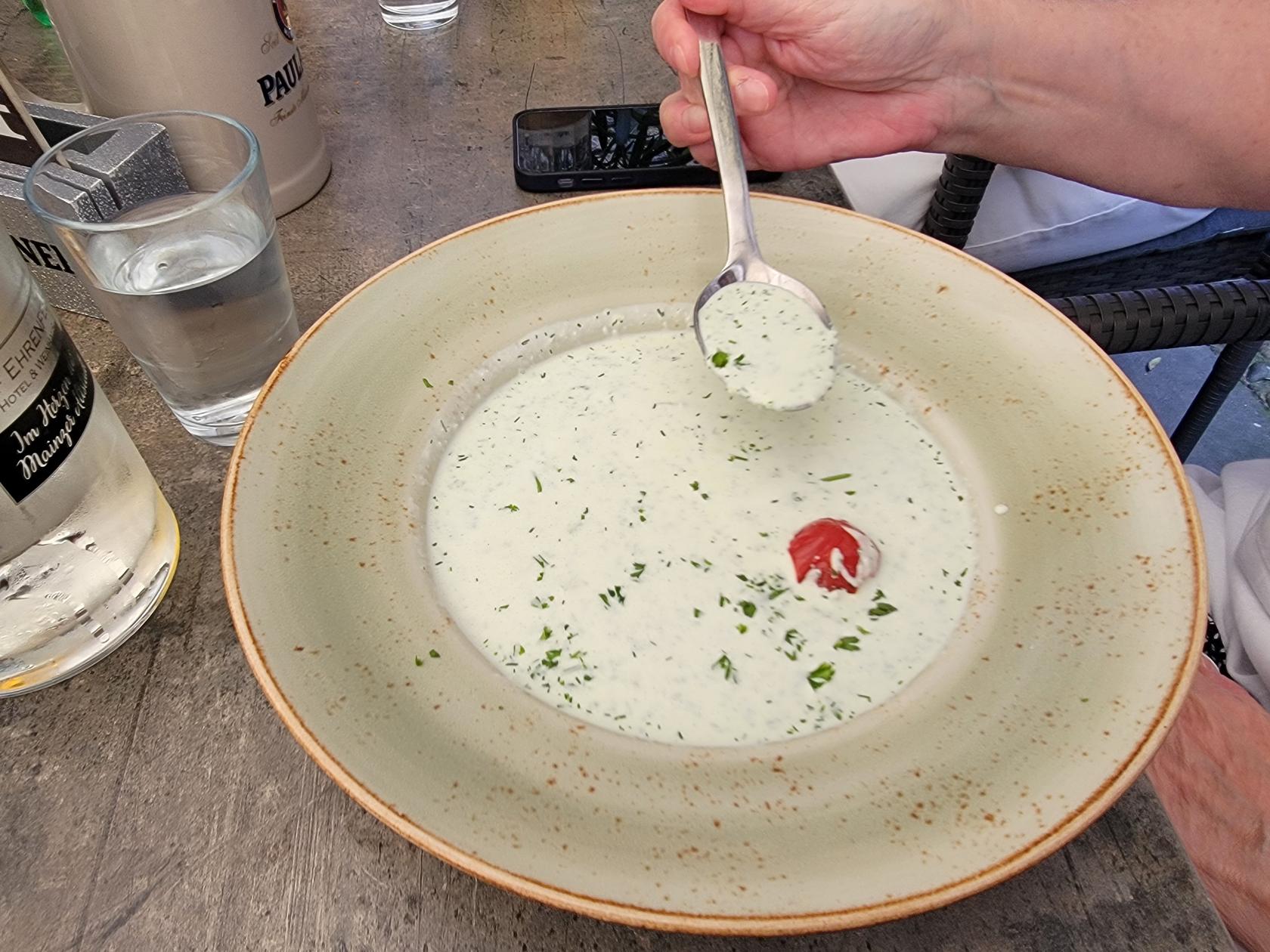
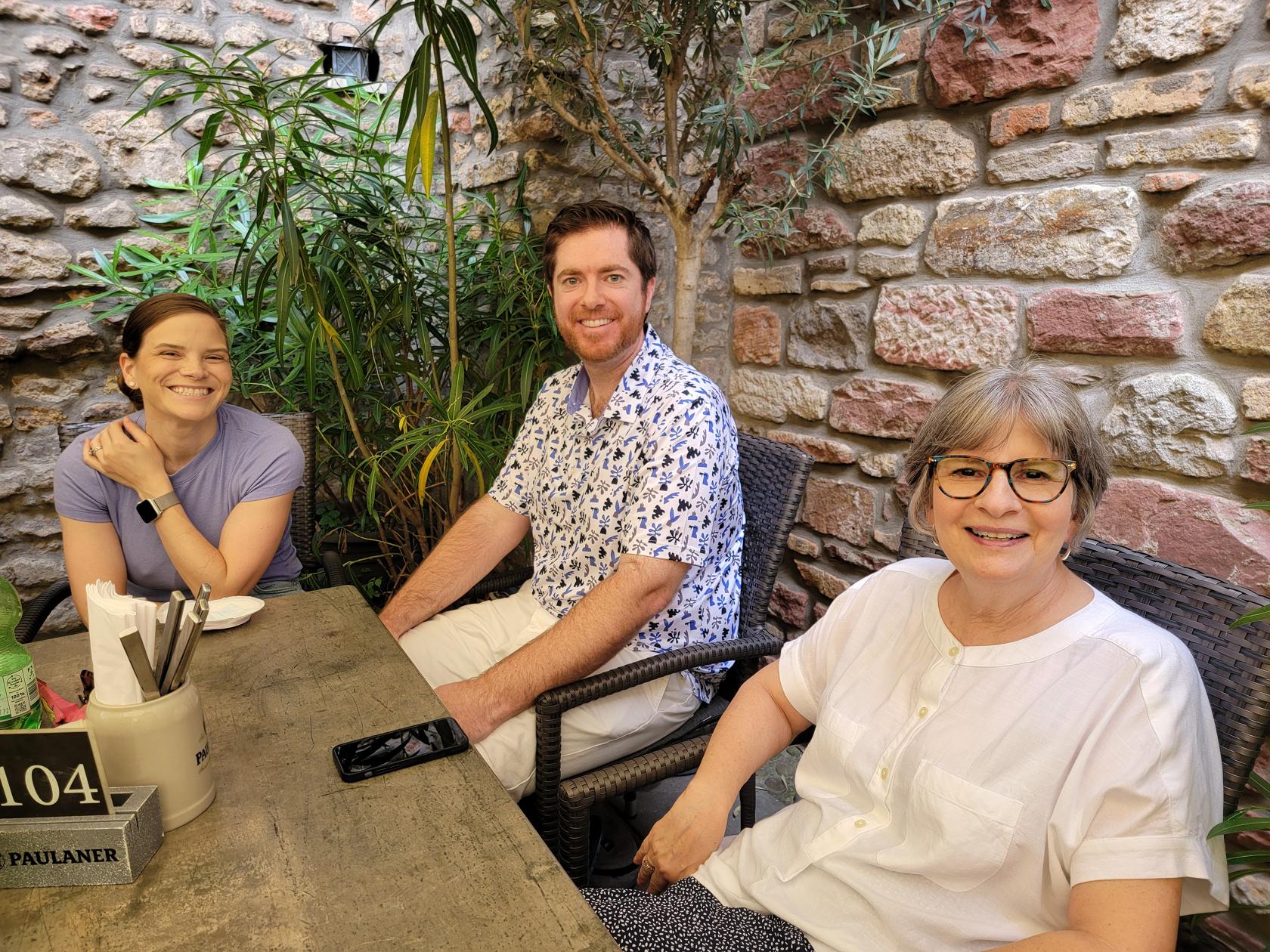
While in Mainz, we stopped at one of our favorite restaurants, or in this case a Wine house (Weinhaus), that our friends Karl Heinz and Isolde Seegräber introduced us to in the course of one of our earlier visits.
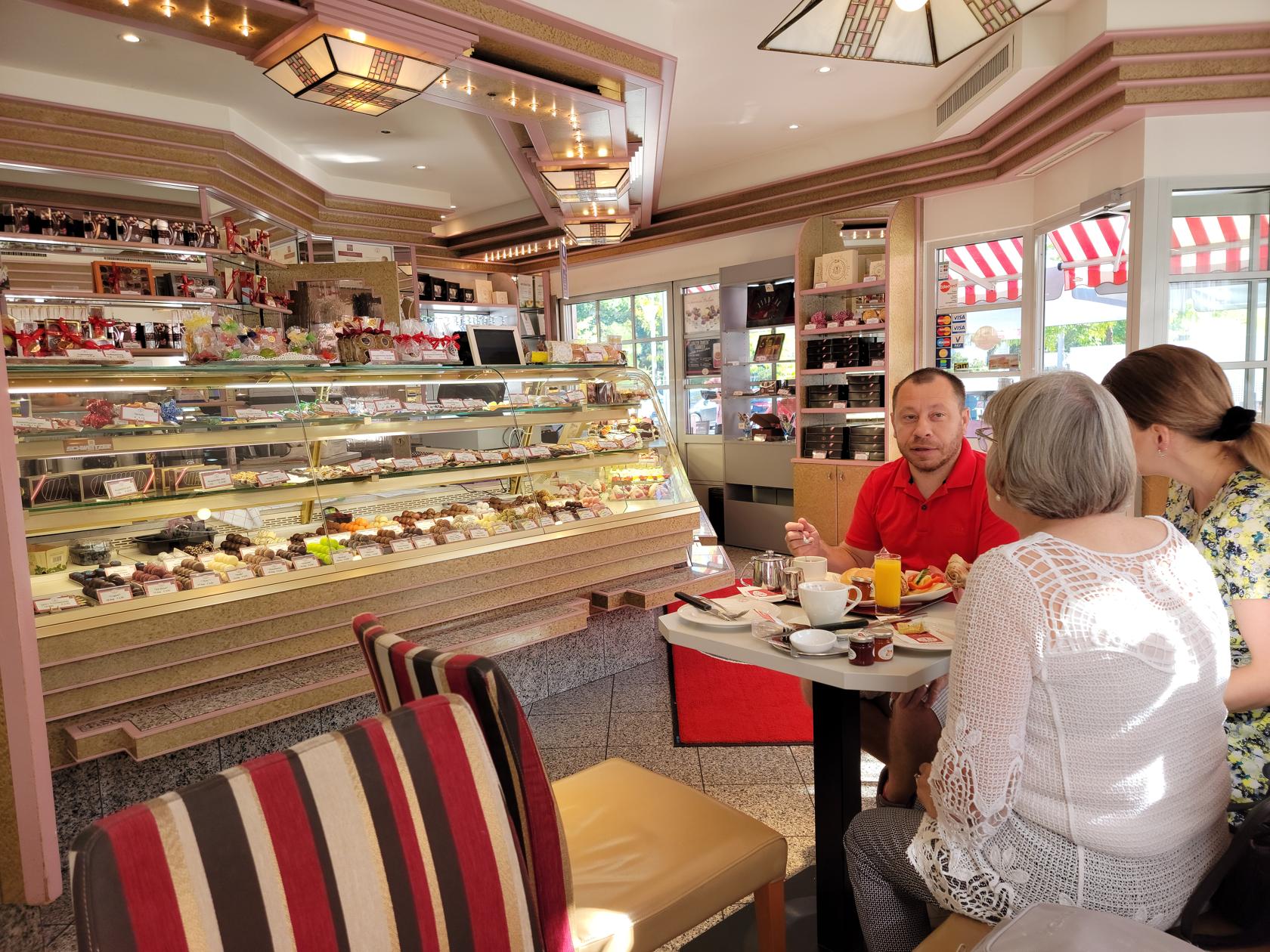
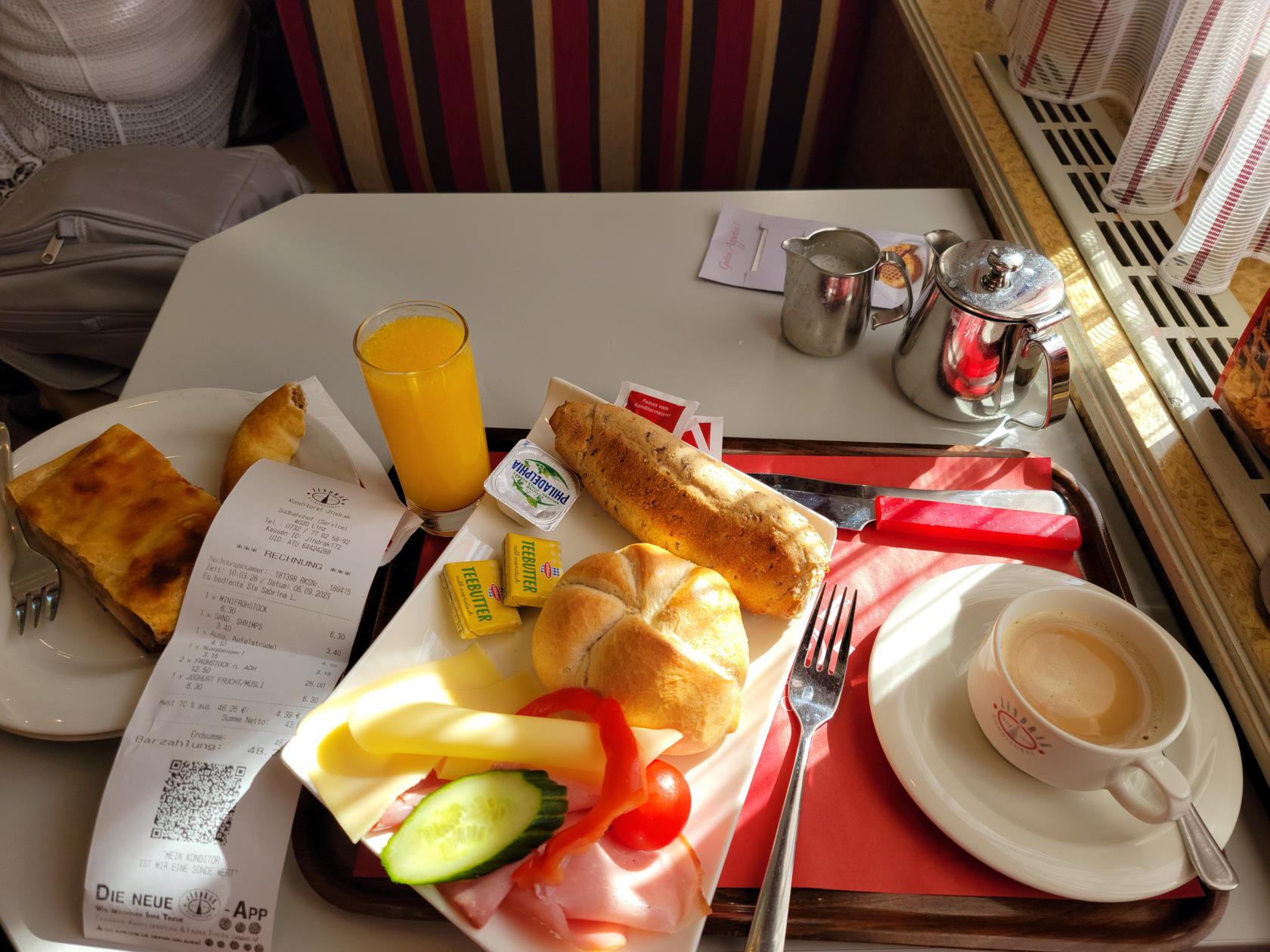
Before leaving Linz for Budapest, we had to get a bite to eat. What better place is there than a Jindrak Konditorei? There appear to be satellite pastry shops of this company all over the city, including very close to our hotel.
Inside – Jindrak Konditorei – Near Hotel – Linz, Austria
Breakfast – Jindrak Konditorei – Near Hotel – Linz, Austria
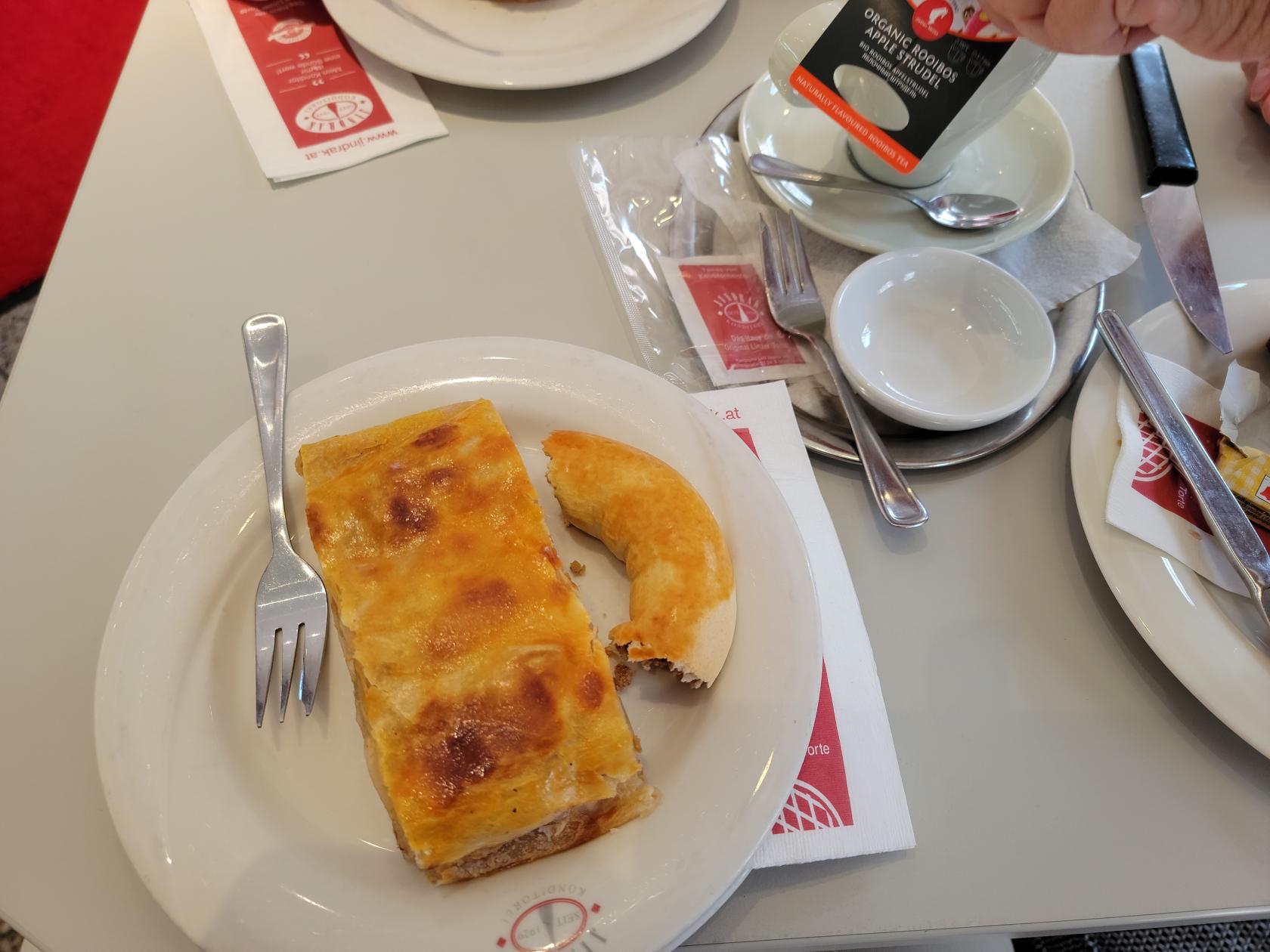
Apple Strudel – Jindrak Konditorei – Near Hotel – Linz, Austria
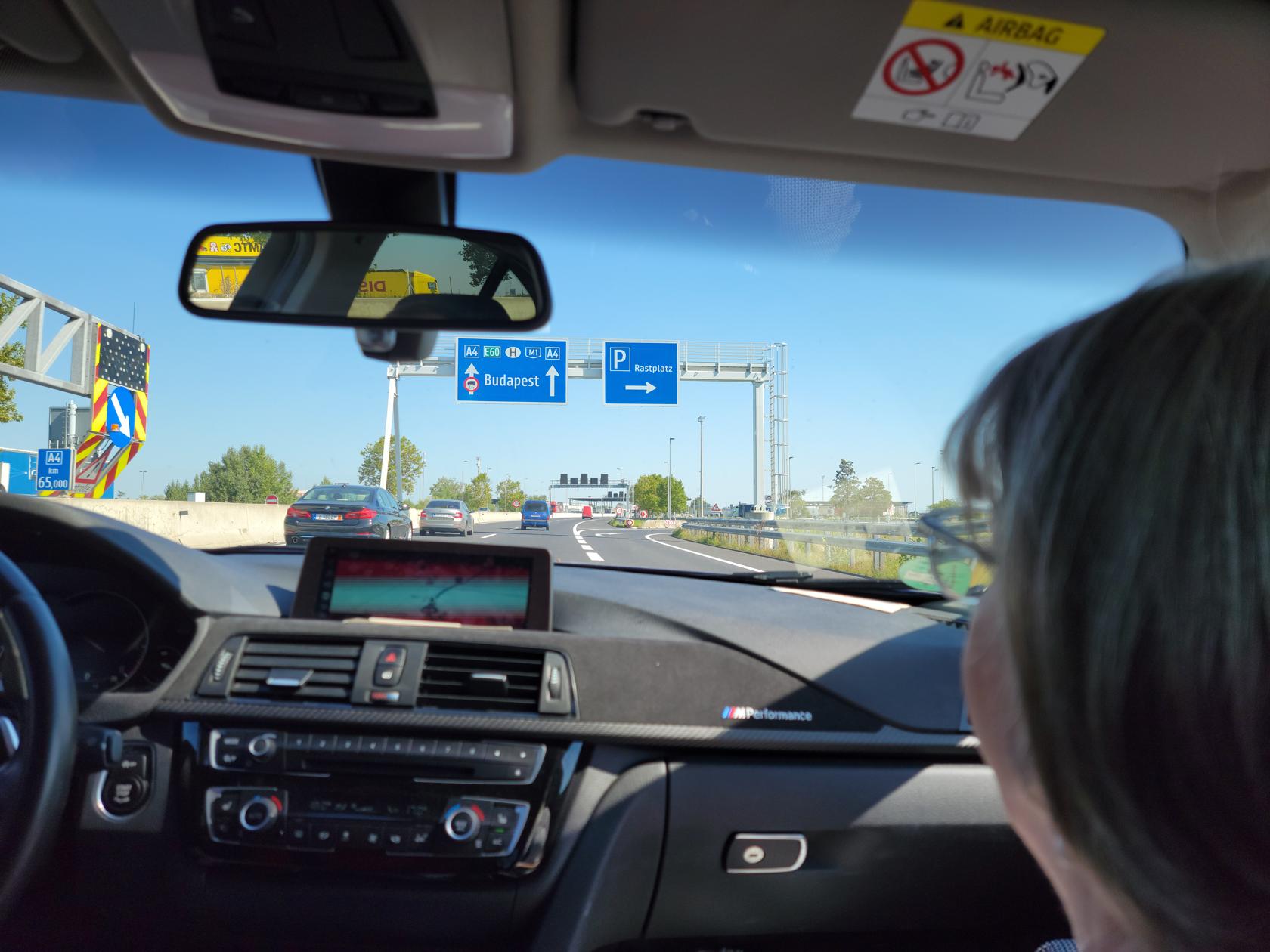
Shortly afterwards, we were on the road for a four hour drive into Hungary. In about two hours we left Austria for Hungary and the Budapest signs started appearing quite regularly.
Driving to Budapest leaving Austria
Budapest
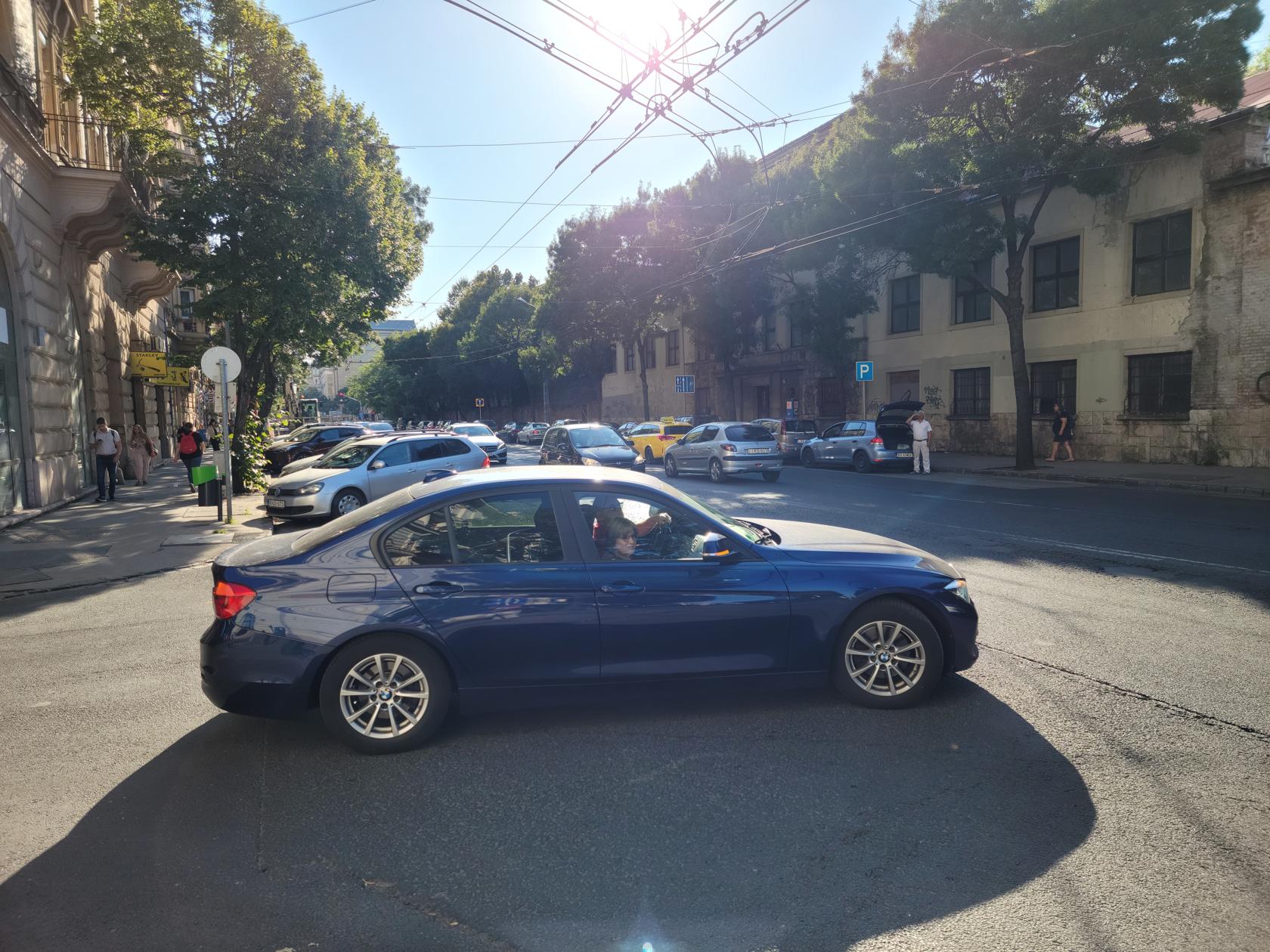
Entering any city, anywhere at rush hour, is normally not a good idea, but we hardly had a choice. In any event, it went rather smoothly considering the bridges from Buda into Pest and all of the one-way streets. Soon we were at our destination, the Mystery Hotel.
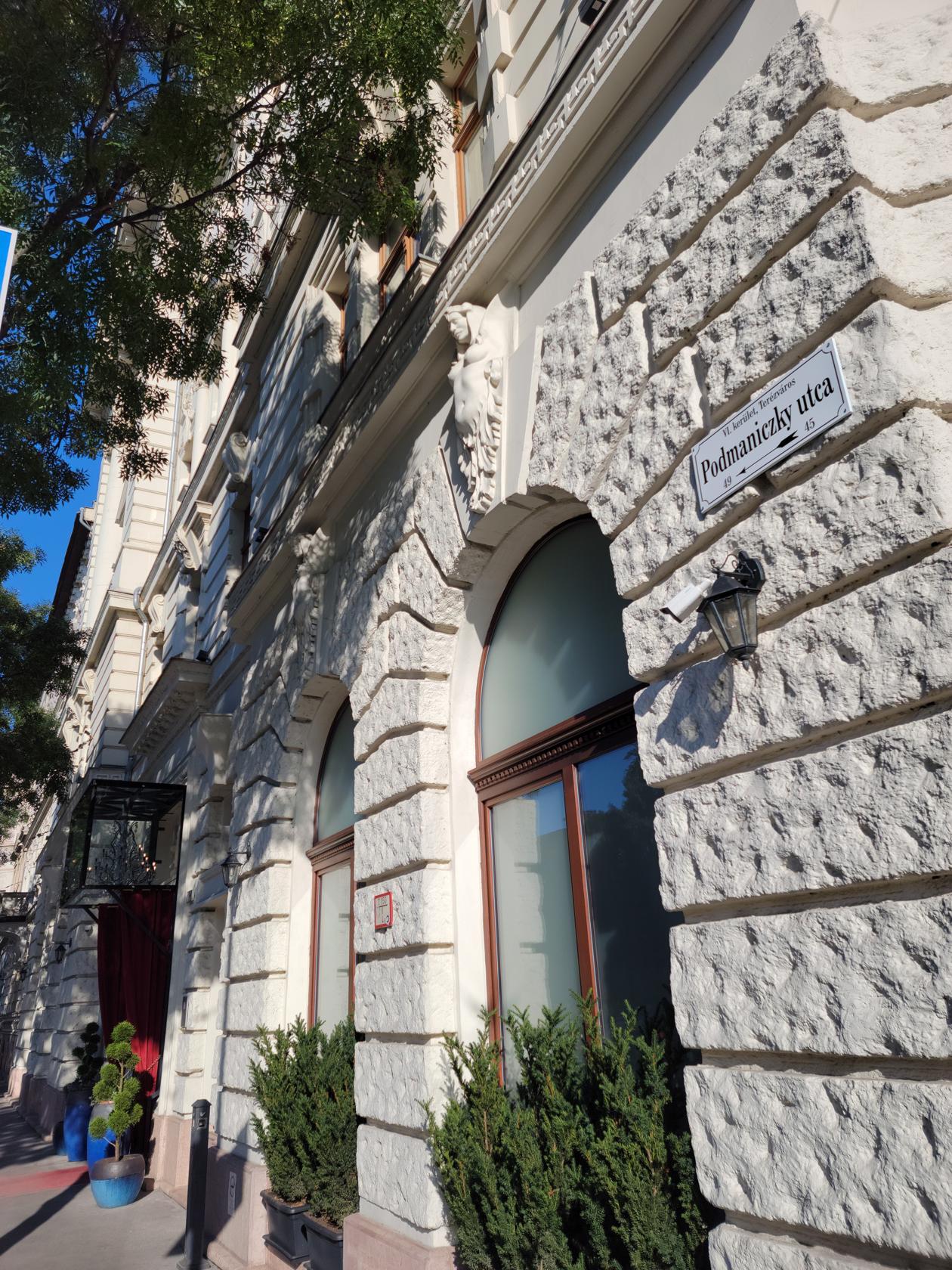
Arriving at hotel – Mystery Hotel – Budapest, Hungary
Entrance – Mystery Hotel – Budapest, Hungary
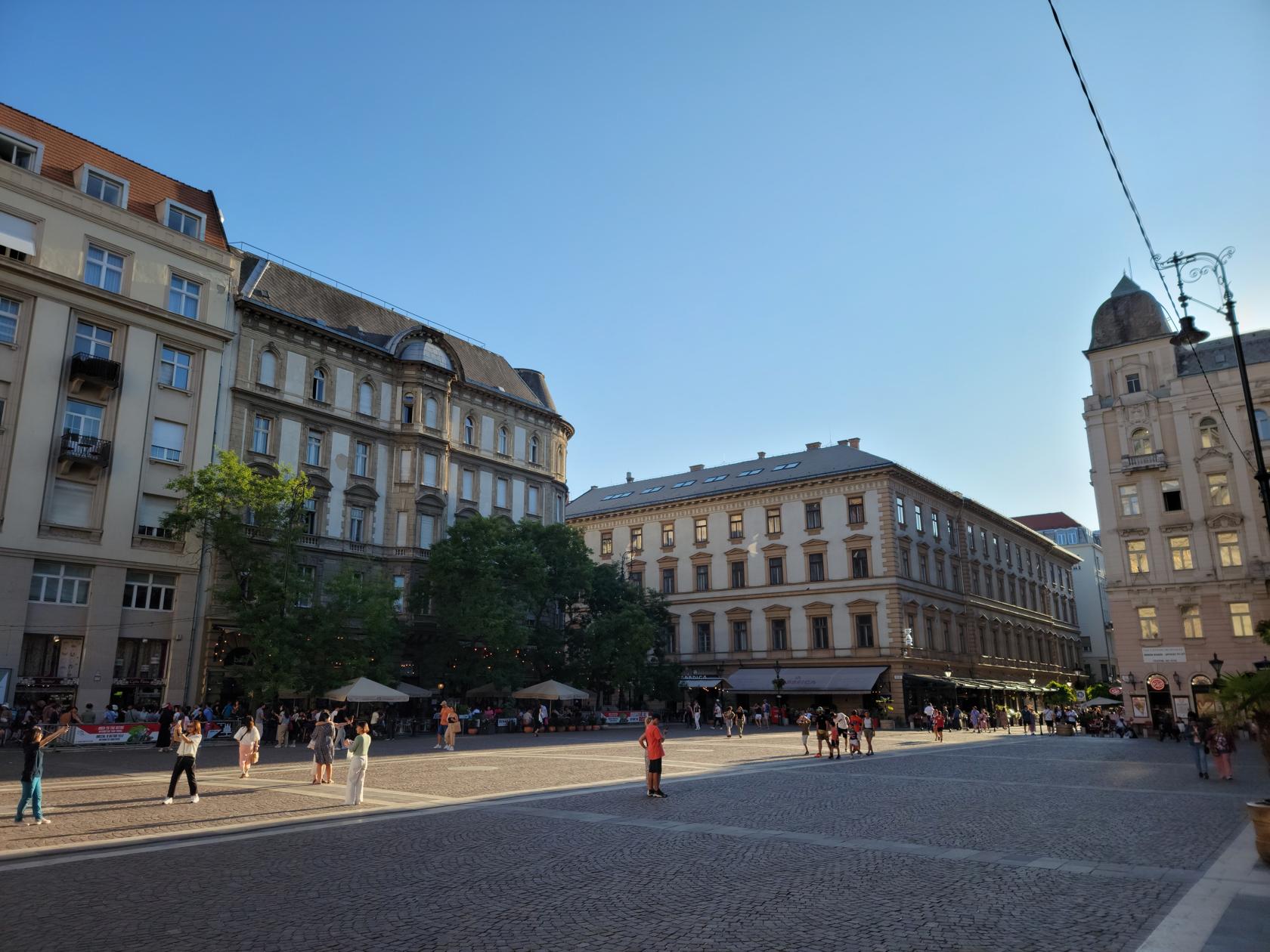
The Hungarian people are extremely nice and most speak very good English. So, there shouldn’t be any issues in the immediate area.
Plaza in front of church – Saint Stephens Basilica – Budapest, Hungary
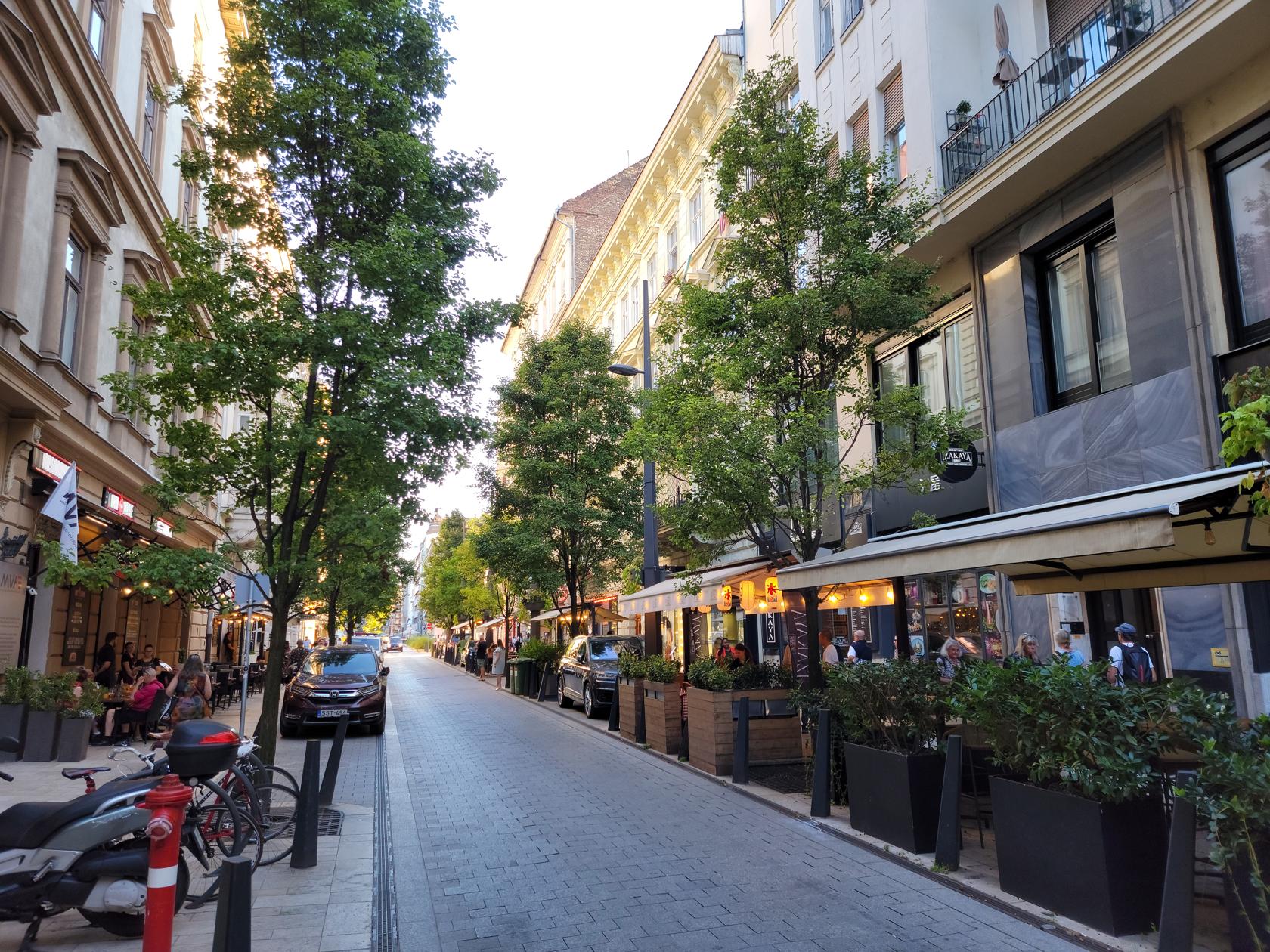
Typical dining street – Budapest, Hungary
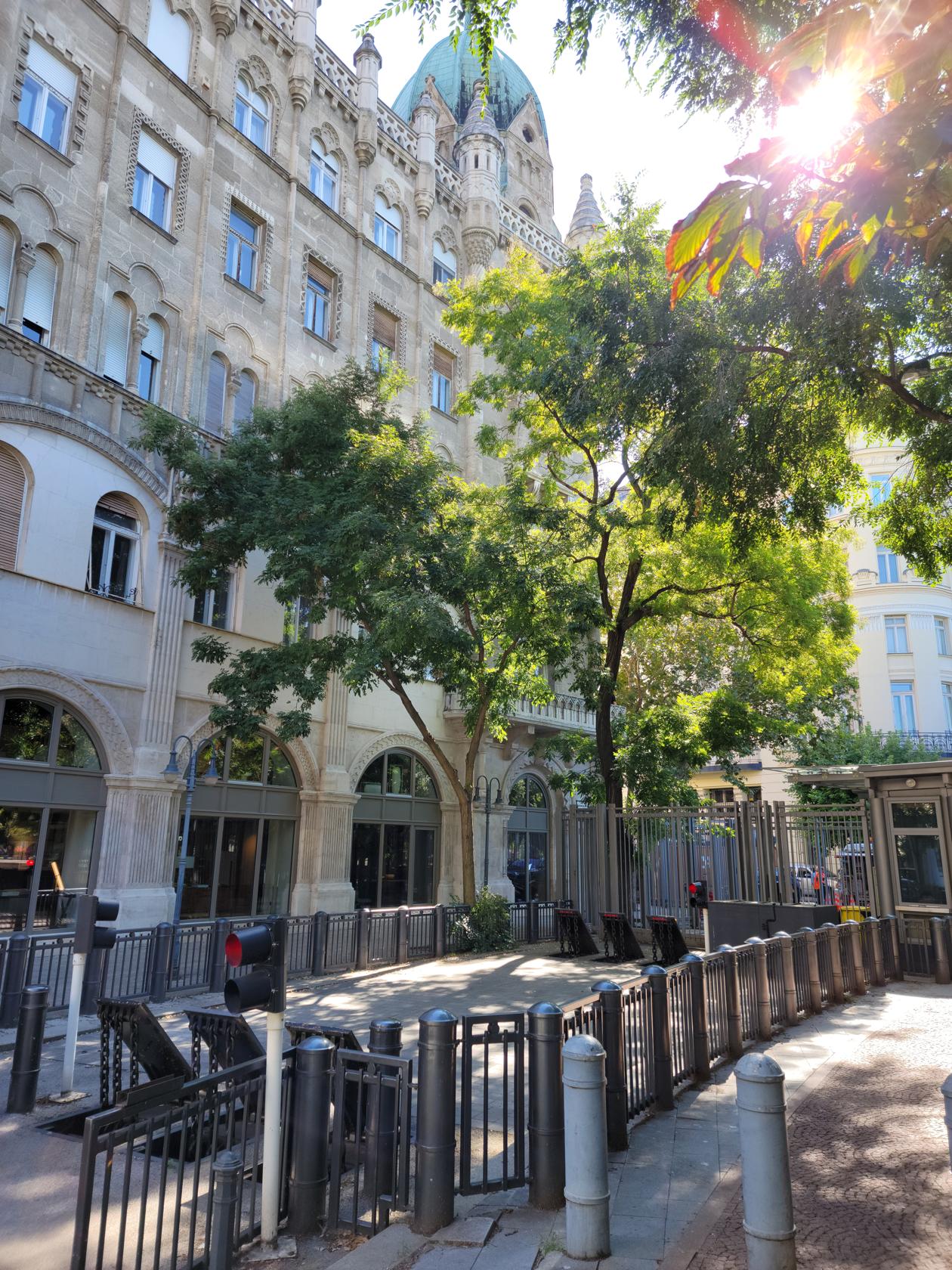
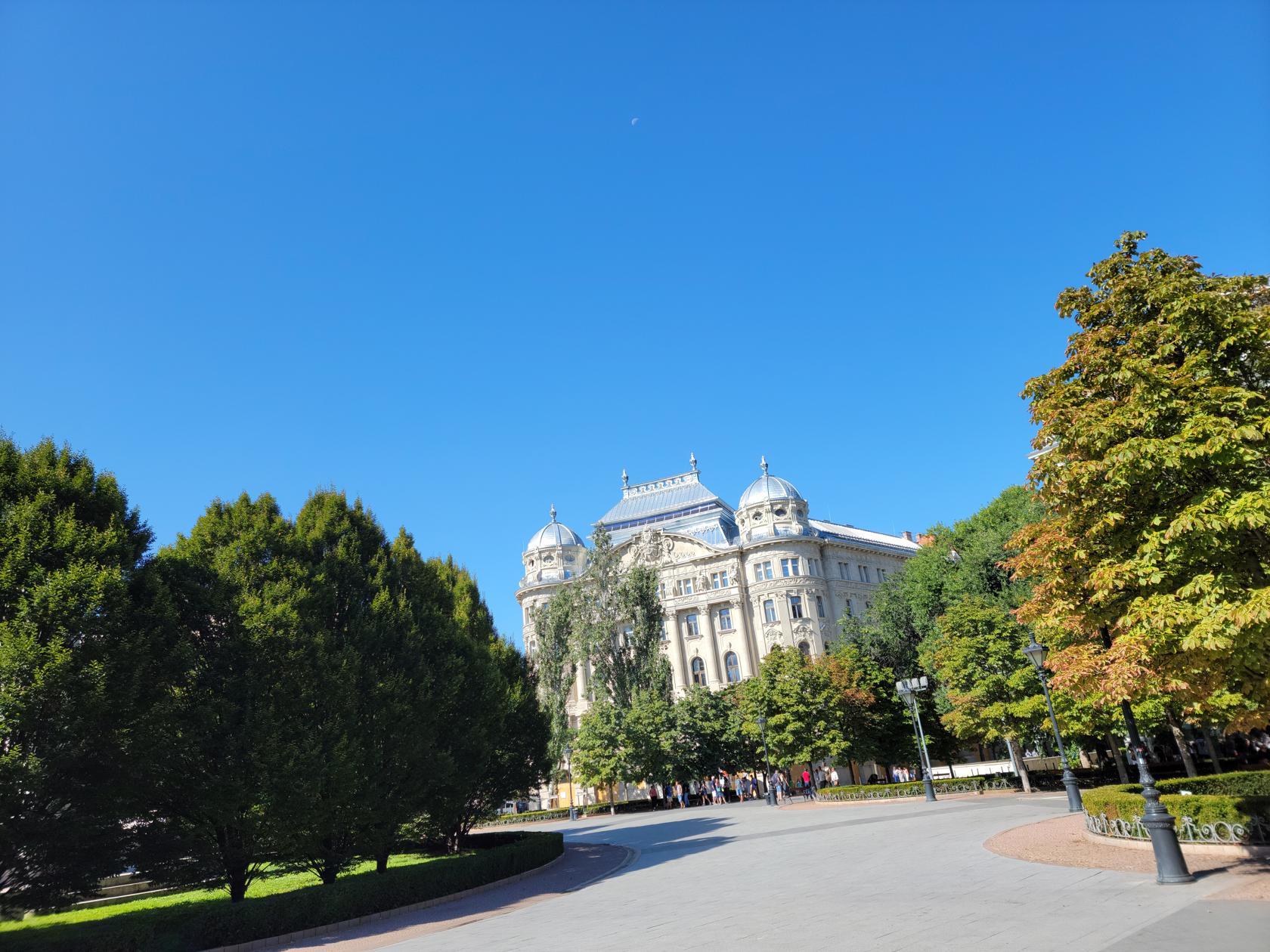
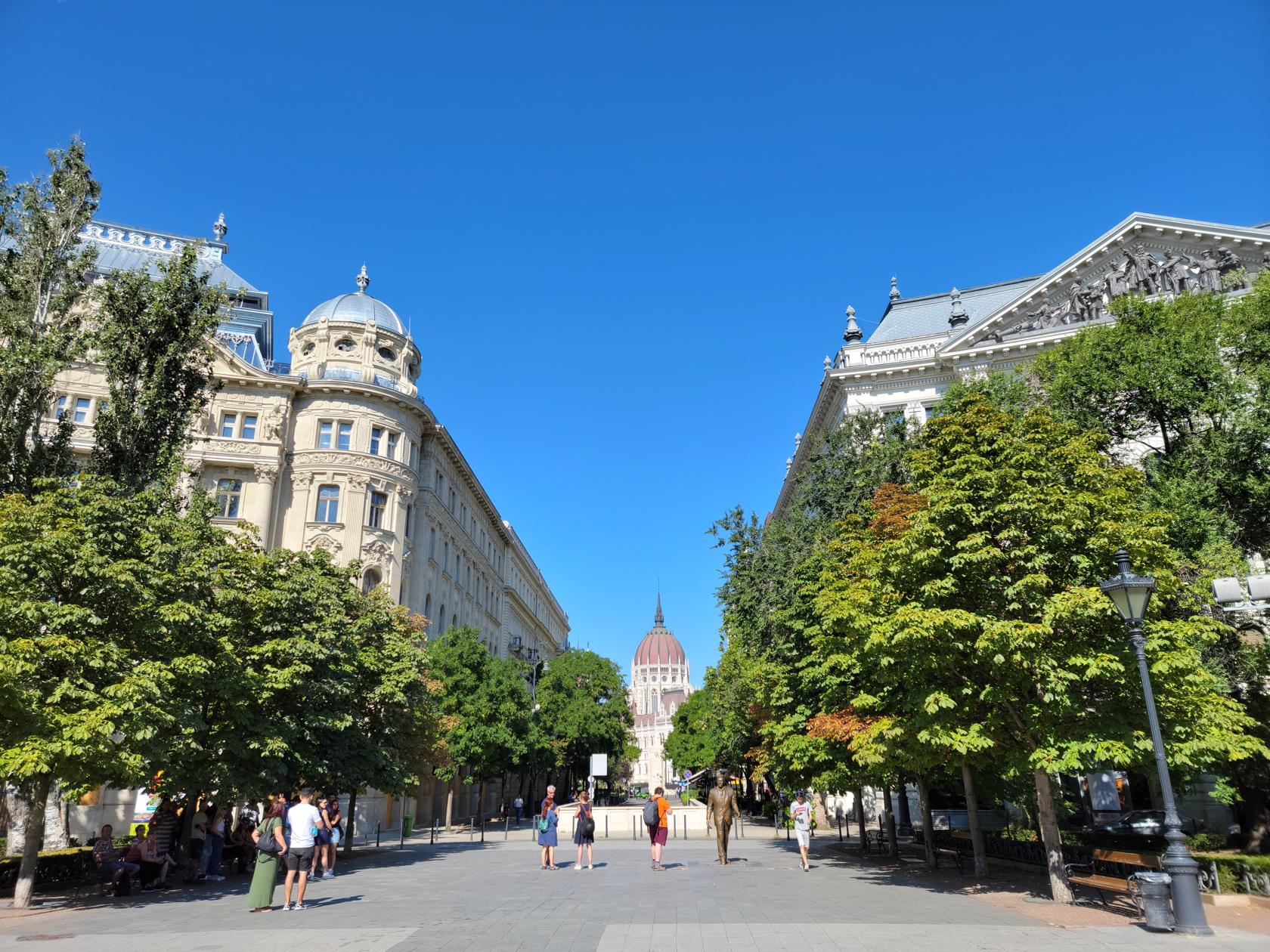
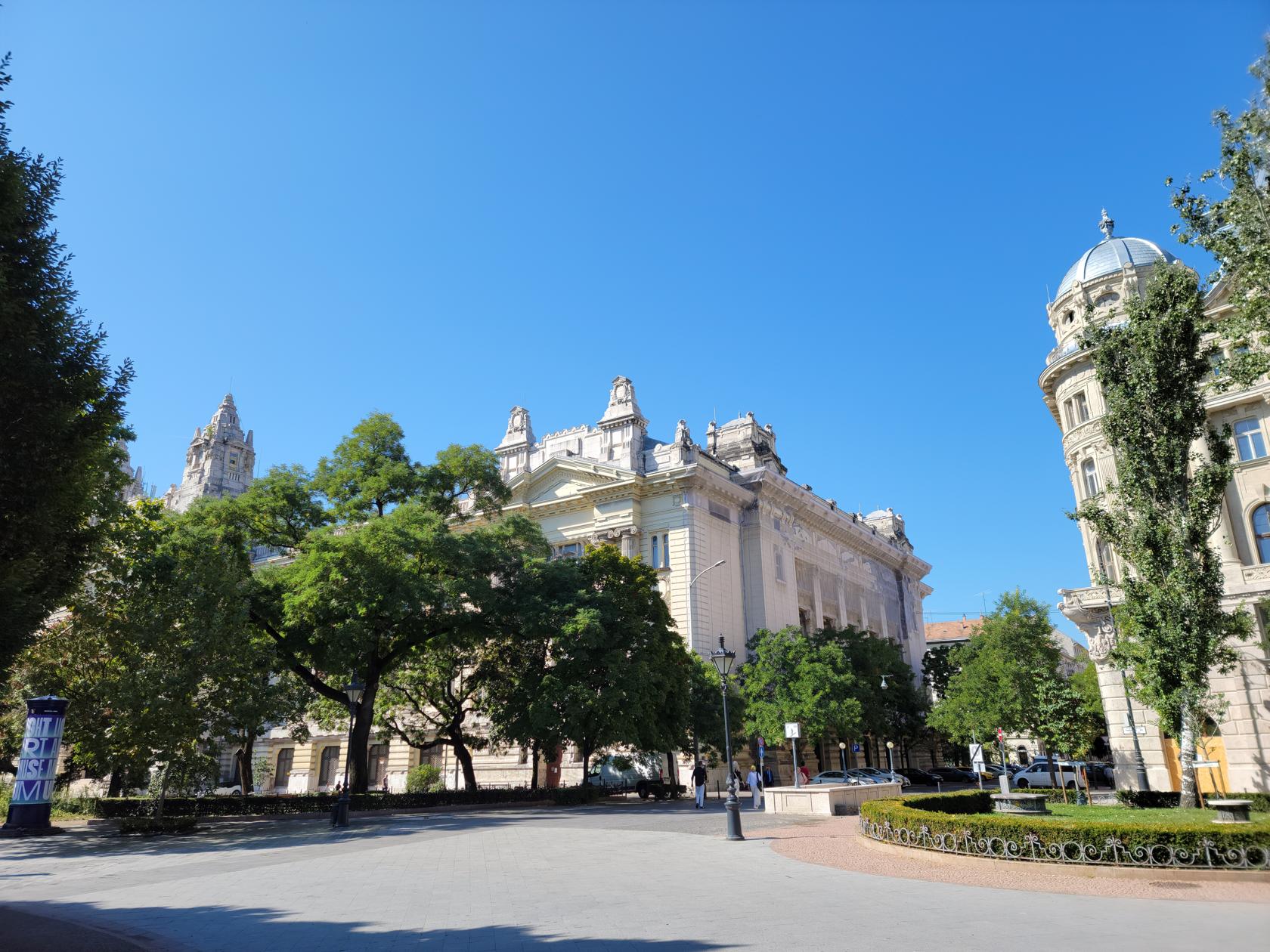
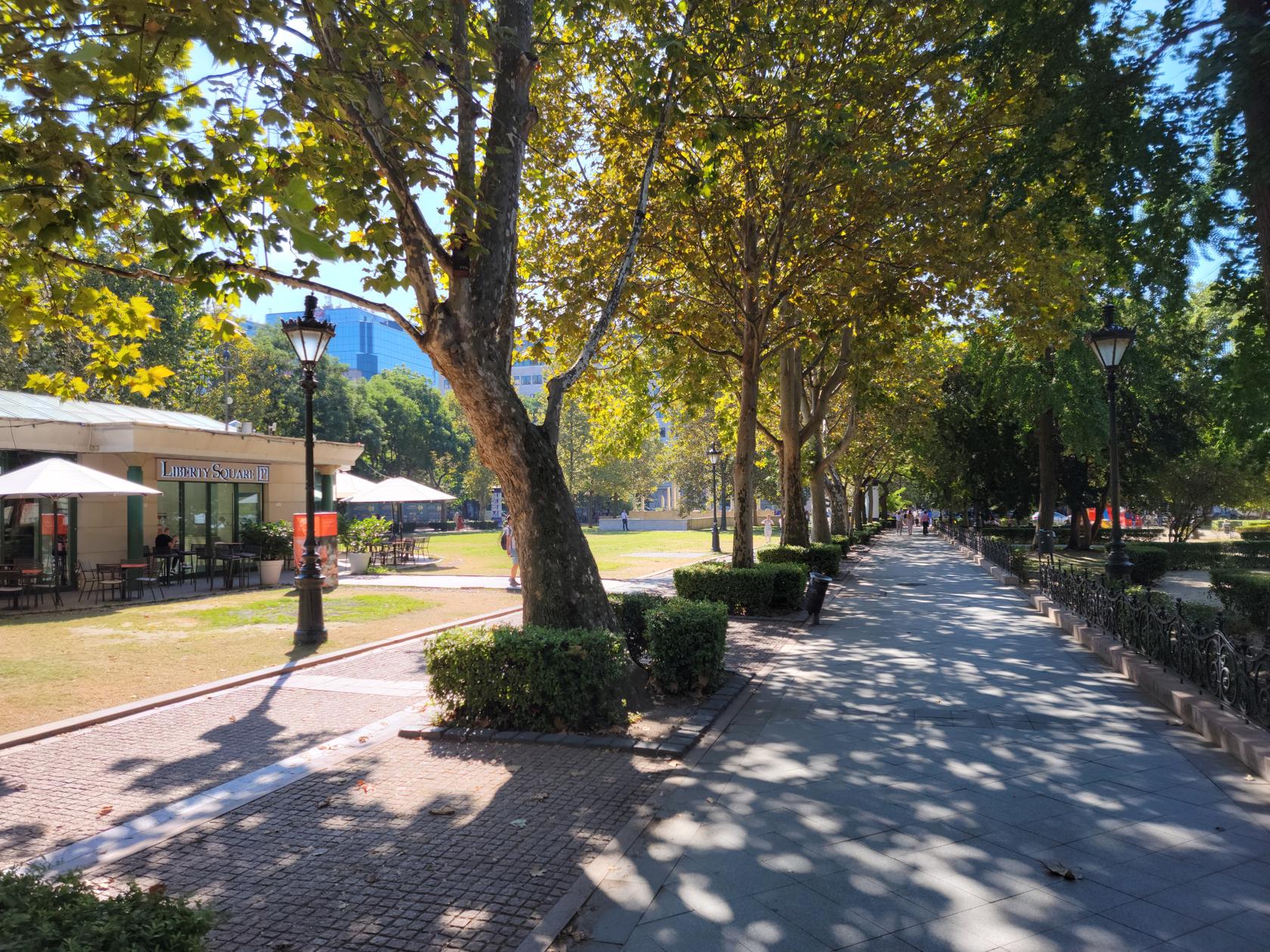
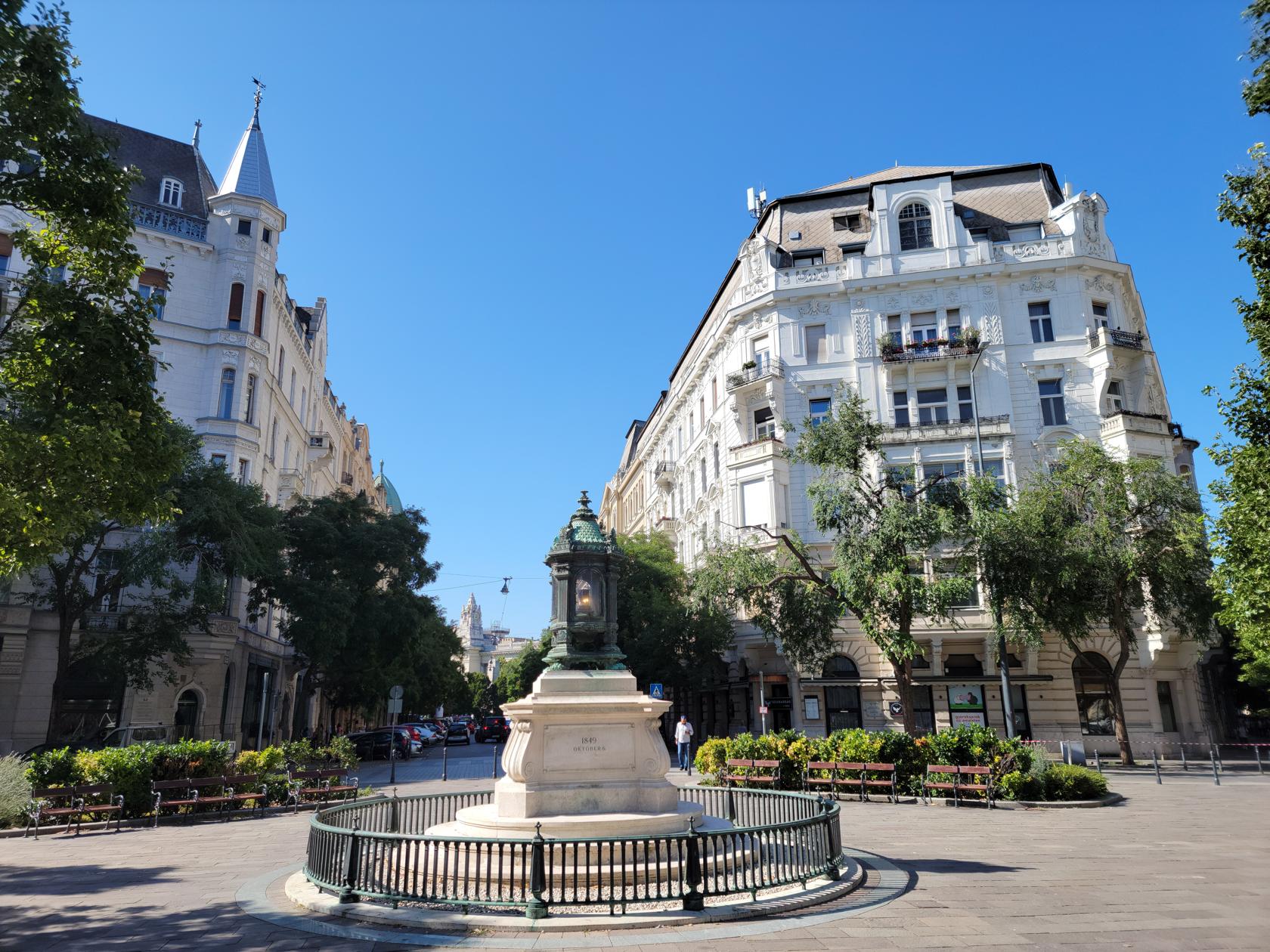
Not far from our hotel is Liberty Square; this is where the American Embassy is located. Here you will find monuments, statues and buildings of interest.
American Embassy – Budapest, Hungary
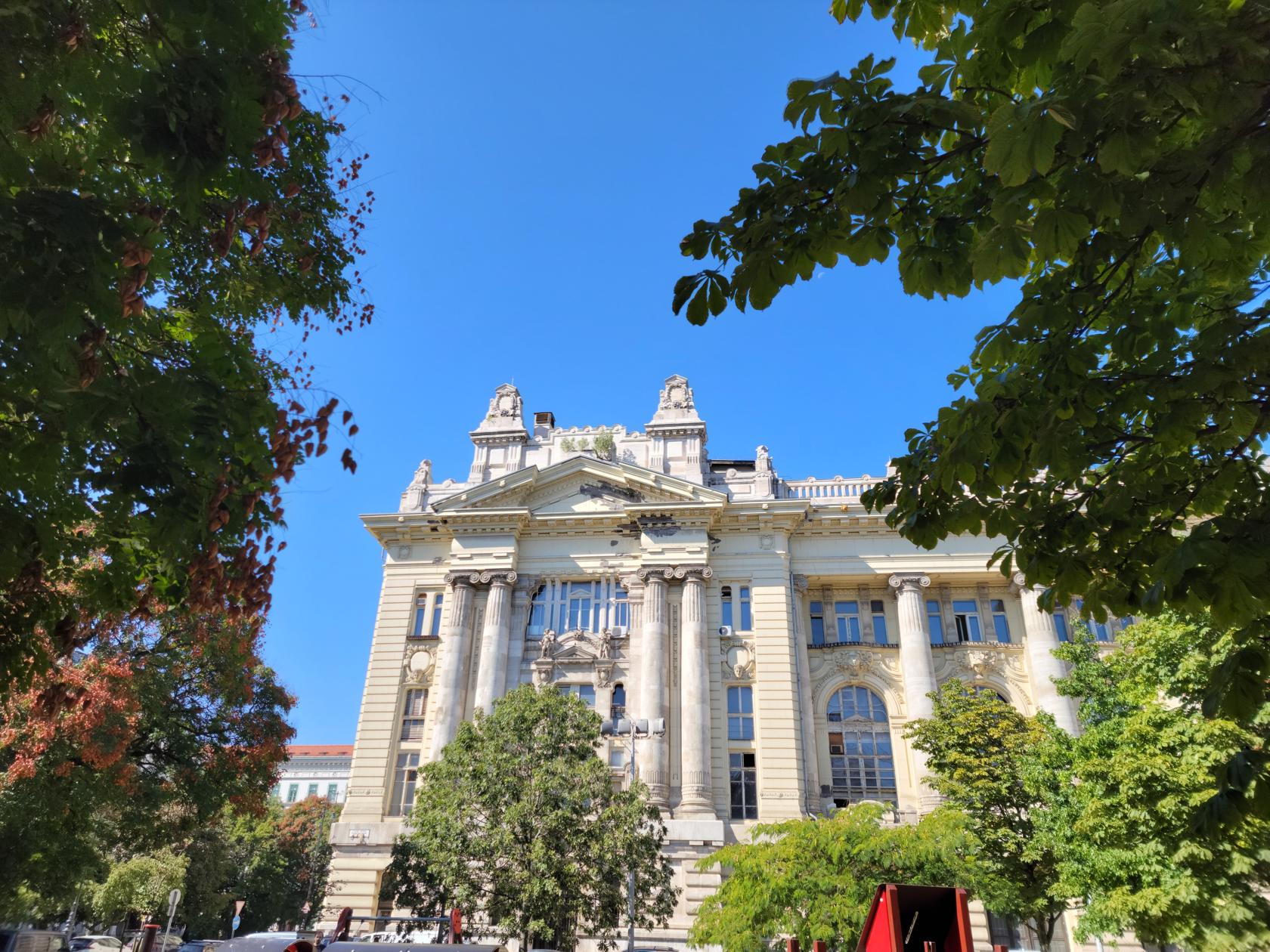
Exchange Palace – Budapest, Hungary
Adria Palace – Budapest, Hungary
Looking toward parliament – Budapest, Hungary
Liberty Square – Budapest, Hungary
Liberty Square – Budapest, Hungary
Wing of Exchange Palace – Budapest, Hungary
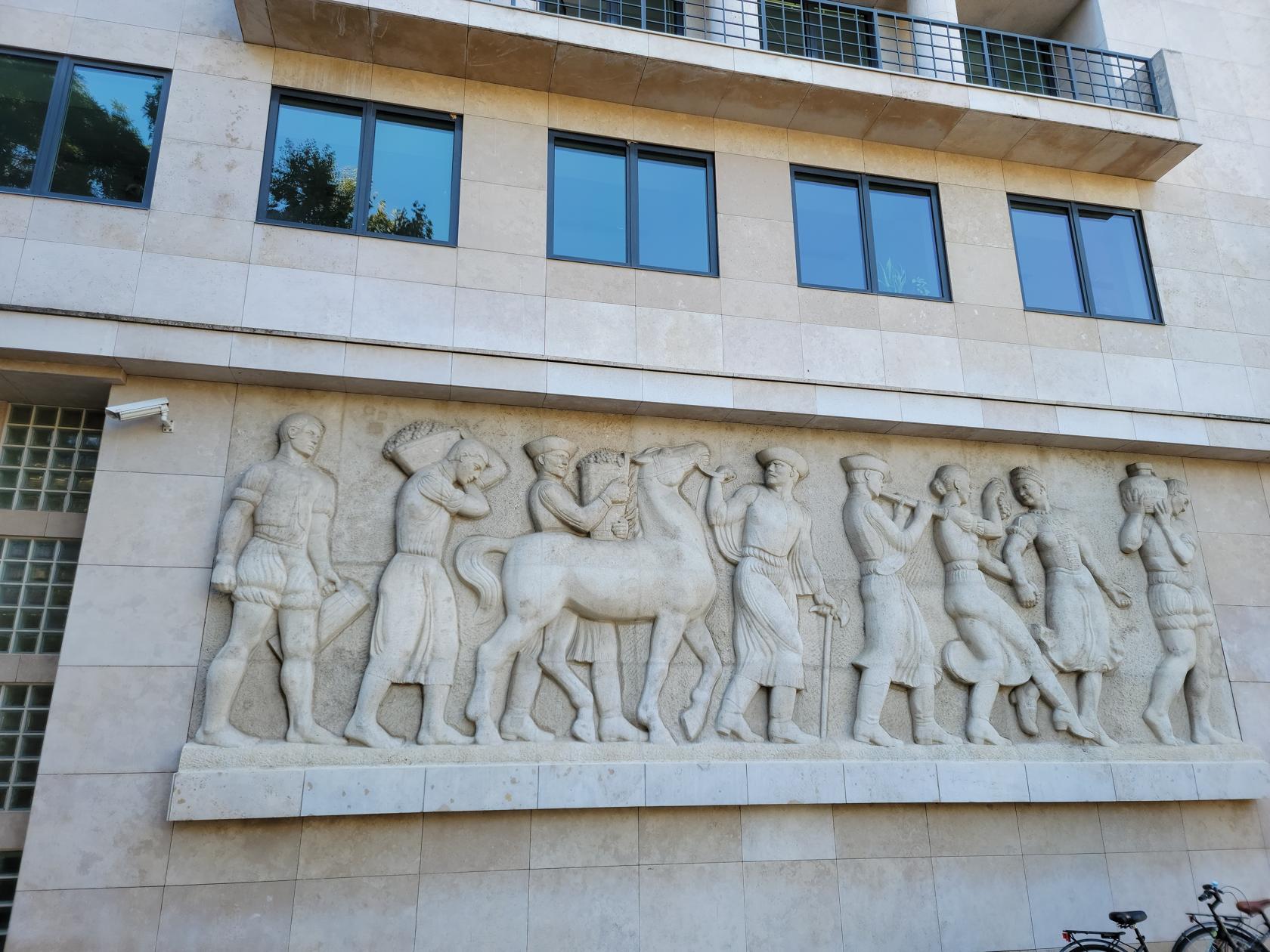
Historical Facade – Budapest, Hungary
At the entrance of this square is also an eternal flame memorial.
Lajos Batthyányi Eternal Flame – Liberty Square – Budapest, Hungary
Saint Stephen’s Basilica
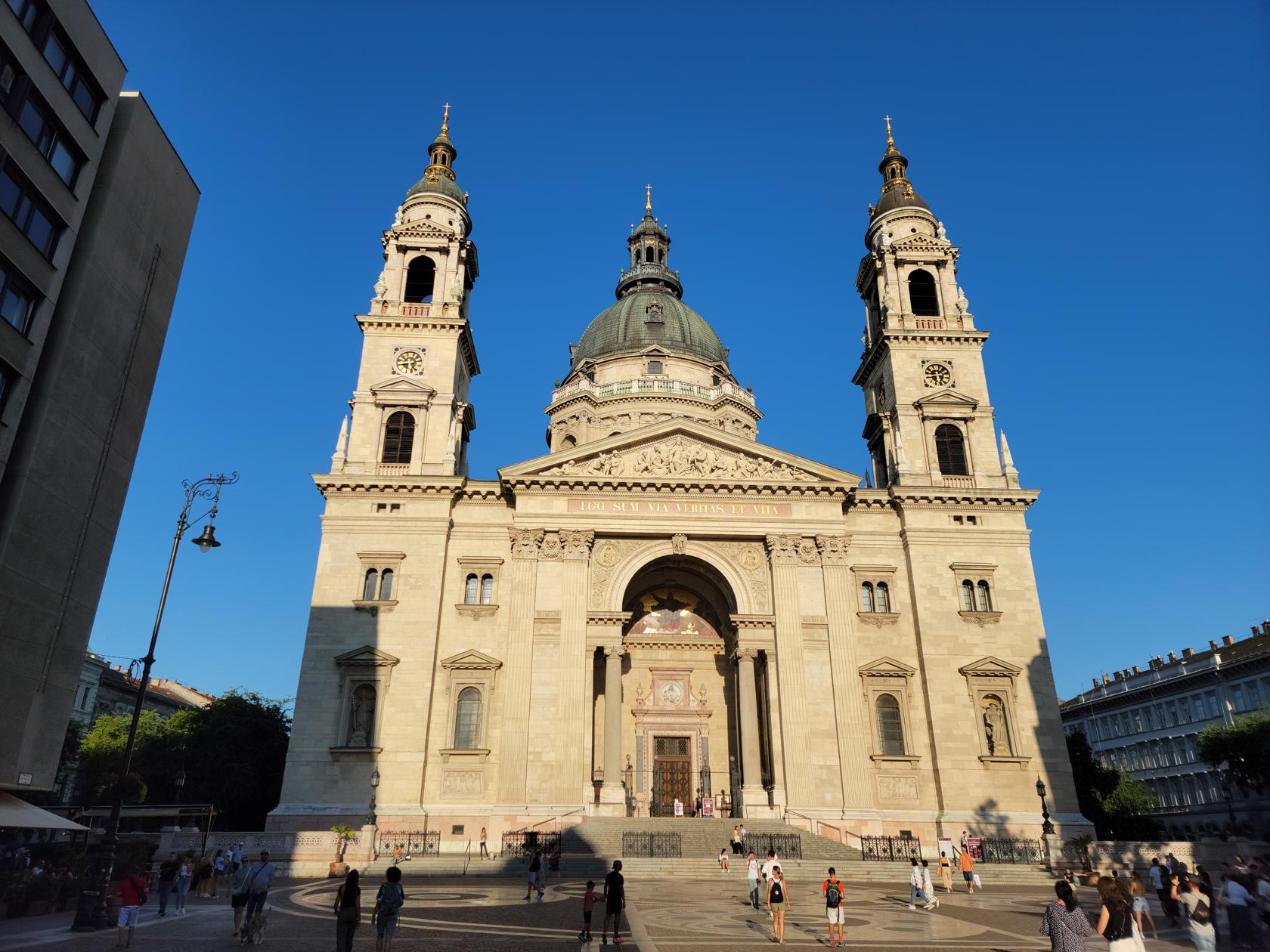
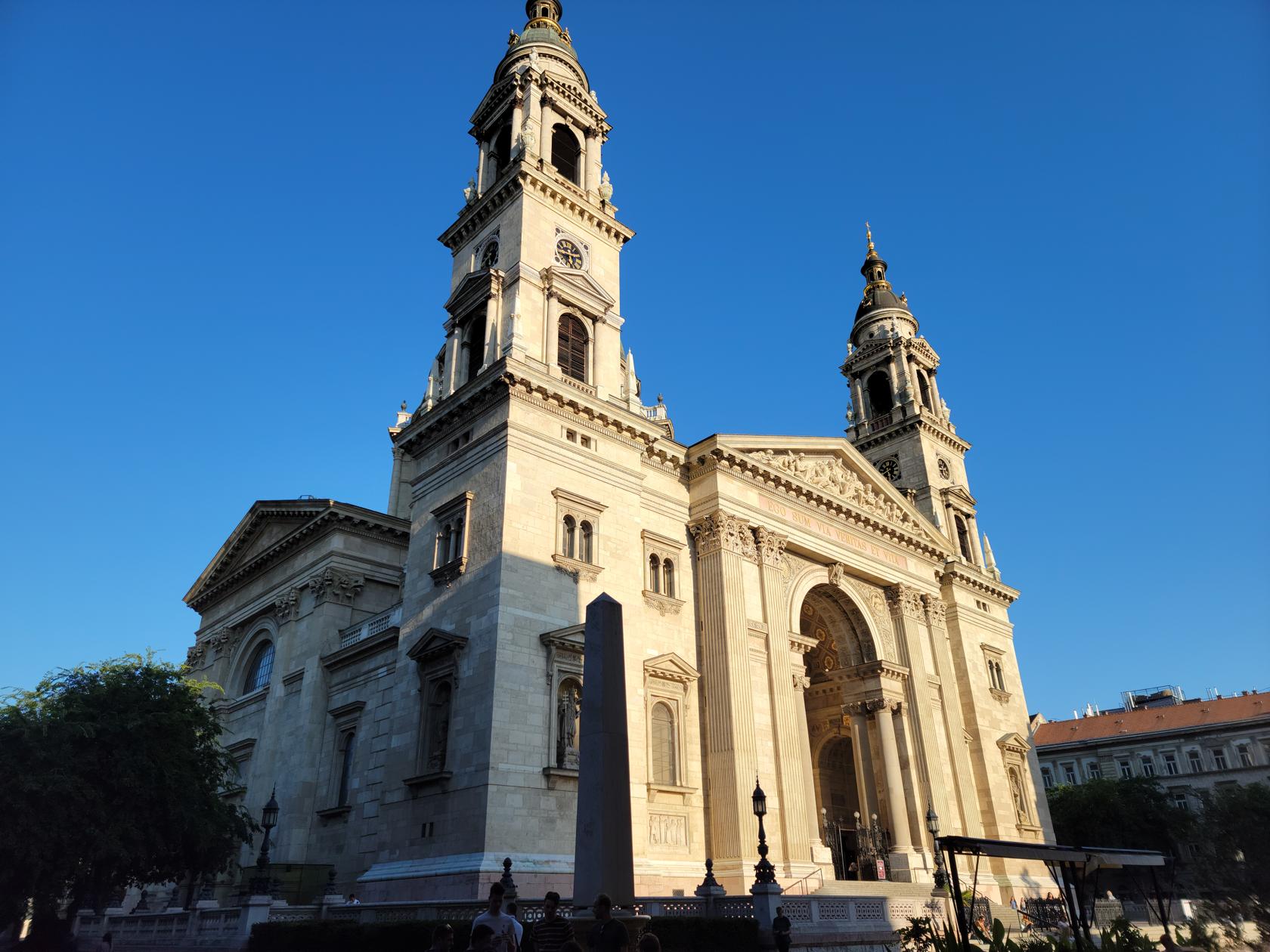
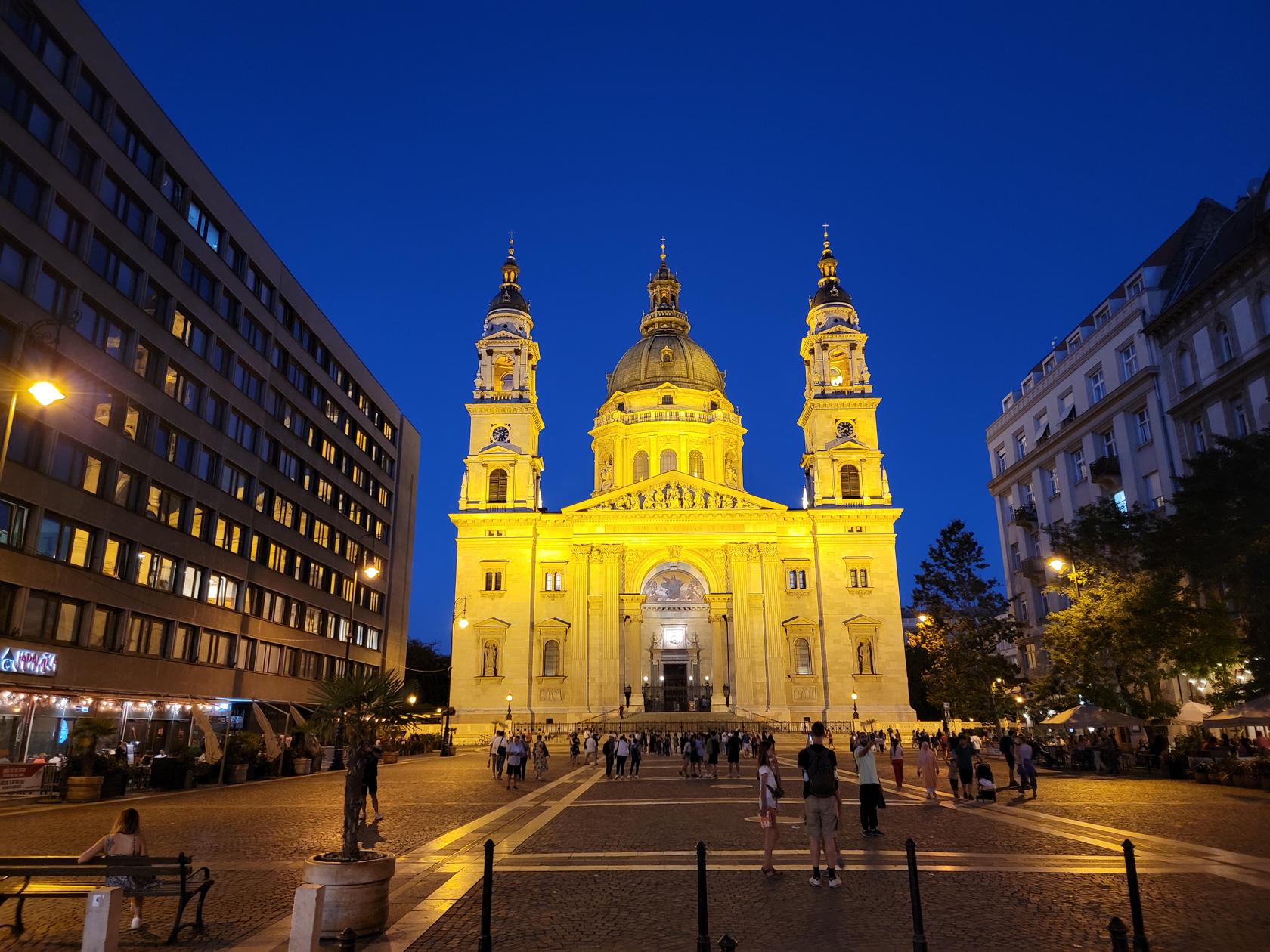
Not far from our hotel is the Basilica of Saint Stephen. Though we did not enter it, if only from church exhaustion, the outside is rather impressive and very nice to see, especially in the evening.
Saint Stephens Basilica – Budapest, Hungary
Saint Stephens Basilica – Budapest, Hungary
At night – Saint Stephens Basilica – Budapest, Hungary
Hotels
There are many hotels to choose from in Budapest. We chose one that would be close to things, but not to far out from the center that you could not get to it by a tram or metro, as well as reasonably priced parking. The Mystery Hotel fits that bill nicely and is decently priced such that it should not break your bank.
Mystery Hotel
For people interested in driving or taking the train, the Mystery Hotel offers a great five star option close to the main railroad station with valet parking. It is also a few blocks away from the oldest Metro line in the city, the M1.
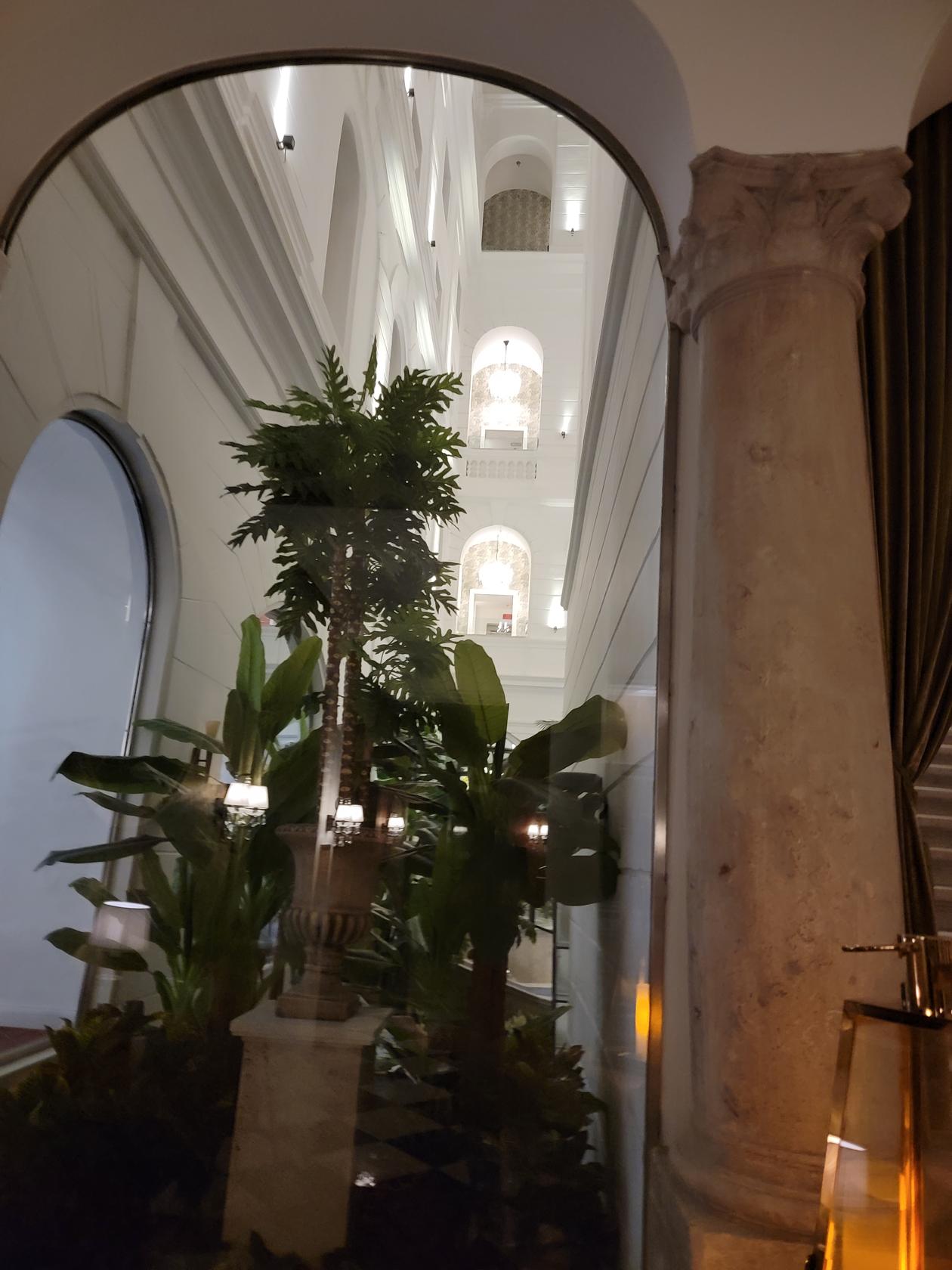
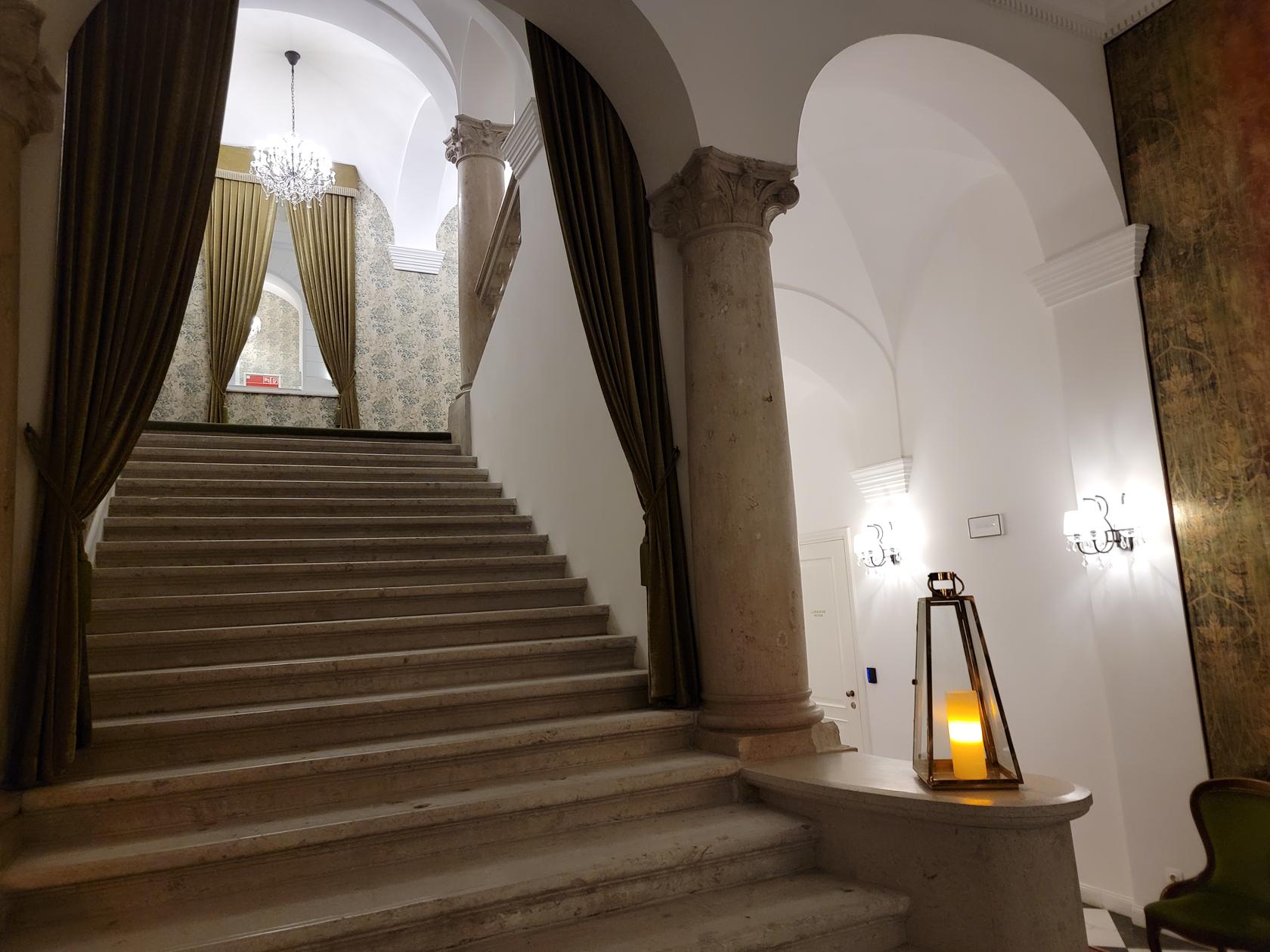
Lobby – Mystery Hotel – Budapest, Hungary
Lobby – Mystery Hotel – Budapest, Hungary
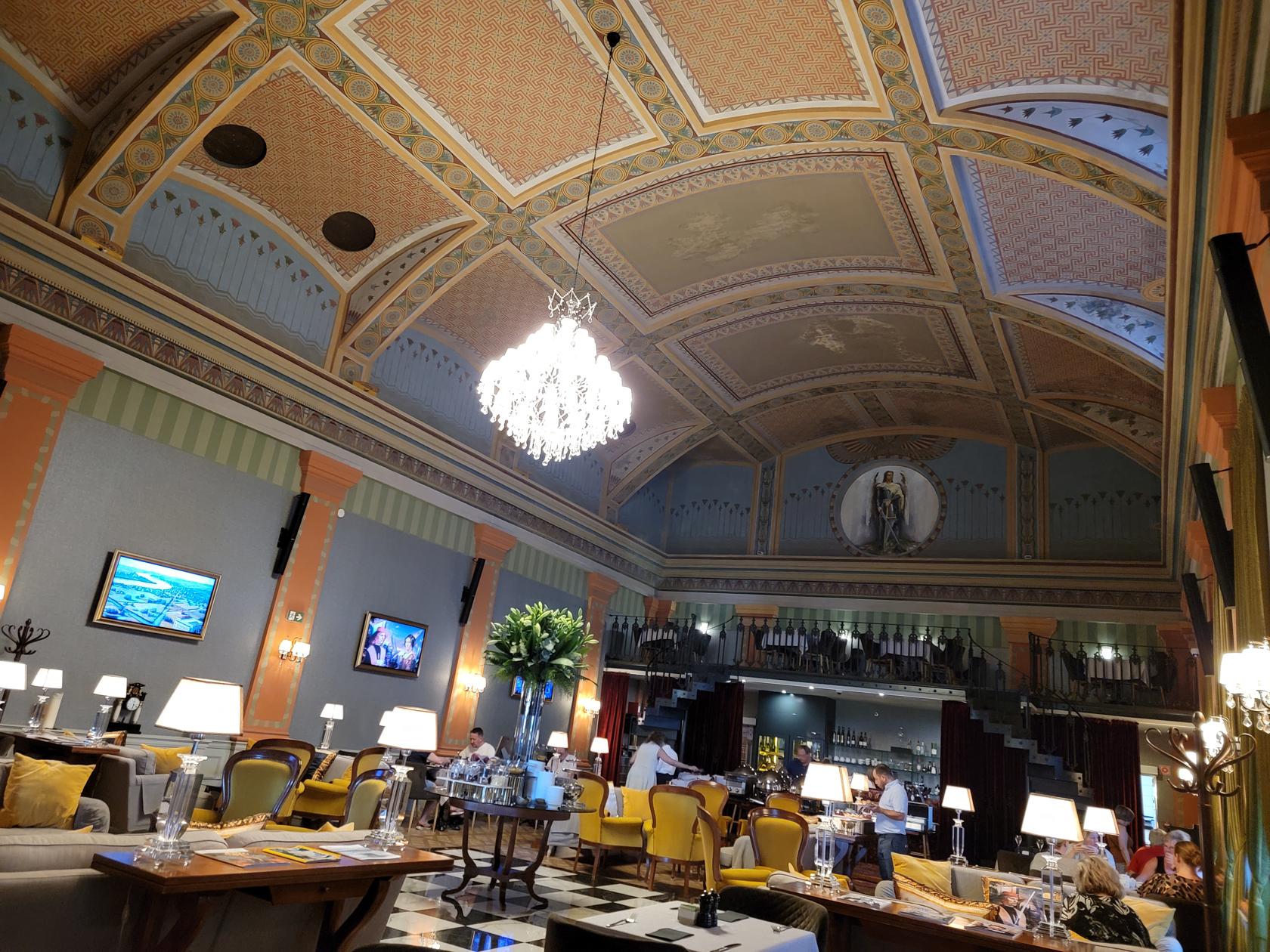
Breakfast room – Mystery Hotel – Budapest, Hungary
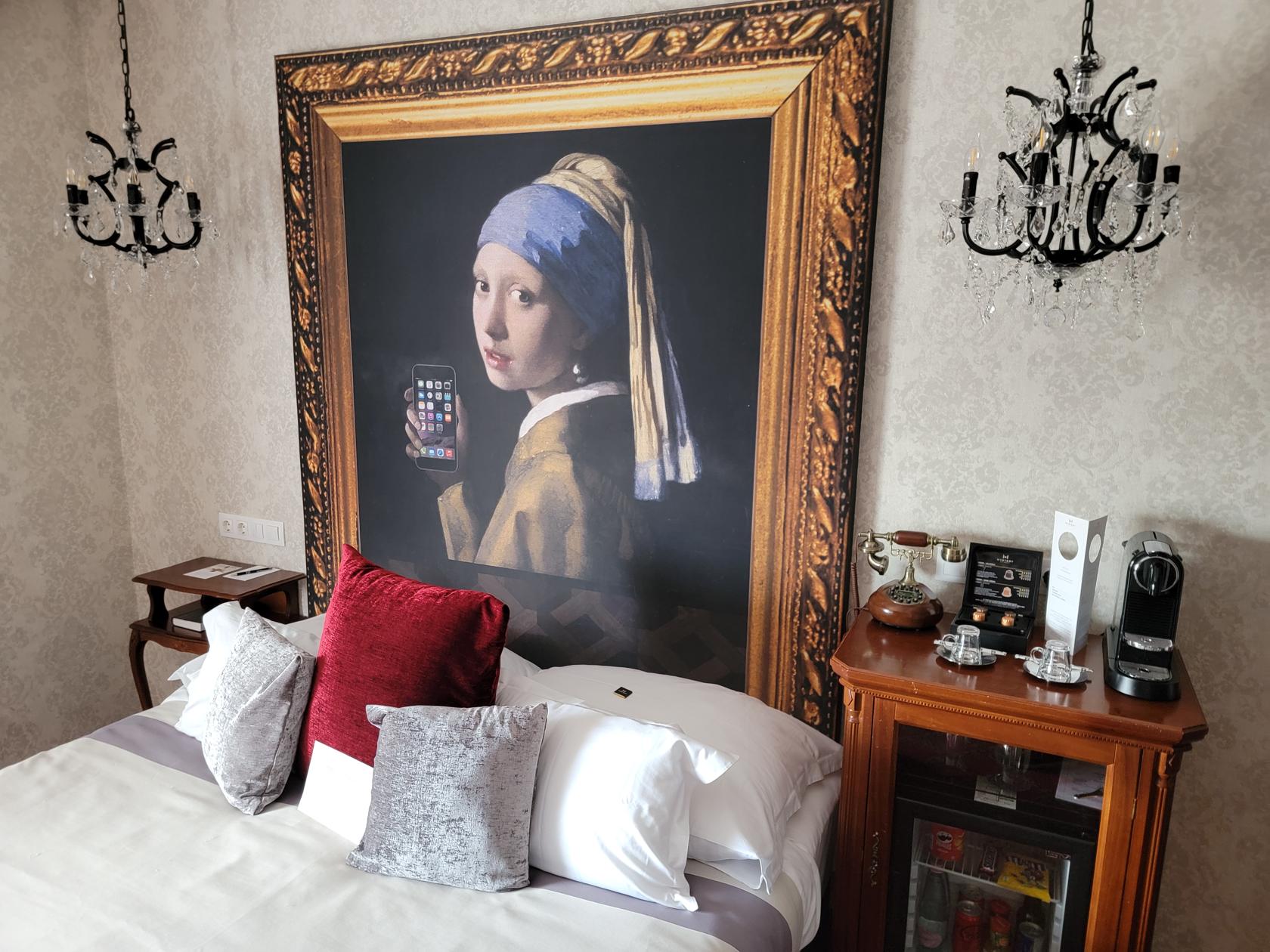
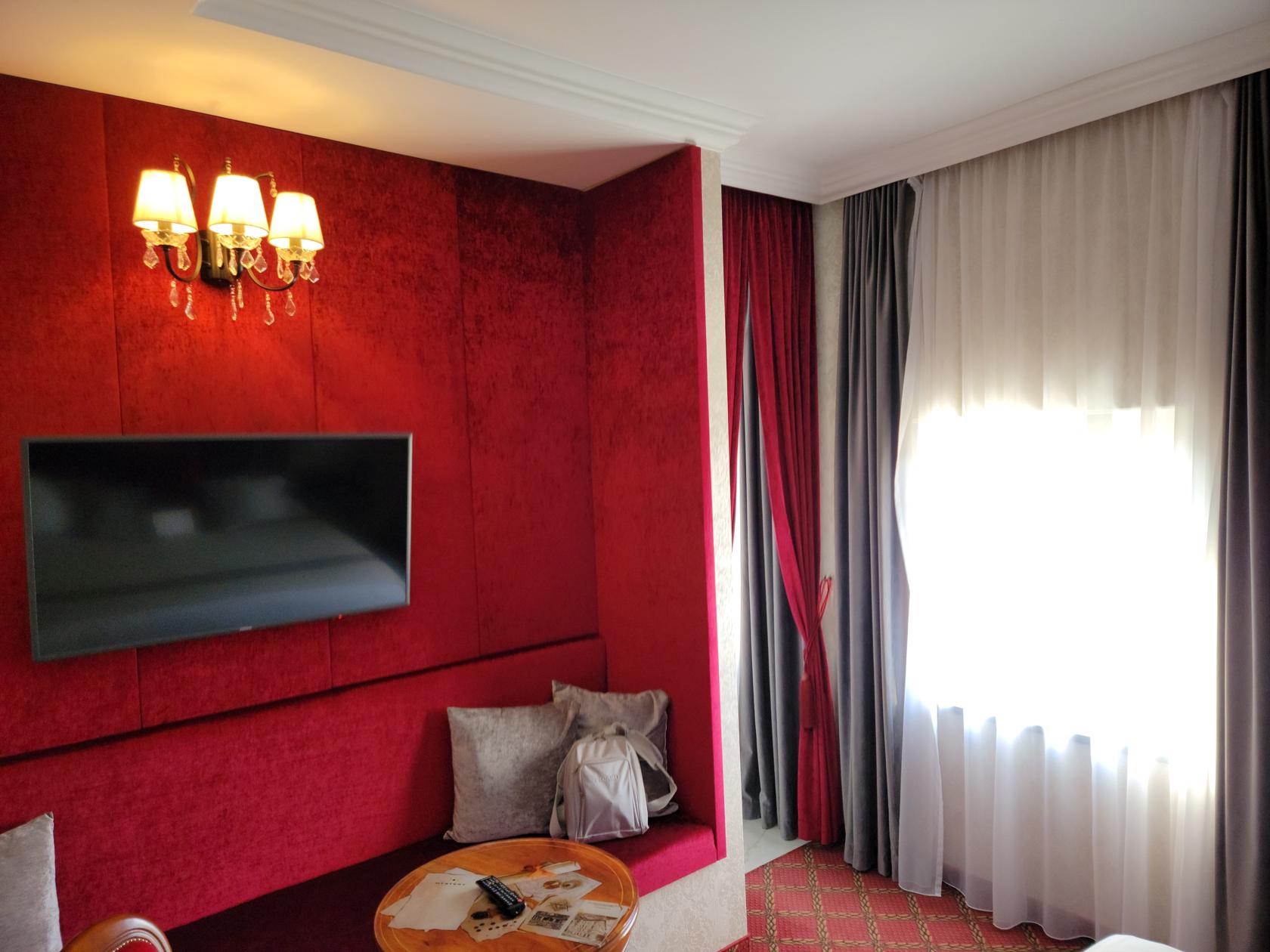
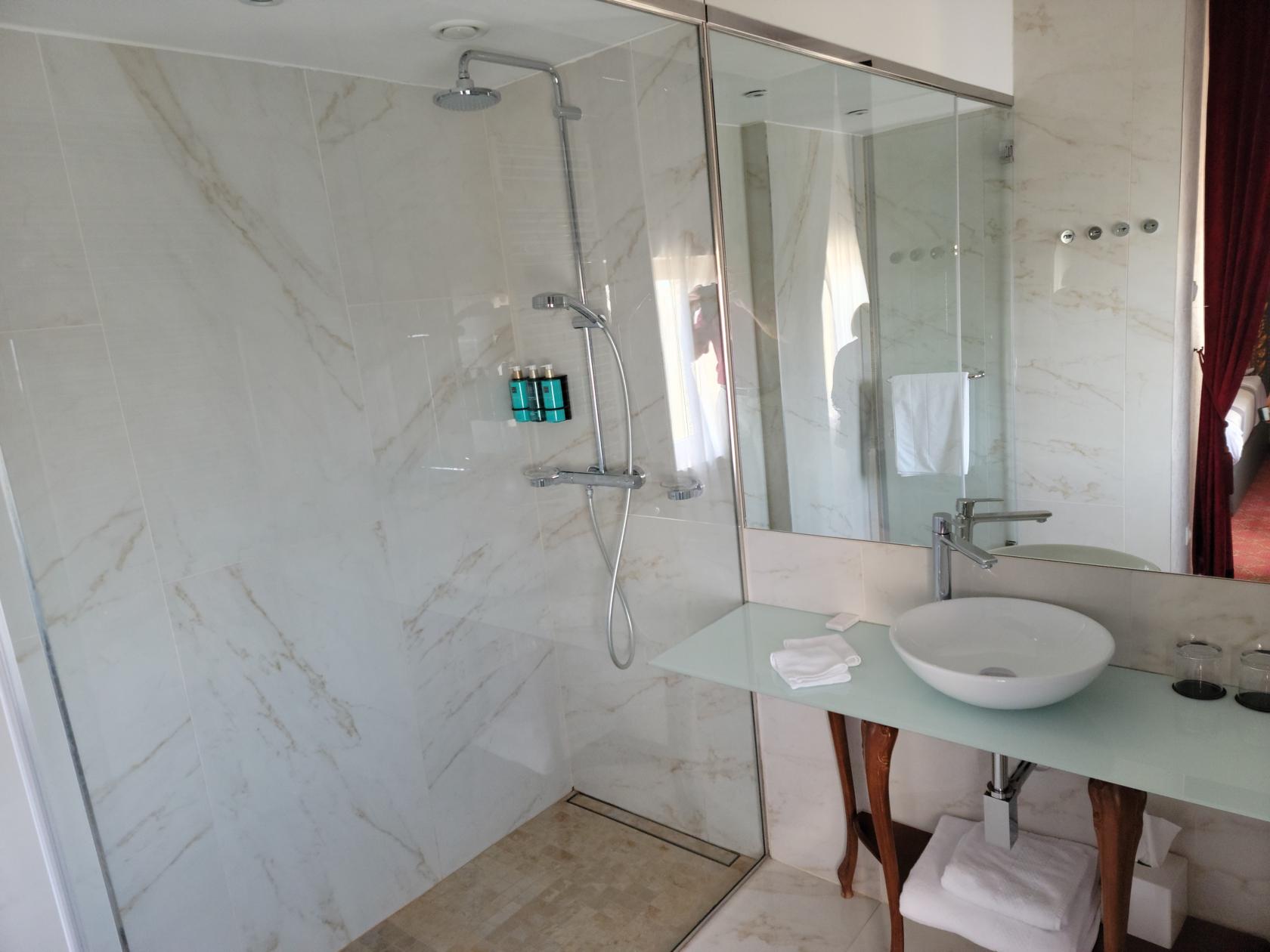
Since the hotel occupies an old renovated building not initially intended for occupation, the rooms are interestingly configured inside. Some even have lofts, so stay flexible, since they are well maintained and well appointed.
Our room – Mystery Hotel – Budapest, Hungary
Our room – Mystery Hotel – Budapest, Hungary
Bathroom – Mystery Hotel – Budapest, Hungary
Restaurants
As the capitol of Hungary and at a very busy intersection of Europe, Budapest has a huge selection of all kinds of different cuisines, especially Hungarian.
Retek Bisztro
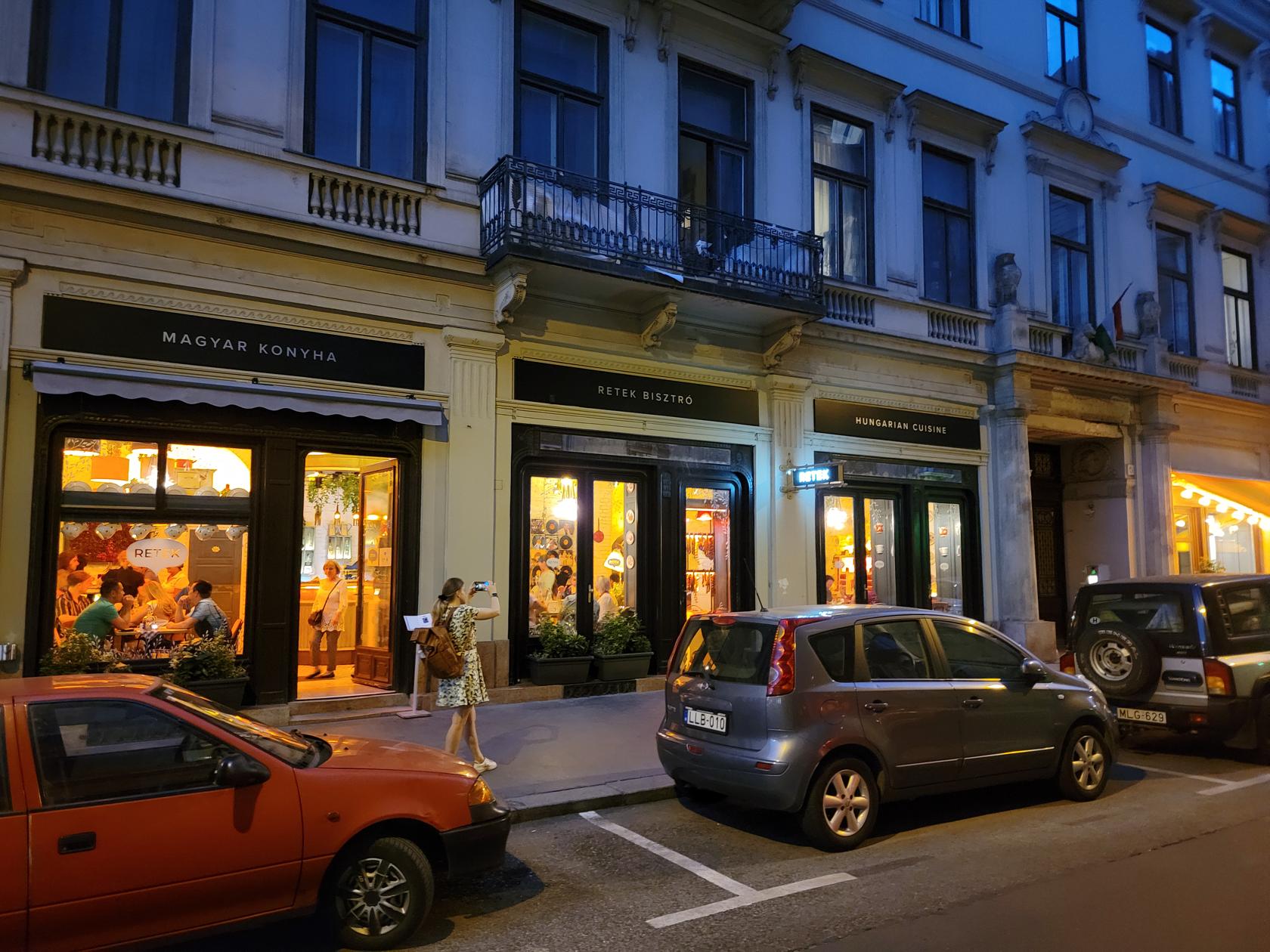
Rather pricey and on the high-end of restaurants is the Retek Bisztro. It is located not far from the basilica and in downtown Budapest. It is a very busy place, so make reservations before you leave on your trip, since it fills up fast.
Exterior – Retek Bisztro – Budapest, Hungary
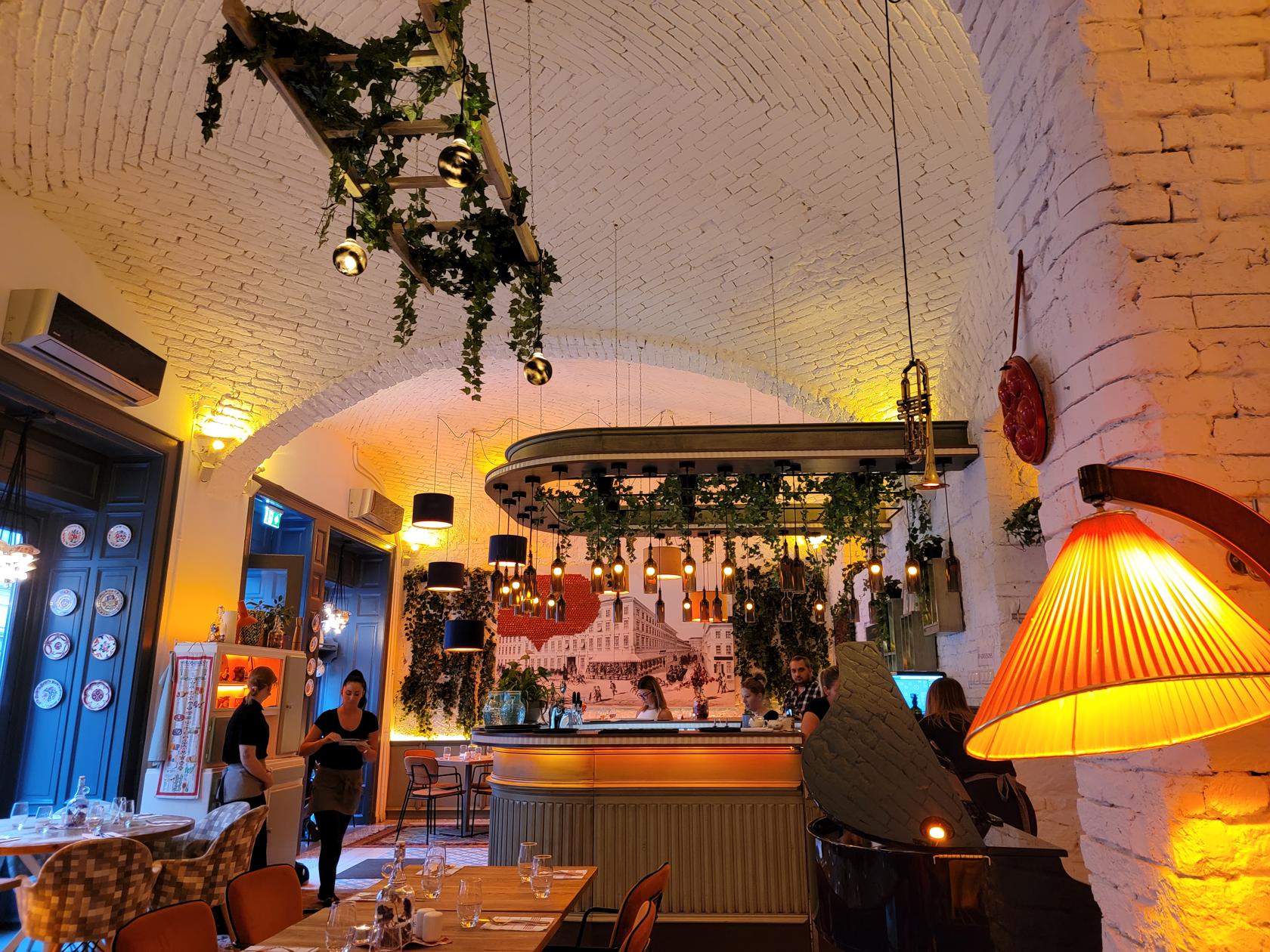
Front Room and bar – Retek Bisztro – Budapest, Hungary
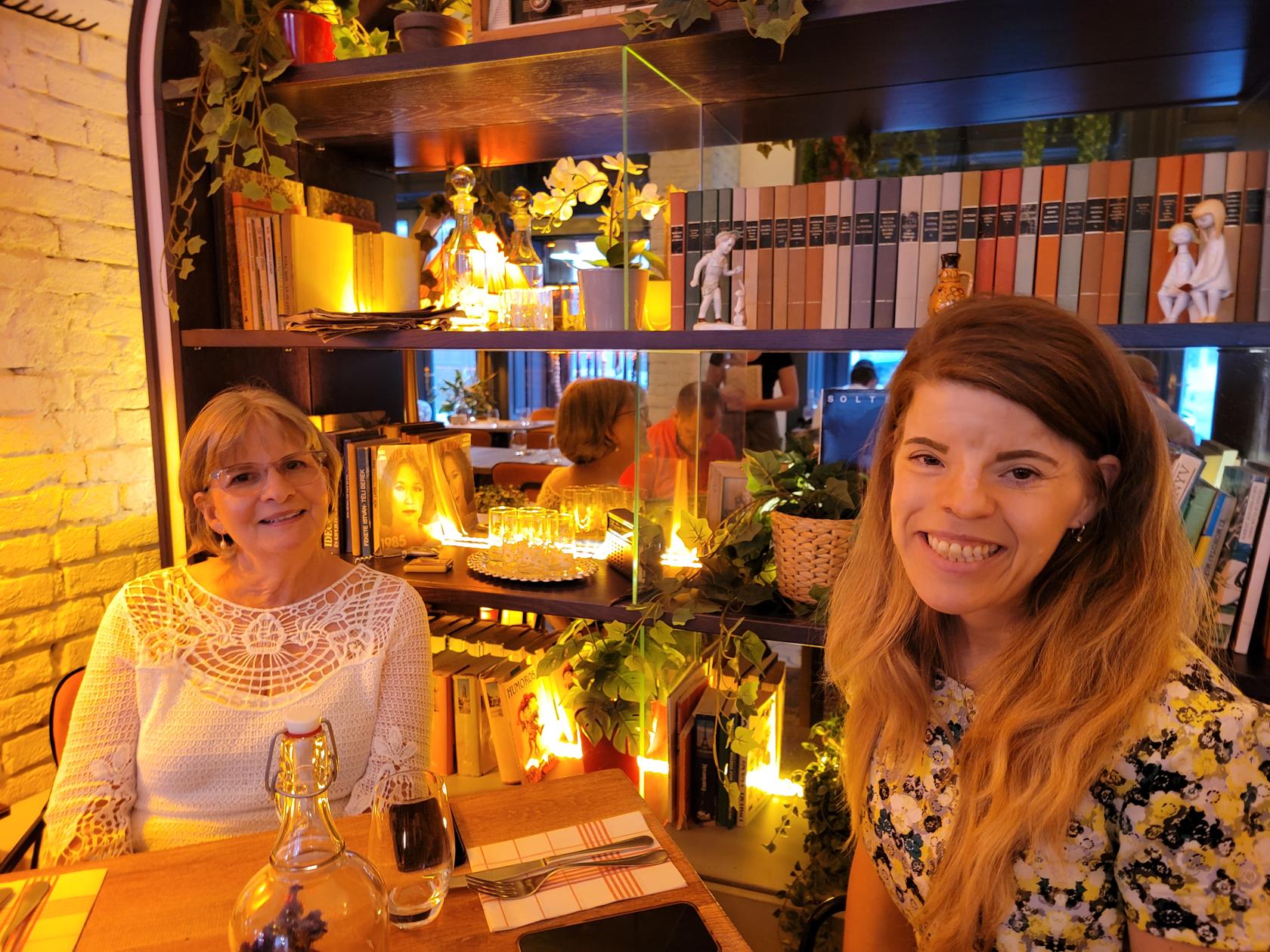
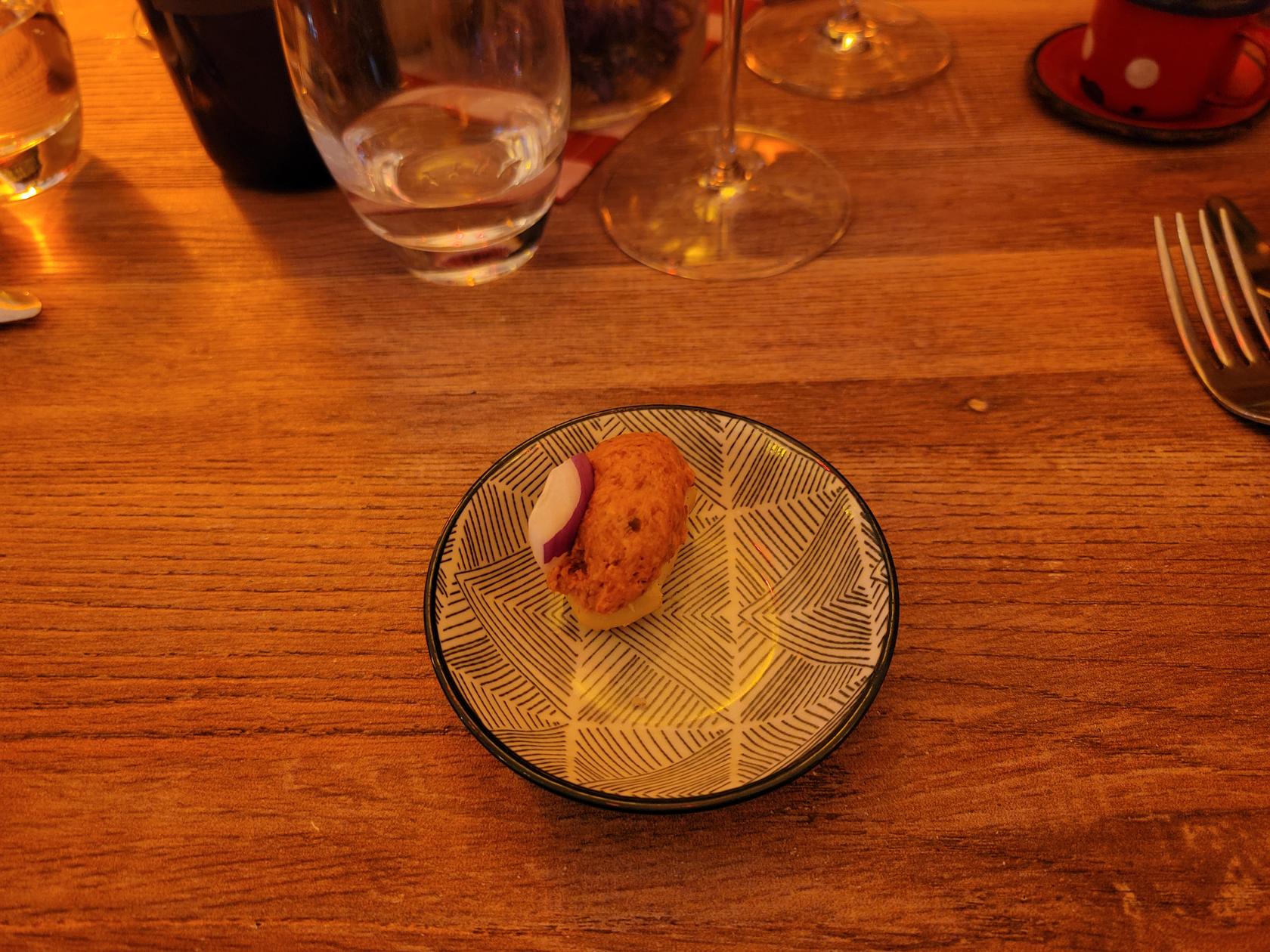
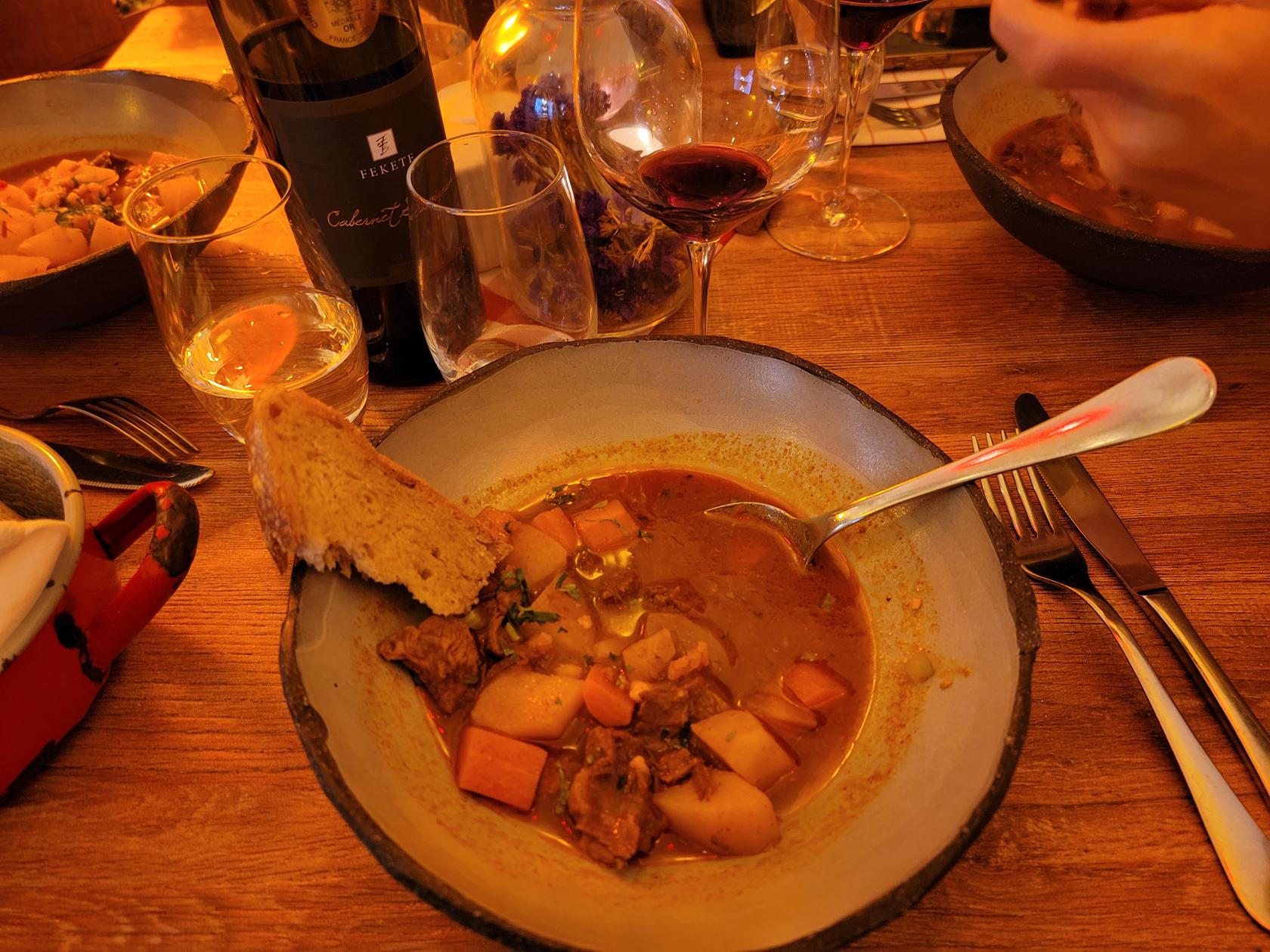
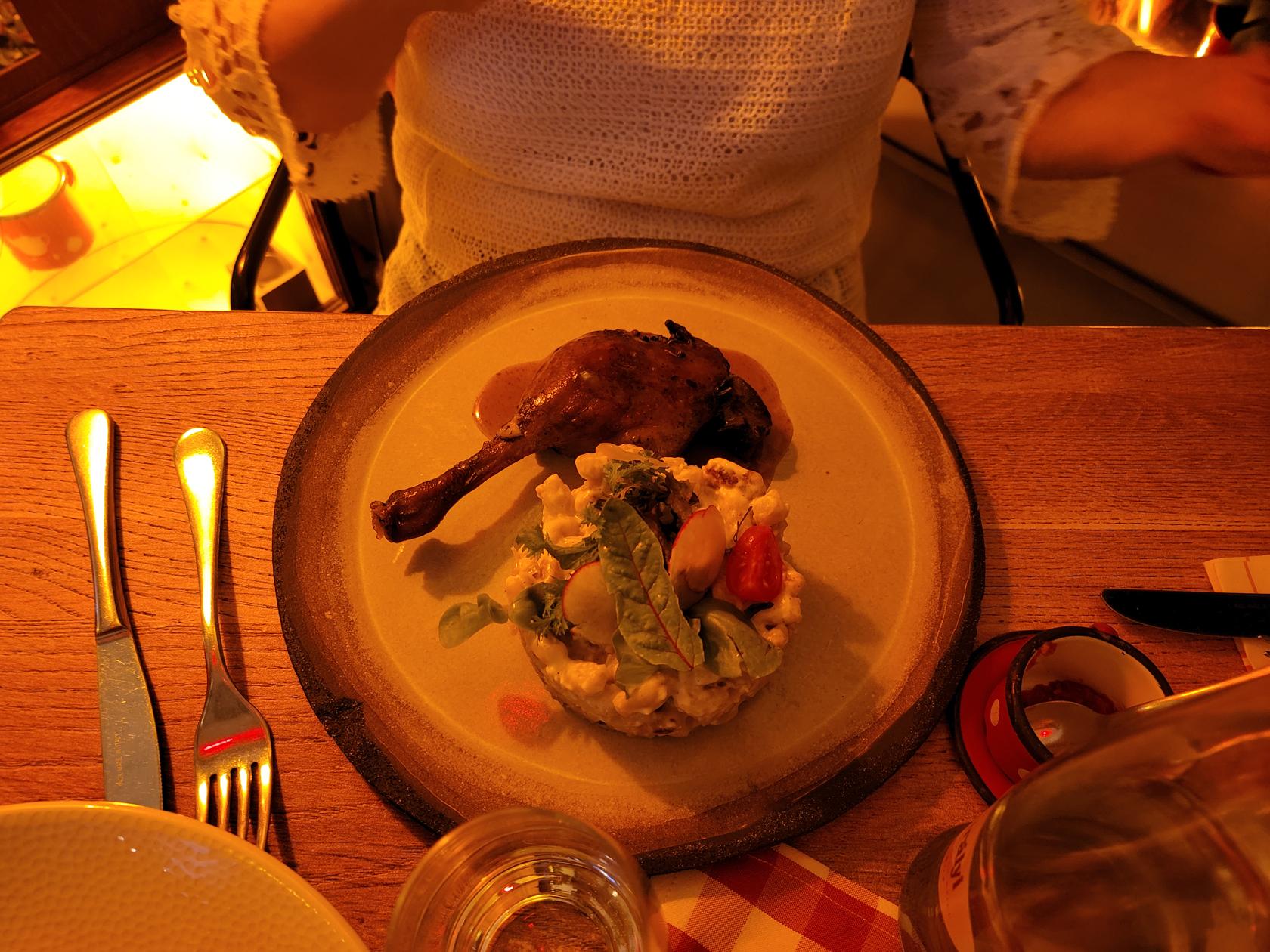
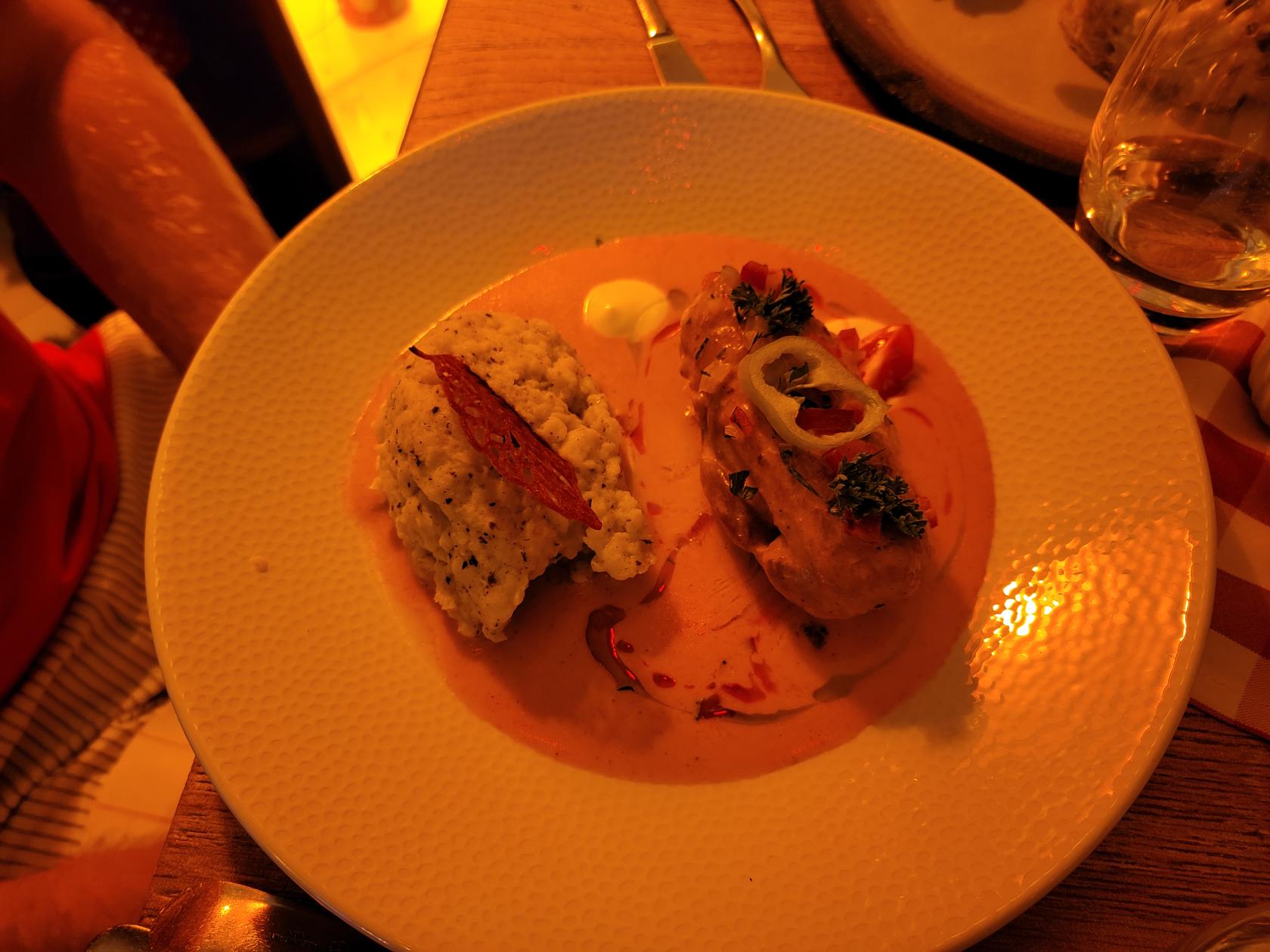
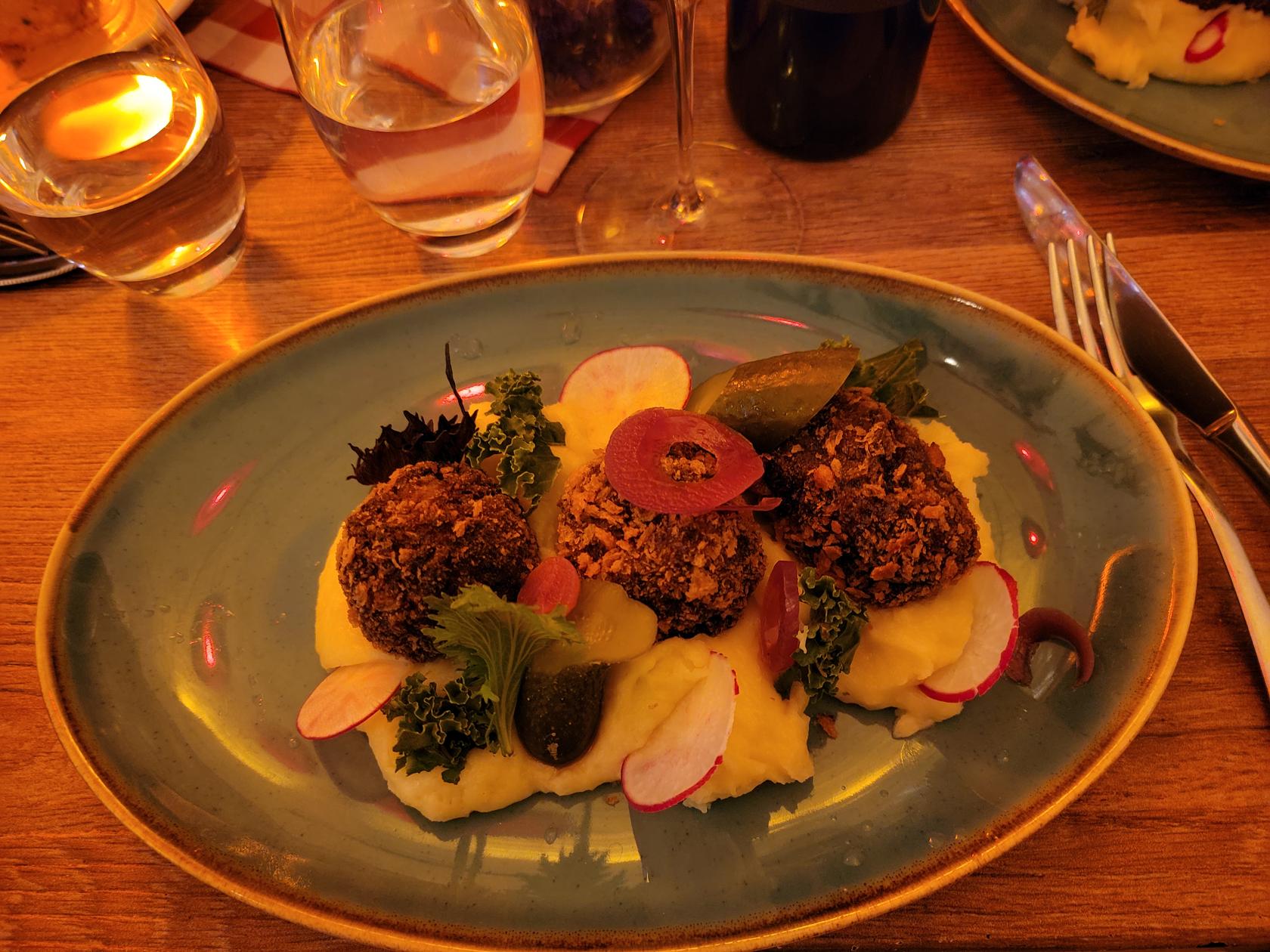
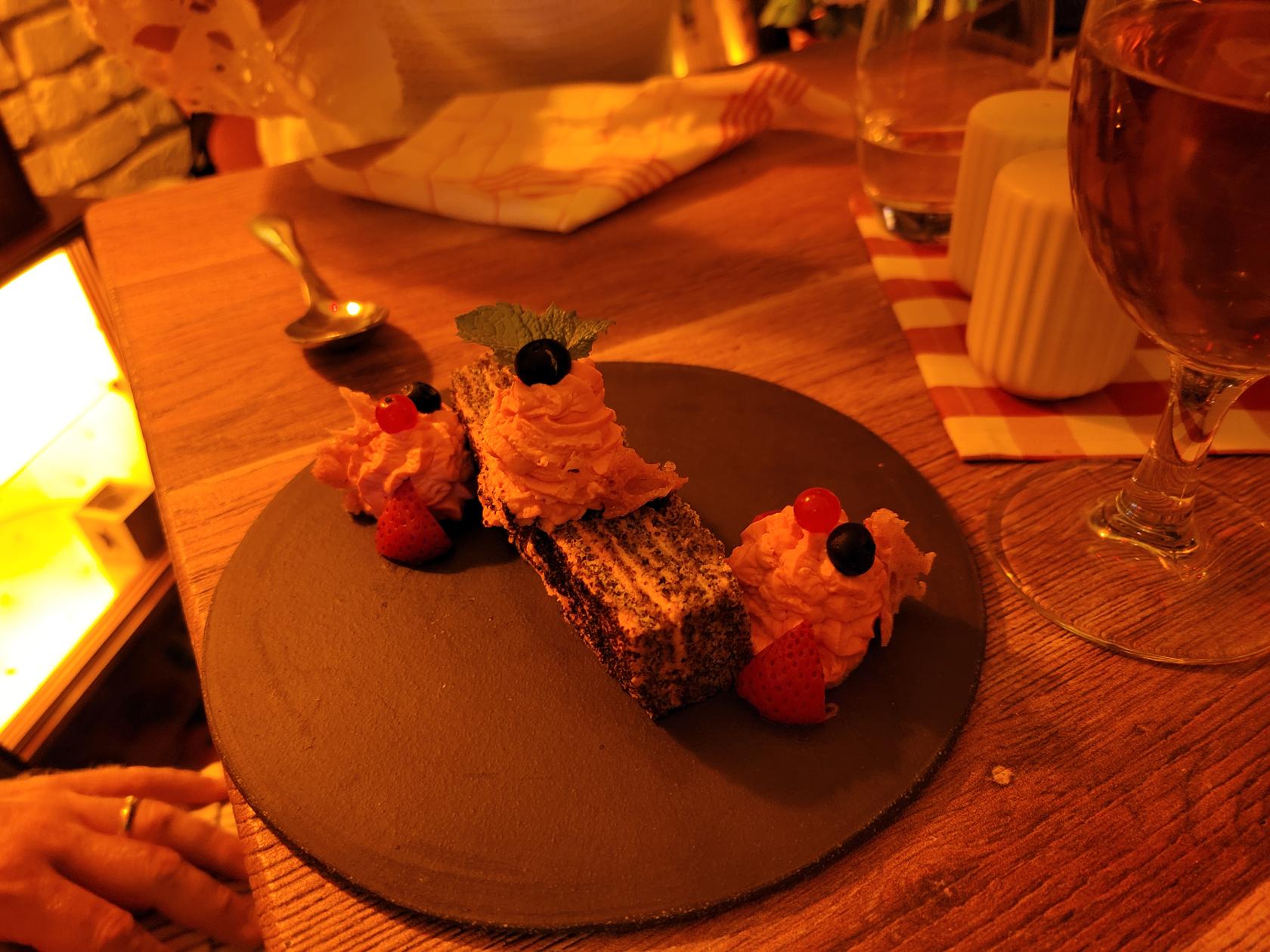
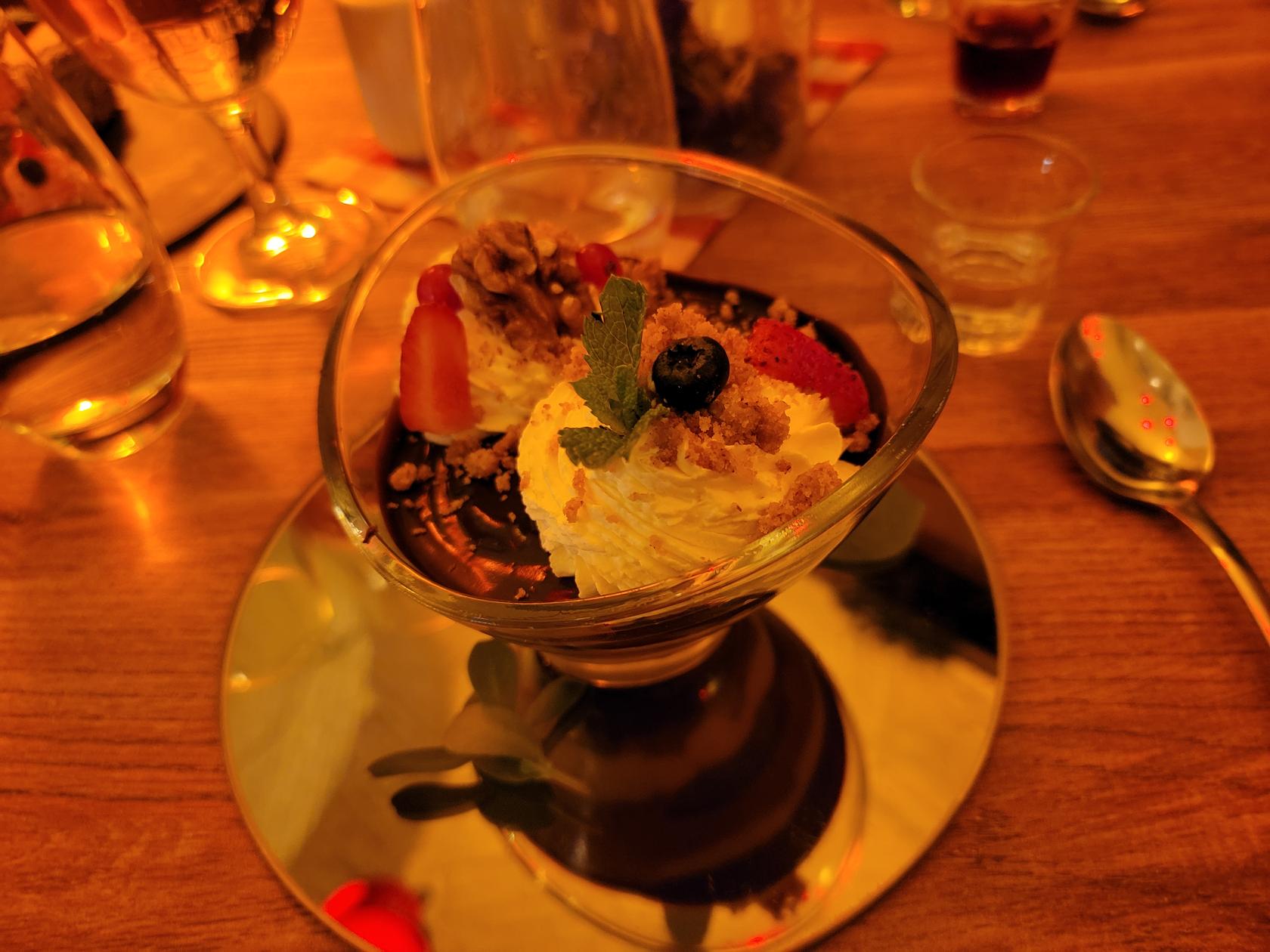
The restaurants offers most authentic Hungarian cuisine, from Hungarian Goulash to Hungarian meatballs. You will notice that most of my photographs came out a bit orange, since there was a red lamp very near our table.
Patti and Ericka – Retek Bisztro – Budapest, Hungary
hors d’oeuvres – Retek Bisztro – Budapest, Hungary
Hungarian Goulash soup – Retek Bisztro – Budapest, Hungary
Duck leg with noodle and sauerkraut – Retek Bisztro – Budapest, Hungary
Salmon – Retek Bisztro – Budapest, Hungary
Hungarian deep fried meatballs with mashed potatoes – Retek Bisztro – Budapest, Hungary
Poppy-seed cake – Retek Bisztro – Budapest, Hungary
Sunday – Retek Bisztro – Budapest, Hungary
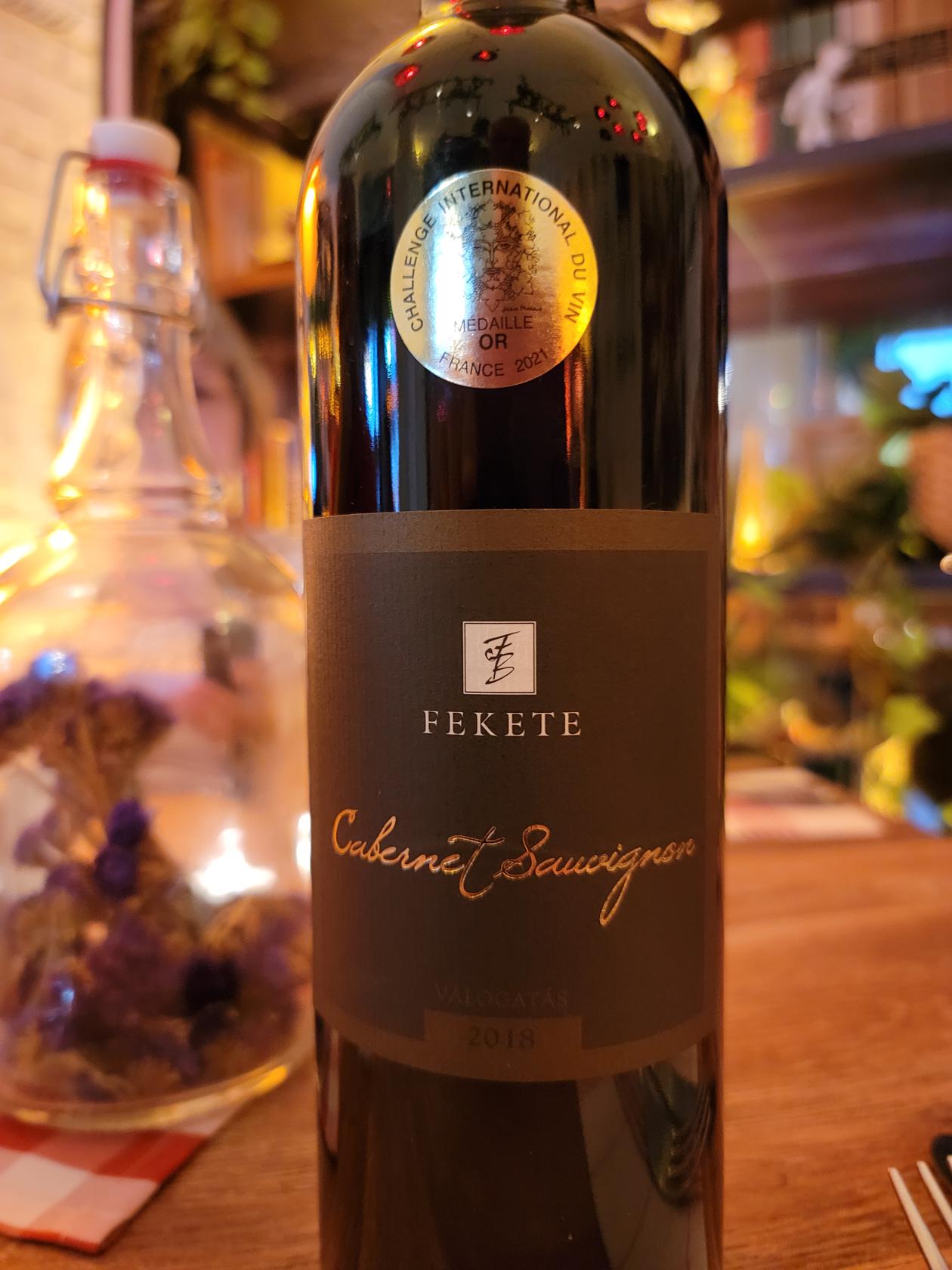
Along with a bottle of wine, the entire bill for four people and drinks came to 220€.
Fekete Cabernet – Retek Bisztro – Budapest, Hungary
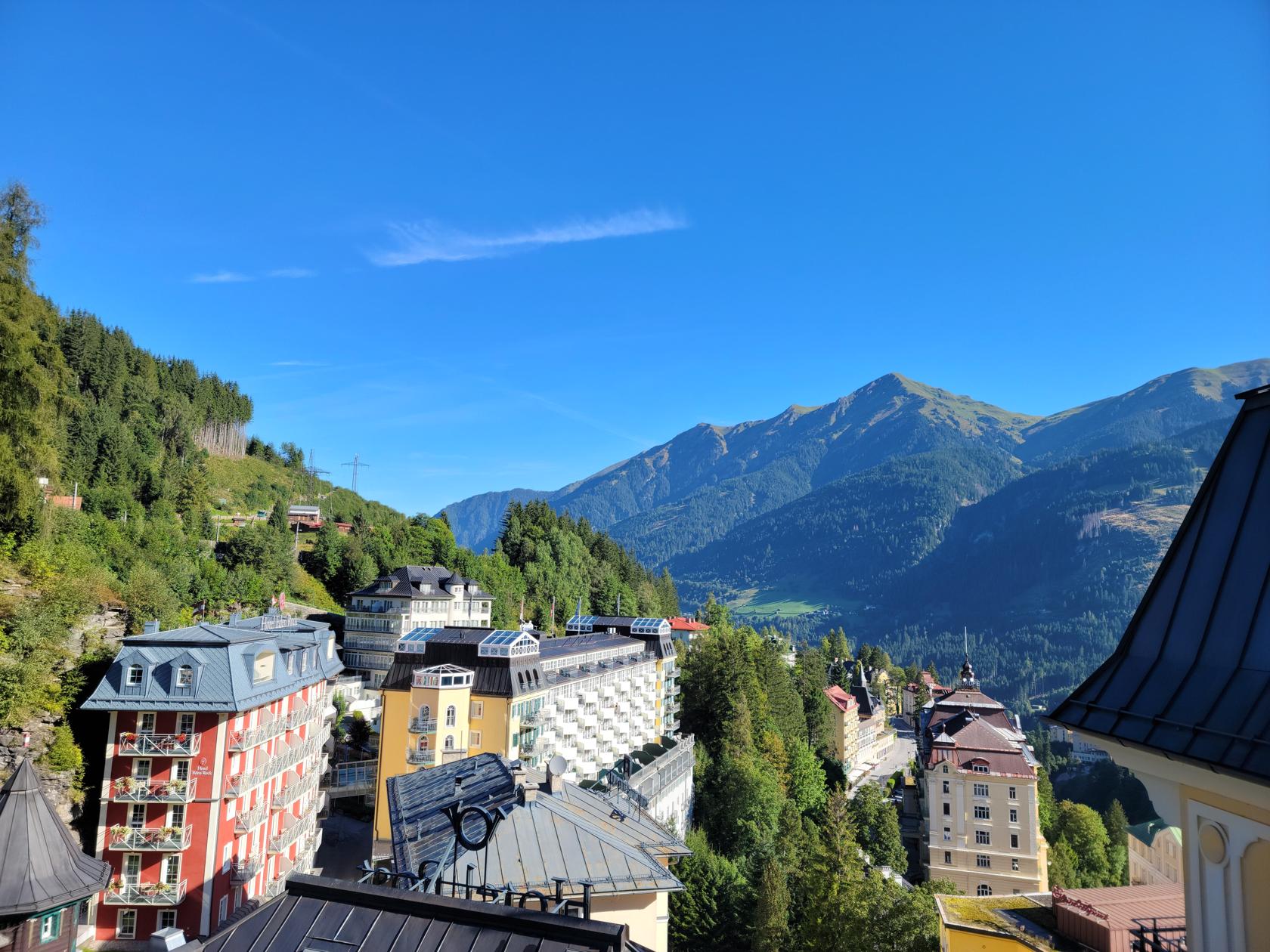
Early in the morning from our balcony the weather looked most promising, regardless of what our weather forecasting tools were trying to tell us. It appeared we had finally came into some good weather on this trip after all. When we started it, it didn’t look as promising…
A clear, fresh morning from our hotel – Salzburger Hof – Bad Gastein, Austria
Bad Gastein
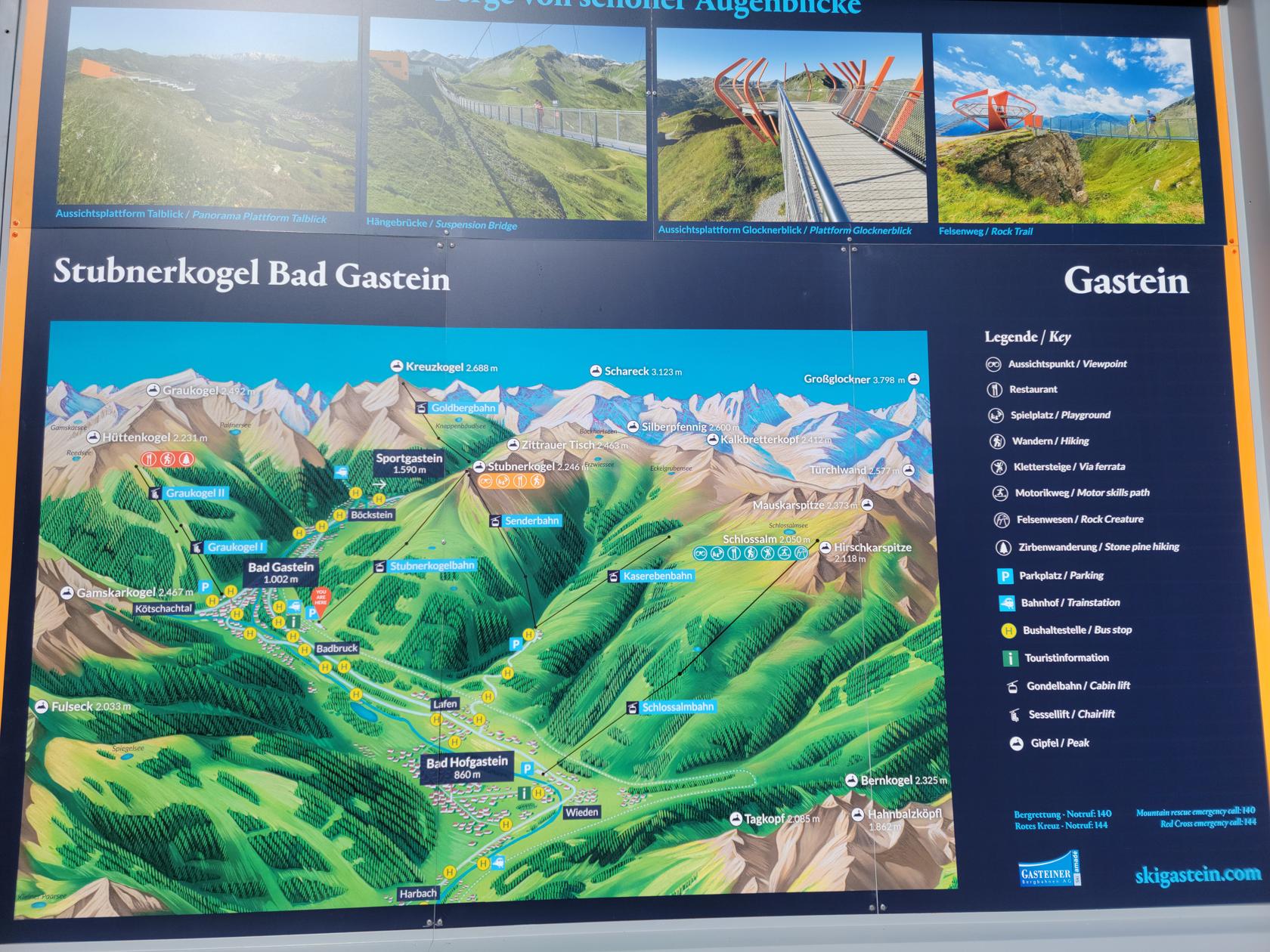
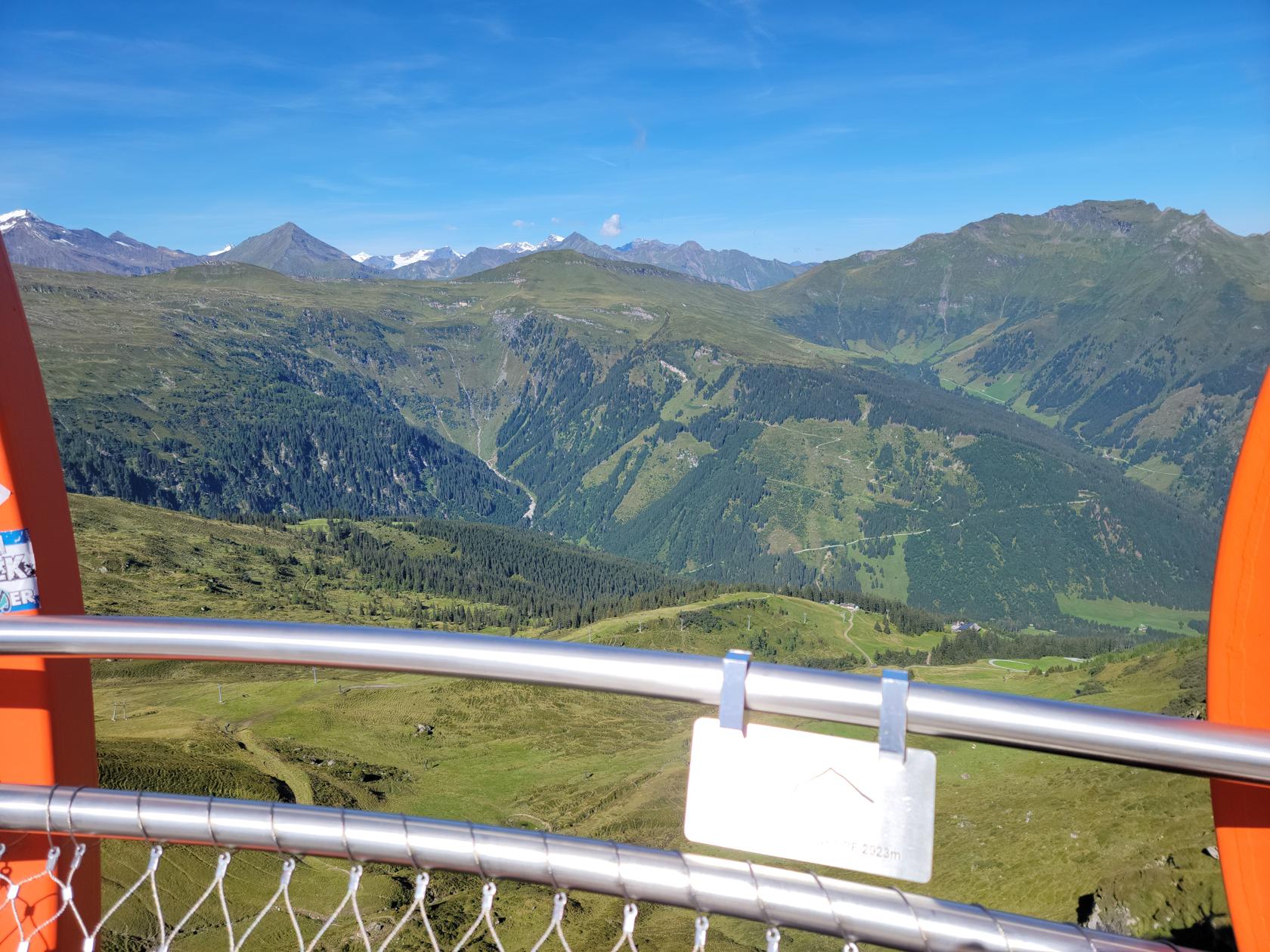
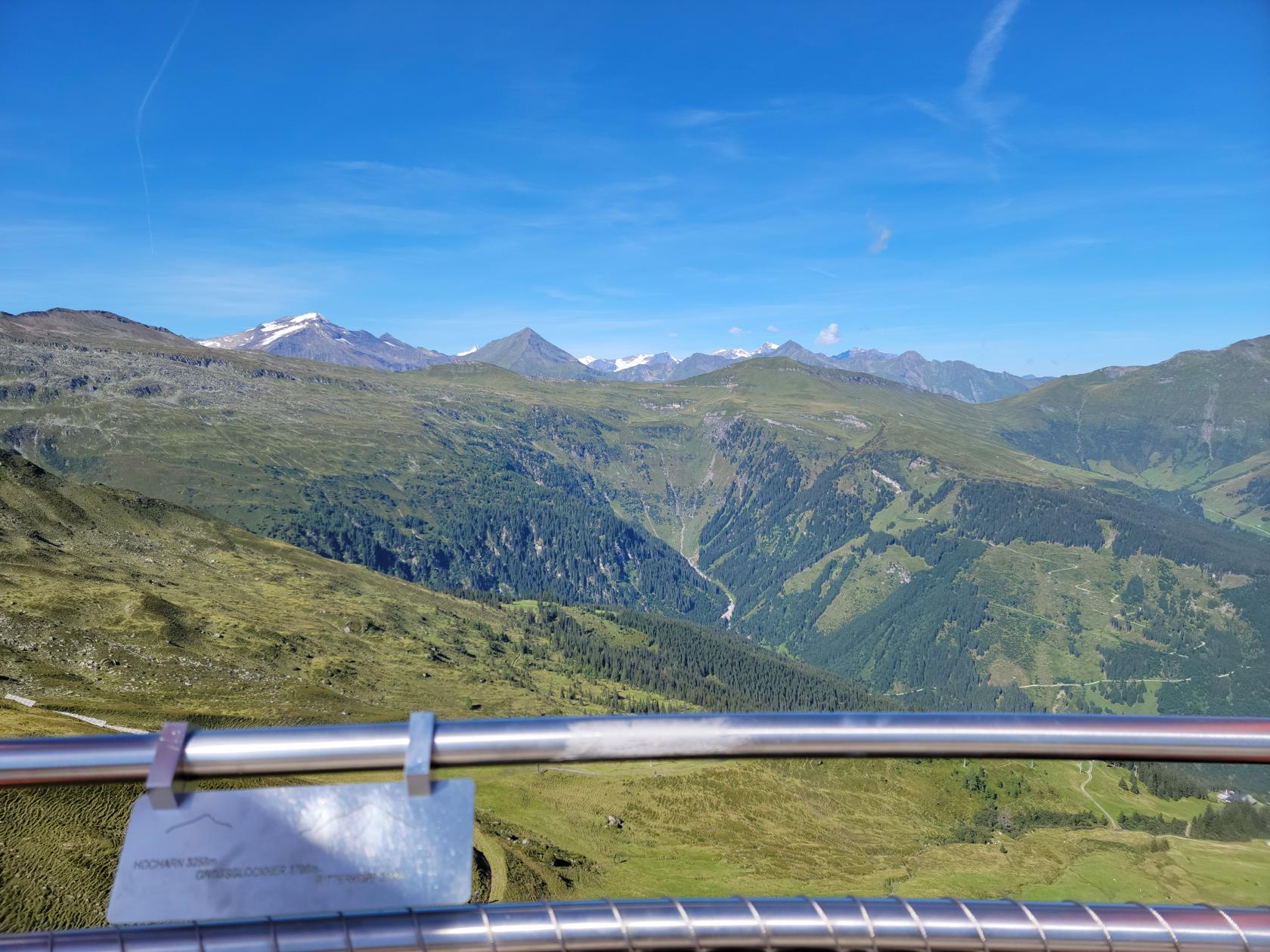
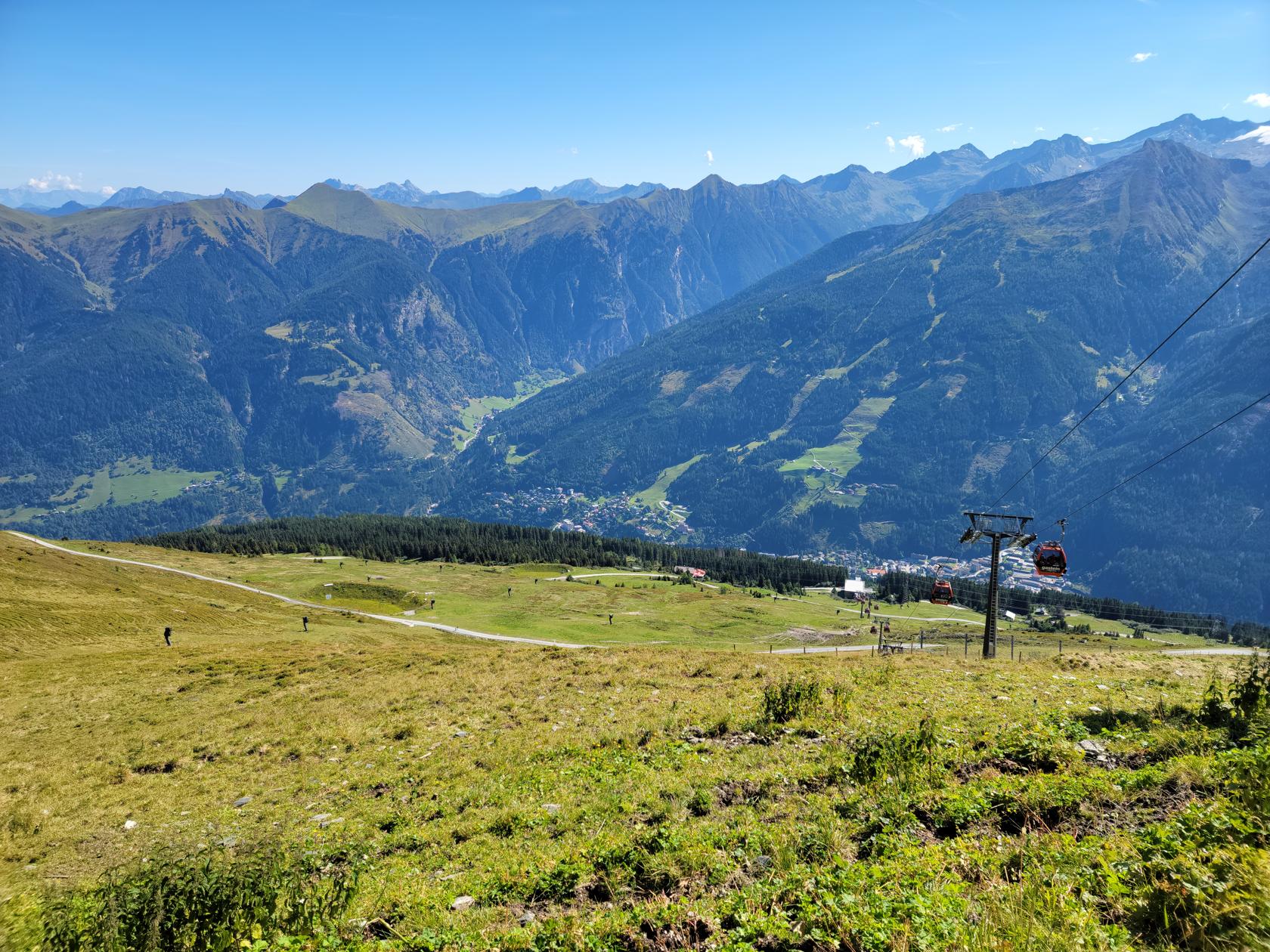
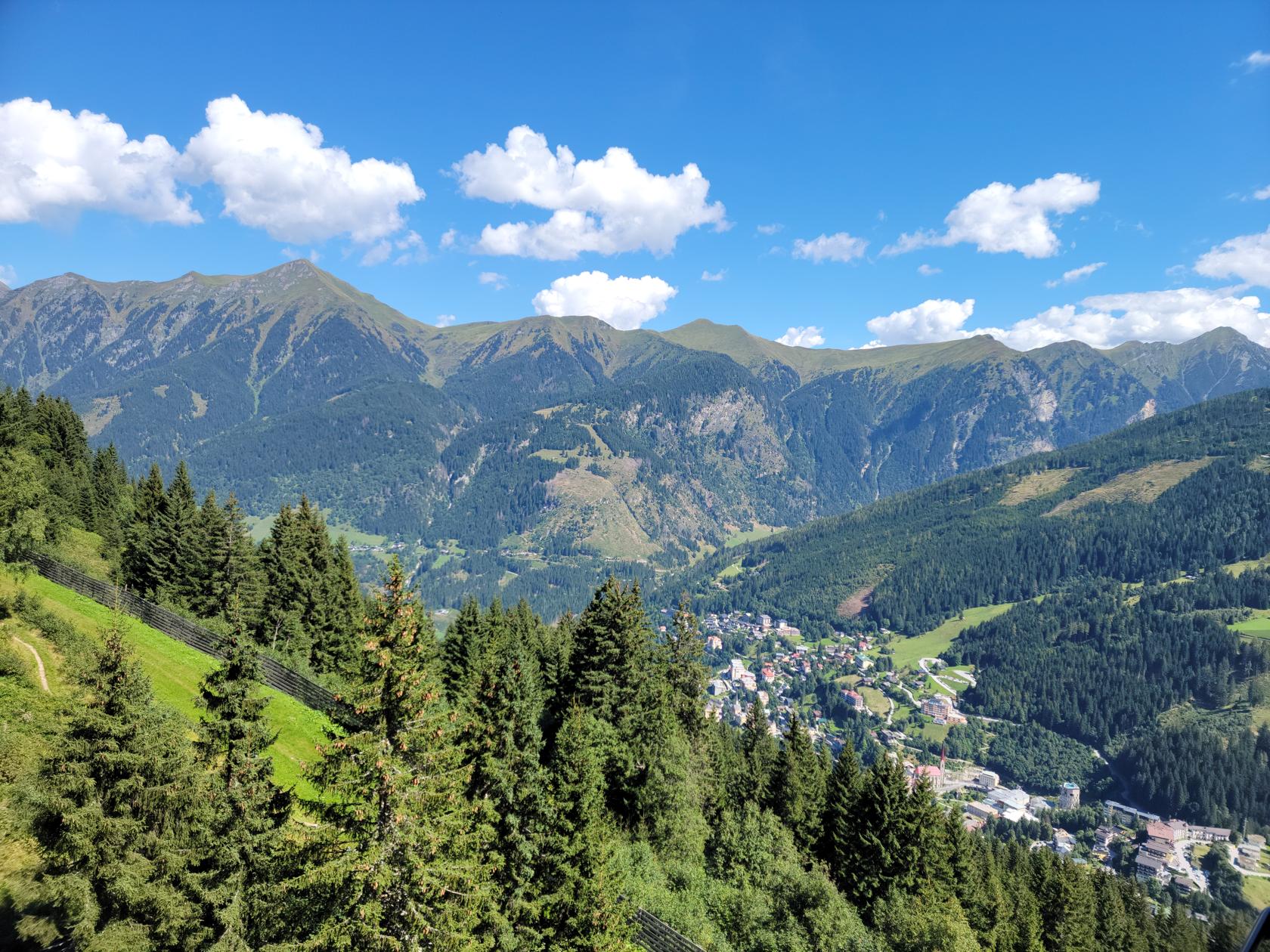
Flanking Bad Gastein on either side are some fairly tall mountains, which may be ascended using a gondola ski lift. During the summer months, weekend trekkers from all over come for a breath of healthy air and what appears to be a heightened exercise regime.
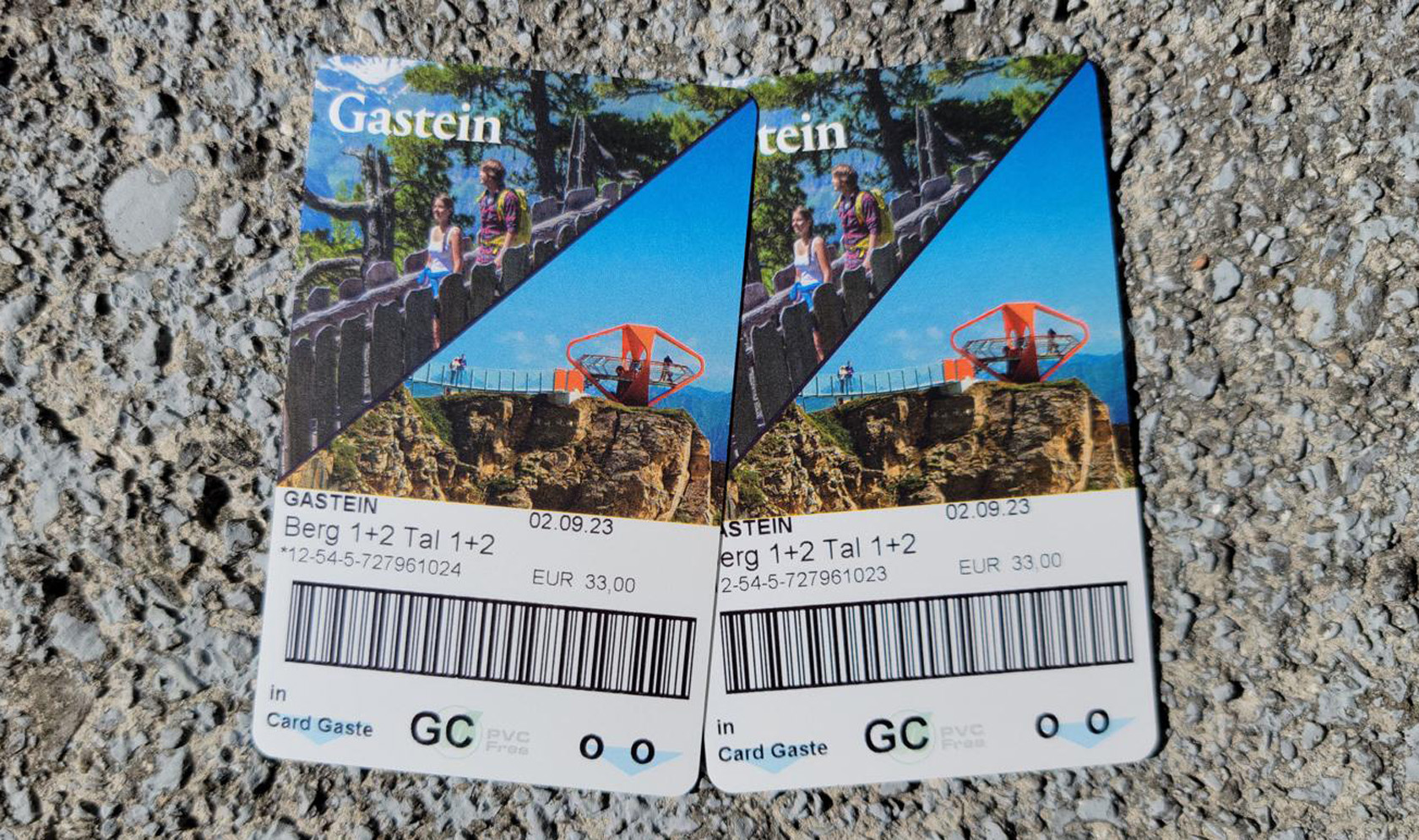
Tickets For Two – Stubnerkogel – Bad Gastein, Austria
Overview of cable car – Stubnerkogel – Bad Gastein, Austria
The cost for a day trip is 33€/person at the window, though I do believe you can save a few Euros, if you purchase your tickets online.
Stubnerkogel
The cable car ride is straightforward, as any skier will tell you. Fortunately, during this time of year it is not very busy, so you will usually get a car all by yourself.
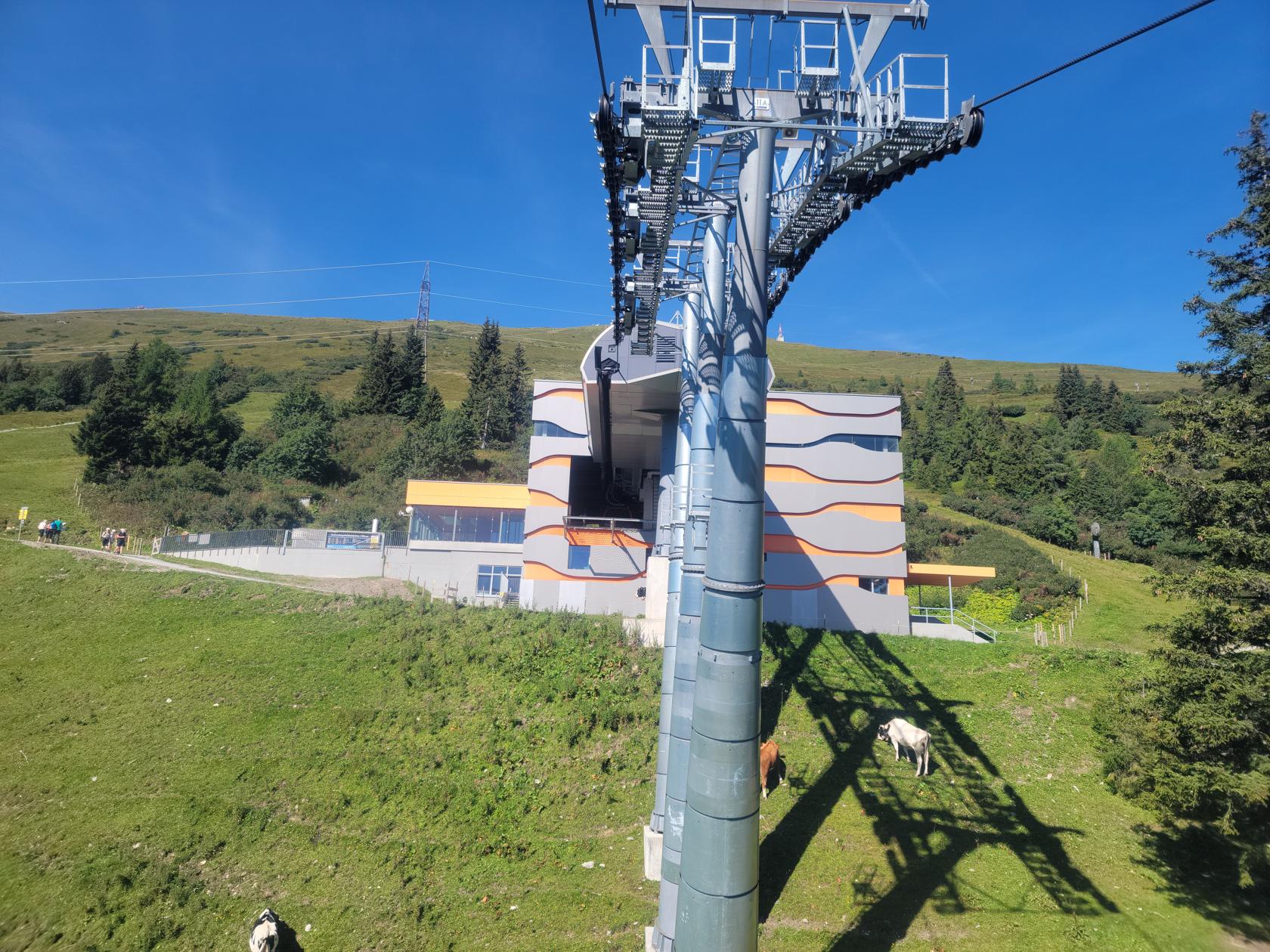
The ascent is rather quick, considering the distance up the mountain. The first part is rather steep and there is a midway station, so stay on, if you want to go directly to the top.
Ascending – Stubnerkogel – Bad Gastein, Austria
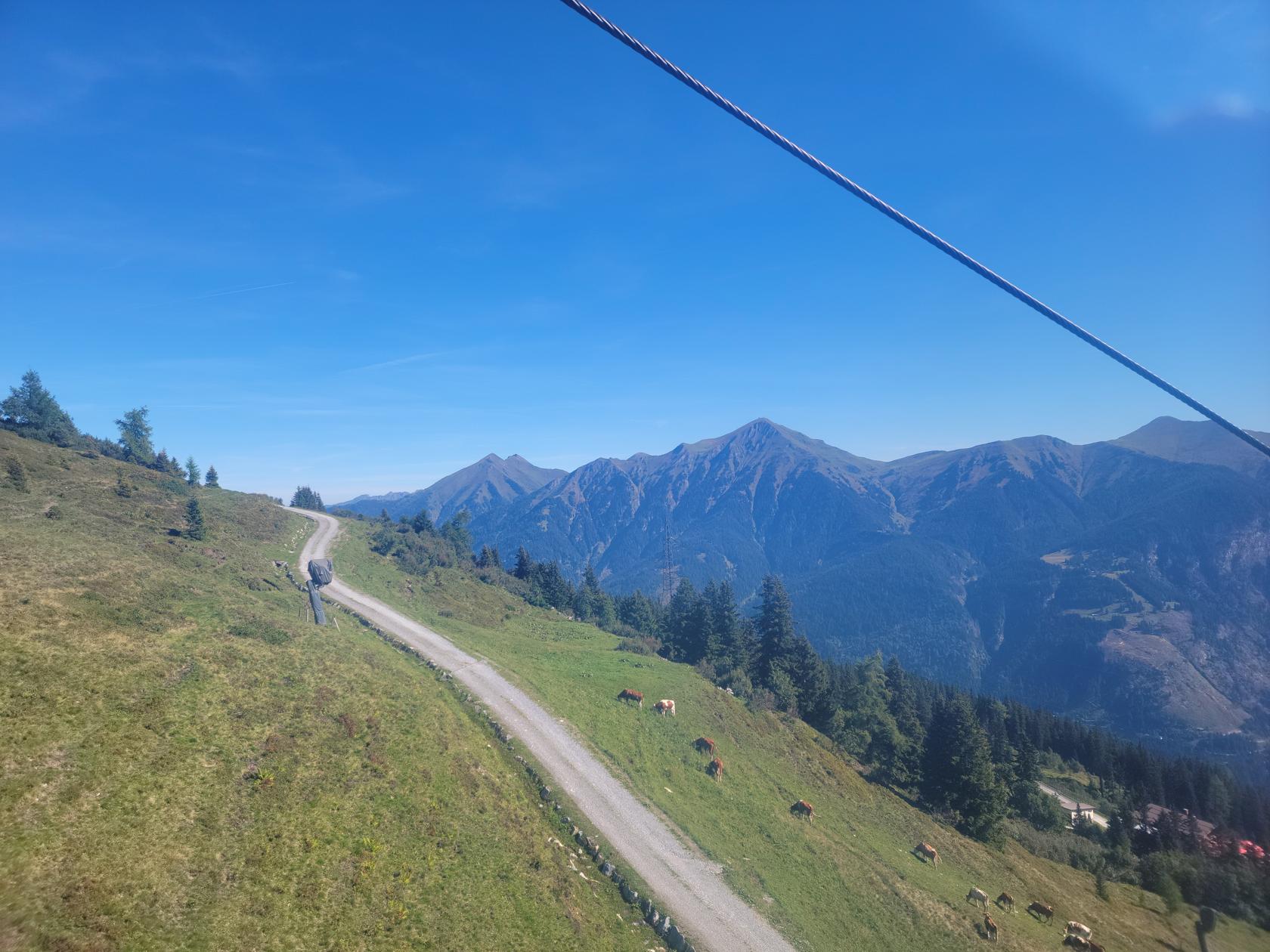
Cows in their alpine meadows – Stubnerkogel – Bad Gastein, Austria
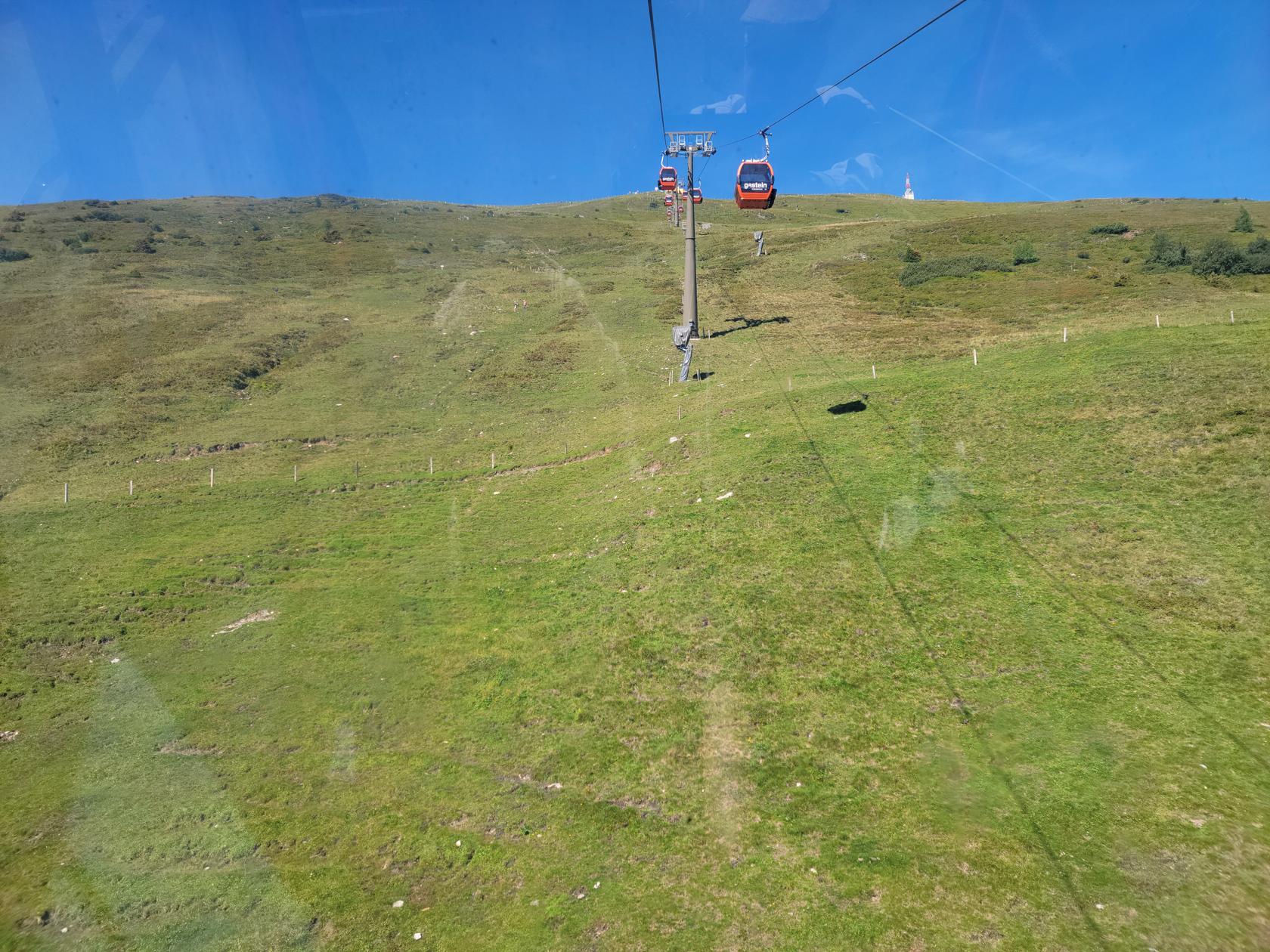
Long stretches of green meadows – Stubnerkogel – Bad Gastein, Austria
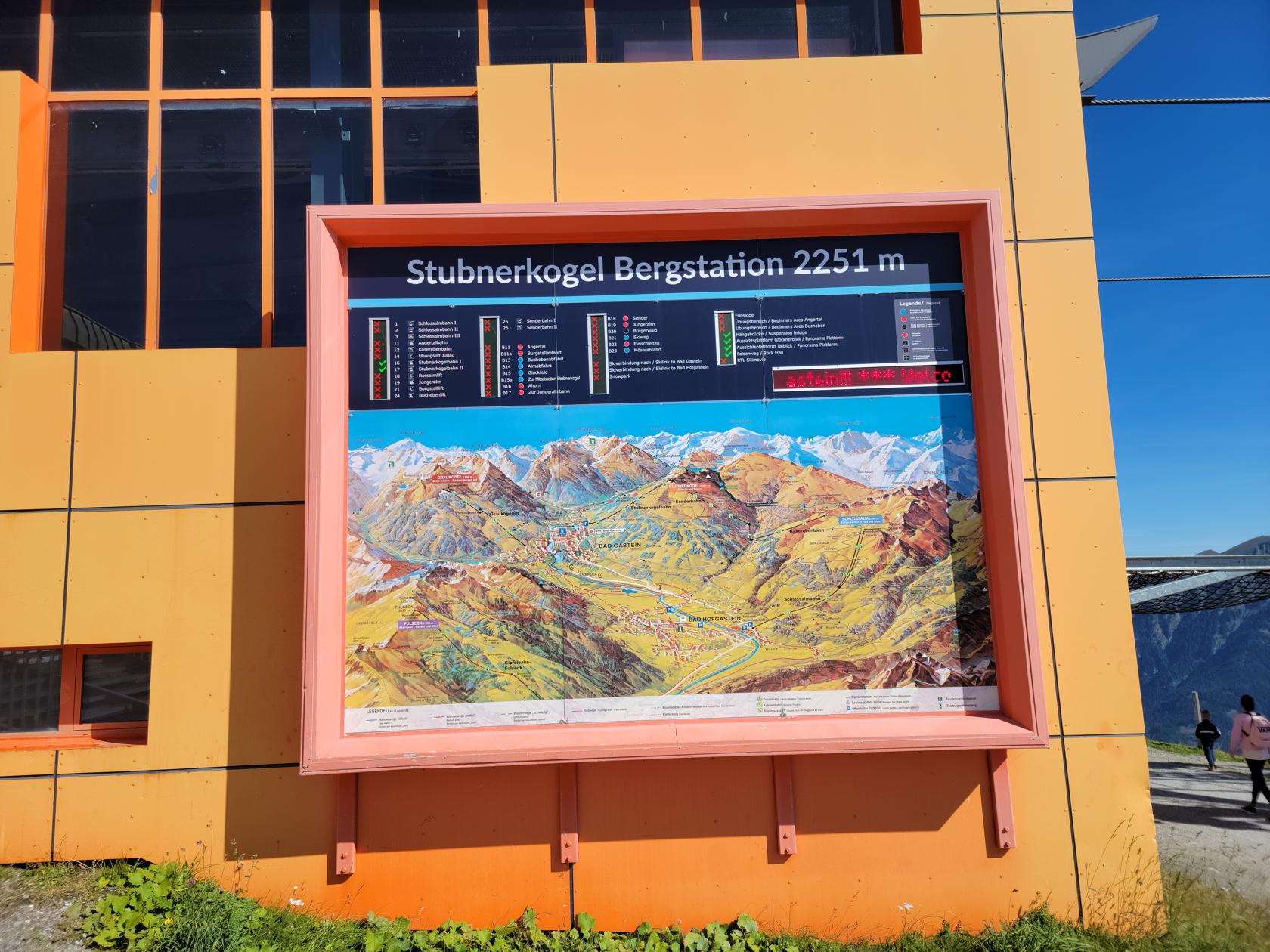
The mountain station at 2251 meters – Stubnerkogel – Bad Gastein, Austria
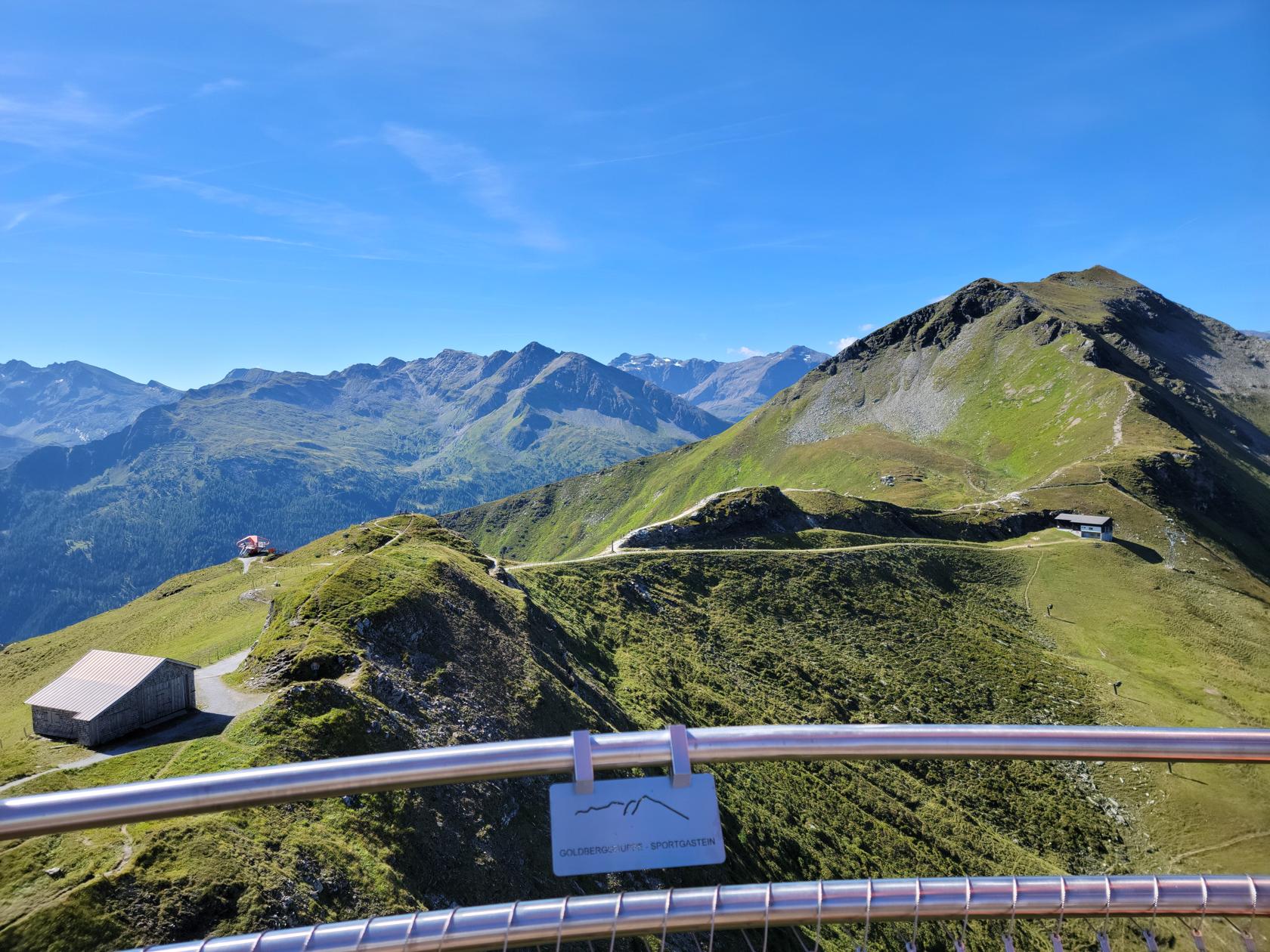
The Stubnerkogel is part of the Goldberg Group or mountain range and sits on one side of the Gastein Valley, while the Ankogel Group sits on the other side.
The Summit
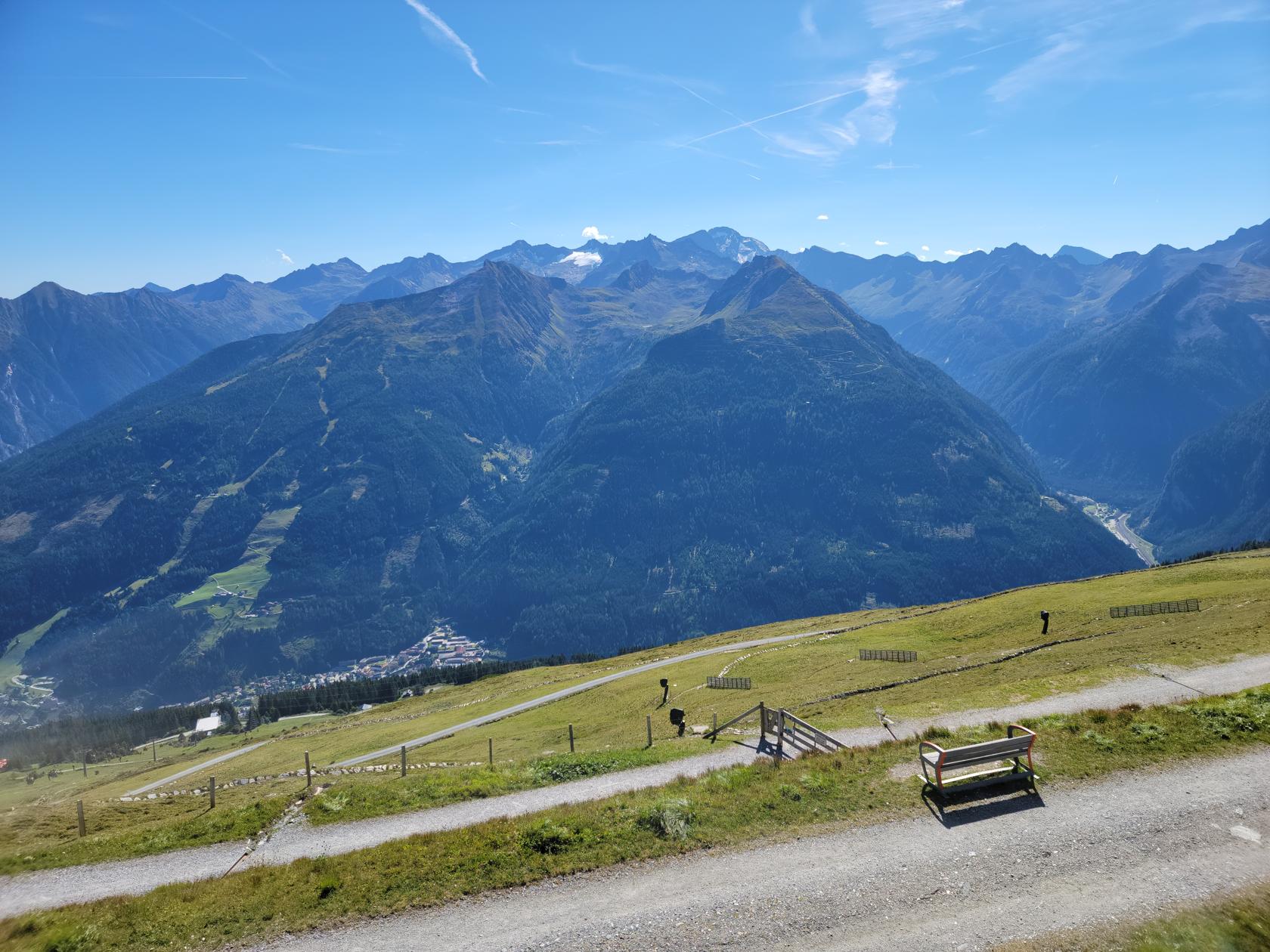
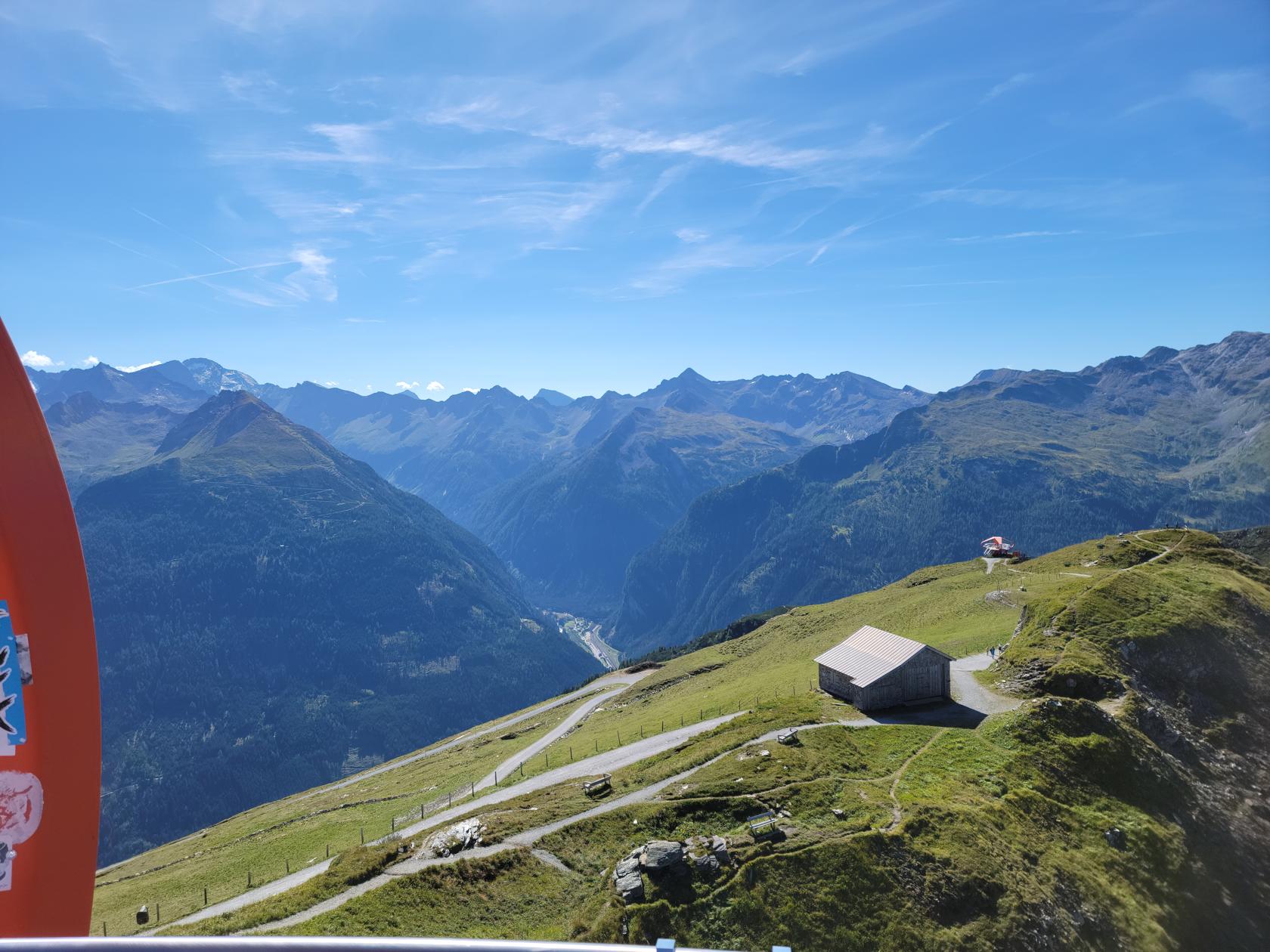
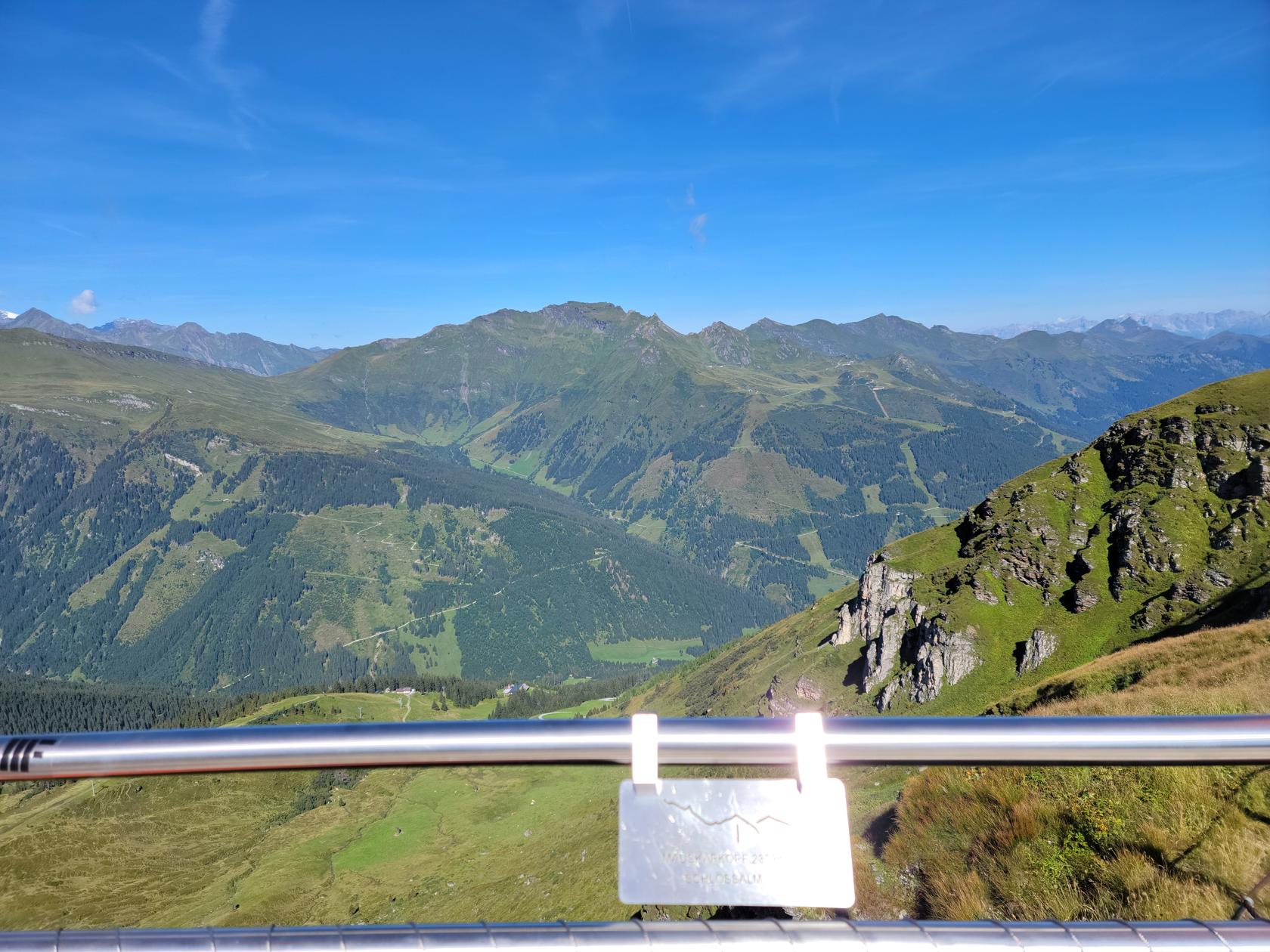
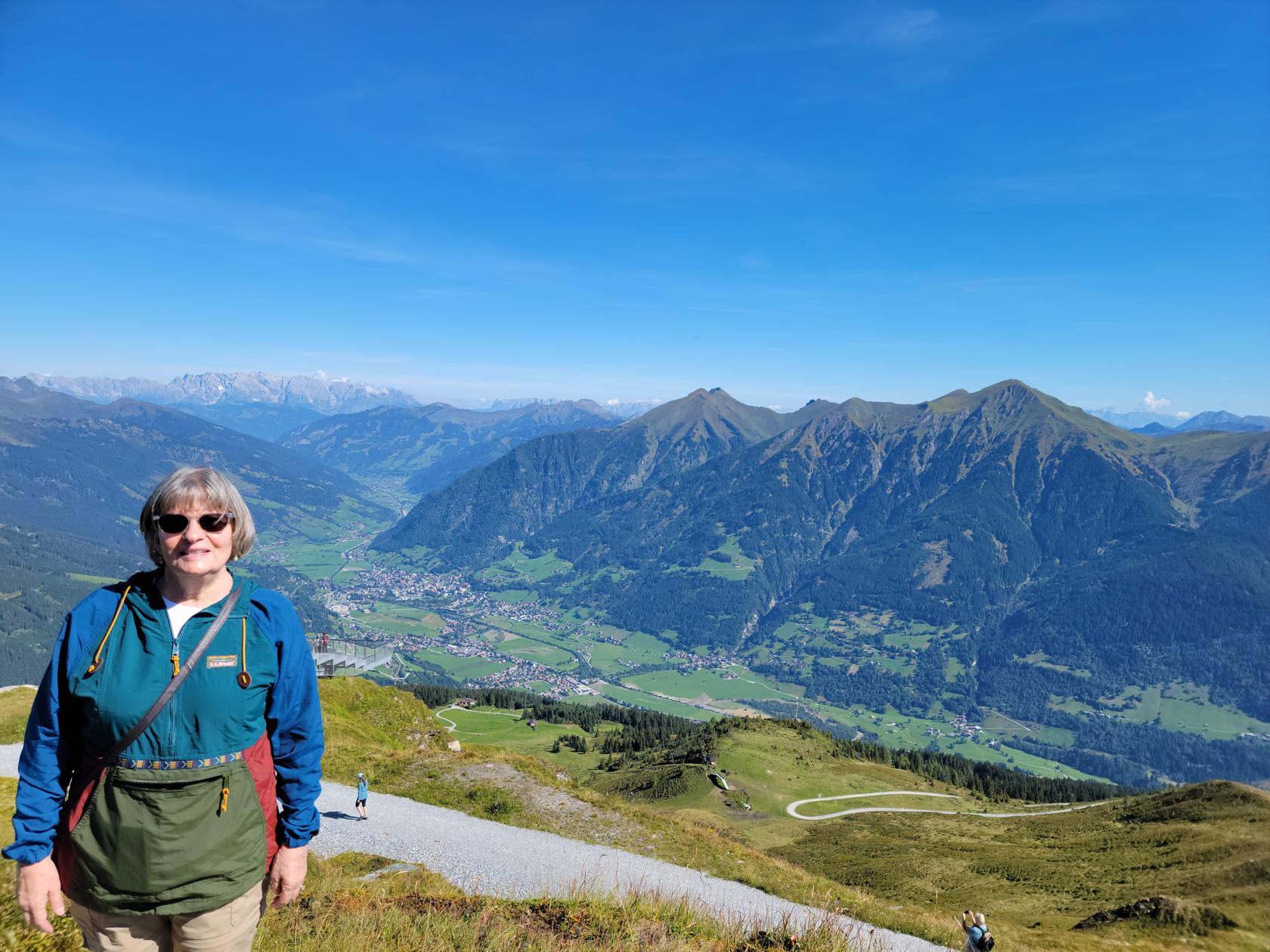
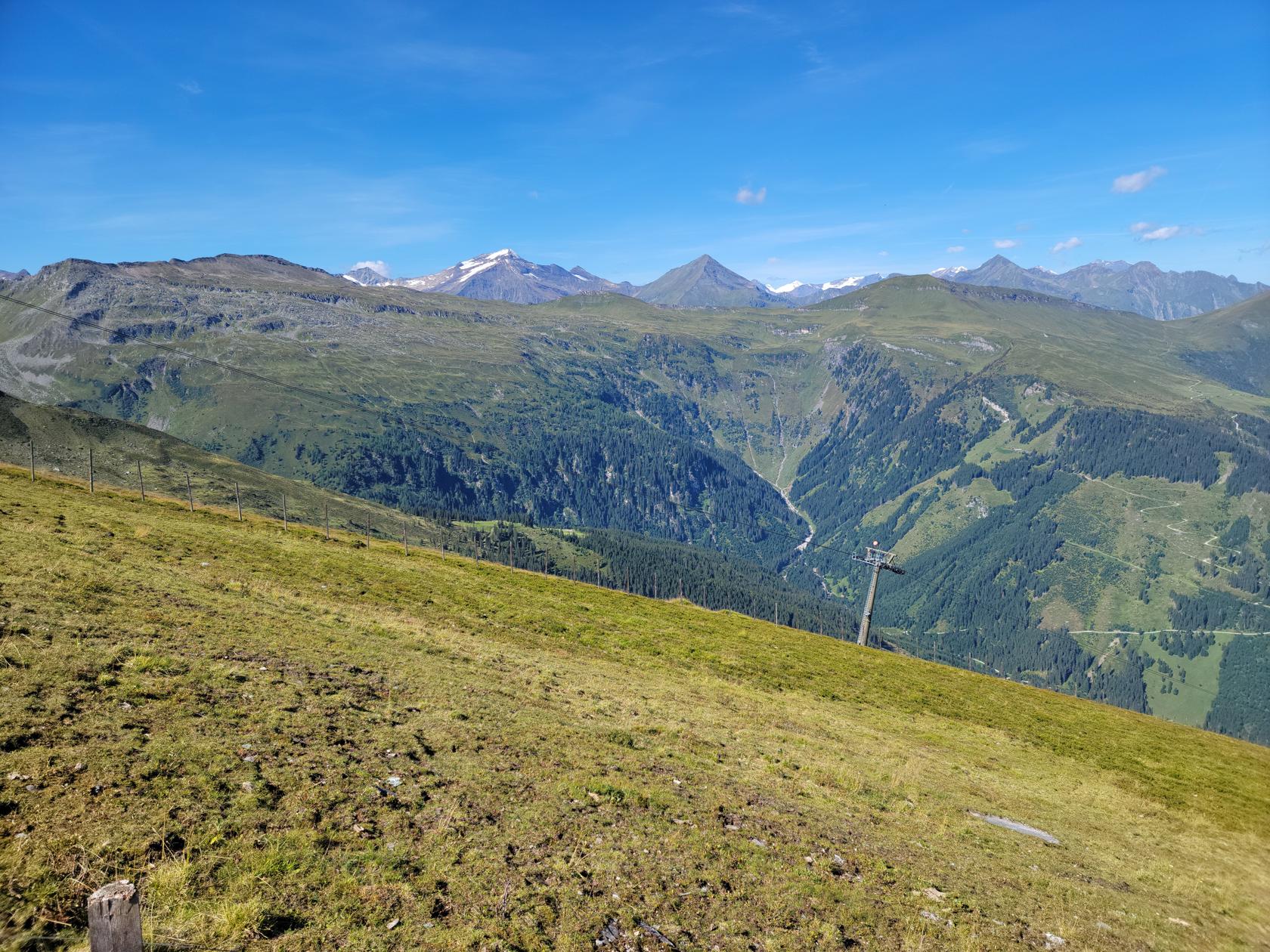
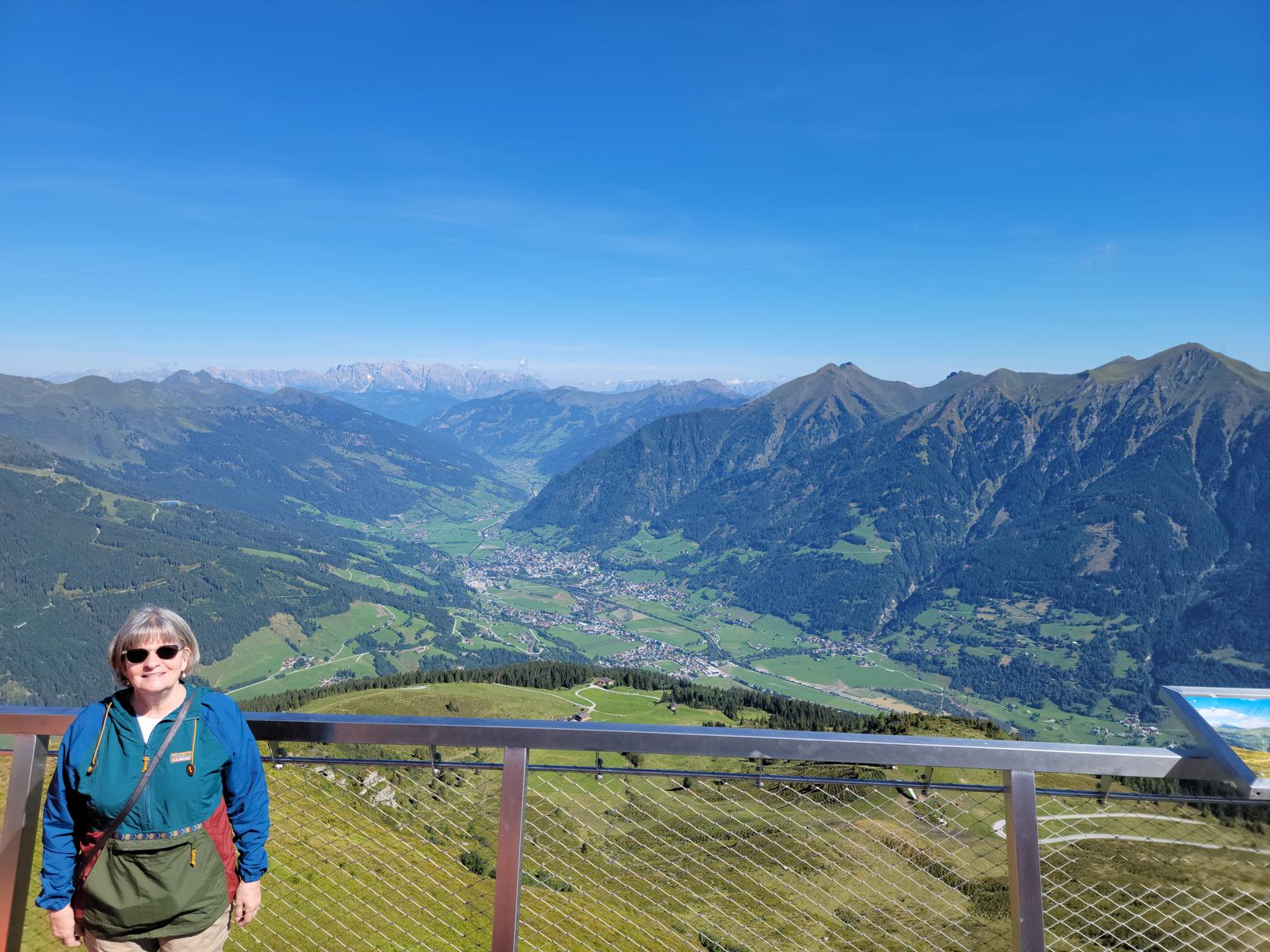
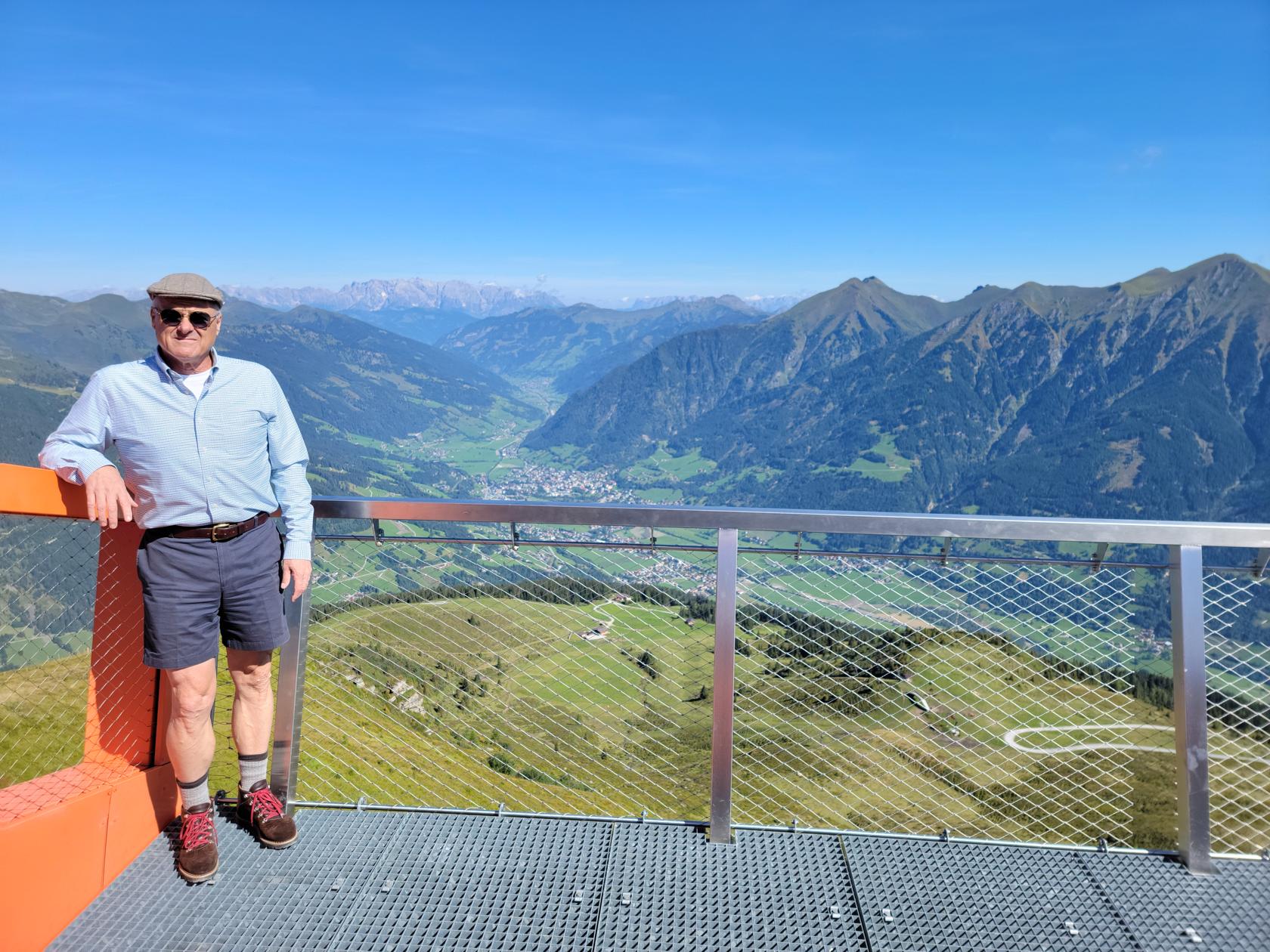
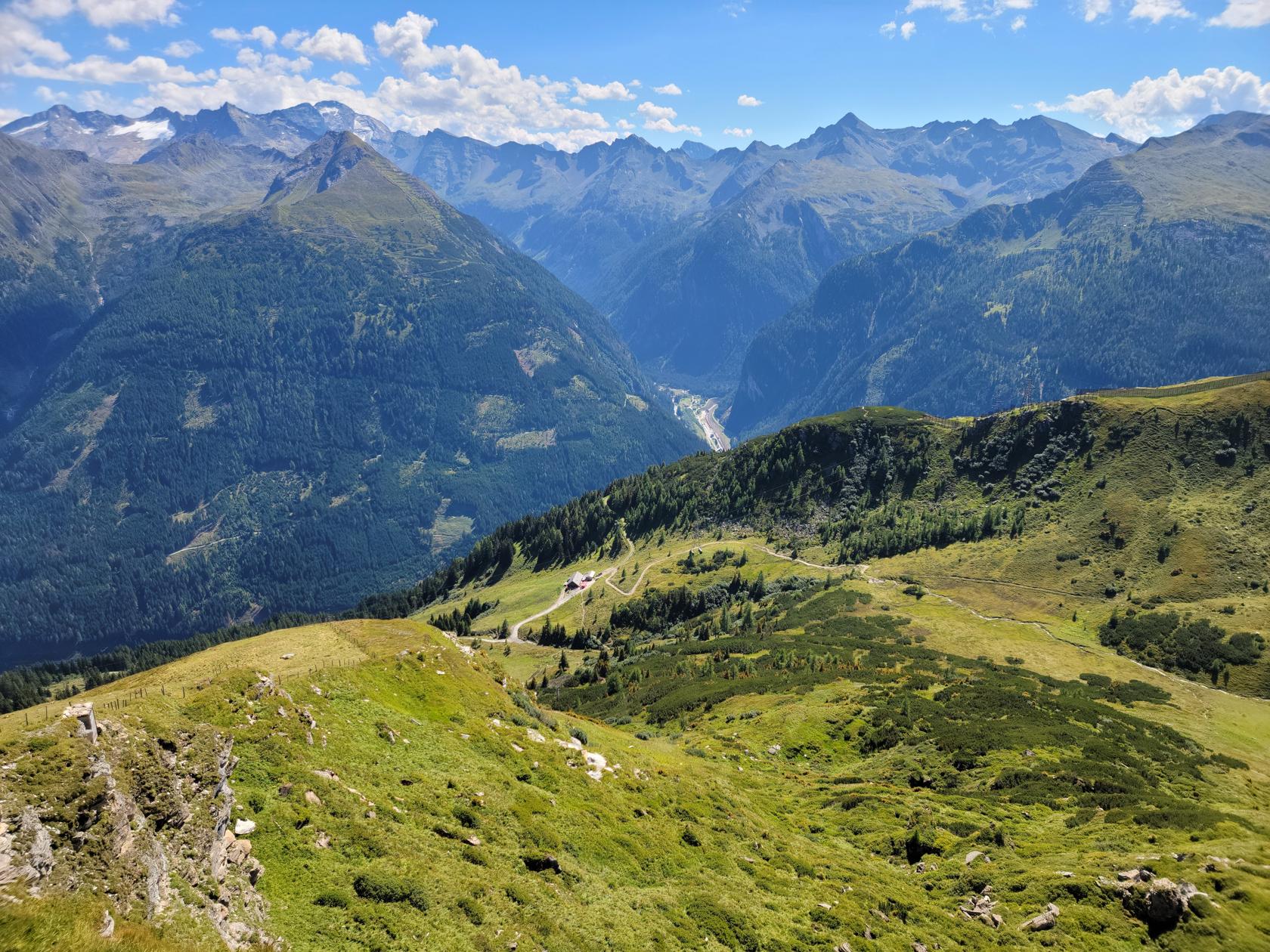
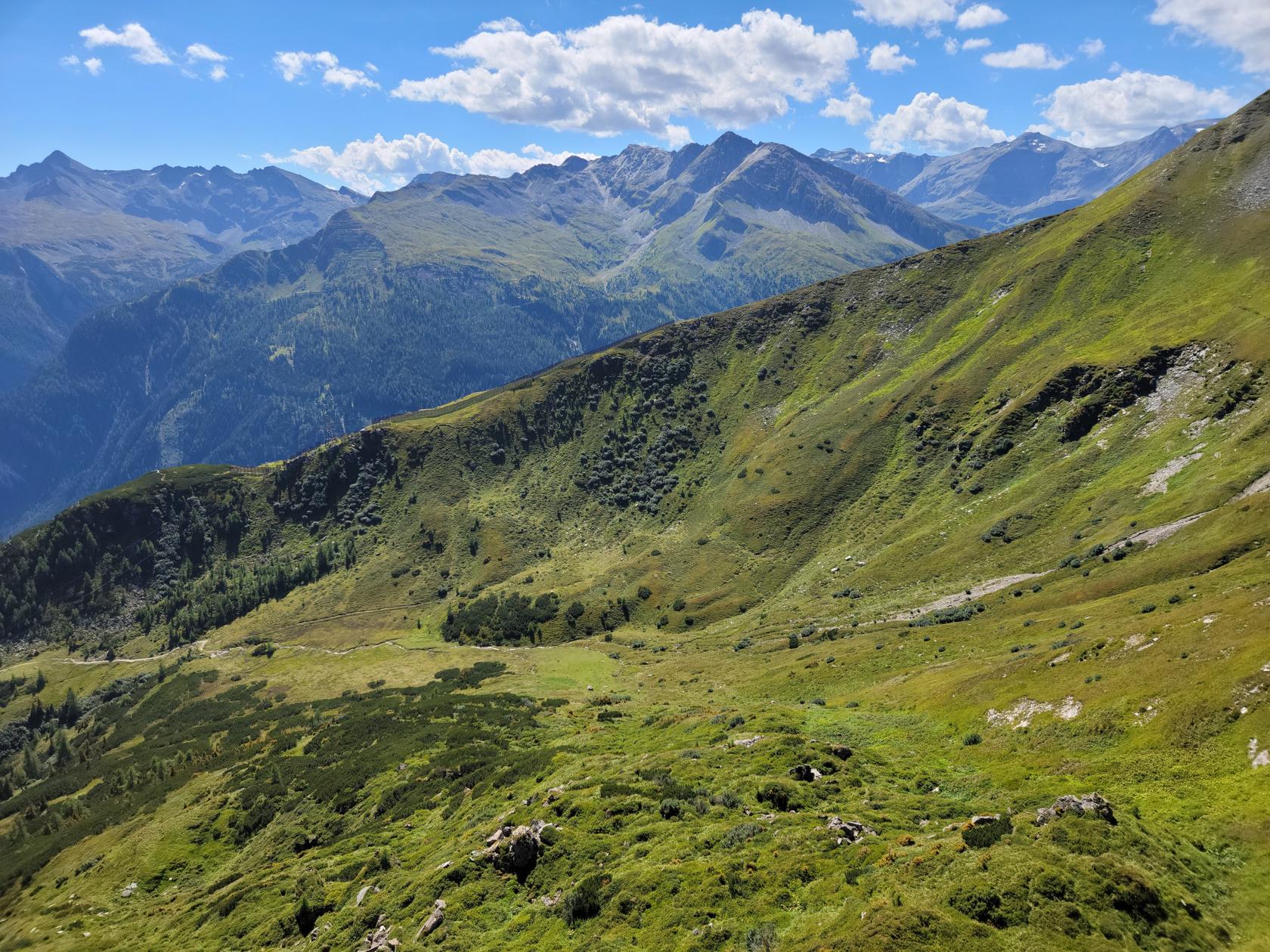
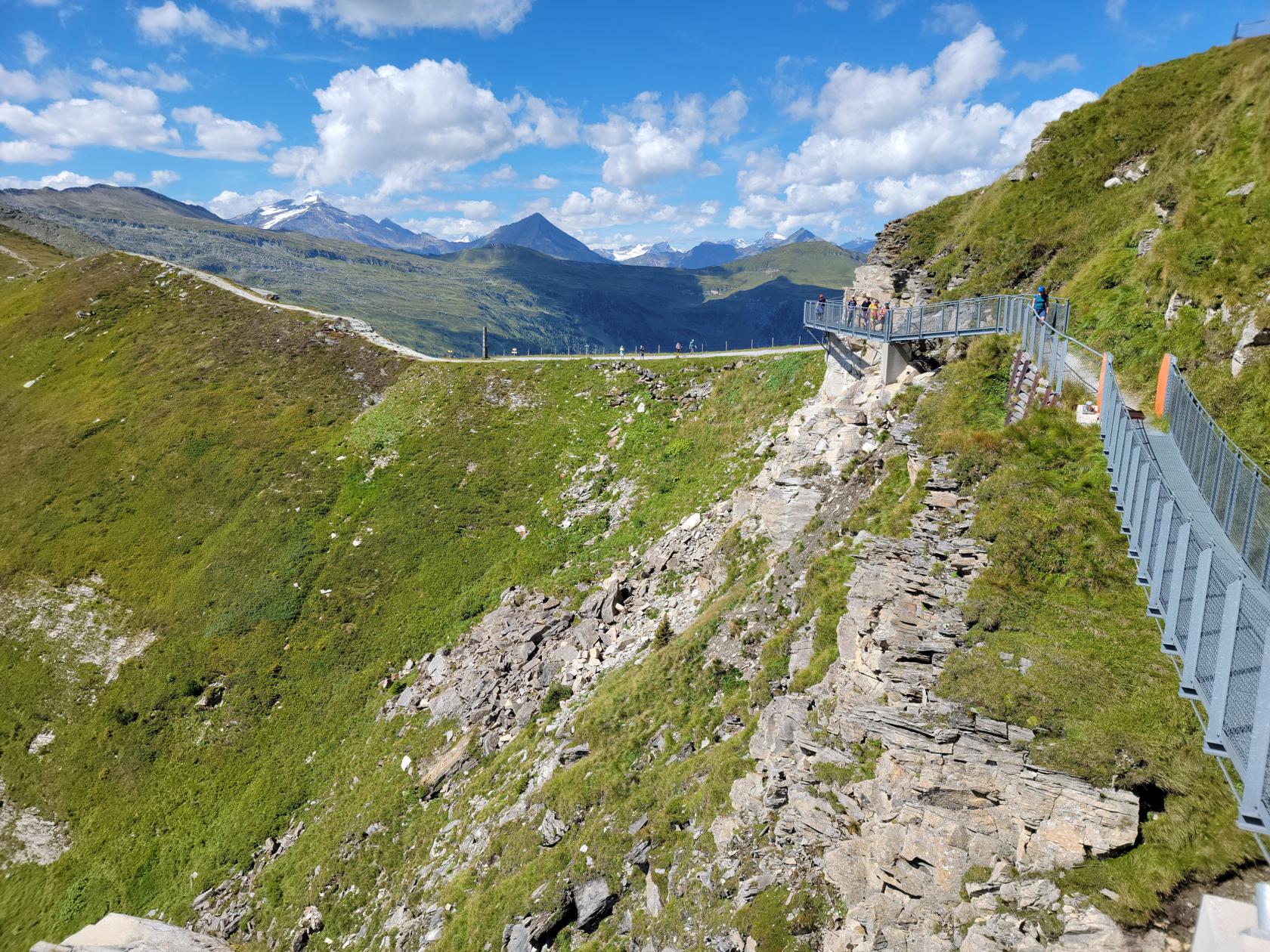
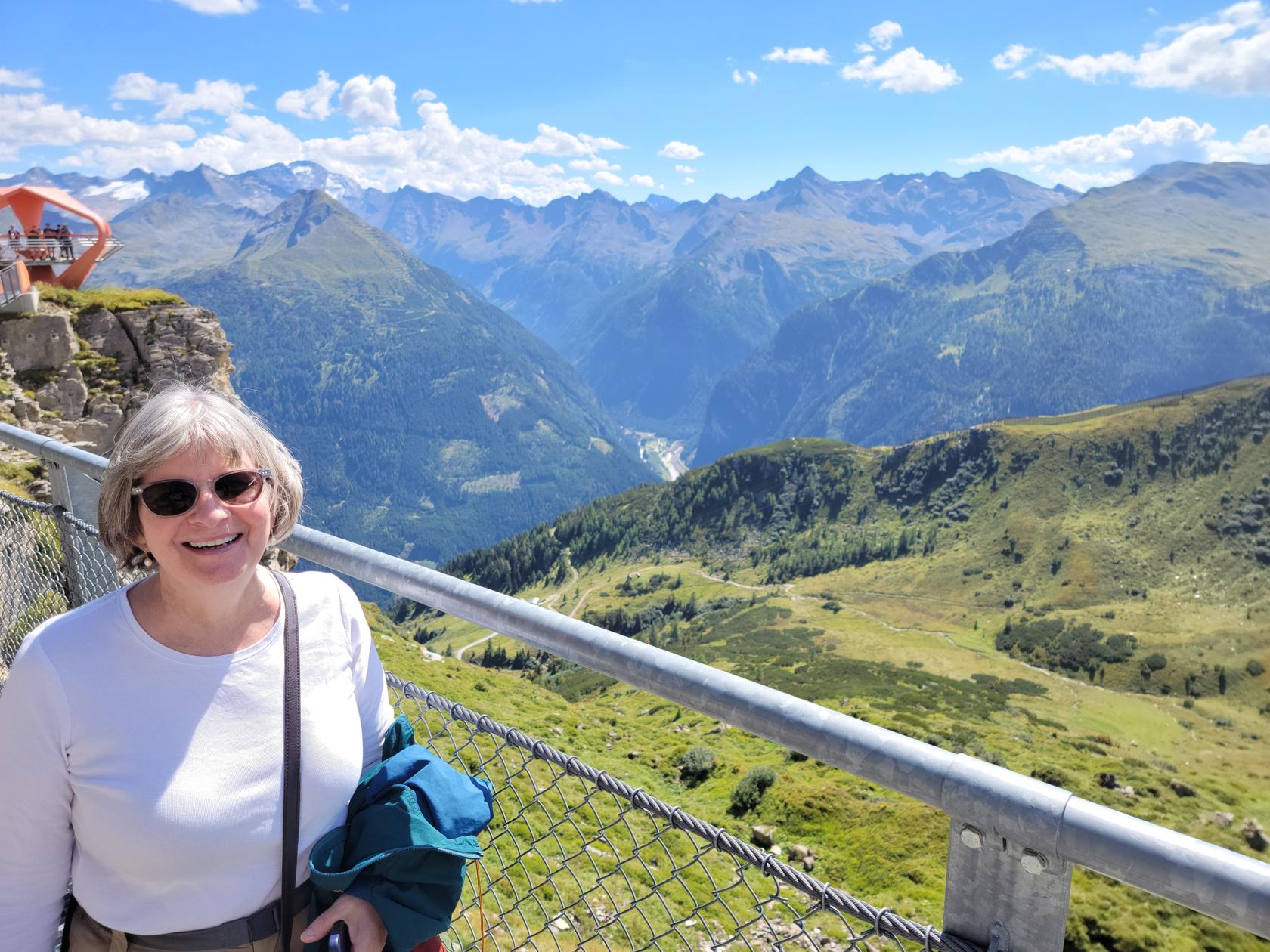
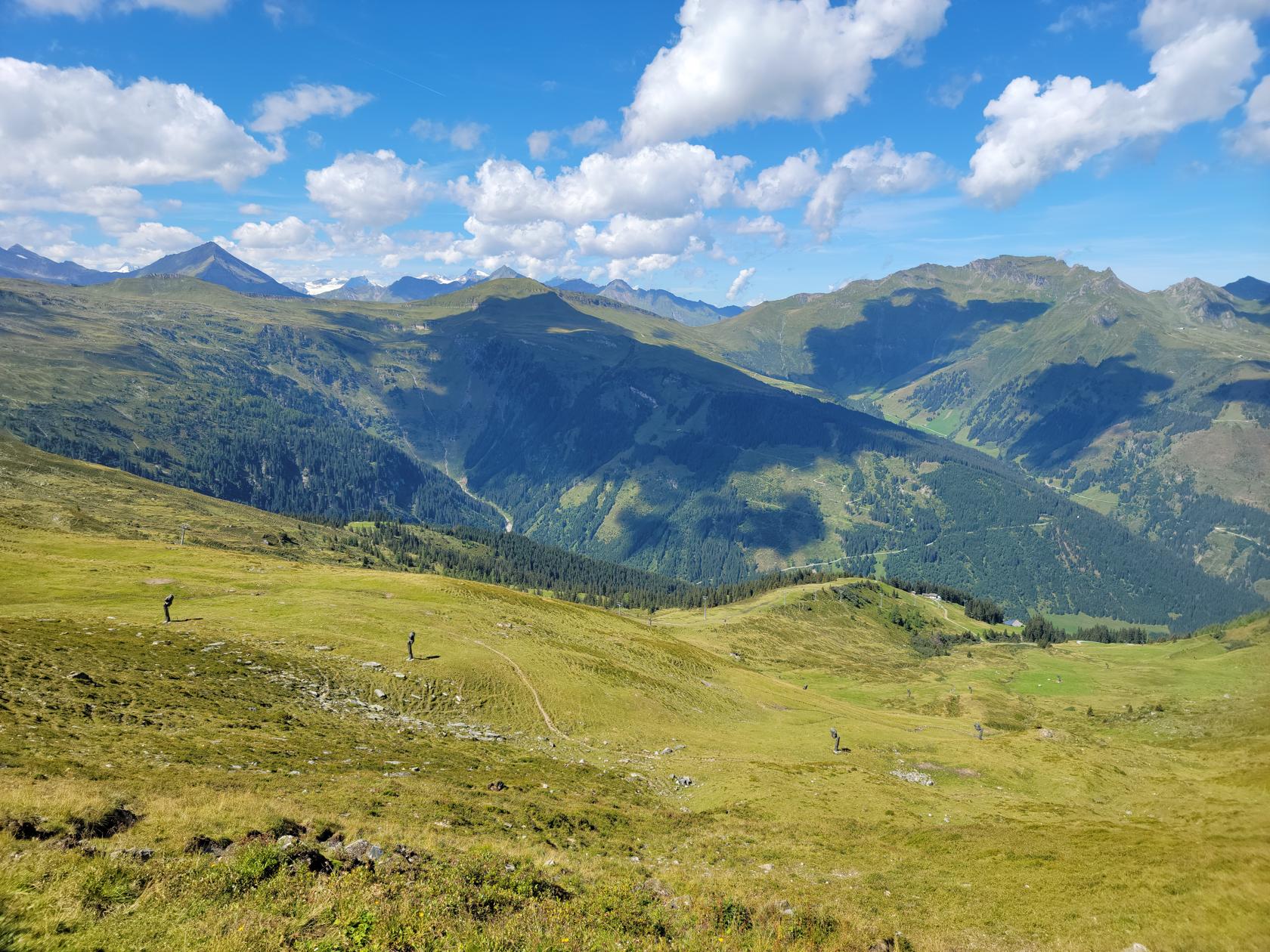
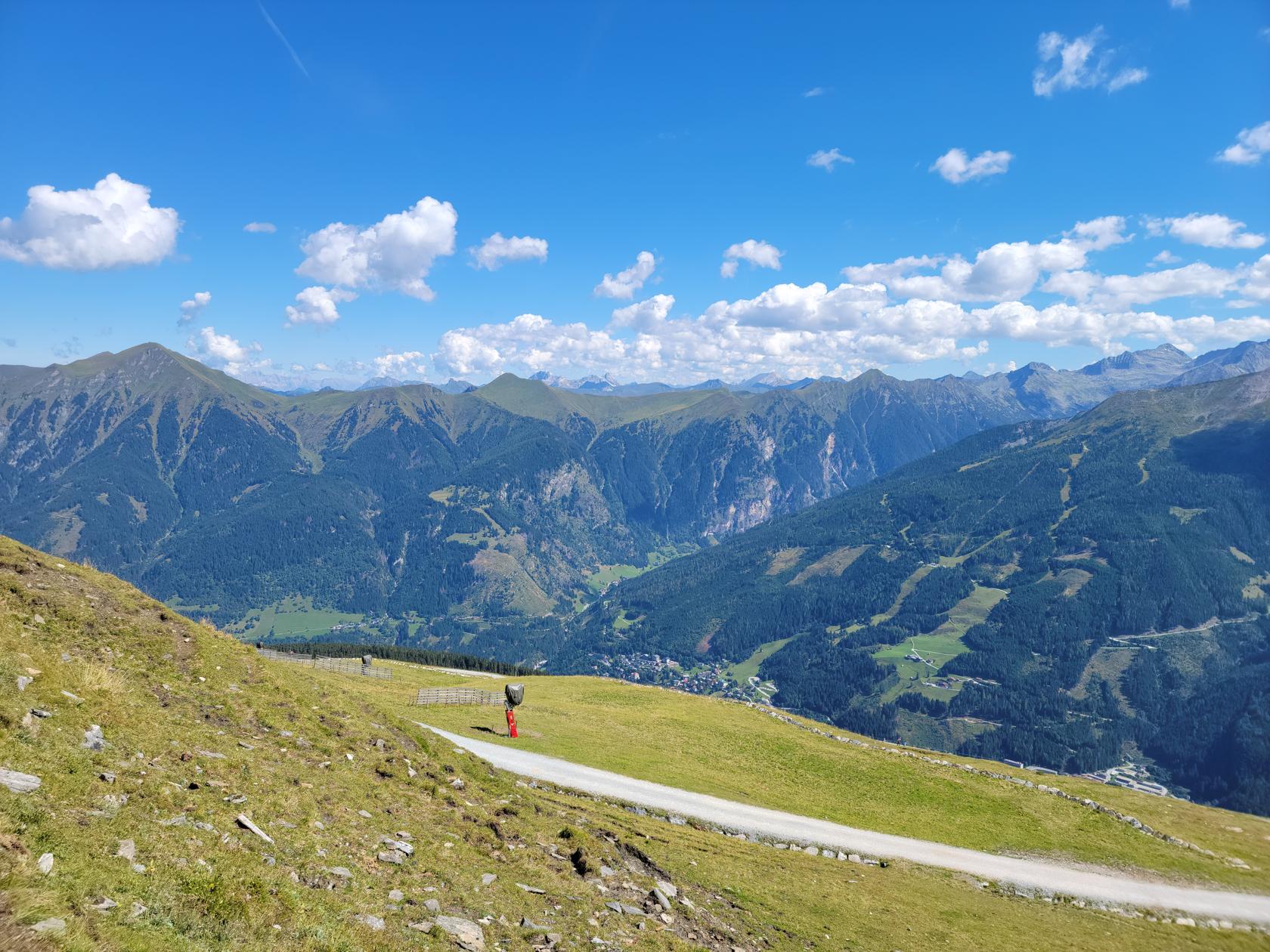
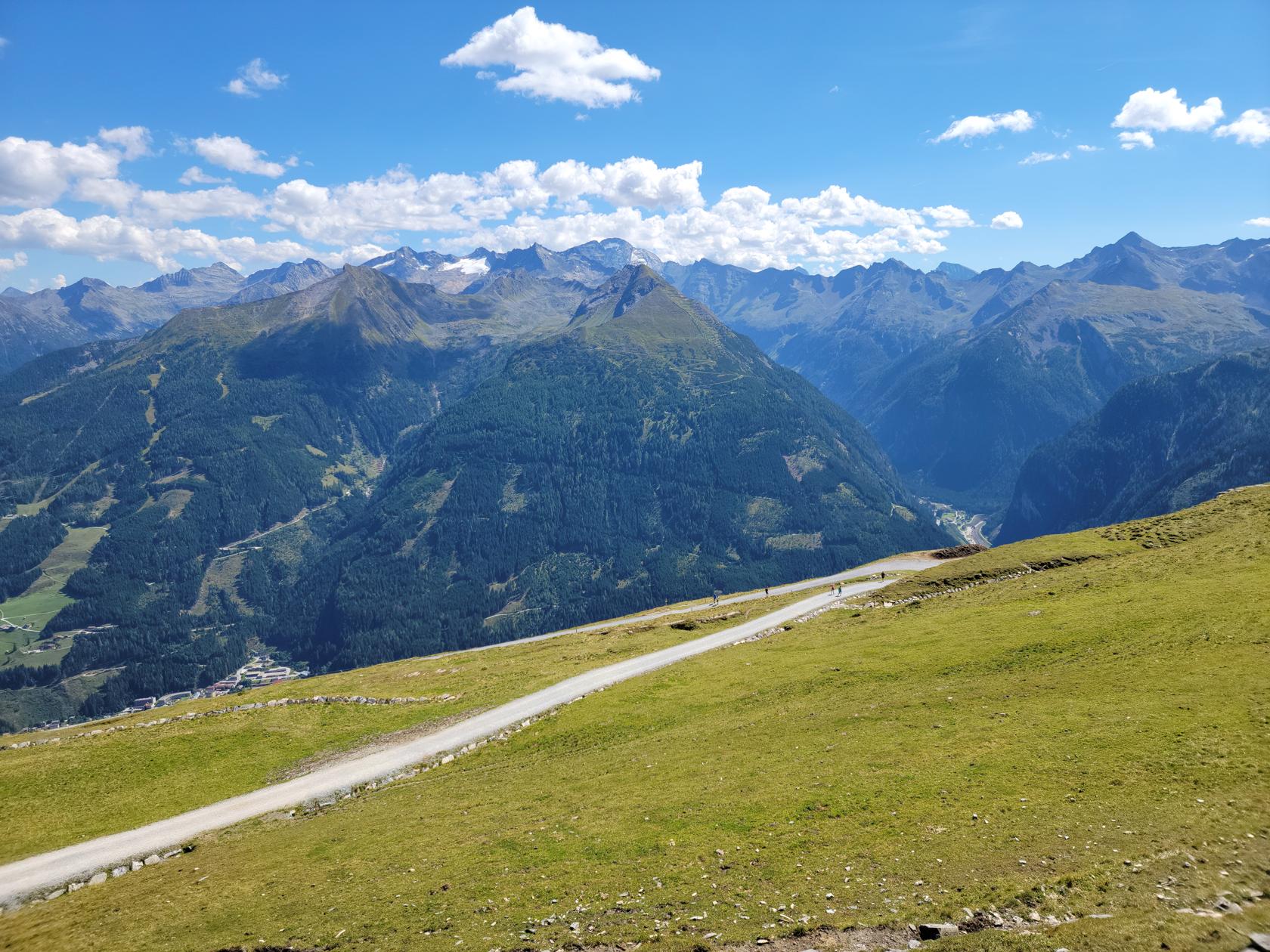
On the summit the views are spectacular. The air is bracing and it is typically a bit windy up there, so bring something extra to wear. Even with the sun, we were taking things off and putting them back on, depending on whether we were walking, sitting in the shade, or sunning ourselves on the restaurant veranda enjoying a drink.
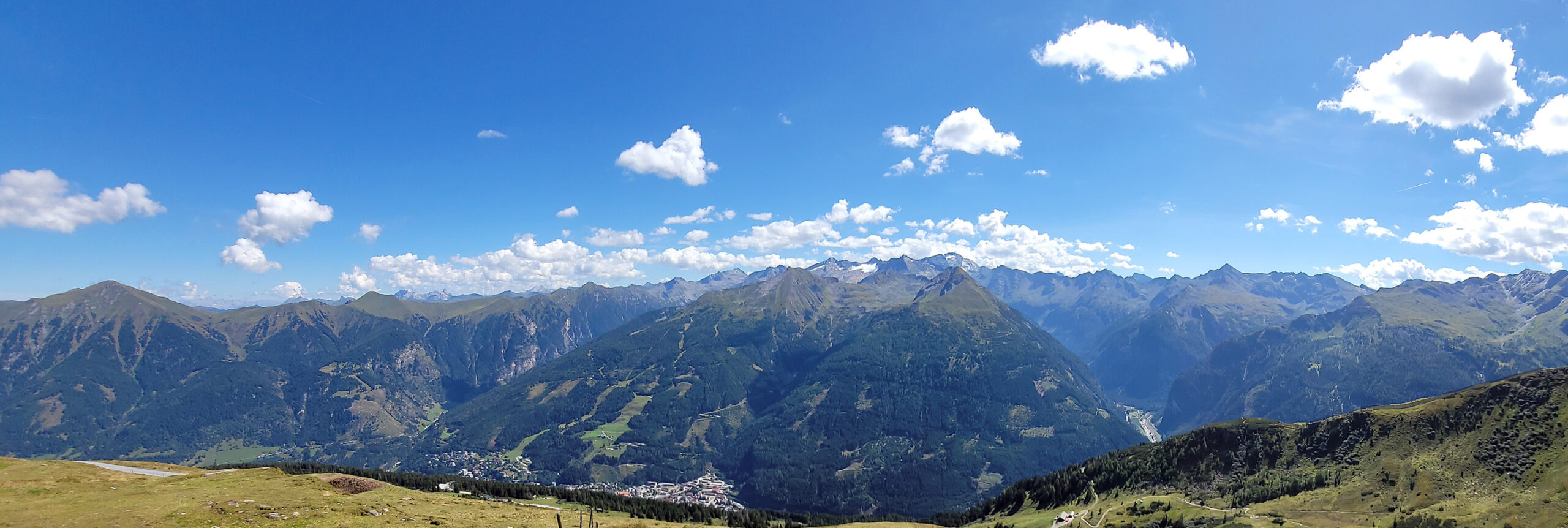
Panoramic view of the Ankogel mountains – Stubnerkogel – Bad Gastein, Austria
I won’t bore you too much with details, just watch the following slideshow to enjoy our experience. It was most walking around and just enjoying the fresh air and surrounding views.
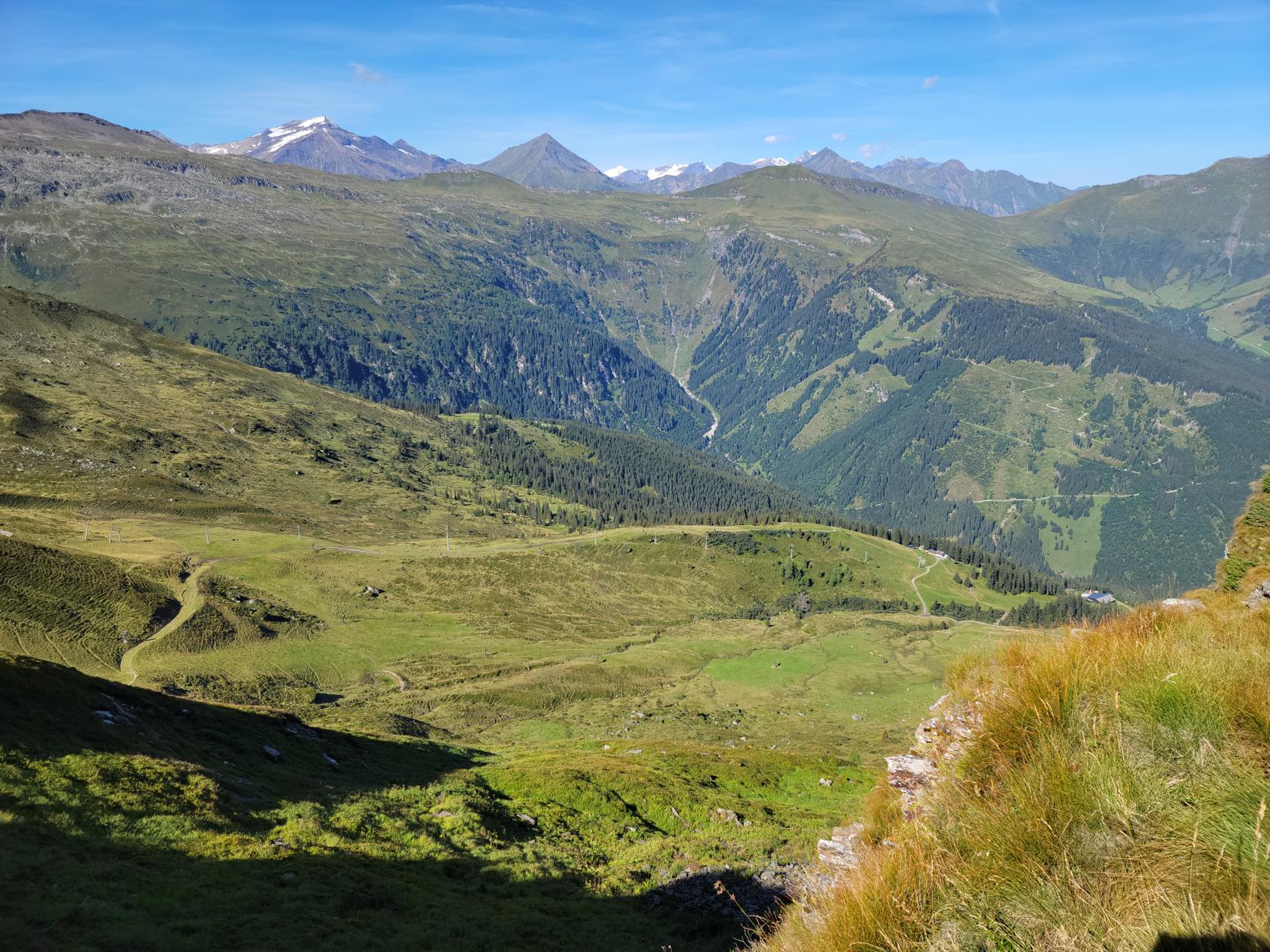
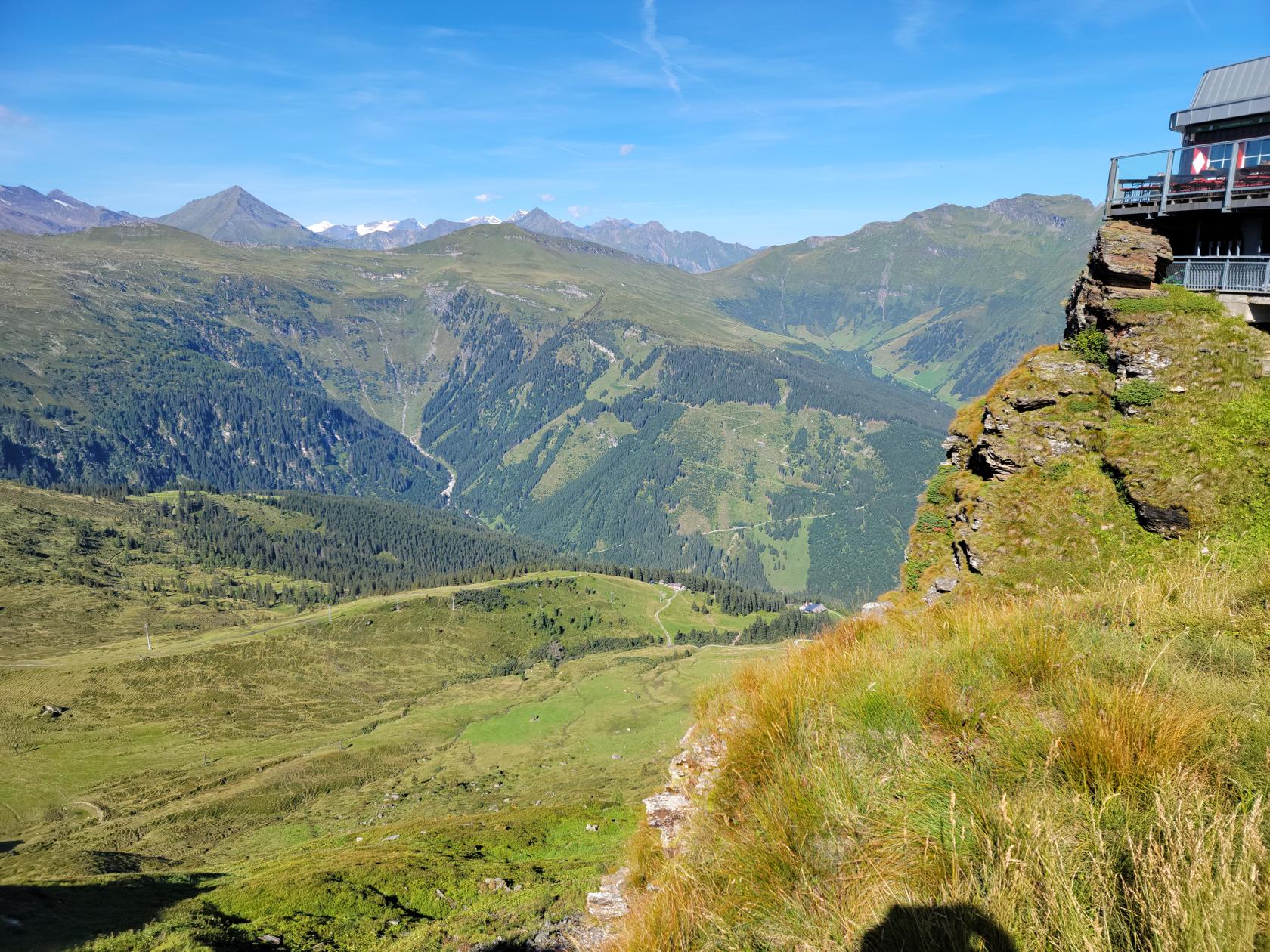
The Ritterkopf and the Angertal valley below – Stubnerkogel – Bad Gastein, Austria
The Angertal valley below – Stubnerkogel – Bad Gastein, Austria
Looking toward Bad Gasteinhe – Stubnerkogel – Bad Gastein, Austria
Looking toward the Ankogel mountain group – Stubnerkogel – Bad Gastein, Austria
Looking toward Anlauftal valley – Stubnerkogel – Bad Gastein, Austria
Path to the Zitraurer Tisch – Stubnerkogel – Bad Gastein, Austria
Angertal – Stubnerkogel – Bad Gastein, Austria
Angertal with Ritterkopf in the distance – Stubnerkogel – Bad Gastein, Austria
Angertal with Ritterkopf in the distance – Stubnerkogel – Bad Gastein, Austria
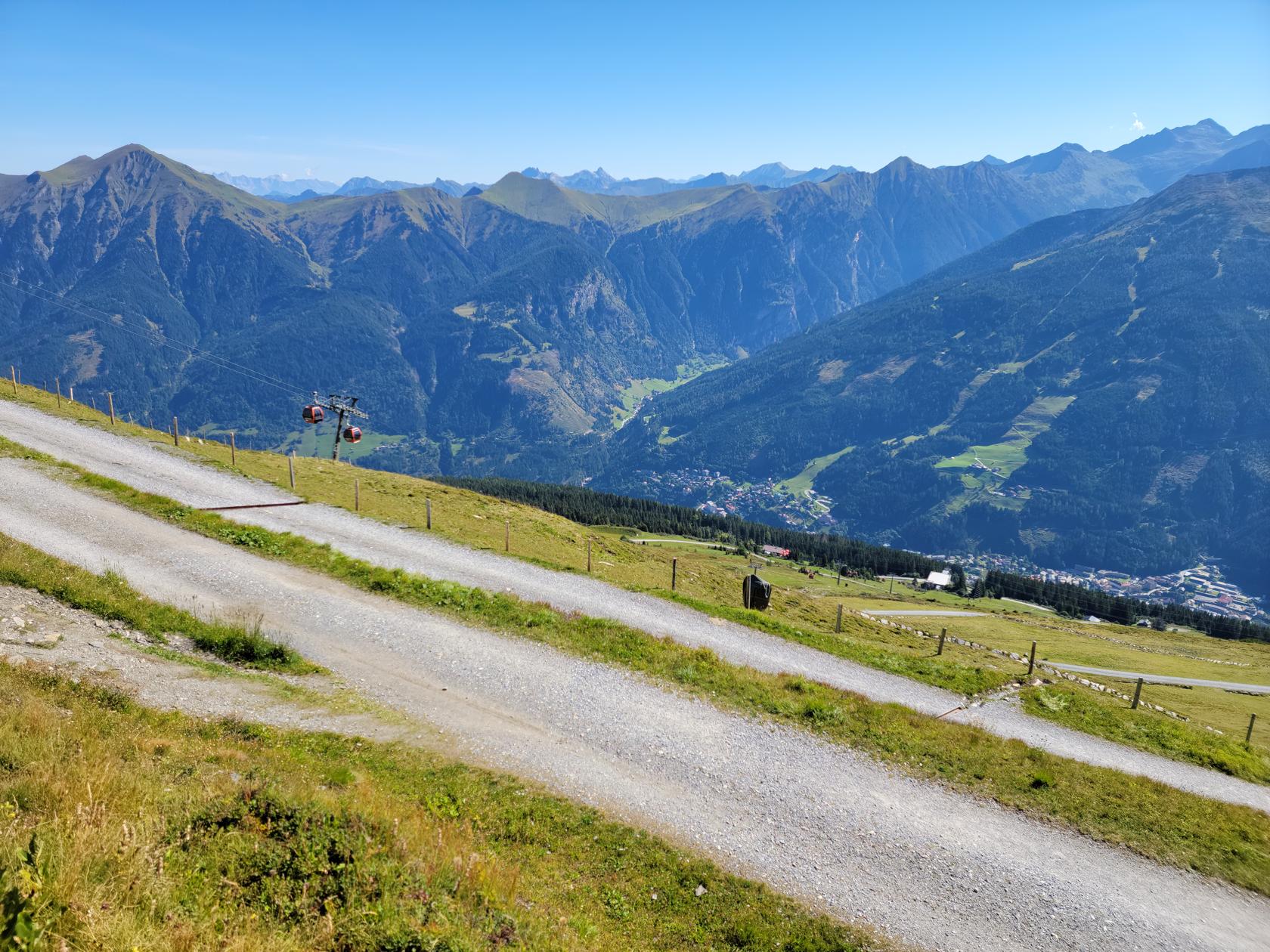
Bad Gastein below – Stubnerkogel – Bad Gastein, Austria
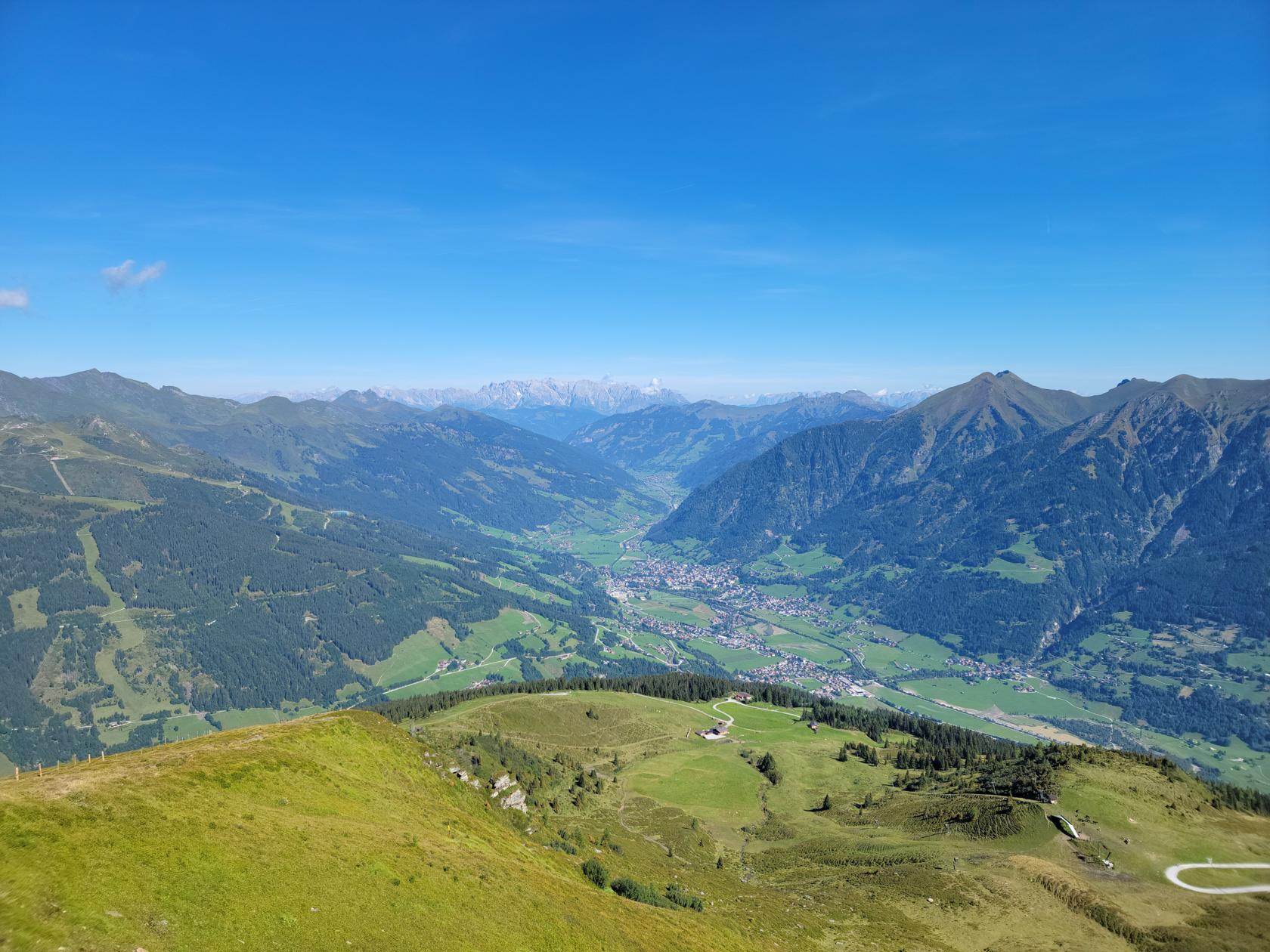
Bad Hofgastein in the Gastein valley – Stubnerkogel – Bad Gastein, Austria
Patti – Stubnerkogel – Bad Gastein, Austria
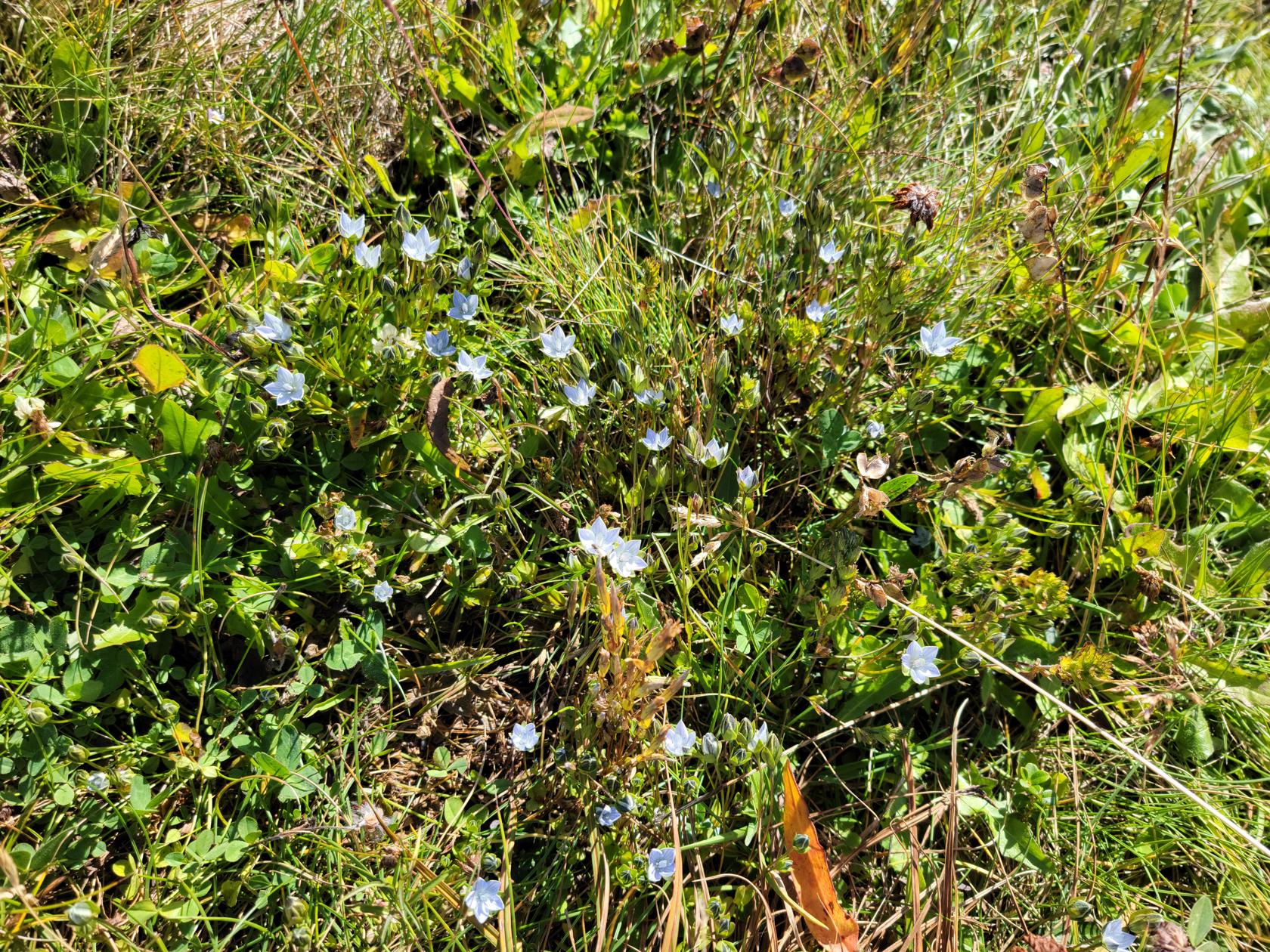
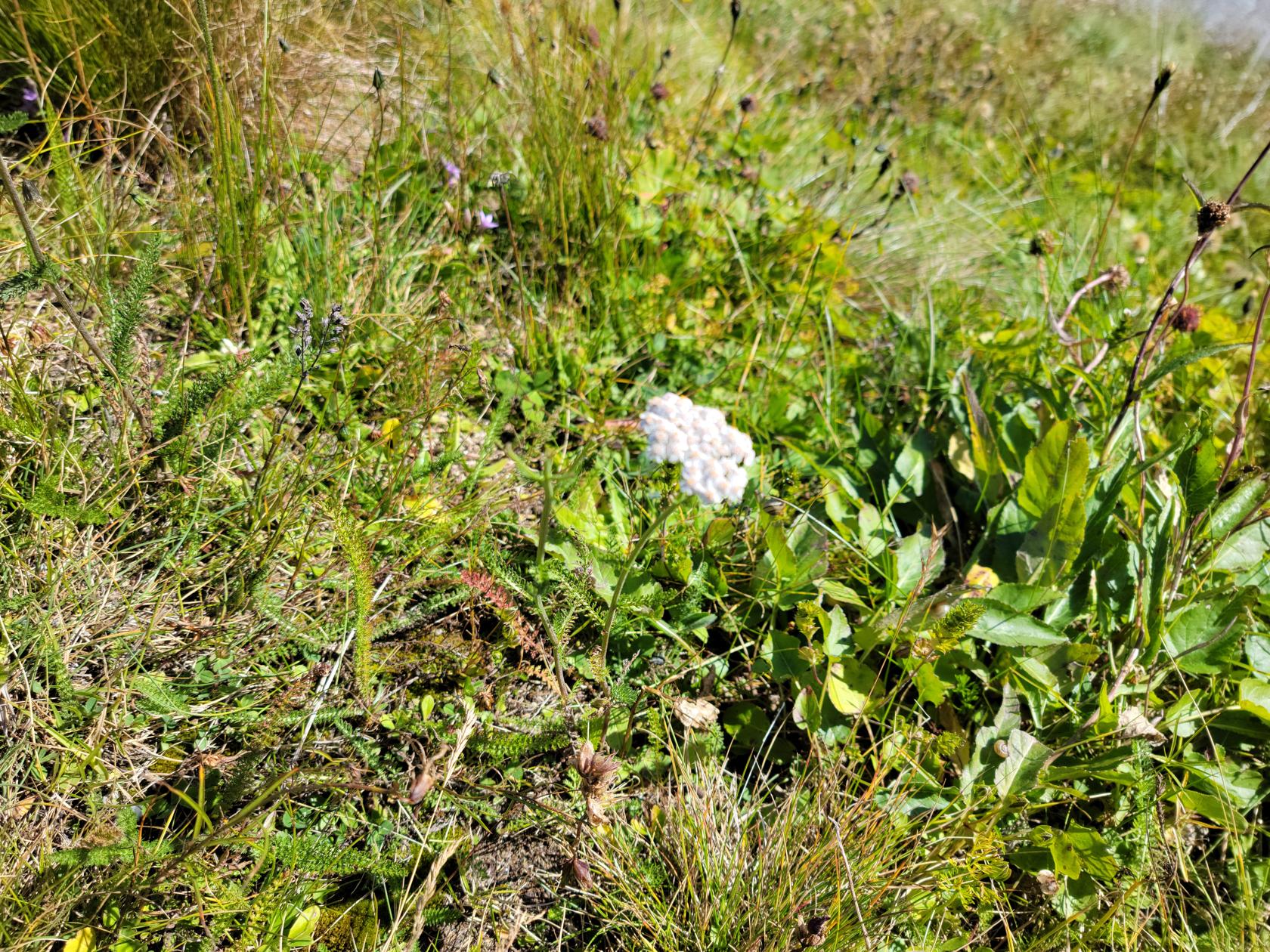
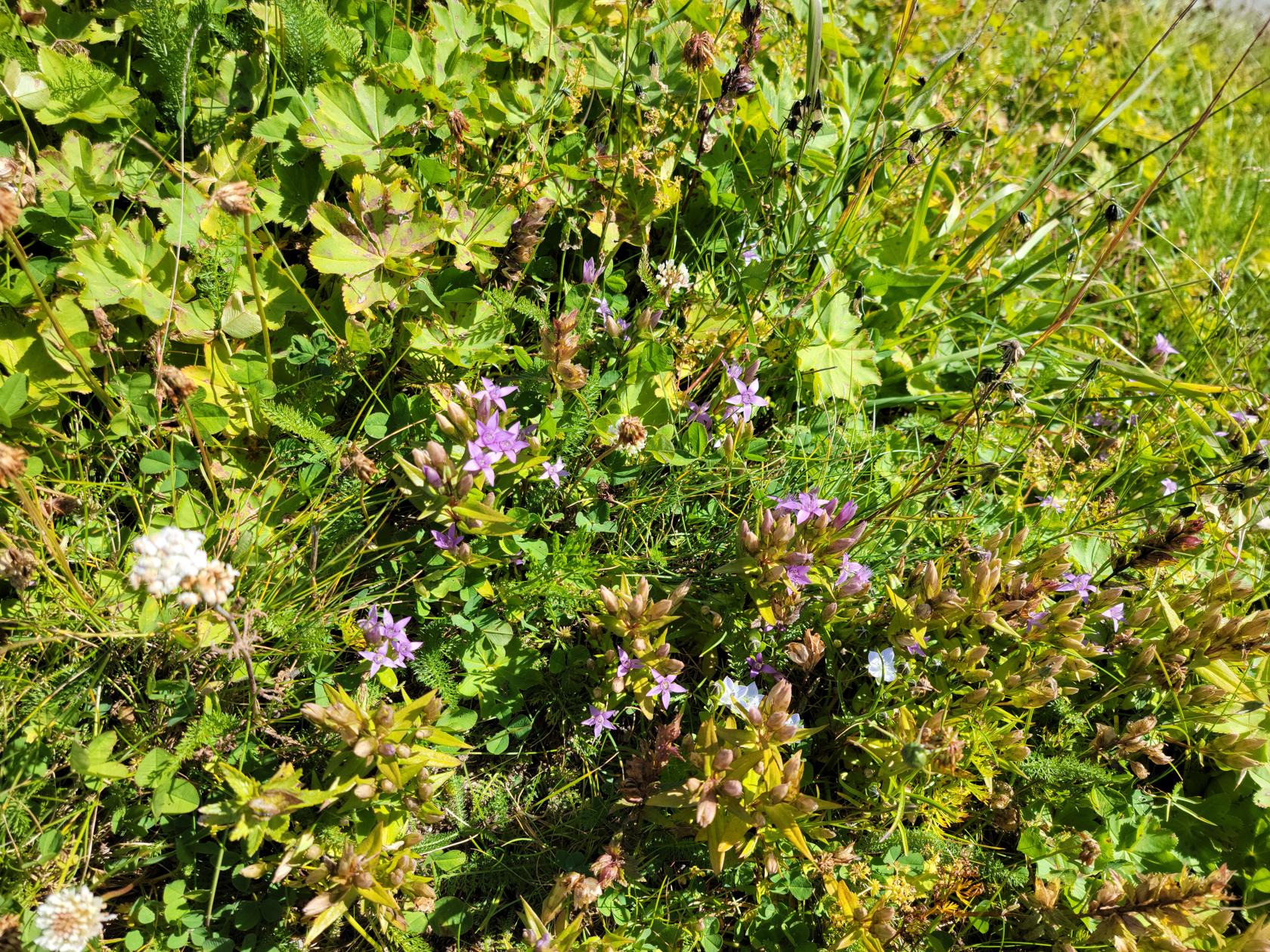
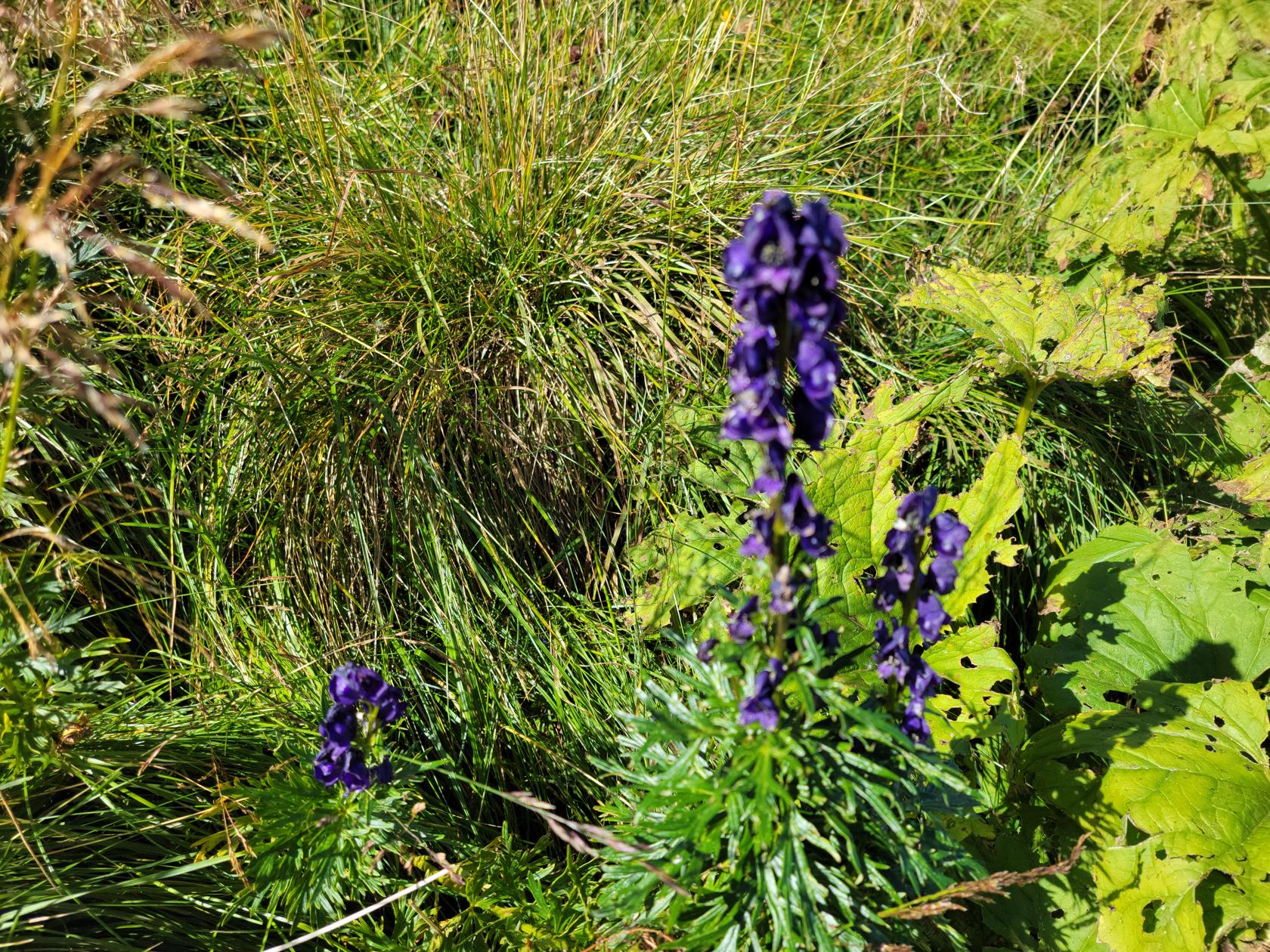
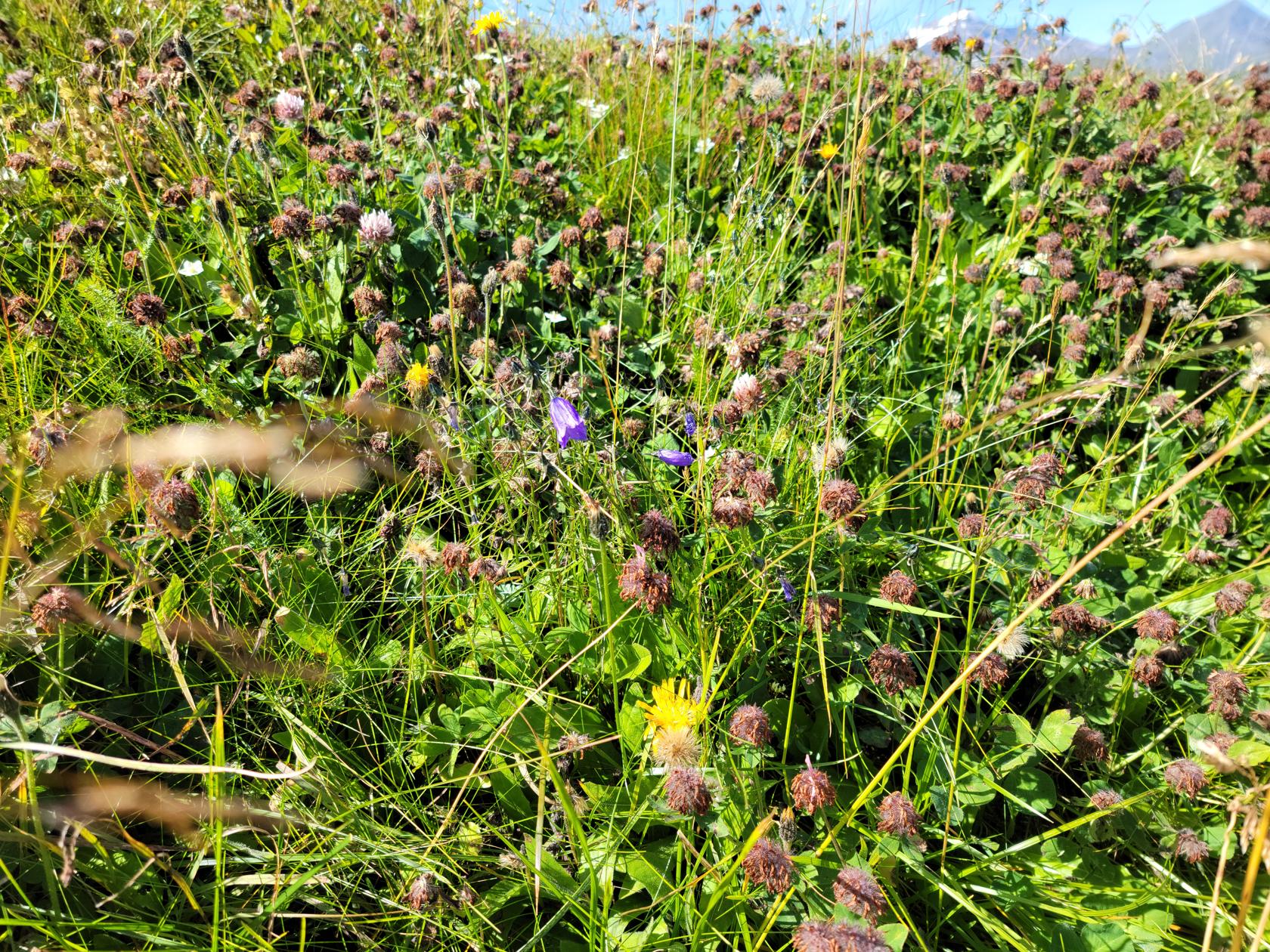
Wild mountain flowers – Stubnerkogel – Bad Gastein, Austria
Wild mountain flowers – Stubnerkogel – Bad Gastein, Austria
Wild mountain flowers – Stubnerkogel – Bad Gastein, Austria
Wild mountain flowers – Stubnerkogel – Bad Gastein, Austria
Wild mountain flowers – Stubnerkogel – Bad Gastein, Austria
Ritterkopt in the distance – Stubnerkogel – Bad Gastein, Austria
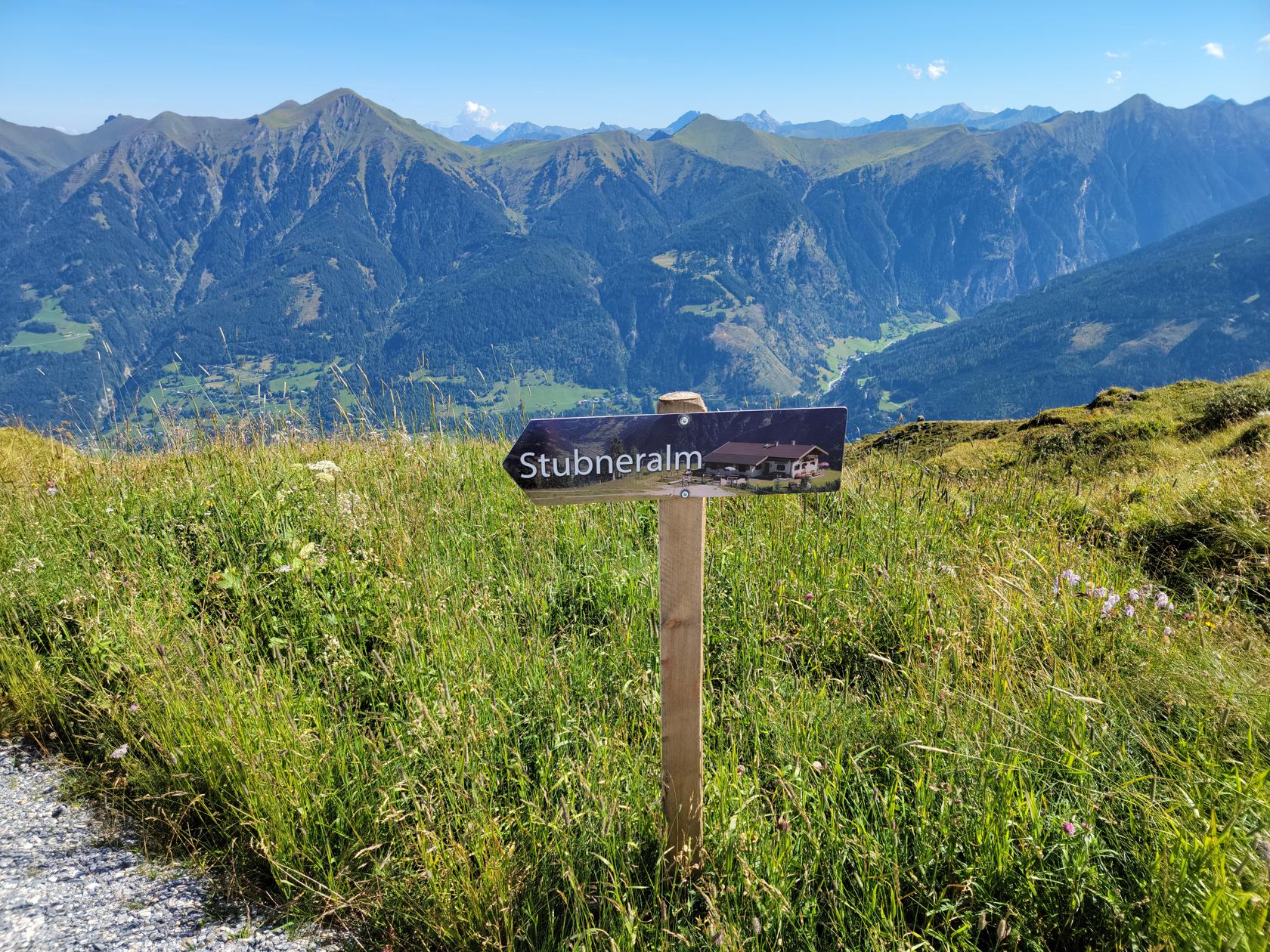
To the Stubneralm overlook – Stubnerkogel – Bad Gastein, Austria
The Gastein valley and Bad Hofgastein – Stubnerkogel – Bad Gastein, Austria
Patti at the Stubneralm – Stubnerkogel – Bad Gastein, Austria
Erick at the Stubneralm – Stubnerkogel – Bad Gastein, Austria
The Anlauftal valley – Stubnerkogel – Bad Gastein, Austria
Gentle slopes of Stubnerkogel – Stubnerkogel – Bad Gastein, Austria
The rocky slopes of the Stubnerkogel – Stubnerkogel – Bad Gastein, Austria
Patti on the Rocky Trail – Stubnerkogel – Bad Gastein, Austria
Beautiful weather – Stubnerkogel – Bad Gastein, Austria
Dachstein in the distance – Stubnerkogel – Bad Gastein, Austria
One last view – Stubnerkogel – Bad Gastein, Austria
Conclusion
Though we enjoyed the area, we were frankly a bit disappointed with the lack of town amenities. There appears to be a lack of restaurants, and those that do exist, seem to offer the same fare at a similar price. So looking for something different to experience will be a bit of a culinary adventure.
I have already mentioned that the town’s central thermal spa has been closed, so that is itself a big negative. However, the trails and sights are great and there are plenty of places to visit and stay busy. I am not sure I would recommend deviating your plans to stop here, but if you are headed to or from Salzburg and through Villach, Austria on your train route, you may want to stop for a day or two. I would not commend more than four days, you will run out of food options by that time.
Salzburger Hof
For us, the Salzburger Hof hotel appeared to be a good choice, we had an excellent room and the service was first rate. Though they did miss our need for extra coffee dairy and other supplies, the room was kept extremely neat and we always had plenty of towels and other accessories.
Tomorrow it is off to Linz, Austria via Salzburg. There we will spend a few days and eventually meet up with our daughter and son-in-law, Ericka and Gabi. So the next week or so will be a busy travel week for us.
Bad Gastein on the way down – Stubnerkogel – Bad Gastein, Austria
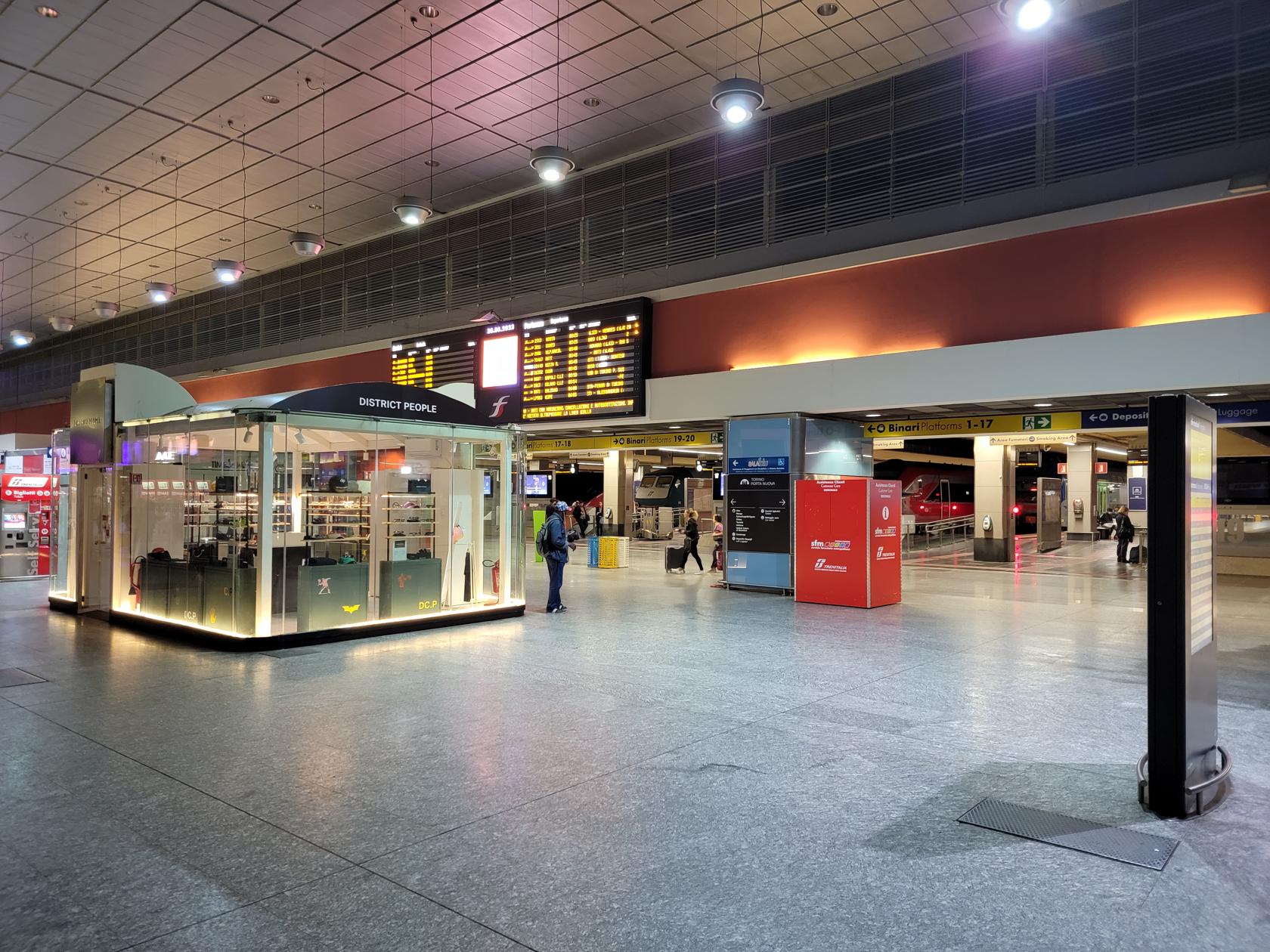
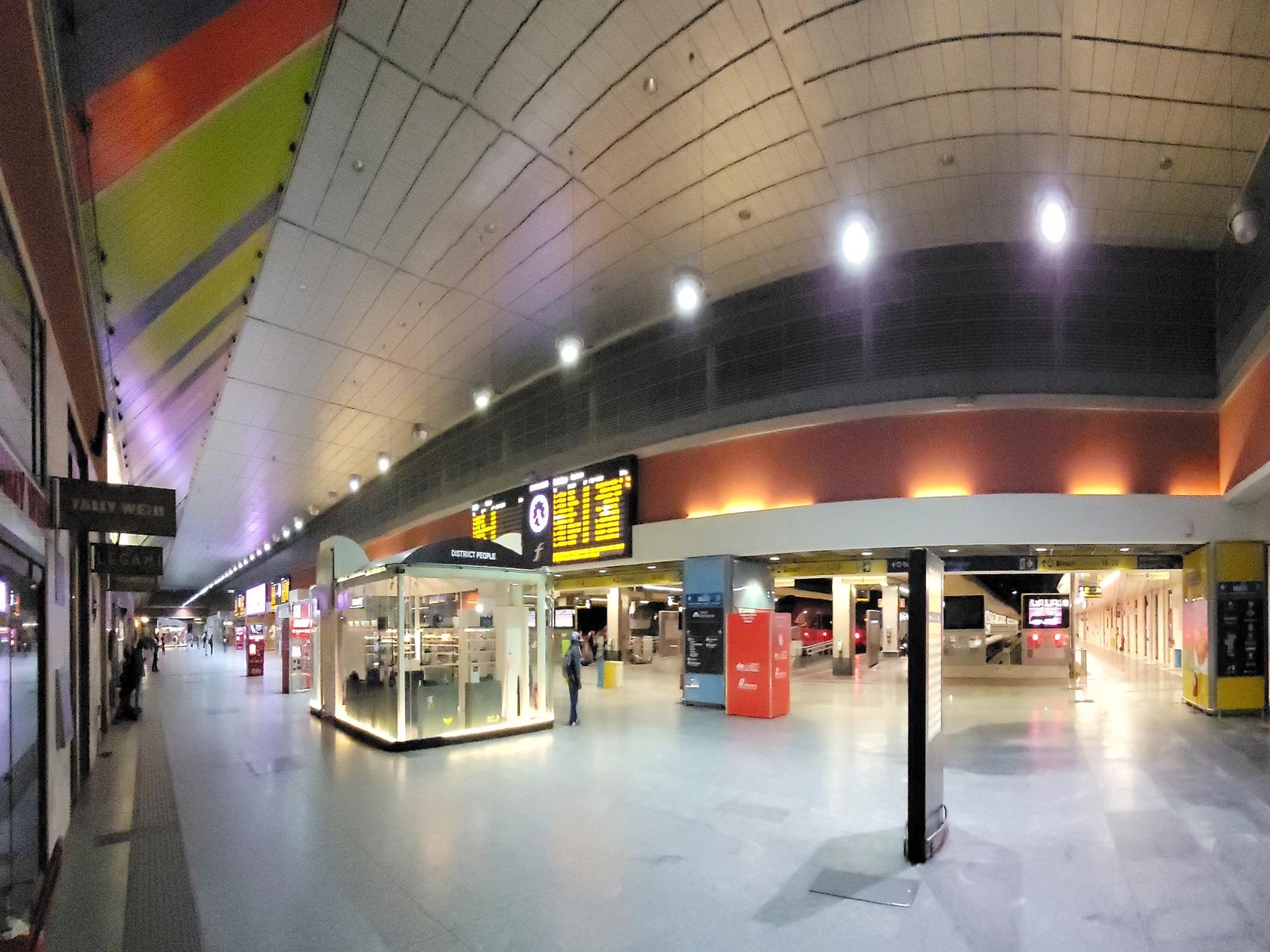
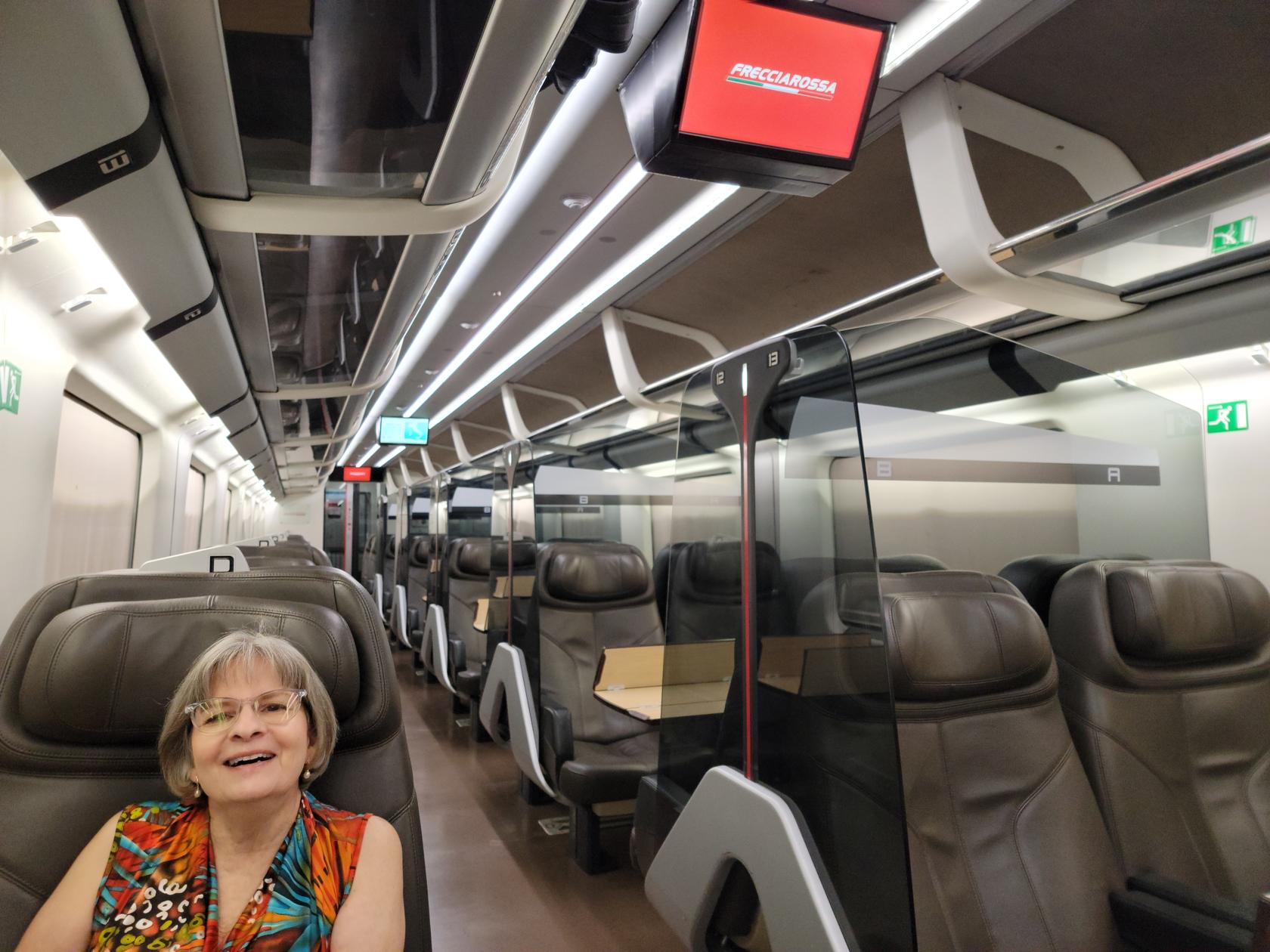
We left Turin early in the morning on the 5:50AM train, in order to catch the FrecciaRossa from Turin to Milan. Of course, due to the early hour, we used the Wetaxi Application and ordered a taxi for 12€ to take us to Porta Nuovo, the main train station in this part of the city.
Torino Train Station – Turin, Italy
Torino Train Station – Turin, Italy
Patti on the Freccia Rossa between Turin and Milan – Turin, Italy
Freccia Rossa to Venezia – Milan, Italy
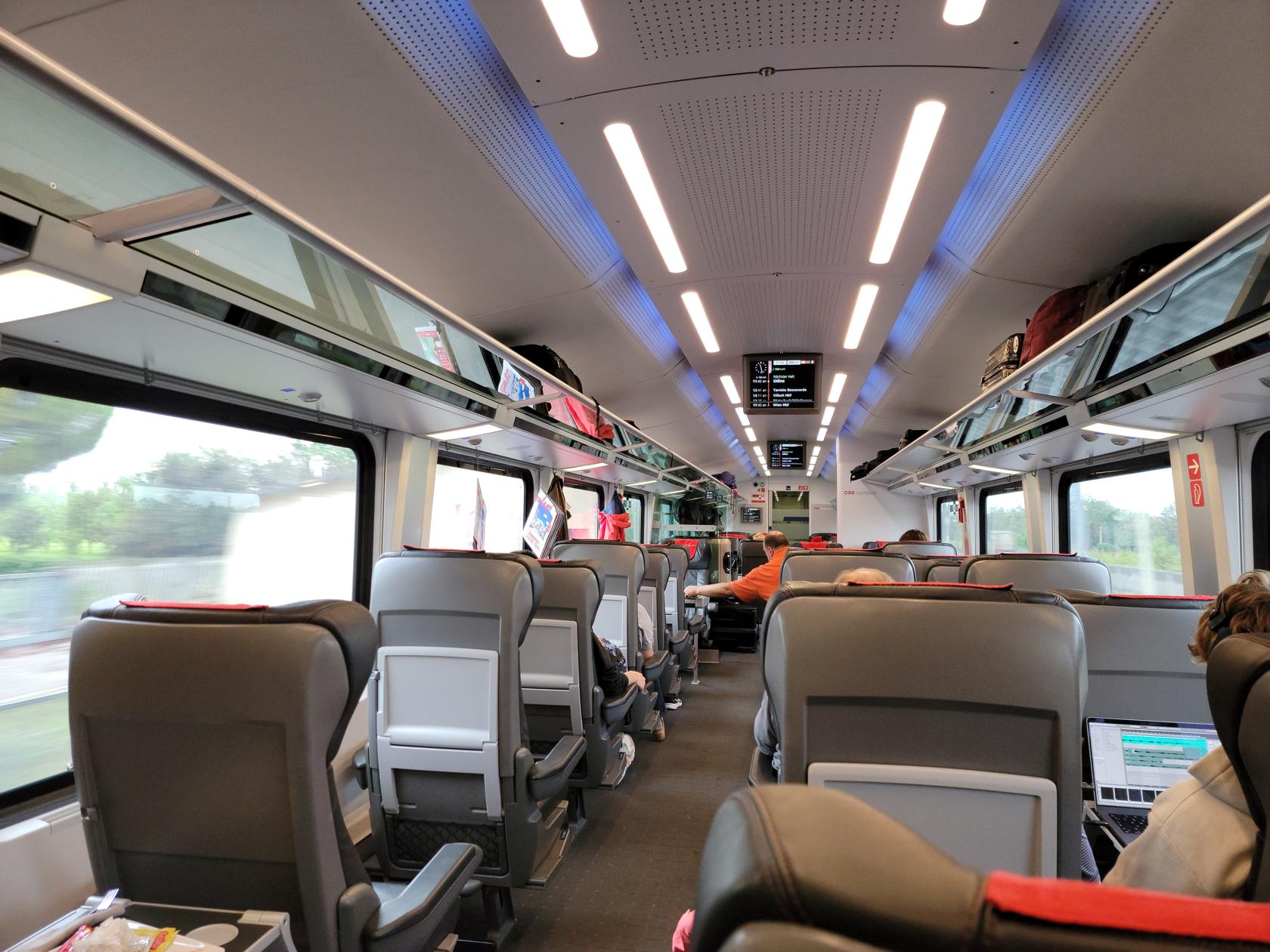
Our connecting FrecciaRossa, took us from Milan to Venice Maestre, where we picked up our Austrian ÖBB train to Villach, Austria. Luckily, all of our connections, and there were four, worked without issue.
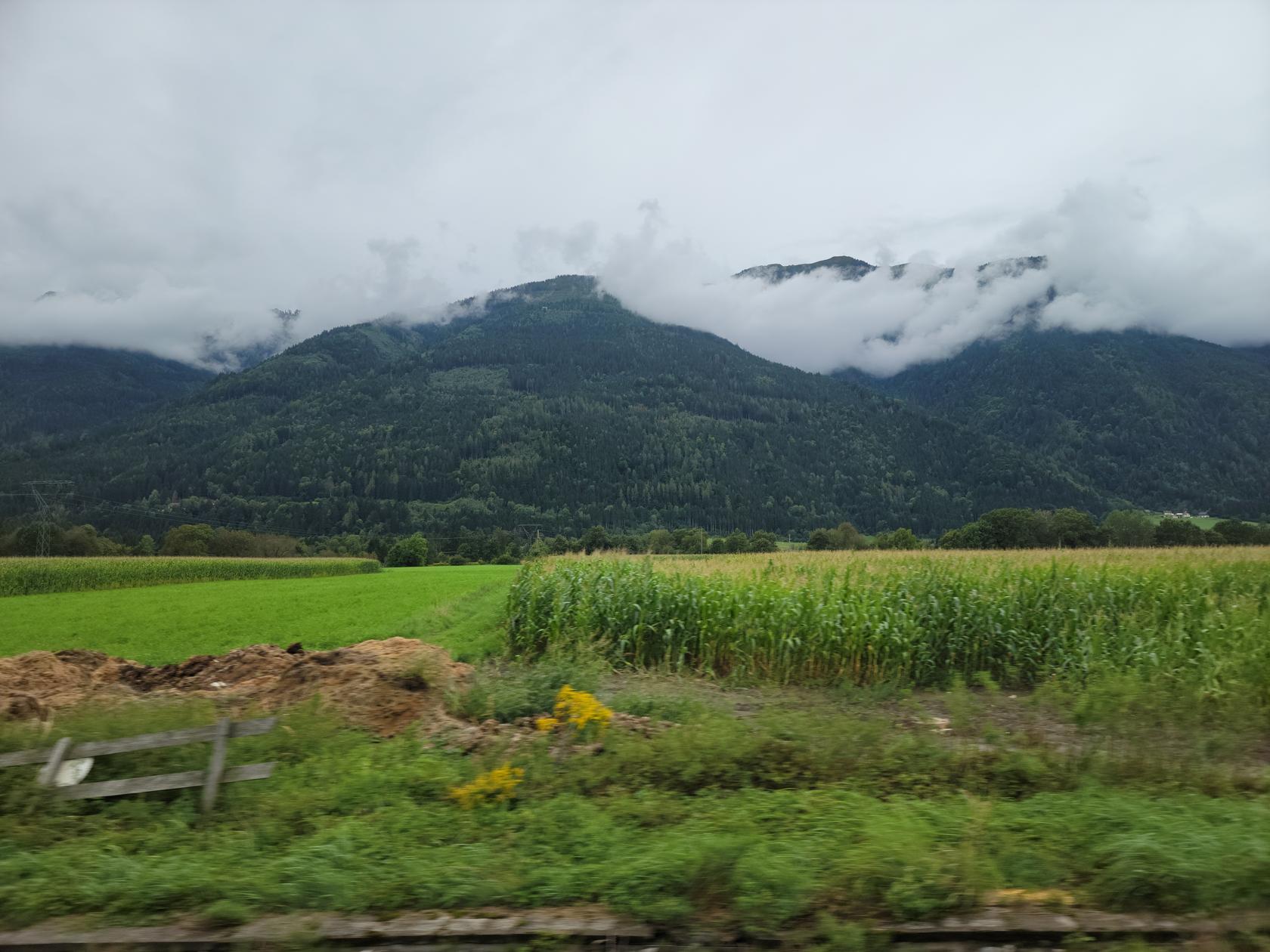
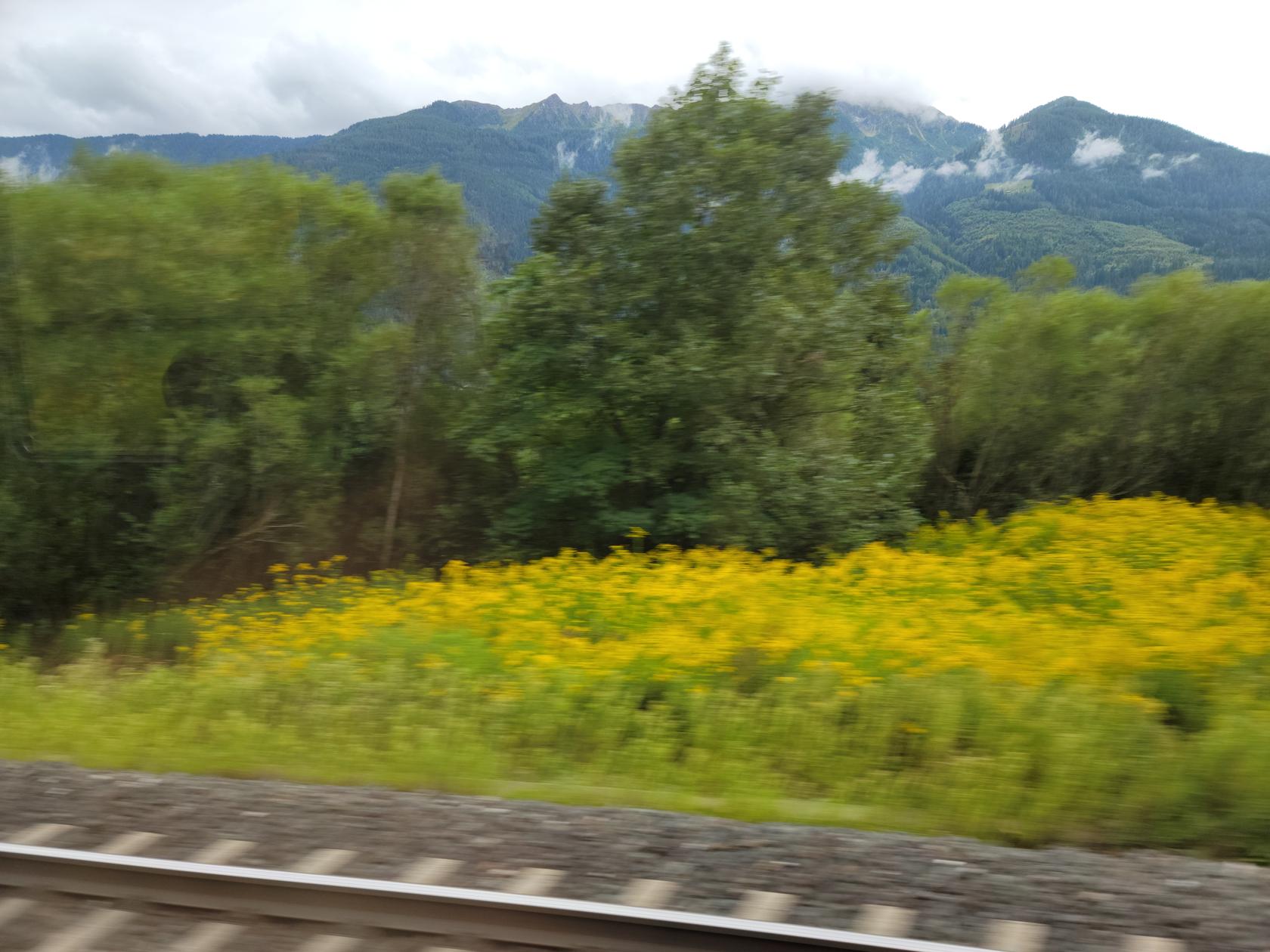
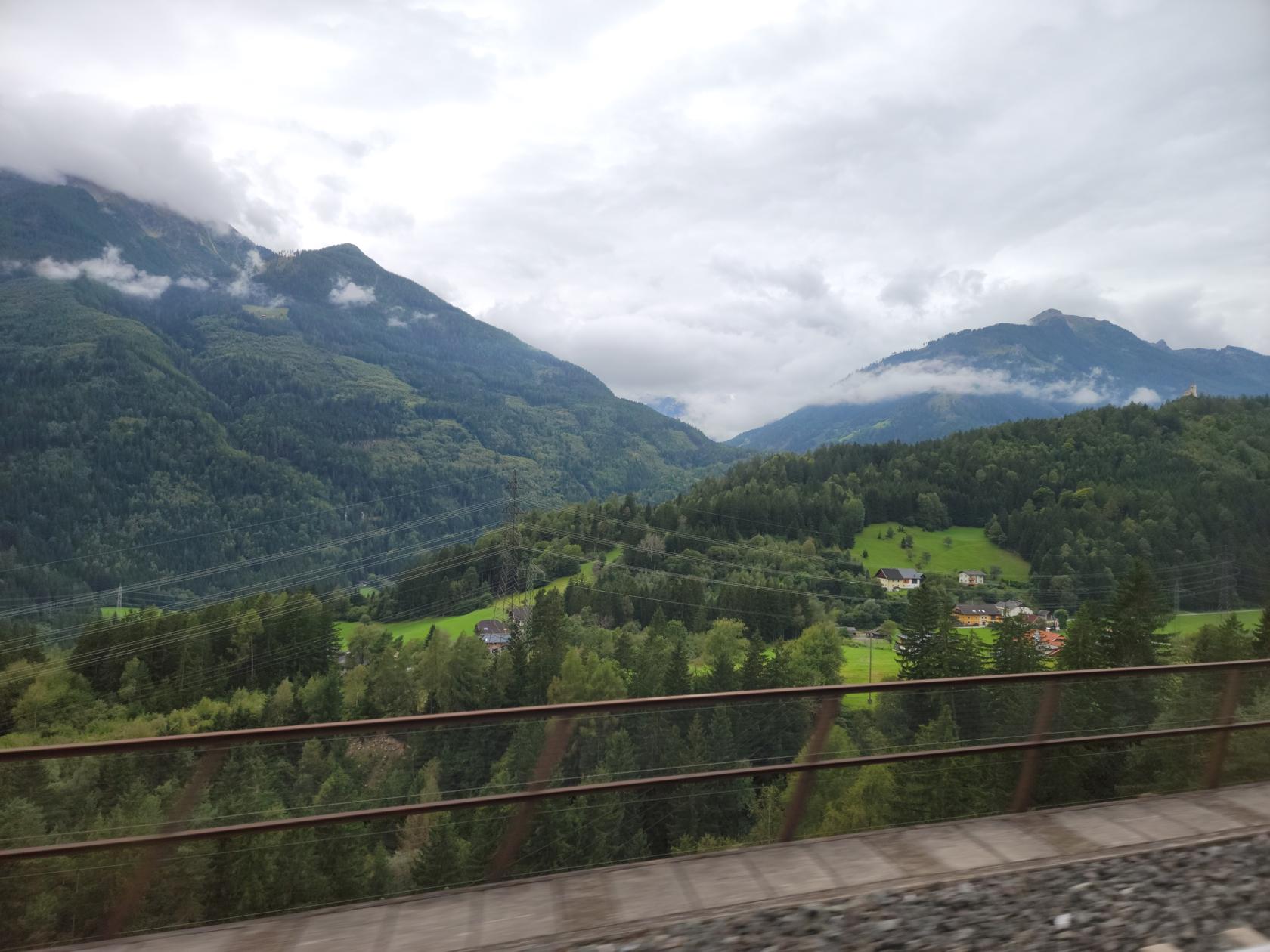
Mölltal valley – Bad Gastein, Austria
Mölltal valley – Bad Gastein, Austria
Mölltal valley – Bad Gastein, Austria
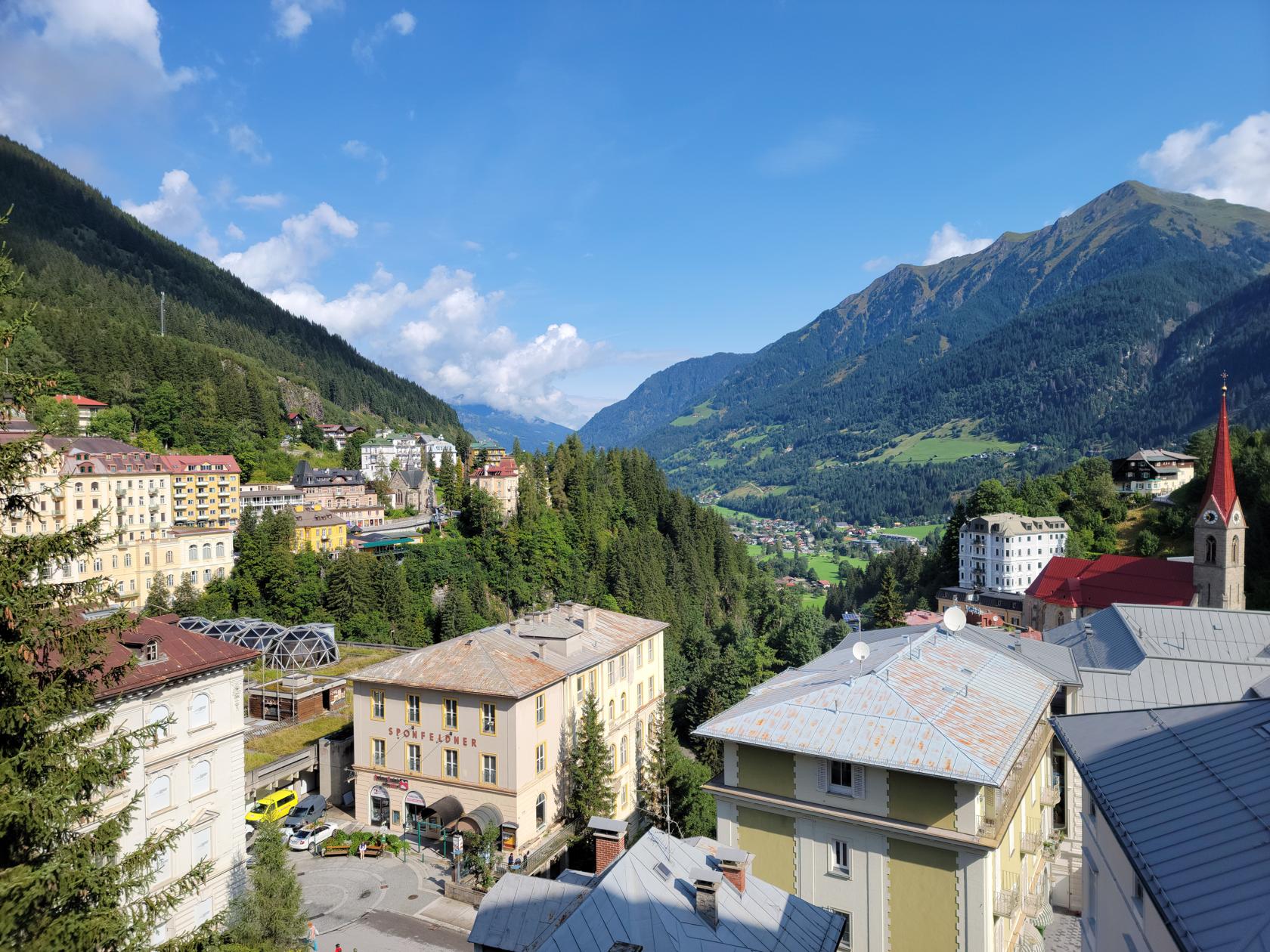
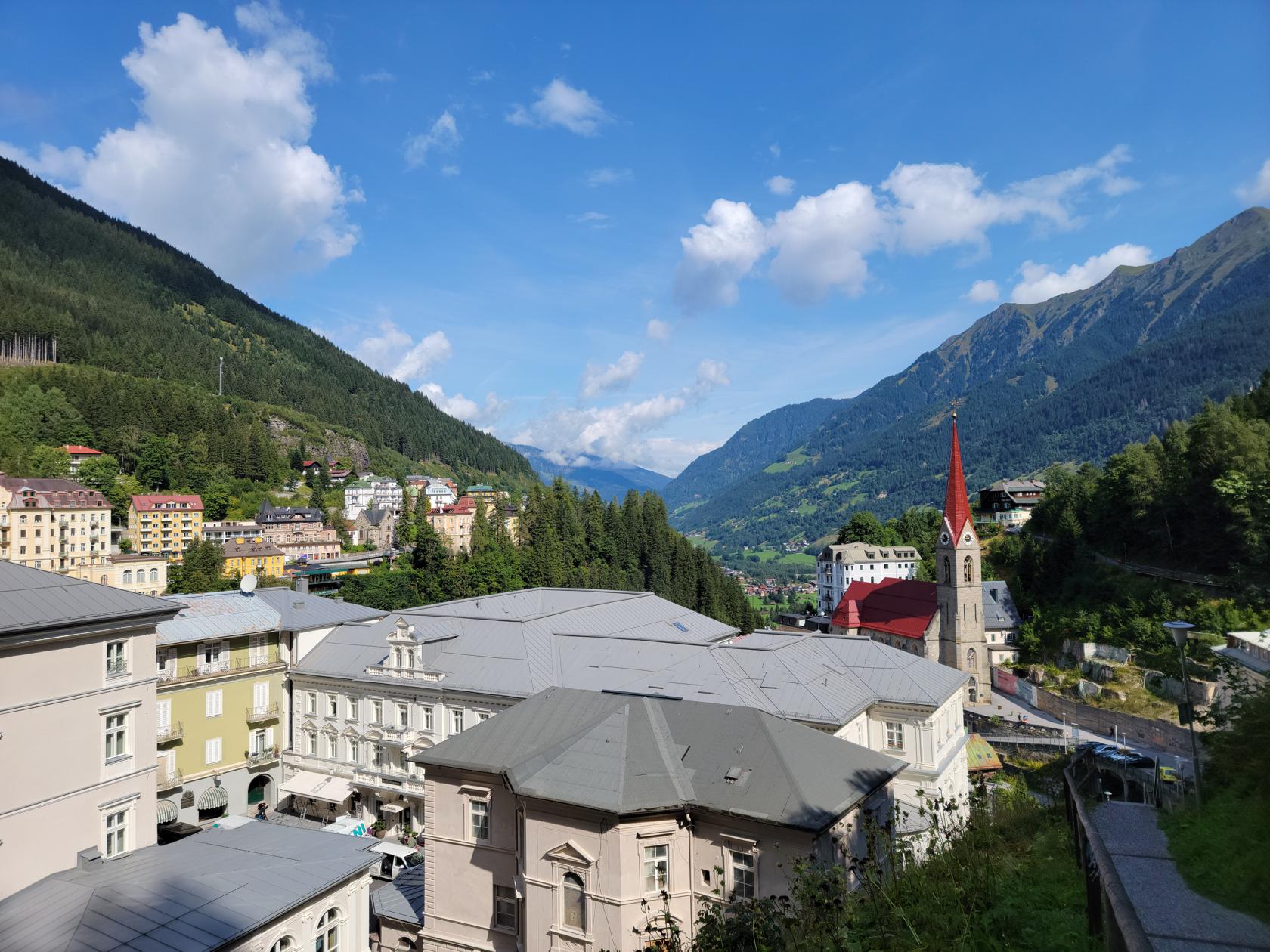
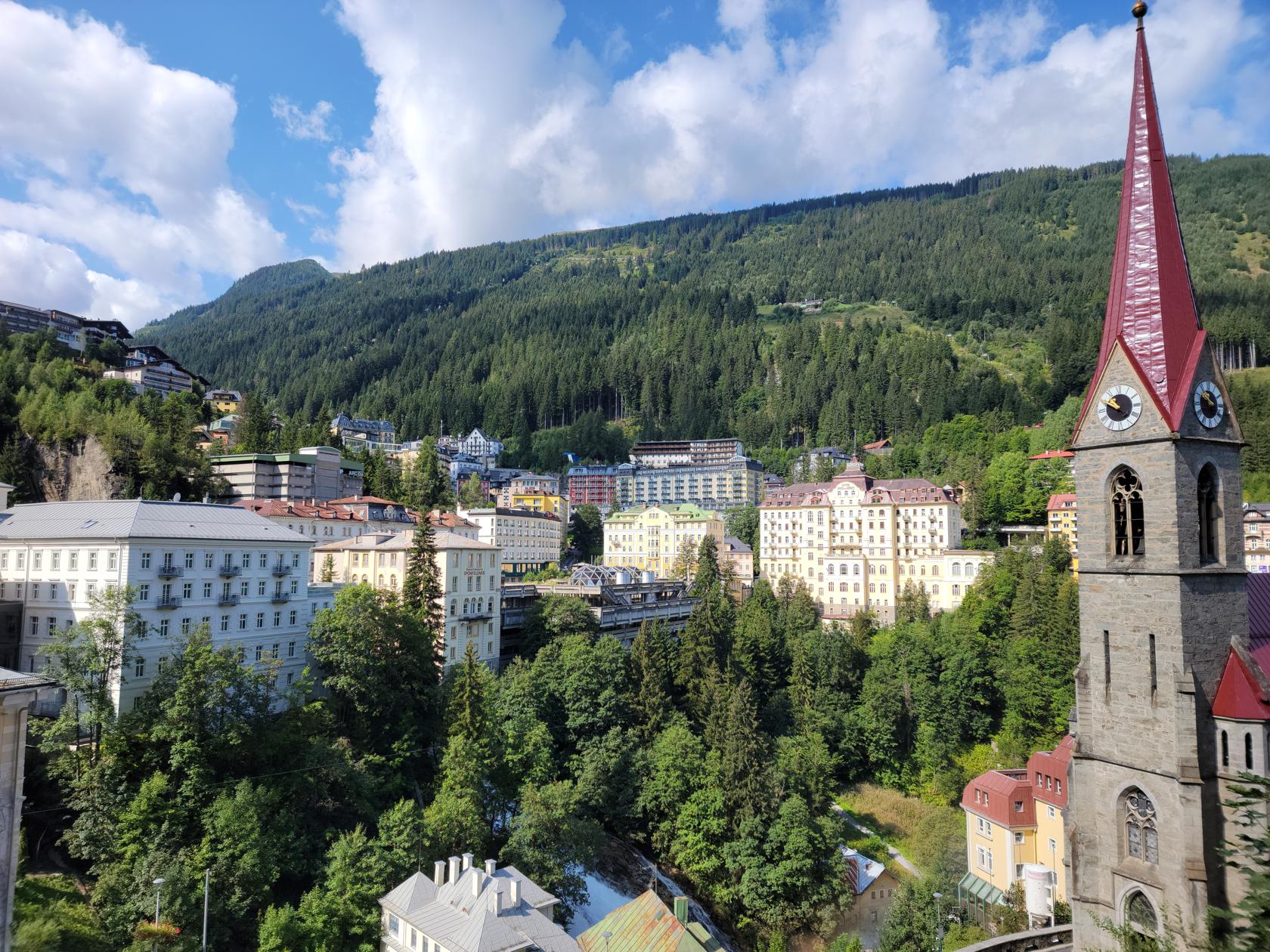
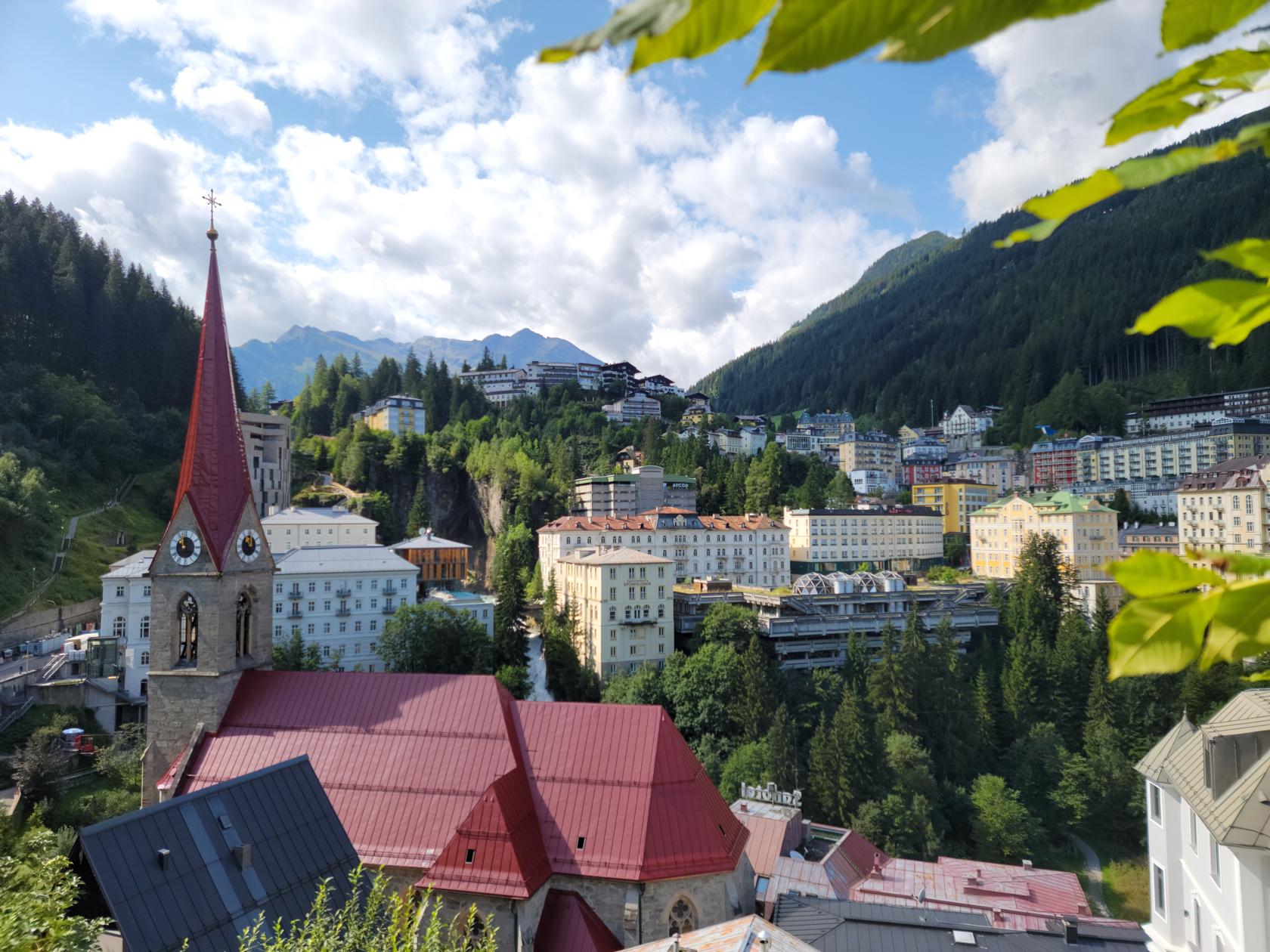
An hour train north of Villach, Austria you can find the small health spa town of Bad Gastein. Though a shadow of its former self, when dignitaries and other luminaries used to visit for its waters and mountain air, it is still worth a visit, if not only for the aforementioned reasons.
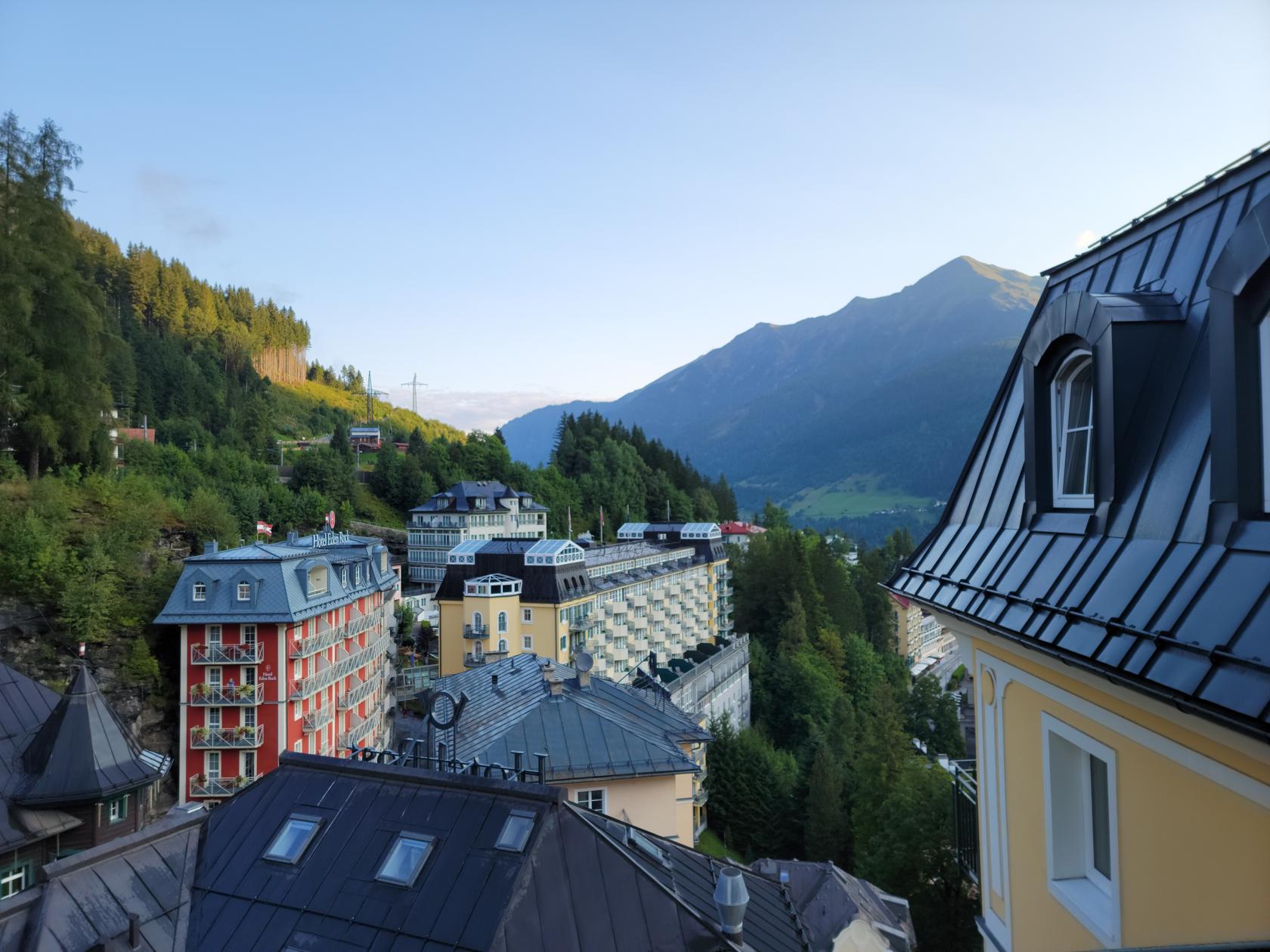
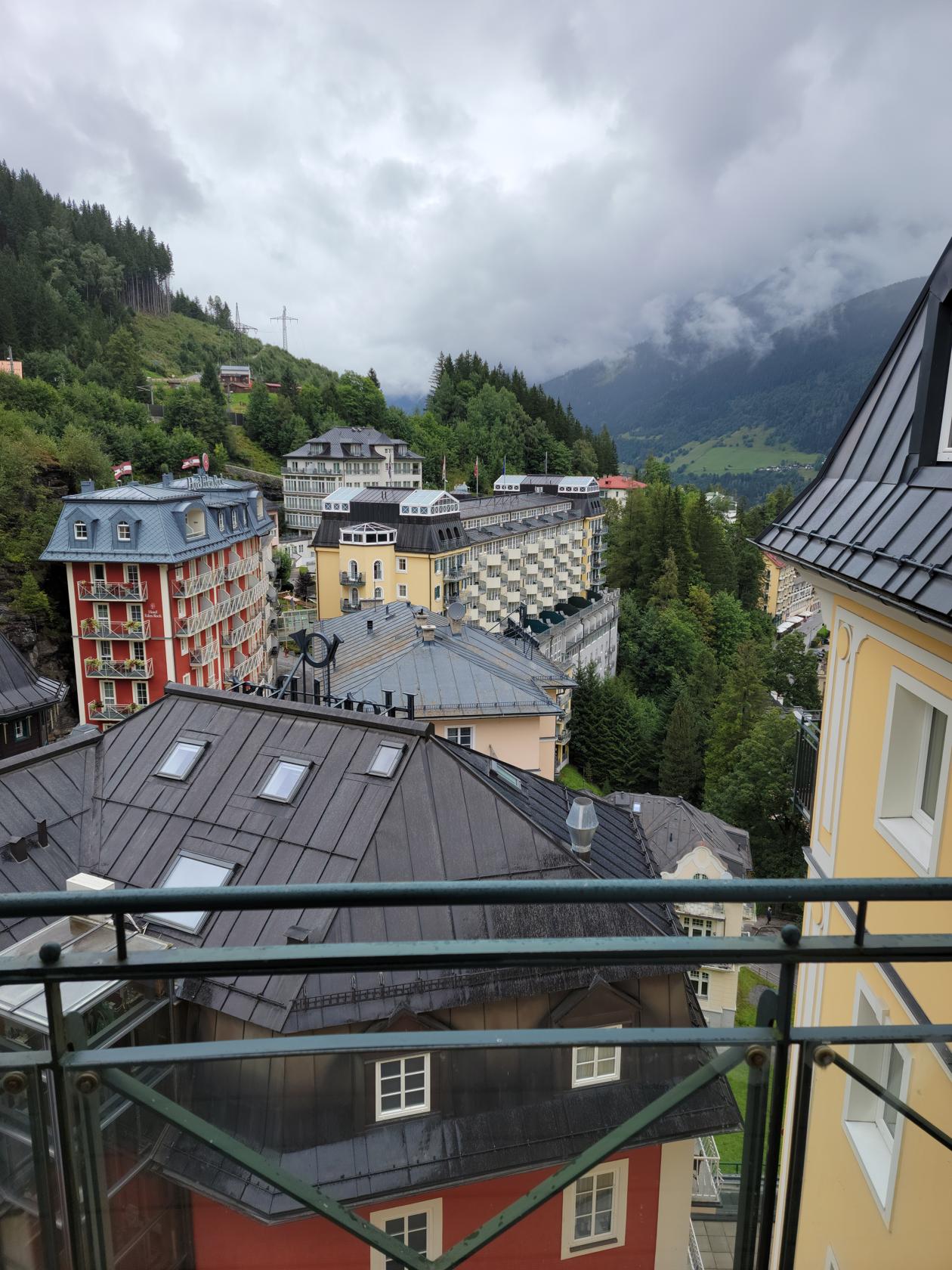
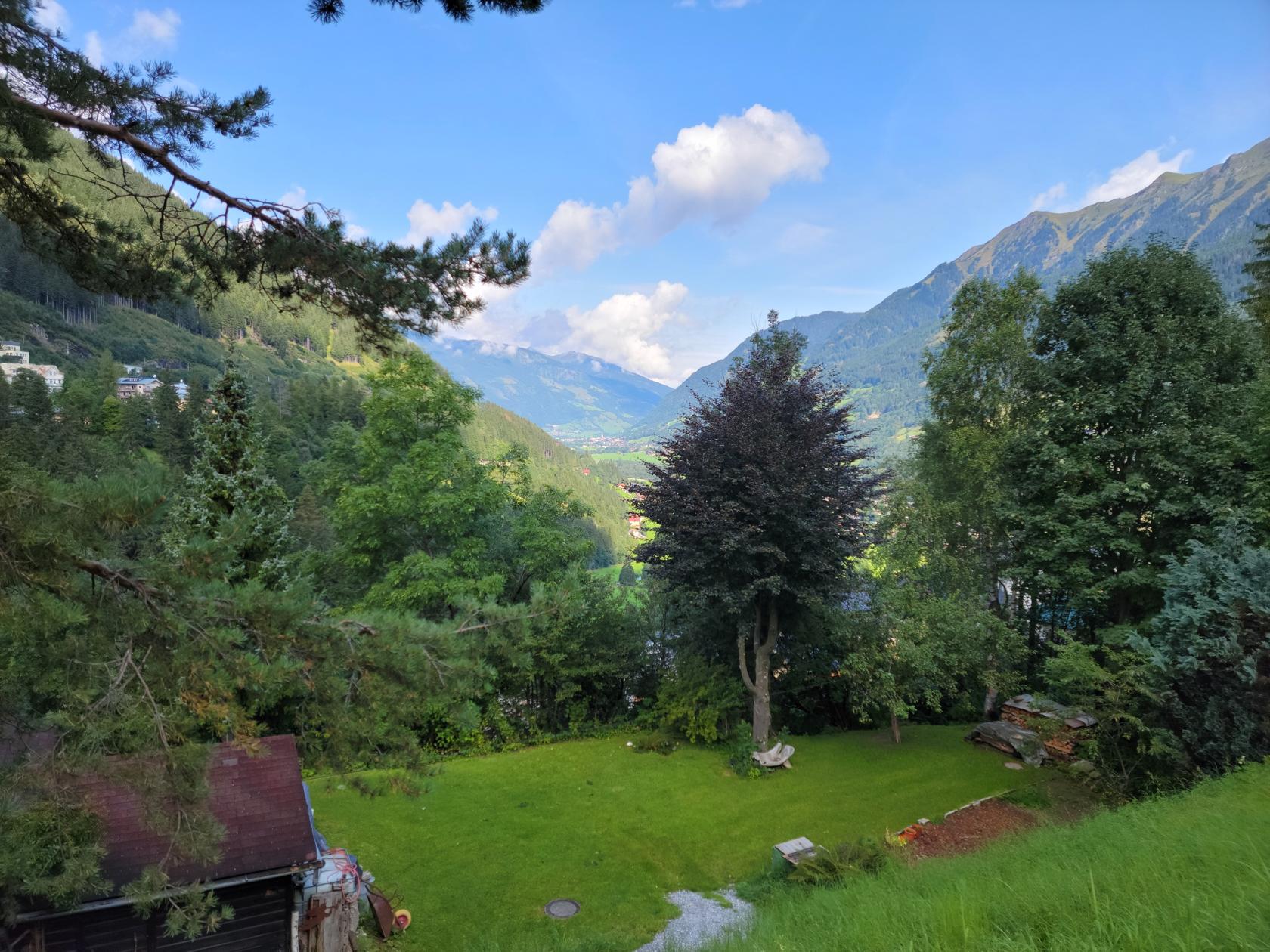
View from Hotel – Bad Gastein, Austria
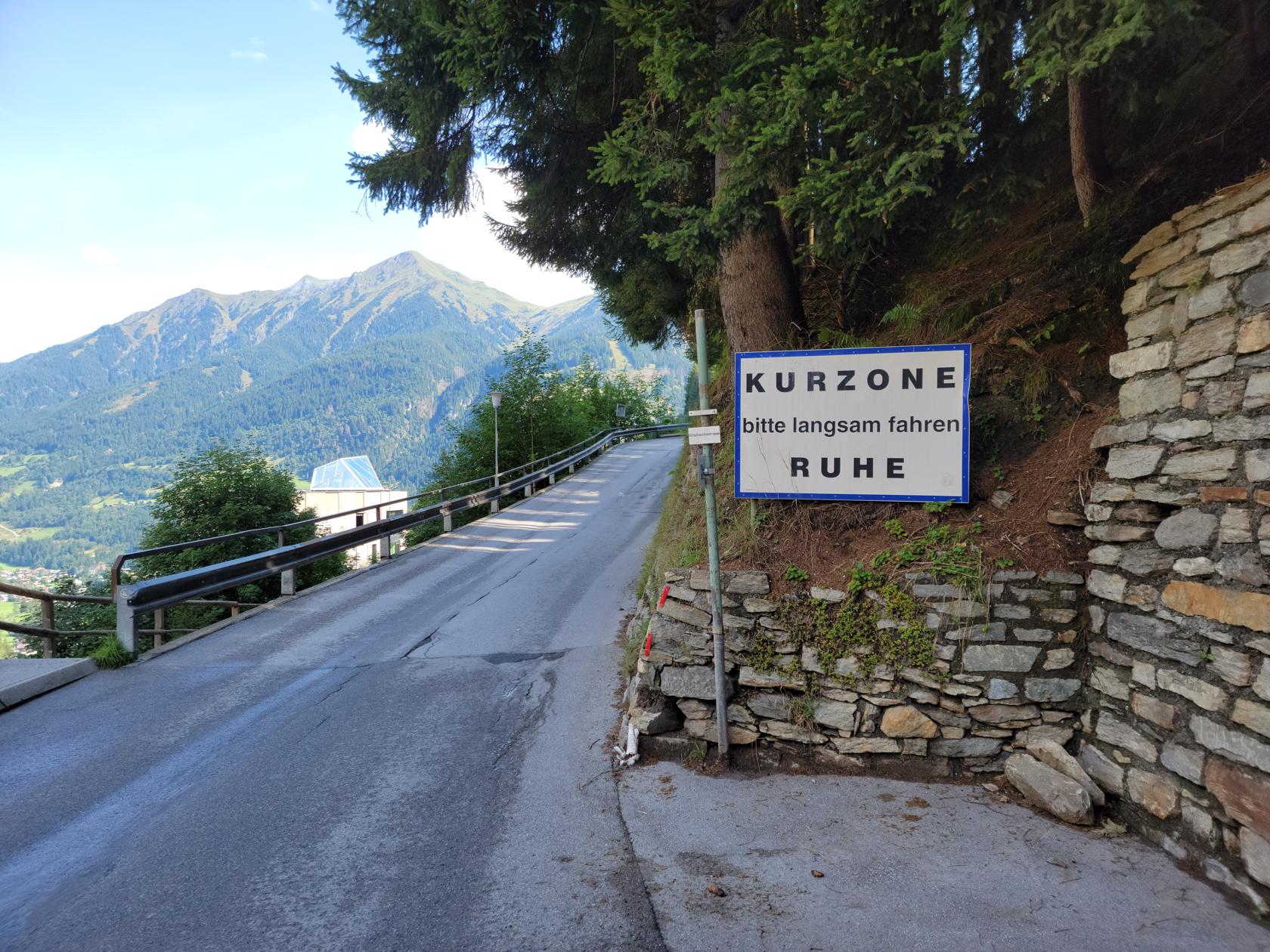
Quiet, spa zone – Bad Gastein, Austria
Bad Gastein
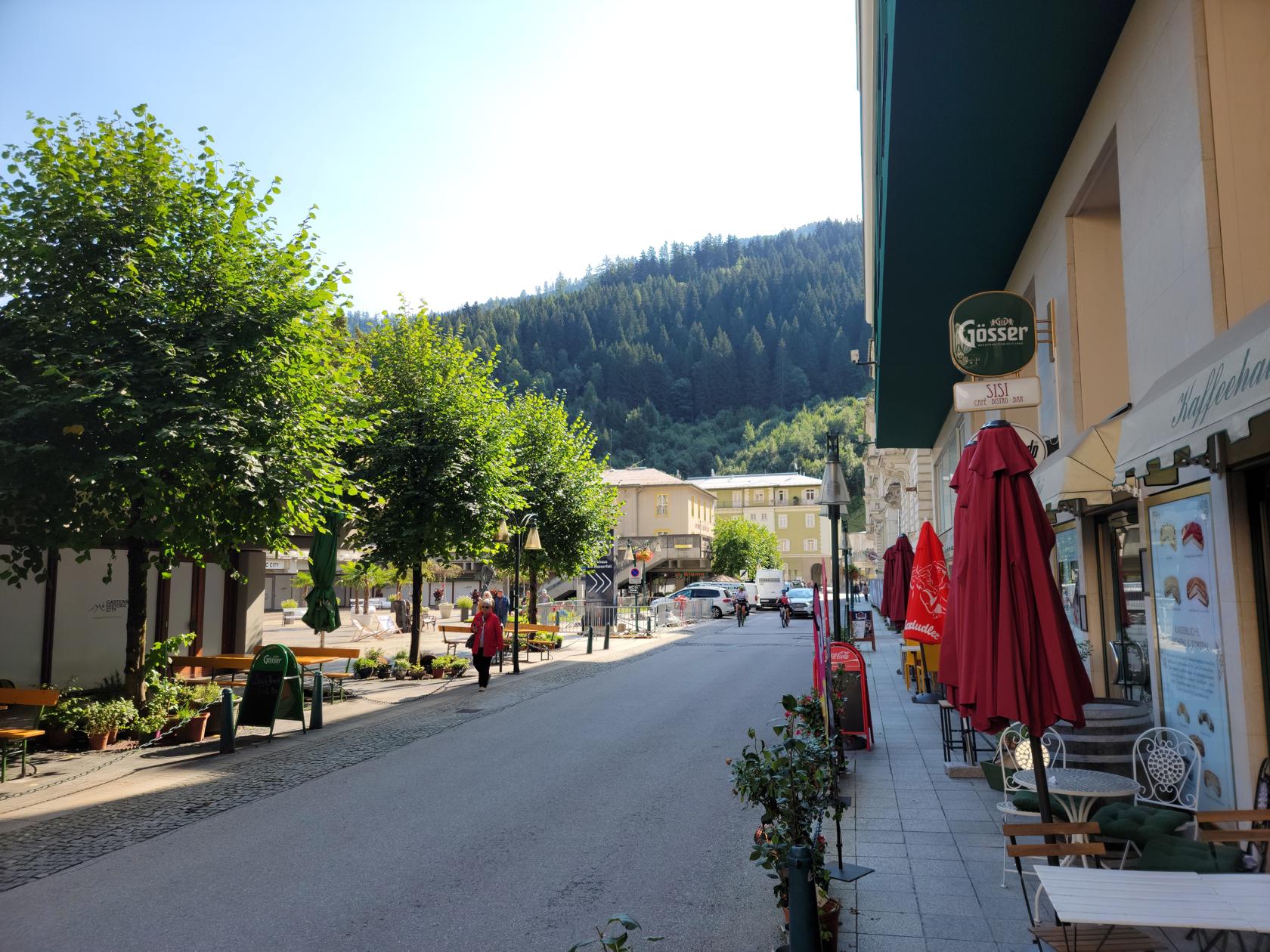
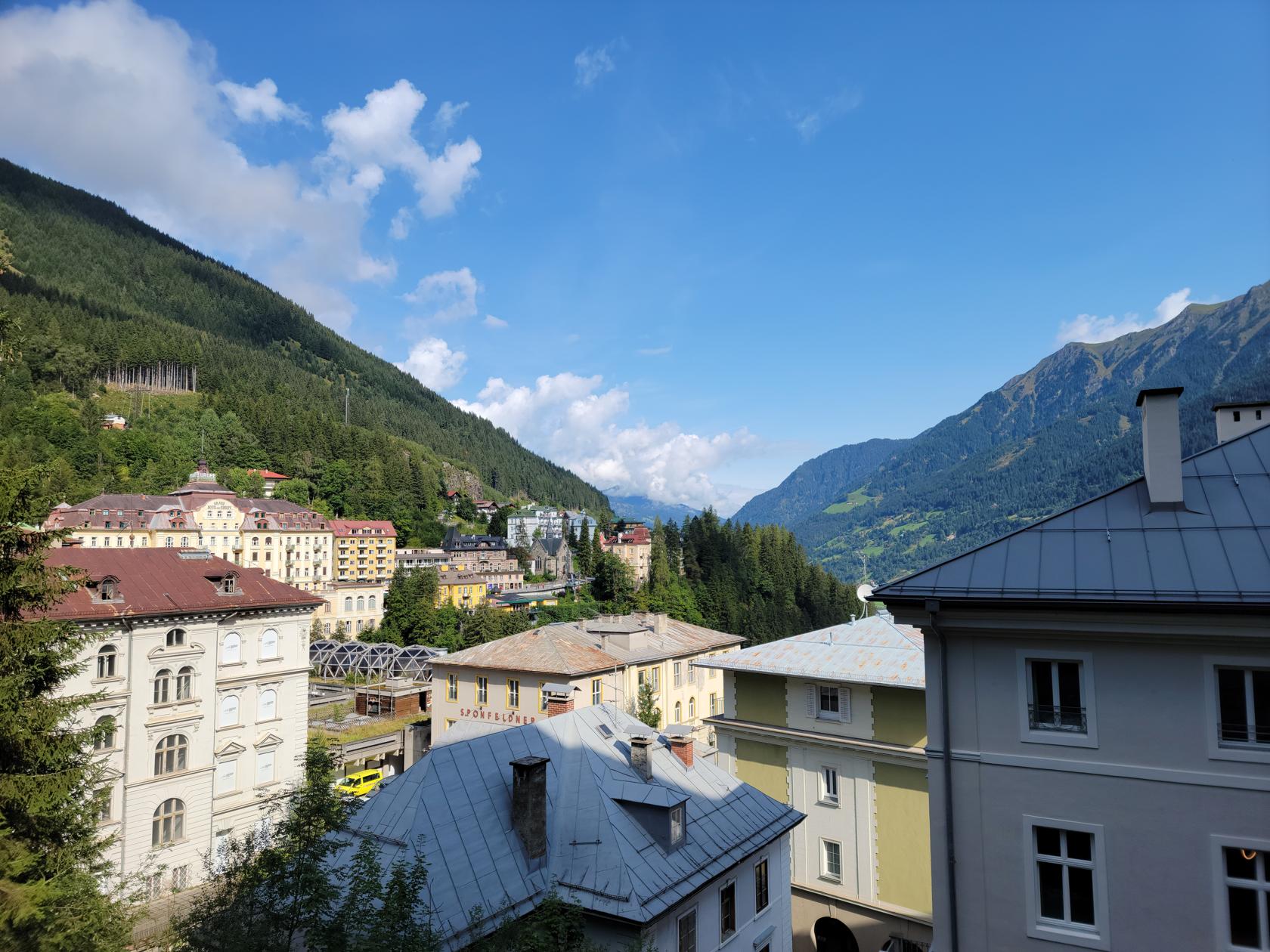
The town runs at a slower pace than other mountains towns we have visited. Perhaps it is more difficult to capture tourist monies with a waterfall and health resort as the primary attractions, as opposed to say a very large mountain or a large ski resort complex.
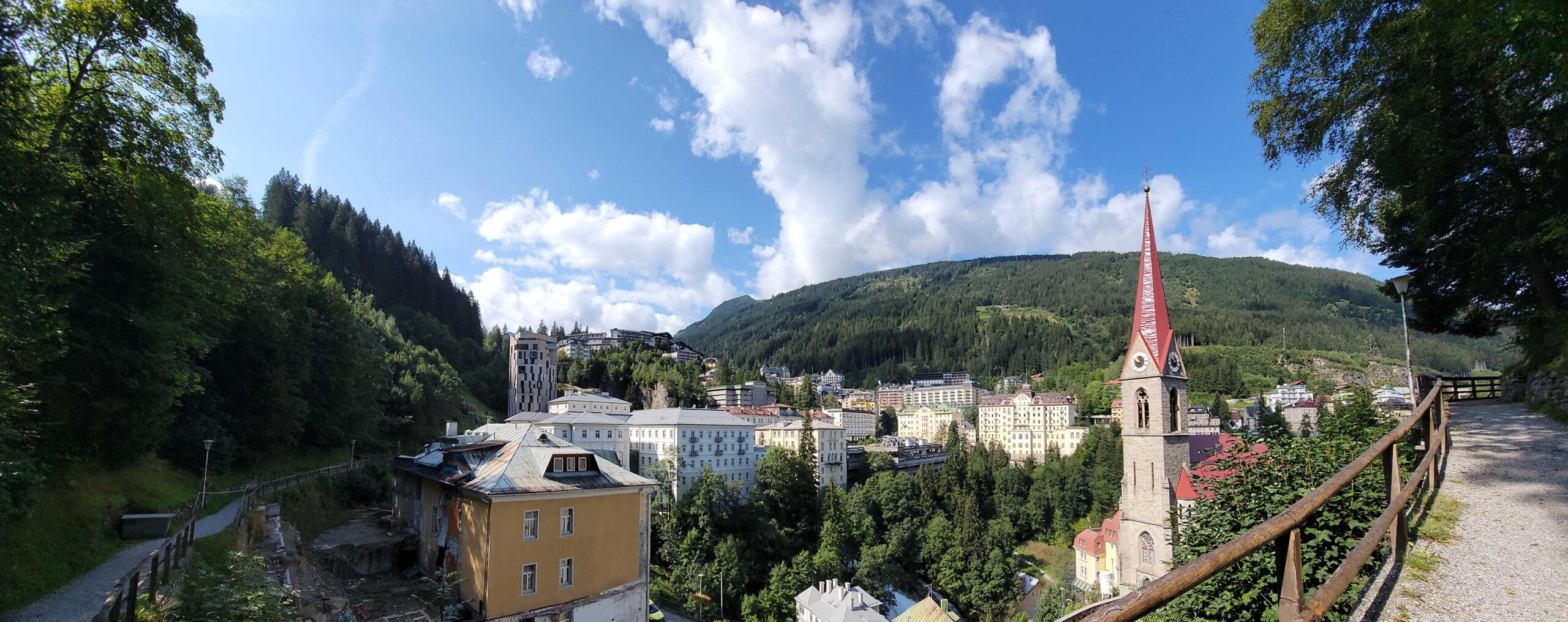
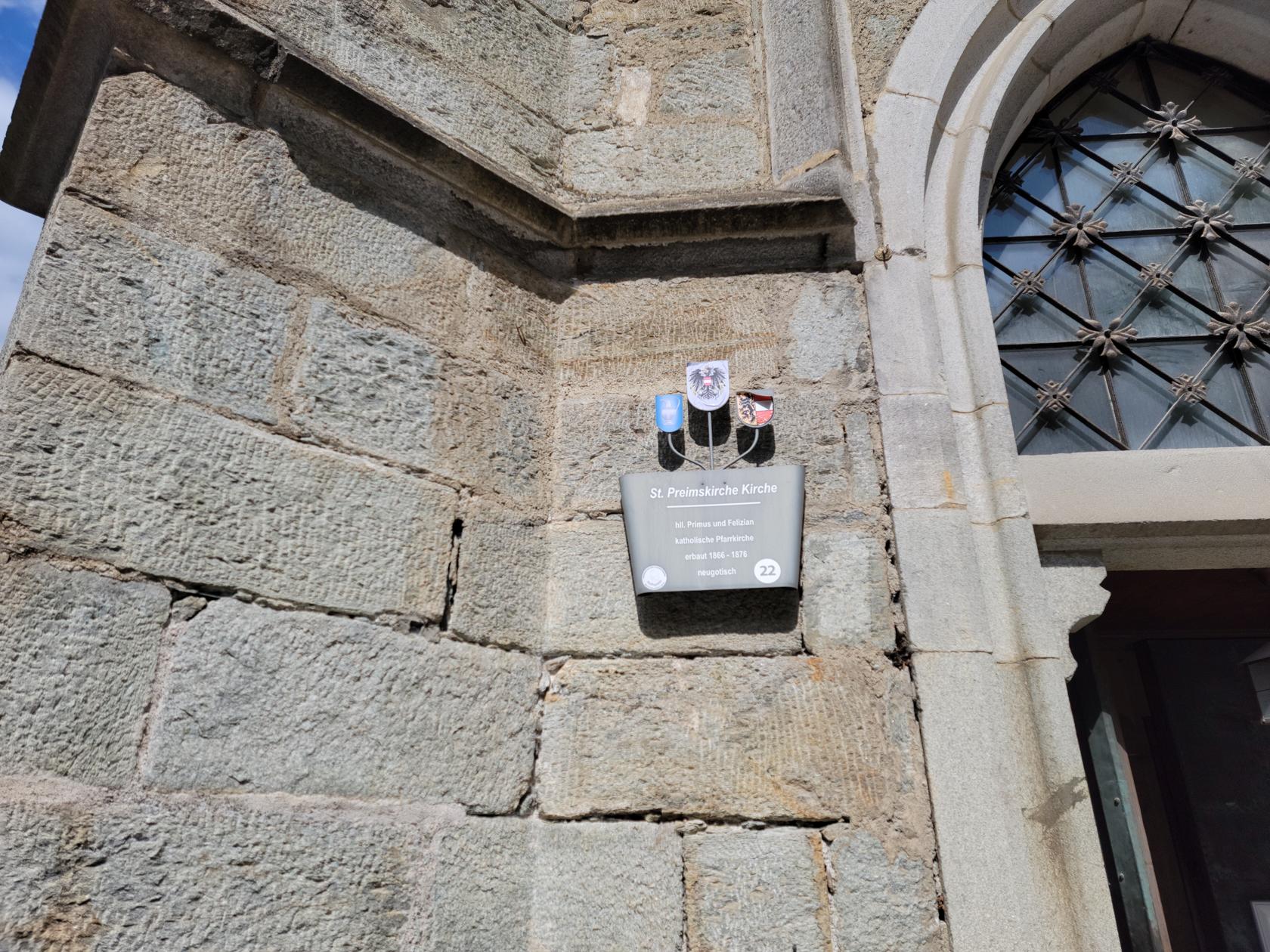
Pfarrkircke and looking toward the town center – Bad Gastein, Austria
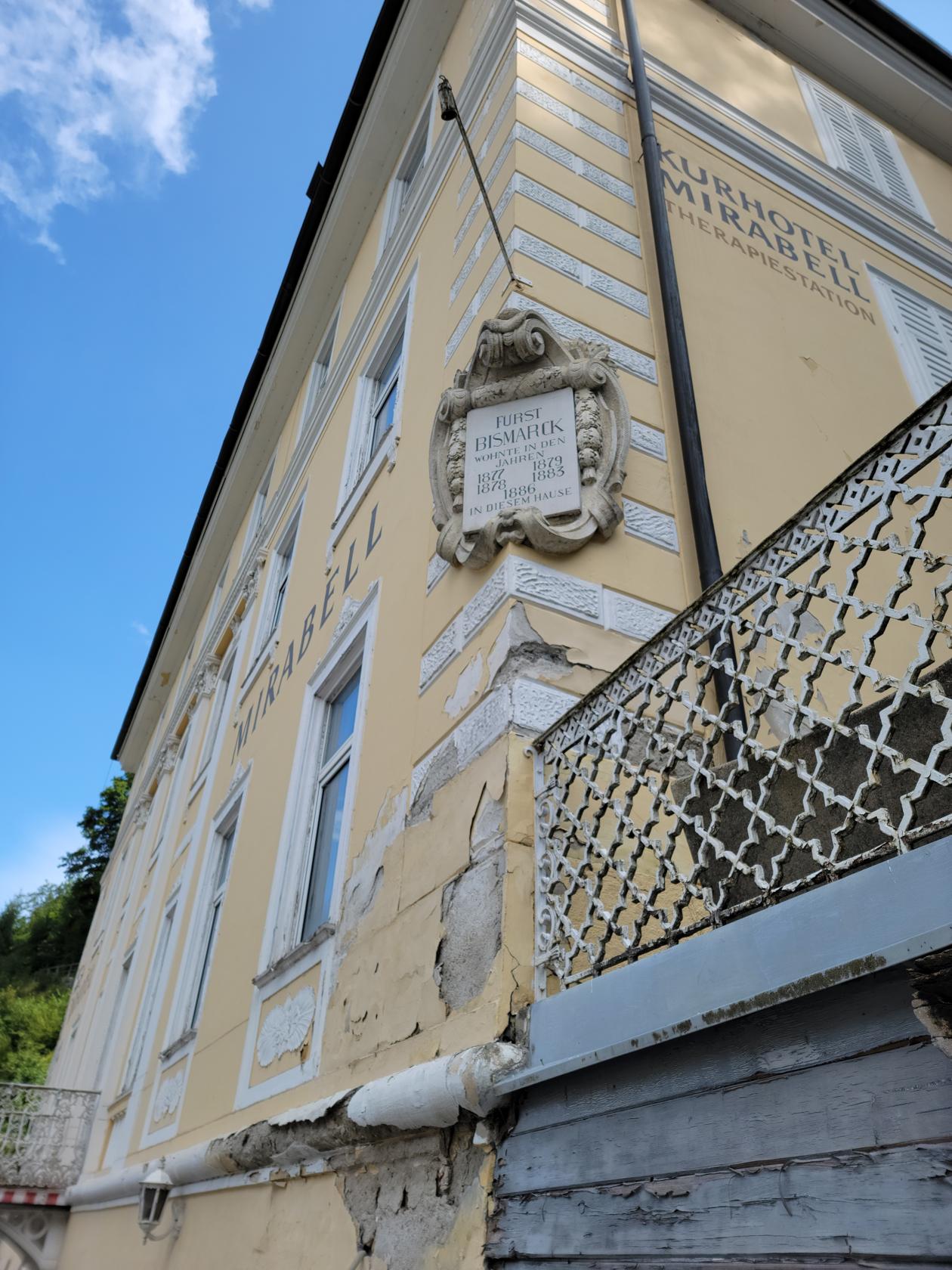
There are parts of the town center that appear to be in eternal repair. Though there is work going on here and there, it does not appear to have progressed much in the last few years. The thermal water fountain building and the old Kurhotel of Austria appear permanently closed. Unfortunately, there are no signs posted explaining the reason, so we were just left to ponder what might have happened.
Bismark House – Bad Gastein, Austria
Pfarrkircke – Bad Gastein, Austria
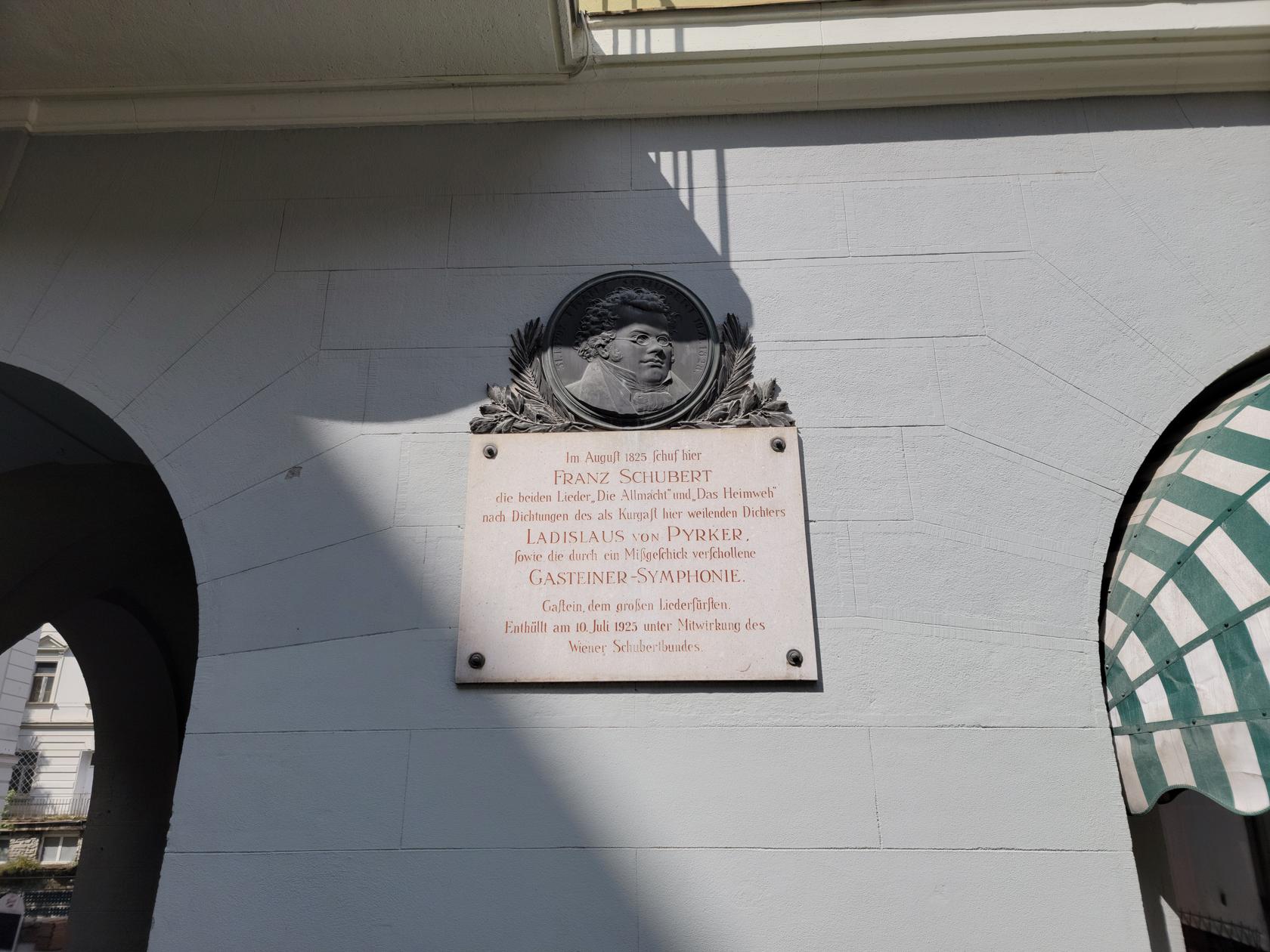
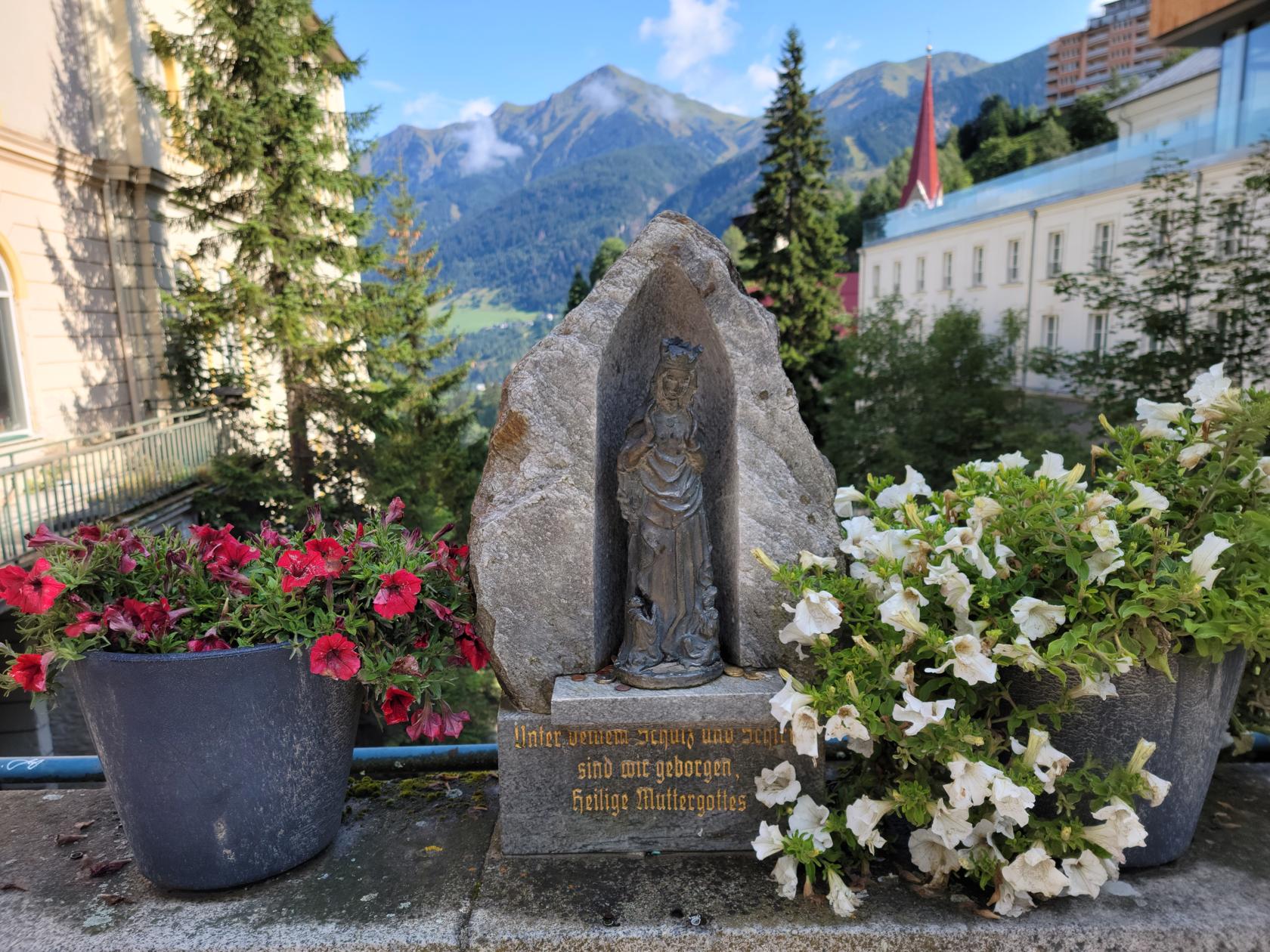
Franz Schubert denkmal – Bad Gastein, Austria
Lower waterfall – Bad Gastein, Austria
Hotels
Hotel Salzburger Hof
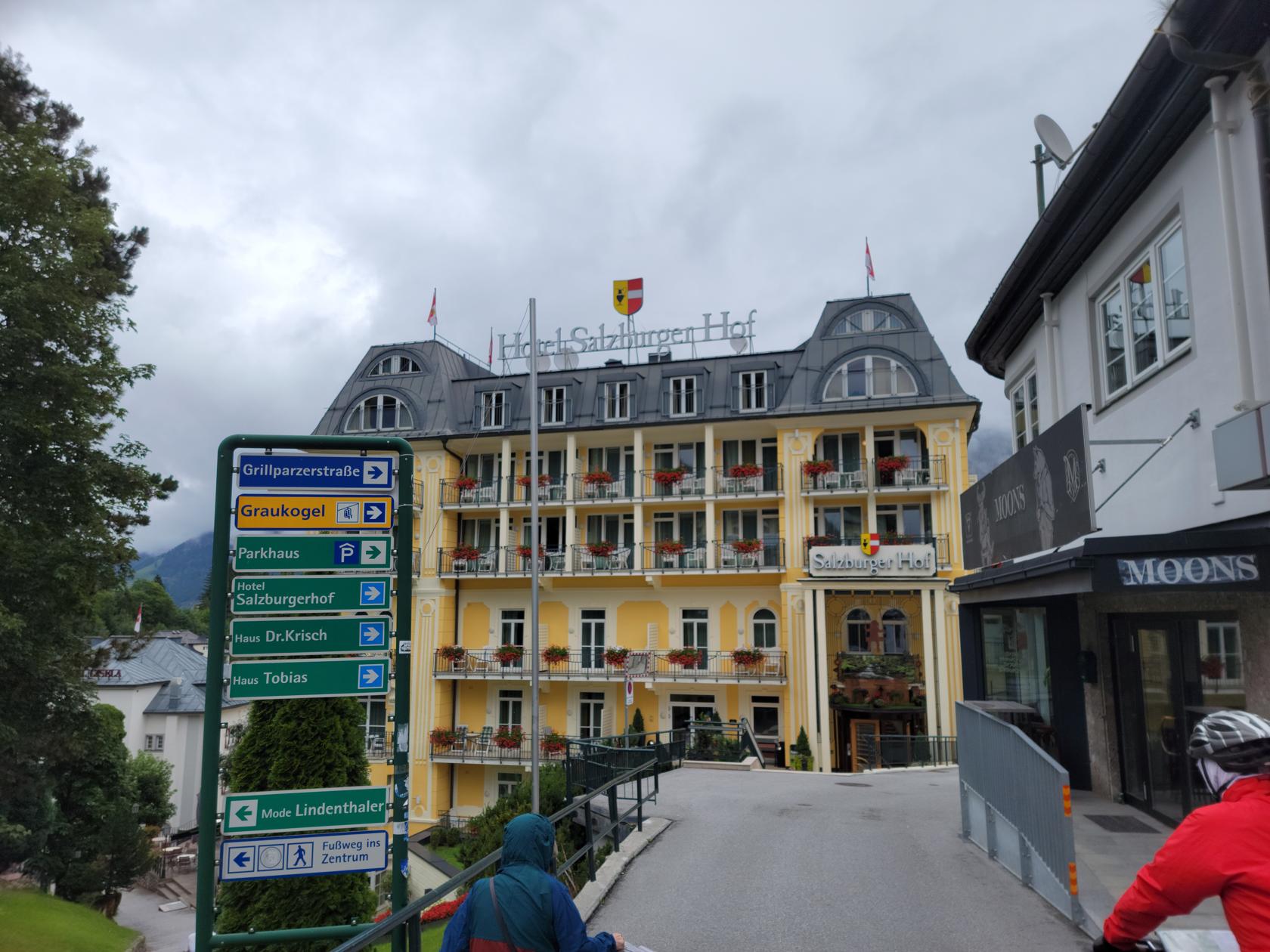
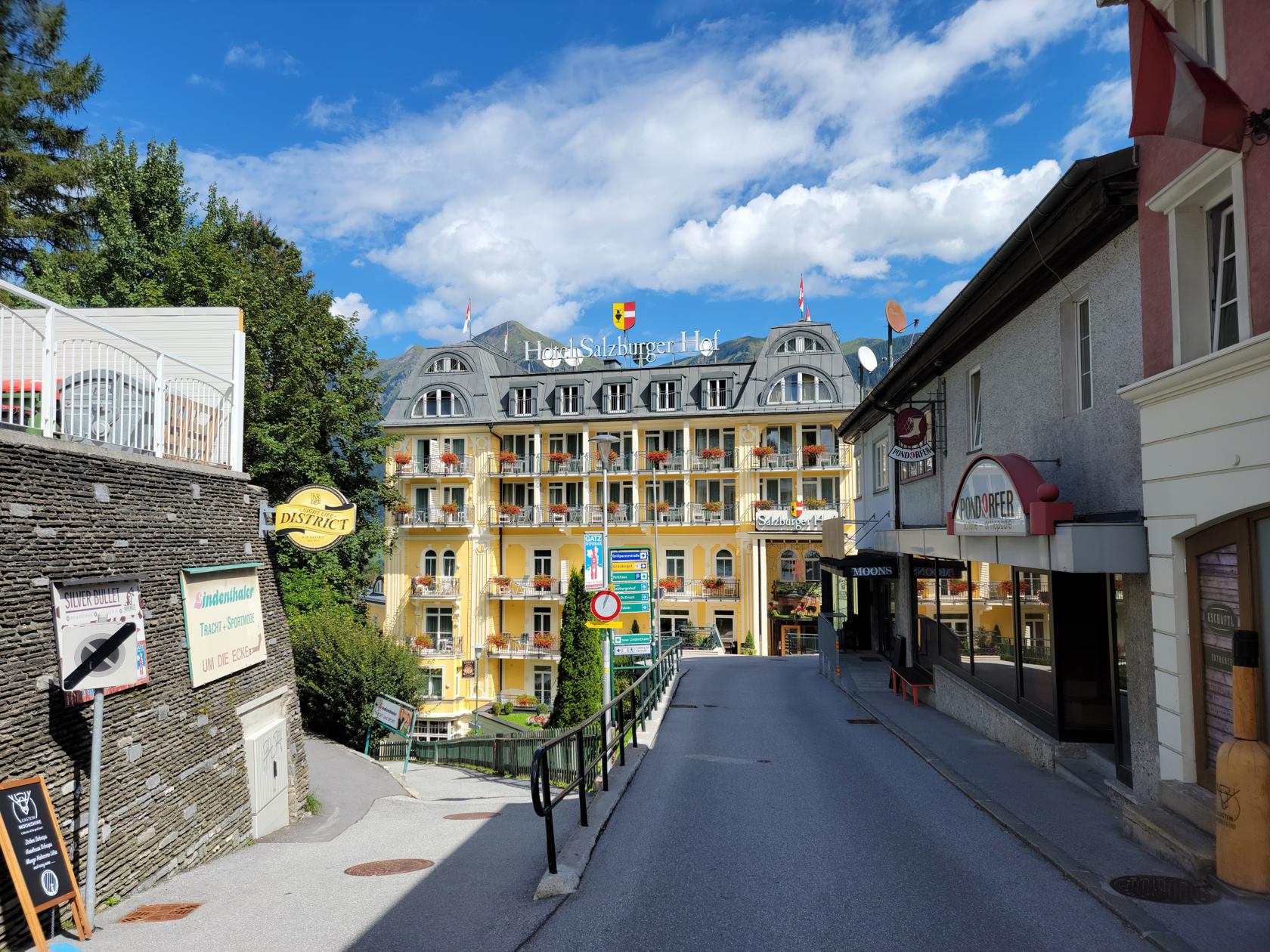
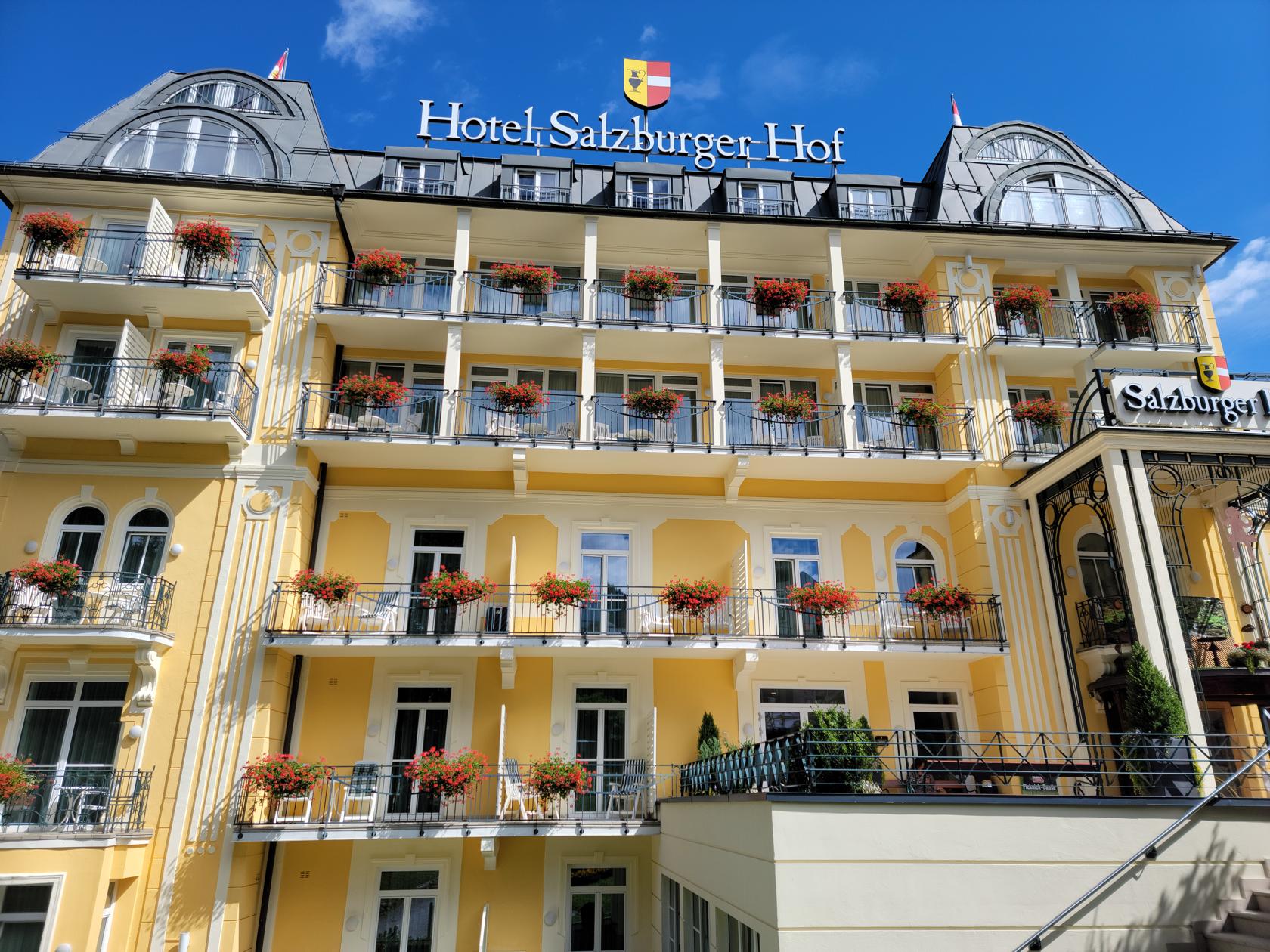
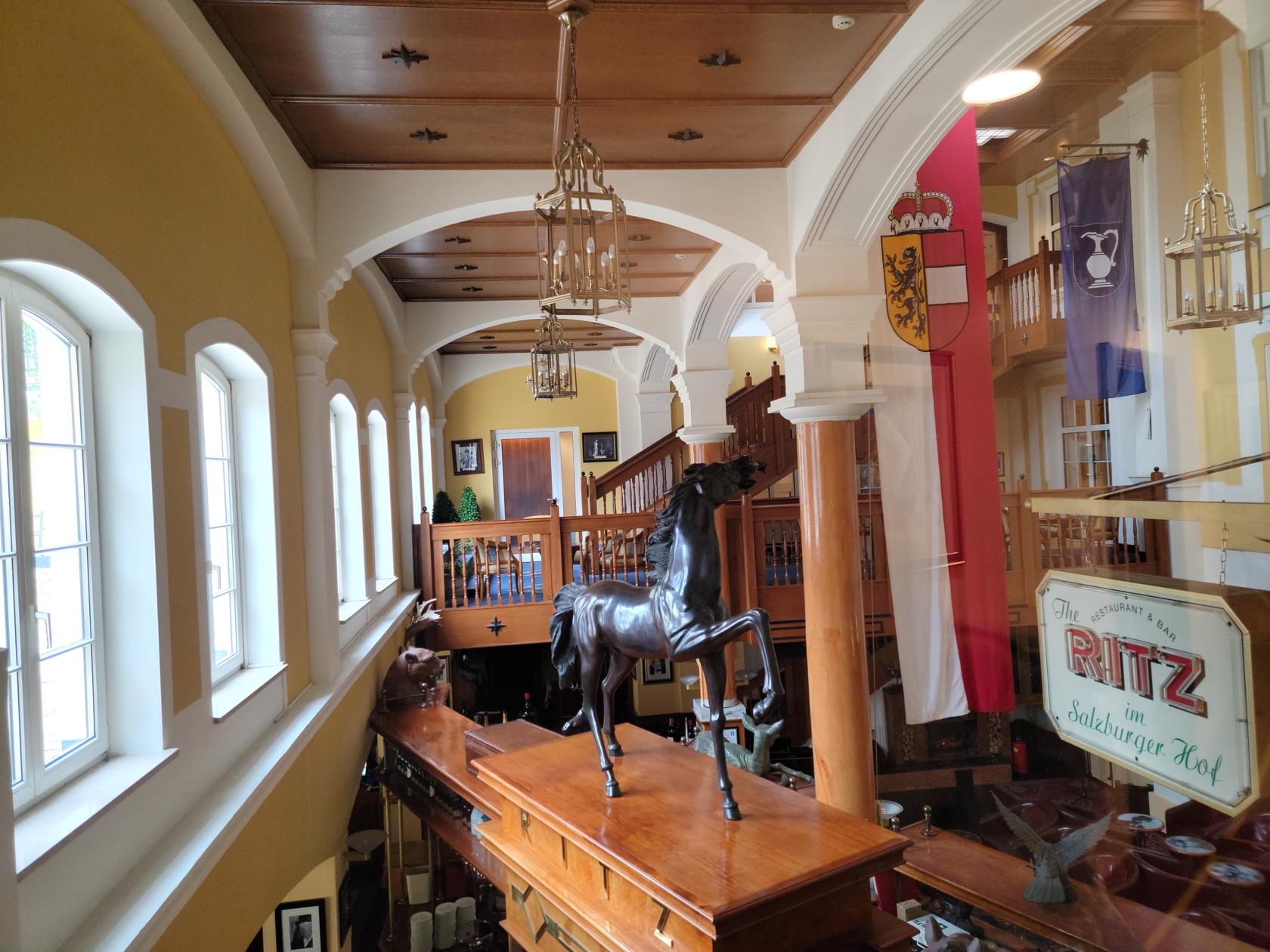
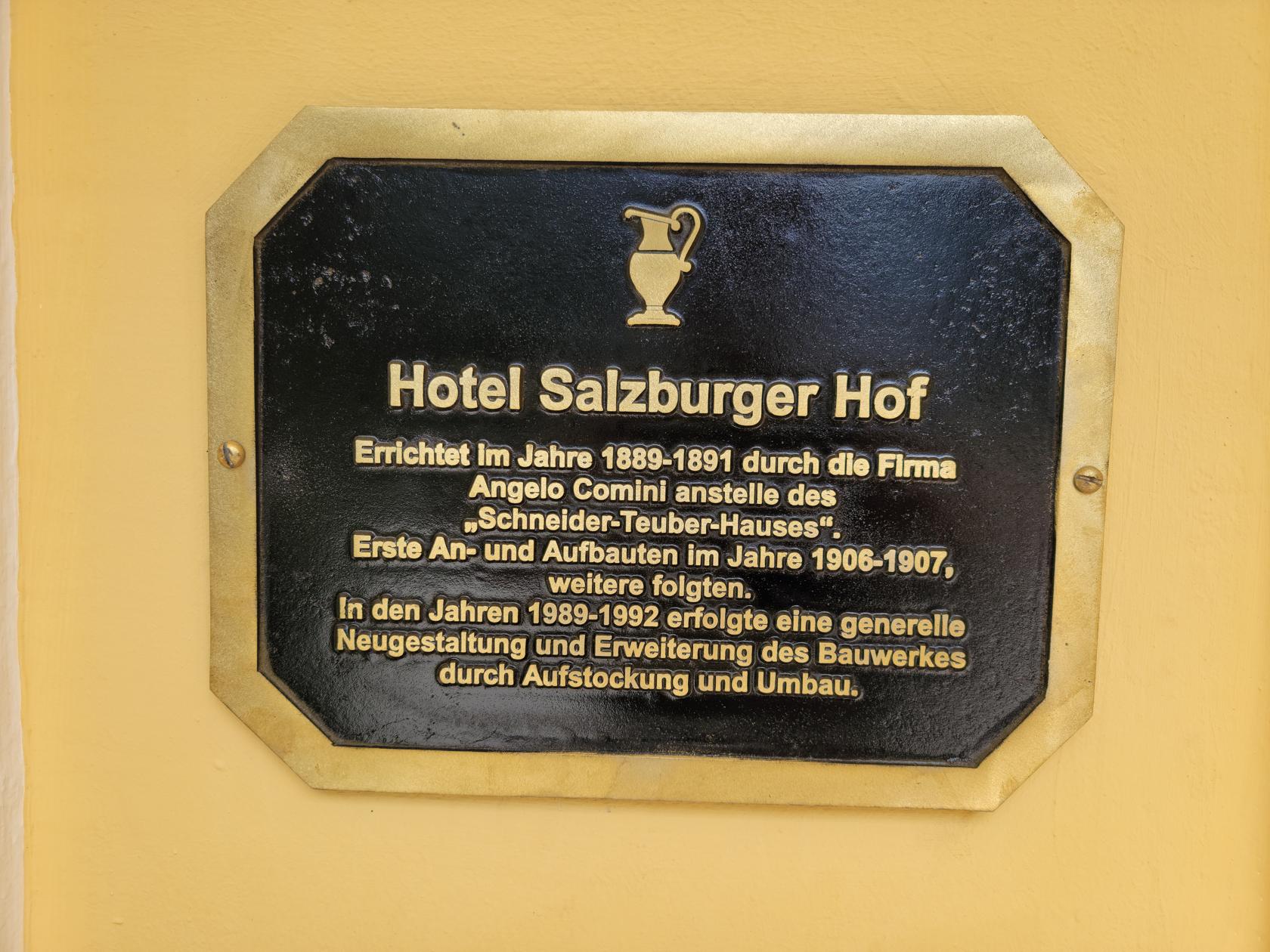
We stayed at the Salzburger Hof, a very large hotel close to the train station with all the amenities. It appears to be one of the better kept establishments in Bad Gastein, with two pools, three restaurants and a health spa. Apparently host to Count von Bismark and other dignitaries, including many American personalities.
Salzburger Hof Hotel – Bad Gastein, Austria
Hotel Salzburger Hof – Bad Gastein, Austria
Hotel Salzburger Hof – Bad Gastein, Austria
Flowers – Hotel Salzburger Hof – Bad Gastein, Austria
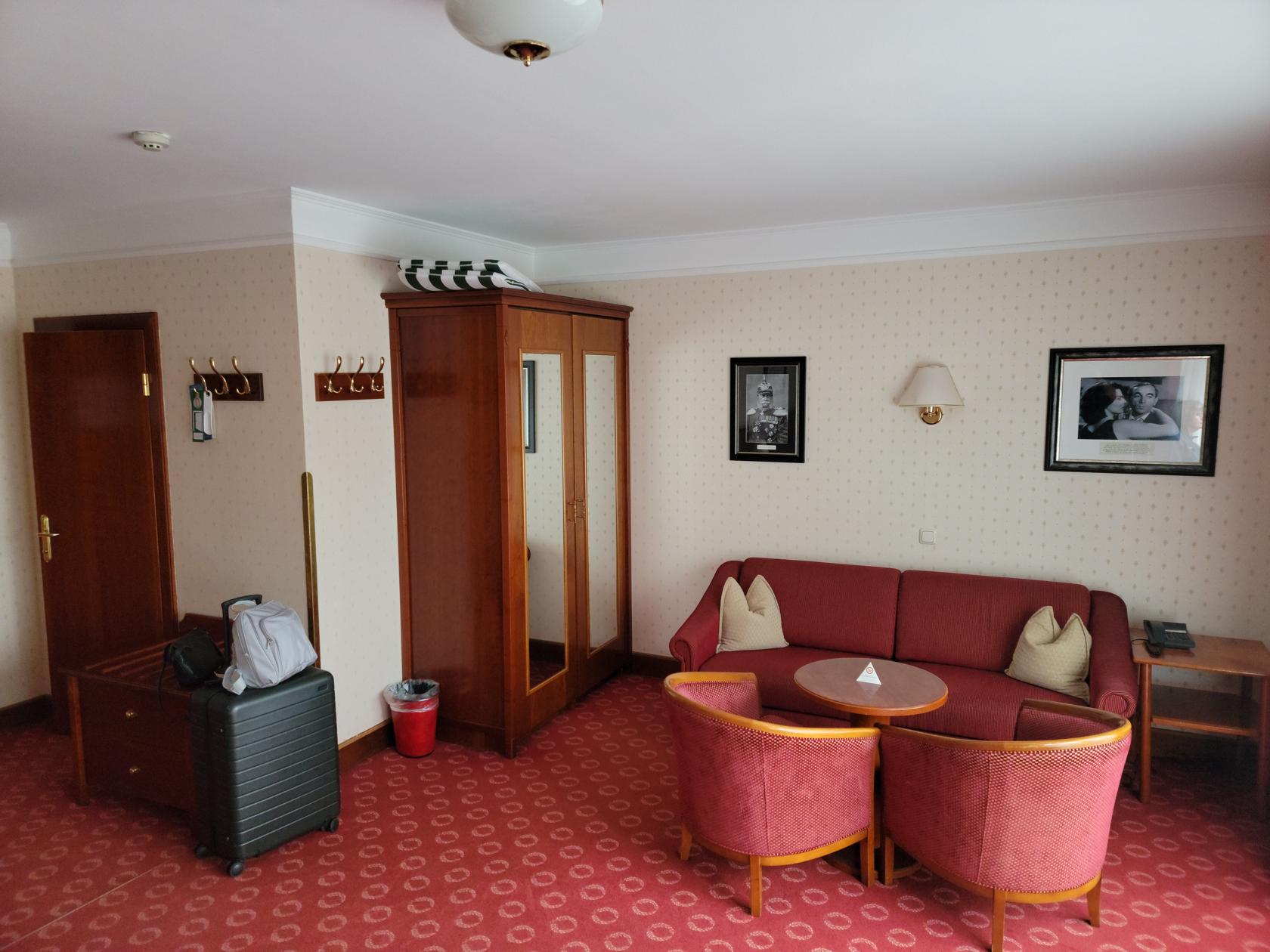
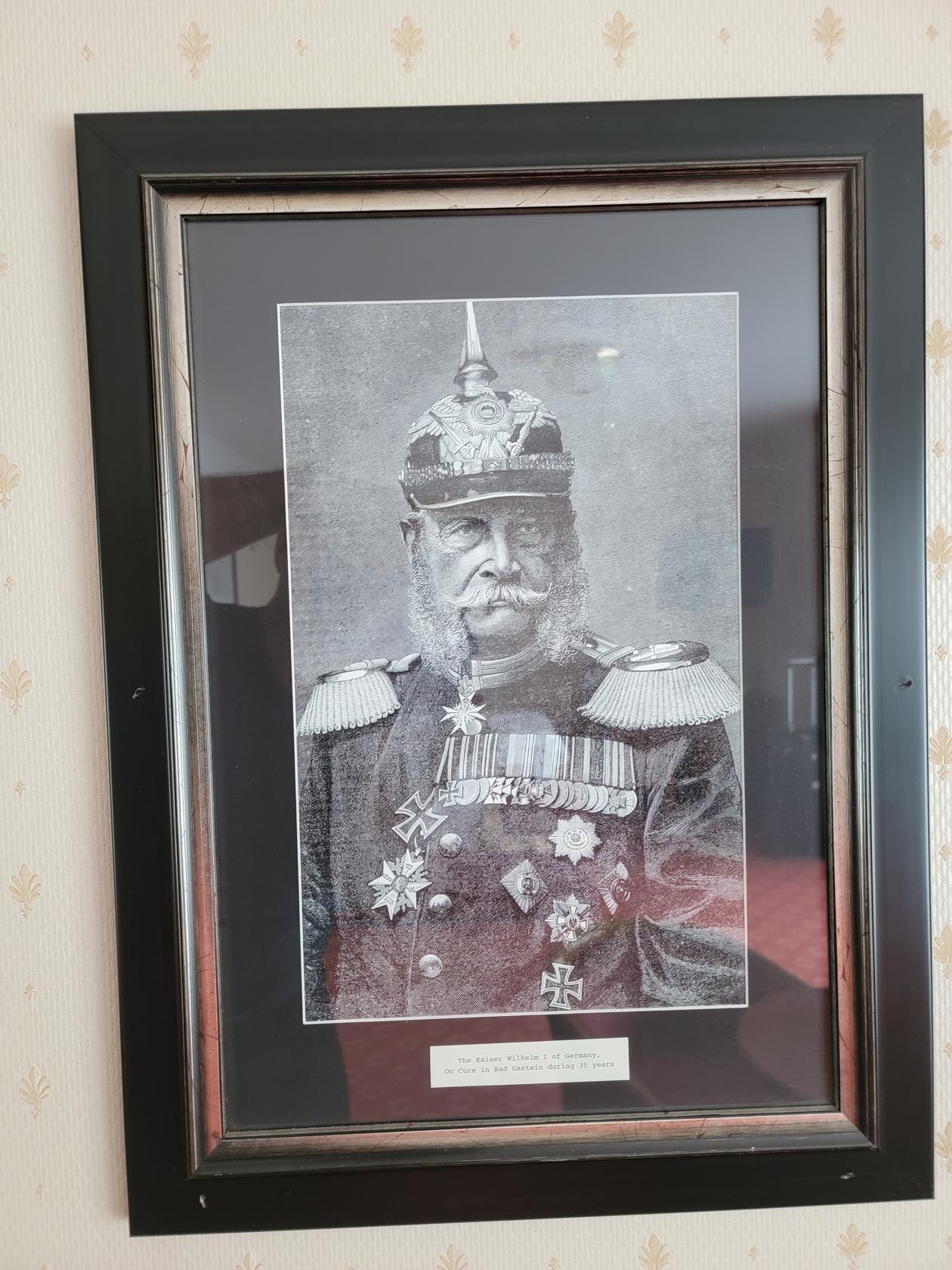
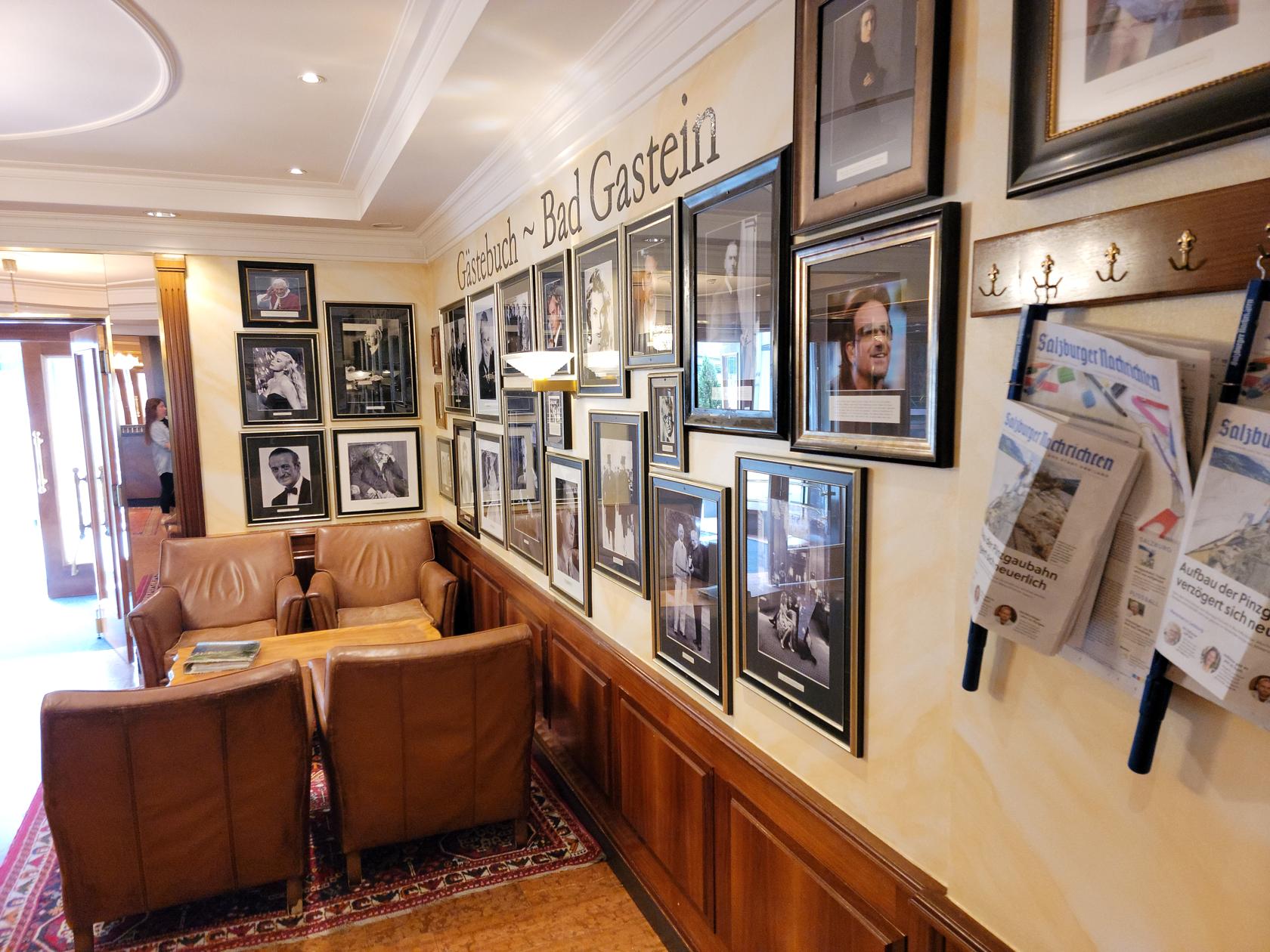
The rooms are very spacious and well appointed. The hotel seems proud of its tradition of important guests, there are photographs of everyone who has visited hung throughout the hotel and in the rooms.
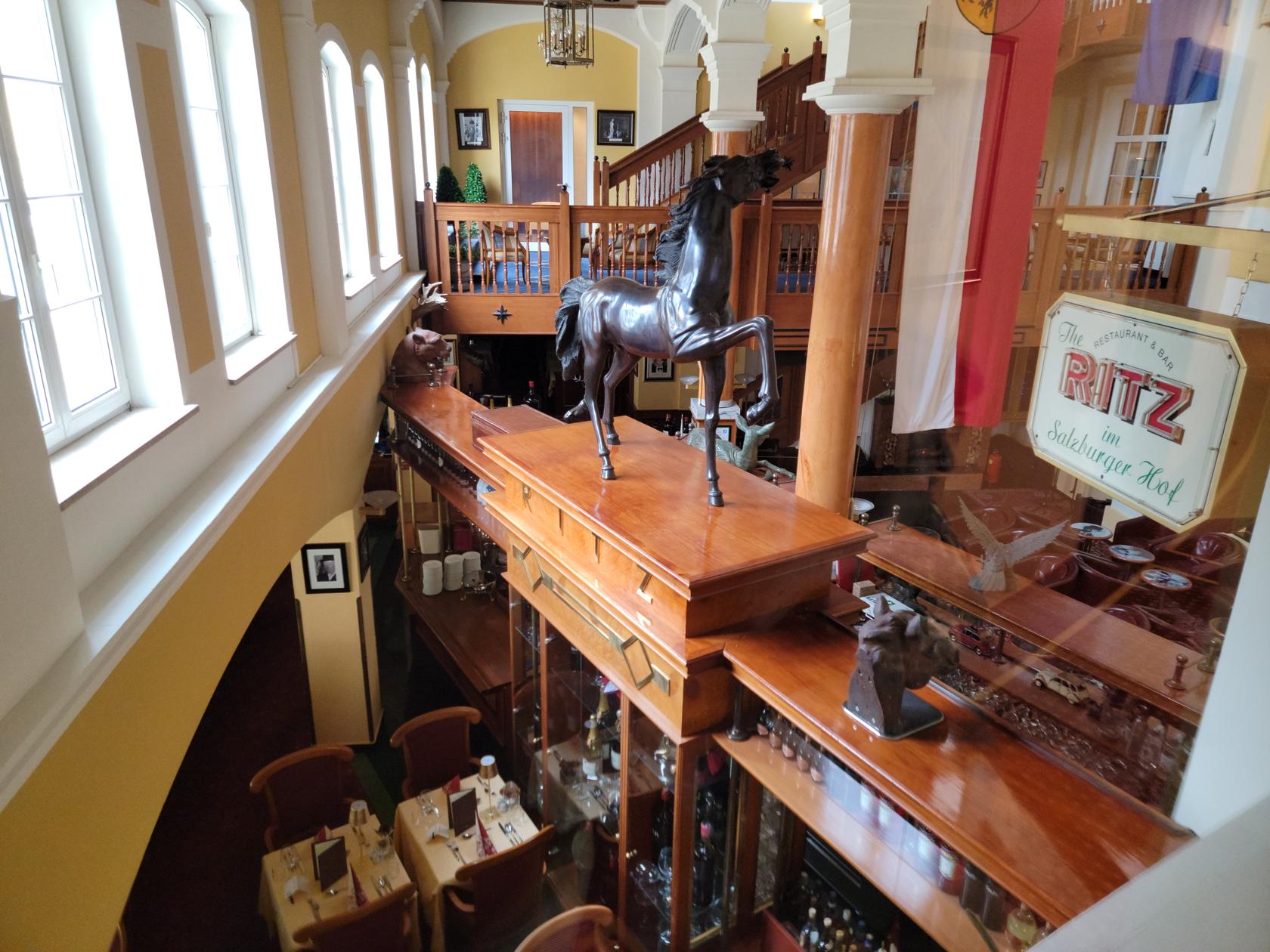
The Ritz restaurant – Salzburger Hof Hotel – Bad Gastein, Austria
The Ritz restaurant – Salzburger Hof Hotel – Bad Gastein, Austria
Hotel Salzburger Hof – Bad Gastein, Austria
Our room – Salzburger Hof Hotel – Bad Gastein, Austria
Our view – Salzburger Hof Hotel – Bad Gastein, Austria
The Kaiser was here – Salzburger Hof Hotel – Bad Gastein, Austria
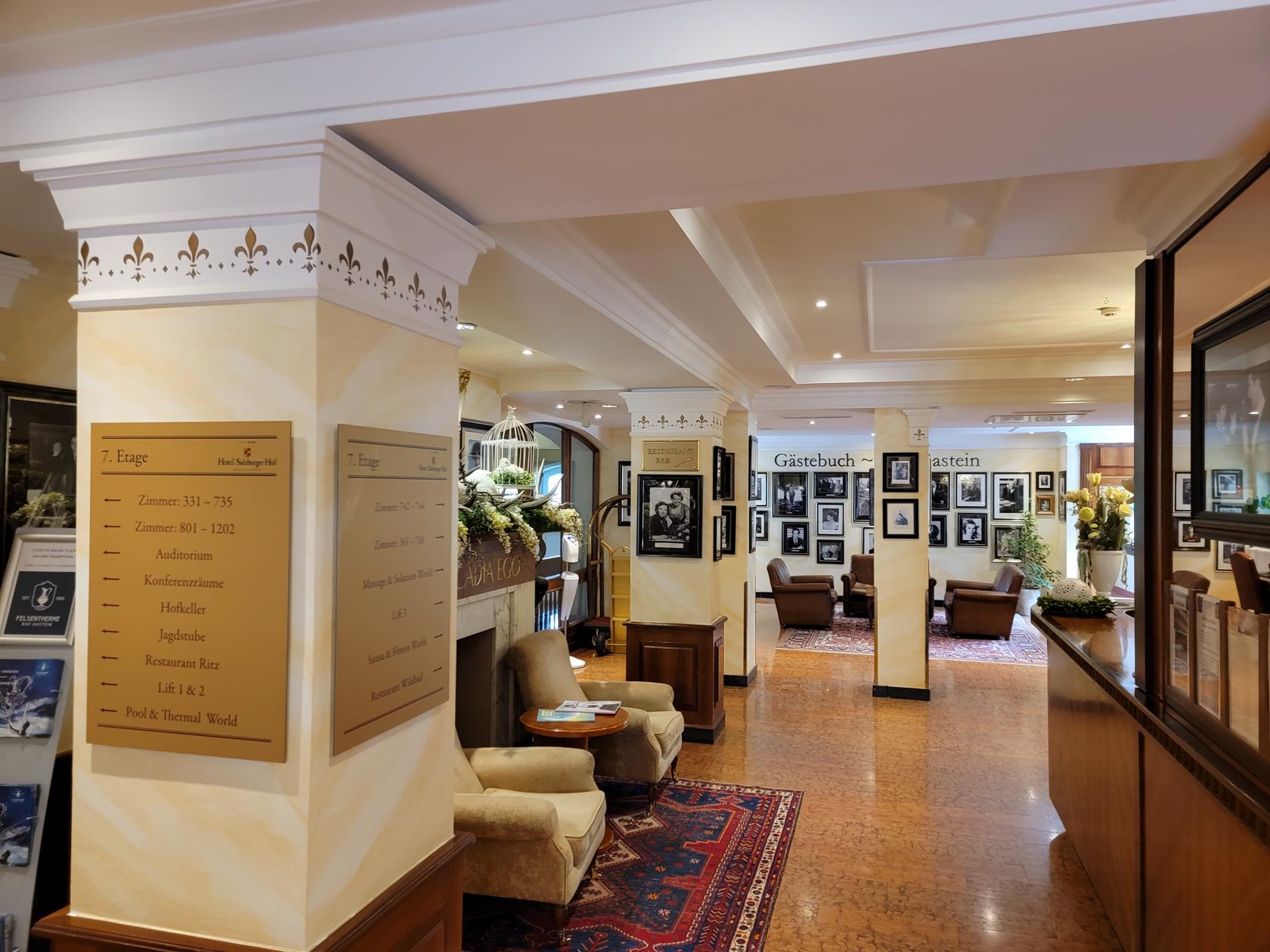
Lobby – Hotel Salzburger Hof – Bad Gastein, Austria
Lobby – Hotel Salzburger Hof – Bad Gastein, Austria
Gasteiner Falls
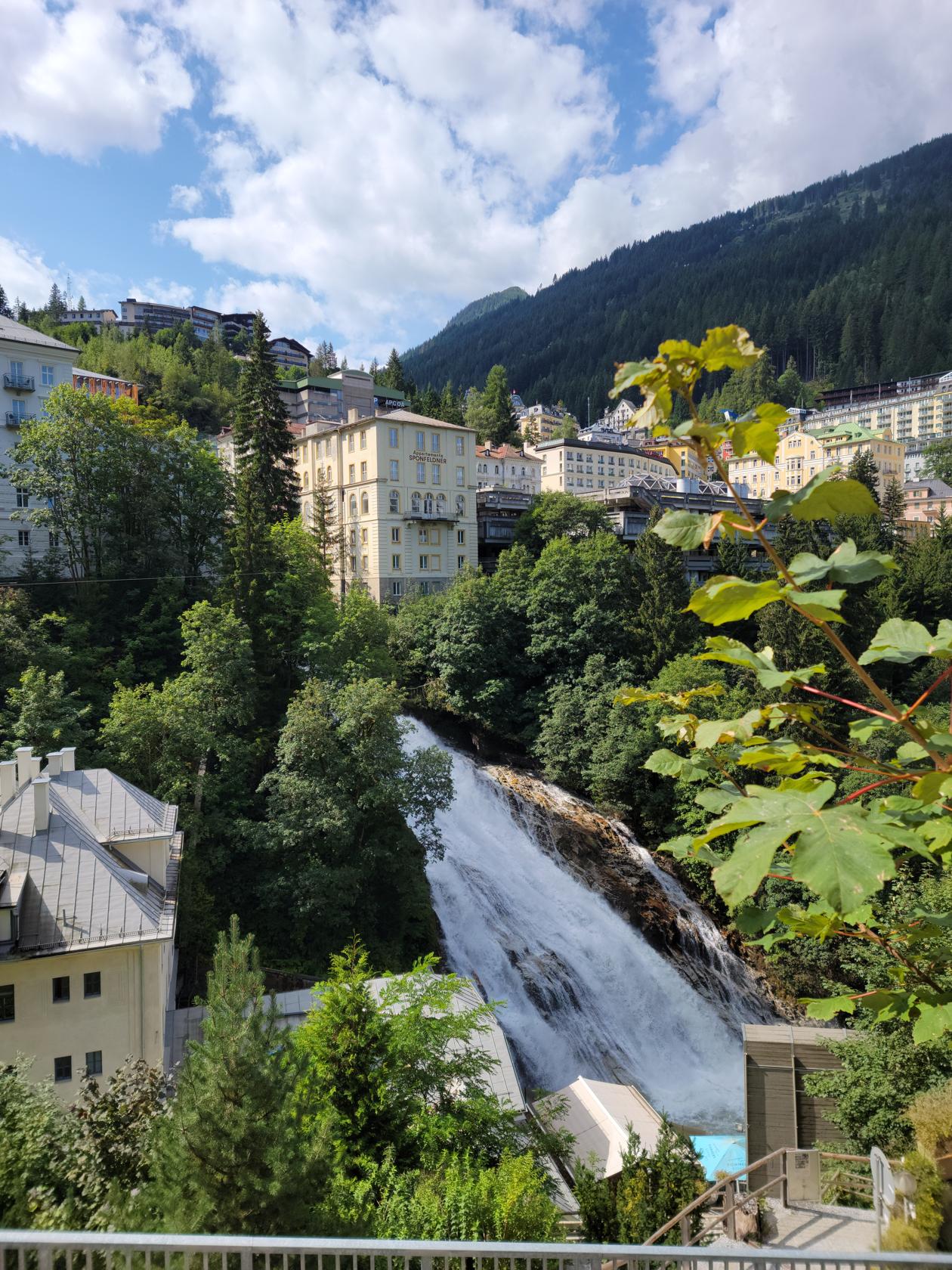
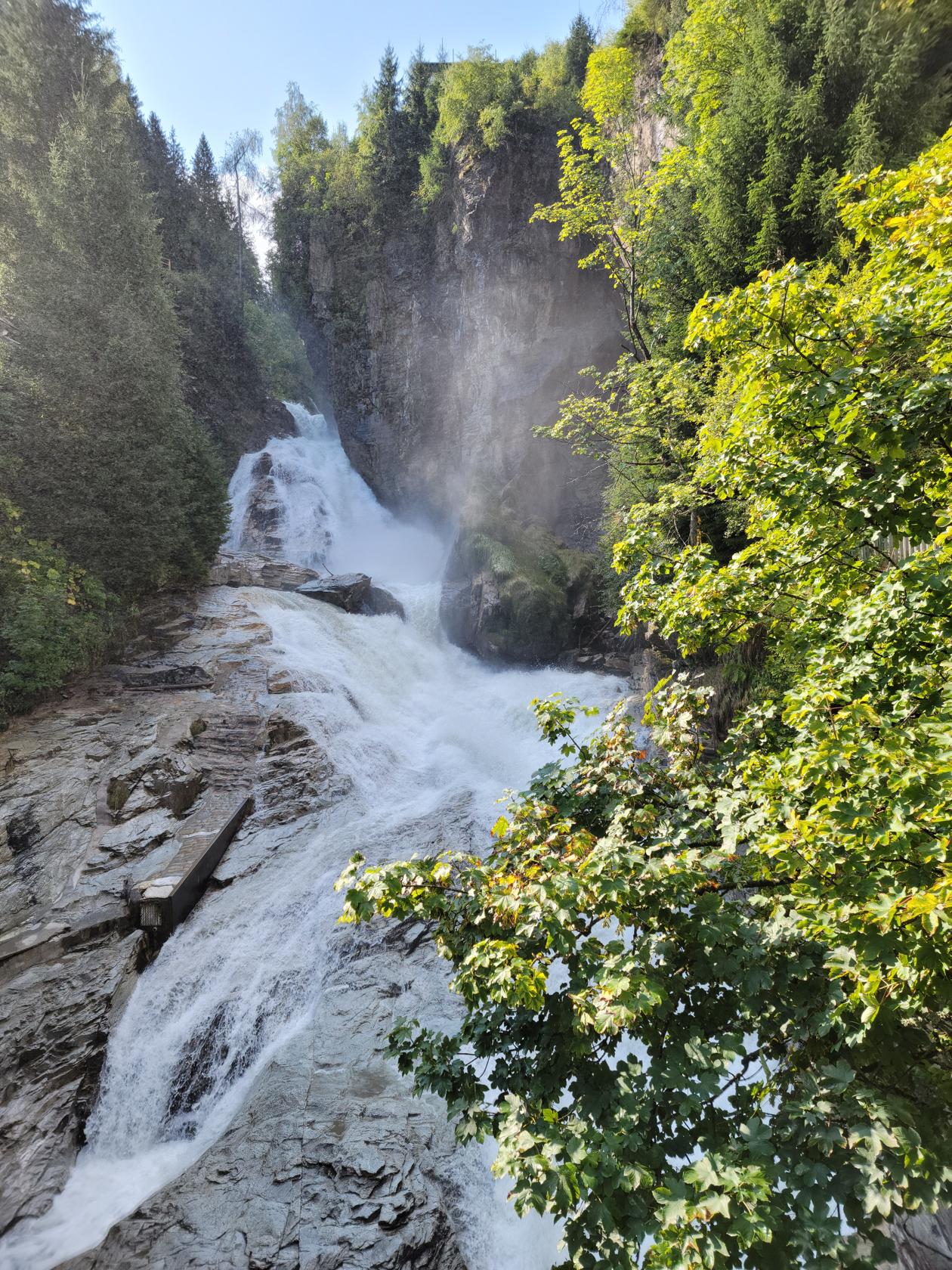
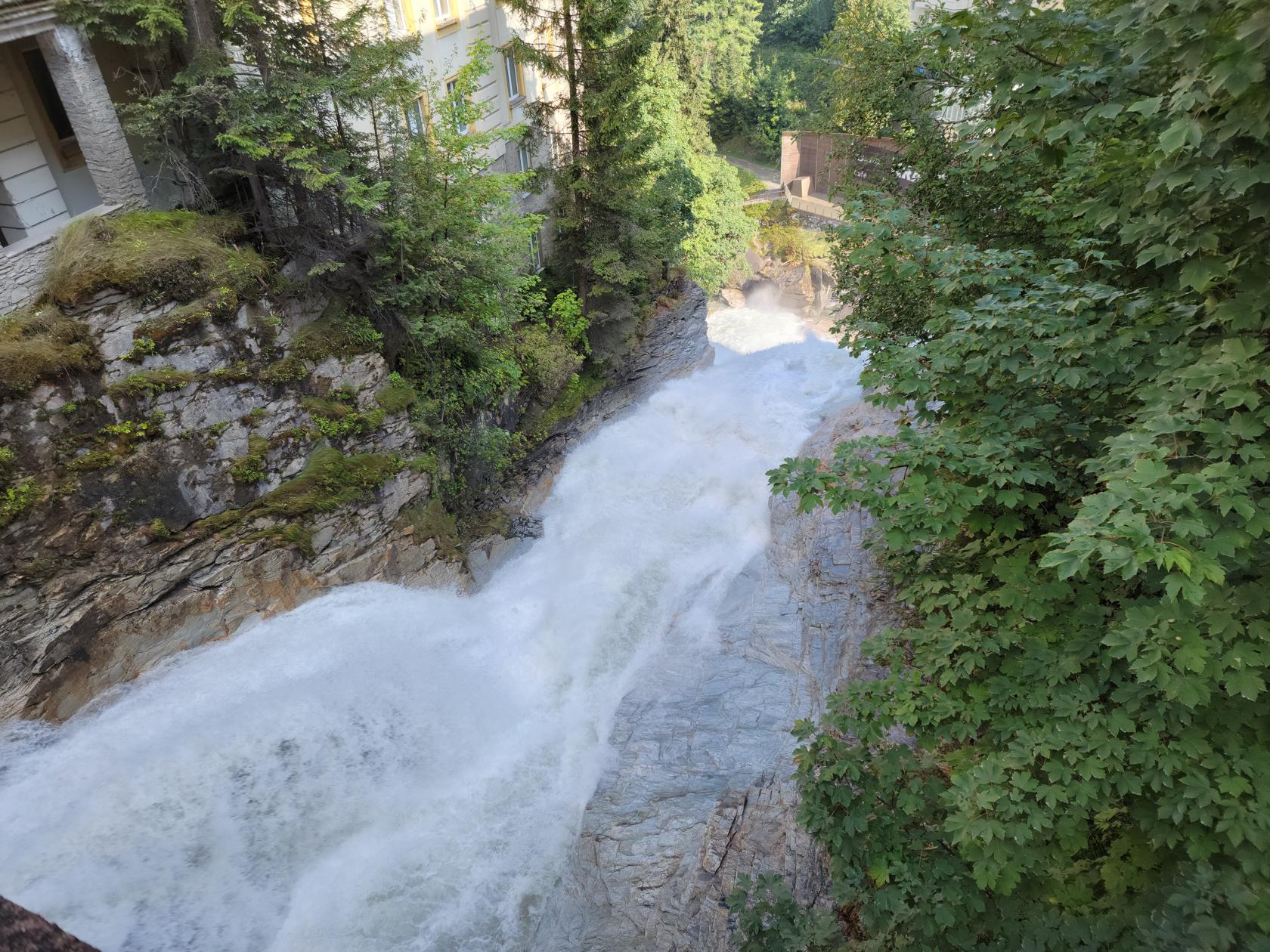
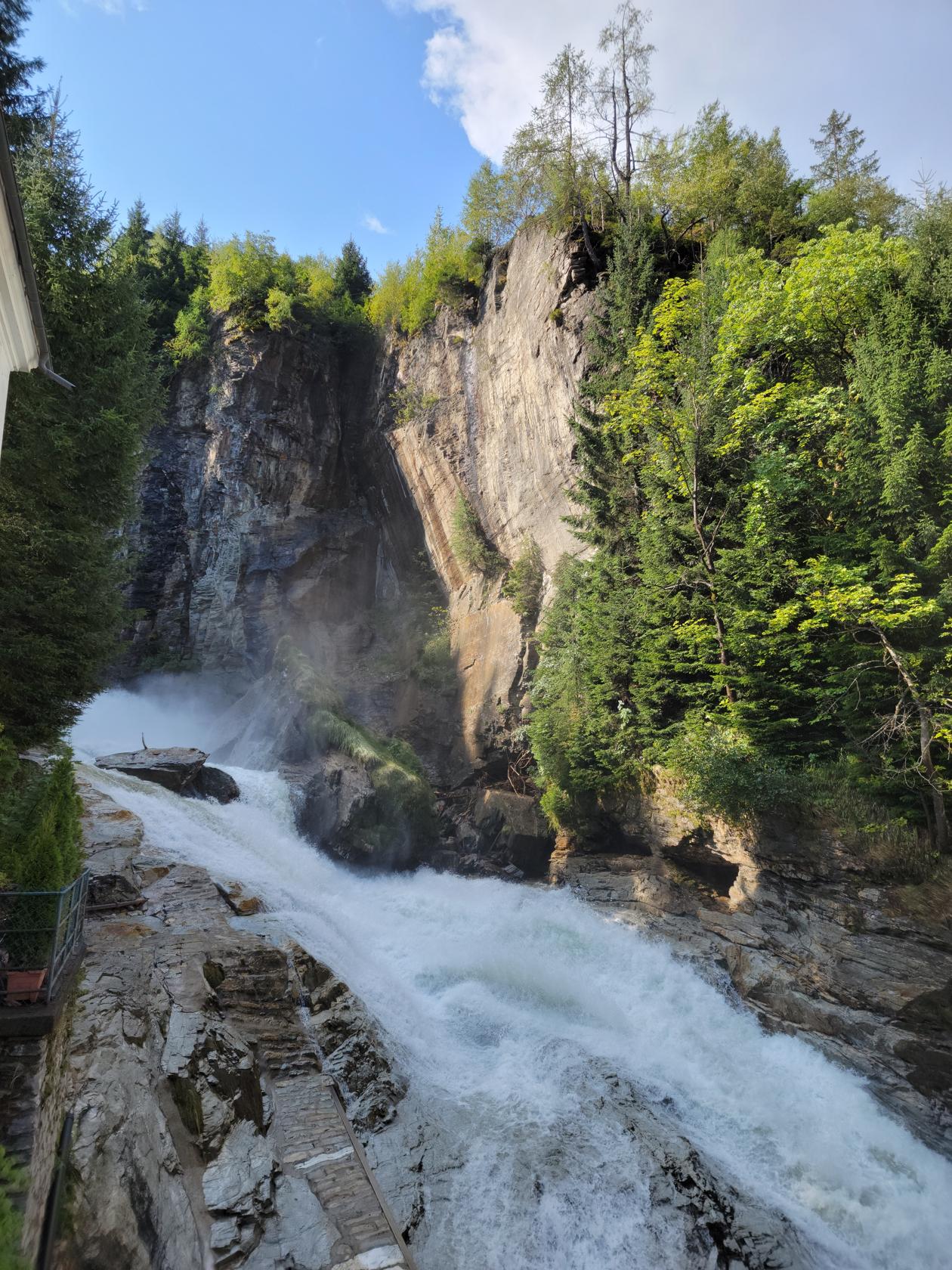
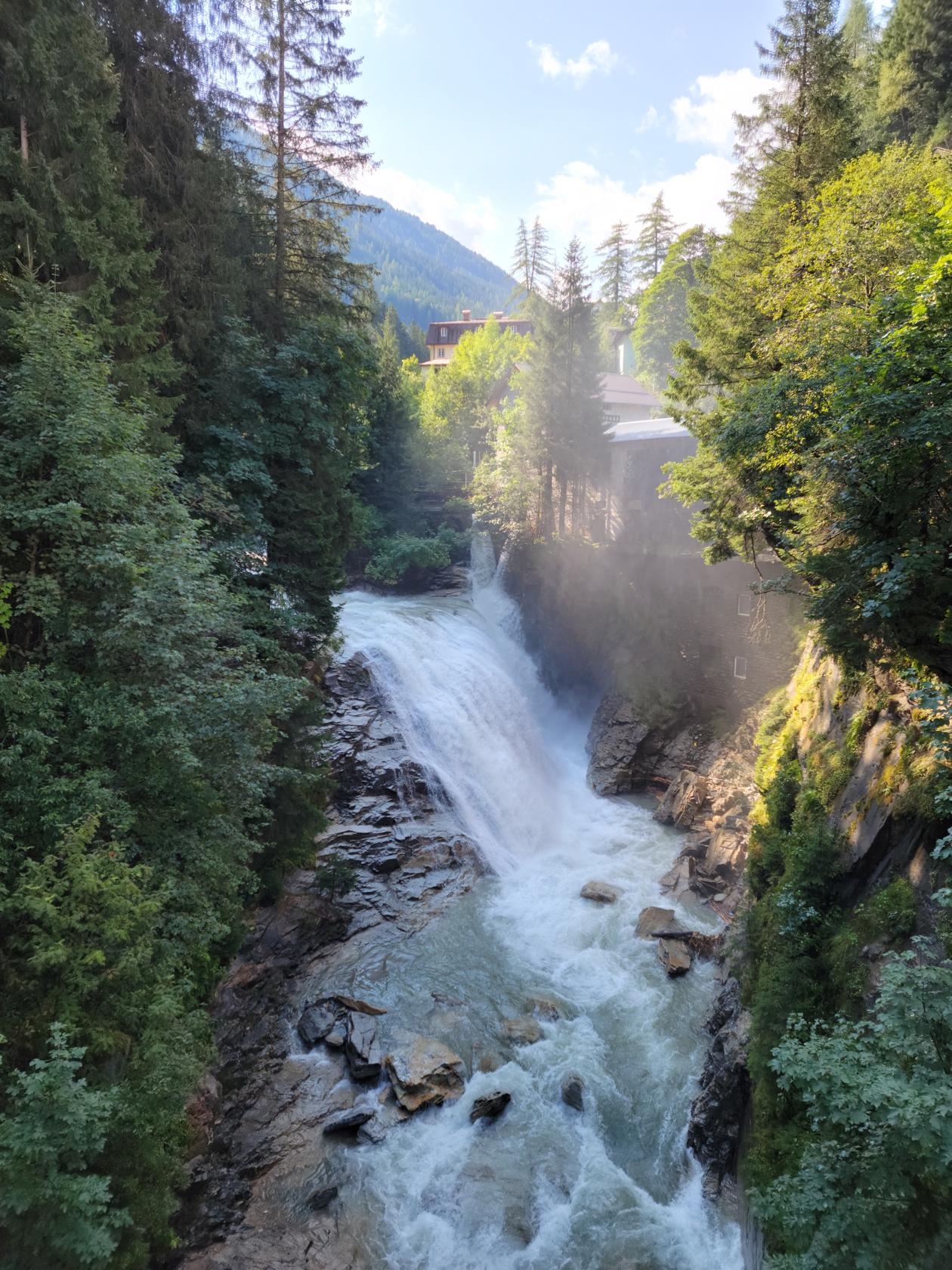
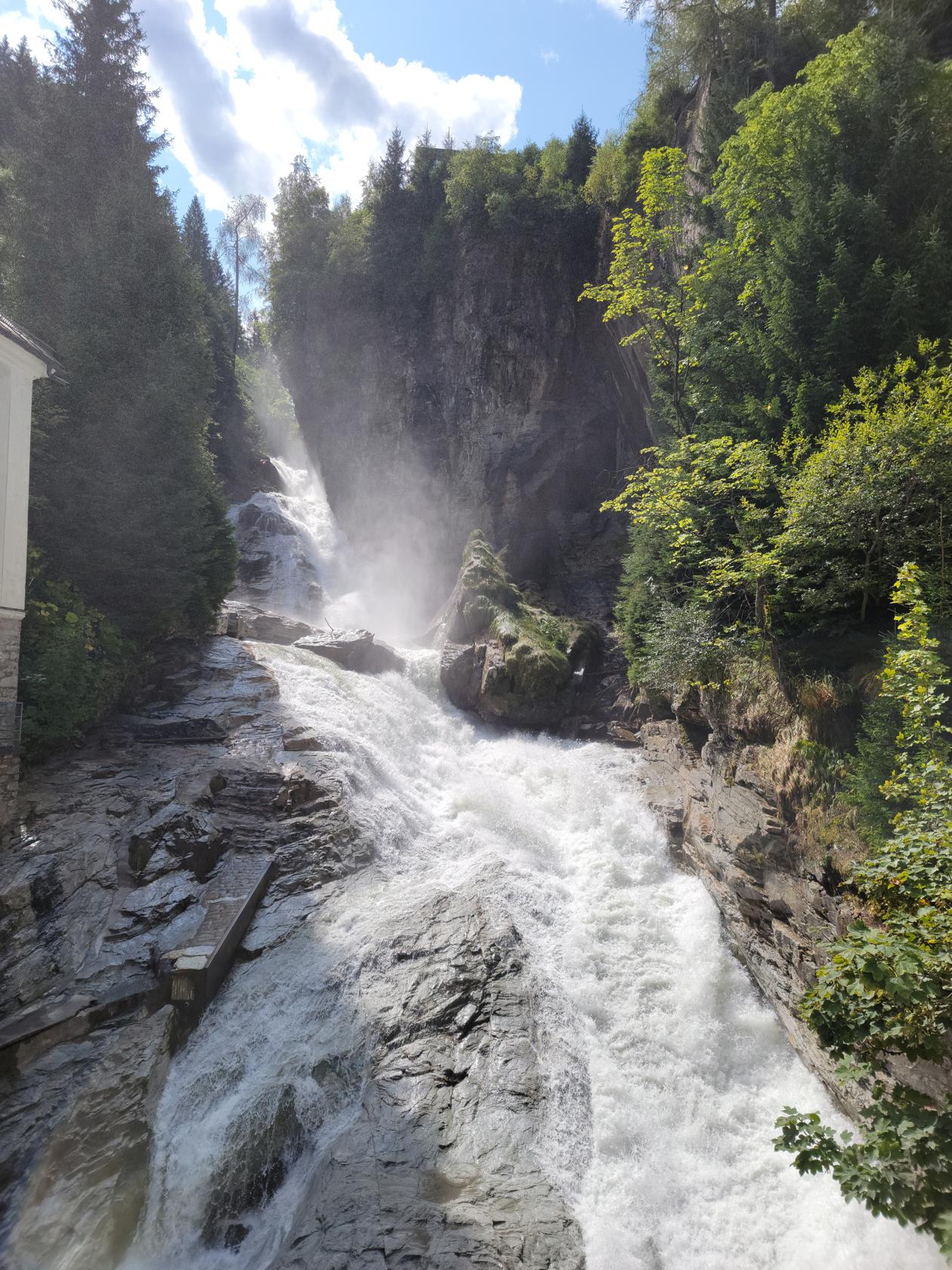
The main attraction in the center of town now are the falls. The great Gasteiner Waterfalls are indeed impressive, especially after the storm that has just passed through this region of Europe. Since a video is worth a thousand words, here are a few.
It is easy enough to get a glimpse of the waterfalls by walking the main road through town and stopping at the bridge.
Town Center – Bad Gastein, Austria
Memorial – Bad Gastein Waterfall – Bad Gastein, Austria
Bad Gastein Waterfall – Bad Gastein, Austria
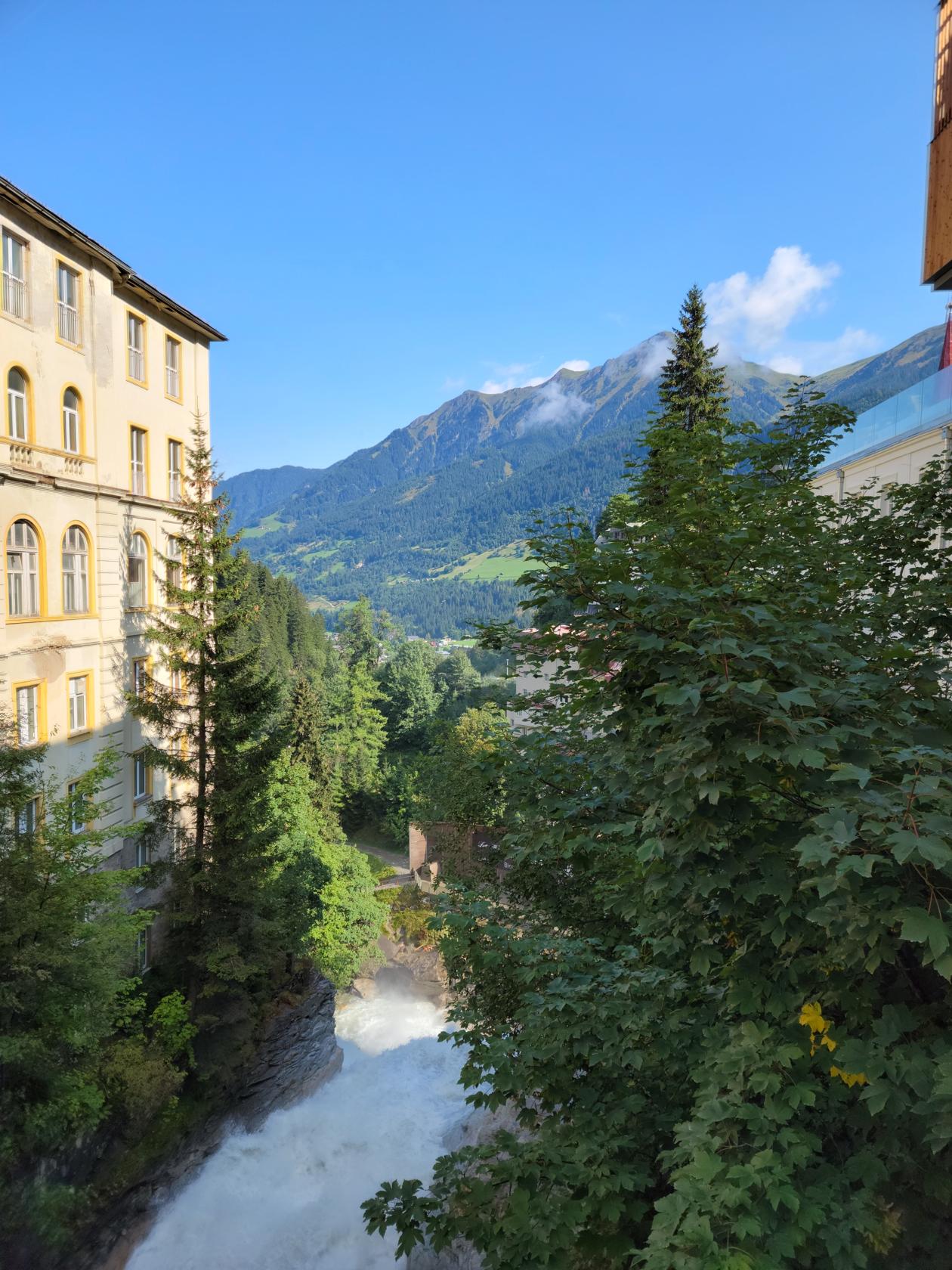
Garmskarkogel mountain and Bad Gastein Waterfall – Bad Gastein, Austria
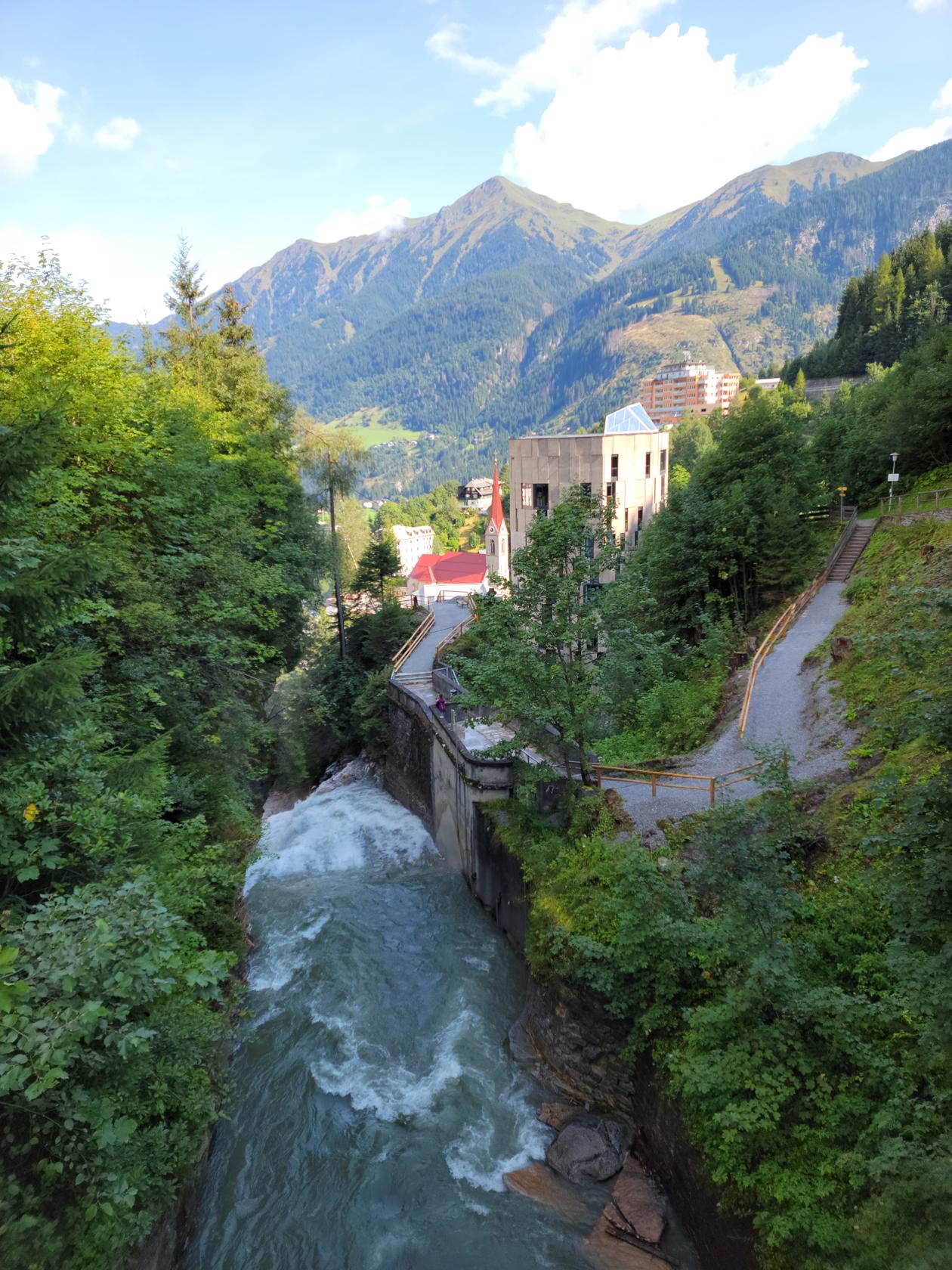
Downstream – Bad Gastein Waterfall – Bad Gastein, Austria
Downstream waterfall – Bad Gastein Waterfall – Bad Gastein, Austria
Bad Gastein Waterfall – Bad Gastein, Austria
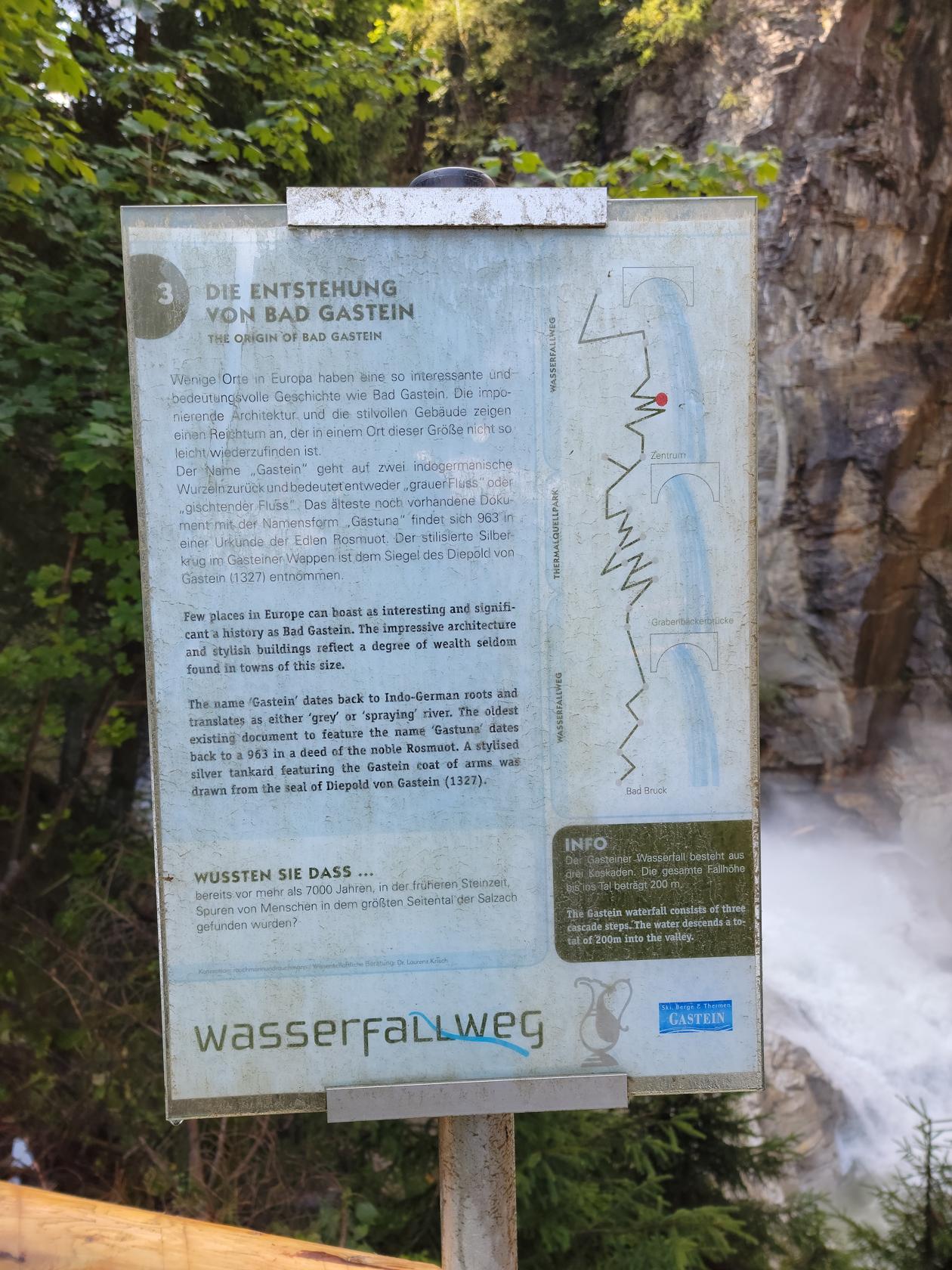
Waterfall way – Bad Gastein Waterfall – Bad Gastein, Austria
After taking in their beauty from the bridge, there are also other vantage points from which the falls may be enjoyed. But, that requires a bit of climbing and some hiking, all of which can be done with modern sneakers, not equipment necessary.
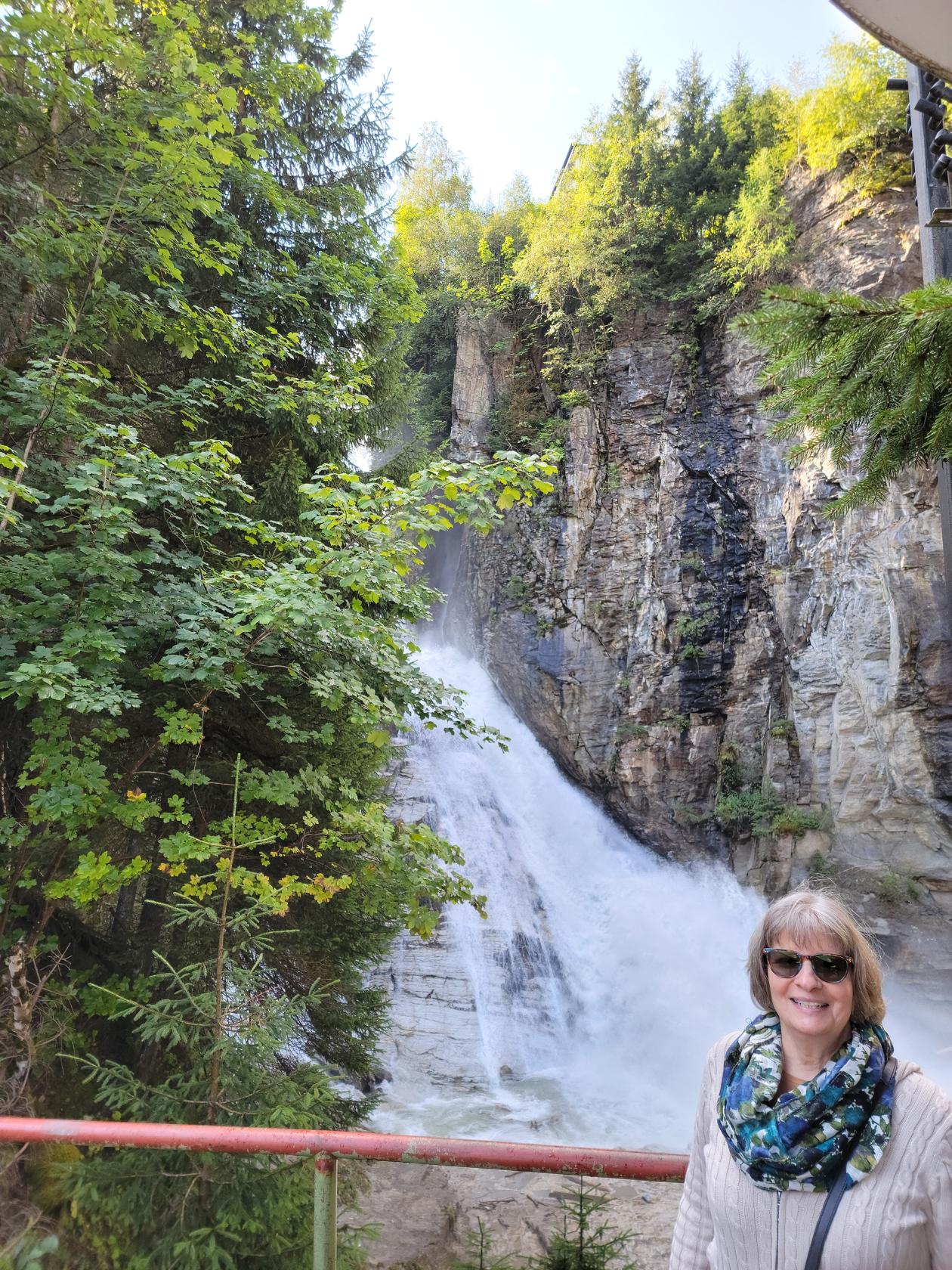
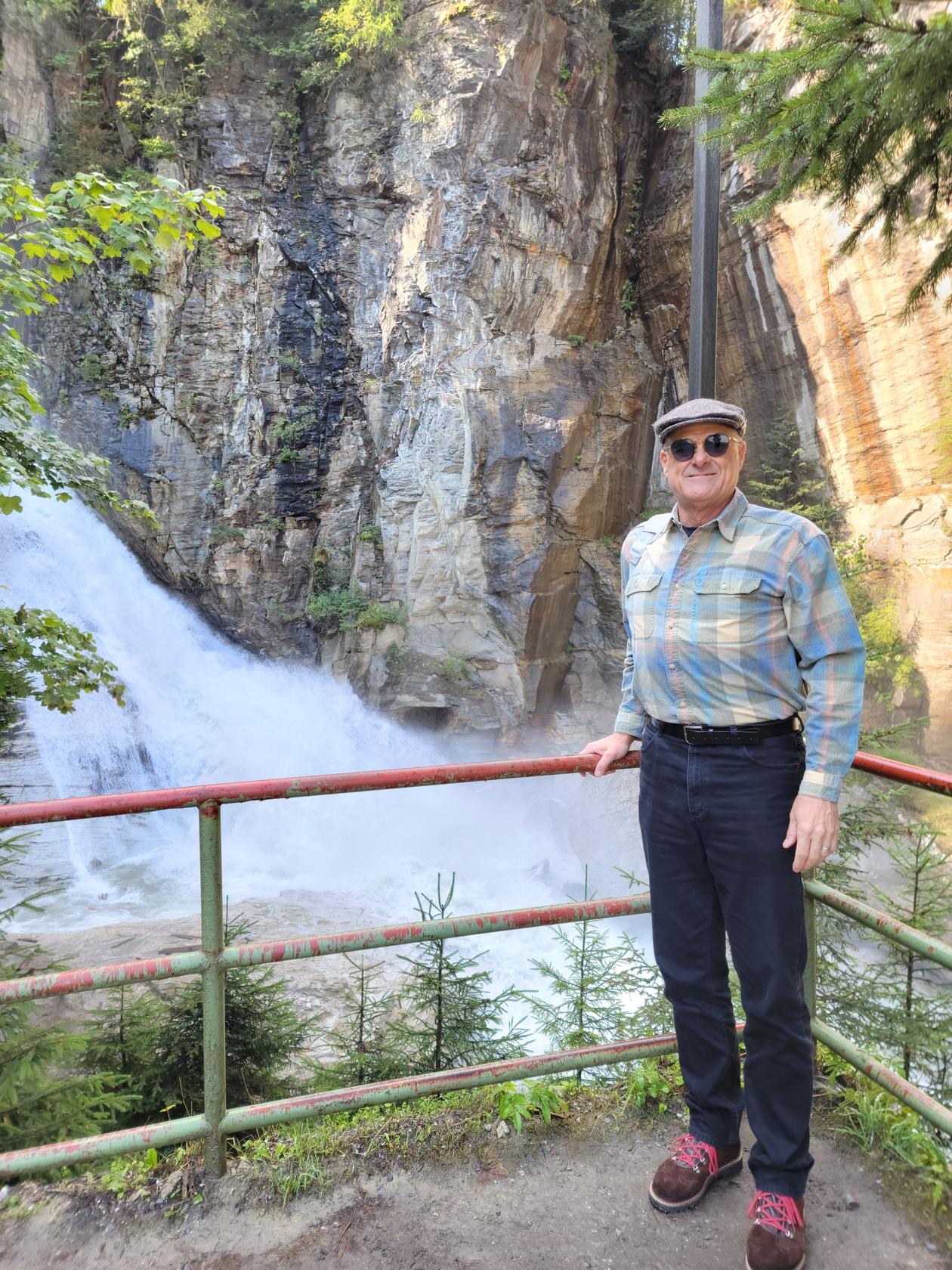
Patti – Upper Bad Gastein Waterfall – Bad Gastein, Austria
Erick – Upper Bad Gastein Waterfall – Bad Gastein, Austria
Upper Bad Gastein Waterfall – Bad Gastein, Austria
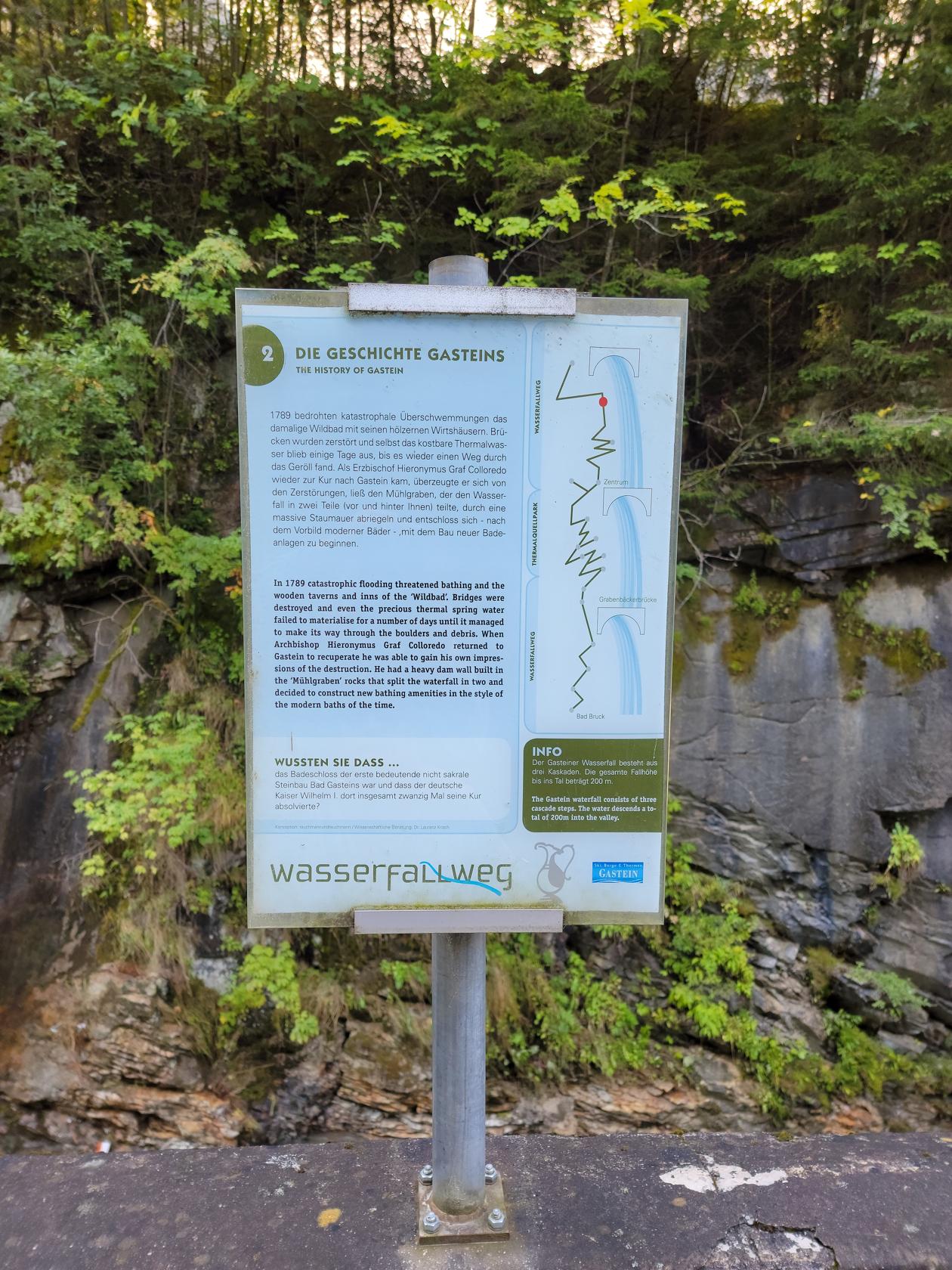
The history of Gasteine – Bad Gastein, Austria
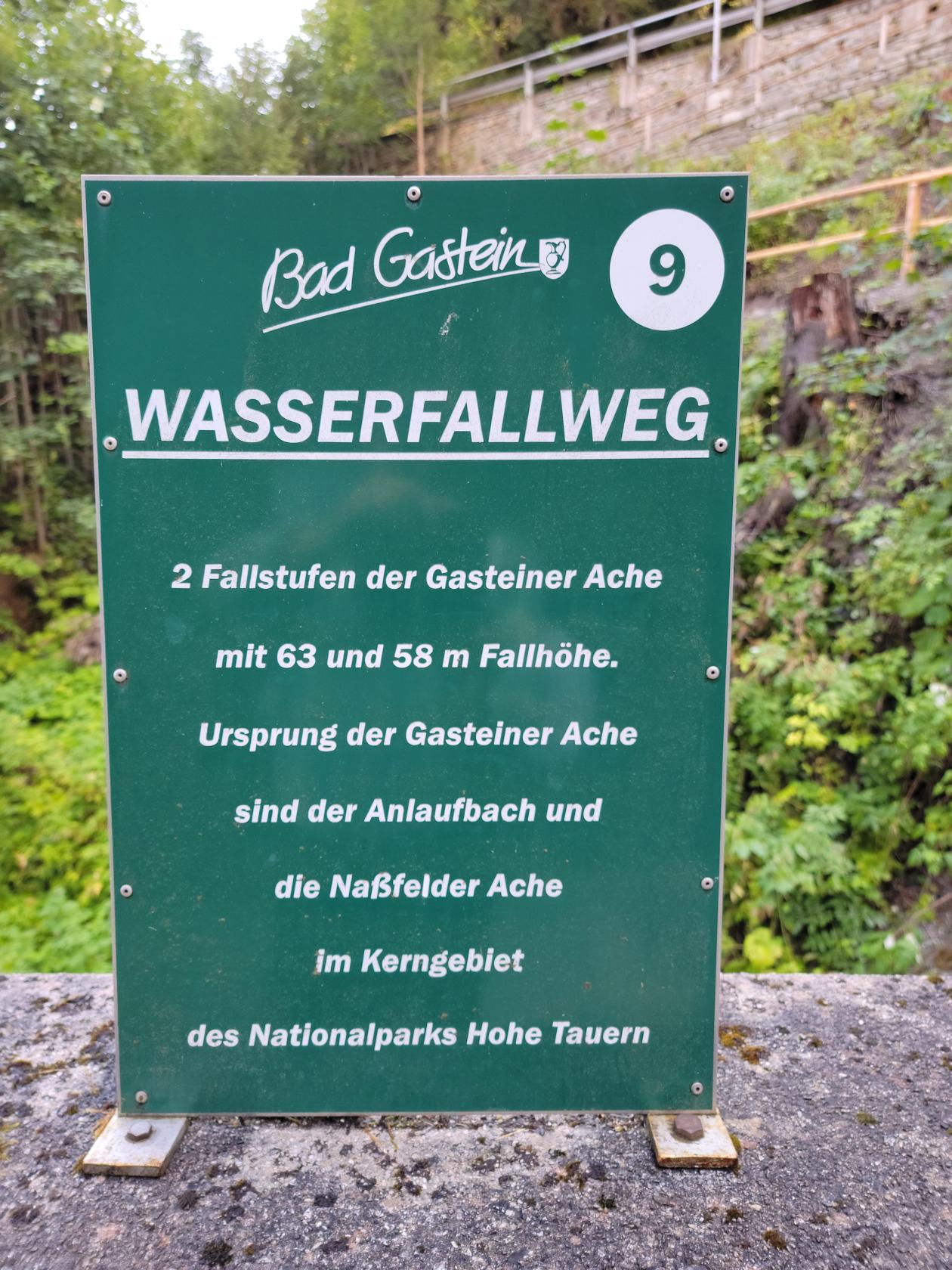
The waterfall way – Bad Gastein, Austria
Upper waterfall – Bad Gastein, Austria
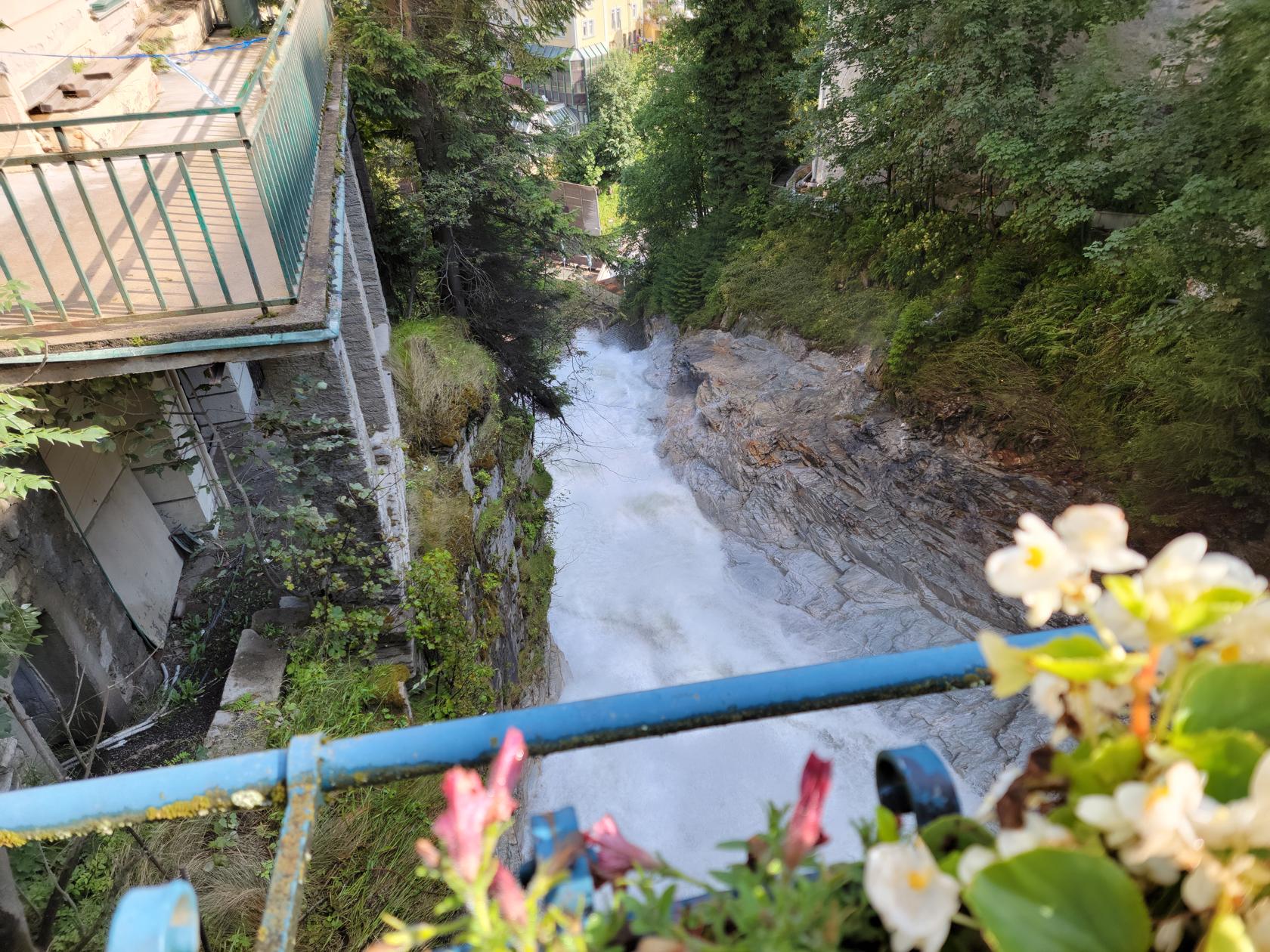
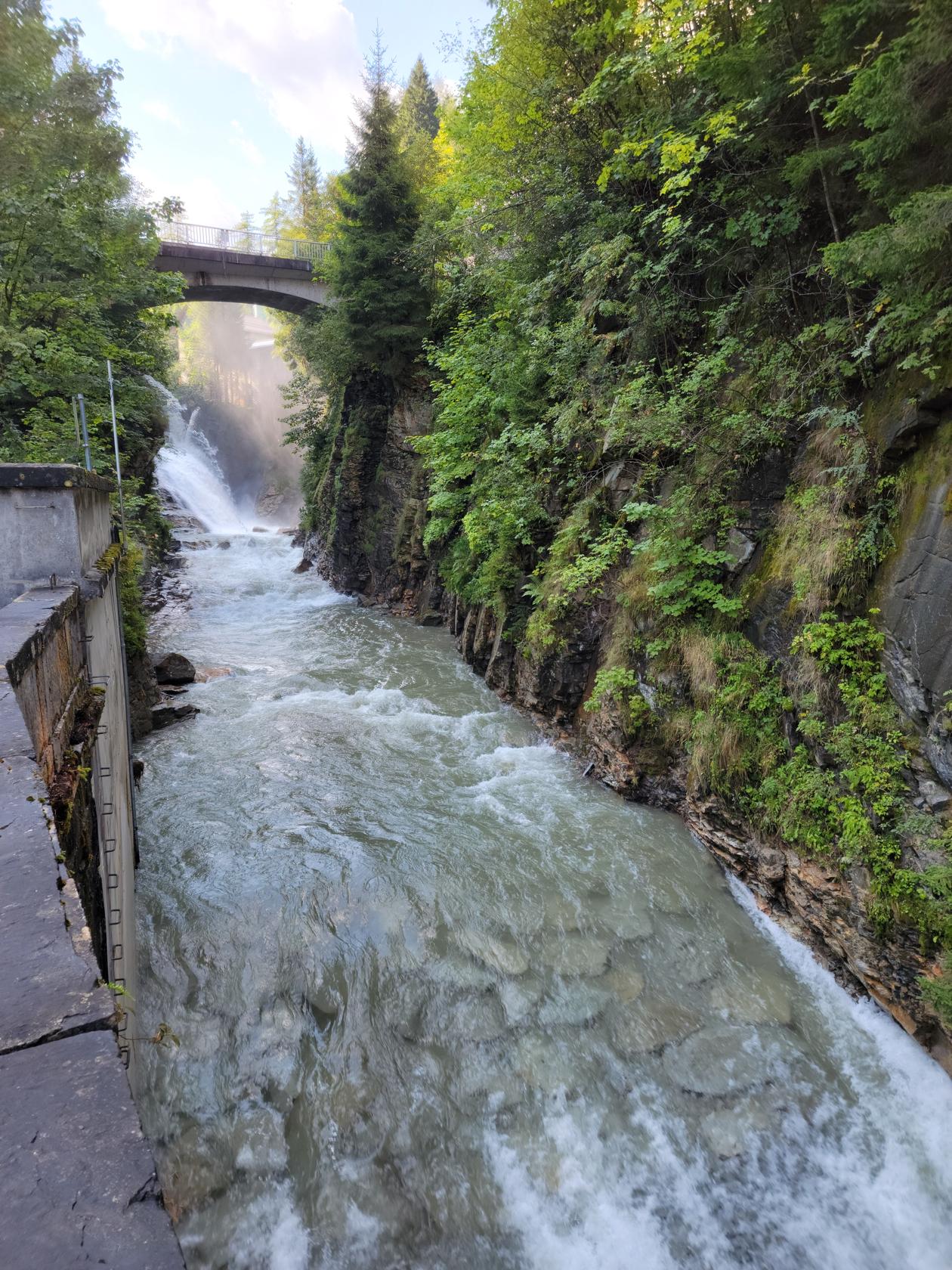
Looking down from the bridge – Upper waterfall – Bad Gastein, Austria
Upper waterfall – Bad Gastein, Austria
There is a section above the falls where they were purposely redirected some years ago by a dam that was built by a member of the clergy. This forces all the current water down a single corridor within the rocks.
Hiking Trails
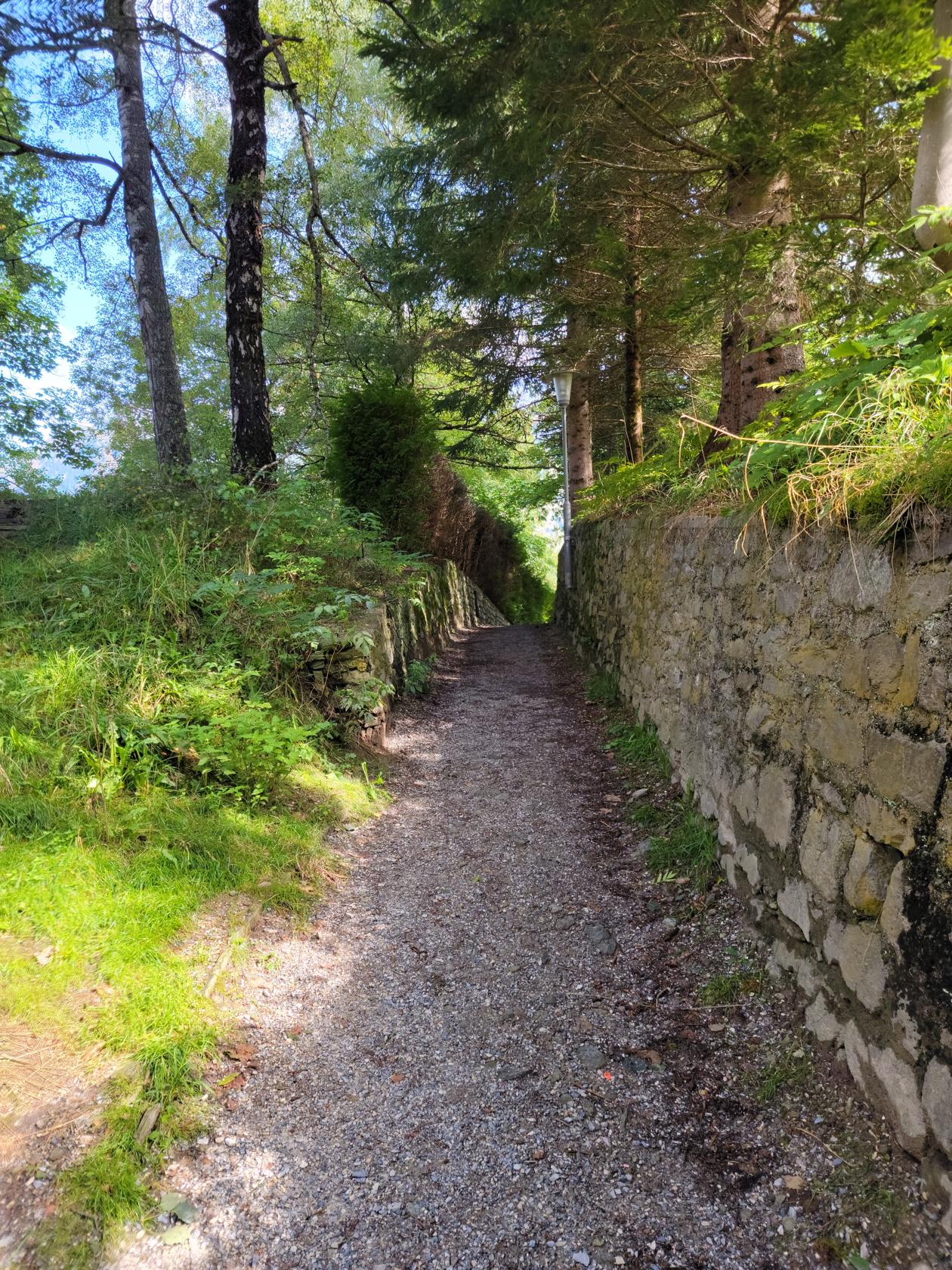
There are numerous trails for walking, hiking and biking around town. For our first day our we chose the one that visited the Upper Gastein Falls and then descended towards lower Bad Gastein.
Looking toward the Mölltal valley – Bad Gastein, Austria
The Mölltal valley – Bad Gastein, Austria
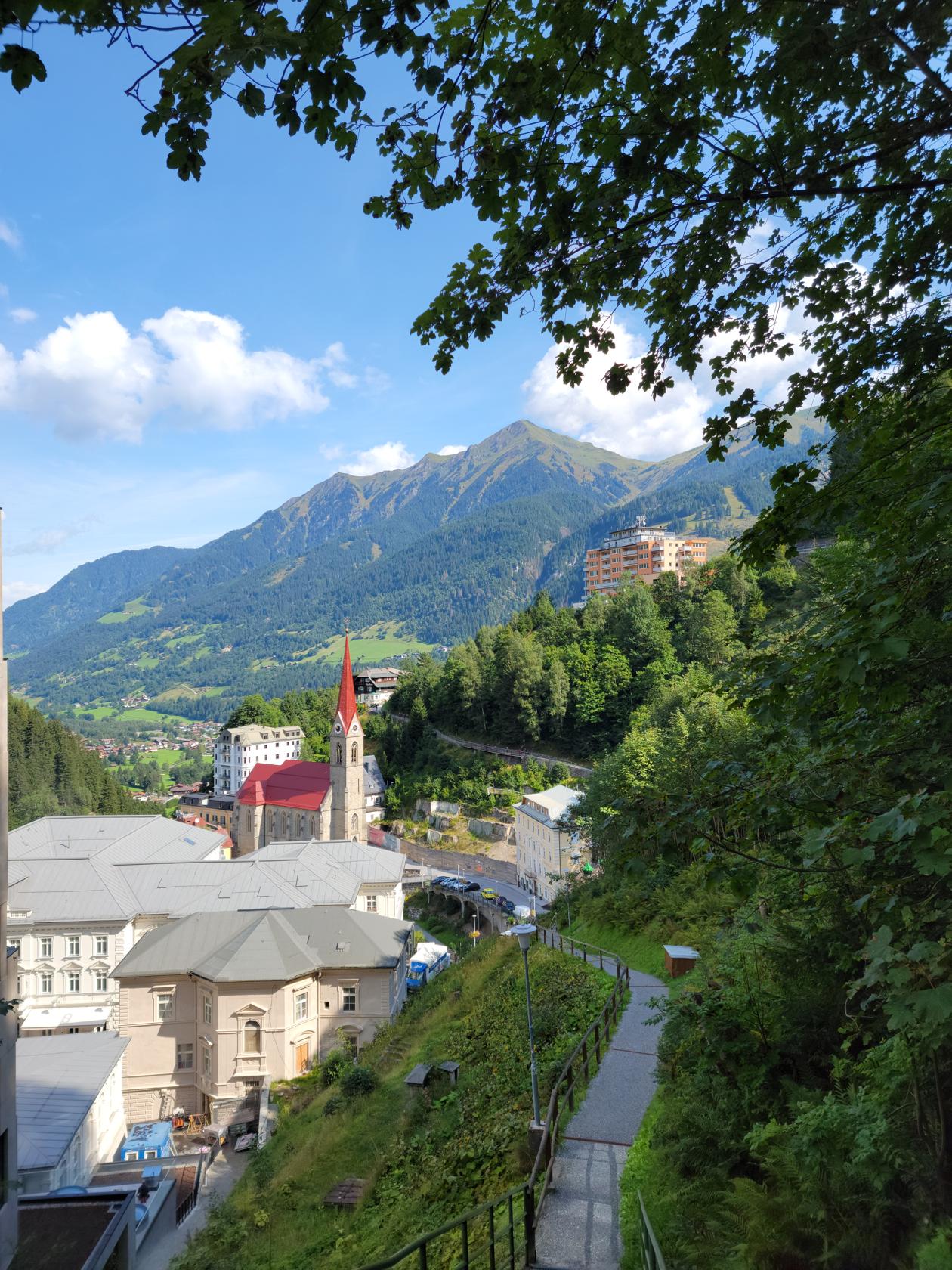
Pfarrkircke and looking toward the Mölltal valley – Bad Gastein, Austria
Pfarrkircke and looking toward the town center – Bad Gastein, Austria
Bad Gastein – Bad Gastein, Austria
The Mölltal valley – Bad Gastein, Austria
Pfarrkircke and looking toward the Mölltal valley – Bad Gastein, Austria
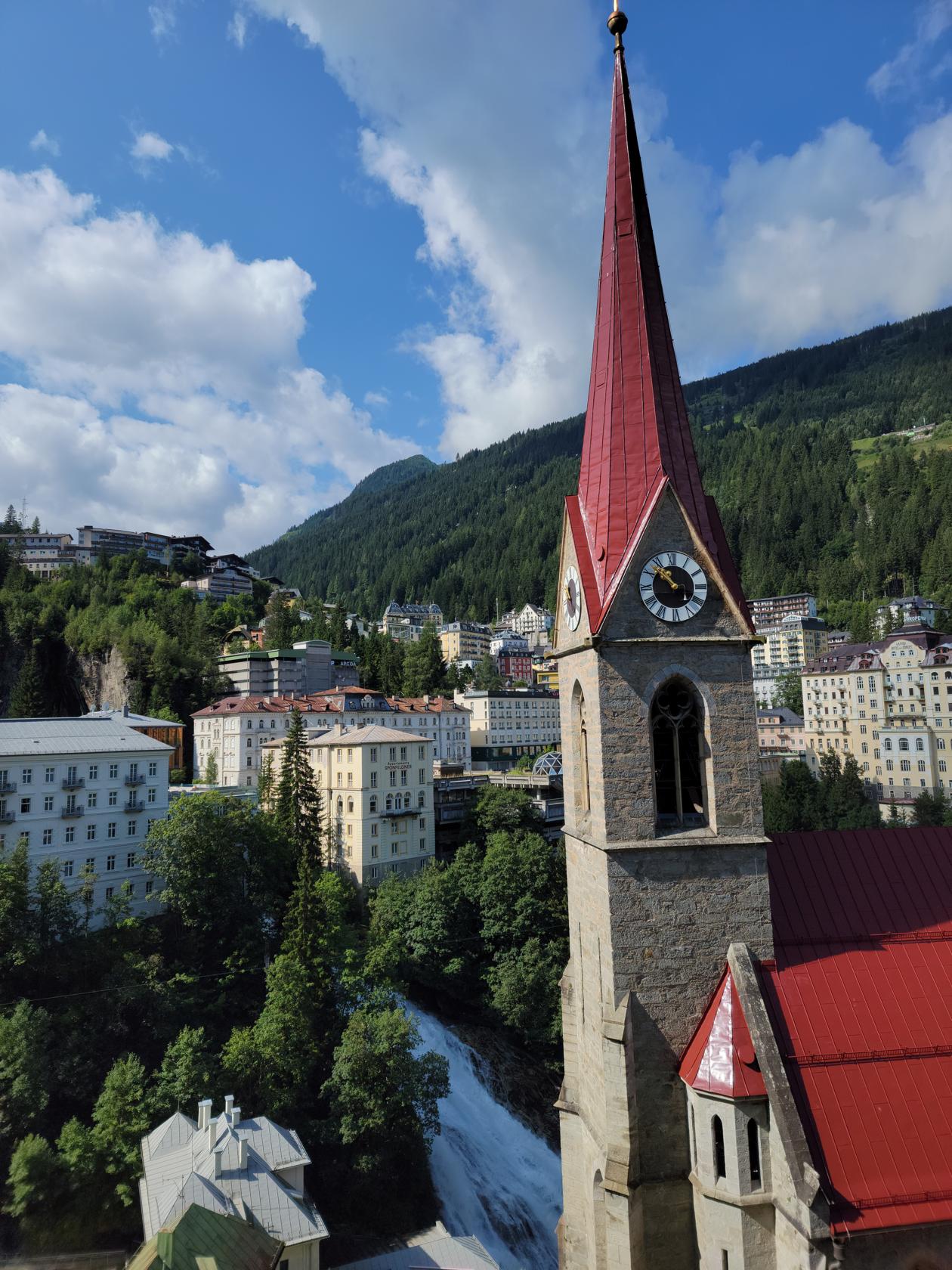
Pfarrkircke clock tower – Bad Gastein, Austria
The Reitlpromenade – Bad Gastein, Austria
Restaurants
La Pizzeria Napoletana
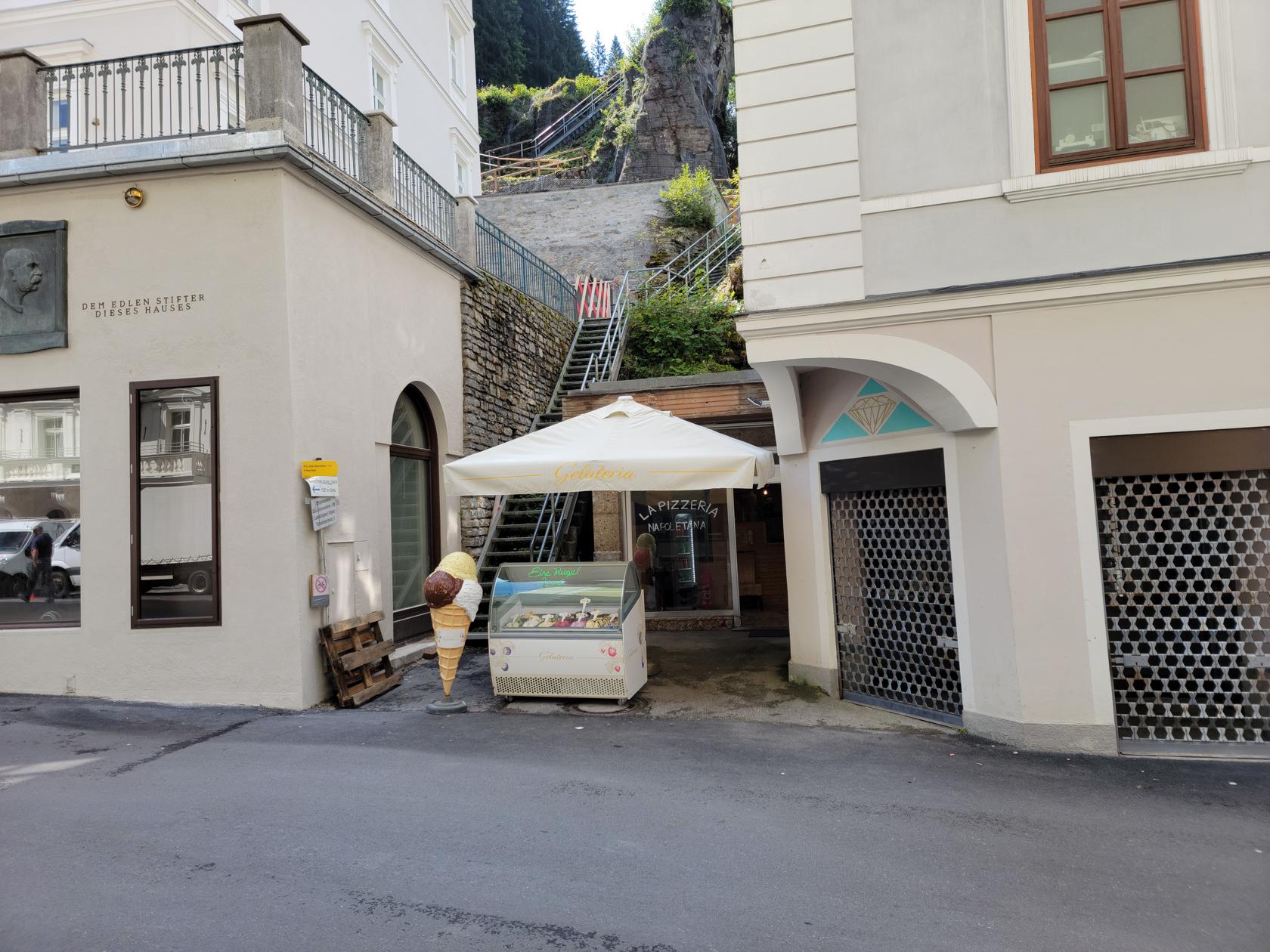
A very small Italian pizzeria stuck in the back of a another building right next to the Gasteiner Falls is the La Pizzeria Napoletana.
La Pizzeria Napoletana – Bad Gastein, Austria
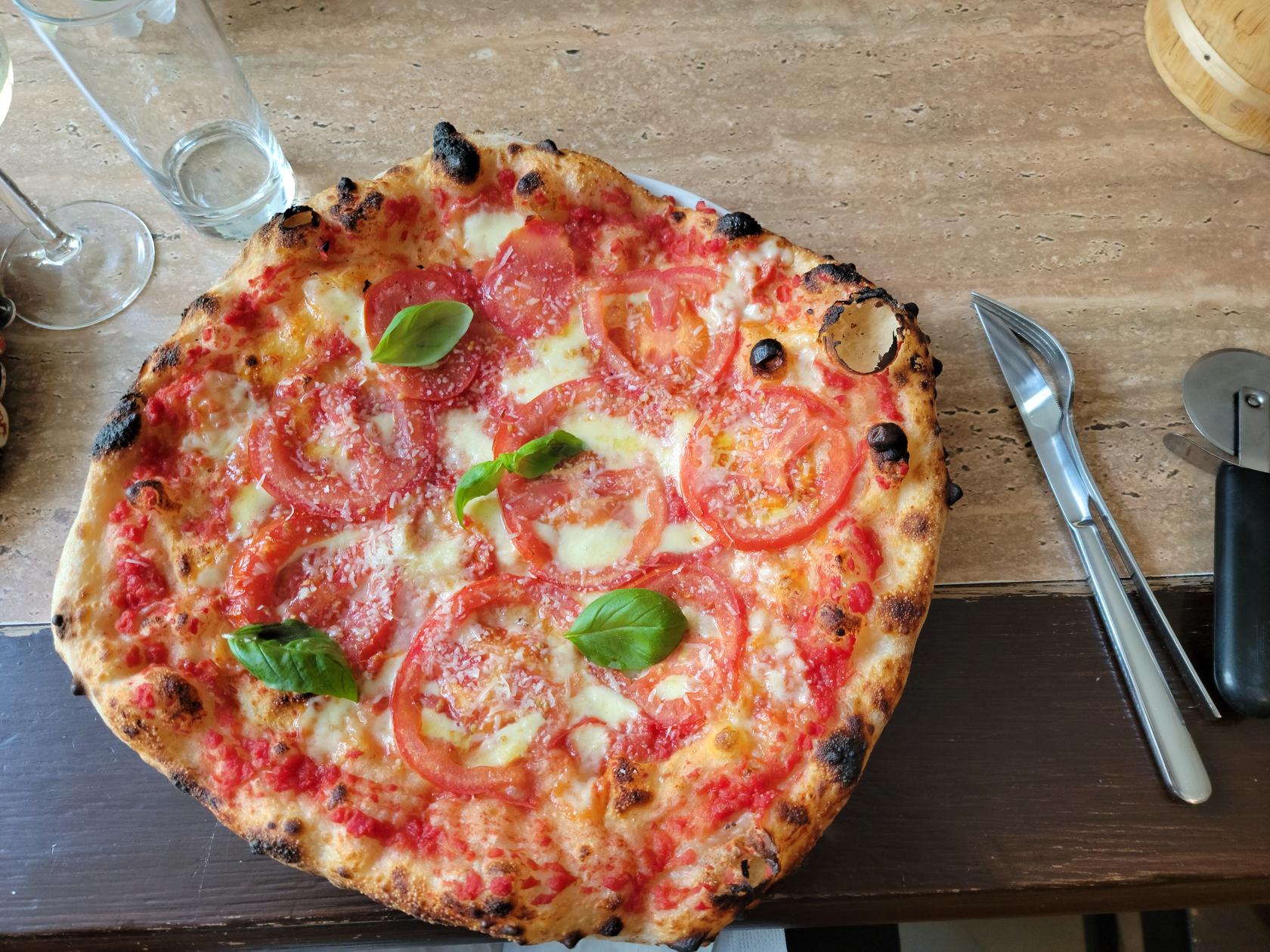
Their tomato and mozzarella pizza is thin and very tasty. This restaurant has a minimal menu of pizza, beer, soft drinks and some wine, there is little else to choose from if you are really hungry.
Pizza Tomato and Mozzerella – La Pizzeria Napoletana – Bad Gastein, Austria
The pizza is authentic, right down to its crust. The prices are very reasonable and emblematic of what you would expect in a small town or city in Italy.
Orania Stueberl Restaurant
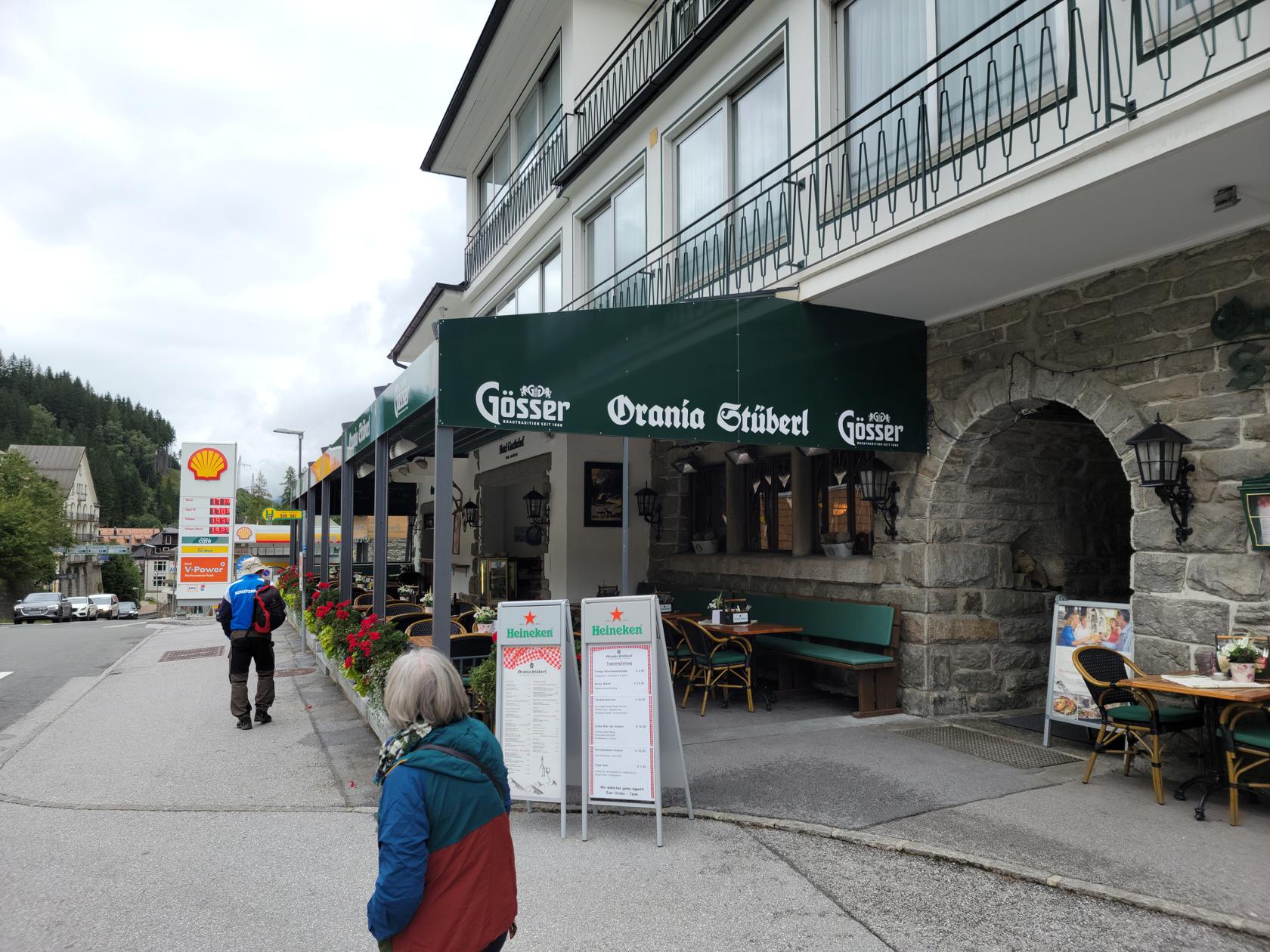
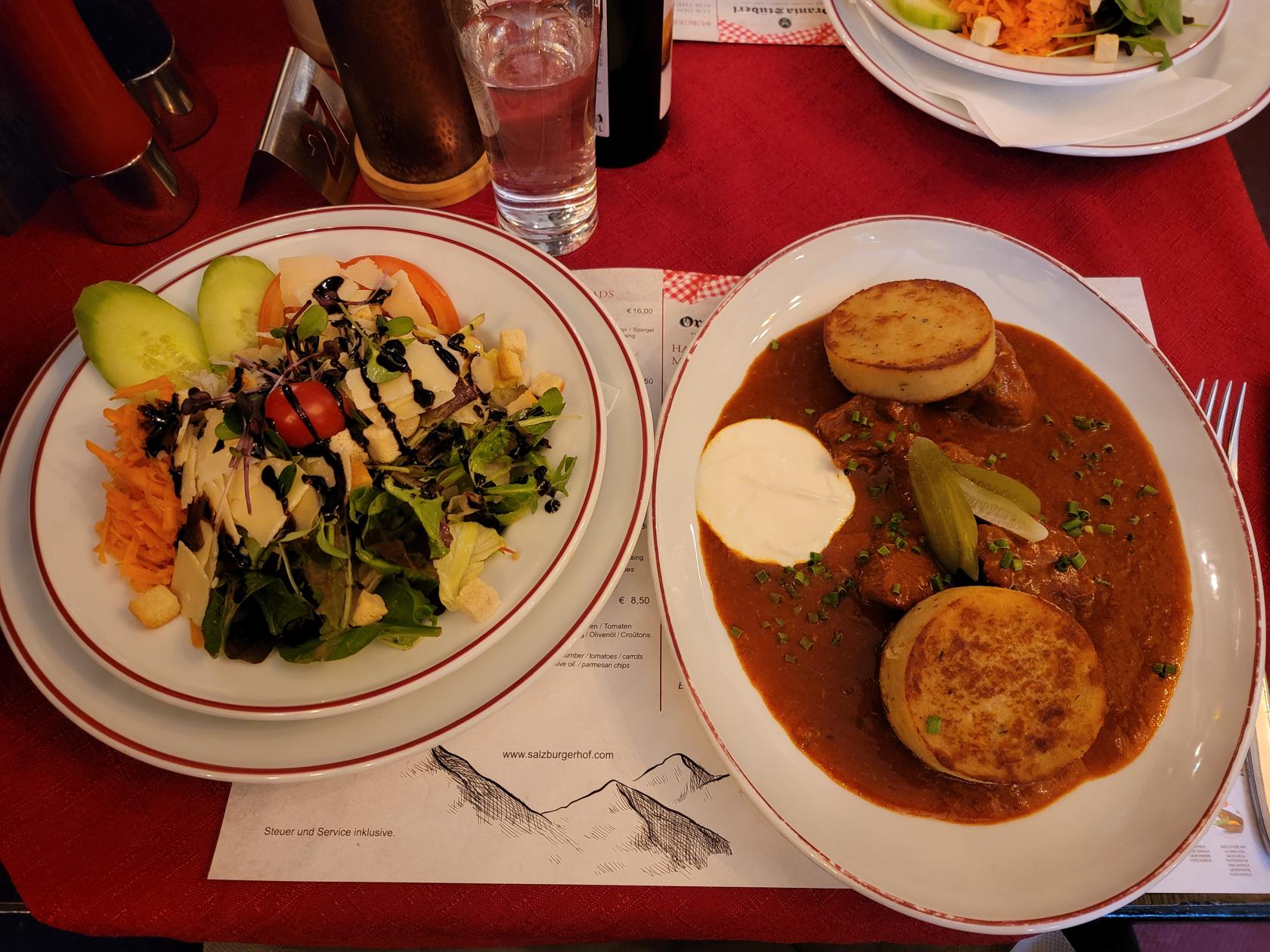
A restaurant that is almost always open, it is a good go-to place when you have few if any options. The food is good, but rather predictable, but that could be said for the rest of the cuisine in this small town.
Entrance – Orania Stüberl – Bad Gastein, Austria
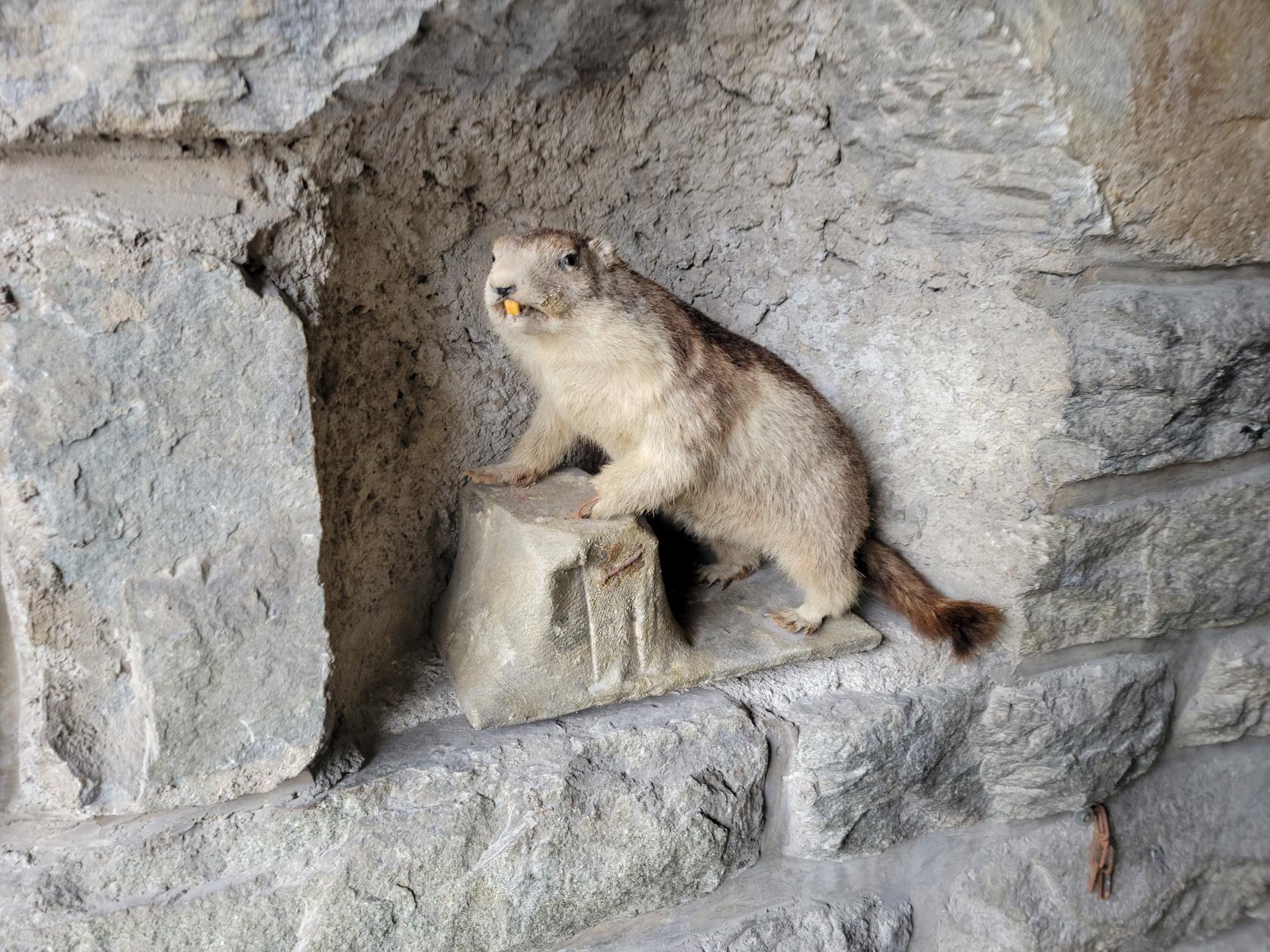
The Murmeltier – Orania Stüberl – Bad Gastein, Austria
A salad and Gulash with Knödeln – Orania Stüberl – Bad Gastein, Austria
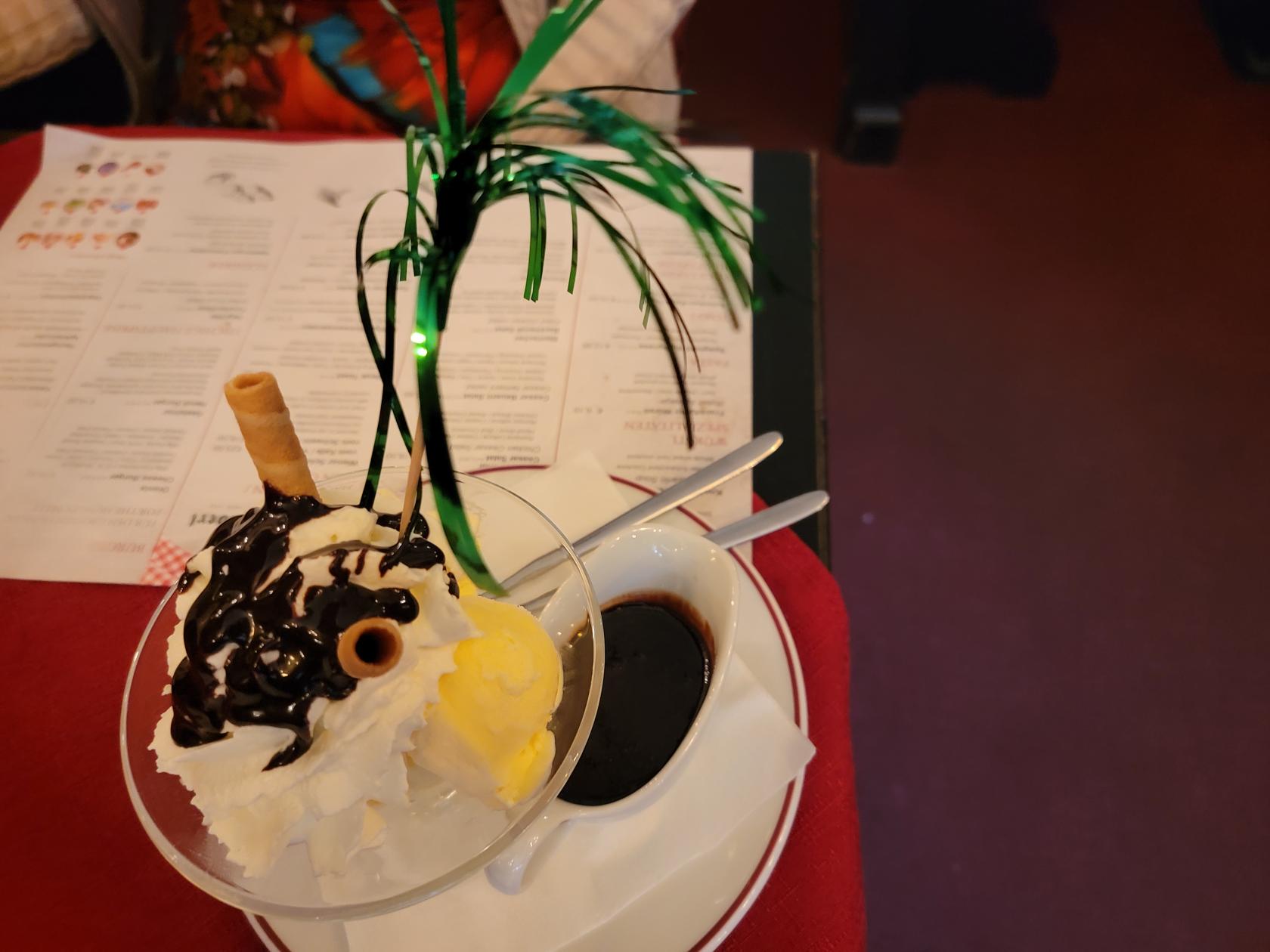
Ice cream with cream and chocolate sauce – Orania Stüberl – Bad Gastein, Austria
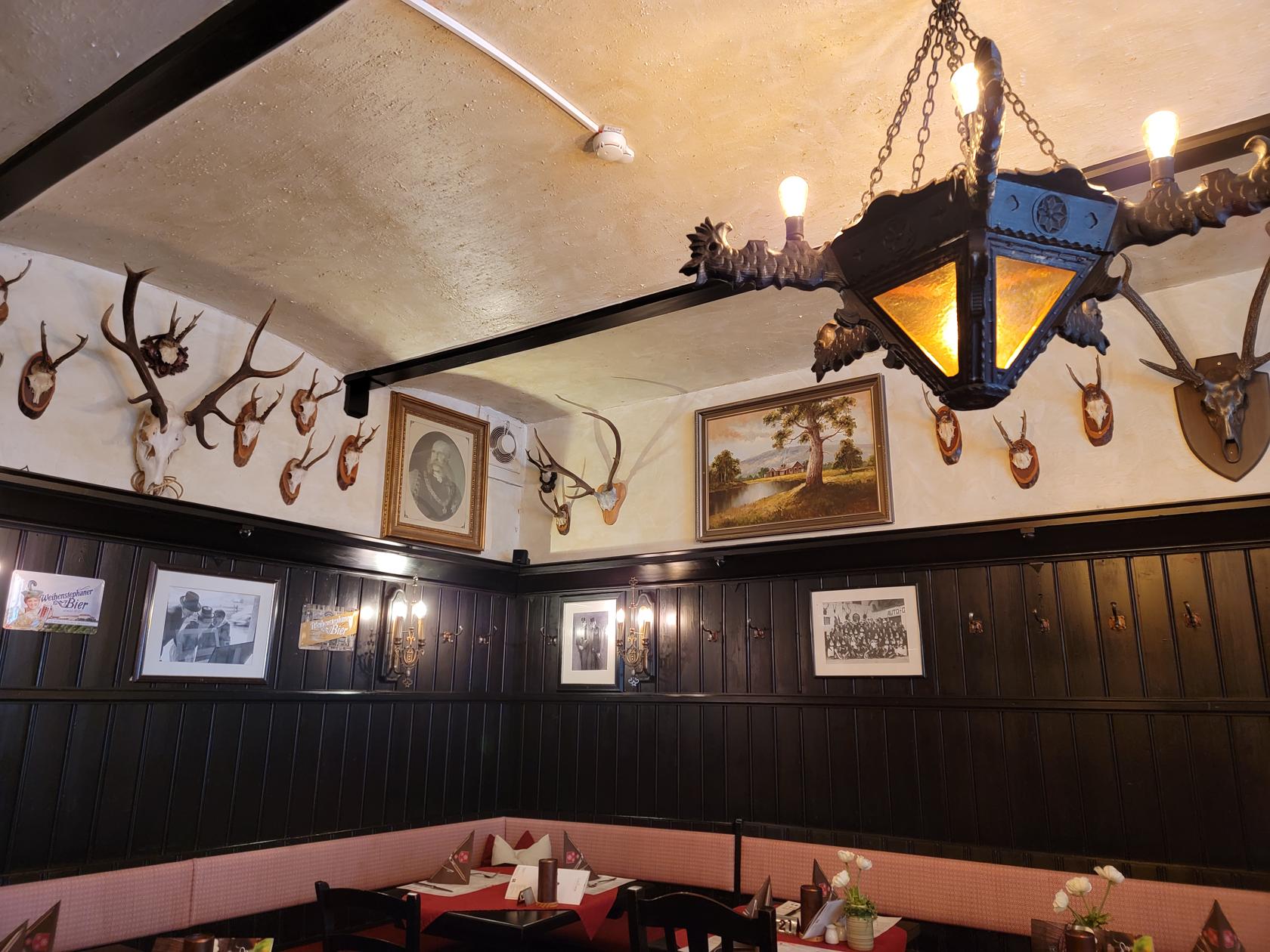
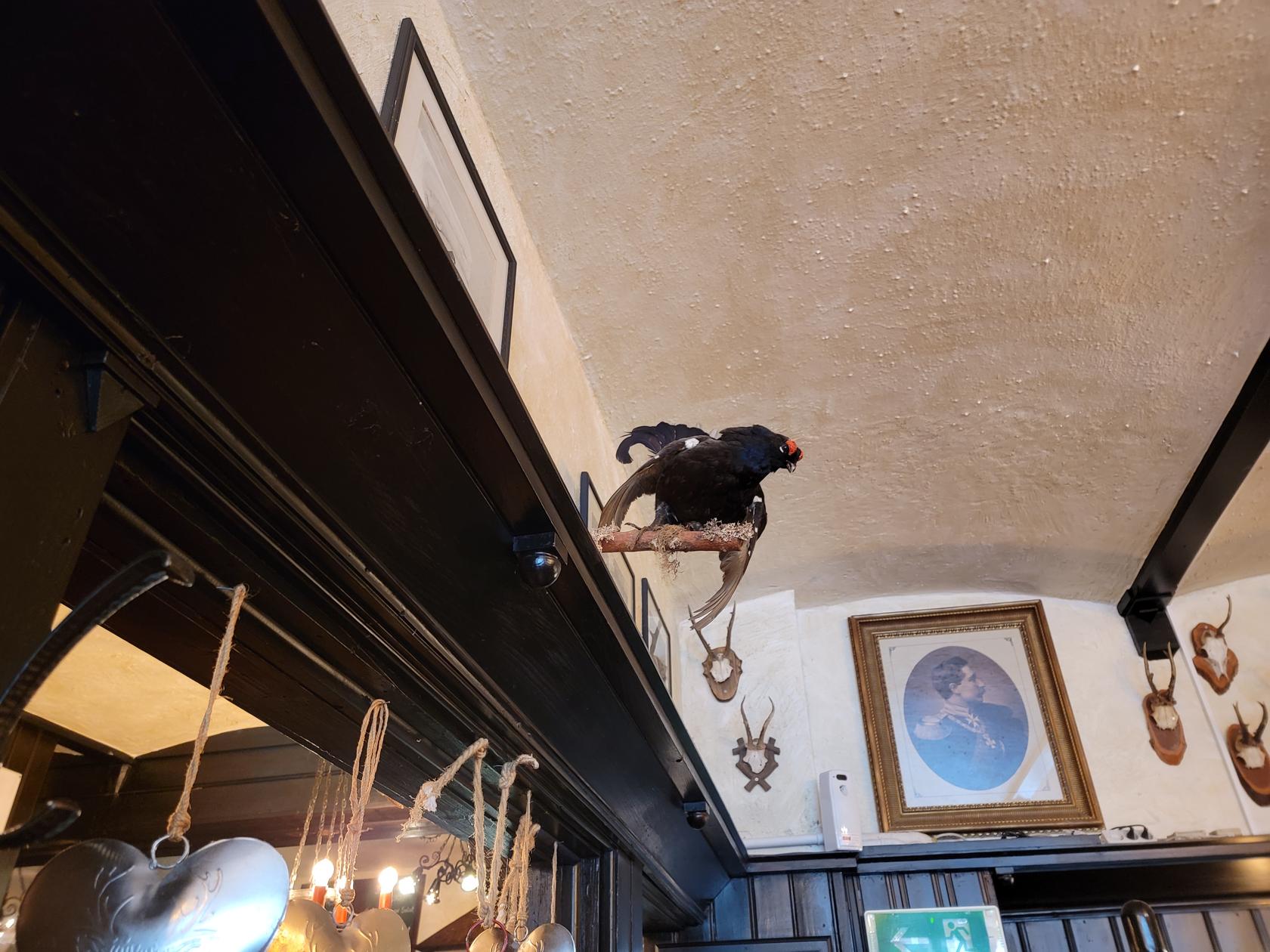
The interior is adorned with numerous sacrificial animals that were ostensibly killed locally and now inhabit this restaurant’s walls. I guess I never understood if this practice was supposed to be in honor of the animal that was killed, or in spite of it. In any case, it appears a bit overdone.
The Ritz restaurant – Salzburger Hof Hotel – Bad Gastein, Austria
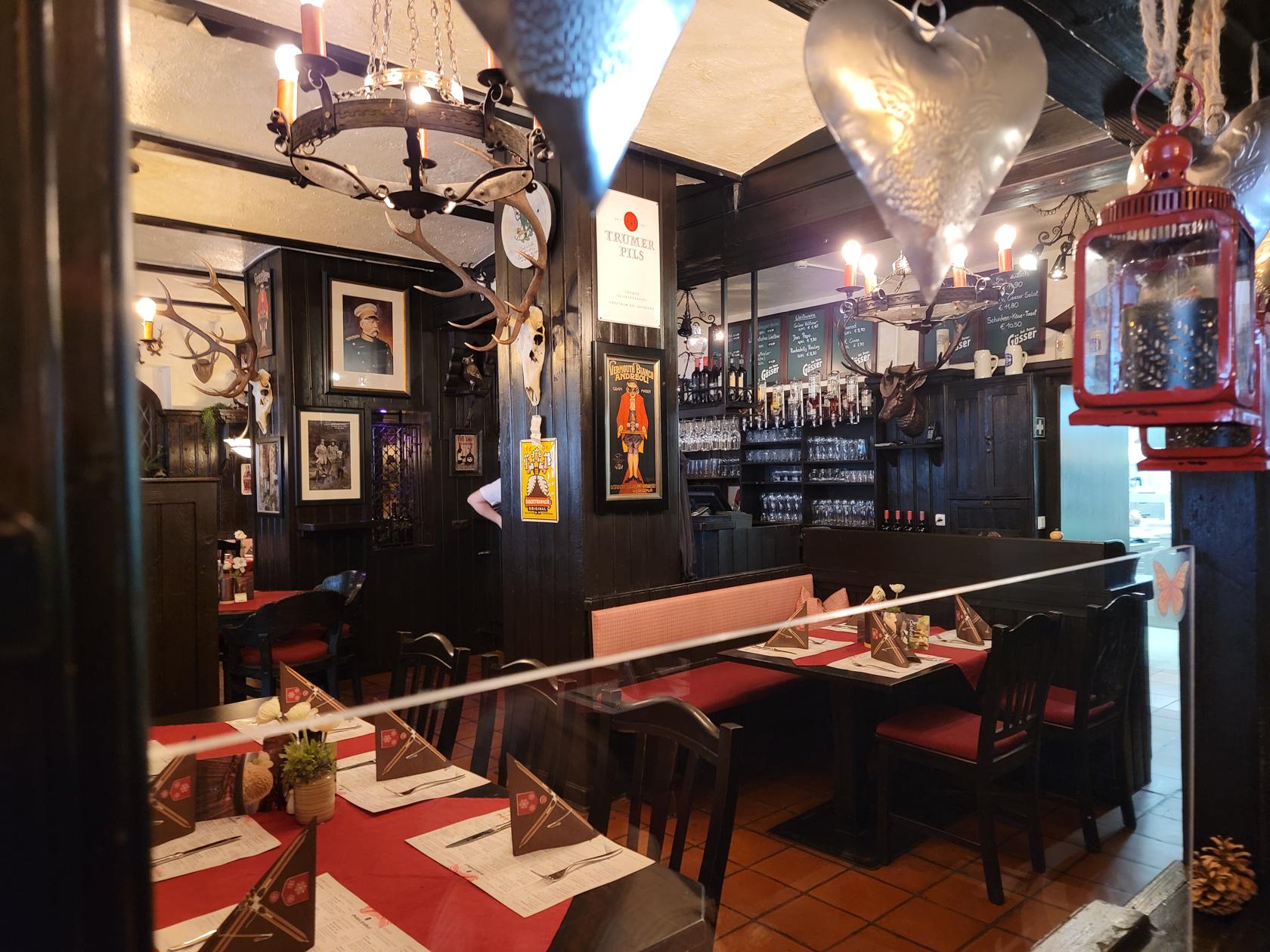
Inside – Orania Stüberl – Bad Gastein, Austria
The bar – Orania Stüberl – Bad Gastein, Austria
Dead animals on walls – Orania Stüberl – Bad Gastein, Austria
Probably one of the most clean European cities you will come across is the city of Luxemburg in the country of Luxemburg, or as they prefer to spell both, Luxembourg. The people here speak many different languages, including their own. They have to, they are wedged between Belgium, France and Germany and are frequented by tourist from English speaking countries as well.
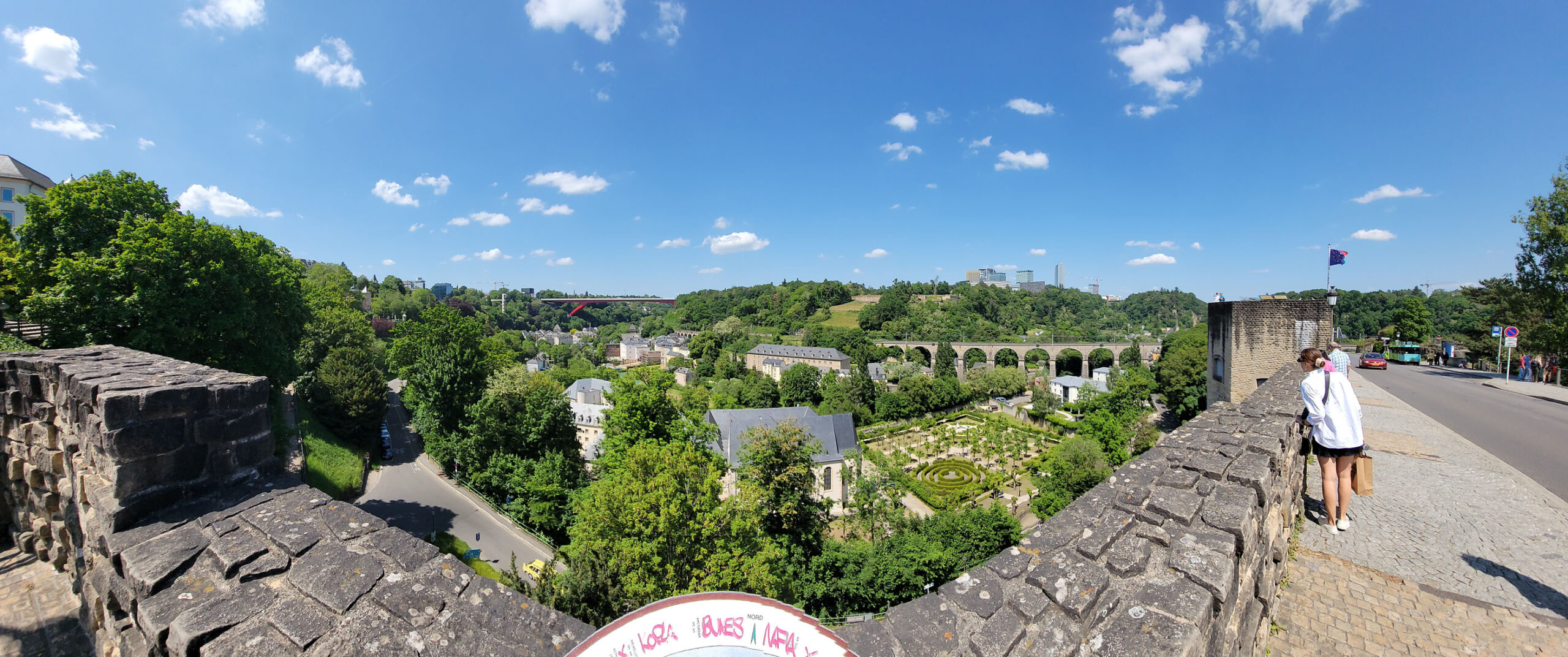
Looking north – Luxemburg, Luxemburg
Luxembourg
The city was created on its rocky perch during the Roman times, most likely due to its excellent defensive qualities. Then later in the tenth century a count acquired the rights to the land and started to build the family’s kingdom. From modest beginnings, the Kingdom of Luxembourg grew from here and became very important because of its strategic position.
Ericka and Gabi leaving hotel – Luxemburg, Luxemburg
Avenue de la Porta Neuve – Luxemburg, Luxemburg
Avenue de la Porta Neuve – Luxemburg, Luxemburg
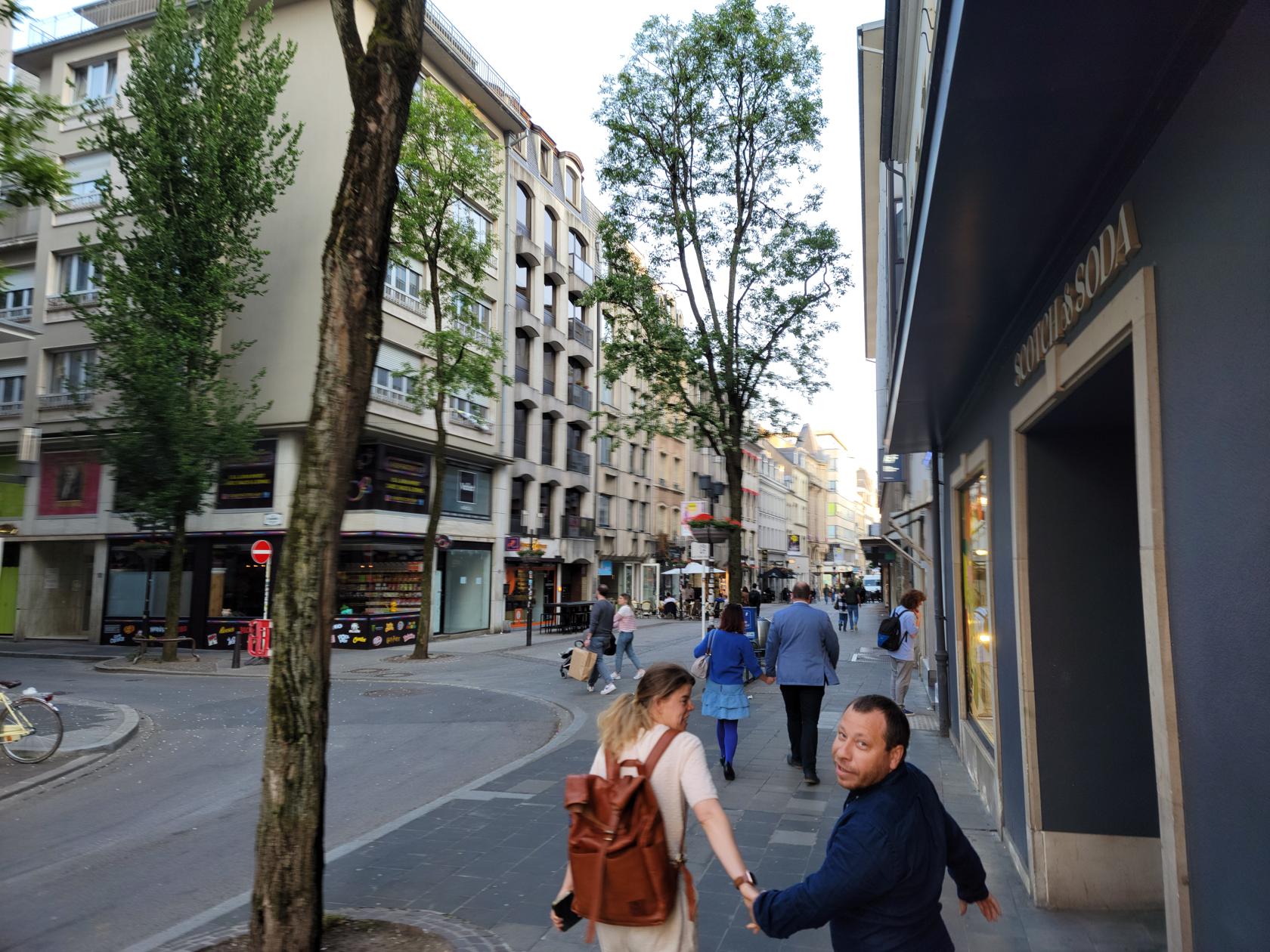
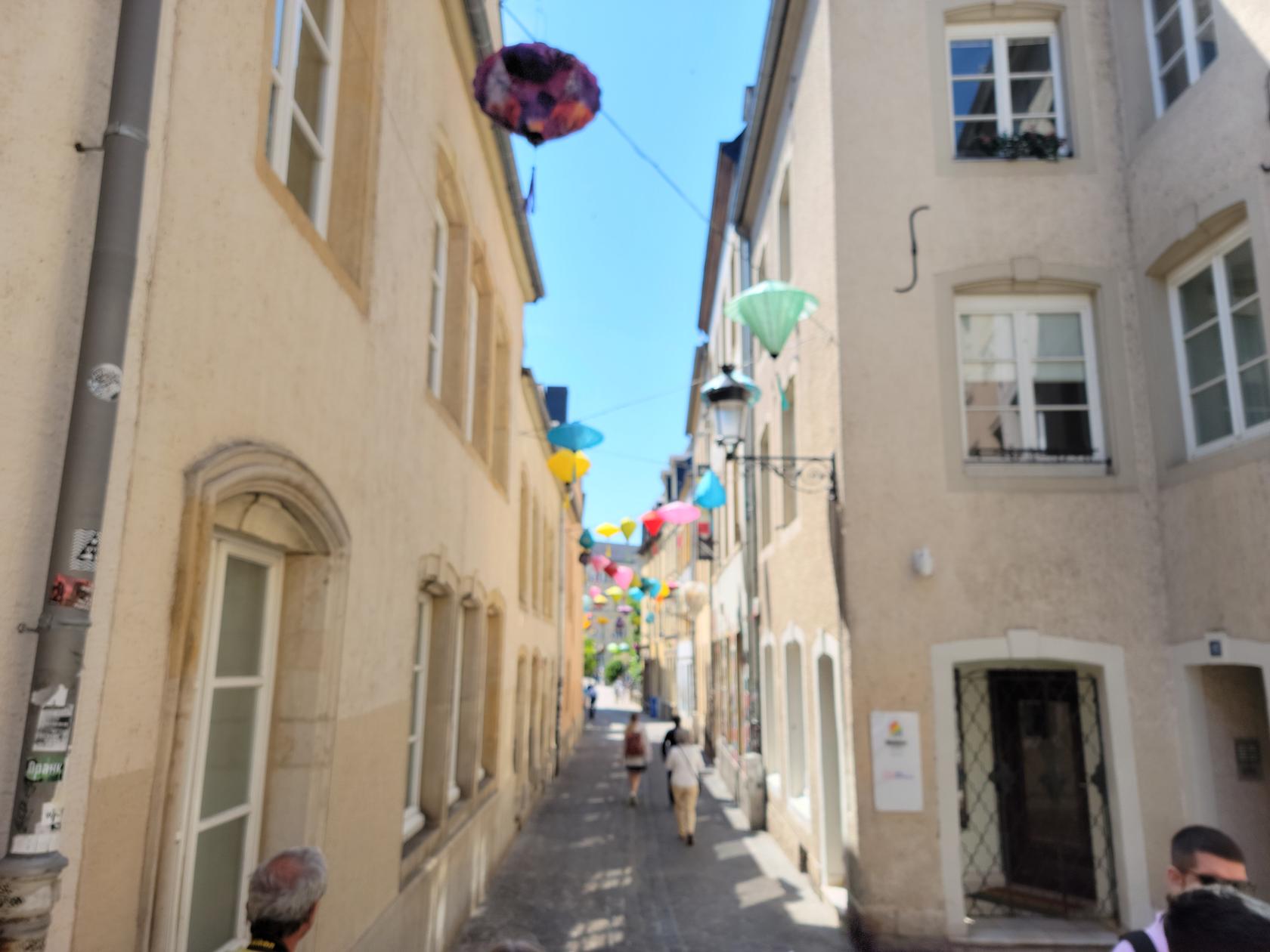
City streets – Luxemburg, Luxemburg
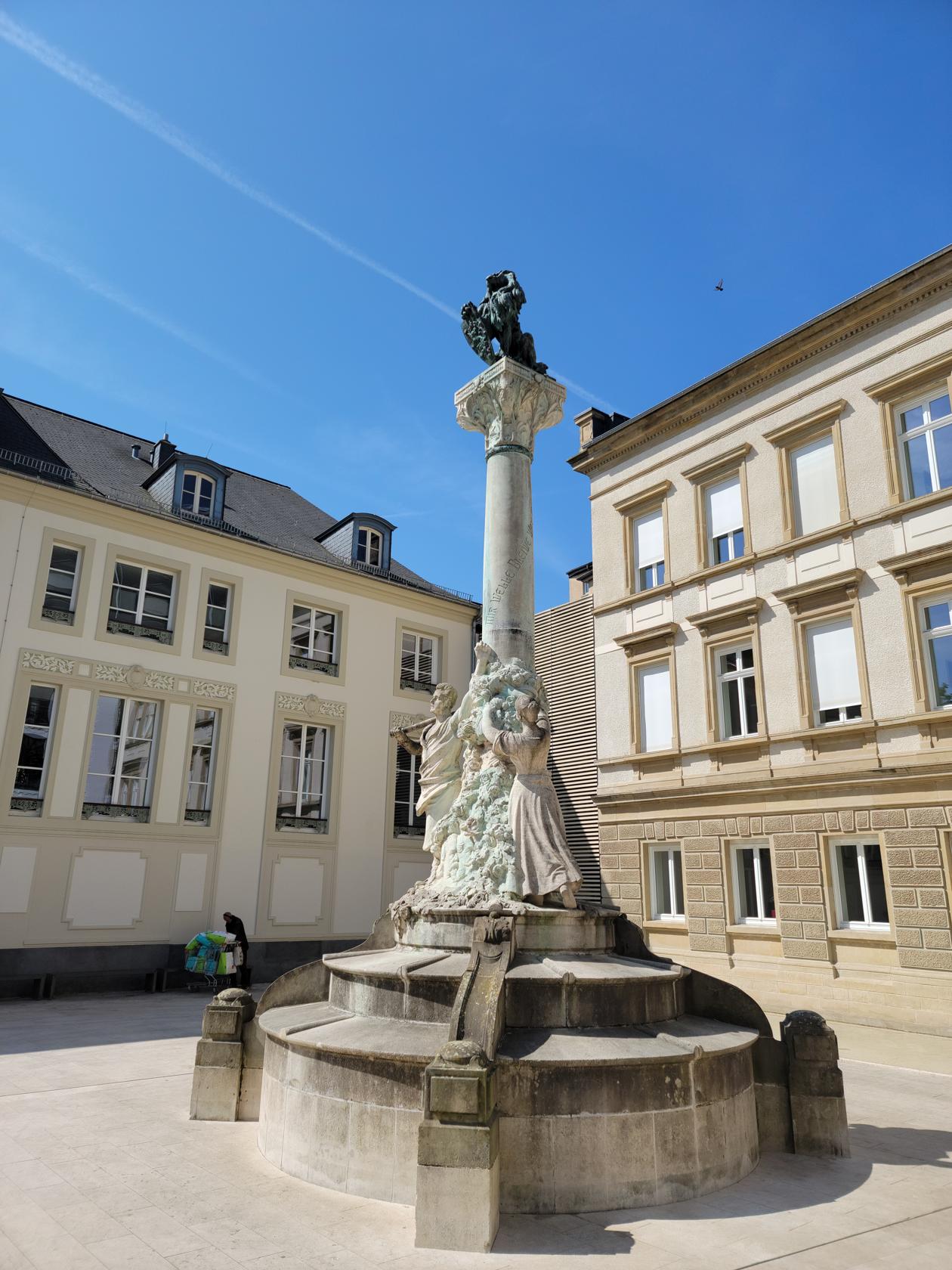
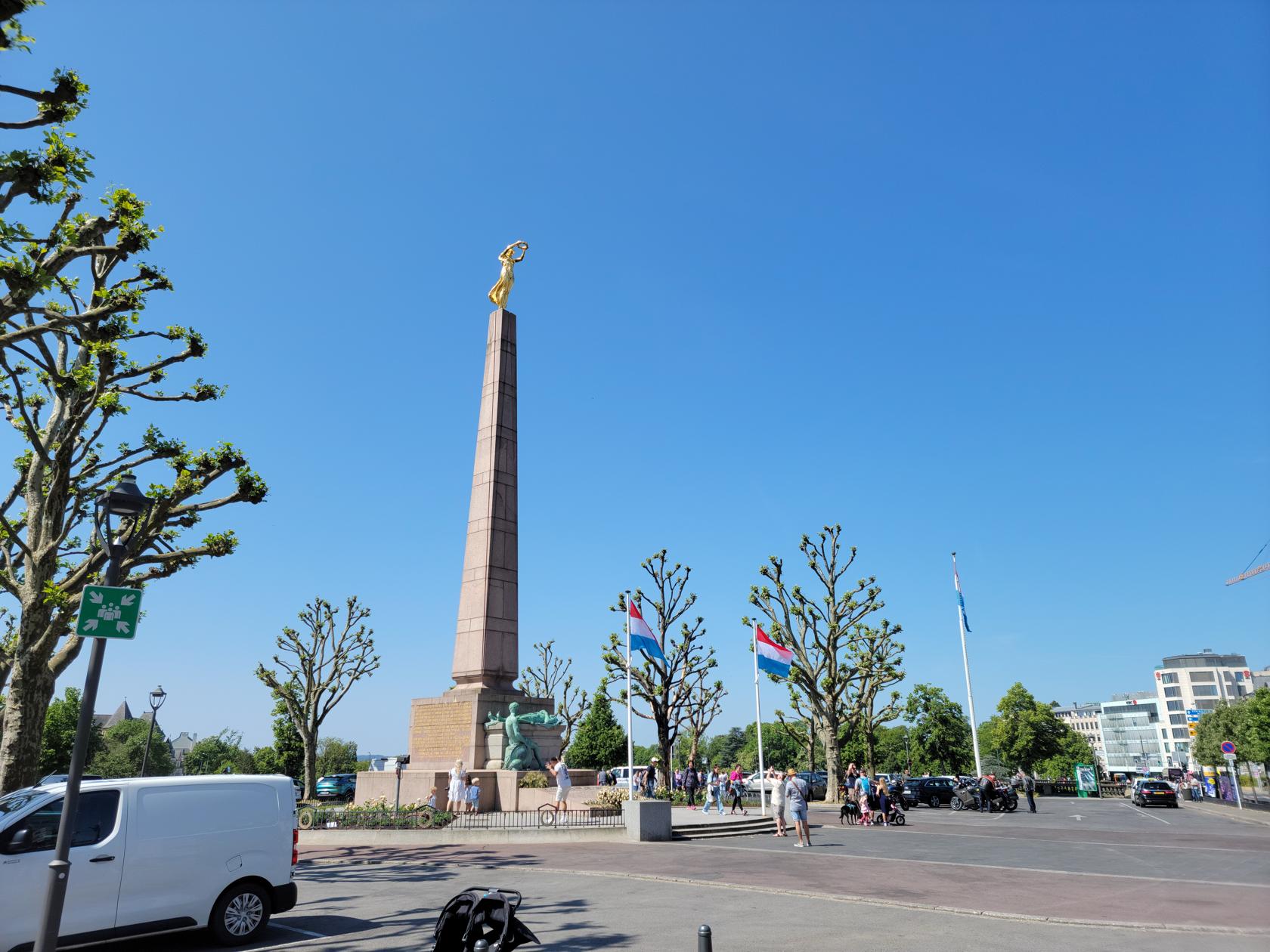
Memorial – Luxemburg, Luxemburg
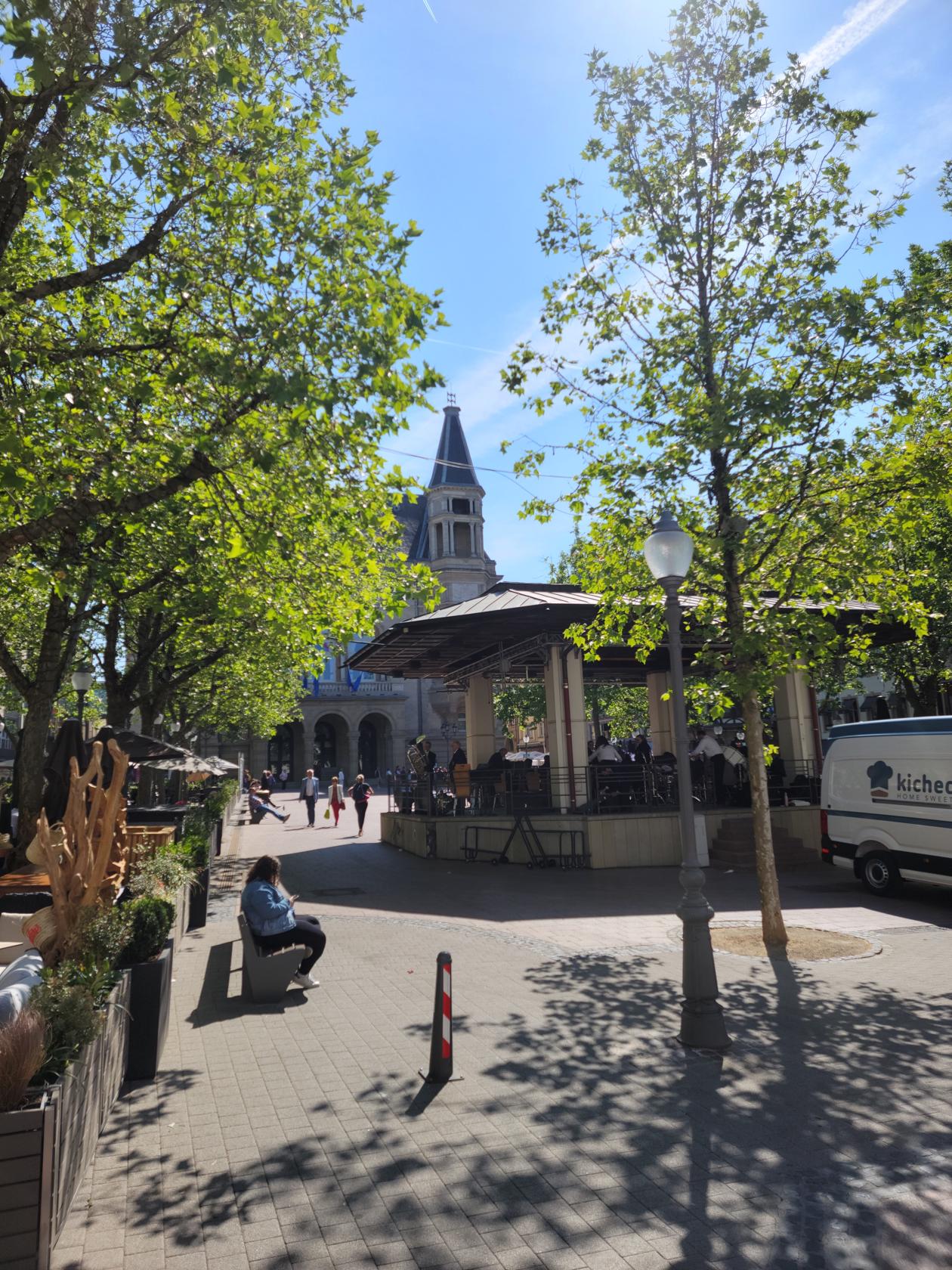
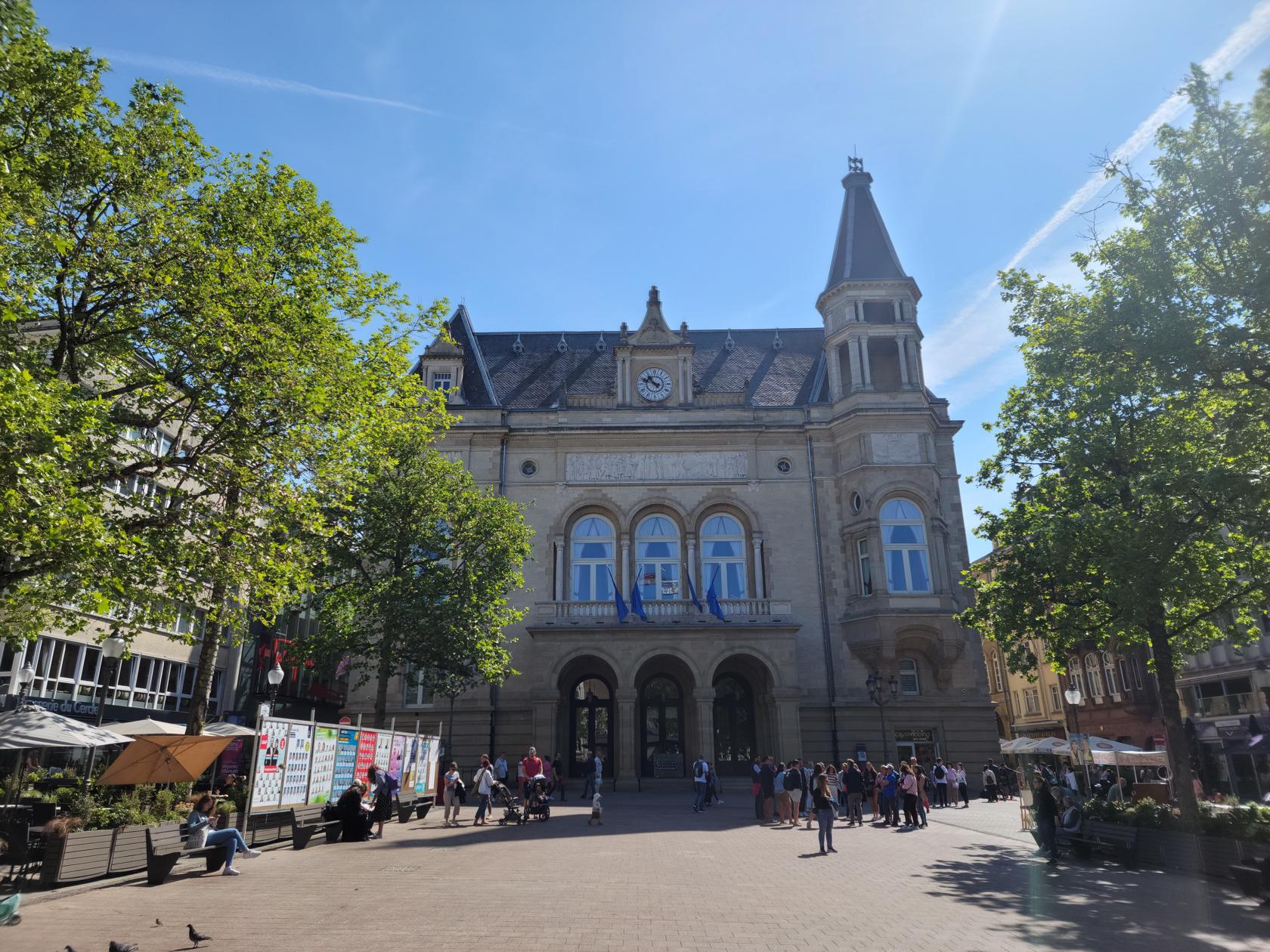
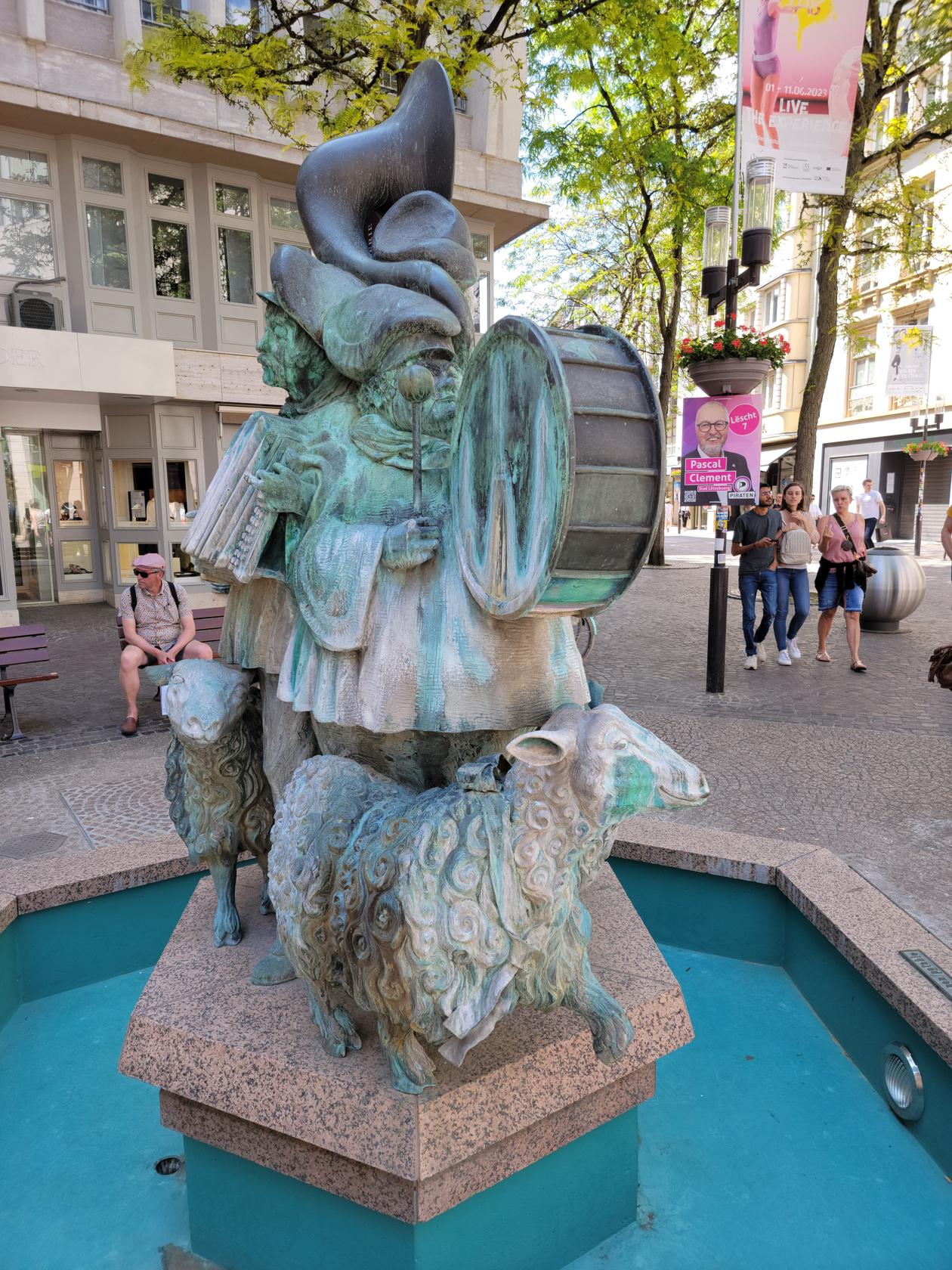
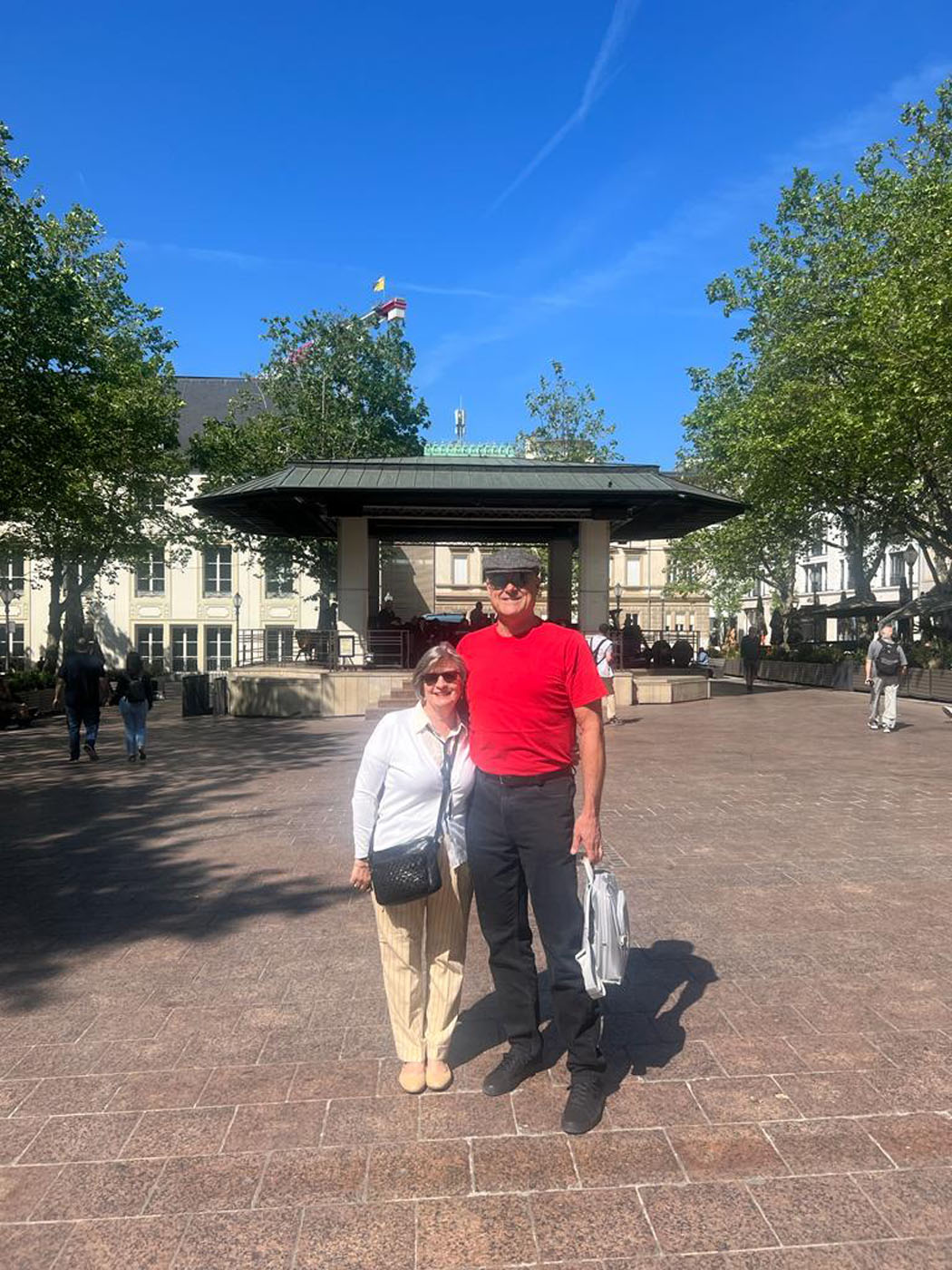
Main square and bandstand – Luxemburg, Luxemburg
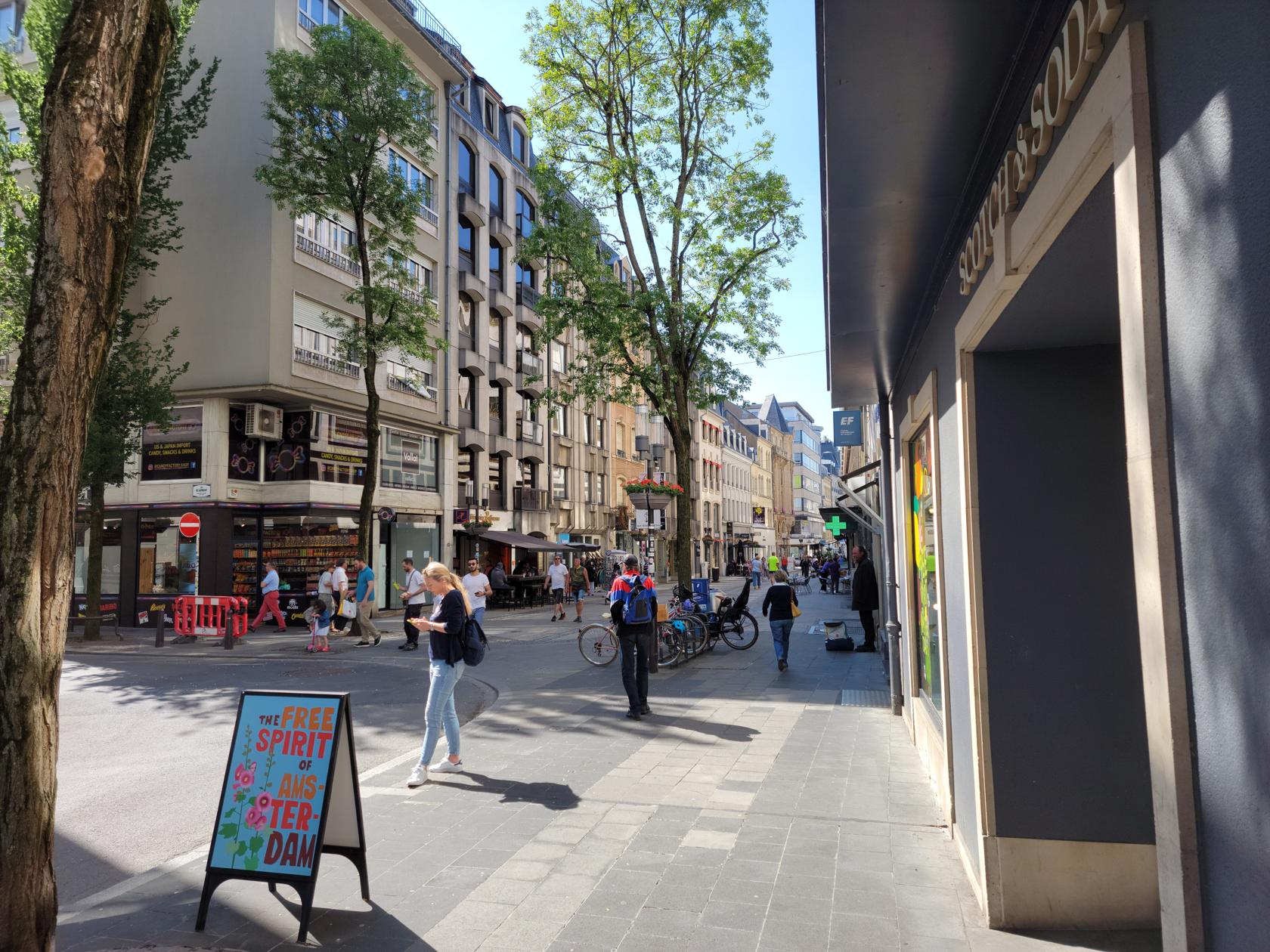
City streets – Luxemburg, Luxemburg
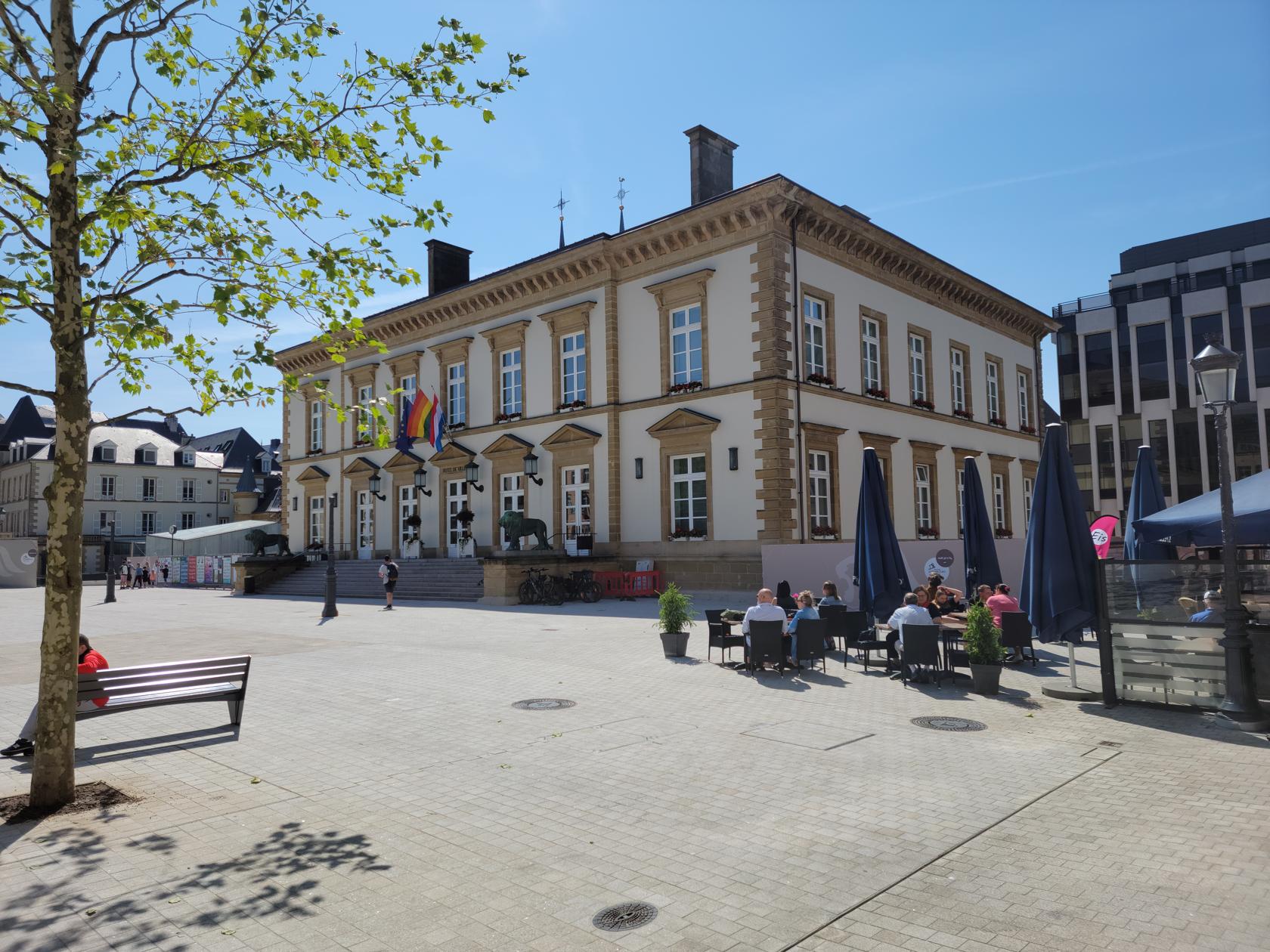
Municipal center – Luxemburg, Luxemburg
City streets – Luxemburg, Luxemburg
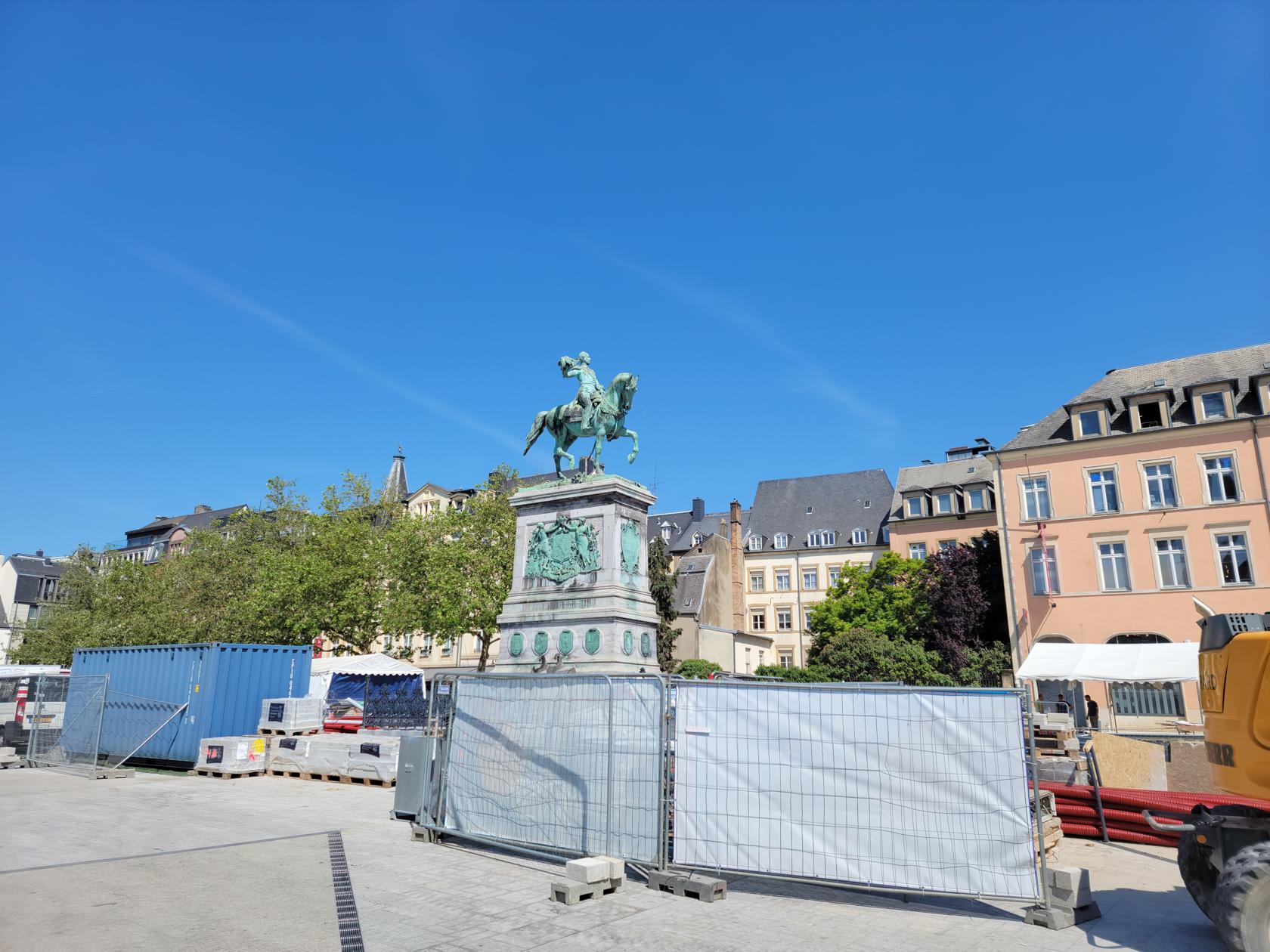
Place Guillaume II – Luxemburg, Luxemburg
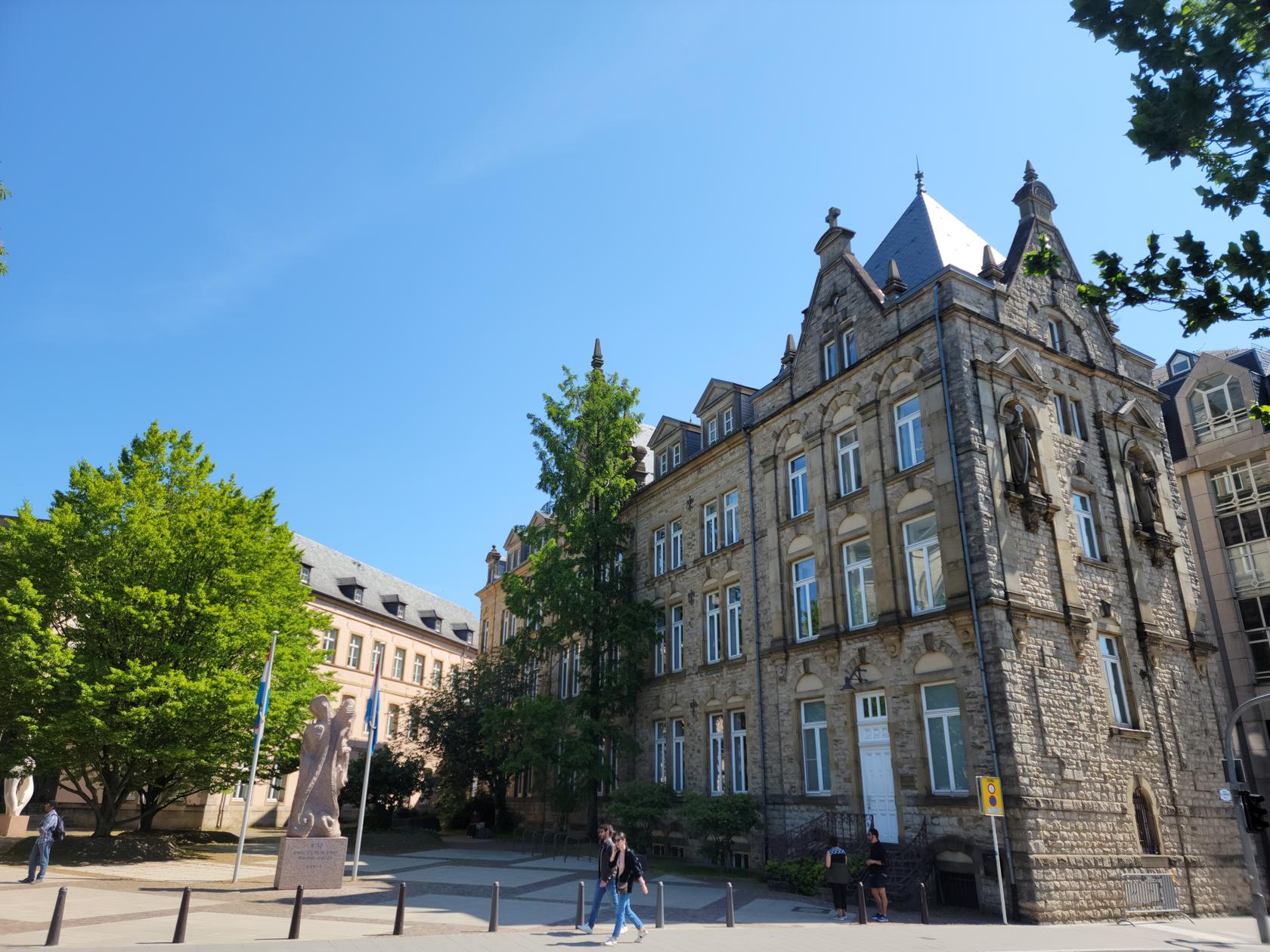
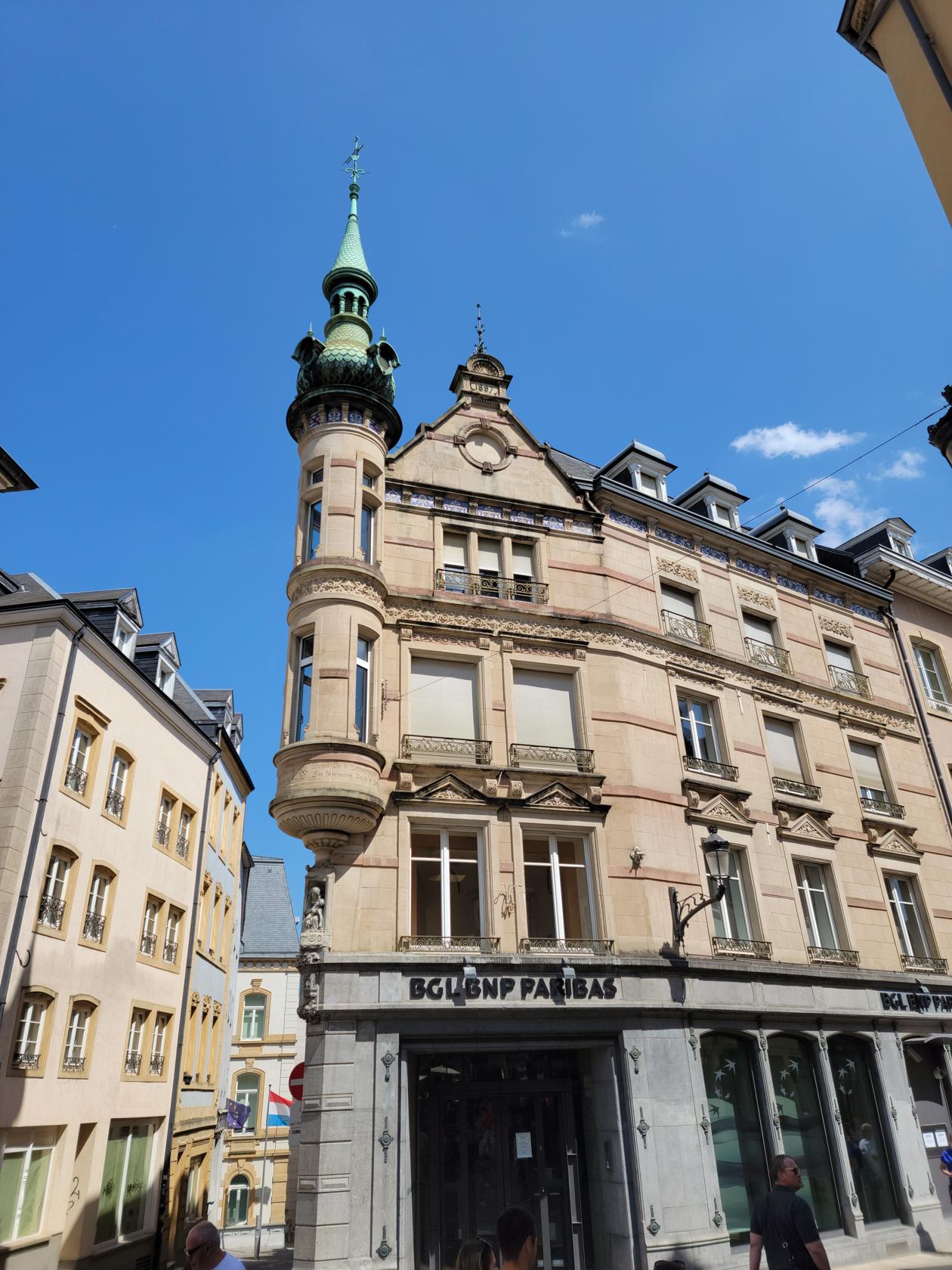
Interesting building – Luxemburg, Luxemburg
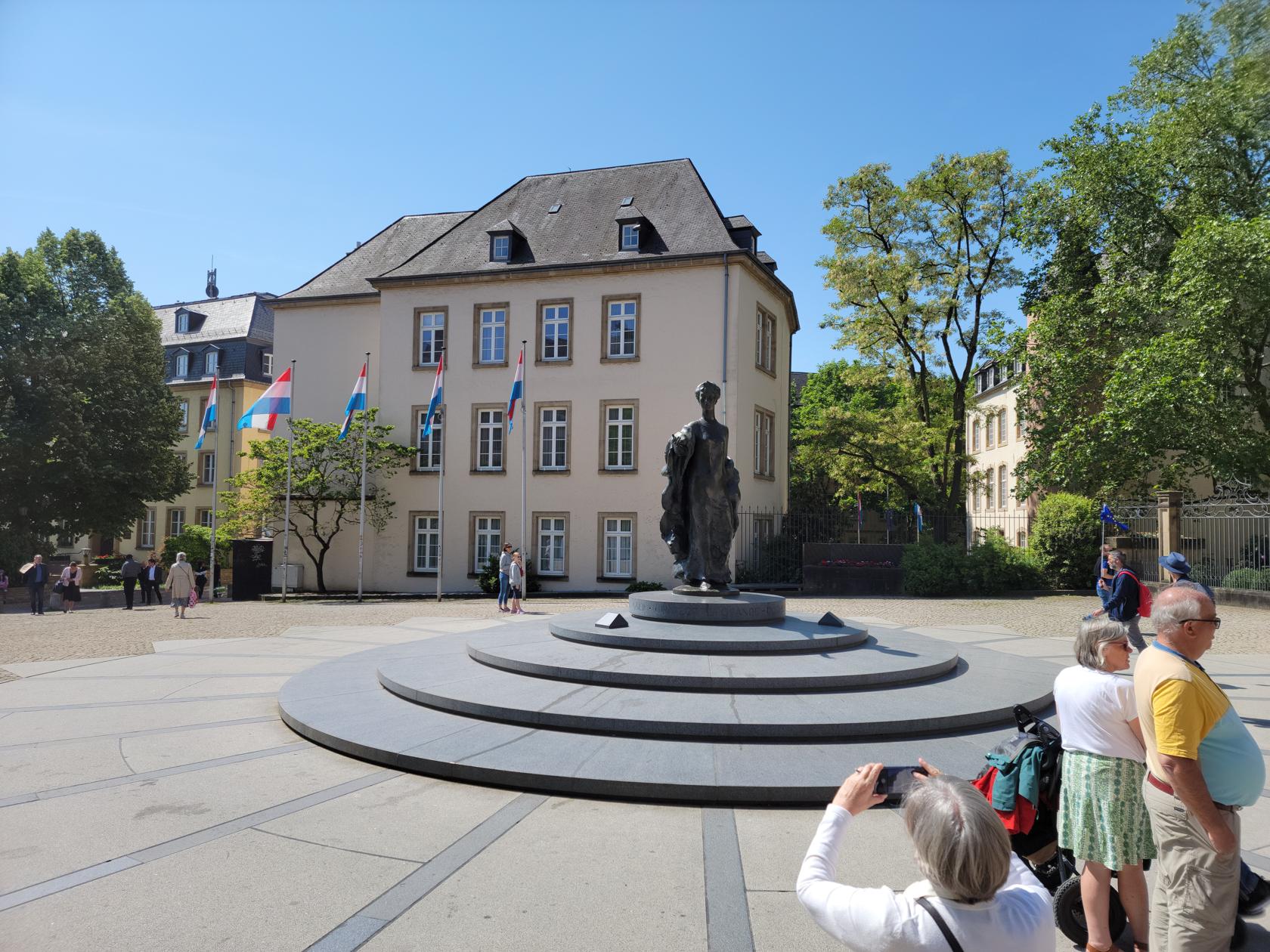
Statue of Charlotte Monument – Luxemburg, Luxemburg
Remembrance memorial – Luxemburg, Luxemburg
Jewish Kadish monument – Luxemburg, Luxemburg
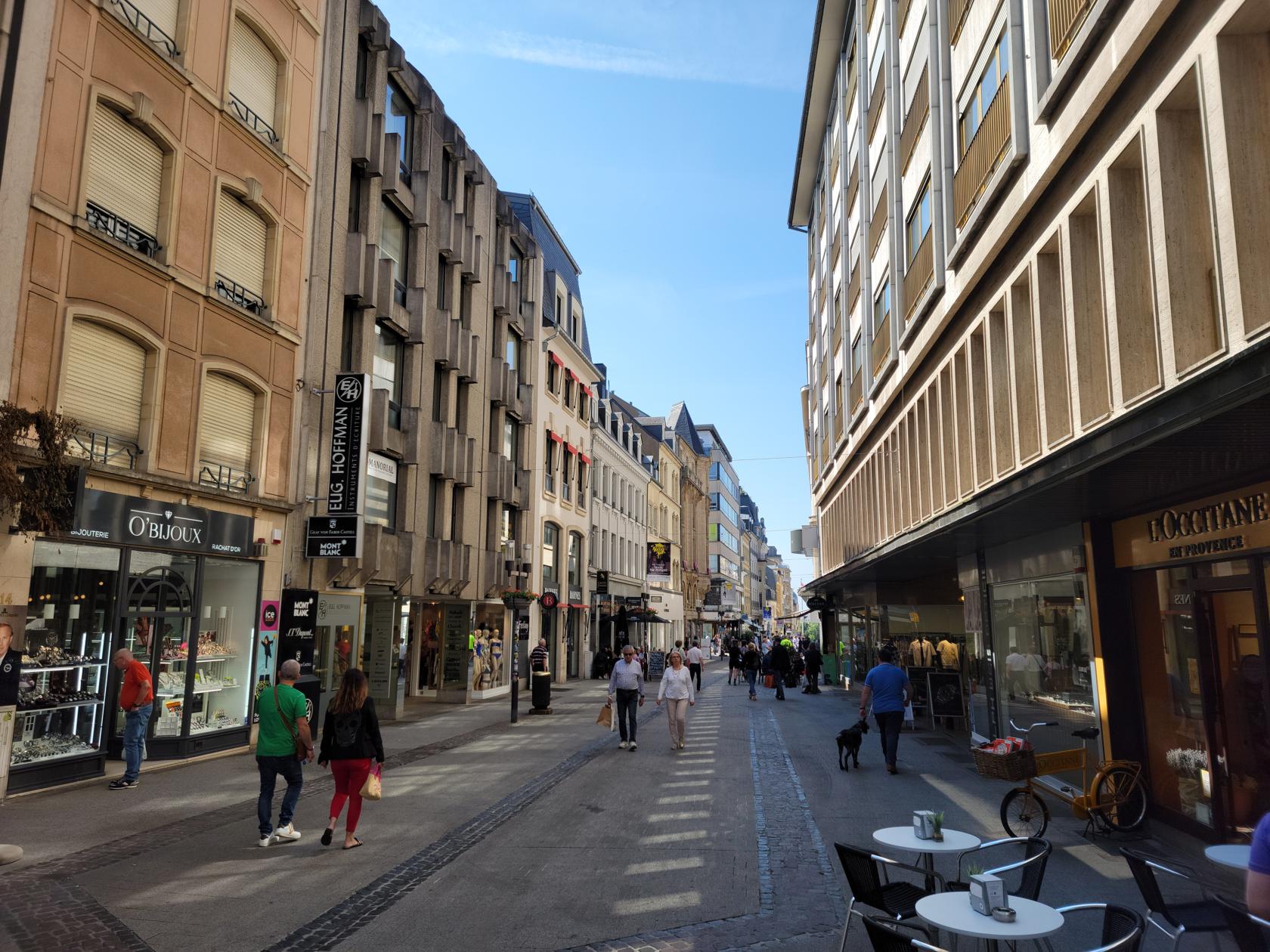
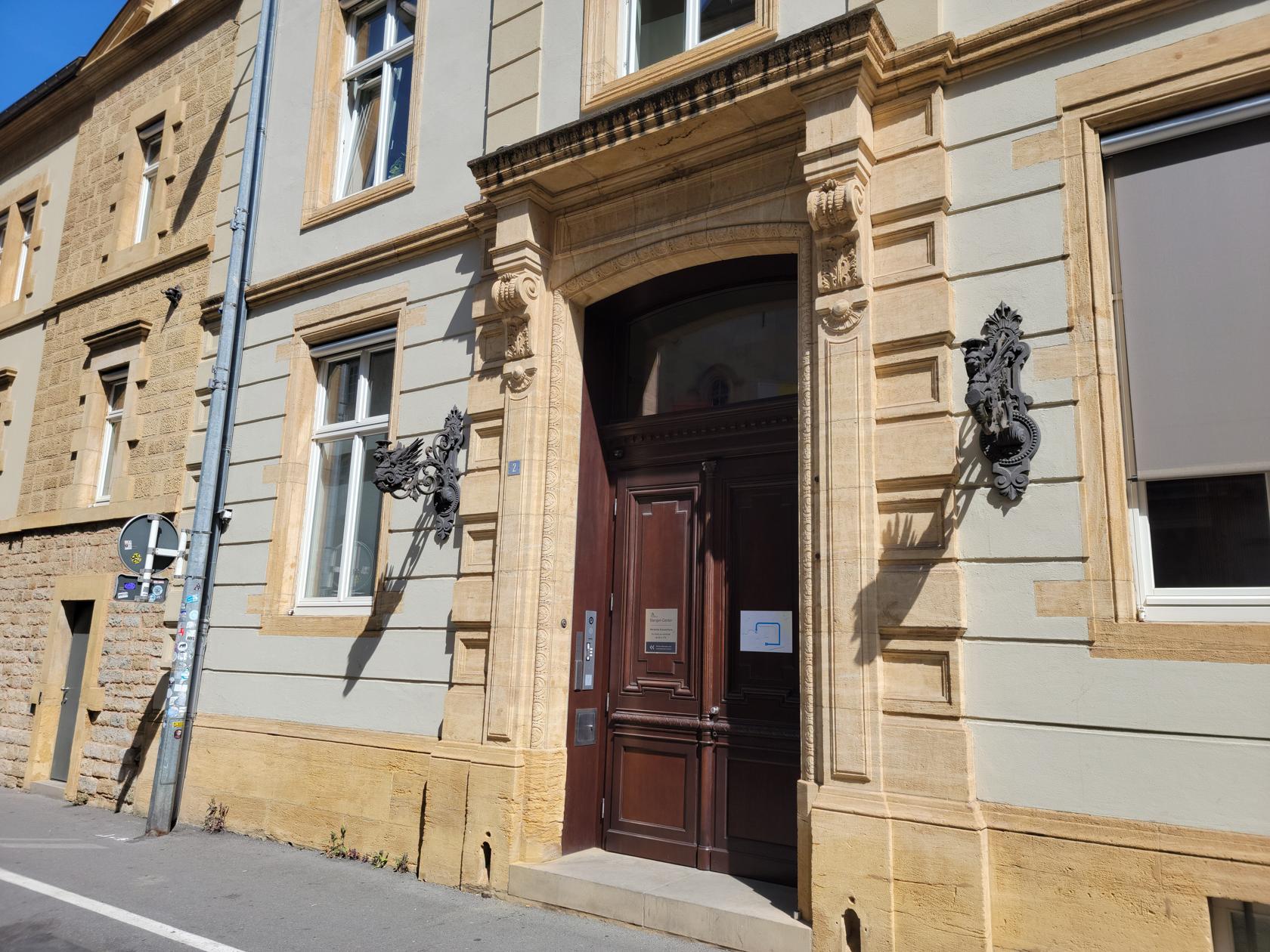
Fancy street – Luxemburg, Luxemburg
Street view – Luxemburg, Luxemburg
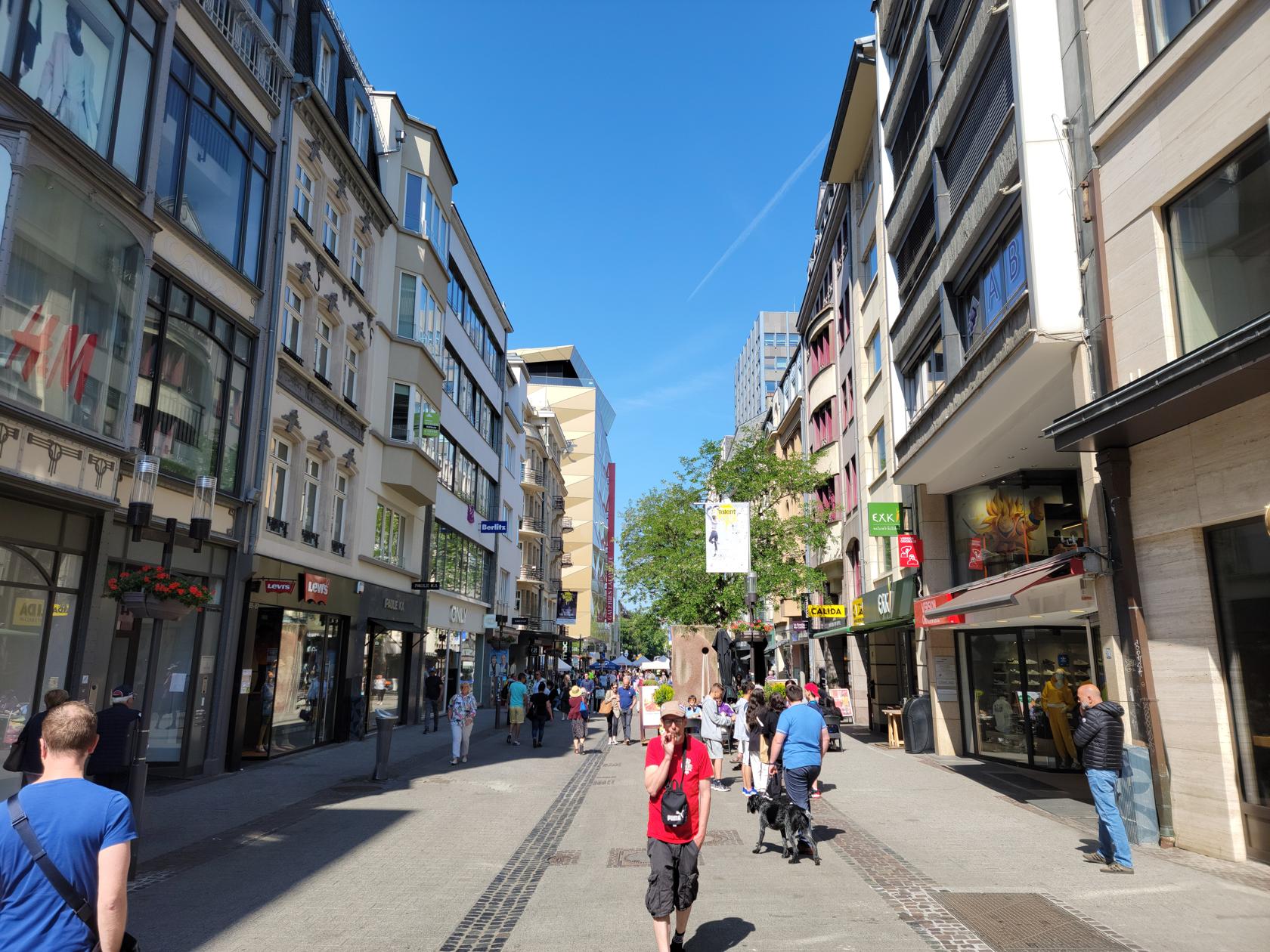
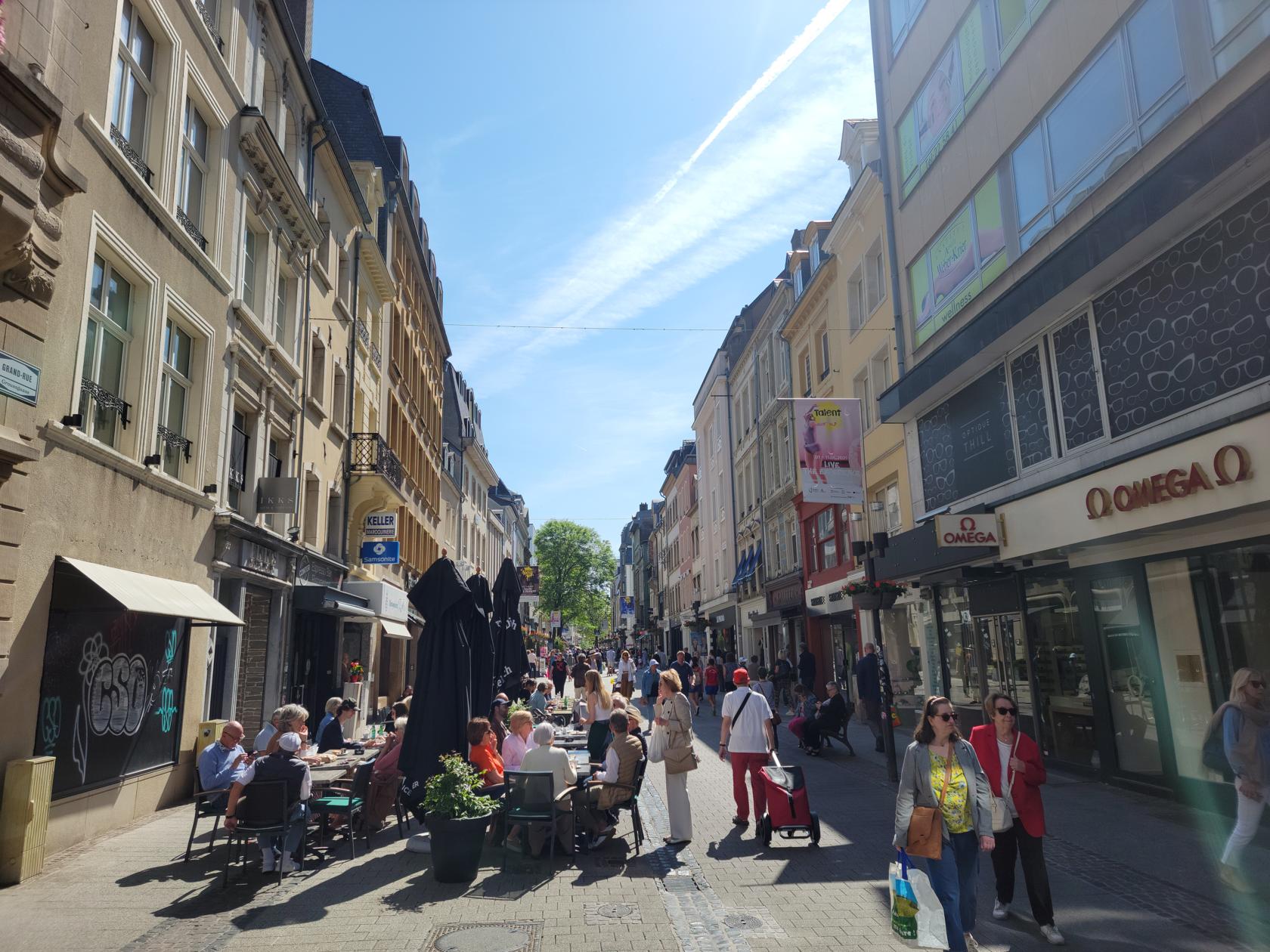
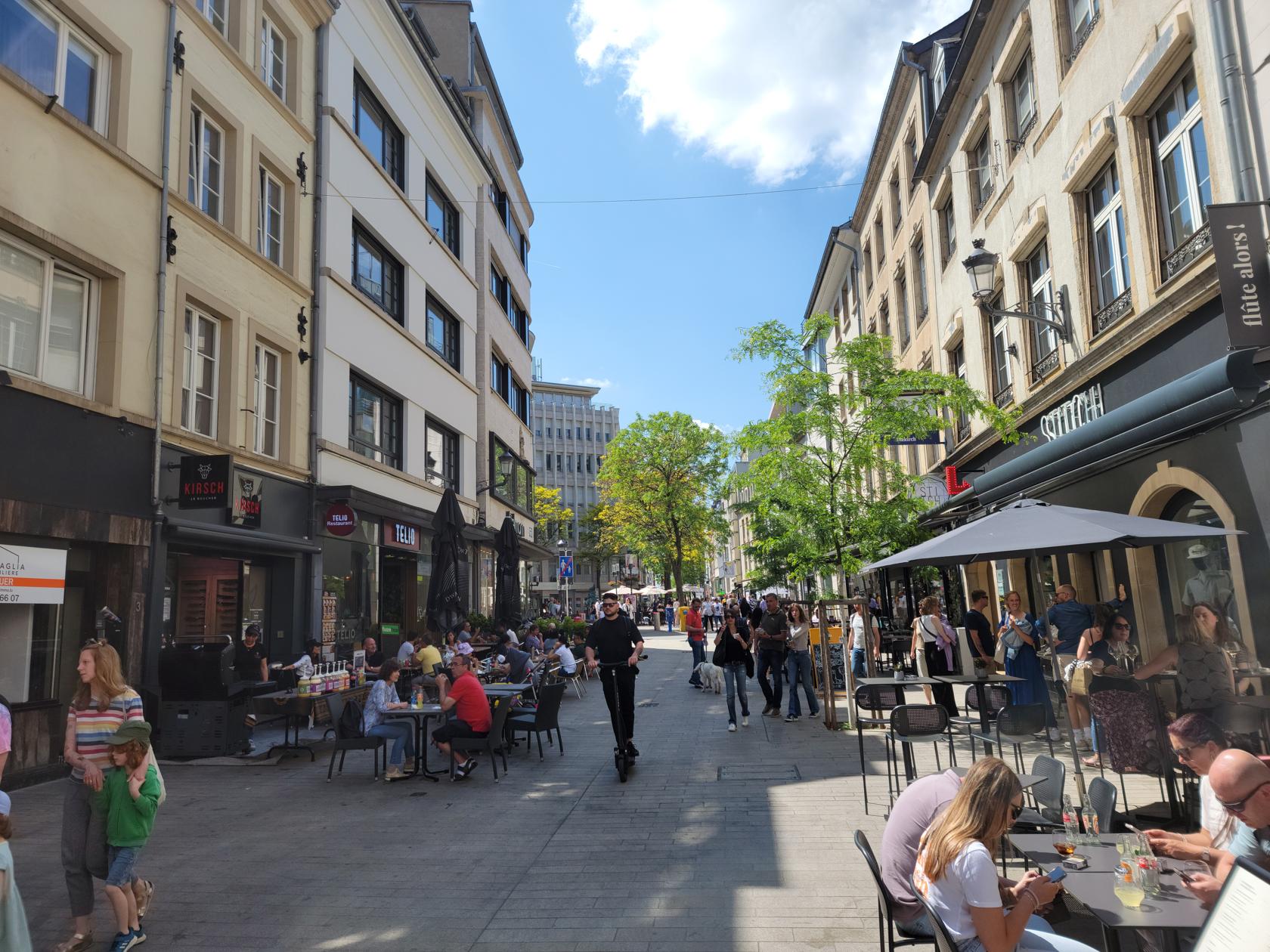
The main shopping street – Grand Rue – Luxemburg, Luxemburg
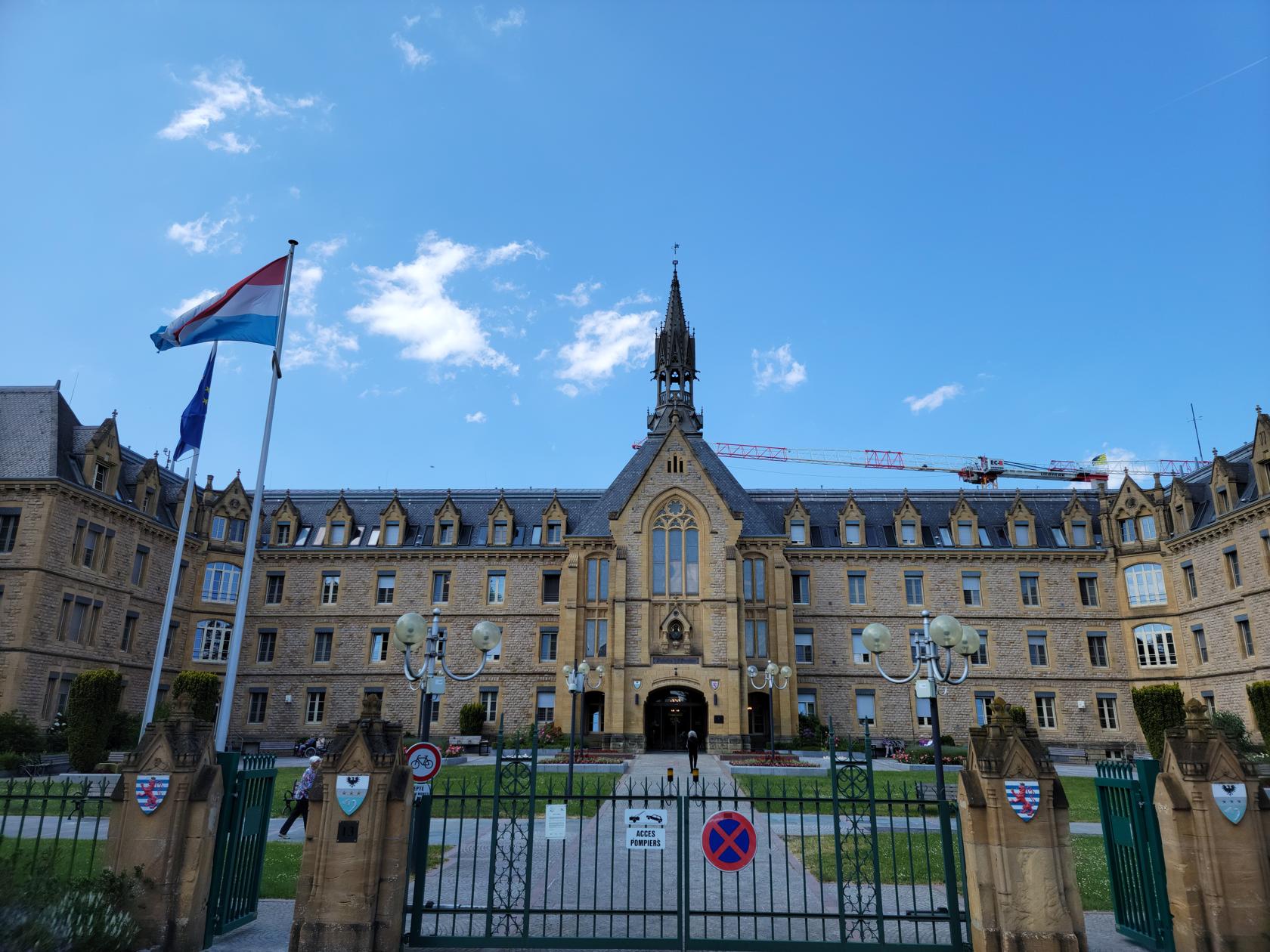
Pescatore – Retirement home – Luxemburg, Luxemburg
Roude Pëtz Square – Luxemburg, Luxemburg
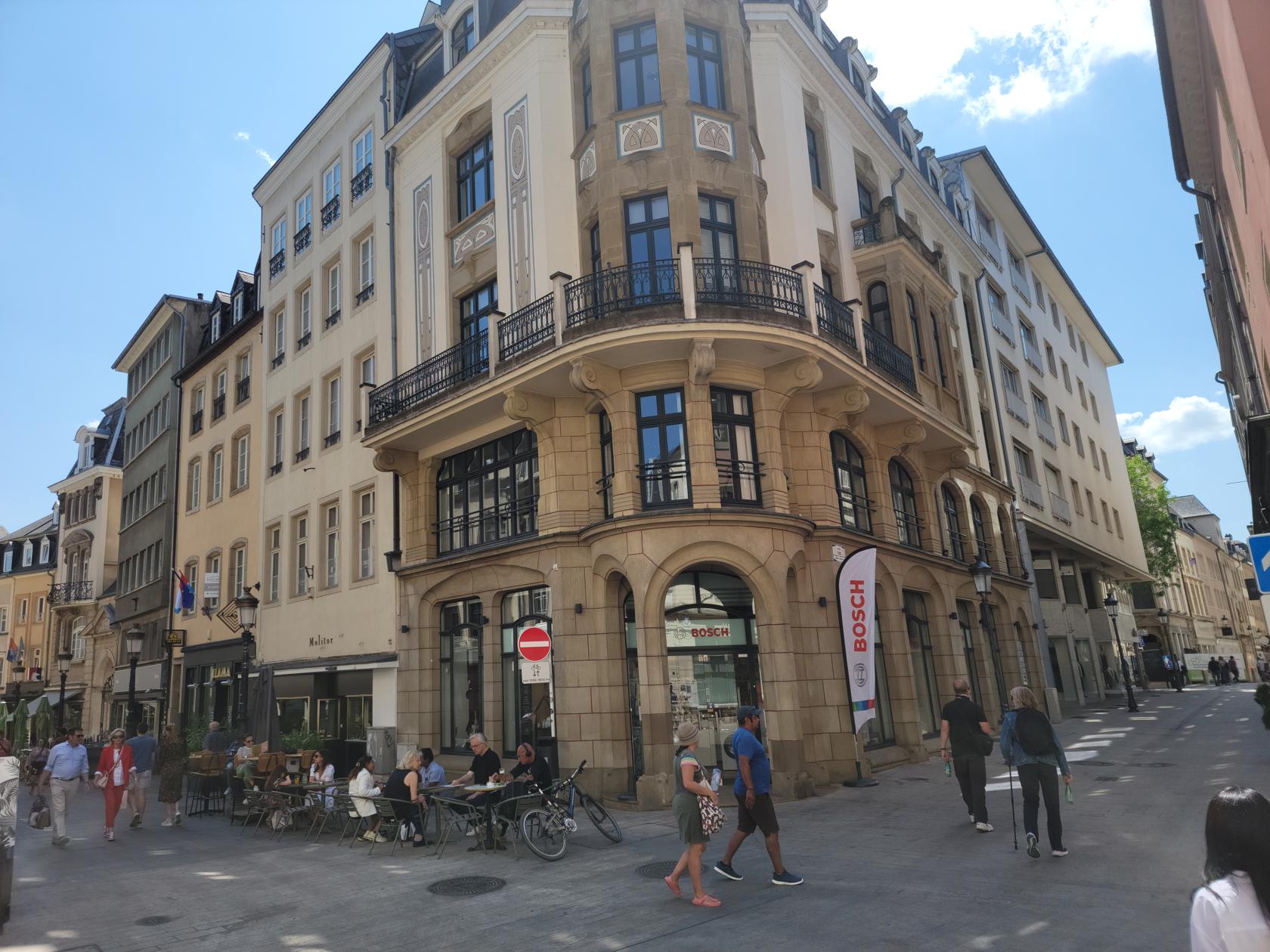
Interesting building – Grand Rue – Luxemburg, Luxemburg
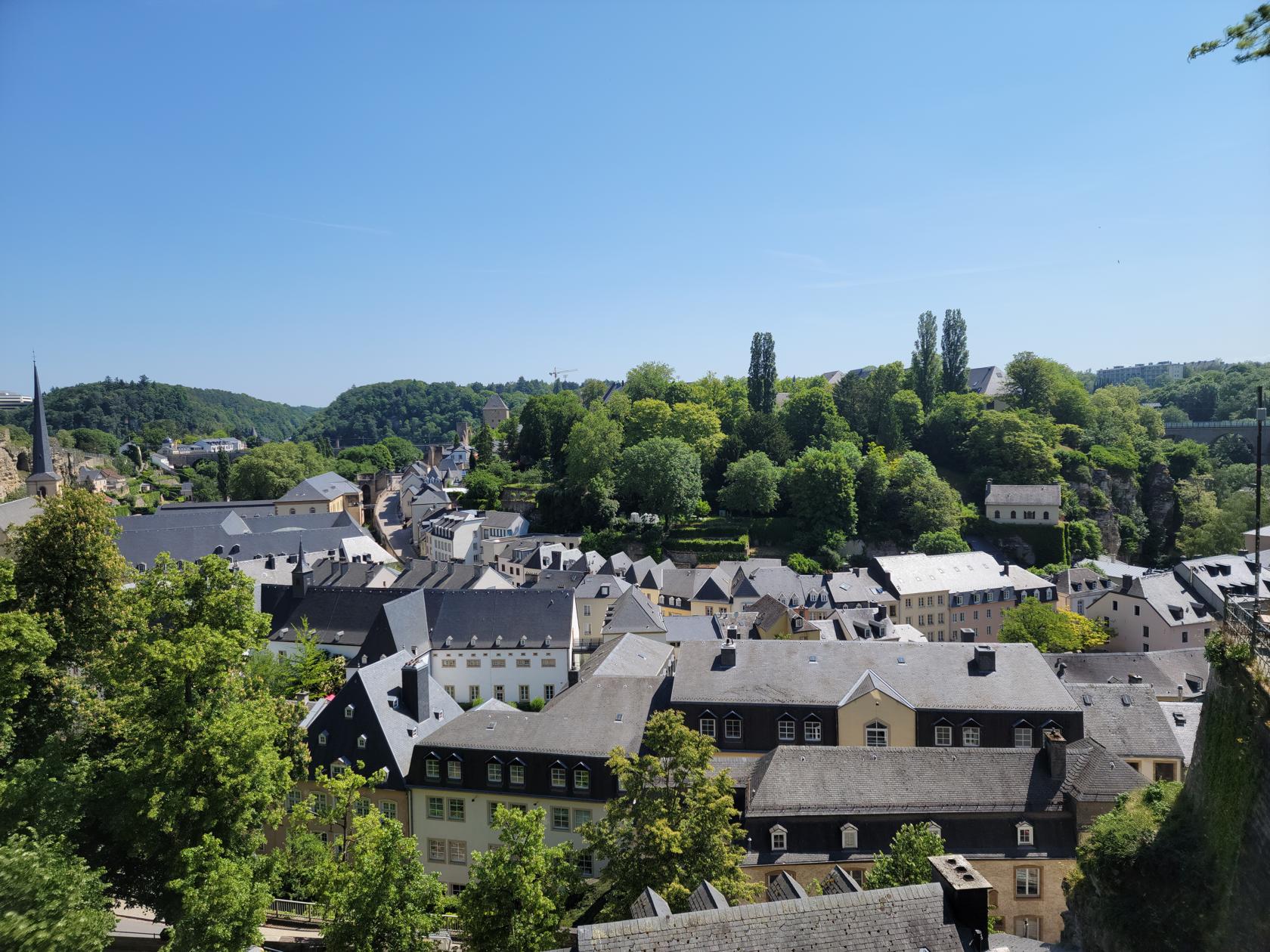
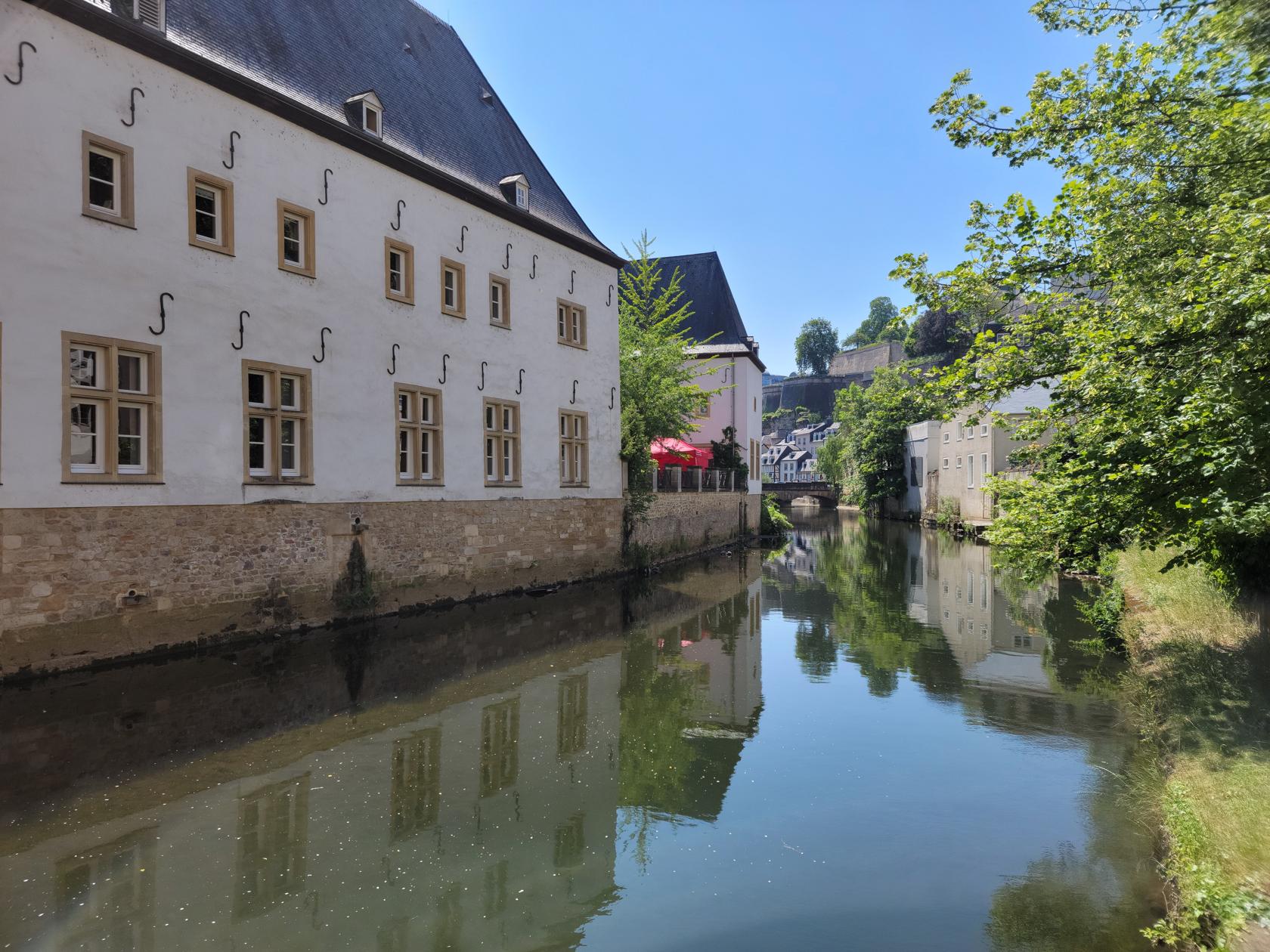
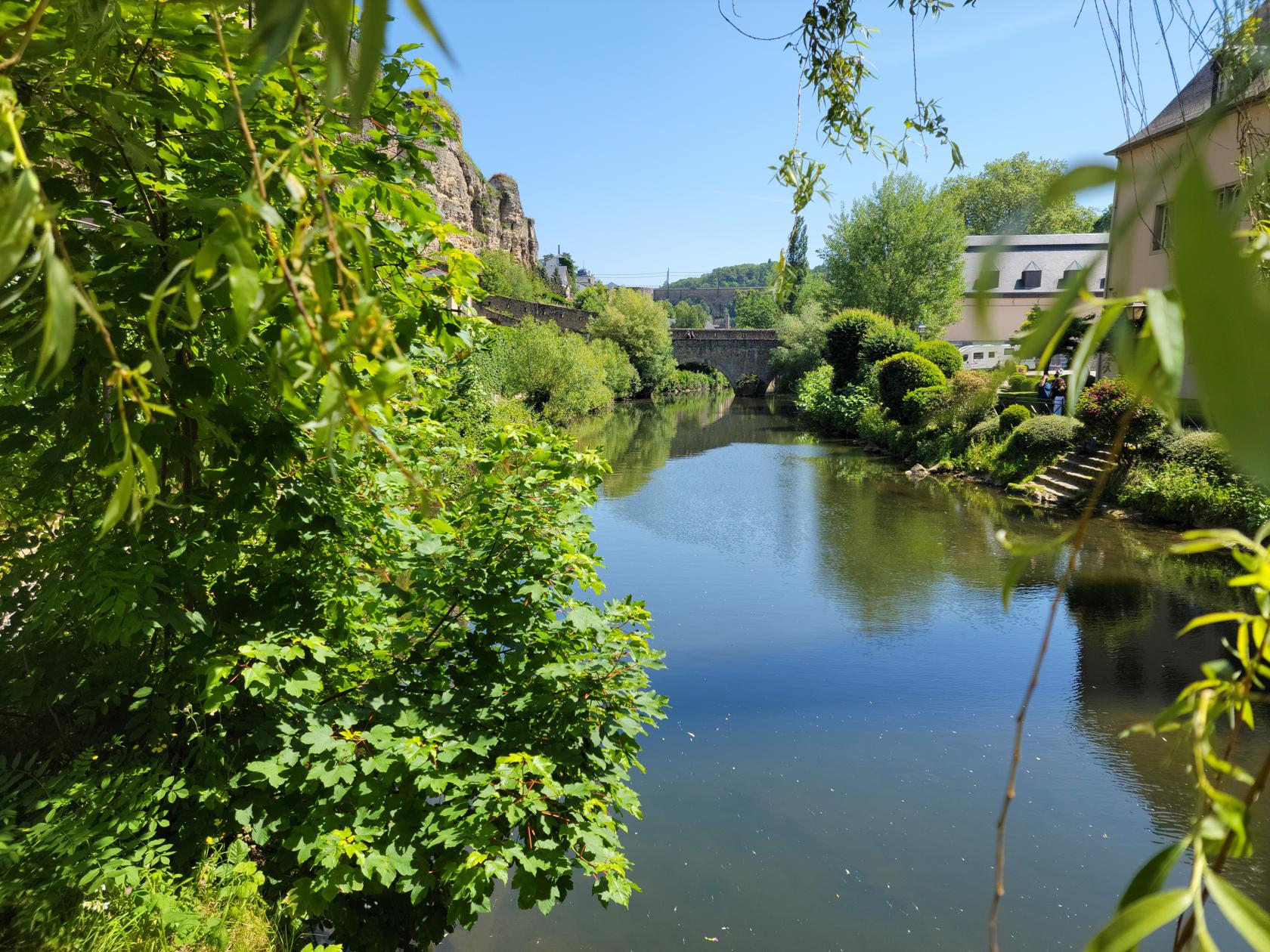
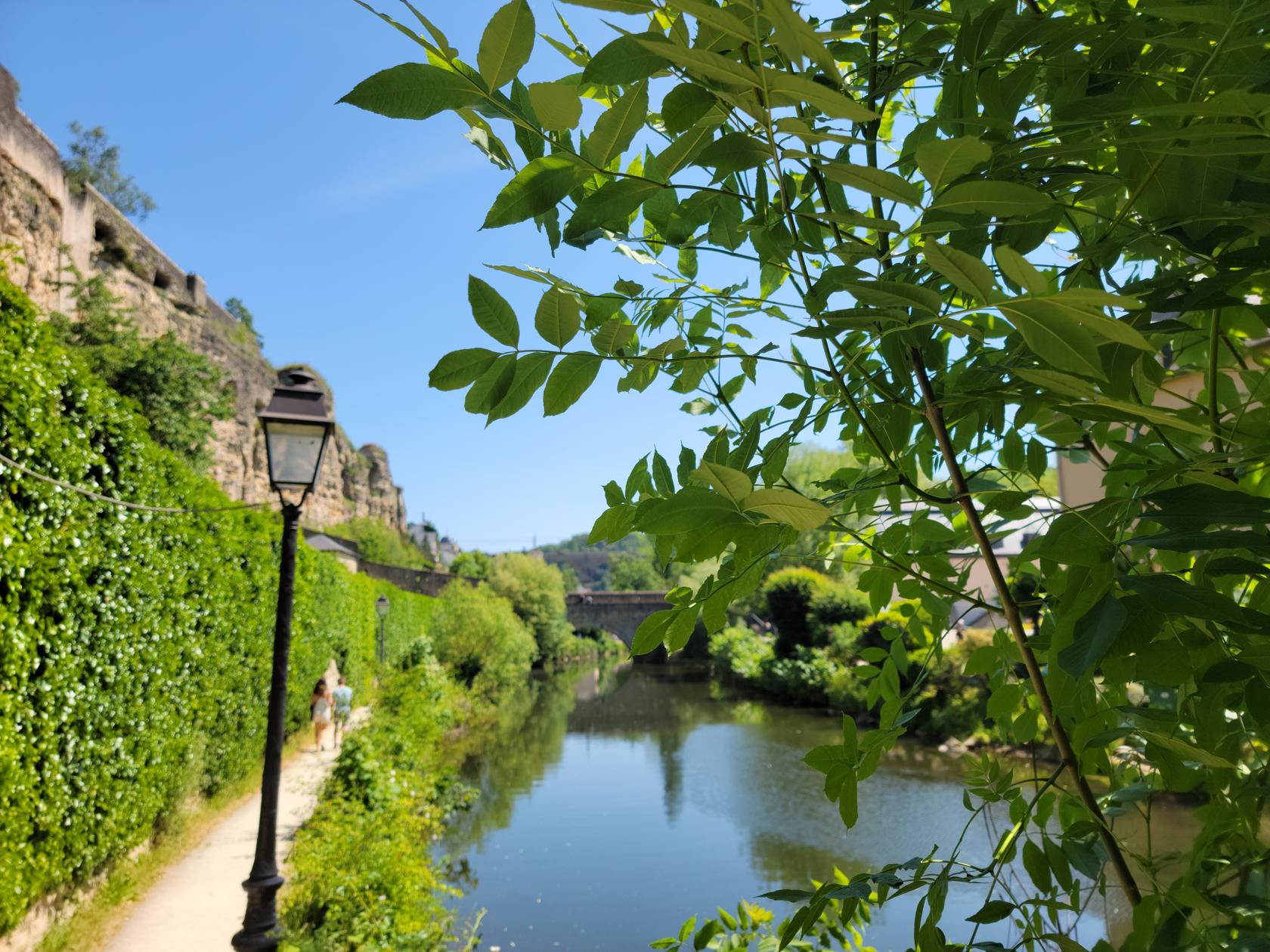
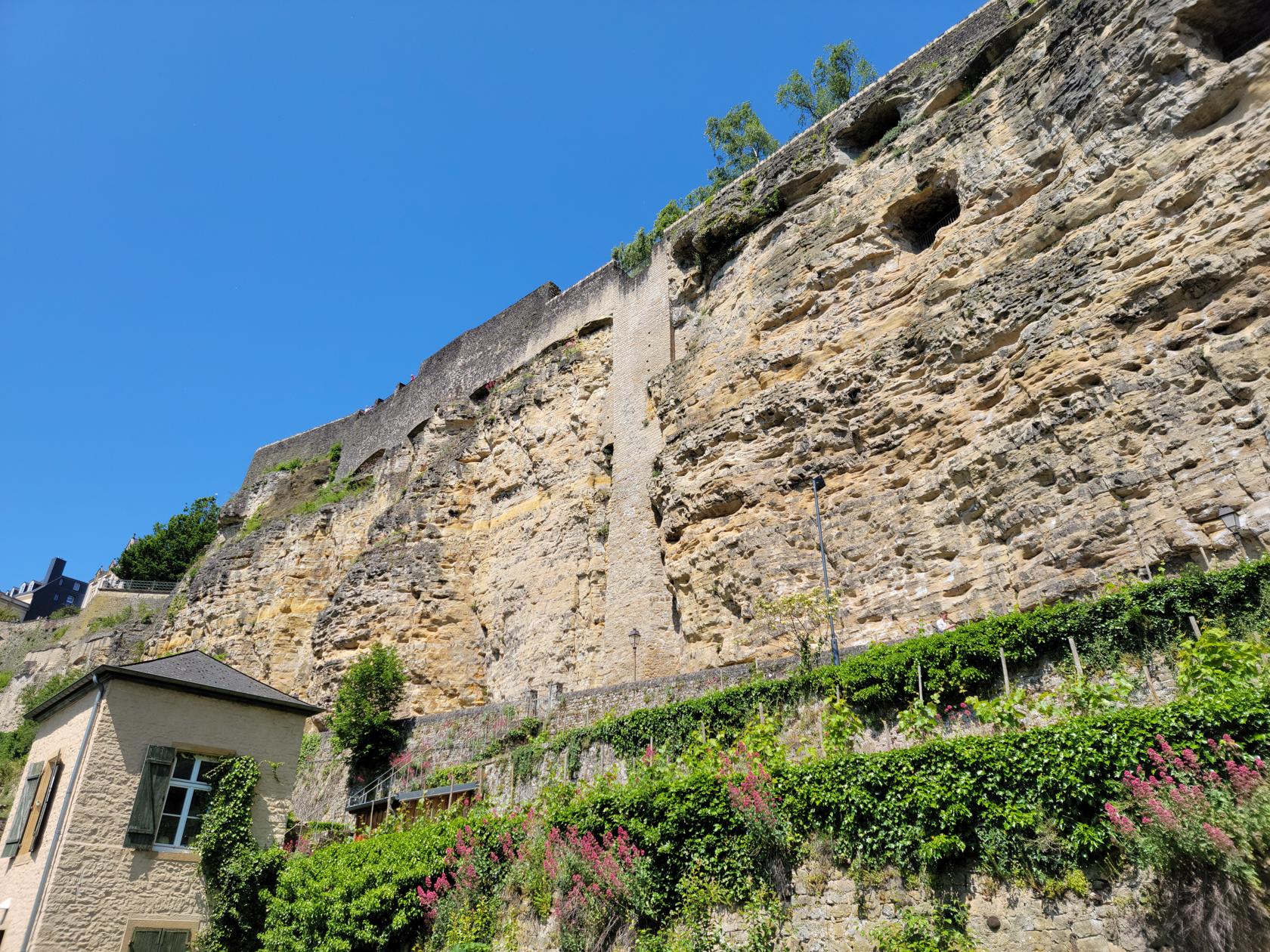
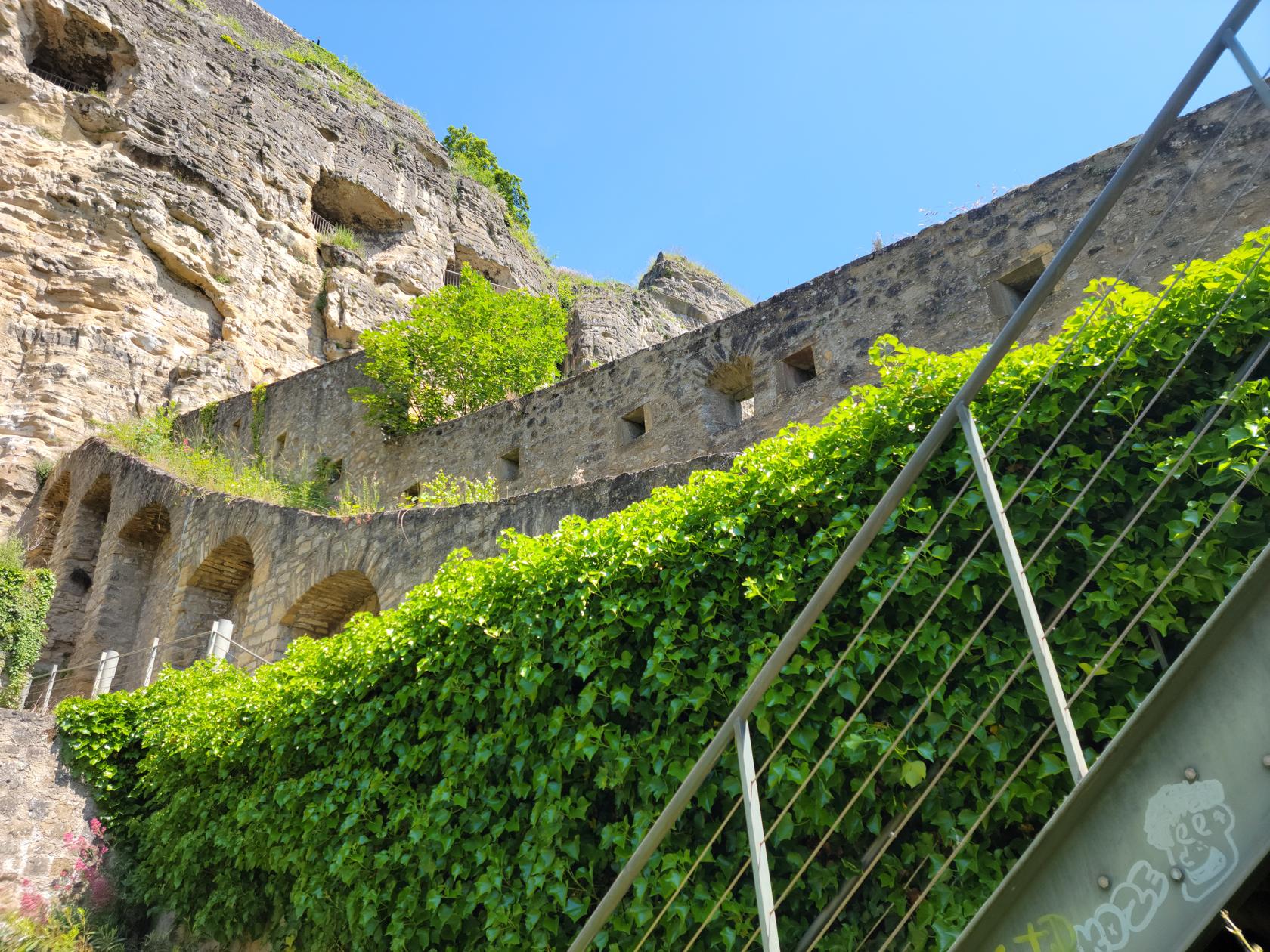
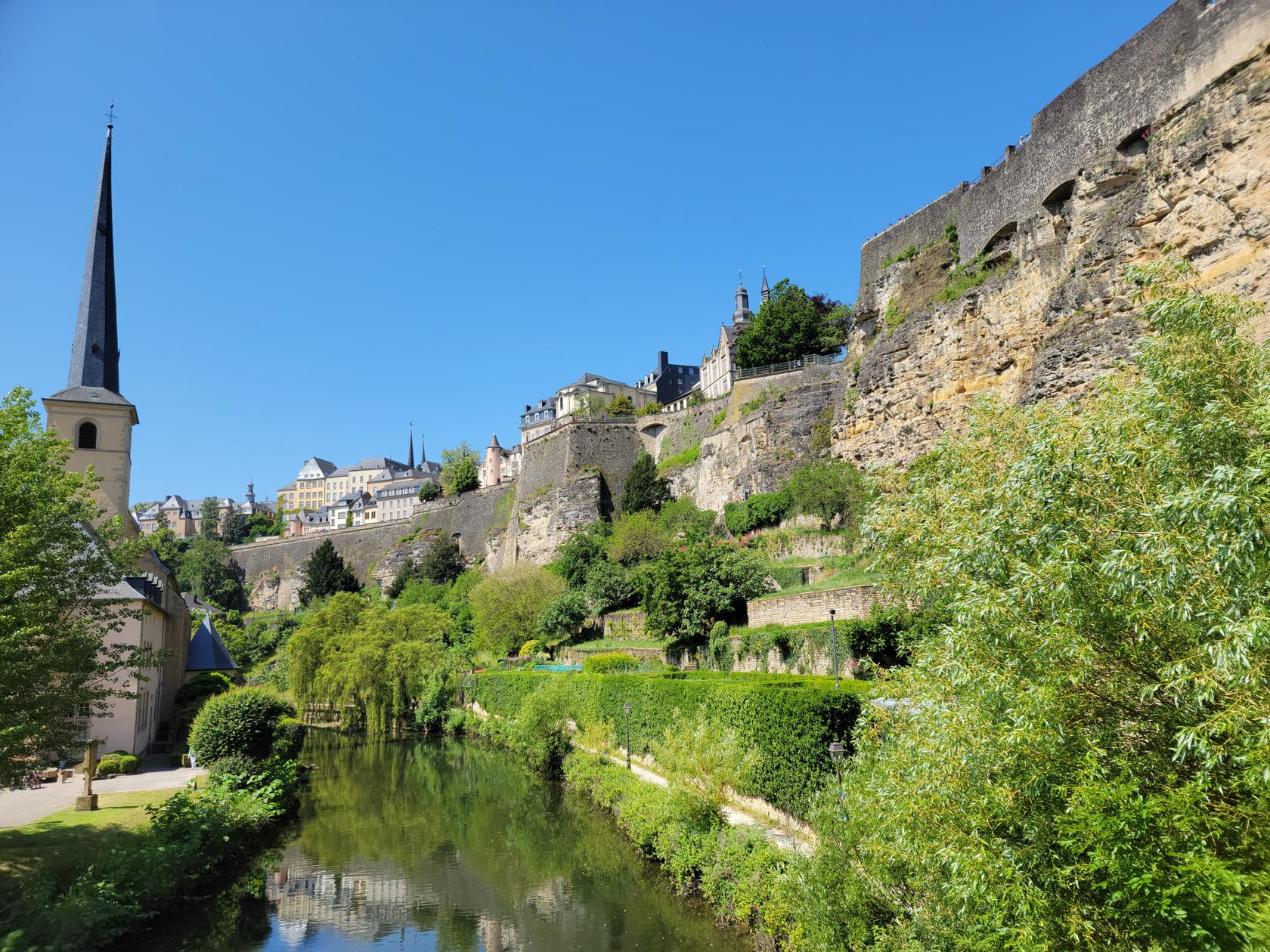
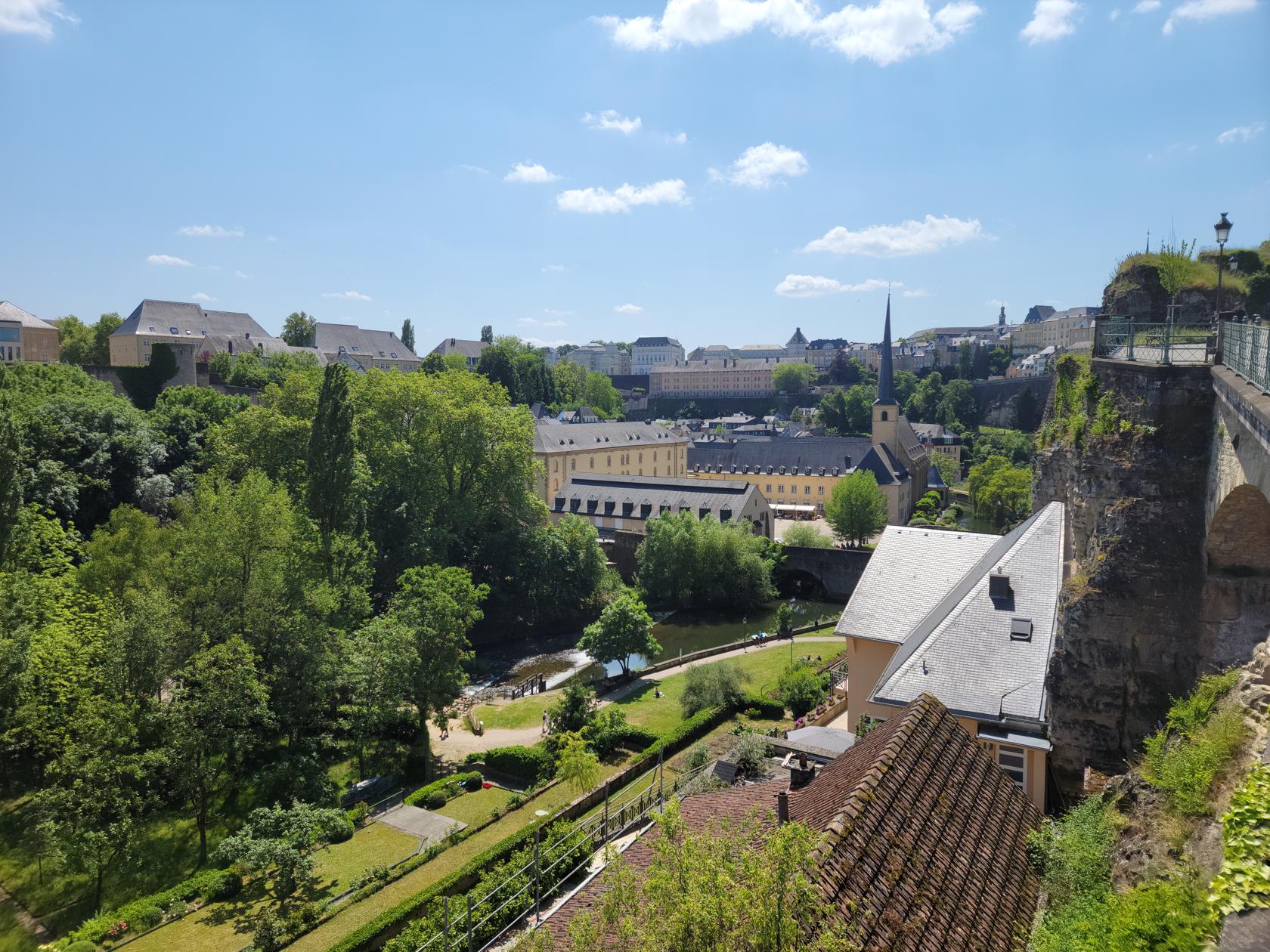
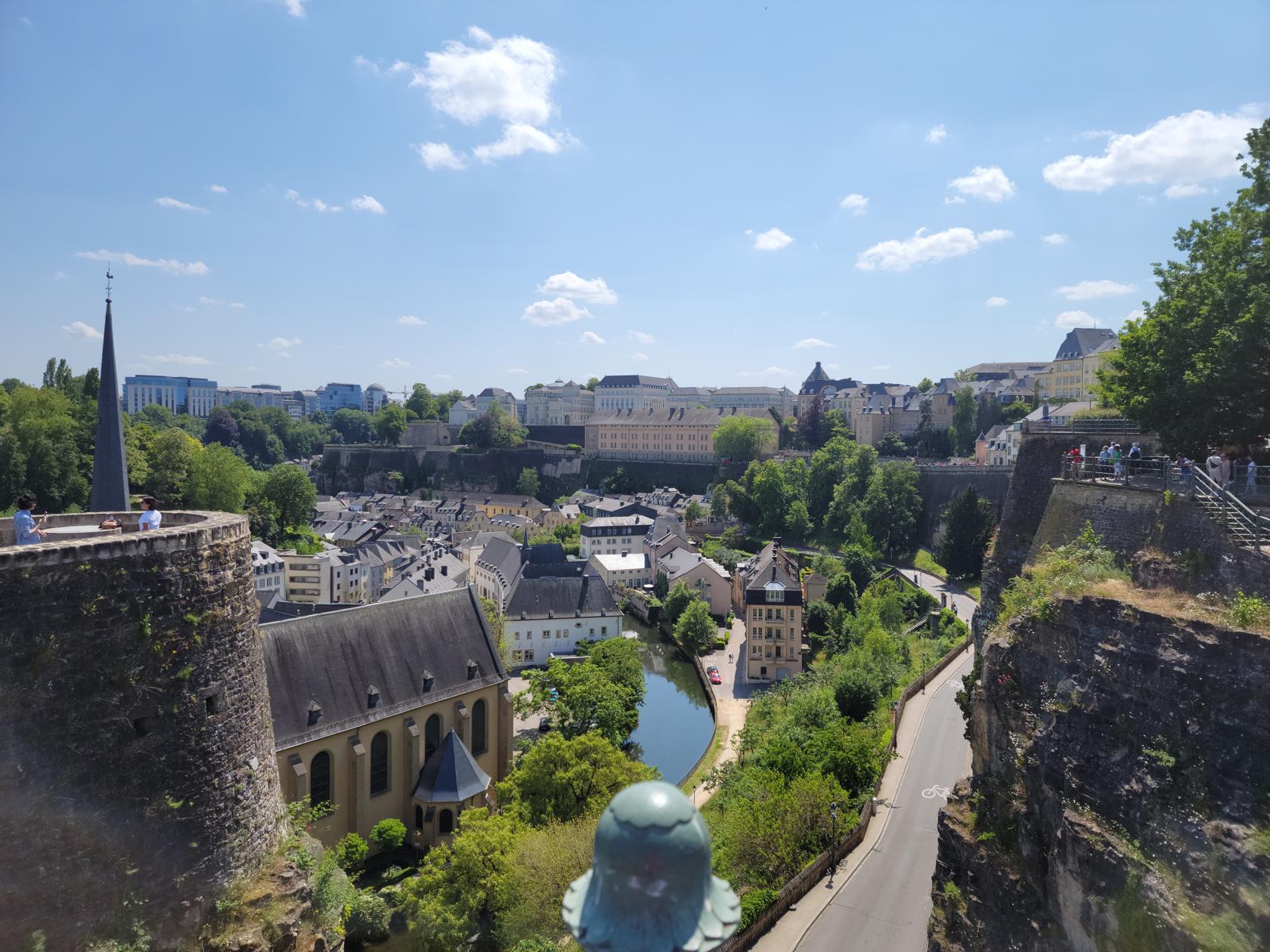
The city has fortifications and remnants of them on three sides. Some are in better condition than others, but you can at least enjoy the ones that follow the river Alzette.
Plateau de Rham – Luxemburg, Luxemburg
Plateau de Rham – Luxemburg, Luxemburg
Alzette river – Luxemburg, Luxemburg
Alzette river – Luxemburg, Luxemburg
Alzette river – Luxemburg, Luxemburg
Cliffs of Luxemburg – Luxemburg, Luxemburg
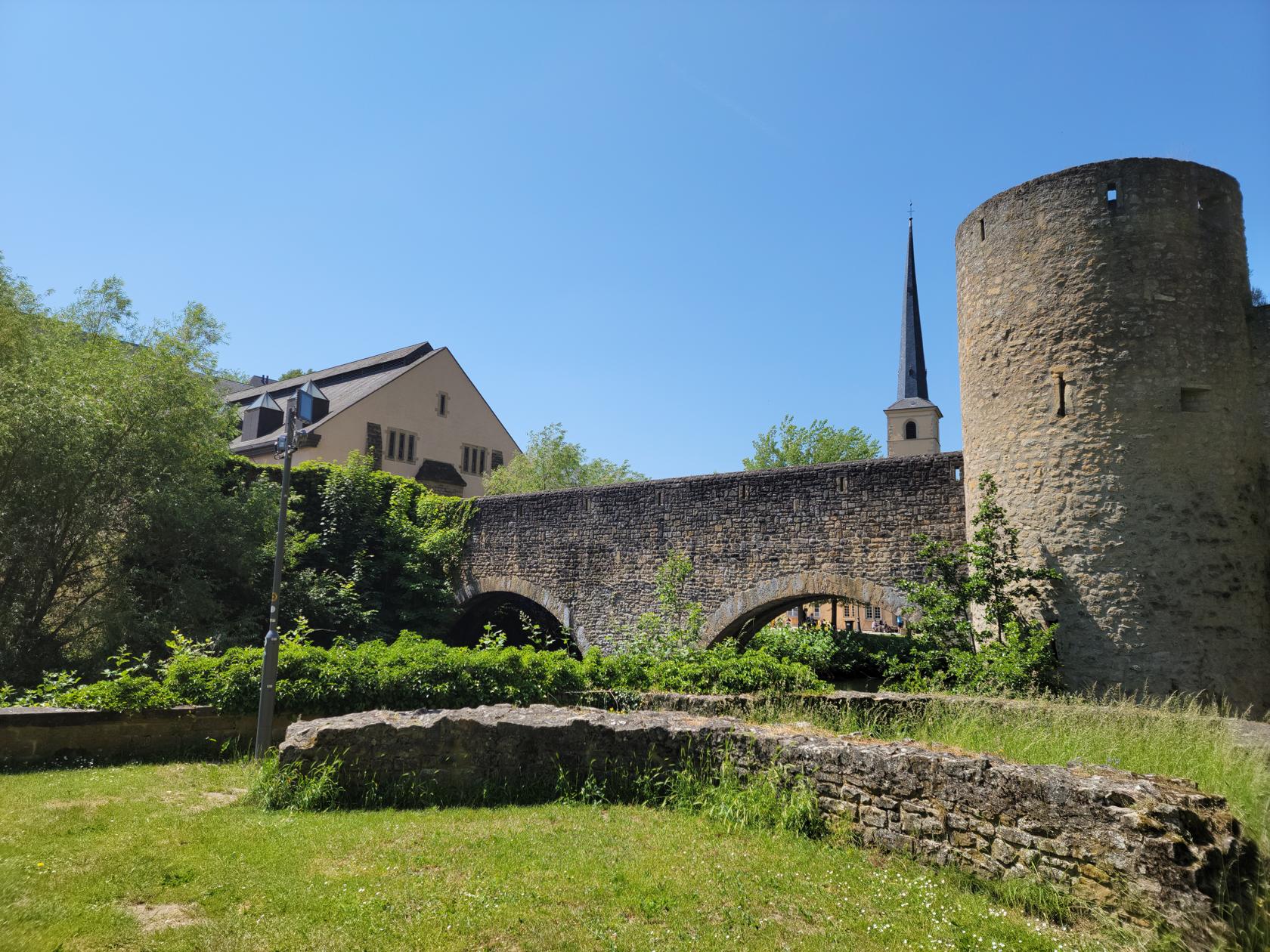
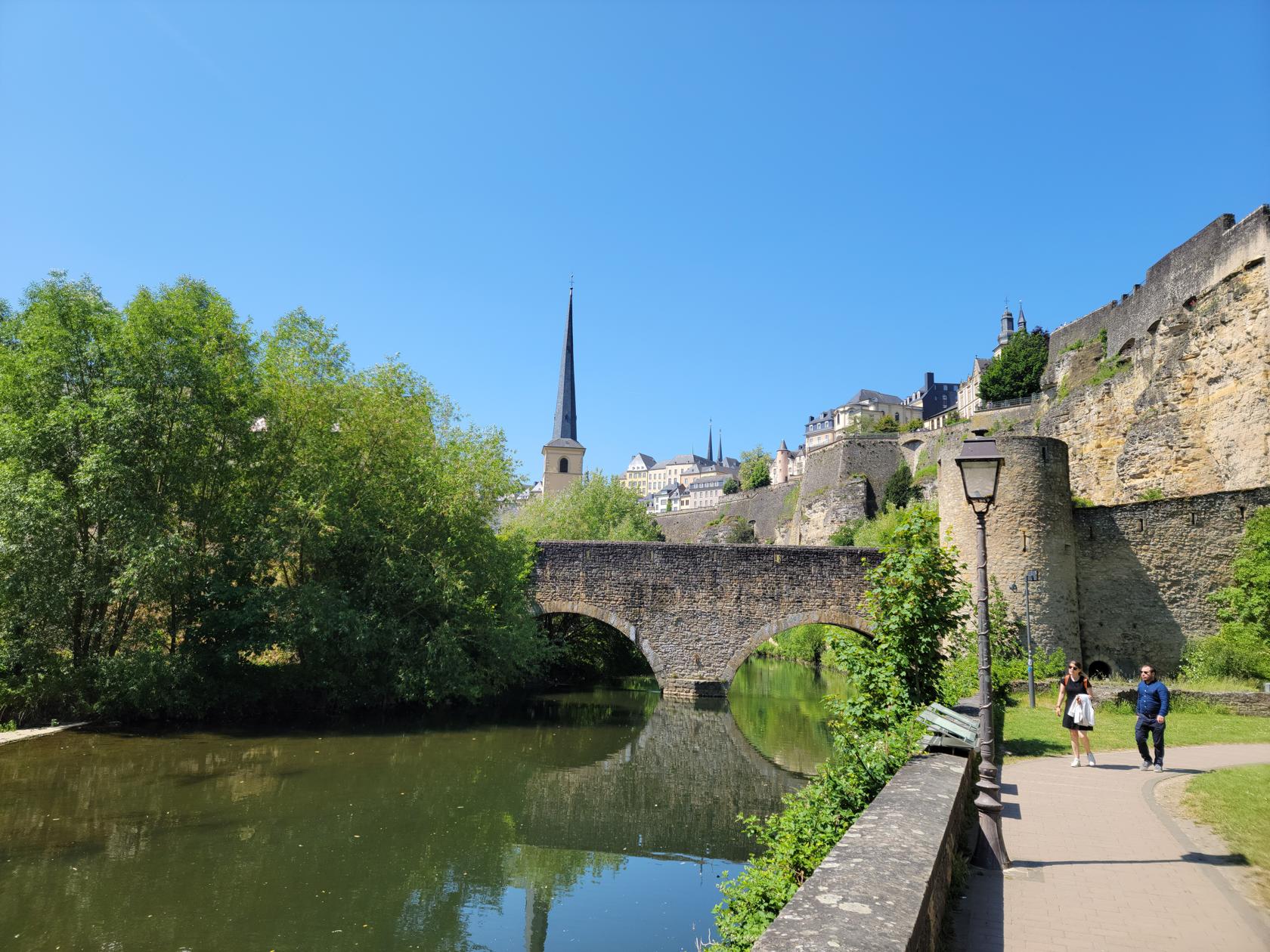
Pont du Stierchen over Alzette river – Luxemburg, Luxemburg
Cliffs of Luxemburg – Luxemburg, Luxemburg
Pont du Stierchen over Alzette river – Luxemburg, Luxemburg
Pont du Stierchen over Alzette river – Luxemburg, Luxemburg
Wier and Sleuce Gate with Pont du Stierchen over Alzette river – Luxemburg, Luxemburg
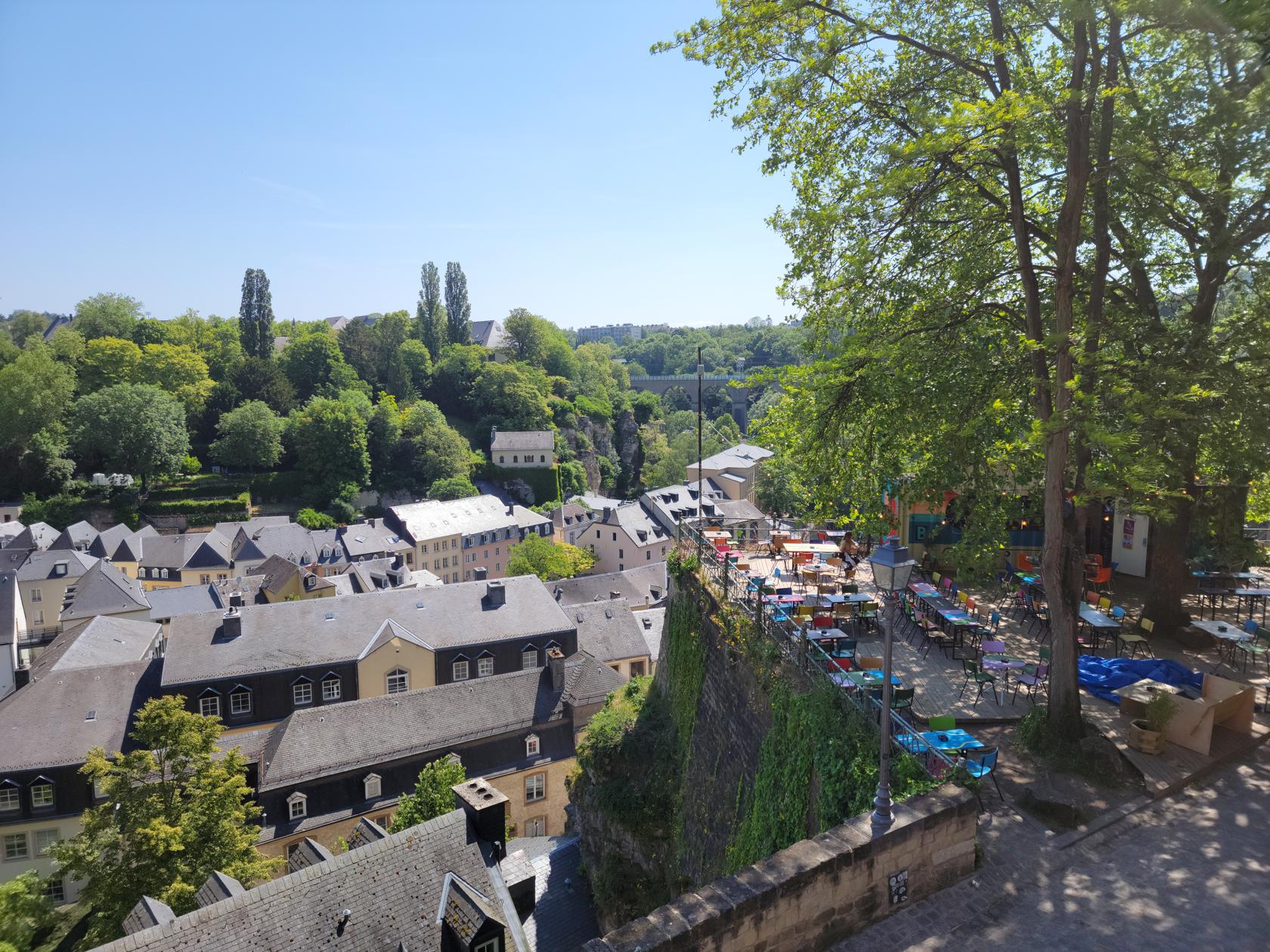
Overlook of Alzette river – Luxemburg, Luxemburg
Overlook of the river Alzette – South side – Luxemburg, Luxemburg
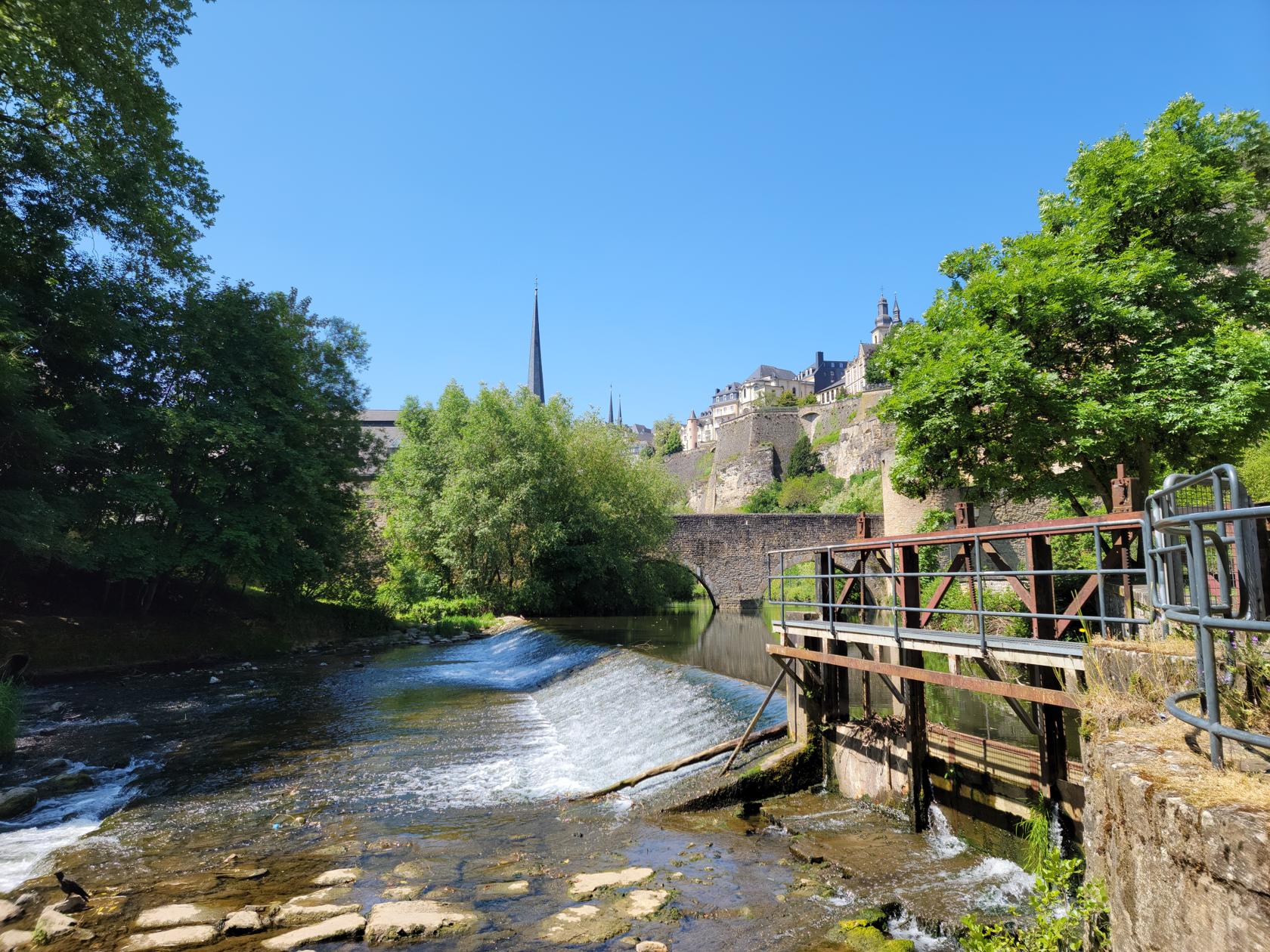
There is also a wonderful weir on the river between the Plateau du Rham and the City Center. From here the water flows over a set of rapids making for a very relaxing and shaded place to walk. There is even a bridge that crosses the river here where you may also enjoy it.
Casements of Luxemburg
The casements of Luxemburg city are underground facilities were originally built as passages and storage areas for the former castle of Luxemburg. During World War II, they were used for various purposes by both sides, including shelter during bombings. The one that was open while we were there was called Casemates de la Pétrusse, named after the river Pétrusse. Unfortunately, they were all booked the day we came for the entire weekend, so purchase your tickets early, if you want to go below and enjoy the guided tour of this unusual exhibit. It is located under the Monument of Remembrance.
Remembrance memorial – Luxemburg, Luxemburg
The other casement is Casements du Bock which currently is temporarily closed. When it opens, tickets can be purchased for a guided tour and this one is located on Mount de Clausen near the Casement Memorial.
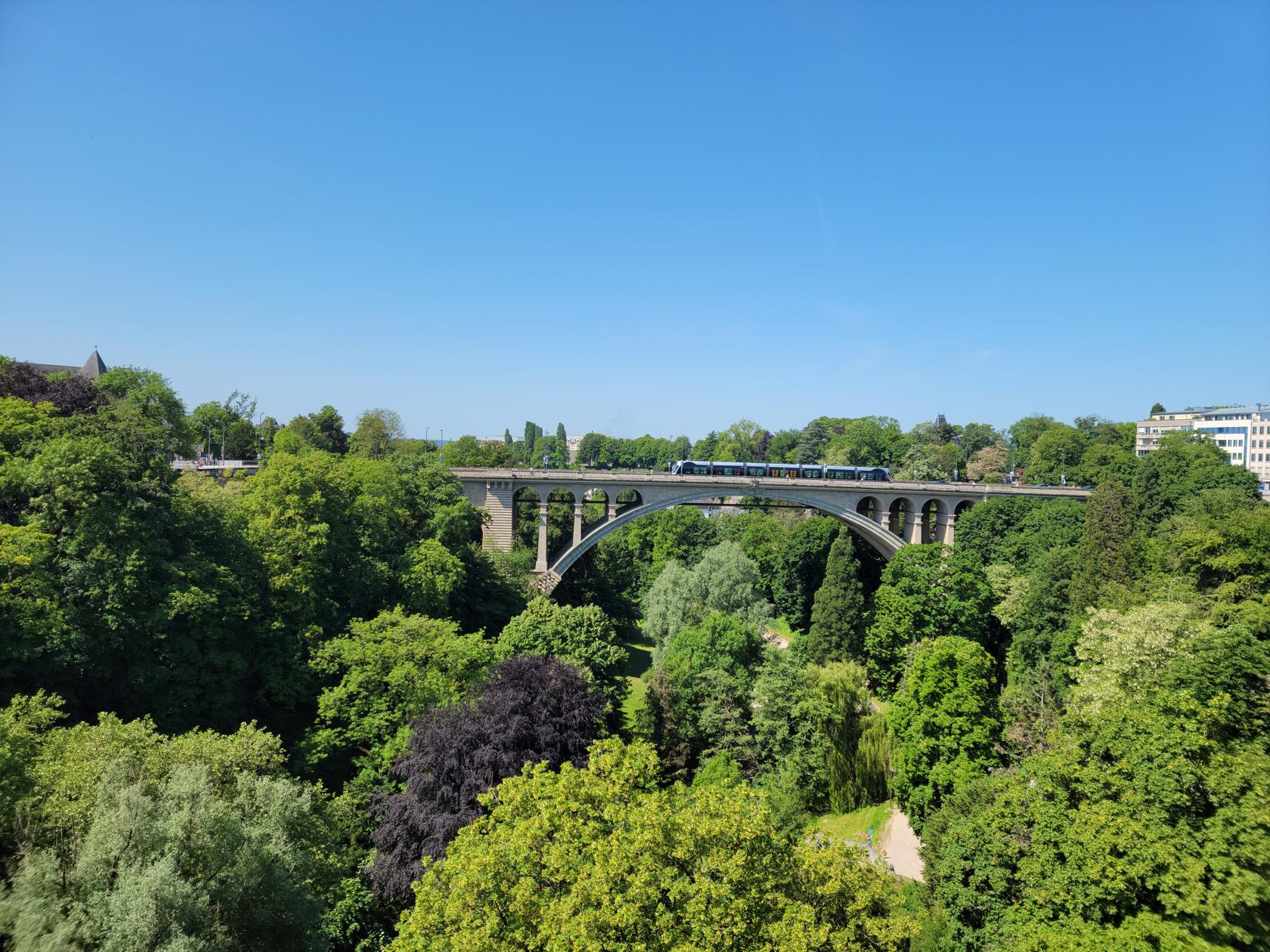
Adolphe bridge – Luxemburg, Luxemburg
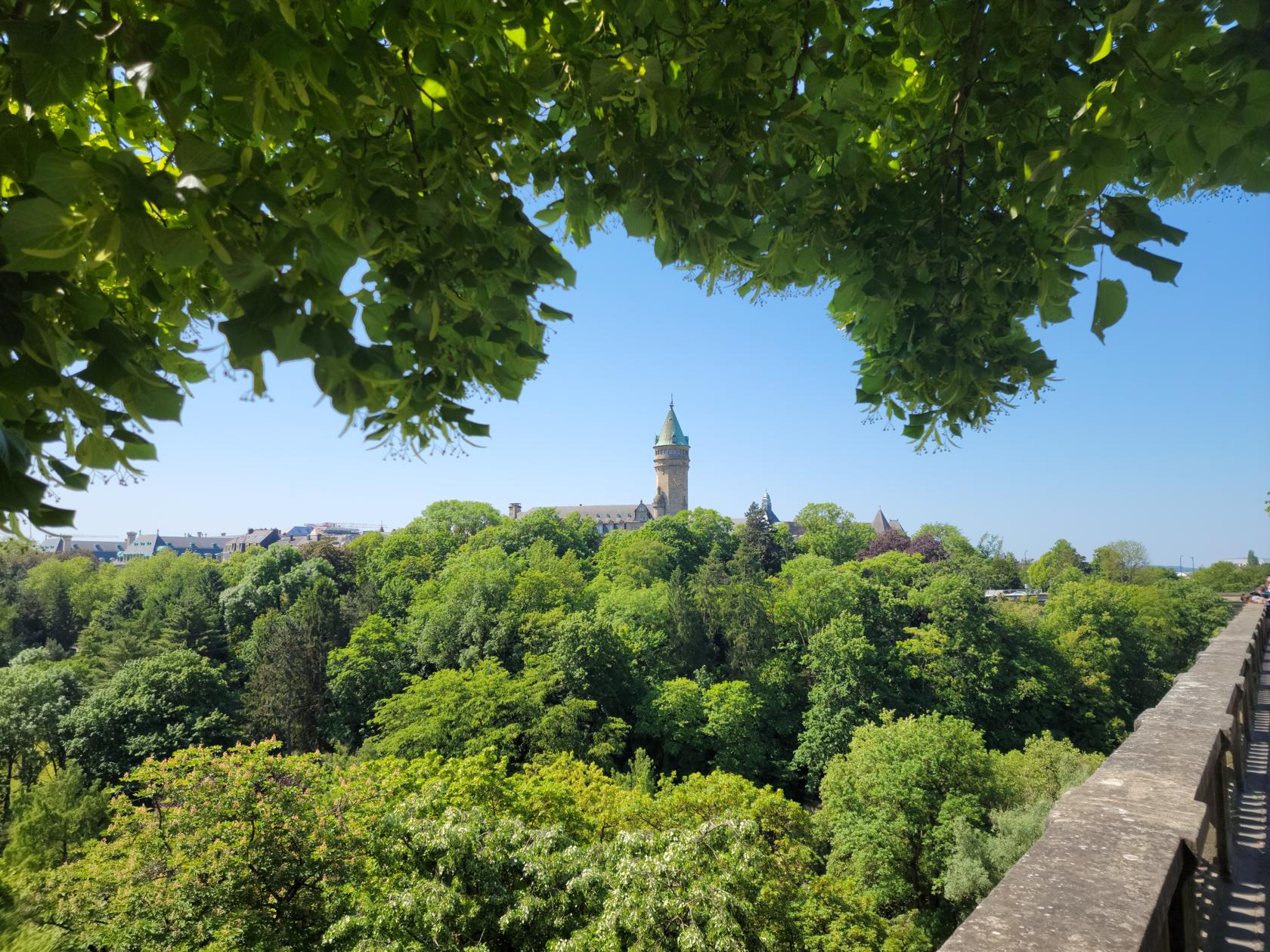
Muesee de la Banque Tower – Luxemburg, Luxemburg
Church of Saint Michael’s
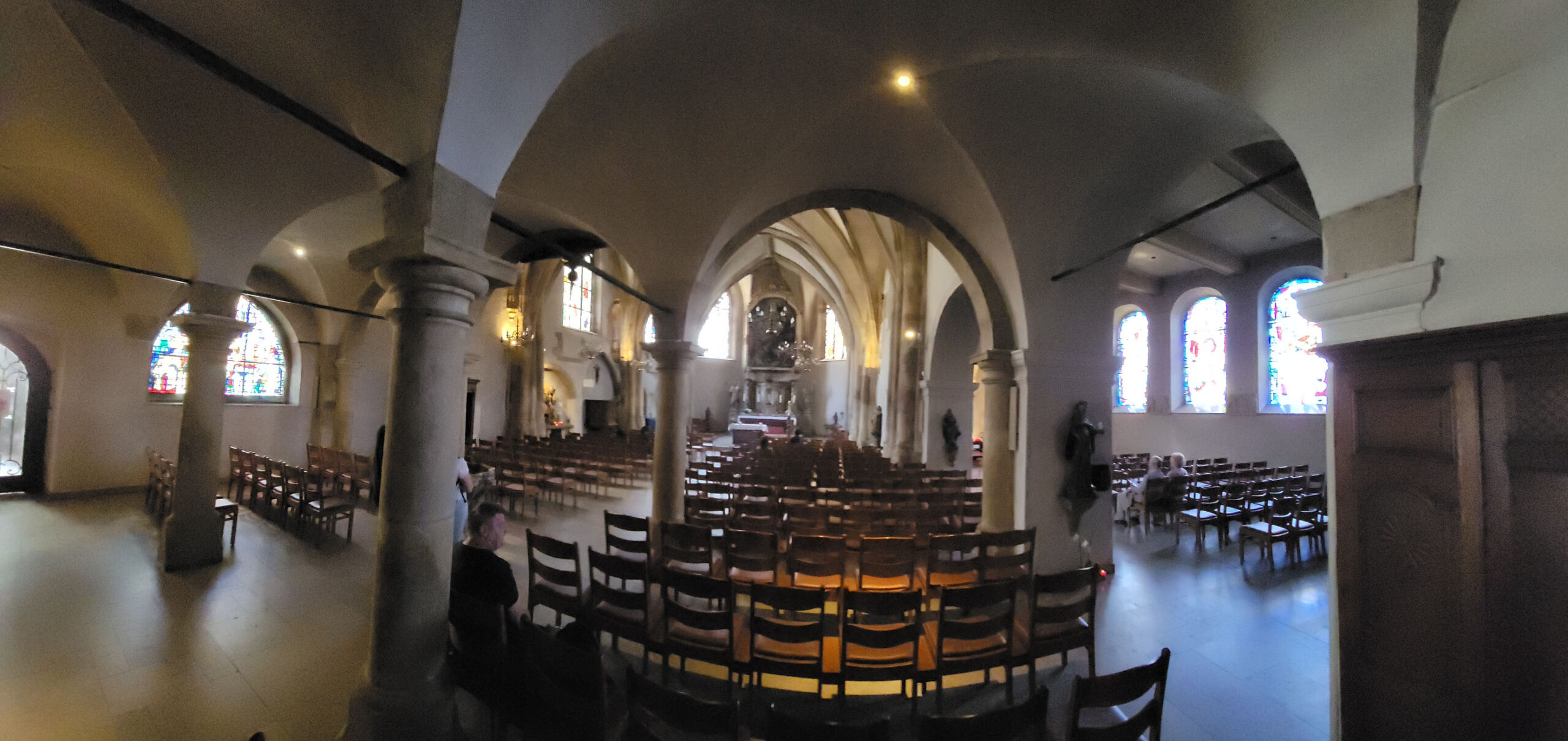
The church of Saint Michael’s has a beautiful set of windows to enjoy. Built in the tenth century and originally named Church of the Redemption, the new and colorful windows were installed after much of the city was destroyed during the war and the new church was reconsecrated as the church of Saint Michael.
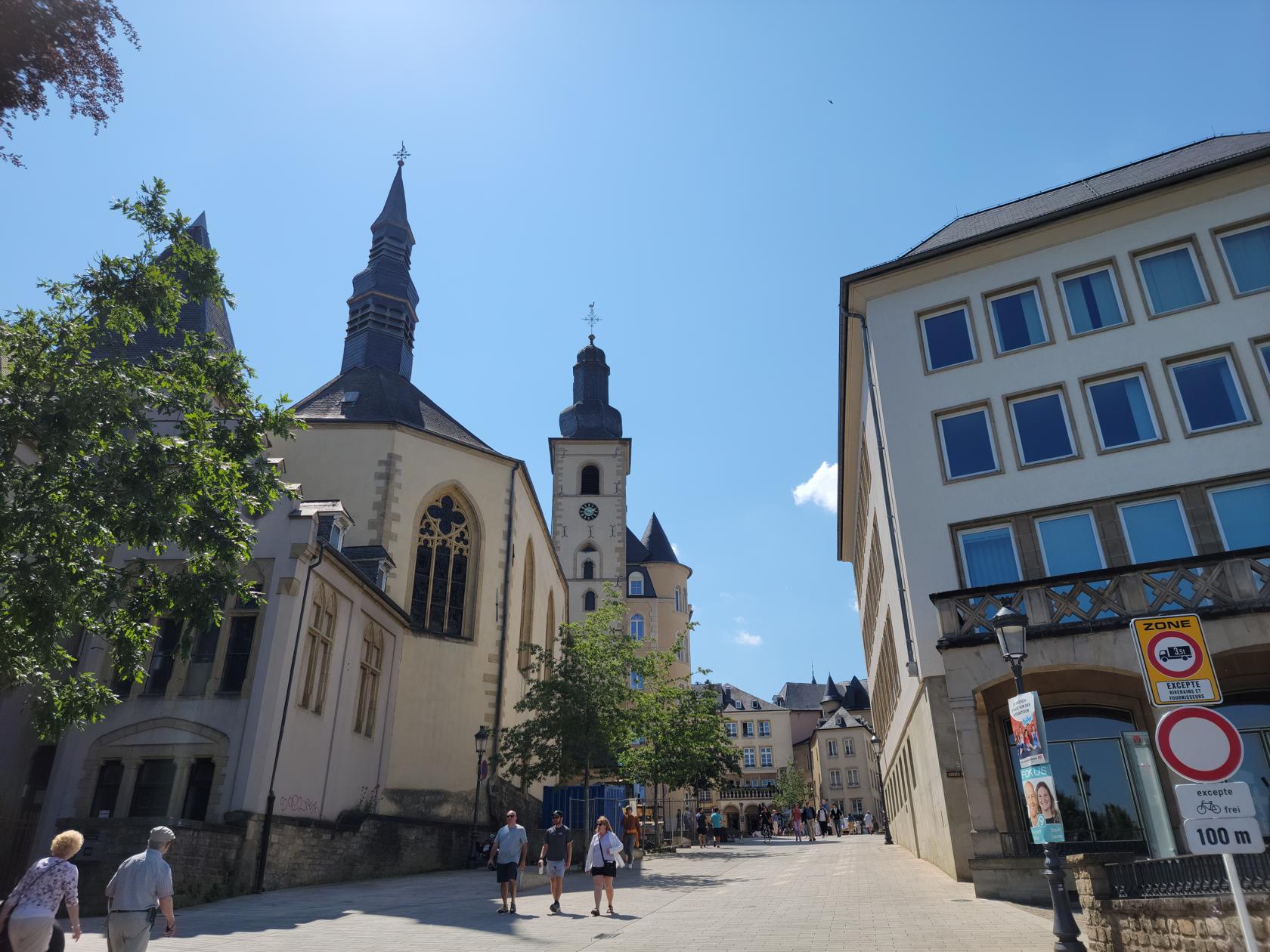
Saint Michael’s church – Luxemburg, Luxemburg
Inside panorama of Saint Michael’s church – Luxemburg, Luxemburg
Stained glass – Saint Michael’s church – Luxemburg, Luxemburg
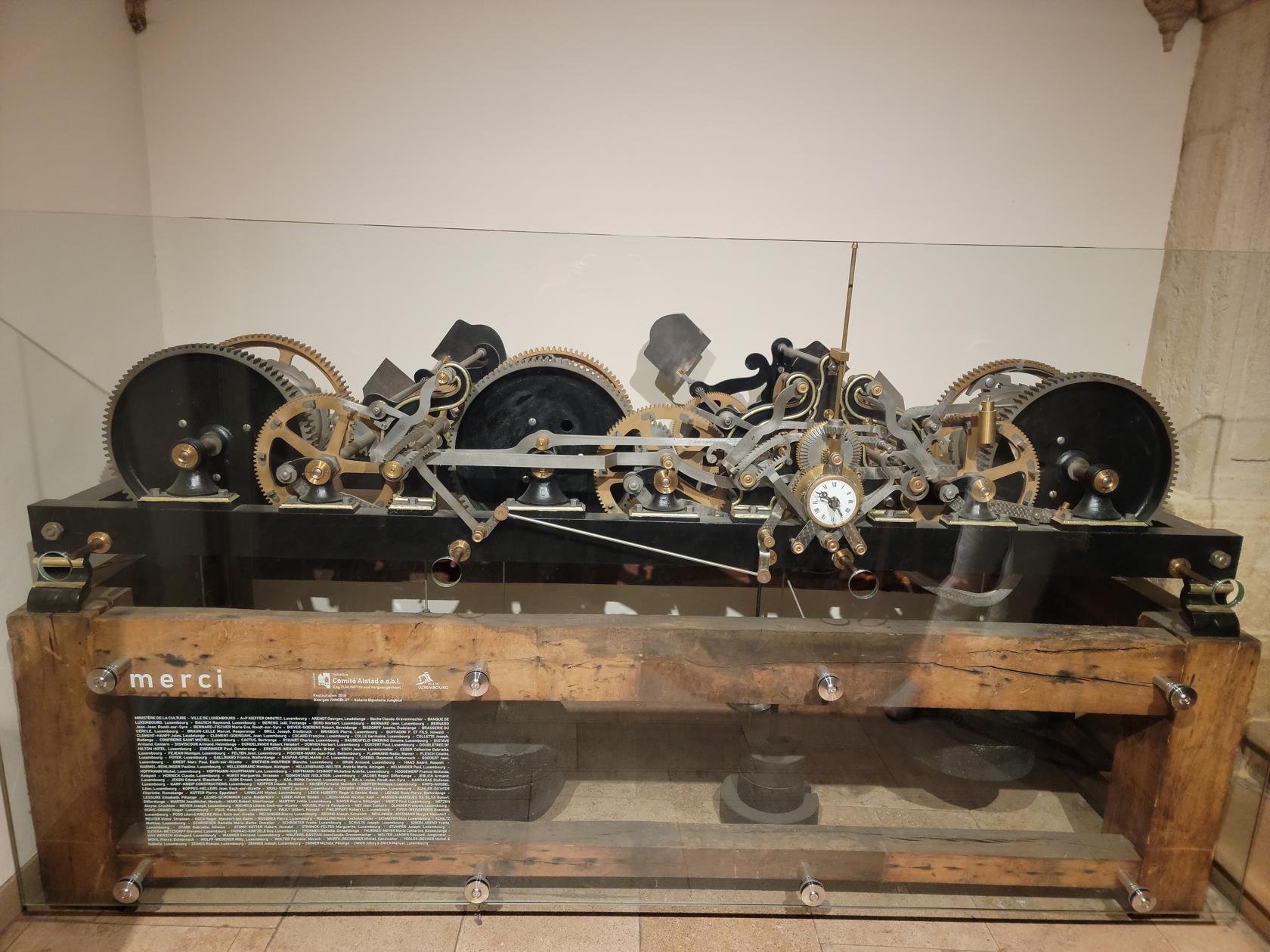
The other point of interest in this church is the old church turret clock.
Turret clock from 1902 – Saint Michael’s church – Luxemburg, Luxemburg
The city does offer other things to see and do, for those who are so inclined. However, for a short weekend stay, I thought we enjoyed a fair amount of what the city had to offer and enjoyed ourselves immensely. The people are very friendly and fluent in many languages. The city is clean, well cared for and vibrant and there is plenty of history to be found walking among its streets. Being only a few hours drive from Frankfurt and other cities, it is well situated for a weekend trip. Going by train is a bit longer, since there is no direct route and flying is an option, though an unjustifiable cost given the destination and the amount of time one has to spend in airports these days to get anywhere.
Patti and Erick – Luxemburg, Luxemburg
Restaurants
One thing that can be said about restaurants in Luxemburg is, eating out is rather expensive. Our opinion is, it’s more in line with eating out in Switzerland or at an expensive restaurant in the United States.
Trattoria Il Riccio
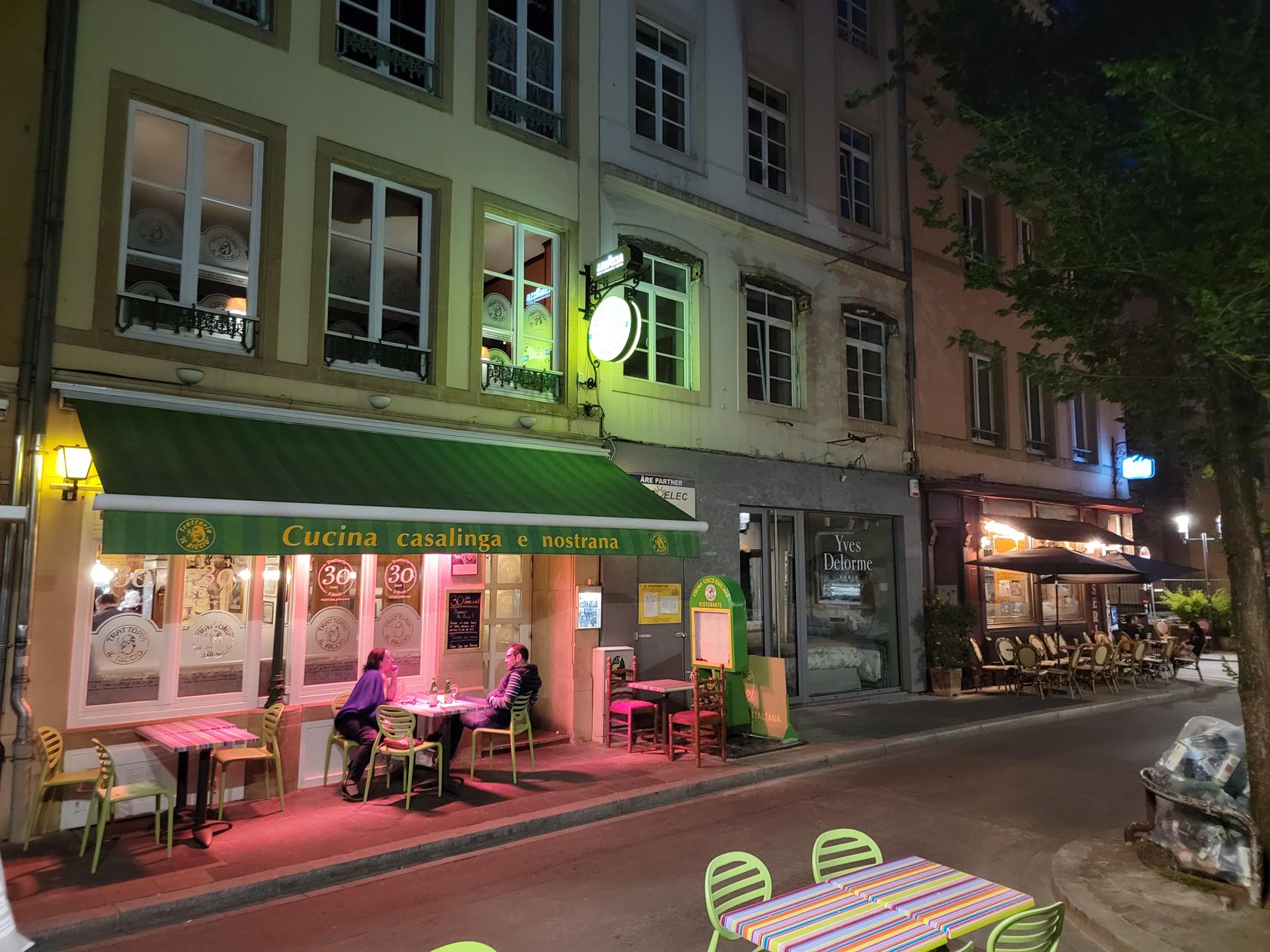
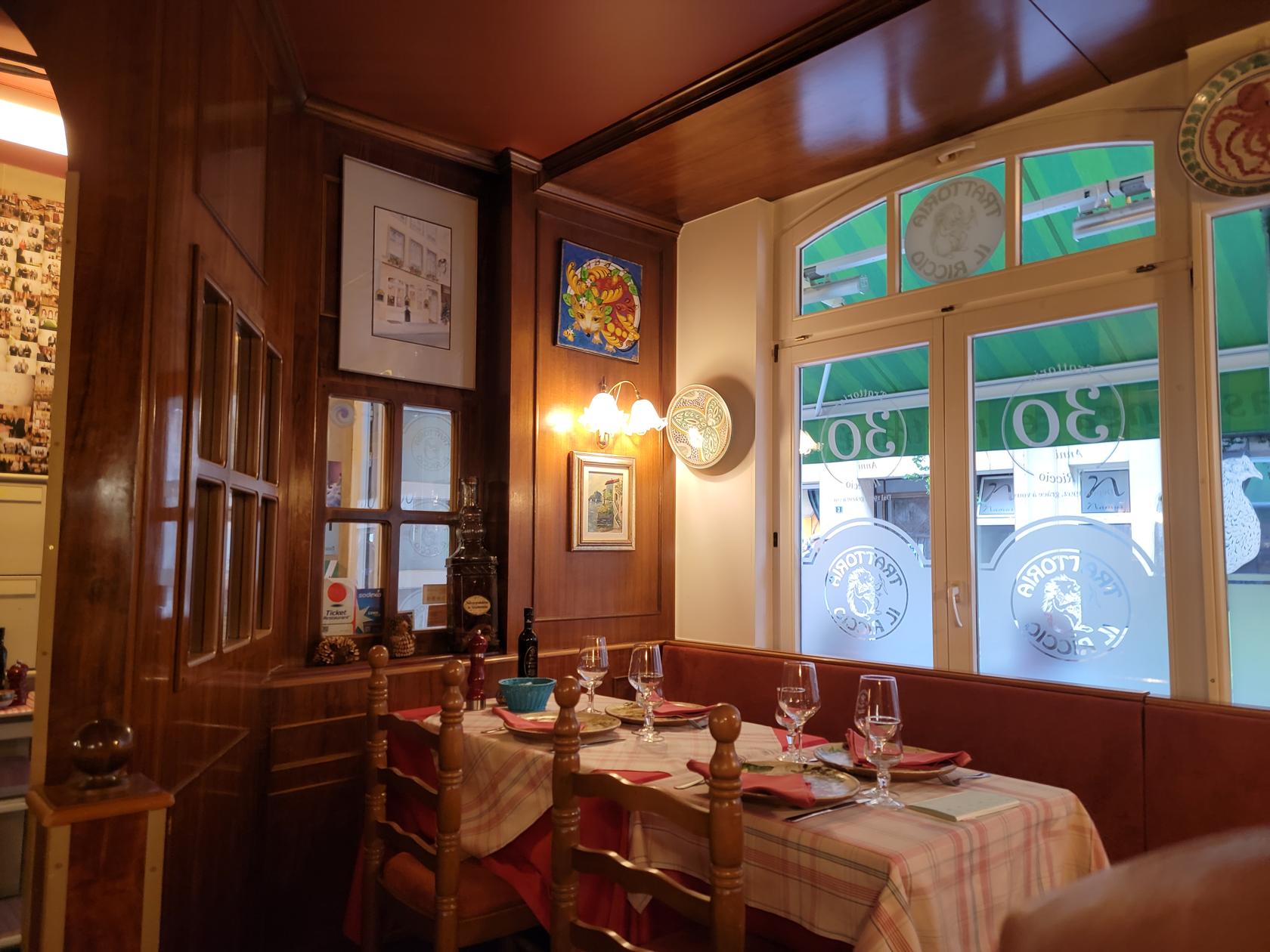
This is a cozy, but expensive little Italian gem on the Rue Beaumont.
Ristorante Il Riccio – Luxemburg, Luxemburg
Ristorante Il Riccio – Luxemburg, Luxemburg
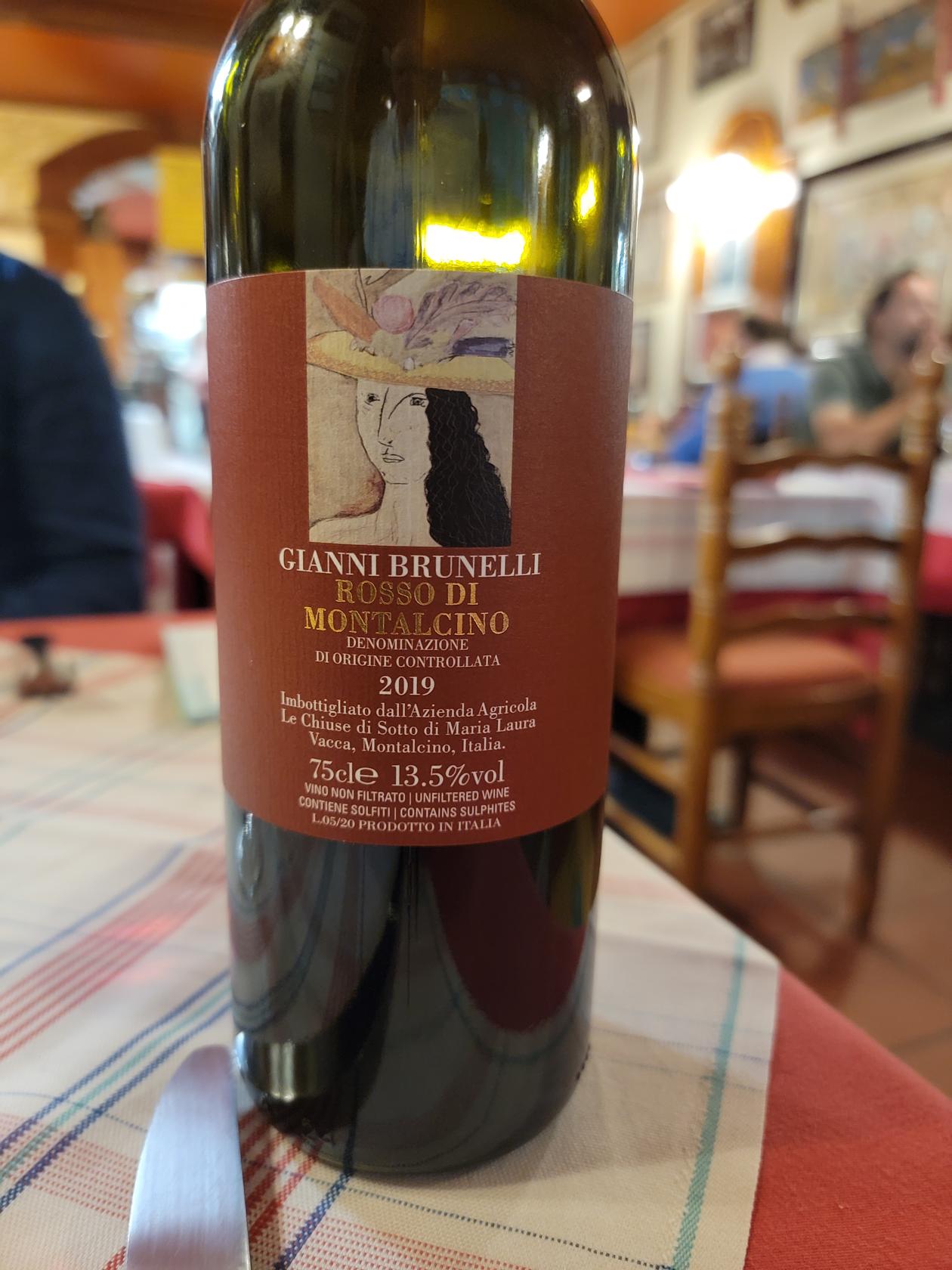
We had an excellent and delicious meal here, complete with two bottles of fairly expensive wine (56€/ea) and the total for four came to 450€. Of course, we all had an appetizer, primi and secondi.
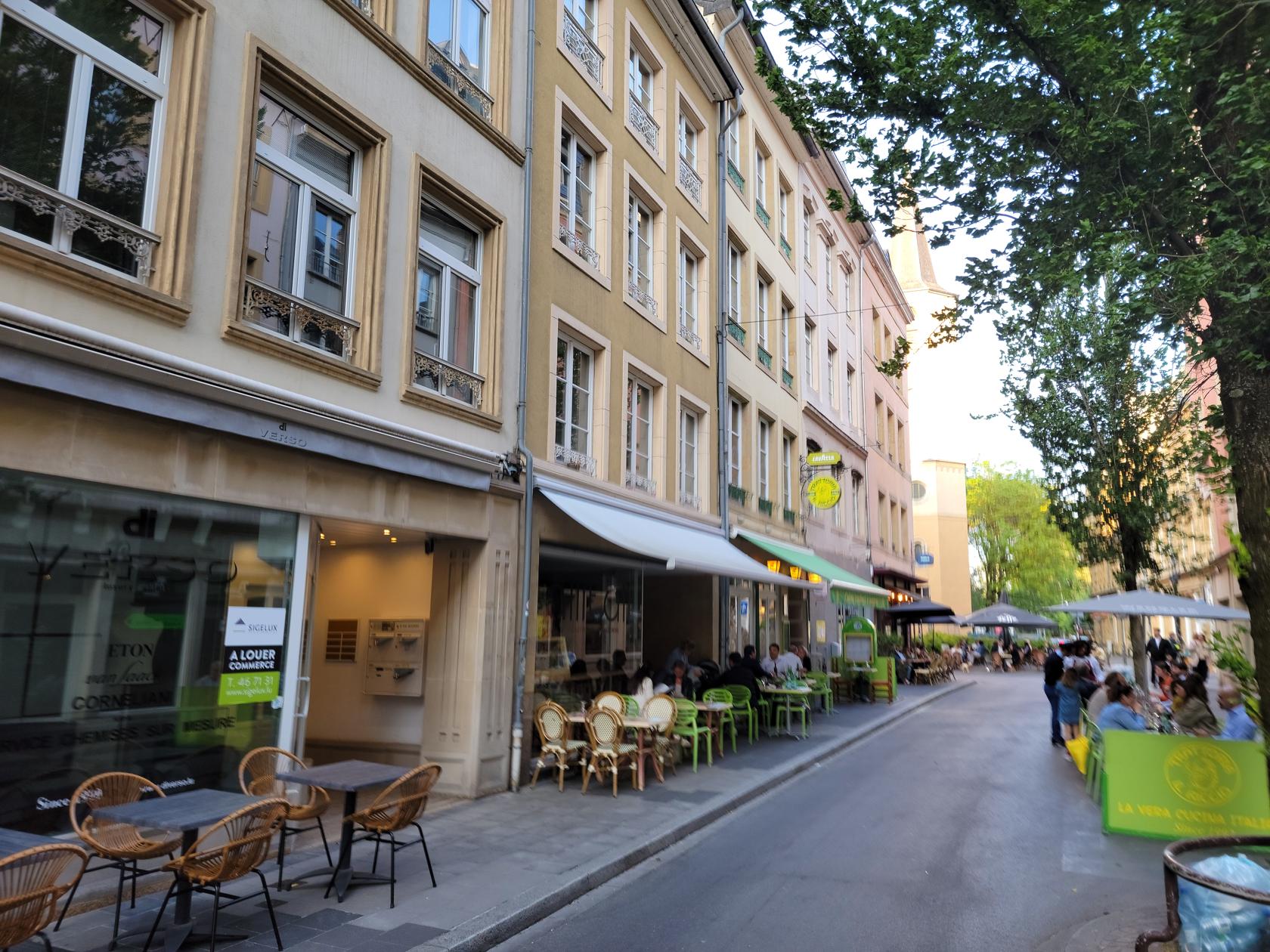
Rue Beaumont – Luxemburg, Luxemburg
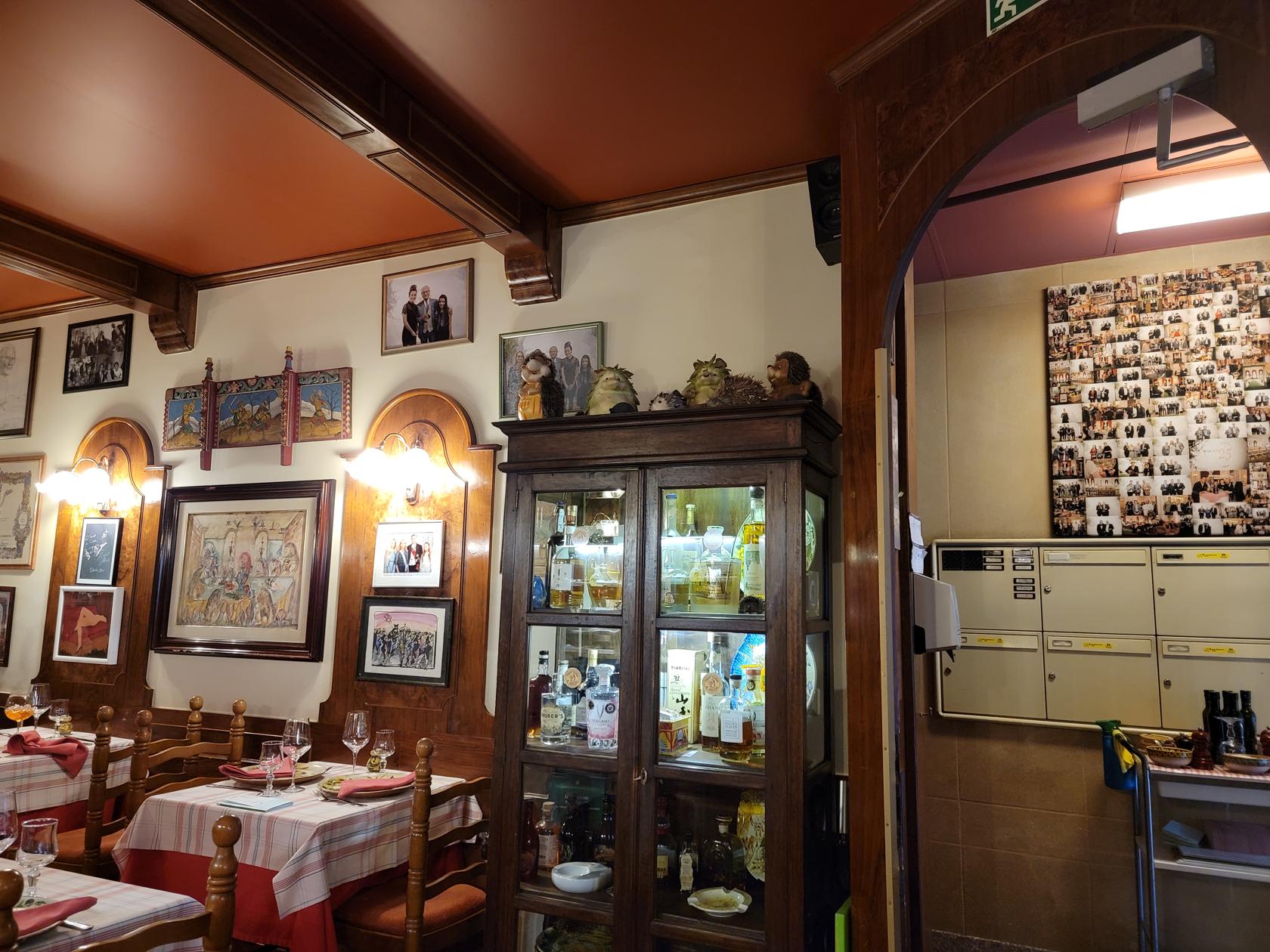
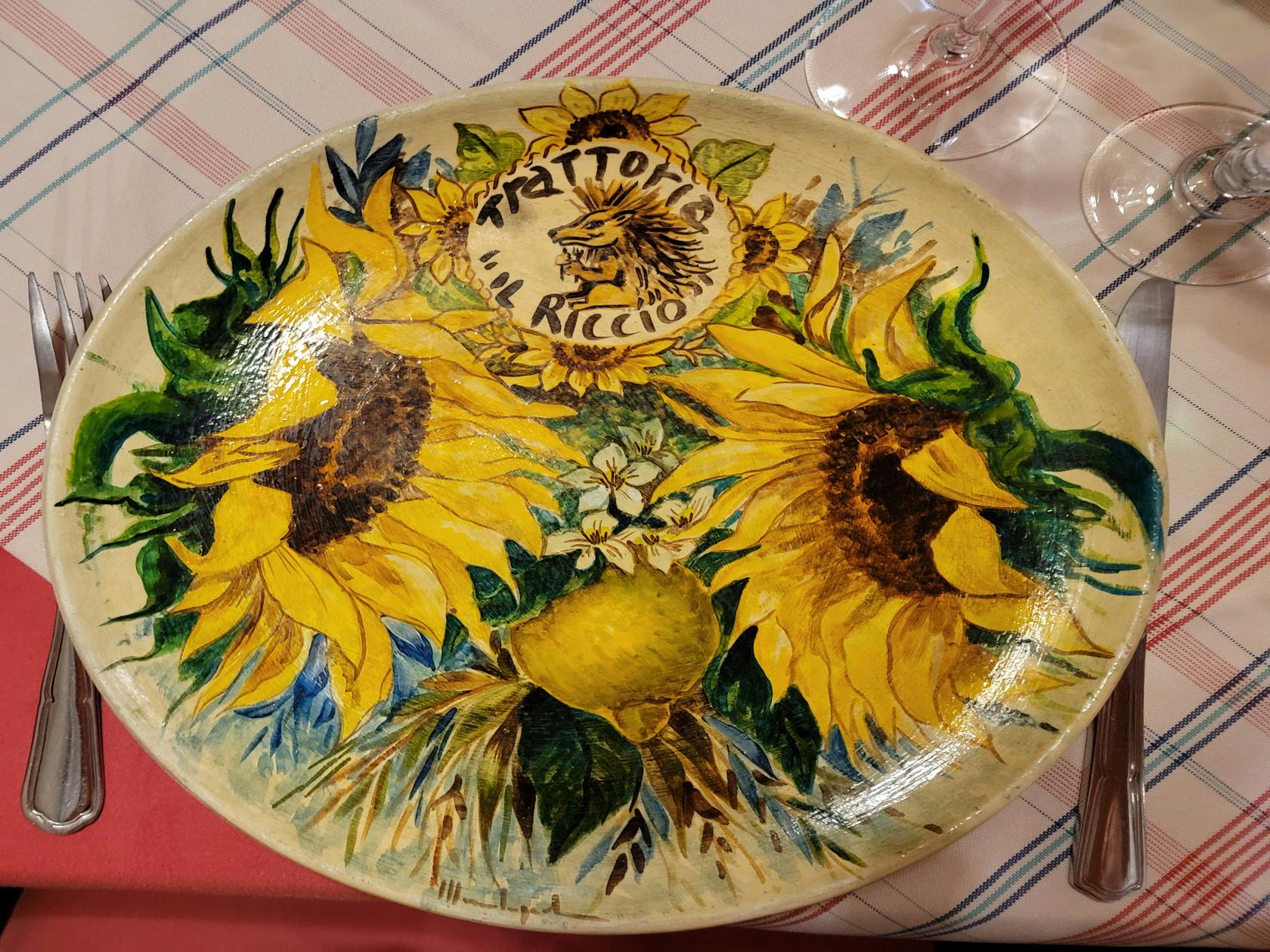
Ristorante Il Riccio – Luxemburg, Luxemburg
Ristorante Il Riccio – Luxemburg, Luxemburg
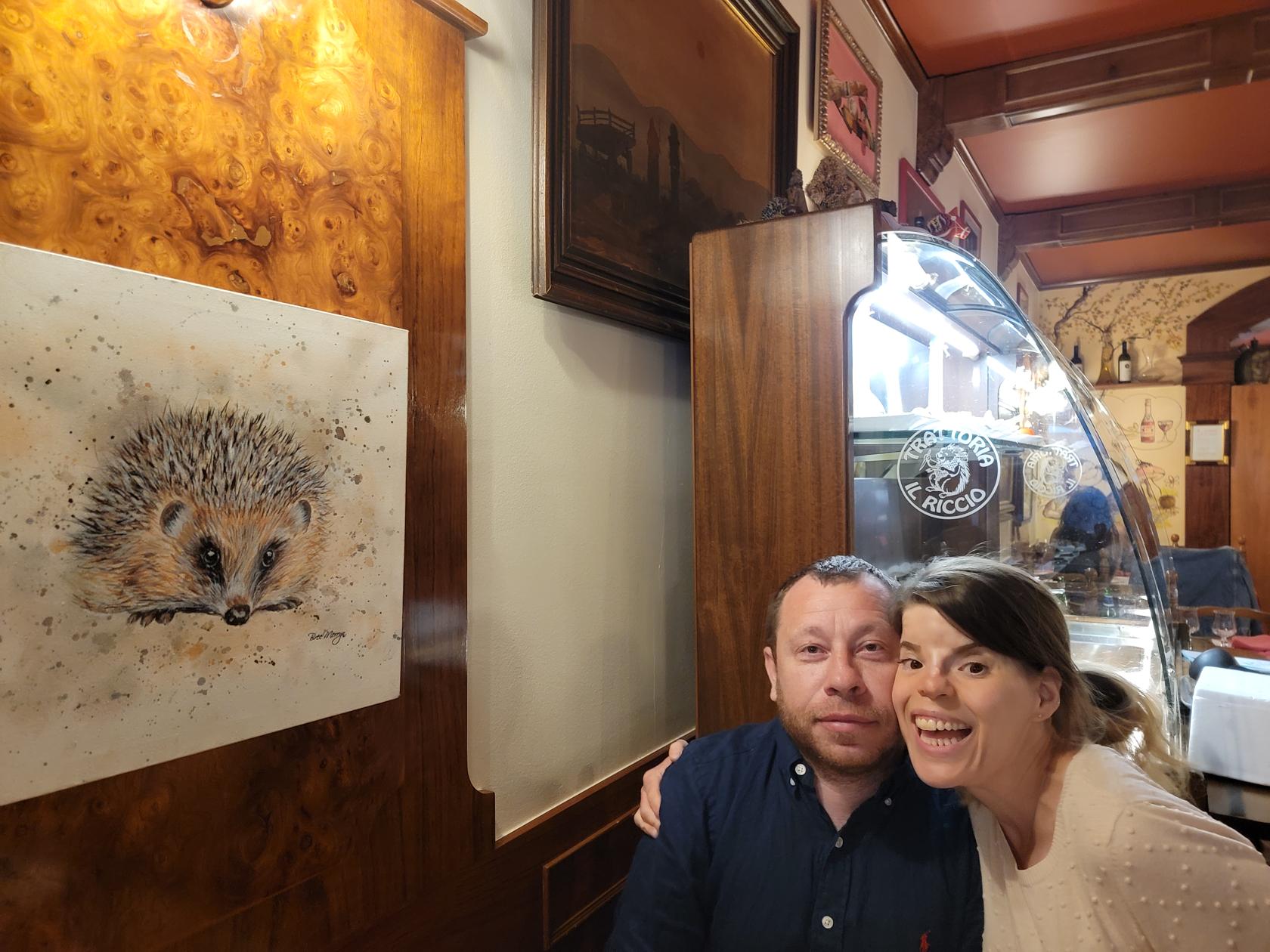
Gabi and Ericka – Ristorante Il Riccio – Luxemburg, Luxemburg
Ristorante Il Riccio – Luxemburg, Luxemburg
Gianni Brunelli Montalcino – Ristorante Il Riccio – Luxemburg, Luxemburg
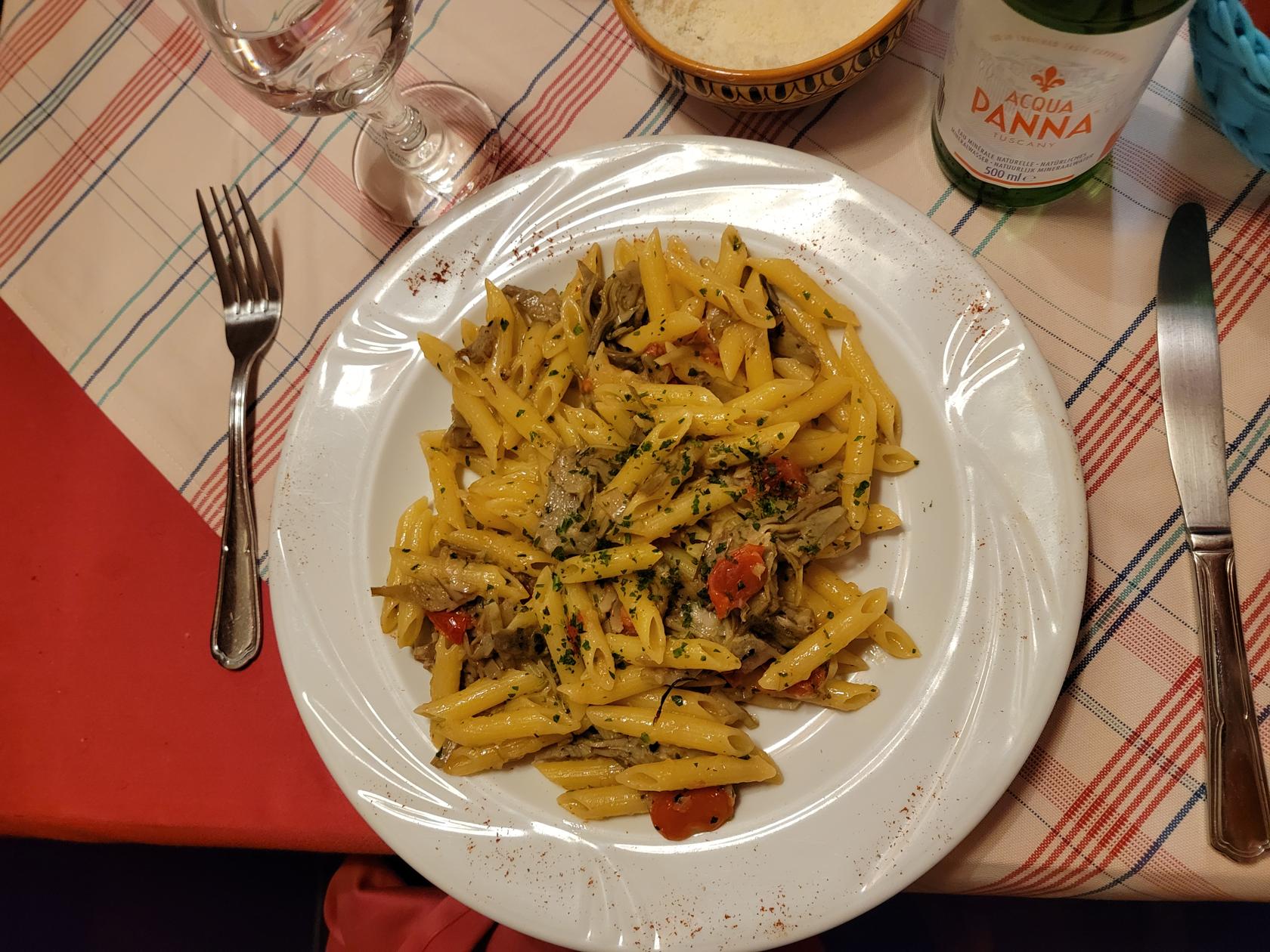
Penne with artichokes and tomatoes – Ristorante Il Riccio – Luxemburg, Luxemburg
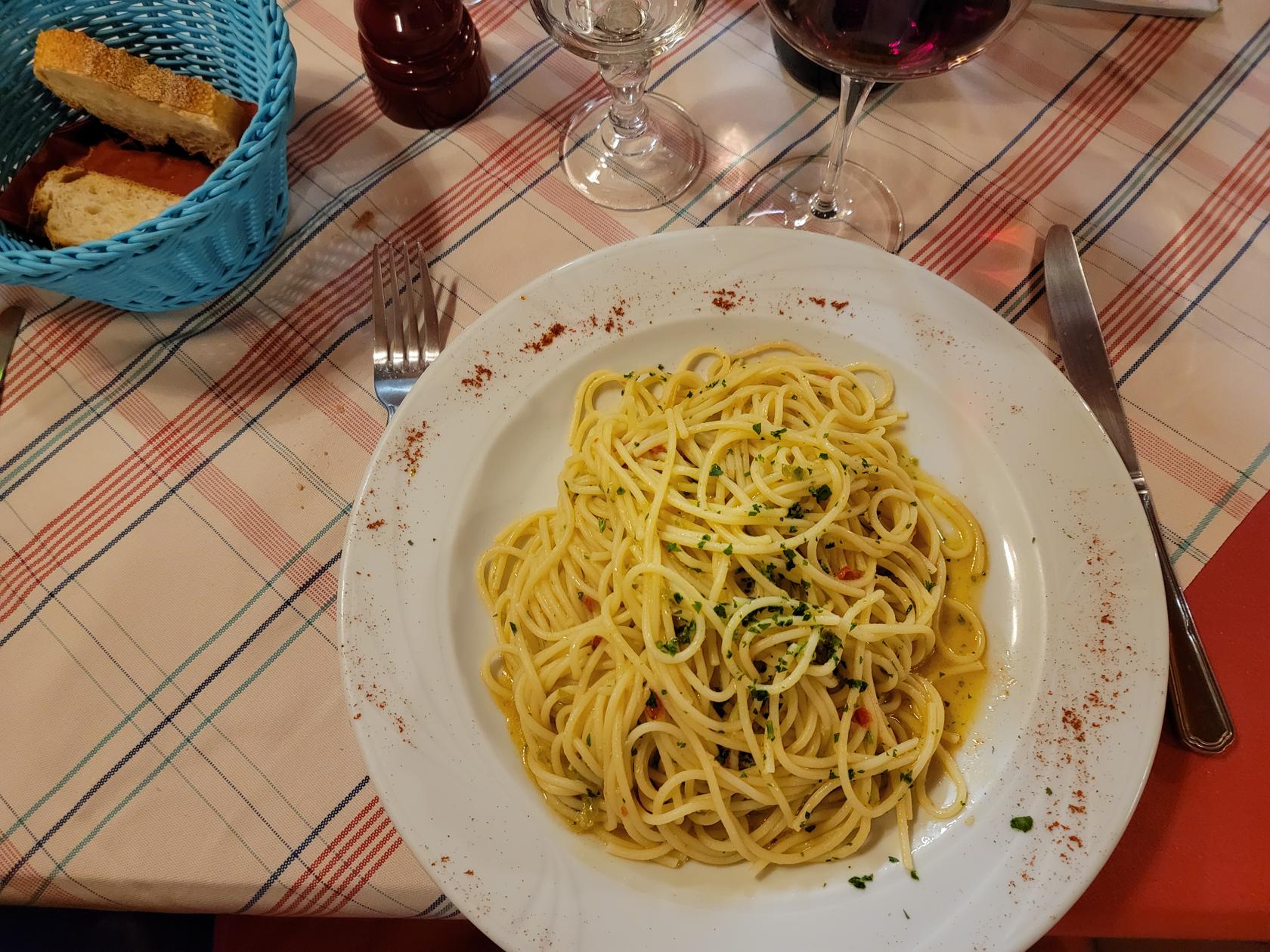
Spaghetti with garlic and oil- Ristorante Il Riccio – Luxemburg, Luxemburg
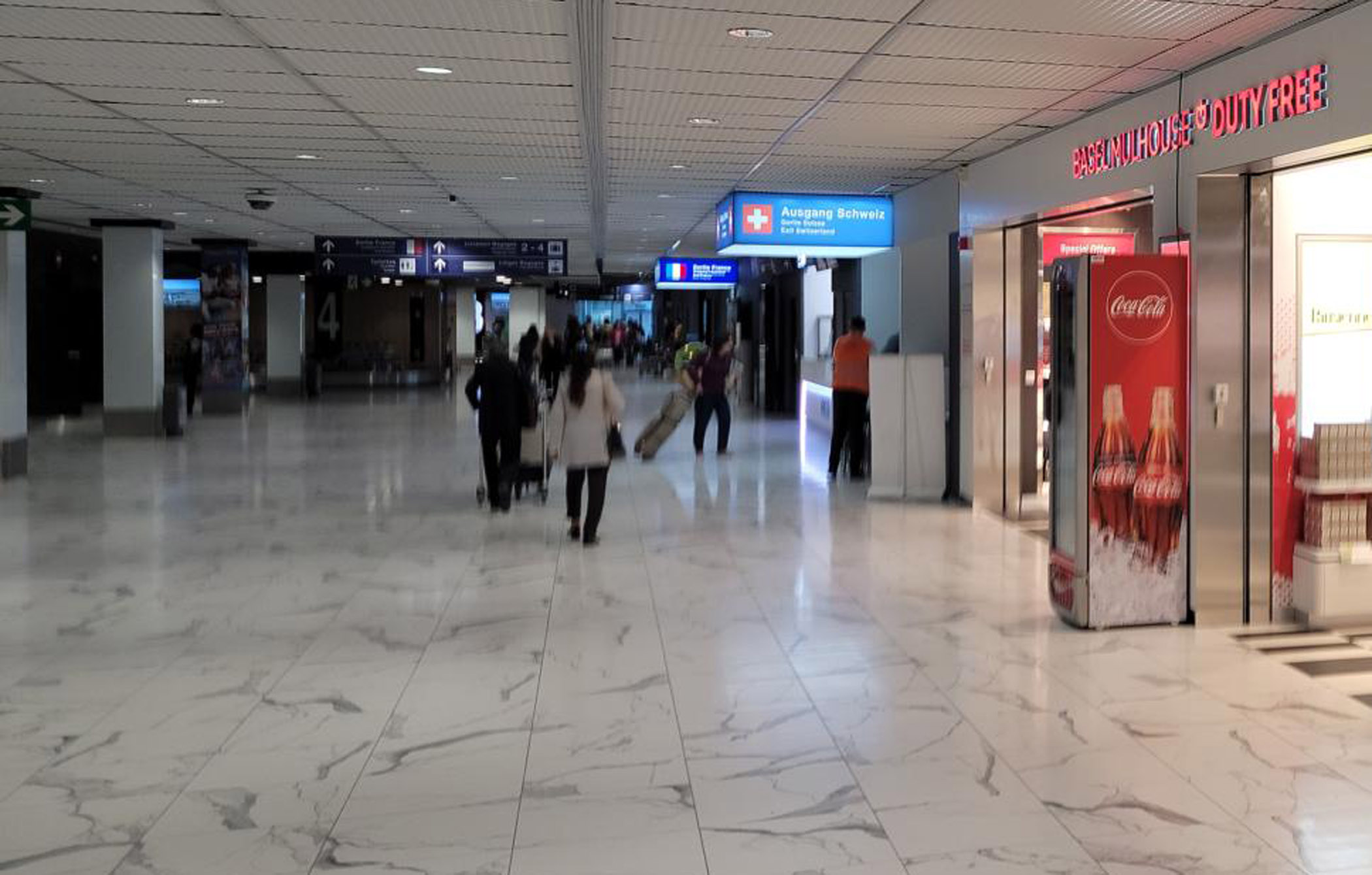
We arrived by plane from Catania, Sicily in France’s EuroAirport, also known as the Basel-Mulhouse-Friebourg airport. You arrive via the air and exit in any one of three countries, Switzerland, Germany or France.
Three exits at airport, Germany, Switzerland and France – Basel -Mulhouse-Freibourg Airport, France
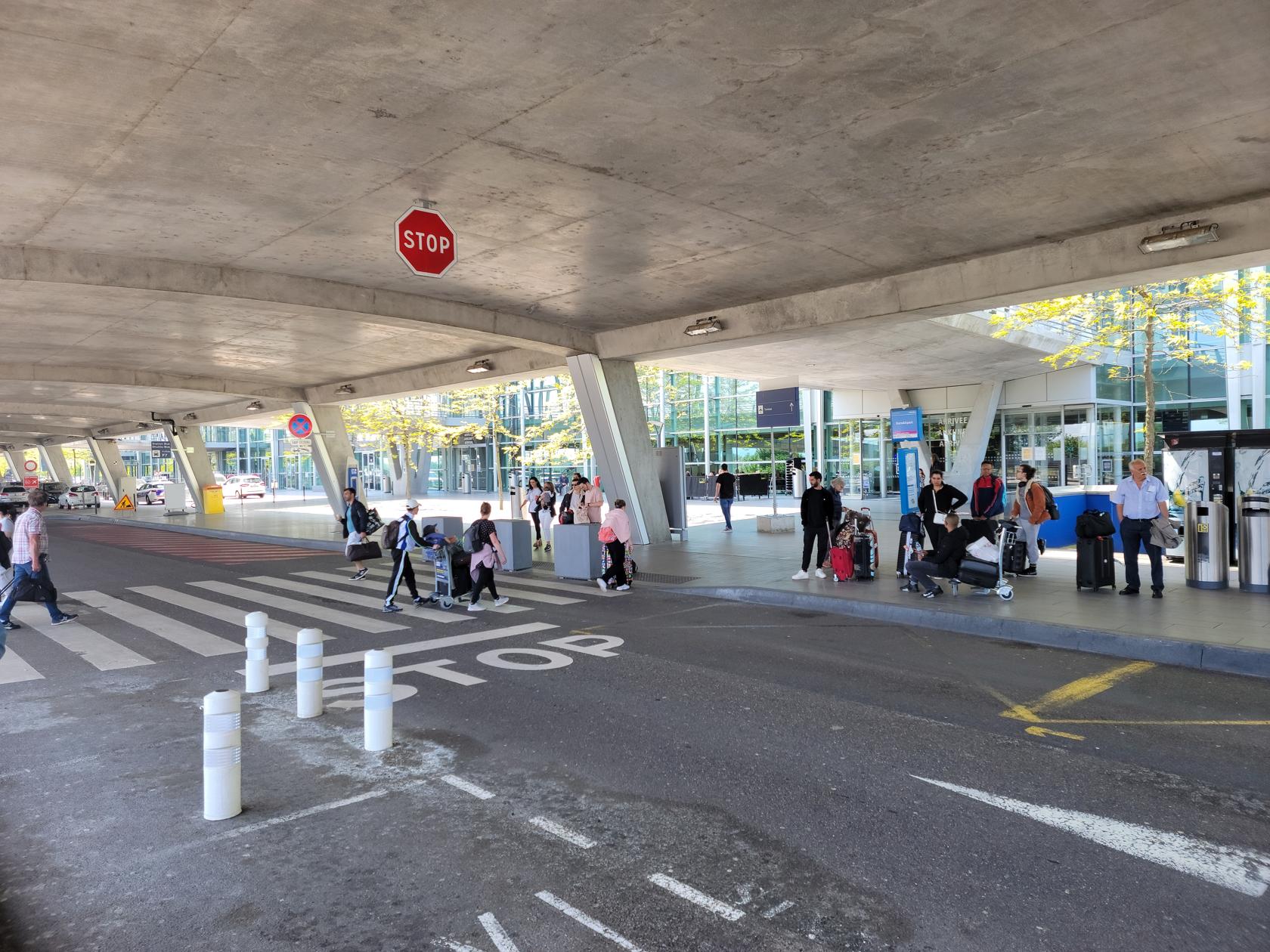
A word of caution though, exiting in France, you may find it difficult to get a taxi. We waited for a half an hour and ended up sharing a ride with a Frenchmen that explained to us that exiting via the France exit has the least amount of taxis. Of course, the airport has no information booth and you can’t of course change your mind once you are out.
French exit – Basel -Mulhouse-Freibourg Airport, France
The taxi drive was about five minutes and we were standing at the Saint-Louis la Chaussée train stop, having already purchased our tickets via phone. From there we went to Mulhouse and then on to Strasbourg, again using France’s regional train service, which you can essentially purchase any ticket in the future and still be able to use it for earlier trains.
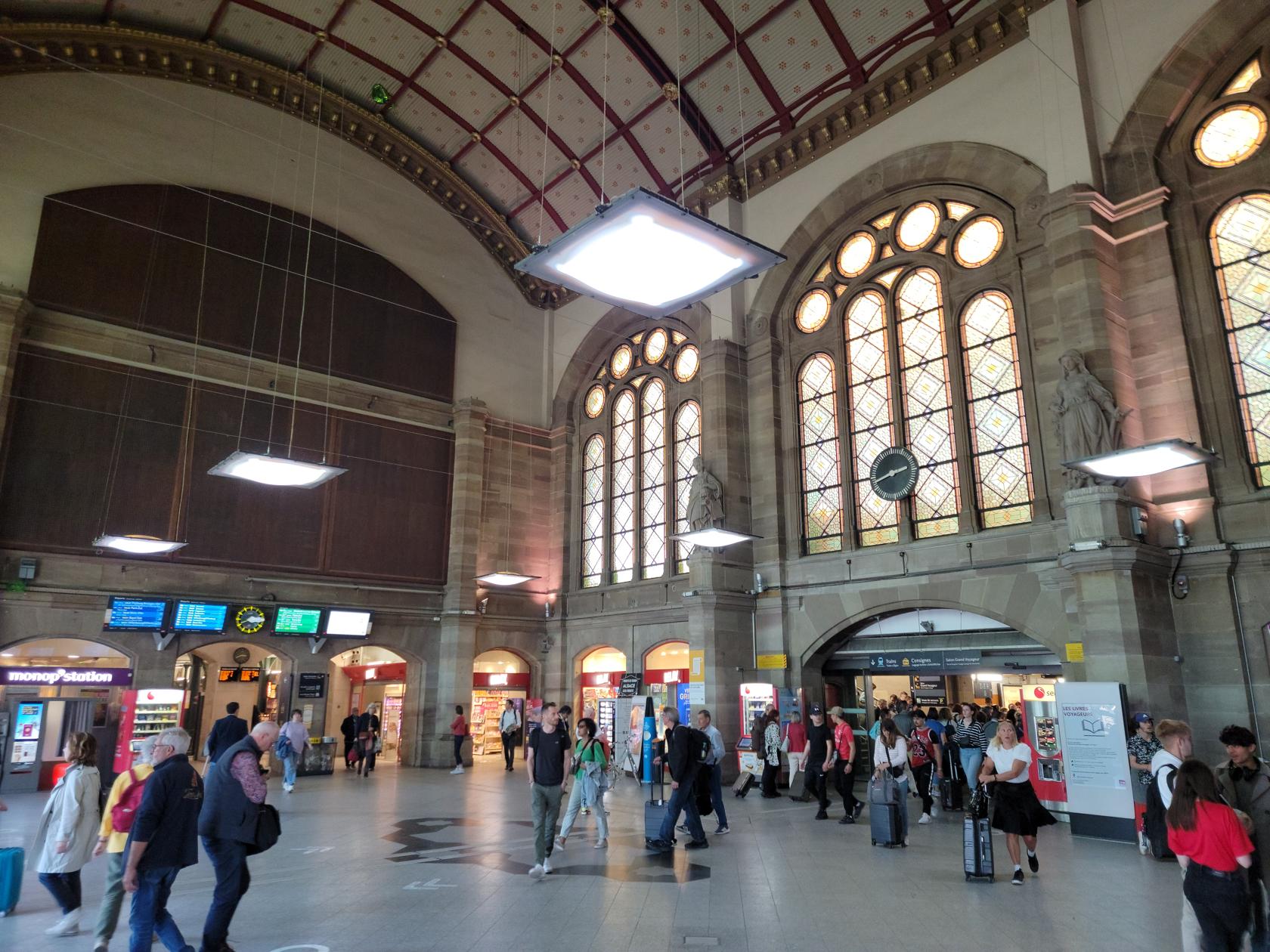
Main train station – Strasbourg, France
Argantorati
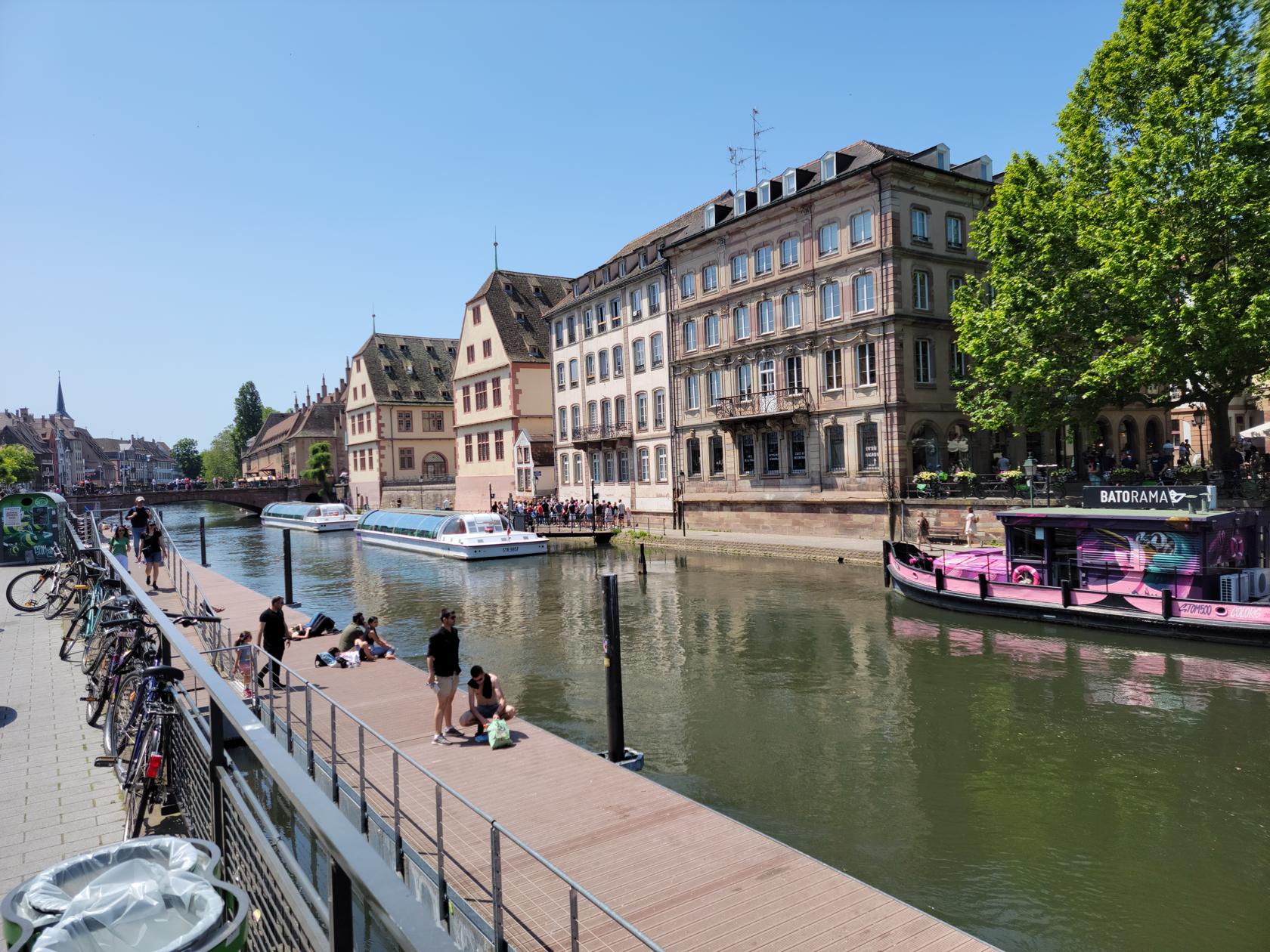
Just barely in France on the border with Germany is the small quaint city of Straßburg, or Strasbourg to the French, and it actually goes by other names to some of the ethnic minorities. The name has German origins and meaning as ‘the town at the crossing of roads‘. It is also the place where the river Ill dumps into the mighty Rhine river.
Notre Dame de Strasbourg – Strasbourg, France
The original settlement here before the fifth century CE, was known as the fortified silver settlement, a compound of the Celtic arganto for silver and rati for fortification. It was later latinized into Argentium and Argentina, or city of silver, where it is known in numerous texts. What follows is a slideshow of some of the many amazing sites you will see as you walk the city.
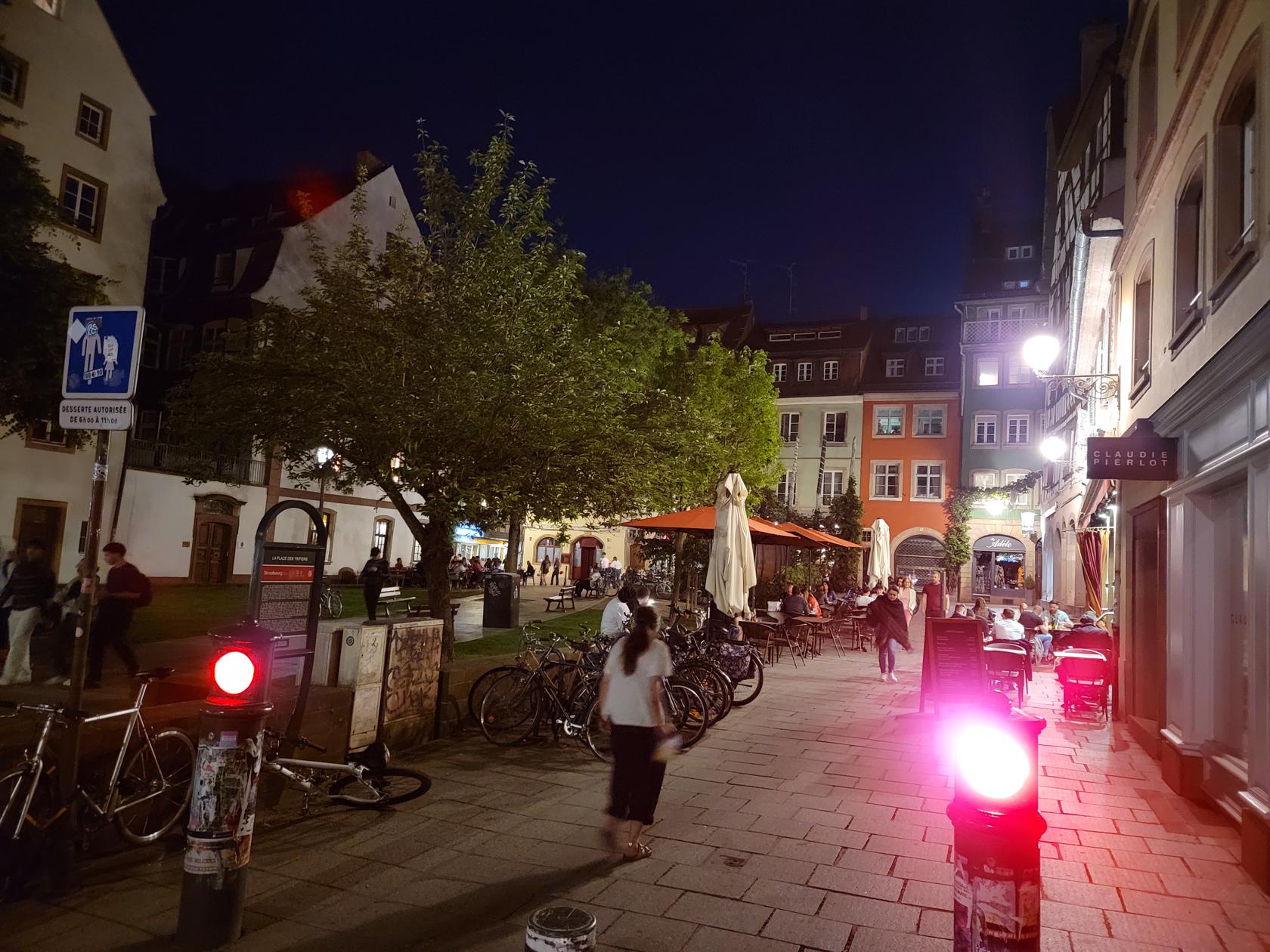
Restaurants in the evening – Strasbourg, France
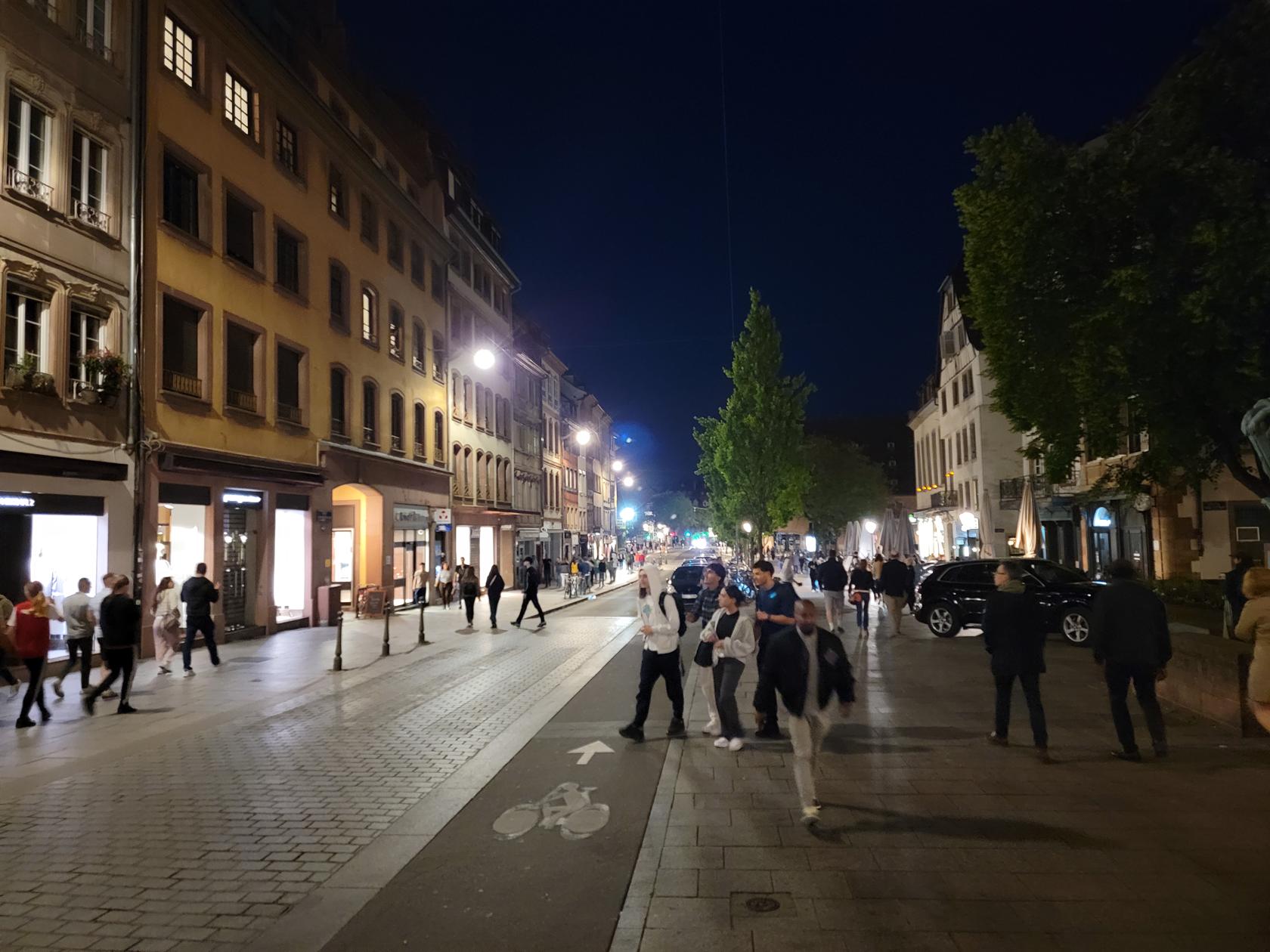
An evening walk – Strasbourg, France
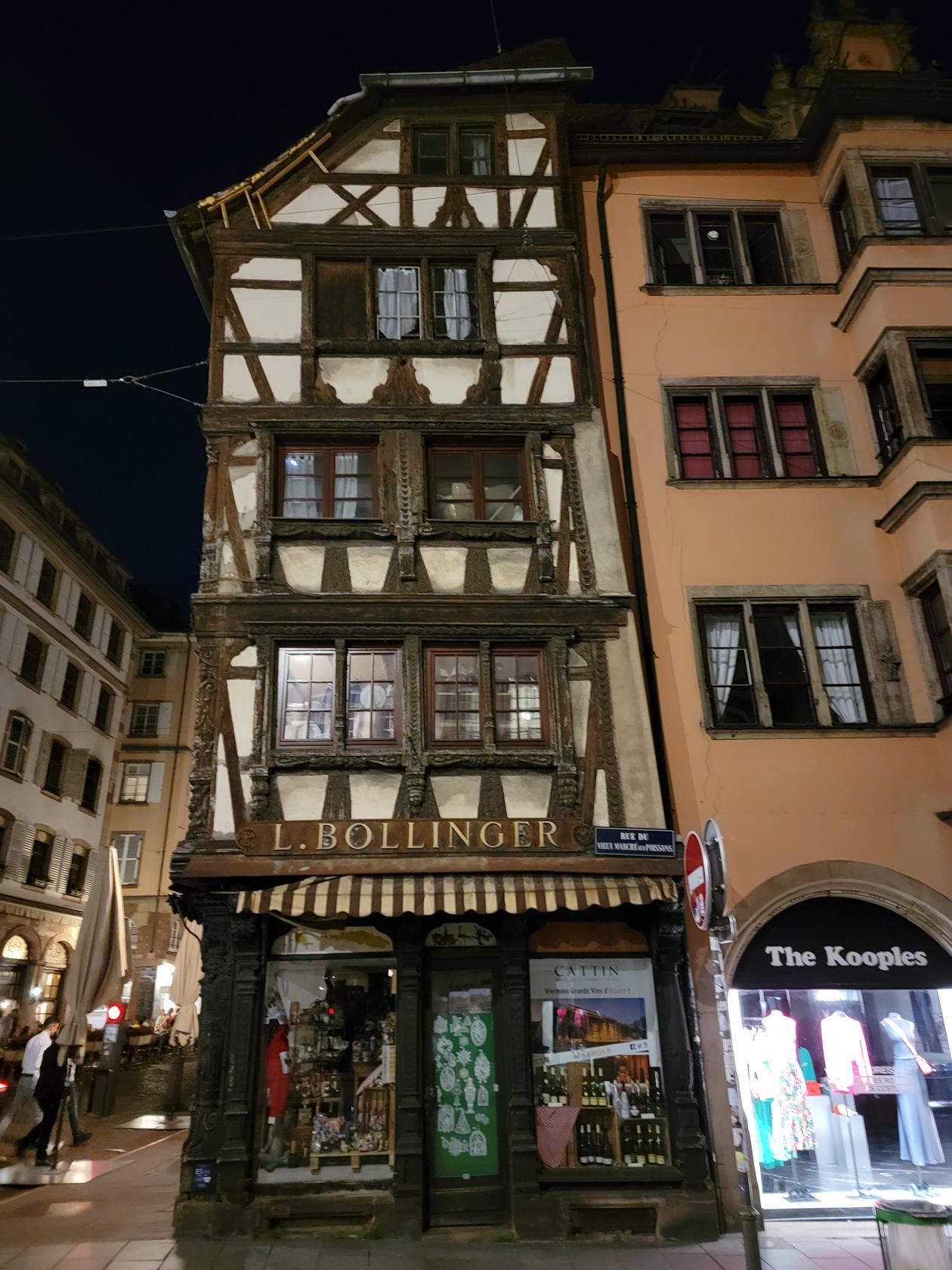
The old Bollinger House – Strasbourg, France
The river Ill from outside the hotel – Hotel Cour Du Corbeau – Strasbourg, France
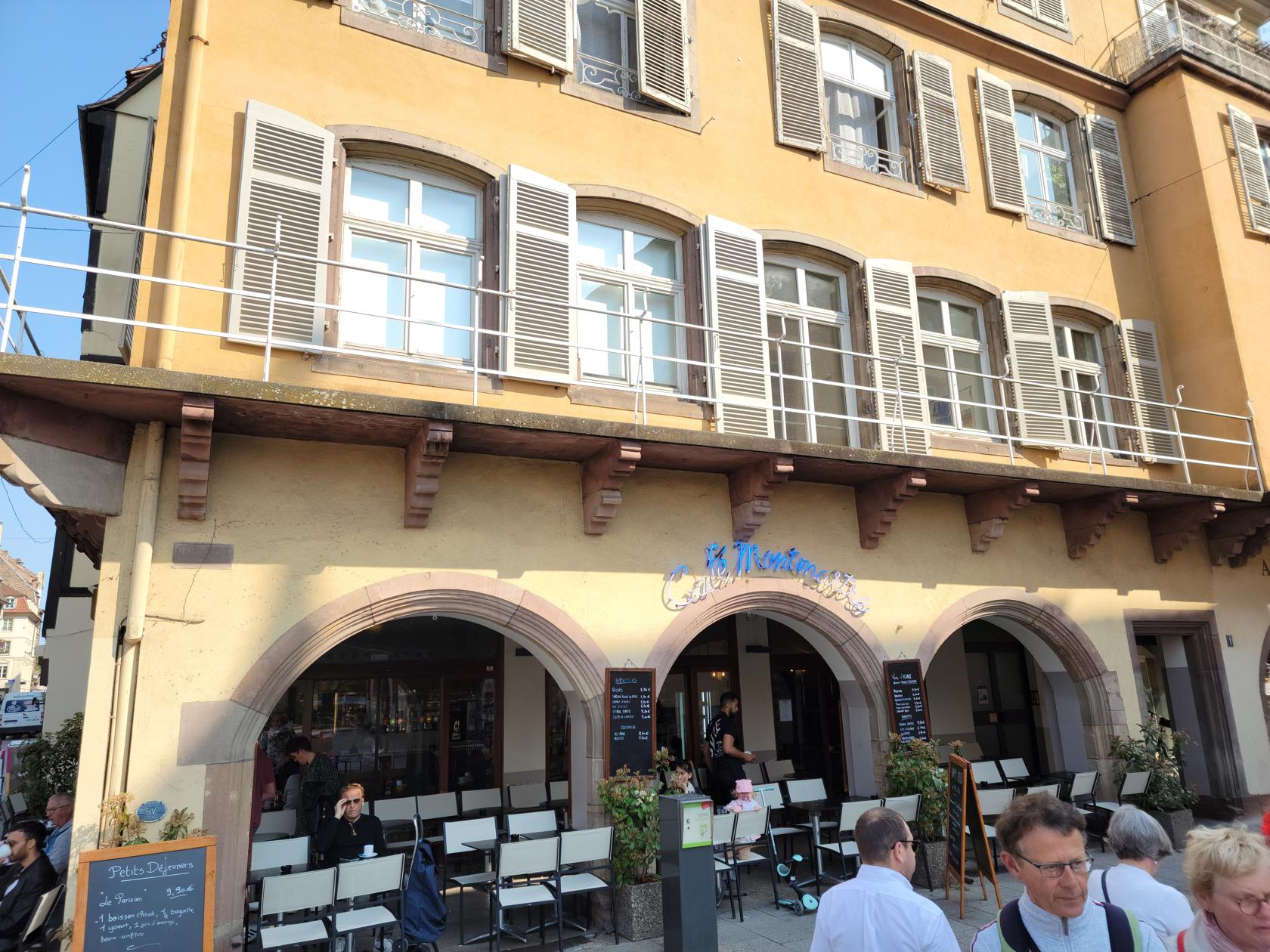
Cafe Mont Martre – Strasbourg, France
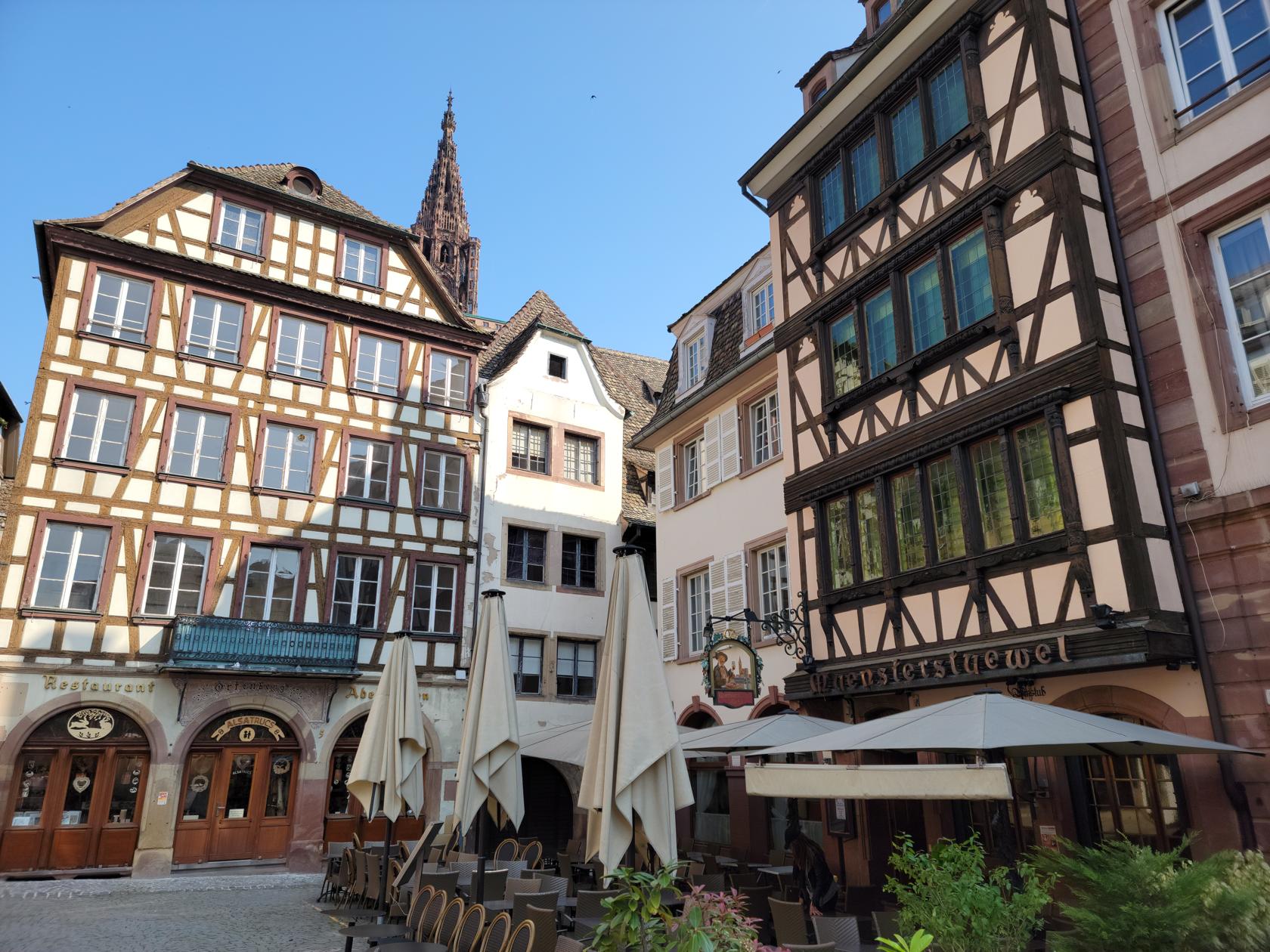
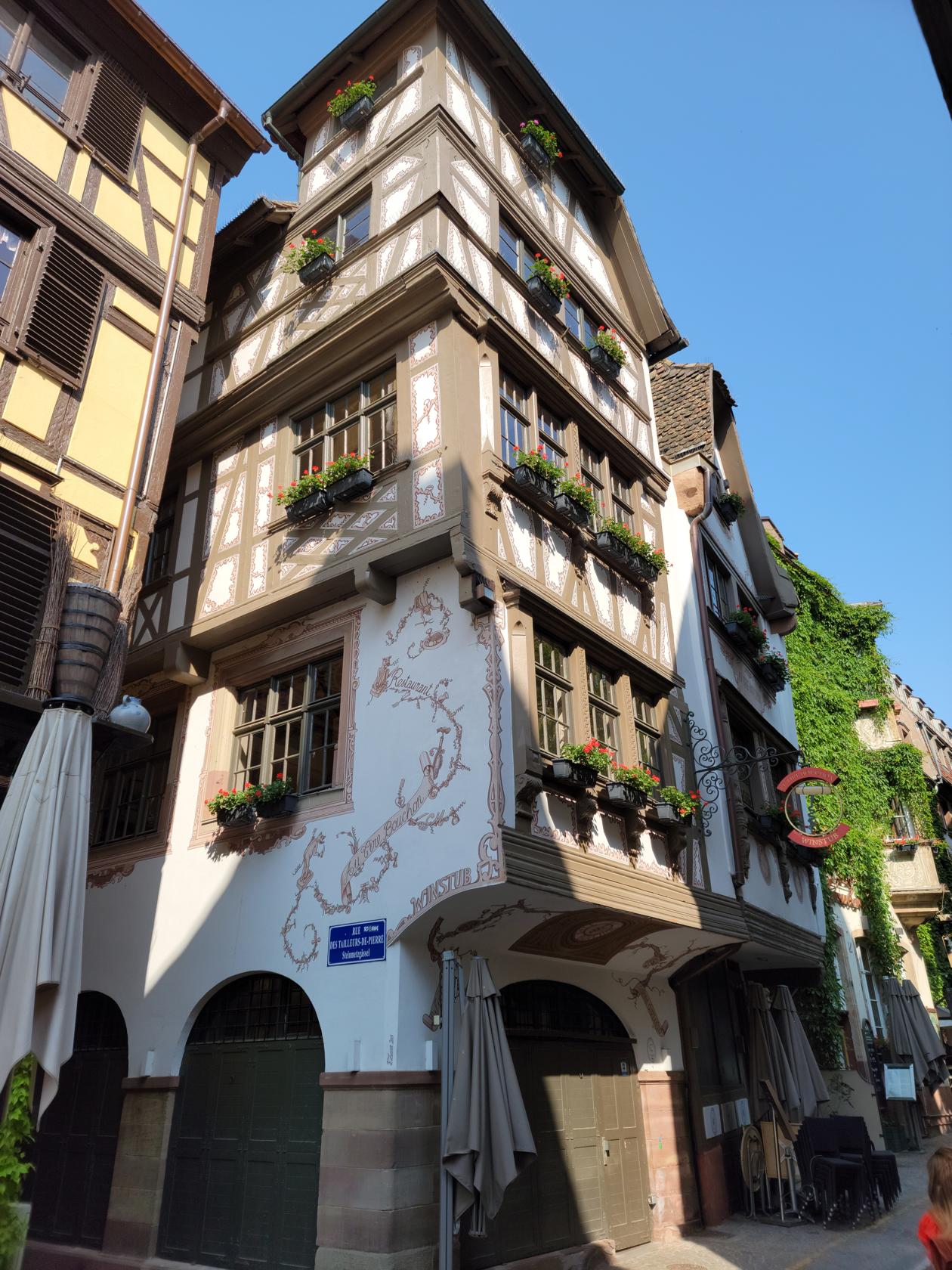
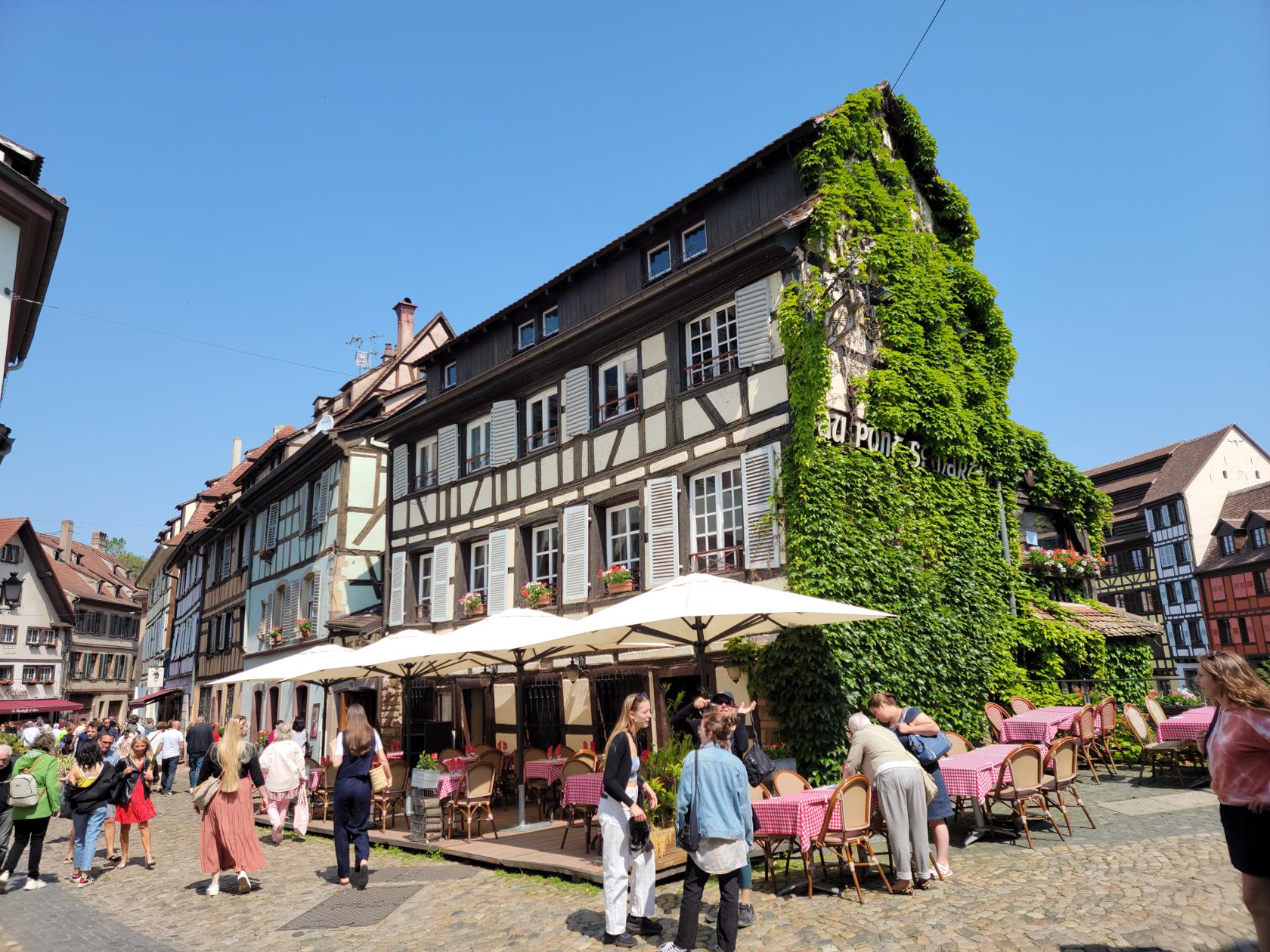
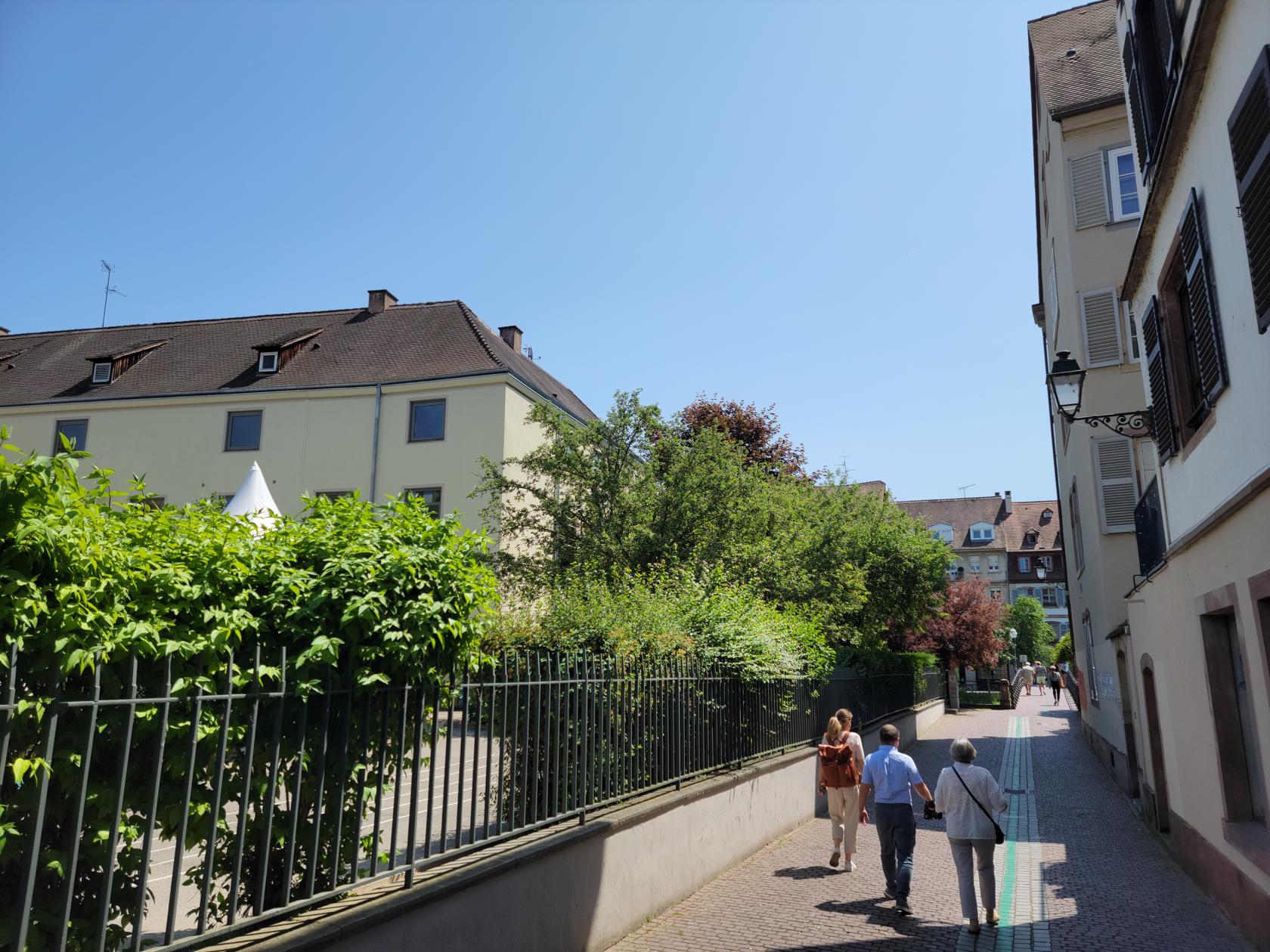
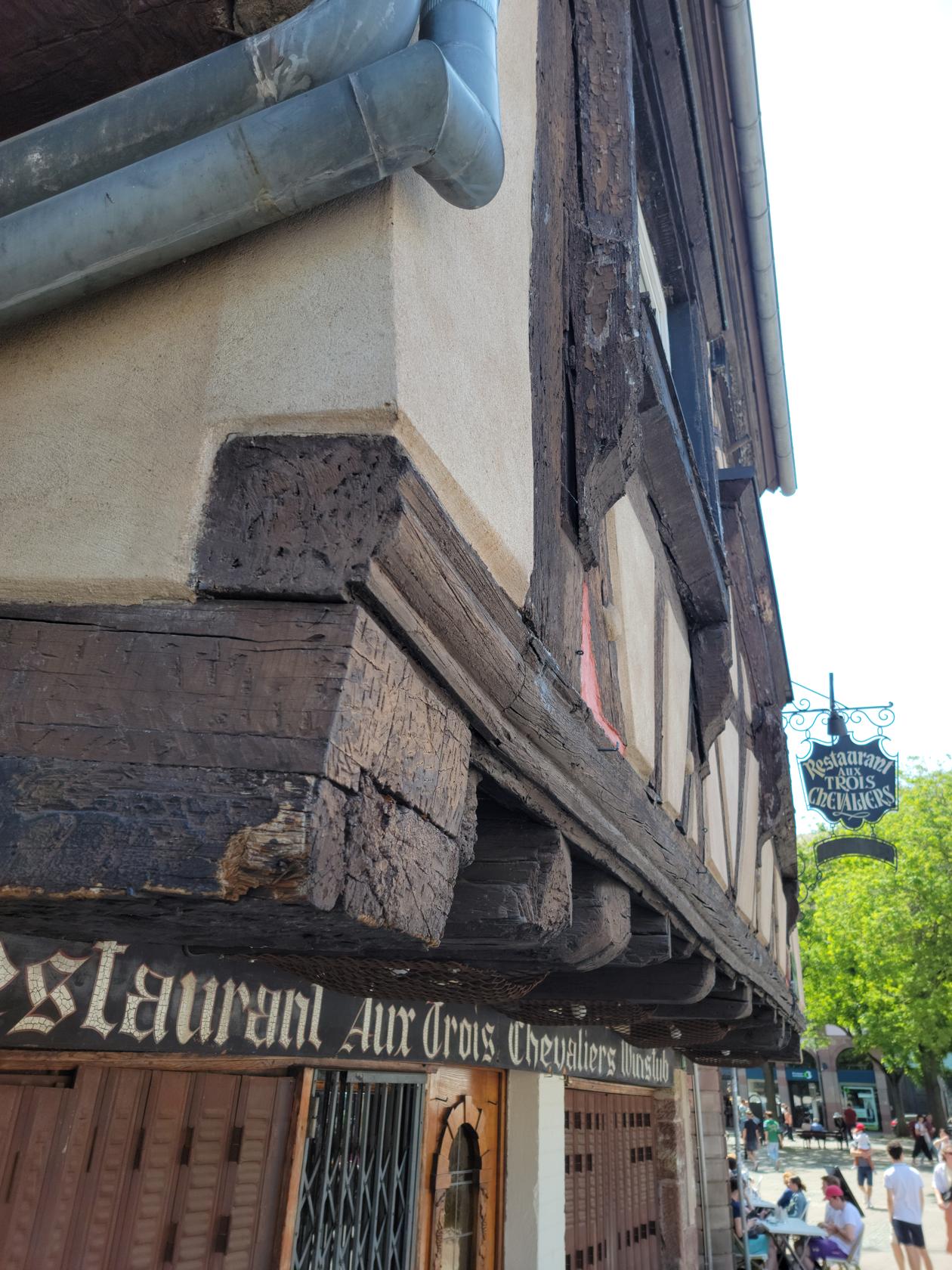
Old wooden framed houses – Strasbourg, France
Old business signs – Strasbourg, France
Another unique wooden framed house – Strasbourg, France
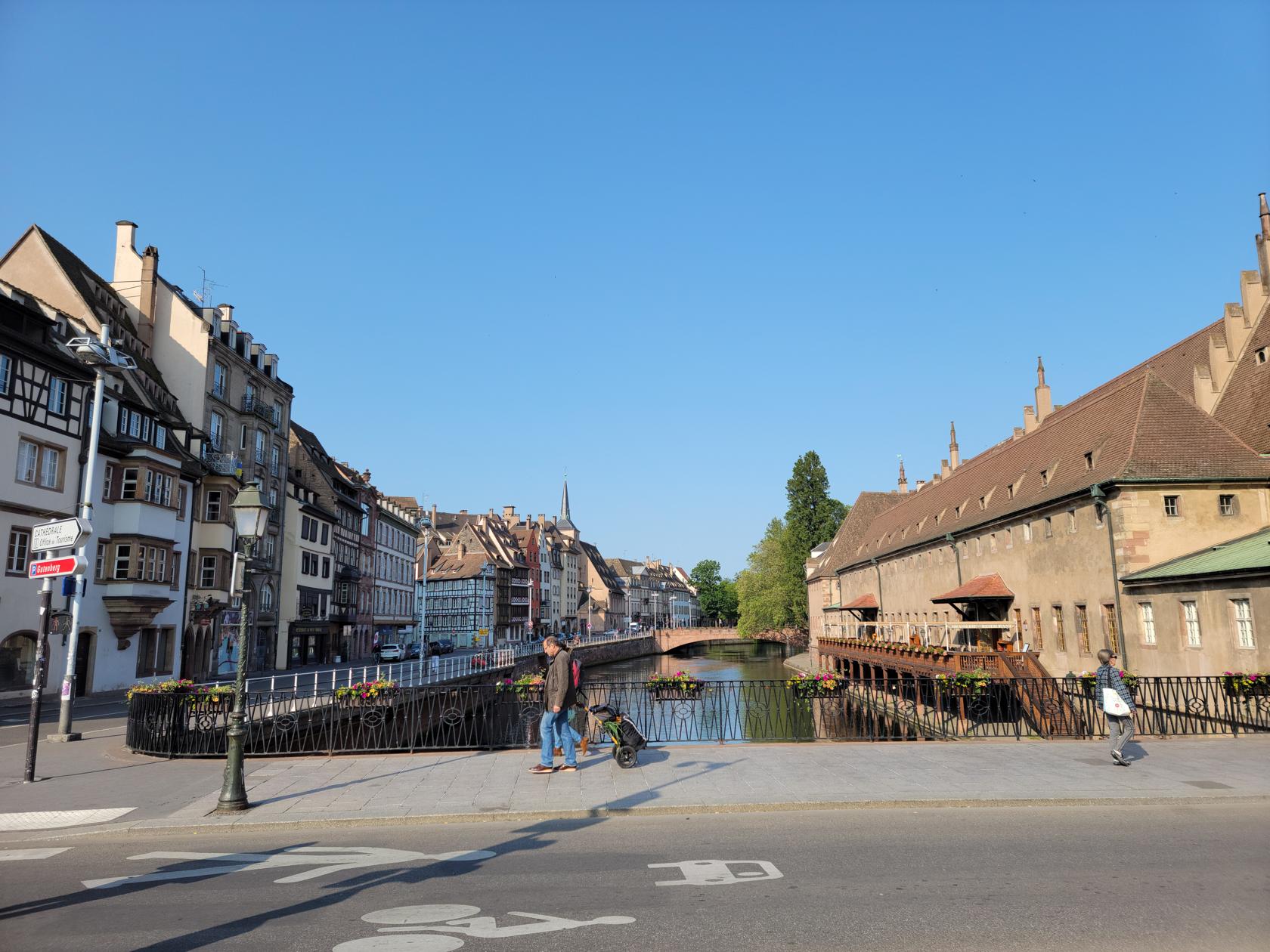
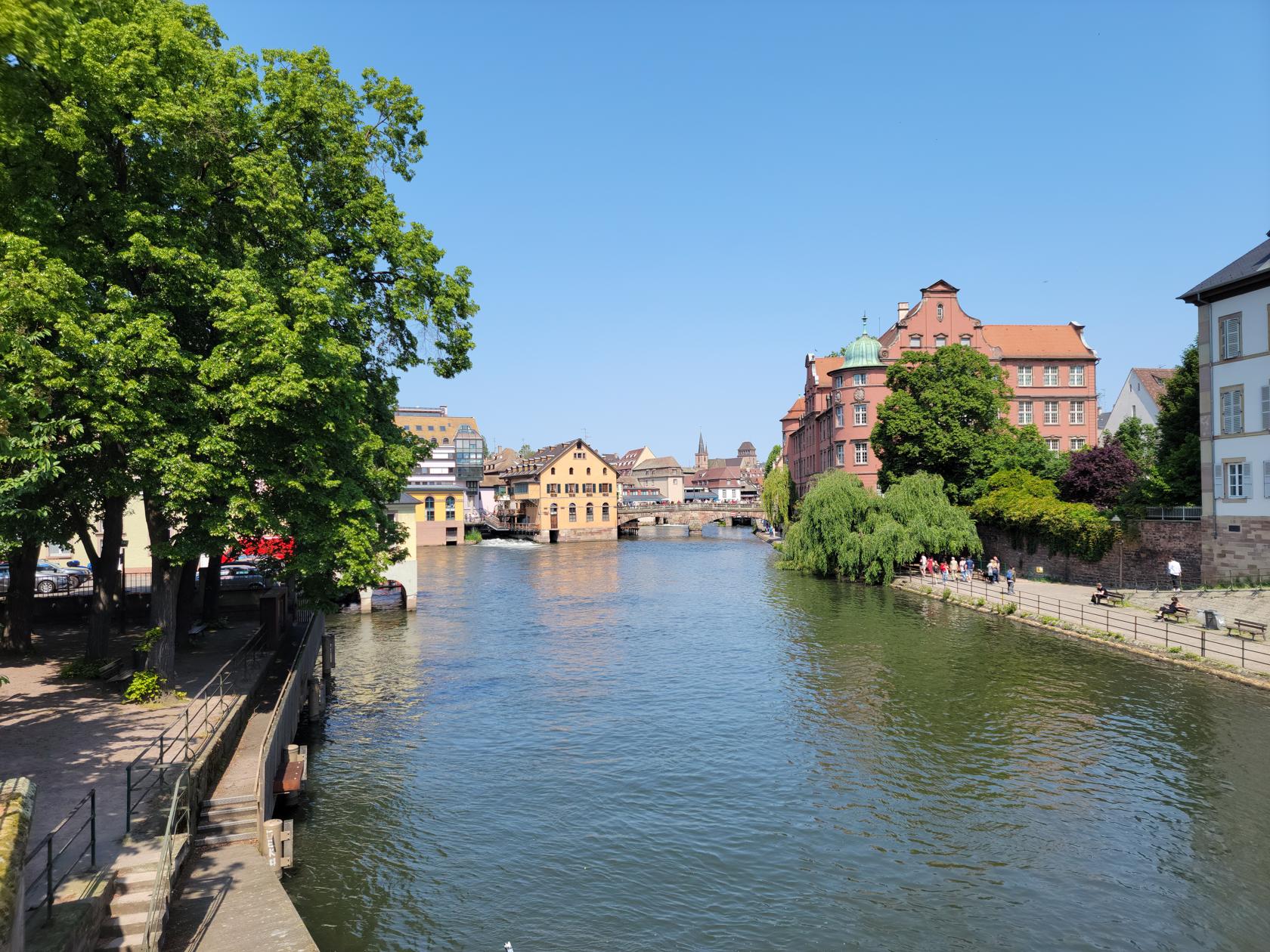
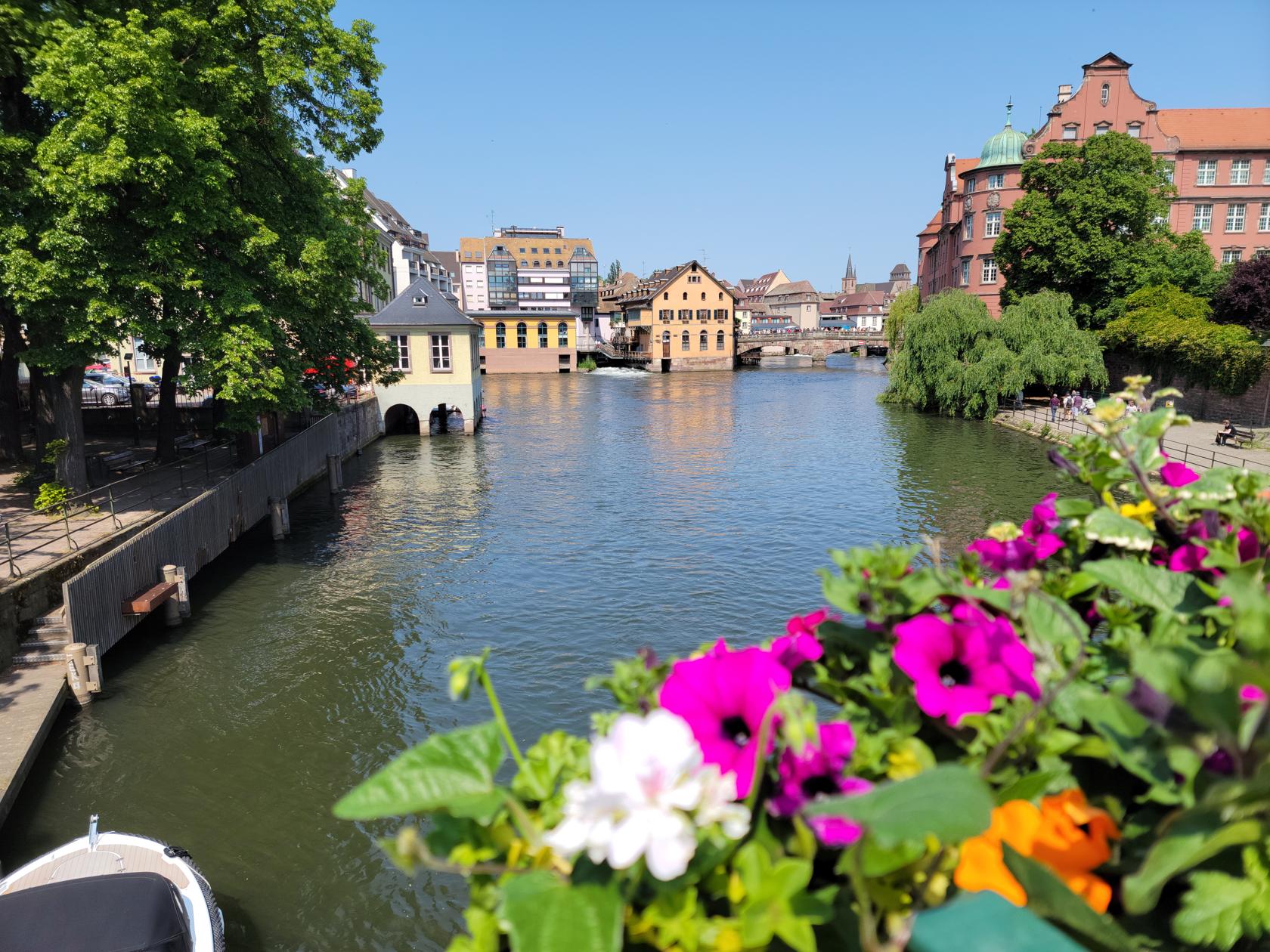
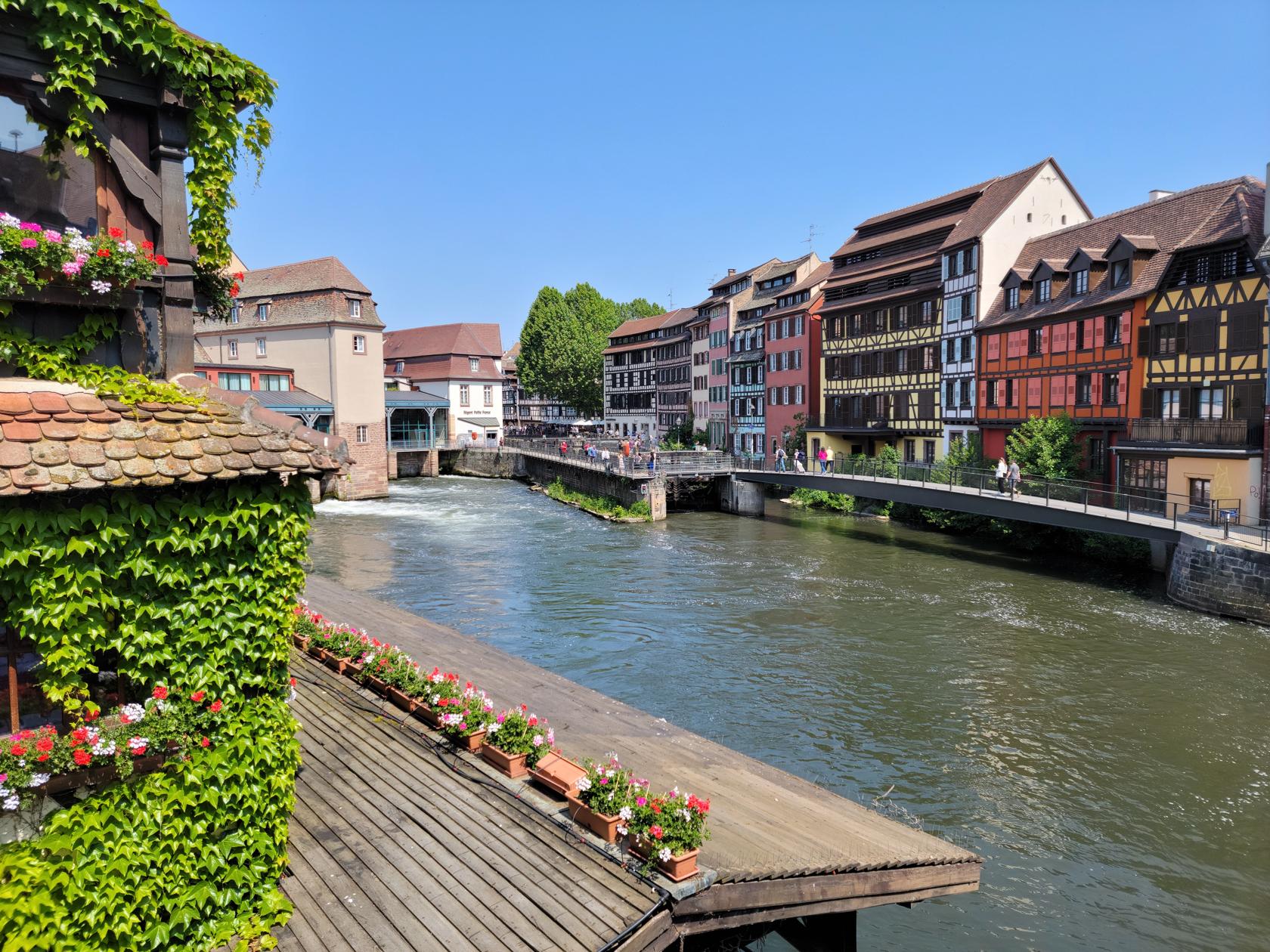
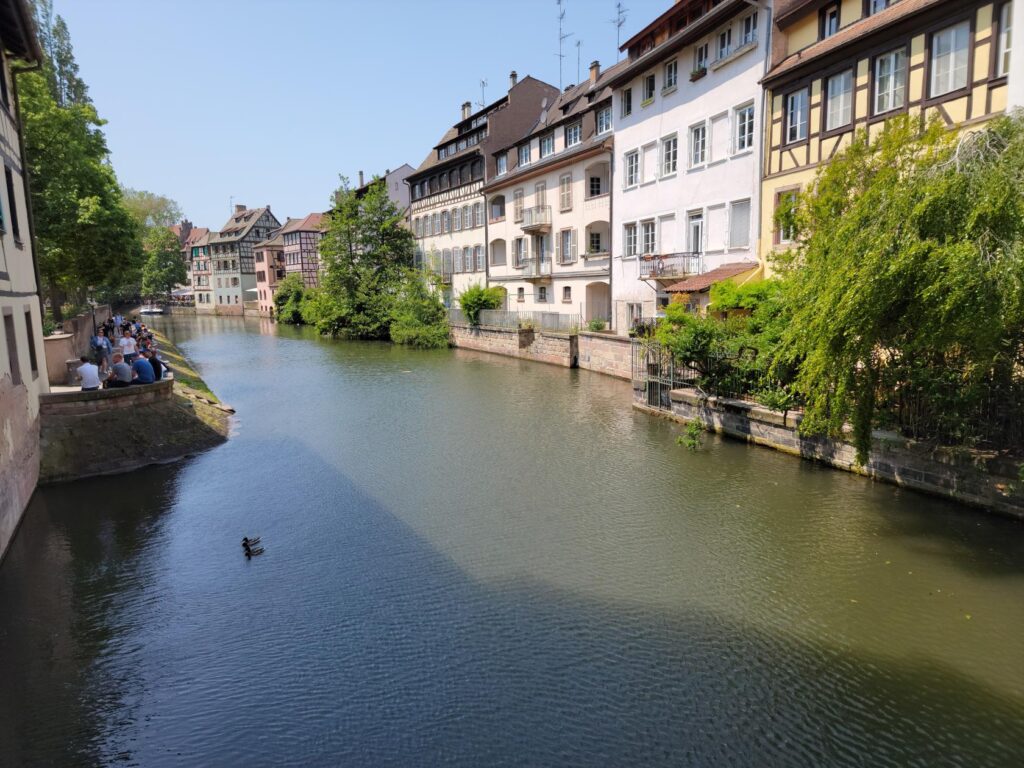
A beautiful day from Pont Saint-Thomas – Strasbourg, France
A beautiful day from Pont Saint-Thomas – Strasbourg, France
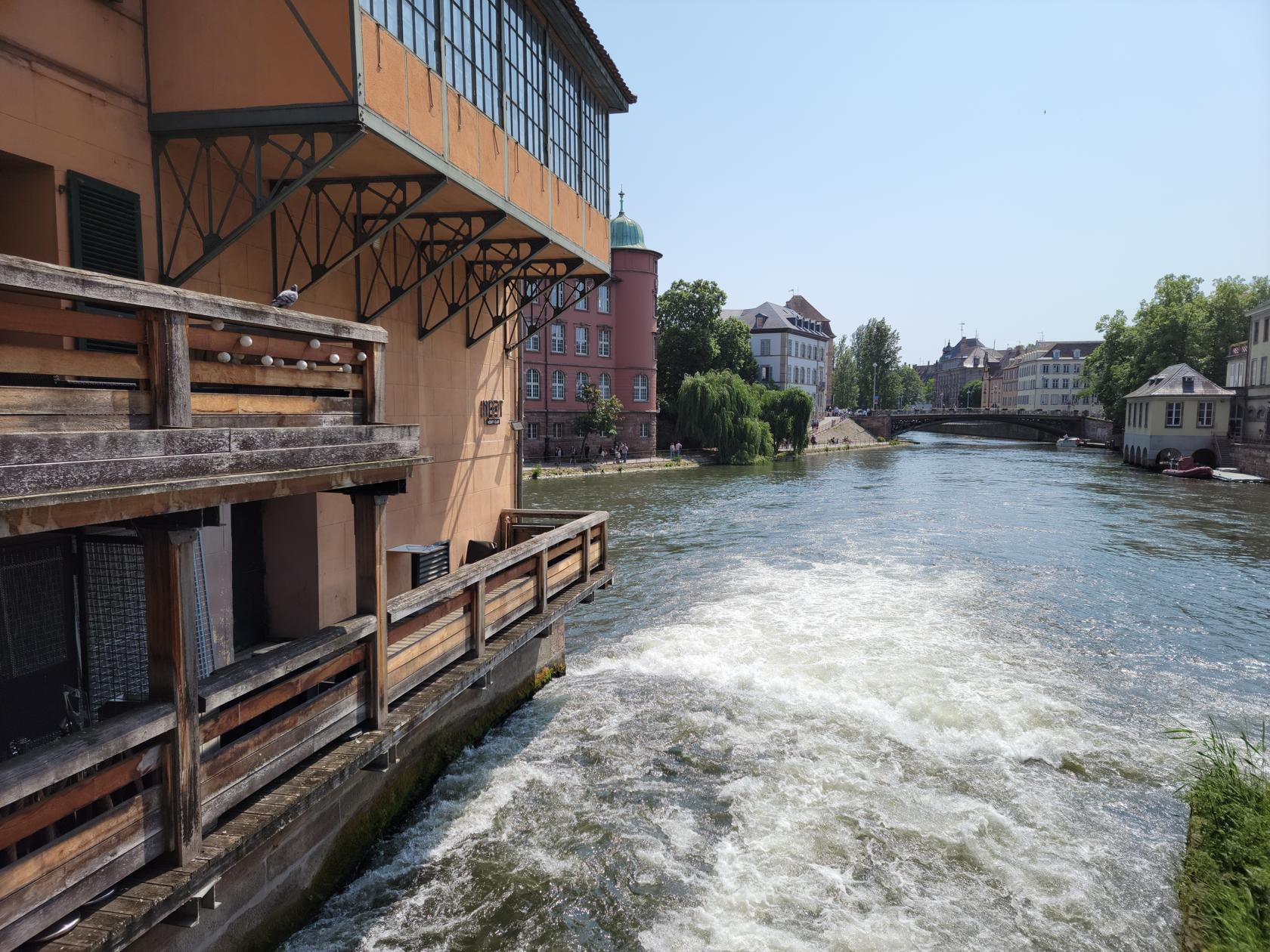
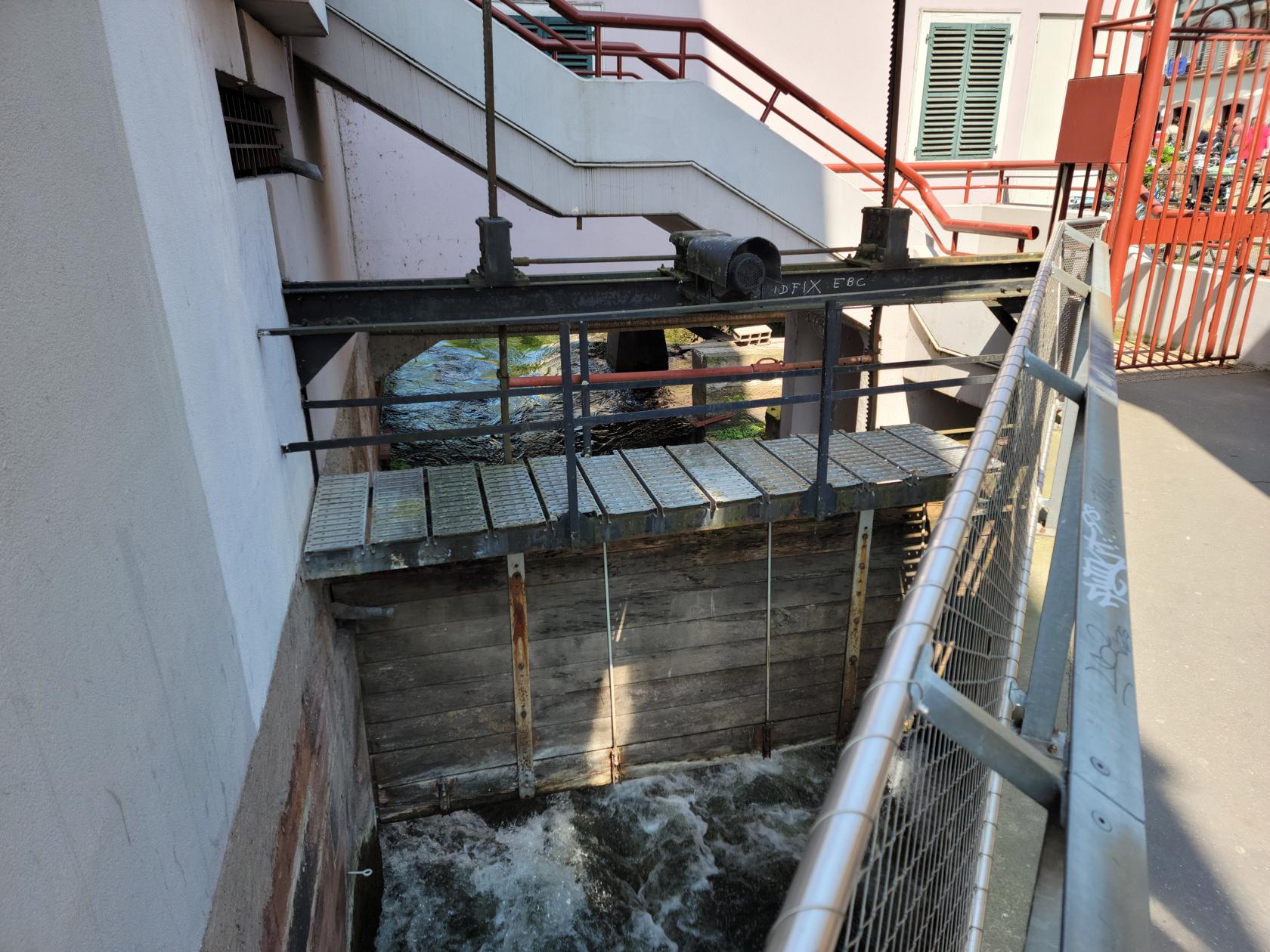
One of the dam overflows – Strasbourg, France
A dam – Strasbourg, France
A beautiful restaurant – Strasbourg, France
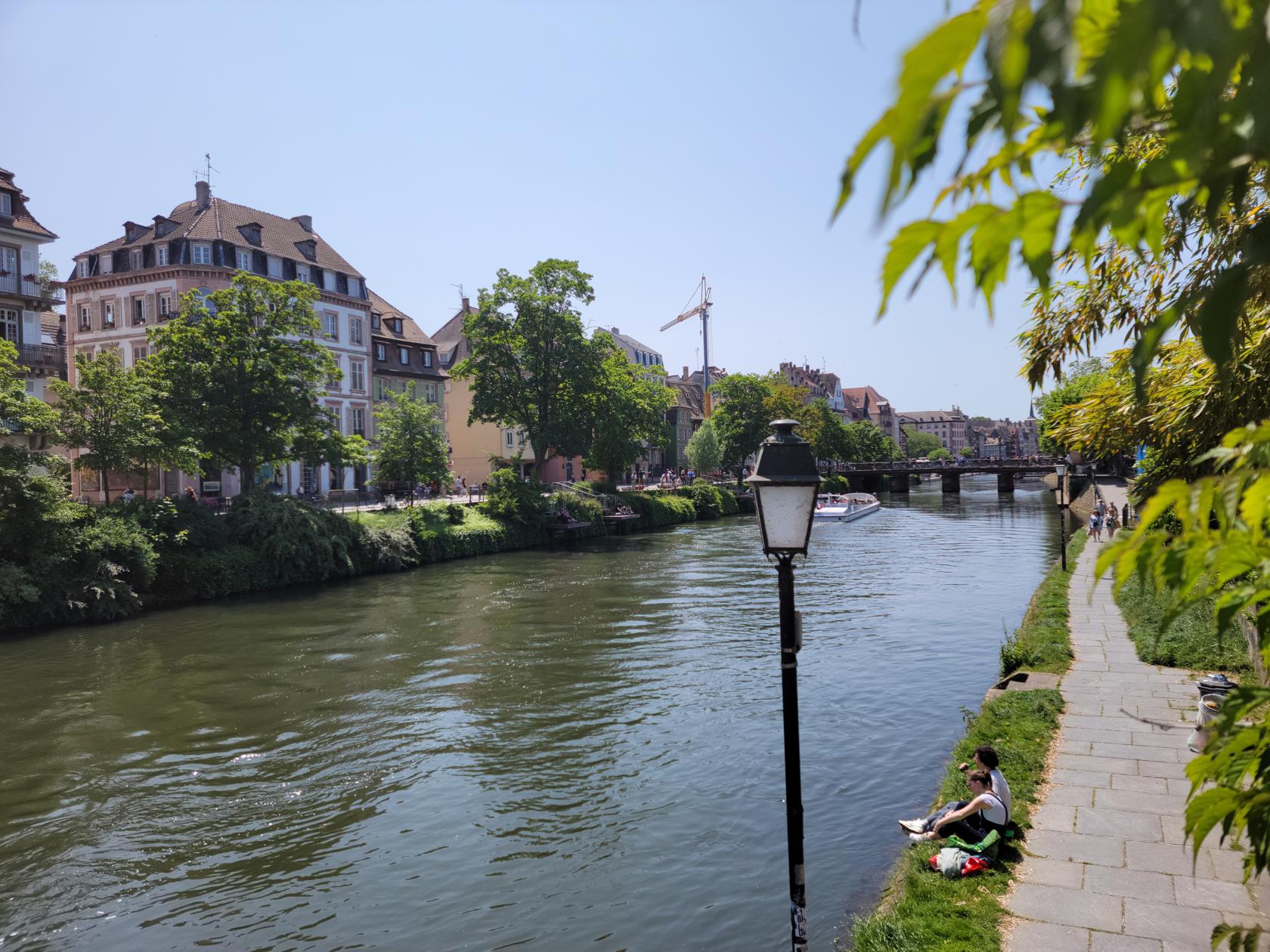
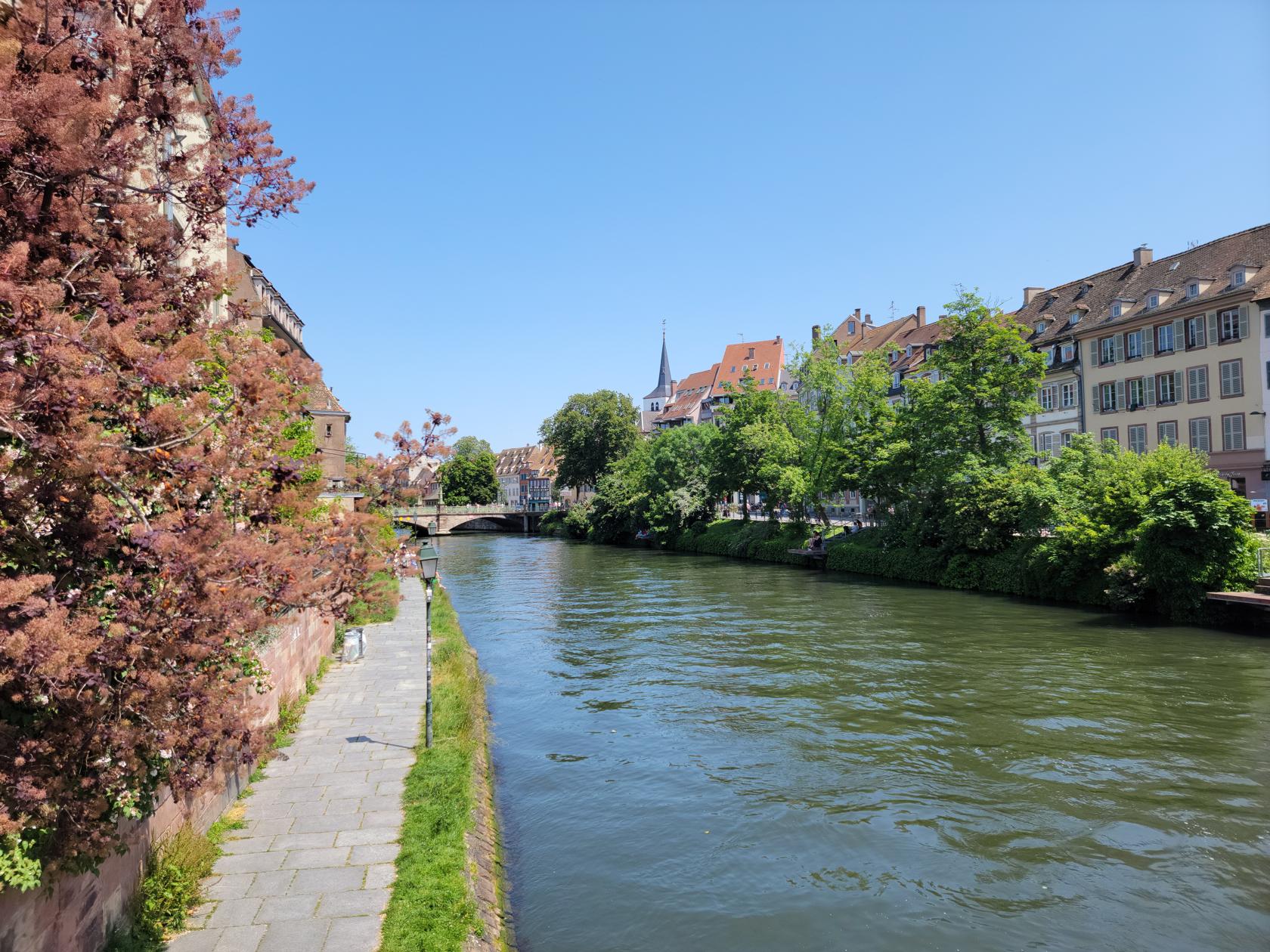
The river Ill – Strasbourg, France
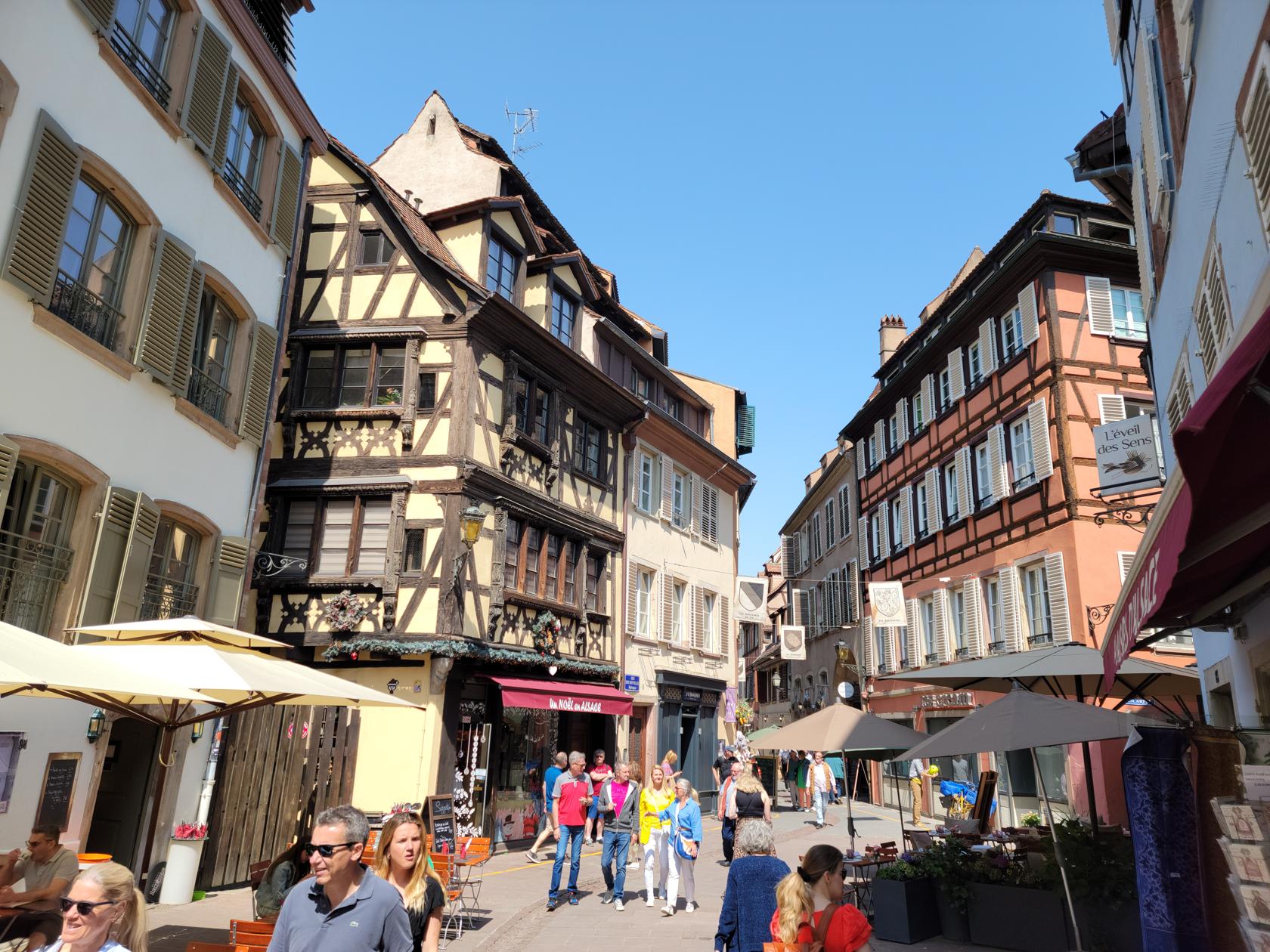
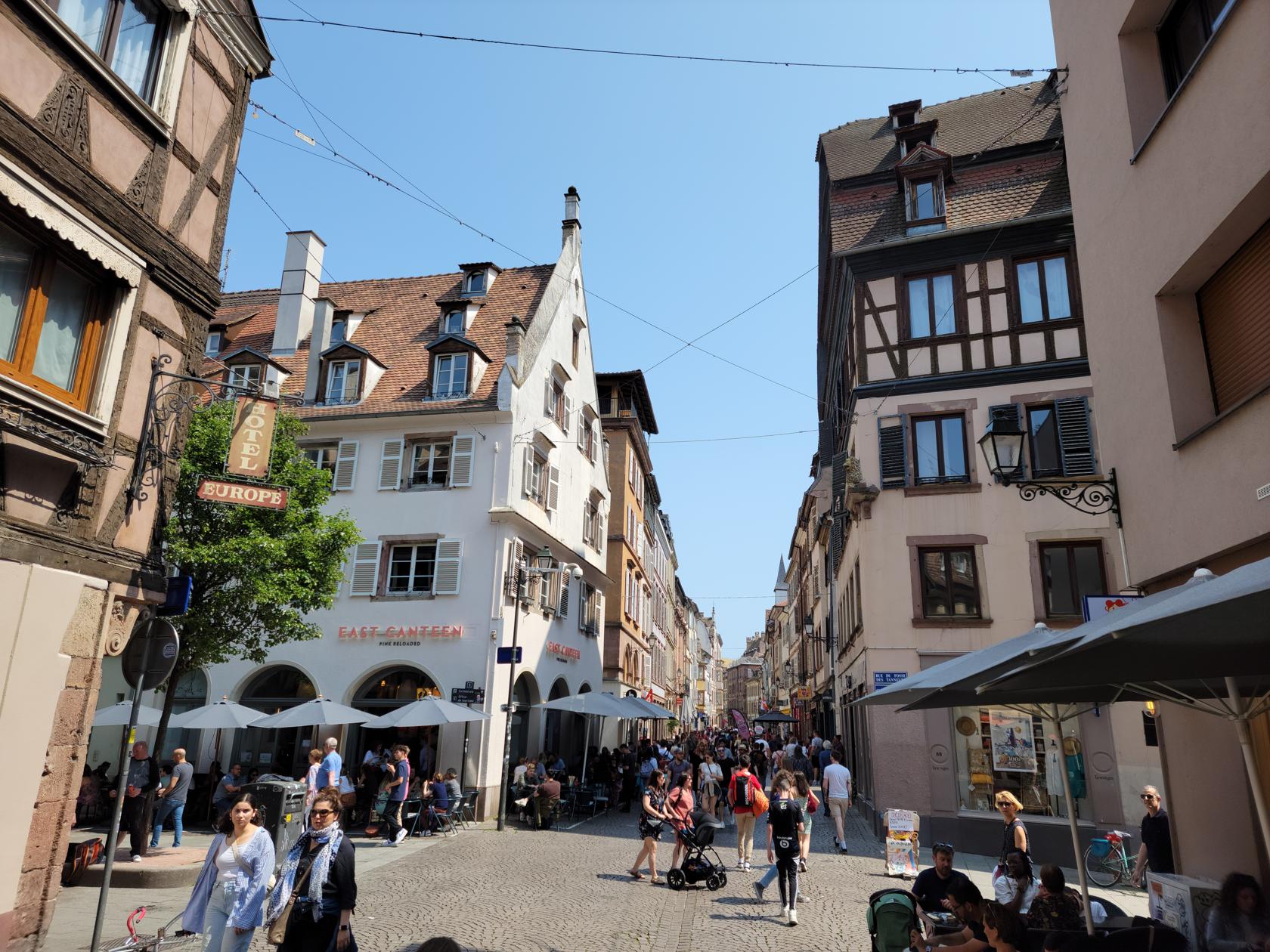
Walking the streets – Strasbourg, France
Town center – Strasbourg, France
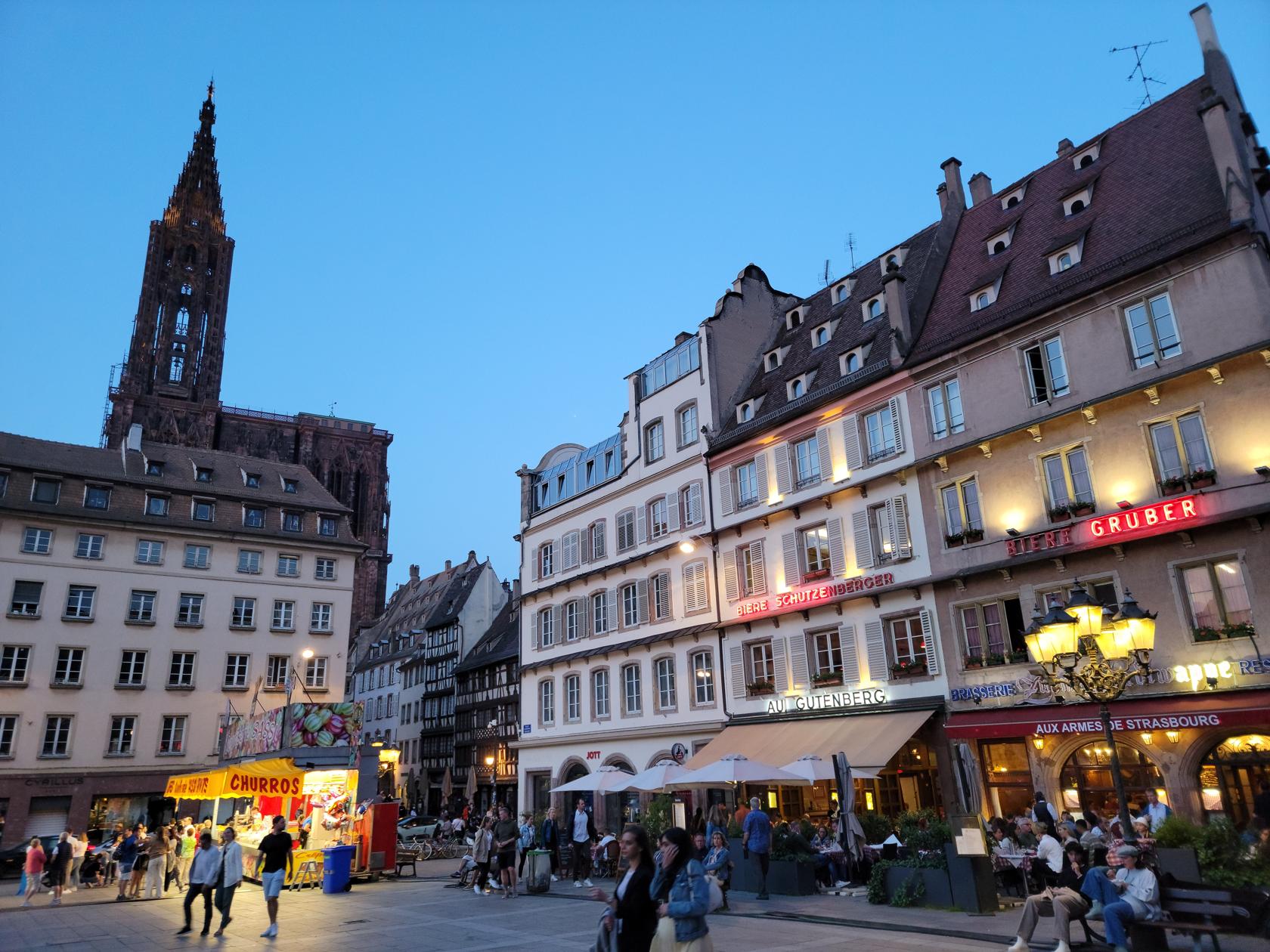
Place de Gutenberg – Strasbourg, France
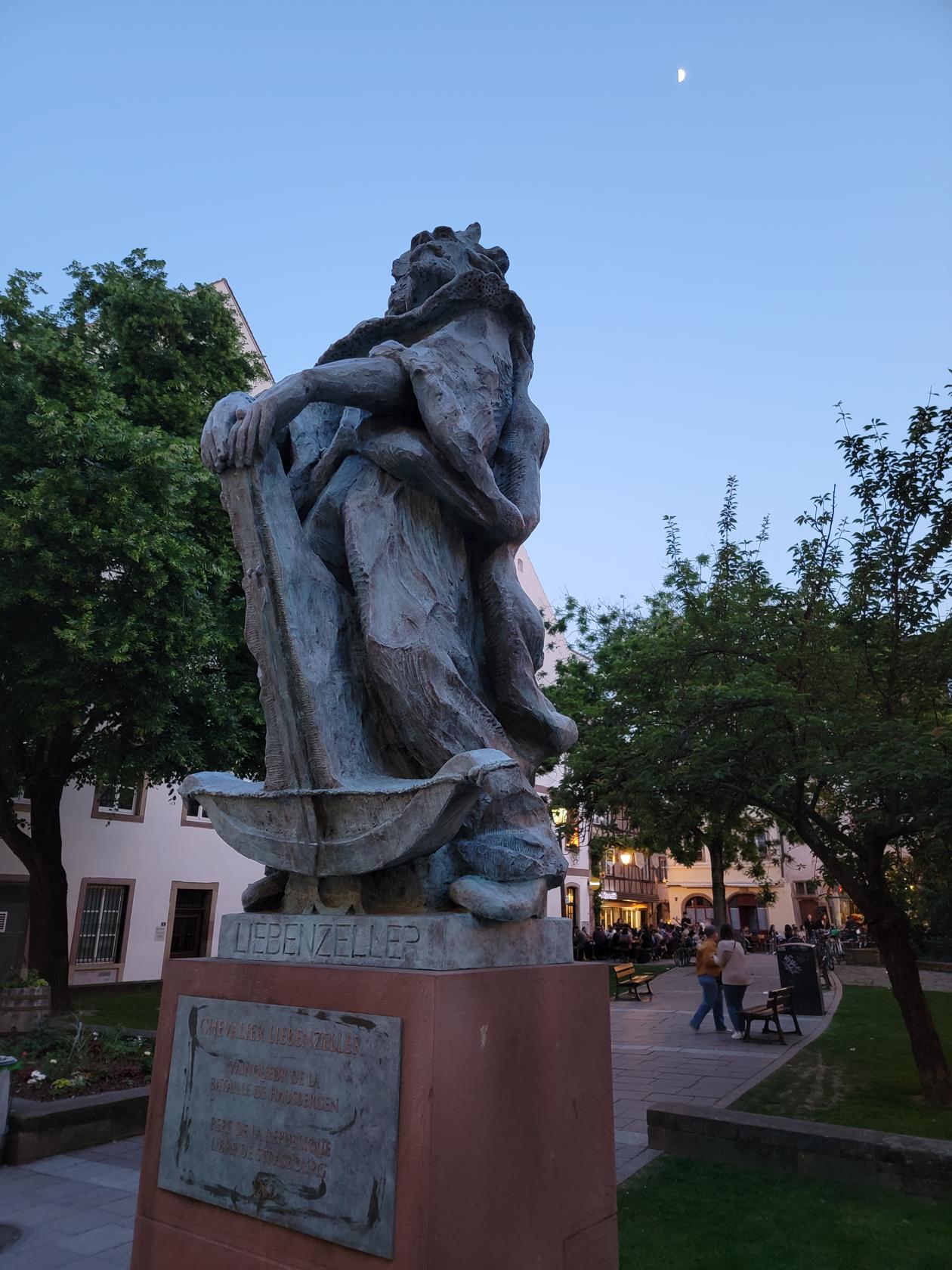
The Liebenzeller memorial – Strasbourg, France
Bierstube – Strasbourg, France
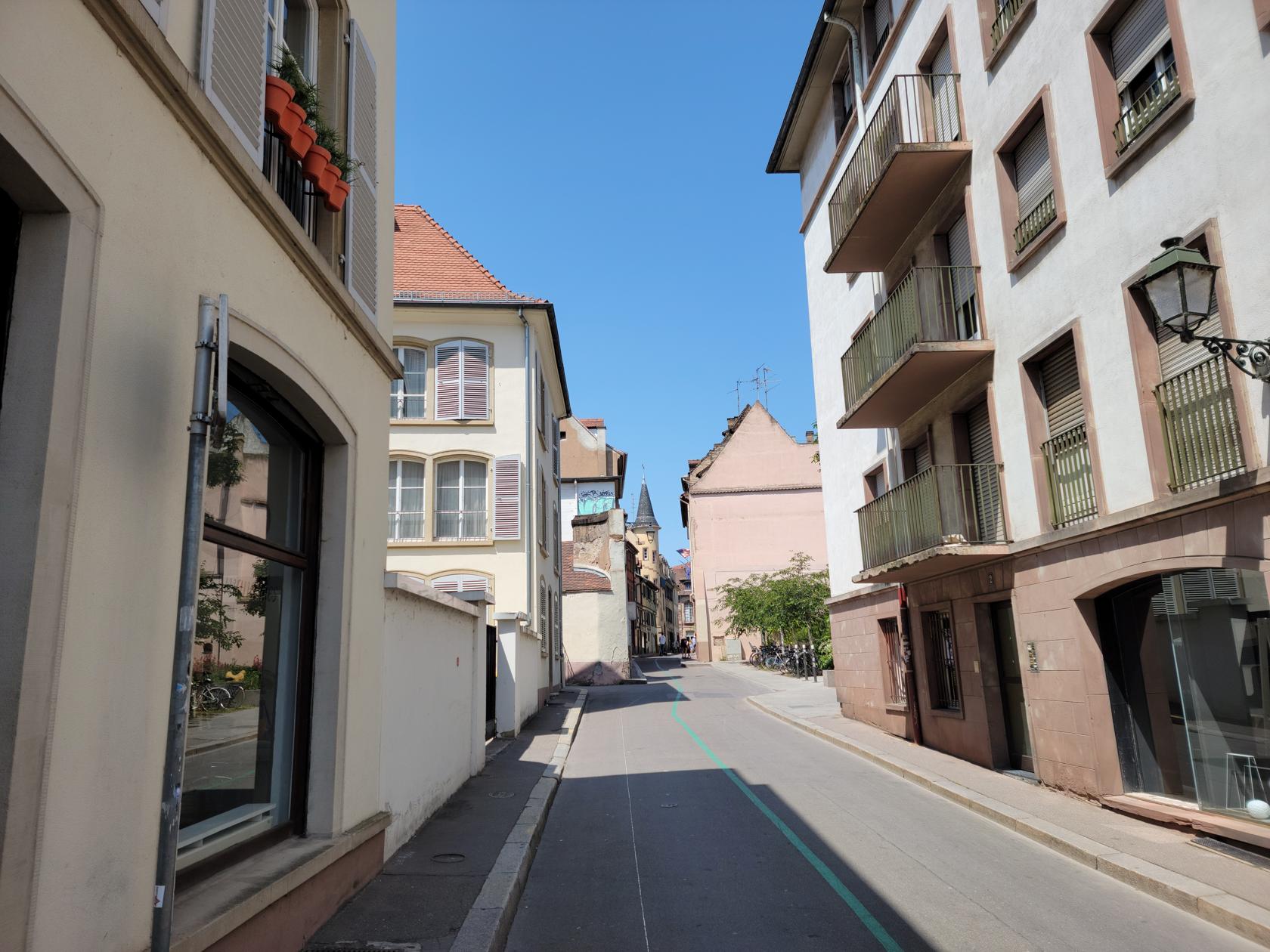
Modern street – Strasbourg, France
The other side of town – Strasbourg, France
The river Ill on a lazy day – Strasbourg, France
Another view of the Ill – Strasbourg, France
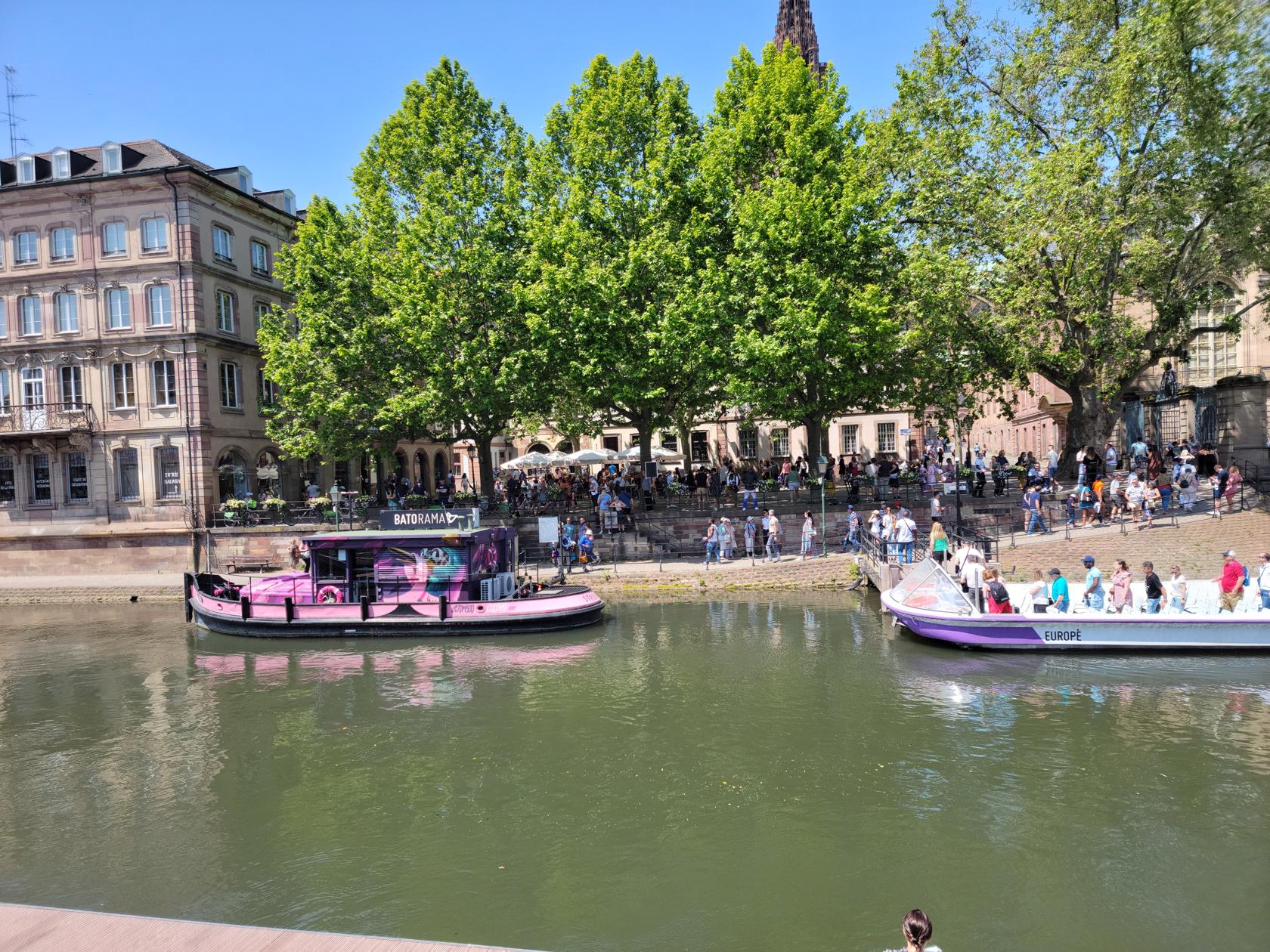
The boat tour anchorage – Strasbourg, France
Boat tours – Strasbourg, France
Old wooden beams up close – Strasbourg, France
Notre Dame
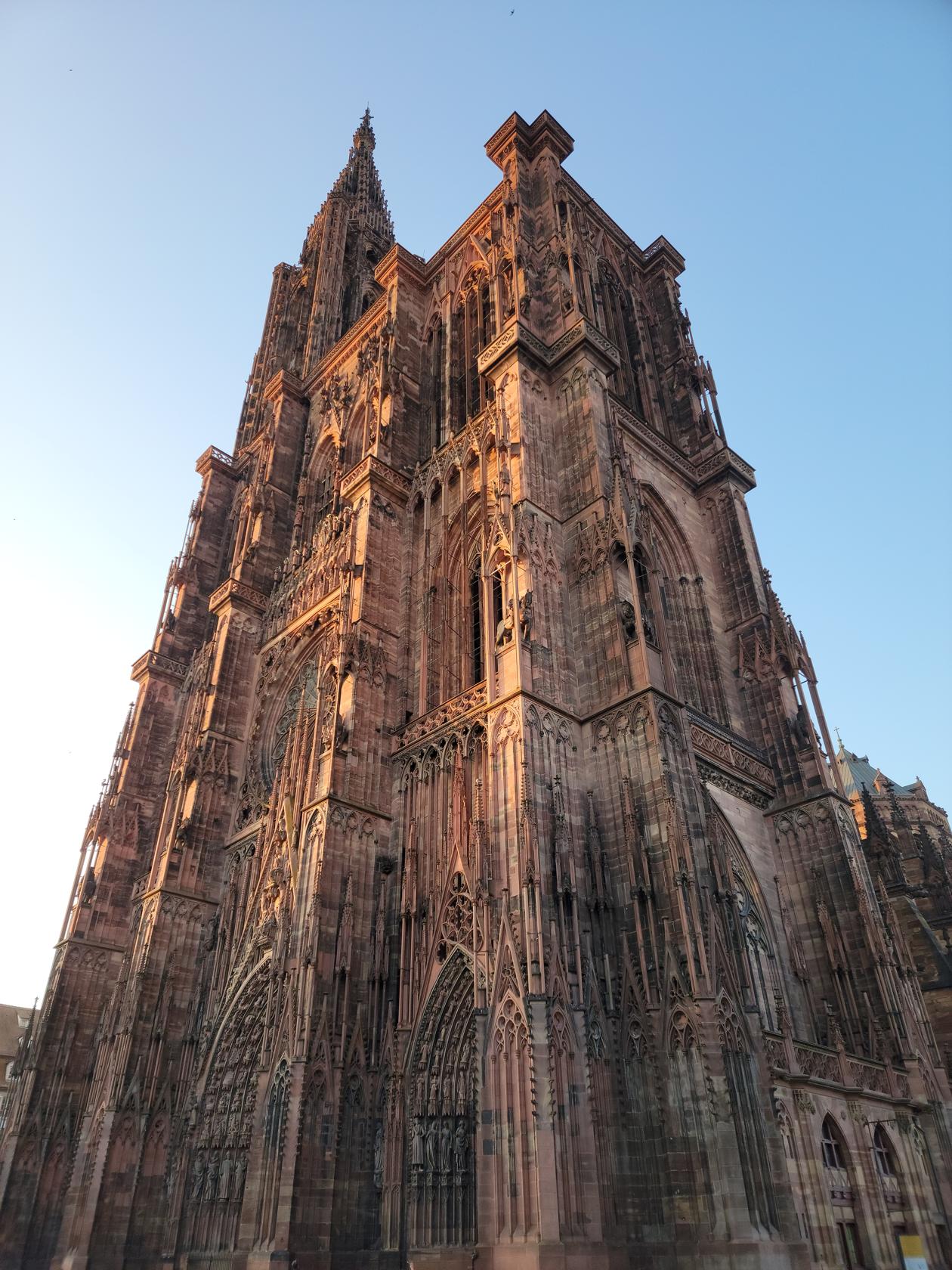
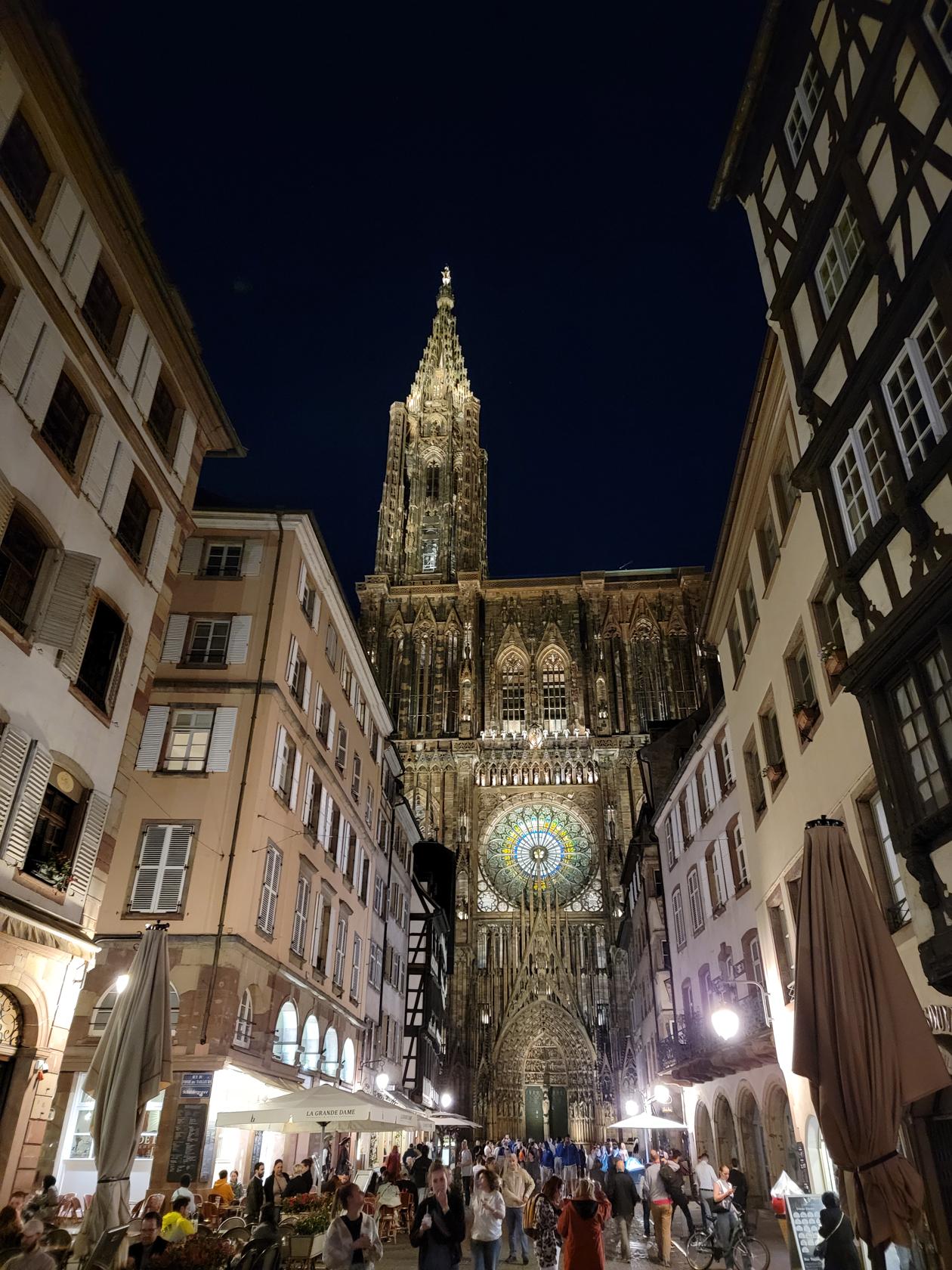
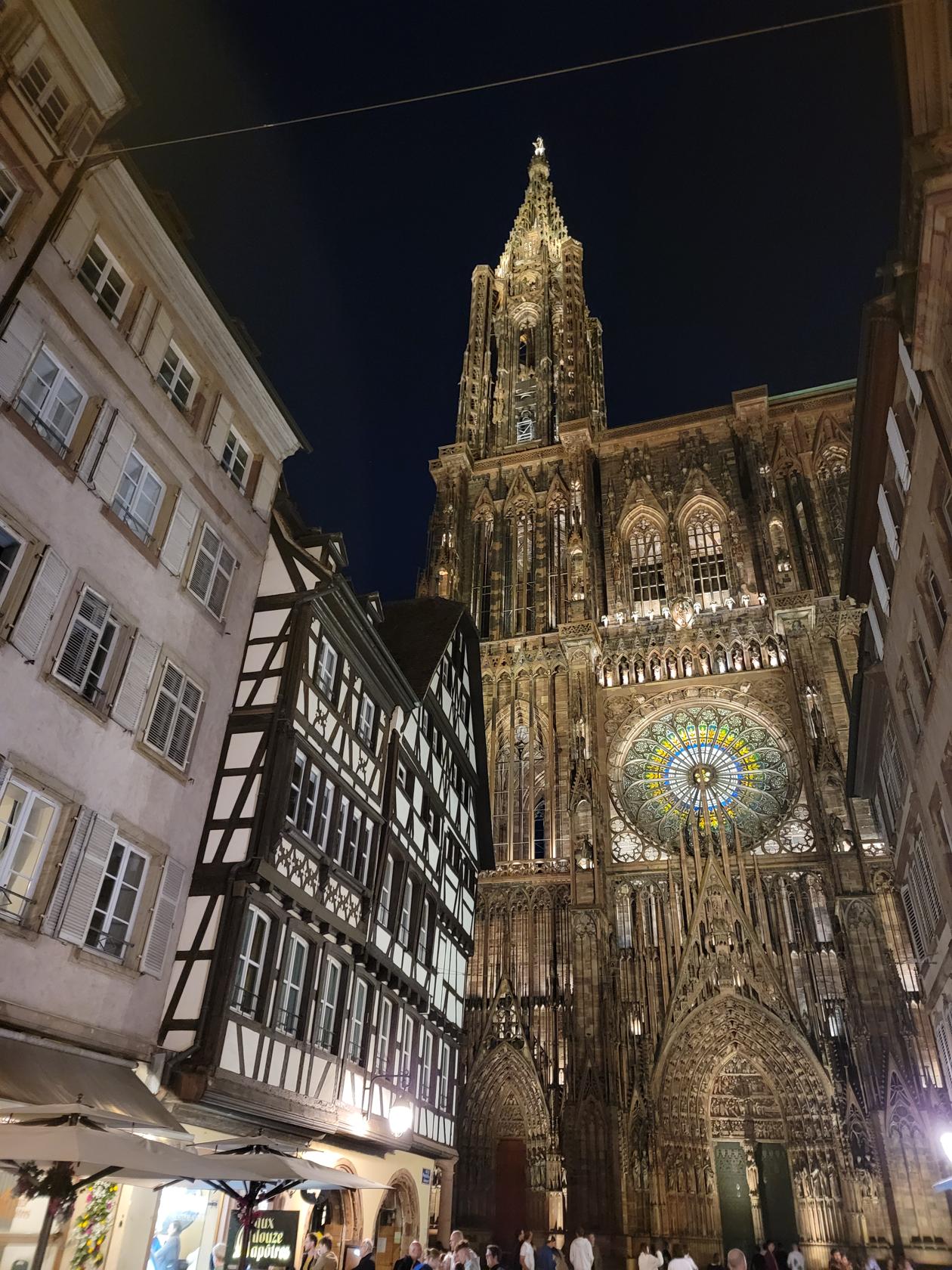
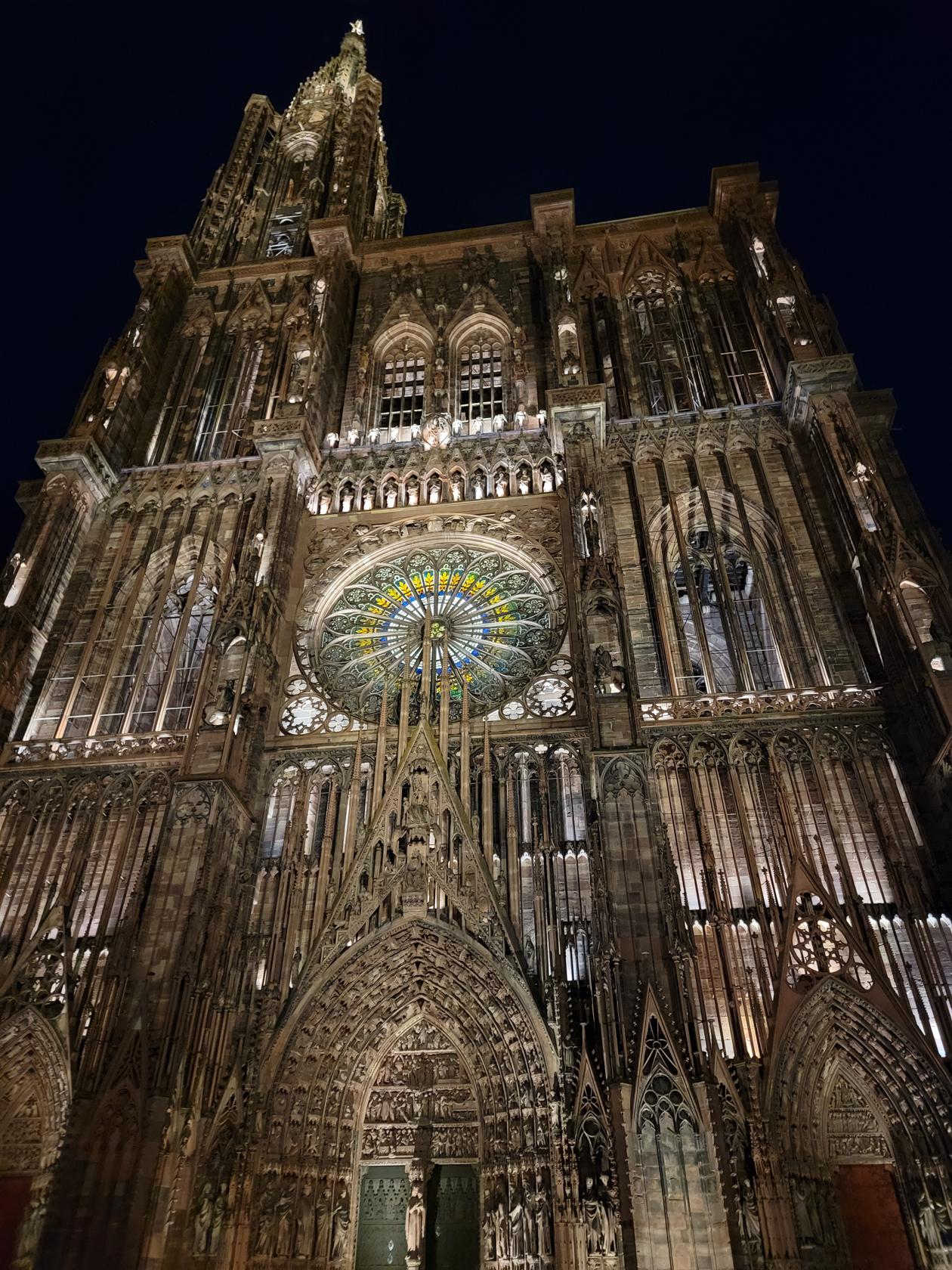
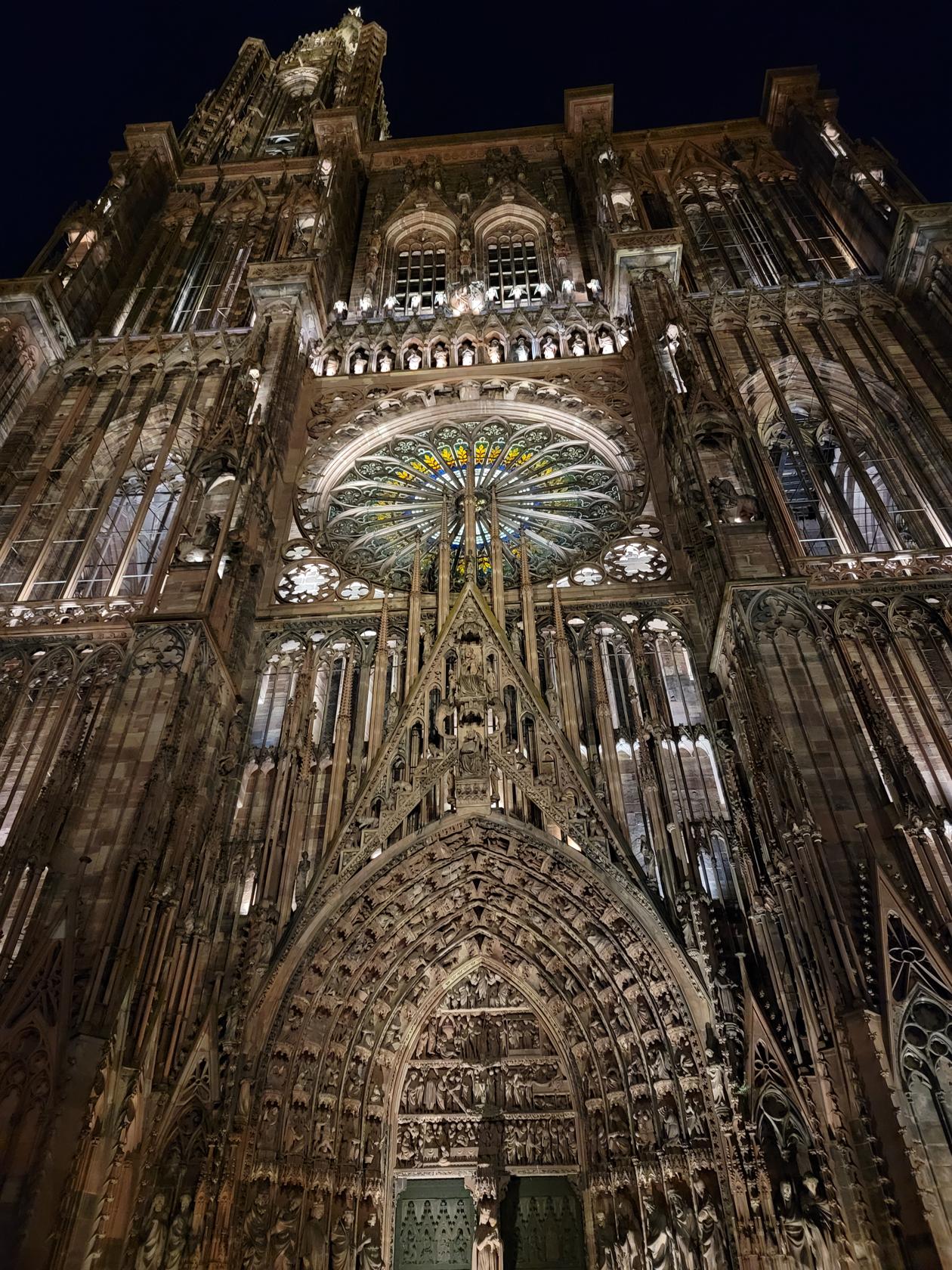
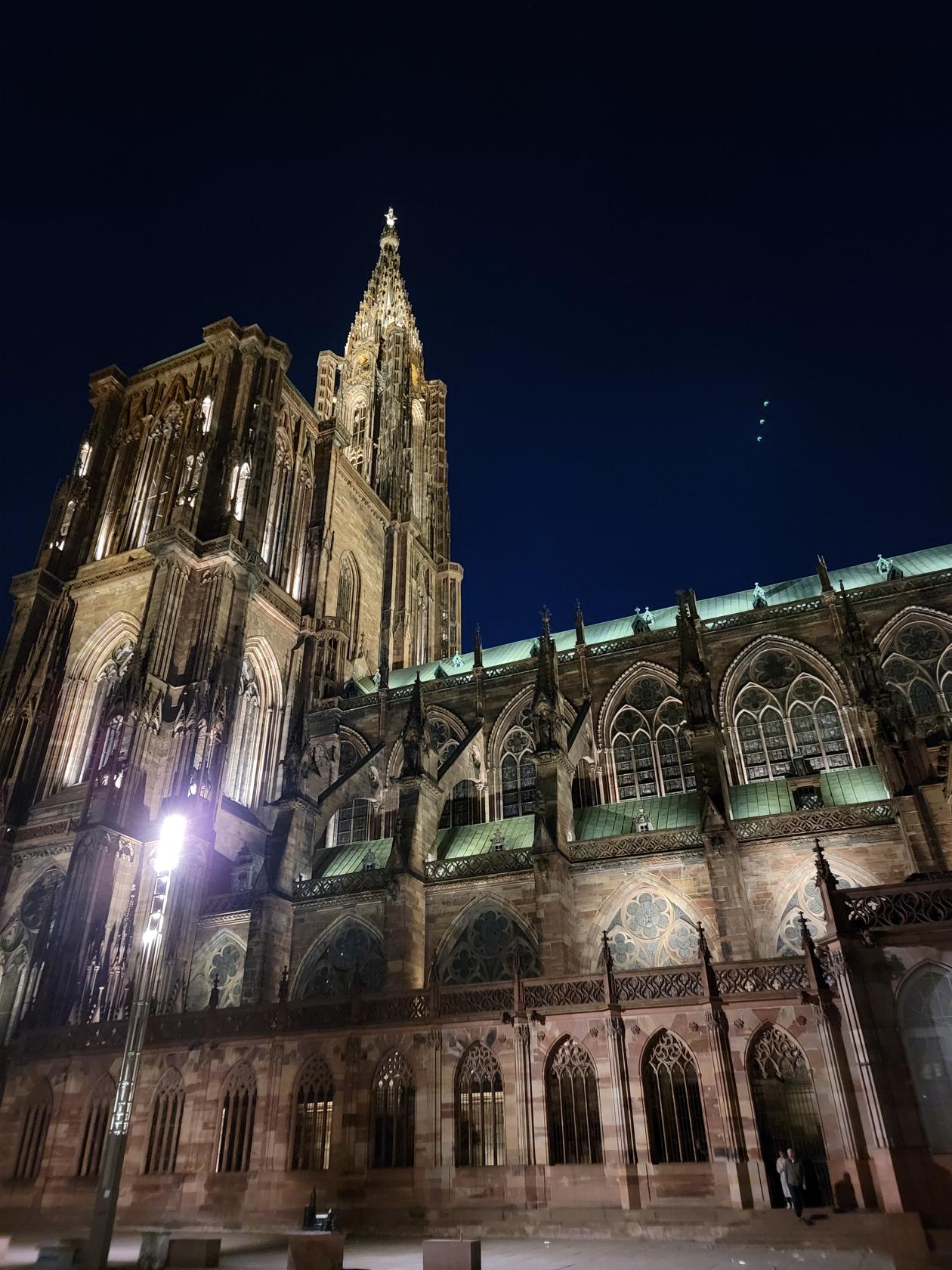
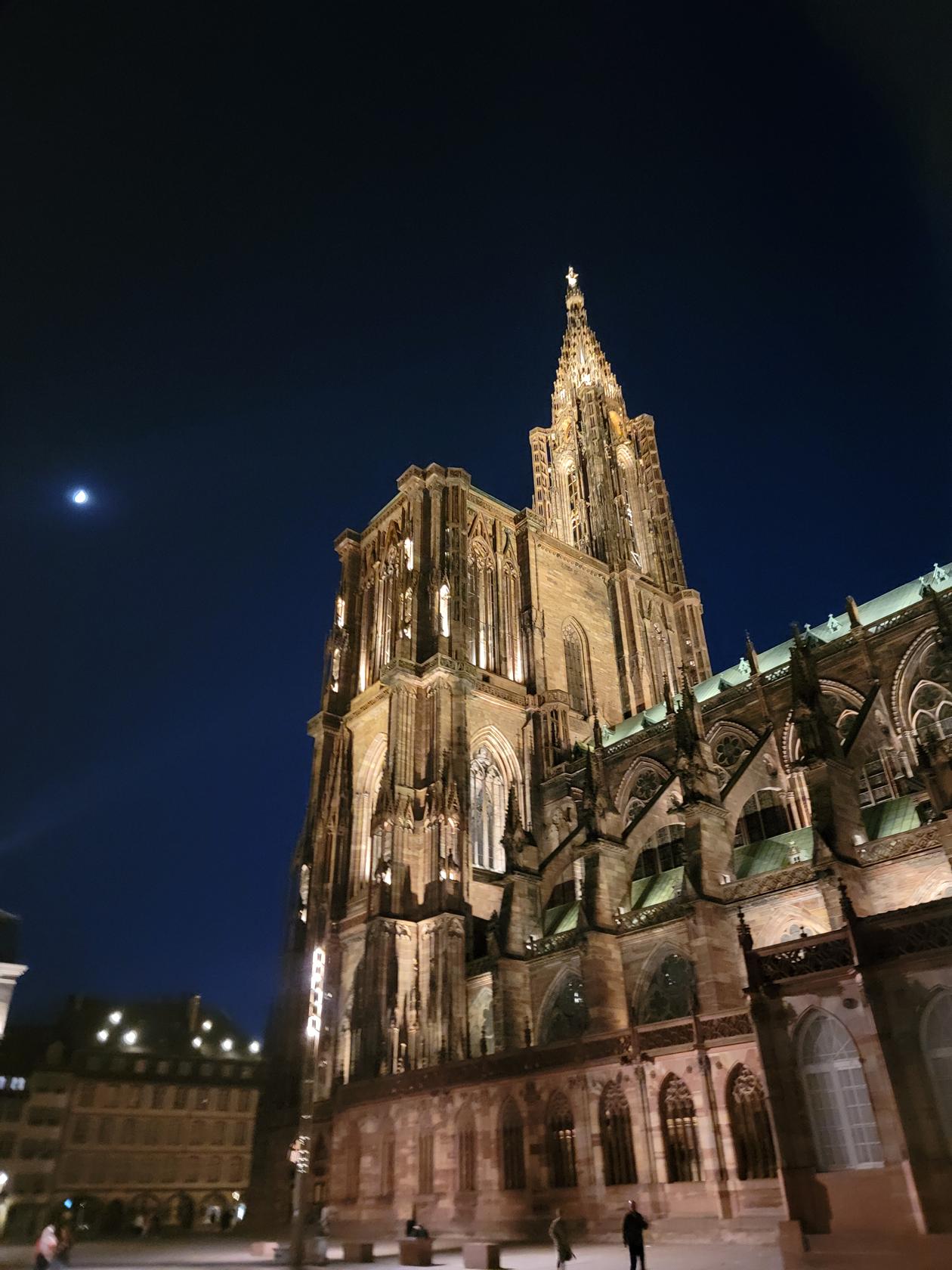
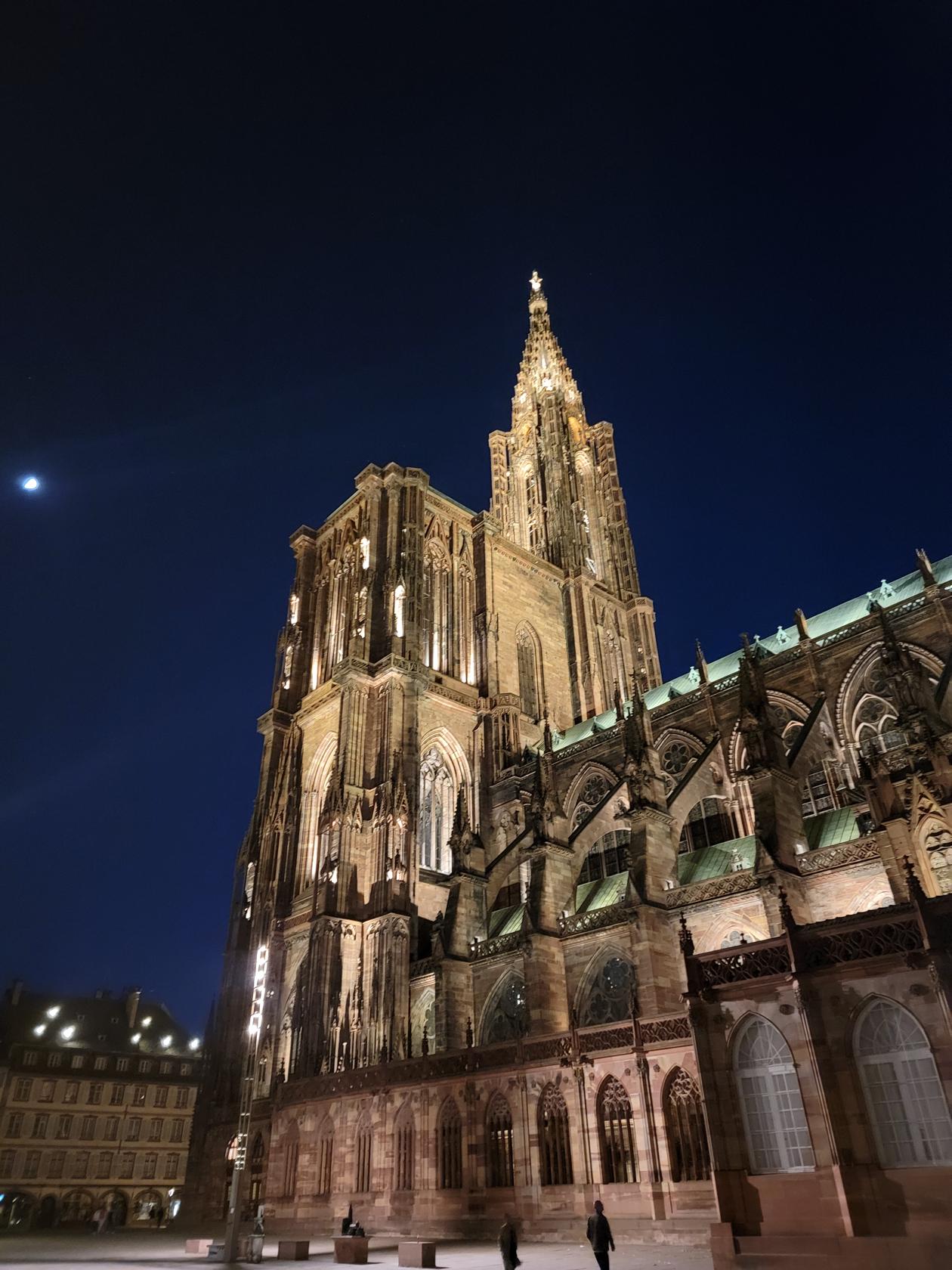
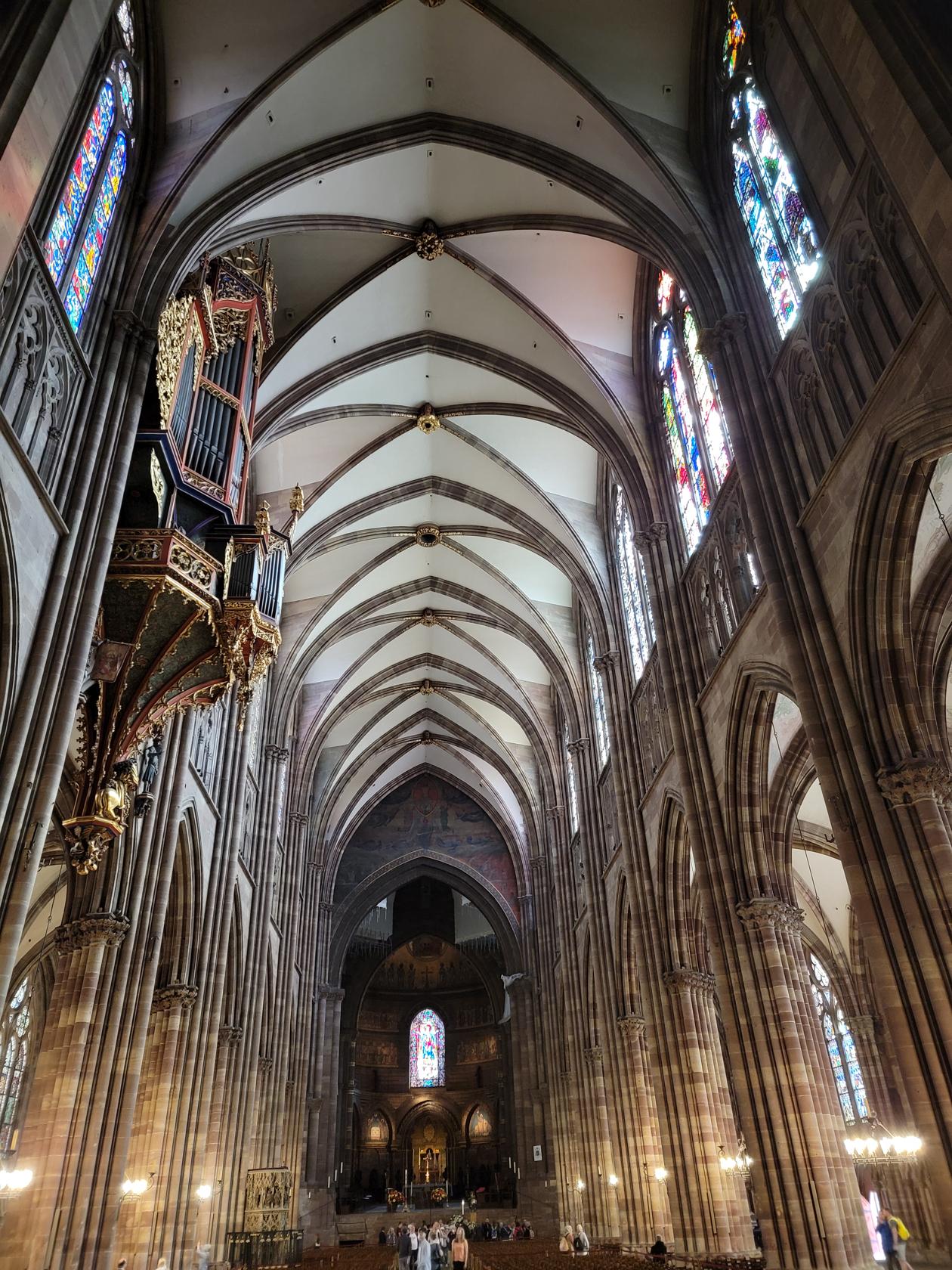
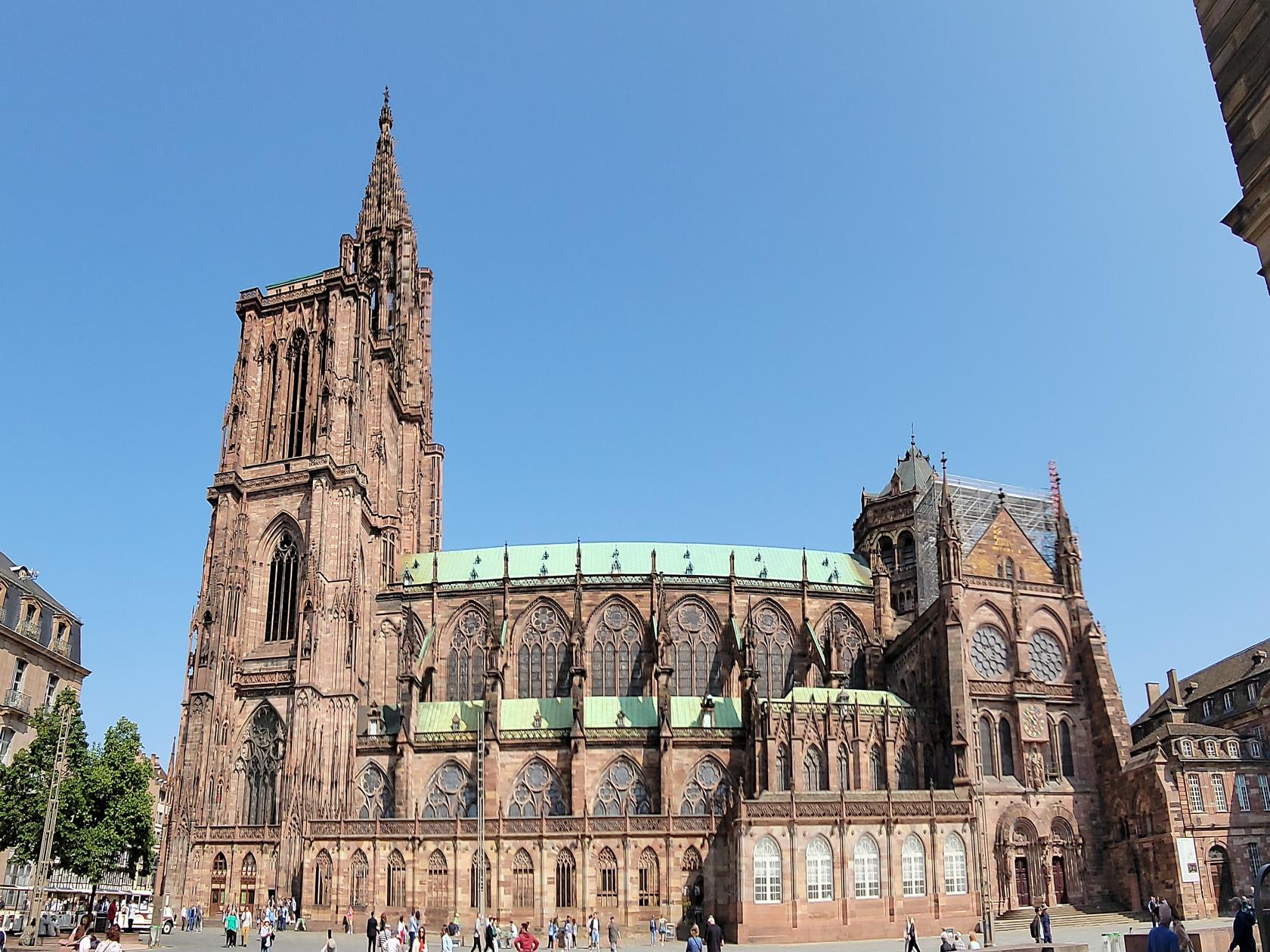
The town has a huge and wonderfully prominent cathedral called Notre Dame de Strasbourg, also known as the Straßburger Münster in German.
Lit up at night – Notre Dame de Strasbourg – Strasbourg, France
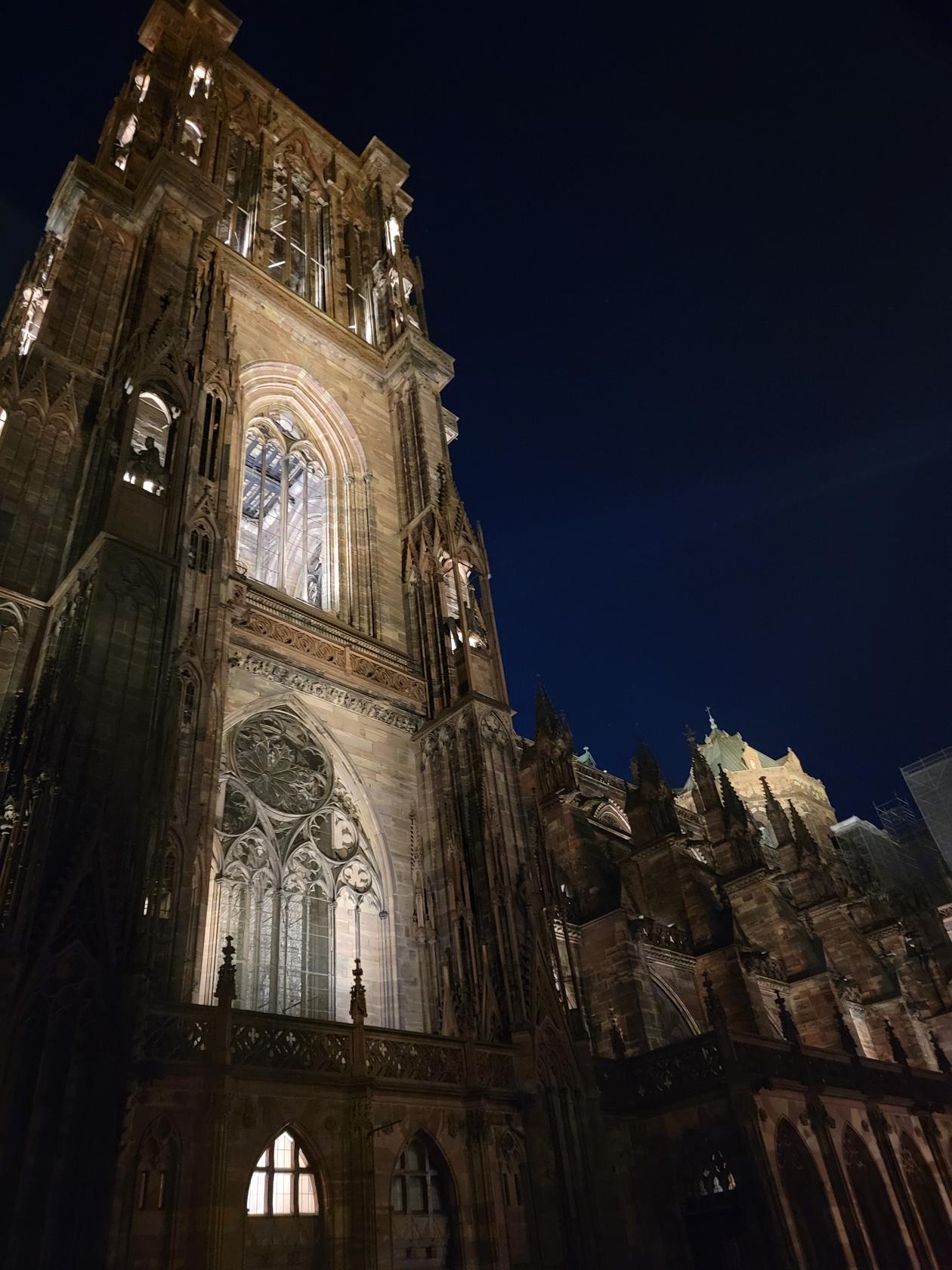
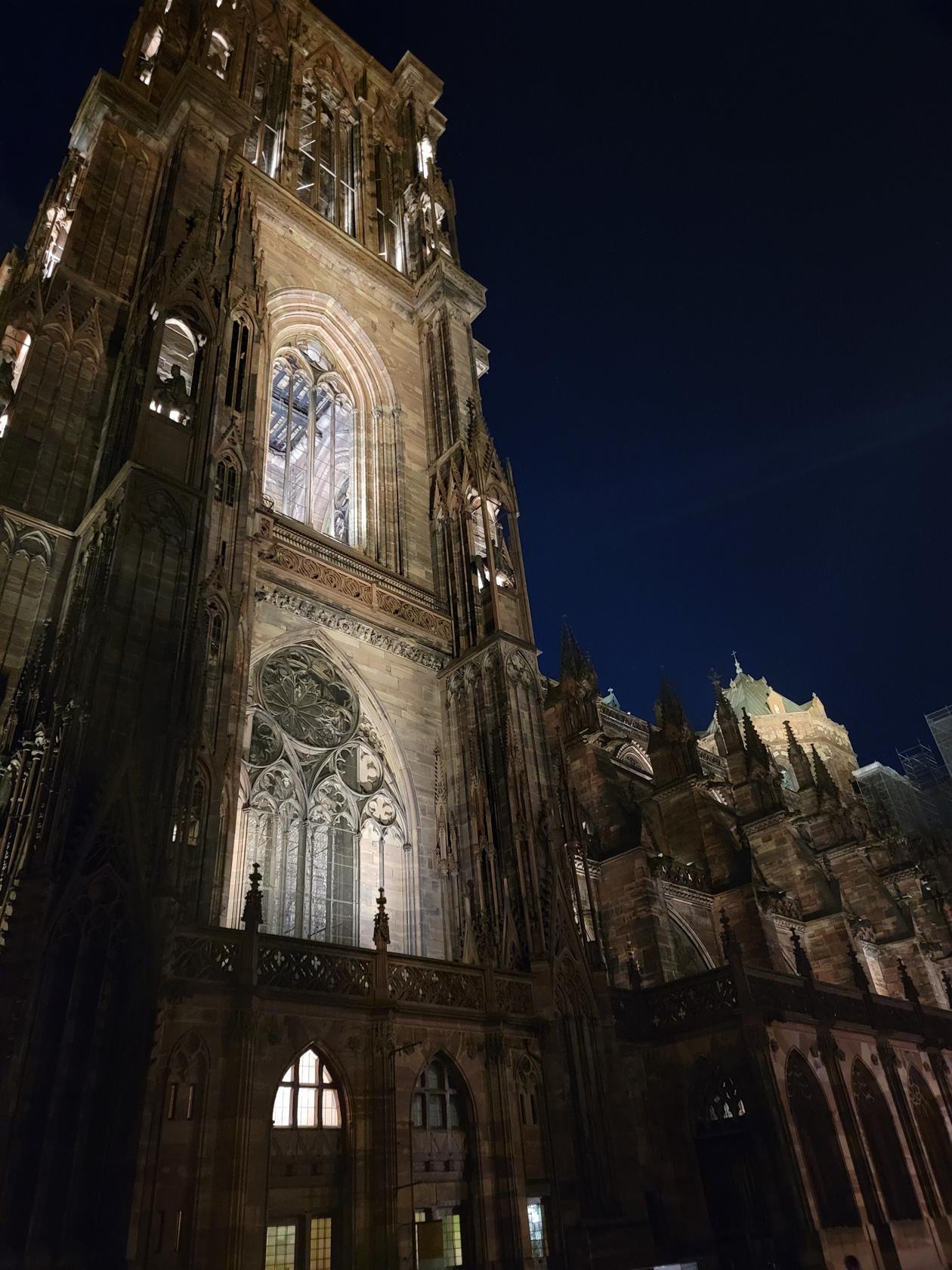
Its construction began in the late twelfth century and its impressive bell tower and spire were added more than 120 years after the start of construction, which I might add was never completed, since the addition of a second right tower and spire never came to fruition. The outside at night is spectacular, the interior and exterior lighting provide an excellent balance to show the real grandeur of this cathedral.
Lit up at night – Notre Dame de Strasbourg – Strasbourg, France
Lit up at night – Notre Dame de Strasbourg – Strasbourg, France
Lit up at night – Notre Dame de Strasbourg – Strasbourg, France
Lit up at night – Notre Dame de Strasbourg – Strasbourg, France
Lit up at night – Notre Dame de Strasbourg – Strasbourg, France
Lit up at night – Notre Dame de Strasbourg – Strasbourg, France
Lit up at night – Notre Dame de Strasbourg – Strasbourg, France
Lit up at night – Notre Dame de Strasbourg – Strasbourg, France
Lit up at night – Notre Dame de Strasbourg – Strasbourg, France
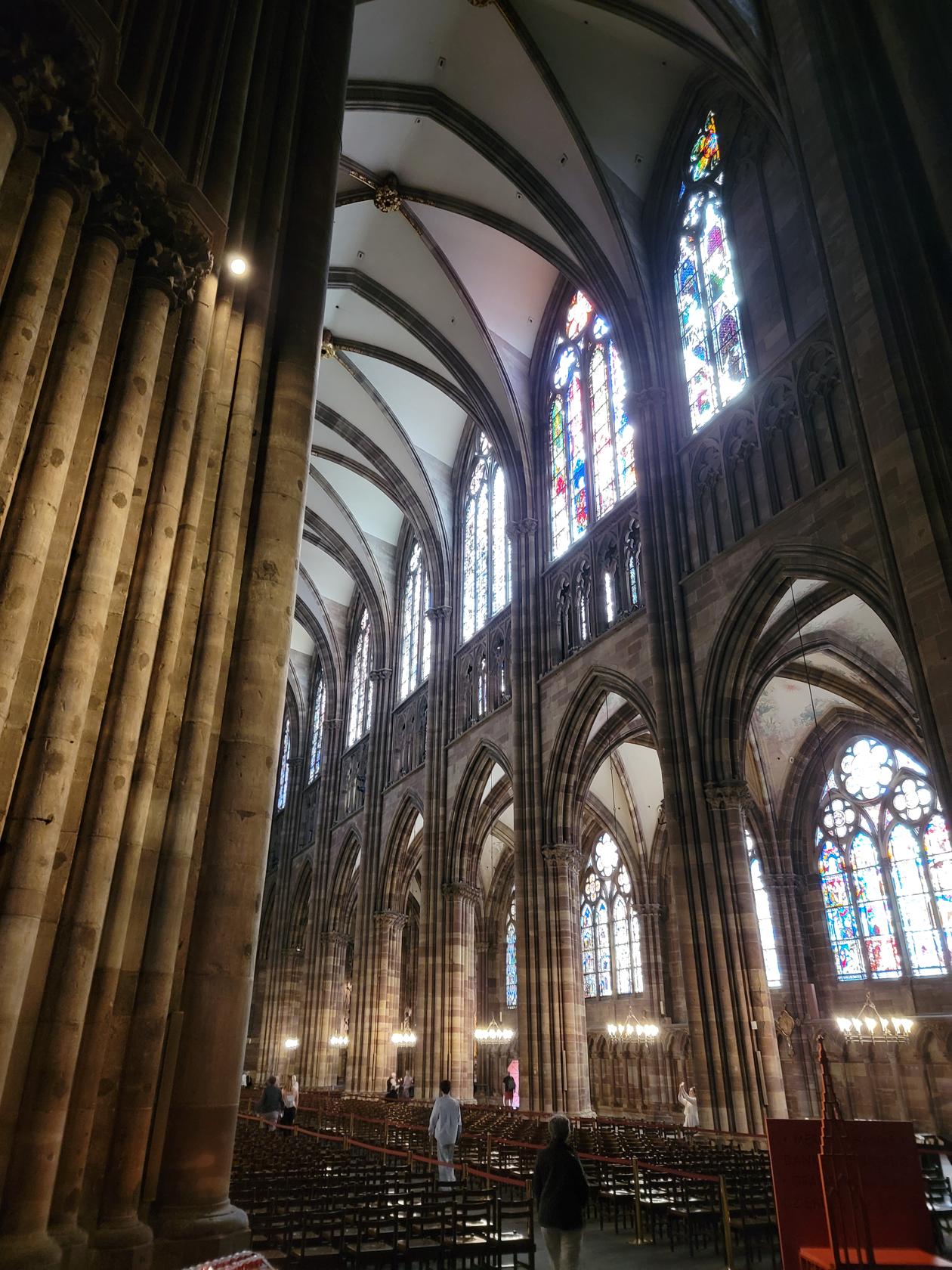
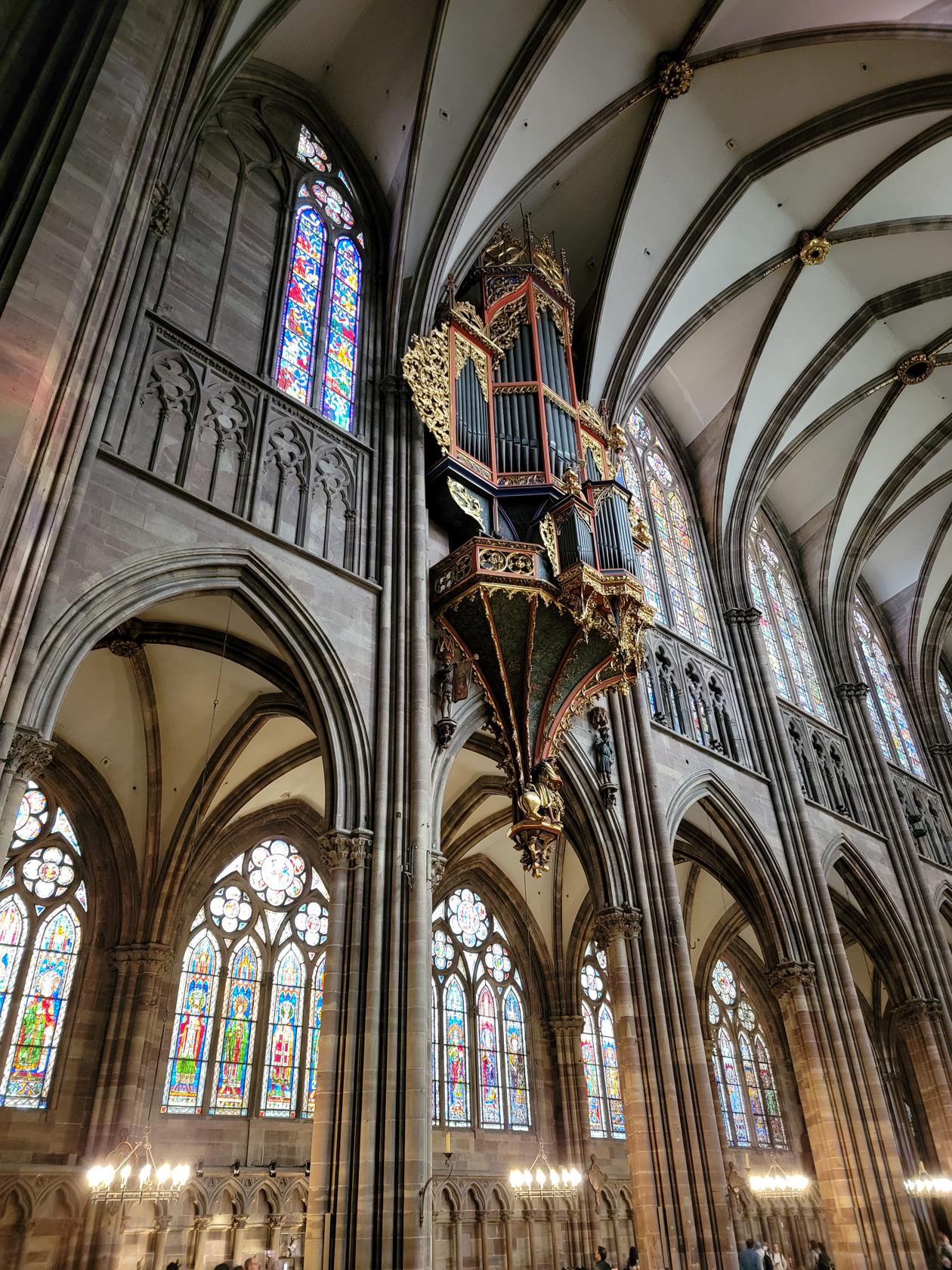
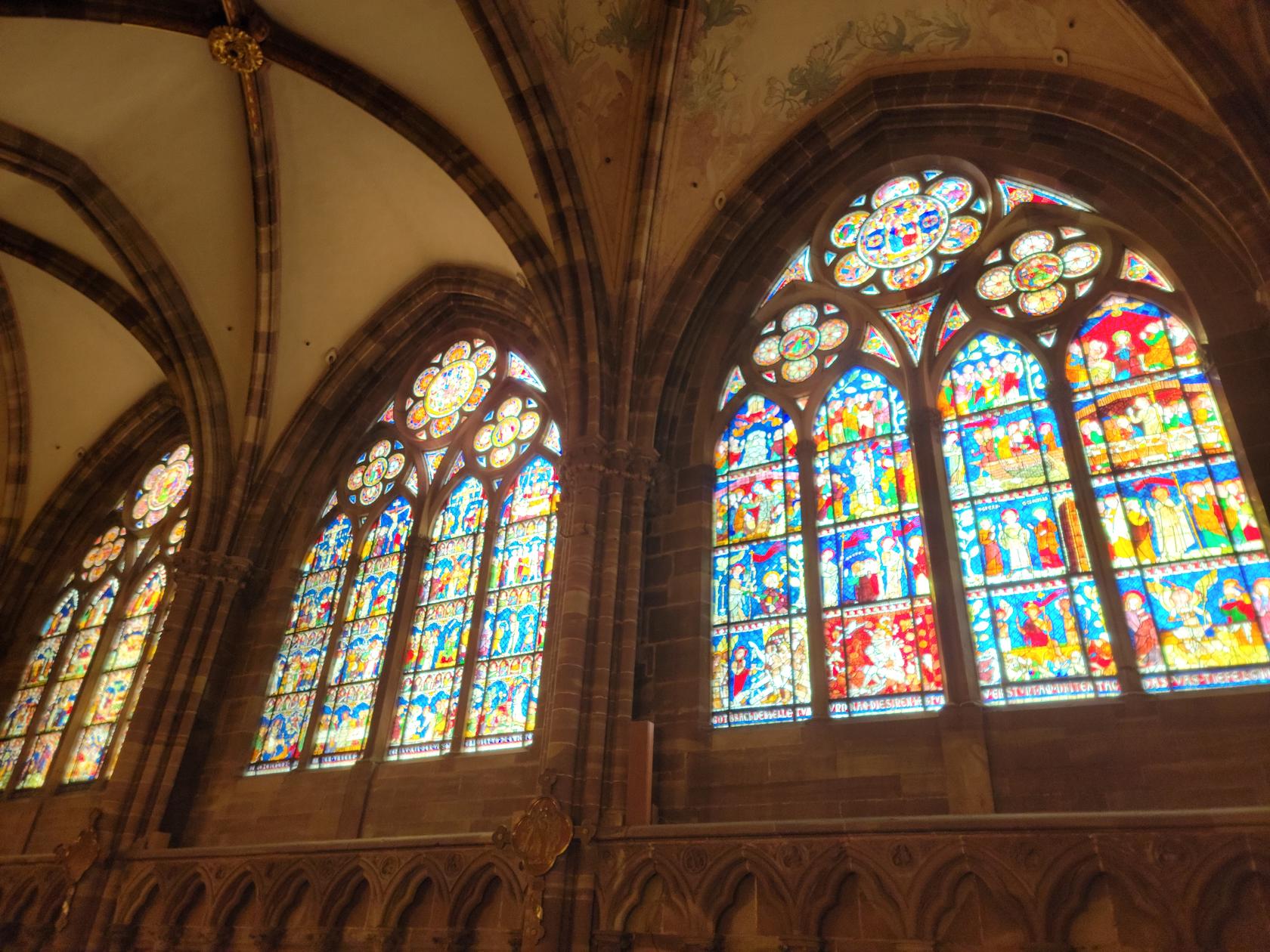
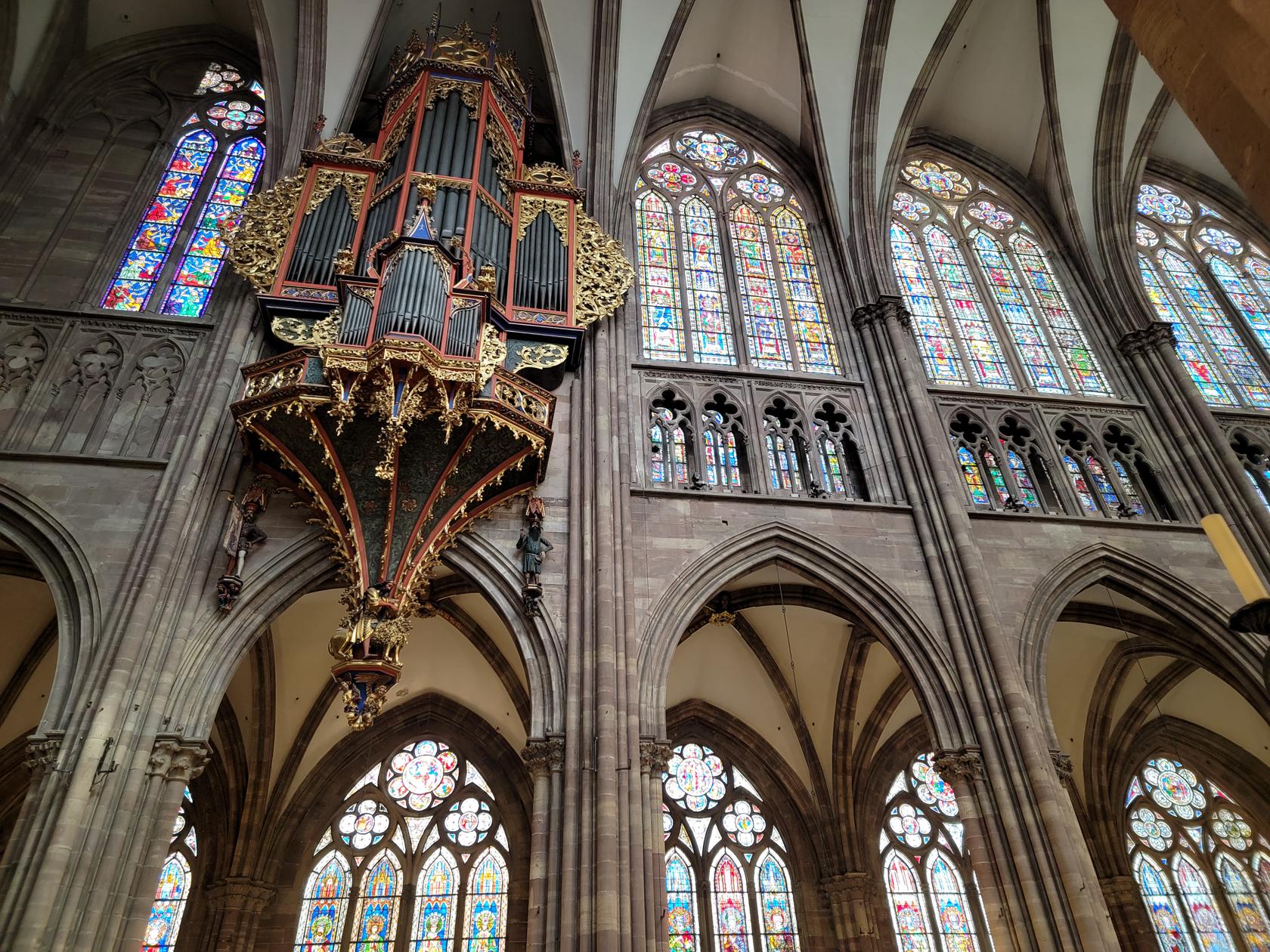
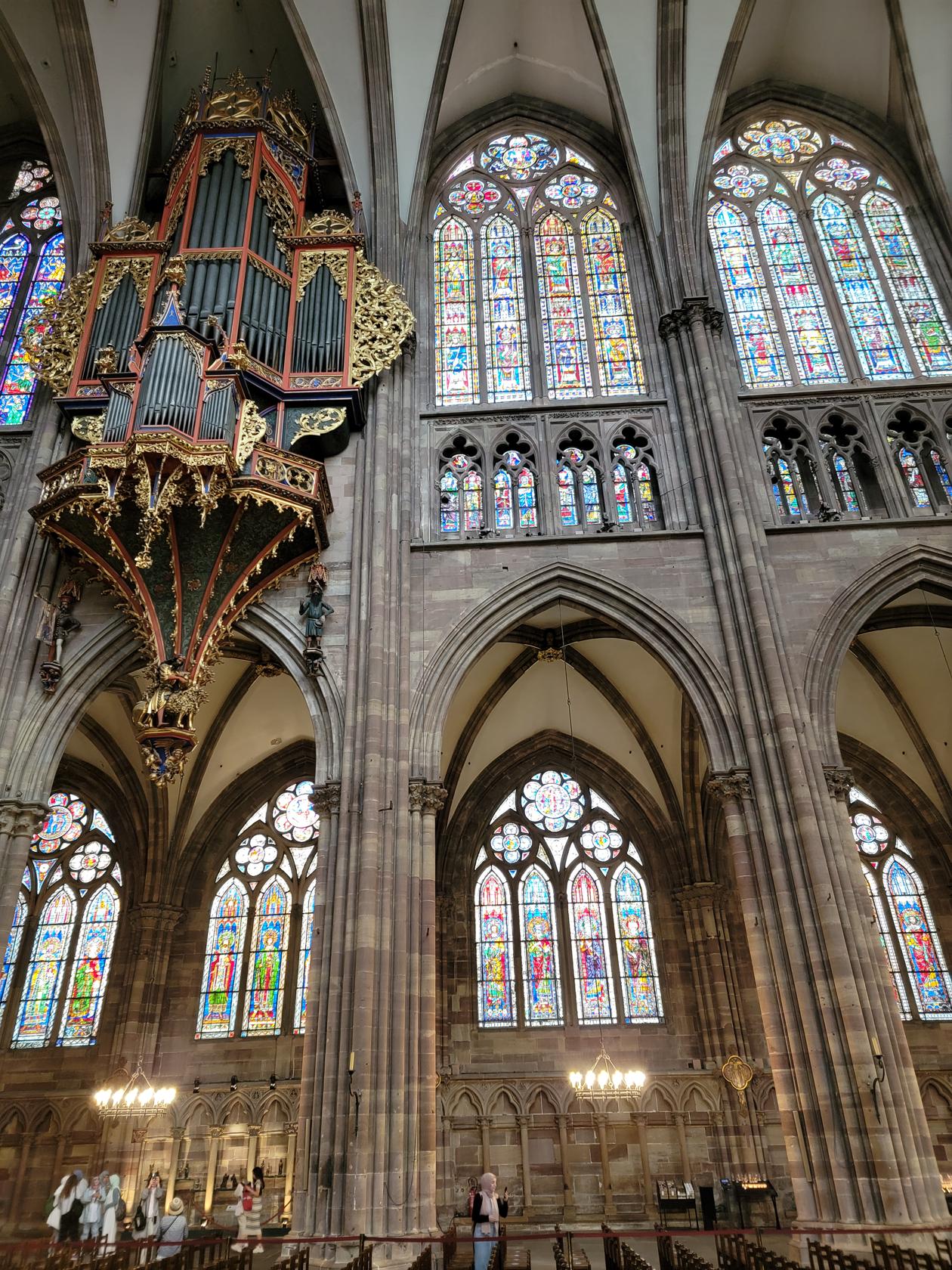
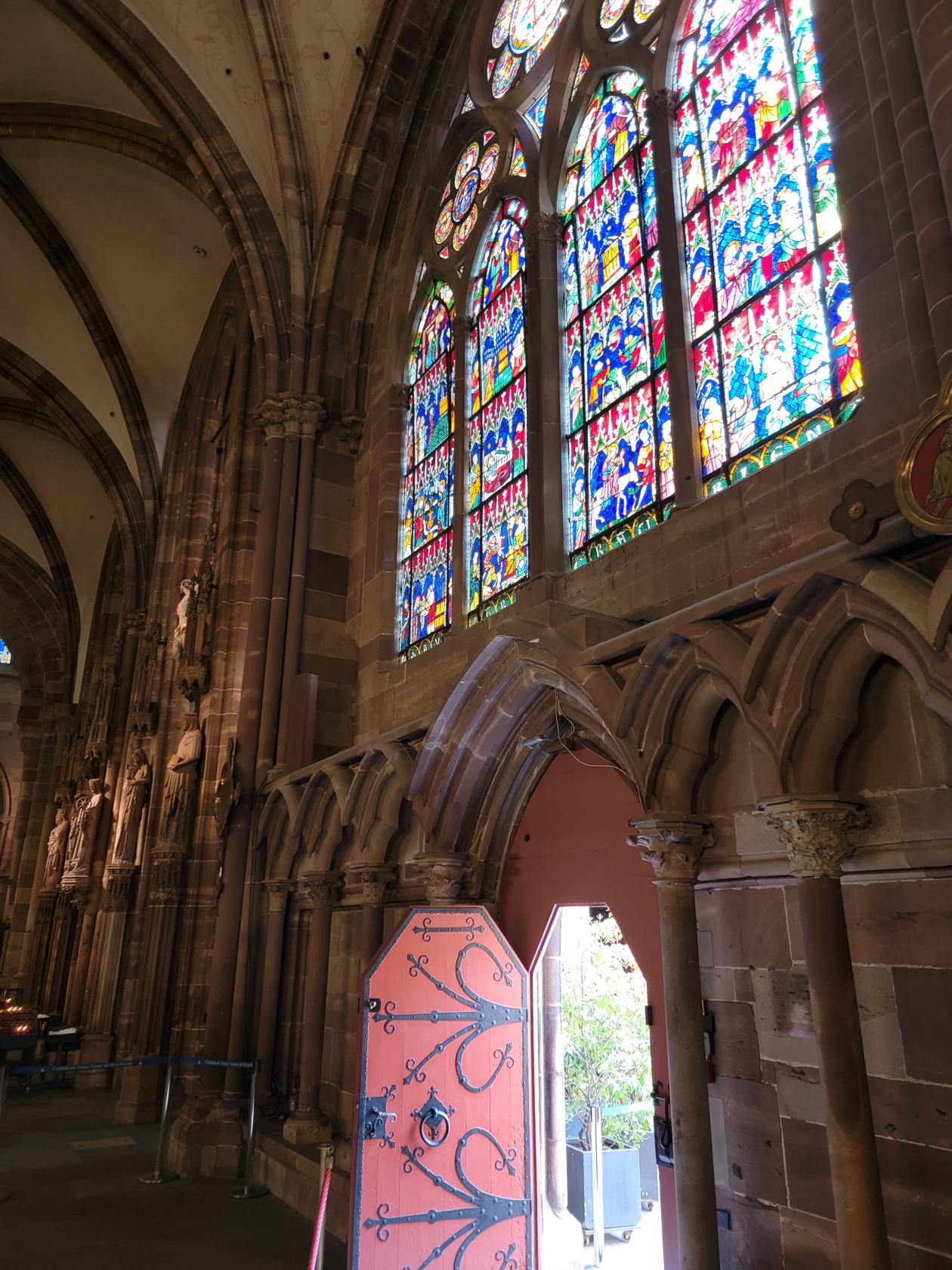
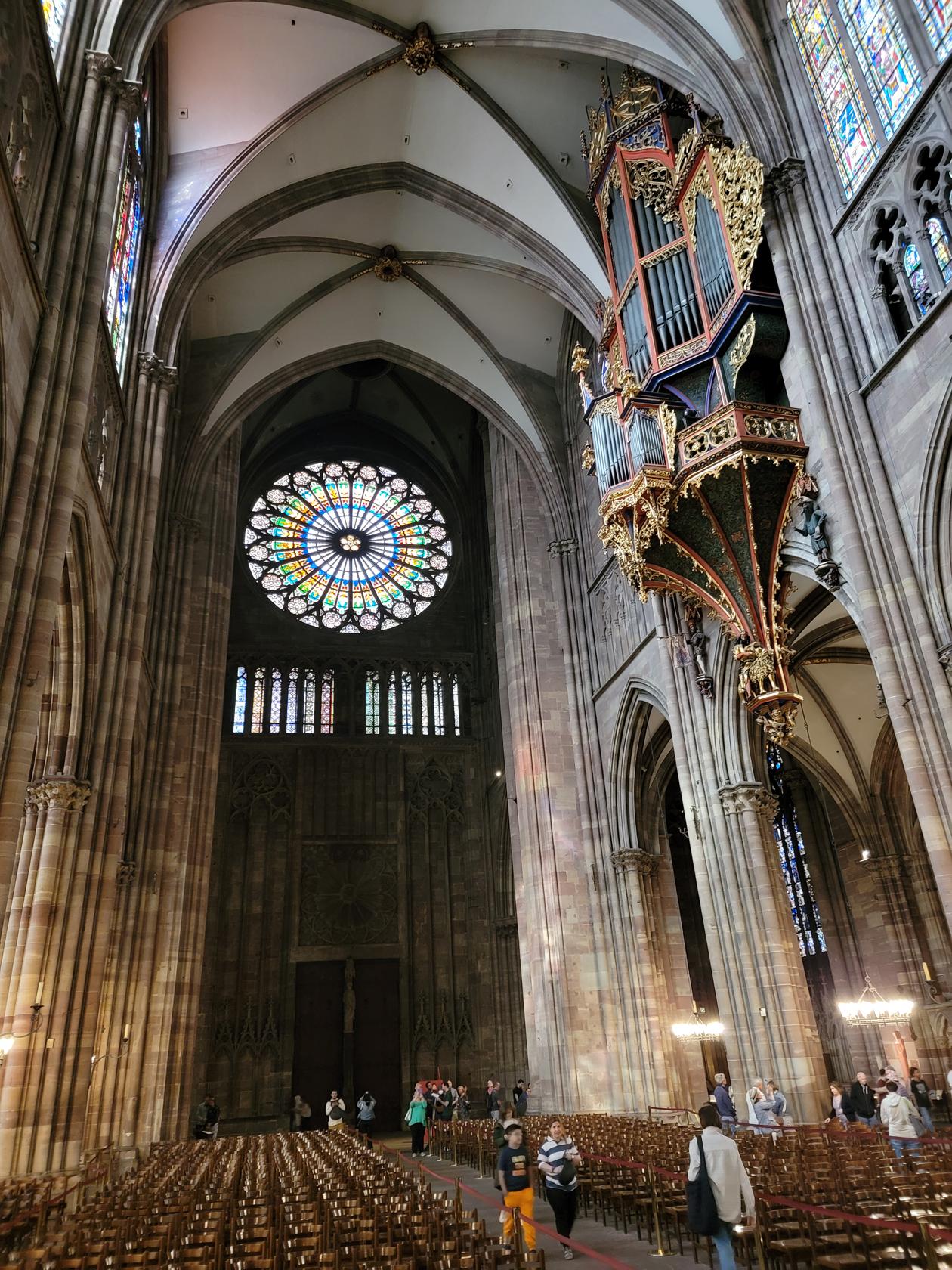
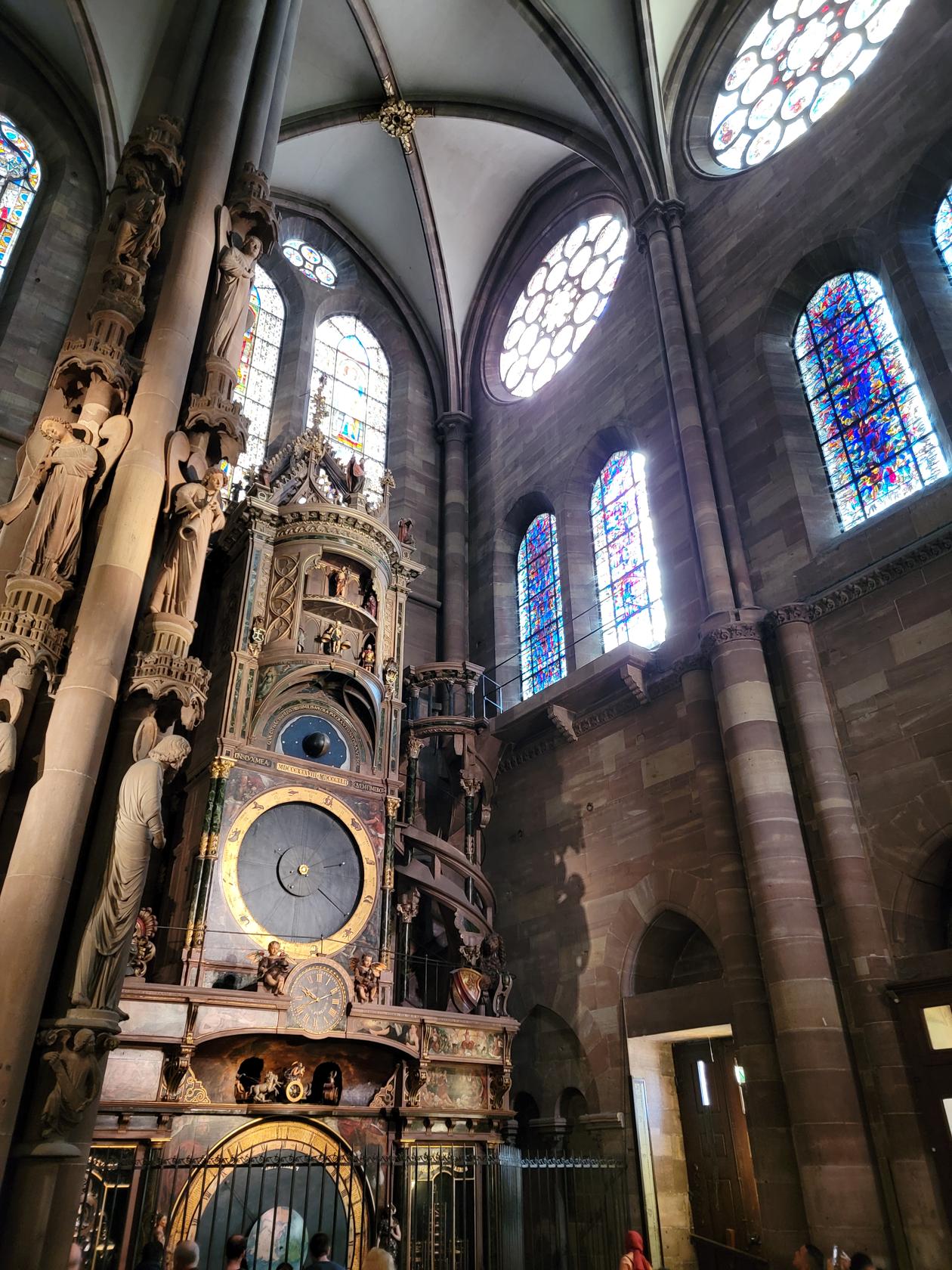
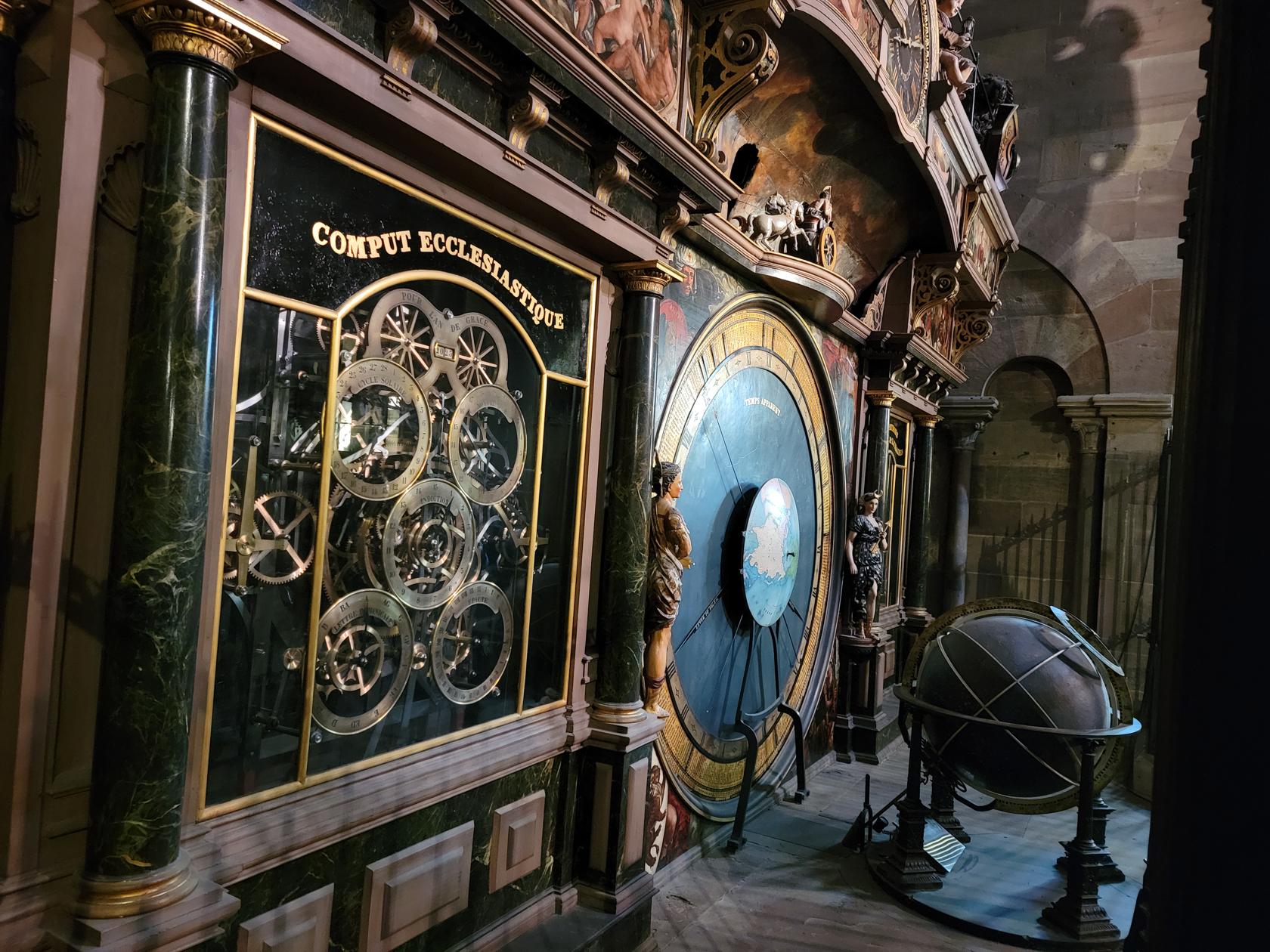
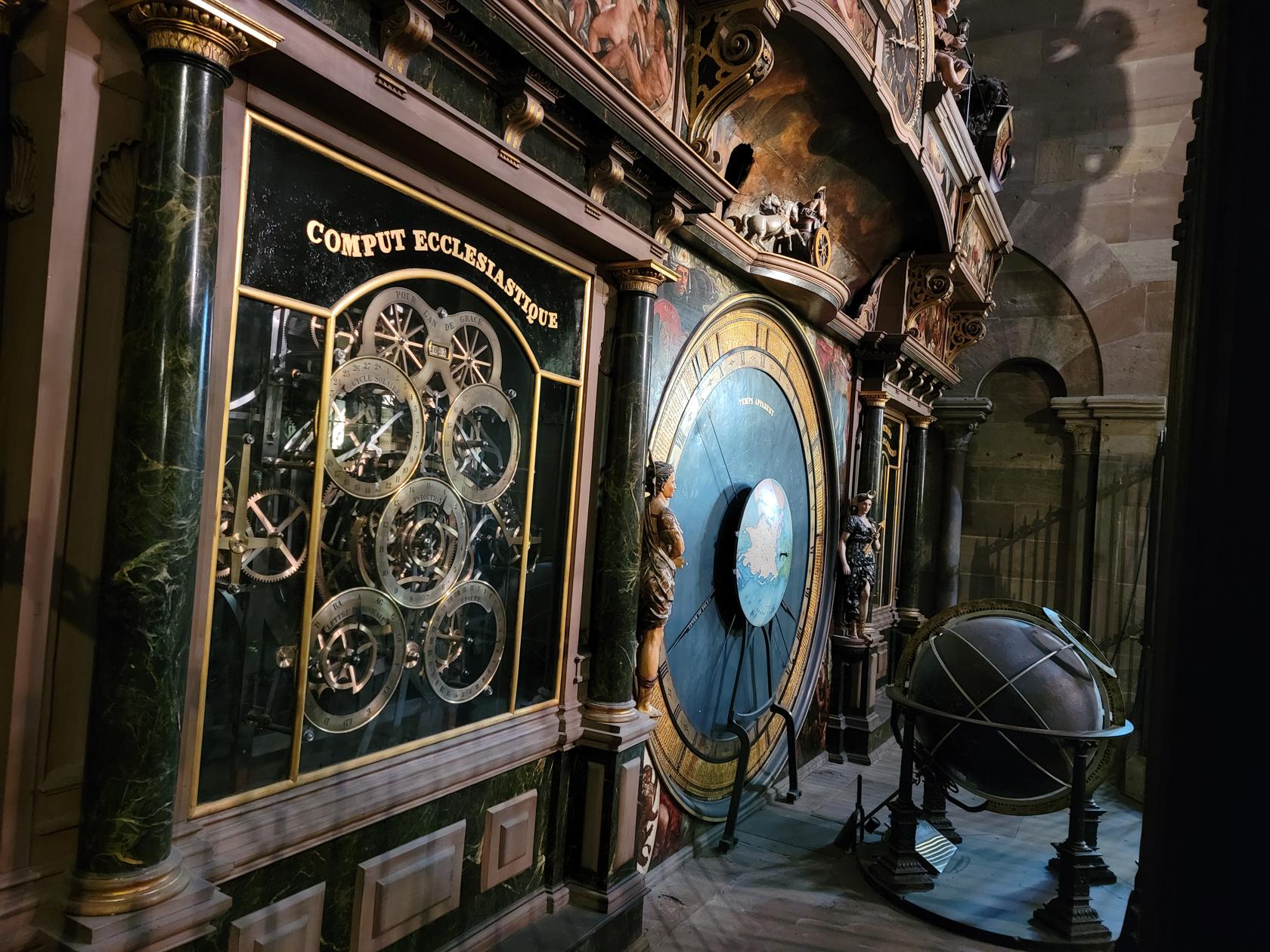
Of course, this is balanced well by the stained-glass windows illuminated by the sun in the early morning hours. The interior also houses an ecclesiastical astronomical clock which was built in the early 1570s.
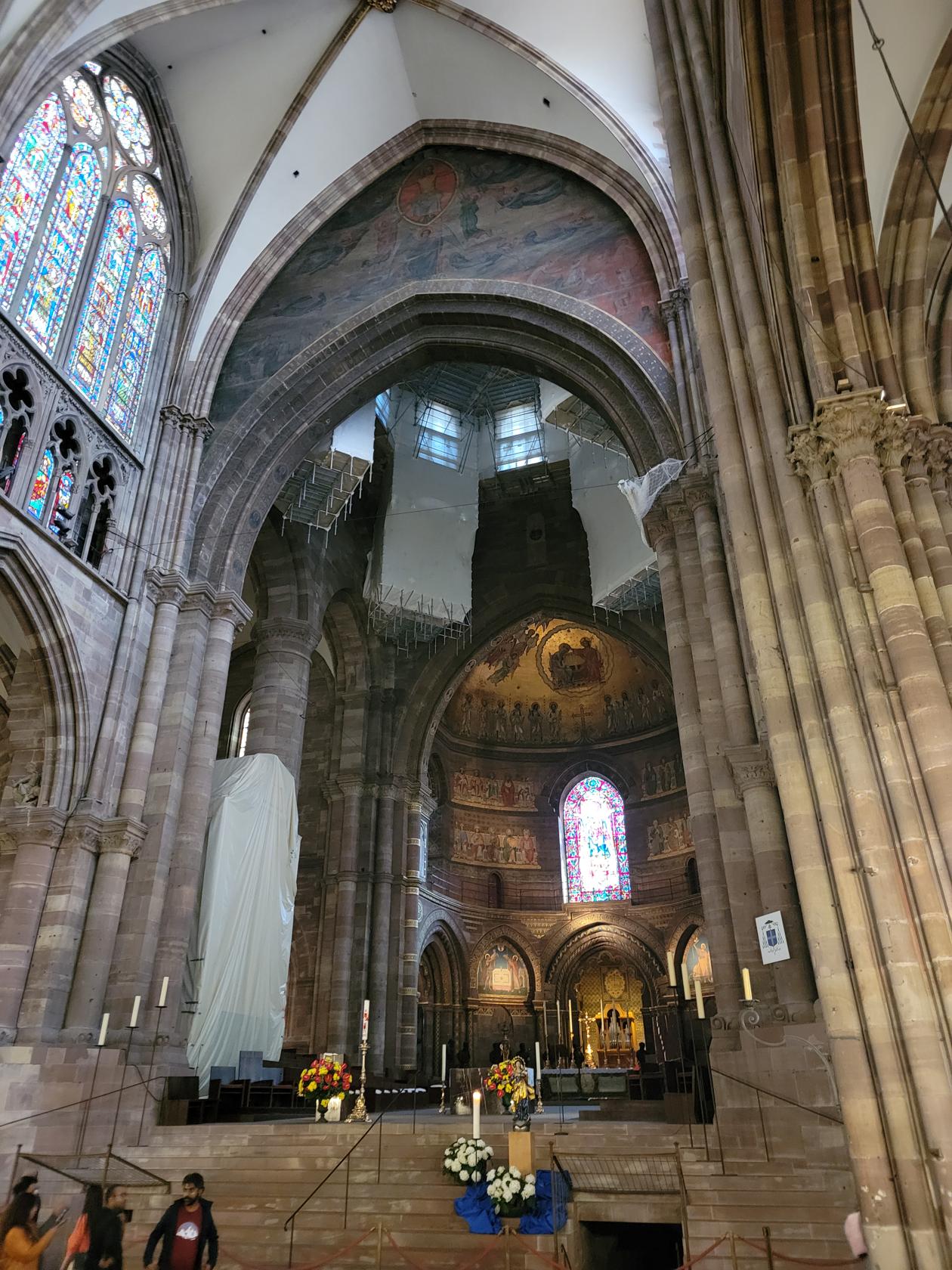
Inside the cathedral – Notre Dame de Strasbourg – Strasbourg, France
Inside the cathedral – Notre Dame de Strasbourg – Strasbourg, France
The organ – Notre Dame de Strasbourg – Strasbourg, France
Stained glass – Inside the cathedral – Notre Dame de Strasbourg – Strasbourg, France
Organ and stained glassed windows – Inside the cathedral – Notre Dame de Strasbourg – Strasbourg, France
Another shot of organ and glass – Inside the cathedral – Notre Dame de Strasbourg – Strasbourg, France
Old renovated side door – Inside the cathedral – Notre Dame de Strasbourg – Strasbourg, France
Inside the cathedral – Notre Dame de Strasbourg – Strasbourg, France
The large rosette window – Inside the cathedral – Notre Dame de Strasbourg – Strasbourg, France
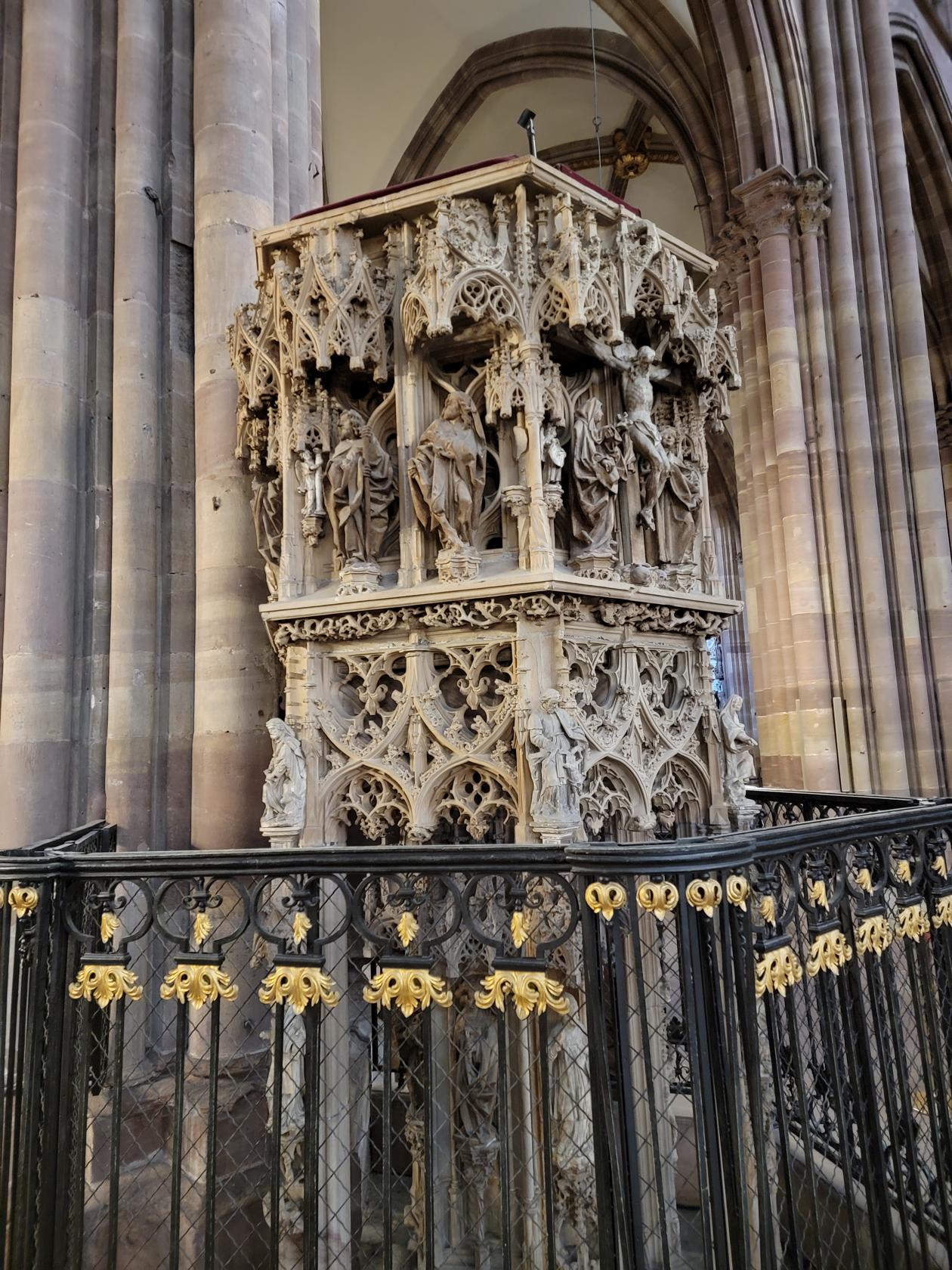
The pulpit – Inside the cathedral – Notre Dame de Strasbourg – Strasbourg, France
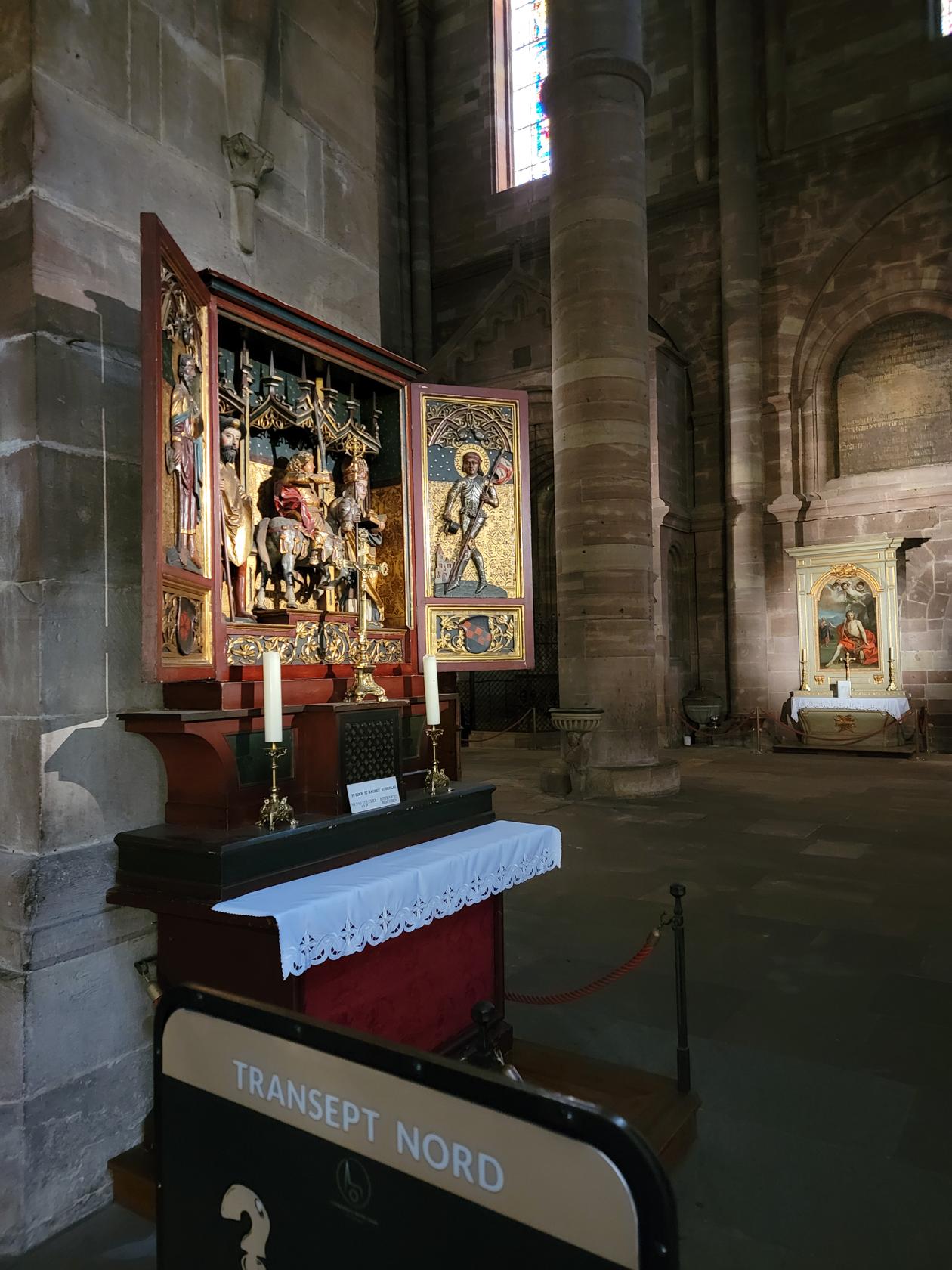
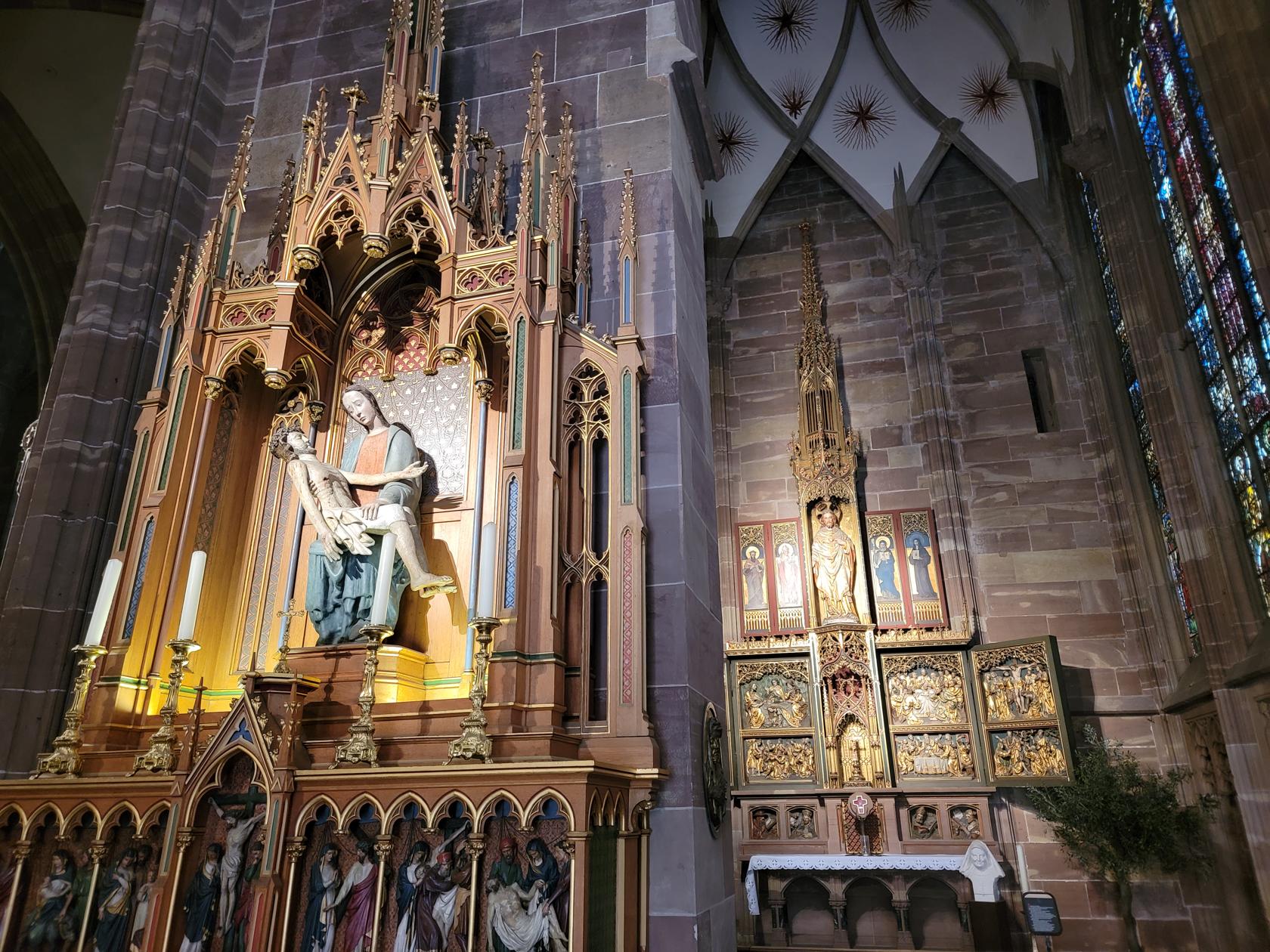
A small side altar – Inside the cathedral – Notre Dame de Strasbourg – Strasbourg, France
More statues – Inside the cathedral – Notre Dame de Strasbourg – Strasbourg, France
The ecclesiastical clock – Inside the cathedral – Notre Dame de Strasbourg – Strasbourg, France
The ecclesiastical clock – Inside the cathedral – Notre Dame de Strasbourg – Strasbourg, France
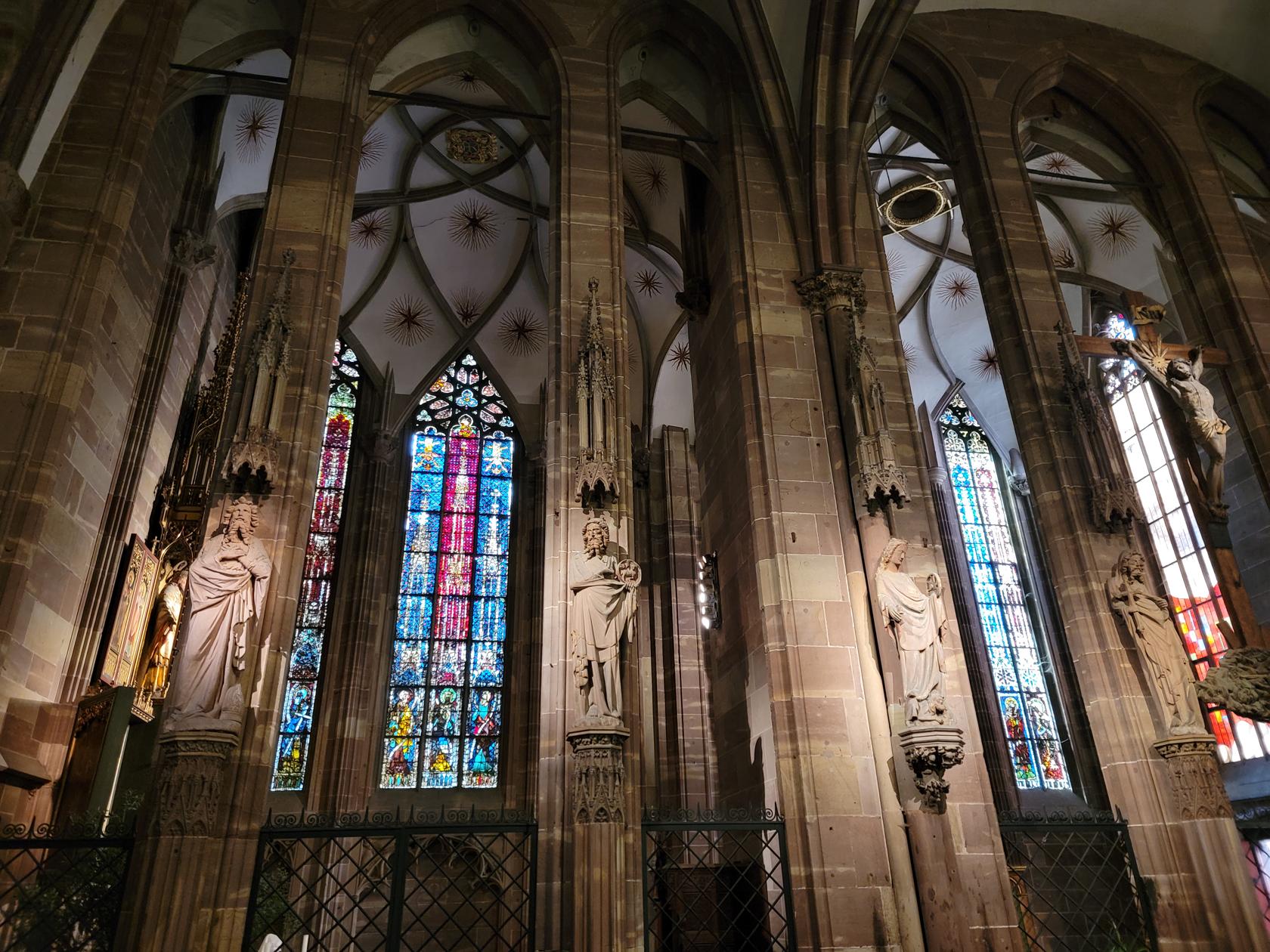
Side chapel – Notre Dame de Strasbourg – Strasbourg, France
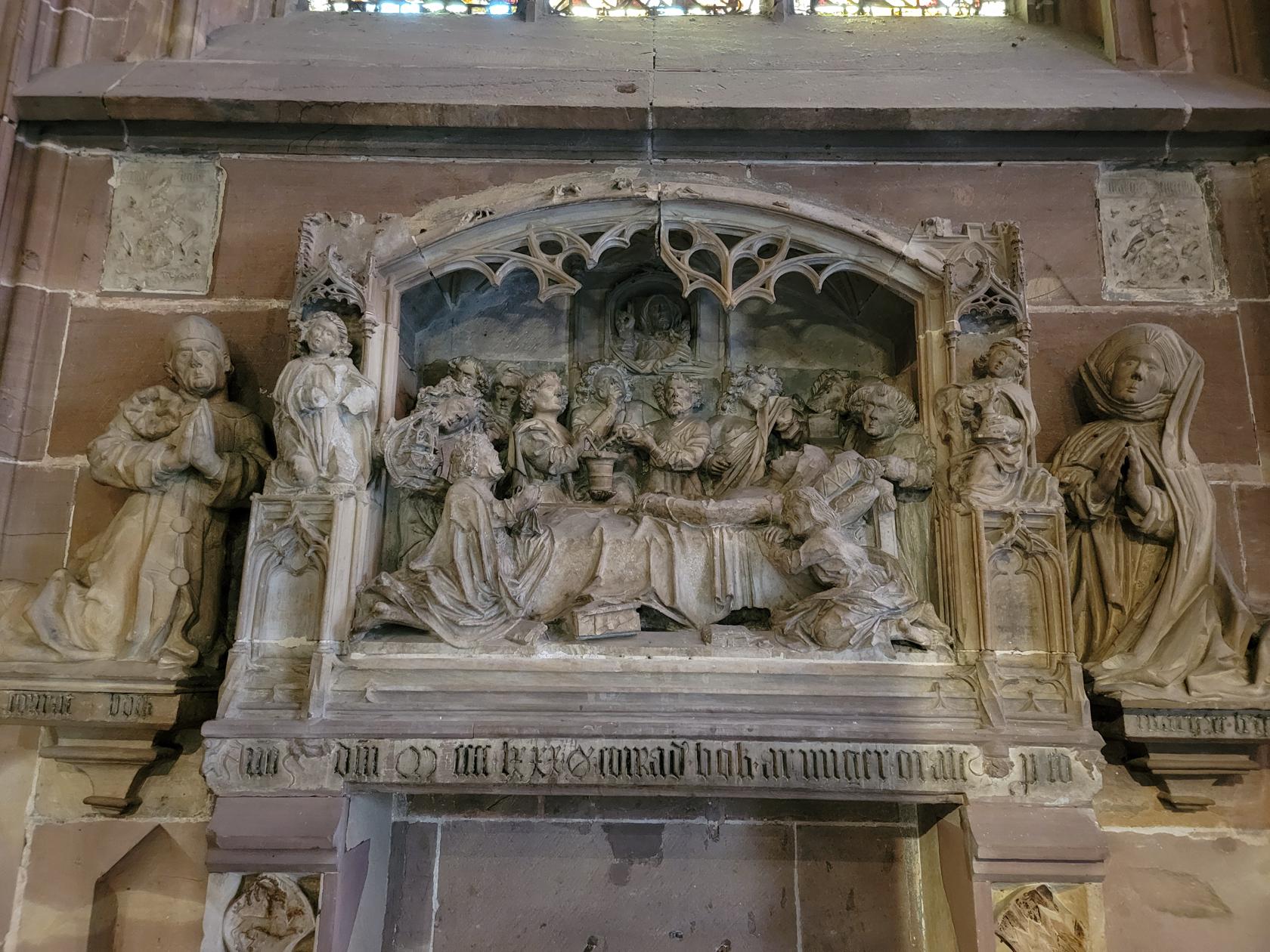
Very old stone carvings – Notre Dame de Strasbourg – Strasbourg, France
An entire view – Notre Dame de Strasbourg – Strasbourg, France
Get here early, usually before ten o’clock, otherwise the tour groups from the Viking cruises start to assemble and you will have little chance, the line often snakes all the way out the courtyard and around the block!
Palace Rohan
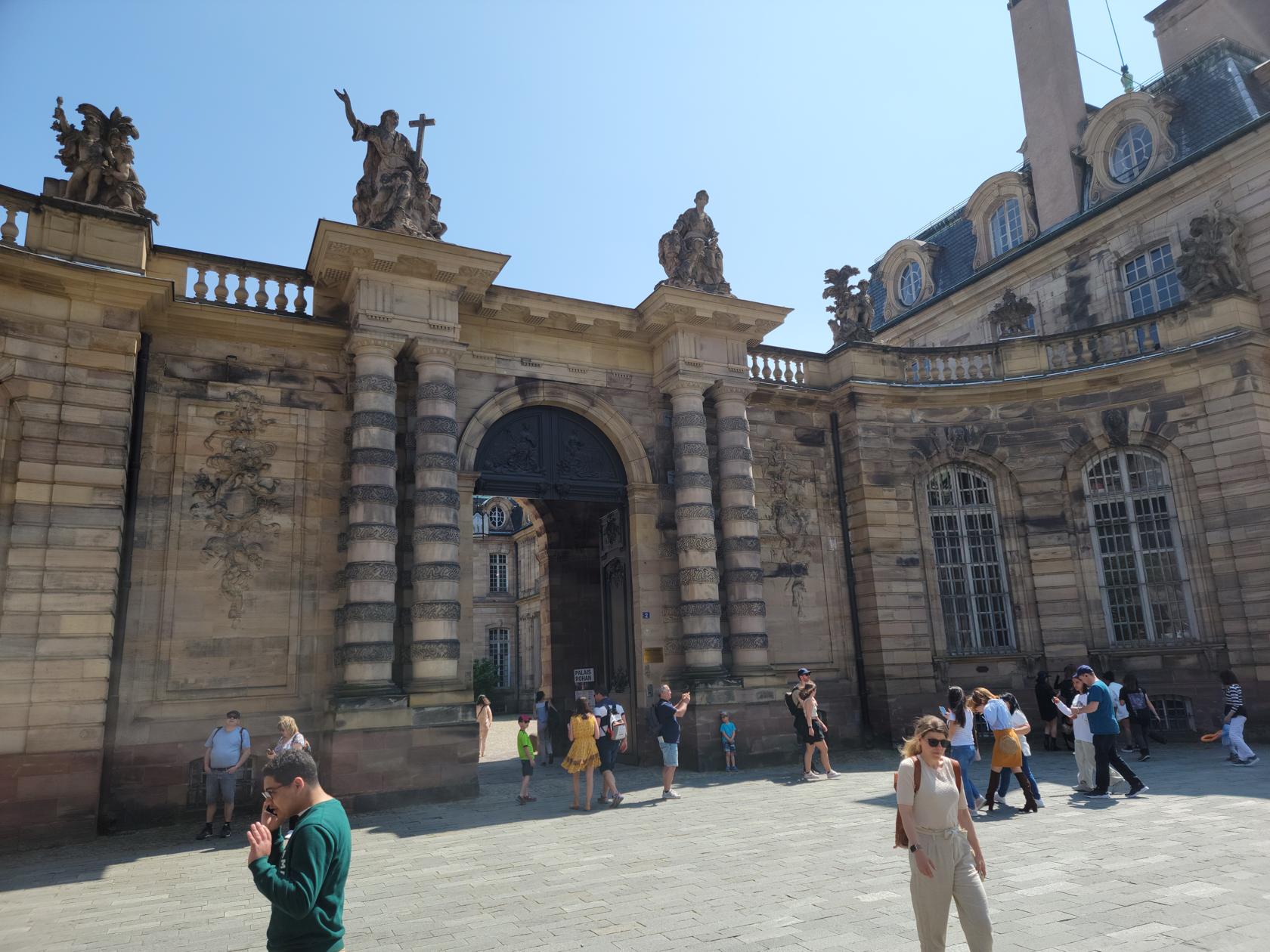
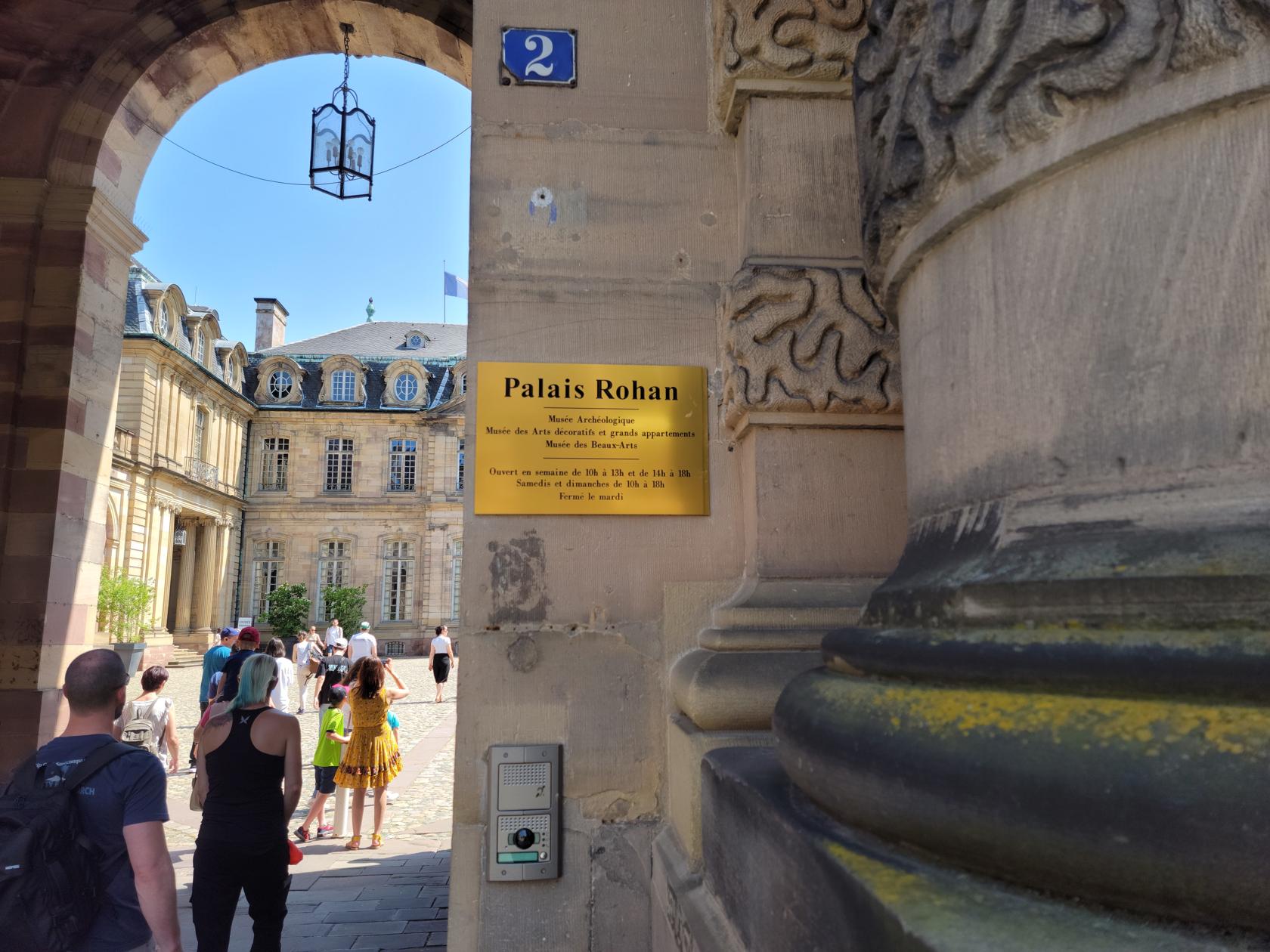
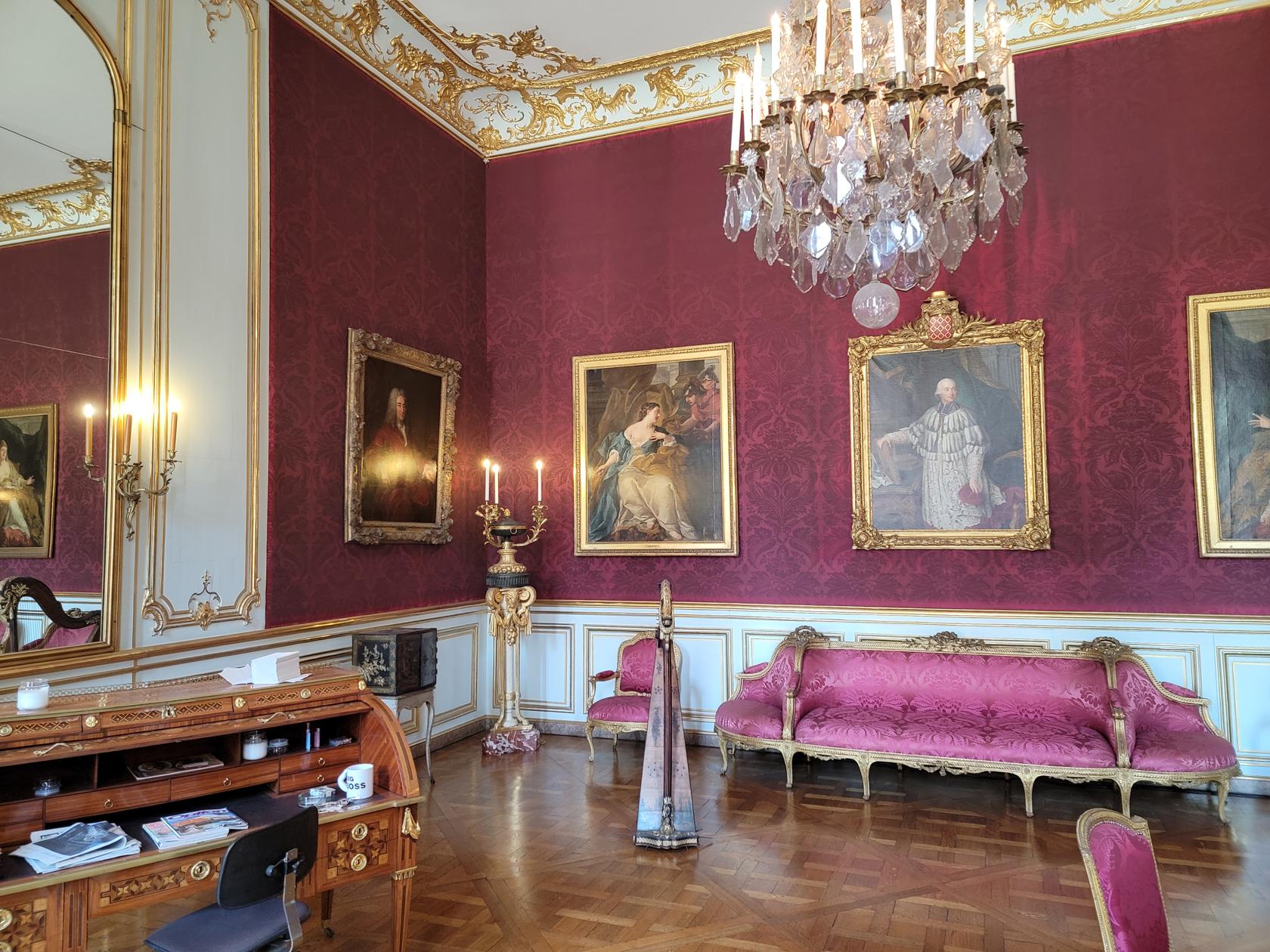
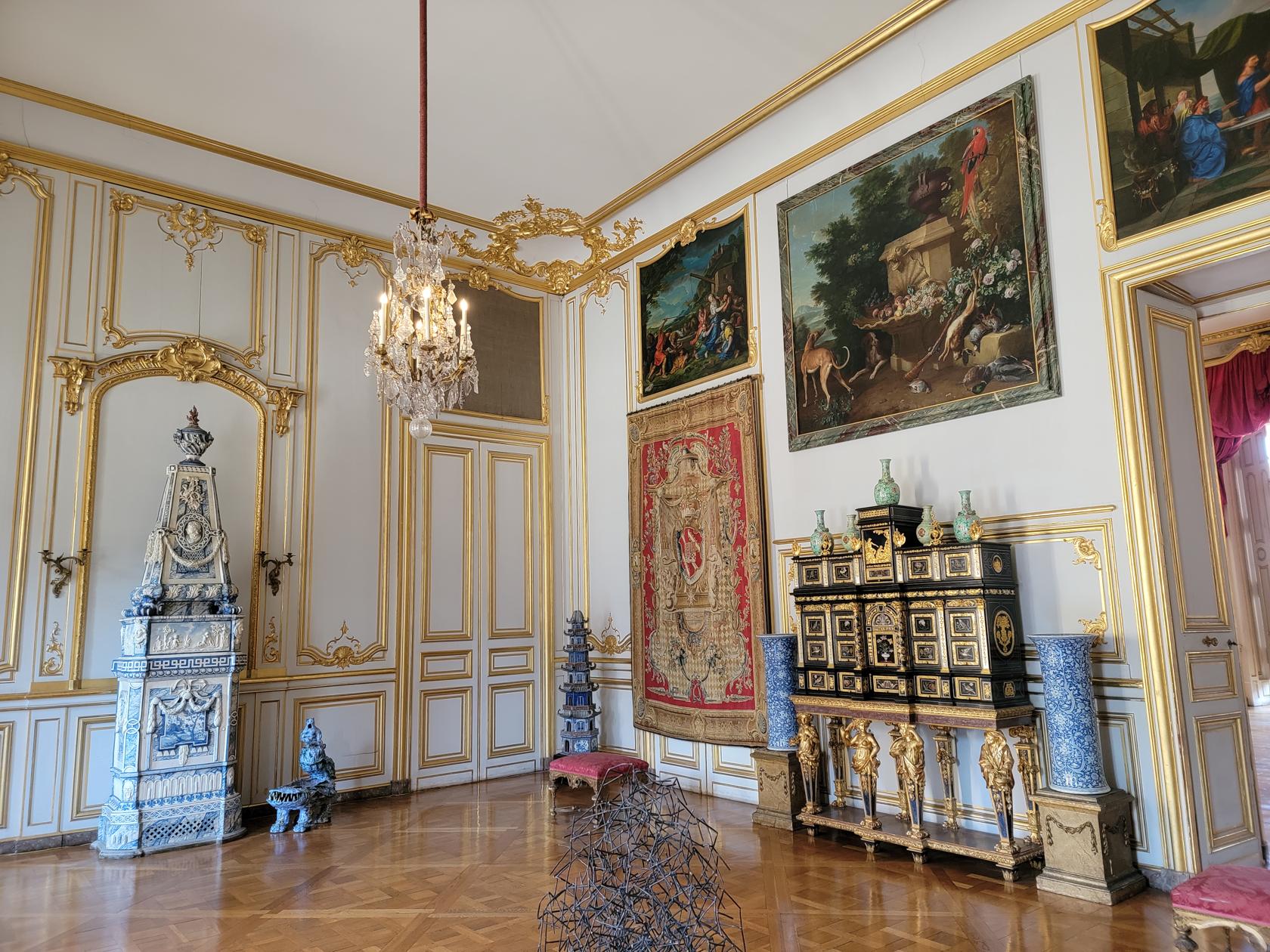
Across the river Ill from our hotel was the Rohan Palace, which houses several museums. We toured the Museum of Decorative Arts, just to get a view of the palace from inside.
Palace Rohan entrance – Strasbourg, France
Palace Rohan – Strasbourg, France
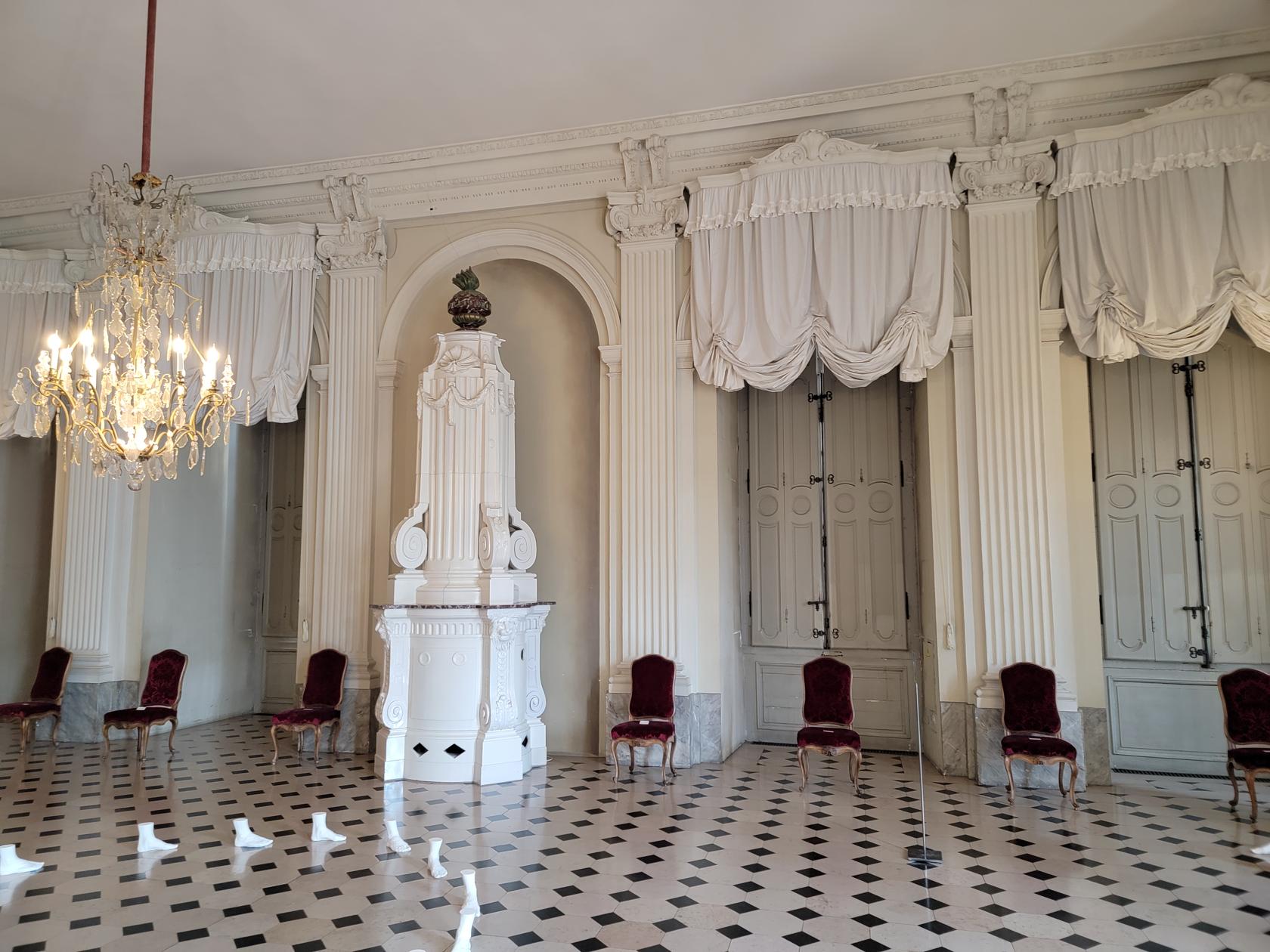
We all found the decorative arts inside the museum a bit avant-guarde for our tastes, but typically French. The interior of the palace for the most part met expectations.
Palace Rohan – Strasbourg, France
Inside the Decorative Arts Museum – Palace Rohan – Strasbourg, France
Decorative Arts Museum – Palace Rohan – Strasbourg, France
Decorative Arts Museum – Palace Rohan – Strasbourg, France
Decorative Arts Museum – Palace Rohan – Strasbourg, France
Decorative Arts Museum – Palace Rohan – Strasbourg, France
Decorative Arts Museum – Palace Rohan – Strasbourg, France
Decorative Arts Museum – Palace Rohan – Strasbourg, France
Decorative Arts Museum – Palace Rohan – Strasbourg, France
Decorative Arts Museum – Palace Rohan – Strasbourg, France
Decorative Arts Museum – Palace Rohan – Strasbourg, France
Decorative Arts Museum – Palace Rohan – Strasbourg, France
Decorative Arts Museum – Palace Rohan – Strasbourg, France
Decorative Arts Museum – Palace Rohan – Strasbourg, France
Decorative Arts Museum – Palace Rohan – Strasbourg, France
Decorative Arts Museum – Palace Rohan – Strasbourg, France
Decorative Arts Museum – Palace Rohan – Strasbourg, France
Pont du Faisan
Built in 1888 this is a working example of an old hydraulic swing bridge. Below is a short video showing it in operation. First the two ends are closed for traffic, then the operator swings the bridge to allow boats through the gate. We were able to see this as a pedestrian and on the Strasbourg sightseeing tour boat. It is a very interesting piece of engineering and on a small scale, perhaps better than raising a bridge.
Ponts Couverts de Strasbourg
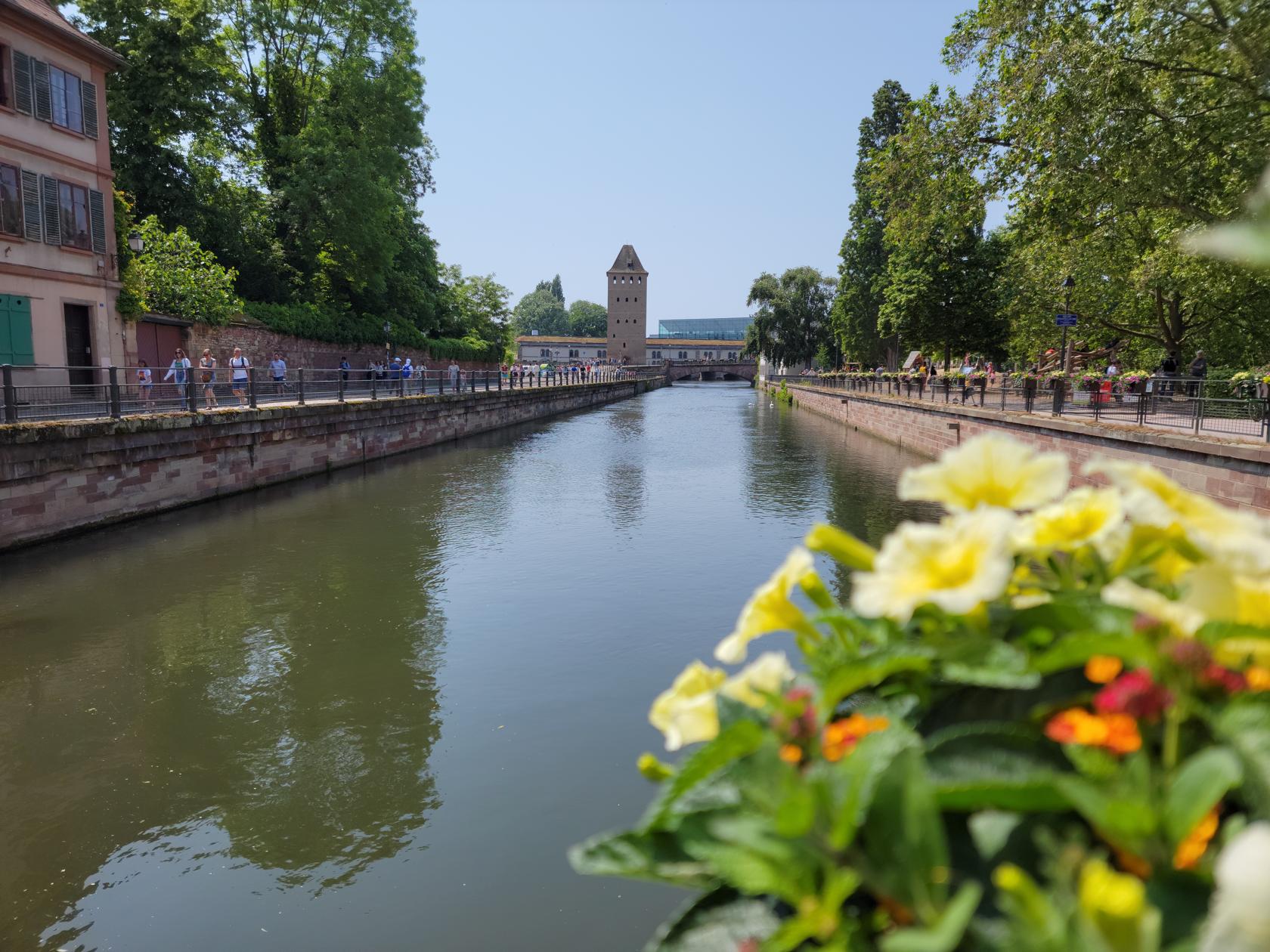
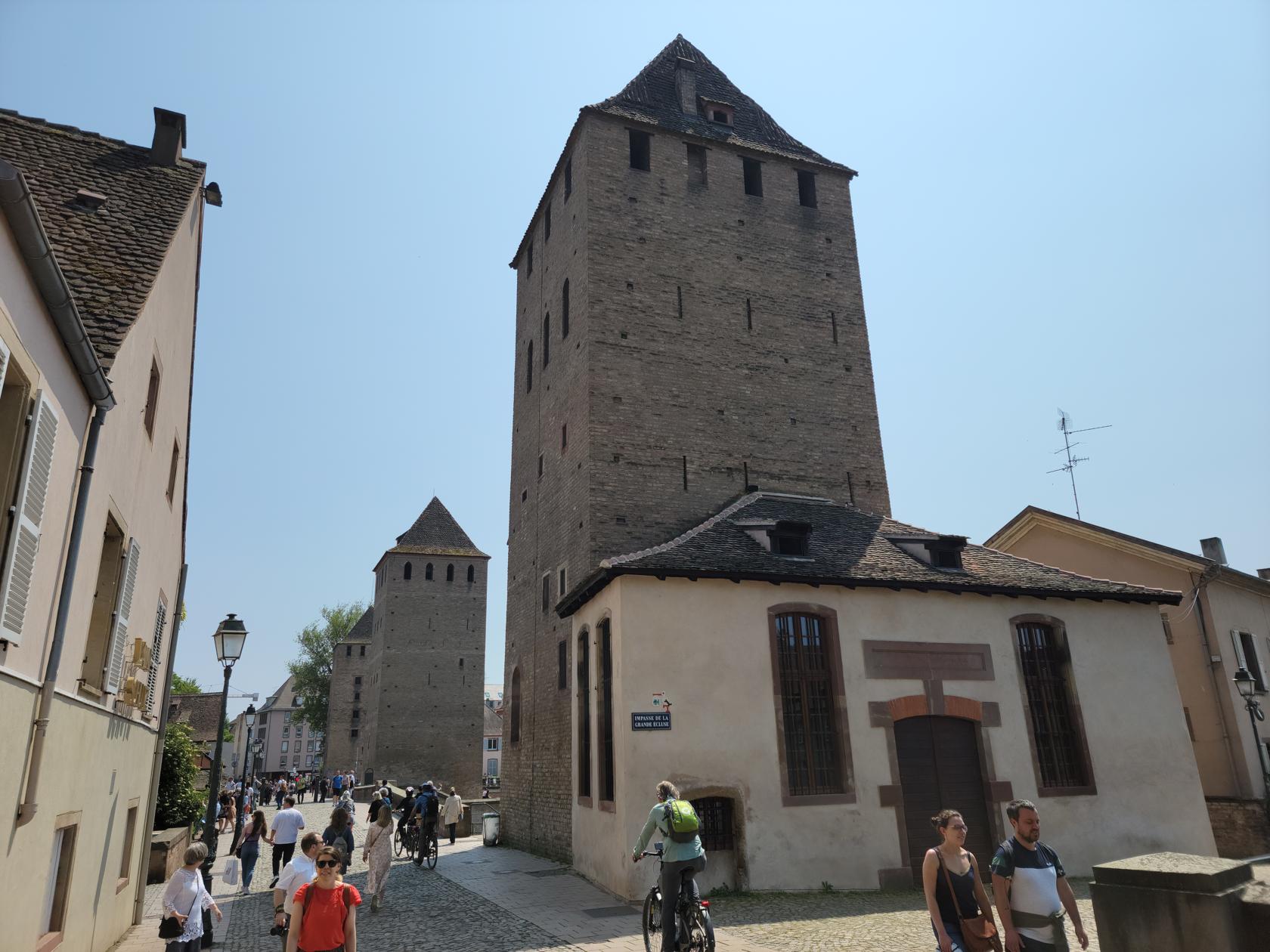
This Ponts Couverts is a set of thirteen century covered bridges and towers on the southwest part of the island. Initially a battlement and constructed of wood, the roofs were later removed and eventually the bridges were rebuilt in stone.
The Pont Courverts – Strasbourg, France
At least one of them was made into a prison and it was later told, though falsely, that executions were also carried out there, though there is no evidence of this happening.
The Courvert Towers – Strasbourg, France
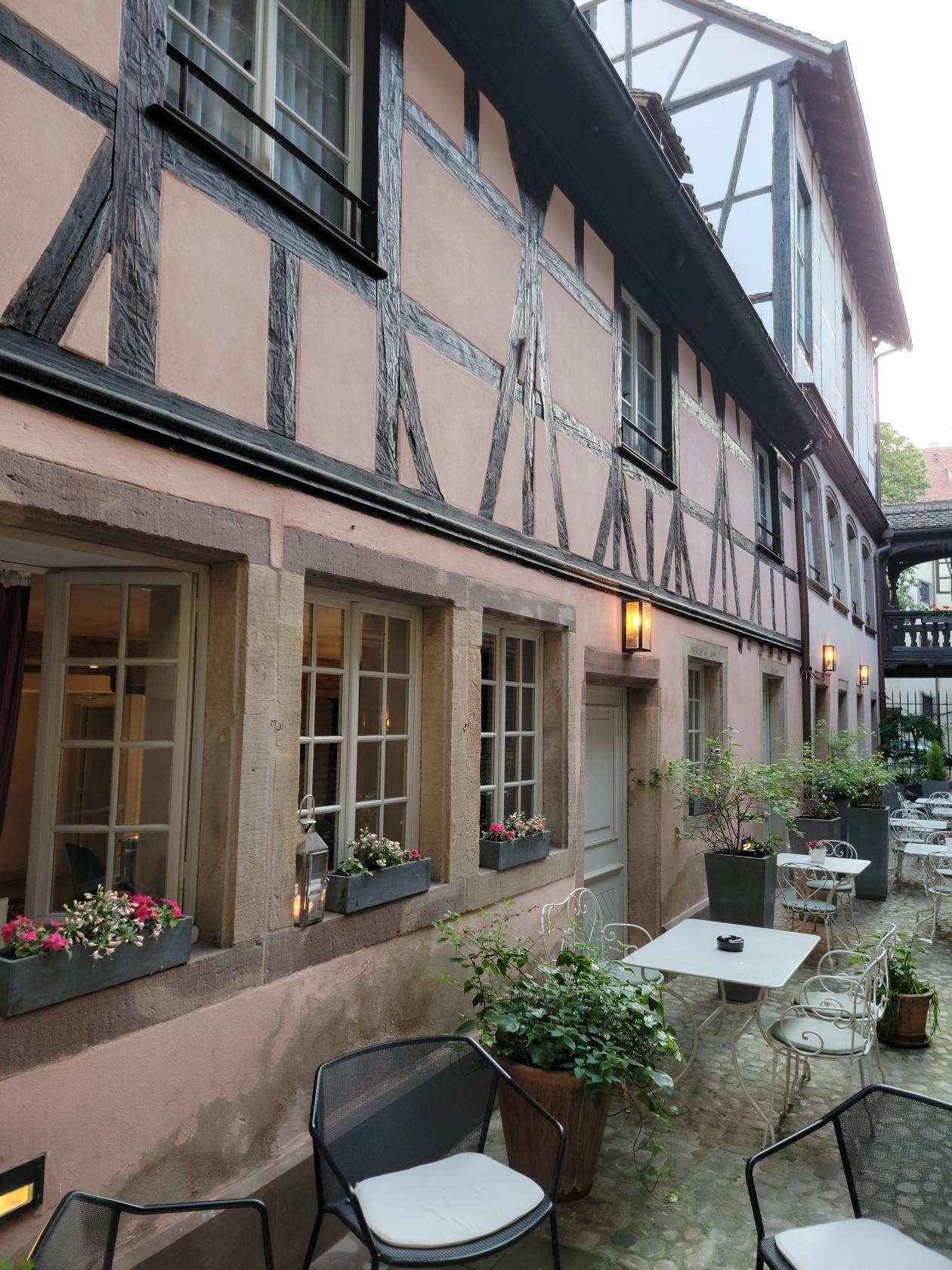
Hotel Cour Du Corbeau
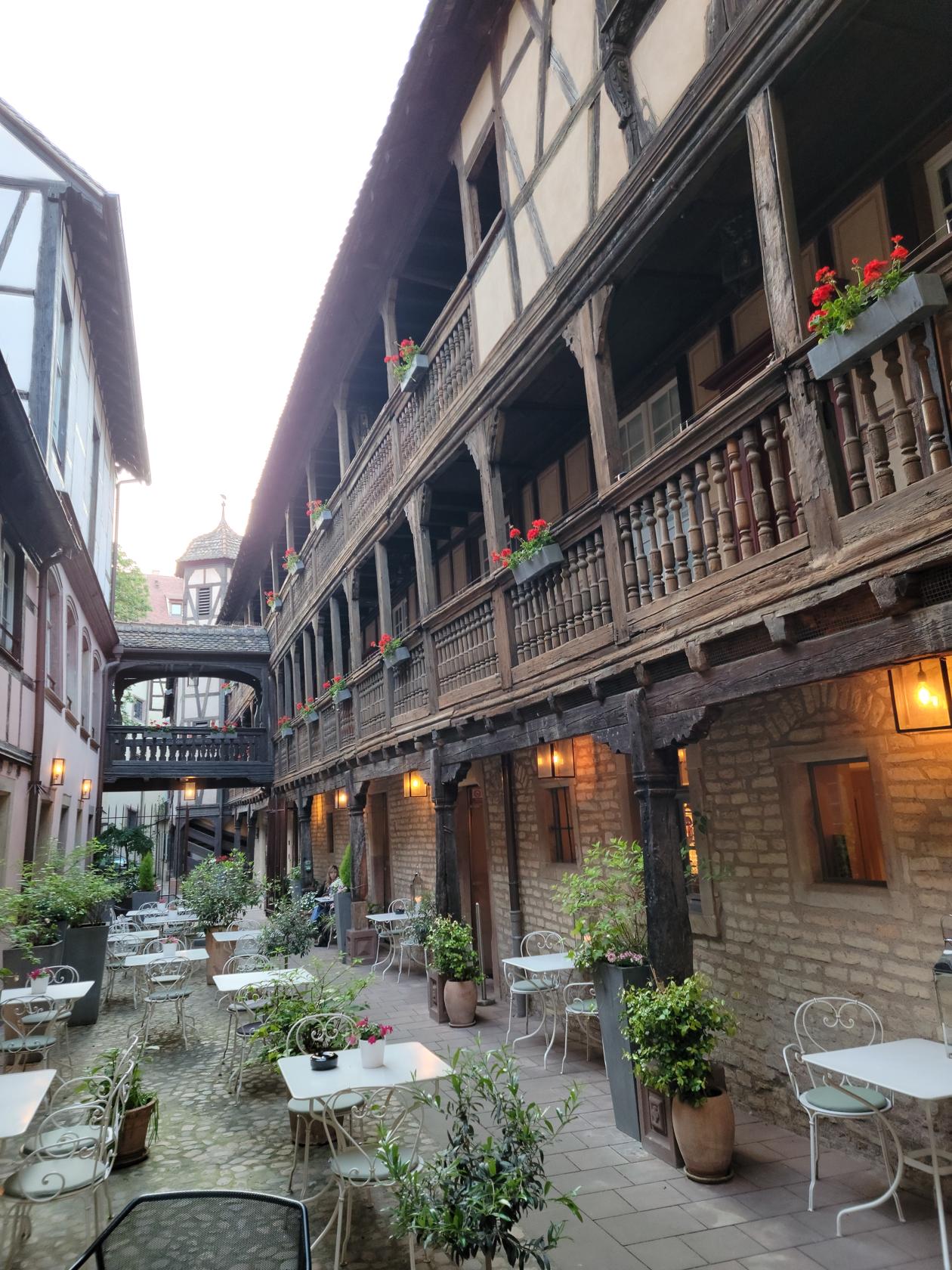
A very good hotel that is strategically located close to the old city center in Krutenau is the Hotel Cour Du Corbeau. It is situated just across the river Ill and two blocks away from the cathedral. Parking for cars is only a block away and many restaurants and cafes are within ten minutes walking distance.
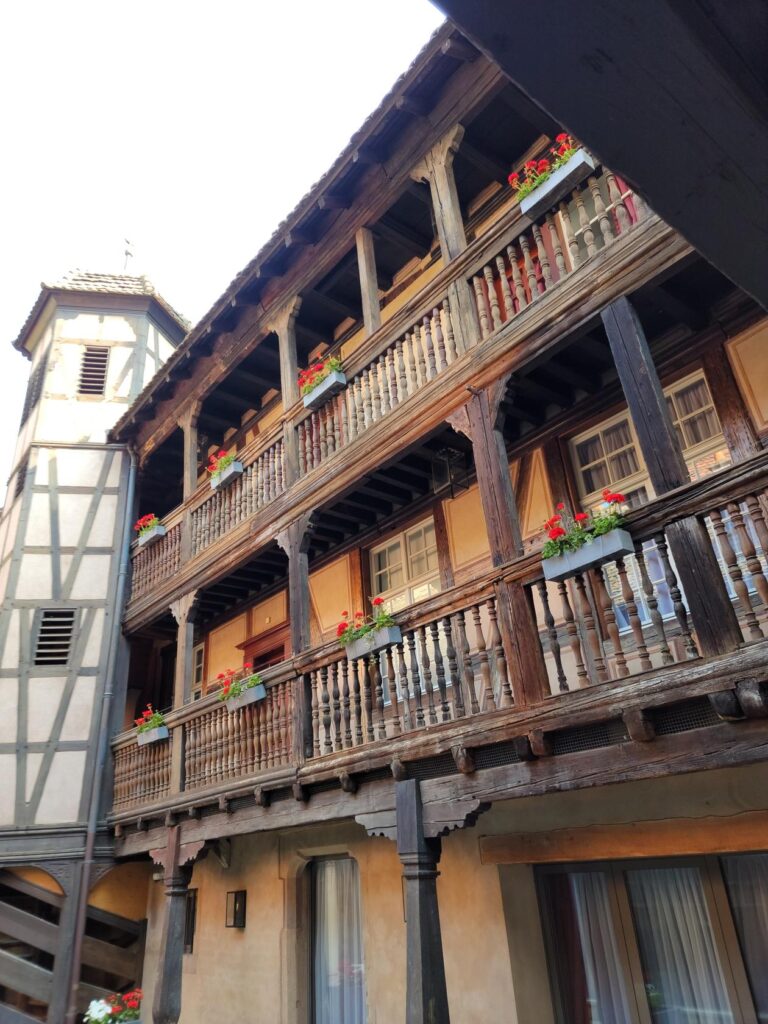
An old inn renovated – Hotel Cour Du Corbeau – Strasbourg, France
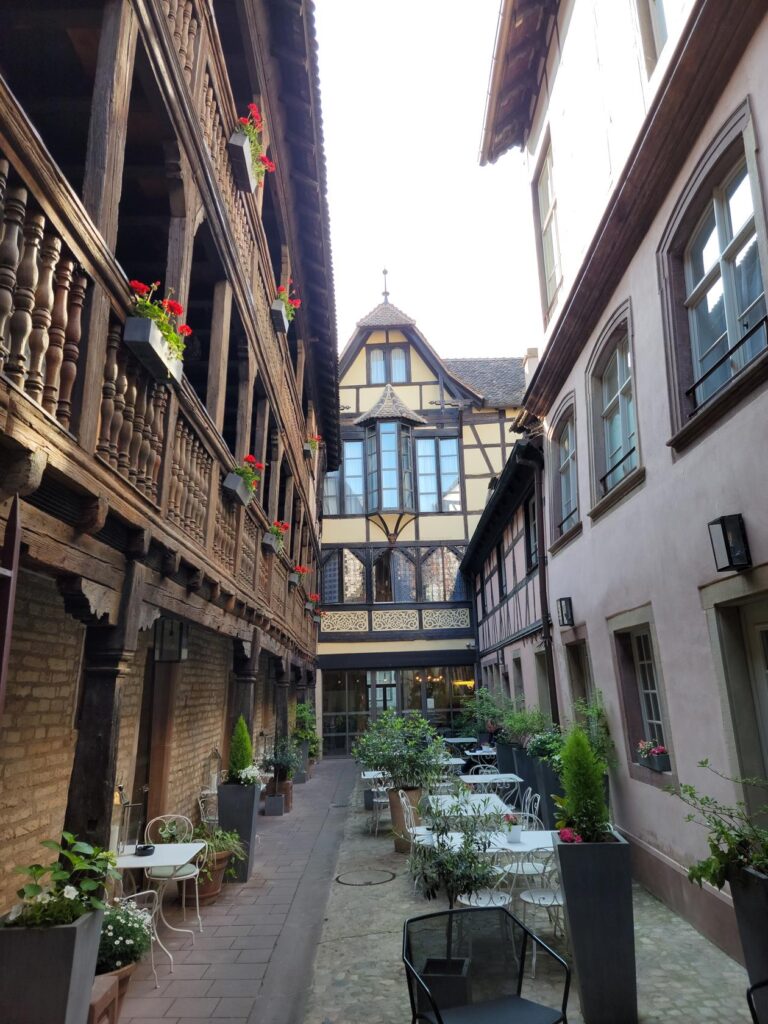
The courtyard and cafe – Hotel Cour Du Corbeau – Strasbourg, France
Old wooden framing – Hotel Cour Du Corbeau – Strasbourg, France
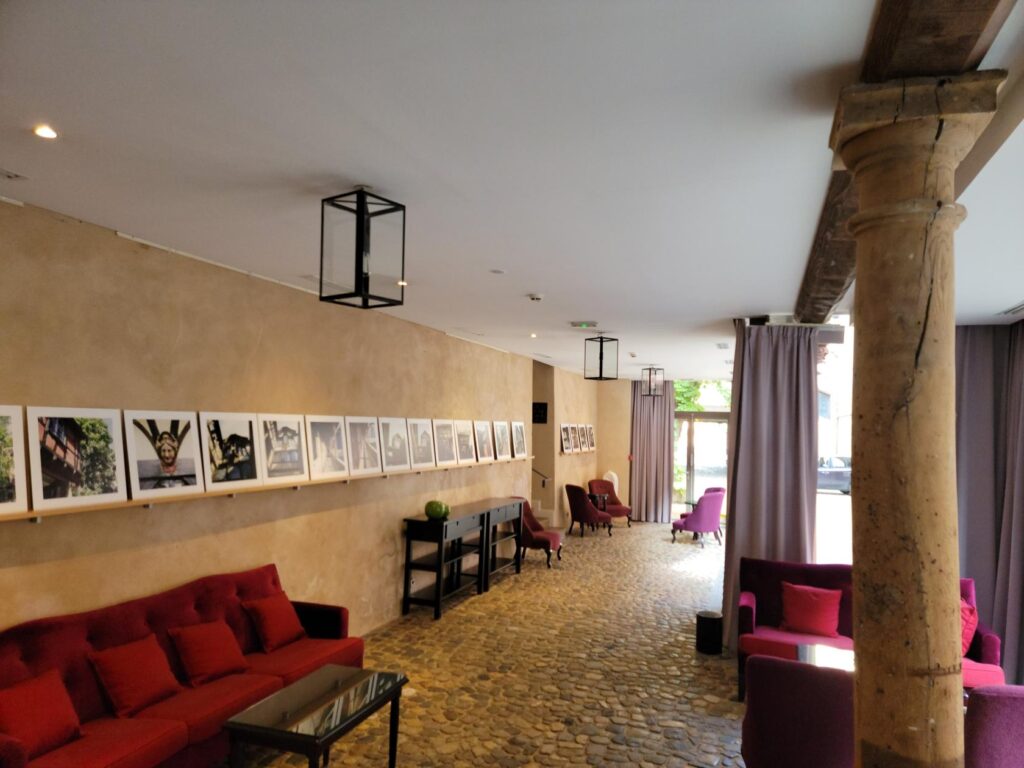
Renovated inside – Hotel Cour Du Corbeau – Strasbourg, France
Since we were arriving by train, we took the D Tram from the Central Station and got off at the Hospital stop. From there we were only a ten minute walk away.
Old spiral staircase – Hotel Cour Du Corbeau – Strasbourg, France
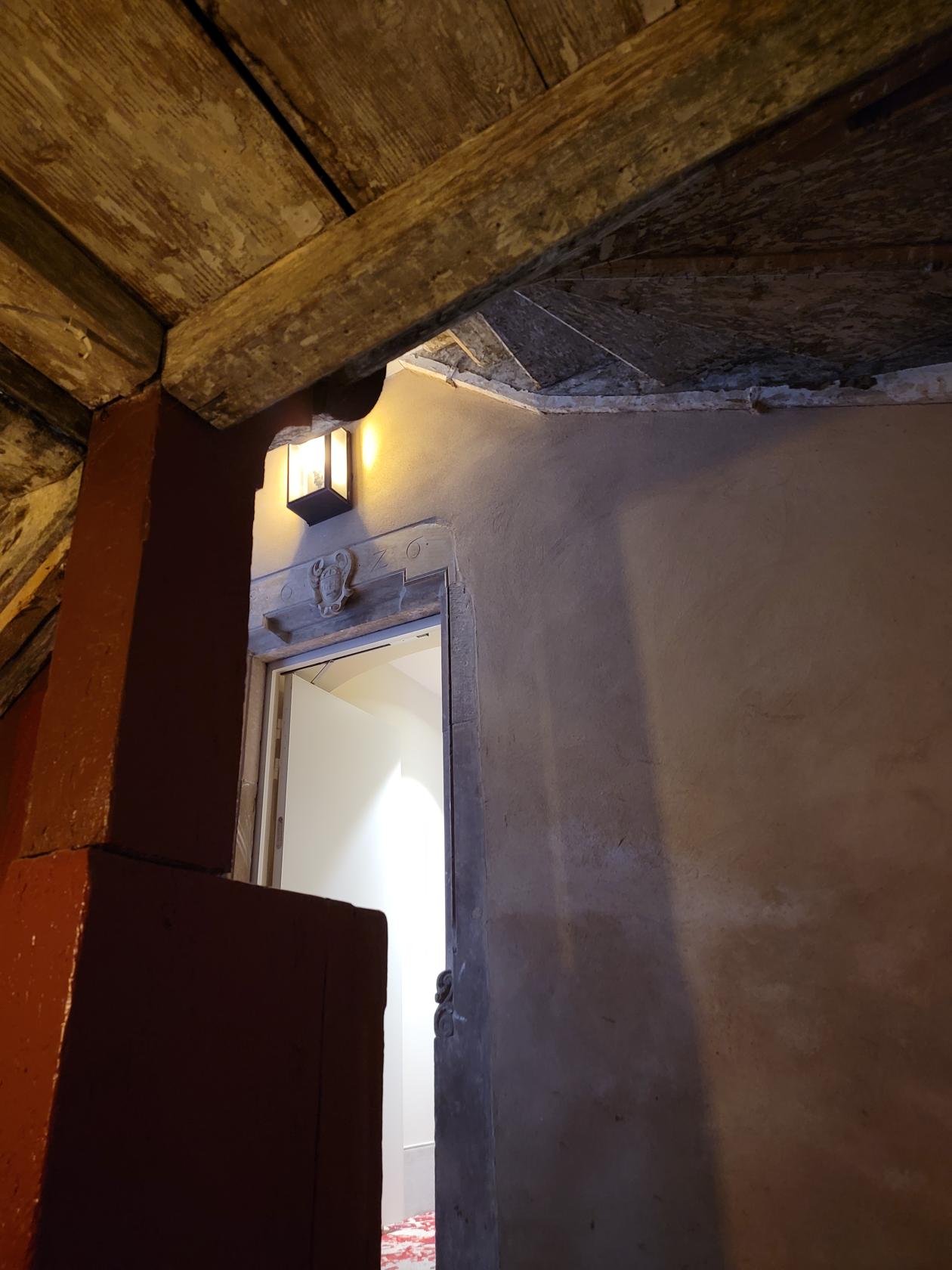
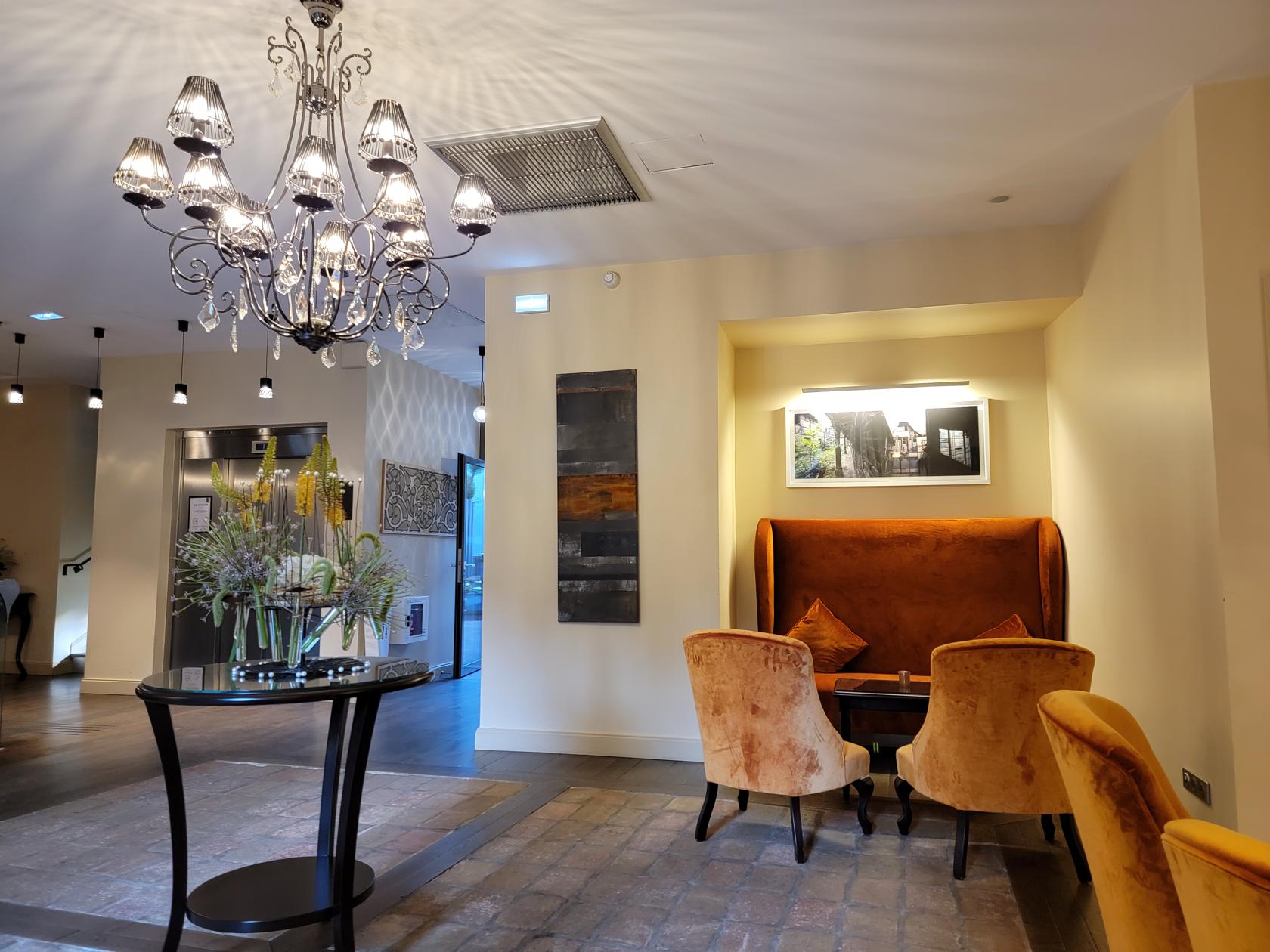
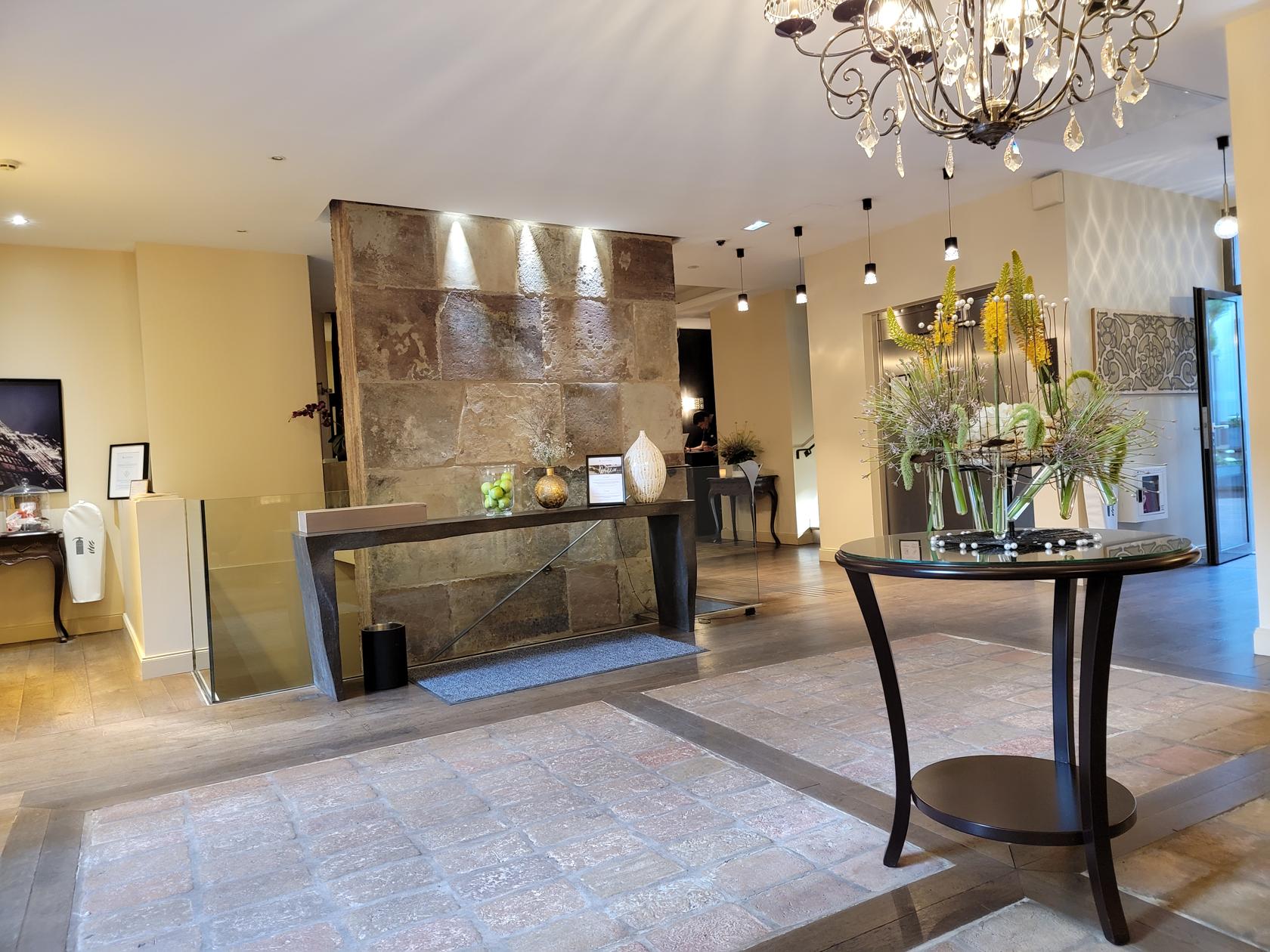
The hotel is a smartly renovated and modernized version of an old inn that was used by workmen that worked at the tanneries and other places throughout the city. It maintains many of the old beams and architectural elements of the old building. However, it includes air-conditioning and many other modern amenities.
The lobby – Hotel Cour Du Corbeau – Strasbourg, France
The lobby – Hotel Cour Du Corbeau – Strasbourg, France
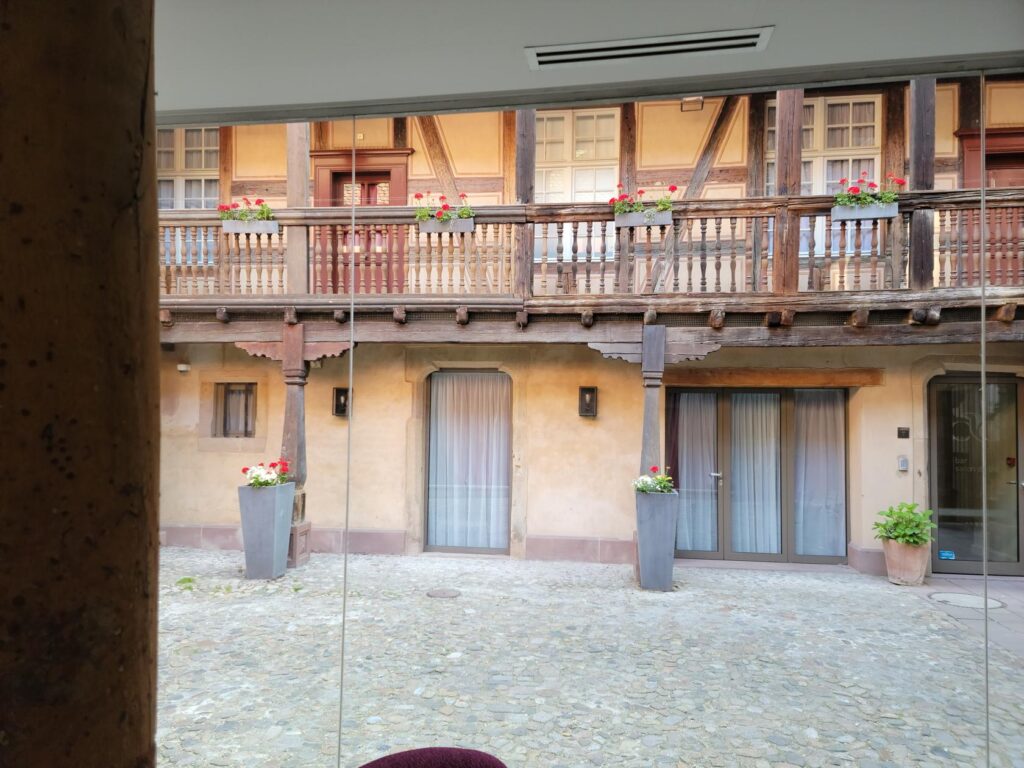
Outside courtyard – Hotel Cour Du Corbeau – Strasbourg, France
Outside courtyard and bar – Hotel Cour Du Corbeau – Strasbourg, France
Although you may initially find their 27€ price for breakfast a bit steep, it is well worth it since they provide both hot and cold buffet items, as well as a wide selection of coffees.
Old spiral staircase – Hotel Cour Du Corbeau – Strasbourg, France
Restaurants
Being a very busy tourist spot, Strasbourg has a plethora of restaurants, anything from traditional Alsatian food, to Chinese and other cosmopolitan cuisines. So you shouldn’t go hungry, even without a reservation.
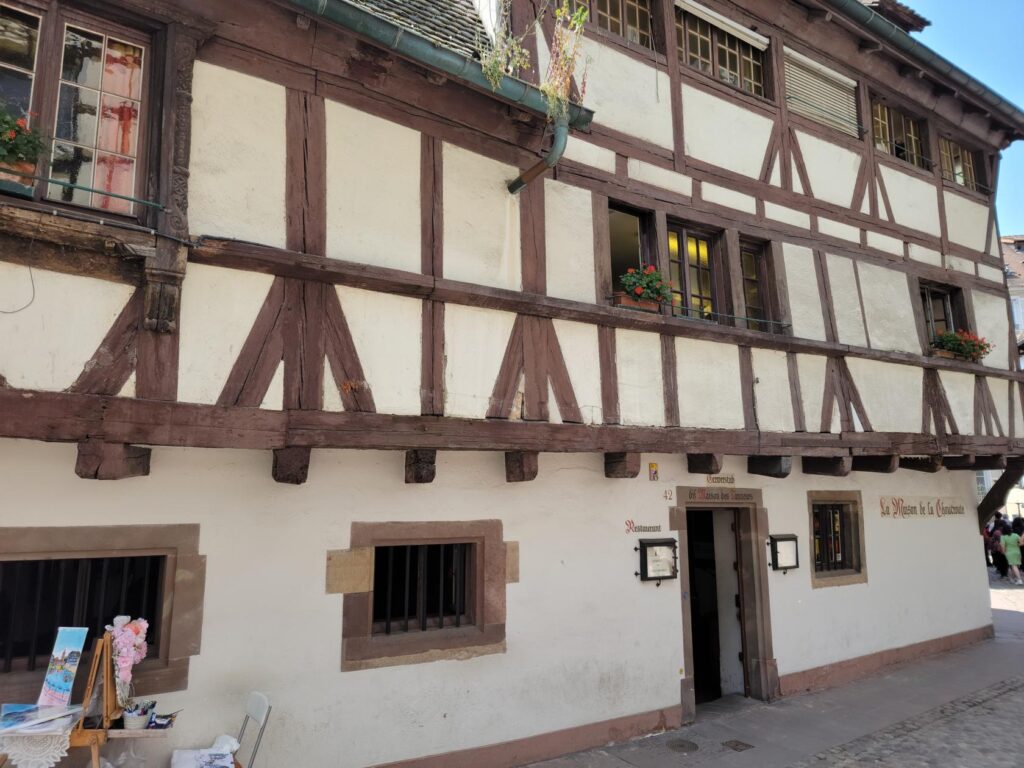
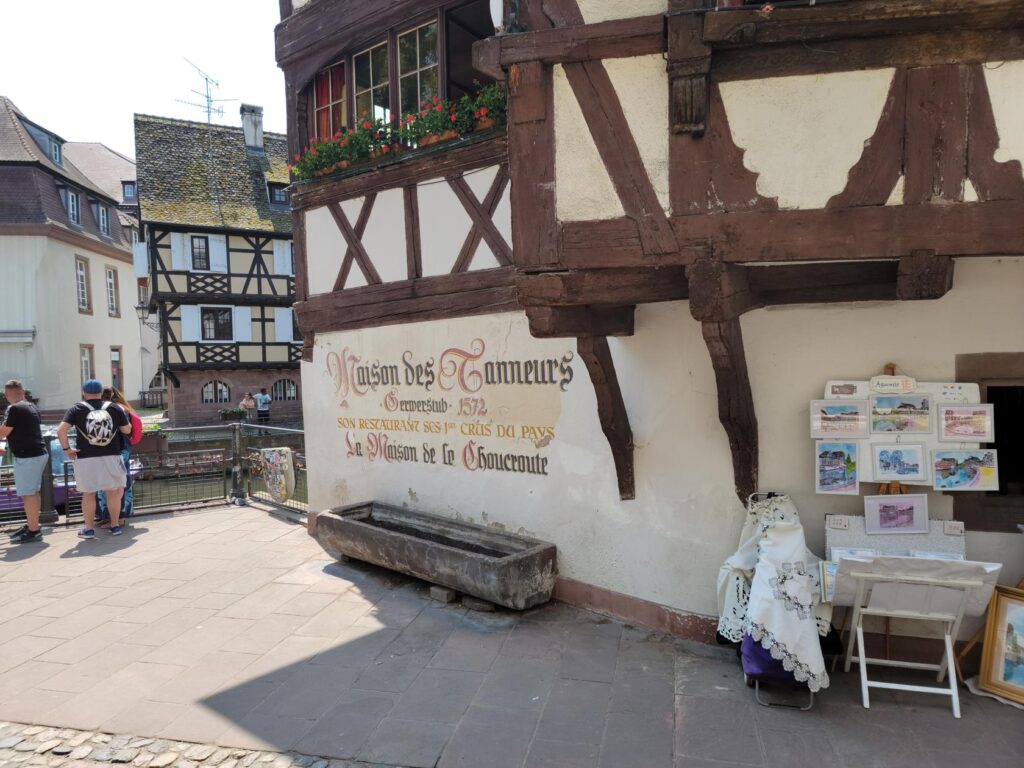
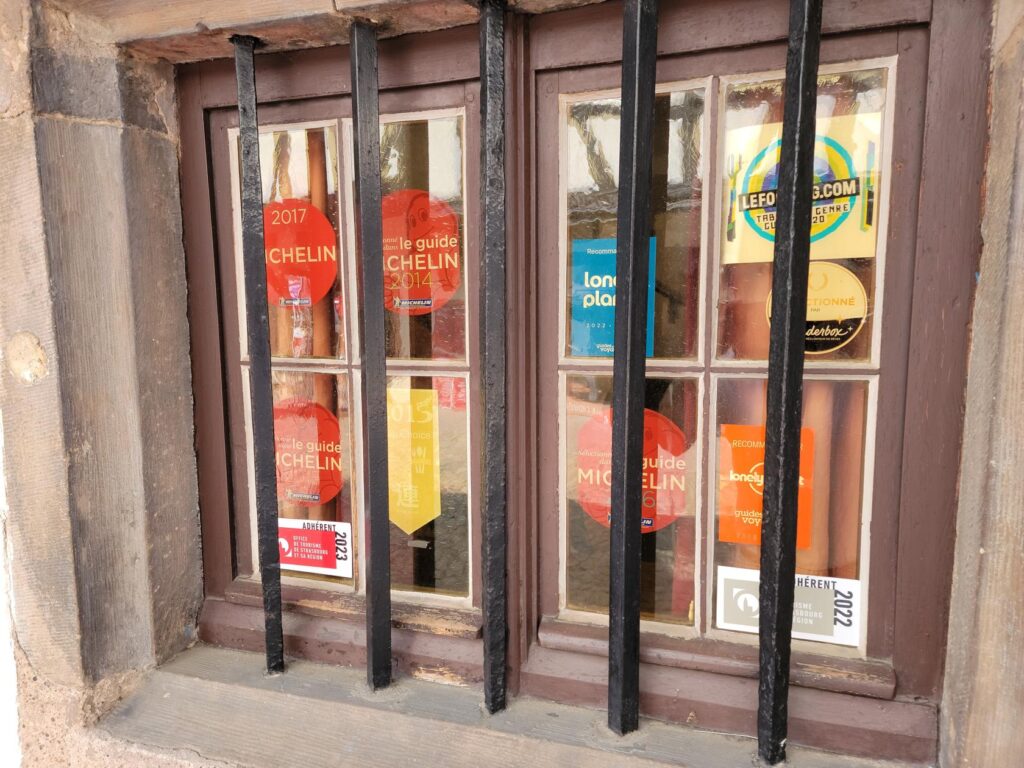
Maison Des Tanneurs
The House of the Tanners restaurant was the furthest of all the restaurants from our hotel and took a good fifteen minute walk to reach.
Restaurant – The House of Tanners – Strasbourg, France
Restaurant – The House of Tanners – Strasbourg, France
Restaurant – The House of Tanners – Strasbourg, France
Former names – The House of Tanners – Strasbourg, France
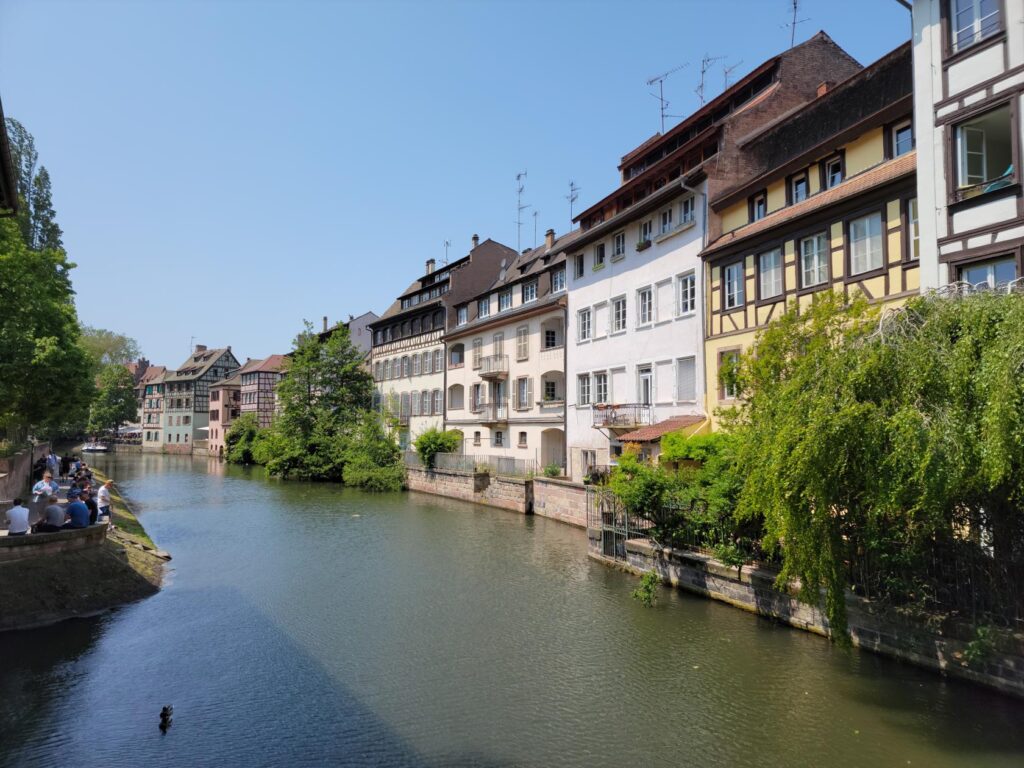
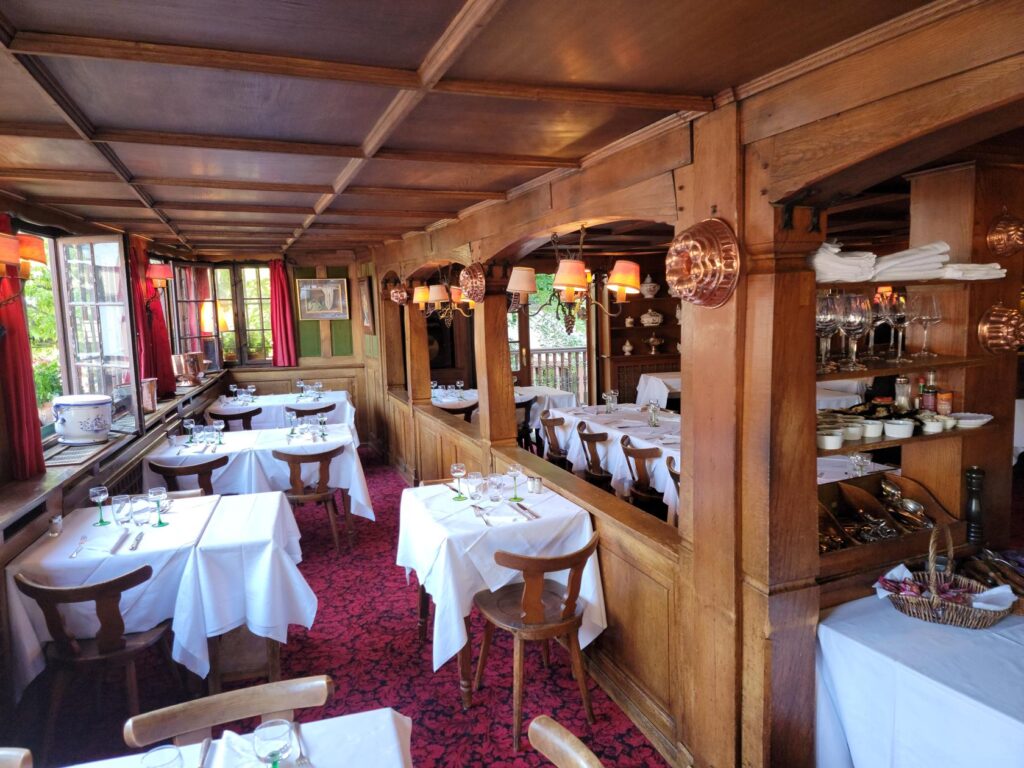
Located in the far southwest corner of the island and near the Ponts Couverts it commands a nice view of the river Ill. So, if you want window side seat, reserve your seat early, we arrived at our reservation time and the sign was already posted on the menu outside – totally booked this evening.
View from window – The House of Tanners – Strasbourg, France
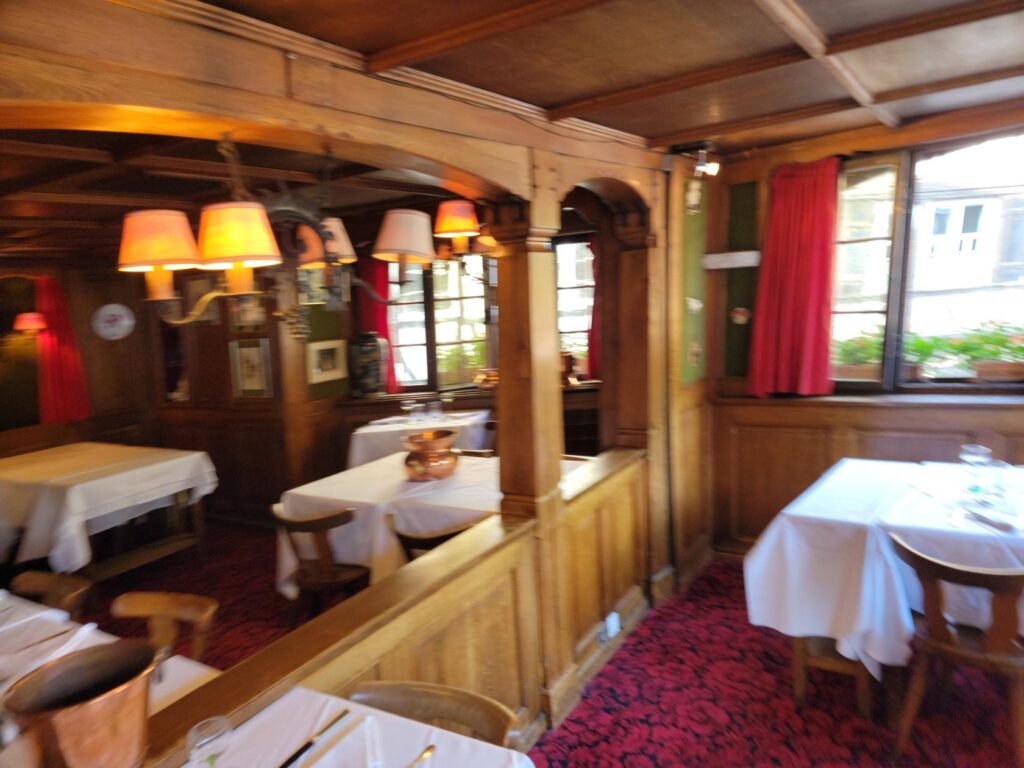
Inside – The House of Tanners – Strasbourg, France
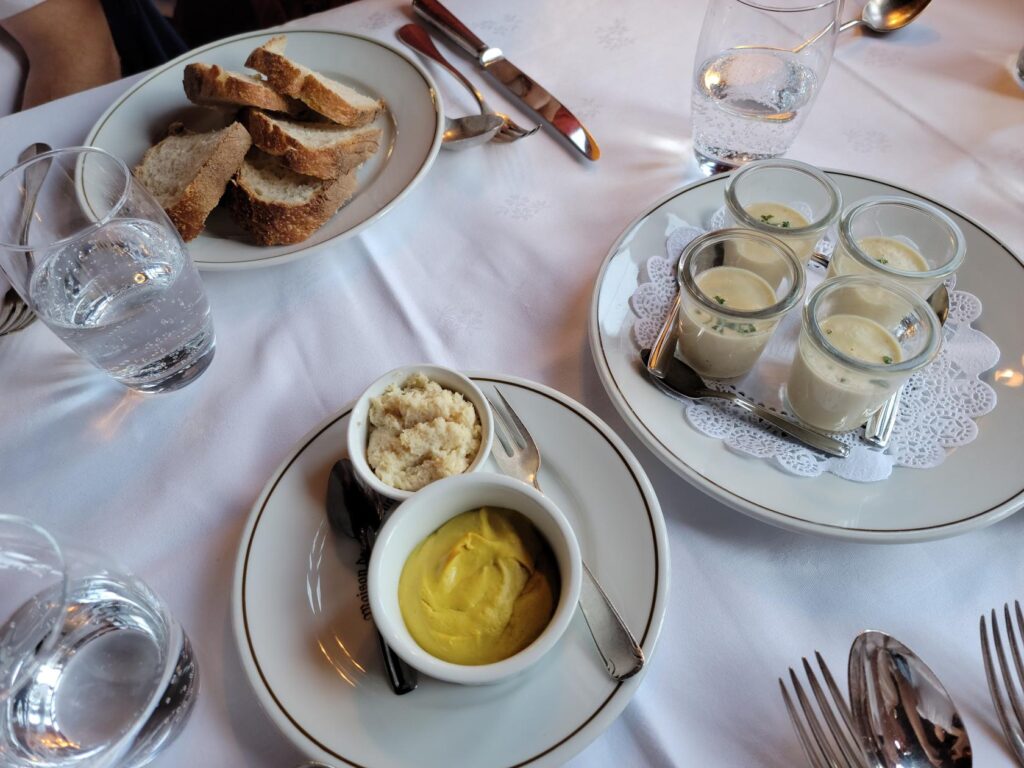
Our appetizers – The House of Tanners – Strasbourg, France
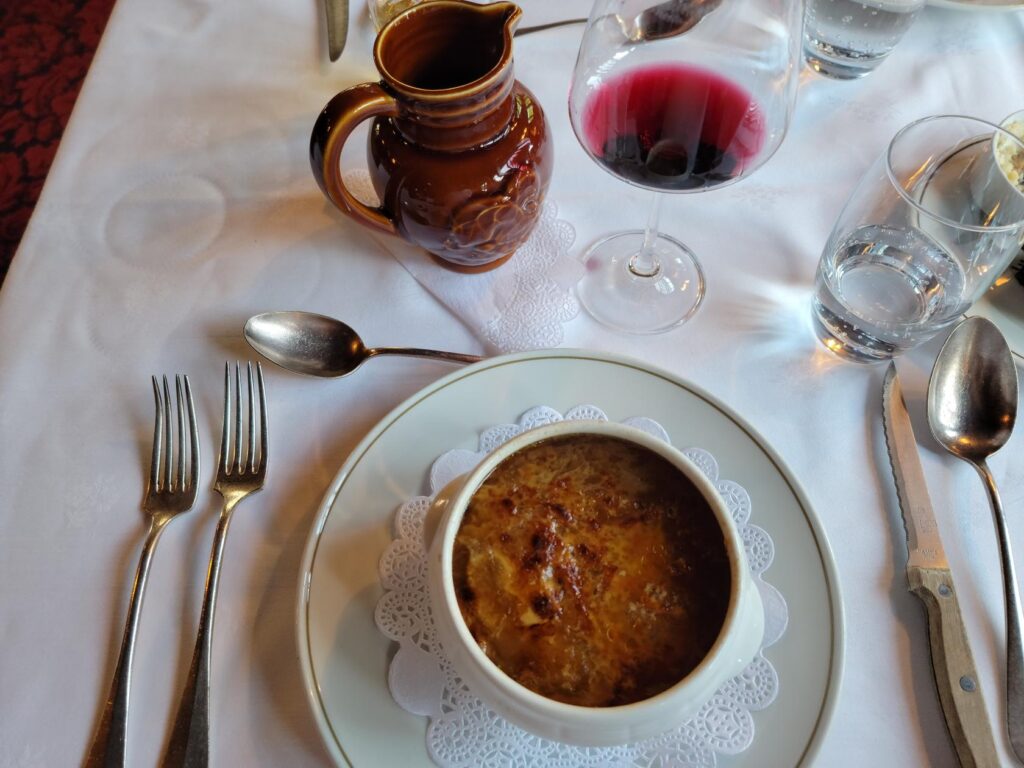
Gulash like soup – The House of Tanners – Strasbourg, France
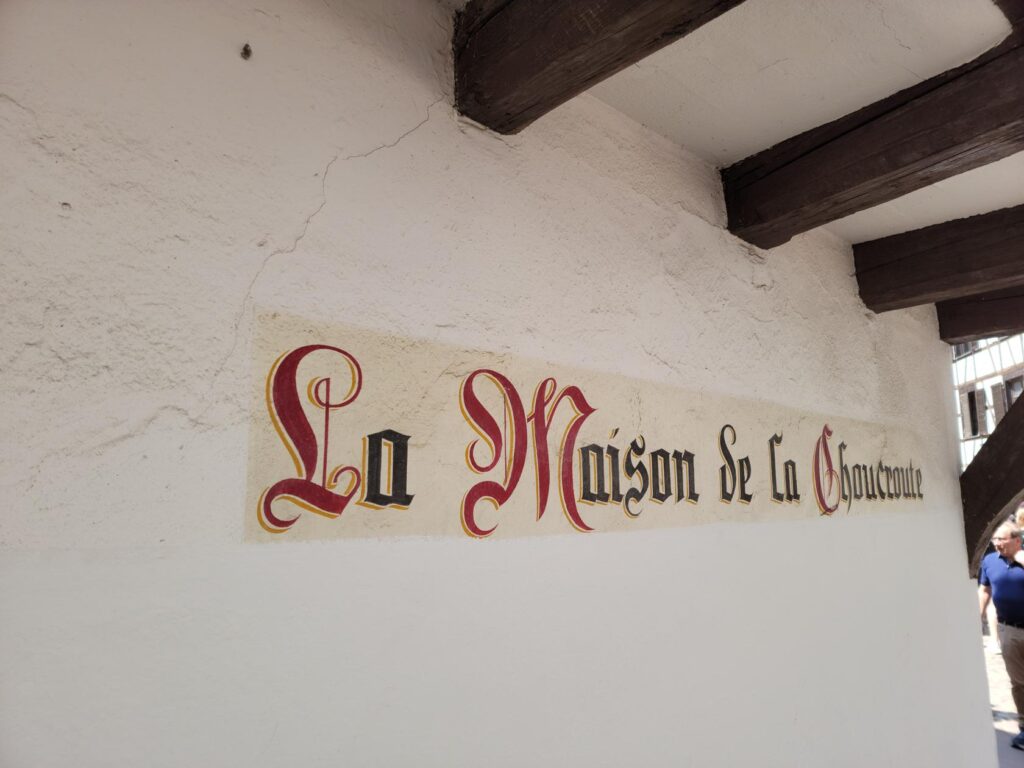
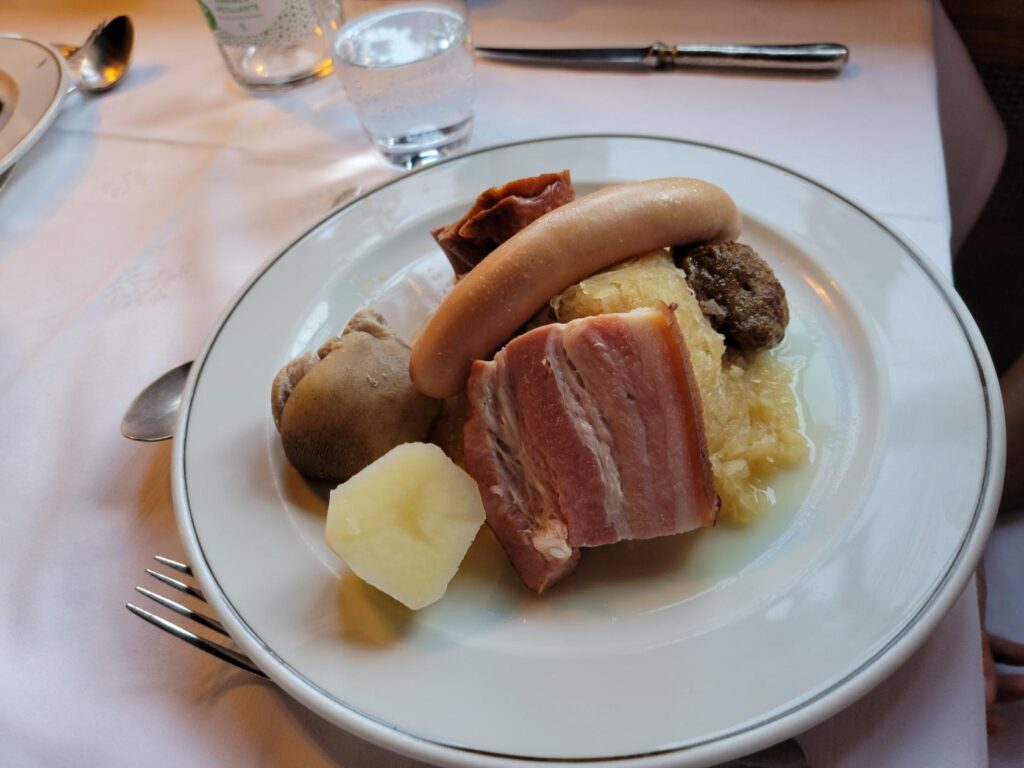
La Choucroute – Heap of sauerkraut and assorted meat – The House of Tanners – Strasbourg, France
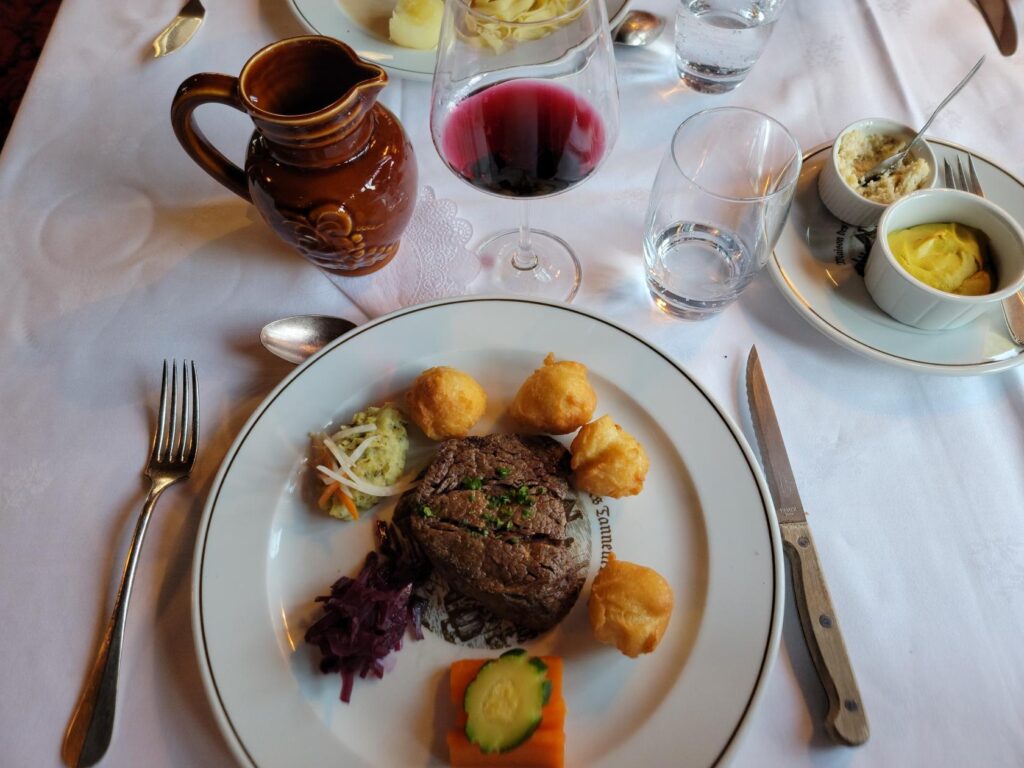
Tenderloin with sauce Bearnaise and potato croquettes – The House of Tanners – Strasbourg, France
Inside – The House of Tanners – Strasbourg, France
The window view again – The House of Tanners – Strasbourg, France
La Piazza
We ate here on a first night and it is a decent restaurant with pretty good Italian food. We sat inside near the wood burning over, so the pizza they made for us was using the traditional method. The service was fine and our drinks met all of our expectations. However, the toilet left much to be desired, I suggest you become prepared to avoid a visit.
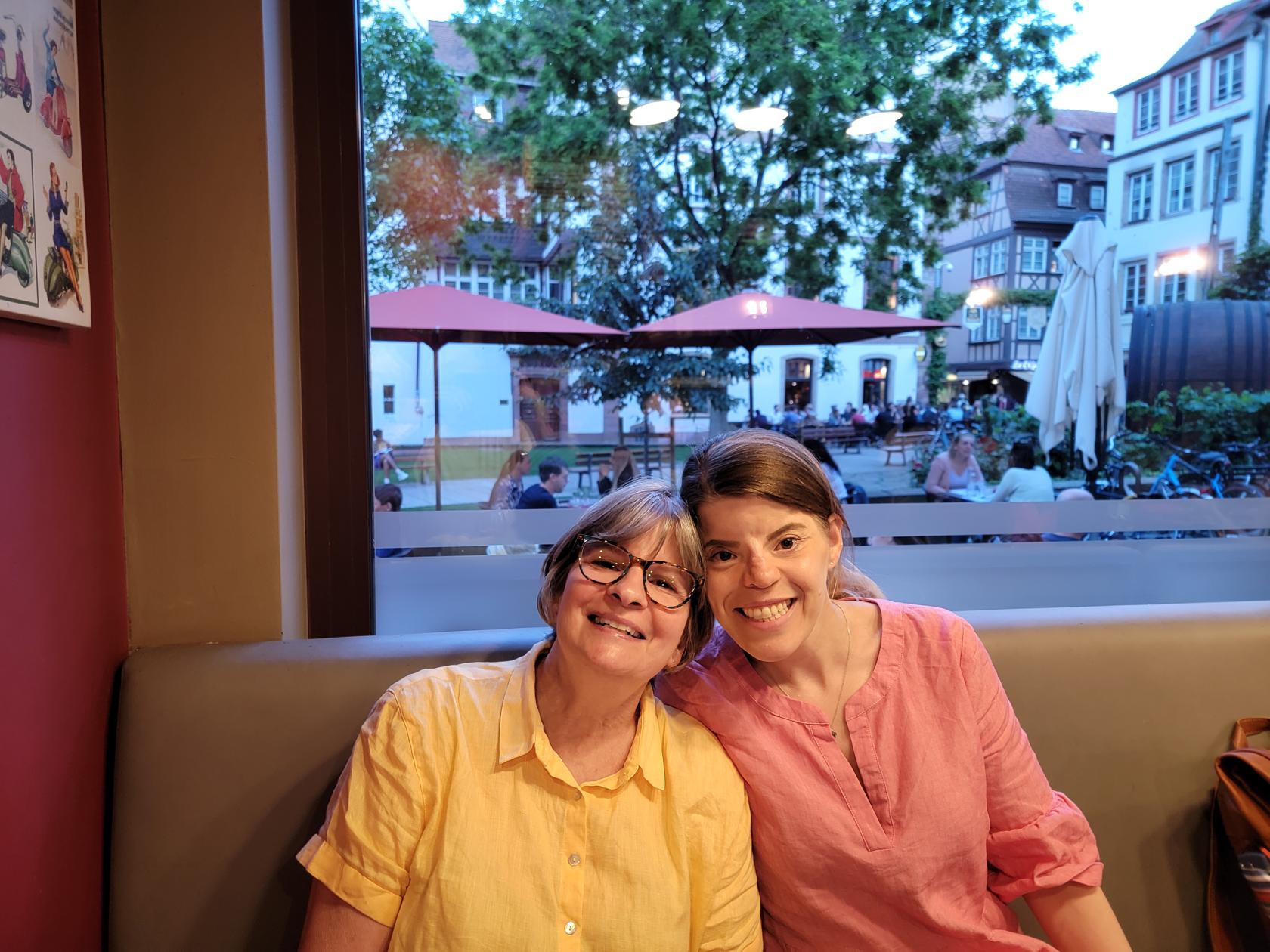
Patti and Ericka – La Piazza restaurant – Strasbourg, France
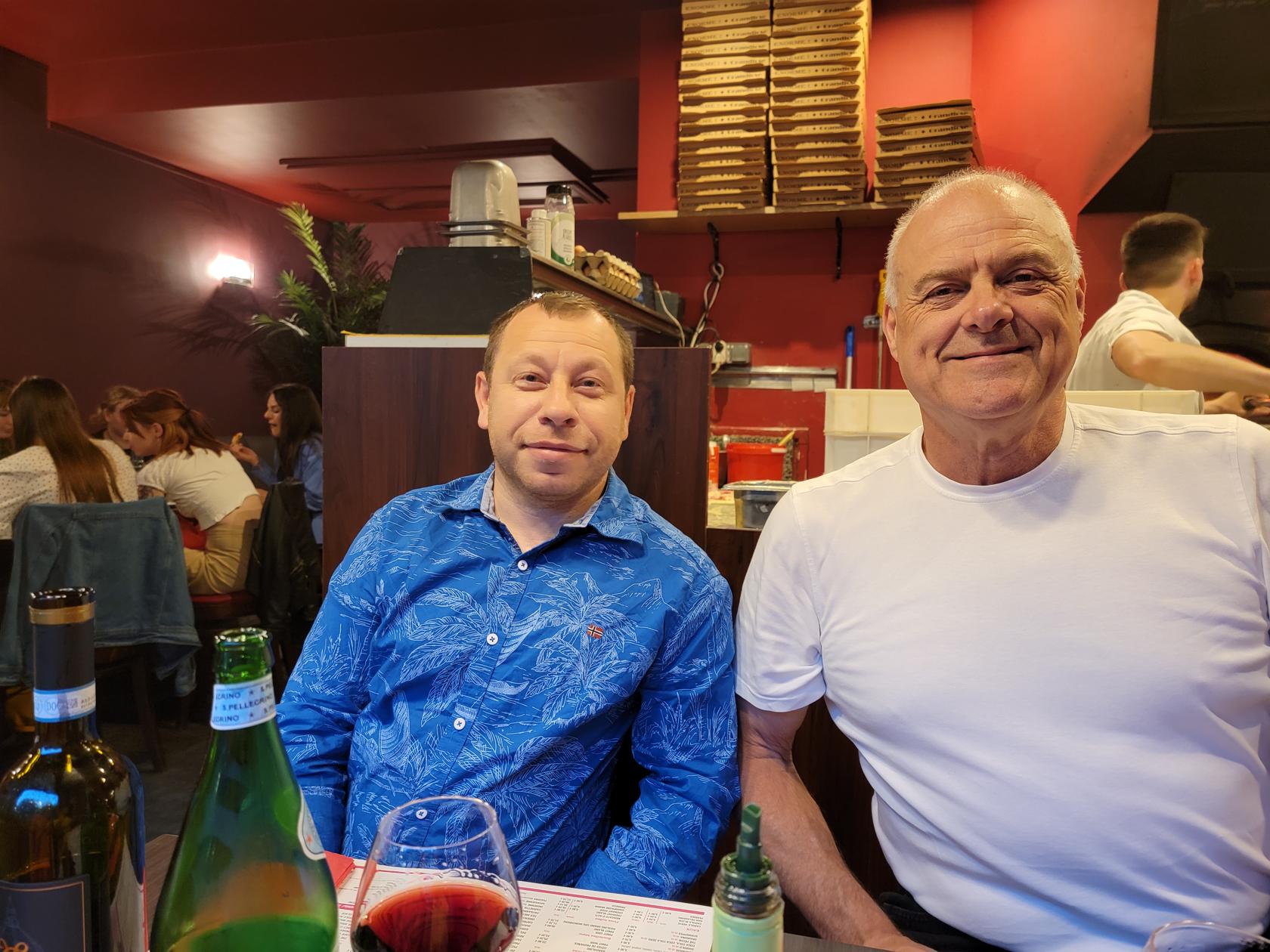
Gabi and Erick – La Piazza restaurant – Strasbourg, France
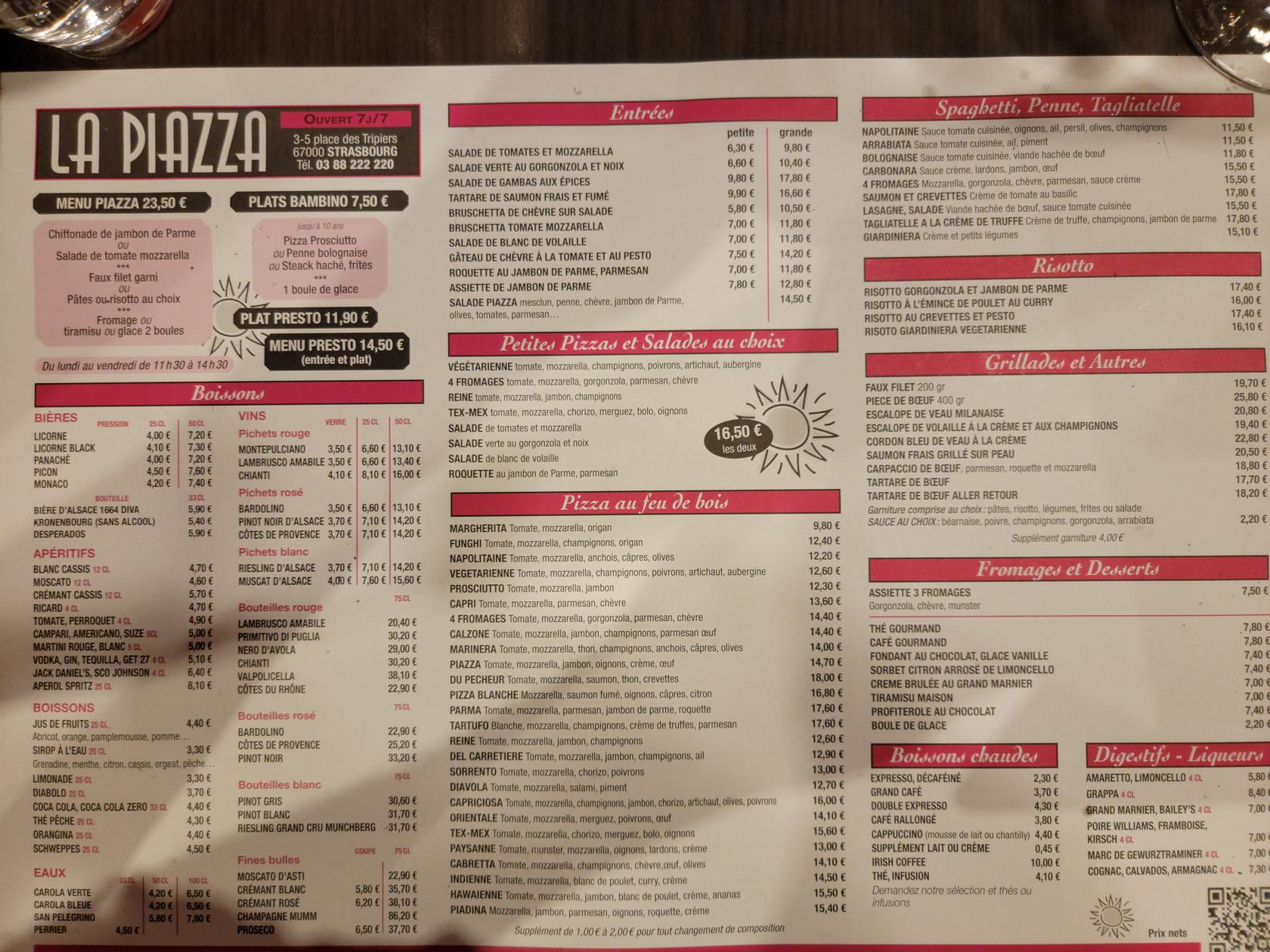
The menu – La Piazza restaurant – Strasbourg, France
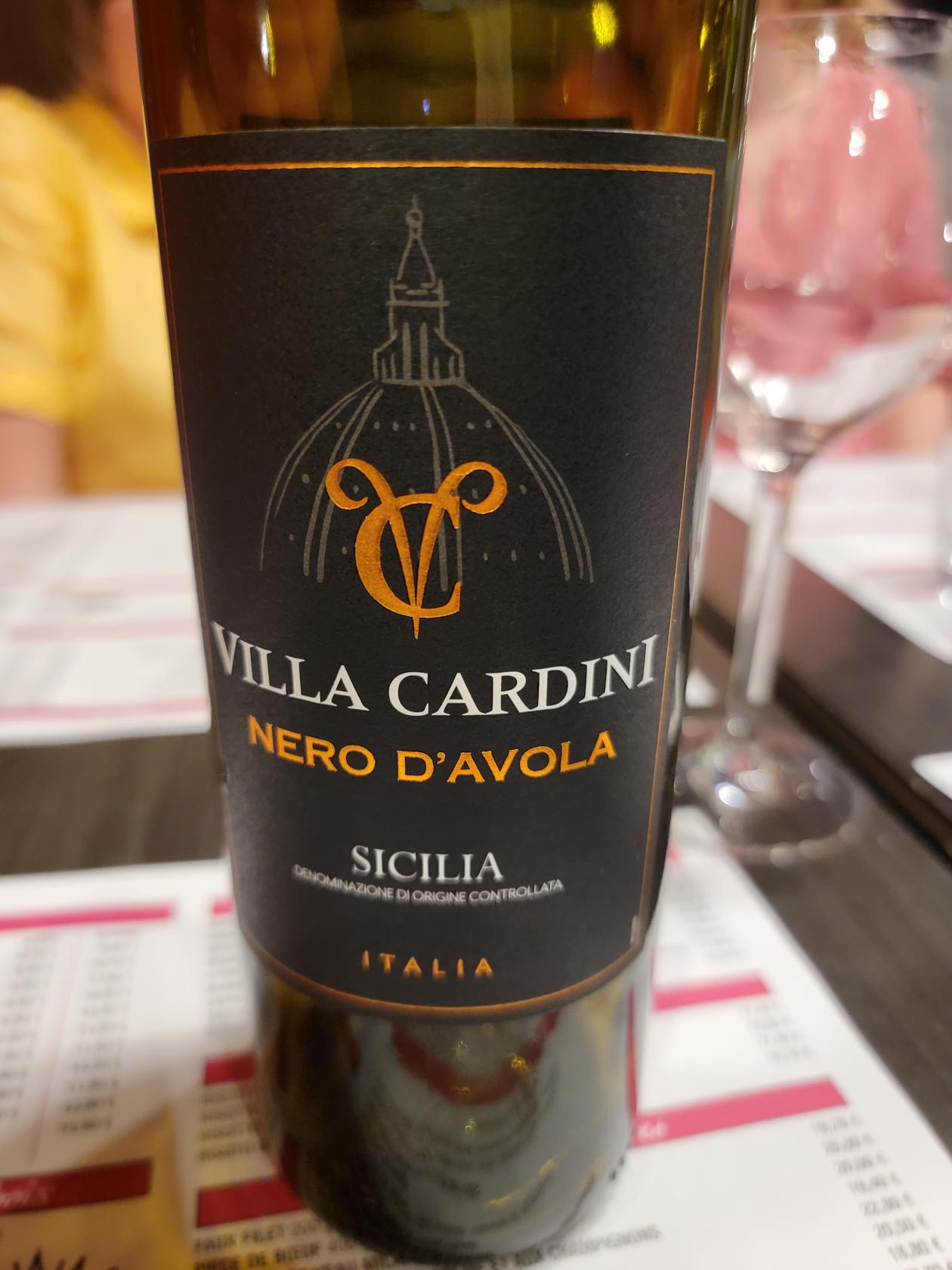
A nice wine – a Sicilian Nero D’Avola – La Piazza restaurant – Strasbourg, France
Au Tire Bouchon
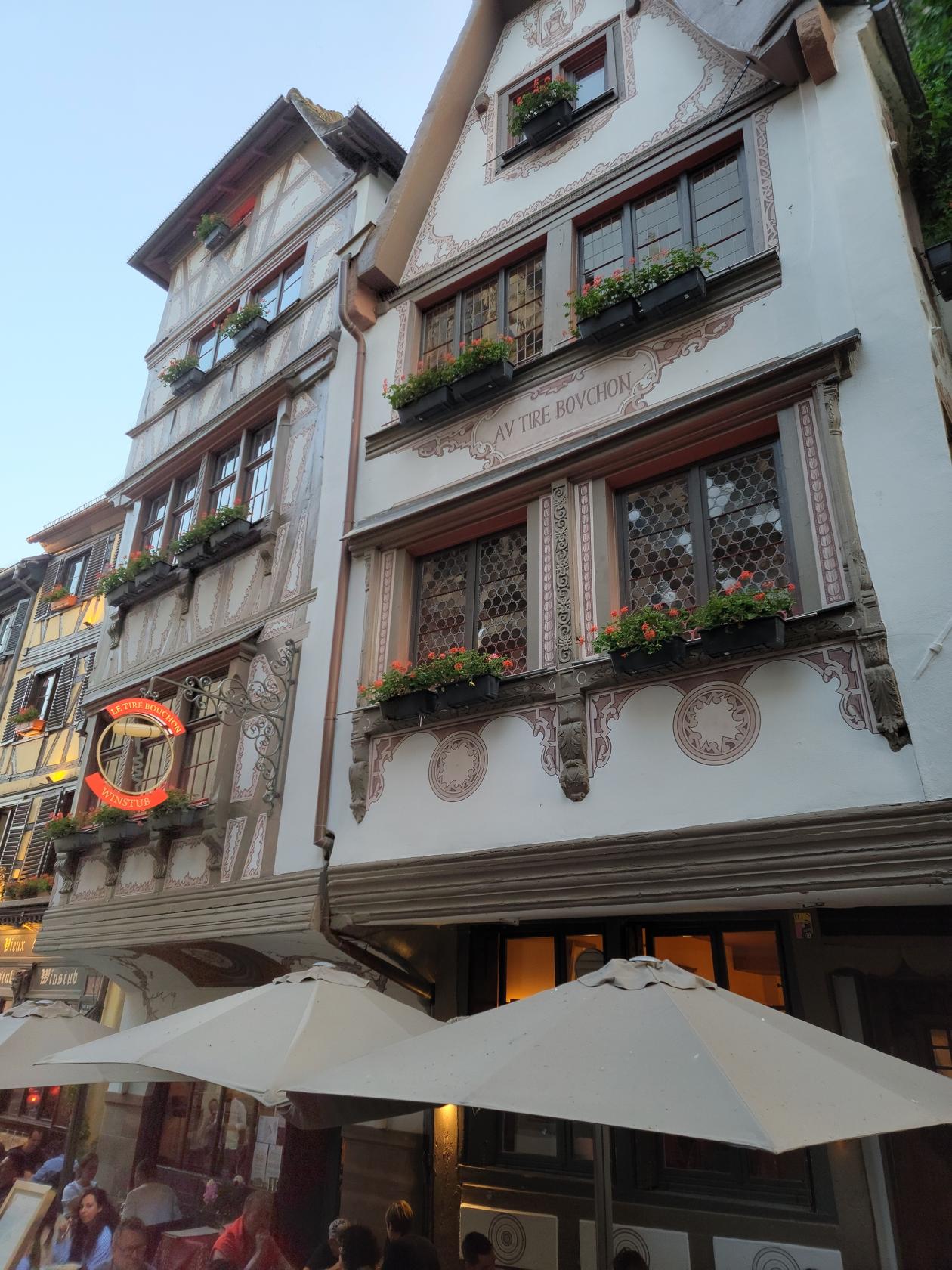
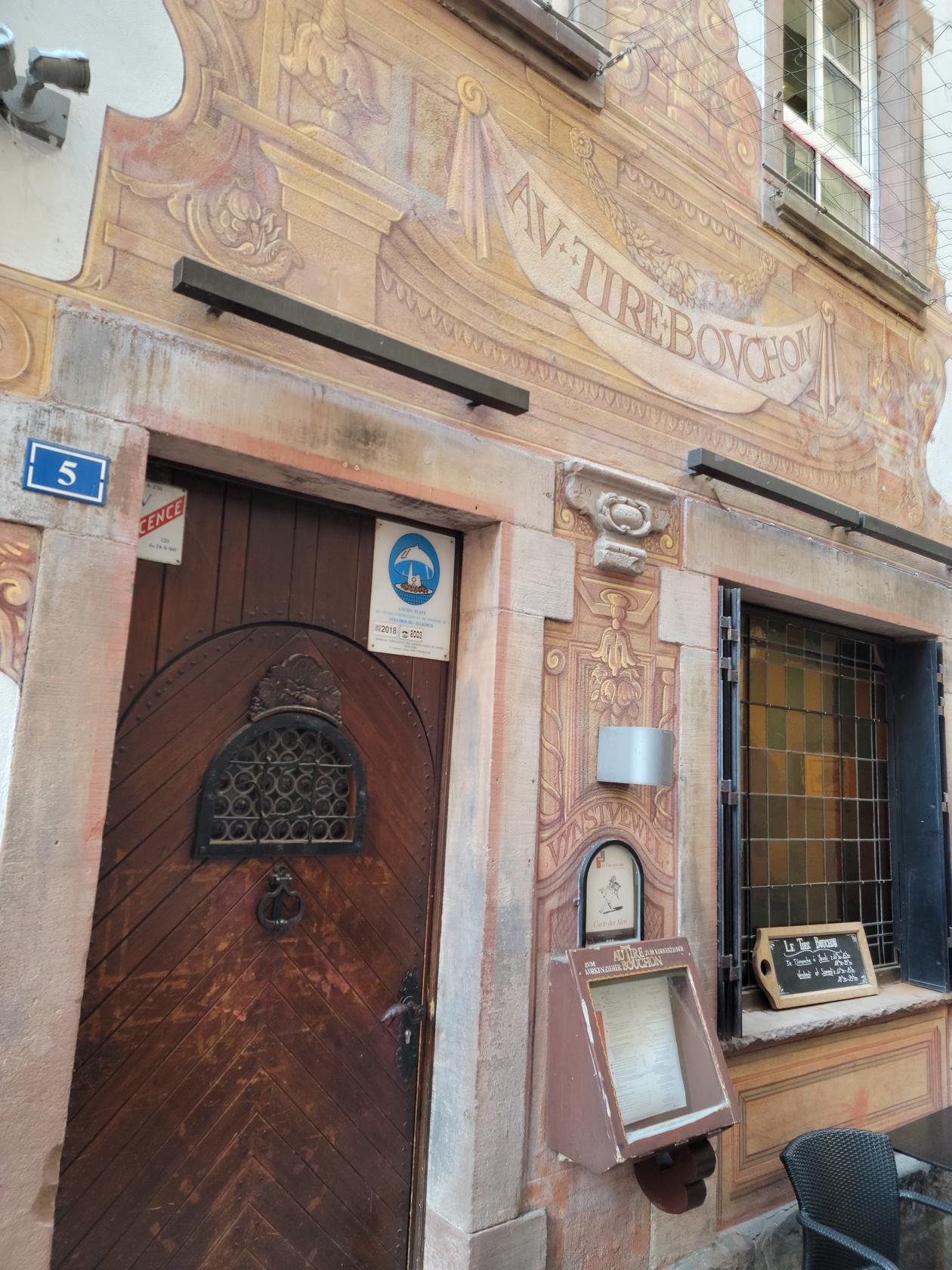
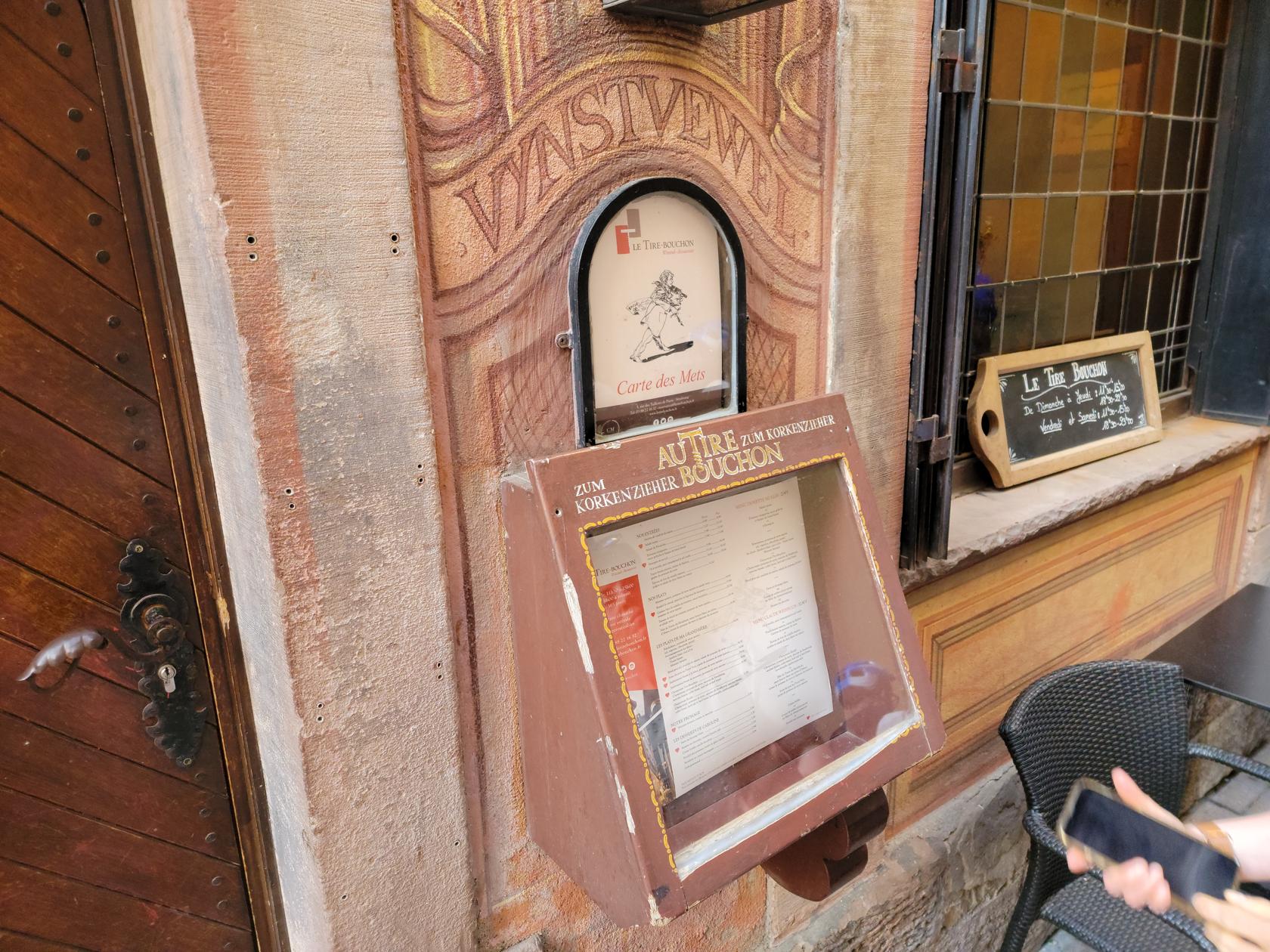
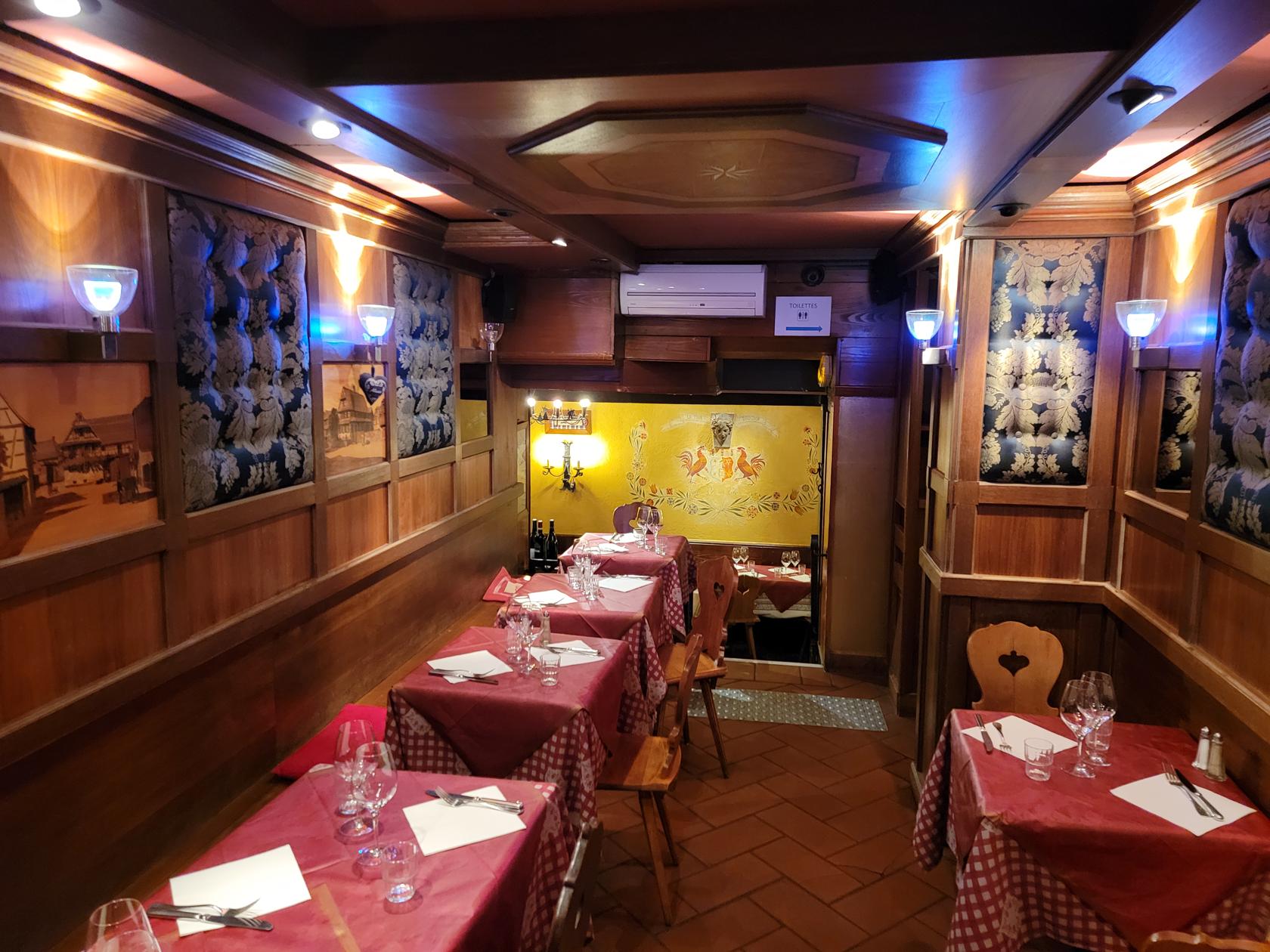
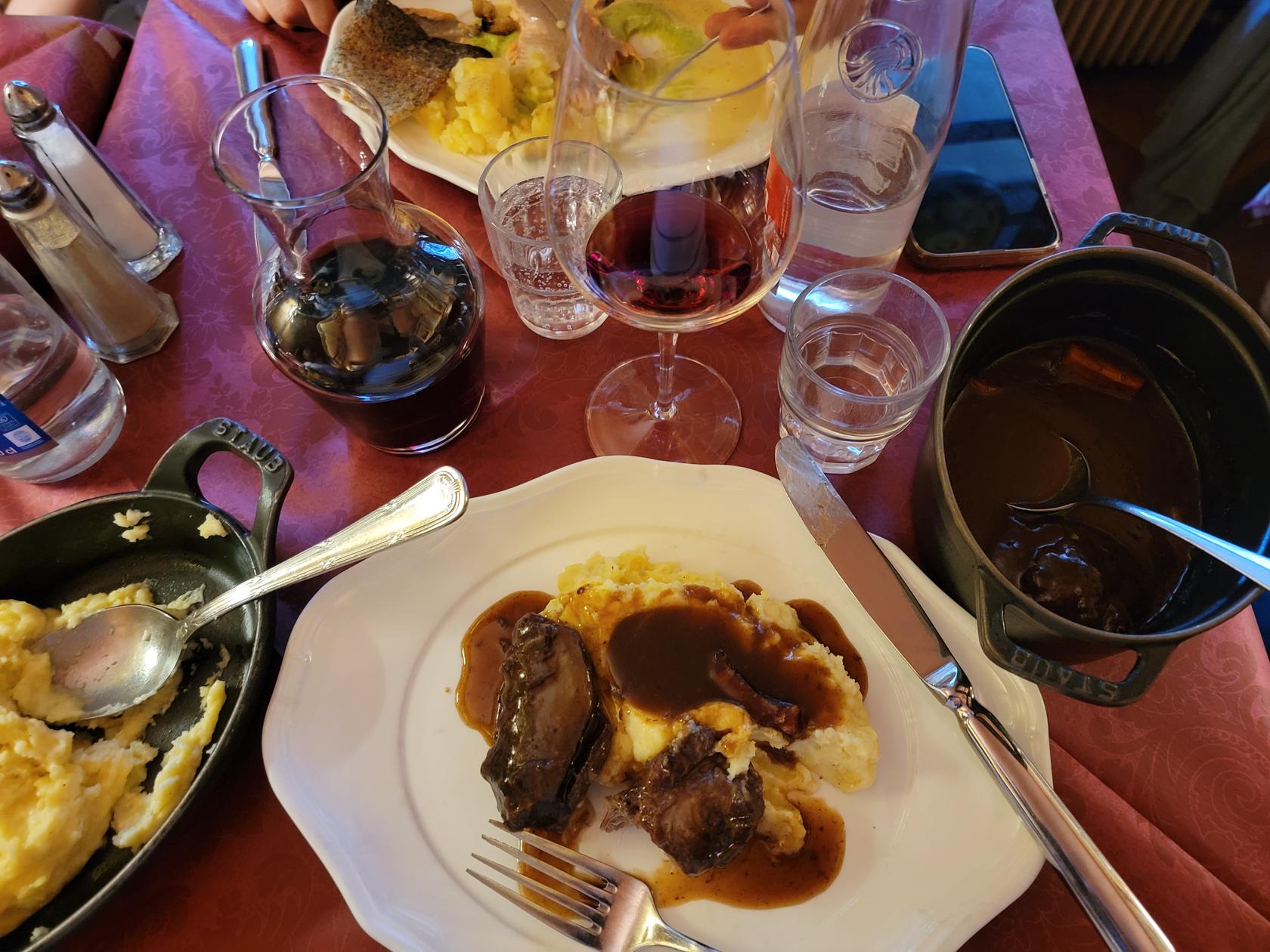
Another excellent Alsatian restaurant choice is the Au Tire Bouchon. Though it does not have the view the House of Tanners provides, the food is on par with that establishment.
Street entrance – Au Tire Bouchon – Strasbourg, France
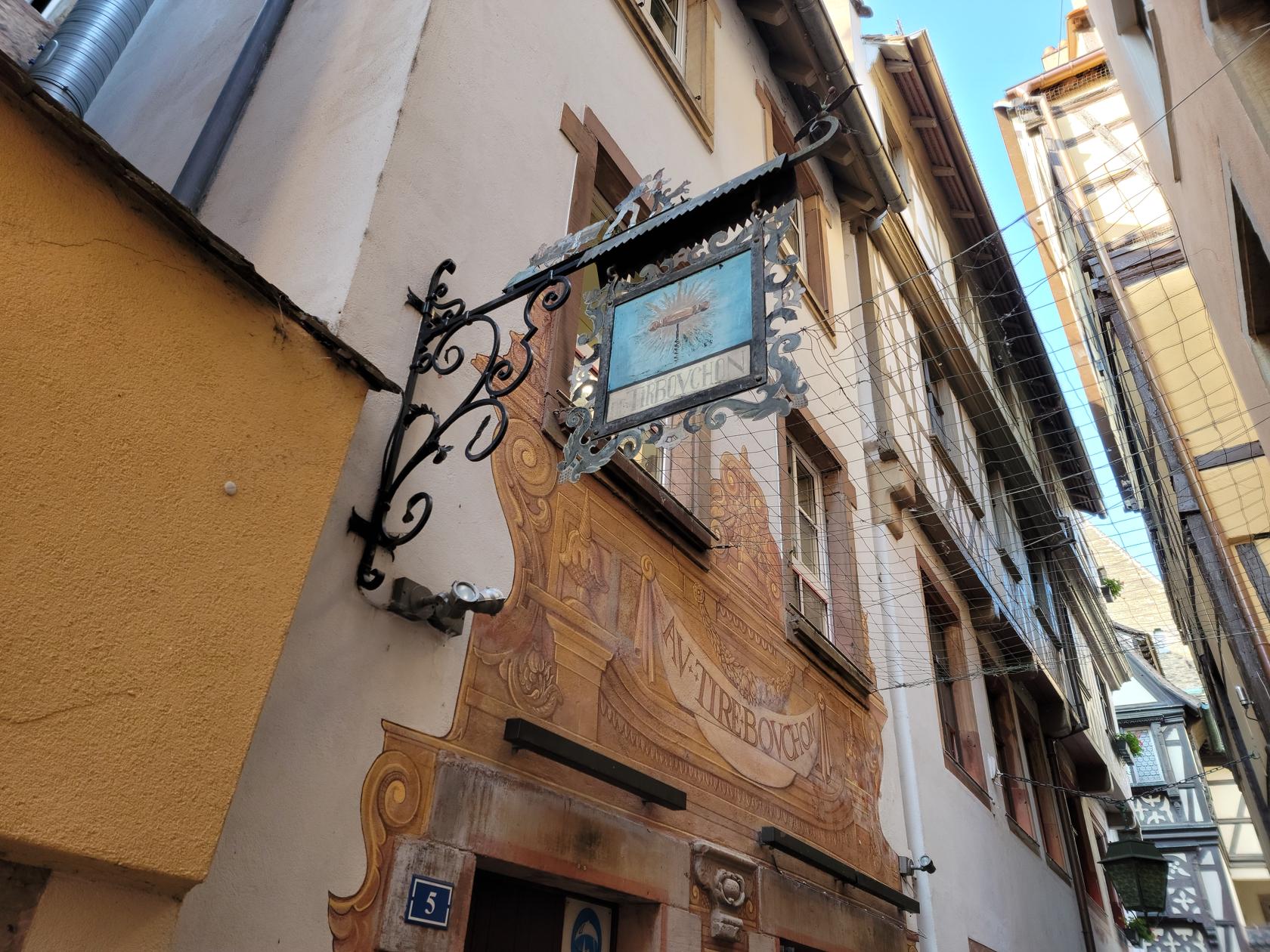
Alley and back entrance – Au Tire Bouchon – Strasbourg, France
Entrance sign – Corkpuller – Au Tire Bouchon – Strasbourg, France
Entrance – Au Tire Bouchon – Strasbourg, France
The menu – Au Tire Bouchon – Strasbourg, France
Inside – Au Tire Bouchon – Strasbourg, France
Beef and mashed potatoes – Au Tire Bouchon – Strasbourg, France
Continuing our Summer Trip of eastern Italy and Slovenia, and after a two and a half hour train ride from Trieste, is the charming city of Ljubljana, Slovenia. Actually, much to my surprise, stepping off the train there was a noticeable cleanliness to it all which rarely, if ever, went away. We even noticed this in some of the more off-beat areas and in other towns, that we ventured to on our day trips.
The Slovenians are no doubt a very orderly, patient people. This can also be witnessed in their driving, since it is very rare, almost uncommon to hear the sound of a horn. When asked, “Why is this?”, most reply with the simple retort, “Well it’s simply rude, and in most cases, unnecessary.”
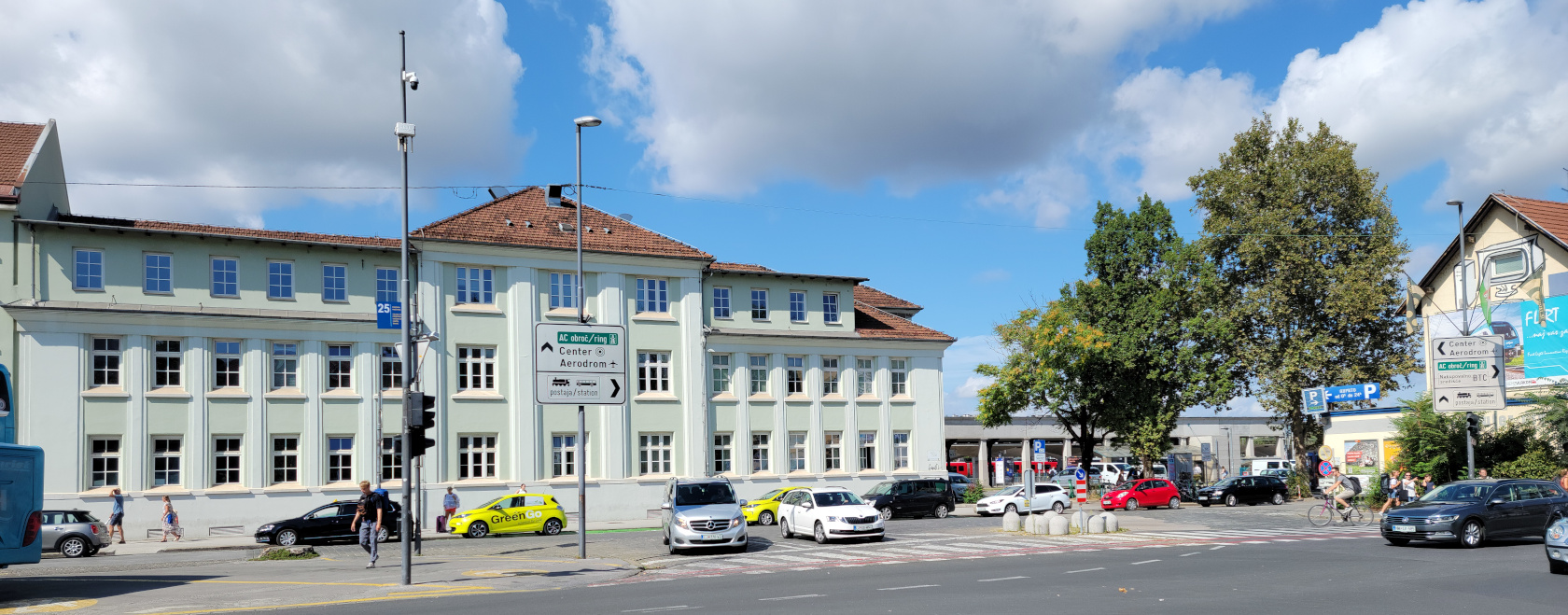
Ljubljana – The Main Train Station
Ljubljana, Lublana and Laybach
Ljubljana is a very old city, dating back to the twelfth and eleventh centuries, though a town called Emona stood here during Roman times. Myths and stories have linked it to Jason and the Argonauts and his struggles, and the killing of the great beast which inhabited the marsh nearby[1]This is where the metaphor of the dragon comes in., which apparently was responsible for the great floods that occurred frequently. It later became synonymous with Ljubljana in the mid-twelfth century.
Ljubljana – Ljubljanica River – Dragons Bridge
Bridges In Lubljana
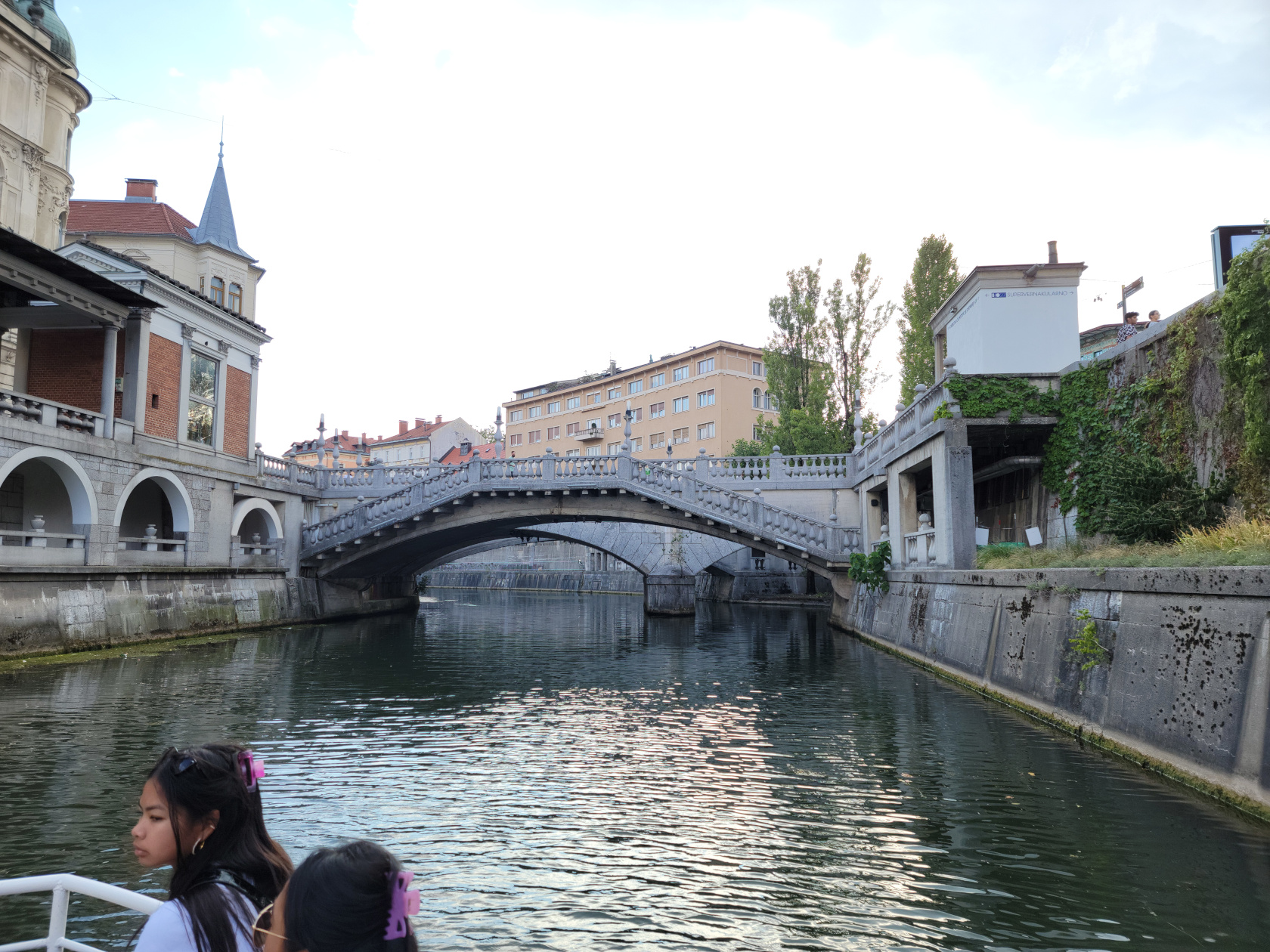
There are several noteworthy bridges in the city, the Dragon Bridge, the Triple Bridge, the Cobbler’s Bridge and the Butcher’s Bridge. There are several others, however these are the ones we spent the most time on and are the most remarkable.
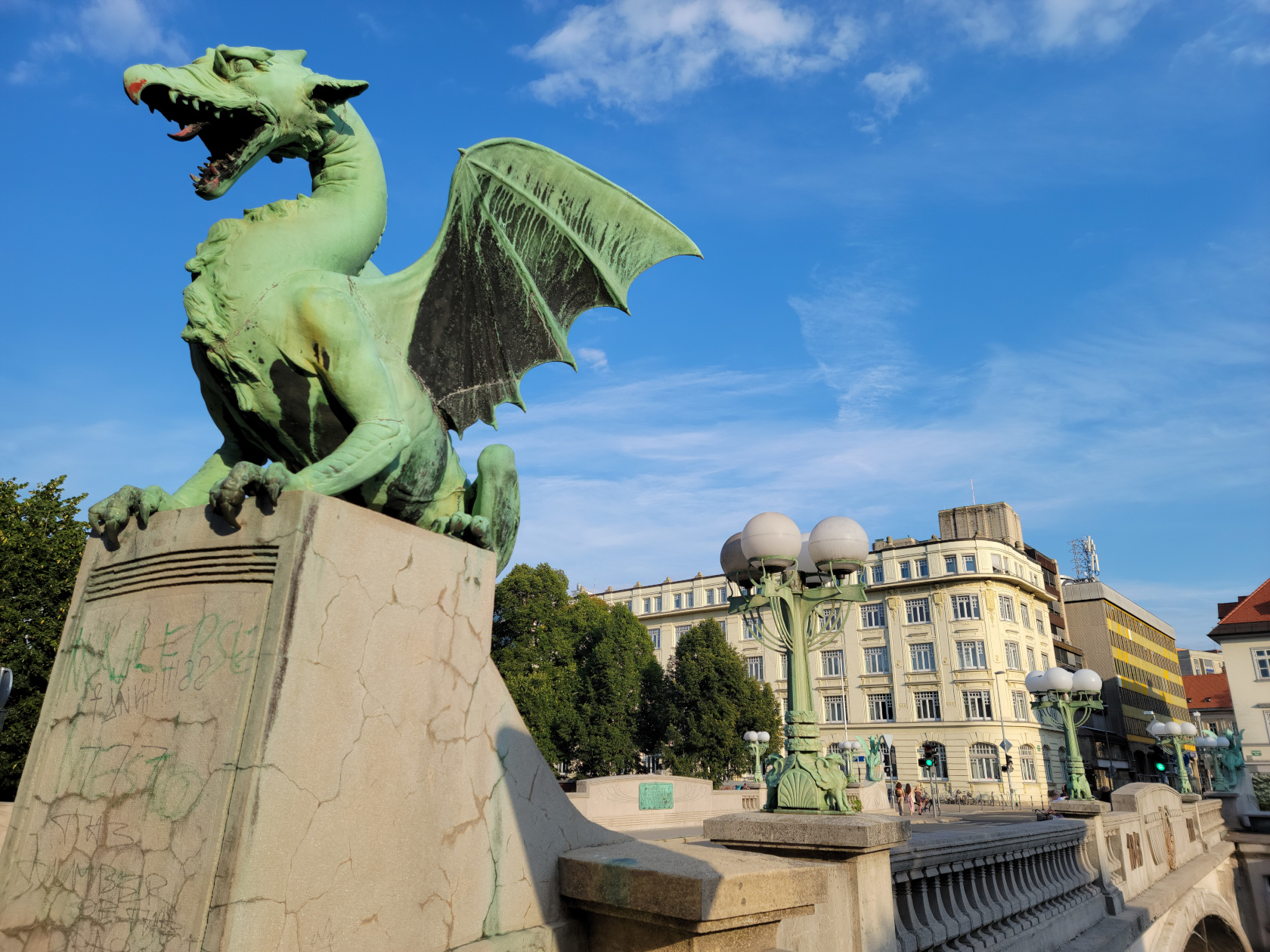
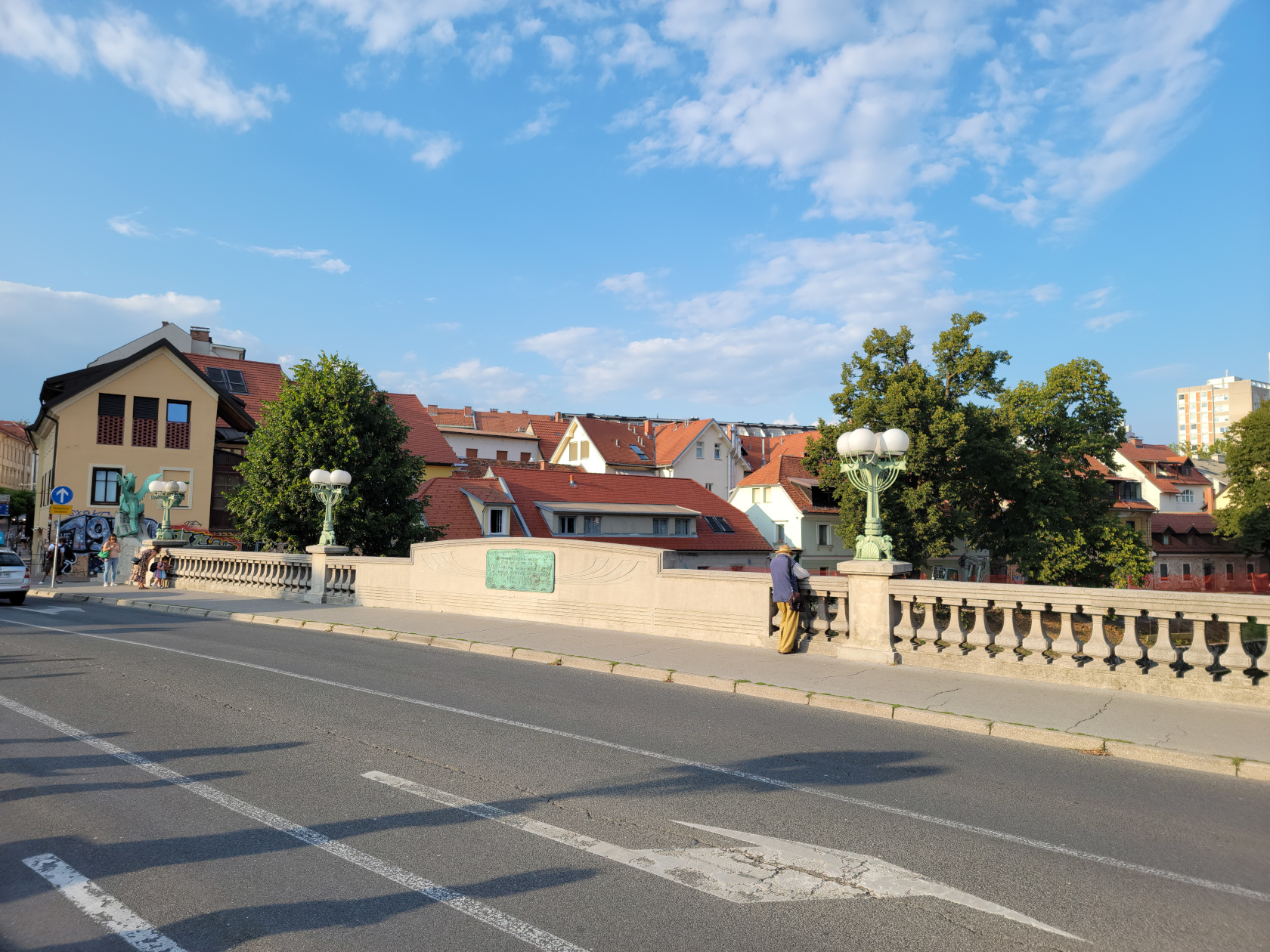
The Dragon’s Bridge
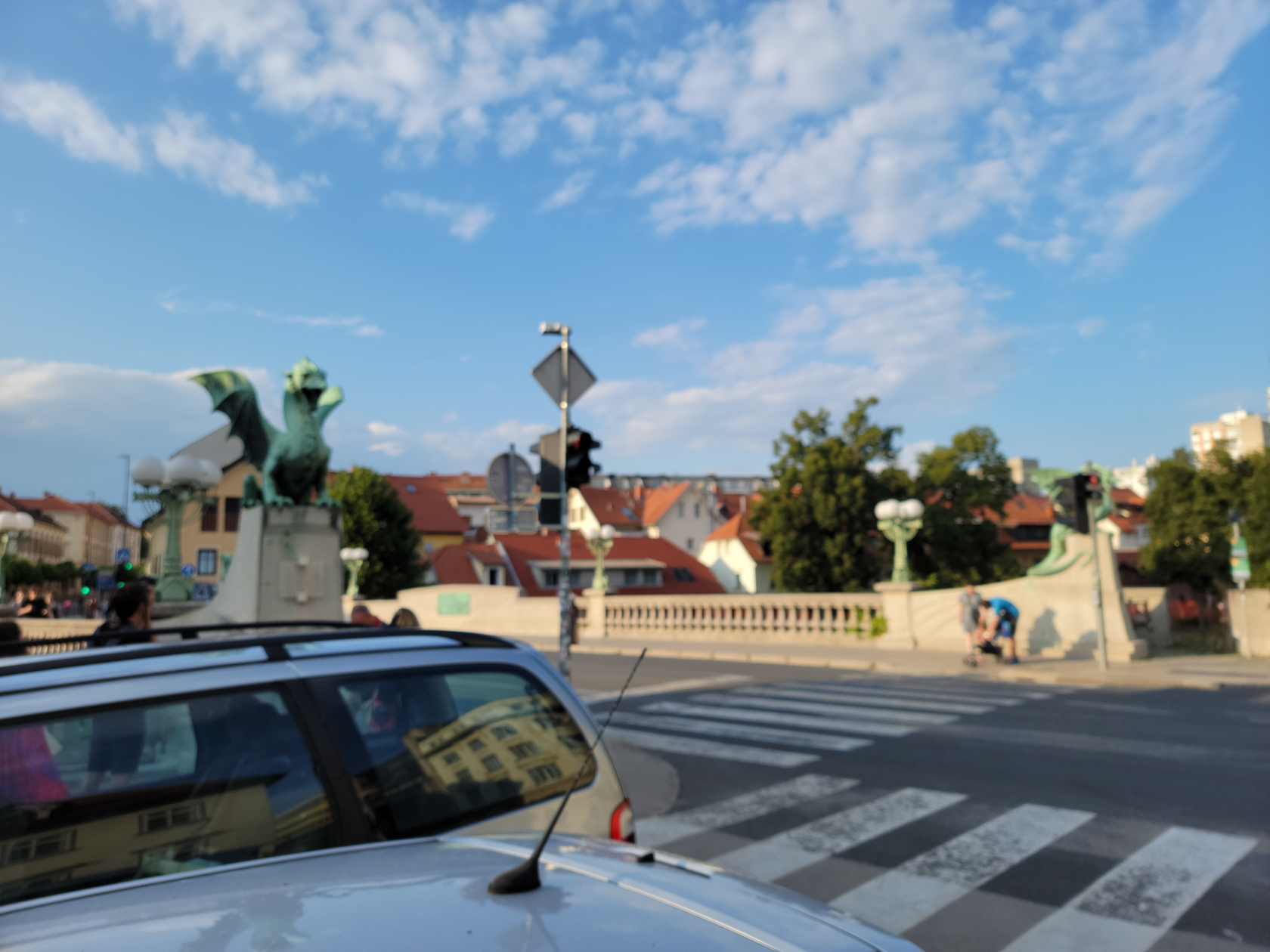
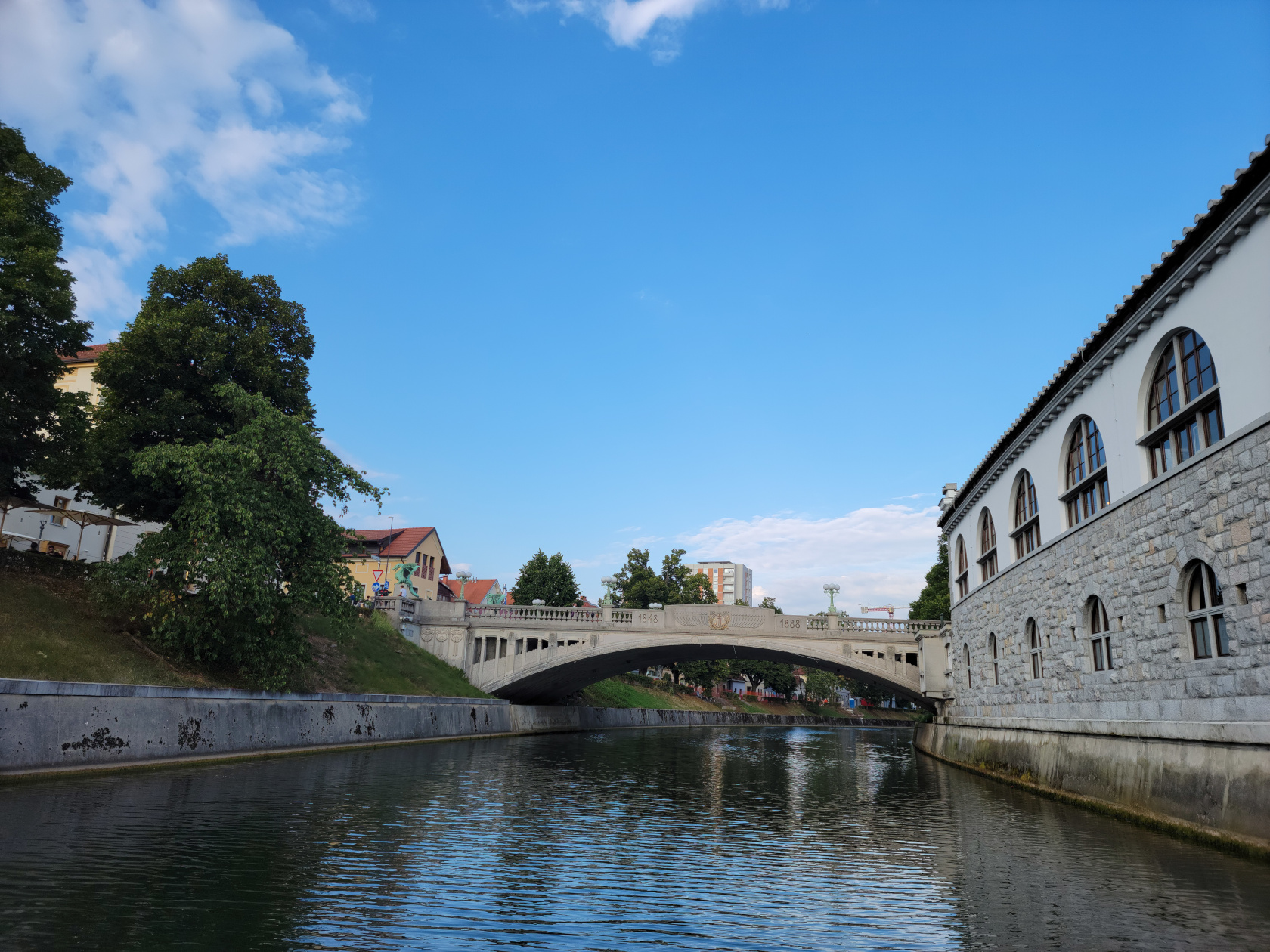
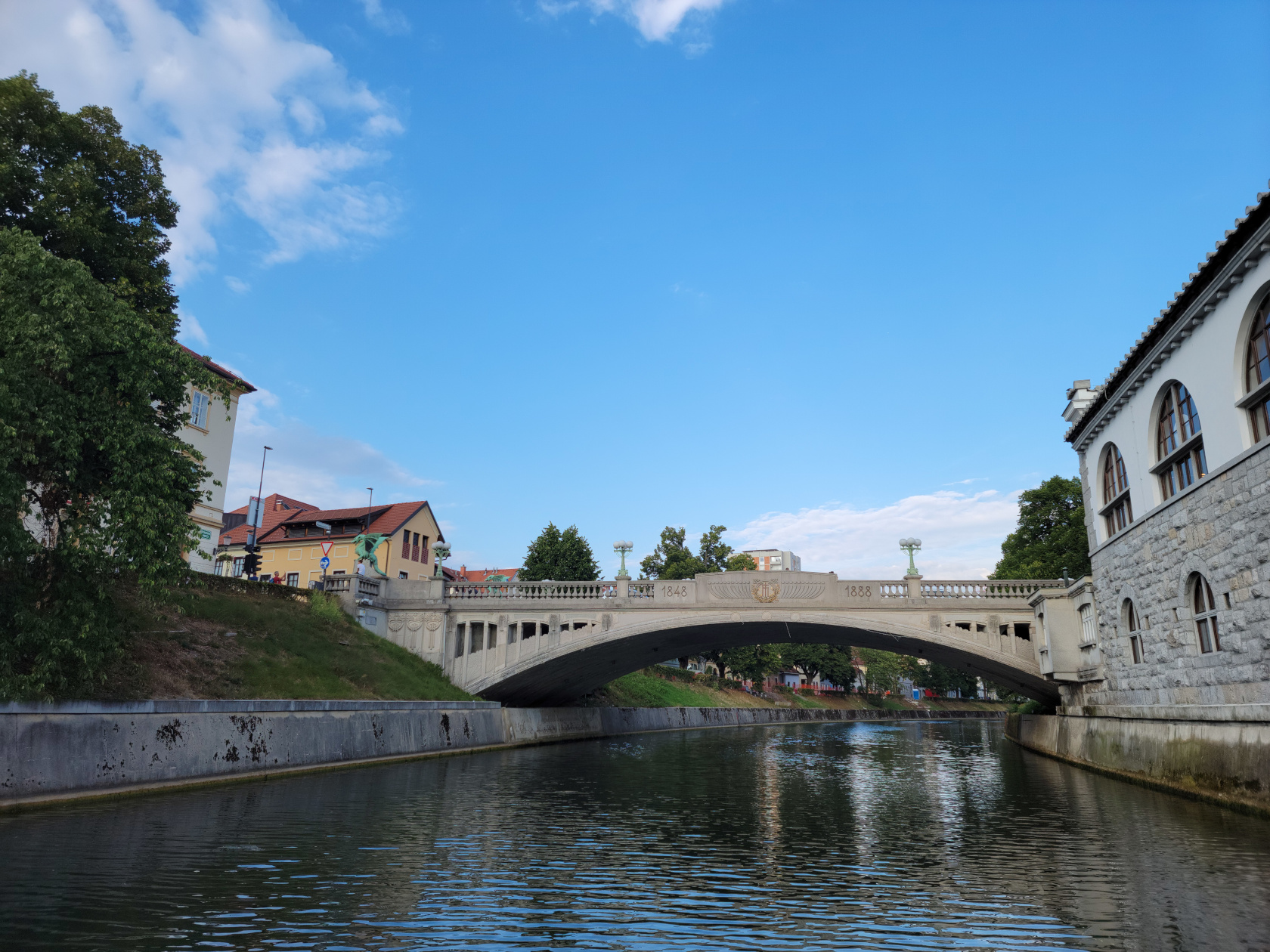
Due to the myth it is probably appropriate that the city have a dragon bridge, one not only to remember Jason’s deeds, but also the ever present danger of the river itself.
Ljubljana – Ljubljanica River – Dragons Bridge
Ljubljana – Ljubljanica River – Dragons Bridge
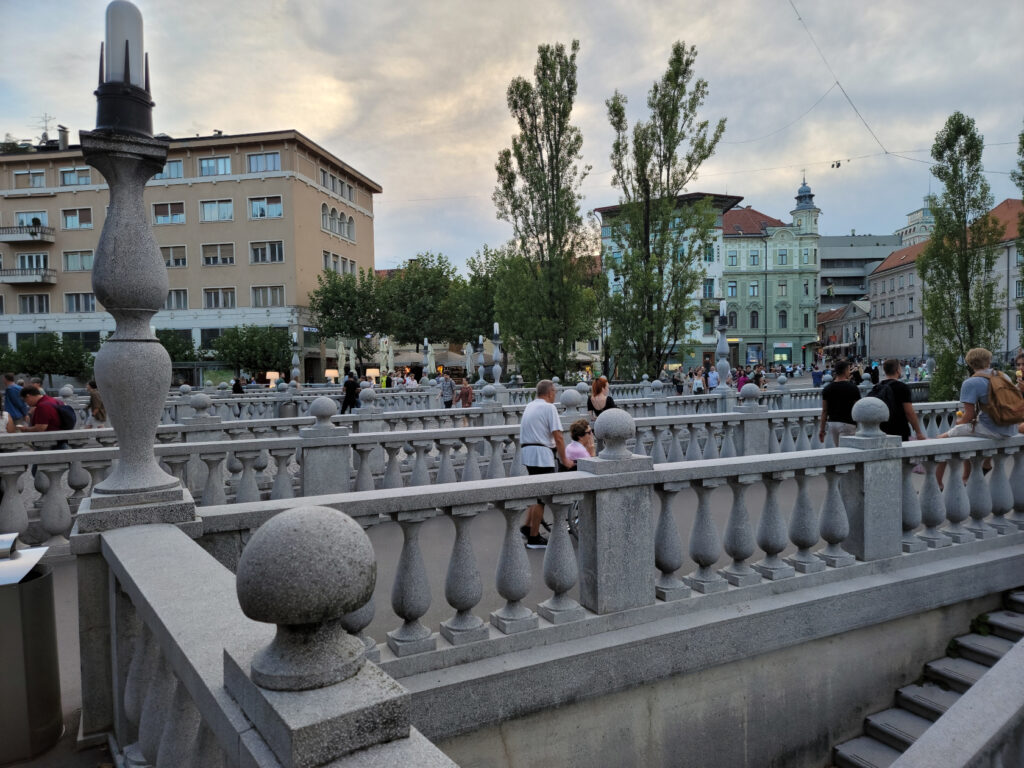
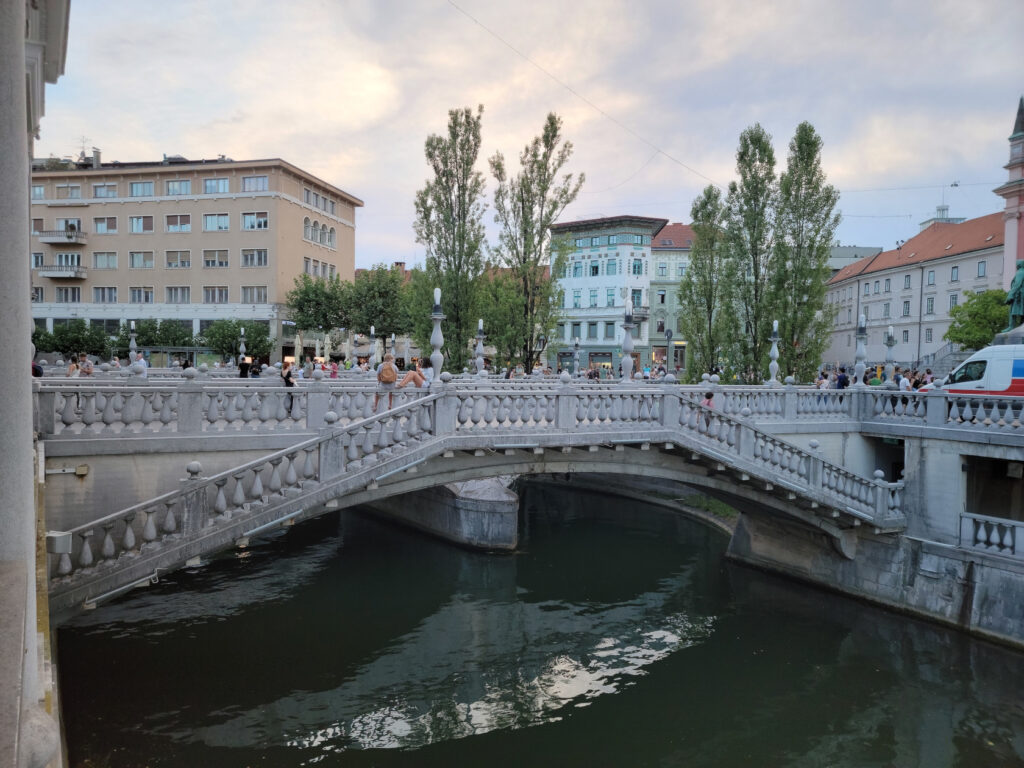
The Triple Bridge
Not far from our hotel and adjacent to Prešeren Square is the Triple Bridge. It was originally one bridge, the central span, but as business and traffic increased the other two side bridges were added for pedestrian traffic.
Ljubljana – The Triple Bridge
Ljubljana – The Triple Bridge
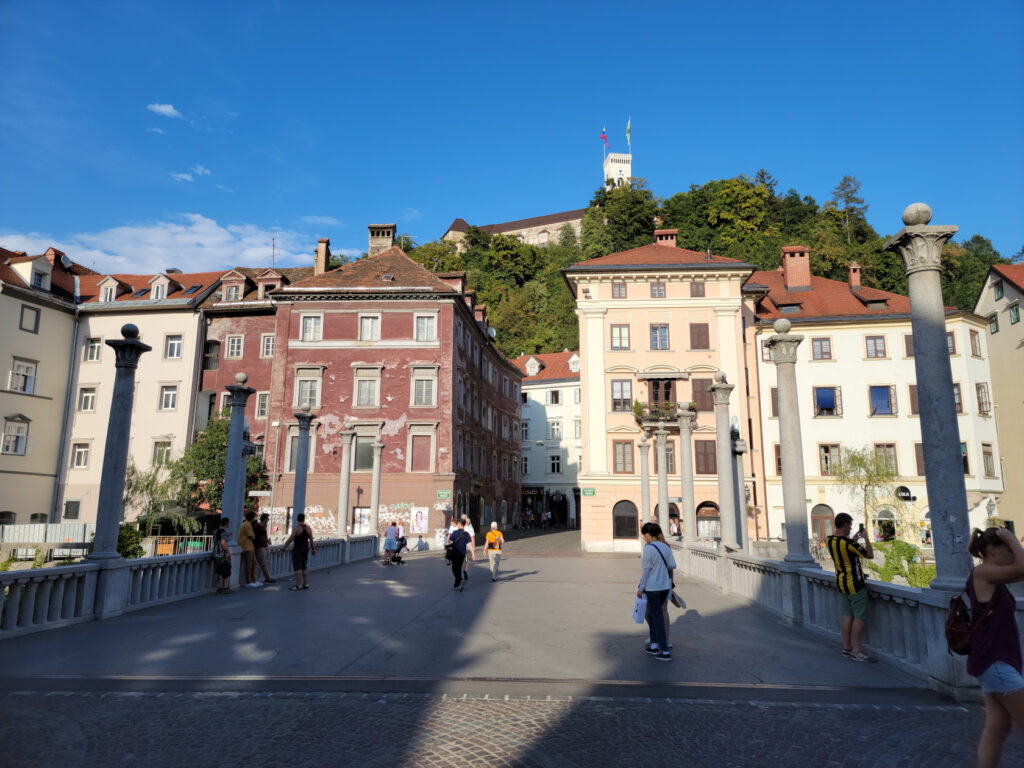
The Cobbler’s Bridge
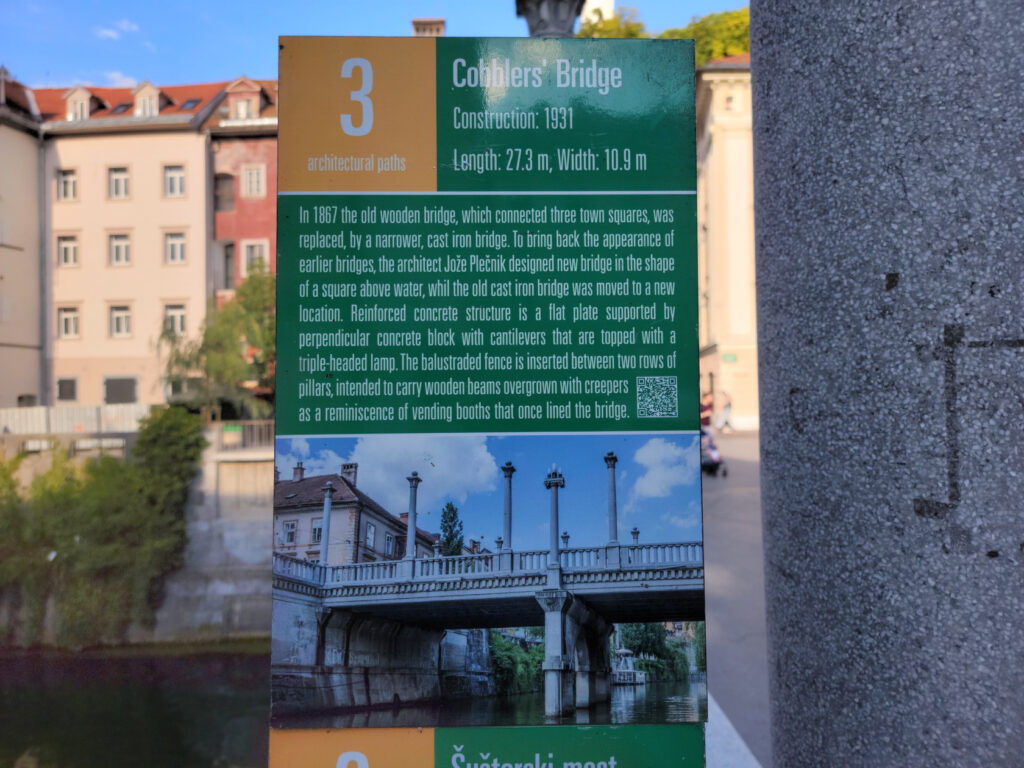
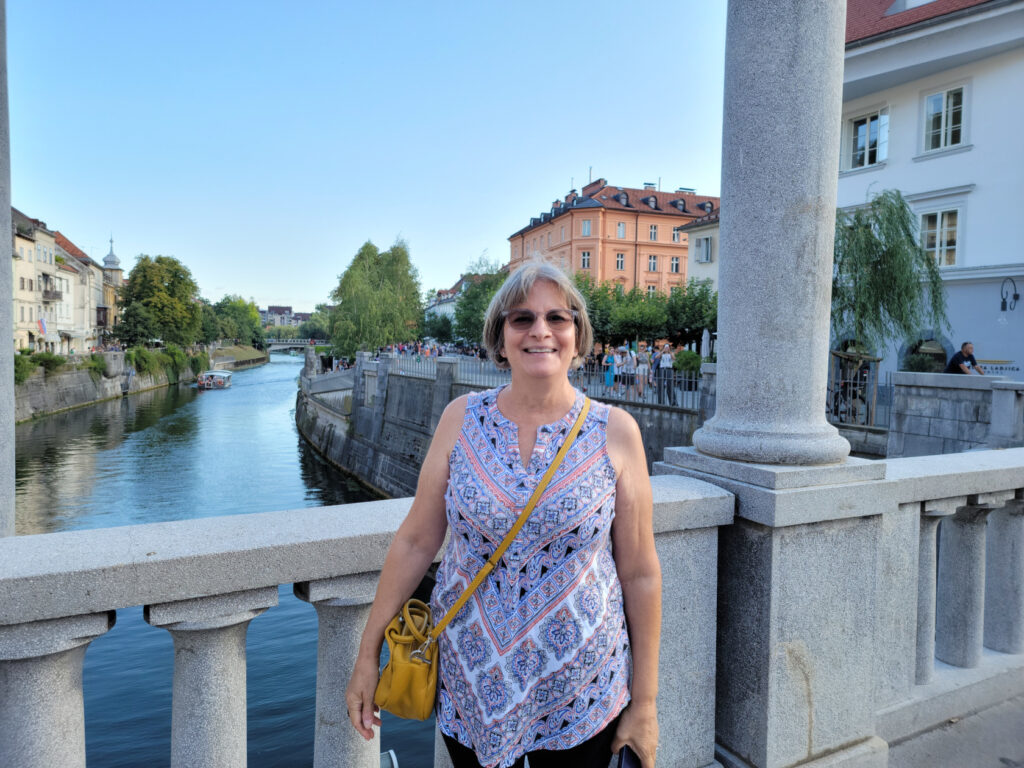
A quaint bridge that connects two important parts of the medieval city.
Ljubljana – Ljubljanica River – Cobblers Bridge
Ljubljana – Ljubljanica River – Cobblers Bridge
Ljubljana – Ljubljanica River – Patti on Cobblers Bridge
The Butcher’s Bridge
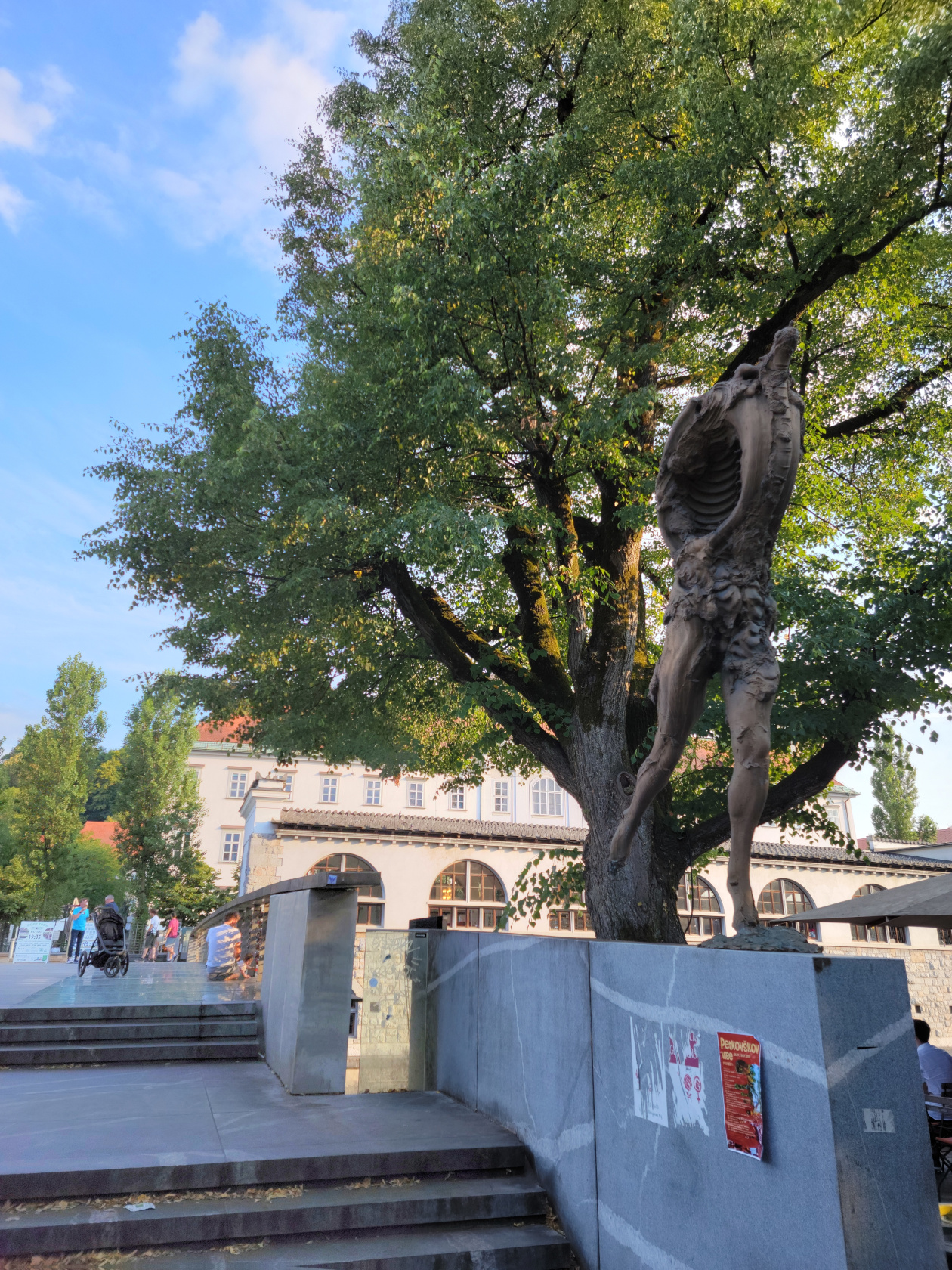
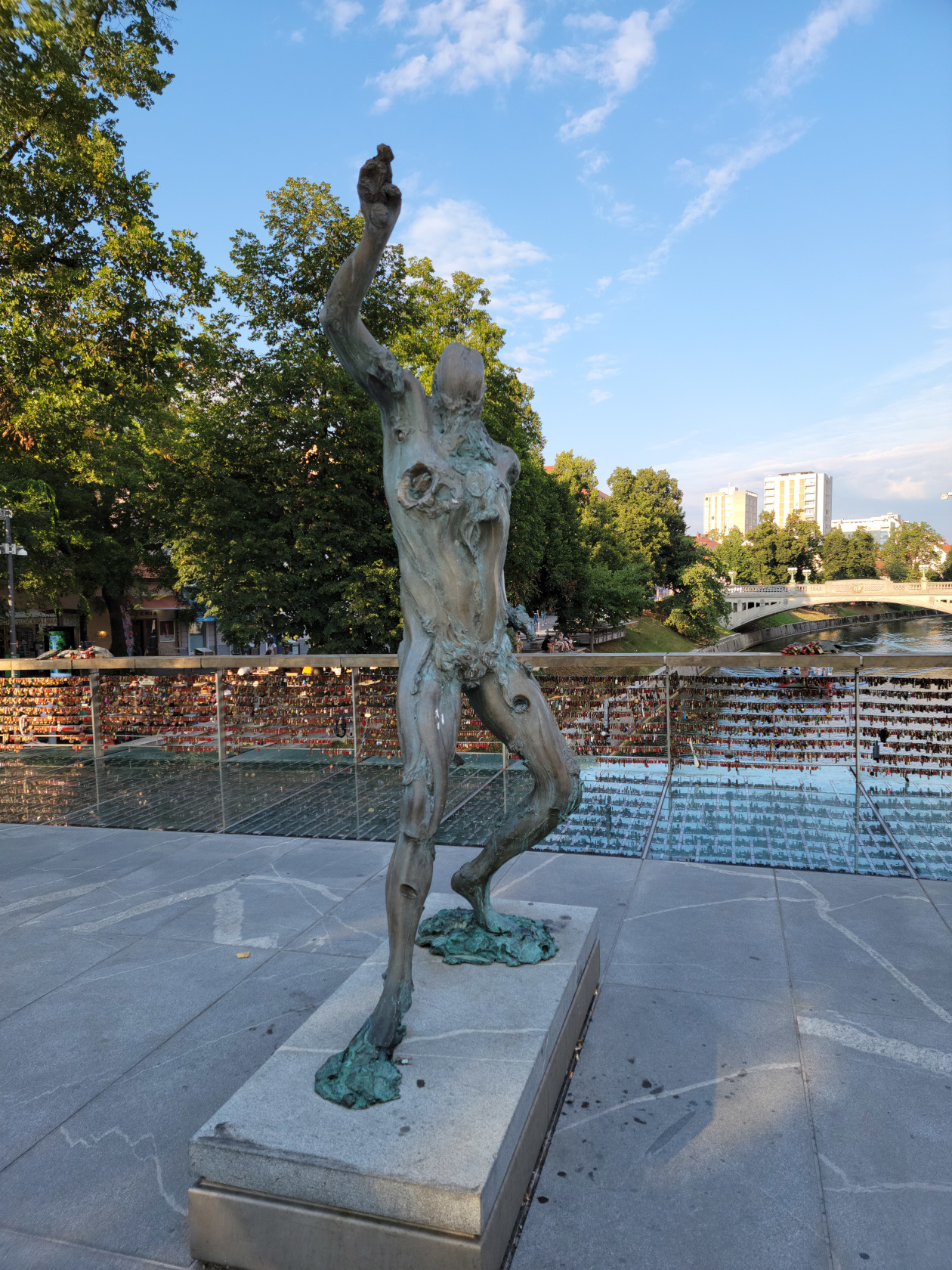
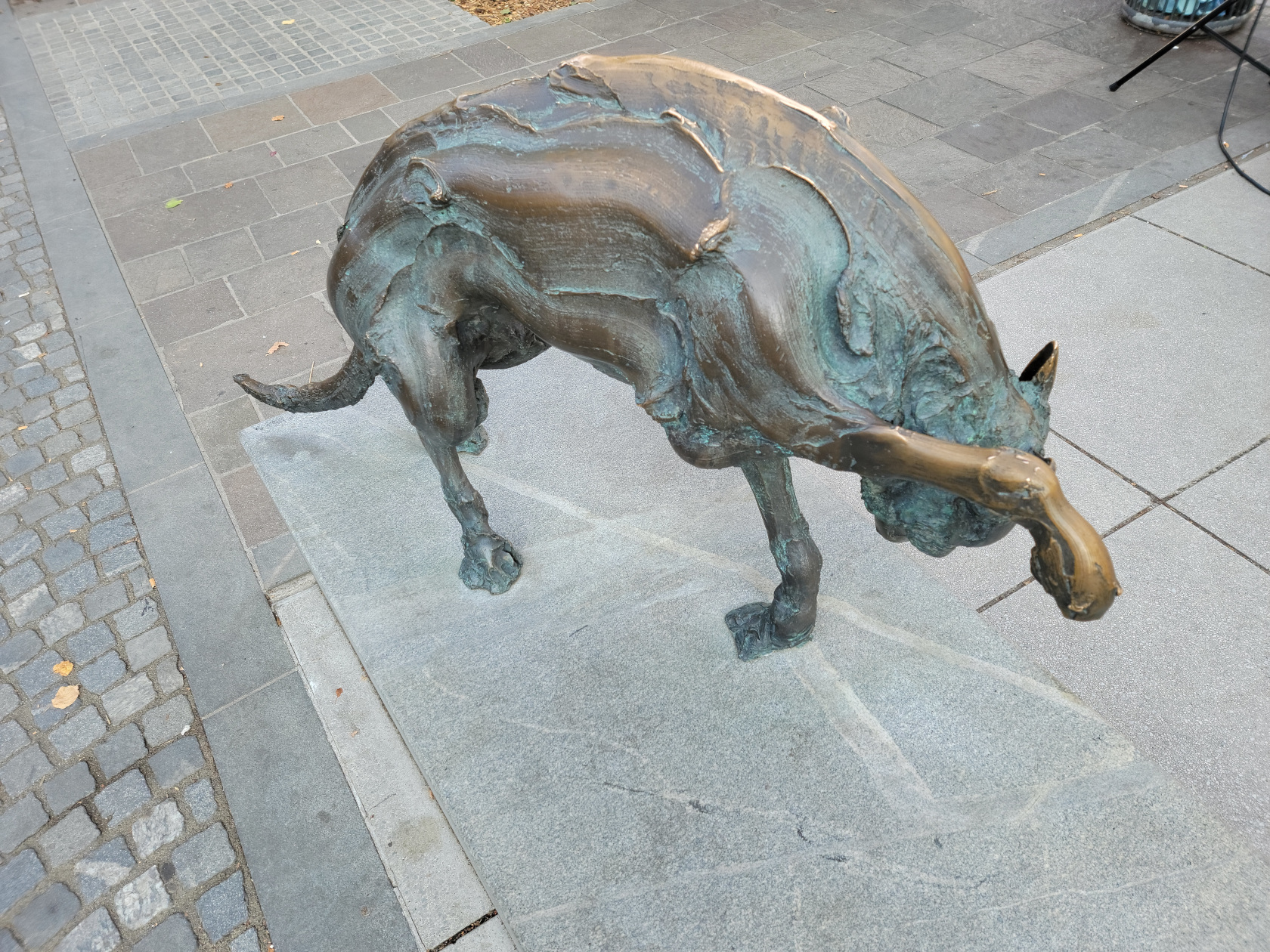
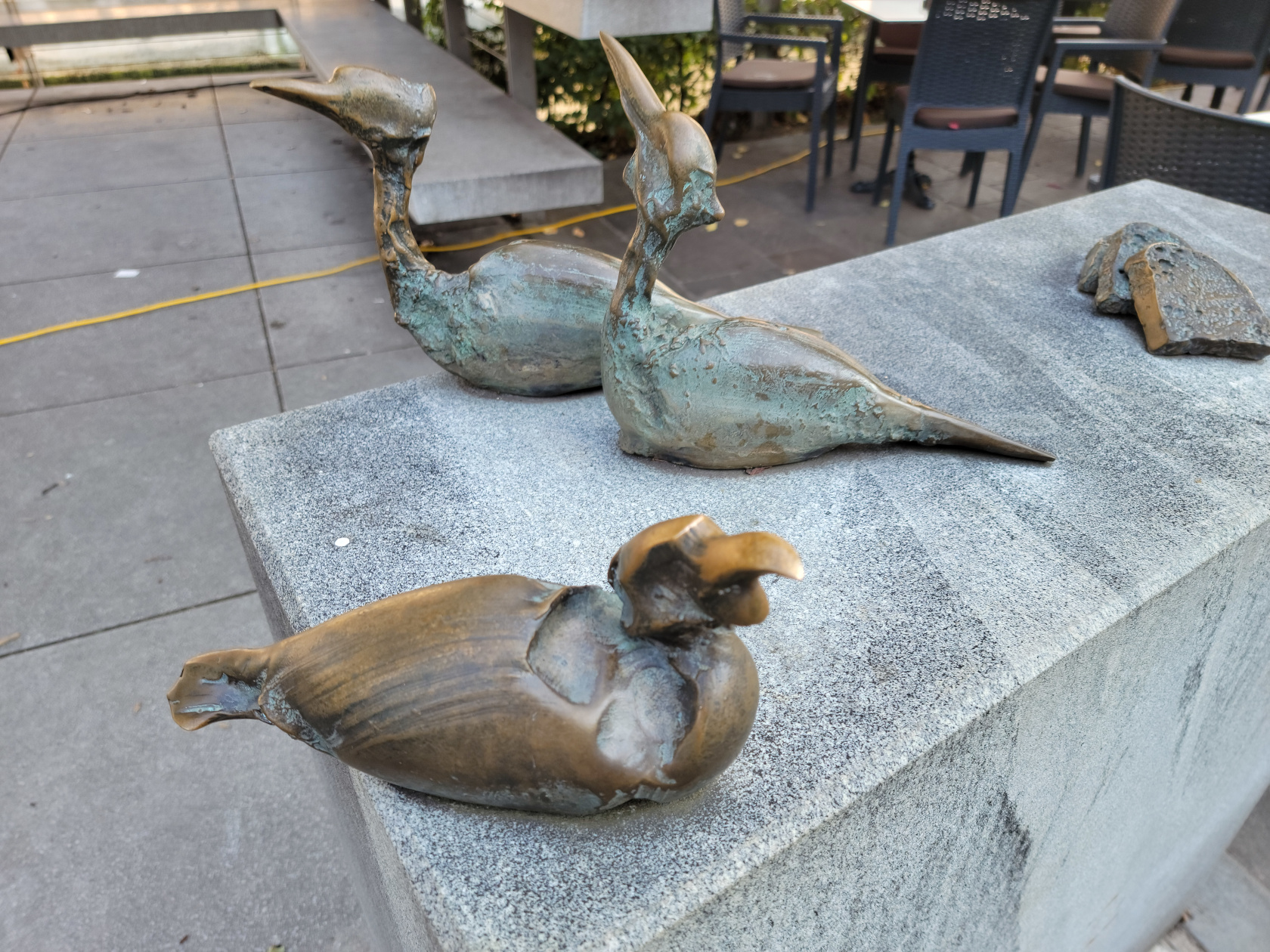
This bridge got its name, since it was near the place that the butchers of the city used to come and wash the carcasses of the animals. The blood and stench of rotting flesh this process brought down through the city must have been appalling. The practice was stopped soon after the residents had had enough of the smell. It is now decorated with locks and bronzes of mythological creatures.
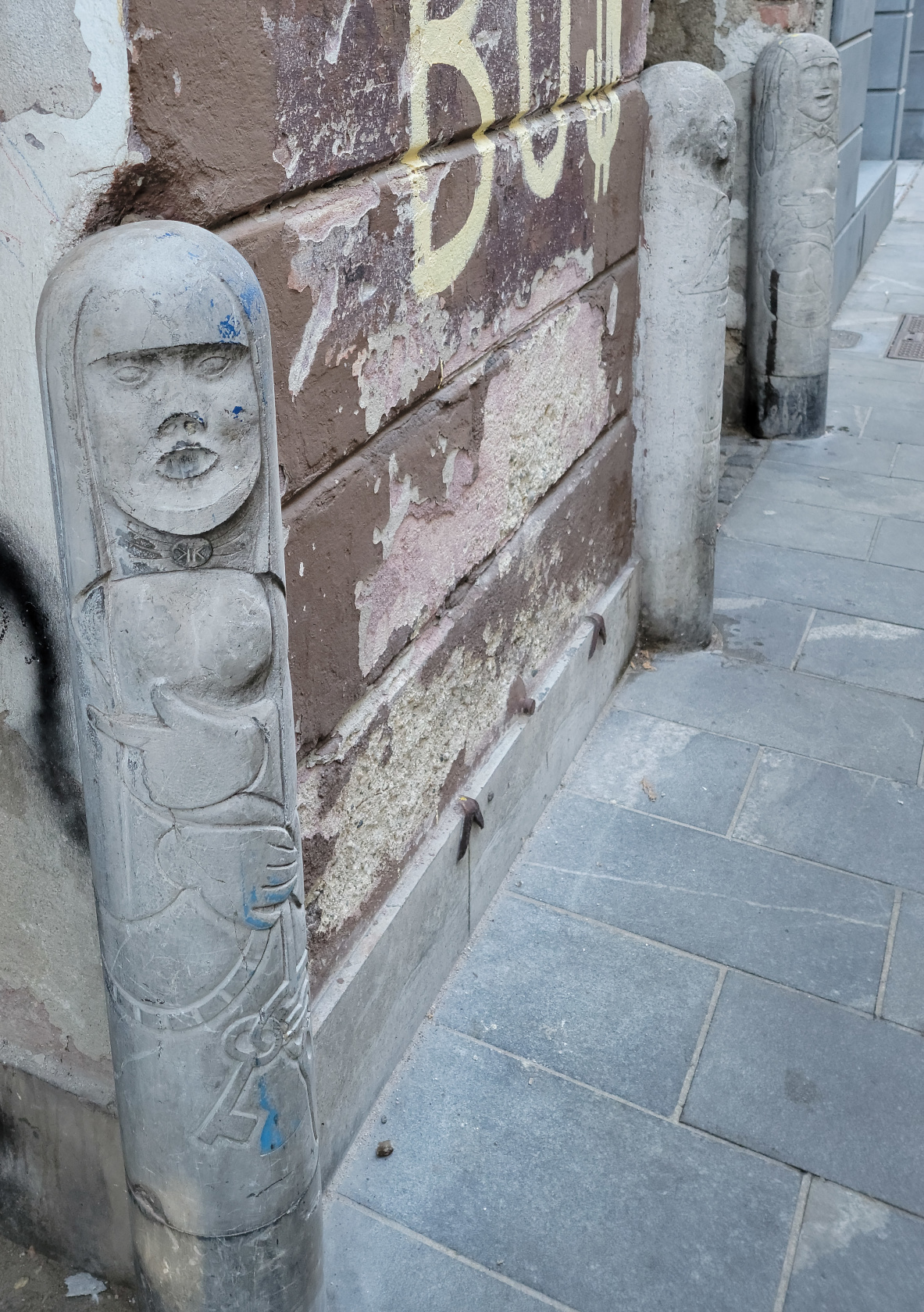
Ljubljana – City Art – Bronze
Ljubljana – City Art – Bronze
Ljubljana – City Art – Bronze
Ljubljana – City Art – Bronzes
Castle Hill
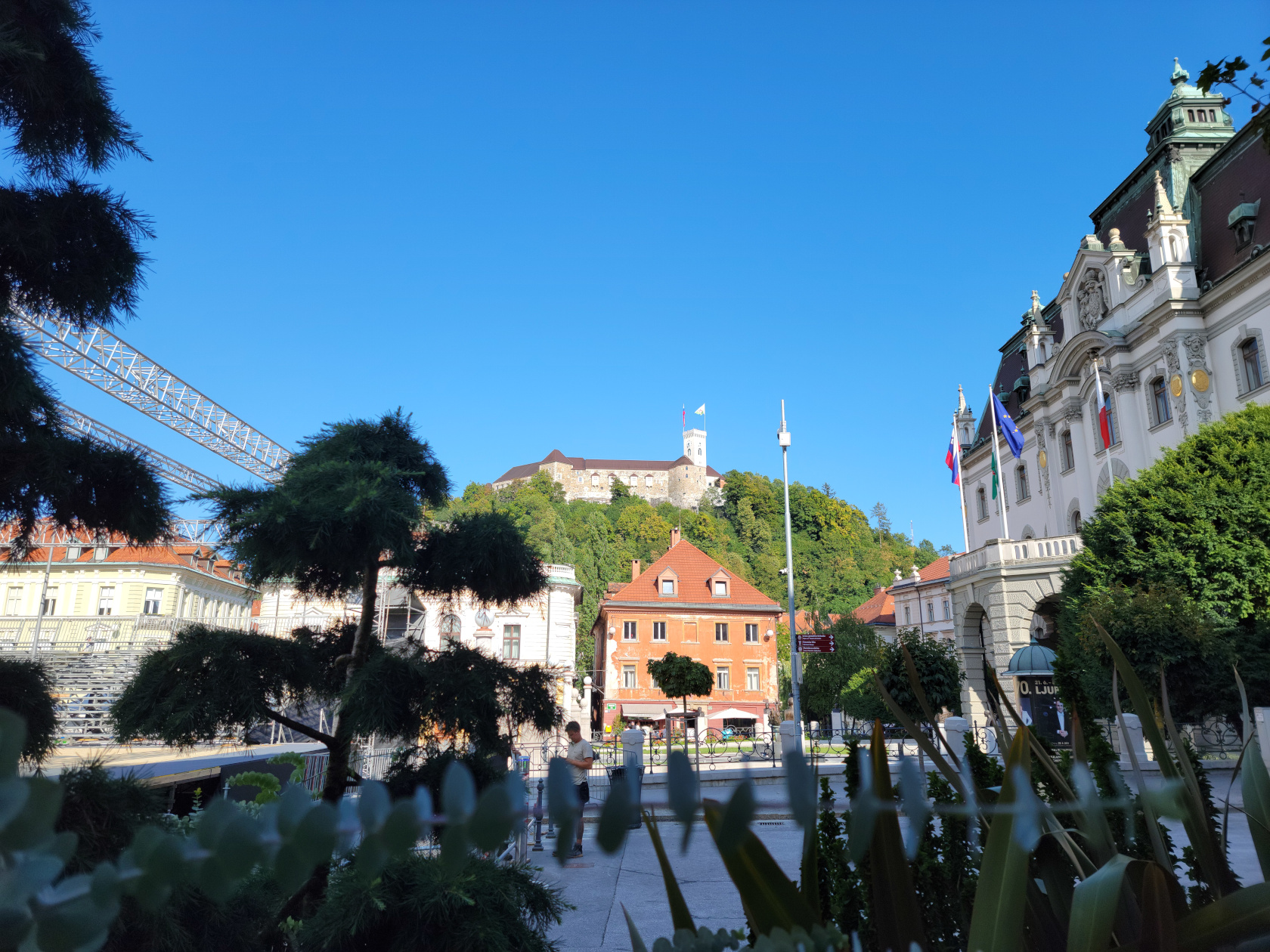
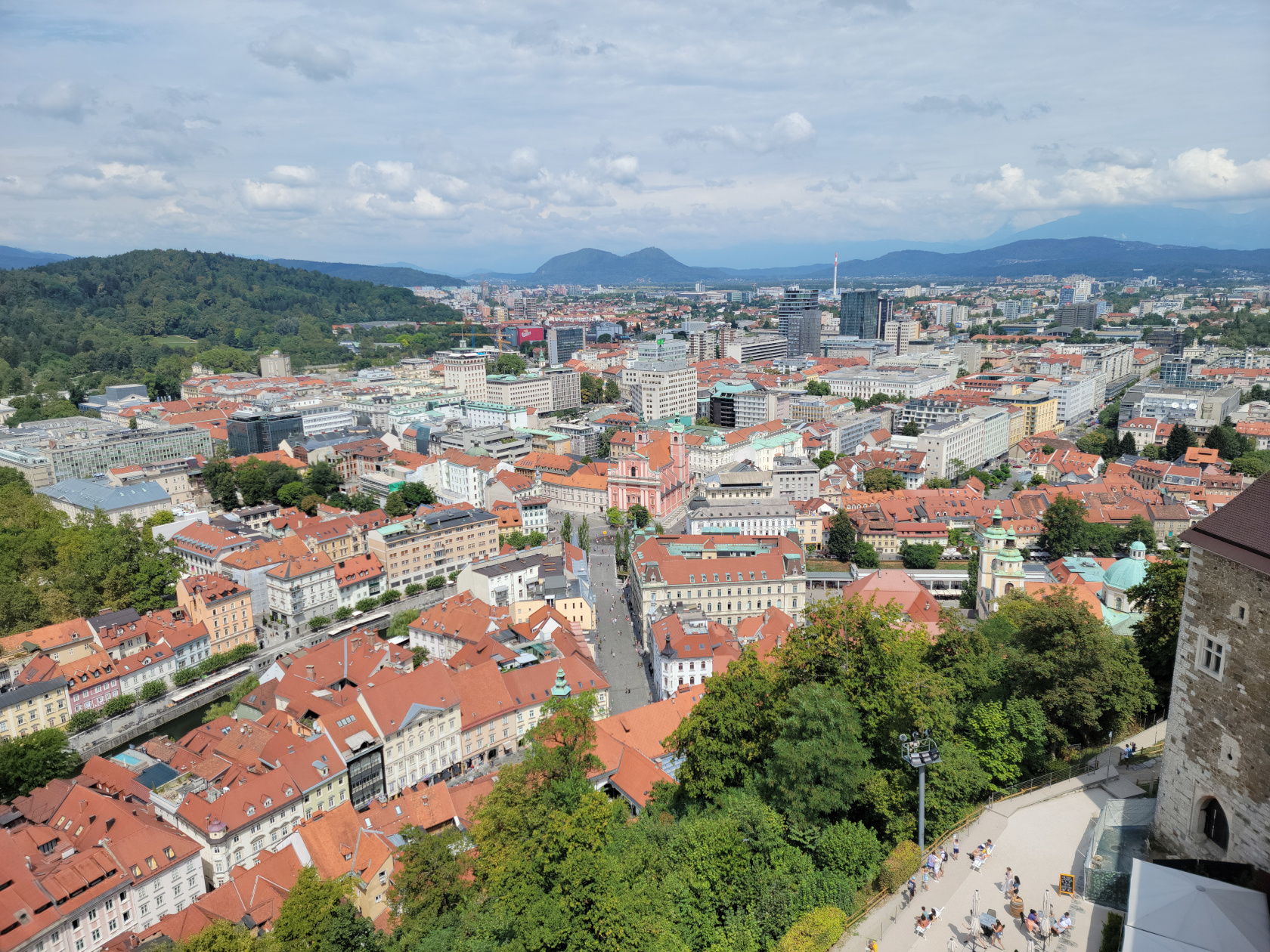
There are two prominent hills in Ljubljana, the one that contains Tivoli Park and Castle Hill, which contains the Ljubljana Castle.
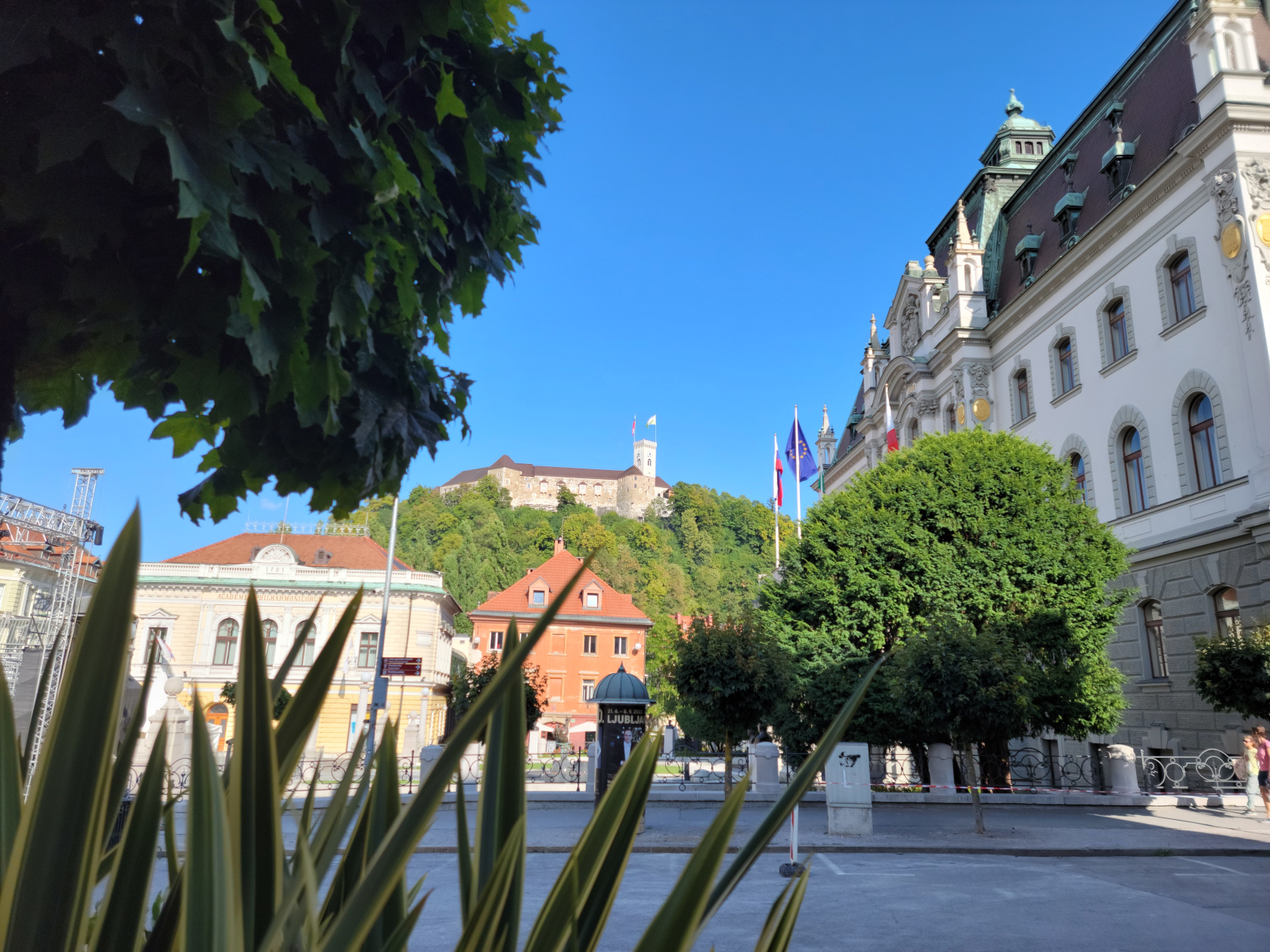
Ljubljana – Ljubljana Castle
Ljubljana Castle
Ljubljana – Ljubljana Castle – Tickets For Two
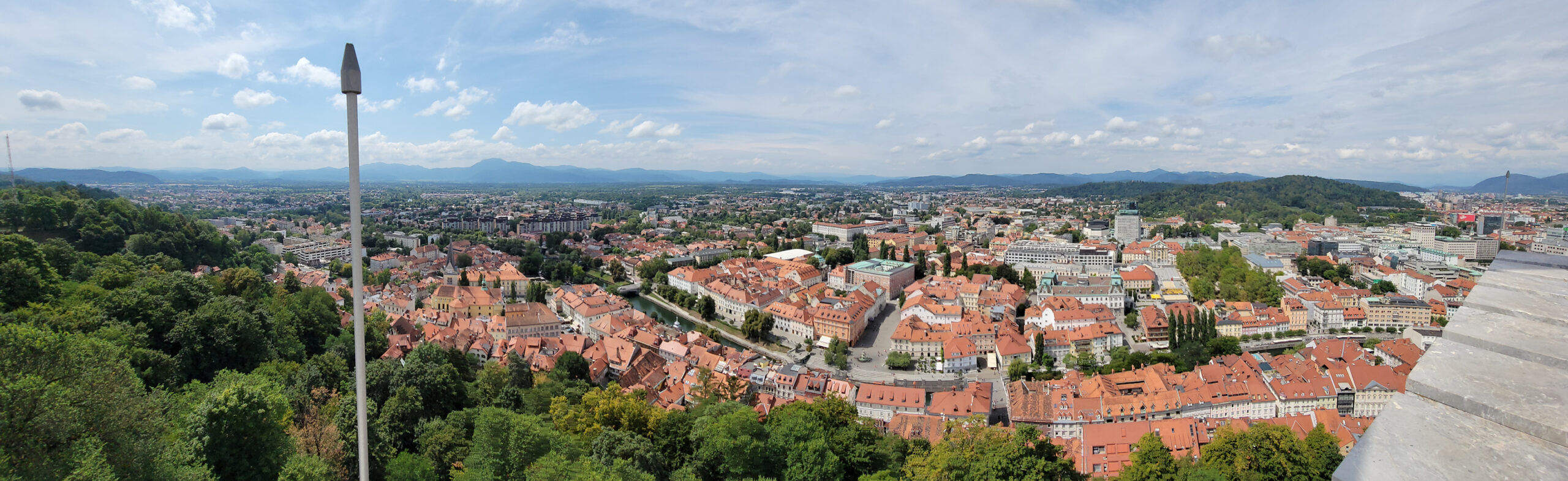
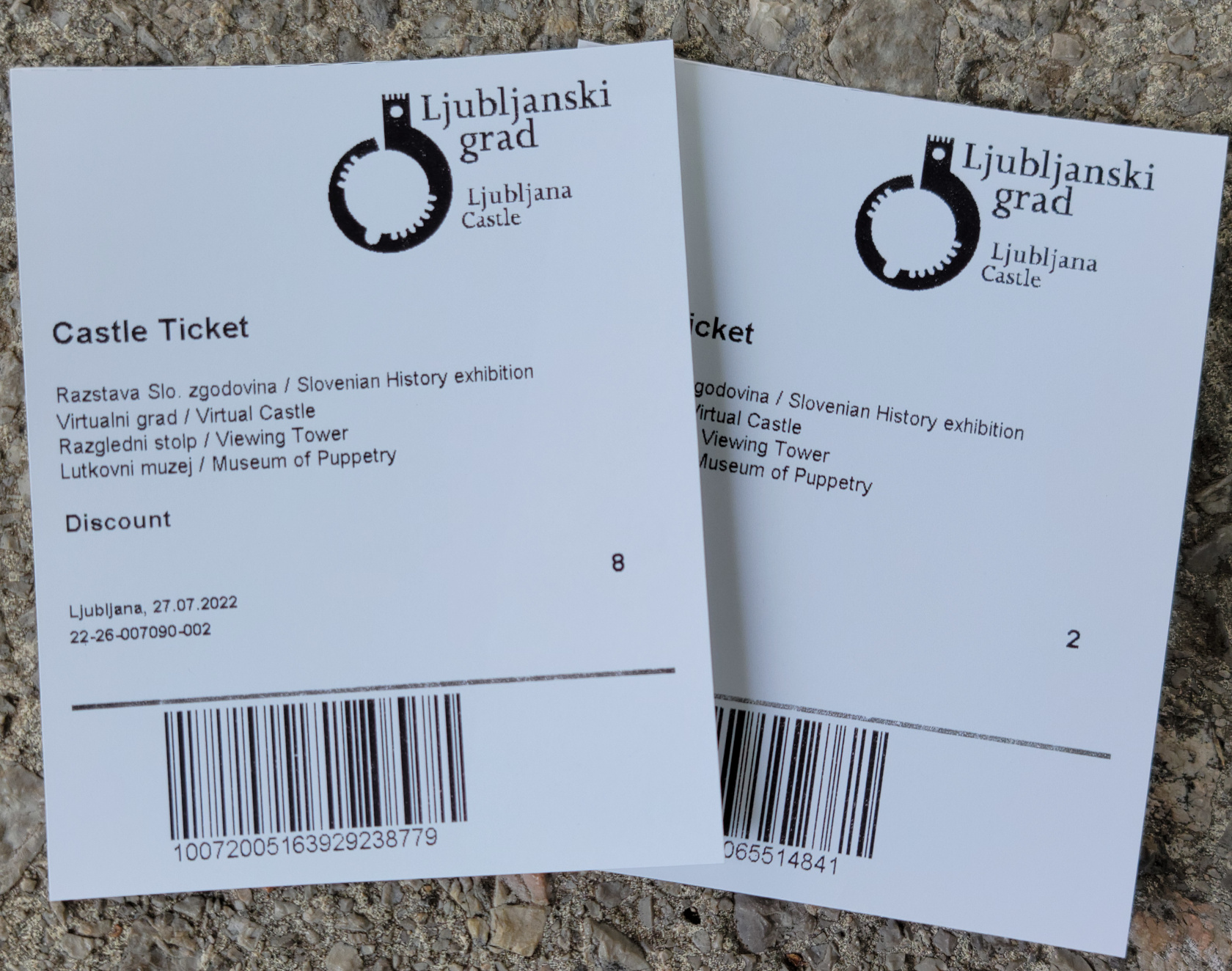
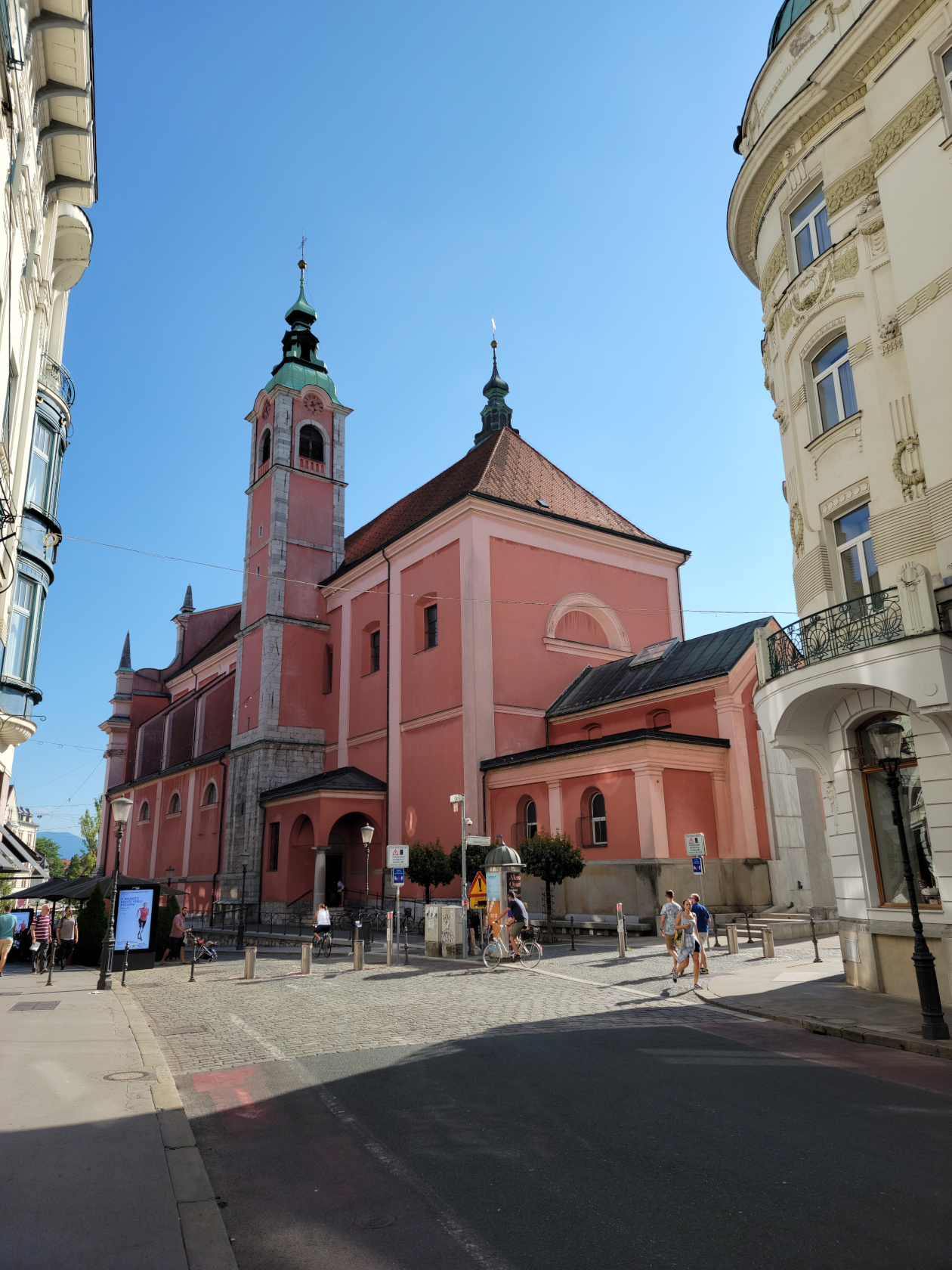
Perched above the city on the Castle Hill is the Ljubljana Castle. In 1679, Valvasor did an engraving of the Laybach Castle, as it was known in German at the time, showing the castle and many other landmarks of Lublana.[2]There are many spelling variations for this city, due to it being part of many different empires and countries throughout its history.
Ljubljana – Ljubljana Castle
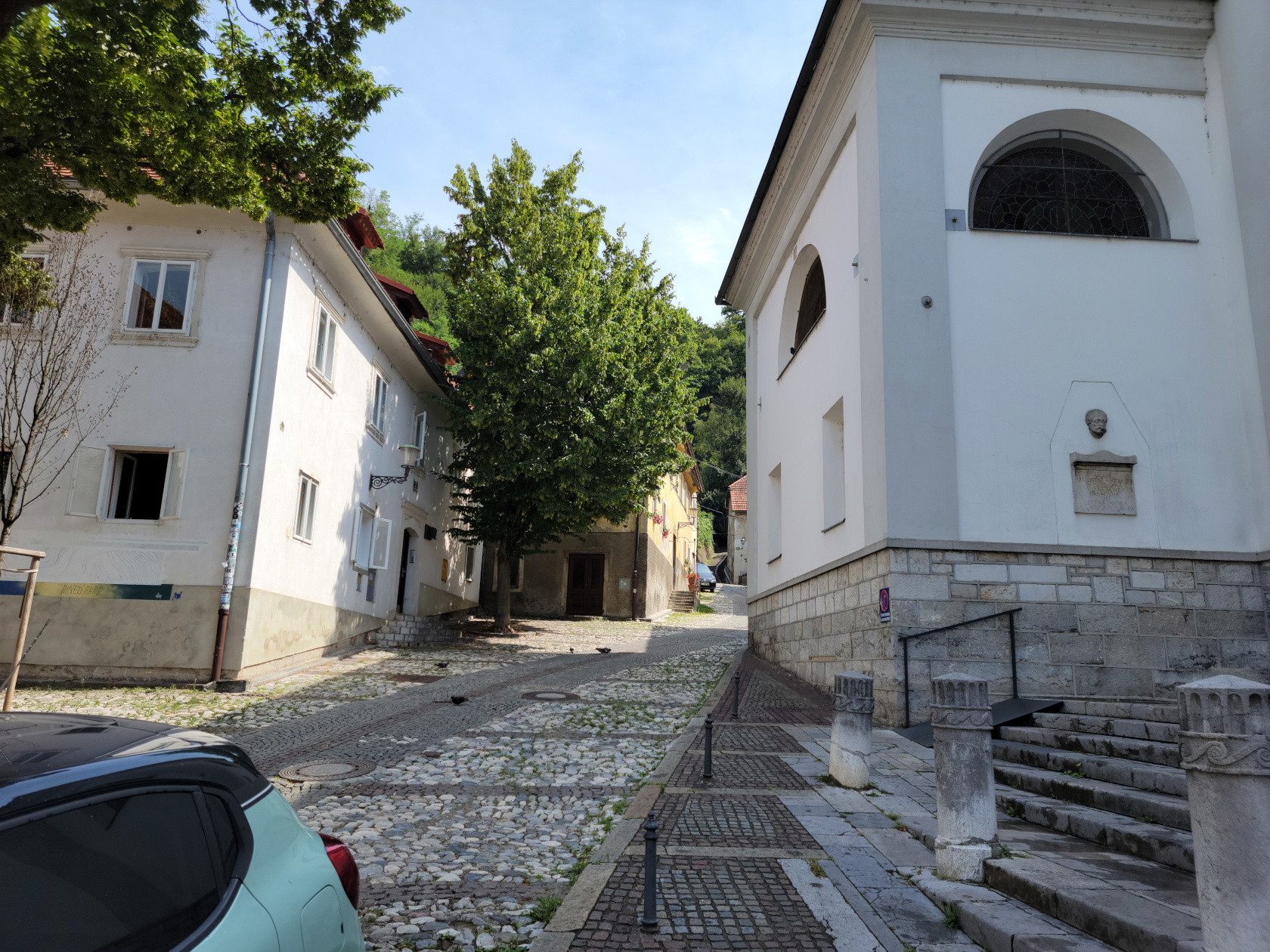
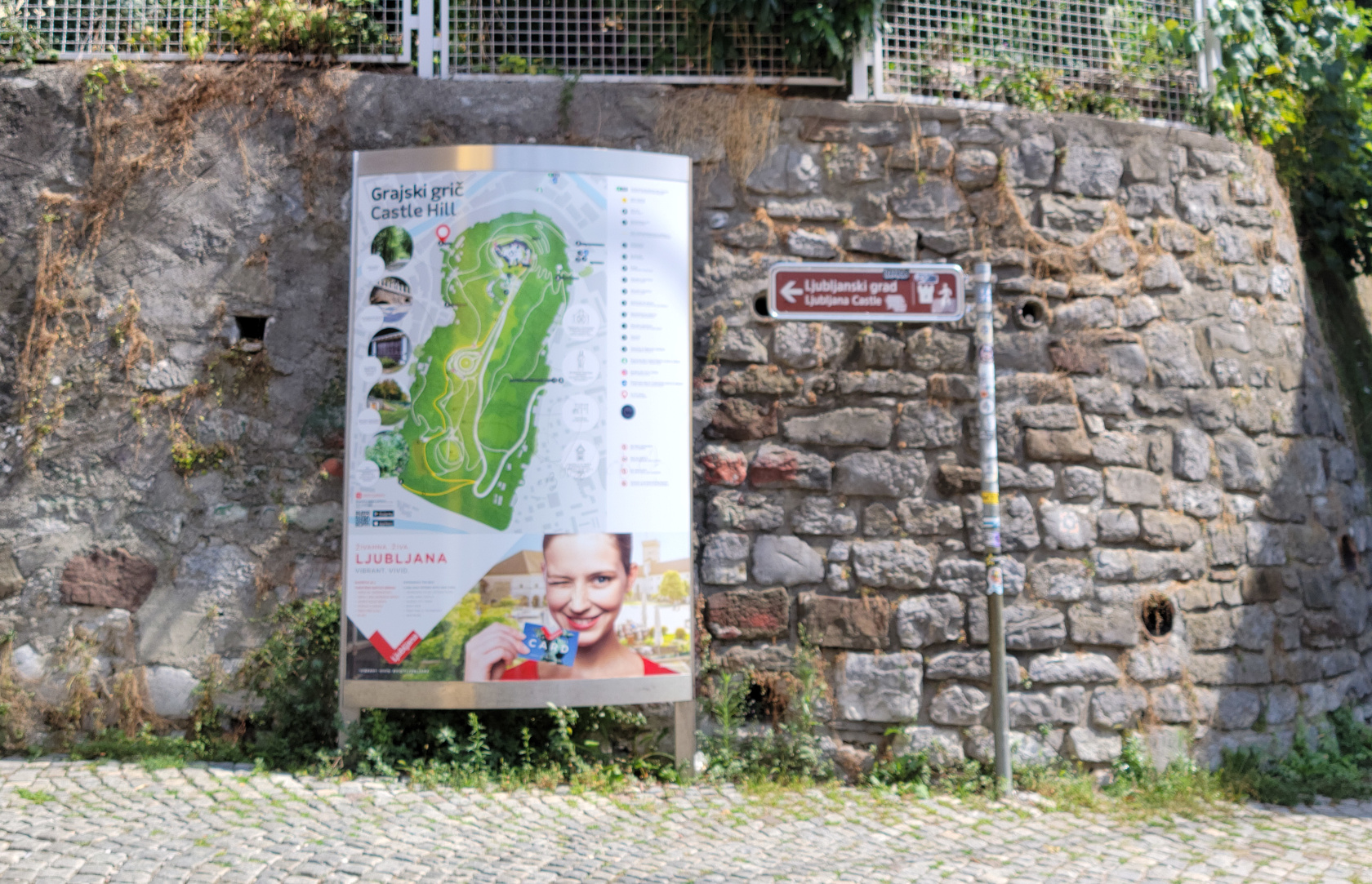
Ljubljana – Ulica na Grad
Ljubljana – Castle Hill – Ulica na Grad
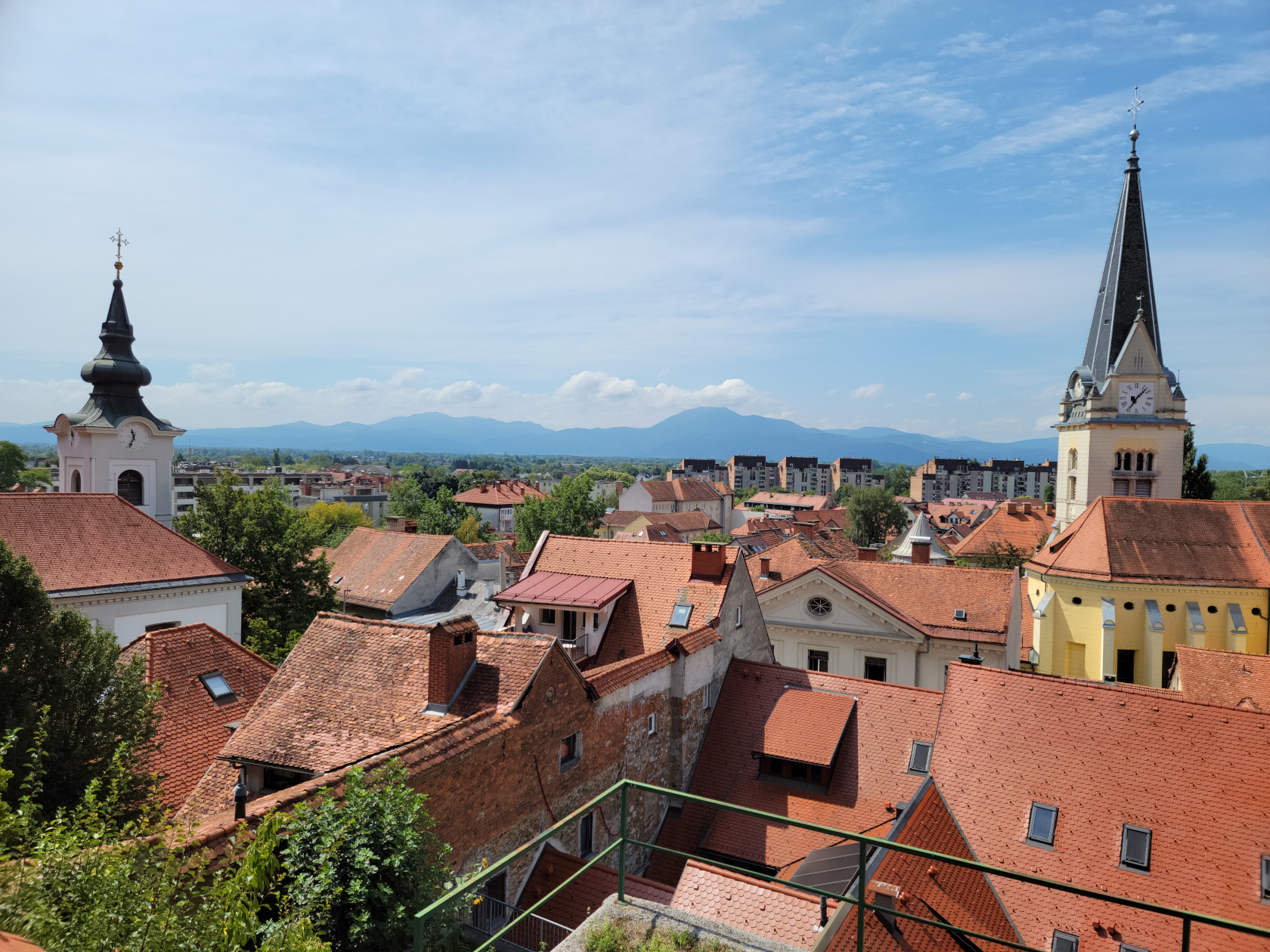
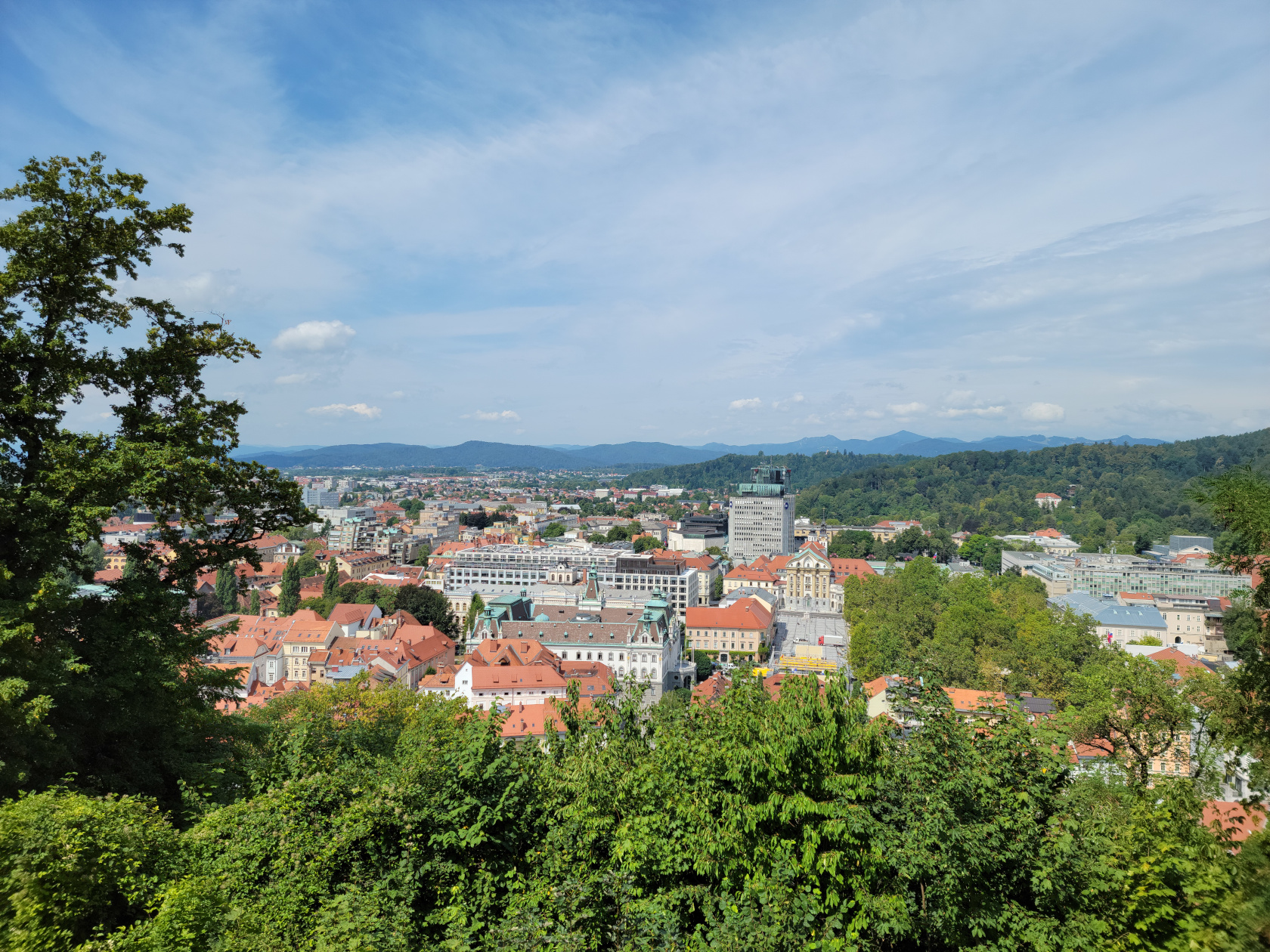
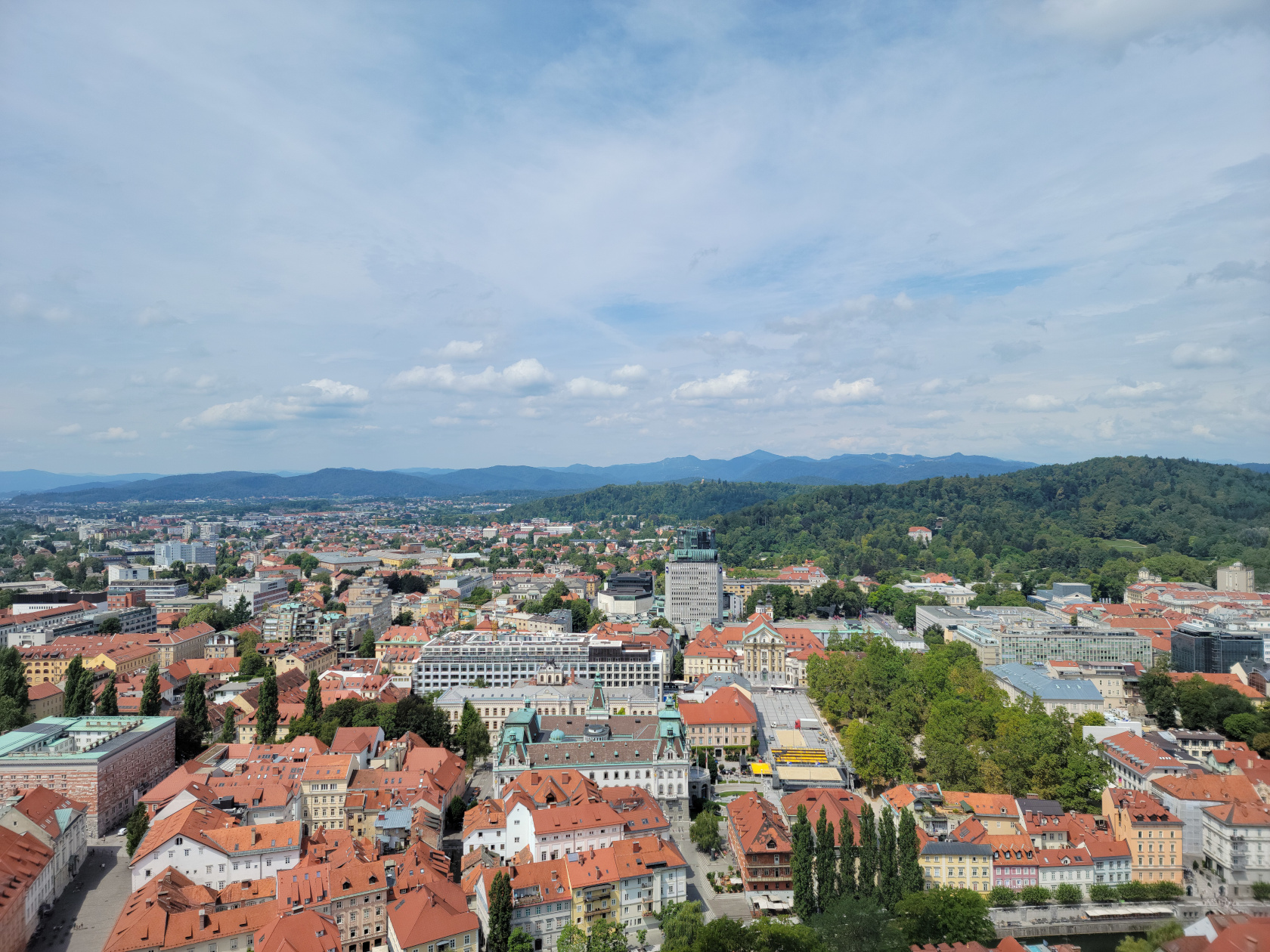
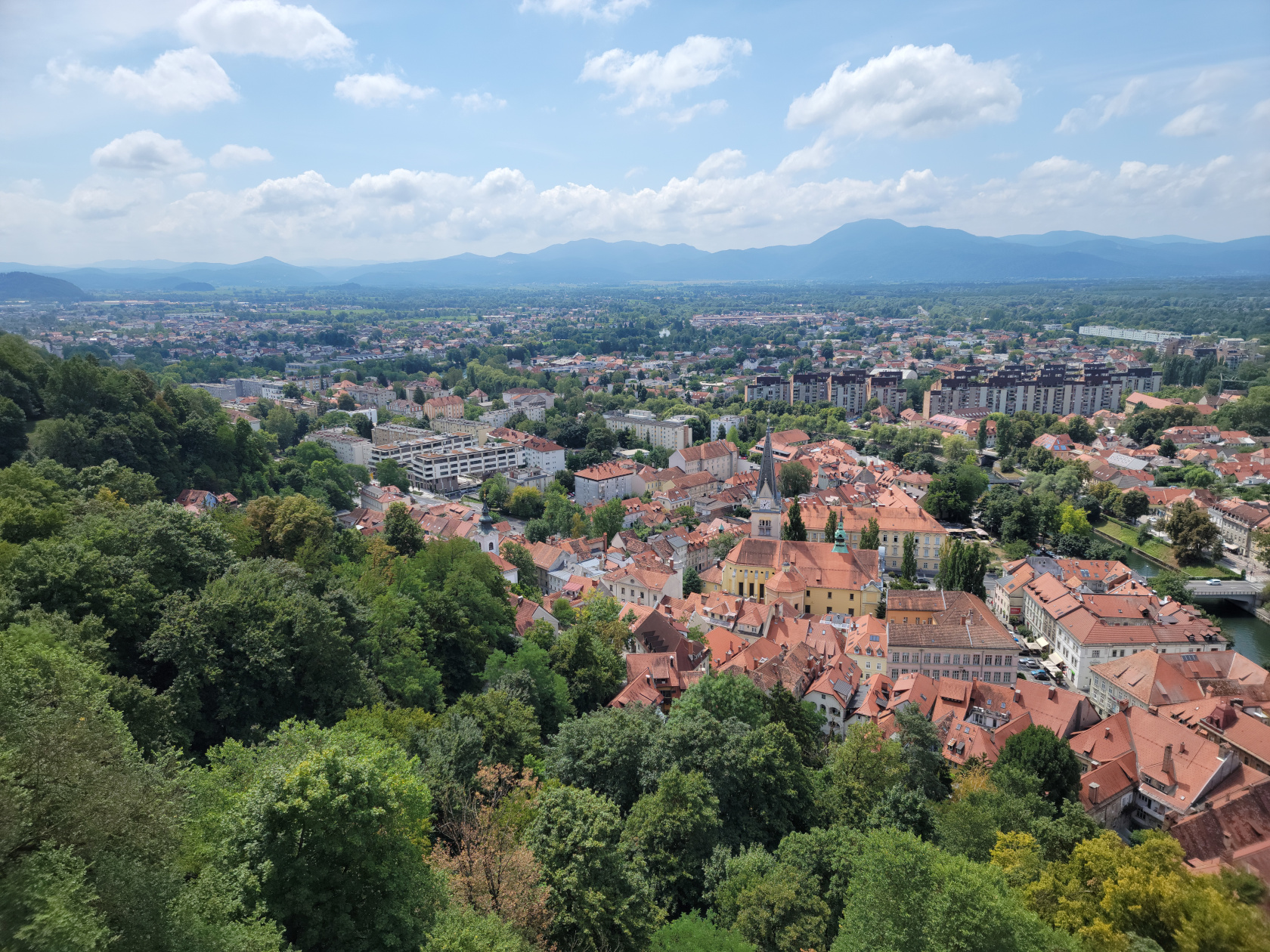
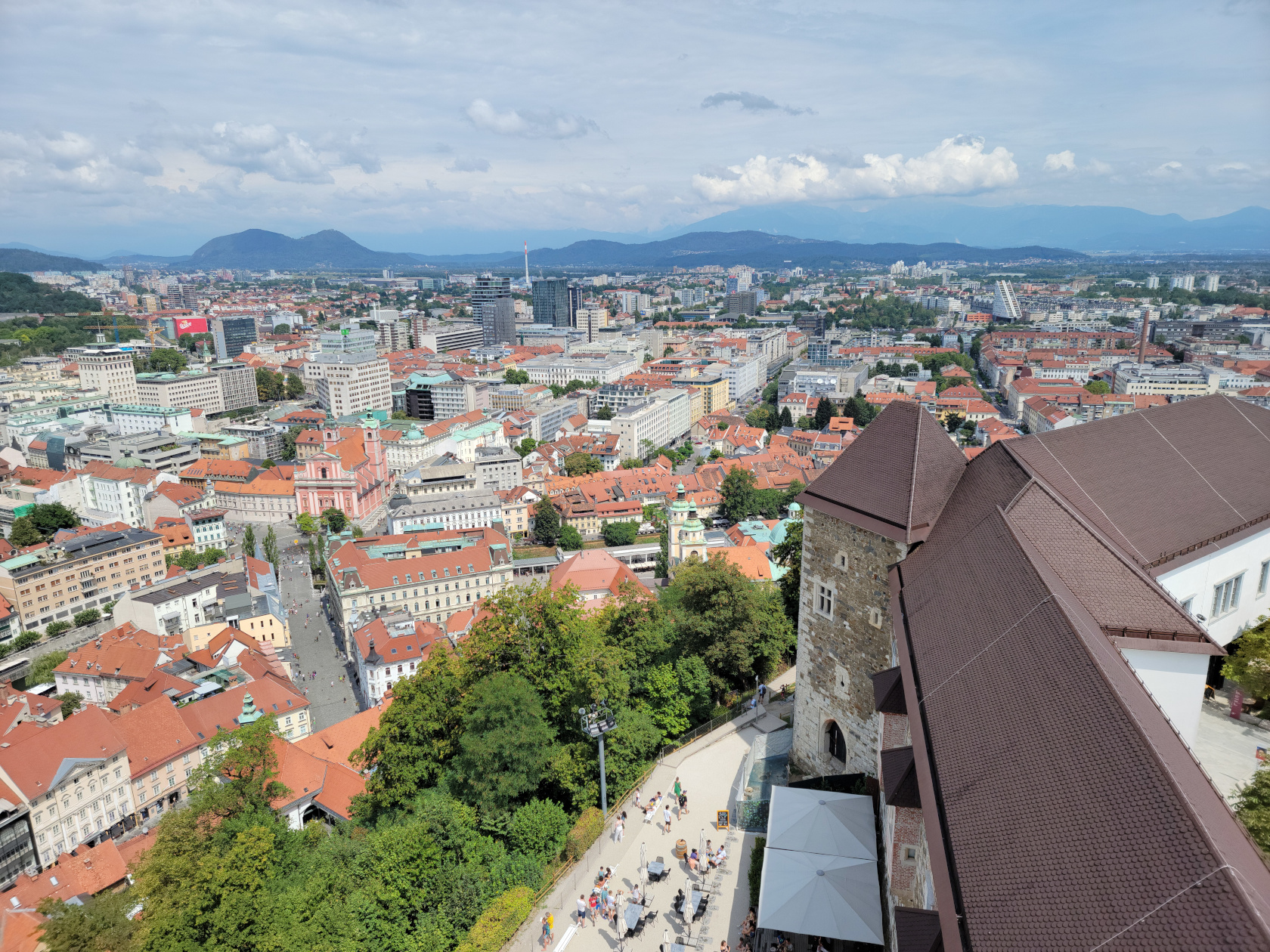
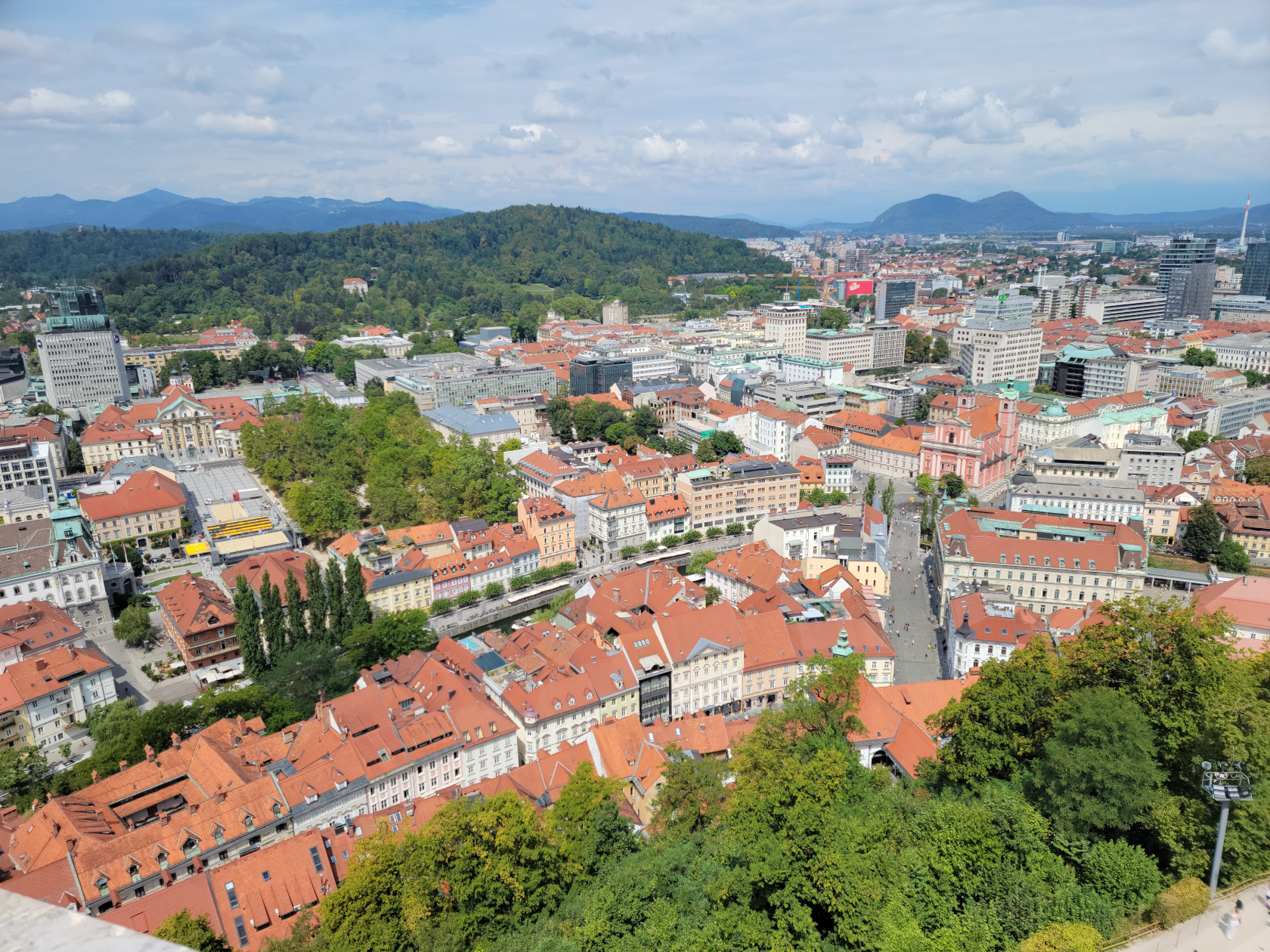
Ljubljana – From Castle Hill
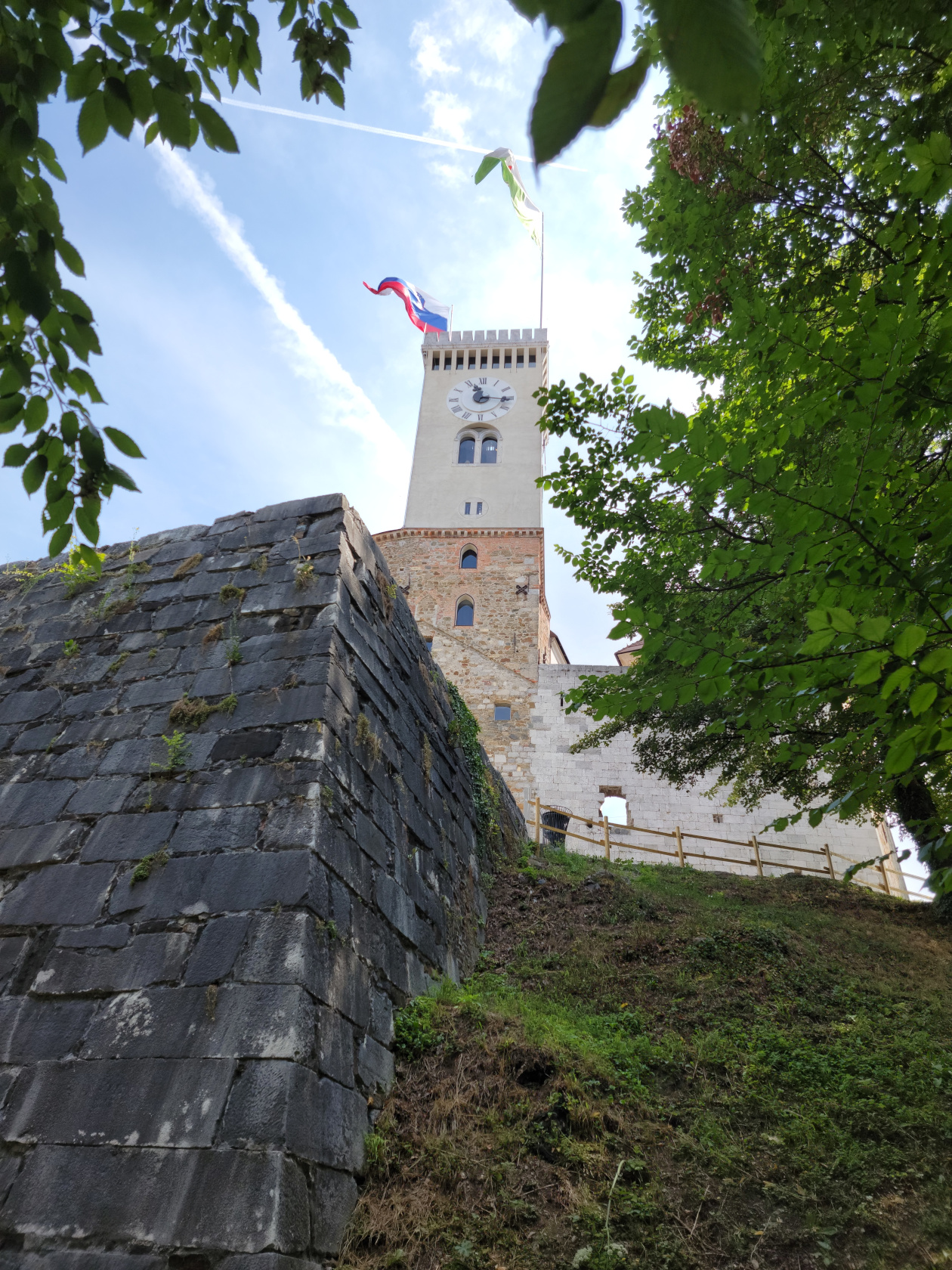
Ljubljana – The Castle
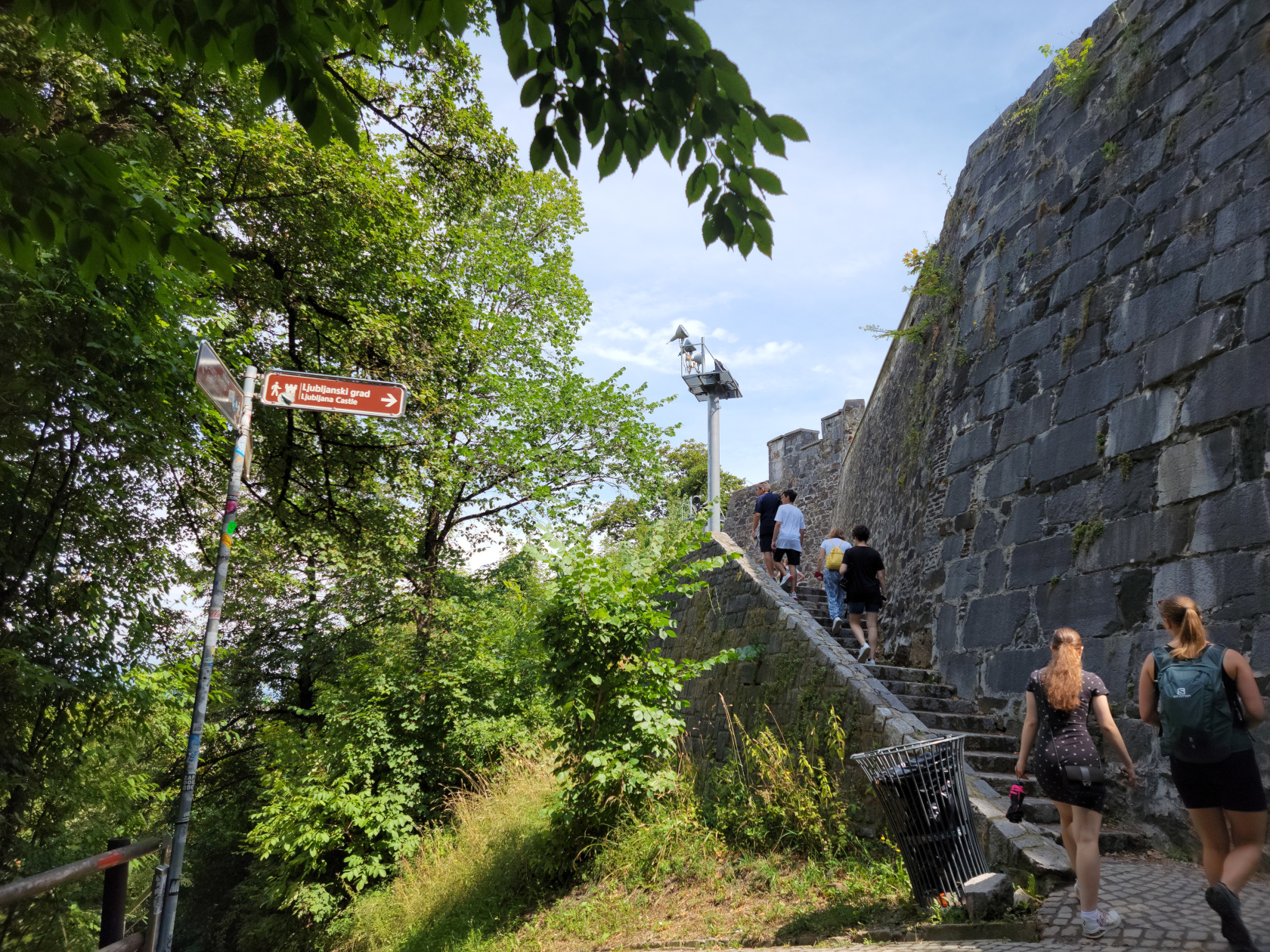
Ljubljana – Climb to Castle
Ljubljana – From Castle Hill
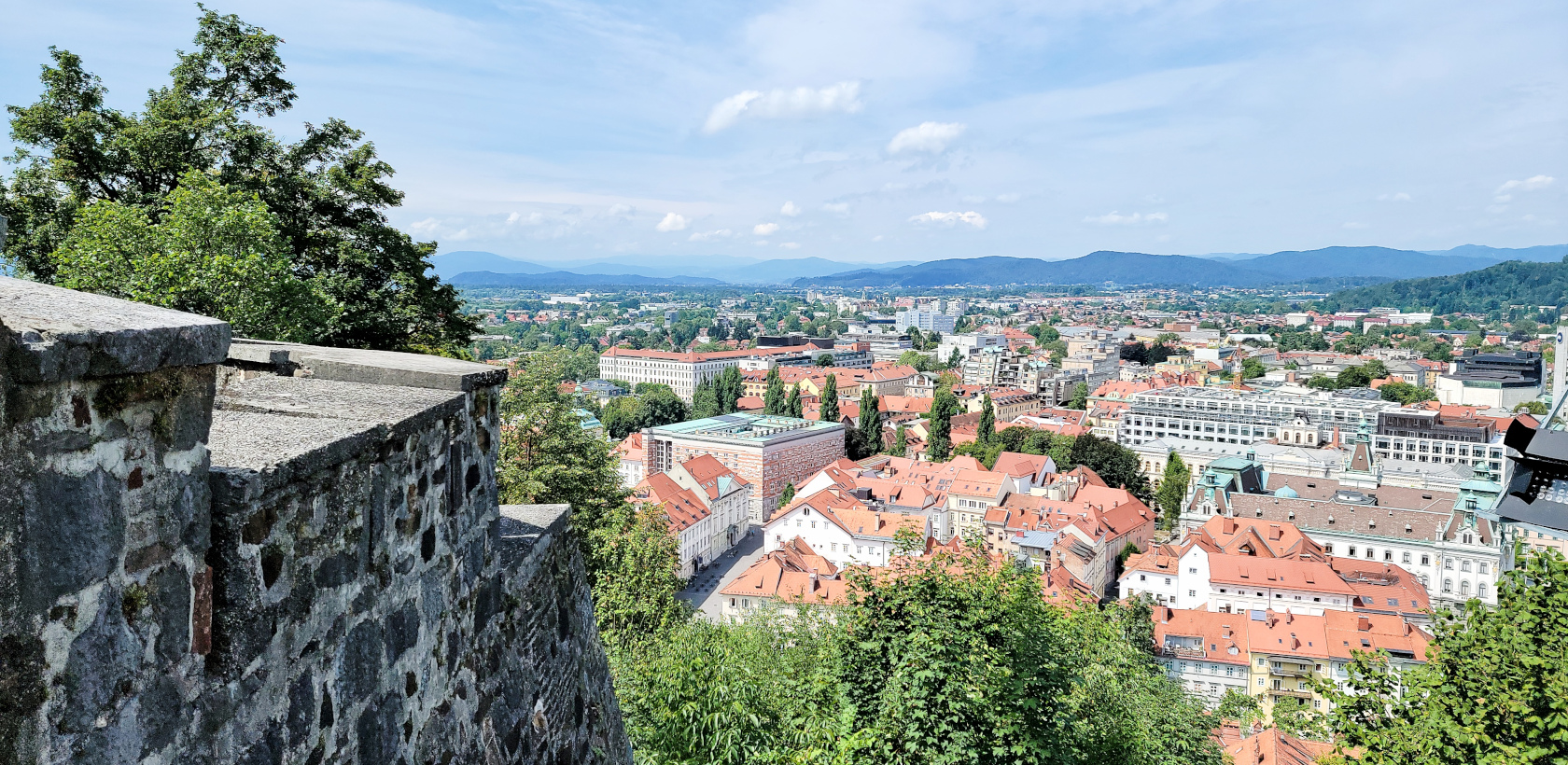
Ljubljana – From Castle Hill
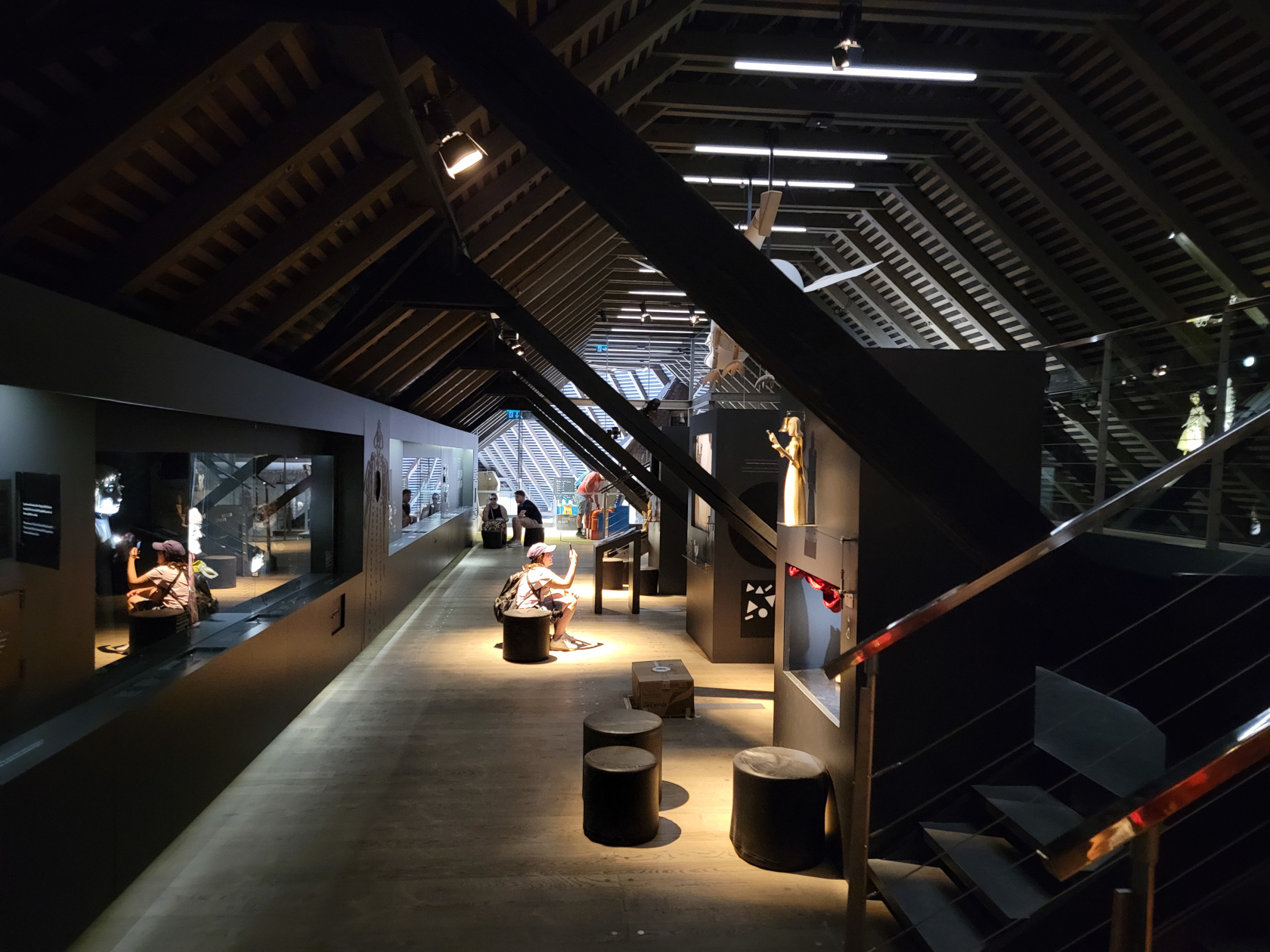
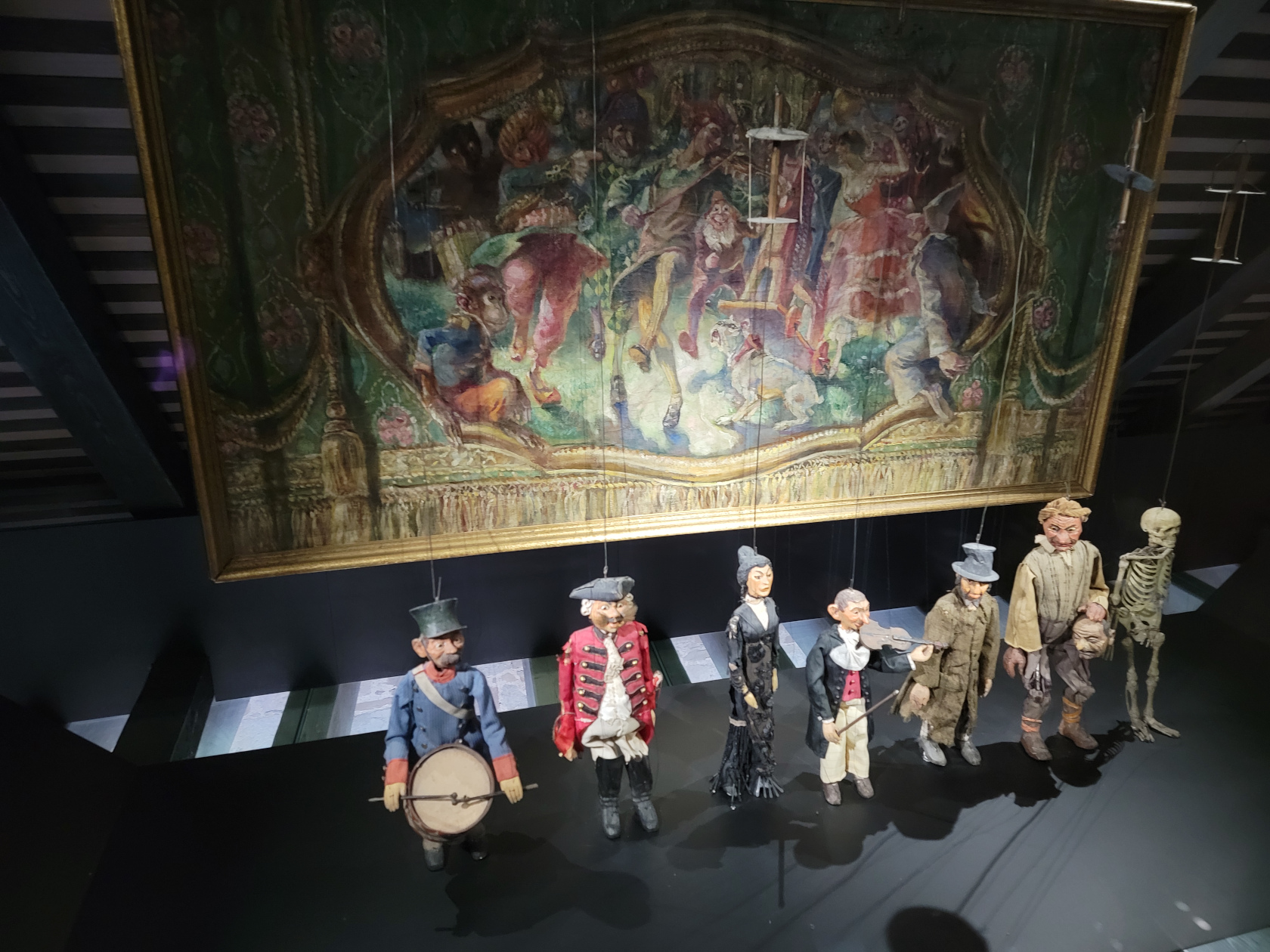
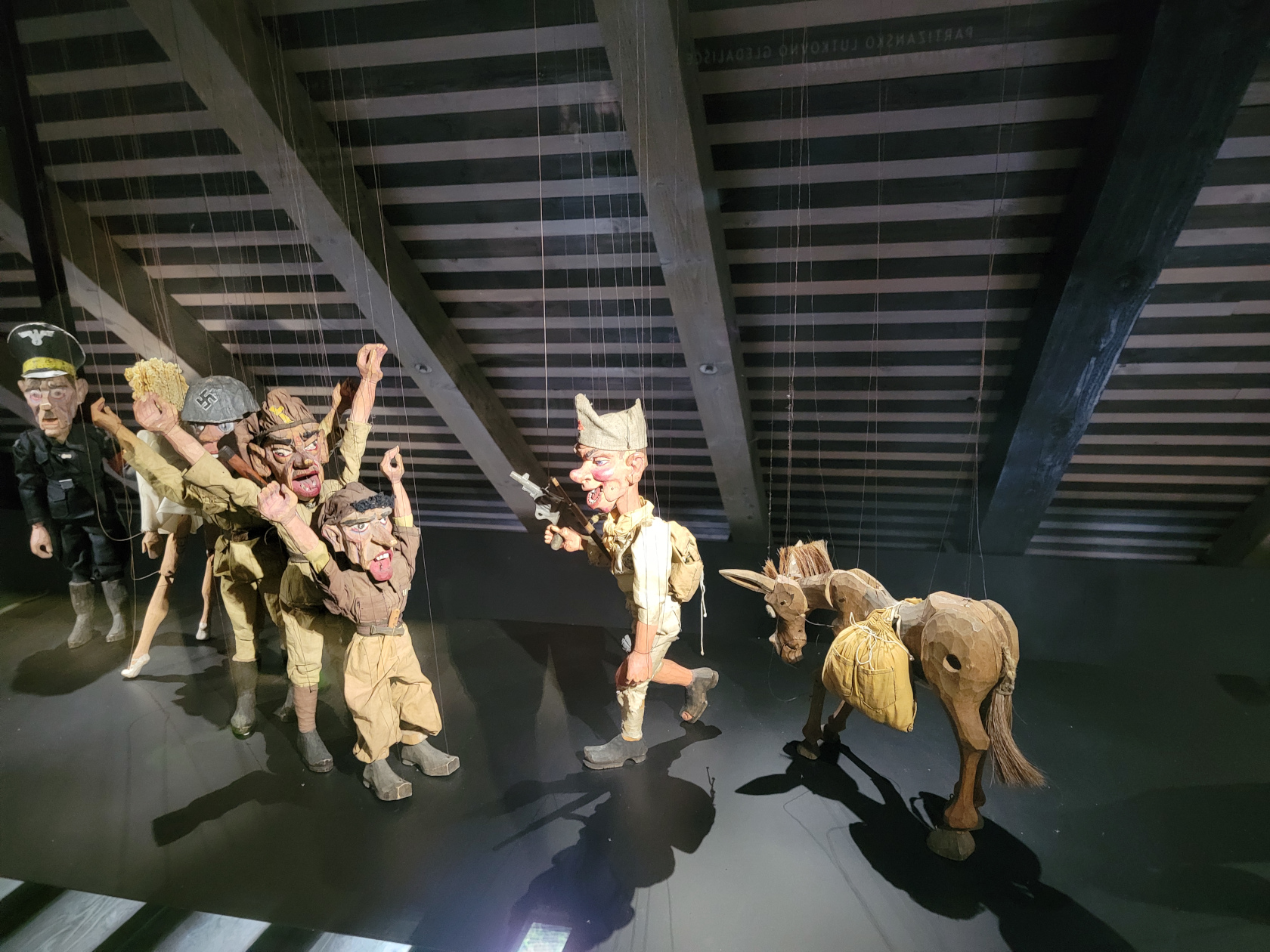
Ljubljana Castle – Puppet Museum
Ljubljana Castle – Puppet Museum
Ljubljana Castle – Puppet Museum
Ljubljana – From Castle Hill
Ljubljana – From Castle Hill
Ljubljana – From Castle Hill
Ljubljana – From Castle Hill
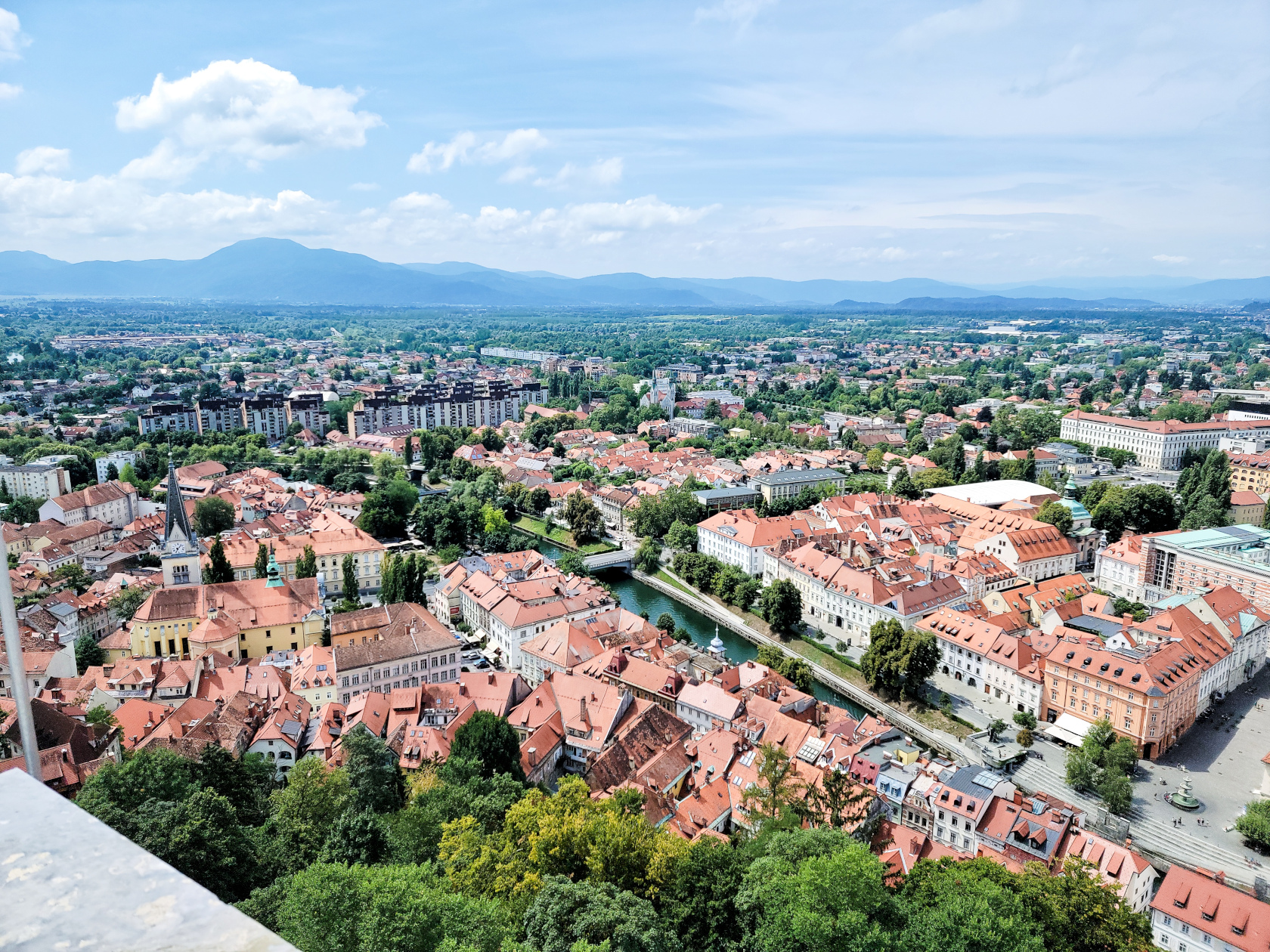
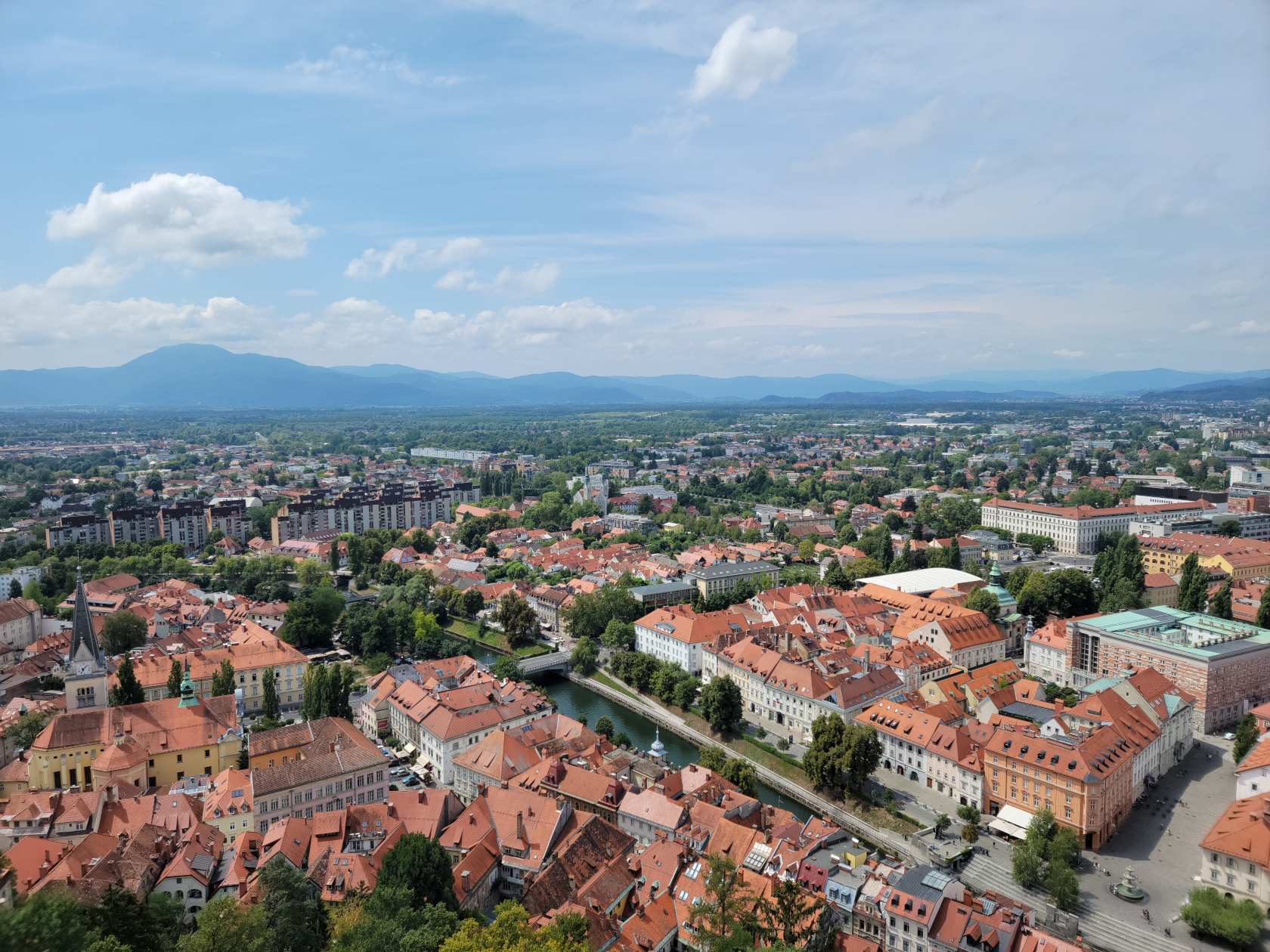
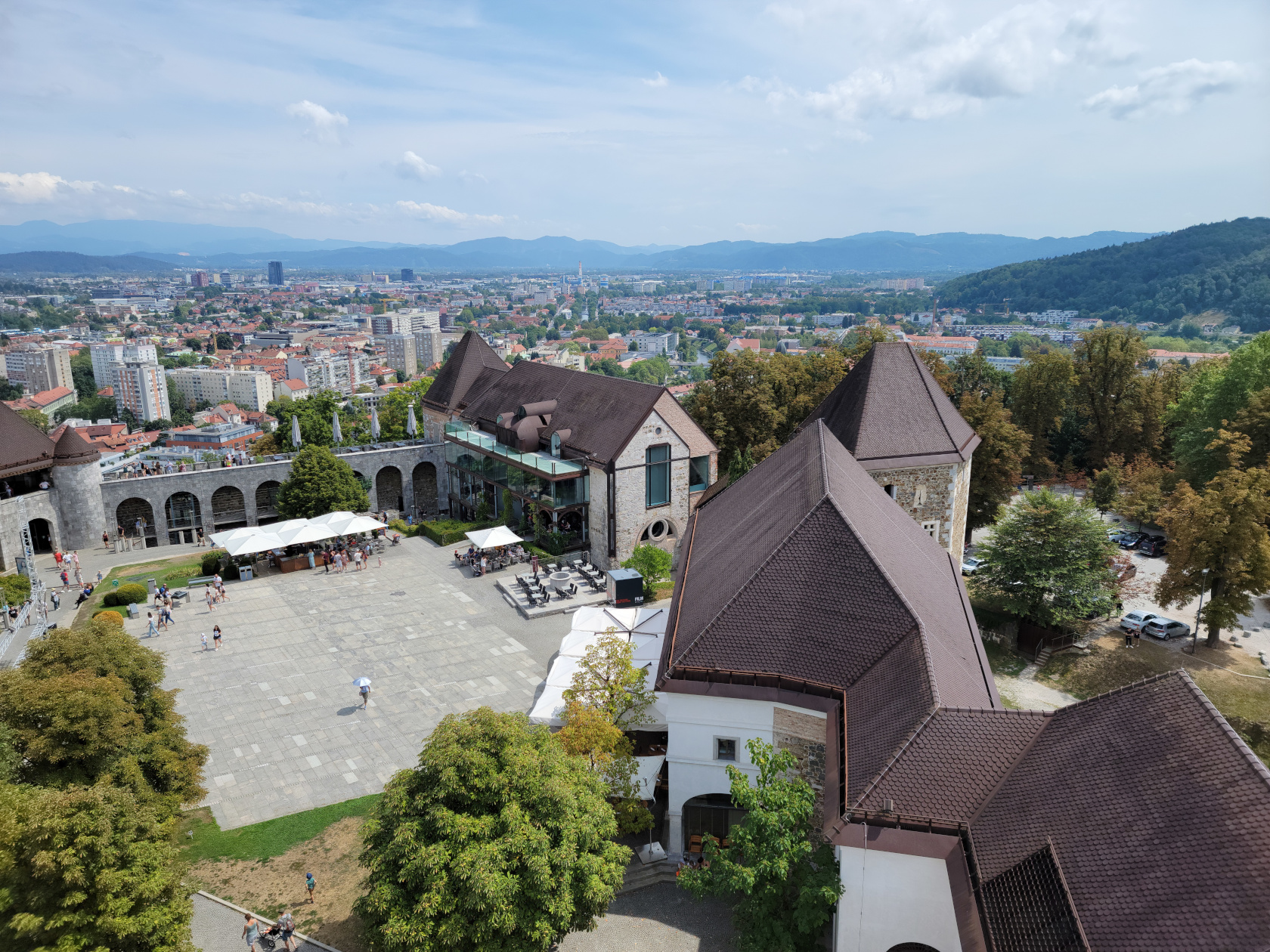
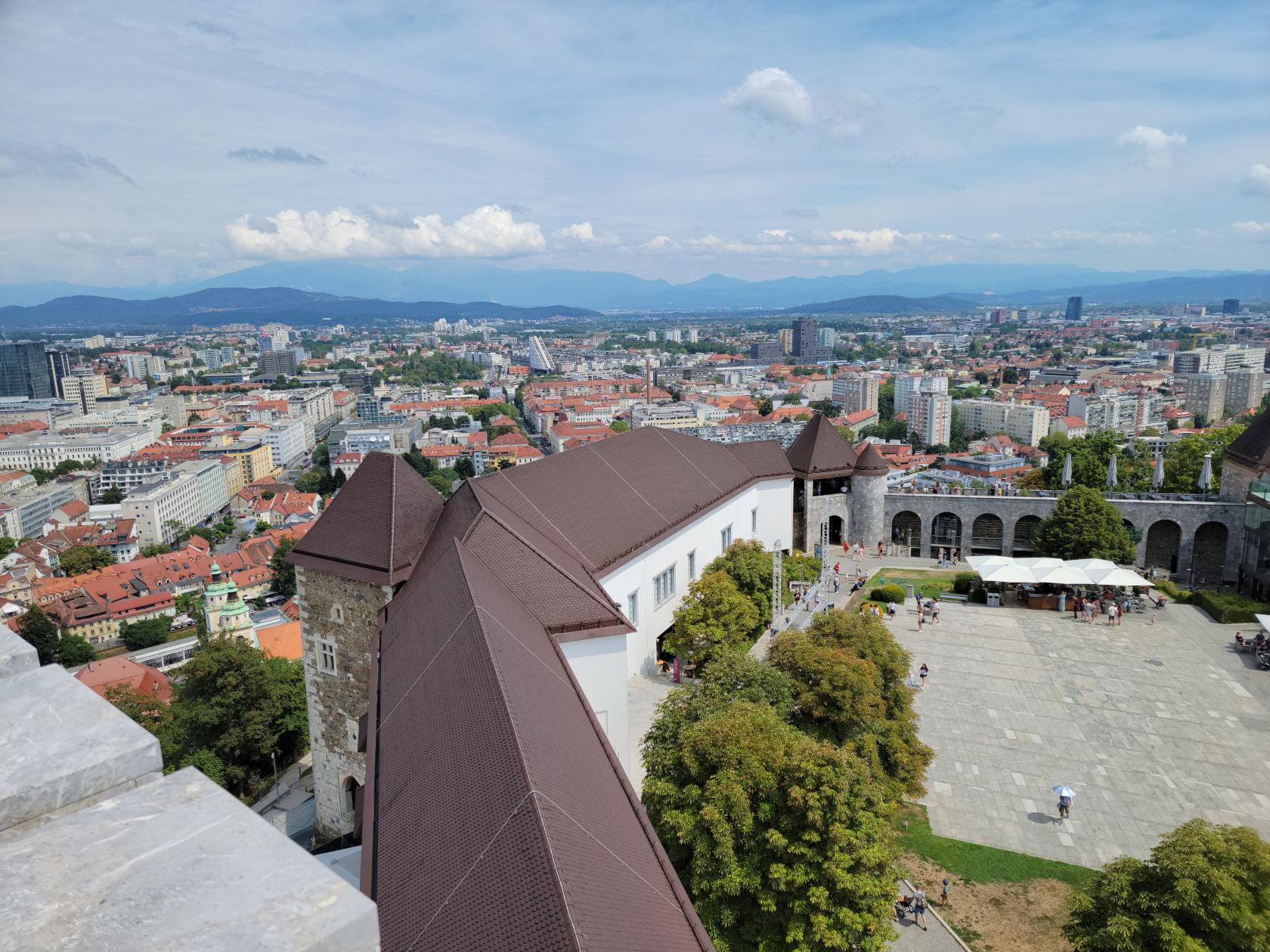
Ljubljana – Castle From Castle Tower
Ljubljana – Castle From Castle Tower
Ljubljana – Ljubljana and Castle From Castle Tower
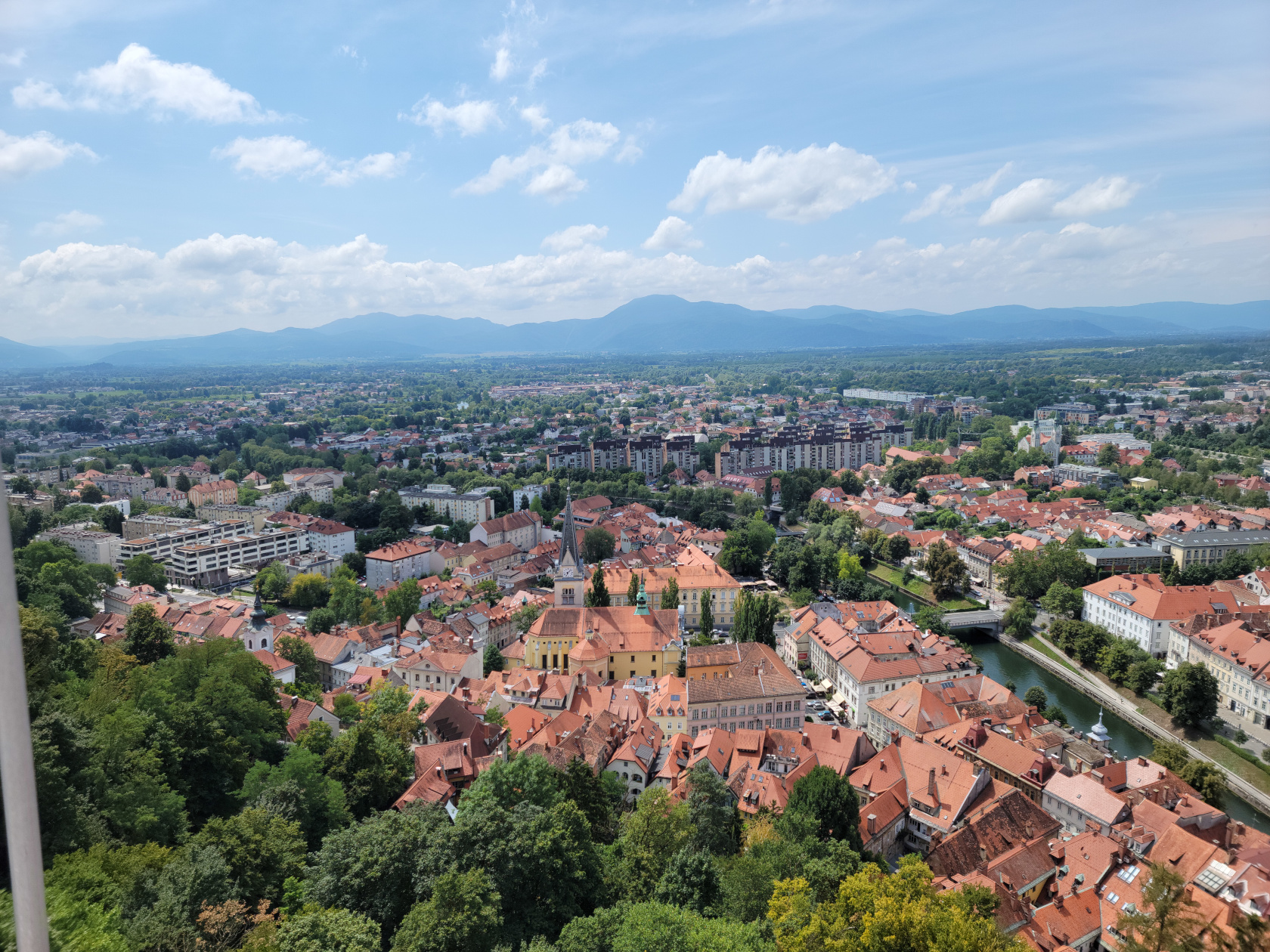
Ljubljana – From Castle Tower
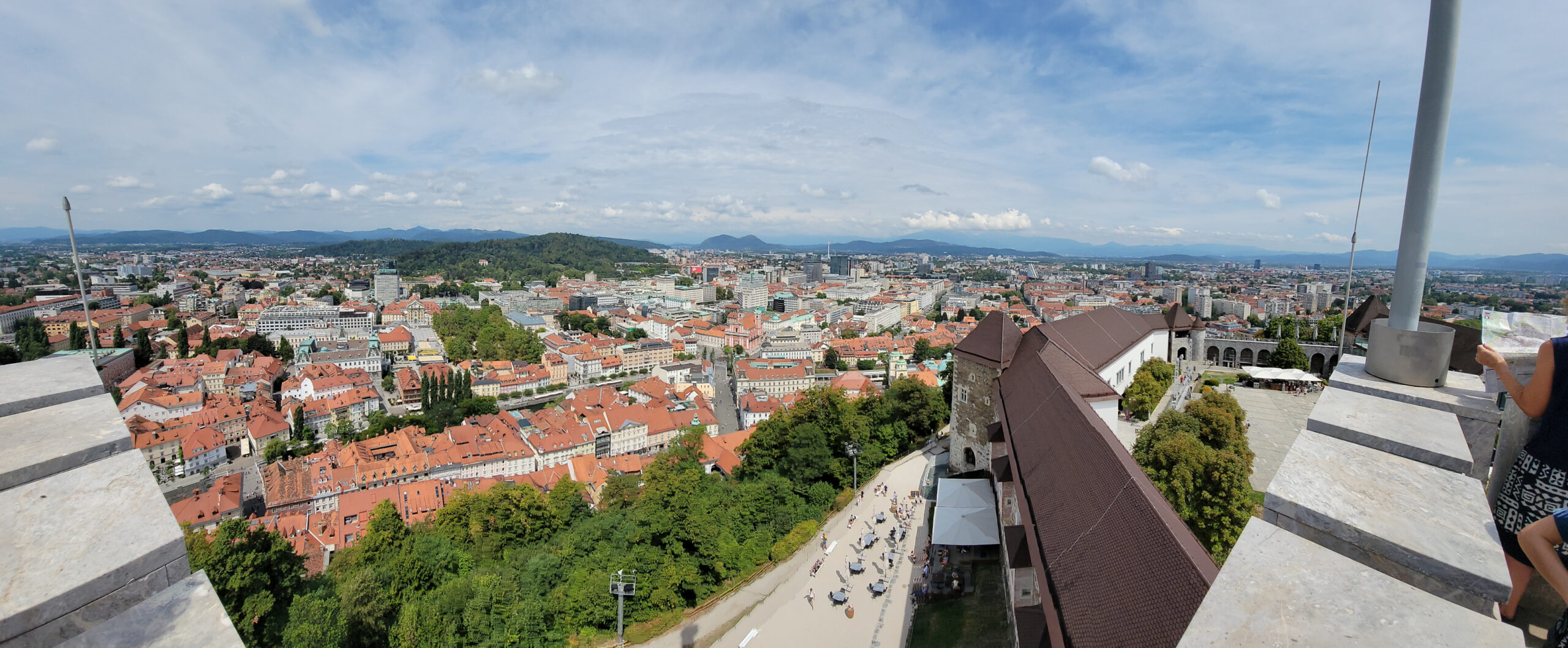
Ljubljana – From Castle Tower – Panorama
Ljubljana – From Castle Tower
Ljubljana – From Castle Tower
The Ljubljanica River
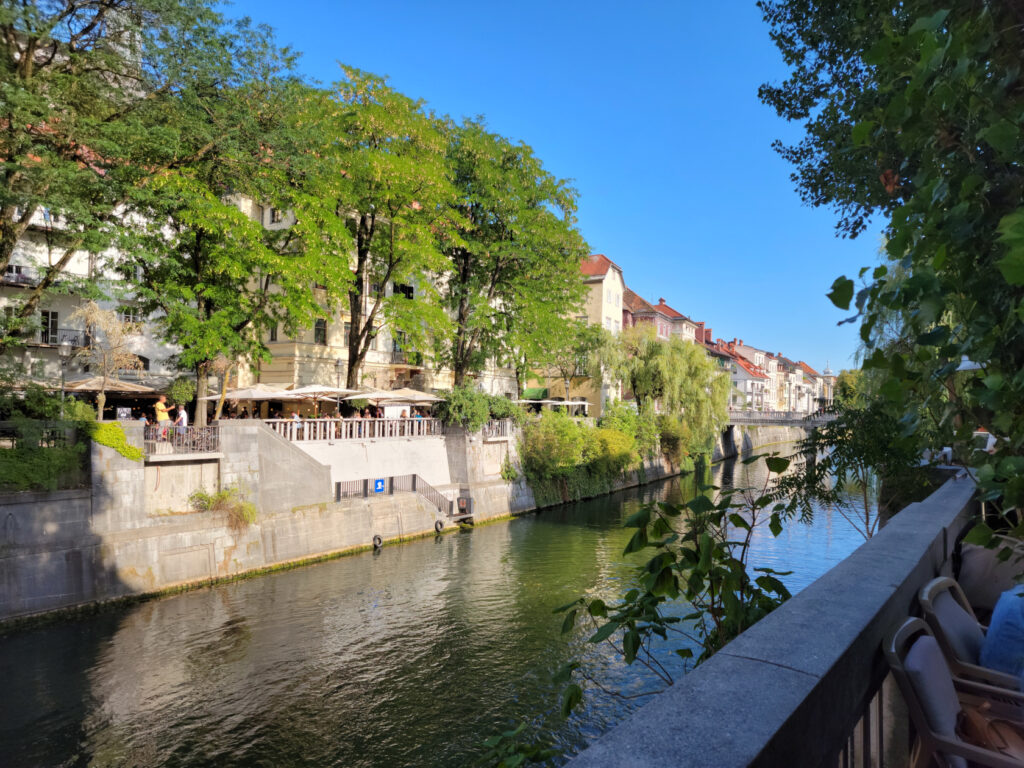
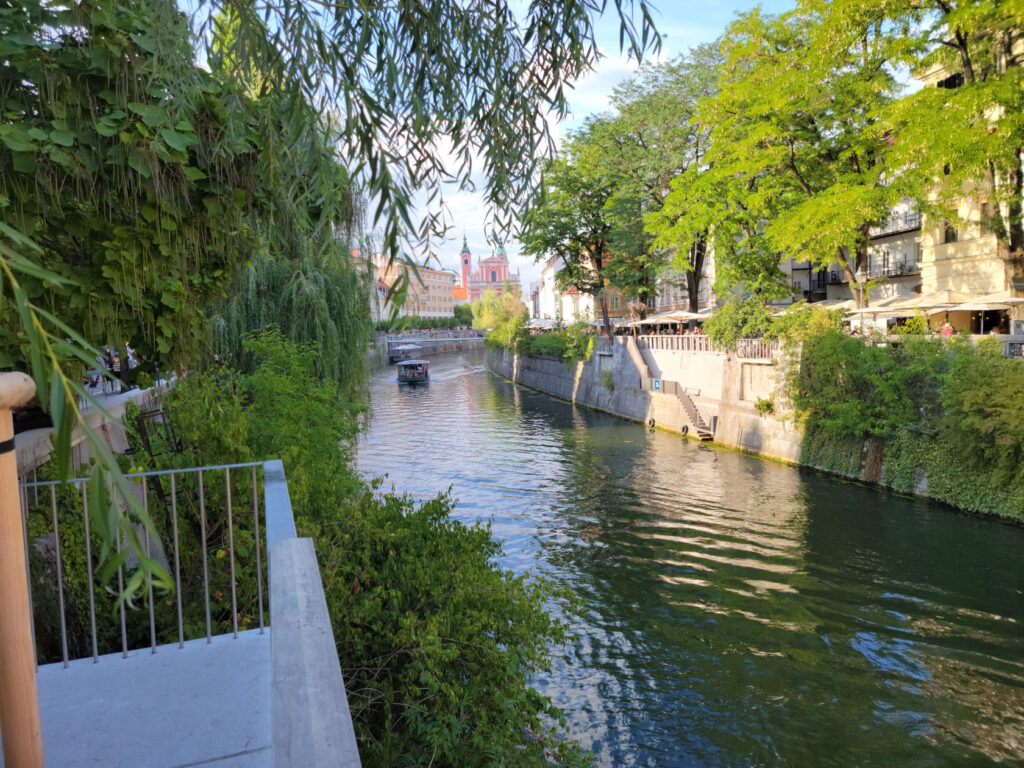
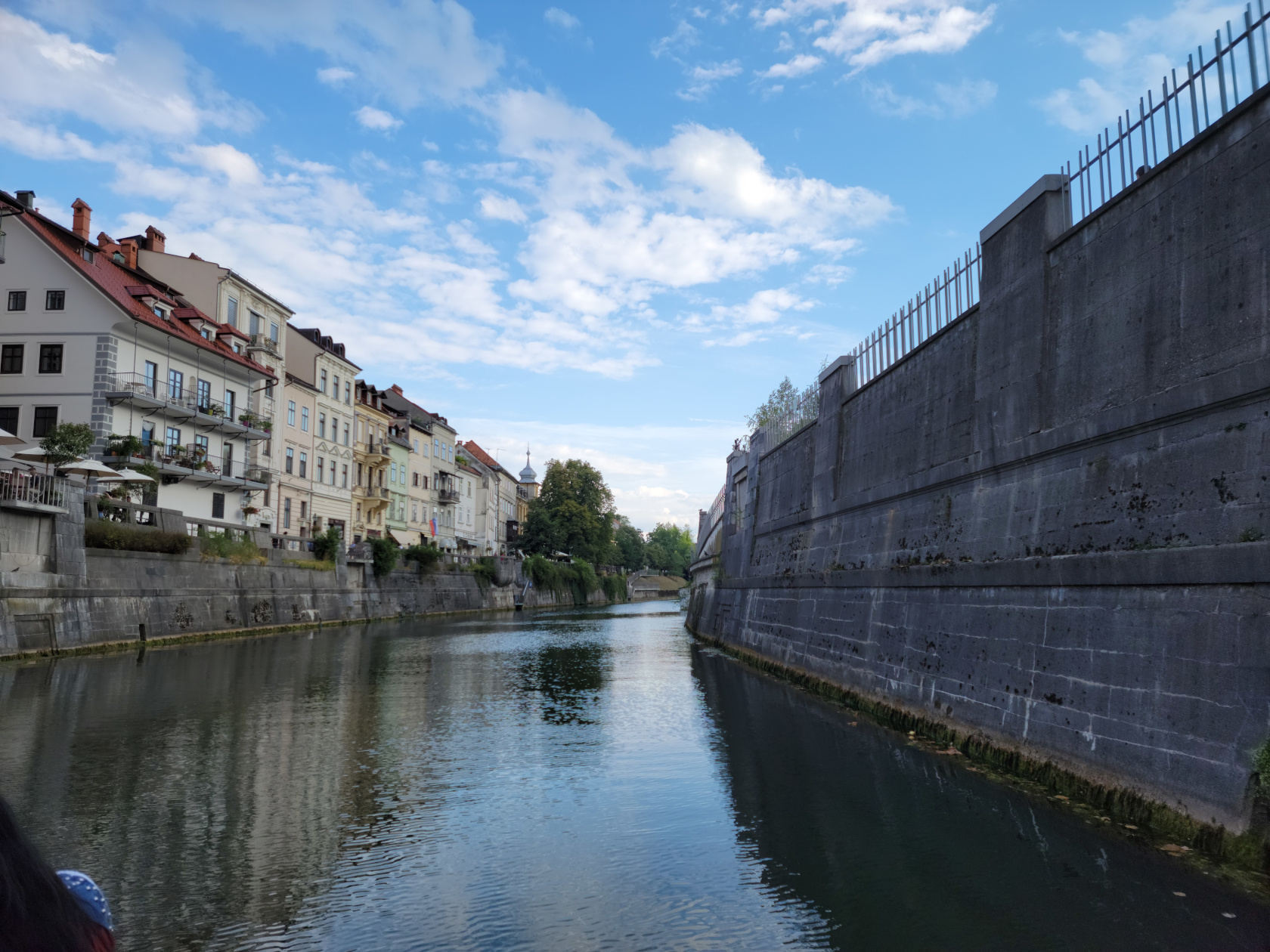
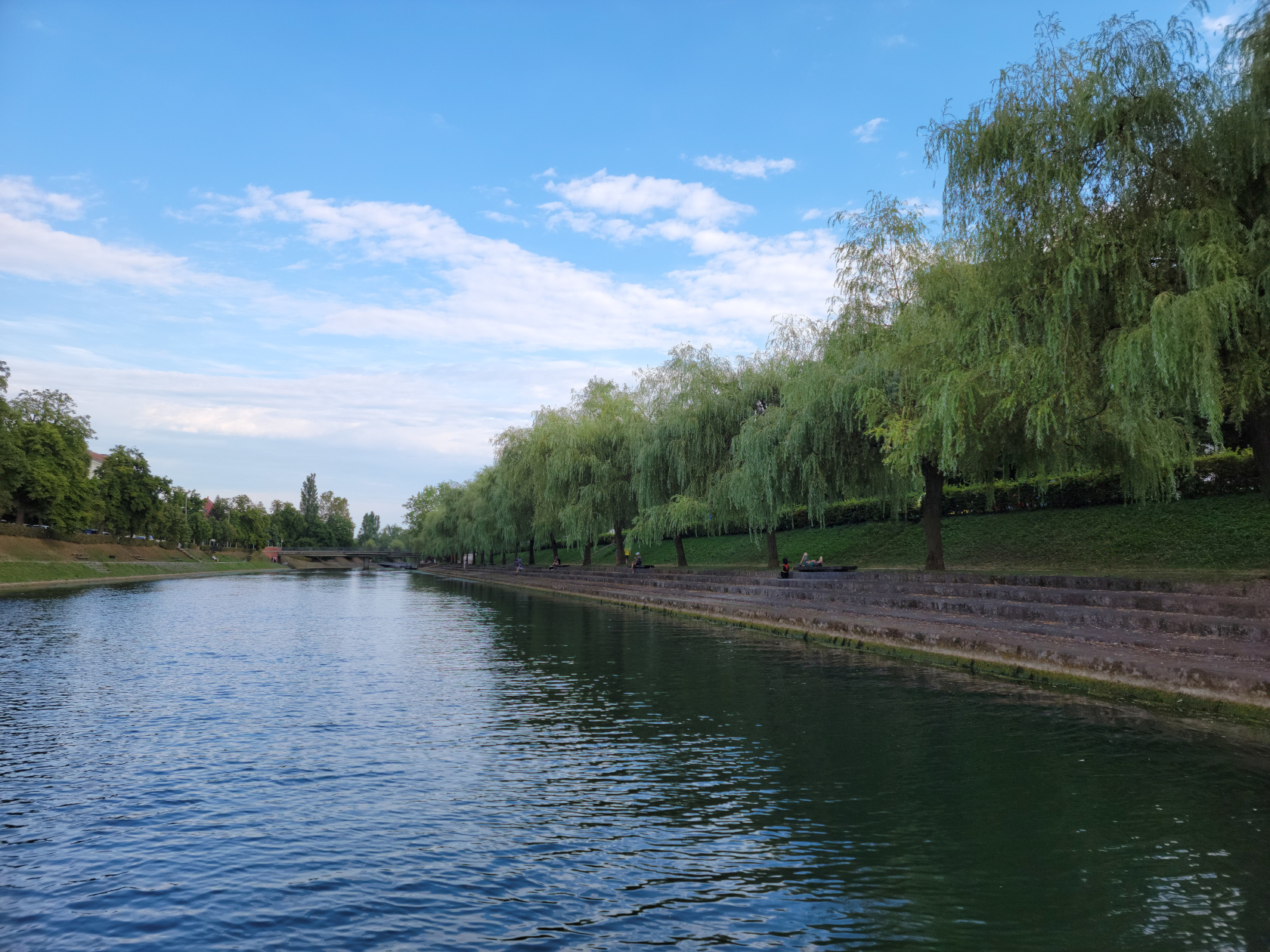
As it goes through the city the river is split into two. A major section goes directly through the old city, offering tourists the possibility of buying a ticket and traveling part of it, up to where it divides. The boats cannot venture too far however, since parts of the river are reserved for wildlife and cannot be entered.
Ljubljana – Ljubljanica River
Sitting at one of the many cafes along the waterway, one can wile away the afternoon sipping a drink and just watching the boats meander along.
Ljubljana – Ljubljanica River
Ljubljana – Ljubljanica River – River Boats
Boat Tours
Both looking at the tour boats ply the water and actually taking a boat trip is both relaxing and very enjoyable. We decided one evening to take one and see where it actually goes and found it very interesting.
Ljubljana – Ljubljanica River – Boat Tour – Triple Bridge
Ljubljana – Ljubljanica River – Boat Tour
Ljubljana – Ljubljanica River – Boat Tour
Ljubljana – Ljubljanica River – Boat Tour
Ljubljana – Ljubljanica River – Boat Tour
Walking Tour Of The City
Here is a slideshow of some of the other sights in the city.
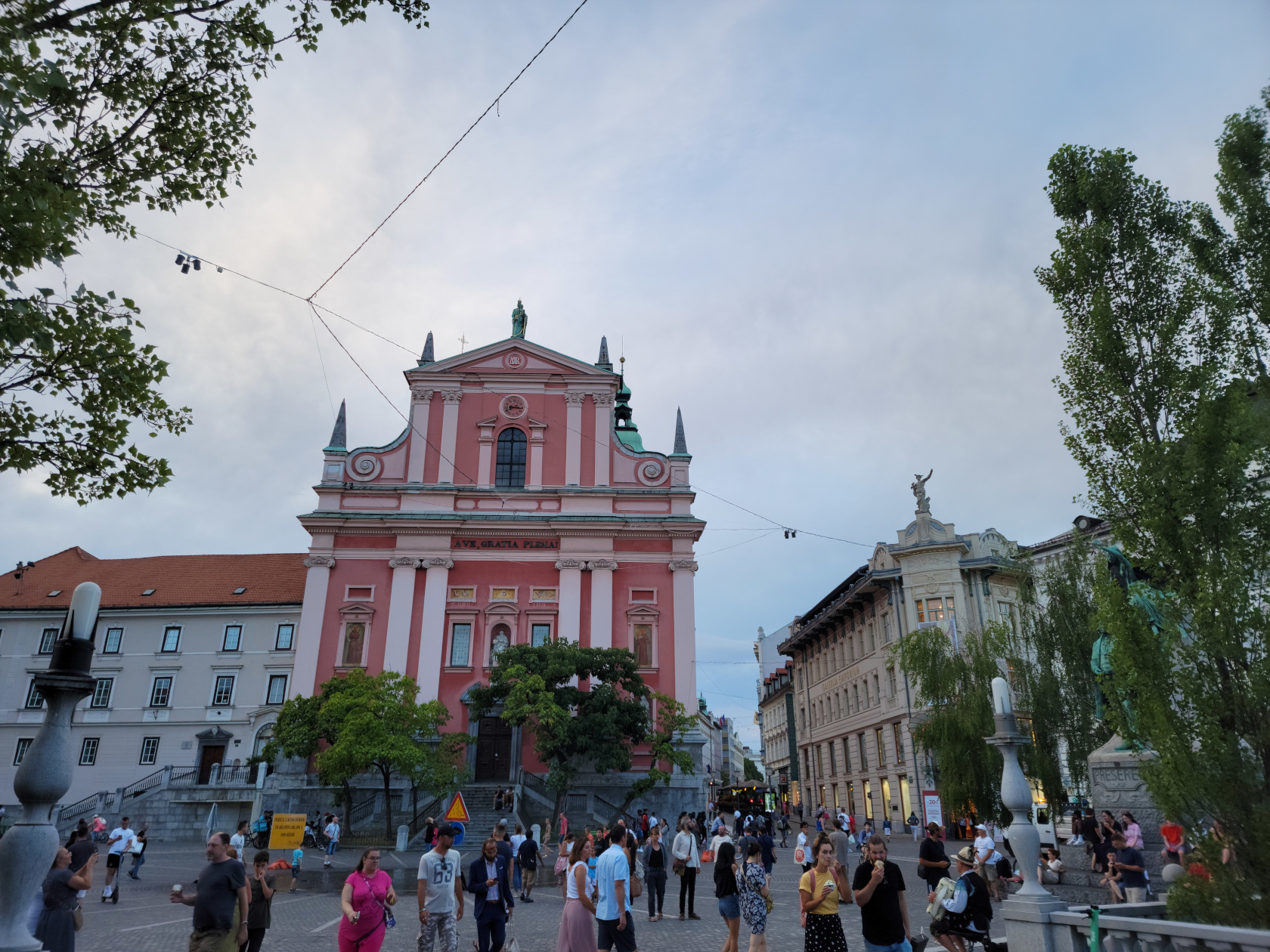
Ljubljana – Franciscan Church
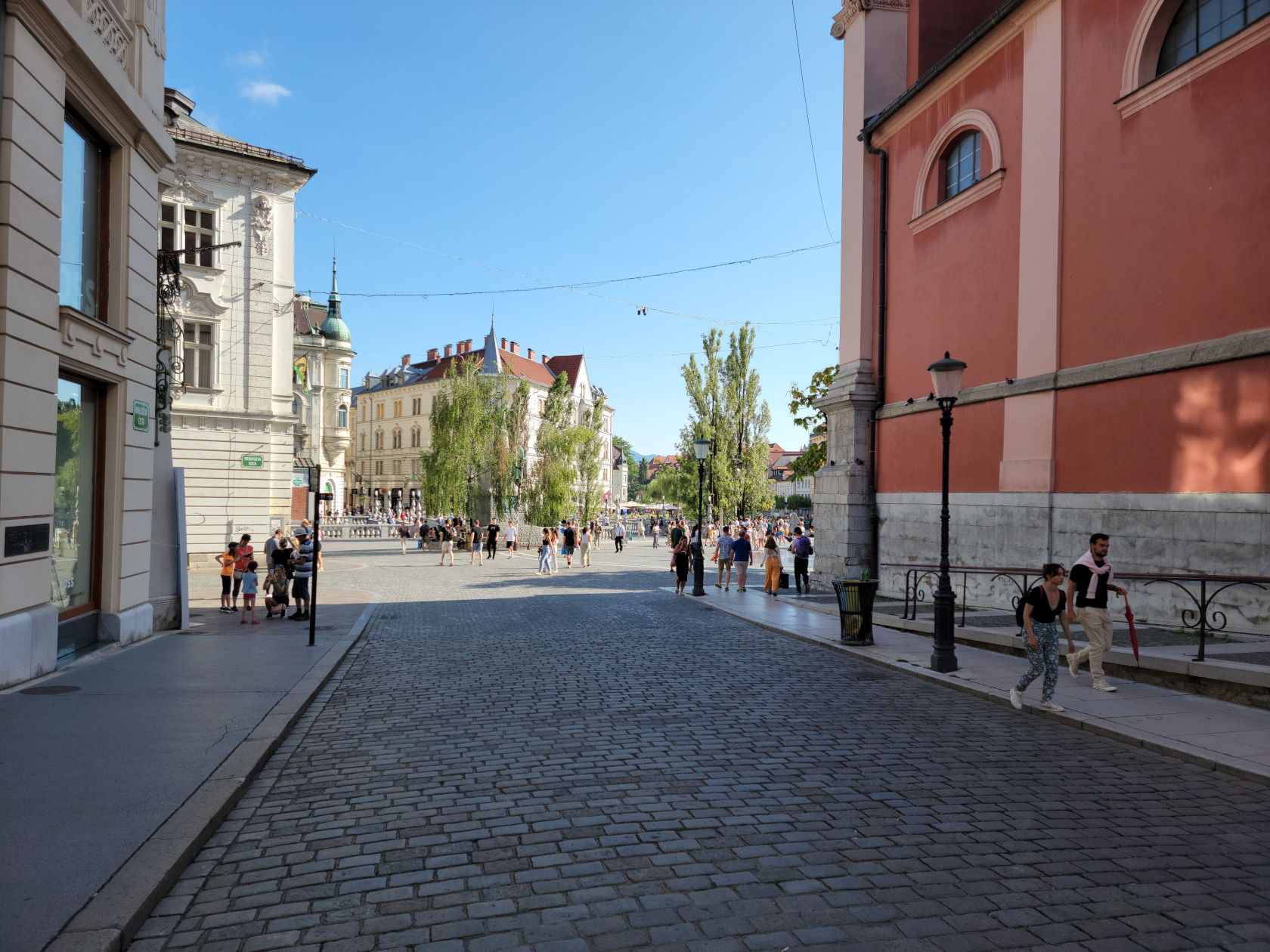
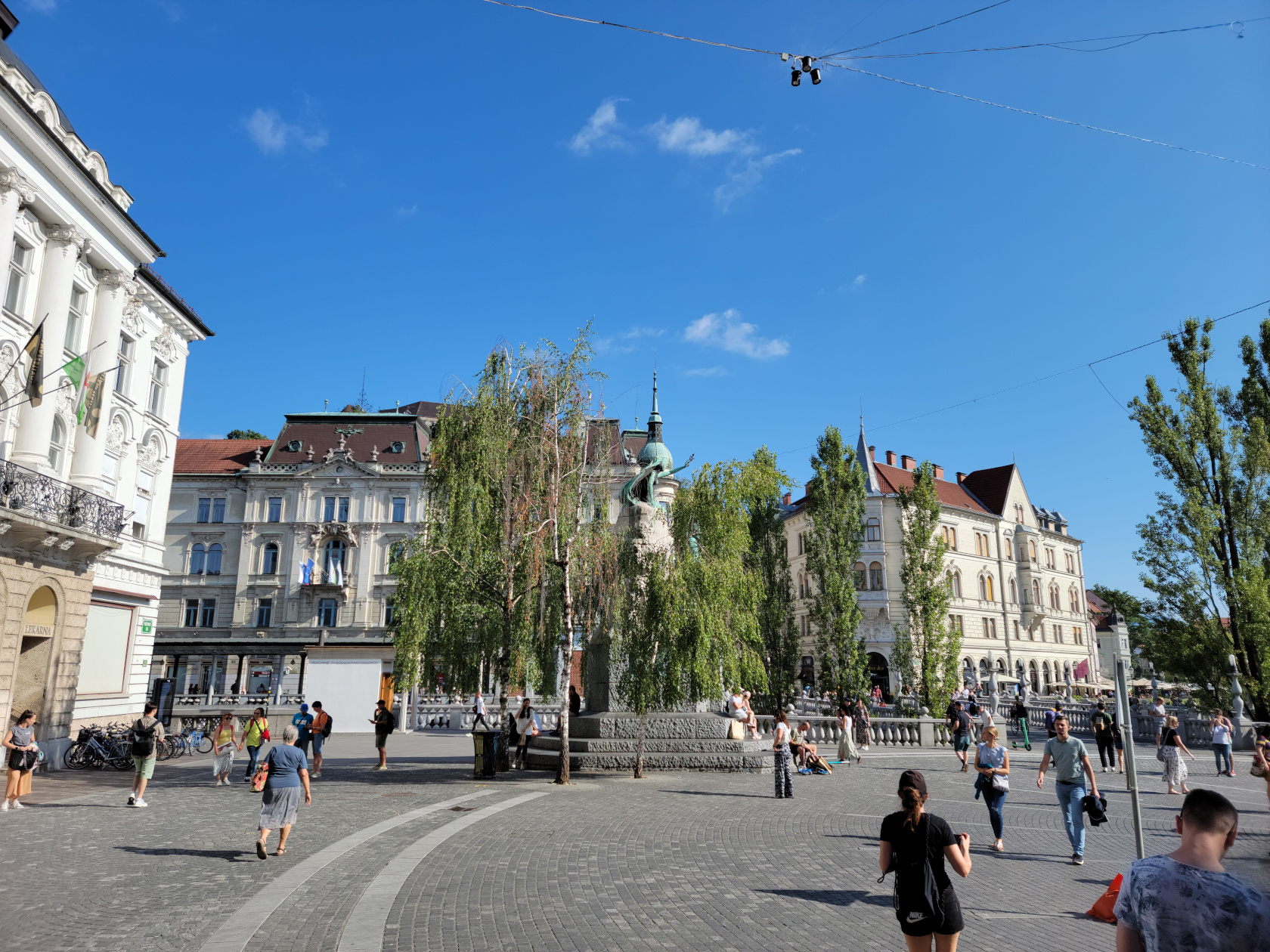
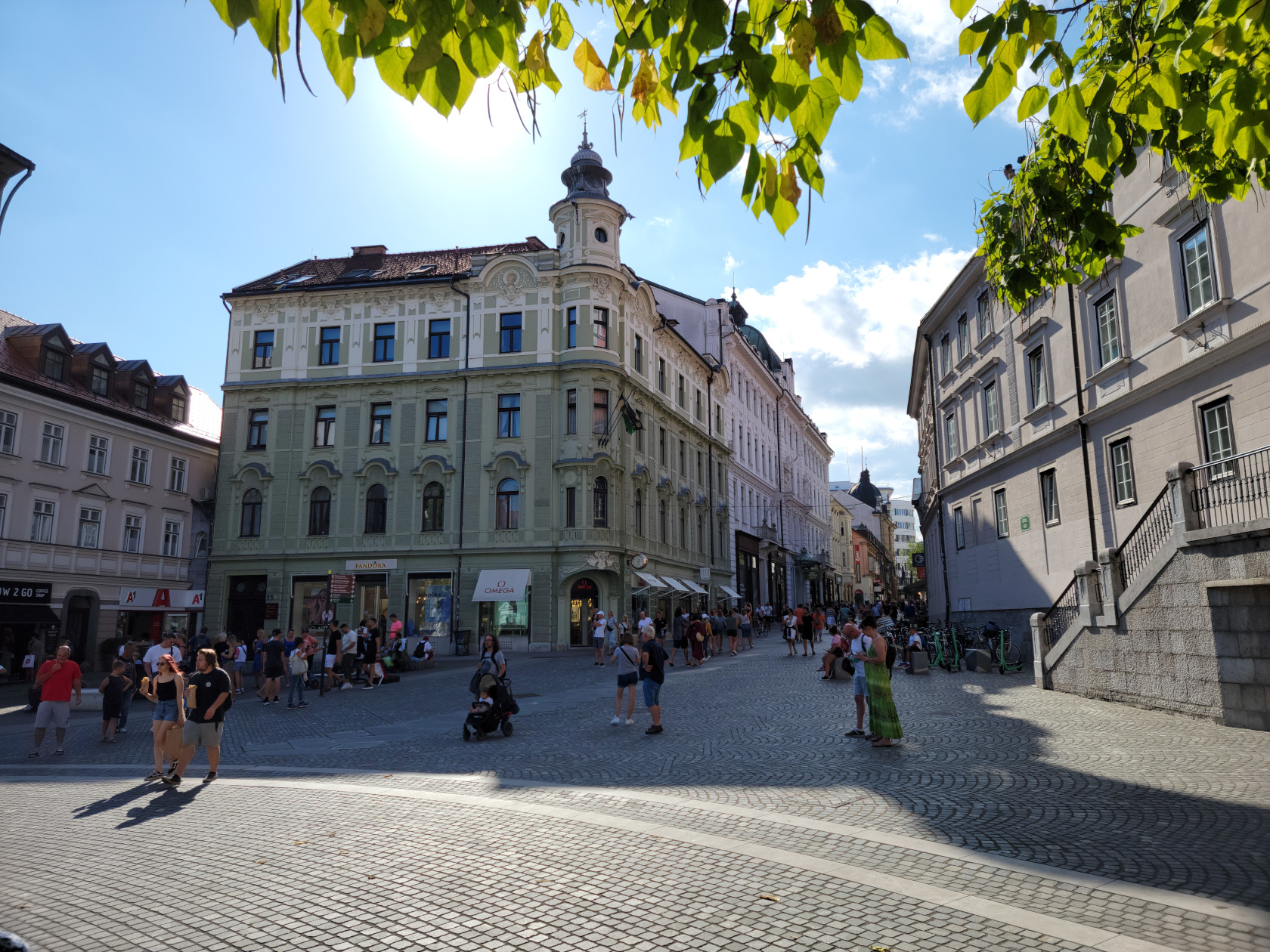
Ljubljana – Prešeren Square
Ljubljana – Prešeren Square
Ljubljana – Prešeren Square
Ljubljana – Prešeren Square
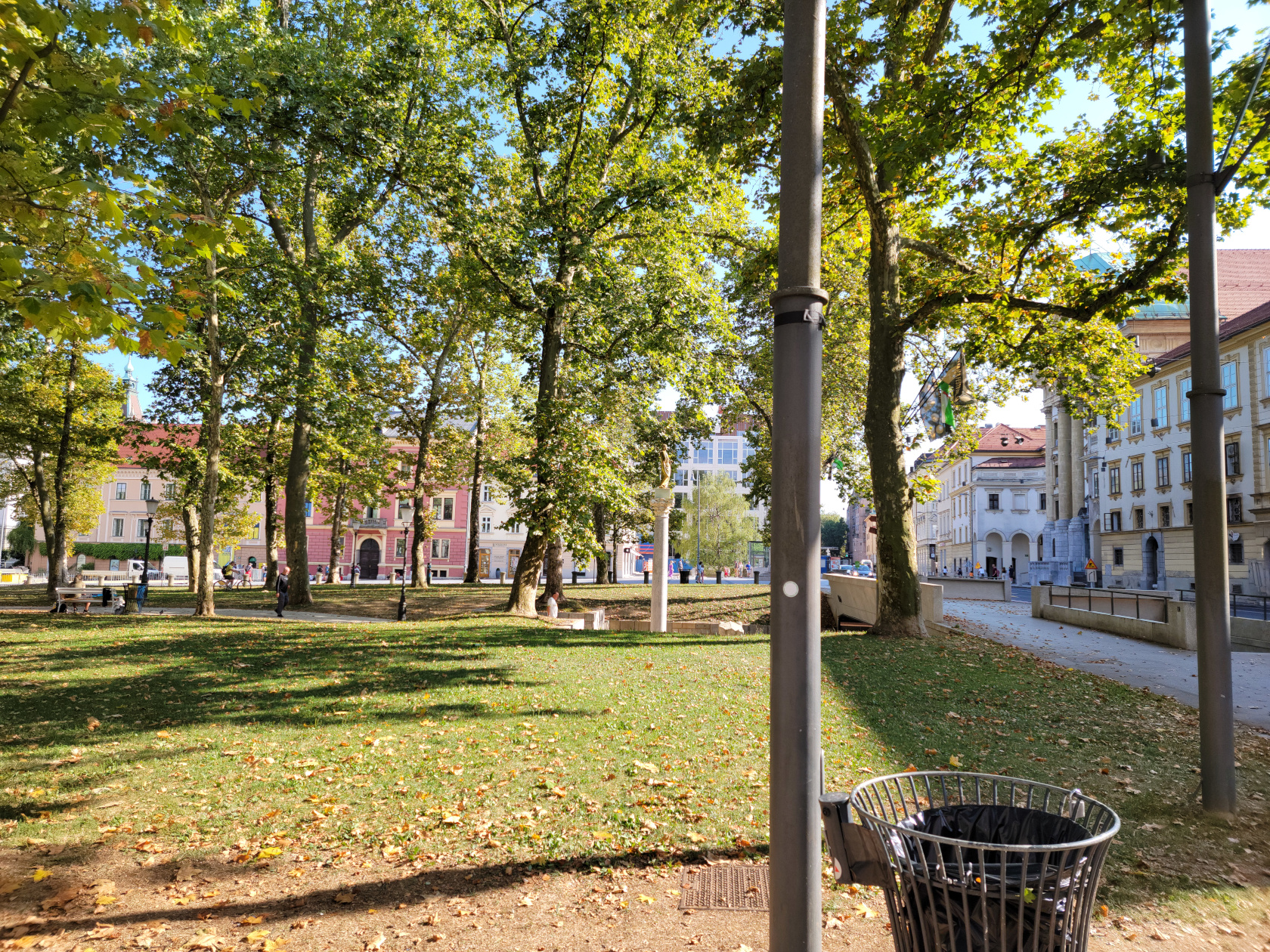
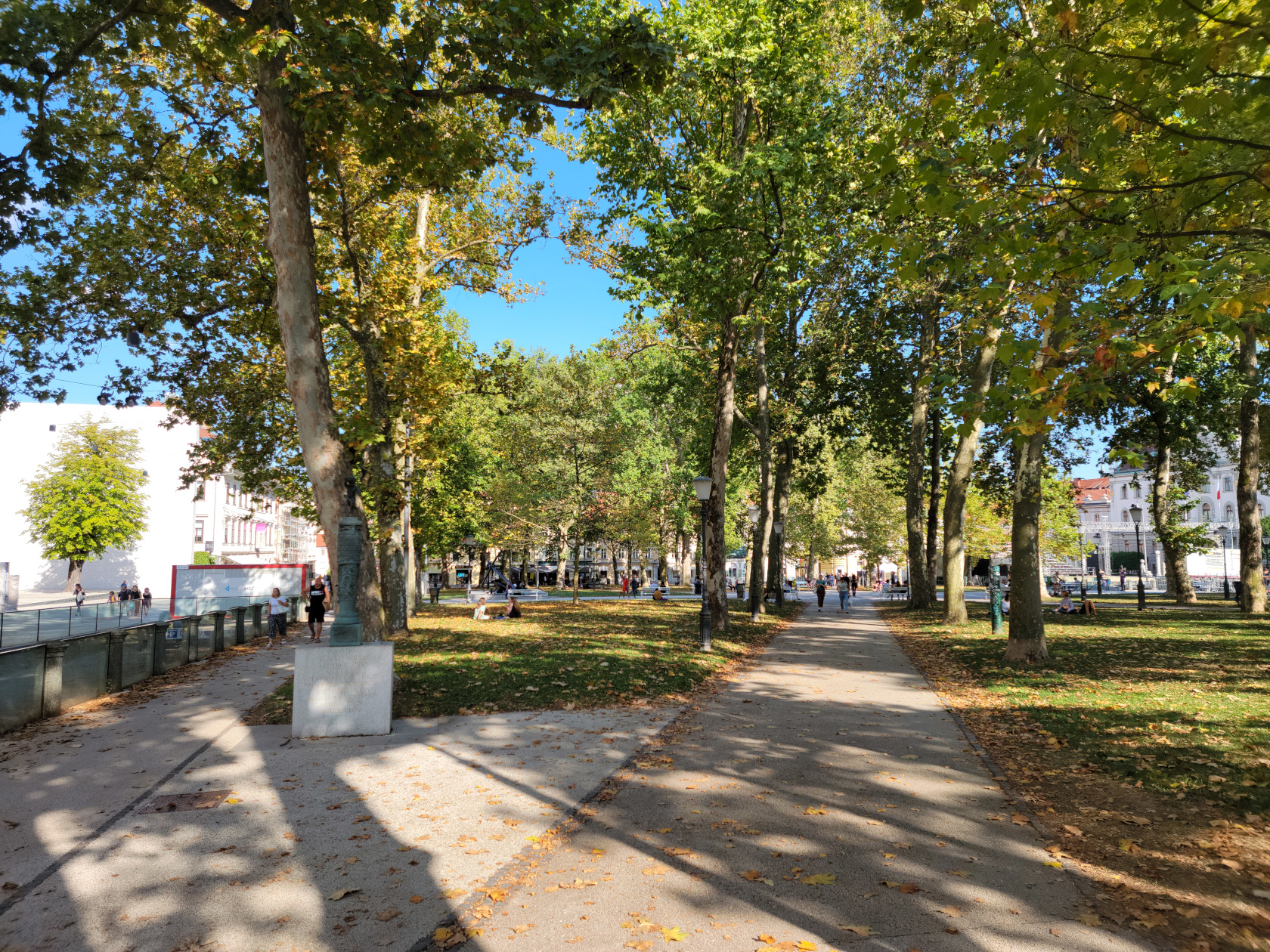
Ljubljana – Zvezda Park
Ljubljana – Zvezda Park
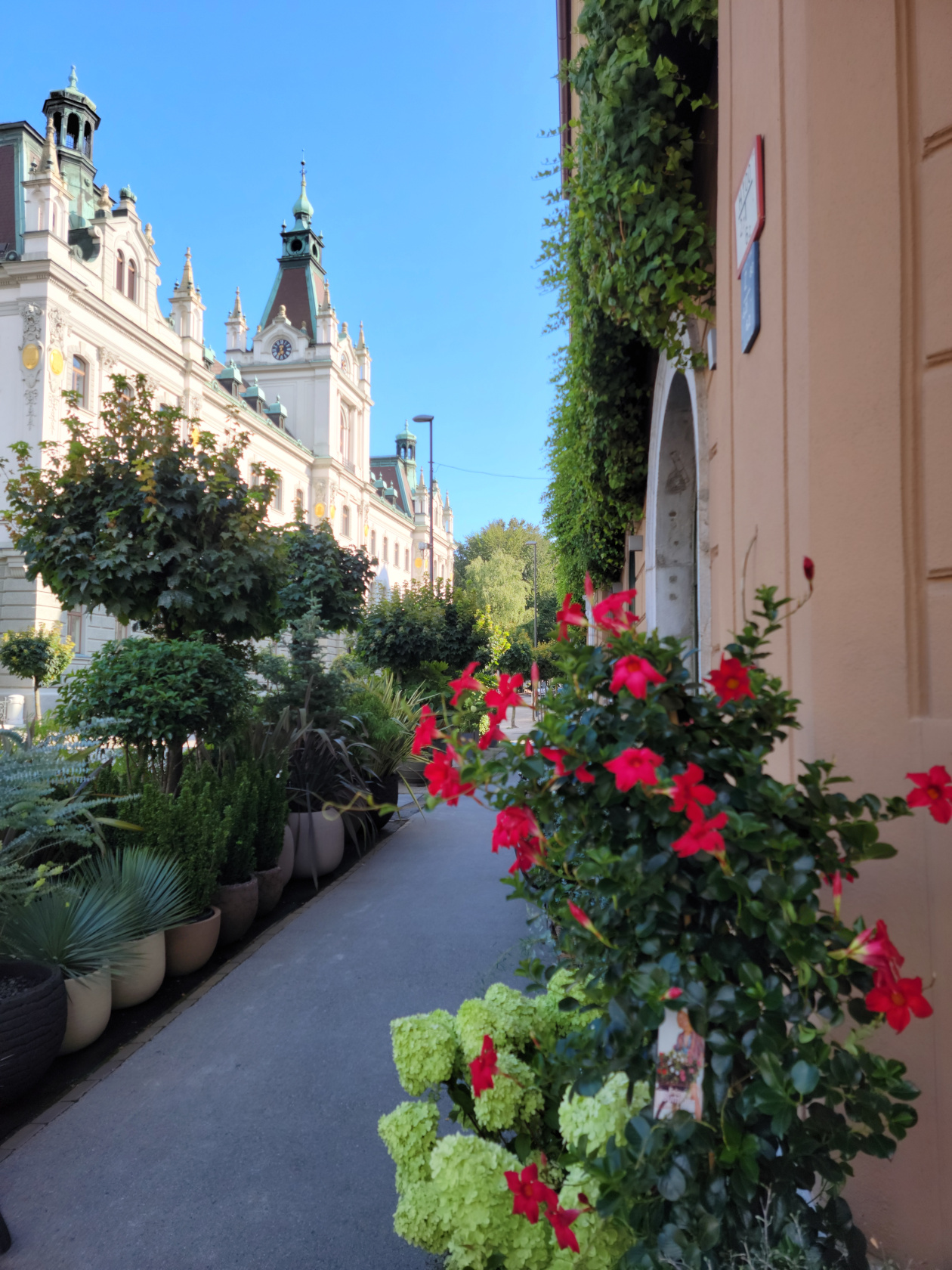
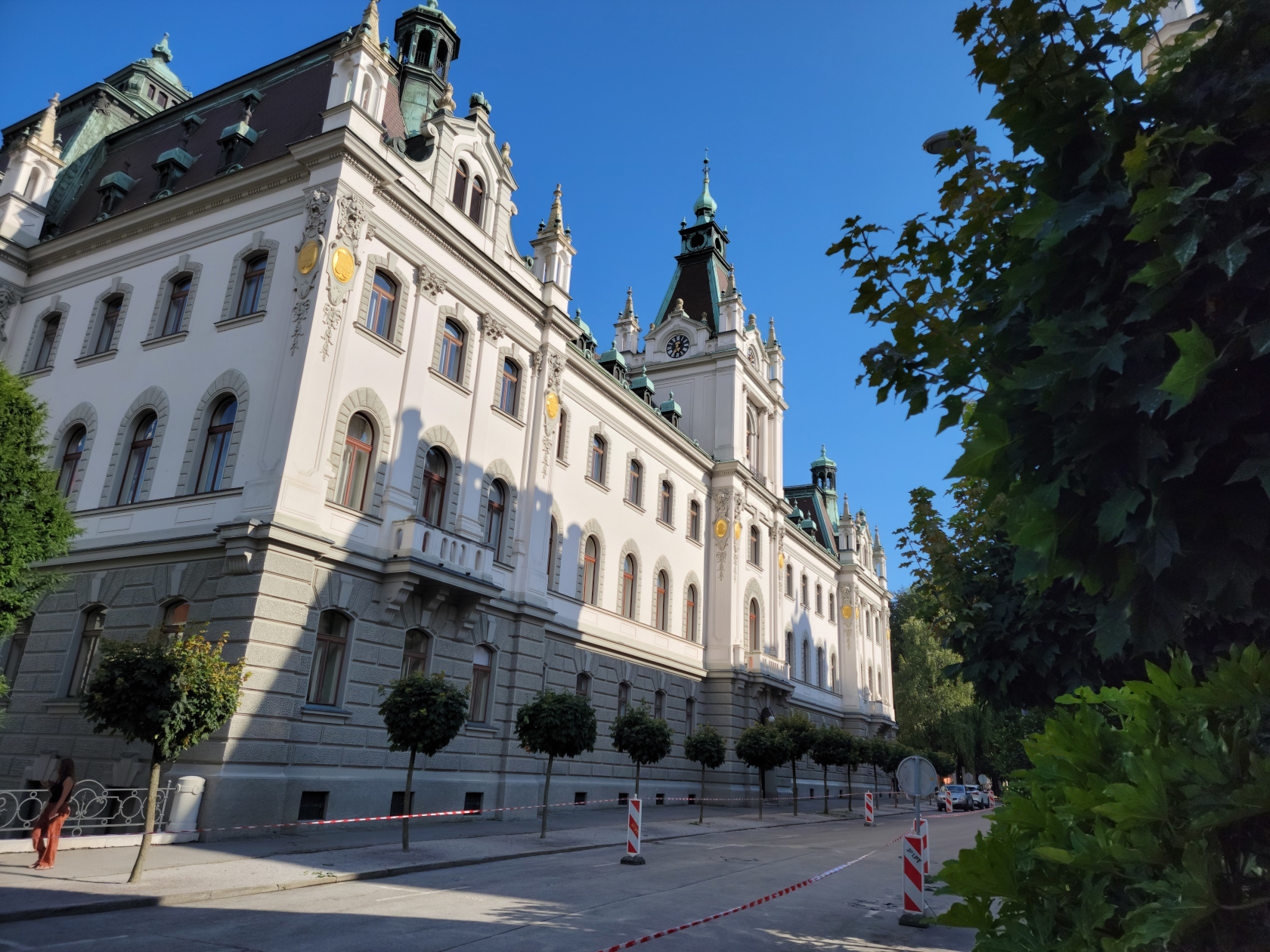
Ljubljana – Ljubljana University
Ljubljana – Ljubljana University
Ljubljana – Ljubljana University
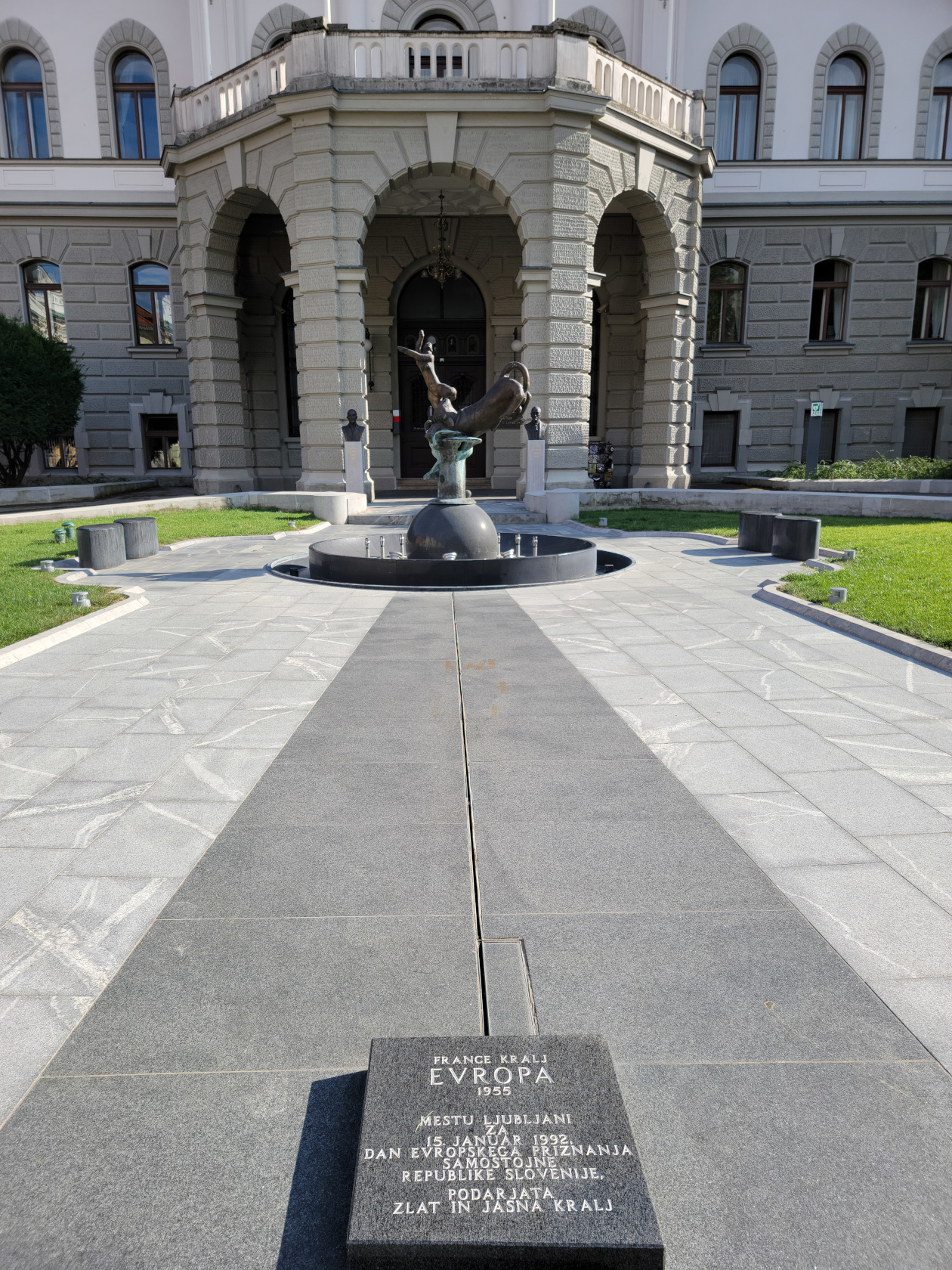
Ljubljana – Ljubljana University – Europa Fountain
Ljubljana – Ljubljana University
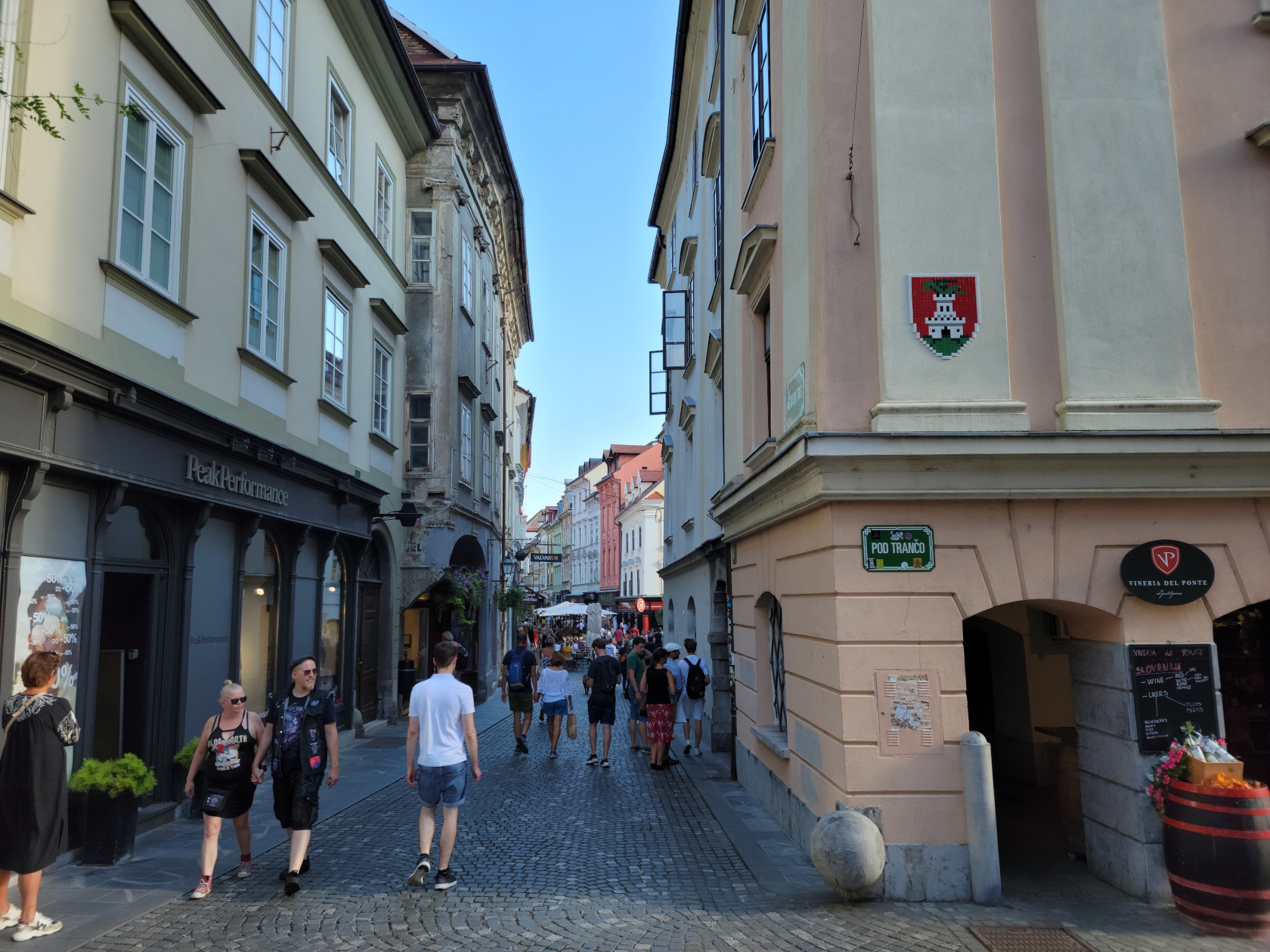
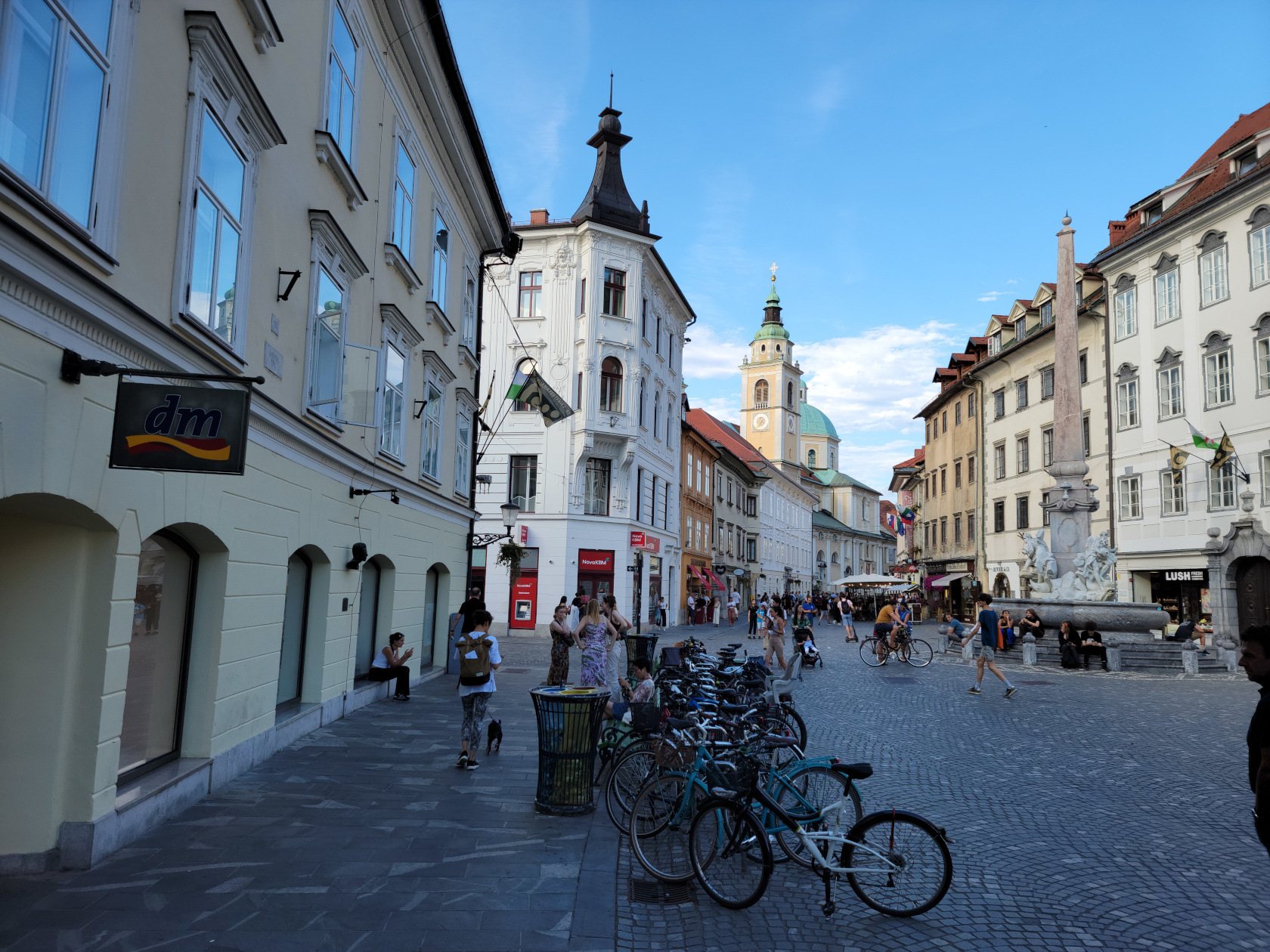
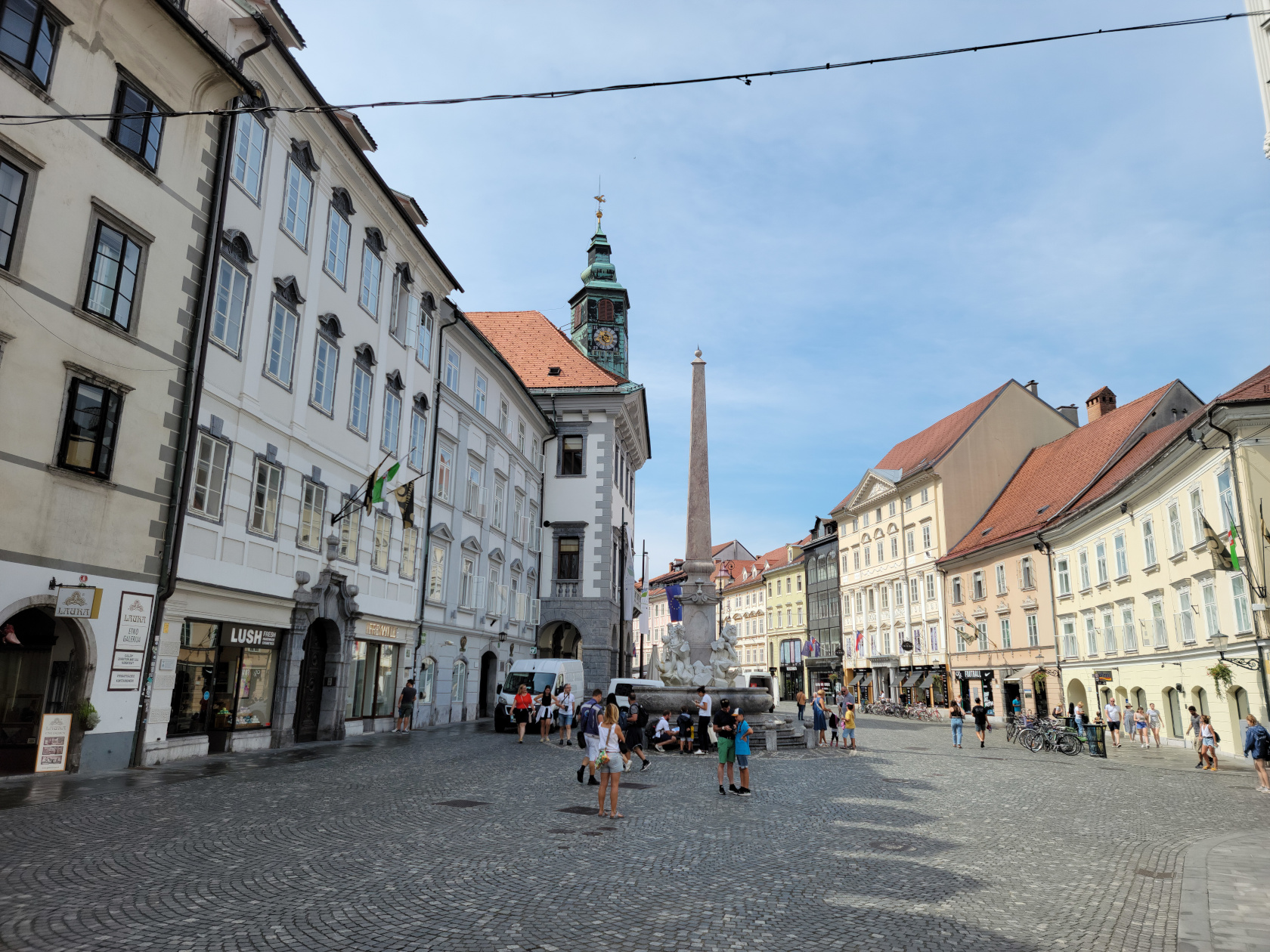
Ljubljana – Mestni Trg
Ljubljana – Mestni Trg
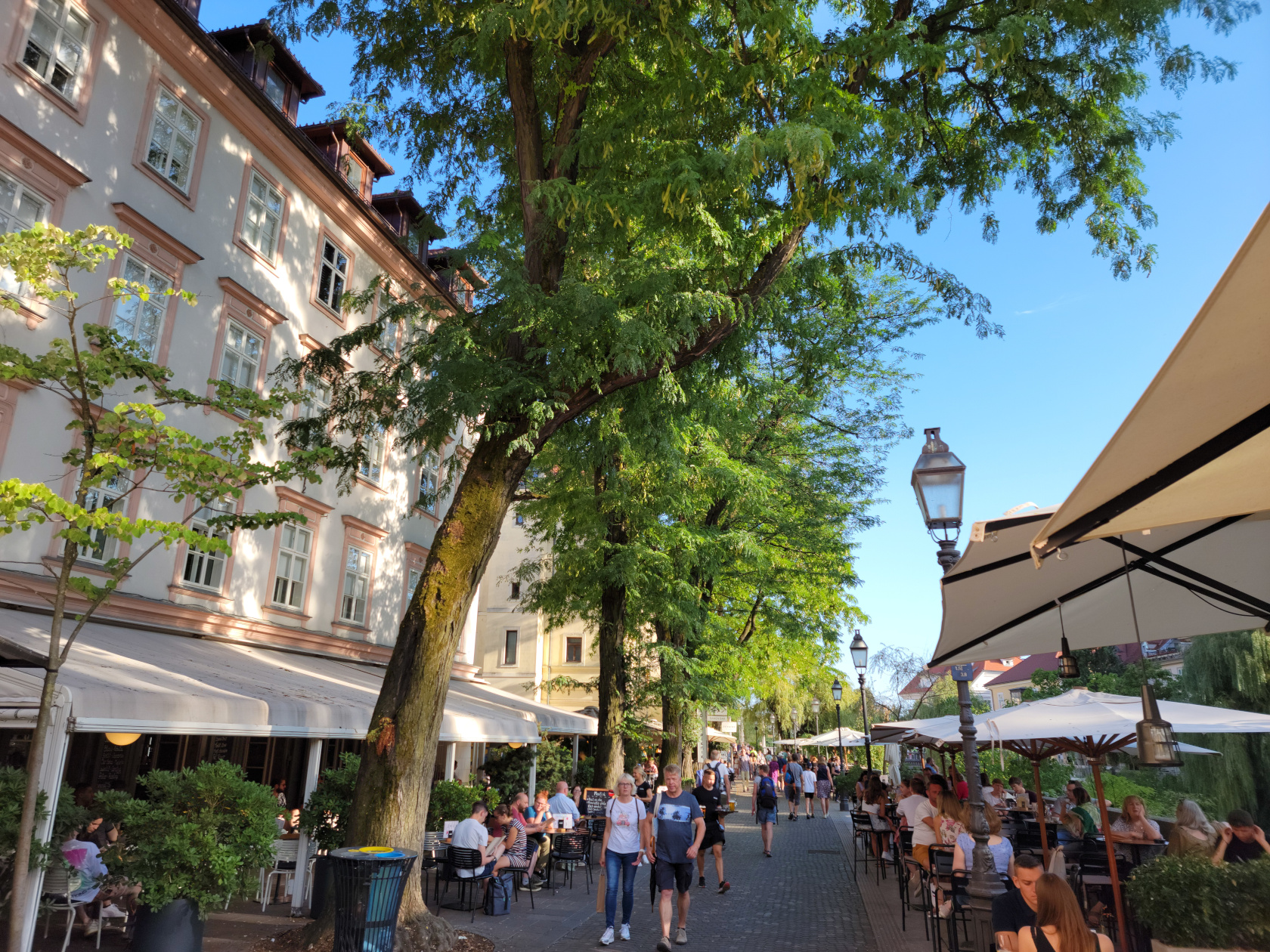
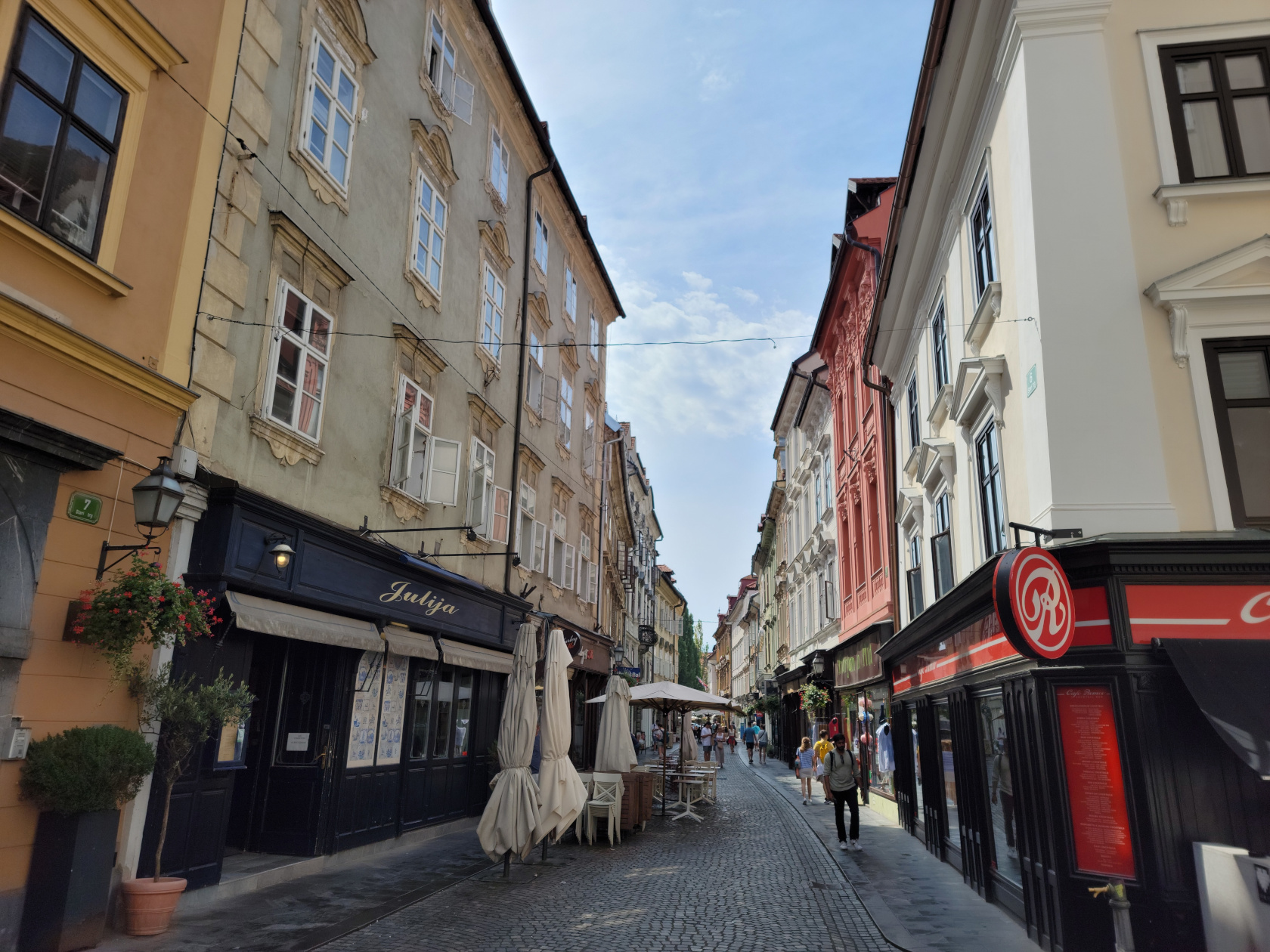
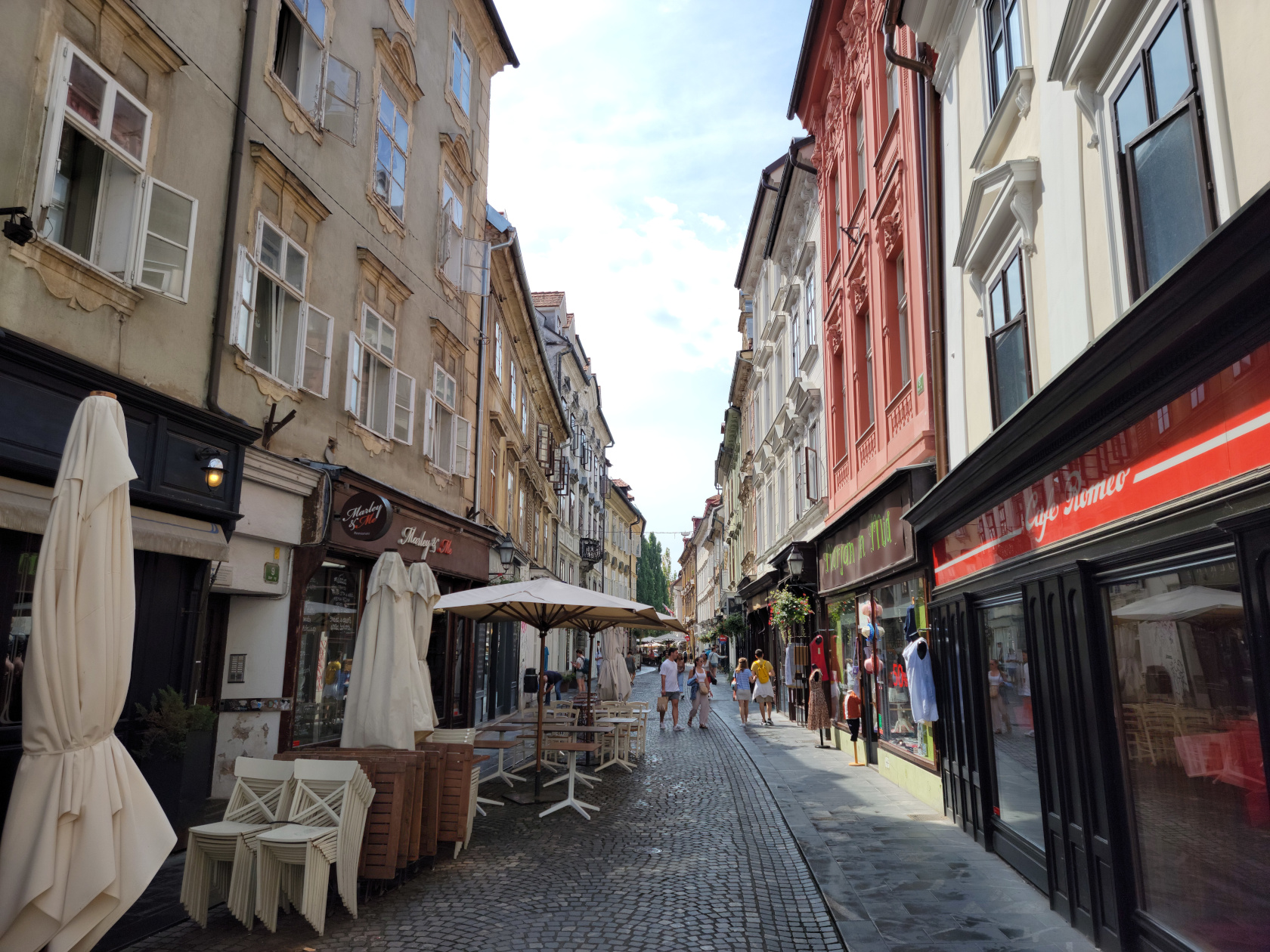
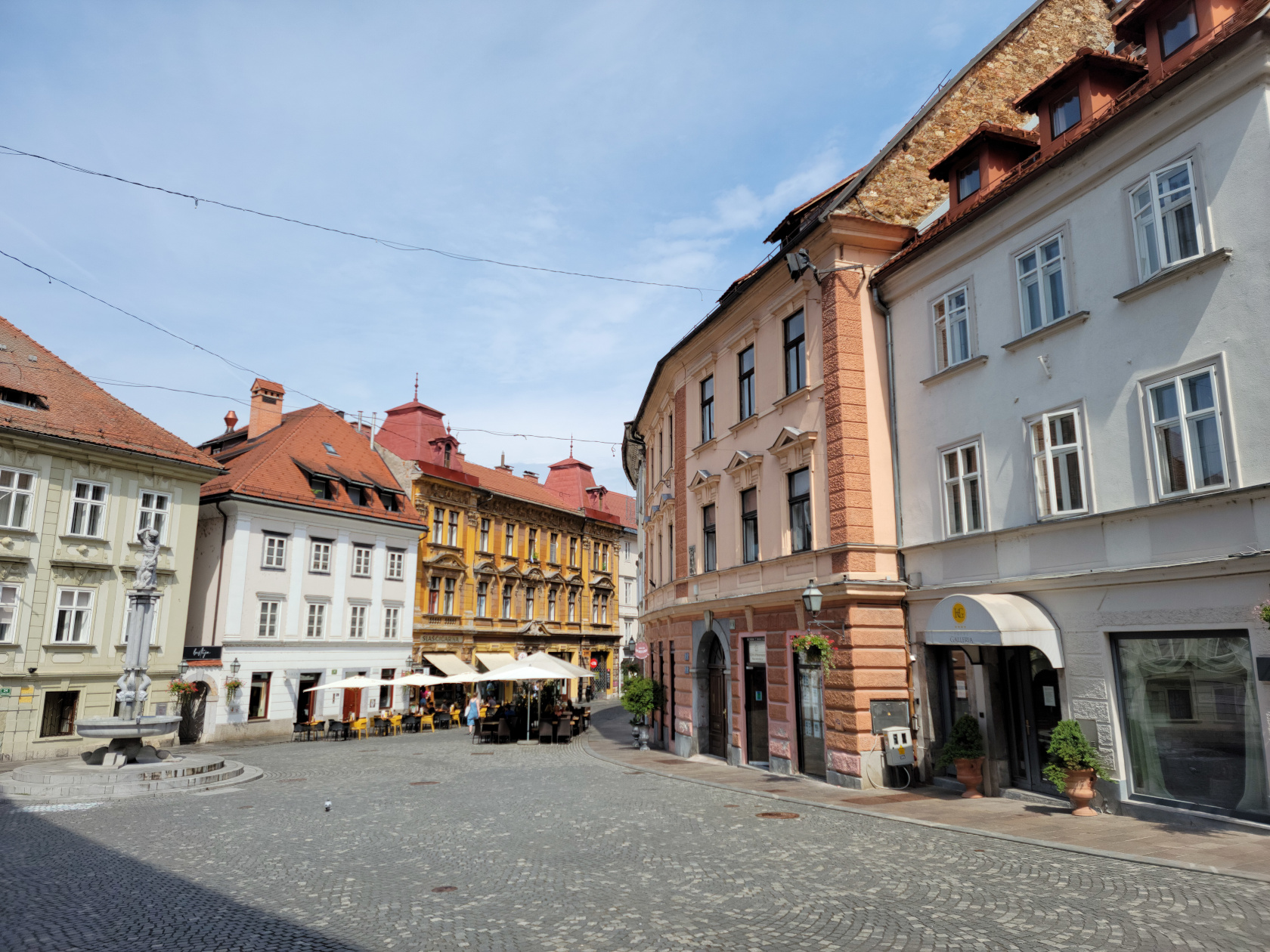
Ljubljana – Cafes along riverfront
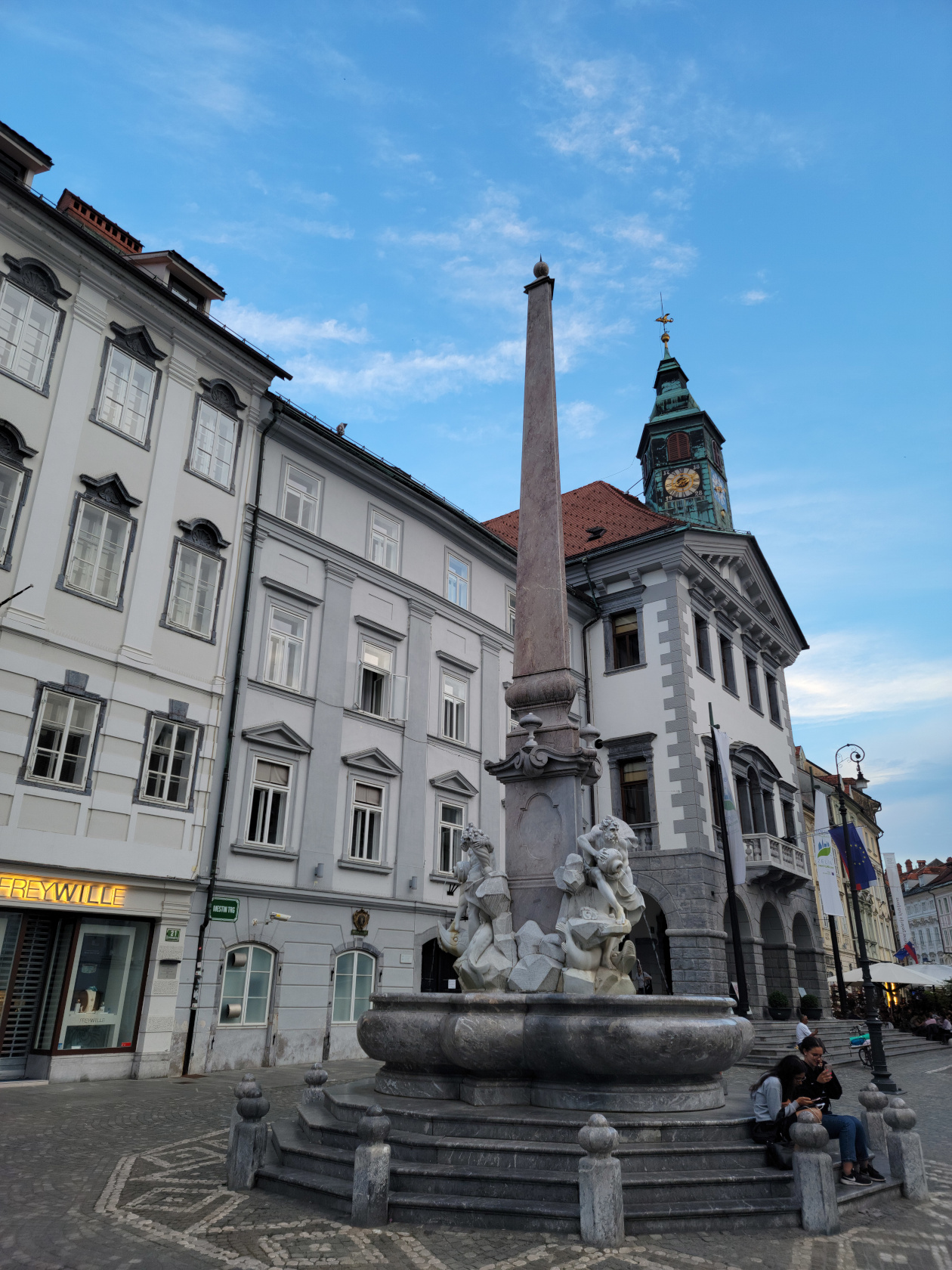
Ljubljana – Robba Fountain
Ljubljana – Robba Fountain
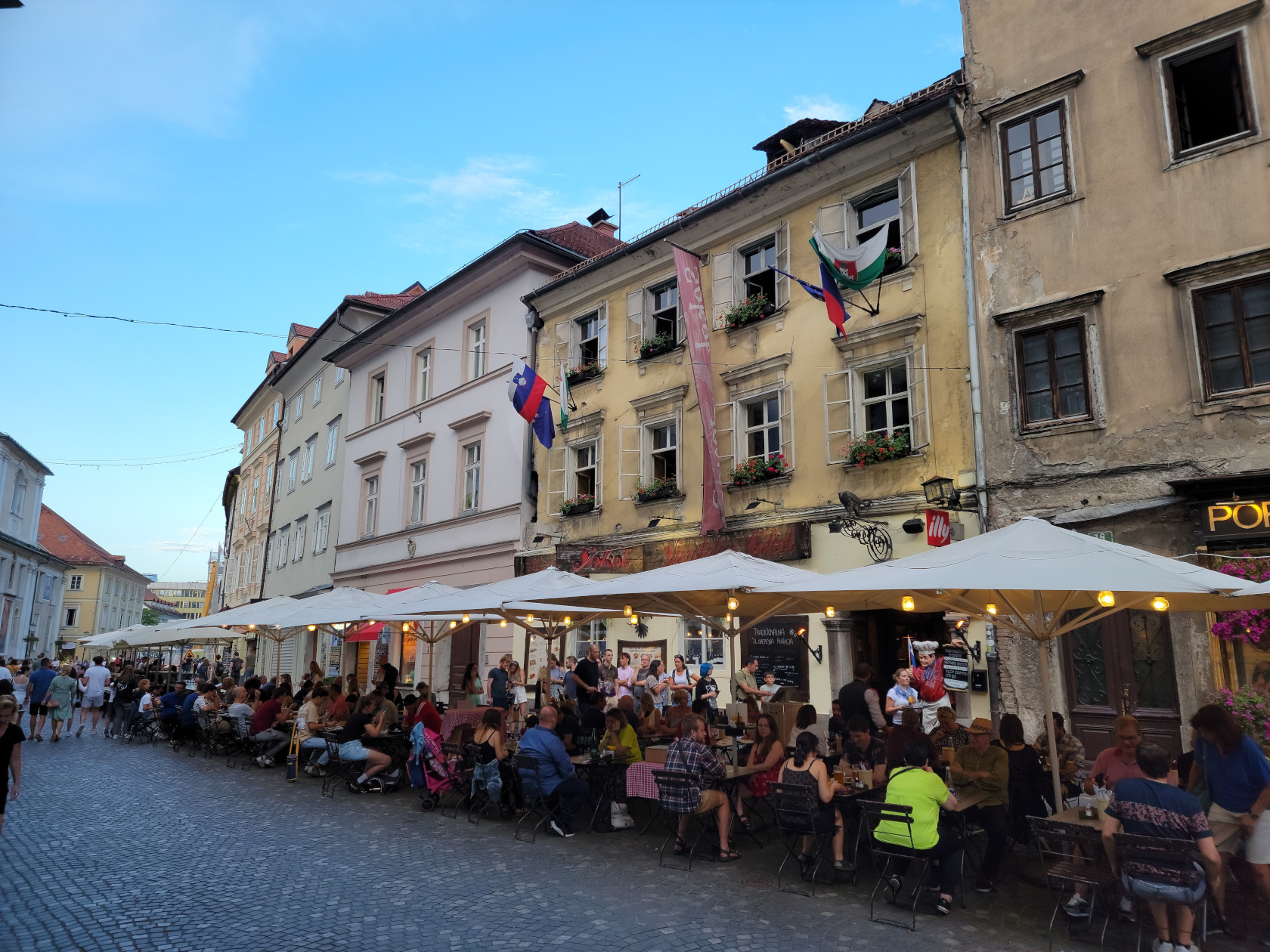
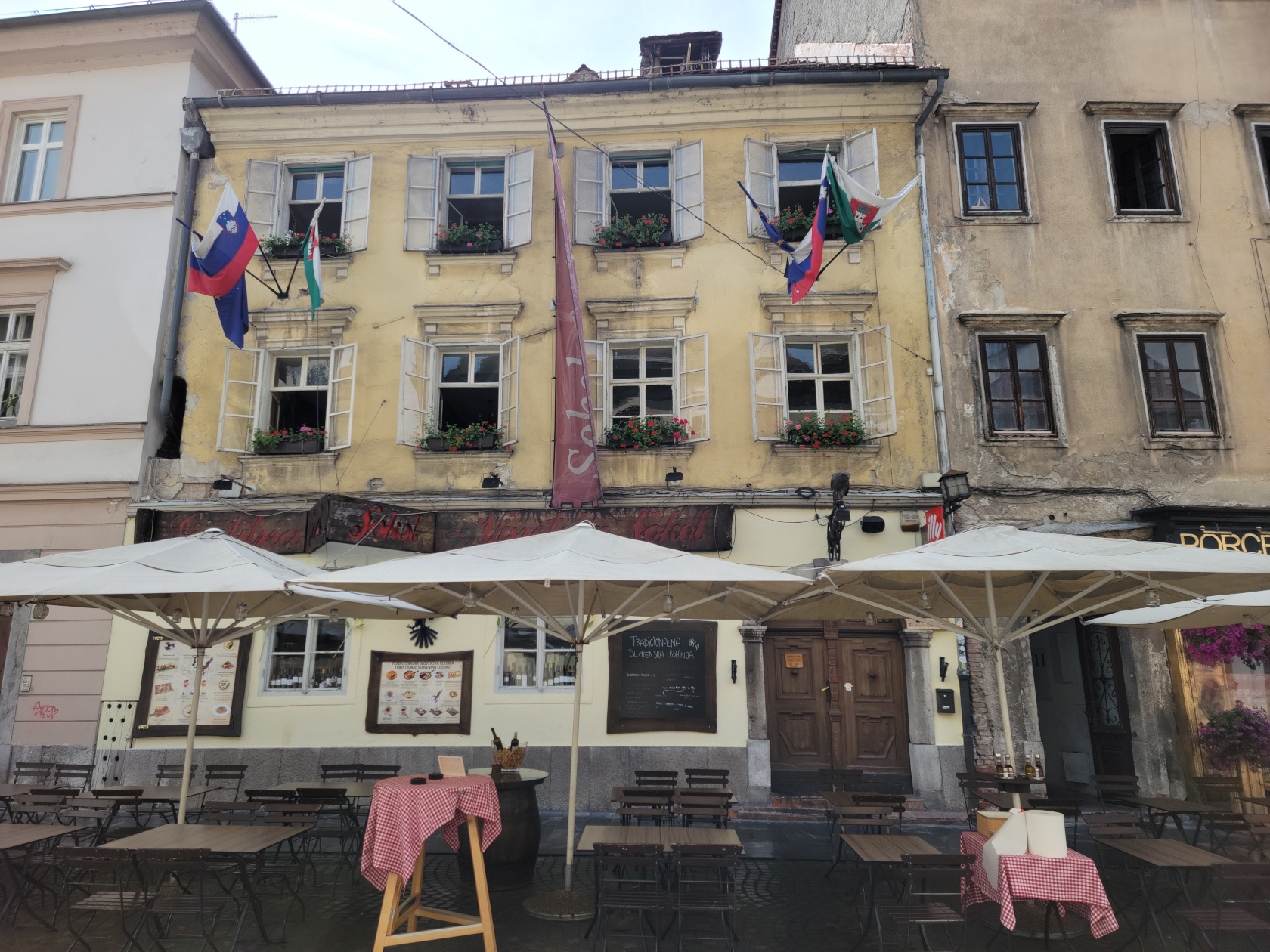
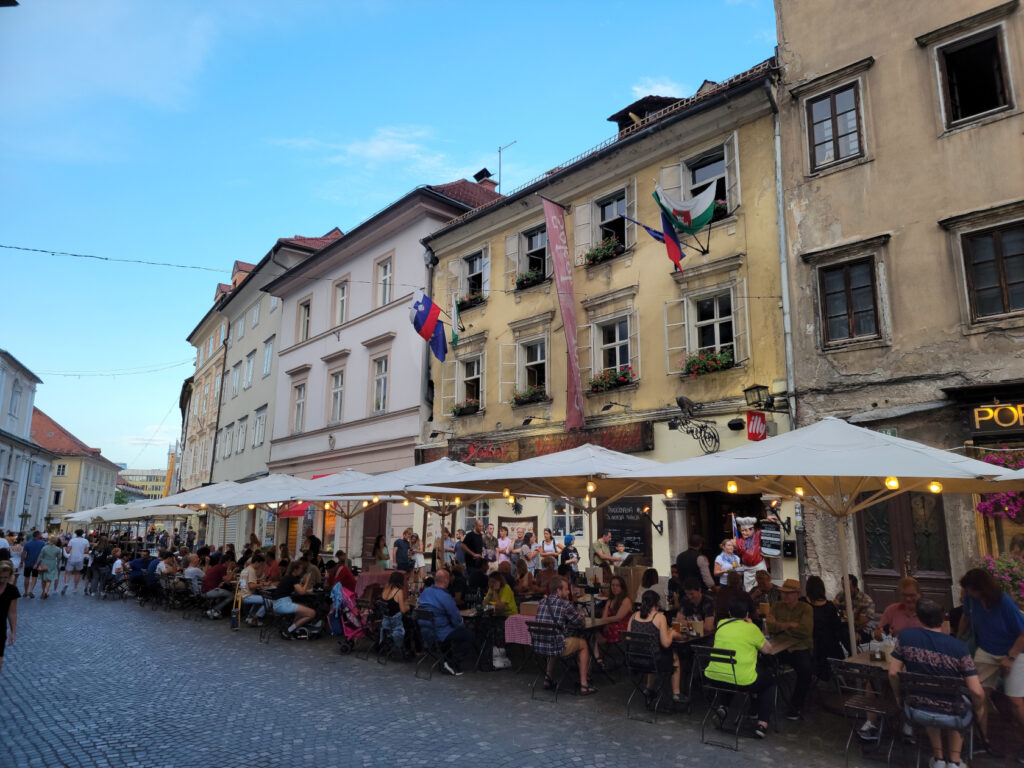
Ljubljana – Gostilna Sokol Restaurant
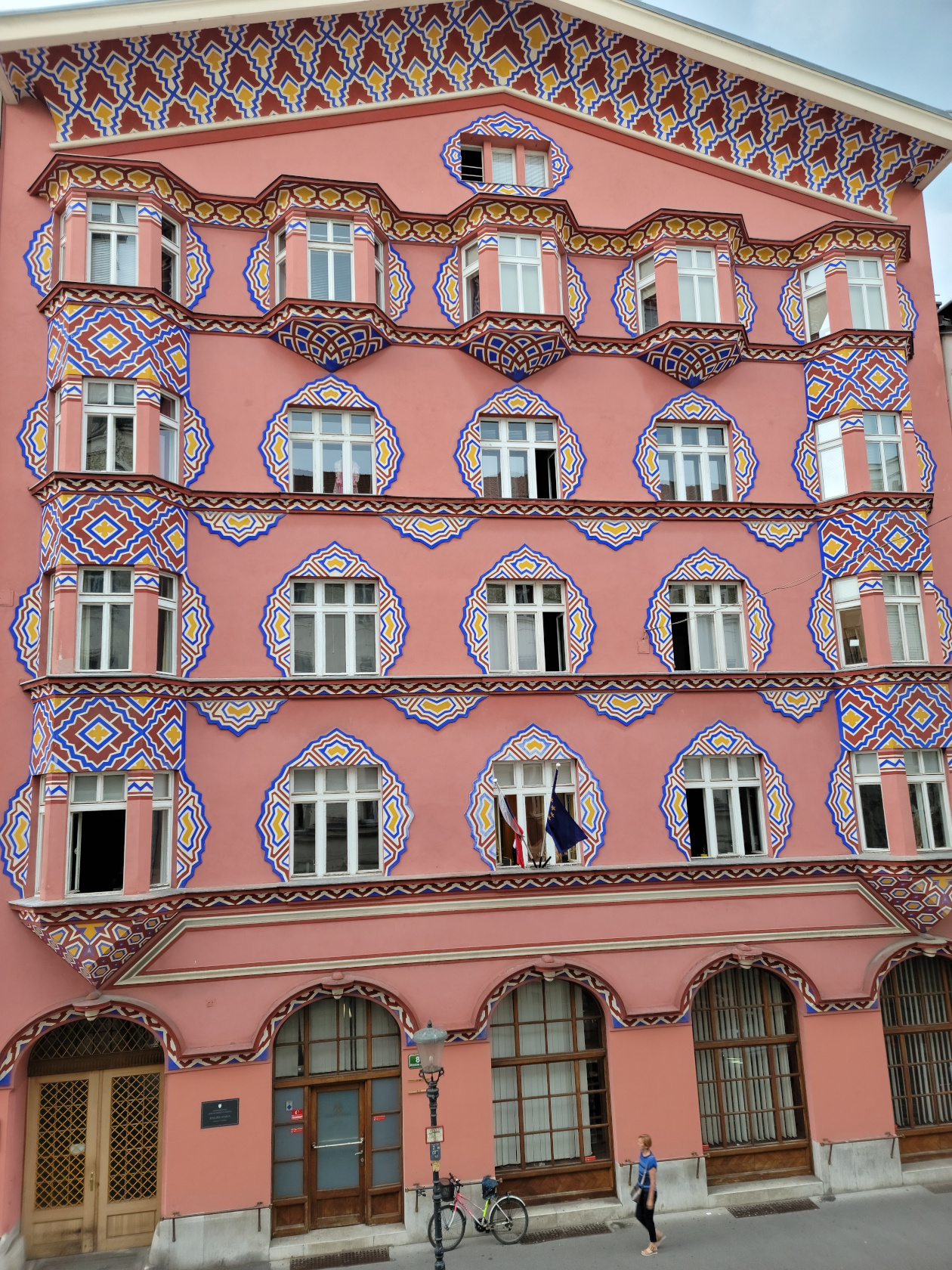
Ljubljana – The Vurnikoval House
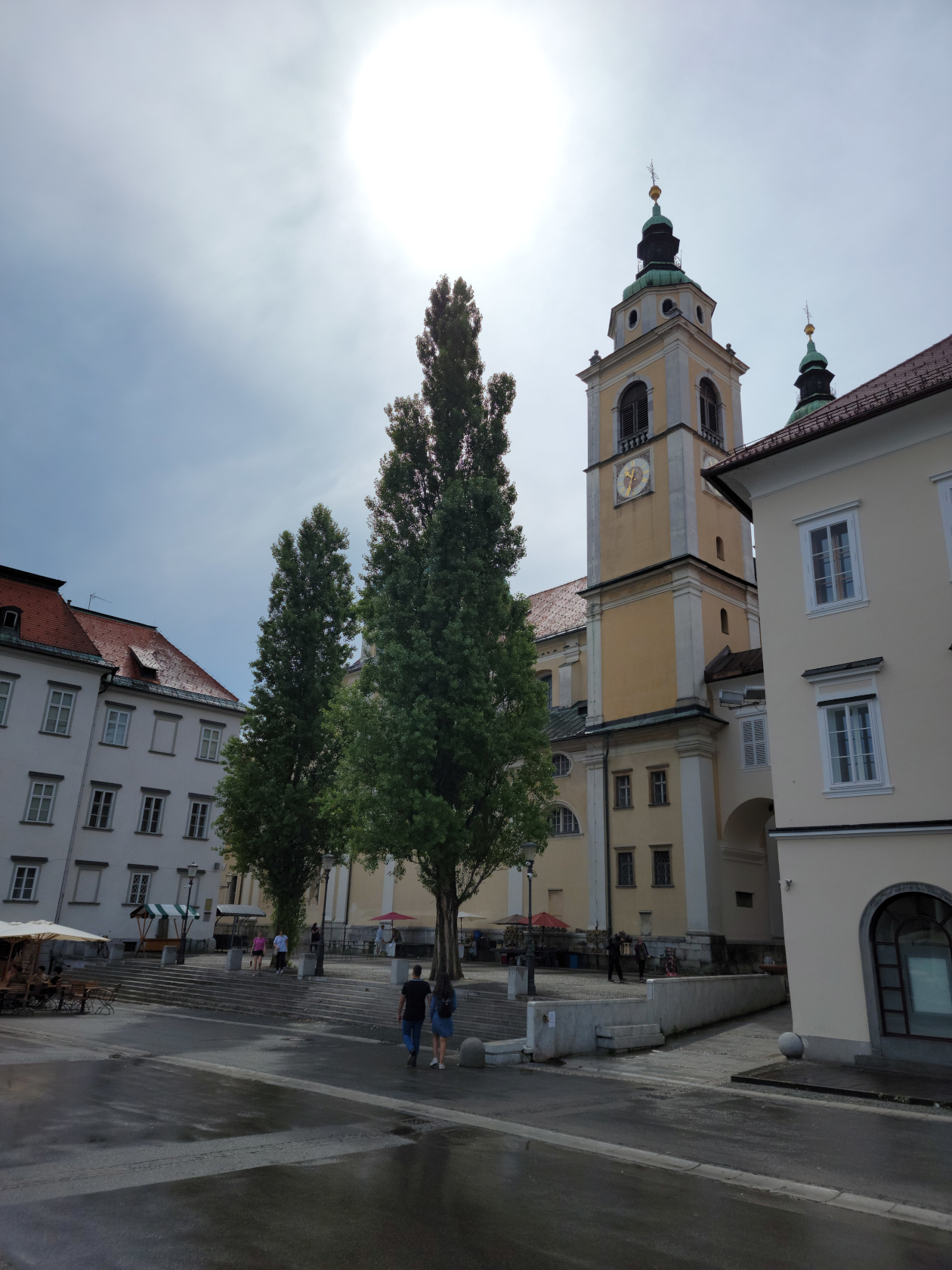
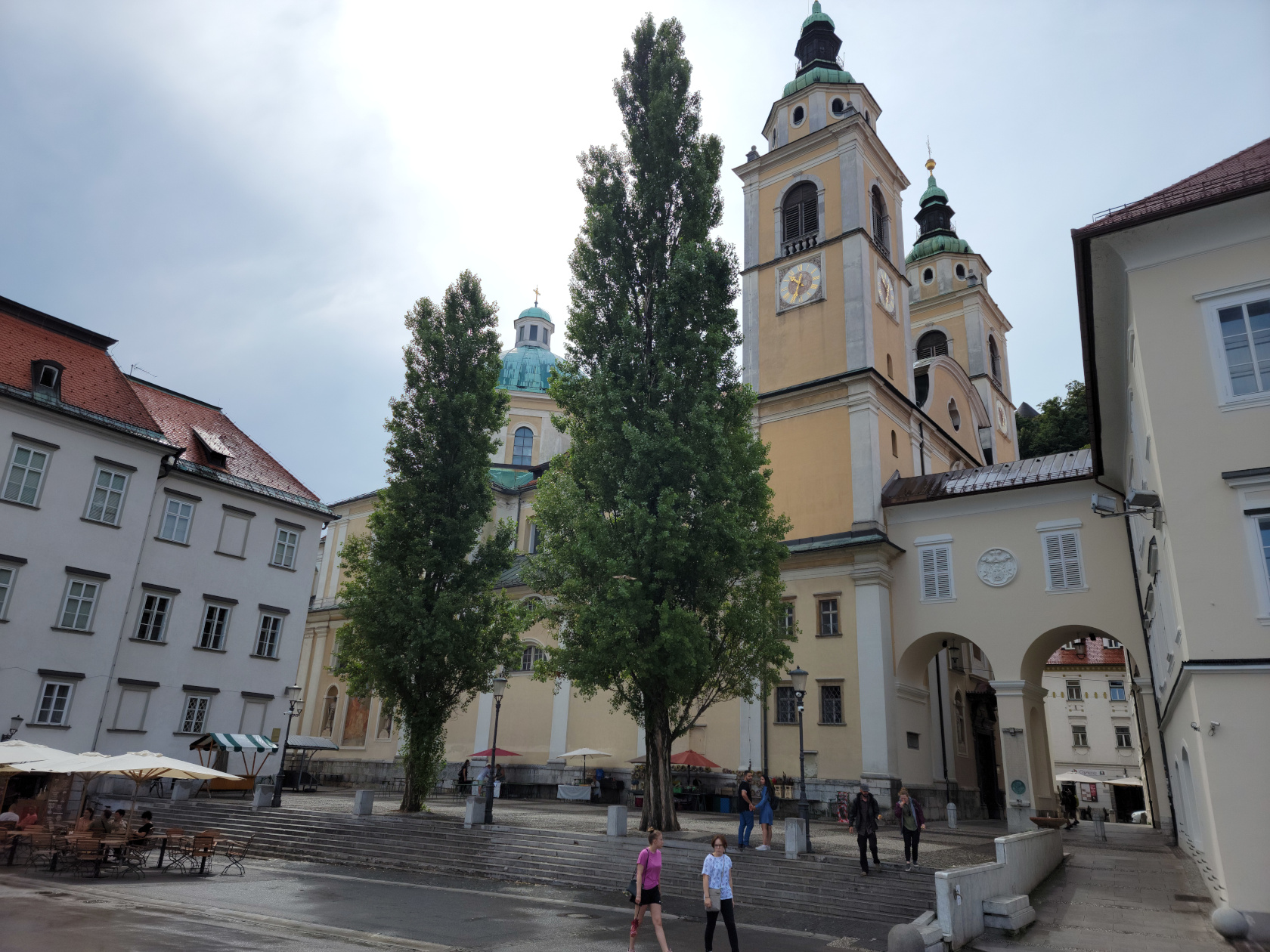
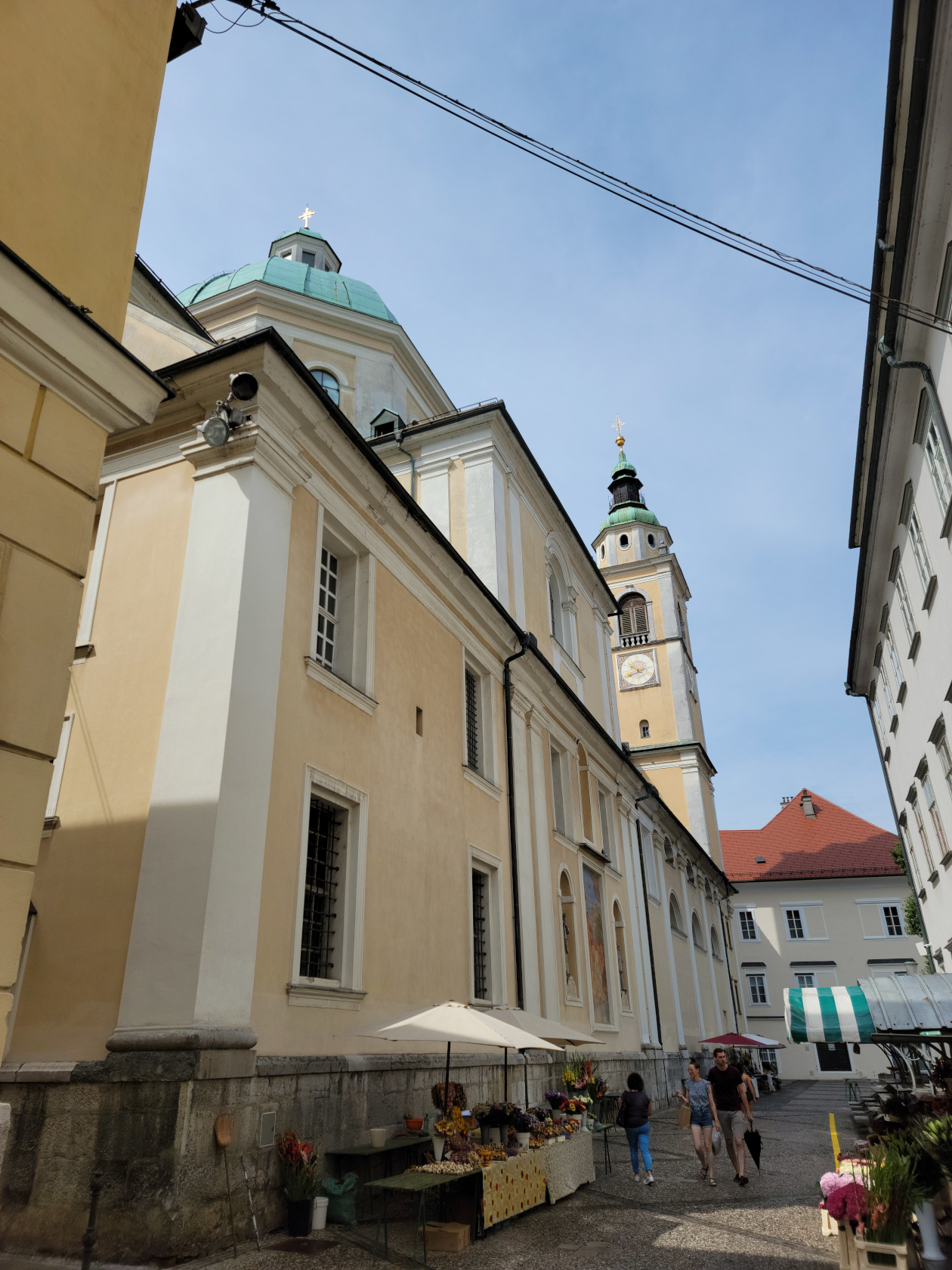
Ljubljana – Ljubljana Cathedral
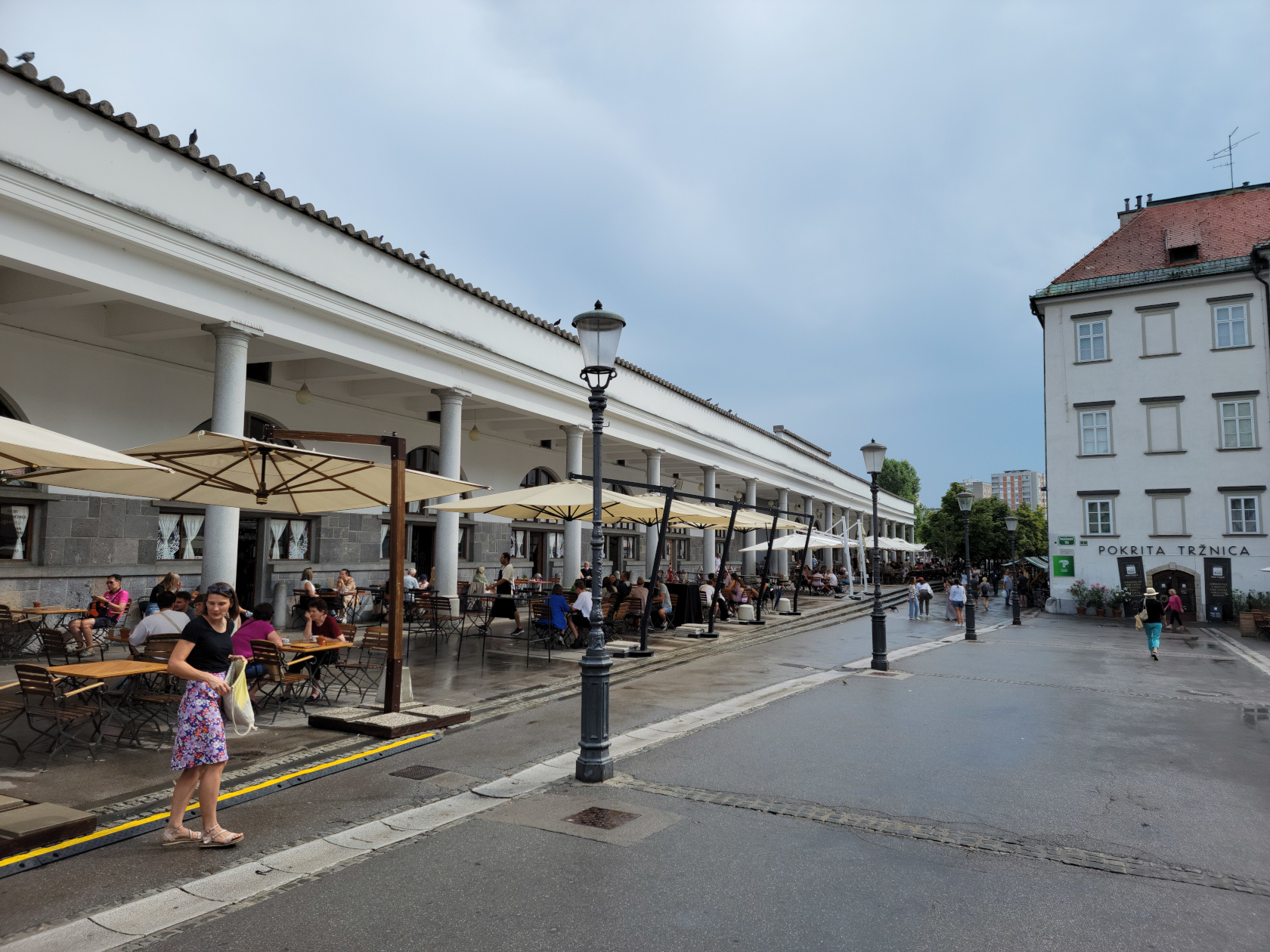
Ljubljana – Drevored na Adamič-Lundrovem nabrežju – Portico by the Market
Ljubljana – Ljubljana Cathedral
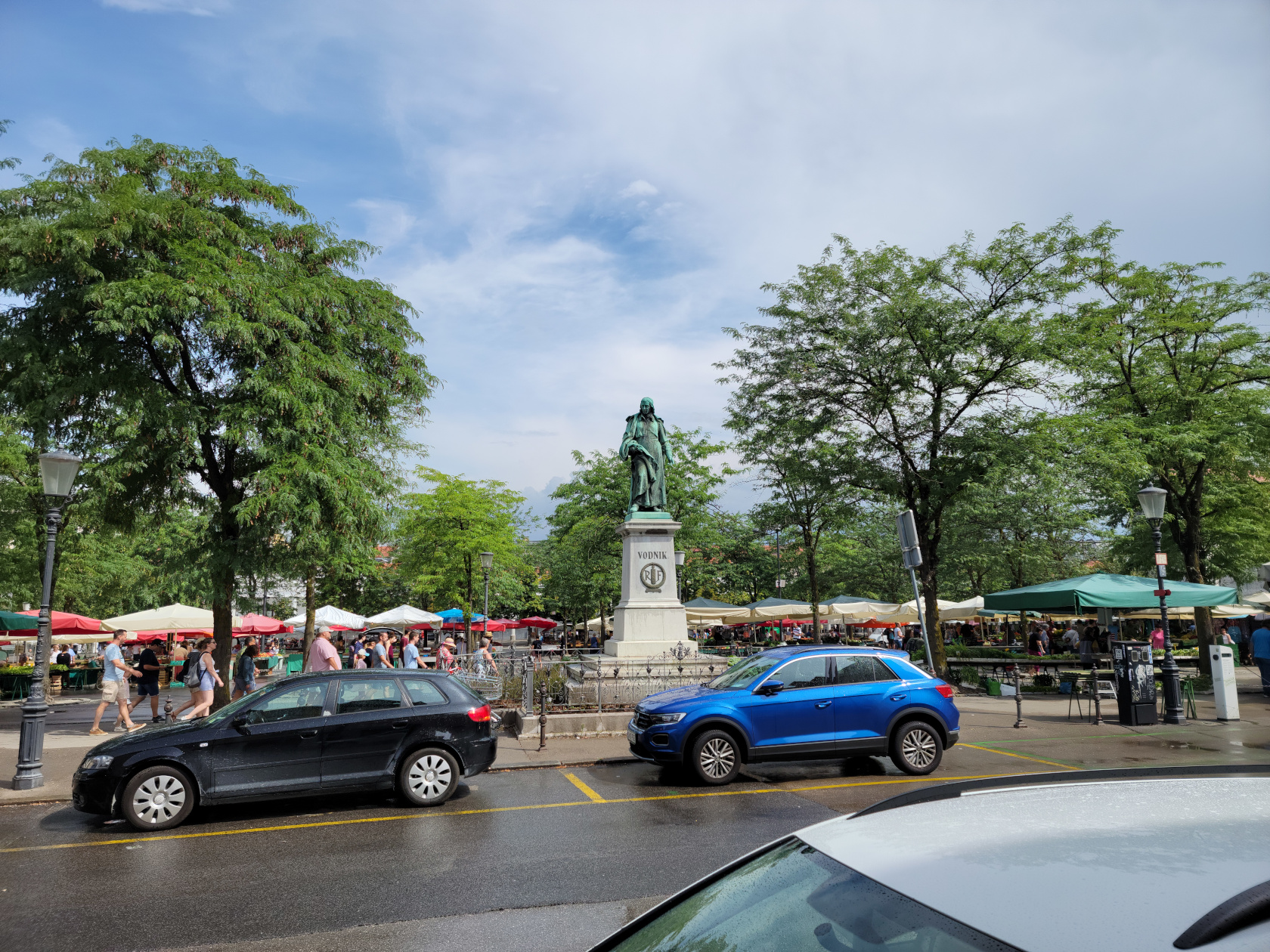
Ljubljana – Vodnik Monument
Ljubljana – Ljubljana Cathedral
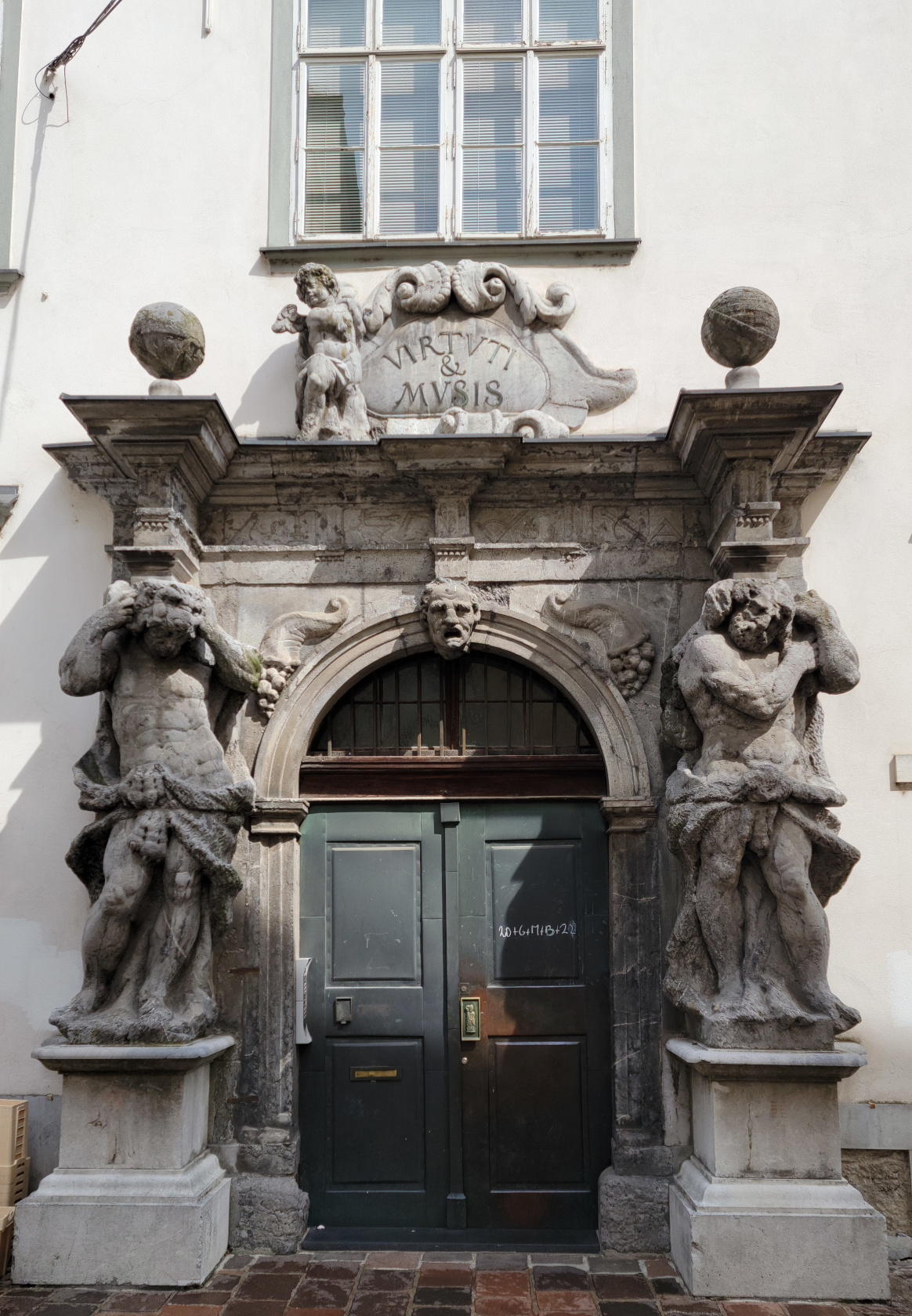
Ljubljana – Old Business Doorway
Ljubljana – Robba Fountain
Ljubljana – Mestni Trg
Ljubljana – Mestni Trg
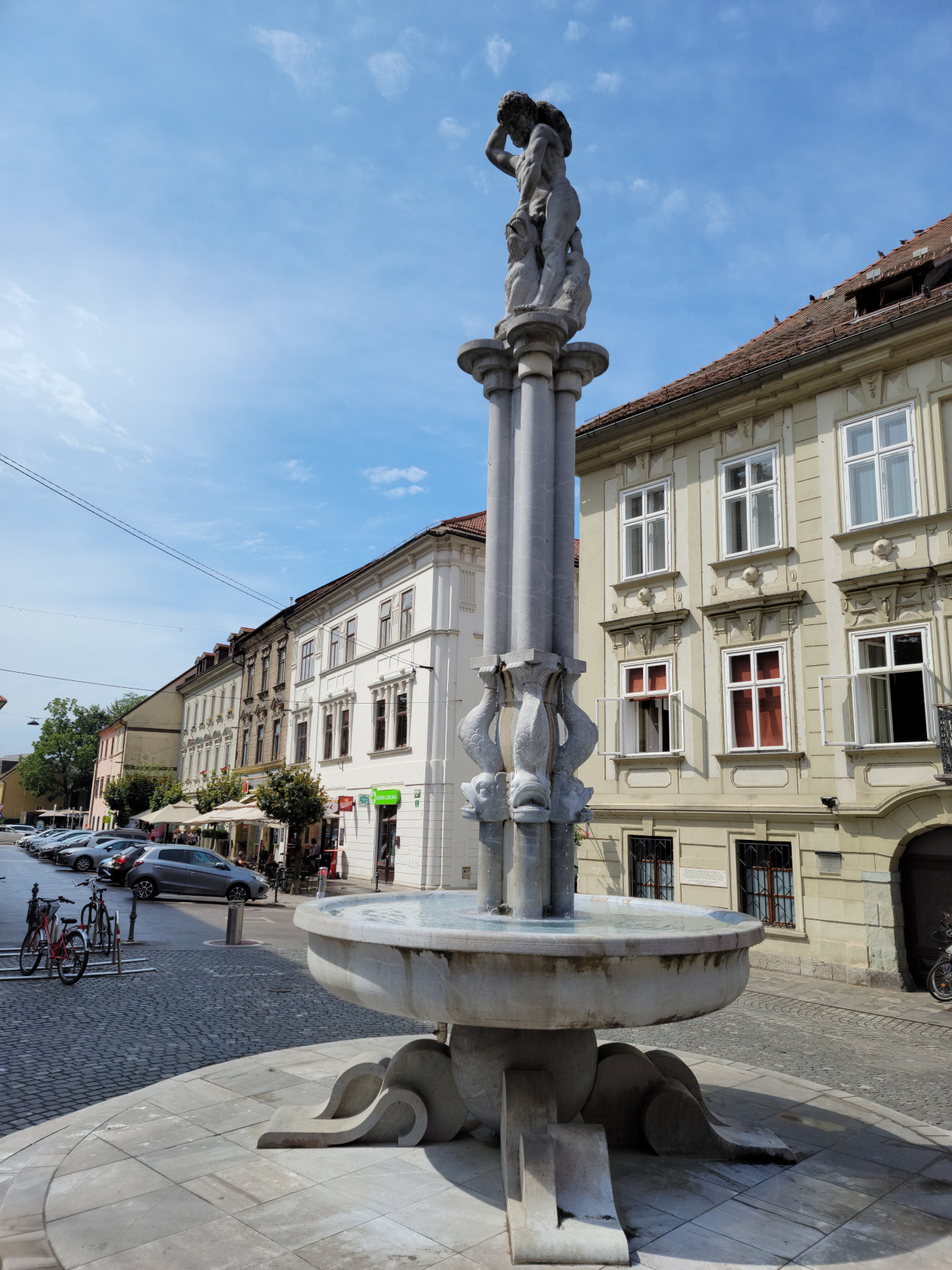
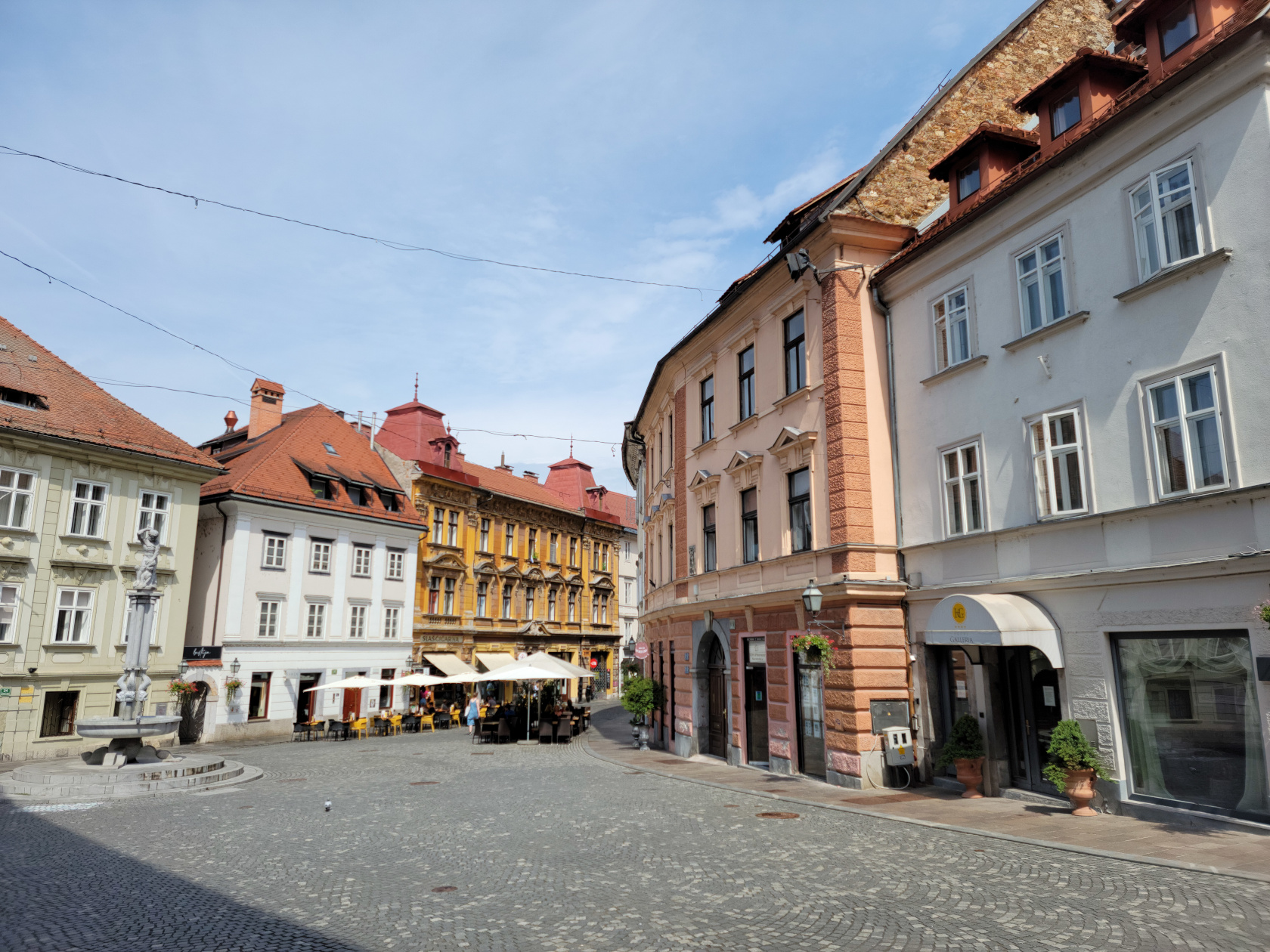
Ljubljana – Herkulov vodnjak – Hercules Fountain
Ljubljana – Herkulov vodnjak – Hercules Fountain and Square
Ljubljana – Herkulov vodnjak – Hercules Fountain and Square
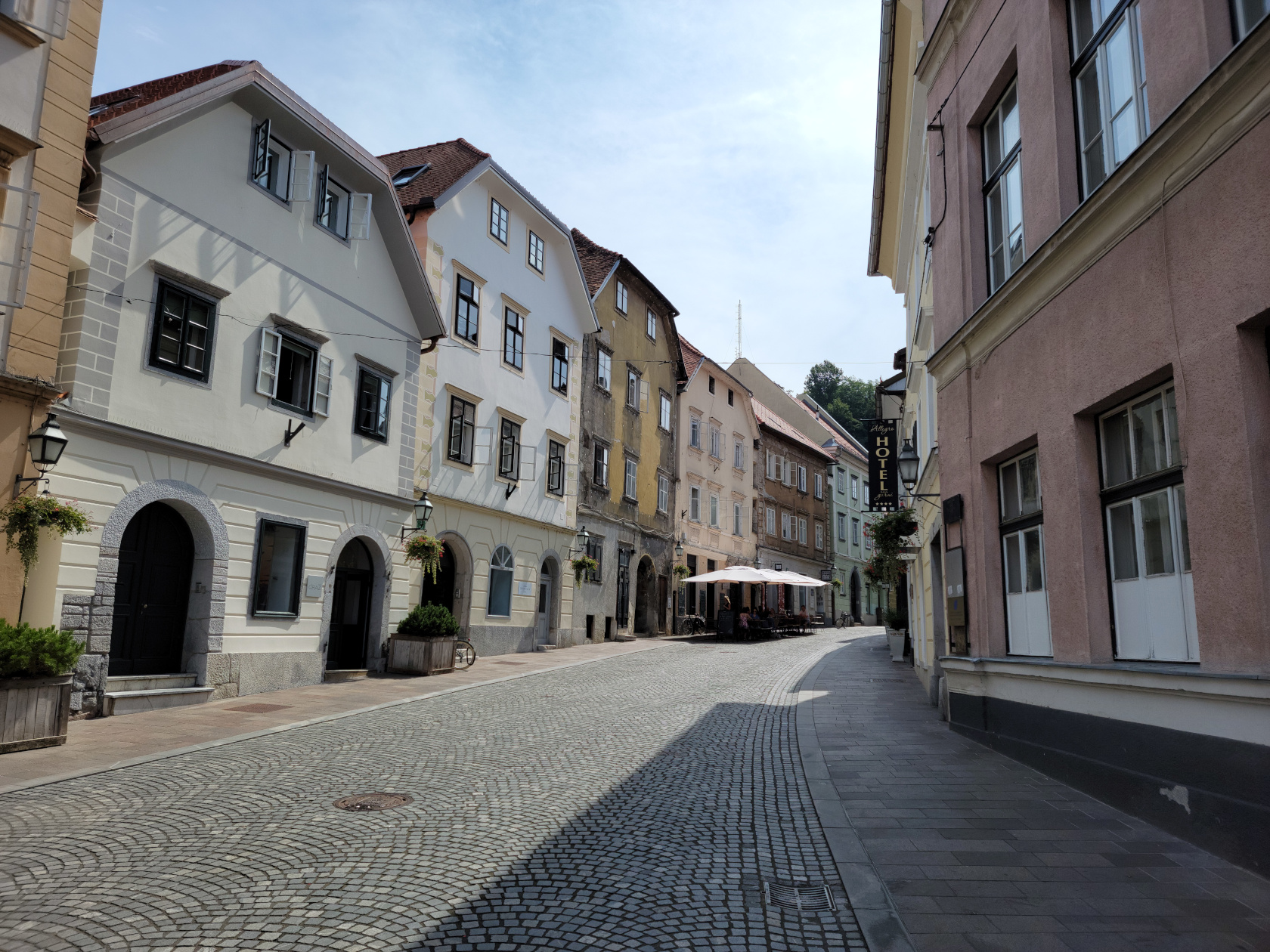
Ljubljana – Gornji Trg
Restaurants
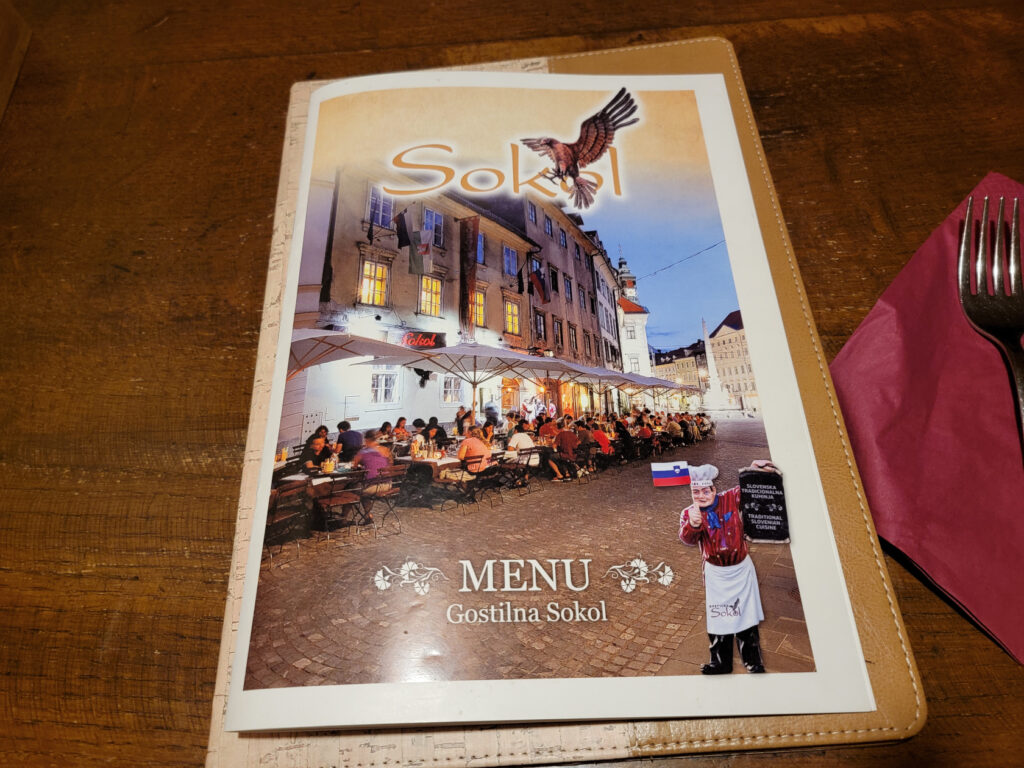
Gostilna Sokol Restaurant
Ljubljana – Gostilna Sokol Restaurant
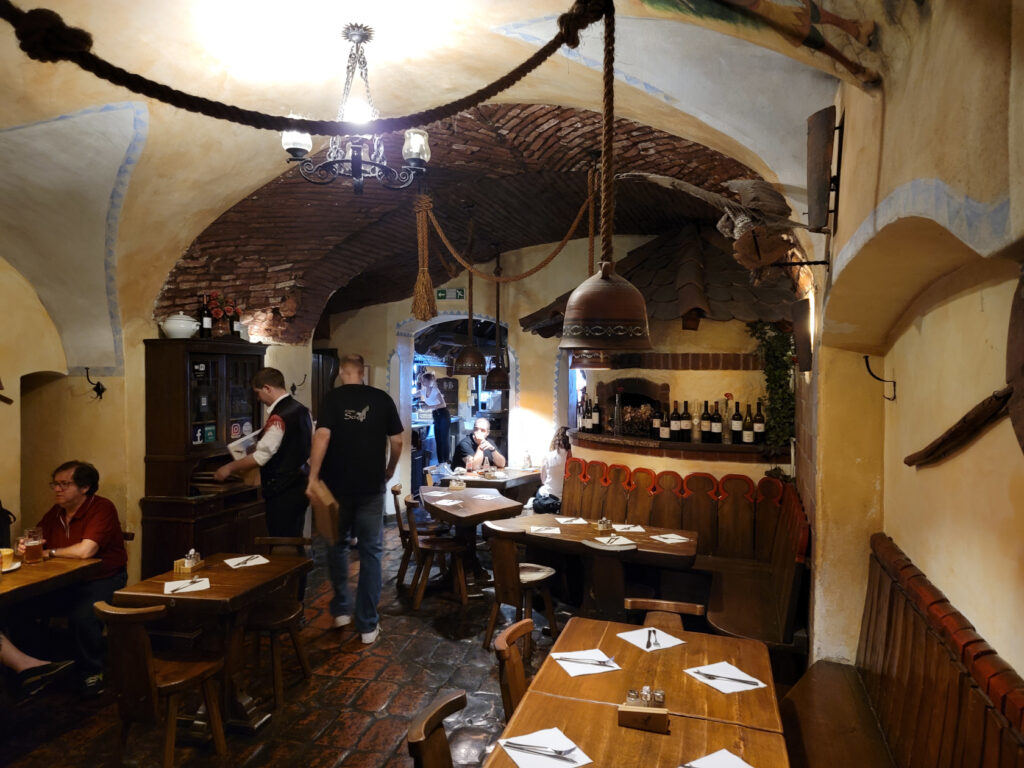
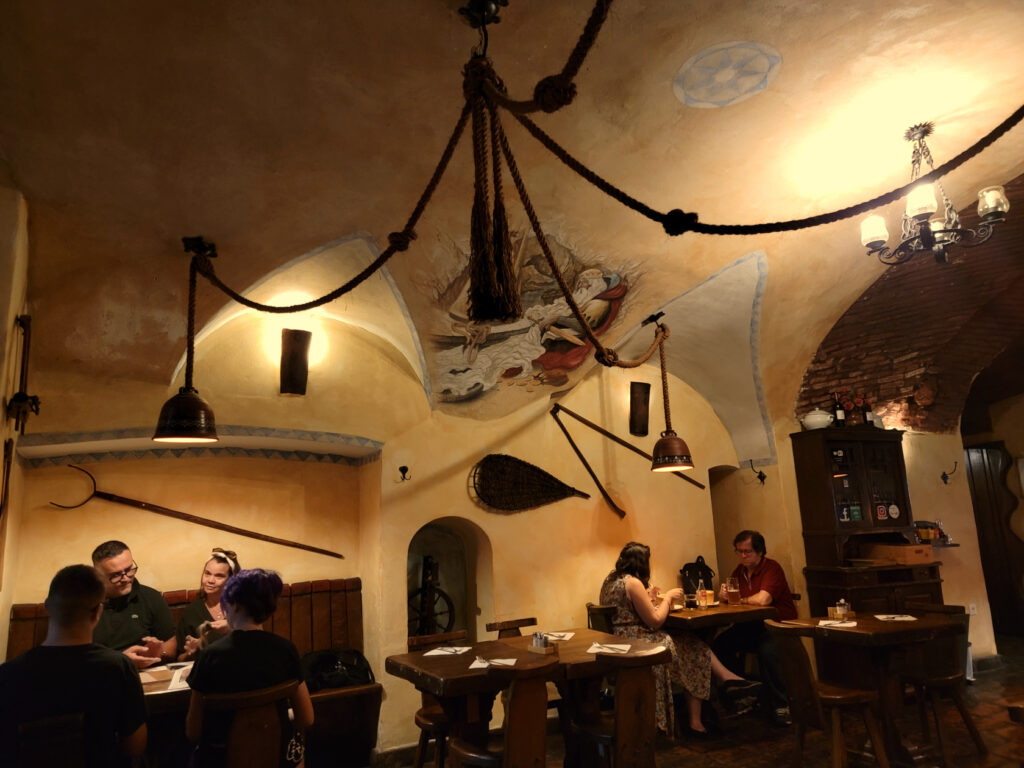
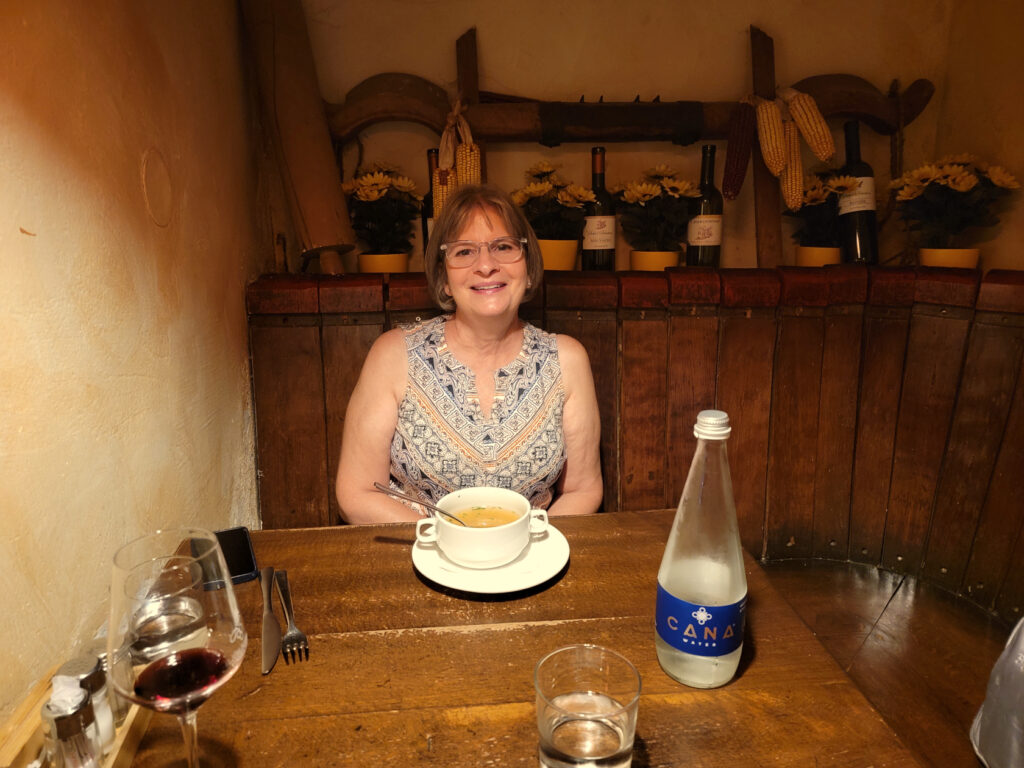
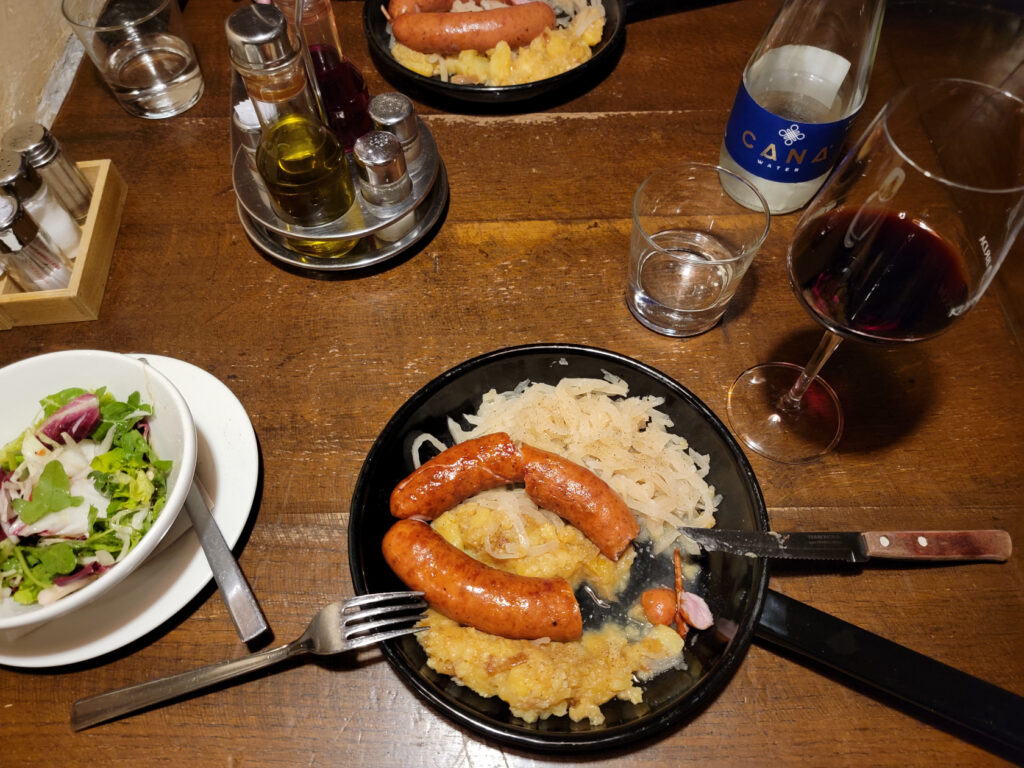
This is a traditional Slovenian restaurant, service many of the authentic dishes and also some non-Slovenian favorites, so anyone who visits can find something to eat. For us it was the traditional fried sausage, or Kranjska Klobasa with pickled turnips and roasted potatoes.
Ljubljana – Gostilna Sokol Restaurant
Ljubljana – Gostilna Sokol Restaurant
Ljubljana – Gostilna Sokol Restaurant
Ljubljana – Gostilna Sokol Restaurant
Ljubljana – Gostilna Sokol Restaurant – Patti
Ljubljana – Gostilna Sokol Restaurant – Fried Sausage with Pickled Turnips and Potatoes
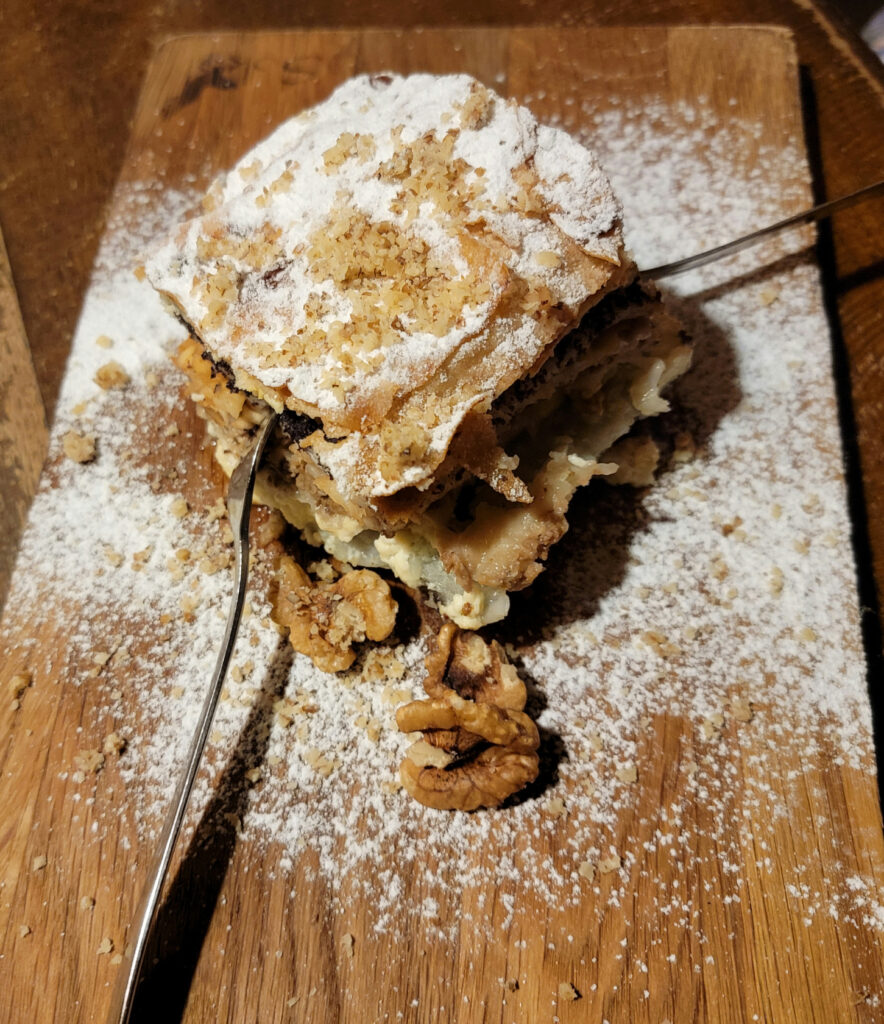
Ljubljana – Gostilna Sokol Restaurant – Hisna Gibanica
Ljubljana – Gostilna Sokol Restaurant
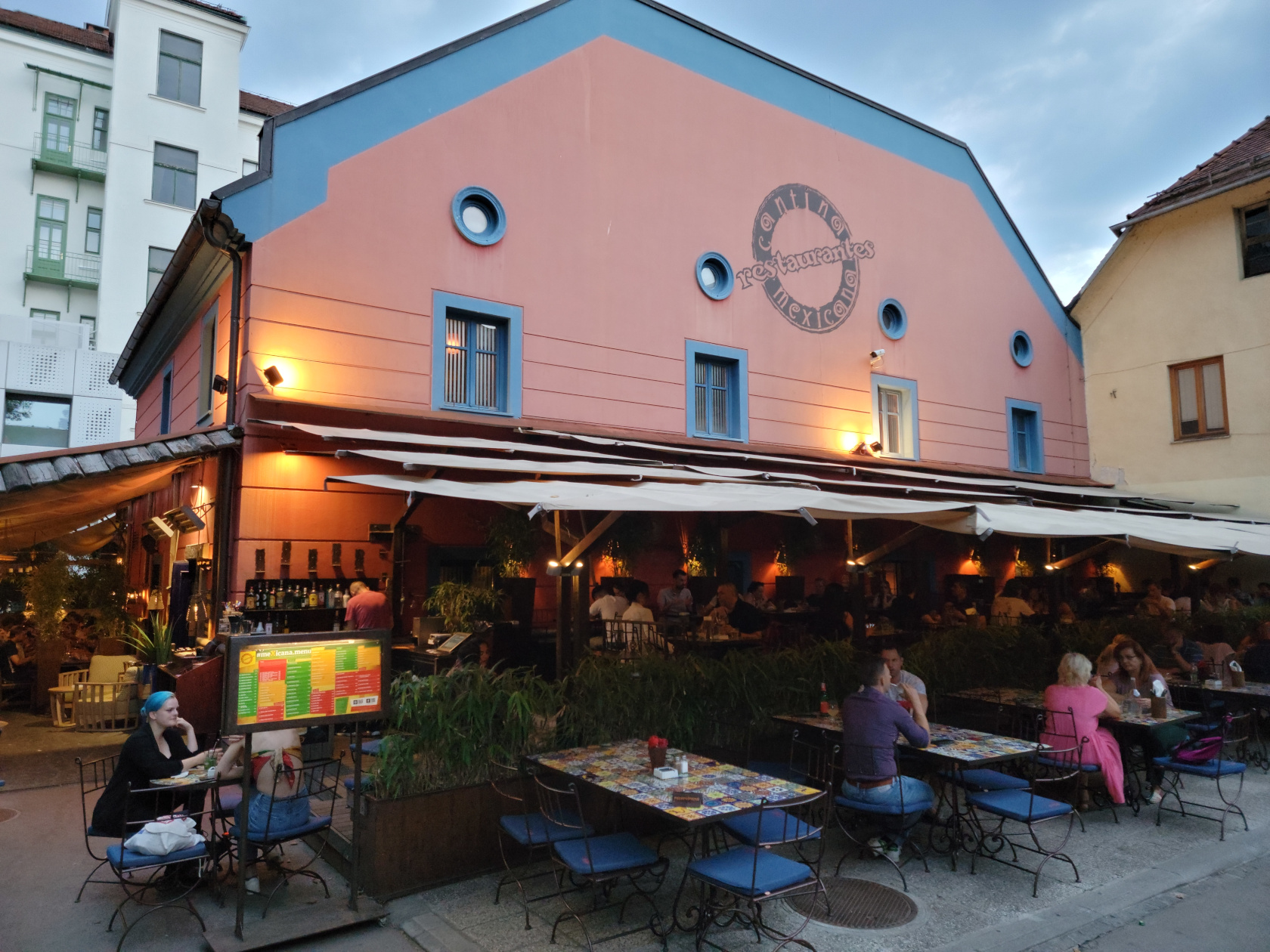
Cantina Mexicana Restaurant
Ljubljana – Cantina Mexicana Restaurant –
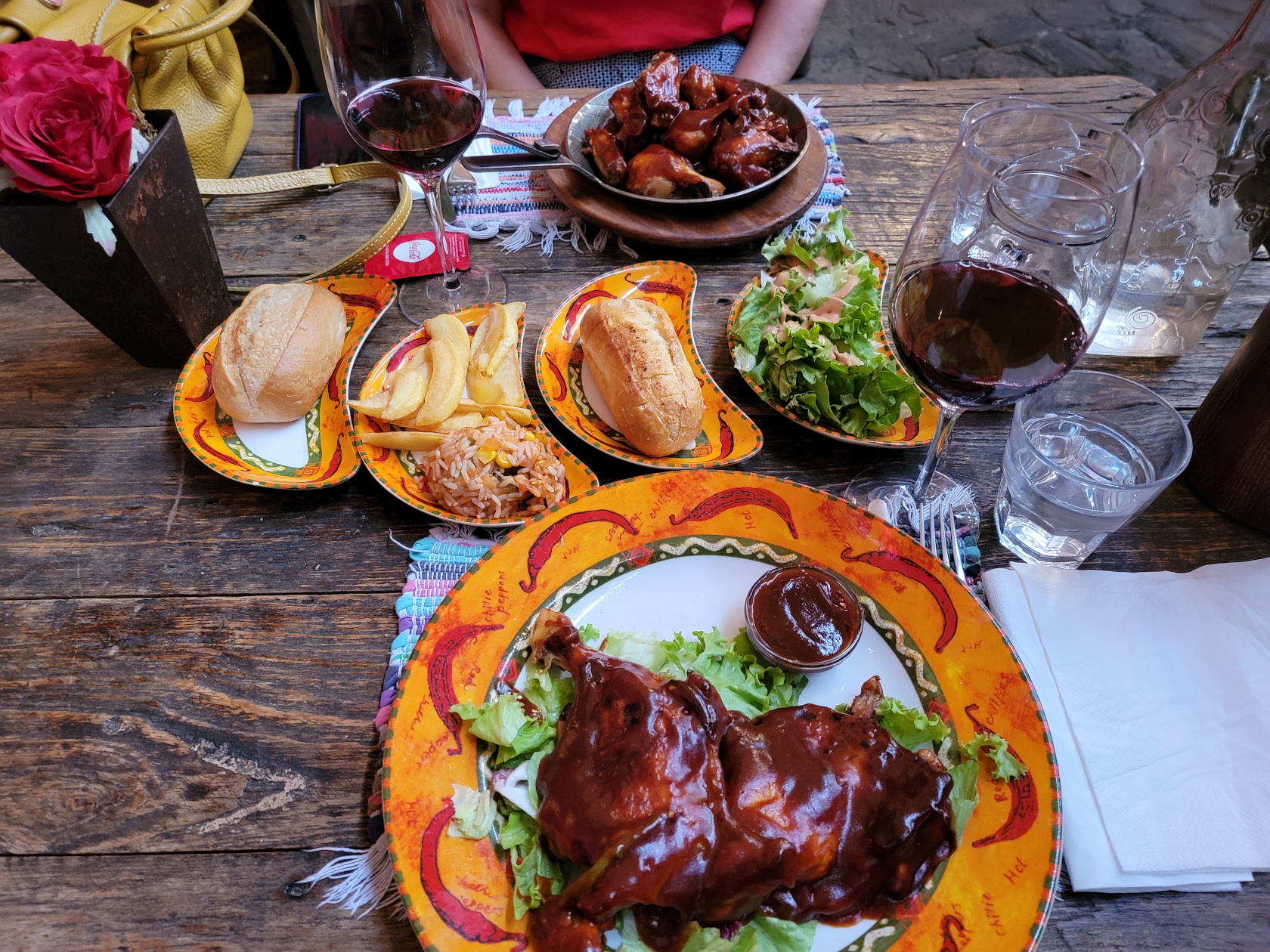
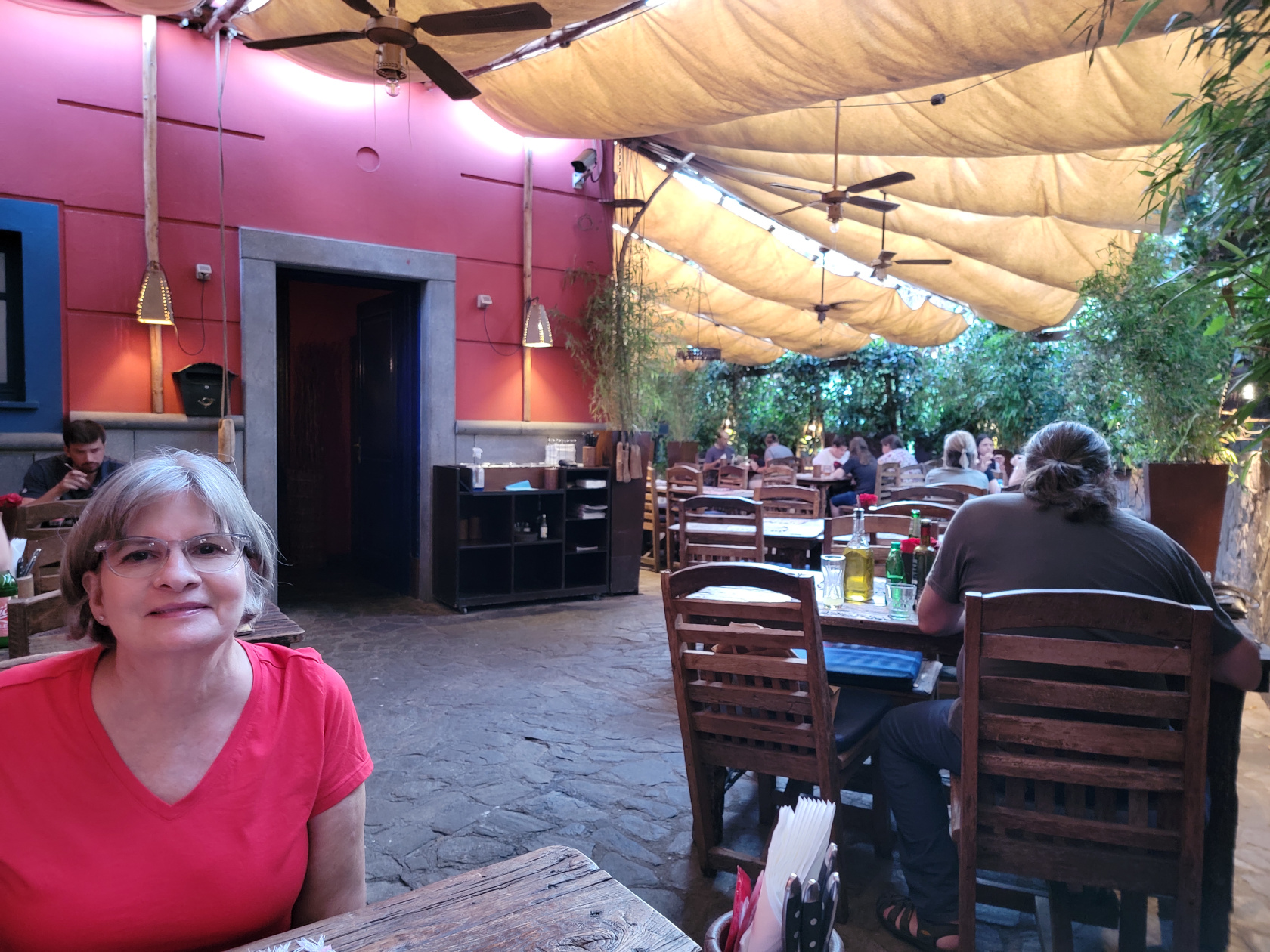
The Cantina Mexicana is a very good mexican restaurant that features both Mexican and Tex-Mex cuisine. It wasn’t too difficult to find something appetizing among the enormous selection of food they offer in their menu.
Ljubljana – Cantina Mexicana Restaurant – Barbecued Chicken
For some time, my wife Patti has been wanting for us to visit her friends in Malpertus. Thankfully with Covid restrictions waning, hopefully along with the virus itself, we finally committed to visiting them this week. In order to get there, we had to take the train from Turin’s Porta Susa terminal, instead of our customary train station, Porta Nuovo. Once on the train, the trip length was about forty-five minutes, which included about eight stops along the way.
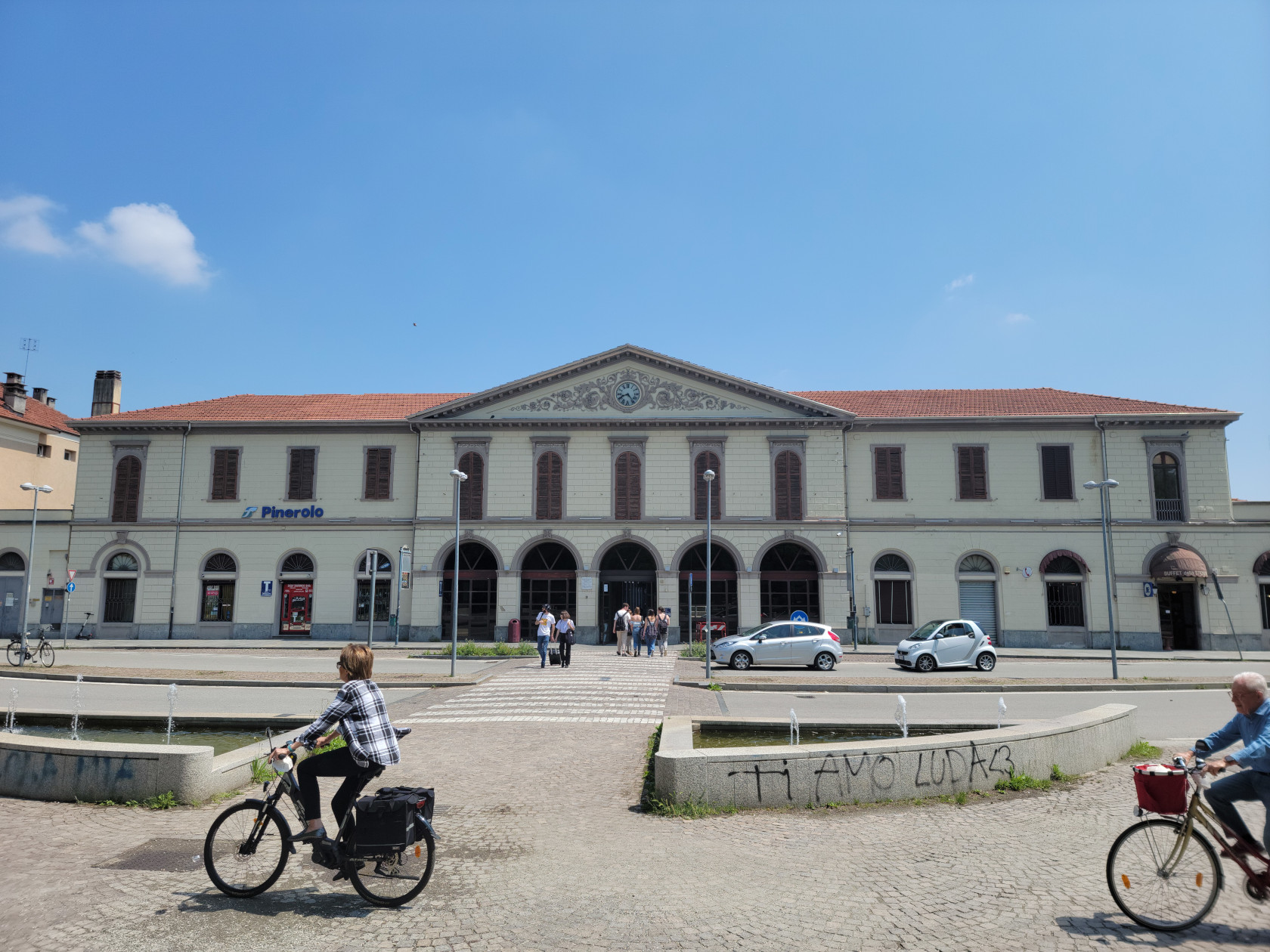
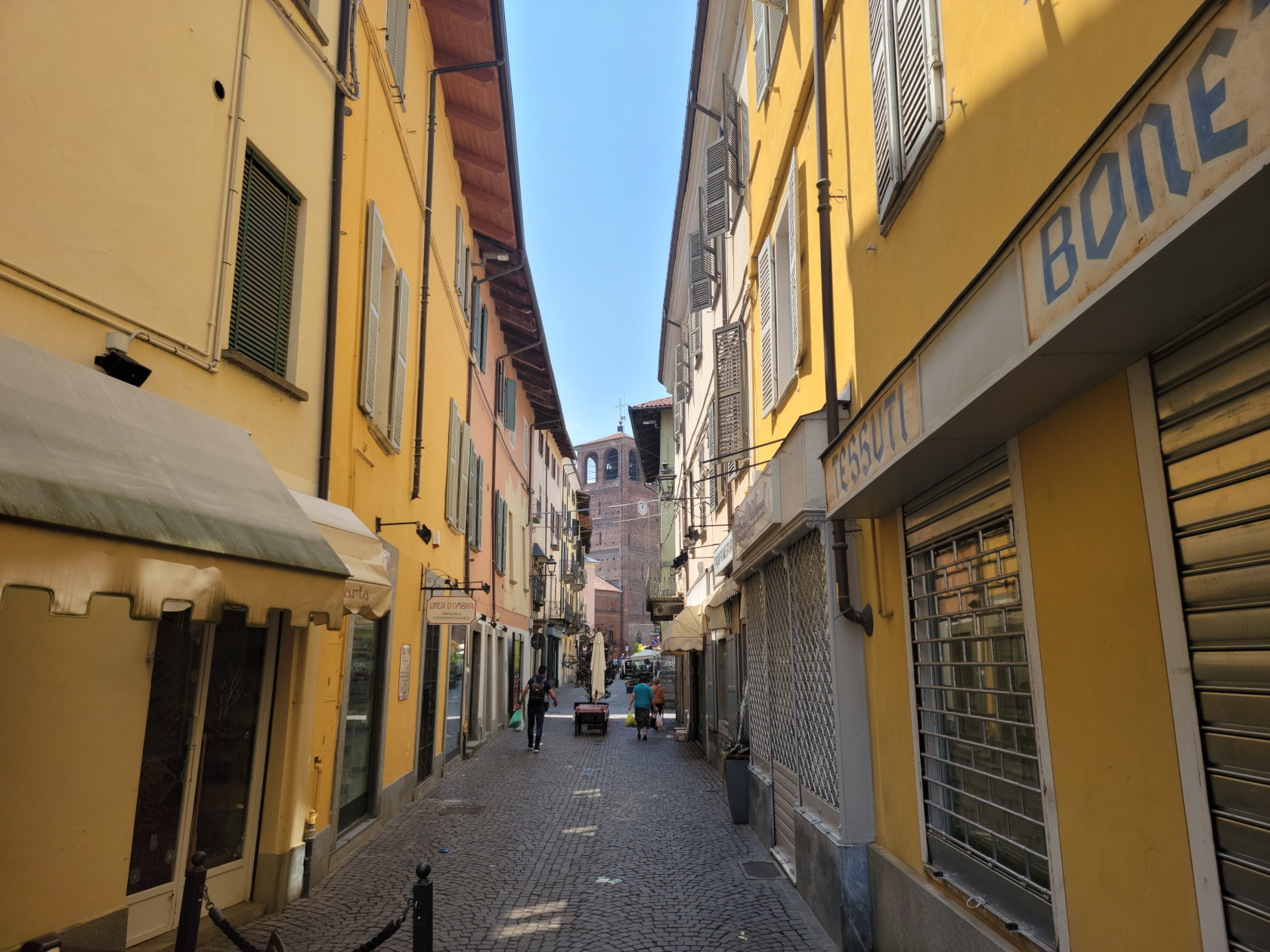
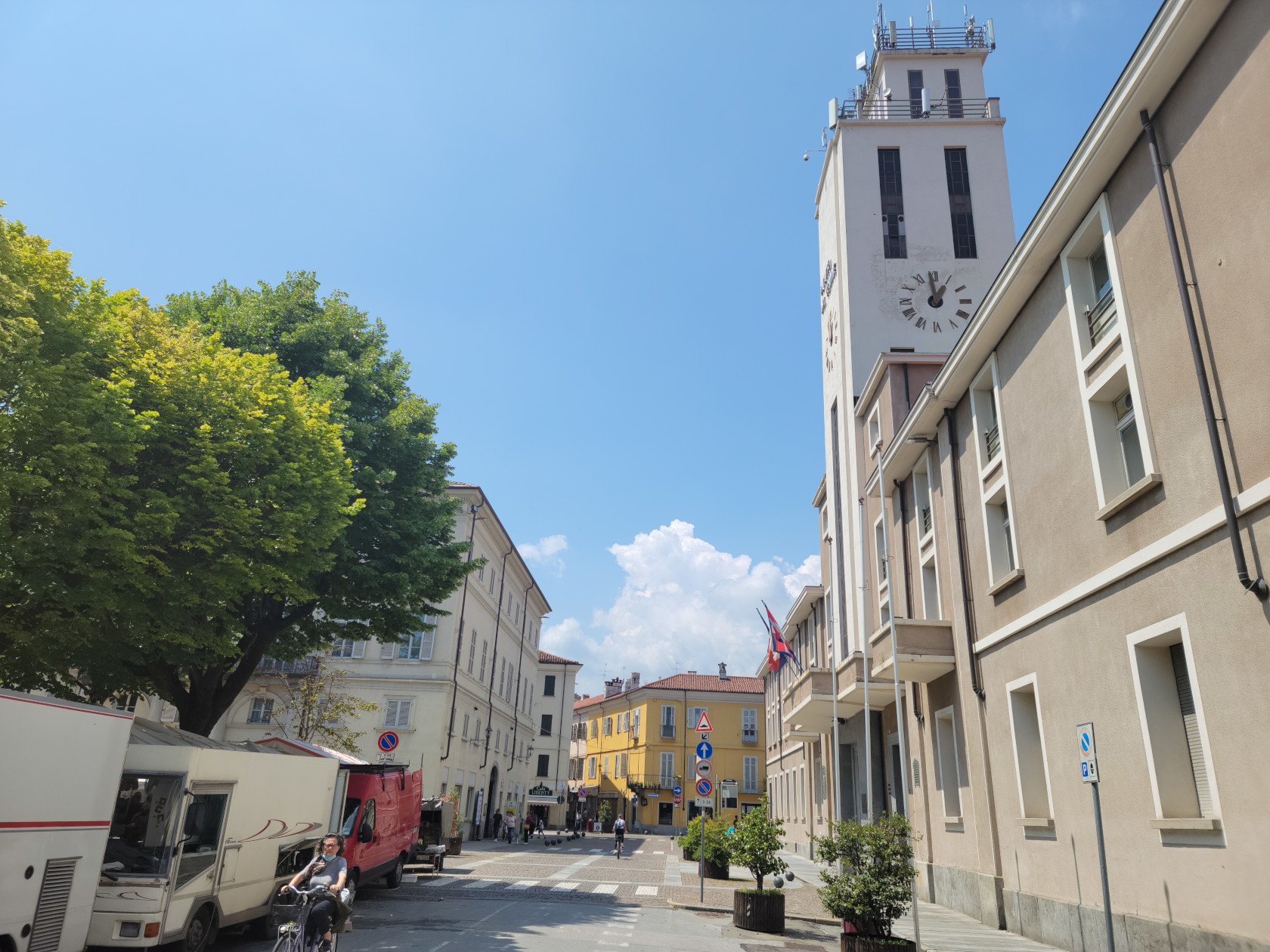
Pinerolo appeared to be fairly quiet and we had noticed most people were preoccupied with the Saturday market place, that was taking place in the main square from the train station. We took little notice of this and continued directly down the main street, via Del Duomo, until we found a suitable place to eat.
Restaurants
Trattobar Kreuzberg
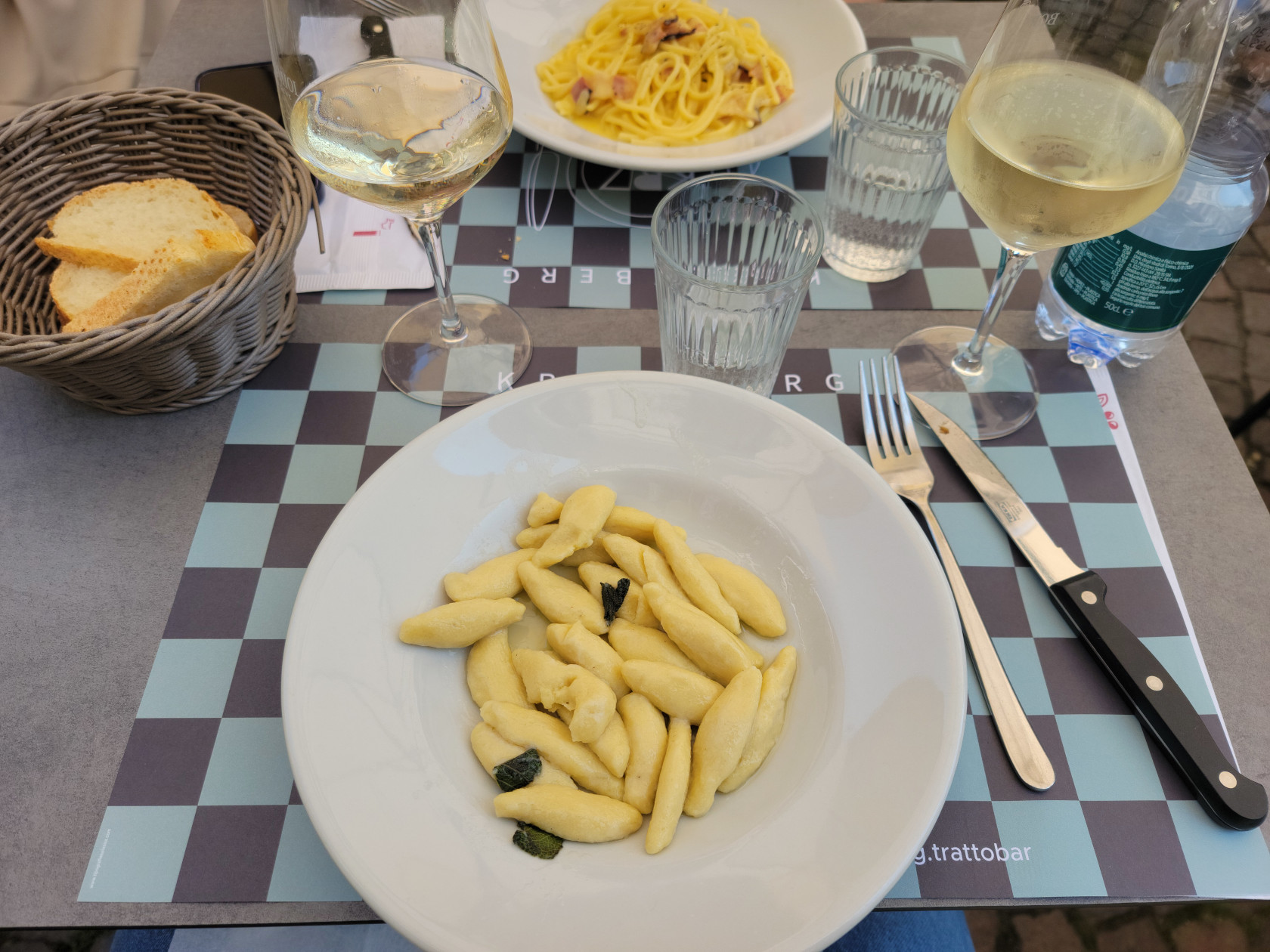
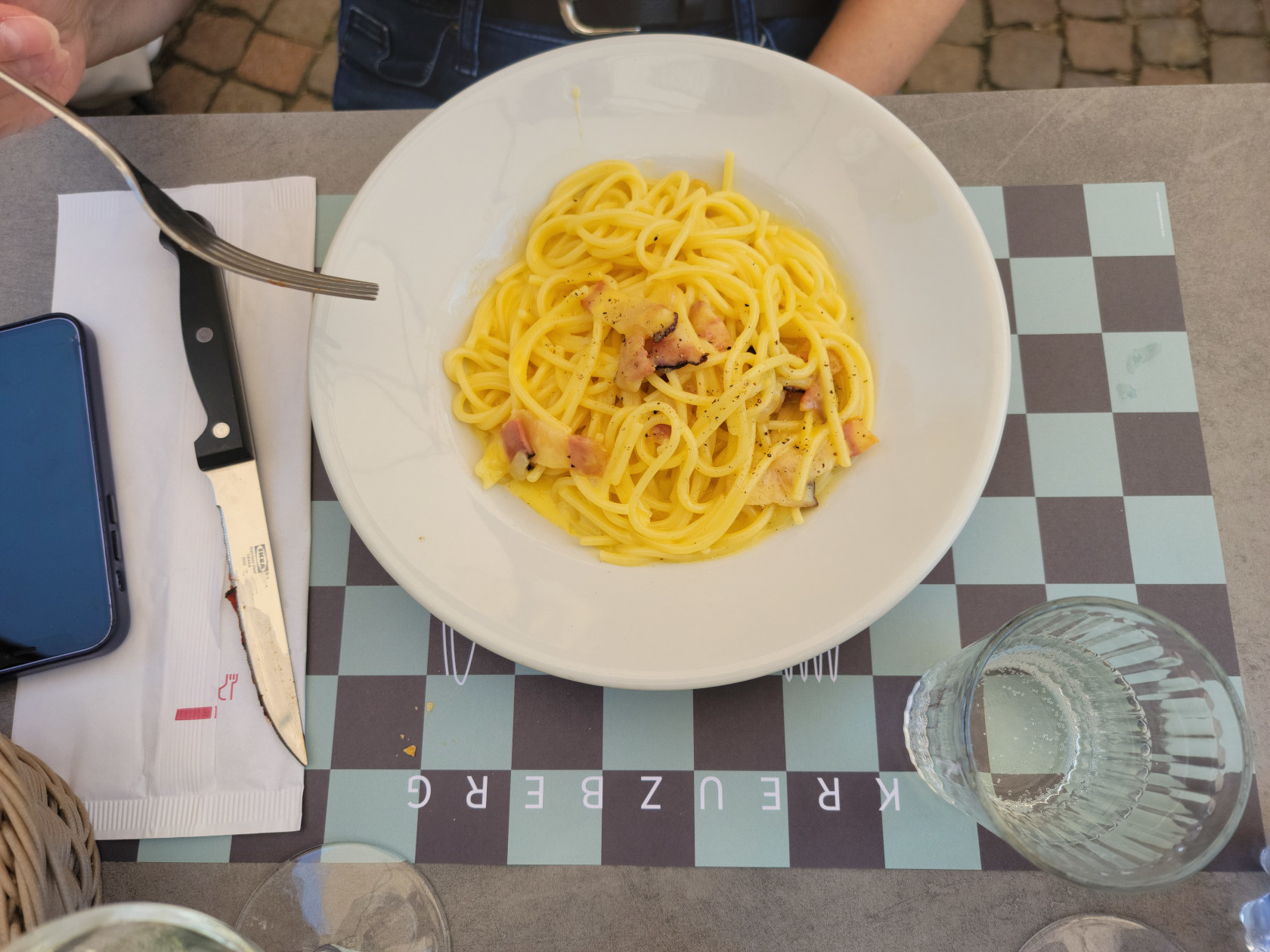
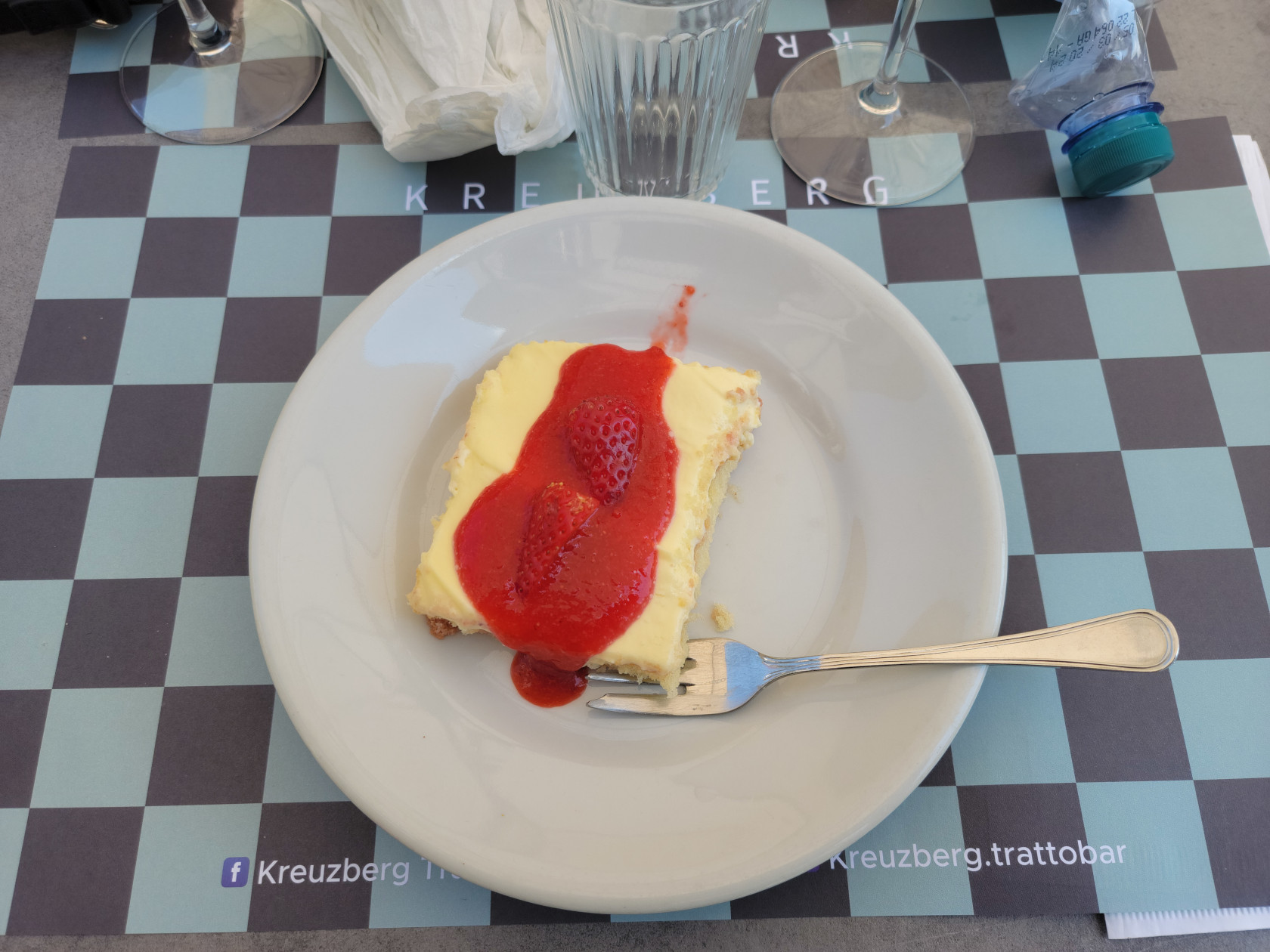
We initially stopped at a pizza place, but they apparently only took orders inside. So, after a quick reconnaissance further up the street we found a trattoria called Trattobar Kreuzberg.
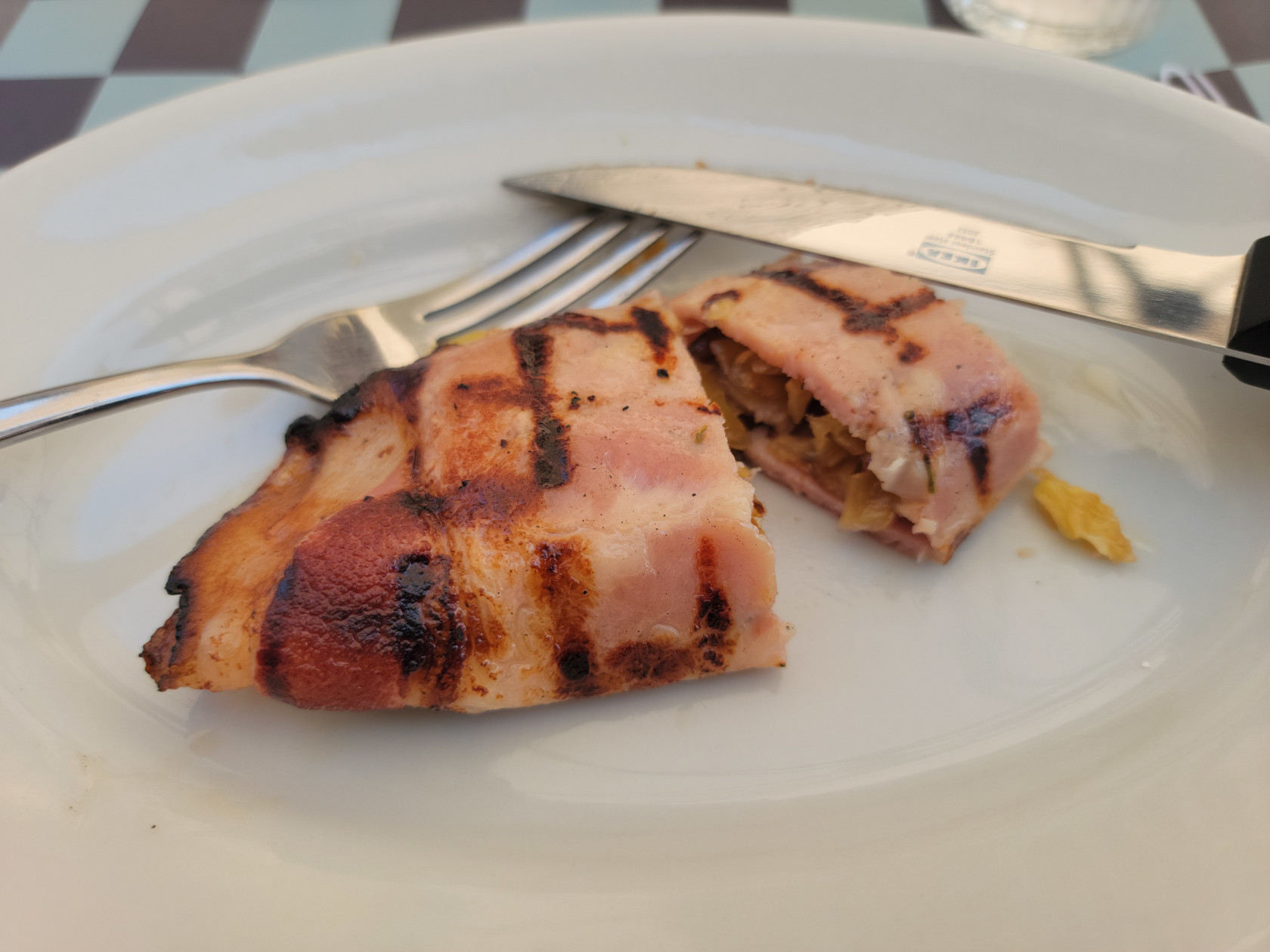
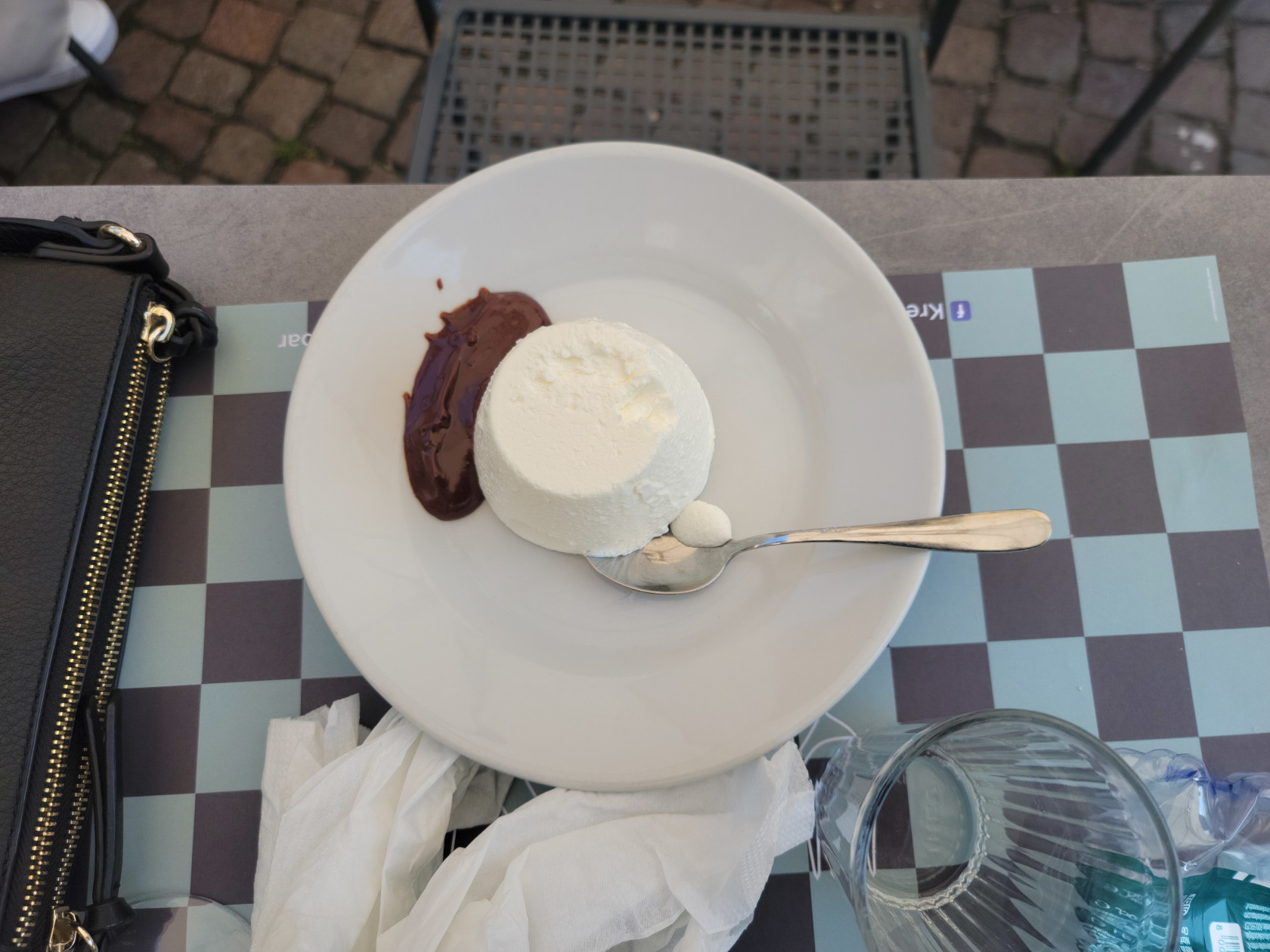
TrattoBar Kreuzberg – Santa Vittoria with Chocolate – Pinerolo
Though the food was very good and for a fair price, the service, even for Italian standards, was very slow. It took us all of three hours to complete our lunch, and we could tell several other clients sitting at tables next to use were not happy either, and they were Italian. So if you are in a hurry, either get seating inside or by the entrance (of course in the hope they will see and not forget you) and not out in the umbrella piazza annex, where we were seated.
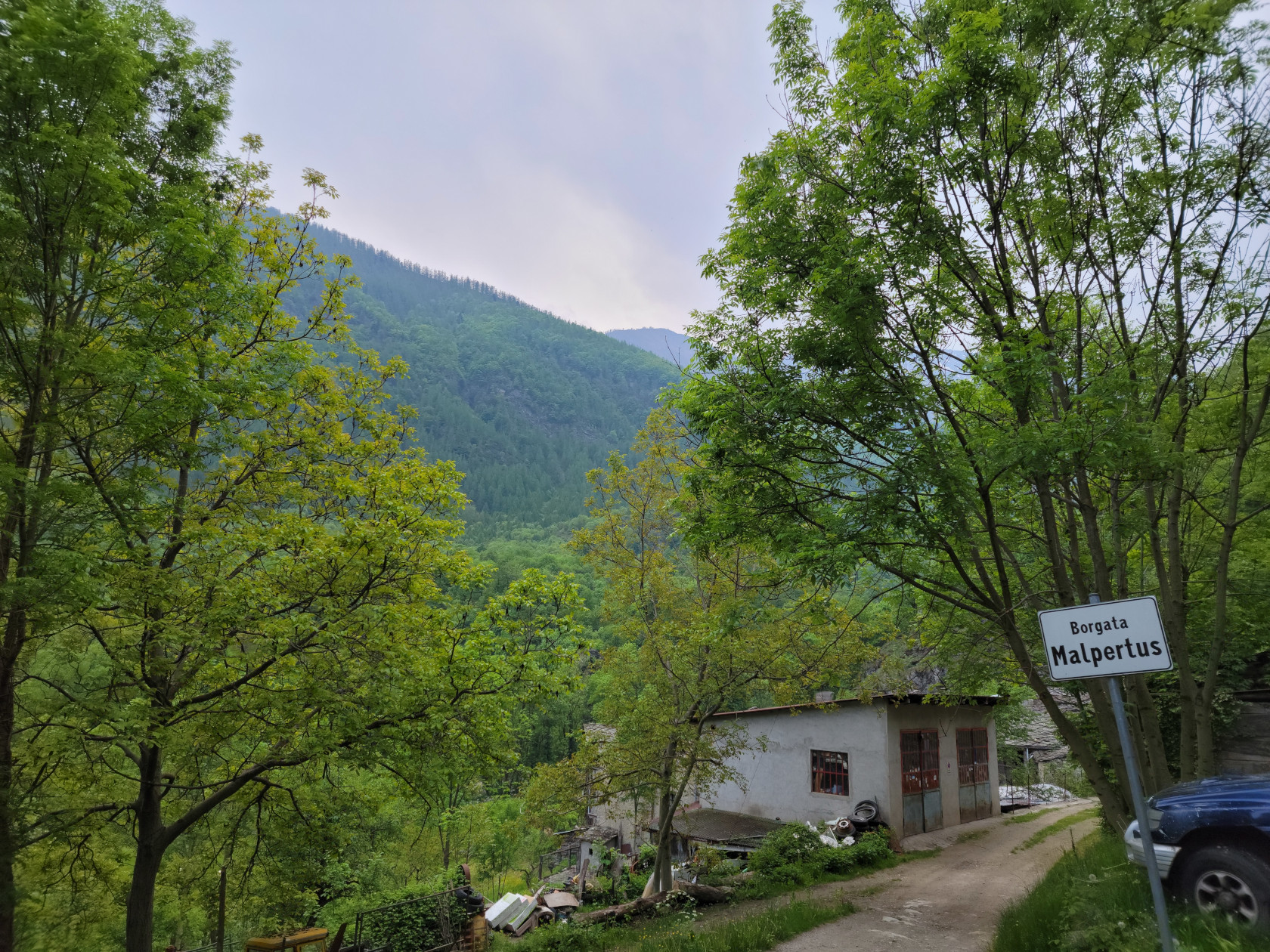
Borgata Malpertus
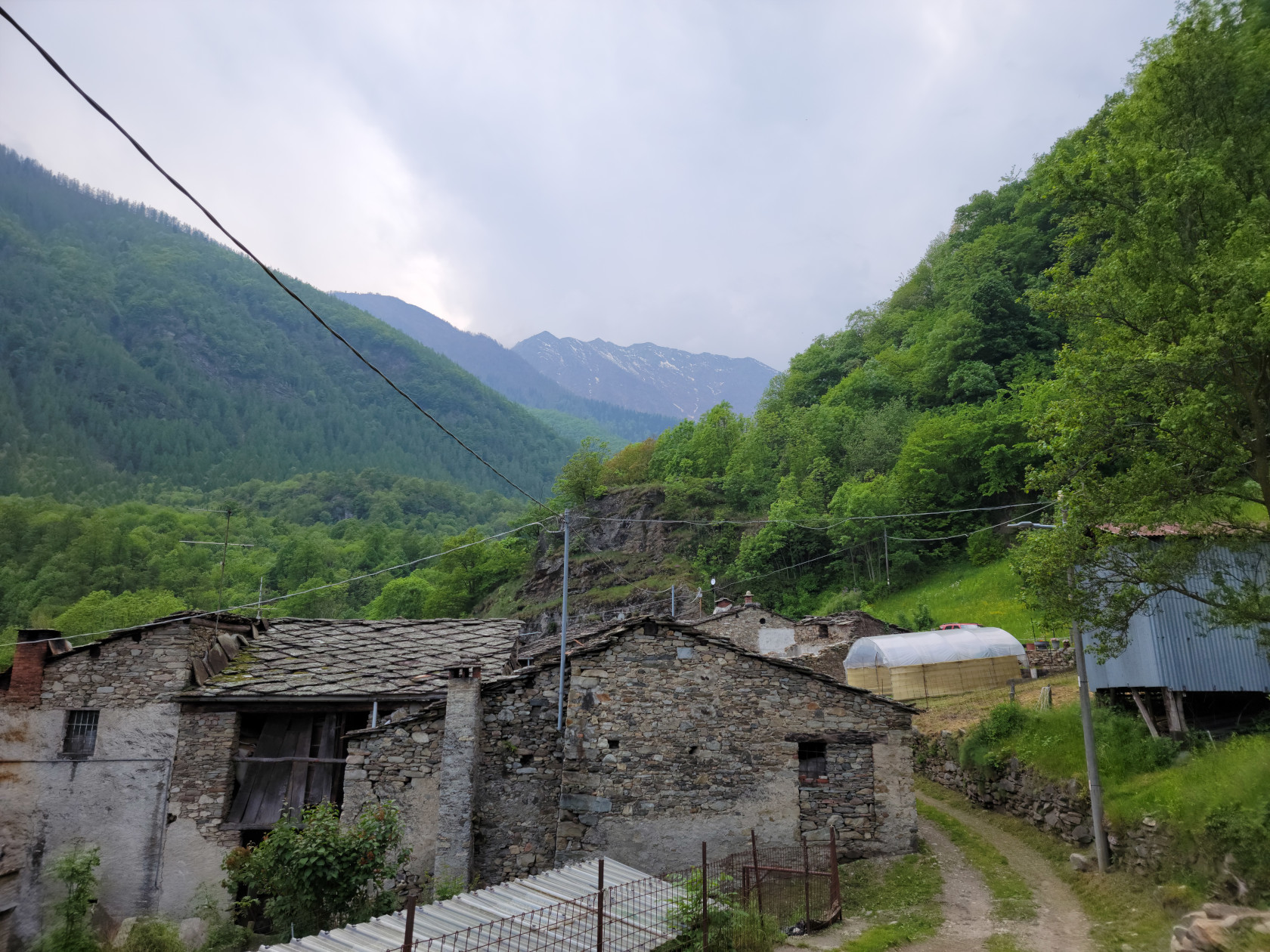
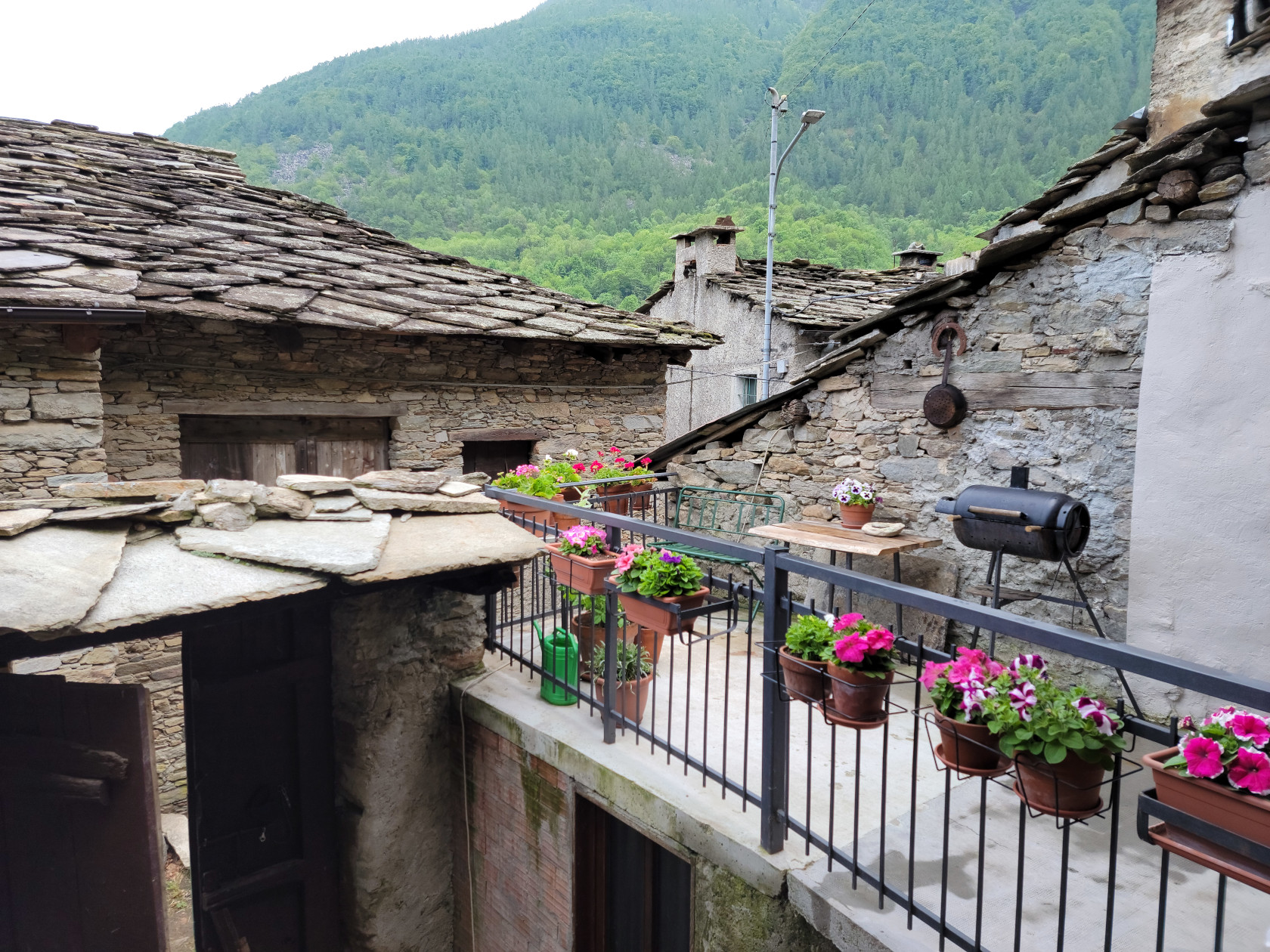
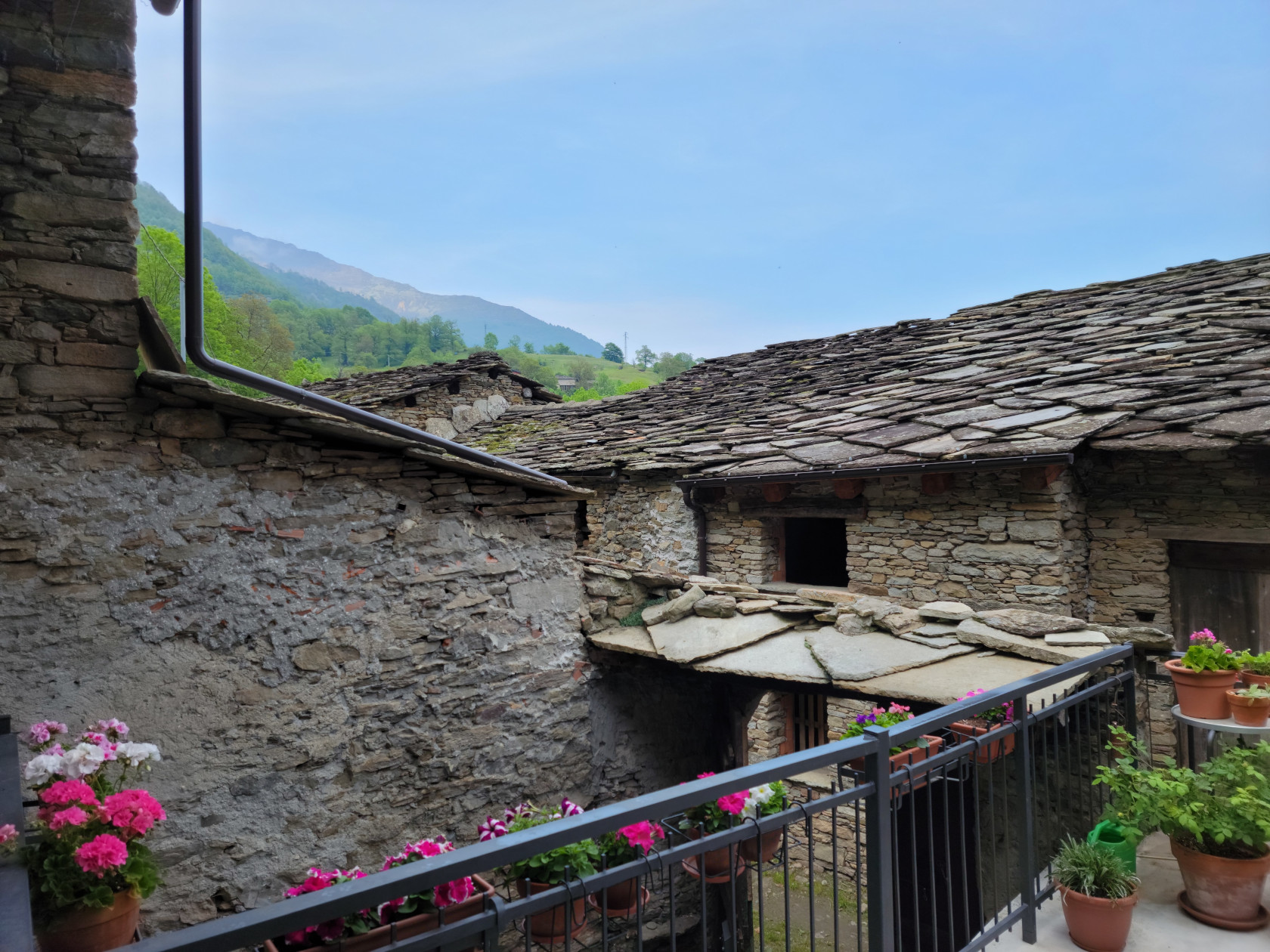
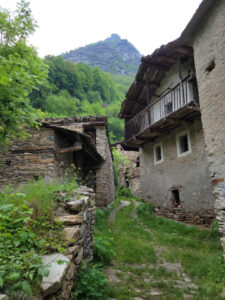
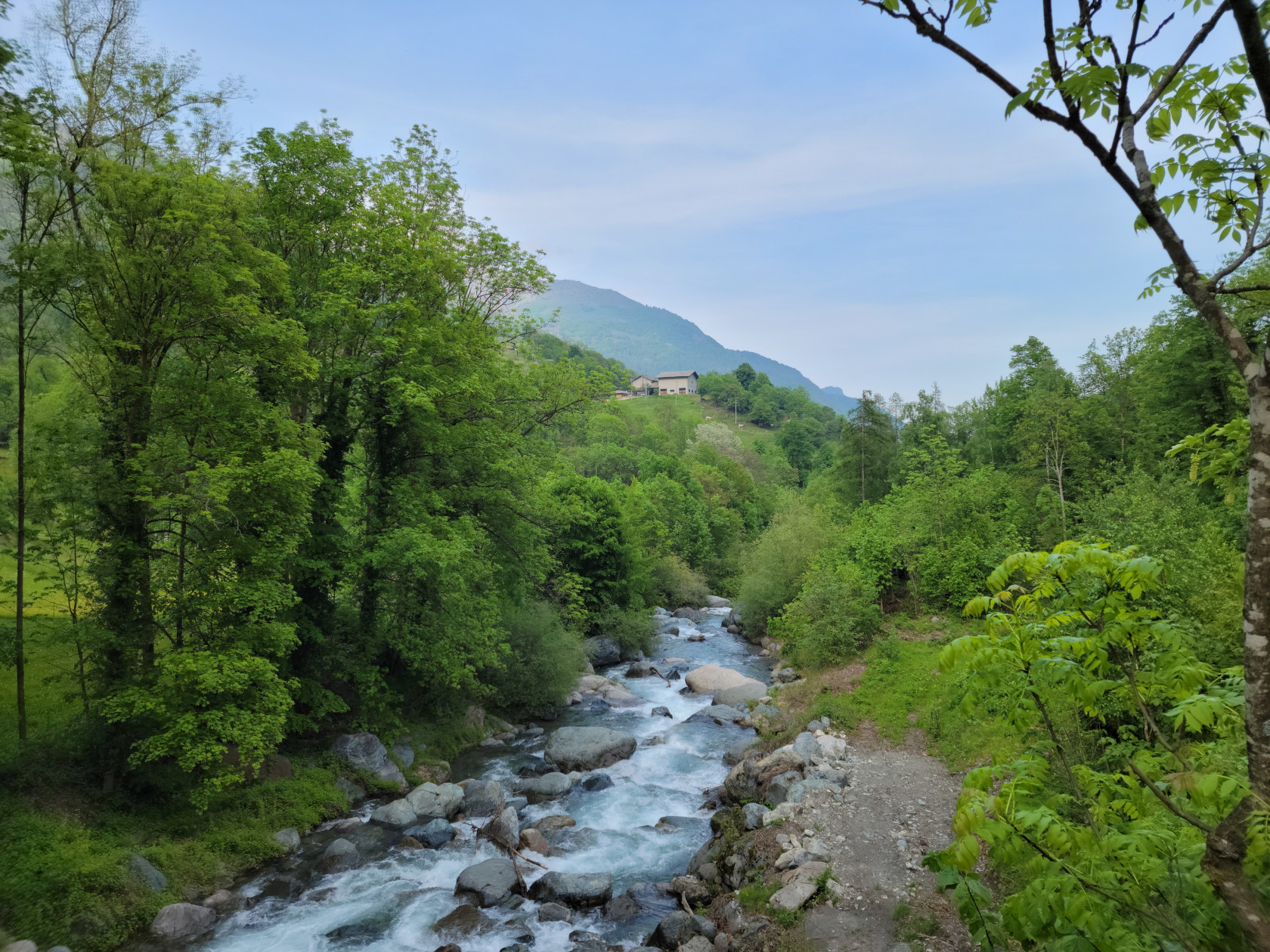
Our hosts live in a very small hamlet called a Borgata. It’s actually just a string of small stone houses collected neatly on the hillside of the Pellice River Valley.
Borgata Malpertus – Pellice River Valley
Borgata Malpertus – Pellice River Valley
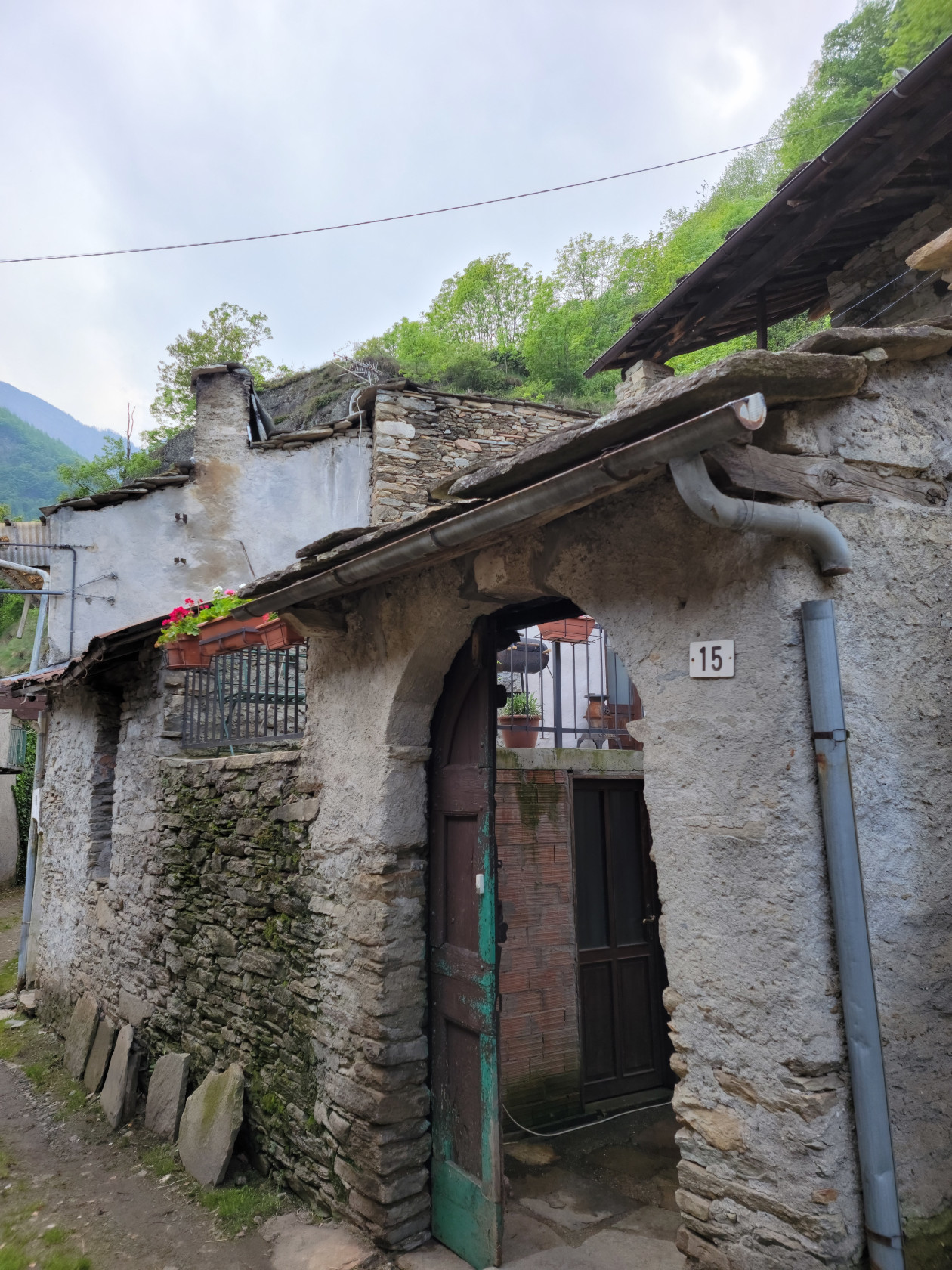
15 Borgata Malpertus – Pellice River Valley
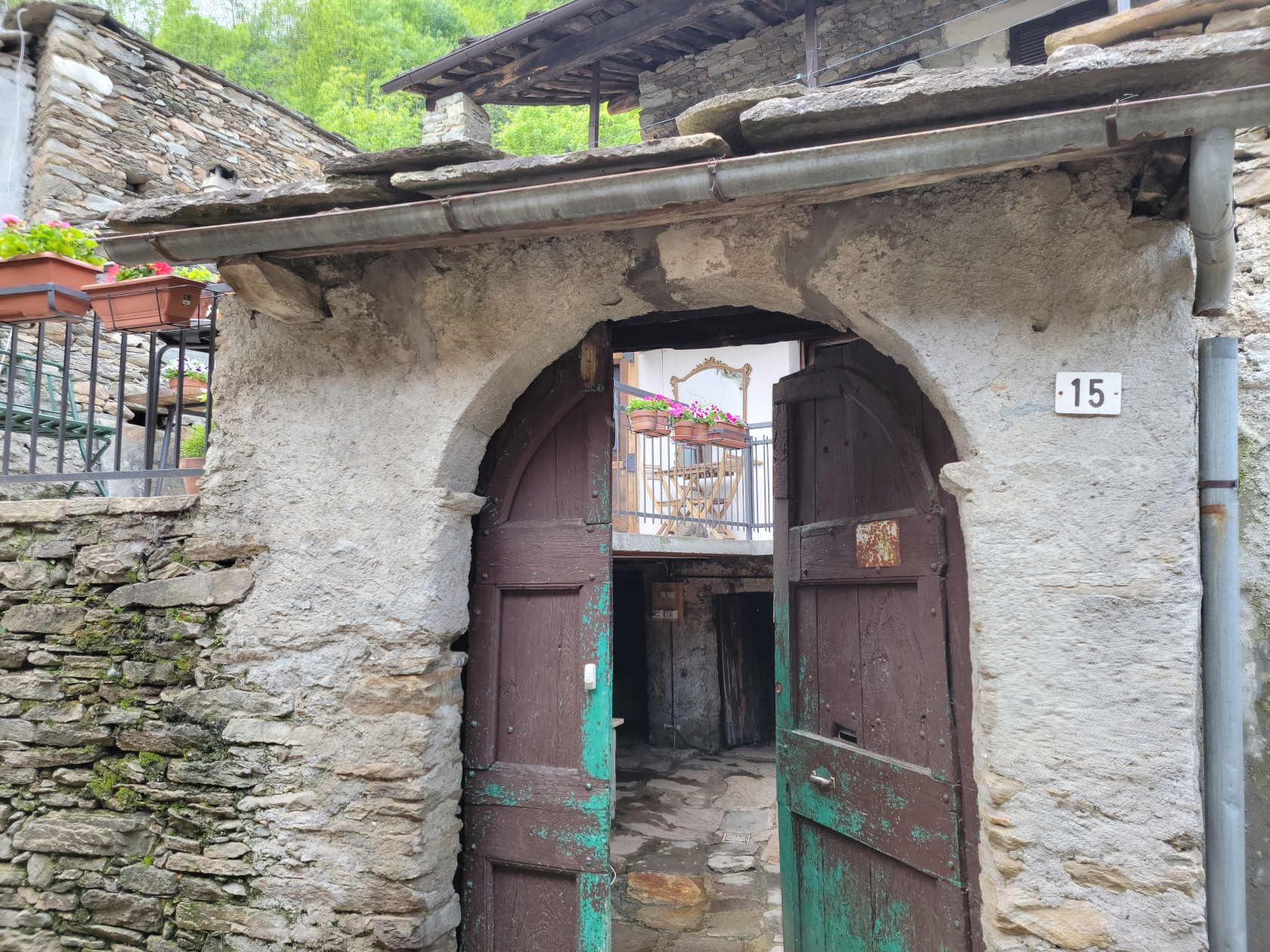
15 Borgata Malpertus – Pellice River Valley
15 Borgata Malpertus – Pellice River Valley
15 Borgata Malpertus – Pellice River Valley
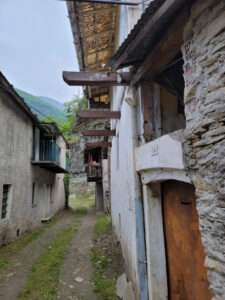
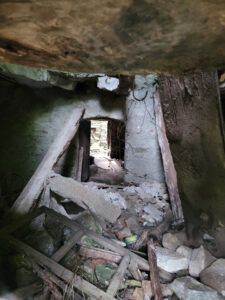
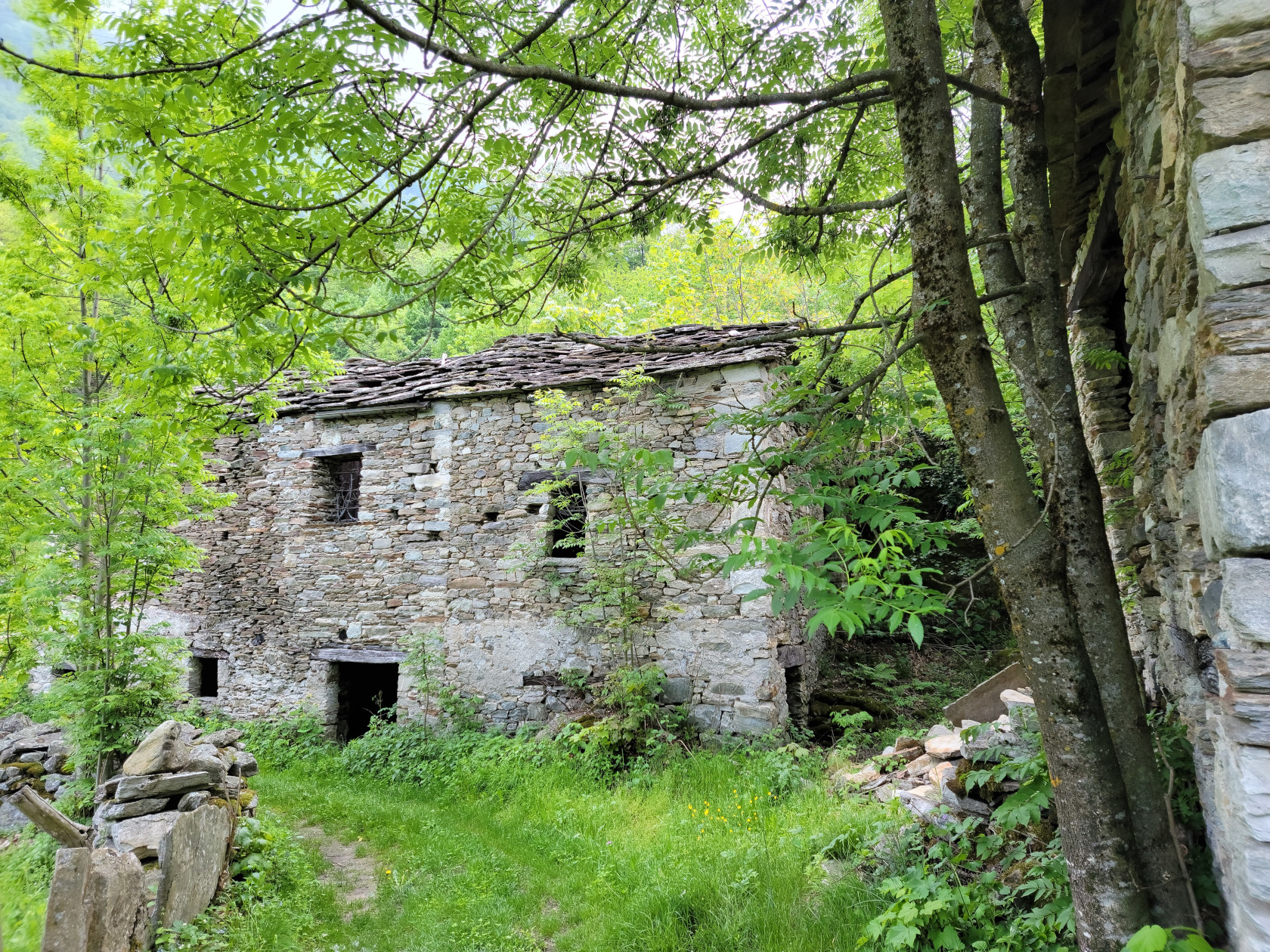
The rest of the Borgata is contained within a few roads or alleys, through which anyone can amble at their leisure. There are few residents here and some of the structures are in dire need of repair and restoration.
Borgata Malpertus – Pellice River Valley
Repairs needed – Borgata Malpertus – Pellice River Valley
Borgata Malpertus – Pellice River Valley
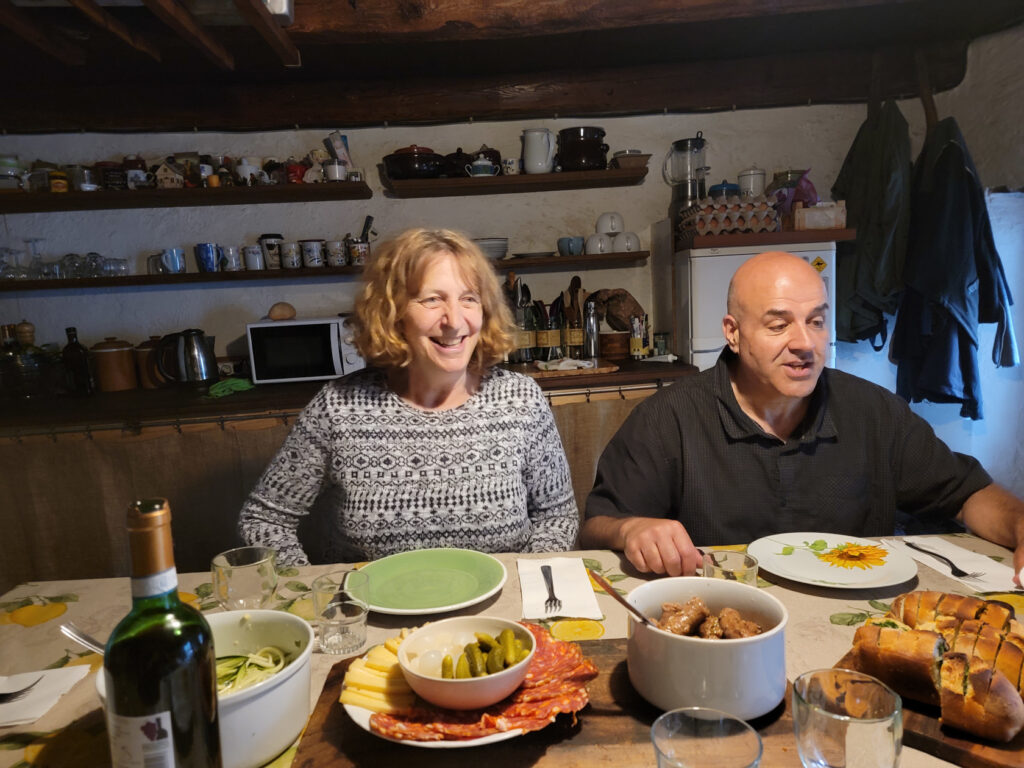
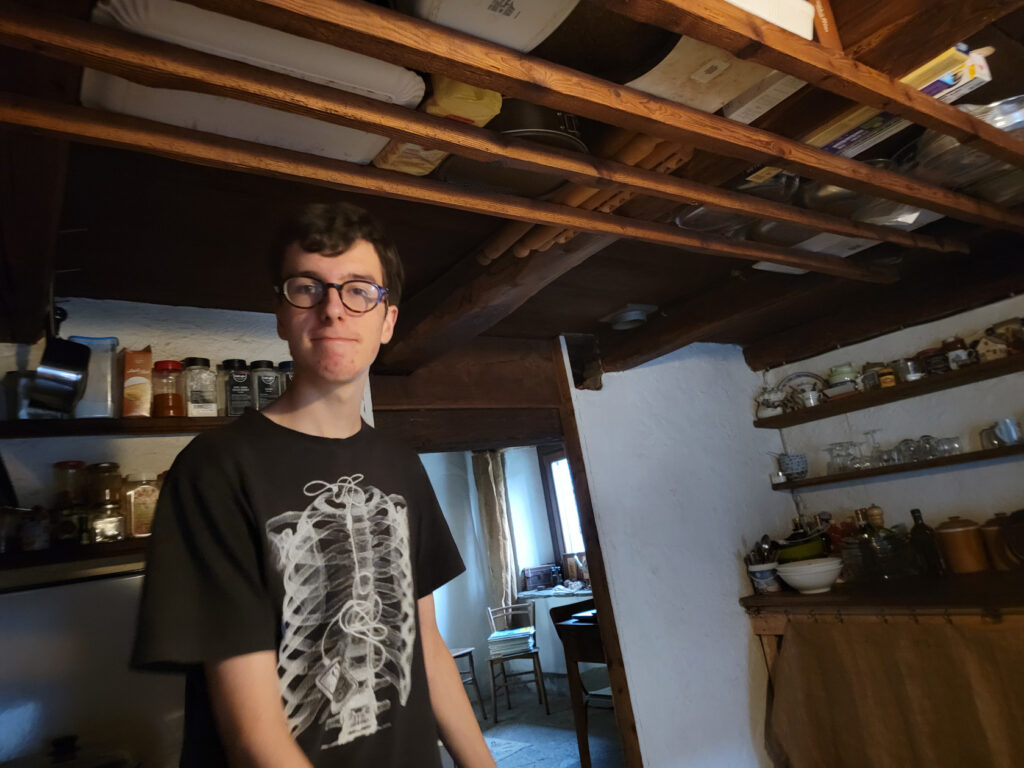
Our host, hostess and their son are great and they have done an amazing job of renovating their own place.
Lisa and Sam Chiodo – Renovating Italy at Borgata Malpertus – Malpertus
Their son Luca – Renovating Italy at Borgata Malpertus – Malpertus
Venturing Out A Bit
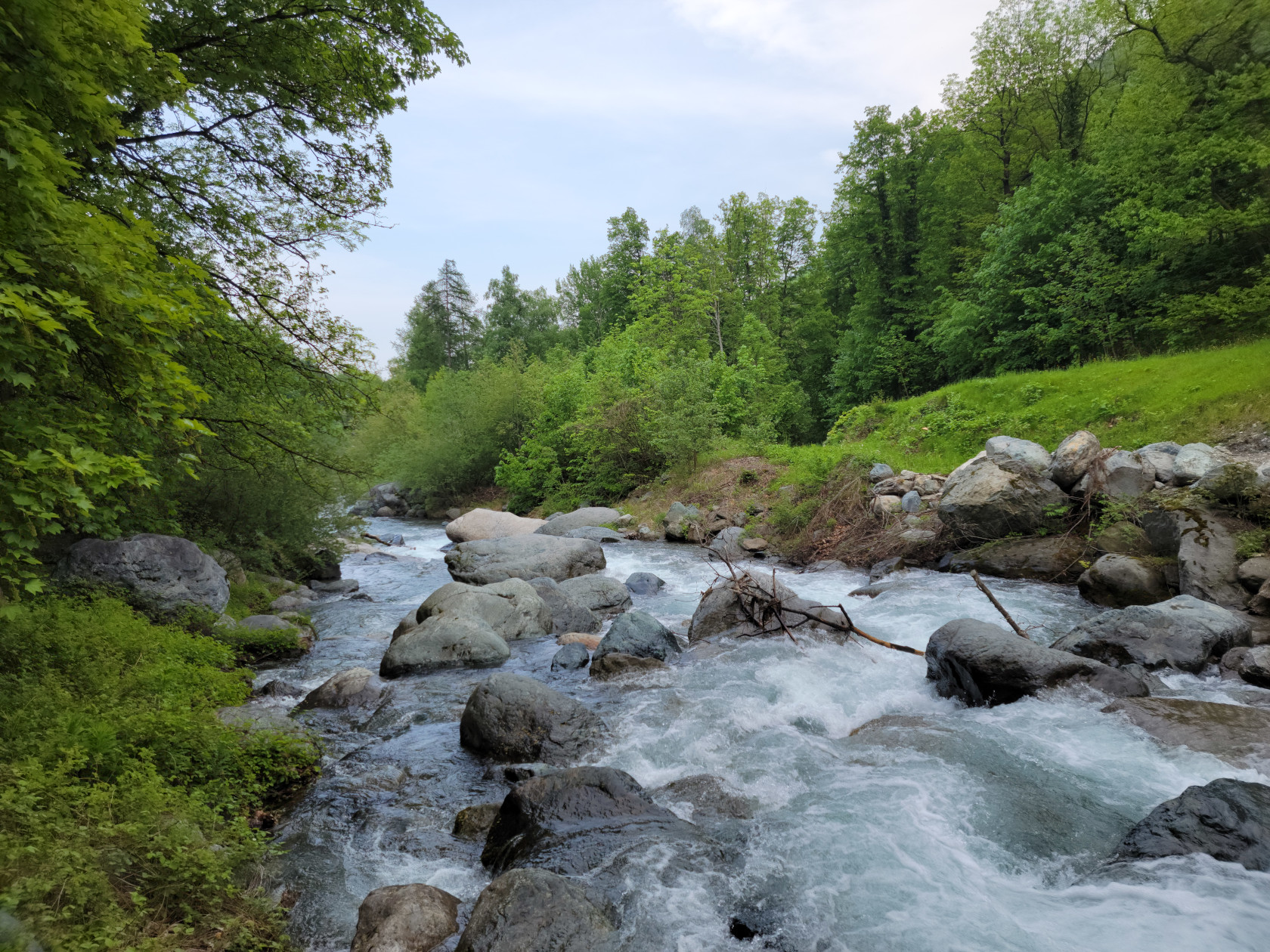
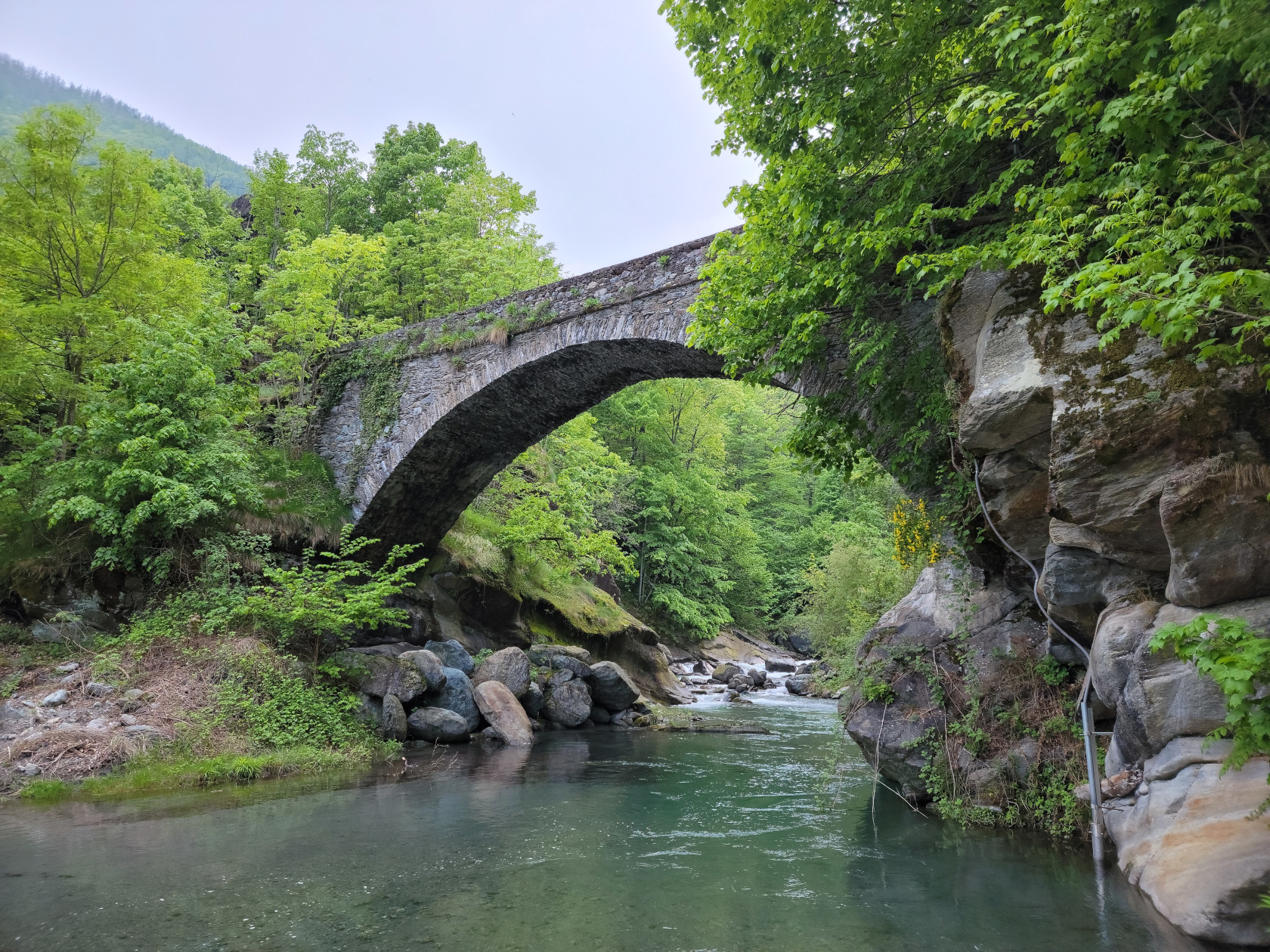
Taking a short walk from the Borgata and a stone’s throw away is Napolean’s Bridge. Of course, Napolean did not build, nor even cross the Pellice River using this bridge. It was built at least a hundred years before he was even born and it is believed that his army never ventured down the valley that far, if in this valley at all.
Pellice River – Napolean’s Bridge – Pellice River Valley
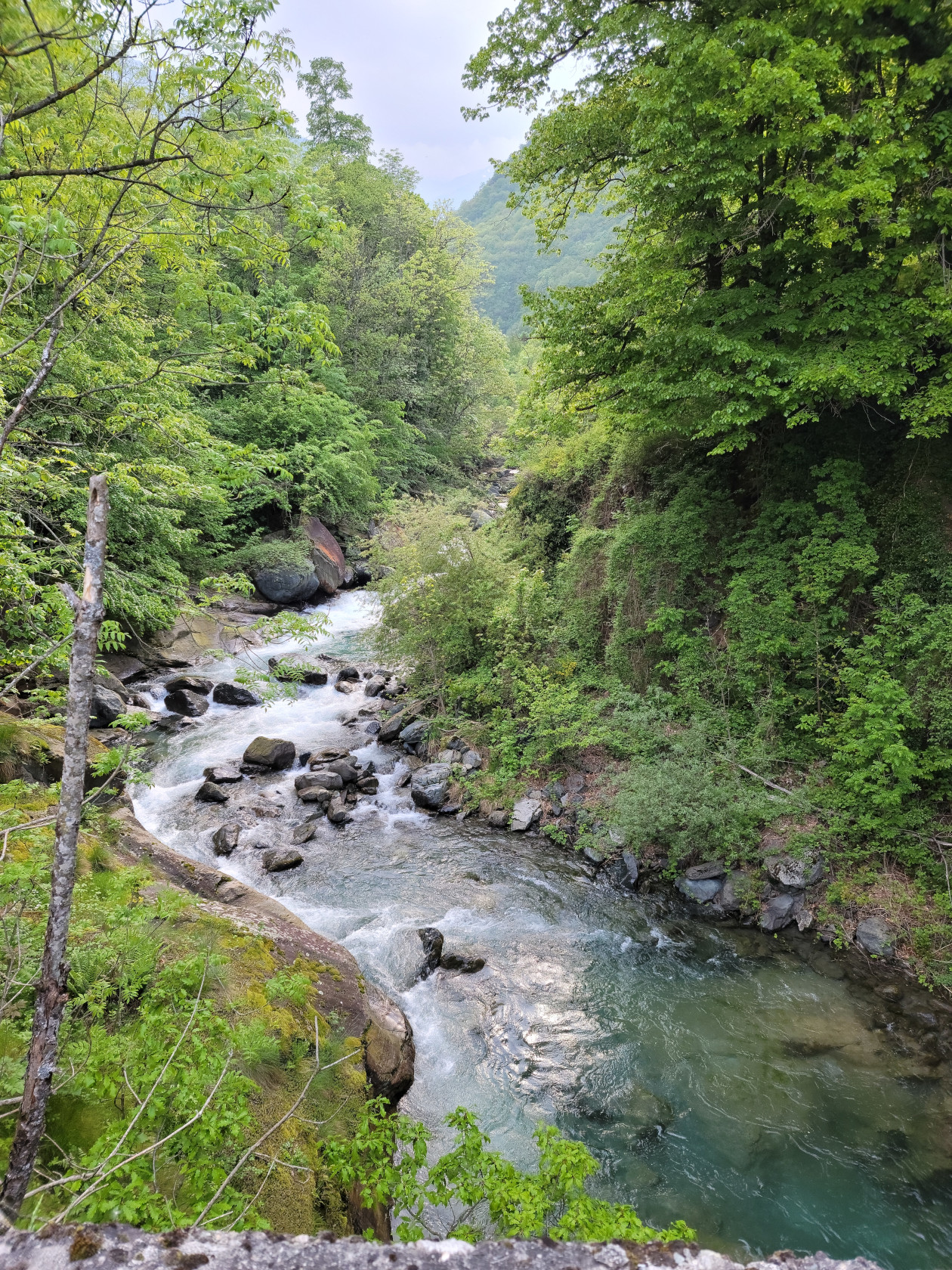
From the Pellice River – Napolean’s Bridge – Pellice River Valley
Pellice River – Napolean’s Bridge – Pellice River Valley
Pellice River – Napolean’s Bridge – Pellice River Valley
Older Buildings (circa 1600s) – Napolean’s Bridge – Pellice River Valley
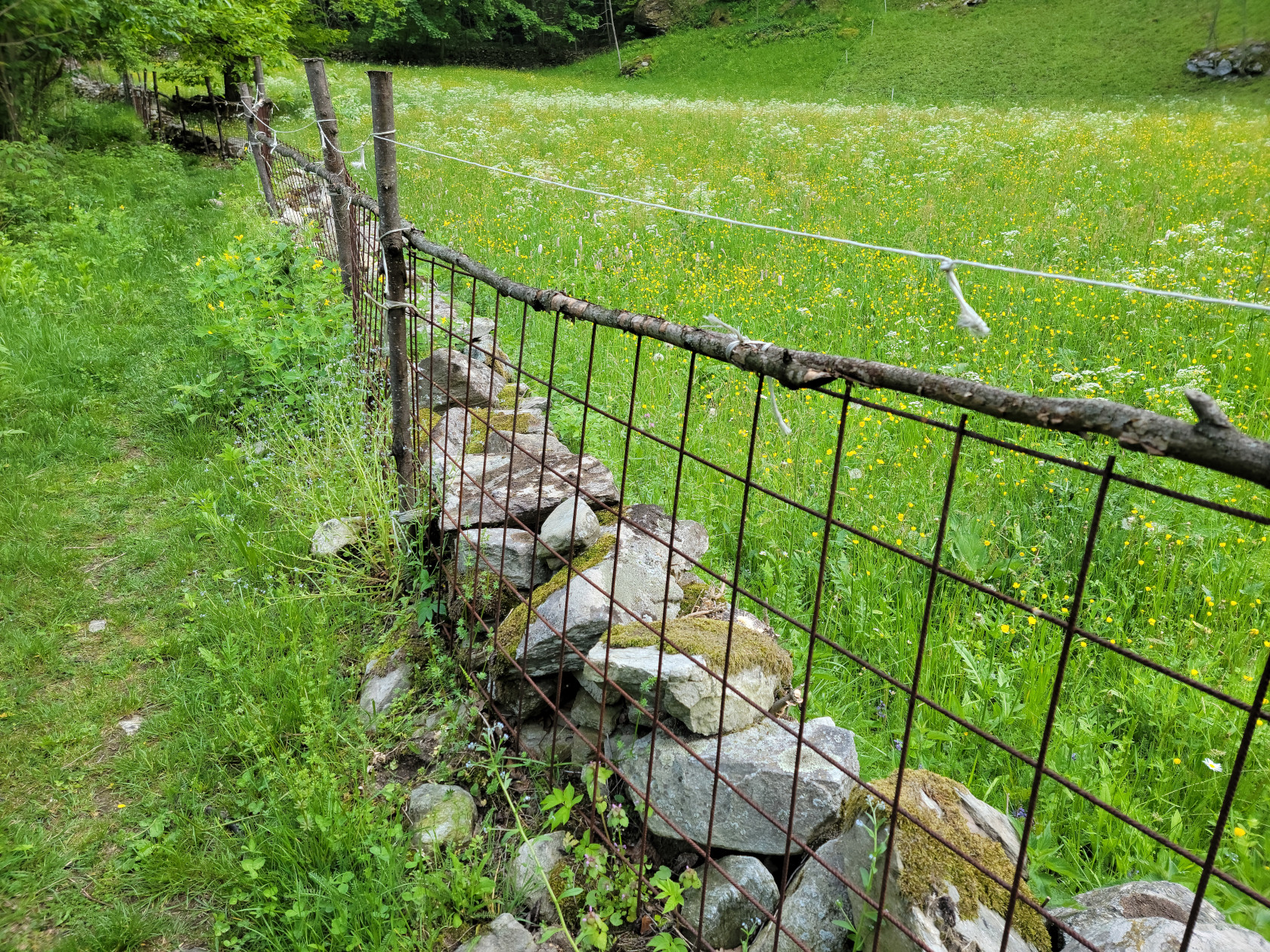
Italian Farm Fencing – Napolean’s Bridge – Pellice River Valley
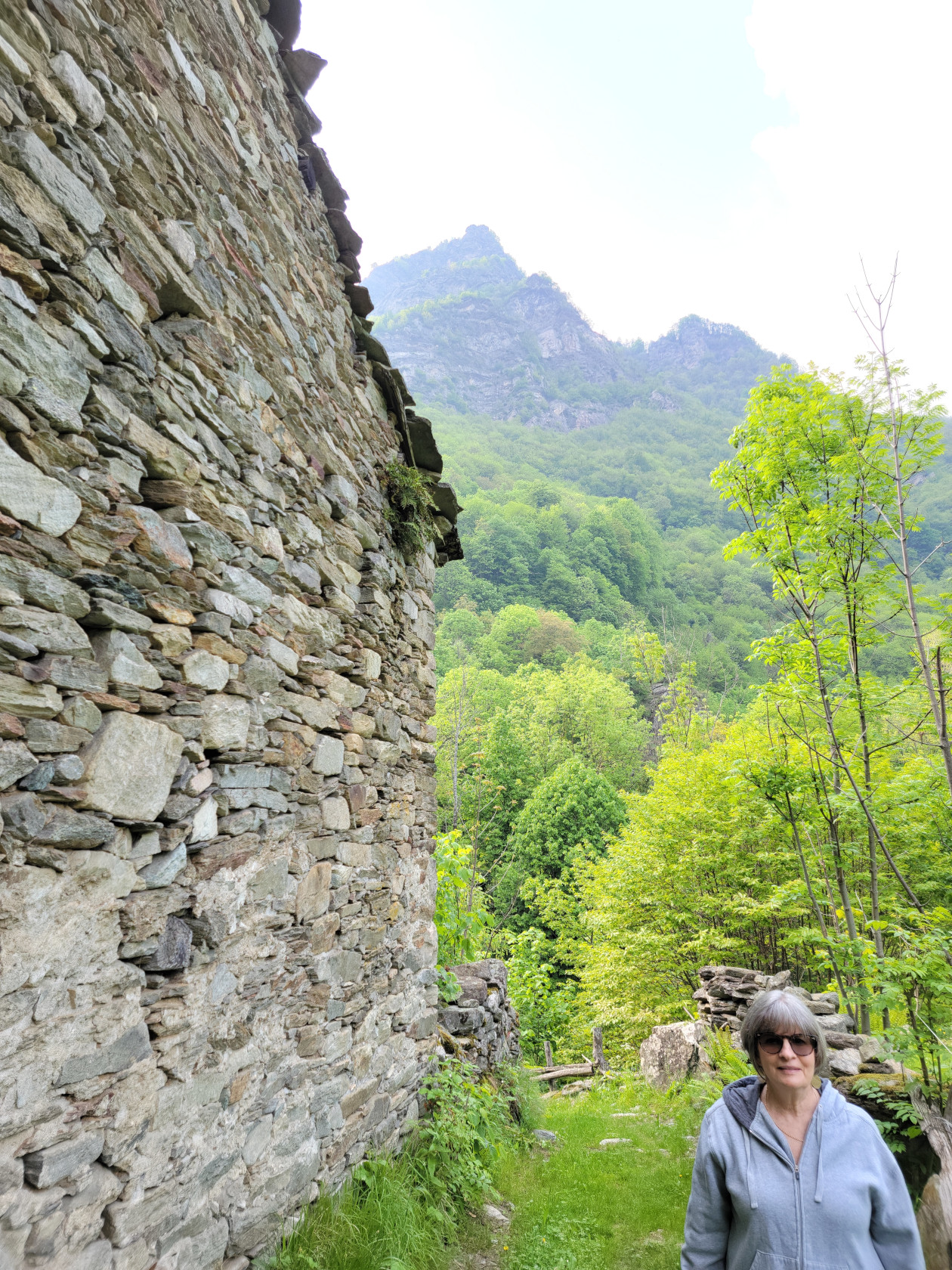
Patti and mountians – Napolean’s Bridge – Pellice River Valley
However, it is a nice walk and an improbable feature of the valley, since it appears to have been built near no know important structure, castle or fortress, yet obviously took a tremendous amount of work to complete.
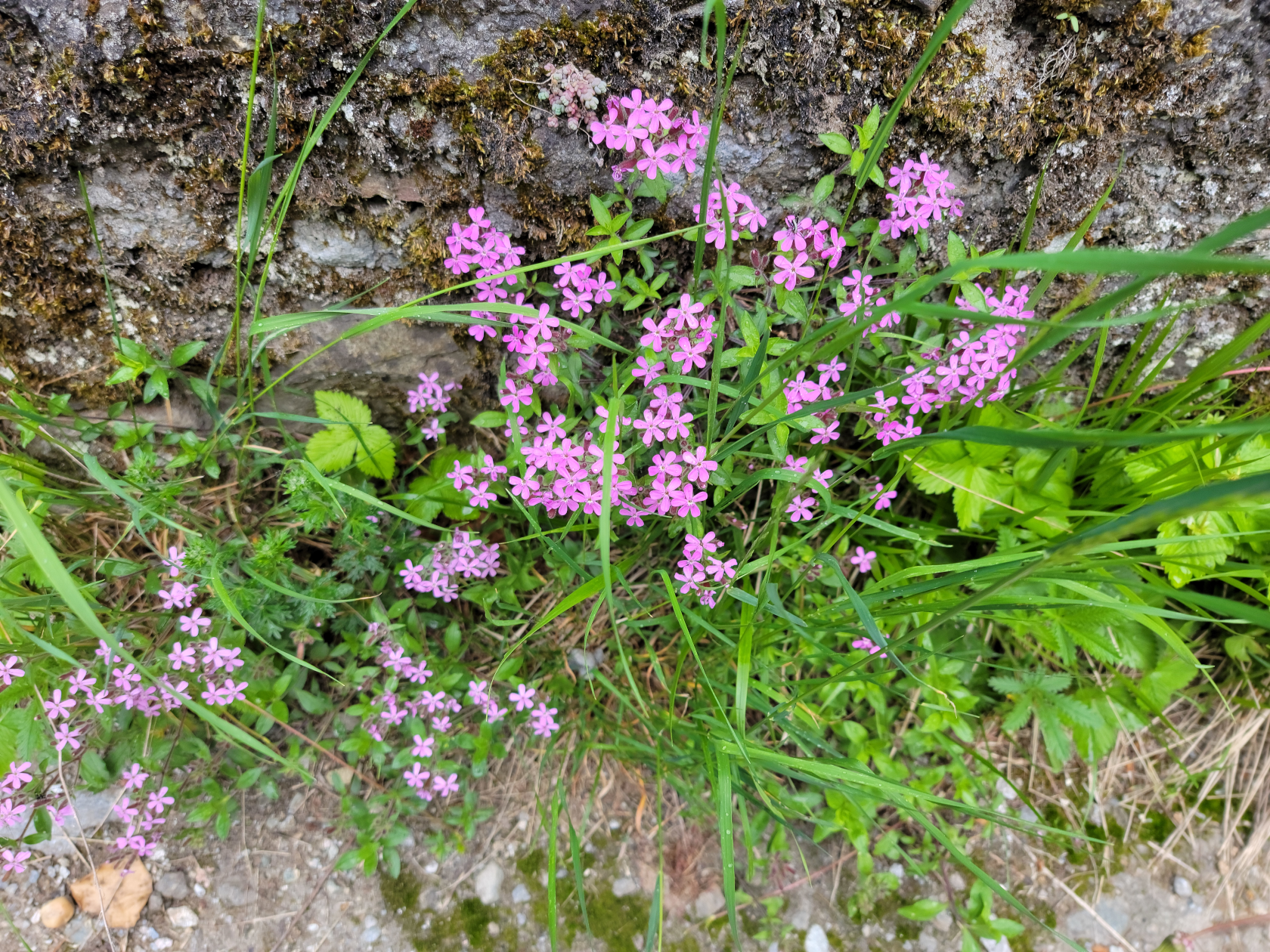
Flowers – Malpertus
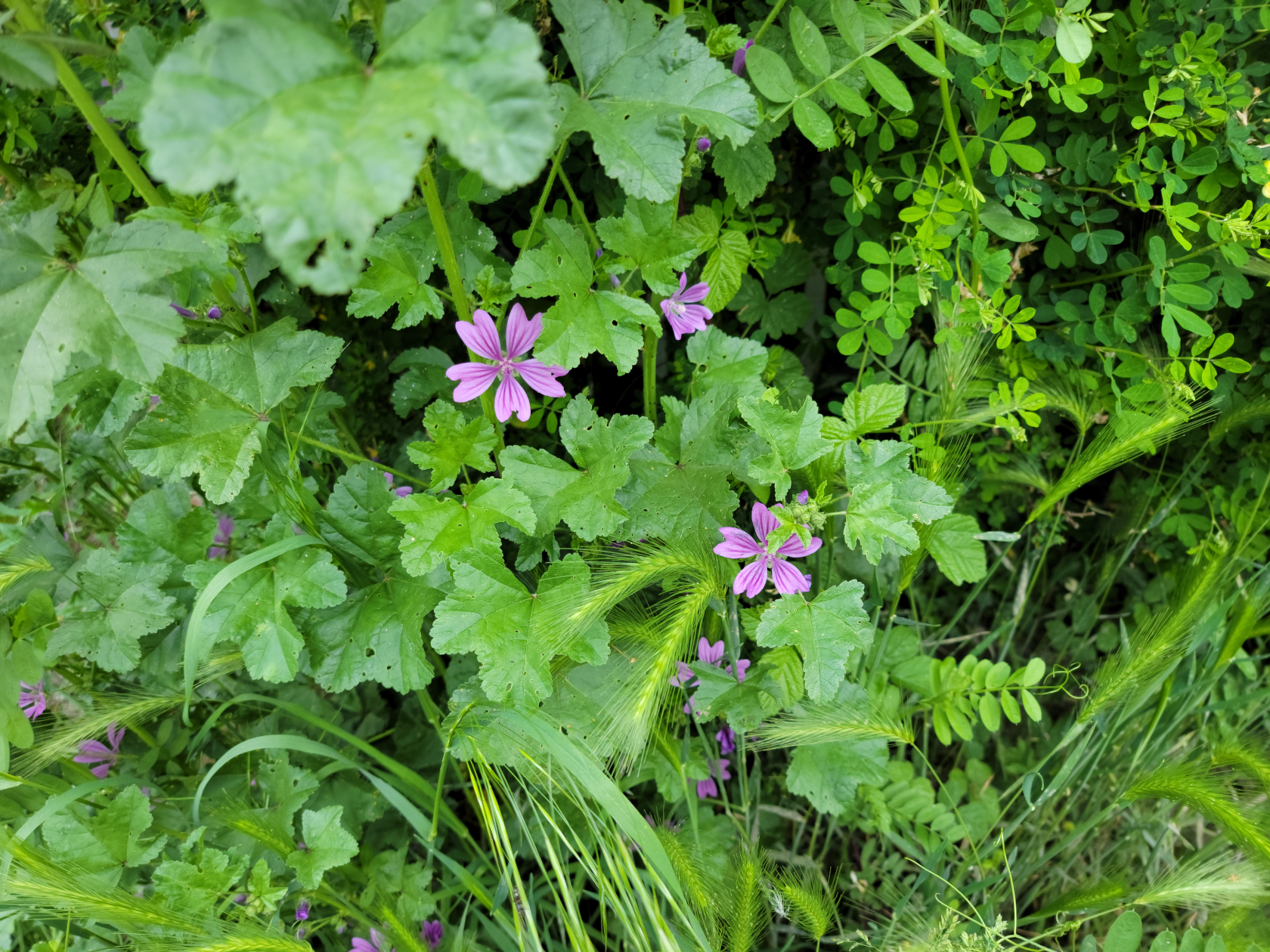
Flowers – Malpertus
Flowers – Malpertus
Flowers – Malpertus
Flowers – Malpertus
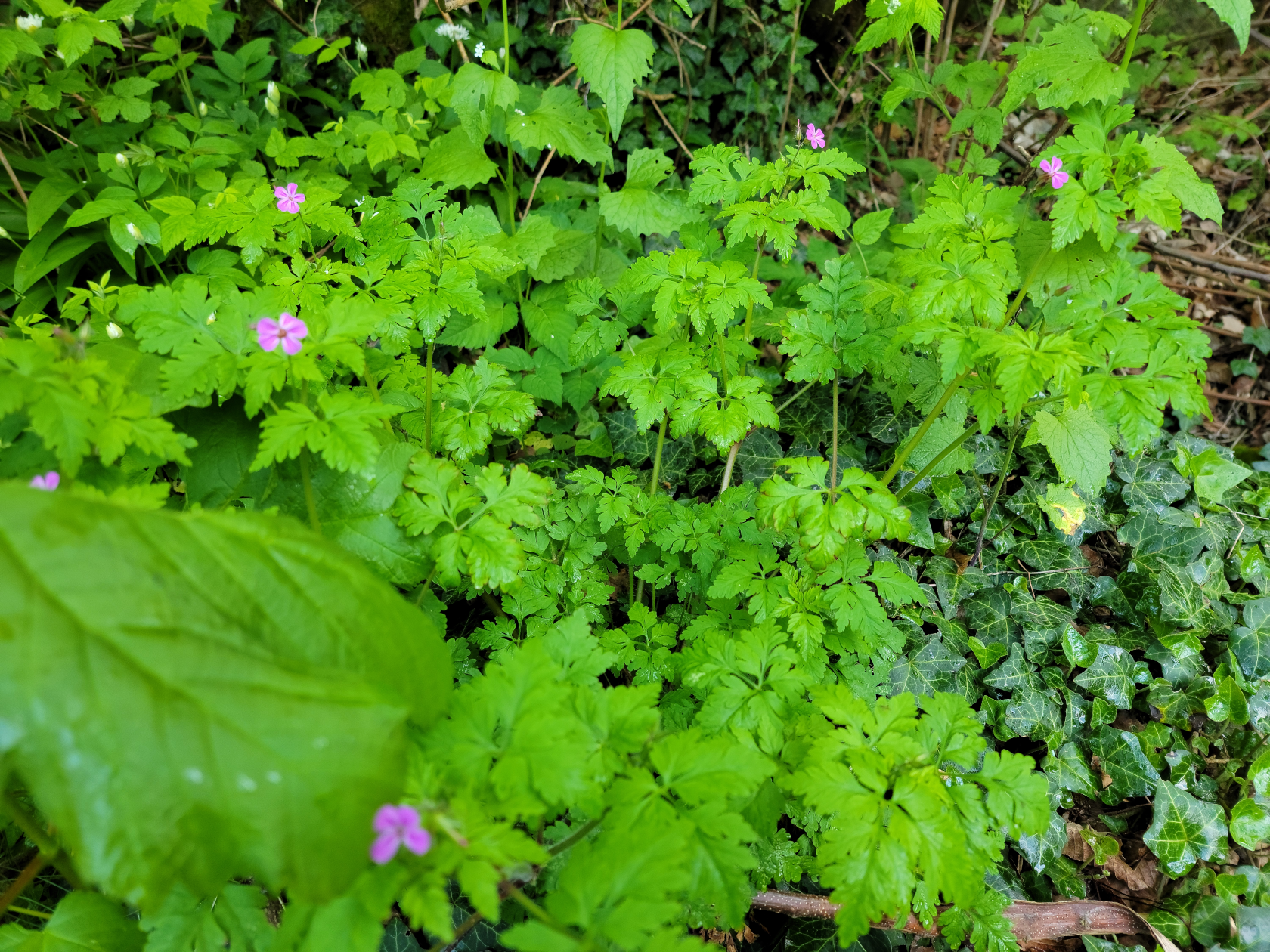
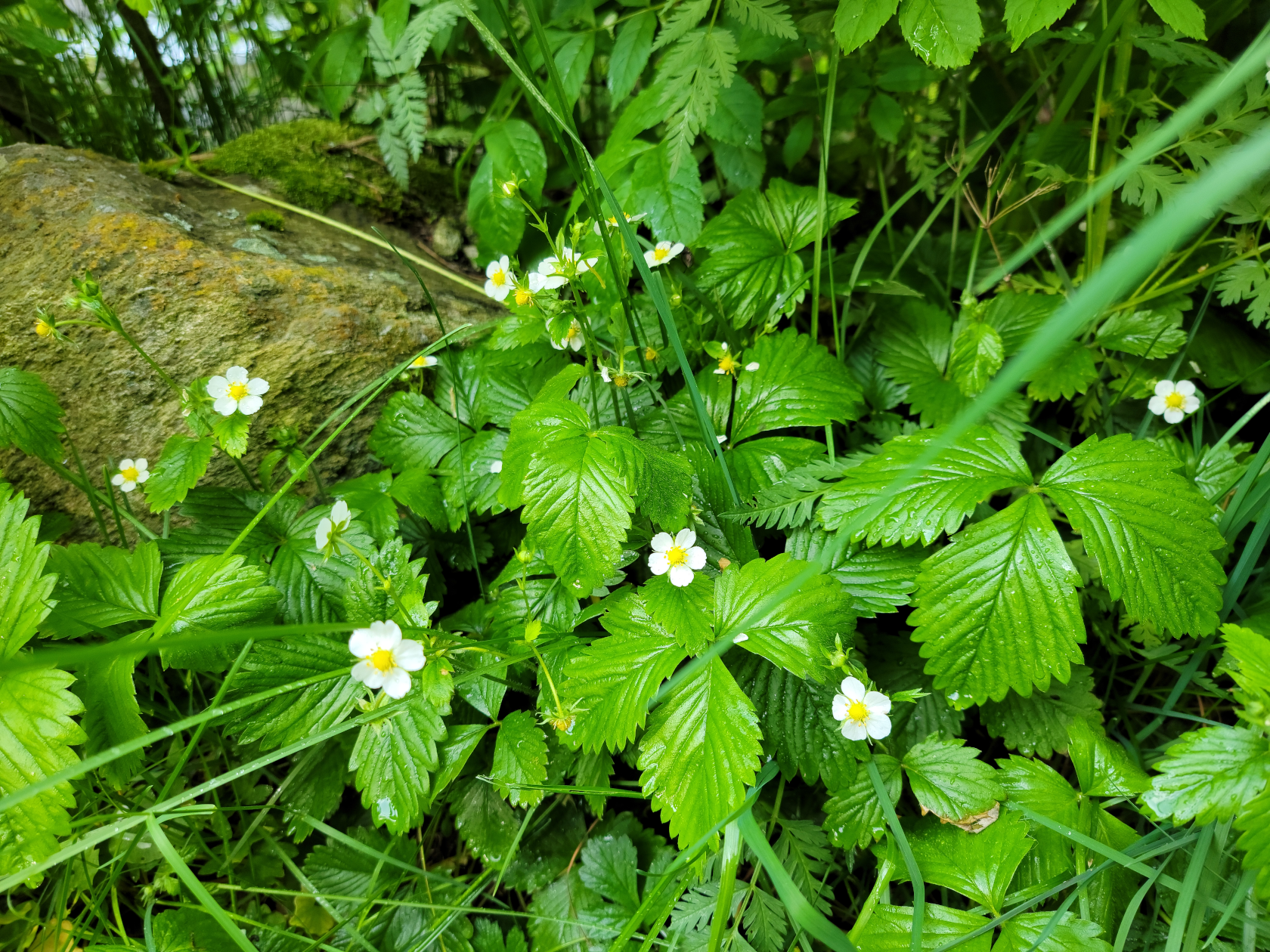
Along the way there are an amazing assortment of flowers and as with other parts of Italy, the fields and pastures are abuzz with this sound of bees and the chirping calls of crickets. So if you are looking for a place for some peace of mind, this might be an appropriate place for you.