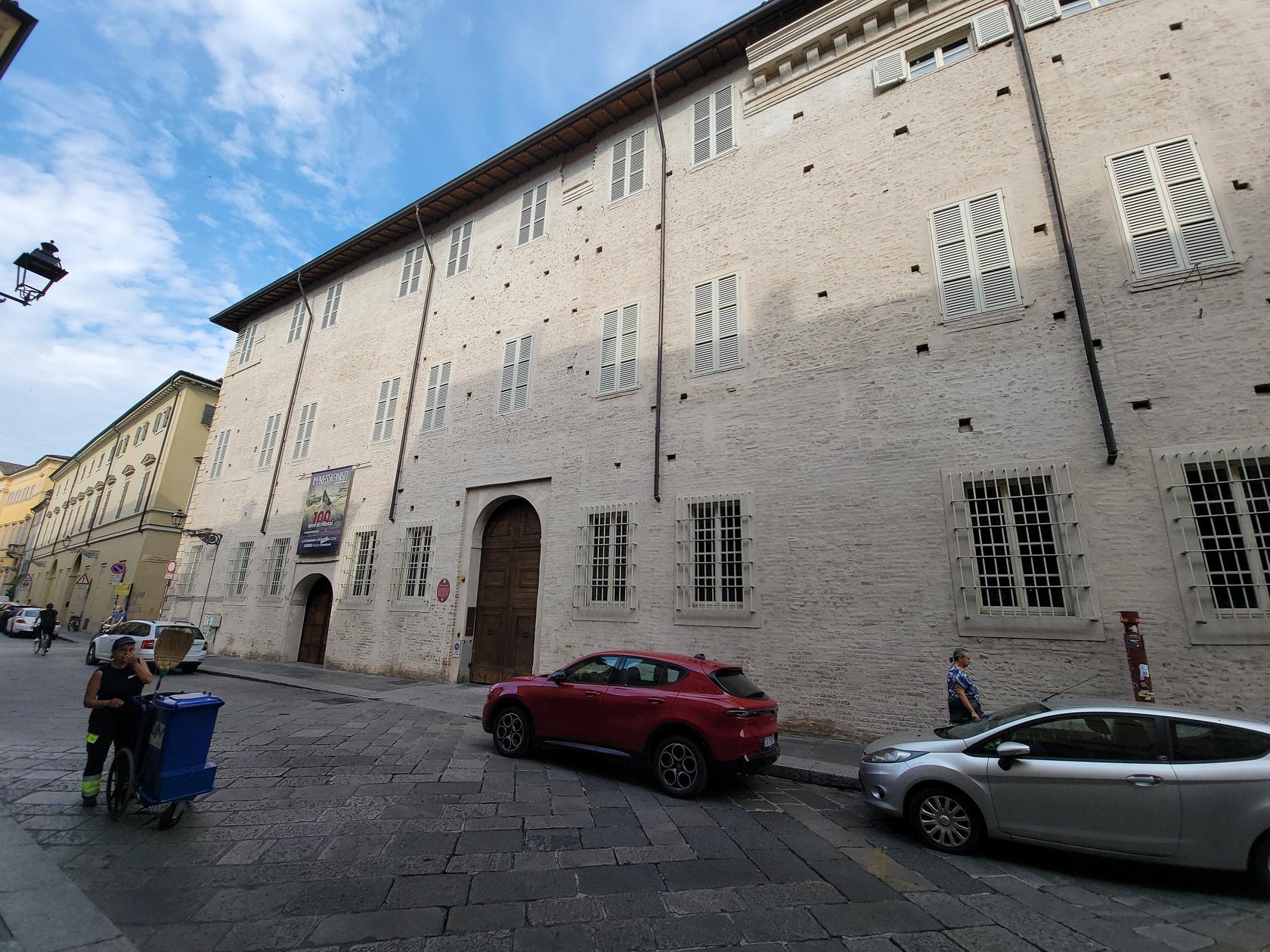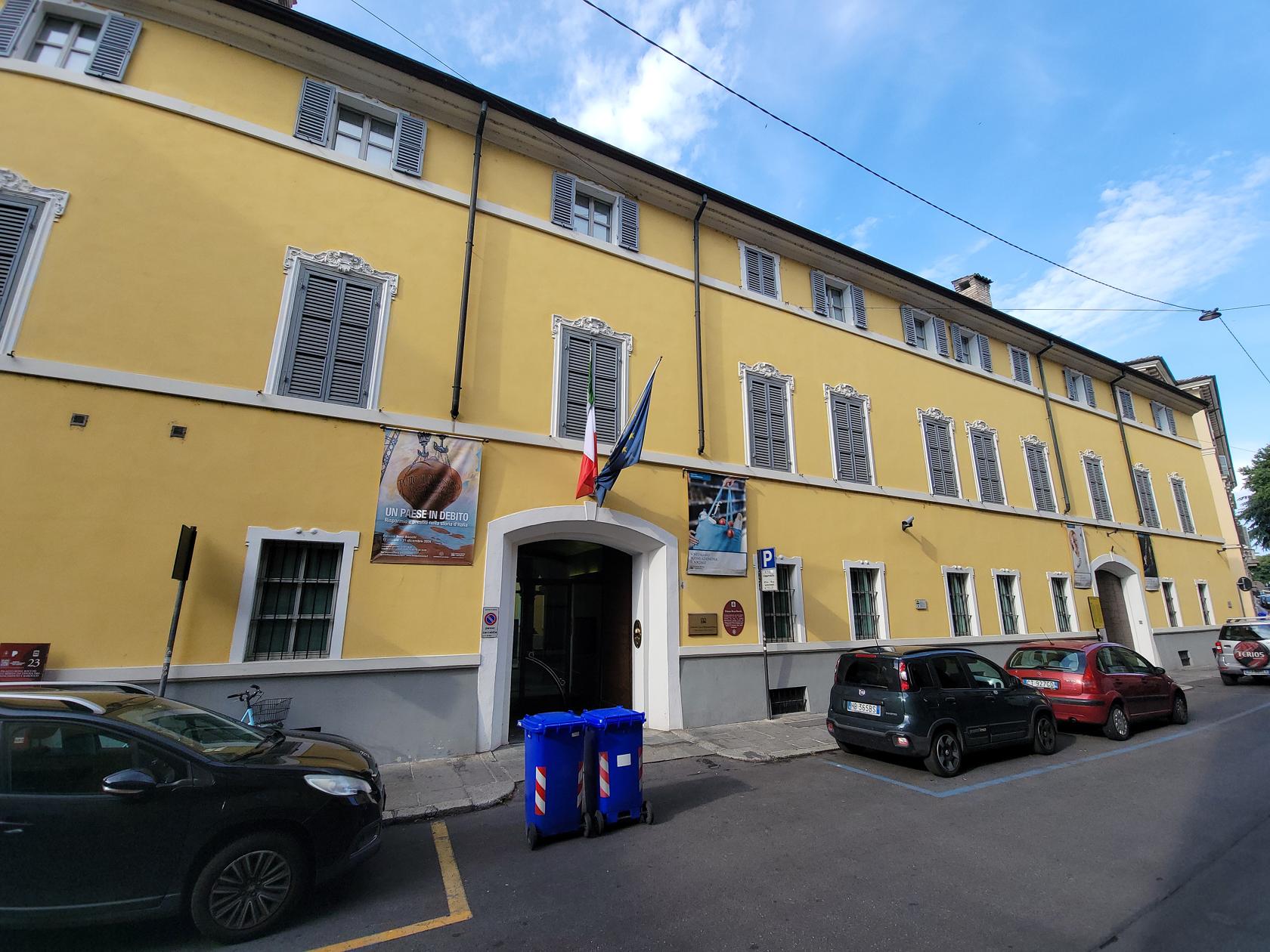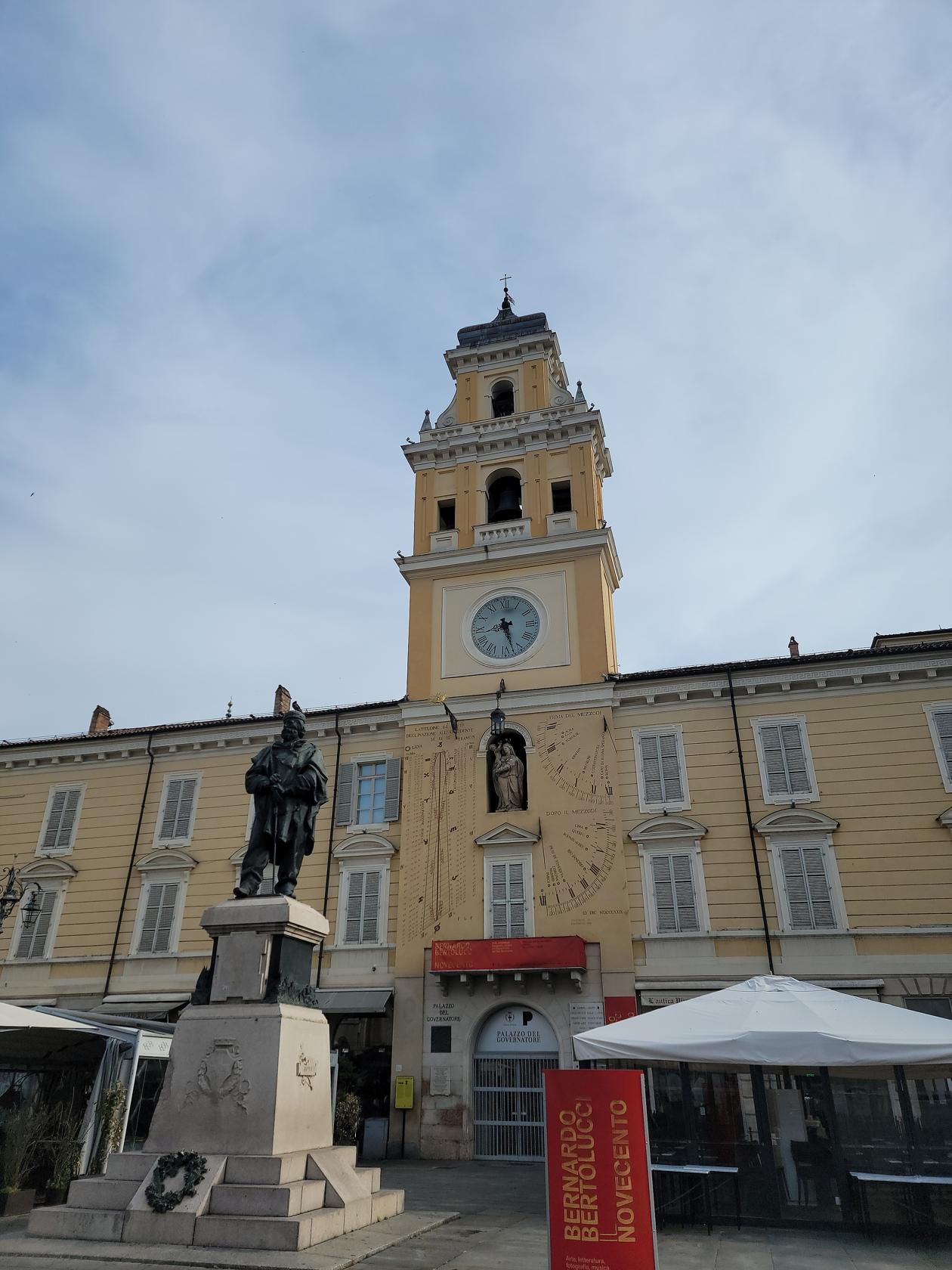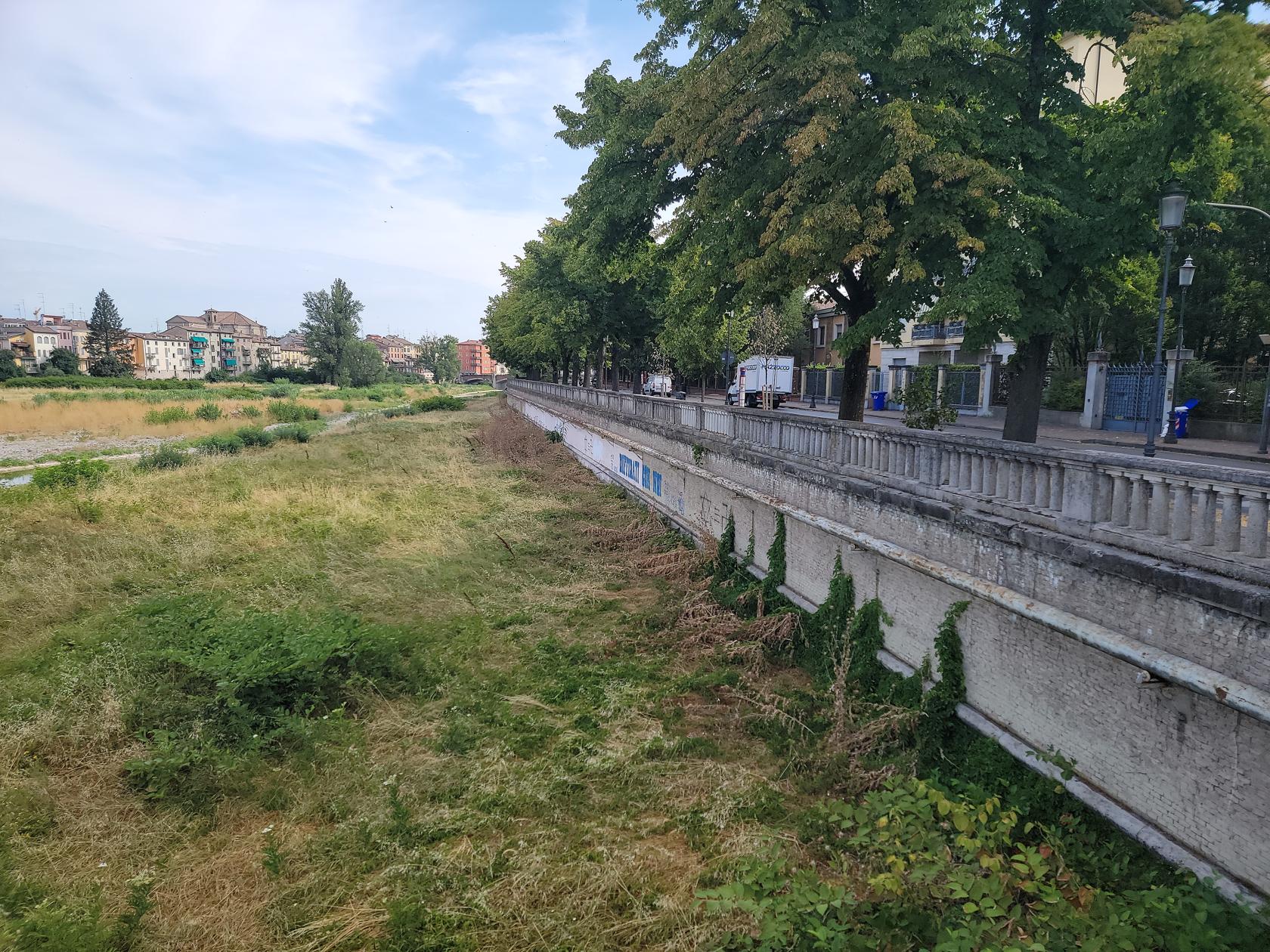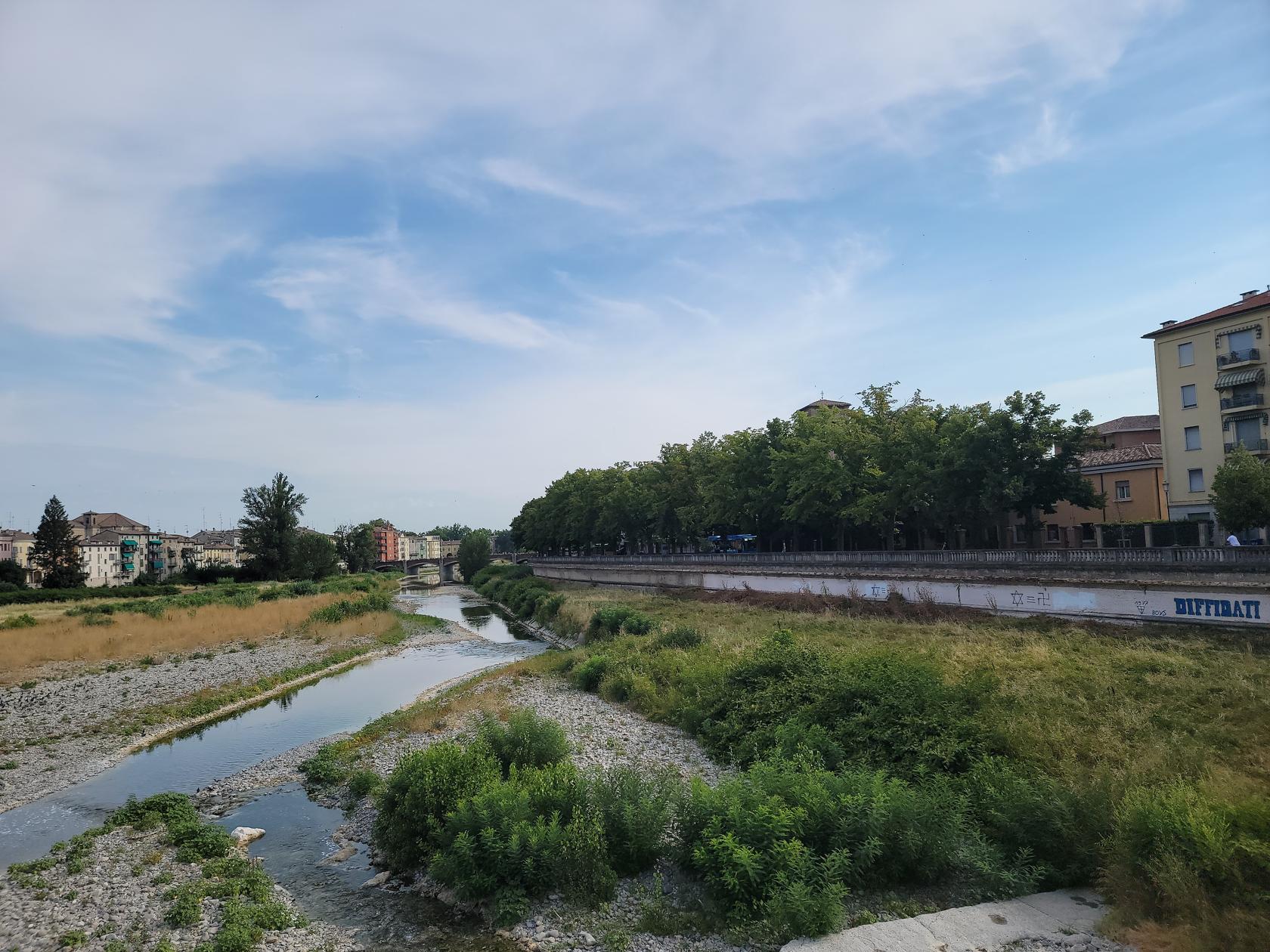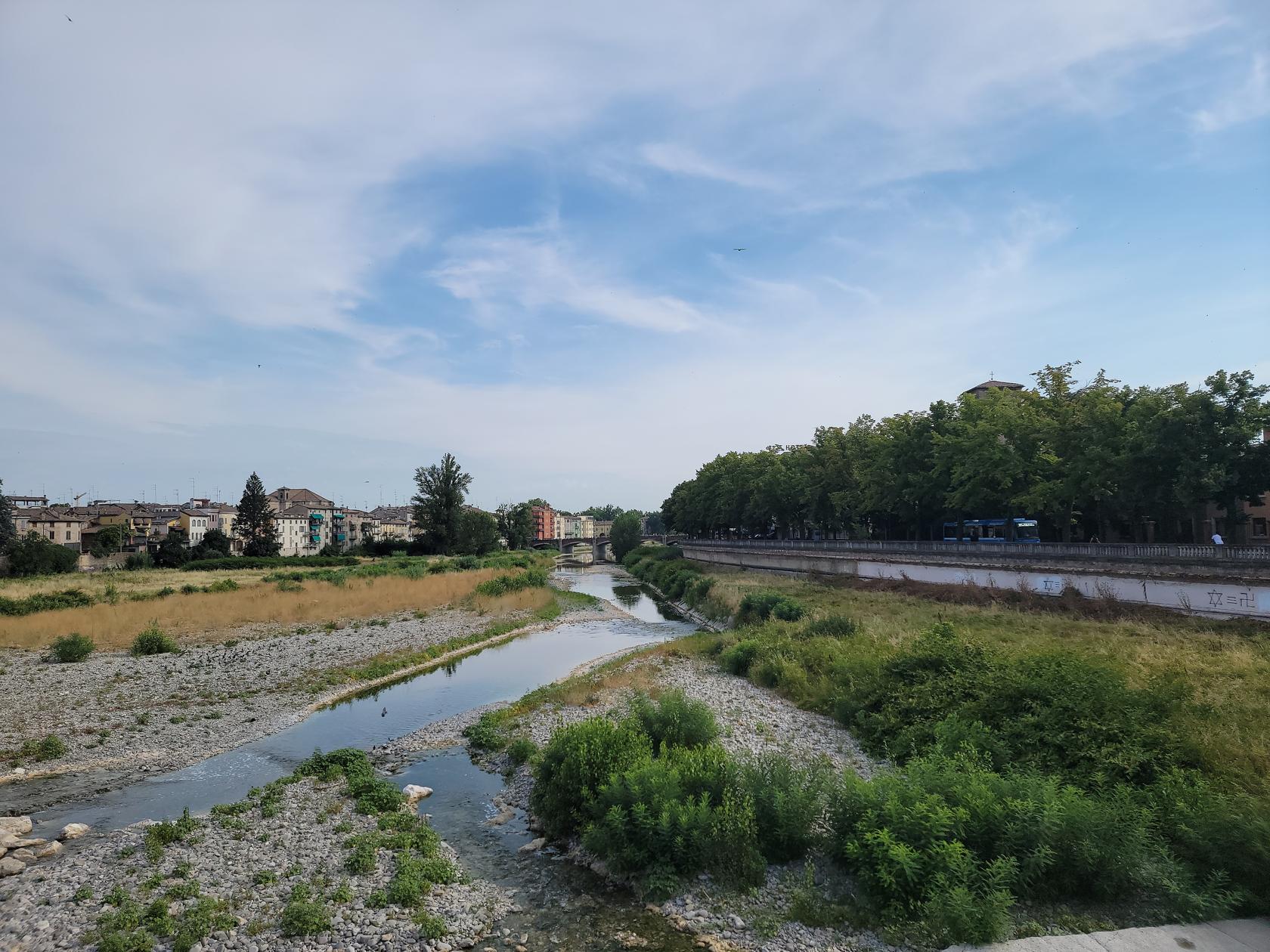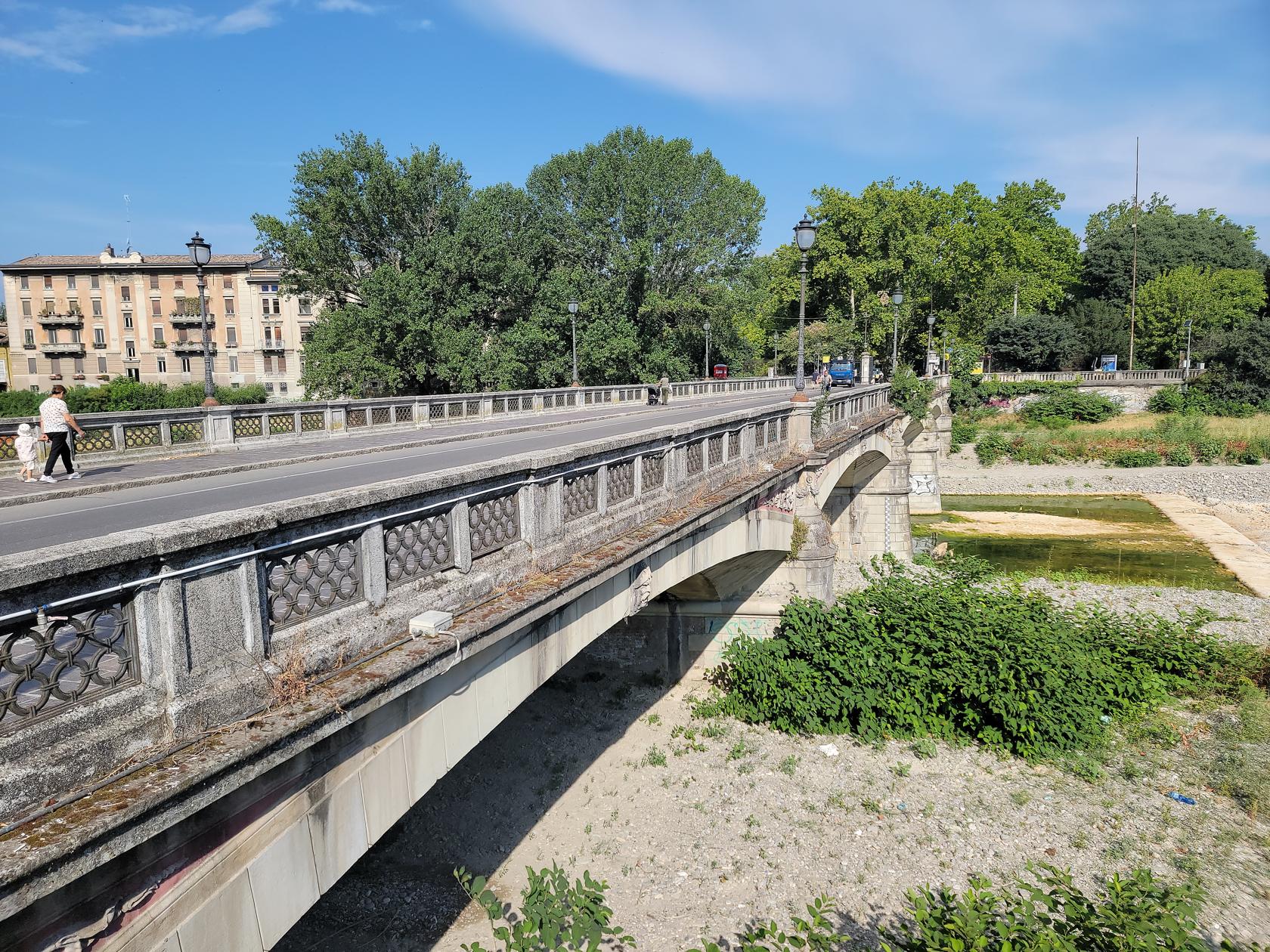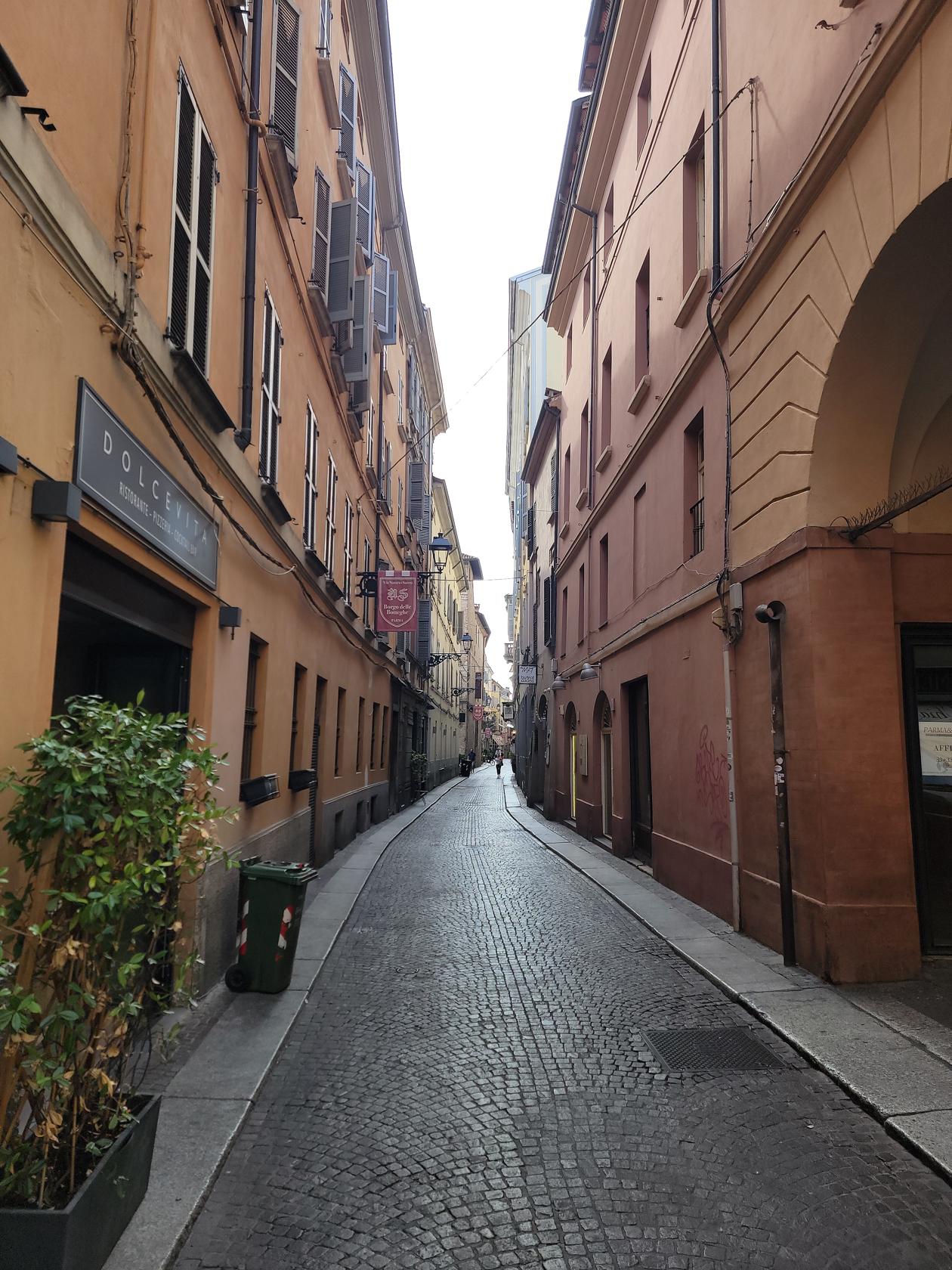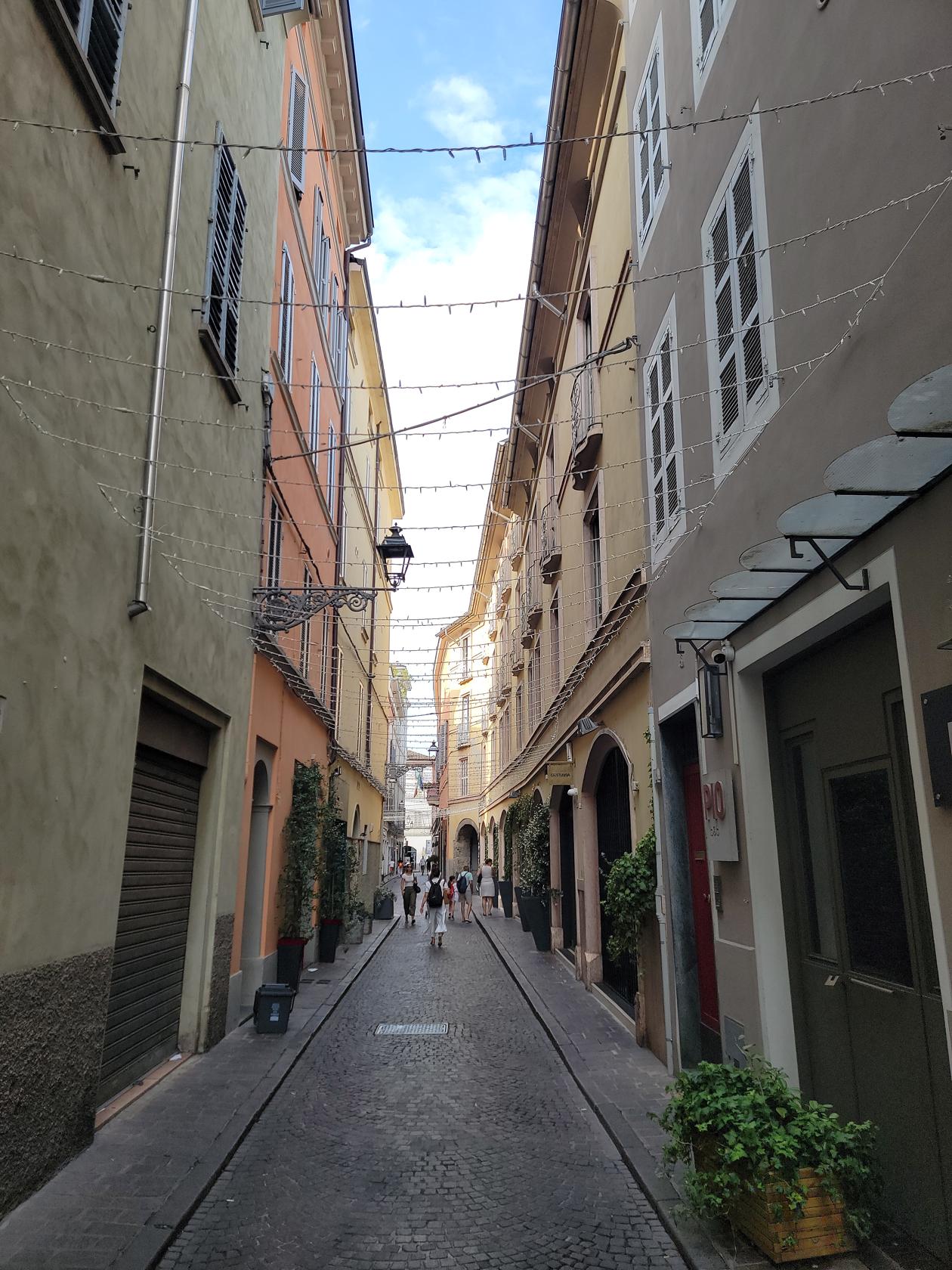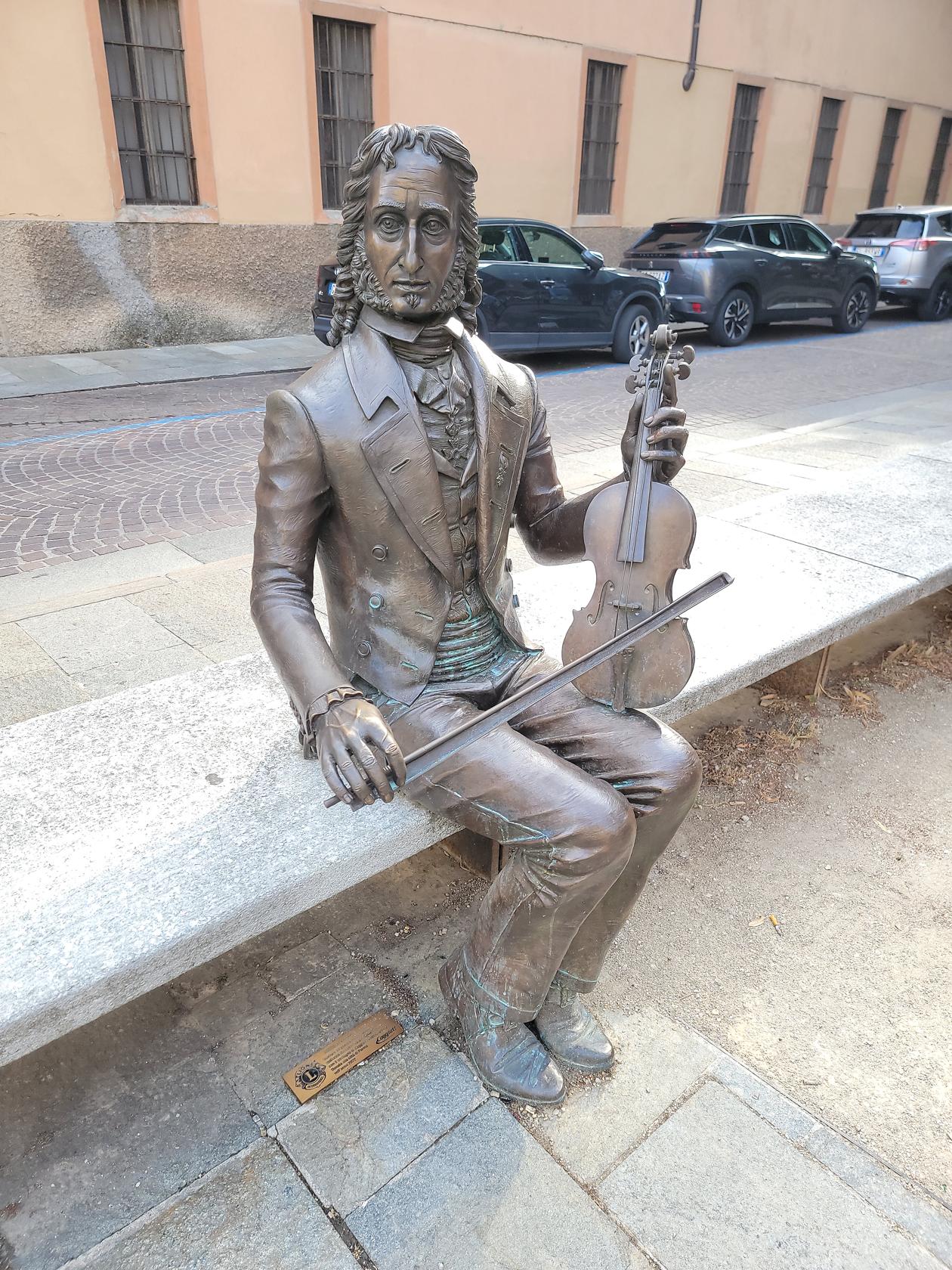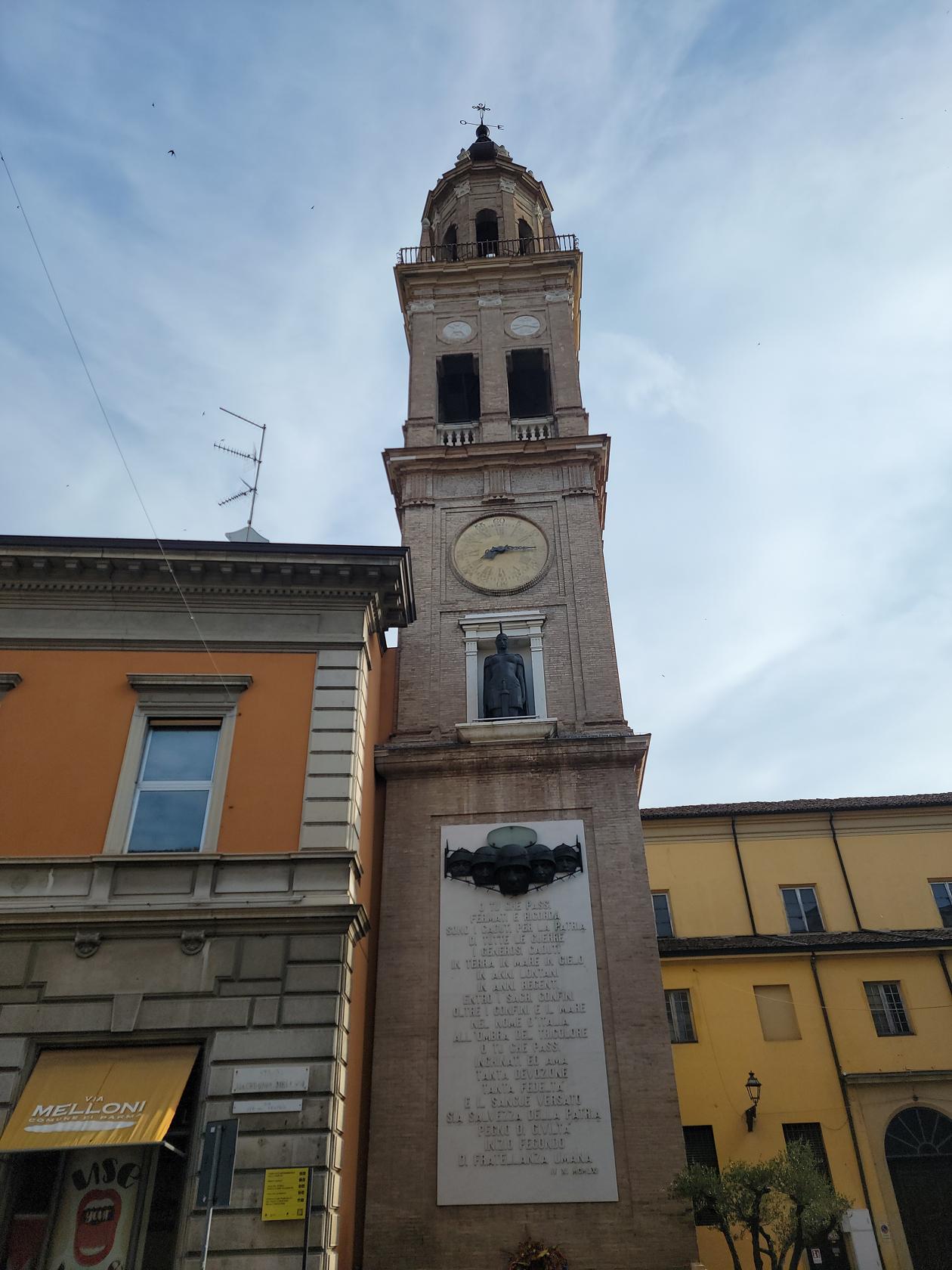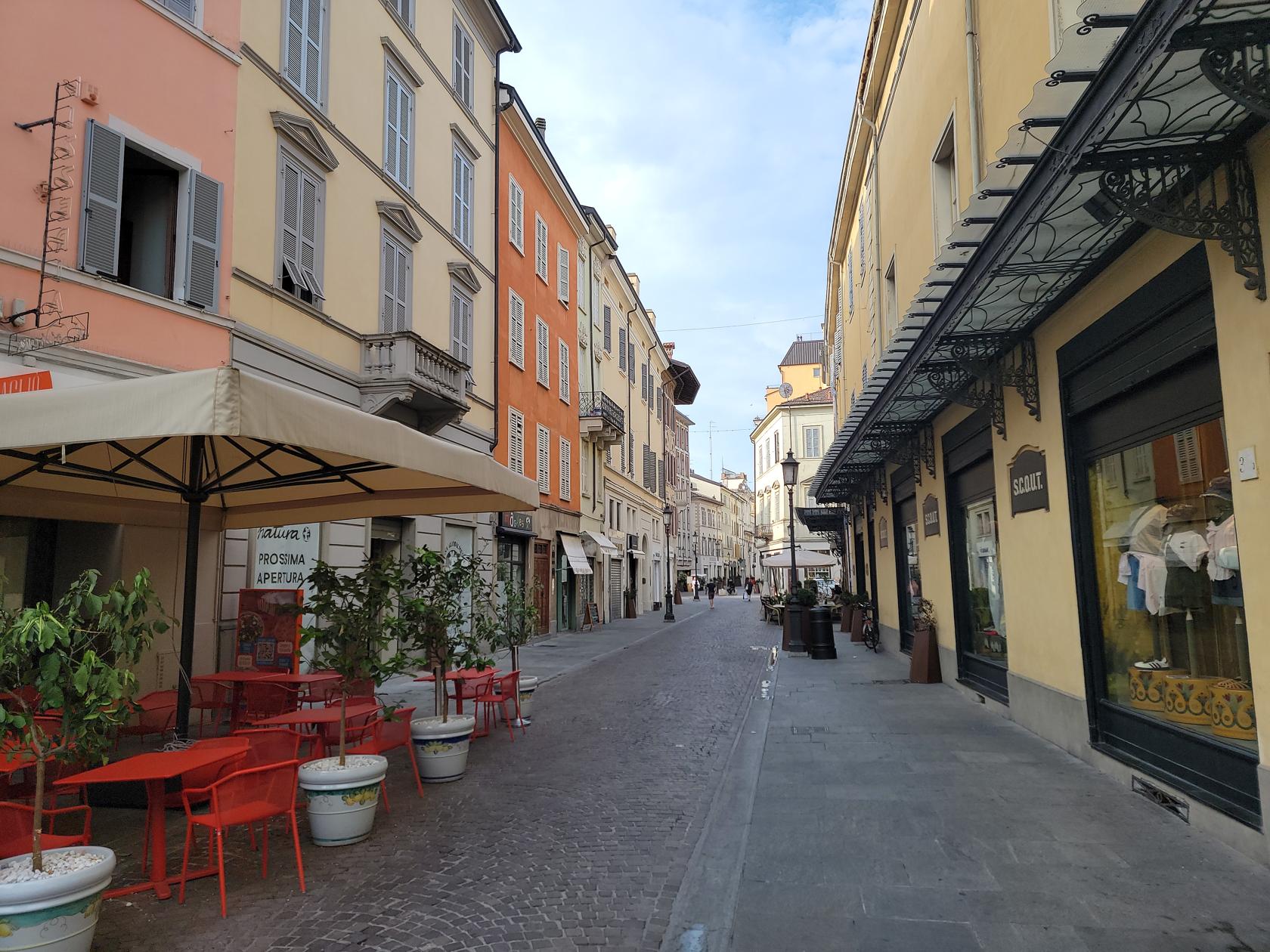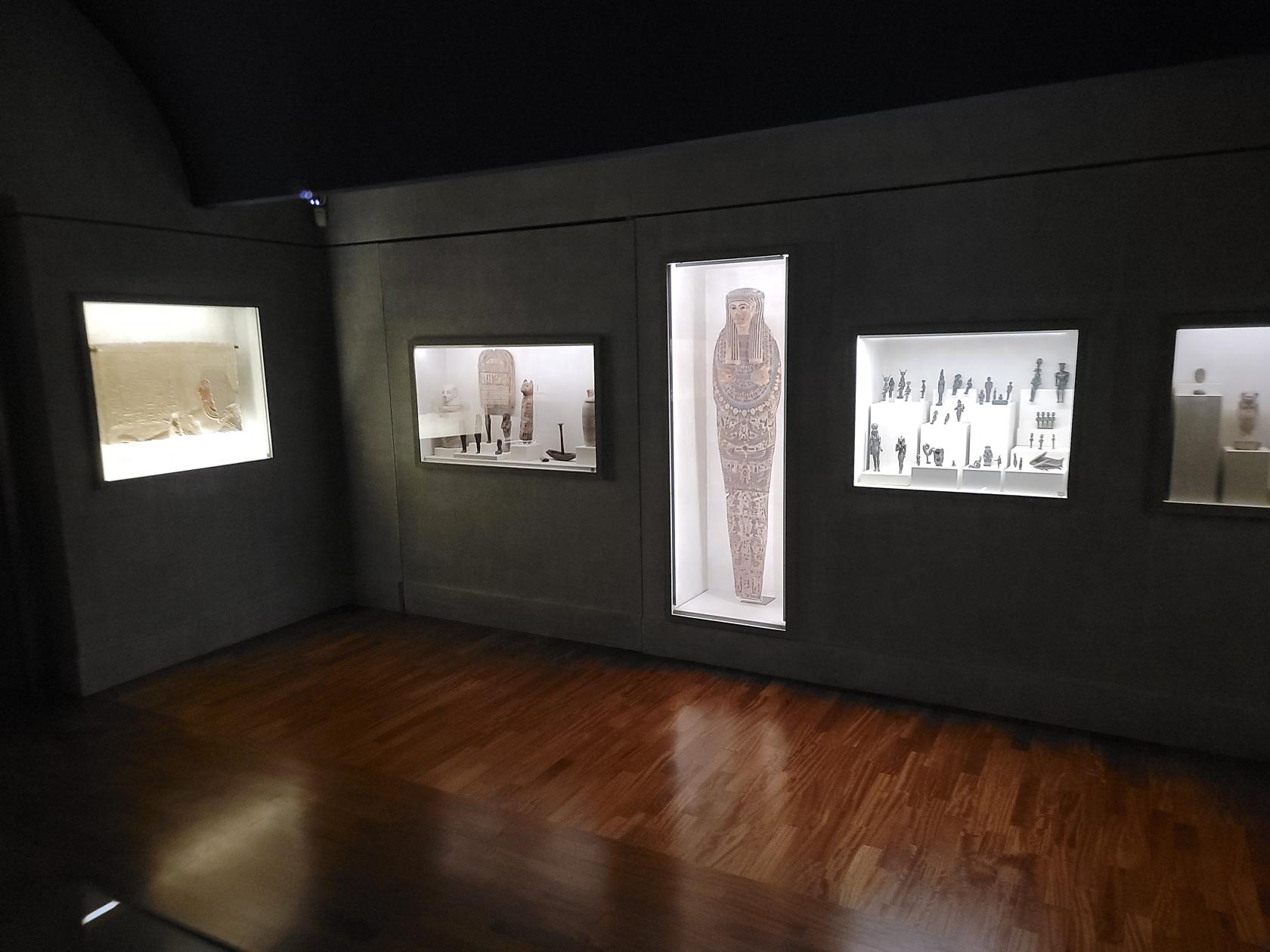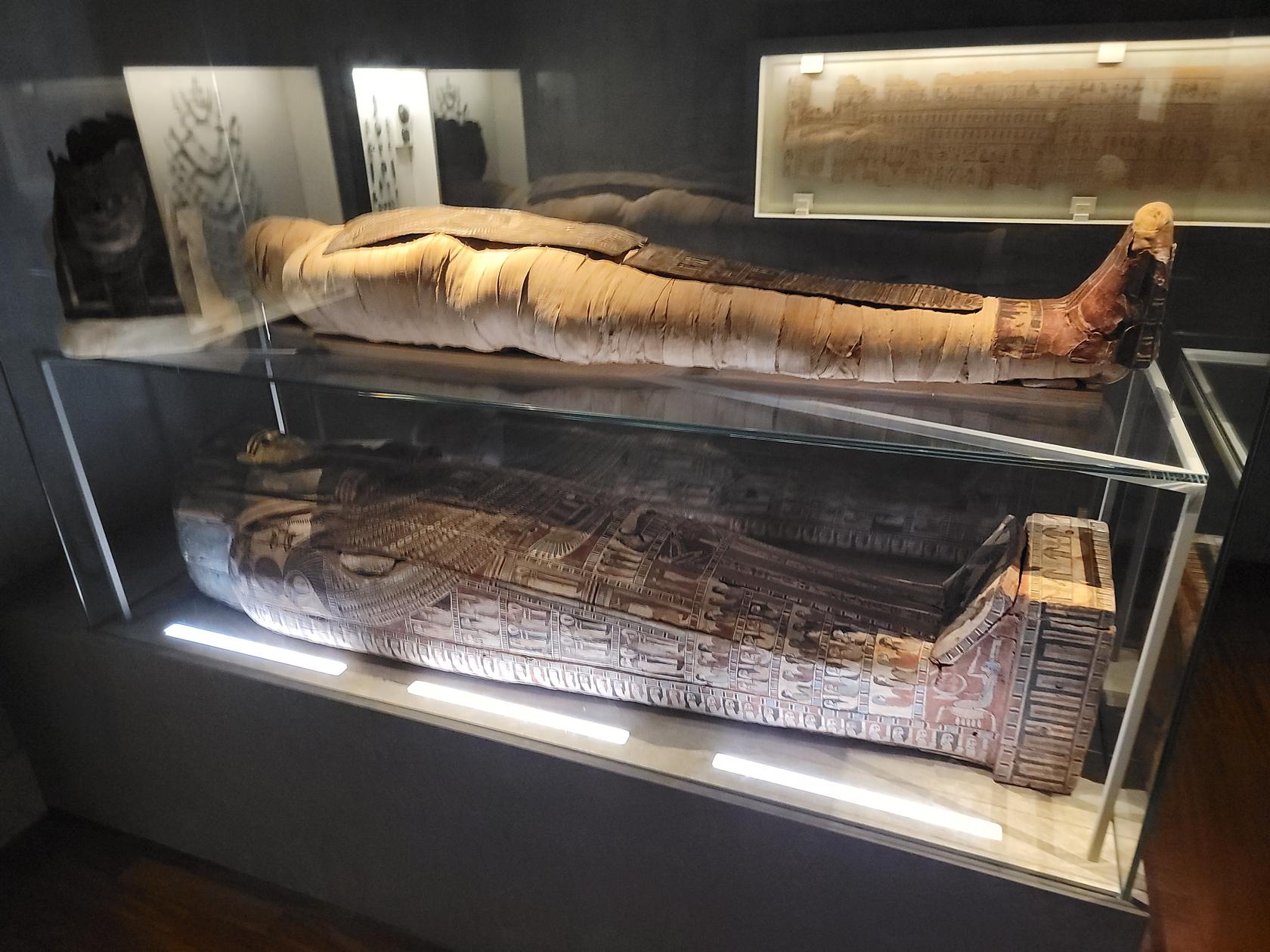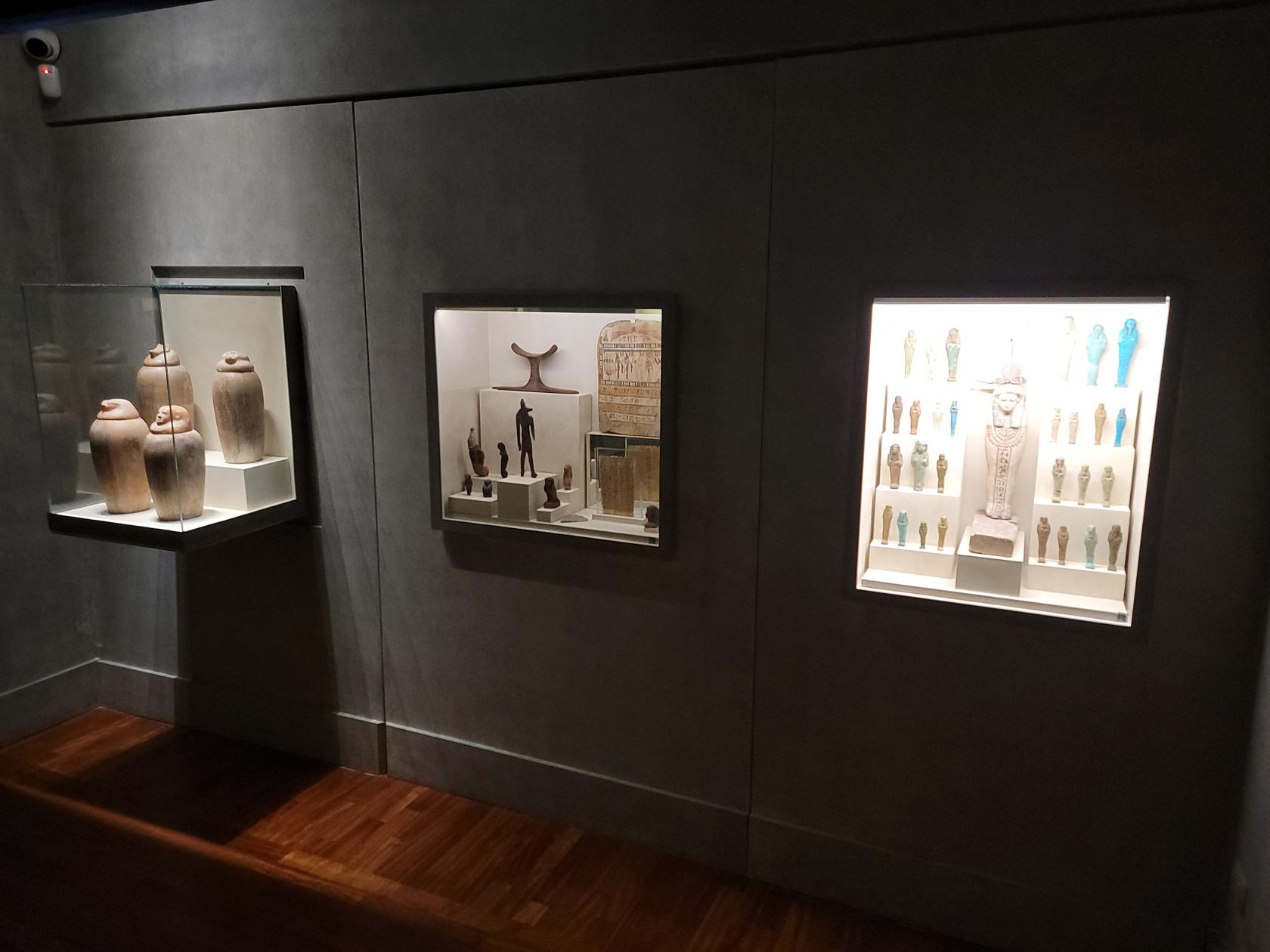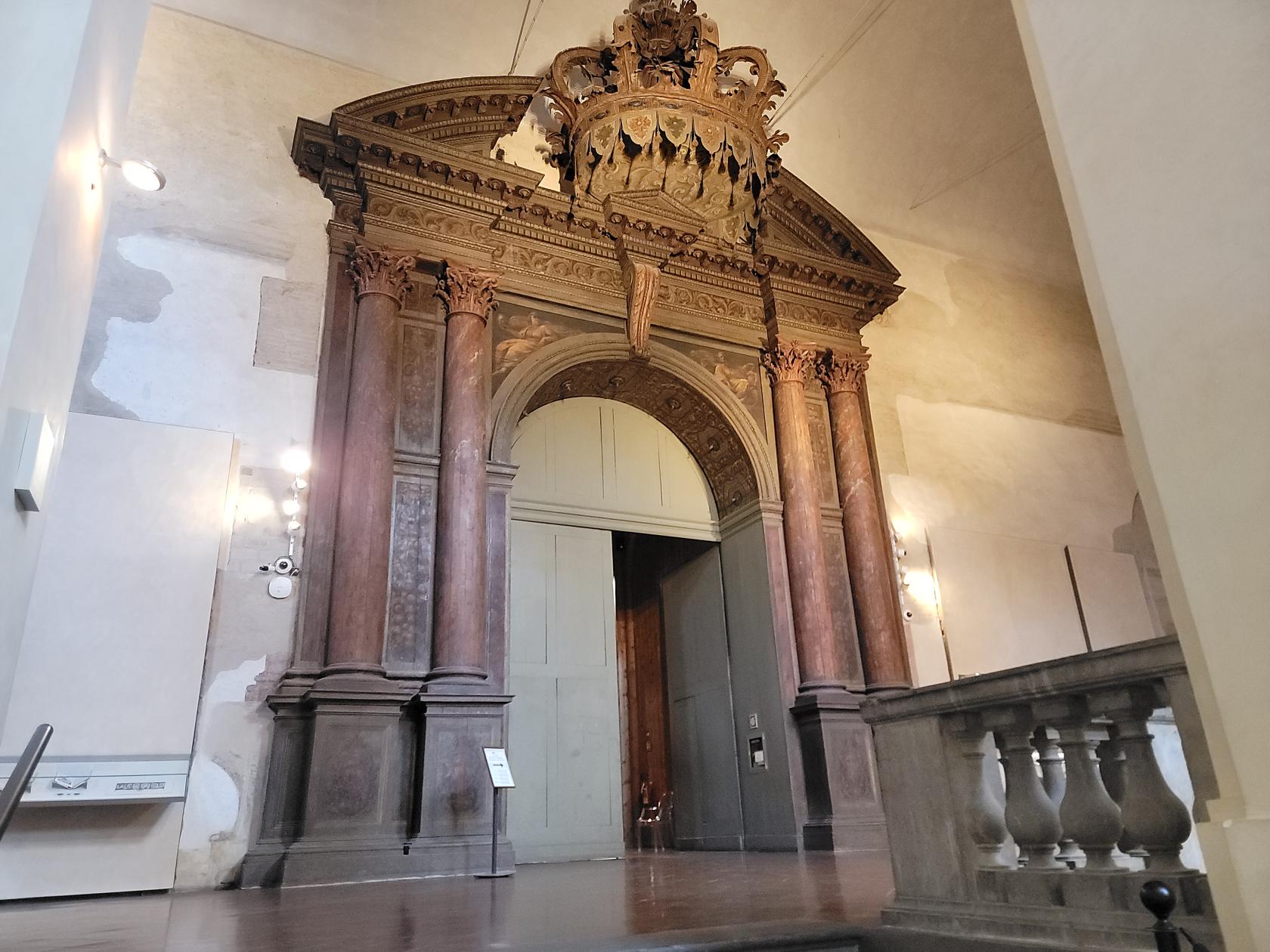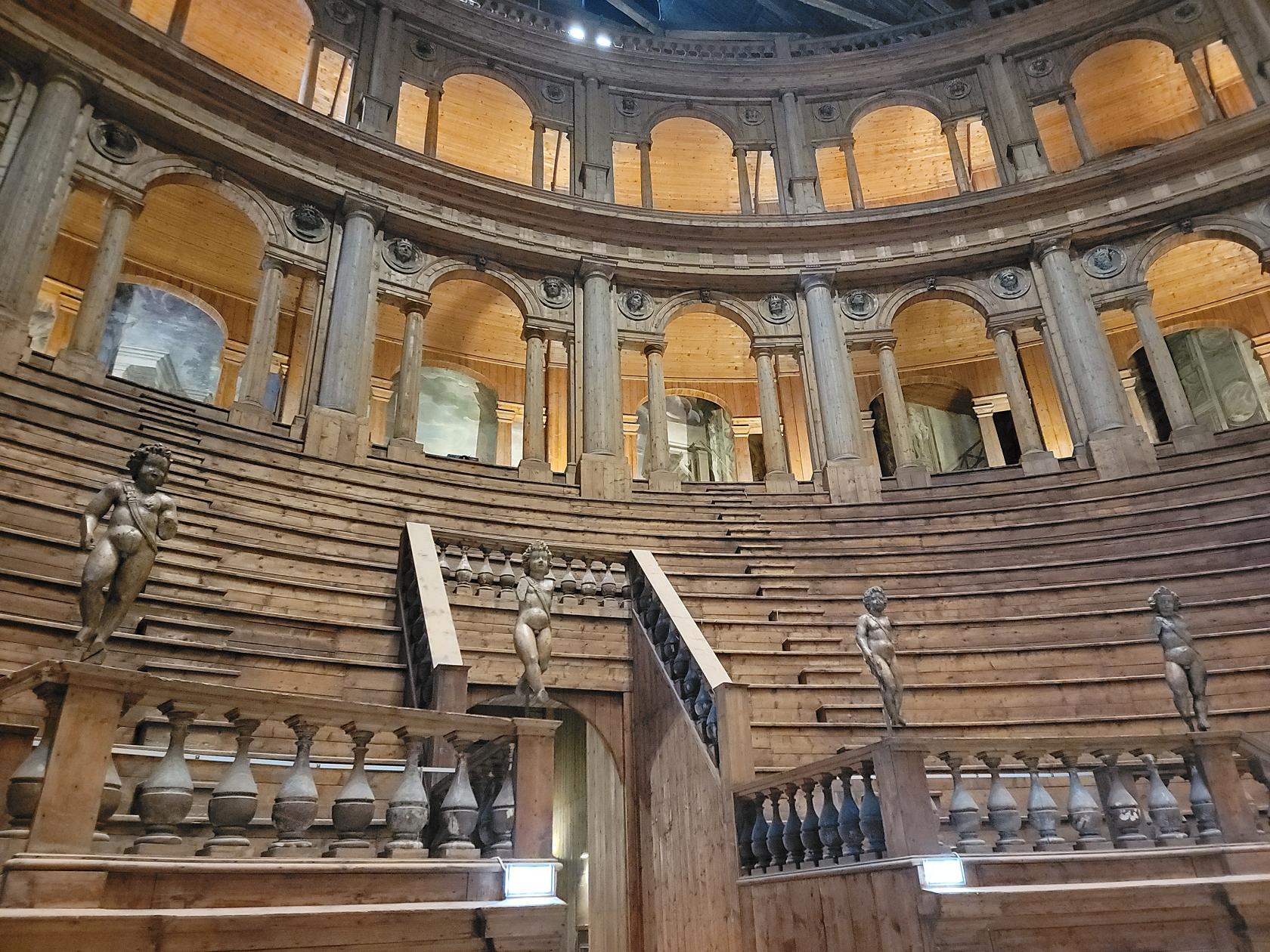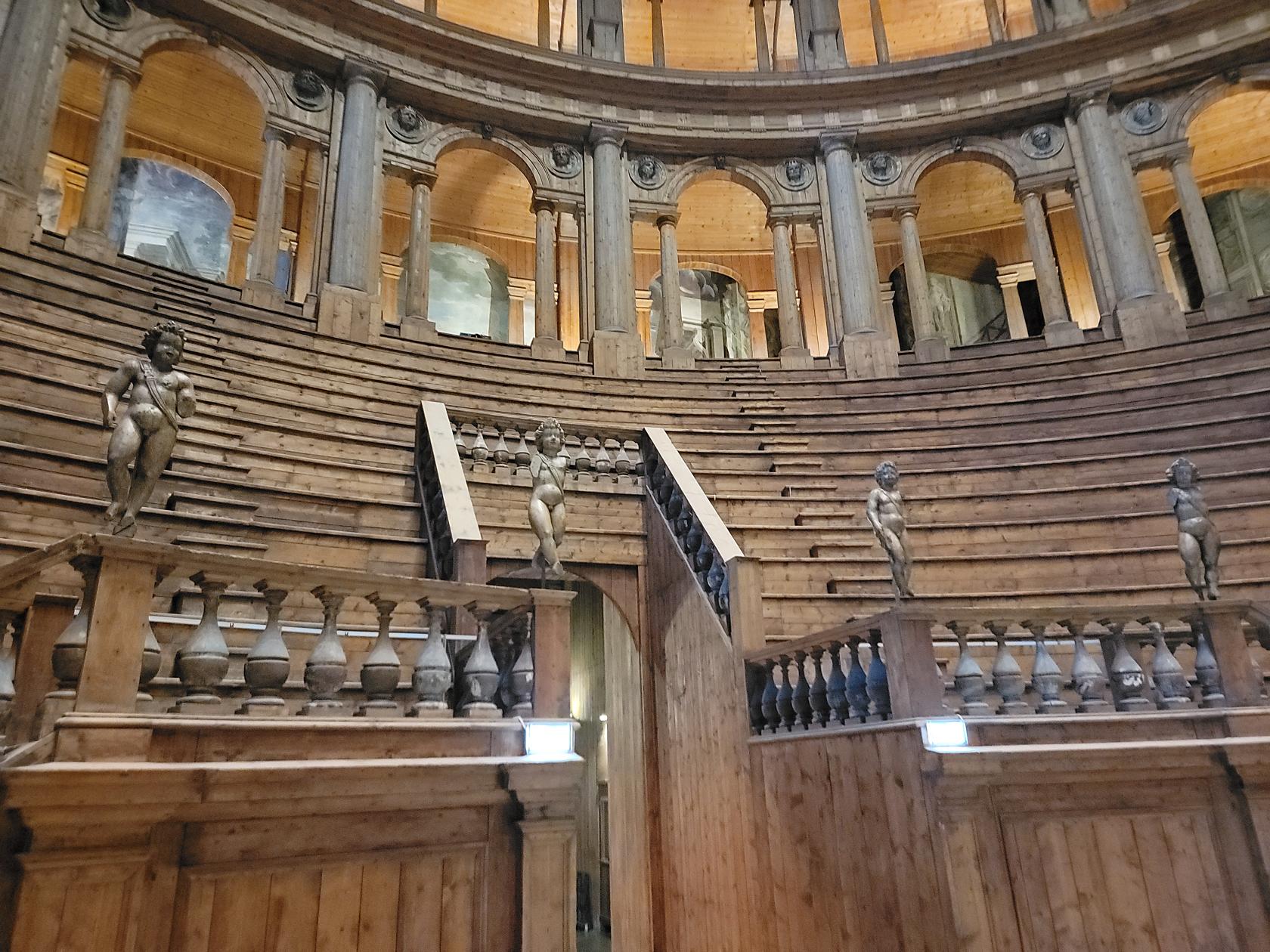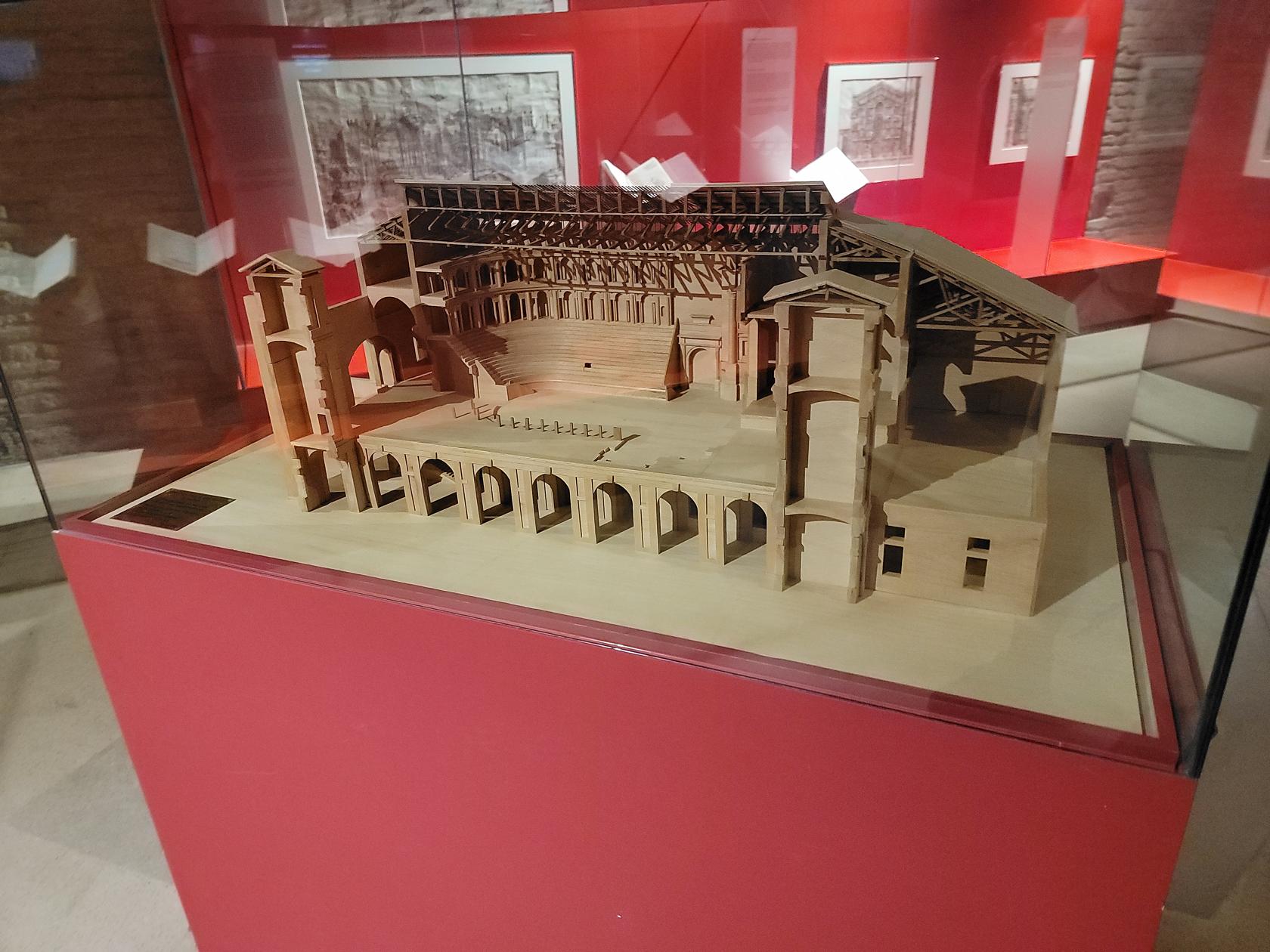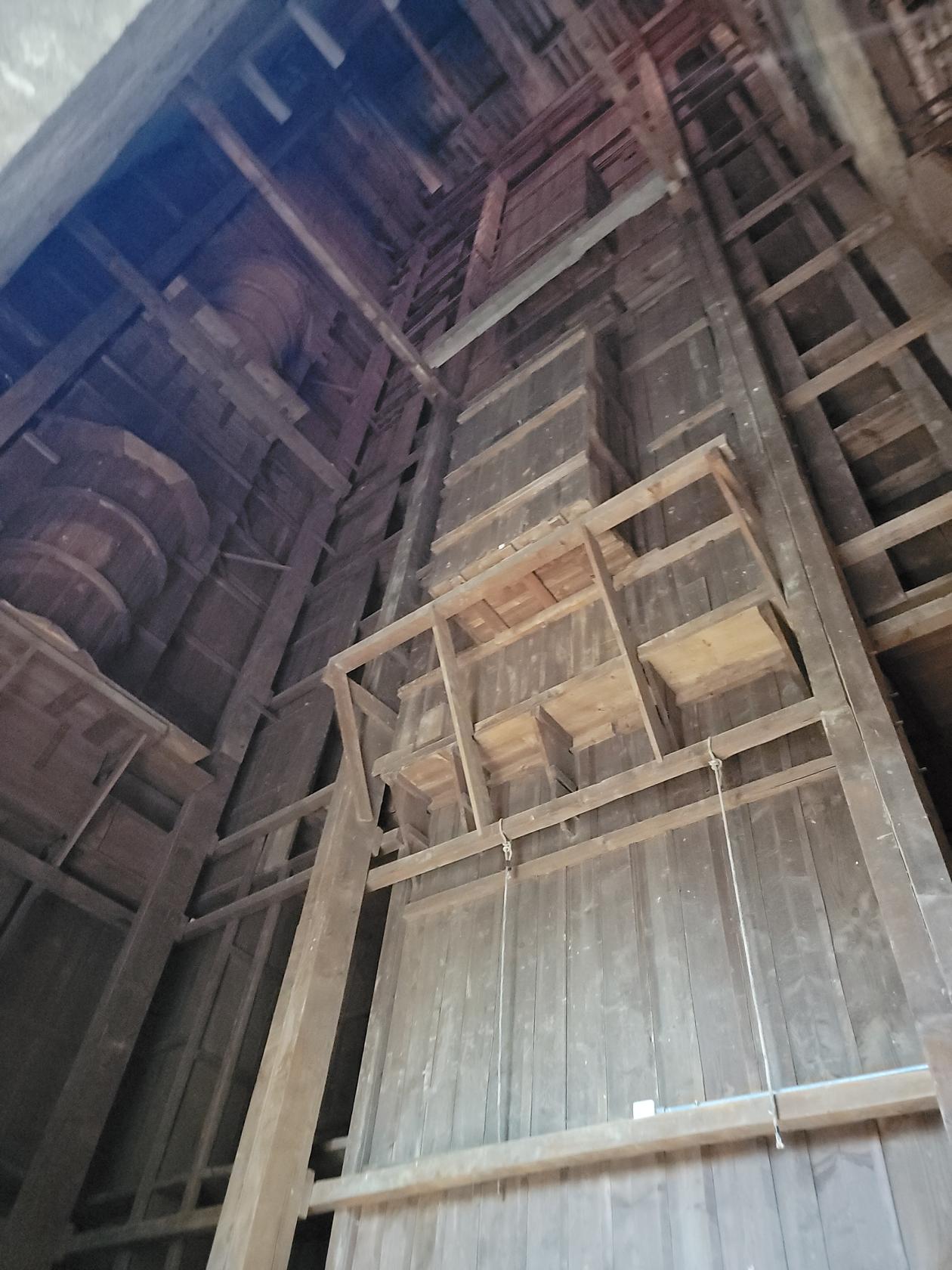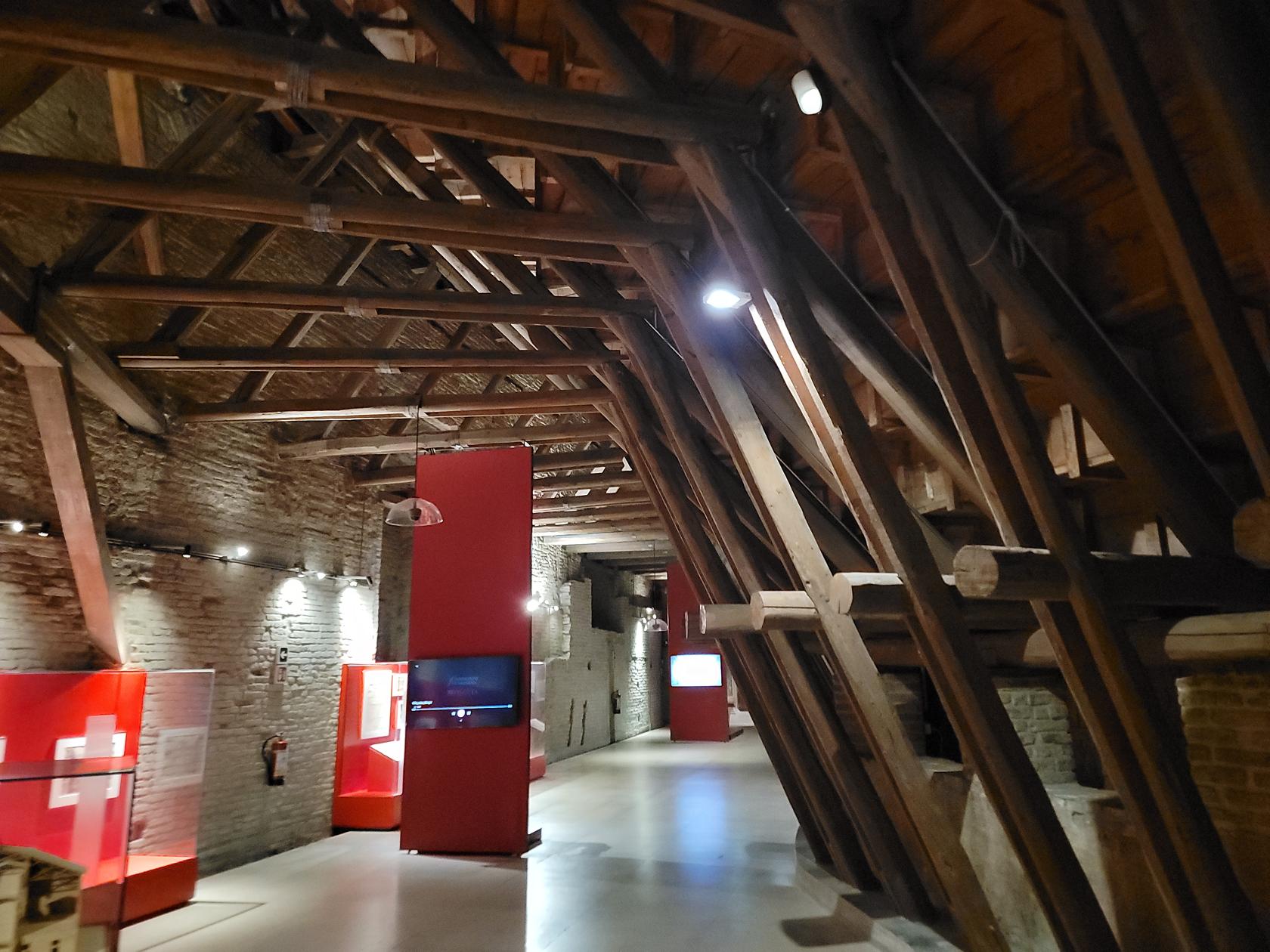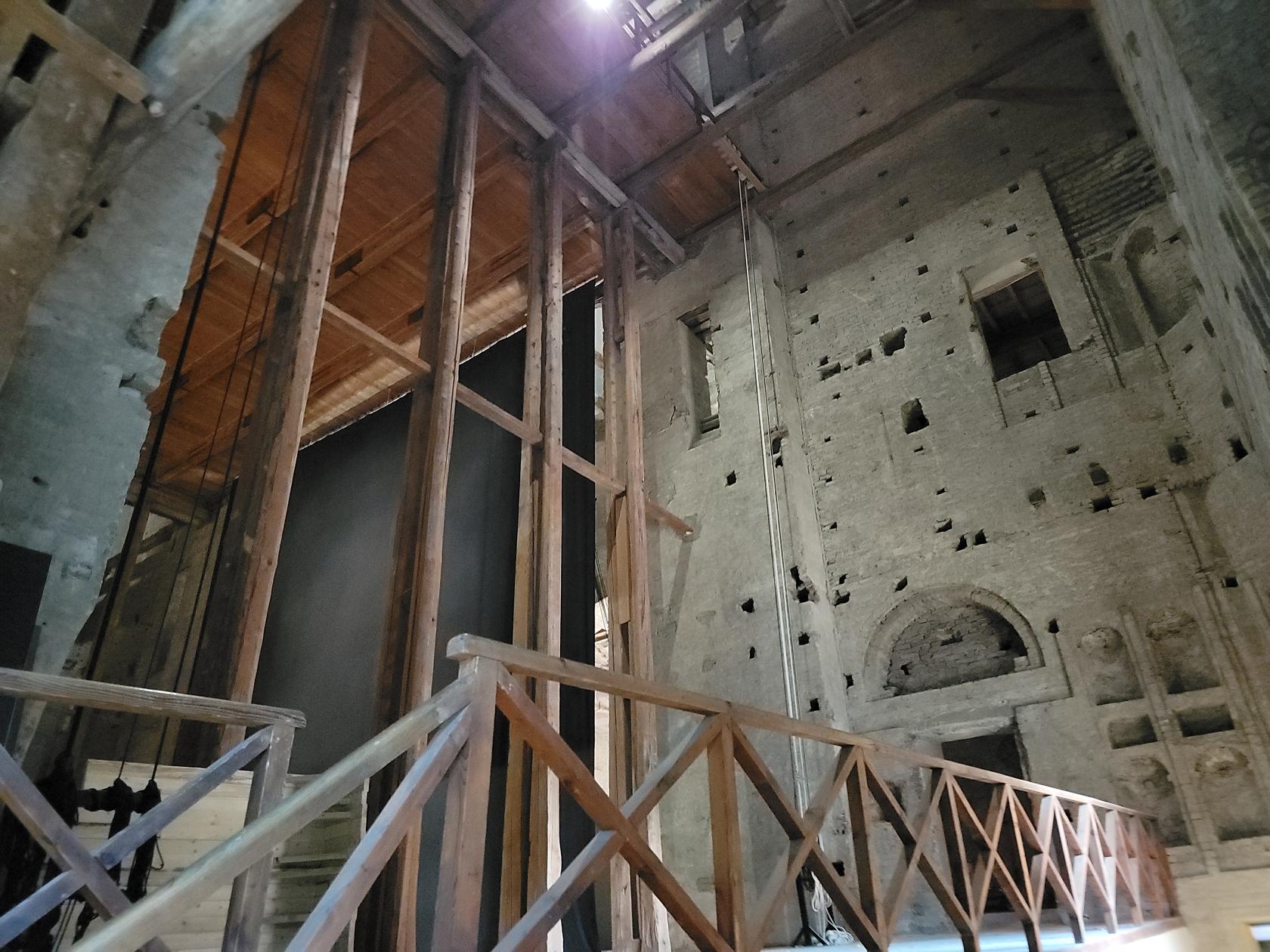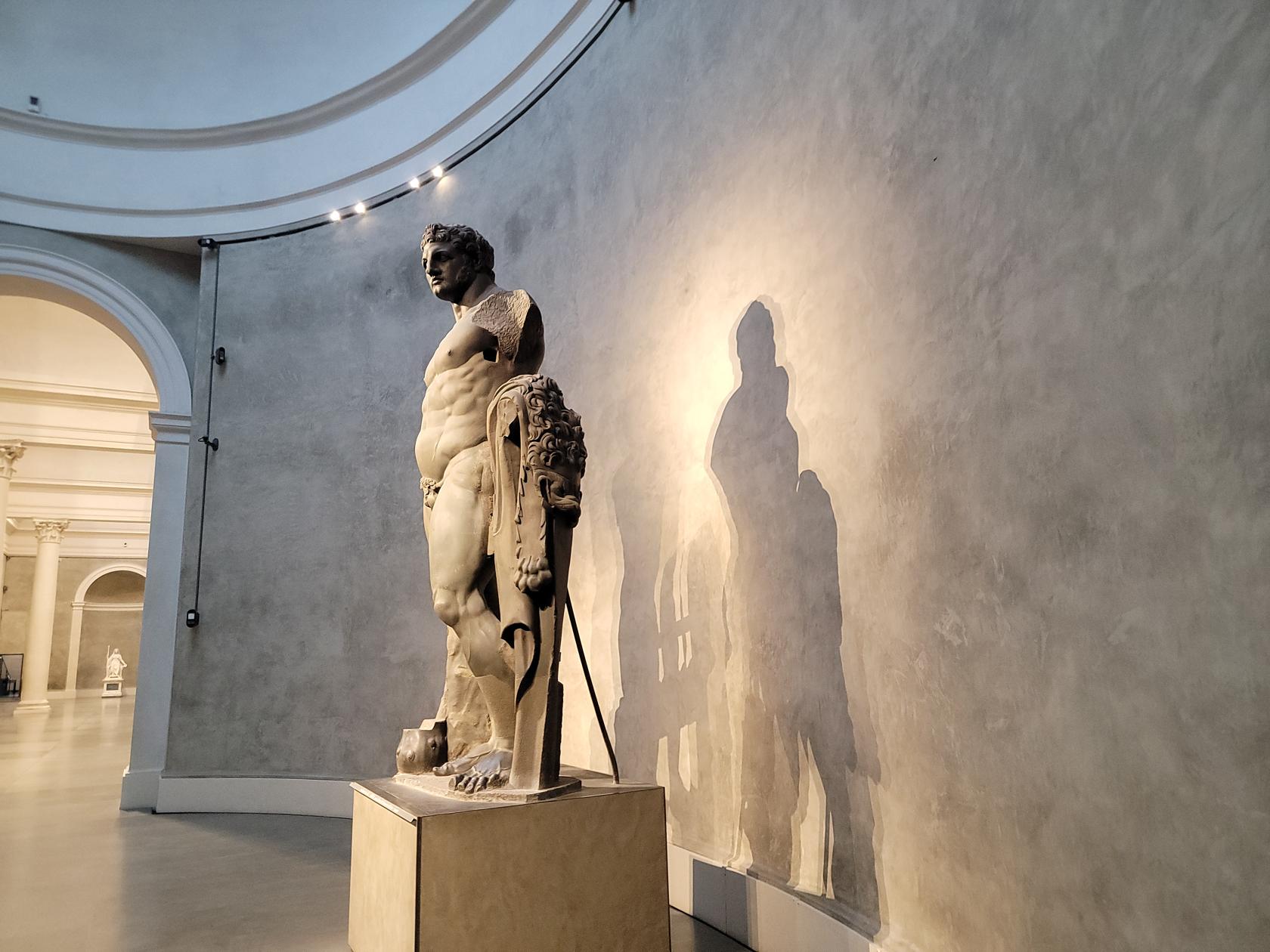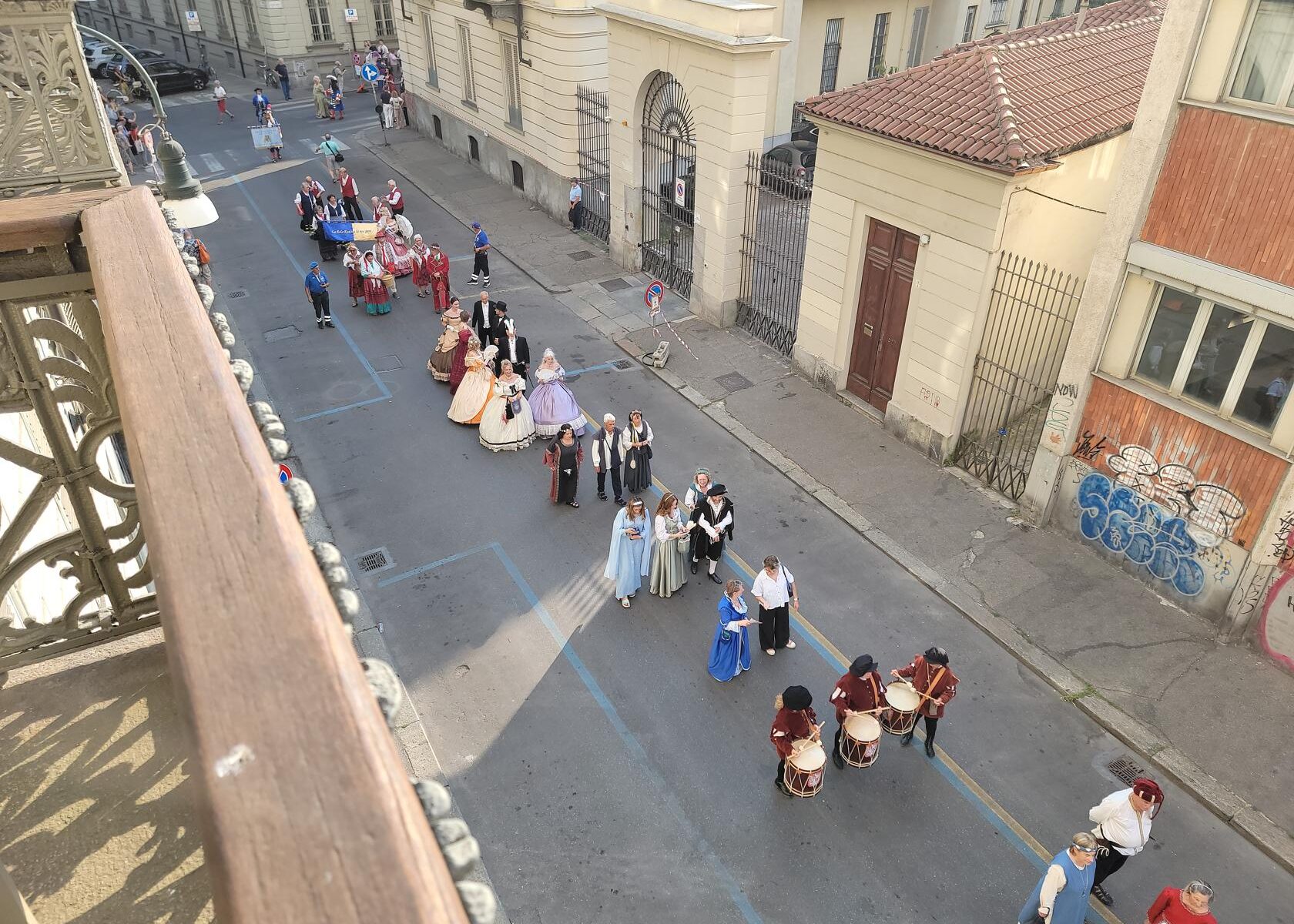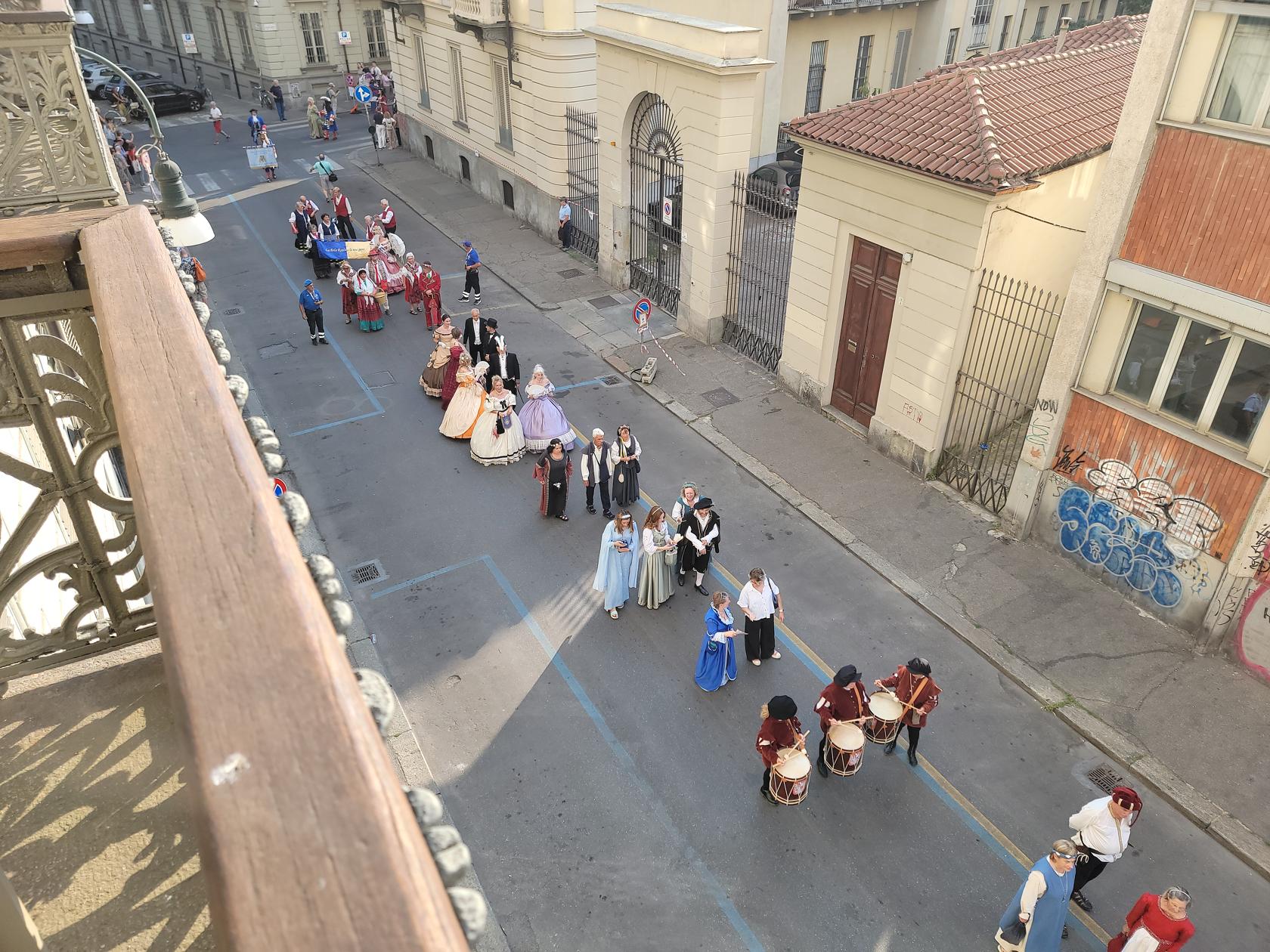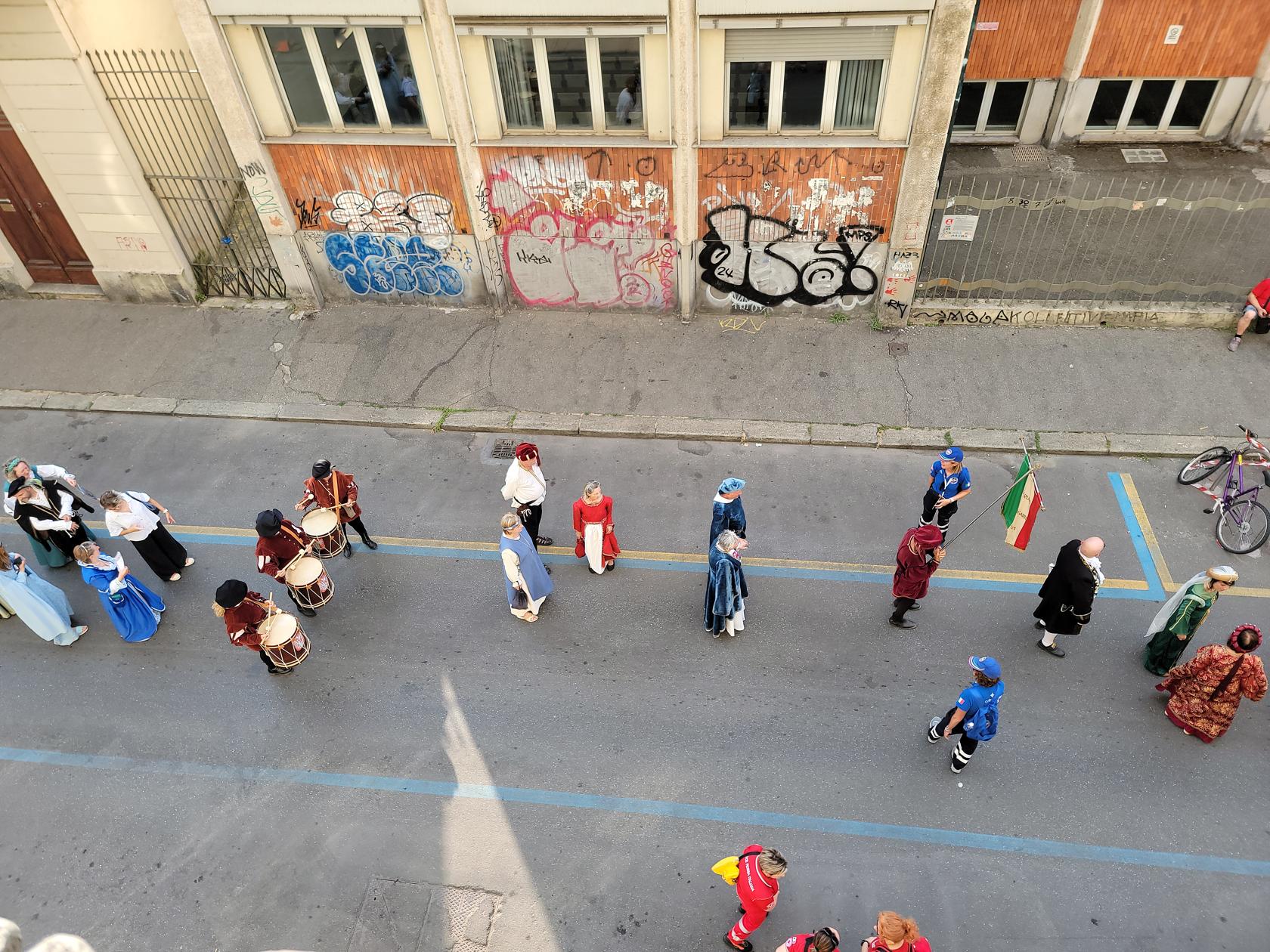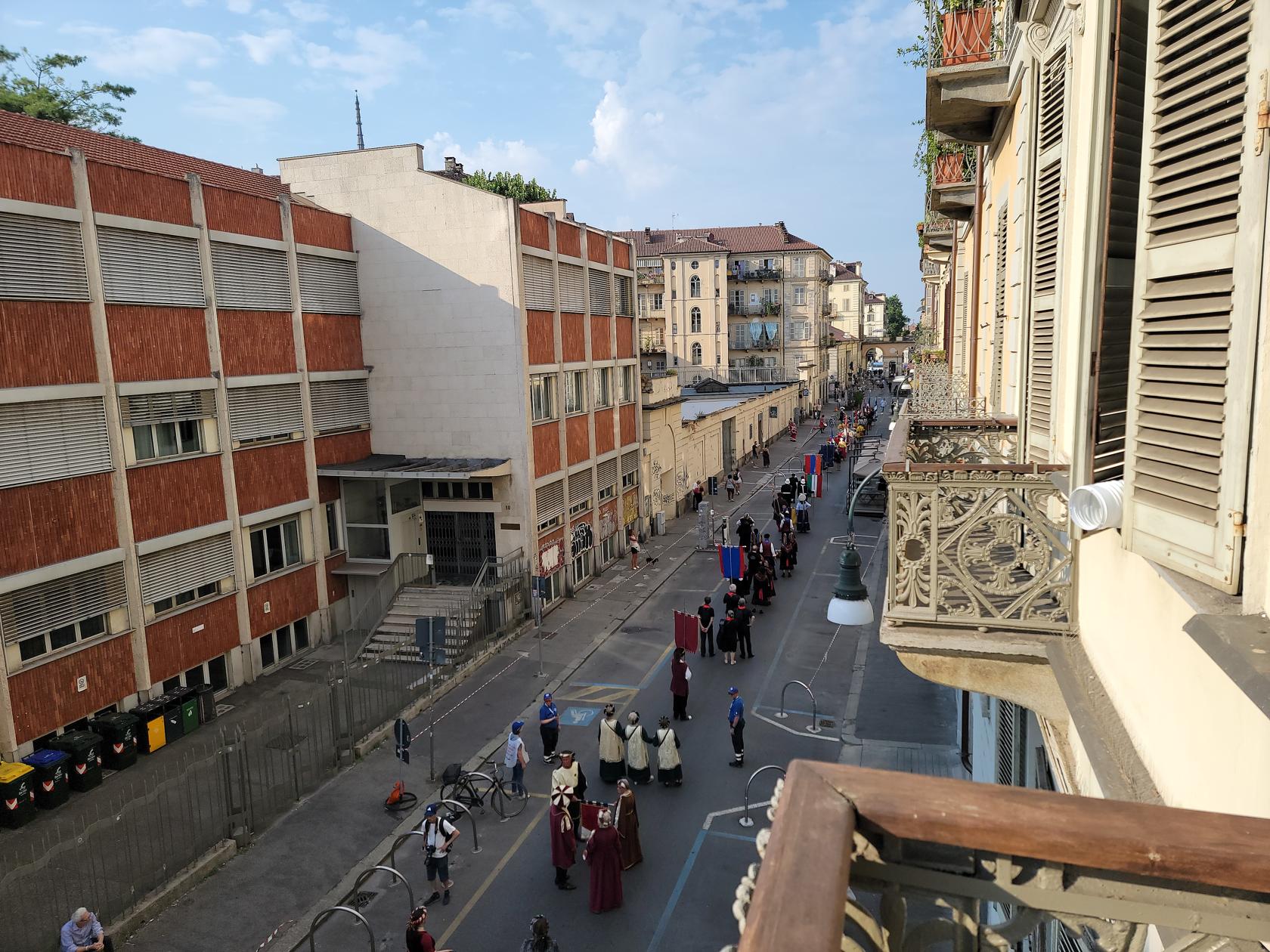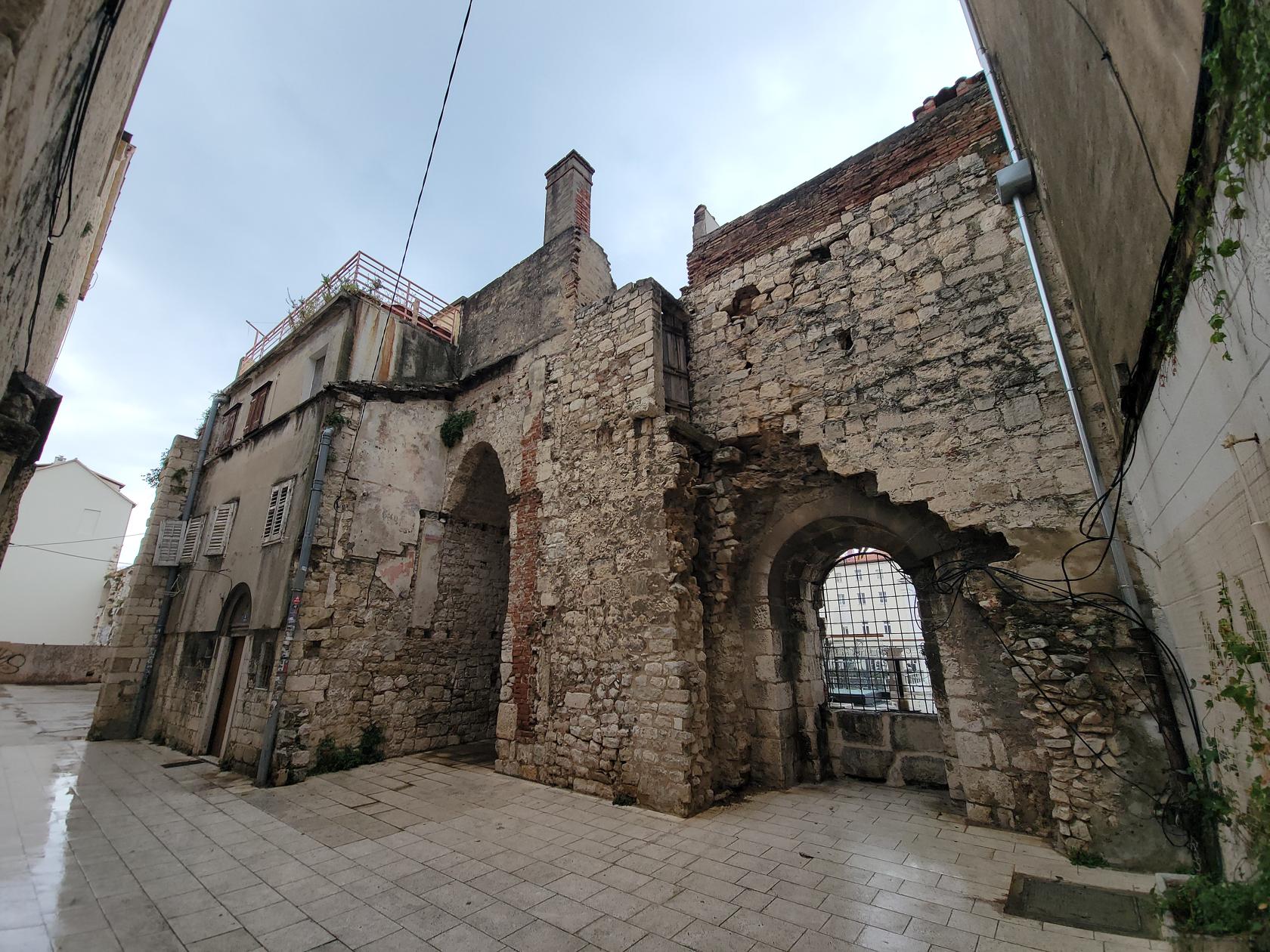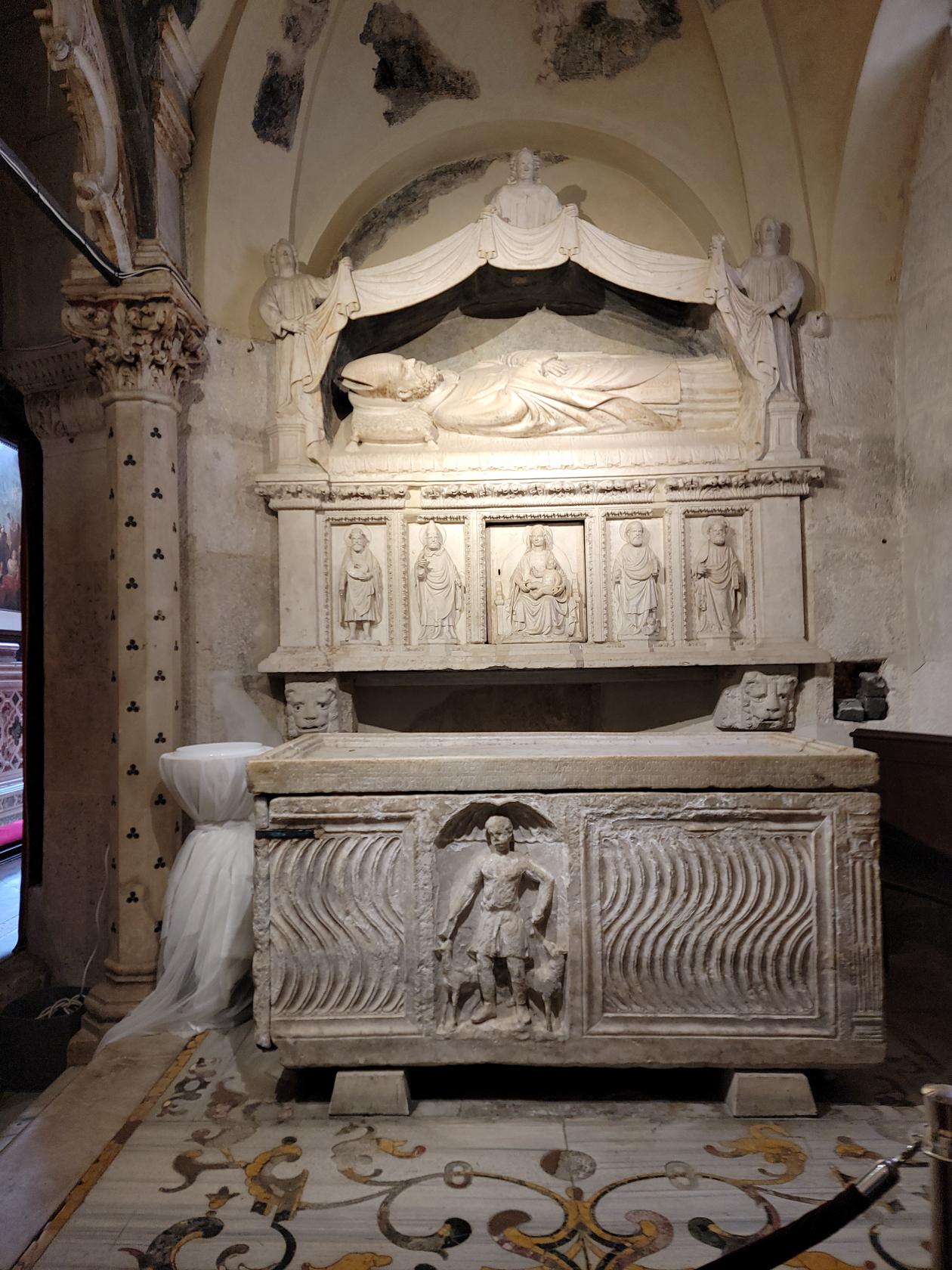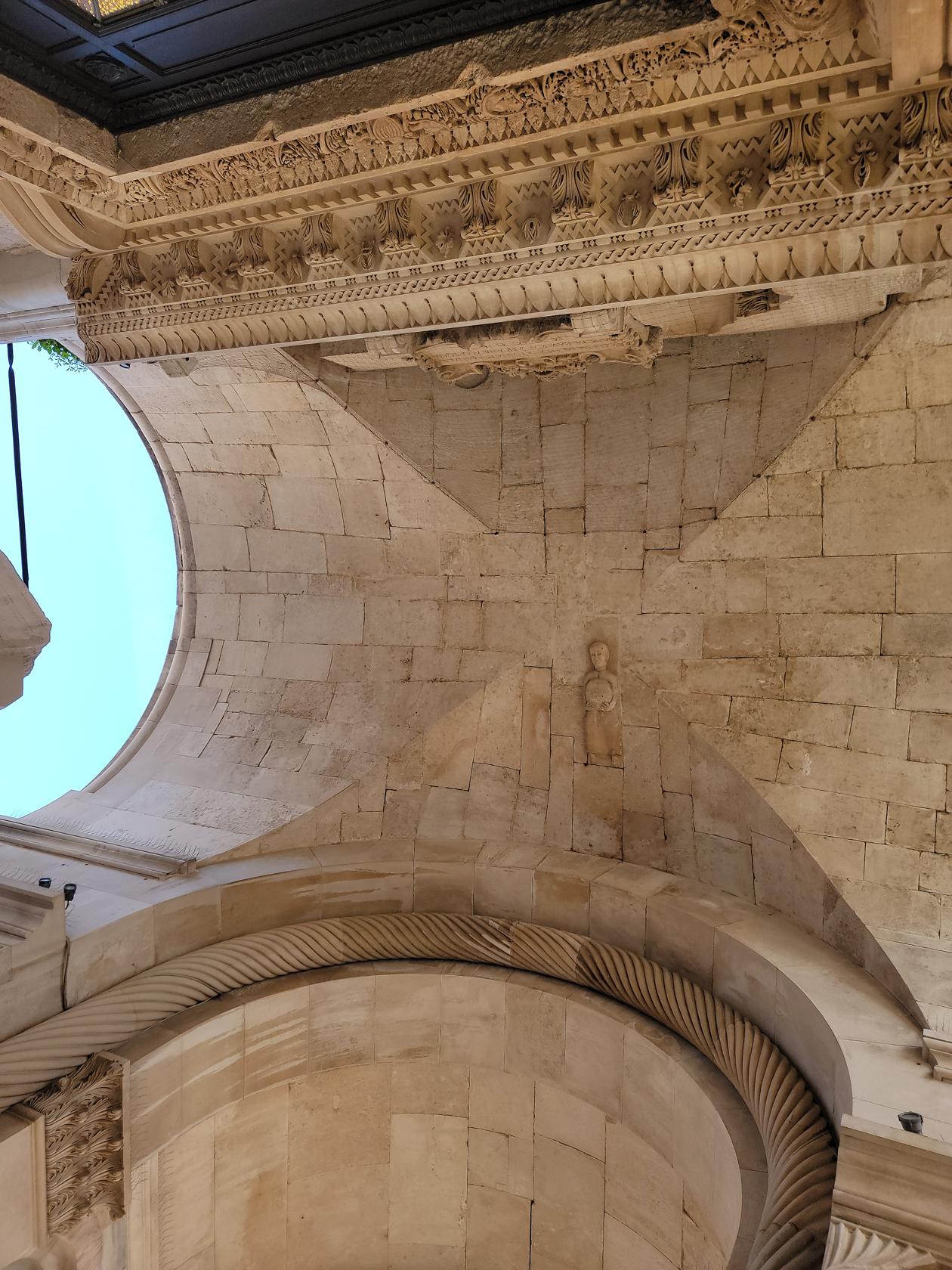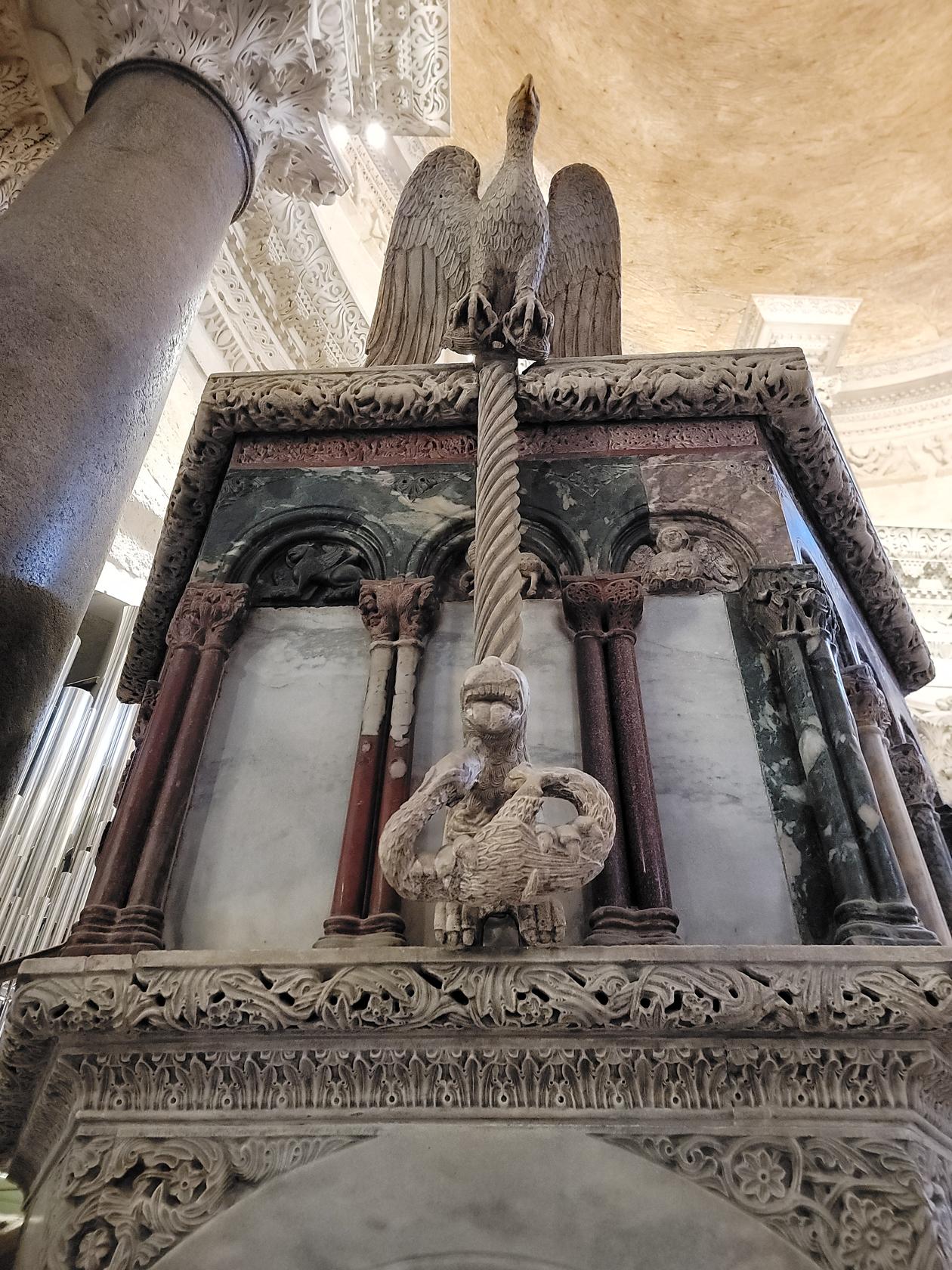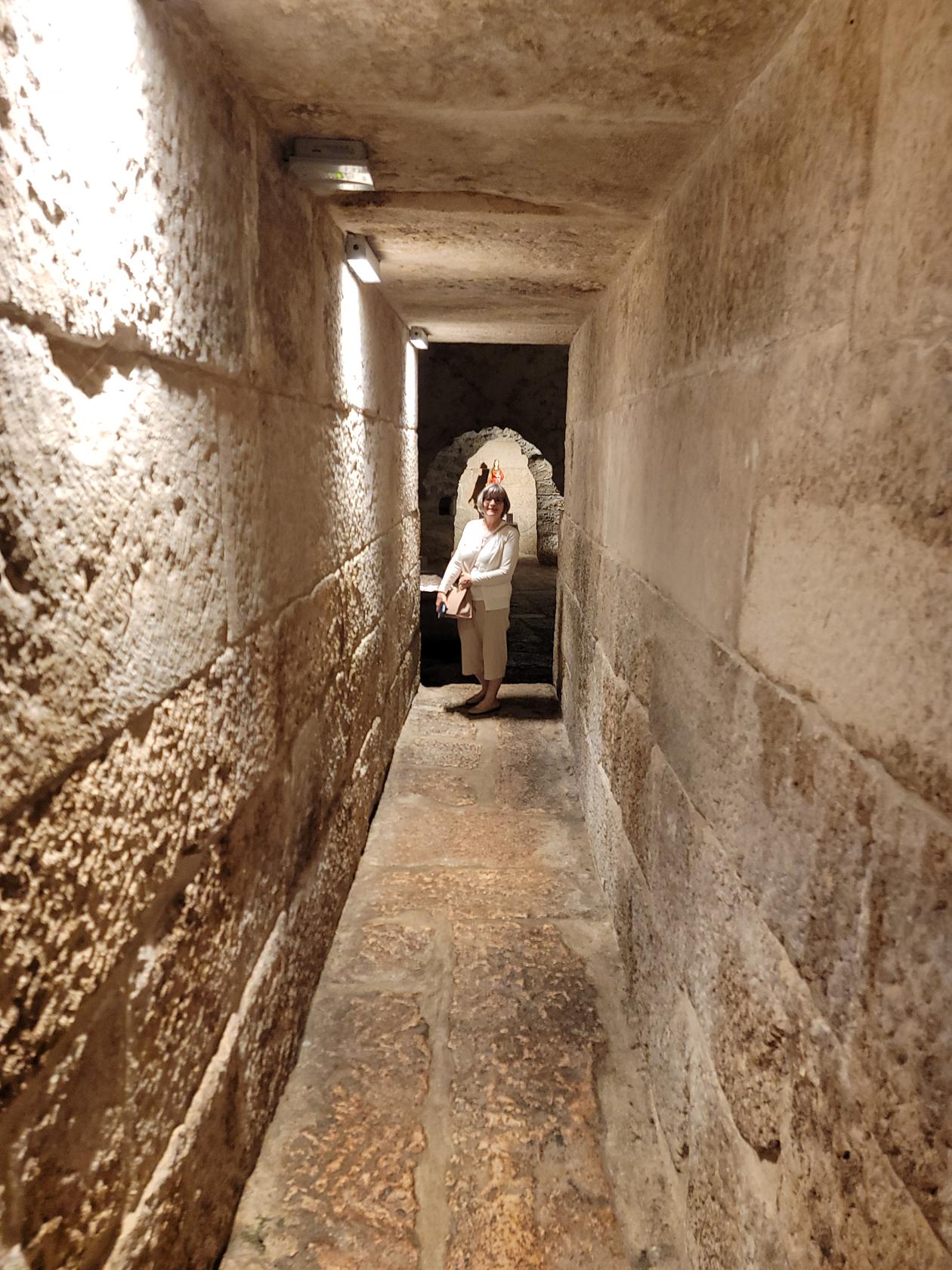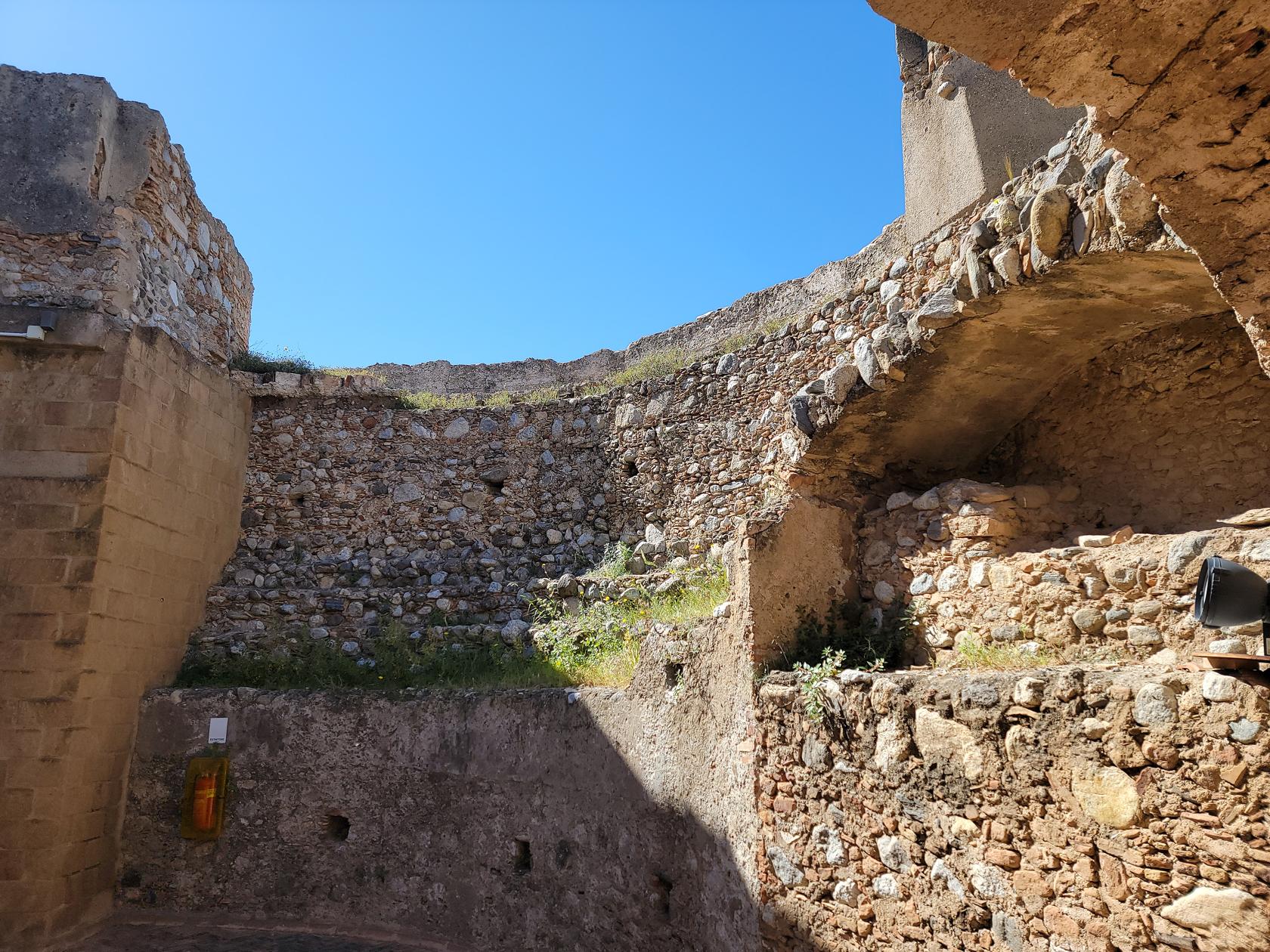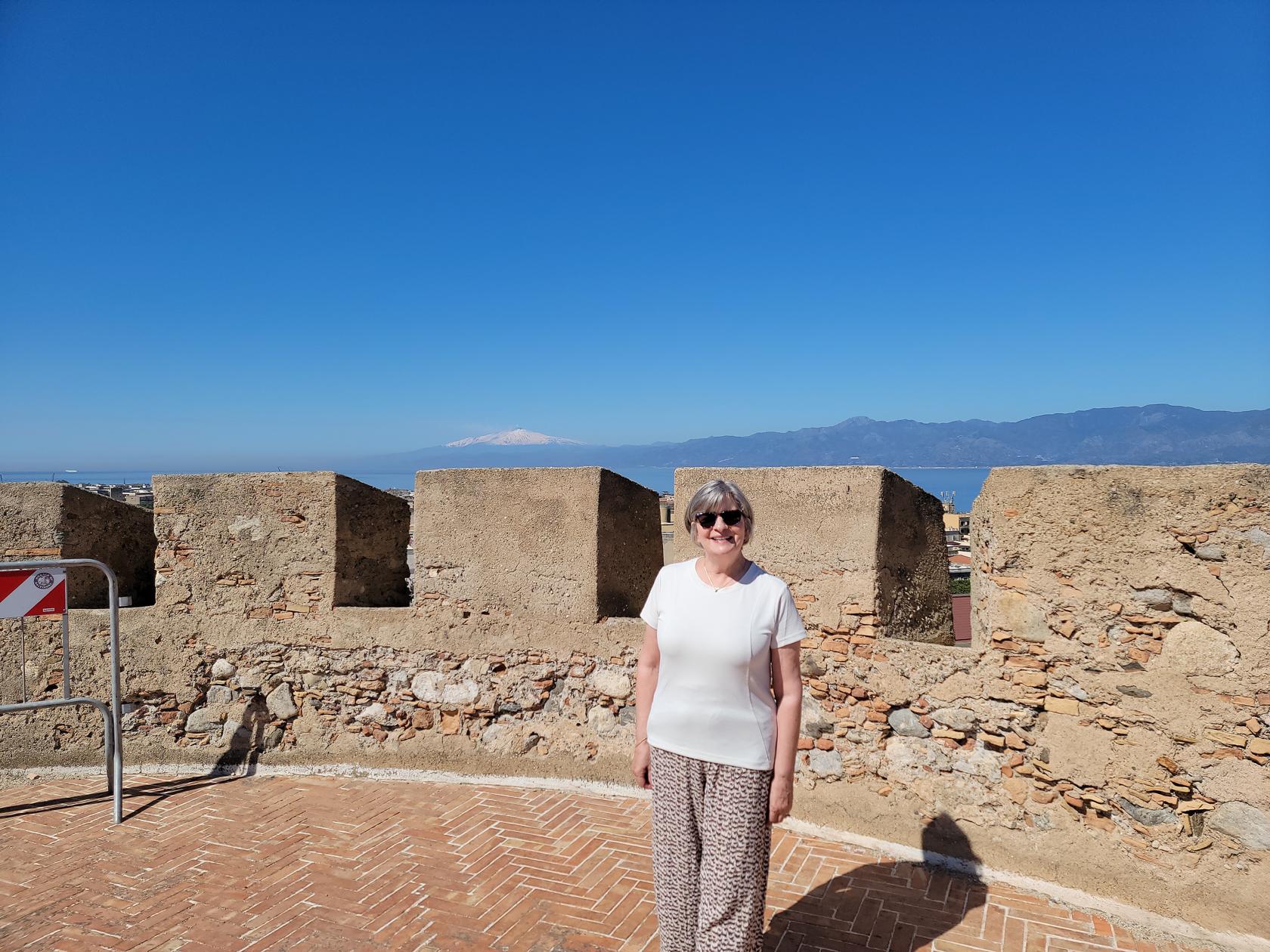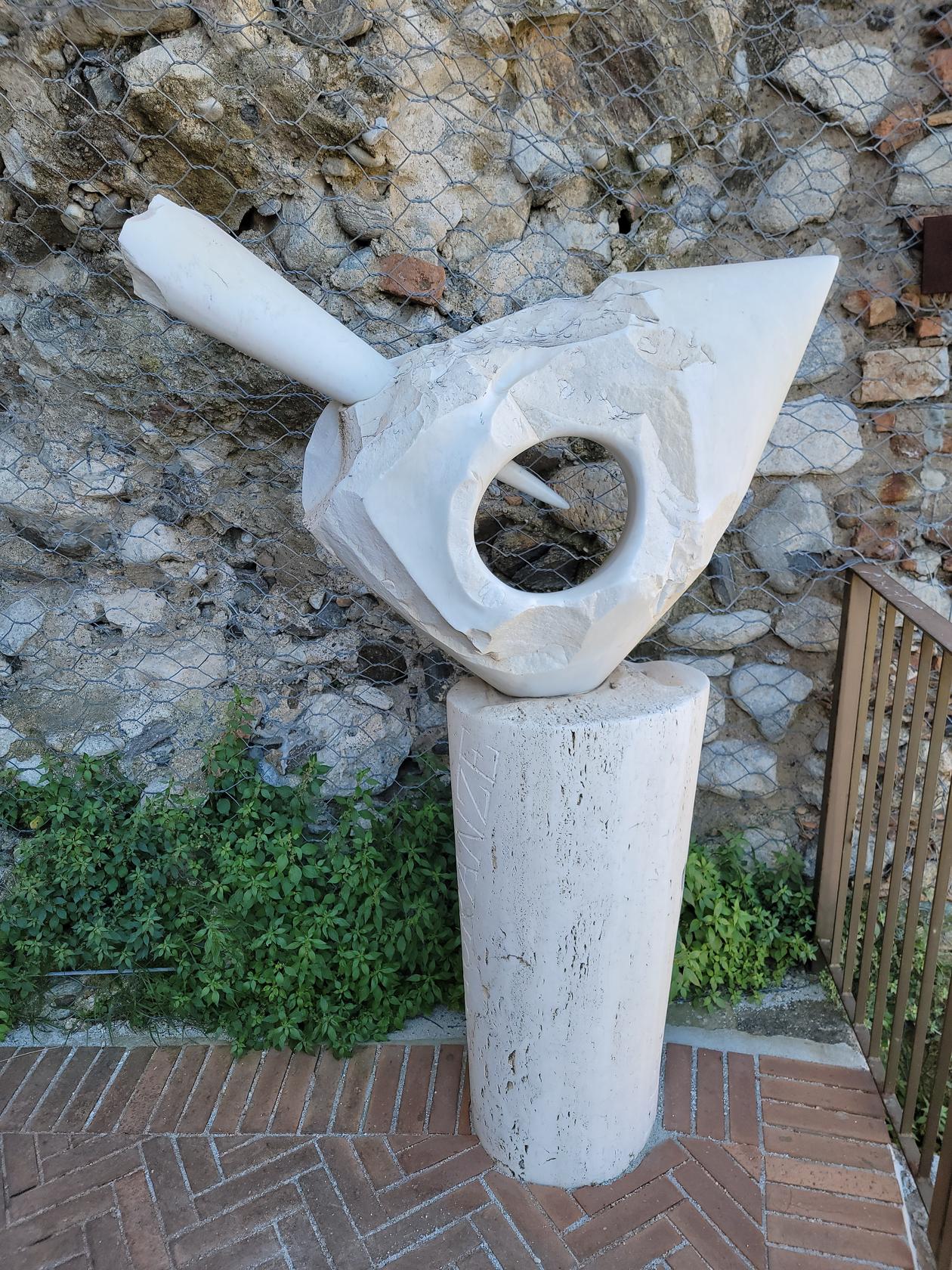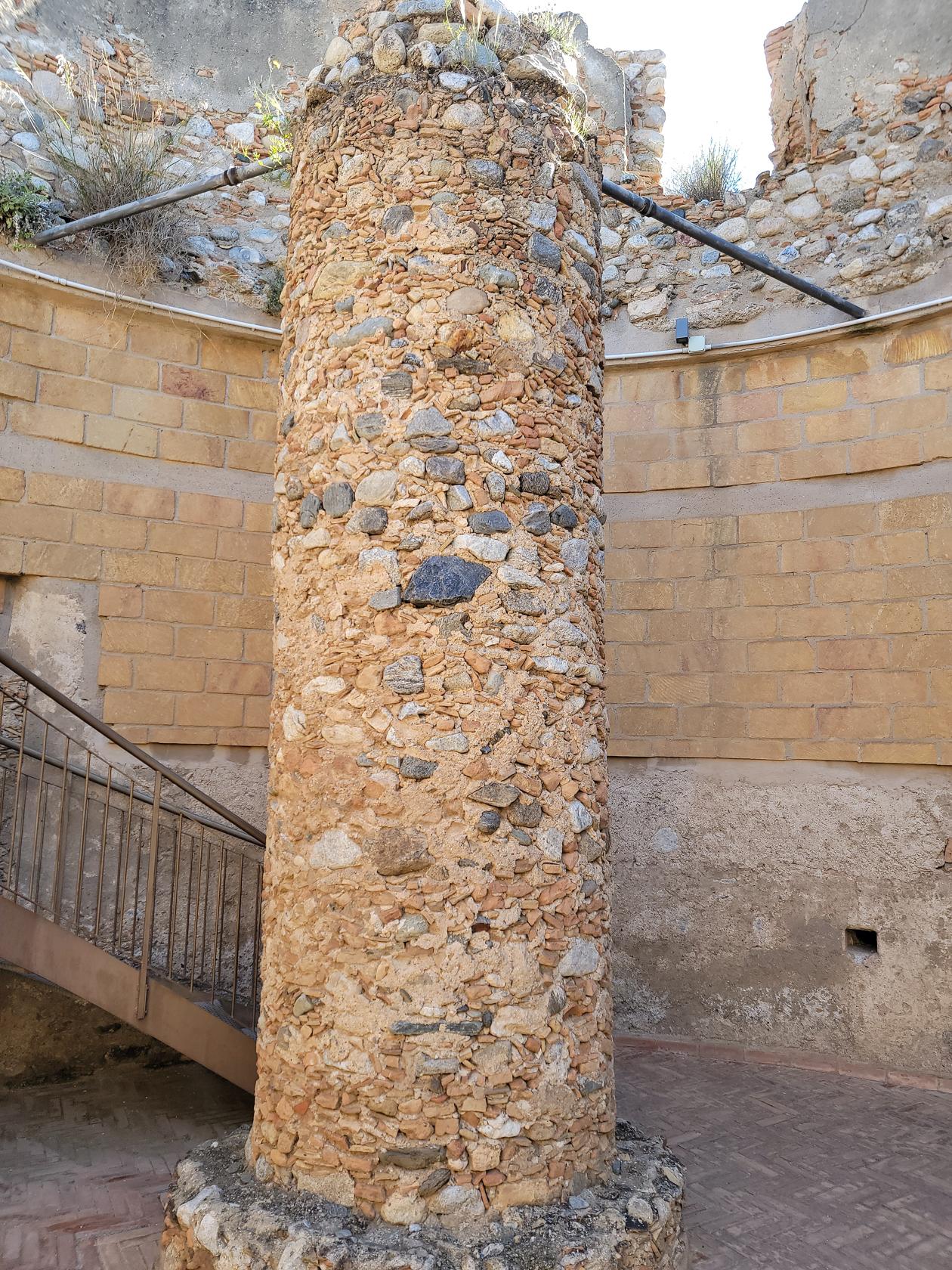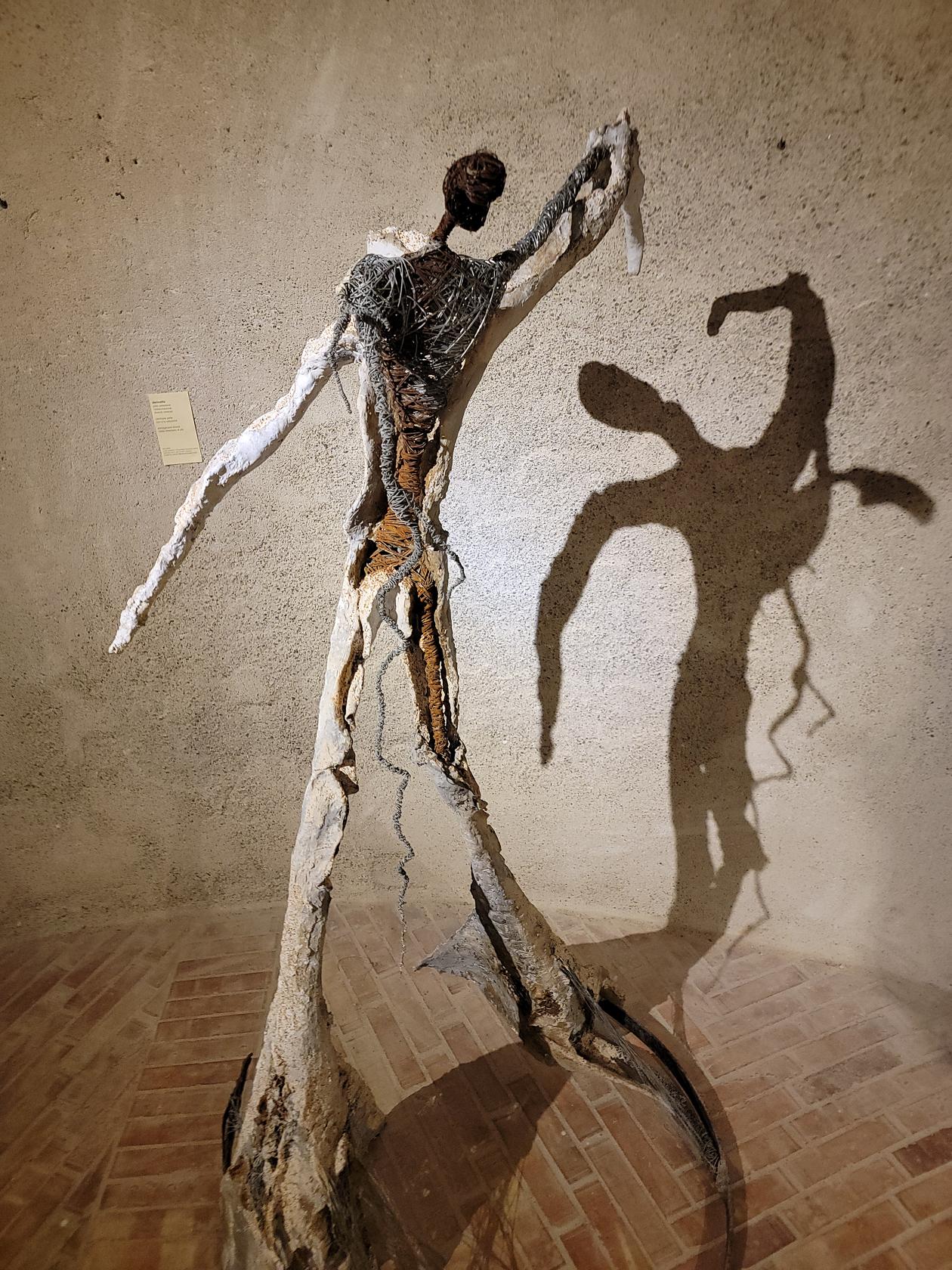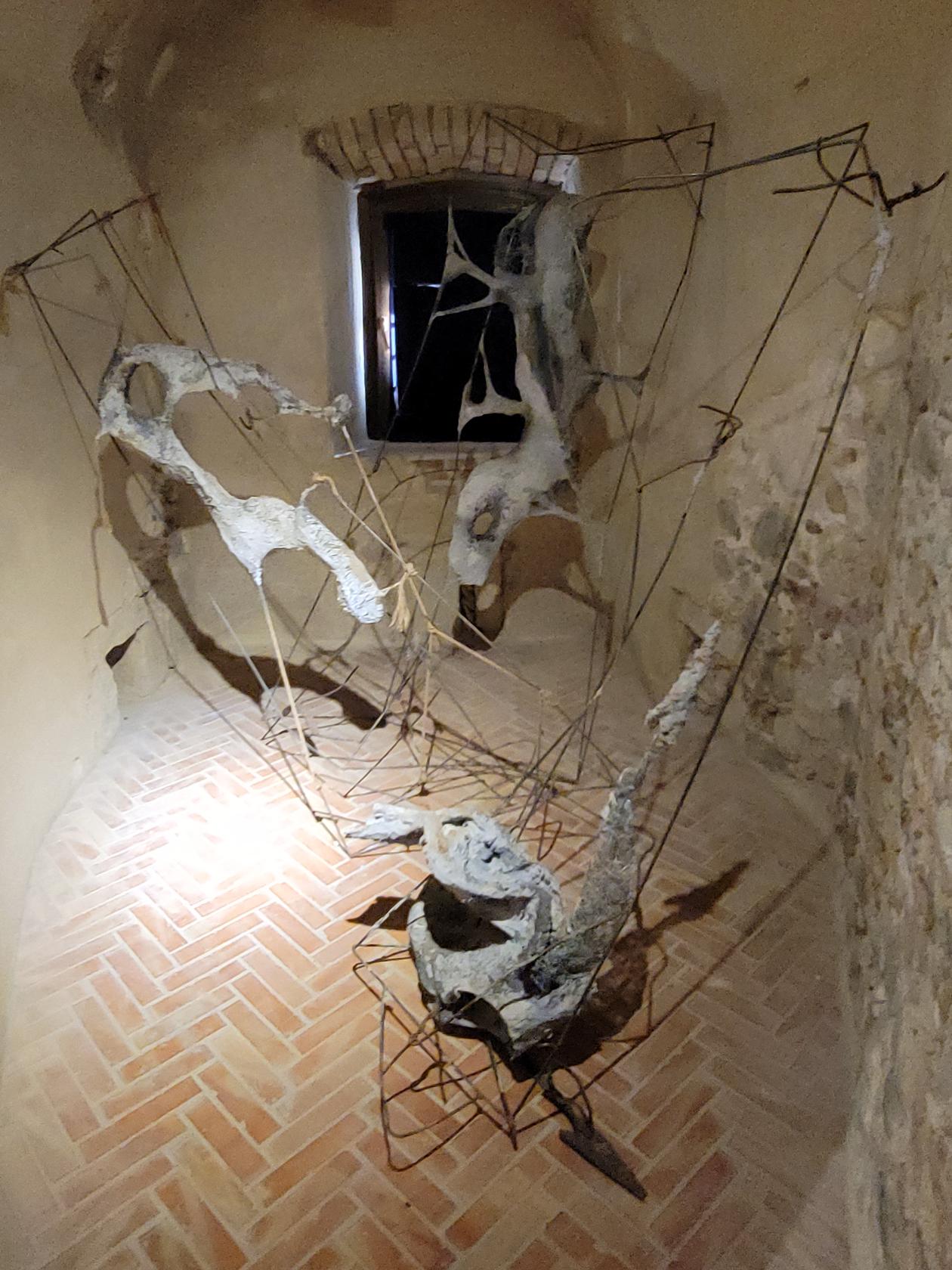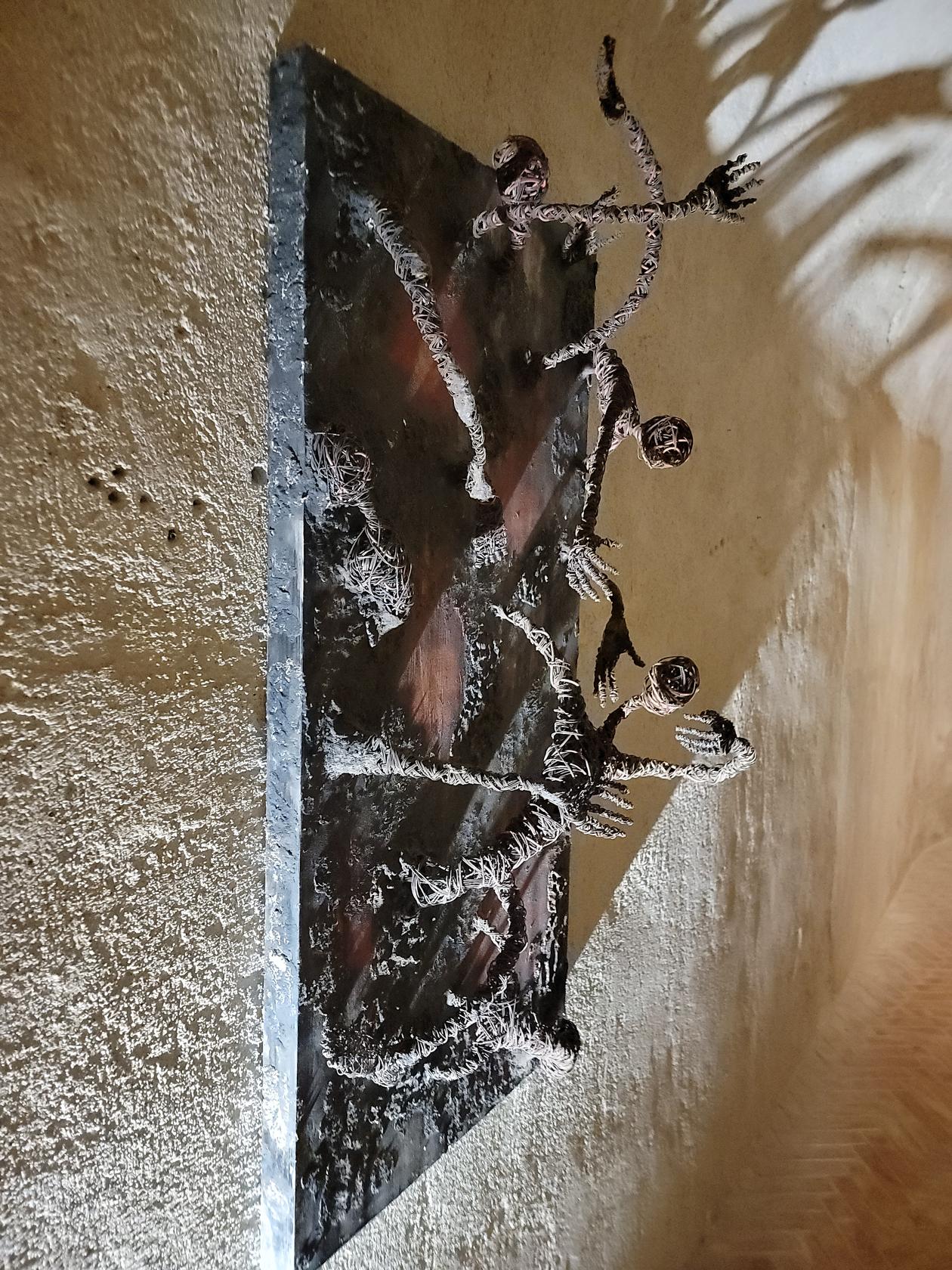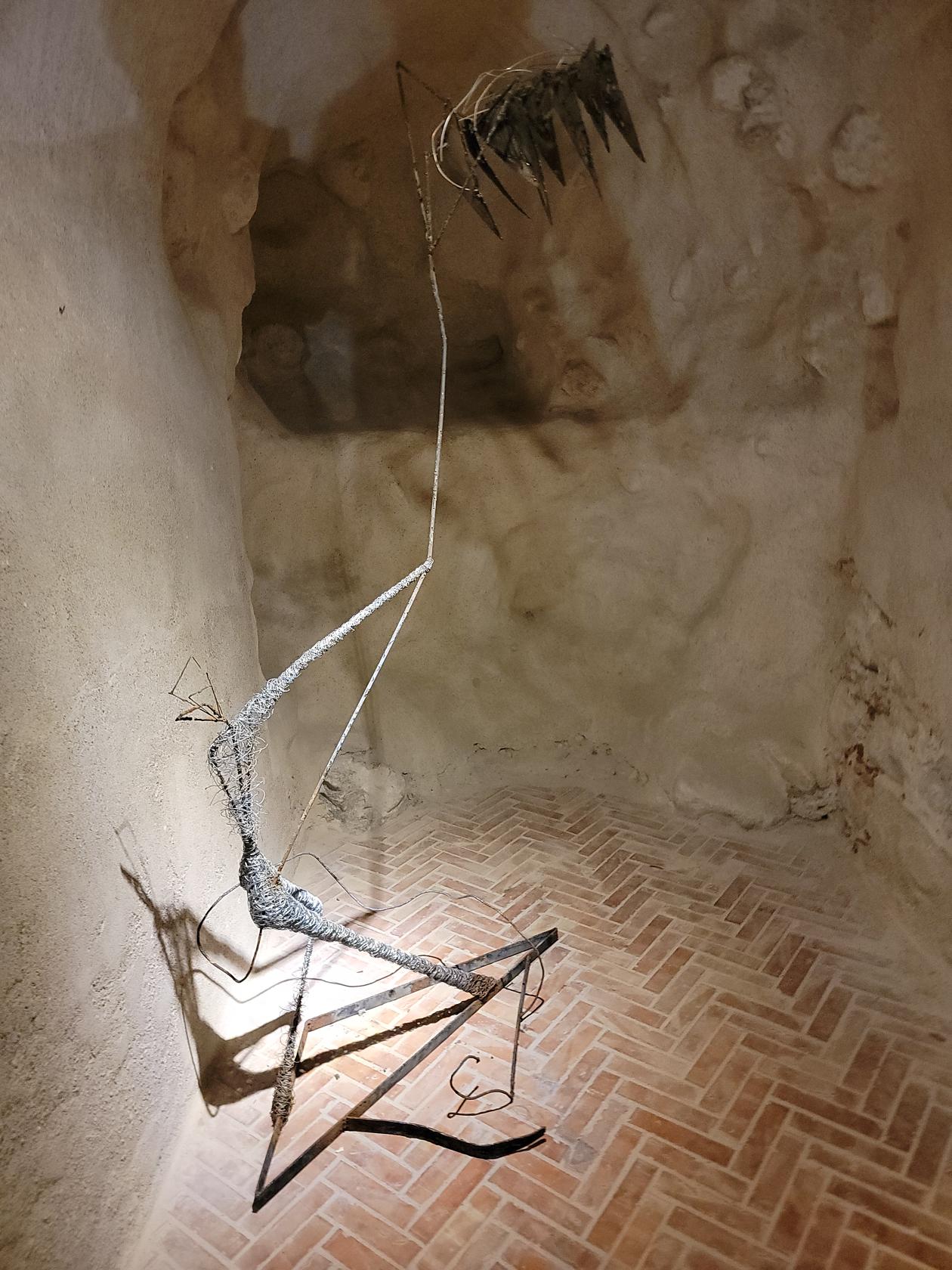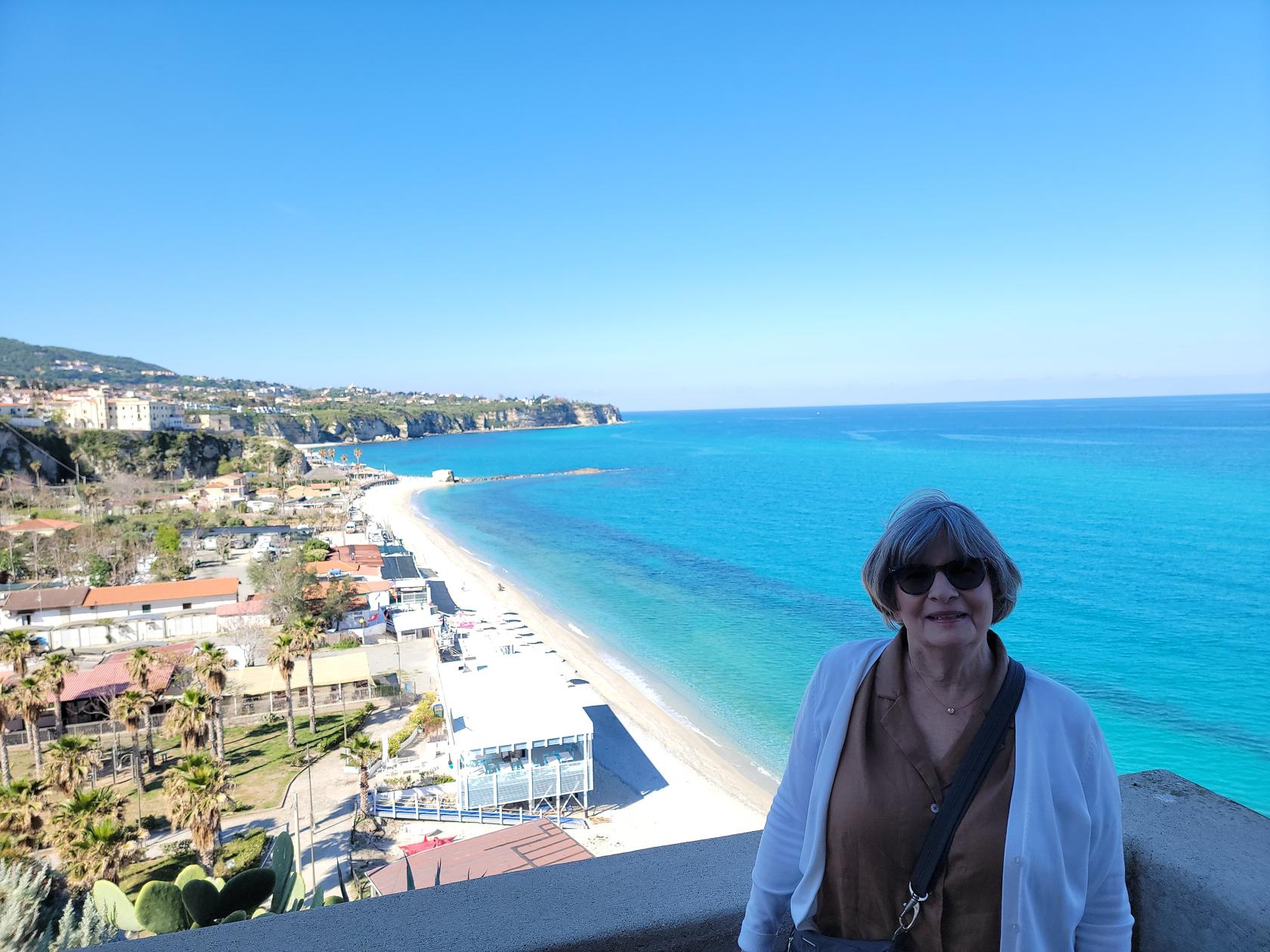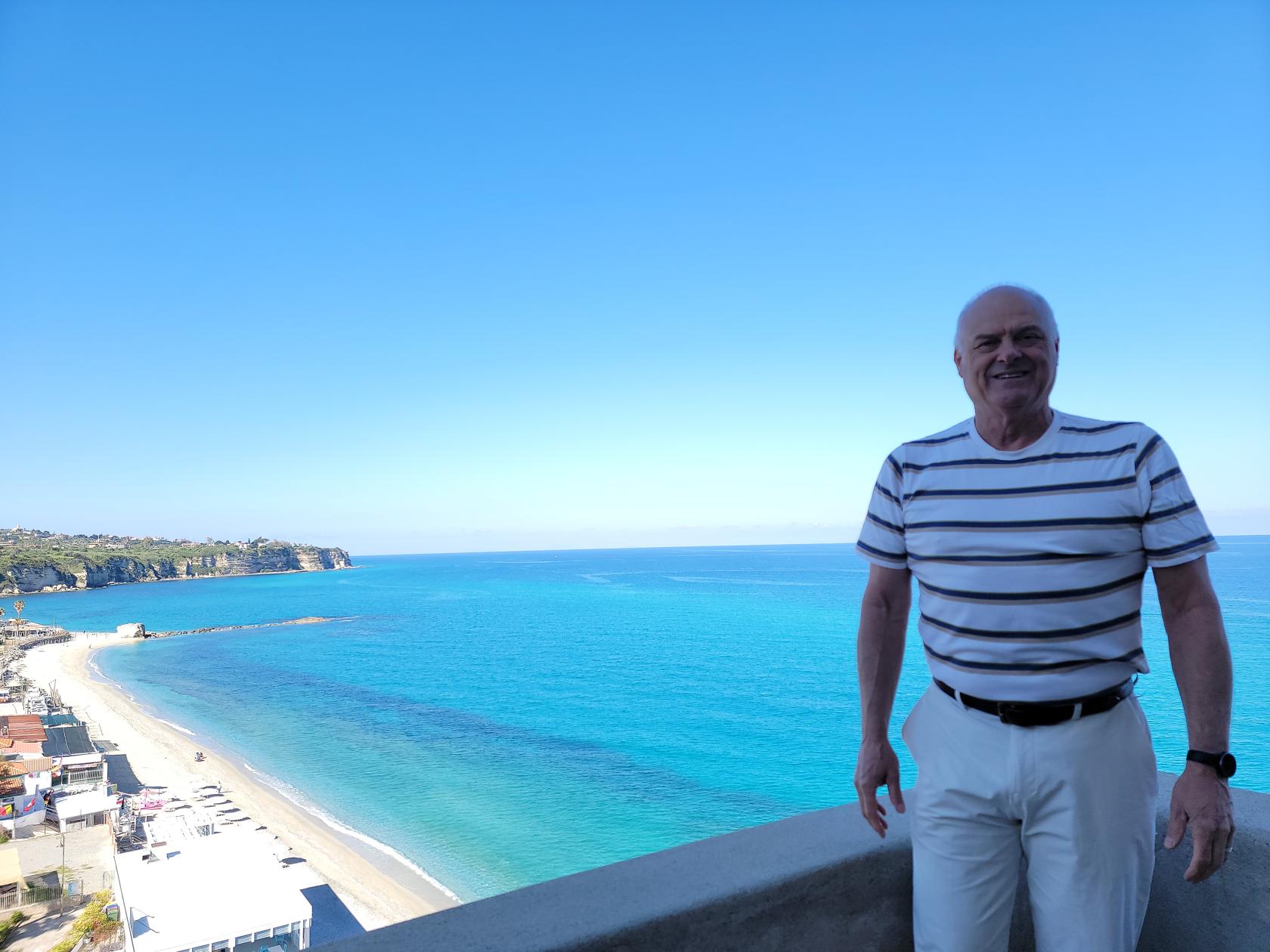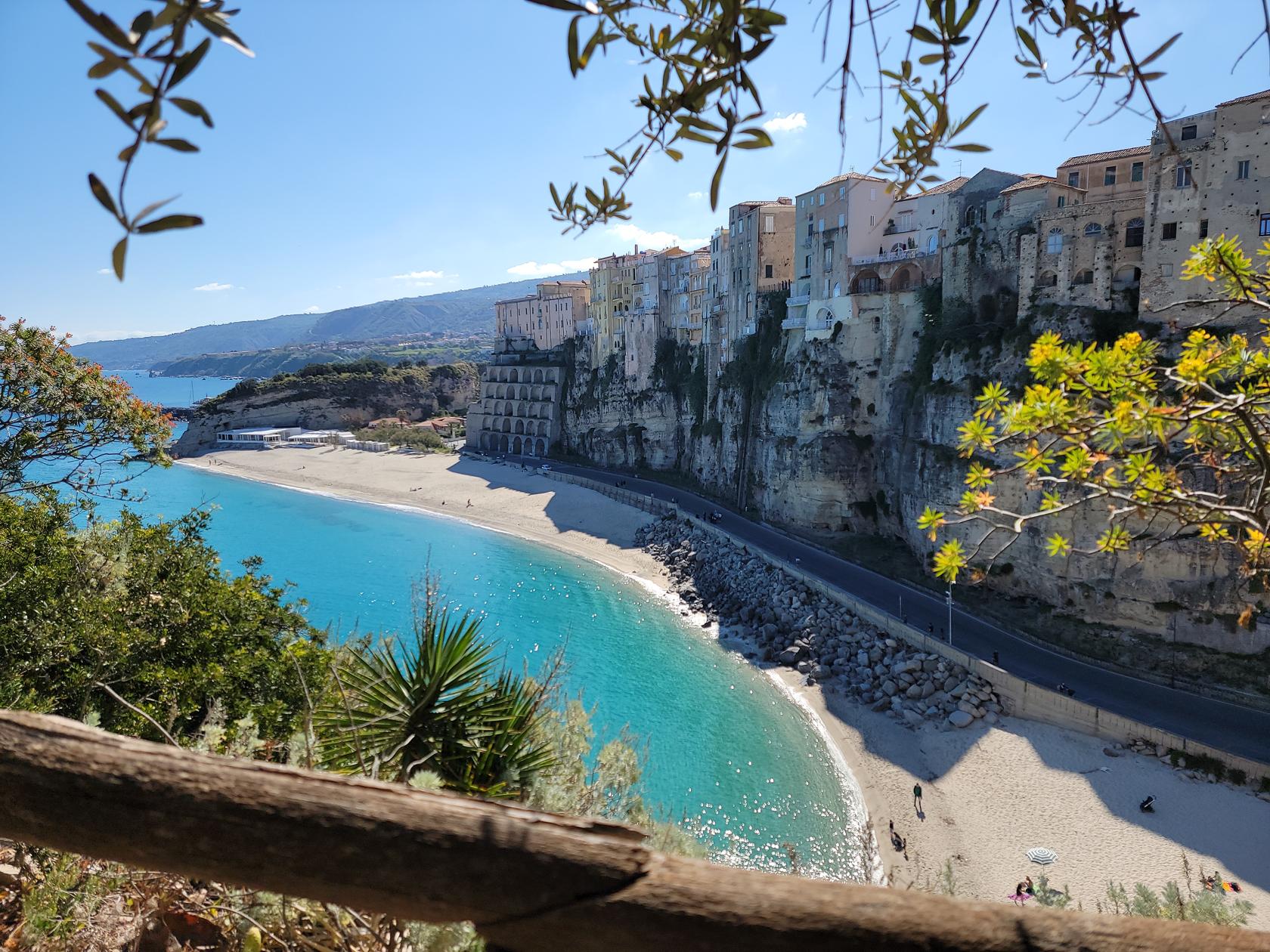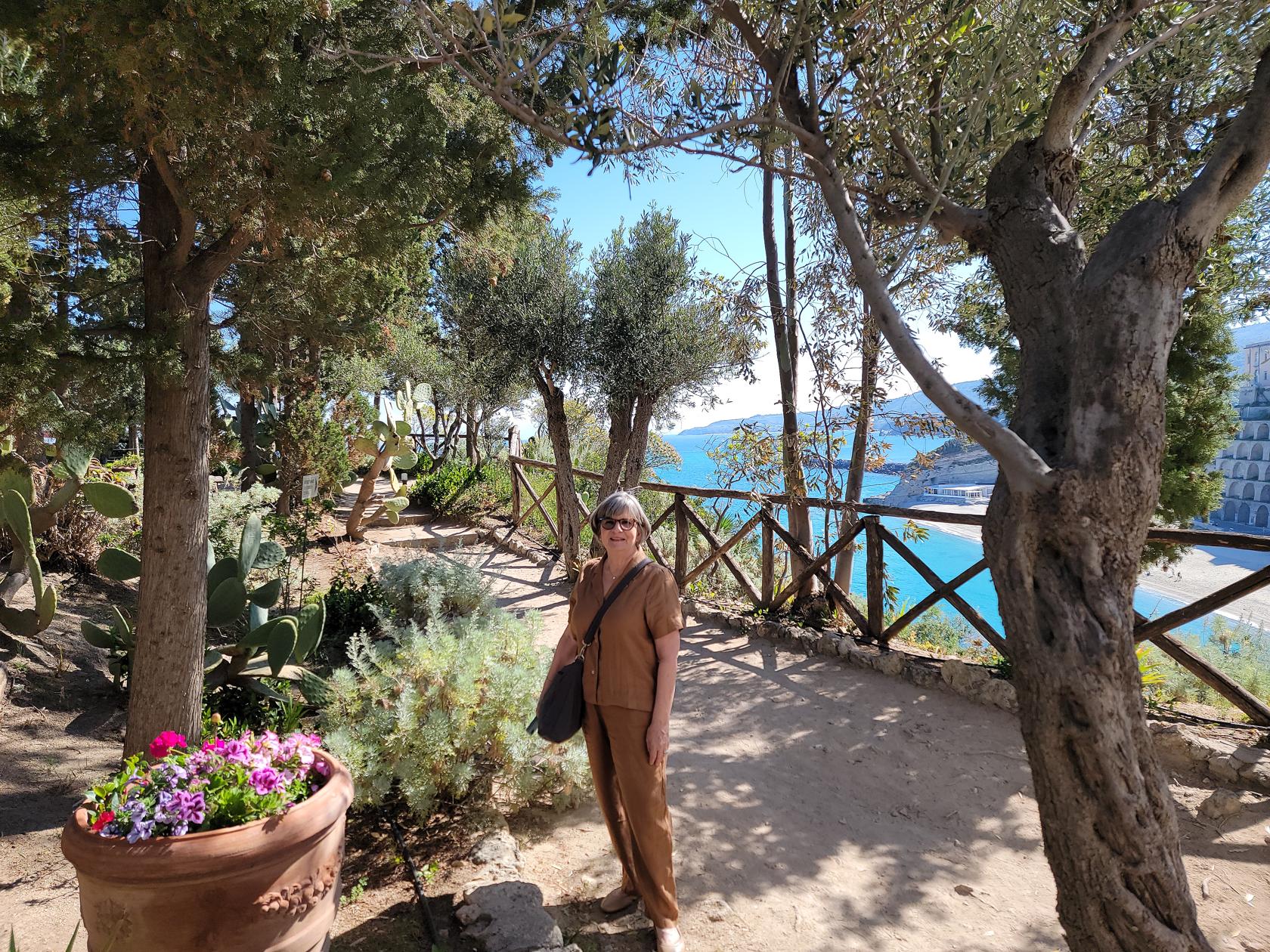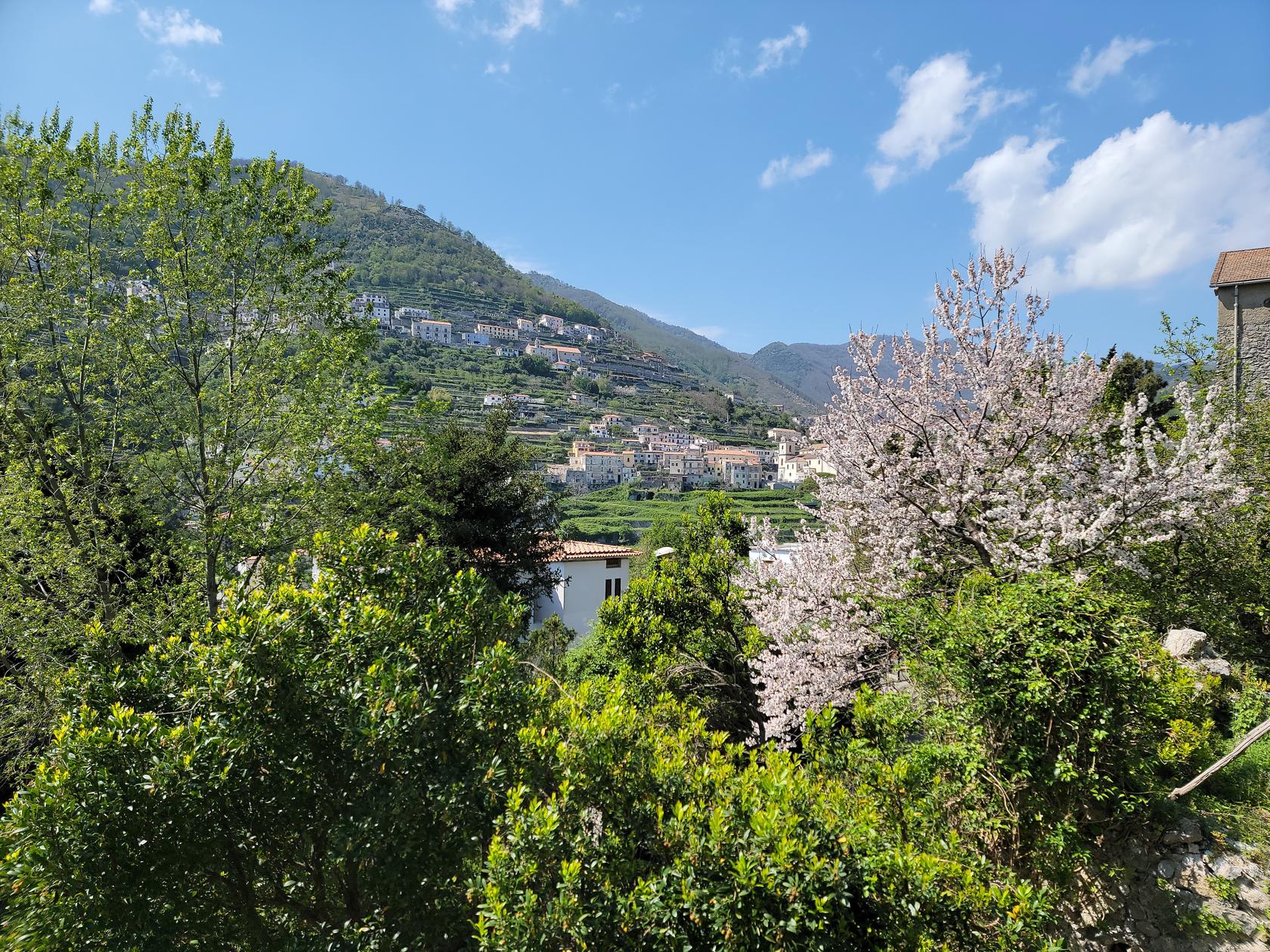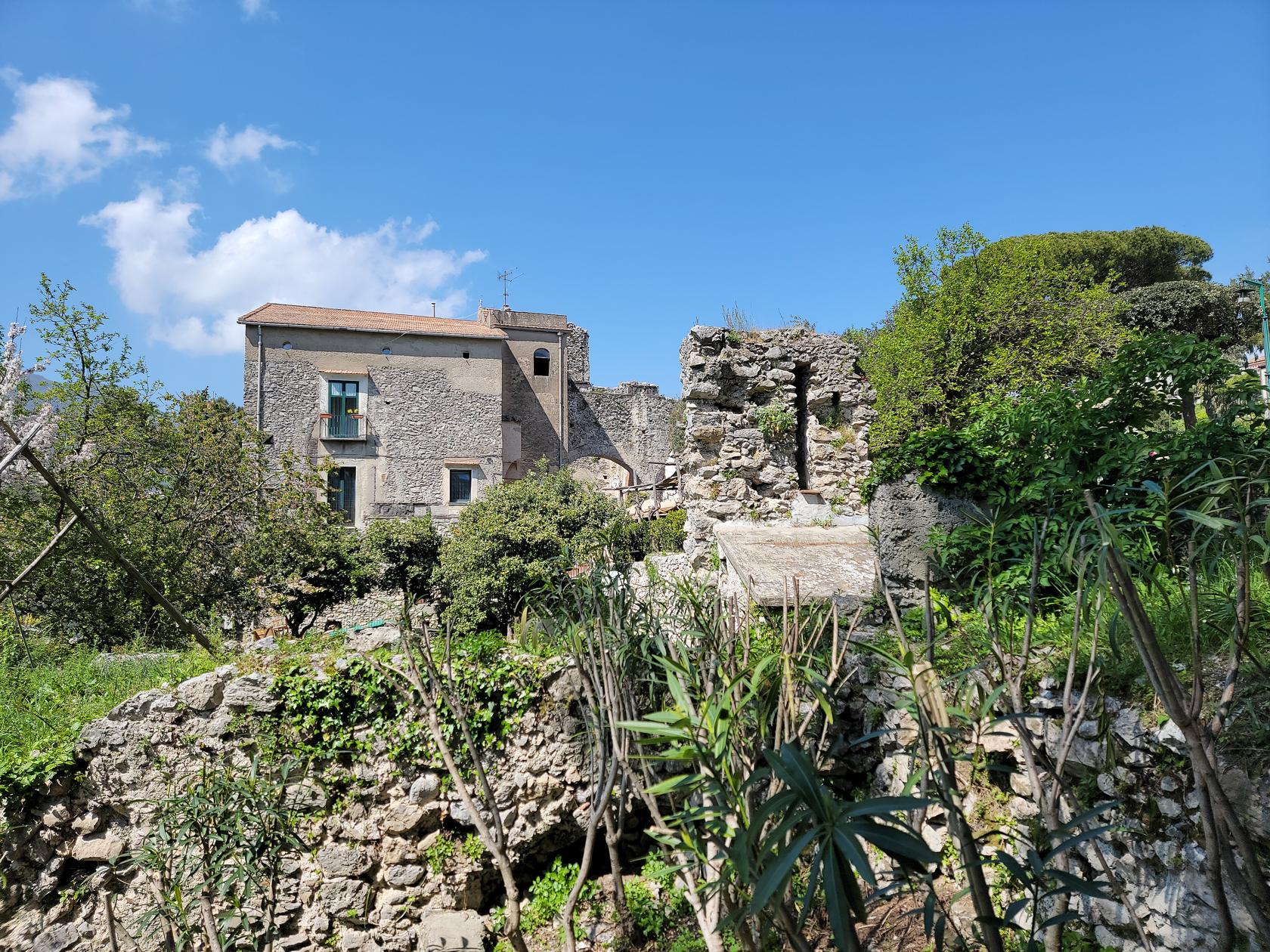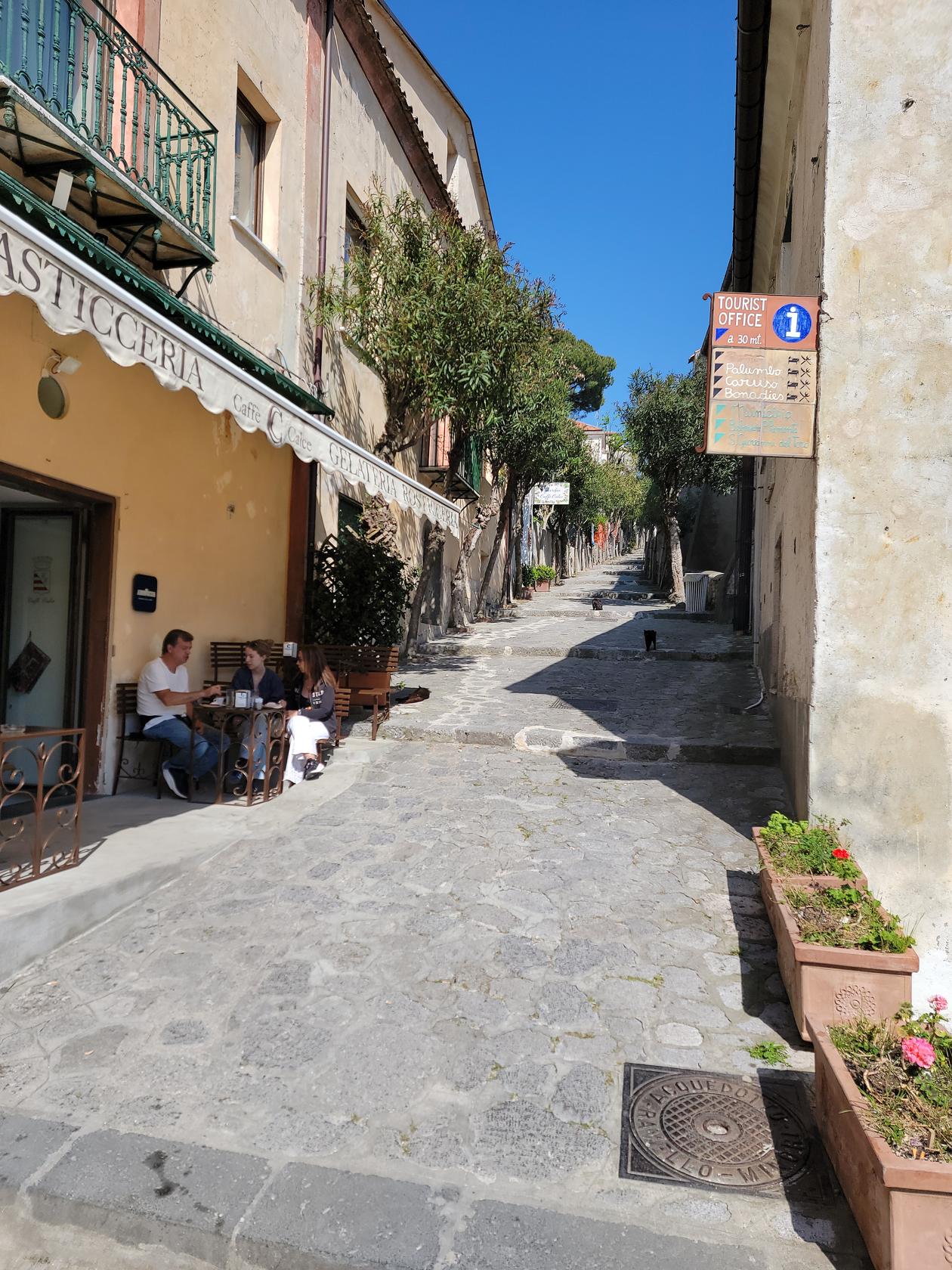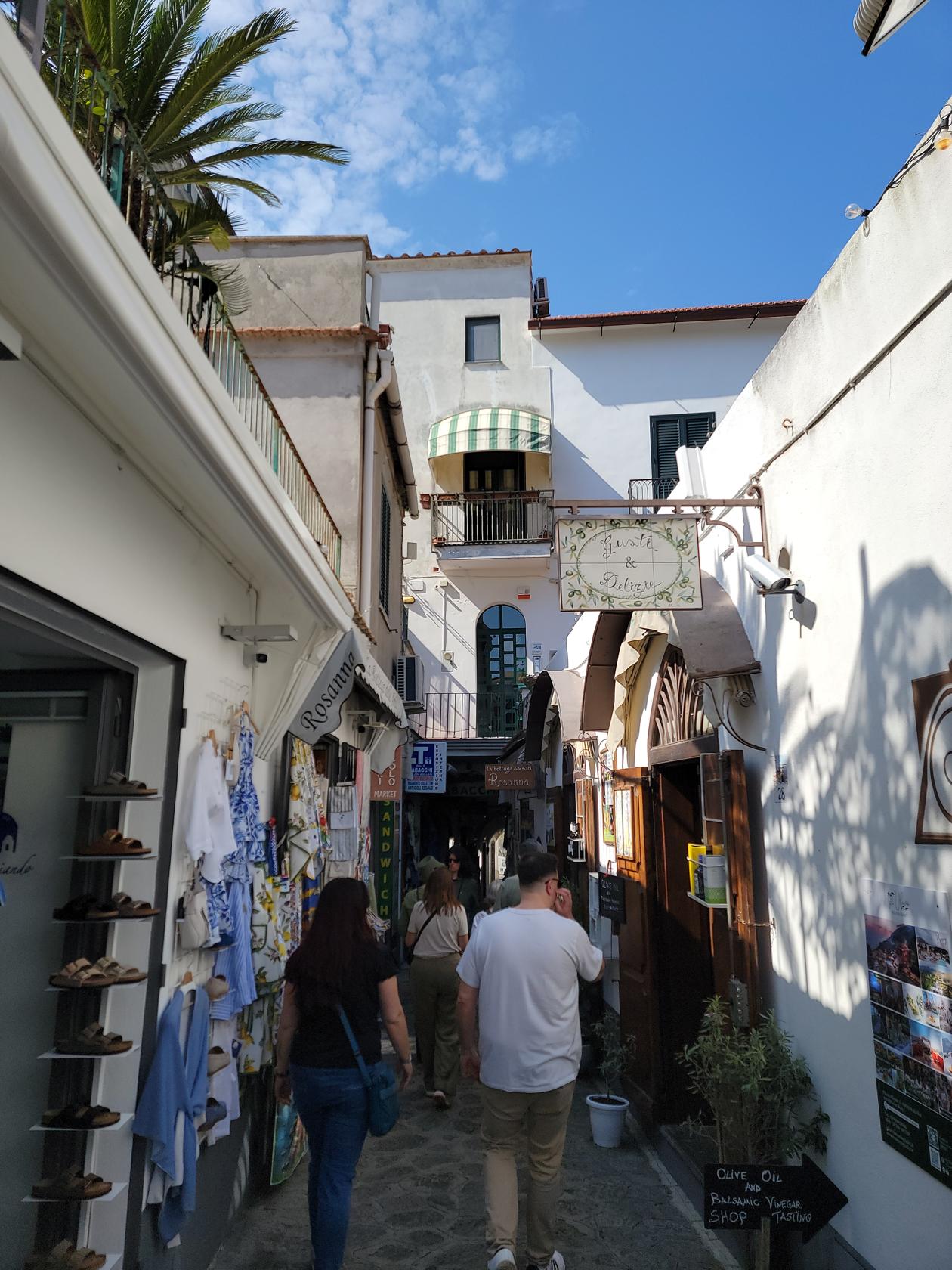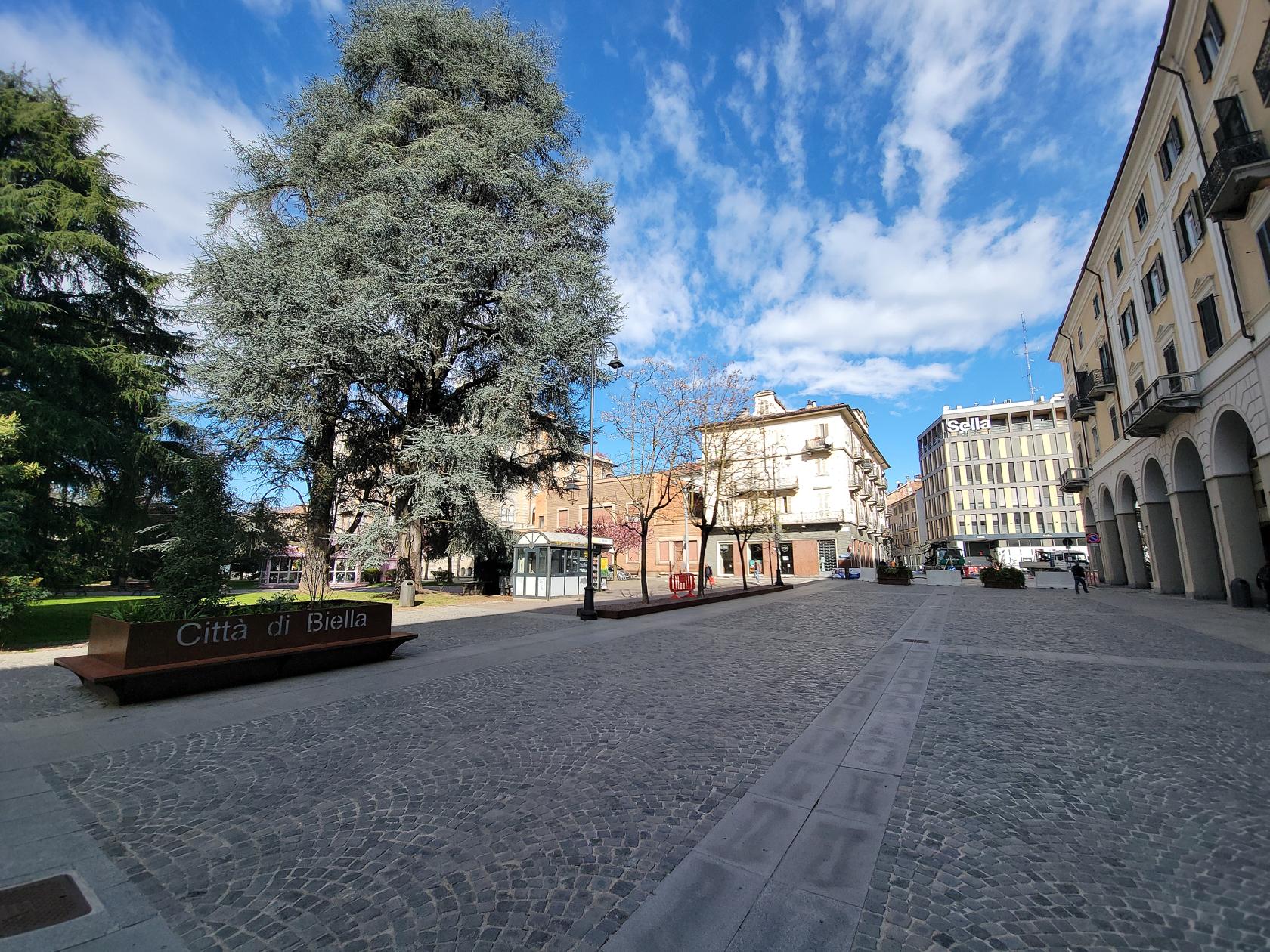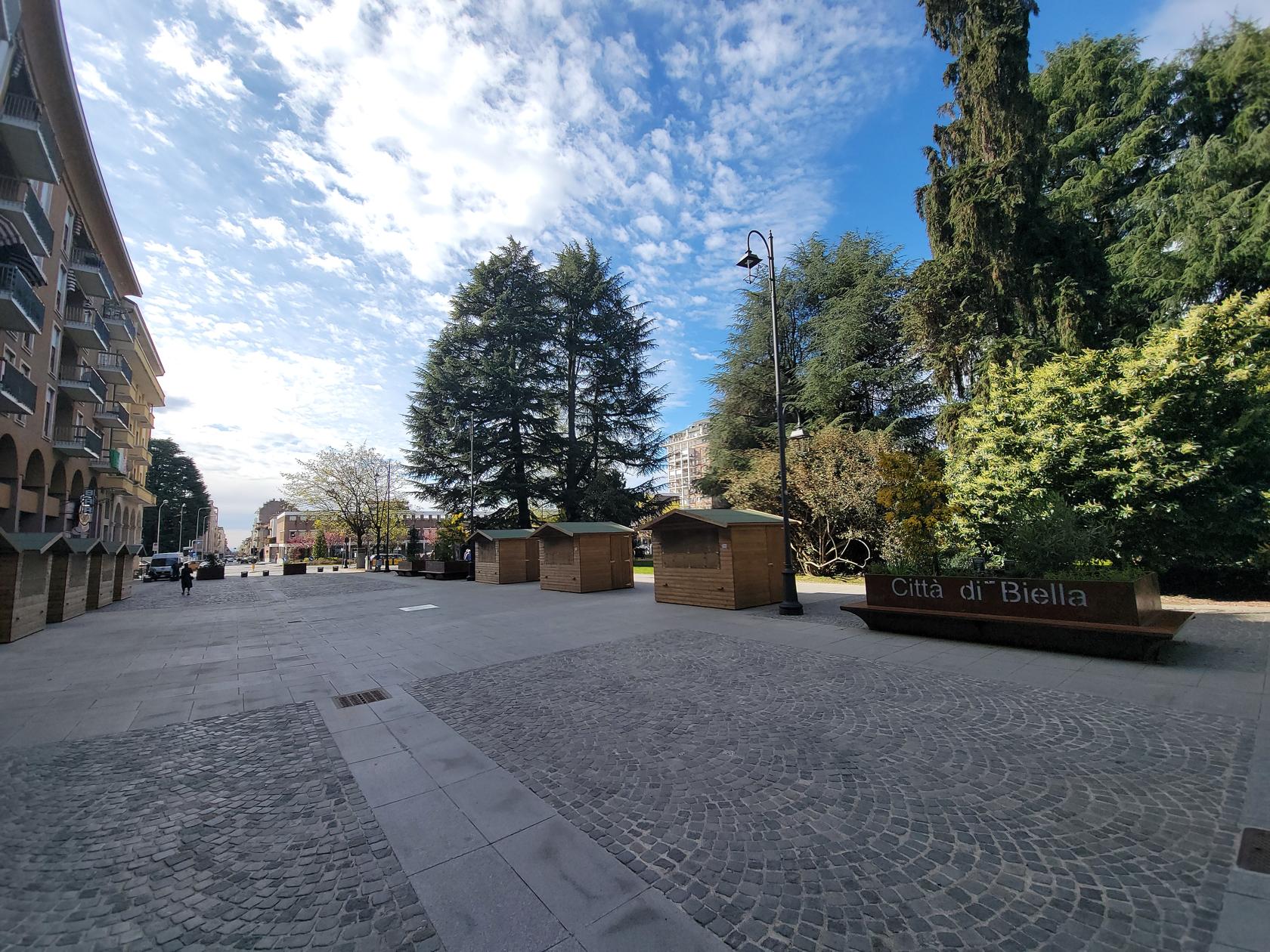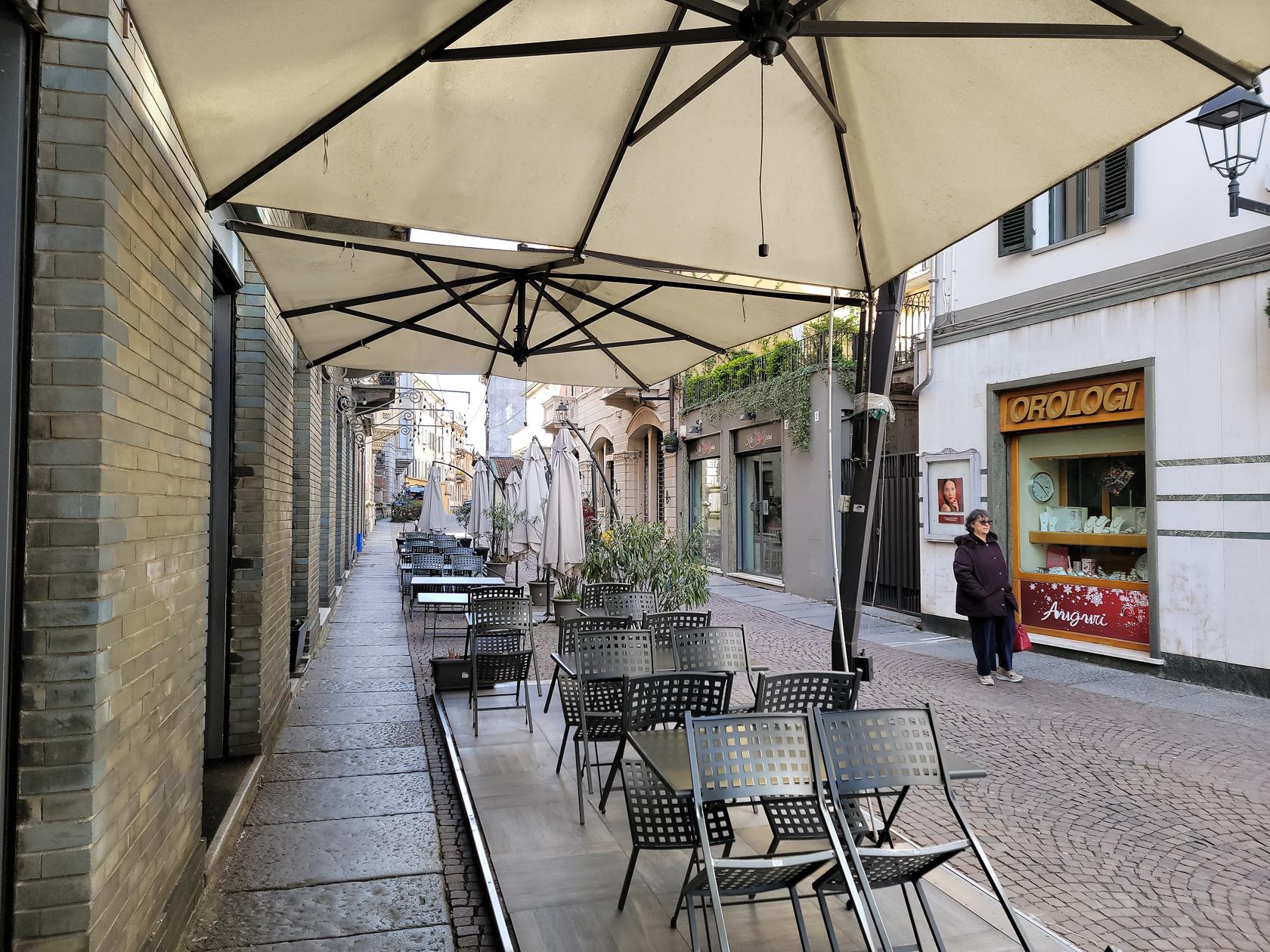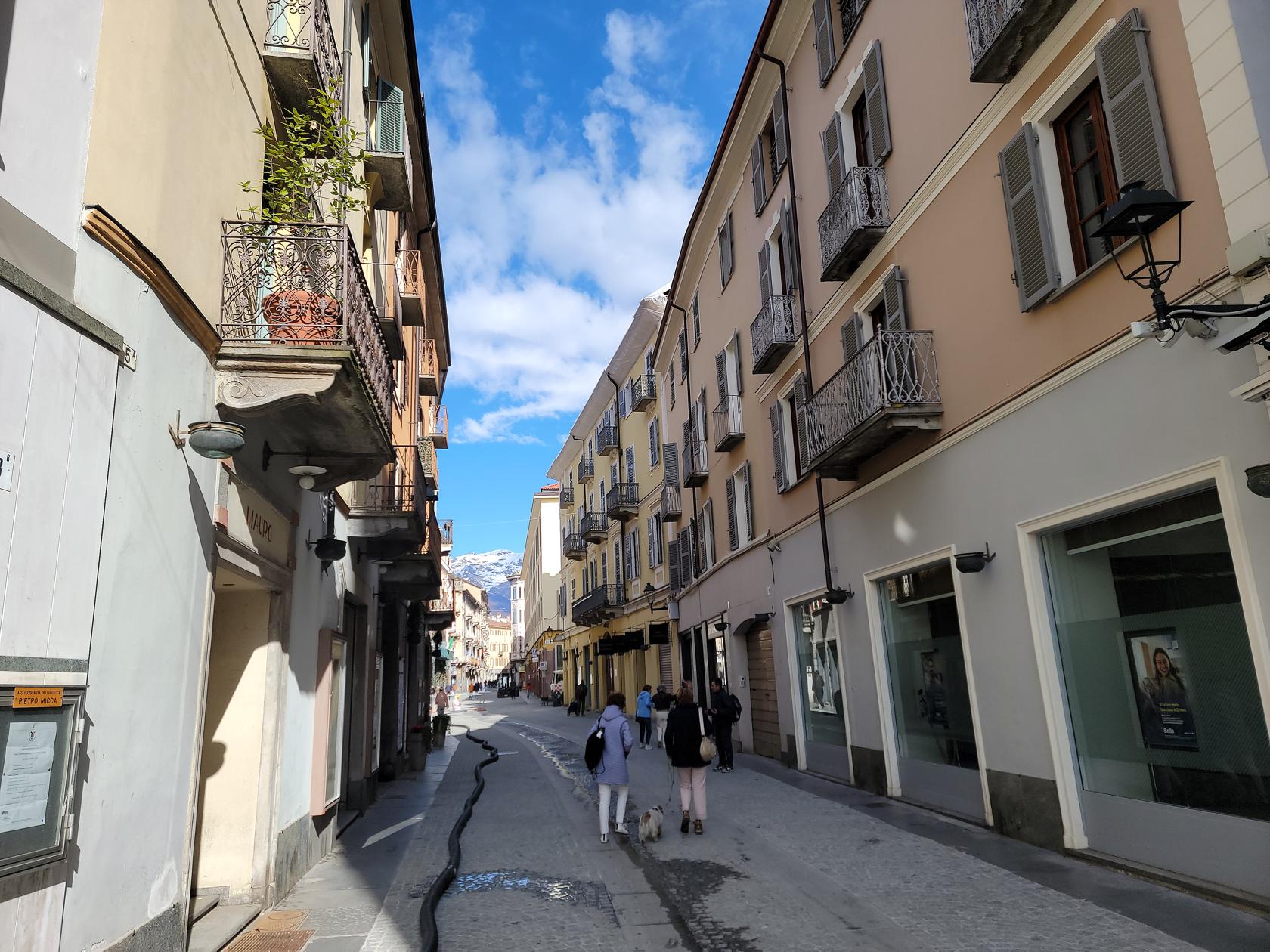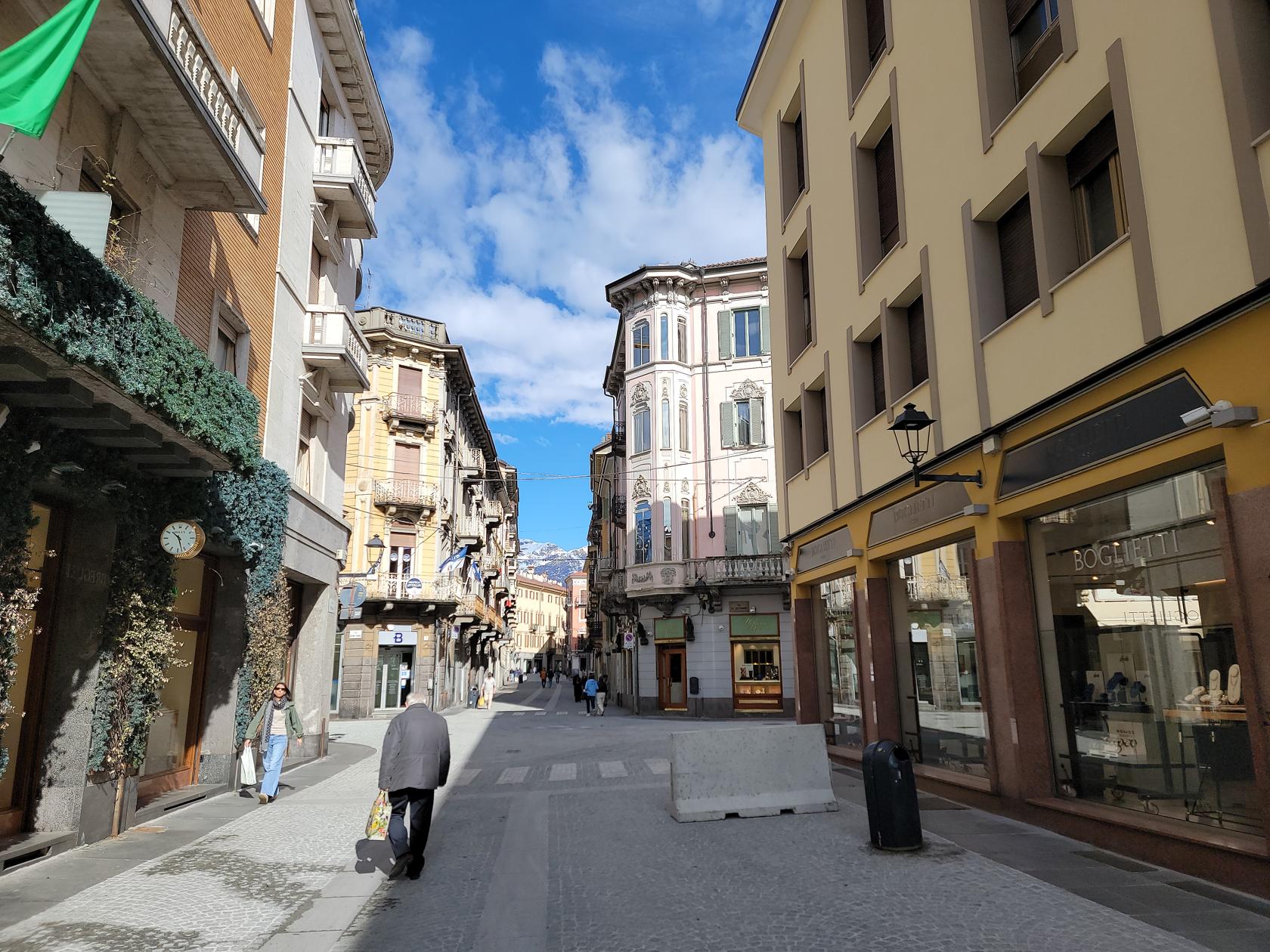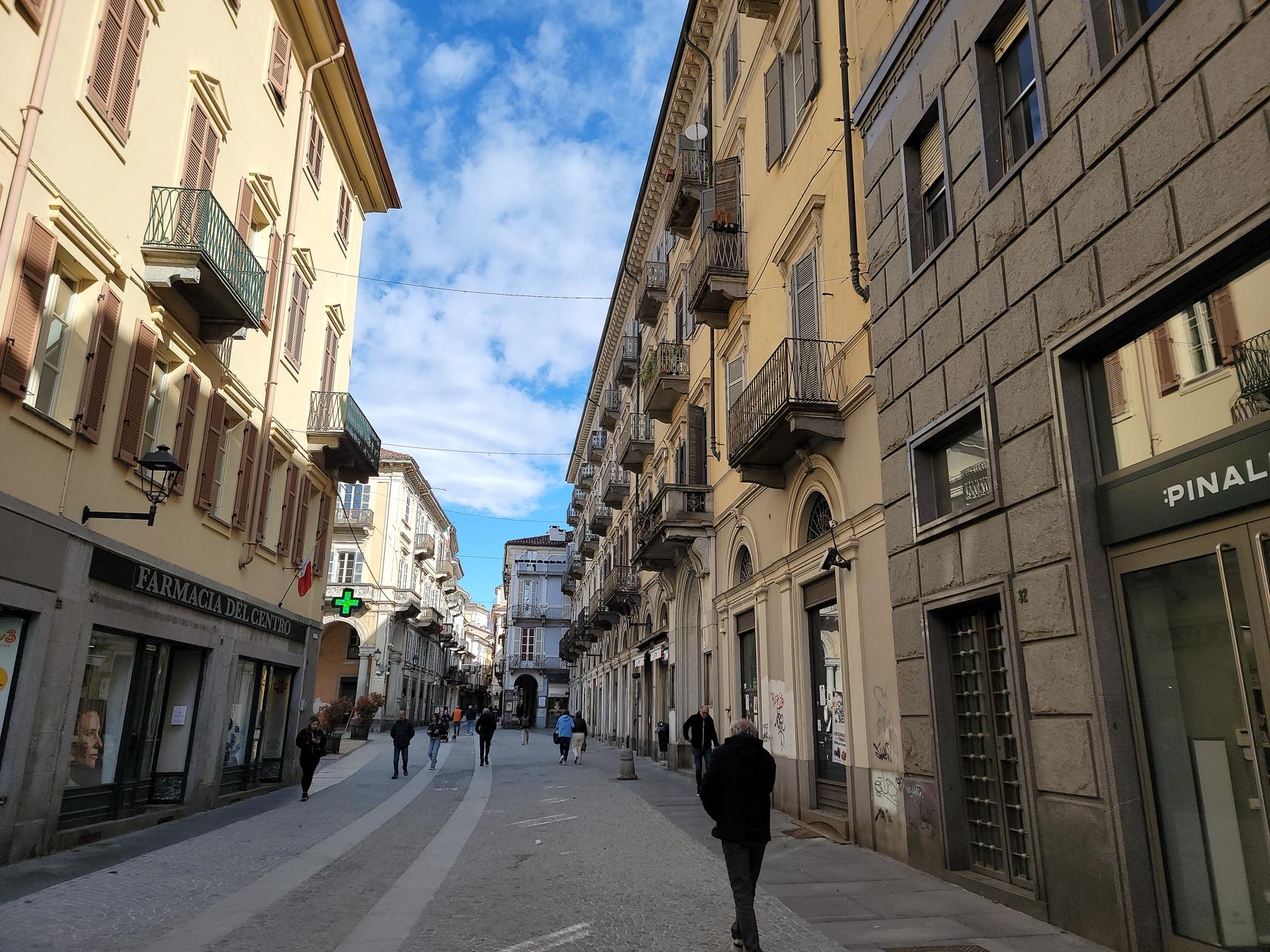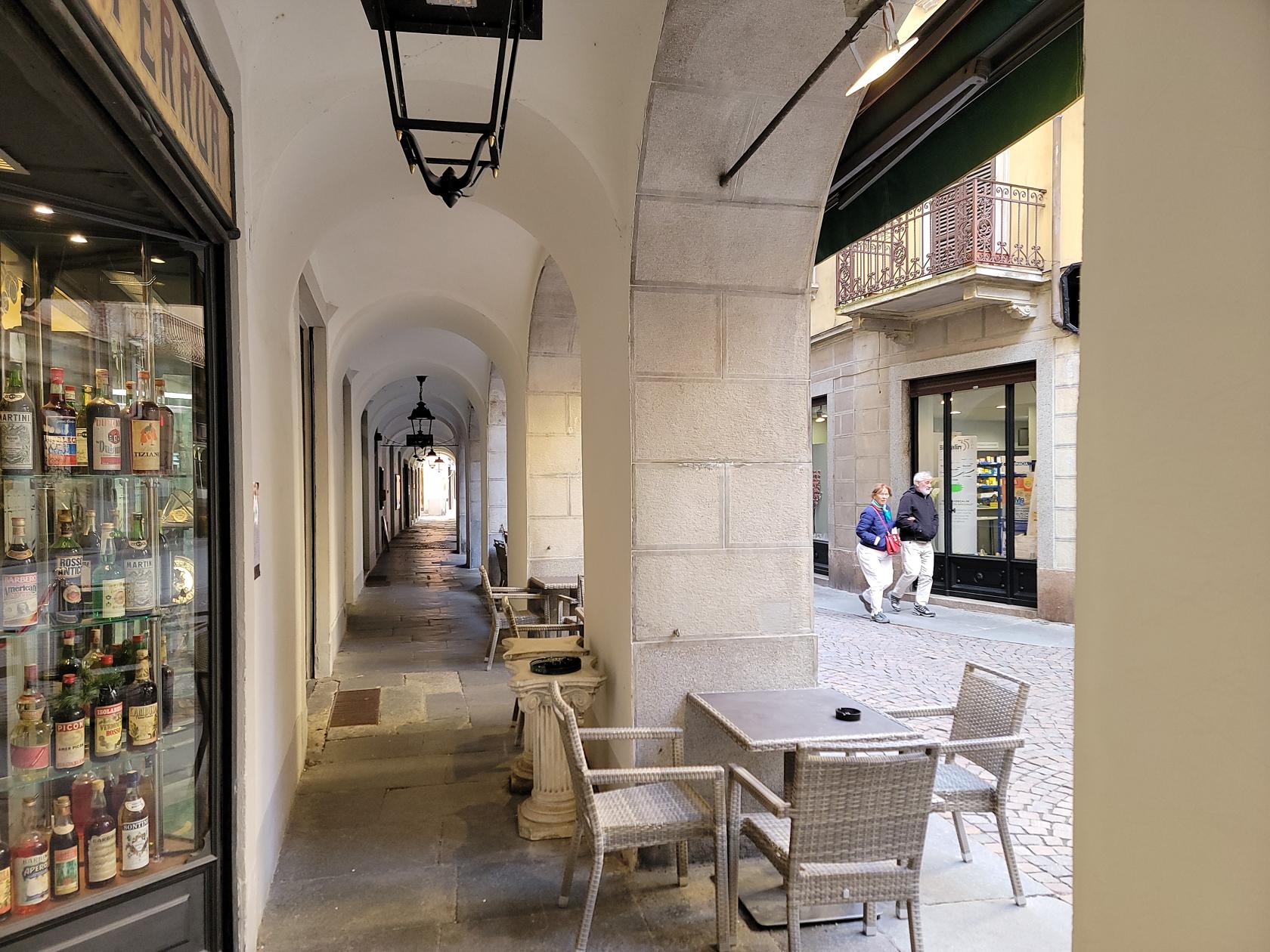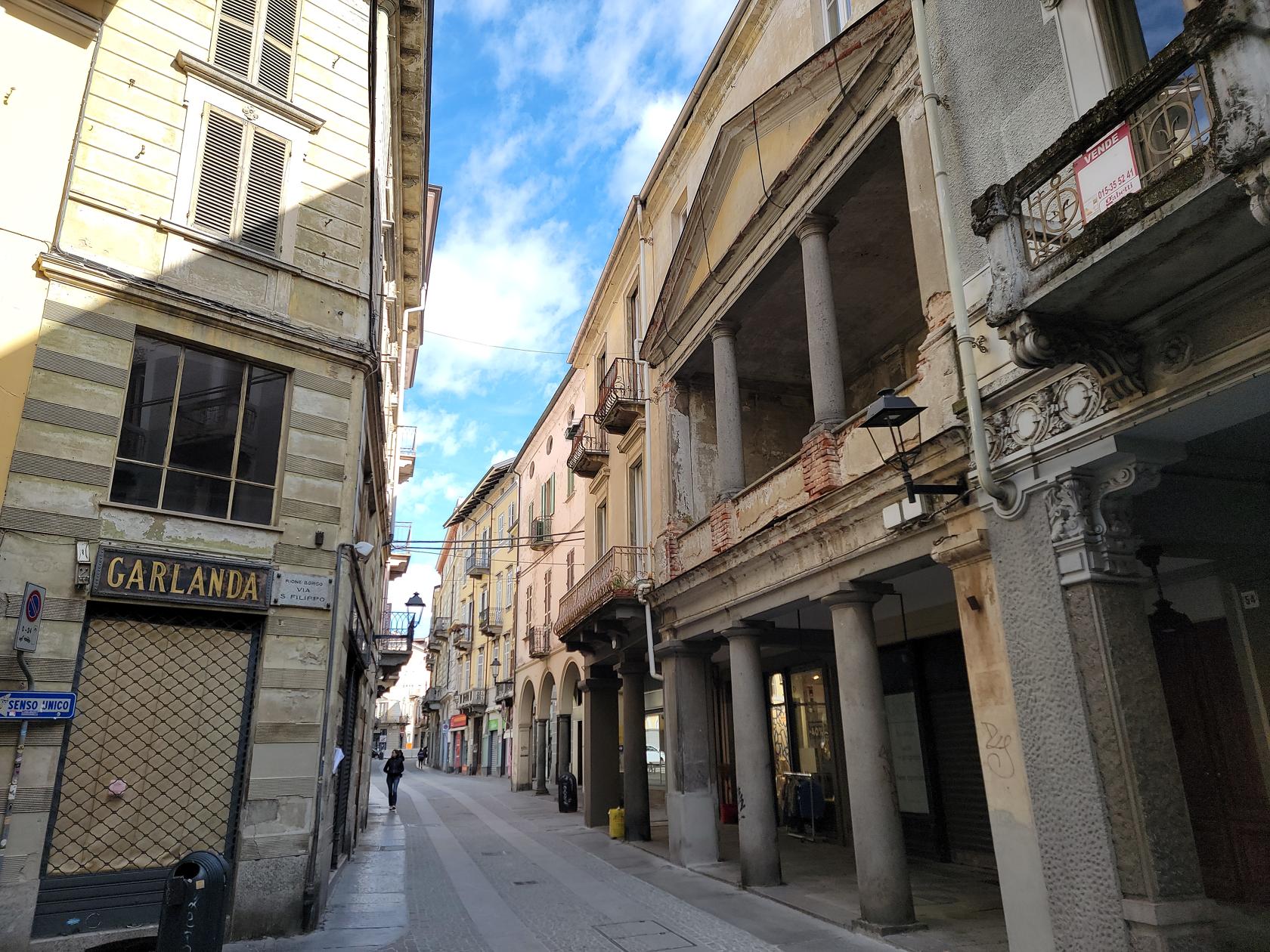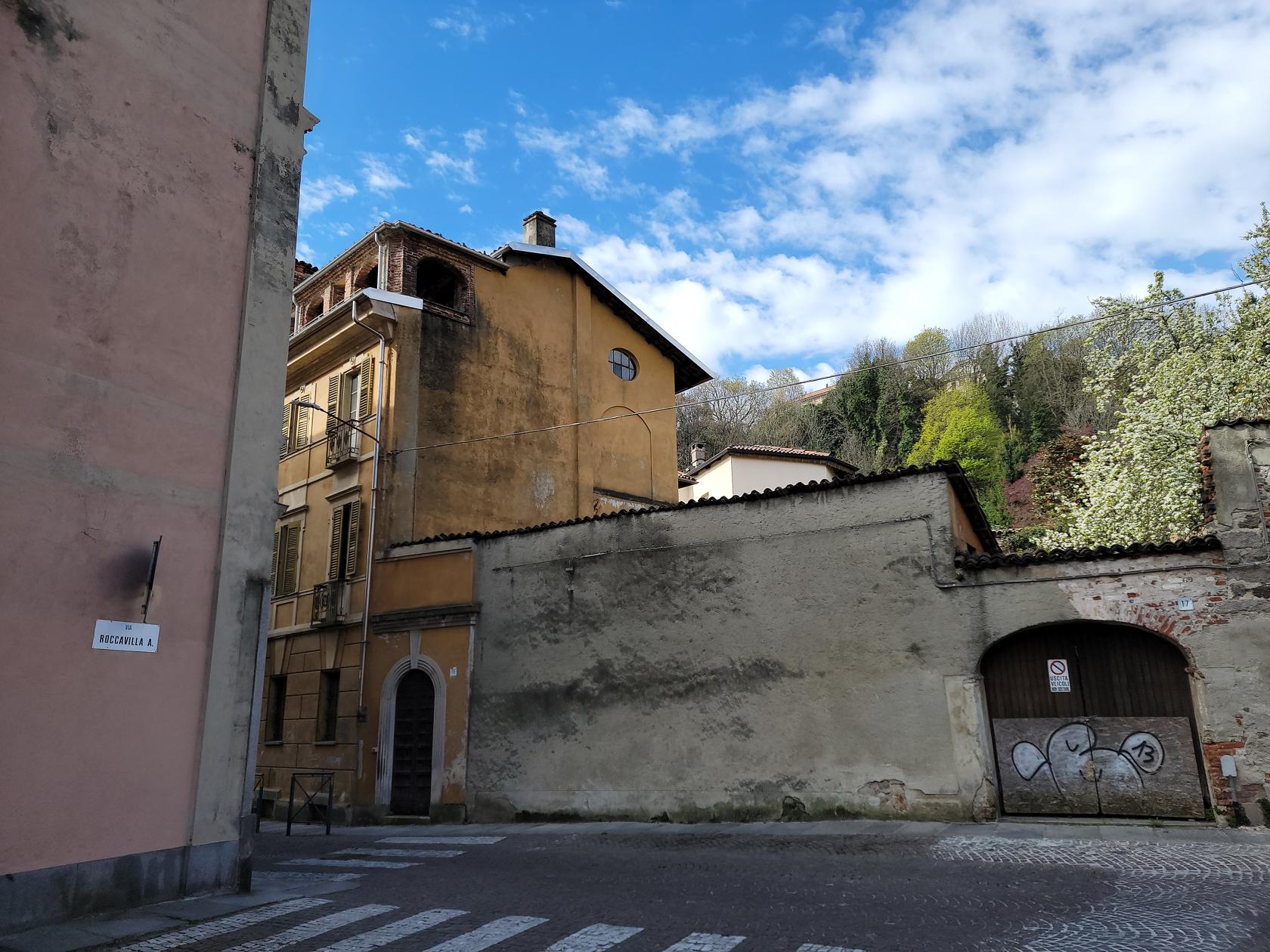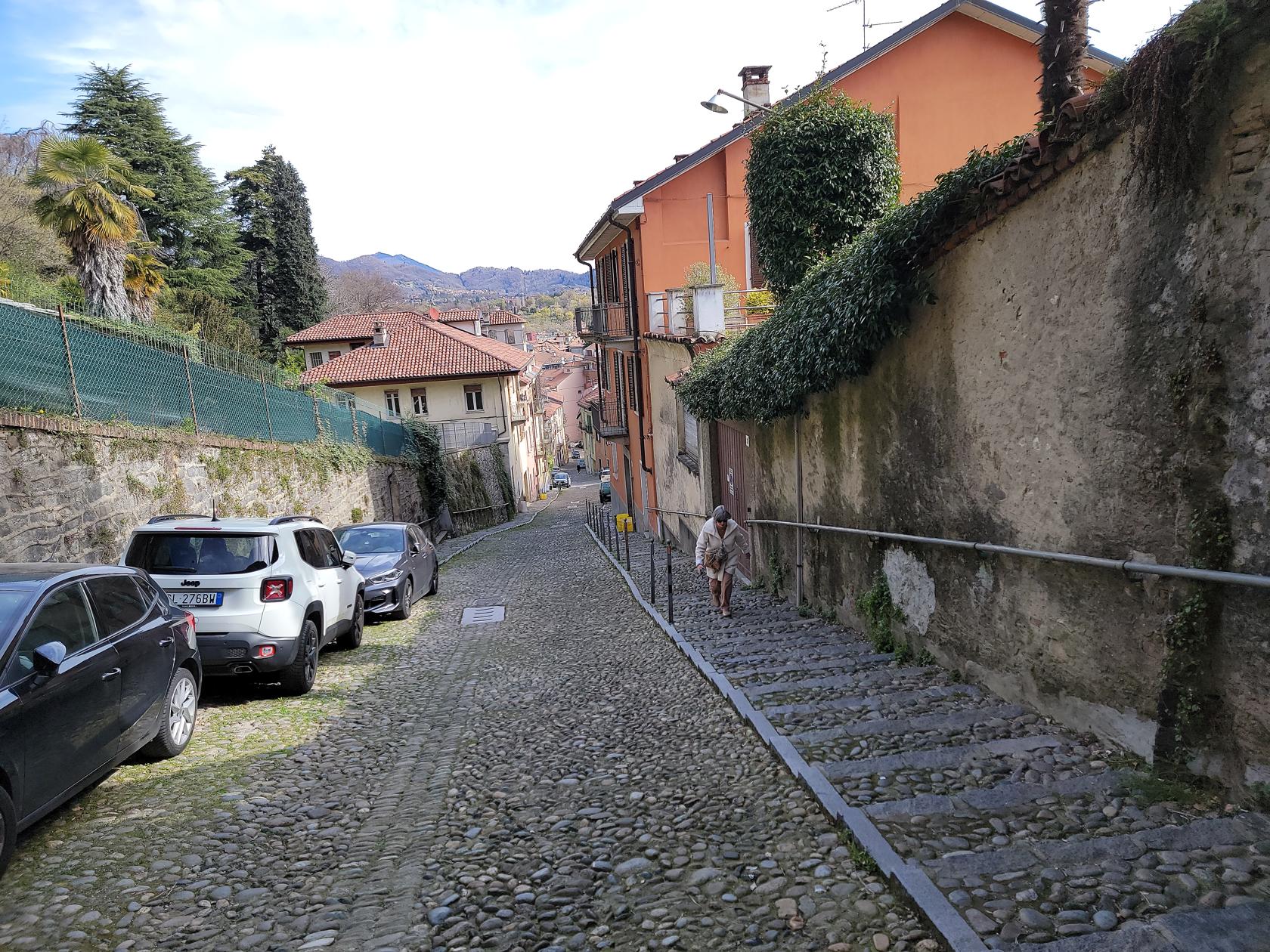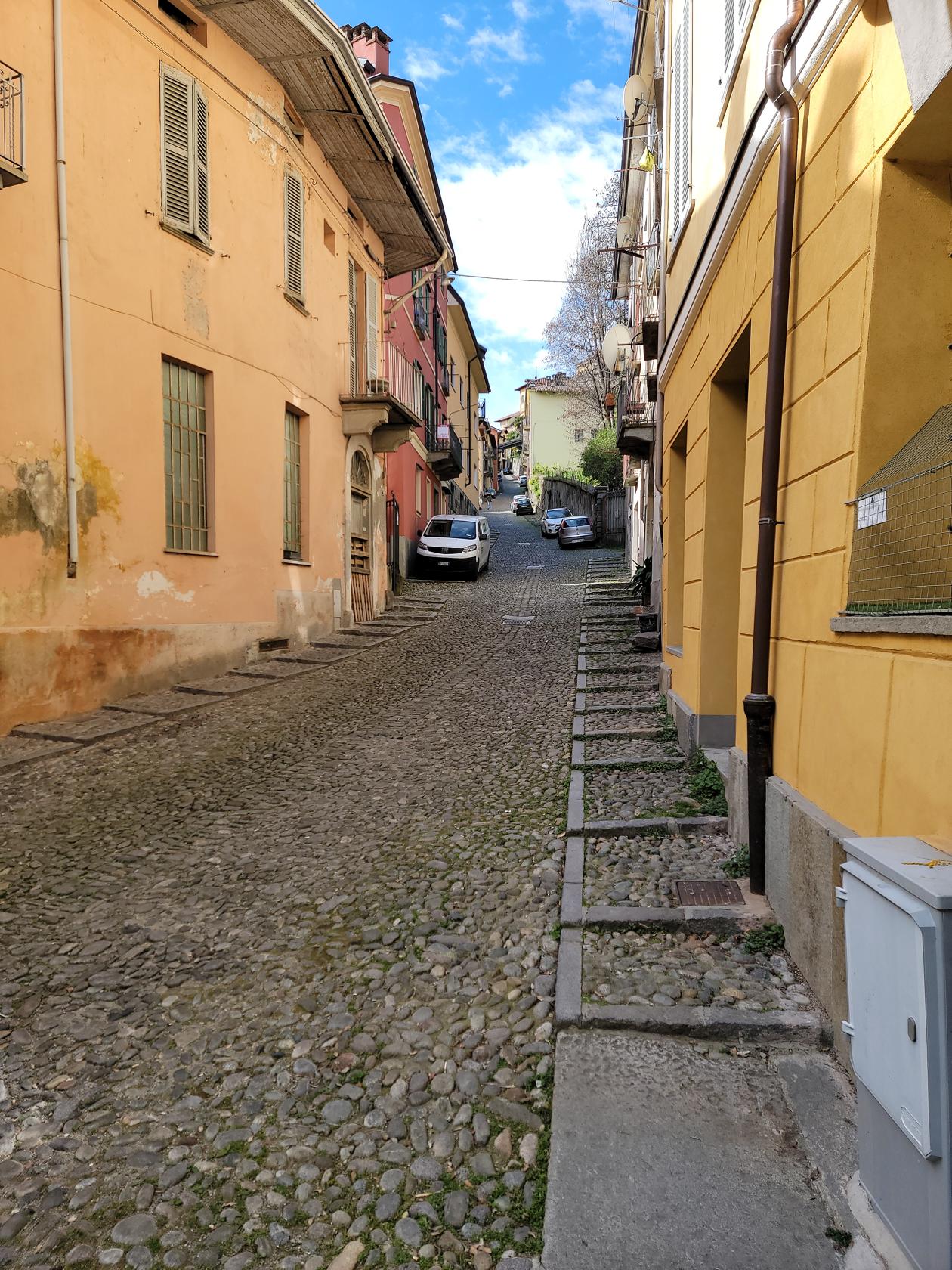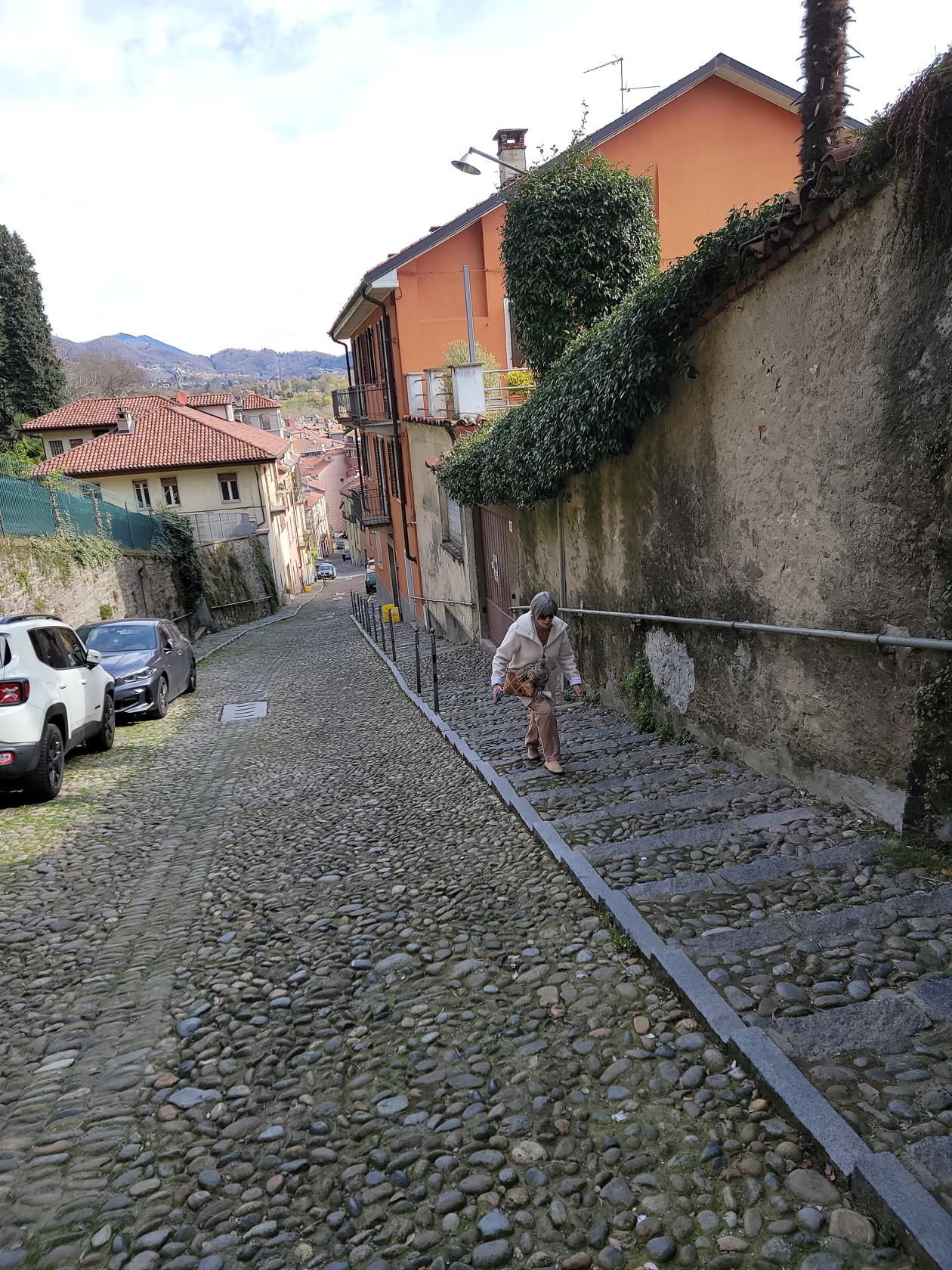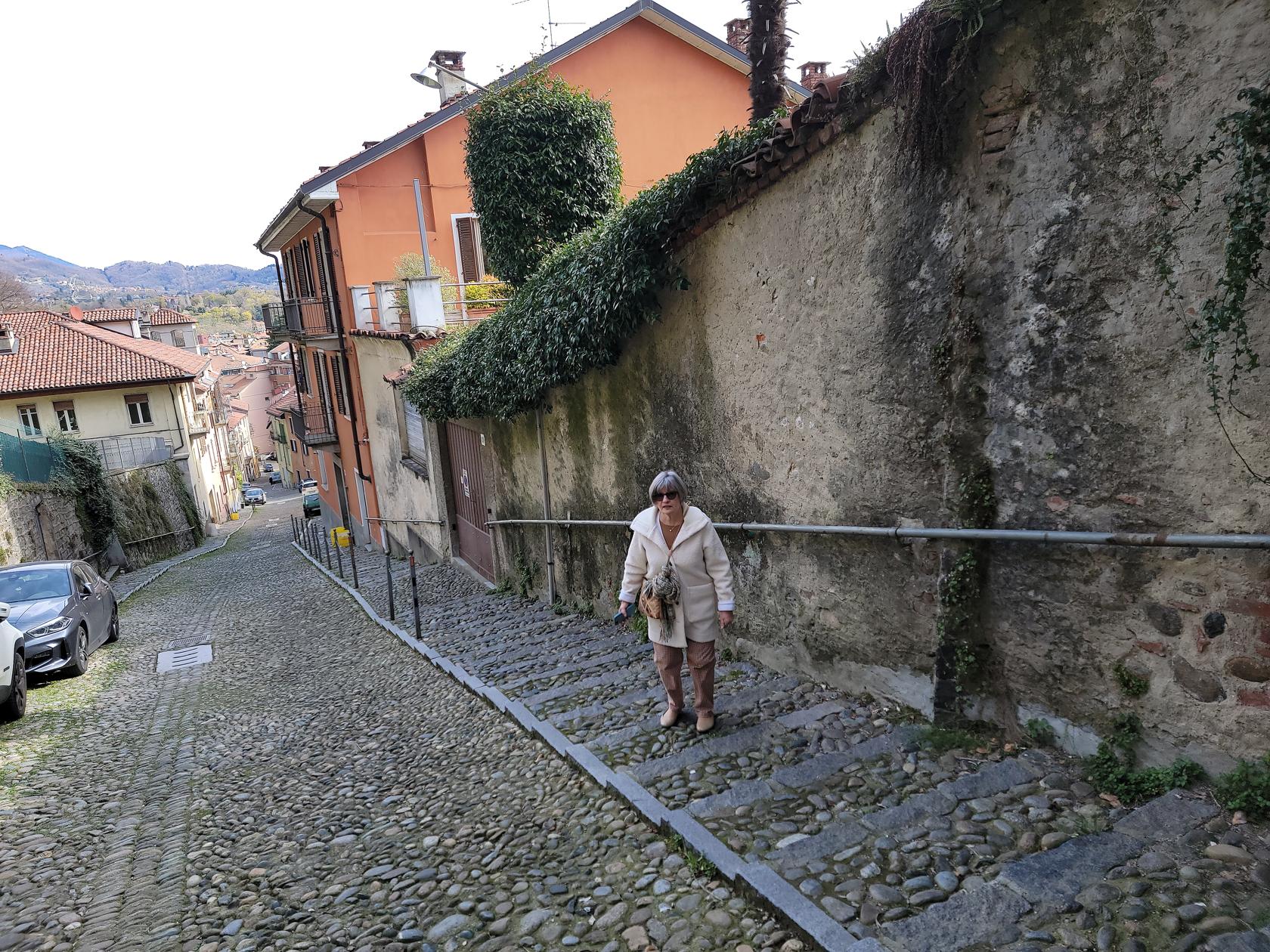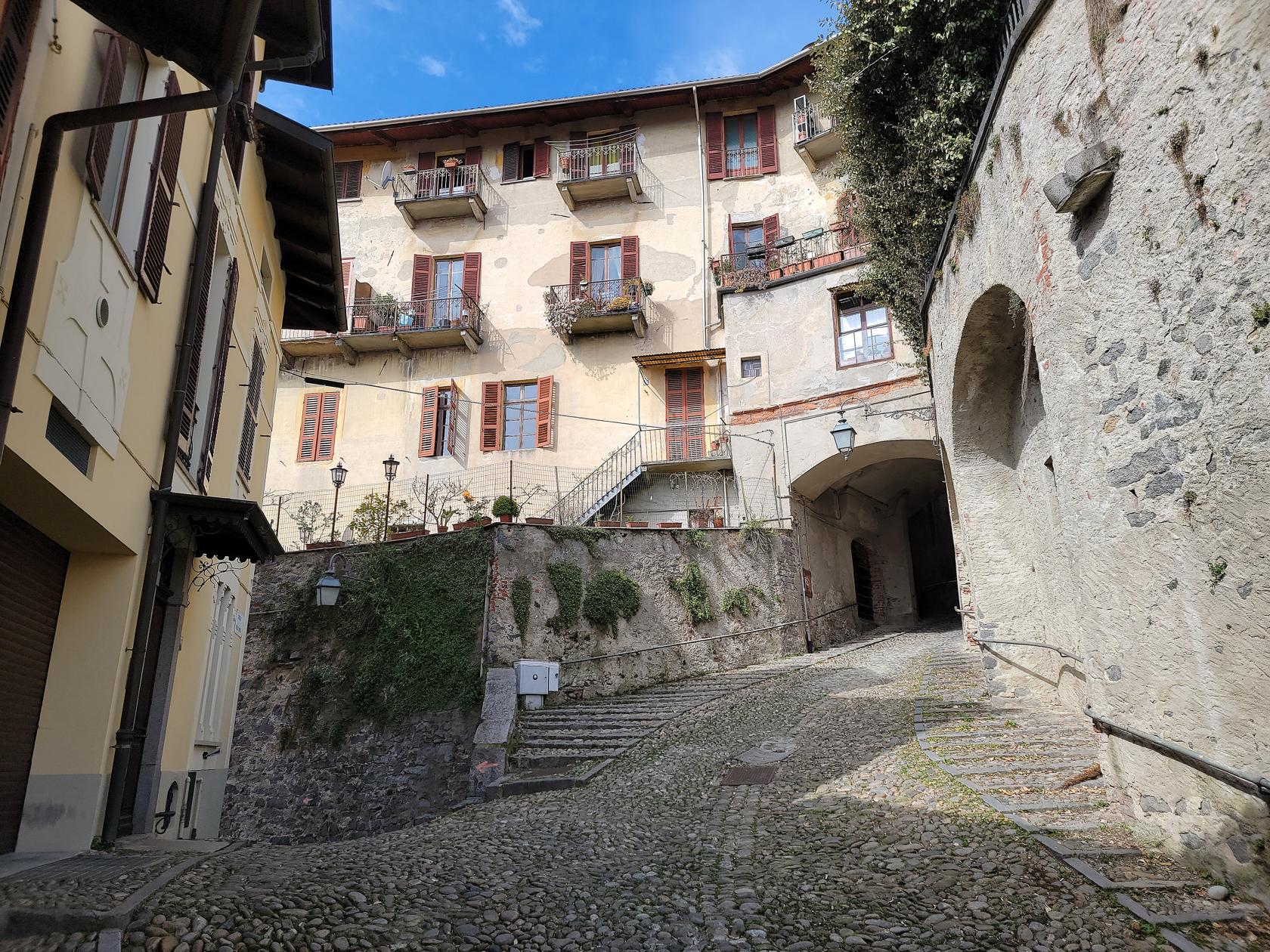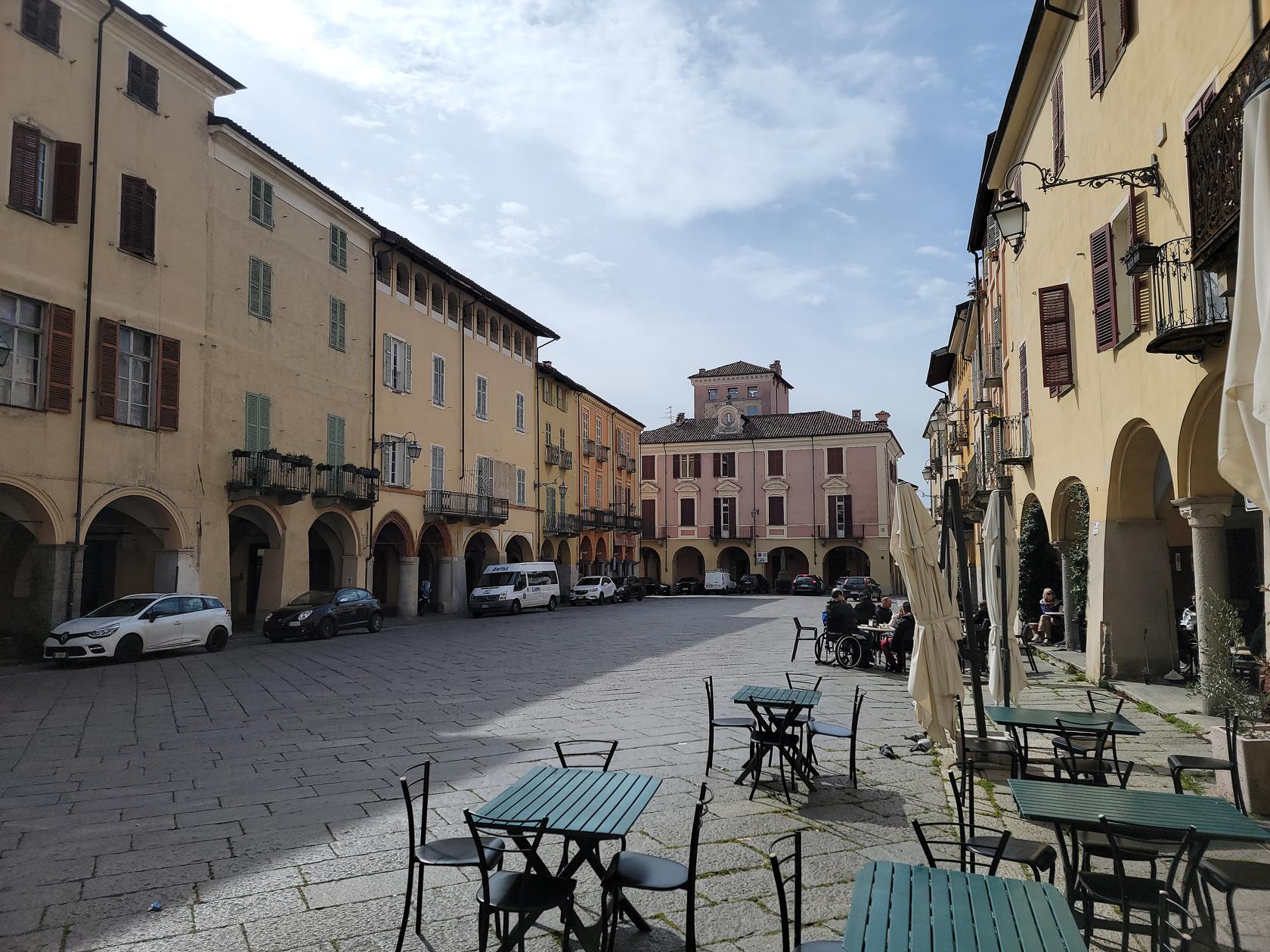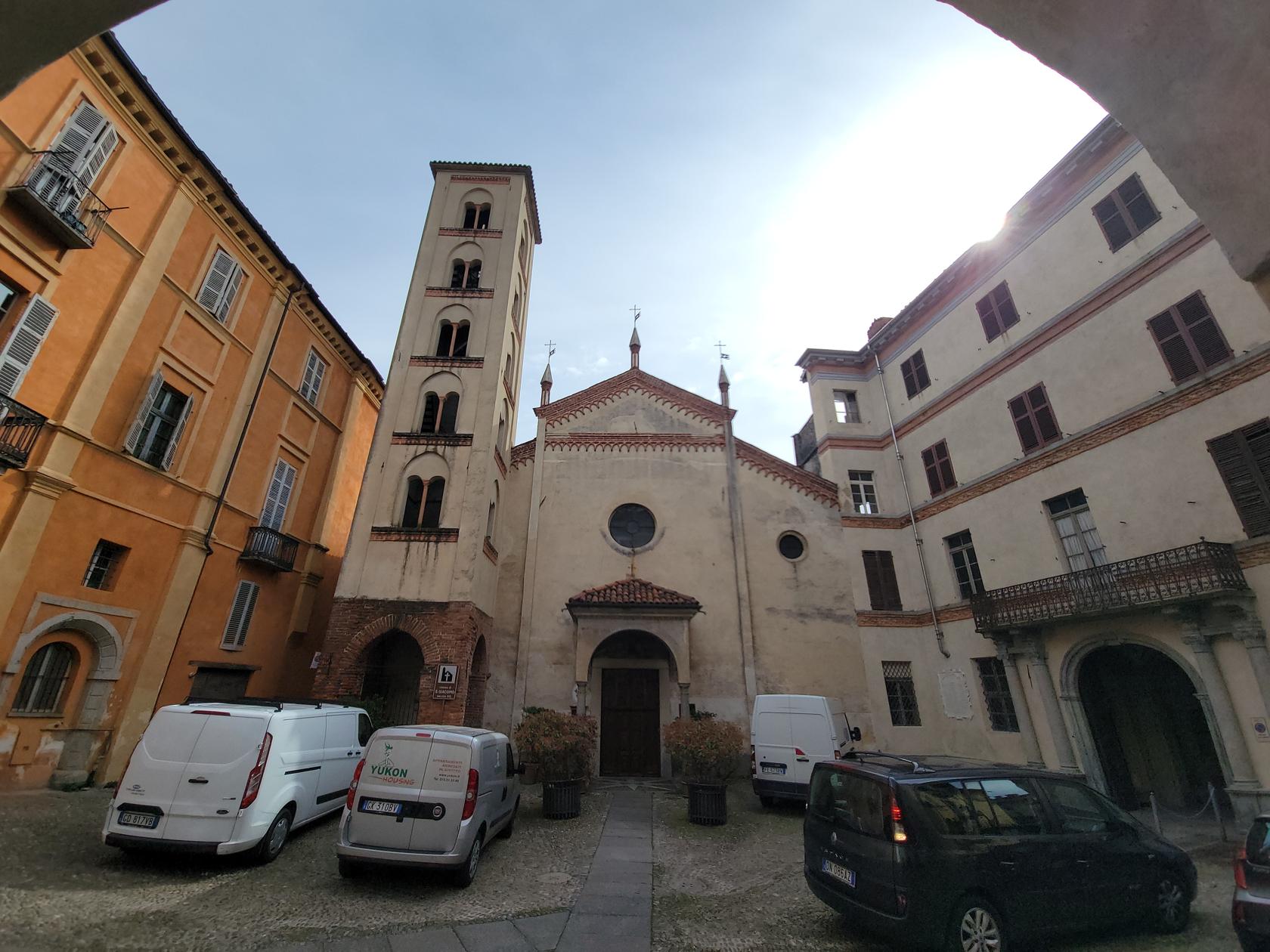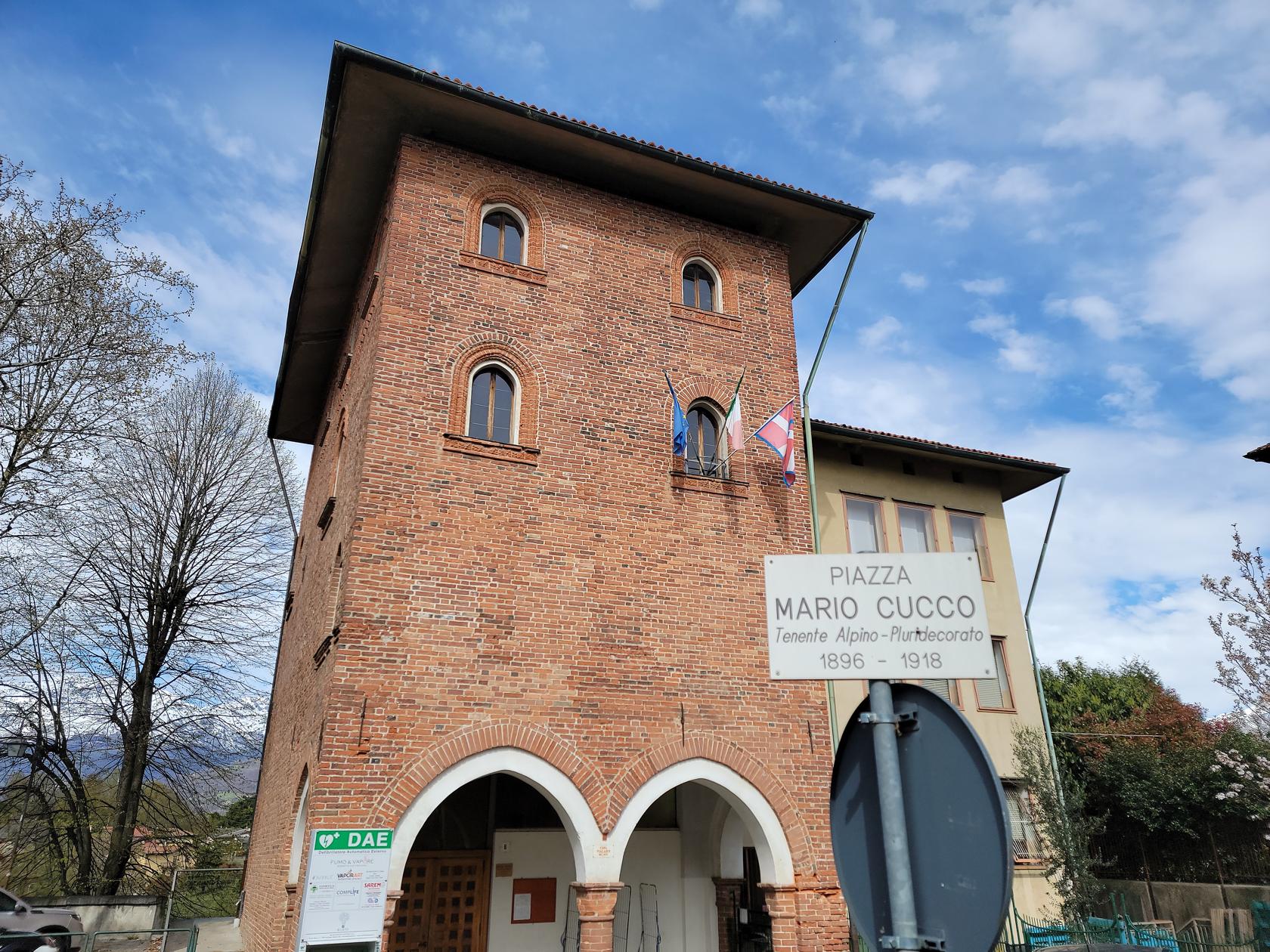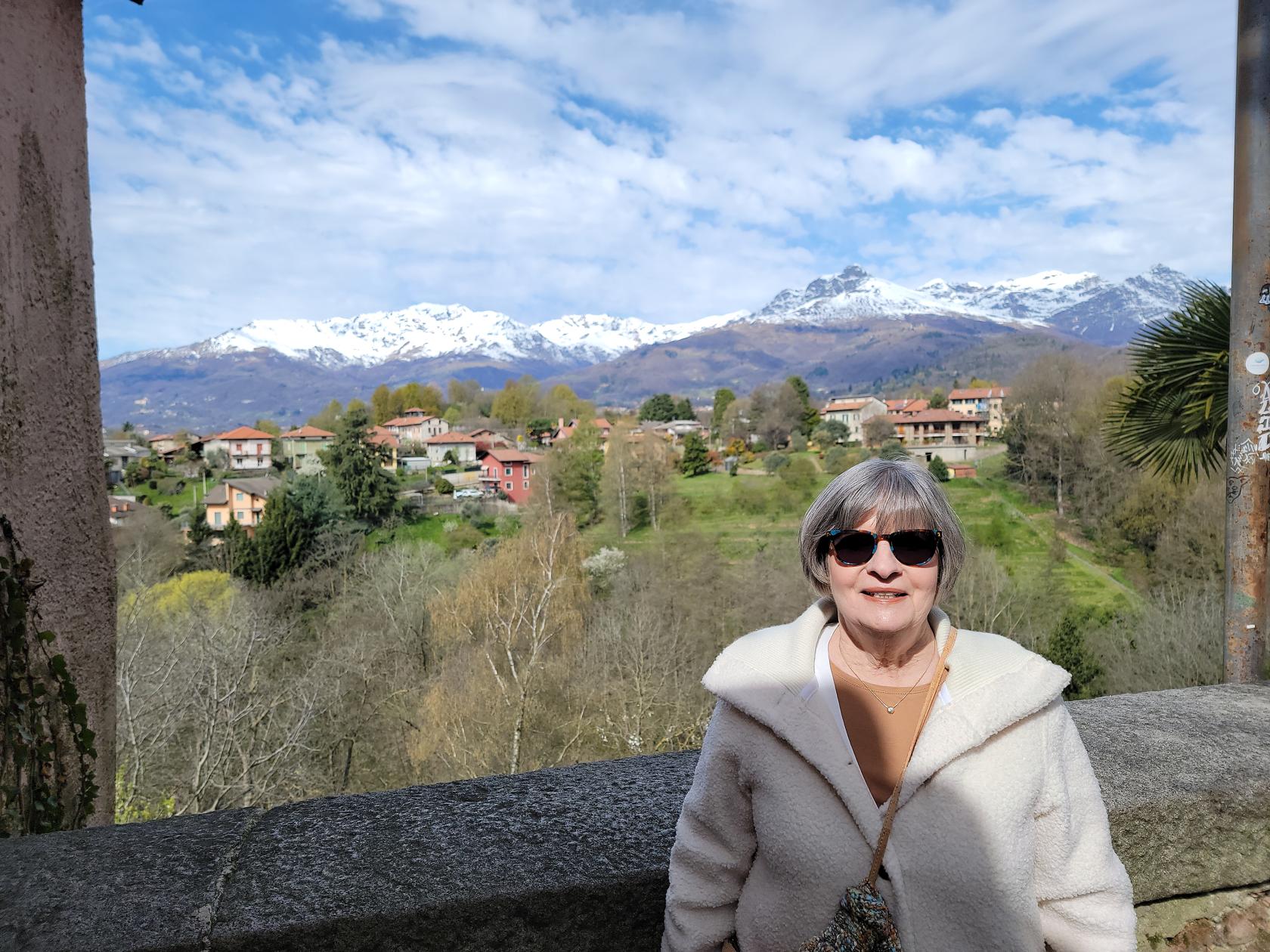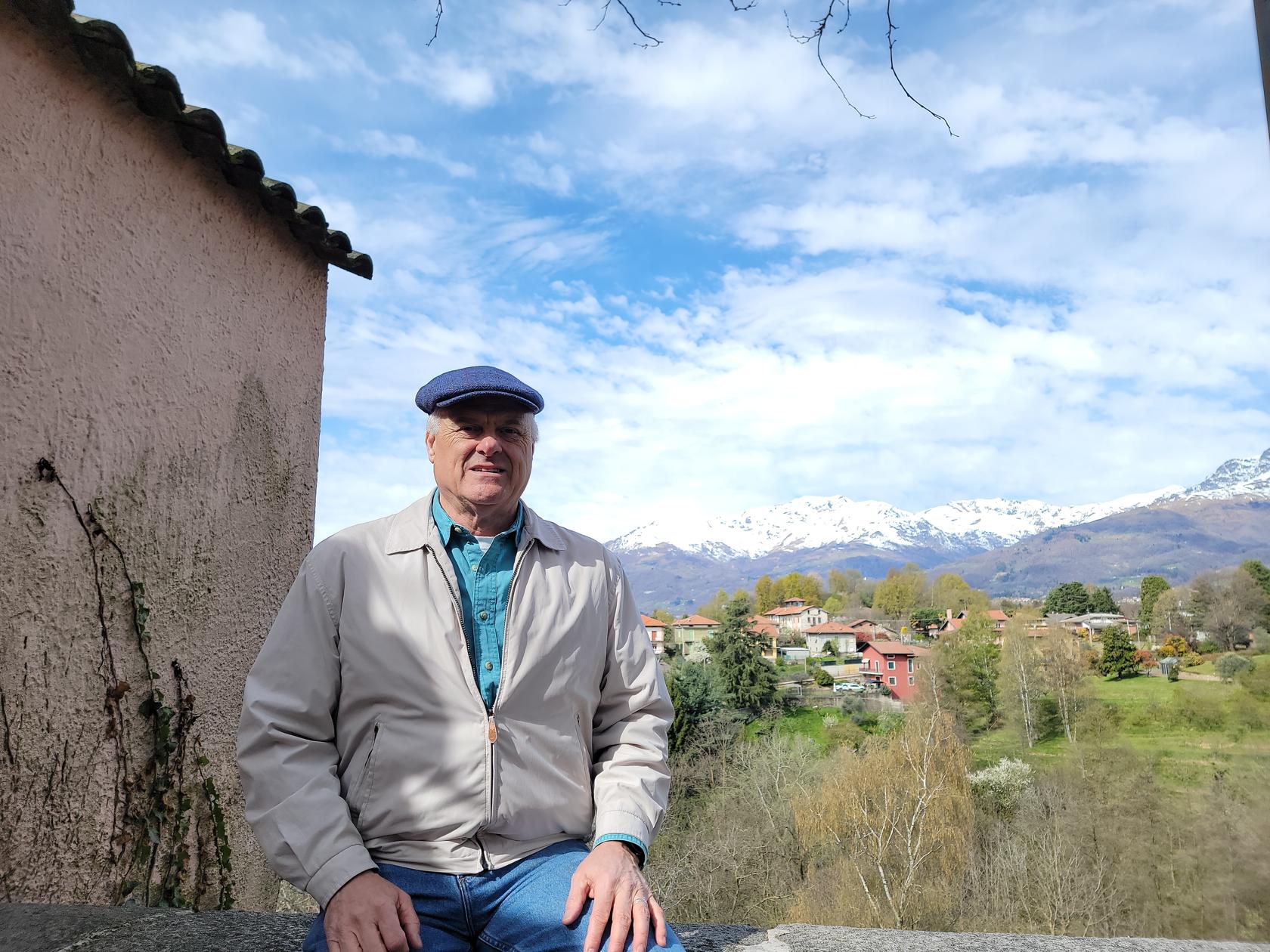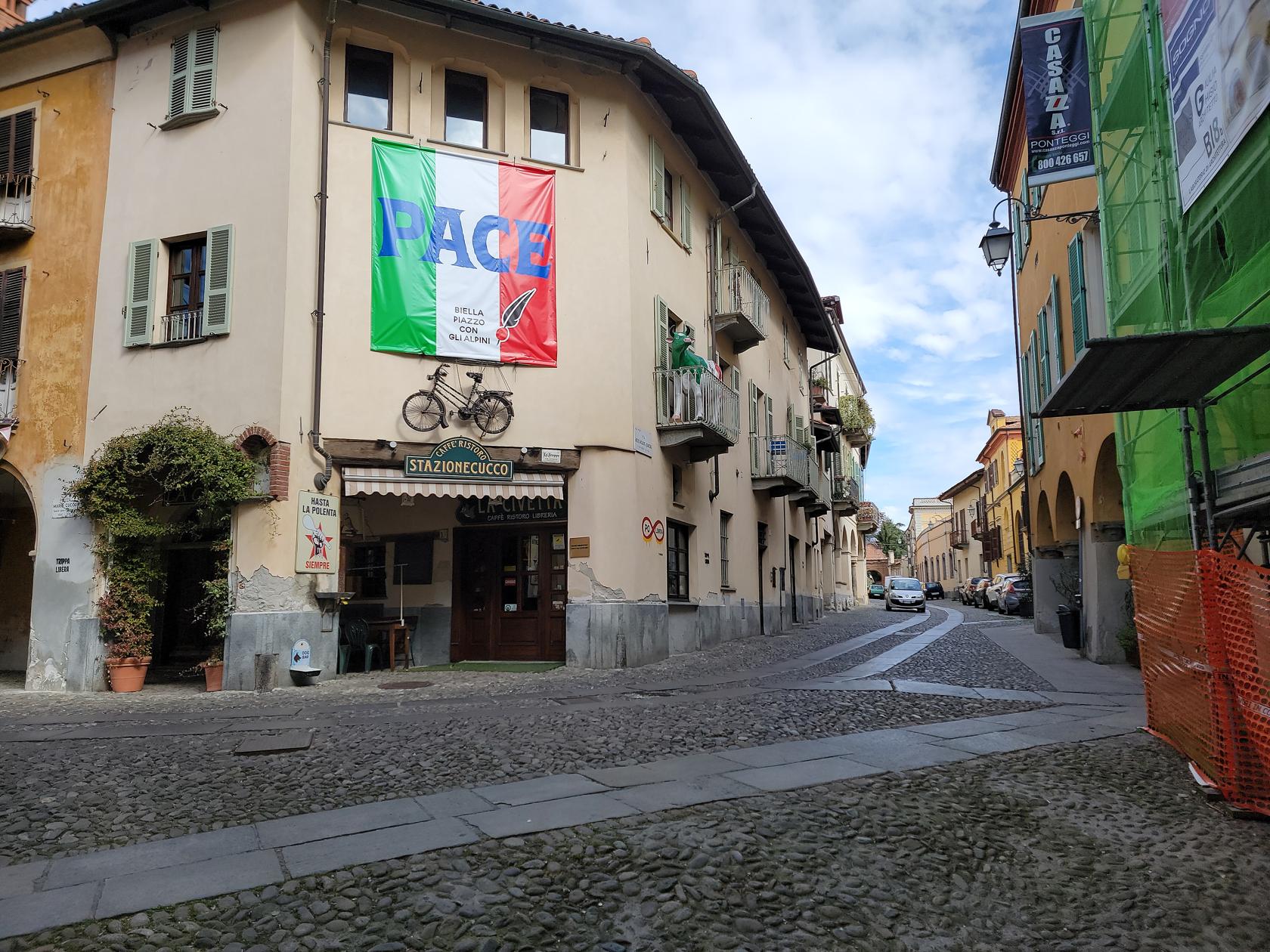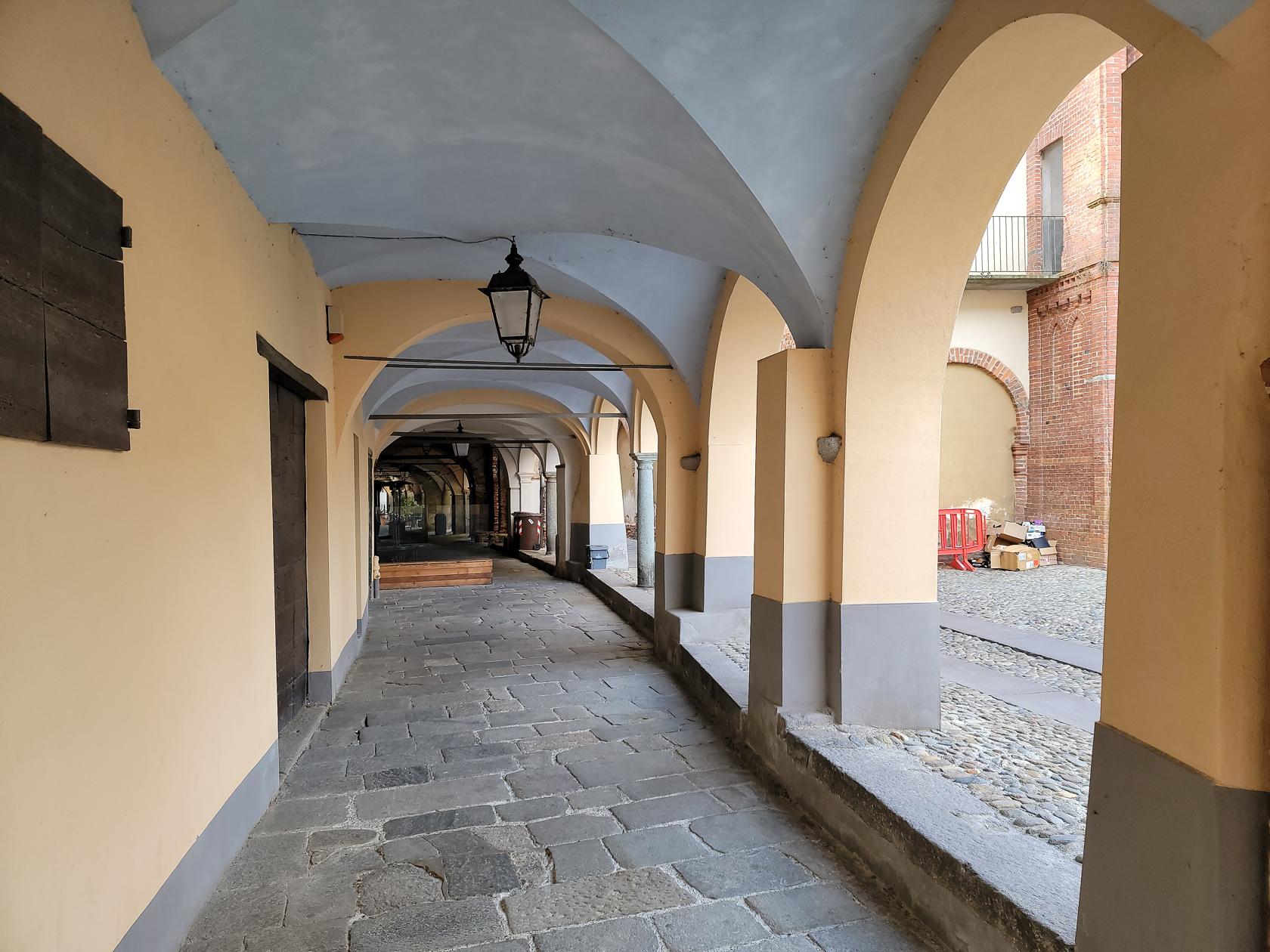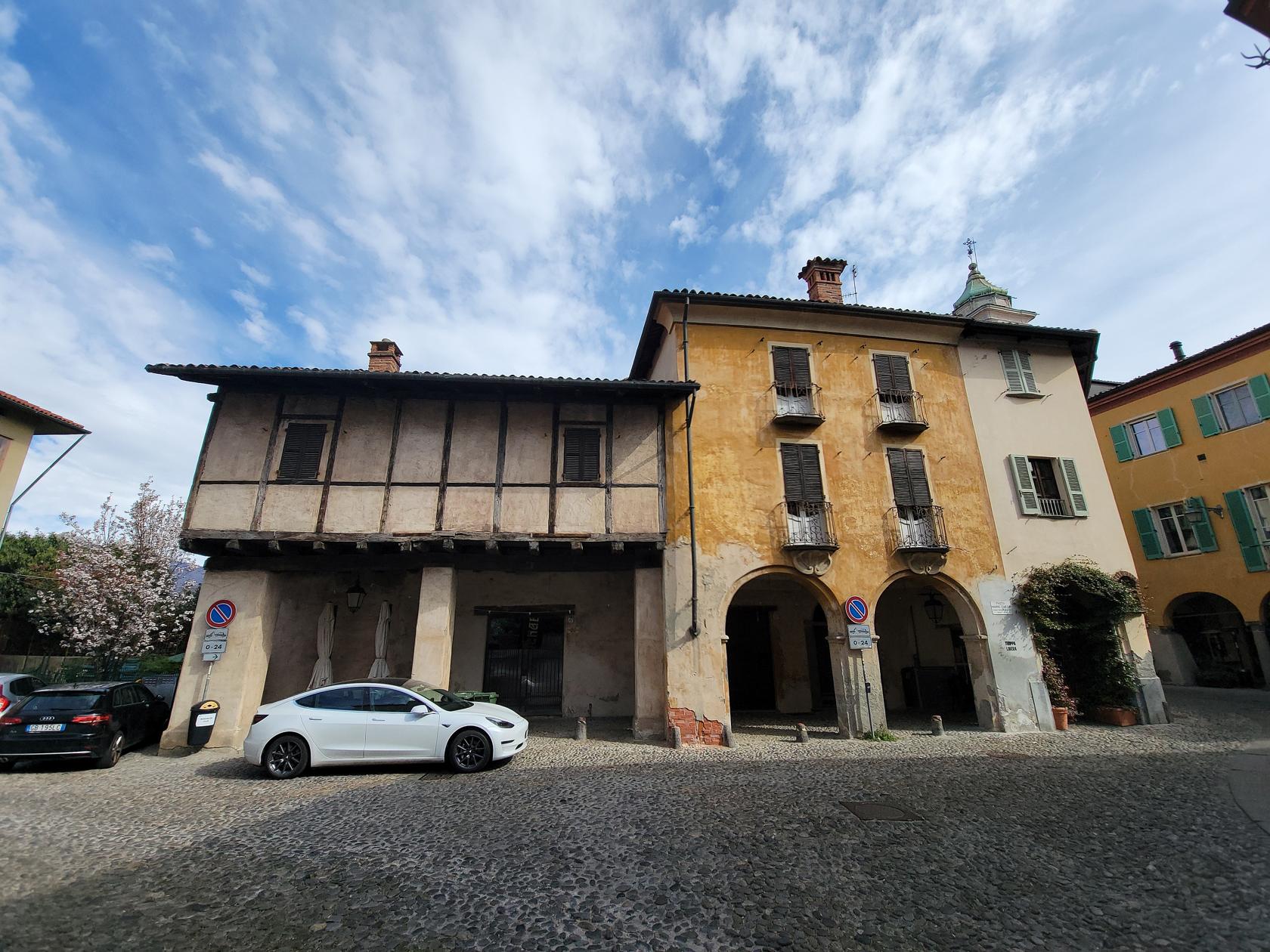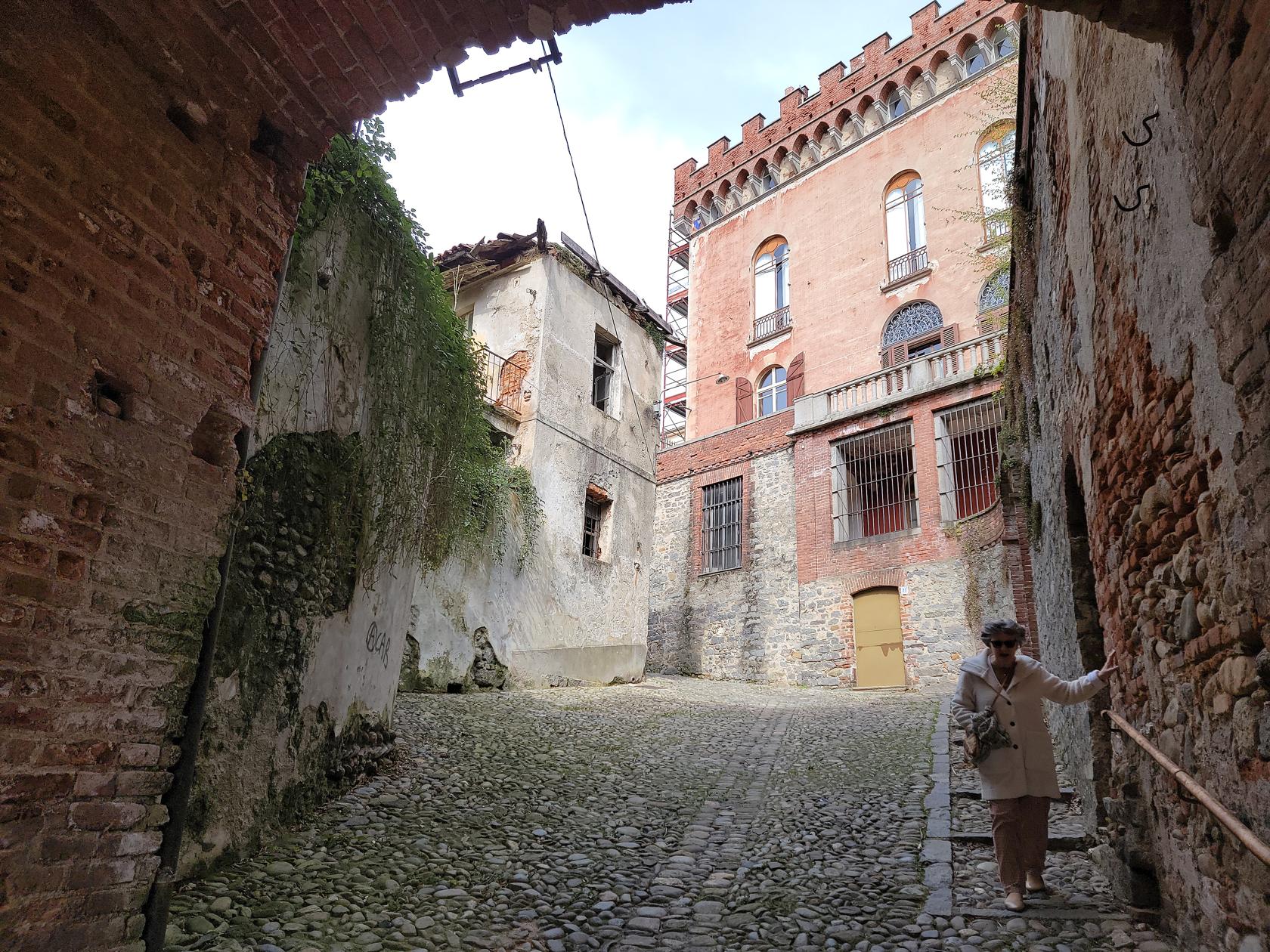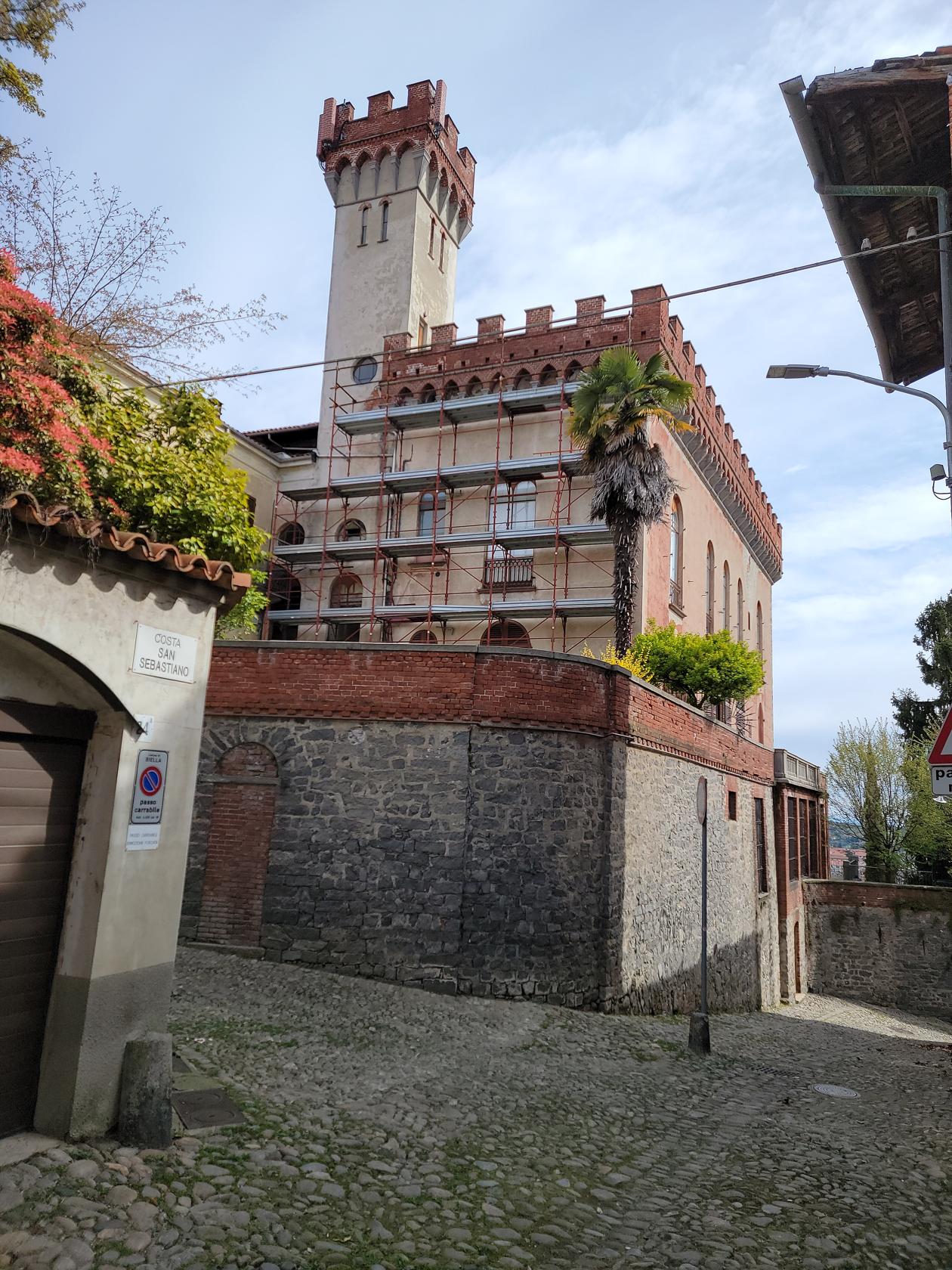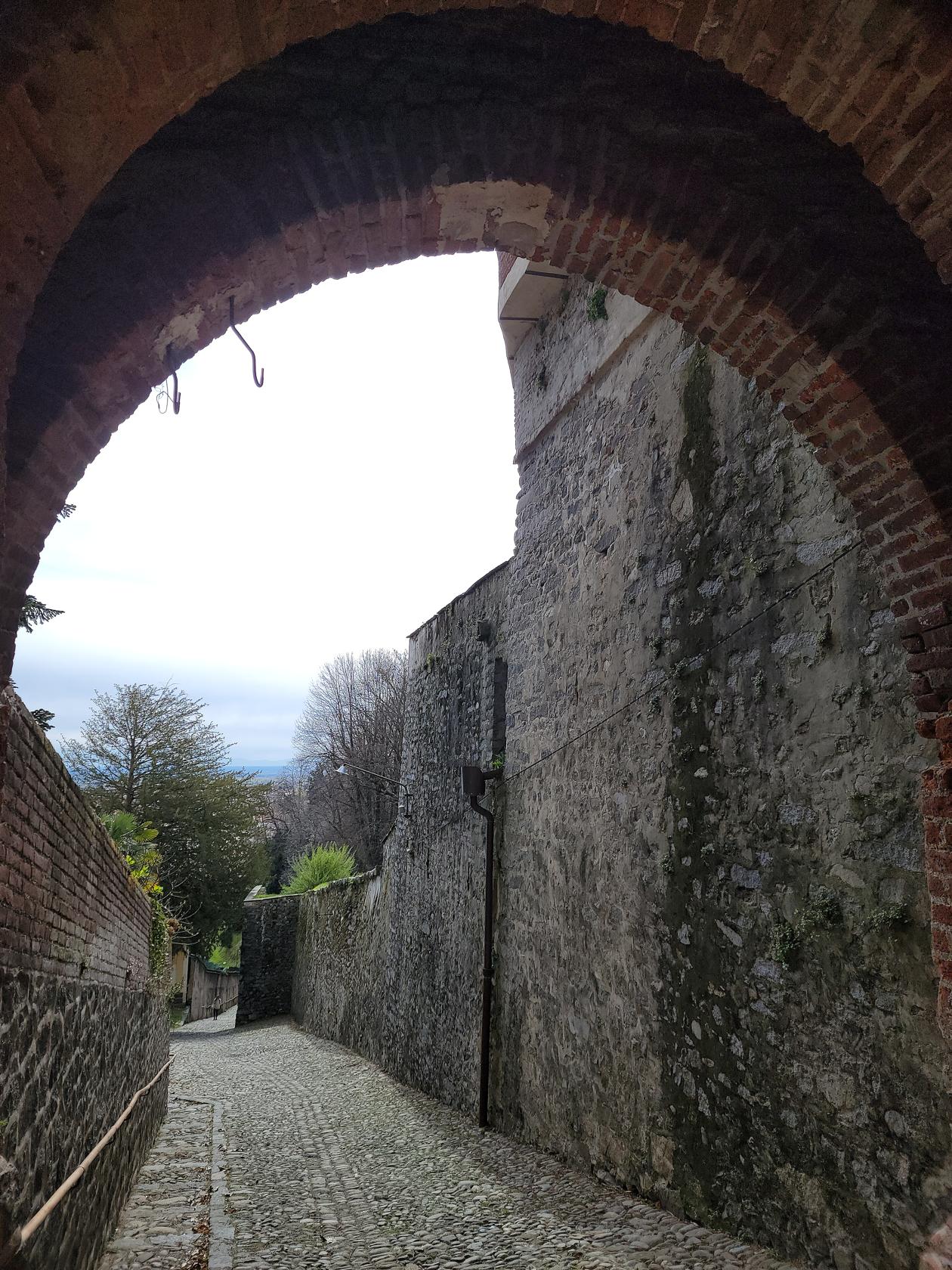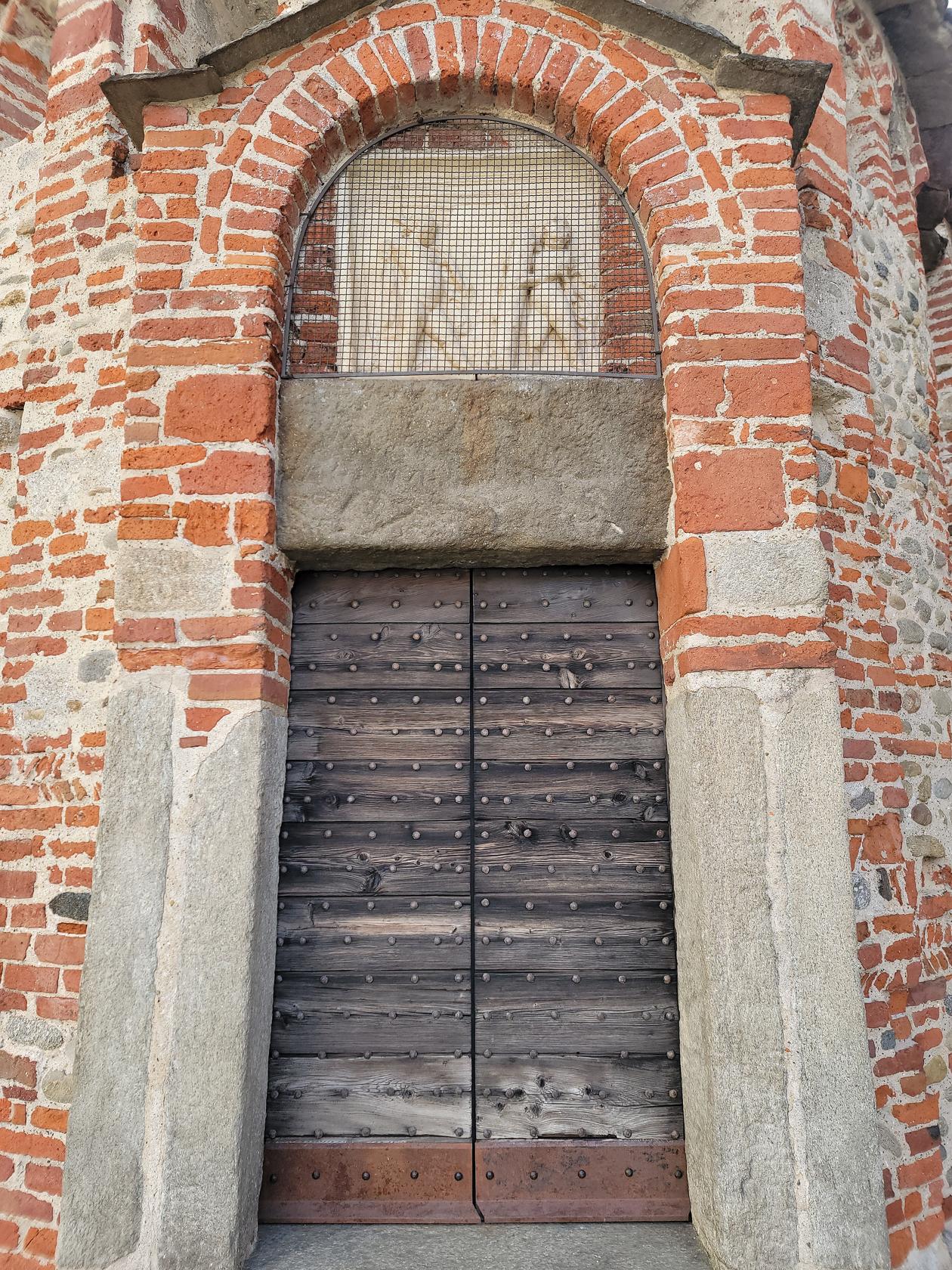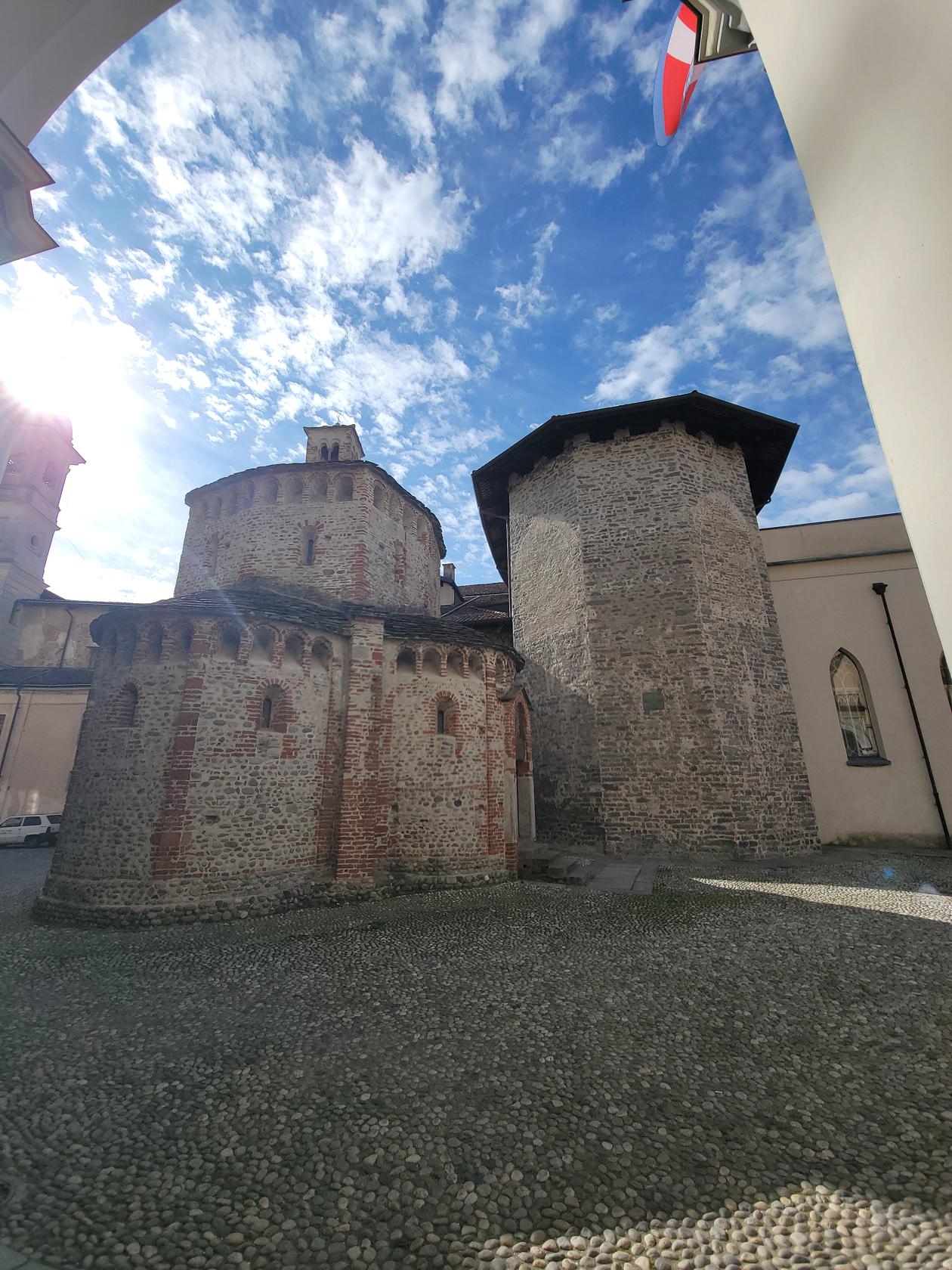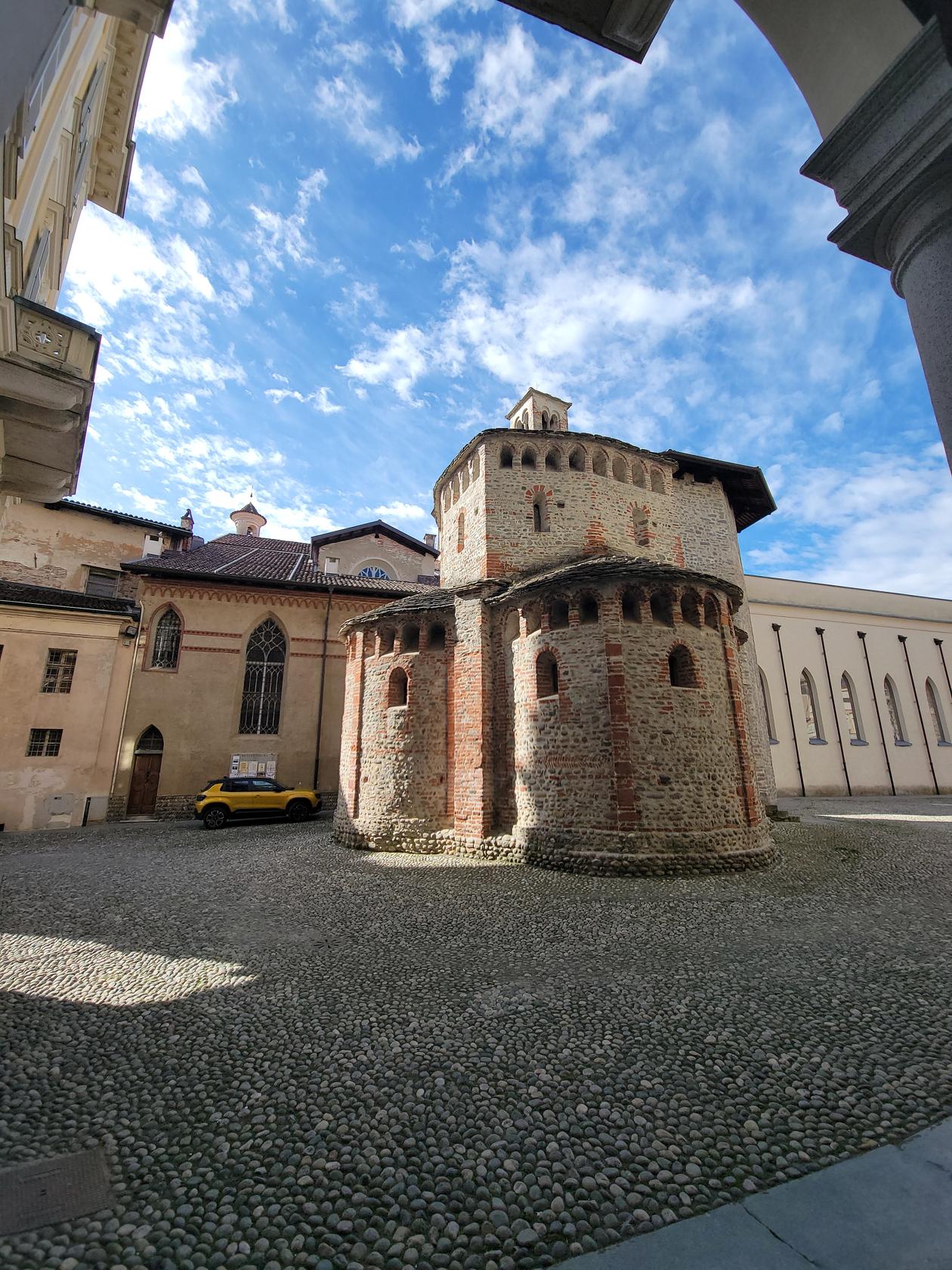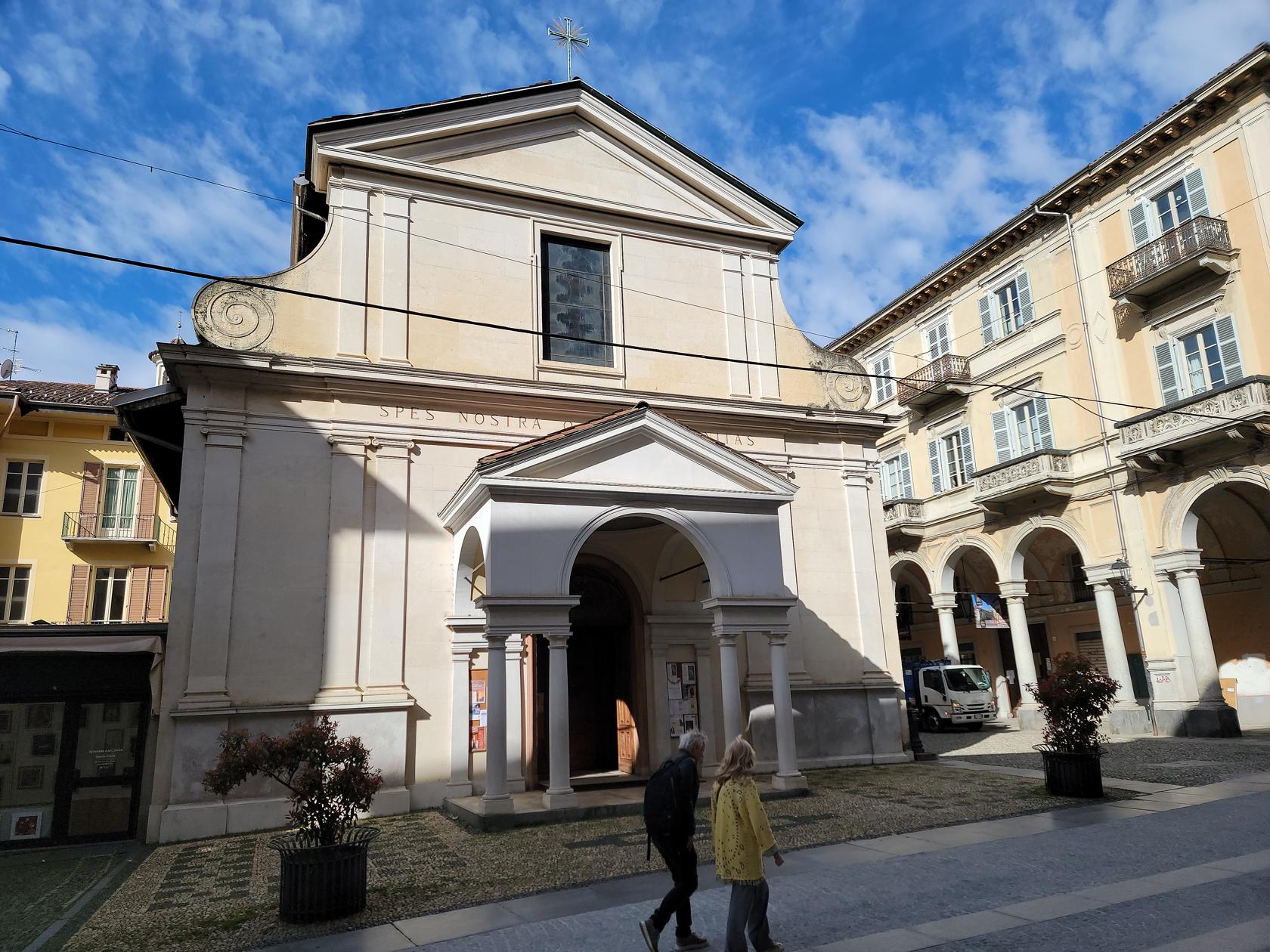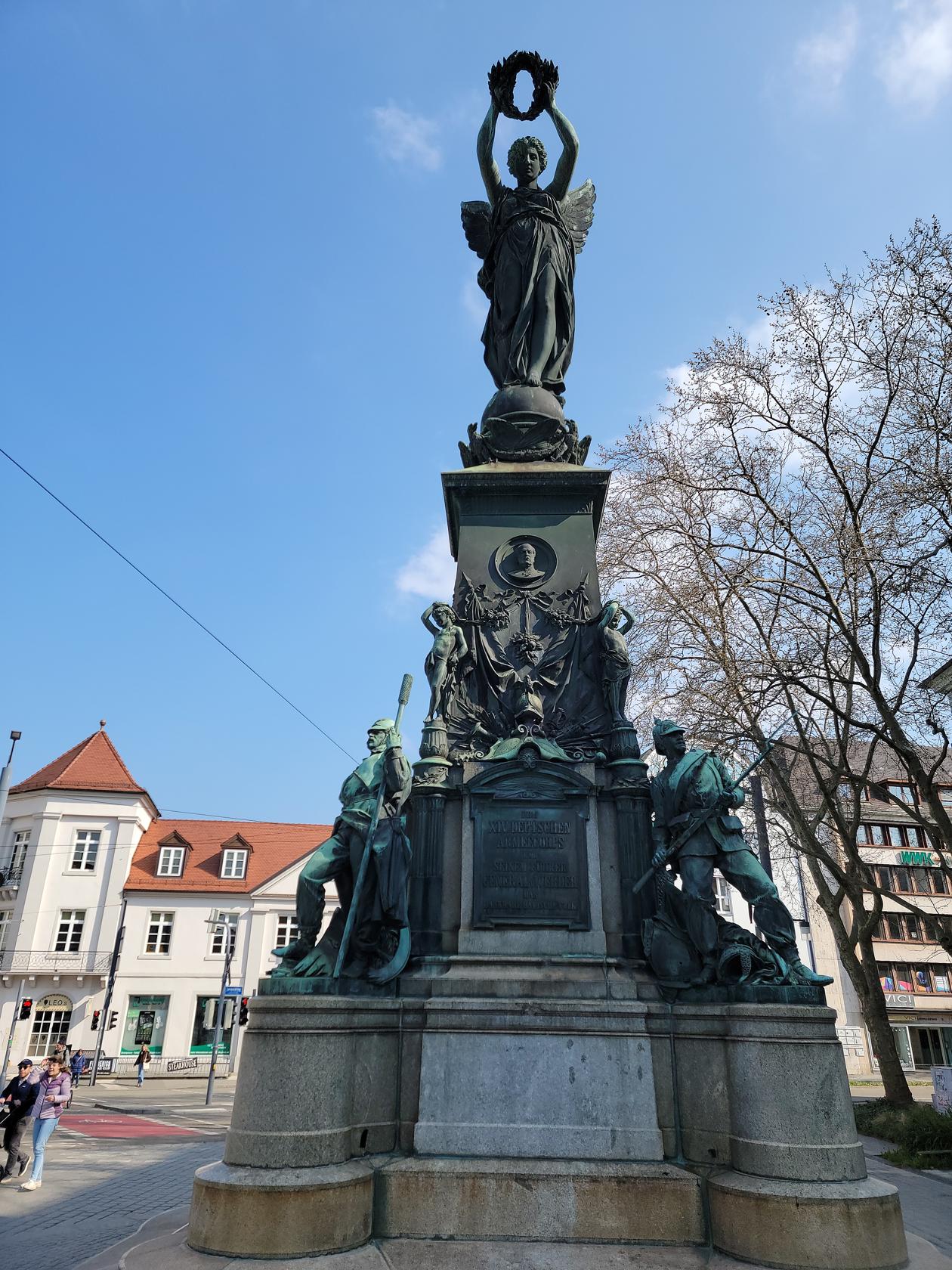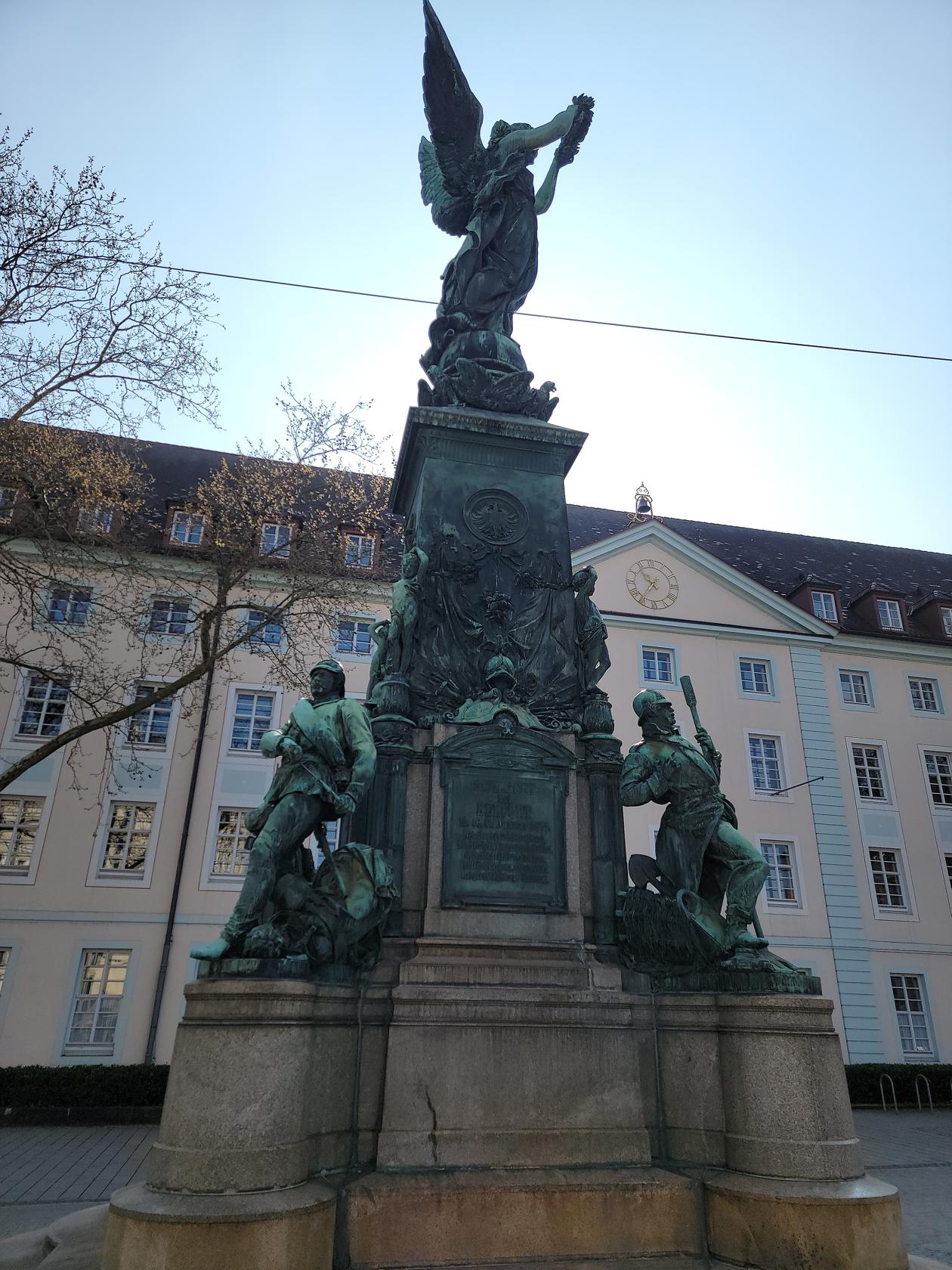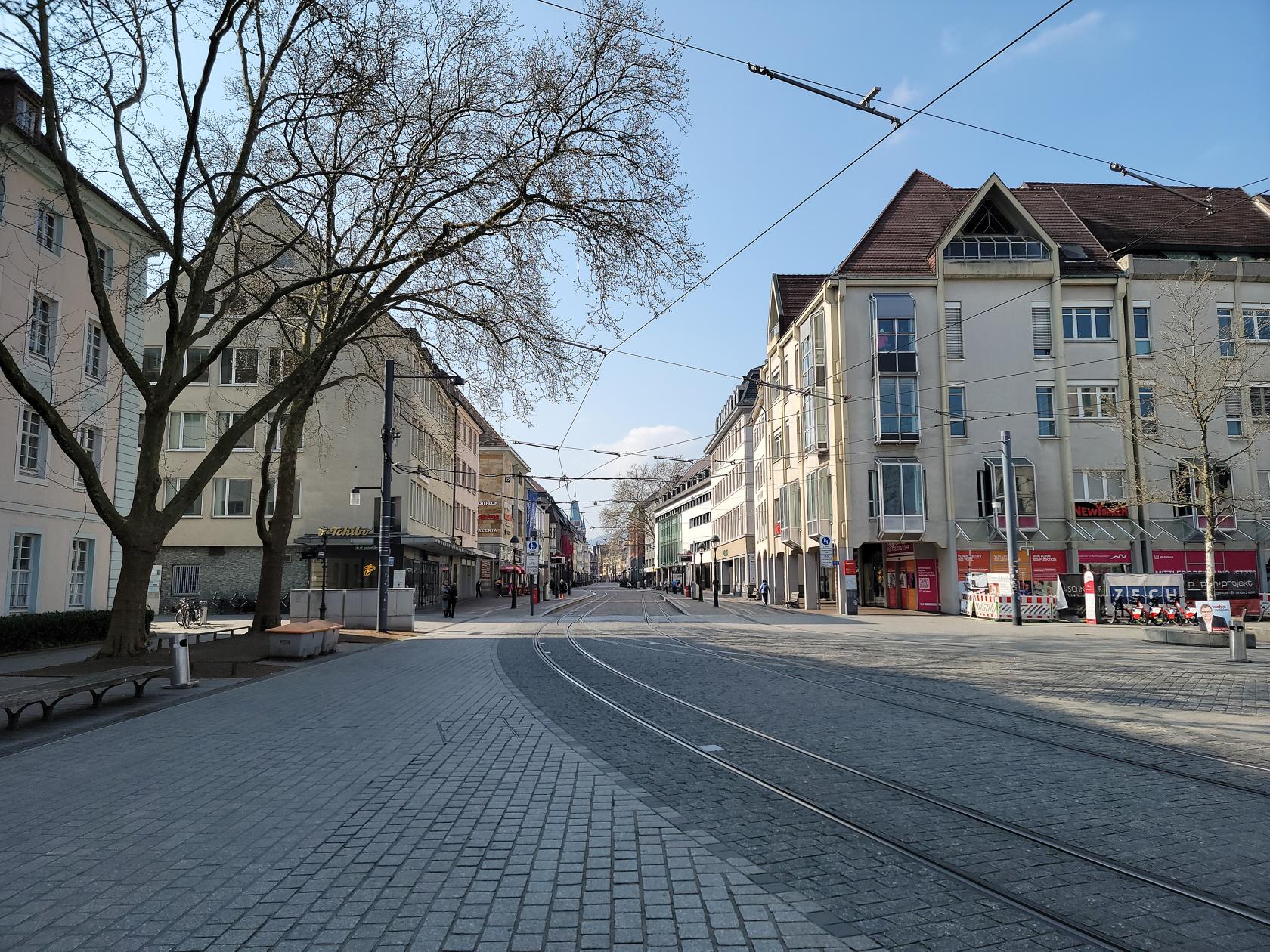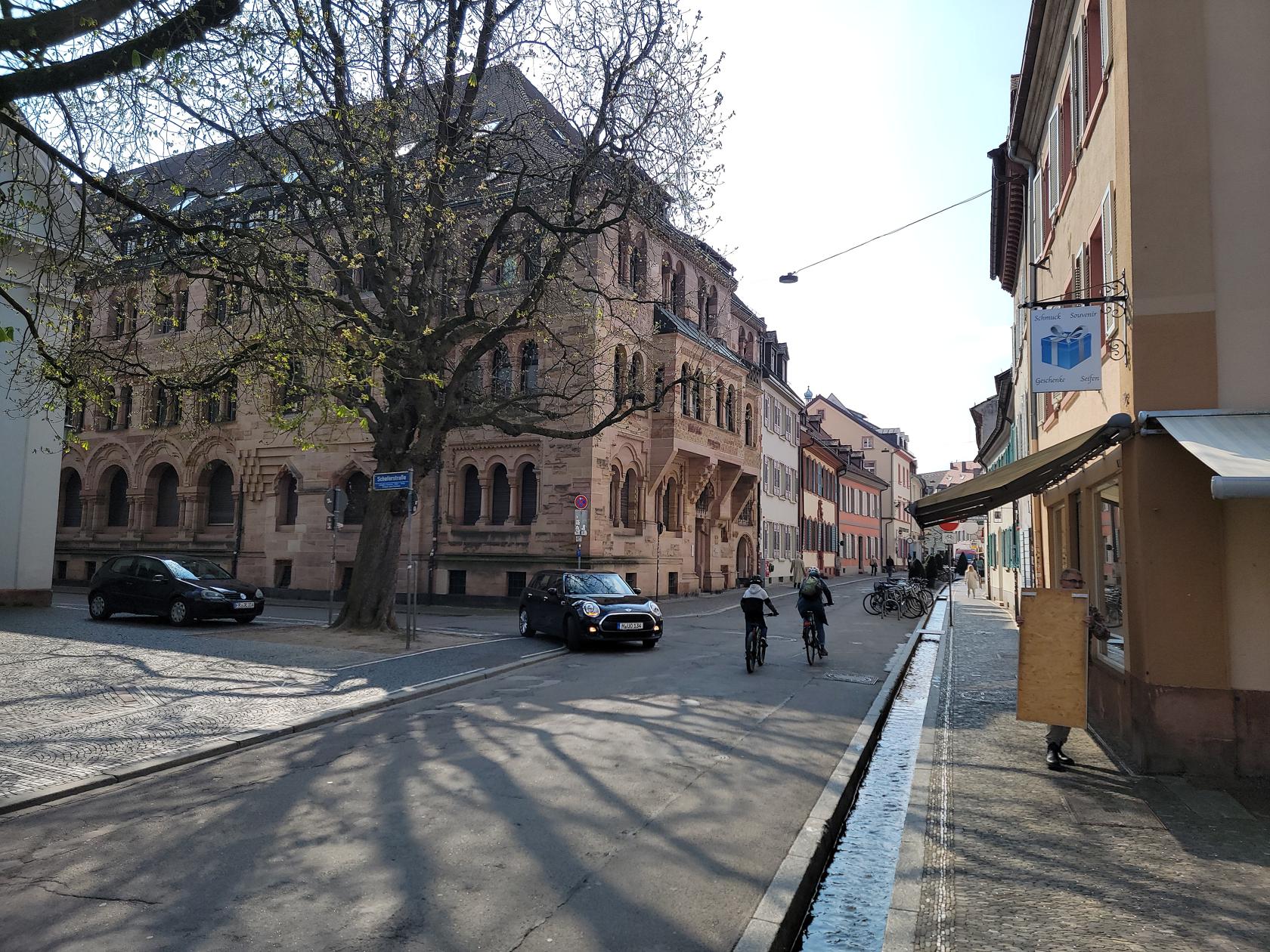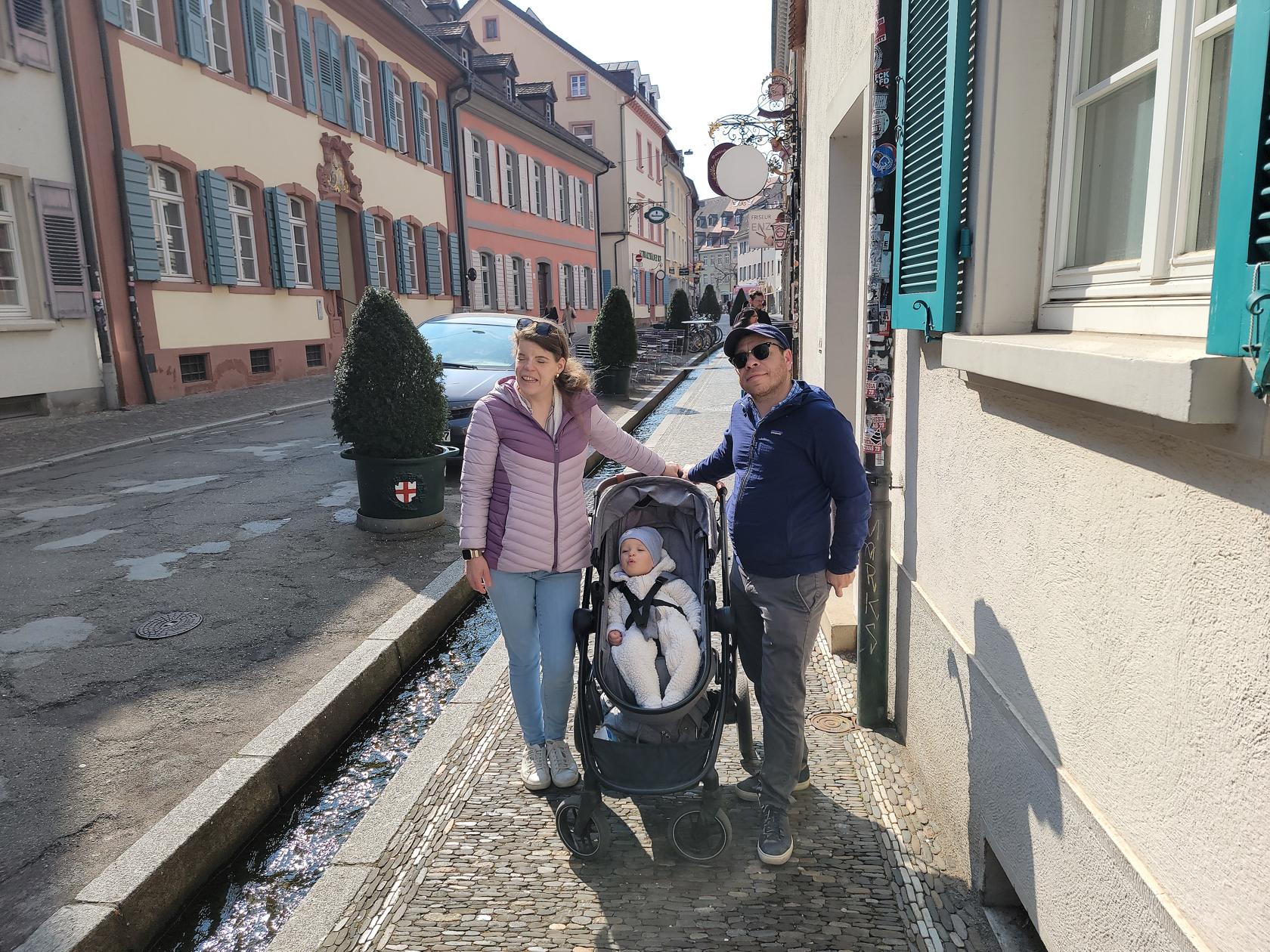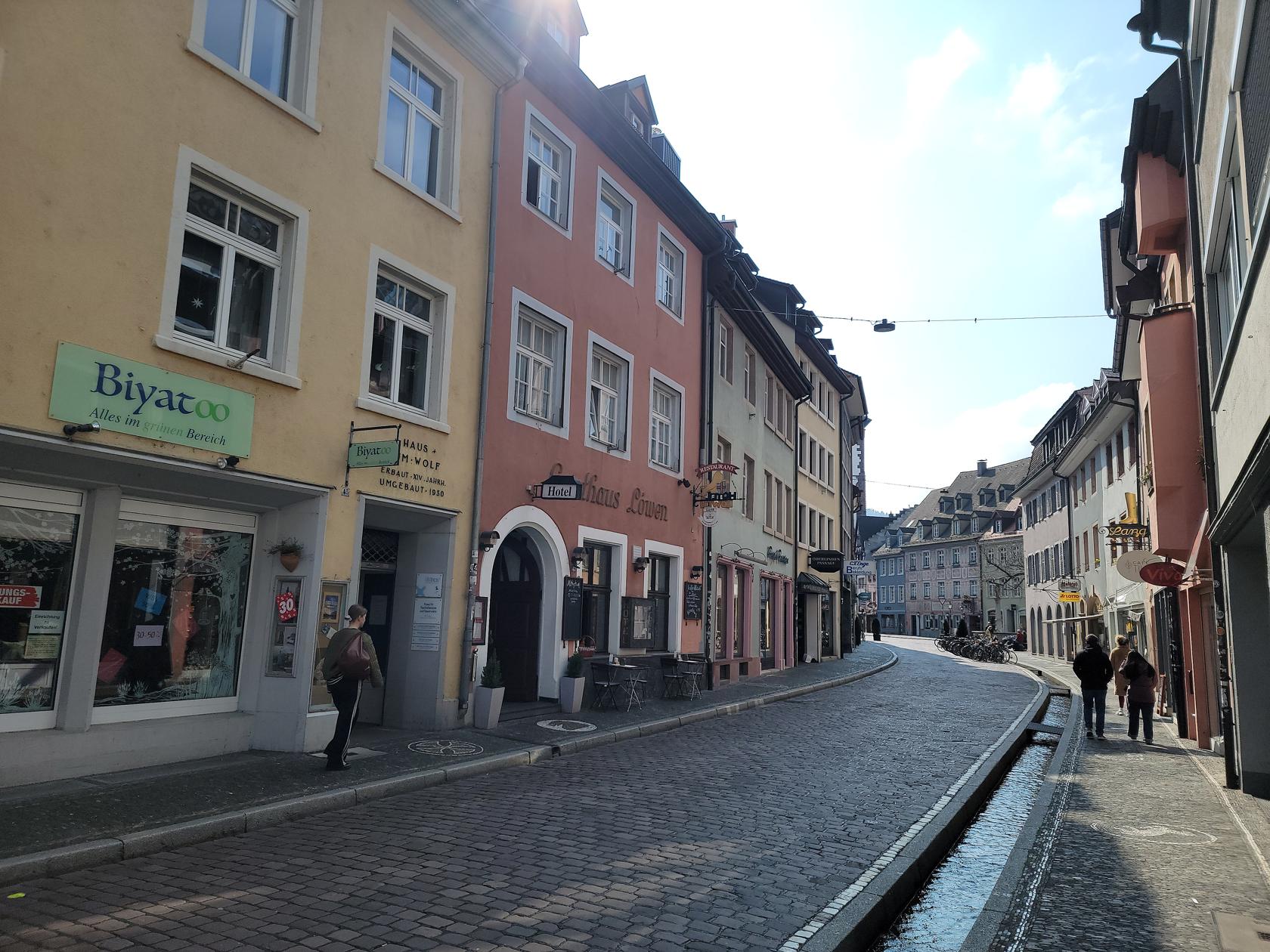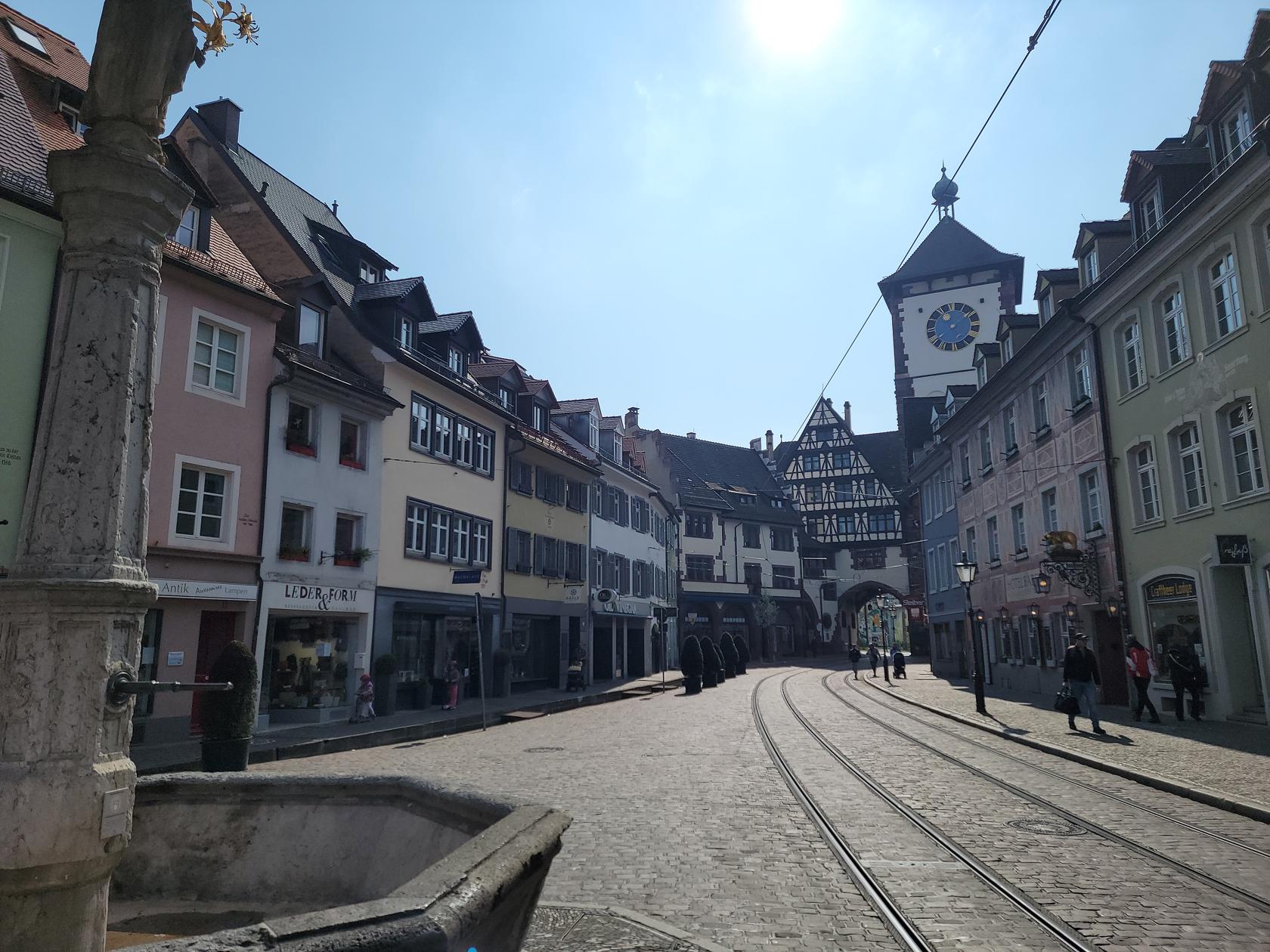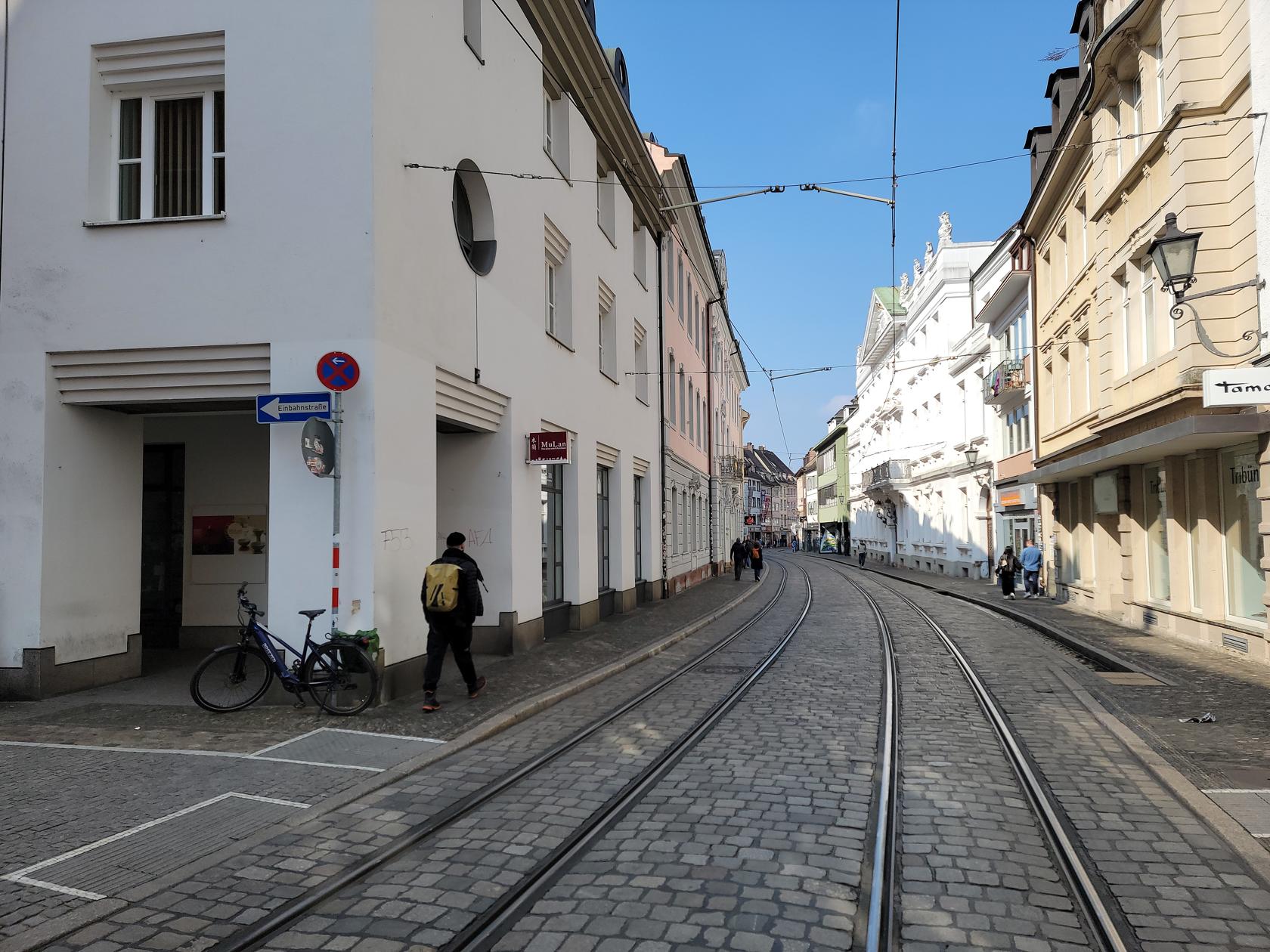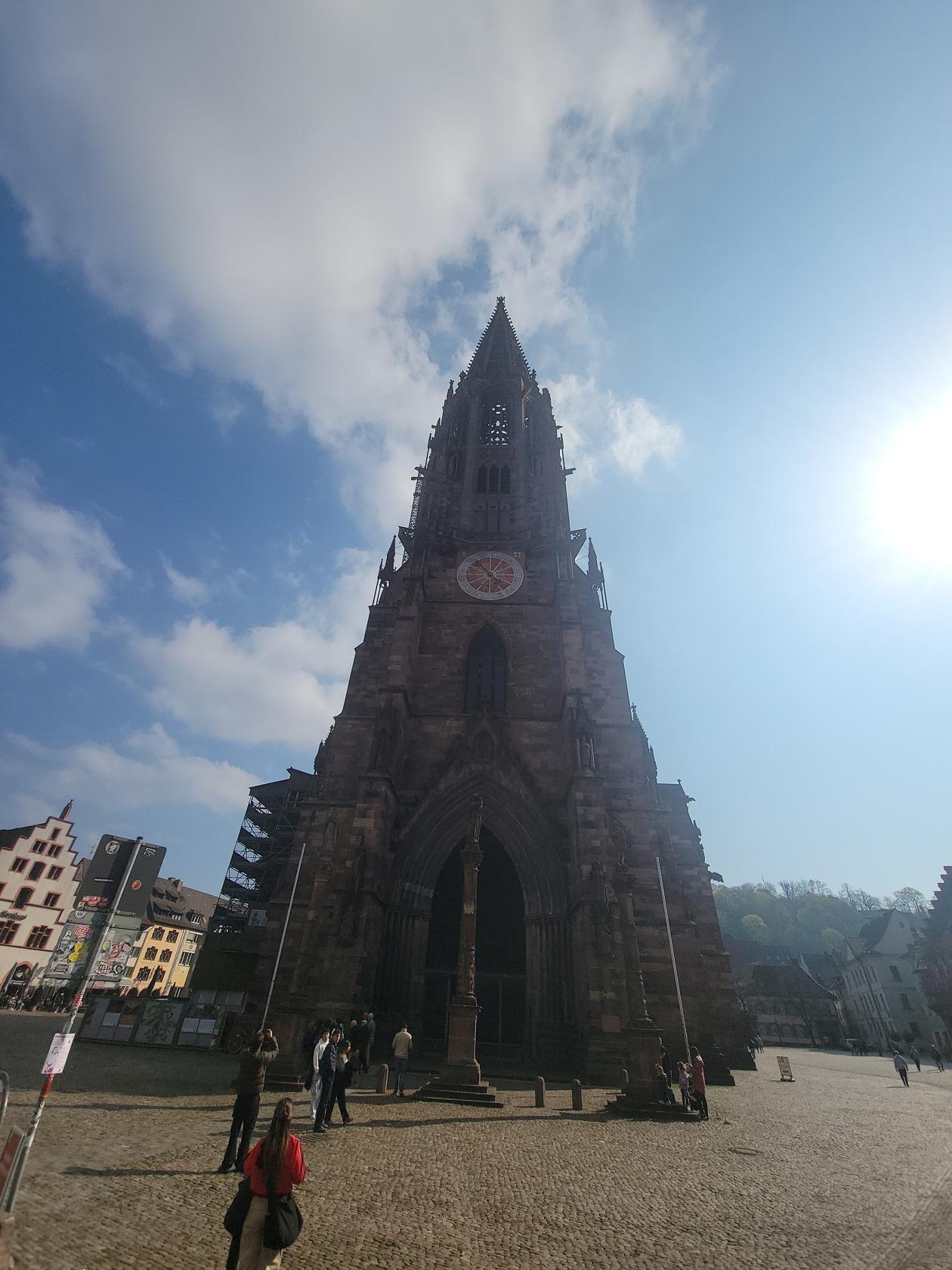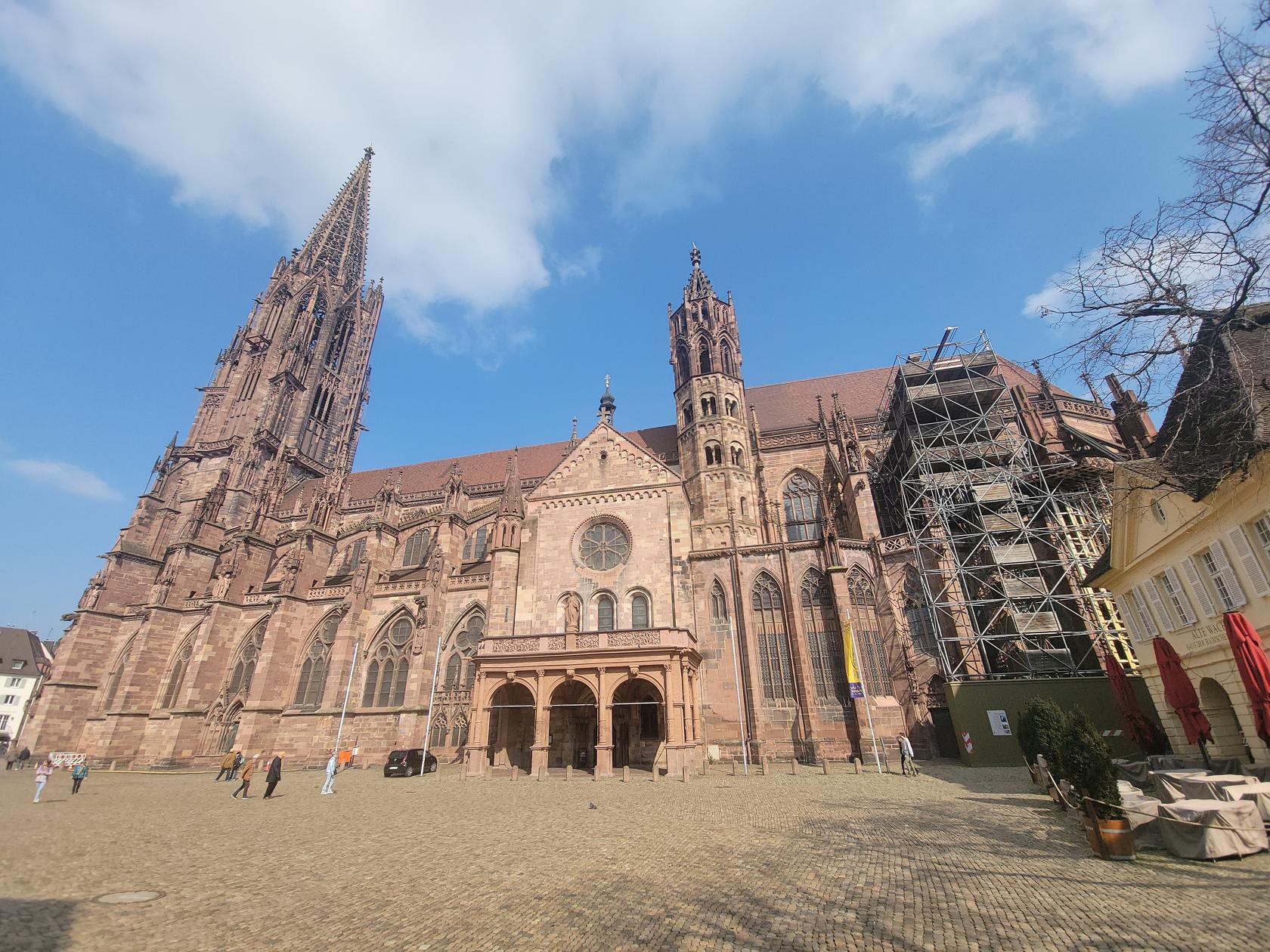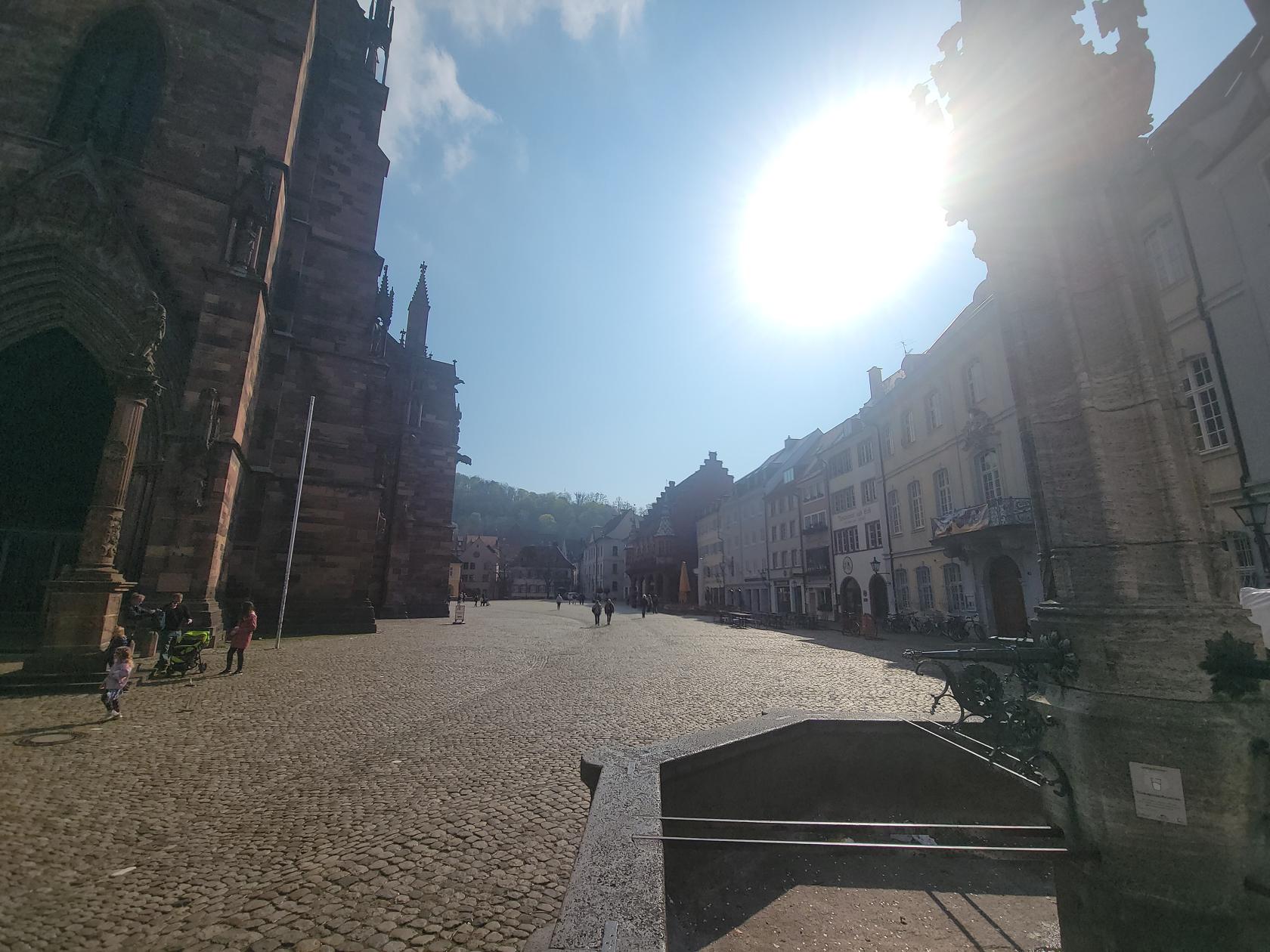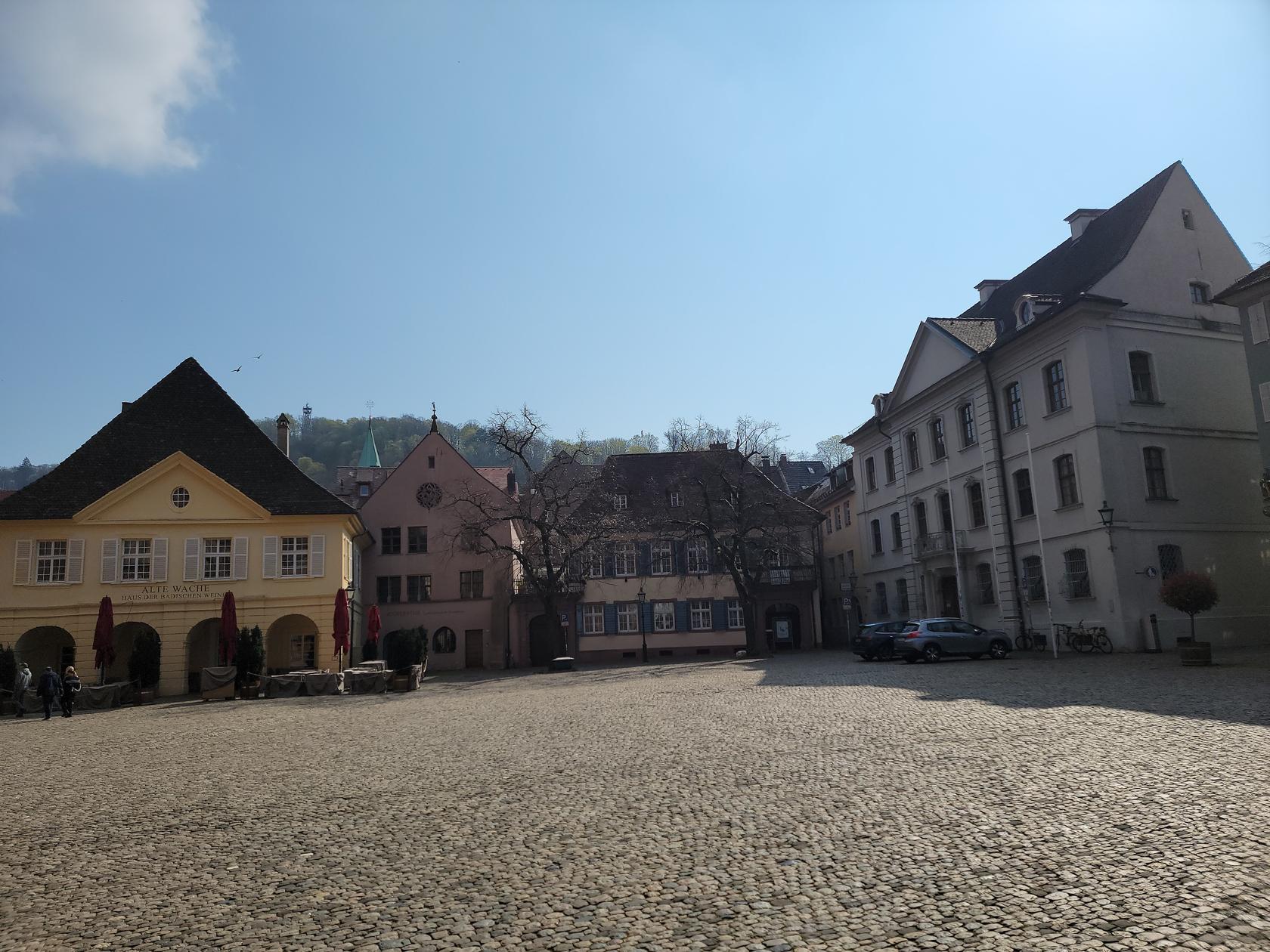
If you are into hiking and enjoy a really good weekend excursion, then the Metropolitan town of Turin has something great to offer, the tiny little town of Ivrea. Known for being part of the Via Francigena[1]The ancient pilgrimage route from England to Rome. and Five Lake hiking area, it is a great place to spend a few days.
Via Francigena – Hiking and Trail Sign – Ivrea, Italy
Via Francigena – Hiking and Trail Guide – Ivrea, Italy
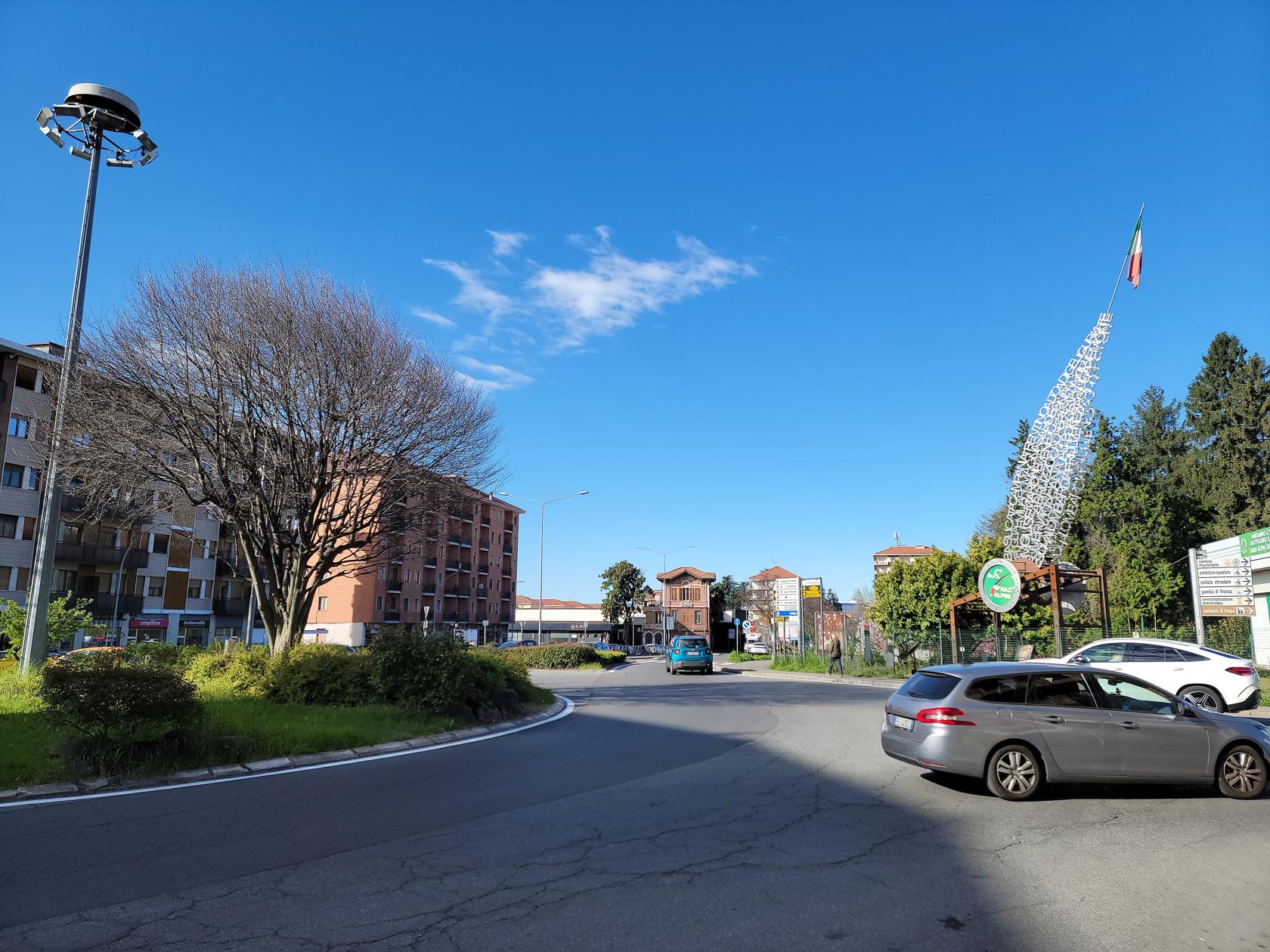
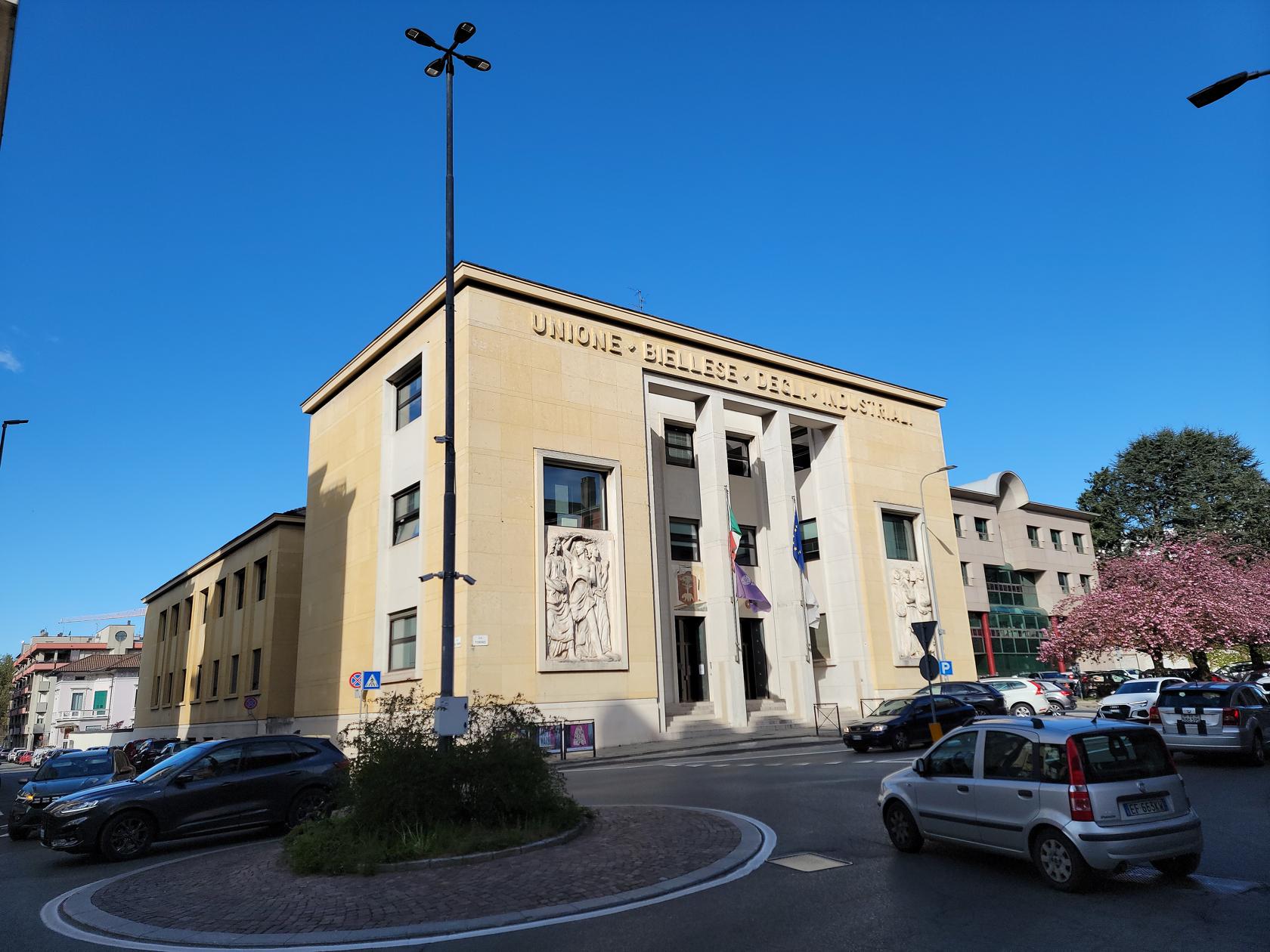
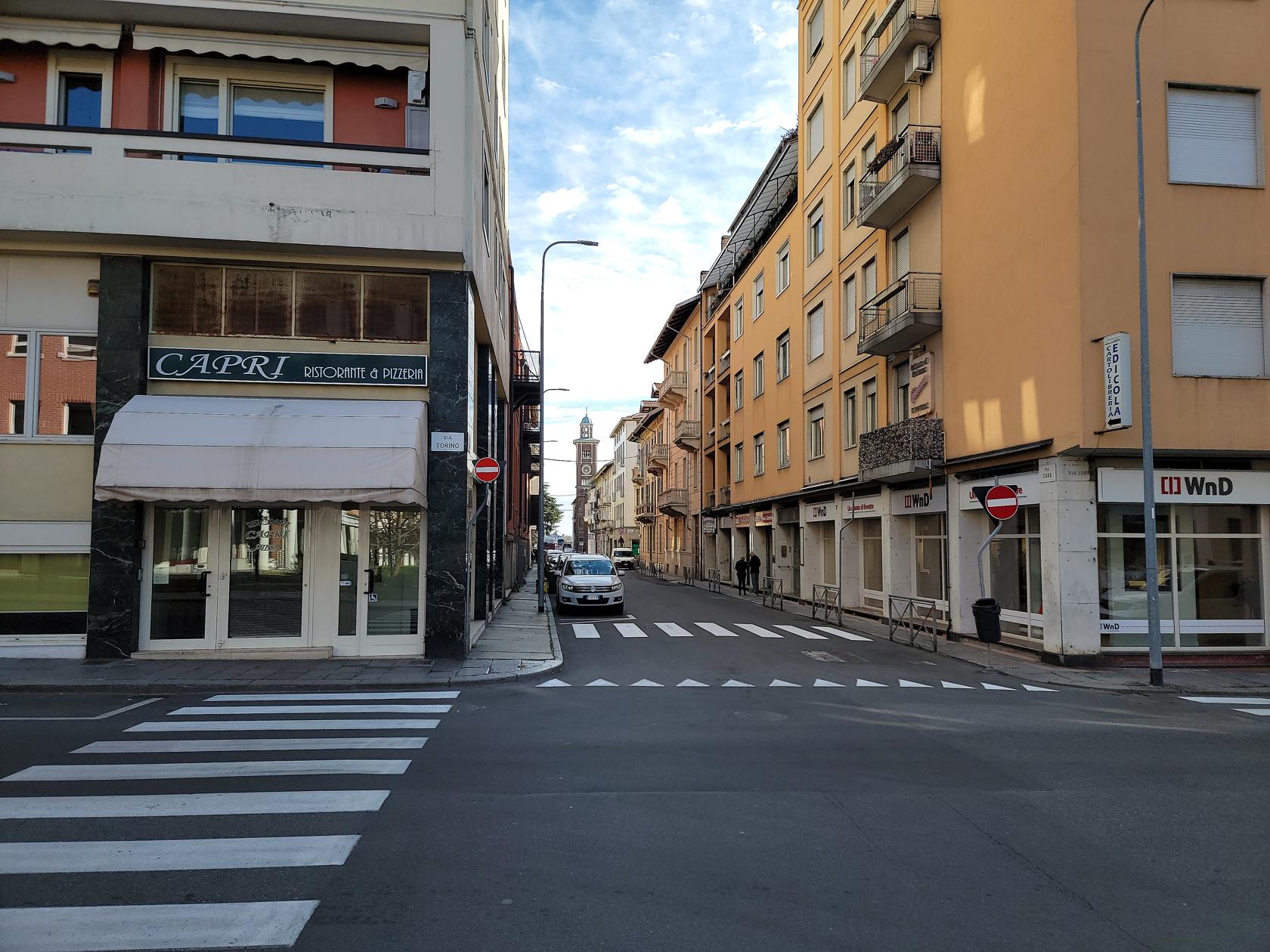
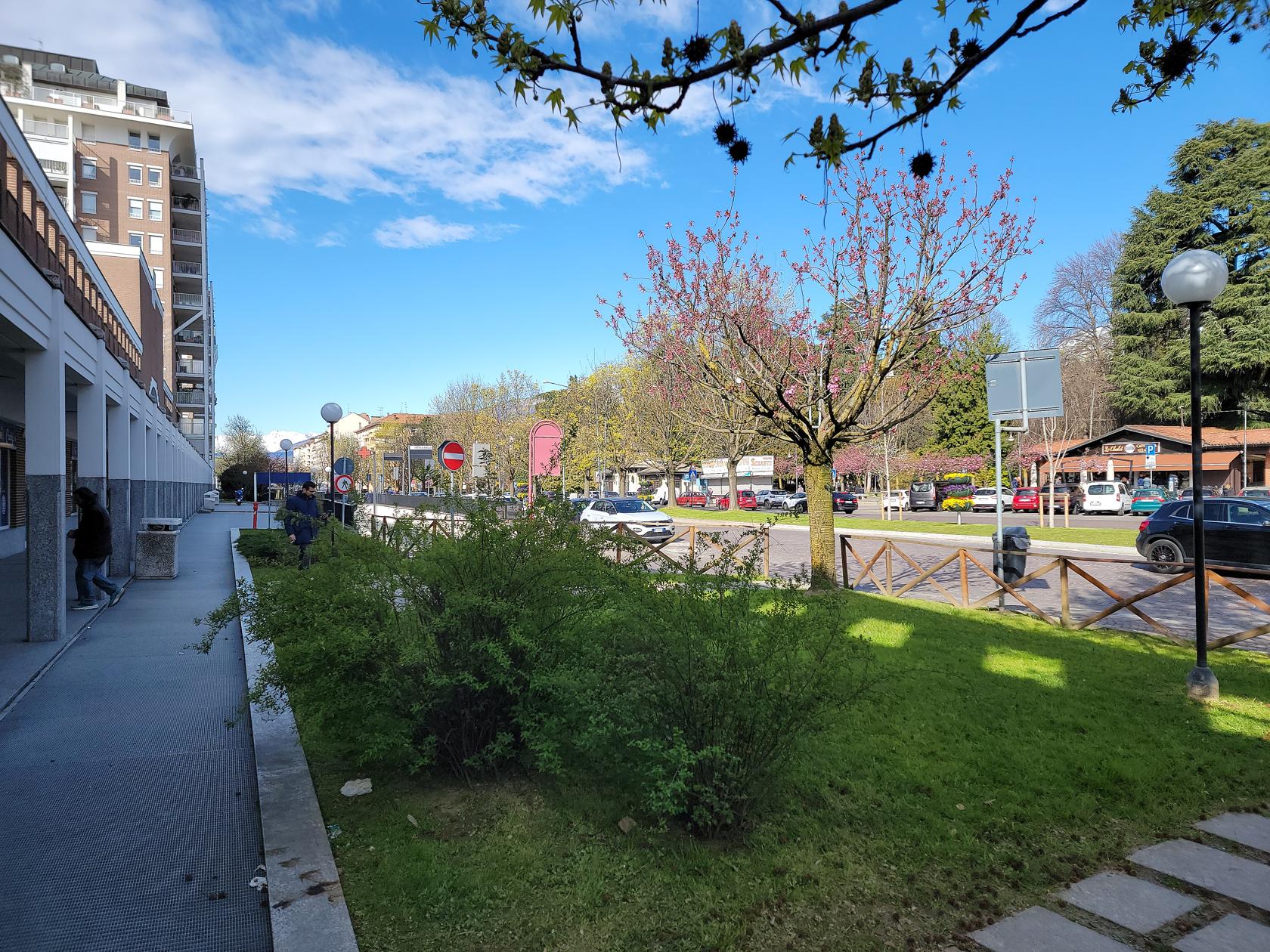
Via Francigena – Way through the city – Ivrea, Italy
Getting There
This town can be reached in just under an hour’s train ride from Porta Nuovo in Turin. The Regional Veloce (RV) runs directly from the main train station, through Porta Susa and onto Ivrea. Unfortunately, the line no longer continues to Aosta, so those who are stopping over have to use the bus service to continue their journeys.
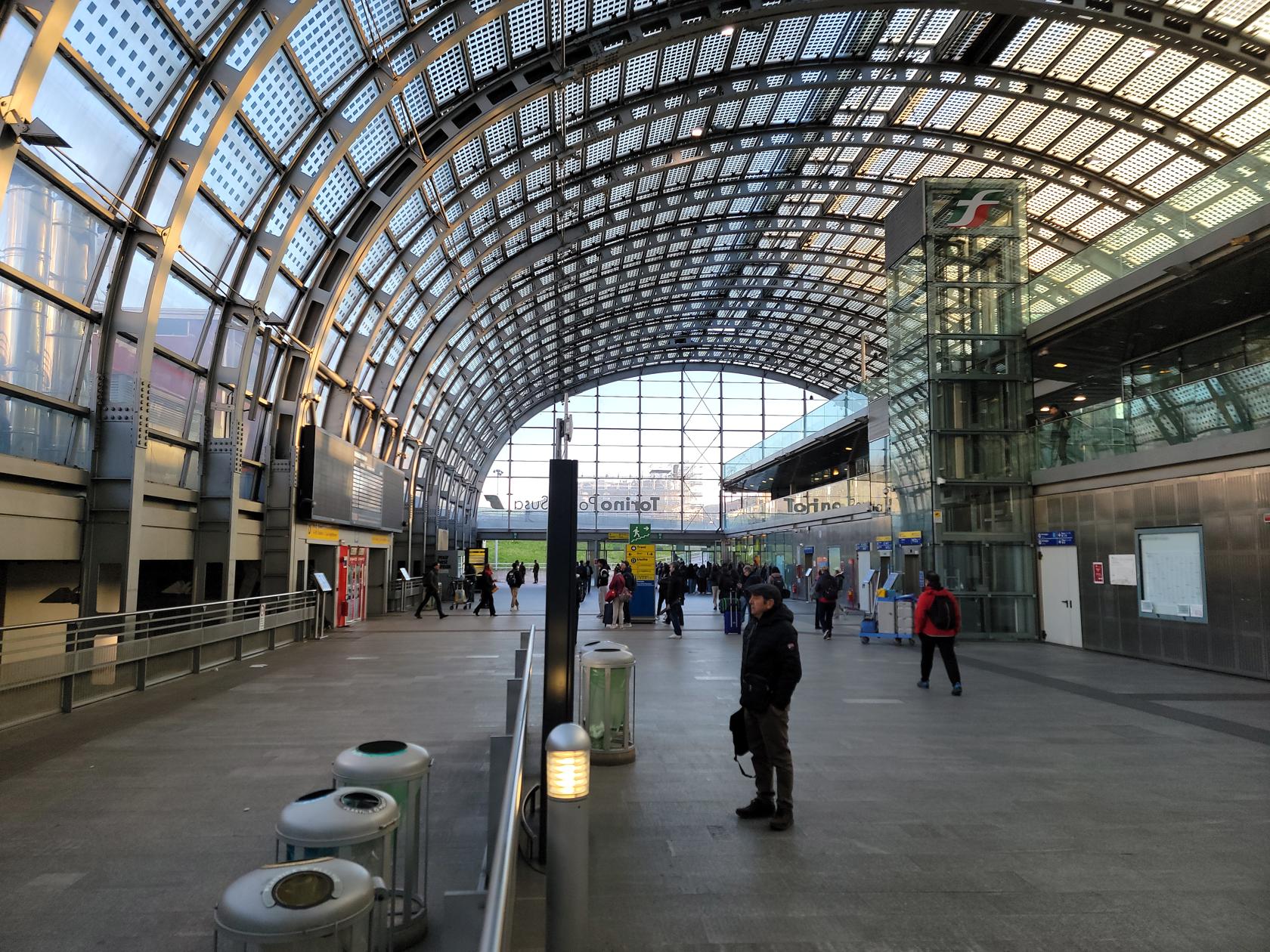
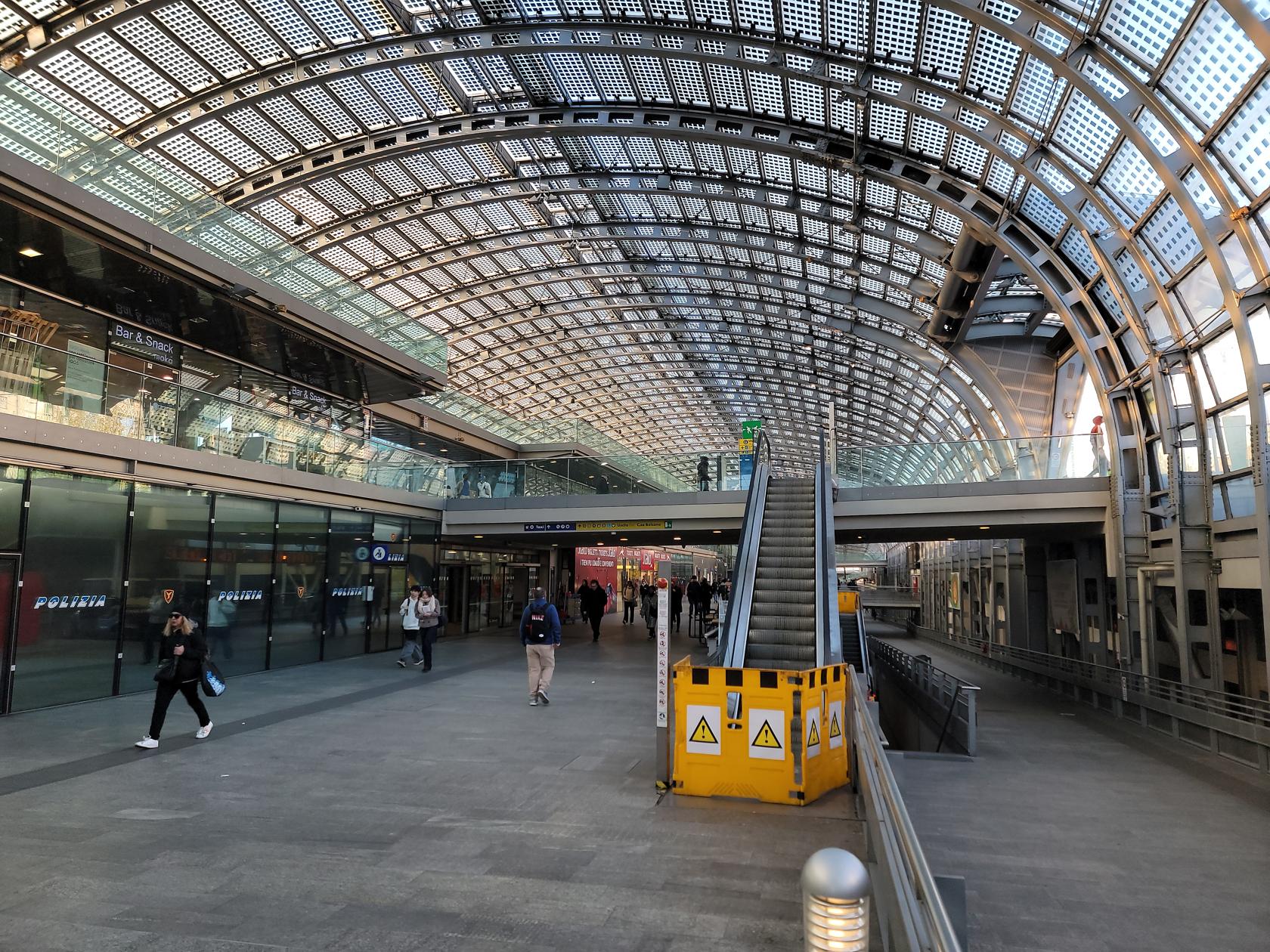
Porta Nuovo Train Station – Main Lobby – Turin, Italy
Ivrea Train Station – Outside – Ivrea, Italy
The Hotel
We stayed at the Hotel 3T on Via Sant’Ulderico, a modern hotel that has most of the amenities. One thing I disliked about this hotel, at least during this time of year (Spring), is that the thermostat makes you believe you have control over the temperature in your room, when in fact you don’t!
3T Hotel – Castle Sabaudo, At Night – Ivrea, Italy
3T Hotel – Our Room, 209 – Ivrea, Italy
The Town
The town is cut in two by the Dora Baltea river, which offers a few courses for avid kayakers and seems to draw them from all over. The river here cuts right through the native diorite rock, which can be seen everywhere you look and presents a dark geologic hardness that makes it such a stable building foundation; practically everything, including the hospital, is built on it.
Dora Baltea River – Train Bridge to Aosta, closed – Ivrea, Italy
Dora Baltea River – Ponte Vecchio – Ivrea, Italy
Dora Baltea River – Train Bridge to Aosta, closed – Ivrea, Italy
Dora Baltea River – From Ponte Vecchio – Ivrea, Italy
Dora Baltea River – Fontana Camillo Olivetti – Ivrea, Italy
There is not much to the town itself, just the Lungodora, or walkway along the river, and one central main street where one can find most of the shops, cafes and other stores.
Dora Baltea River – Corse Re Umberto – Ivrea, Italy
Castle Saubauda
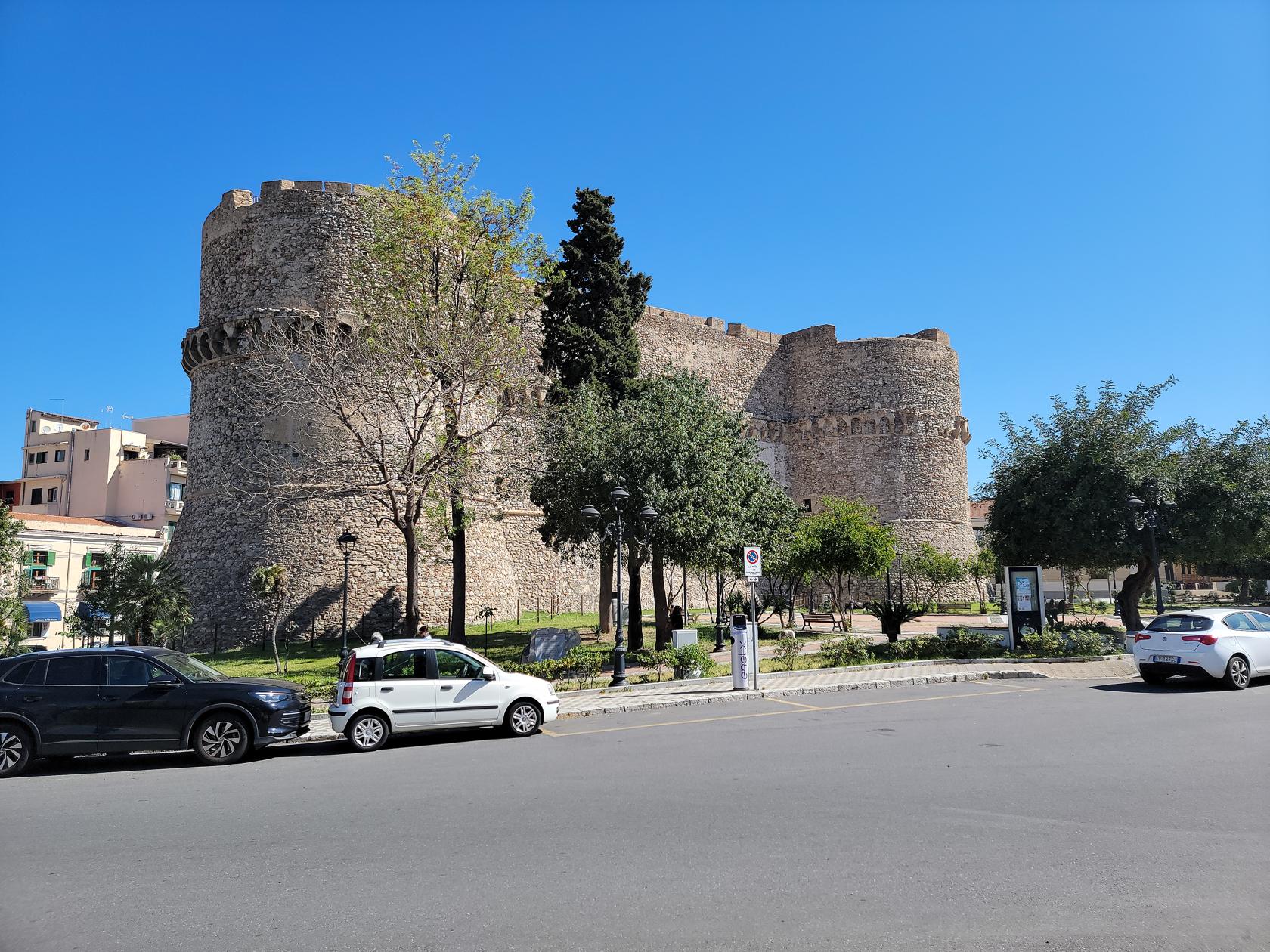
A large rectangular castle built in the fourteenth century by the Savoy family. It is only open certain times during the year and one has to reserve their guided tour ahead of time. We were only able to see the outside and sometimes at night it is lit up in different colors.
Sabaudo Castle – Ivrea, Italy
Ivrea Cathedral
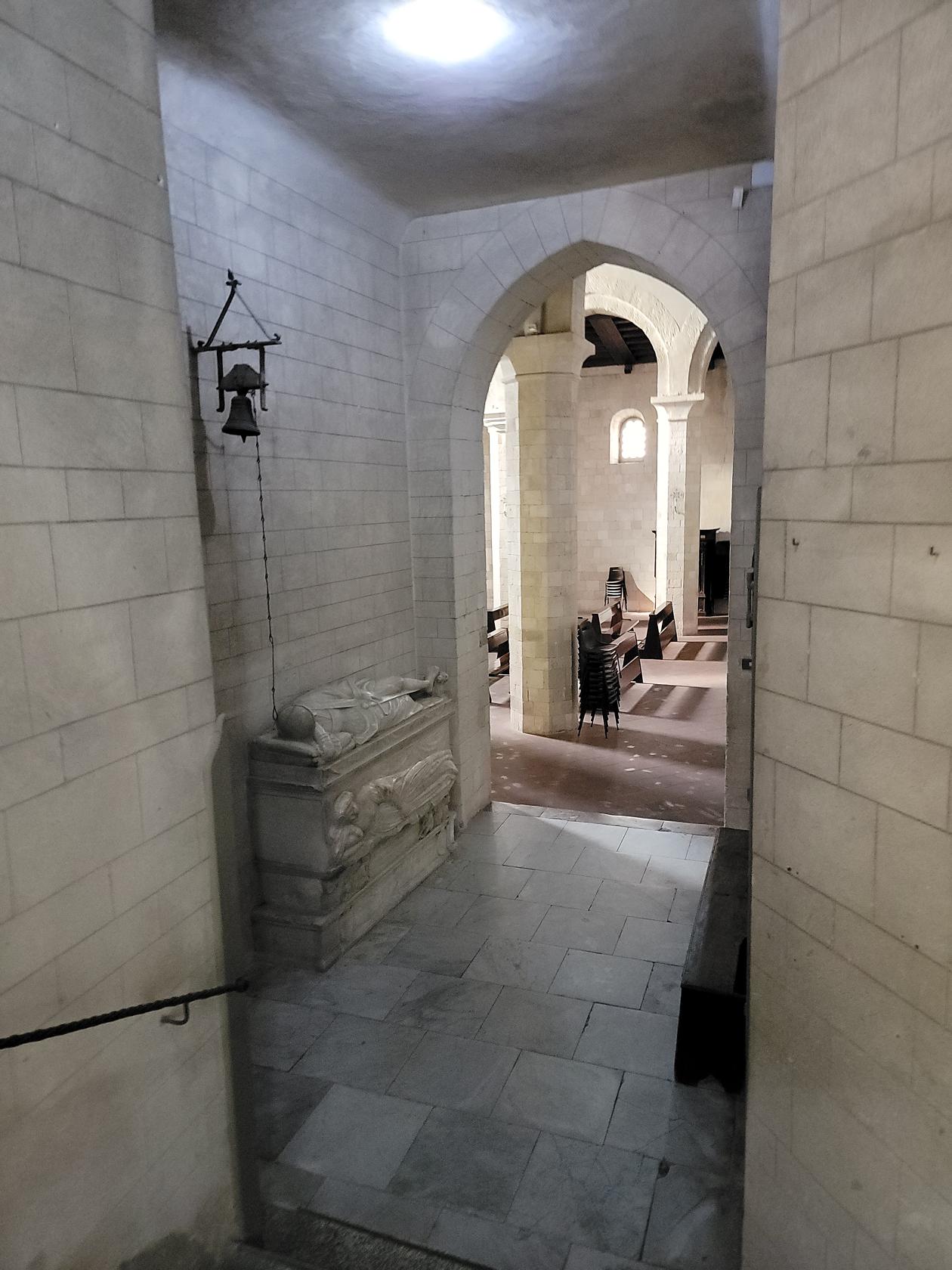
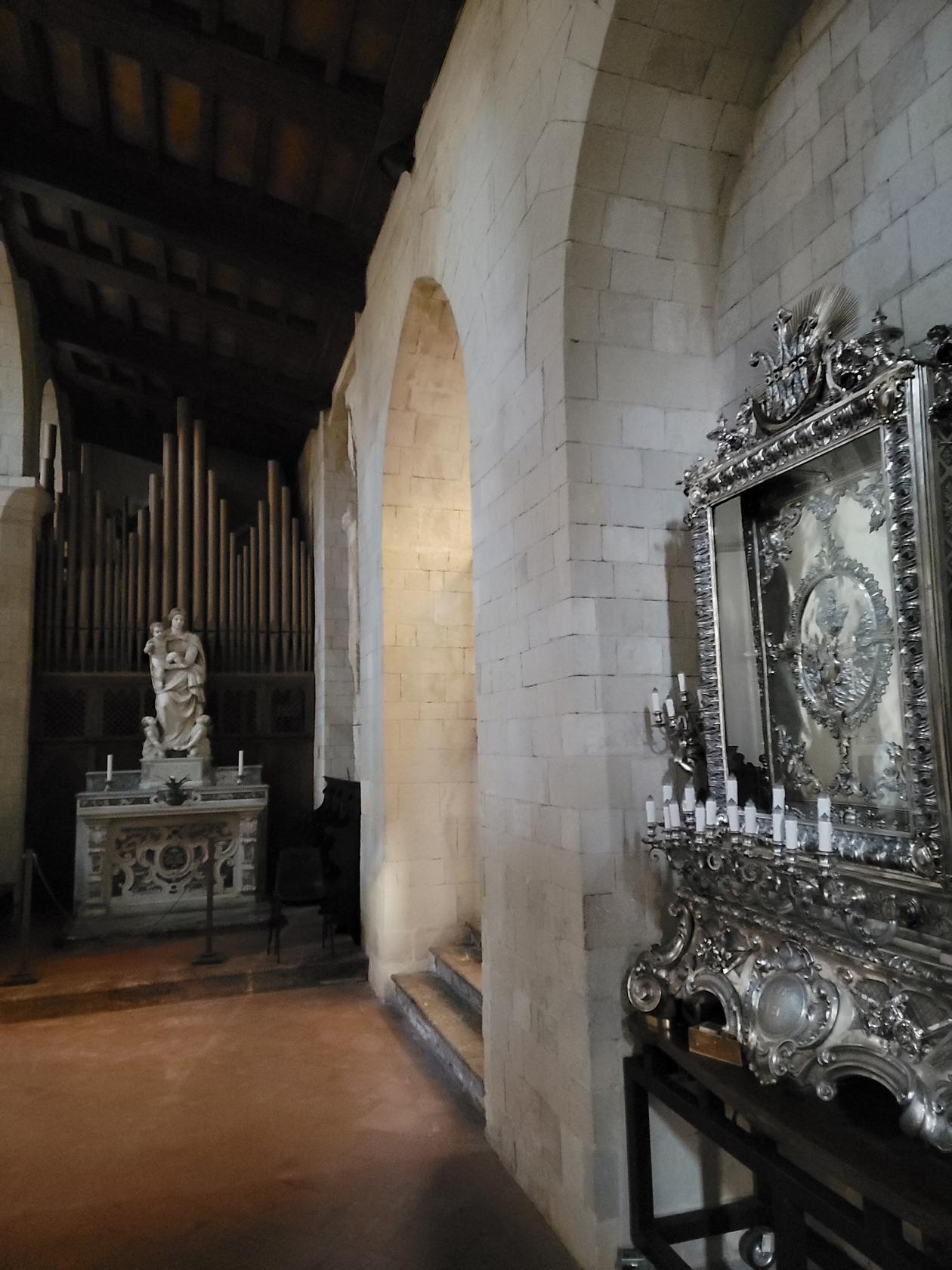
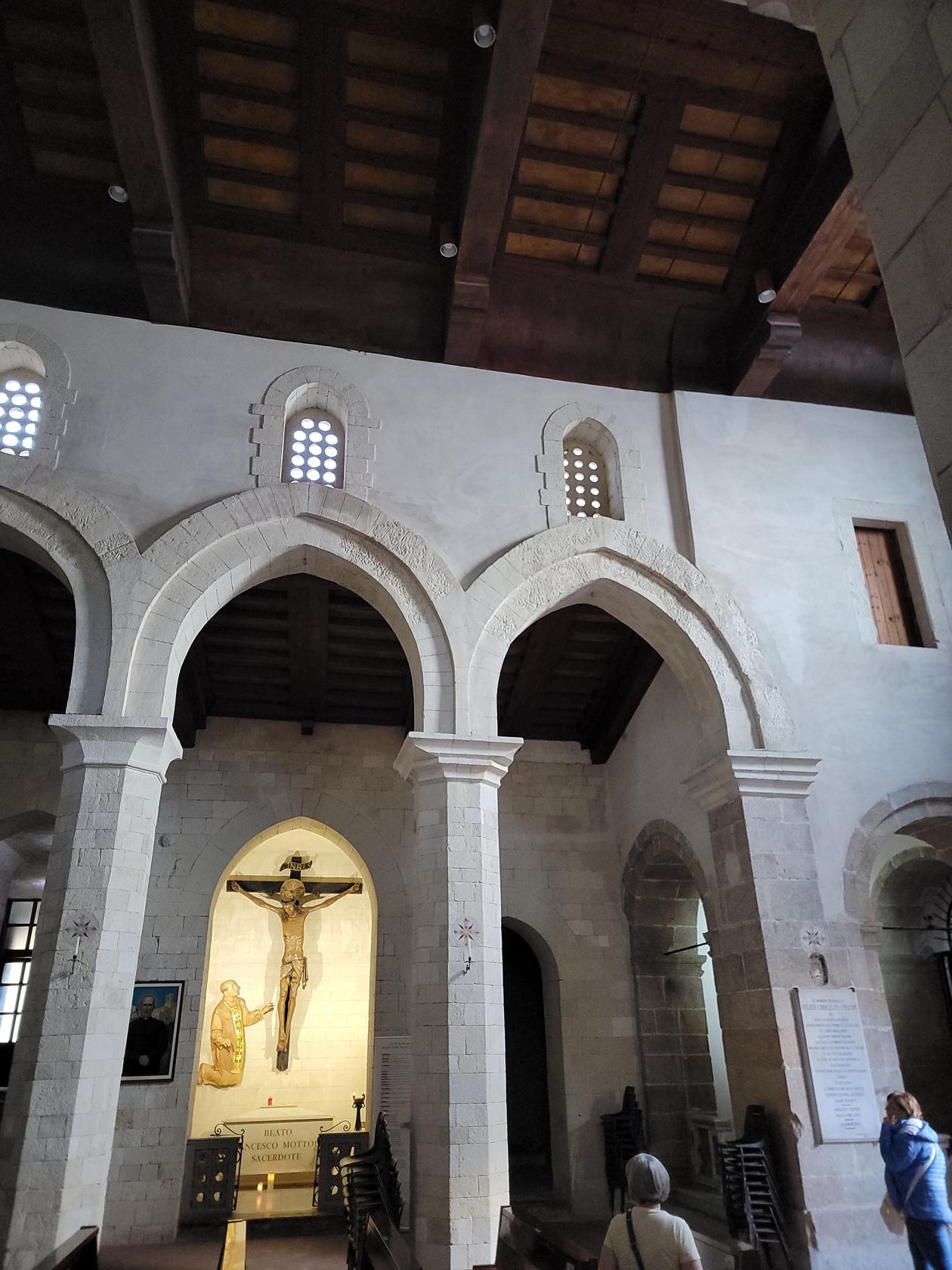
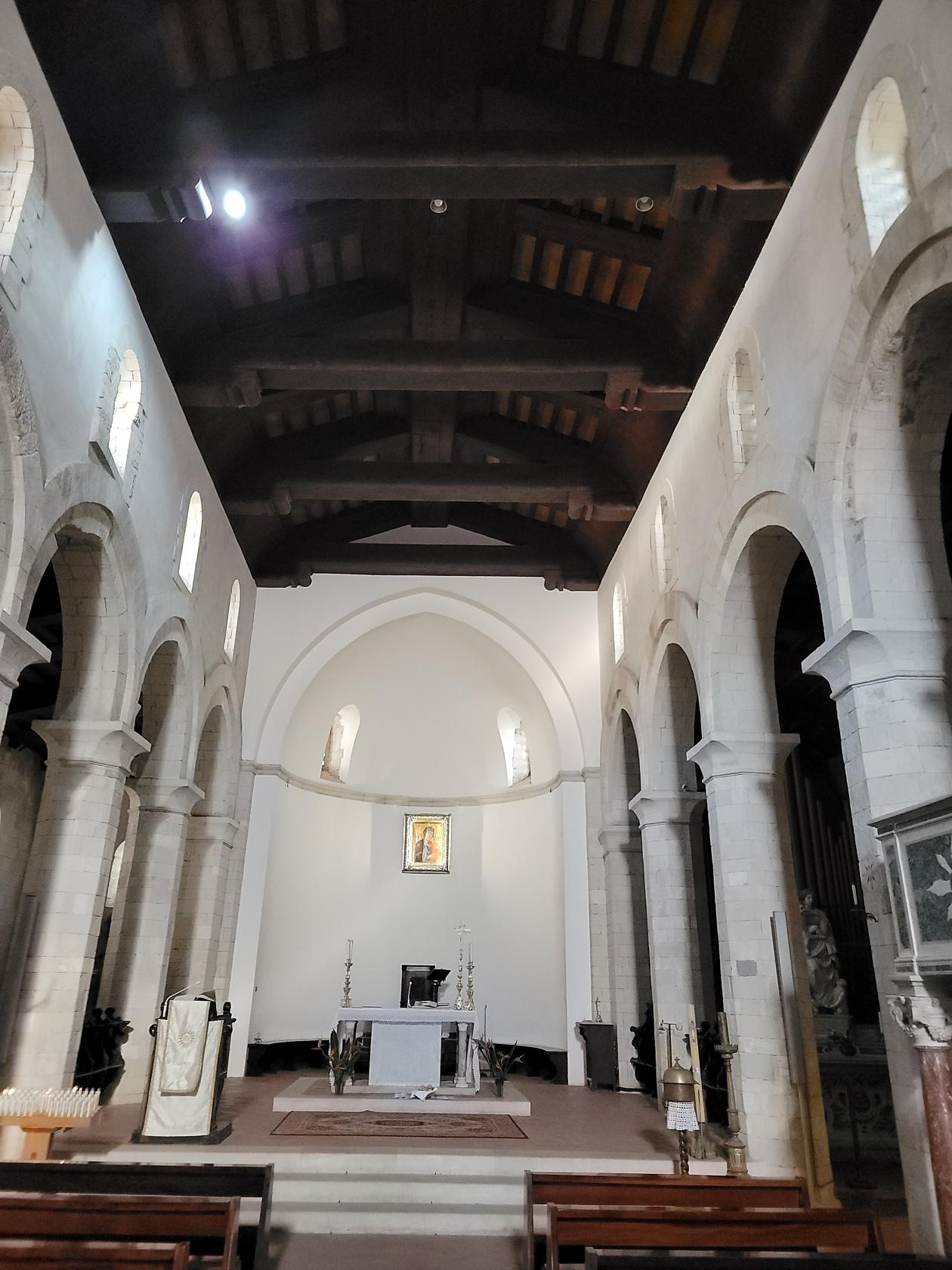
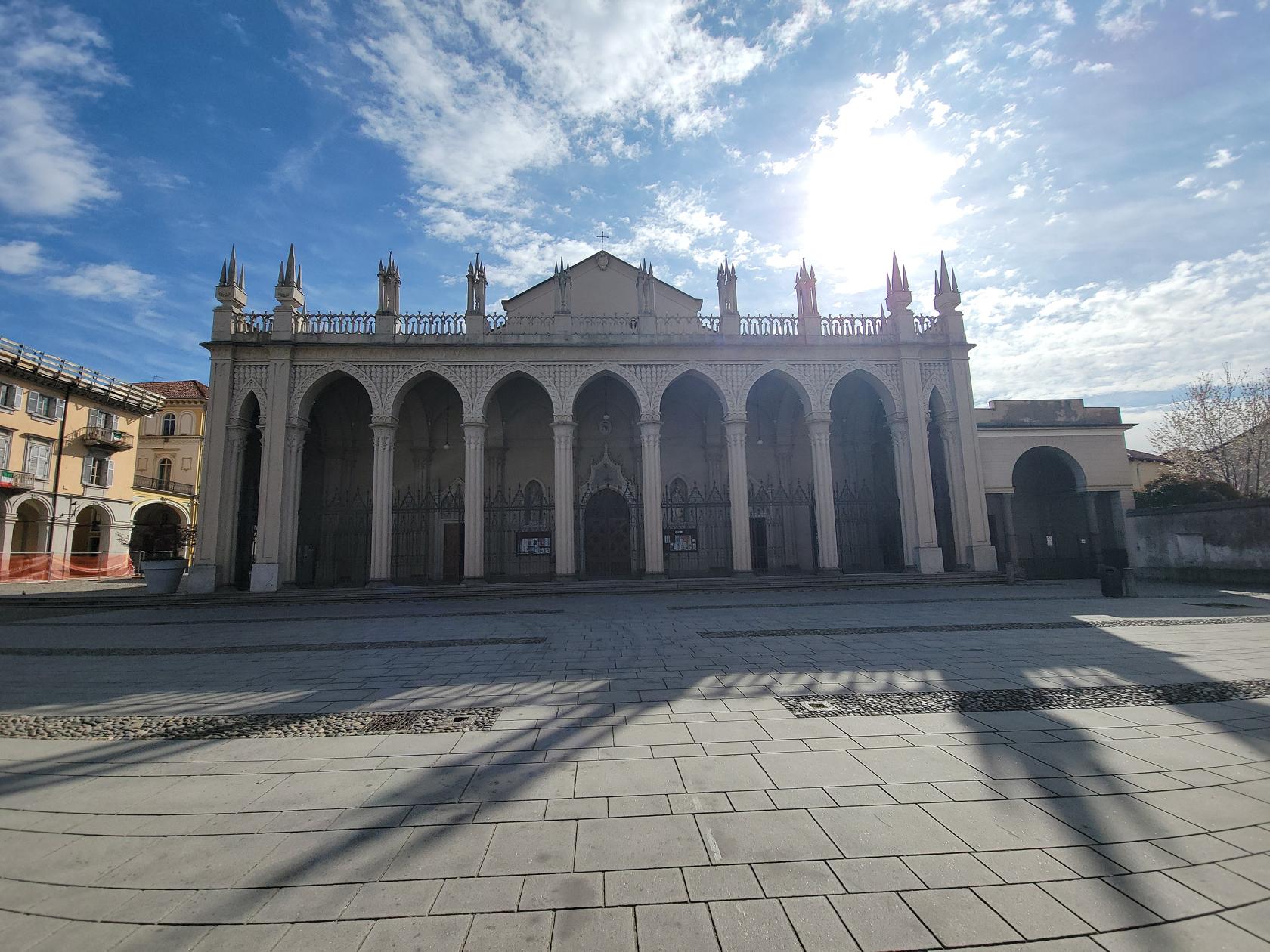
Actually known as the Cathedral of the Assumption of Saint Mary, or Cattedrale di Santa Maria Assunta, is very close to the castle on the hilltop. It is in need of restoration and there are several, apparently small projects already underway inside the cathedral.
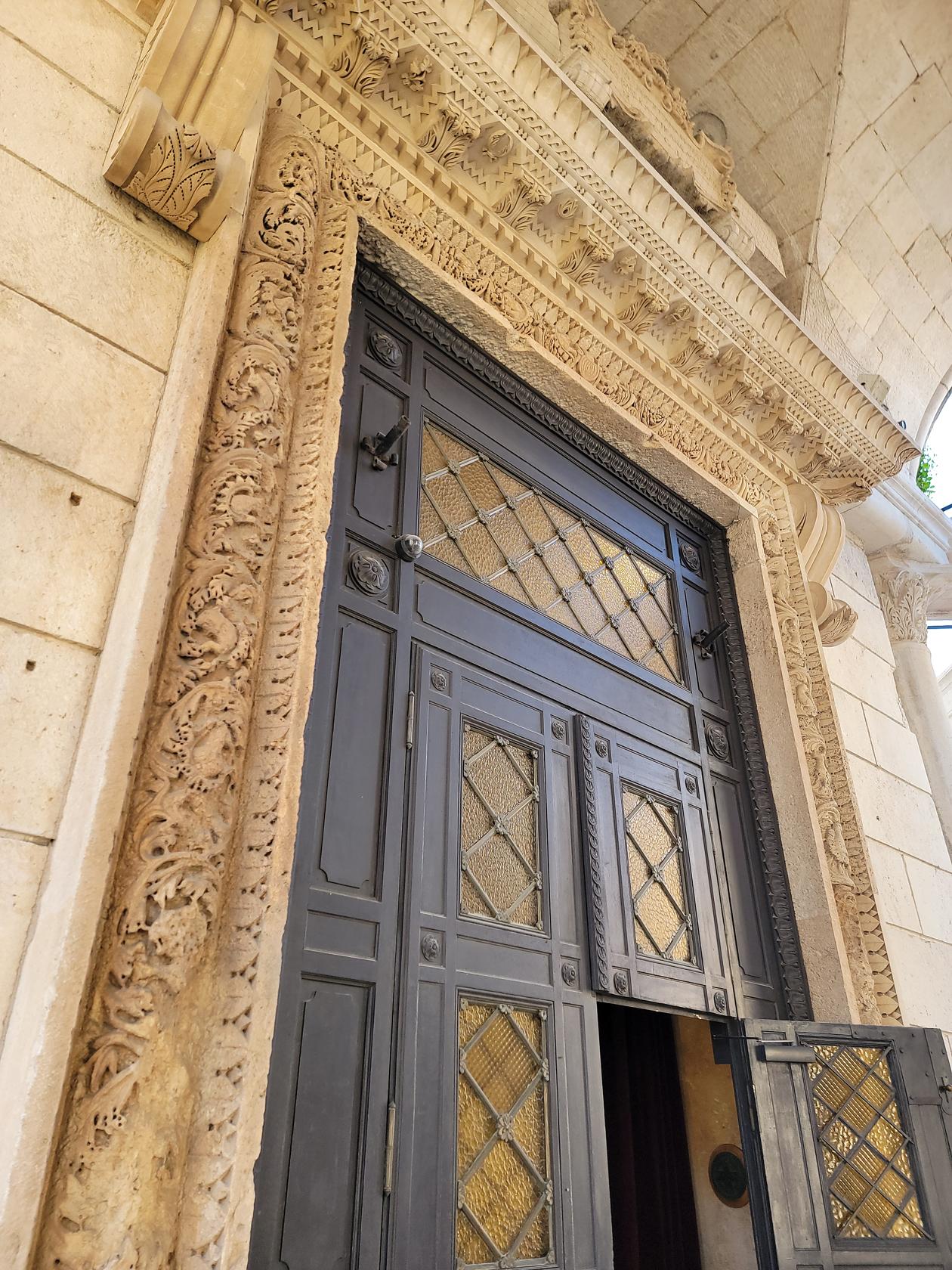
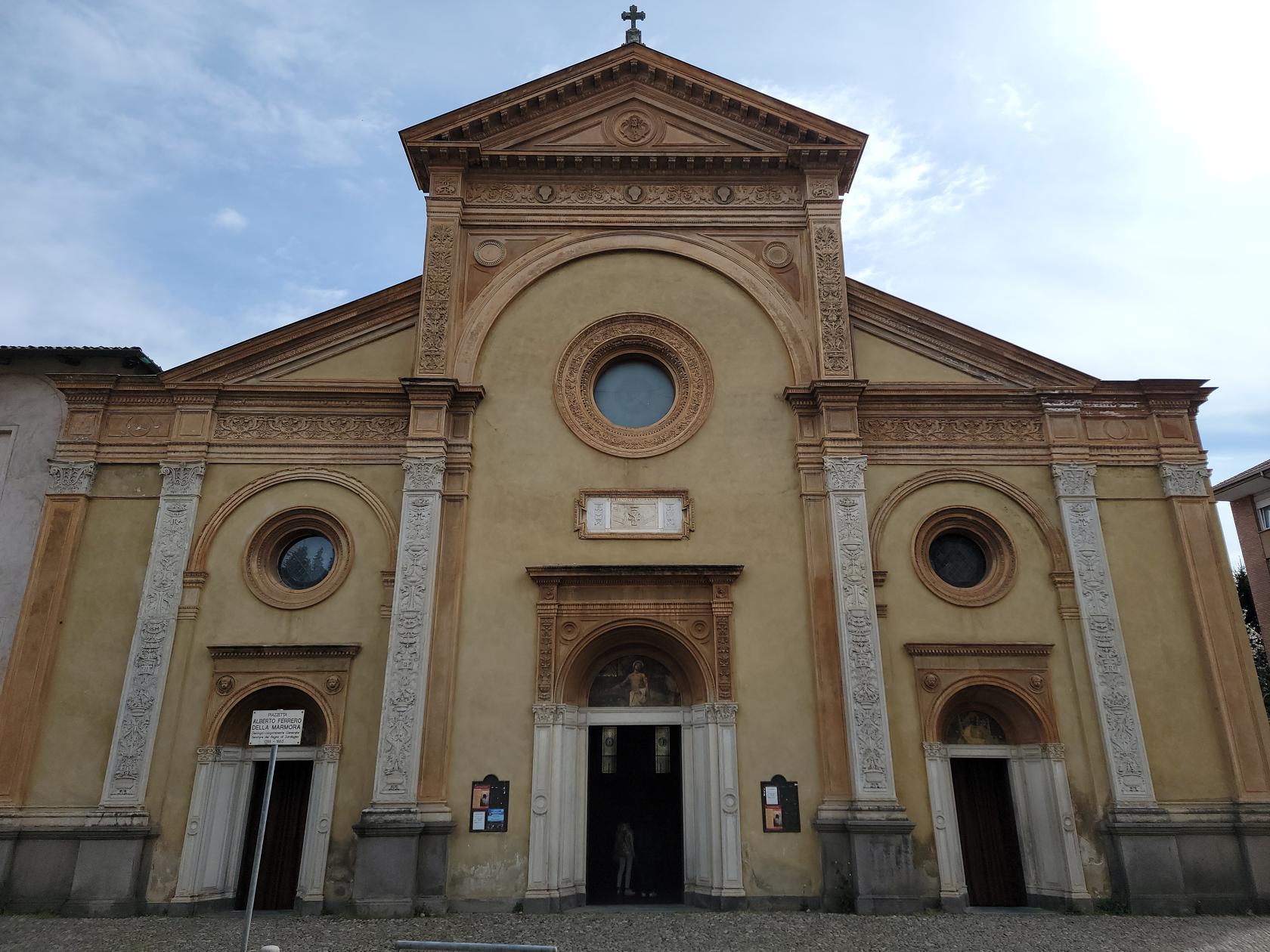
Cathedral Santa Maria Assunta – Il Duomo, Entrance – Ivrea, Italy
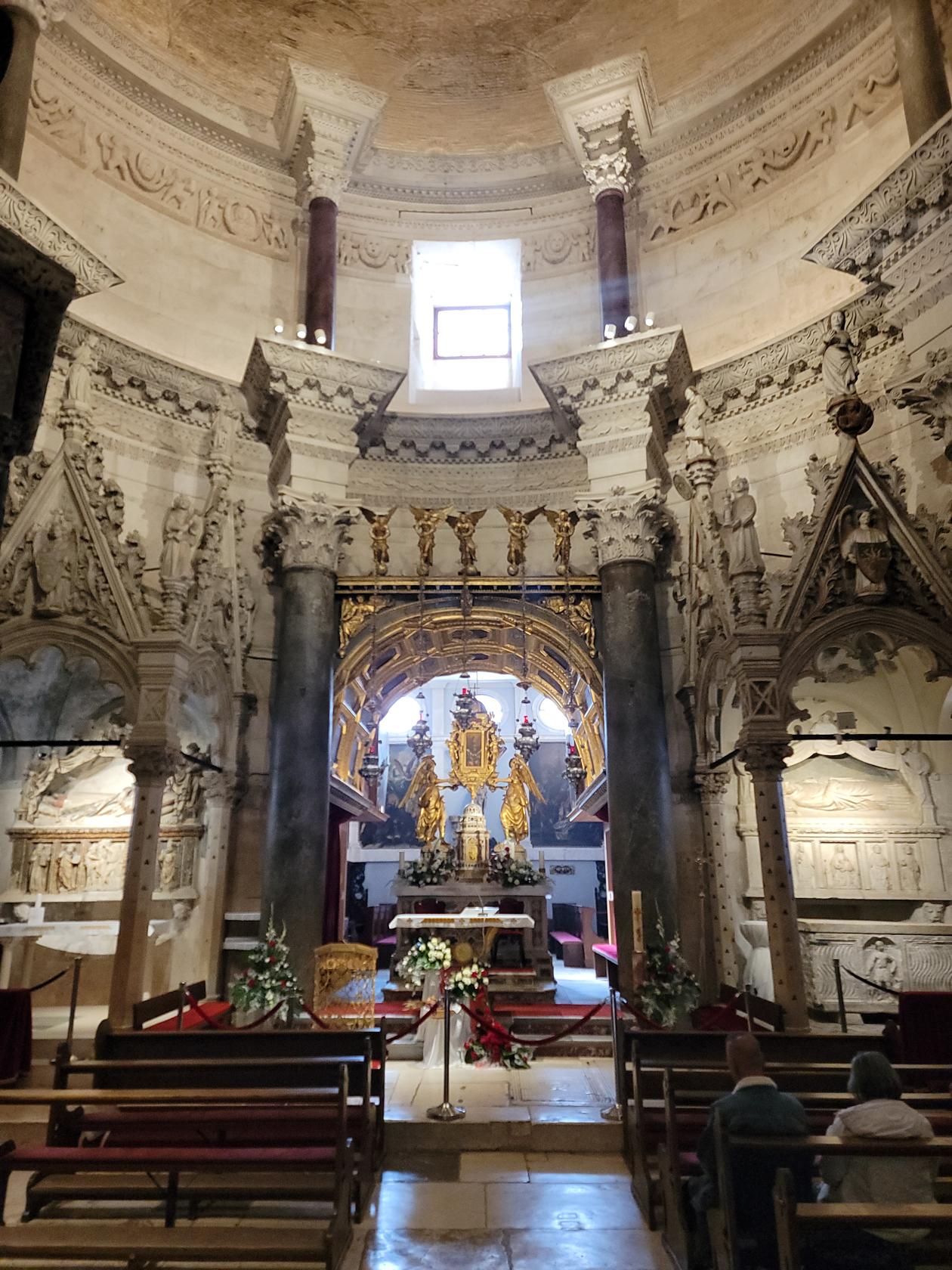
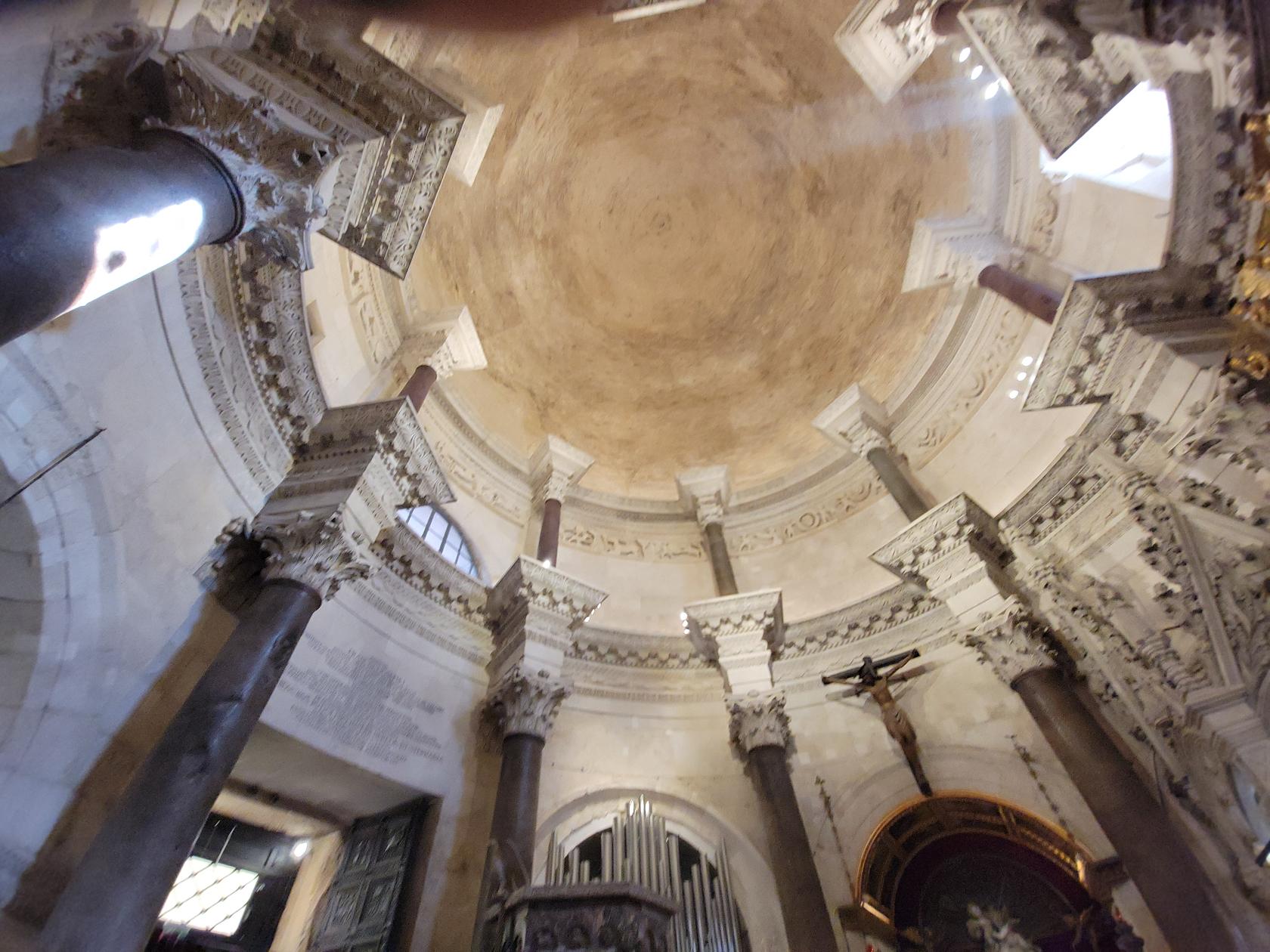
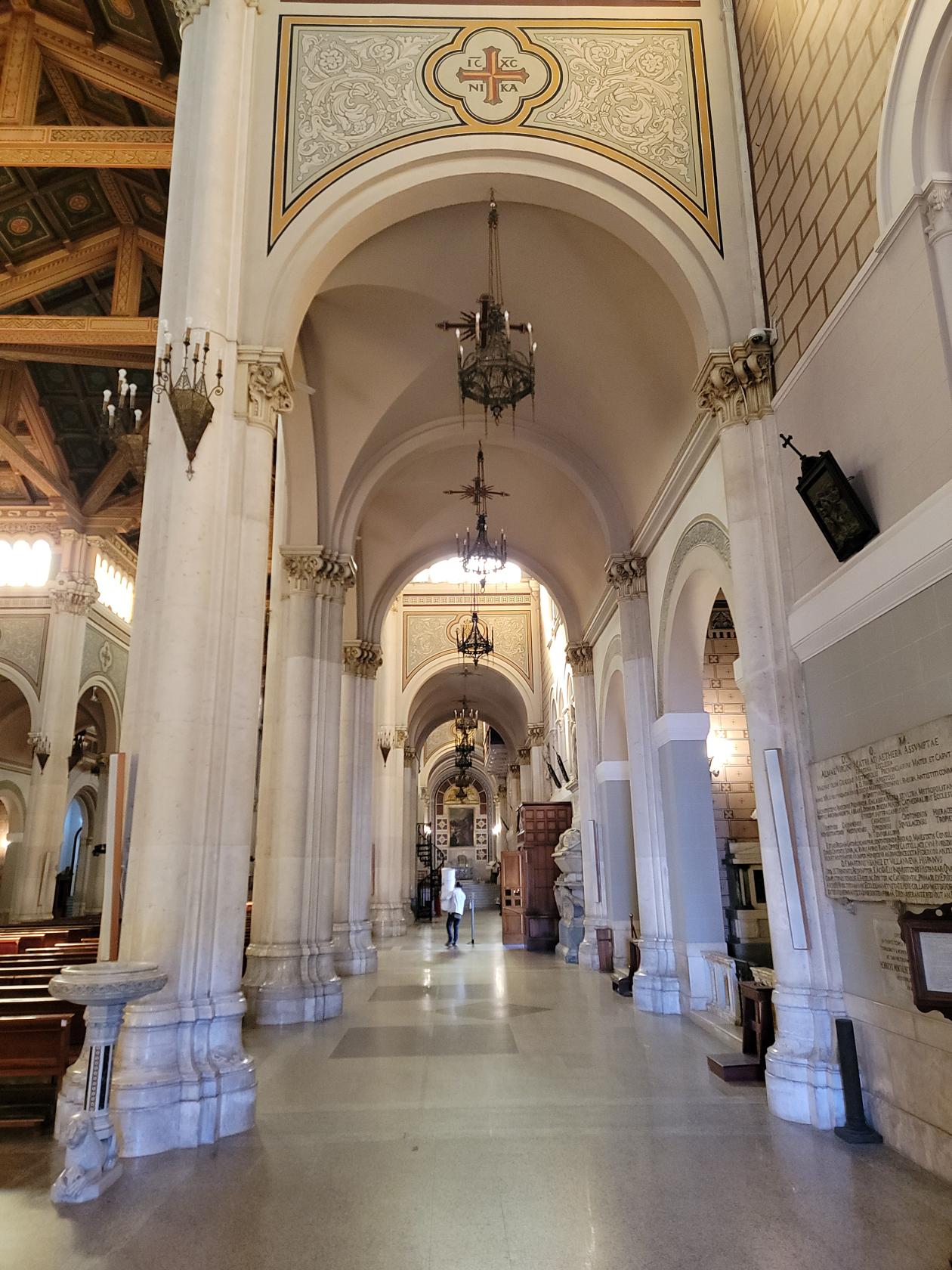
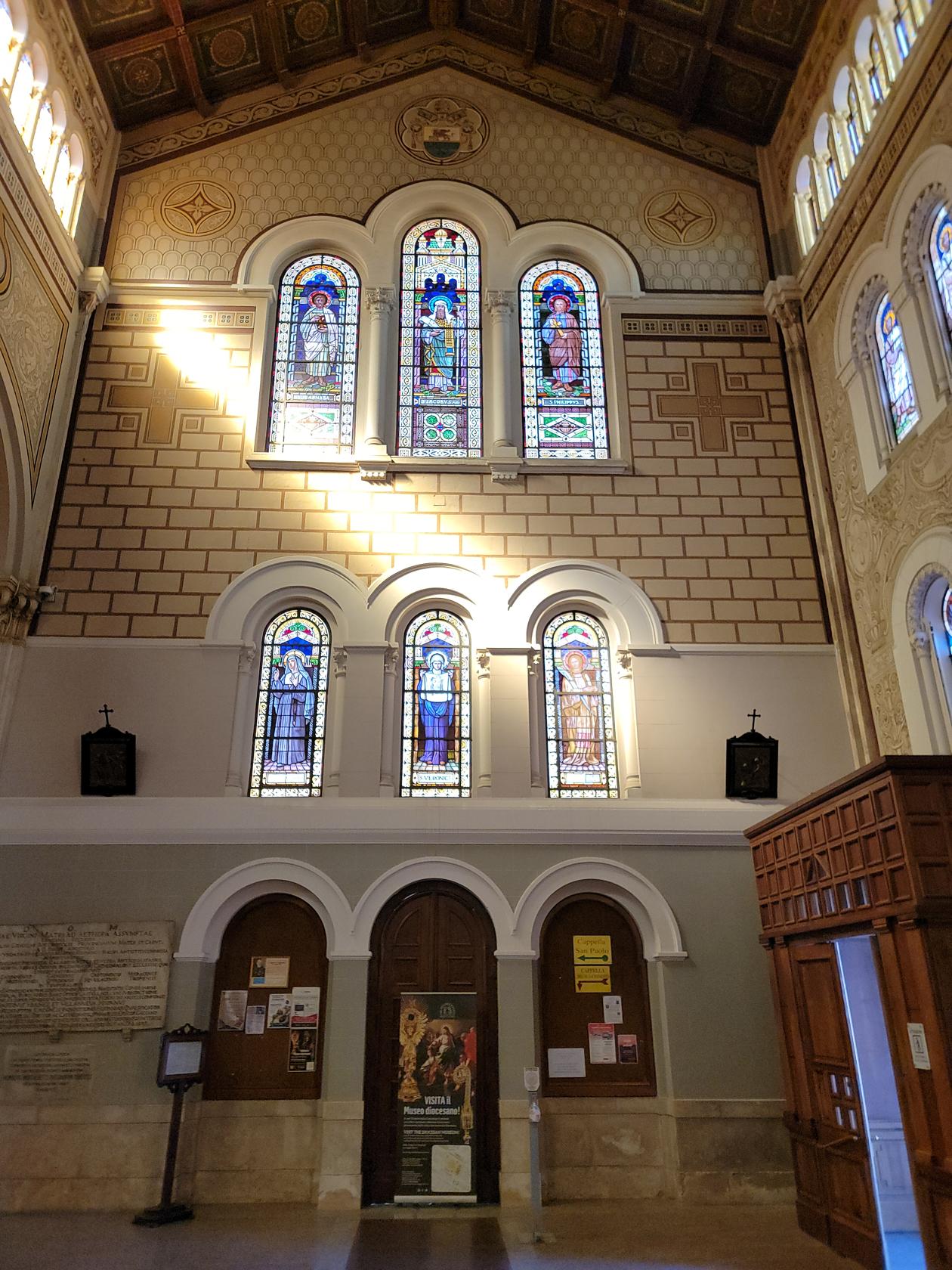
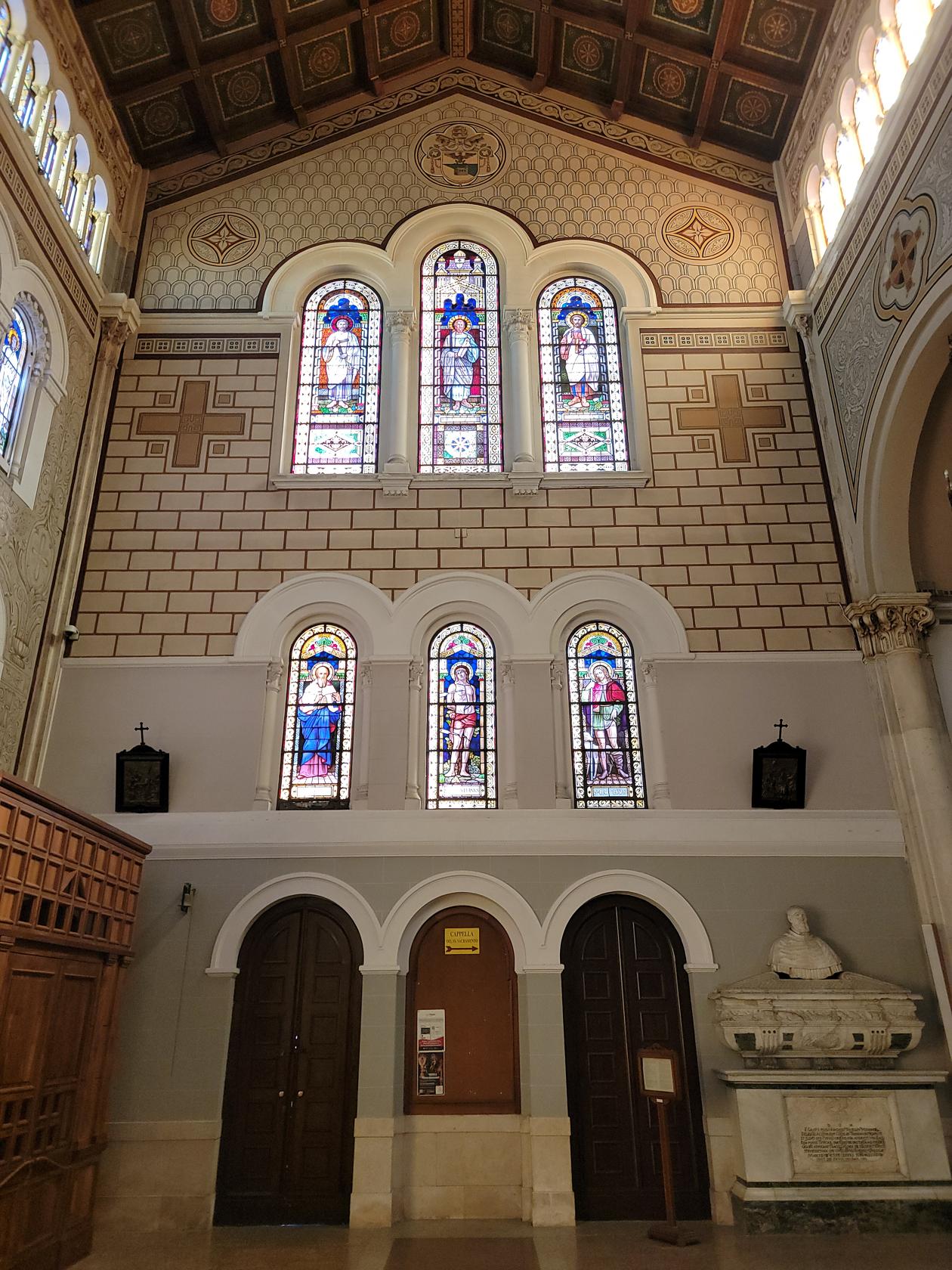
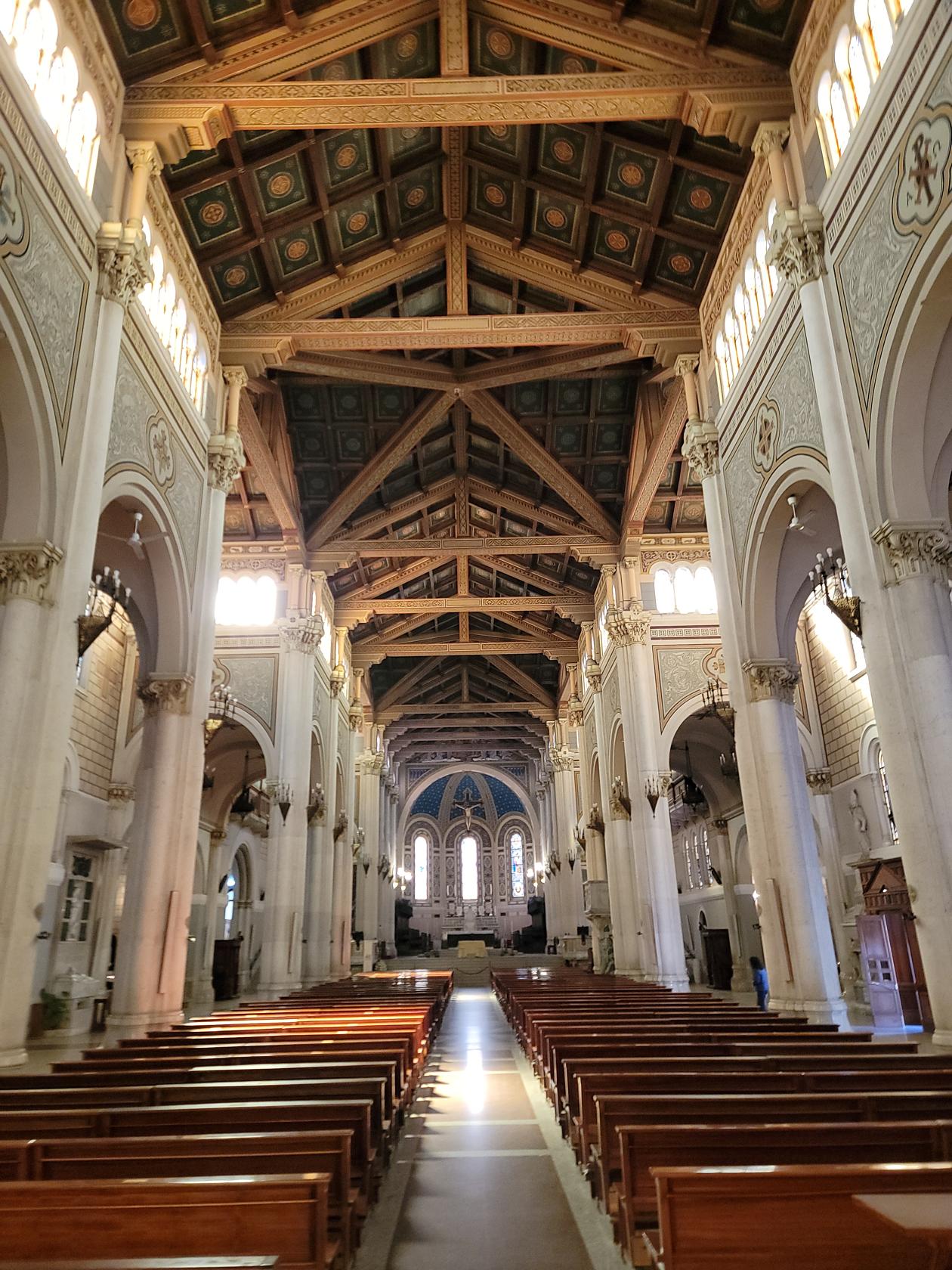
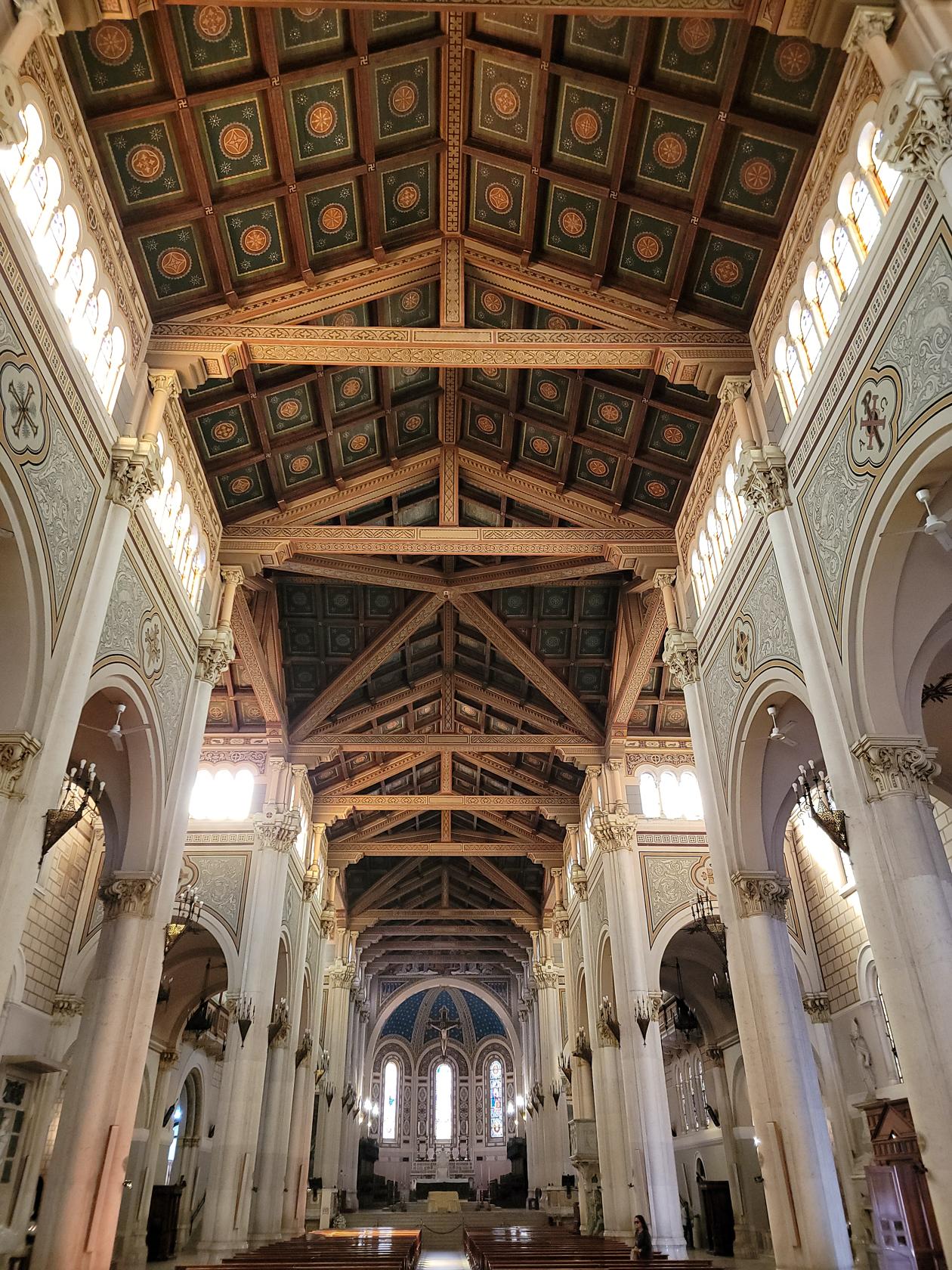
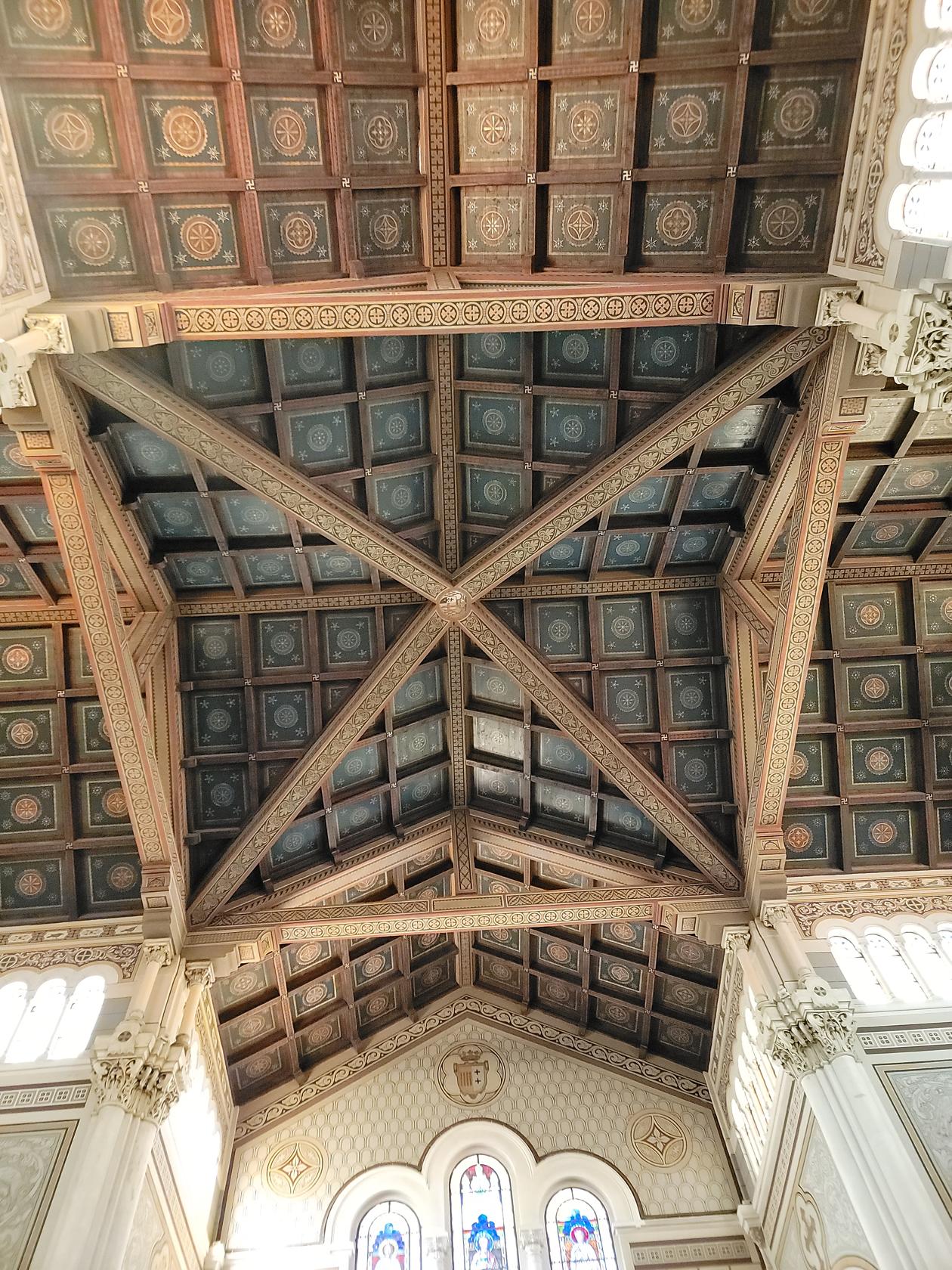
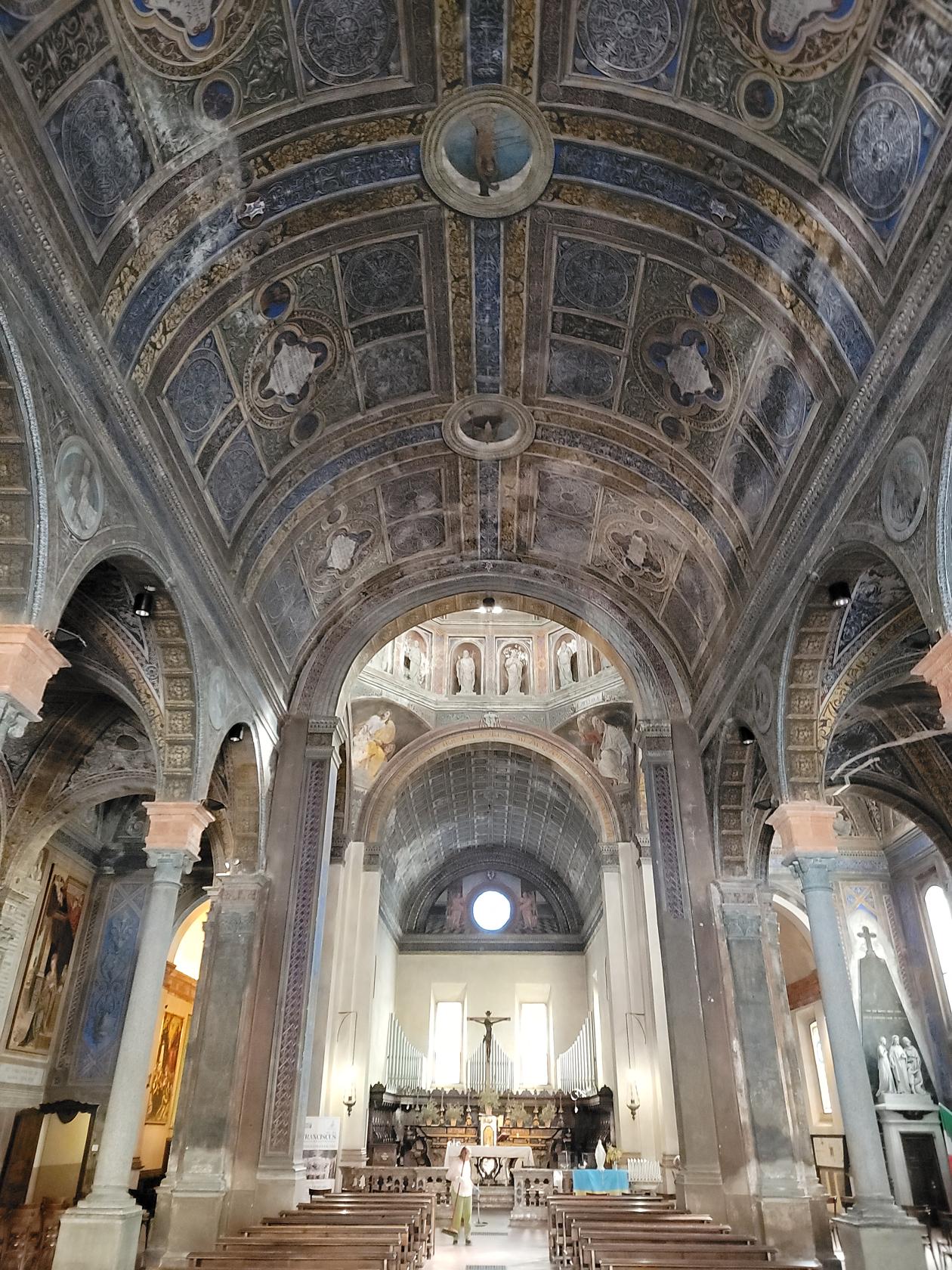
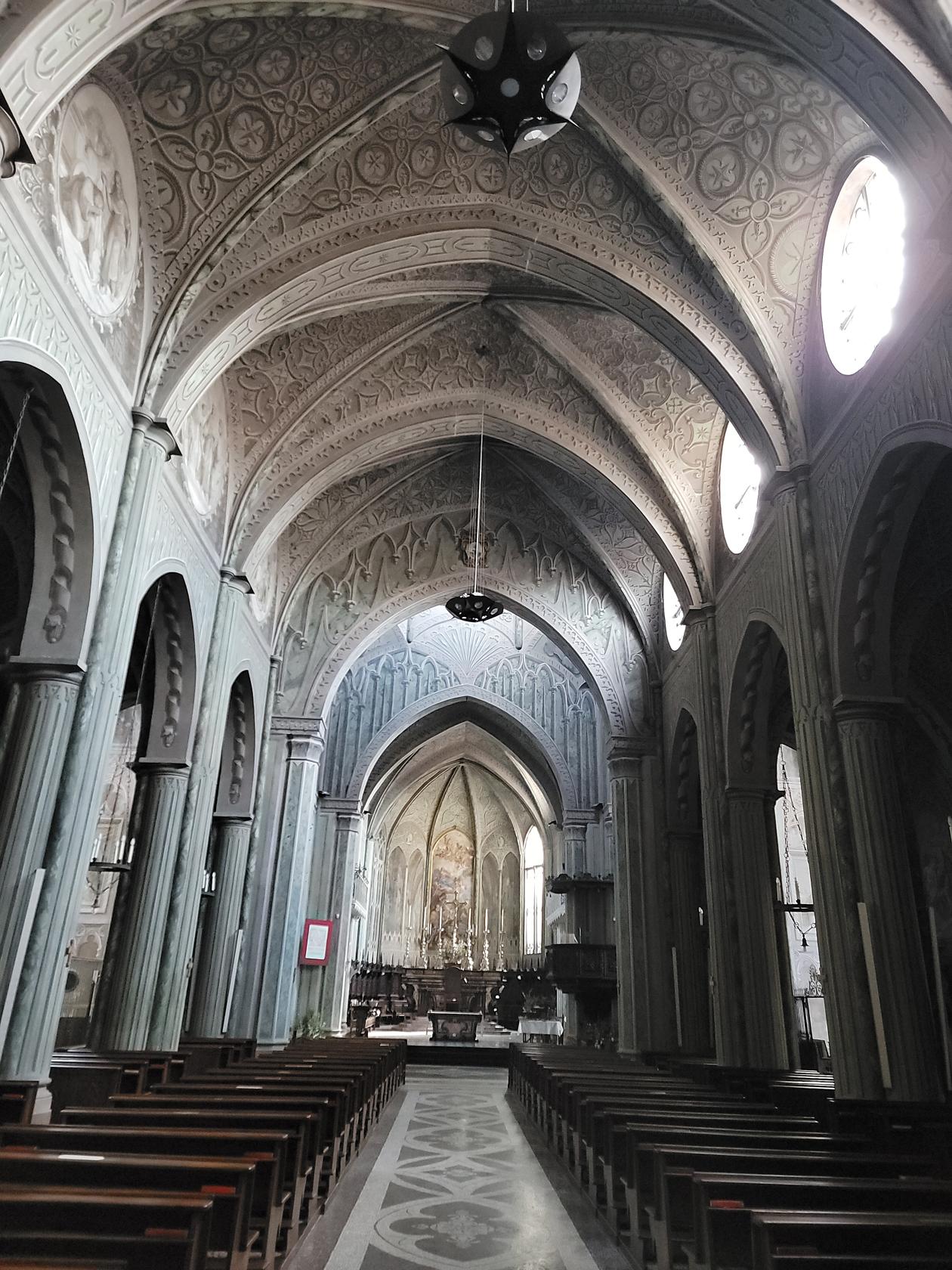
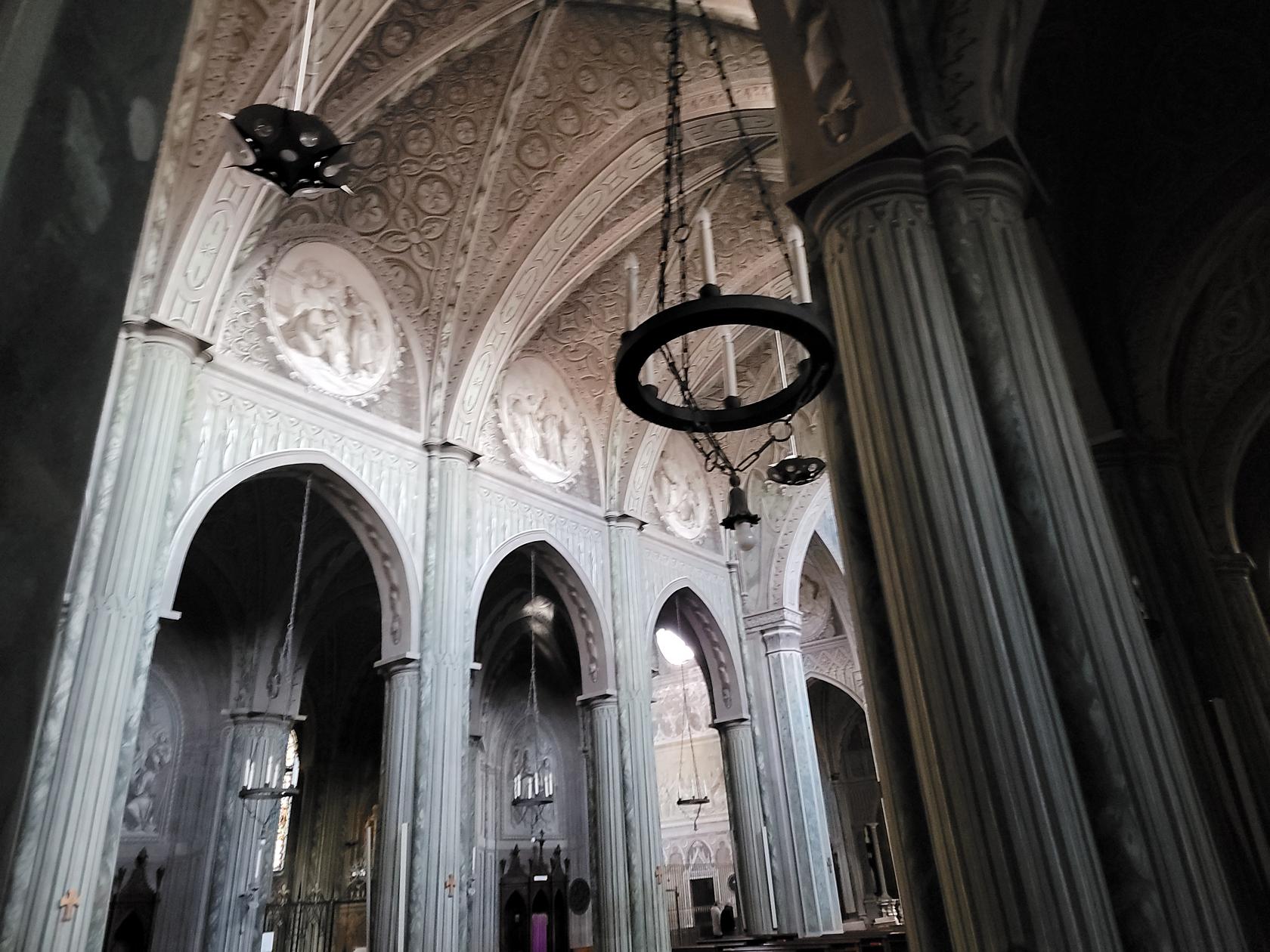
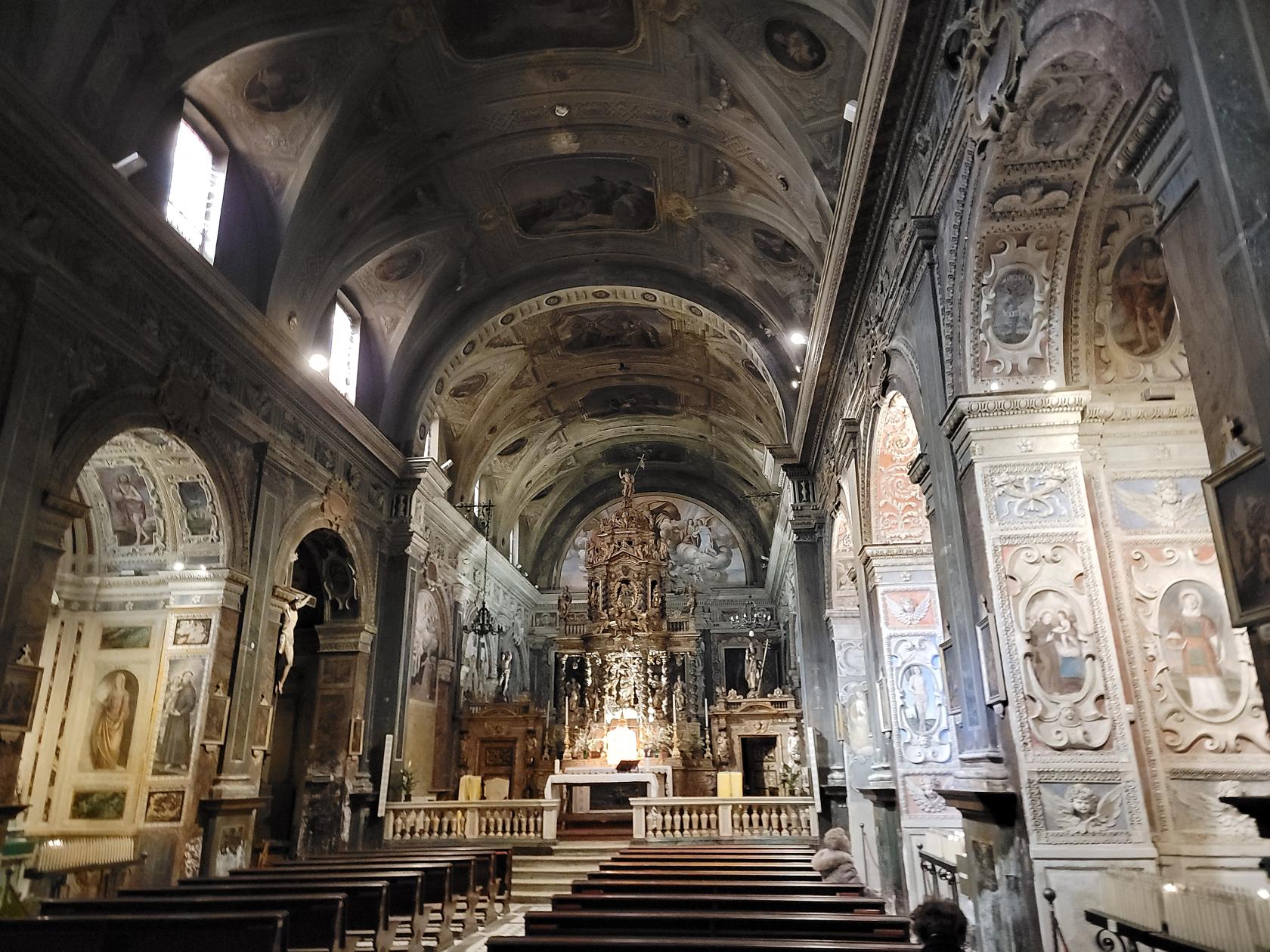
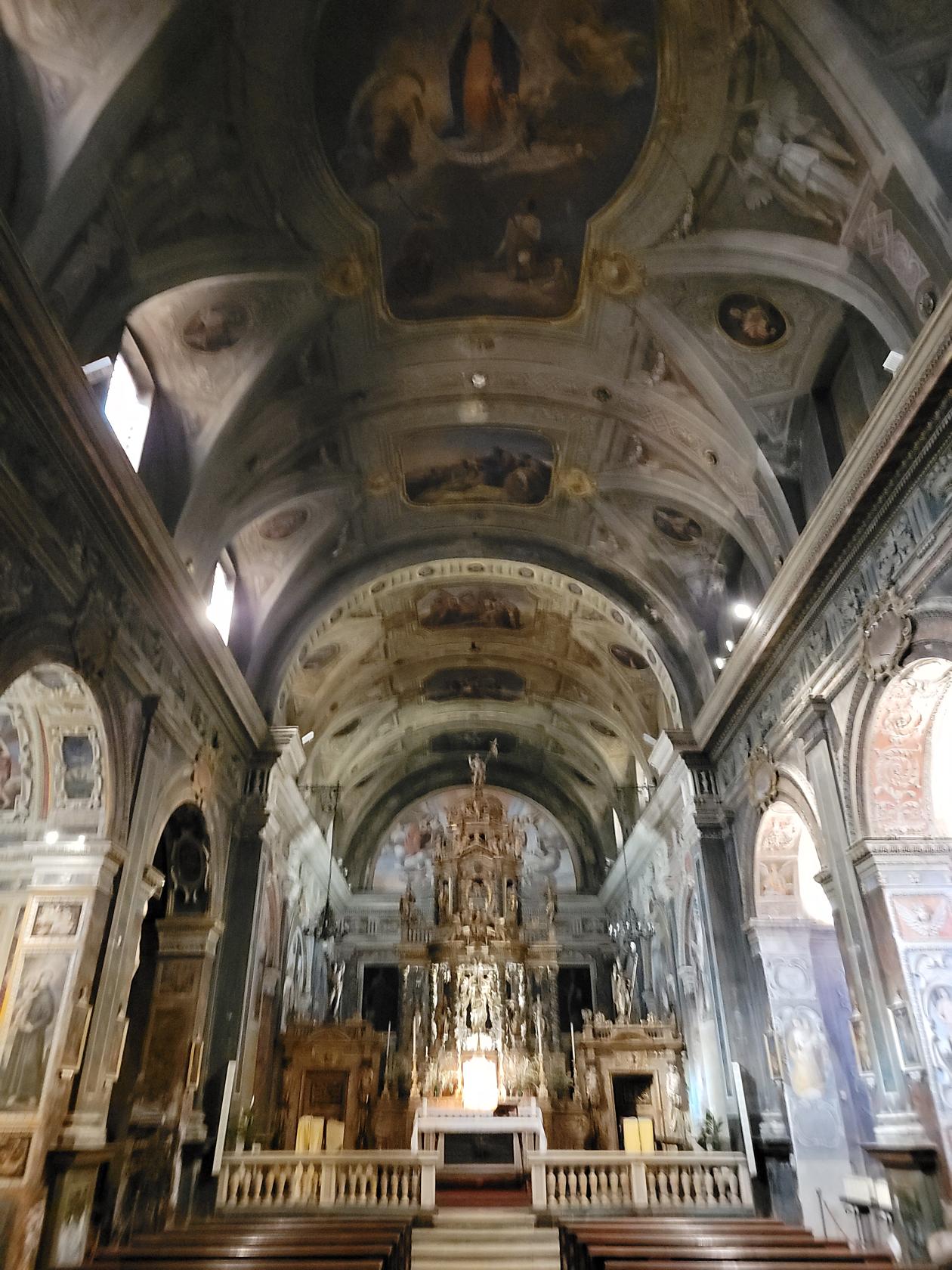
Inside the cathedral is actually quite impressive. The nave is well decorated with ceiling frescoes and religious art. It is quite dark and reminiscent of the Sistine Chapel before that was restored and suffers from decades, if not centuries or candle and other smoke.
Cathedral Santa Maria Assunta – Il Duomo, Nave and ceiling – Ivrea, Italy
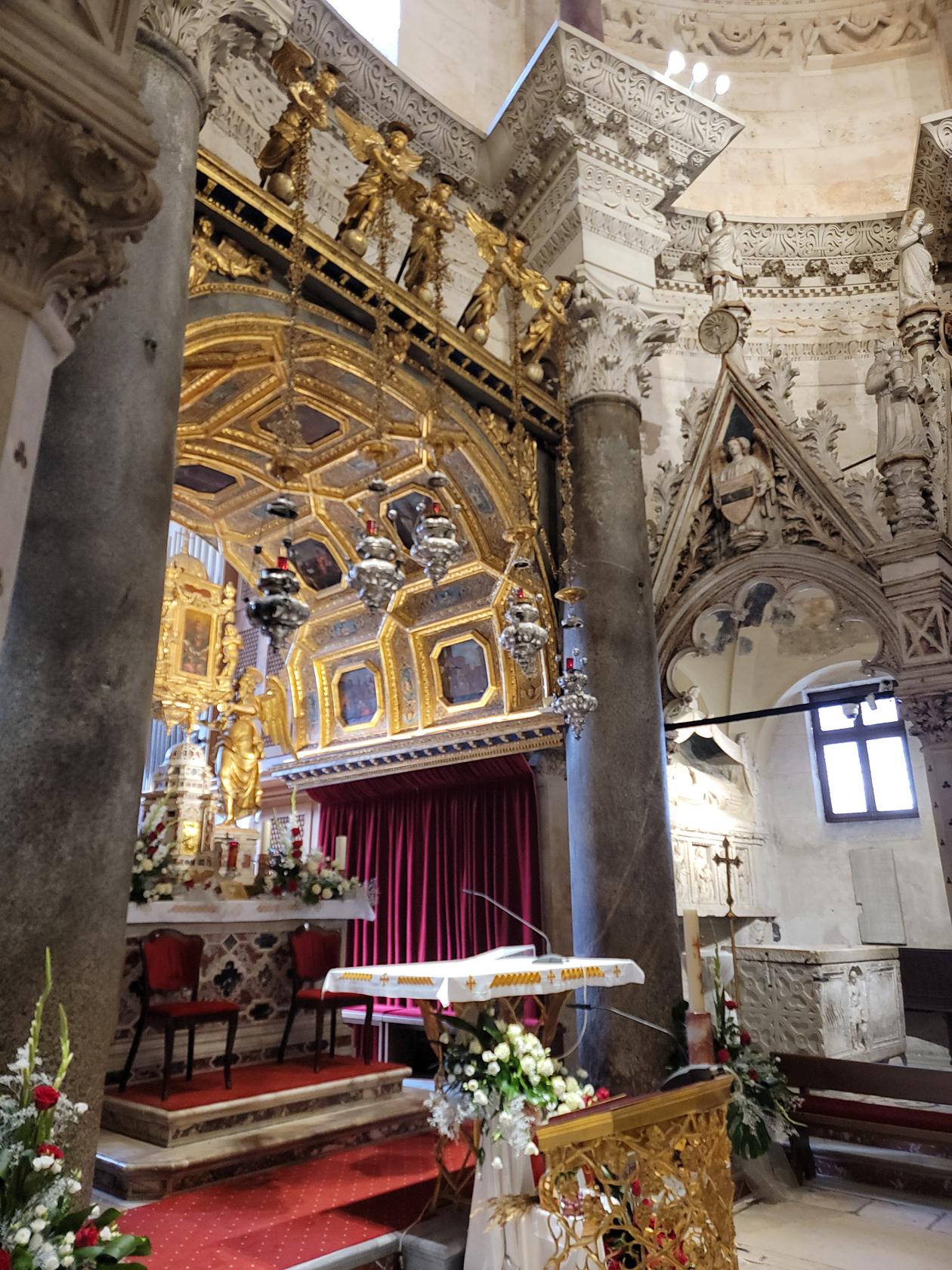
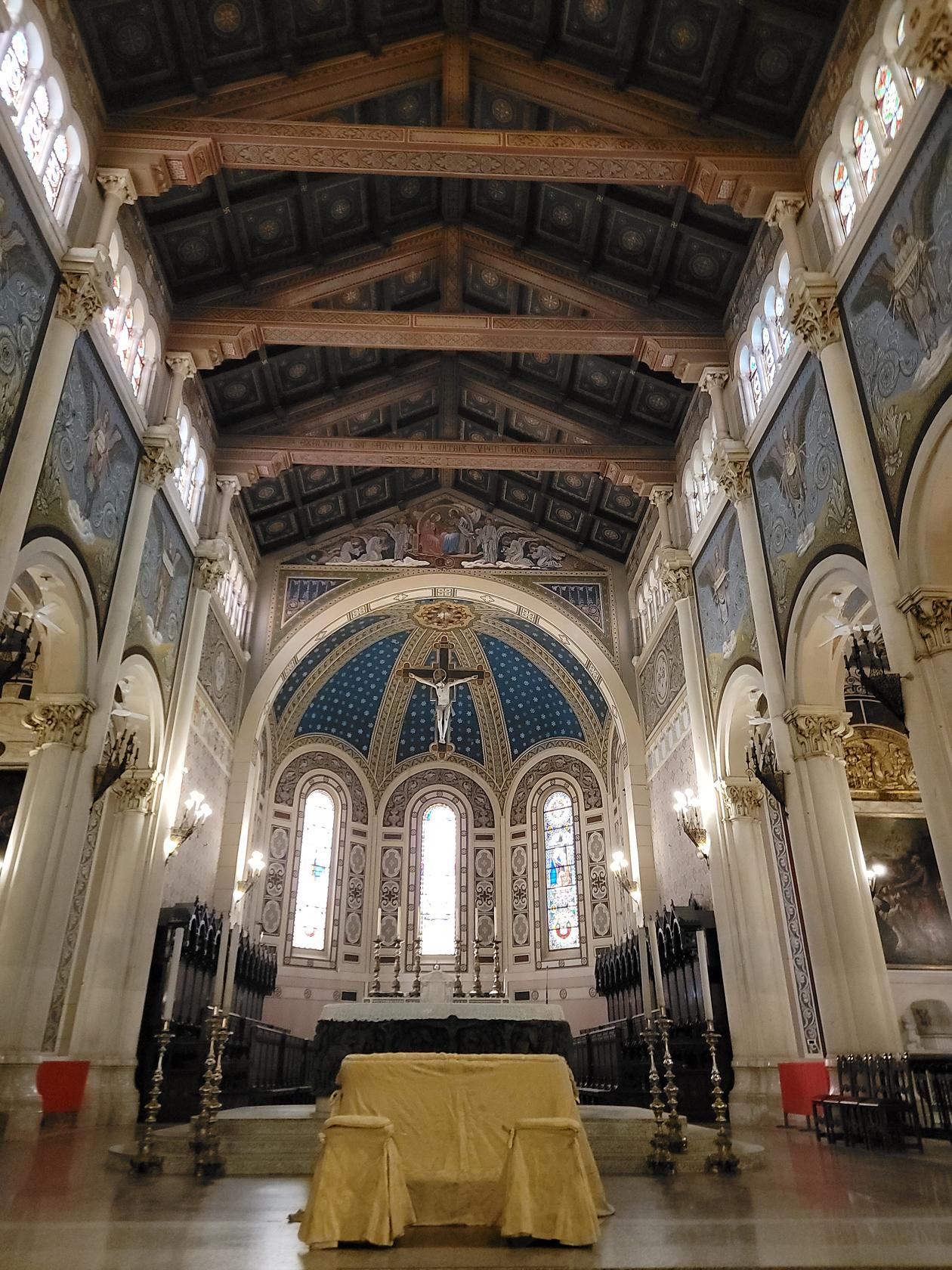
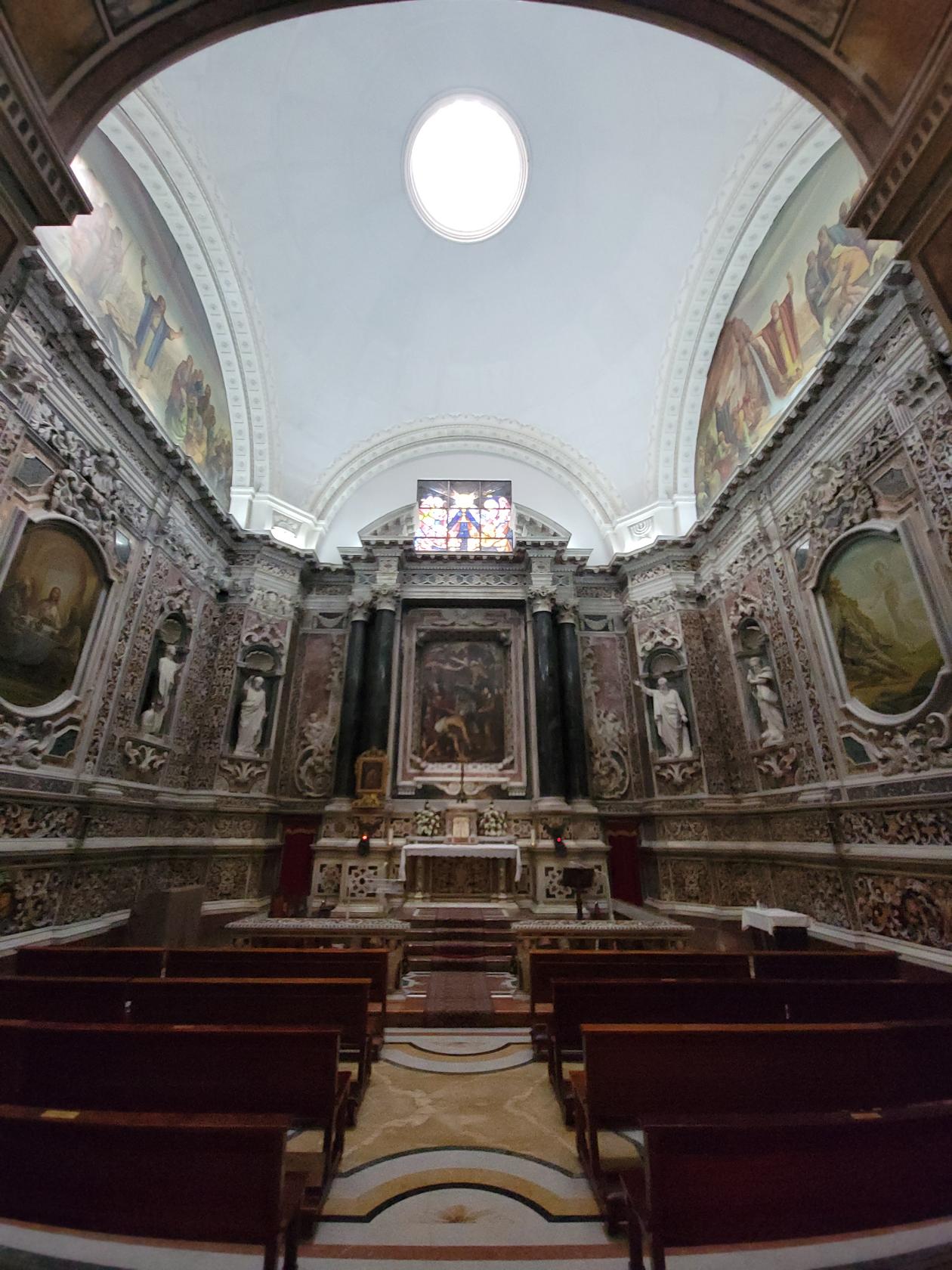
Cathedral Santa Maria Assunta – Il Duomo, Altar – Ivrea, Italy
Cathedral Santa Maria Assunta – Il Duomo, Aisle – Ivrea, Italy
Cathedral Santa Maria Assunta – Il Duomo, Altar screen entrance – Ivrea, Italy
Cathedral Santa Maria Assunta – Il Duomo, bricked up window – Ivrea, Italy
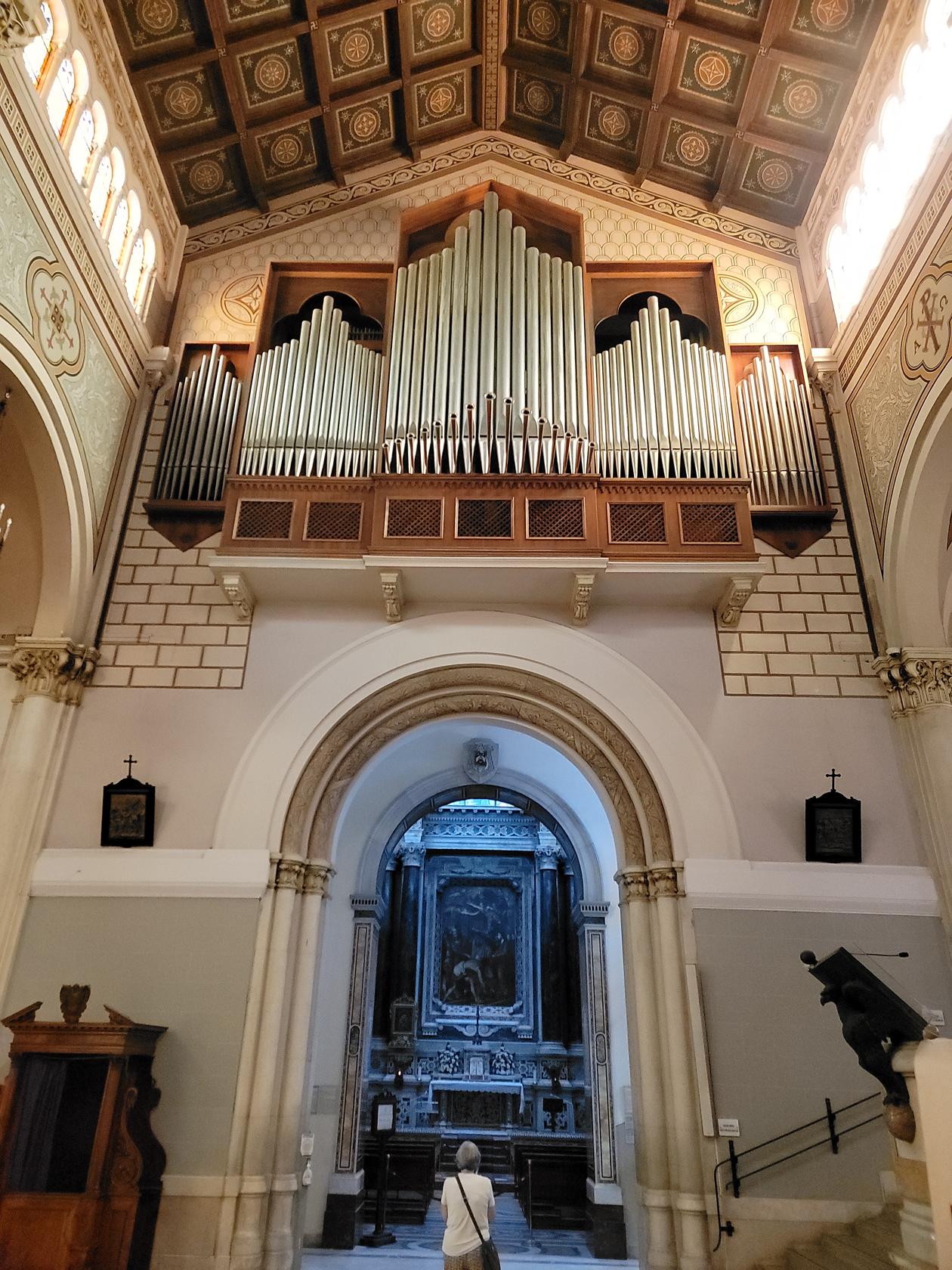
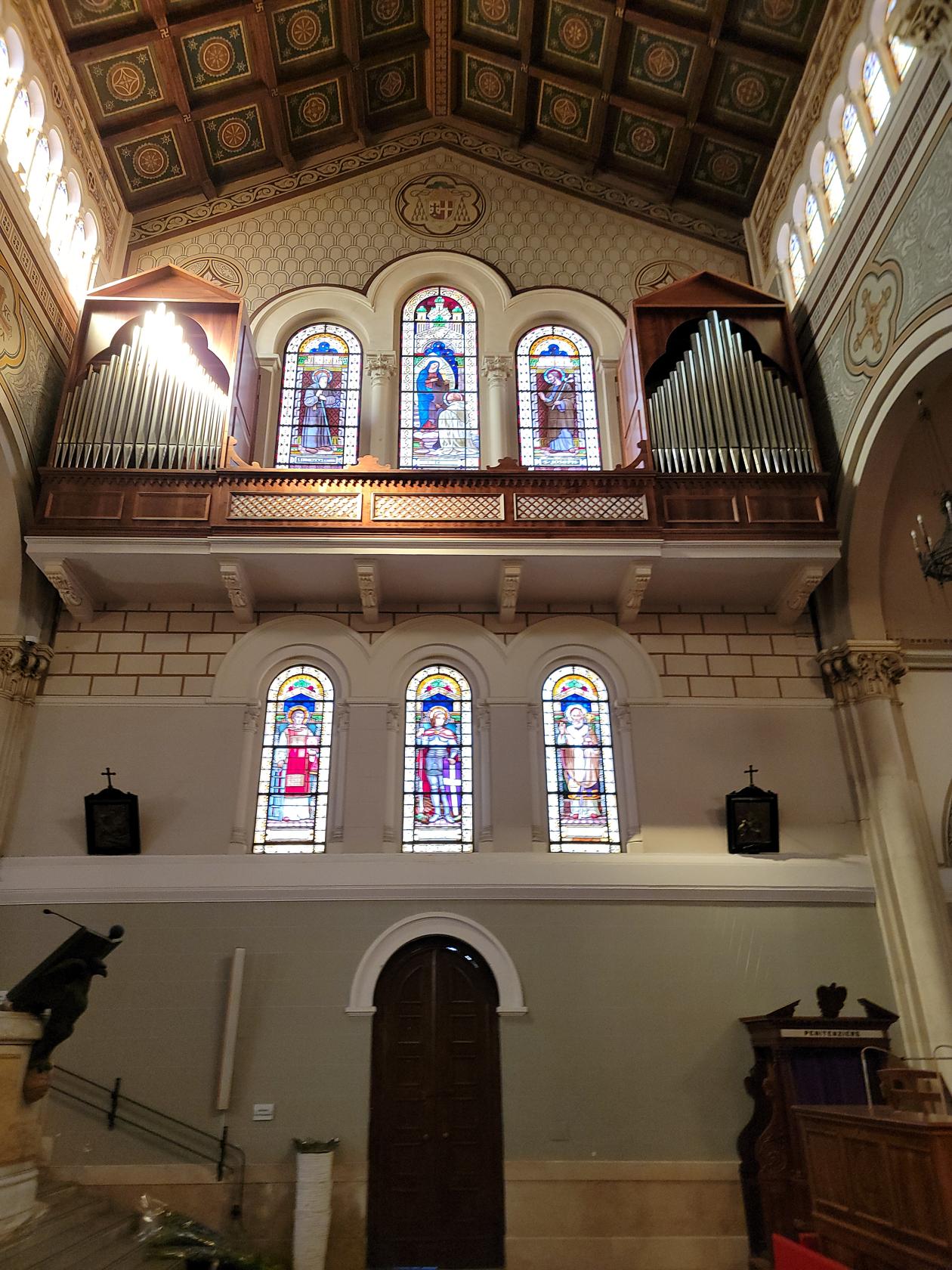
Cathedral Santa Maria Assunta – Il Duomo, Nave and Organ – Ivrea, Italy
Cathedral Santa Maria Assunta – Il Duomo, Transept – Ivrea, Italy
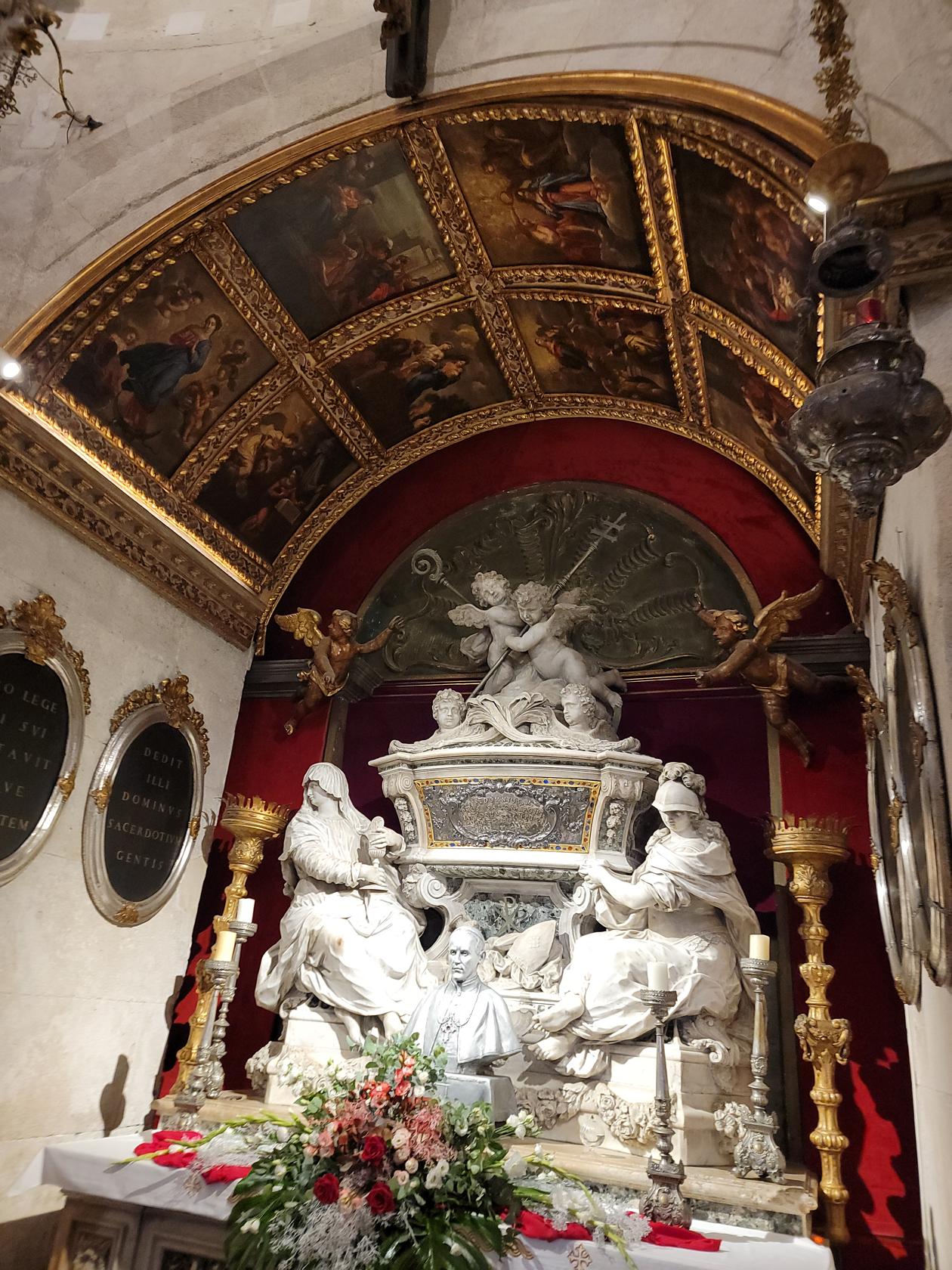
Cathedral Santa Maria Assunta – Il Duomo, Altar screen ceiling frescoes – Ivrea, Italy
Cathedral Santa Maria Assunta – Il Duomo, Altar screen frescoes – Ivrea, Italy
The Crypt
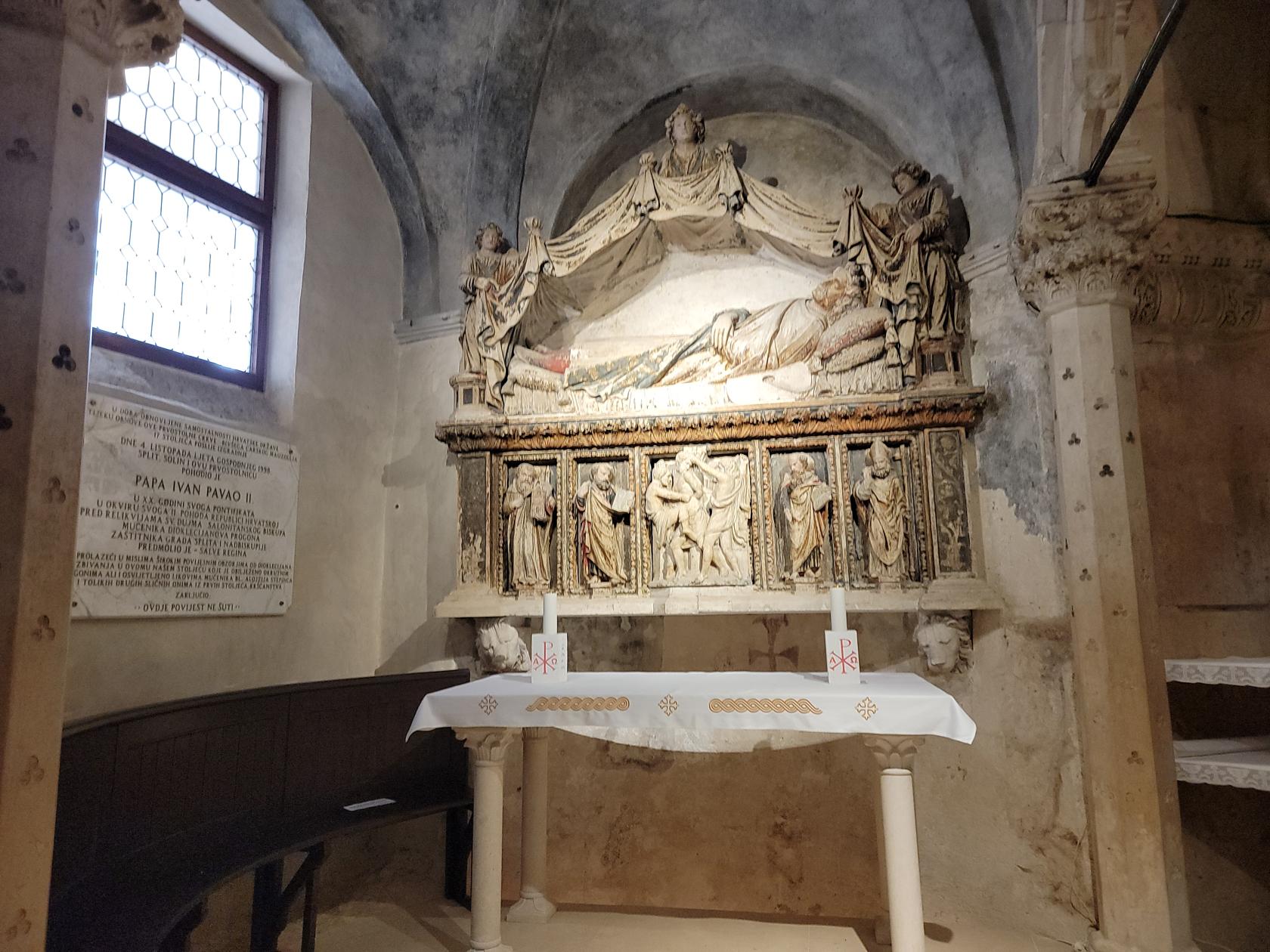
The main attraction of the crypt are the frescoes. When possible the caretakers of the cathedral have installed lighting, so that you can adore without the need for using the flash on your camera, which you should never do.
Cathedral Santa Maria Assunta – Il Duomo, Crypt – Ivrea, Italy
Cathedral Santa Maria Assunta – Il Duomo, Altar screen frescoes – Ivrea, Italy
Restaurants
Moma
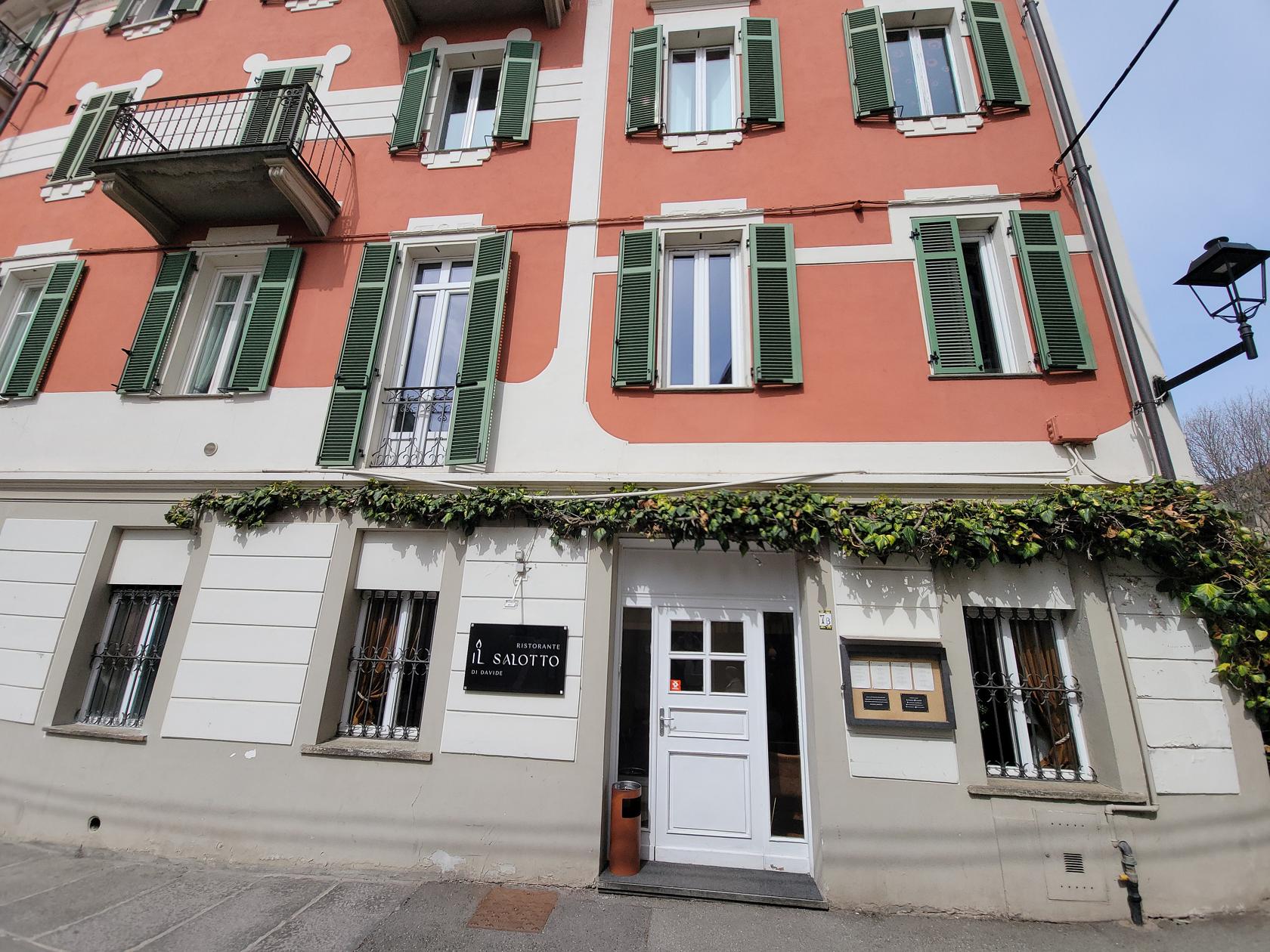
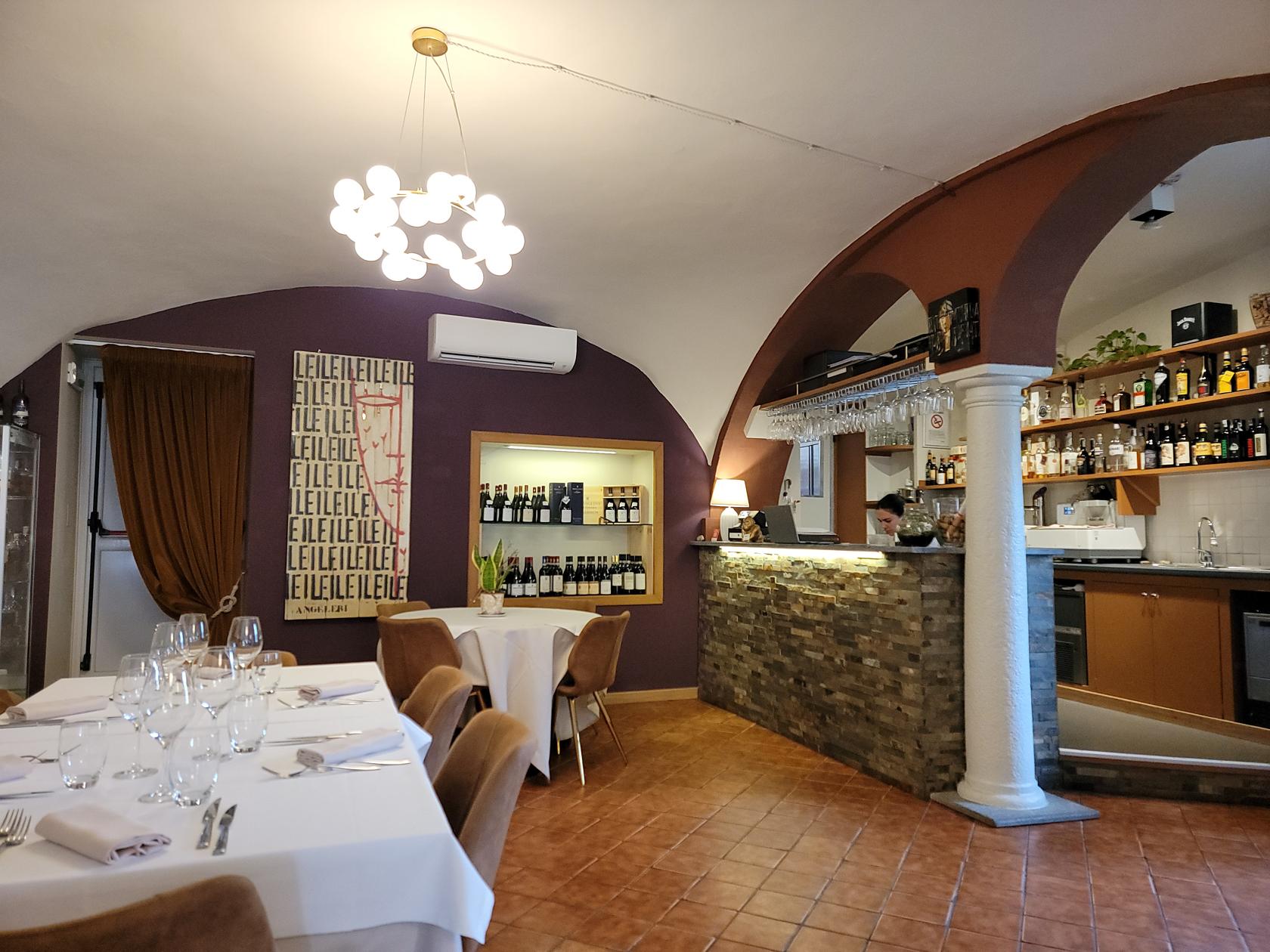
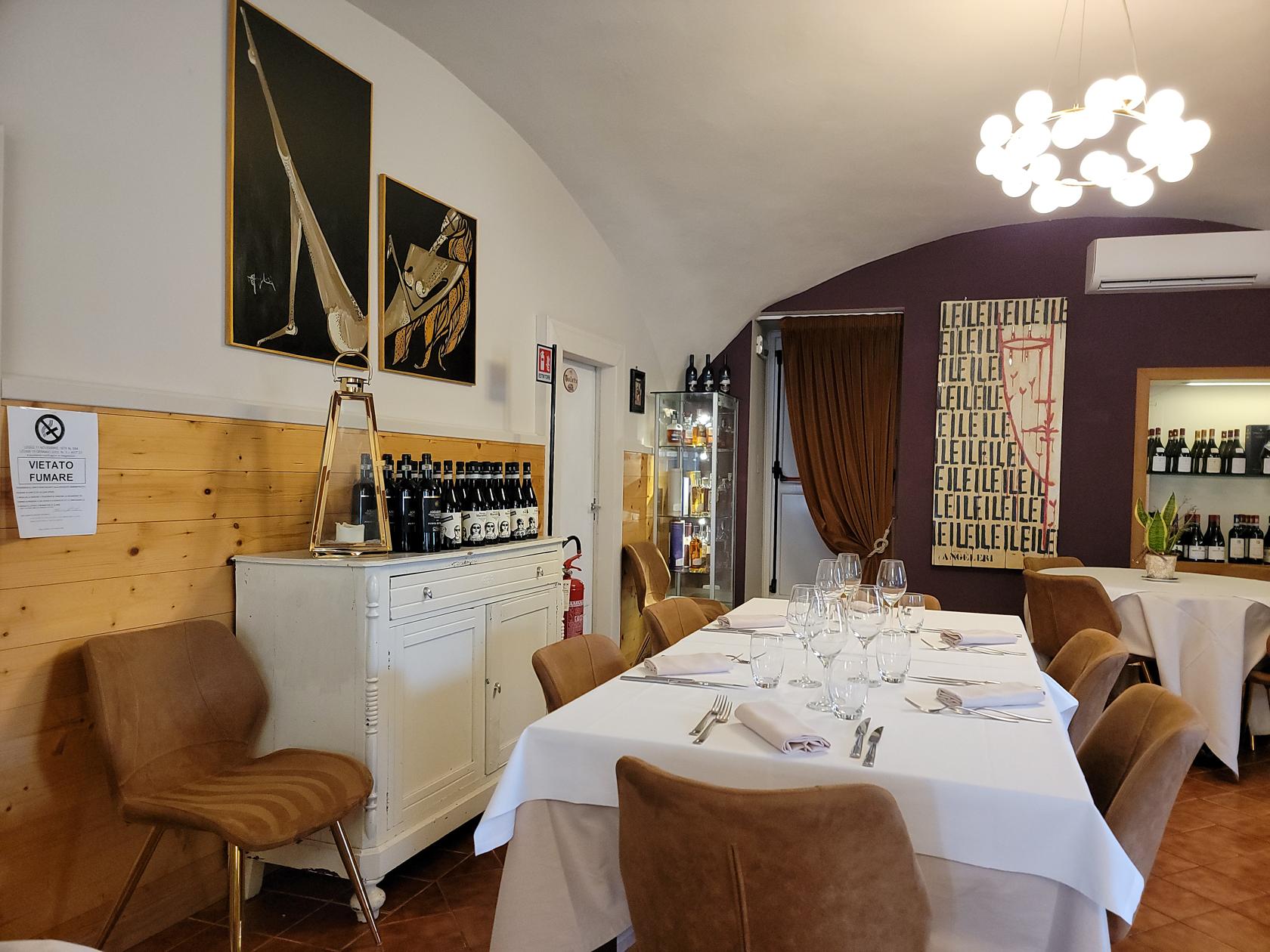
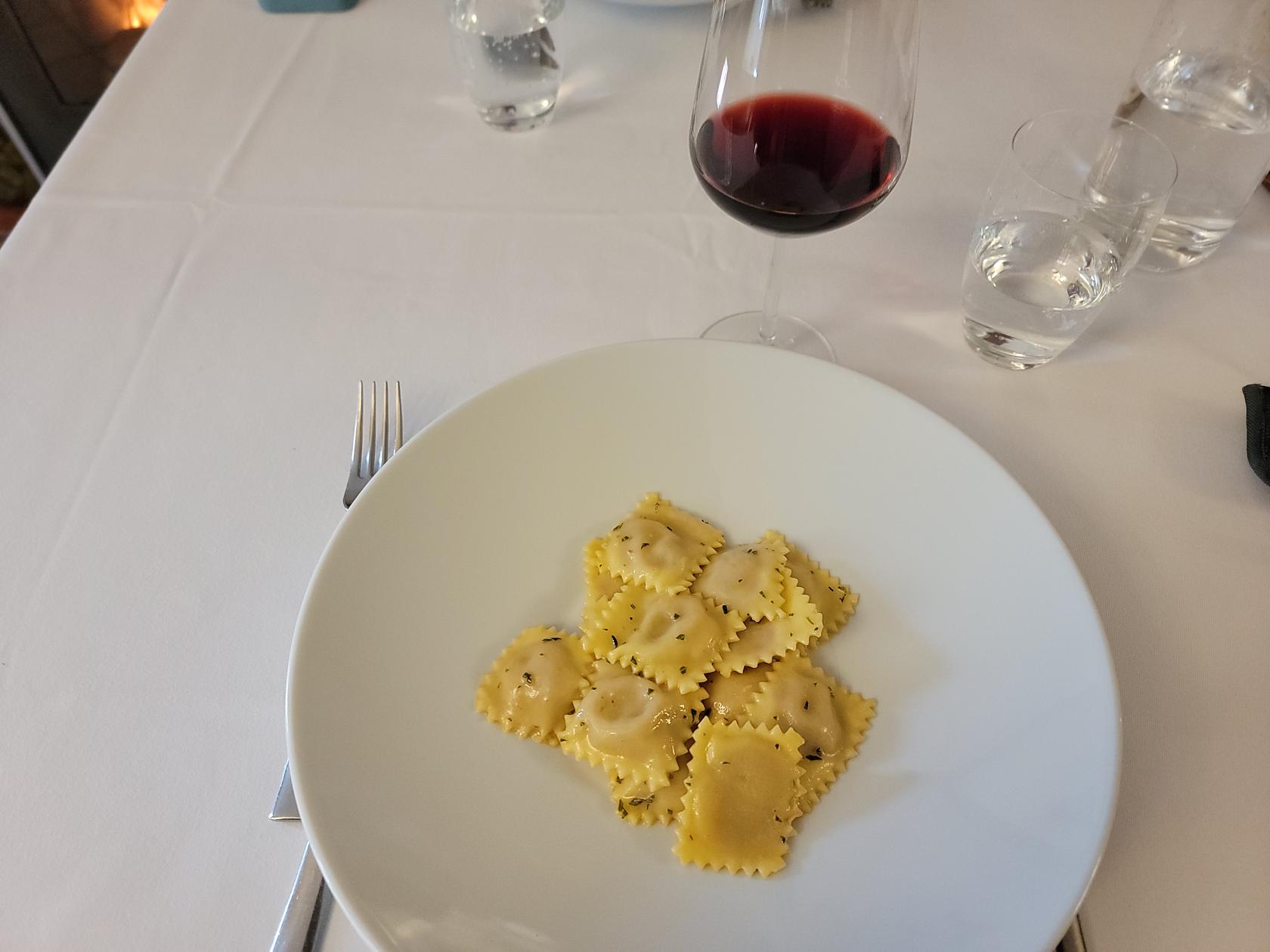
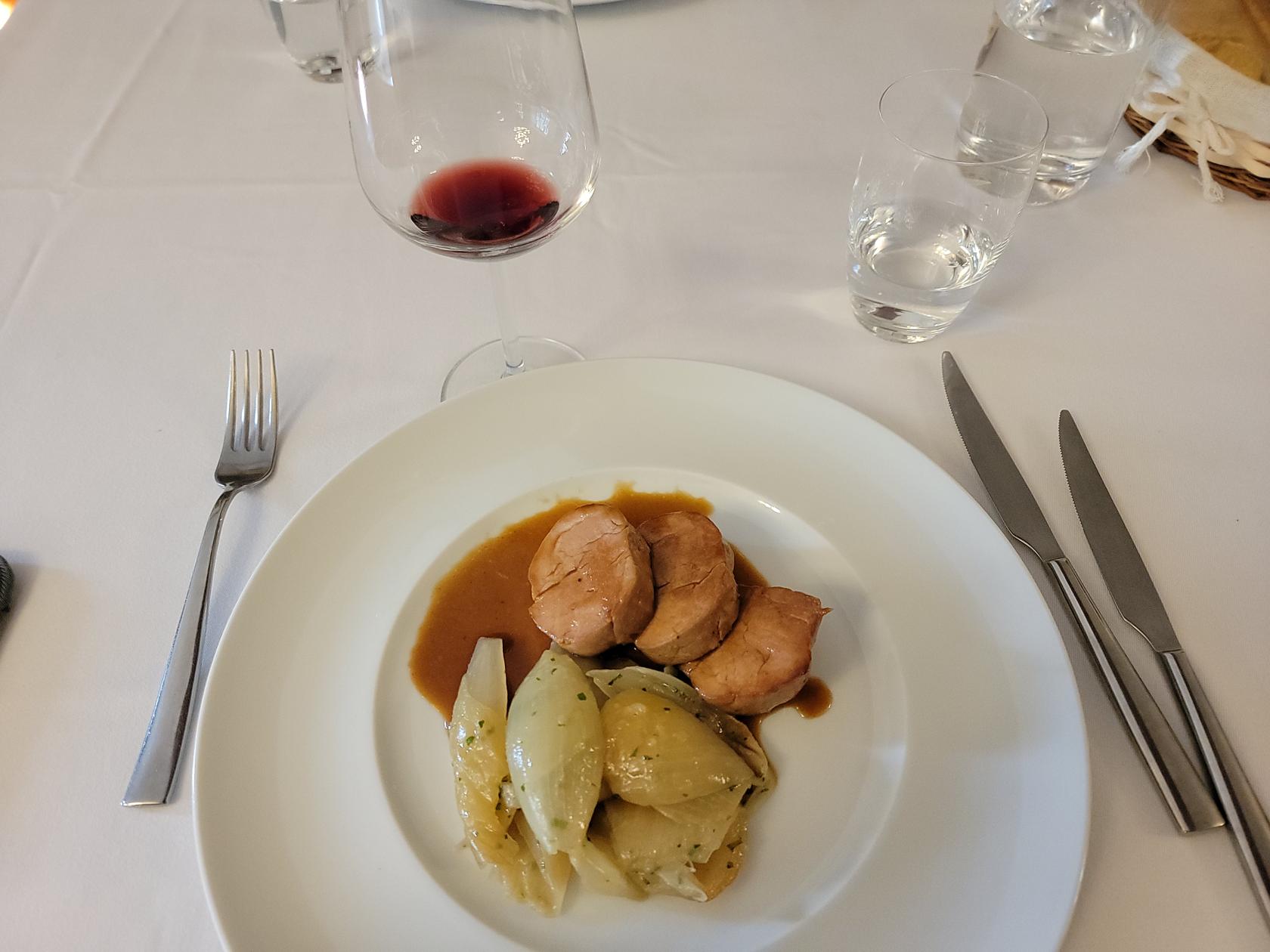
Moma is actually a bar and restaurant, so you can stop their early for a drink before dinner, or wait until 7PM and dine there as well. They have a fairly good selection of food which may be considered cosmopolitan and some Piedmont dishes. Both of our dishes were very good and came with rather large portion size which is unusual of Italy.
Moma Restaurant – Pork Filet with French Fries and Coleslaw – Ivrea, Italy
Moma Restaurant – Norwegian Salmon with Potatoes and Eggplant – Ivrea, Italy
Wanting to visit Porto, after hearing such good things about the city from family and friends, we decided to book a trip during the off season, March in fact. Our Tickets For Two were of course electronic, so no photographs of them, sorry.
Getting There
From Turin there are two direct flights twice weekly to Porto, Portugal with RyanAir, which is also a designated hub of this carrier. Two weeks ago we booked our stays and flights, well knowing the weather during this time of year is very undependable, it did not disappoint.
Turin Airport – Gate 20, Bound for Porto – Porto, Portugal
Turin Airport – The Nose Of Our Plane – Porto, Portugal
The flight was a little over two hours and left in the evening, in fact all the flights on Mondays and Fridays between these two cities are evening flights. We left around 6:30PM and arrived a little after 9:00PM, but it is actually 8:00PM local time, since you gain an hour.
RyanAir Flight – Coming Into The City – Porto, Portugal
Our arrival was bumpy and wet, so after we arrived, Patti and I decided to take a taxi instead of the metro. It was a good decision, first it only cost us thirty Euros and second, it was pouring out; so getting door to door service was very helpful.
Carris Hotel Ribiera
The Carris Hotel Ribiera in Porto is no doubt a collection of a few building that have been extensively renovated. It is close to the water and midway down the river embankment, so no matter which was you walk there will be a hill.
The accommodations are modern enough, though there are a few oddities and some unpleasant things, for one the bed in the room was very hard. Another unfortunate oversight, the safe provided in the room is not bolted to the wall or closet, so anyone can easily just pick it up with all of your possessions and leave the room; we therefore chose not to use it.
Porto – The City
The city of Porto, or Oporto, may pose difficulties for some. For one it essentially lays on the very steep banks of the River Douro, which has its source deep in central Spain, and therefore is very hilly.
The River Douro – Ribeira Square – Porto, Portugal
Street Car or Tram – Porto, Portugal
The Streets Under Rain – Porto, Portugal
The city is known for its buildings having tiled facades, as well as many of its famous buildings, like the Sao Bento train station and its churches and cathedral.
Typical Street – Porto, Portugal
Churches and Cathedrals
There are many churches and cathedrals in the city, some are free to enter, others have been repurposed and charge a fee.
Parish Church of St. Nicholas
The Parish Church of Saint Nicholas was the first church we visited. We were stuck by its tiled exterior. The interior has an amazing golden altar with a painting of a scene after the crucifixion.
Parish Church of St. Nicholas – Entrance – Porto, Portugal
Parish Church of St. Nicholas – Altar and Inside – Porto, Portugal
Church of Saint Francis
The Church of Saint Francis is without a doubt, one of the most beautiful churches we have been lucky enough to visit. Almost the entire interior is decorated with carved wooden and gilded ornamentation depicting all different scenes from Catholicism.
Church Of Saint Francis – Entrance – Porto, Portugal
Church Of Saint Francis – Its Gilded Wooden Interior – Porto, Portugal
Church Of Saint Francis – A Gilded Wooden Tree With Figures – Porto, Portugal
Church Of Saint Francis – Side Chapel – Porto, Portugal
The Church Museum
The museum houses an impressive collection of church artifacts and treasures, it is probably worth the reasonable cost of entry alone.
Church Of Saint Francis – Museum – Porto, Portugal
Church Of Saint Francis – Museum, Religious Sculpture Room – Porto, Portugal
Church Of Saint Francis – Museum, Religious Sculpture Room, Old 17th Century Wooden and Iron Strongbox – Porto, Portugal
Church Of Saint Francis – Museum – Porto, Portugal
Church Of Saint Francis – Museum, Treasury Room – Porto, Portugal
Church Of Saint Francis – Museum, Old Tapestry – Porto, Portugal
The Crypt
One of the more extensive crypts we have seen. It also has a peculiar floor that has removable panels, no doubt for easy access to the remains in place in each sarcophagus.
Church Of Saint Francis – Crypt – Porto, Portugal
Church Of Saint Francis – Crypt Bone House – Porto, Portugal
Porto Cathedral
Ostensibly the Porto Cathedral is crowning jewel of the church in the city, however we did not find it as interesting as St. Francis. There are several self-guided tours to chose from, including the Bishop’s quarters which we decided against. However, the rest of the grounds are interesting, if only for the tile work, or Azulejo, for which the cathedral and most of the city is so keenly known.
Porto Cathedral – Statue of Vimara Peres – Porto, Portugal
Porto Cathedral – Patti in front of the Delft Tiling – Porto, Portugal
Porto Cathedral – Courtyard – Porto, Portugal
Porto Cathedral – Portico – Porto, Portugal
Porto Cathedral – Courtyard – Porto, Portugal
Porto Cathedral – Delft Tiling – Porto, Portugal
Porto Cathedral – Right Apse – Porto, Portugal
Porto Cathedral – Nave and Altar – Porto, Portugal
Porto Cathedral – Rose Window – Porto, Portugal
Porto Cathedral – Left Apse – Porto, Portugal
Porto Cathedral – Left Apse, Side Chapel – Porto, Portugal
Porto Cathedral – Side Chapel – Porto, Portugal
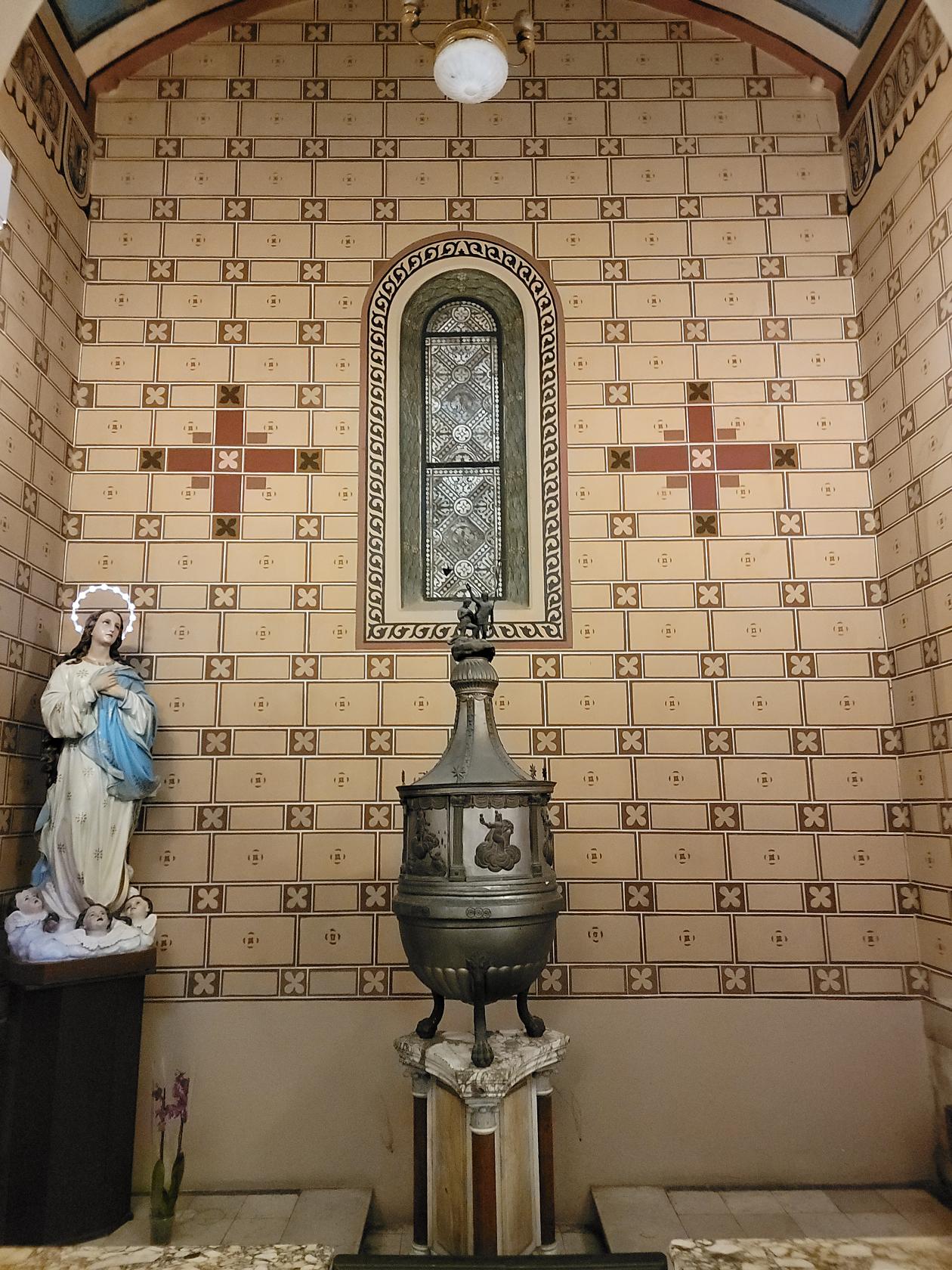
Porto Cathedral – Bronze and Baptismal Font – Porto, Portugal
Porto Cathedral – Bells – Porto, Portugal
Porto Cathedral – Main Bell – Porto, Portugal
Clerigos Church
Though we did not go in, there is a fee to enter, we enjoyed the church from the street. It wasn’t really clear from our research that it was particularly known for anything, so we decided to skip this church.
Clerigos Church – Porto, Portugal
Torre Dos Clerigos
Likewise, the clock tower associated with it looks impressive from the street and probably has some interesting points inside, however, again we chose not to indulge on paying for entry, since we had no inclination for climbing the stairs to the top, we had already seen an overview of the city from other vantage points.
Clerigos Church Clock Tower – Porto, Portugal
Restaurants and Cafes
Most restaurants and cafes in Porto are small, actually very small, and you will be lucky to find a place to sit down if you are not lucky or willing to wait. For dinner it is always best to make a reservation, almost all restaurants take and honor them, though some may restrict the amount of time you may keep you table.
Forno Velho
This restaurant is part of the Carris Hotel Ribiera in Porto and serves a limited, but very good selection of food from their menu. We ate here because it was late, around 9:30PM and raining outside. Though they do get a premium price for their entrees, the food was very good and well prepared, and we received a fifteen percent discount on our bill.
Hotel Carris Porto-Ribeira, Forno Velho Restaurant – Red Mushroom Rissotto – Porto, Portugal
Hotel Carris Porto-Ribeira, Forno Velho Restaurant – Veal Tataki with apple and peppercorns, potatoes with speck – Porto, Portugal
Rocinha Cafe
On our first morning in Porto we ate at the Rocinha Cafe, which lies around the corner on the same block as our hotel. It offered an English Breakfast for ten Euros each, and we were able to substitute our cappuccinos as our beverage of choice, so our total bill was twenty Euros.
Rocinha Cafe – English Breakfast – Porto, Portugal
A Bifana Portuguesa Restaurant
For lunch we ate at A Bifana Portuguesa Restaurant. This establishment is obviously owned by an owner of a vineyard or larger farm in the area, since they have a particular brand of wine. Expect good food with a paced, if not slow service, since there is only one server and one cook. Oh, and if they bring out hot sauce that has an eye-dropper in it, it most definitely serious stuff, so administer appropriately on your dish.
A Bifana Portuguesa Restaurant – Menu – Porto, Portugal
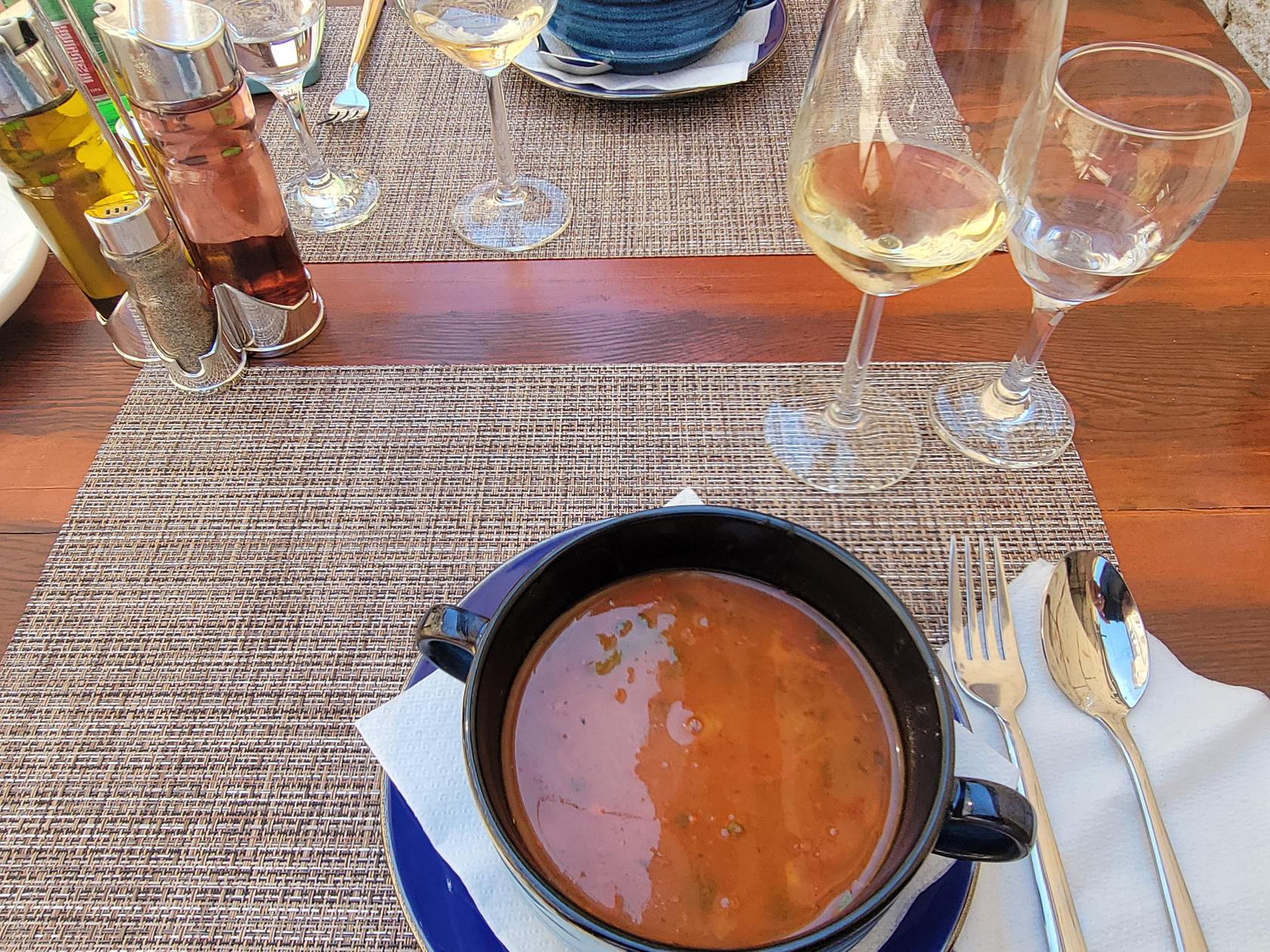
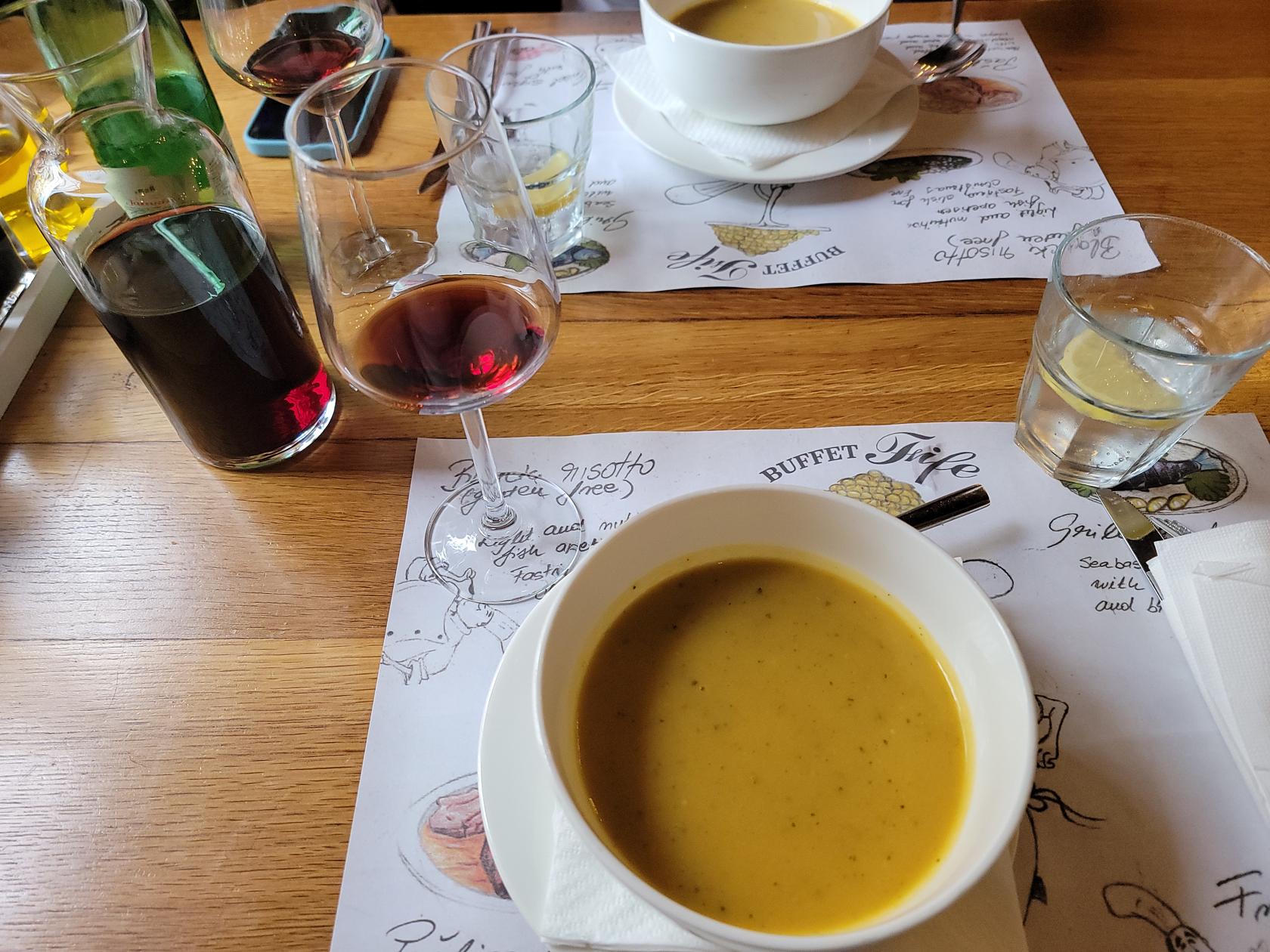
A Bifana Portuguesa Restaurant – Kale and Potato Soup with Wine – Porto, Portugal
A Bifana Portuguesa Restaurant – Bifana Portugese Sandwich Traditional – Porto, Portugal
A Bifana Portuguesa Restaurant – Bifana Portugese Sandwich Traditional, Hot Sauce in an Eye Dropper – Porto, Portugal
Incontro Bistro
If you are looking for a small traditional Italian dinner look no further than Incontro Bistro, it is essentially a hole in the wall with a kitchen and seven tables. We sat next to the kitchen and had a wonderful time enjoying the cacophony and smells. The only one thing to point would be they only serve macaroni pasta, no long pasta, so you have to choose from one of those.
Incontro Bistrot – Kitchen – Porto, Portugal
Incontro Bistrot – Caprese for Two – Porto, Portugal
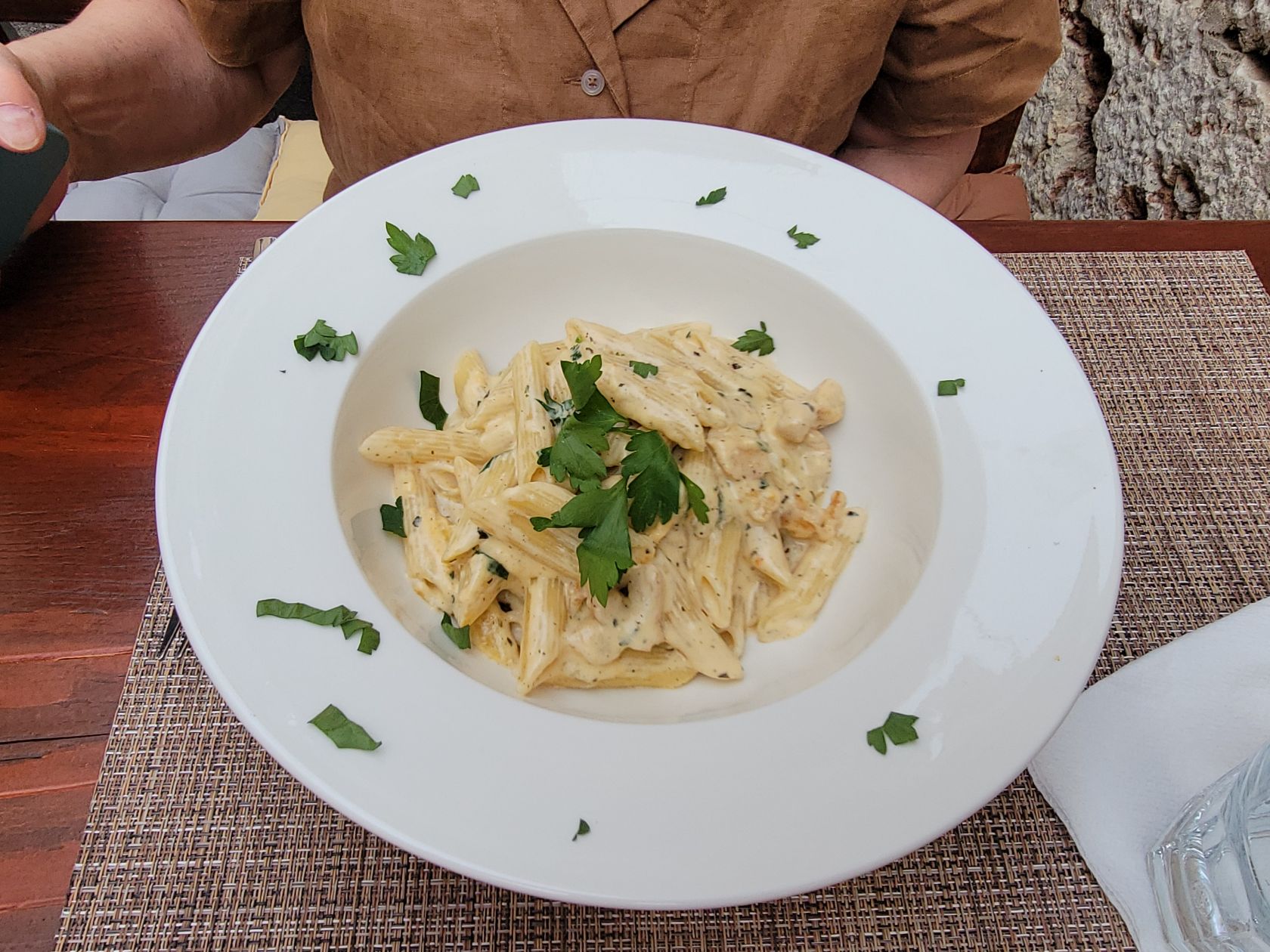
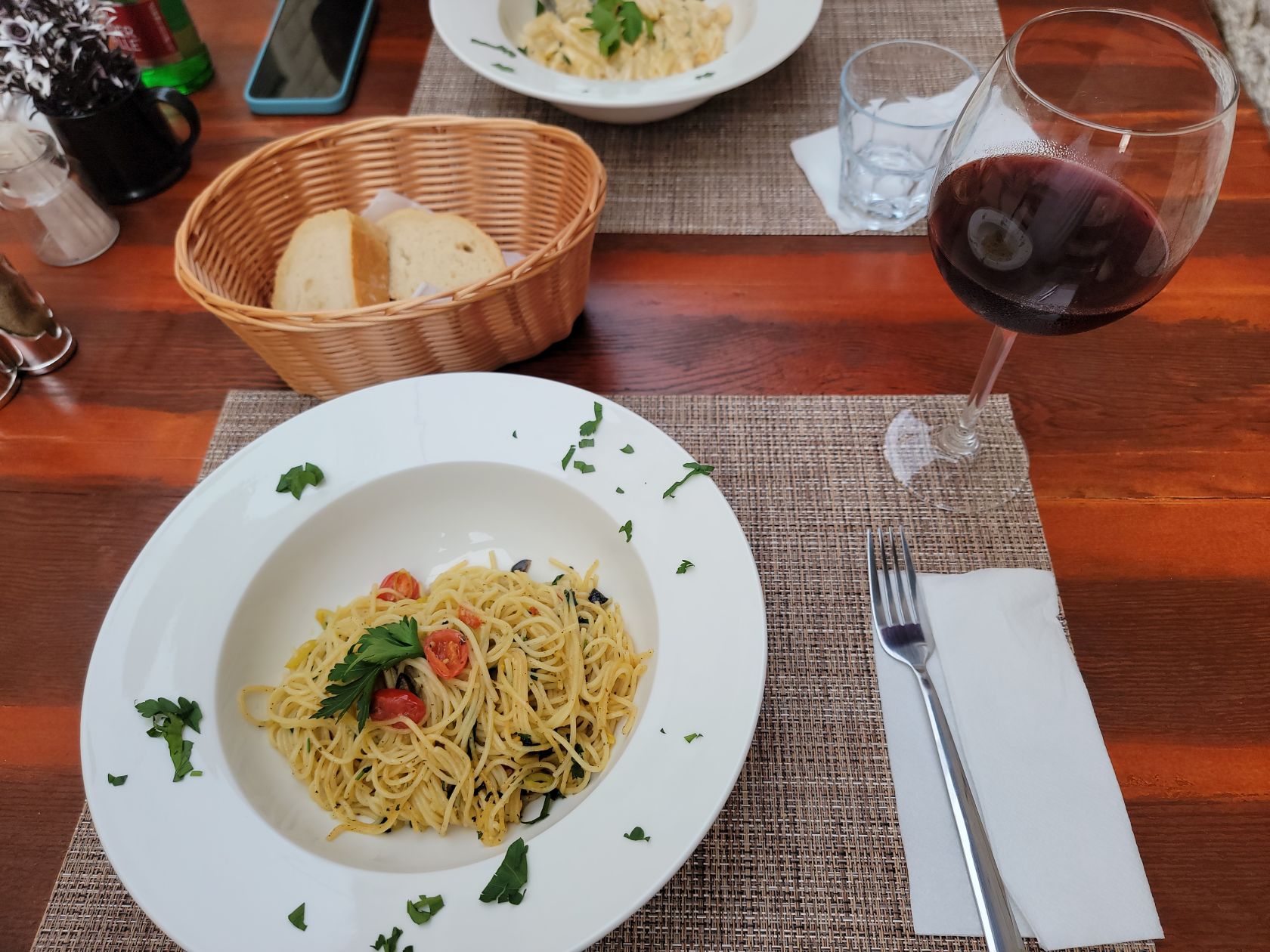
Incontro Bistrot – Fusilli with Tomatoes and Basil, Penne with Ragú – Porto, Portugal
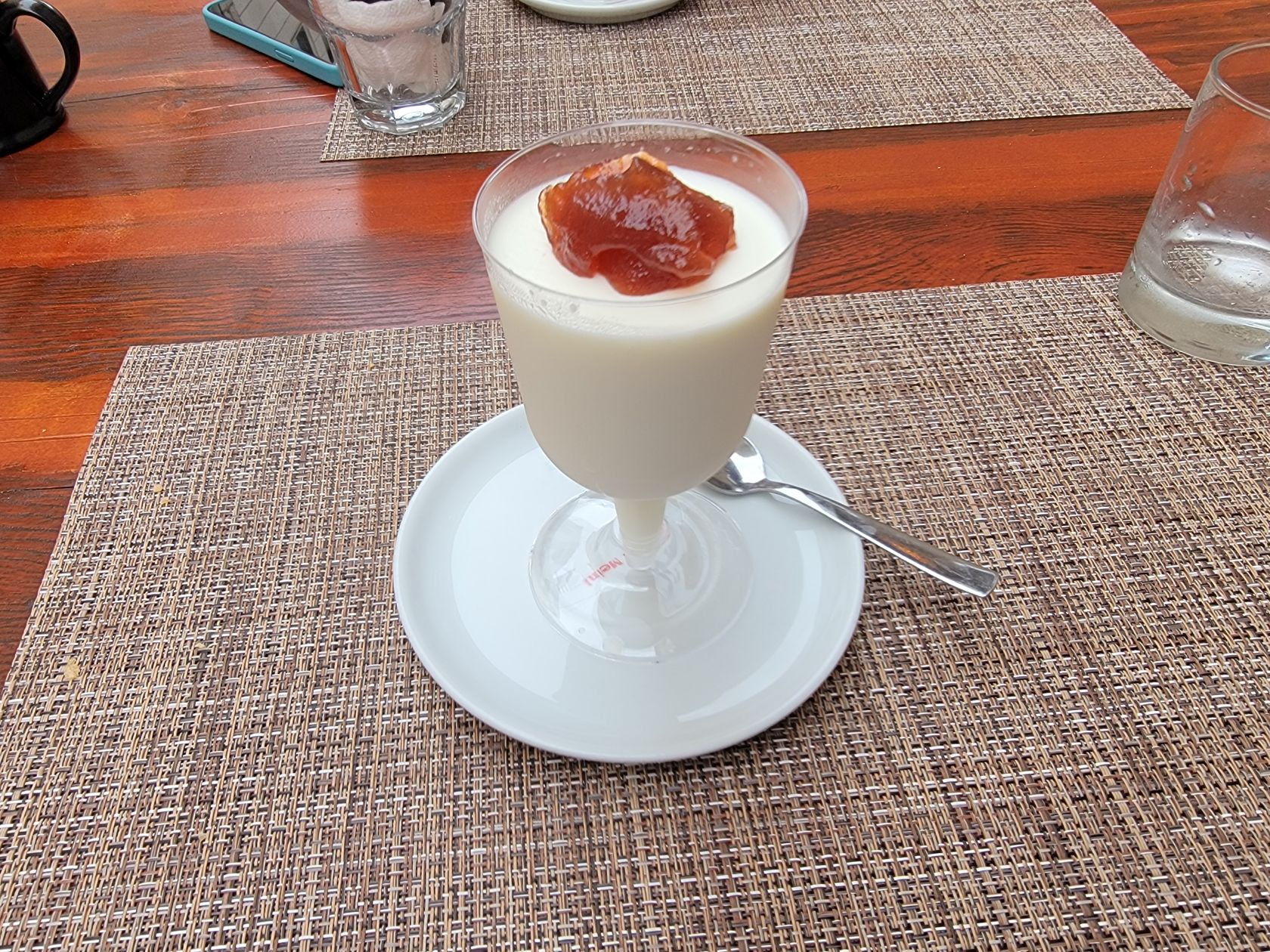
Incontro Bistrot – Panna Cota with Berries – Porto, Portugal
Though some people choose to ignore basilicas, cathedrals and churches for whatever reason, Lecce is home to more than just a few. It seems that with almost every bend in the street, there is another one waiting to be entered by the faithful or curious. The truth probably is, that most visitors are just that, visitors and tourists.
Lecce’s Basilicas, Cathedrals And Churches
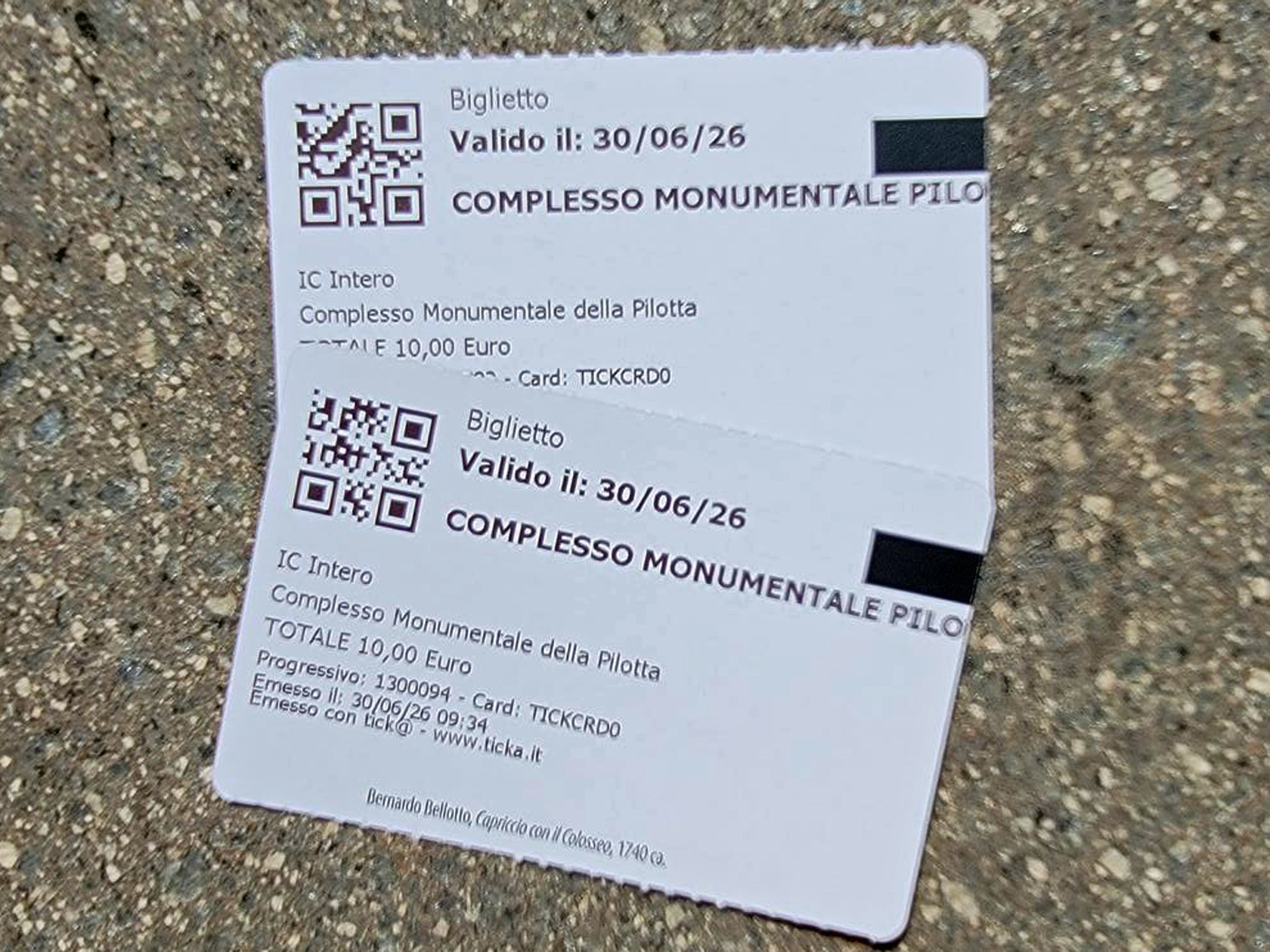
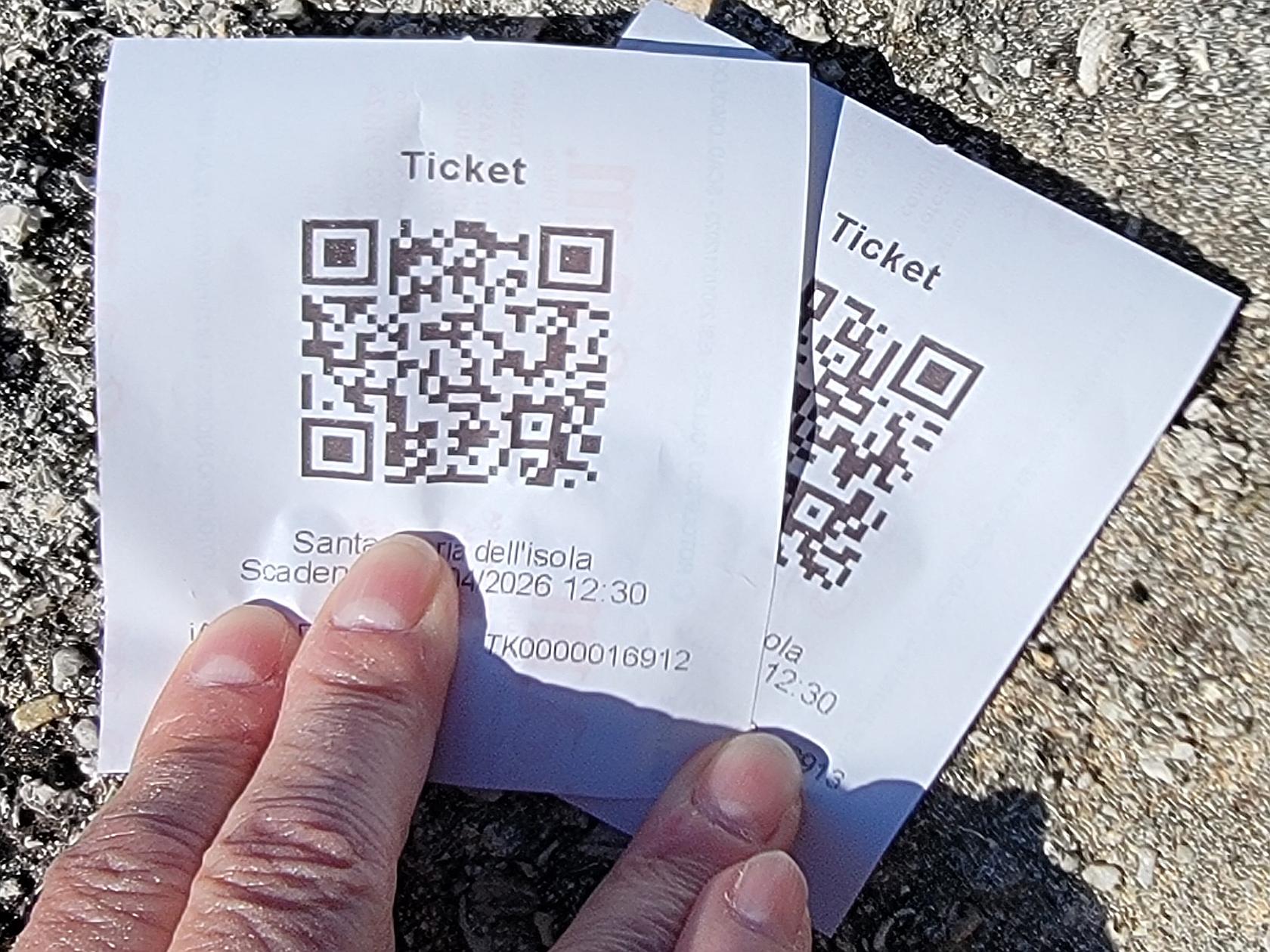
The Basilica di Santa Croce was the first basilica or church we visited, only because that is where we purchased our tickets. Yes, the most significant basilicas and churches in Lecce have a fee, 10€ per person, which gives you two weeks of access to all the places listed on the ticket. As of this writing, the following were accessible[1]please note: the names may appear slightly different or abbreviated on your ticket:
Basilica di Santa Croce
Il Duomo – Cattedrale di Maria Santissima Assunta e Sant’Oronzo
Cripta della Cattedrale
Chiesa di San Matteo
Chiesa di Santa Chiara
Basilica di Santa Croce
Museo Diocesano di Arte Sacra
Museo Sigismondo Castromediano
Biblioteca Bernardini – Convitto Palmieri
Chiostro Antico Seminario –Â Palazzo del Seminario
Basilica di Santa Croce
The Basilica di Santa Croce is located on via Umberto I and was the first one church on the list that we visited, only because that is where we purchased our tickets.
Basilica di Santa Croce – Outside – Lecce, Italy
Basilica di Santa Croce – Right Aisle – Lecce, Italy
Basilica di Santa Croce – Ceiling – Lecce, Italy
Basilica di Santa Croce – The Crossing and Ceiling – Lecce, Italy
Basilica di Santa Croce – Side Altar – Lecce, Italy
Basilica di Santa Croce – Nave and Altar – Lecce, Italy
Basilica di Santa Croce – Side Altar – Lecce, Italy
Il Duomo – Cattedrale di Maria Santissima Assunta e Sant’Oronzo
The Duomo in Lecce is also referred to as the Cattedrale di Maria Santissima Assunta e Sant’Oronzo, or the Cathedral of Saint Mary of the Assumption and Saint Orontius, or simple the Lecce Cathedral, and is laid out like a proper Latin cathedral.
Cattedrale di Maria Santissima Assunta e Sant Oronzo – From Piazza Il Duomo – Lecce, Italy
Cattedrale di Maria Santissima Assunta e Sant Oronzo – Bell Tower – Lecce, Italy
Cattedrale di Maria Santissima Assunta e Sant Oronzo – Main Entrance and Facade – Lecce, Italy
Cattedrale di Maria Santissima Assunta e Sant Oronzo – Side Entrance – Lecce, Italy
The impressive nave, crossing and transepts are in the Baroque style and do not resemble other more impressive Gothic Cathedrals you will find in Europe, nonetheless there are things to see!
Cattedrale di Maria Santissima Assunta e Sant Oronzo – Main Entrance – Lecce, Italy
Cattedrale di Maria Santissima Assunta e Sant Oronzo – Nave – Lecce, Italy
Cattedrale di Maria Santissima Assunta e Sant Oronzo – Right Aisle – Lecce, Italy
There a multiple radiating chapels, altar and two rather elegant transepts that one should admire for some time.
Cattedrale di Maria Santissima Assunta e Sant Oronzo – Saint Andrew the Apostle (1687), Right Side – Lecce, Italy
Cattedrale di Maria Santissima Assunta e Sant Oronzo – Saint Charles Borromeo, Right Side – Lecce, Italy
Cattedrale di Maria Santissima Assunta e Sant Oronzo – Radiating Chapel or Altar, Right Side – Lecce, Italy
Cattedrale di Maria Santissima Assunta e Sant Oronzo – Saint Giusto (1656), Right Side – Lecce, Italy
Cattedrale di Maria Santissima Assunta e Sant Oronzo – Our Lady of Sorrows, Right Side – Lecce, Italy
Cattedrale di Maria Santissima Assunta e Sant Oronzo – John the Baptist (1682), Left Side – Lecce, Italy
Cattedrale di Maria Santissima Assunta e Sant Oronzo – Radiating Chapel or Altar, Left Side – Lecce, Italy
Cattedrale di Maria Santissima Assunta e Sant Oronzo – Side Entrance, Left Side – Lecce, Italy
Cattedrale di Maria Santissima Assunta e Sant Oronzo – The martyrdom of Saint Giusto (1674), Left Side – Lecce, Italy
Cattedrale di Maria Santissima Assunta e Sant Oronzo – Saint Anthony of Padua (also from 1674), Left Side – Lecce, Italy
Cattedrale di Maria Santissima Assunta e Sant Oronzo – Saint Orontius of Lecce (1671), Right Transept Altar – Lecce, Italy
Cattedrale di Maria Santissima Assunta e Sant Oronzo – The Immaculate Conception (1689), Left Transept Altar – Lecce, Italy
Cattedrale di Maria Santissima Assunta e Sant Oronzo – The Crucifixion of Jesus and the Blessed Sacrament (1780), Left Transept – Lecce, Italy
The ceiling is also a marvel. Built from wood, it is intricately woven into a grand geometric pattern for anyone to enjoy.
Cattedrale di Maria Santissima Assunta e Sant Oronzo – Apse and Crossing Ceiling – Lecce, Italy
Cattedrale di Maria Santissima Assunta e Sant Oronzo – Nave Ceiling and Organ – Lecce, Italy
Cattedrale di Maria Santissima Assunta e Sant Oronzo – Nave Ceiling by Crossing – Lecce, Italy
Cattedrale di Maria Santissima Assunta e Sant Oronzo – Ceiling – Lecce, Italy
Cripta della Cattedrale
The Cripta della Cattedrale, or the Crypt of the Cathedral, was restored in 2017 to its present condition. However, archaeological activities are still ongoing and work appears in some areas to have only started. The rest of the crypt, with the exception of a few painting, appears rather sterile.
Cattedrale di Maria Santissima Assunta e Sant Oronzo – Patti entering the Crypt – Lecce, Italy
Cattedrale di Maria Santissima Assunta e Sant Oronzo – Closed Exit, Crypt – Lecce, Italy
Cattedrale di Maria Santissima Assunta e Sant Oronzo – Entry into Crypt – Lecce, Italy
Cattedrale di Maria Santissima Assunta e Sant Oronzo – Sarcophagus, Crypt – Lecce, Italy
Cattedrale di Maria Santissima Assunta e Sant Oronzo – Vaulted Ceiling and Altar, Crypt – Lecce, Italy
Cattedrale di Maria Santissima Assunta e Sant Oronzo – Side Altar, Crypt – Lecce, Italy
Cattedrale di Maria Santissima Assunta e Sant Oronzo – Restored in 2017, Crypt – Lecce, Italy
Cattedrale di Maria Santissima Assunta e Sant Oronzo – Archaeological Artifacts from the Crypt – Lecce, Italy
Cattedrale di Maria Santissima Assunta e Sant Oronzo – Archaeological Site, Crypt – Lecce, Italy
Chiesa di San Matteo
The Chiesa di San Matteo, or Church of Saint Matthew, is small and very ornate and well decorated inside for its size. The marble was unquestionably carved by master craftsmen on top of their game.
Chiesa di San Matteo – Outside or Facade – Lecce, Italy
Chiesa di San Matteo – Left Wall along the Nave – Lecce, Italy
Chiesa di San Matteo – Right Wall along the Nave – Lecce, Italy
Chiesa di San Matteo – Ambo or Pulpit – Lecce, Italy
Chiesa di San Matteo – Nave – Lecce, Italy
Chiesa di San Matteo – Side or Radiating Chapel – Lecce, Italy
Chiesa di Santa Chiara
The Chiesa di Santa Chiara , or Church of Saint Claire, is a beautiful Baroque church in Piazza Vittorio Emanuele II in Lecce. It has some marvelous side altars honoring some of the important saints from the area.
Chiesa di Santa Chiara – Outside and Facade – Lecce, Italy
Chiesa di Santa Chiara – Ceiling – Lecce, Italy
Chiesa di Santa Chiara – Altar – Lecce, Italy
Chiesa di Santa Chiara – Side Altar – Lecce, Italy
Museo Diocesano di Arte Sacra
The Museo Diocesano di Arte Sacra, or Sacred Art Museum, has a unique collection of religious artifacts of Catholic origins from the area.
Museo Diocesano di Arte Sacra – Main Hall – Lecce, Italy
Museo Diocesano di Arte Sacra – Sacred Paintings and Art – Lecce, Italy
Museo Diocesano di Arte Sacra – Saint Oronzo – Lecce, Italy
Museo Diocesano di Arte Sacra – Other Sacred Works – Lecce, Italy
Other Basilicas, Cathedrals And Churches
There are a number of other cathedrals and churches worth your attention. Most map applications and a good map from a hotel, B&B or rental may have them marked. As of this writing, none of these cathedrals or churches required any entry fee or donation.
Basilica Del Rosario E Di San Giovanni Battista
The Basilica Del Rosario E Di San Giovanni Battista, or the Basilica of the Rosary and of Saint John the Baptist, was under restoration when we visited. The outside appears to be falling the street and they have erected scaffolding to protect the public. Inside, the entire roof trusses under the crossing were under reconstruction. Aside from that, the inside was rather bare and actually looked like a construction site, so aside from the alters which are still in place, there is not must else to see.
Basilica del Rosario e di San Giovanni Battista – Outside and Facade – Lecce, Italy
Basilica del Rosario e di San Giovanni Battista – Inside with bare Cupola, Altar – Lecce, Italy
Chiesa di Santa Maria della Grazia
Located directly across from the Roman amphitheater on via Ernesto Alvino and near the Castello Carlo V di Lecce (Castle Charles of Lecce) , is another excellent choice to visit.
Chiesa di Santa Maria della Grazia – Outside – Lecce, Italy
Chiesa di Santa Maria della Grazia – Nave and Altar – Lecce, Italy
Chiesa di Santa Maria della Grazia – Religious Painting in Foyer – Lecce, Italy
Chiesa di Santa Maria della Grazia – Intricate Ceiling – Lecce, Italy
Chiesa di Santa Maria della Grazia – Altar – Lecce, Italy
Chiesa di Santa Maria della Grazia – Side Altar – Lecce, Italy
Chiesa di Santa Maria della Grazia – Carving on Wood – Lecce, Italy
Chiesa Del Gesu Del Buon Consiglio
Another church that you may enter for no fee is the Chiesa Del Gesu Del Buon Consiglio which is on the Strada Romana, or the Roman street, referred to today as Via Francesco Rubichi. The ornate altar and backdrop of the Apse is worth a stop. This along with the amazing wooden ceiling, these two things are demand some consideration and adoration.
Chiesa del Gesu del Buon Consiglio – Outside – Lecce, Italy
Chiesa del Gesu del Buon Consiglio – Altar – Lecce, Italy
Chiesa del Gesu del Buon Consiglio – A Side Altar – Lecce, Italy
Chiesa del Gesu del Buon Consiglio – Side Altar of Mary with Baby Jesus – Lecce, Italy
Chiesa del Gesu del Buon Consiglio – Nave Showing Renovations – Lecce, Italy
Chiesa del Gesu del Buon Consiglio – Ceiling – Lecce, Italy
Chiesa Di Santa Maria Della Provvidenza O Delle Alcantoarine
The Chiesa Di Santa Maria Della Provvidenza o Delle Alcantoarine, or the Church of Saint Mary of Providence or the Alcantoarine has a beautiful altar and wonderful Morena Glass chandelier along with a very simple interior.
Chiesa di Santa Maria della Provvidenza o Delle Alcantoarine – Outside – Lecce, Italy
Chiesa di Santa Maria della Provvidenza o Delle Alcantoarine – Nave and Altar – Lecce, Italy
Chiesa Di Santa Maria Della Porta O Di San Luigi Gonzaga
The Chiesa Di Santa Maria Della Porta O Di San Luigi Gonzaga, or the Church of Saint Mary of the Gate or of San Louis Gonzaga is another free church that you can stop in and admire very near to the Porta Napoli. Simple for its layout, its architecture is developed around a dome, rather than the traditional church layout.
Chiesa di Santa Maria della Porta o di San Luigi Gonzaga – Outside – Lecce, Italy
Chiesa di Santa Maria della Porta o di San Luigi Gonzaga – Inside – Lecce, Italy
Chiesa di San Niccolo dei Greci
Unable to enter, we were only able to take a photograph of the facade or outside of the church.
Chiesa di San Niccolo dei Greci – Outside – Lecce, Italy
Cappella di San Gregorio Taumaturgo
The small chapel of Cappella di San Gregorio Taumaturgo is located very near to the Museo Diocesano di Arte Sacra, or Sacred Art Museum; in fact, it right at the end of that tour.
Cappella di San Gregorio Taumaturgo – Entrance – Lecce, Italy
Cappella di San Gregorio Taumaturgo – Lecce, Italy
Cappella di San Gregorio Taumaturgo – Altar – Lecce, Italy
Our trip from Bad Gastein to Linz took us through the Berchtesgaden Alps of Salzburg. As the train starts to navigate through the narrow pass of Salzachtal, the mountains rear up quickly to the point where you aren’t even able to take a photograph of them anymore from the train window.
Coming into Salzburg – Salzburg, Austria
Linz The City
Linz is a typical Austrian city and the capital of Upper Austria or OberÖsterreich. It is for the most part clean and has the typical European city layout, with an old medieval part surrounded by a newer main street and some other ancillary shopping avenues in a more planned pattern.
Overlook of Linz – Wallfahrt Basilica of the Seven Pains of Mary – Linz, Austria
Linz has somewhat of a checkered past and has had a difficult time getting out from under that reputation; there are reminders in the city everywhere, with it’s Hitlerbauten. Aside from that, the places of interest are all in an area comparable to places like Munich or even Copenhagen. So, you should be able to reach everything within a good twenty to thirty minute walk.
Danube Park – Linz, Austria
Nibelungen Bridge – Linz, Austria
Danube river – Nibelungen Bridge – Linz, Austria
One comes away with the immediate impression that few, if any of the structures are original. This is probably partially due to the war and the Linzers going contemporary, when they can. The bridges that jump the Danube are for the most part modern, as is much of the architecture in the city. At times you could mistake the city for a similar place in the United States, since many of the shops use English and have cosmopolitan origins.
The Innenstadt
Most restaurants, cafes and shops seem to be along the Hauptstraße in the Innenstadt. Here is where you will find the main tram line, which goes the entire length of this street all the way across the bridge to Urfahr on the other side.
Landstraße – Linz, Austria
Hauptplatz – Linz, Austria
Neptune’s Fountain – Hauptplatz – Linz, Austria
Dreifälitigsaule – Hauptplatz – Linz, Austria
Churches
There are several churches worth visiting while in Linz, with special attention to Ursuline and Marien Dom if you are pressed for time. The following two were photographed, but not open at the time. Ignatius Church is also known as the Alter Dom and was the primary church prior to the Linzer Dom being built.
Priester Seminary and church – Linz, Austria
Ignatius Church – Landstraße – Linz, Austria
Ursuline Church
The Ursuline Church is on Landstraße and is somewhat difficult to photograph from the street.
Ursuline Church – Landstraße – Linz, Austria
However, it has a magnificent inside which many will find interesting.
Inside – Ursuline Church – Landstraße – Linz, Austria
Side altar – Ursuline Church – Landstraße – Linz, Austria
Martin Luther Church
In true protestant style, both the outside and inside of the church are rather basic. But from a historical perspective, still interesting to visit.
Martin Luther Church – Linz, Austria
Inside – Martin Luther Church – Linz, Austria
Marien Dom
This is Linz’s Cathedral and the largest church in Linz and in Austria. The Marien-Dom is also known as Mariä-Empfängnis-Dom, the New Cathedral or the Linzer Dom. It borders the Altstadt and can be found along the Herrenstraße and Baumbachstraße
Front – Marien Basilica, Linzer Dom – Linz, Austria
Spire – Marien Basilica, Linzer Dom – Linz, Austria
It is a true cathedral and adheres true to the dimensions of the cross in its architecture (seen from the air).
High altar wth crown – Marien Basilica, Linzer Dom – Linz, Austria
High altar – Marien Basilica, Linzer Dom – Linz, Austria
Organ – Marien Basilica, Linzer Dom – Linz, Austria
Nave – Marien Basilica, Linzer Dom – Linz, Austria
Inside – Marien Basilica, Linzer Dom – Linz, Austria
Marien Basilica, Linzer Dom – Linz, Austria
The Altstadt
The old part of the city is rather small and unremarkable. It is near the Castle and park and runs up to the Upper Austrian government buildings. A short walk down the Hofgasse will bring you to the Schloßberg where the old castle and its grounds are maintained.
Altstadt – Linz, Austria
Former Kremsmünster Abbey. – Altstadt – Linz, Austria
Government building and tower – Altstadt – Linz, Austria
Mozart Forum house – Linz, Austria
The Old Town Hall – Hauptplatz – Linz, Austria
Schloßberg Castle
The Schloßberg Castle is not open on Mondays, so before going there you may want to check the entries times and dates. The other direction you can take to reach the castle is via Tiefergraben and walking through the back part of the park first. Walking this way first you will come across Martins Church and a statue of Kepler.
Old buildings – Tiefer Graben – Linz, Austria
Tiefer Graben – Linz, Austria
Castle city gate – Tiefer Graben – Linz, Austria
Martins church – Linz, Austria
Inside – Martins church – Linz, Austria
Martins Gate – Castle park – Linz, Austria
Kepler’s Monument – Castle park – Linz, Austria
Castle Gate – Castle park – Linz, Austria
The castle is another example of the Linzers throwing old and new architecture together. We are not at all to happy with this trend (including the Louvre in Paris), however, we do not live in the city either and its people obviously feel a need to move forward and live in a more contemporary setting.
Linz from the park – Castle park – Linz, Austria
Small pond – Castle park – Linz, Austria
Friedrich’s Gate – Castle park – Linz, Austria
Friedrich’s Gate with Wappen – Castle park – Linz, Austria
Old castle wall – Castle park – Linz, Austria
Part of the castle – Castle park – Linz, Austria
Nibelungschiff monument – Castle park – Linz, Austria
Linz – Linz, Austria
The grounds have a small park which has a few monuments in it and a very good overlook of the Danube river and Pöstlingberg.
Observation point – Castle park – Linz, Austria
Pöstlingbergbahn And Pöstlingberg
A good half day trip is taking the tram up to Pöstlingberg using the Pöstlingbergbahn or tram. It starts in the Hauptplatz and stops several times along the way to service local residents and students, since there are a few university stops along the way.
Tickets For Two – Pöstlingbergbahn – Linz, Austria
Entrance Pöstlingbergbahn Museum – Linz, Austria
Tram stop Landgutstraße – Pöstlingbergbahn – Linz, Austria
Pöstlingberg stop – Pöstlingbergbahn – Linz, Austria
Castle park entrance – Pöstlingbergbahn – Linz, Austria
The view of Linz once you reach the top is truly worth the time and effort.
Overlook – Wallfahrt Basilica of the Seven Pains of Mary – Linz, Austria
Wallfahrts Basilica
On the top of Pöstlingberg sits the Wallfahrts Basilica of the Sieben Schmerzen Mariae, or the Seven Pains of Mary. It has a commanding view of Linz and the surrounding areas.
Outside view – Wallfahrt Basilica of the Seven Pains of Mary – Linz, Austria
Towers – Wallfahrt Basilica of the Seven Pains of Mary – Linz, Austria
The basilica inside is quite impressive and is also known as the Pöstlingberg Pilgrimage Church.
Inside – Wallfahrt Basilica of the Seven Pains of Mary – Linz, Austria
It also has a very nice park adjacent to it where you can leisurely stroll while the cool air up there offers a breeze on warm days.
Poetry in the park – Wallfahrt Basilica of the Seven Pains of Mary – Linz, Austria
Castle mote – Wallfahrt Basilica of the Seven Pains of Mary – Linz, Austria
Promenade – Wallfahrt Basilica of the Seven Pains of Mary – Linz, Austria
Promenade – Castle mote – Wallfahrt Basilica of the Seven Pains of Mary – Linz, Austria
Patti in the park – Wallfahrt Basilica of the Seven Pains of Mary – Linz, Austria
Grottenbahn
There is also the Grottenbahn for those that have children or are young at heart. Apparently, it is a miniature railway inside that takes young people fantasy ride where there are gnomes and other fairytale characters, most likely with an emphasis on European tales.
Grottenbahn or train – Linz, Austria
Grottenbahn entrance – Linz, Austria
Though we did not take the adventure, we found the cost for one adult to be around 6€/person.
Restaurants
Since we were both feeling a bit under the weather, due to an unusual virus we had both caught; we decided to eat in at the hotel most evenings. Below are the exceptions to that rule and are special places to eat while in Linz.
Jindrak Konditorei
Located throughout Linz are copies of this original konditorei located on Herrenstraße in the altstadt. They are known for the amazing Linzer Torte and other baked delicacies. For any serious dessert lover and a must Kaffee und Kucken stop in mid afternoon when in Linz.
Herrenstraße – Linz, Austria
Jindrak Konditorei – Herrenstraße – Linz, Austria
Linzer Tort – Jindrak Konditorei – Herrenstraße – Linz, Austria
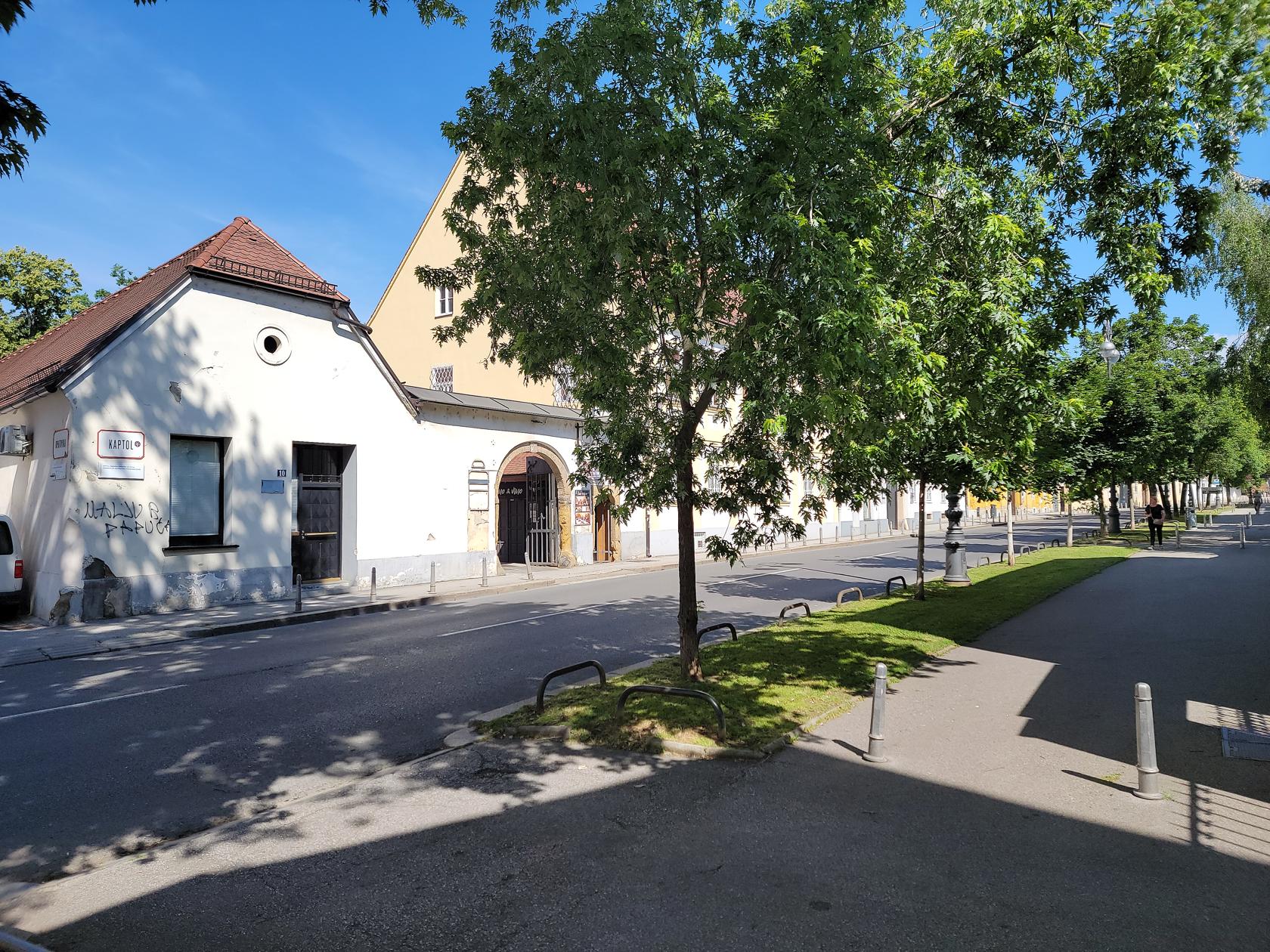
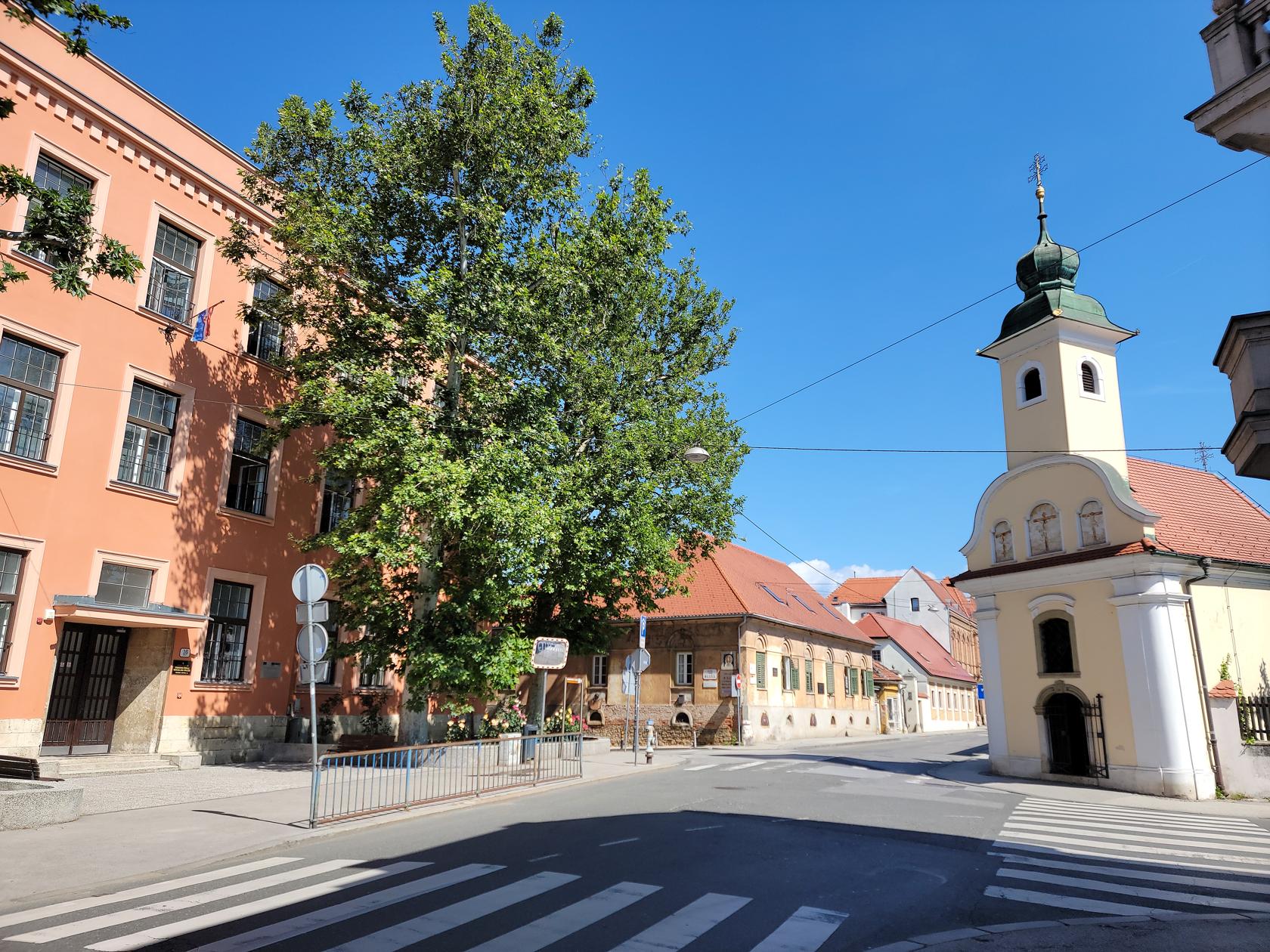
We had little slated for our last full day in Ljubljana, but we did want to see the cathedral and Tivoli Park, both of which we had missed in our former romps around town. I guess that is all that remains of our stay here, which we thoroughly and unexpectedly enjoyed.
The Roman Wall
Back in Roman times the settlement which became this city was called Emona. In order to protect Emona, the Romans built a wall around it, like most other Roman towns of that era.
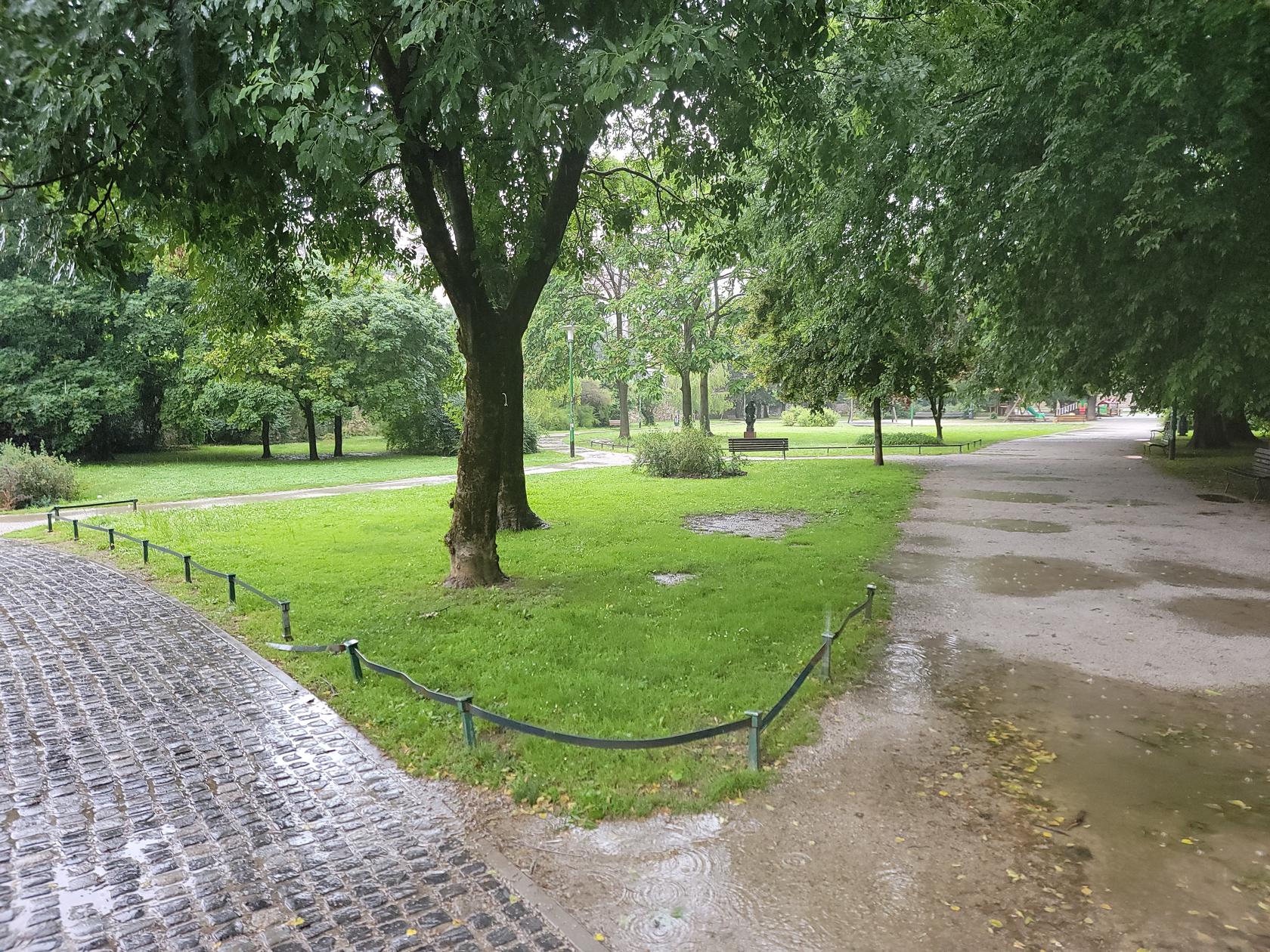
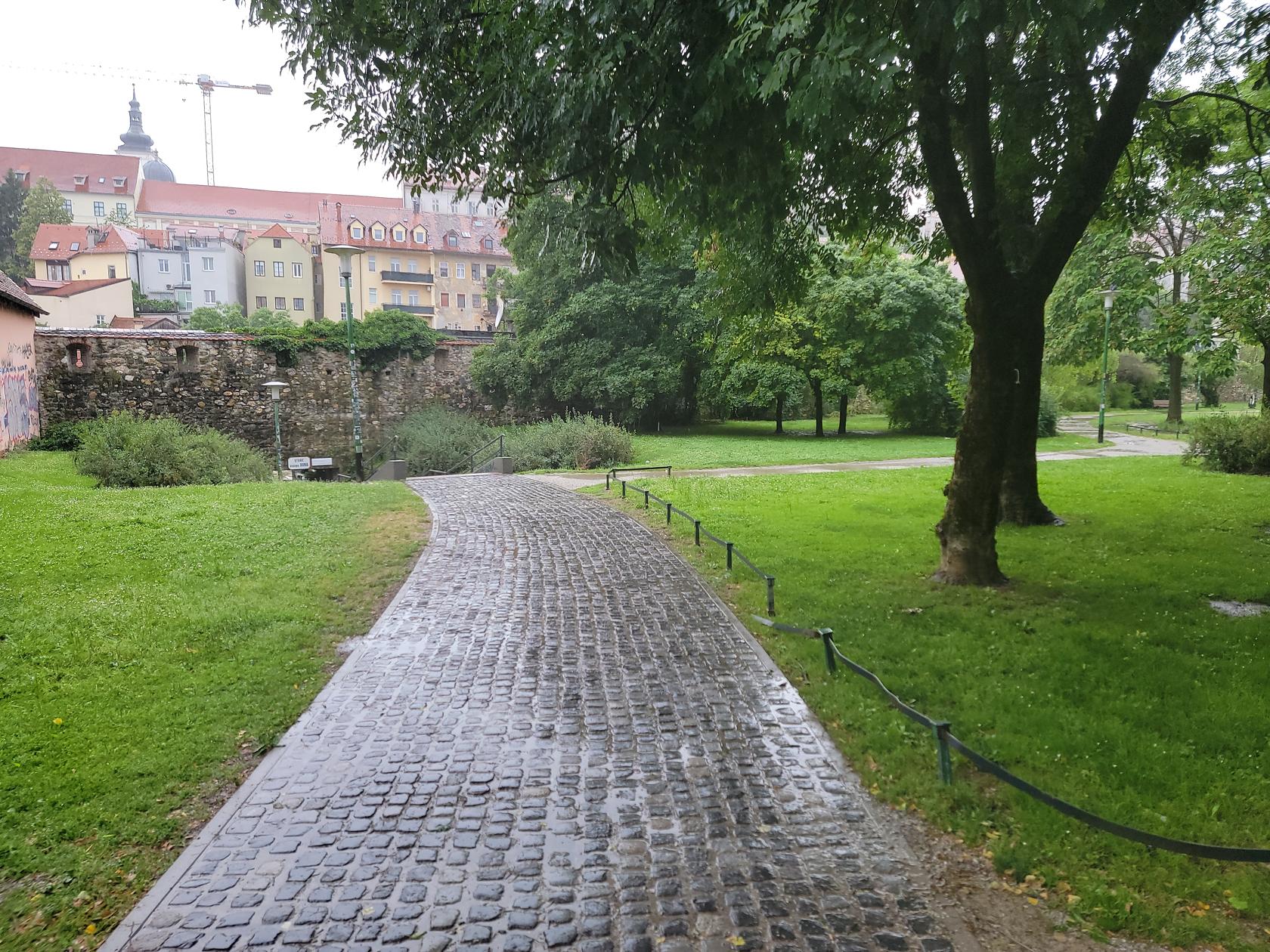
Ljubljana – Park near Roman Wall
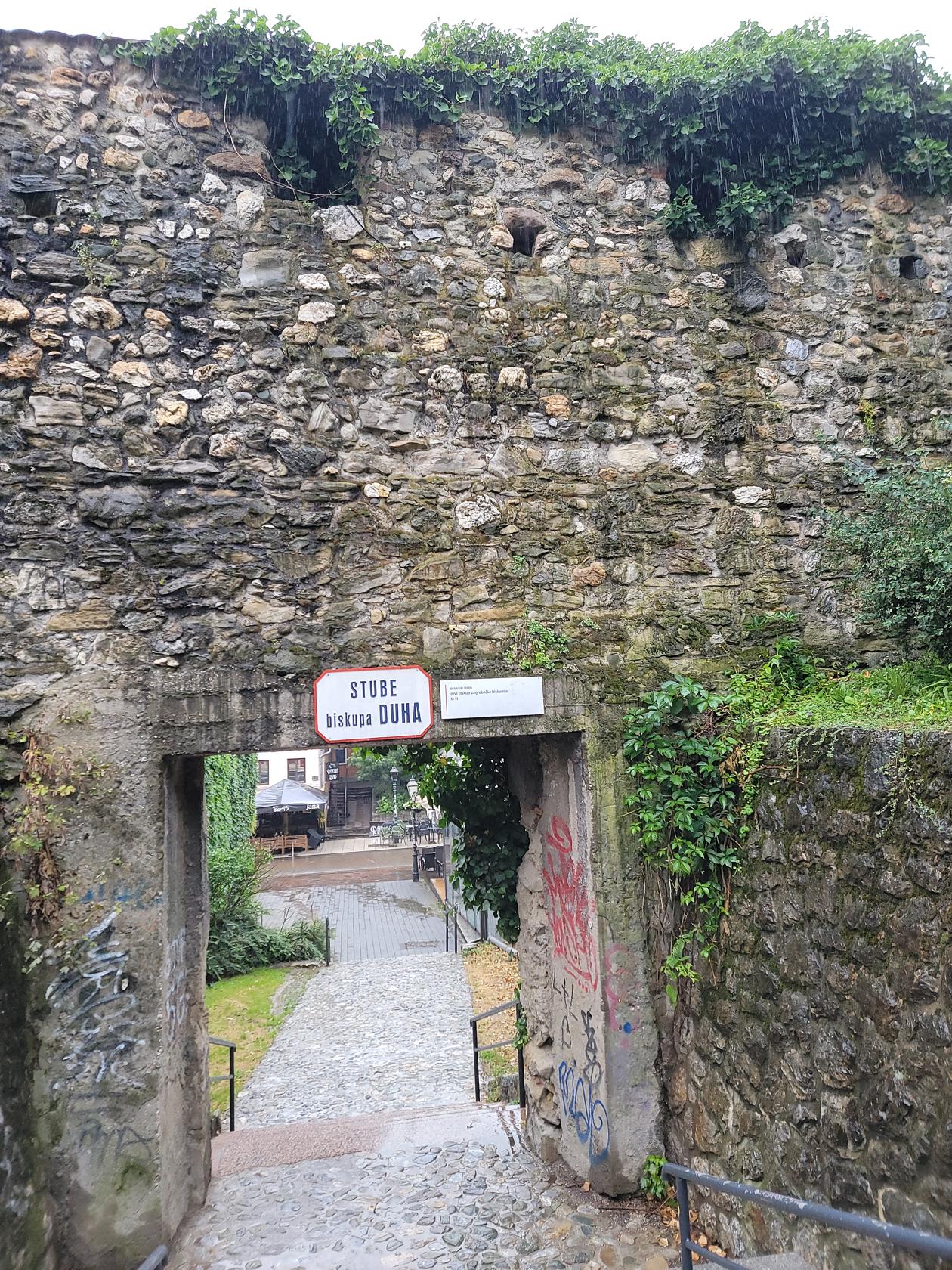
Ljubljana – Old Roman or Emona Wall
Ljubljana – Old Roman Wall and Plecnik’s 1938 Pyramid
Ljubljana – Old Roman Wall
This wall was reconstructed in the early nineteenth century, along with a pyramidal feature for one of its gates.
Ljubljana – Old Roman Wall and Plecnik’s 1938 Pyramid
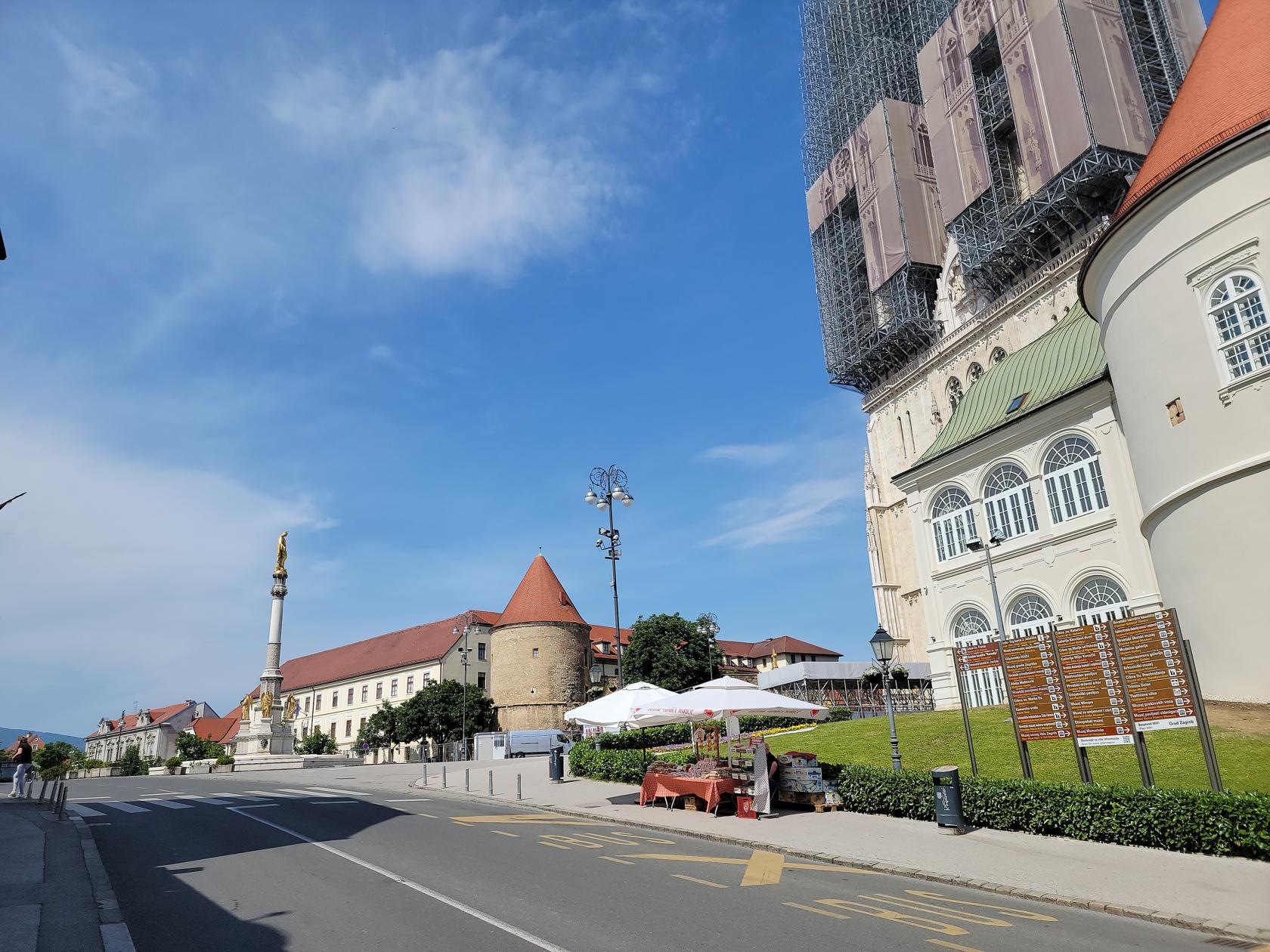
The Ljubljana Cathedral
Ljubljana – Ljubljana Cathedral – Tickets For Two
The Ljubljana Cathedral is not always open to the public, so you have to check the side door for the times. There is a 2€ fee per person to see the cathedral, so be prepared pay, if you want a peek.
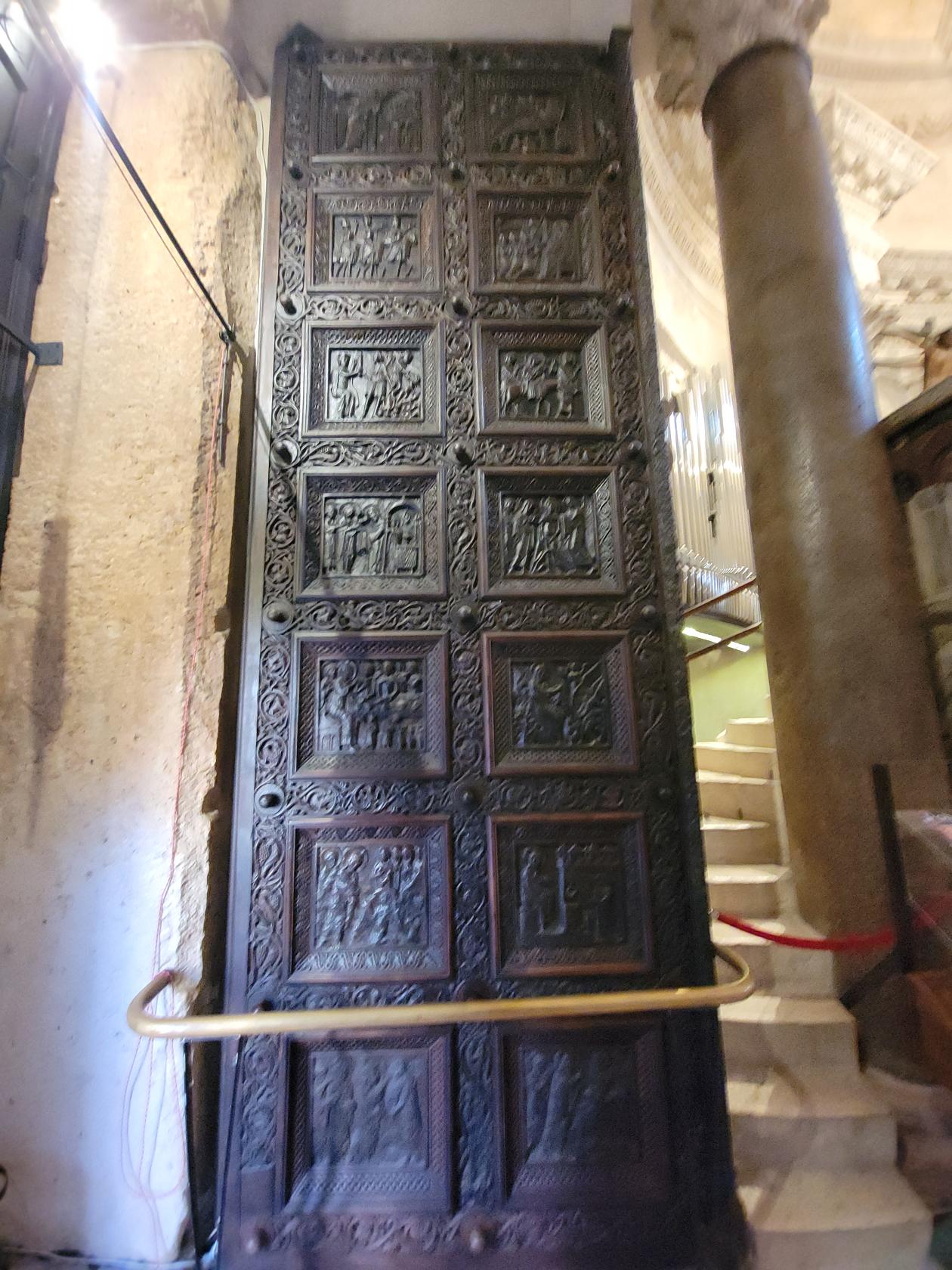
Ljubljana – Ljubljana Cathedral – Bronze Door
Ljubljana – Ljubljana Cathedral
Ljubljana – Ljubljana Cathedral – Old Papel Seal
Ljubljana – Ljubljana Cathedral
Tivoli Park
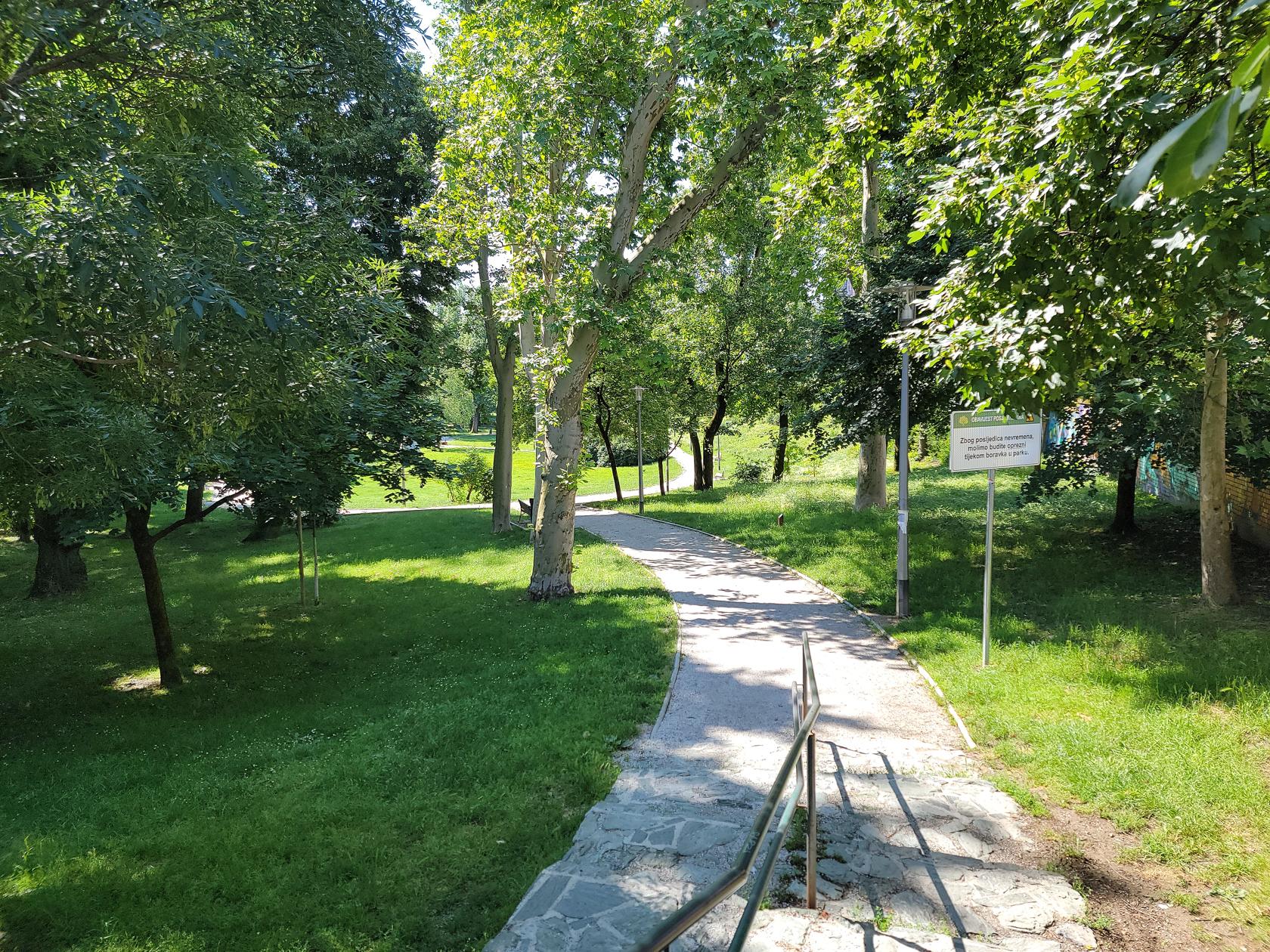
Tivoli Park, also known as Tivoli City Park, is pretty large and covers a huge hill that is some four hundred meters in height, so be prepared for some serious walking. For the less ambitious, you may walk around its edges and have just as much fun, without getting tired or sweaty.
Ljubljana – Tivoli Park
We went on a Sunday, so it was pretty busy with native Ljubljanians and Sloveniens enjoying the cafes and park facilities.
Ljubljana – Tivoli Park Entrance
Ljubljana – Tivoli Park
Graffiti Block
Ljubljana – Graffiti Block
Graffiti Block, also known as the Metelkova Art Museum, is about a block housing a collection of graffiti and alternative art works for public viewing. Since, “A picture is worth a thousand words“, I will let my photographs speak for themselves.
Ljubljana – Graffiti Block
Restaurants
Foculus Restaurant
Ljubljana – Foculus Restaurant
Apparently a trendy little pizzeria on the edge of the city not far from the park, but far enough from the center and river so that it is not much affected by all the crowds. We stopped for lunch and something light, so we both ordered salads, which were very good. The prices were very reasonable too!
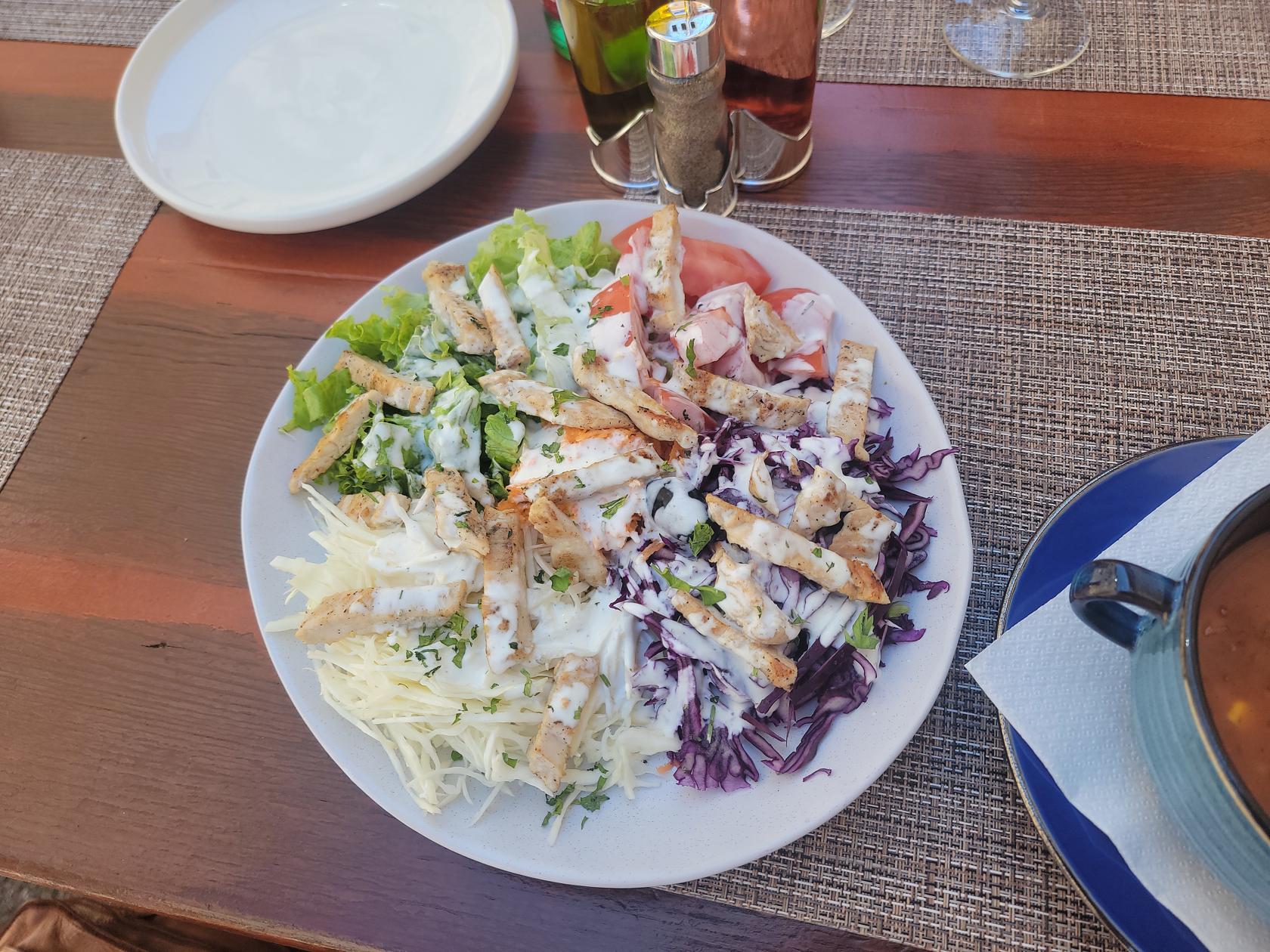
Ljubljana – Foculus Restaurant – Chicken Salad
Ljubljana – Foculus Restaurant – Mixed Salad
Epilog
Well that was our trip to Slovenia. I admitted to my wife many times that I didn’t expect much, but was very pleasantly surprised. If you ever get a chance to go, please do so. The people in the city are very nice and almost all speak English very well, so don’t let your lack of language skills deter you, go!
Ljubljana – Mini Dragon – Try and find them all
Some remaining photographs of this great city, enjoy…
Ljubljana – Another Bronze
Ljubljana – Patti enjoying an iced coffee
Ljubljana – Galleria Building
Ljubljana – City Flowers in the Grass – No Herbicides Here!
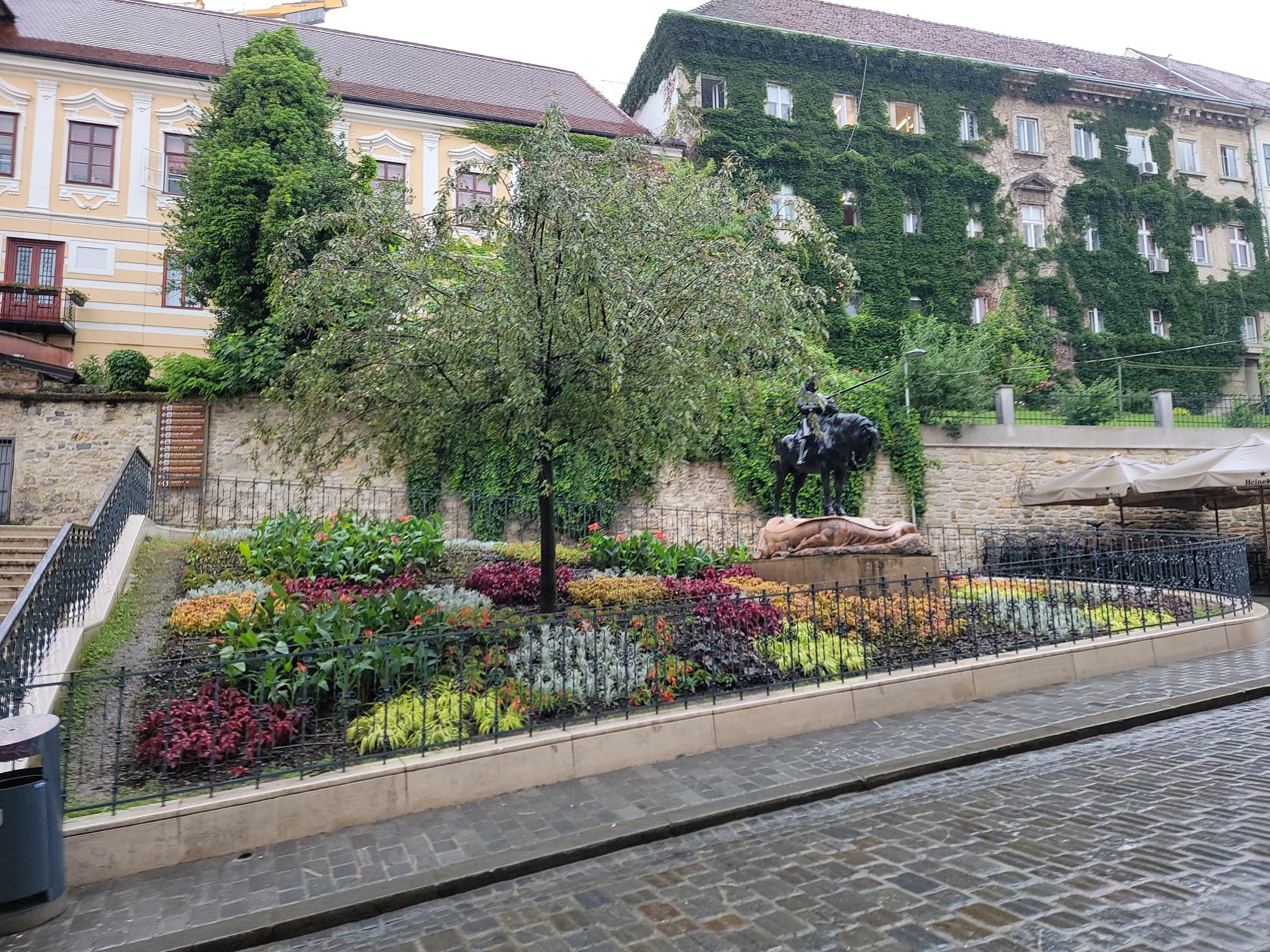
Ljubljana – Very old section of town, formerly Emona