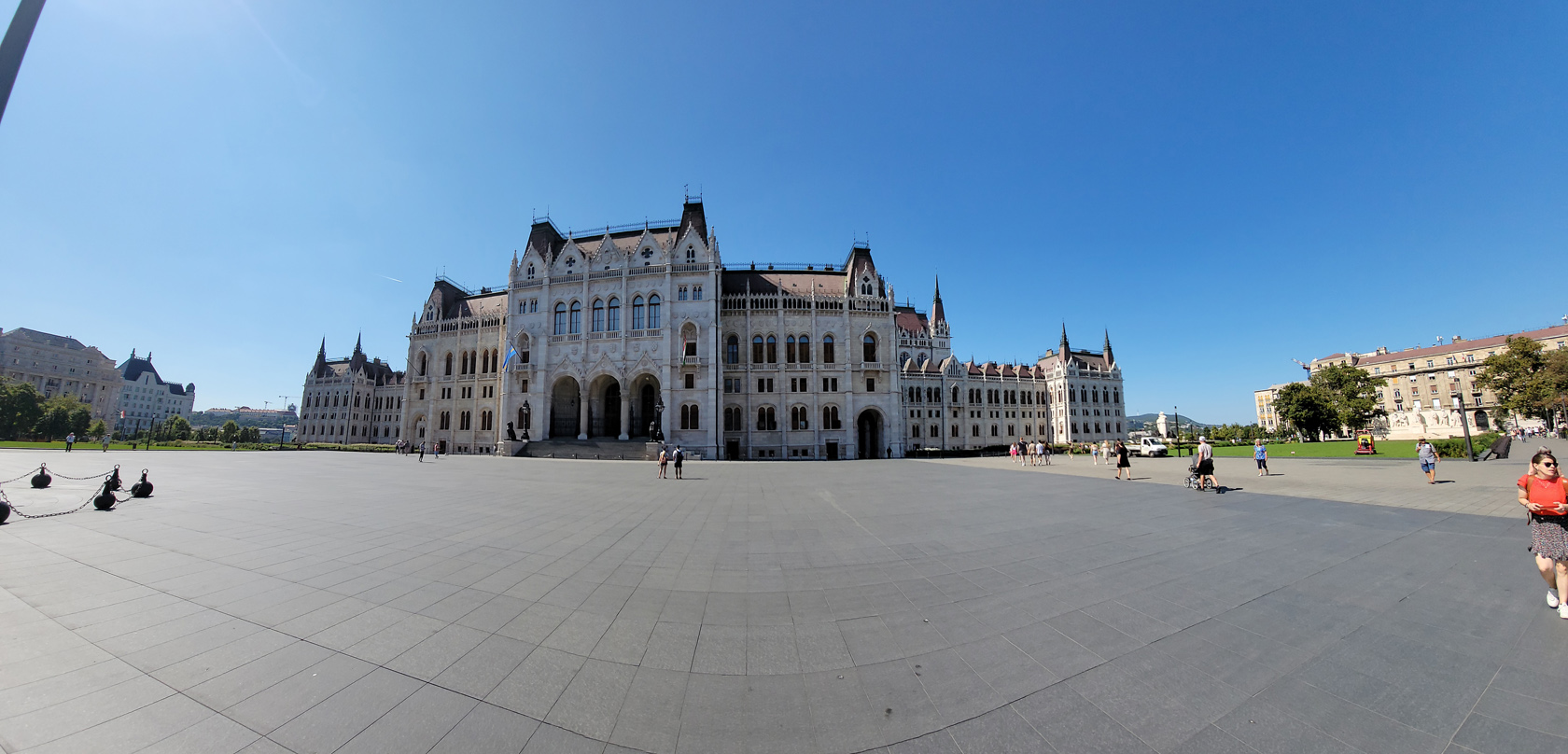
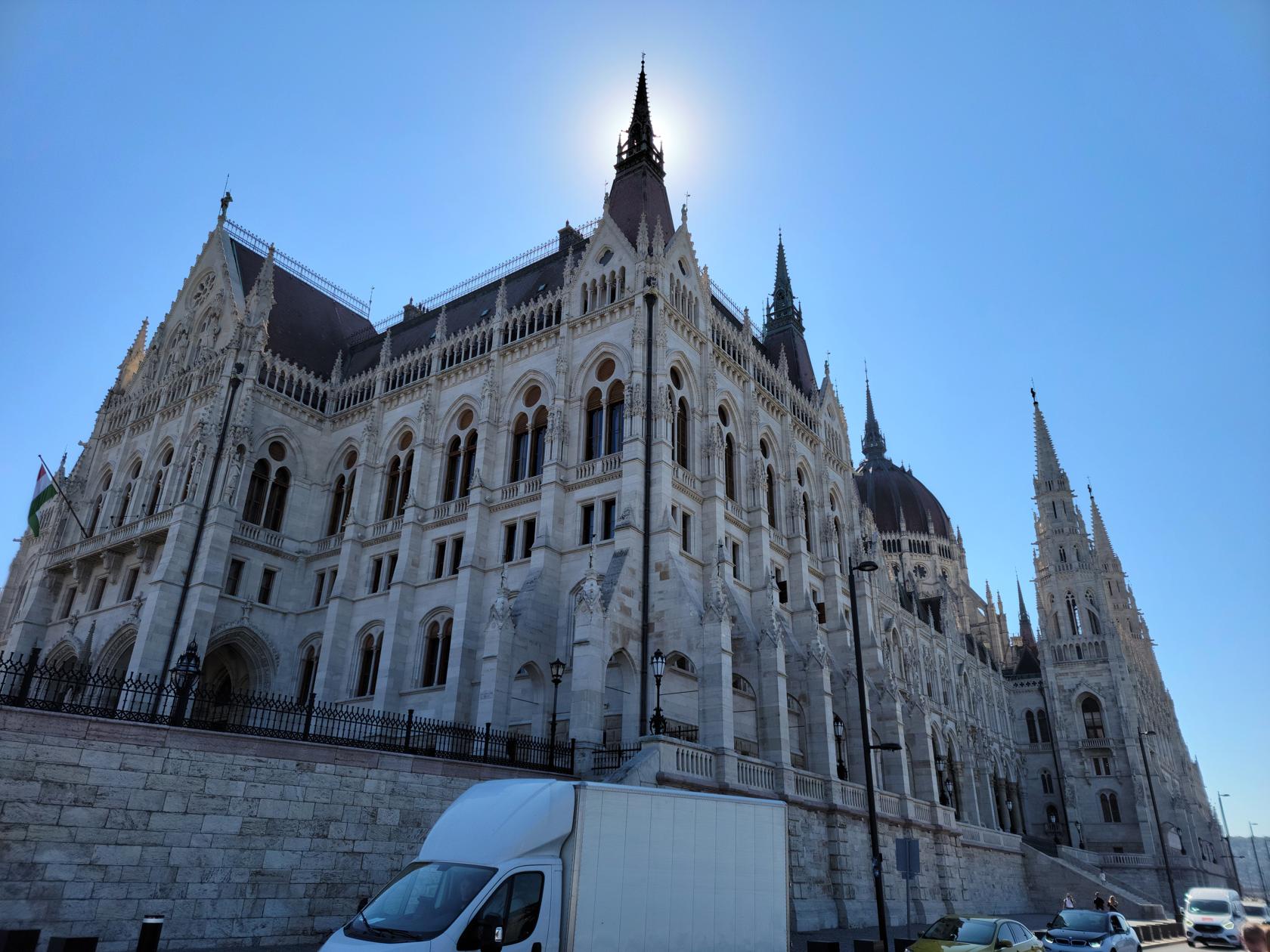
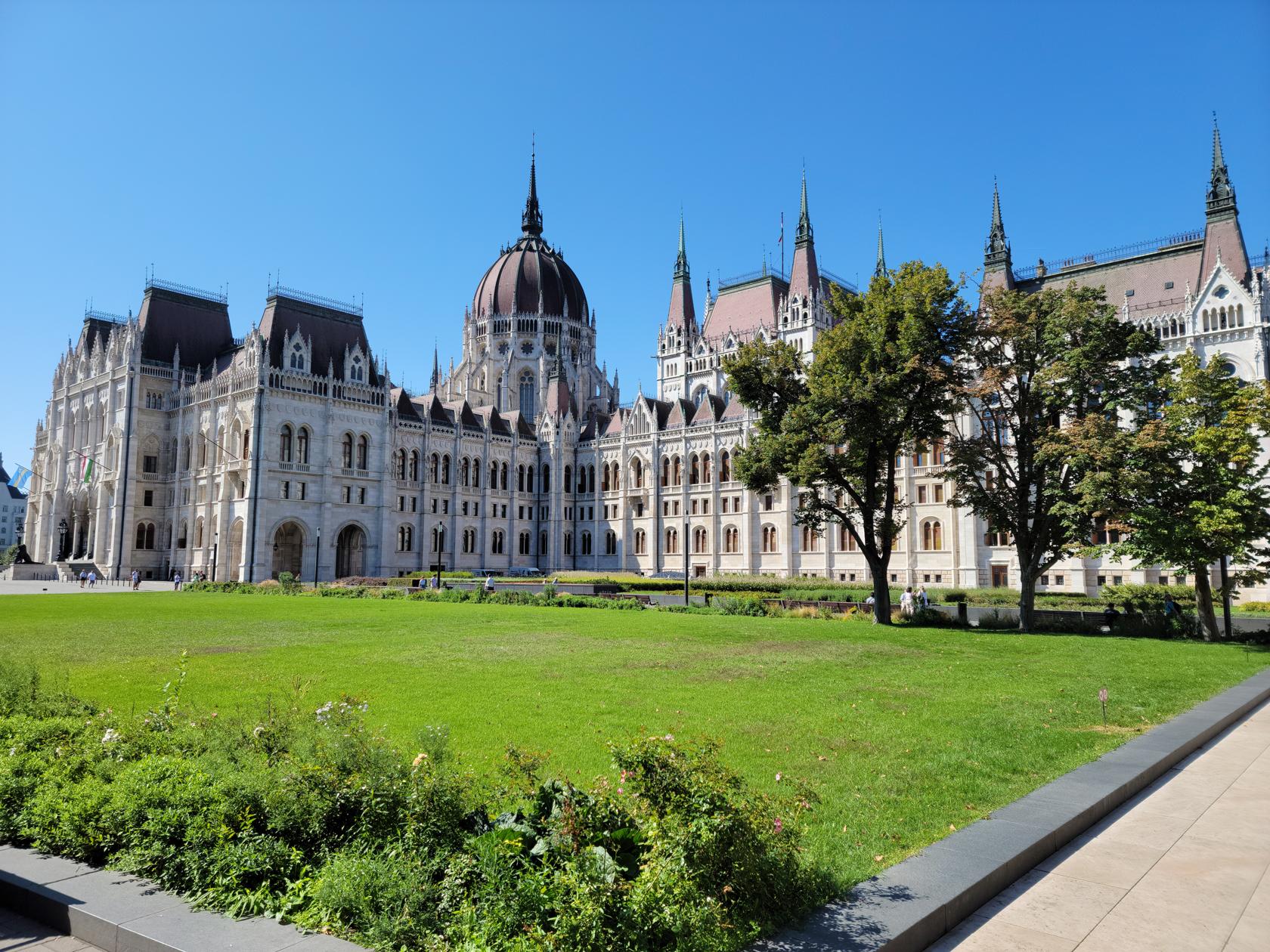
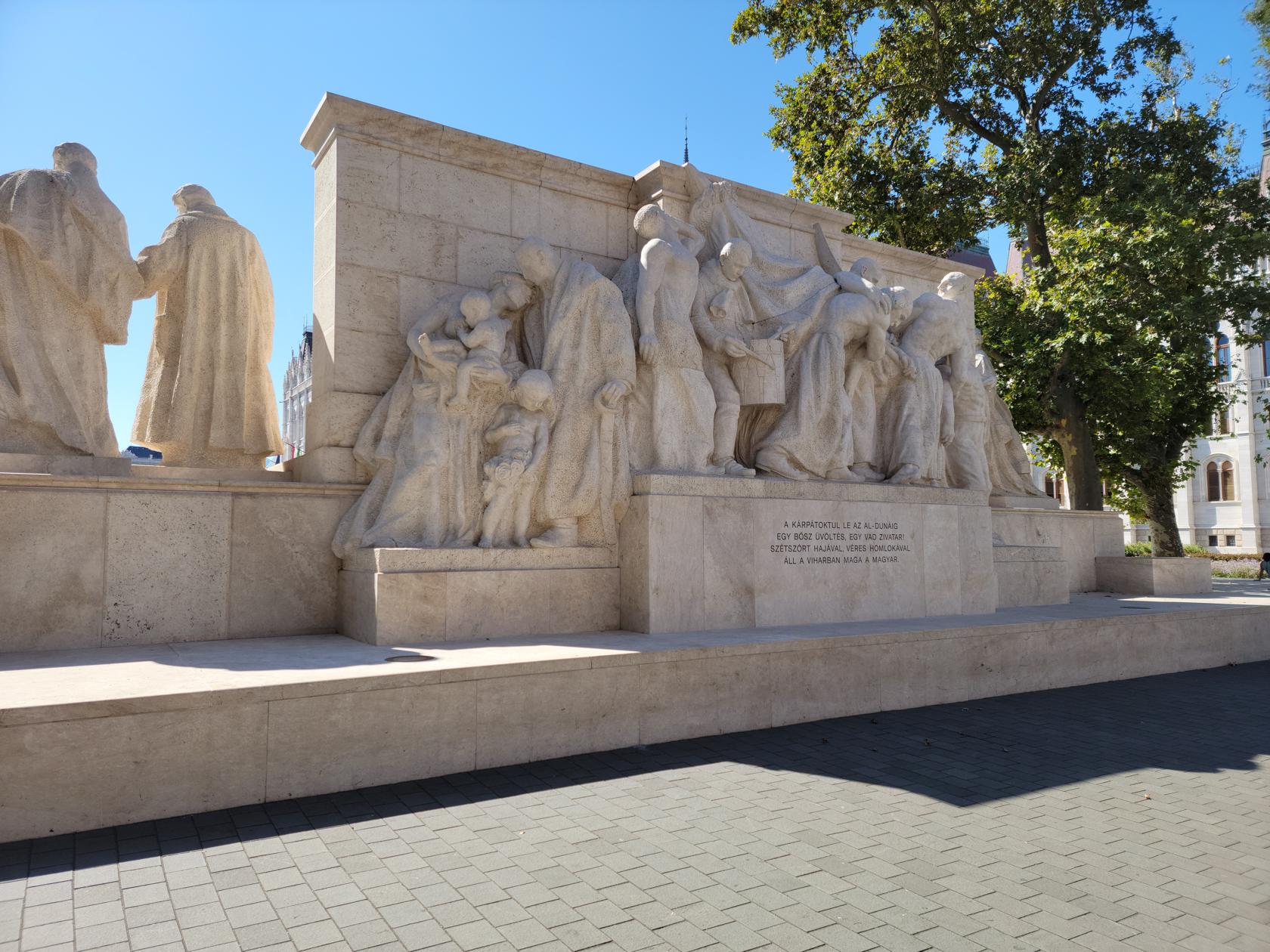
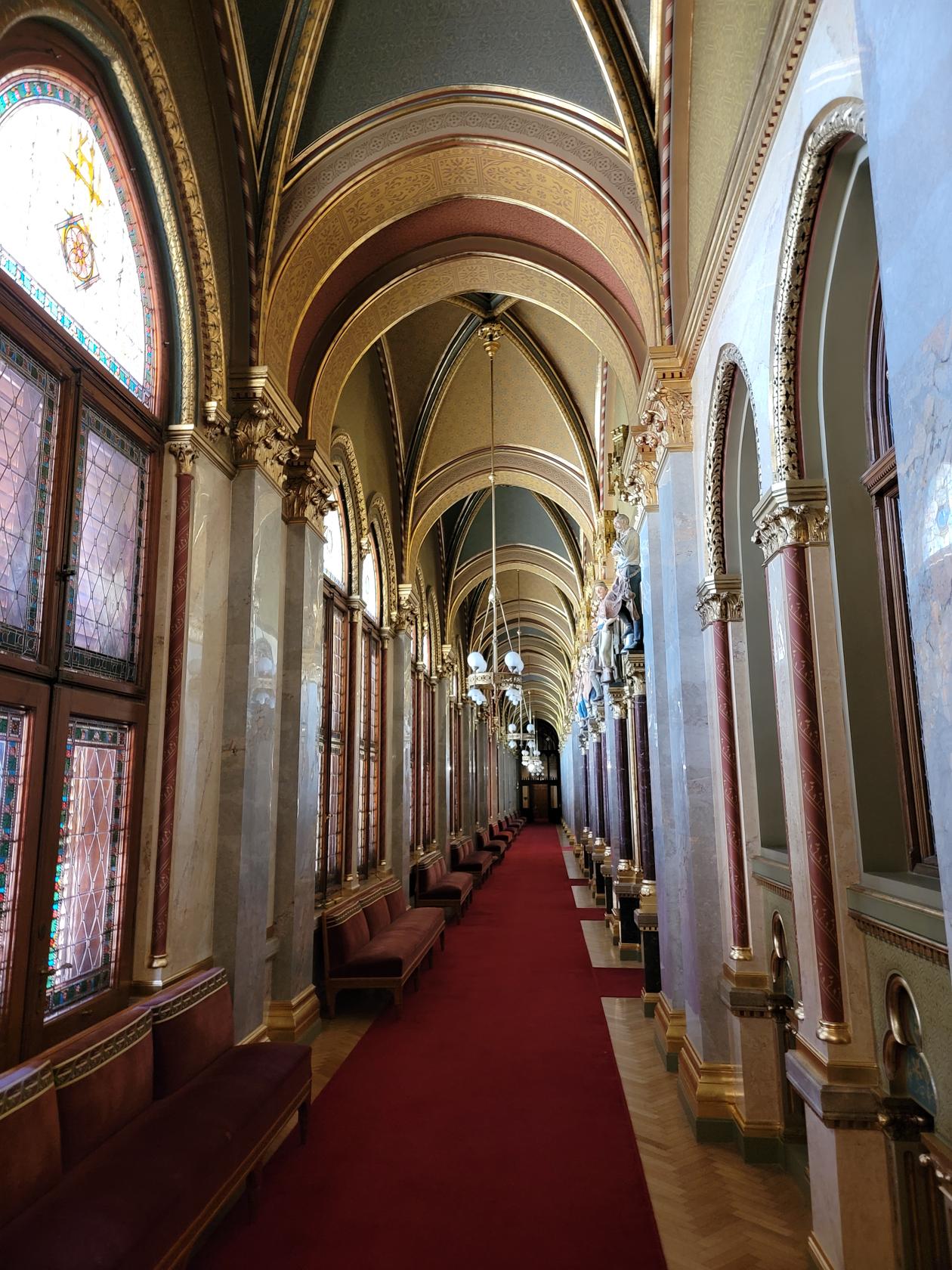
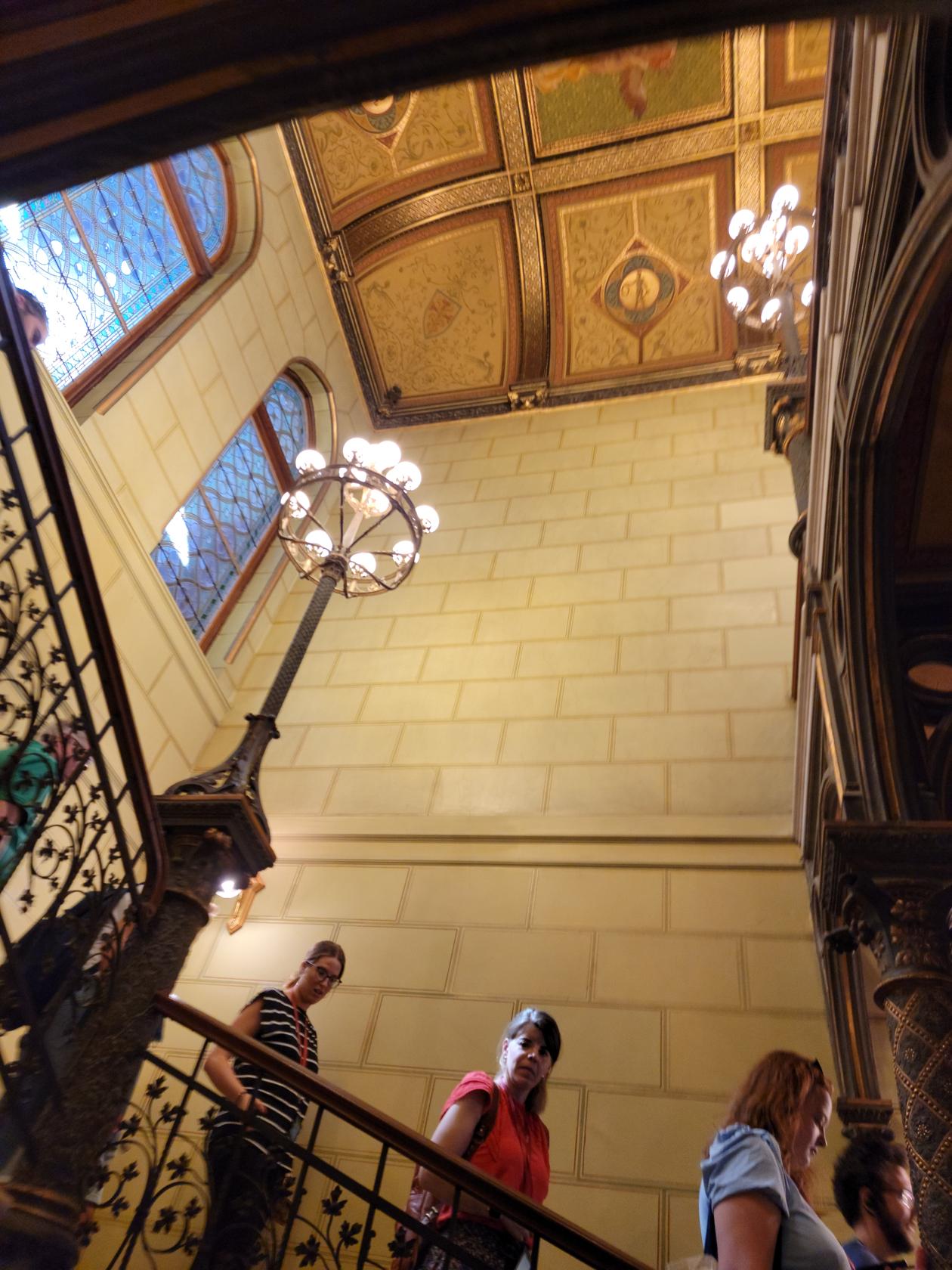
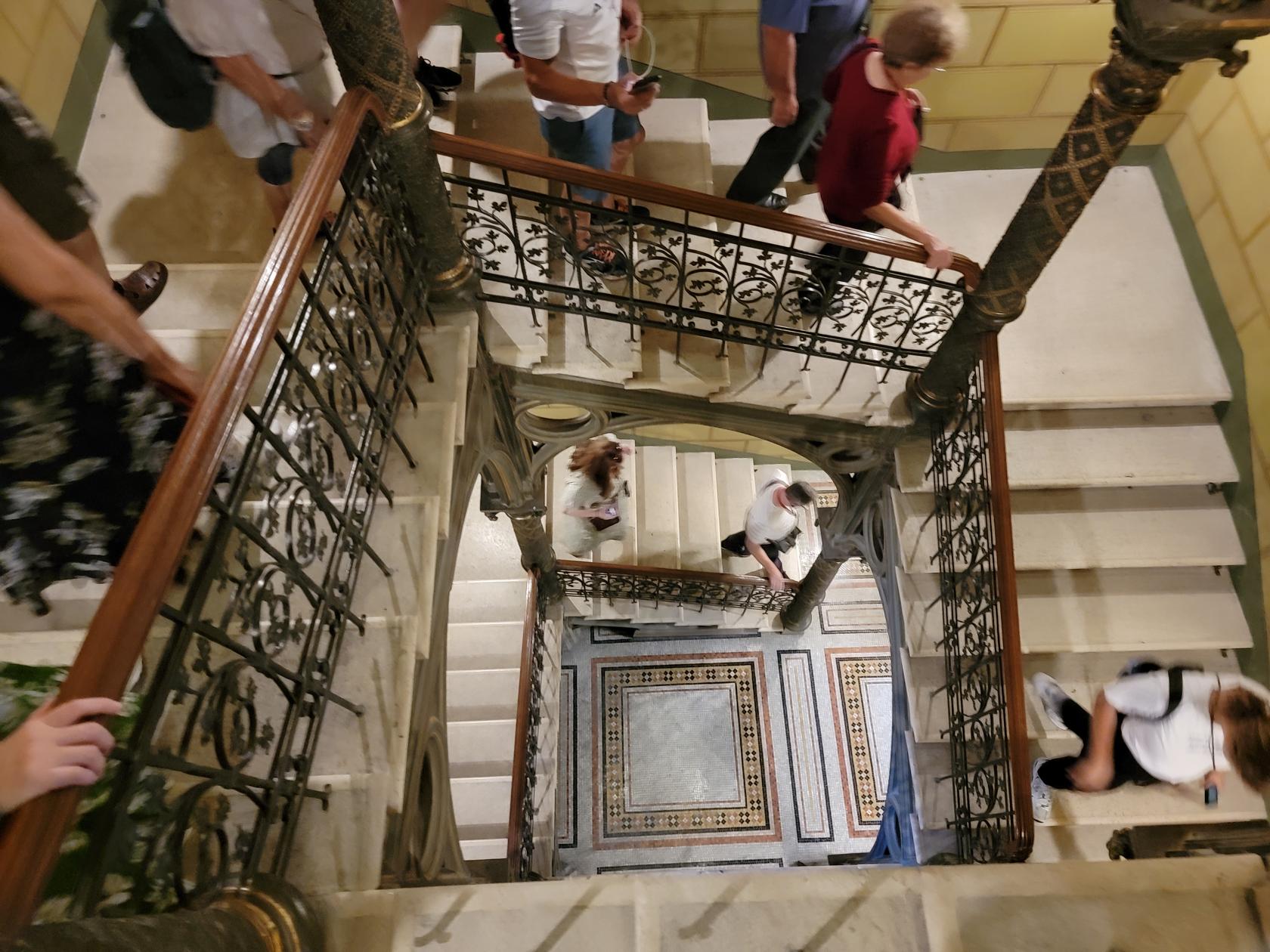
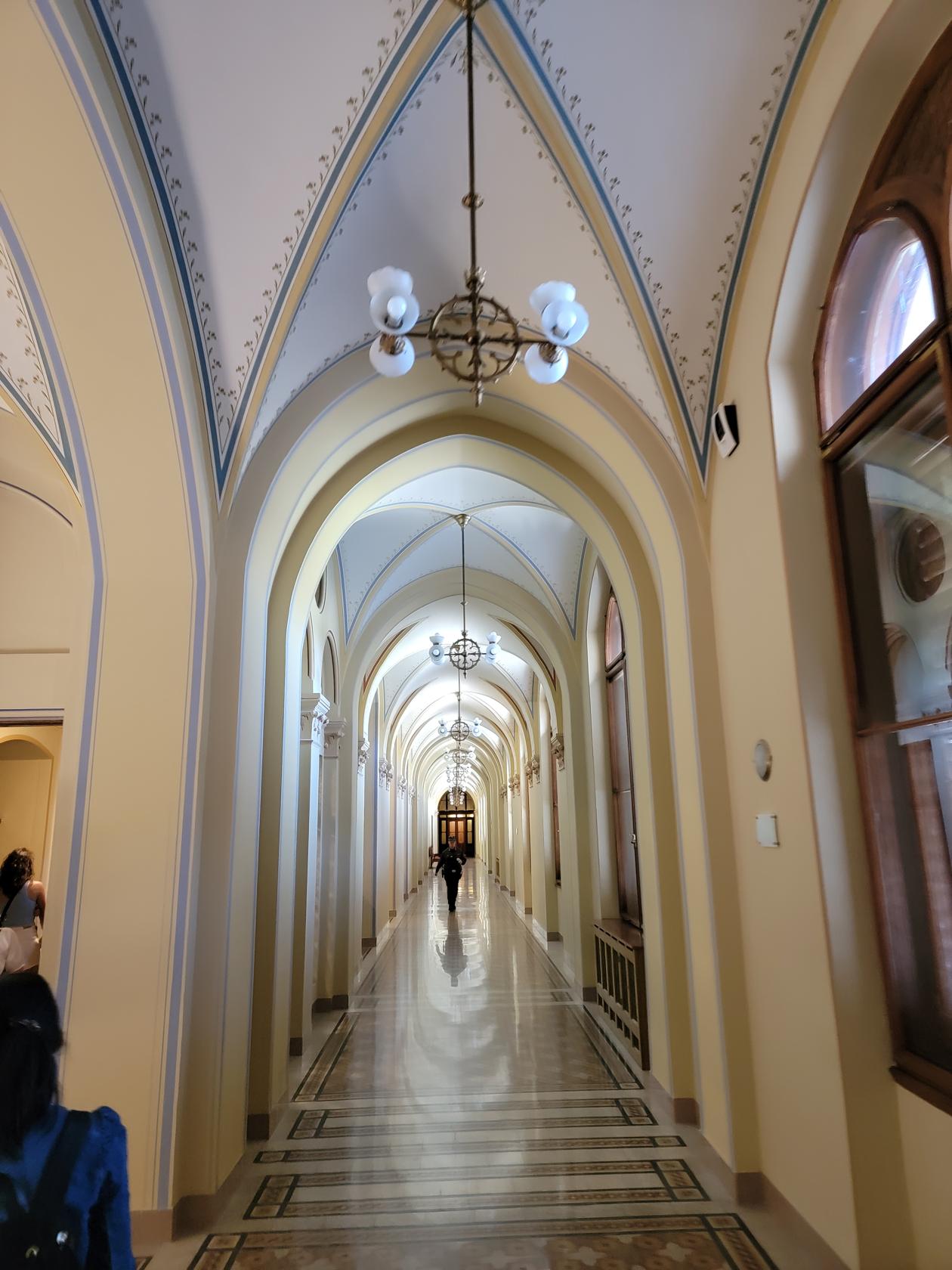
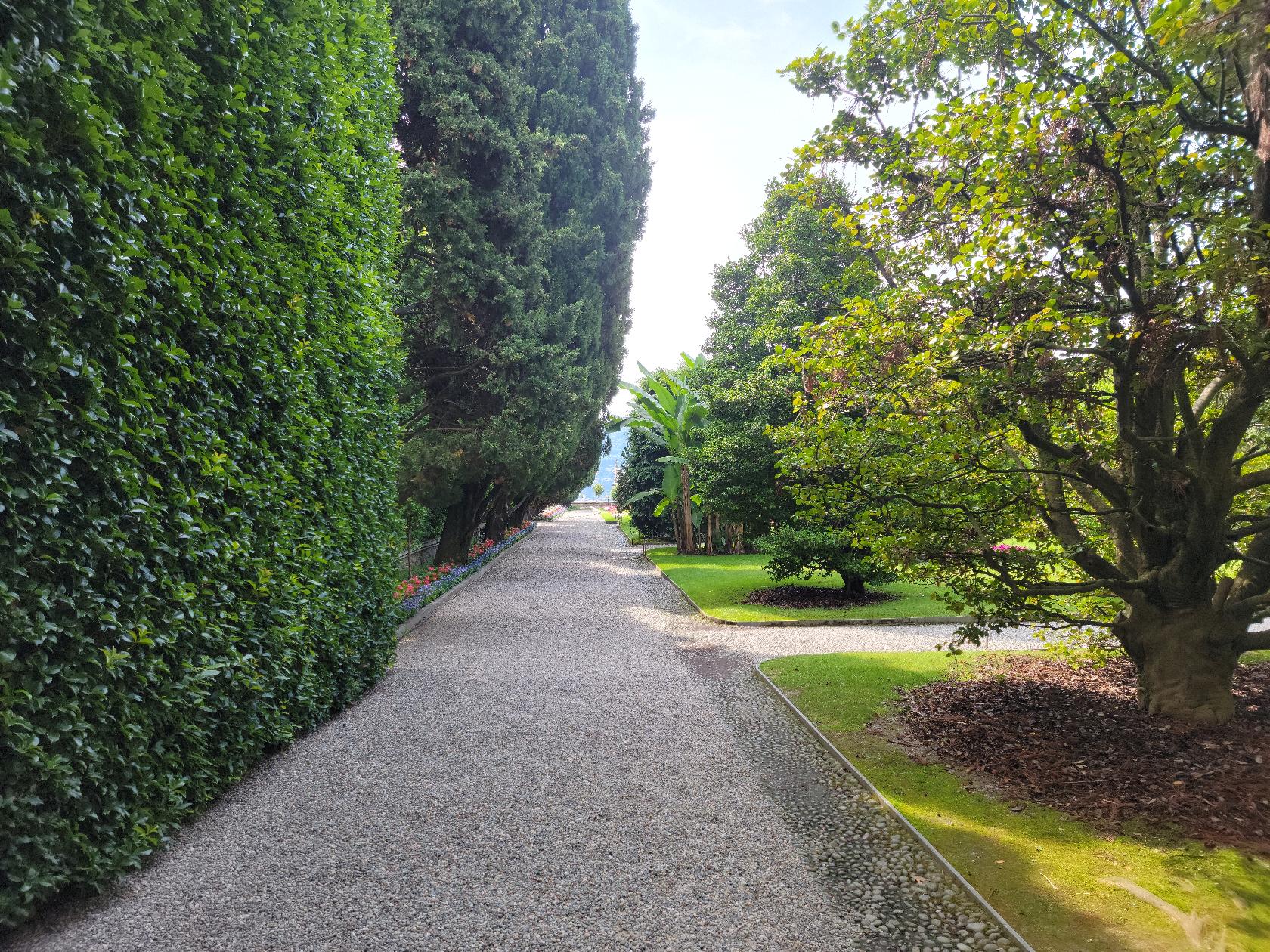
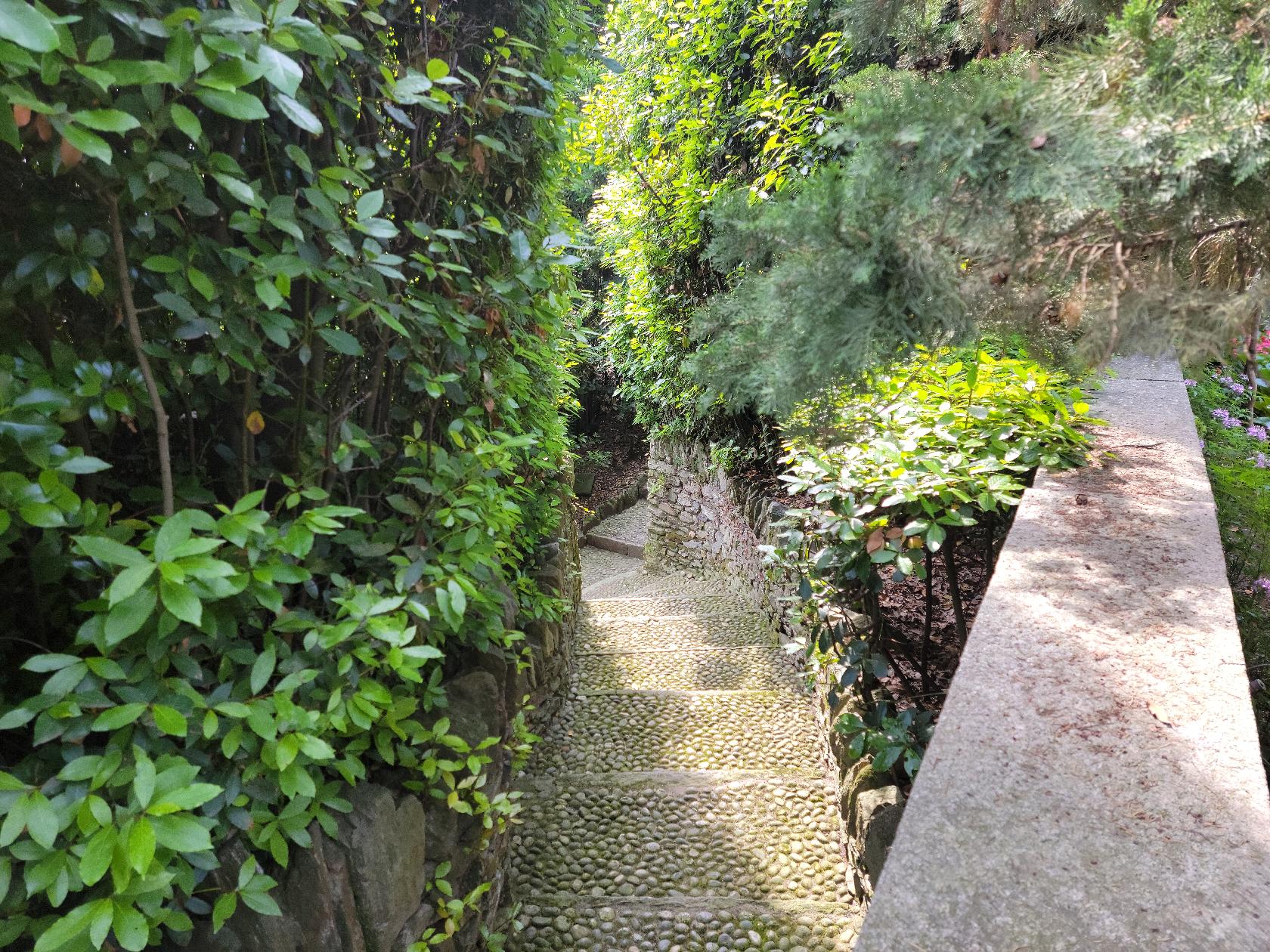
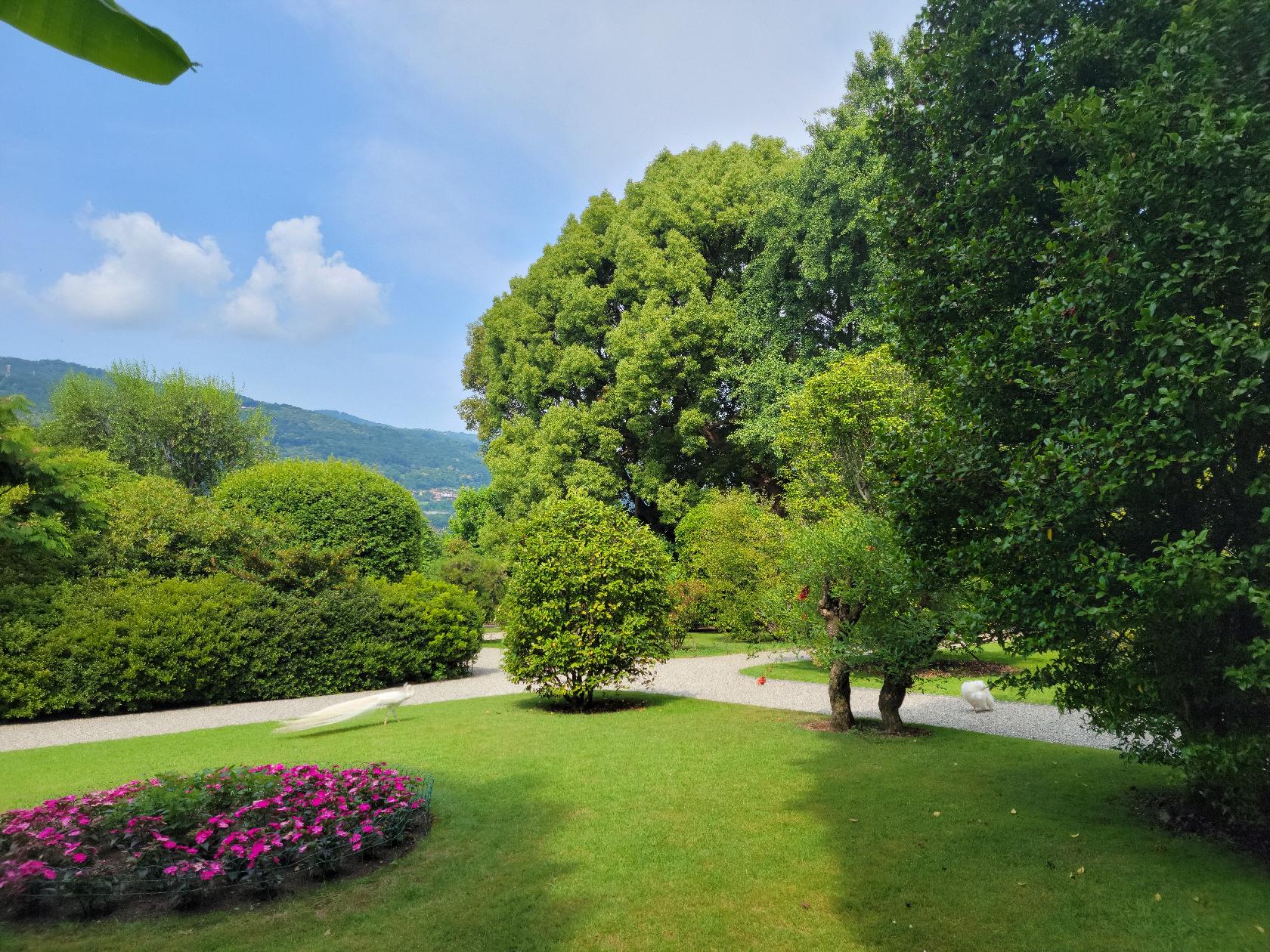
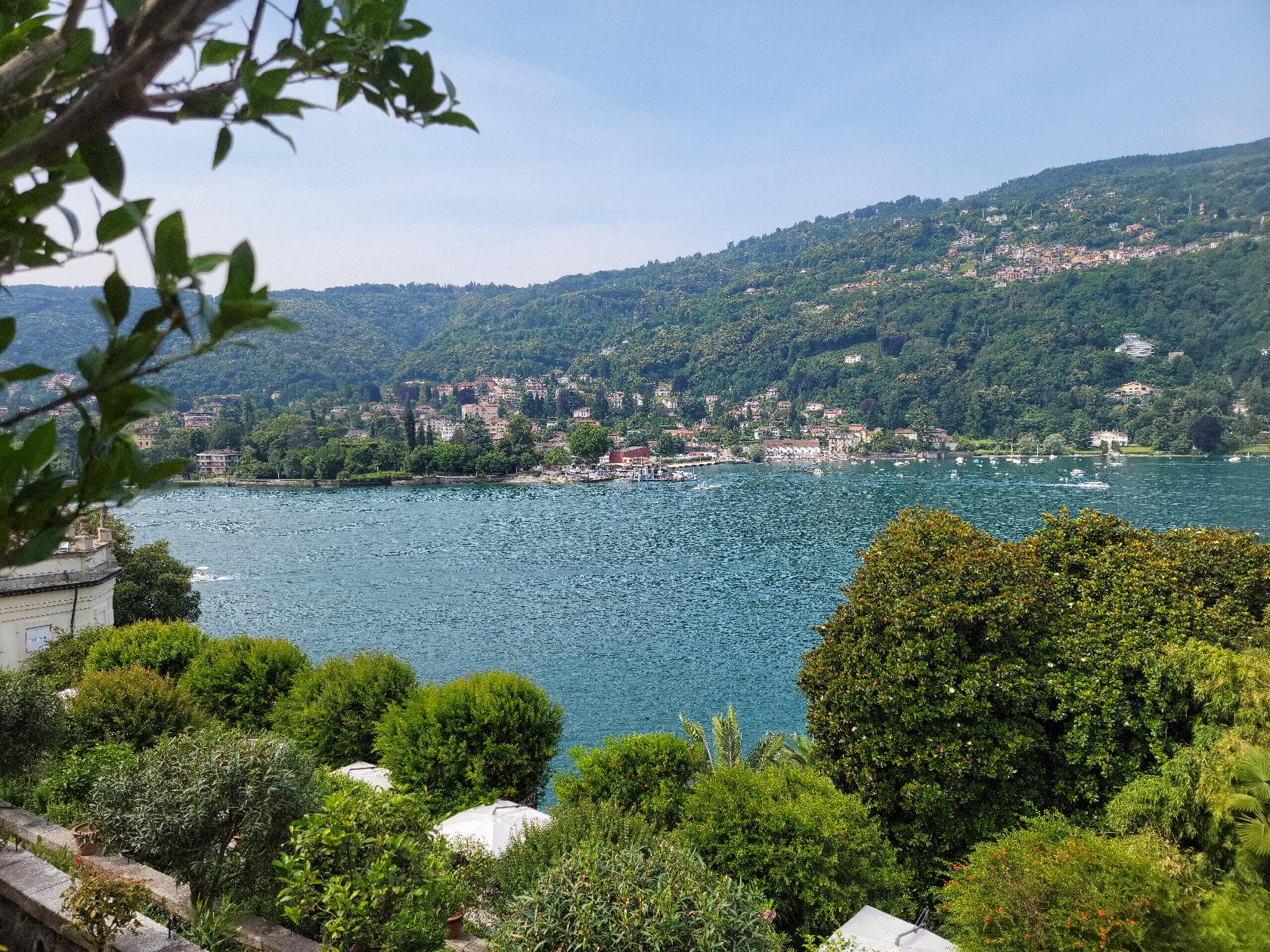
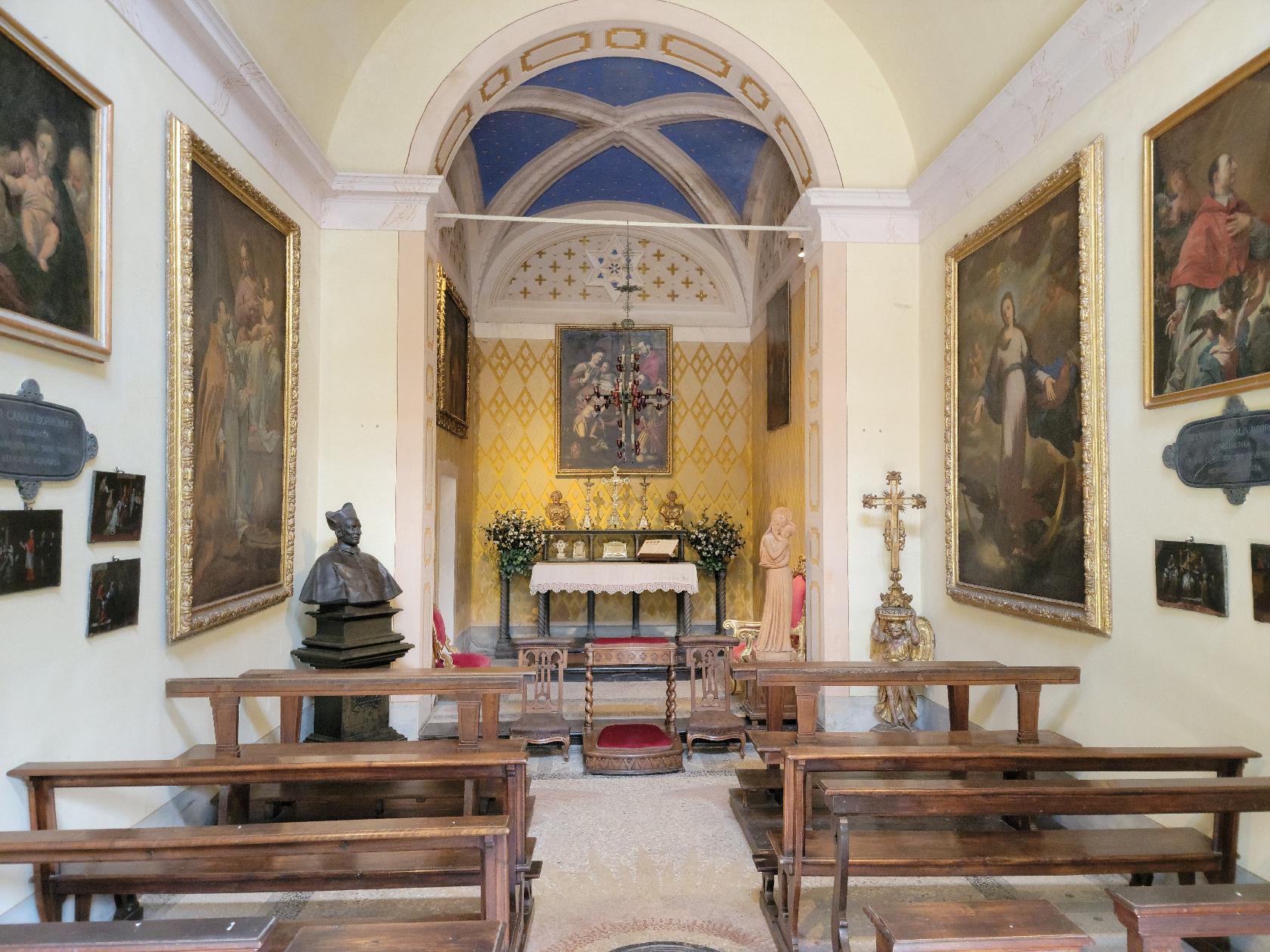
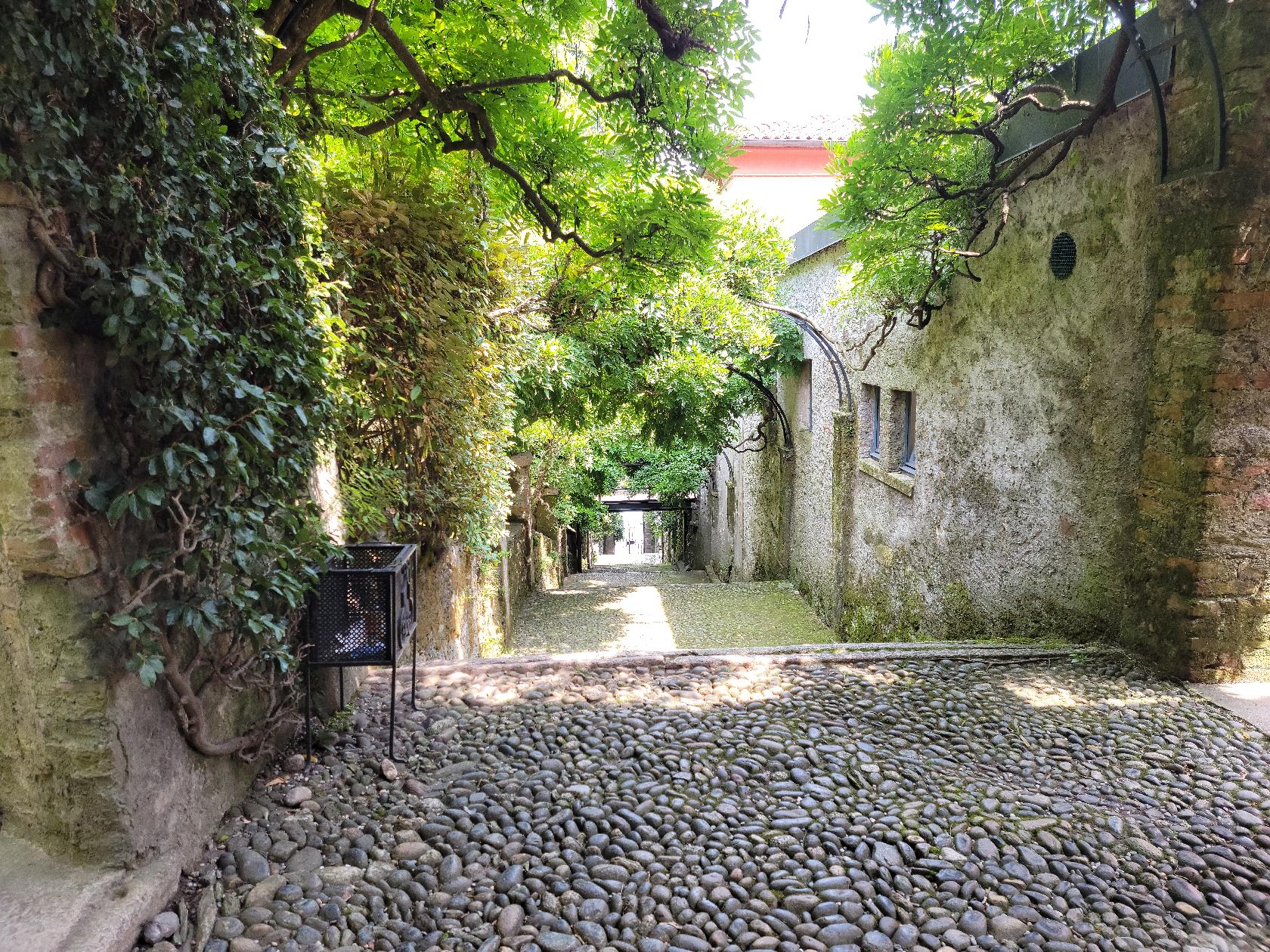
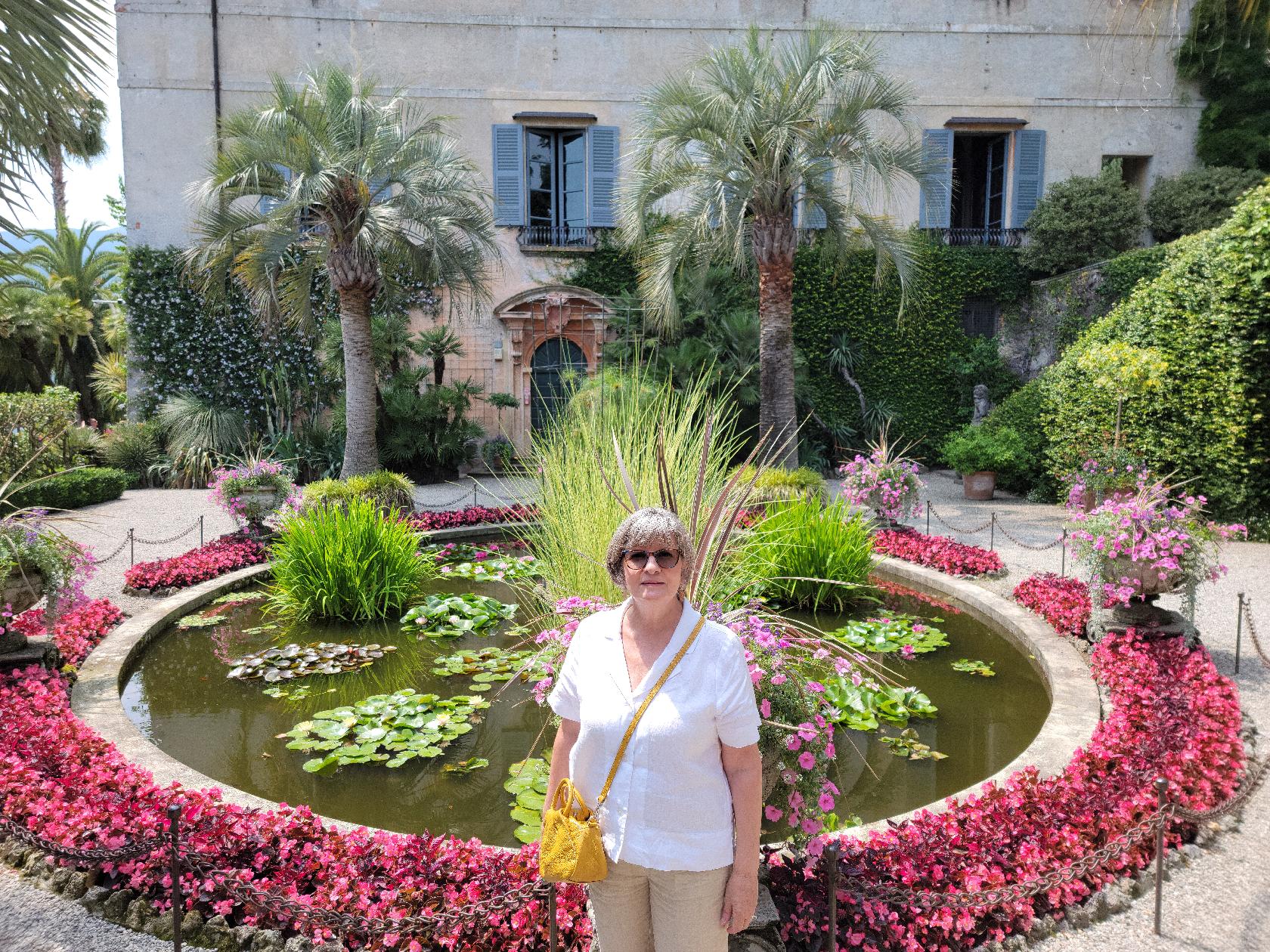
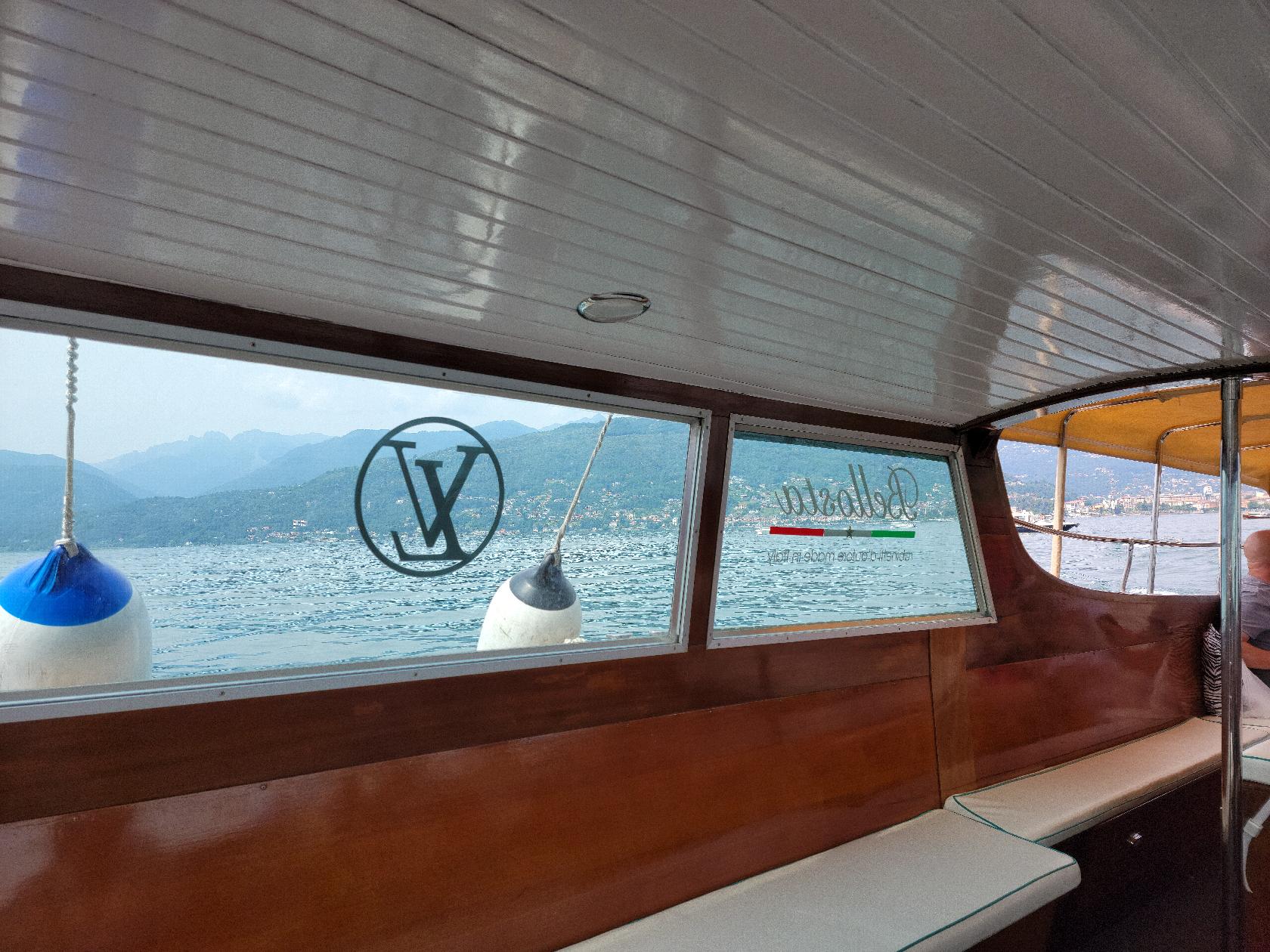
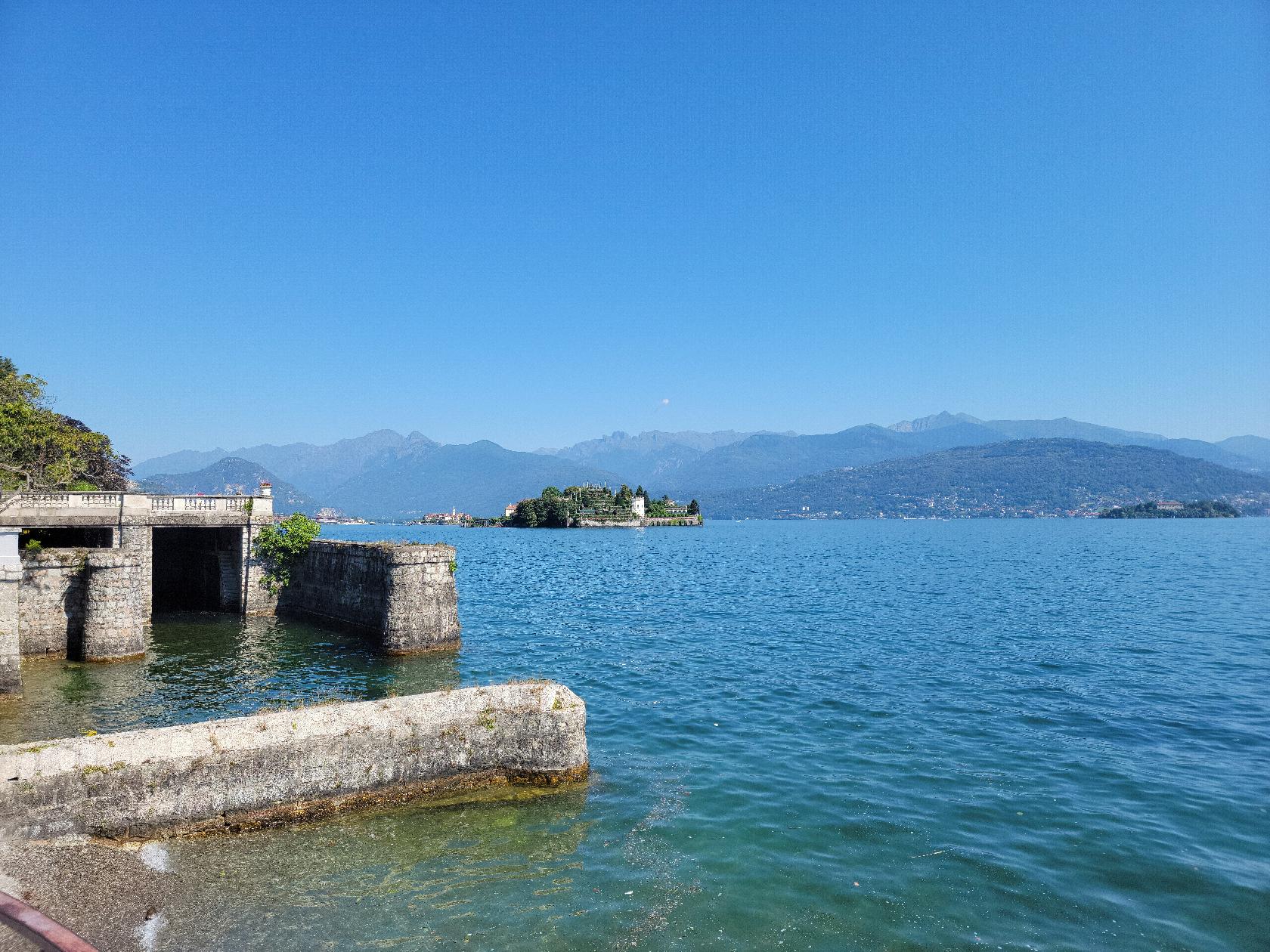
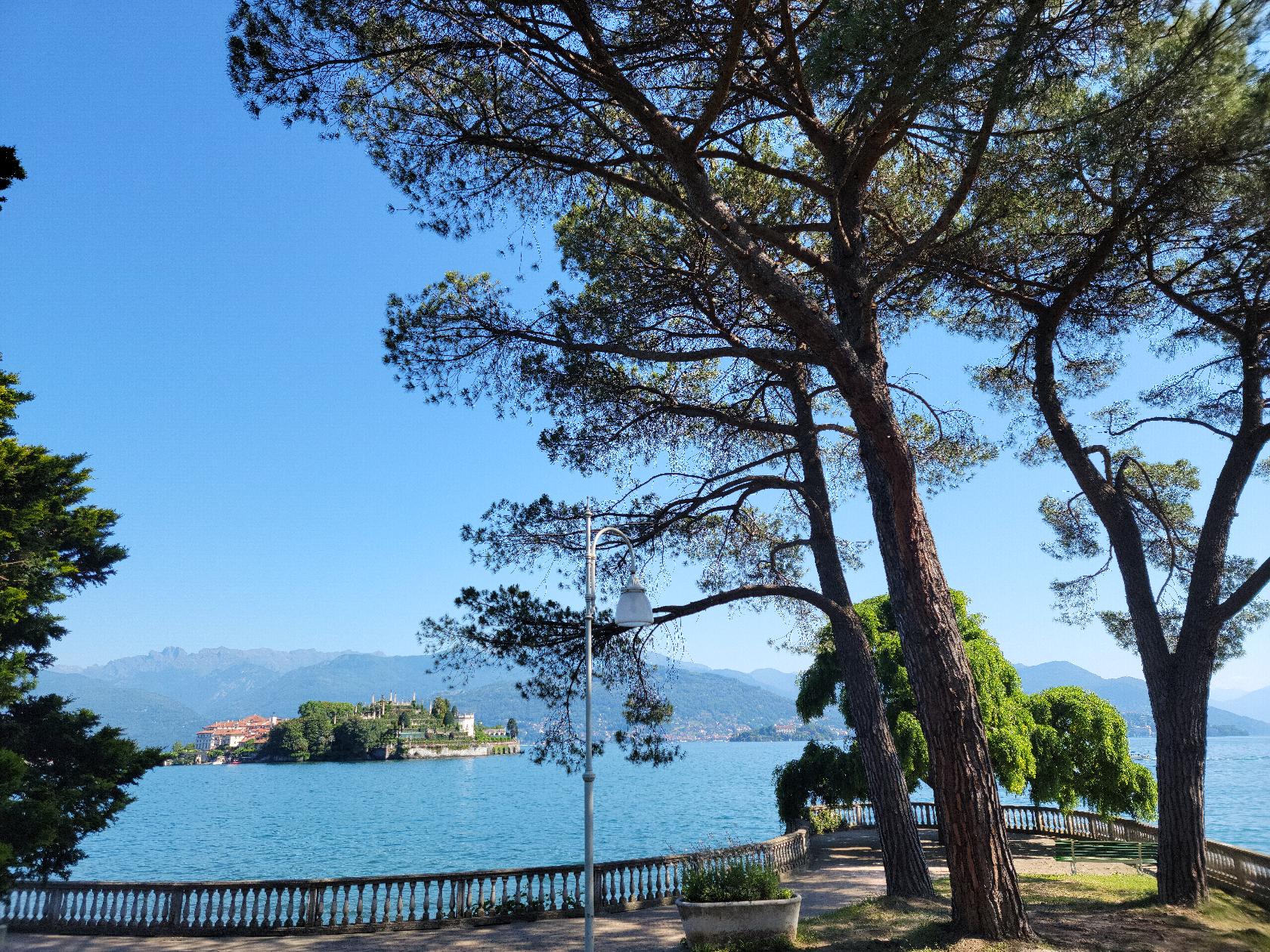
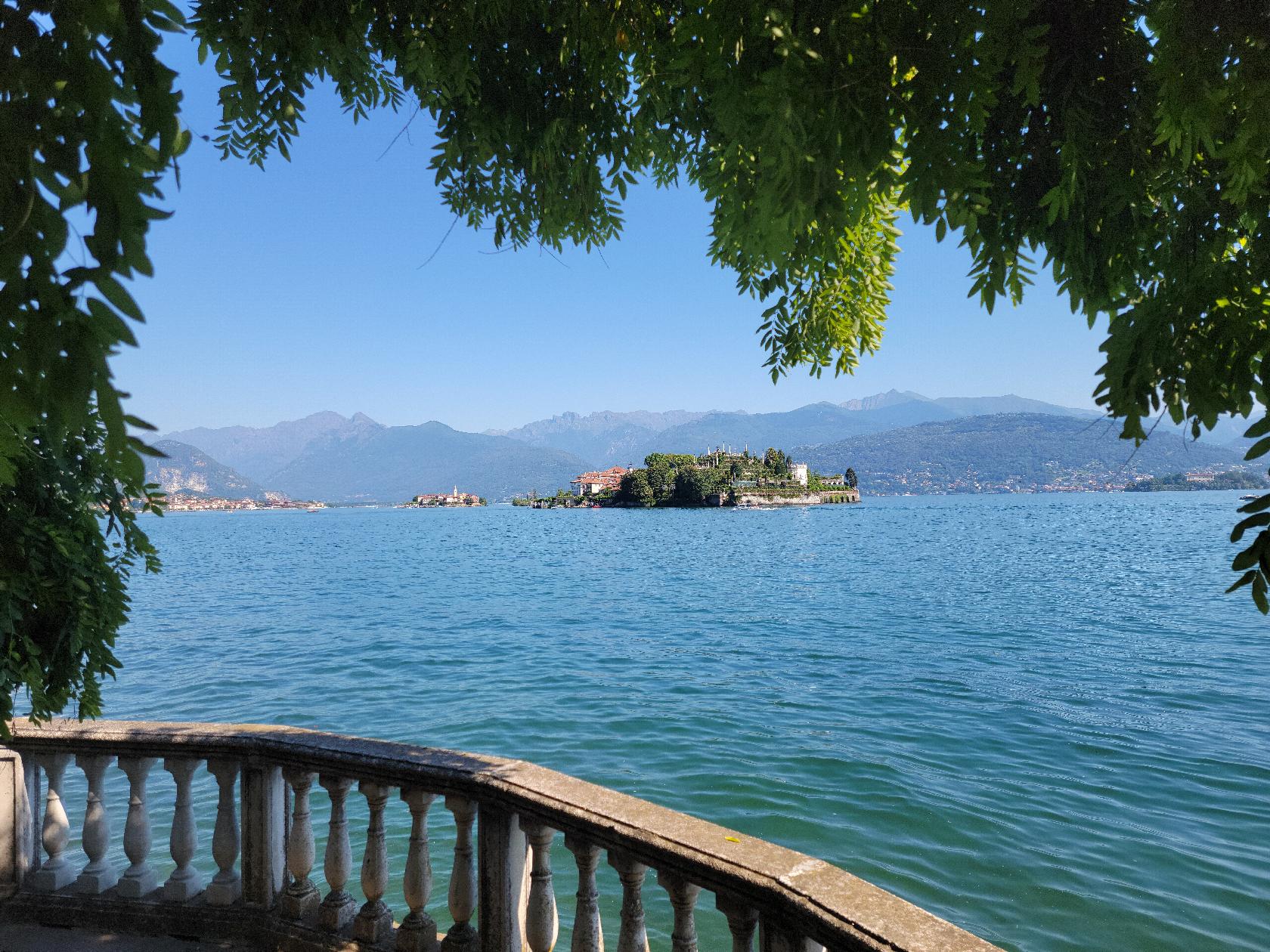
Here are some final thoughts on Budapest, that would not fit in the previous articles.
Budapest Sightseeing
Normally were are not ones for taking sightseeing ventures of most any kind, unless it is very personal and involves a tour guide with a smaller group. However, sometimes you feel you have to try something new, oh well.
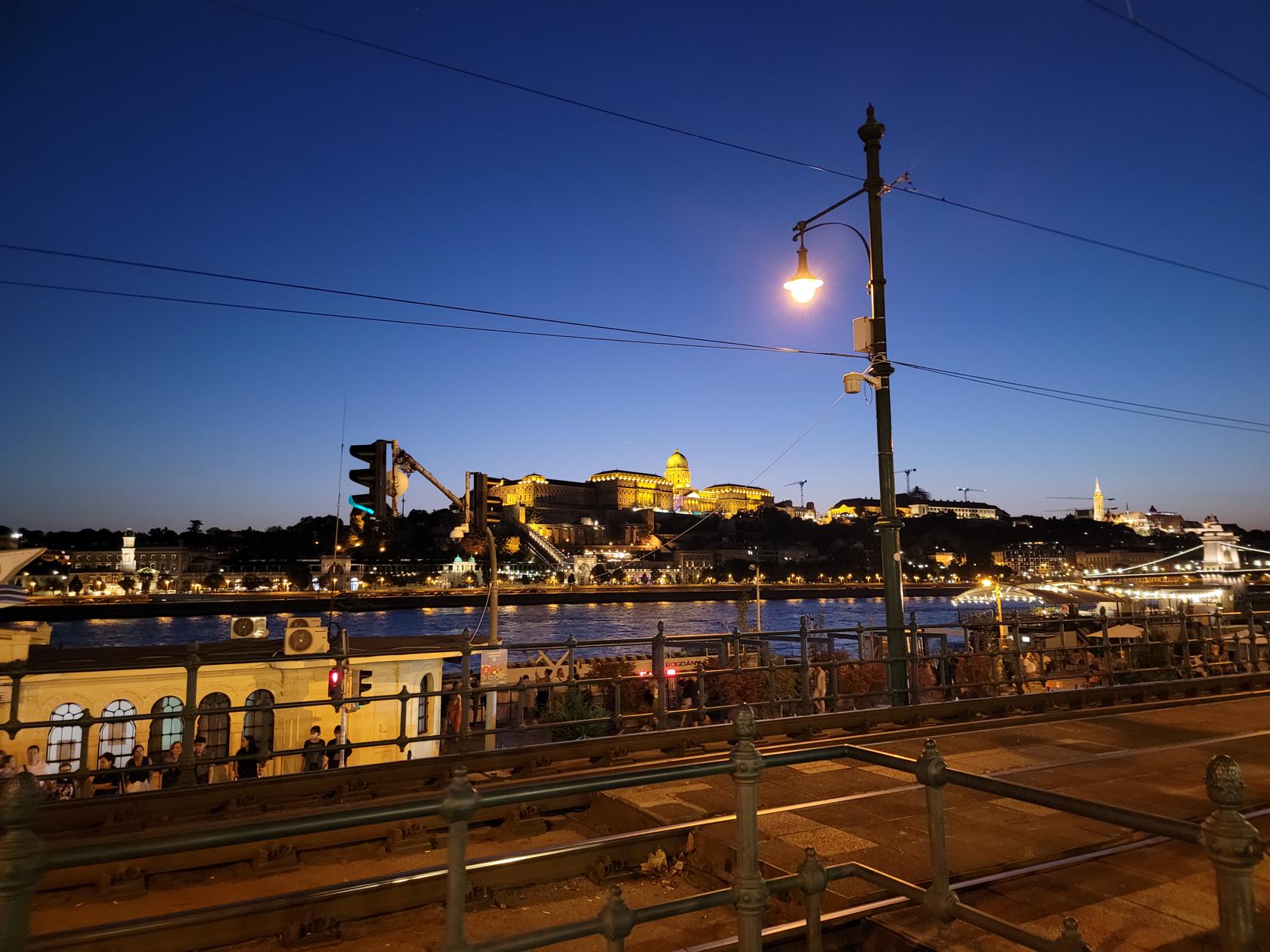
Evening by the boat docks – Pest – Budapest, Hungary
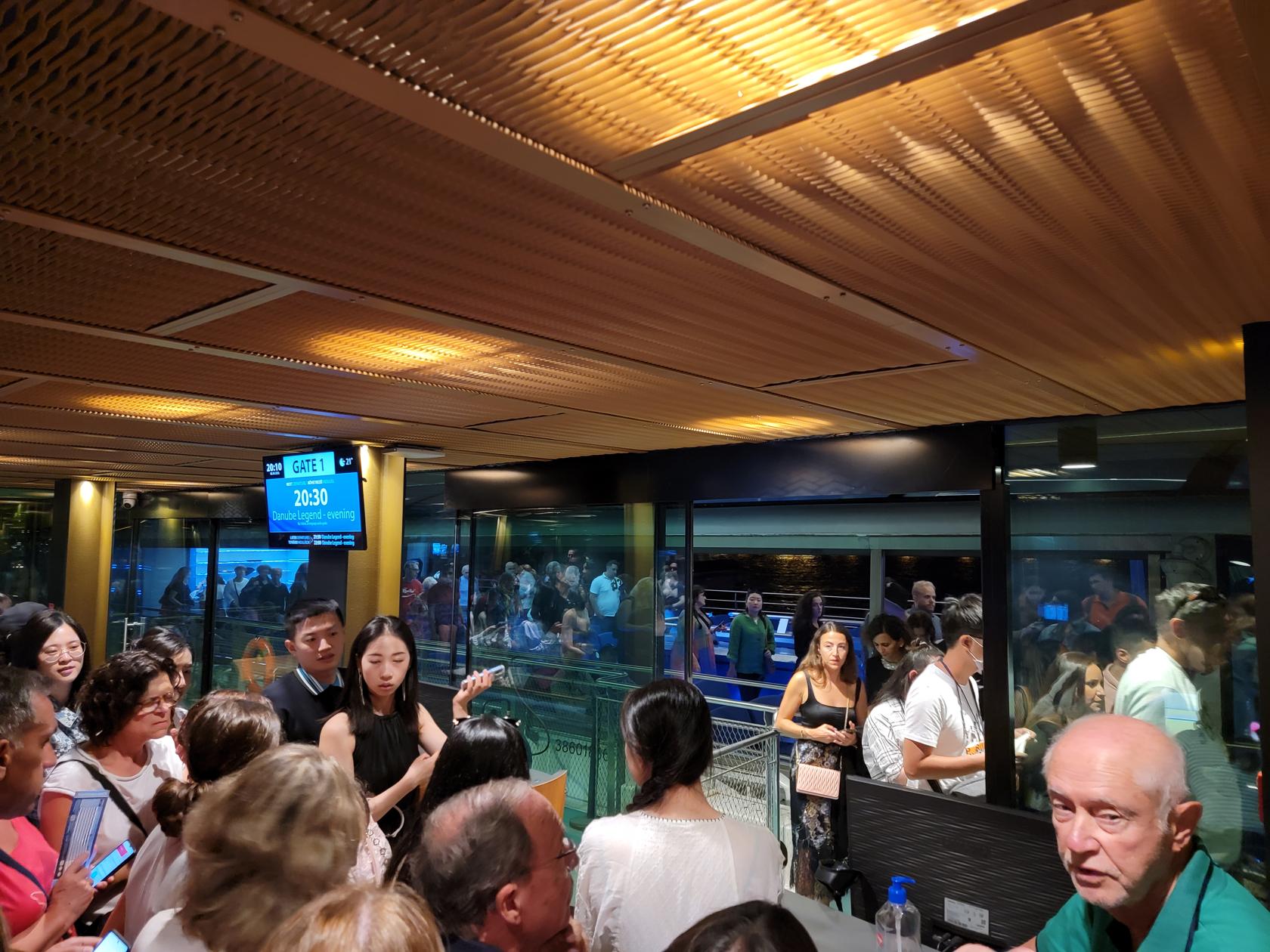
Legenda River Cruise
We took this river cruise on other recommendations but were a bit disappointed. Here’s why we would not recommend them:
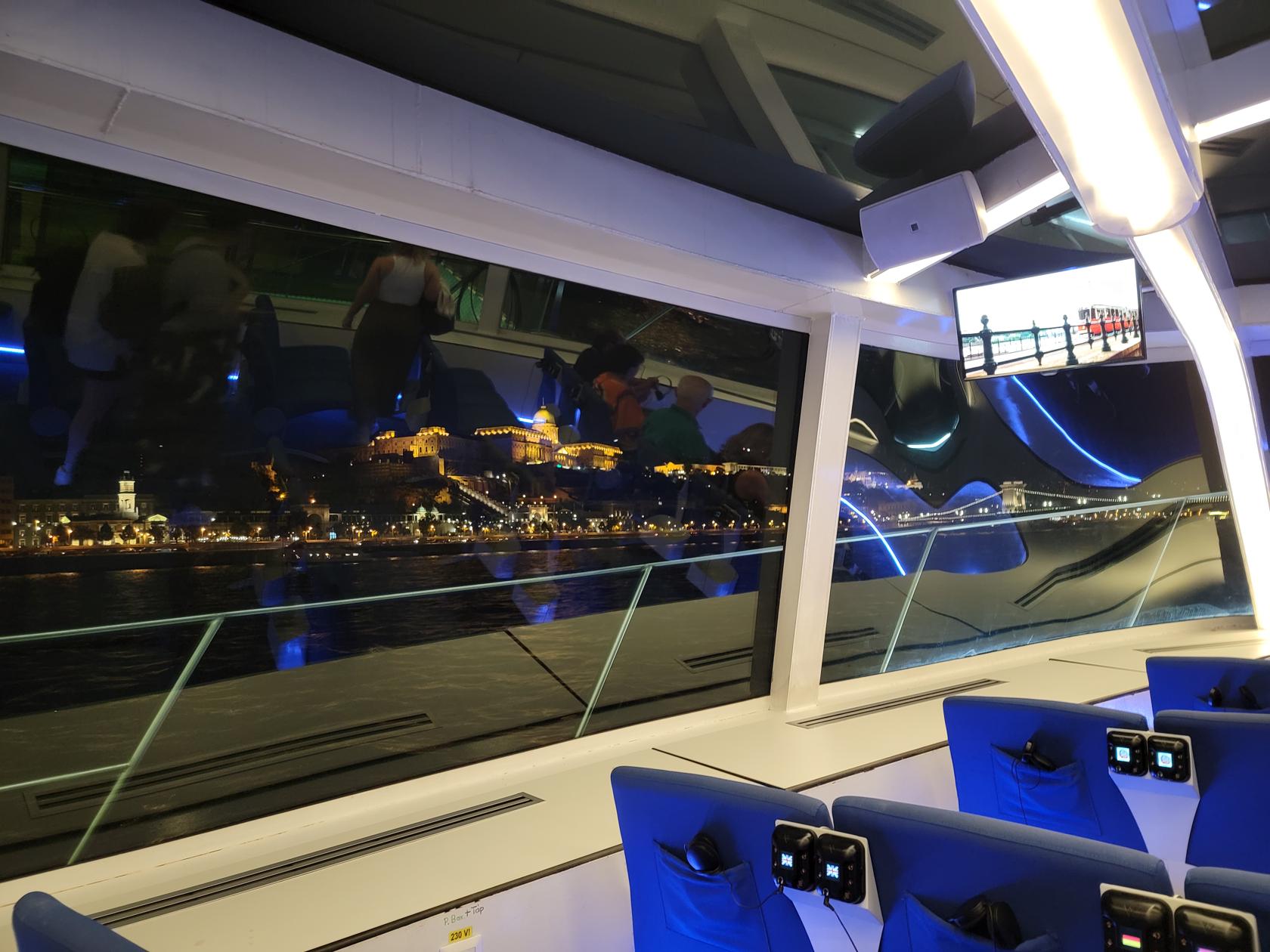
We felt that though the cruise did show you the city at night, the tour was essentially something you could watch at home on TV, in fact, you actually do watch it on TV on the boat as it cruises, while listening in your headset.
The video and tour were often out of sync, so you could not actually see what they were talking about, boring and unprofessional.
The front is rather closed in and uncomfortable. In the summer the boat has to be adapted to warmer weather, like the rear of the boat.
The waitress tries to remember your free-drink offer and terribly forgets. Multiple times. I wouldn’t mind so much, but some of us didn’t even receive our drinks. So don’t buy the “free drinks” bullshit line!
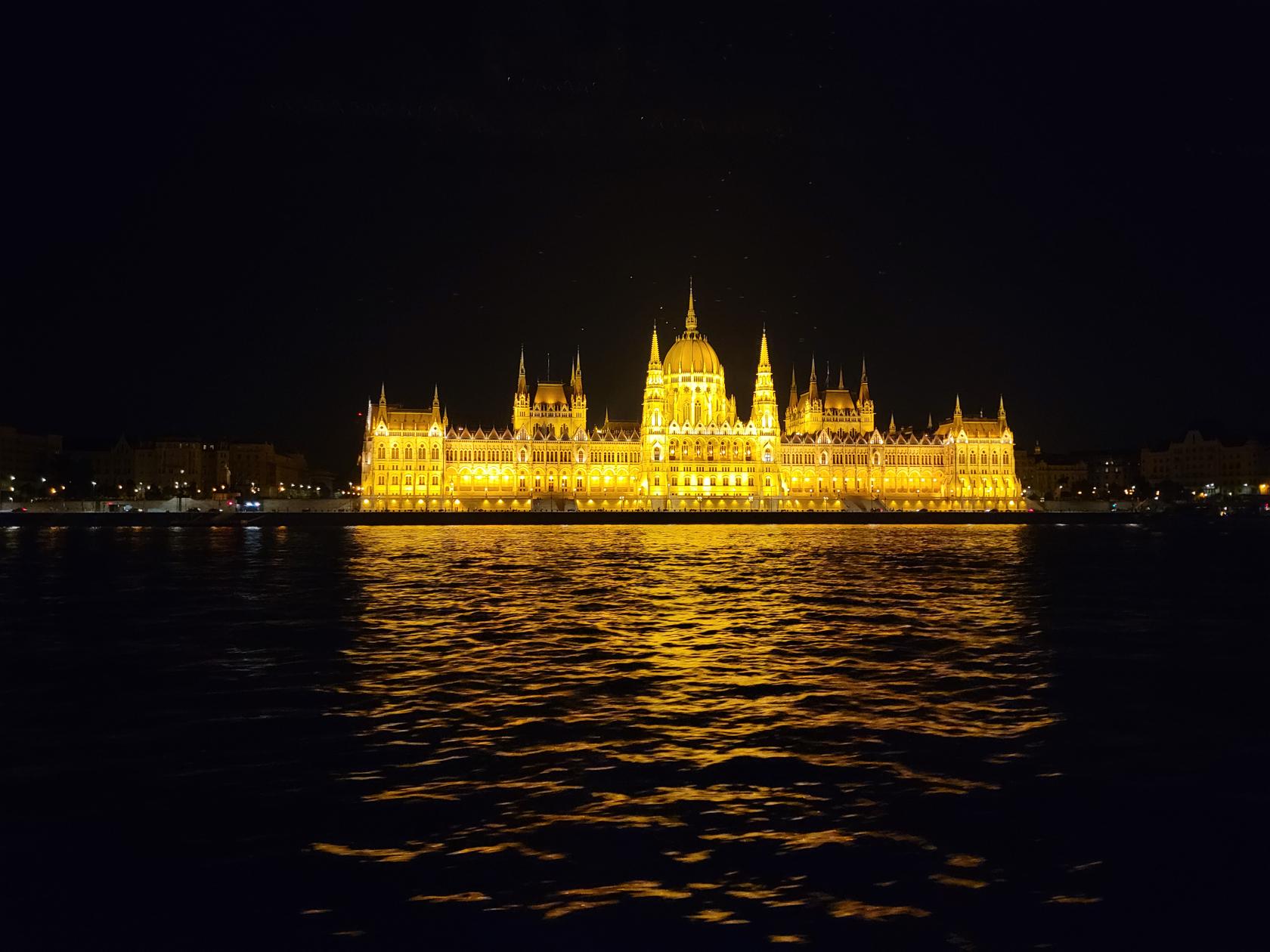
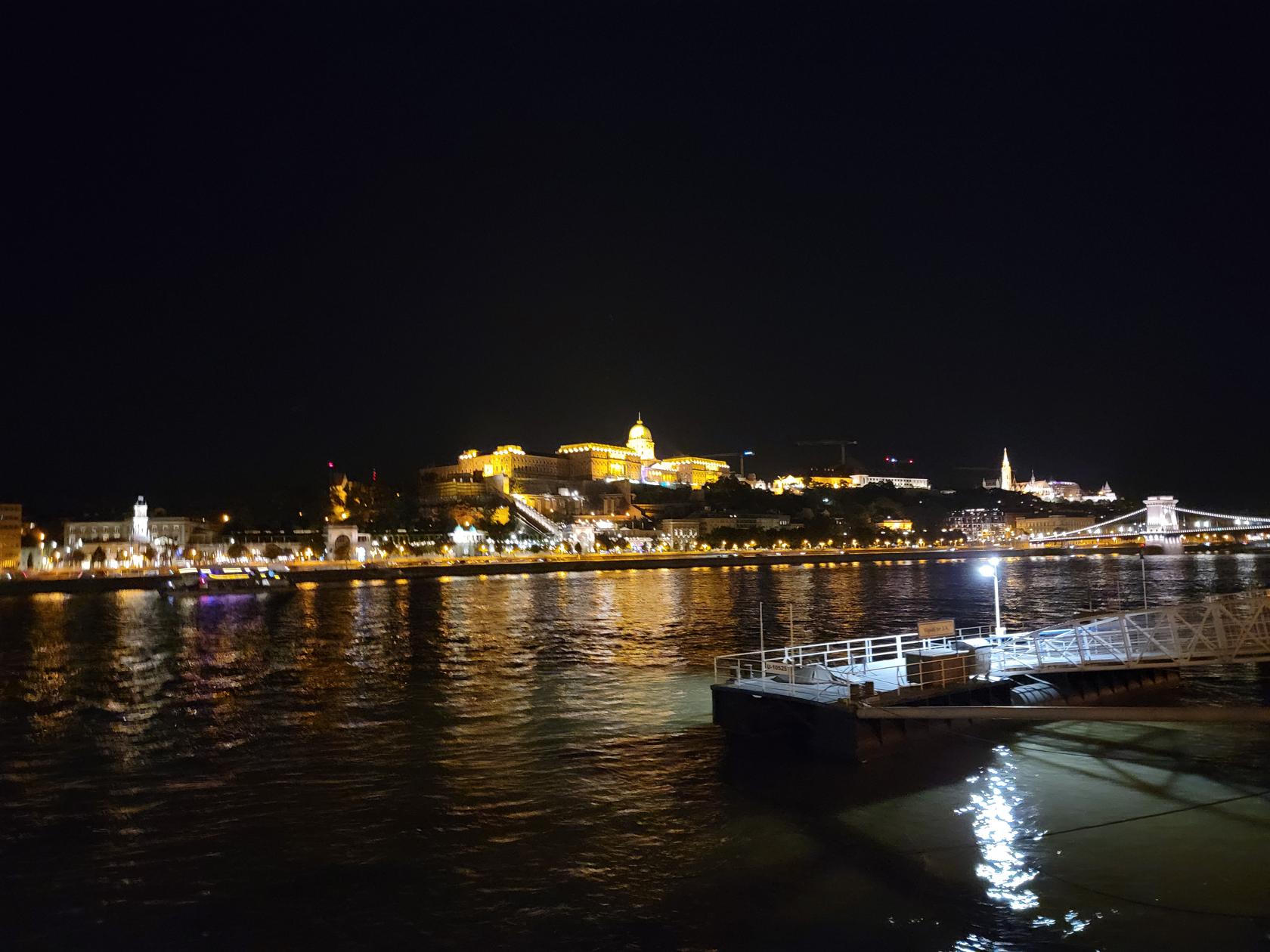
Aside from the above, here are some photographs.
Legenda River Cruise – Budapest, Hungary
Legenda River Cruise – Budapest, Hungary
Parliament Building – Legenda River Cruise – Budapest, Hungary
Buda Castle – Legenda River Cruise – Budapest, Hungary
The Metro
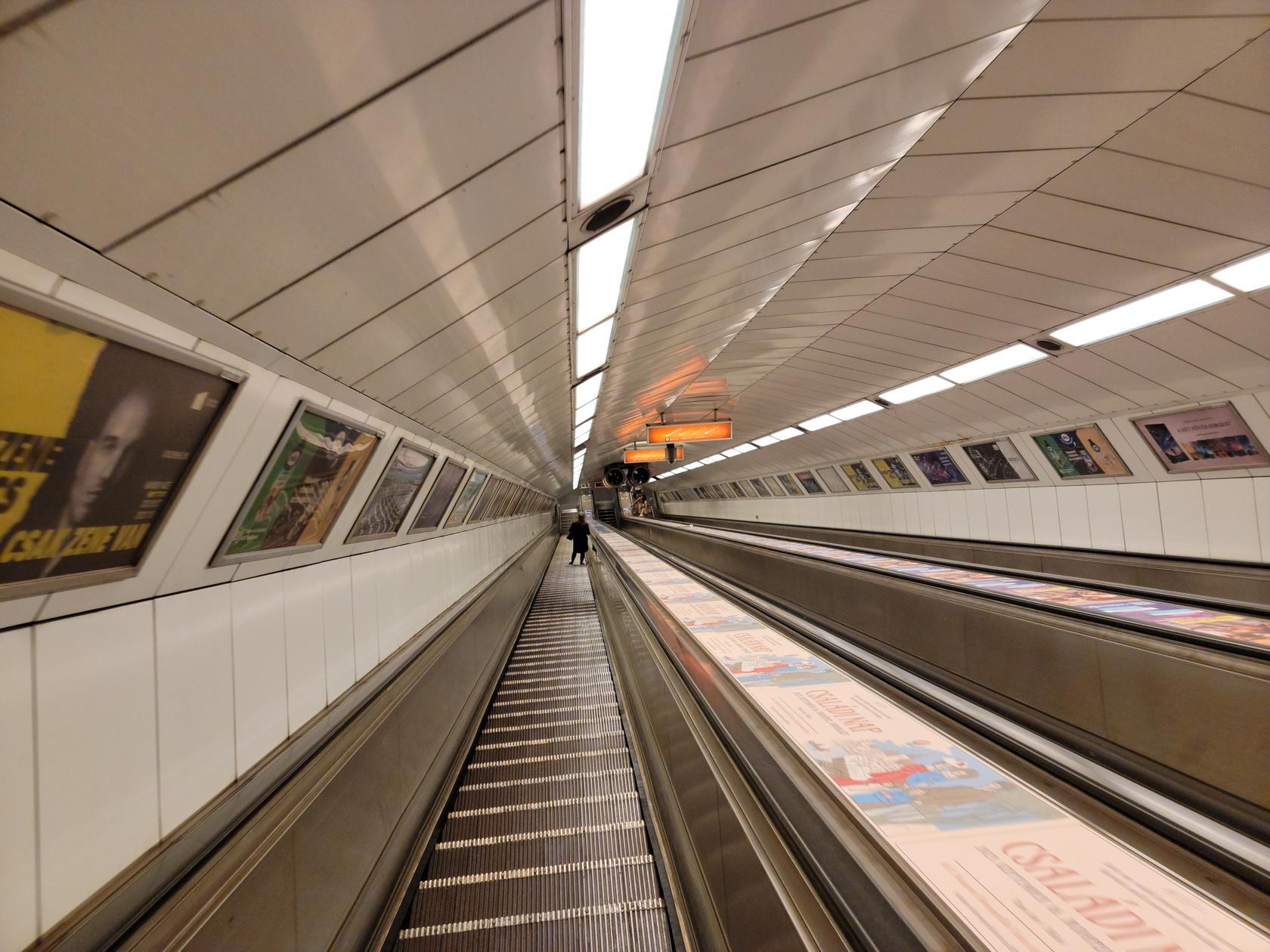
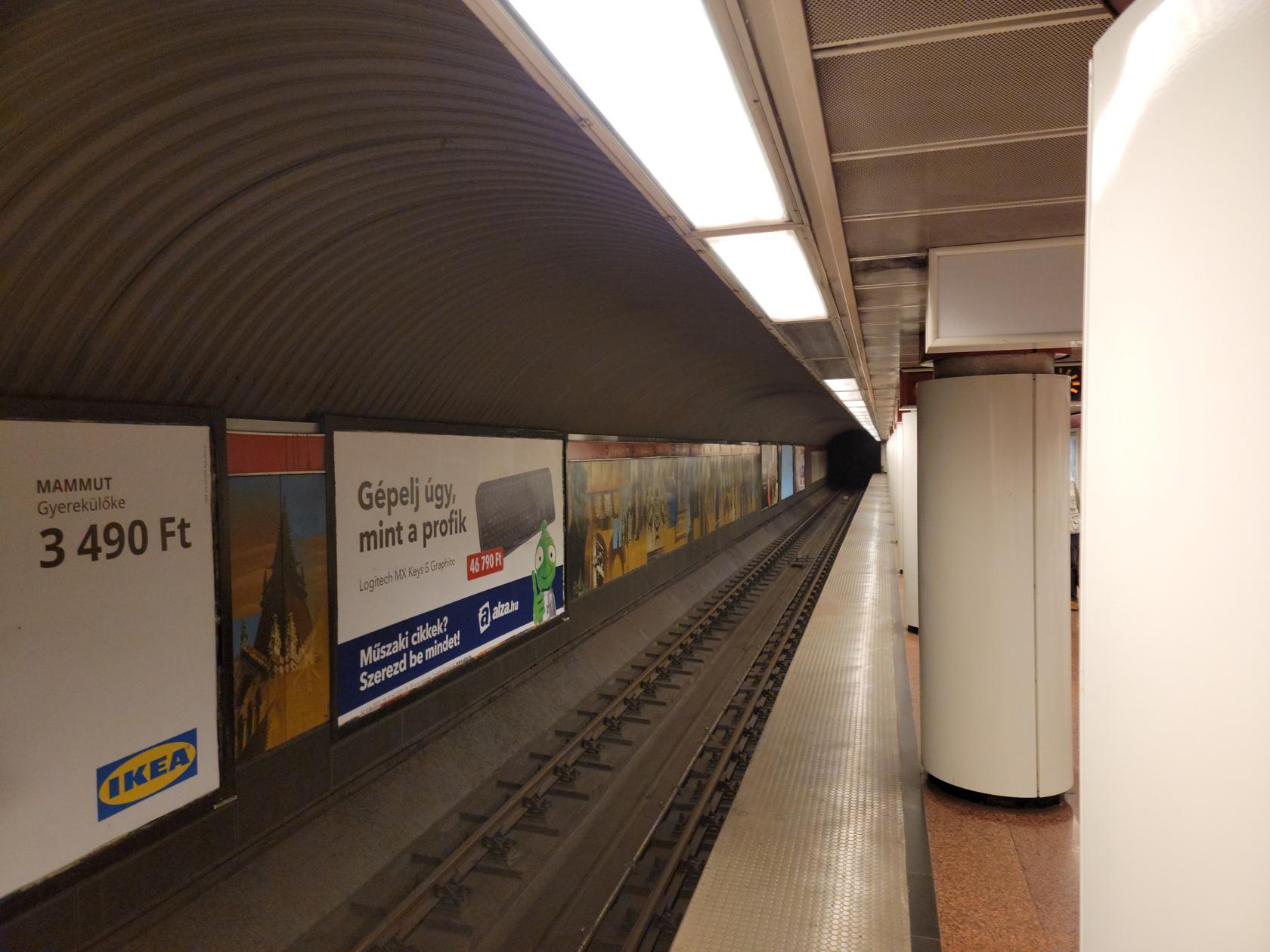
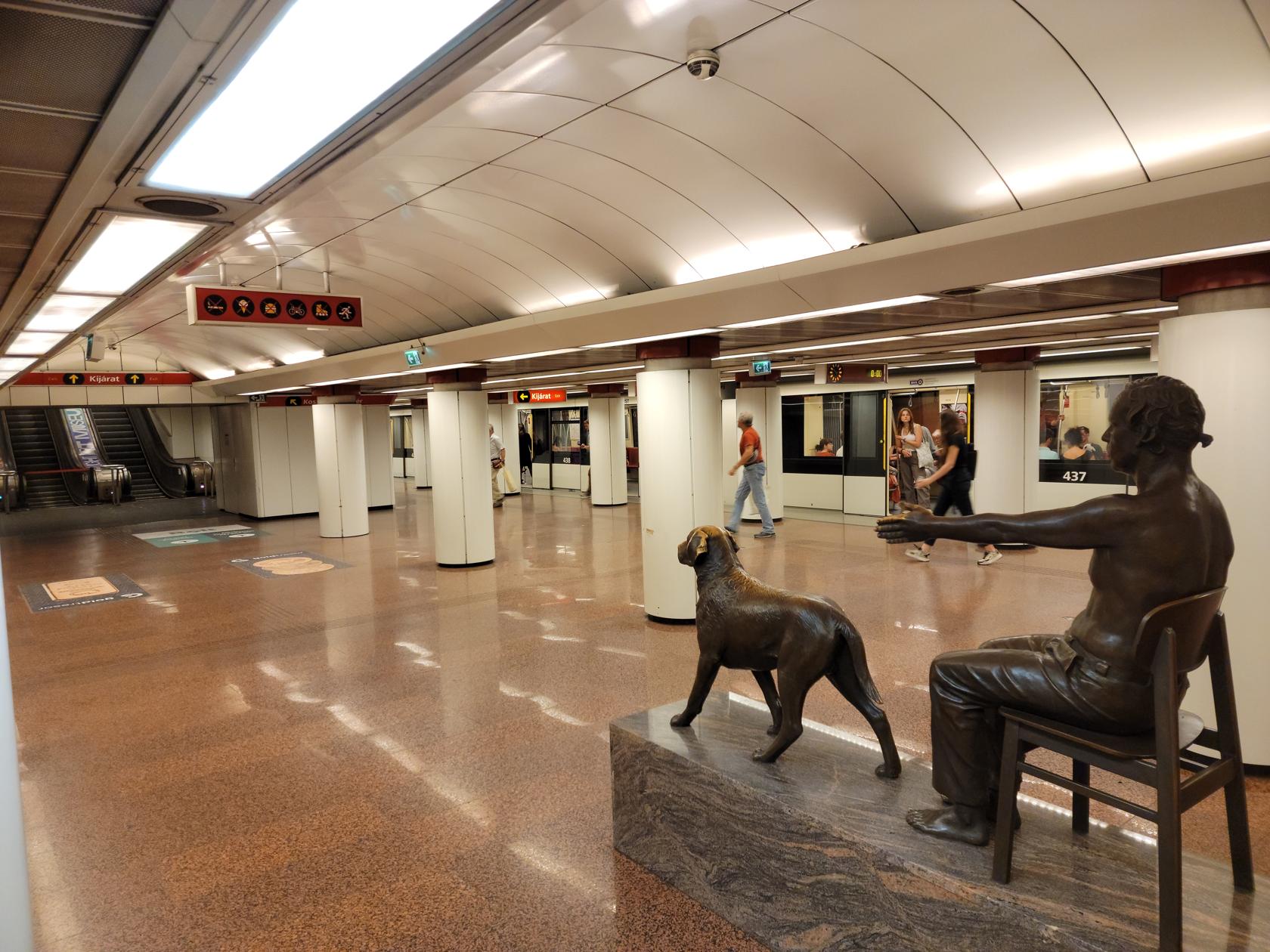
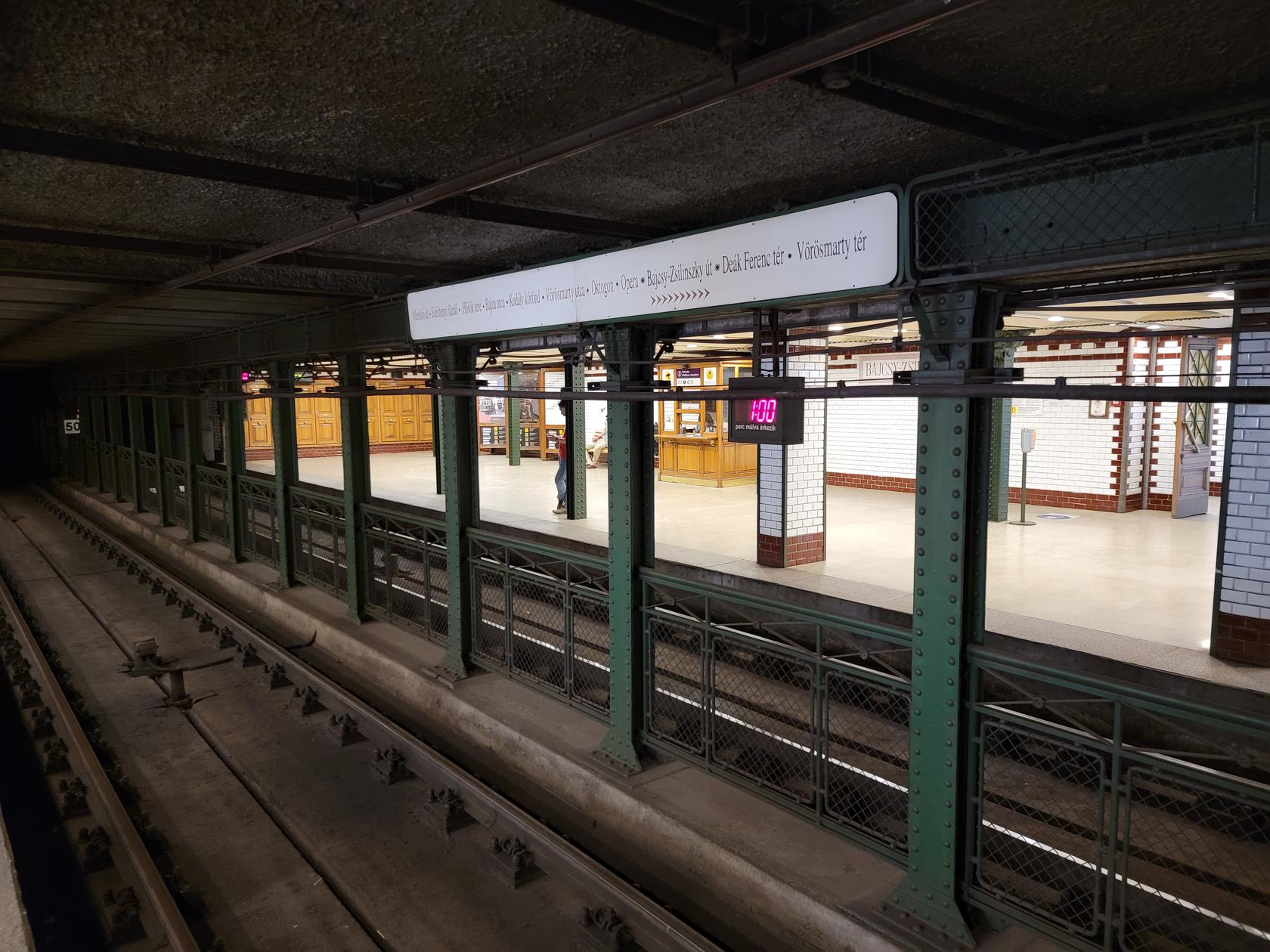
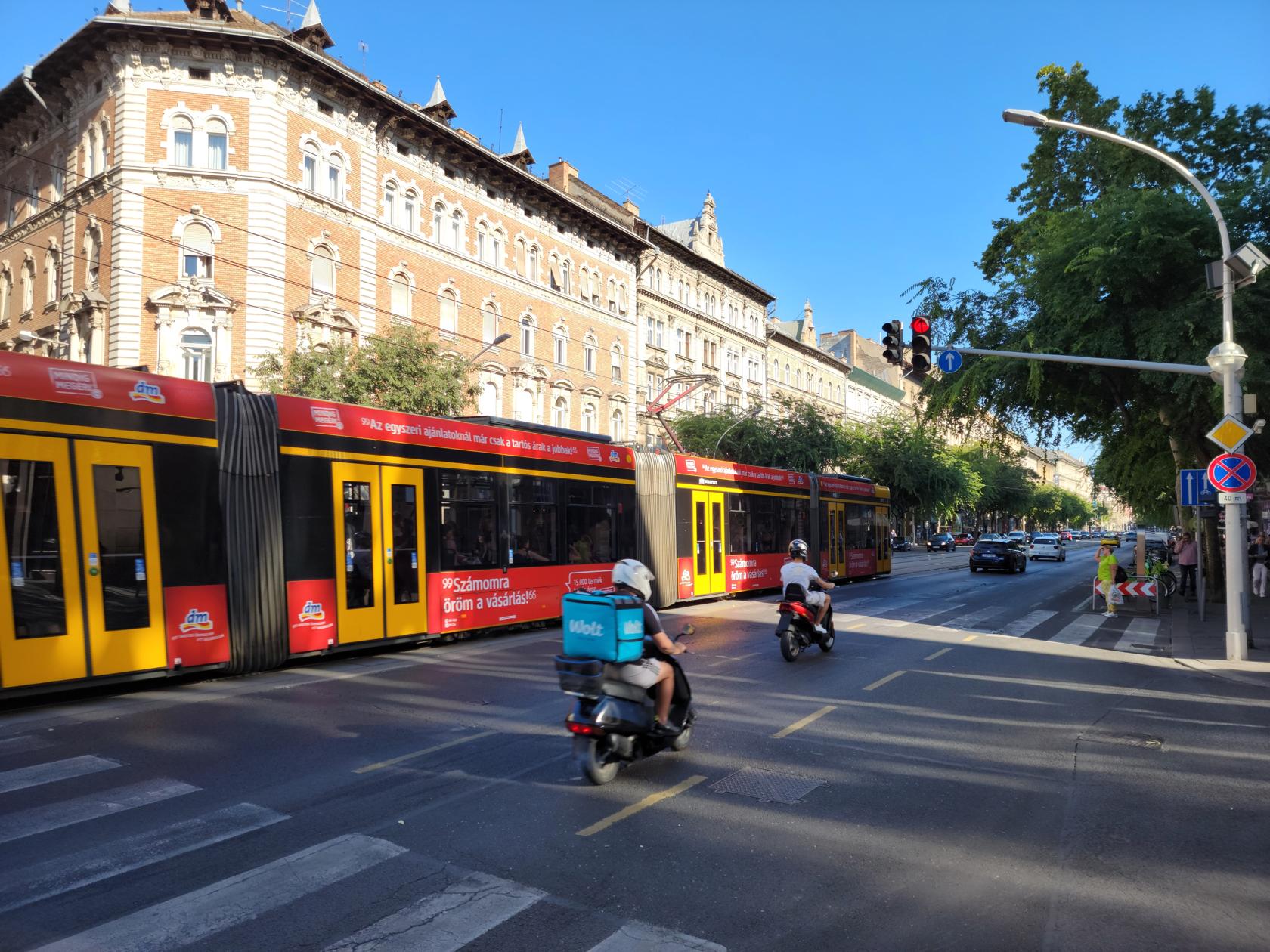
Budapest has a pretty good metro. Though not terribly extensive, it does not go to the airport, it does however cover a pretty good portion of the city. Each entry point is marked with a stylized ‘M’ and you will have to pay attention to the direction of travel, the end-point or terminal station. Direction of travel on most signs is noted, as well as all of the stops made by the line.
A long way down – M2 Metro – Budapest, Hungary
Platform – M2 Metro – Budapest, Hungary
A Bronze – M2 Metro – Budapest, Hungary
The M1 Metro Line
Clearly the oldest and the noisiest for sure. Luckily this line runs up the old Andrássy ut avenue and fairly close to where our hotel was situated; so we were able to take this line a number of times.
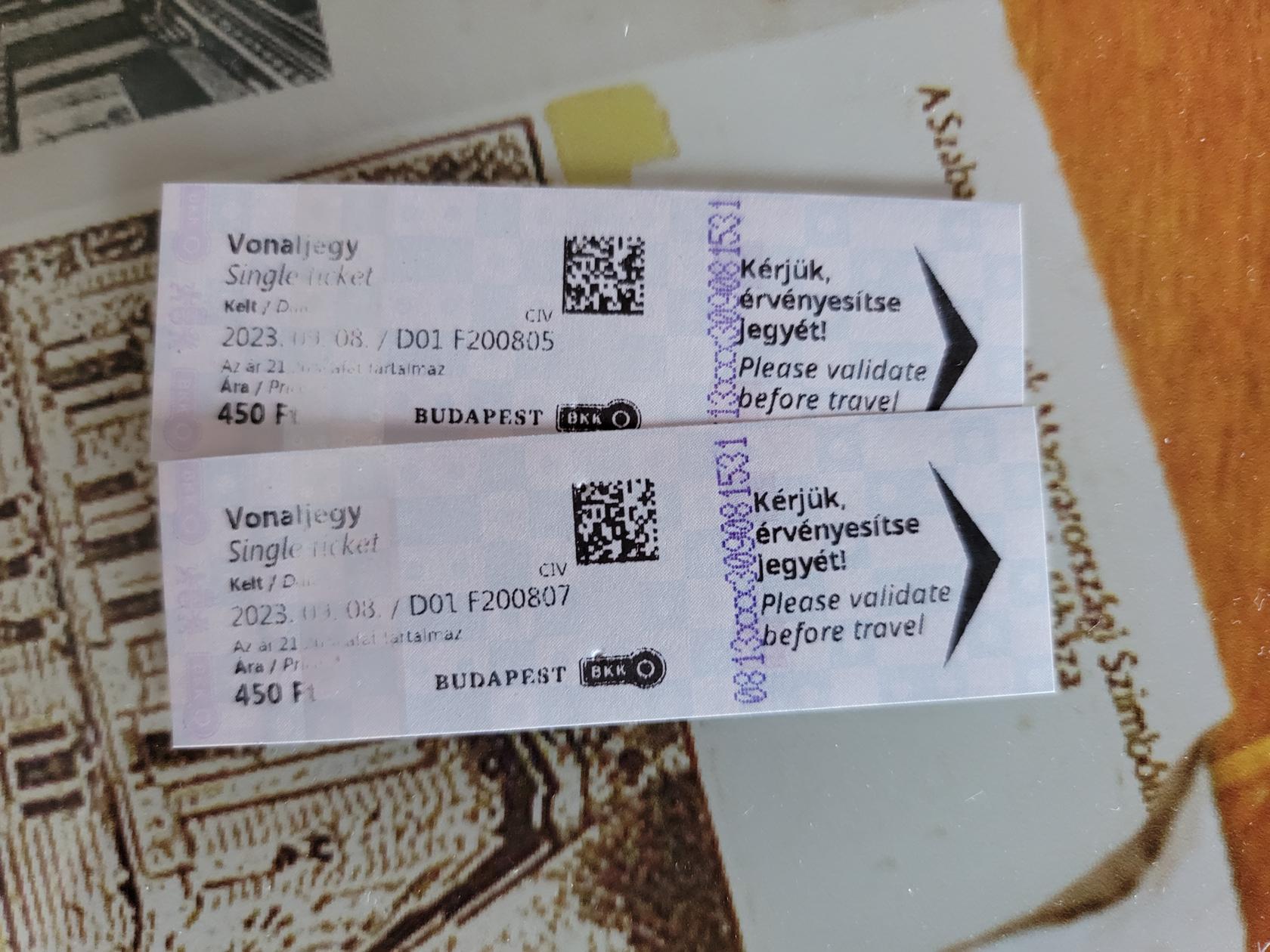
Tickets For Two – The Old M1 Metro – Budapest, Hungary
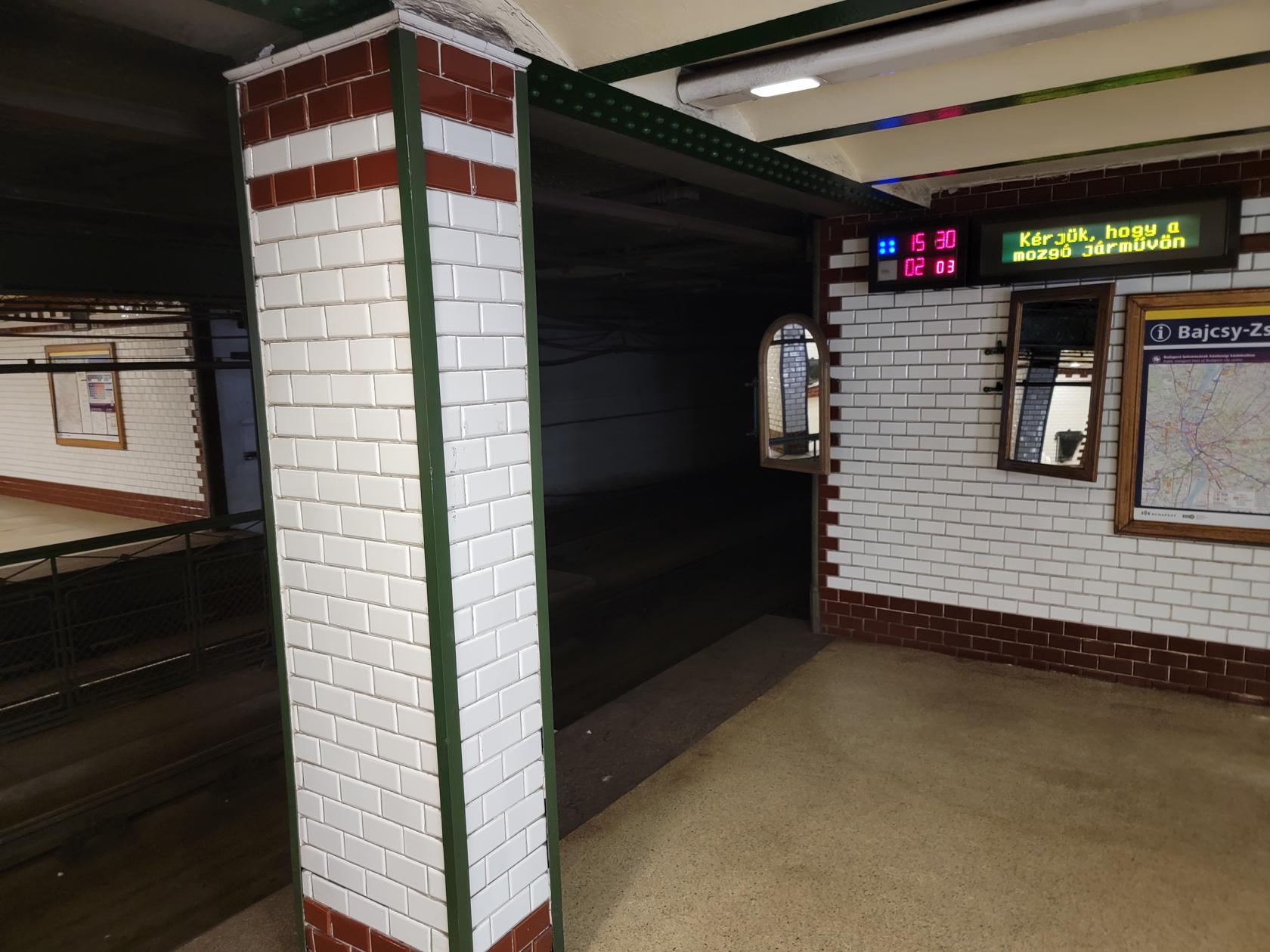
Mirrors, strange – The Old M1 Metro – Budapest, Hungary
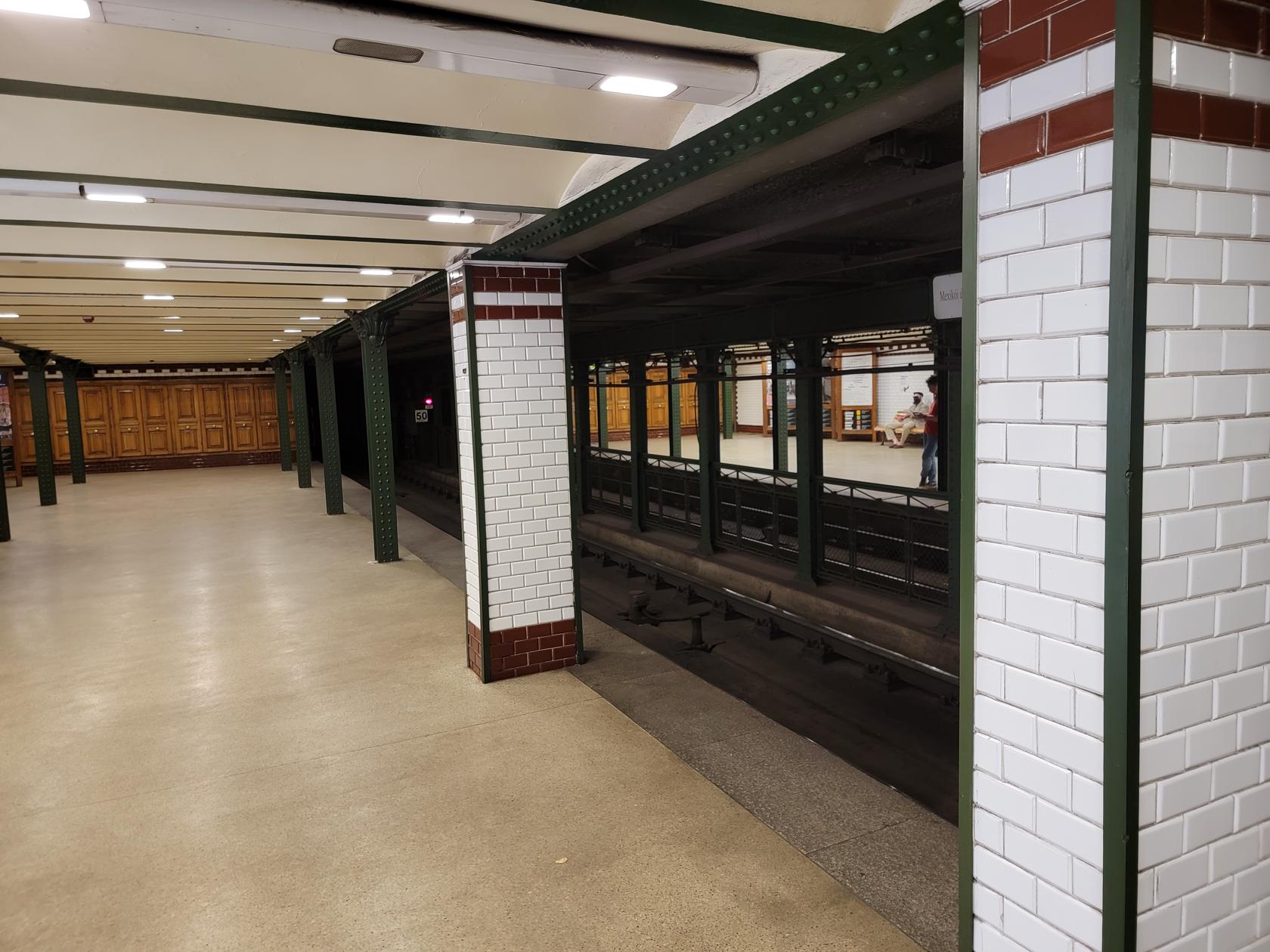
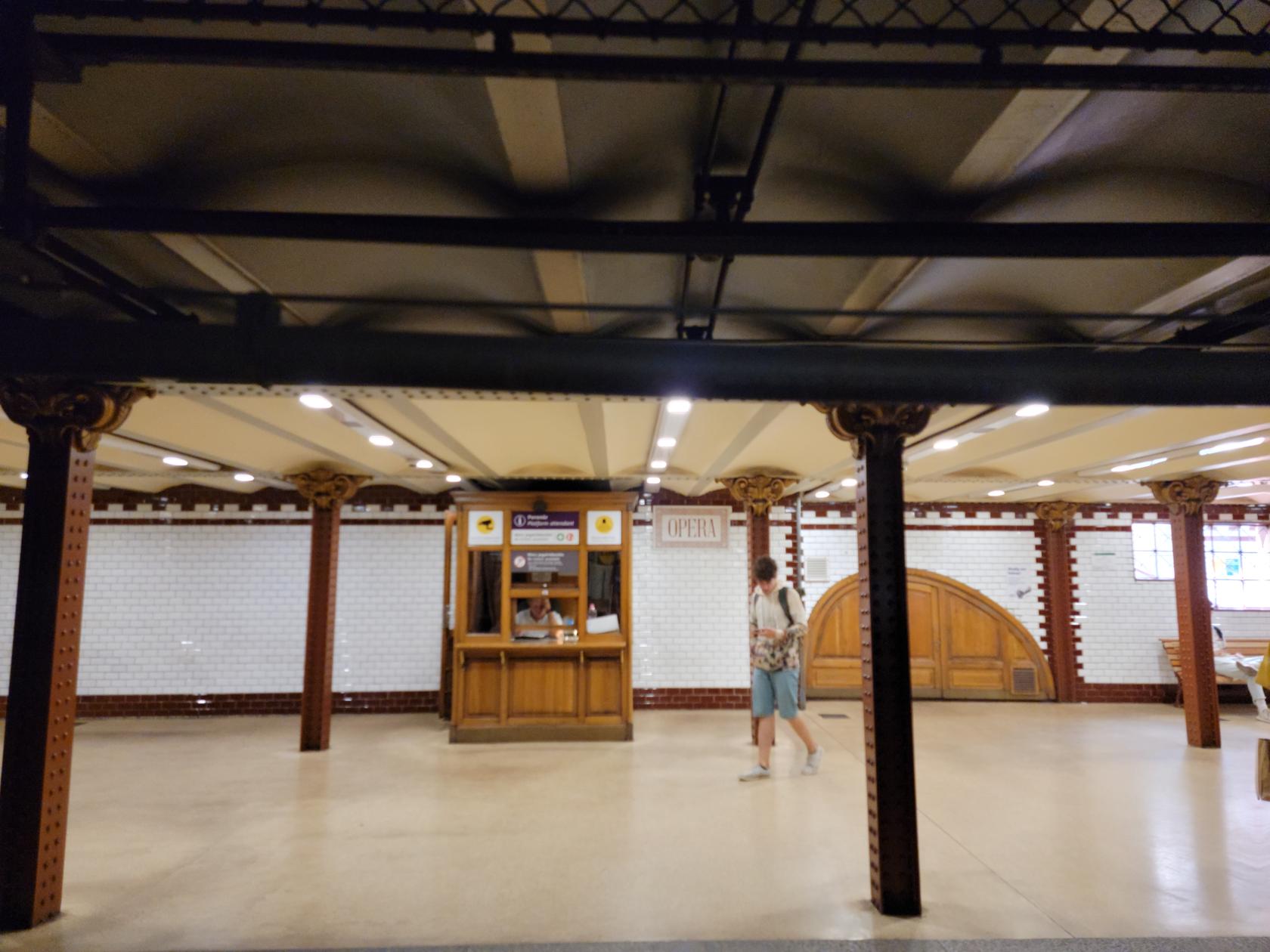
Platform – The Old M1 Metro – Budapest, Hungary
Old wrought iron works – The Old M1 Metro – Budapest, Hungary
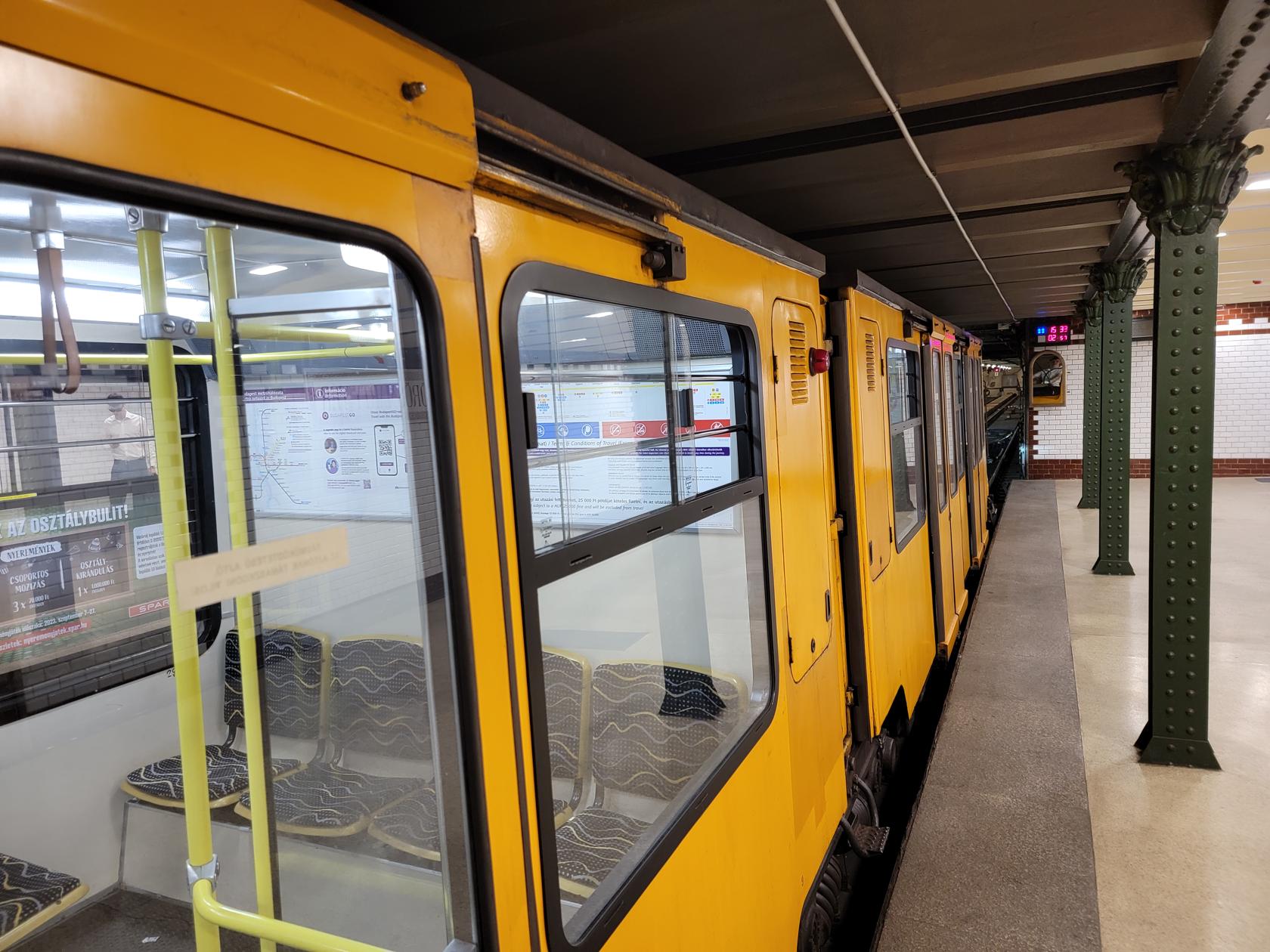
The old style cars – The Old M1 Metro – Budapest, Hungary
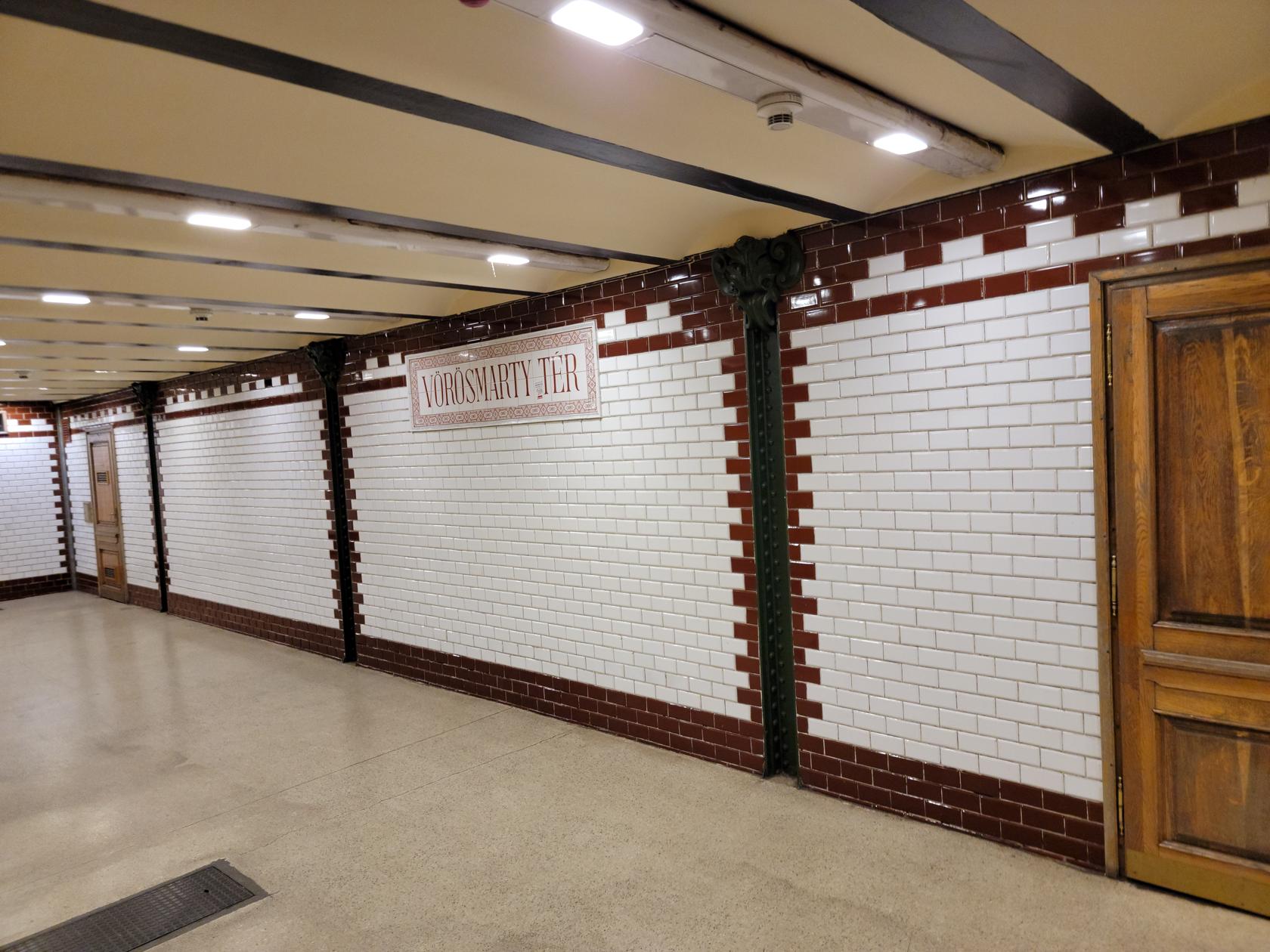
Our stop – The Old M1 Metro – Budapest, Hungary
The Remainder of Budapest
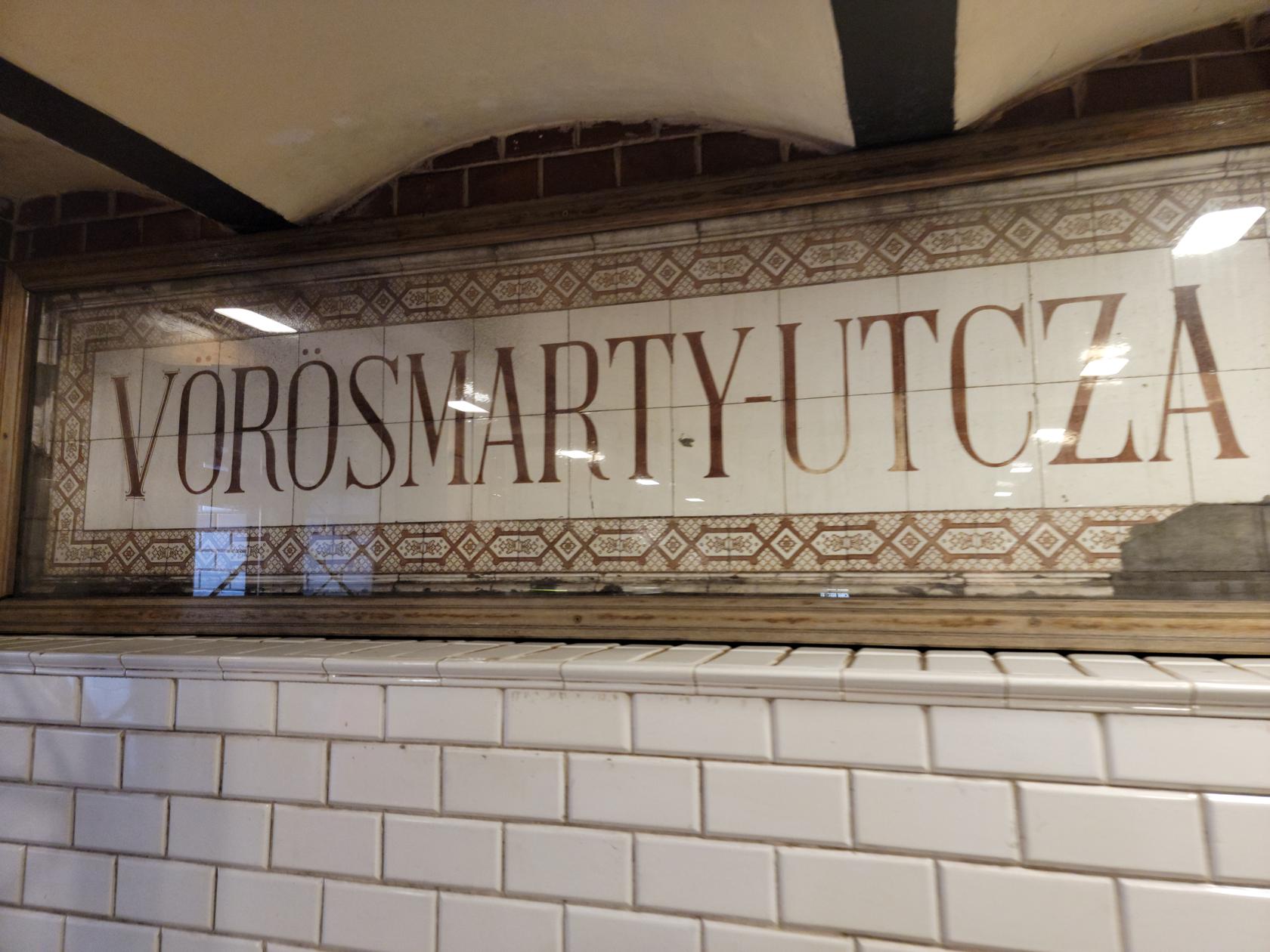
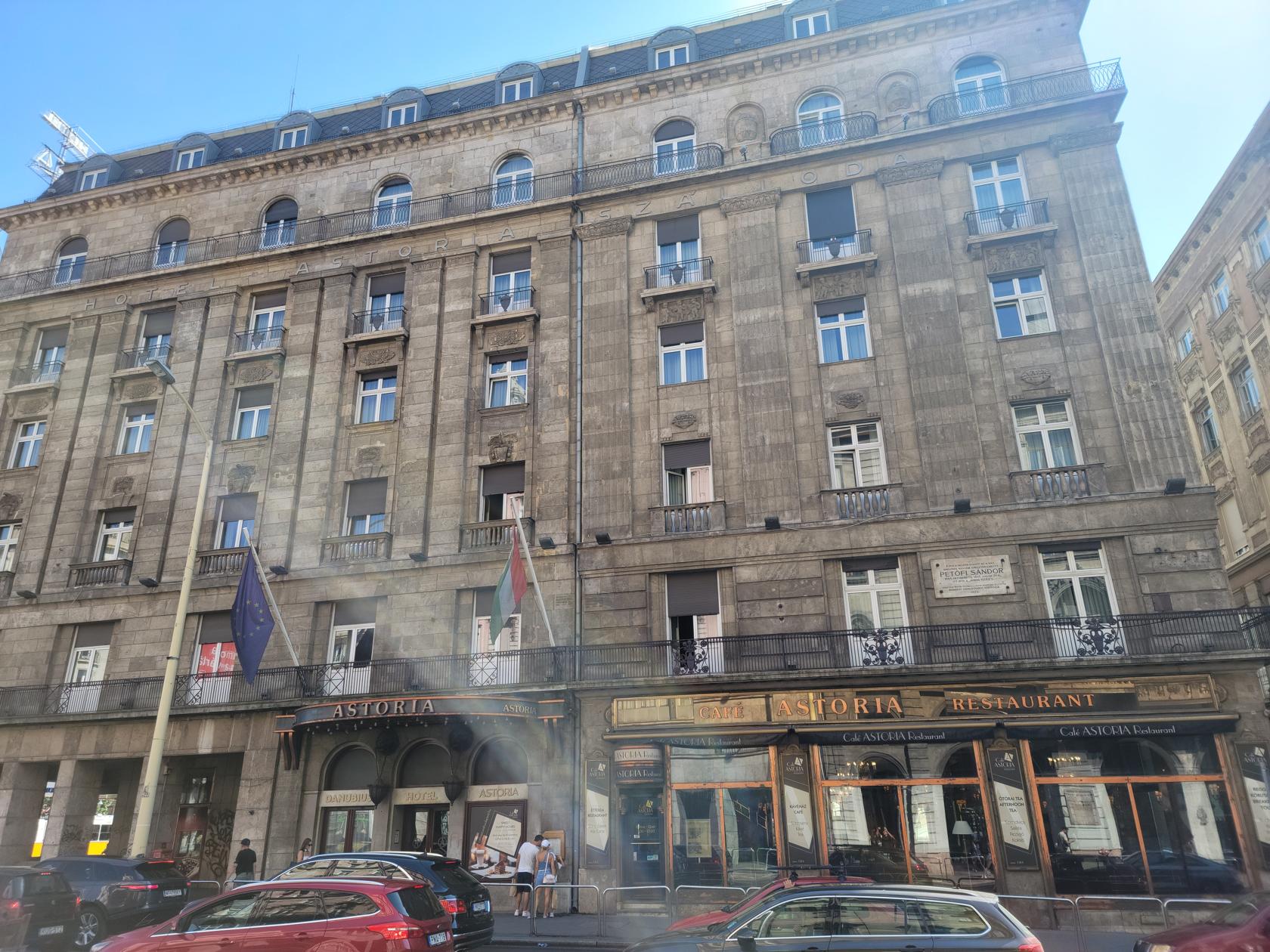
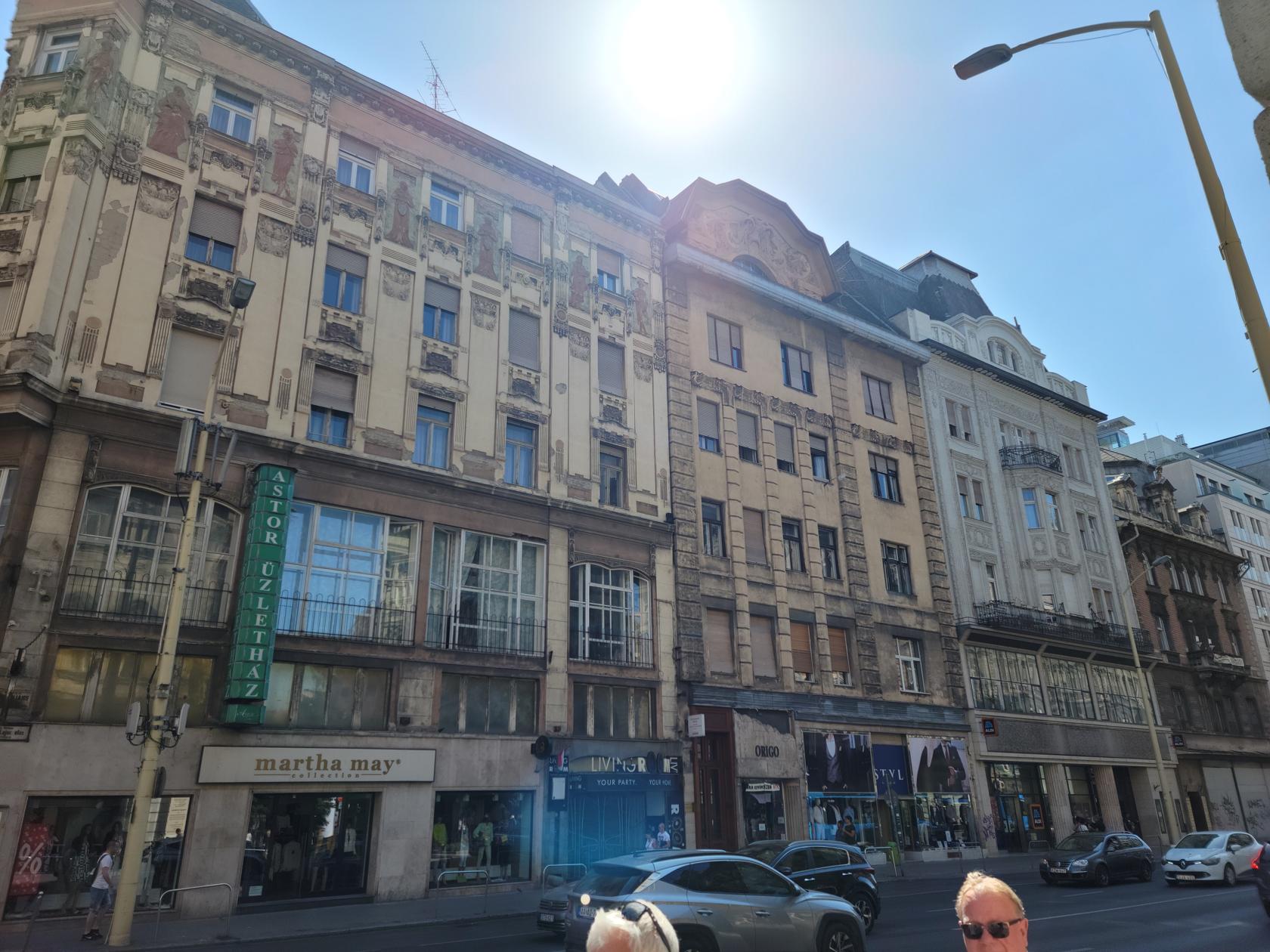
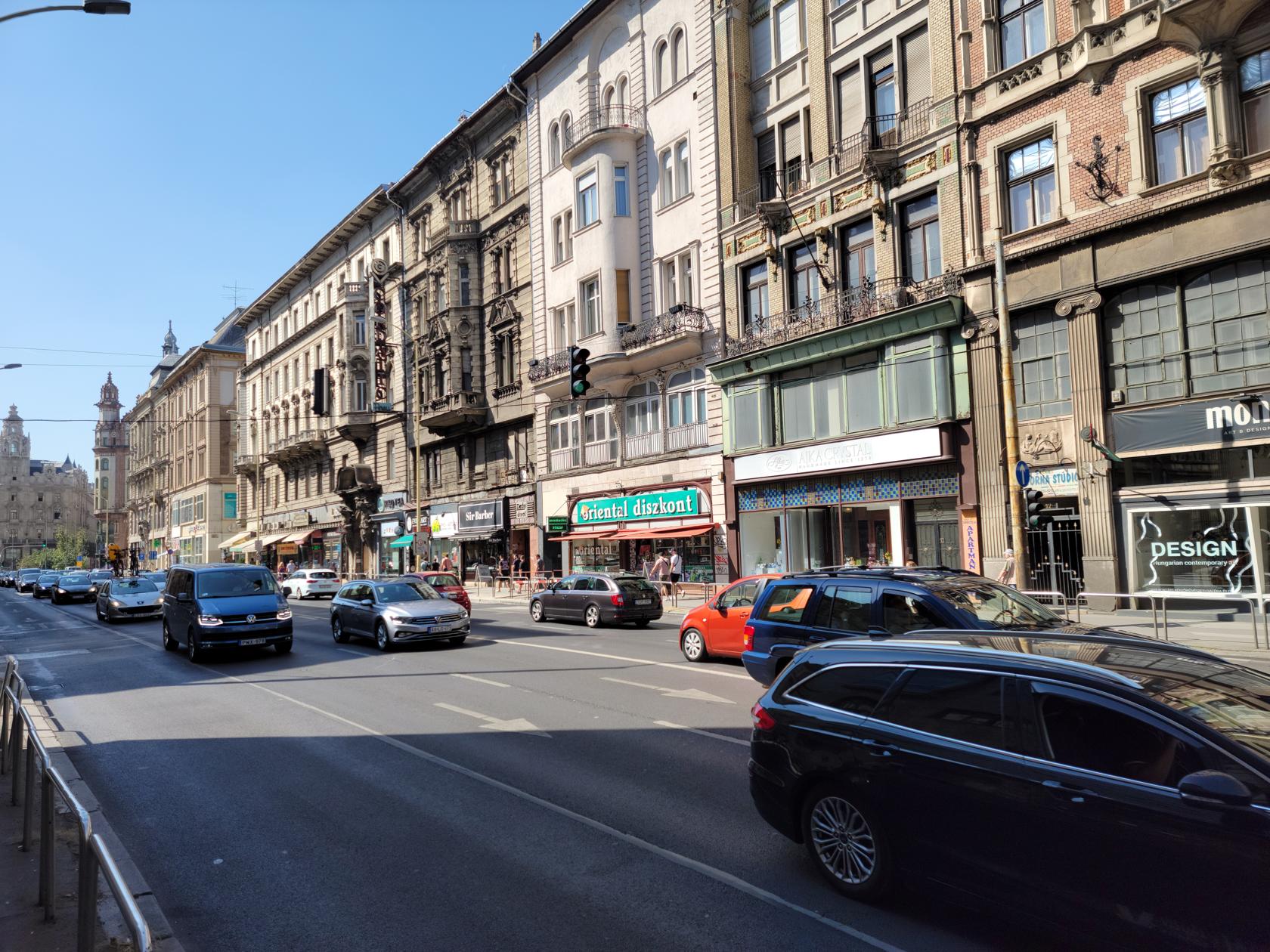
Here are some left over photographs from our visit to Budapest.
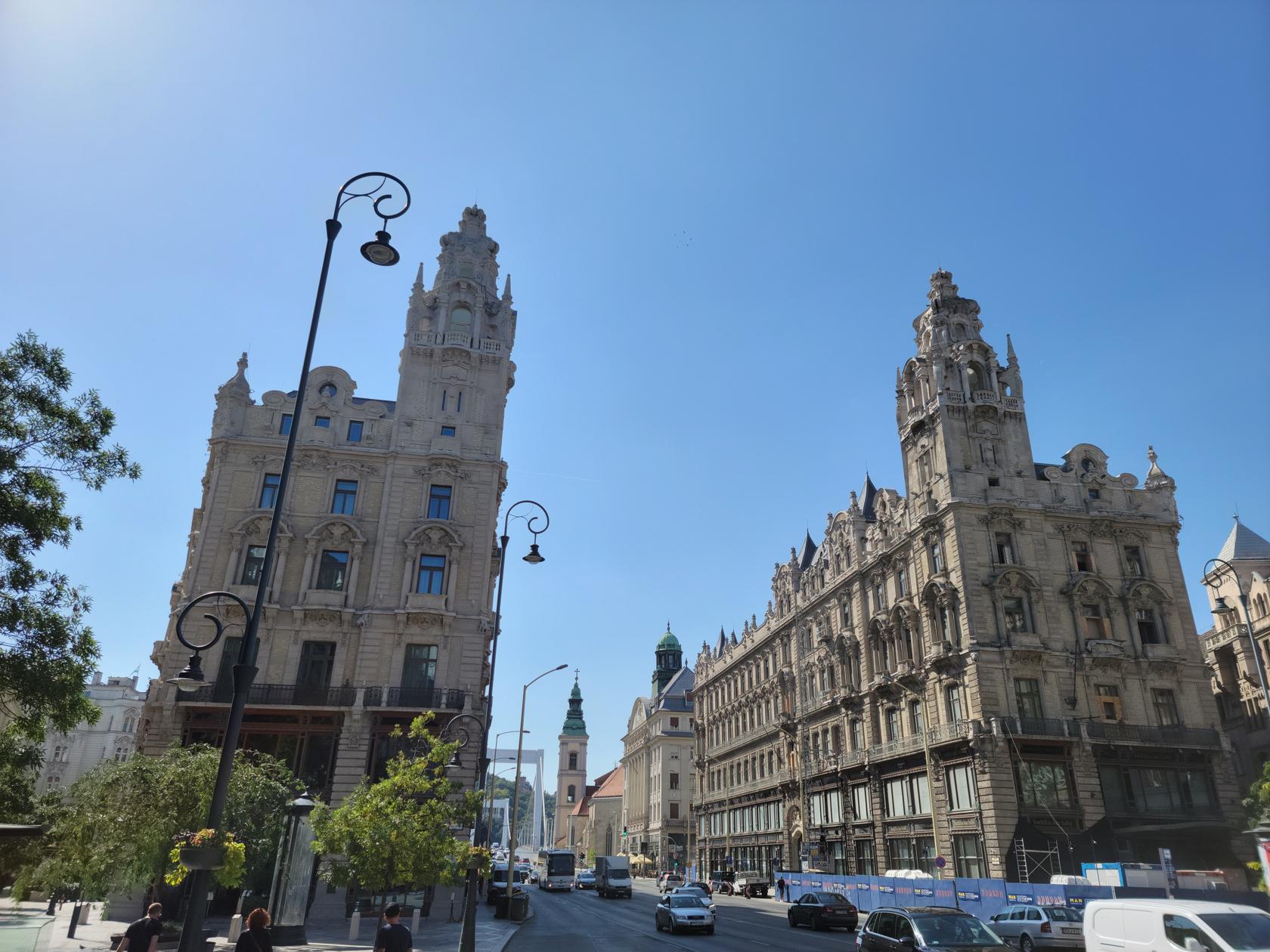
Astoria – Budapest, Hungary
Astoria – Budapest, Hungary
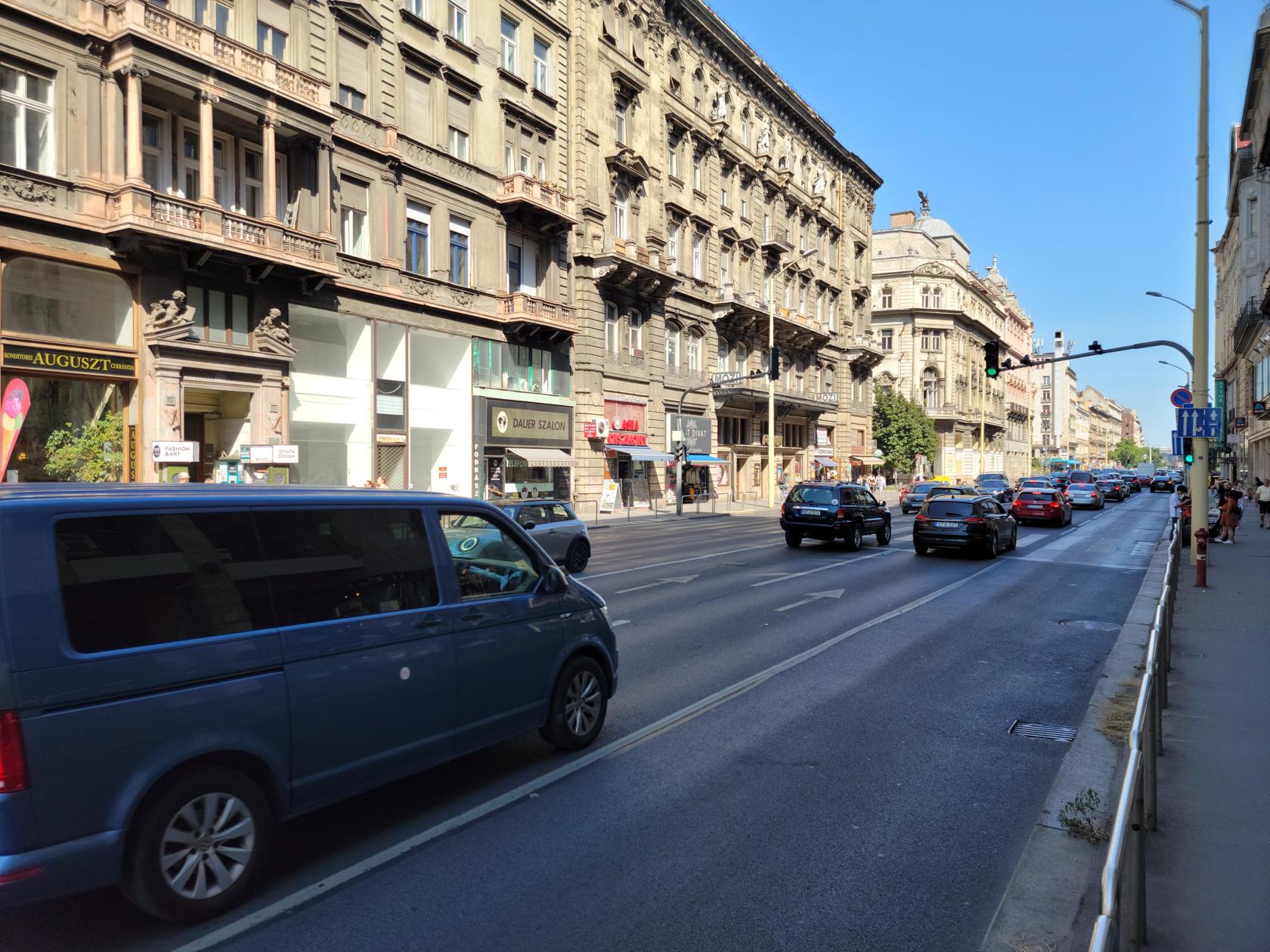
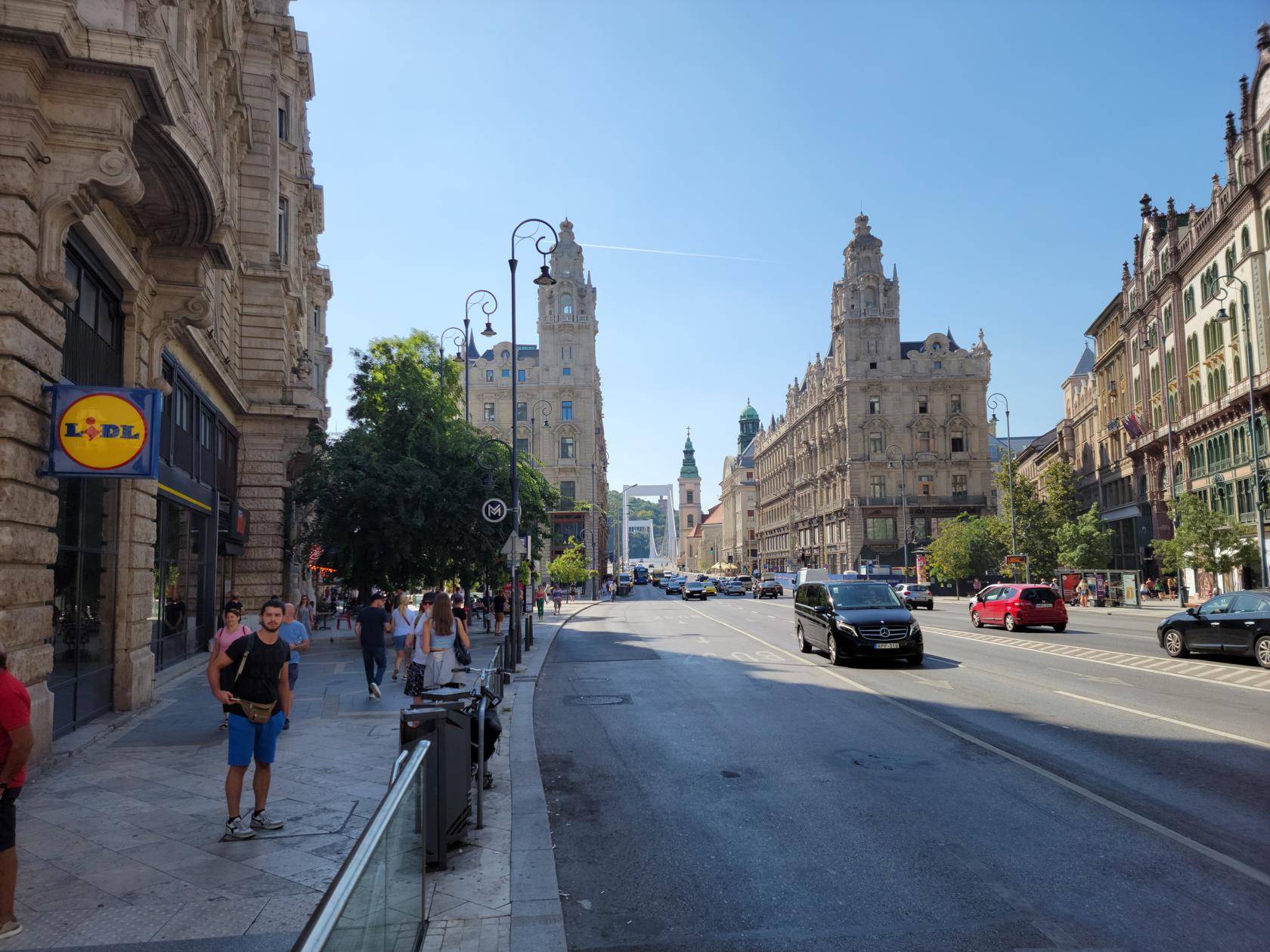
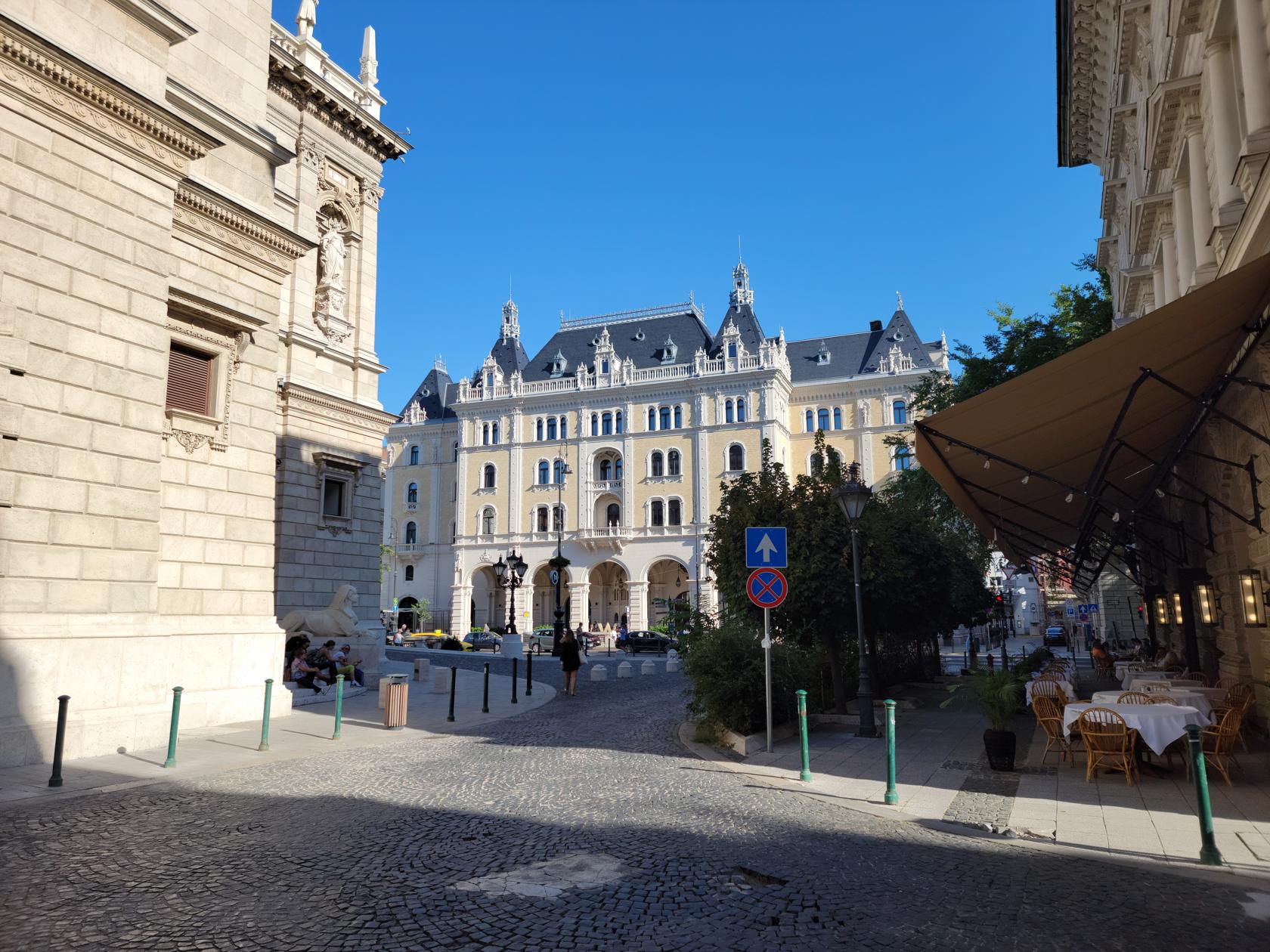
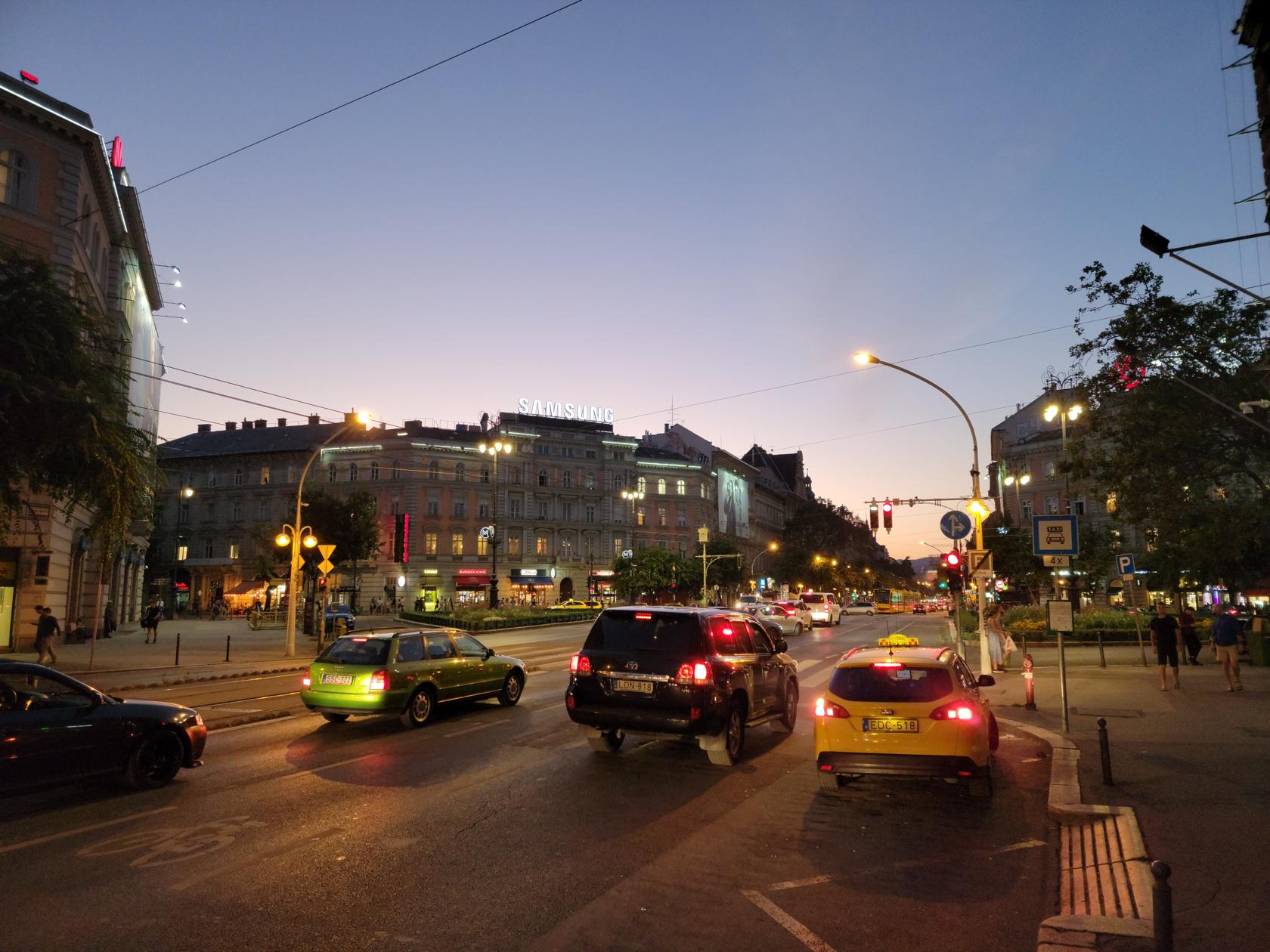
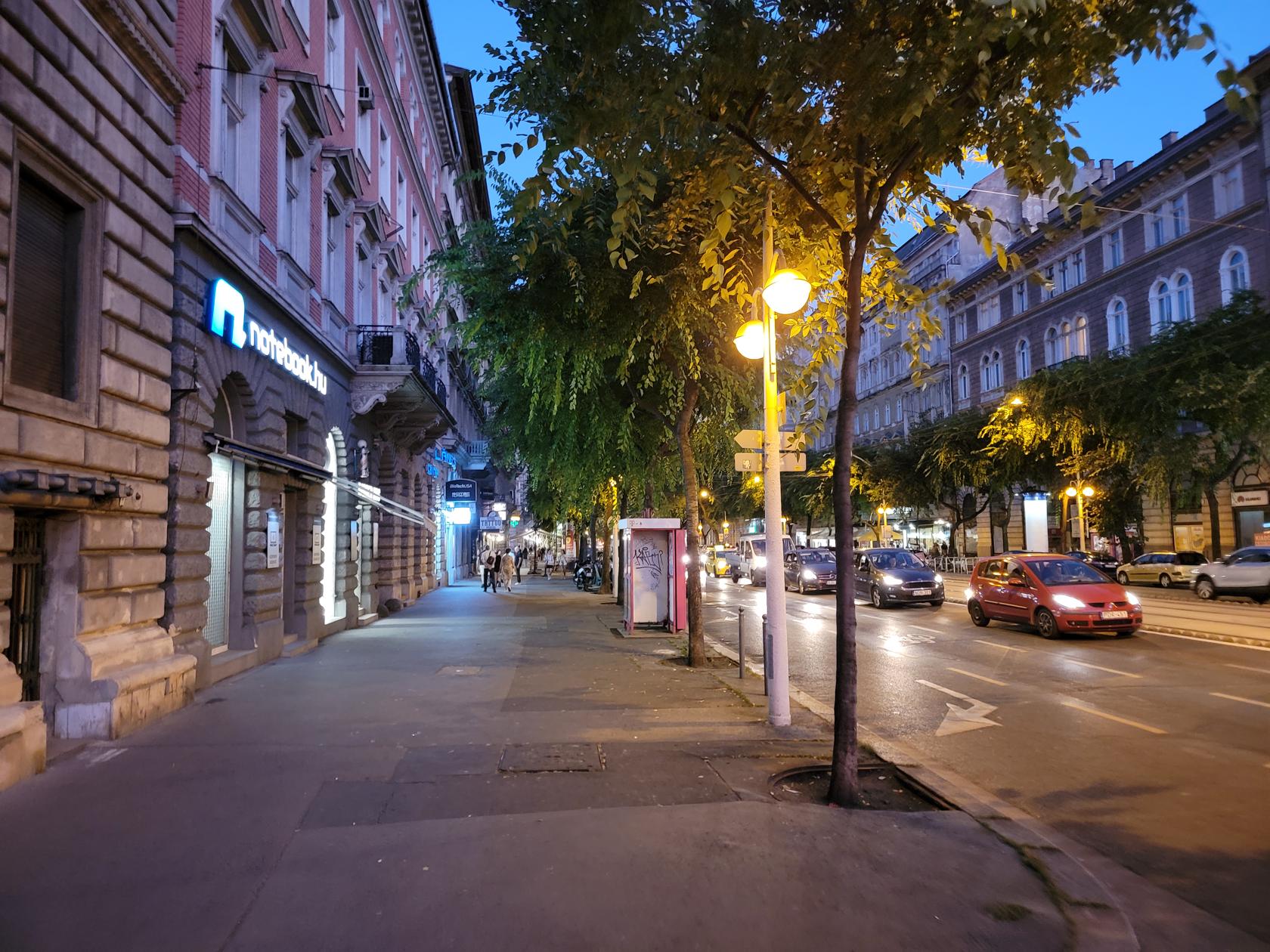
Another typical street – Budapest, Hungary
Another typical street – Budapest, Hungary
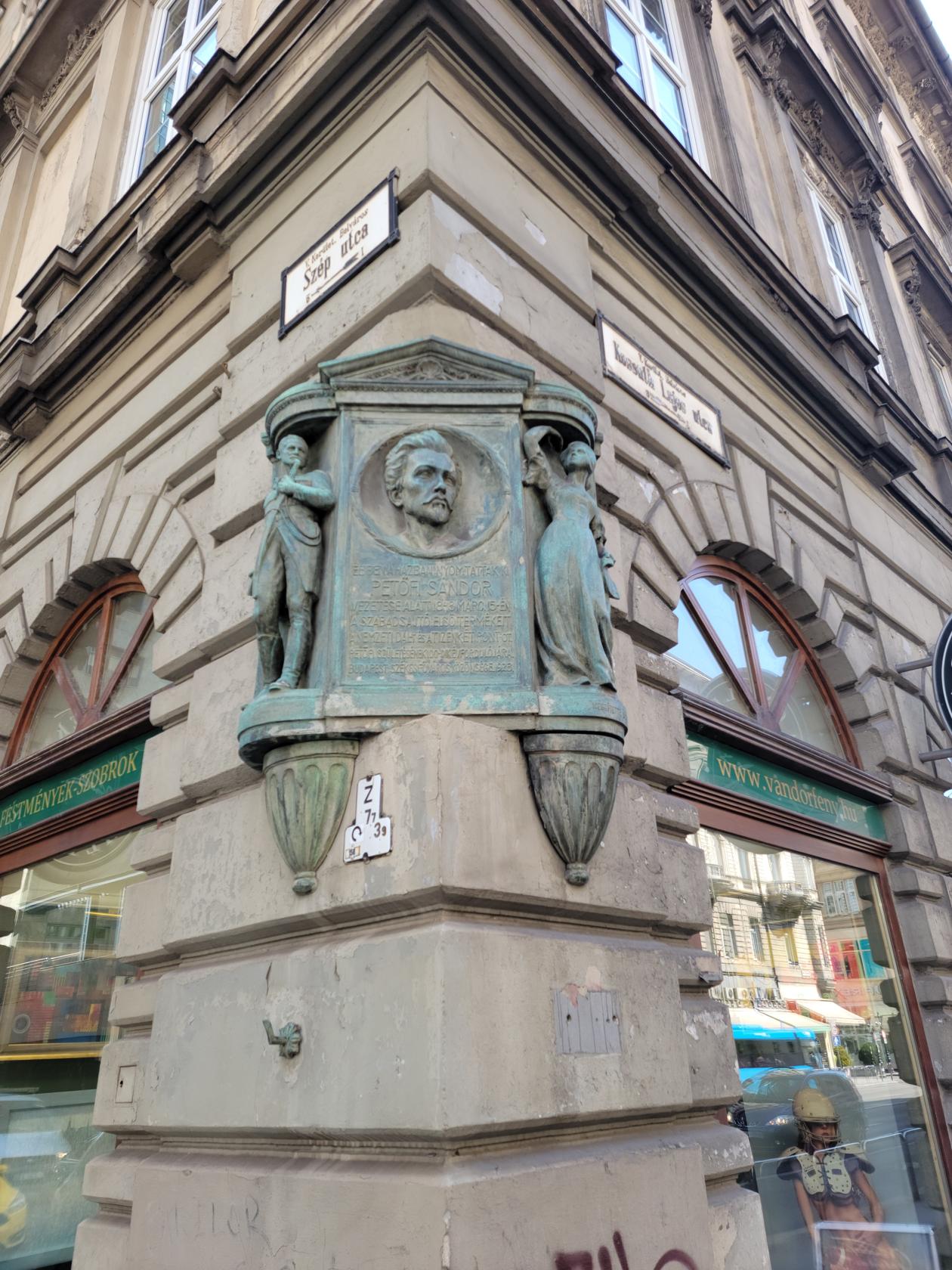
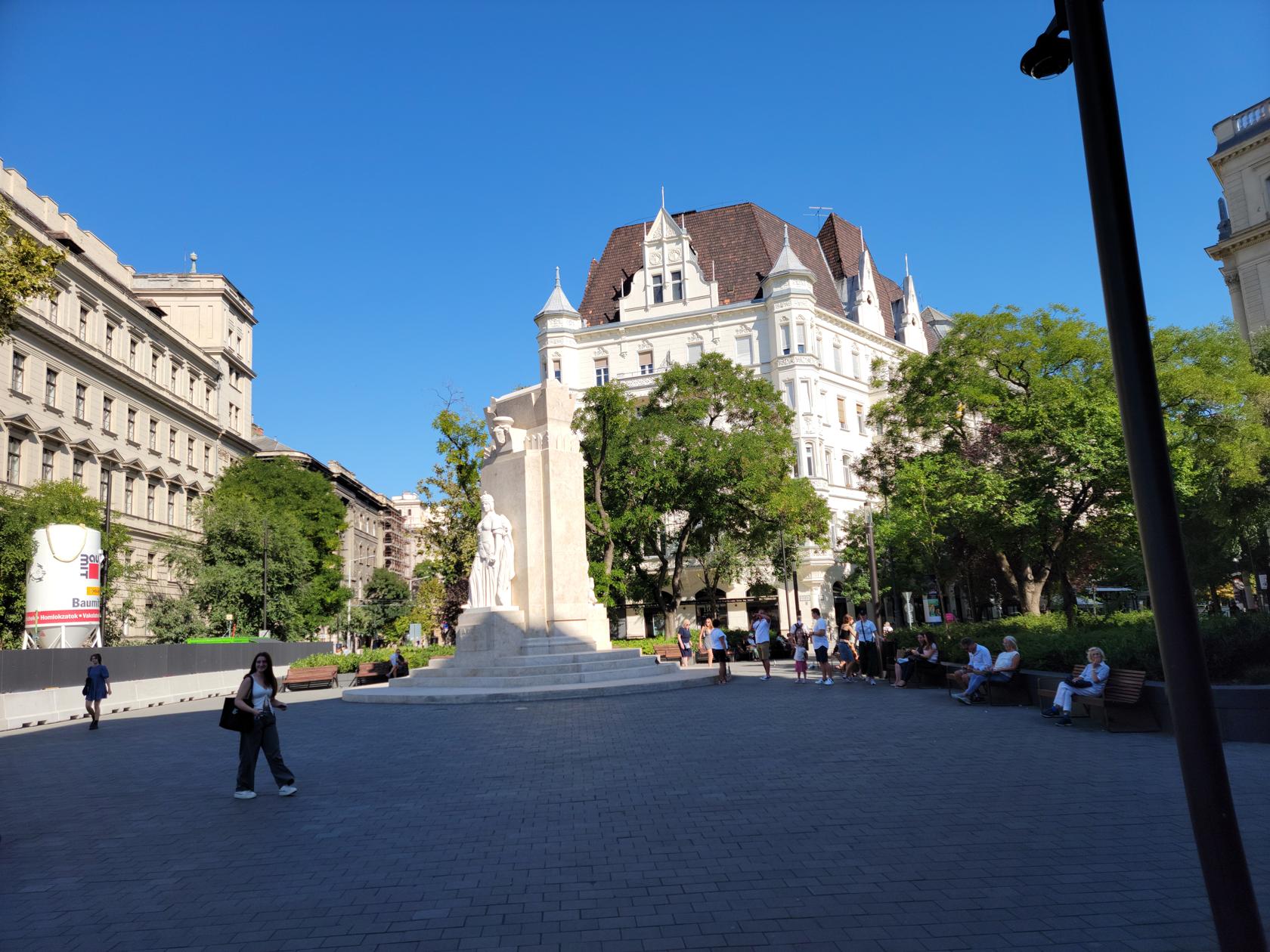
Sandor memorial – Budapest, Hungary
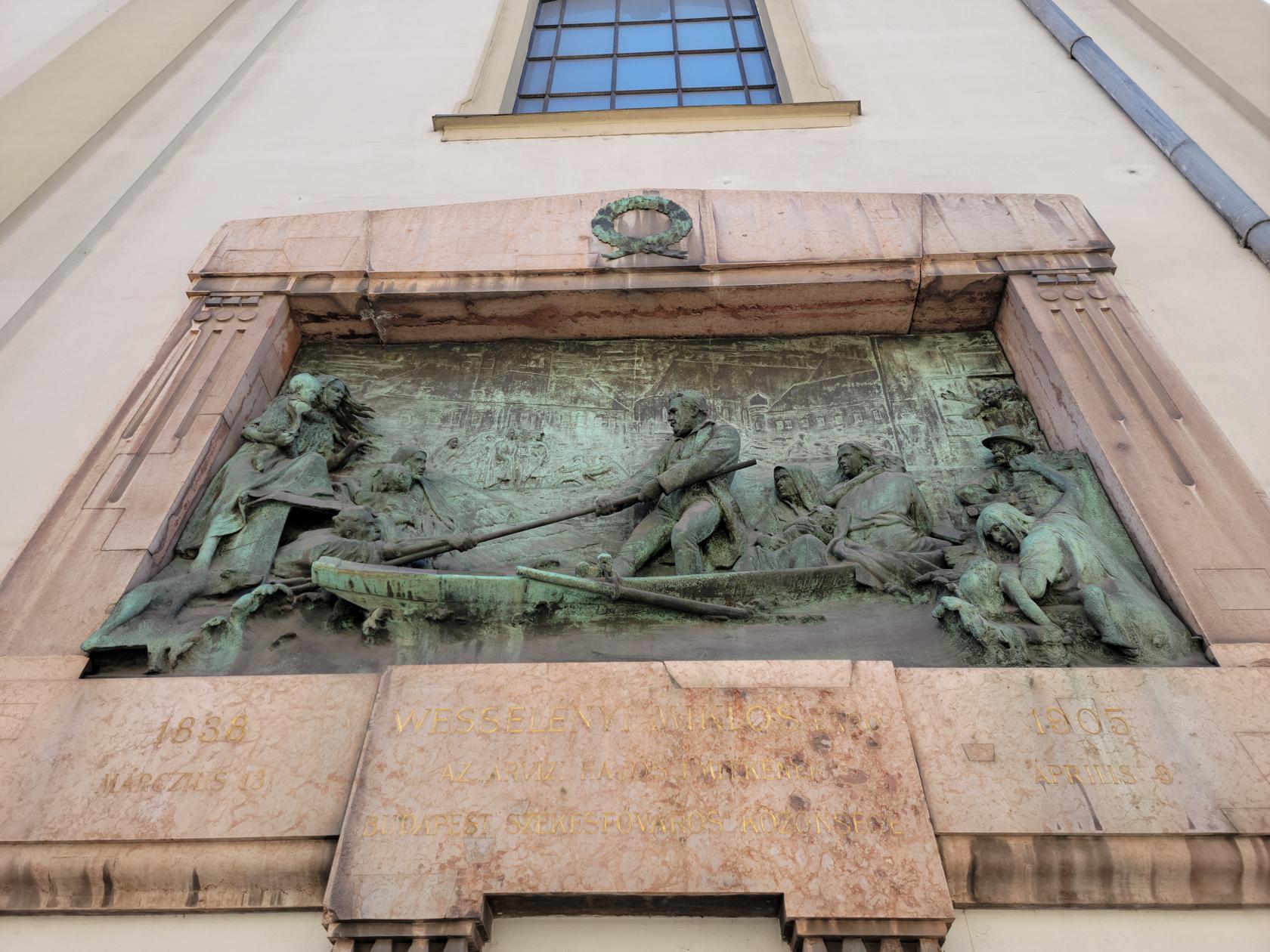
Another memorial – Budapest, Hungary
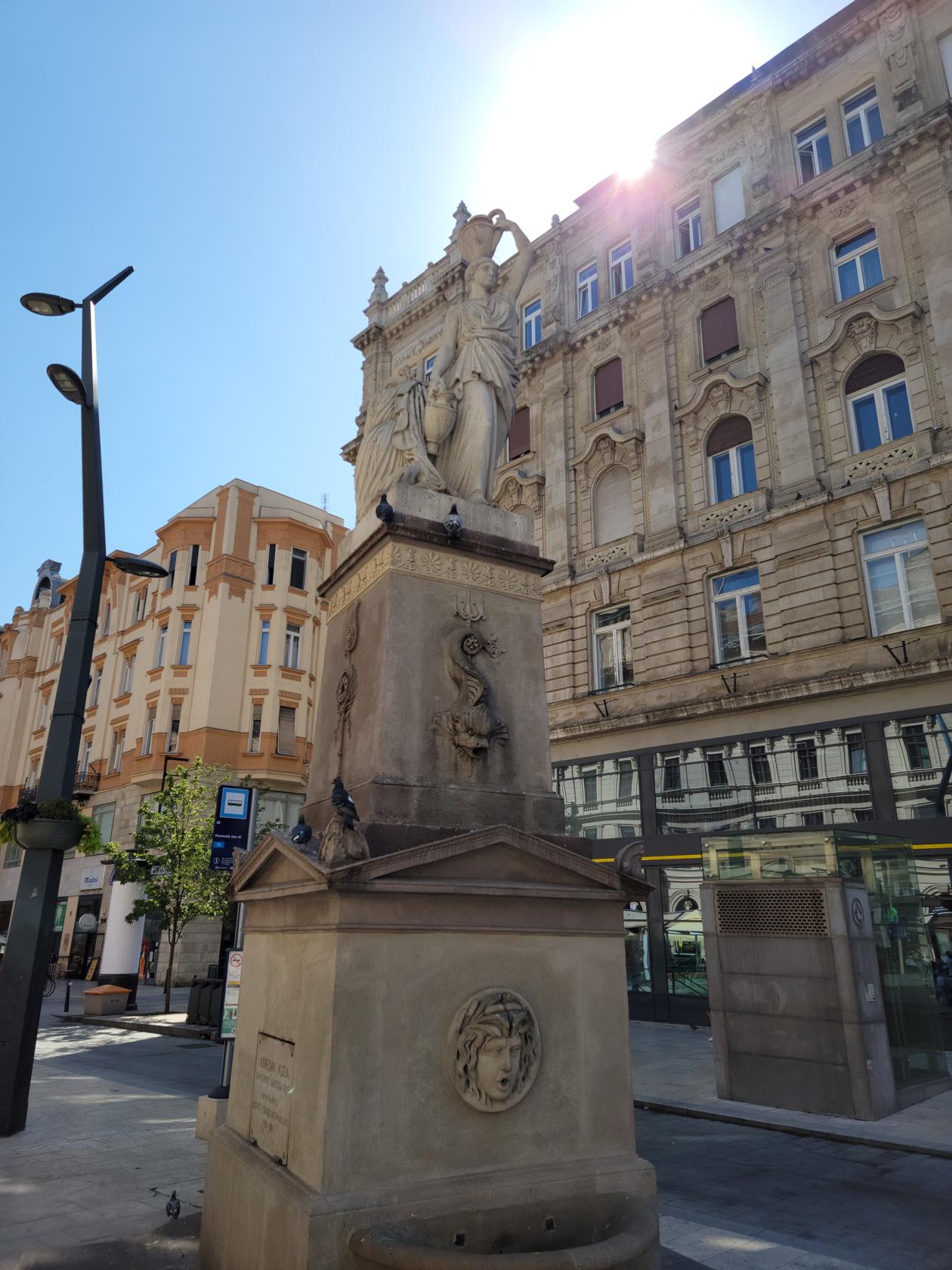
Another monument – Budapest, Hungary
Szabad building – Budapest, Hungary
Szabad Sajto ut – Budapest, Hungary
Szabad Sajto ut – Budapest, Hungary
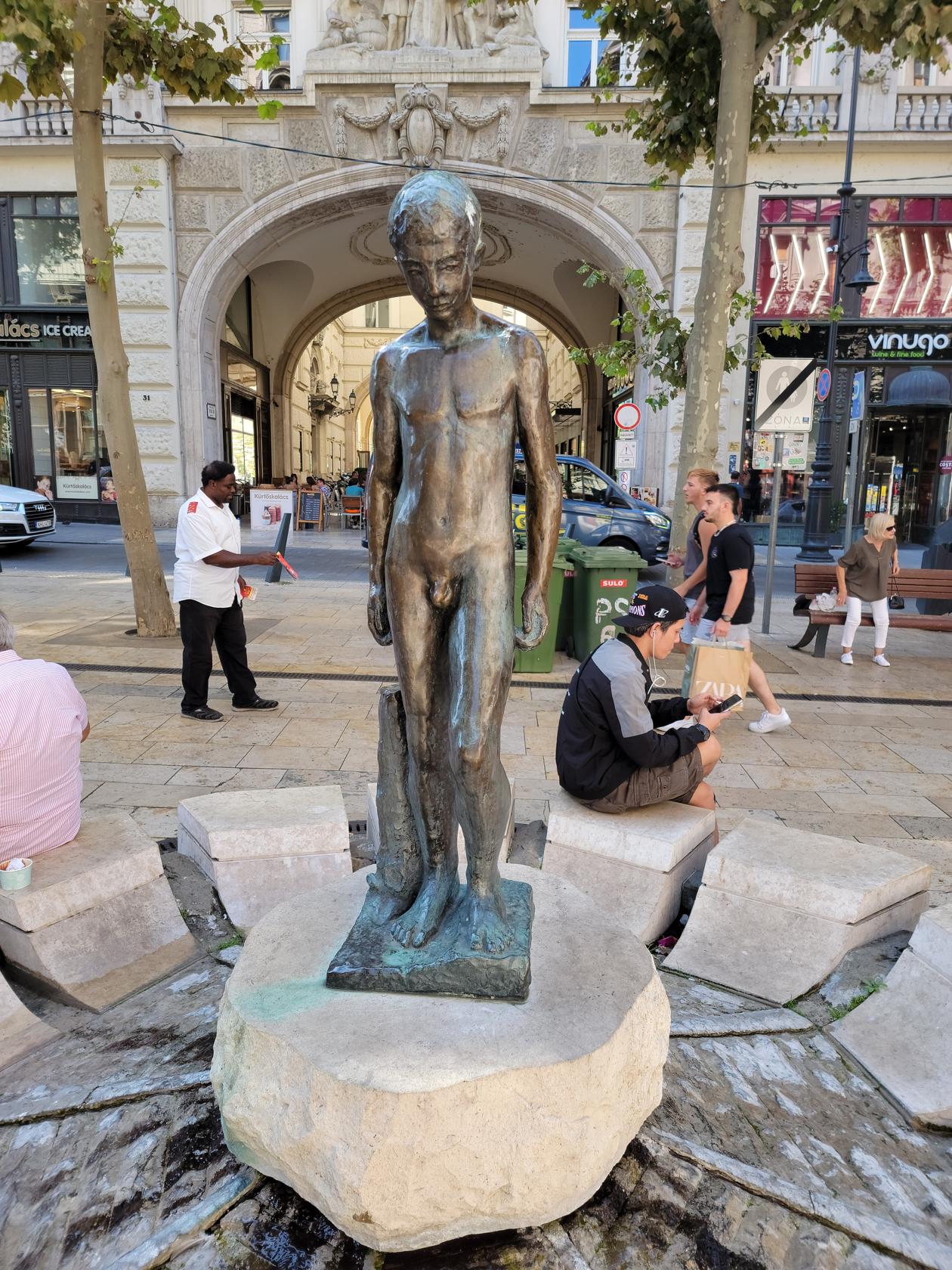
Kisfius diszkut statue – Budapest, Hungary
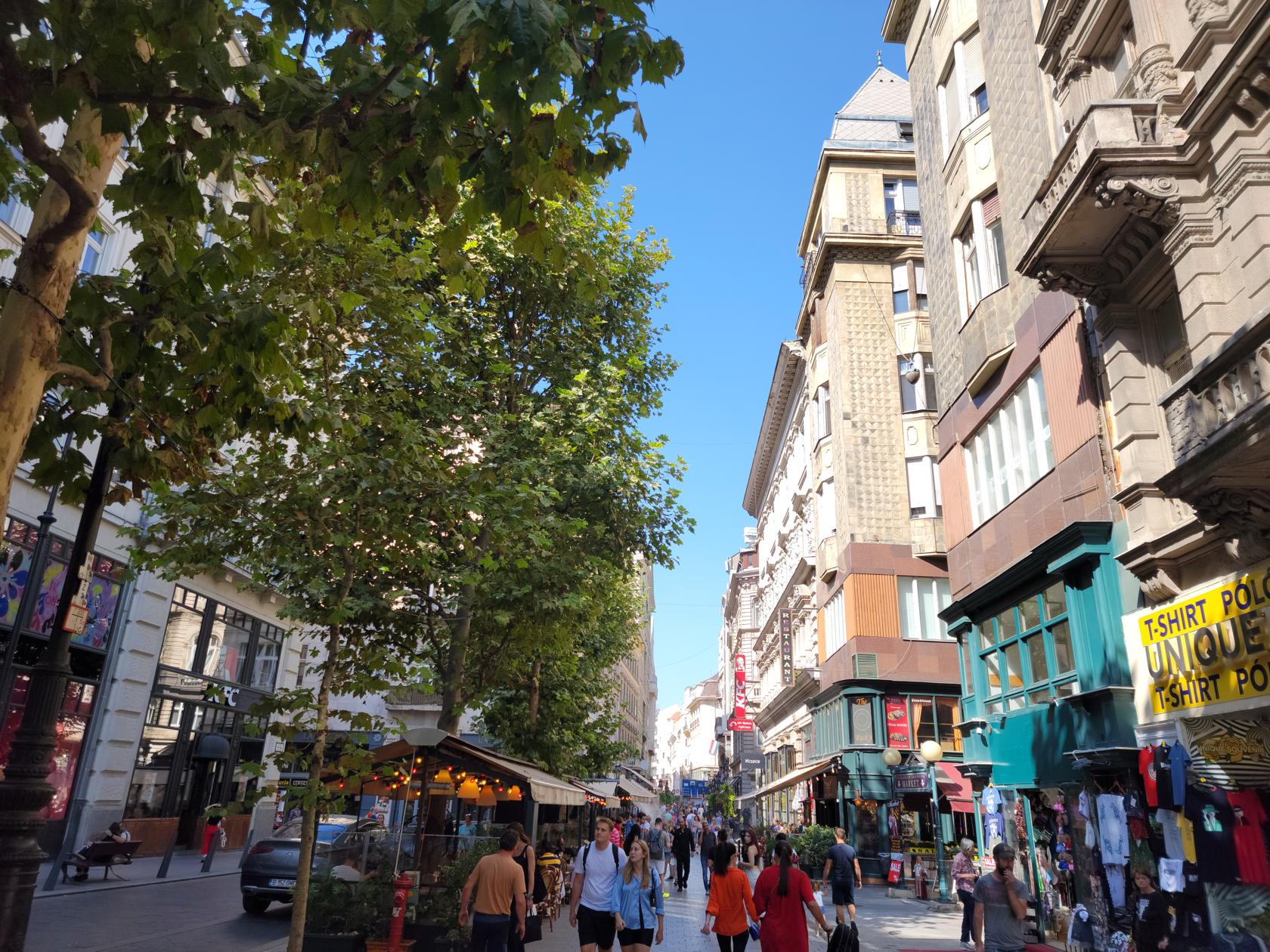
Vaci ut – Budapest, Hungary
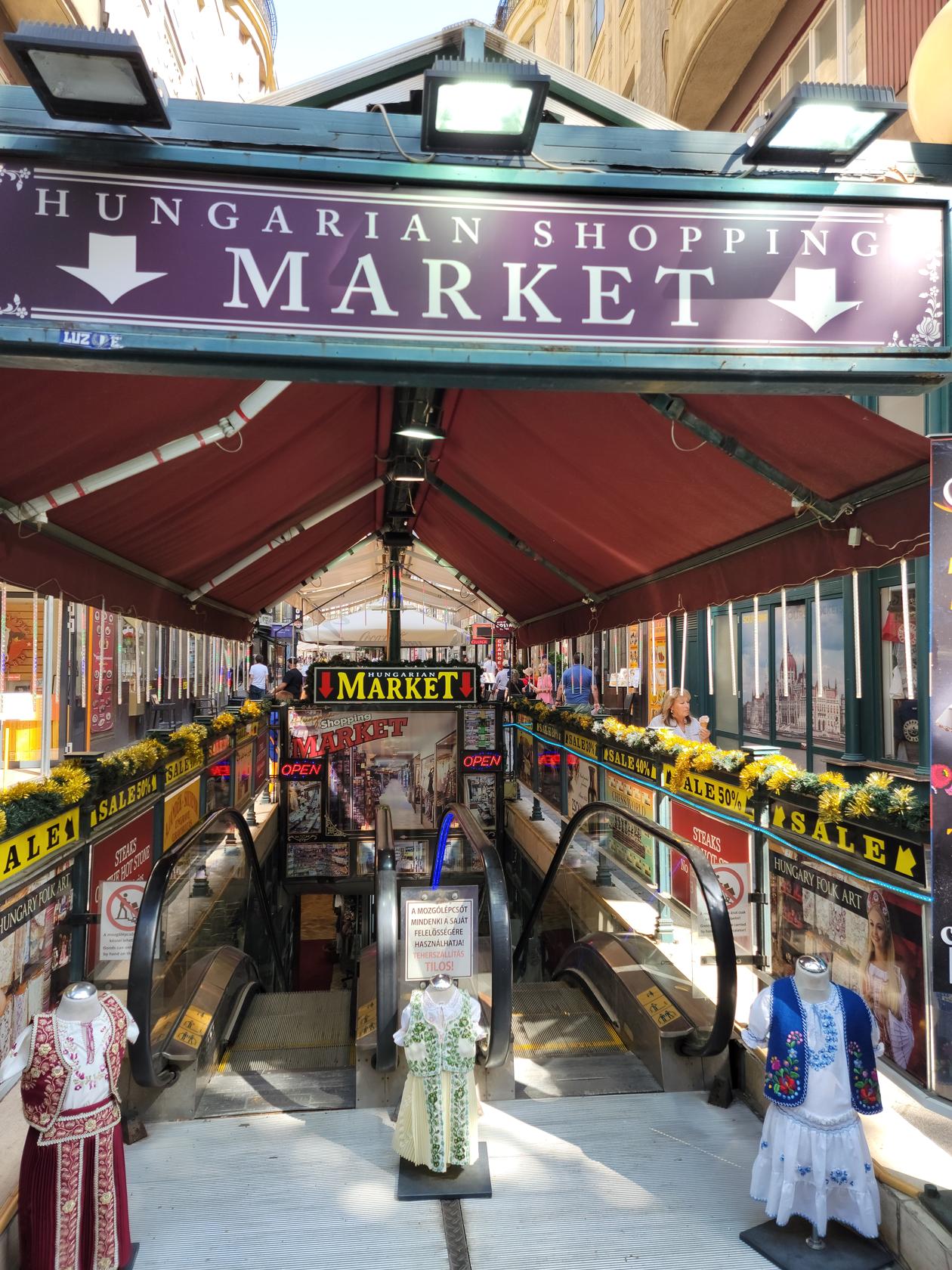
Hungarian Shopping Market – Budapest, Hungary
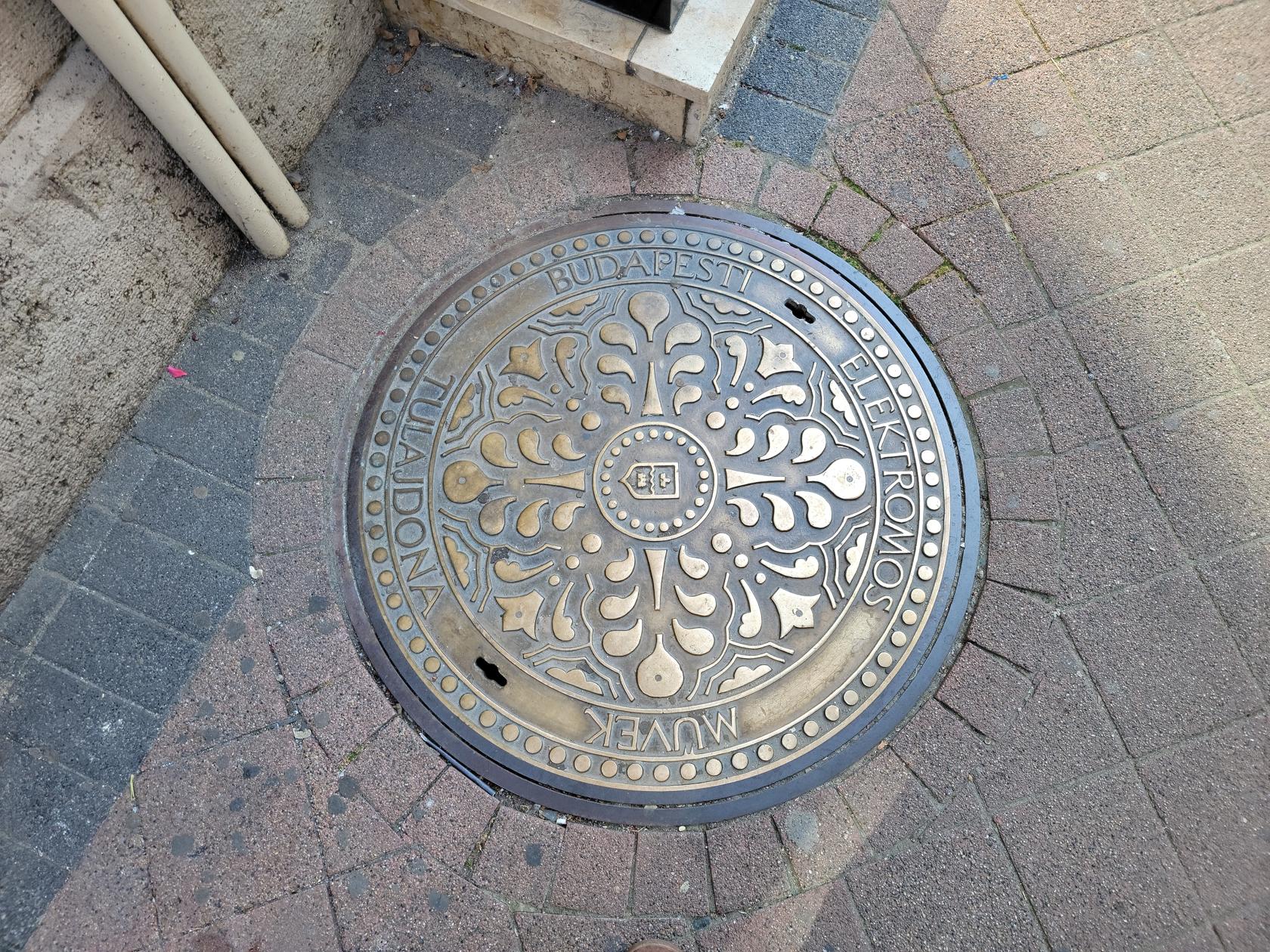
Manhole Cover Budapest – Budapest, Hungary
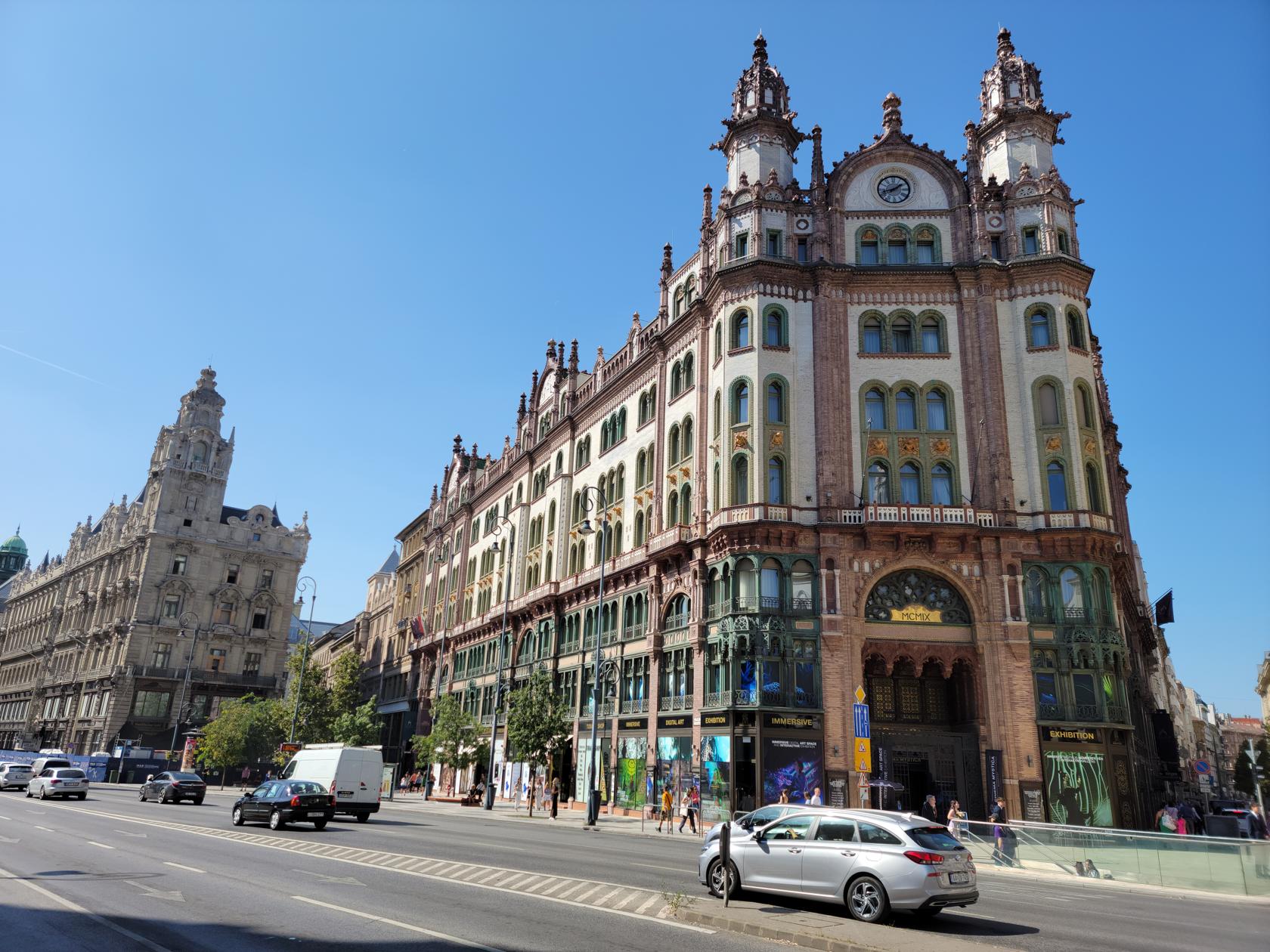
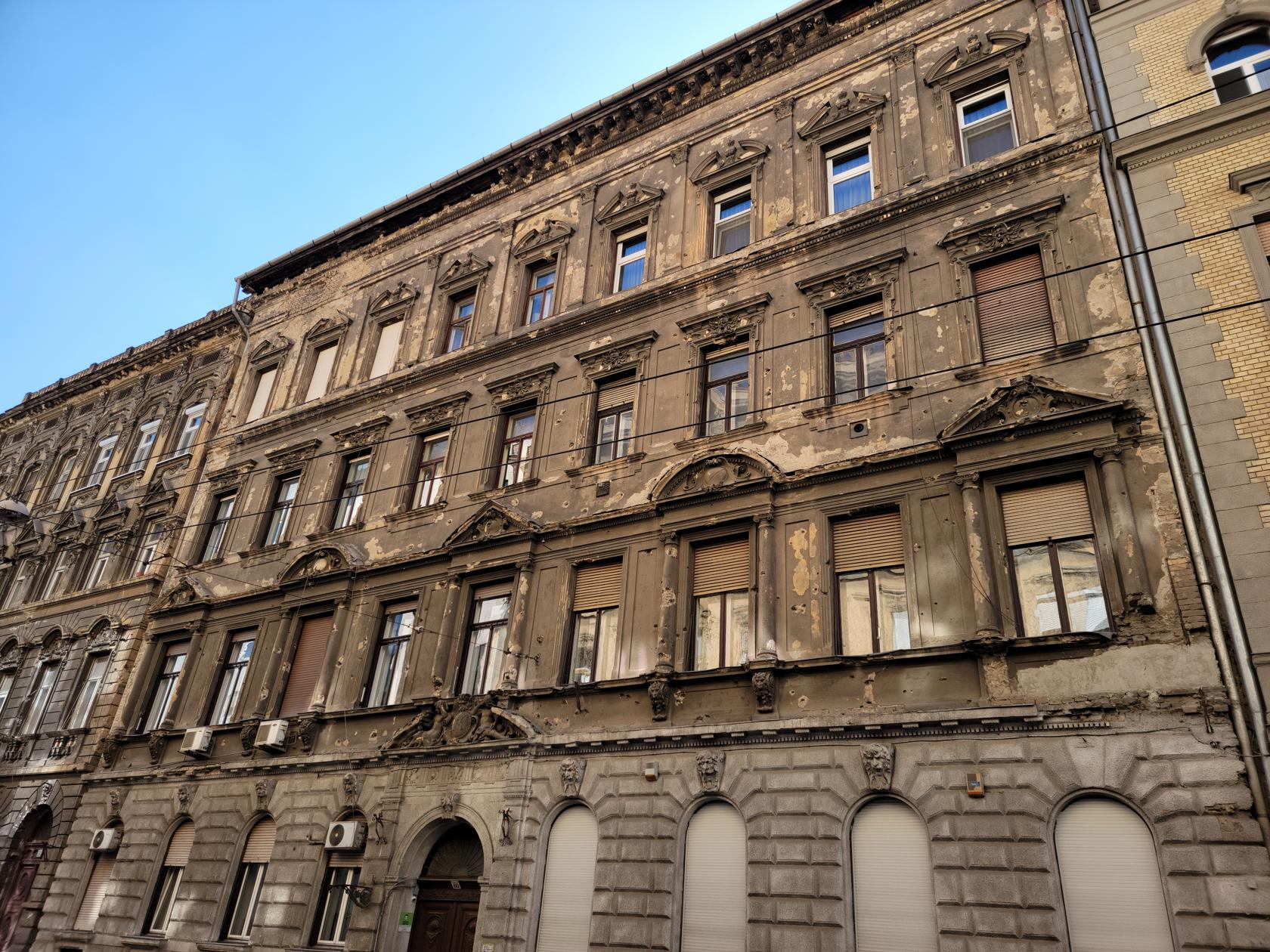
Old building – Budapest, Hungary
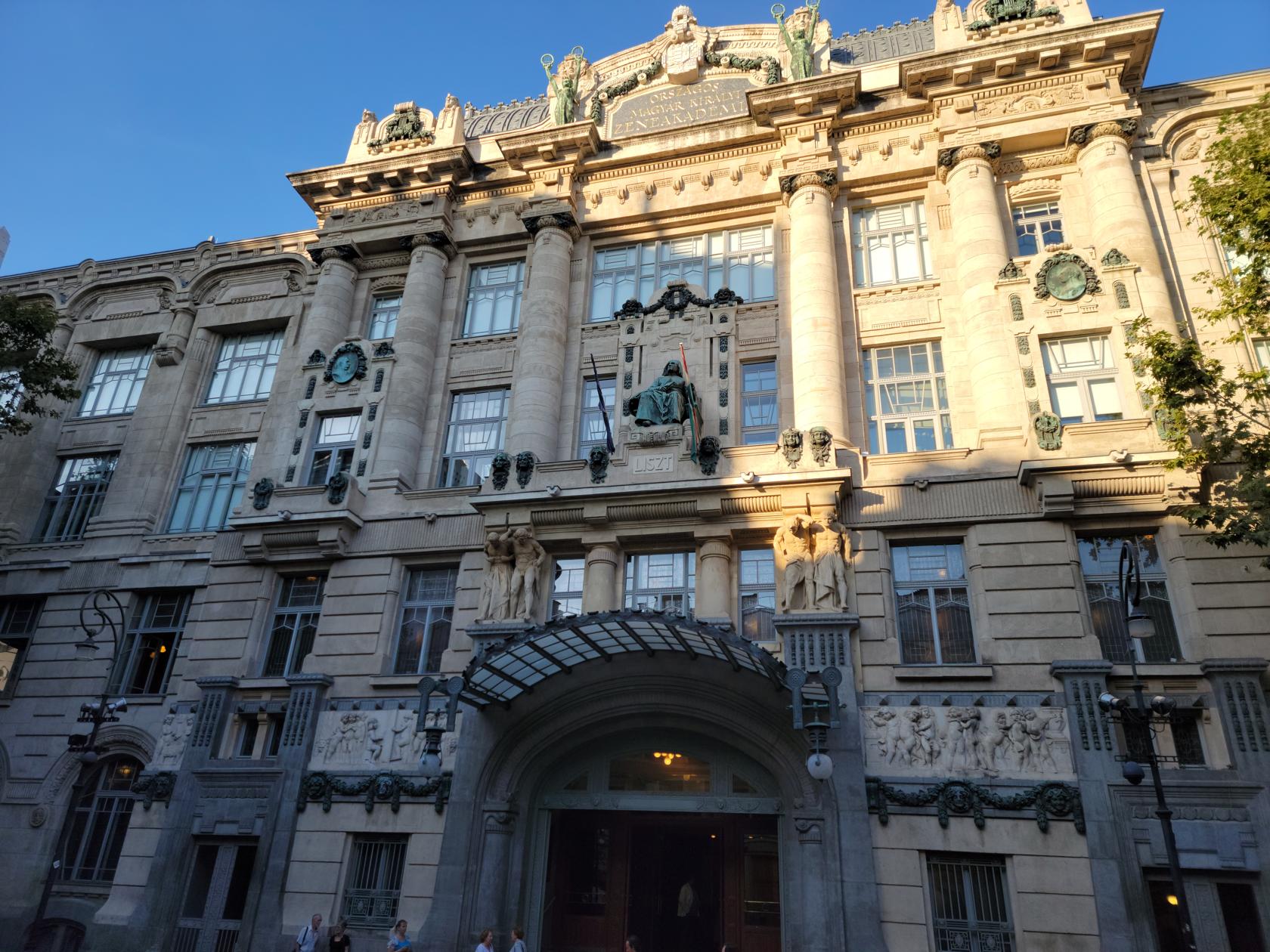
Orszagos building – Budapest, Hungary
Restaurants
Here are numerous restaurants, most of which we really liked.
Spinoza Cafe
The Spinoza Cafe was a lark, since we were just walking away from the Jewish quarter back to the hotel. It has a viable menu with very good service.
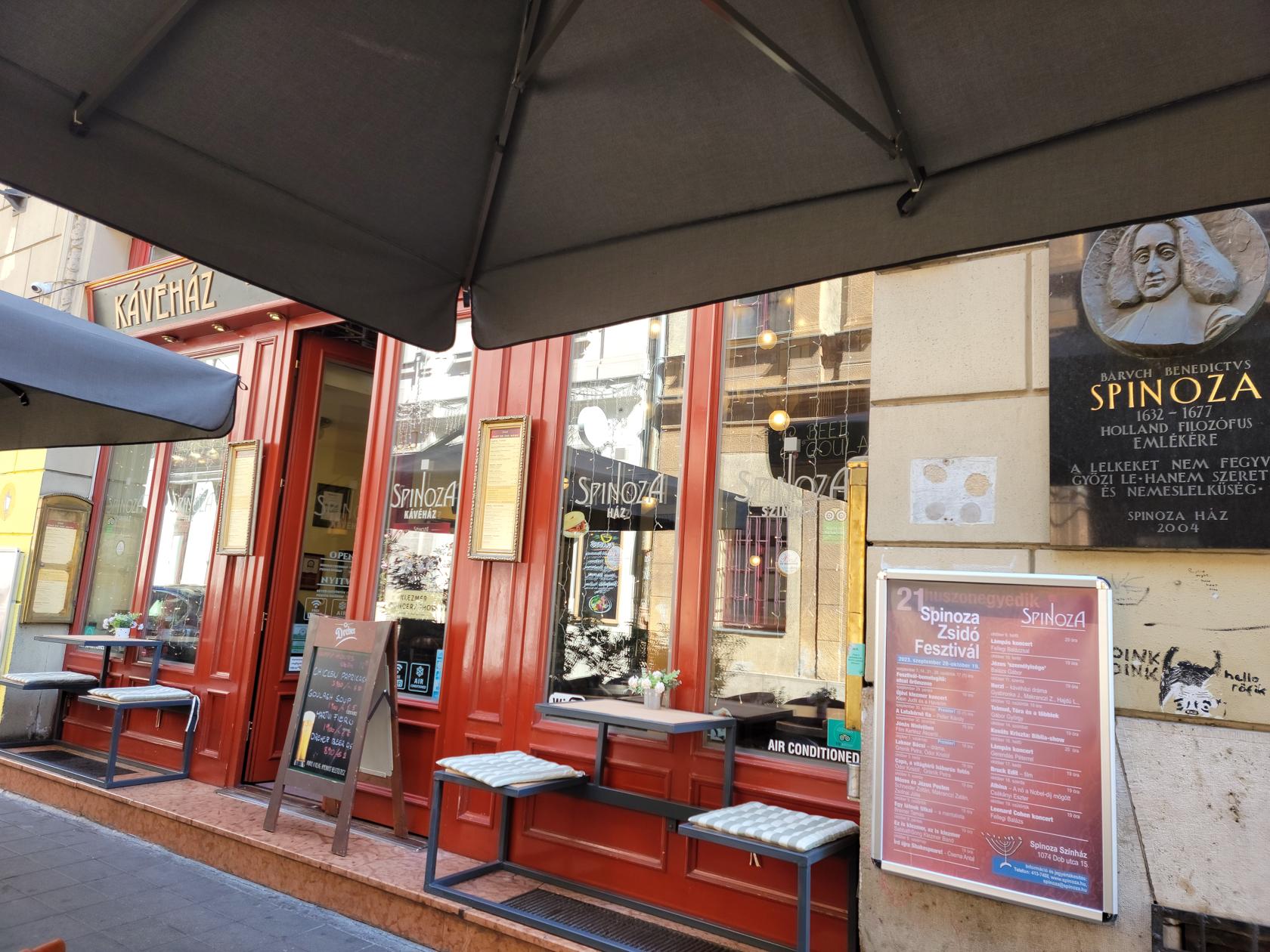
Entrance – Spinoza Cafe – Budapest, Hungary
It was a bit warm outside, but we ordered something light and made the best of it.
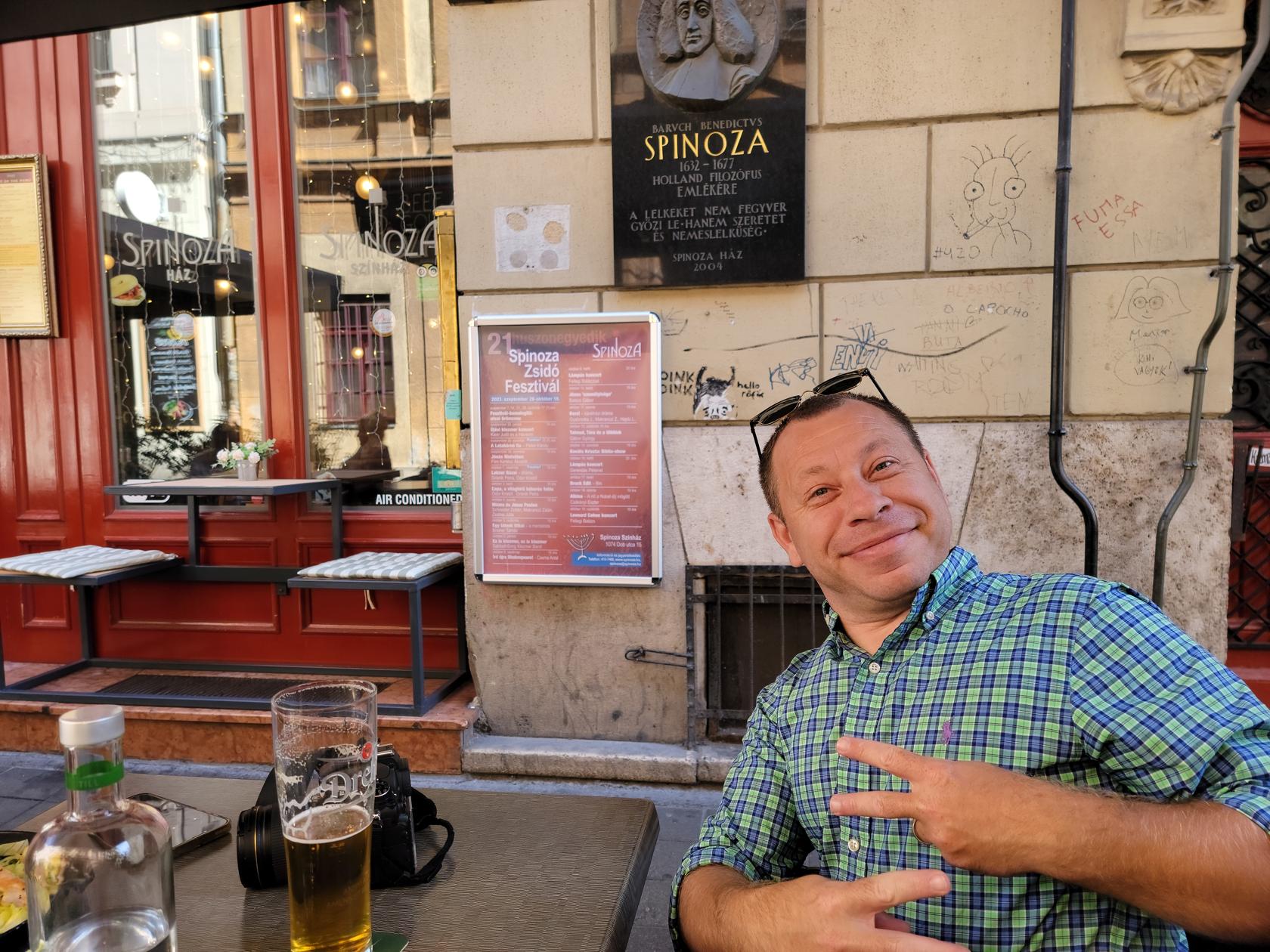
Gabi – Spinoza Cafe – Budapest, Hungary
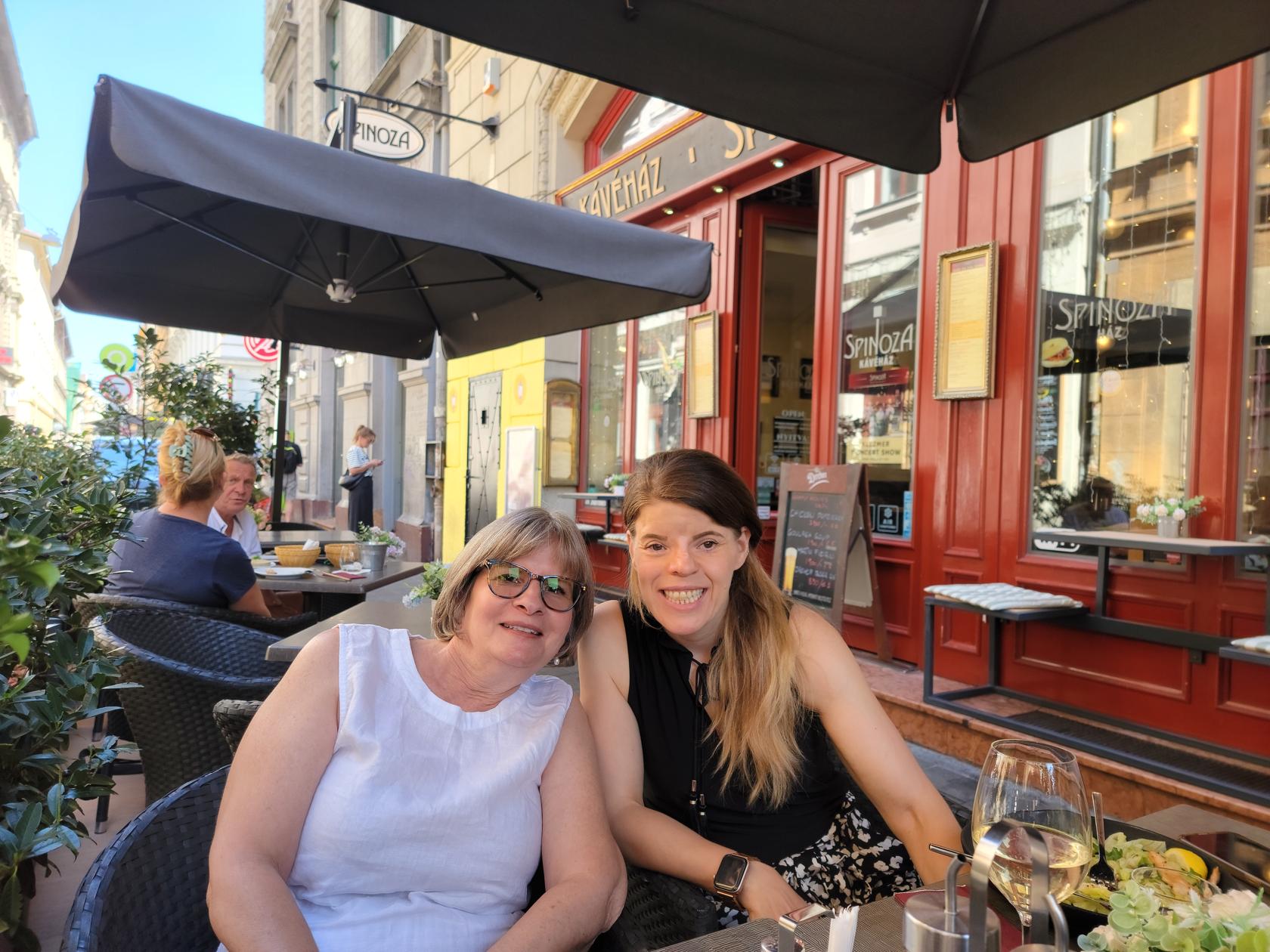
Patti and Ericka – Spinoza Cafe – Budapest, Hungary
Bestia Restaurant
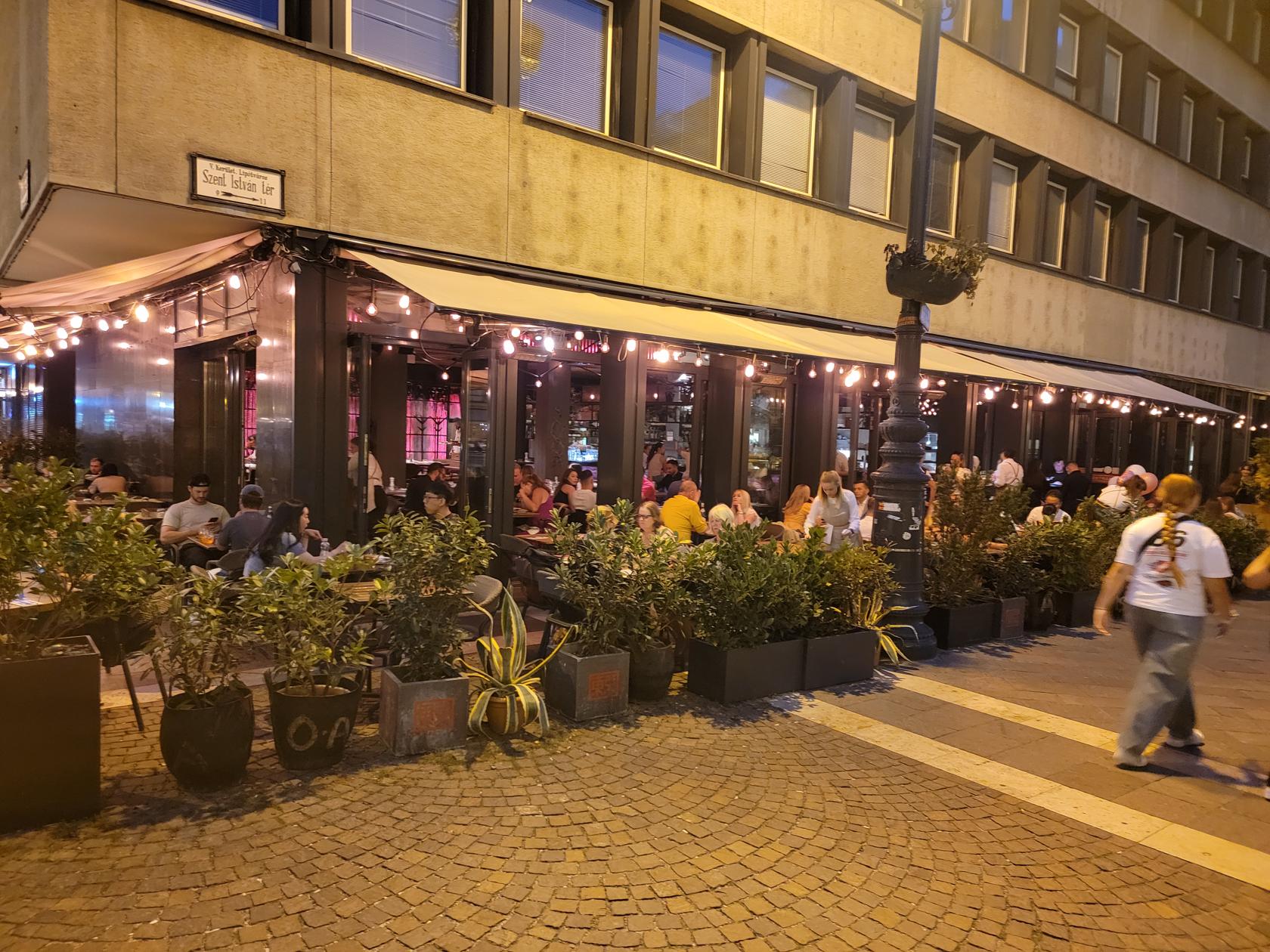
A fairly good restaurant downtown that has plenty of outside seating. We did make reservations for this one, but not sure they were actually needed. However, making them ahead of time will never hurt.
Bestia Restaurant – Downtown Pest – Budapest, Hungary
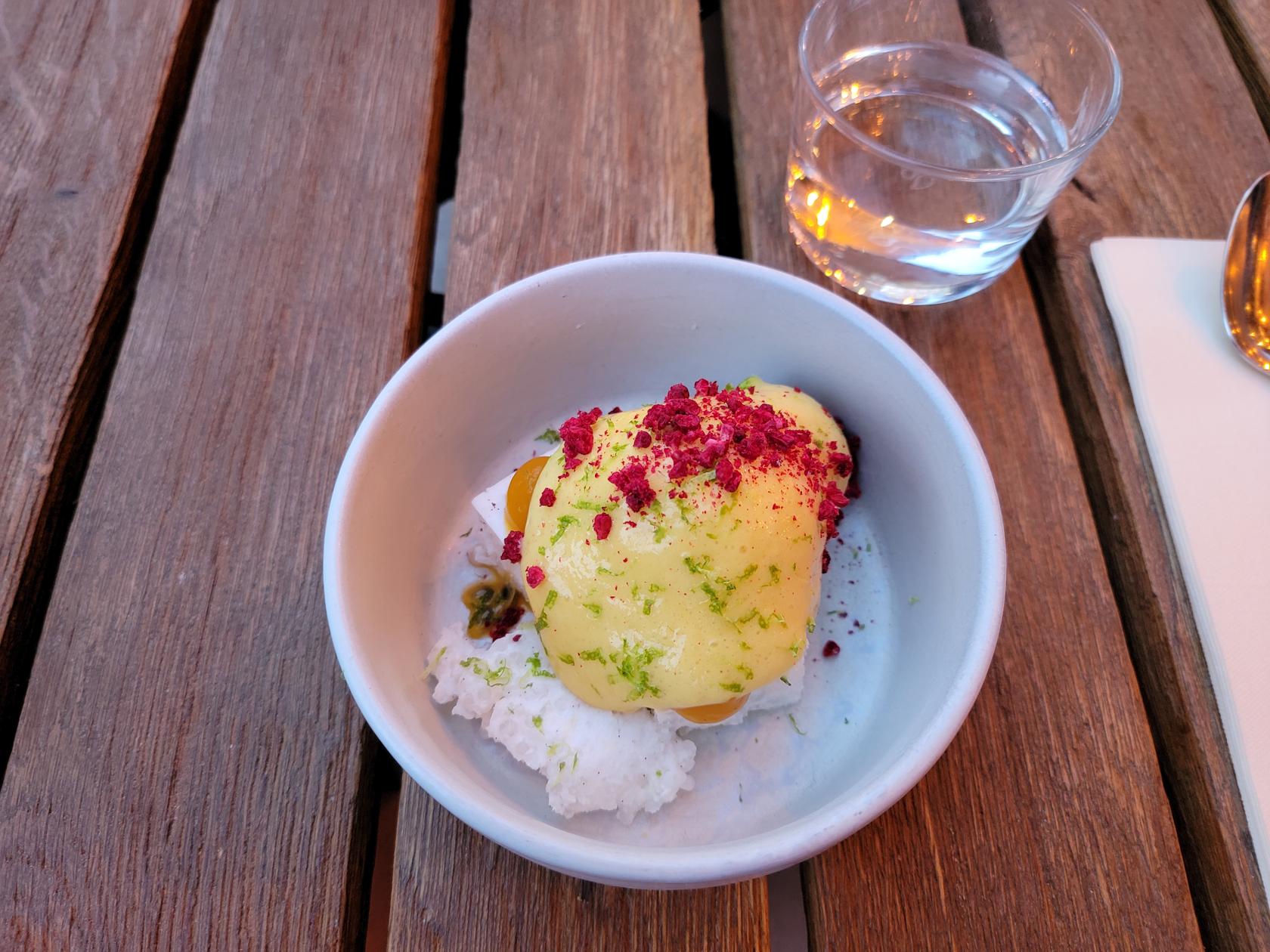
Dessert – Bestia Restaurant – Downtown Pest – Budapest, Hungary
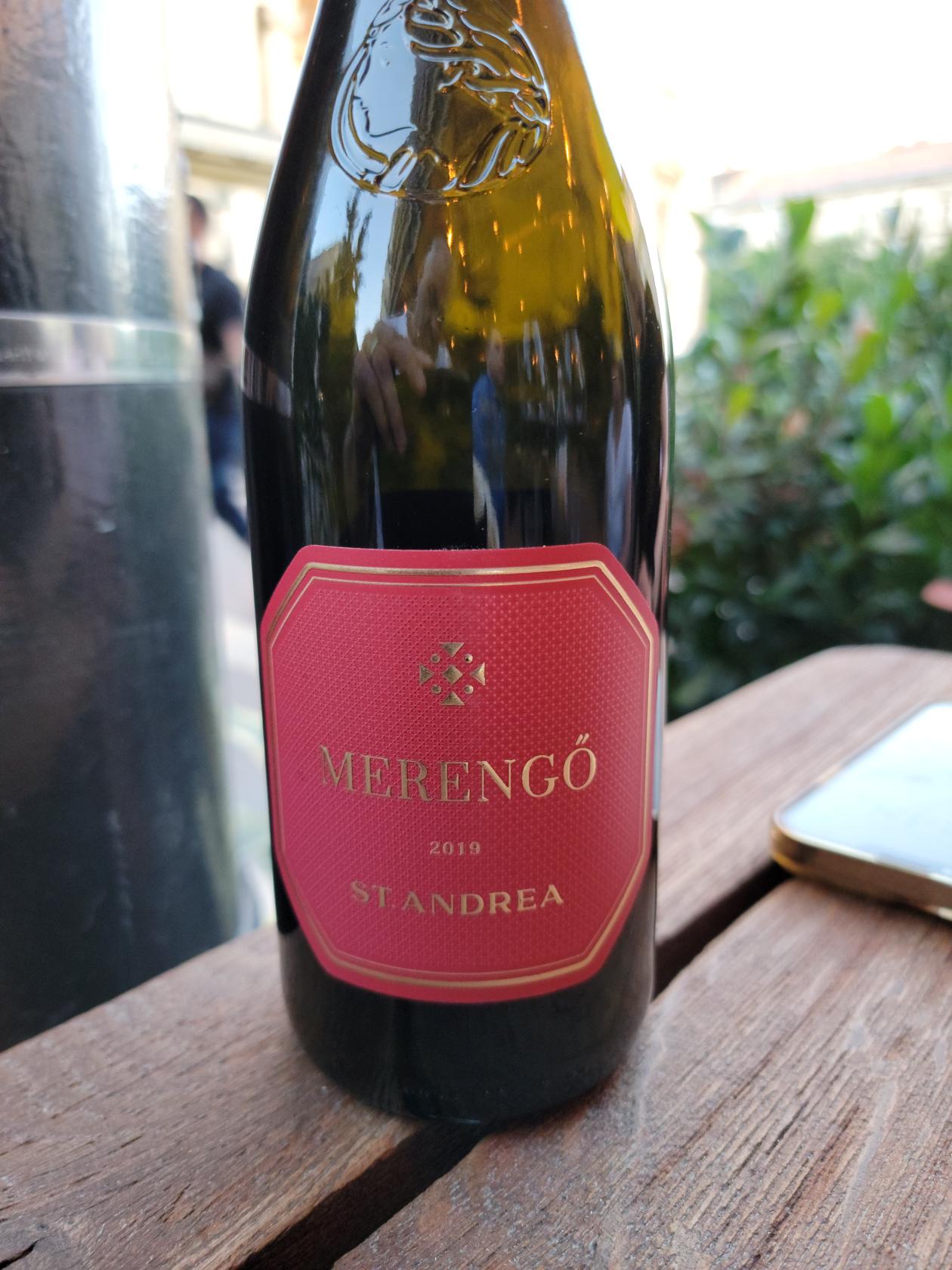
Merengö Cabernet Sauvignon – Bestia Restaurant – Downtown Pest – Budapest, Hungary
Mazel Tov Restaurant
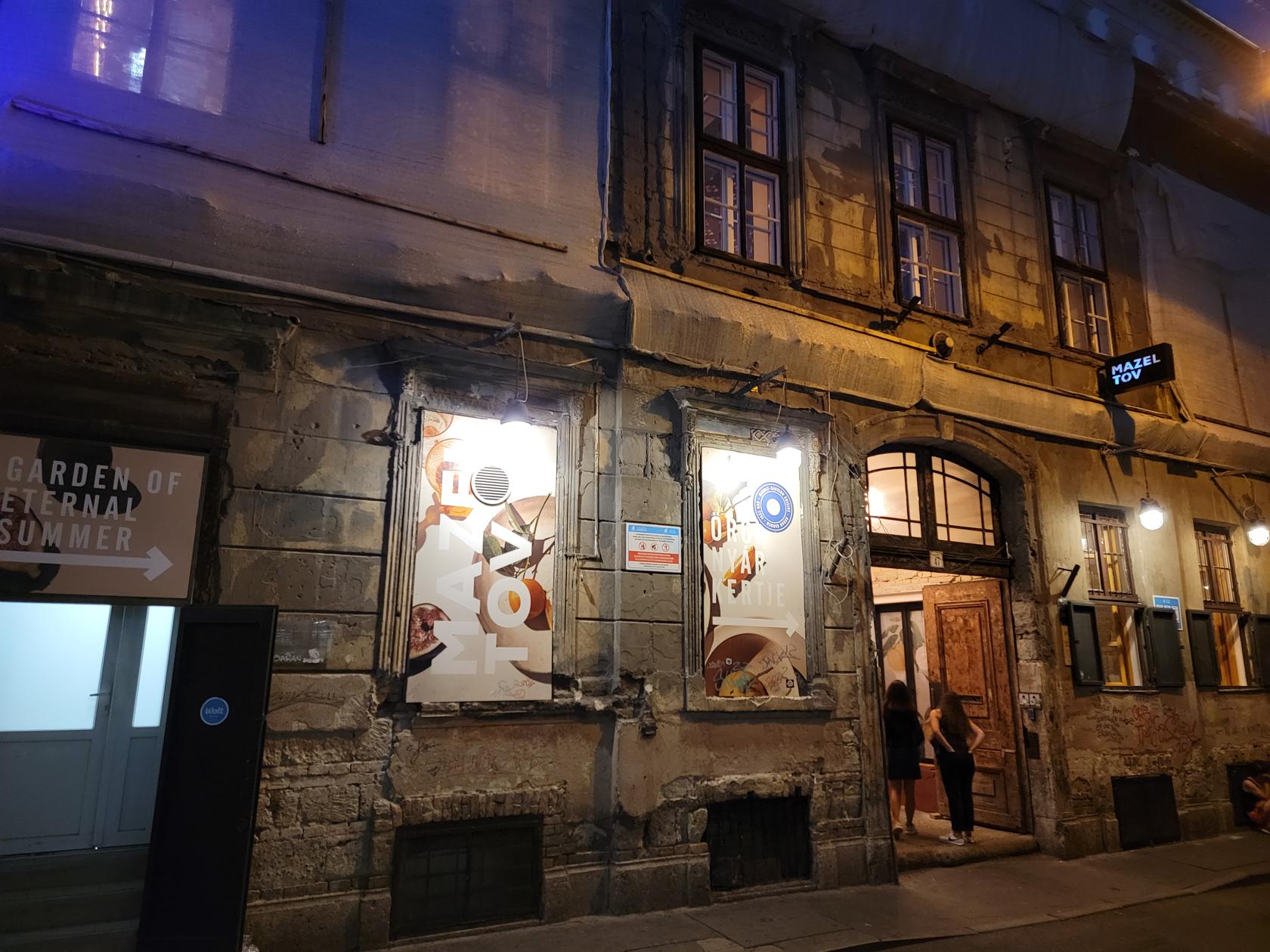
Surrounding area – Mazel Tov – Budapest, Hungary
Entrance – Mazel Tov – Budapest, Hungary
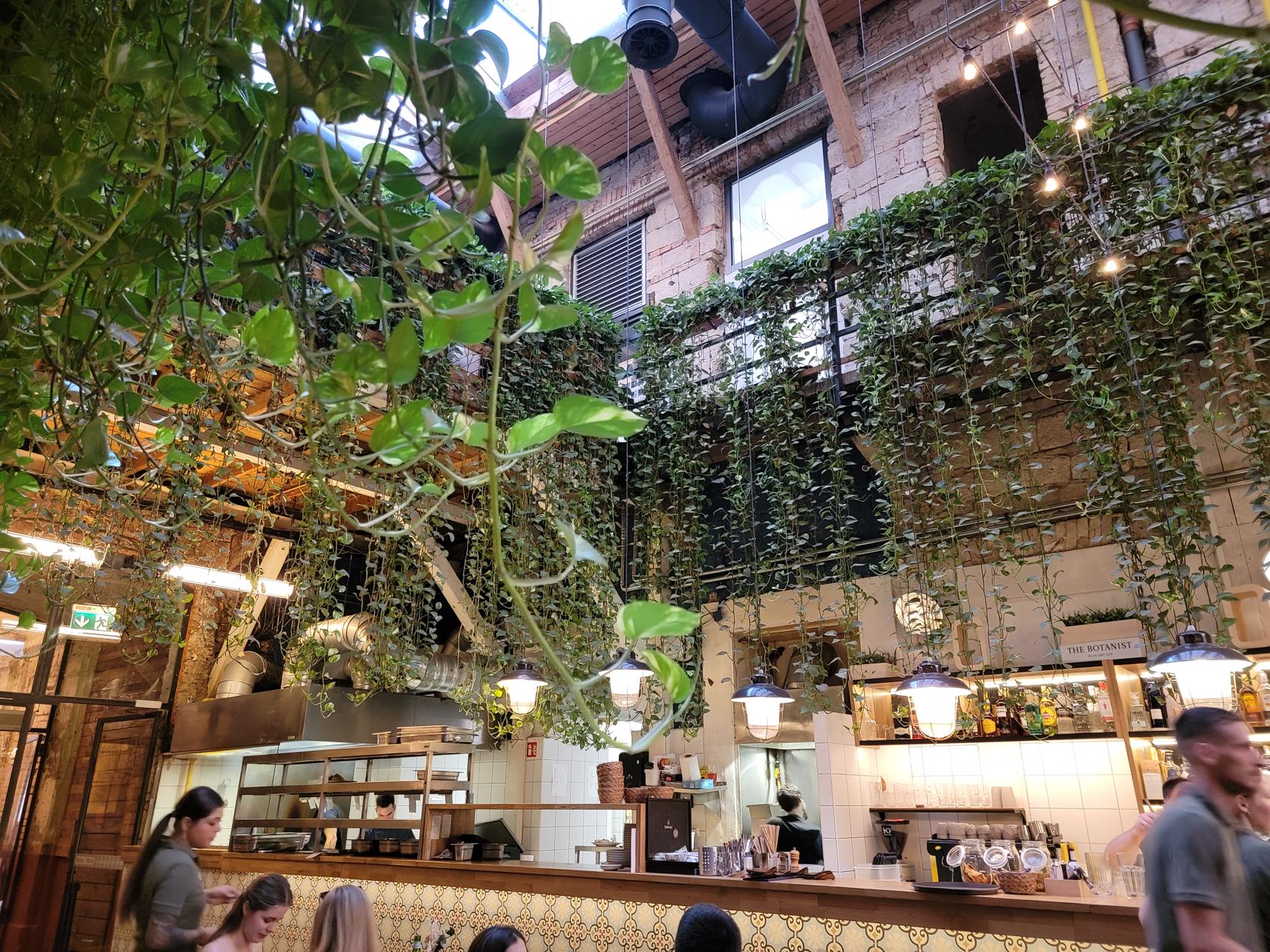
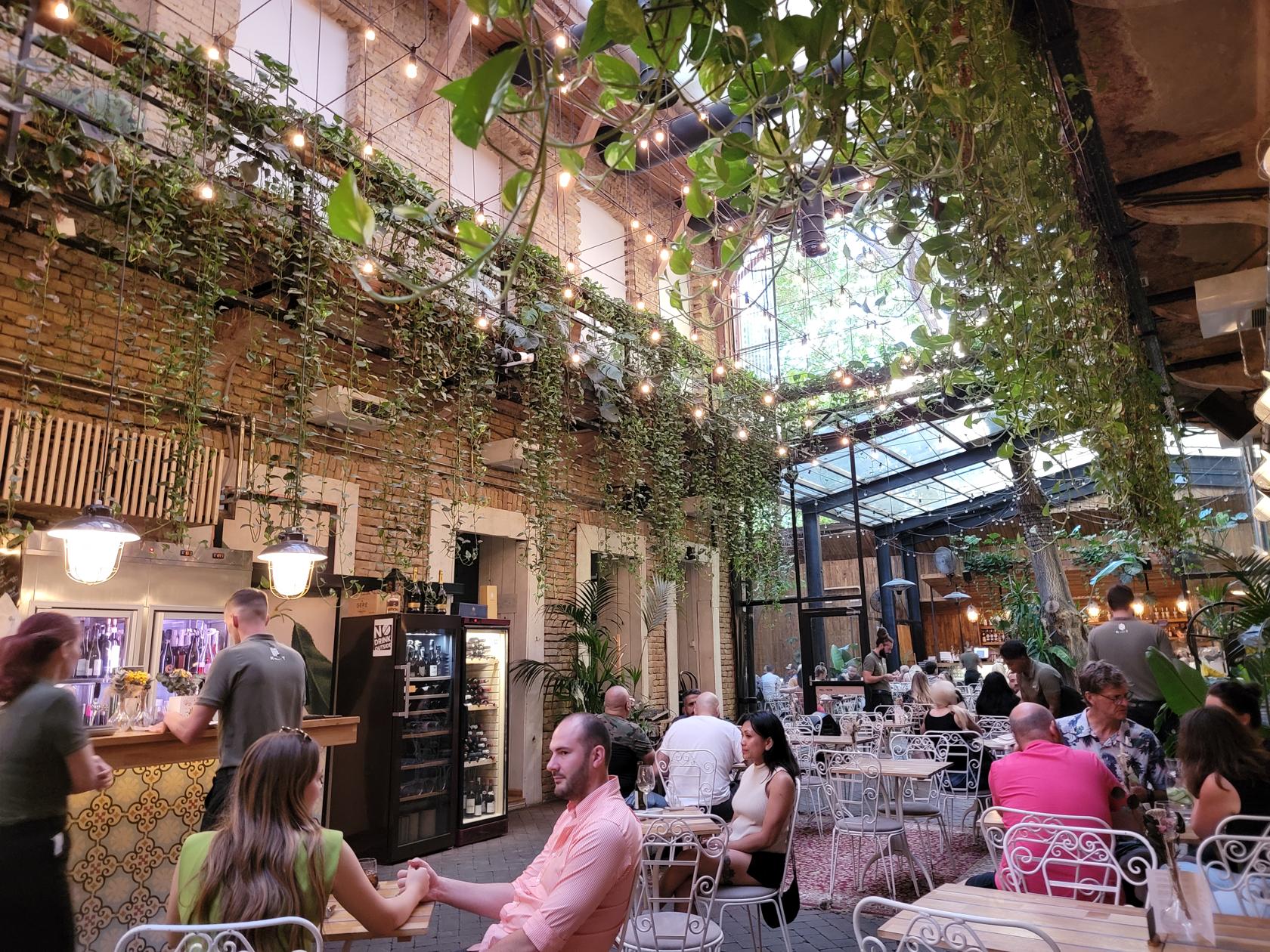
I have to say I was very surprised and delighted with Mazel Tov. Not only do they have a very good venue, restaurant saying, they also have very good food.
Inside – Mazel Tov – Budapest, Hungary
Atmosphere – Mazel Tov – Budapest, Hungary
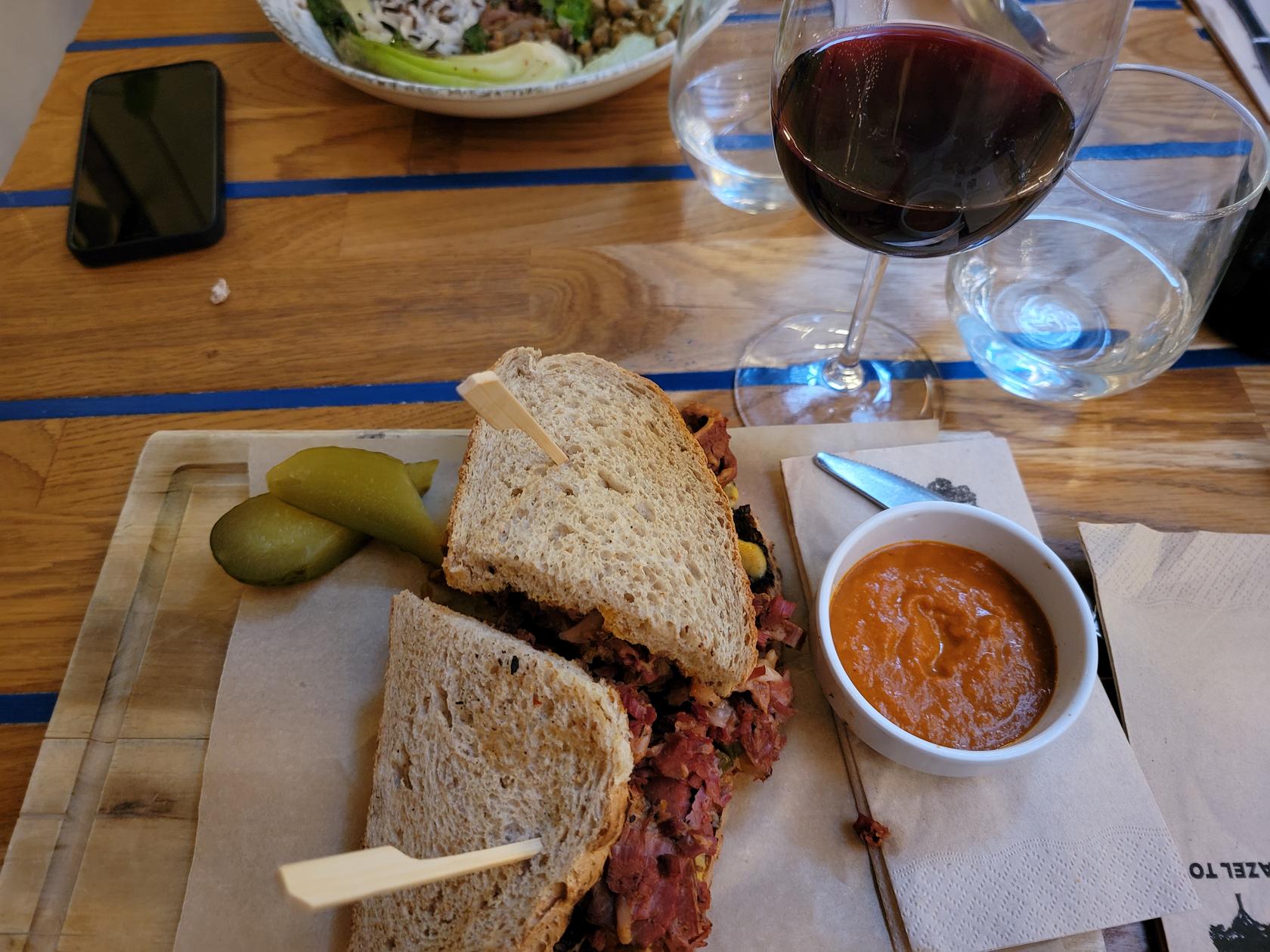
I ordered the soup and pastrami sandwich and was pleasantly surprised by the taste and texture, they really know how to slice pastrami, nano-thin.
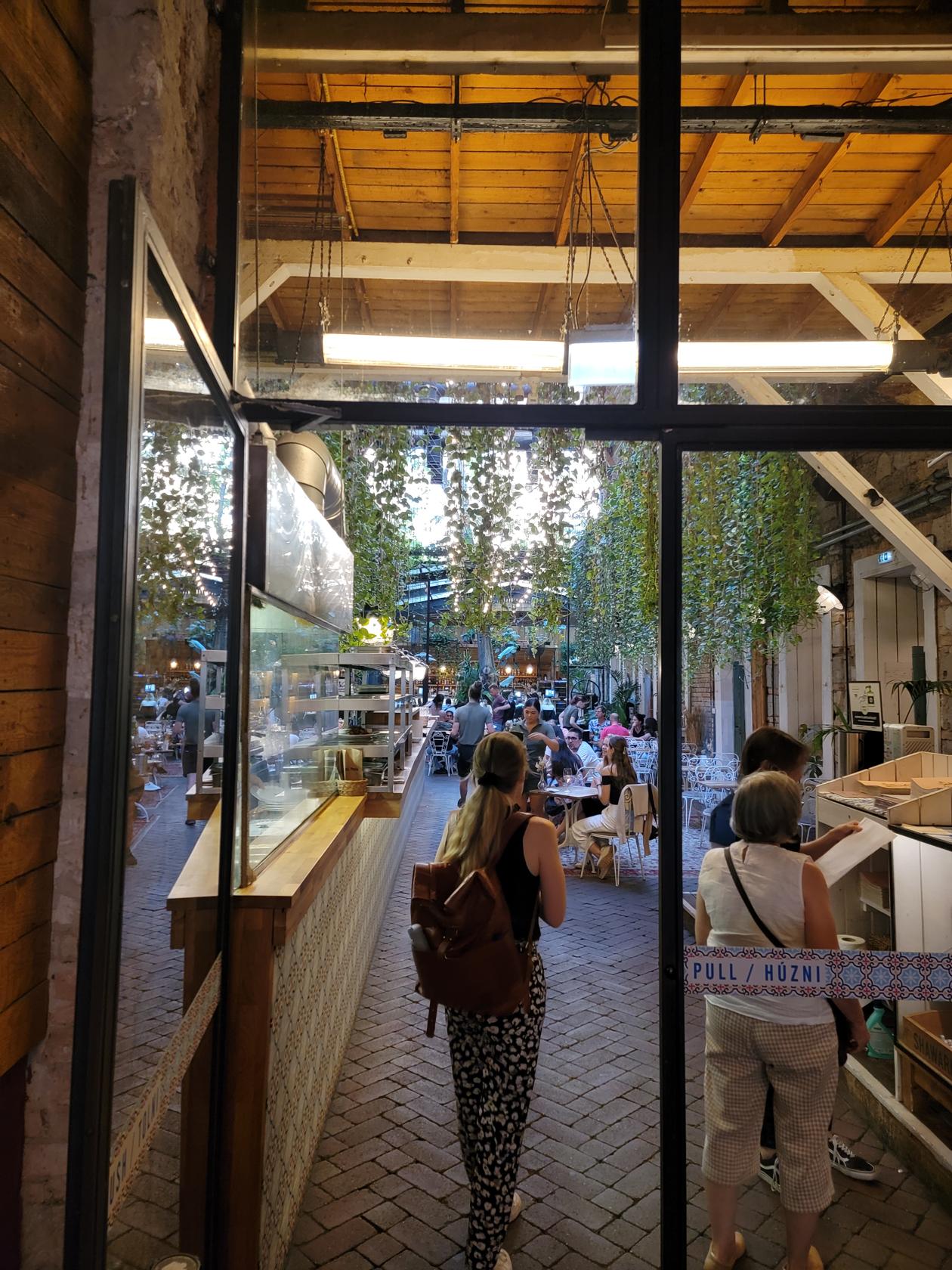
Ericka entering the restaurant – Mazel Tov – Budapest, Hungary
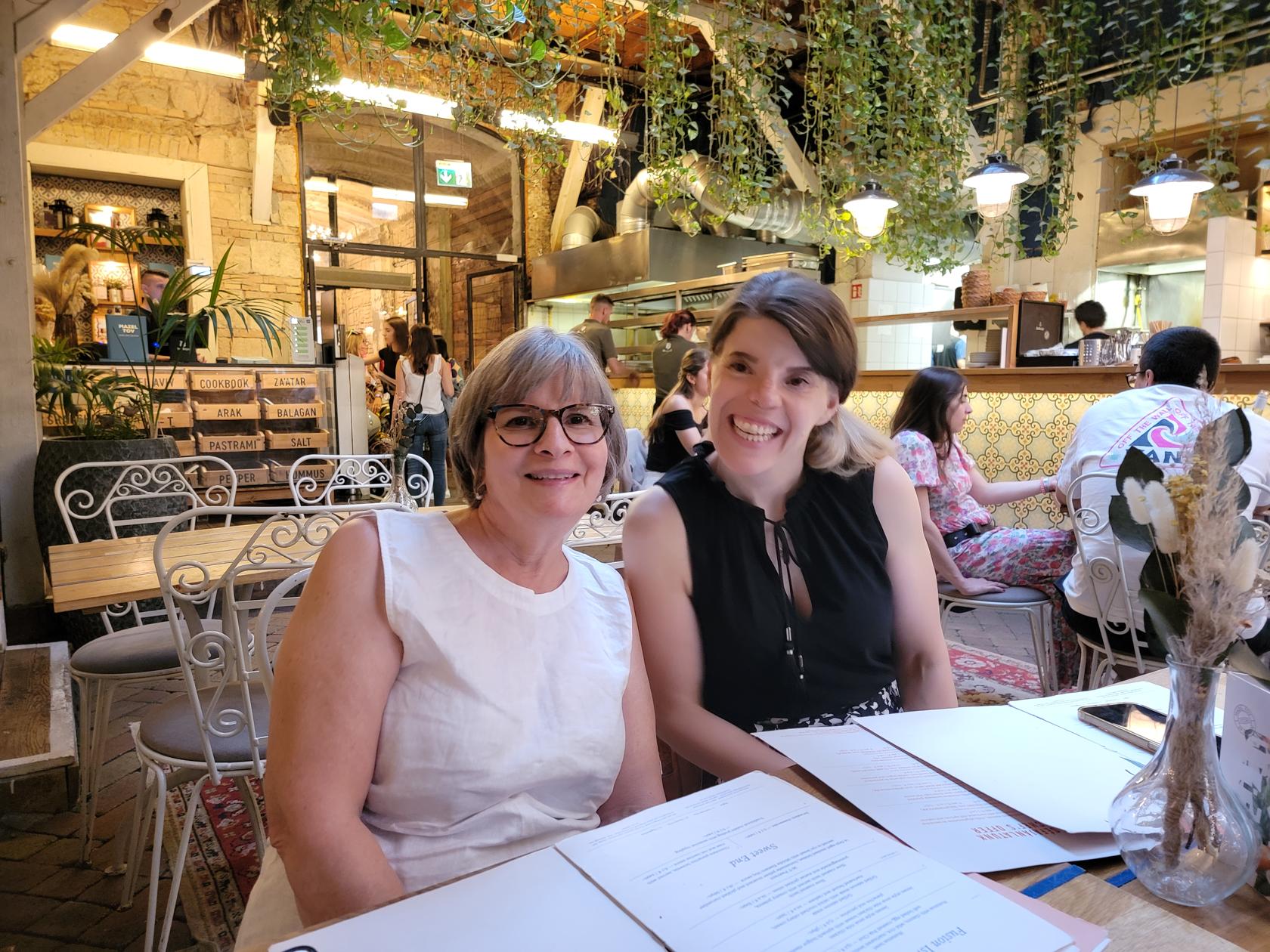
Patti and Ericka – Mazel Tov – Budapest, Hungary
Gabi – Mazel Tov – Budapest, Hungary
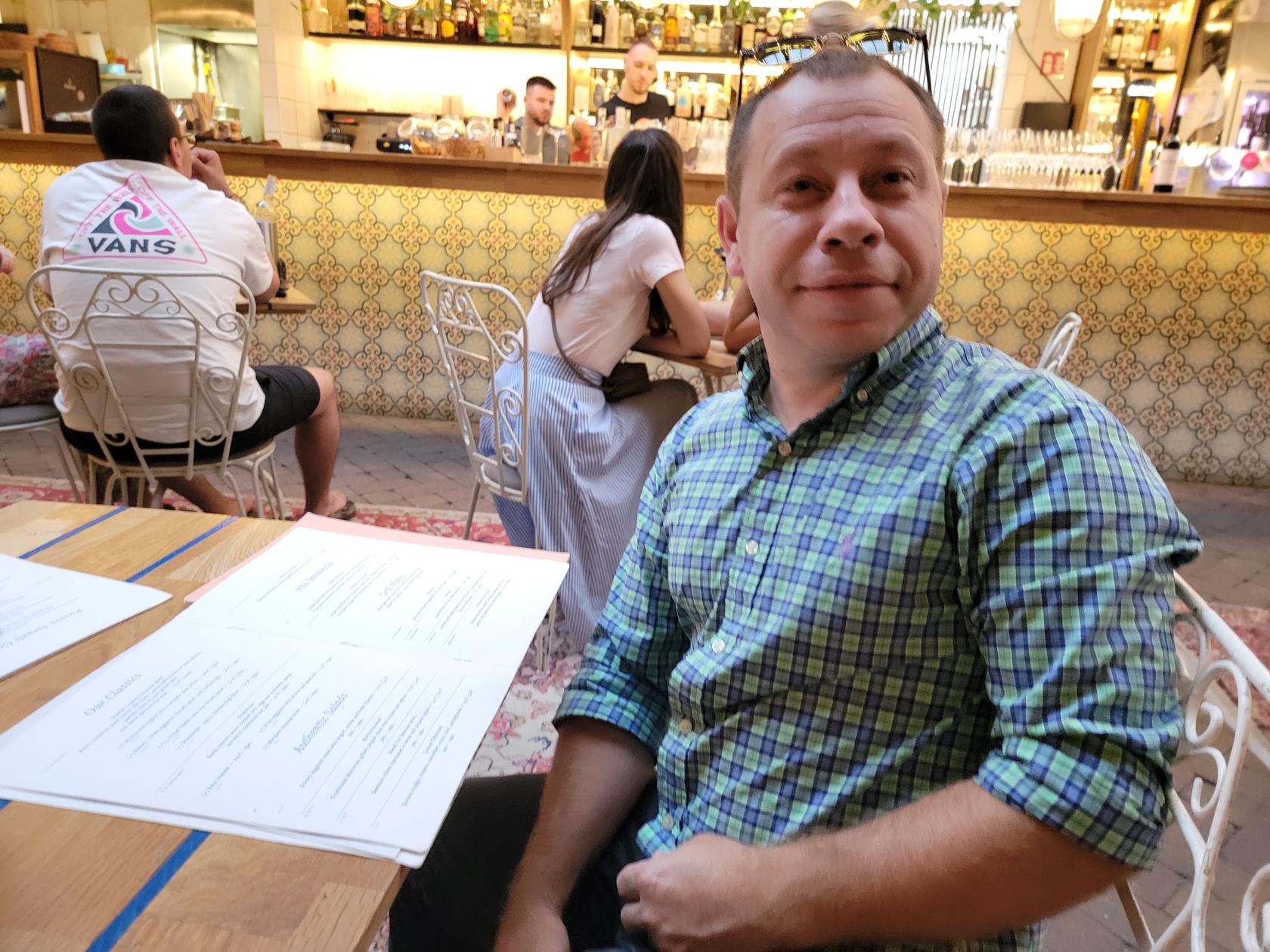
Gabi and Erick – Mazel Tov – Budapest, Hungary
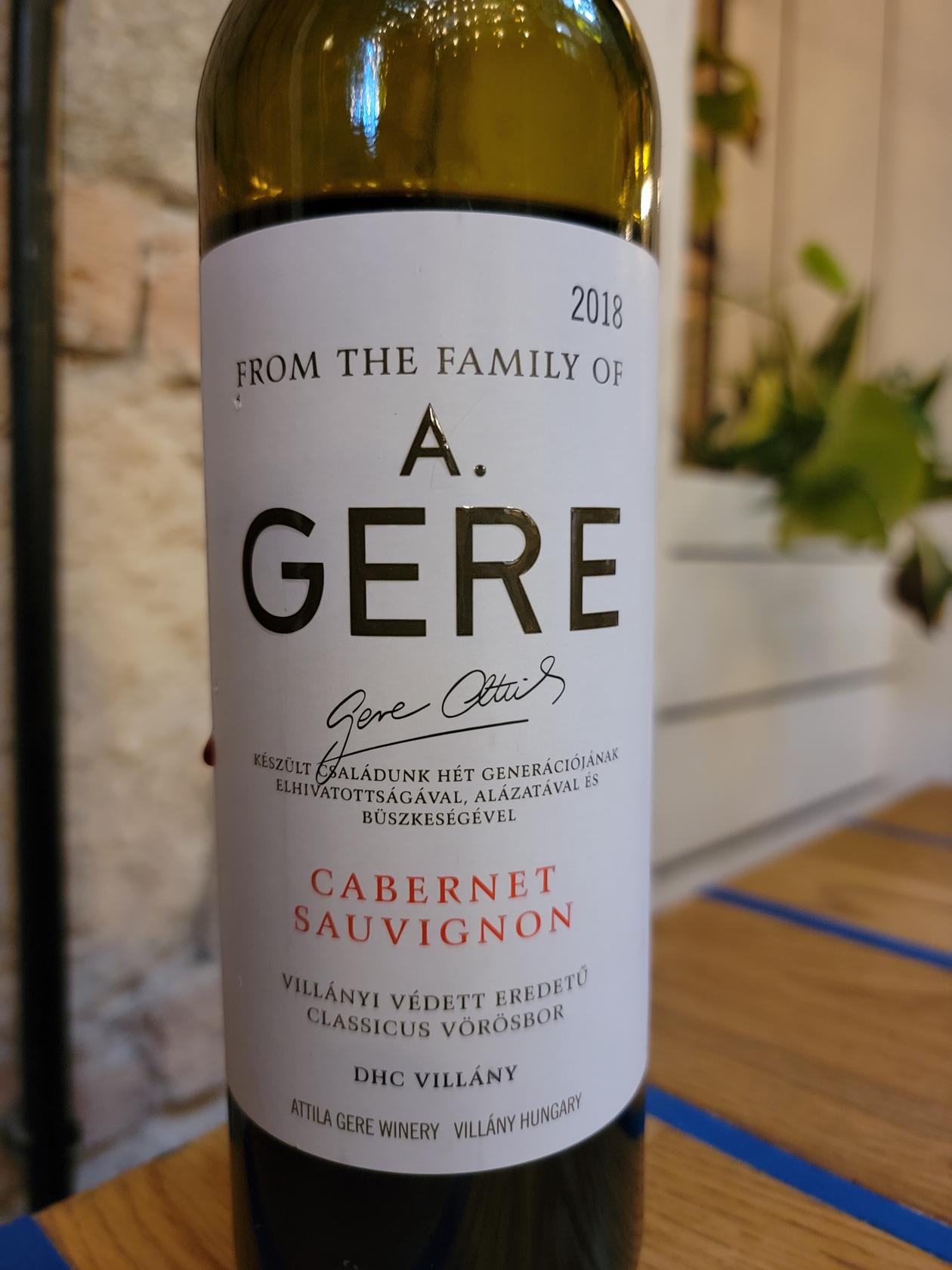
A. Gere Cabernet Sauvignon, 2018 – Mazel Tov – Budapest, Hungary
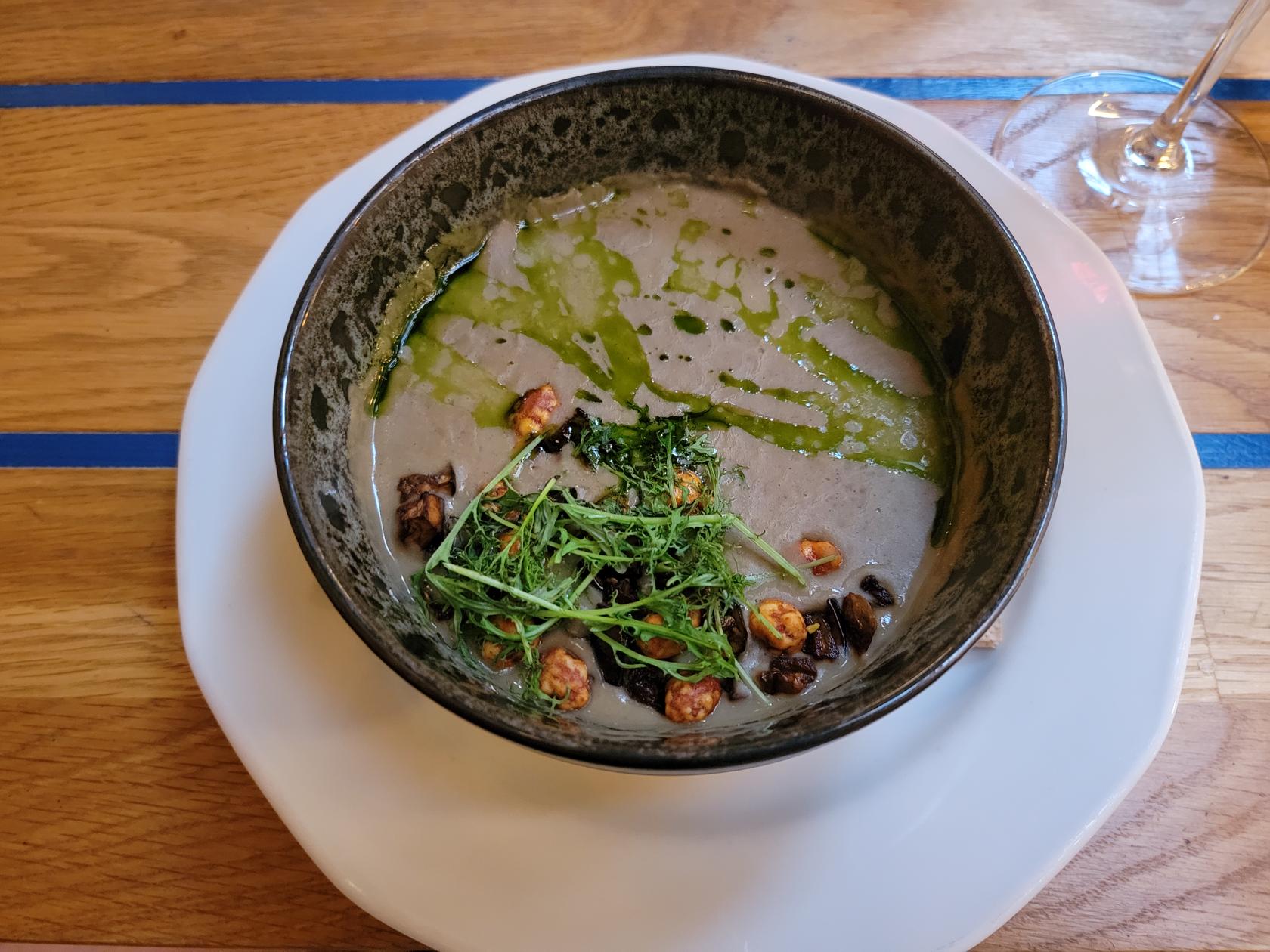
Lentil Soup – Mazel Tov – Budapest, Hungary
Pastrami Sandwich with sauce – Mazel Tov – Budapest, Hungary
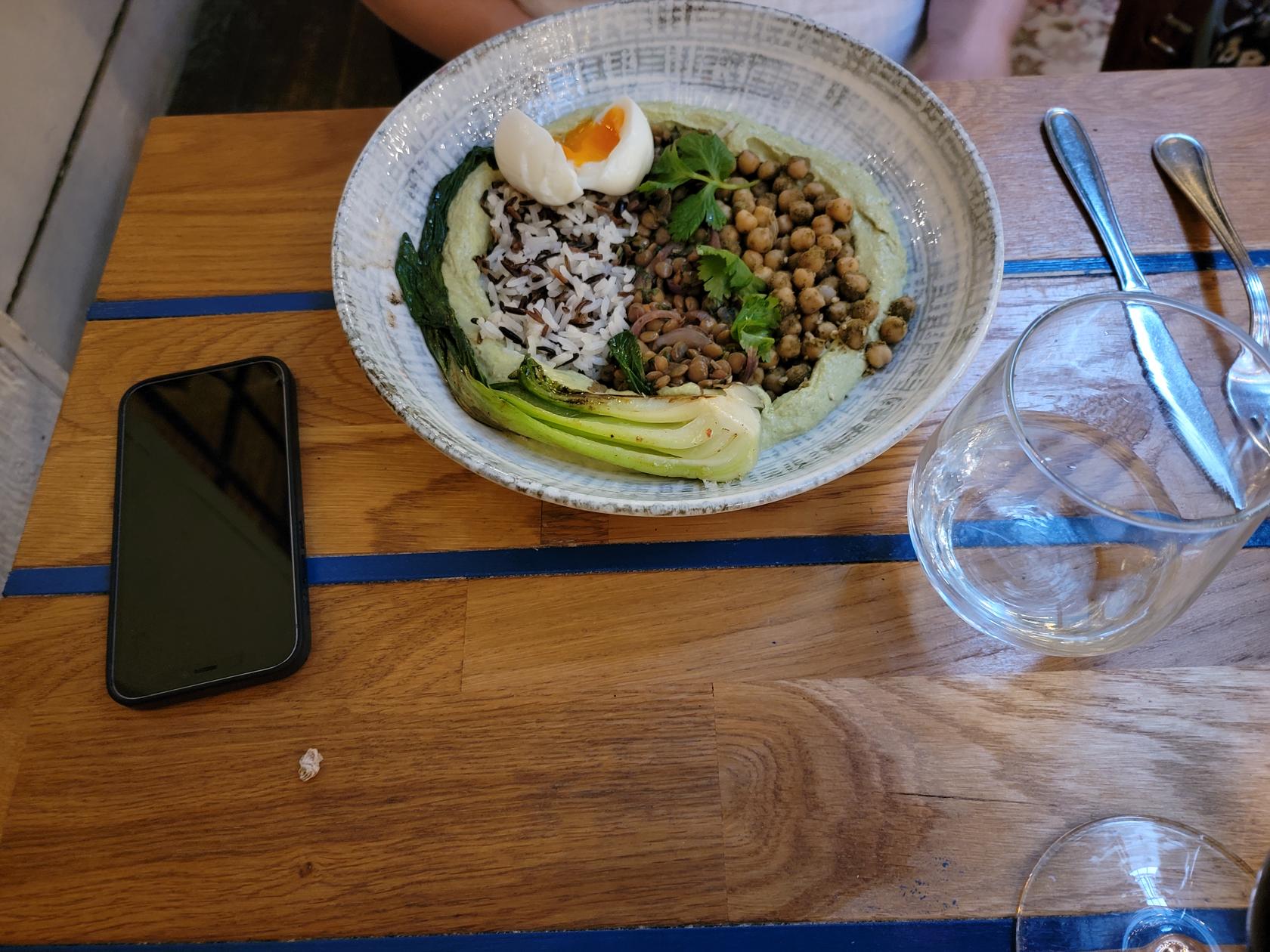
Lentil, hummus, egg and other stuff – Mazel Tov – Budapest, Hungary
Mystery Hotel Restaurant
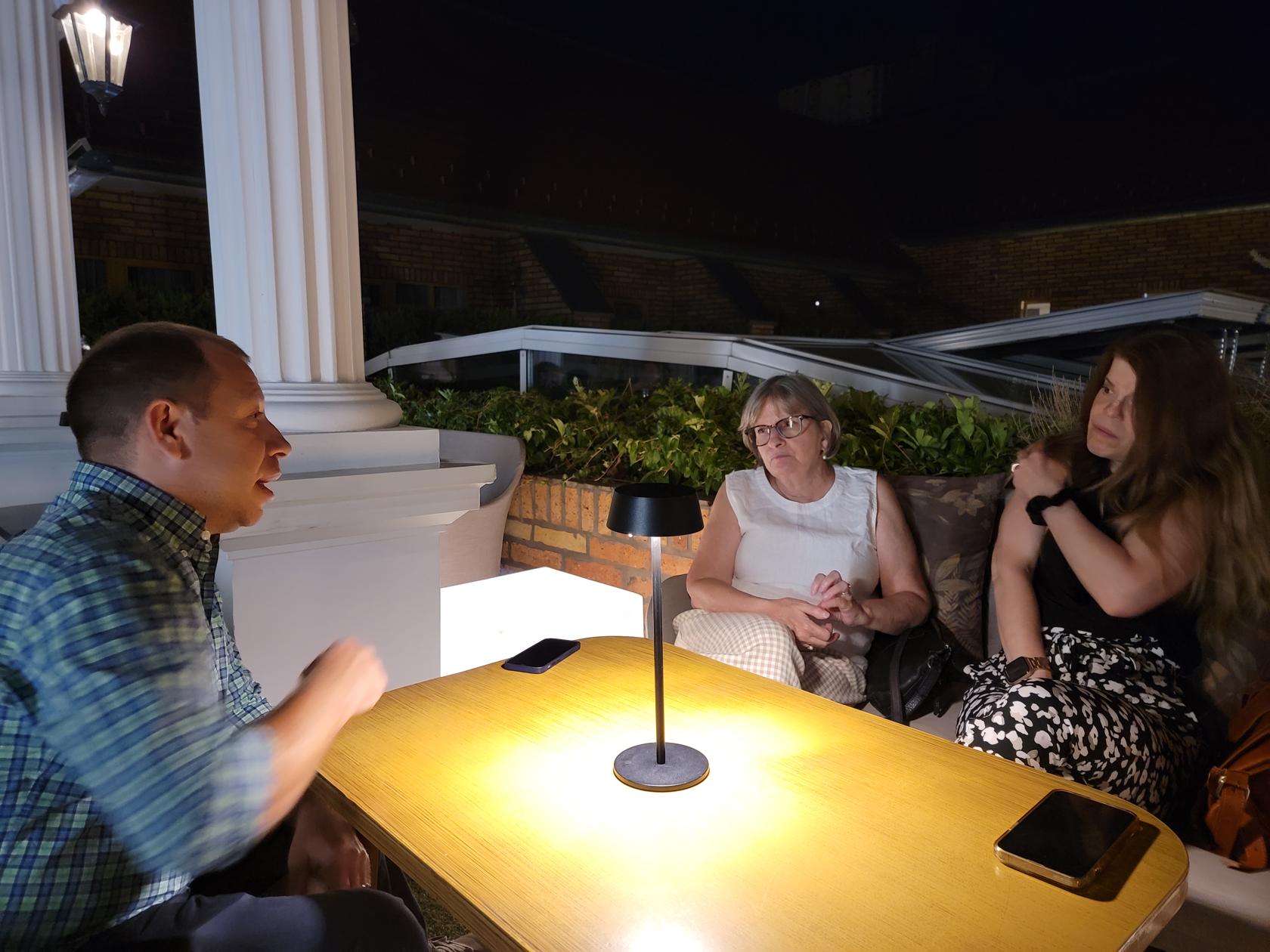
The Mystery Hotel has a very good view of Budapest, for those wishing such a thing. We availed ourselves of an evening of drinks here, after a long day of sightseeing and museum visiting. Unfortunately while we were there, they had a music mixer that was definitely one-dimensional, playing the same bum-bum-bum crap that belongs more in a club venue, than a restaurant.
Gabi, Patti and Ericka – Mystery Hotel – Budapest, Hungary
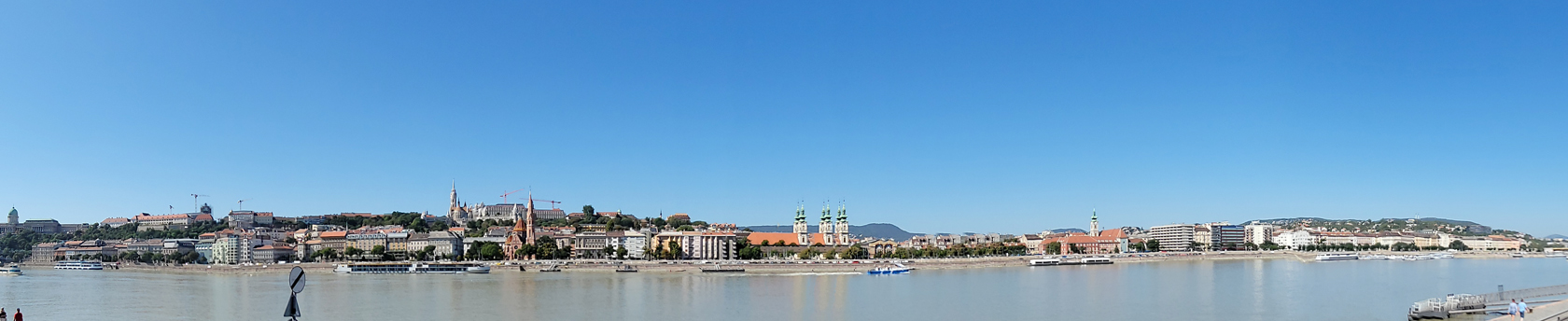
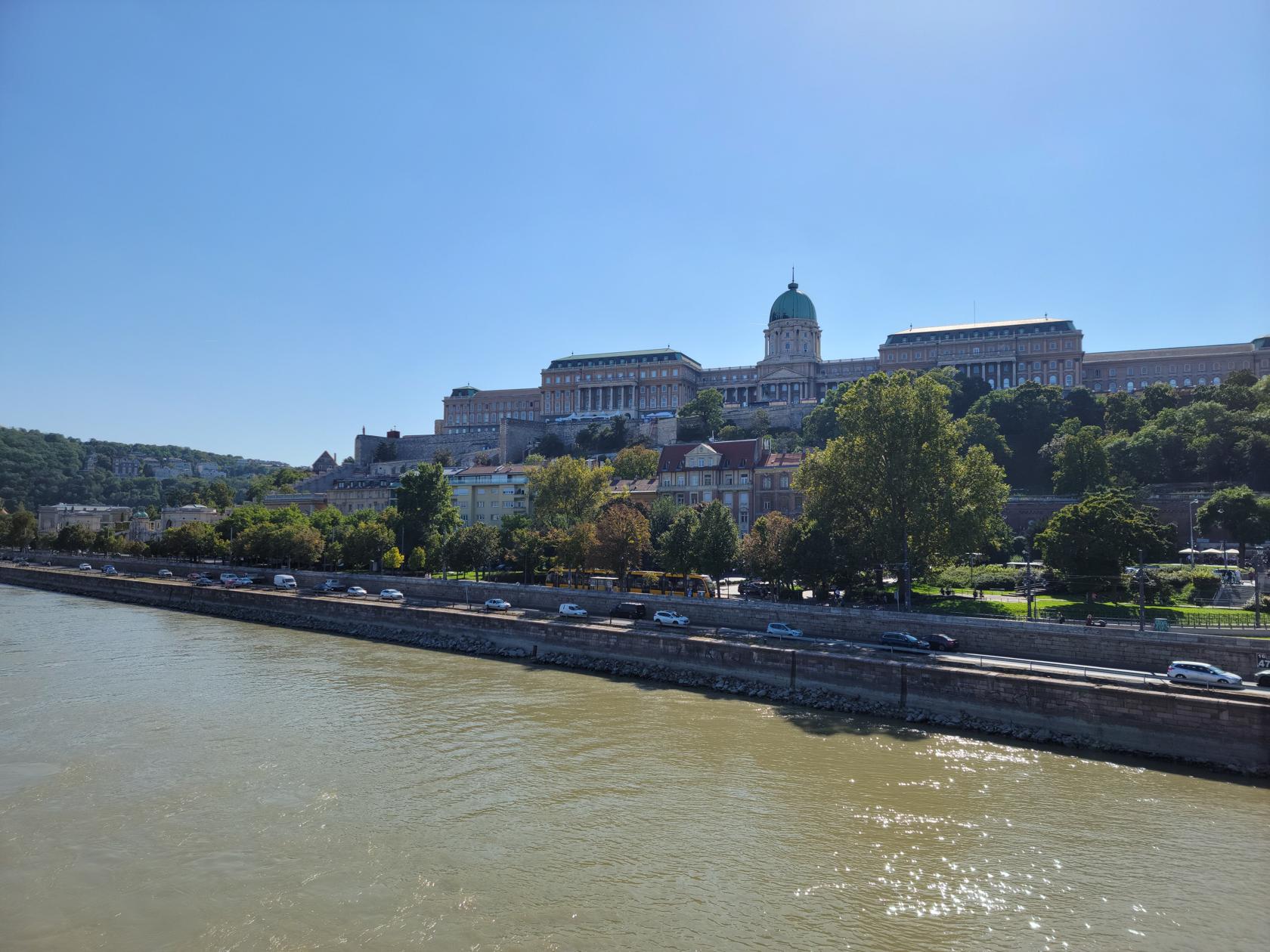
Budapest is split into two parts by the Danube River. As a natural obstacle, it offered some amount of protection, or defense, against enemies or in some cases, the population. Buda is such a place. It is where the royal families of Hungary chose to build their fine castle.
The Buda Castle – Buda – Budapest, Hungary
Buda Castle Hill
Buda Castle Hill is mostly wooded and covers only about a third of the entire city of Budapest. Its most prominent feature is the Castle Hill, where the Buda Castle and the Church of Matthias stand.
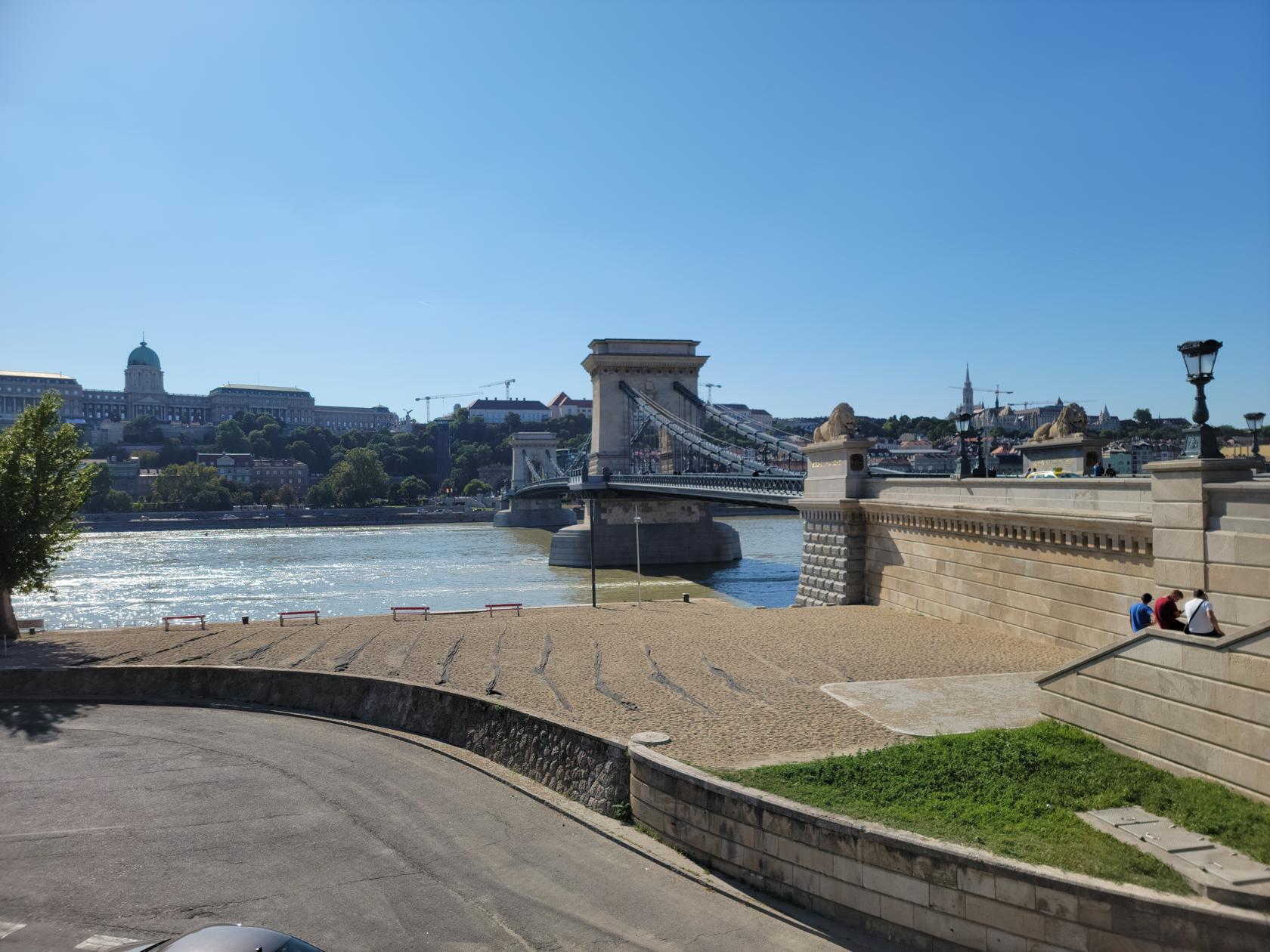
Buda Castle – Széchenyi Chain Bridge – Buda – Budapest, Hungary
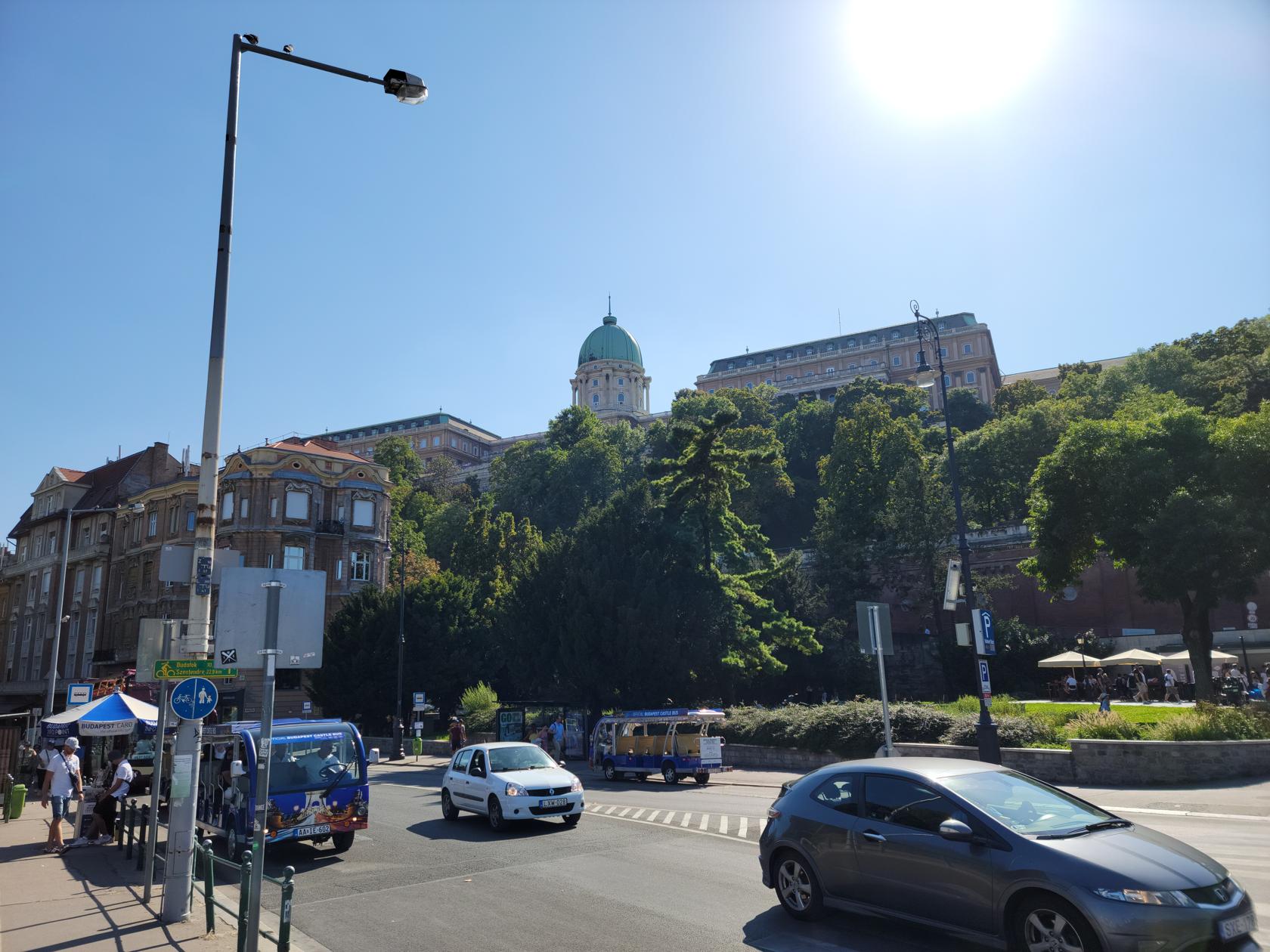
Buda Castle – Buda – Budapest, Hungary
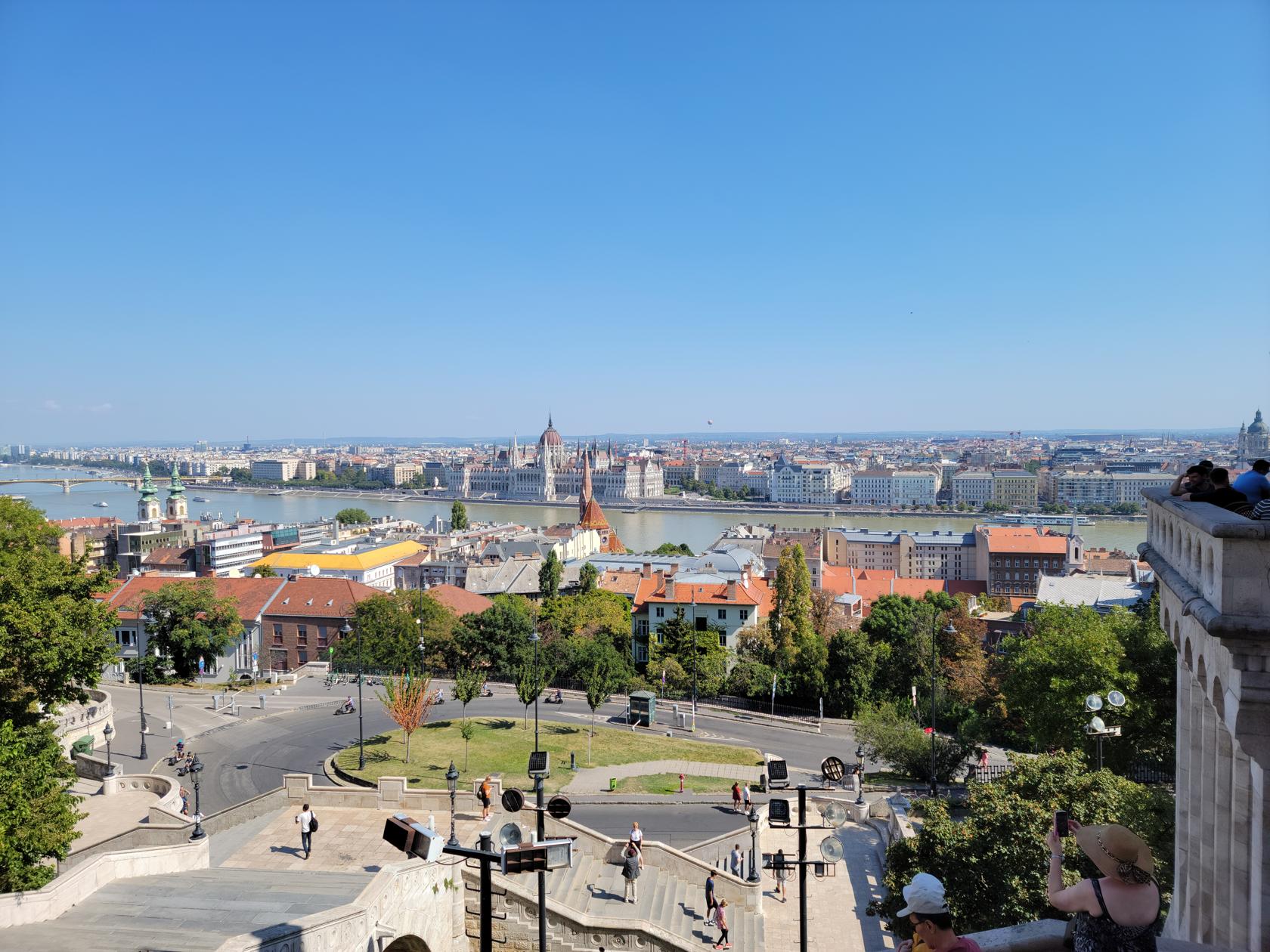
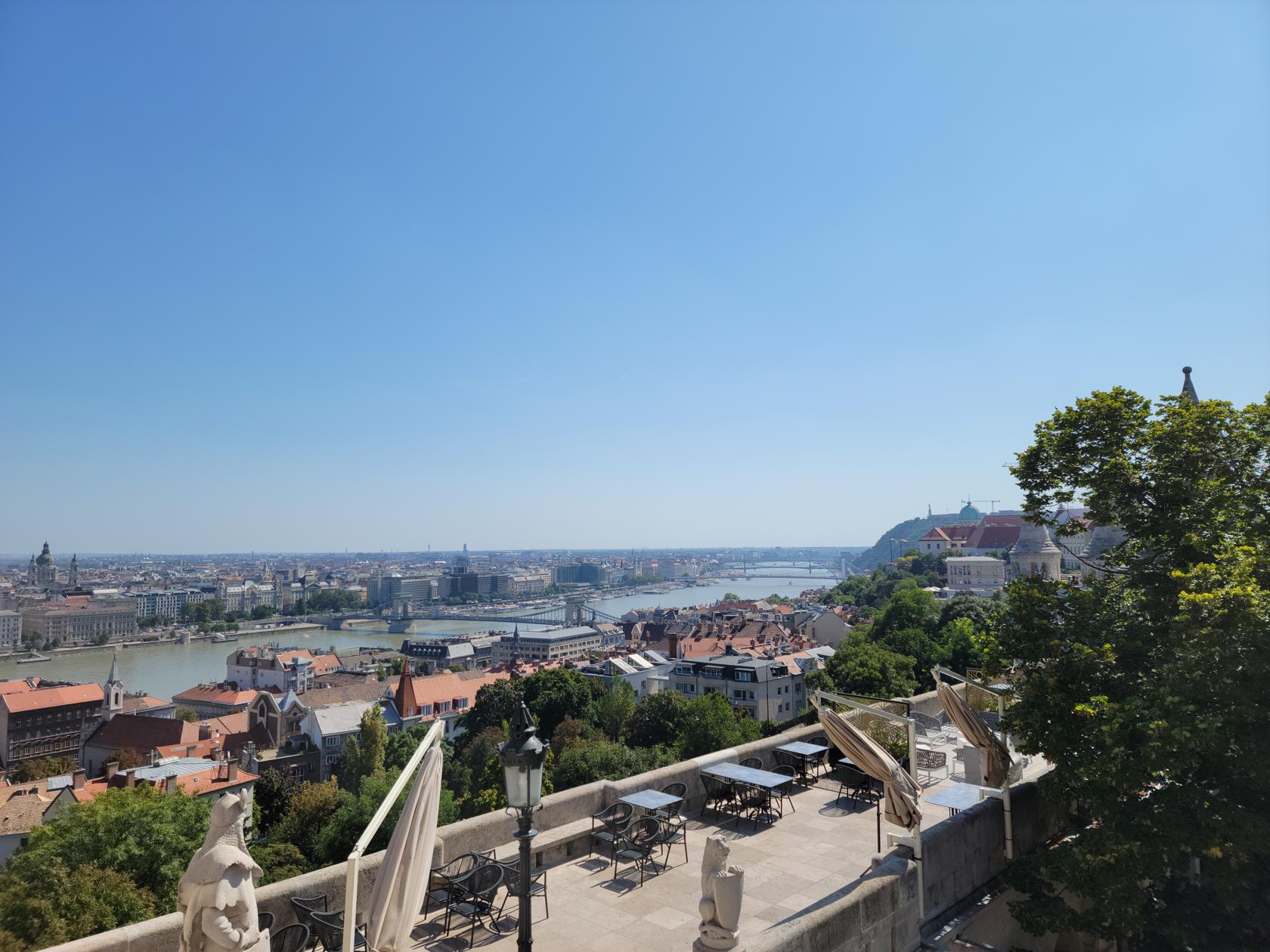
On top of this hill sits the Buda Castle and most royal buildings. It has a very good view of the valley below and Pest on the other side.
Pest, from Buda – Buda, Castle Hill – Budapest, Hungary
The Danube and Chain Bridge – Buda, Castle Hill – Budapest, Hungary
The Underhill Hospital Museum
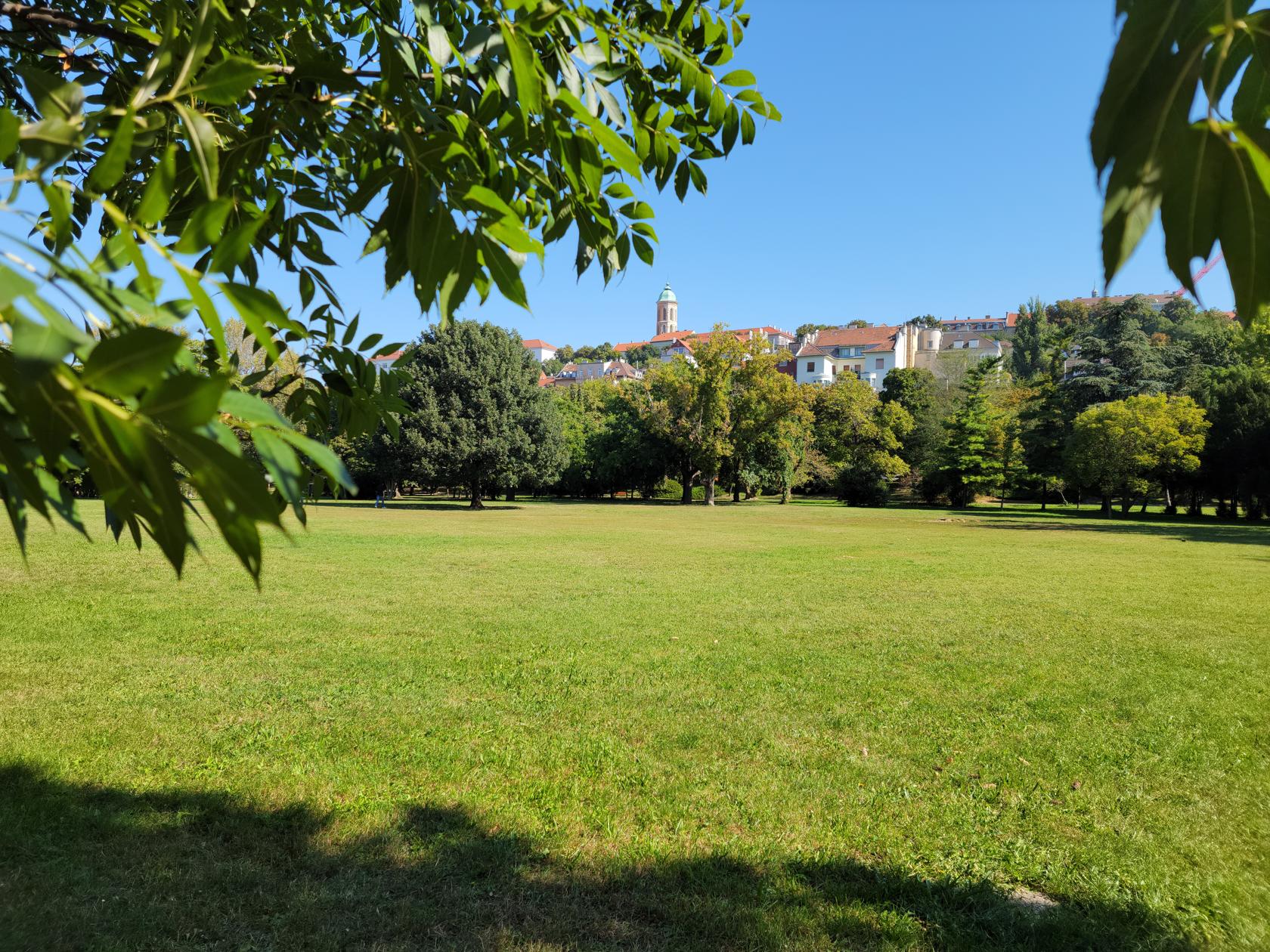
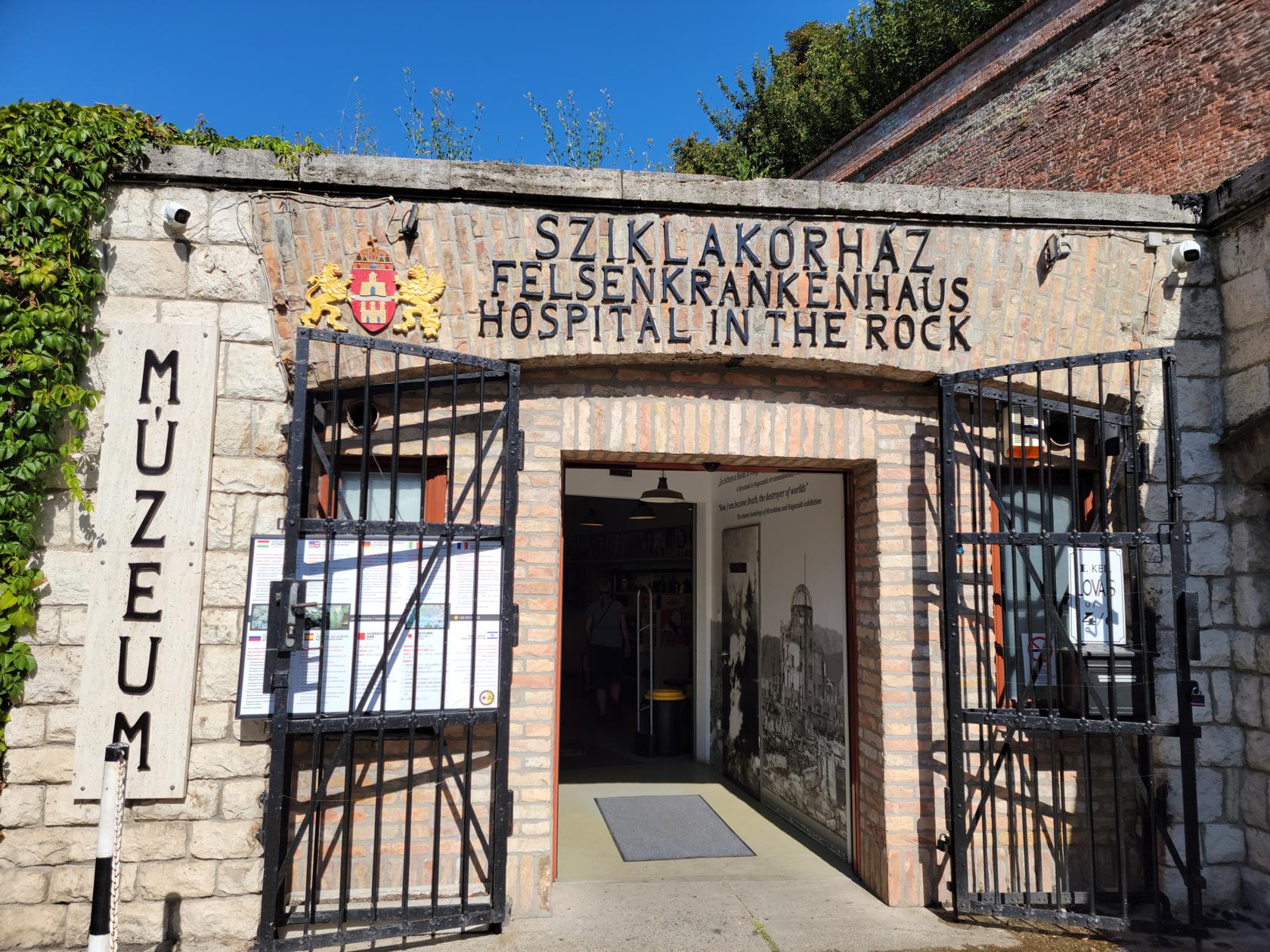
One of the more interesting curiosities on the hill is the Underhill Hospital. A short walk from the Budapest-Déli M2 stop through the Vérmezö Park will get you there, that is, after climbing a few sets of stairs, it is on a hill.
Vermezo Park – Buda, Castle Hill – Budapest, Hungary
Vérmezö Park – Buda, Castle Hill – Budapest, Hungary
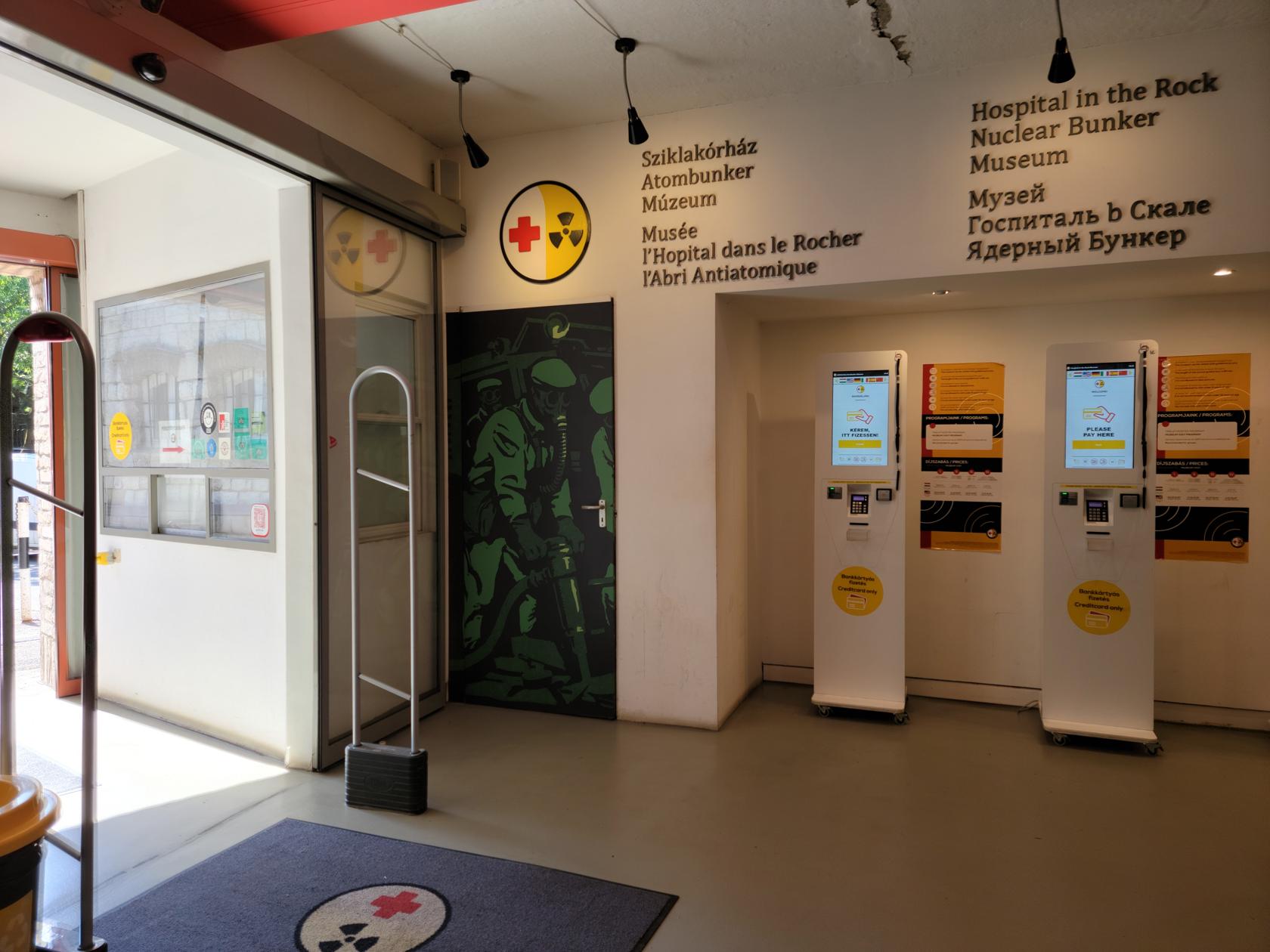
Unfortunately, you cannot take photographs inside, so inside will have to remain a mystery until one visits. However, a bit of history may peek one’s interest. It started as a system of caves dug out from the hill for storage and then protection. Later, it was confiscated and repurposed as a hospital during the wars. It was also used as an air-raid shelter and later efforts were made to make it into a hospital which could take patients in the event of a nuclear war. Though noble, it will become quite clear to anyone who visits that the approach, space and logistics were oversimplified and in the end – unpractical.
Underhill Hospital Museum – Buda, Castle Hill – Budapest, Hungary
Underhill Hospital Museum – Buda, Castle Hill – Budapest, Hungary
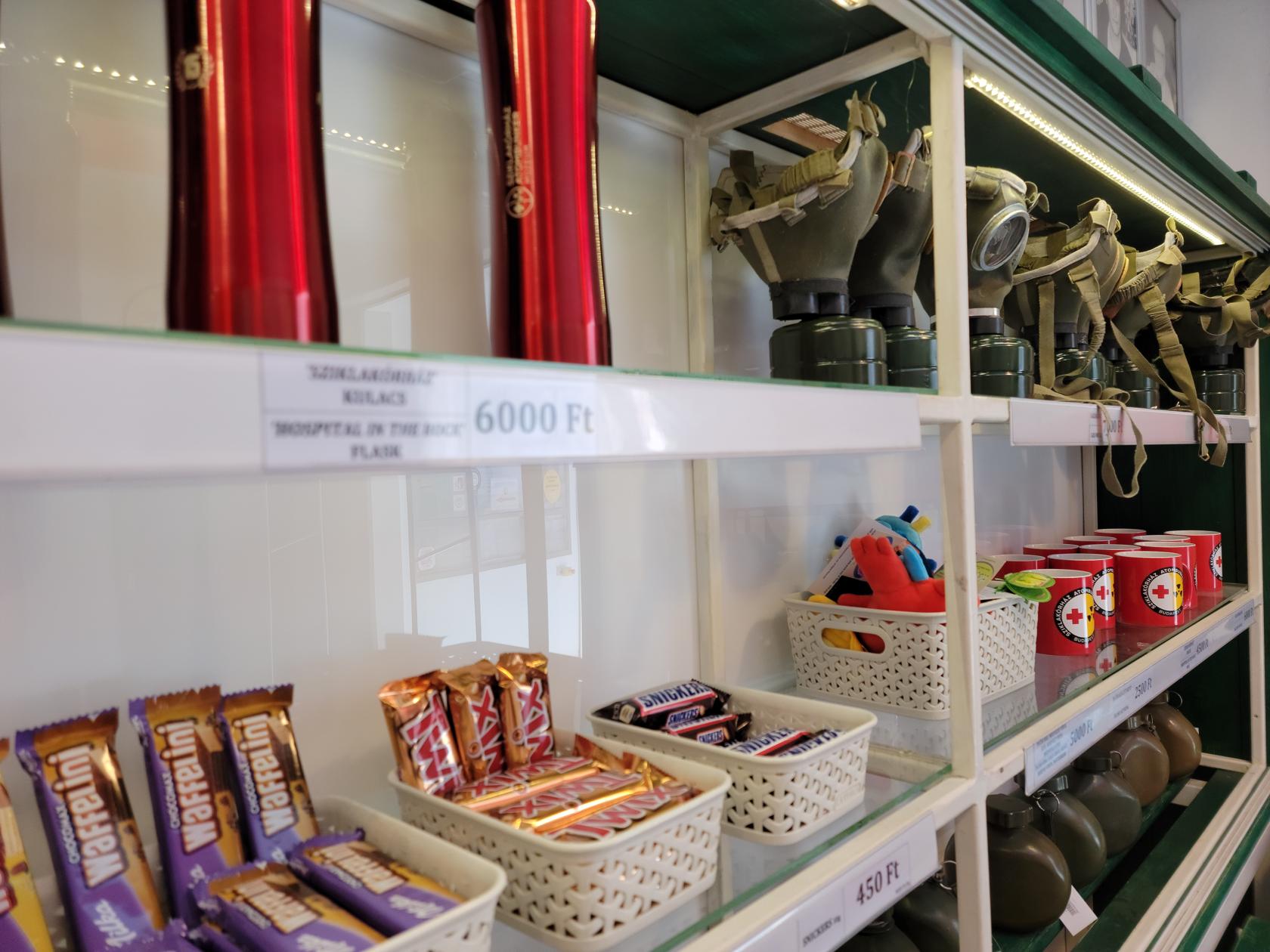
Gas masks – Underhill Hospital Museum – Buda, Castle Hill – Budapest, Hungary
The Matthias Church
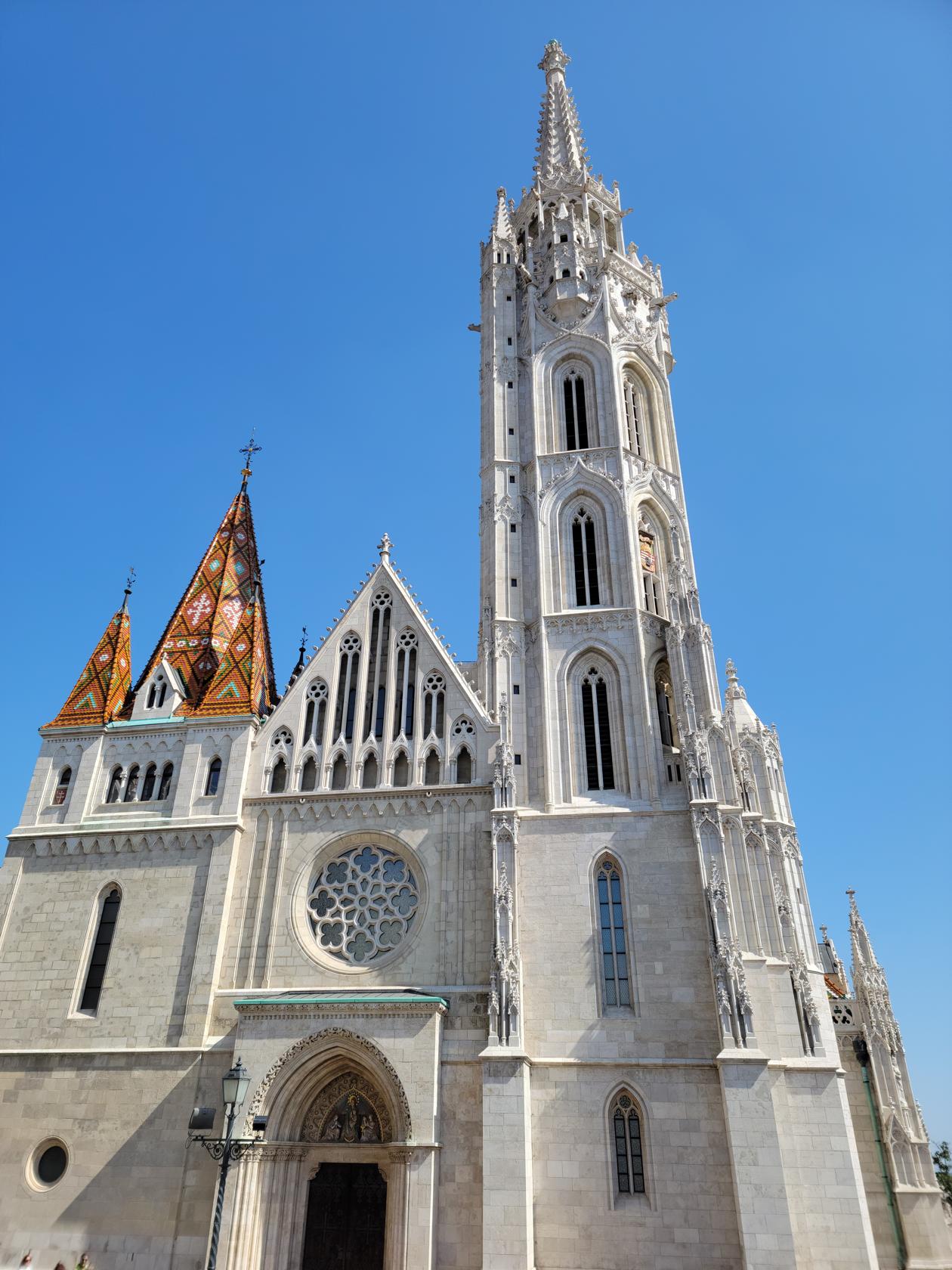
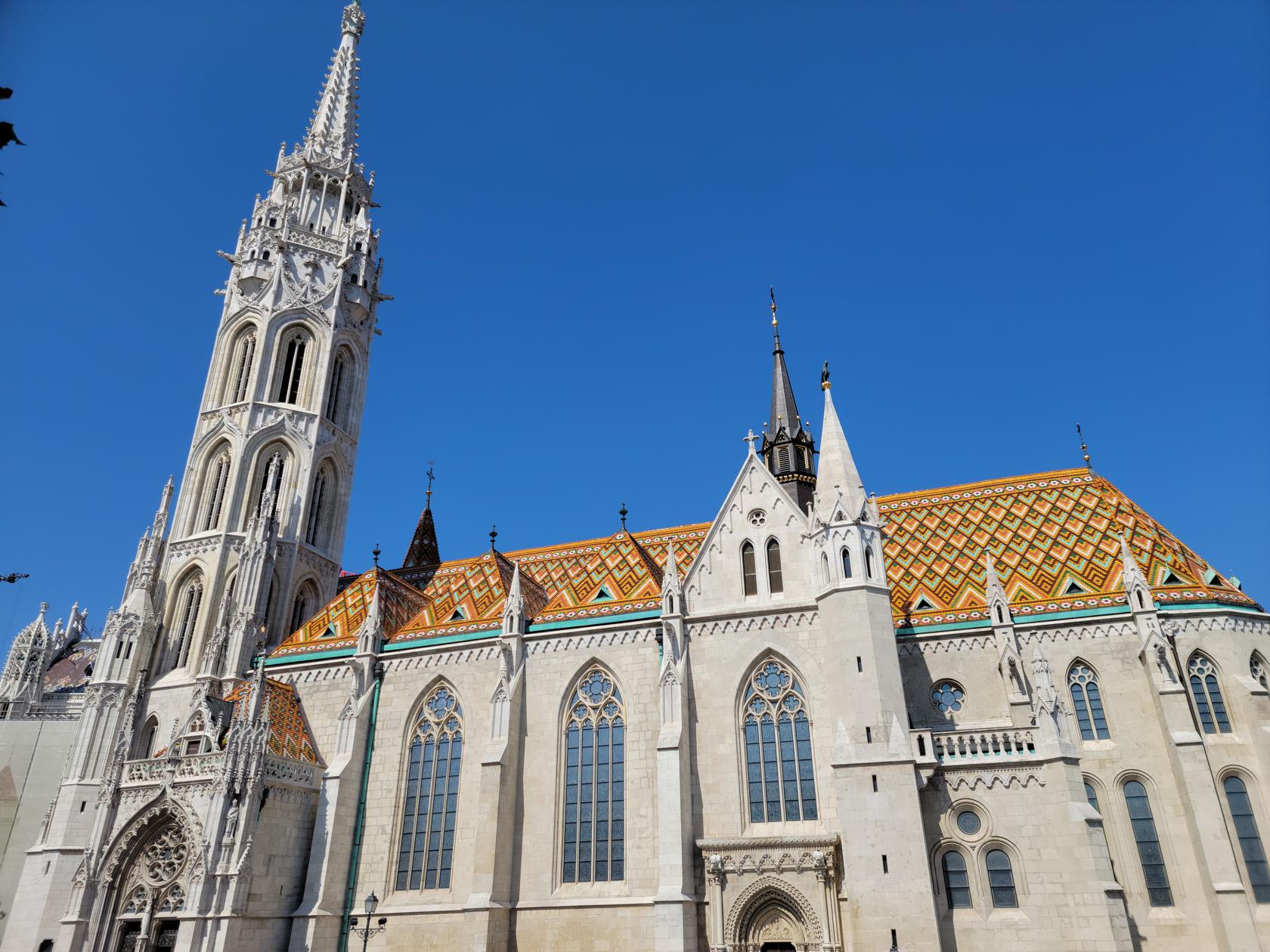
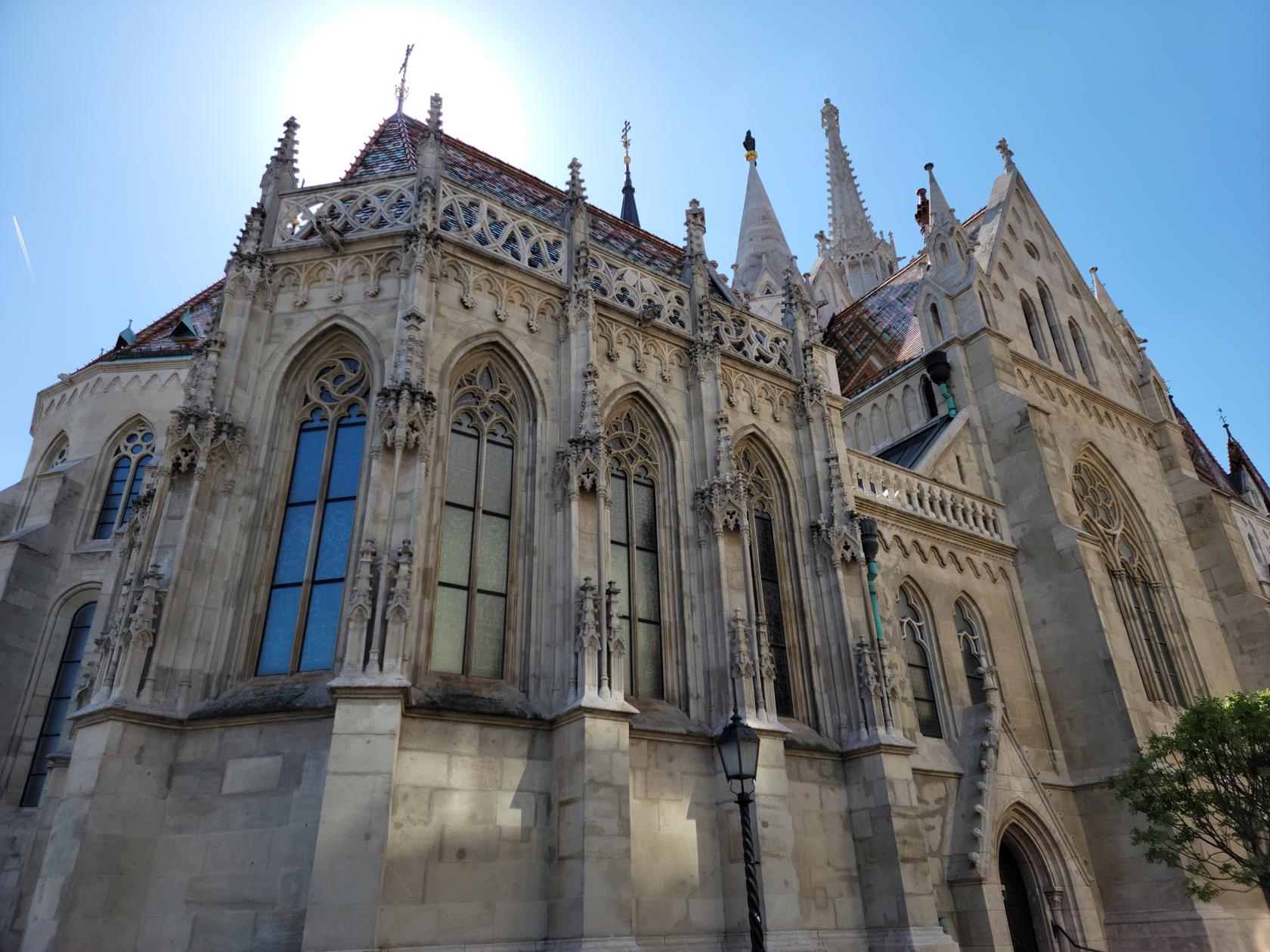
One can not help point out the Matthias Church[1]also known as The Church of the Assumption of Buda Castle when they reach the top of the hill. With its one tower and beautifully shiny tiles, it does not show its true age. It actually has a remarkable history which actually makes it tightly woven with all Hungarian history. Two kings had their coronation there and it has had many names in the past and has been rebuilt and reconstructed many times. Definitely worth a visit.
Matthias Church – Buda, Castle Hill – Budapest, Hungary
Holy Trinity Church – Buda, Castle Hill – Budapest, Hungary
Holy Trinity Church – Buda, Castle Hill – Budapest, Hungary
Széchenyi Chain Bridge
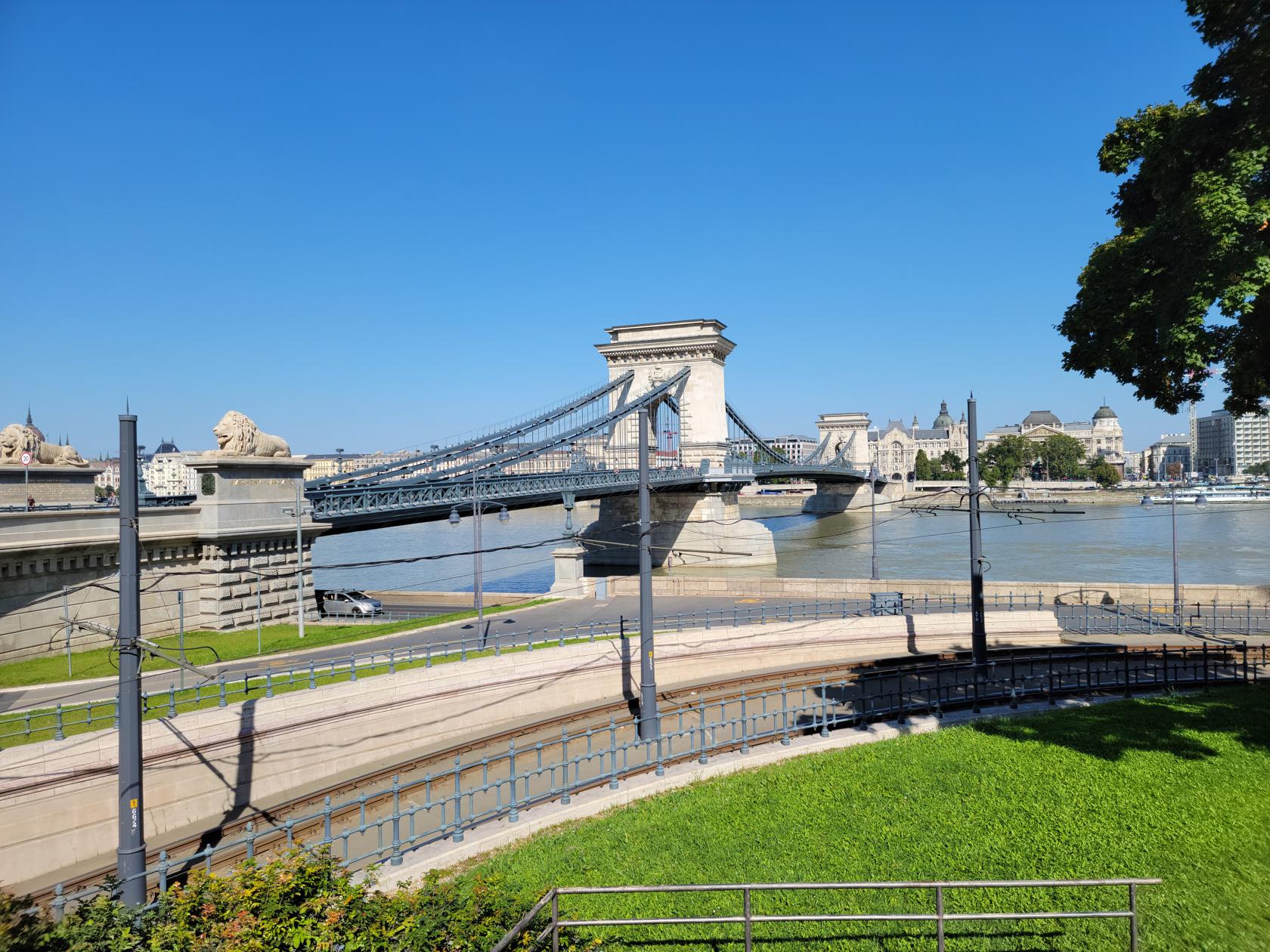
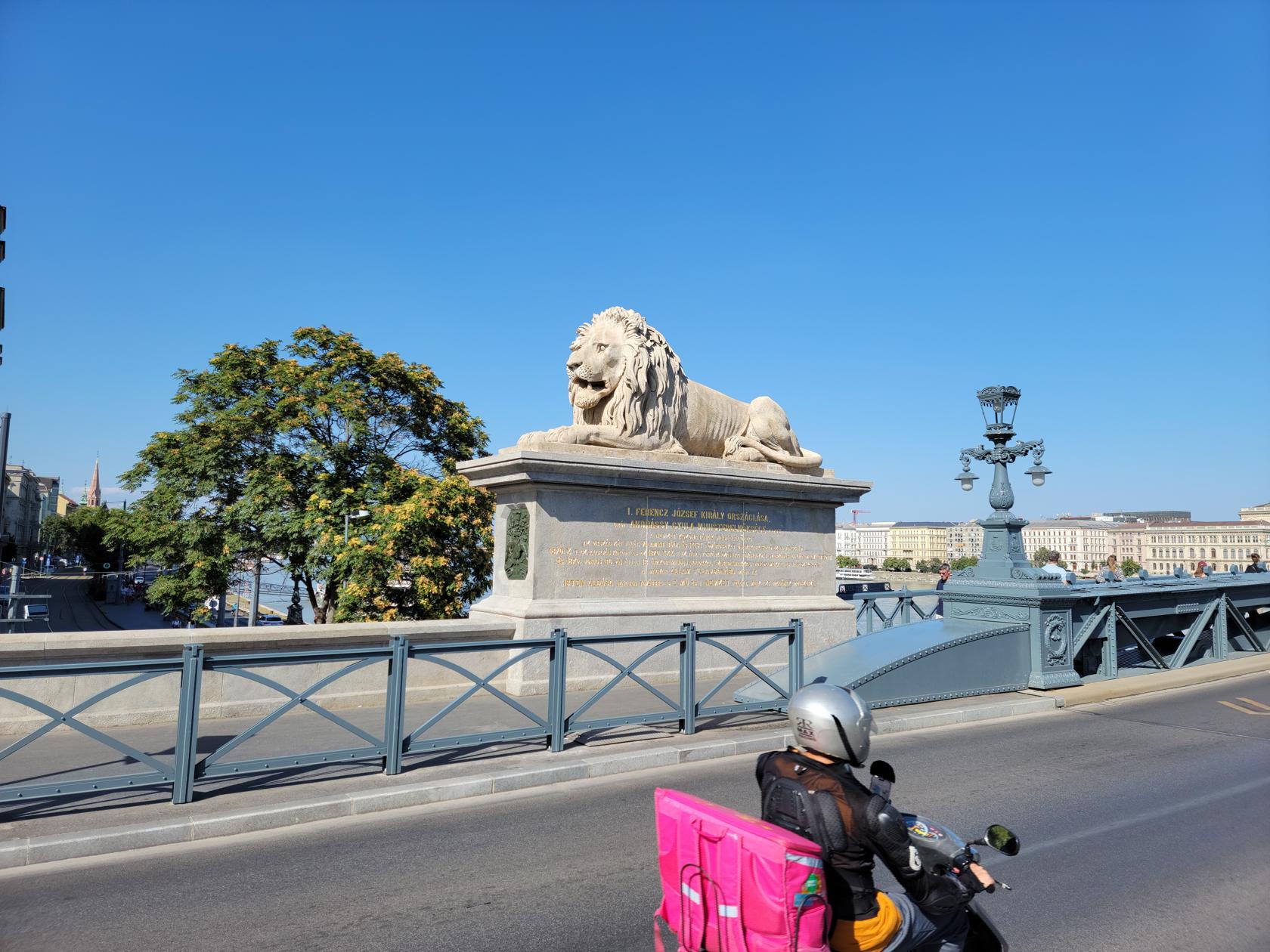
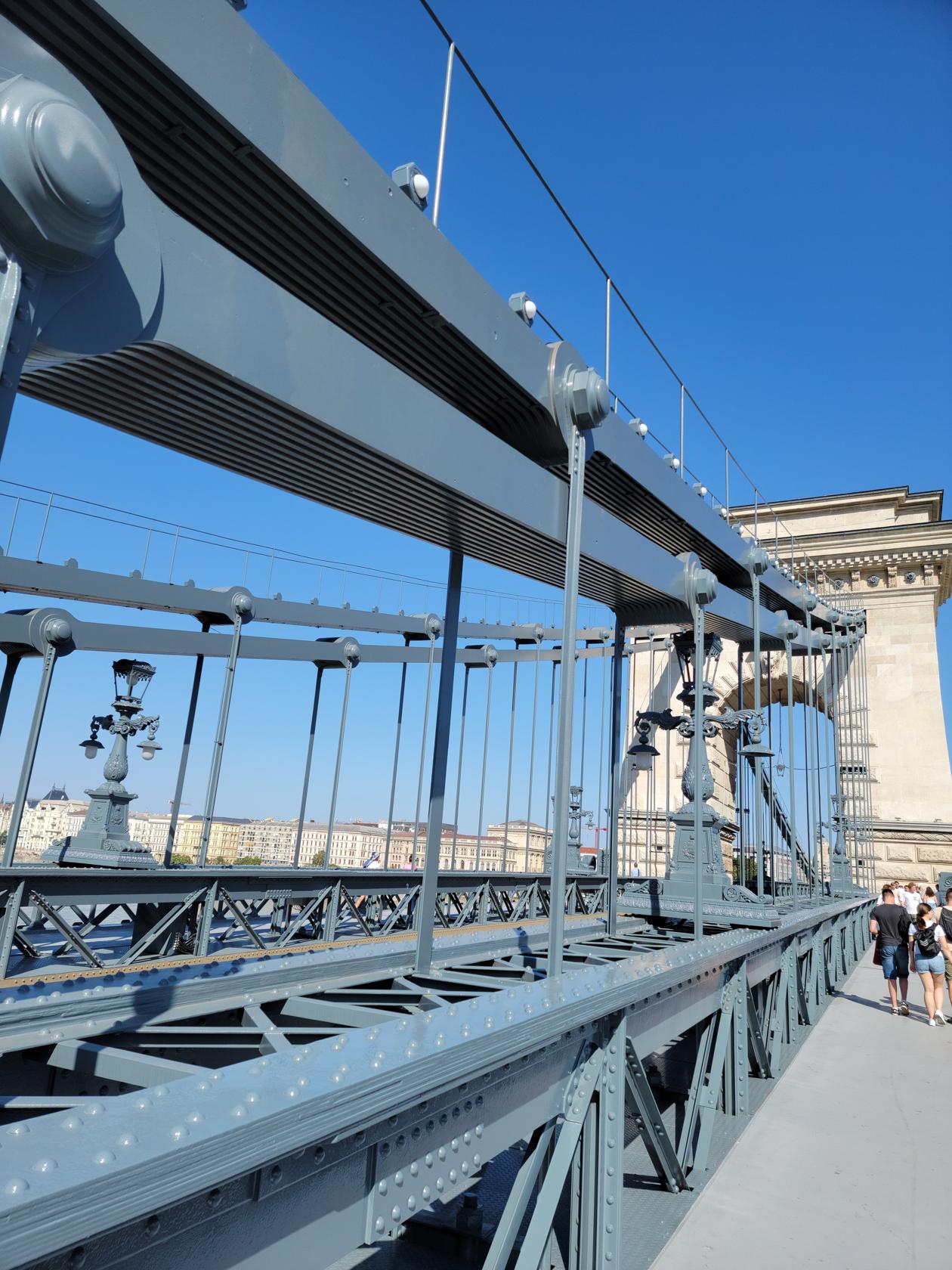
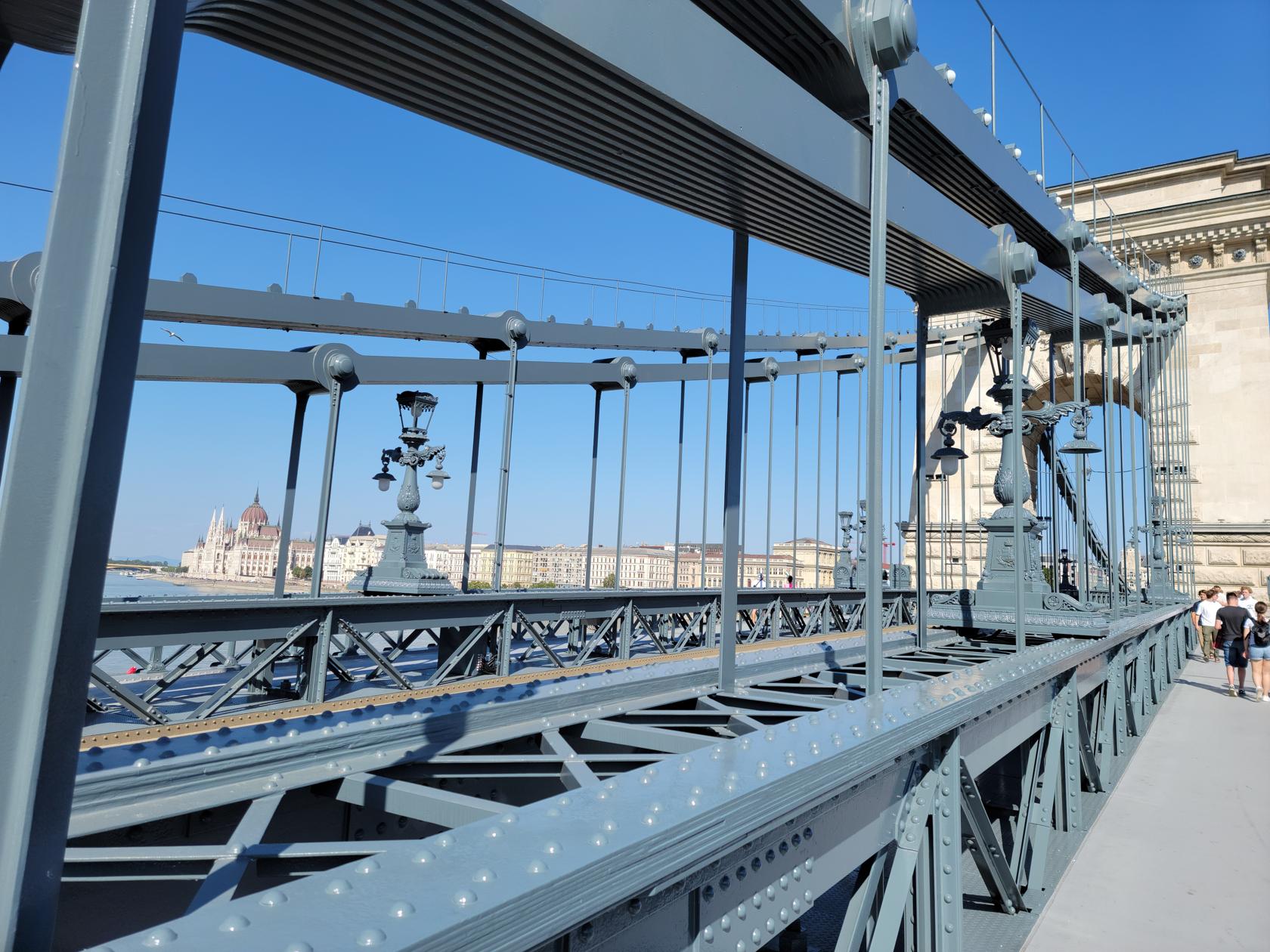
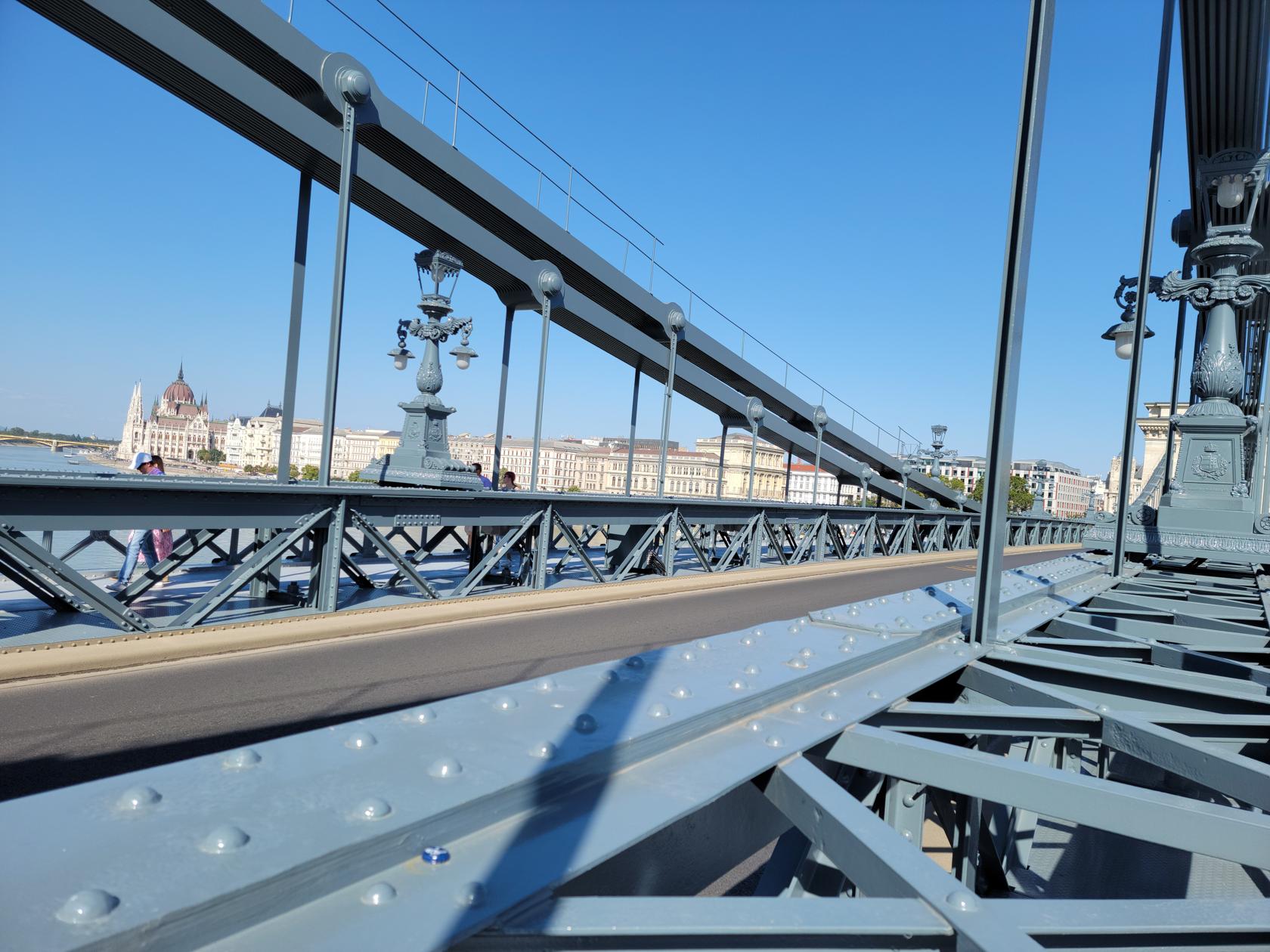
The two sides of Budapest were not formerly brought together by bridge until 1849, when the Széchenyi Chain Bridge. It is probably one of the most remarkable features of the city, just because it is so different. Happily, the Hungarians had the prescience to rebuild it after the war exactly they way it was before, preserving it character and that of the city. A walk over this bridge is actually worth the time.
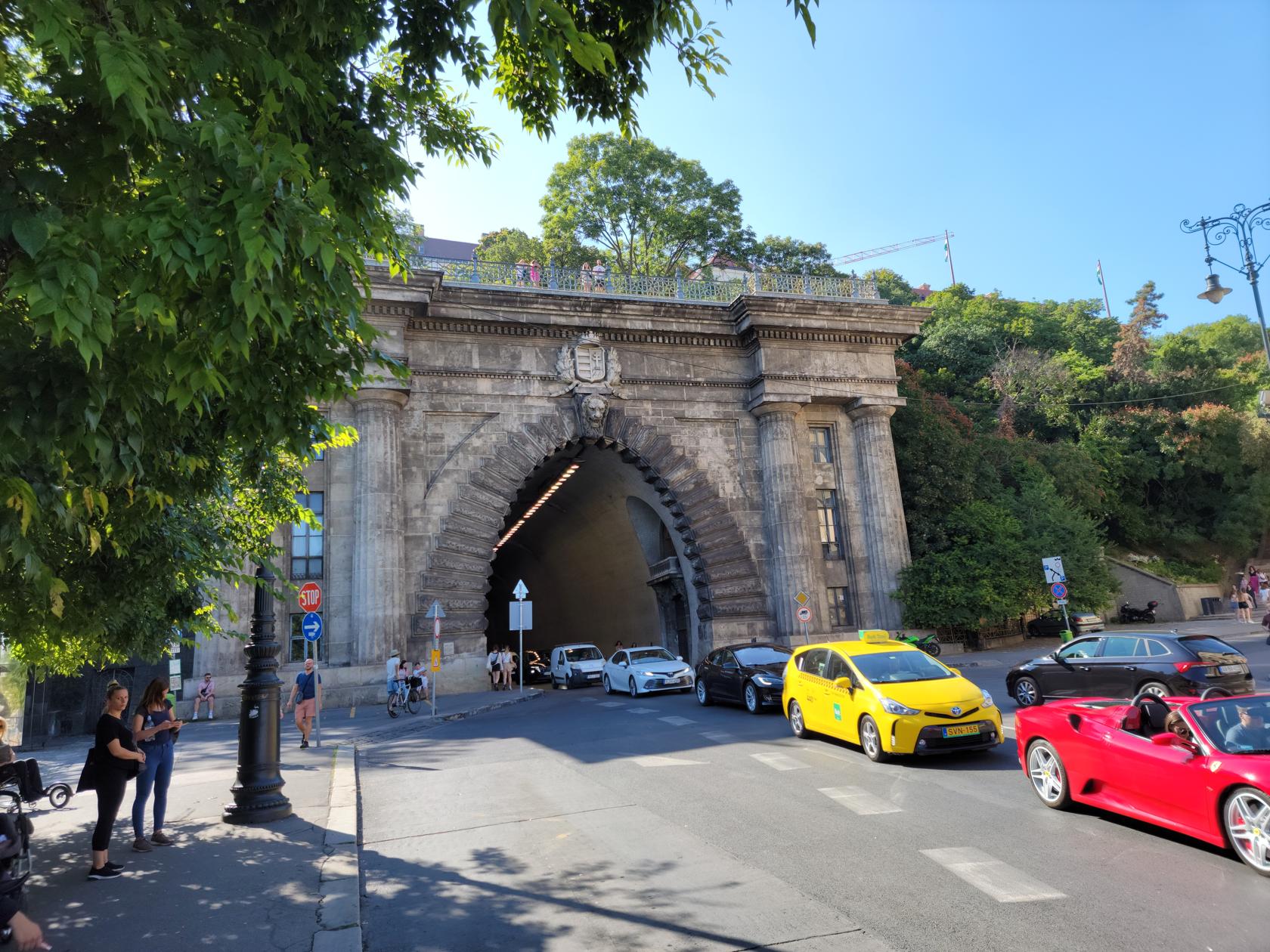
Budai Váralagút, leading to chain bridge – Buda – Budapest, Hungary
Széchenyi Chain Bridge – Buda – Budapest, Hungary
Széchenyi Chain Bridge – Buda – Budapest, Hungary
Széchenyi Chain Bridge – Buda – Budapest, Hungary
Széchenyi Chain Bridge – Buda – Budapest, Hungary
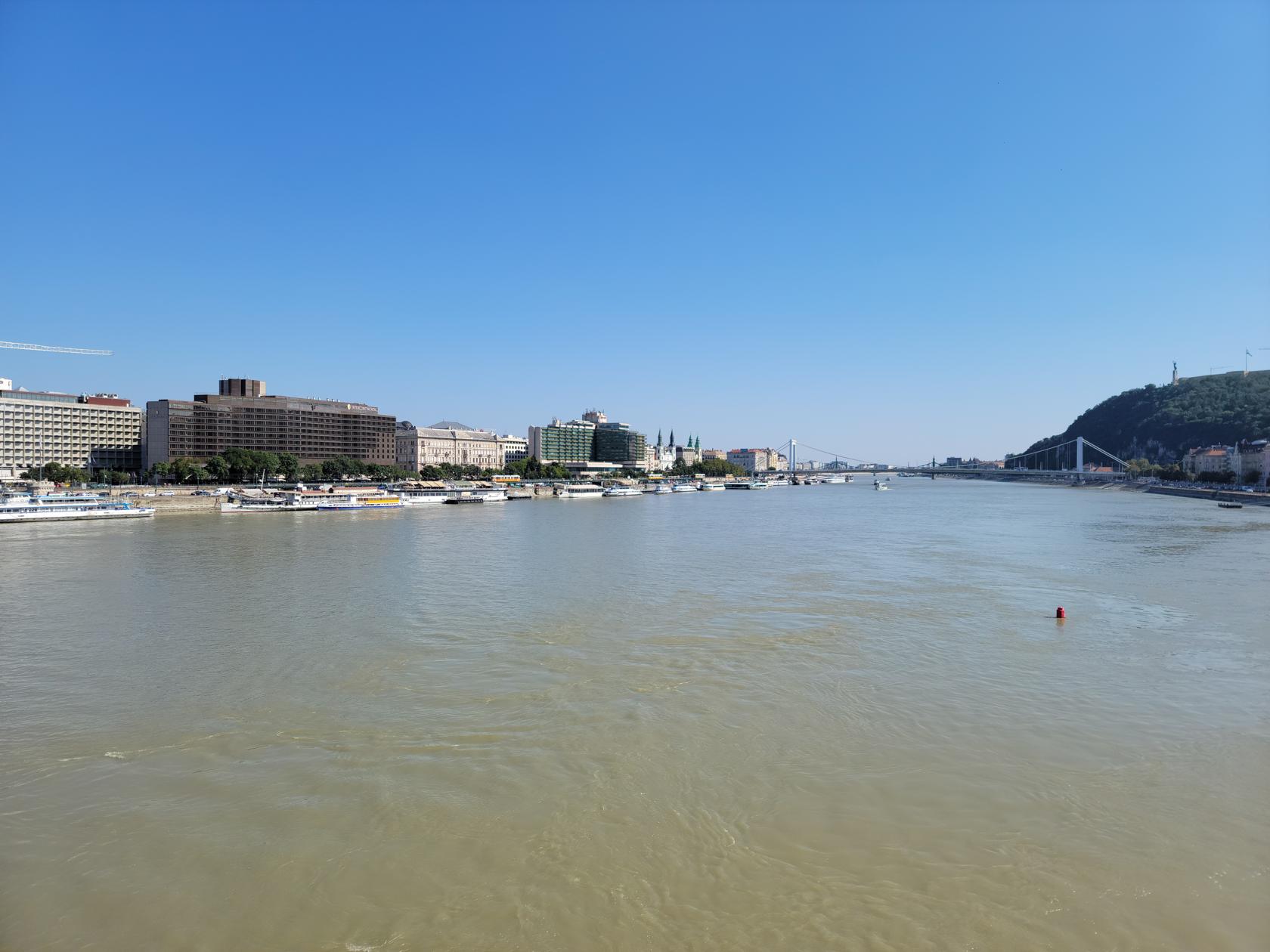
The Danube – Széchenyi Chain Bridge – Buda – Budapest, Hungary
Széchenyi Chain Bridge – Buda – Budapest, Hungary
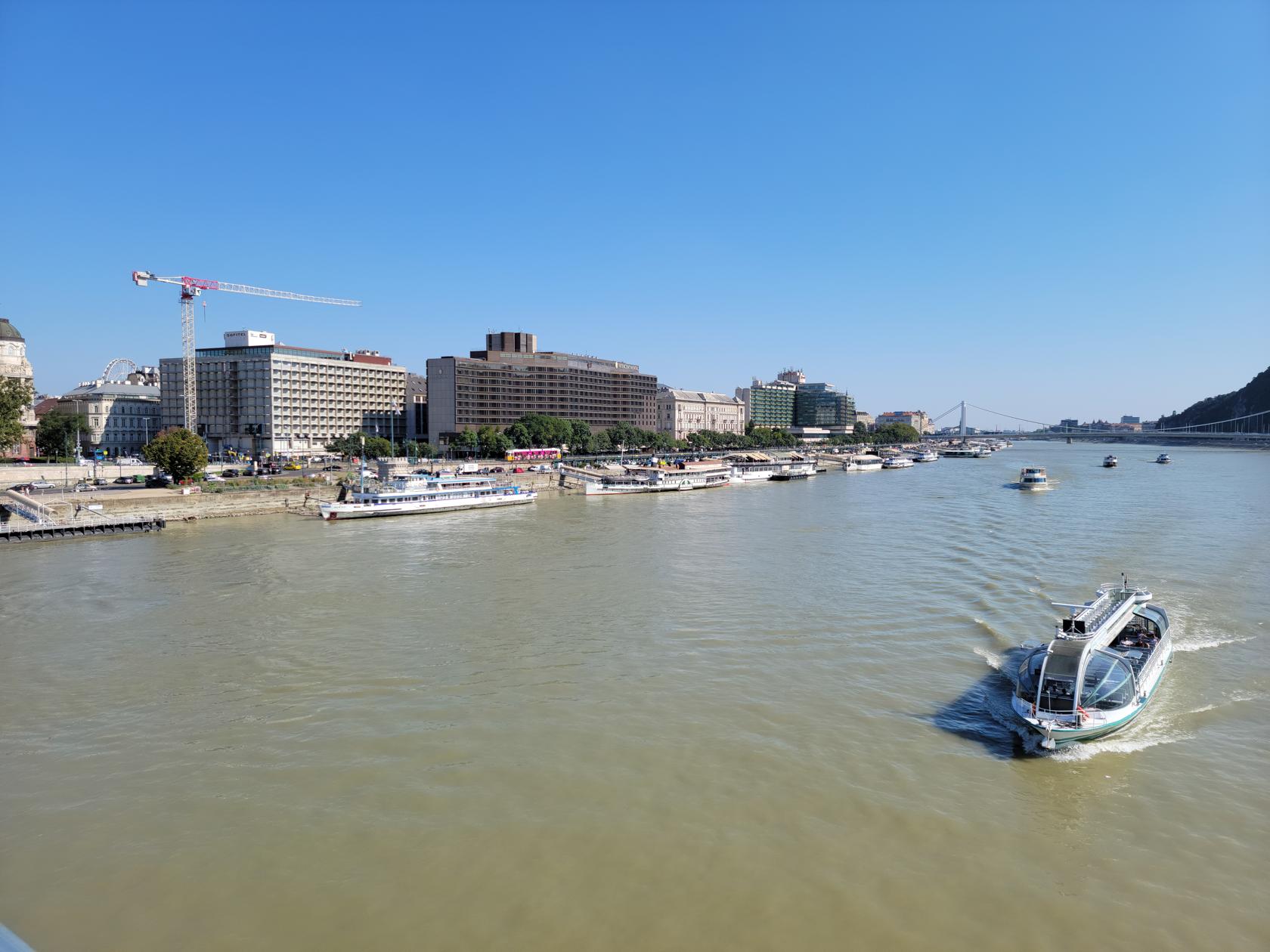
River Boats – Széchenyi Chain Bridge – Buda – Budapest, Hungary
Széchenyi Chain Bridge – Pest – Budapest, Hungary
Restaurants
We only ate at one restaurant on the Buda side, since there were only a couple points of interest for us on east side of the river.
Arany Hordo Cafe
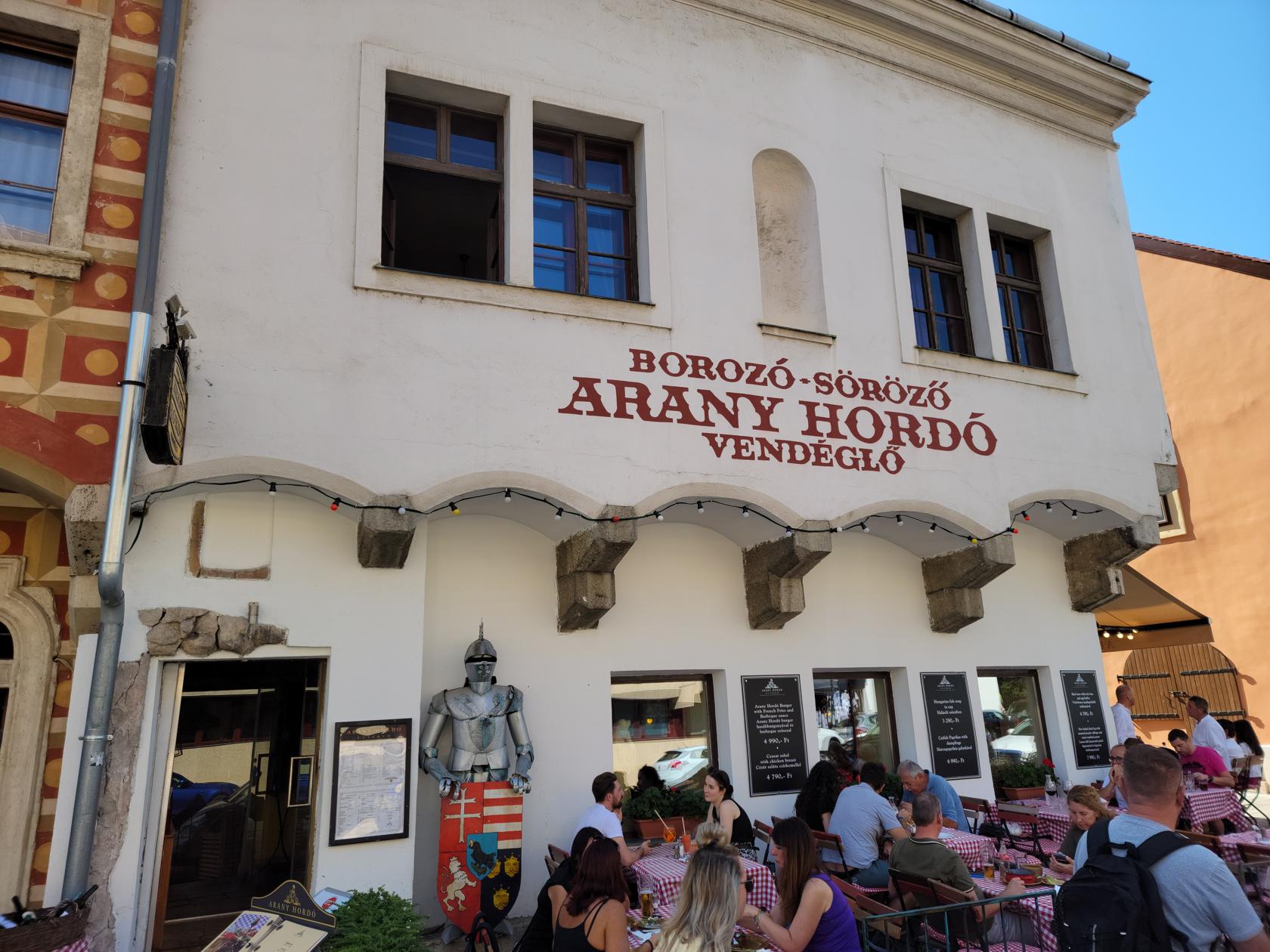
The Arany Hordo Cafe might be called the Gold Barrel Restaurant on you map application, not sure why.
Arany Hordo Cafe – Buda Castle Hill – Budapest, Hungary
It is a small cafe on the corner of Tárnok utca and Anná utca on Buda Castle Hill, not far from the Matthias Church. It has nice open air seating, if you can get a table. The food is decent, as well as the service and the prices are reasonable considering the area.
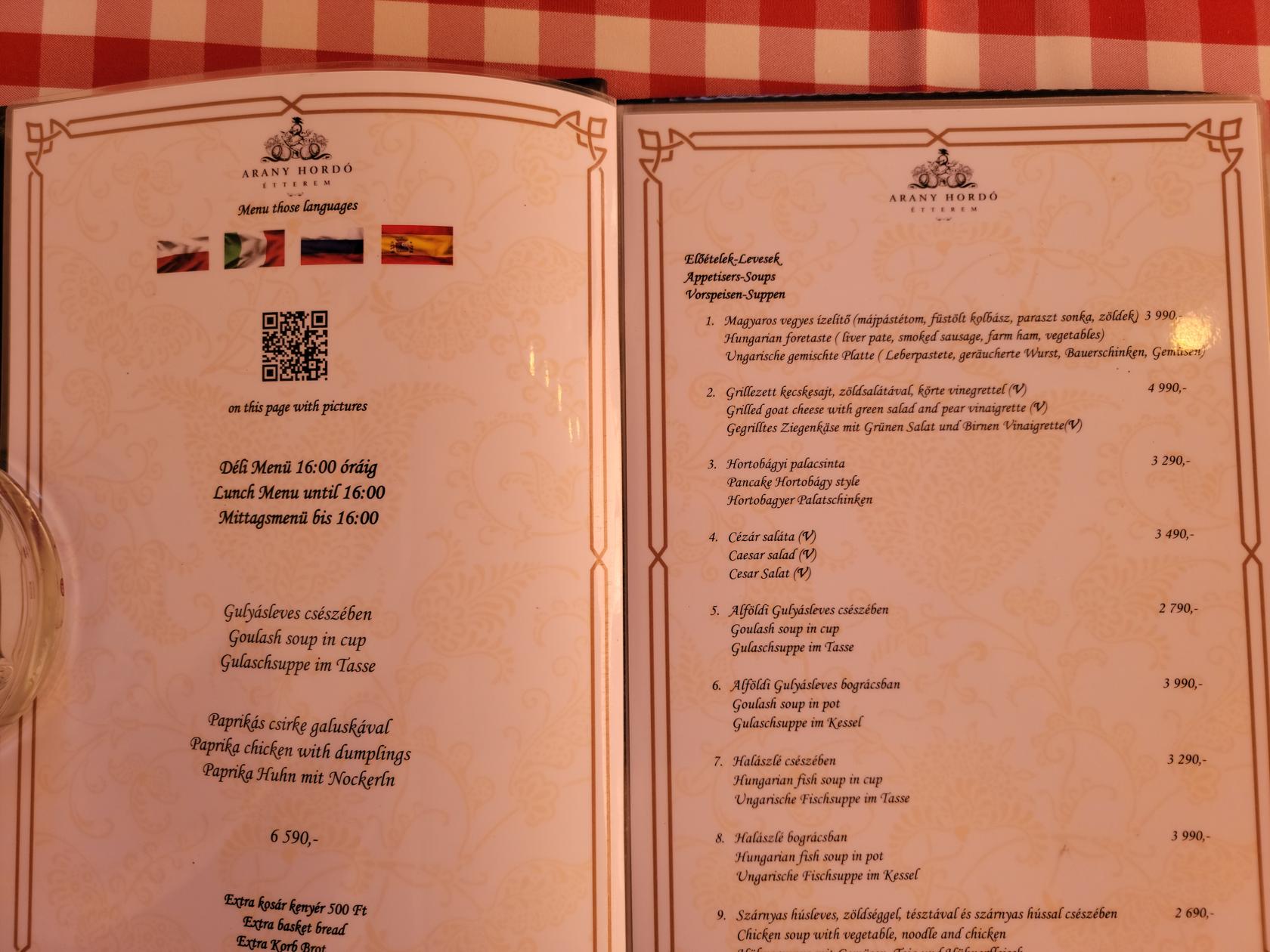
Menu – Arany Hordo Cafe – Buda Castle Hill – Budapest, Hungary
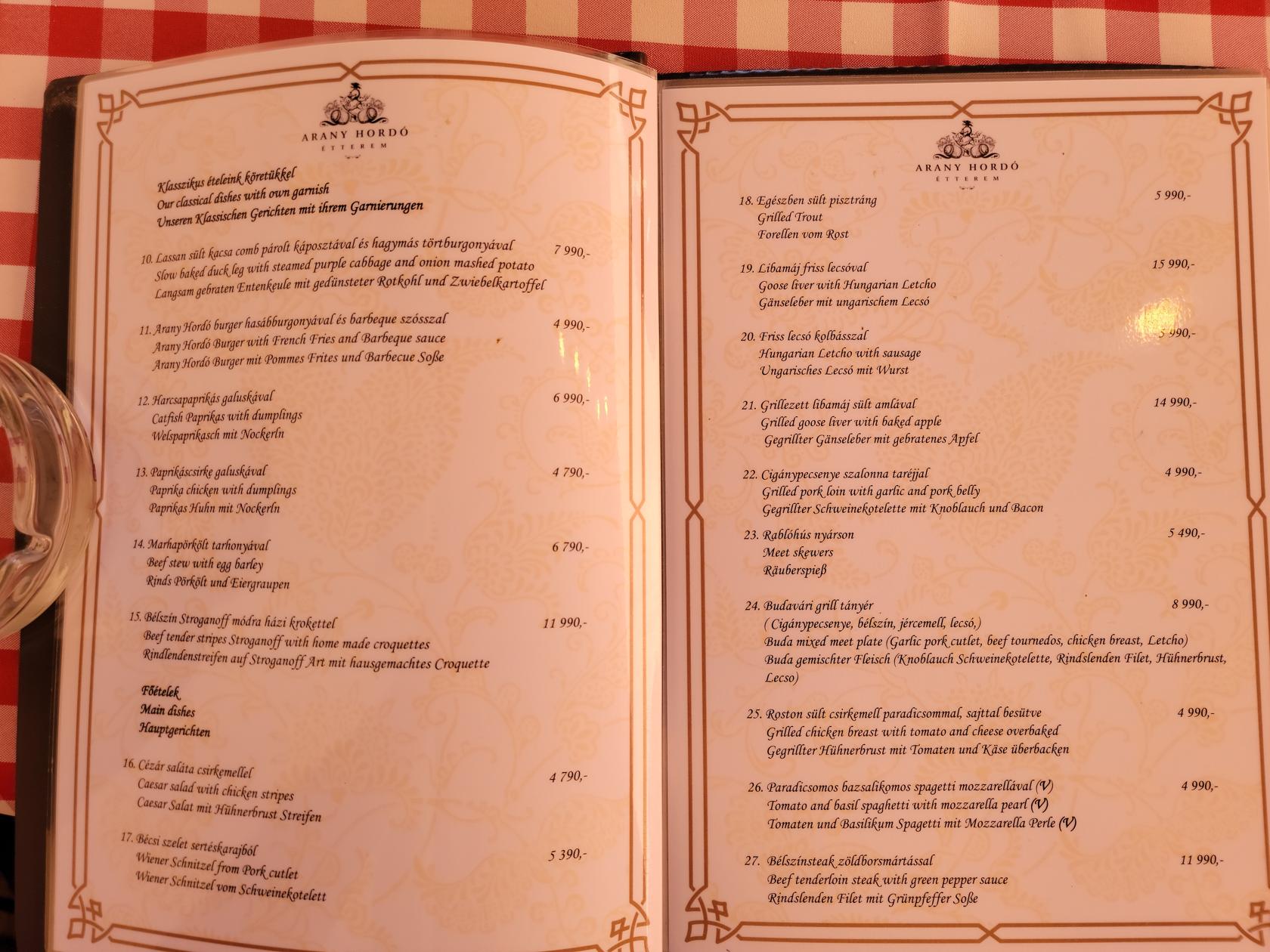
Menu – Arany Hordo Cafe – Buda Castle Hill – Budapest, Hungary
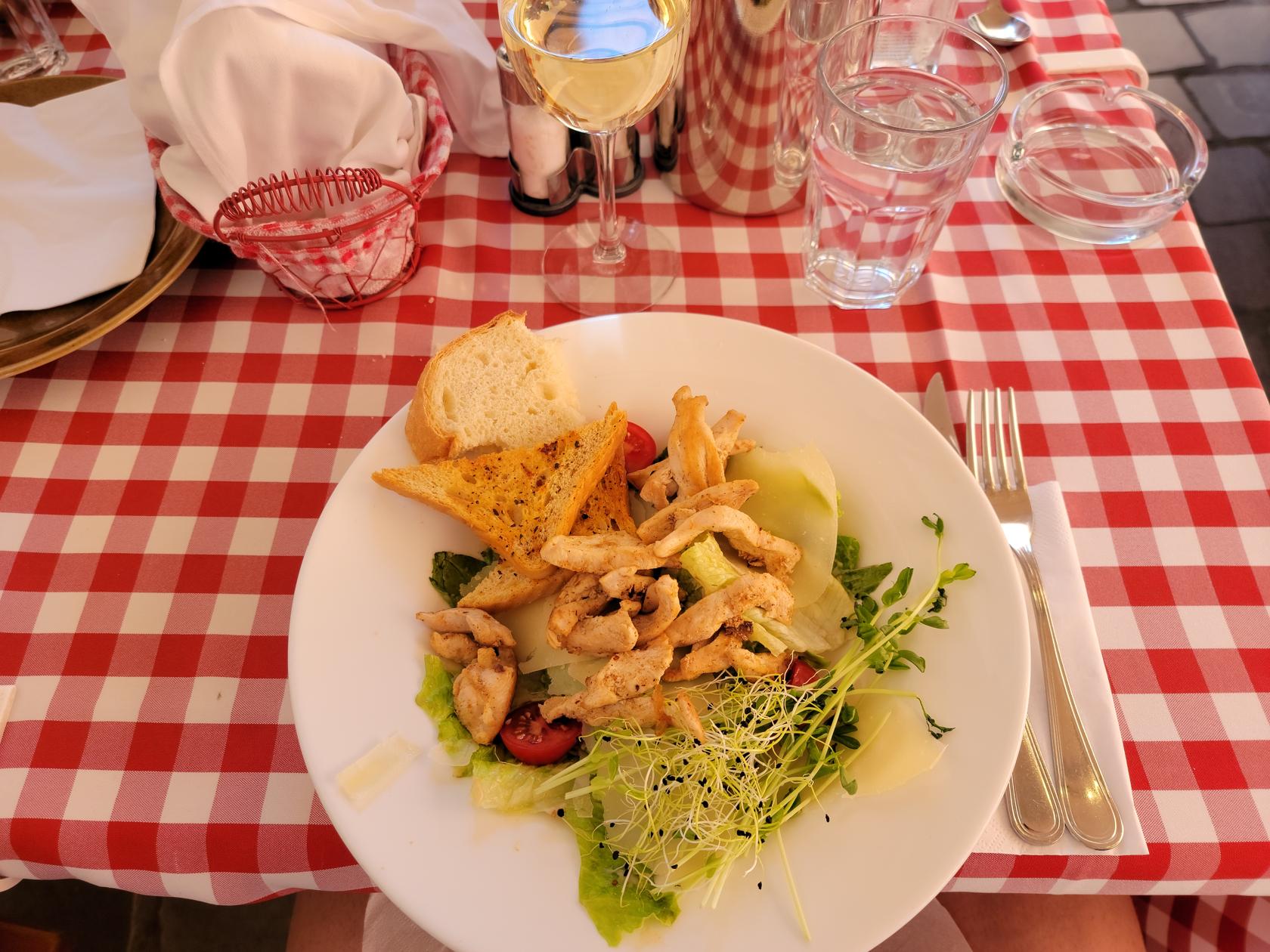
We stuck to simple fare for lunch and enjoyed it immensely.
Mixed Salad with Chicken – Arany Hordo Cafe – Buda Castle Hill – Budapest, Hungary
Budapest is a very clean city, with a strange, almost quiescent nature to it. For the most part there is a noticeable absence of police, yet there appears to be very little crime, or at least the appearance of no crime, unlike other countries like Italy or France, where the authorities parade around with weapons and make their presence known.
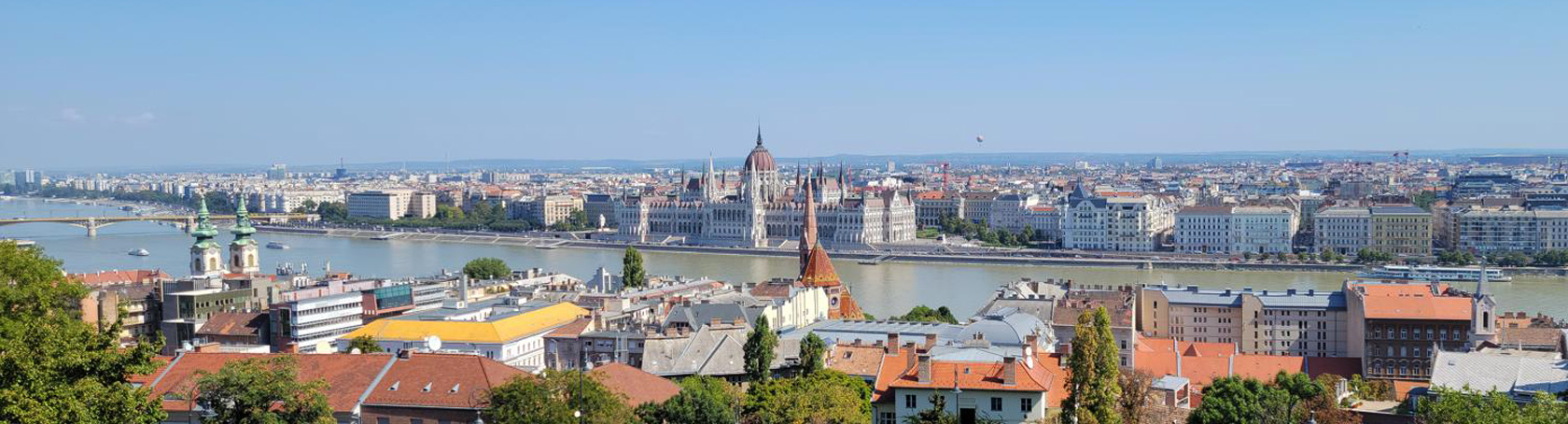
The Parliament Building – Pest – Budapest, Hungary
The Pest side of Budapest has most, if not all, of the hotels and many of the restaurants. It has monuments on every corner and more history than you probably want to consume. Both sides are very active, but the Pest side is the side where all the boats dock, like Viking River Cruises and others, so it can get quite busy after ten o’clock in the morning.
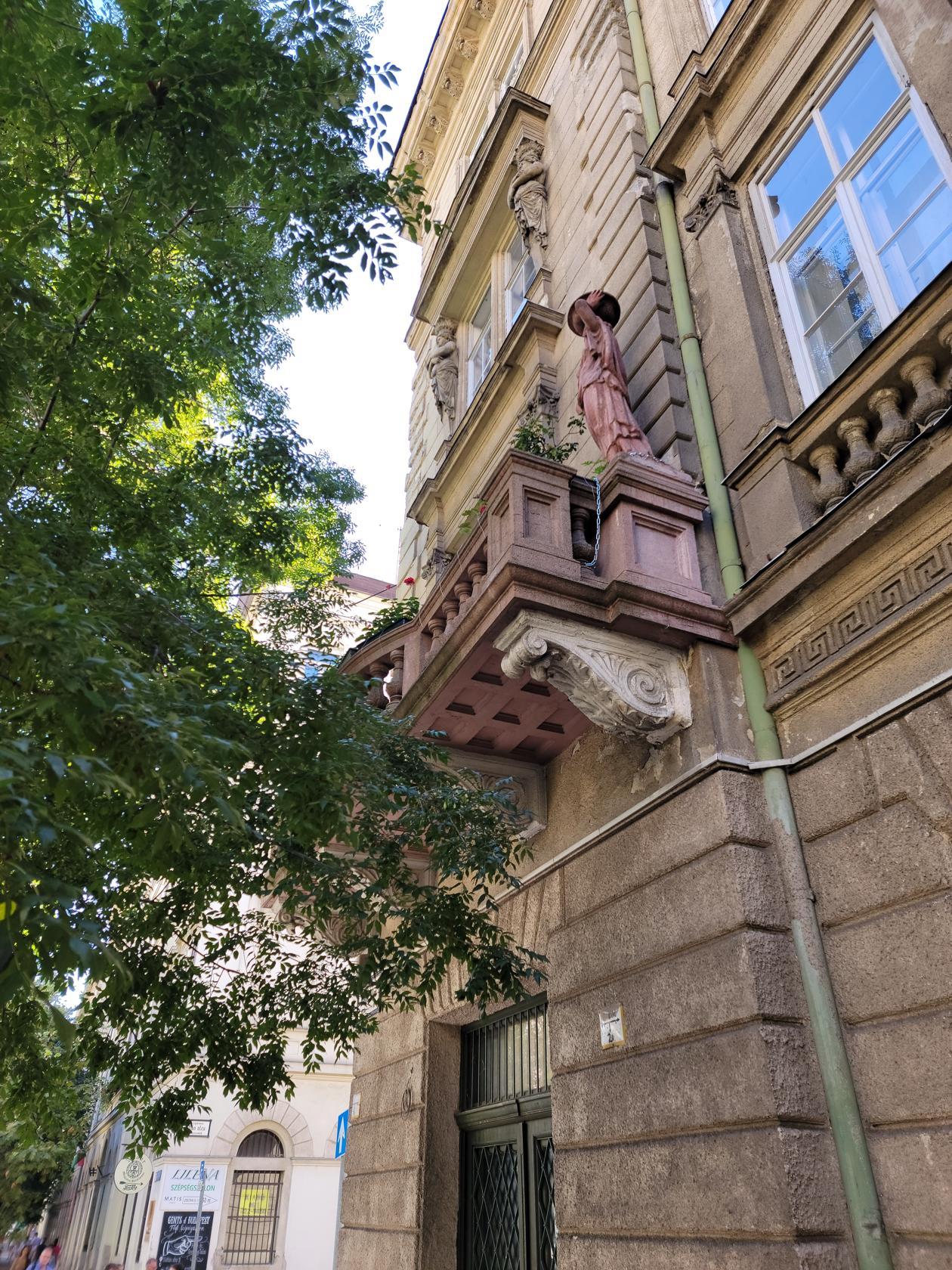
Interesting building balcony – Pest – Budapest, Hungary
Statue – Pest – Budapest, Hungary
Monument – Pest – Budapest, Hungary
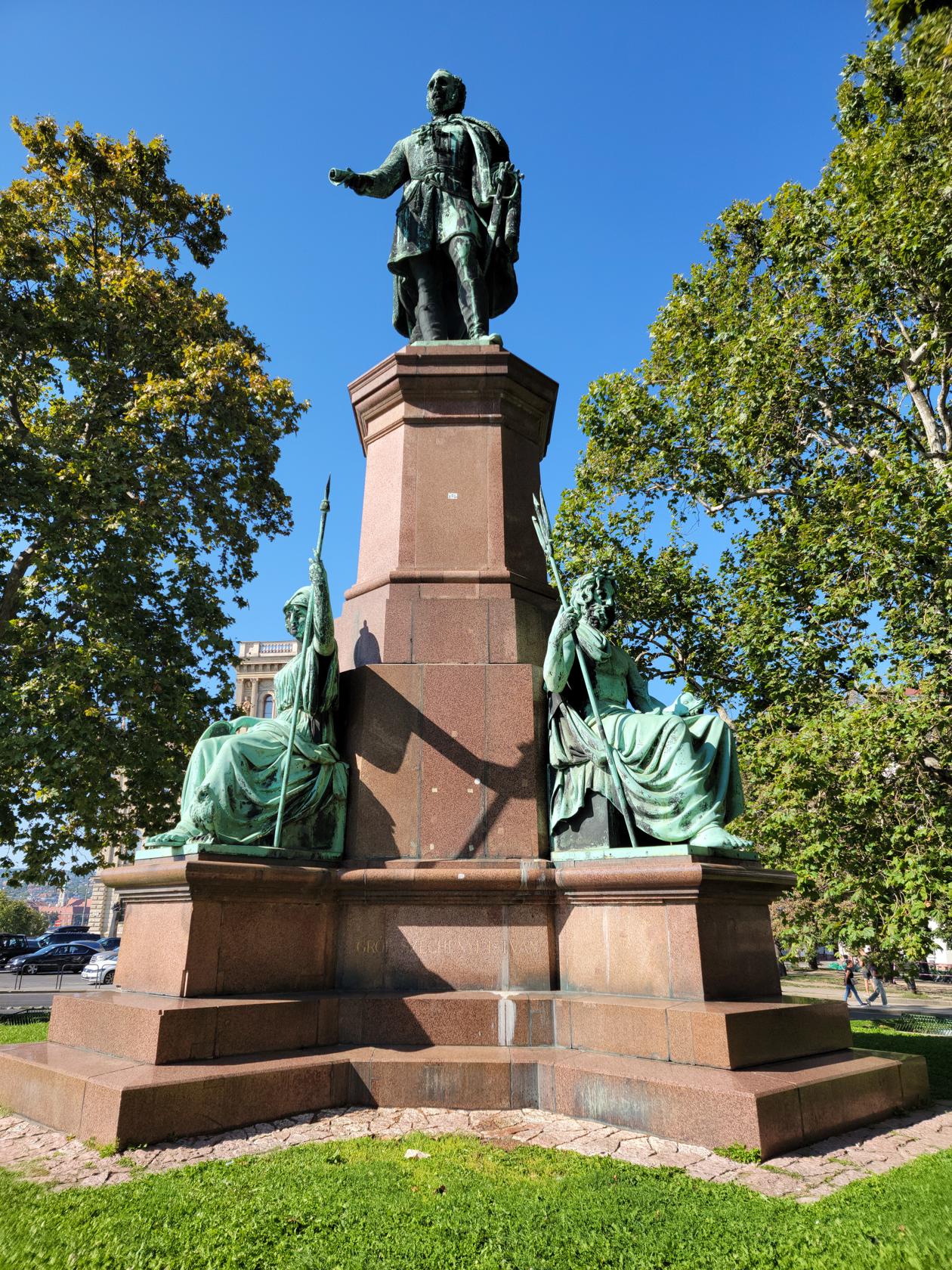
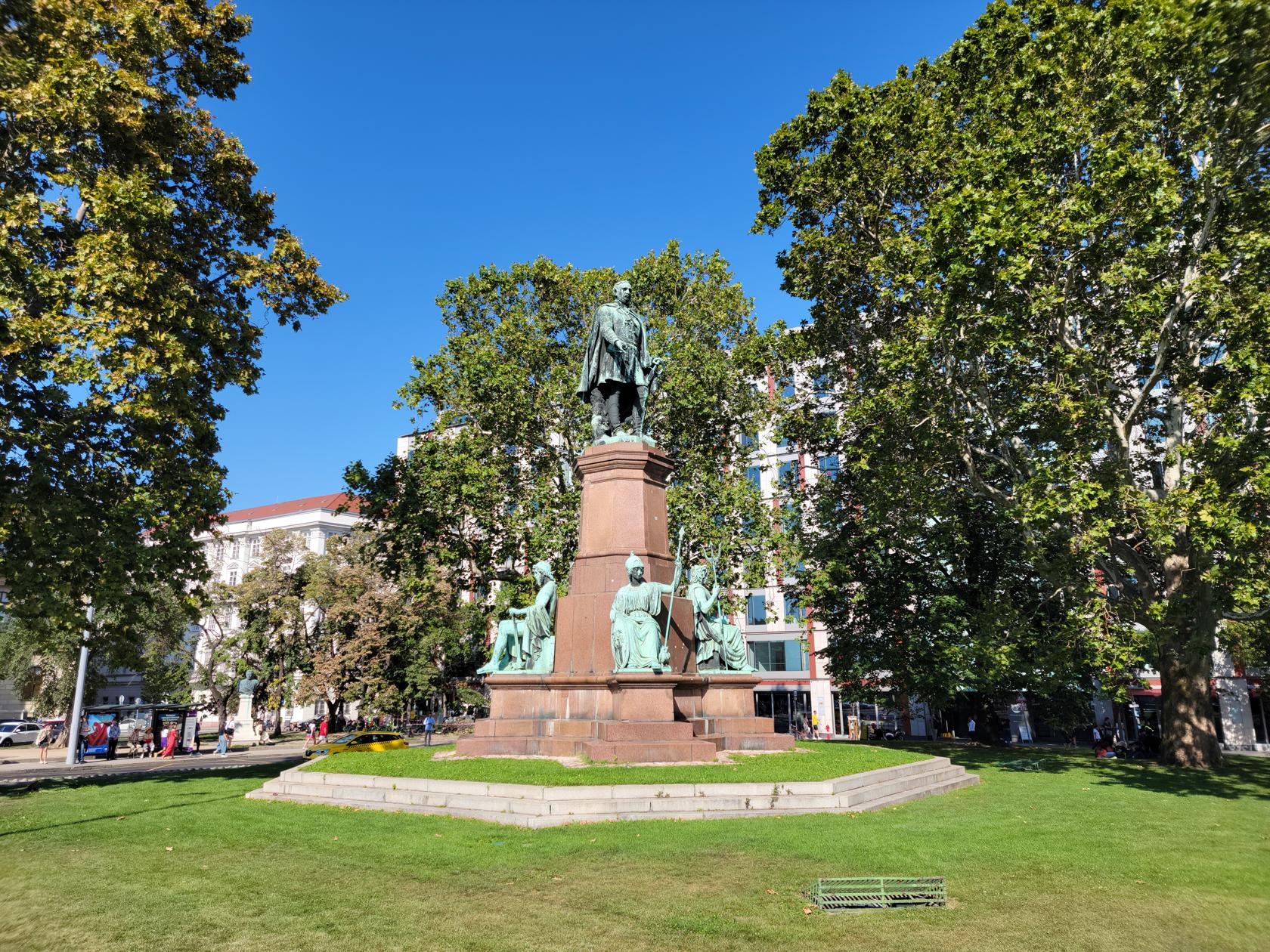
Count István Széchenyi Statue – Pest – Budapest, Hungary
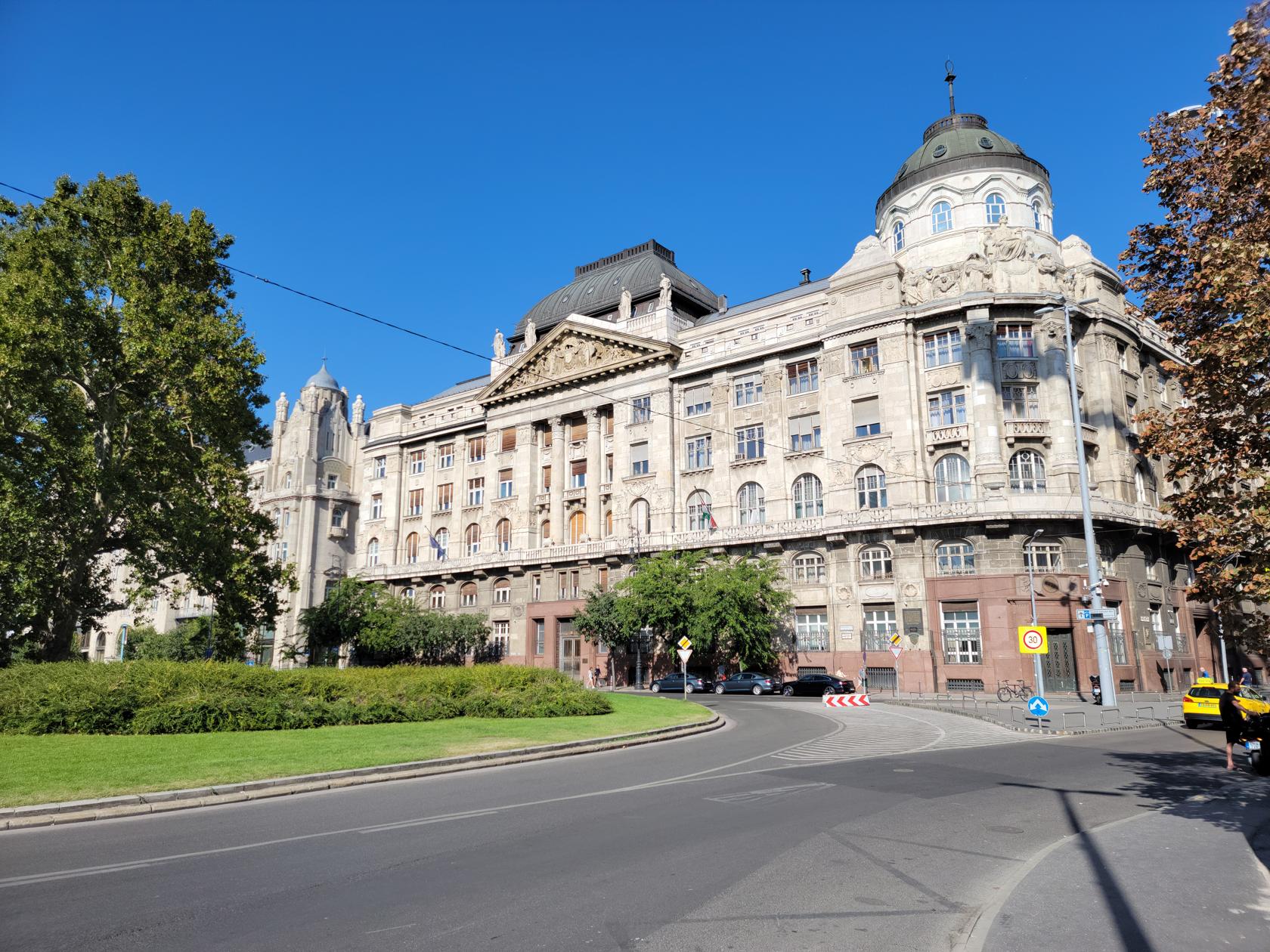
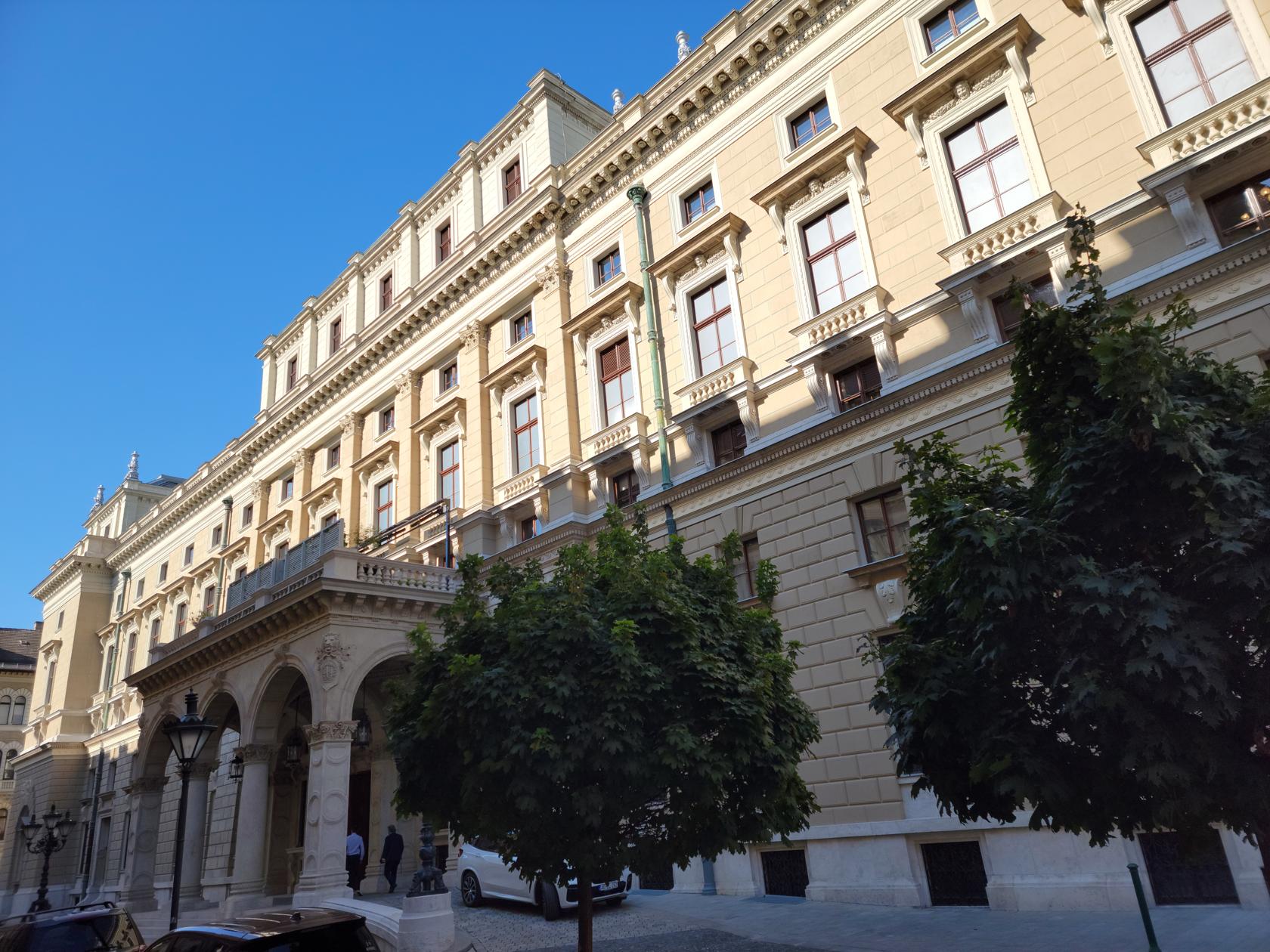
Building – Pest – Budapest, Hungary
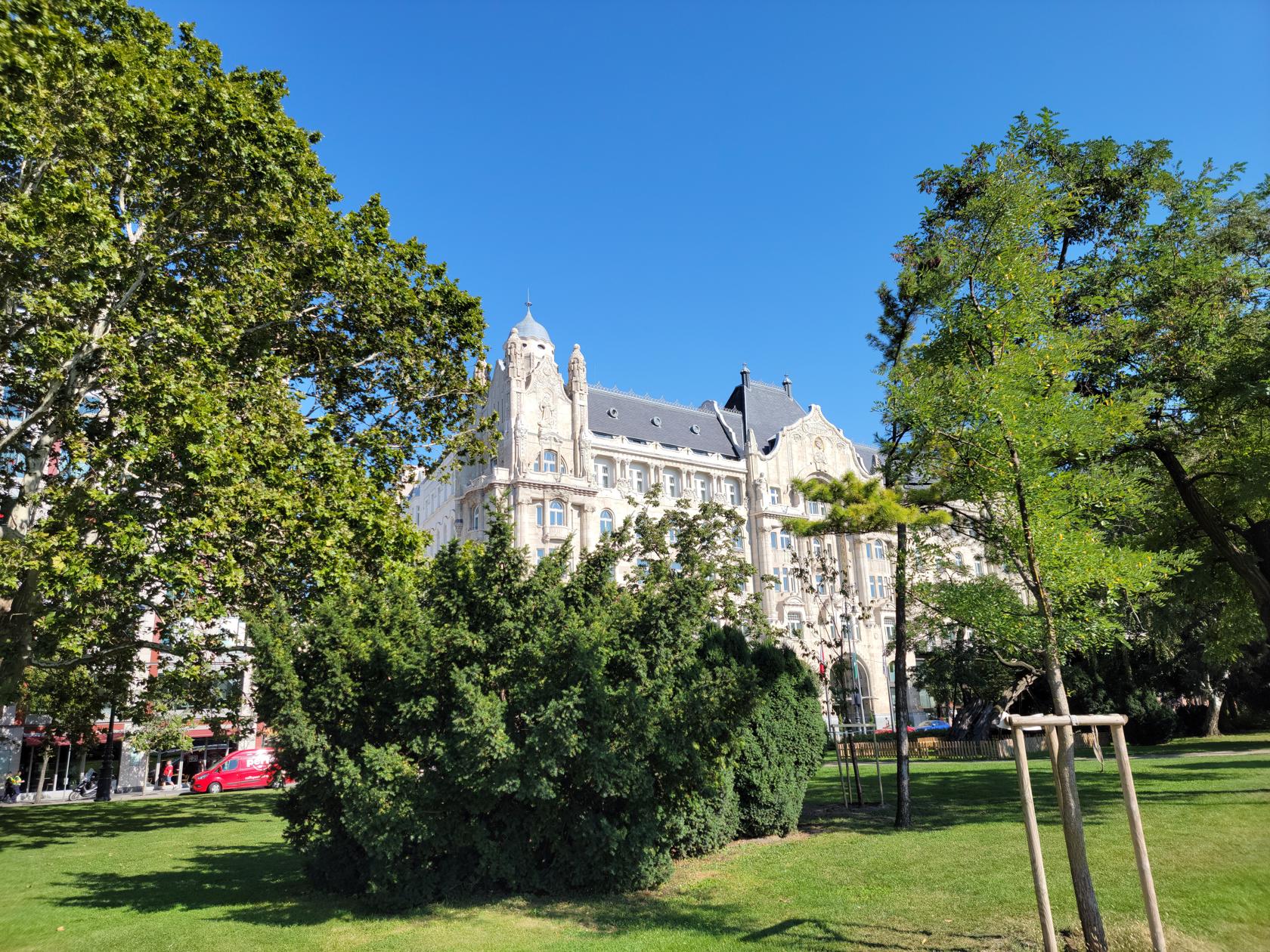
Beautiful building – Pest – Budapest, Hungary
Opera House – Pest – Budapest, Hungary
Opera House – Pest – Budapest, Hungary
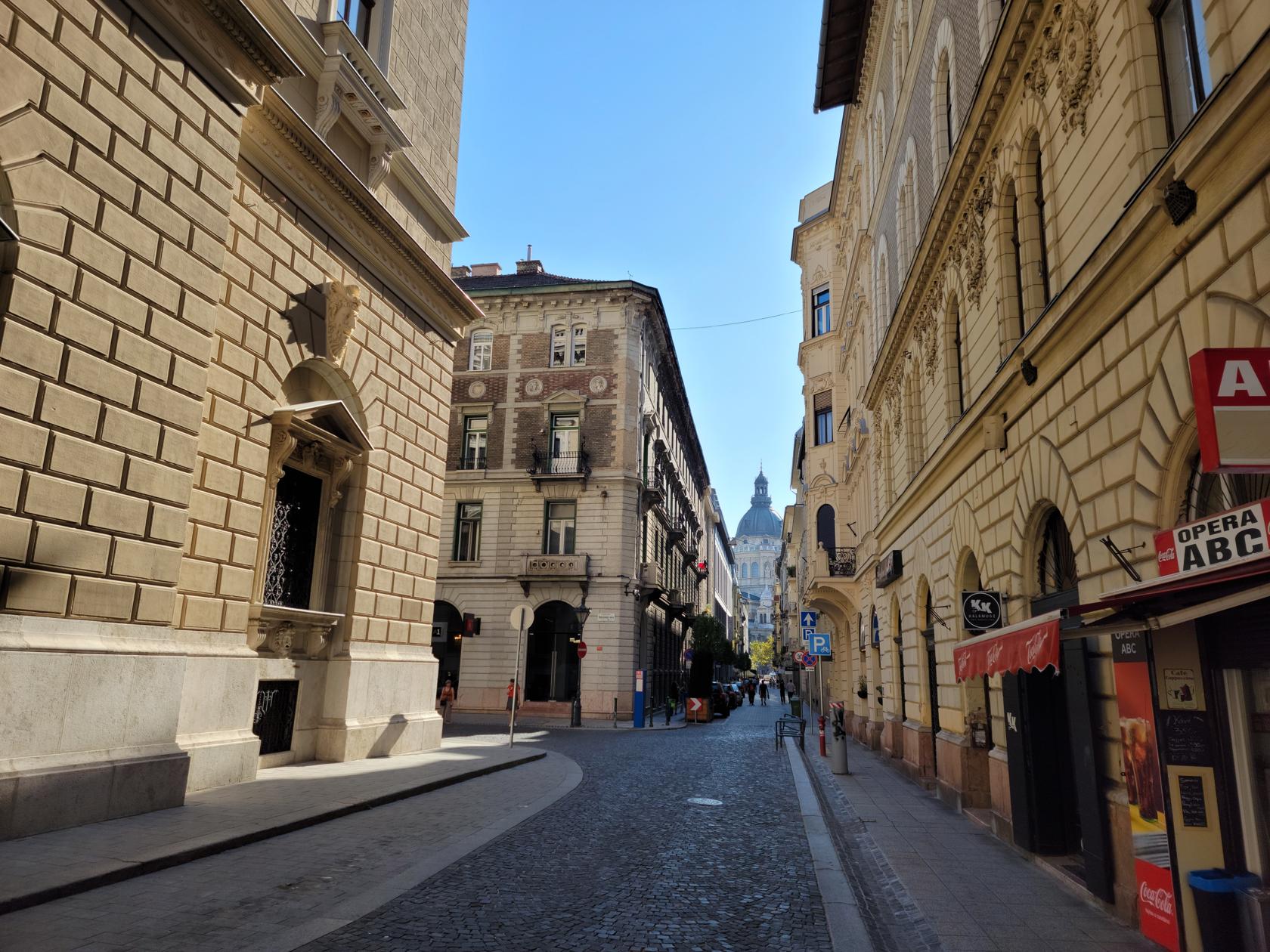
Looking toward the Basilica – Pest – Budapest, Hungary
Teréz krt – Pest – Budapest, Hungary
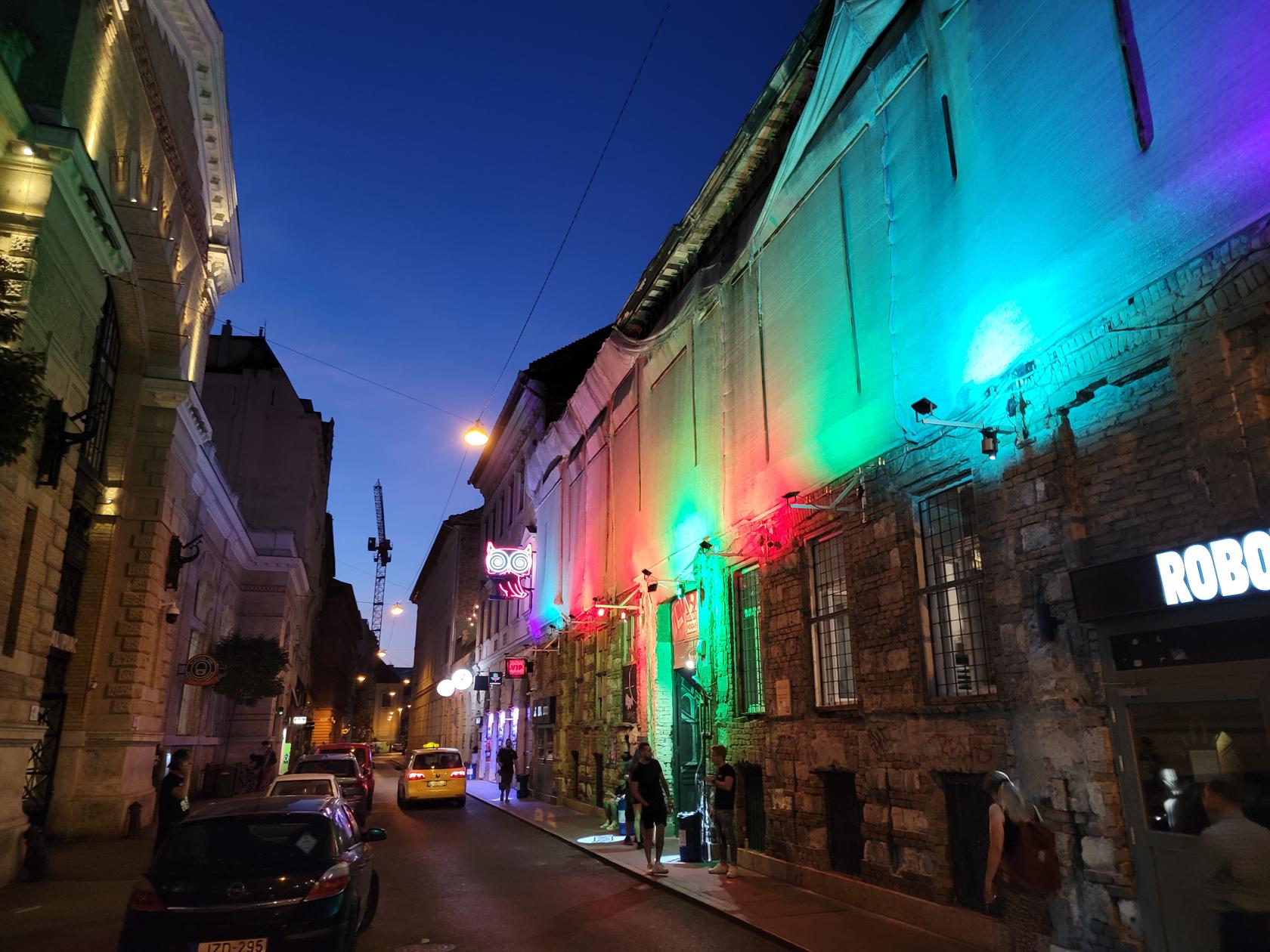
At night – Pest – Budapest, Hungary
At night – Pest – Budapest, Hungary
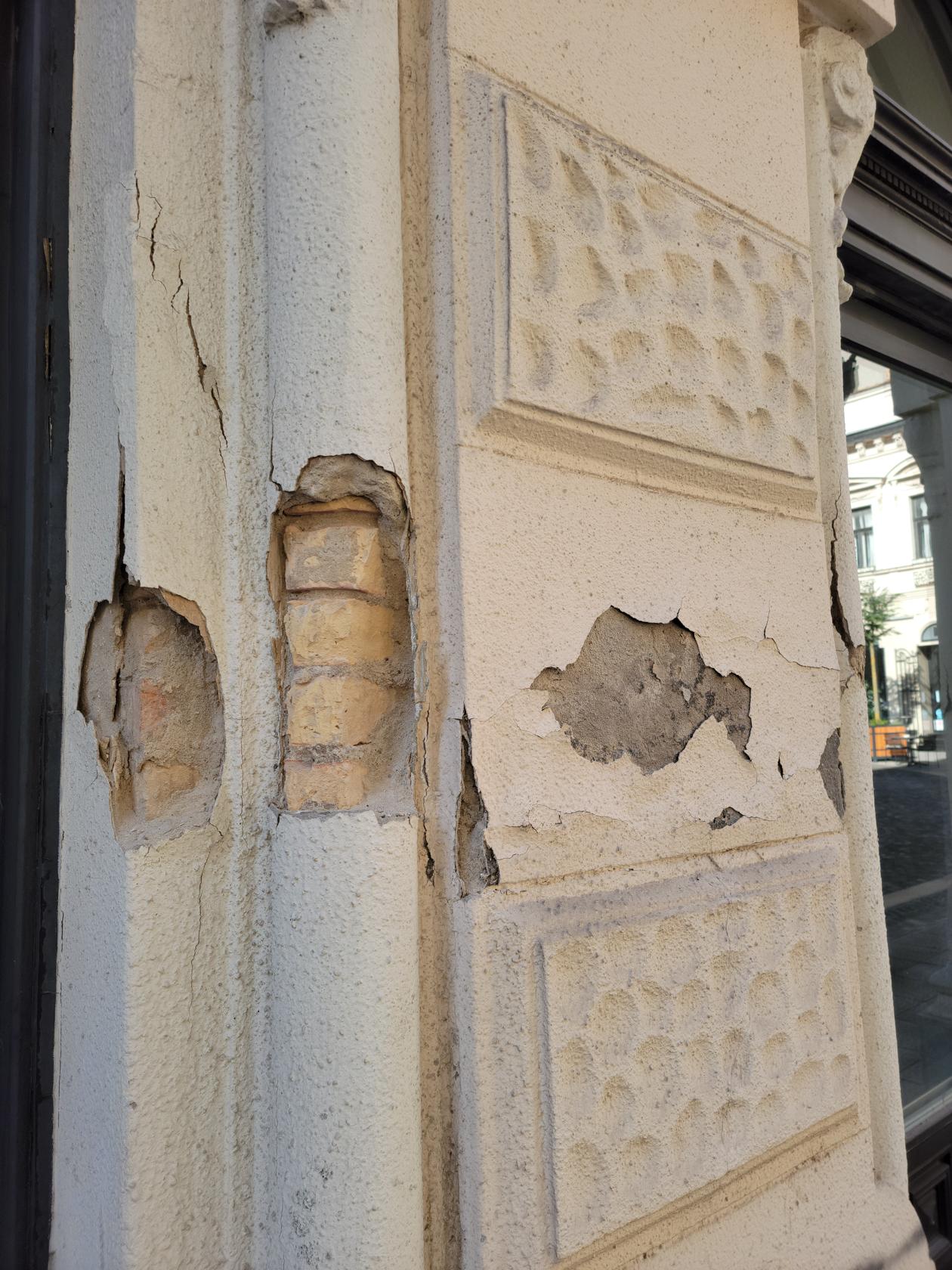
Though beautiful, after a while you realize, like so many other cities in Europe, it’s all about the facade. It’s all brick underneath, mortar and stone.
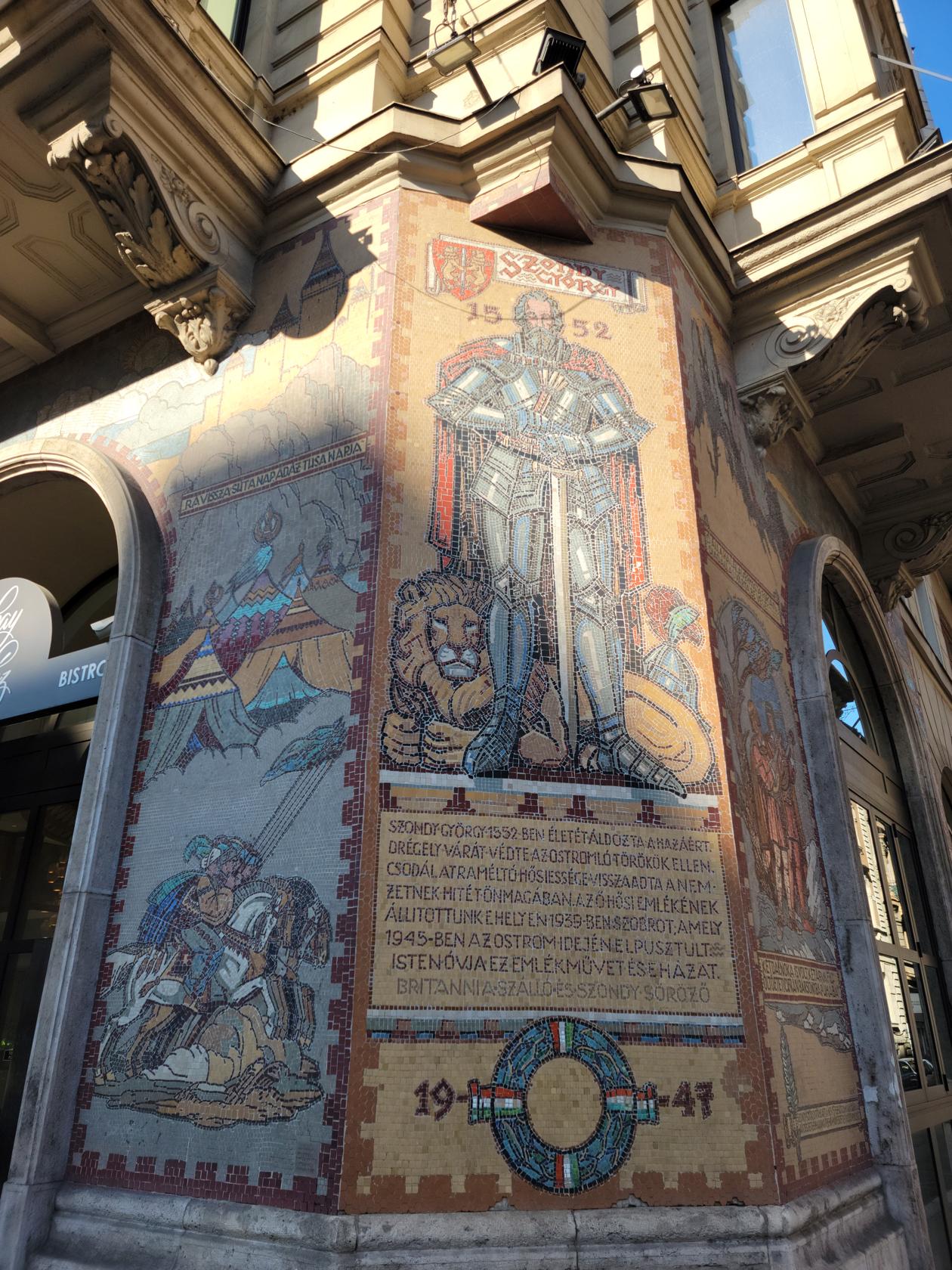
Memorial 1952 – Pest – Budapest, Hungary
It’s just a facade – Pest – Budapest, Hungary
Parliament Tour
For anyone visiting Budapest, the Parliament on the Pest side is an attraction that must be seen. However, be careful when purchasing tickets! There are a few official looking websites out there that purchase them for you at double the price. Check and double check your search engine and map application to ensure you have the official website. It will be quite obvious if you do, since you will receive your tickets immediately, instead of waiting for them to „appear“ in your mailbox.
The front – The Parliament Building – Budapest, Hungary
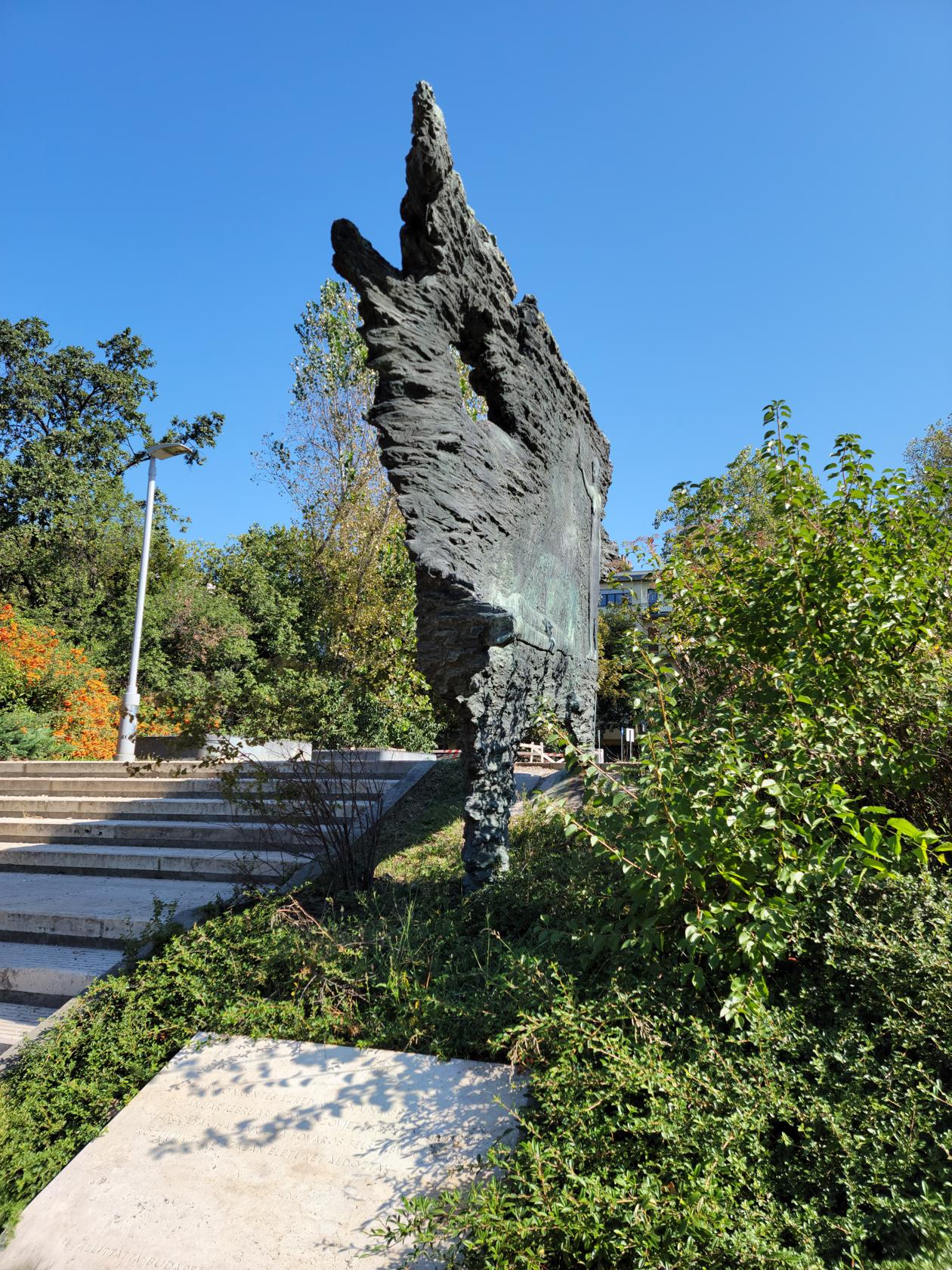
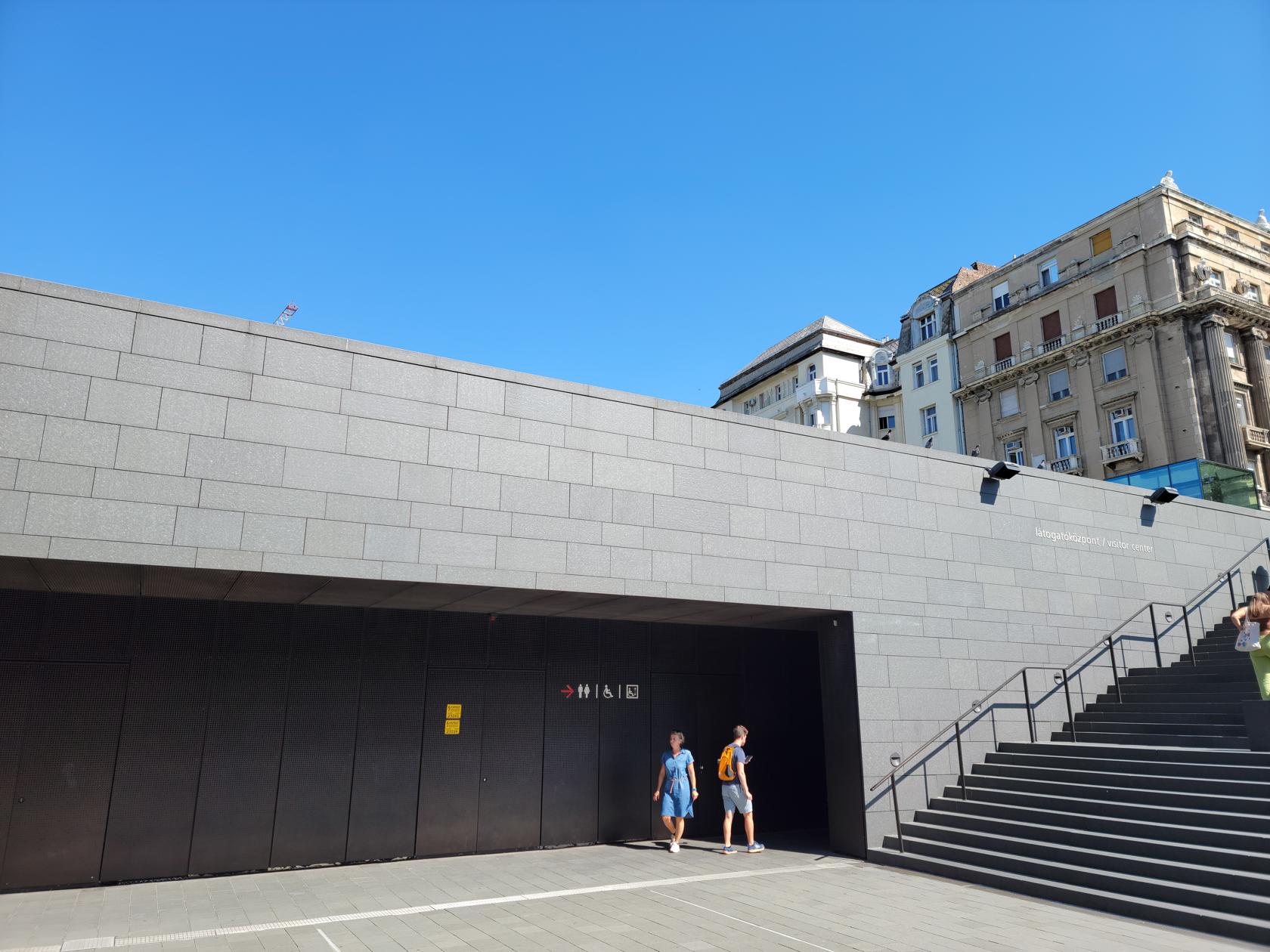
Looking at the front of the building from the land side, you enter from the right and below ground. There are also some interesting monuments before you enter worth seeing, so keep your eyes open for them.
From the river side – The Parliament Building – Budapest, Hungary
From the land side – The Parliament Building – Budapest, Hungary
Monument – The Parliament Building – Budapest, Hungary
Entrance – The Parliament Building – Budapest, Hungary
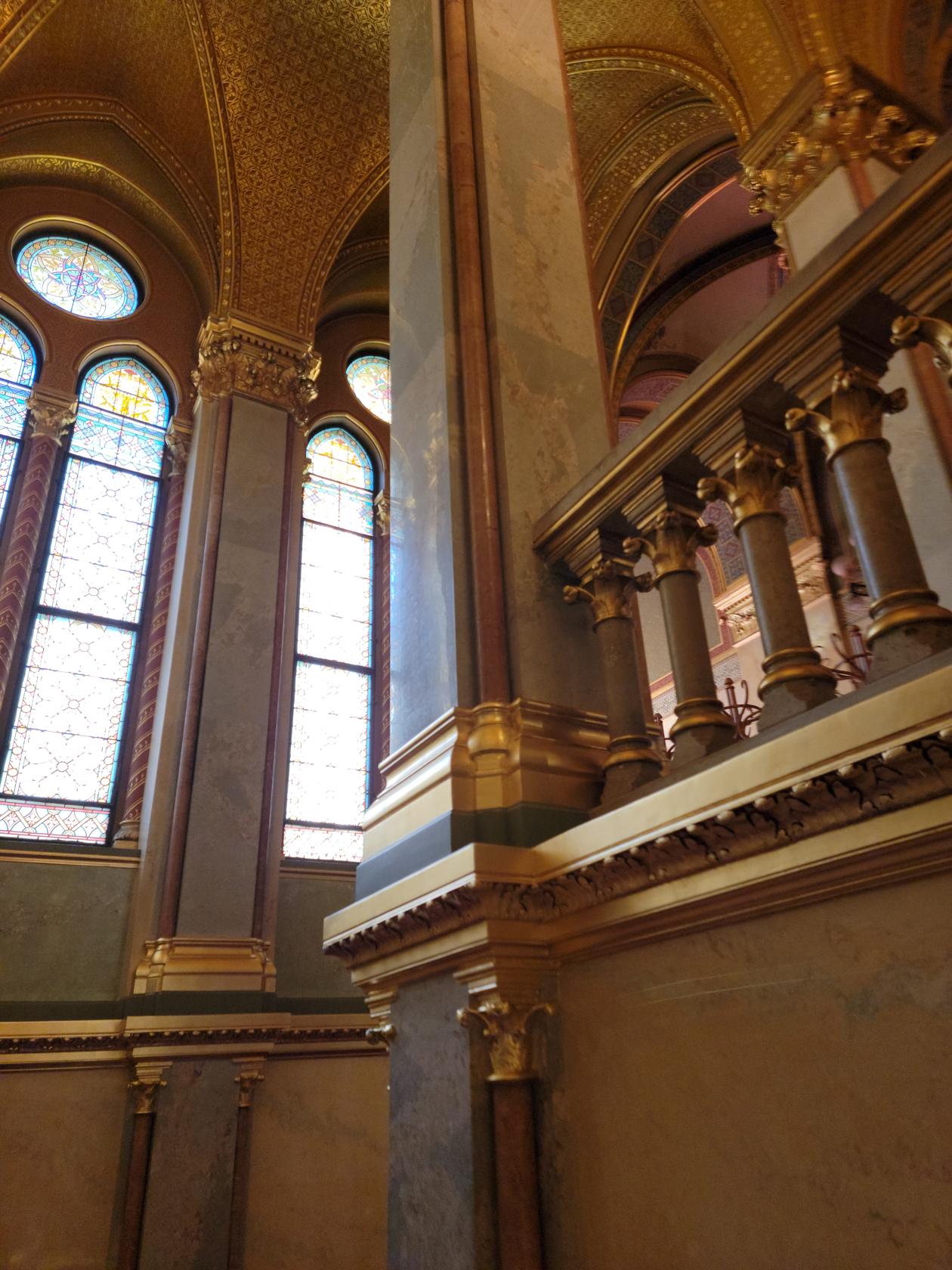
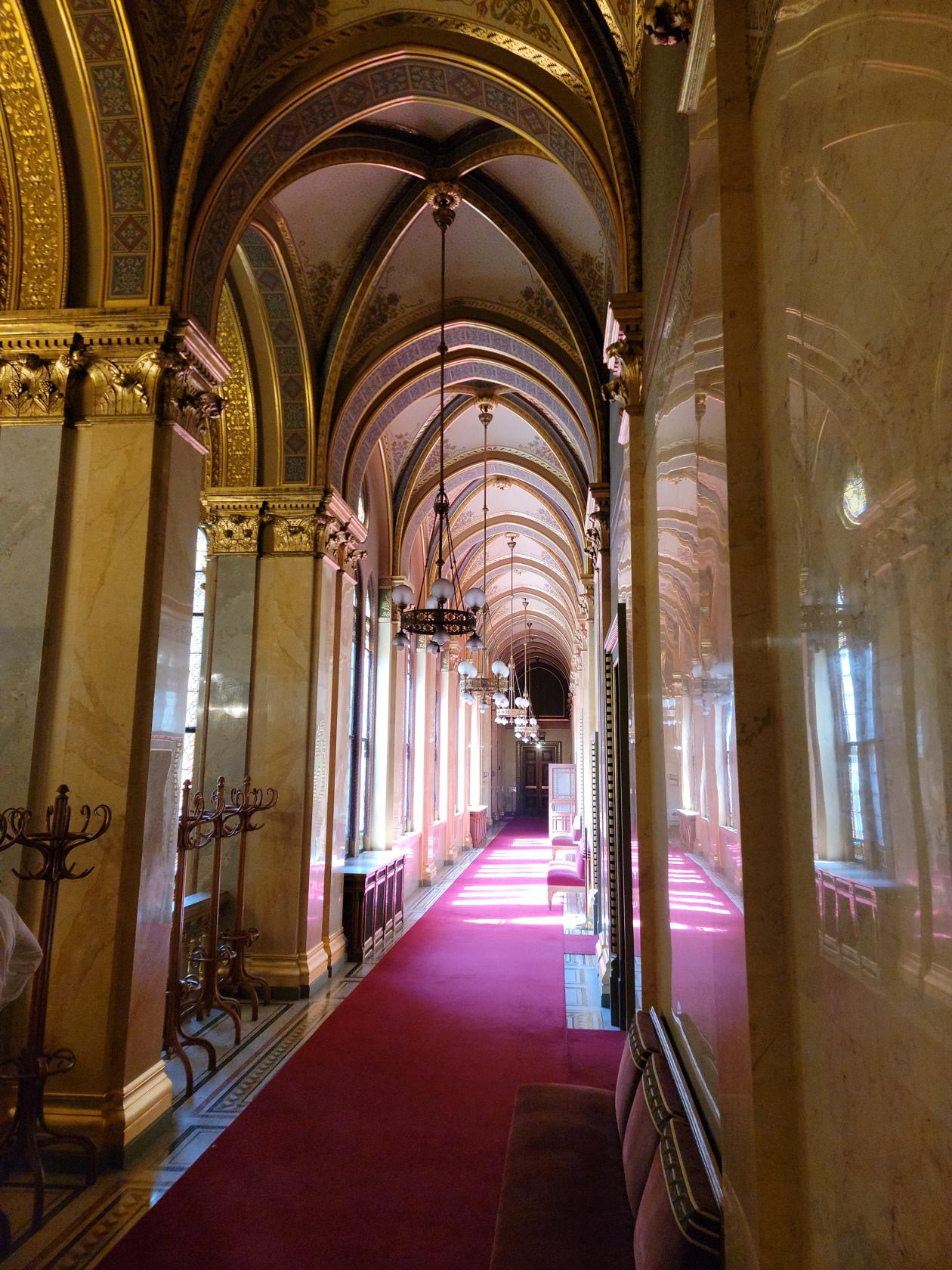
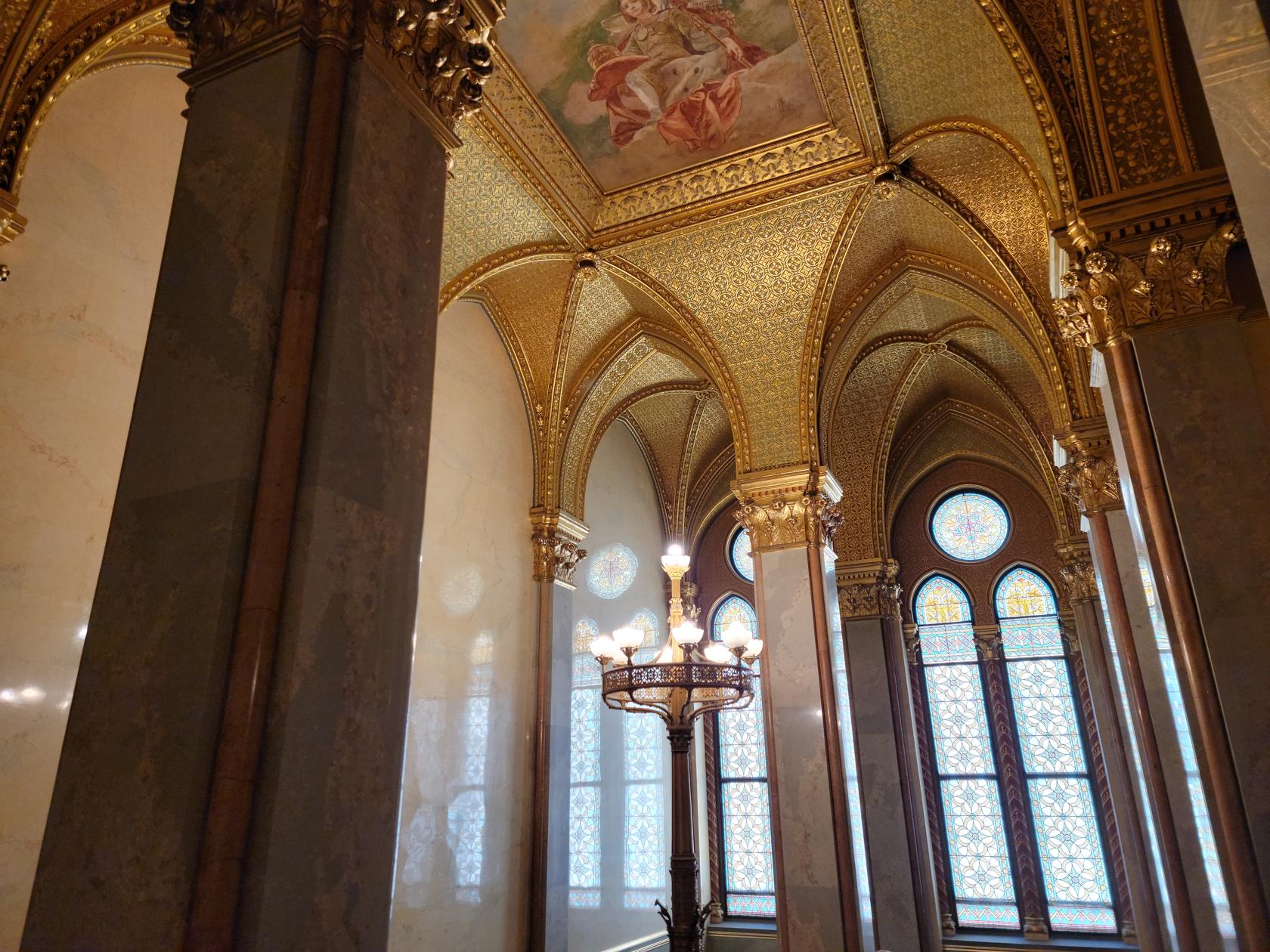
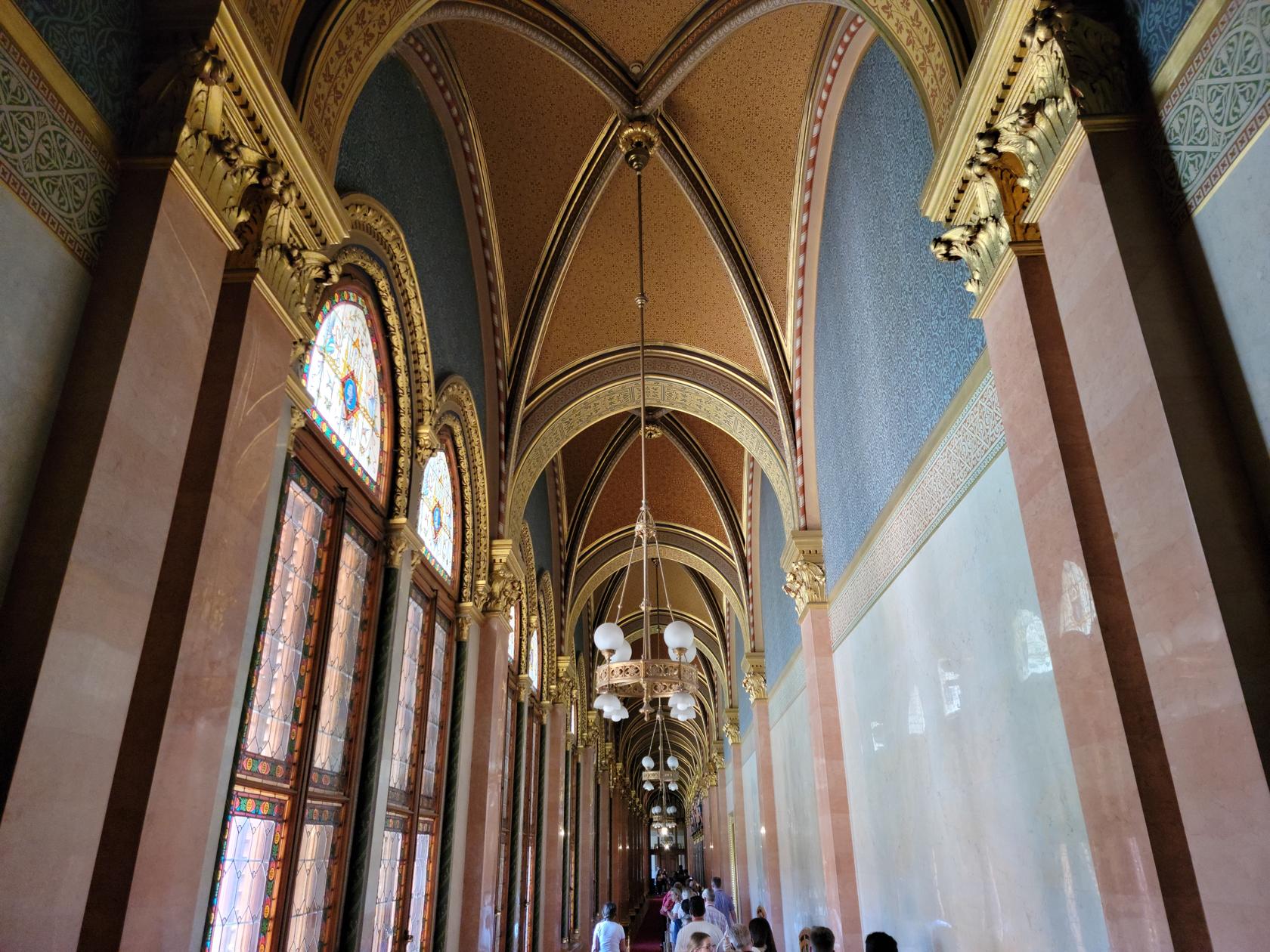
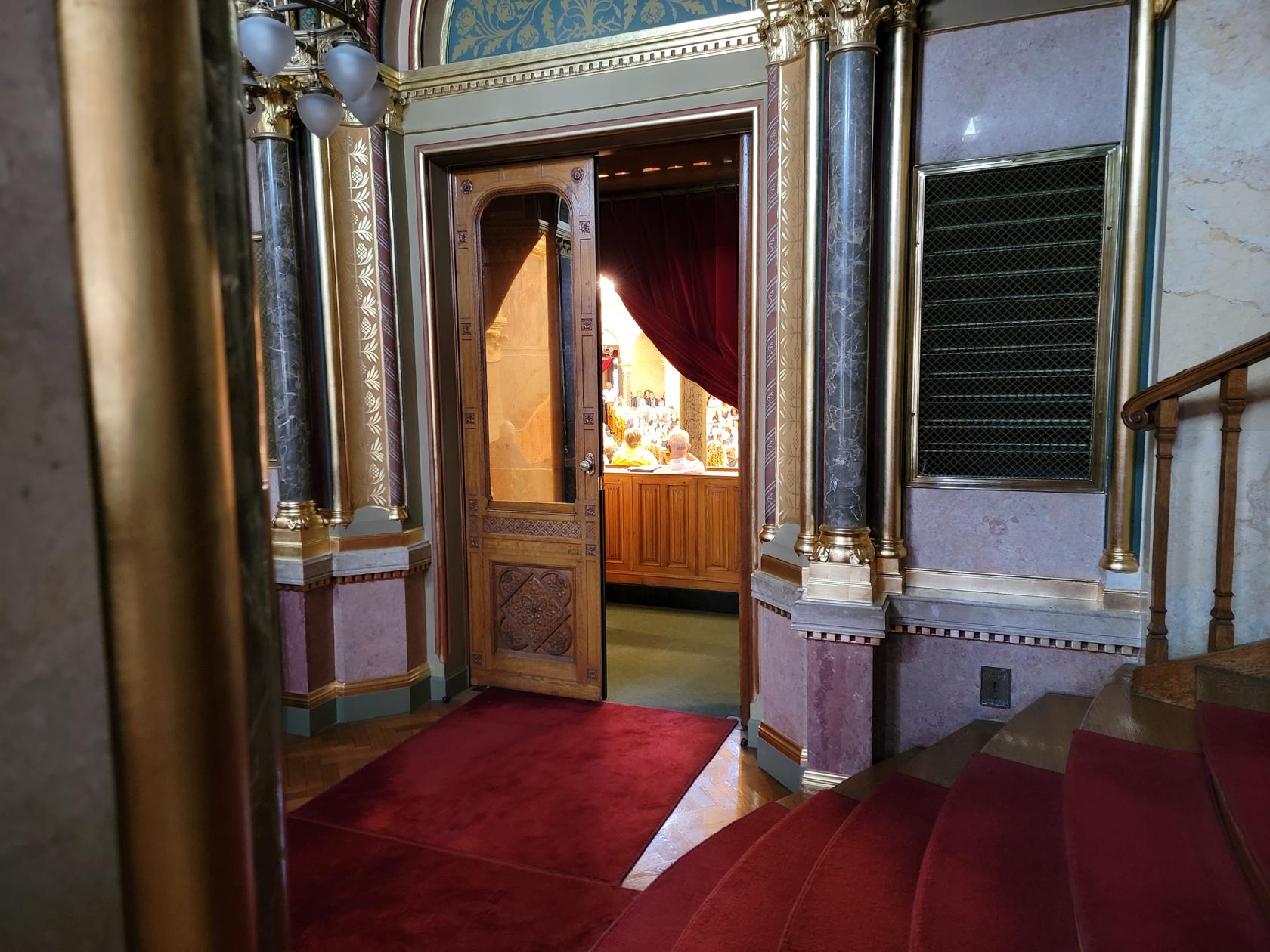
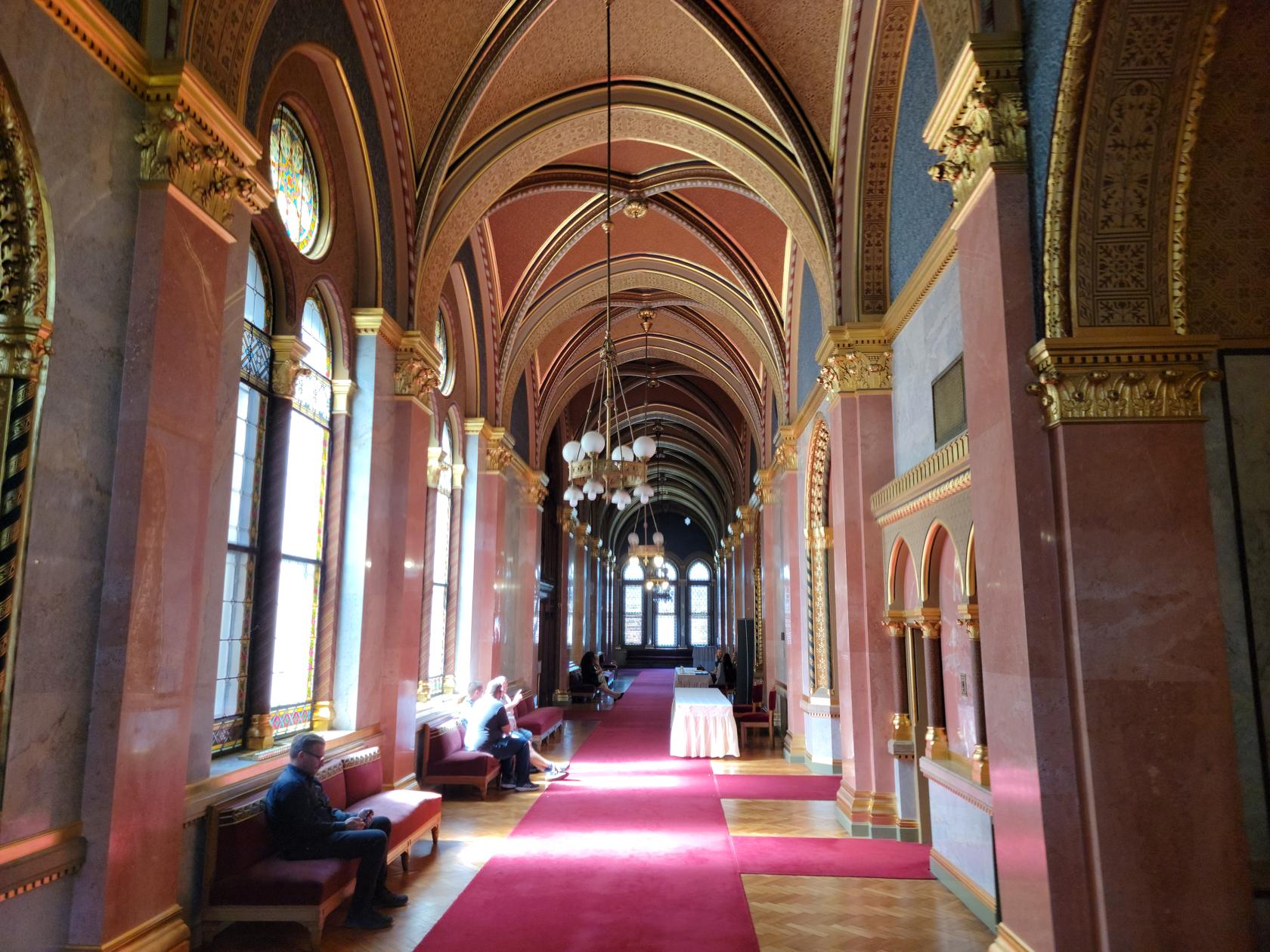
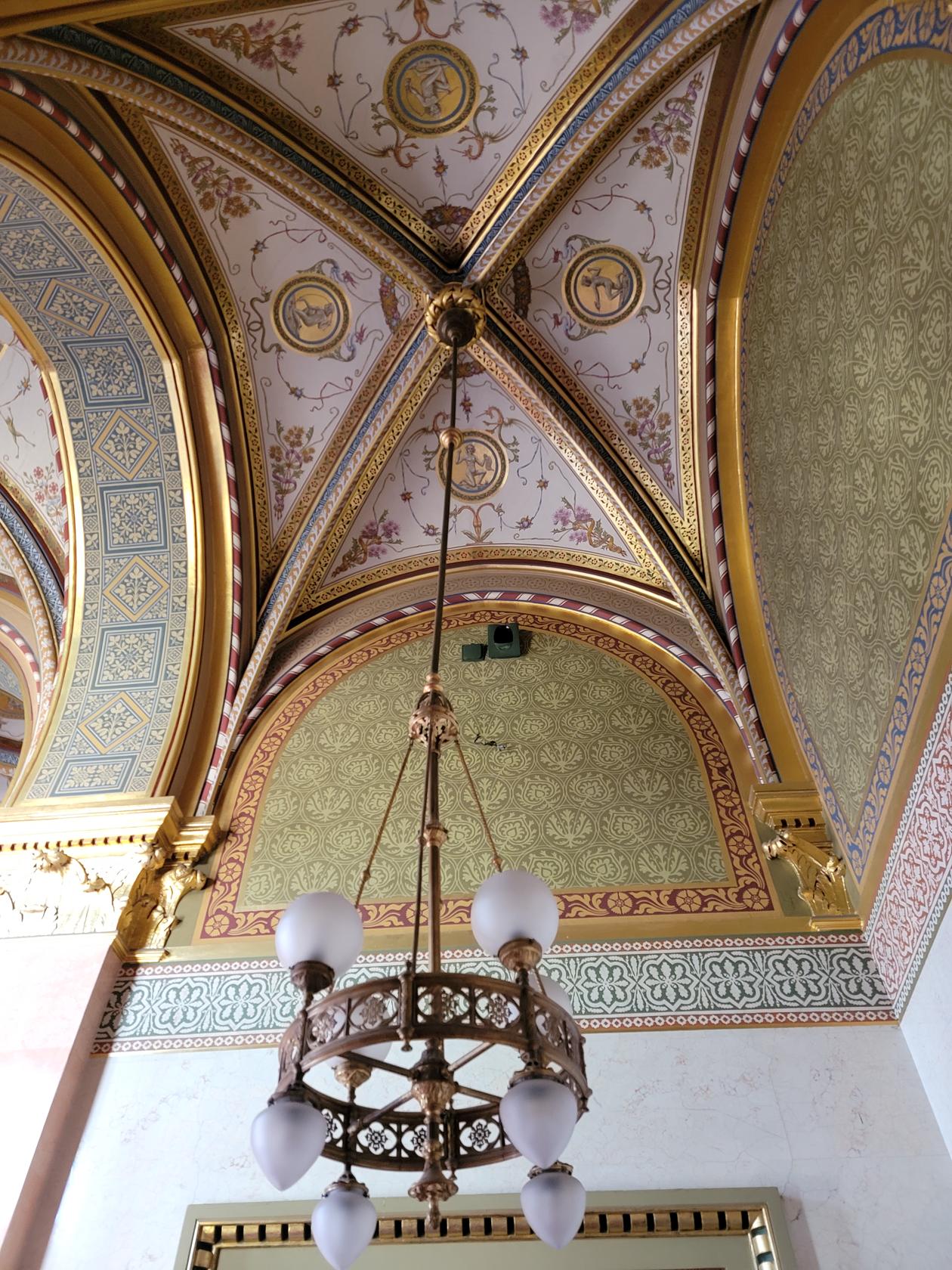
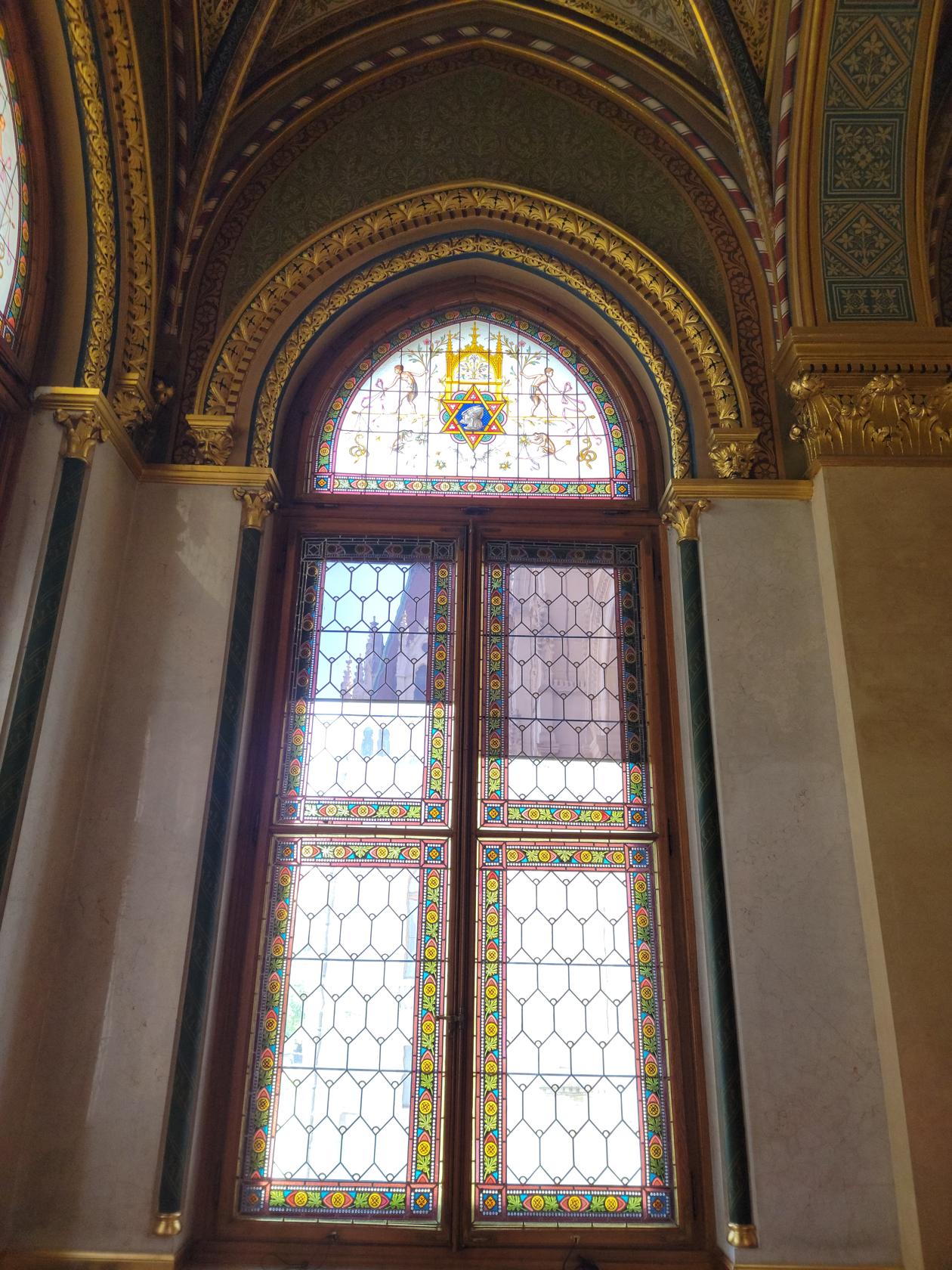
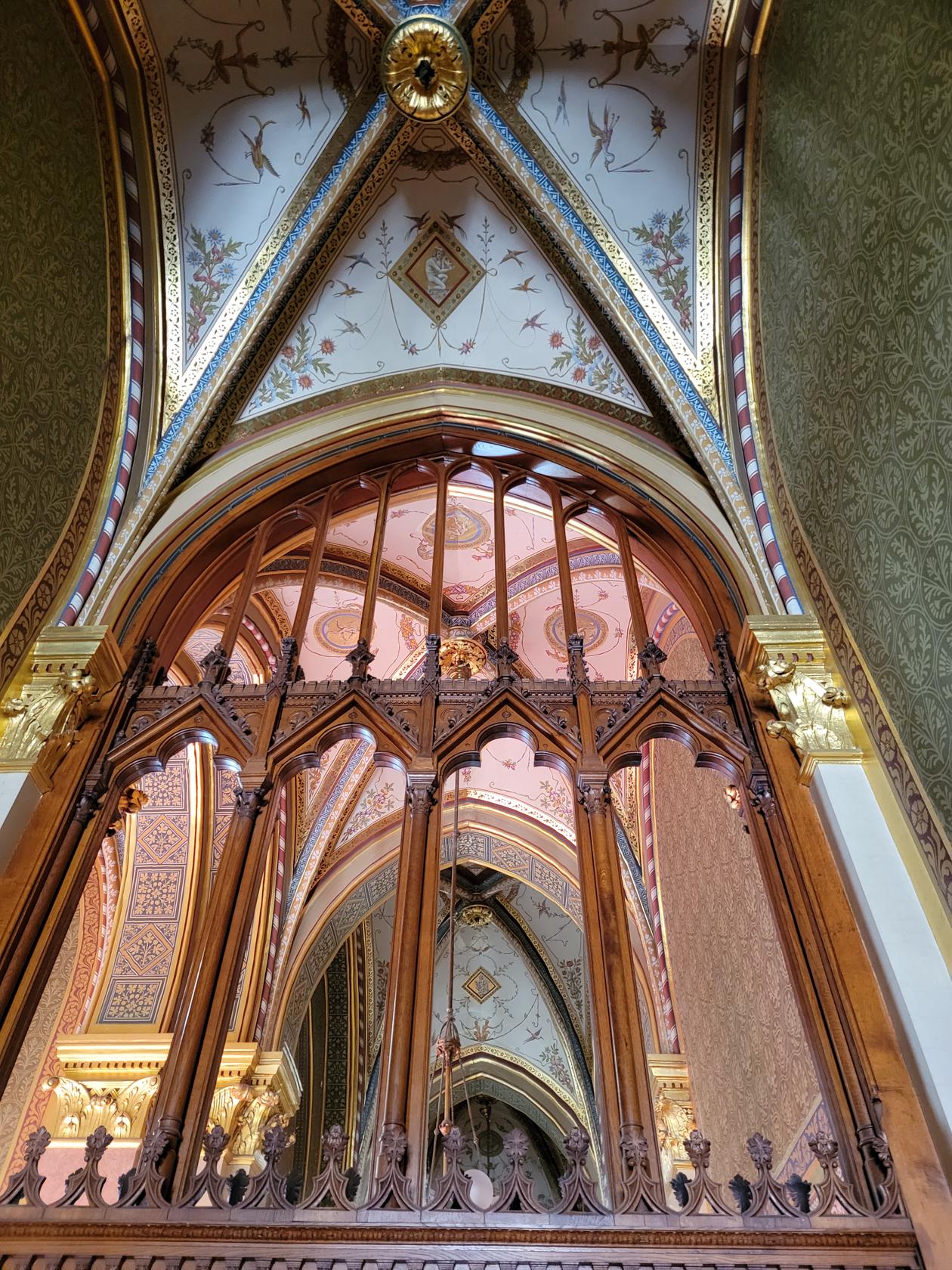
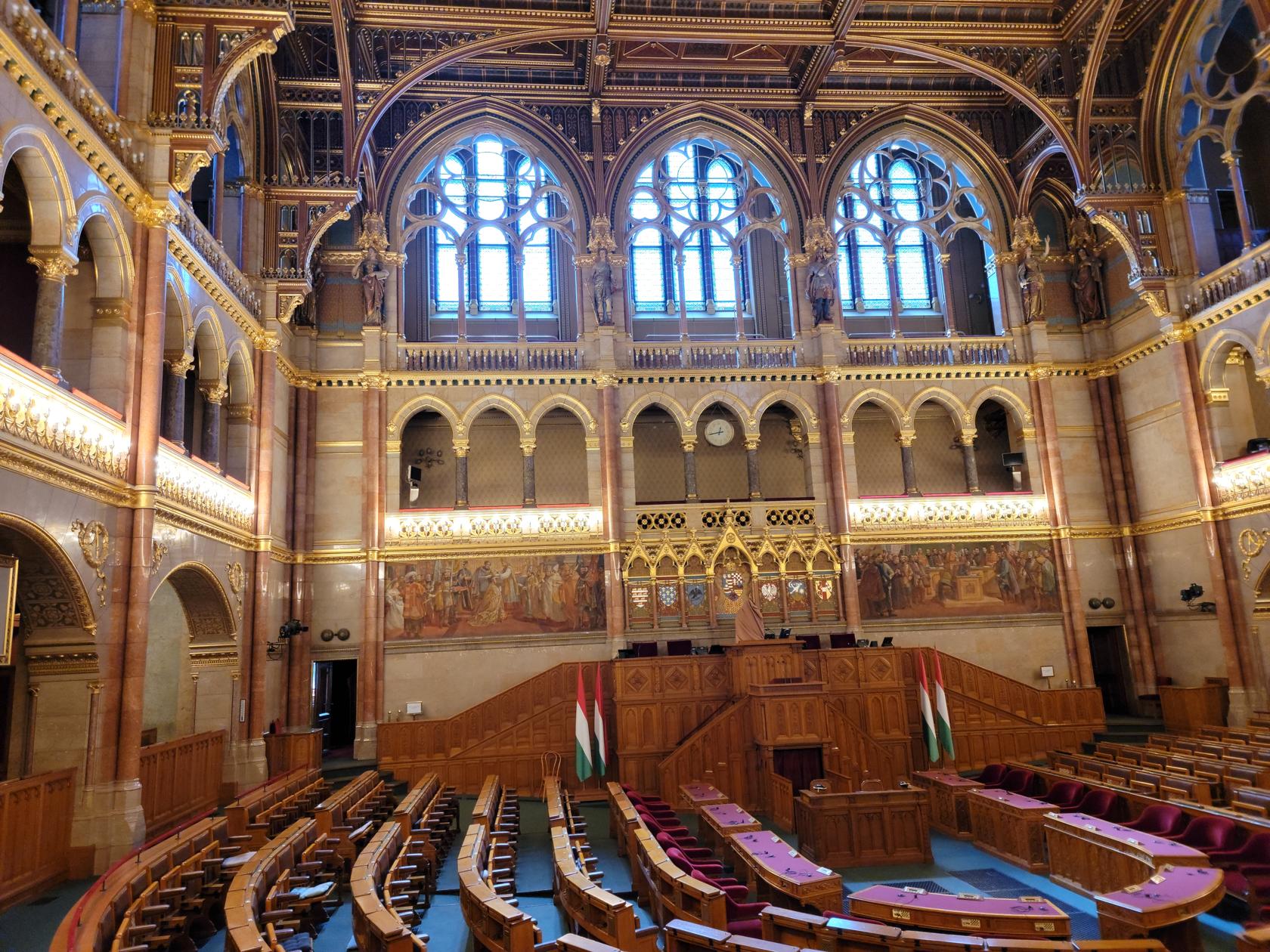
The tour is rather long but very thorough. We were even able to catch a glimpse of their unicameral legislature in-session! We were actually quite impressed with the thoroughness and professionalism of the tour. Though we thought they spoke at length, perhaps too long, about the crown jewels, which of course you were unable to photograph.
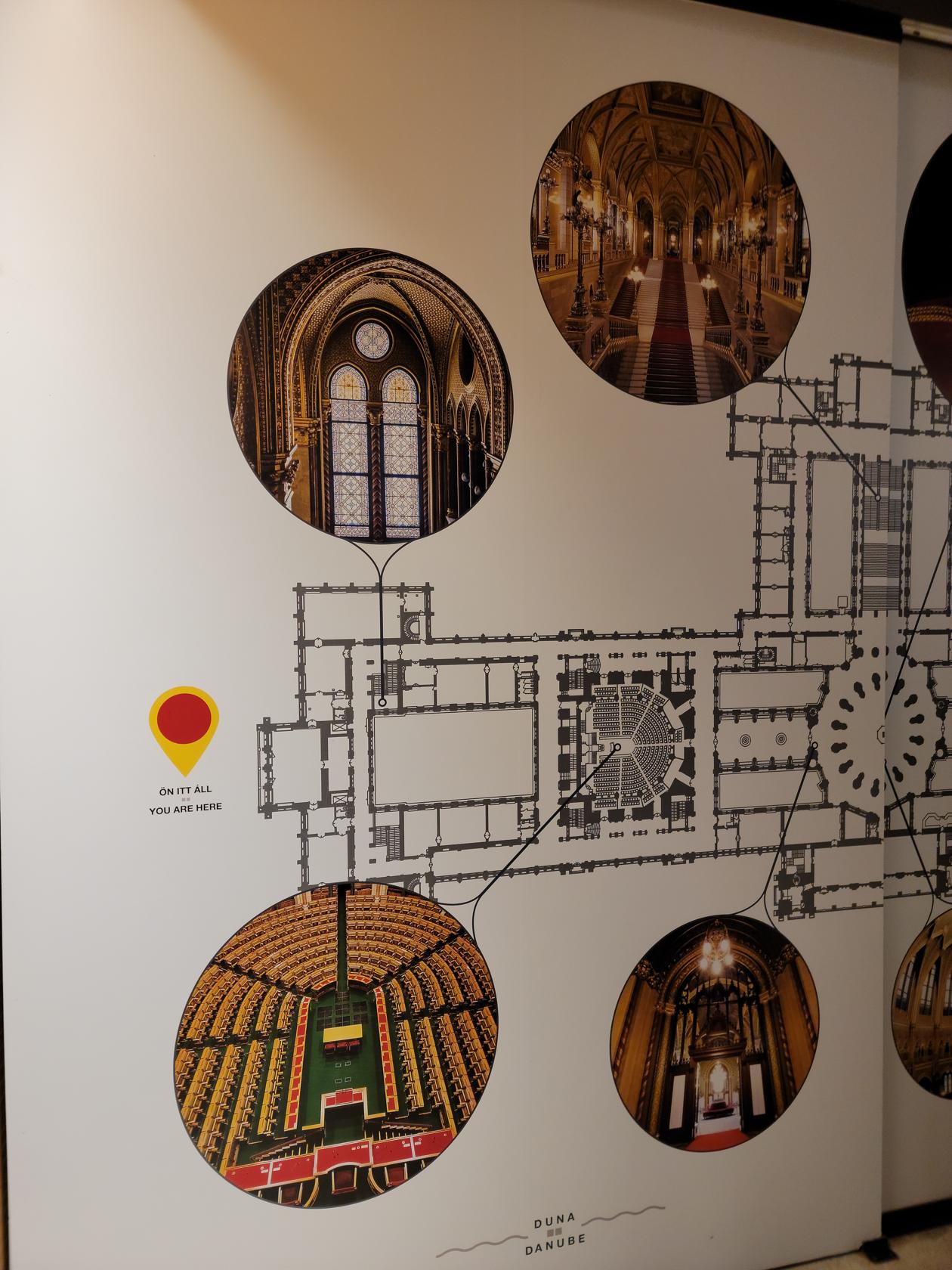
Layout – The Parliament Building – Budapest, Hungary
Entrance – The Parliament Building – Budapest, Hungary
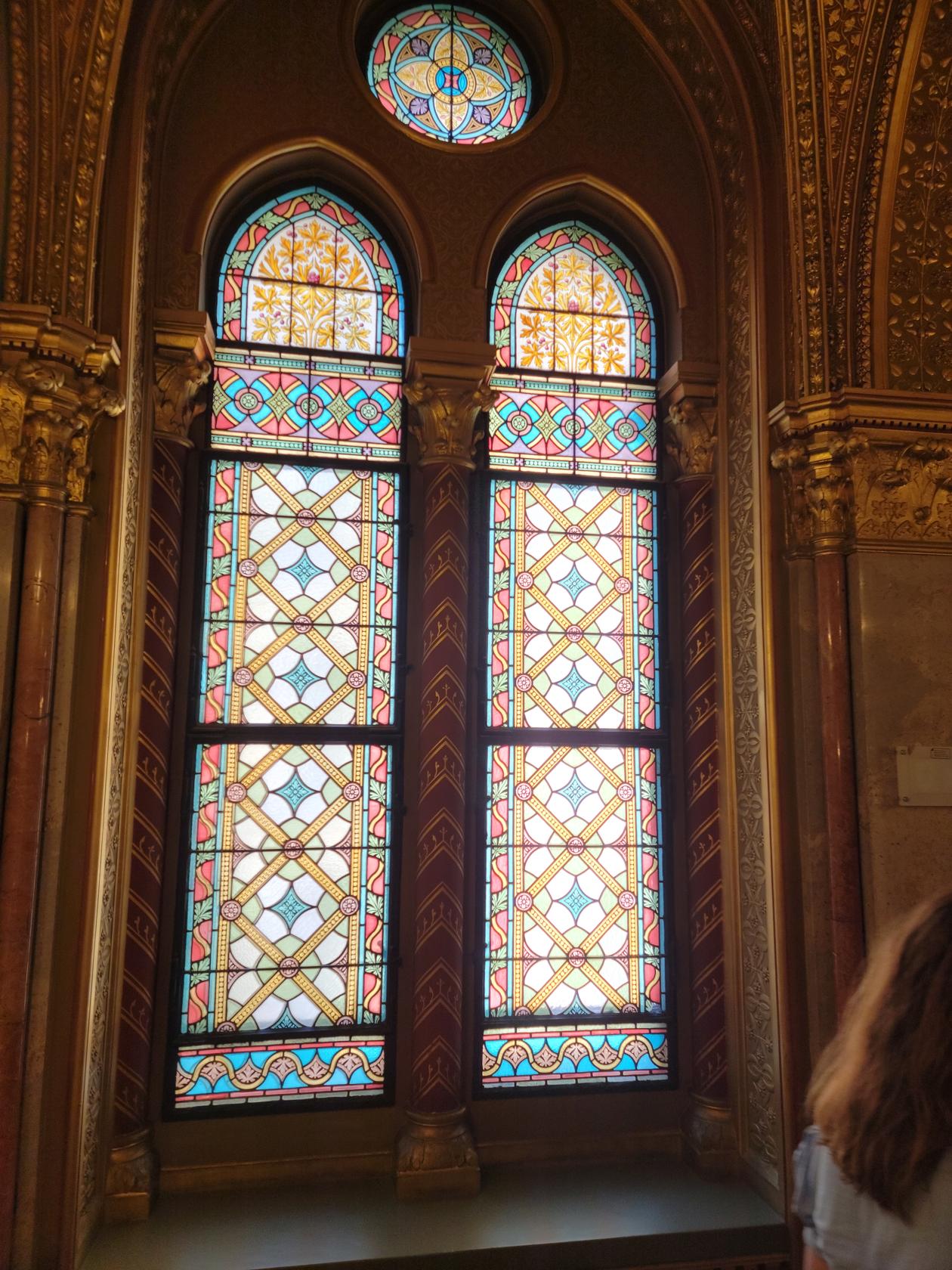
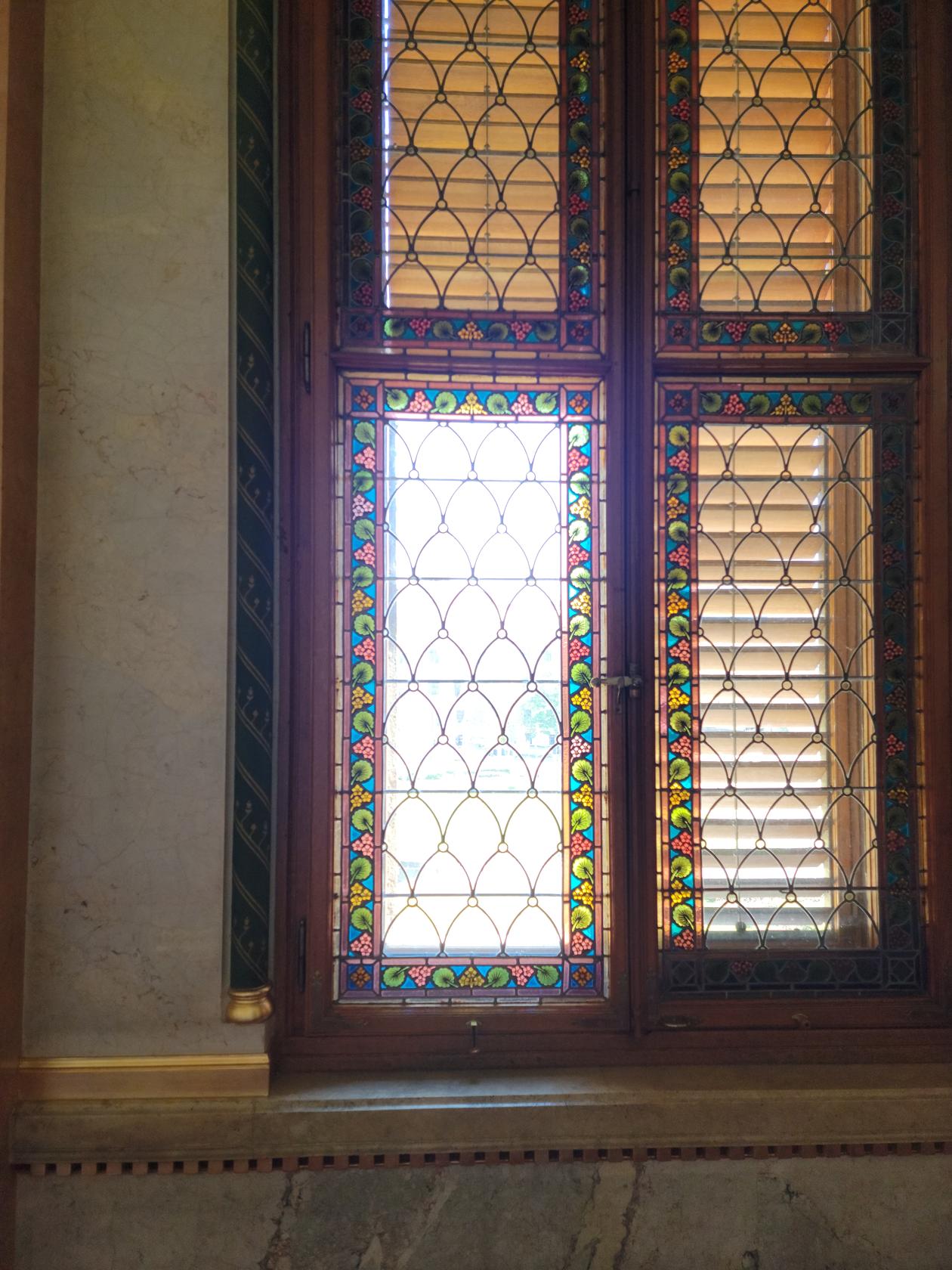
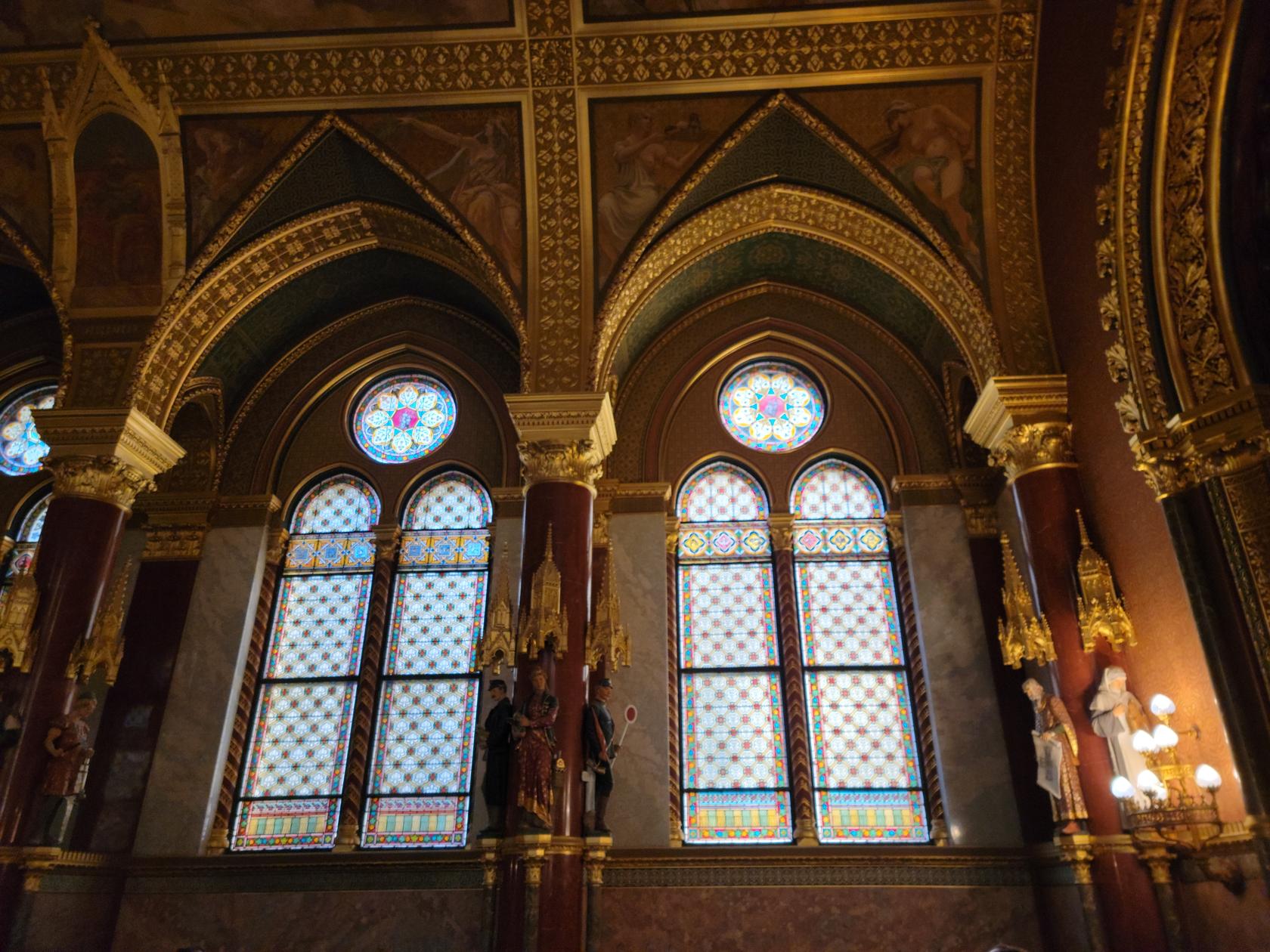
Stained windows – The Parliament Building – Budapest, Hungary
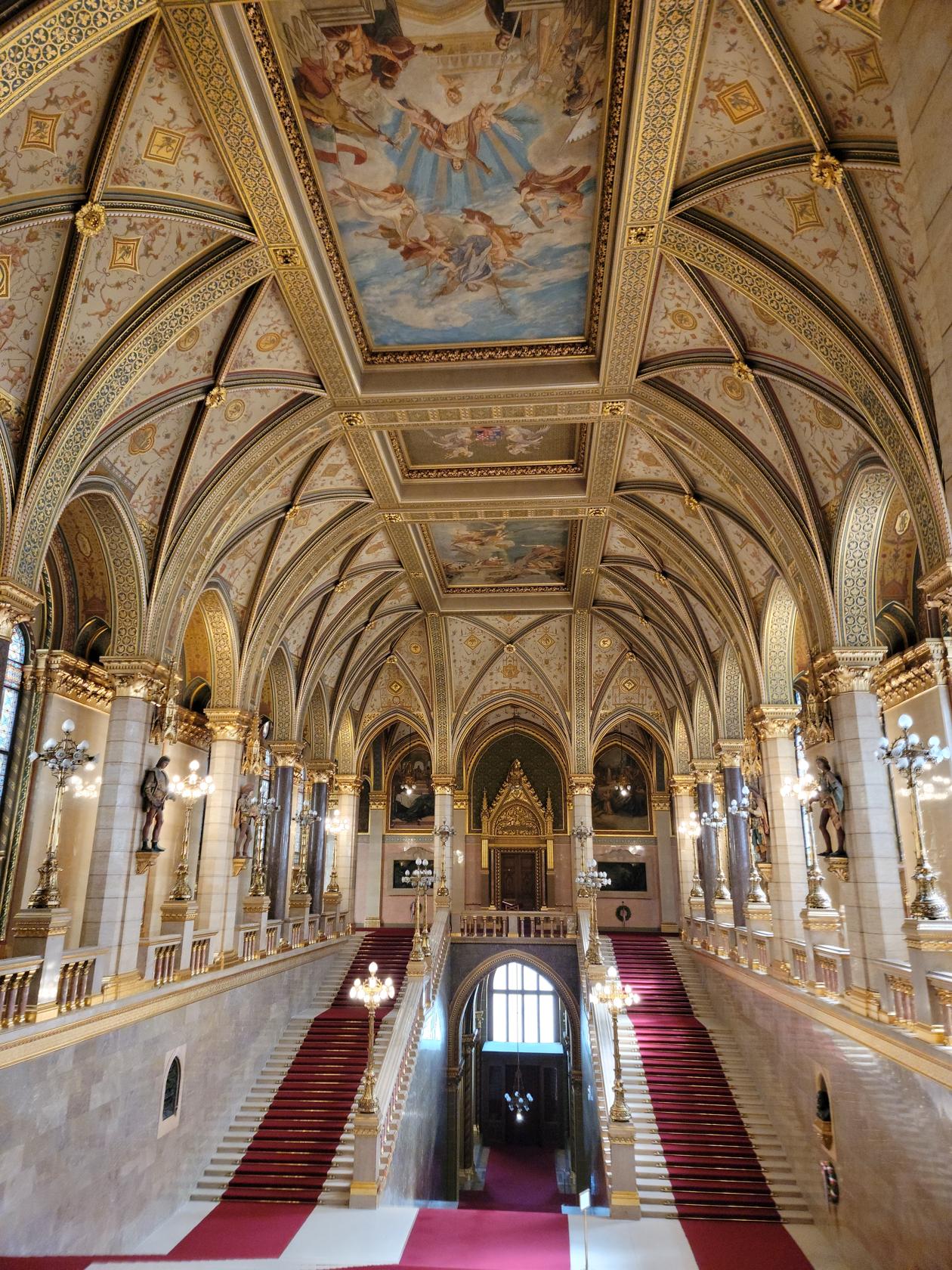
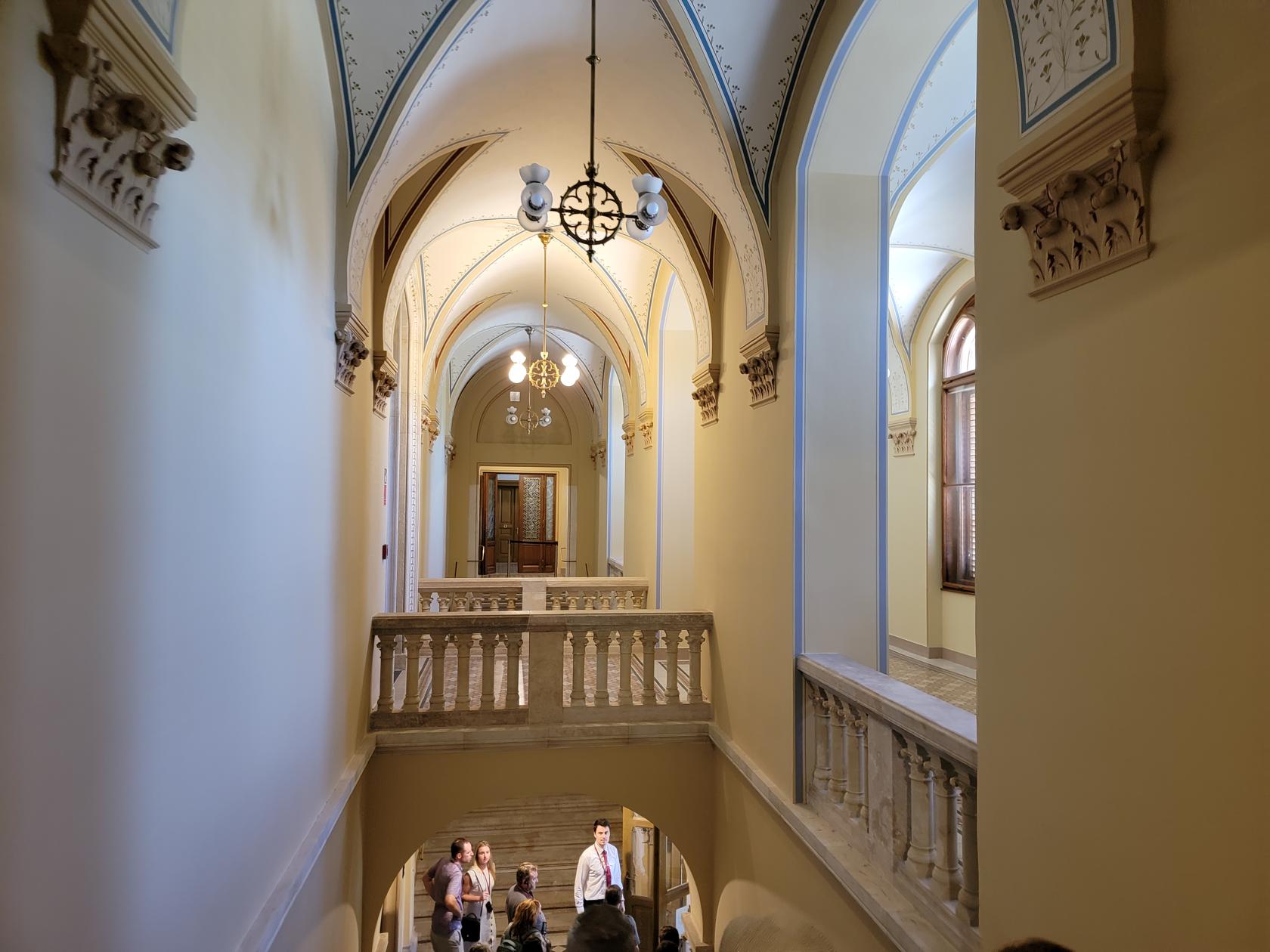
Stairwell – The Parliament Building – Budapest, Hungary
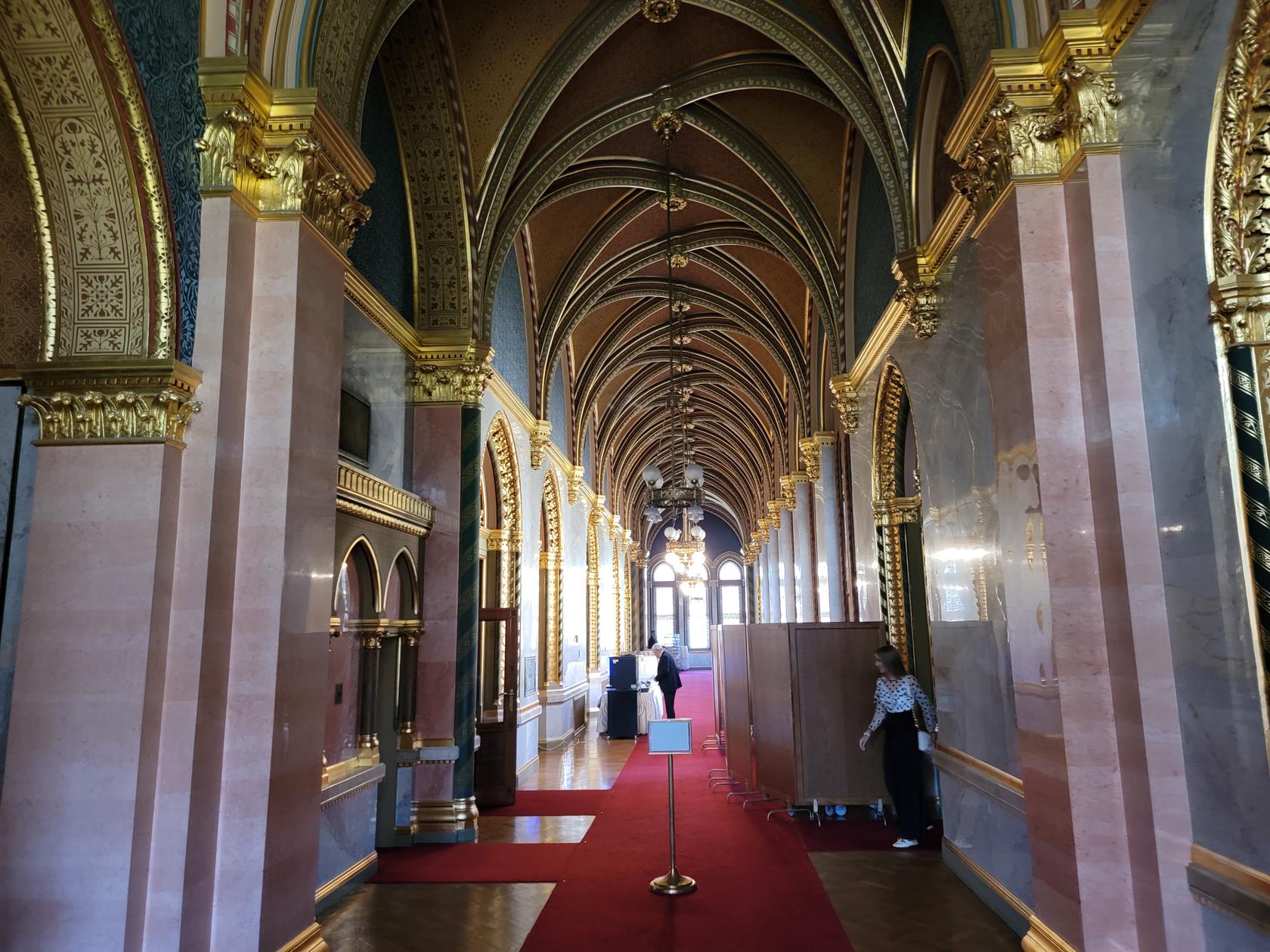
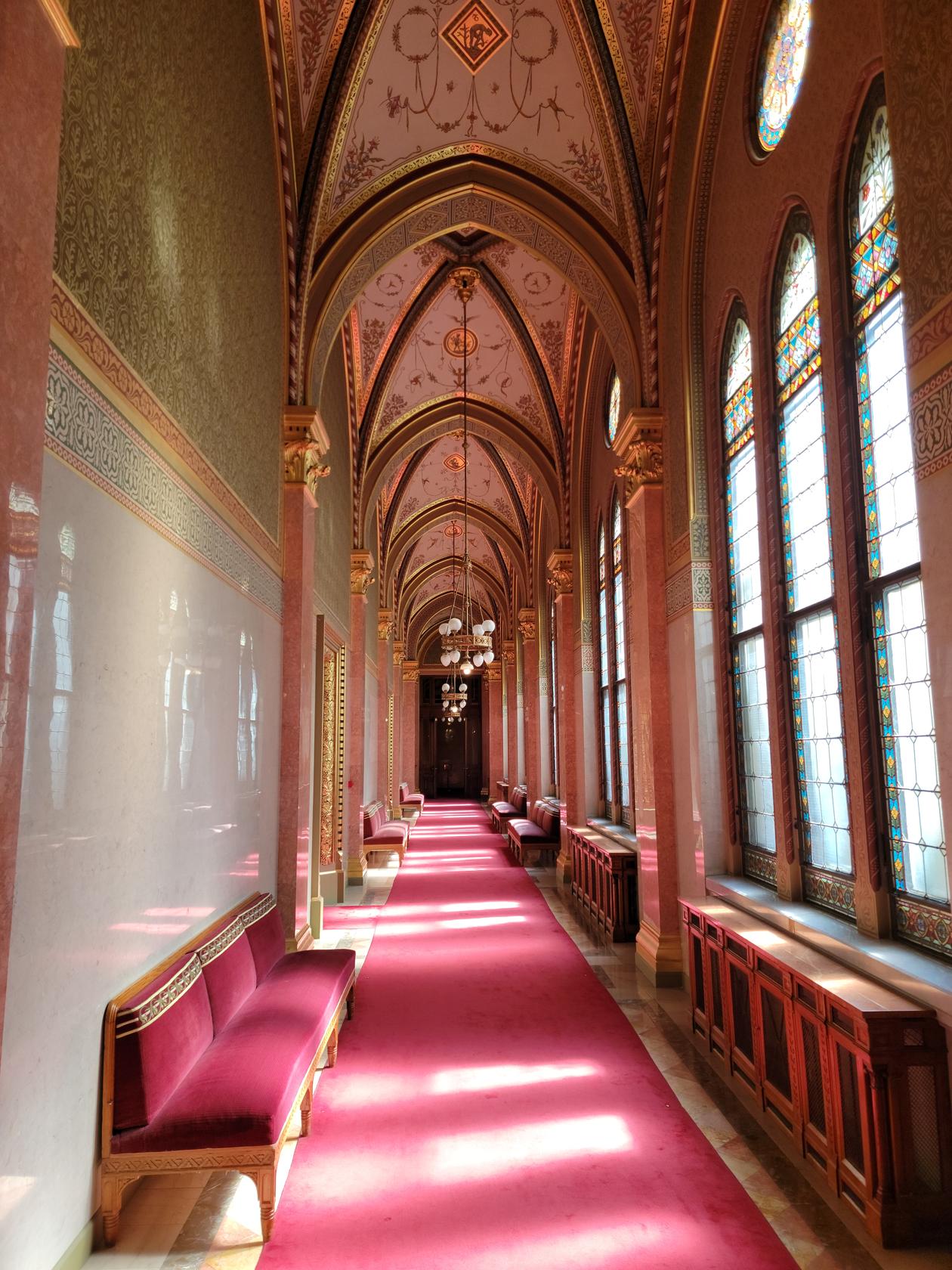
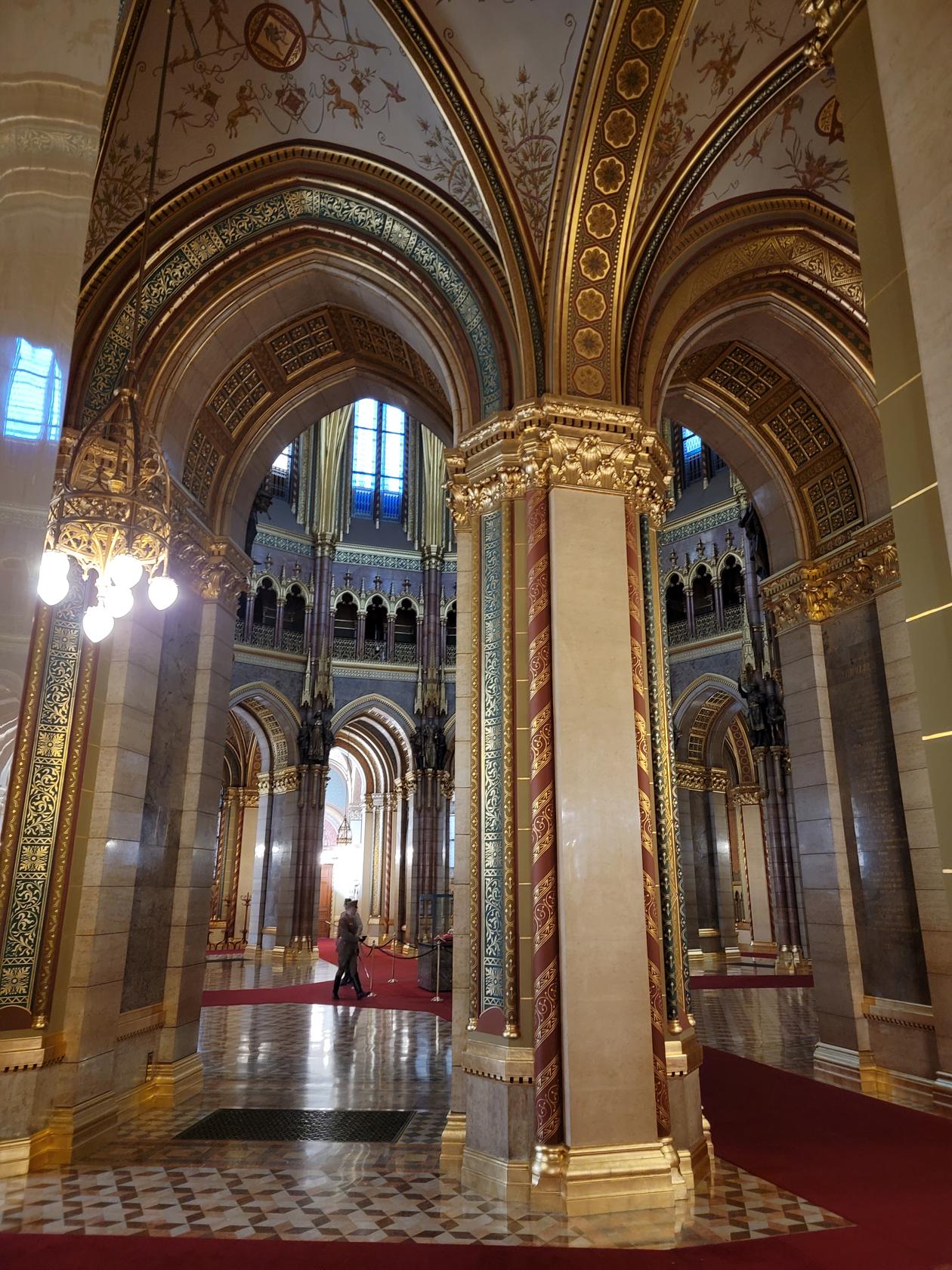
Hallway – The Parliament Building – Budapest, Hungary
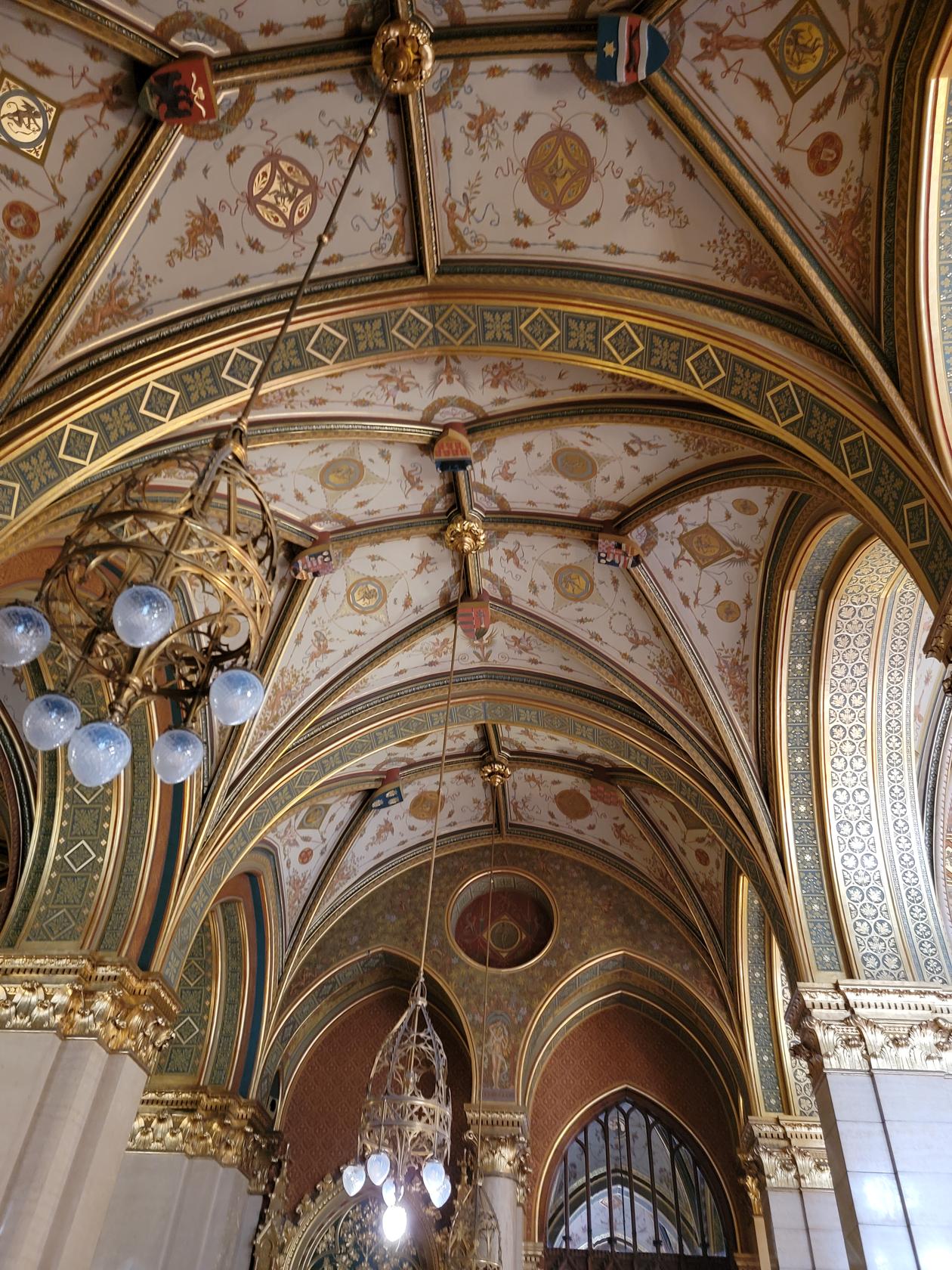
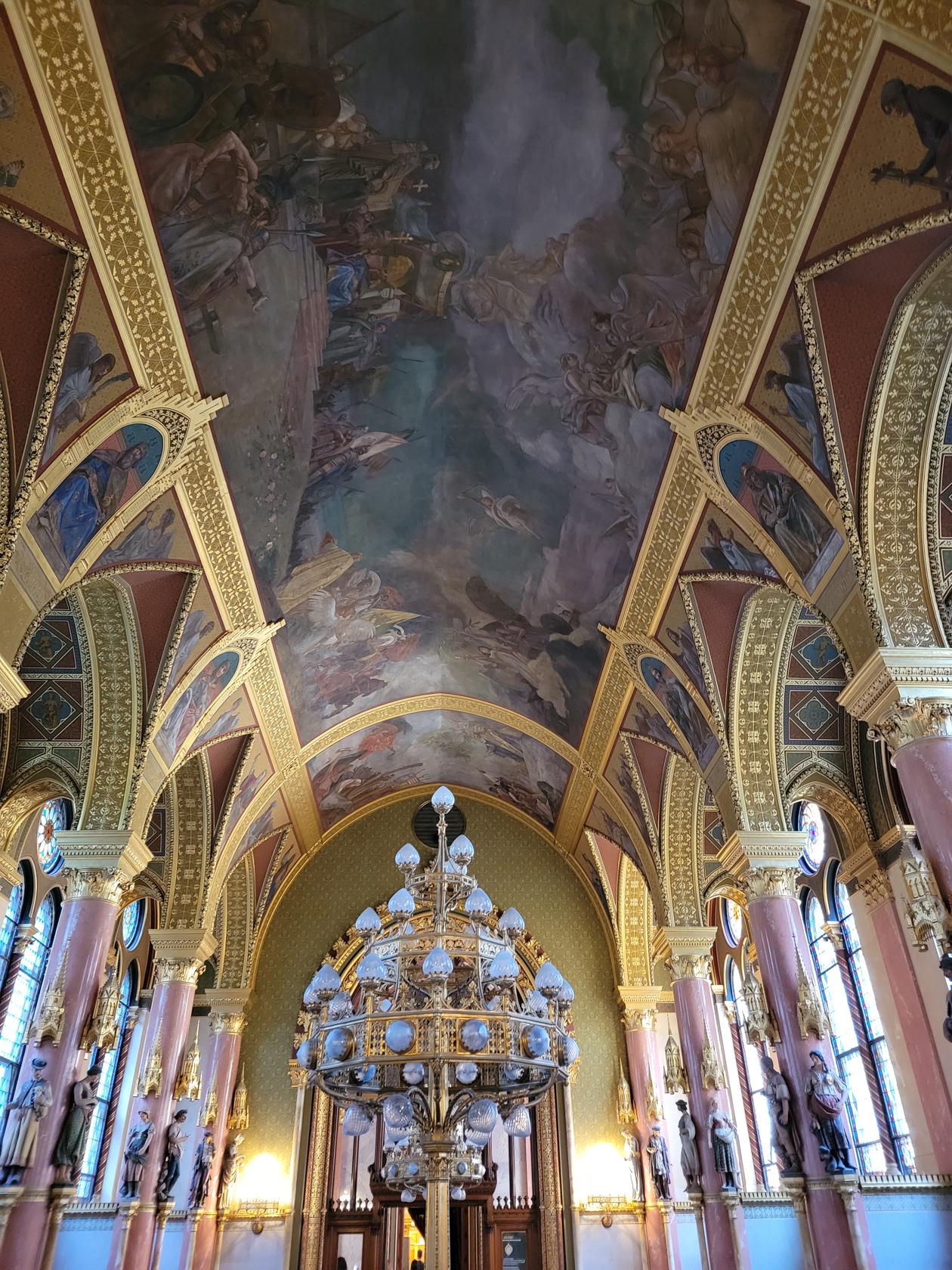
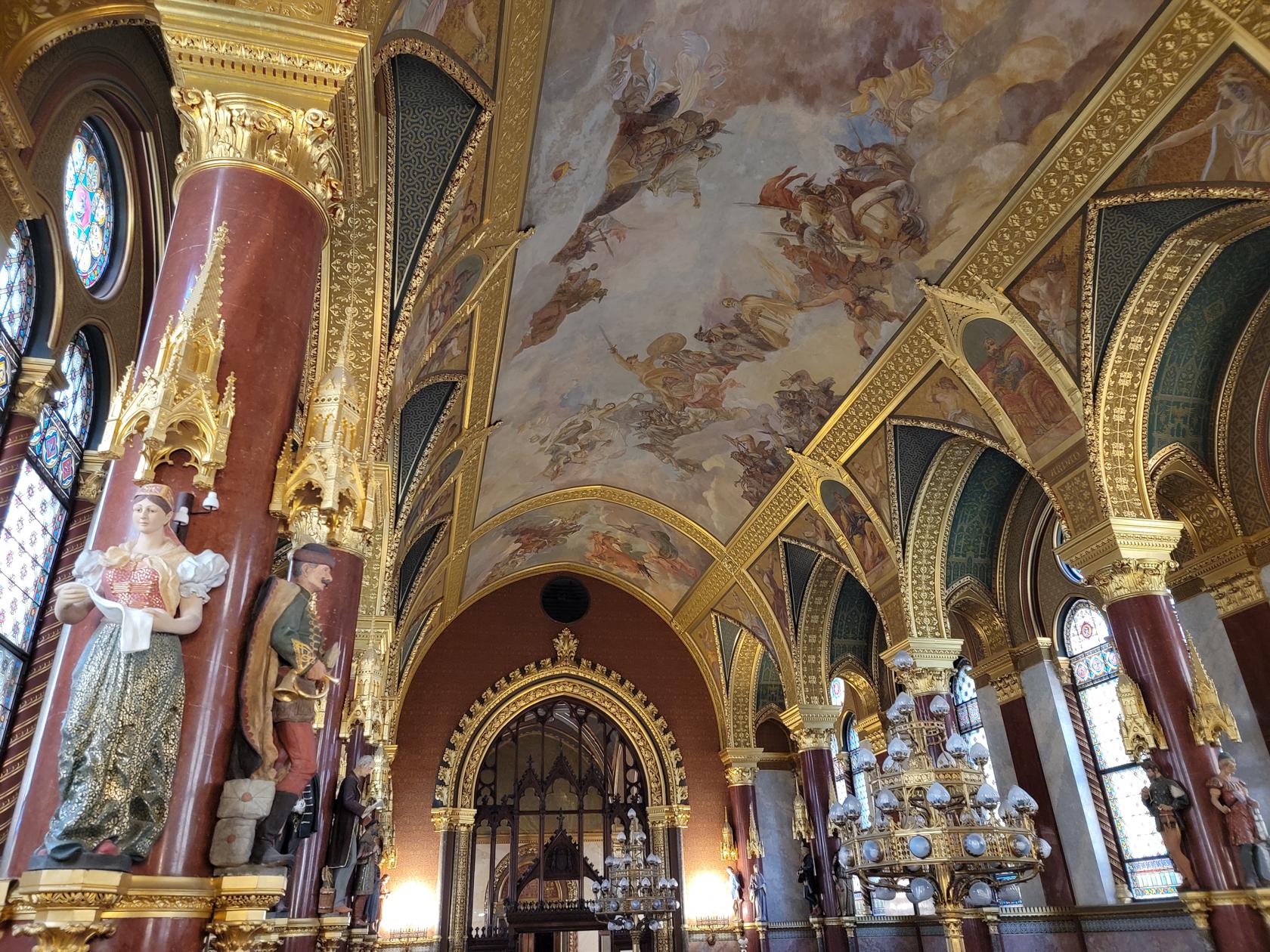
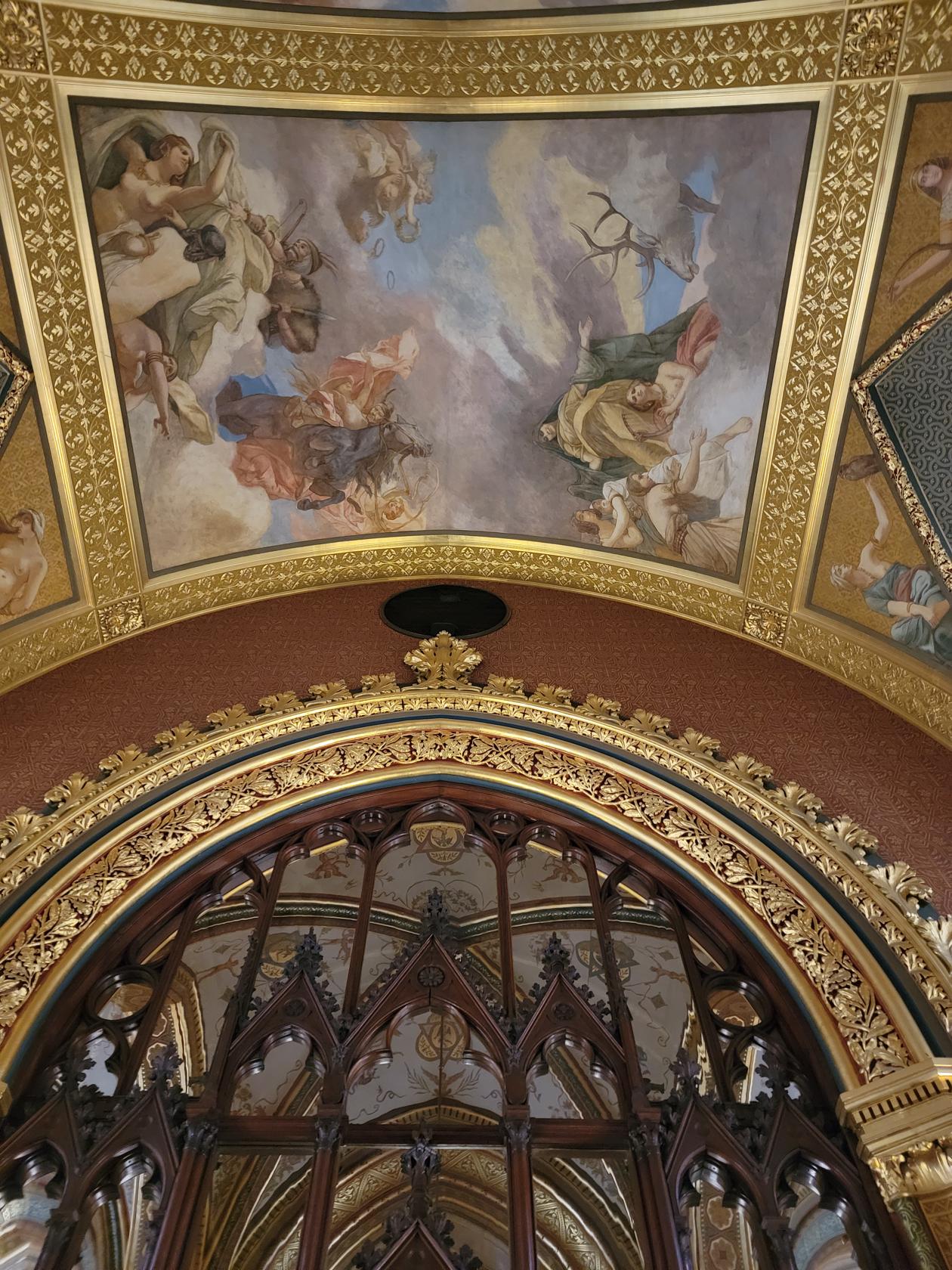
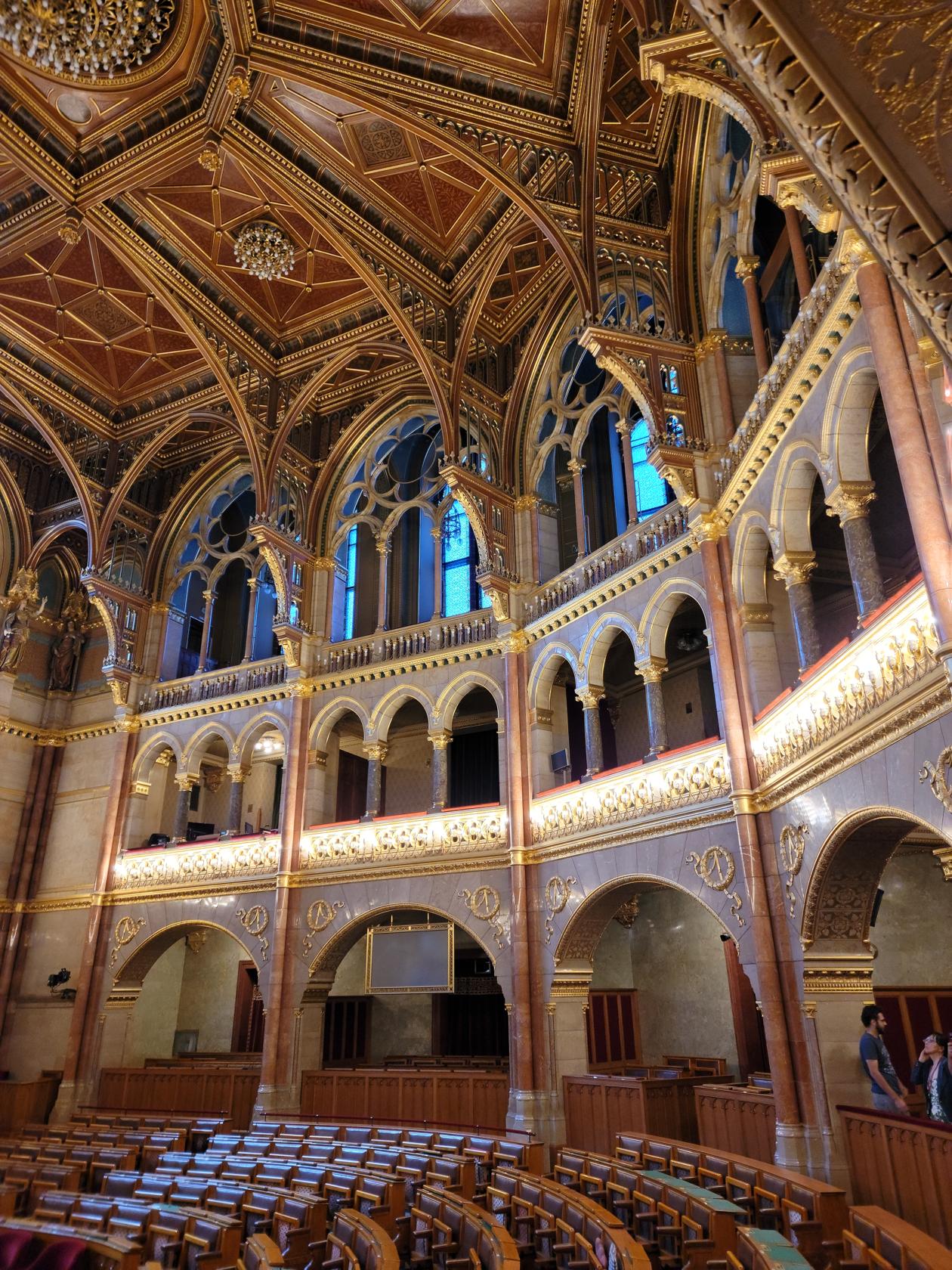
Ornate ceilings – The Parliament Building – Budapest, Hungary
Beautiful hallways – The Parliament Building – Budapest, Hungary
Windows, close-up – The Parliament Building – Budapest, Hungary
Another hallway – The Parliament Building – Budapest, Hungary
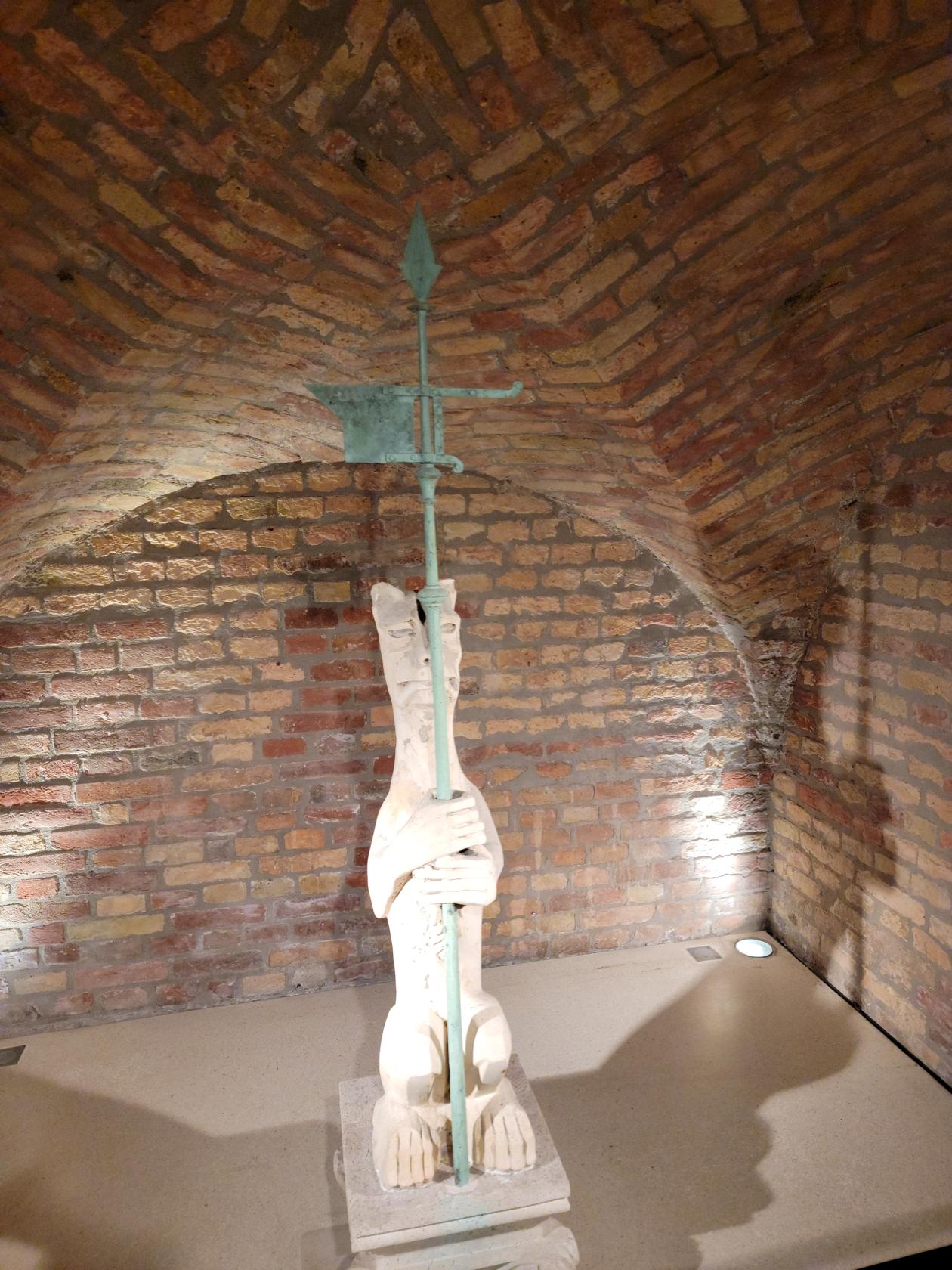
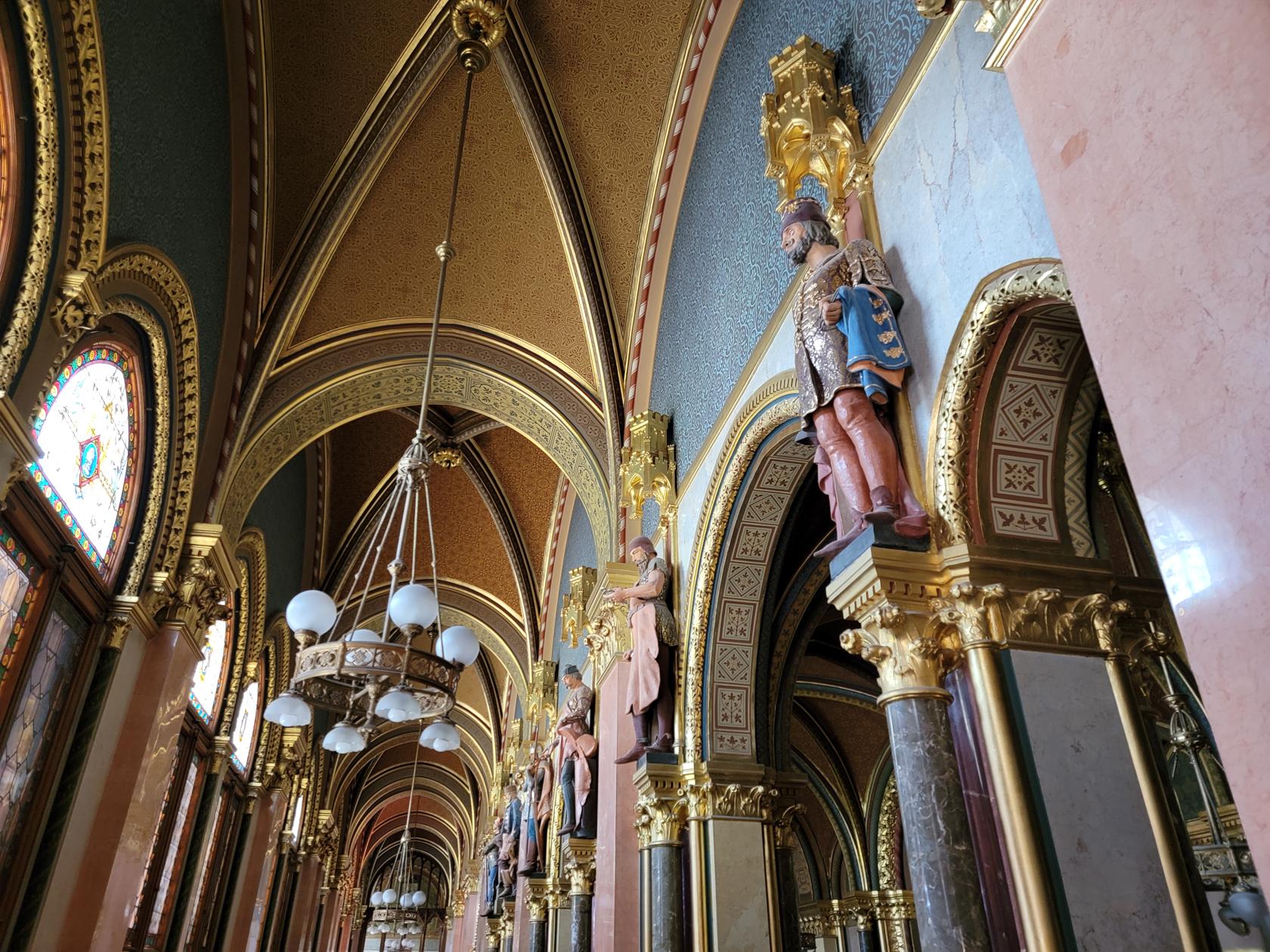
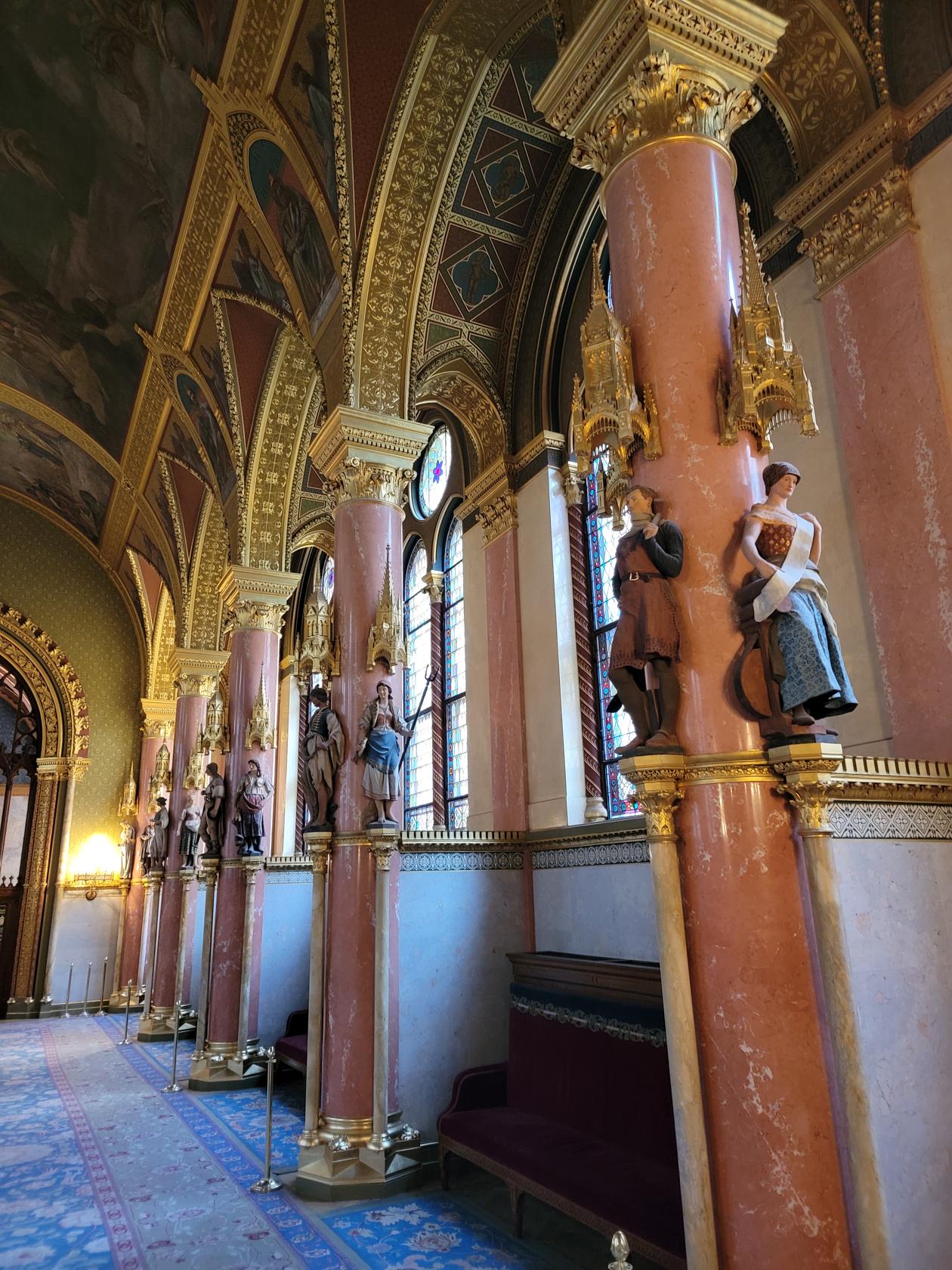
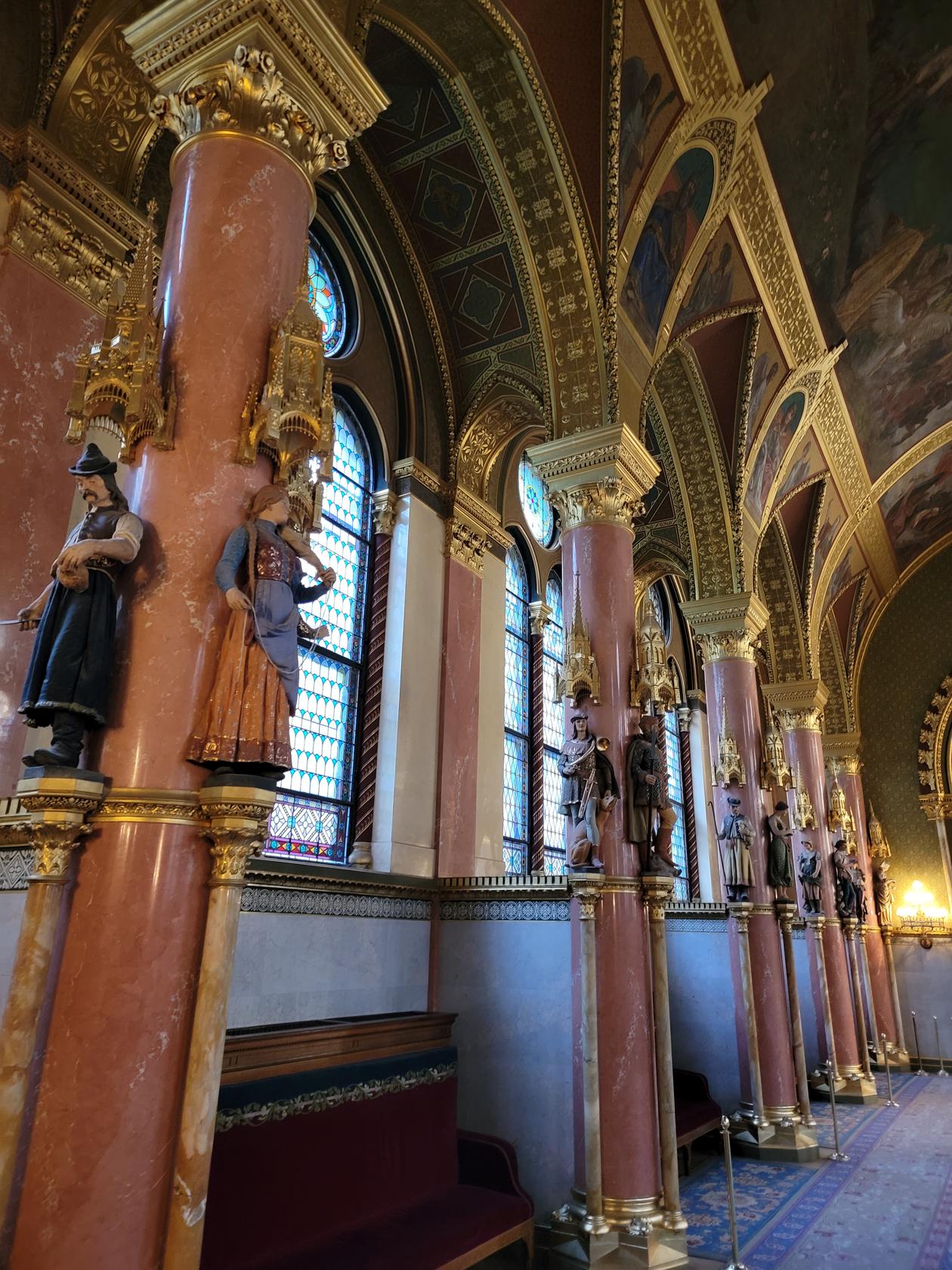
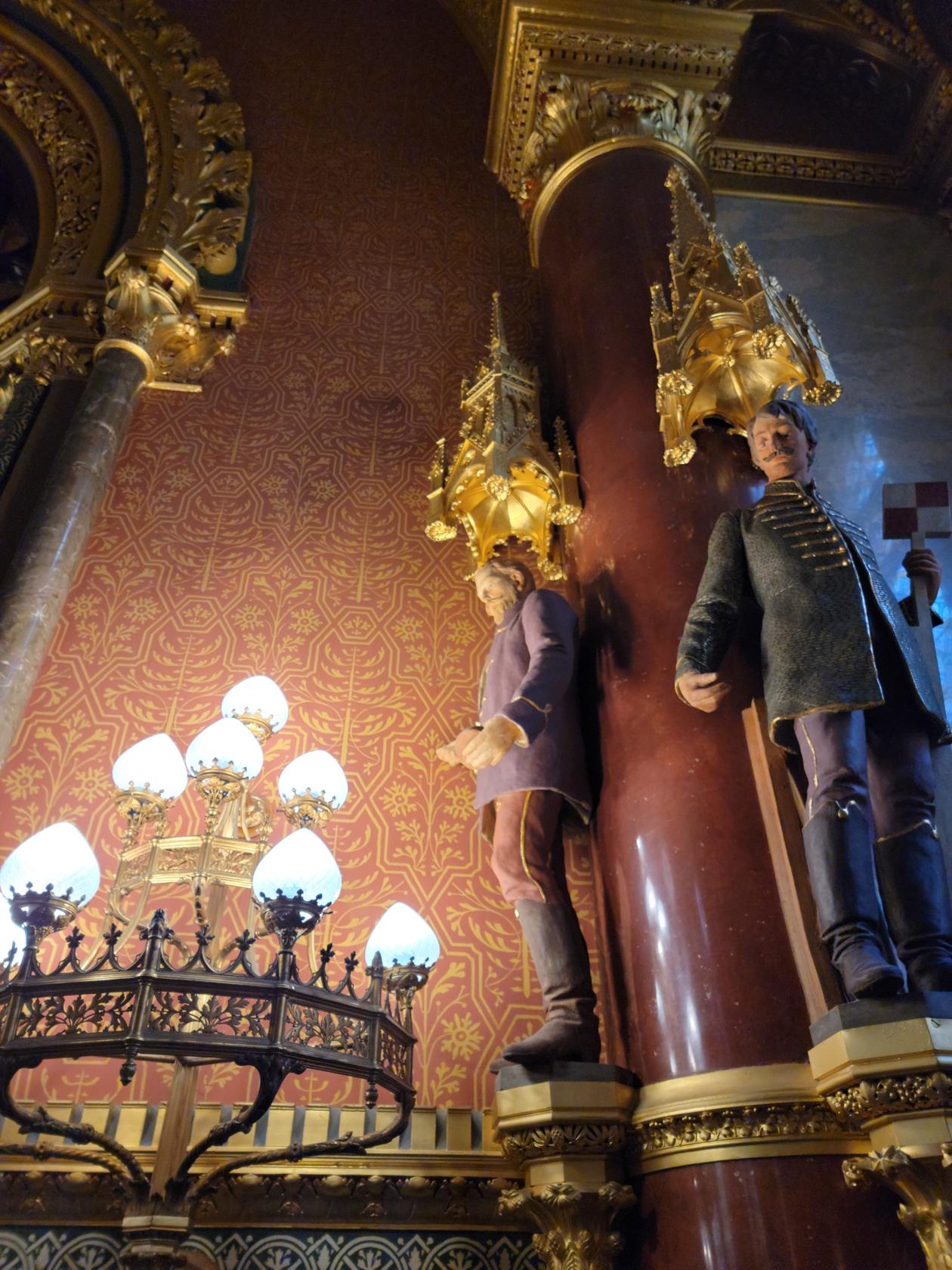
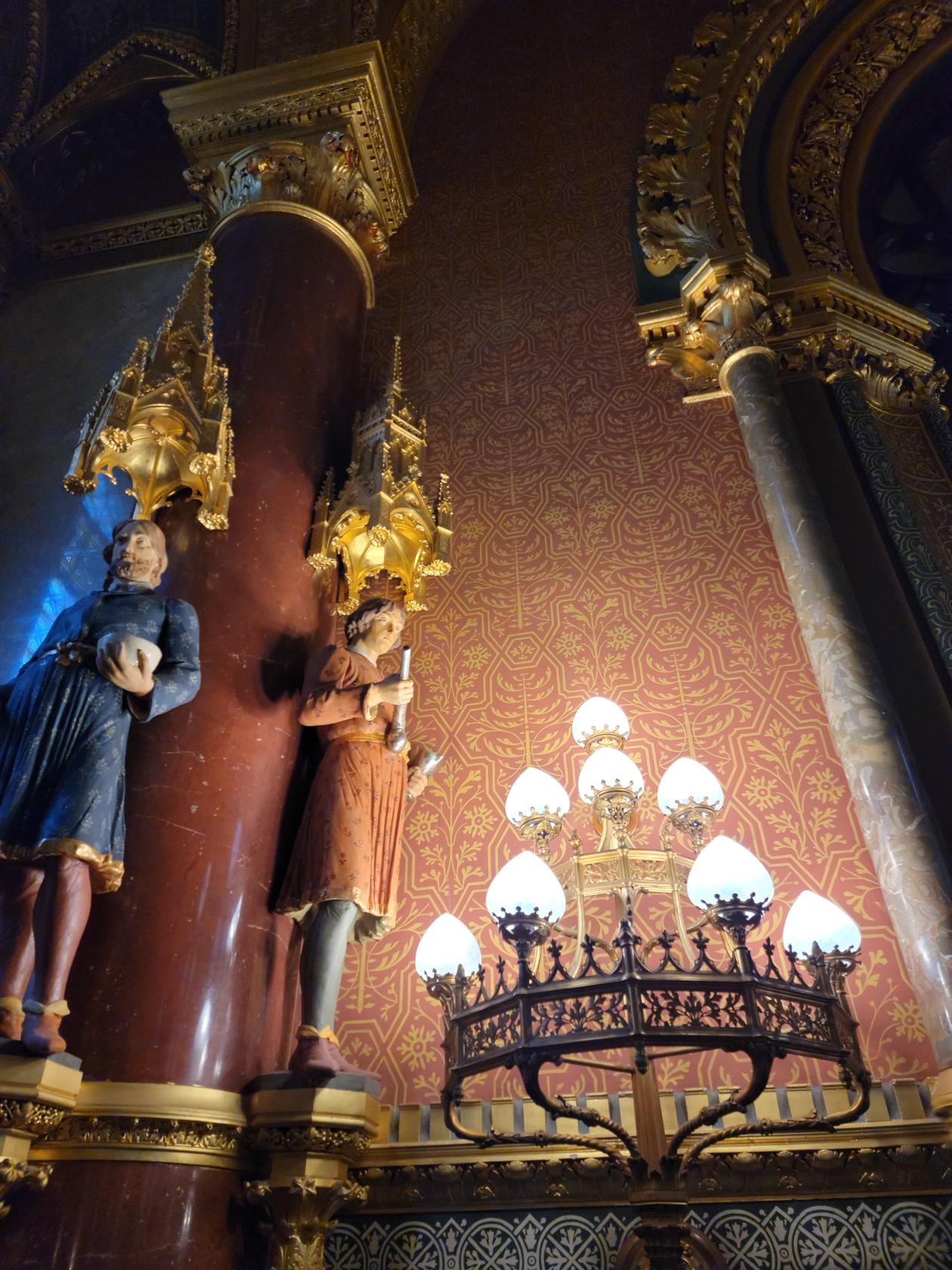
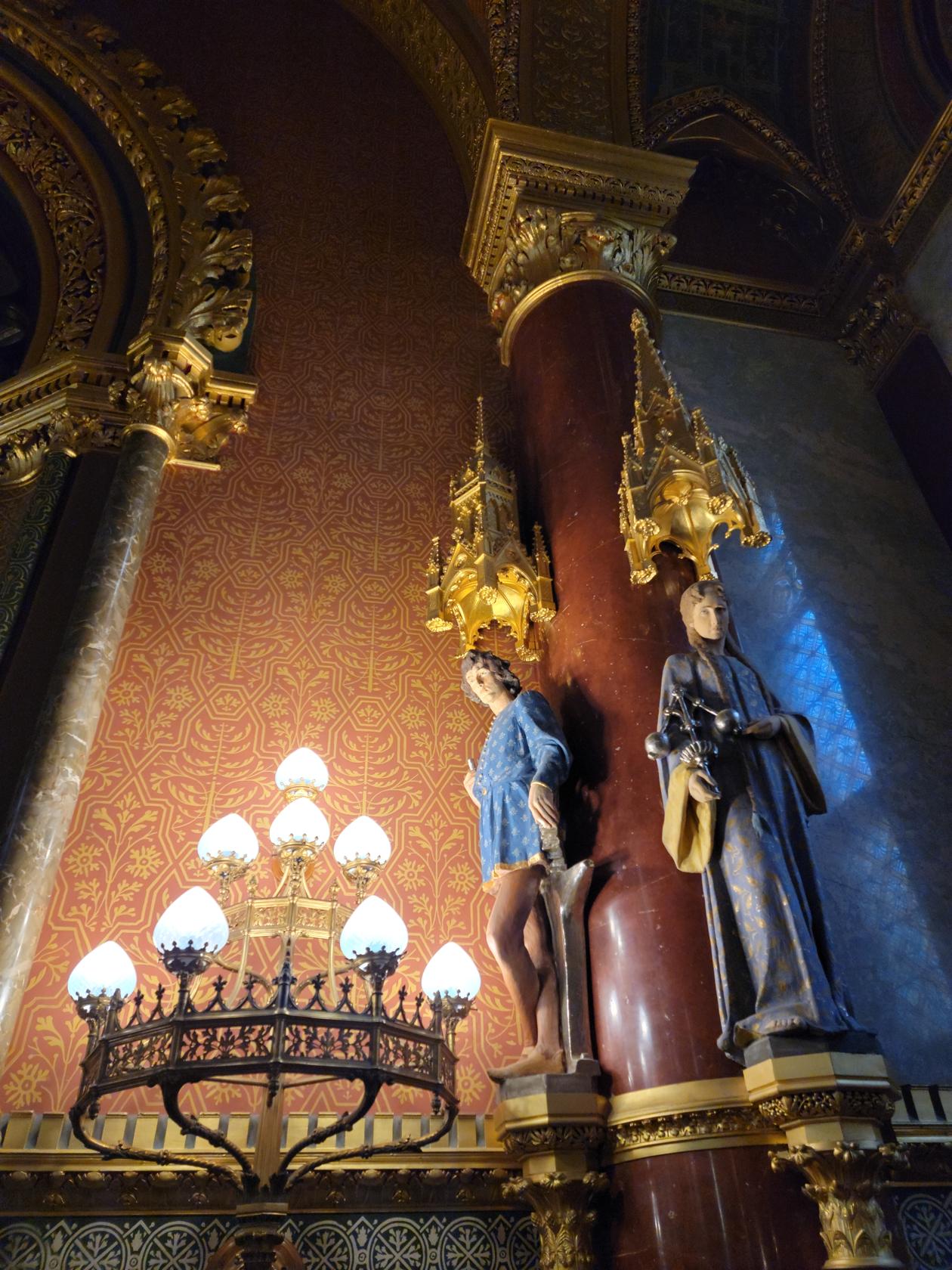
Sentinel figures – The Parliament Building – Budapest, Hungary
Unicameral session – The Parliament Building – Budapest, Hungary
In session – The Parliament Building – Budapest, Hungary
Ceiling – The Parliament Building – Budapest, Hungary
Full window – The Parliament Building – Budapest, Hungary
Ornate wood framing – The Parliament Building – Budapest, Hungary
Another hallway – The Parliament Building – Budapest, Hungary
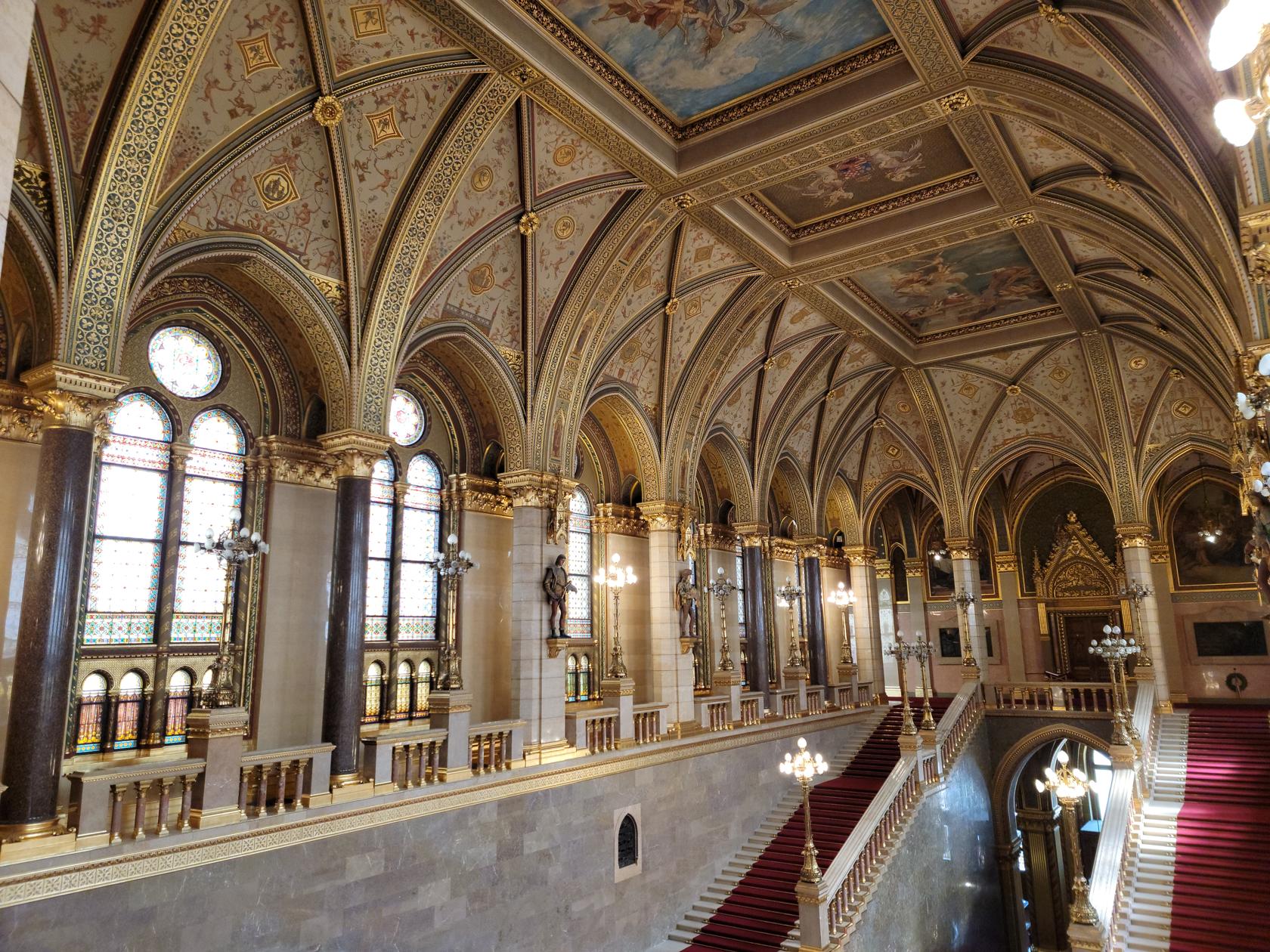
Main stairwell – The Parliament Building – Budapest, Hungary
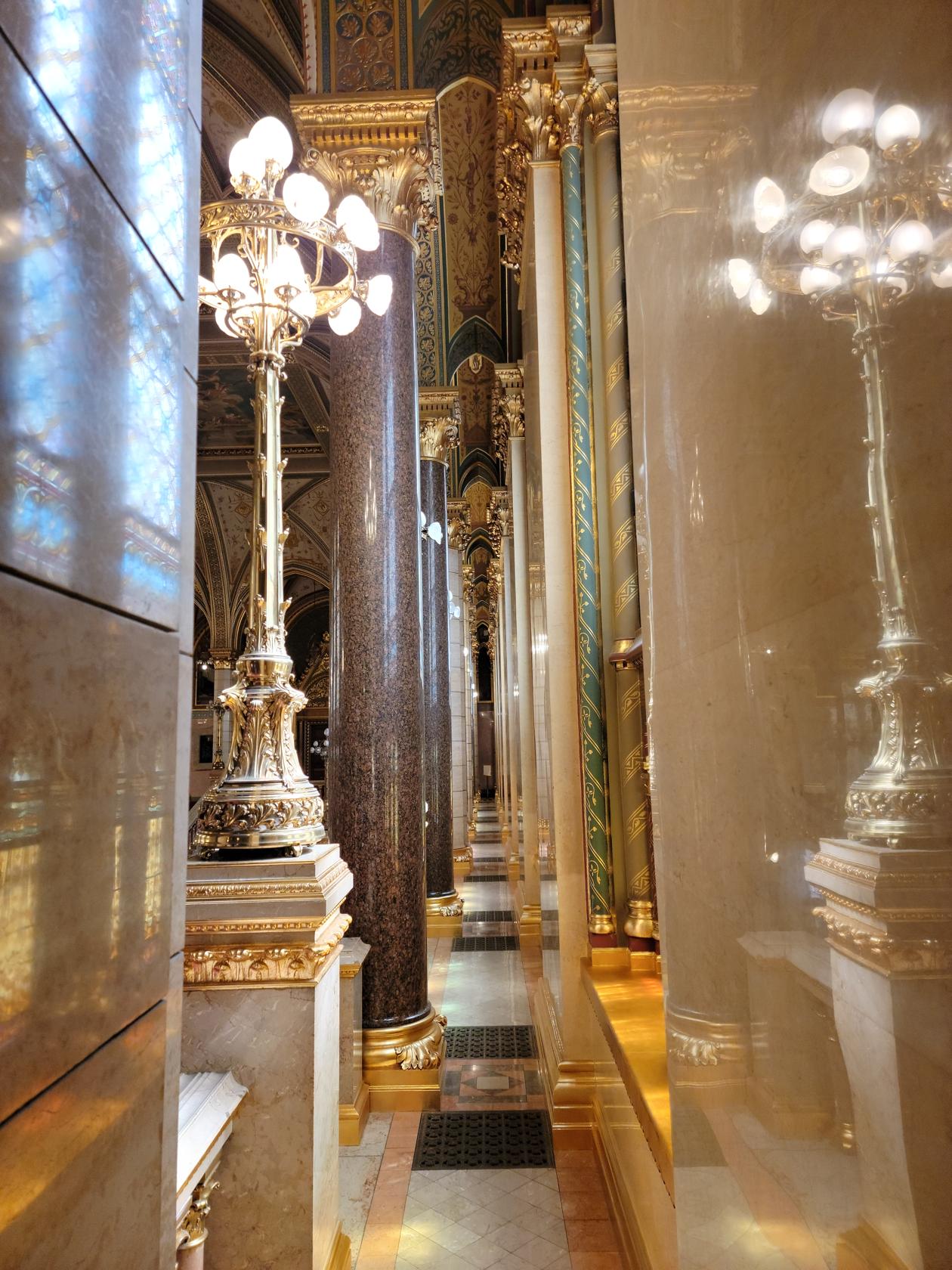
Details main stairwell – The Parliament Building – Budapest, Hungary
Another look, main stairwell – The Parliament Building – Budapest, Hungary
Ceiling – The Parliament Building – Budapest, Hungary
The dome – The Parliament Building – Budapest, Hungary
Occupations for protection – The Parliament Building – Budapest, Hungary
Occupations for protection – The Parliament Building – Budapest, Hungary
Receiving hall – The Parliament Building – Budapest, Hungary
Receiving hall – The Parliament Building – Budapest, Hungary
Occupations, close-up – The Parliament Building – Budapest, Hungary
More windows – The Parliament Building – Budapest, Hungary
The great stag – The Parliament Building – Budapest, Hungary
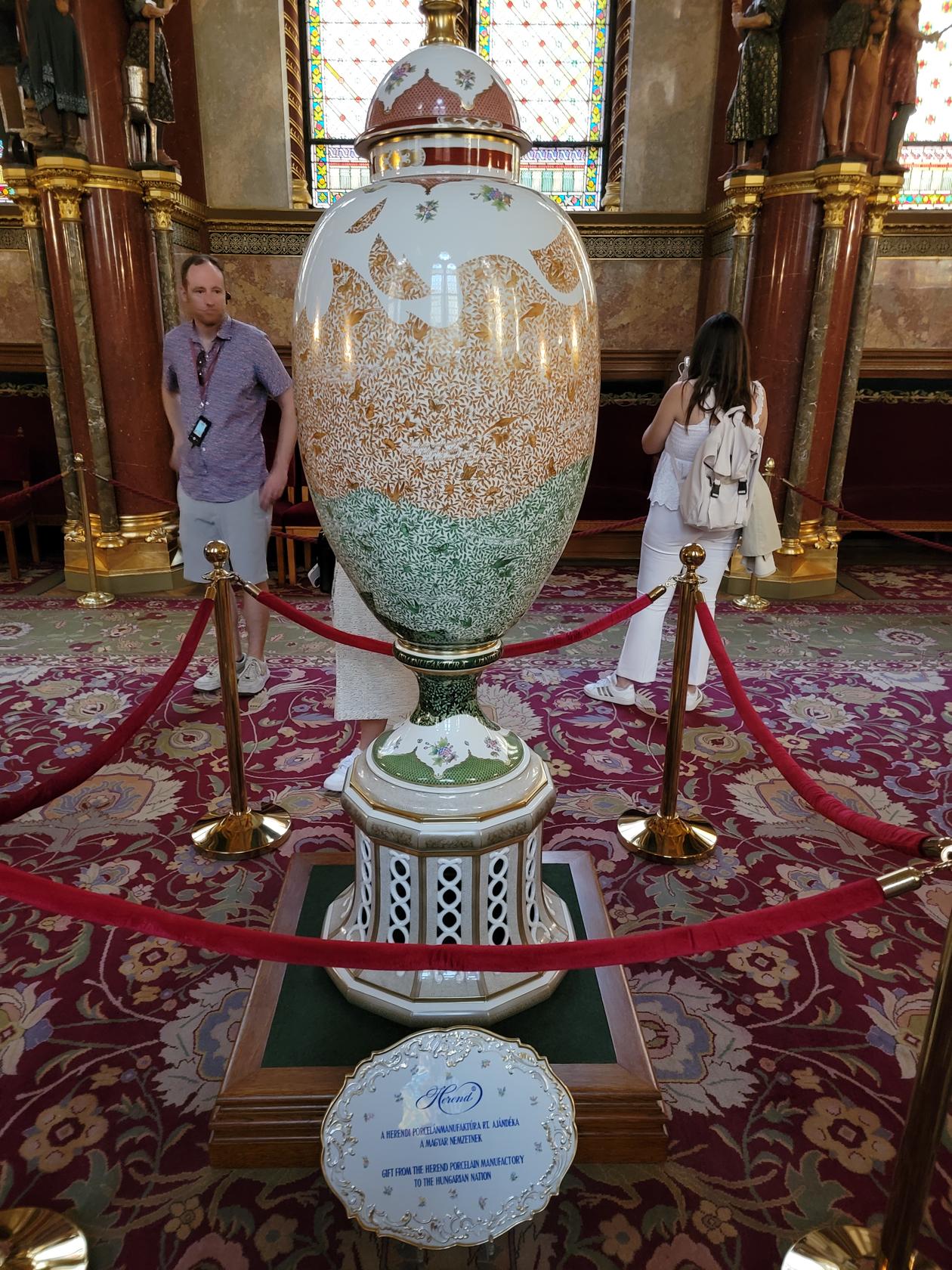
Giant porcelain vase – The Parliament Building – Budapest, Hungary
Occupation close-up – The Parliament Building – Budapest, Hungary
More occupations – The Parliament Building – Budapest, Hungary
Legislature building – The Parliament Building – Budapest, Hungary
Architecture – The Parliament Building – Budapest, Hungary
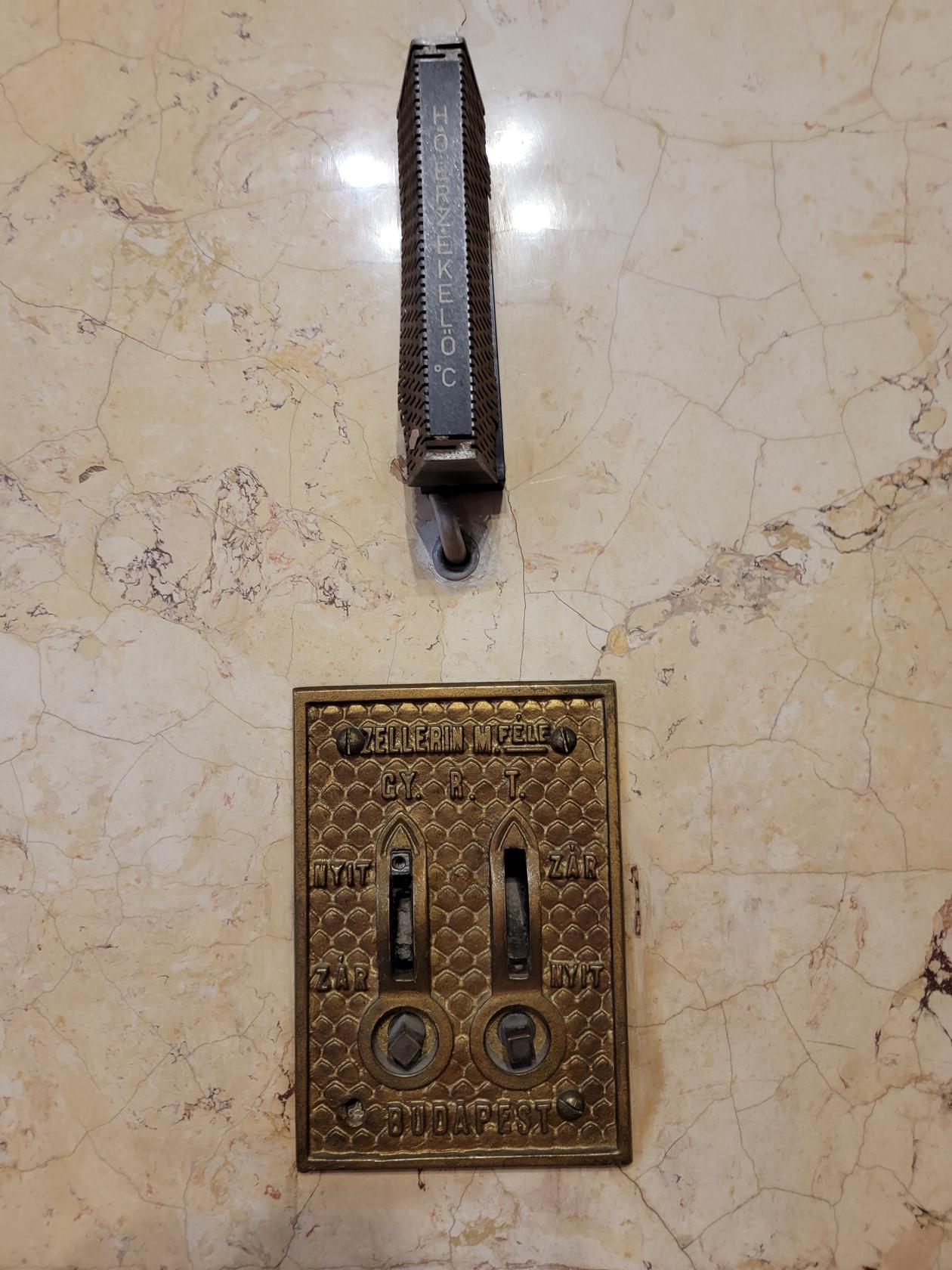
Old heating and air-conditions controls – The Parliament Building – Budapest, Hungary
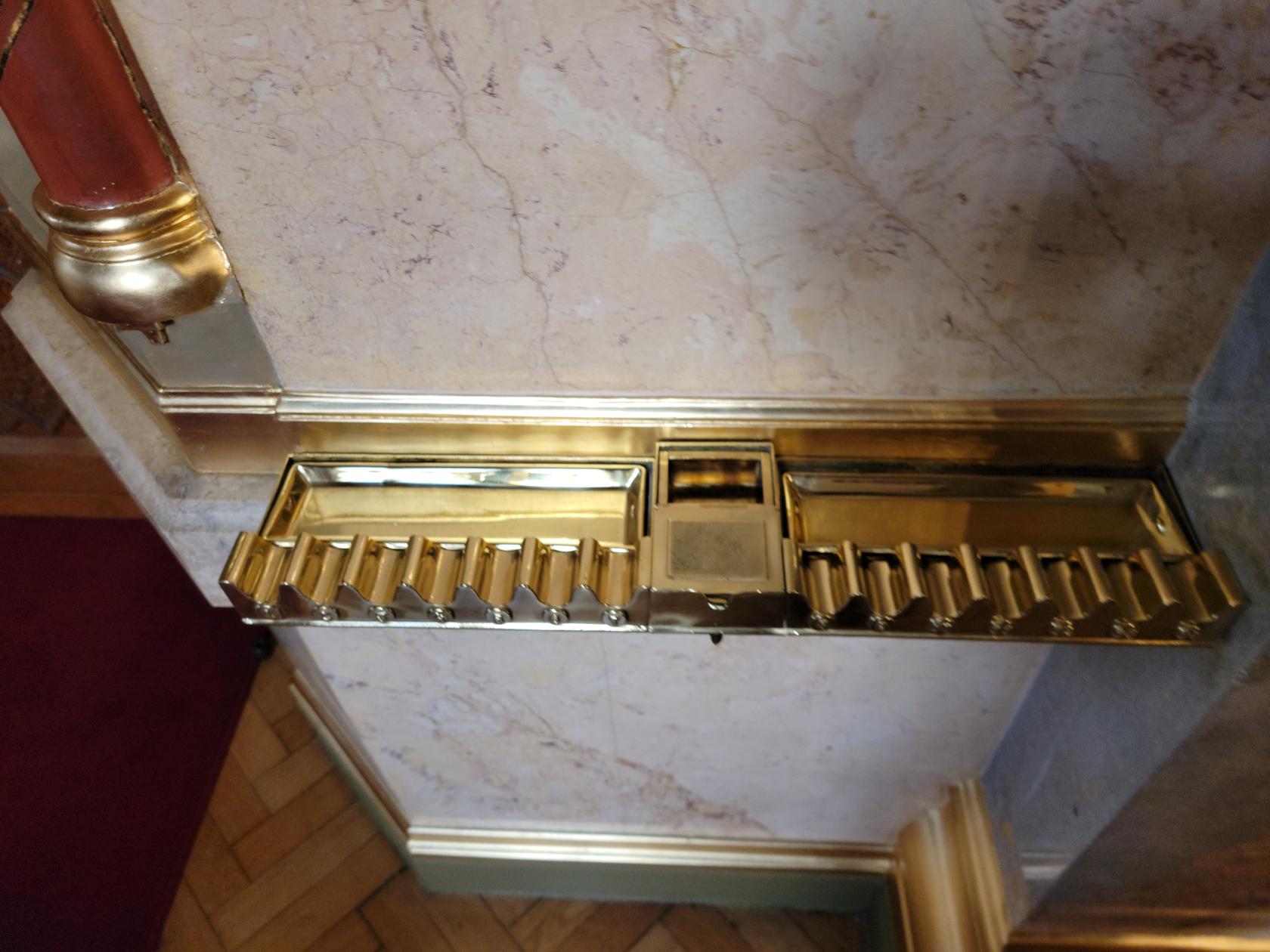
Cigar holders and trays – The Parliament Building – Budapest, Hungary
Anther hallway – The Parliament Building – Budapest, Hungary
Ericka – Descending the stairway out – The Parliament Building – Budapest, Hungary
Descending stairway out – The Parliament Building – Budapest, Hungary
Ancillary hallway – The Parliament Building – Budapest, Hungary
The back areas – The Parliament Building – Budapest, Hungary
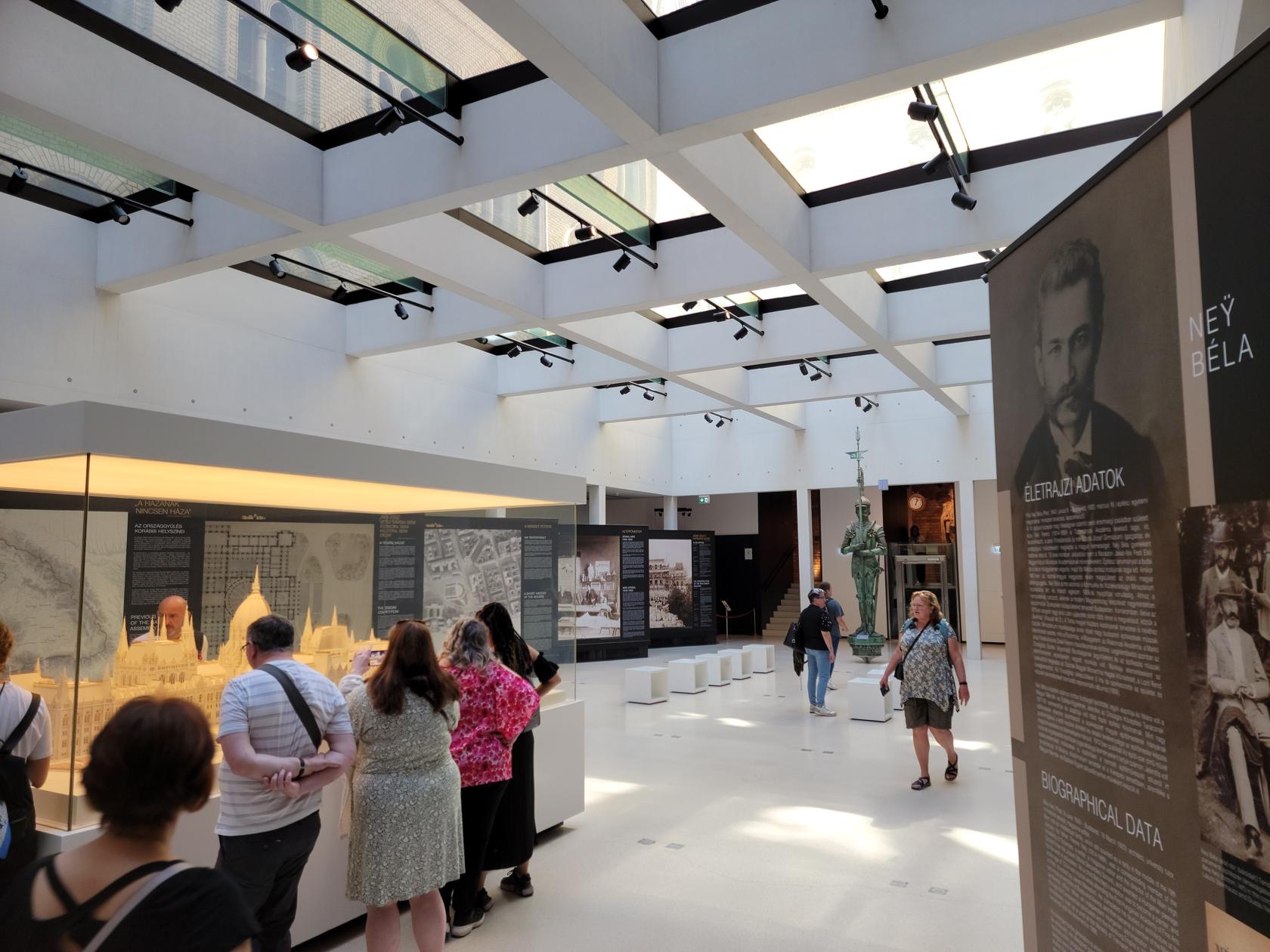
Small museum – The Parliament Building – Budapest, Hungary
Exhibit – The Parliament Building – Budapest, Hungary
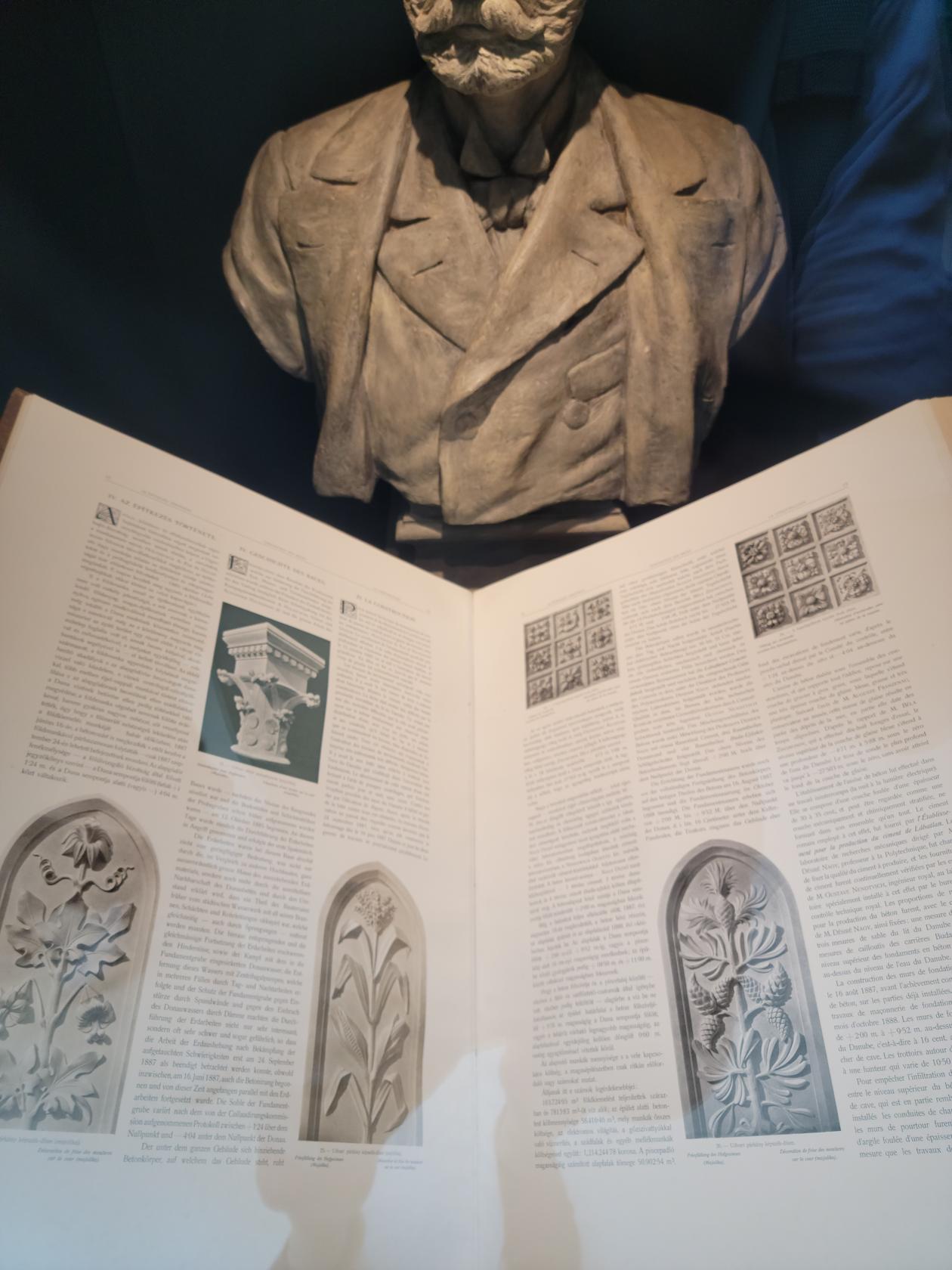
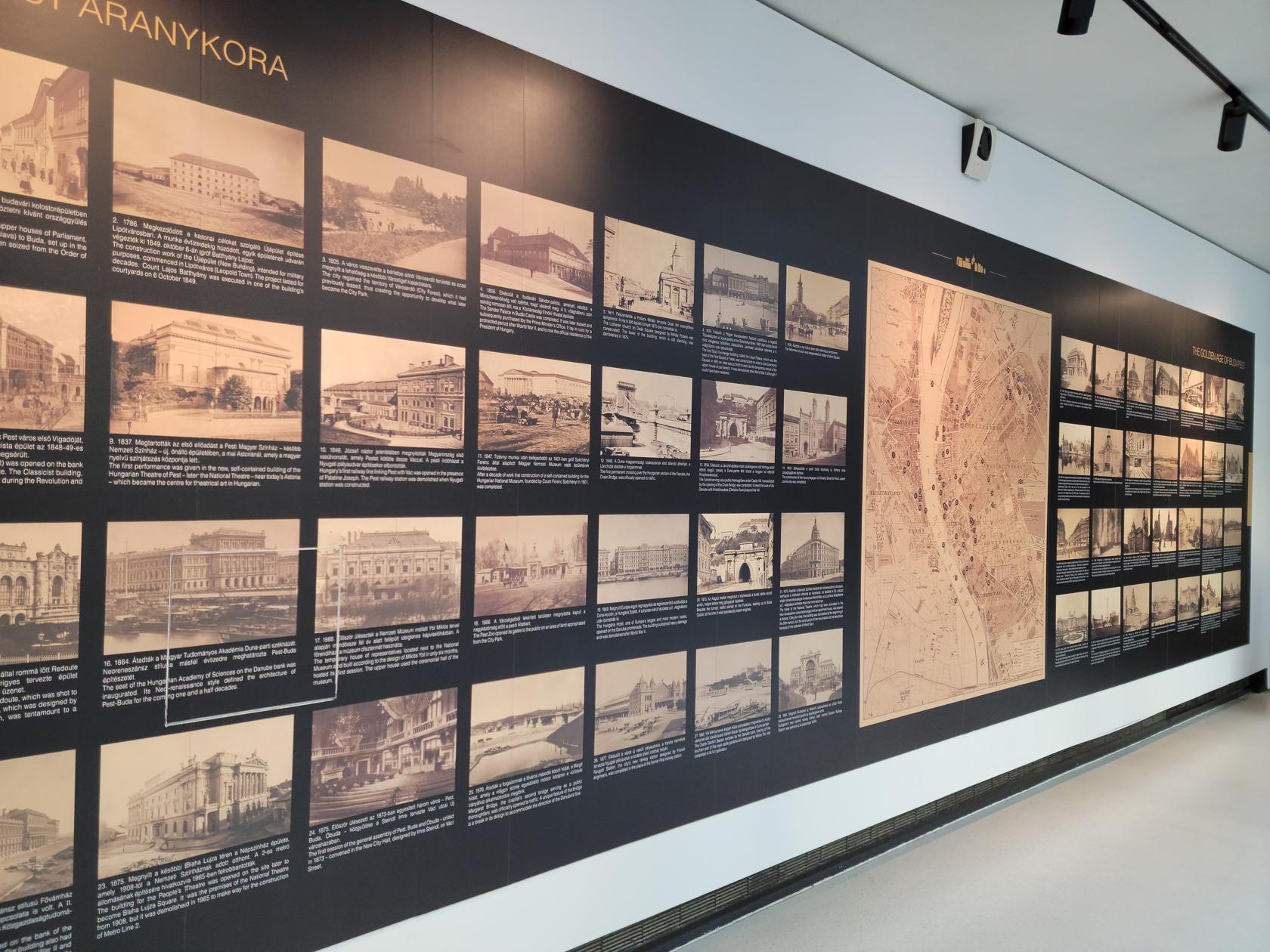
The history of the building – The Parliament Building – Budapest, Hungary
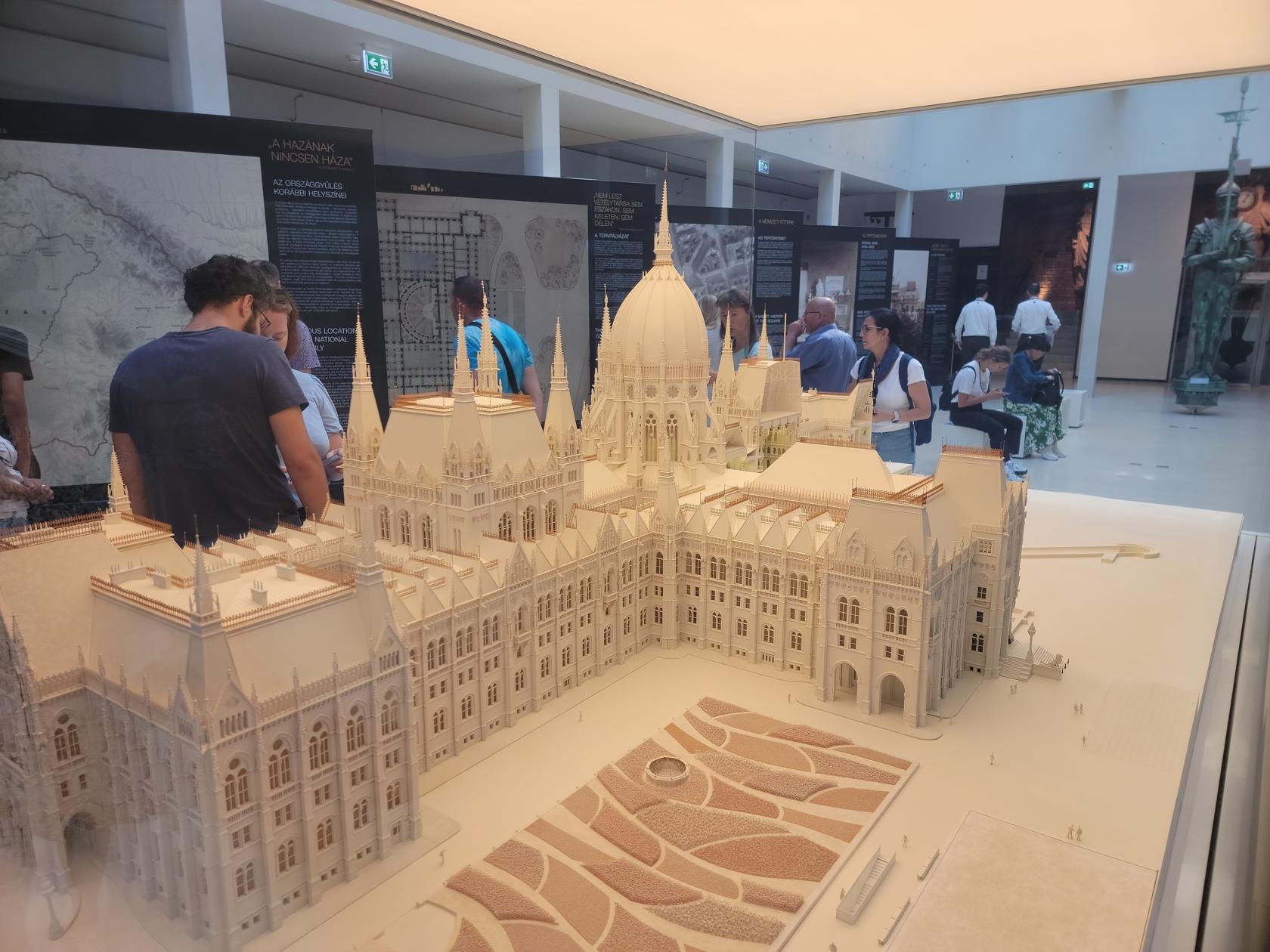
Large diorama of the building – The Parliament Building – Budapest, Hungary
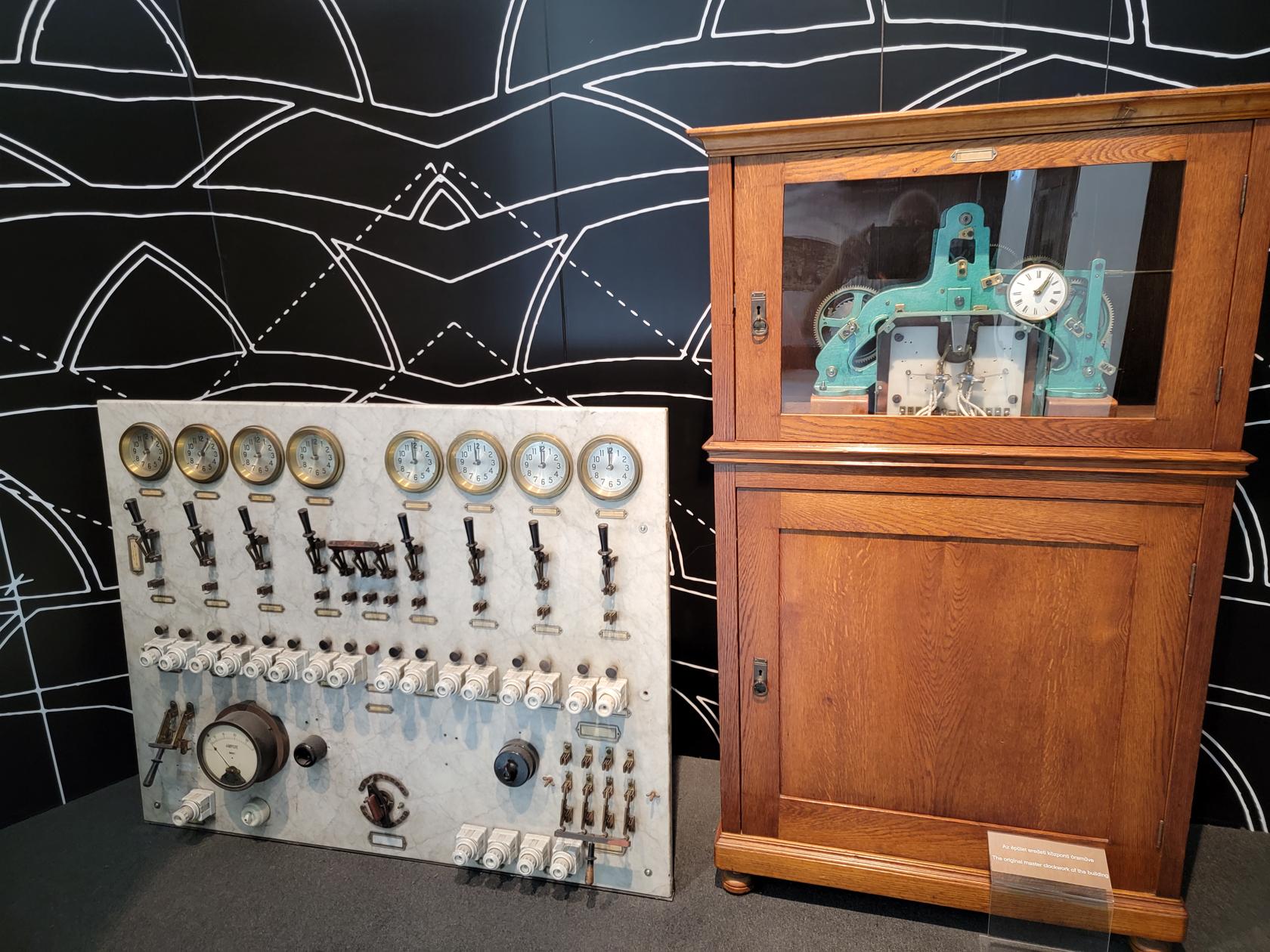
Electric controls for the building – The Parliament Building – Budapest, Hungary
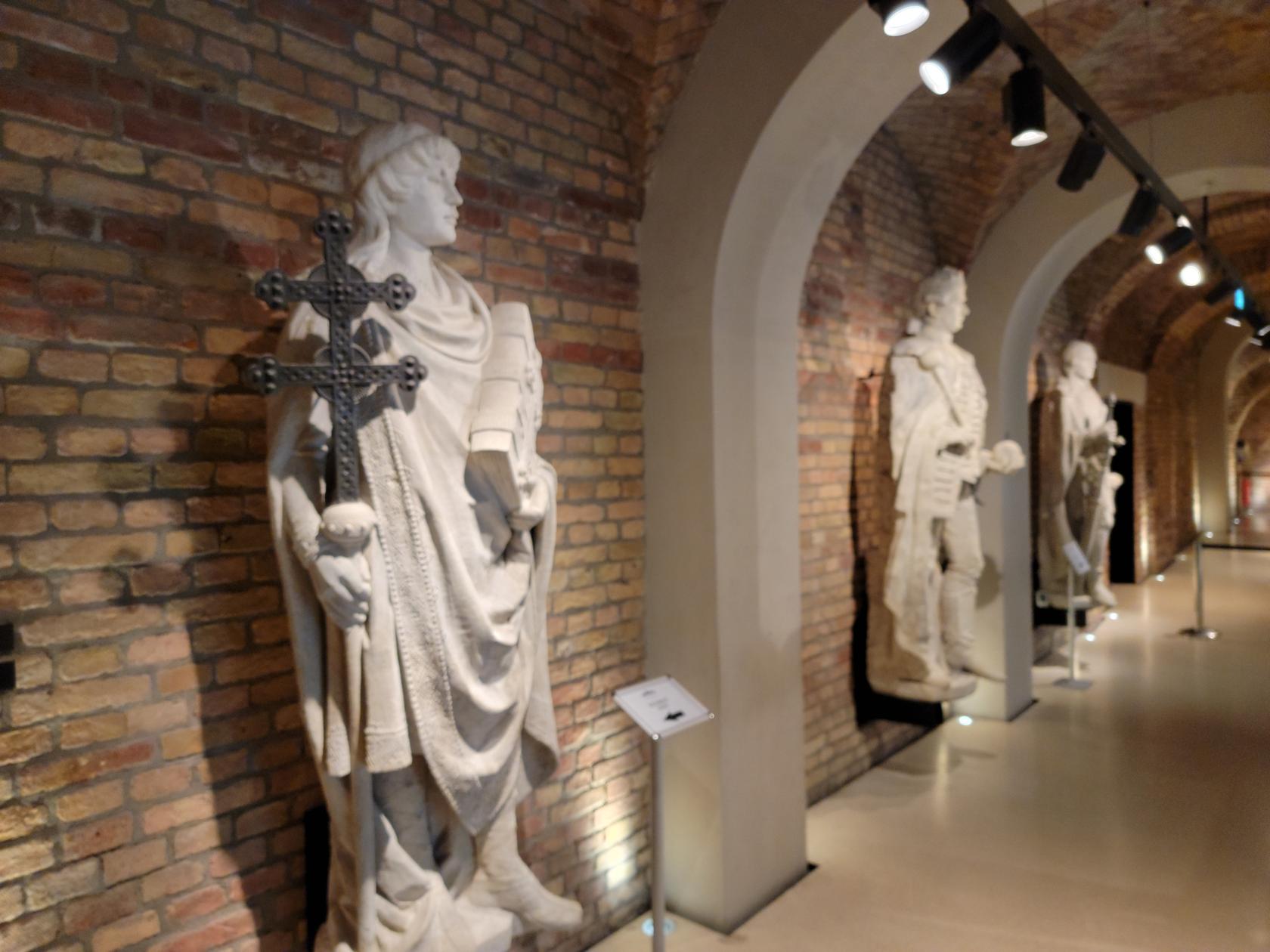
Statues – The Parliament Building – Budapest, Hungary
Restaurants
Here are a few more restaurants we visited in Budapest, one of which I wish I never went to due to social media idiots.
New York Cafe
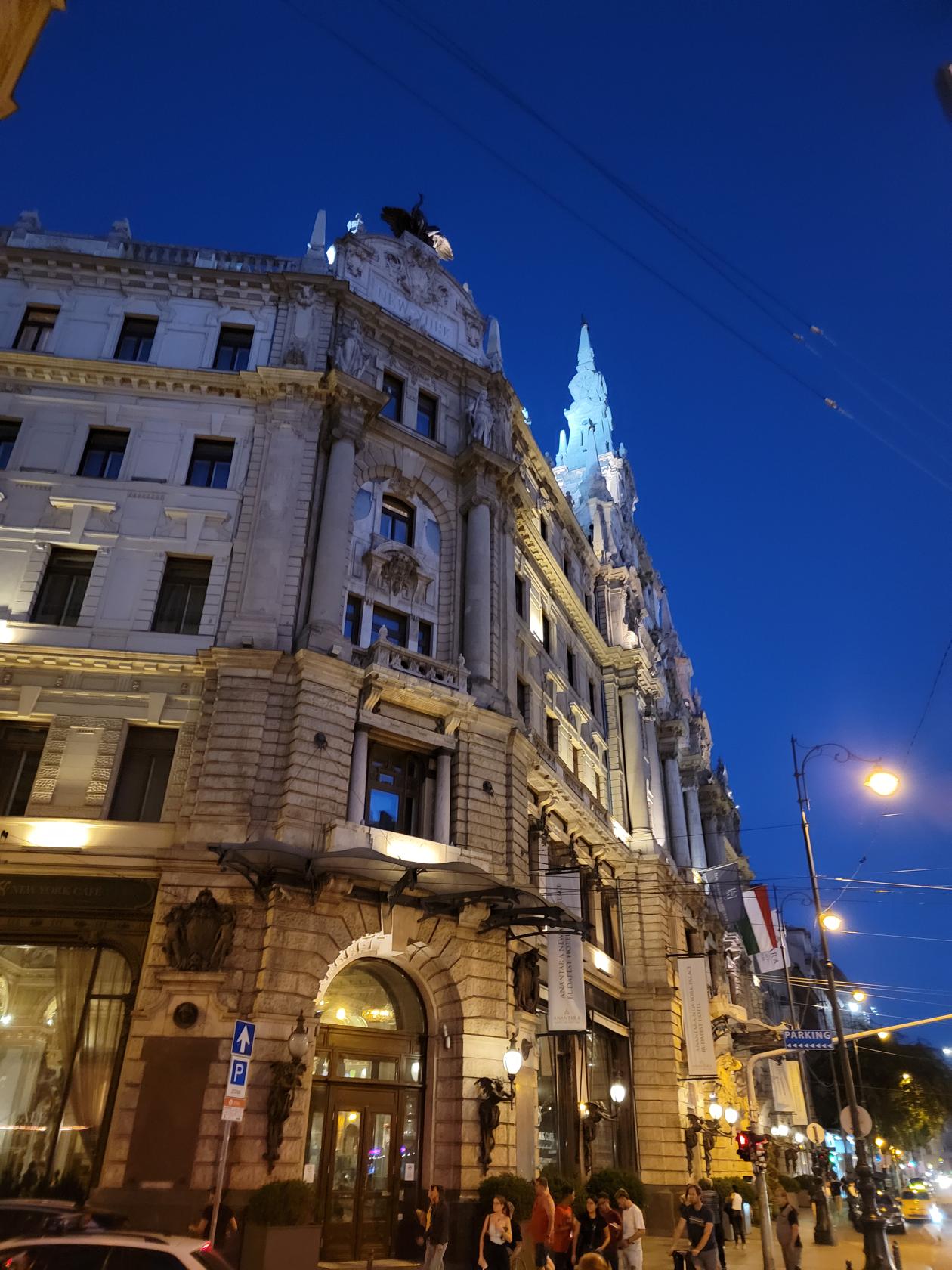
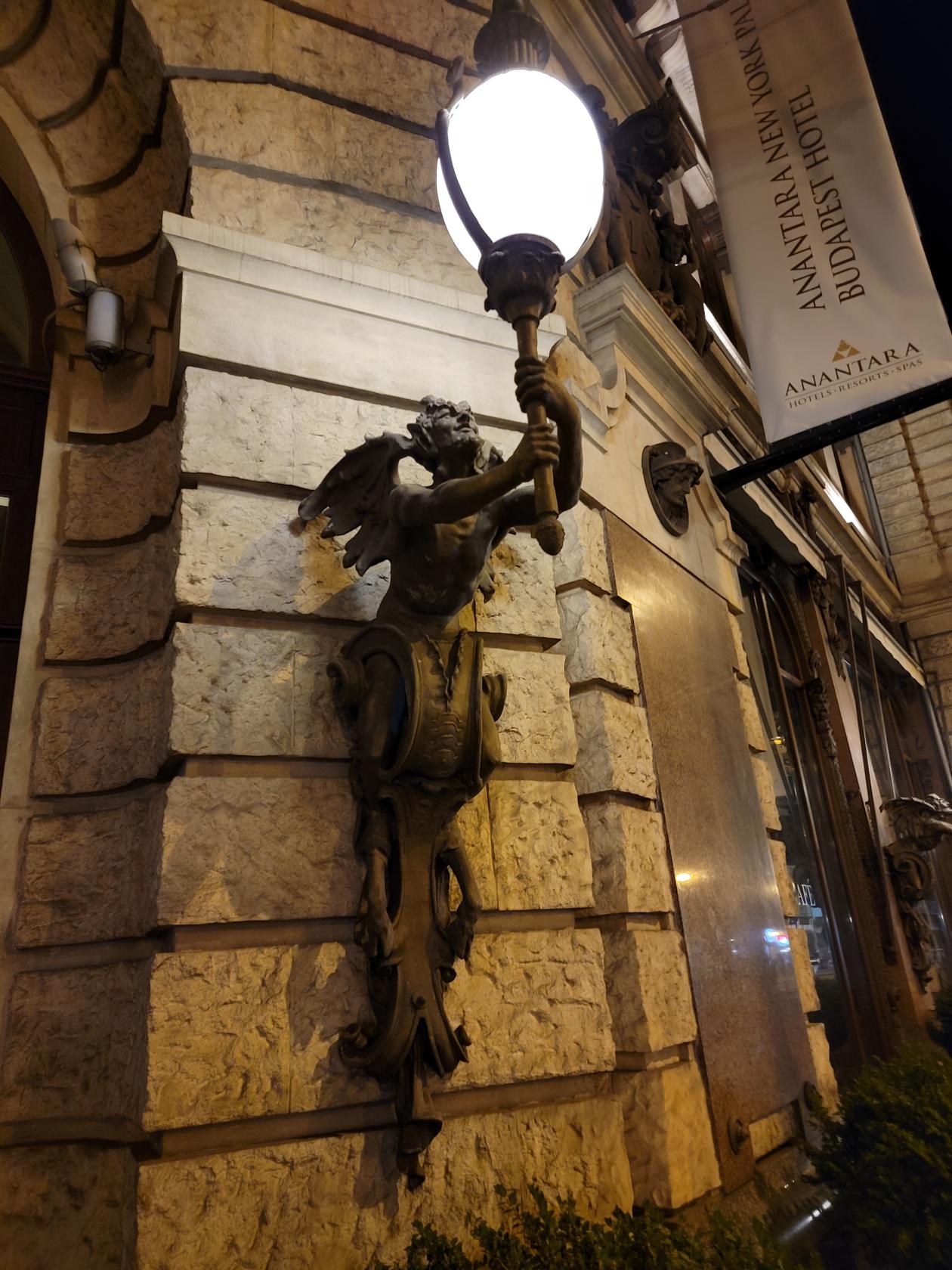
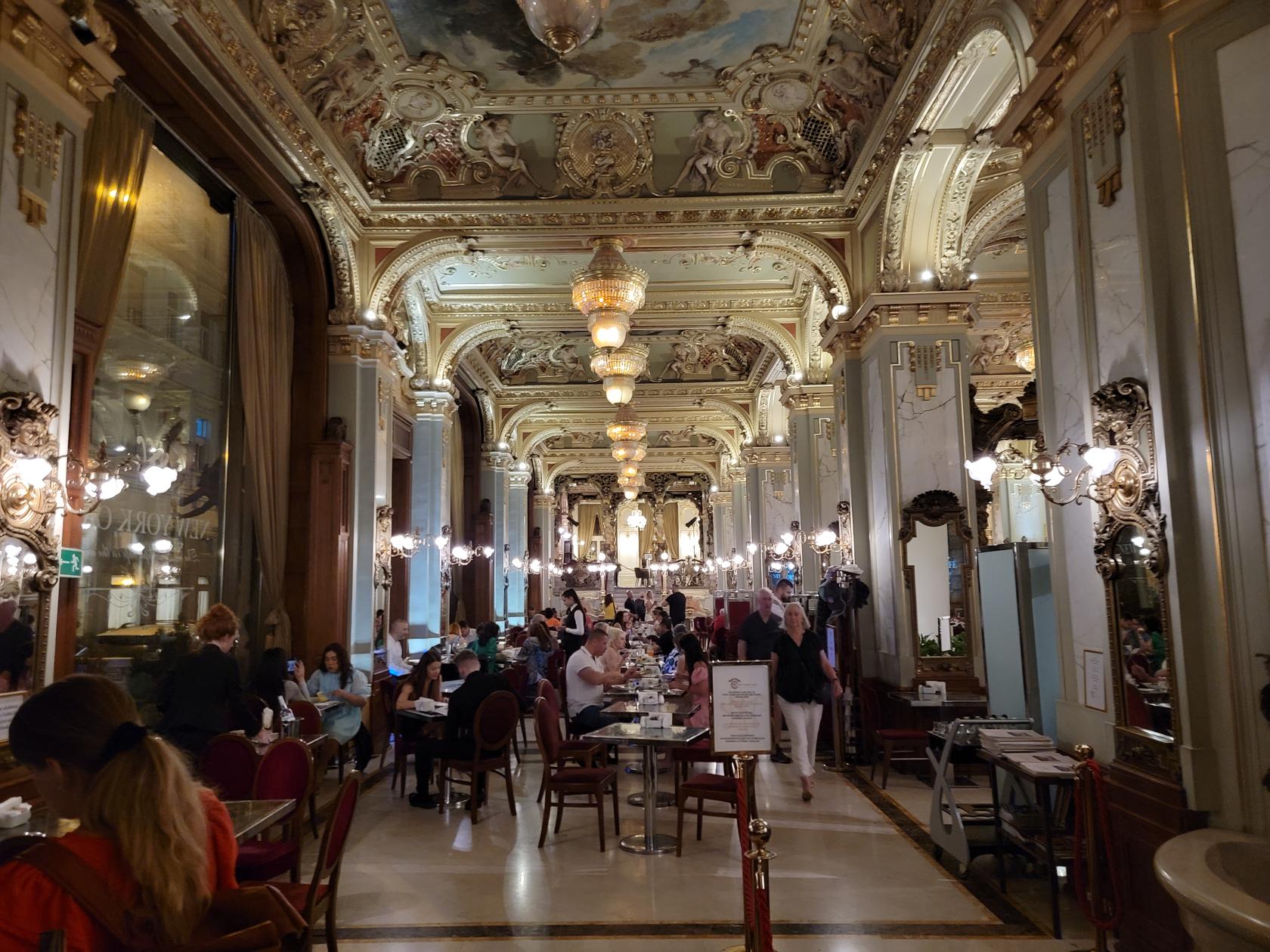
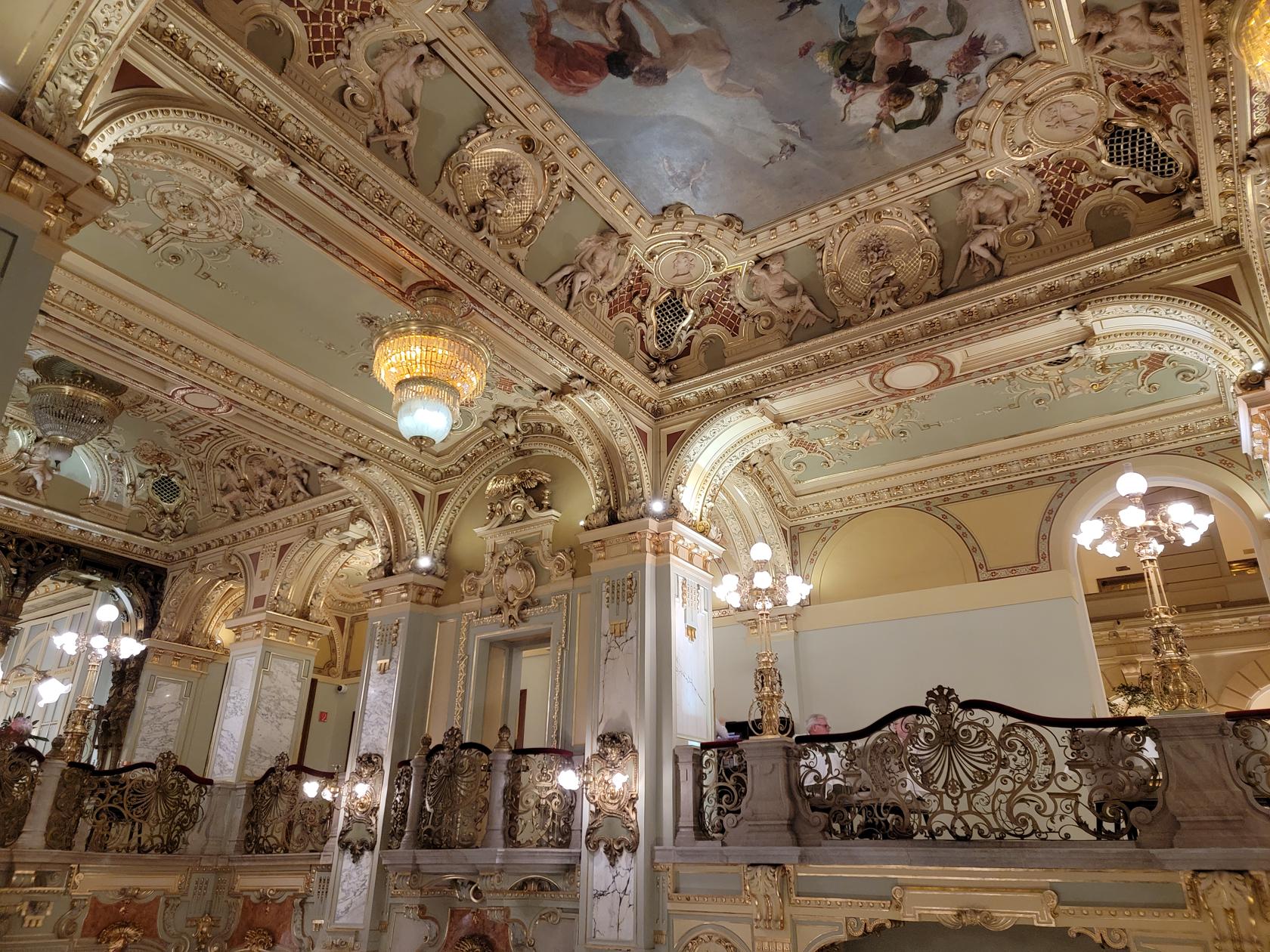
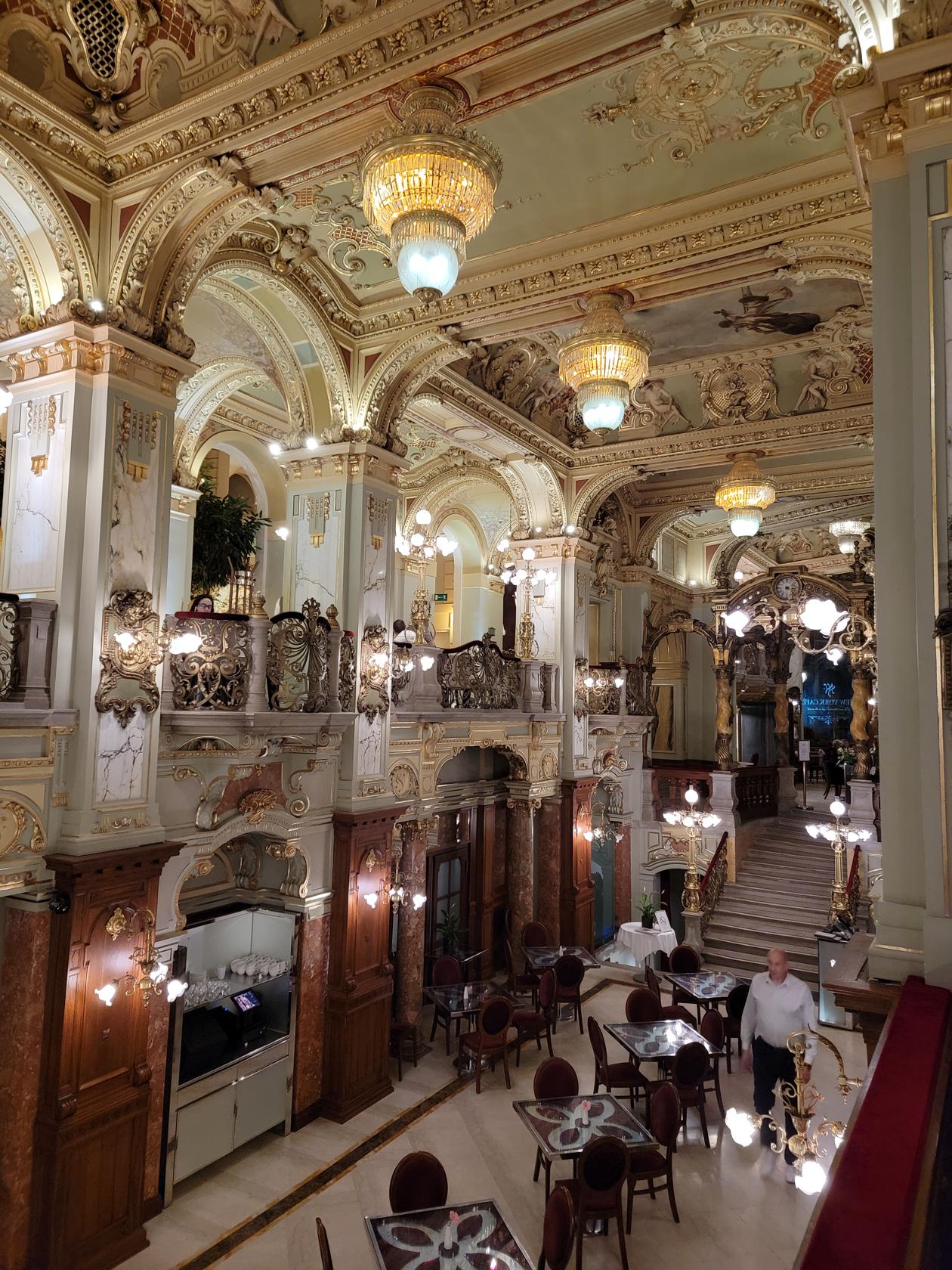
There is a term in America and it is quite apropos here, „lipstick on a pig“. My thoughts regarding this cafe were that it was totally over-priced for the quality of food and service received, though the interior was quite impressive
Entrance – The New York Cafe – Budapest, Hungary
Outside lamp – The New York Cafe – Budapest, Hungary
In fact, that can be considered one of the downsides to this cafe; there were so many people mulling around and taking photographs, it was actually quite annoying at times. Especially in this day of social media, where everyone has to take the so called infamous and narcissistic „selfie“ or „influencer“ pose. It makes a person like me almost puke at times.
Inside – The New York Cafe – Budapest, Hungary
Ceiling – The New York Cafe – Budapest, Hungary
Main hall – The New York Cafe – Budapest, Hungary
The food was sub-par for such a restaurant; we had the Pasta Pomodoro and thought although the pasta was done properly, the sauce tasted of nothing. The wine on the other hand was satisfactory in taste, but way over-priced at 50€/bottle. It wouldn’t have been so bad, except the service was just not so great.
Pick Bistro Deli
This little bistro, on Kossuth Lajos tér, is not far from the Parliament building and a great place to stop for lunch after your exhaustive tour.
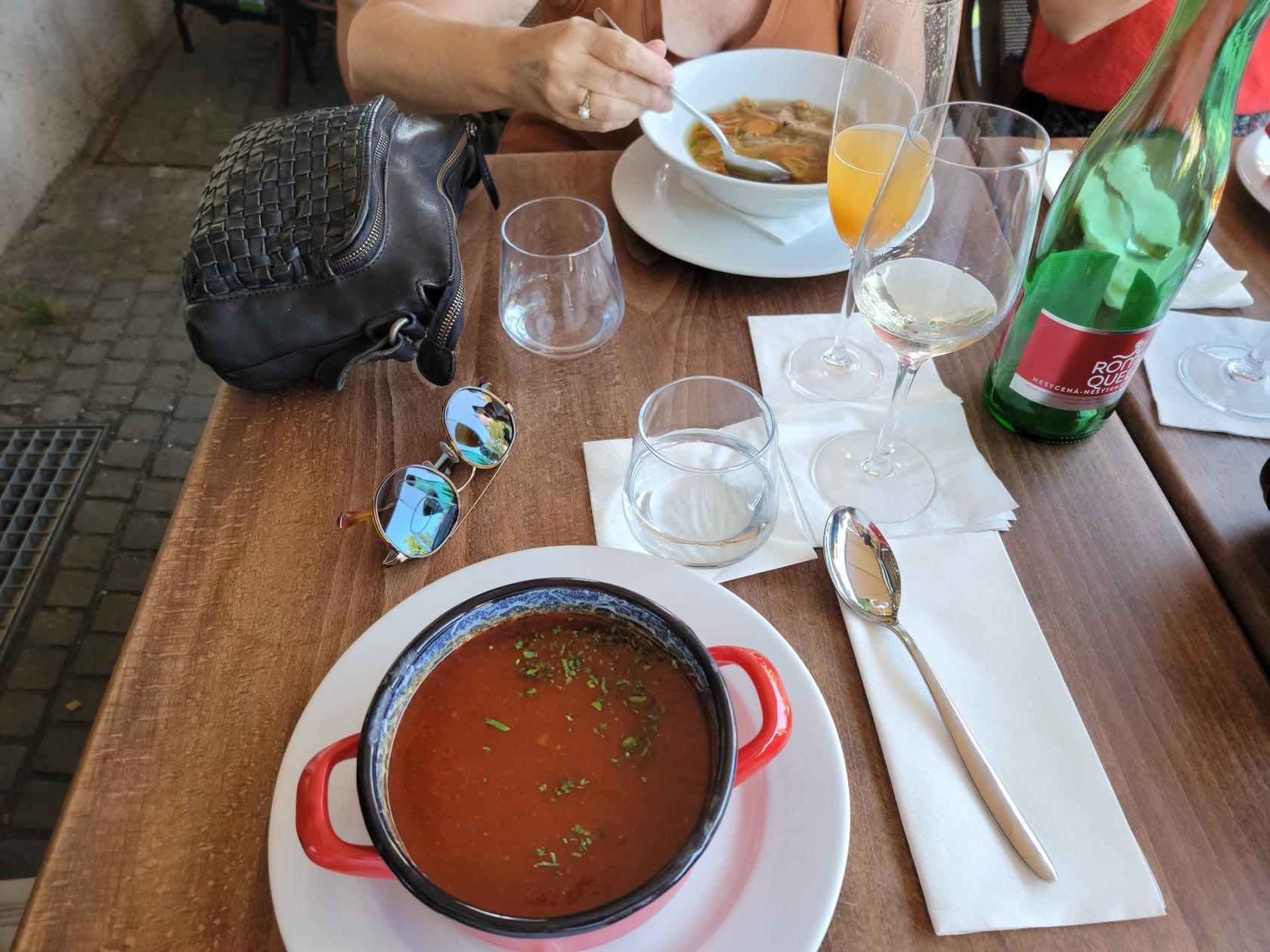
Hungarian Goulash Soup – Pick Bistro Deli – Budapest, Hungary
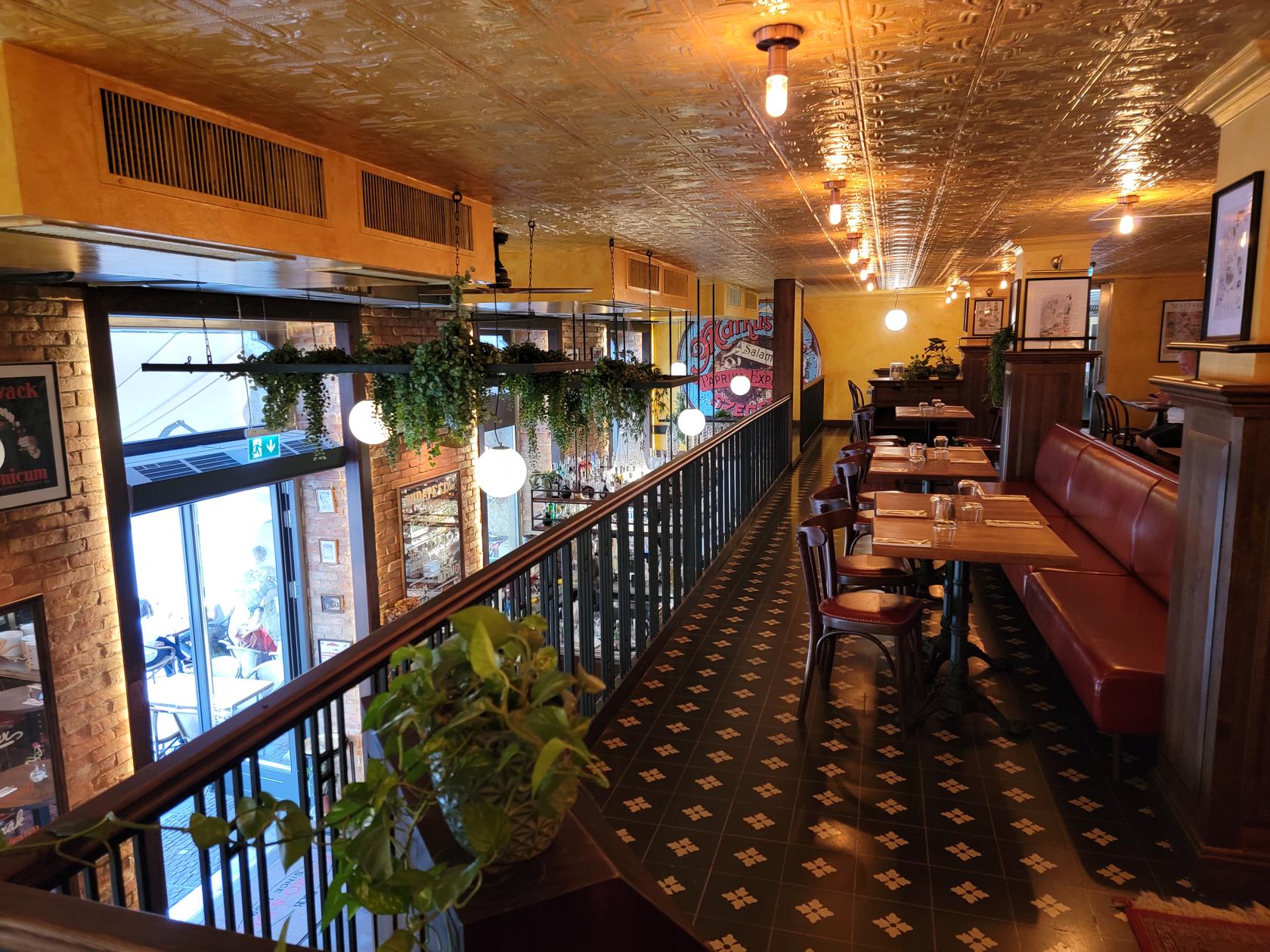
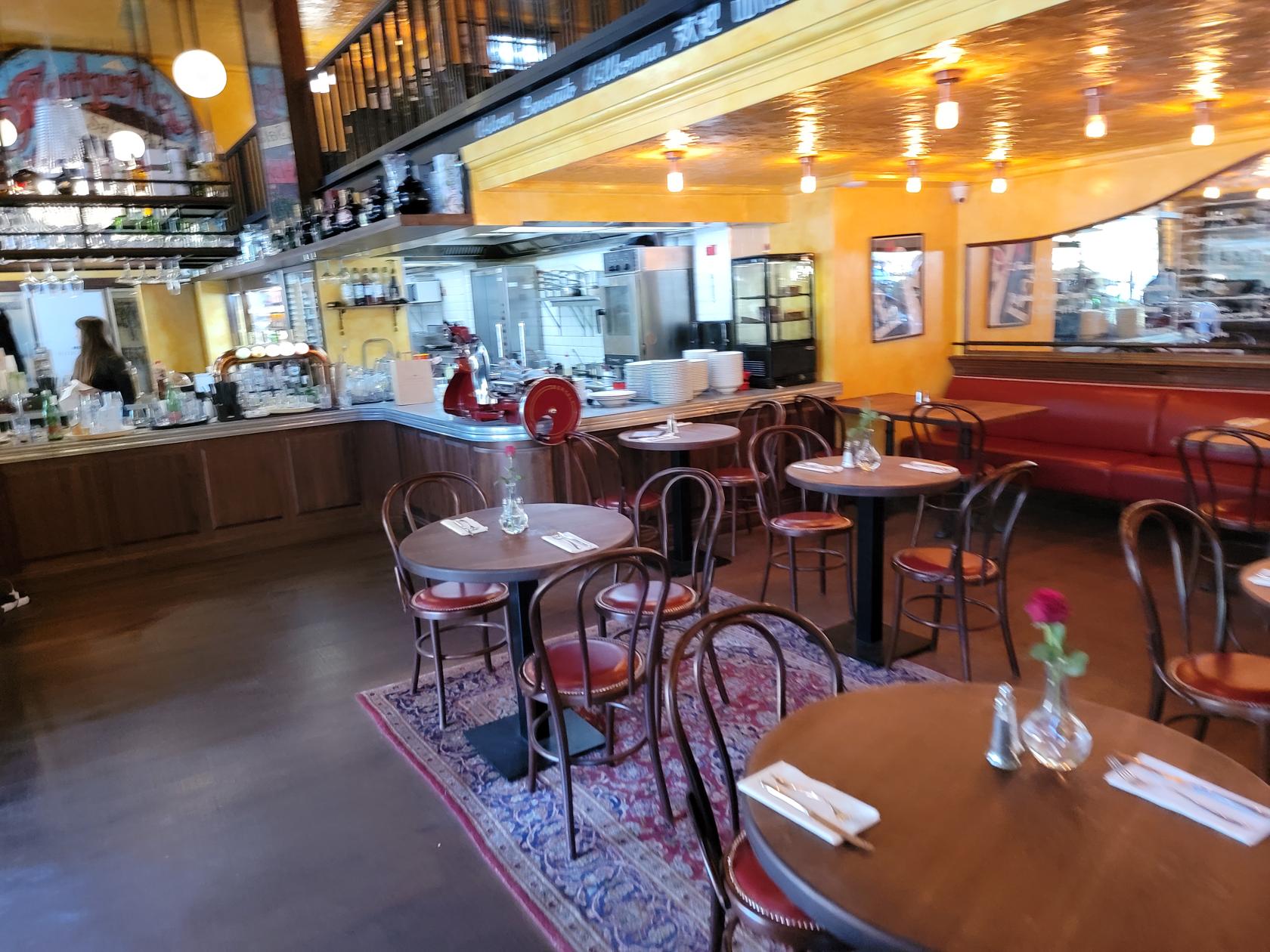
Inside – Pick Bistro Deli – Budapest, Hungary
Inside – Pick Bistro Deli – Budapest, Hungary
They have many great Hungarian lunch items to choose from and the staff and service were excellent for us. They also have plenty of open-air seating, which during a warm day makes the visit all that much more enjoyable.
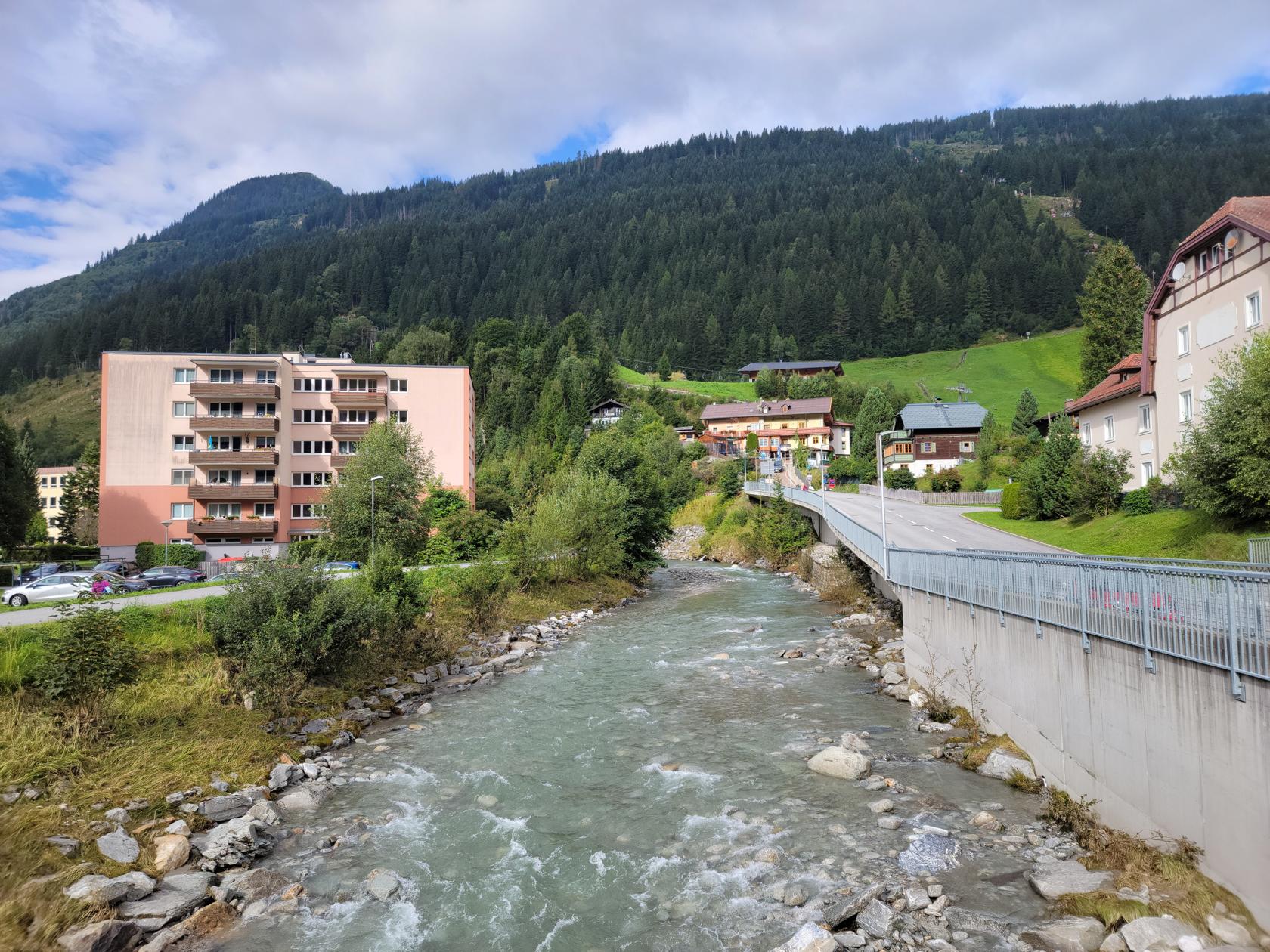
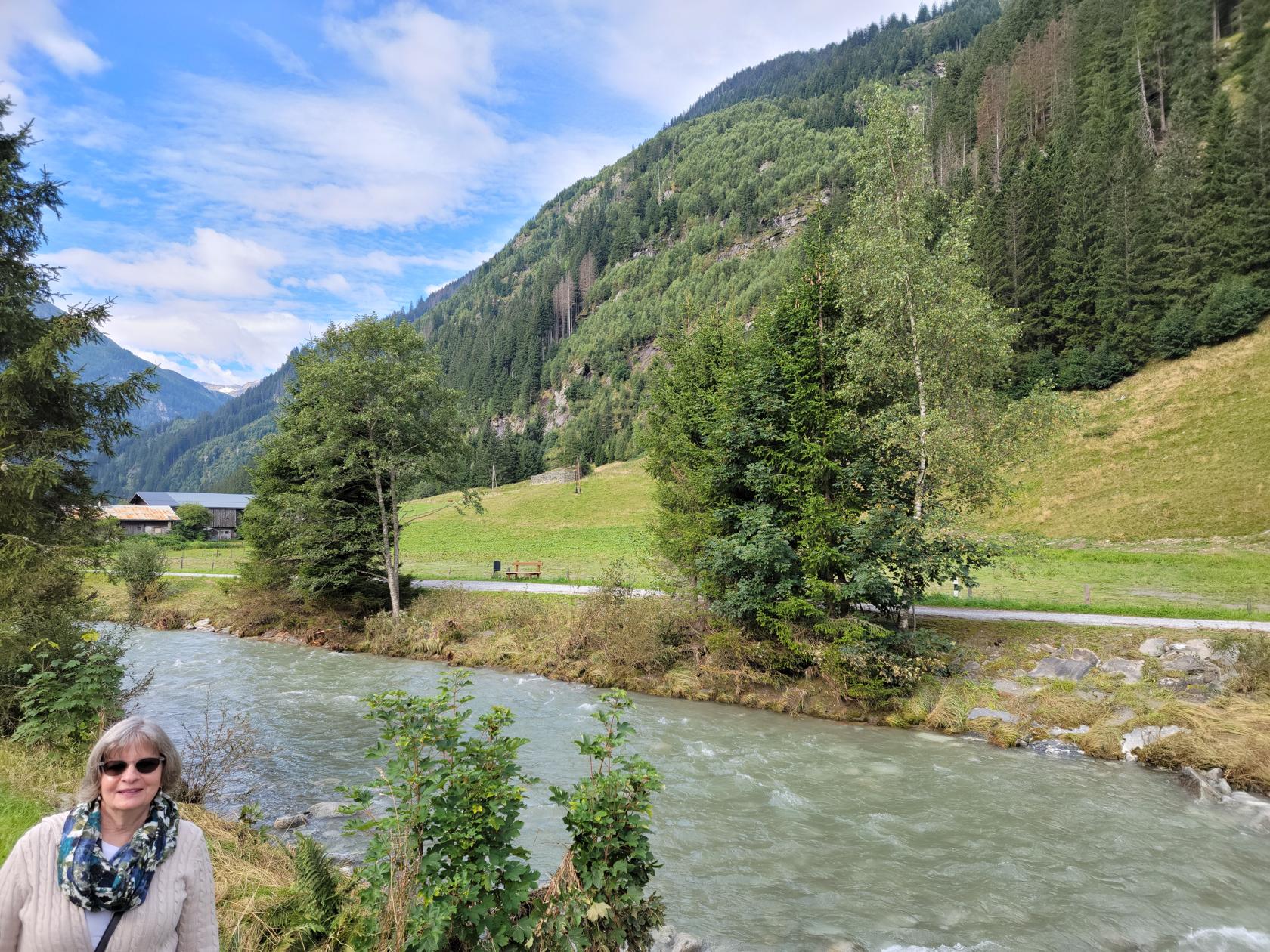
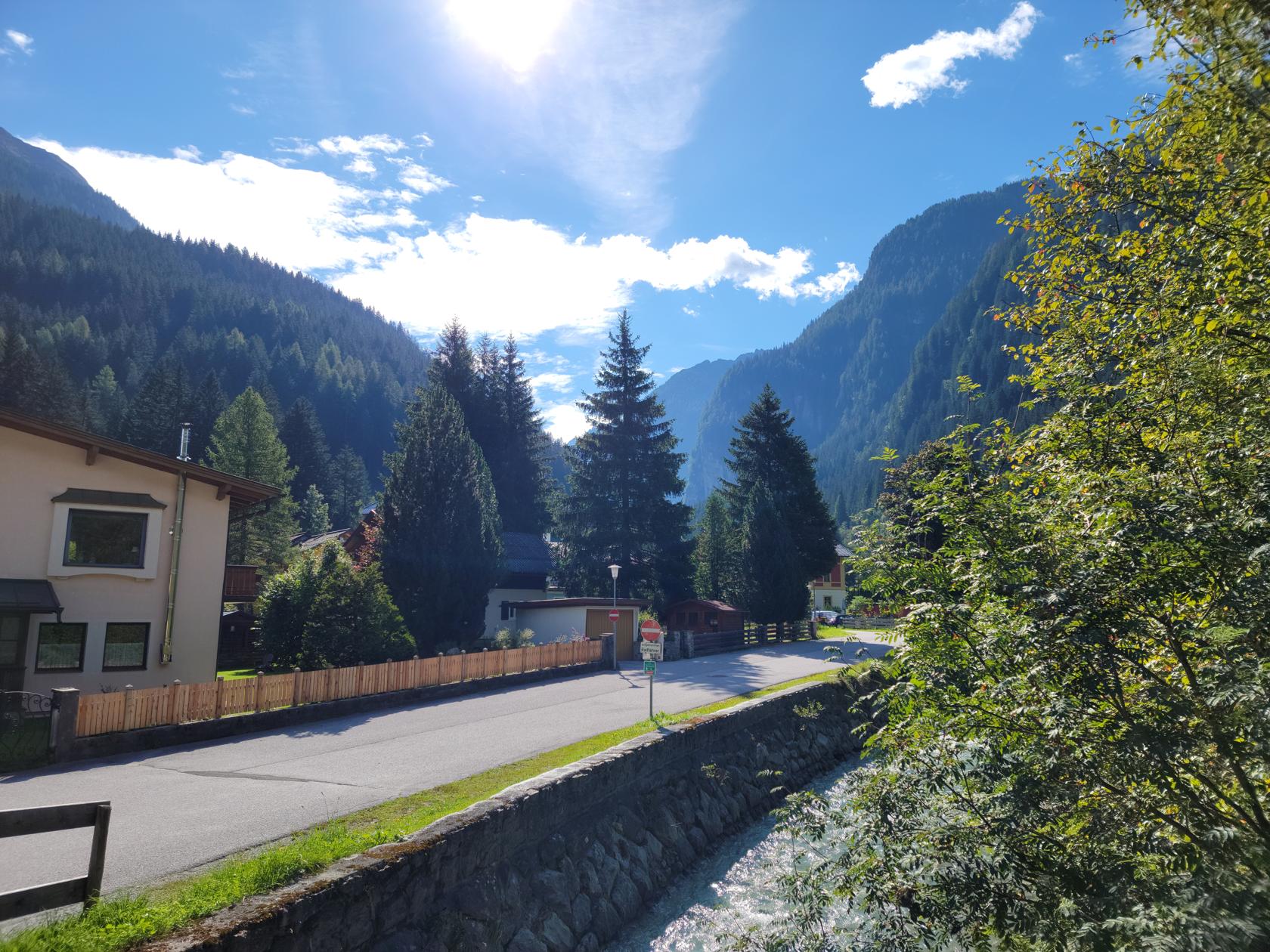
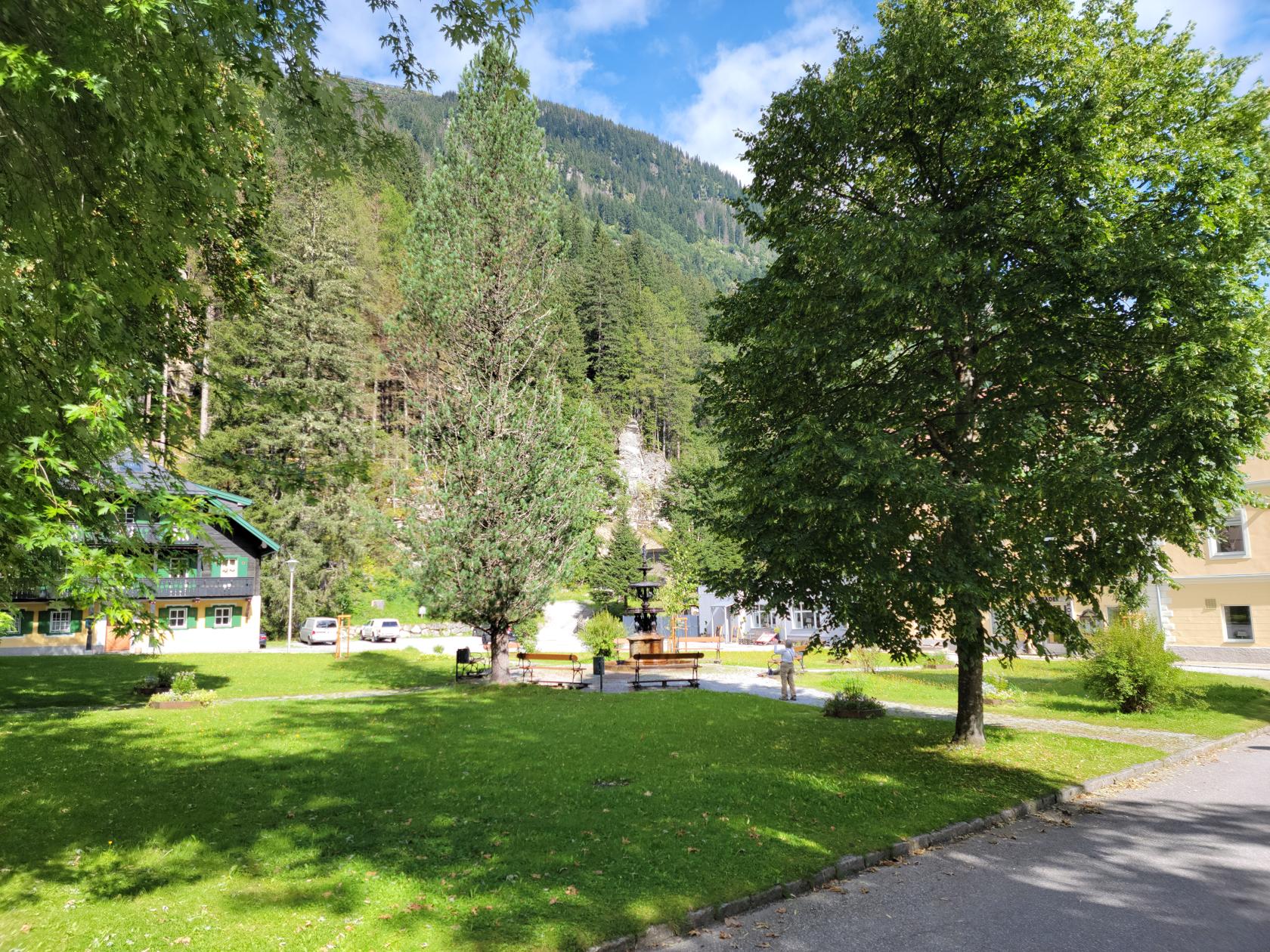
Yesterday, since the weather was definitely improving, we decided to take a walk or hike to Böckstein, another town along the river that feeds the majestic Gasteiner Falls.
Looking back toward Bad Gastein – Kaiserin Elisabeth Promenade – Bad Gastein, Austria
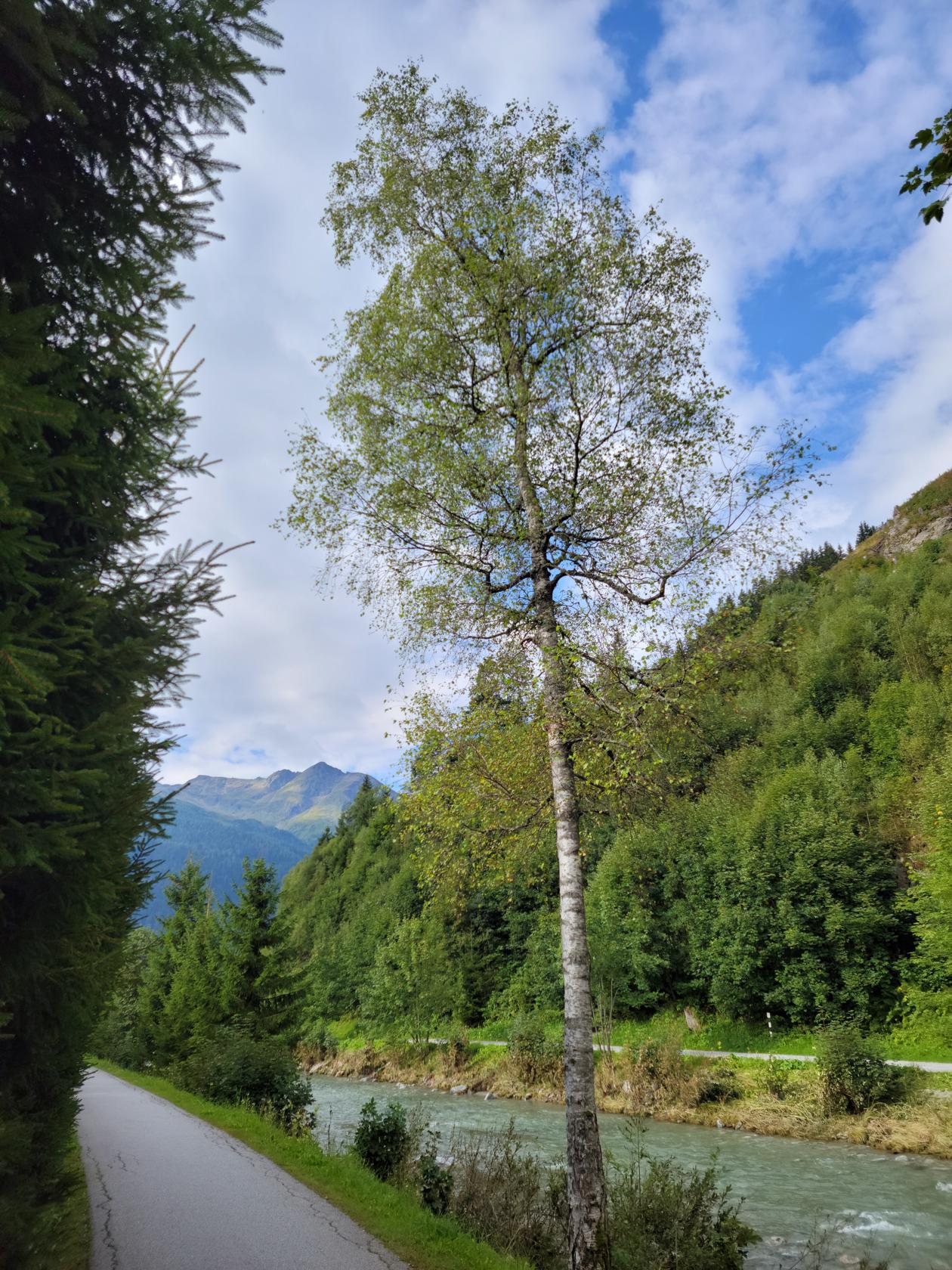
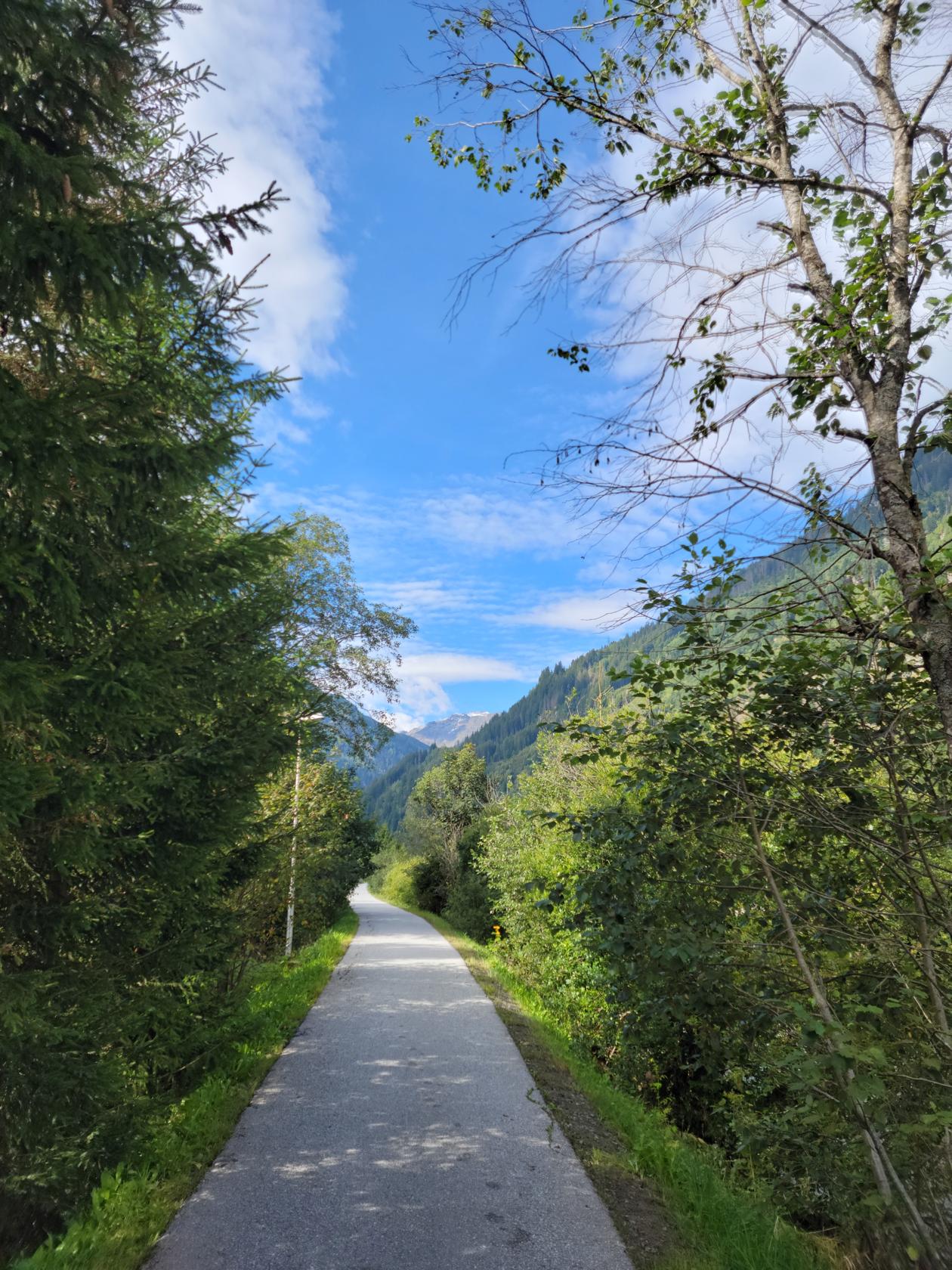
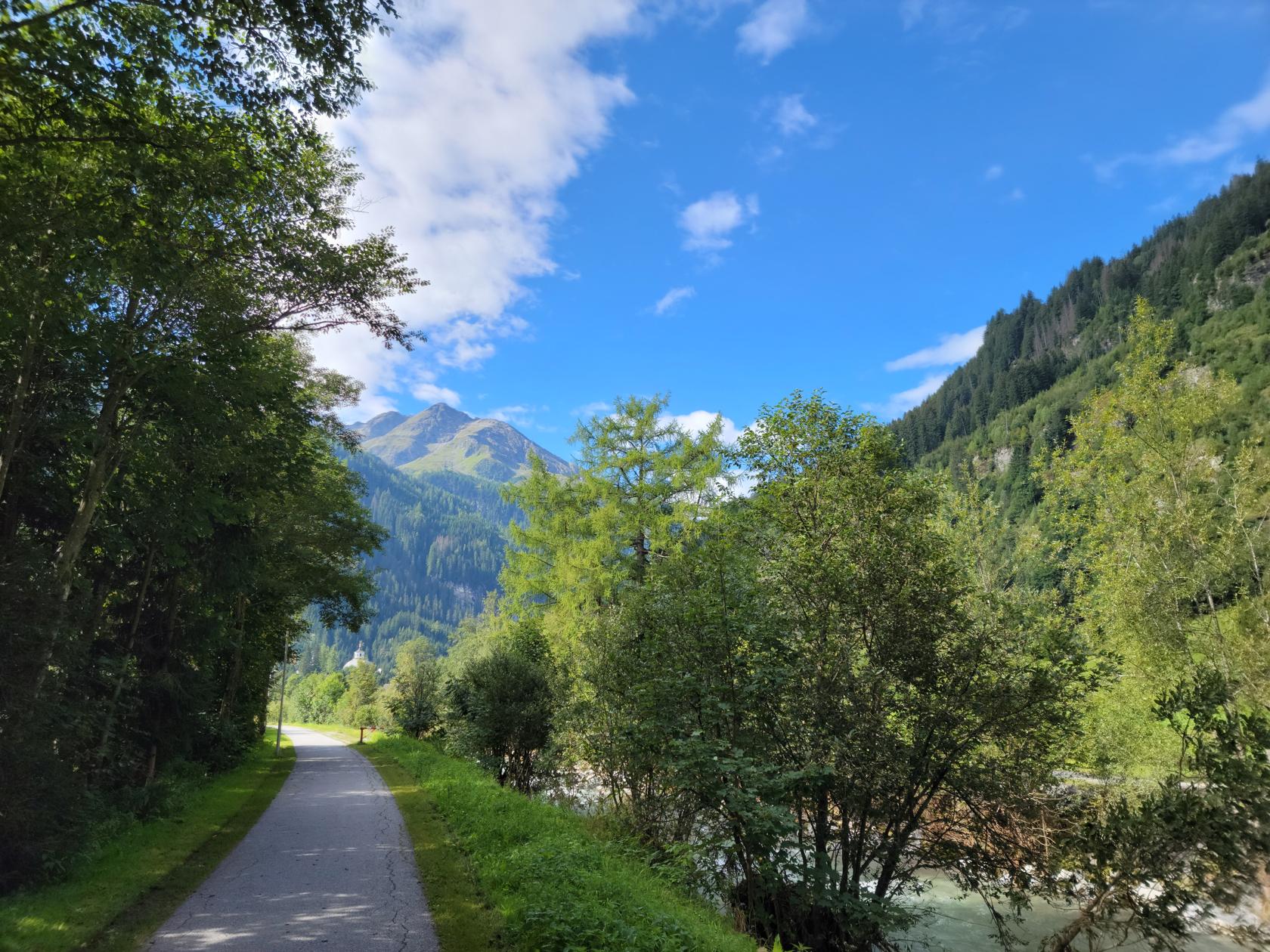
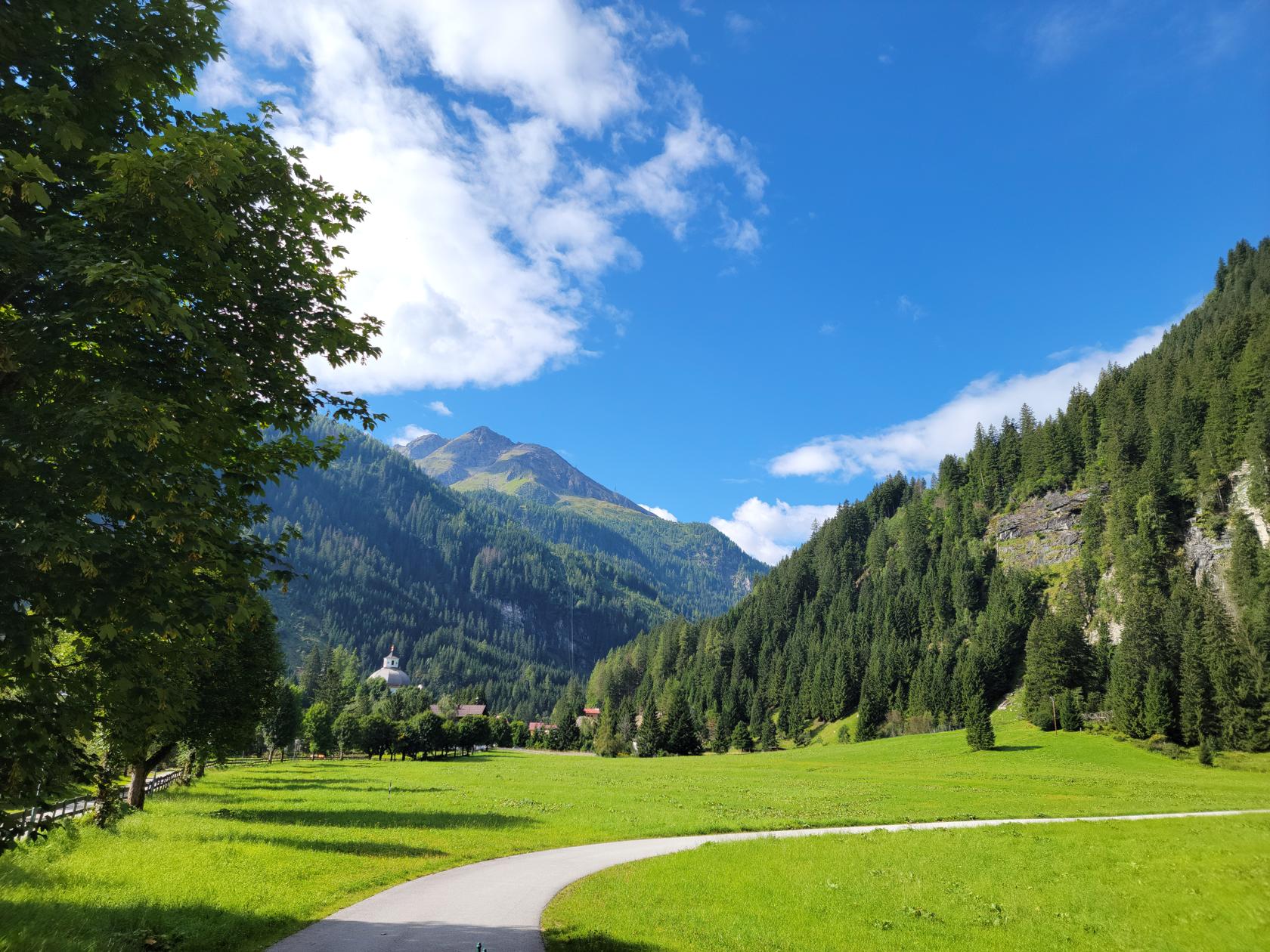
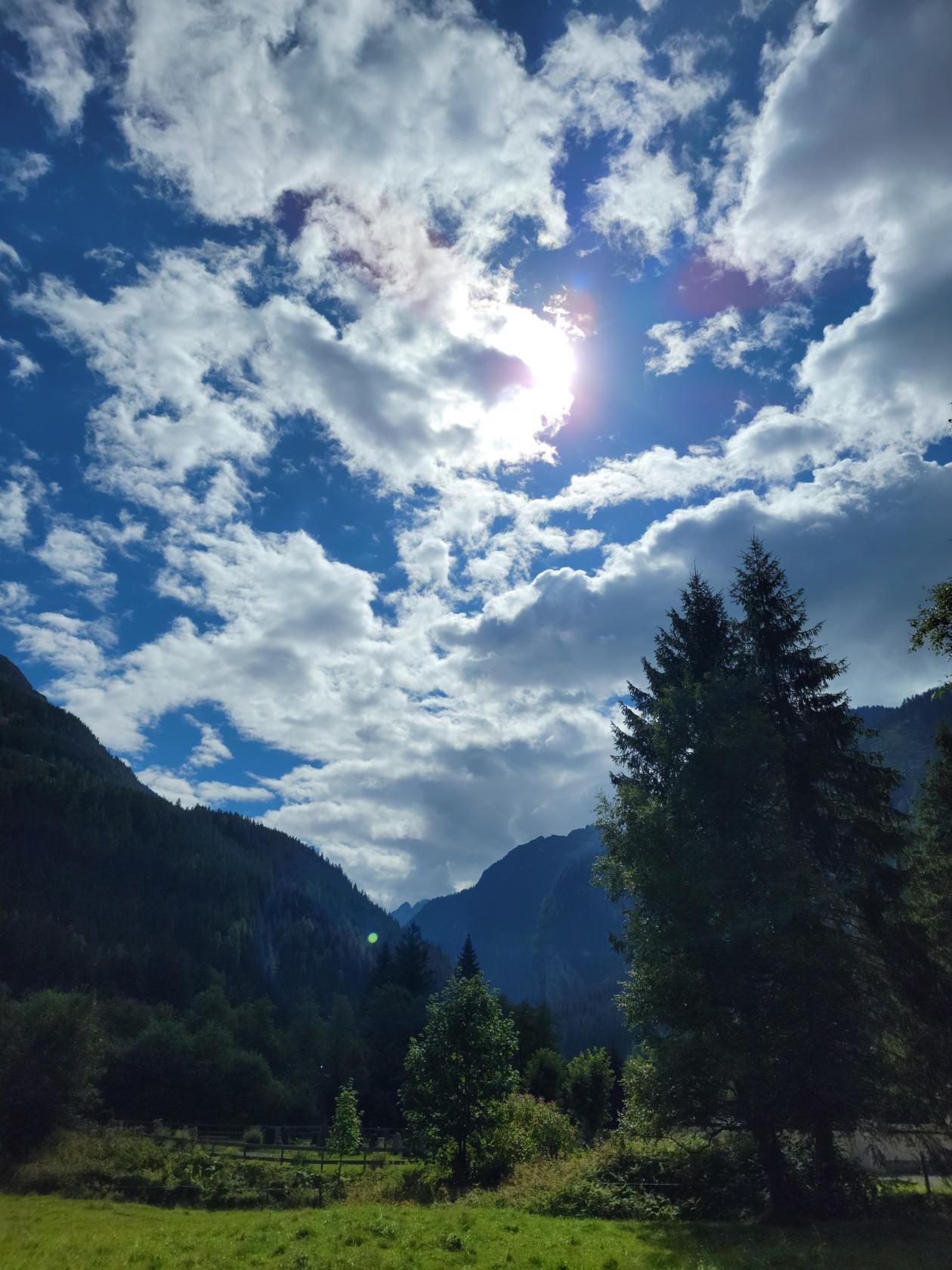
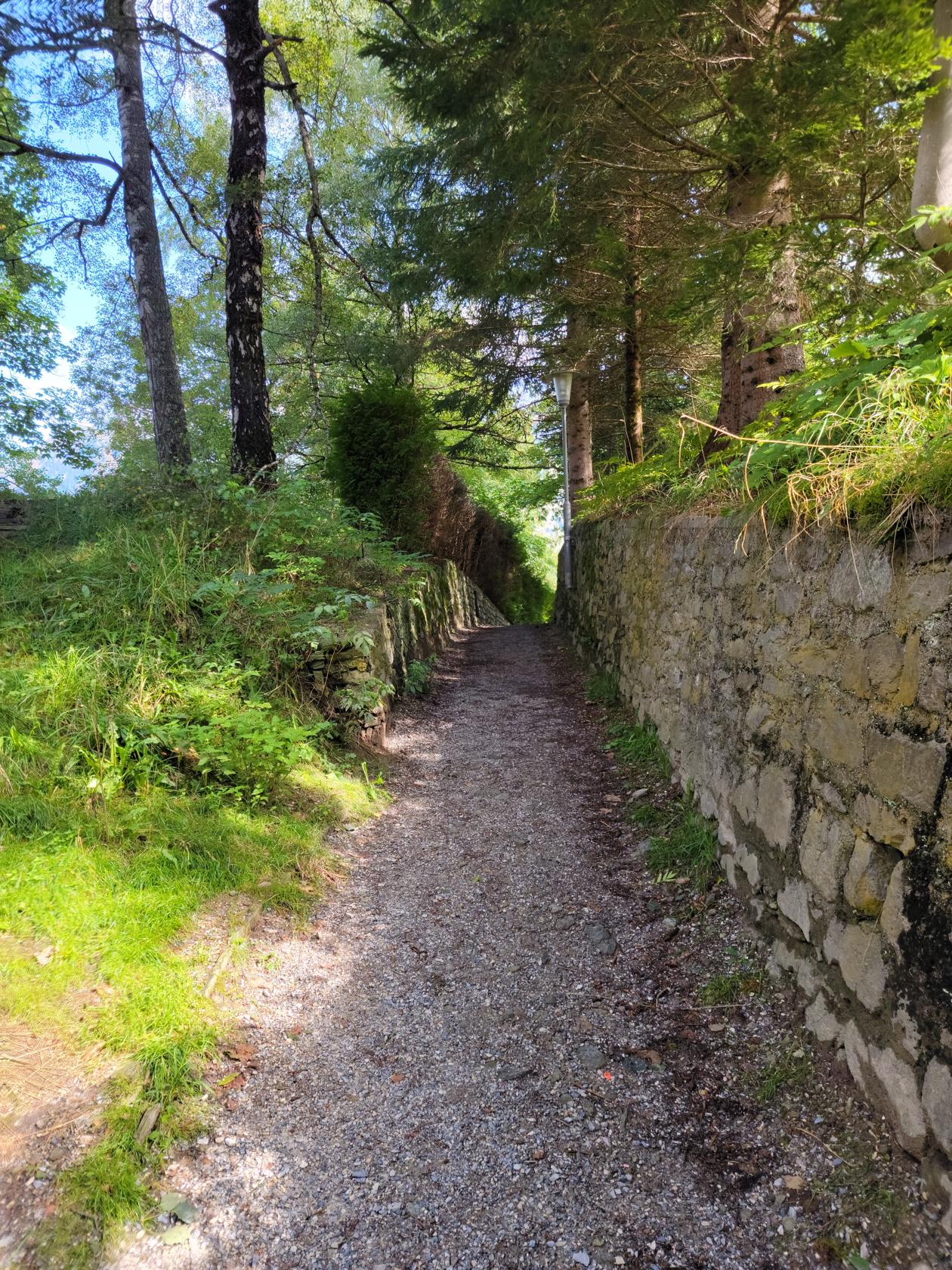
To get there you can hike the Kaiserin Elisabethe Promenade, which is for the most part paved and relatively flat. It is probably important to remember to bring water, since there is not much wind in the valley and the sun can make it quite hot without any shade or clouds to protect you.
Gasteiner Ache – Kaiserin Elisabeth Promenade – Bad Gastein, Austria
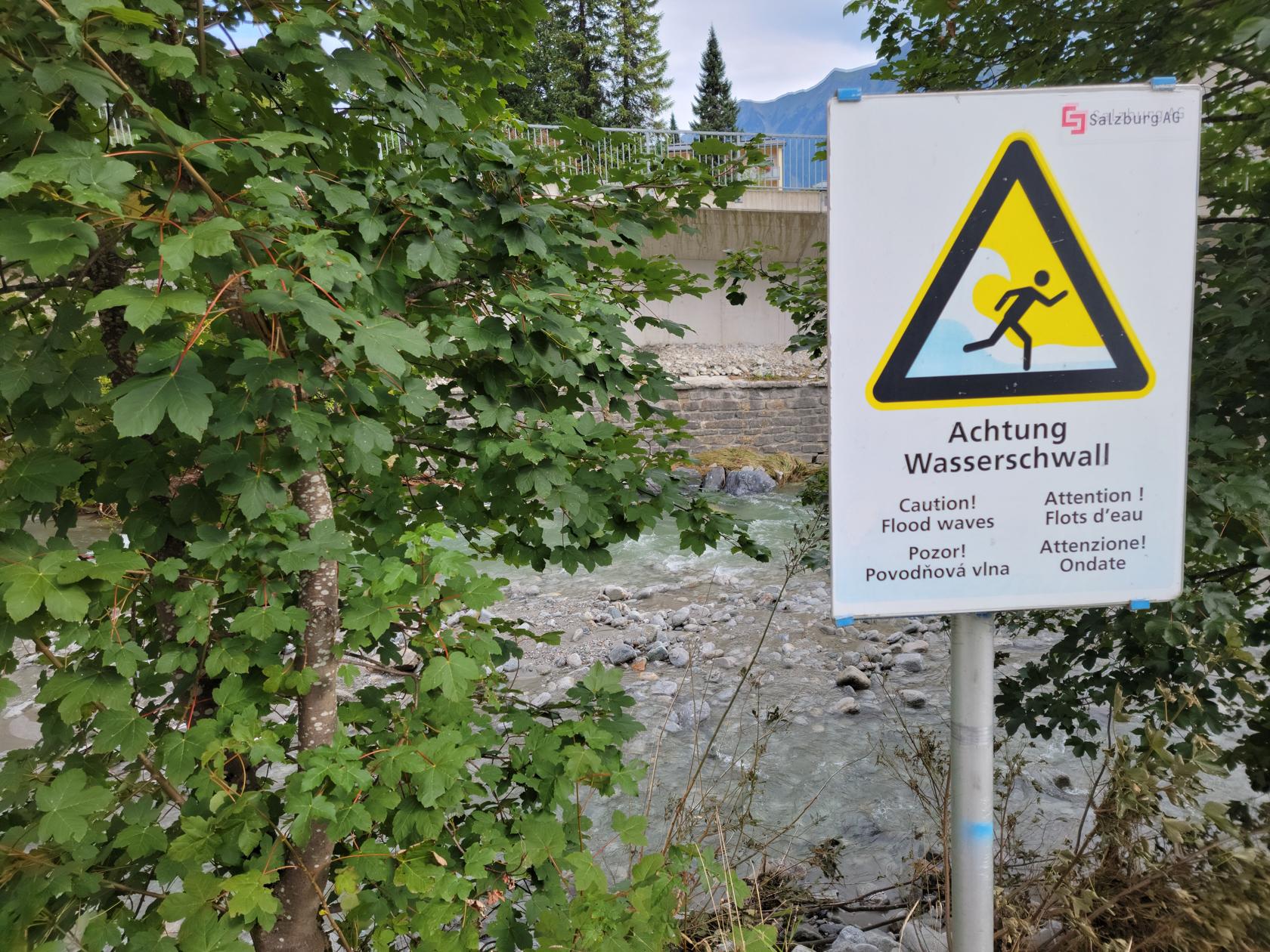
Danger – Kaiserin Elisabeth Promenade – Bad Gastein, Austria
Beautiful weather – Kaiserin Elisabeth Promenade – Bad Gastein, Austria
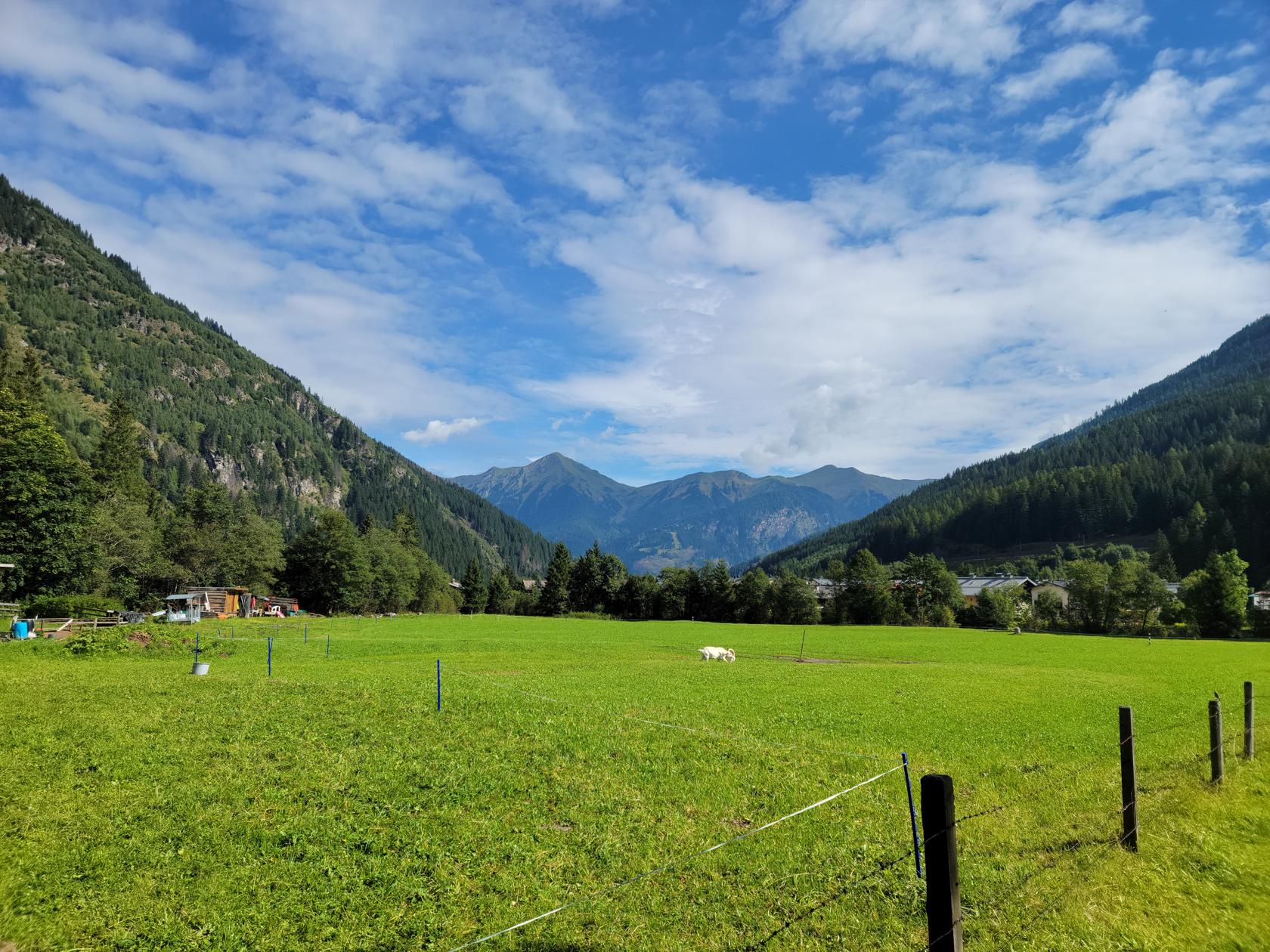
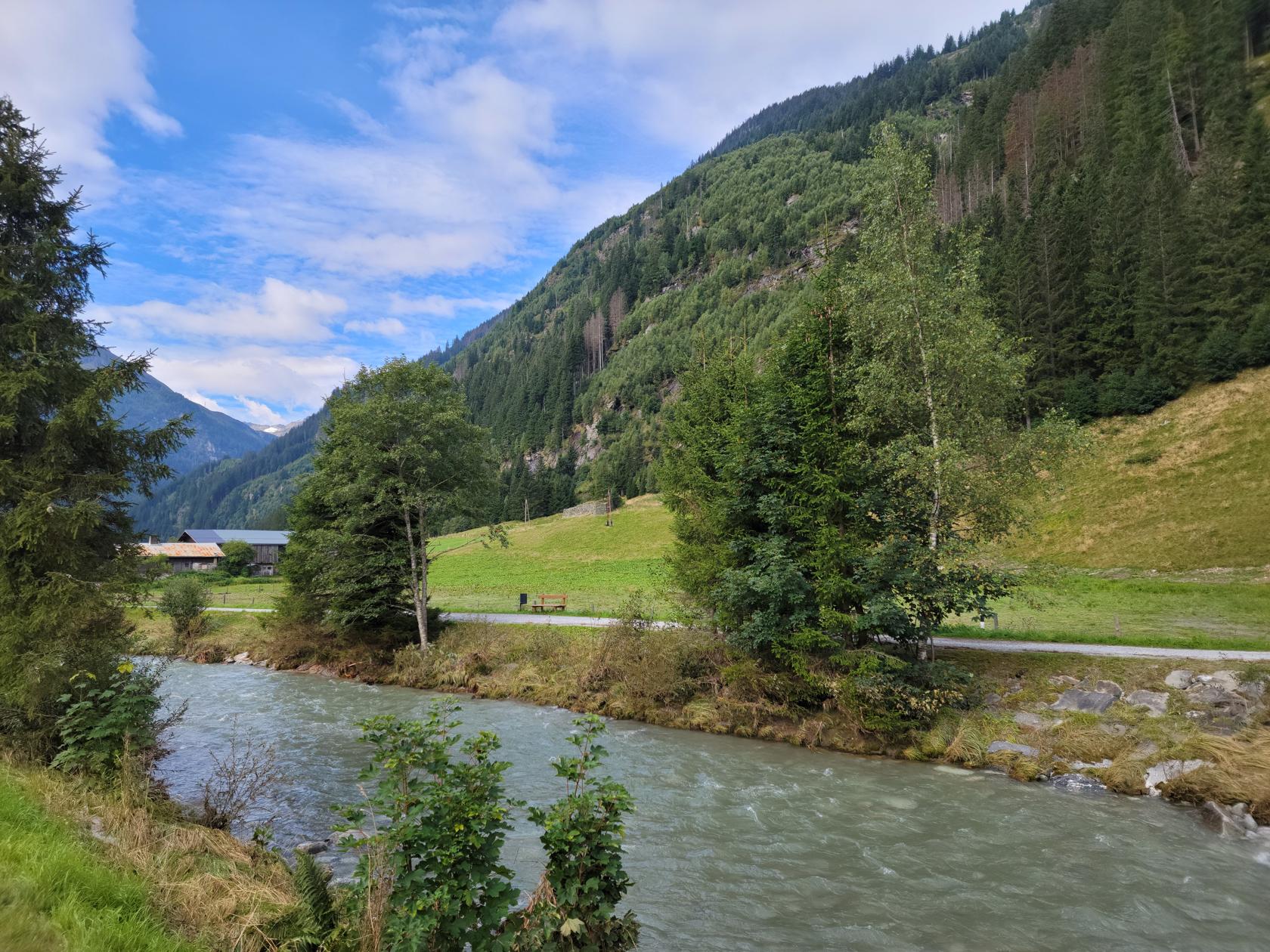
Pastoral view – Kaiserin Elisabeth Promenade – Bad Gastein, Austria
Patti and Gasteiner Ache – Kaiserin Elisabeth Promenade – Bad Gastein, Austria
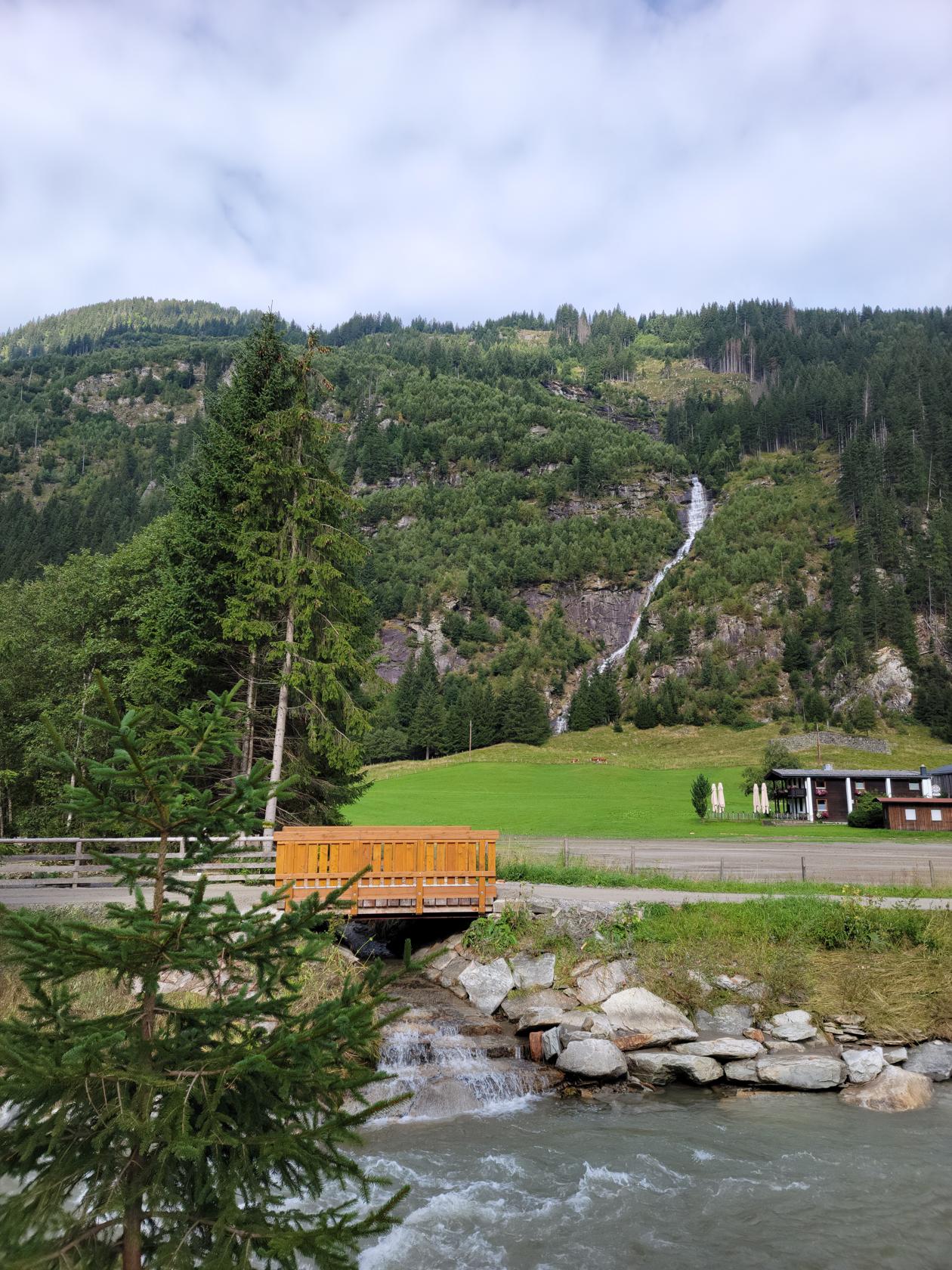
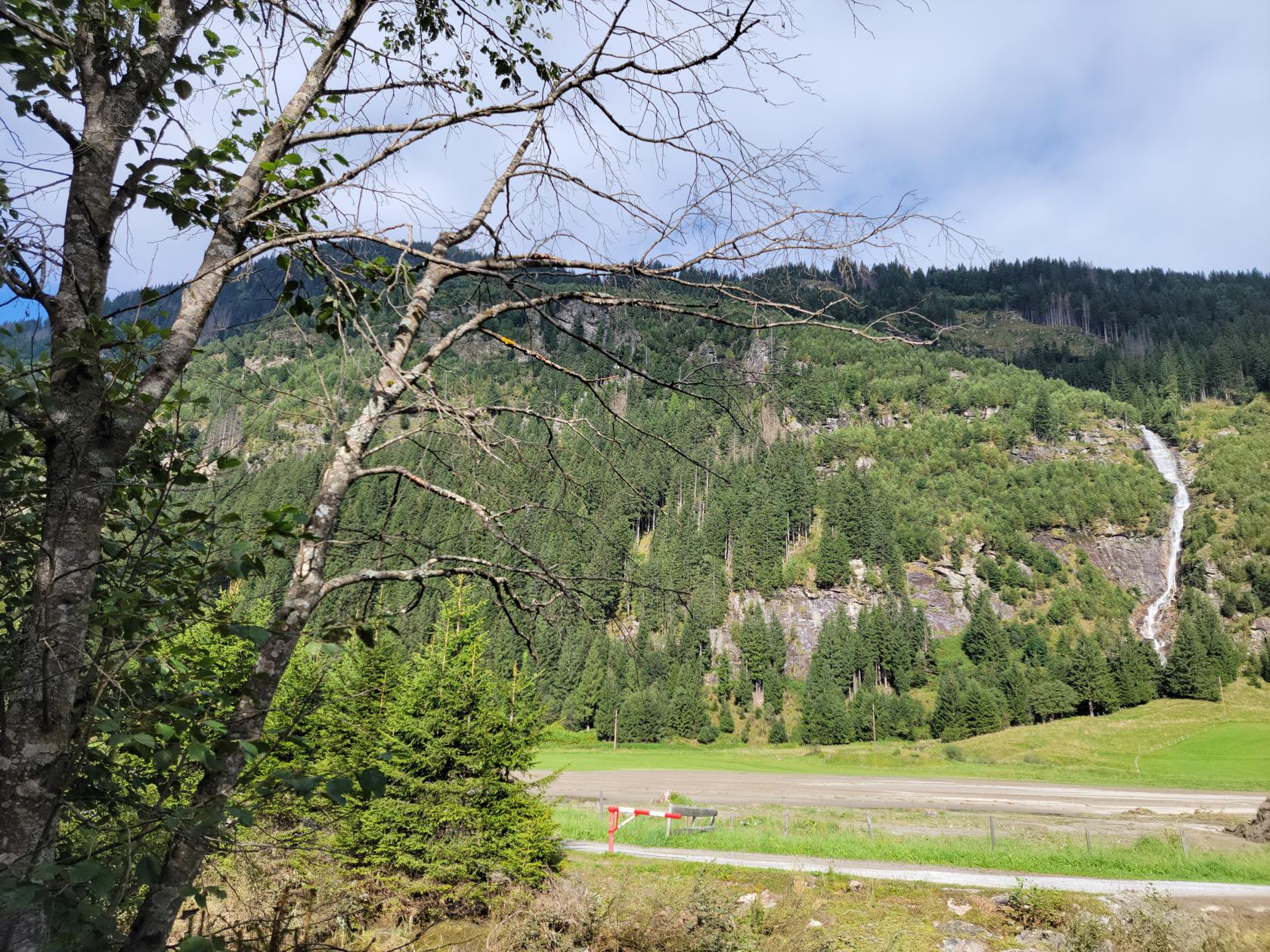
Another waterfall – Kaiserin Elisabeth Promenade – Bad Gastein, Austria
Well maintained footpath – Kaiserin Elisabeth Promenade – Bad Gastein, Austria
Waterfall and foothills – Kaiserin Elisabeth Promenade – Bad Gastein, Austria
Flora – Kaiserin Elisabeth Promenade – Bad Gastein, Austria
Kreuzkogel mountain – Kaiserin Elisabeth Promenade – Bad Gastein, Austria
Kreuzkogel – Kaiserin Elisabeth Promenade – Bad Gastein, Austria
Valley pasture – Kaiserin Elisabeth Promenade – Bad Gastein, Austria
Anlauftal – Kaiserin Elisabeth Promenade – Bad Gastein, Austria
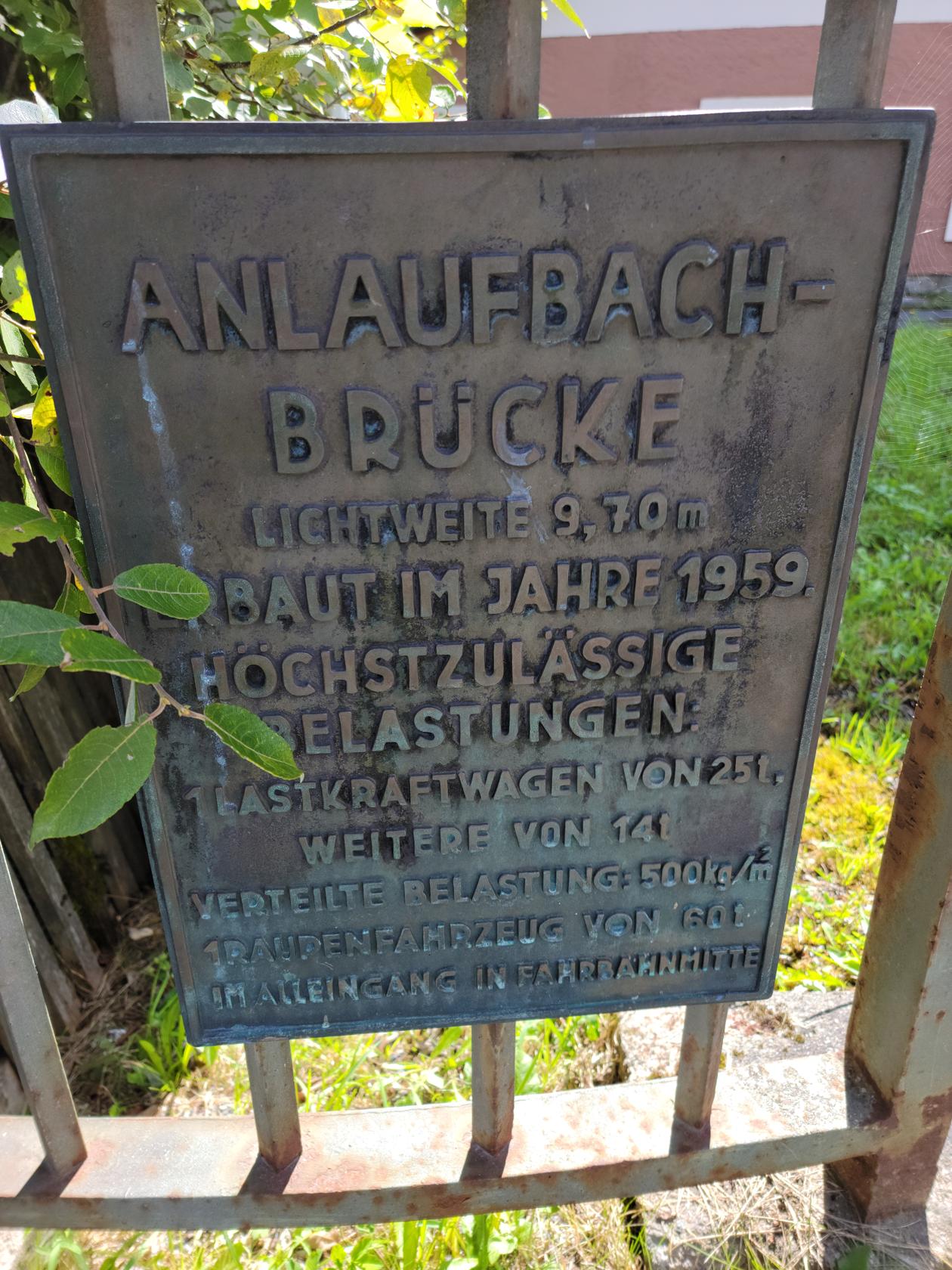
Sign on bridge – Kaiserin Elisabeth Promenade – Bad Gastein, Austria
Böckstein
Located a bit more than three kilometers south of Bad Gastein is Böckstein, a small hamlet of houses at the nexus of the Pallner Bach and the Naßfelder Ache.
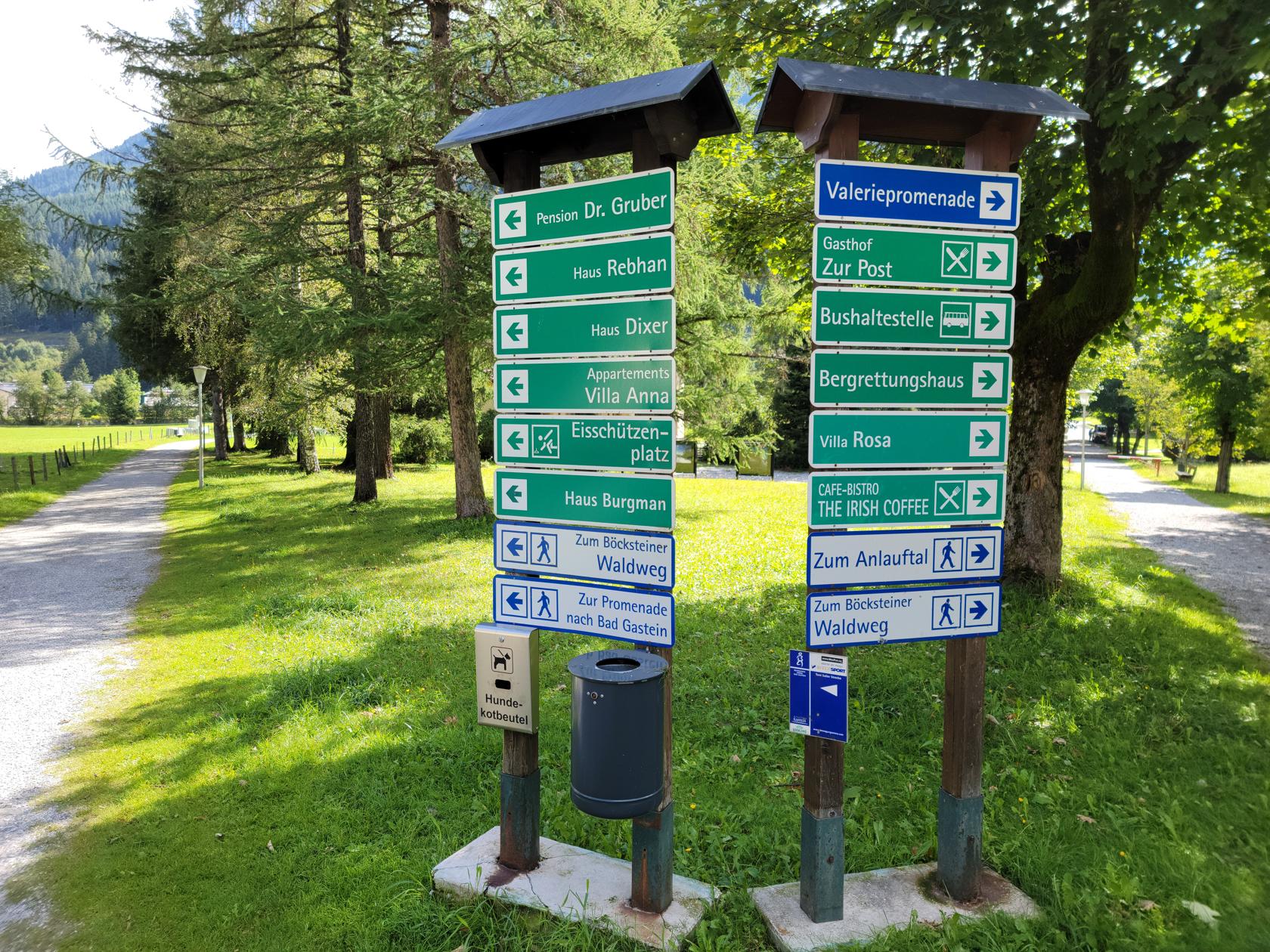
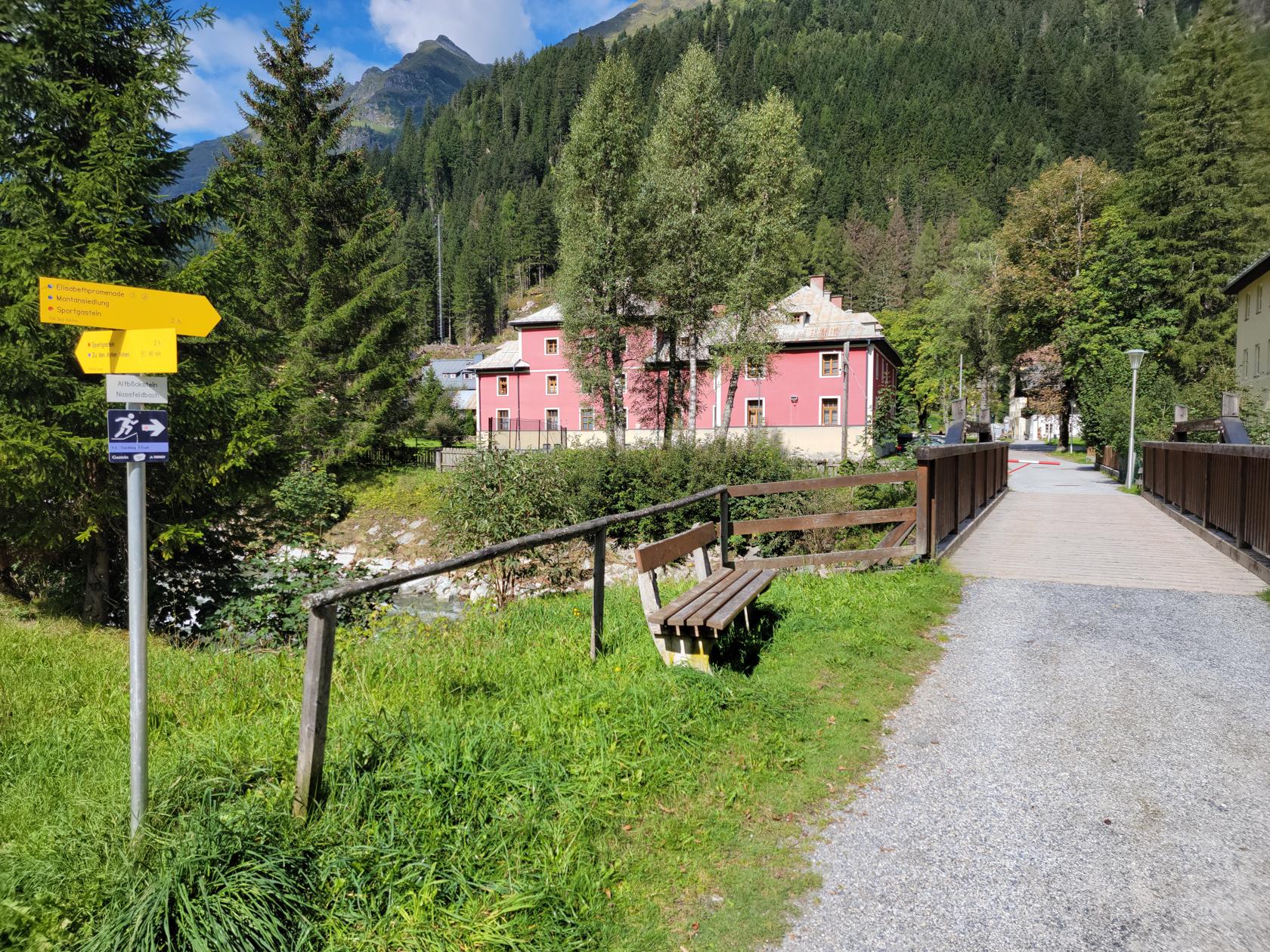
Signage for bikers and walkers – Kaiserin Elisabeth Promenade – Bad Gastein, Austria
Anlauftal – Kaiserin Elisabeth Promenade – Bad Gastein, Austria
The town center has some historical buildings and items of interest, and of course a museum that was not open. Check the times, because like many other businesses in the area, they are probably only open from 15:00 – 18:00. However, if you do get to visit, definitely stop, I heard the museum is quite interesting and well presented.
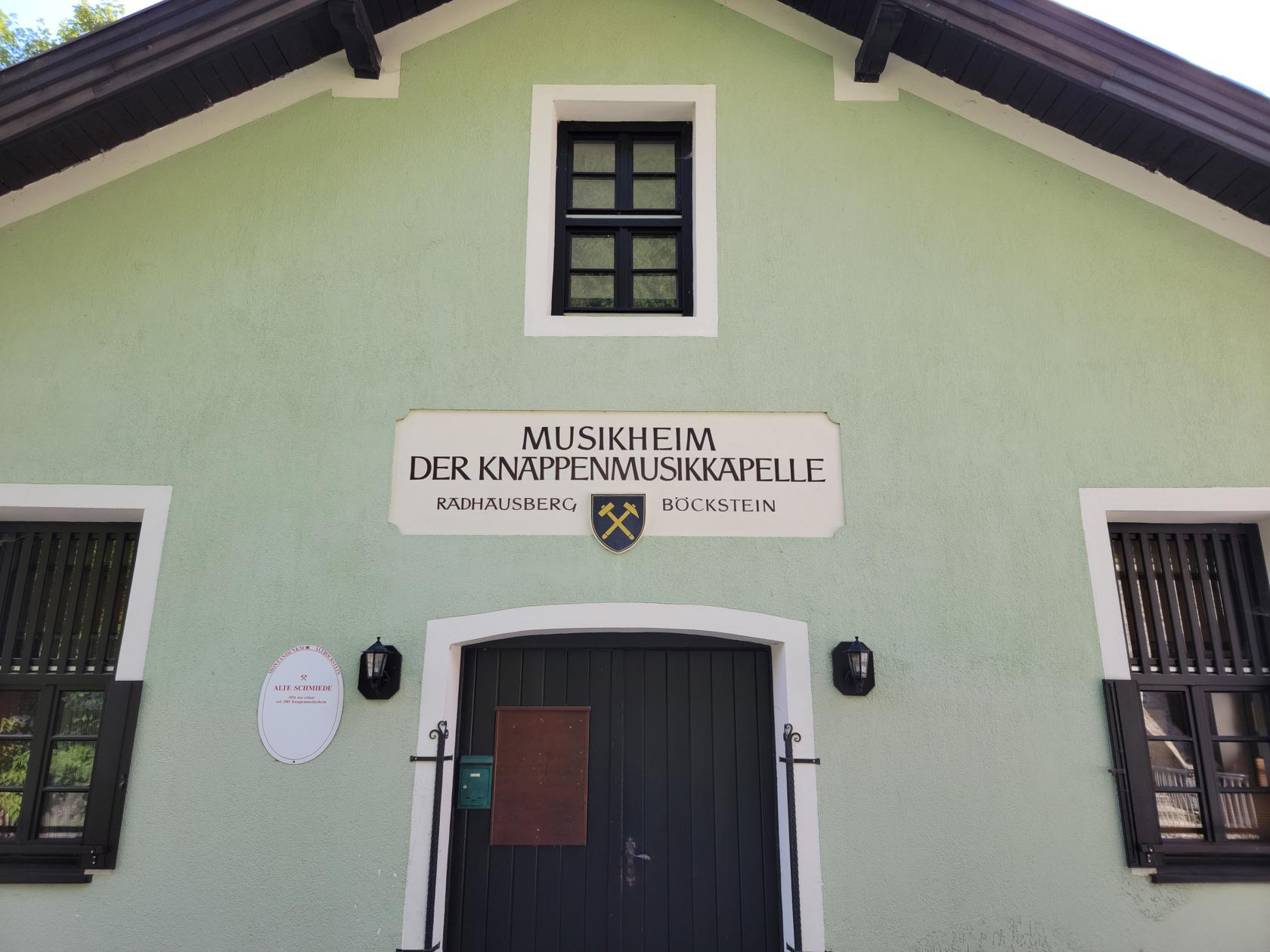
Local Music Group – Böckstein – Bad Gastein, Austria
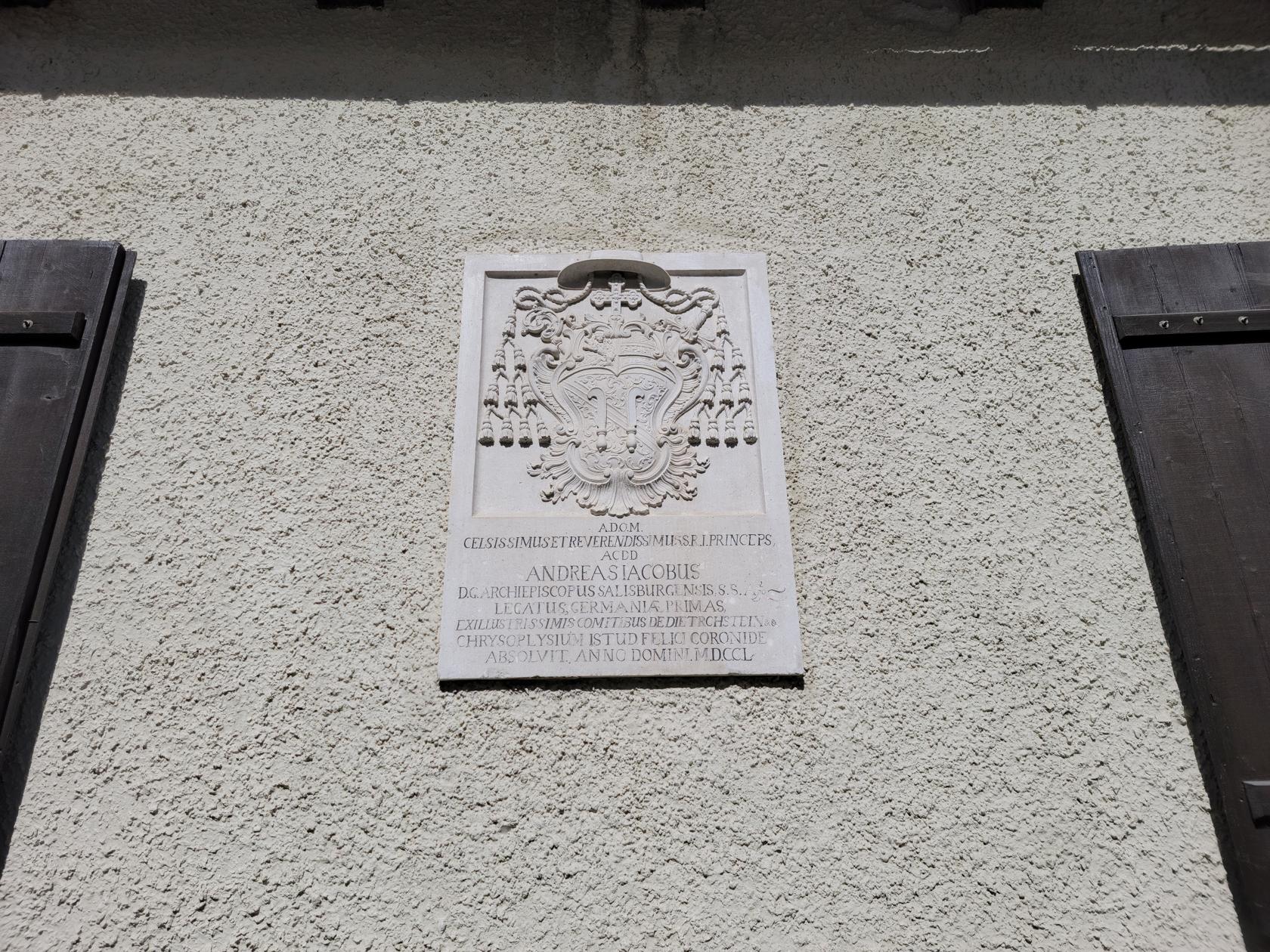
Memorial, Montan museum – Böckstein – Bad Gastein, Austria
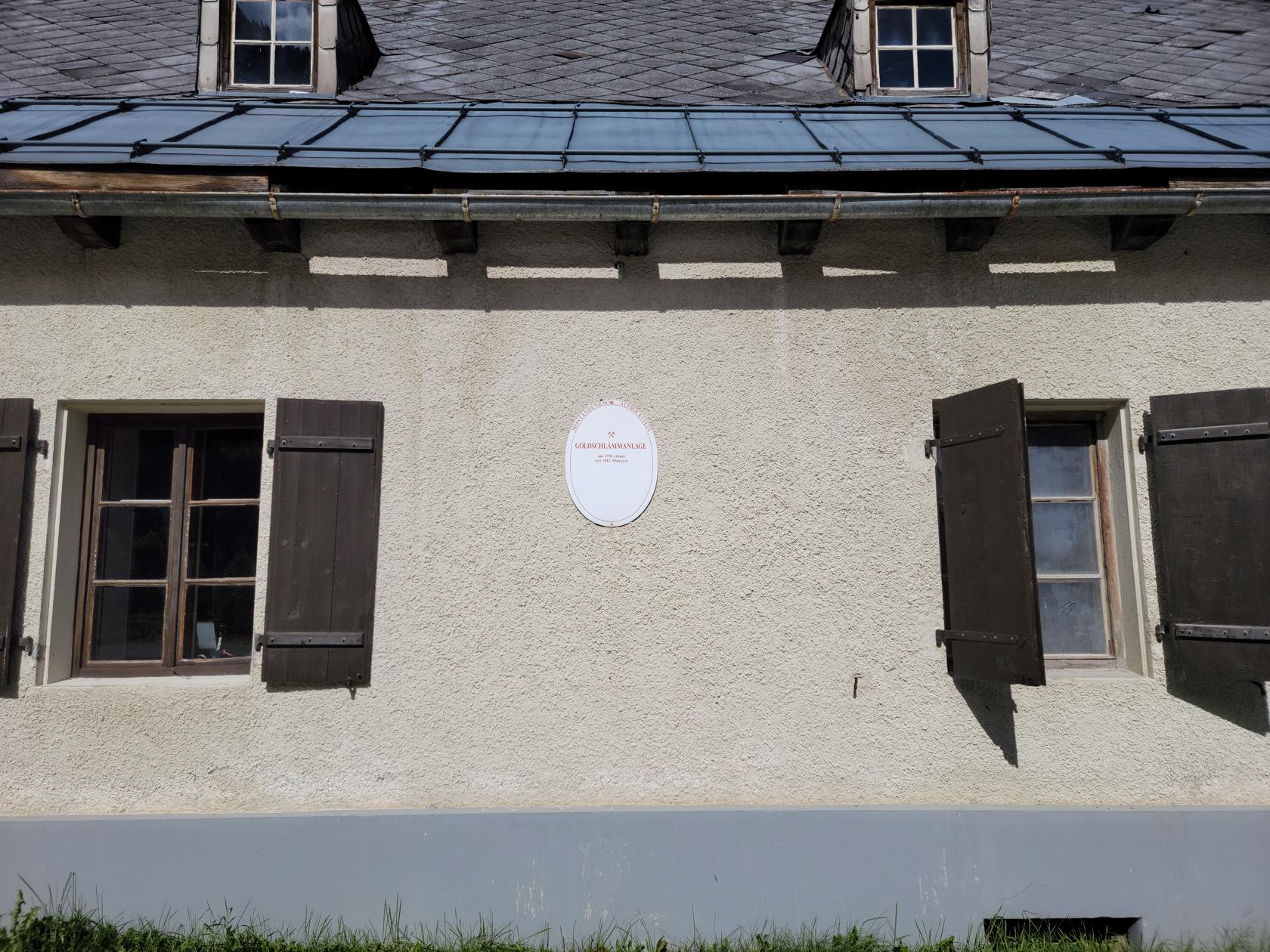
Ehemalige Goldschlämmanlage – Böckstein – Bad Gastein, Austria
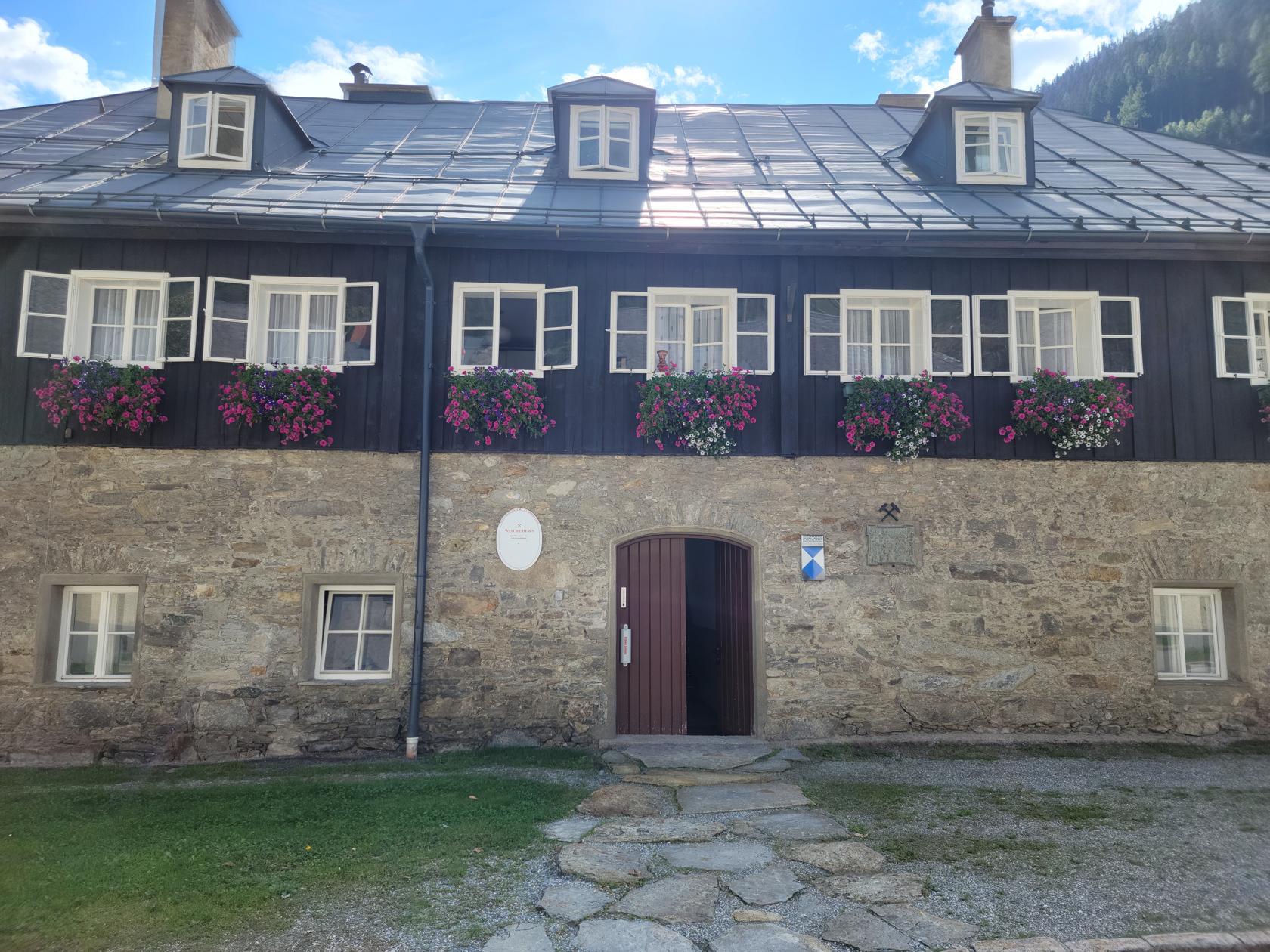
Apartment house for laborers – Böckstein – Bad Gastein, Austria
Park and Fountain – Böckstein – Bad Gastein, Austria
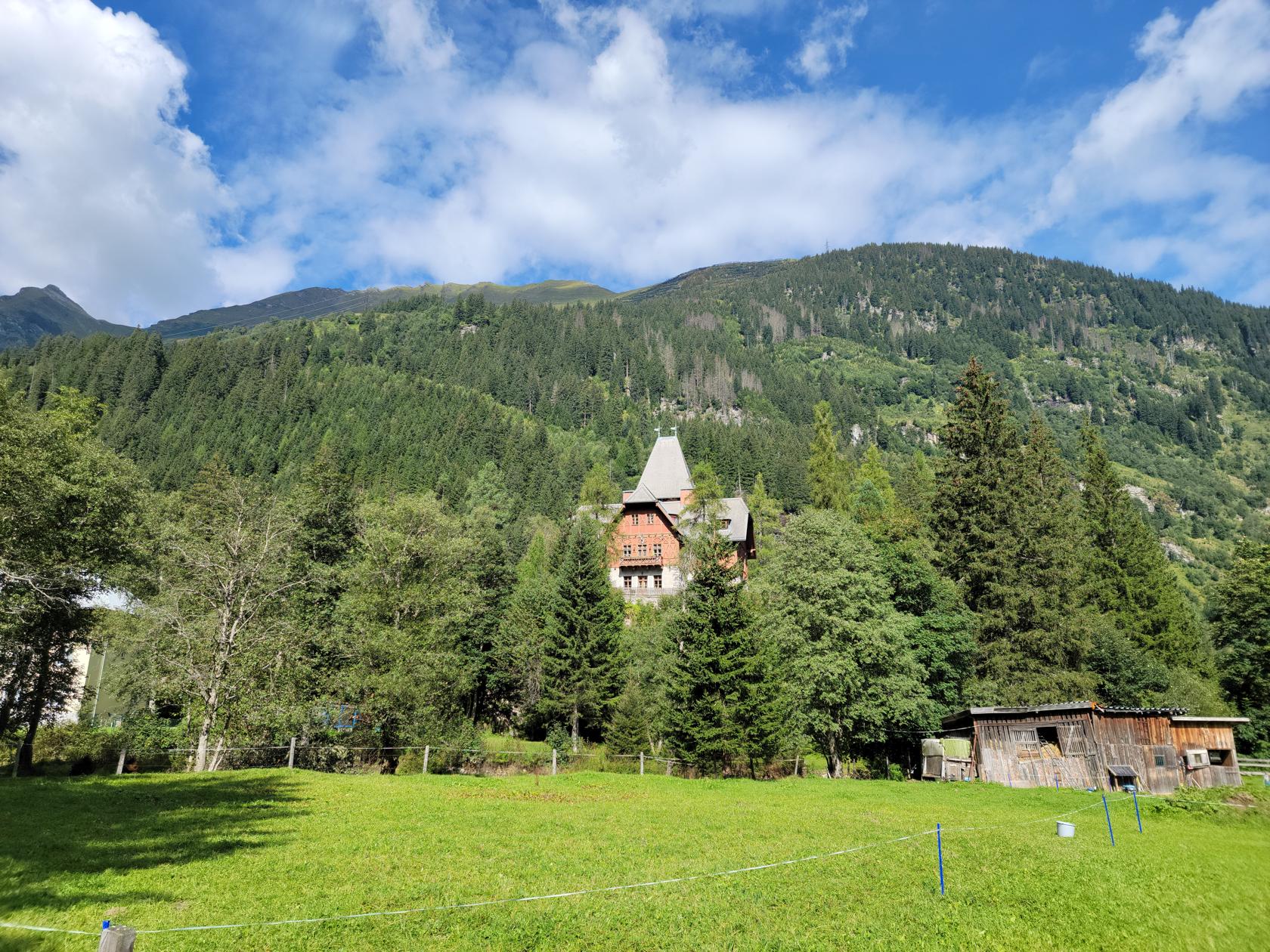
Jagdschlössl Czernin – Kaiserin Elisabeth Promenade – Bad Gastein, Austria
Böckstein – Kaiserin Elisabeth Promenade – Bad Gastein, Austria
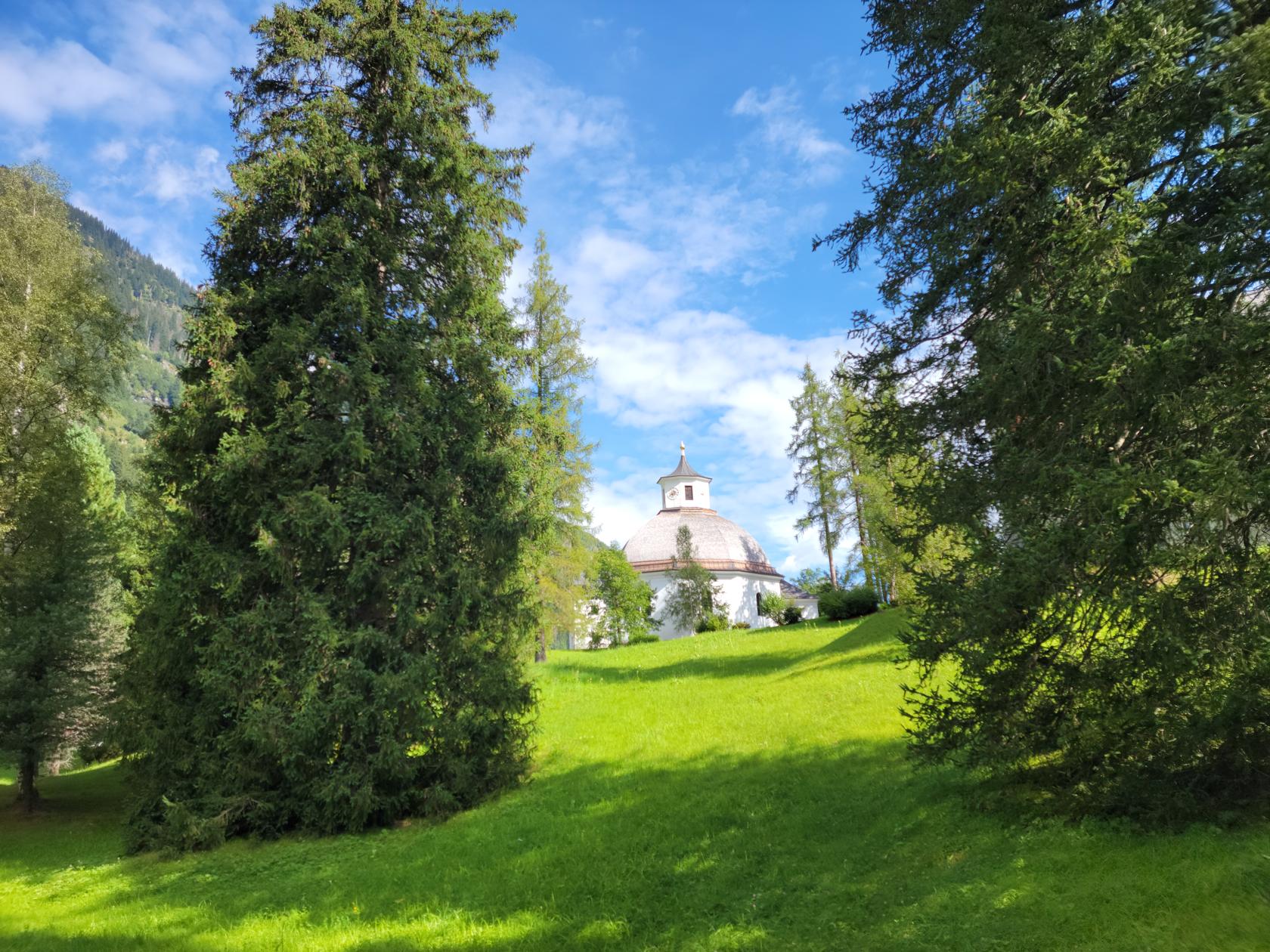
Maria, Mutter vom Guten Rat – Böckstein – Bad Gastein, Austria
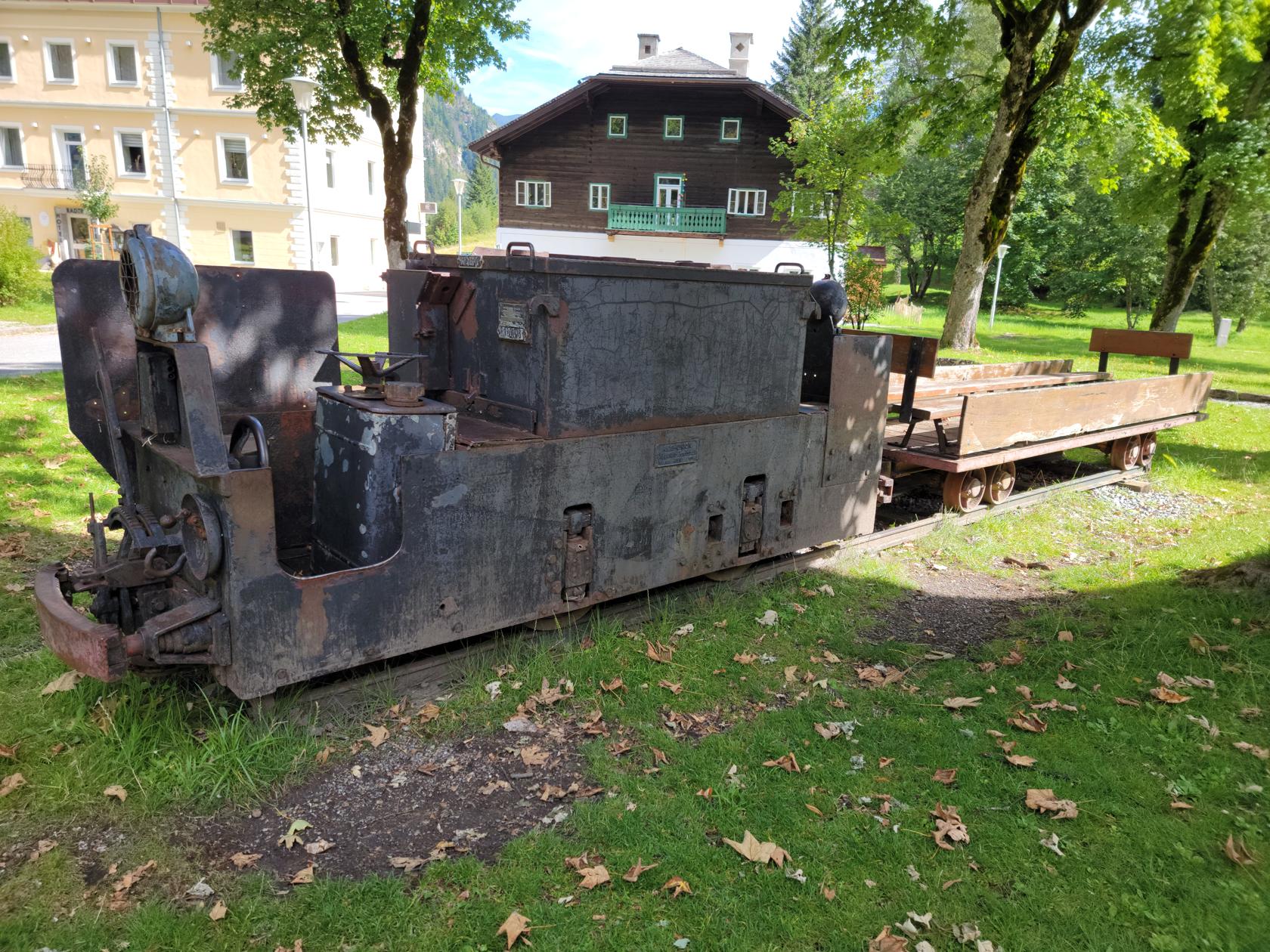
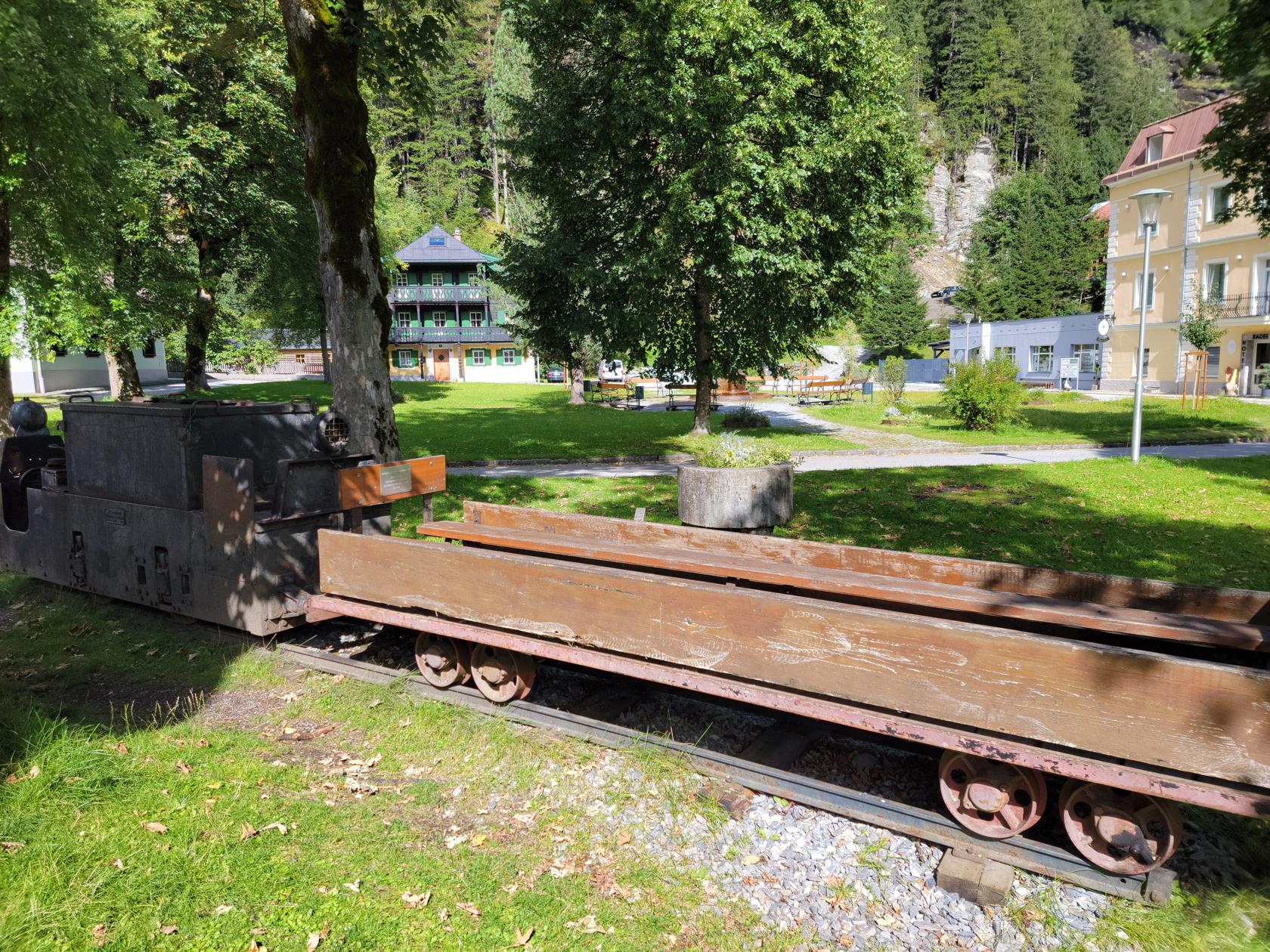
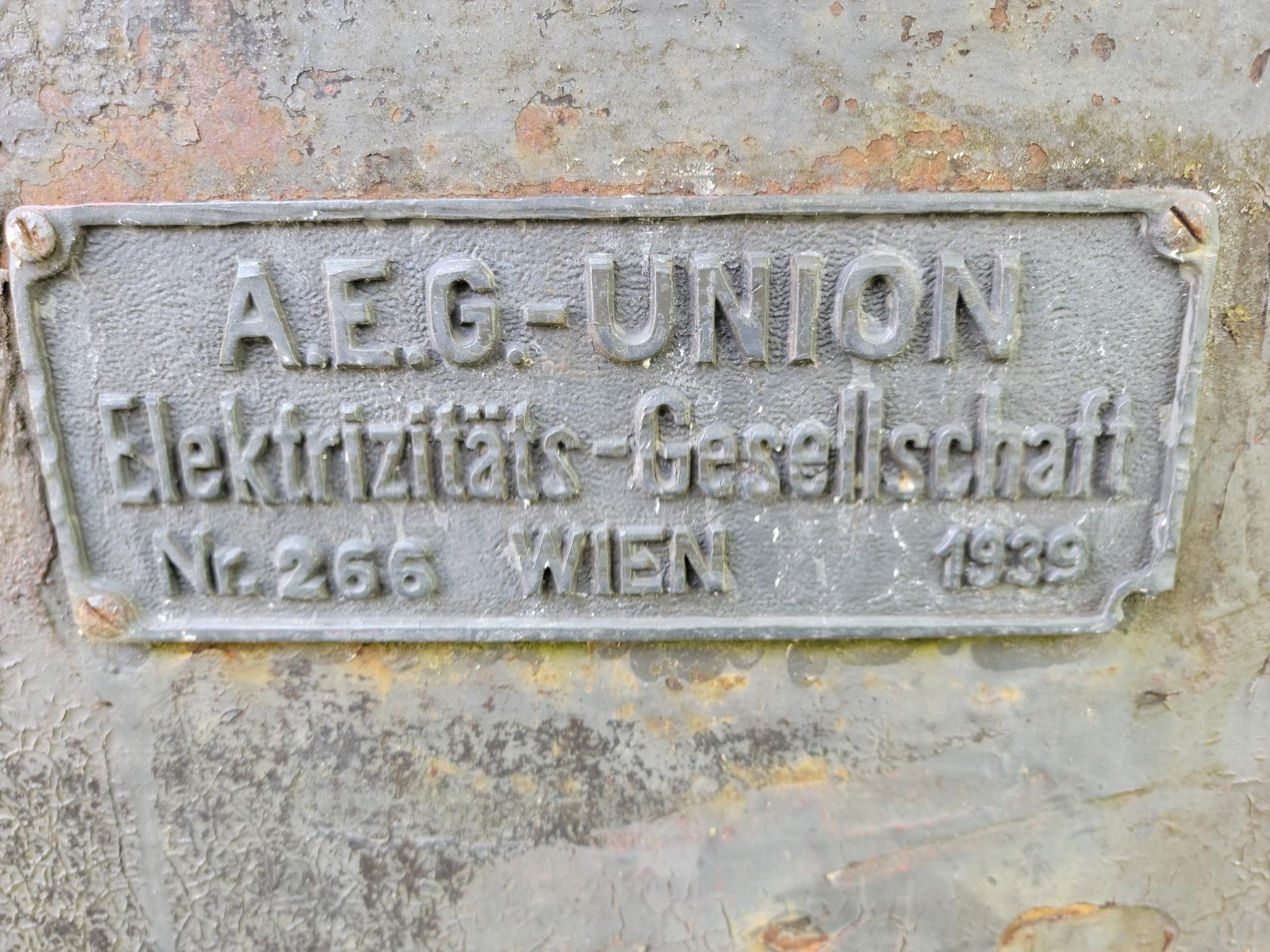
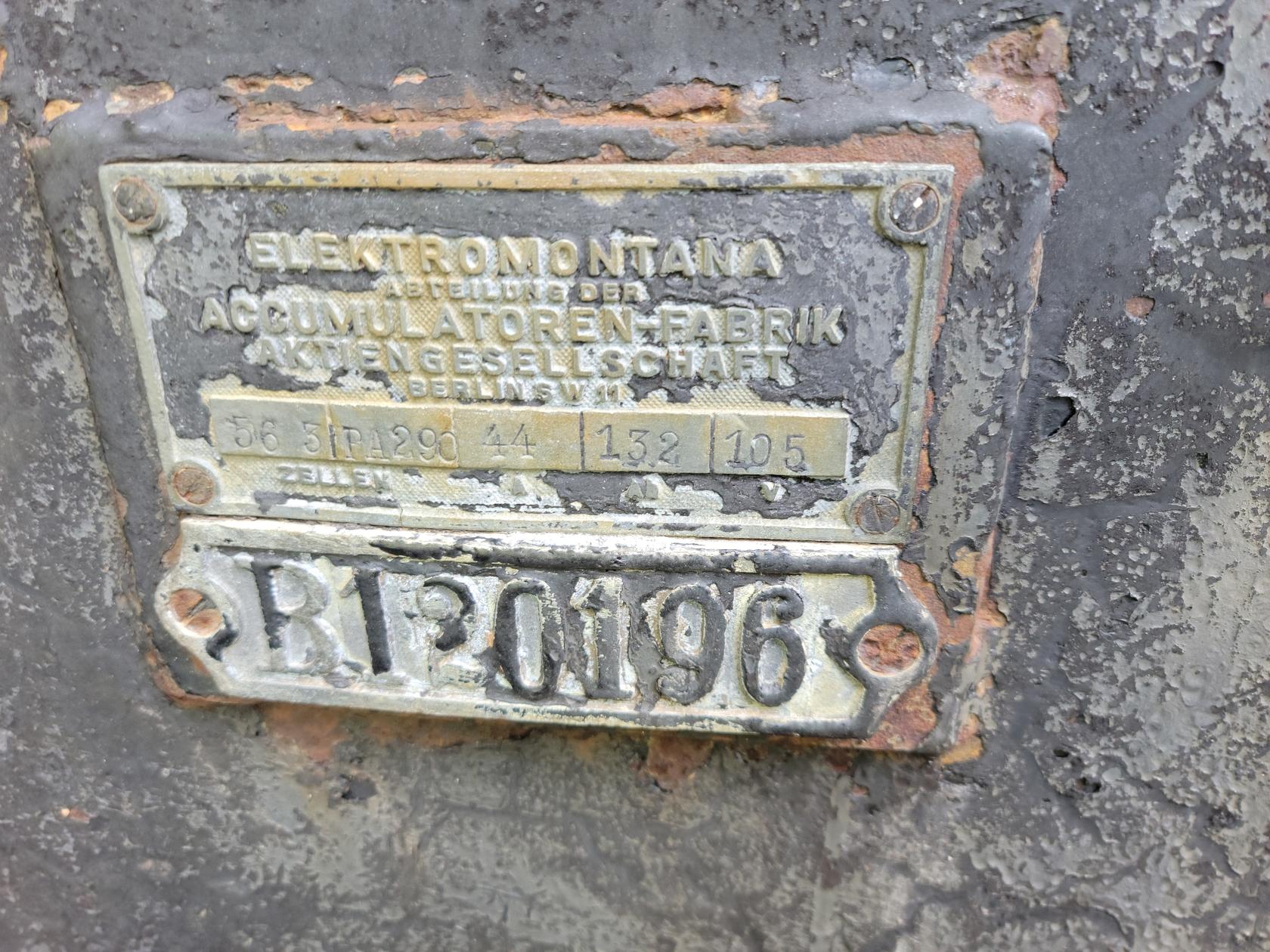
Within the park there is an old mining train on display. The Elektrische Grubenlokomotive, or electric mining train, is part of the Montanmuseum of Böckstein and a very interesting find for train enthusiasts.
Electric Grubenzug for a Grubenbahn – Böckstein – Bad Gastein, Austria
Mannschaftstransportwagen – Böckstein – Bad Gastein, Austria
Grubenzug – Böckstein – Bad Gastein, Austria
Grubenzug – Böckstein – Bad Gastein, Austria
Restaurants
The unfortunate thing about Bad Gastein is the lack of restaurants. There are about a handful of them that are owned by the same entity that owns our hotel, therefore the menu in each becomes rather predictable. Our hotel does have the Ritz restaurant, however it only offers a five-course meal at a fix priced. Which is in and off itself okay, but the quantity of food sometimes is just too much.
Angelo Pizzeria
Located on Karl-Heinrich-Waggerl-Straße, Angelo Pizzeria is actually part of the group that owns the Salzburger Hof hotel. It is usually open from 15:00 to 20:00 and has fairly good pizza. The soup was actually quite good, I had their tomato soup with creme fraiche and it was very tasty.
Their mixed salad is a typical German gemischter Salat, where everything is actually not mixed, but placed next to each other. So all of the grated carrots, sliced cucumbers and tomatoes line the bowl. Moreover, on the bottom of your mixed greens, you will find a surprise of traditional coleslaw or chopped cabbage, beans, sliced beets and German potato salad styled potatoes.
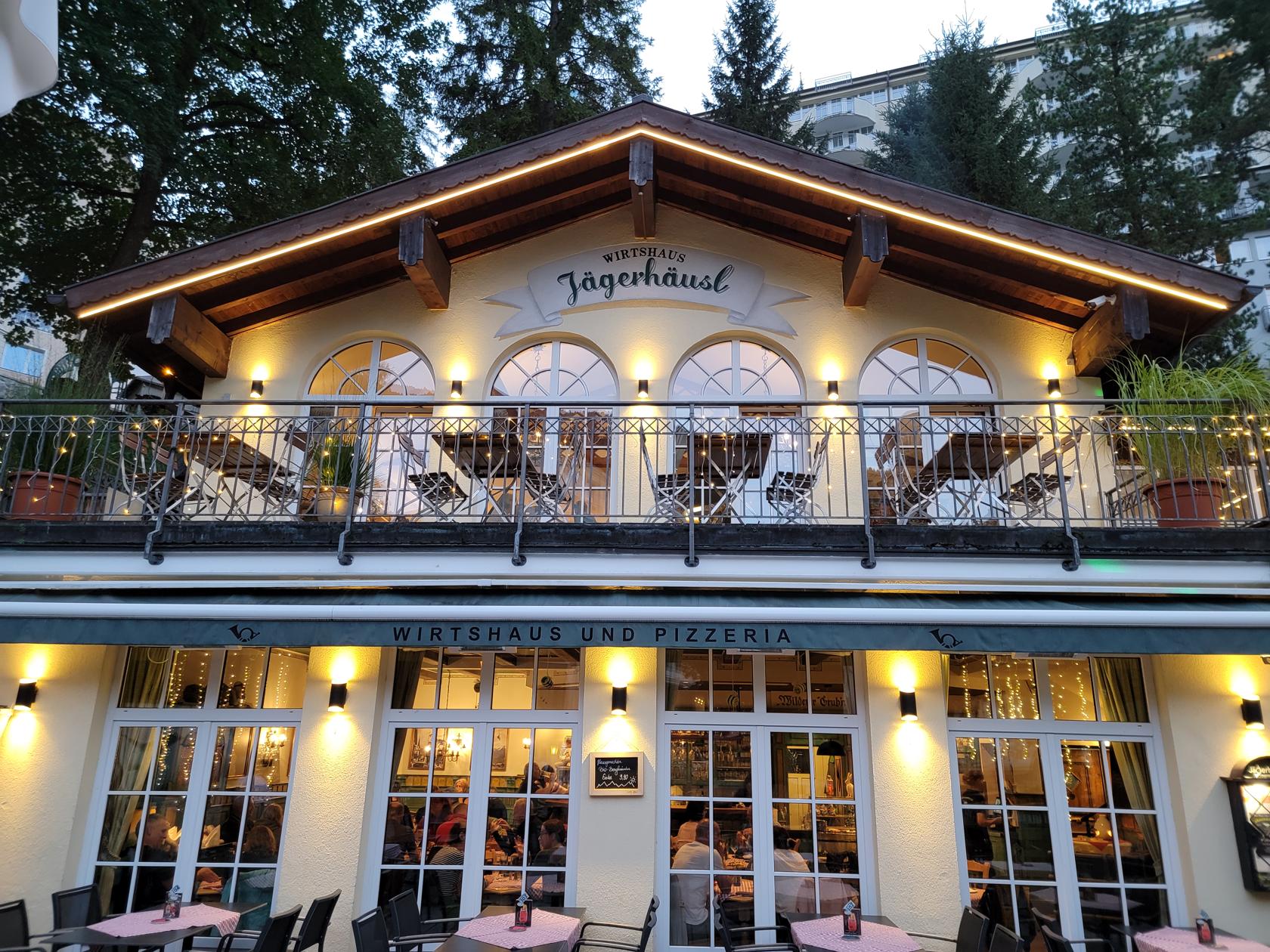
Wirtshaus Jägerhäusl
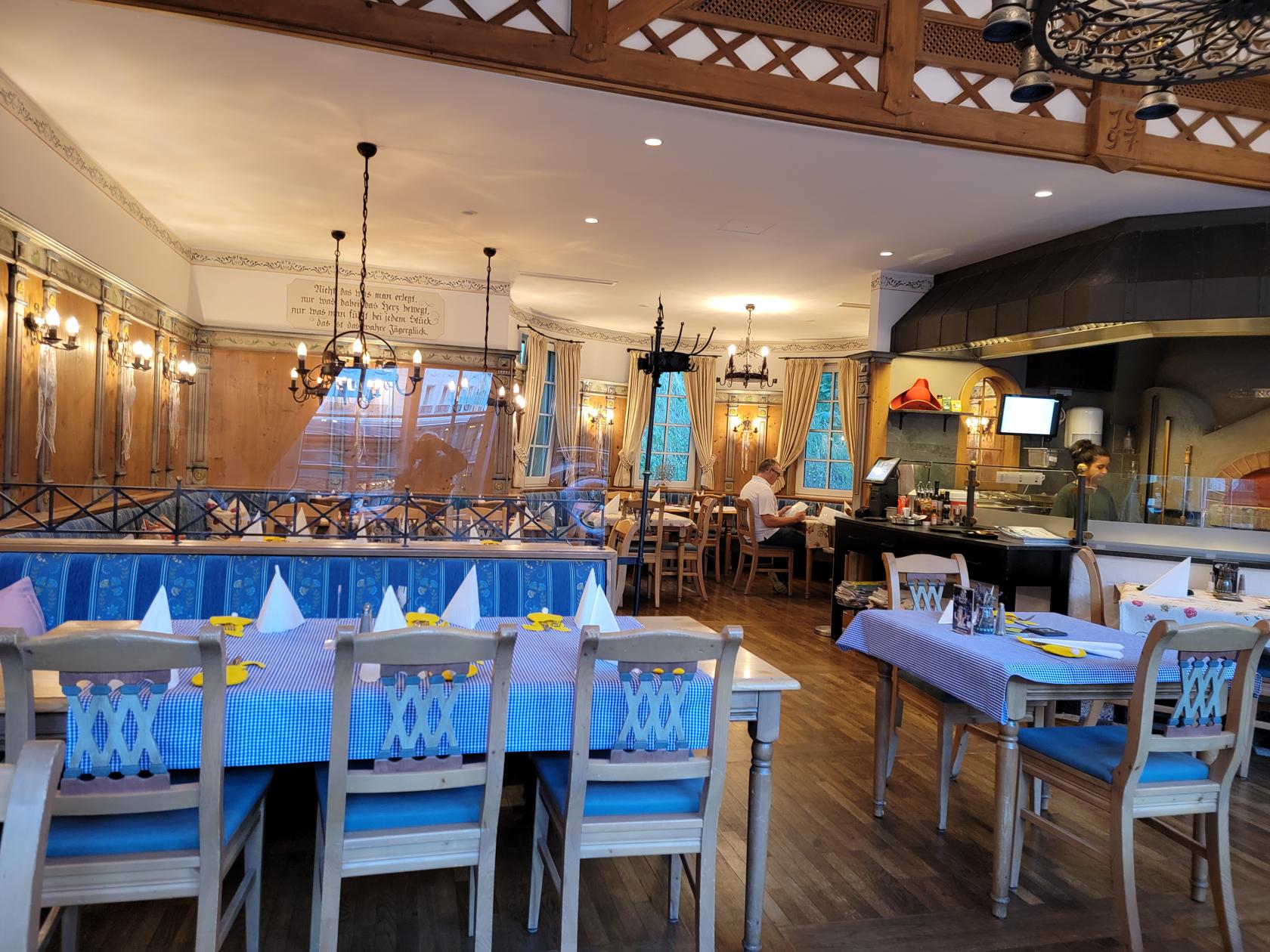
This restaurant does not belong to the chain mentioned above and offers a happy alternative to the same menu. The decor is appealing and it is also in a quiet area, away from the Silver Bullet Bar that plays loud music.
Front – Wirsthaus Jägerhäusl – Bad Gastein, Austria
Inside – Wirsthaus Jägerhäusl – Bad Gastein, Austria
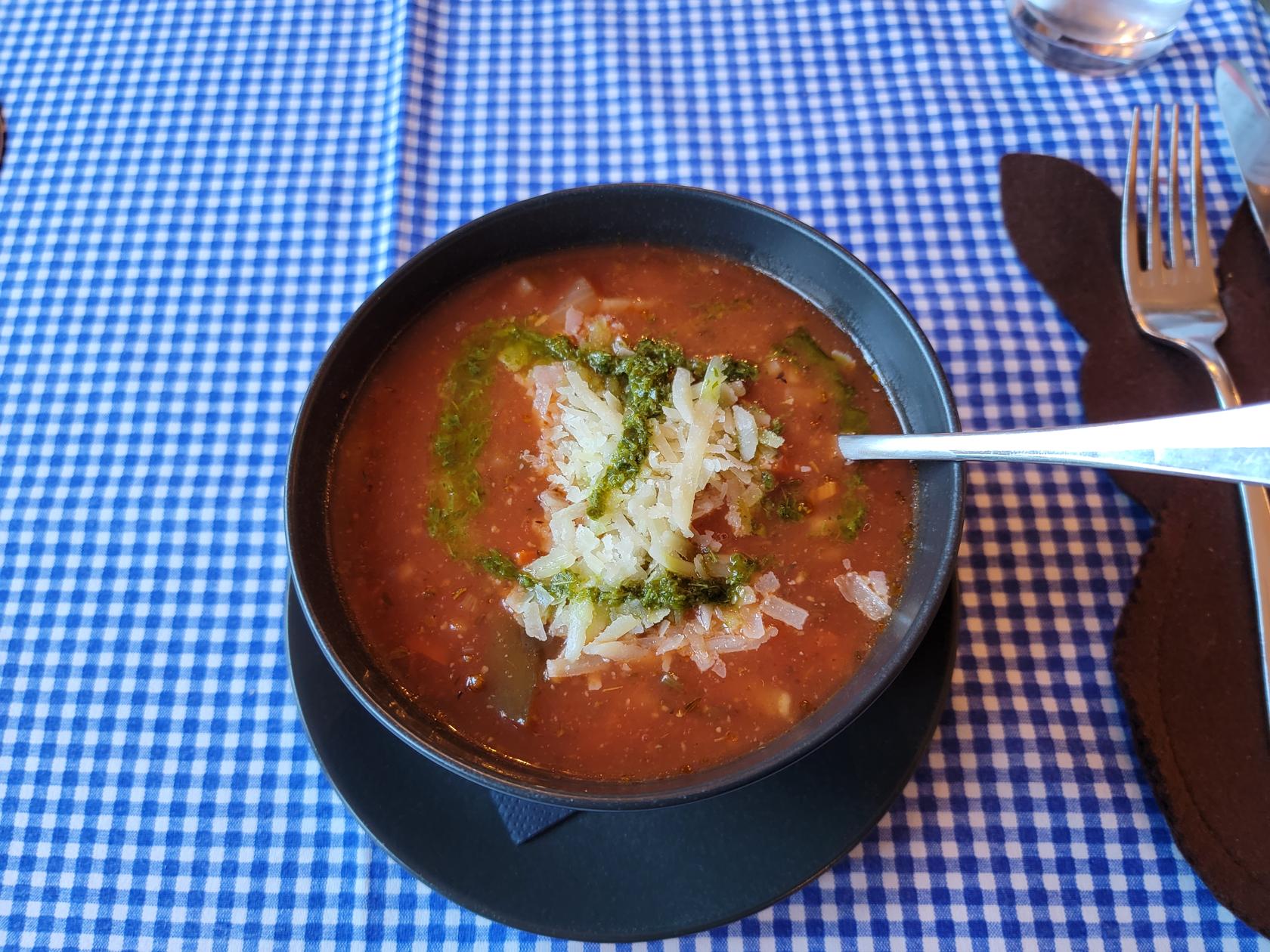
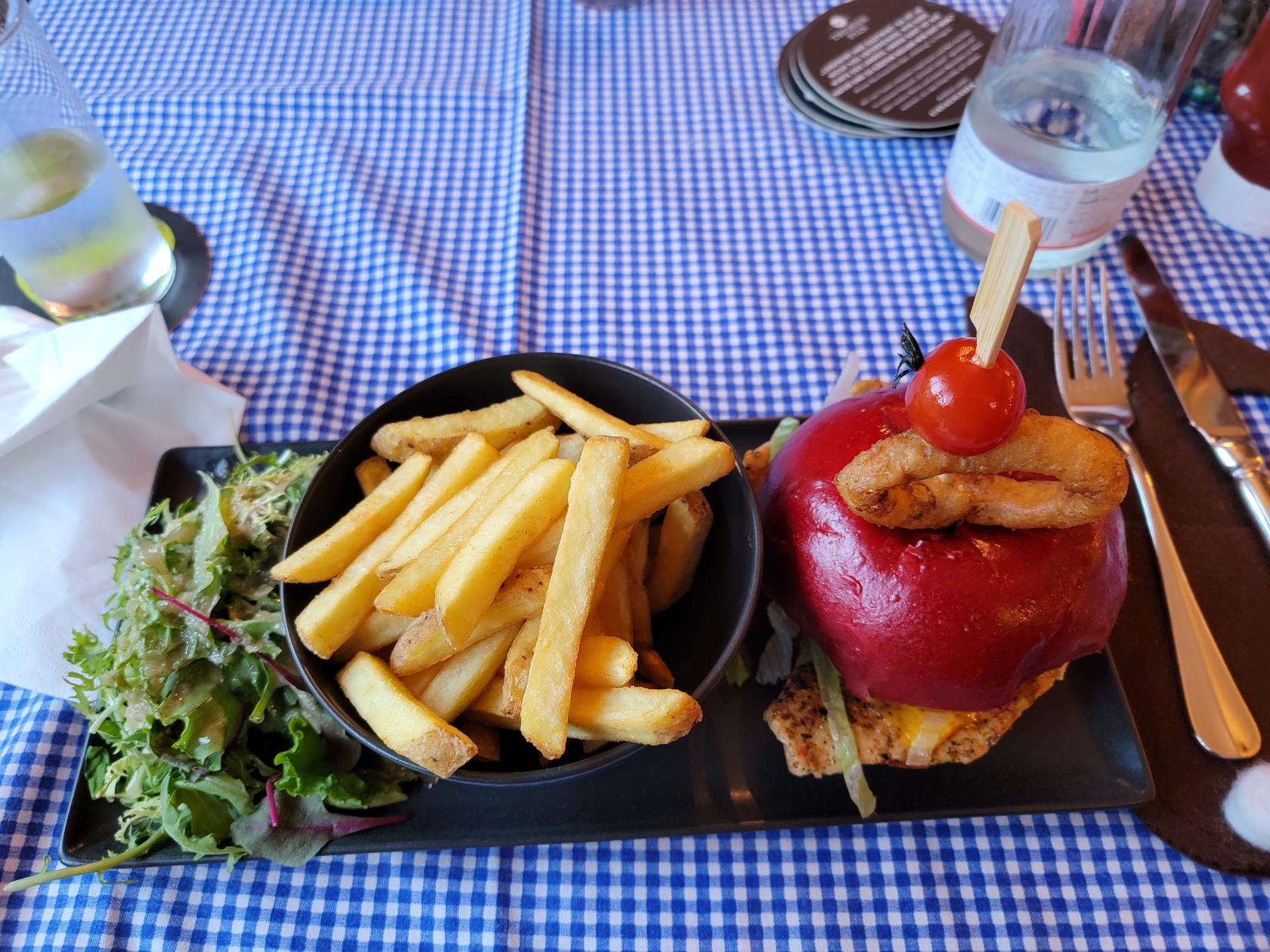
Here you can actually find a Minestrone soup and other dishes that are well prepared and taste great. We both ordered the soup, I ordered the chicken sandwich and Patti ordered the chicken schnitzel. With a bottle of water it all came to 57€, which we found reasonable for the area.
Minestrone soup – Wirsthaus Jägerhäusl – Bad Gastein, Austria
Chicken Sandwich with fries – Wirsthaus Jägerhäusl – Bad Gastein, Austria
Today it’s off to the top of the Stubnerkogel and a day on the mountain.
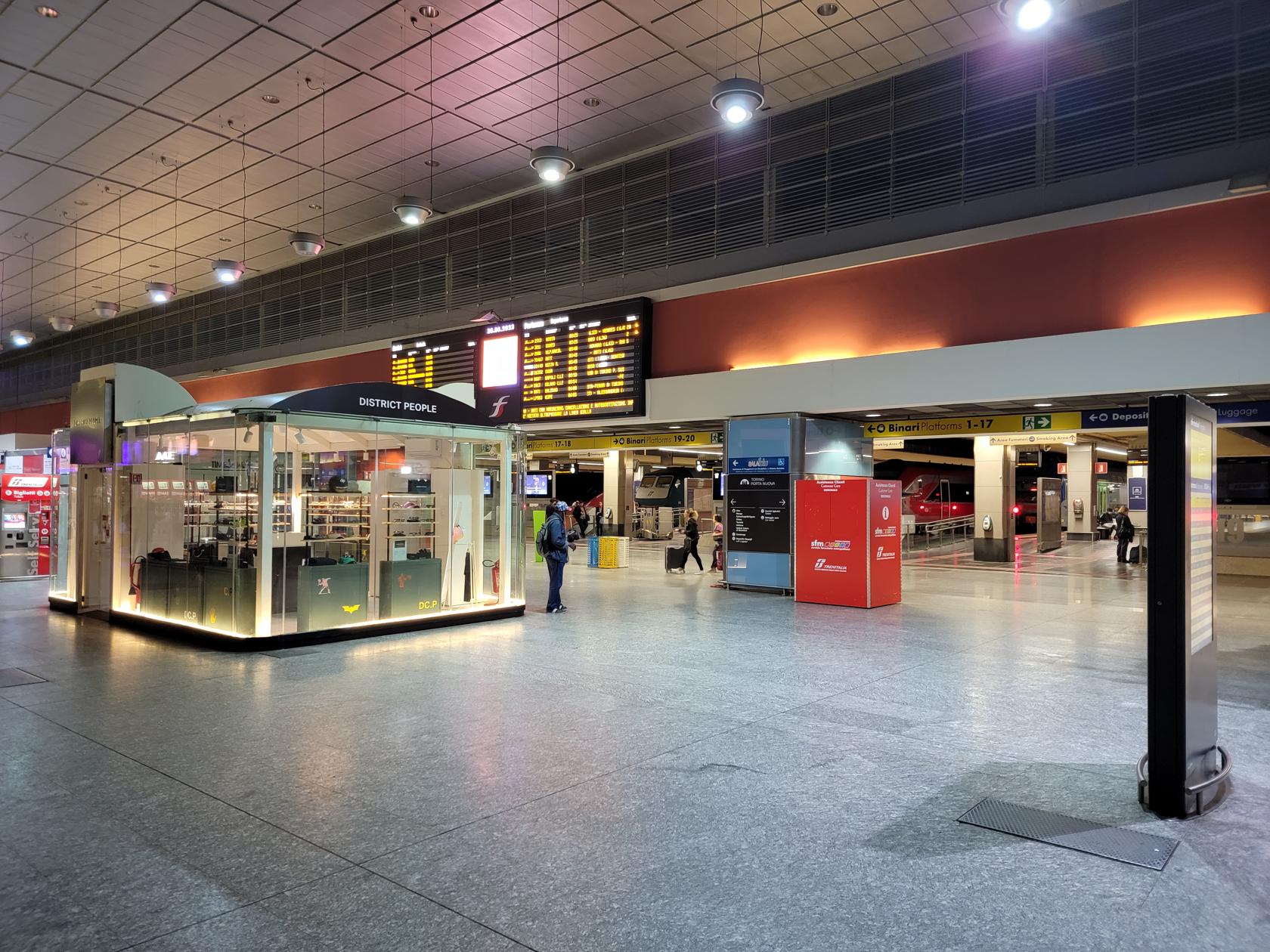
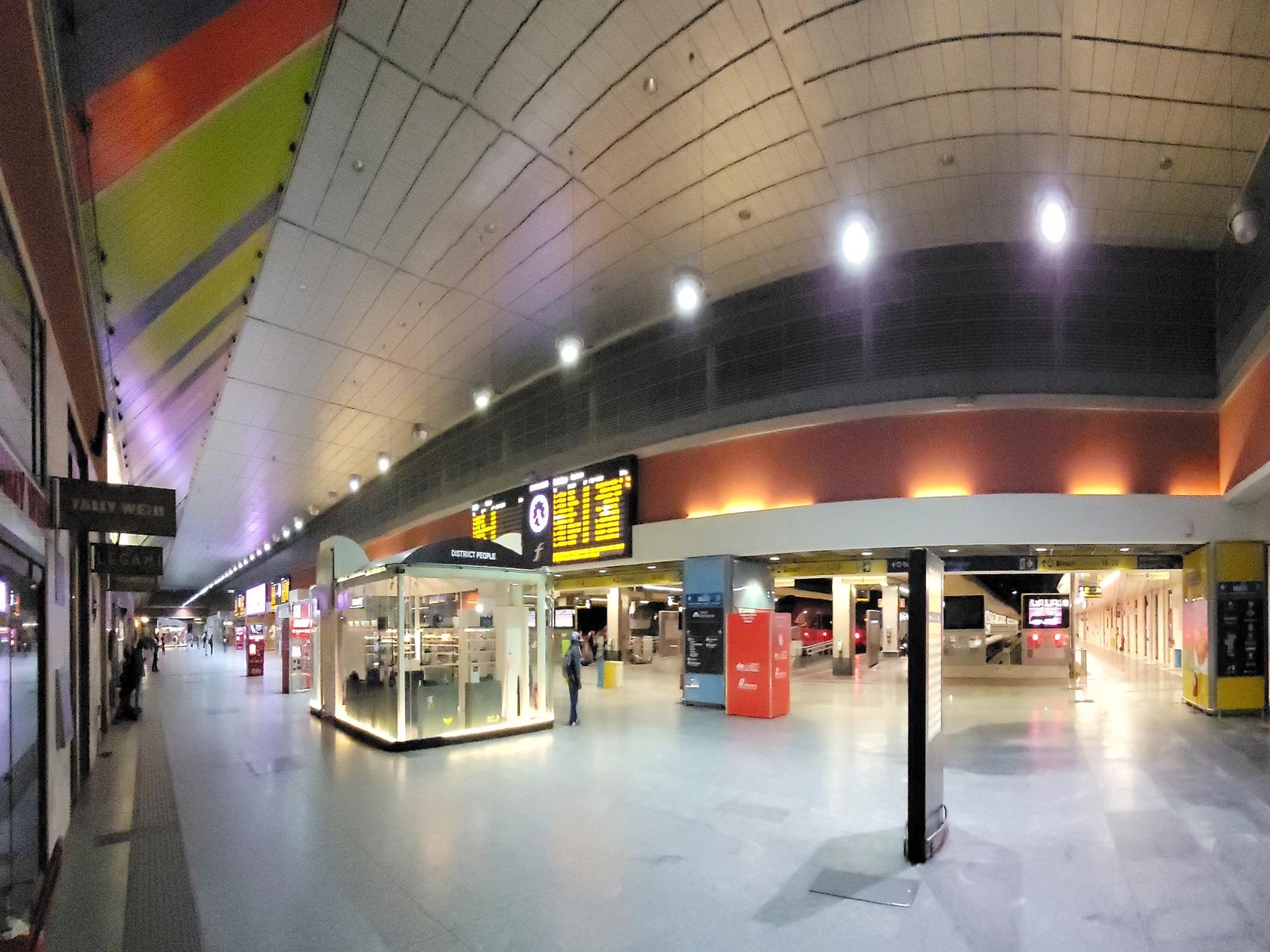
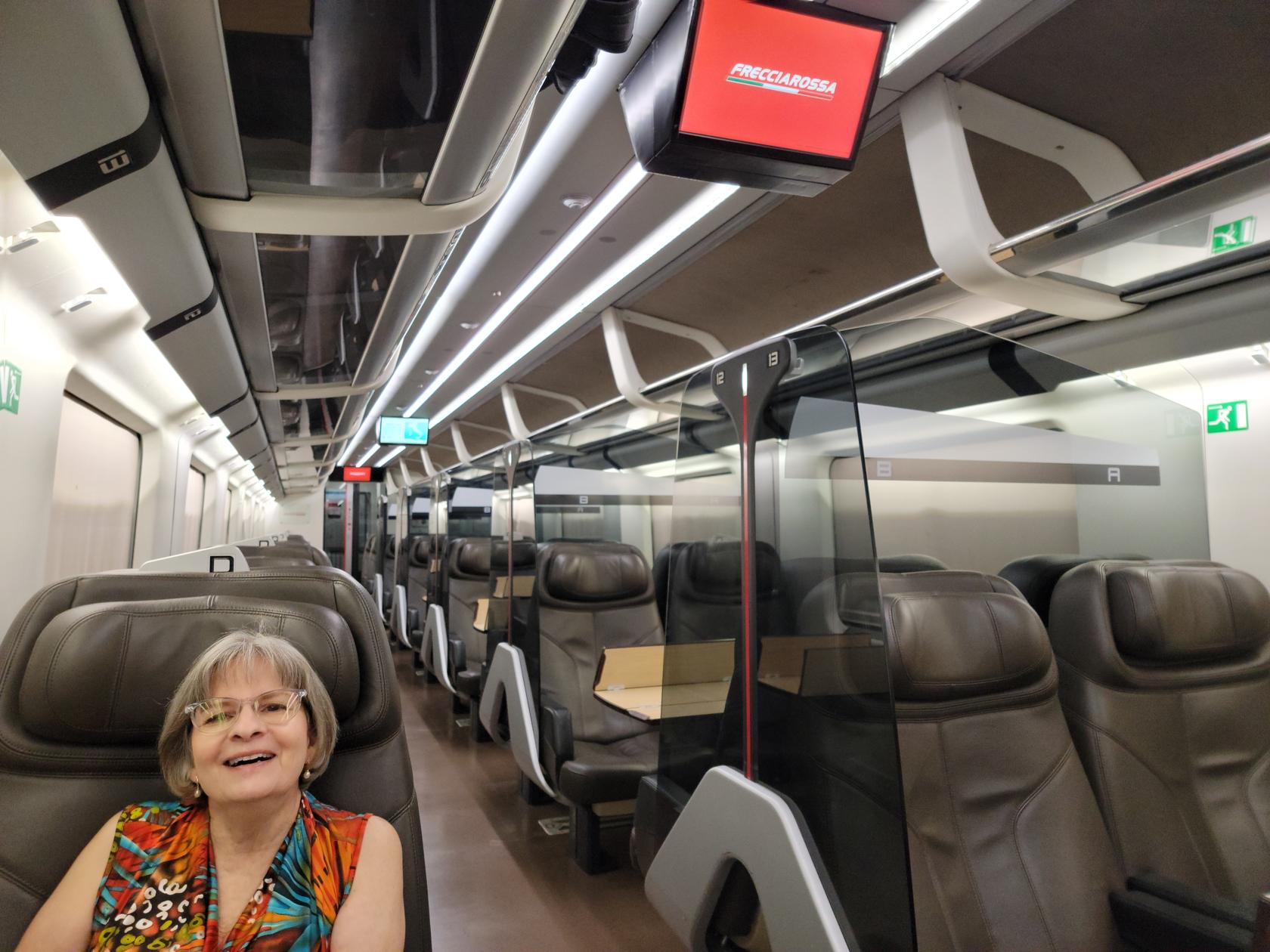
We left Turin early in the morning on the 5:50AM train, in order to catch the FrecciaRossa from Turin to Milan. Of course, due to the early hour, we used the Wetaxi Application and ordered a taxi for 12€ to take us to Porta Nuovo, the main train station in this part of the city.
Torino Train Station – Turin, Italy
Torino Train Station – Turin, Italy
Patti on the Freccia Rossa between Turin and Milan – Turin, Italy
Freccia Rossa to Venezia – Milan, Italy
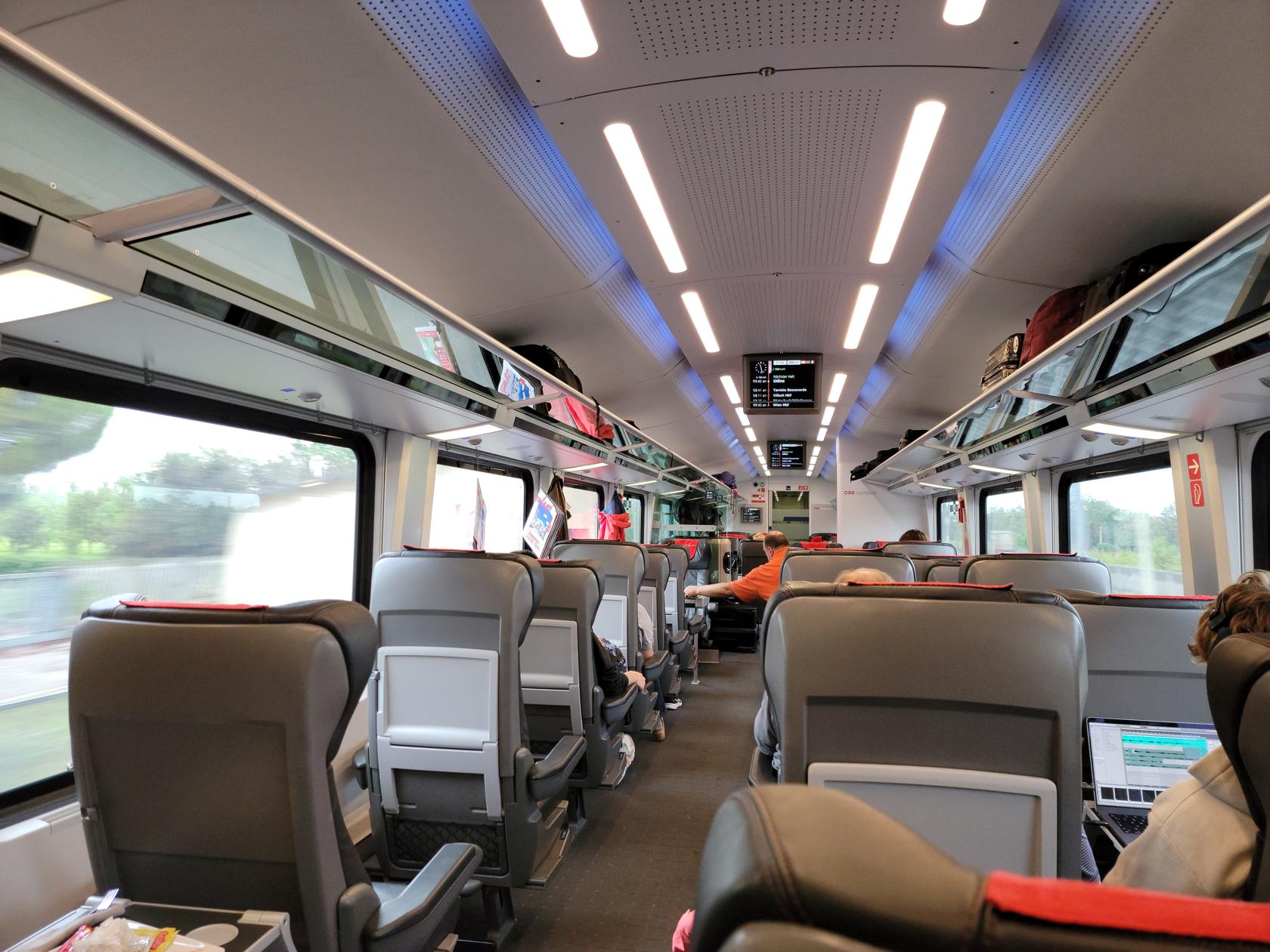
Our connecting FrecciaRossa, took us from Milan to Venice Maestre, where we picked up our Austrian ÖBB train to Villach, Austria. Luckily, all of our connections, and there were four, worked without issue.
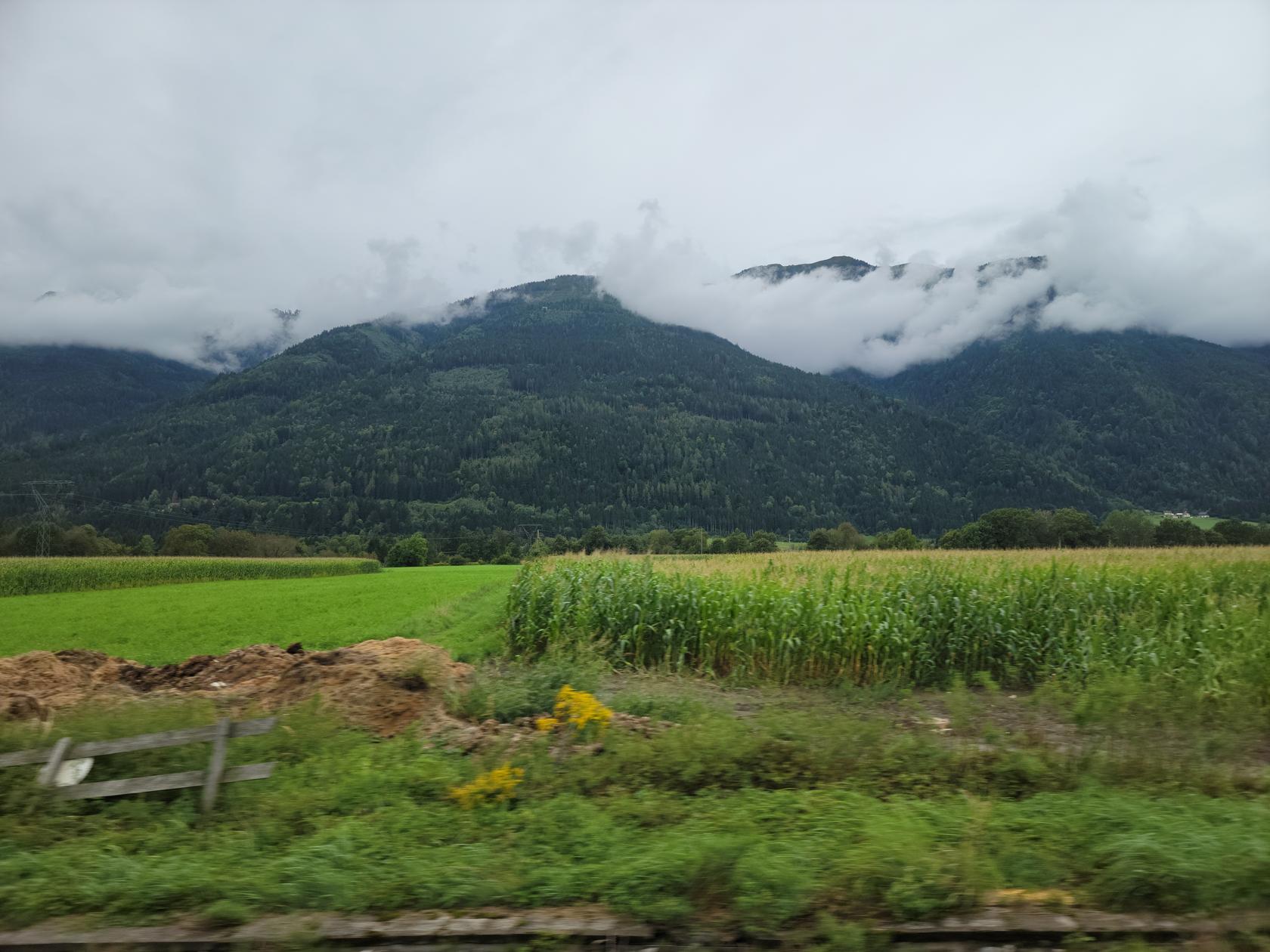
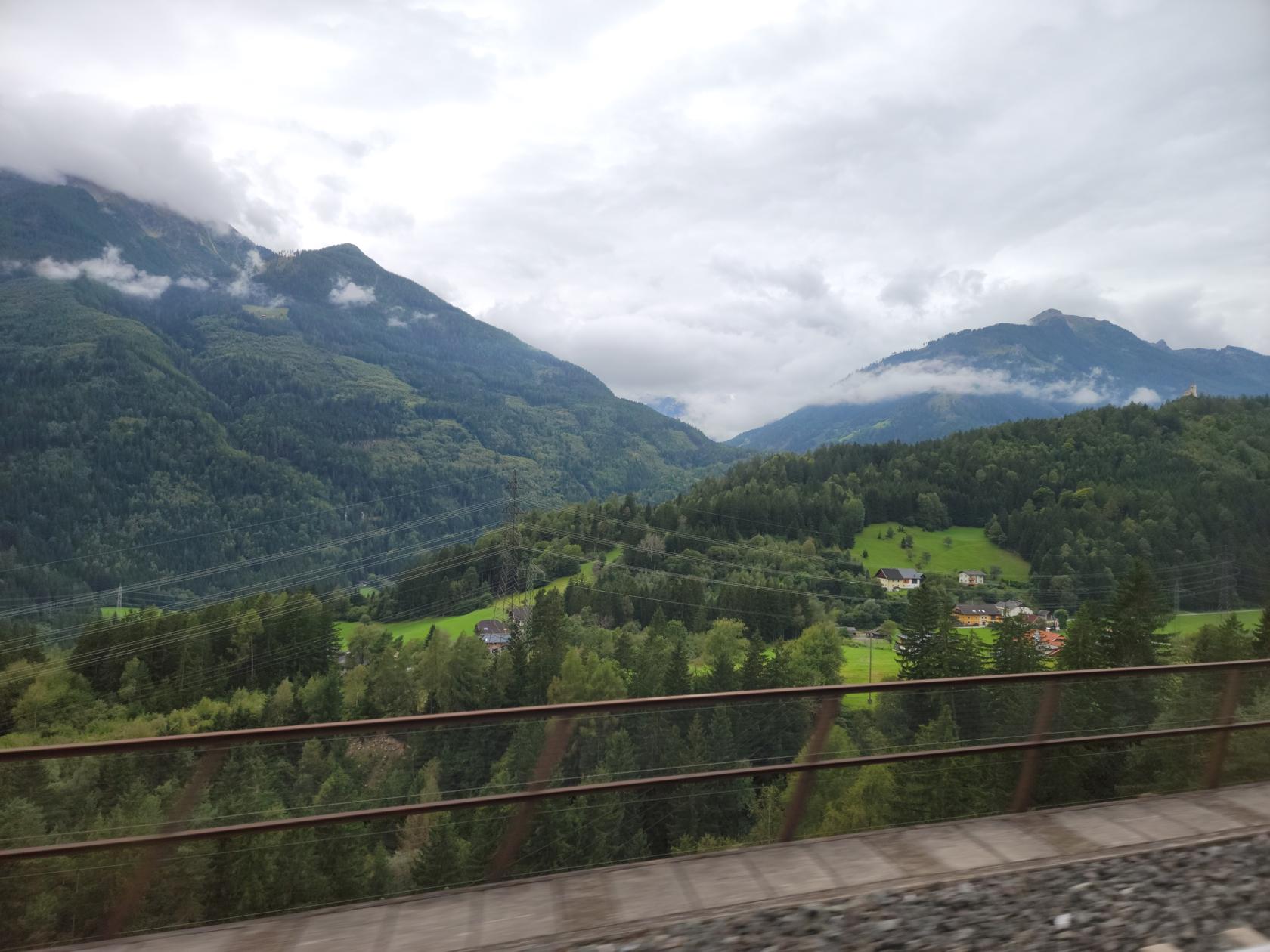
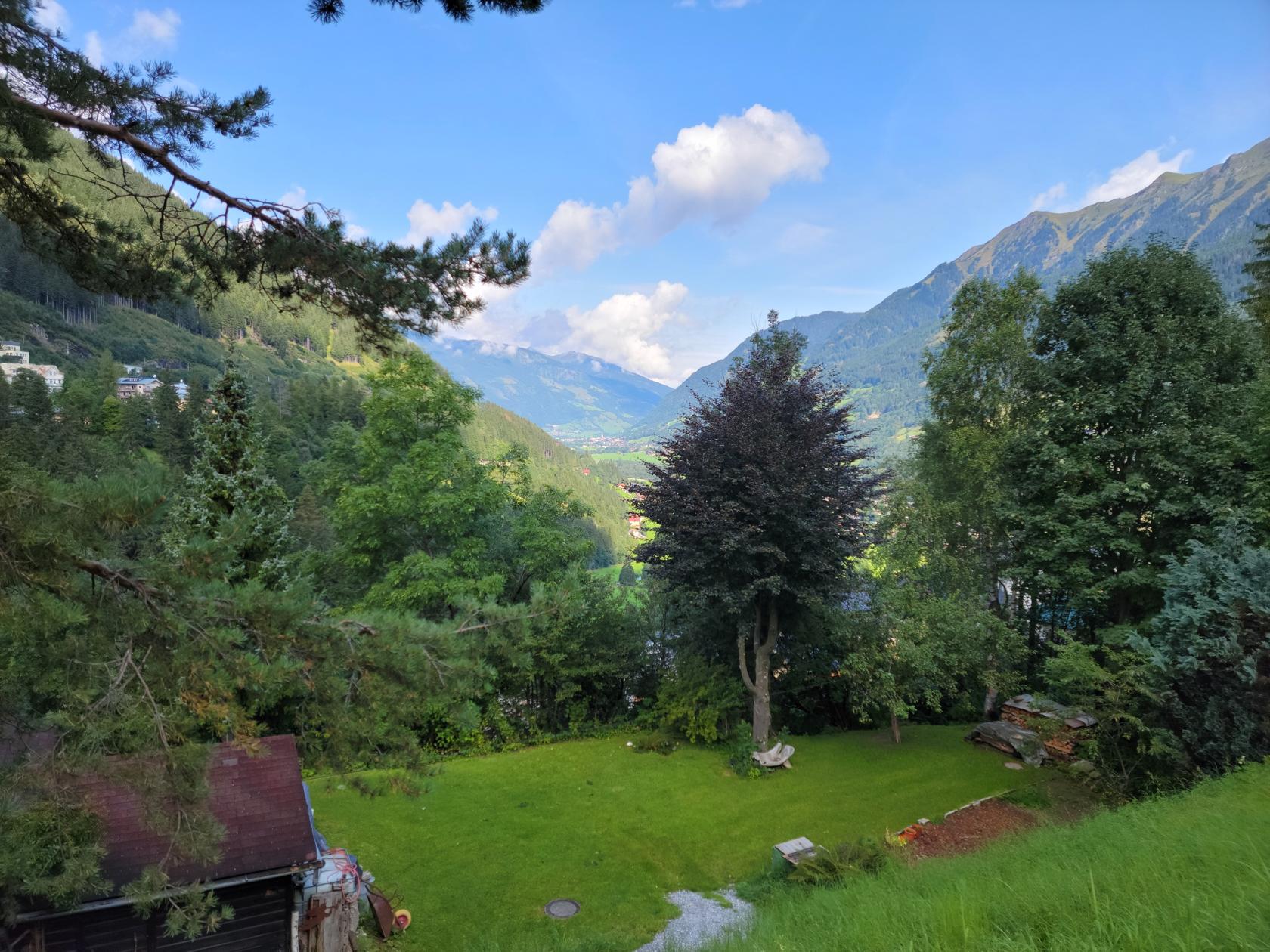
Mölltal valley – Bad Gastein, Austria
Mölltal valley – Bad Gastein, Austria
Mölltal valley – Bad Gastein, Austria
An hour train north of Villach, Austria you can find the small health spa town of Bad Gastein. Though a shadow of its former self, when dignitaries and other luminaries used to visit for its waters and mountain air, it is still worth a visit, if not only for the aforementioned reasons.
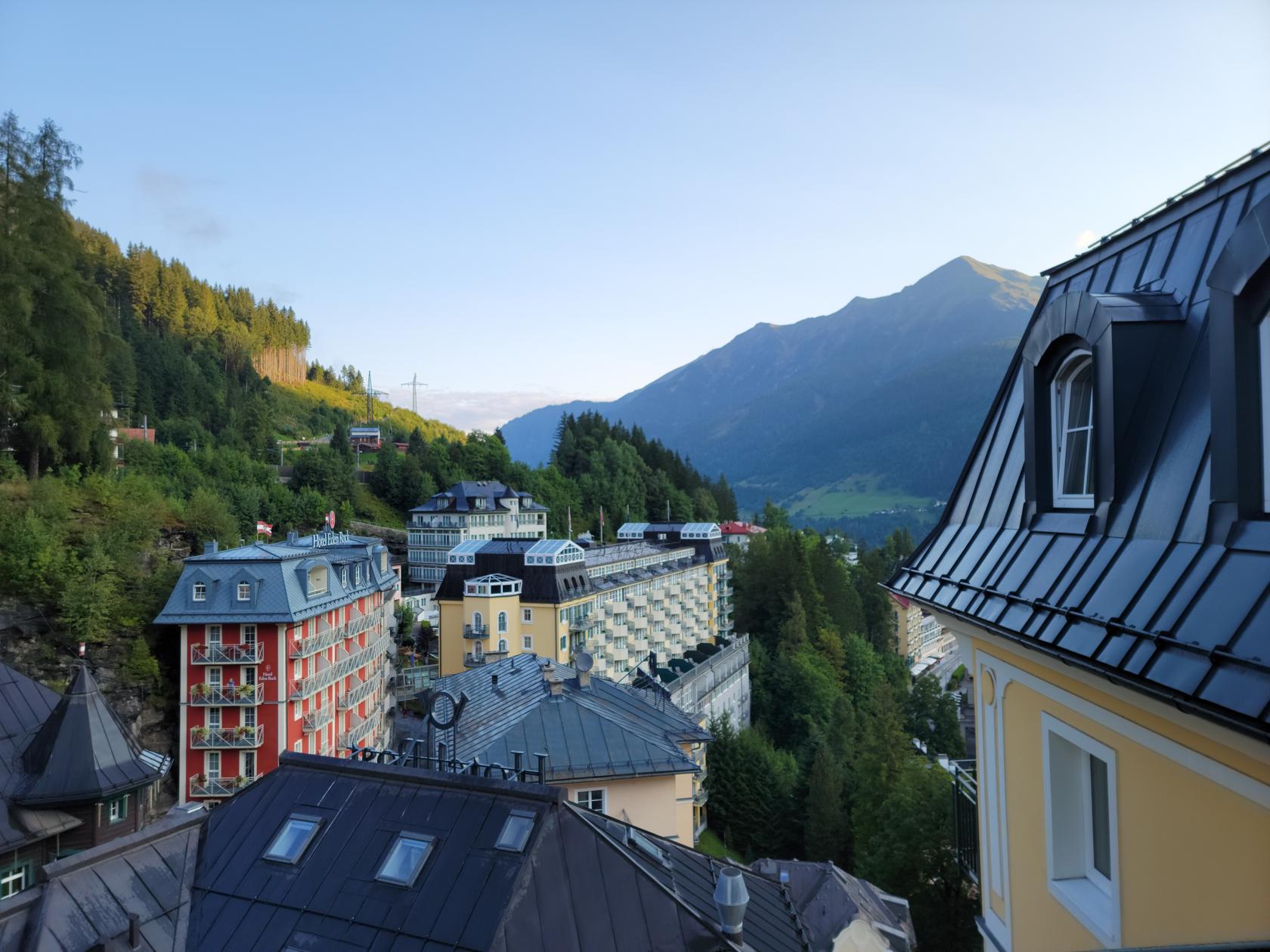
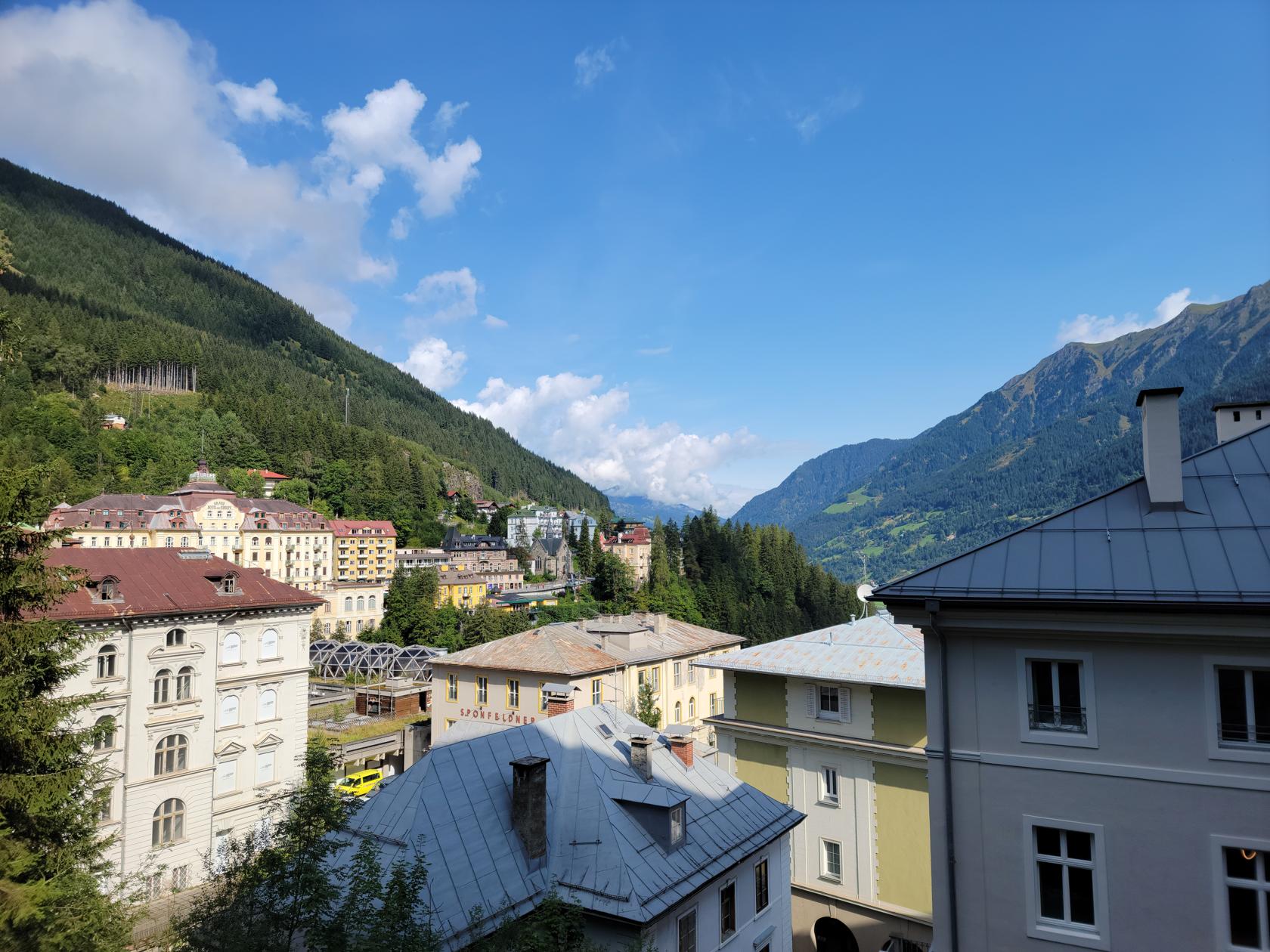
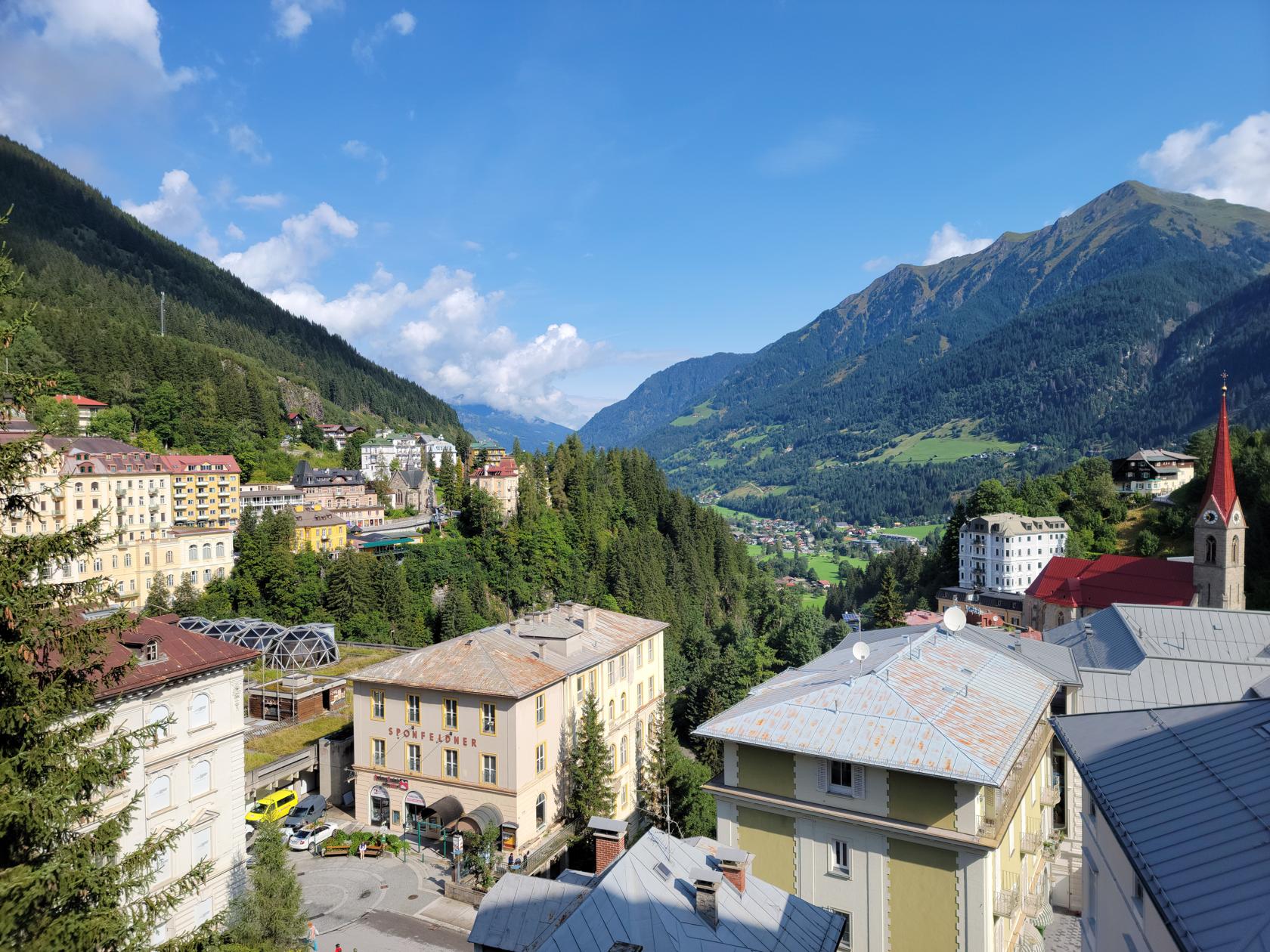
View from Hotel – Bad Gastein, Austria
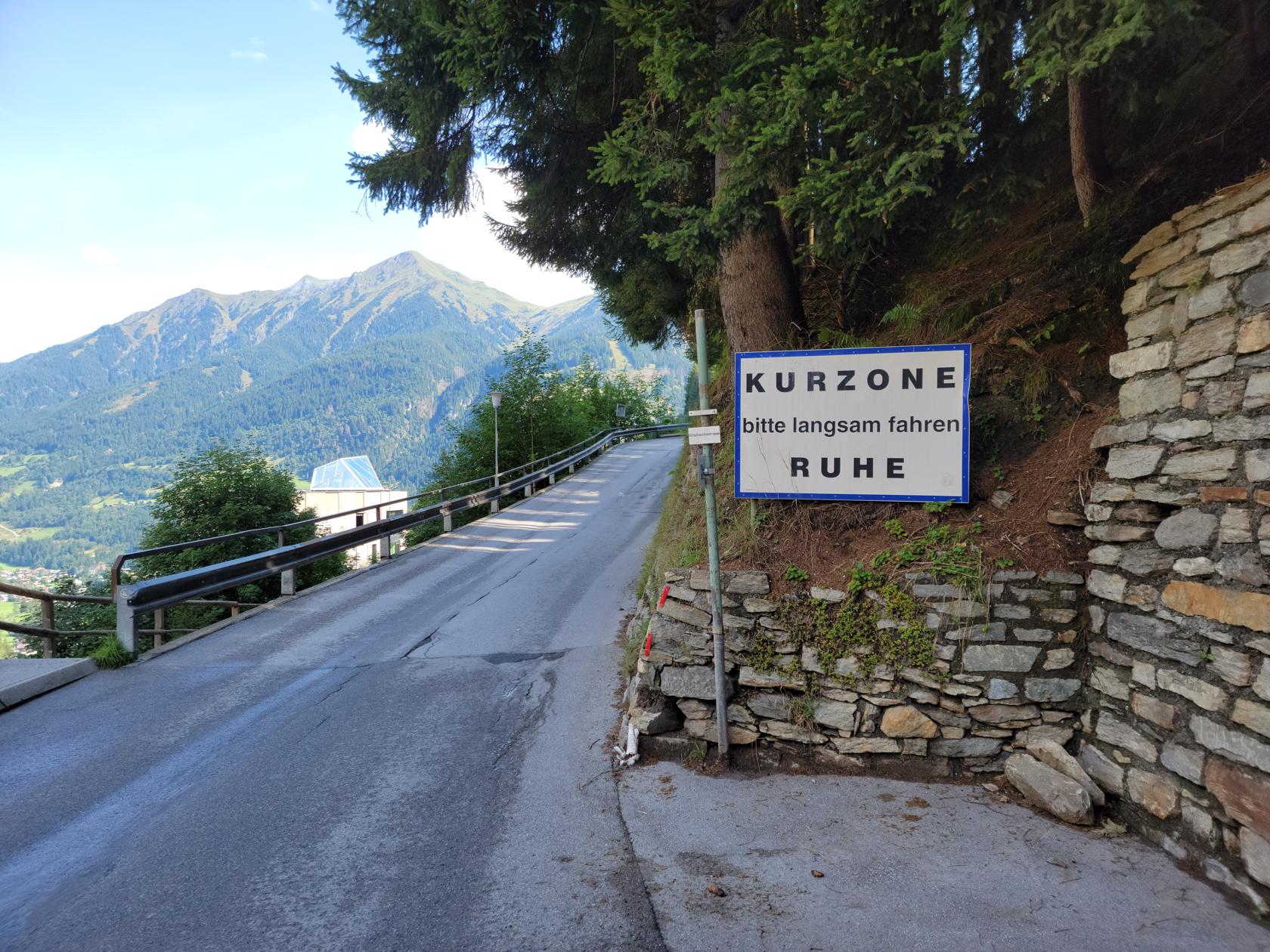
Quiet, spa zone – Bad Gastein, Austria
Bad Gastein
The town runs at a slower pace than other mountains towns we have visited. Perhaps it is more difficult to capture tourist monies with a waterfall and health resort as the primary attractions, as opposed to say a very large mountain or a large ski resort complex.
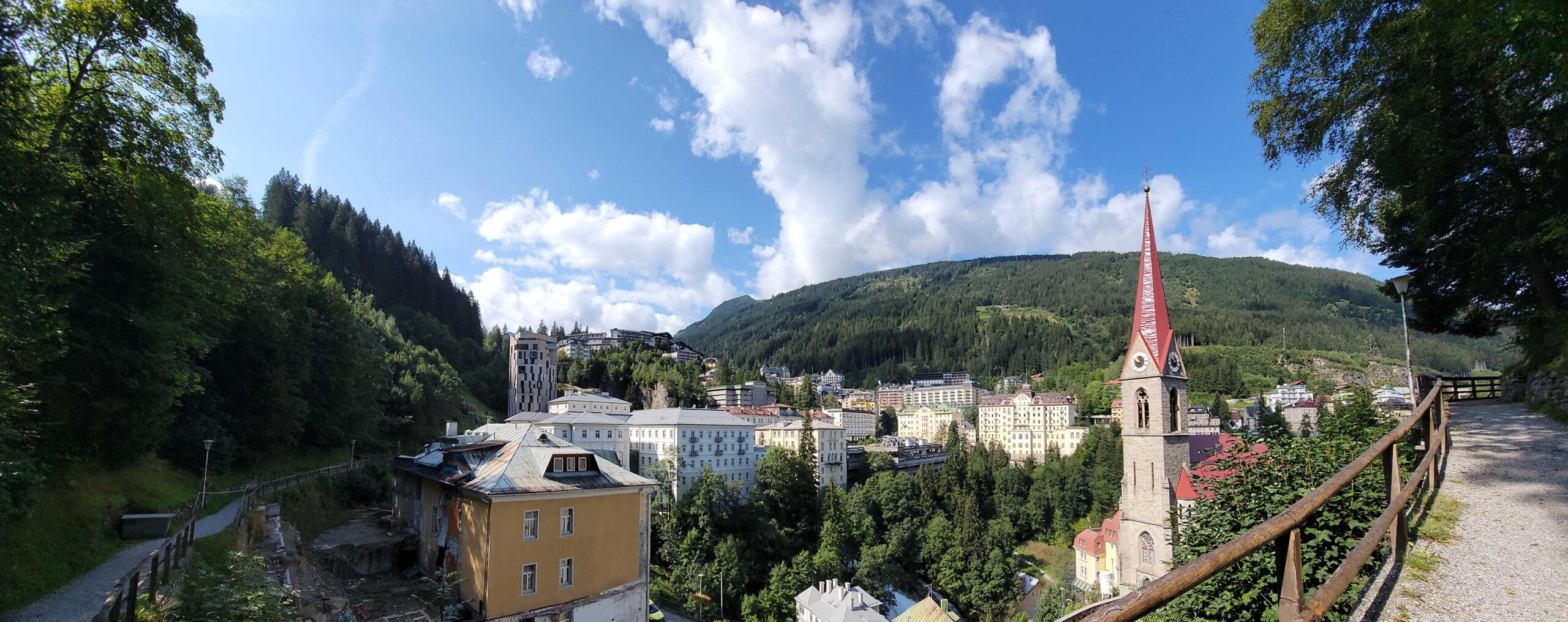
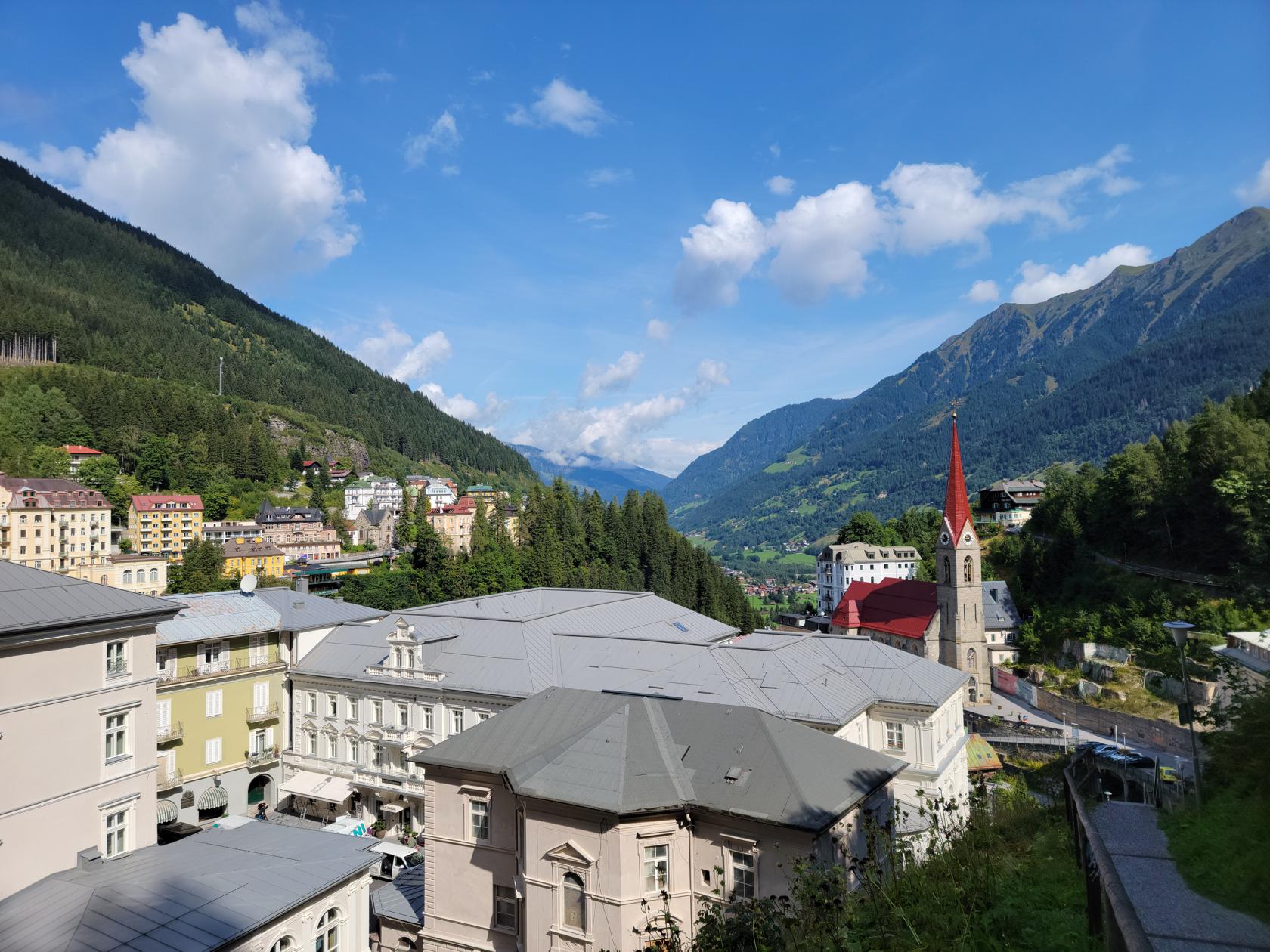
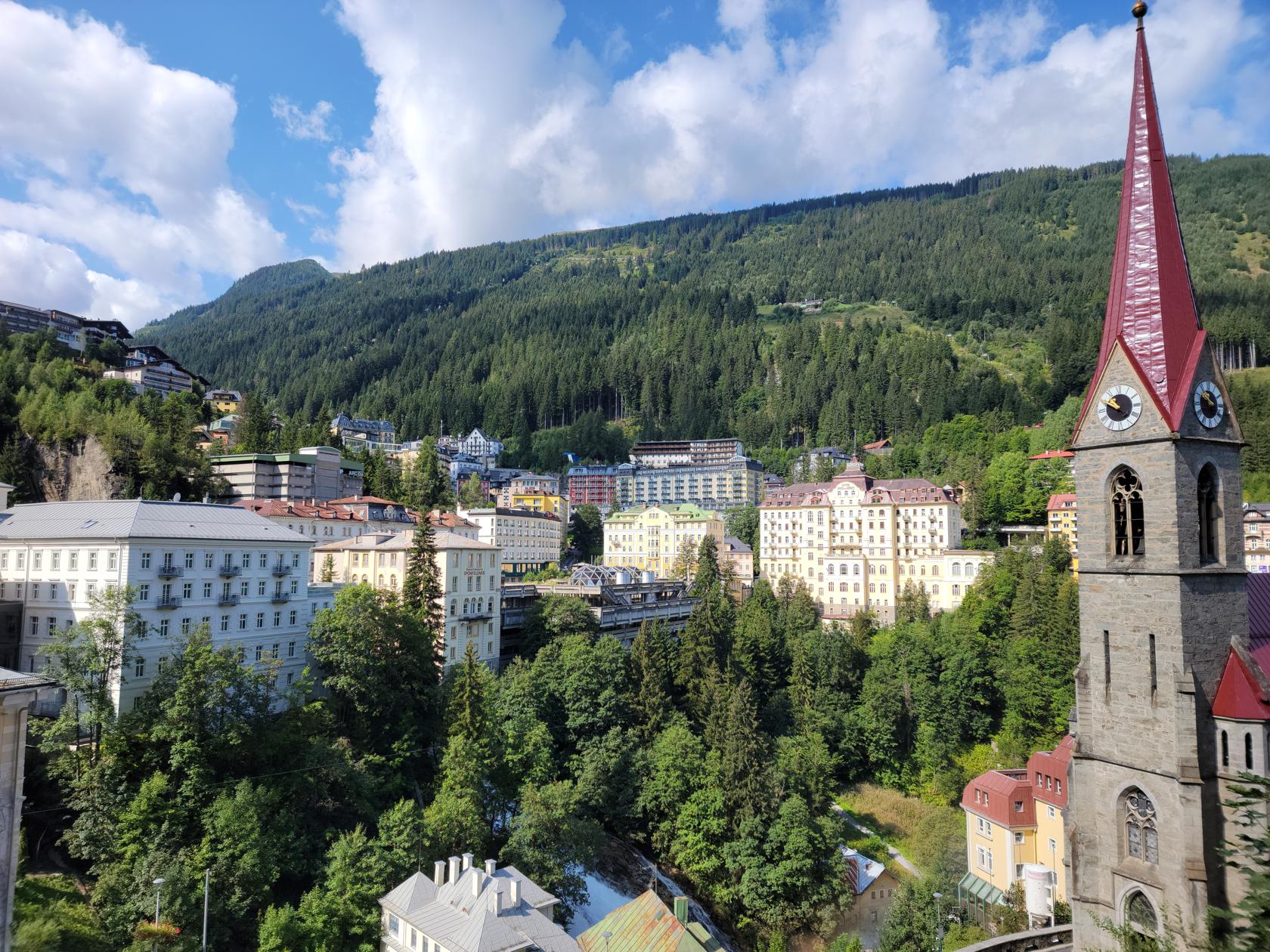
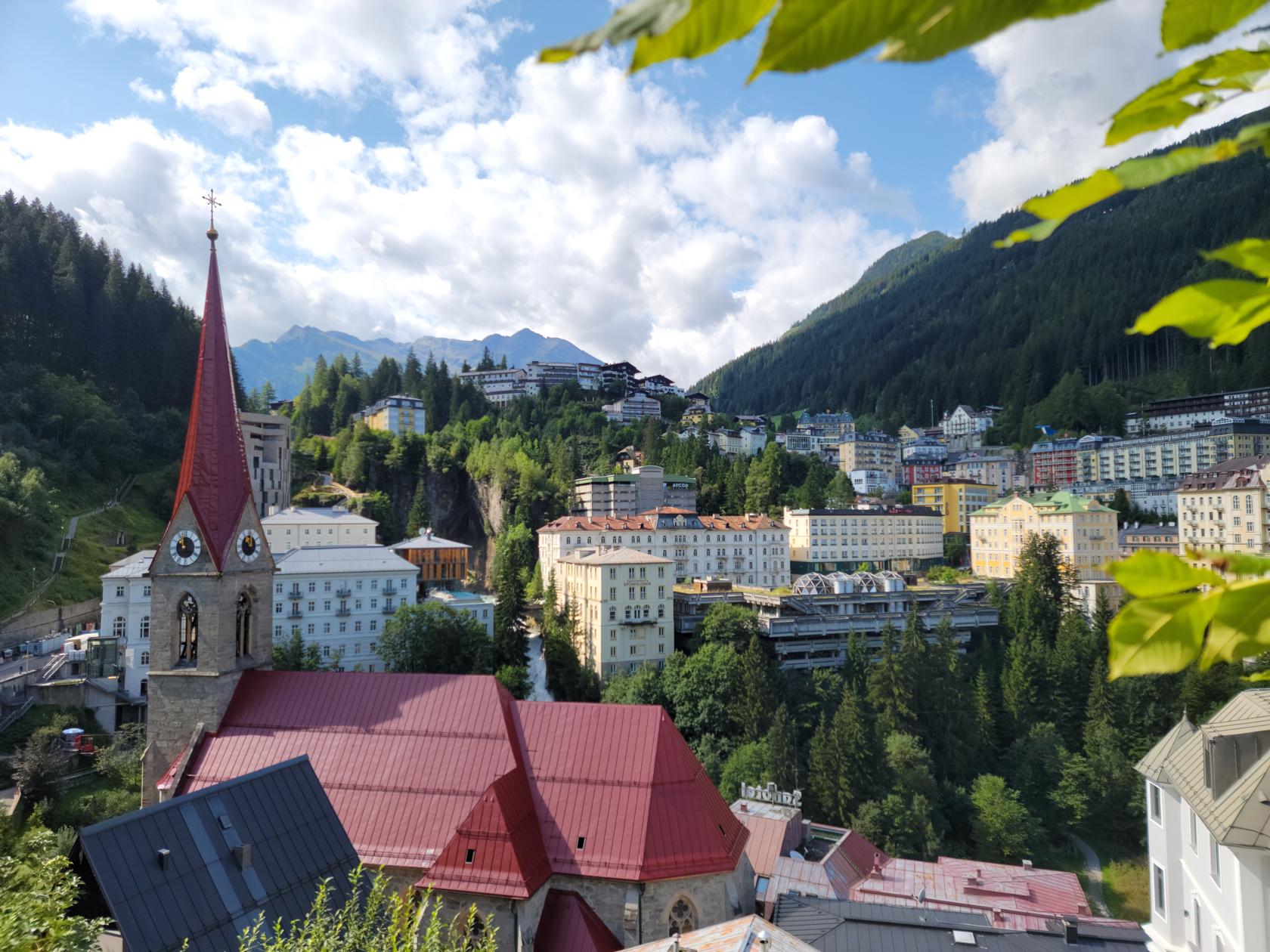
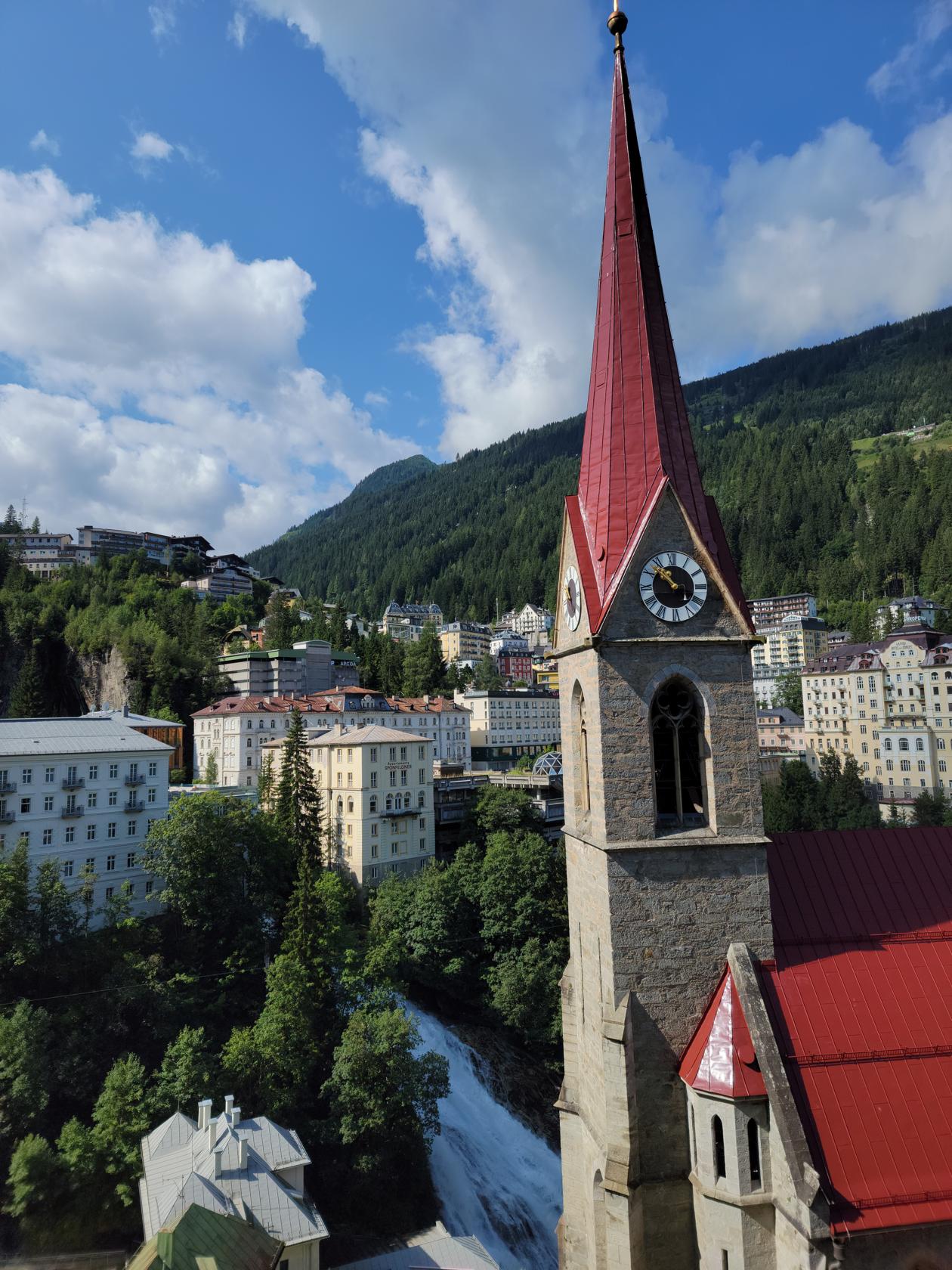
Pfarrkircke and looking toward the town center – Bad Gastein, Austria
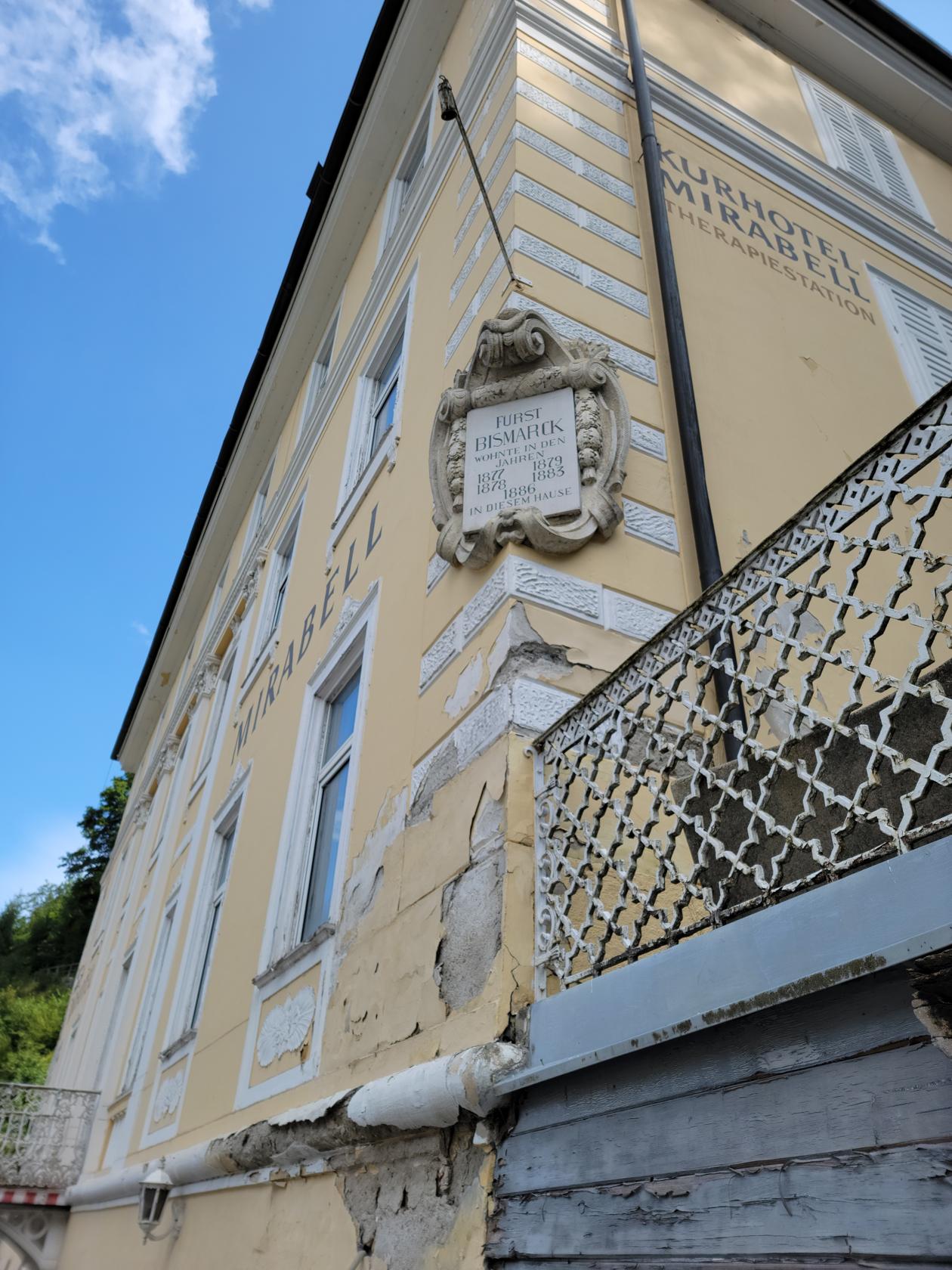
There are parts of the town center that appear to be in eternal repair. Though there is work going on here and there, it does not appear to have progressed much in the last few years. The thermal water fountain building and the old Kurhotel of Austria appear permanently closed. Unfortunately, there are no signs posted explaining the reason, so we were just left to ponder what might have happened.
Bismark House – Bad Gastein, Austria
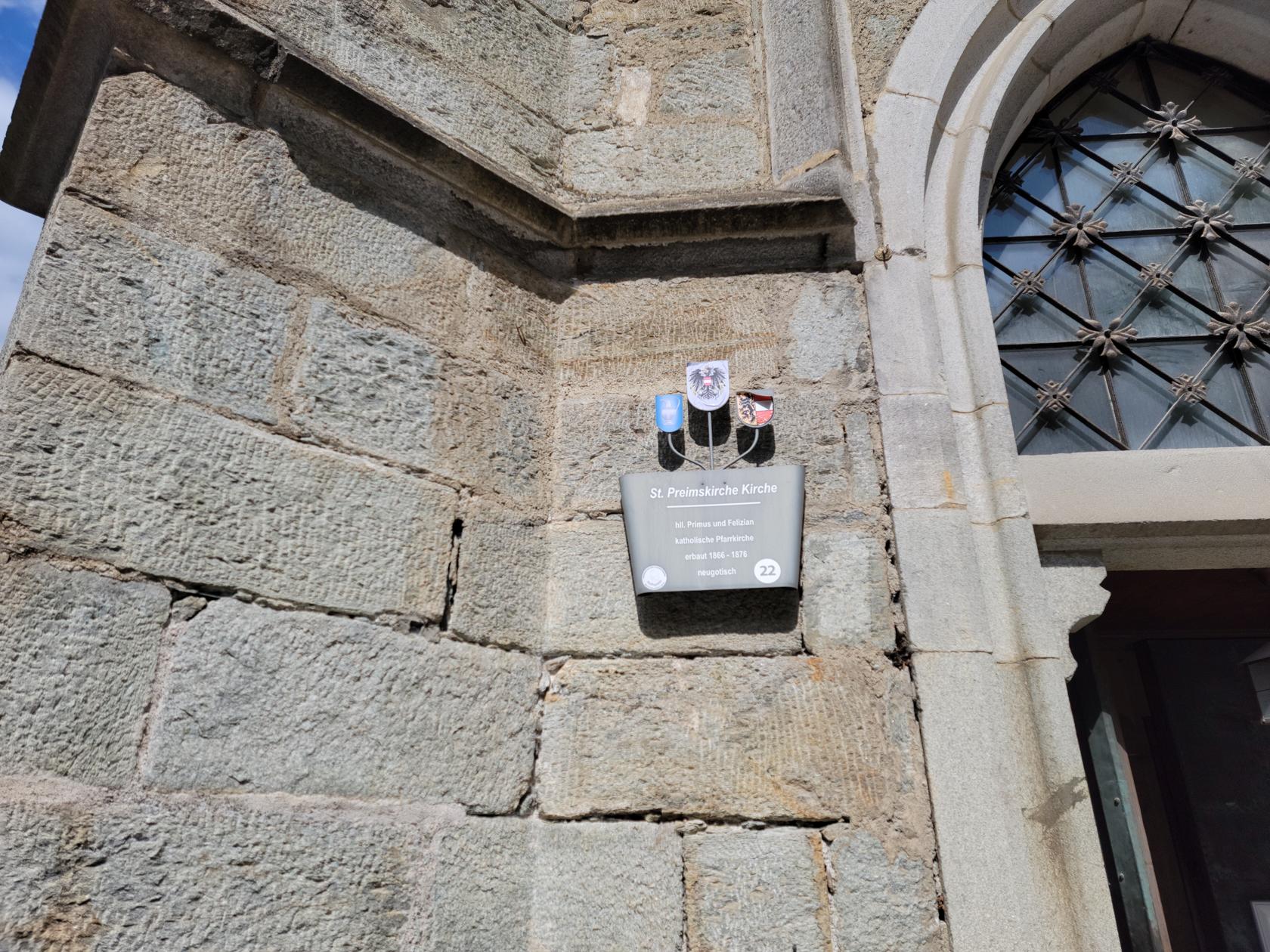
Pfarrkircke – Bad Gastein, Austria
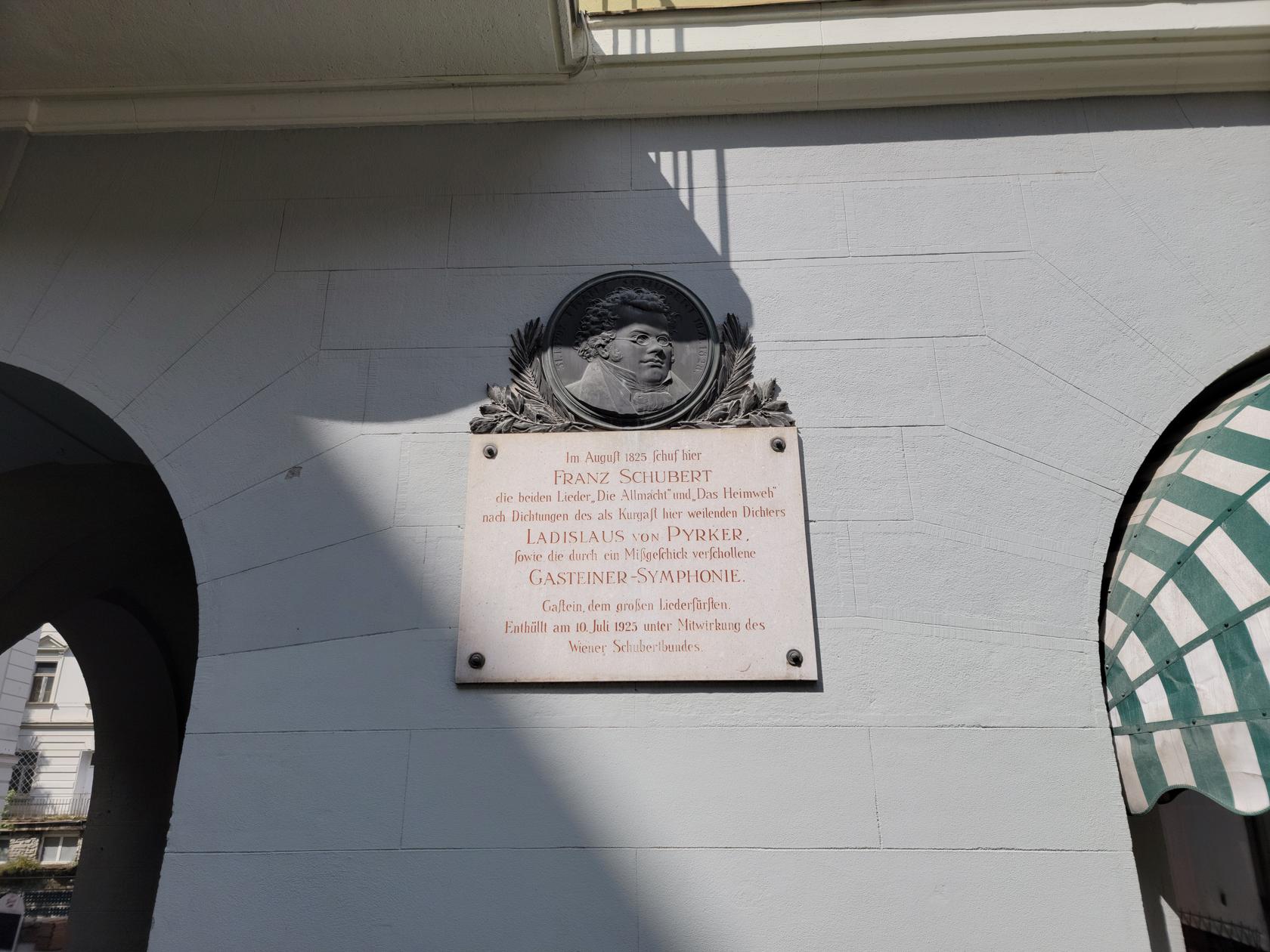
Franz Schubert denkmal – Bad Gastein, Austria
Lower waterfall – Bad Gastein, Austria
Hotels
Hotel Salzburger Hof
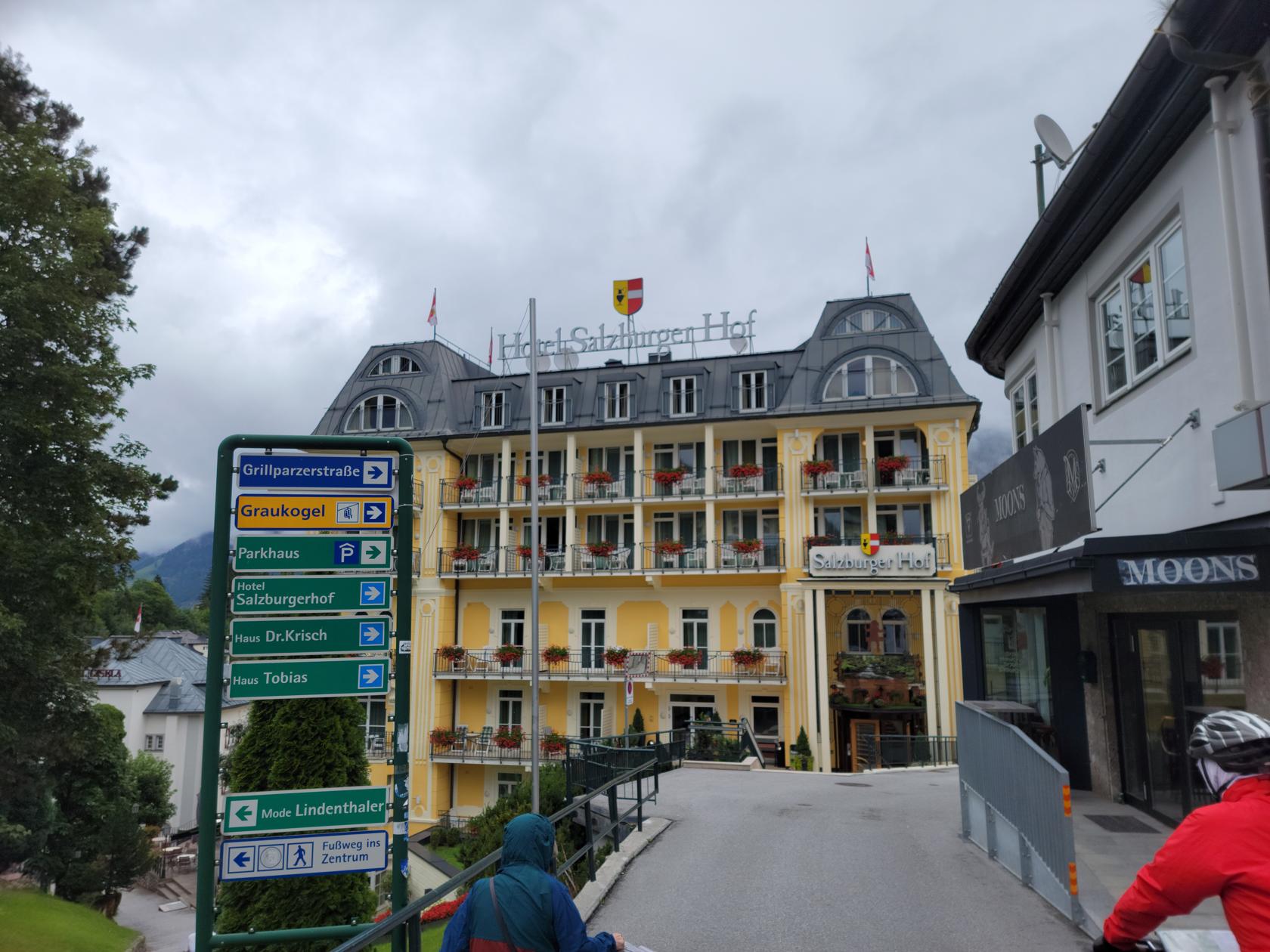
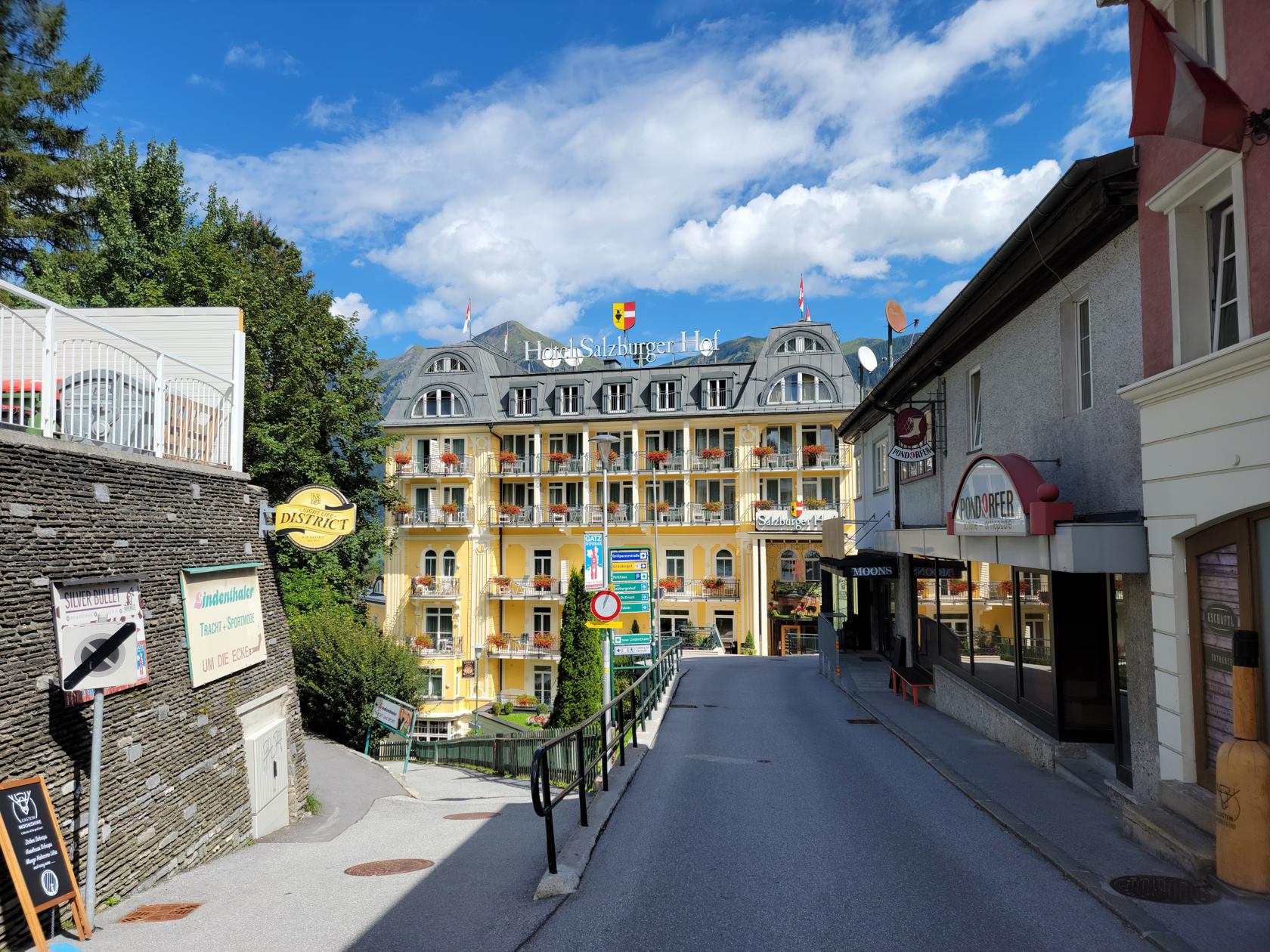
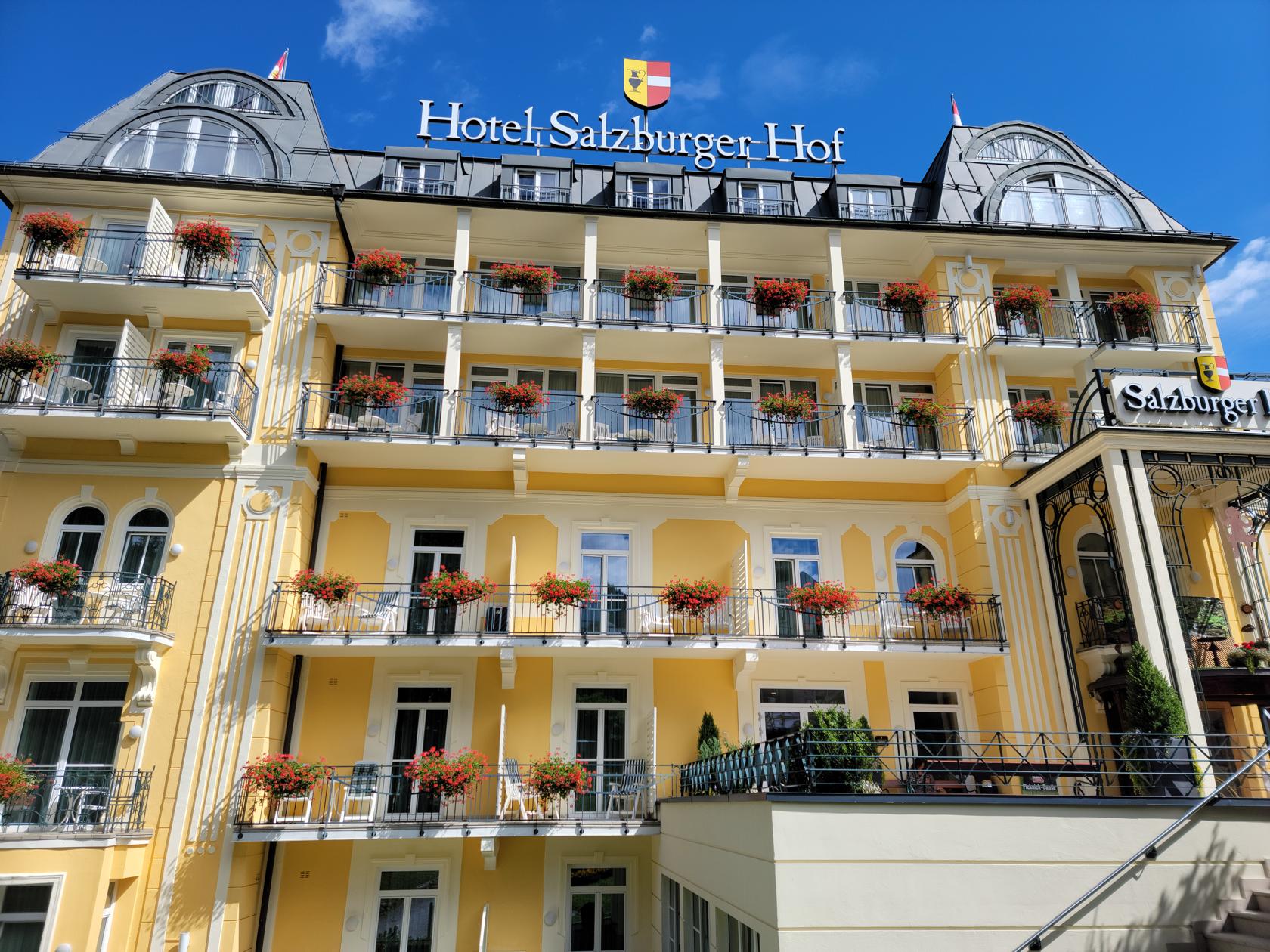
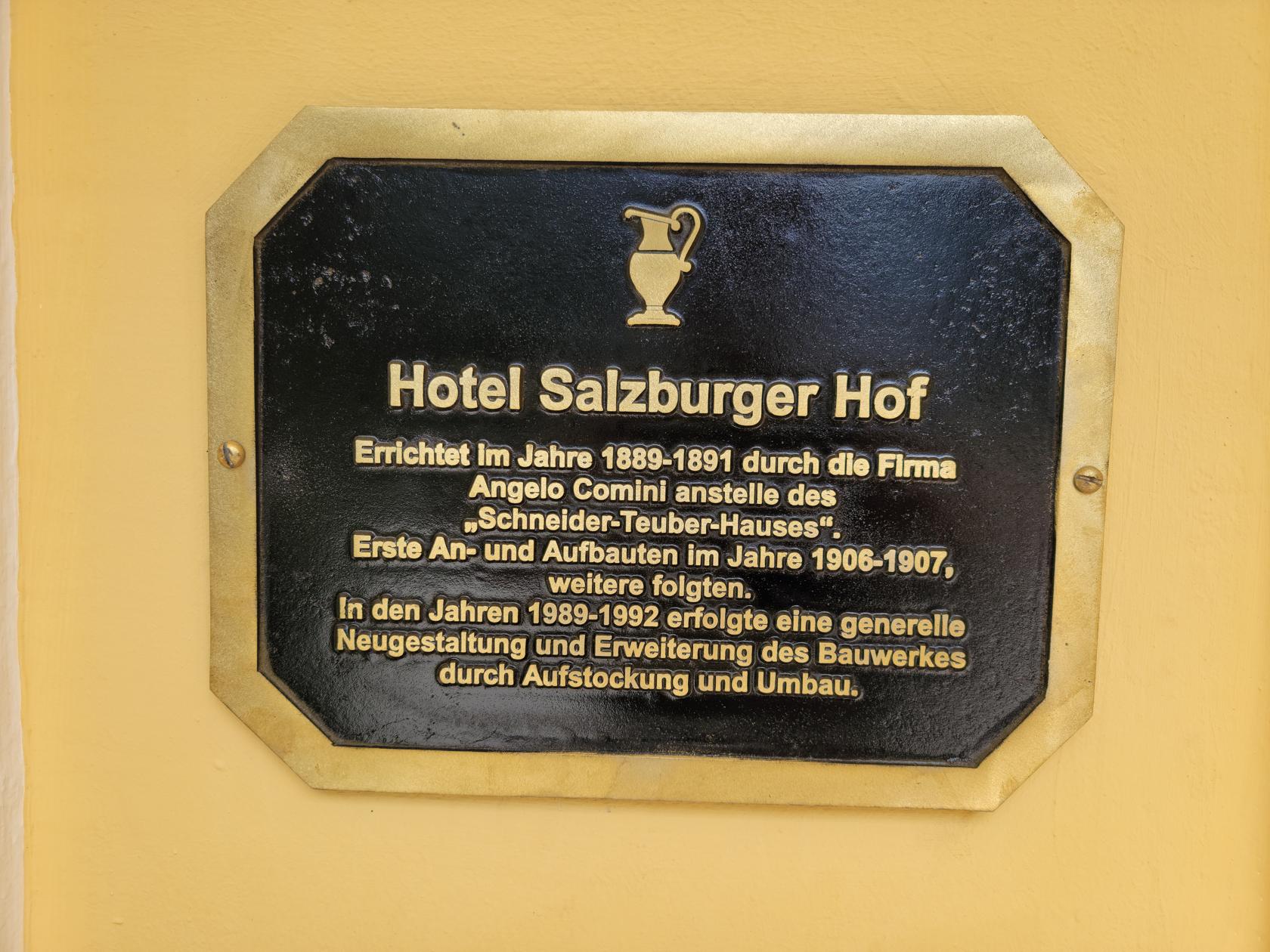
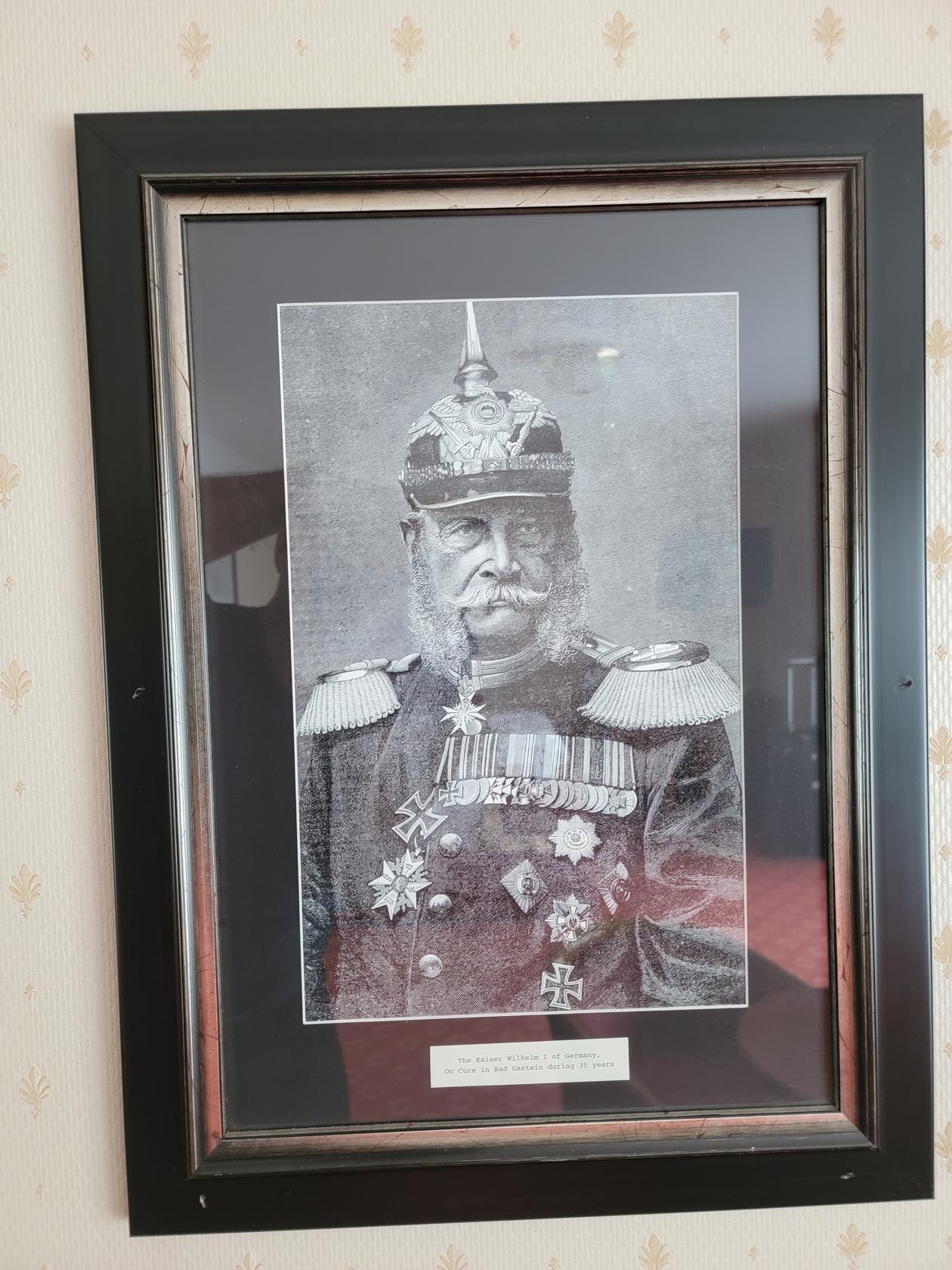
We stayed at the Salzburger Hof, a very large hotel close to the train station with all the amenities. It appears to be one of the better kept establishments in Bad Gastein, with two pools, three restaurants and a health spa. Apparently host to Count von Bismark and other dignitaries, including many American personalities.
Salzburger Hof Hotel – Bad Gastein, Austria
Hotel Salzburger Hof – Bad Gastein, Austria
Hotel Salzburger Hof – Bad Gastein, Austria
Flowers – Hotel Salzburger Hof – Bad Gastein, Austria
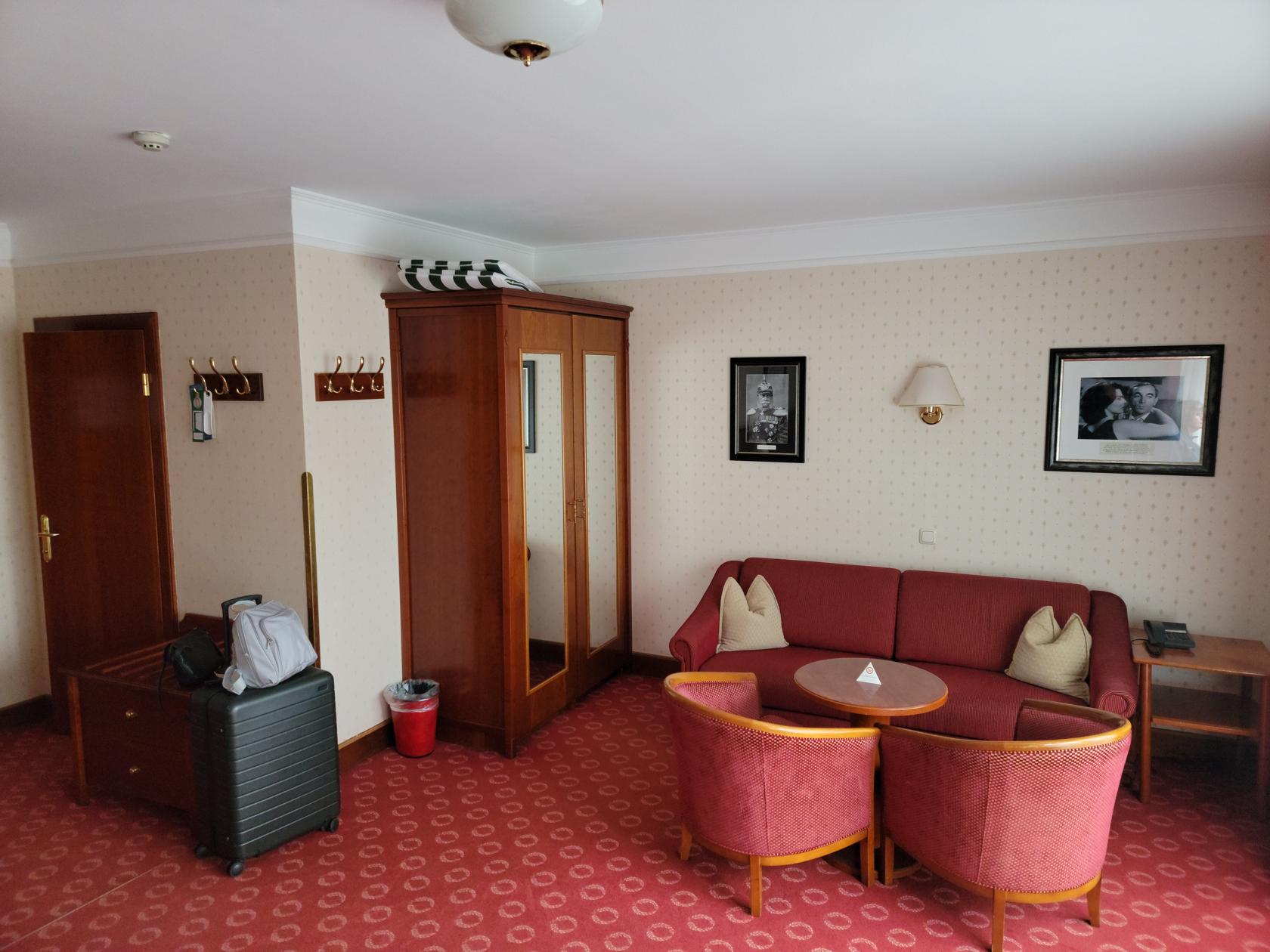
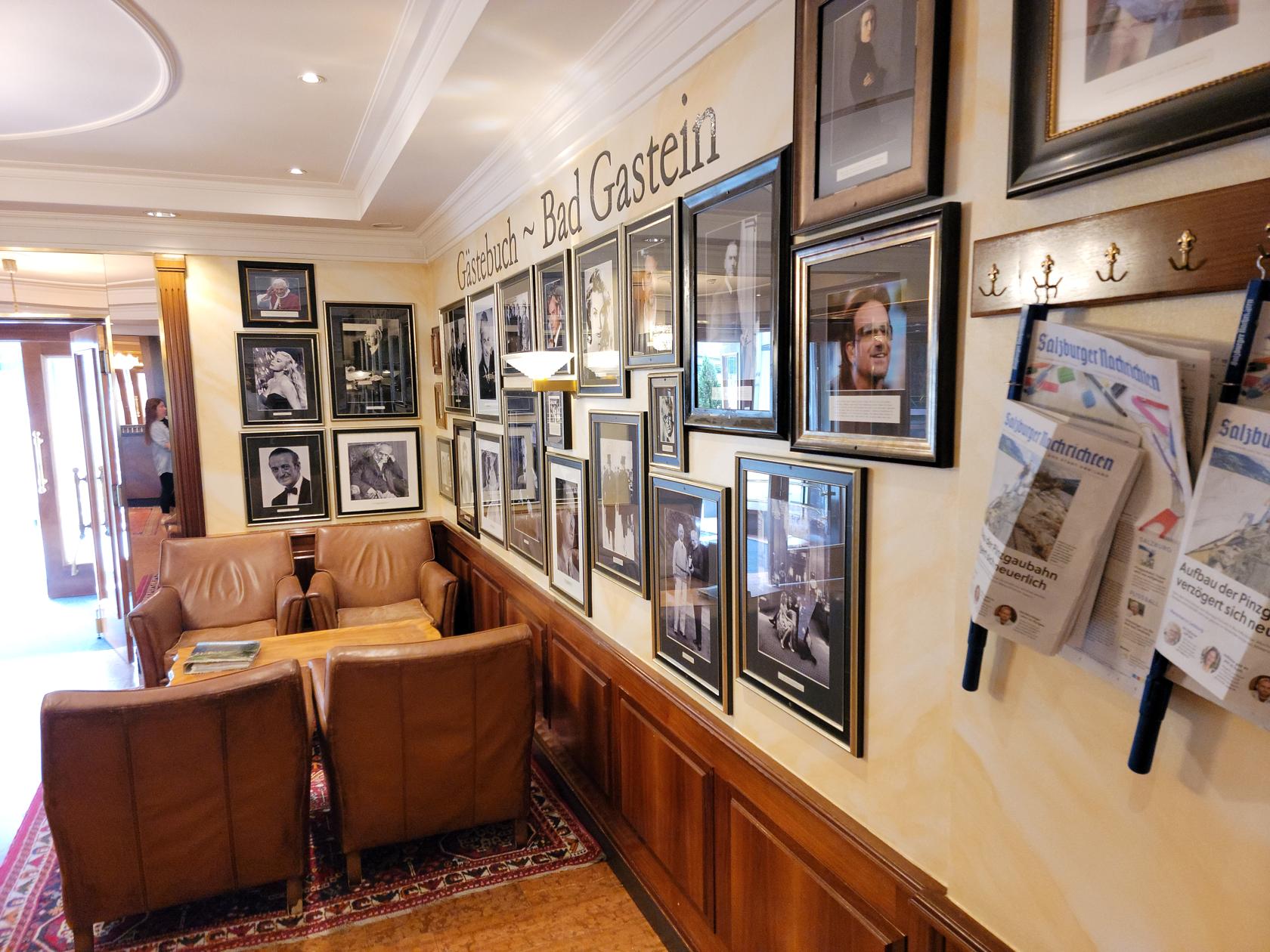
The rooms are very spacious and well appointed. The hotel seems proud of its tradition of important guests, there are photographs of everyone who has visited hung throughout the hotel and in the rooms.
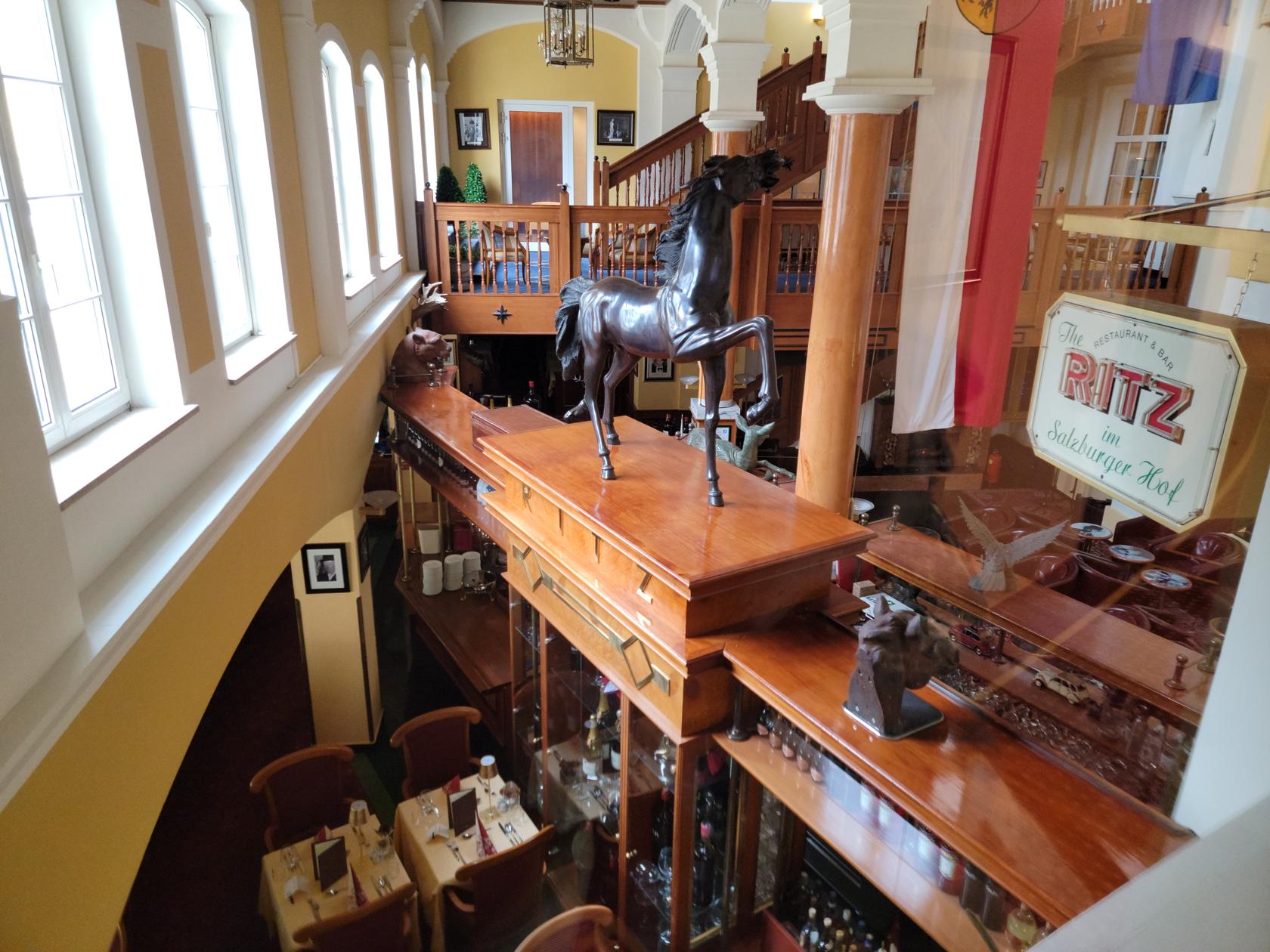
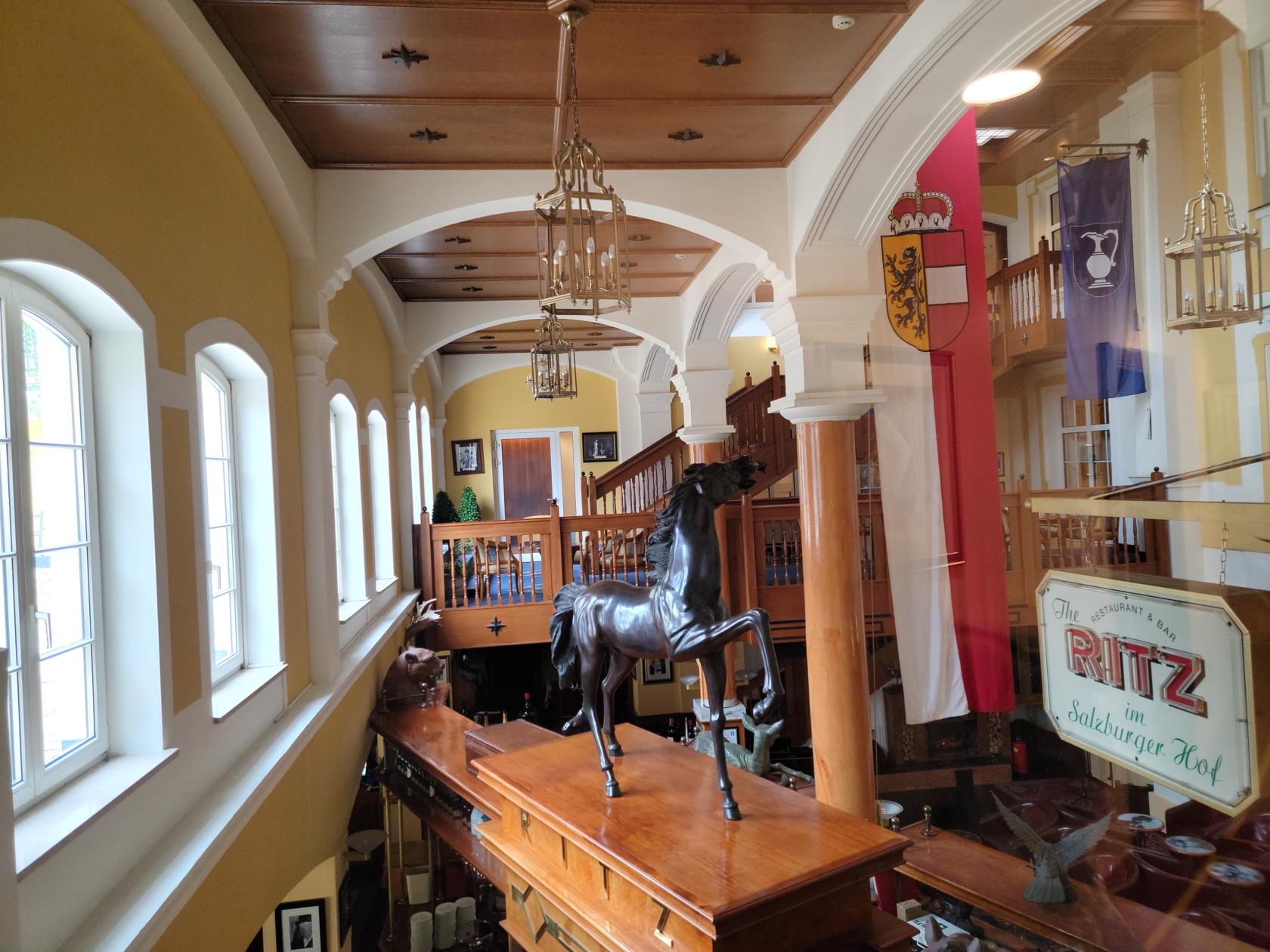
The Ritz restaurant – Salzburger Hof Hotel – Bad Gastein, Austria
The Ritz restaurant – Salzburger Hof Hotel – Bad Gastein, Austria
Hotel Salzburger Hof – Bad Gastein, Austria
Our room – Salzburger Hof Hotel – Bad Gastein, Austria
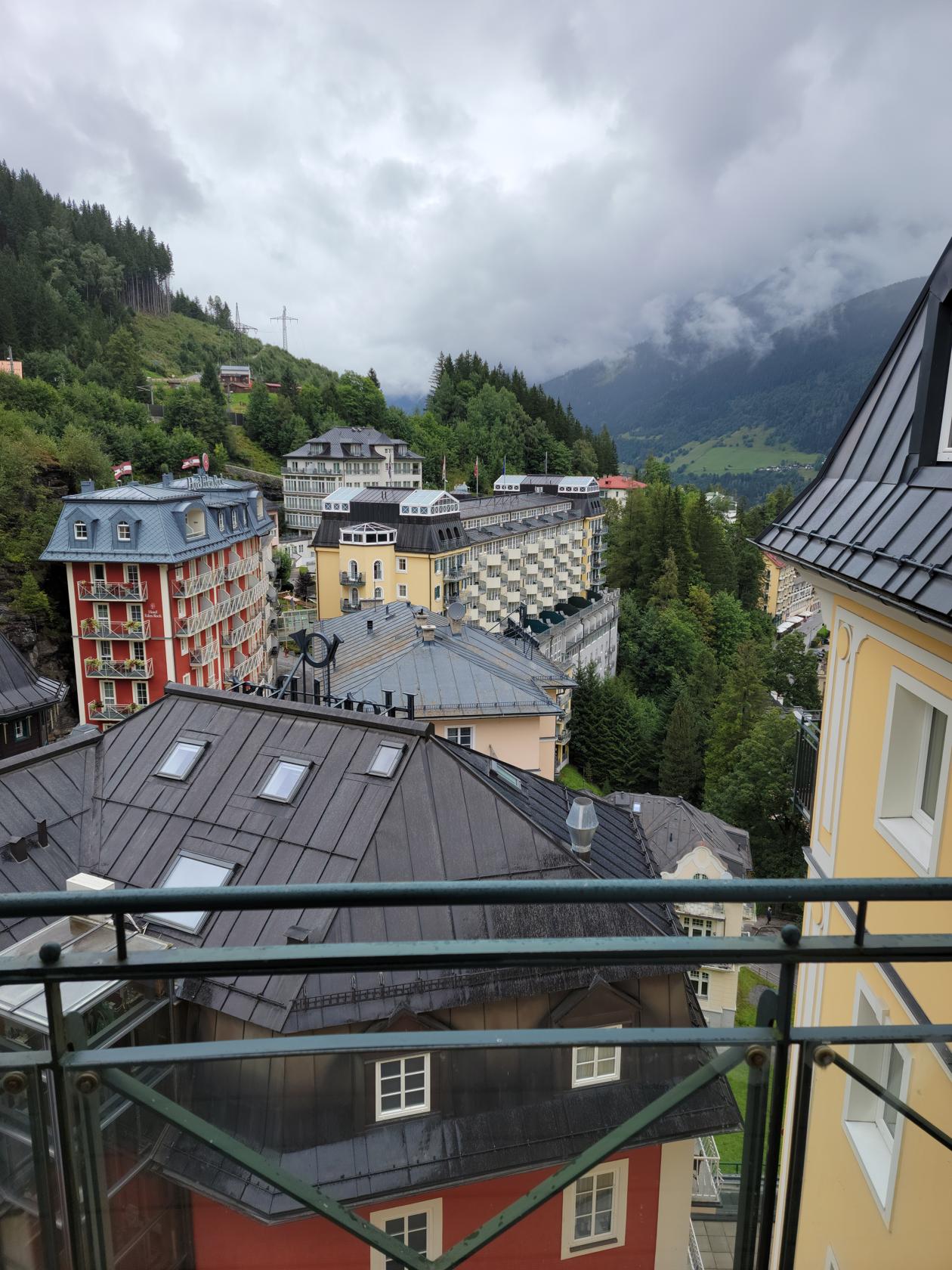
Our view – Salzburger Hof Hotel – Bad Gastein, Austria
The Kaiser was here – Salzburger Hof Hotel – Bad Gastein, Austria
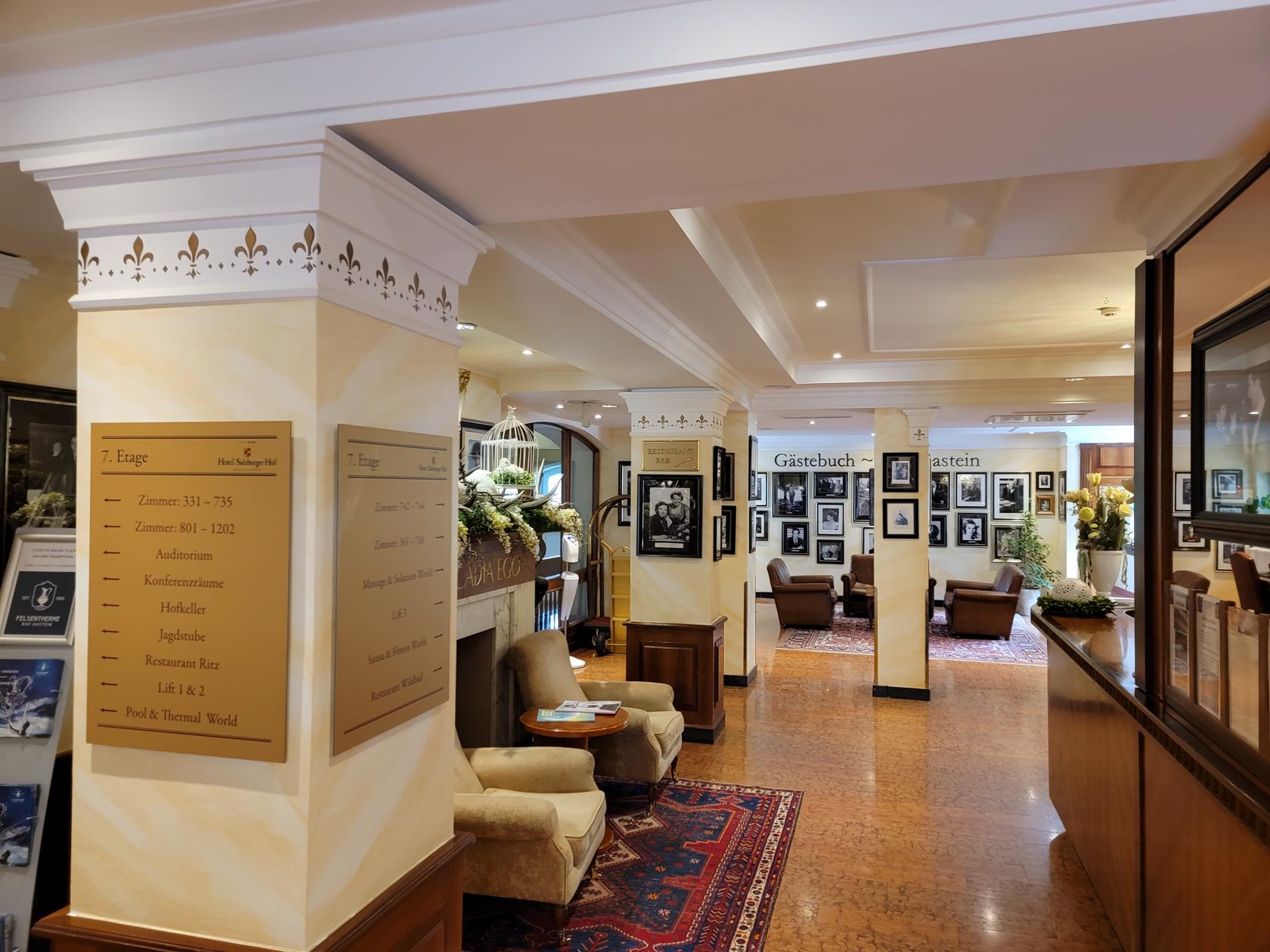
Lobby – Hotel Salzburger Hof – Bad Gastein, Austria
Lobby – Hotel Salzburger Hof – Bad Gastein, Austria
Gasteiner Falls
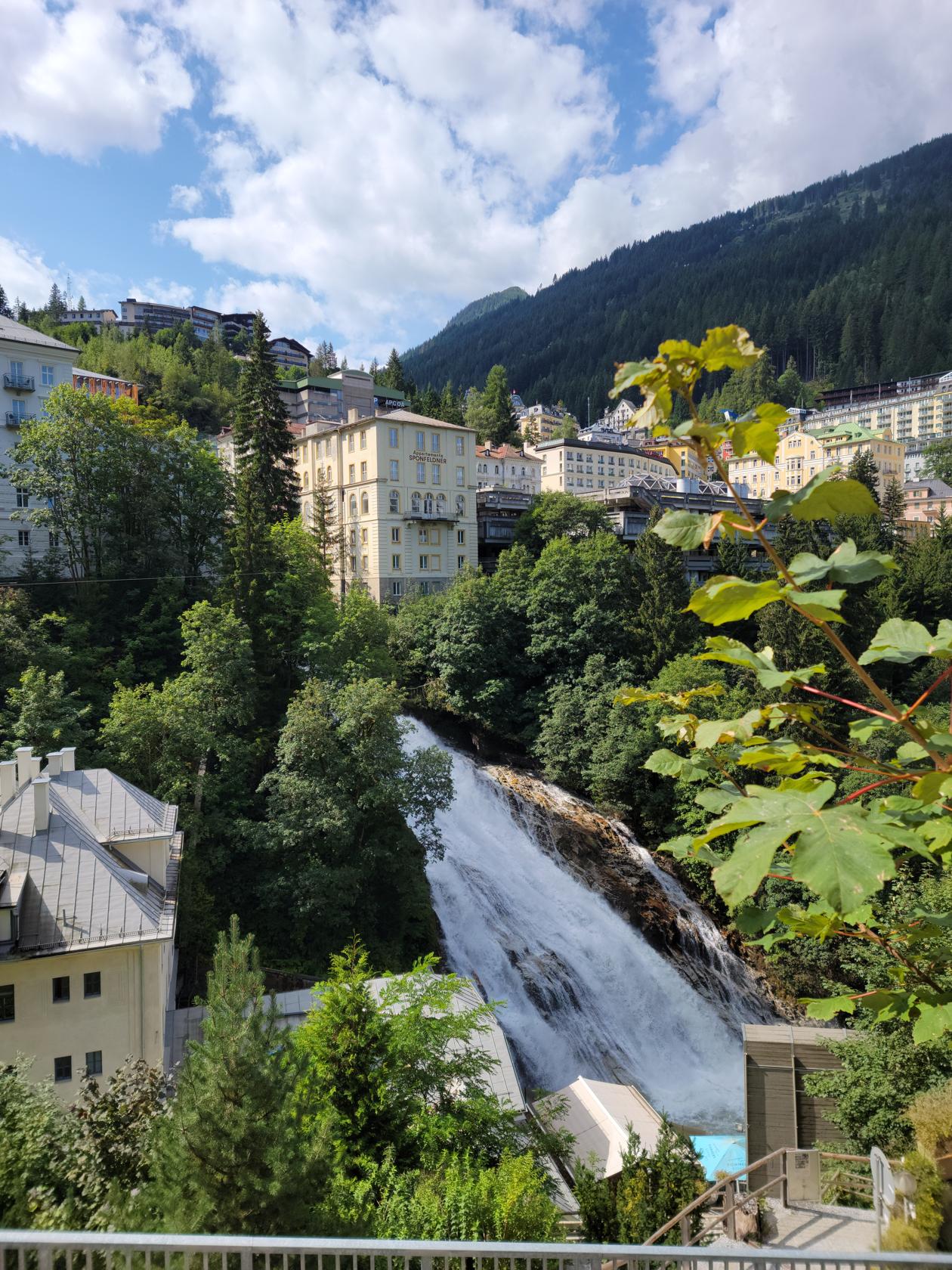
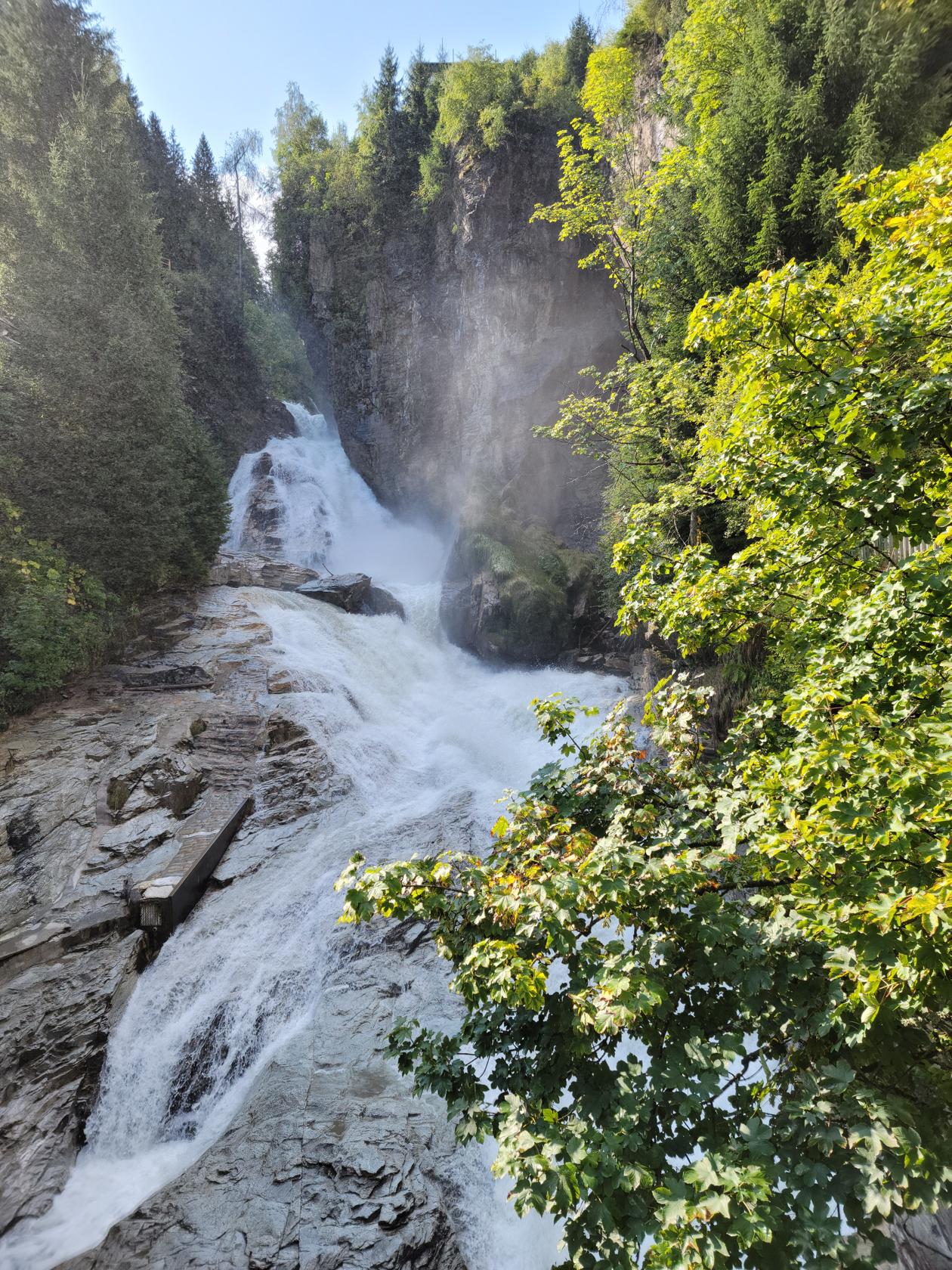
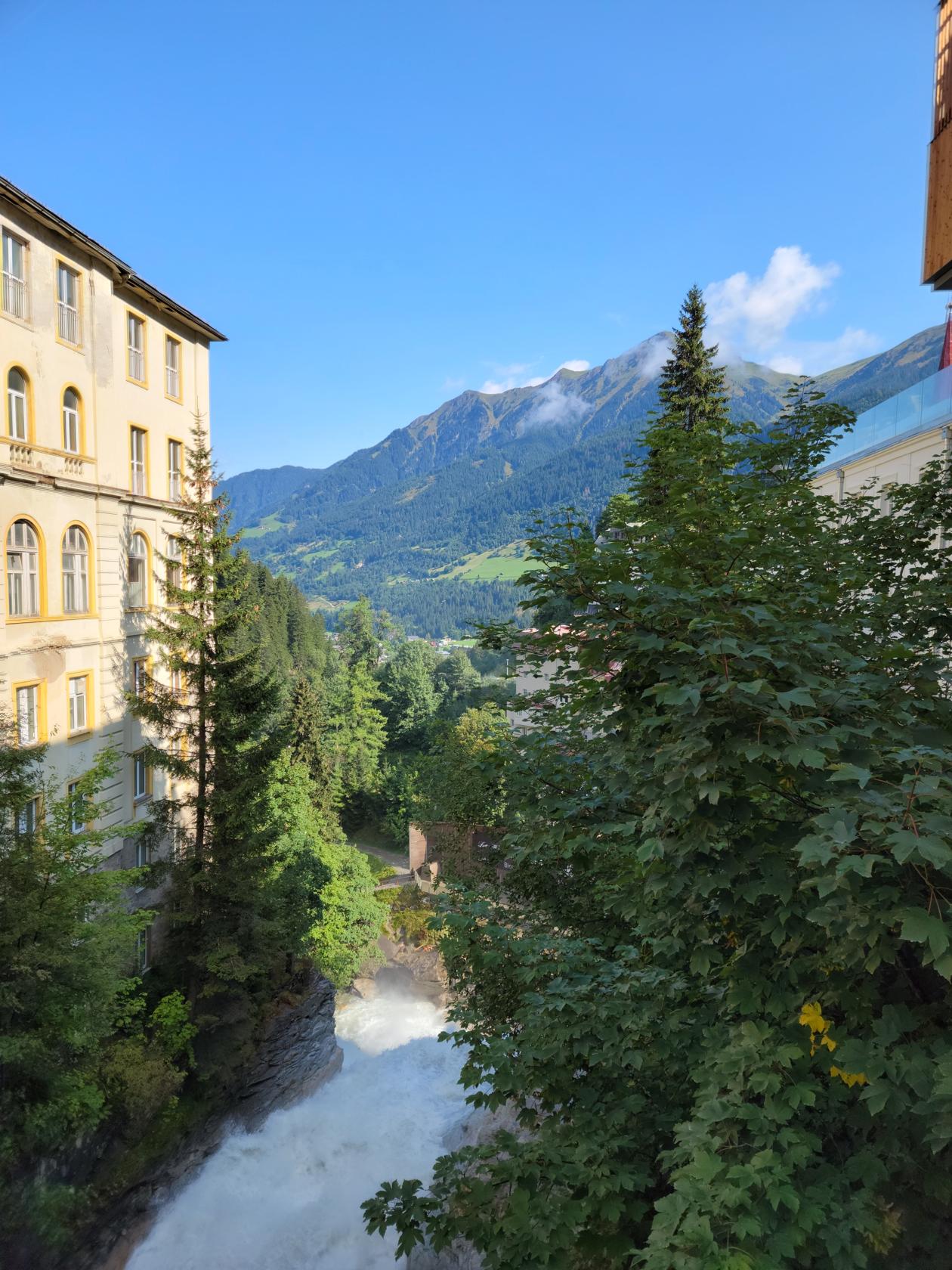
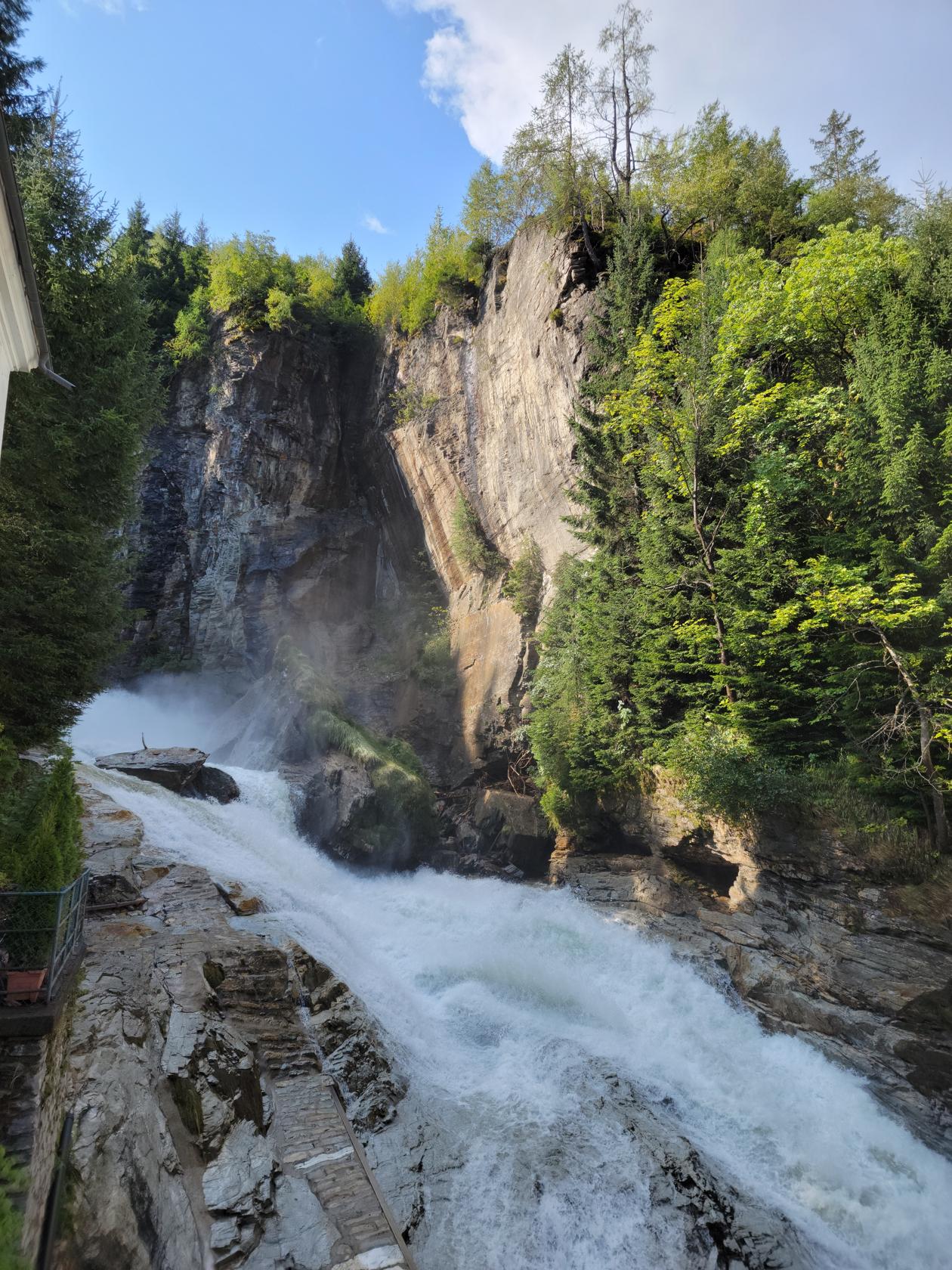
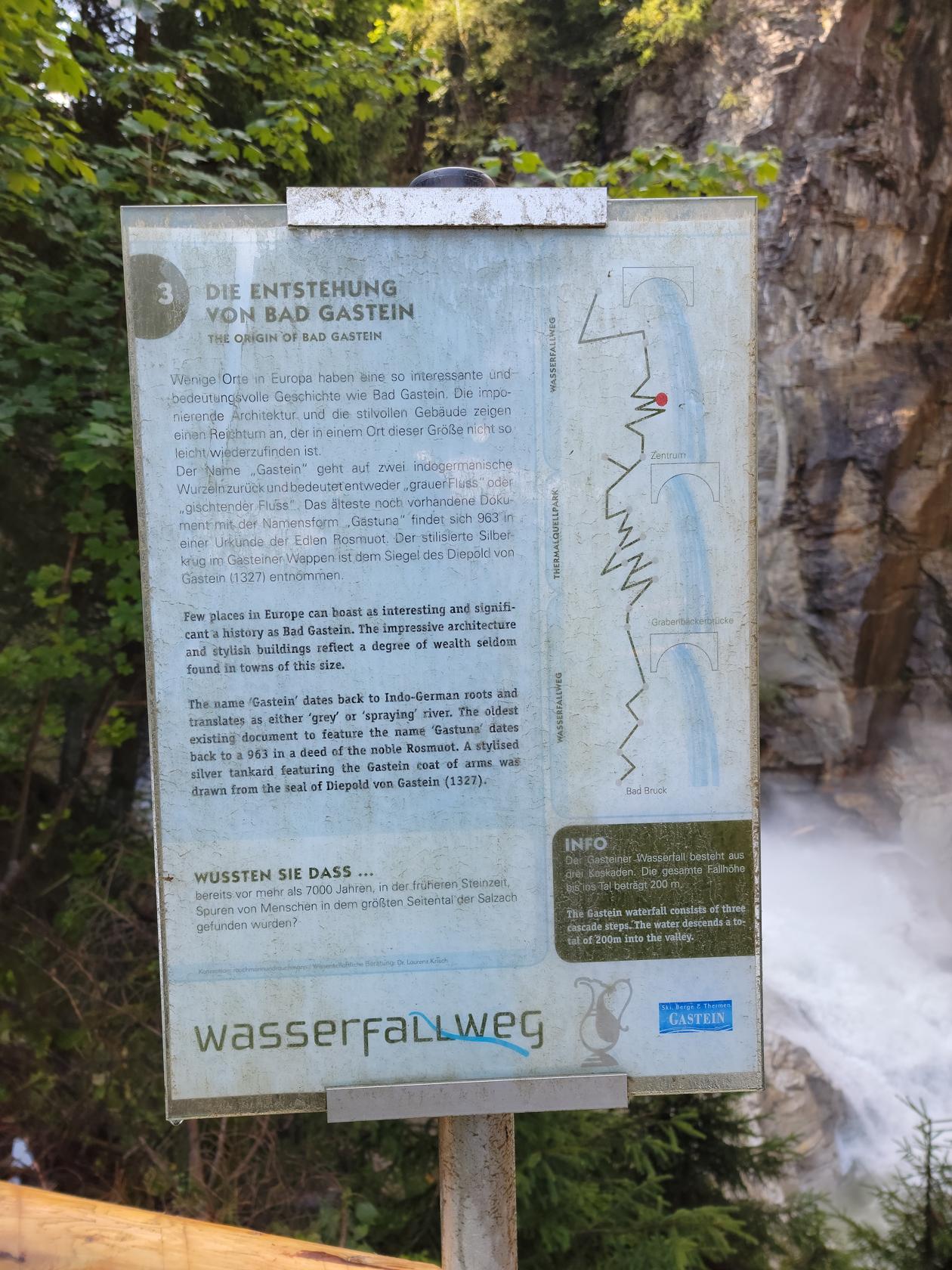
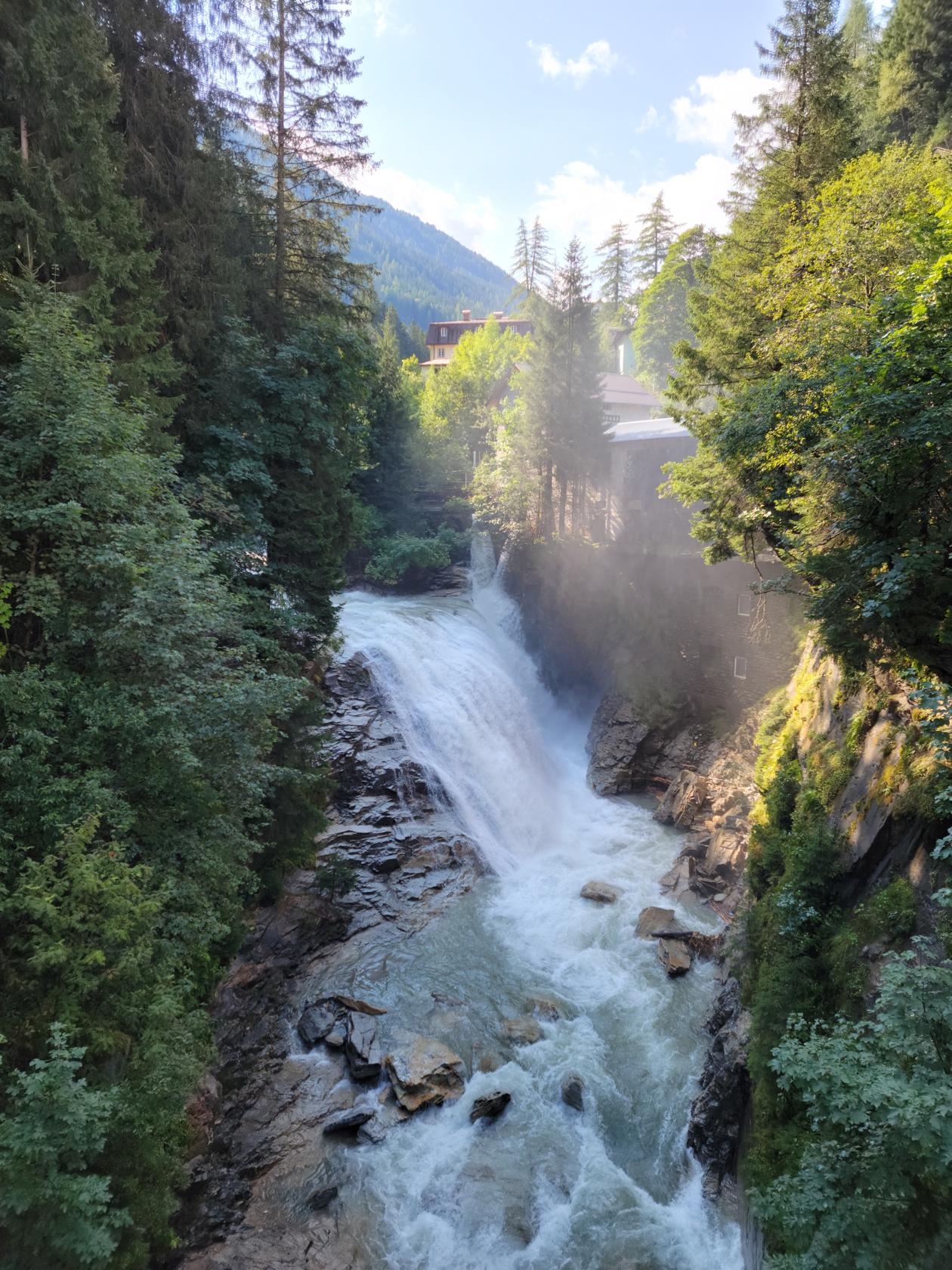
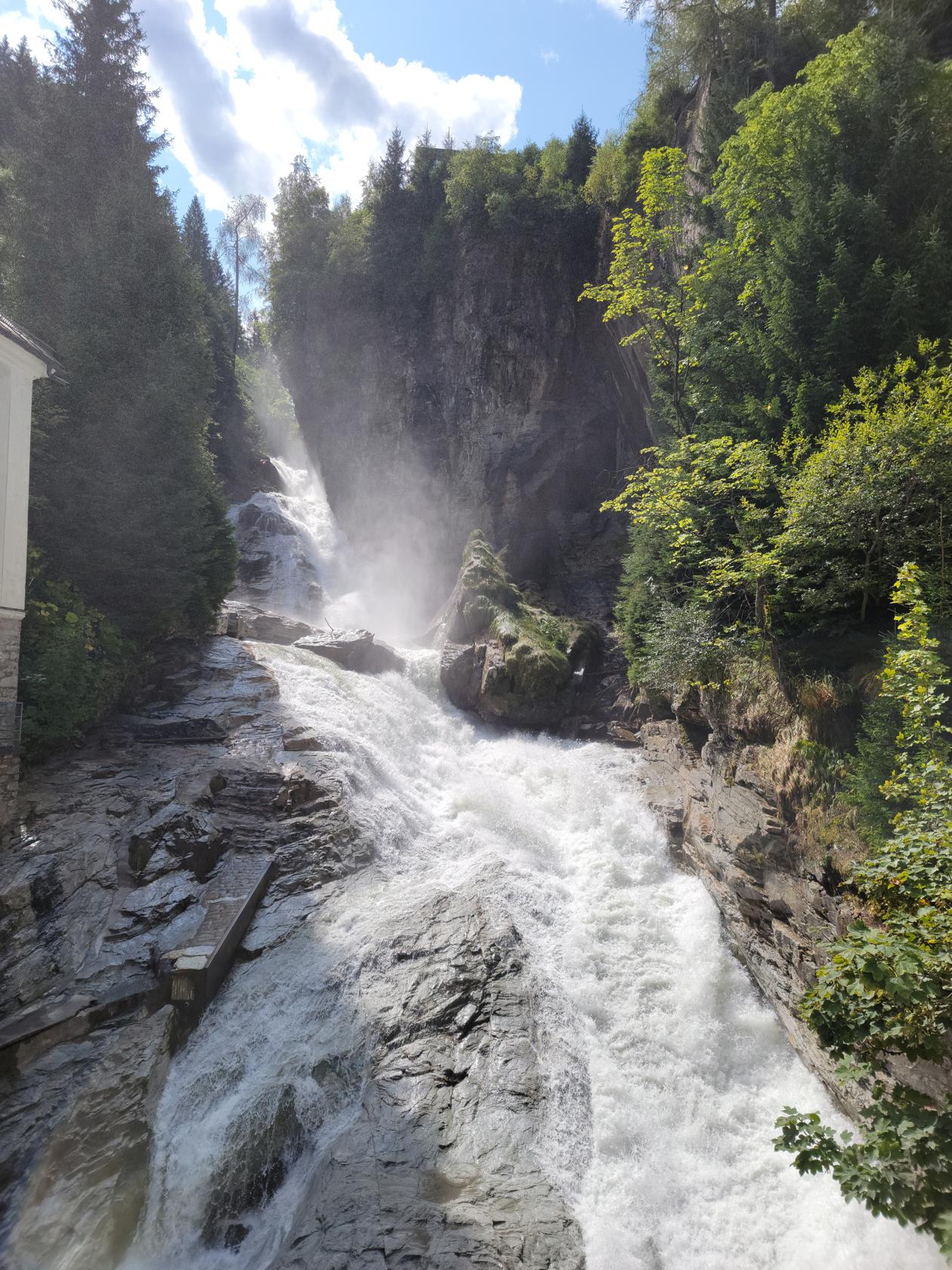
The main attraction in the center of town now are the falls. The great Gasteiner Waterfalls are indeed impressive, especially after the storm that has just passed through this region of Europe. Since a video is worth a thousand words, here are a few.
It is easy enough to get a glimpse of the waterfalls by walking the main road through town and stopping at the bridge.
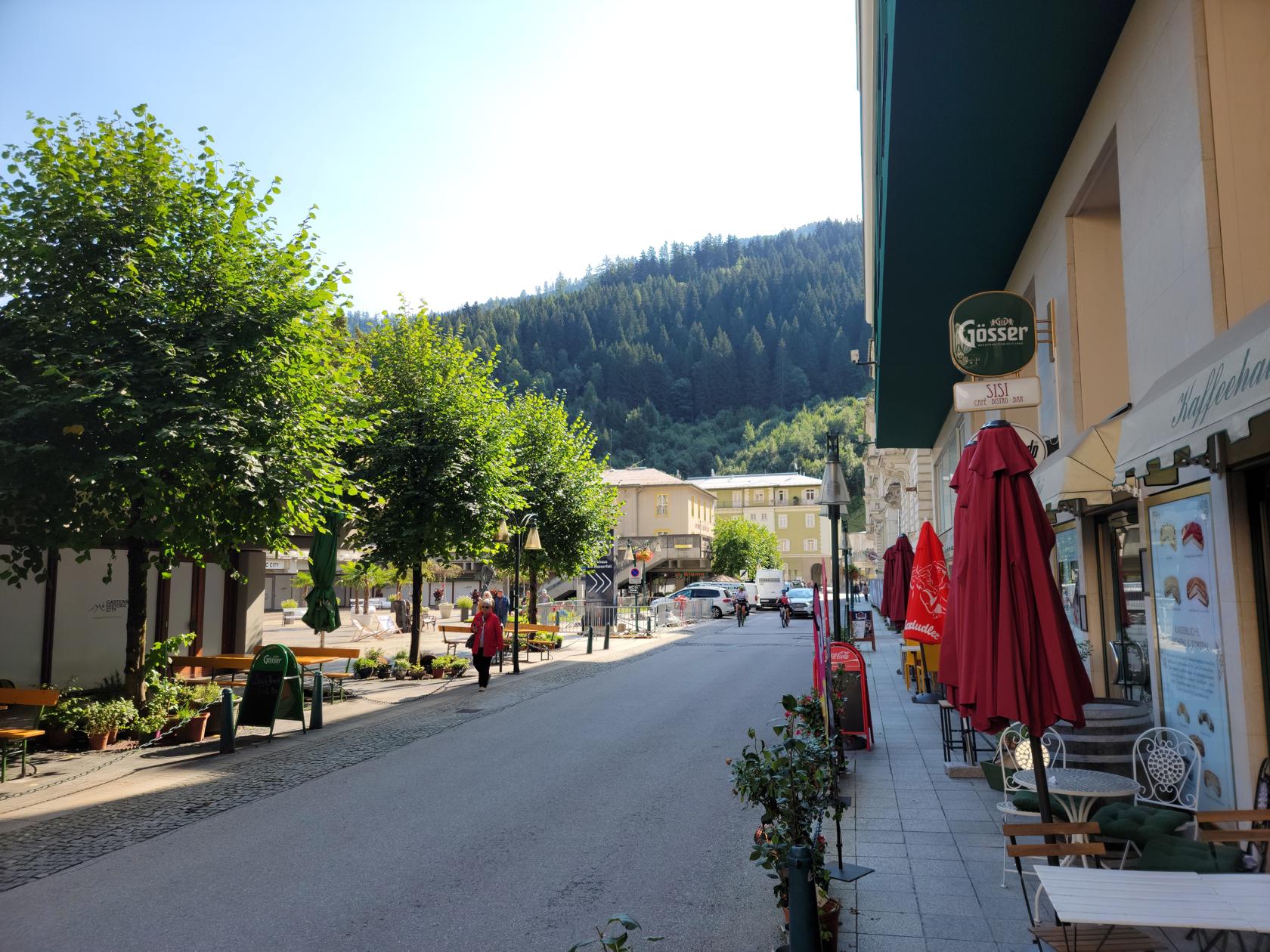
Town Center – Bad Gastein, Austria
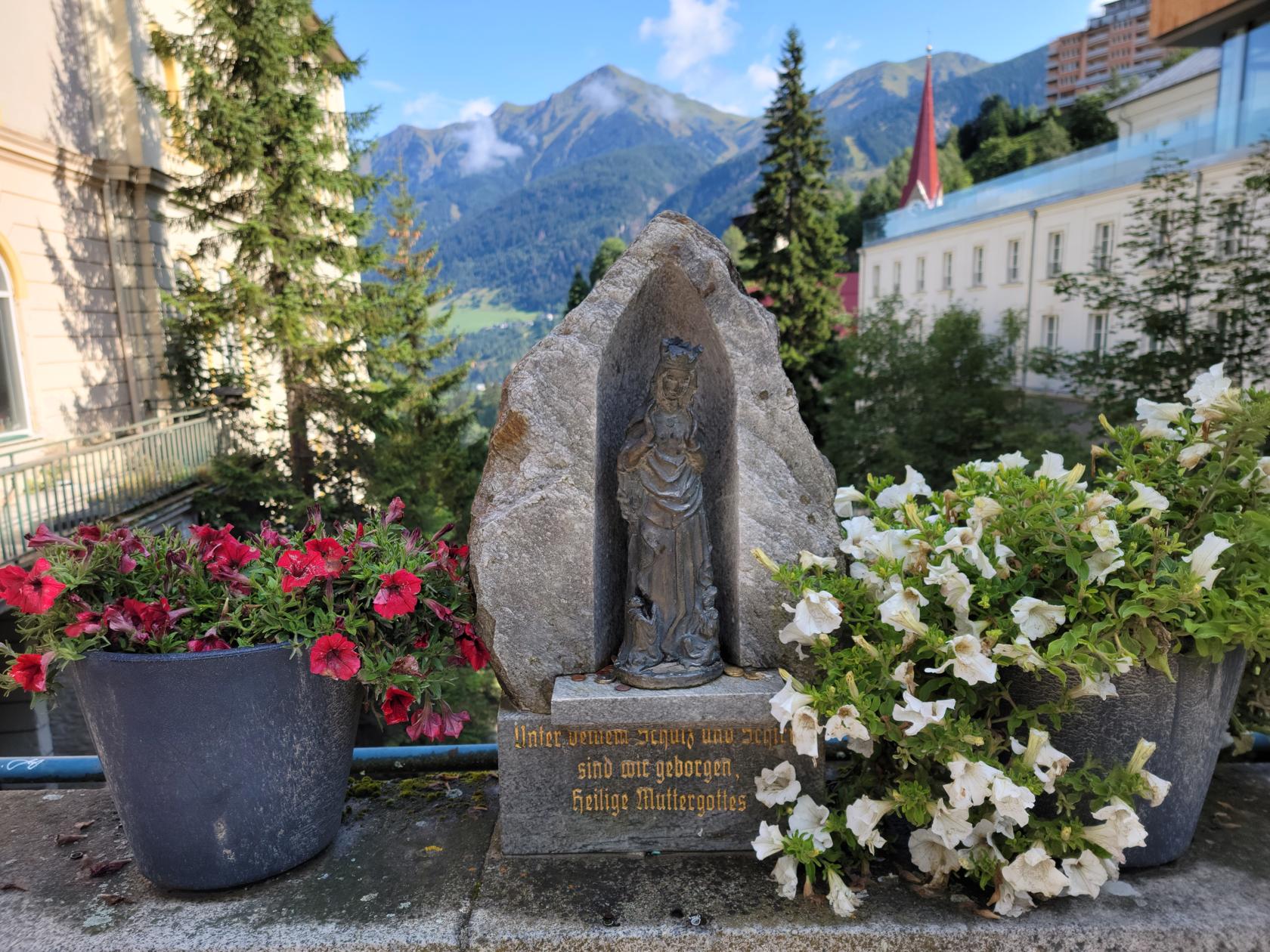
Memorial – Bad Gastein Waterfall – Bad Gastein, Austria
Bad Gastein Waterfall – Bad Gastein, Austria
Garmskarkogel mountain and Bad Gastein Waterfall – Bad Gastein, Austria
Downstream – Bad Gastein Waterfall – Bad Gastein, Austria
Downstream waterfall – Bad Gastein Waterfall – Bad Gastein, Austria
Bad Gastein Waterfall – Bad Gastein, Austria
Waterfall way – Bad Gastein Waterfall – Bad Gastein, Austria
After taking in their beauty from the bridge, there are also other vantage points from which the falls may be enjoyed. But, that requires a bit of climbing and some hiking, all of which can be done with modern sneakers, not equipment necessary.
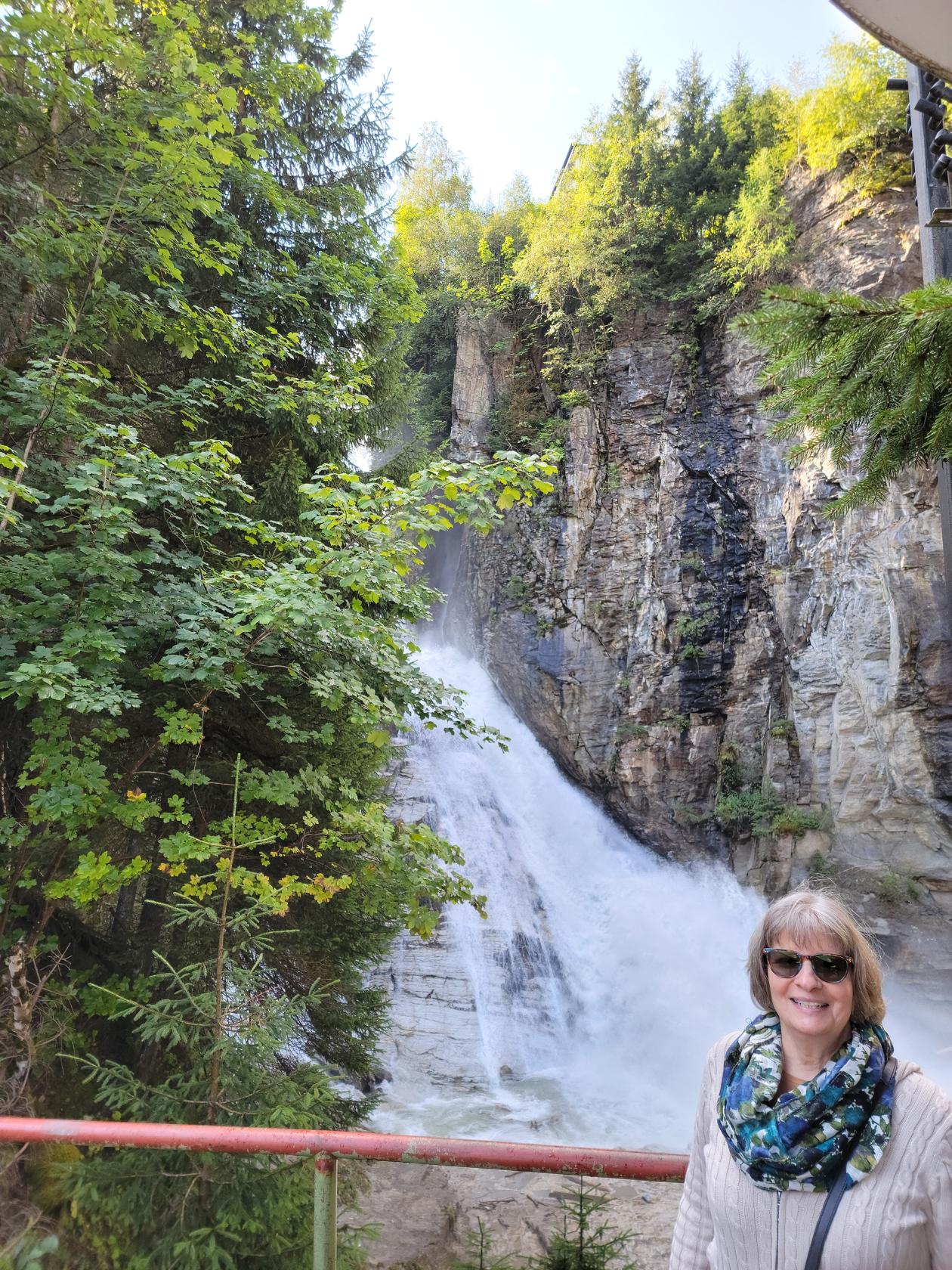
Patti – Upper Bad Gastein Waterfall – Bad Gastein, Austria
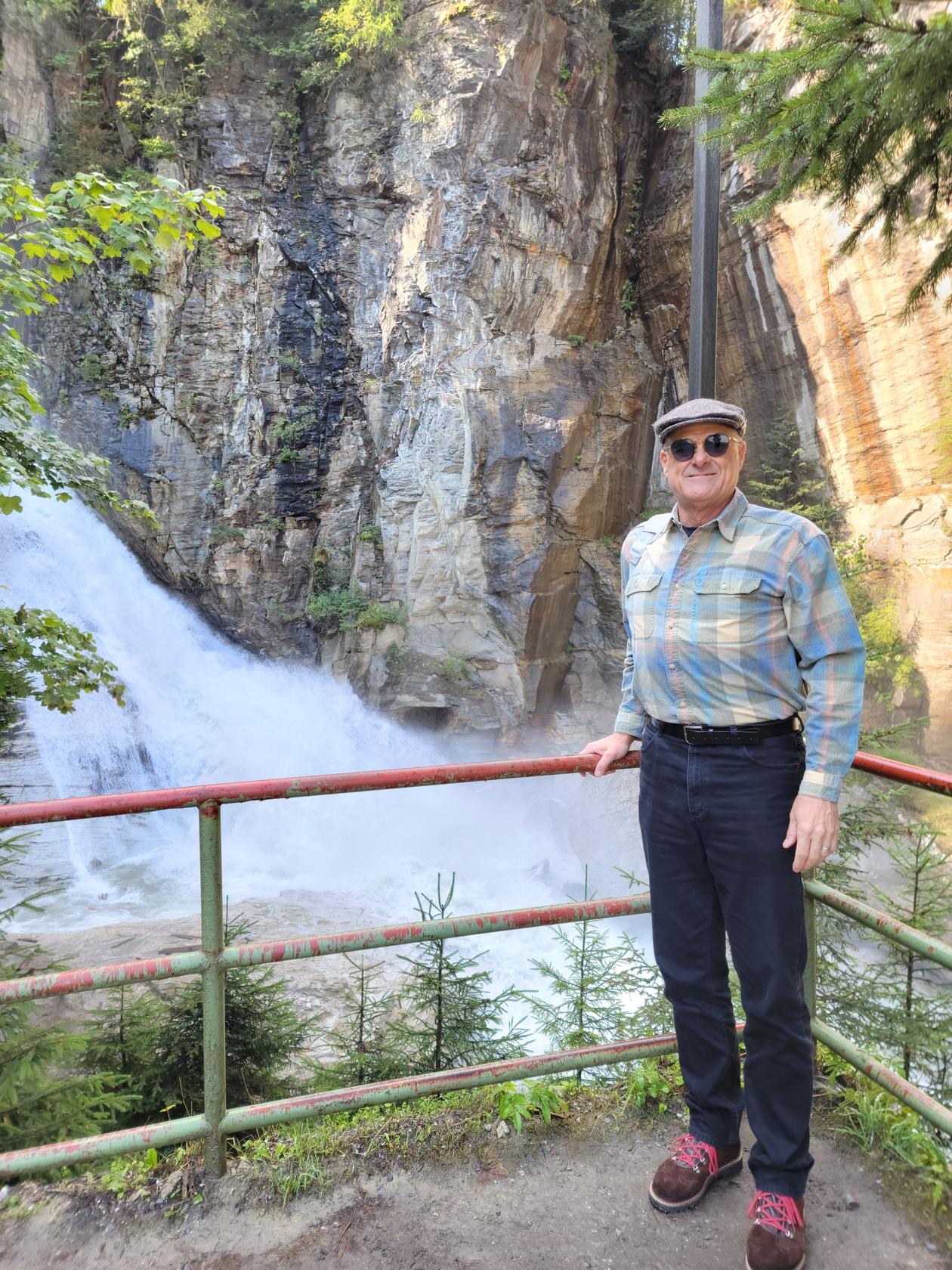
Erick – Upper Bad Gastein Waterfall – Bad Gastein, Austria
Upper Bad Gastein Waterfall – Bad Gastein, Austria
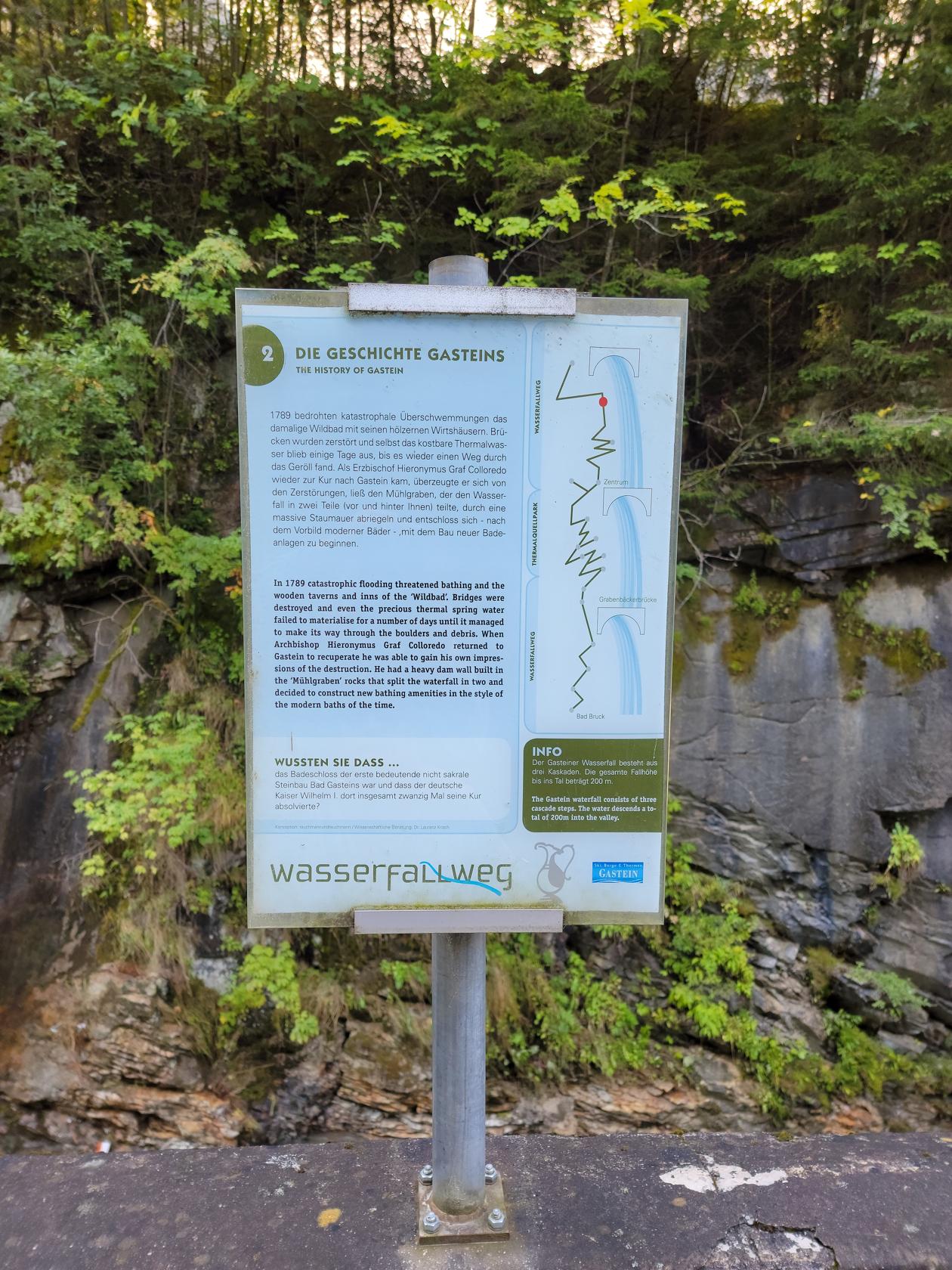
The history of Gasteine – Bad Gastein, Austria
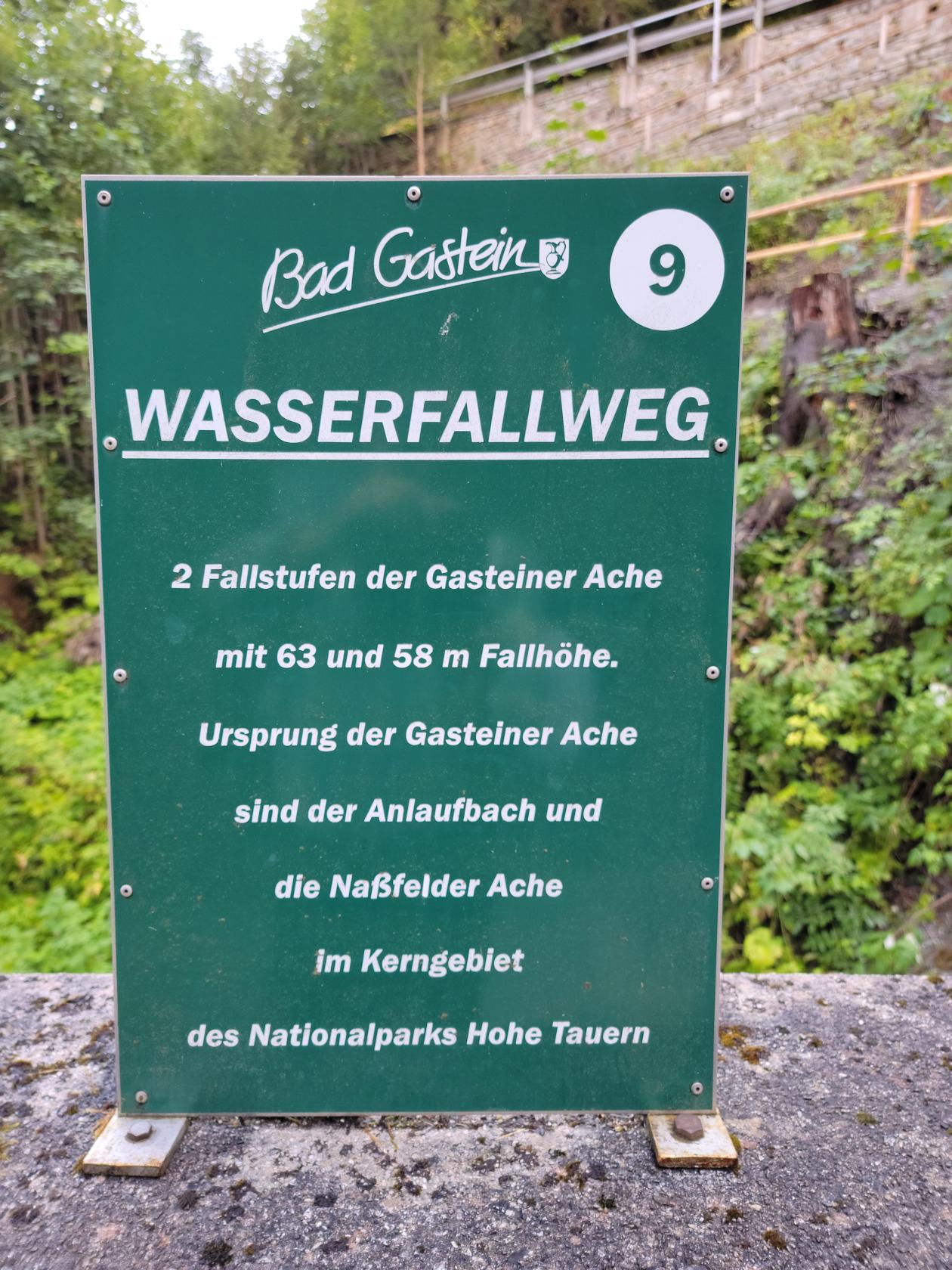
The waterfall way – Bad Gastein, Austria
Upper waterfall – Bad Gastein, Austria
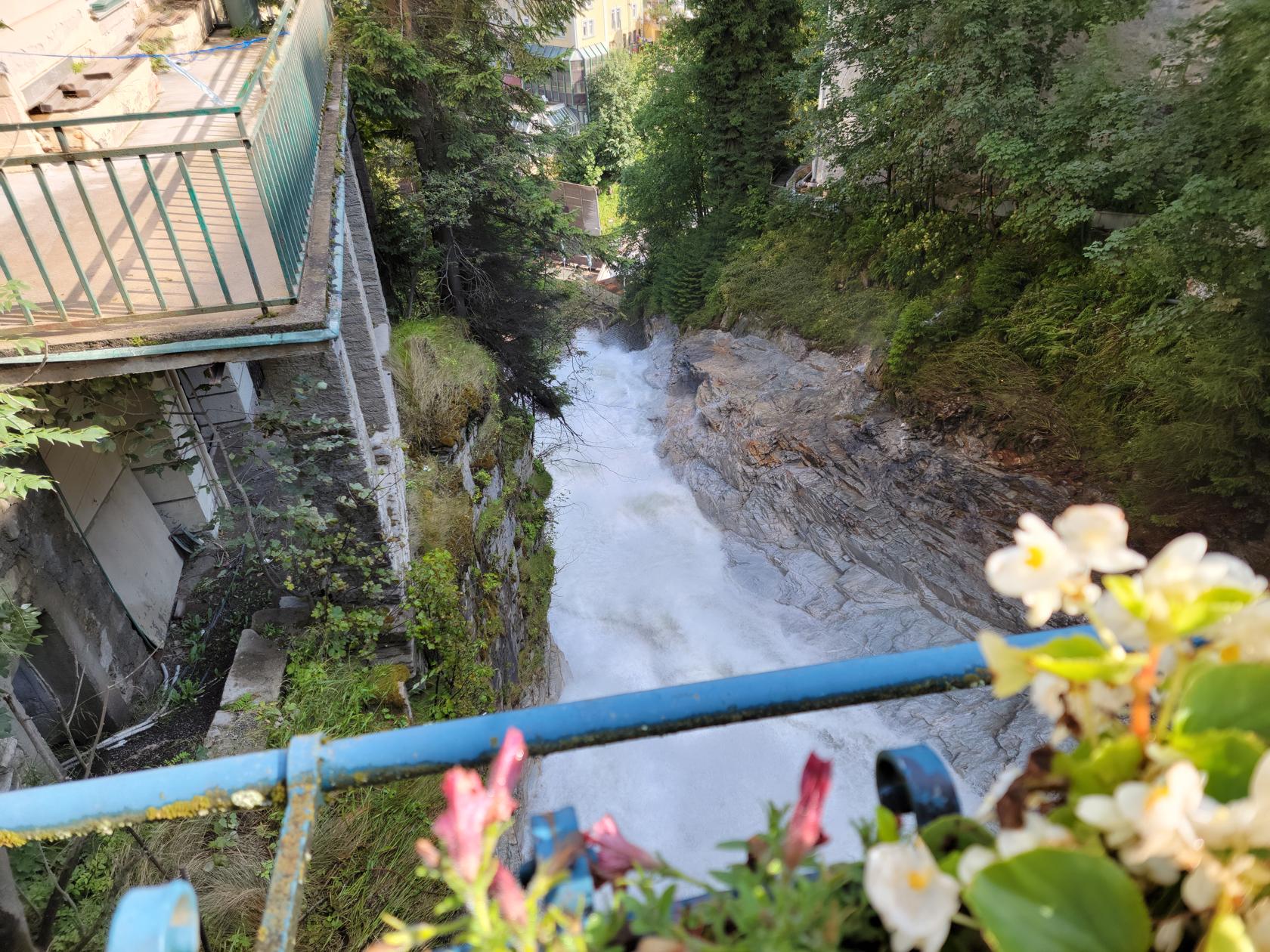
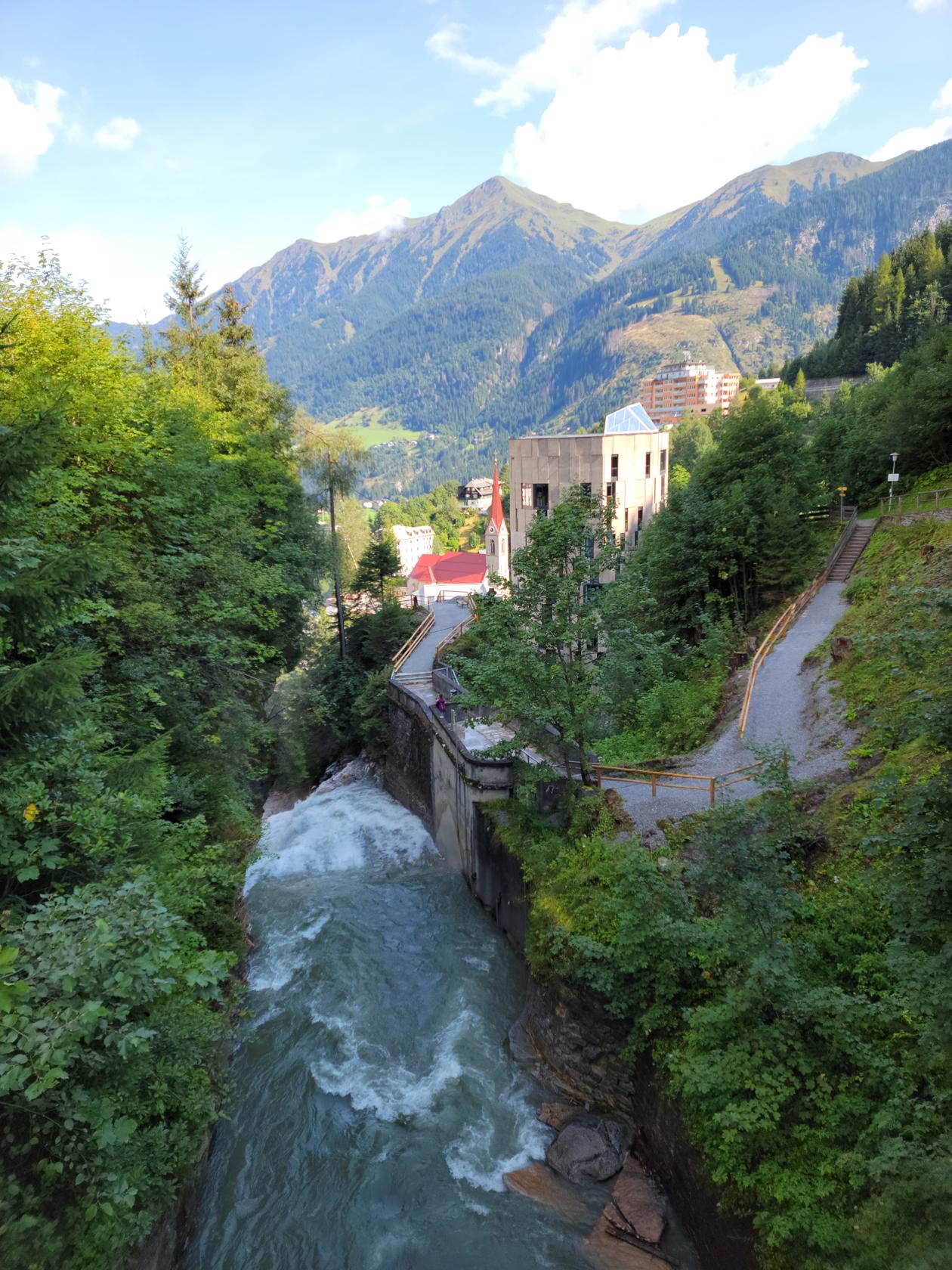
Looking down from the bridge – Upper waterfall – Bad Gastein, Austria
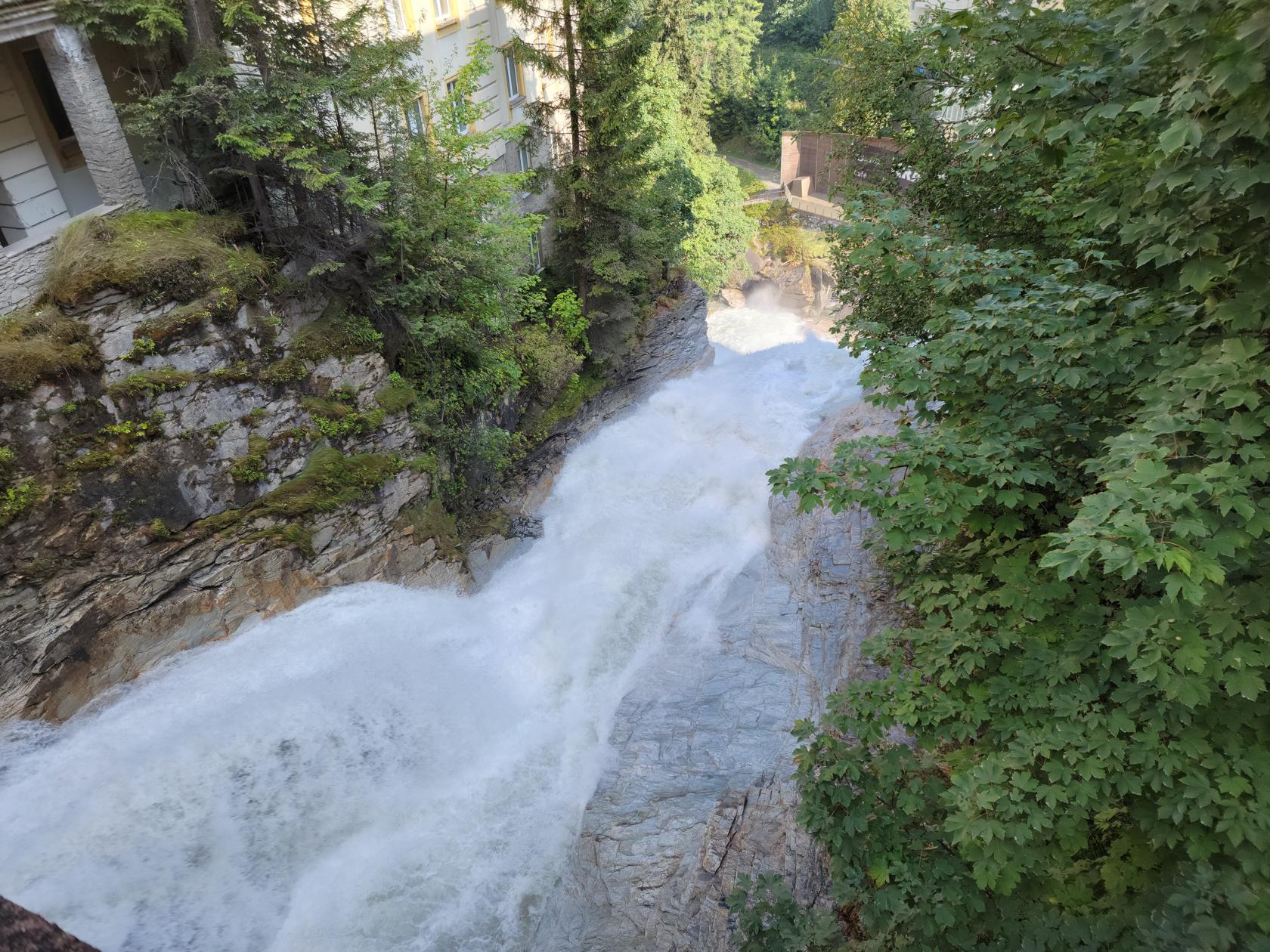
Upper waterfall – Bad Gastein, Austria
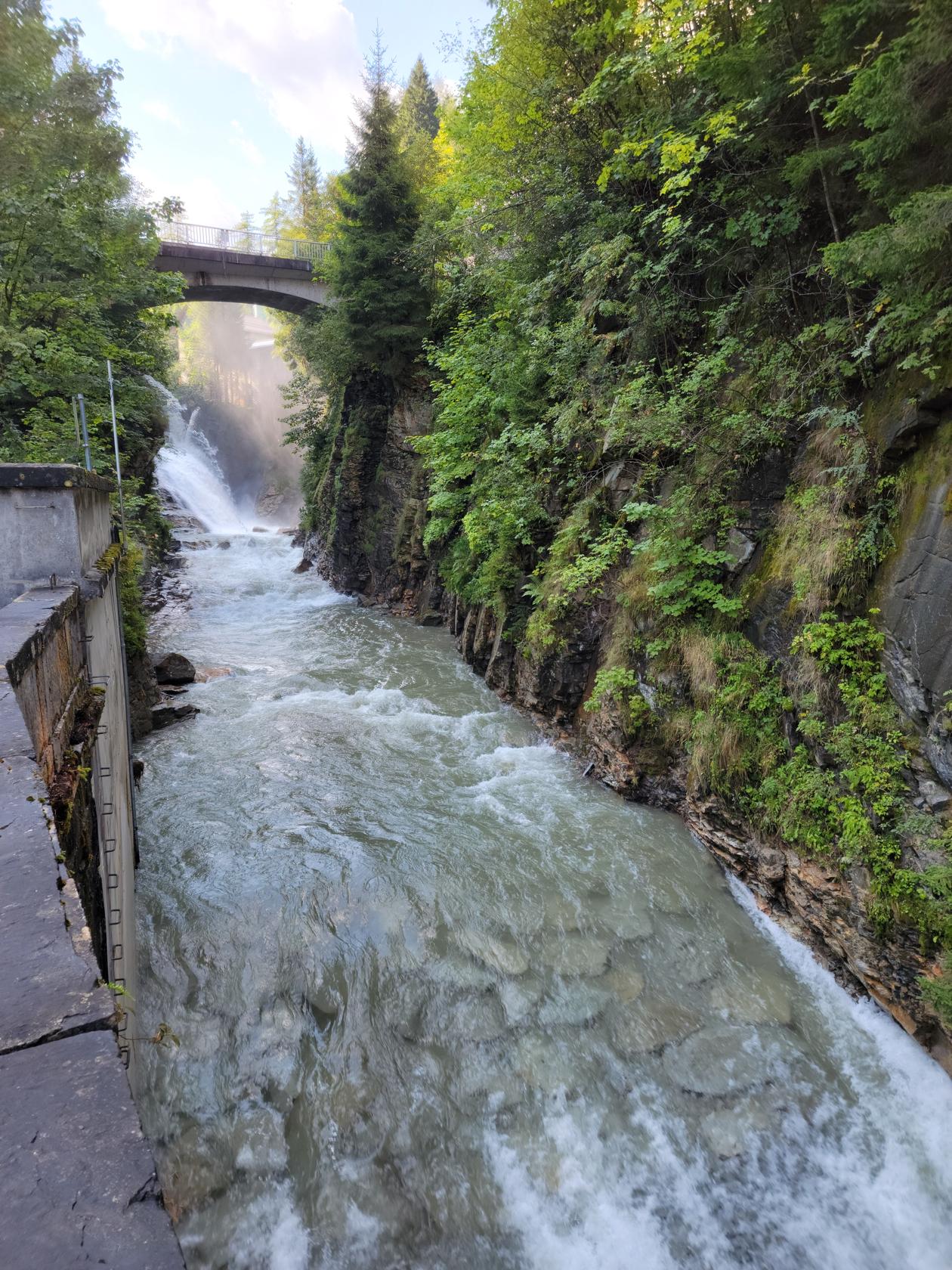
There is a section above the falls where they were purposely redirected some years ago by a dam that was built by a member of the clergy. This forces all the current water down a single corridor within the rocks.
Hiking Trails
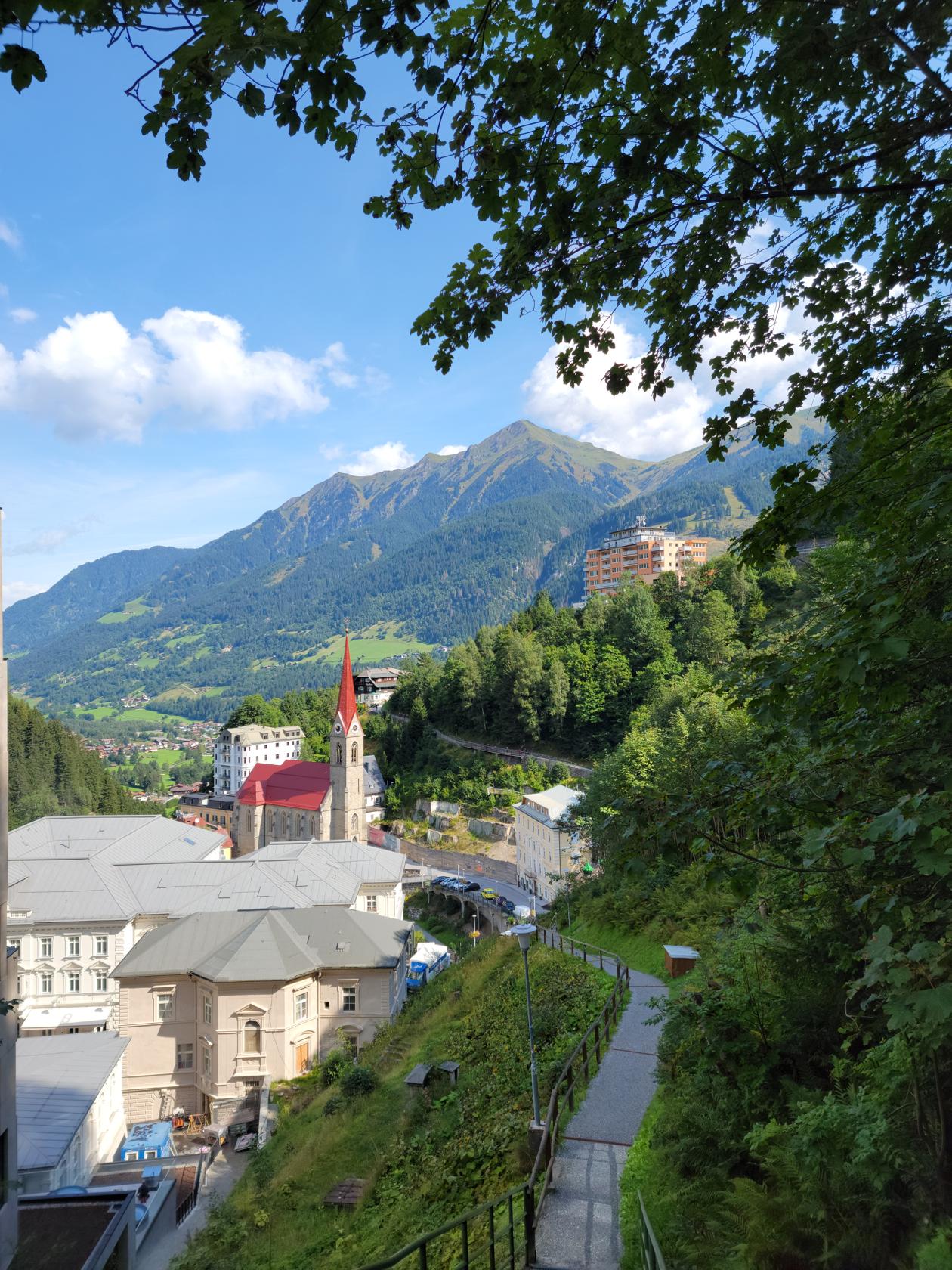
There are numerous trails for walking, hiking and biking around town. For our first day our we chose the one that visited the Upper Gastein Falls and then descended towards lower Bad Gastein.
Looking toward the Mölltal valley – Bad Gastein, Austria
The Mölltal valley – Bad Gastein, Austria
Pfarrkircke and looking toward the Mölltal valley – Bad Gastein, Austria
Pfarrkircke and looking toward the town center – Bad Gastein, Austria
Bad Gastein – Bad Gastein, Austria
The Mölltal valley – Bad Gastein, Austria
Pfarrkircke and looking toward the Mölltal valley – Bad Gastein, Austria
Pfarrkircke clock tower – Bad Gastein, Austria
The Reitlpromenade – Bad Gastein, Austria
Restaurants
La Pizzeria Napoletana
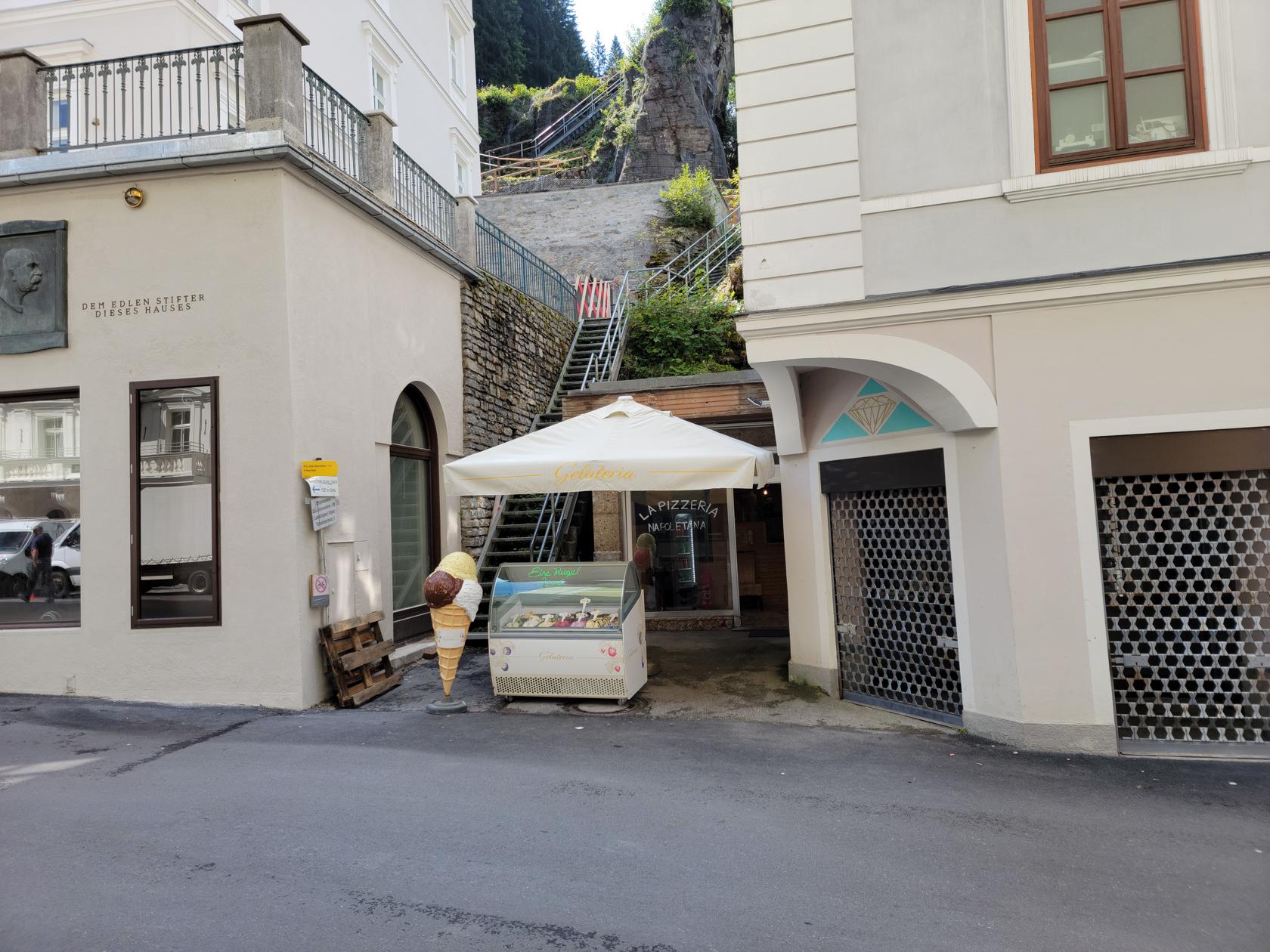
A very small Italian pizzeria stuck in the back of a another building right next to the Gasteiner Falls is the La Pizzeria Napoletana.
La Pizzeria Napoletana – Bad Gastein, Austria
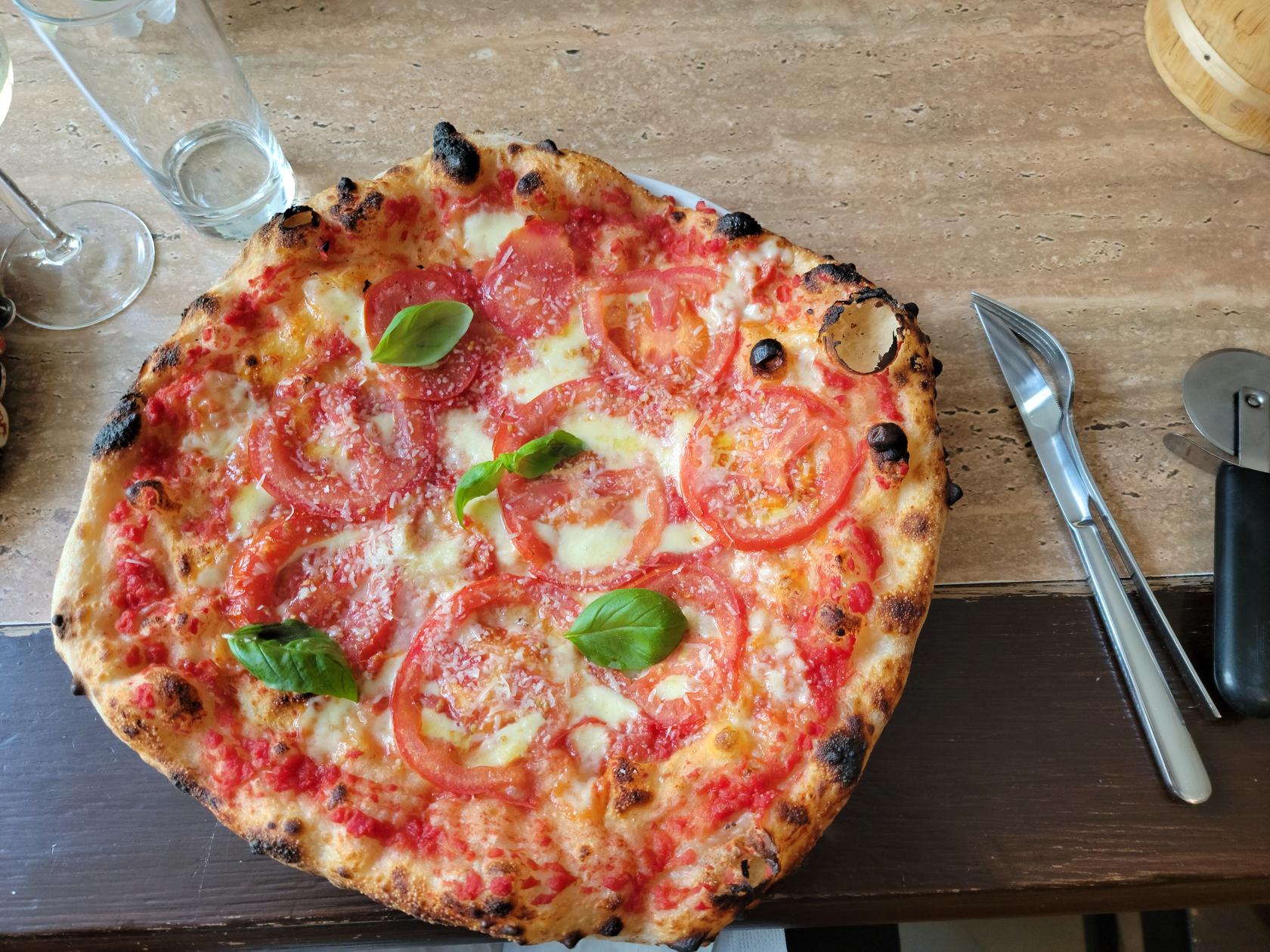
Their tomato and mozzarella pizza is thin and very tasty. This restaurant has a minimal menu of pizza, beer, soft drinks and some wine, there is little else to choose from if you are really hungry.
Pizza Tomato and Mozzerella – La Pizzeria Napoletana – Bad Gastein, Austria
The pizza is authentic, right down to its crust. The prices are very reasonable and emblematic of what you would expect in a small town or city in Italy.
Orania Stueberl Restaurant
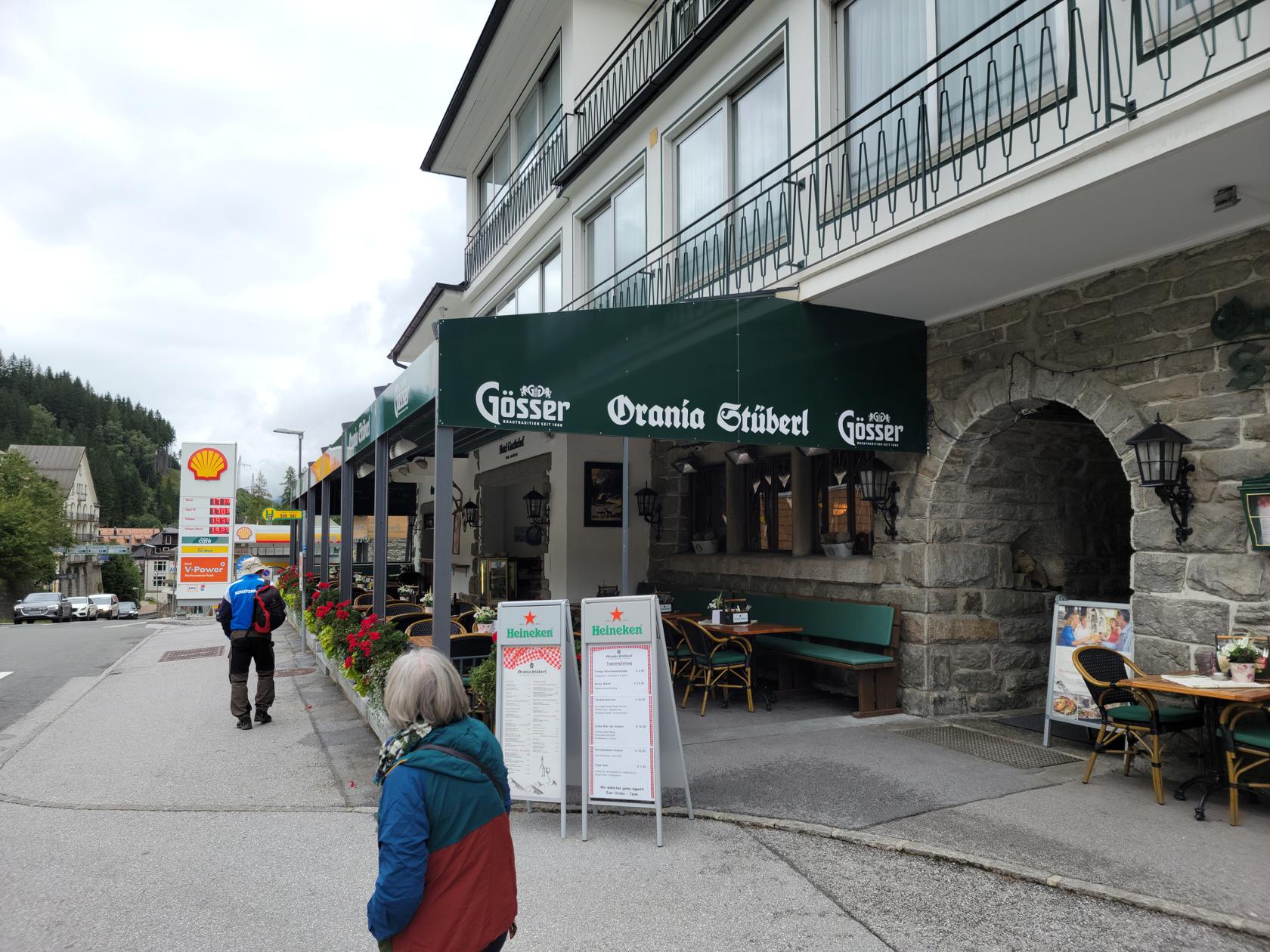
A restaurant that is almost always open, it is a good go-to place when you have few if any options. The food is good, but rather predictable, but that could be said for the rest of the cuisine in this small town.
Entrance – Orania Stüberl – Bad Gastein, Austria
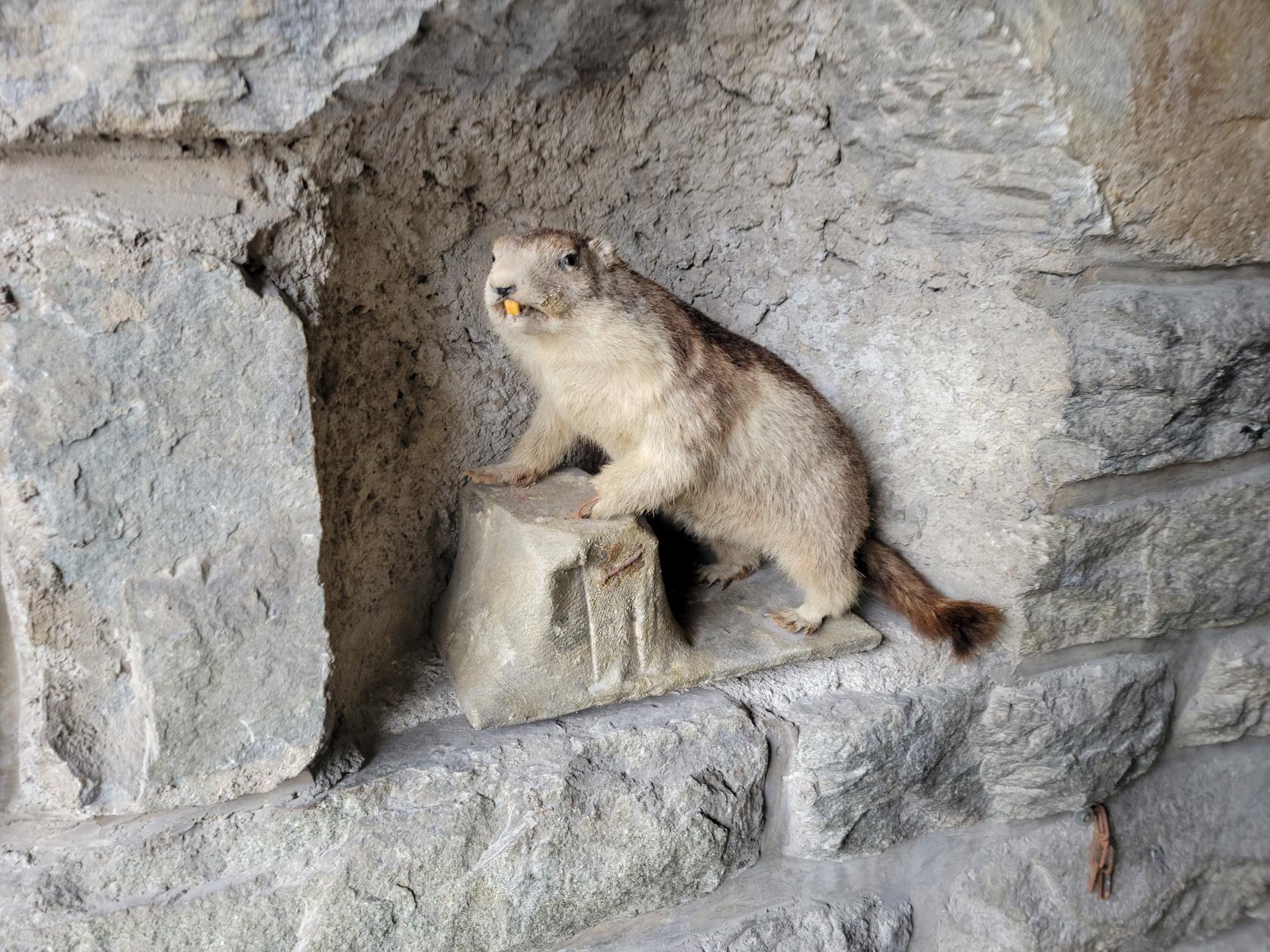
The Murmeltier – Orania Stüberl – Bad Gastein, Austria
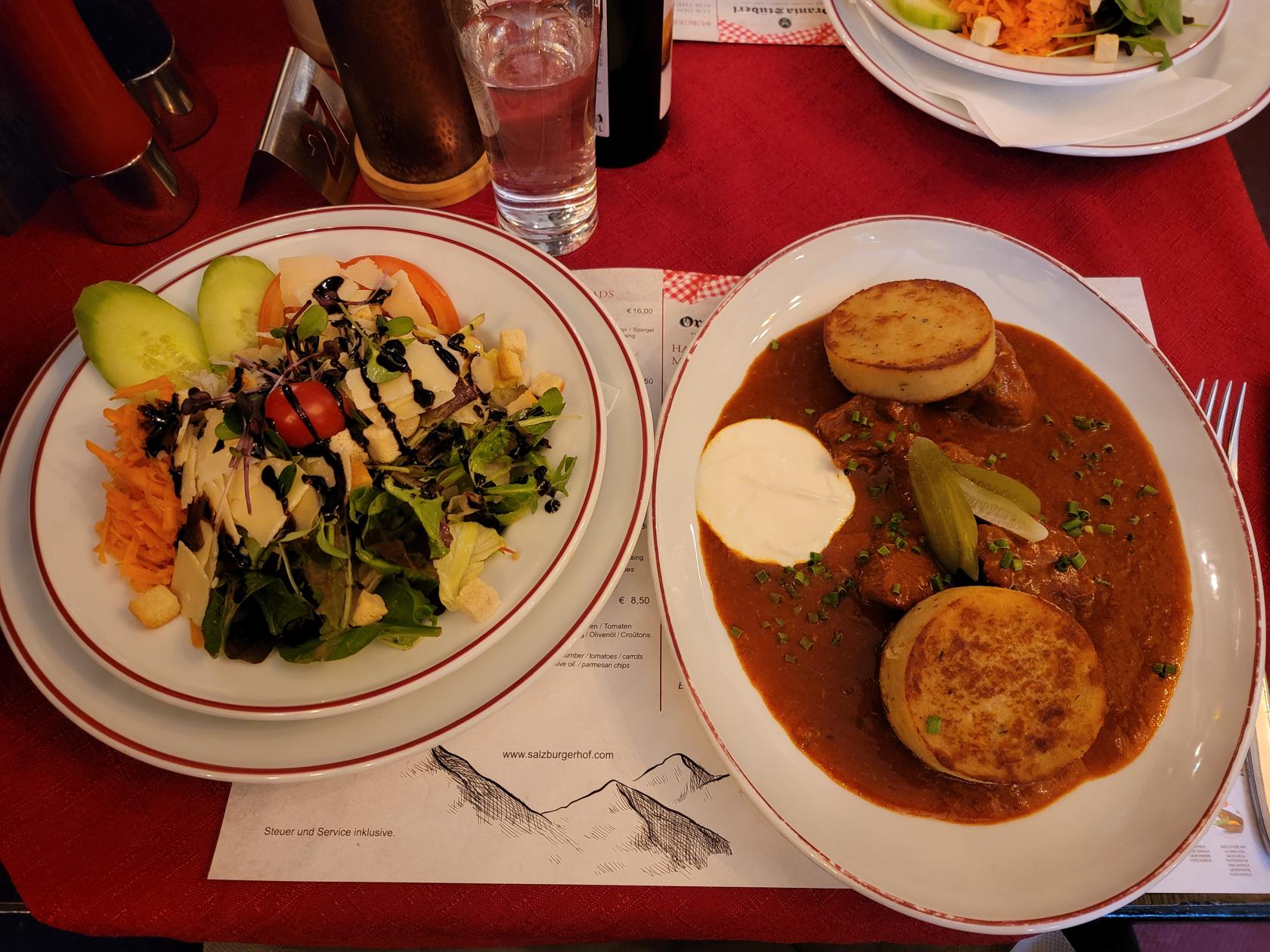
A salad and Gulash with Knödeln – Orania Stüberl – Bad Gastein, Austria
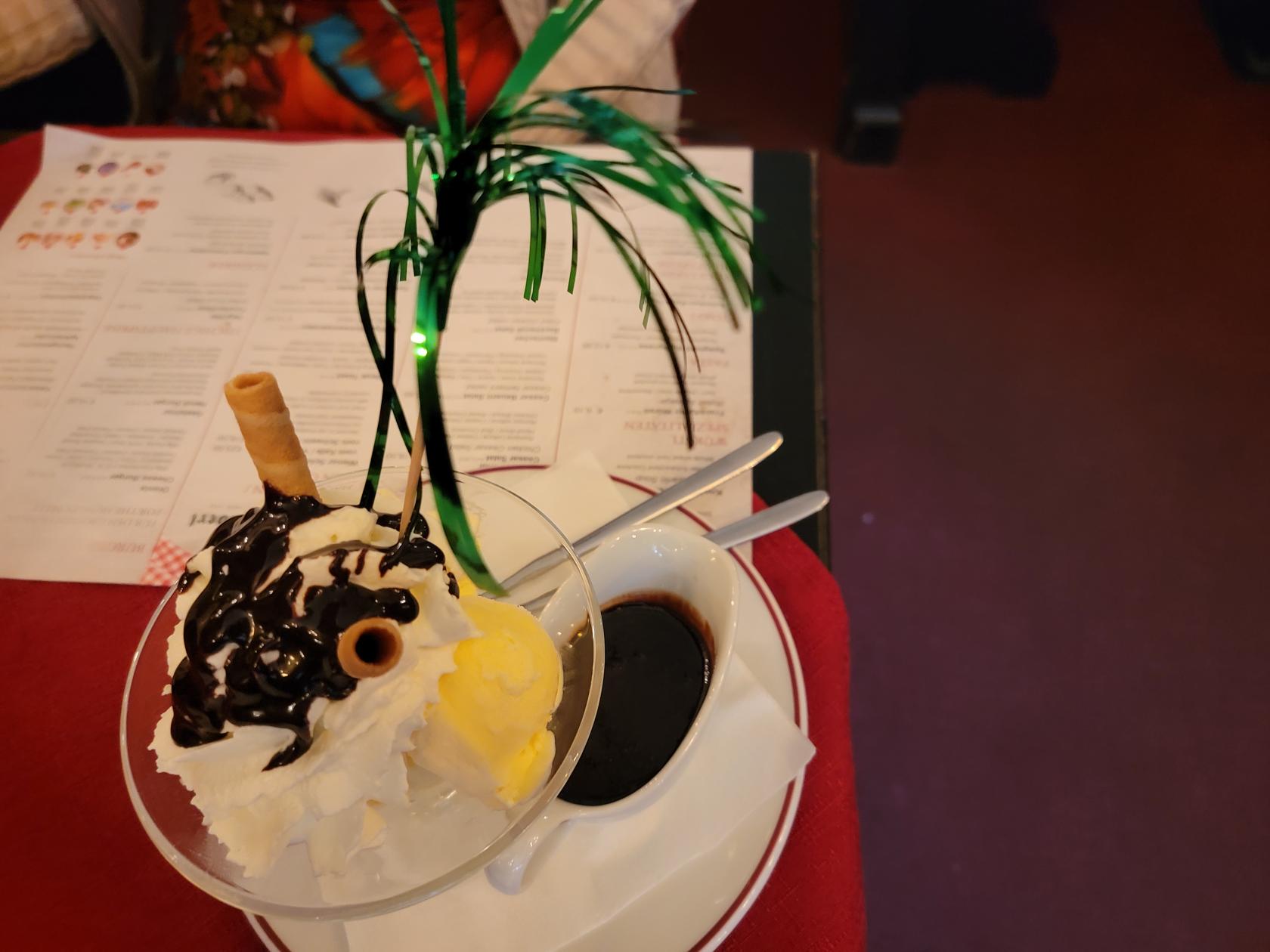
Ice cream with cream and chocolate sauce – Orania Stüberl – Bad Gastein, Austria
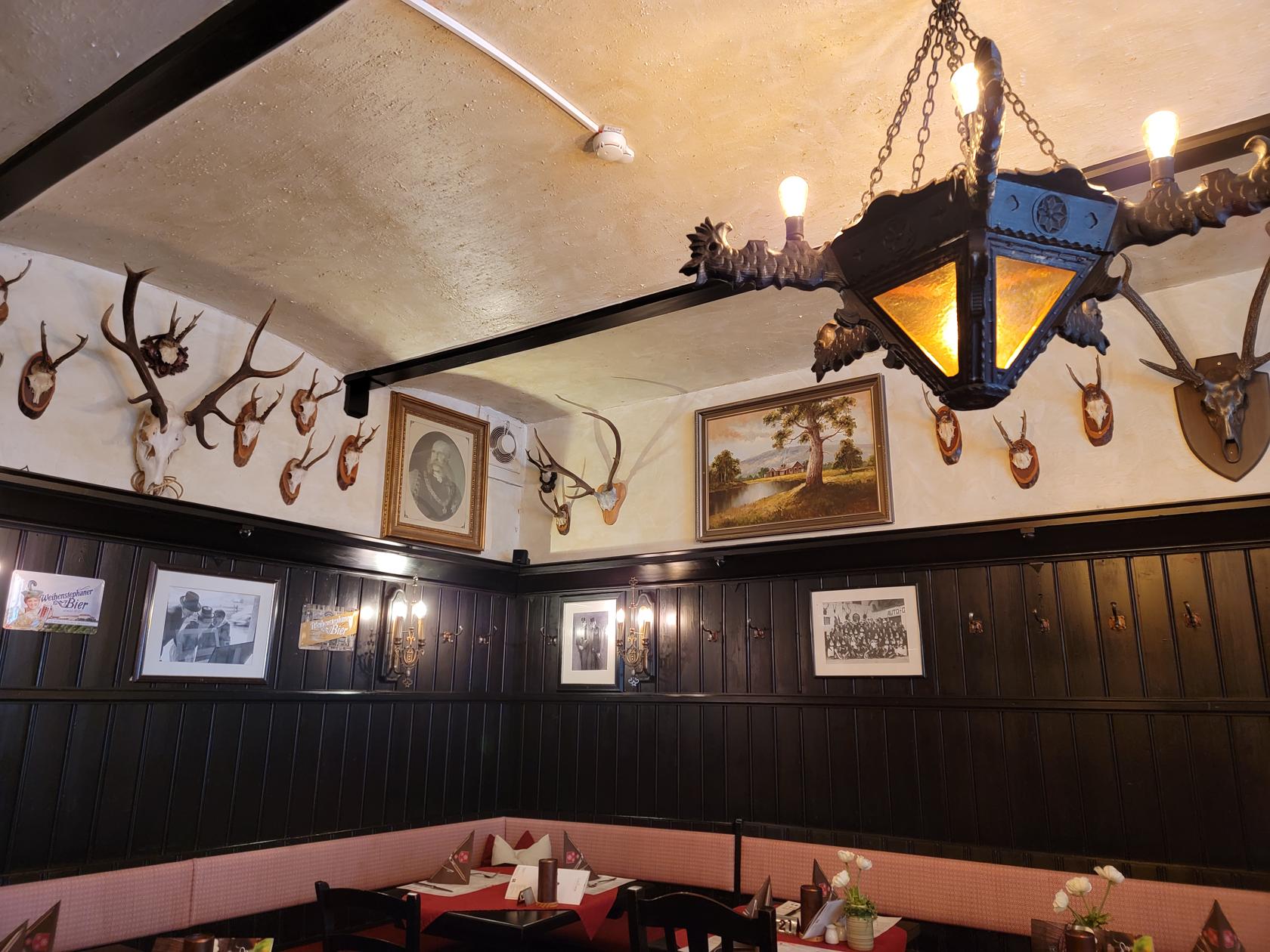
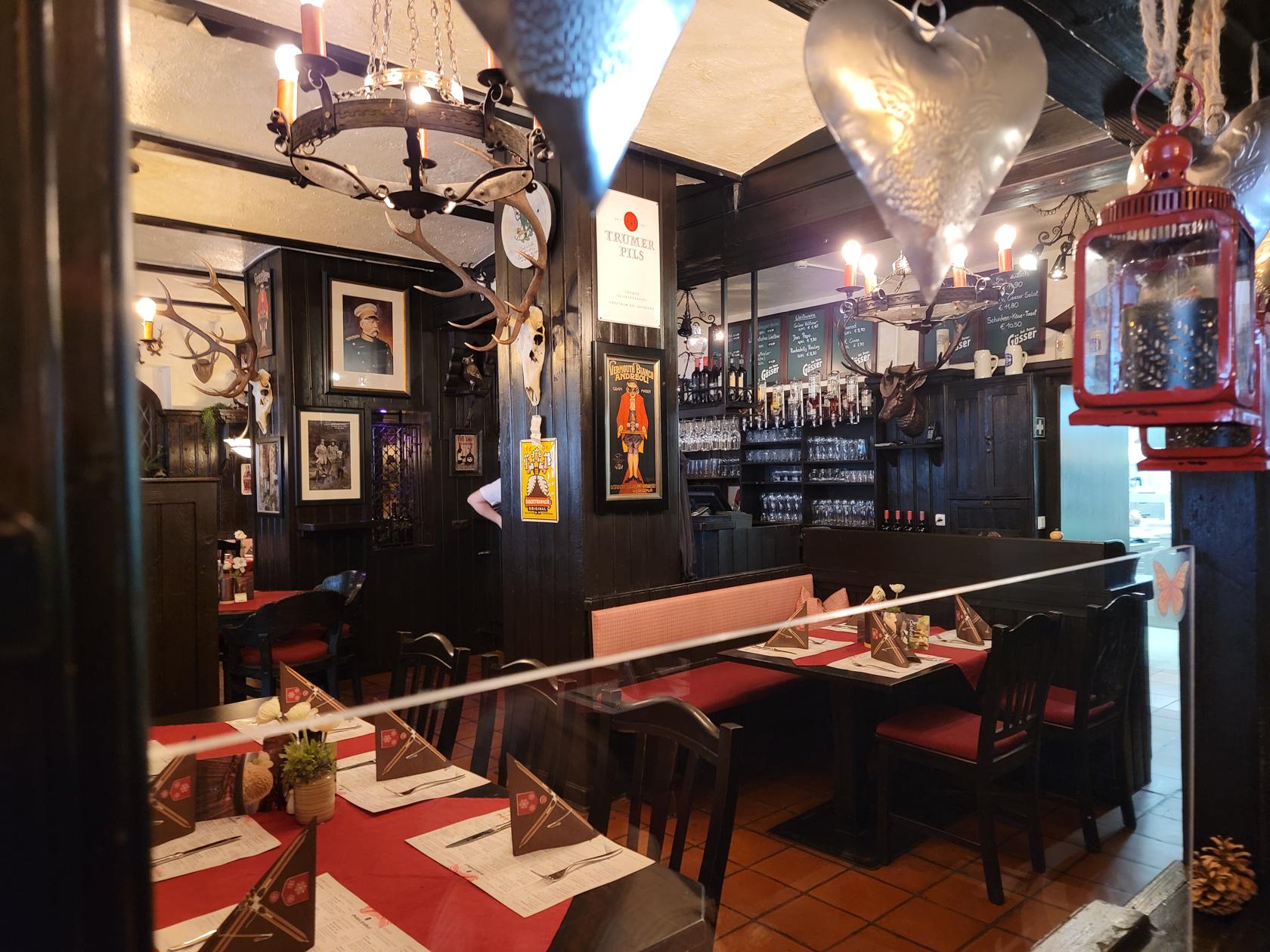
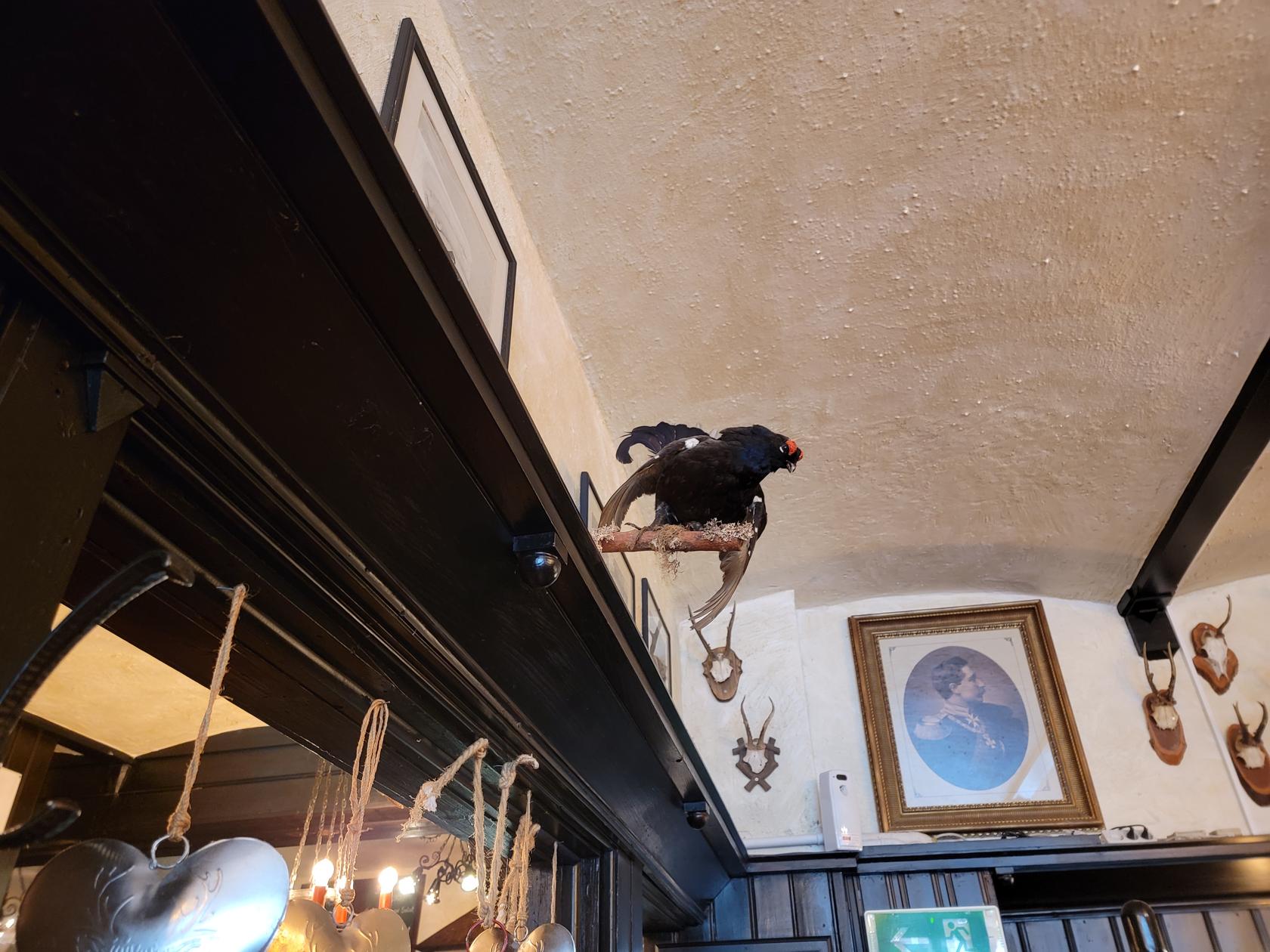
The interior is adorned with numerous sacrificial animals that were ostensibly killed locally and now inhabit this restaurant’s walls. I guess I never understood if this practice was supposed to be in honor of the animal that was killed, or in spite of it. In any case, it appears a bit overdone.
The Ritz restaurant – Salzburger Hof Hotel – Bad Gastein, Austria
Inside – Orania Stüberl – Bad Gastein, Austria
The bar – Orania Stüberl – Bad Gastein, Austria
Dead animals on walls – Orania Stüberl – Bad Gastein, Austria
On a lighter and more promising day, weather-wise that is, we took a day trip from Copenhagen to its sister city across the Øresund, Malmö. This was actually quite easy to arrange using Omio, the phone application, and the cost was very reasonable.
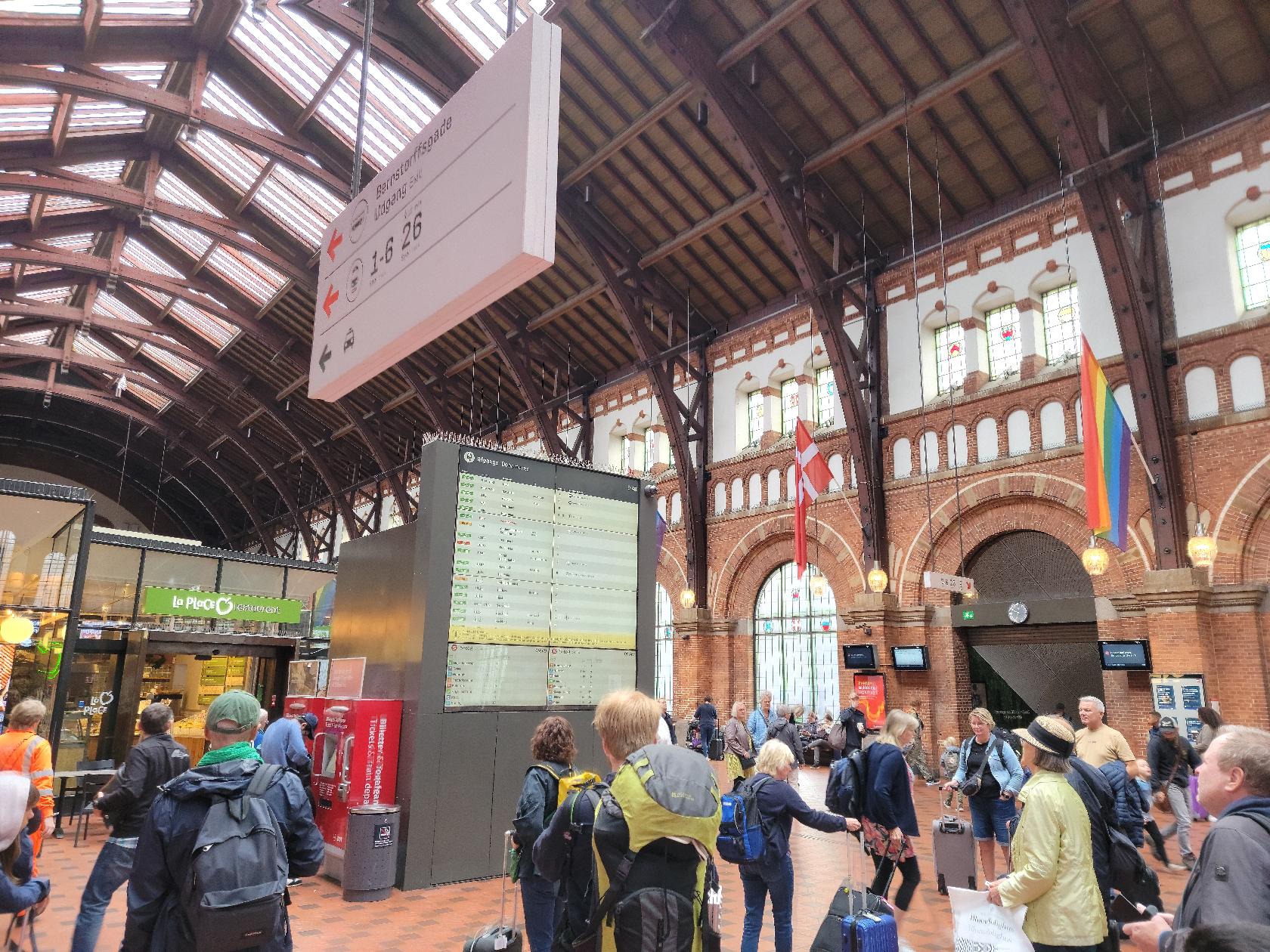
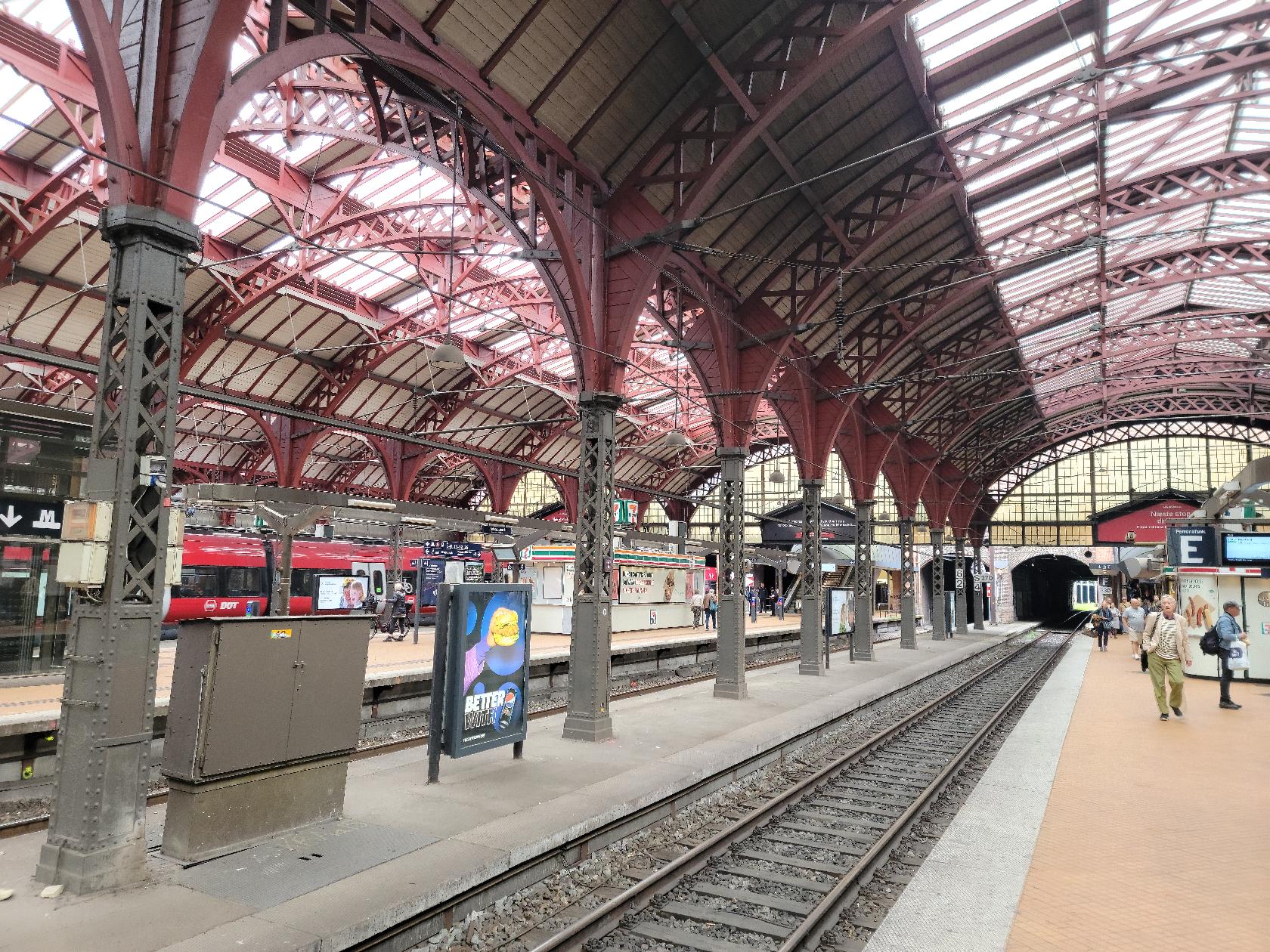
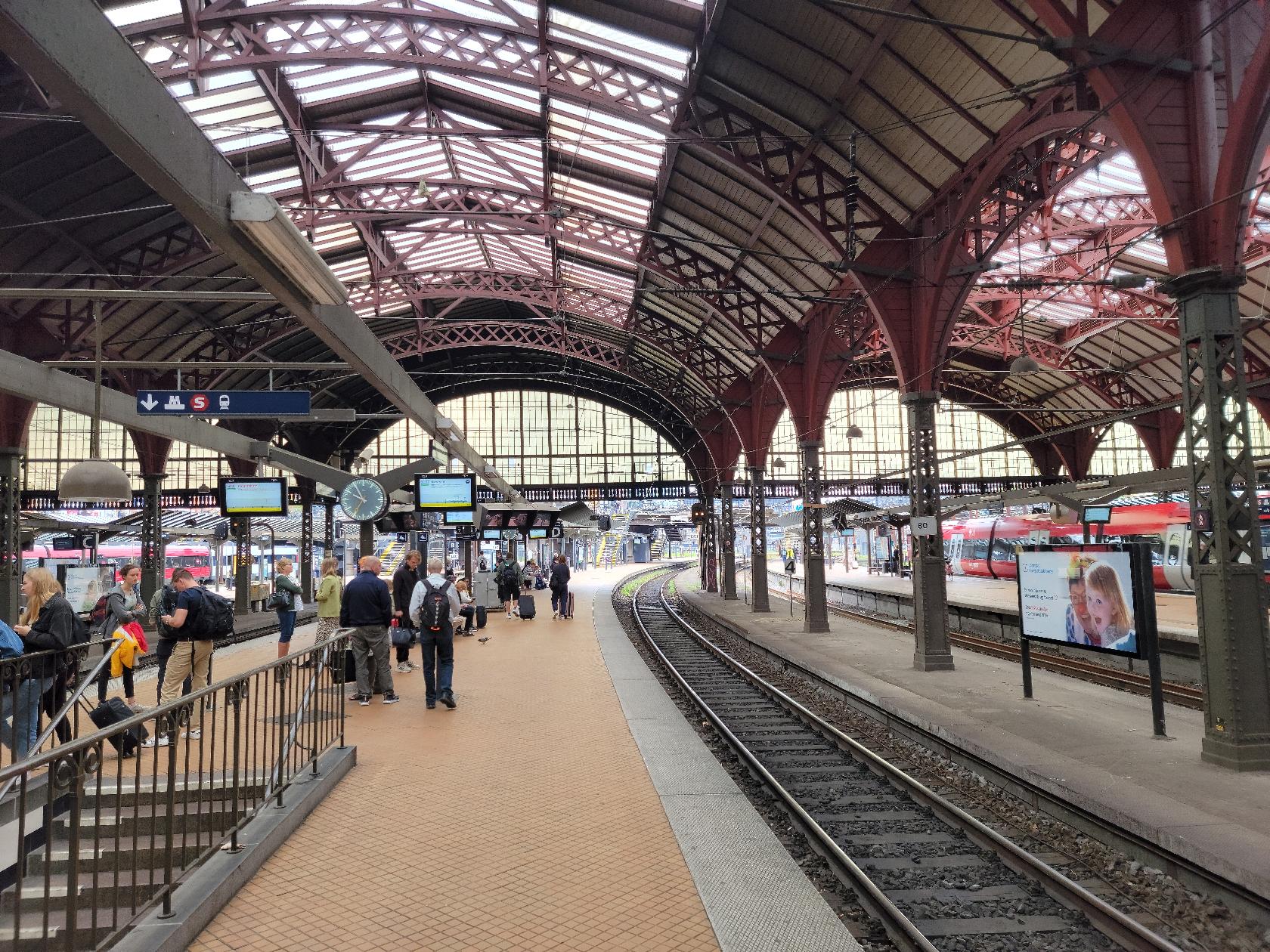
Copenhagen Central Station – Copenhagen, Denmark
Copenhagen Central Station Platform 7 – Copenhagen, Denmark
Copenhagen Central Station Platform 7 – Copenhagen, Denmark
It should be noted however that the trains between these two cities are quite active and full of passengers going in both directions, so plan accordingly. Off times are usually better than the earlier and later hours of the day, due to their fair share of commuter traffic.
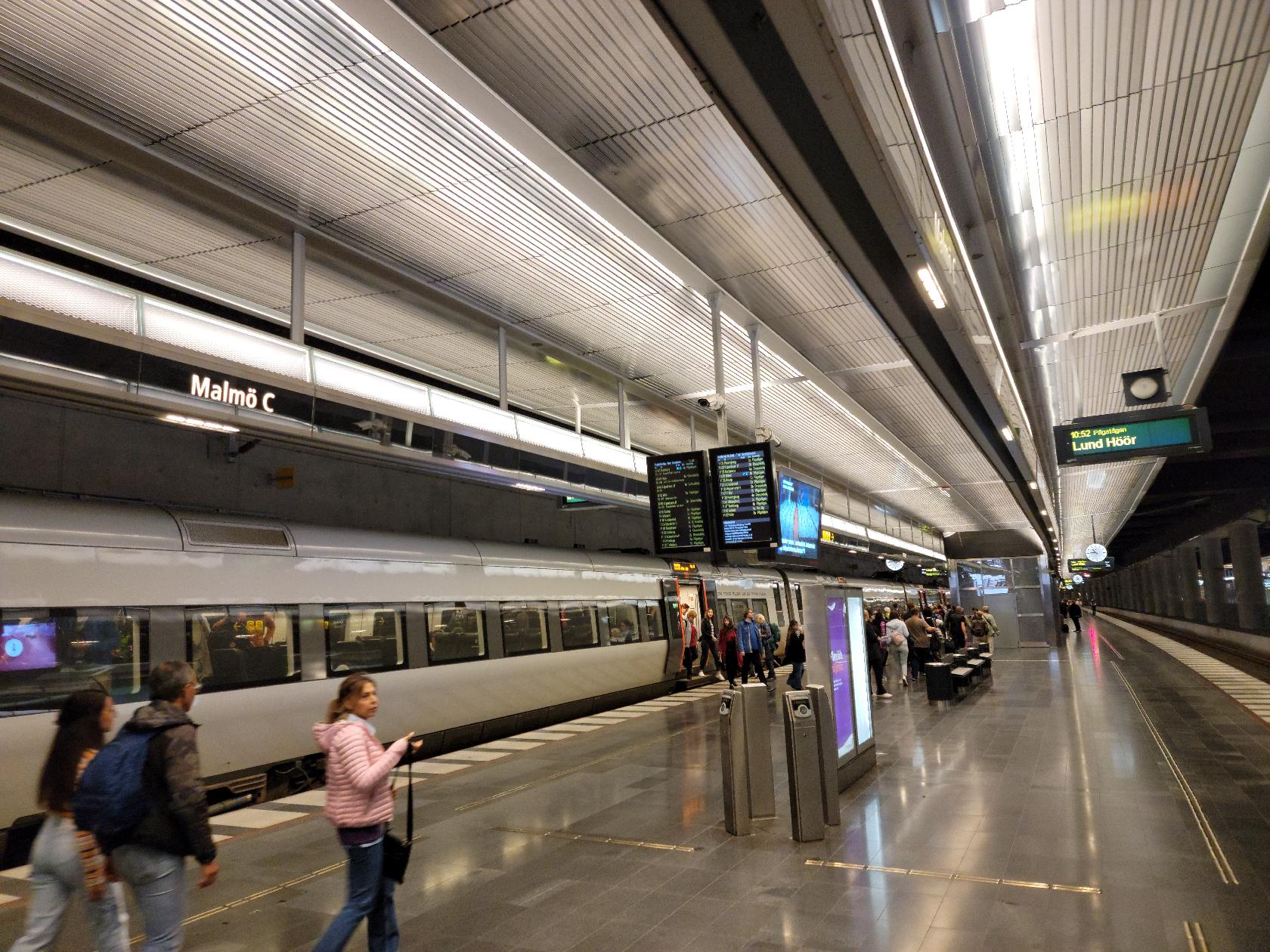
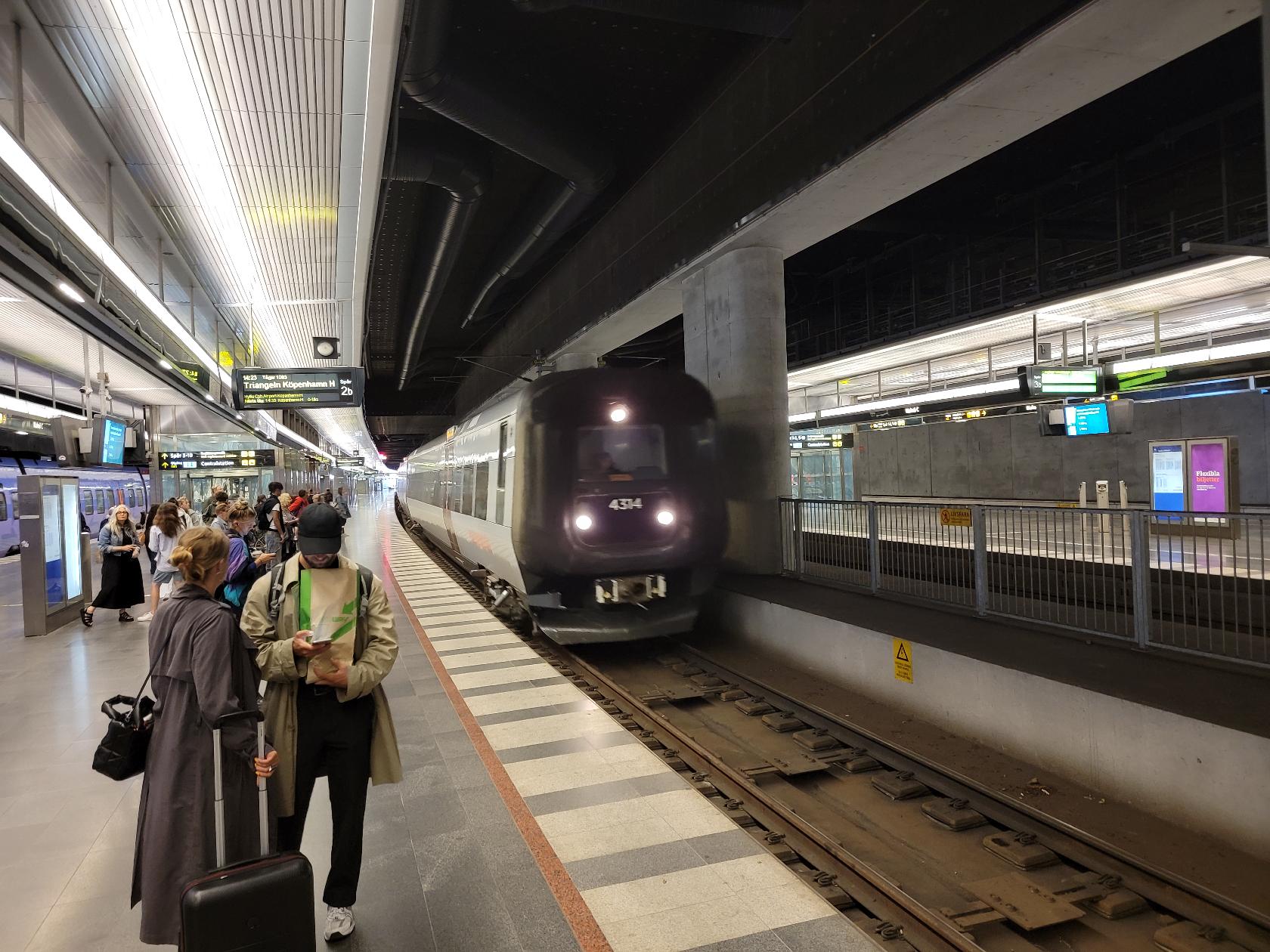
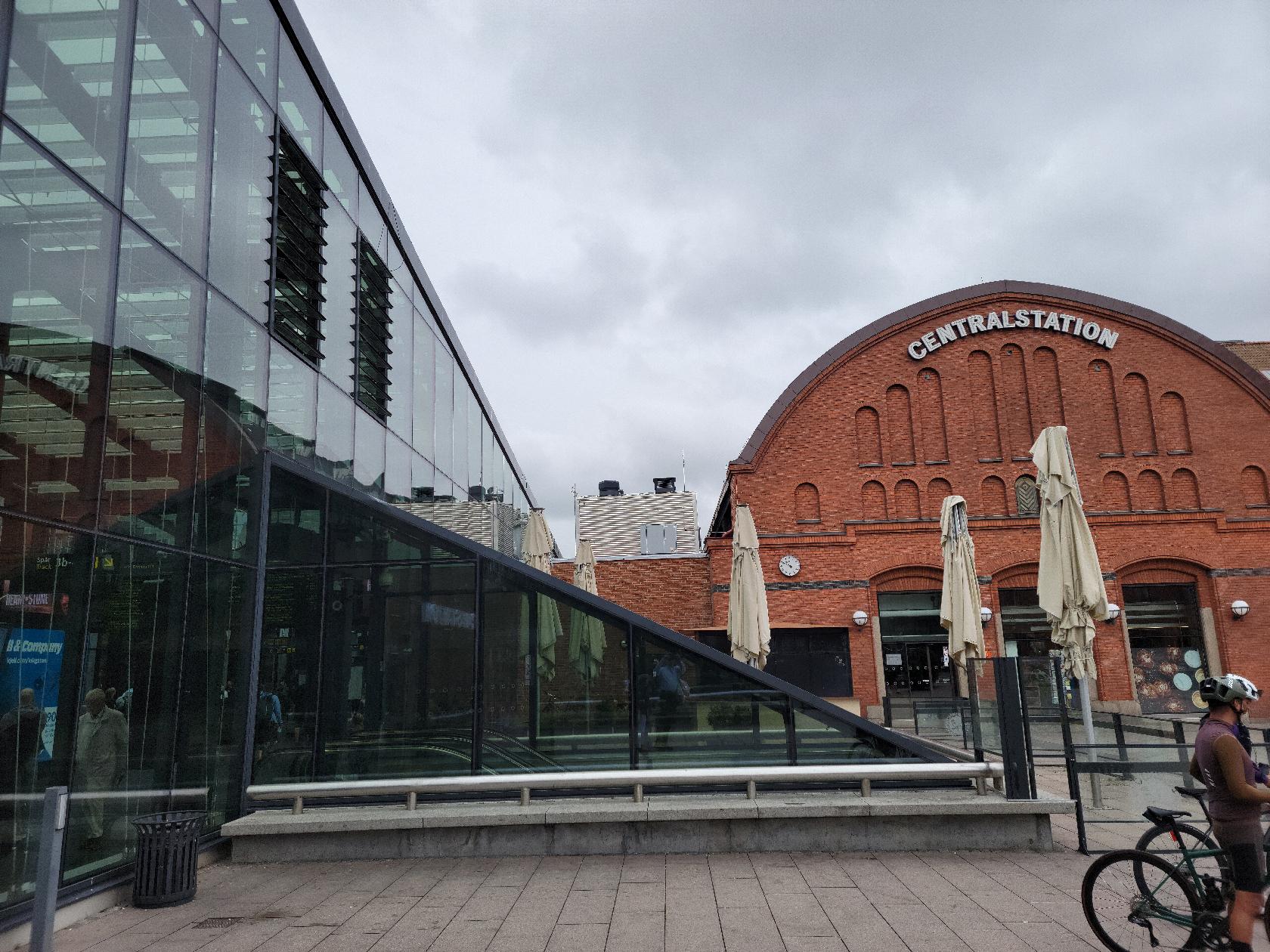
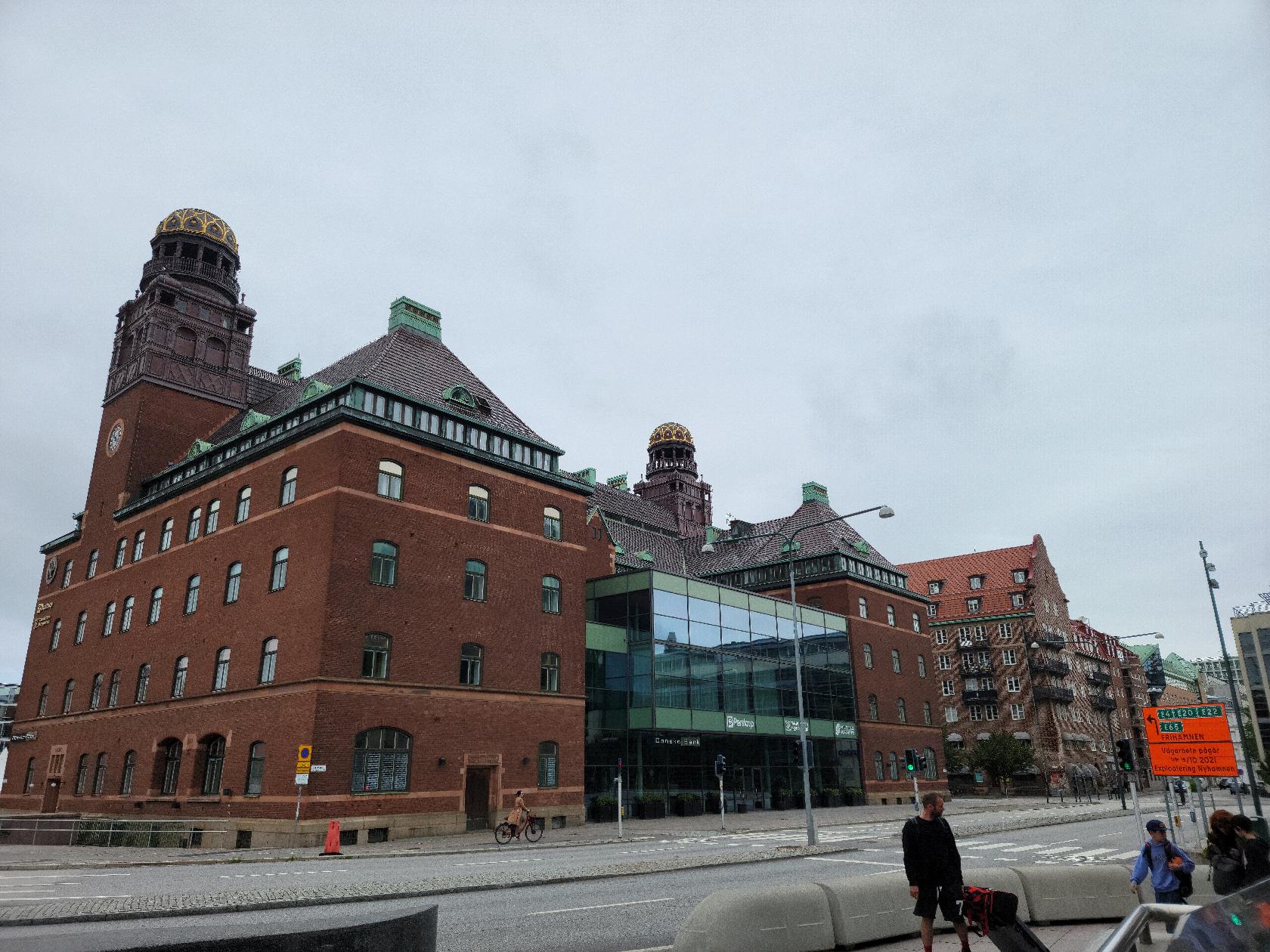
Malmö Central Station – Malmö, Sweden
Malmö Central Station – Malmö, Sweden
Malmö Central Station – Malmö, Sweden
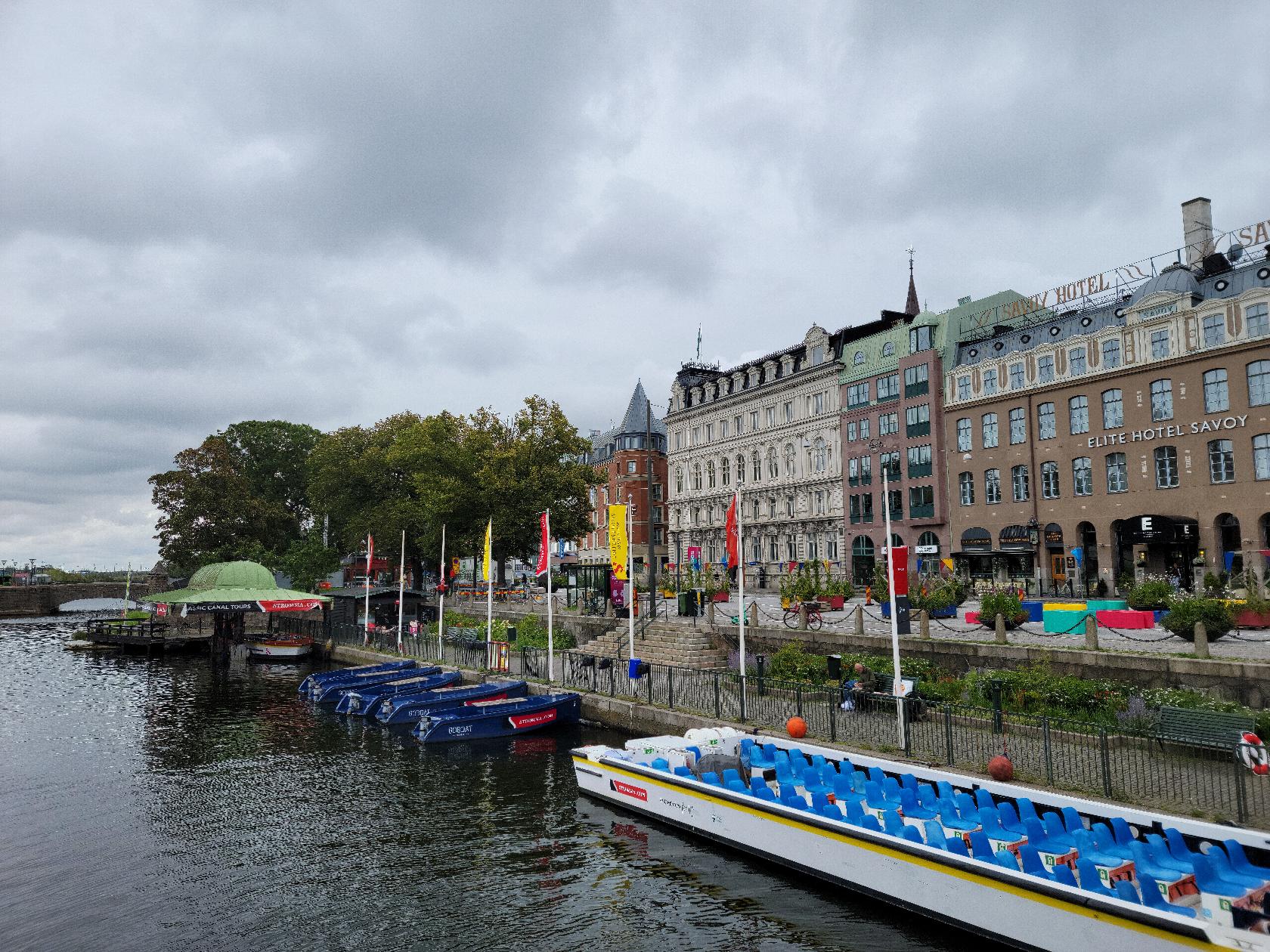
Skeppsbron – Malmö Central Station – Malmö, Sweden
Malmö
Malmö, a large city on the edge of Sweden was actually a Danish possession until the early 1700s. Its name was ostensibly obtained from a maiden that was ground up by a millstone in the town’s square. However, less violent sources have the eponym coming from a gravel pile or sand heap. Since there is a millstone in one of the squares, I am leaning toward the maiden tale.
Gamla Staden and the Södergaten
Puente Mälarbron – Malmö, Sweden
Hamngatan – Malmö, Sweden
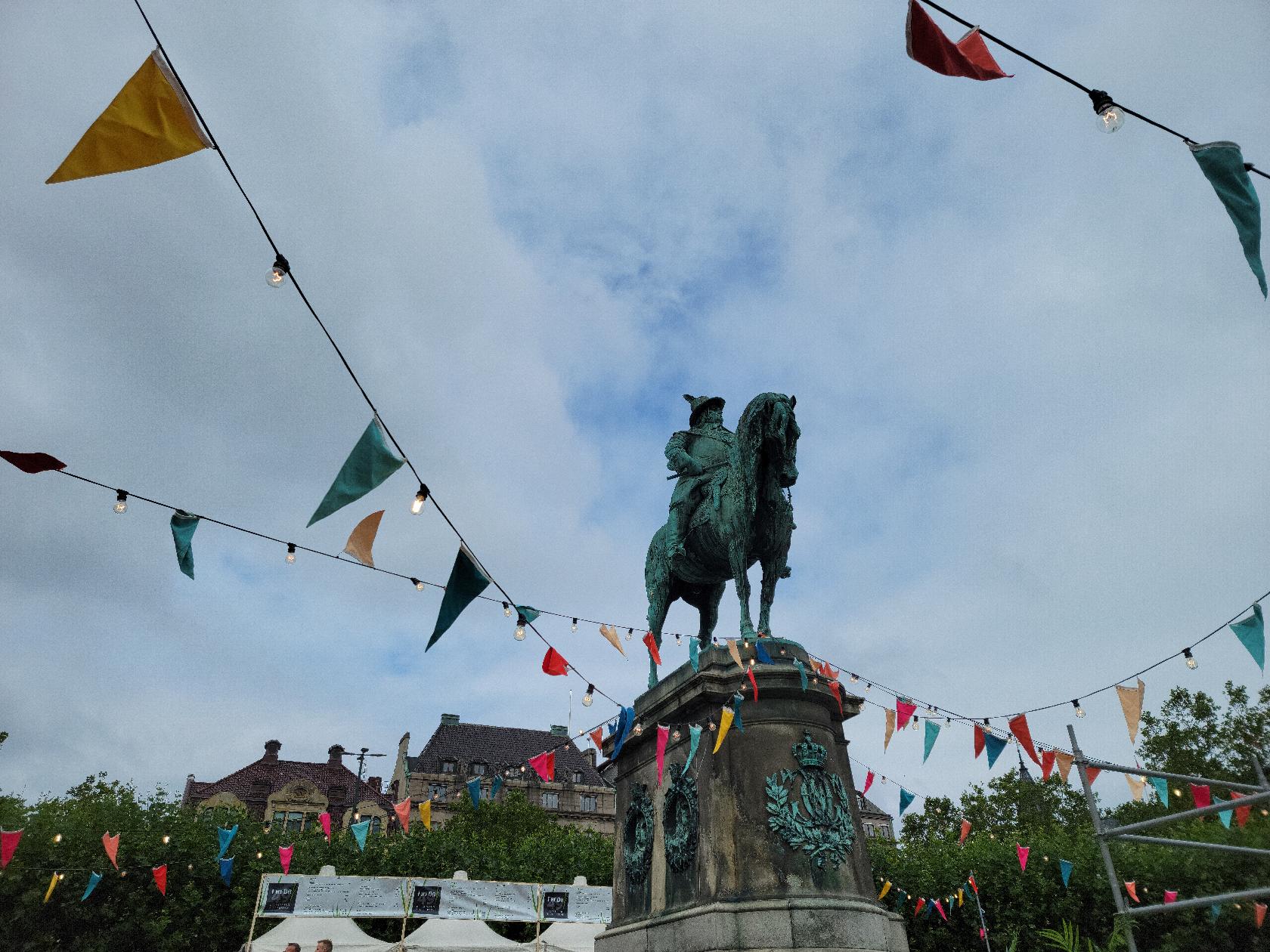
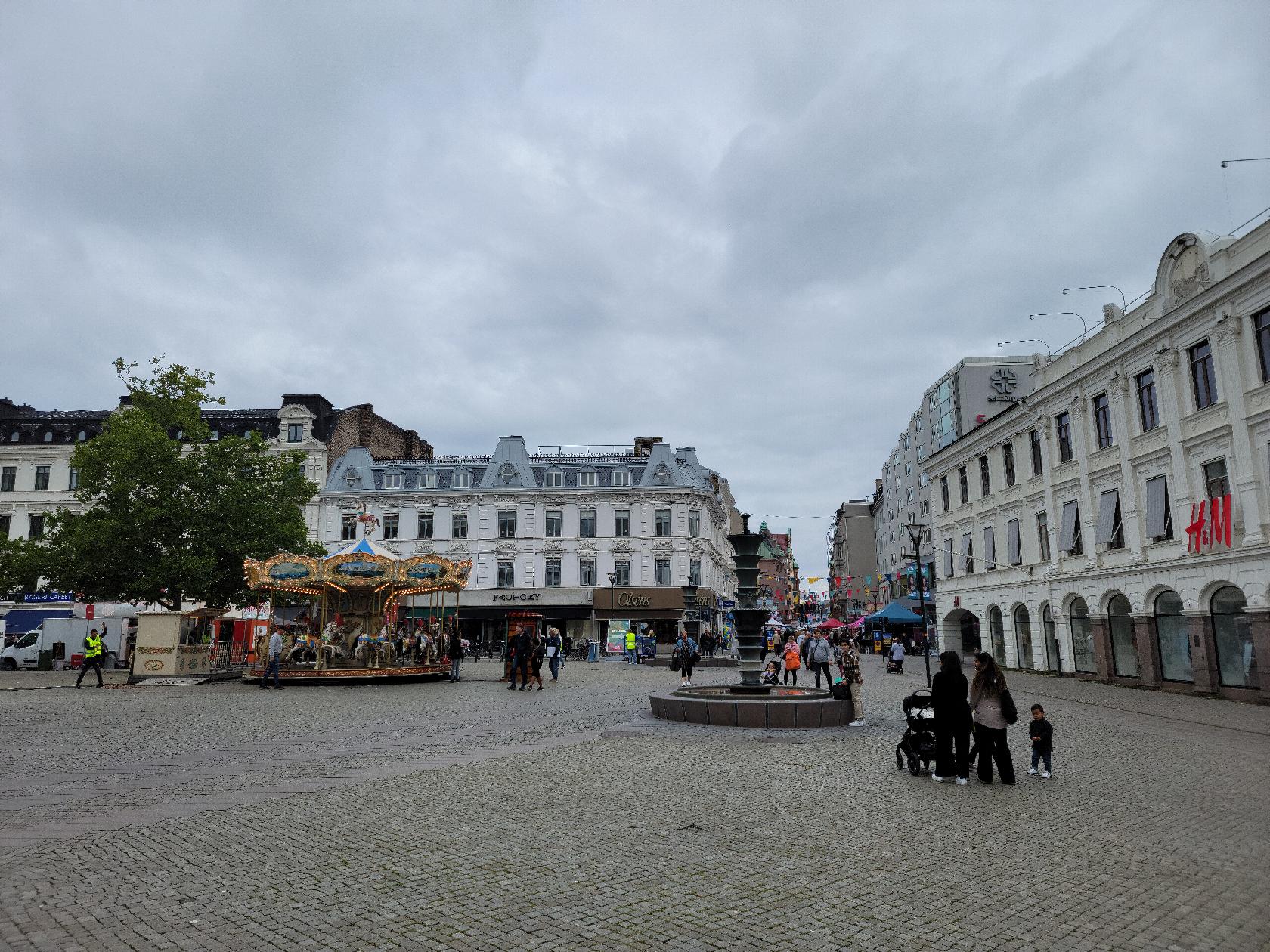
The center of the city, of Gamla Staden, is entered as soon as you walk over the bridge for the canal the separates the Central Train Station from the island. Within two blocks you are in the Stortorget Square and the Charles X Gustav monument, which to our dismay was decorated.
Malmö Festival – Karl IX Gustav Statue – Malmö, Sweden
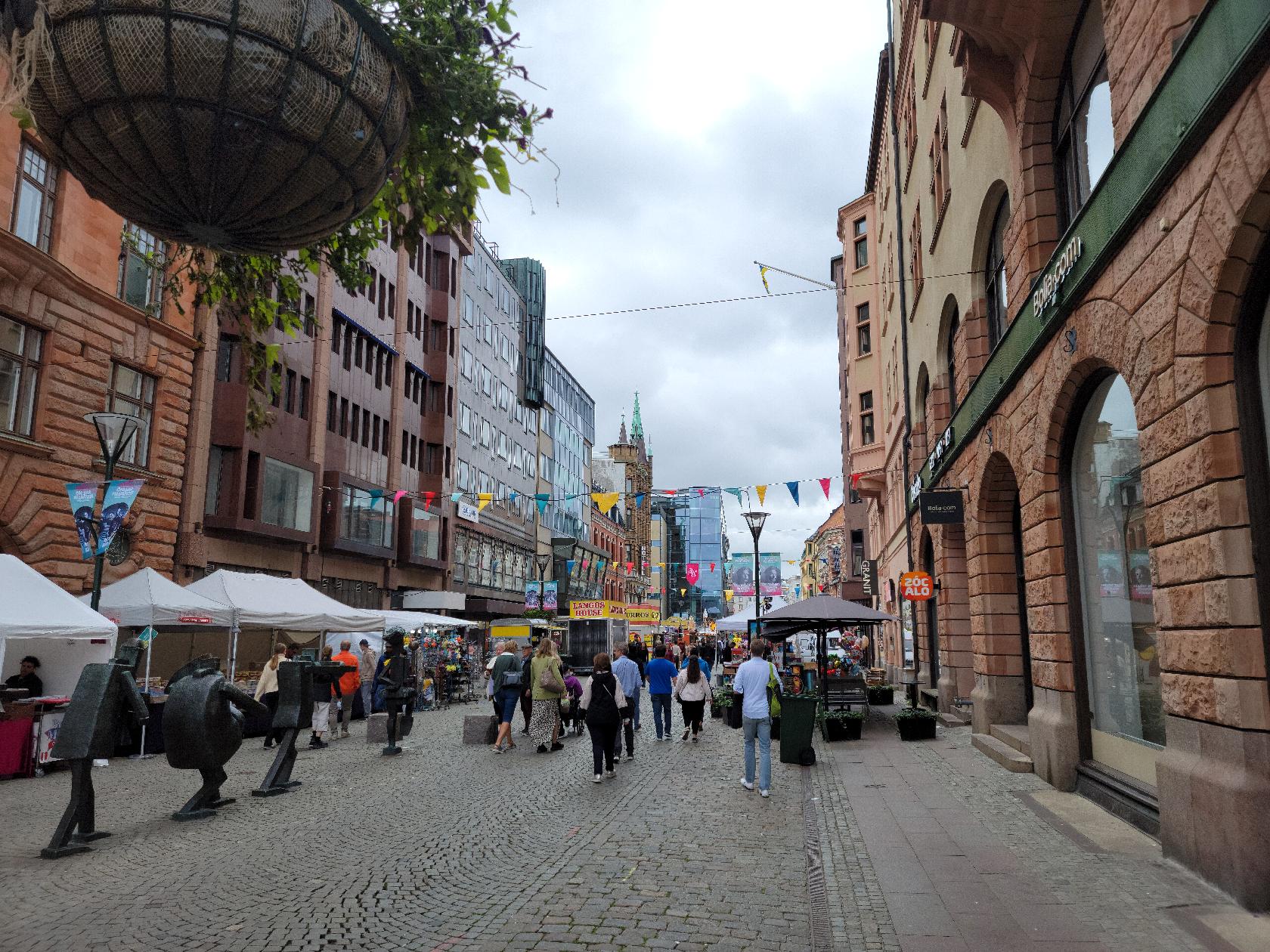
The main street of town is called Södergaten and is where most of the shopping is done. While we were here they were setting up for another day of the Malmö Festival, which apparently runs for a week in August.
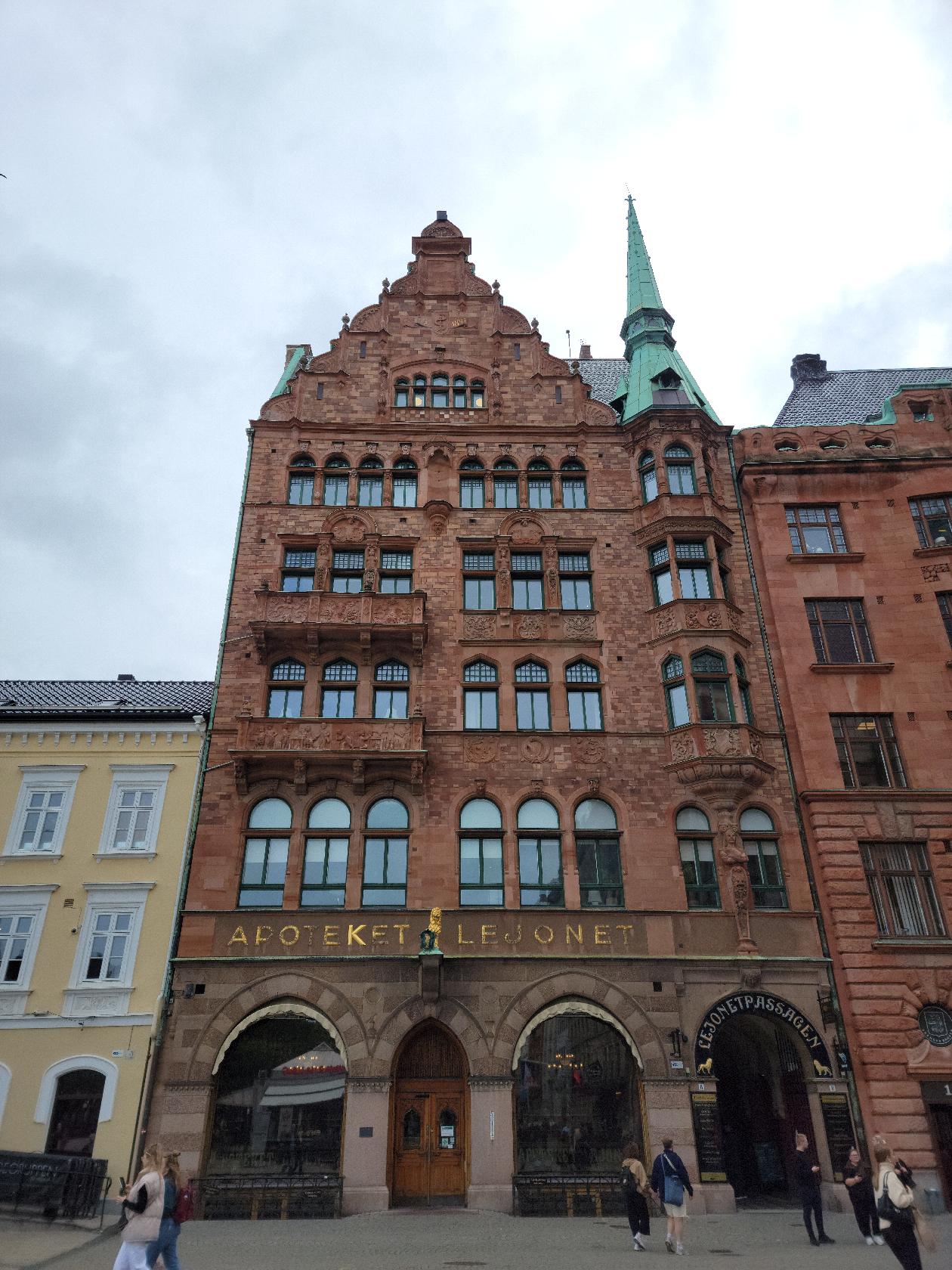
Drug Store with beautiful facade – Malmö, Sweden
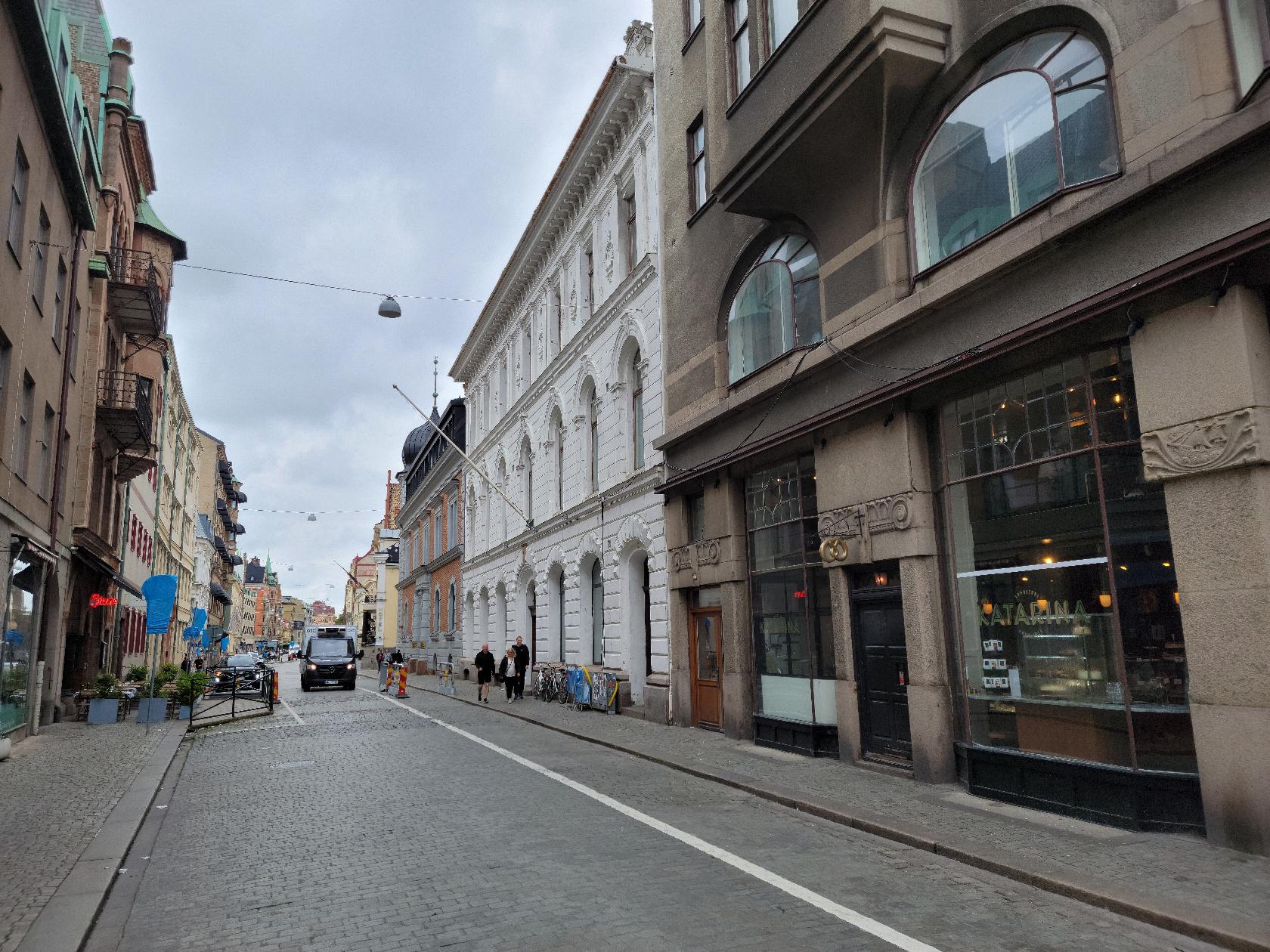
Södergaten – Malmö, Sweden
Södergaten – Malmö, Sweden
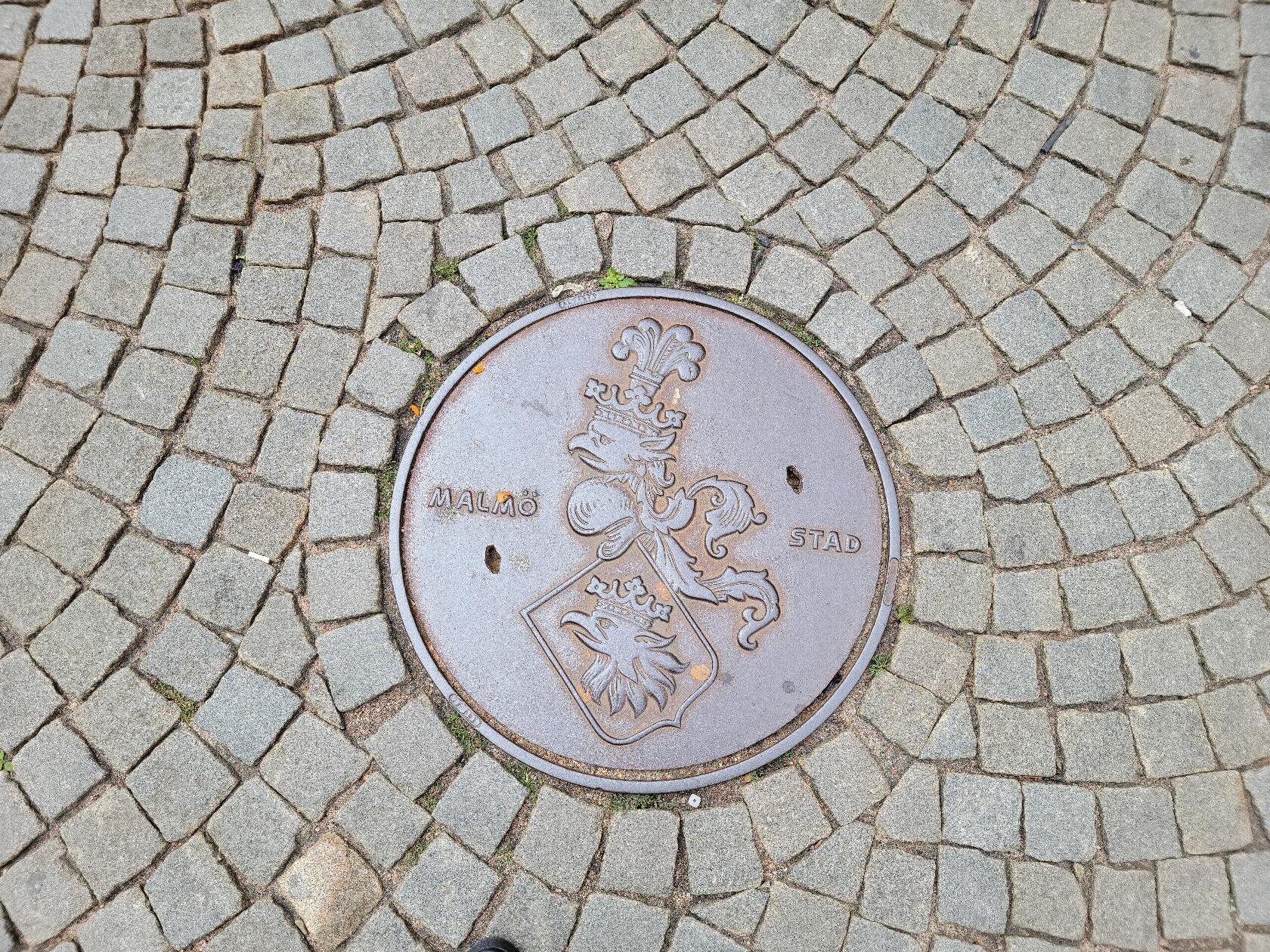
Manhole cover – Södergaten – Malmö, Sweden
Many different types of pavement – Malmö, Sweden
The festival actually caused me to scale back on the number of photographs I took, only because you cannot get a real sense of the city with all the flags, banners and other paraphernalia hanging from monuments and lampposts.
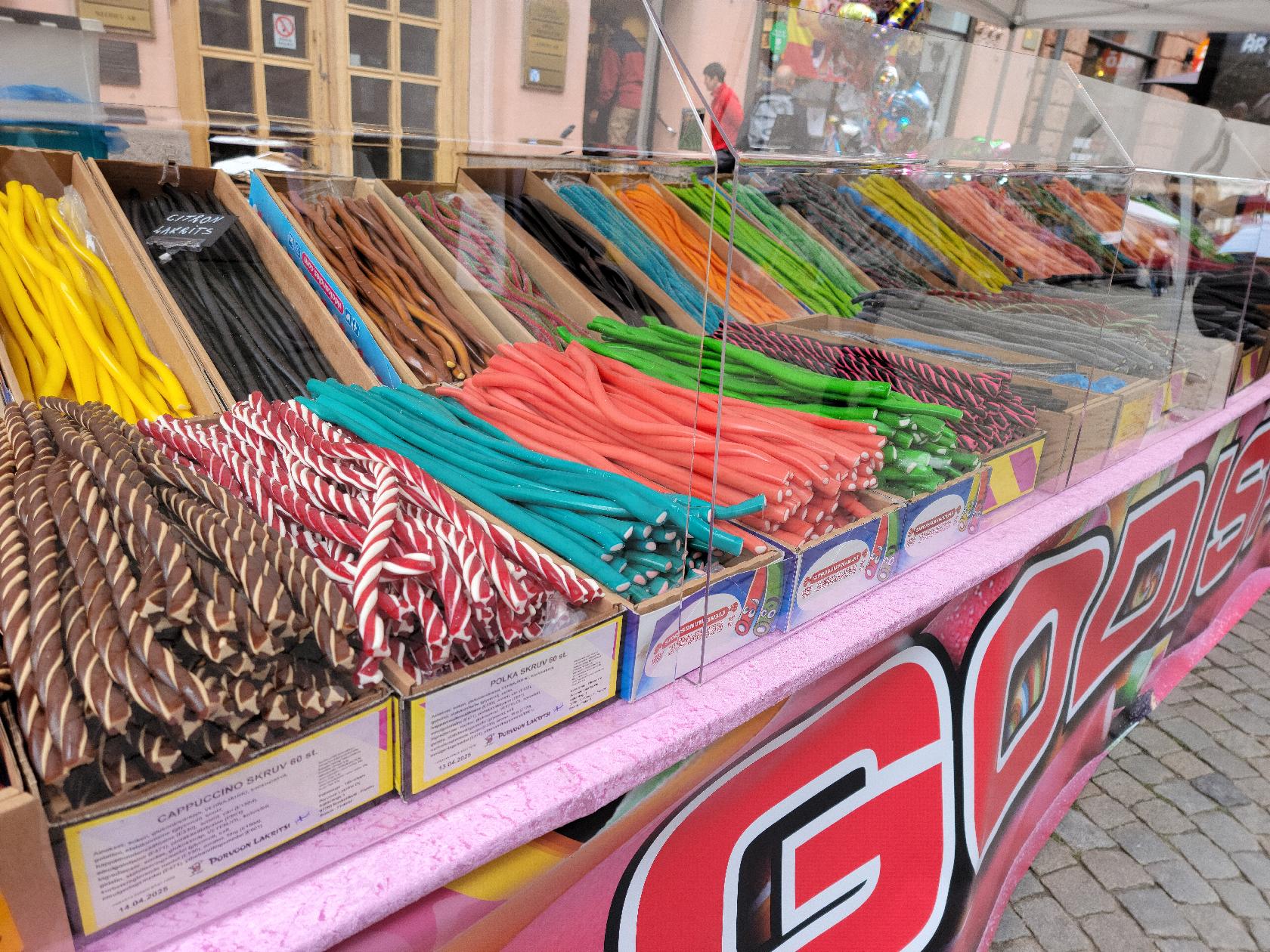
Colorful Candy, Malmö Festival – Södergaten – Malmö, Sweden
Gustav Adolfs Torg
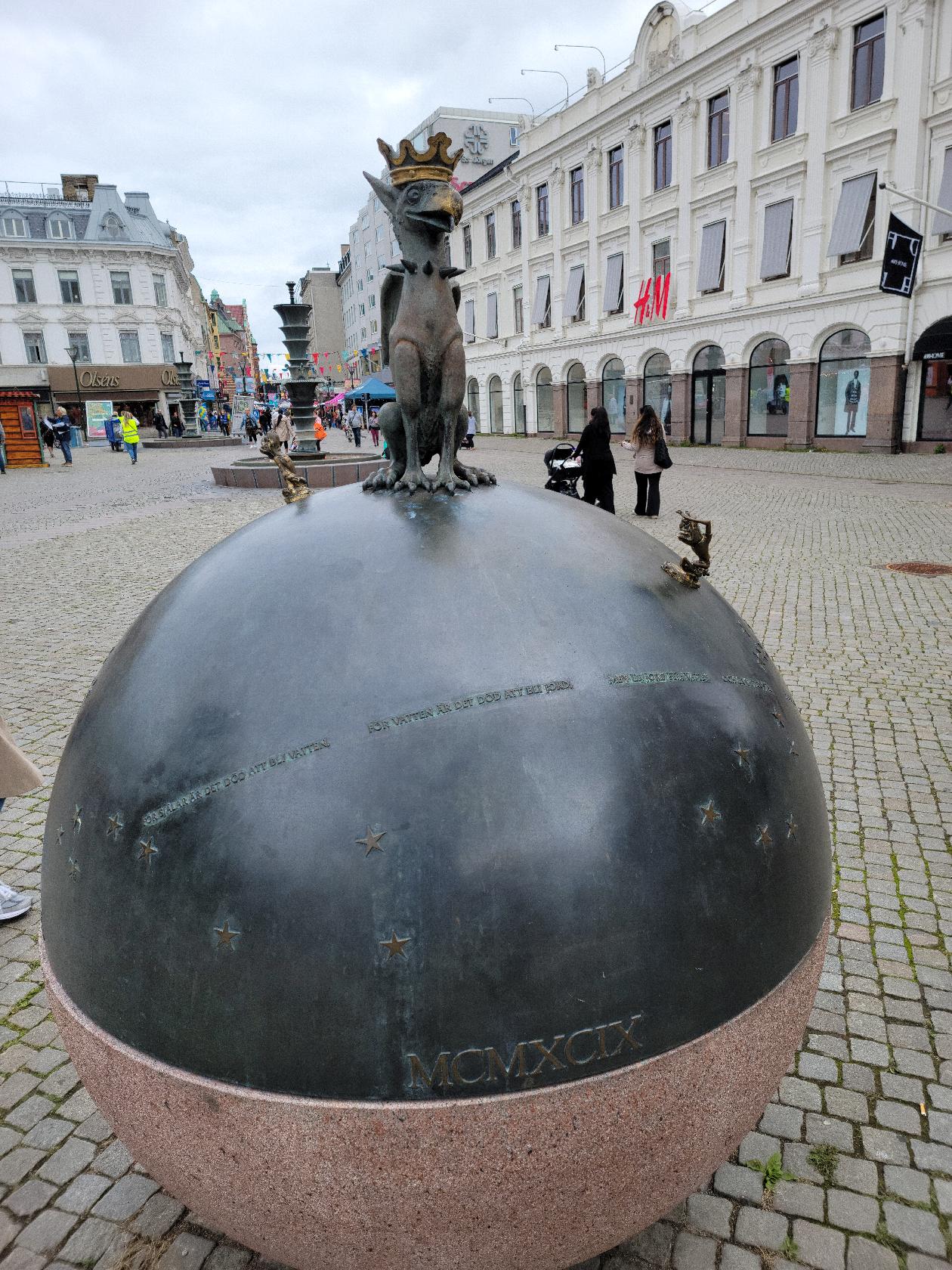
The Gustav Adolfs Torg or square, is where the end of Södergaten opens up. It is large and contains a few fountains and monuments.
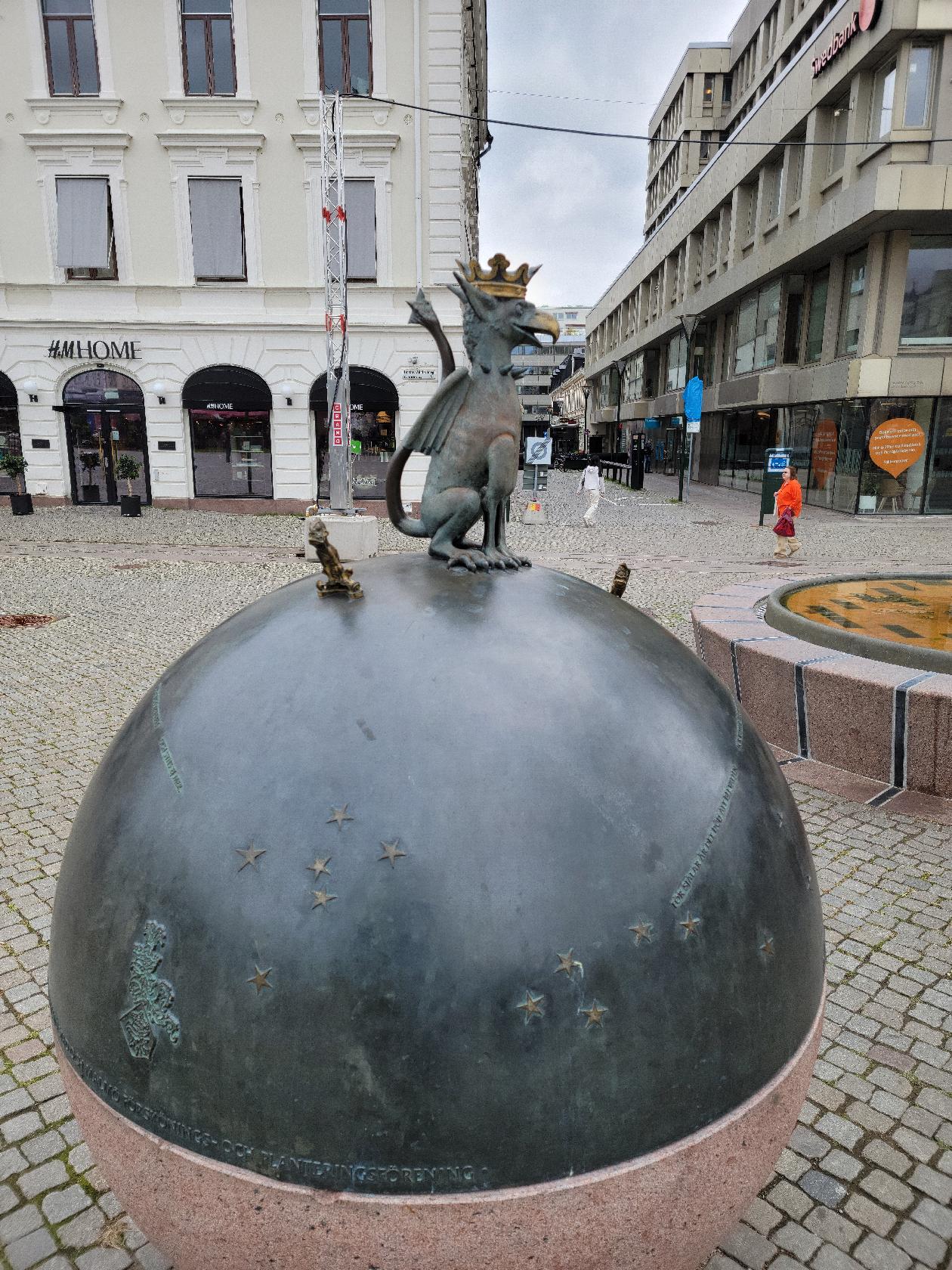
Celestial monument – Gustav Adolfs torg – Malmö, Sweden
Celestial Monument, 1999 – Gustav Adolfs torg – Malmö, Sweden
Gustav Adolfs torg – Malmö, Sweden
The Rest
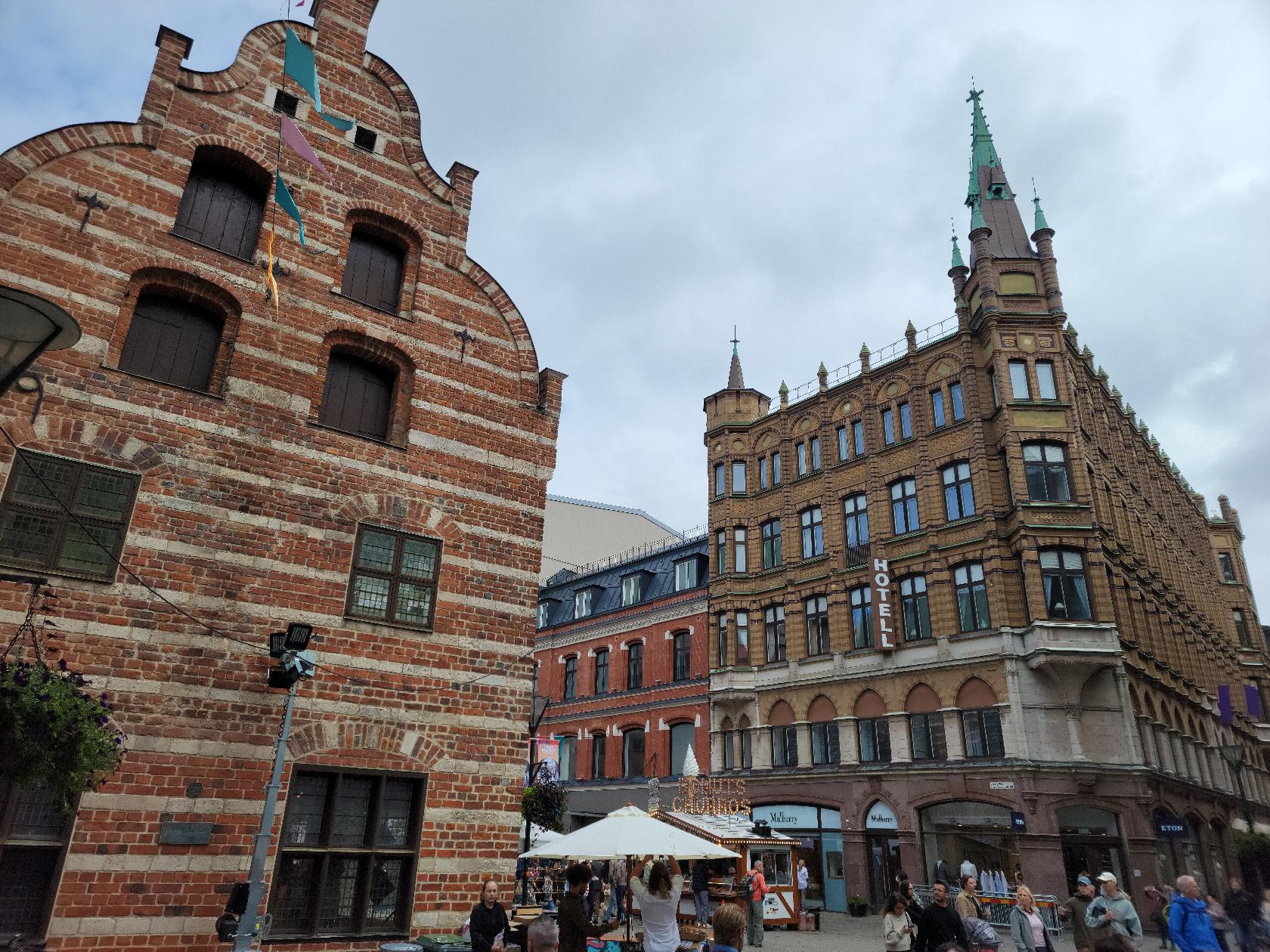
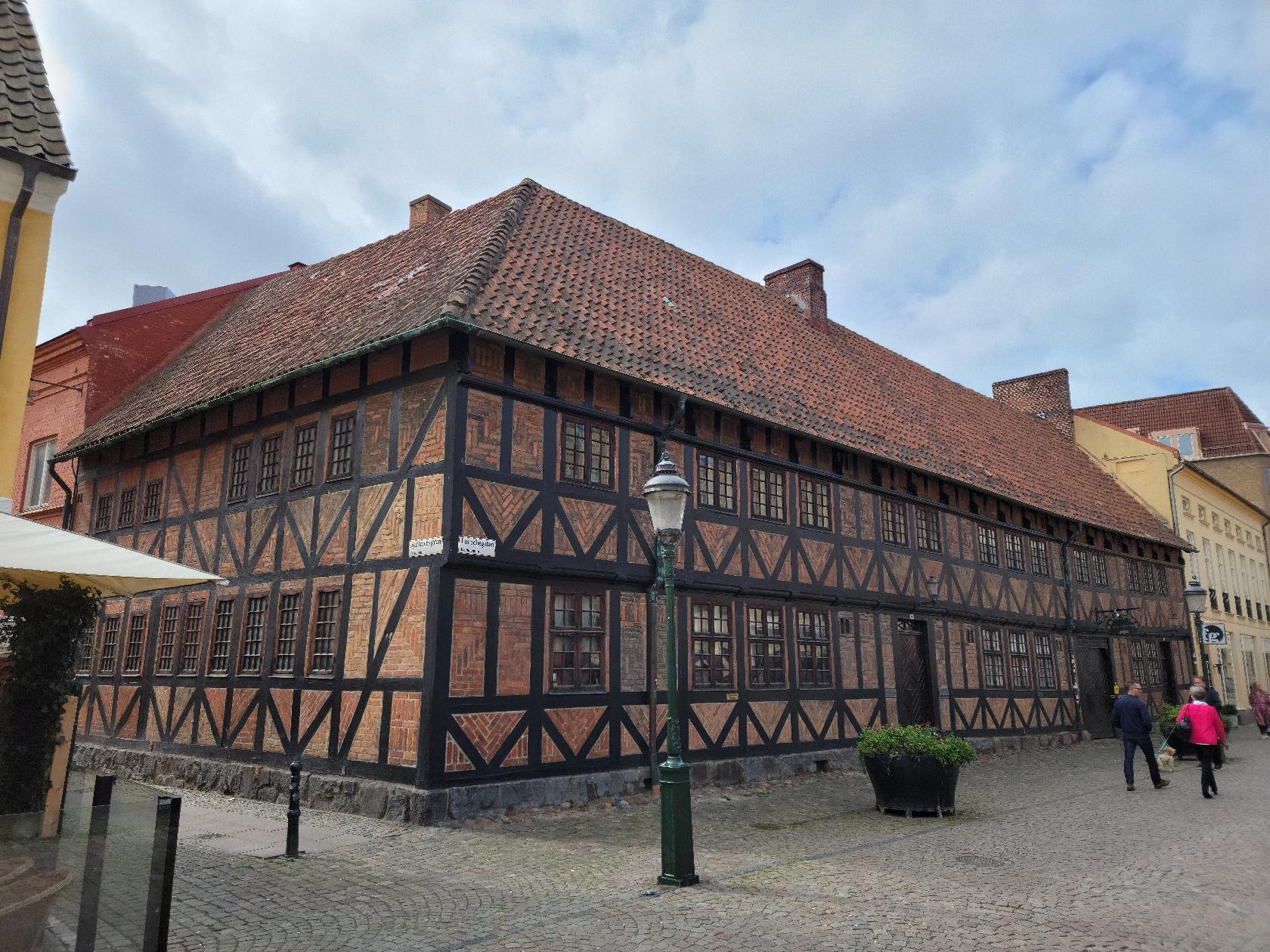
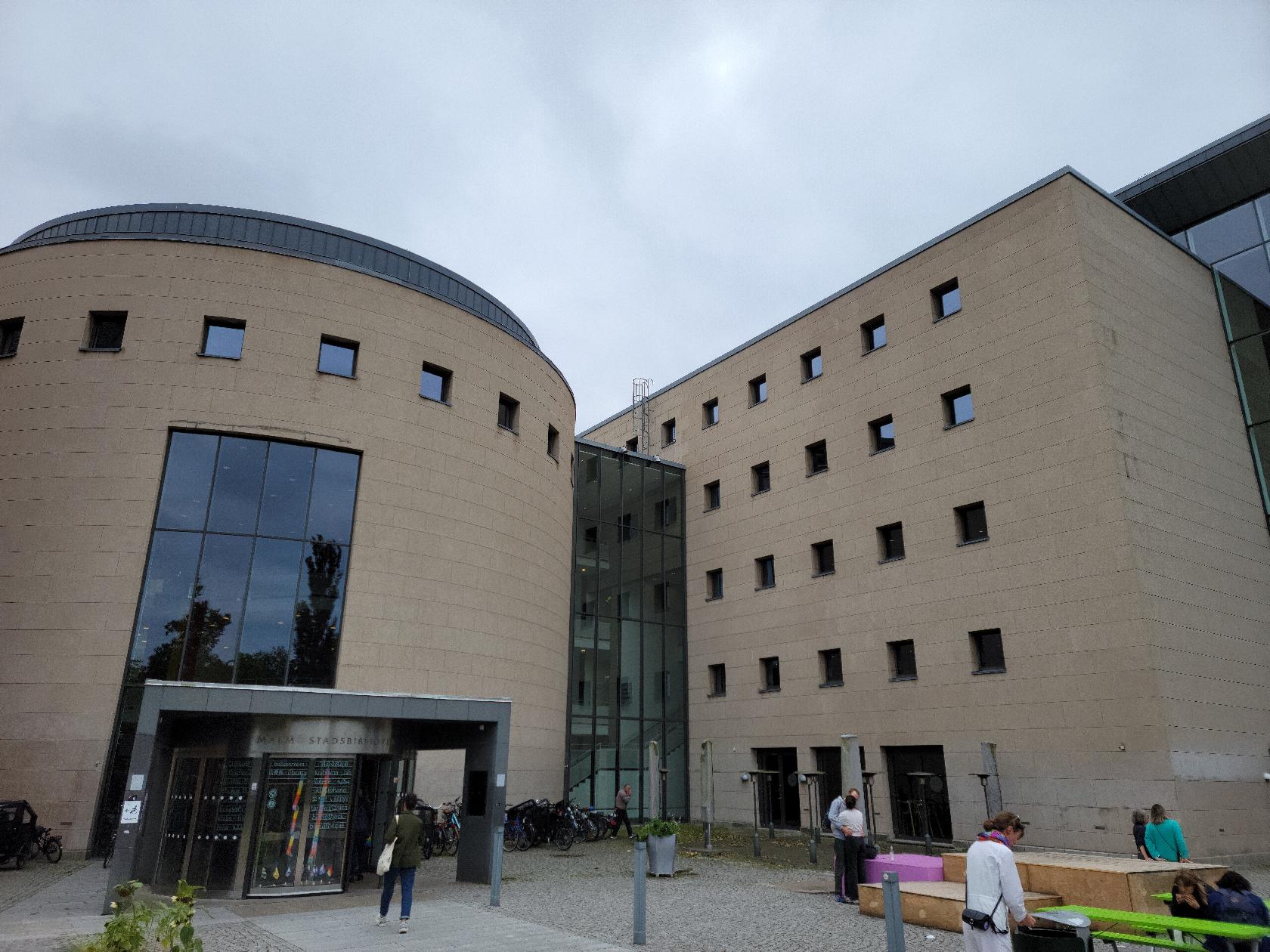
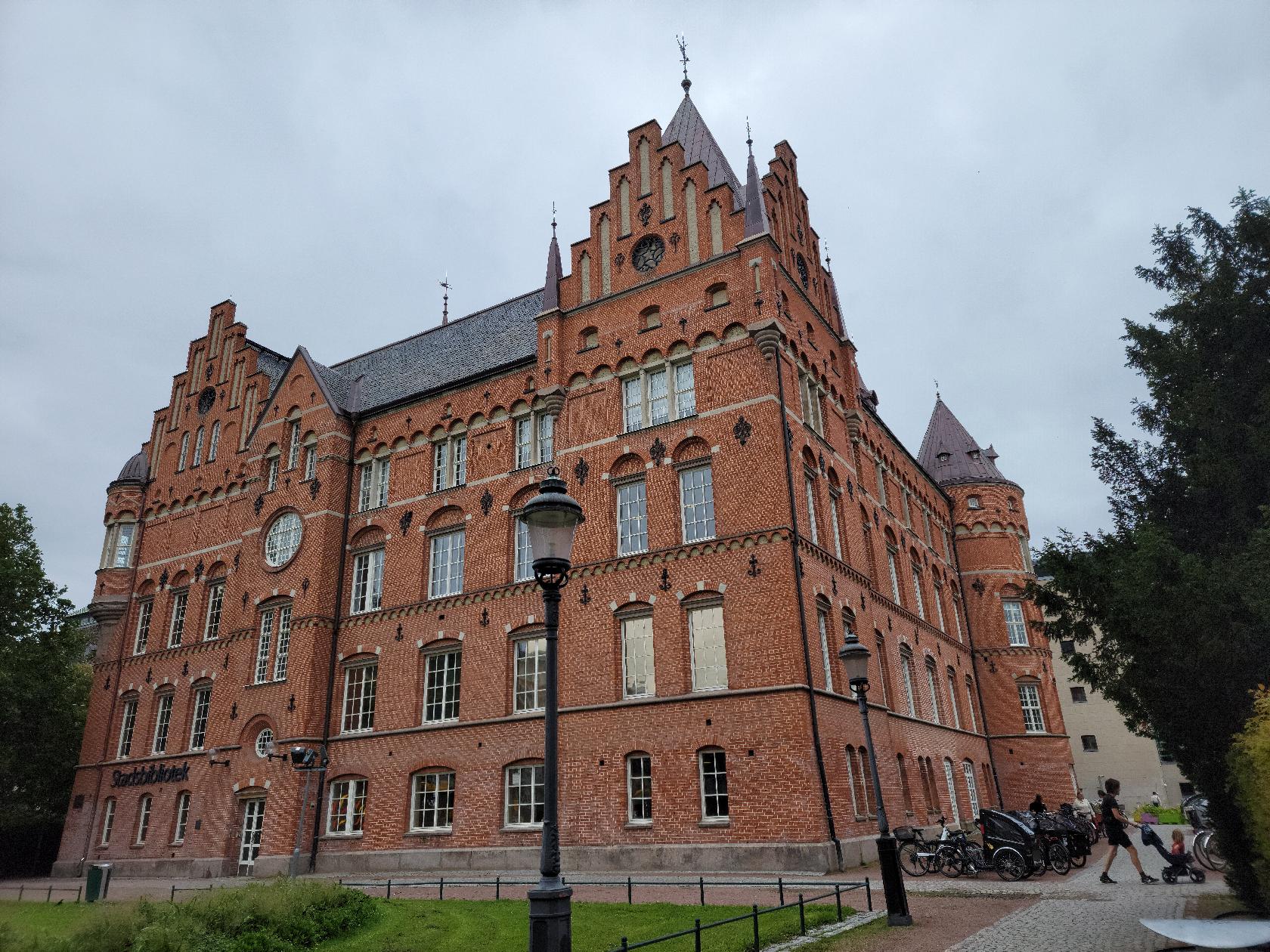
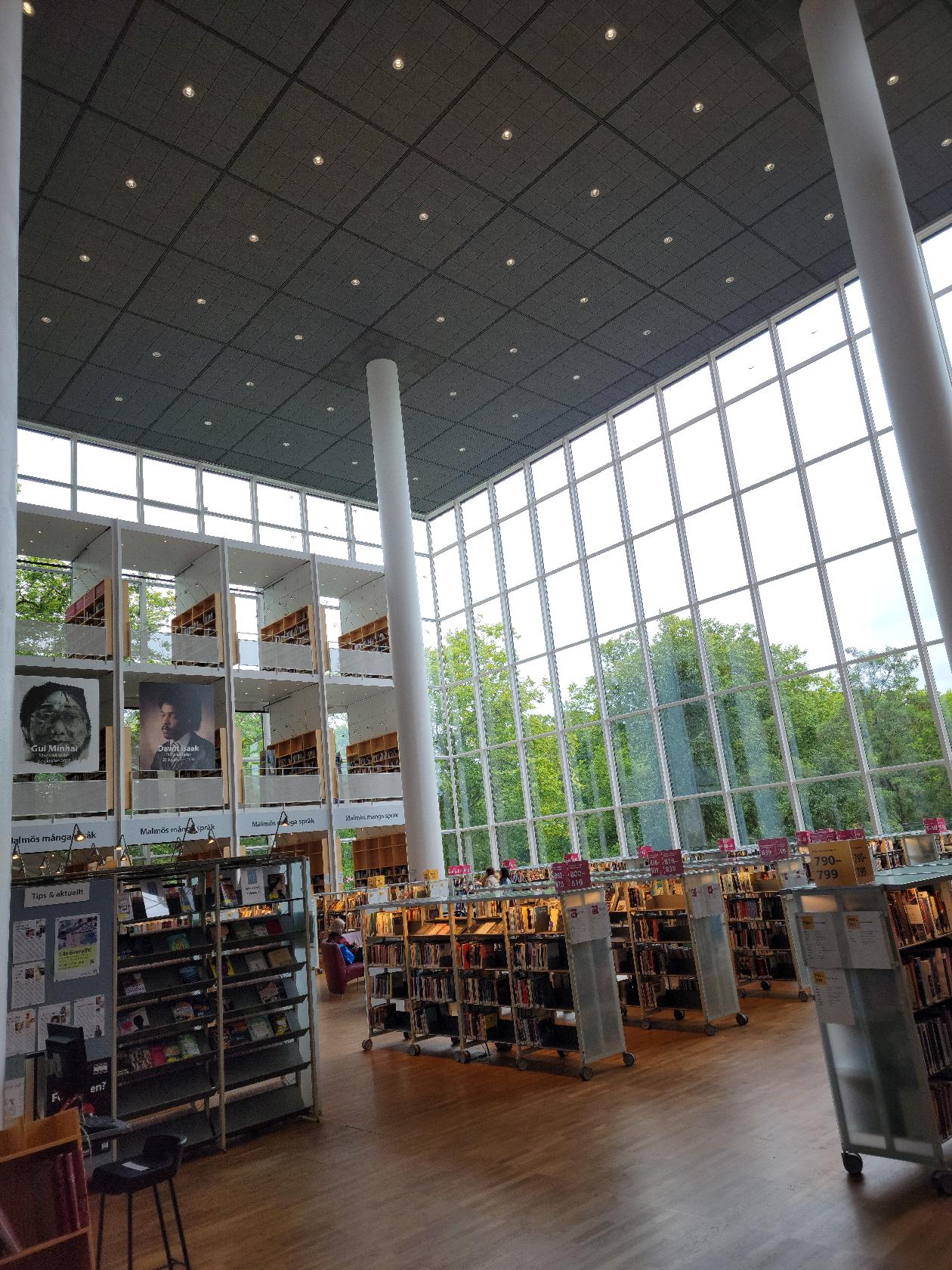
The city has some very good examples of the old style timber buildings and some that are a bit more modest. It also has a very old cemetery within its limits and a casino. We were informed that the library would be interesting to check out, but it actually does not compare with others that we have seen, so it might be something to drop from your itinerary.
Timber building at Hjulhamngaten and Larochegaten – Malmö, Sweden
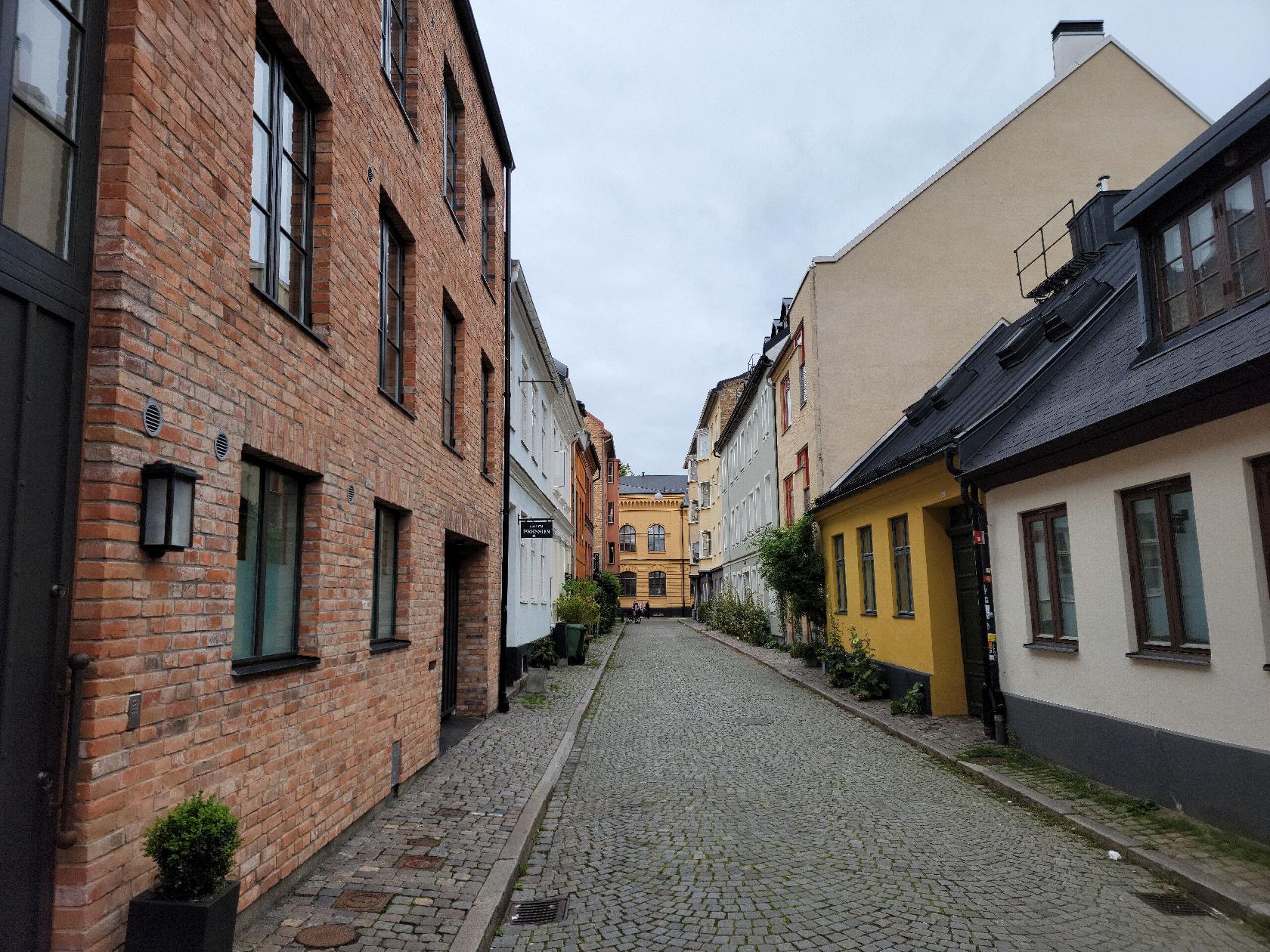
Jöns Filsgaten – Malmö, Sweden
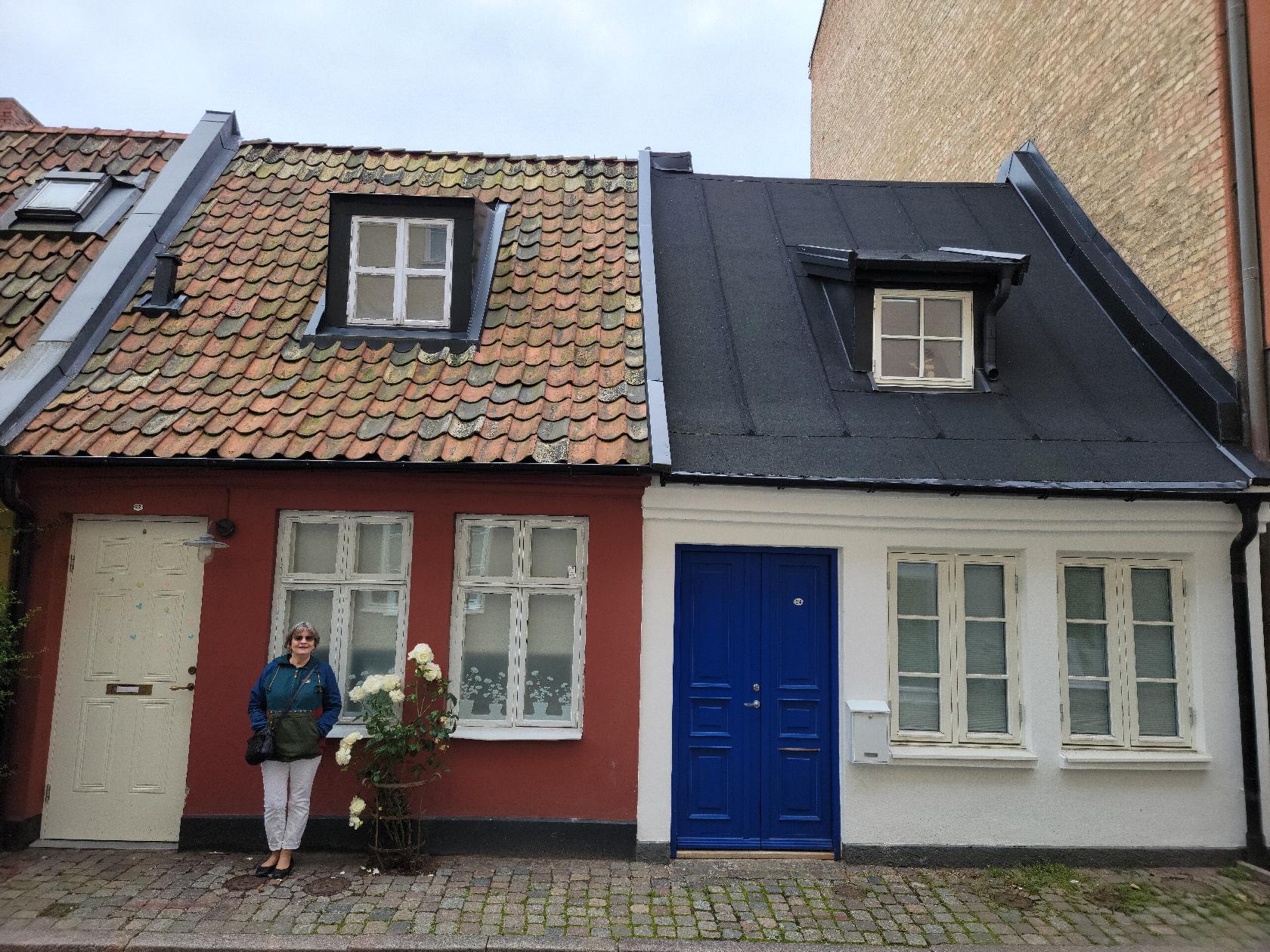
Tiny houses – Jöns Filsgaten – Malmö, Sweden
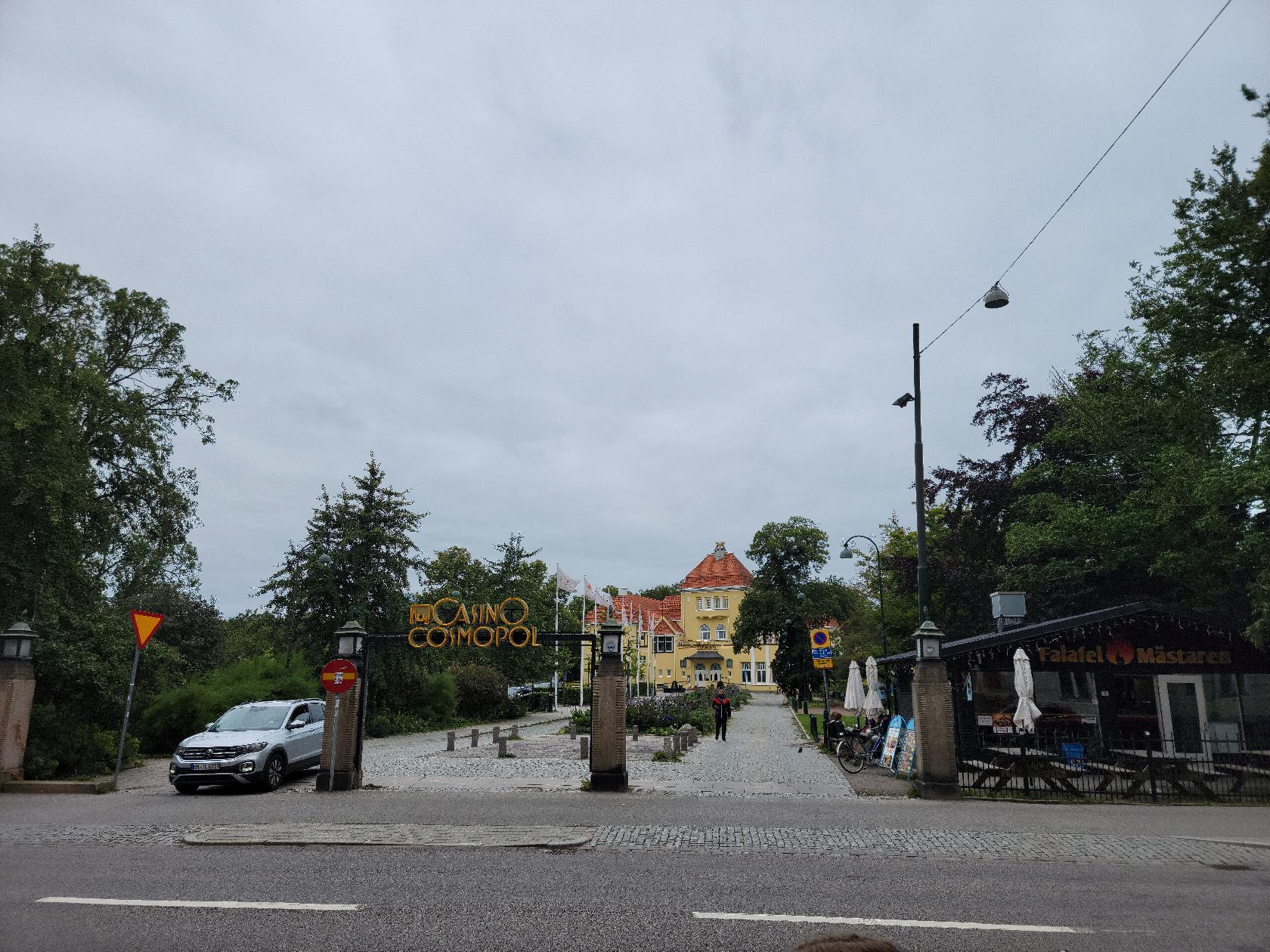
Casino – Malmö, Sweden
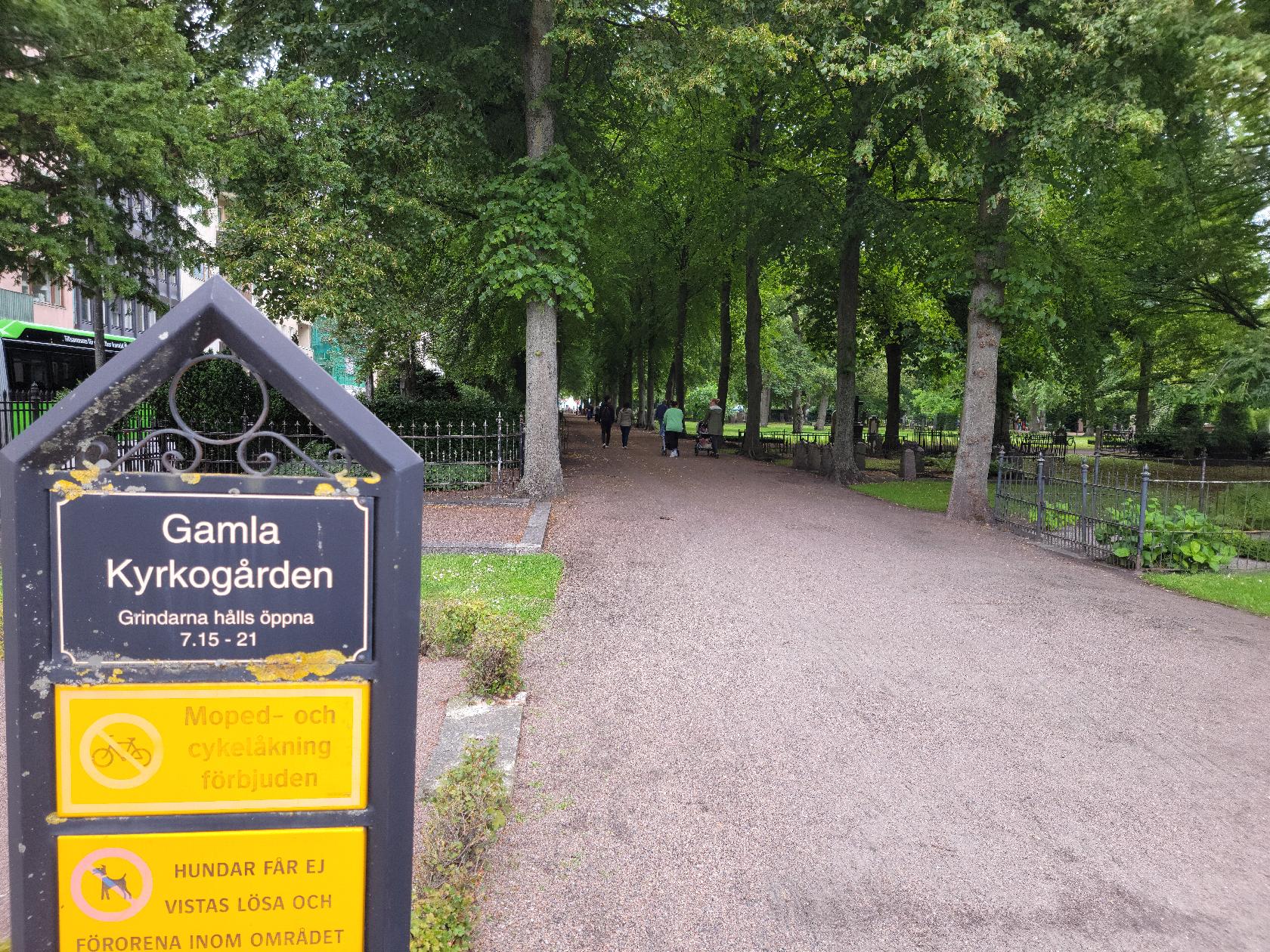
Gamla Kyrkogården – Malmö, Sweden
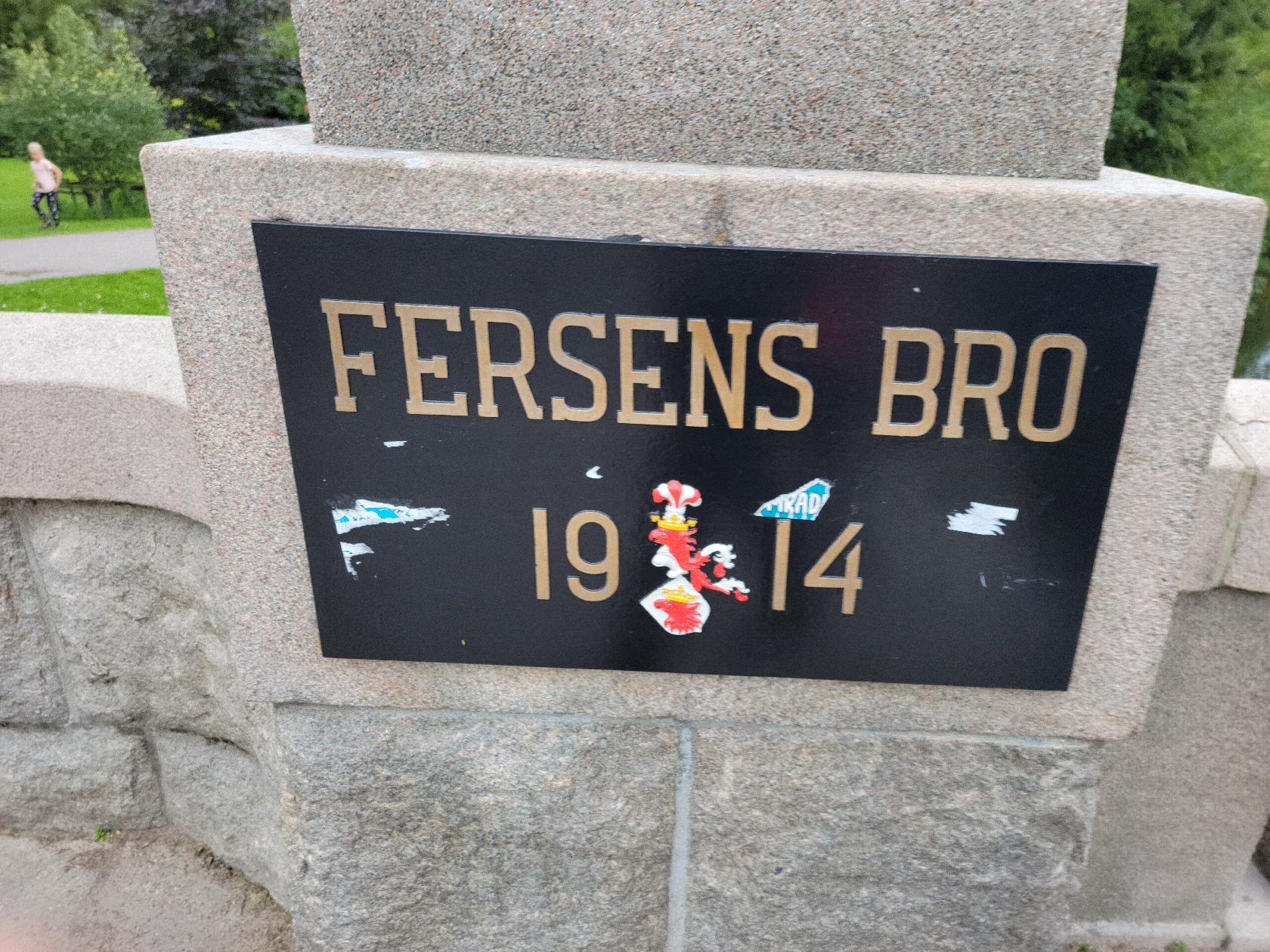
Fersens Bro – Malmö, Sweden
Malmö Library – Malmö, Sweden
Malmö Library – Malmö, Sweden
Malmö Library – Malmö, Sweden
The following slideshow displays some last interesting shots from other places within the city we visited.
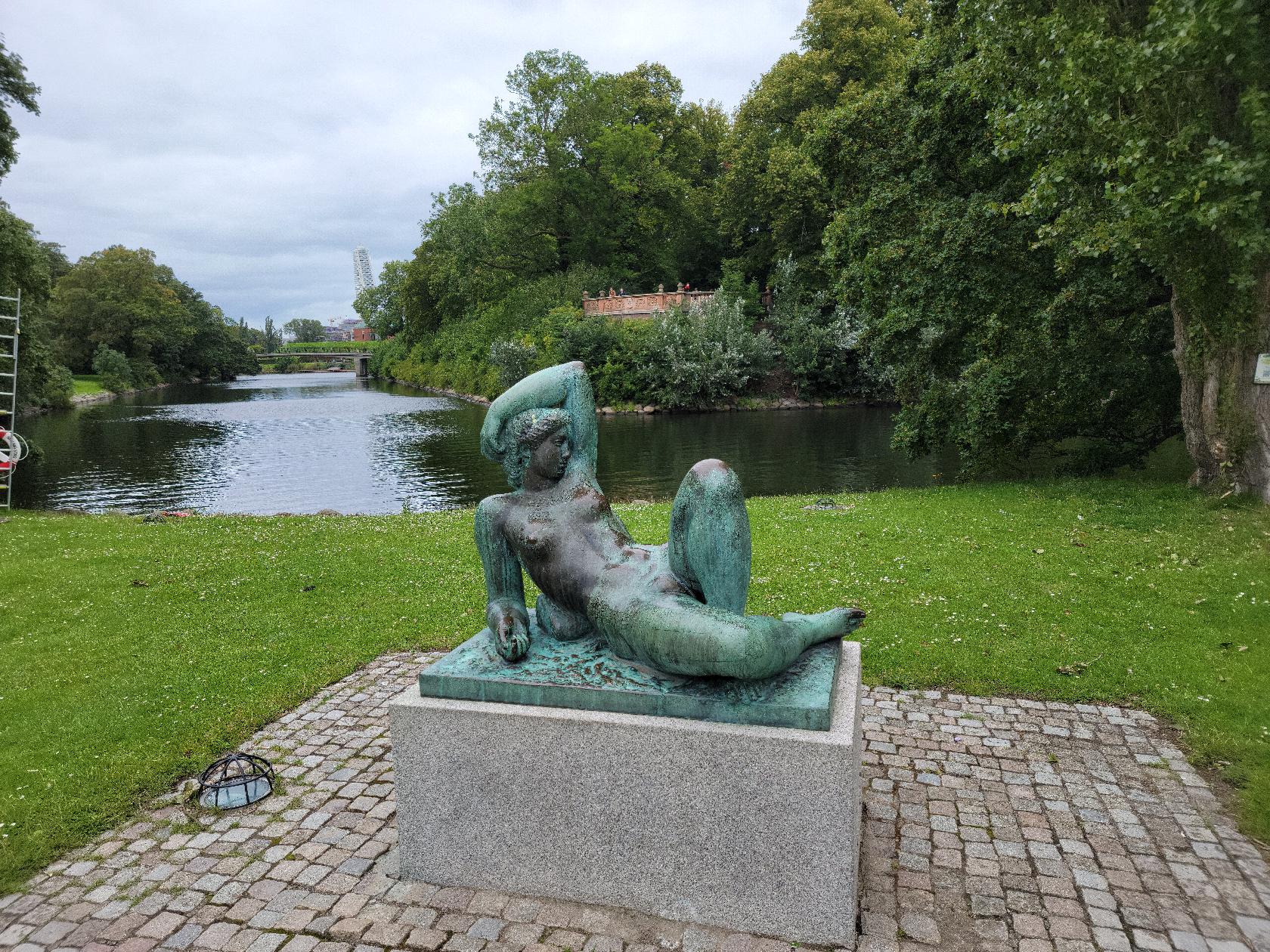
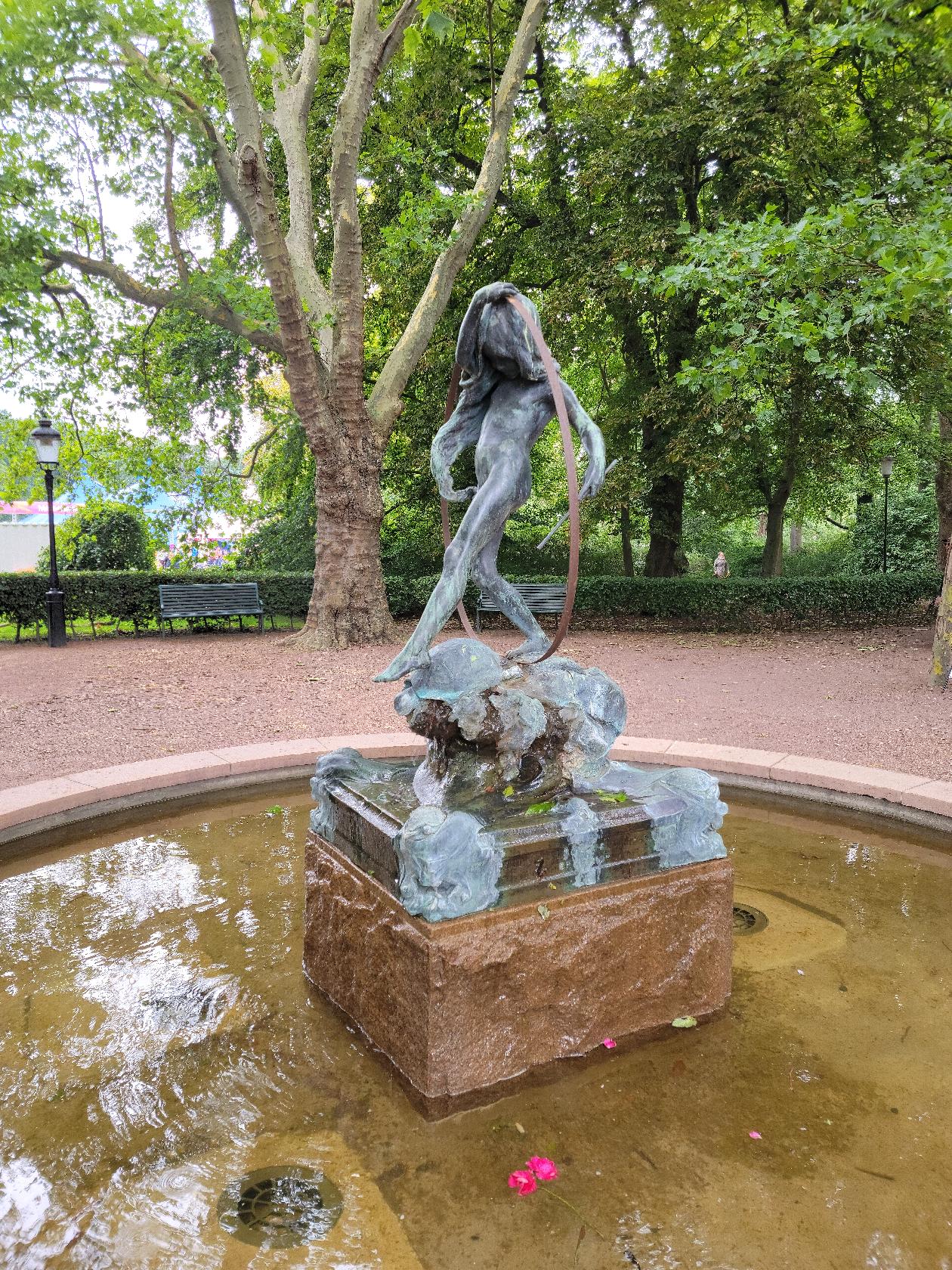
Slottsparken
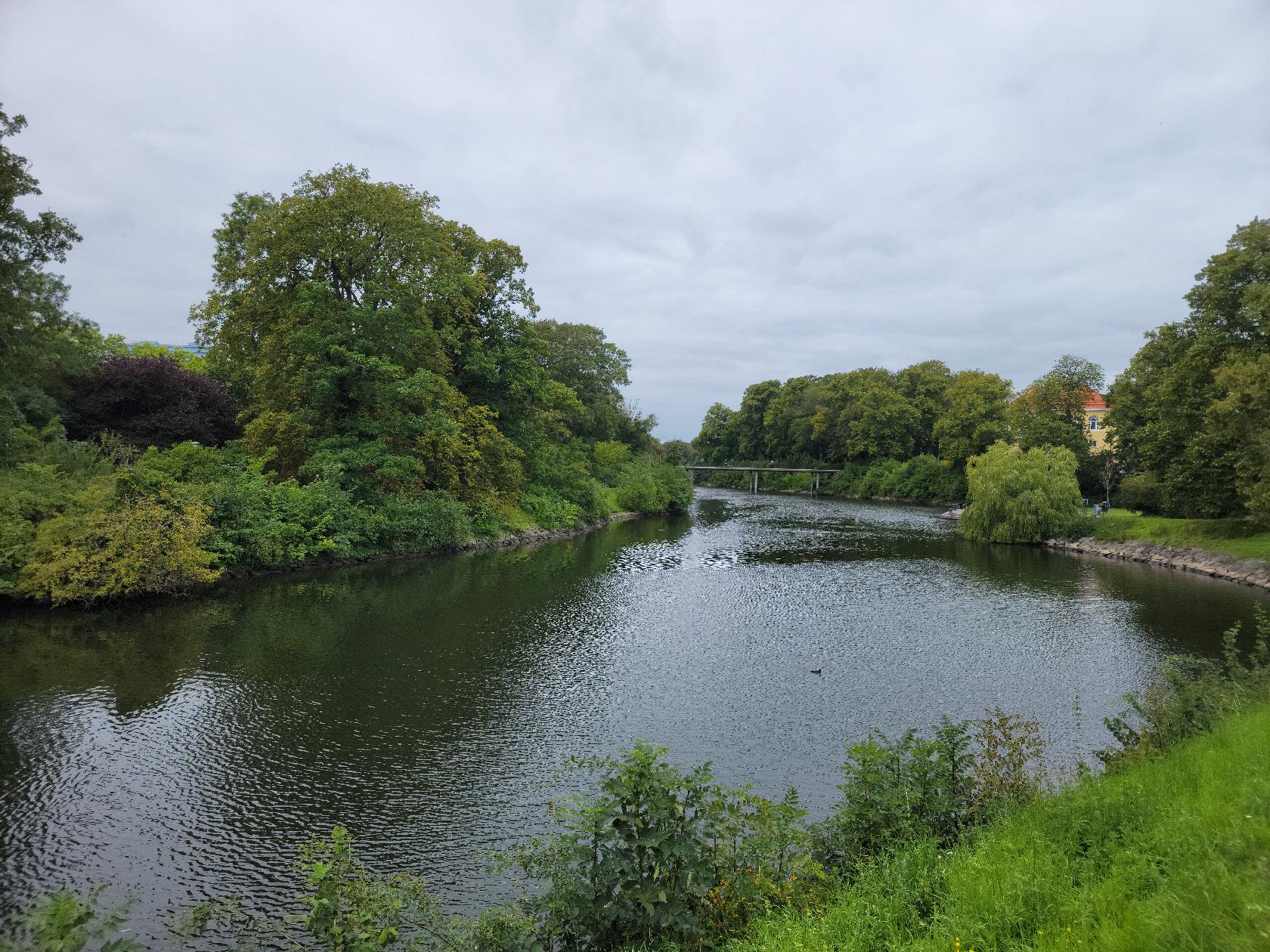
A very nice park to the west of the center of town. It is sparsely populated with trees, fountains and monuments. It has a canal and other waterways that divide it in many places, making it necessary to use on of the many bridges to navigate its interior.
Slottsparken – Malmö, Sweden
Liggende Pige – Slottsparken – Malmö, Sweden
Slottsparken – Malmö, Sweden
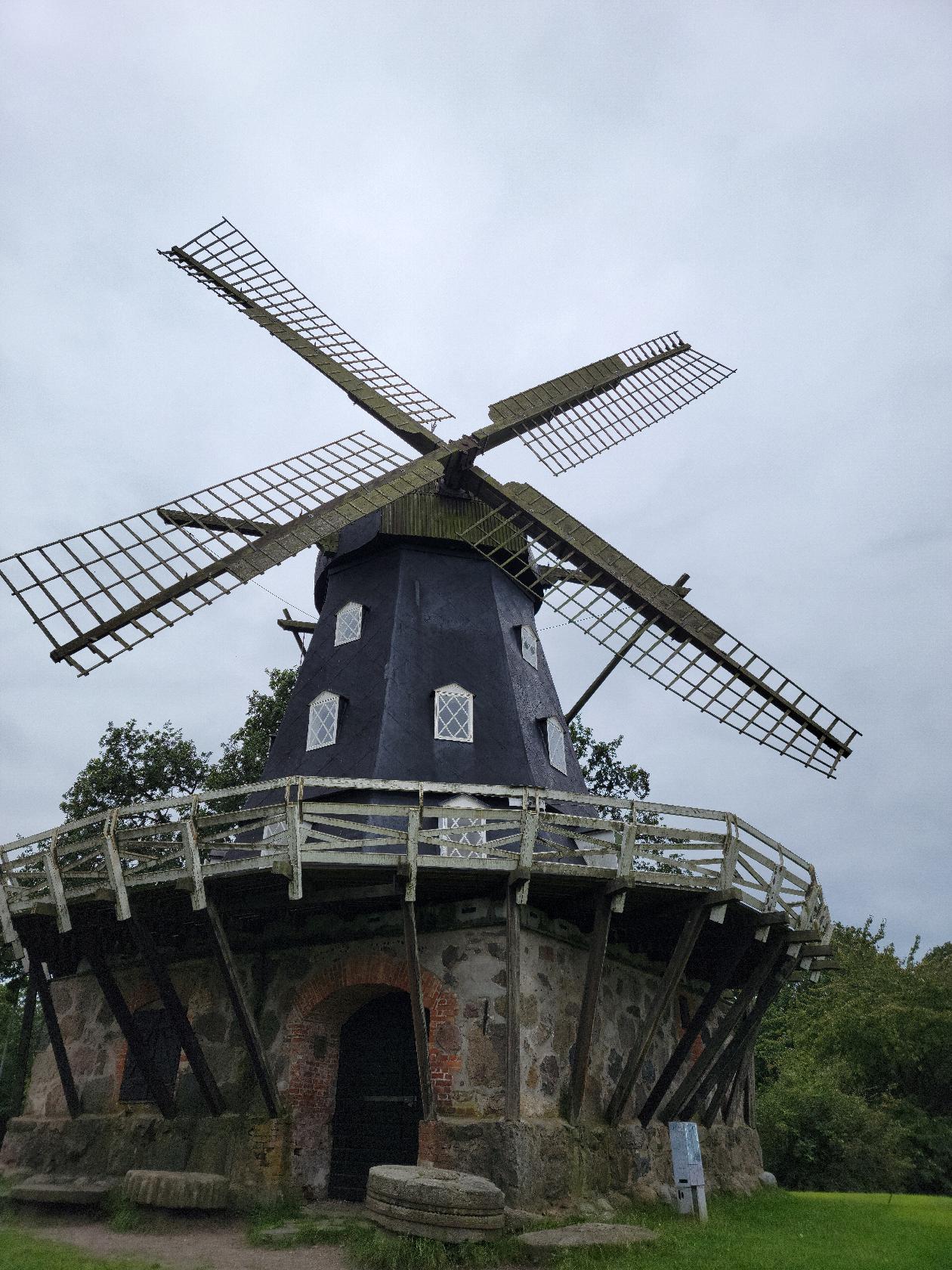
Windmill – Slottsparken – Malmö, Sweden
Malmö Castle
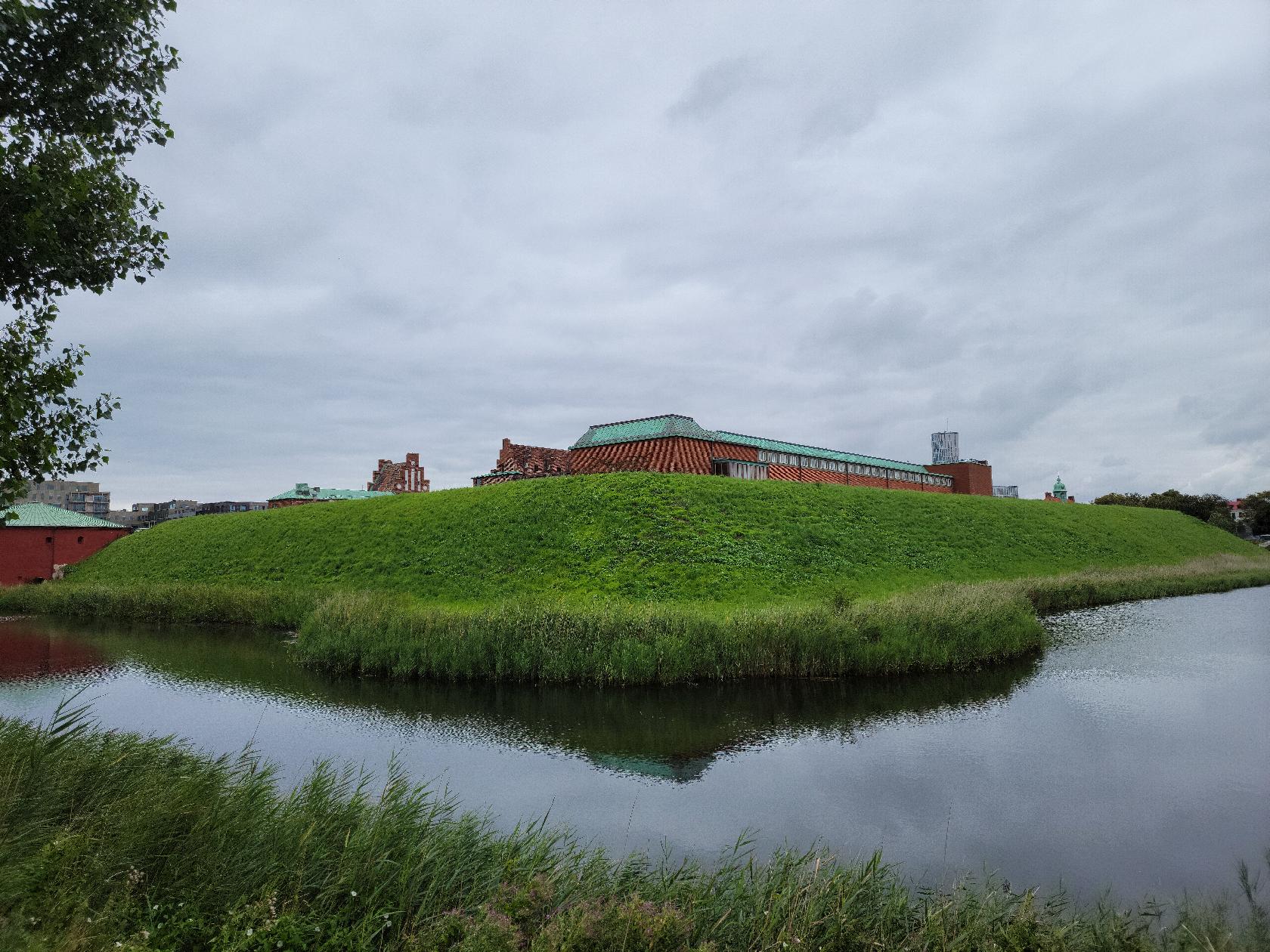
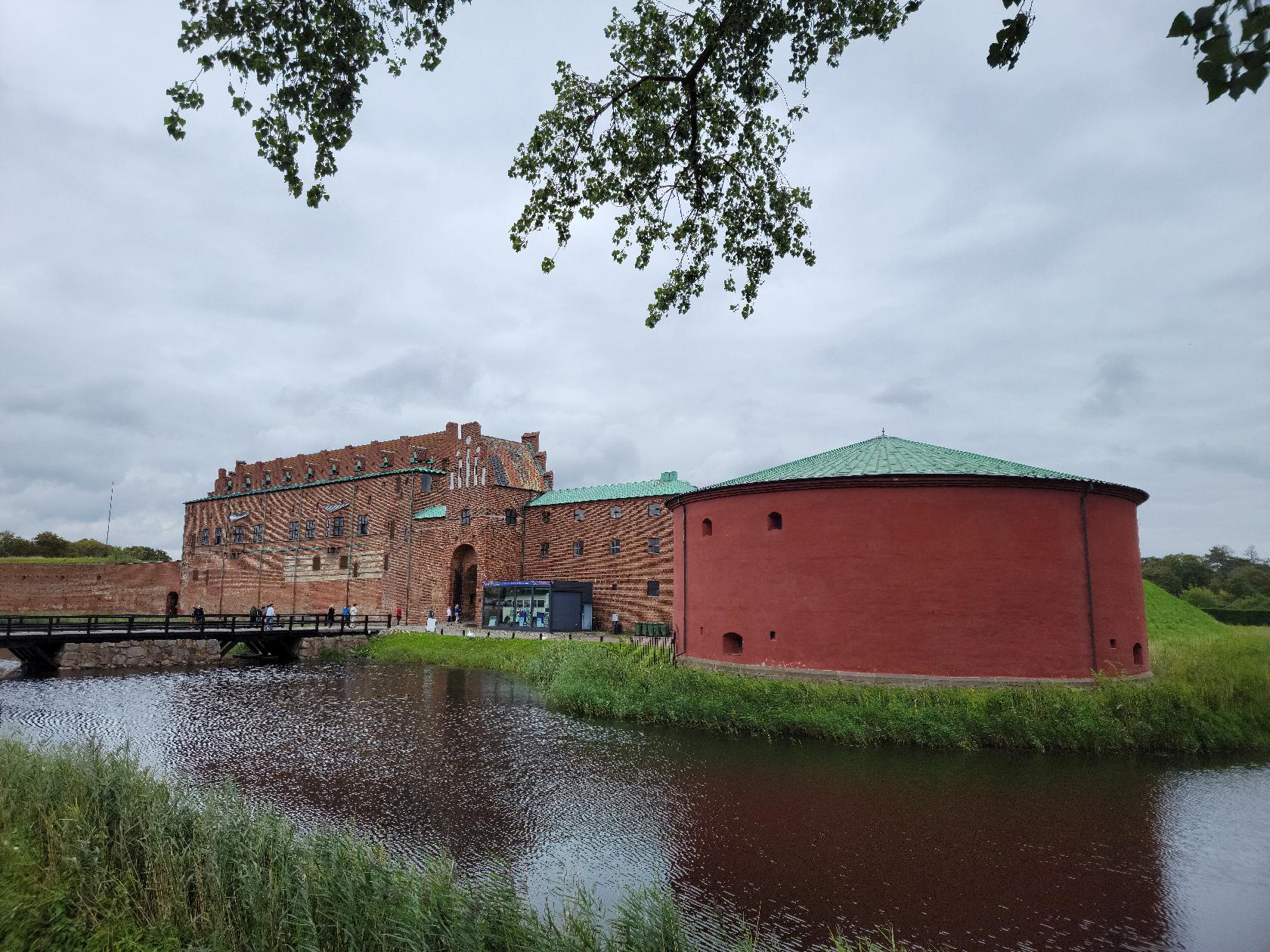
The Malmö Castle was our destination as we walked through the park. It is surrounded by a huge mote and there is only one point of entry, for those interested in seeing yet another castle on their tour. Fortunately, we just enjoyed the view from outside and continued our journey toward the dock area.
Malmö Castle – Malmö, Sweden
Malmö Castle – Malmö, Sweden
Västra Hamnen and the Docks
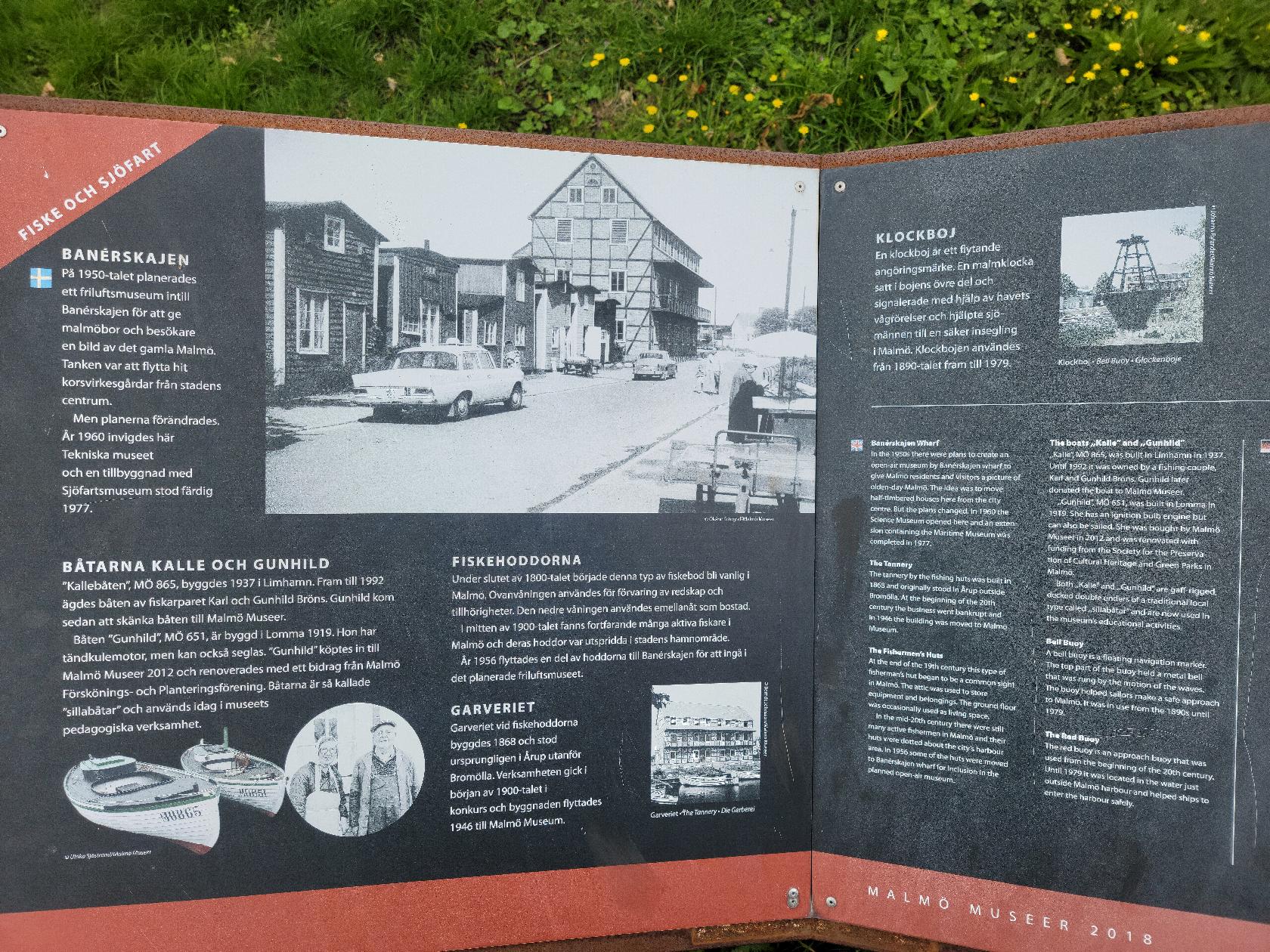
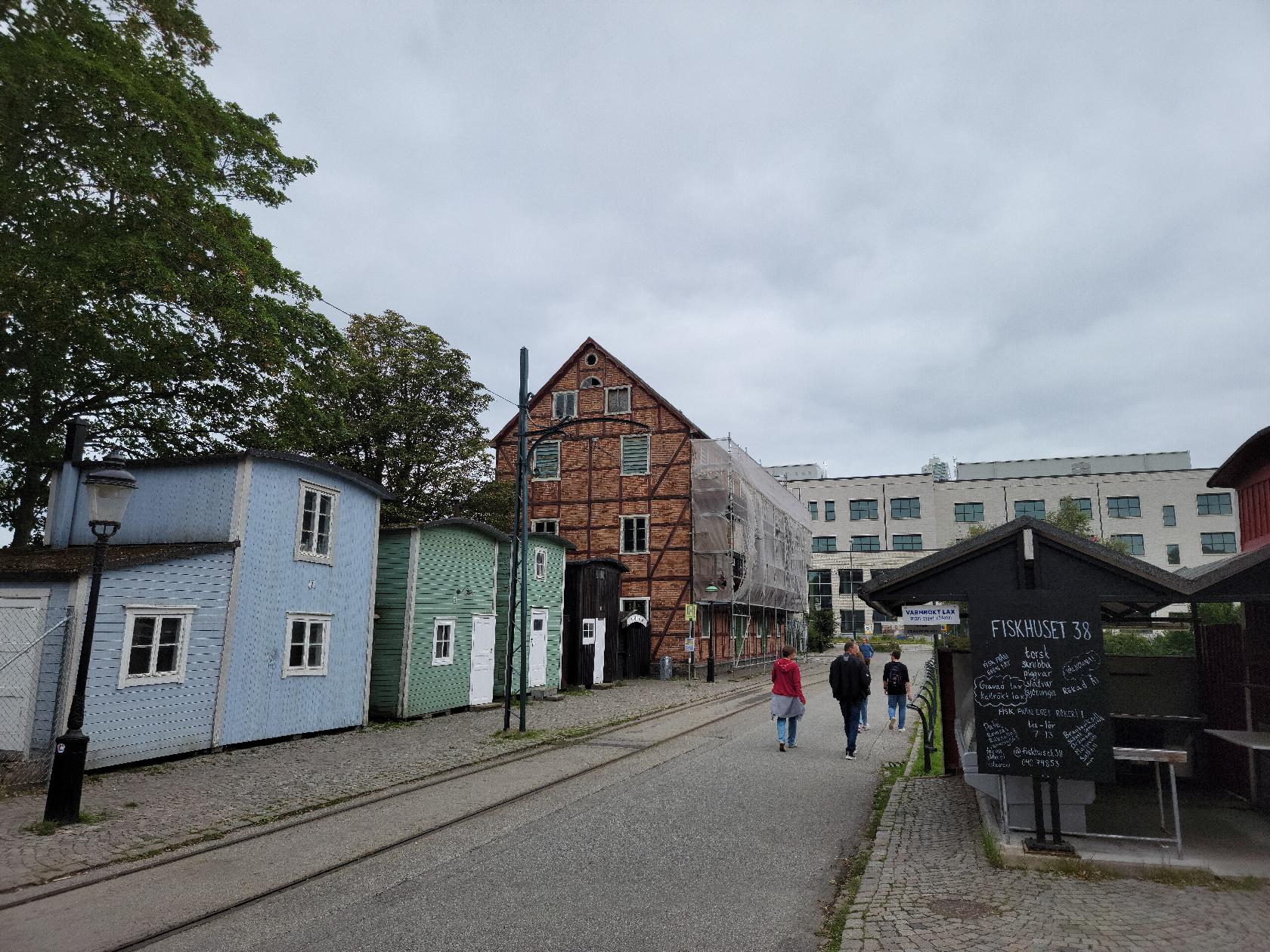
As you leave the castle area and head north, you can enjoy what’s left of the city’s old fish market, which still appears to be in operation.
Malmö Fish Market – Malmö, Sweden
Old Fish Market – Malmö, Sweden
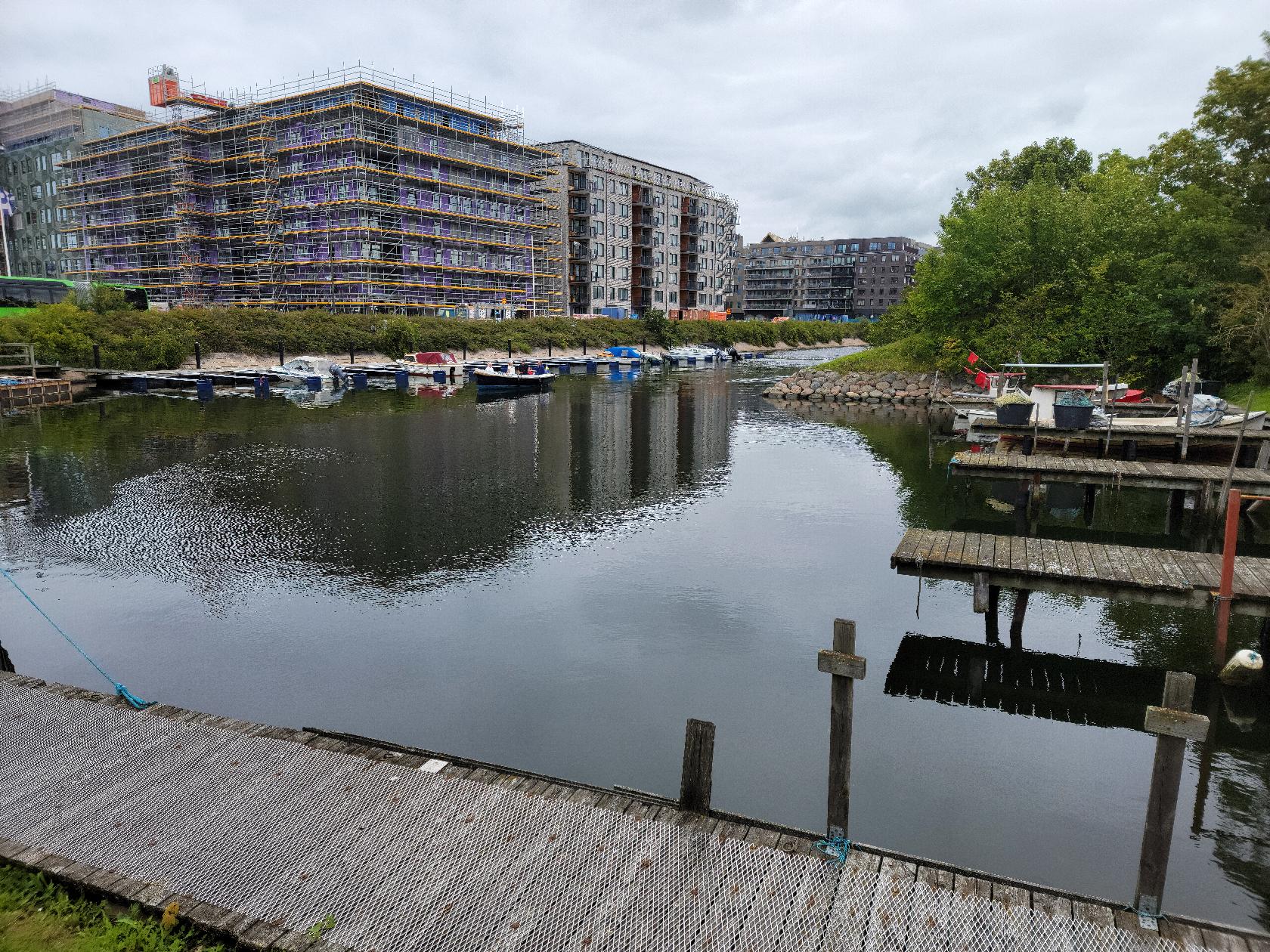
Old Fish Market Pier – Malmö, Sweden
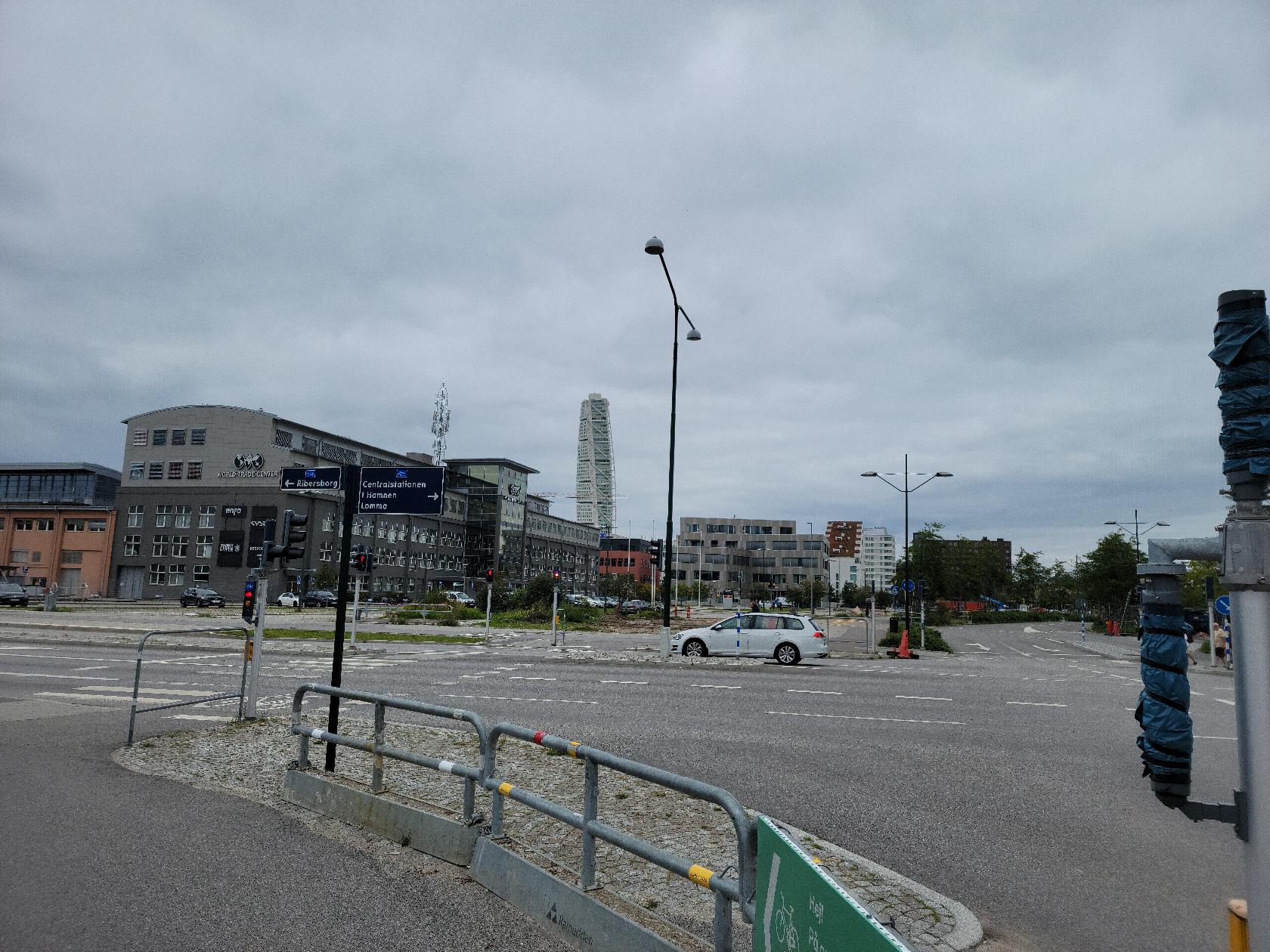
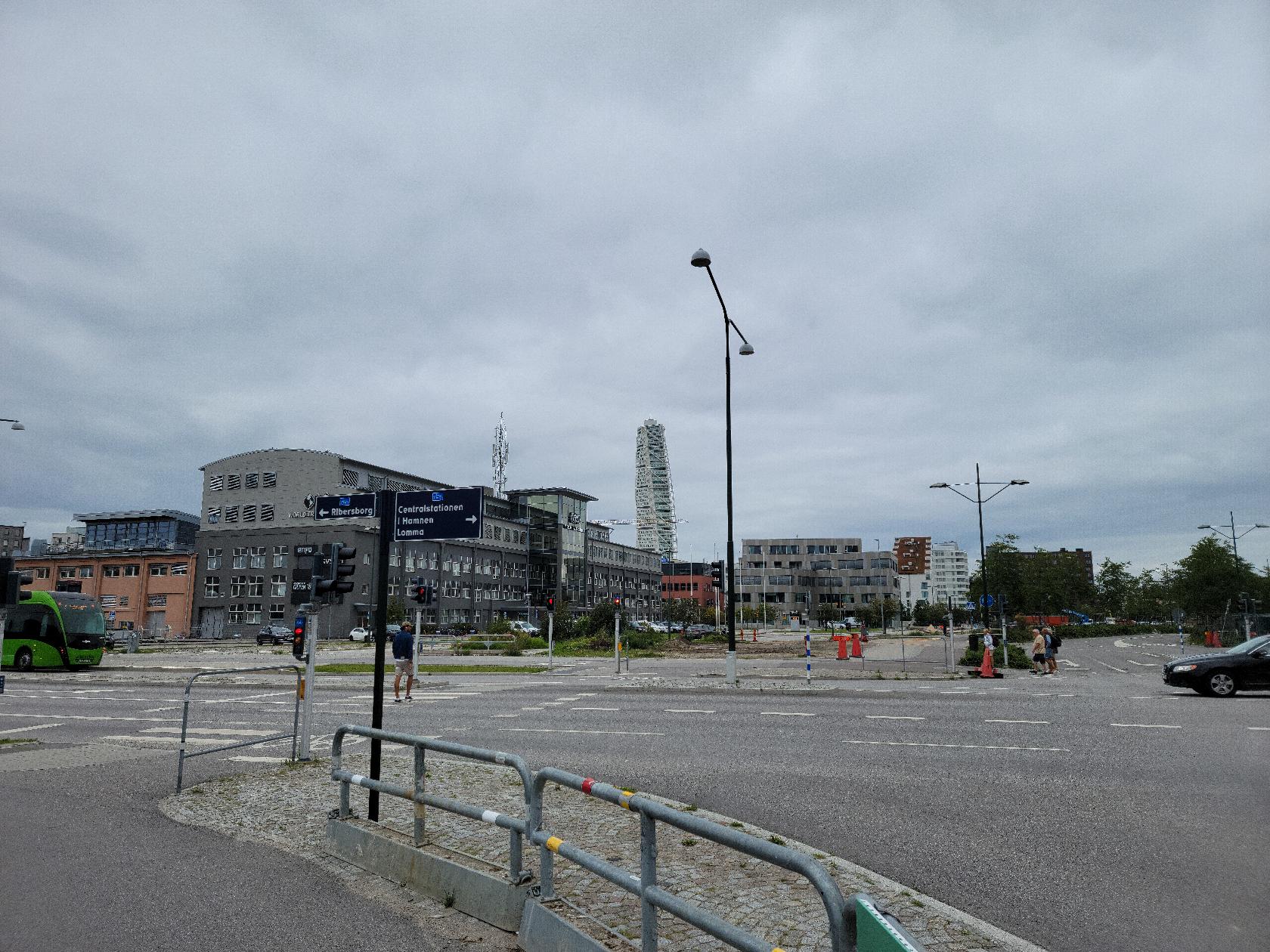
The island that makes up the Västra Hamnen area contains what was until recently, Sweden’s tallest skyscraper, the Twisted Tower. Again, owing to Swedish architecture, it stands out and is both elegant in its form as it is ugly in the way it fits in with its surrounding.
The Twisted Tower – Malmö, Sweden
The Twisted Tower – Malmö, Sweden
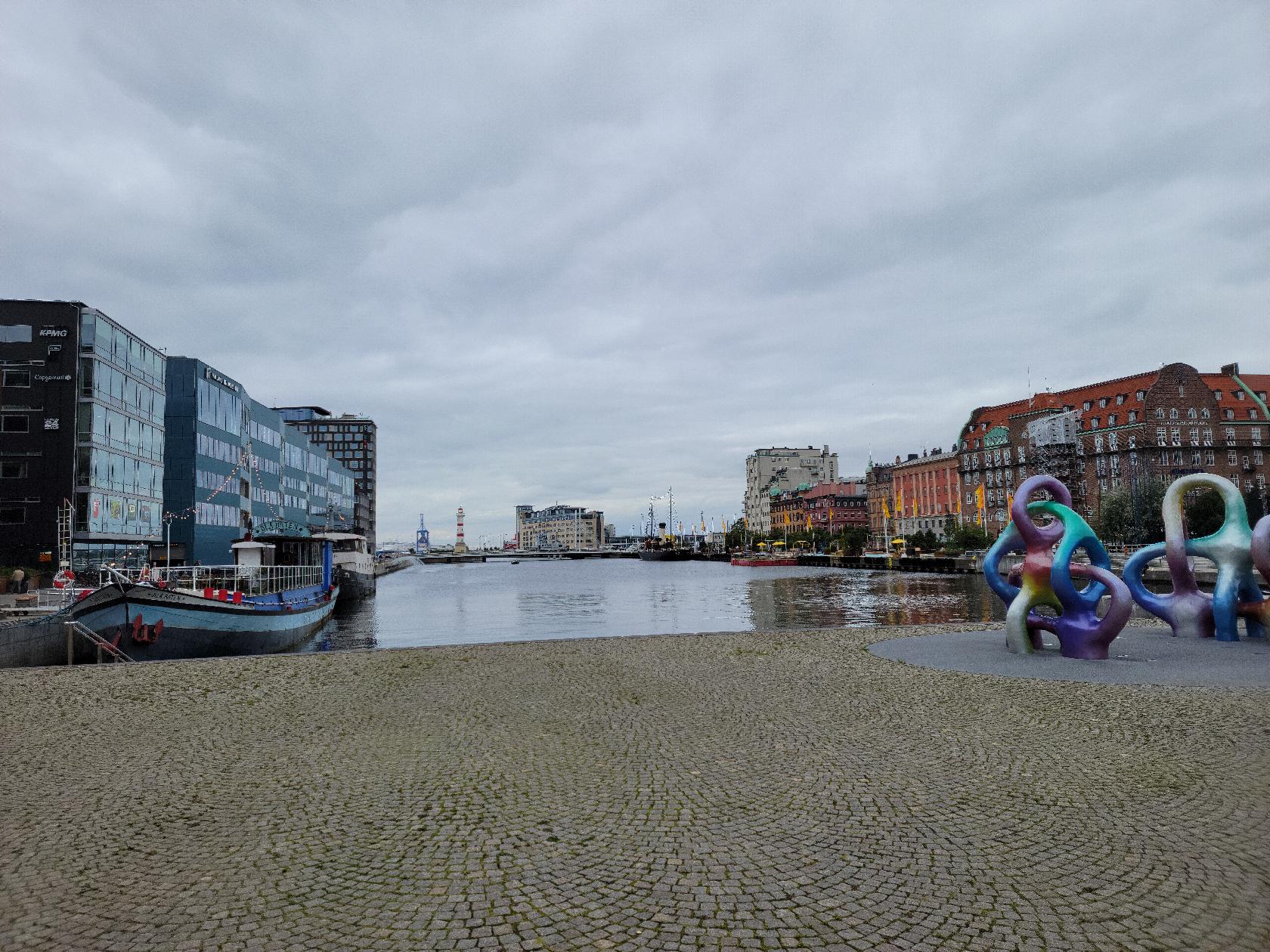
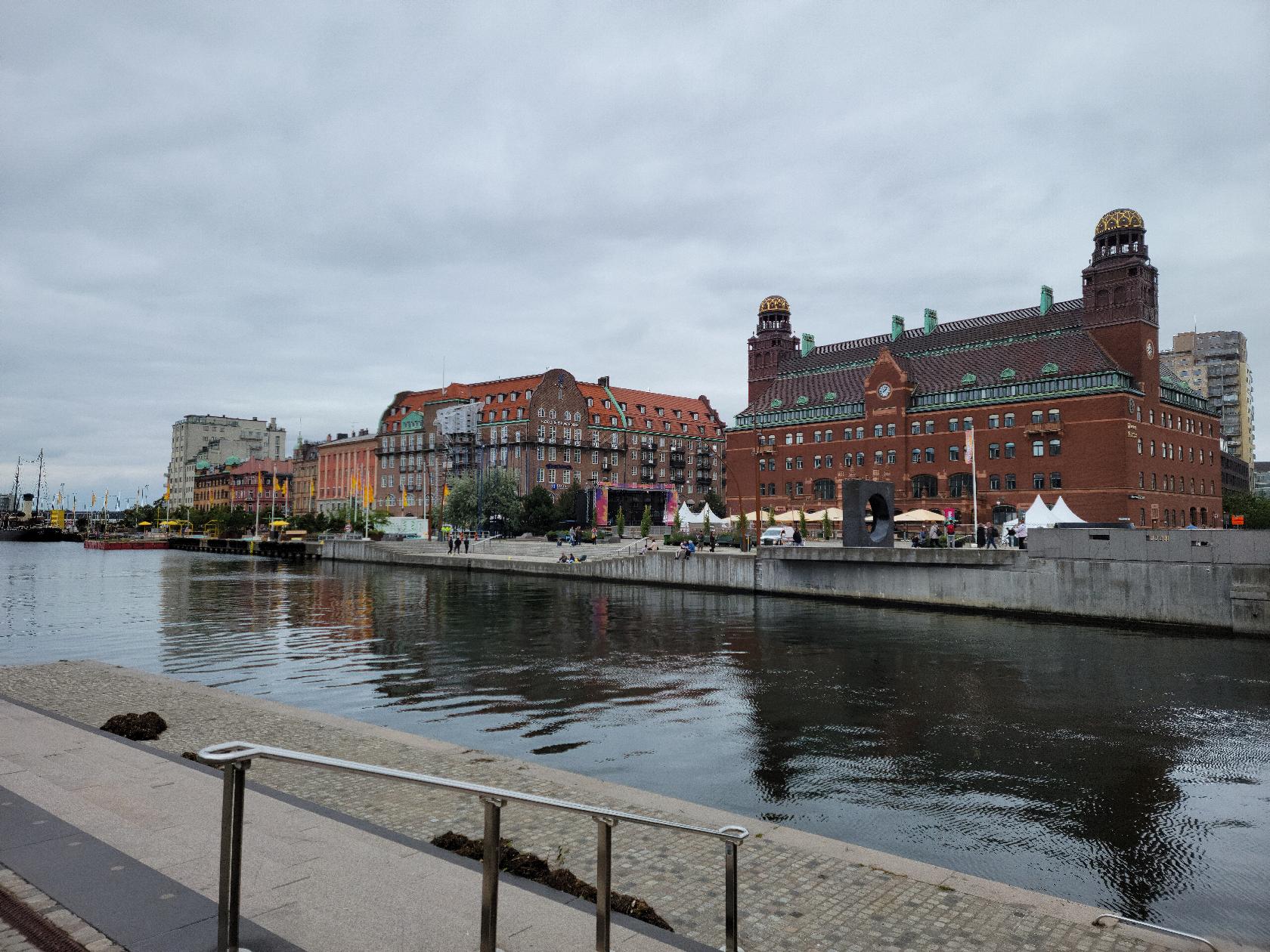
The docks do not have much to see, aside from the occasional piece of art. We wander through them on our way back to the train station and Copenhagen.
Spectral Self Container Artwork – Anna Lindhas Plats – Malmö, Sweden
Anna Lindhas Plats – Malmö, Sweden
Restaurants
Since we only stayed for the day, we only had time to try one restaurant for lunch, which was chosen out of about three that we researched before leaving. One thing is for sure, the food is not as expensive in Sweden as it was in Denmark and Copenhagen. That is perhaps why most Danes like to visit Malmö on the weekends, if only for a decent inexpensive meal out.
Lilla Torg Steakhouse
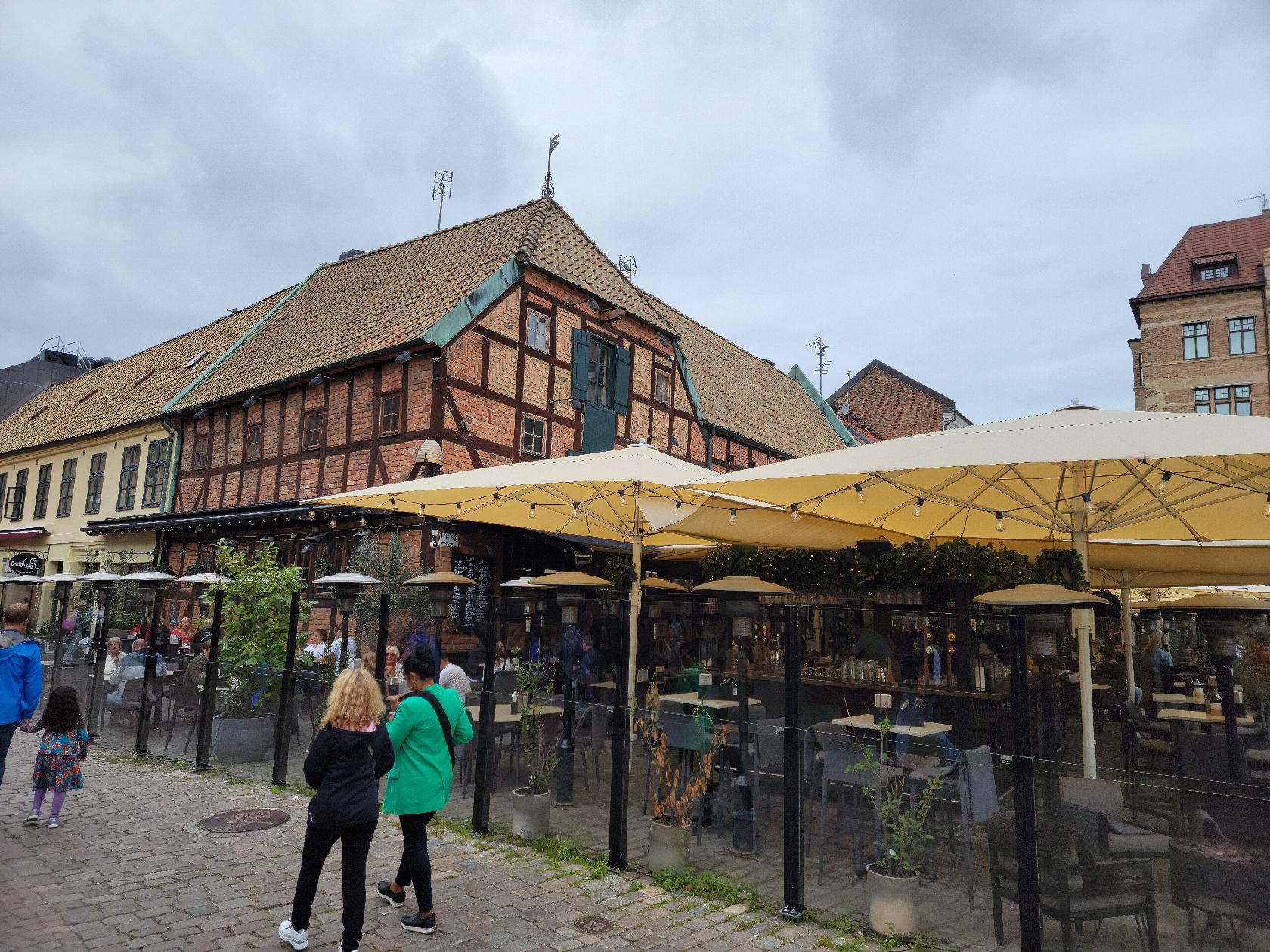
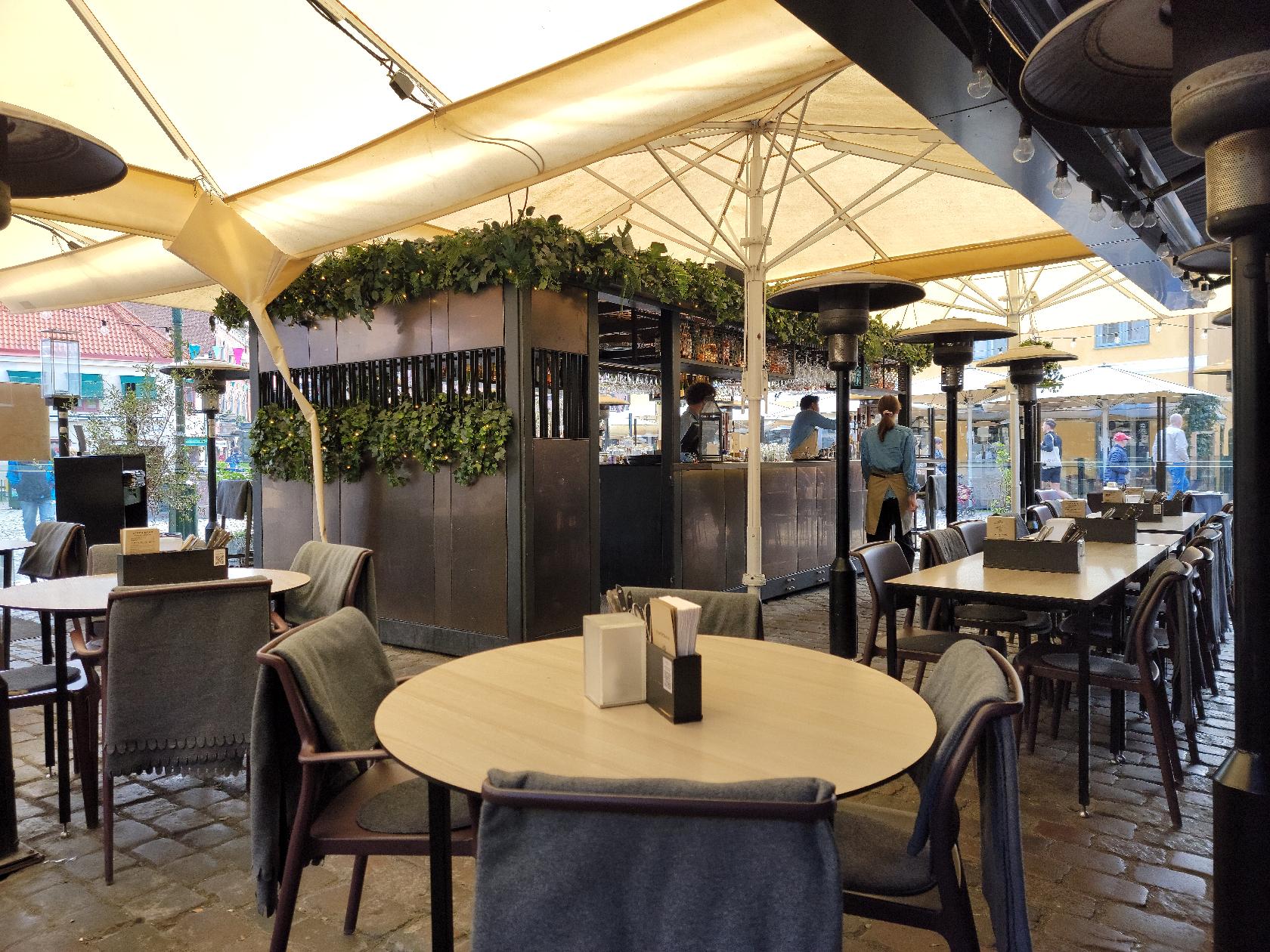
We selected the Lilla Torg Steakhouse in Lilla Torg for lunch. Our impressions were, that it tended to serve trendy and fusion types of food. The menu for lunch was rather sparse, but they did have some daily specials.
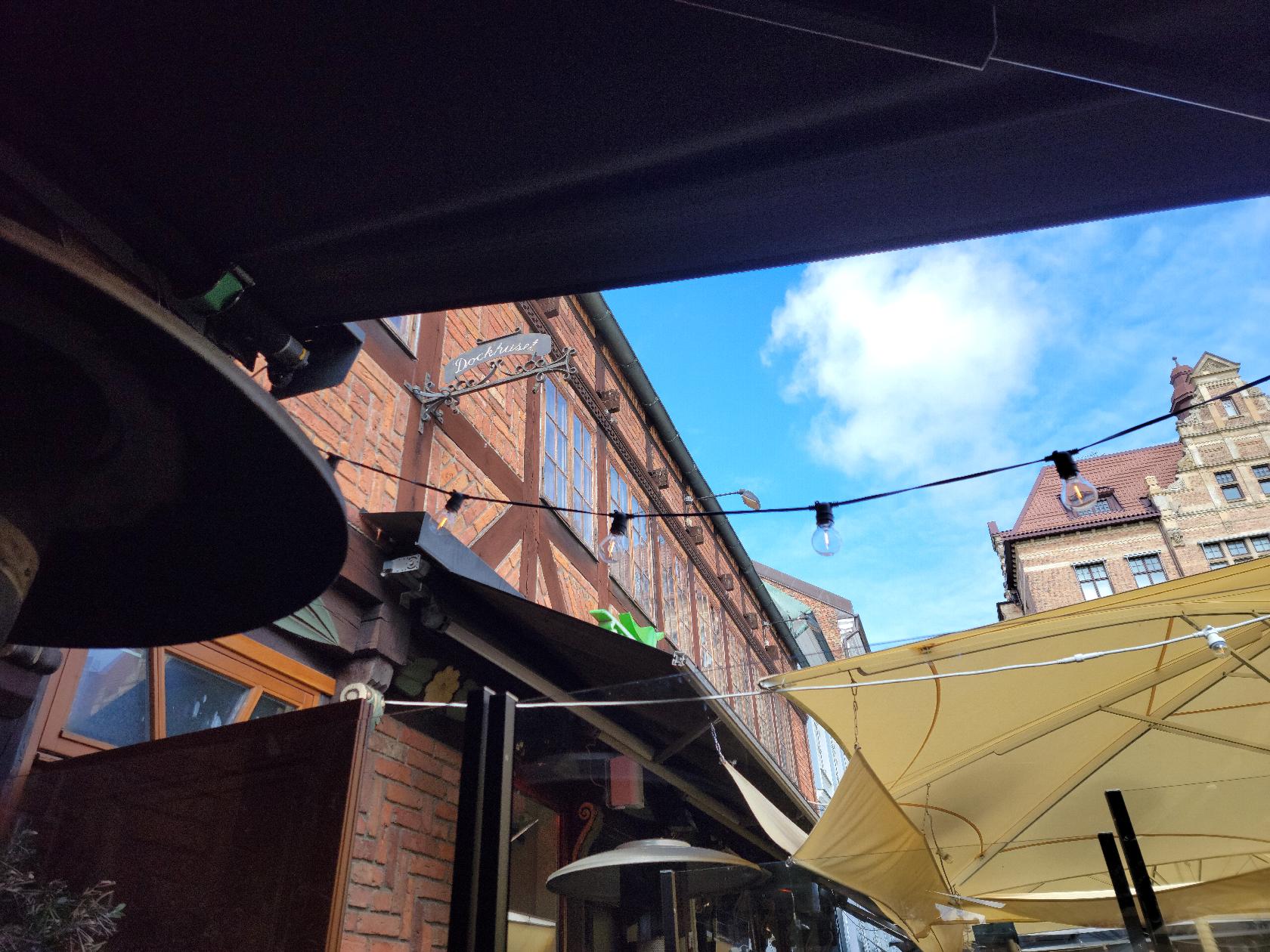
Steakhouse – Lilla torg – Malmö, Sweden
Steakhouse – Lilla torg – Malmö, Sweden
Steakhouse – Lilla torg – Malmö, Sweden
Steakhouse – Lilla torg – Malmö, Sweden
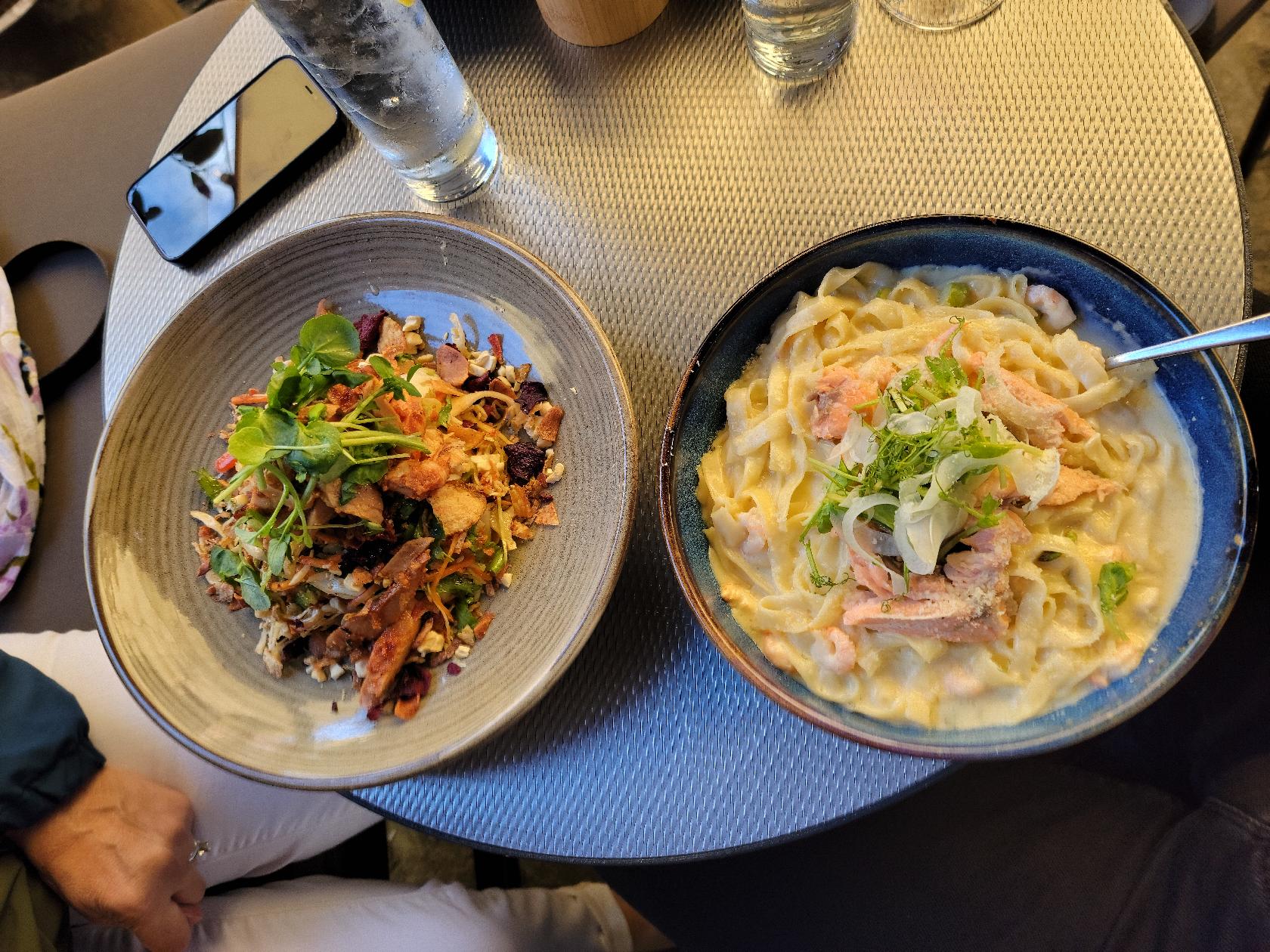
The food was good, though a bit on the salty side. I also found the pasta to be overcooked and very mushy, which frankly I am not a fan. Patti’s salad also looked overly complicated, but she insisted, aside from the salt, that it was pretty good. Neither of us finished our dish and I guess after twenty minutes of us sitting there not touching our food they got the hint.
Roasted Chicken Salad and Fettuccine and Salmon – Steakhouse – Lilla torg – Malmö, Sweden
Finally, when they collected our dishes, they were interested in what we thought and we honestly told them – back off the salt a bit. We tried to explain, that we were just there for the day and they should probably worry more about what their Swedish and Danish customers say, but she was still apologetic and insisted they cared. Kudos, I guess.
Below are some final meanderings about the city, several other places that we ate and a few places that we saw, that just didn’t fit in any of the former entries.
Copenhagen
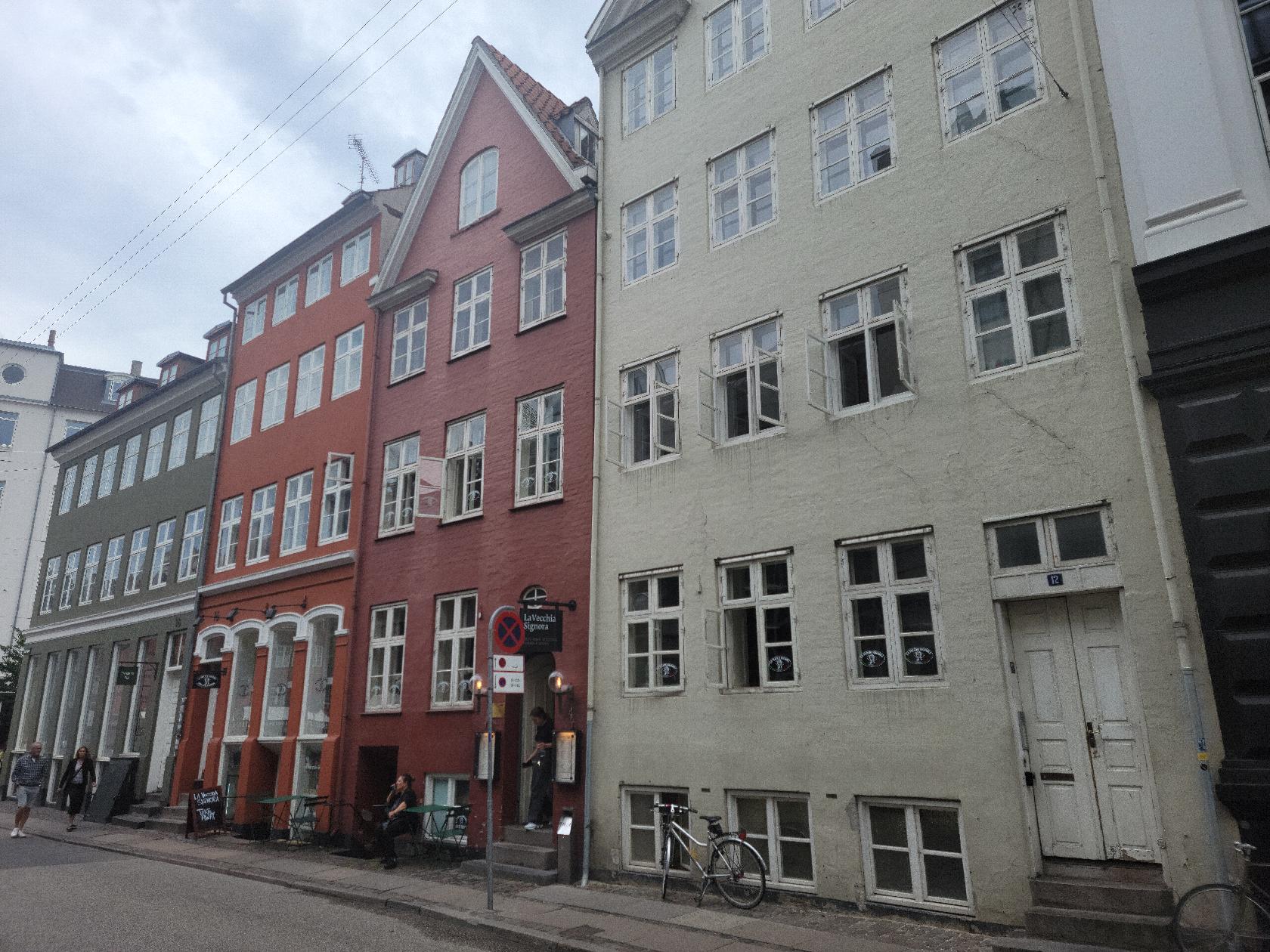
Some final thoughts on the city and its location. The weather when we were here was borderline terrible. So if you plan on visiting, you should check the extended forecast prior to packing. It was August and we dealt with temperatures in the 50-60°F range with rain. After the first few days, we just had to ask someone if this what the weather is always like. We were told that the weather is extremely variable and they have even seen snow in the middle of summer! Again, be prepared. We packed both long and short pants and shirts, along with raincoats and glad we did; but only because we knew the forecast had low temperatures and rain.
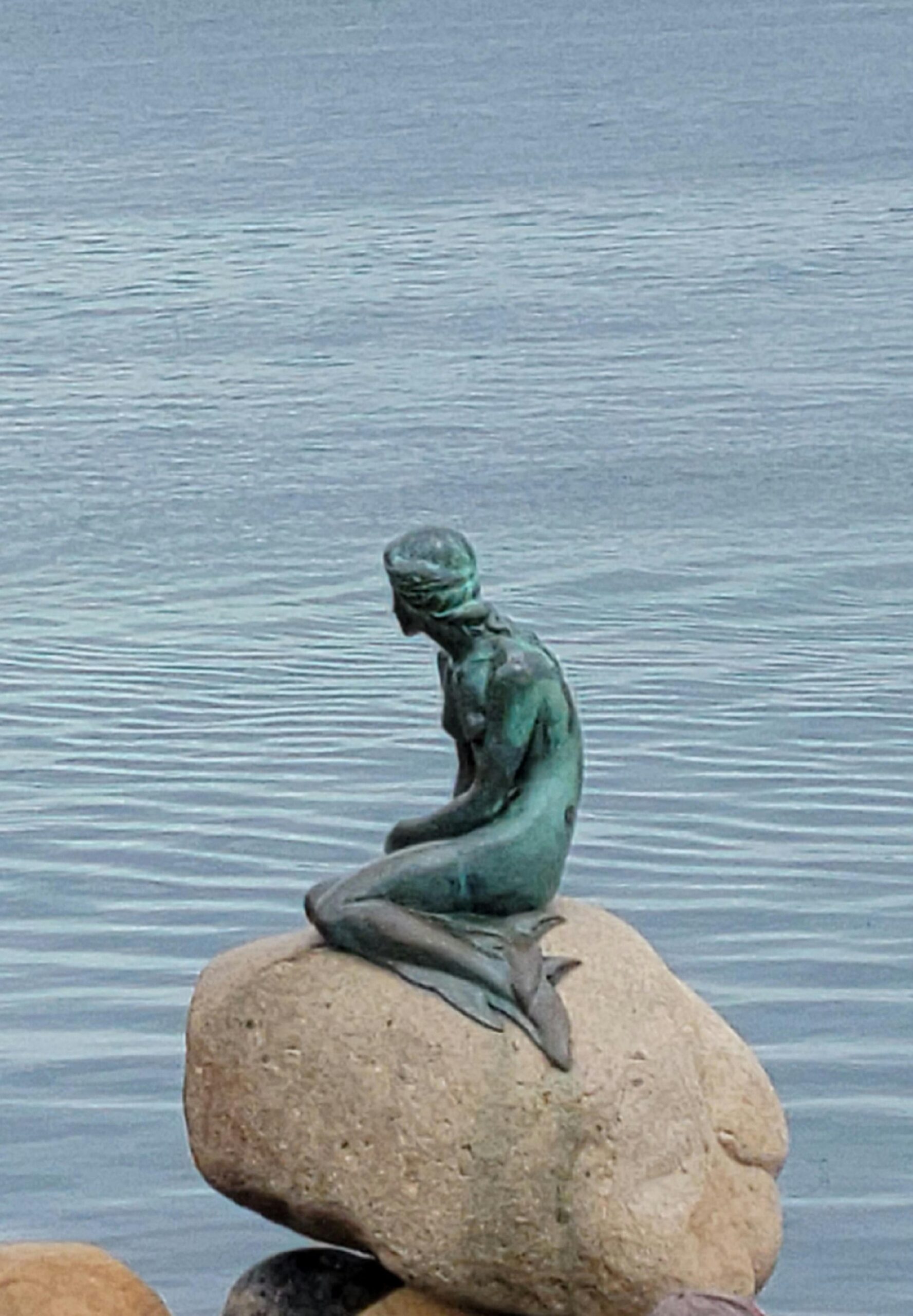
The Little Mermaid – Copenhagen, Denmark
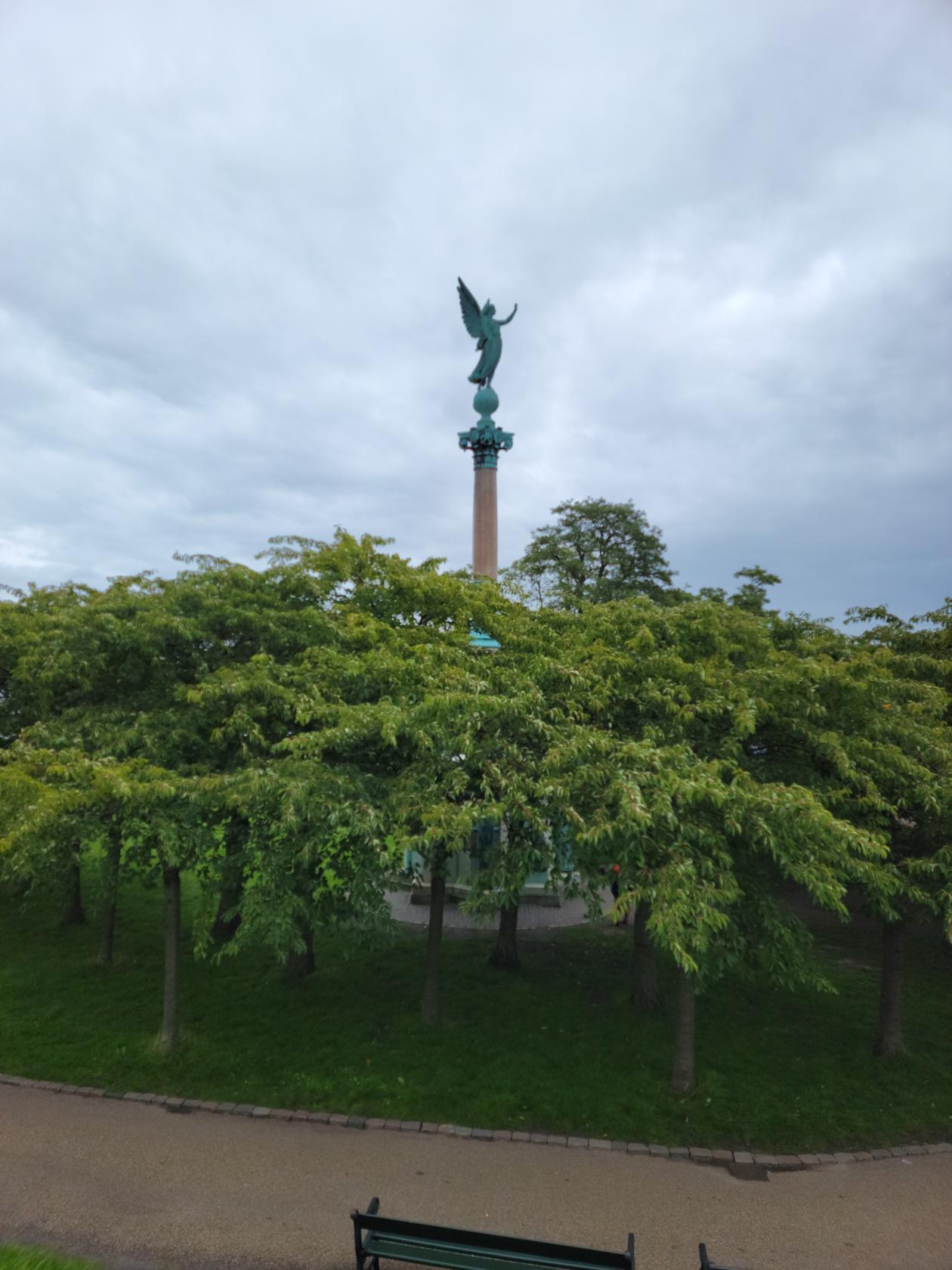
Ivar Huitfeldt – Copenhagen, Denmark
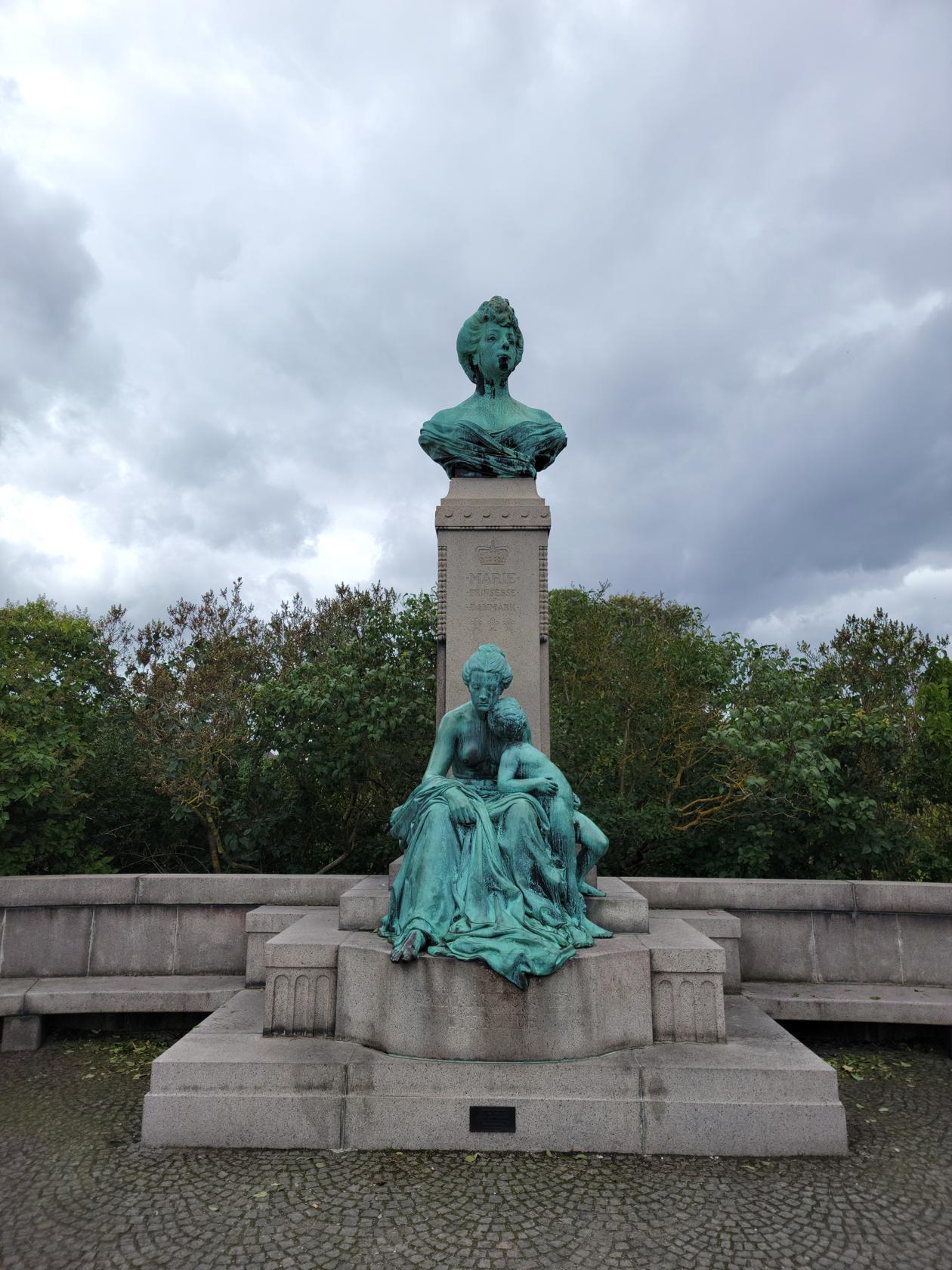
Princess Marie – Copenhagen, Denmark
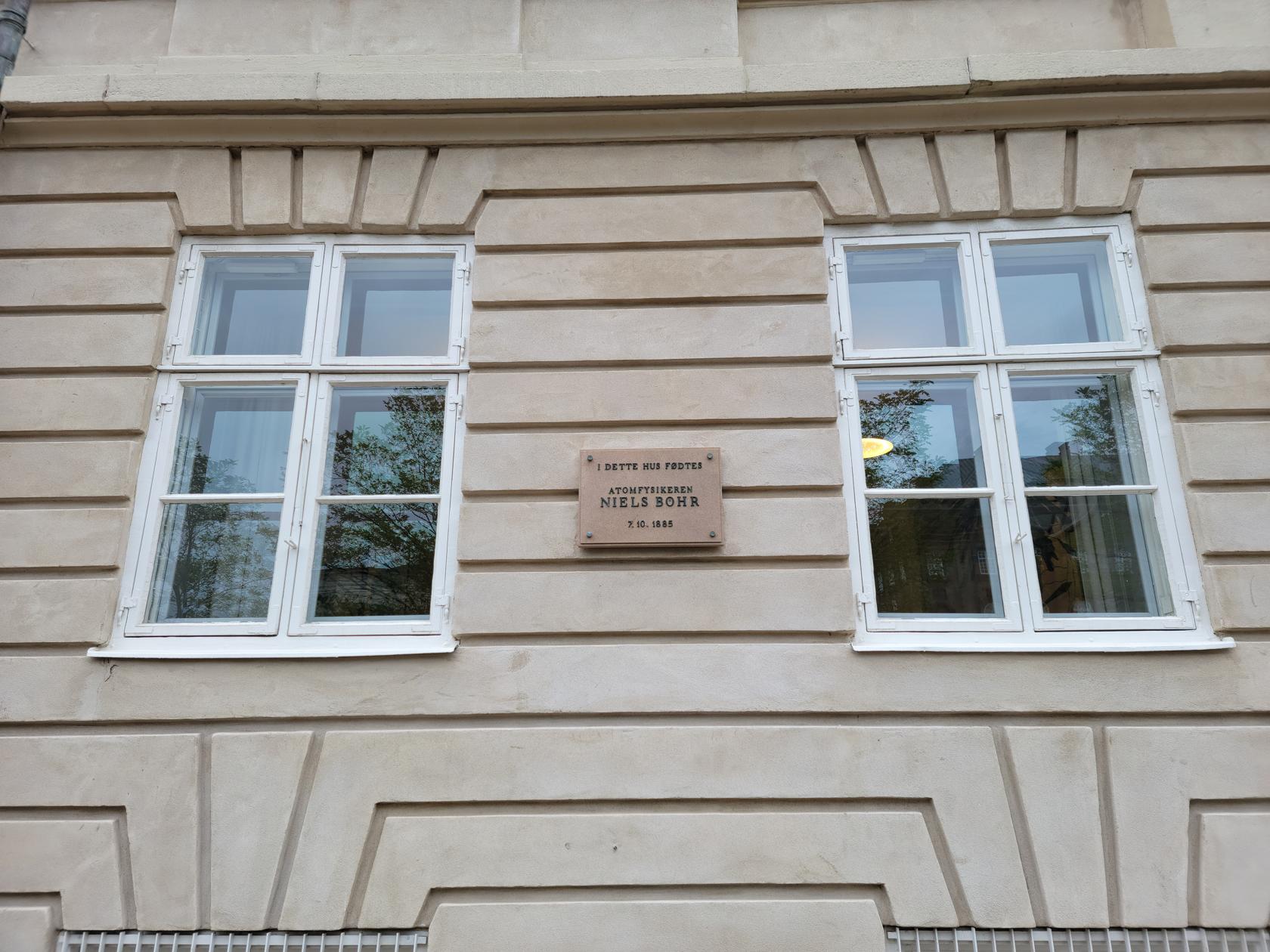
Niels Bohr House, Famous Physicist – Copenhagen, Denmark
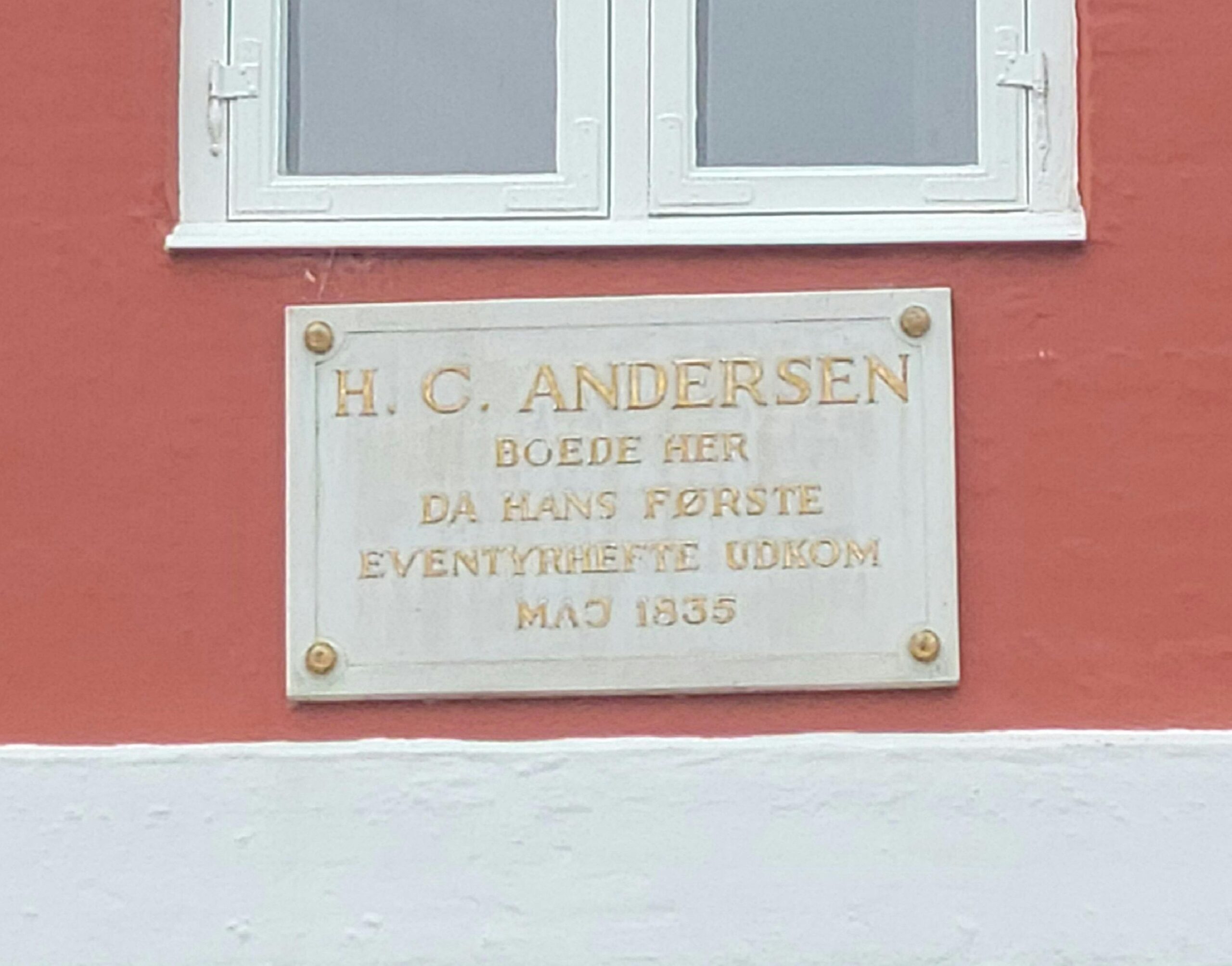
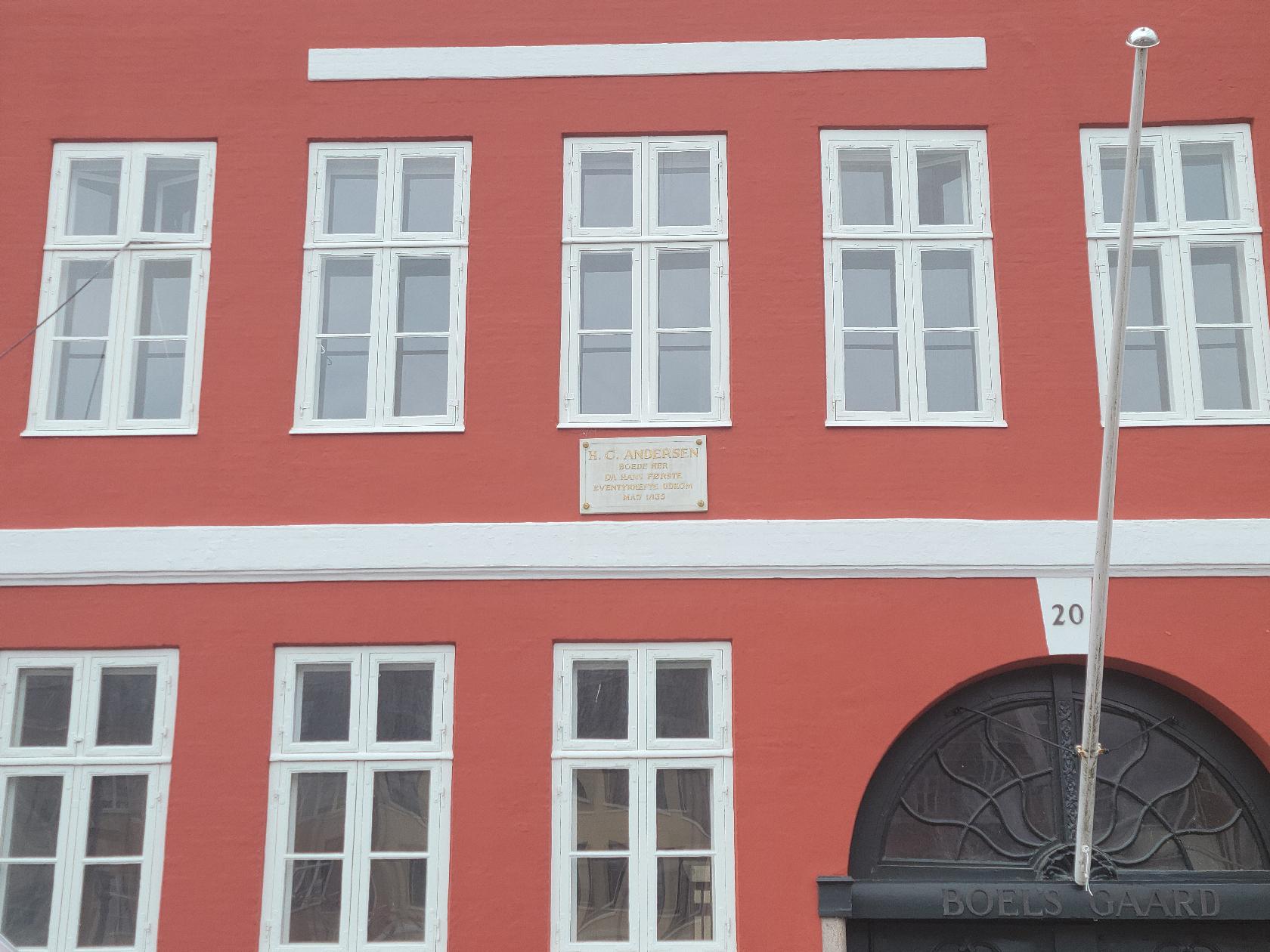
Hans Christian Andersen’s house – Copenhagen, Denmark
Hans Christian Andersen’s house – Copenhagen, Denmark
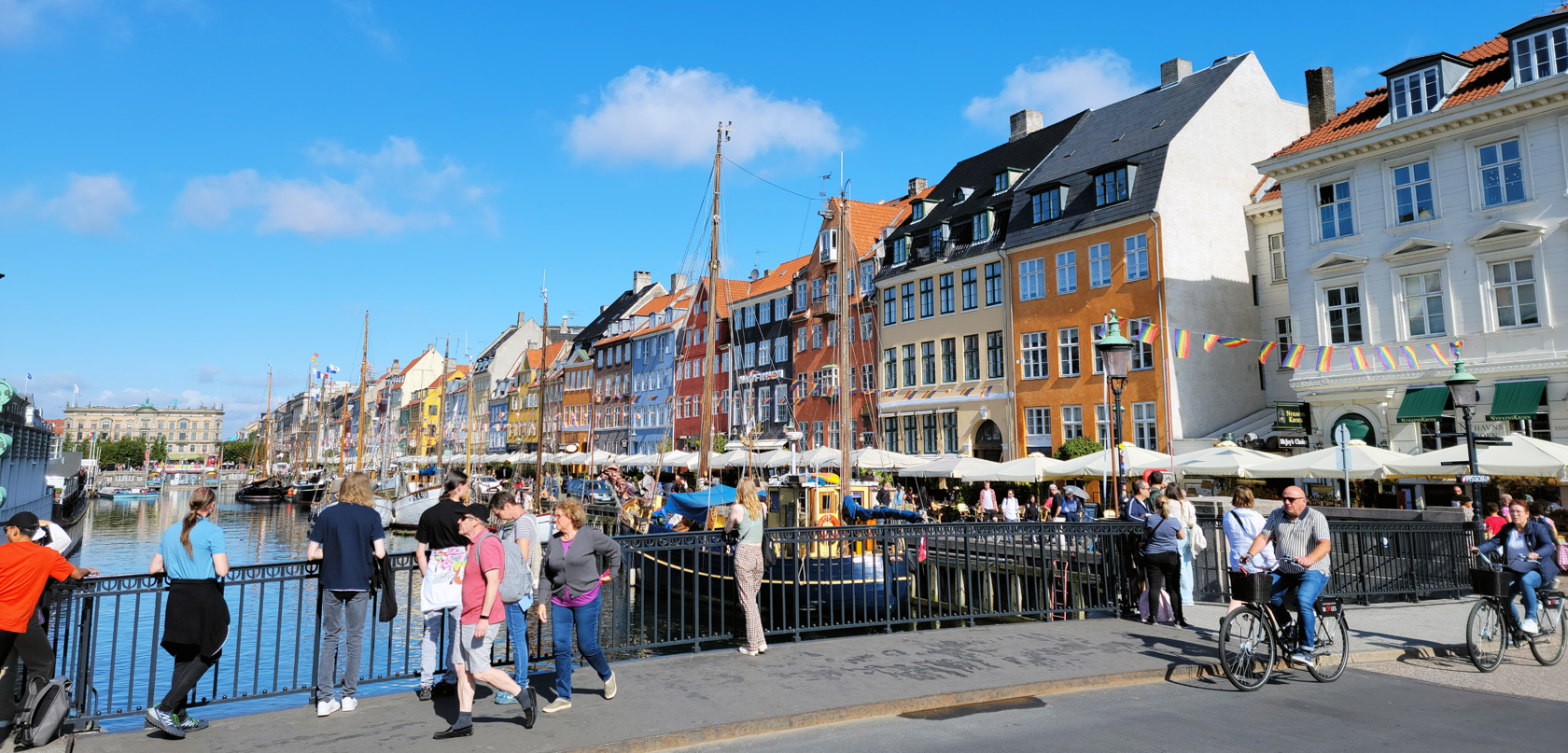
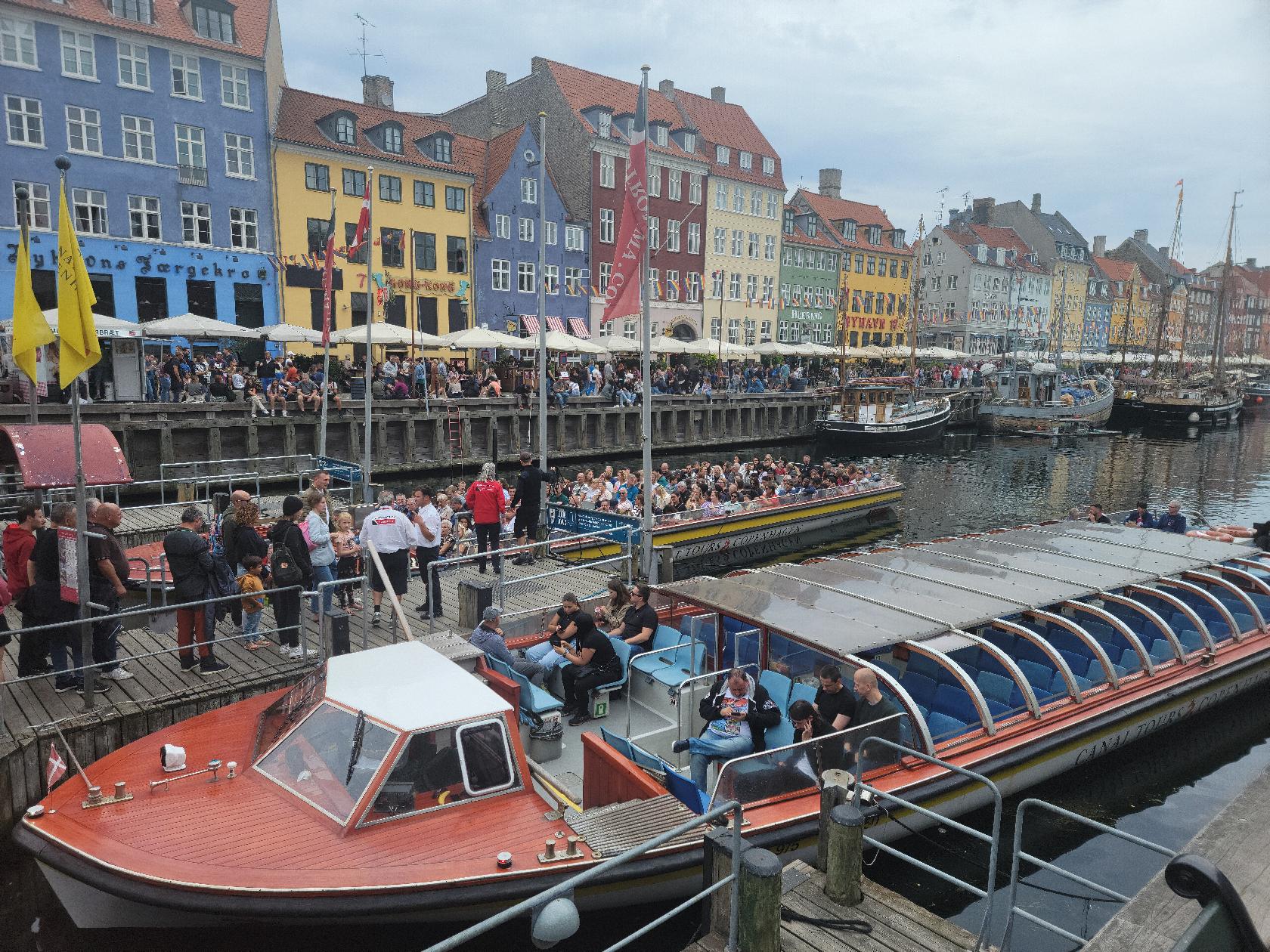
Nyhavn on the weekend – Copenhagen, Denmark
Old Timber Building – Strøgets – Copenhagen, Denmark
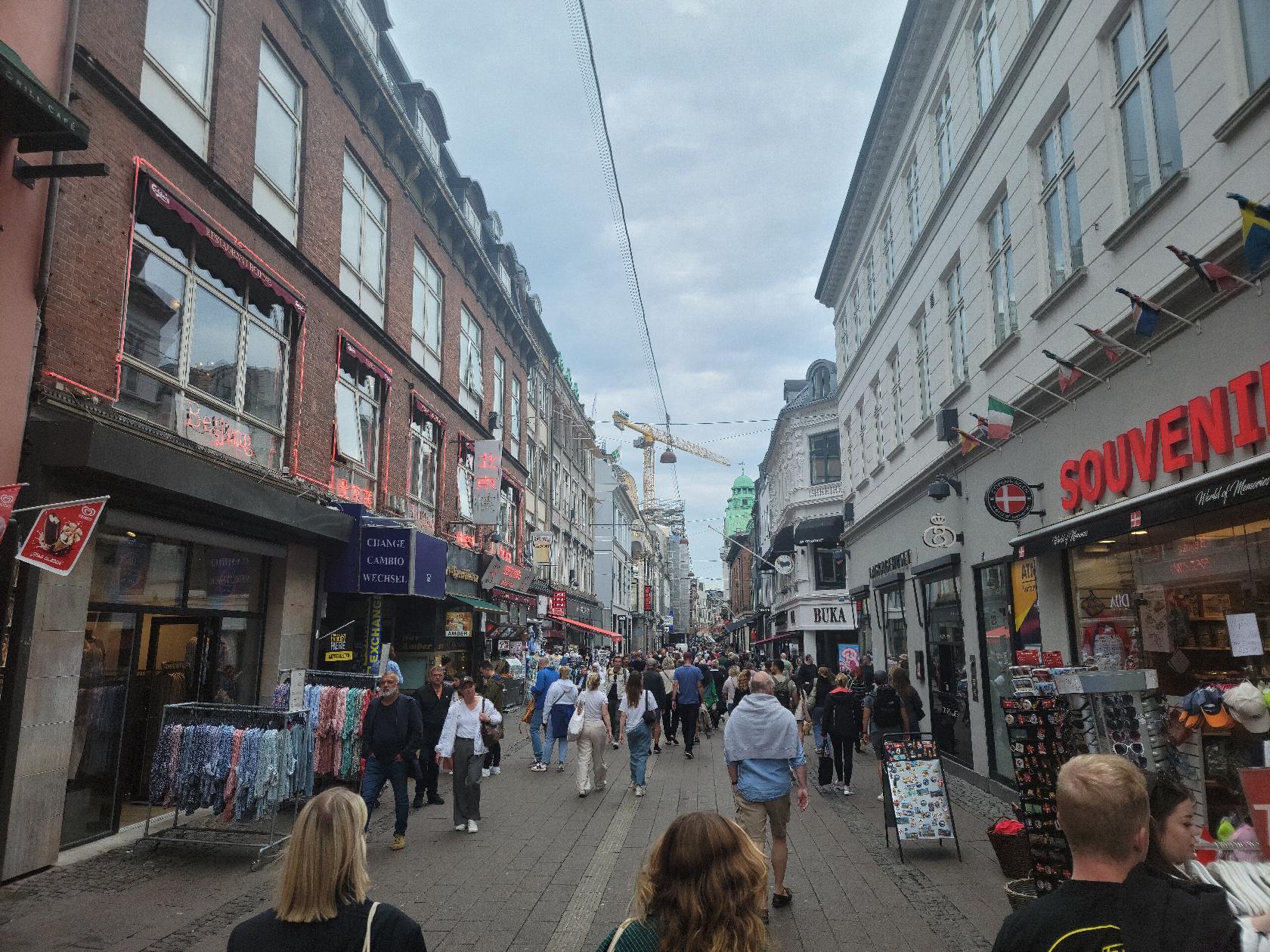
Strøgets – Copenhagen, Denmark
Strøgets – Copenhagen, Denmark
Our Canal Tour
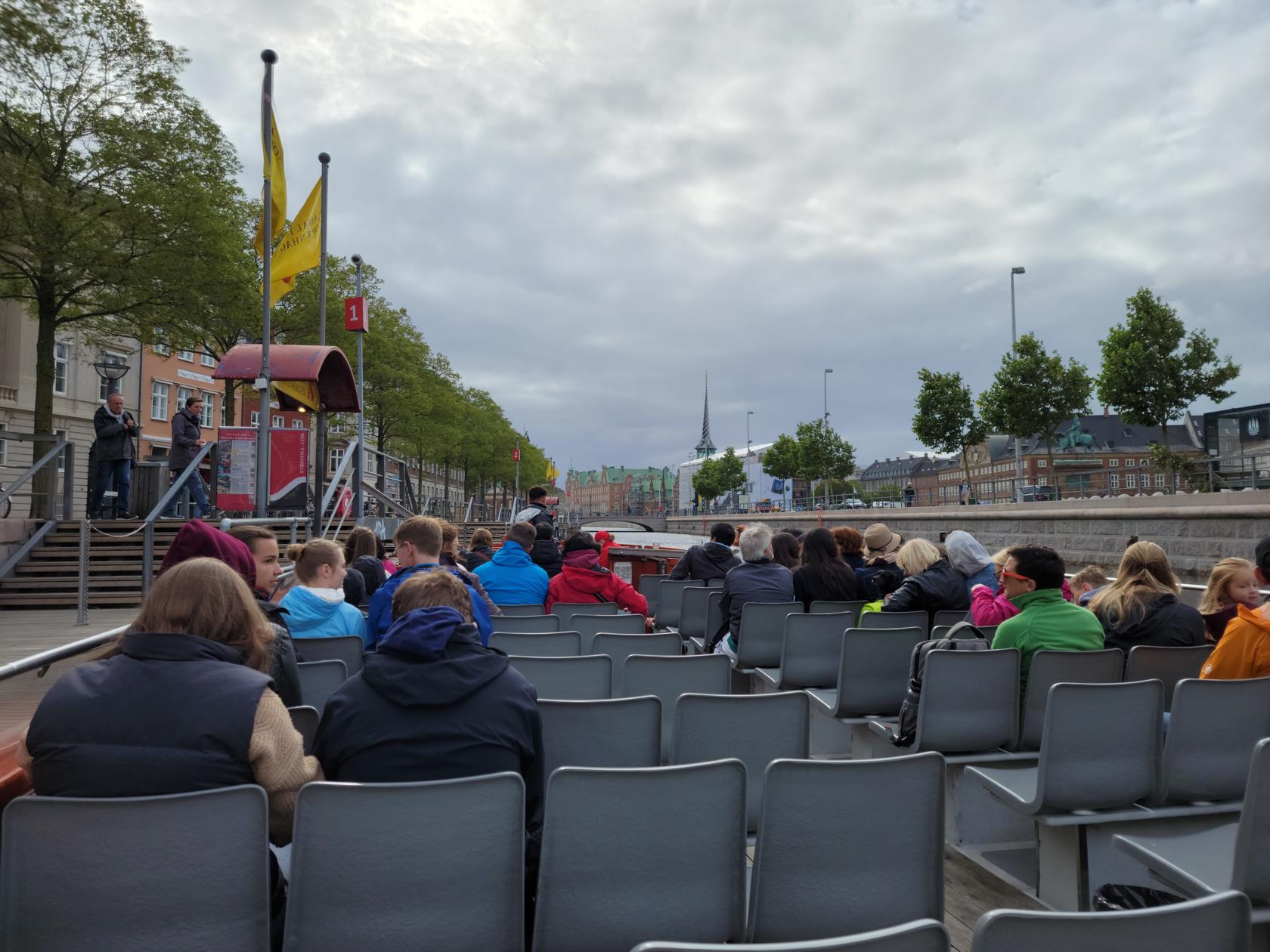
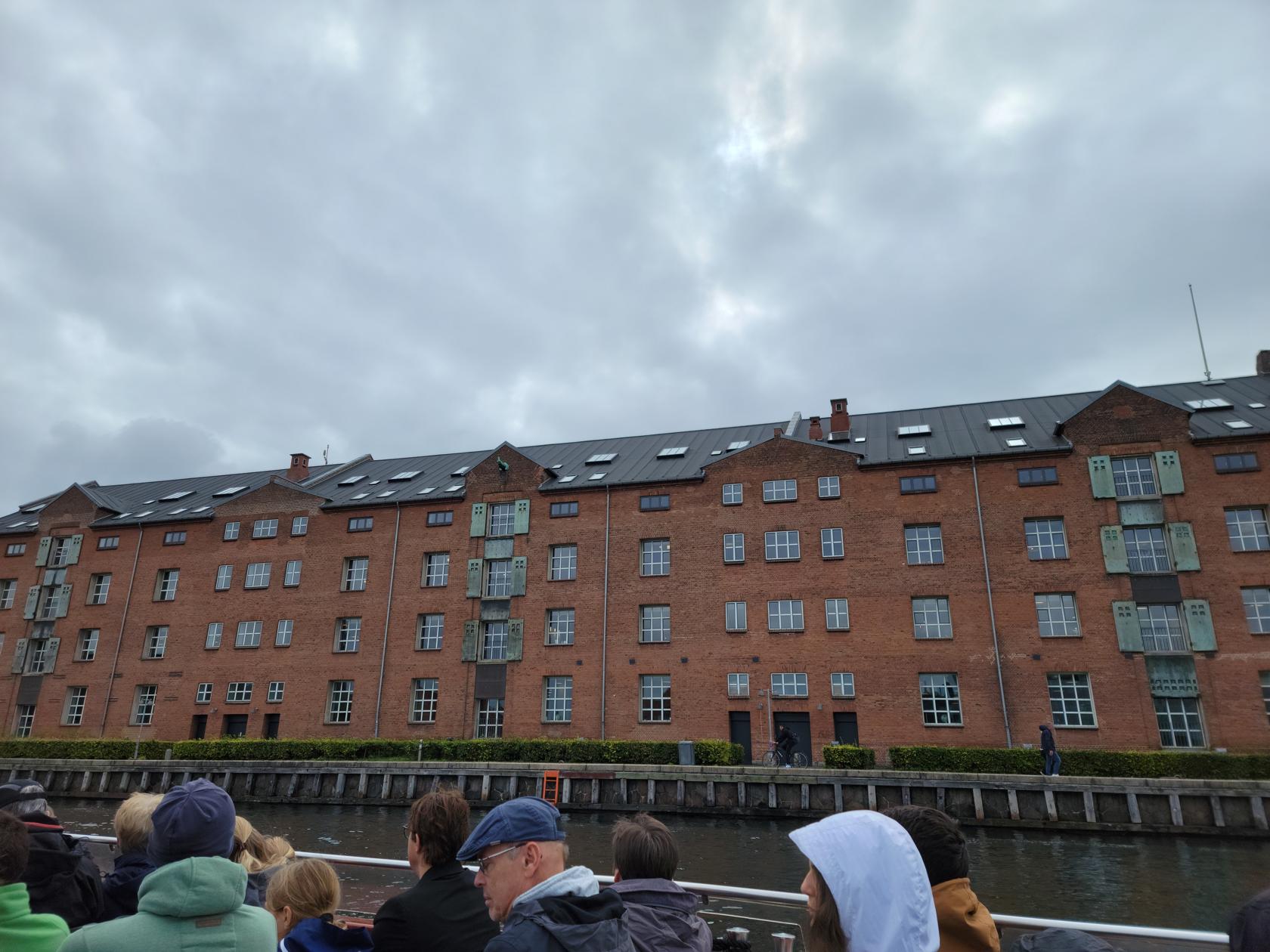
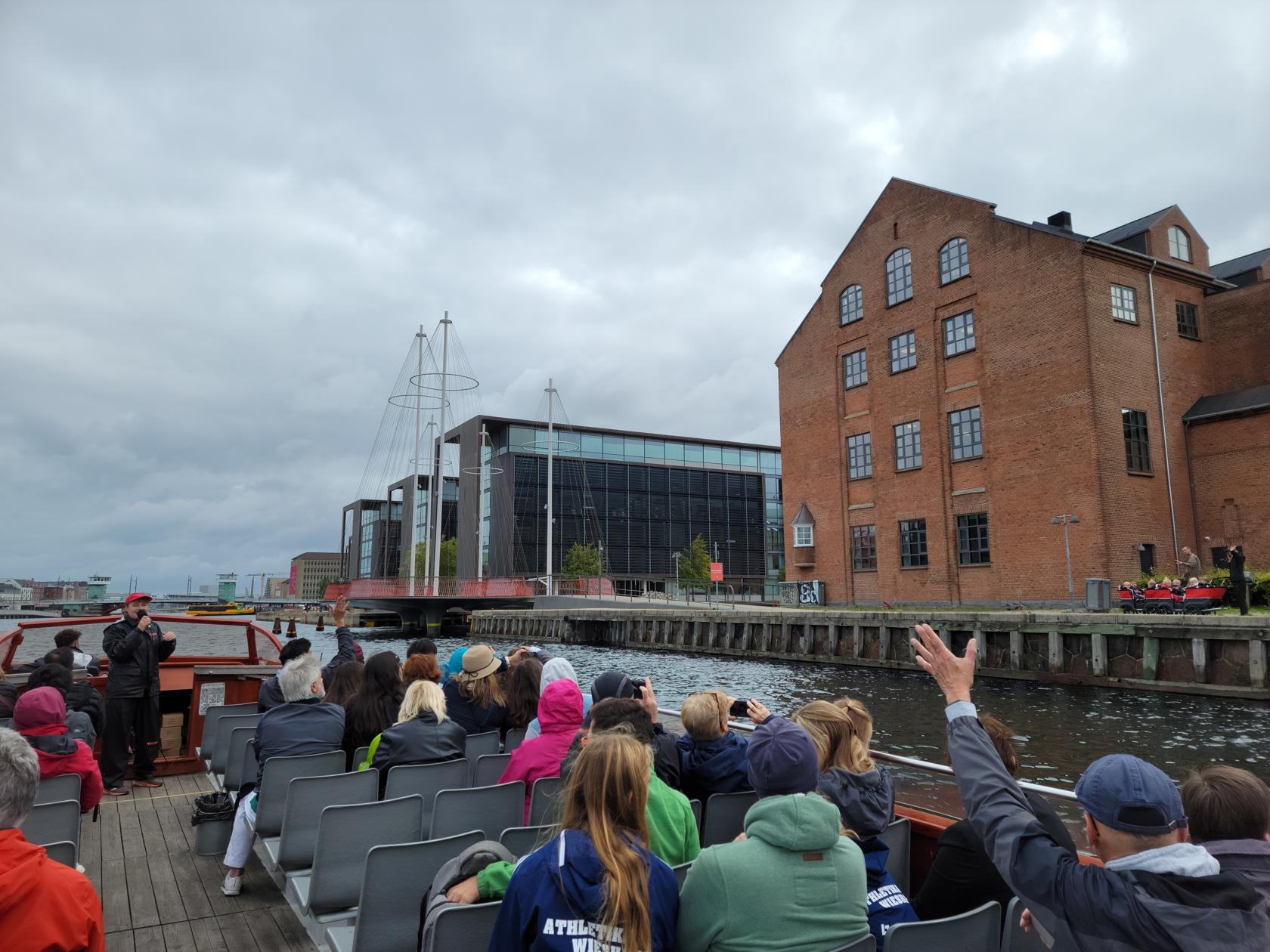
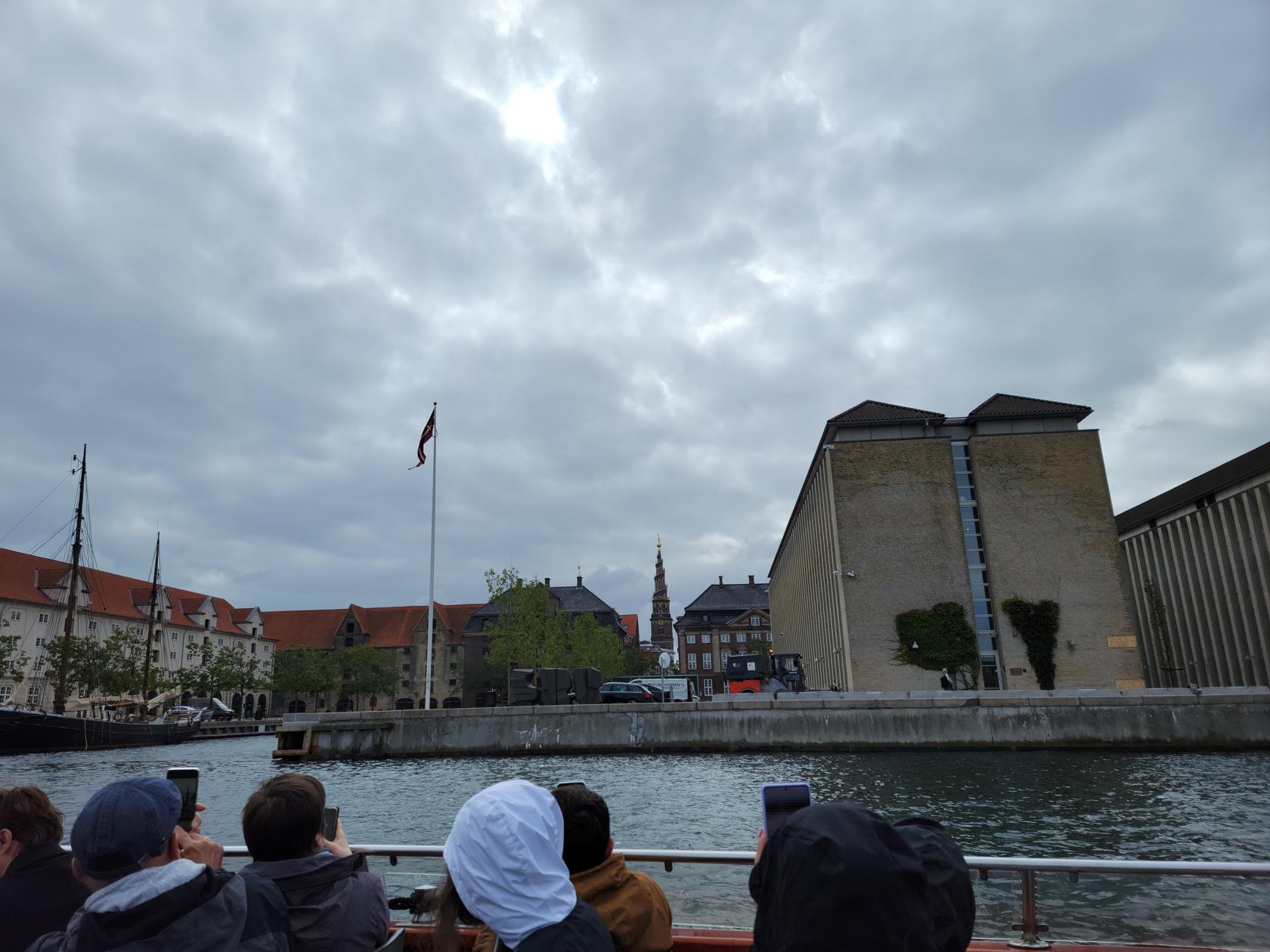
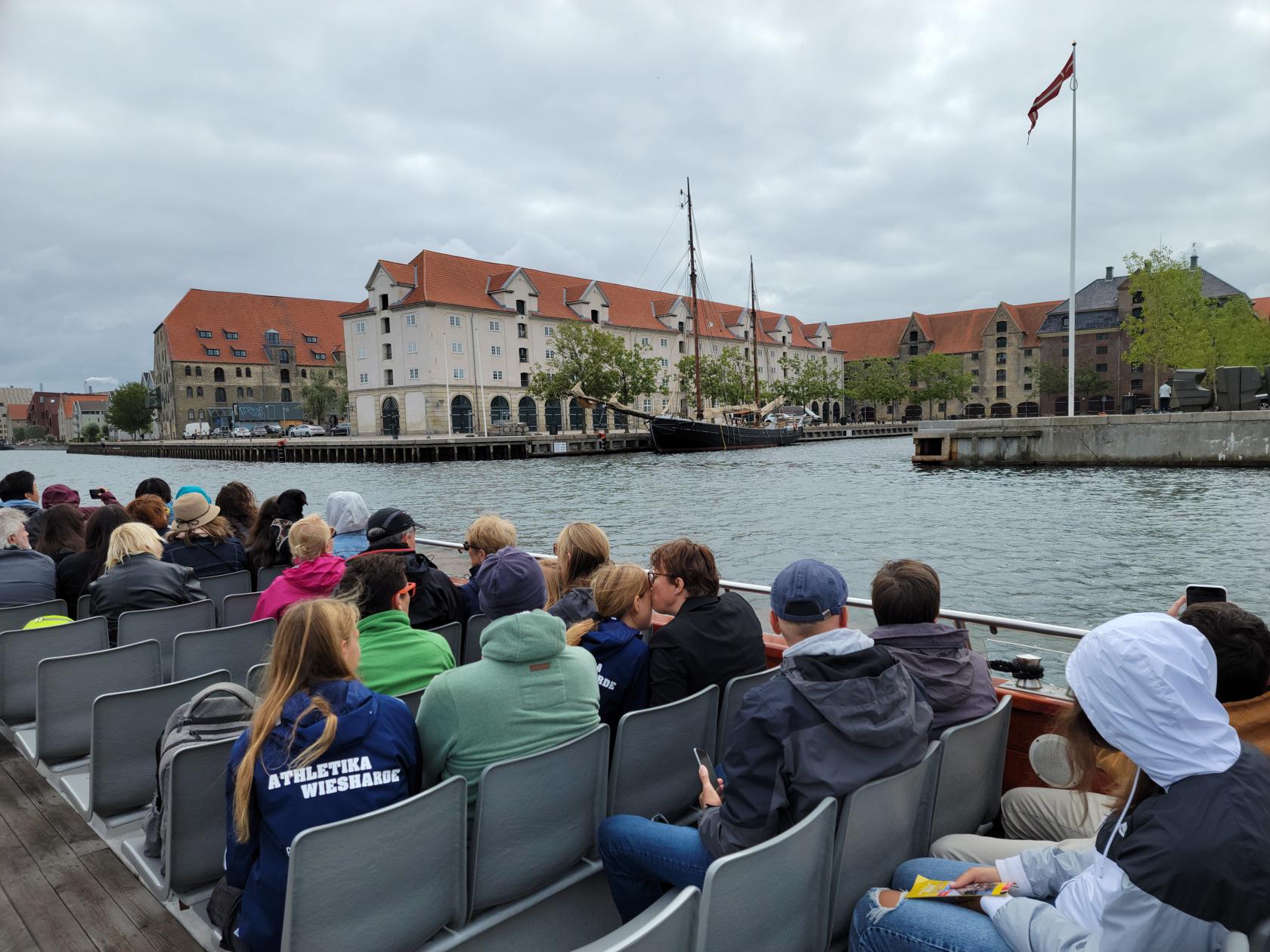
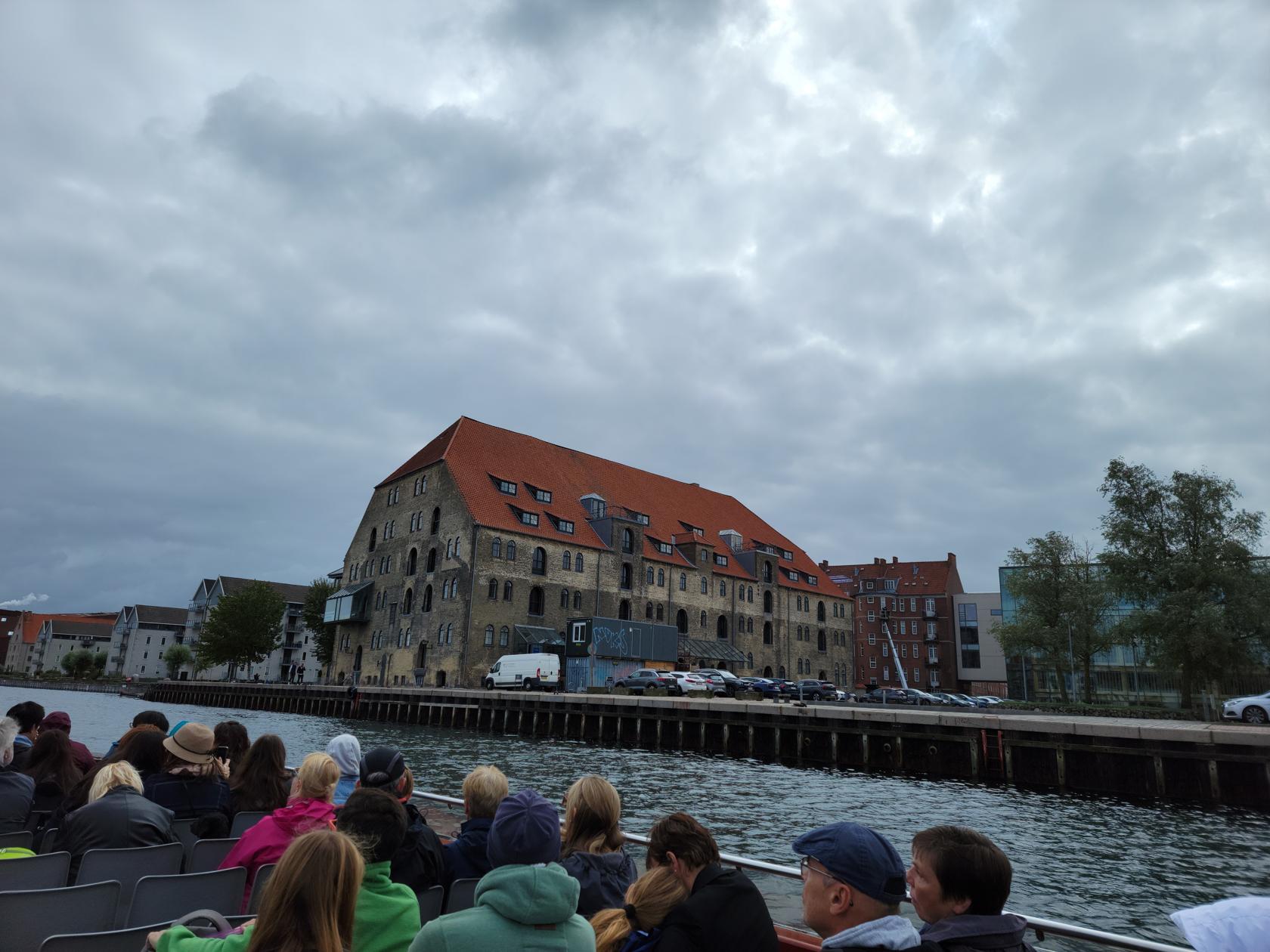
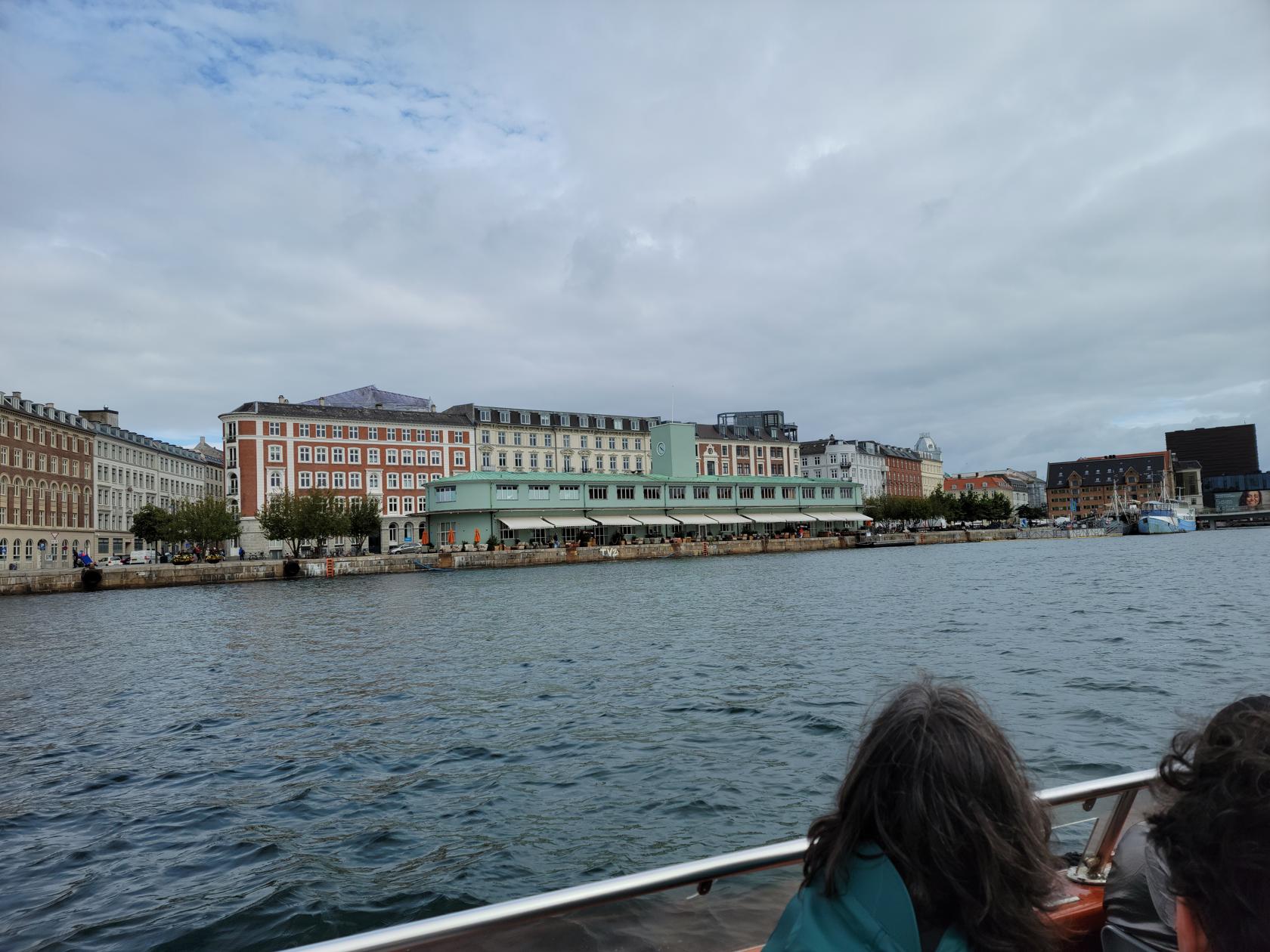
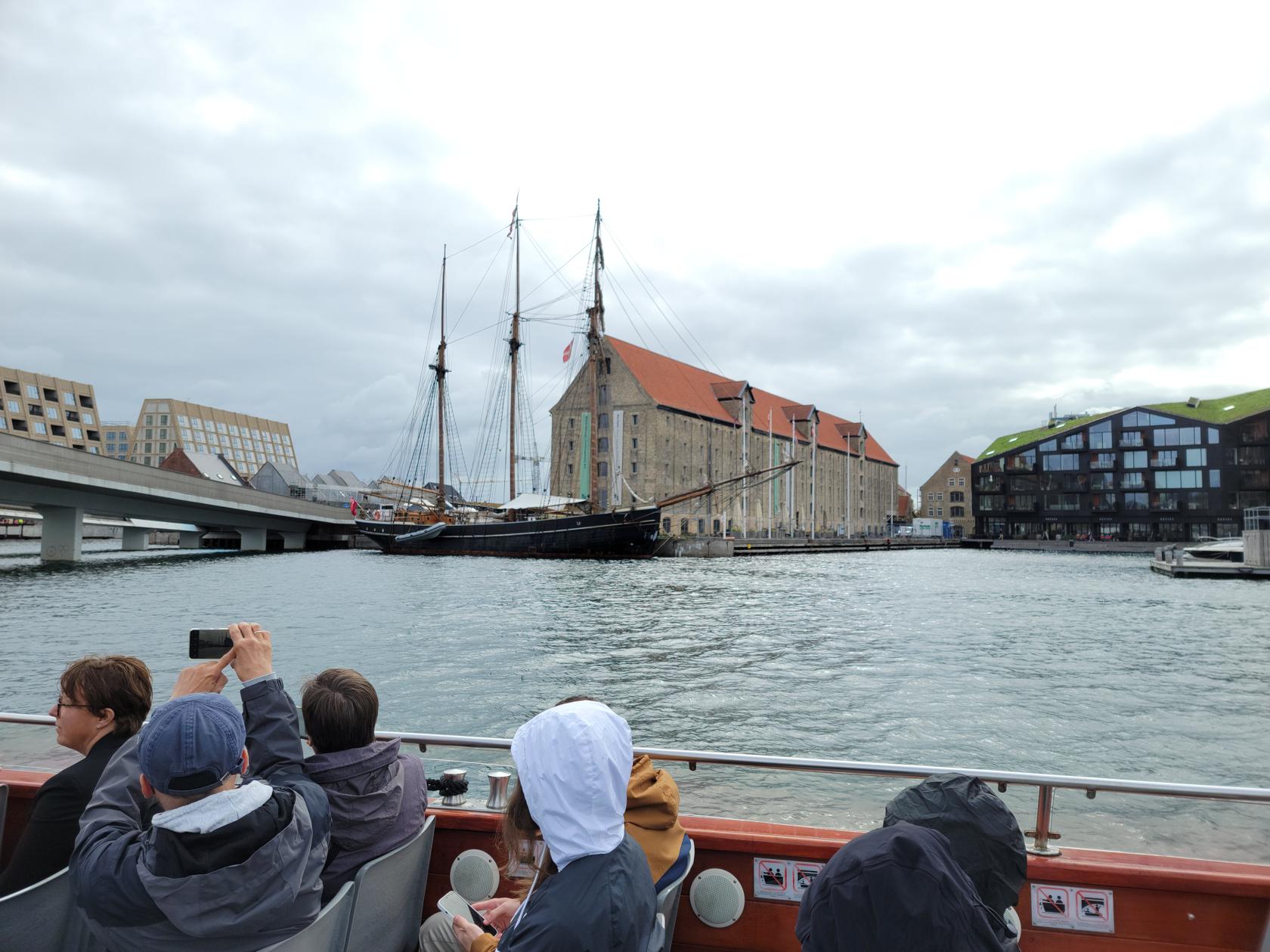
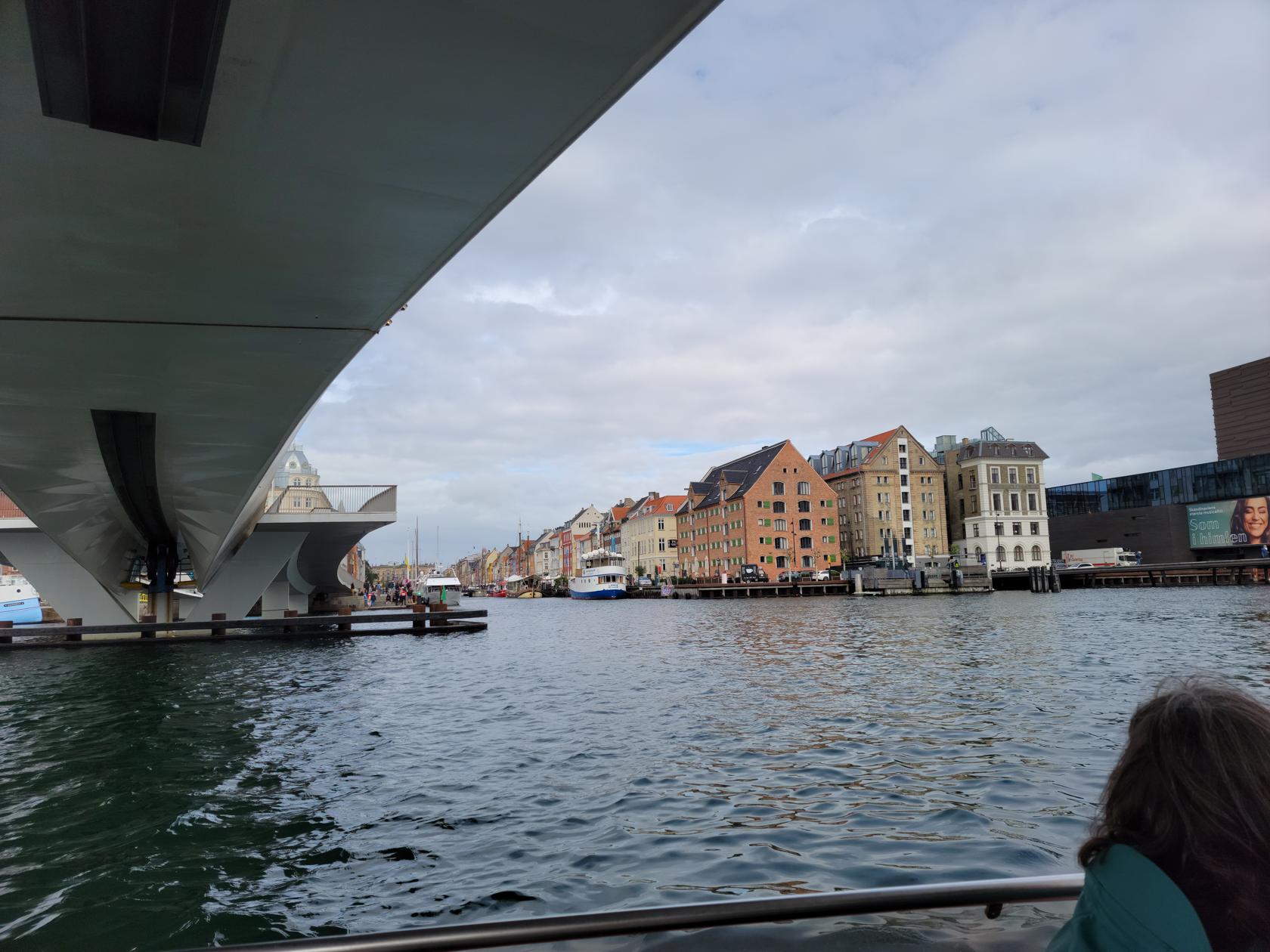
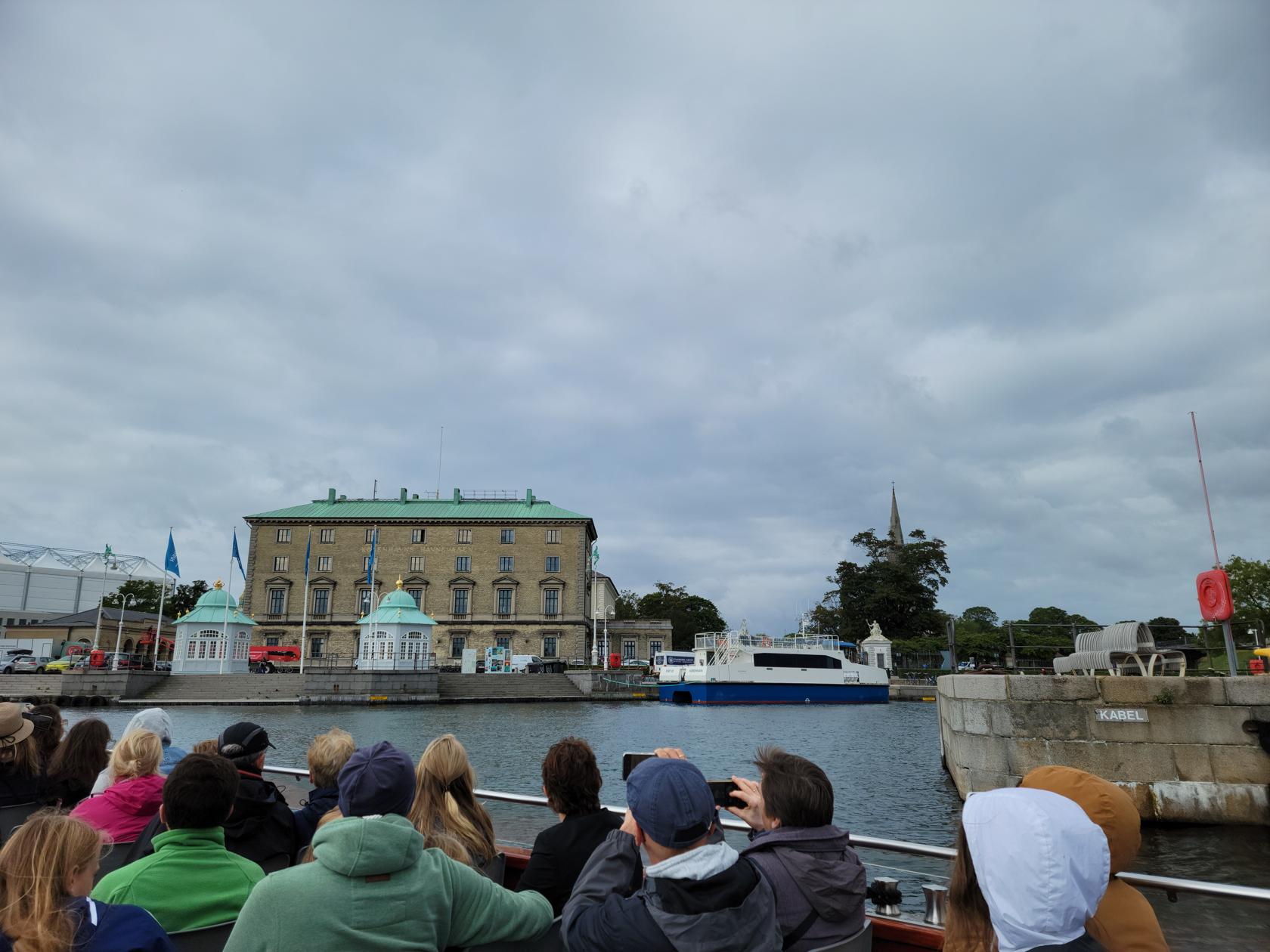
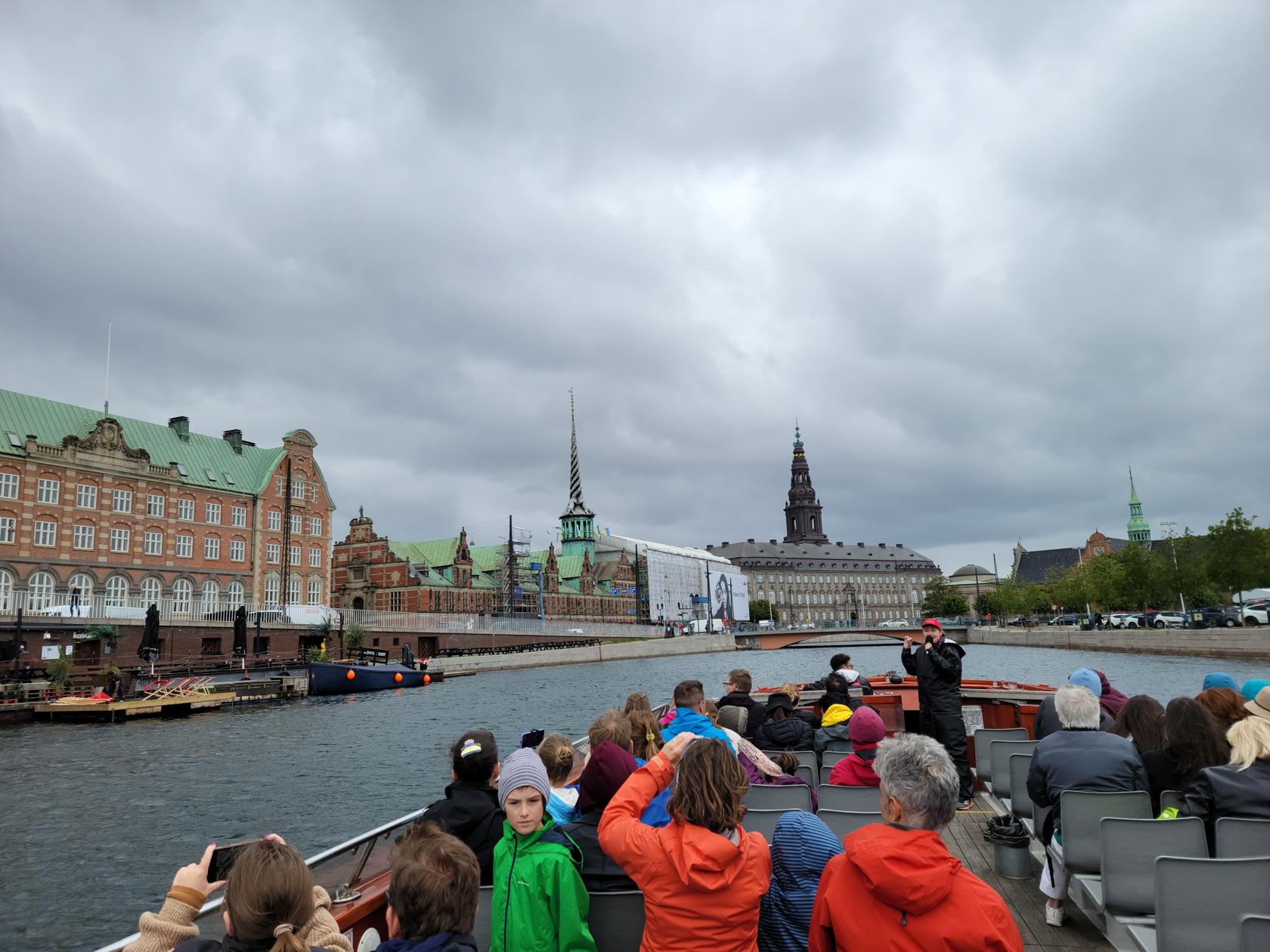
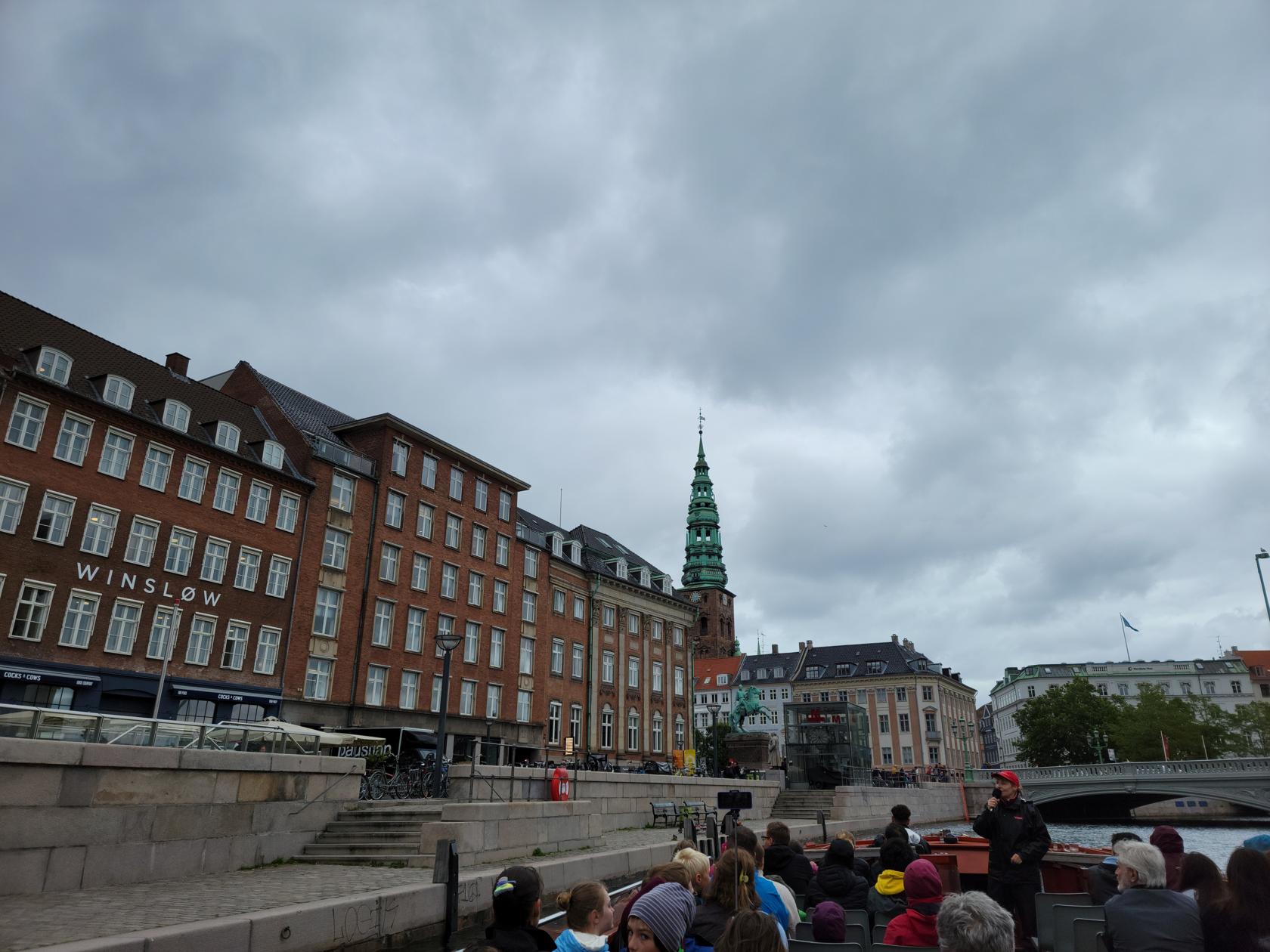
Touring a city such as Copenhagen, which has plenty of canals and waterways, would not be complete without a canal or boat tour. There are plenty to choose from and you can visit the Information Center to find our more or the city’s website. Make sure you prepare properly for the weather, few boats on the canal tours are covered and those only leave at certain times of the day, so plan accordingly, they do go in the rain.
Canal Tour – Copenhagen, Denmark
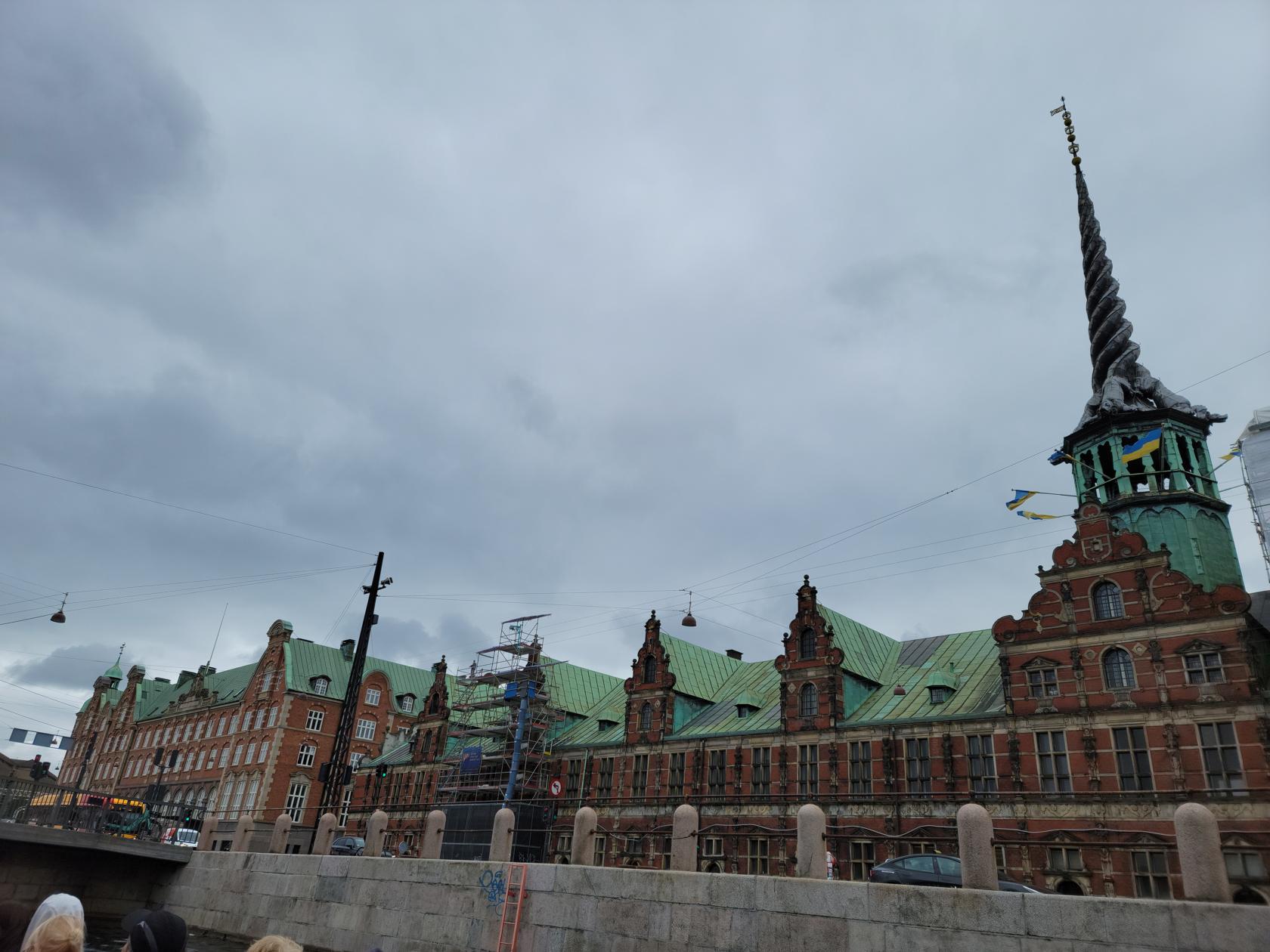
Borse, Stock Exchange – Canal Tour – Copenhagen, Denmark
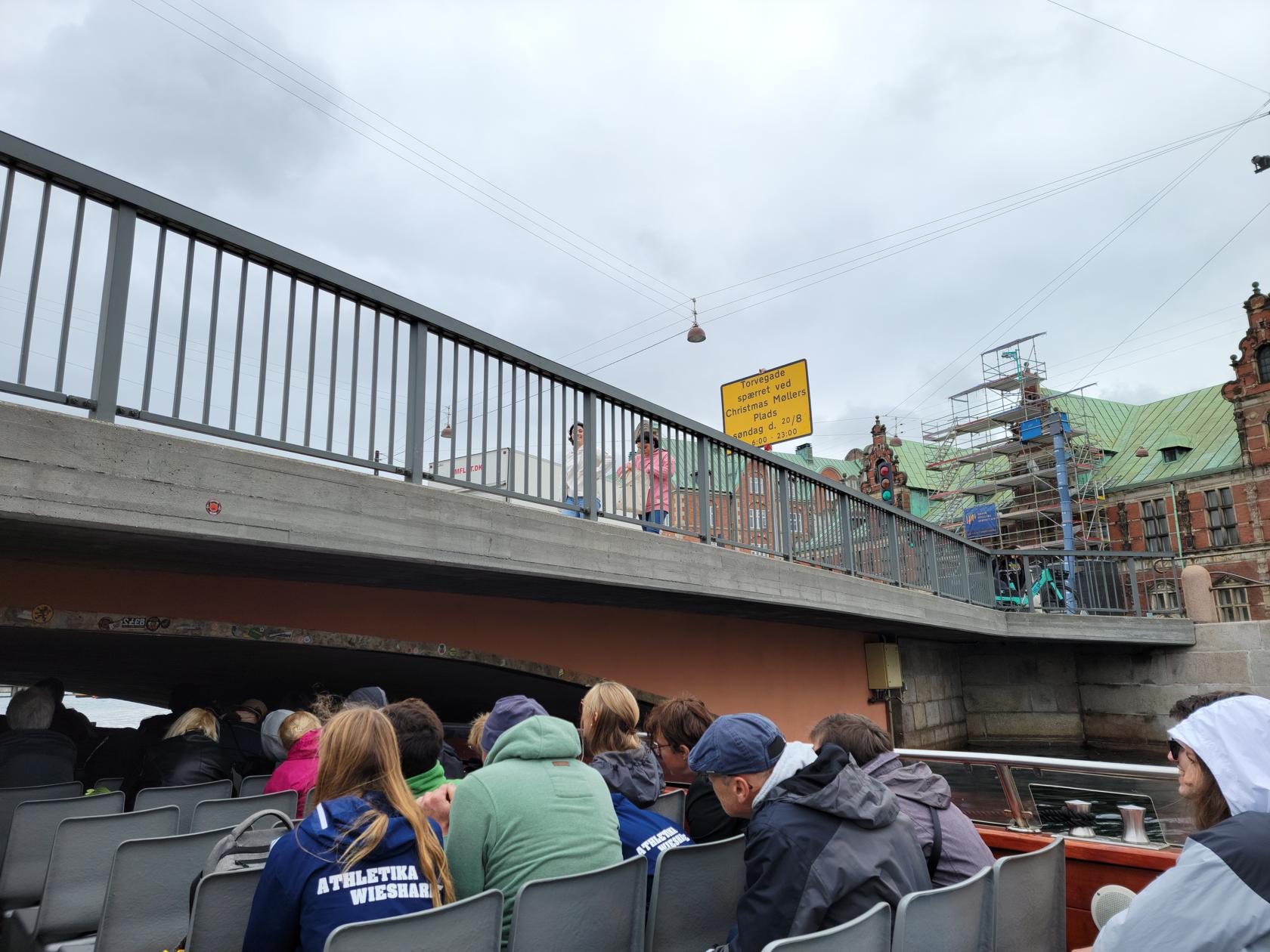
Under Borsbro – Canal Tour – Copenhagen, Denmark
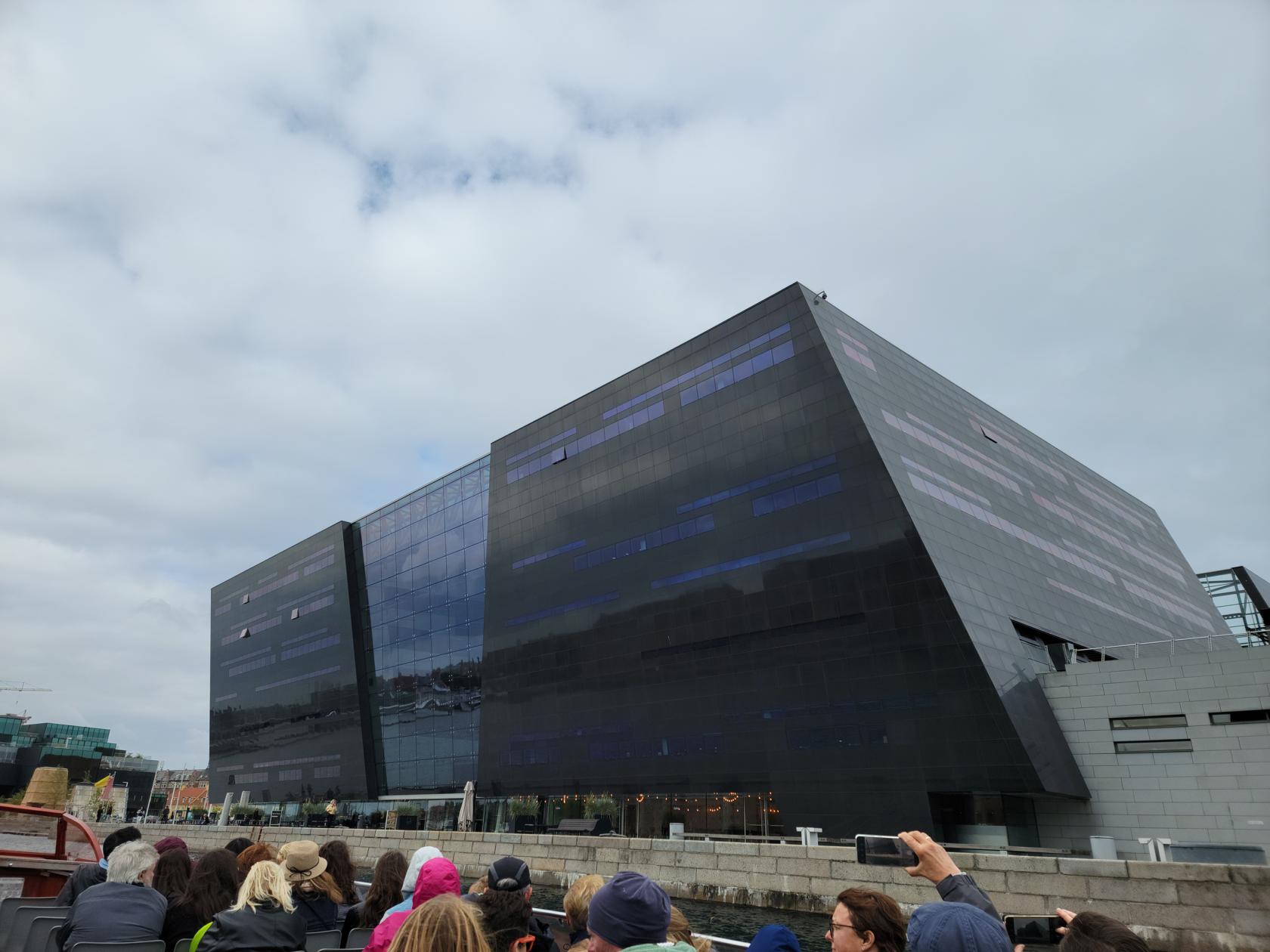
Blue Diamond Building – Canal Tour – Copenhagen, Denmark
Christian IV Brewhouse – Canal Tour – Copenhagen, Denmark
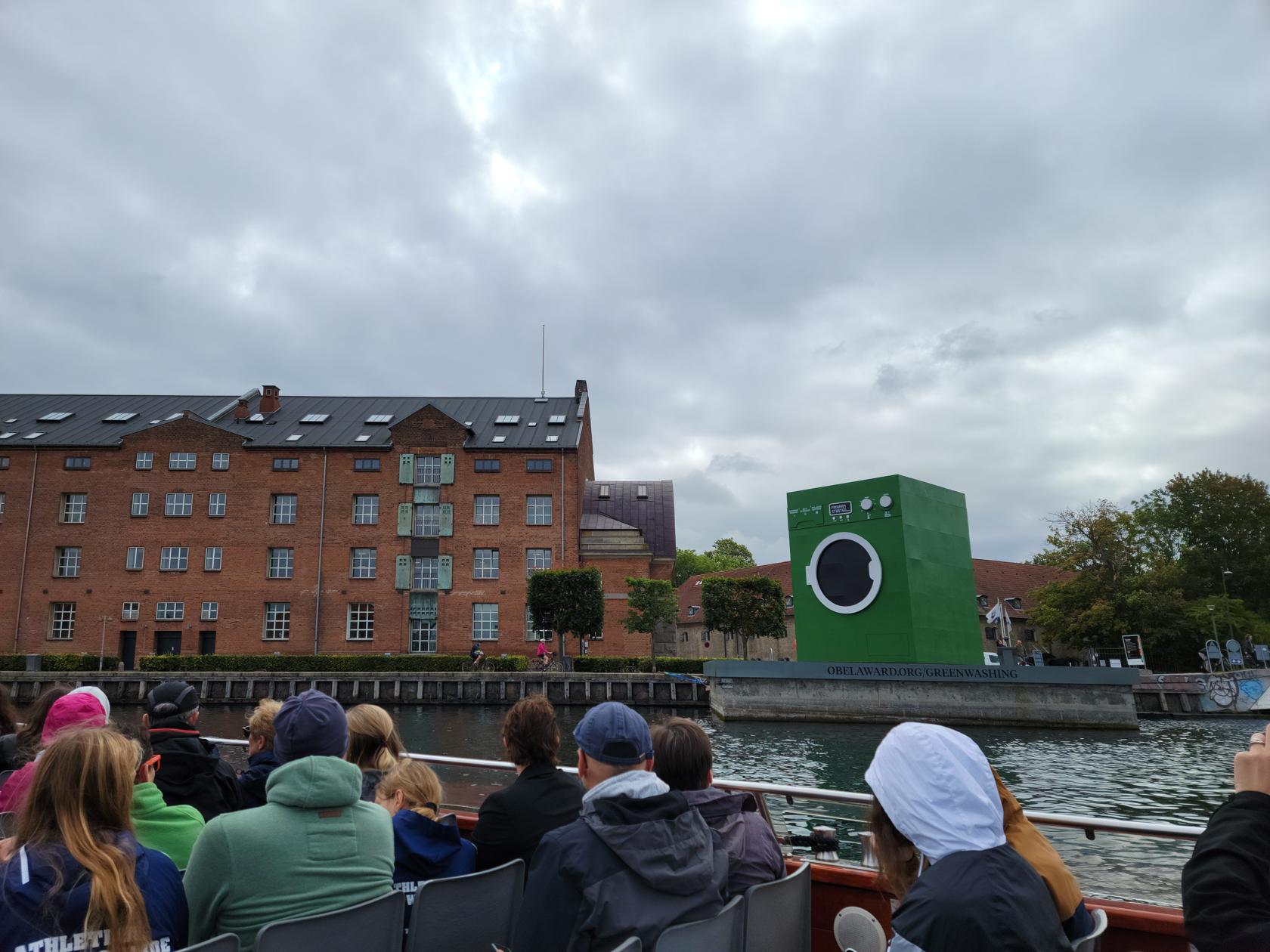
Art – Canal Tour – Copenhagen, Denmark
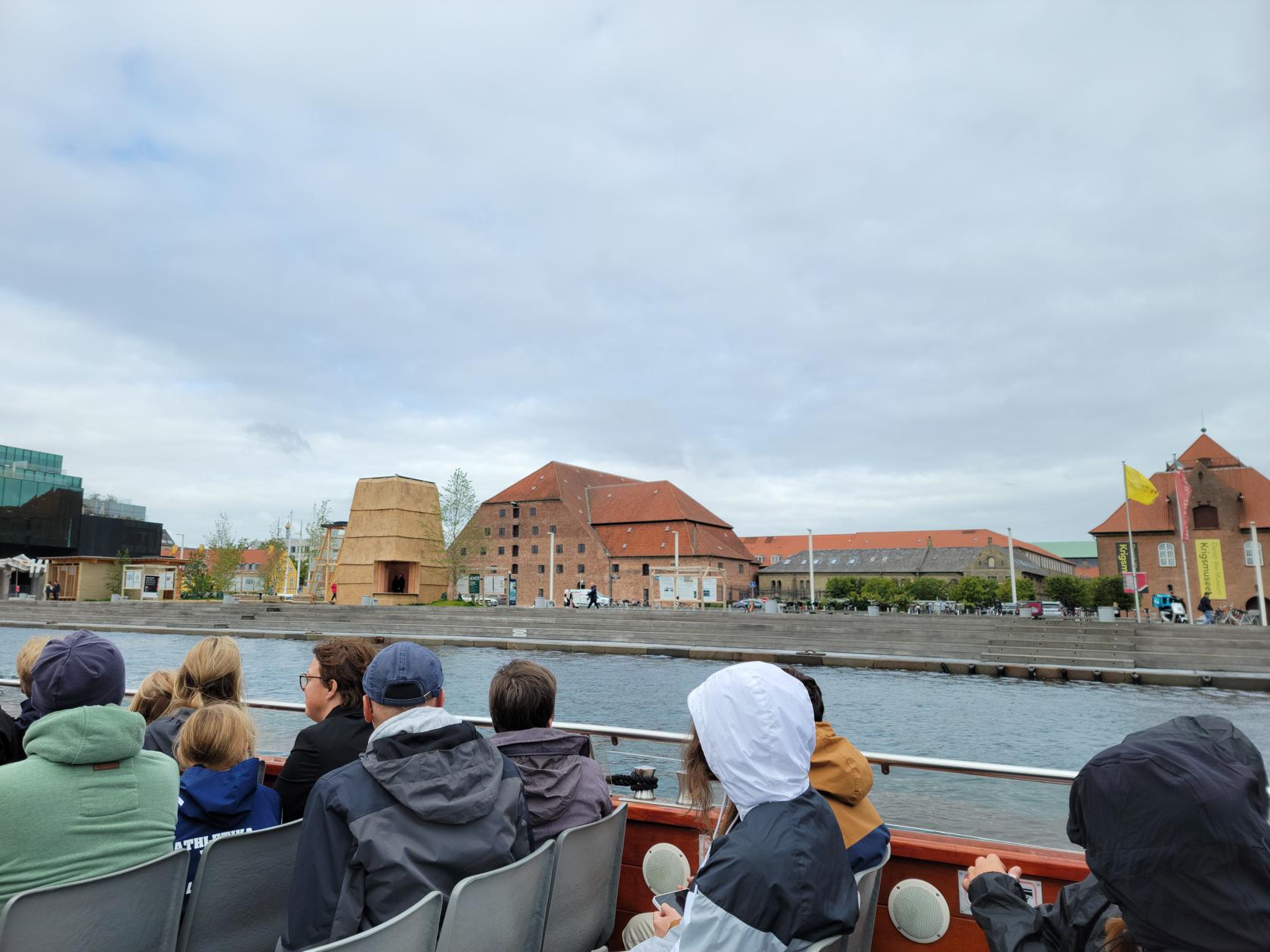
Old warehouse – Canal Tour – Copenhagen, Denmark
Cirkelbroen – Canal Tour – Copenhagen, Denmark
Church of our Savior Steeple – Canal Tour – Copenhagen, Denmark
Old Schooner – Canal Tour – Copenhagen, Denmark
Another old renovated warehouse – Canal Tour – Copenhagen, Denmark
Soho House, private club – Canal Tour – Copenhagen, Denmark
An old three mast sailing ship – Canal Tour – Copenhagen, Denmark
Lille Langebro bridge – Canal Tour – Copenhagen, Denmark
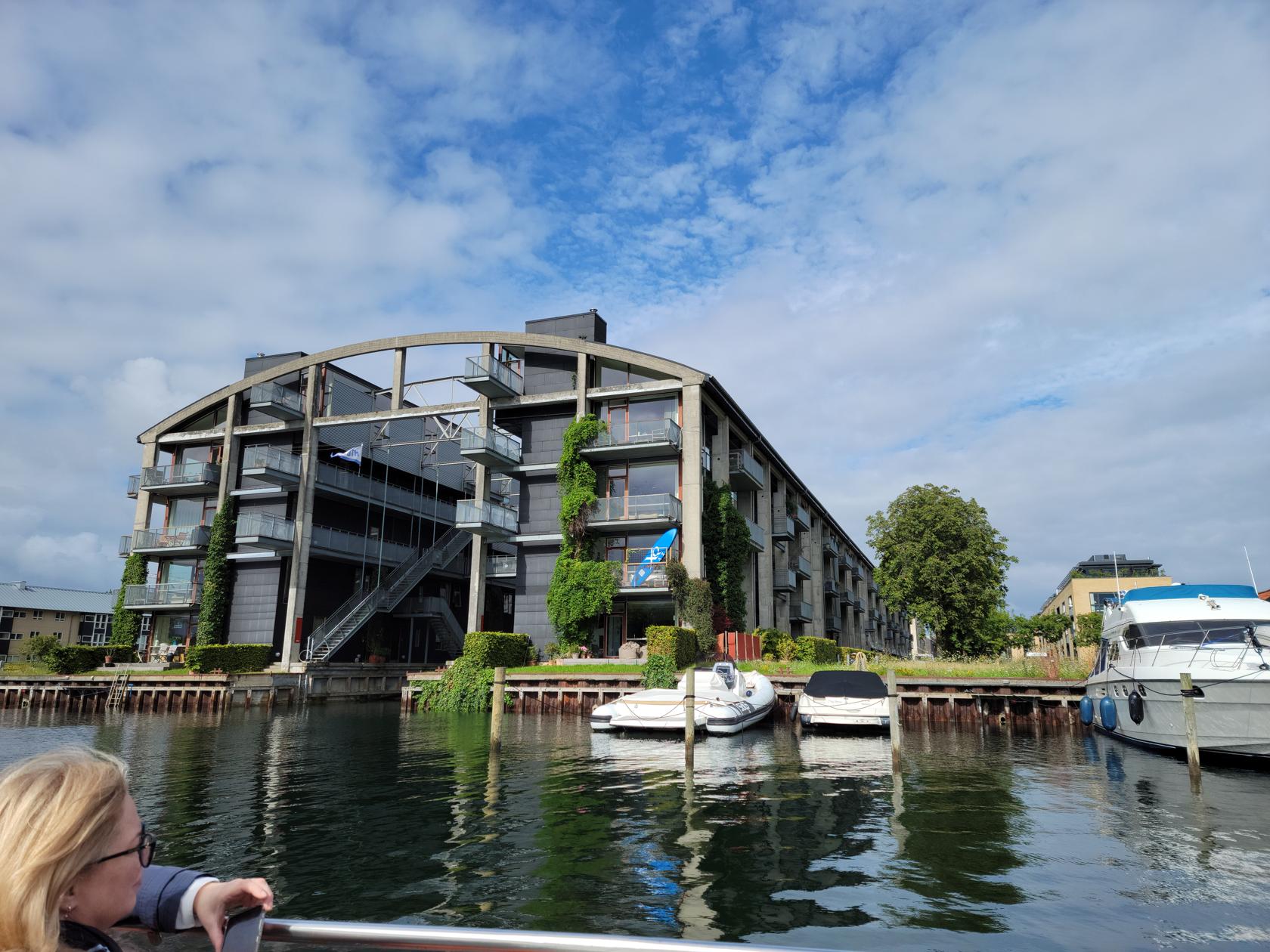
Old Submarine pen renovated into apartments – Canal Tour – Copenhagen, Denmark
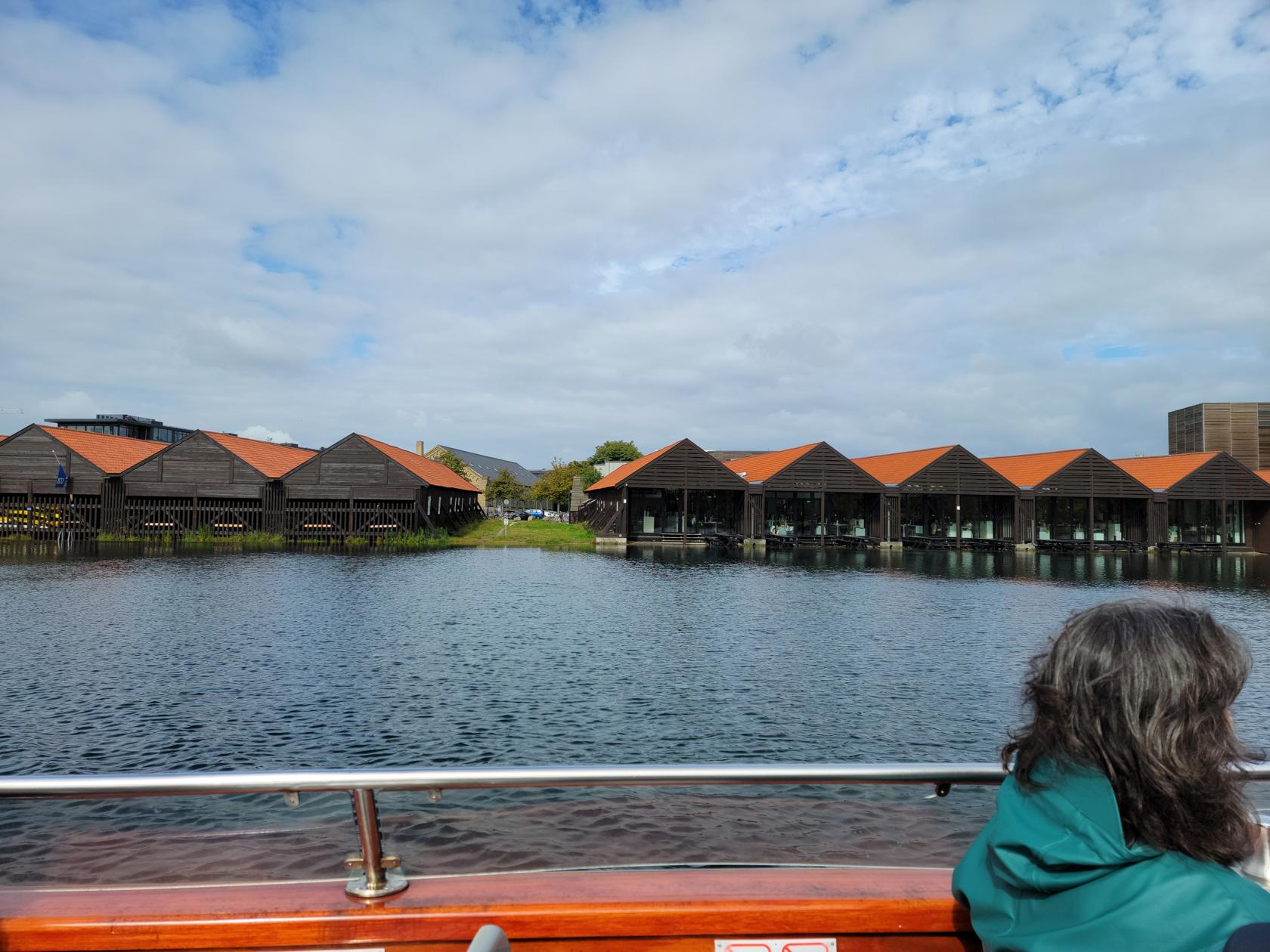
Old Speed Boat pens – Canal Tour – Copenhagen, Denmark
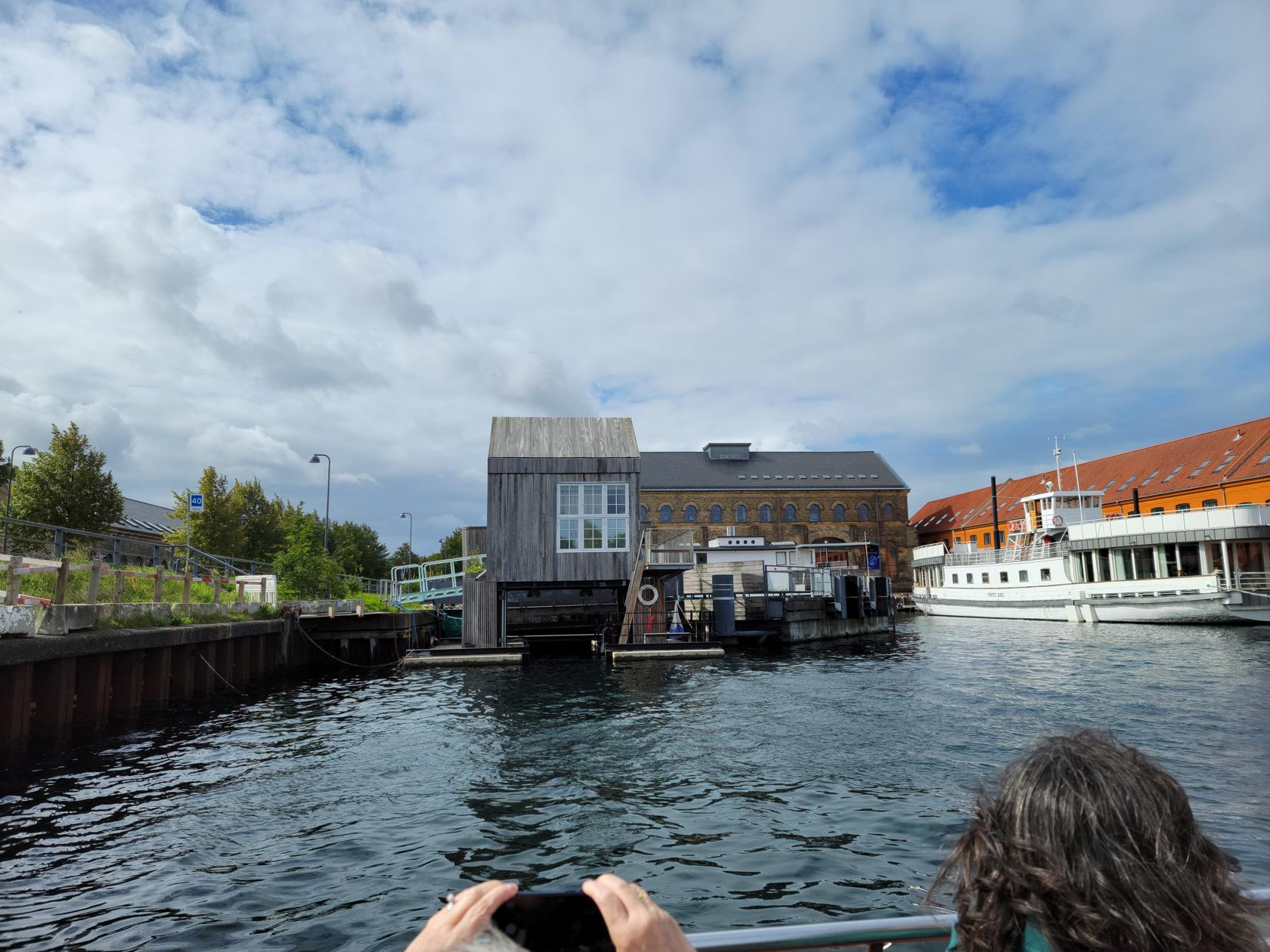
Smallest hotel in Denmark – Canal Tour – Copenhagen, Denmark
Smallest hotel in Denmark – Canal Tour – Copenhagen, Denmark
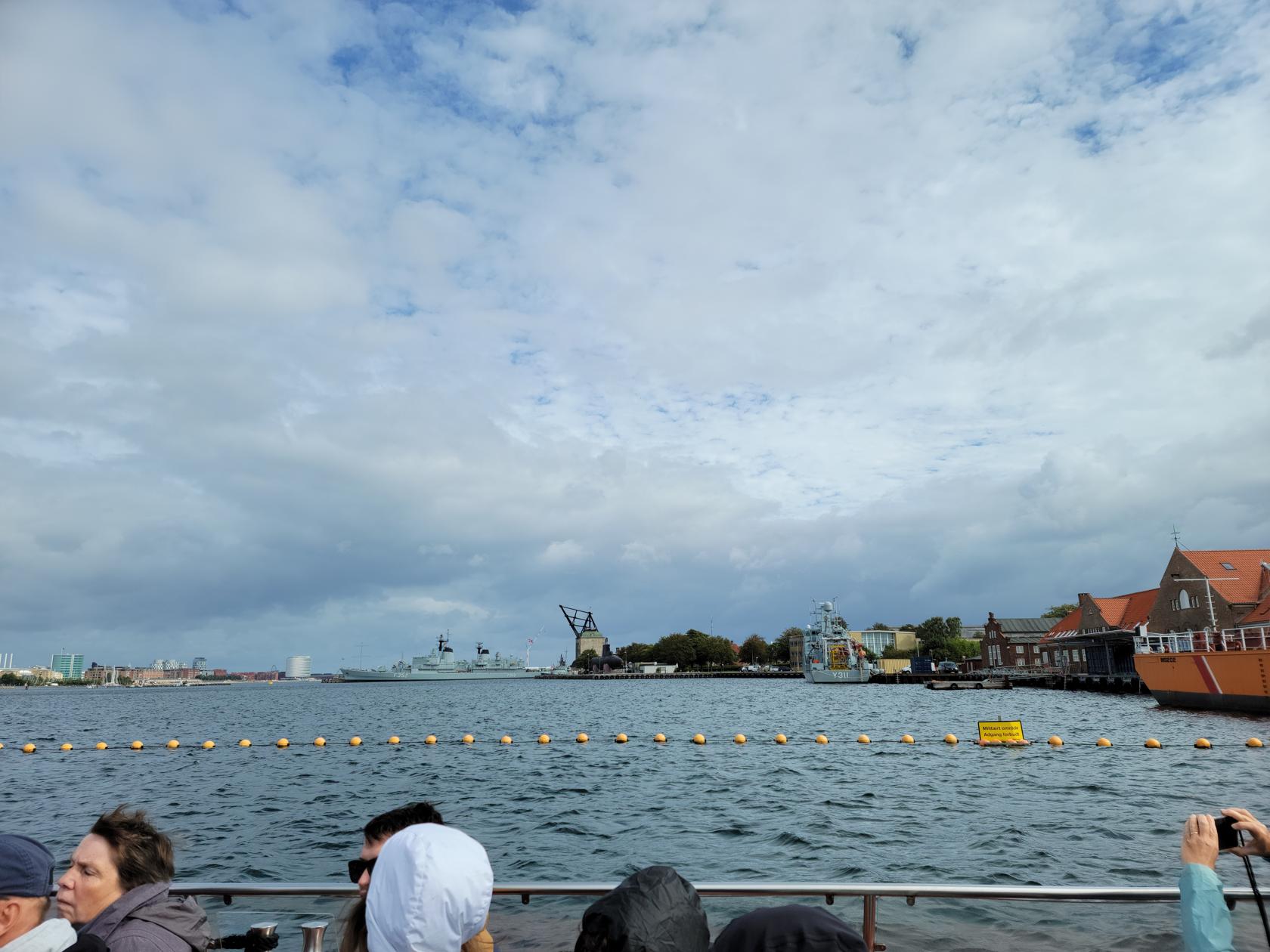
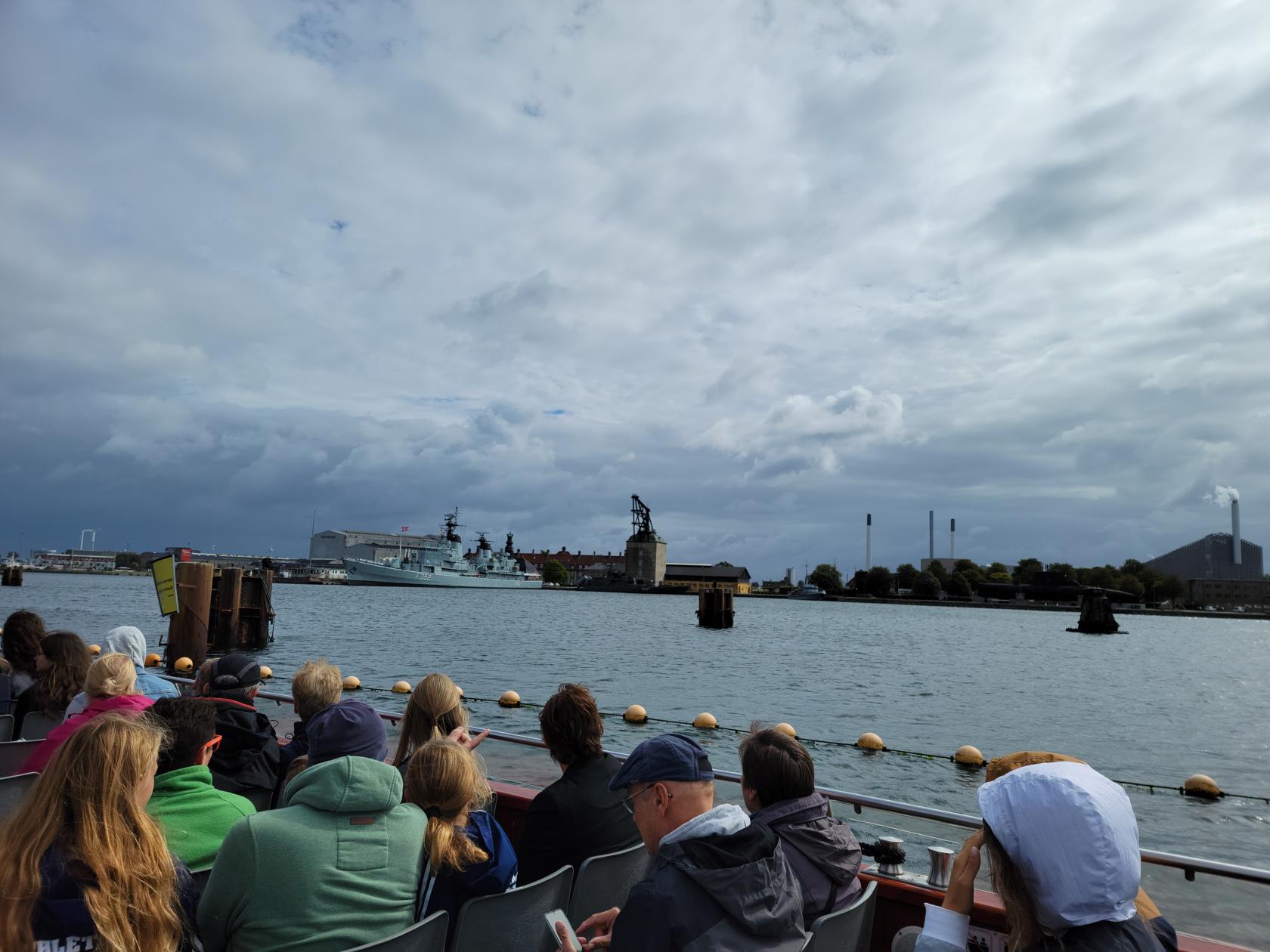
Frigate – Canal Tour – Copenhagen, Denmark
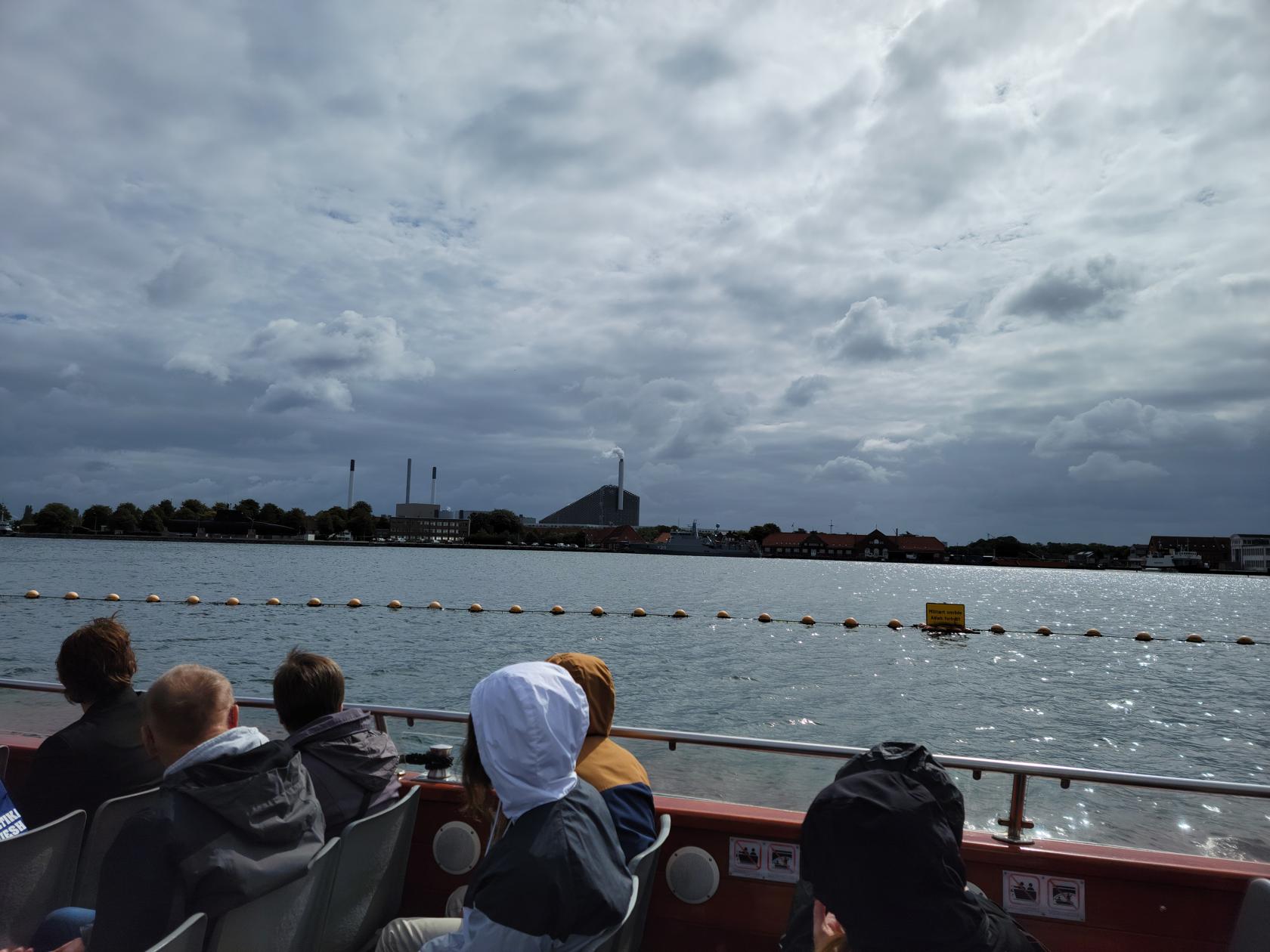
Sky mountain – Canal Tour – Copenhagen, Denmark
Frigate – Canal Tour – Copenhagen, Denmark
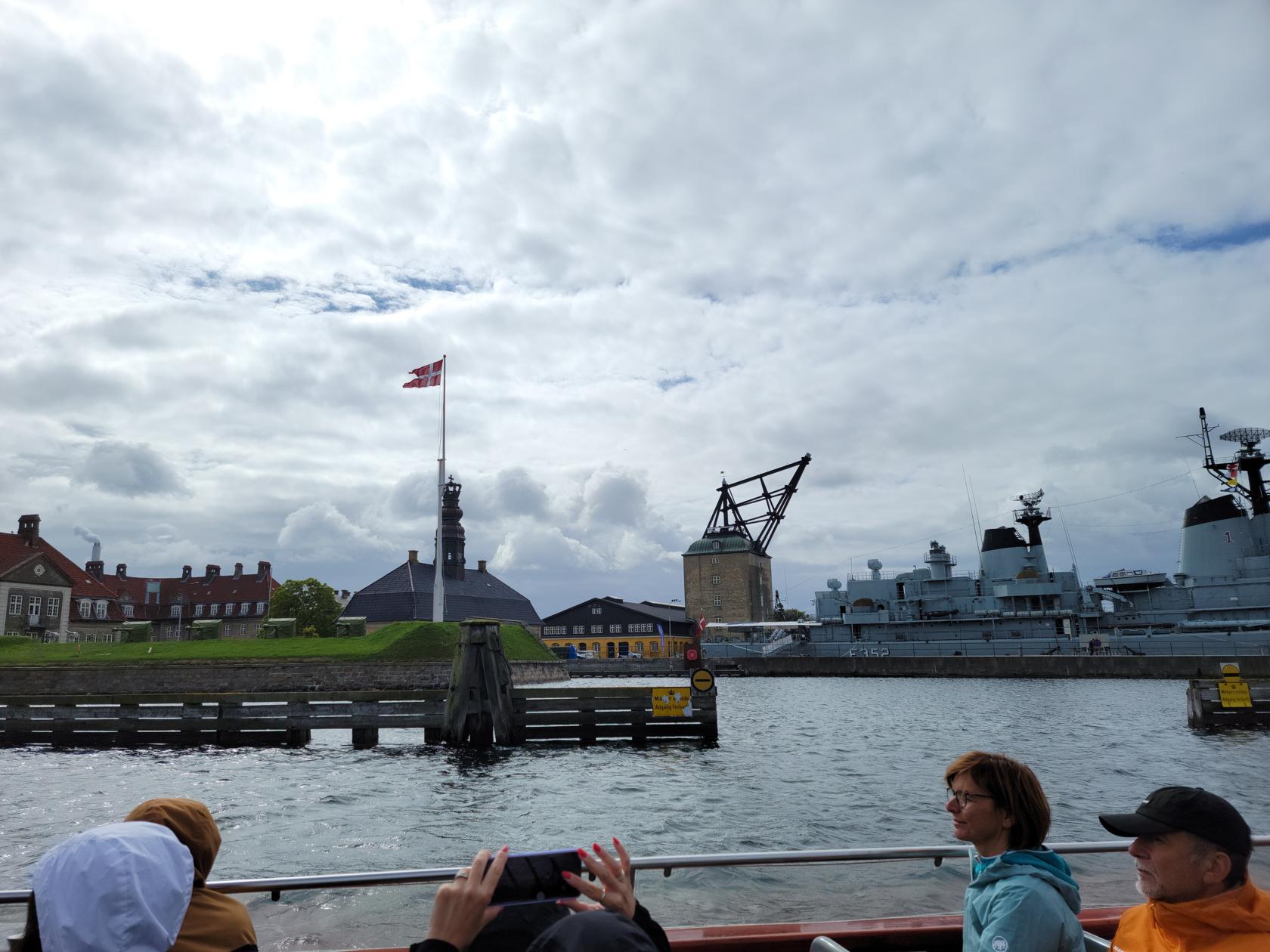
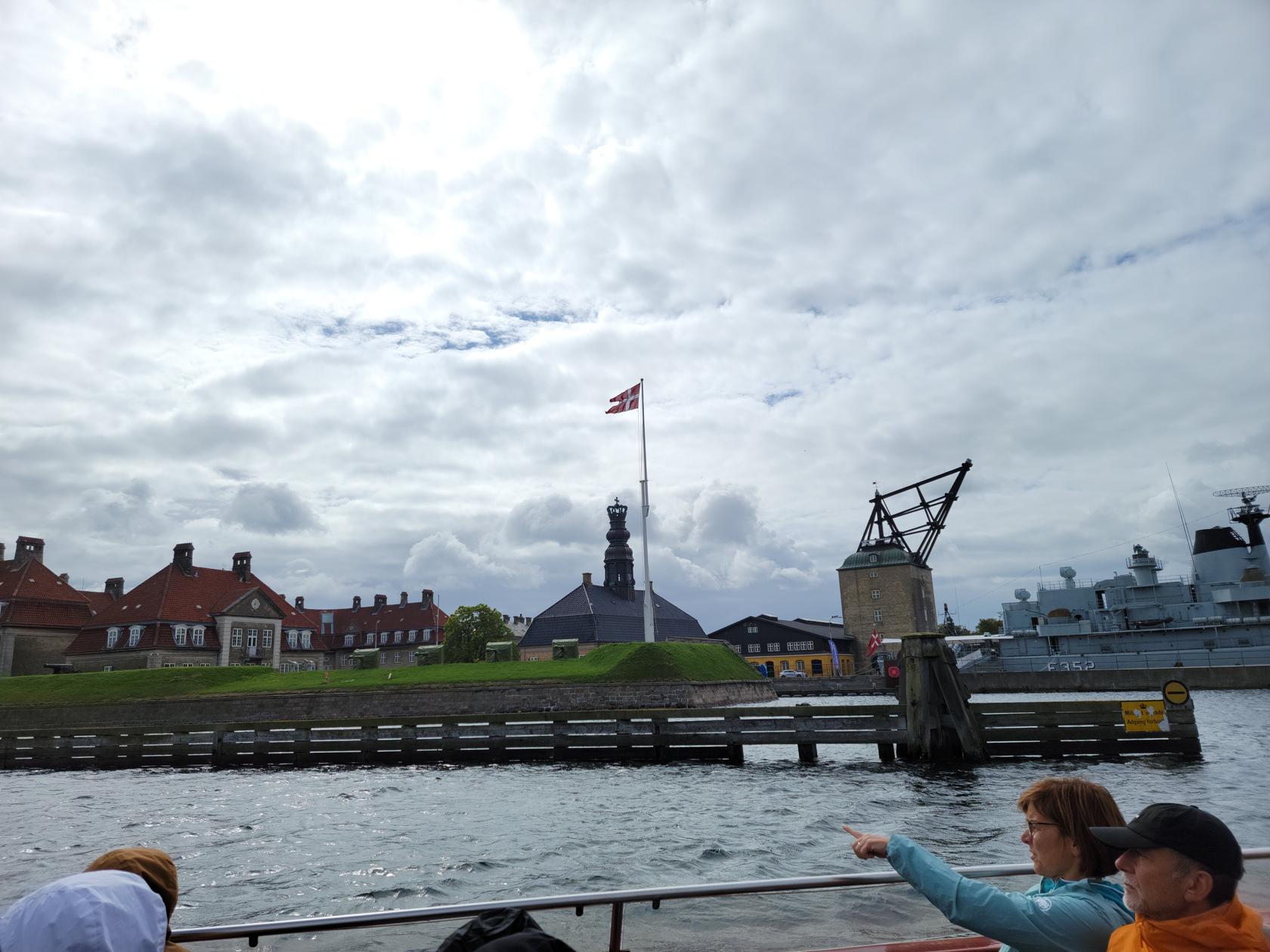
Old twenty ton crane, Frigate – Canal Tour – Copenhagen, Denmark
Nyholm Central Guardhouse – Canal Tour – Copenhagen, Denmark
Royal Family Sailing Ship Waiting Rooms – Canal Tour – Copenhagen, Denmark
Artwork, Maersk Building – Canal Tour – Copenhagen, Denmark
Ending our tour – Canal Tour – Copenhagen, Denmark
Højbro – Canal Tour – Copenhagen, Denmark
They also go in extraordinary high tides as well. Our tour was modified because the tides had come in extra high, leaving little space under the bridges. Therefore, we could not go down some canals and I think our tour ended up a bit longer that it probably should have been.
Trinitatis Kirke
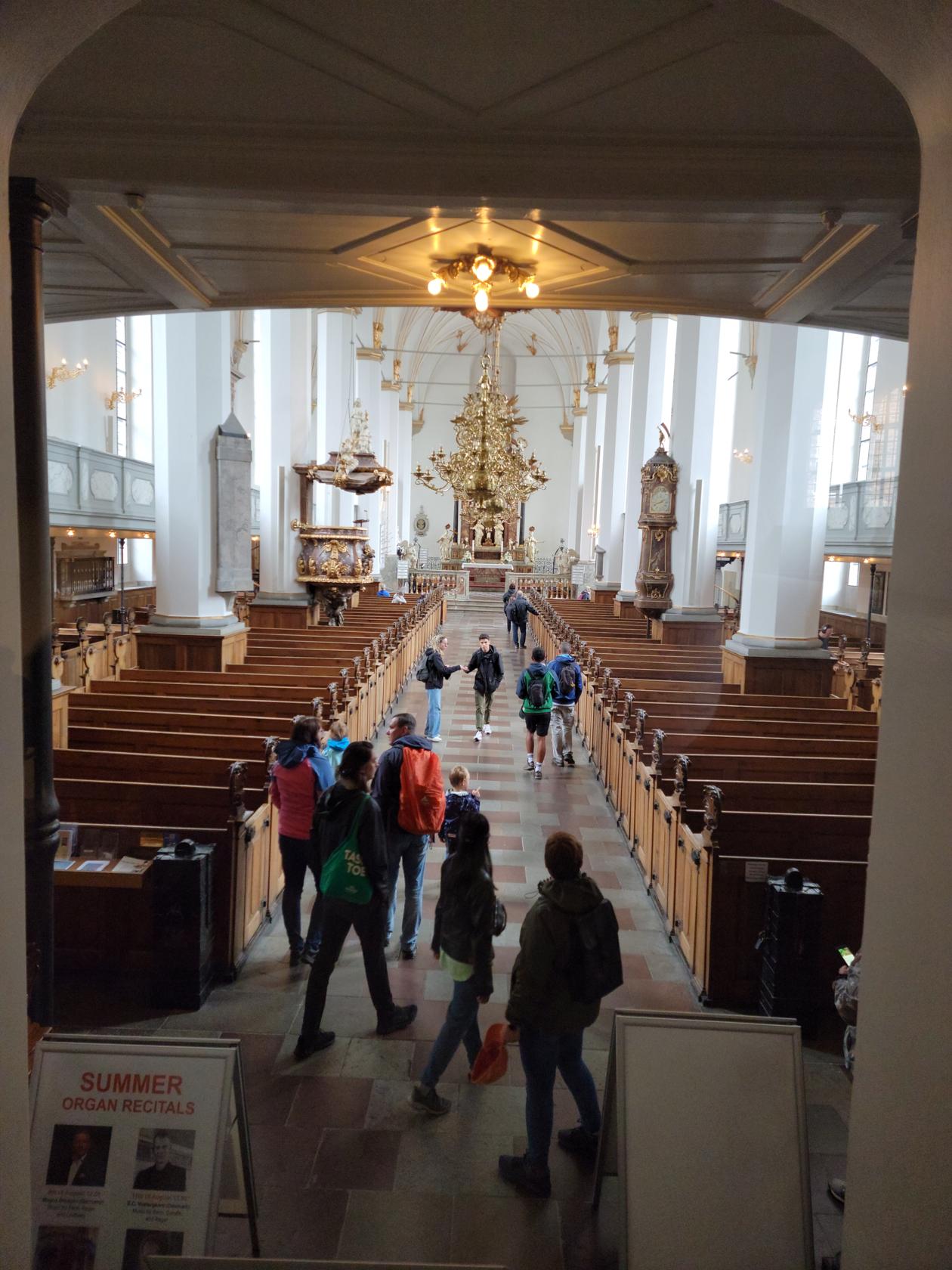
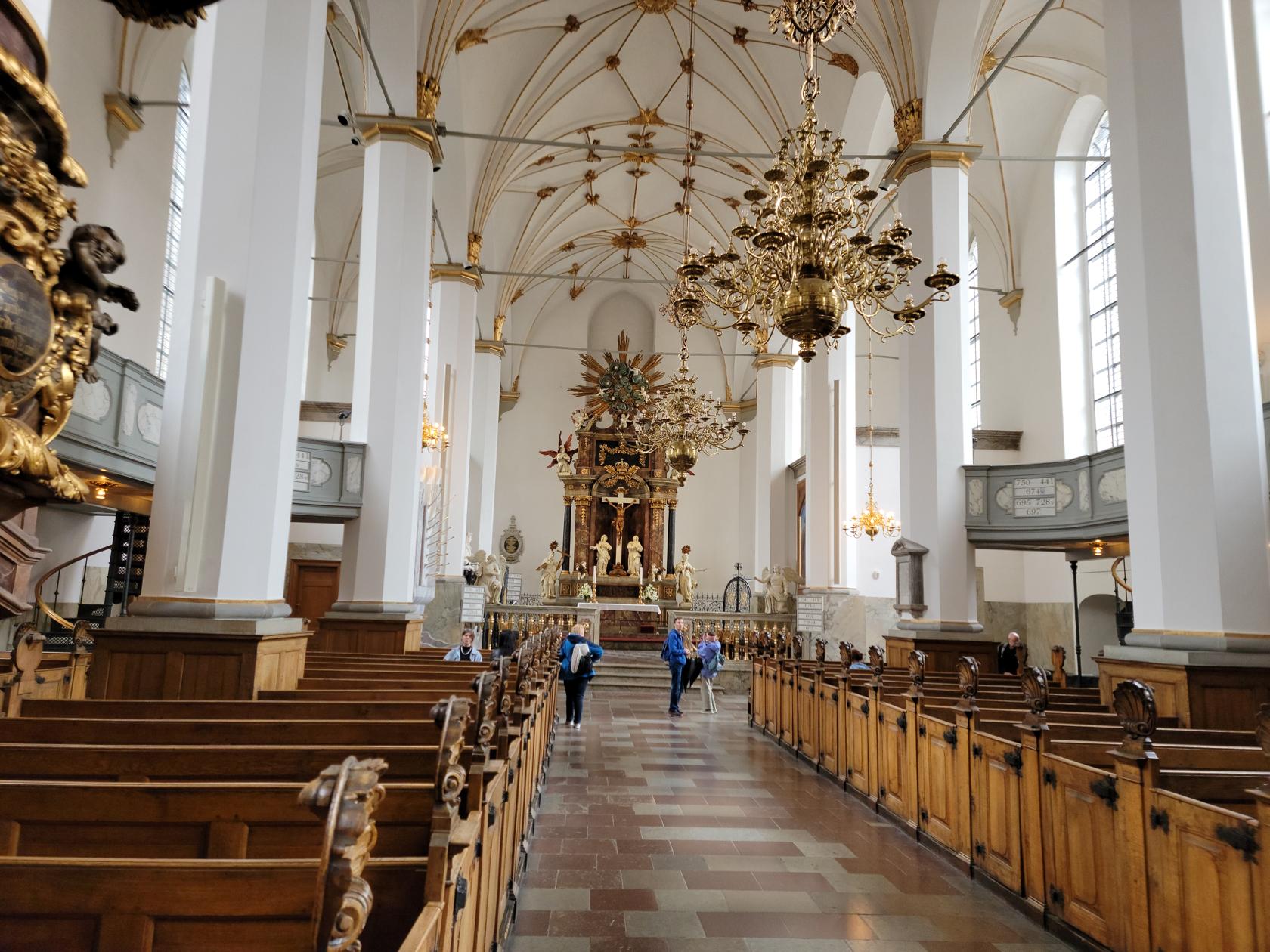
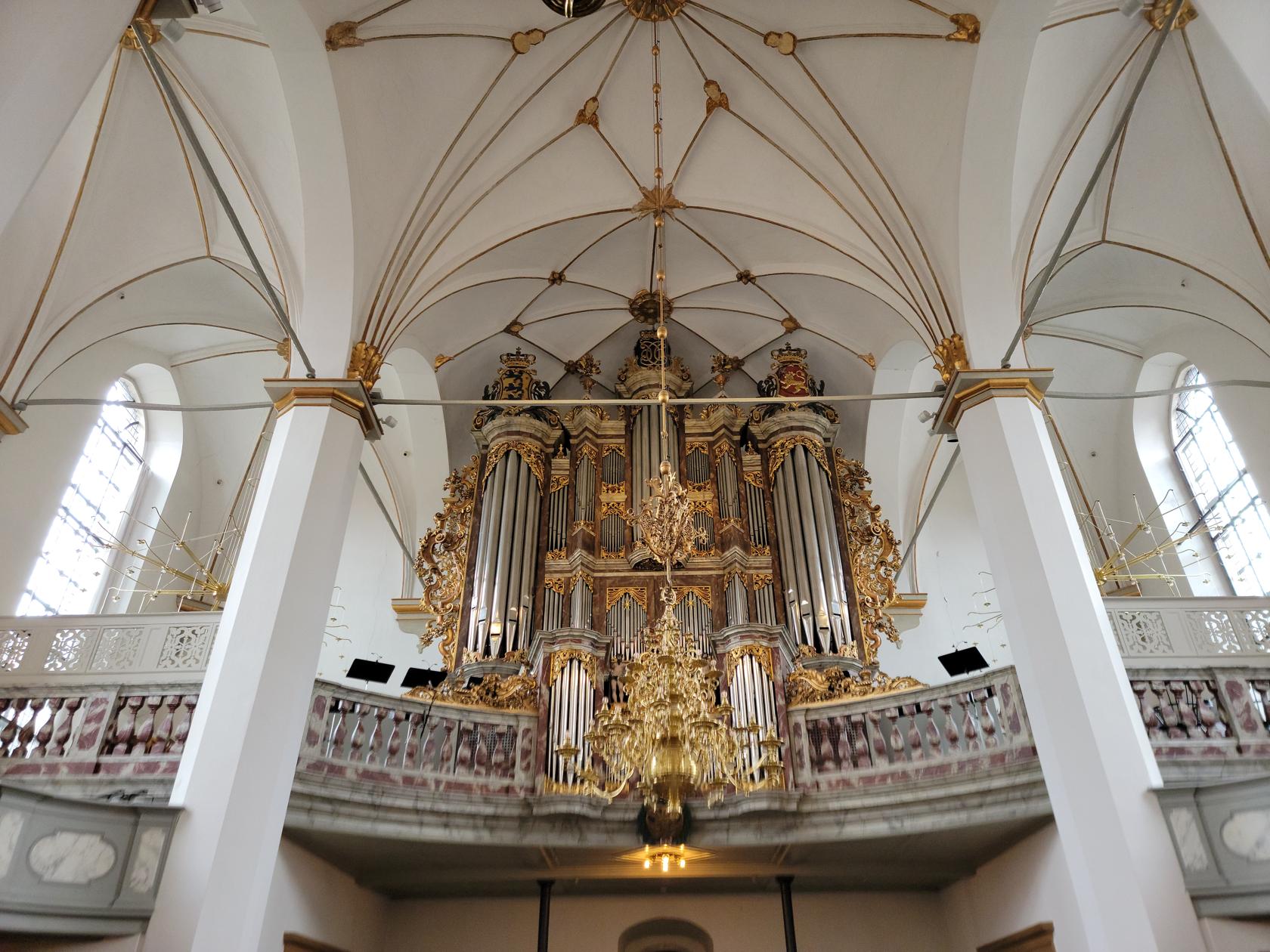
Trinitatis Kirke, or Trinitatis church, is a church built in the seventeenth century that is connected to The Round Tower. It was initially built to support the university, since it was part of the overall Trinitatis Complex. The Library Hall, which is built over one of the church’s naves dictated the size of the church when it was originally constructed. In any event, the church has a baroque look and feel to it which may be of interest to some and the organ is certainly something you should see.
Inside Trinitatis Church – The Round Tower – Copenhagen, Denmark
Trinitatis Church – Copenhagen, Denmark
Ornate Organ – Trinitatis Church – Copenhagen, Denmark
The Round Tower
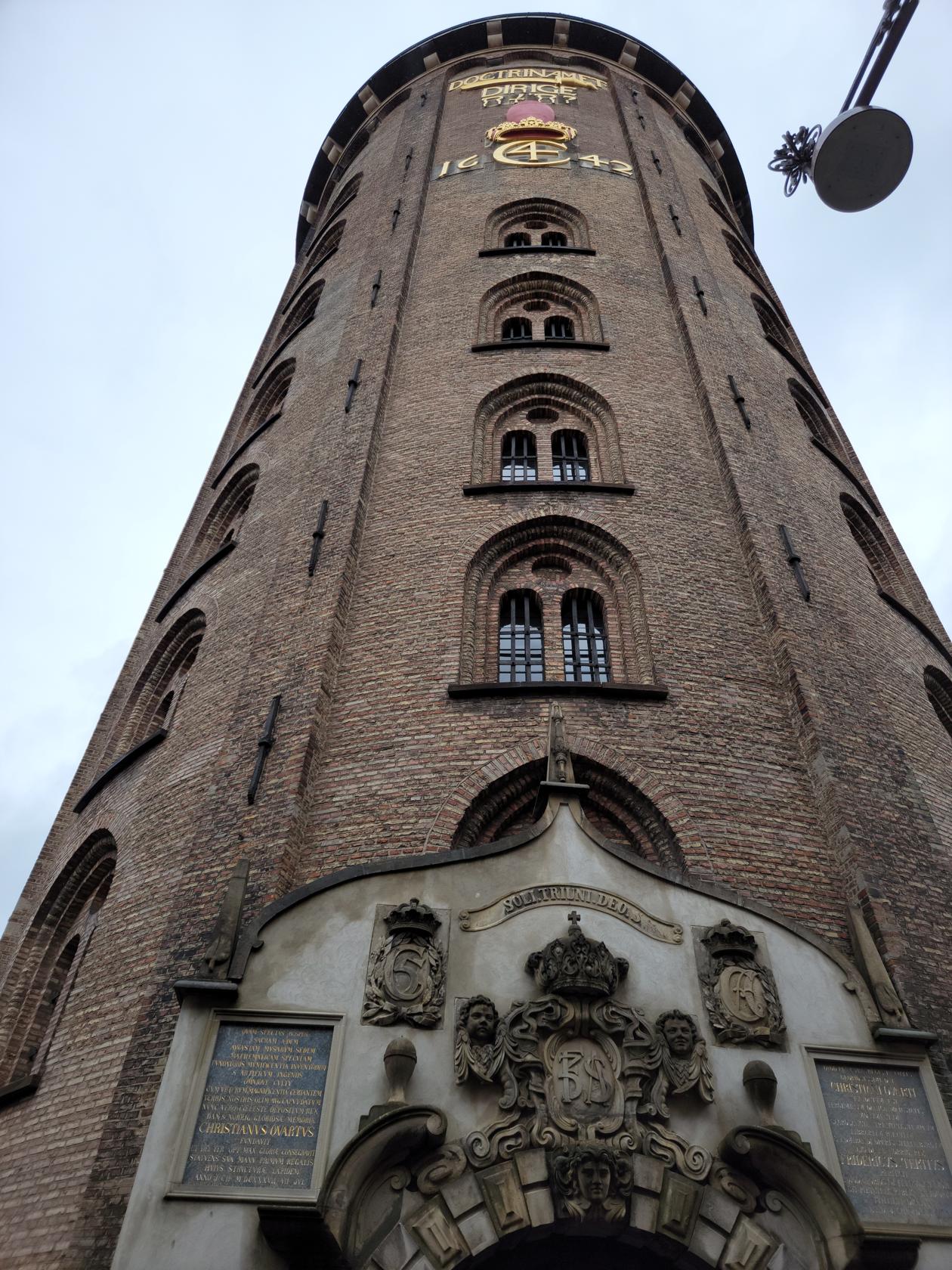
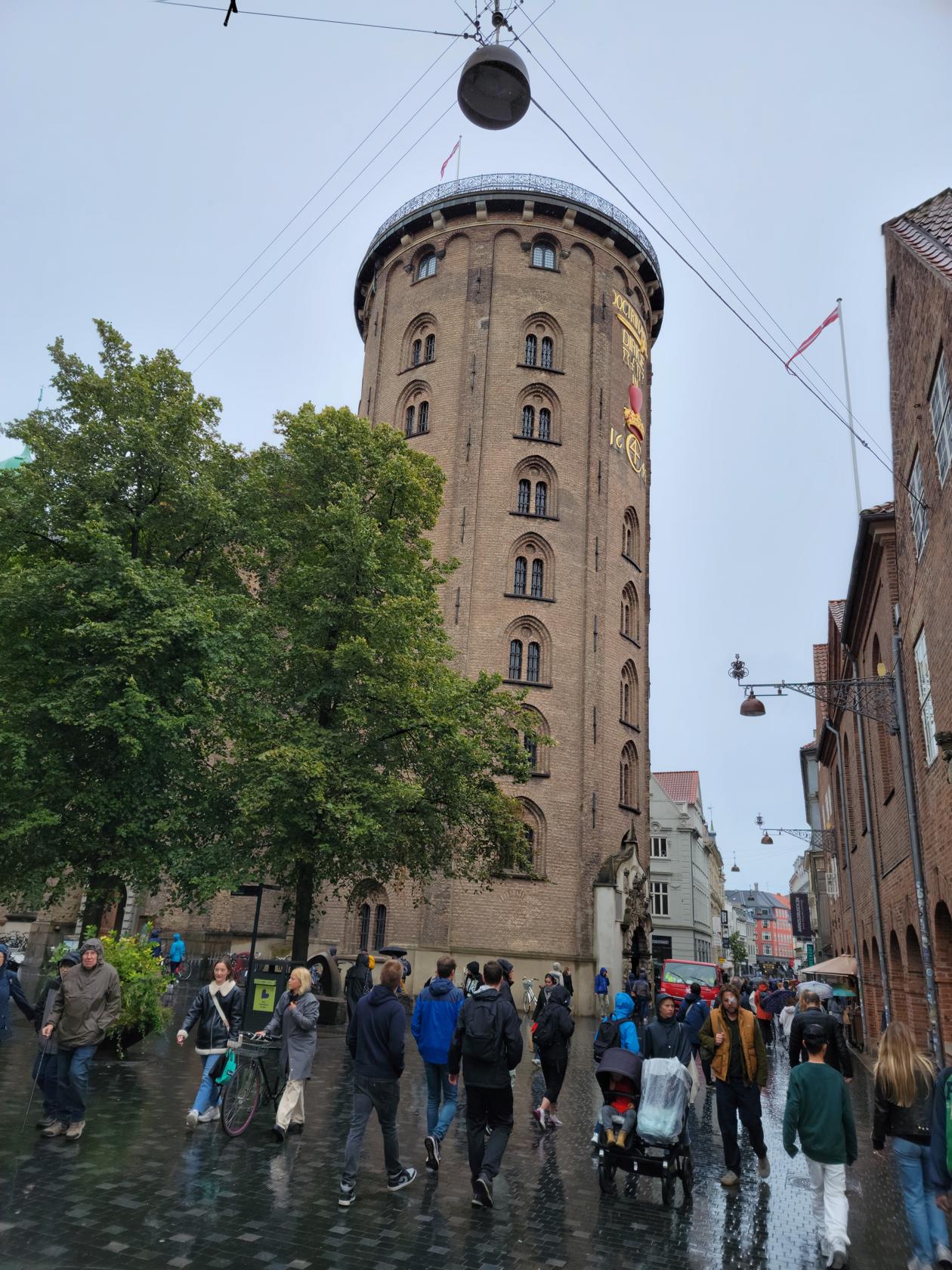
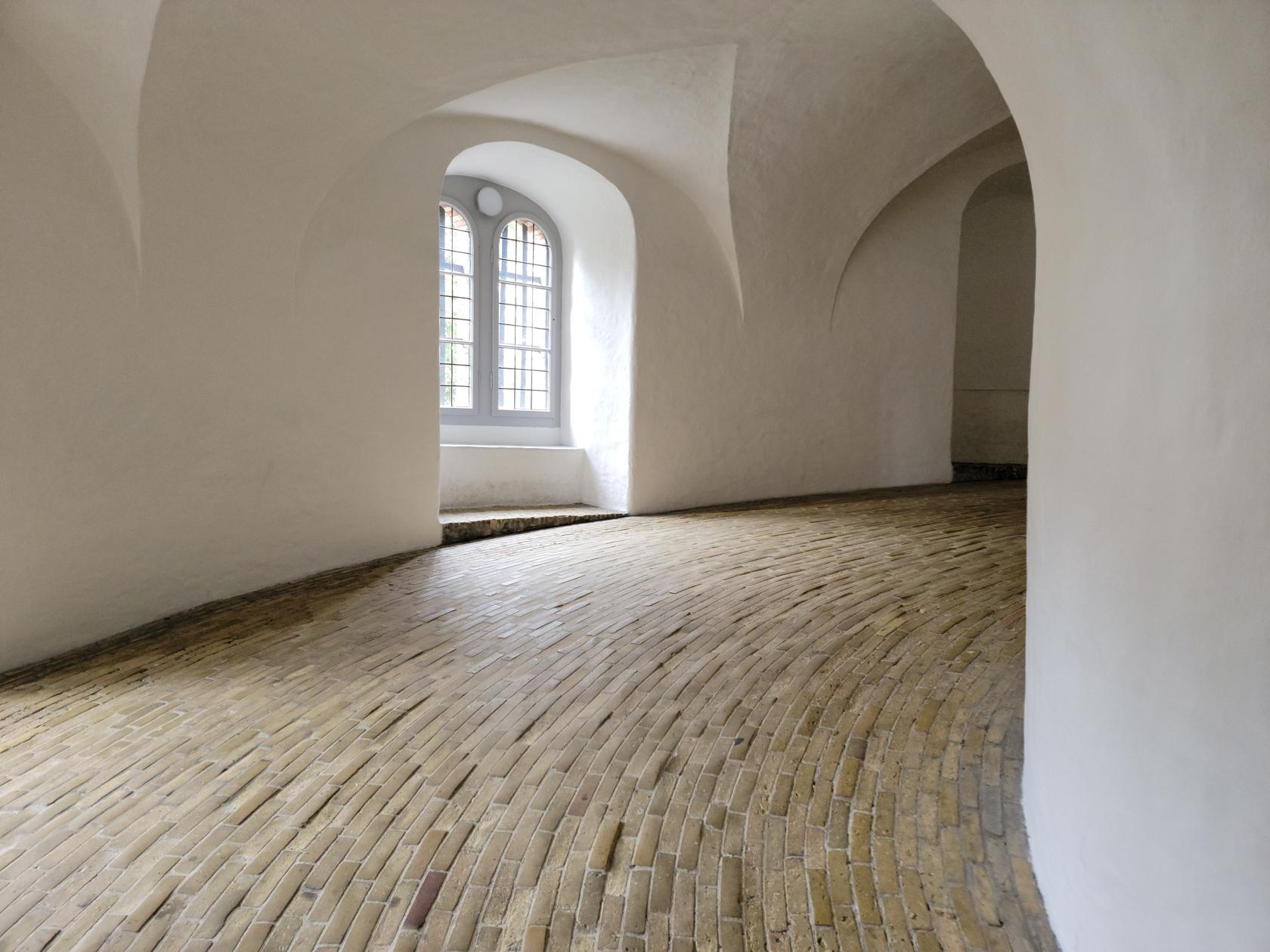
The Round Tower is actually an odd building for several reasons. At first I thought it was a shot tower, where they used to make gunshot or ball bearings. It just did not make any sense to me to build such a structure with a central column and a ramp for horses, unless it had some manufacturing purpose. Moreover, the rebus on the building has been loosely interpreted as Lead, God and The Correct Teaching; which also initially reinforced my belief that it had some military purpose; the telescope and Library Hall being repurposed after other ways to make ammunition came into vogue.
Entrance and Inscription – The Round Tower – Copenhagen, Denmark
Side – The Round Tower – Copenhagen, Denmark
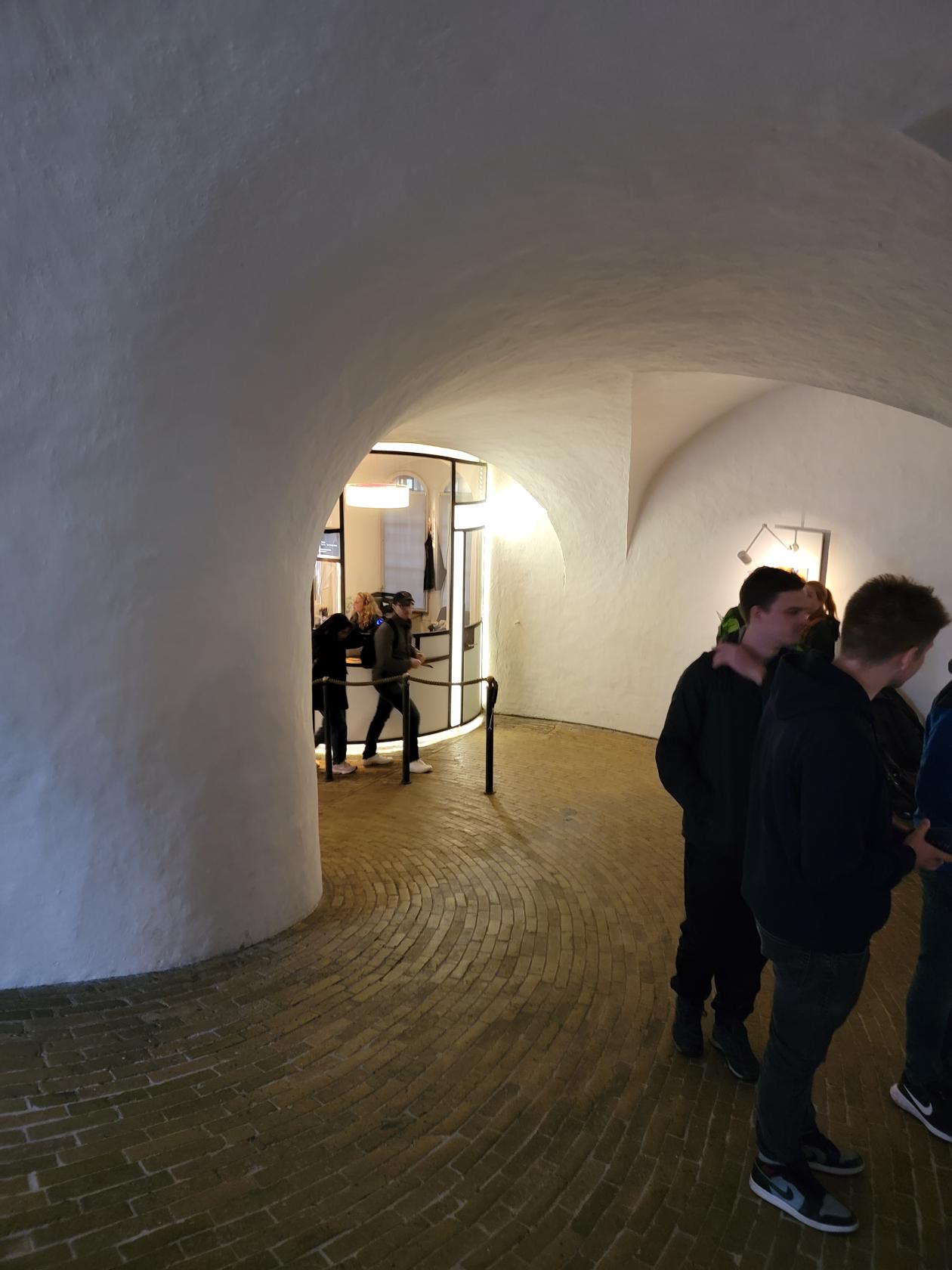
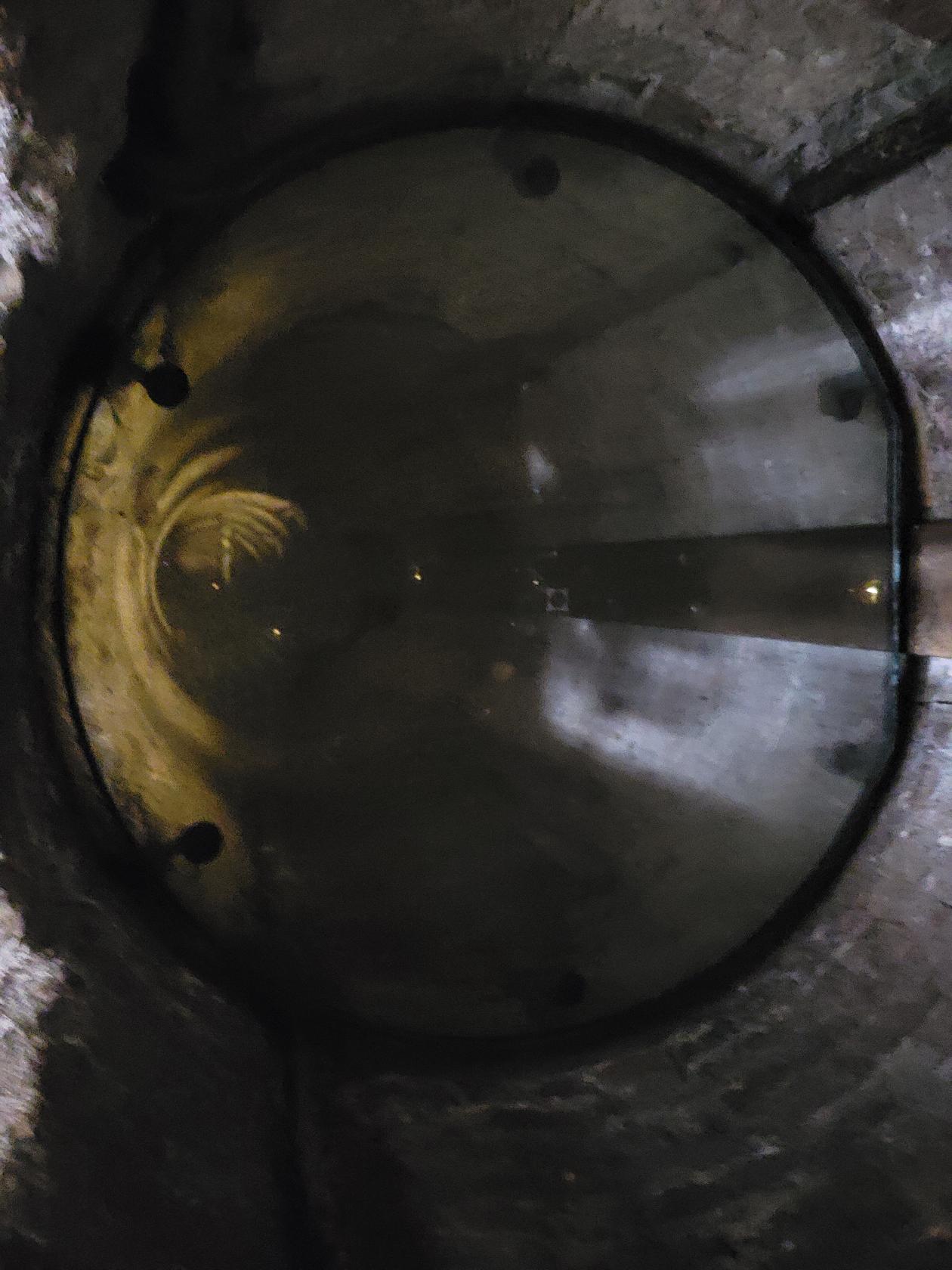
I surprised to find the edifice was built with a ramp inside so that the horses where able to bring the heavy equipment up the tower for the telescope installation. The central column was later intentionally used as a toilet by the staff who found it arduous to walk down the ramp to go to the bathroom.
Internal Ramp – The Round Tower – Copenhagen, Denmark
Internal column, old cesspool – The Round Tower – Copenhagen, Denmark
Patti on her way up – The Round Tower – Copenhagen, Denmark
Internal Ramp – The Round Tower – Copenhagen, Denmark
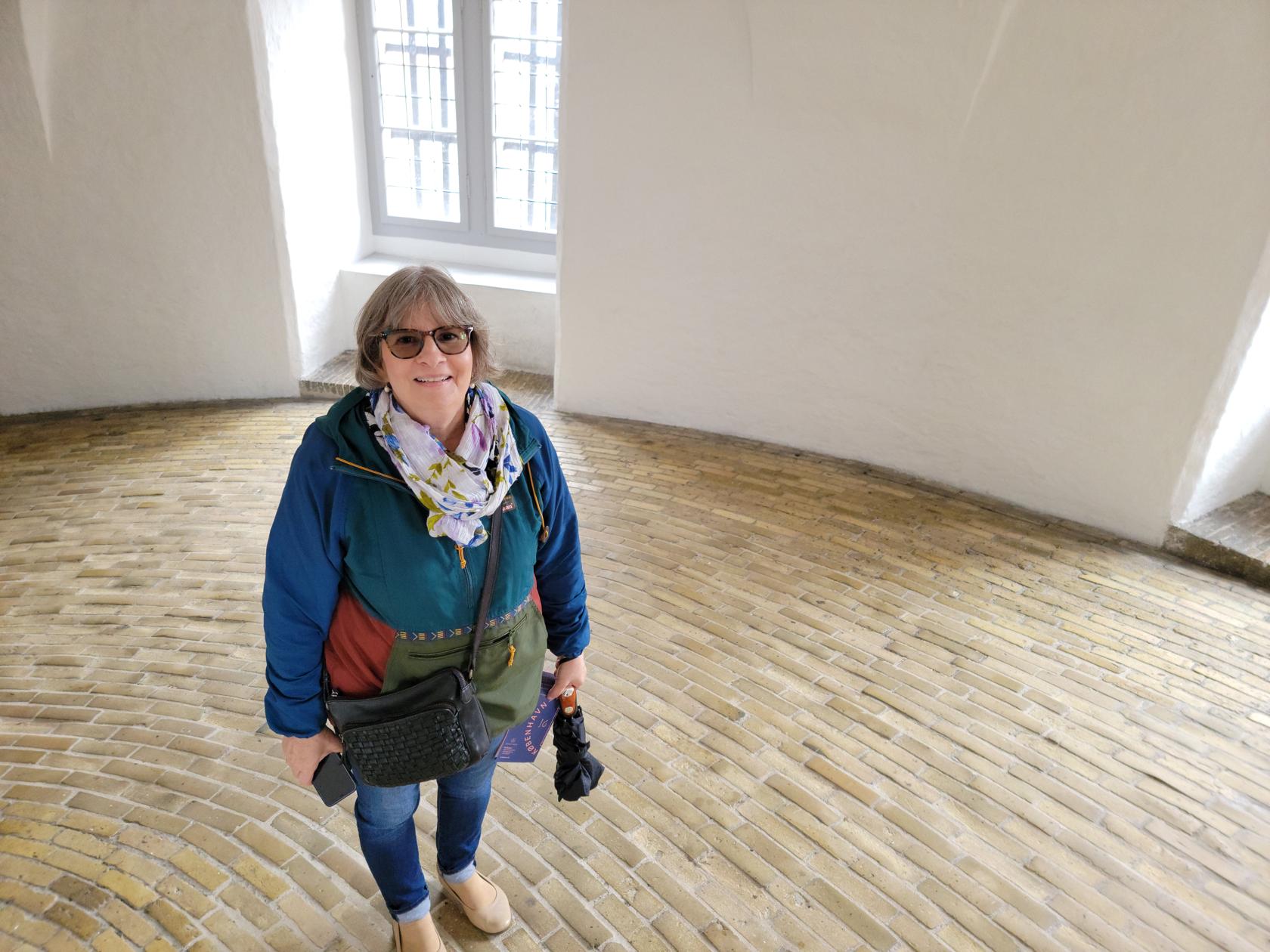
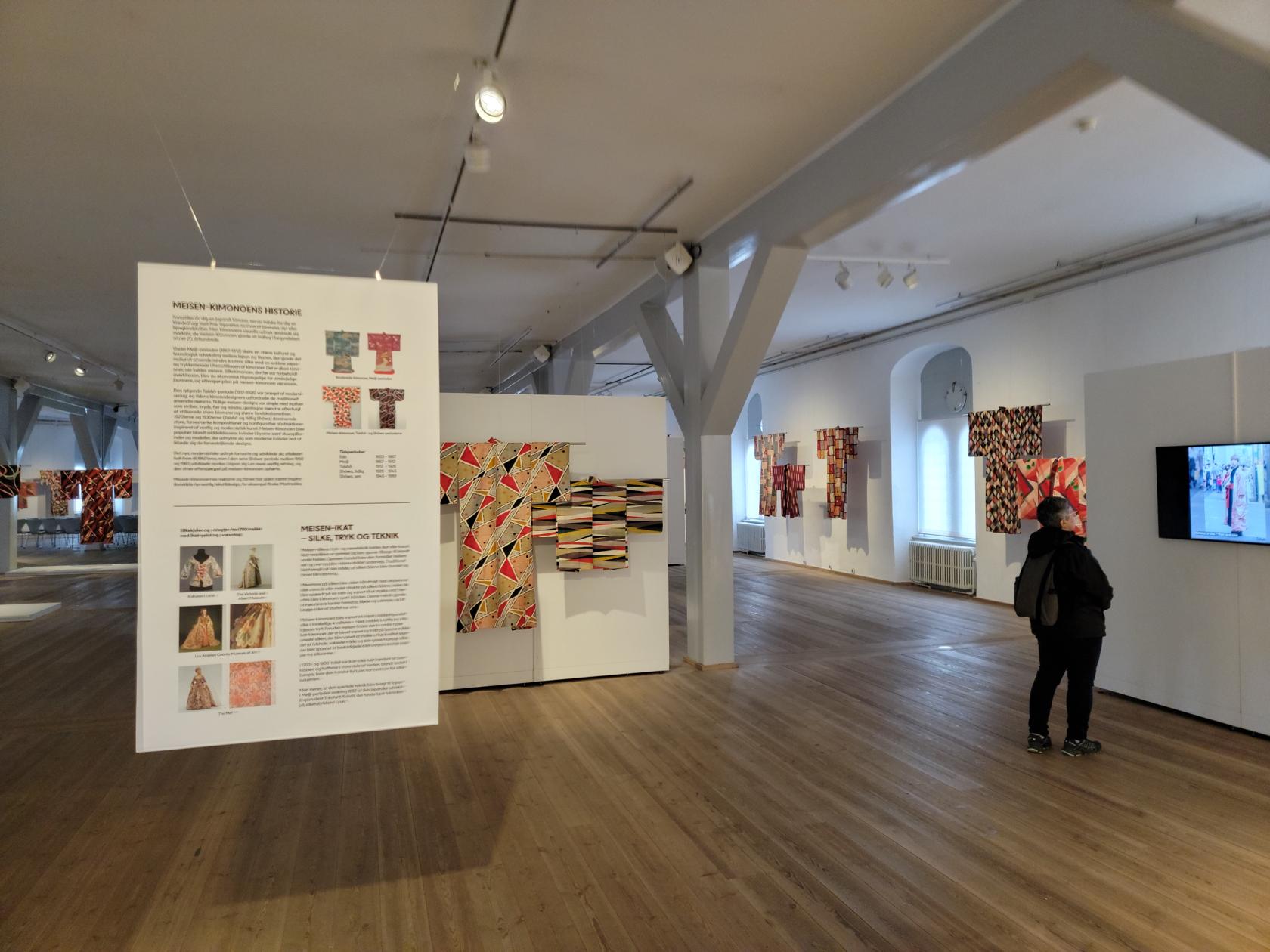
The old Library Hall, now Art Exhibit – The Round Tower – Copenhagen, Denmark
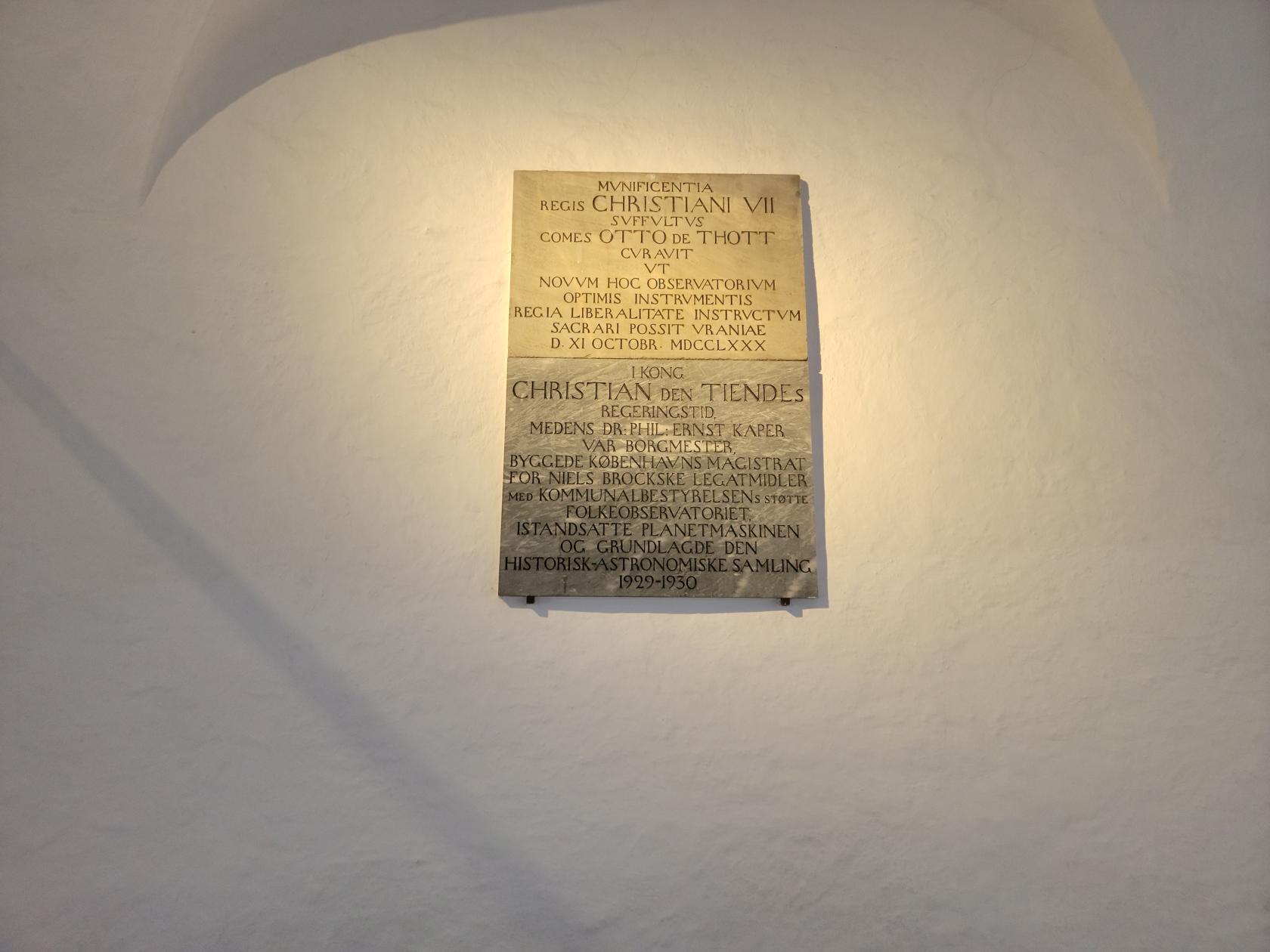
Commemoration – The Round Tower – Copenhagen, Denmark
The telescope installation was built on top of the tower some time after that was completed. The Library Hall was initially used as a library and has now been repurposed as an Art Exhibition hall.
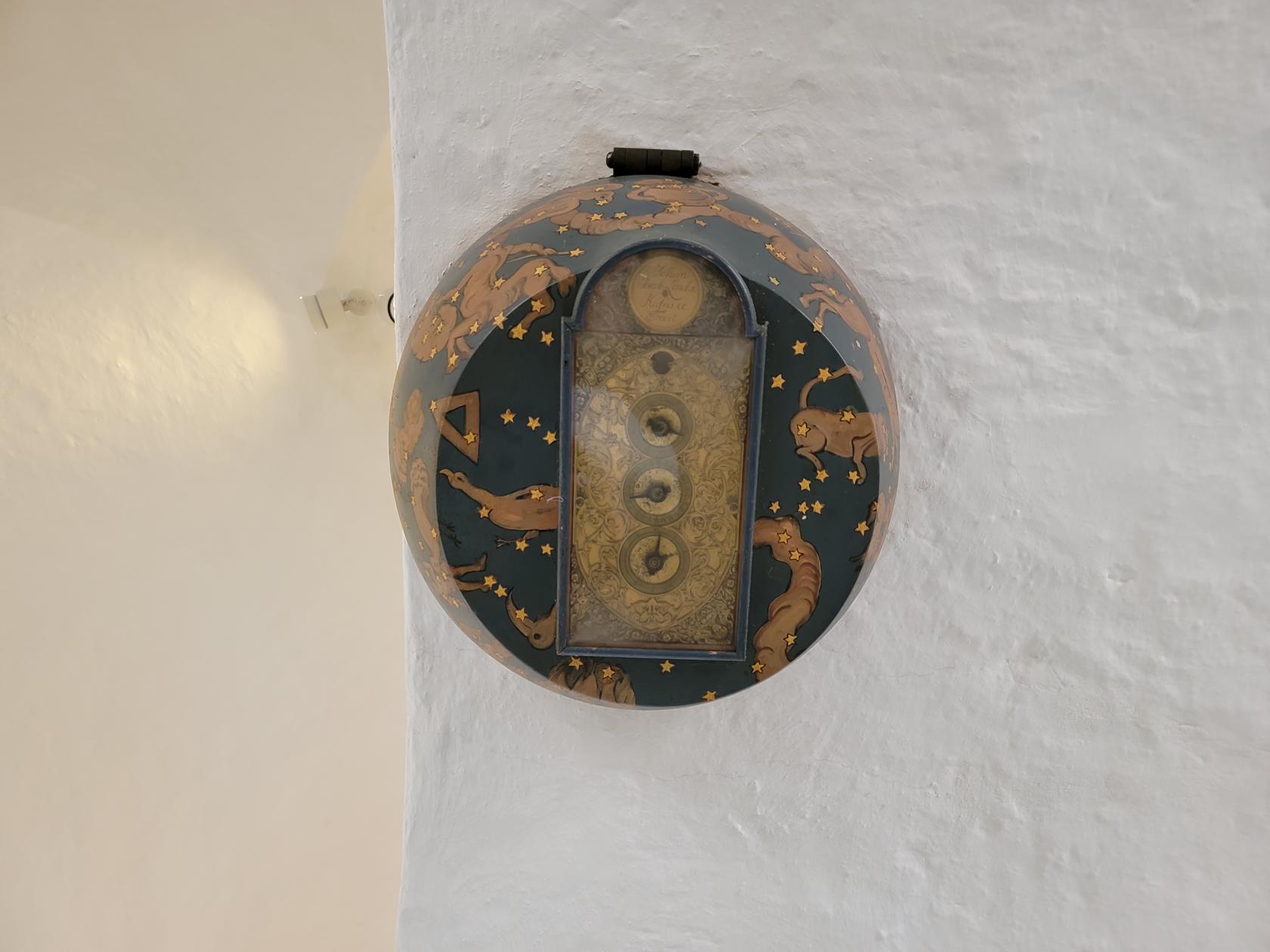
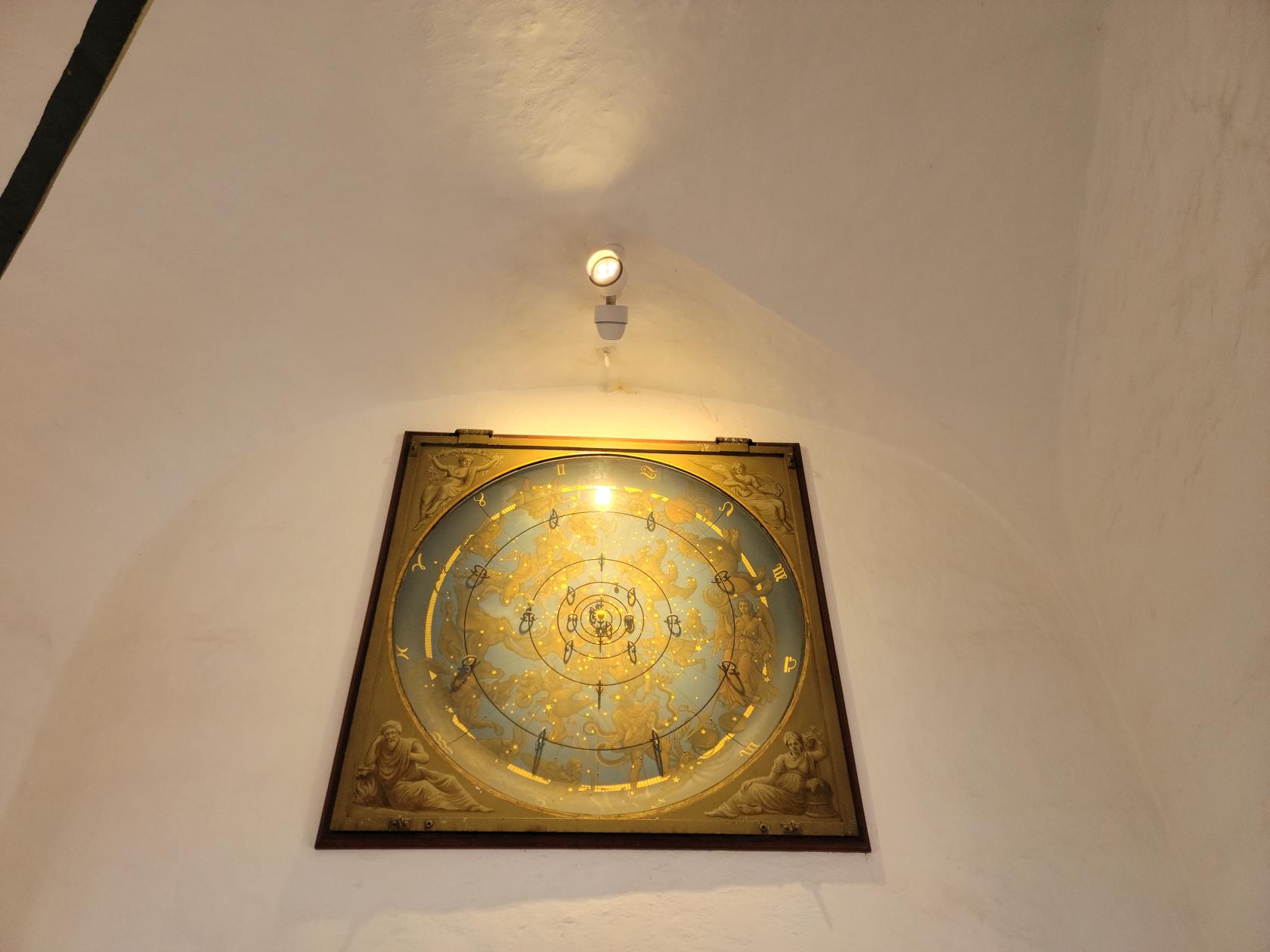
Zodiac Timepiece – The Round Tower – Copenhagen, Denmark
The Solar System – The Round Tower – Copenhagen, Denmark
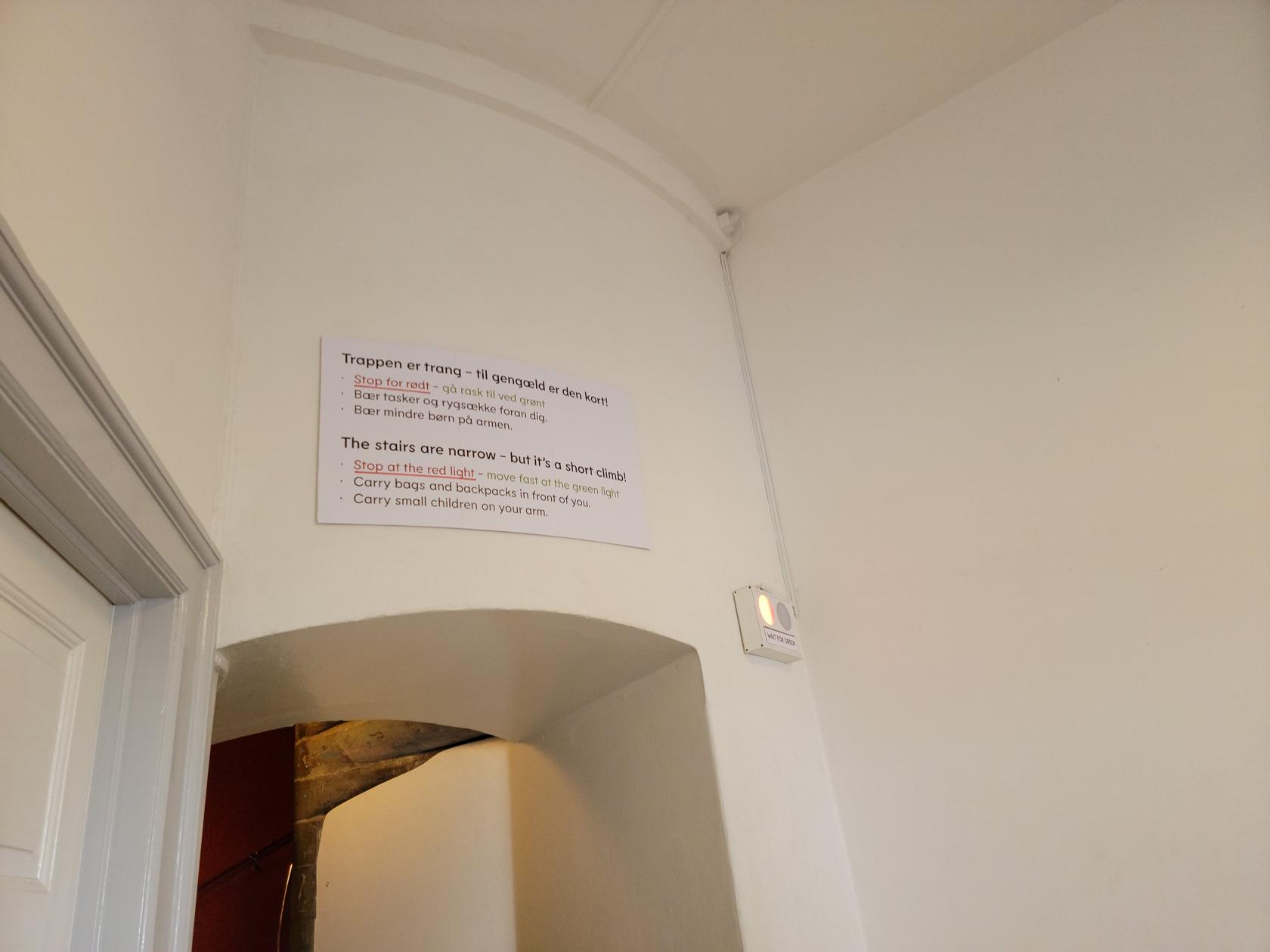
There are also a few astronomical oddities to see, if you look up while you are waiting for the light to change to ascend to the observation lookout. They are a map of the solar system and a zodiac timepiece.
Traffic signal for Observation Deck – The Round Tower – Copenhagen, Denmark
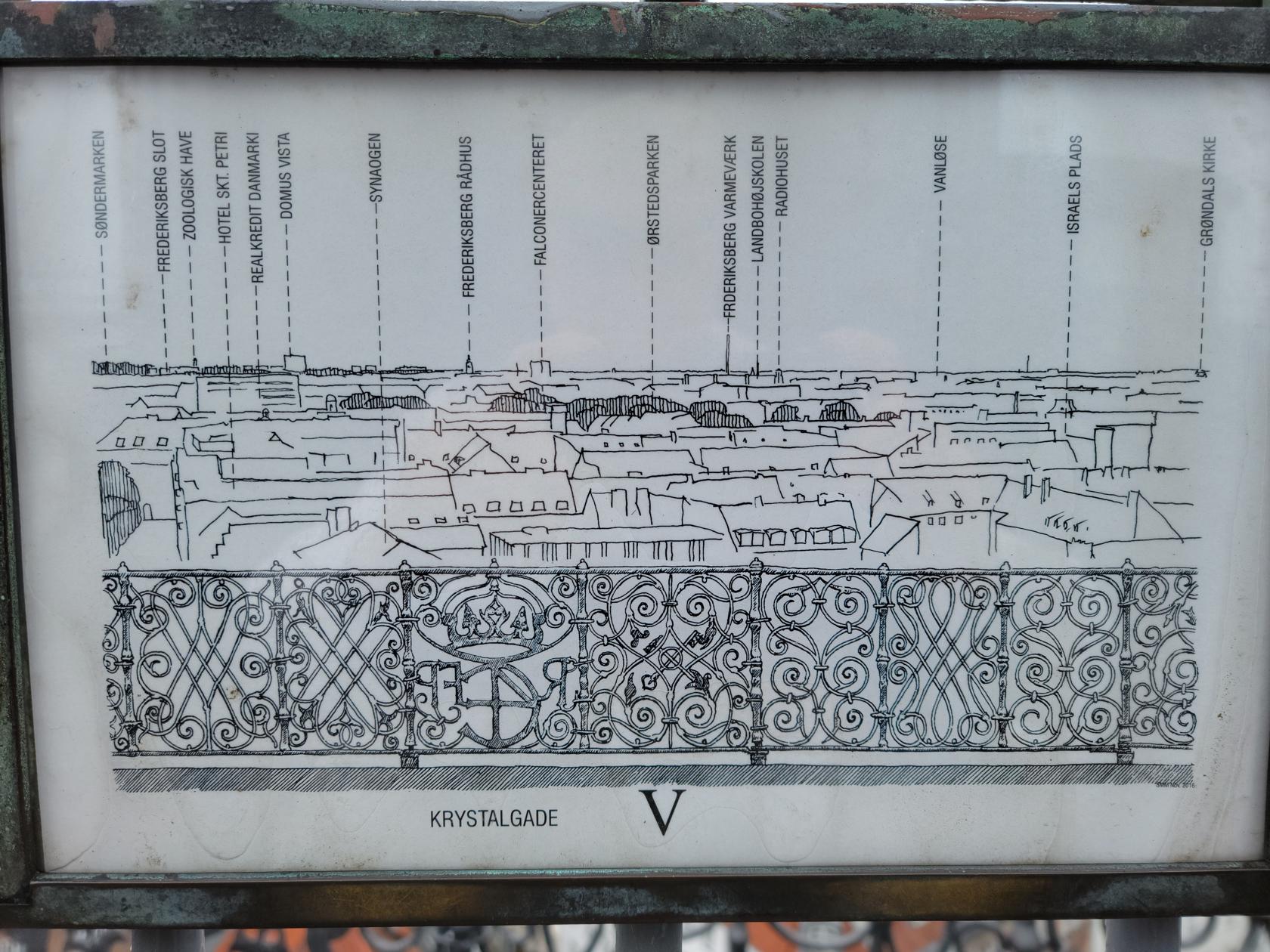
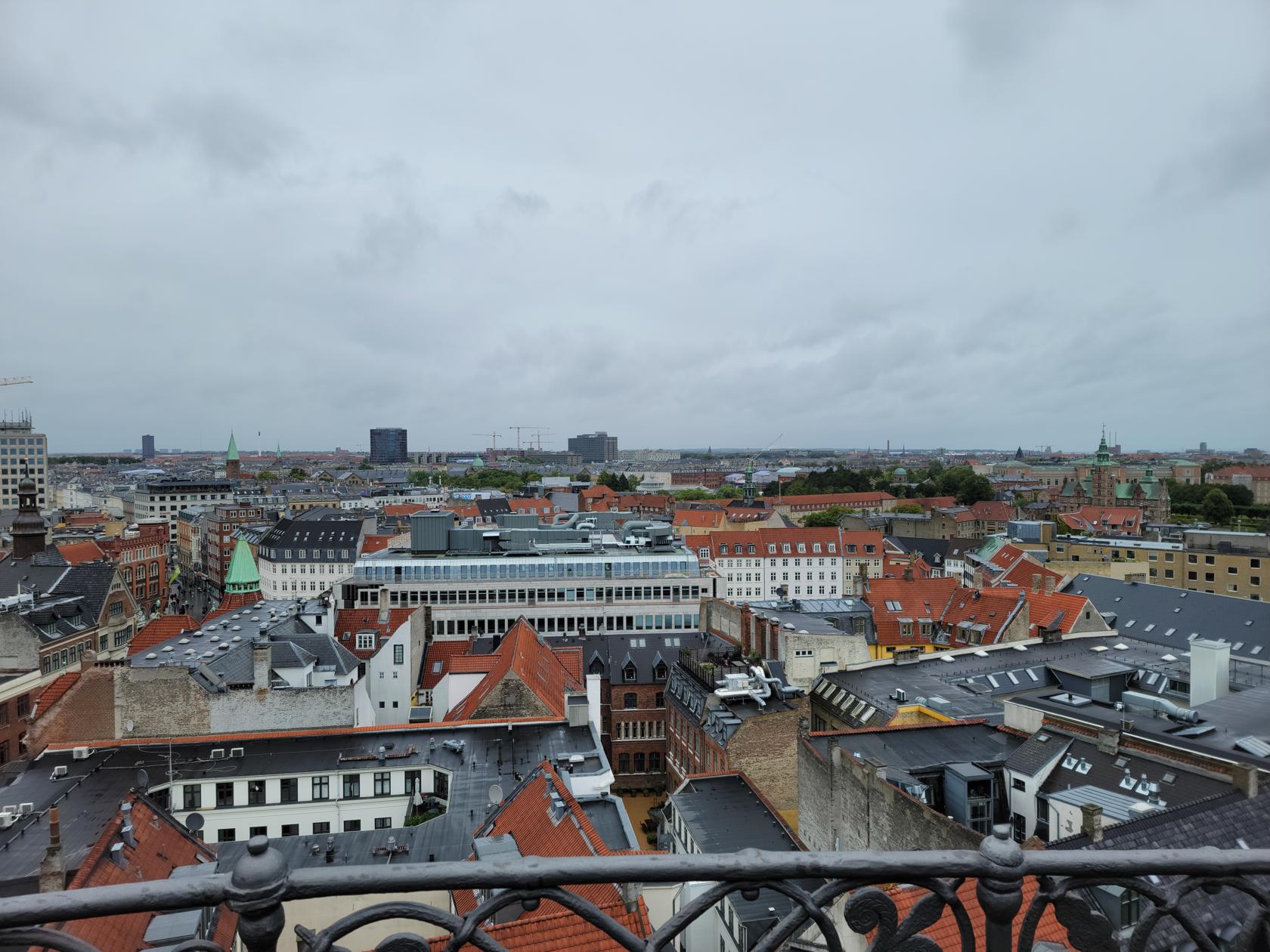
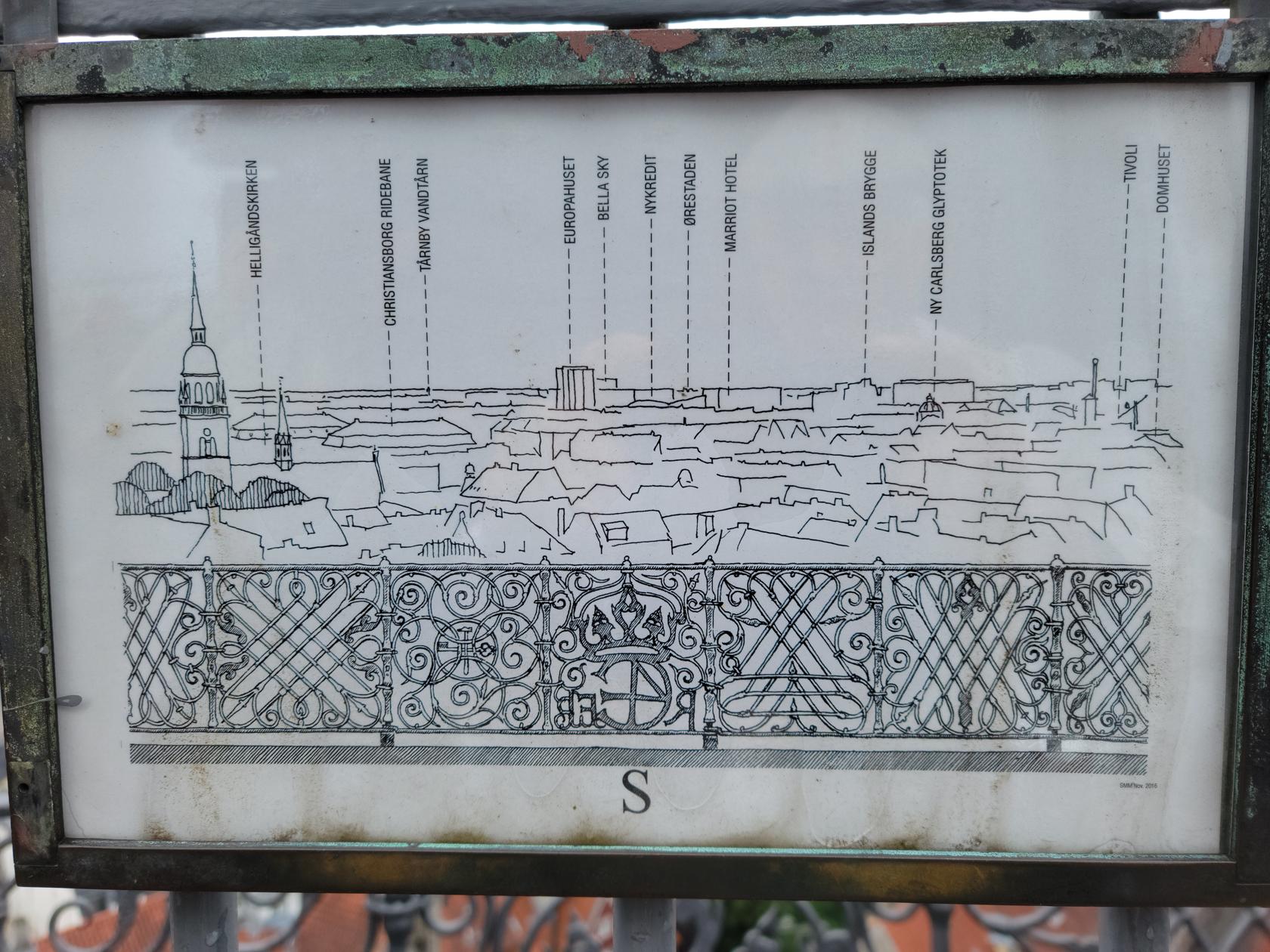
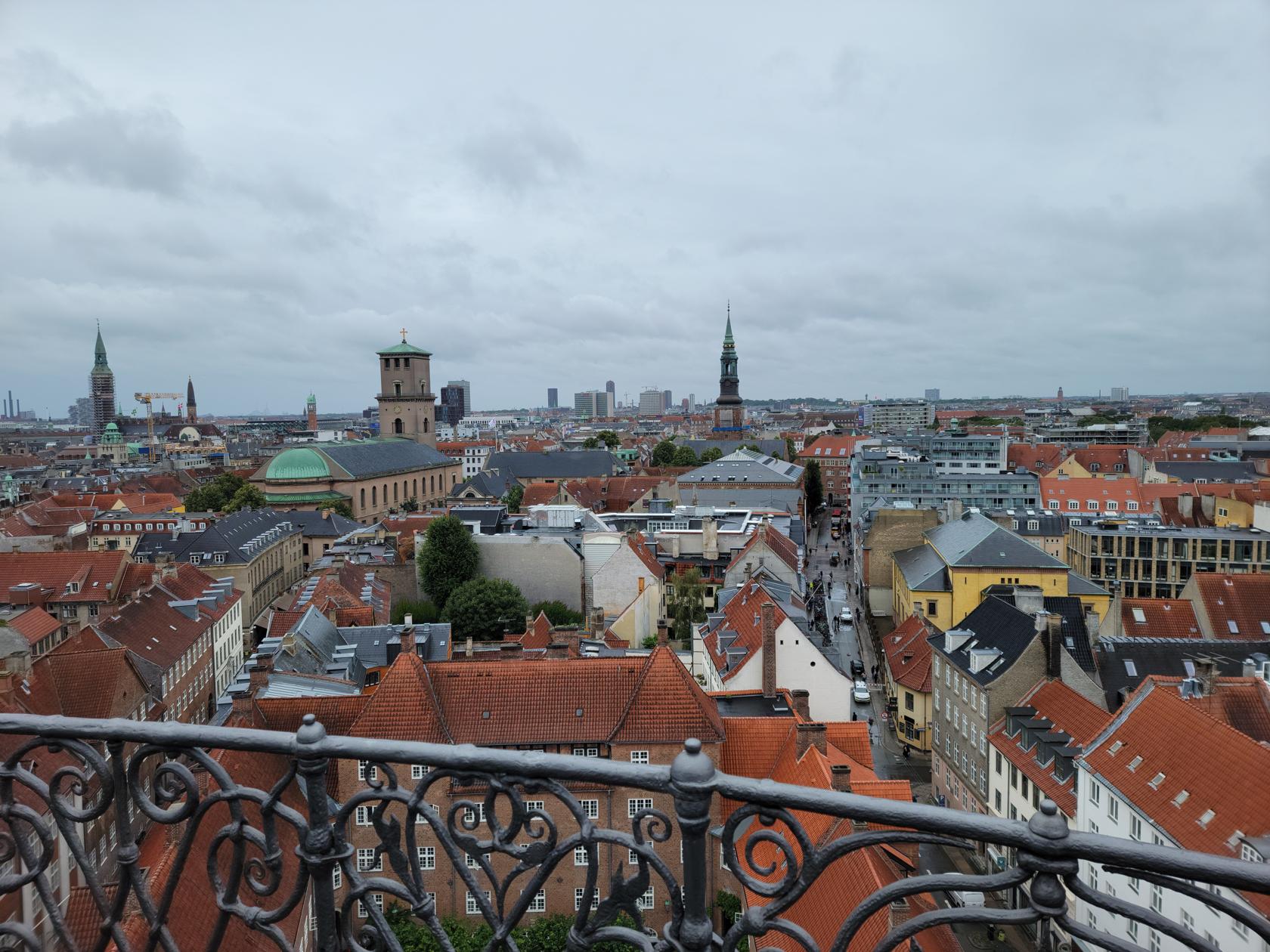
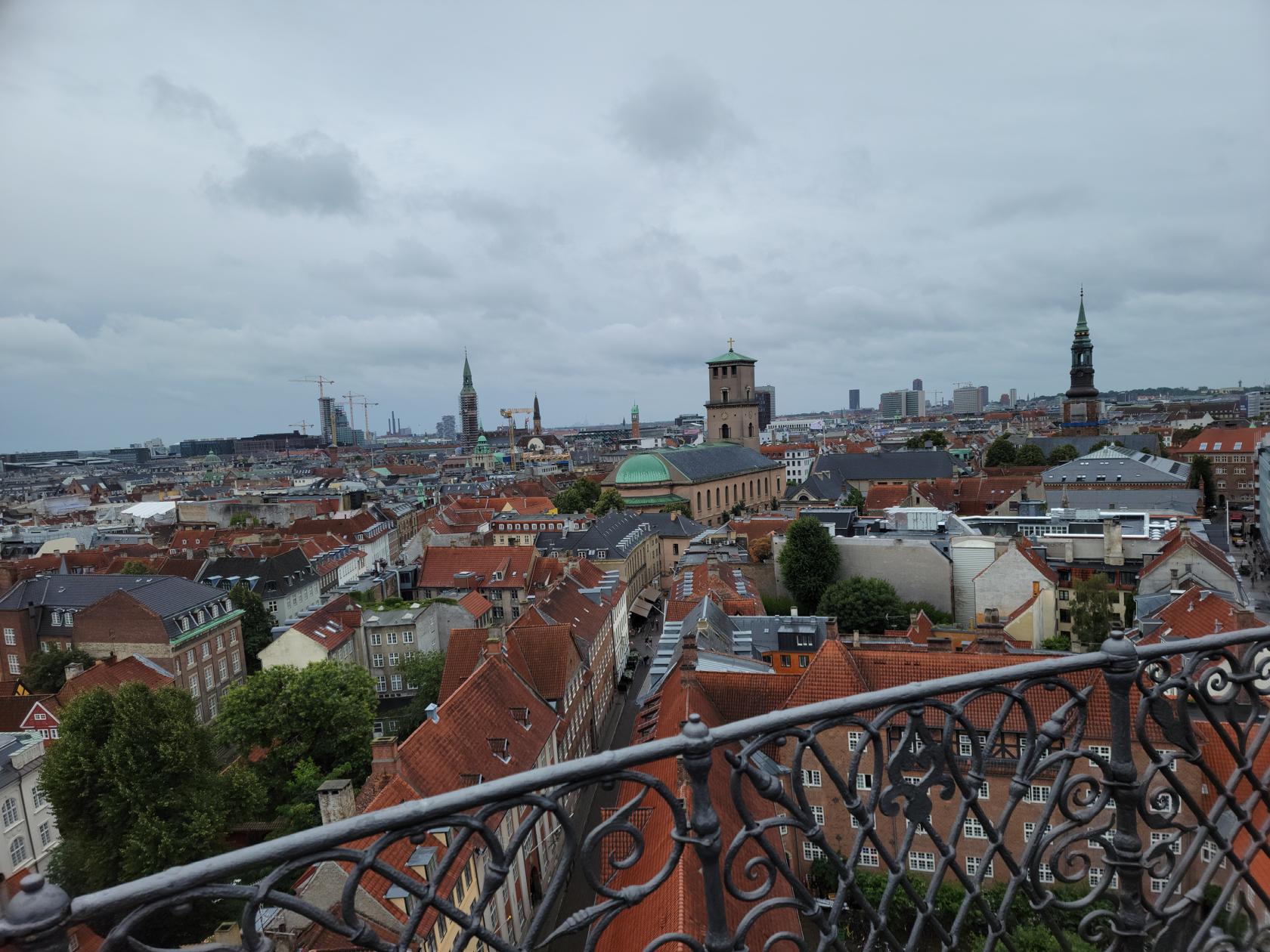
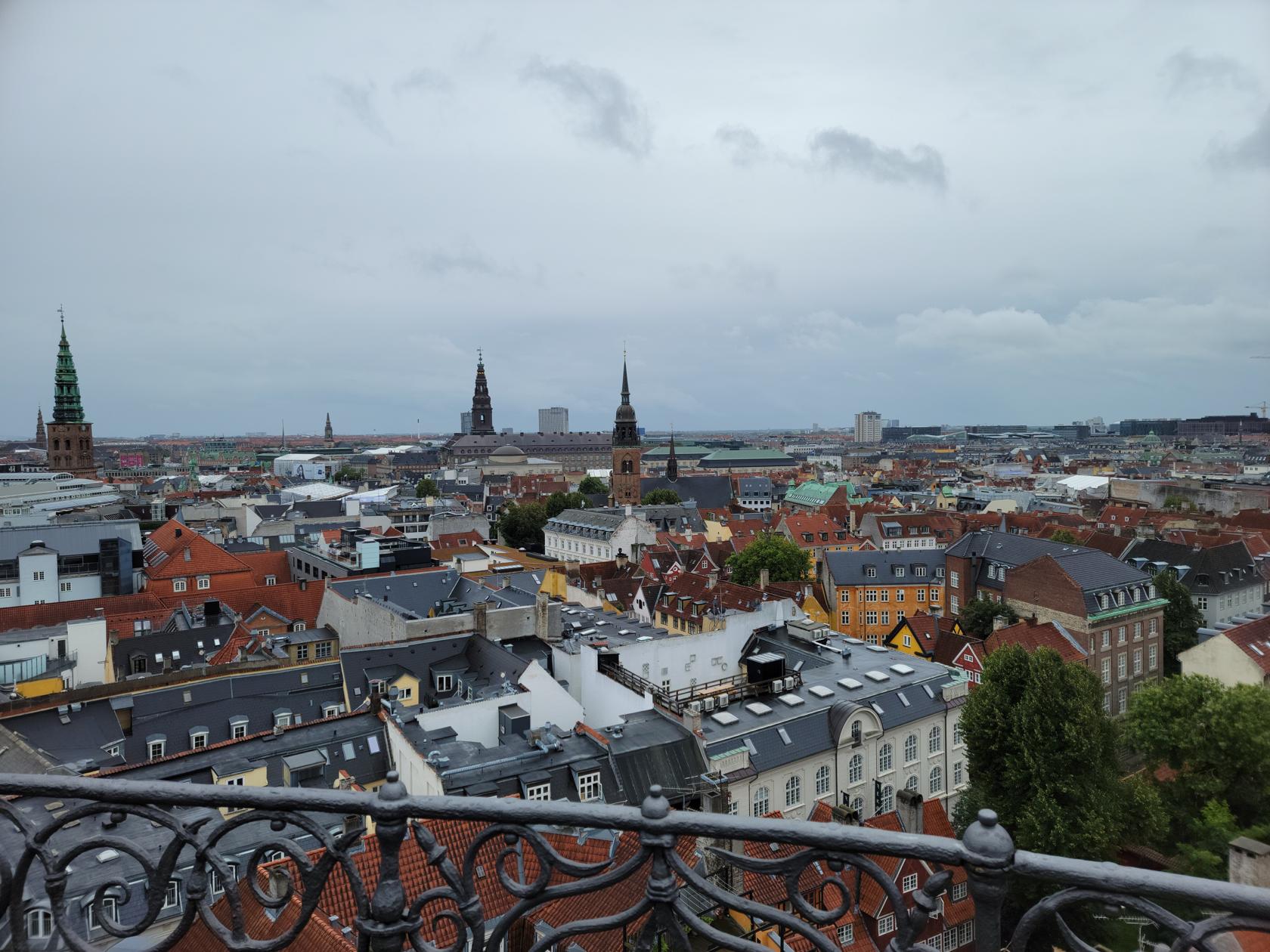
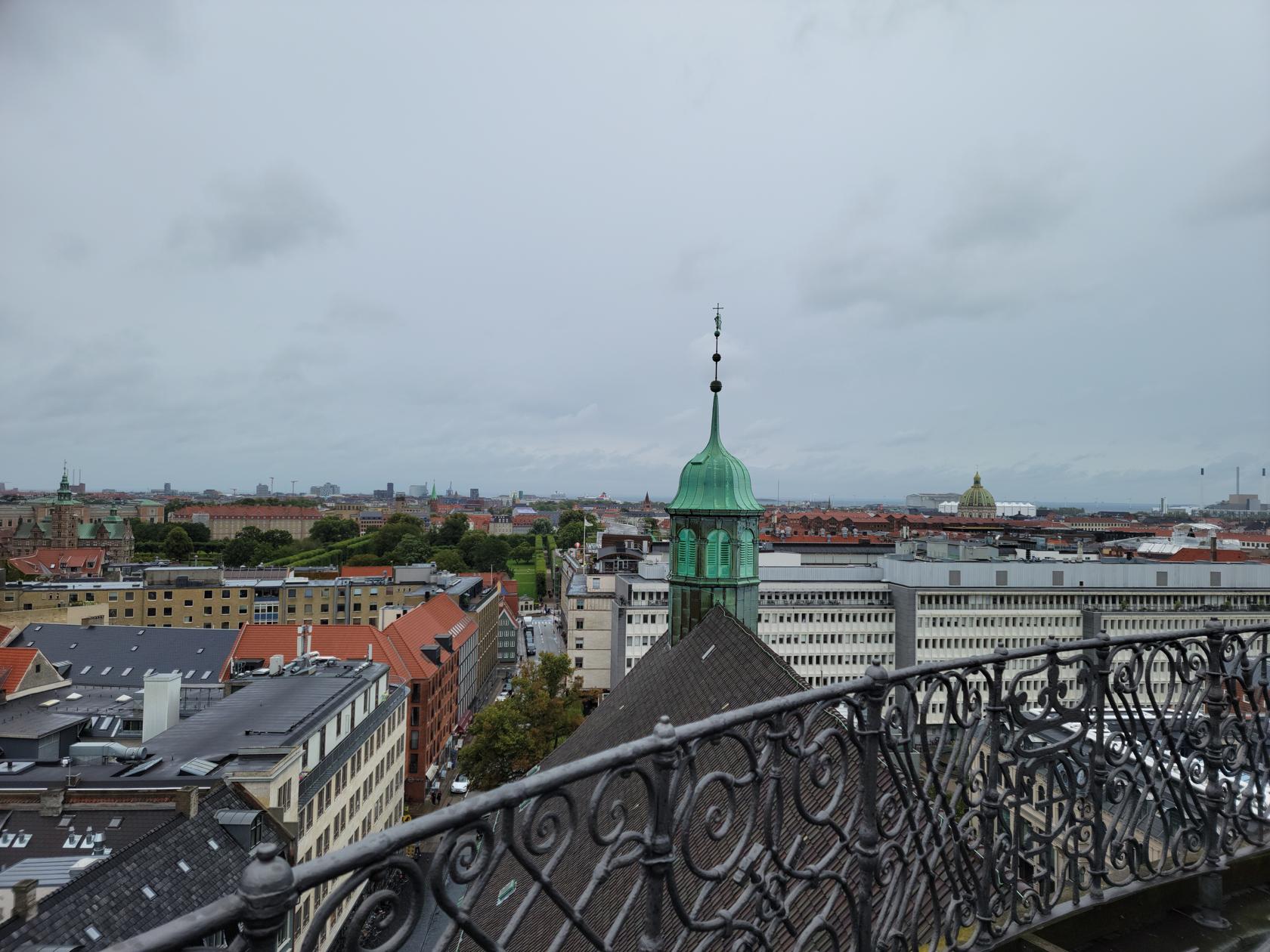
View from deck – The Round Tower – Copenhagen, Denmark
View from deck – The Round Tower – Copenhagen, Denmark
View from deck – The Round Tower – Copenhagen, Denmark
View from deck – The Round Tower – Copenhagen, Denmark
View from deck – The Round Tower – Copenhagen, Denmark
View from deck – The Round Tower – Copenhagen, Denmark
View from deck – The Round Tower – Copenhagen, Denmark
Restaurants
Some last insights into food and some places to go or avoid.
Nebbiolo
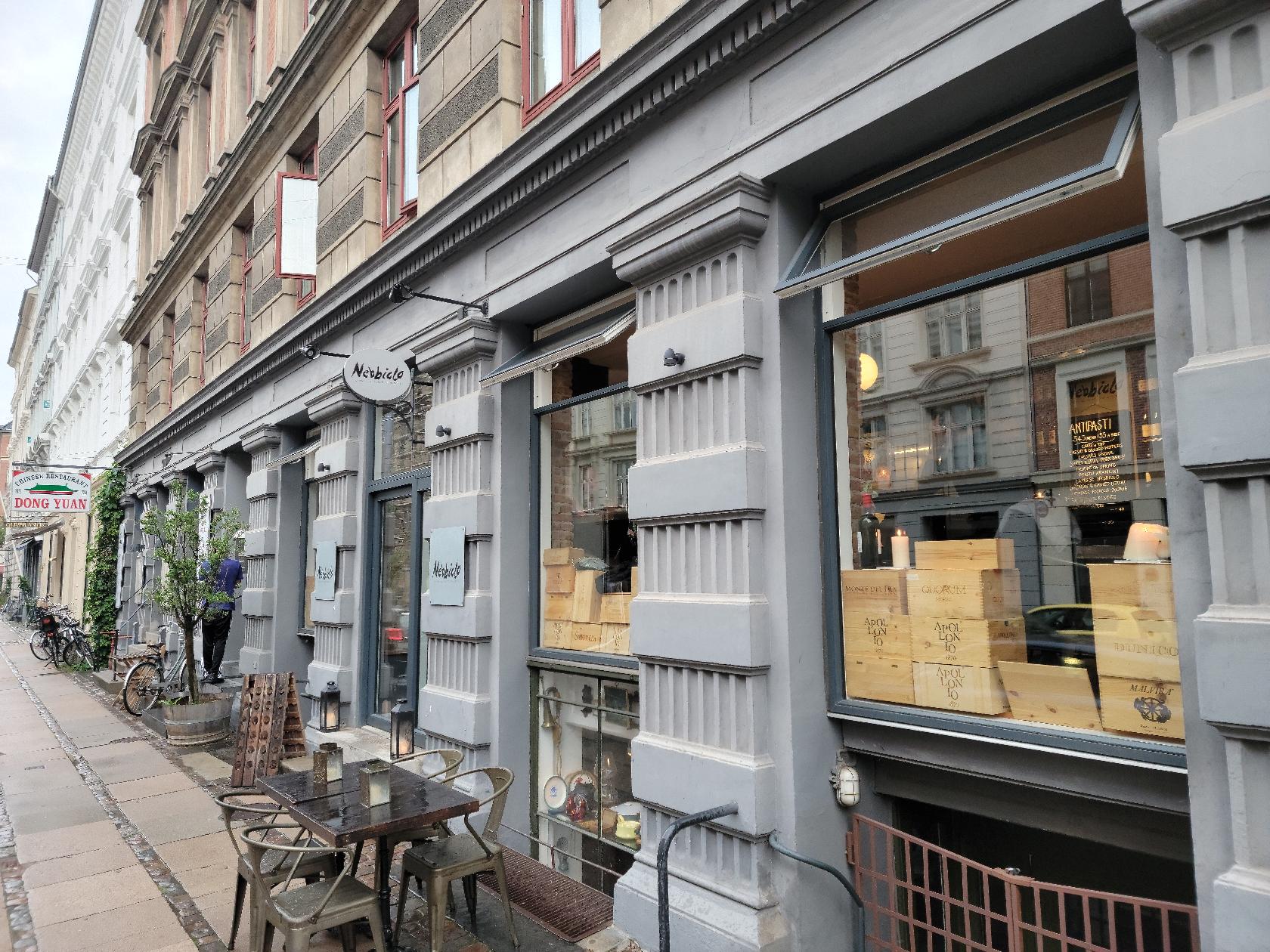
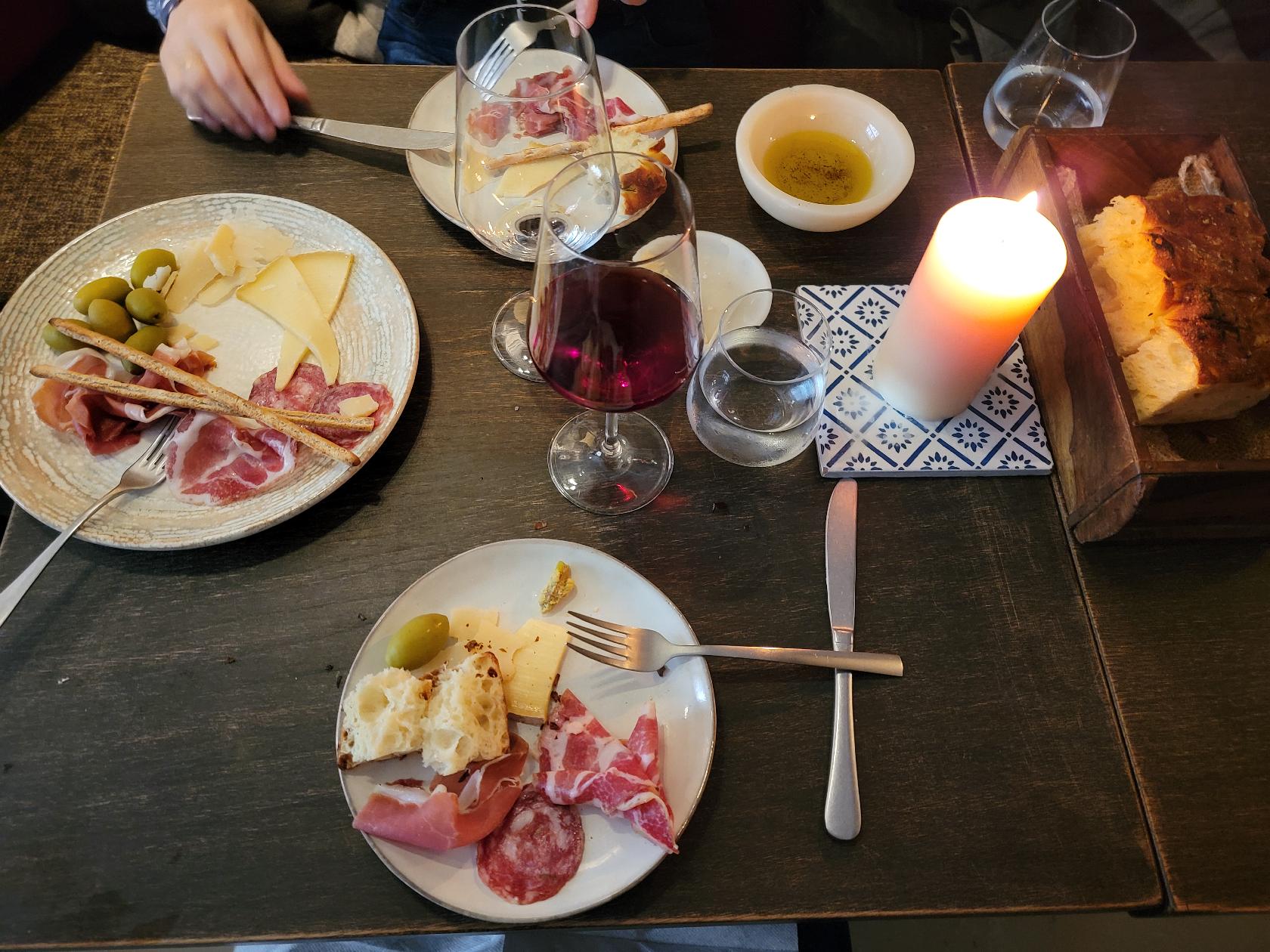
Essentially a wine bar serving Aperitivo, or charcuterie and other small items to eat while you enjoy their wine. Since we were not particularly hungry one evening, we tried this place which happened to be right next door to the Chinese restaurant we visited.
Nebbiolo Restaurant – Copenhagen, Denmark
Charcuterie and antipasti – Nebbiolo Restaurant – Copenhagen, Denmark
Dong Yuan
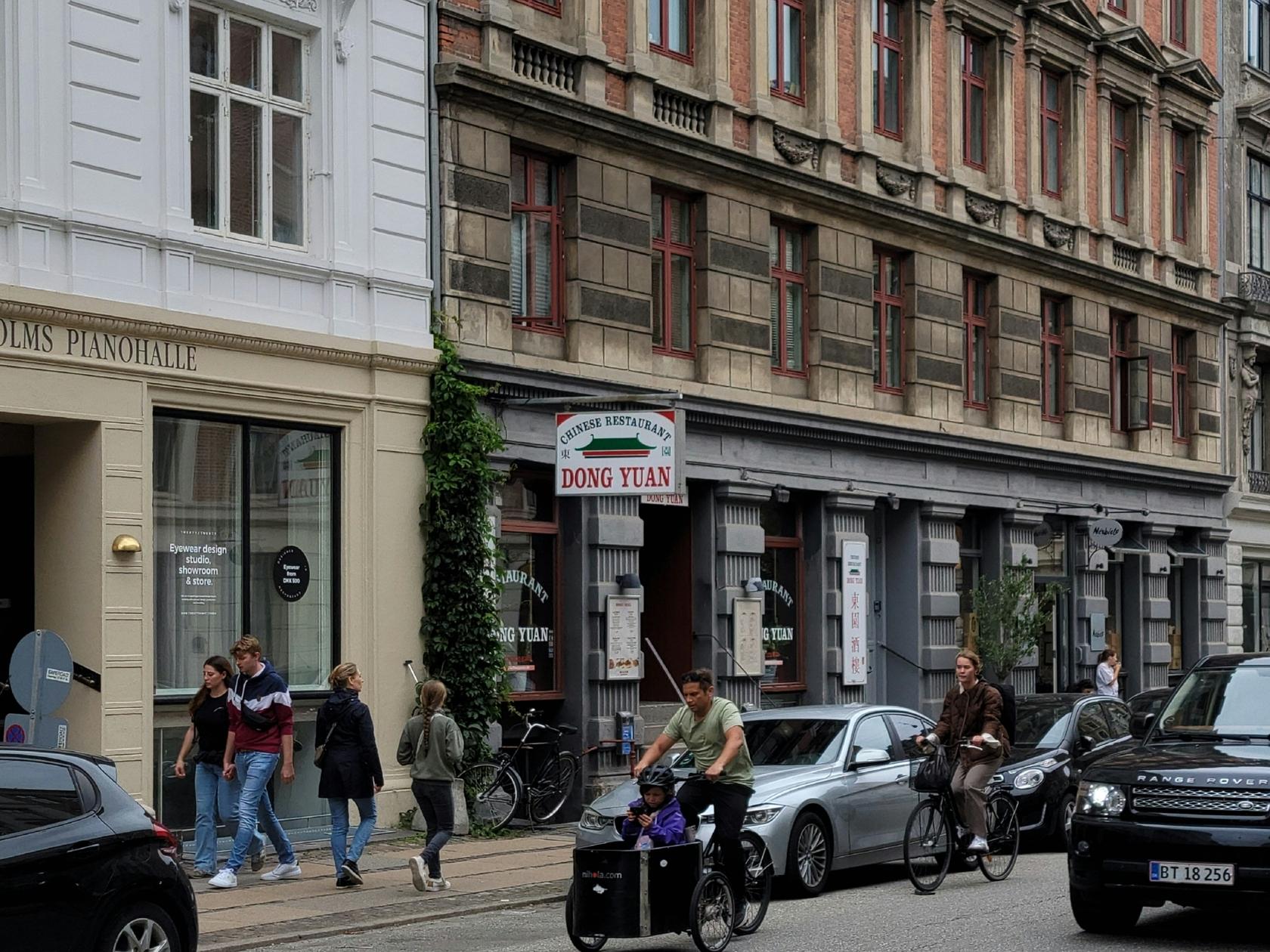
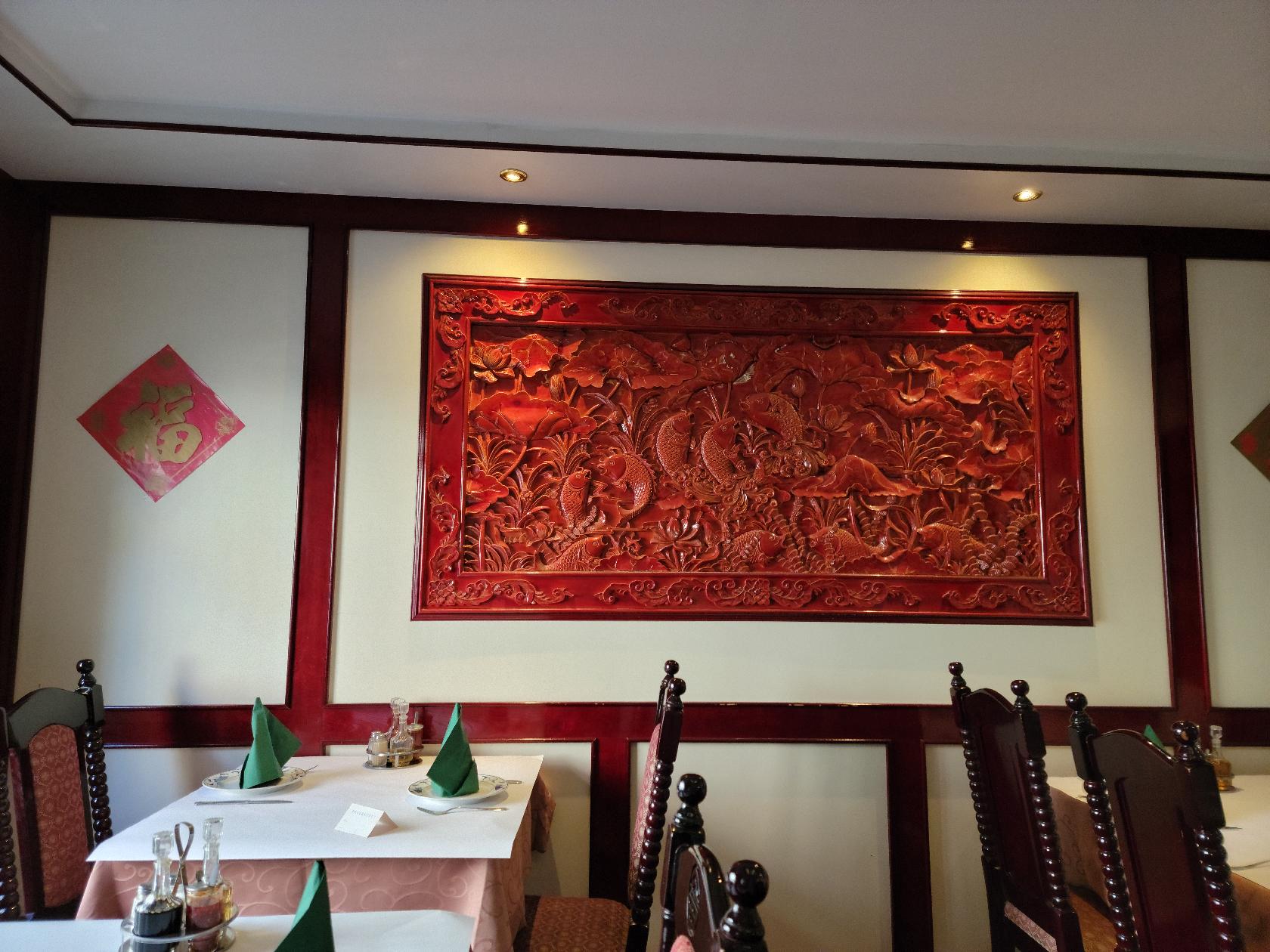
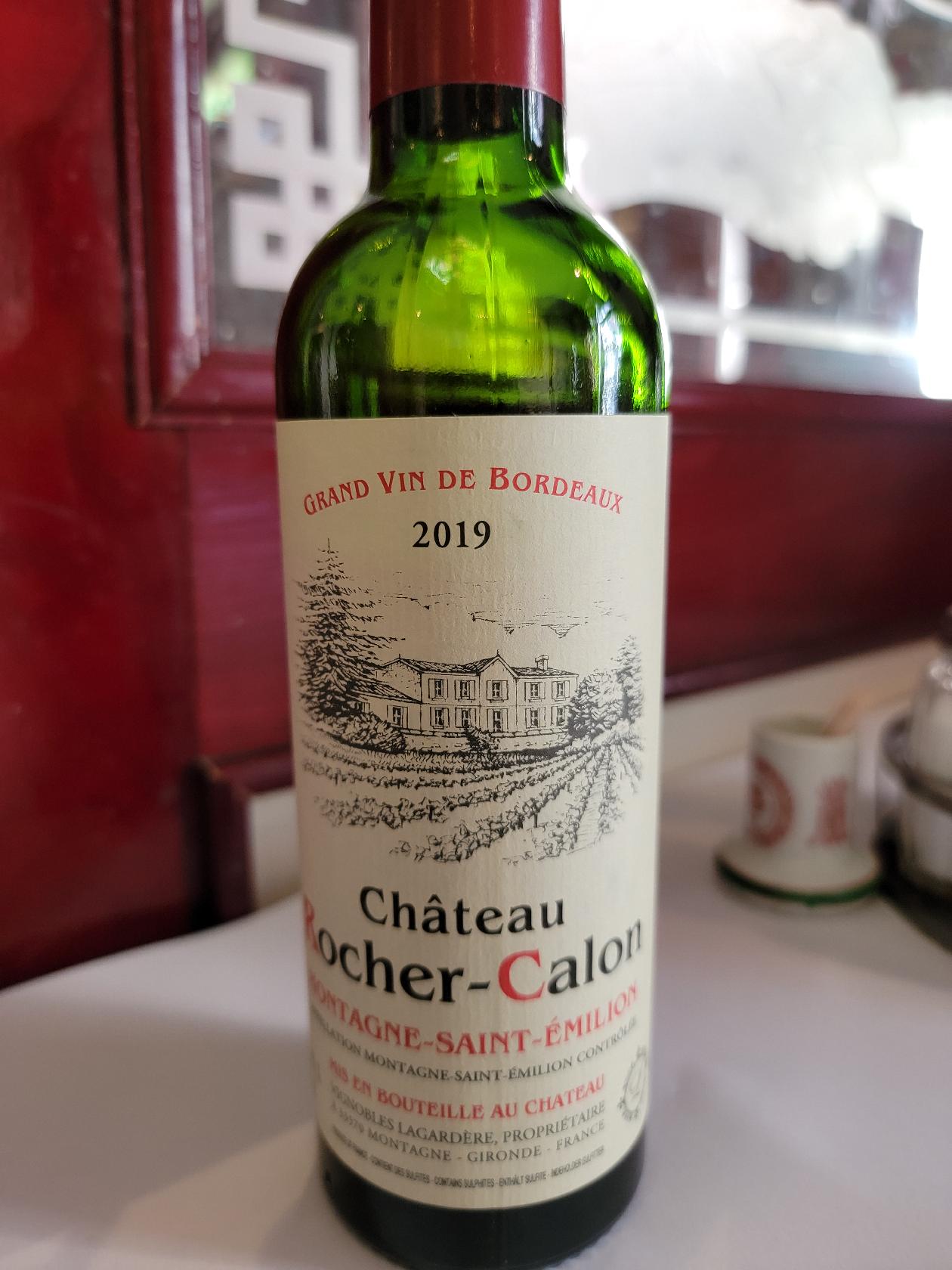
A very good Chinese restaurant right around the corner from our hotel. The place is always busy, but it does take reservations. The prices are reasonable, considering the prices in the rest of Copenhagen. They also have half-bottles of wine at a very good price, I would commend a Bordeaux.
Dong Yuan – Copenhagen, Denmark
Inside – Dong Yuan – Copenhagen, Denmark
Inside – Dong Yuan – Copenhagen, Denmark
Very good Bordeaux wine – Dong Yuan – Copenhagen, Denmark
Taste
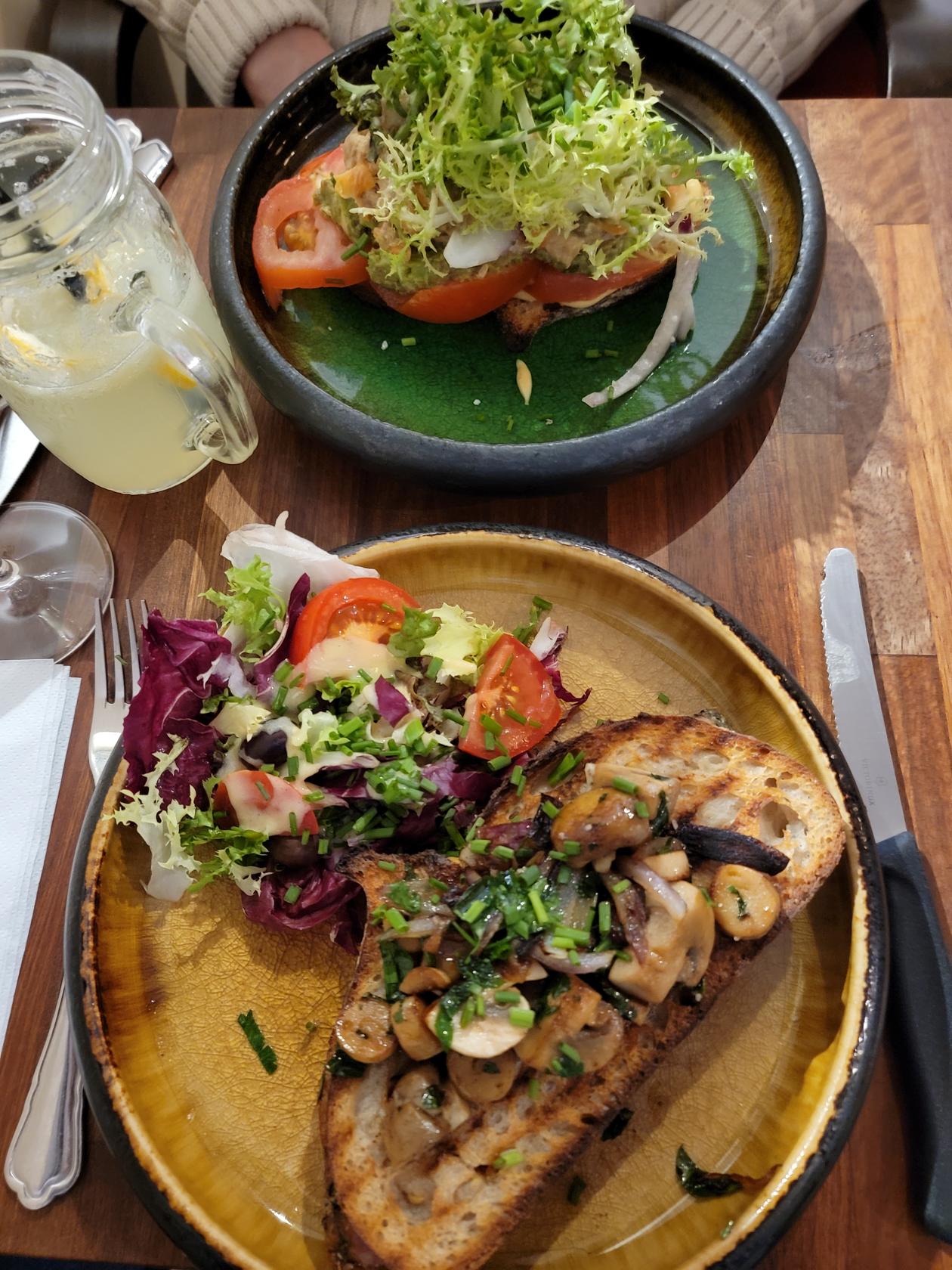
A lunch establishment with very limited seating, so show up early if you want one. We sat inside, since the weather was intolerable and the outside seating had little, if any cover. The food is good, but a bit oily. The grilled sandwich I ordered could not be picked up, so I had to cut it into pieces using a knife and fork.
Taste Restaurant – Copenhagen, Denmark
Neapolitan Sandwich with mushrooms and salad, Tomato salad with greens – Taste – Copenhagen, Denmark
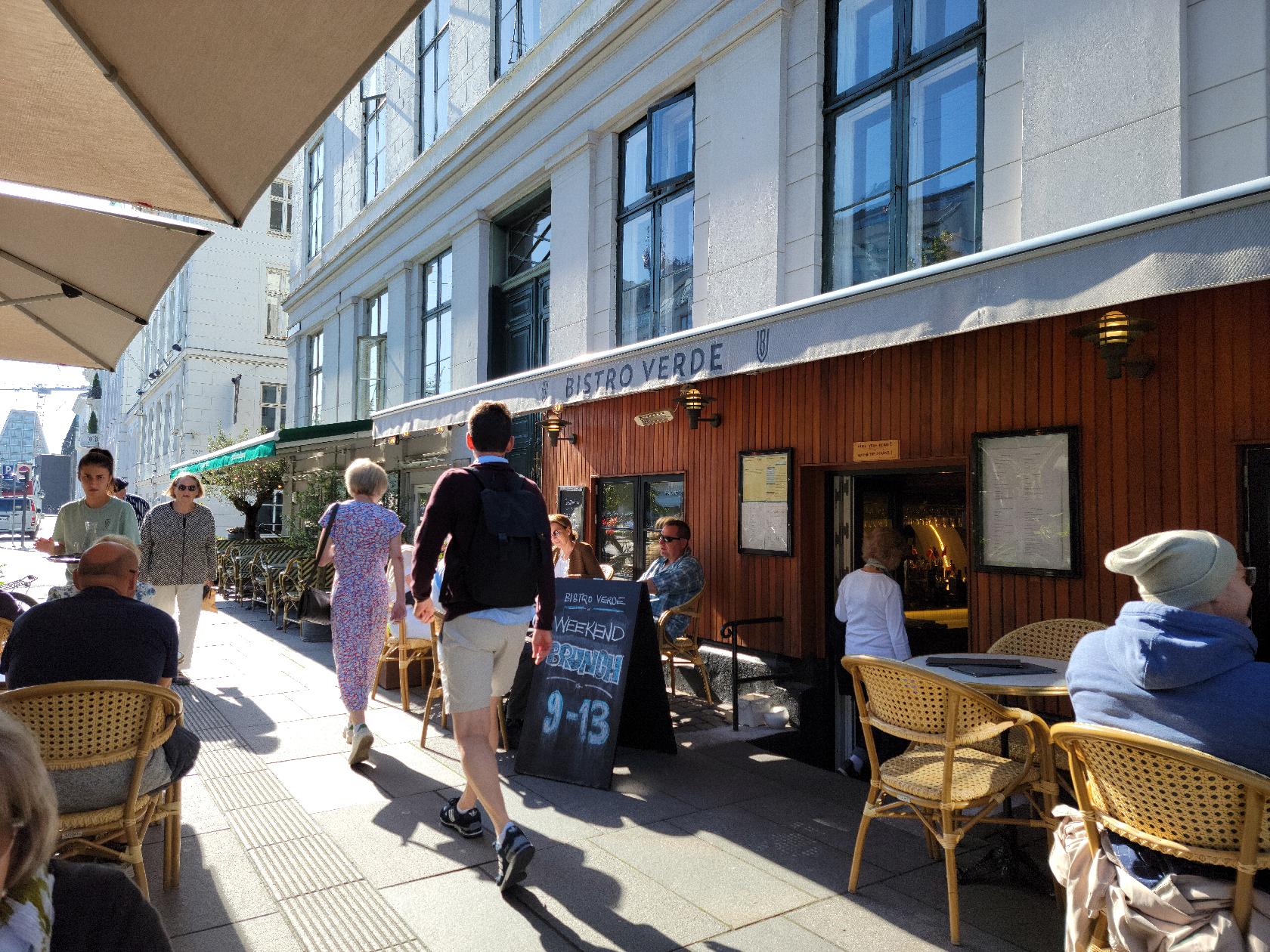
Bistro Verde
This was a quick find before we left Copenhagen for Turin. This restaurant offers a Sunday Brunch at a decent price, the only problem was, it was a vegan dish. So we just ordered a pair of normal cappuccinos and croissants and enjoyed the beautiful Sunday morning before leaving.
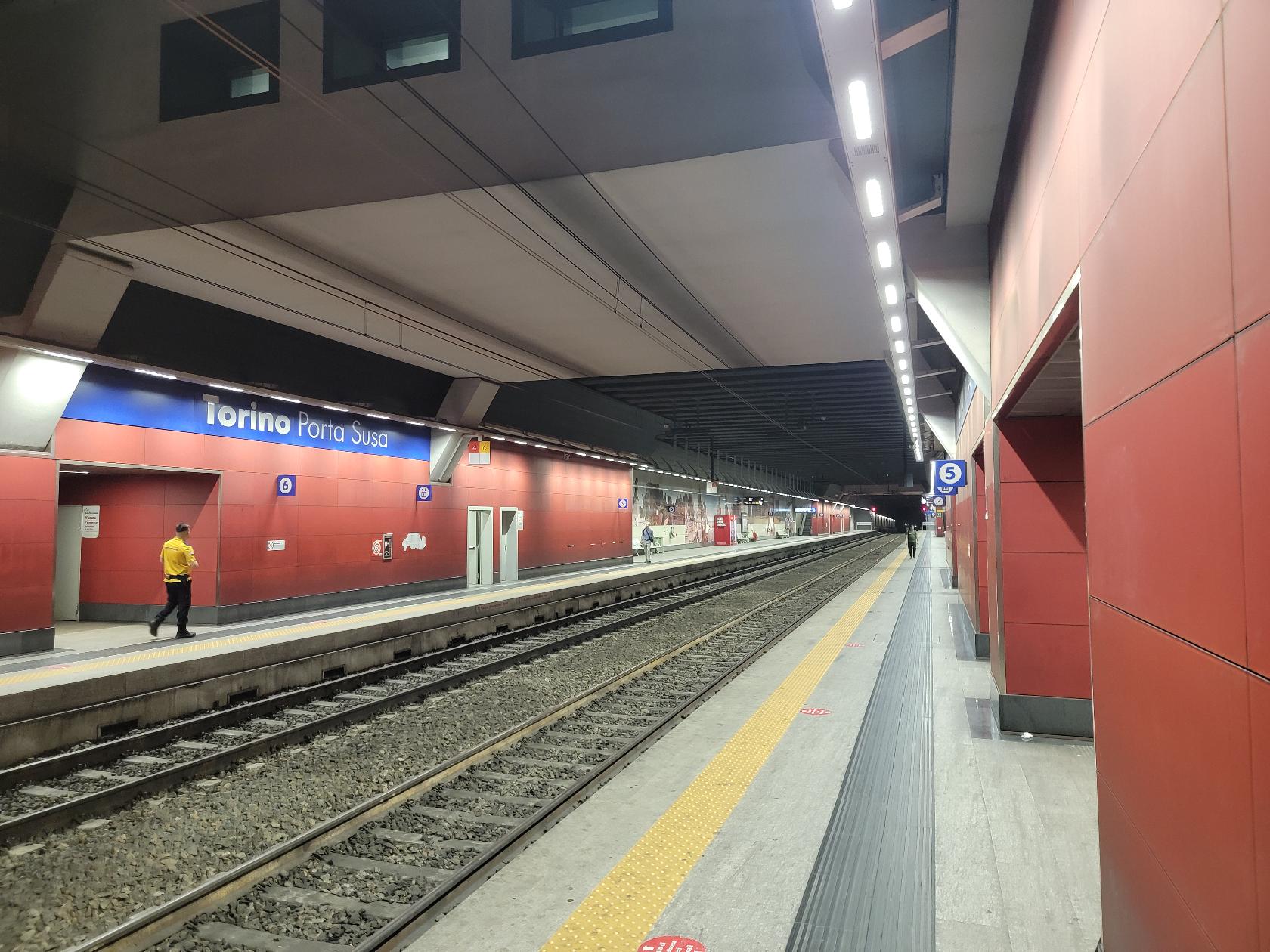
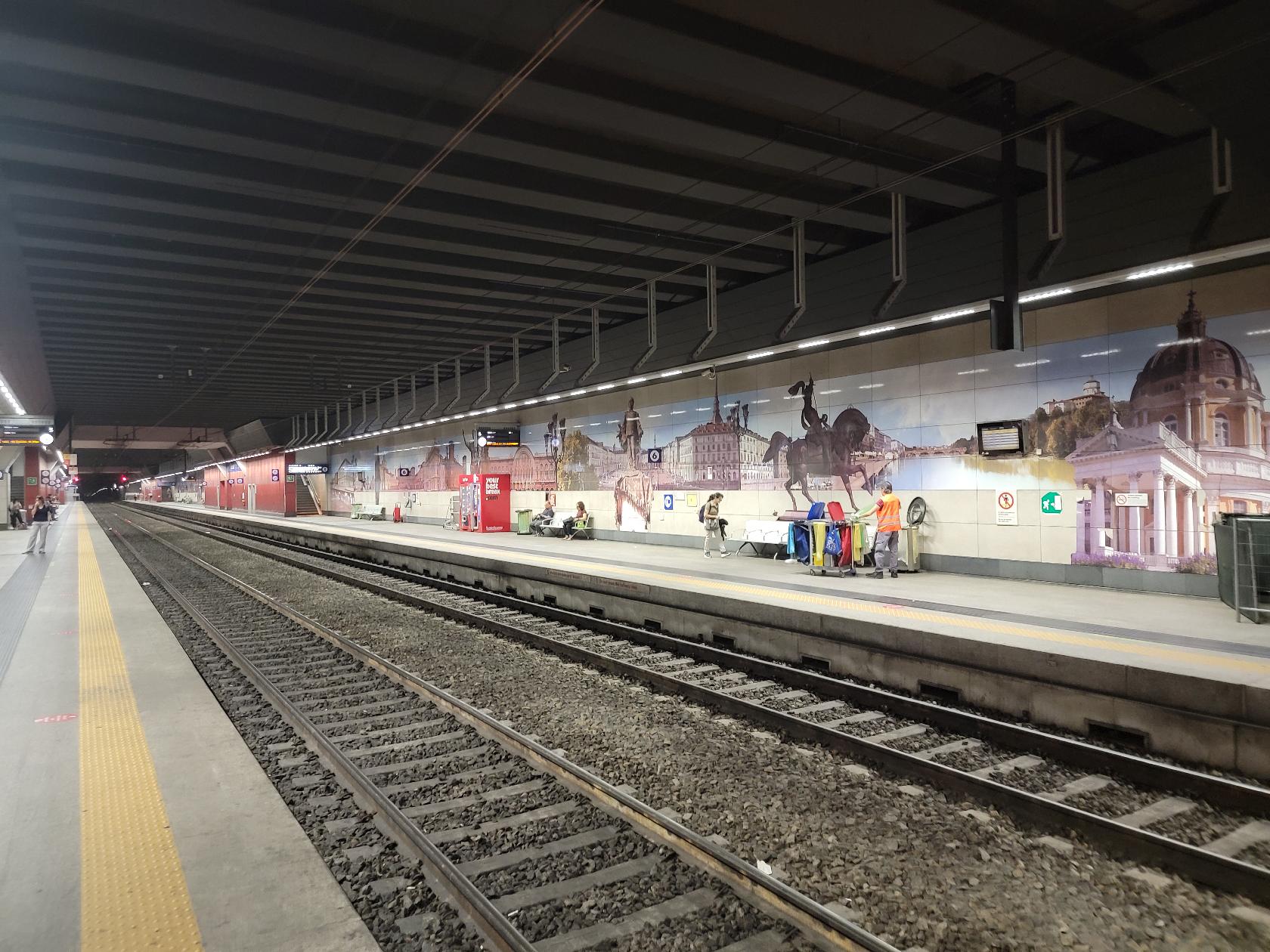
Our trip started at Turin’s Porta Susa train station. For a little over 12€/person, you can purchase a one-way commuter ticket on Piedmont’s Sfm4 line to Alba, which takes about an hour and twenty minutes to get there, going through Bra first, which can also be a stop on your itinerary.
Porta Susa Terminal – Turin, Italy
Porta Susa Terminal – Turin, Italy
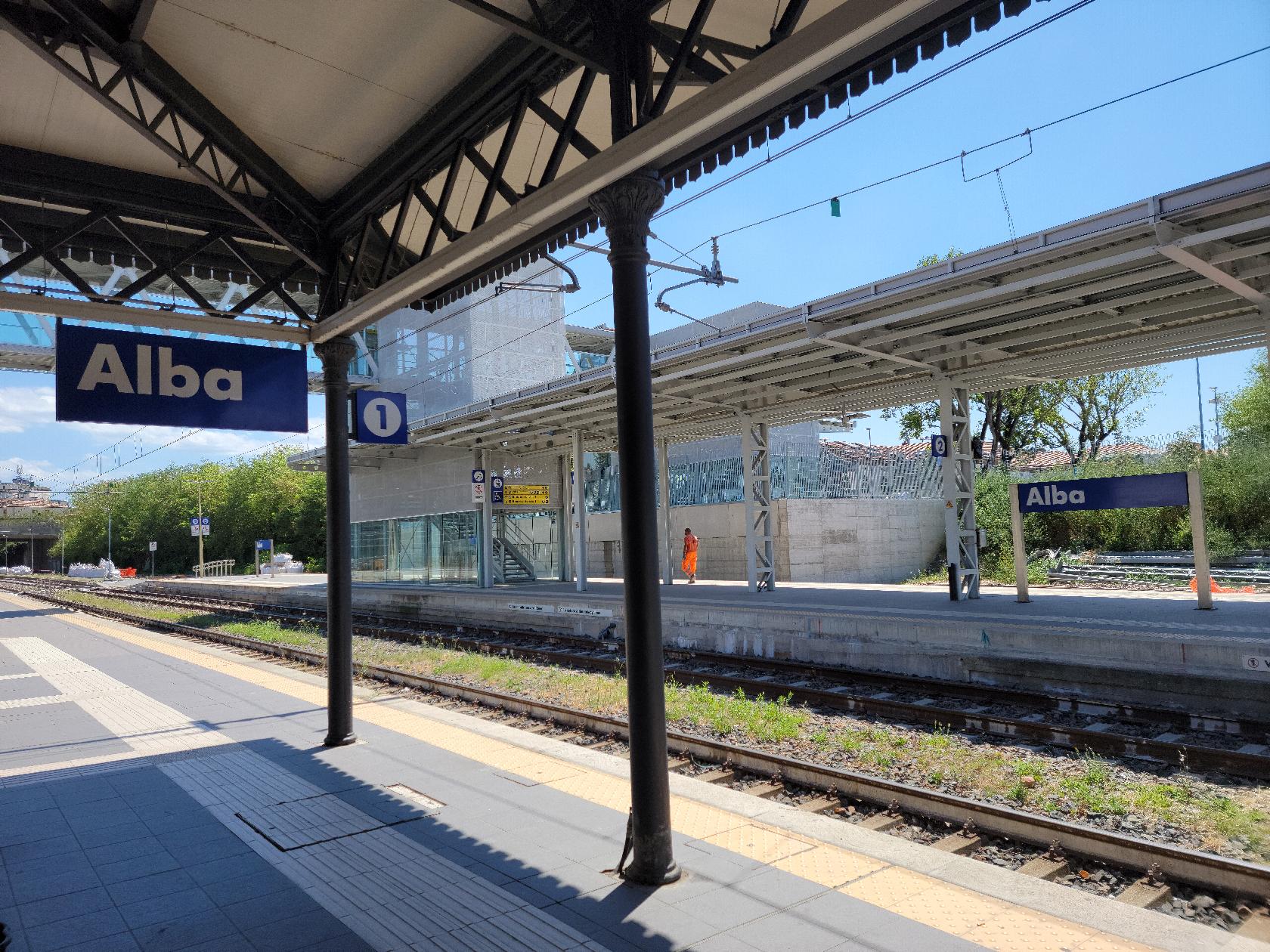
Alba
Alba train station – Alba, Italy
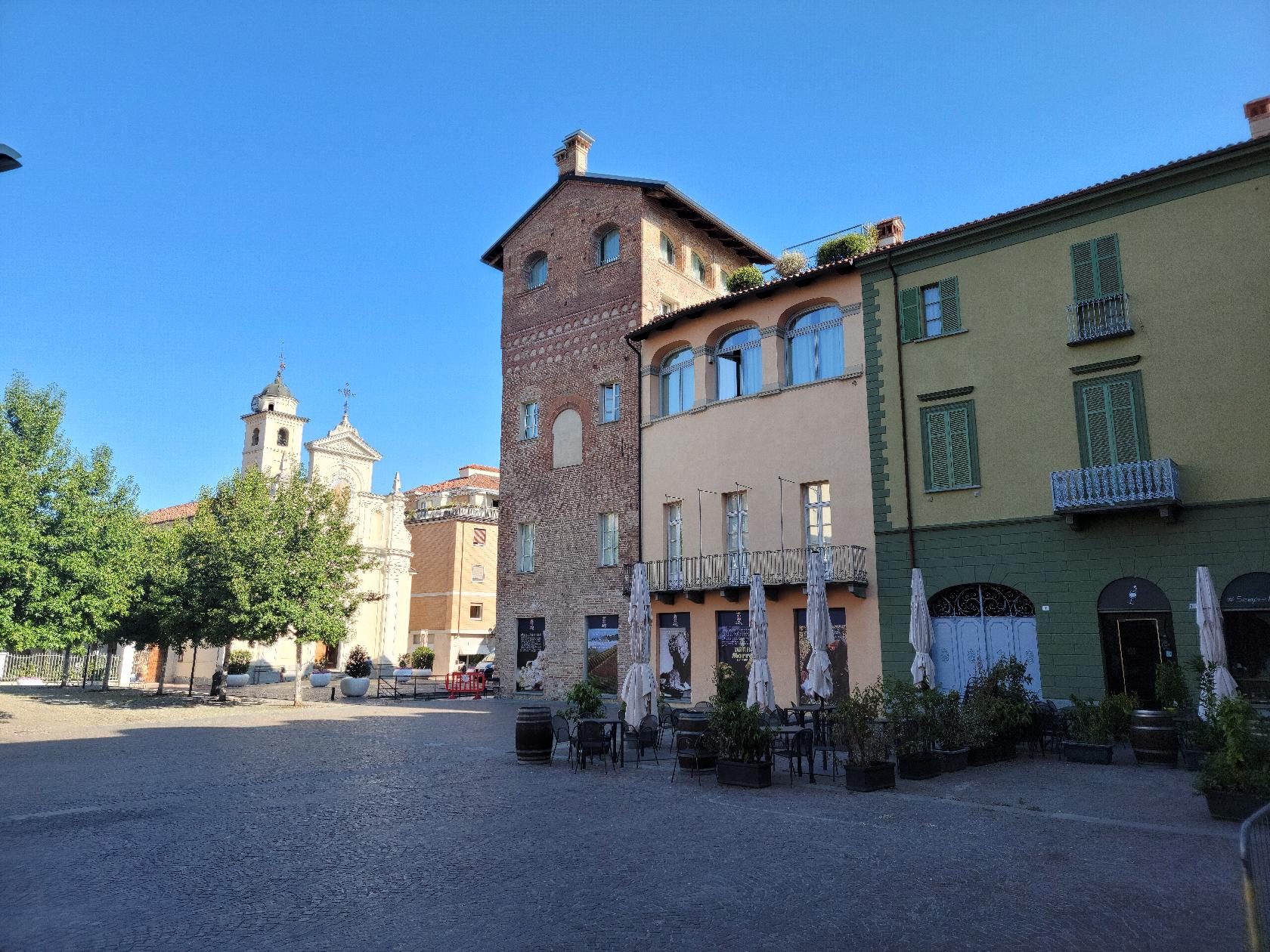
Anyone serious about wine or truffles has to visit Alba, Italy. Located an hour or so south of Turin, it is a bustling center for both, especially in the Fall when both of these products are harvested. Our whole intent on visiting the town was a wine tour we had booked for Barolo and Barbaresco (covered in my next post), but we decided to grab a hotel and enjoy an extra day just to explore.
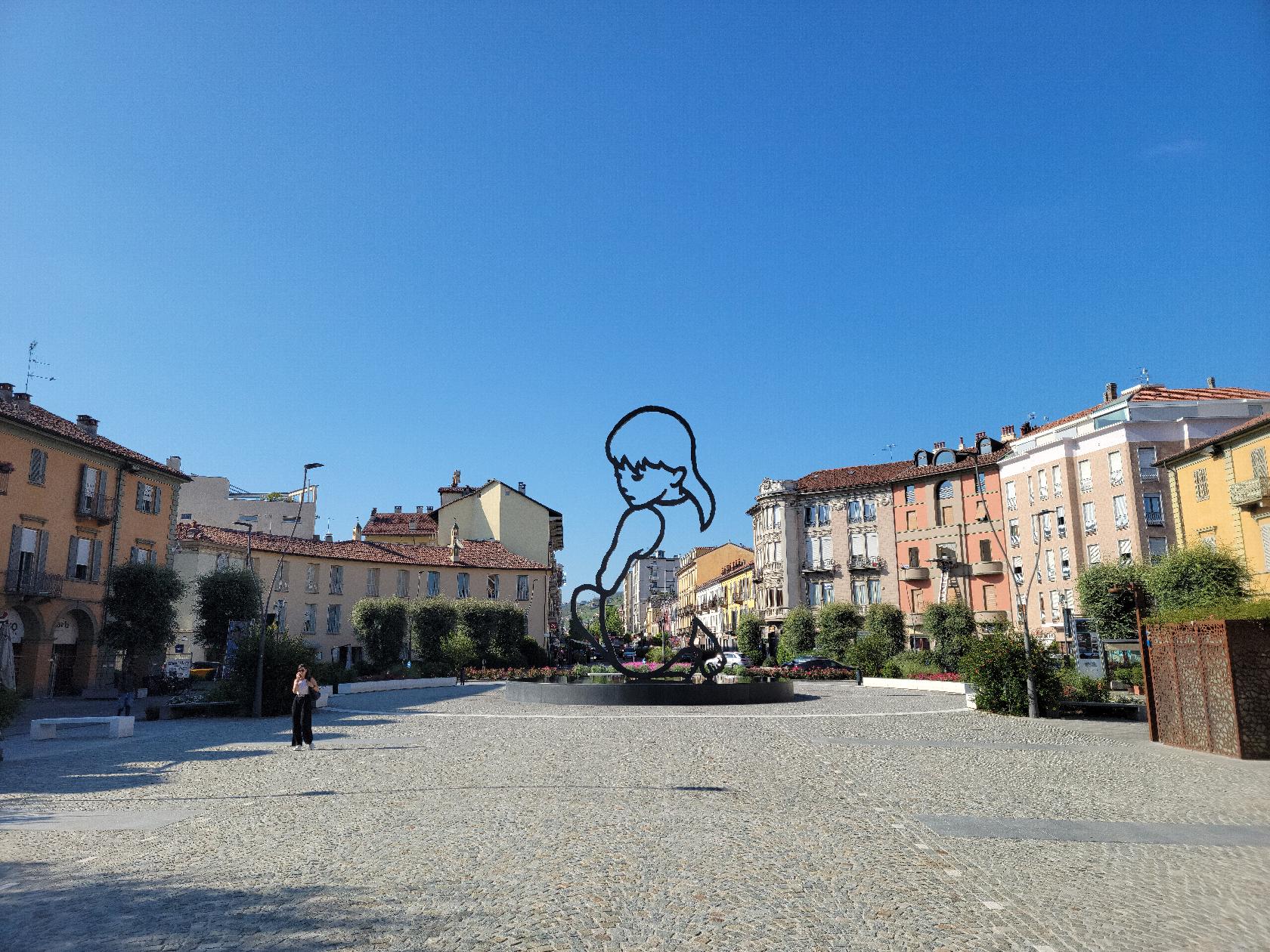
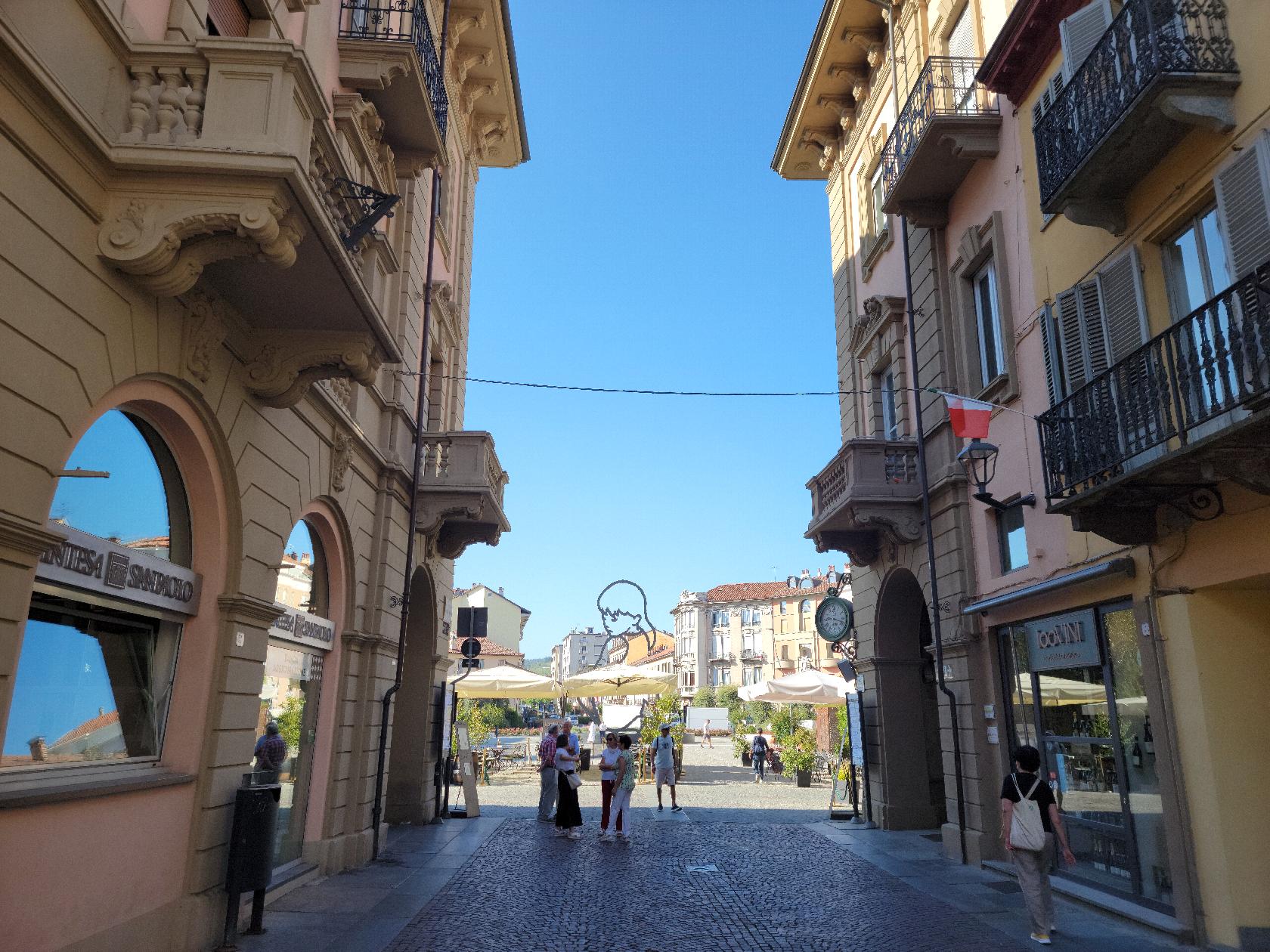
Valerio Berruti sculptor – Alba, Italy
Piazza Michele Ferrero – Alba, Italy
Corso Michele Coppino – Alba, Italy
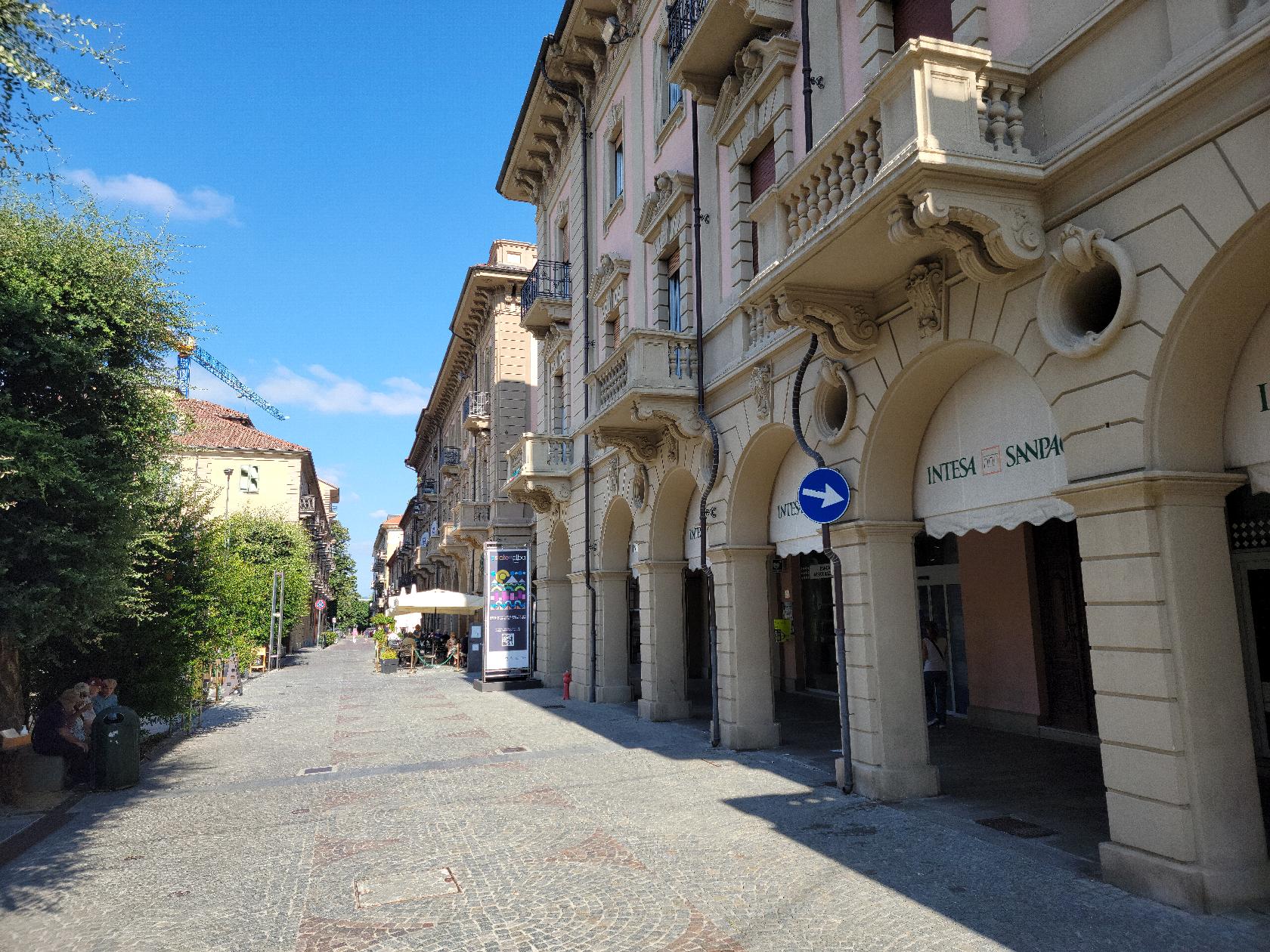
Porticos in Alba – Alba, Italy
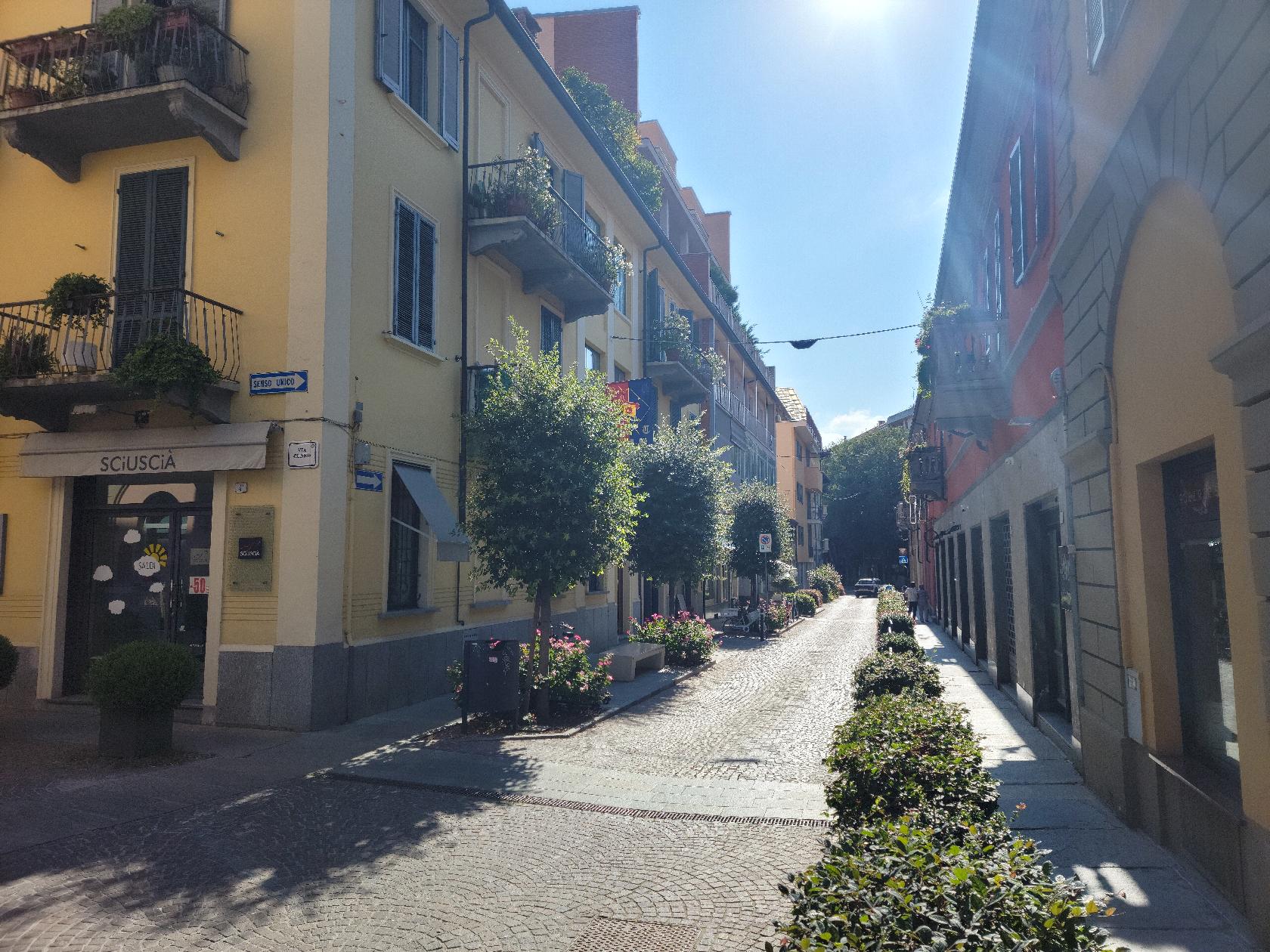
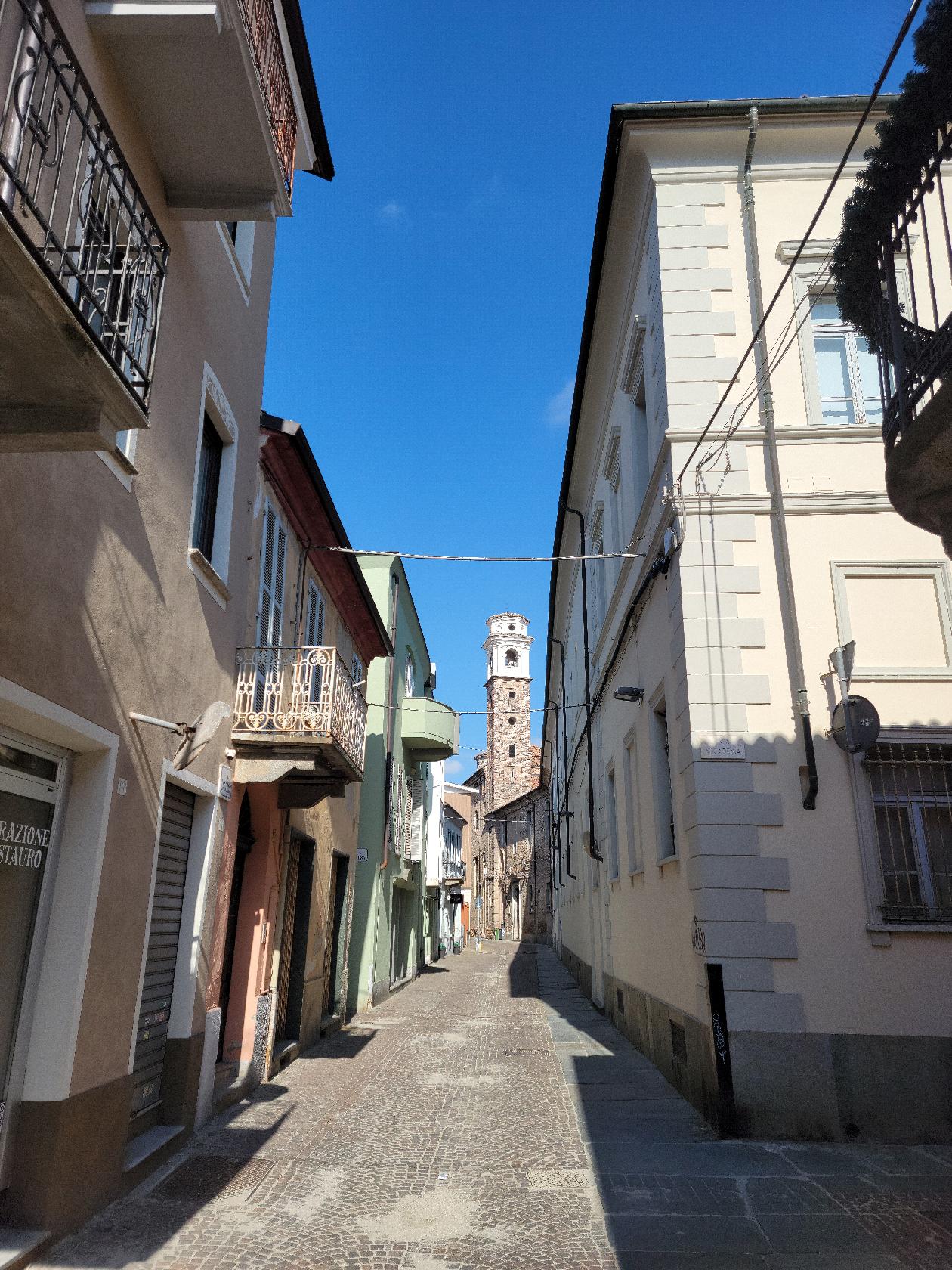
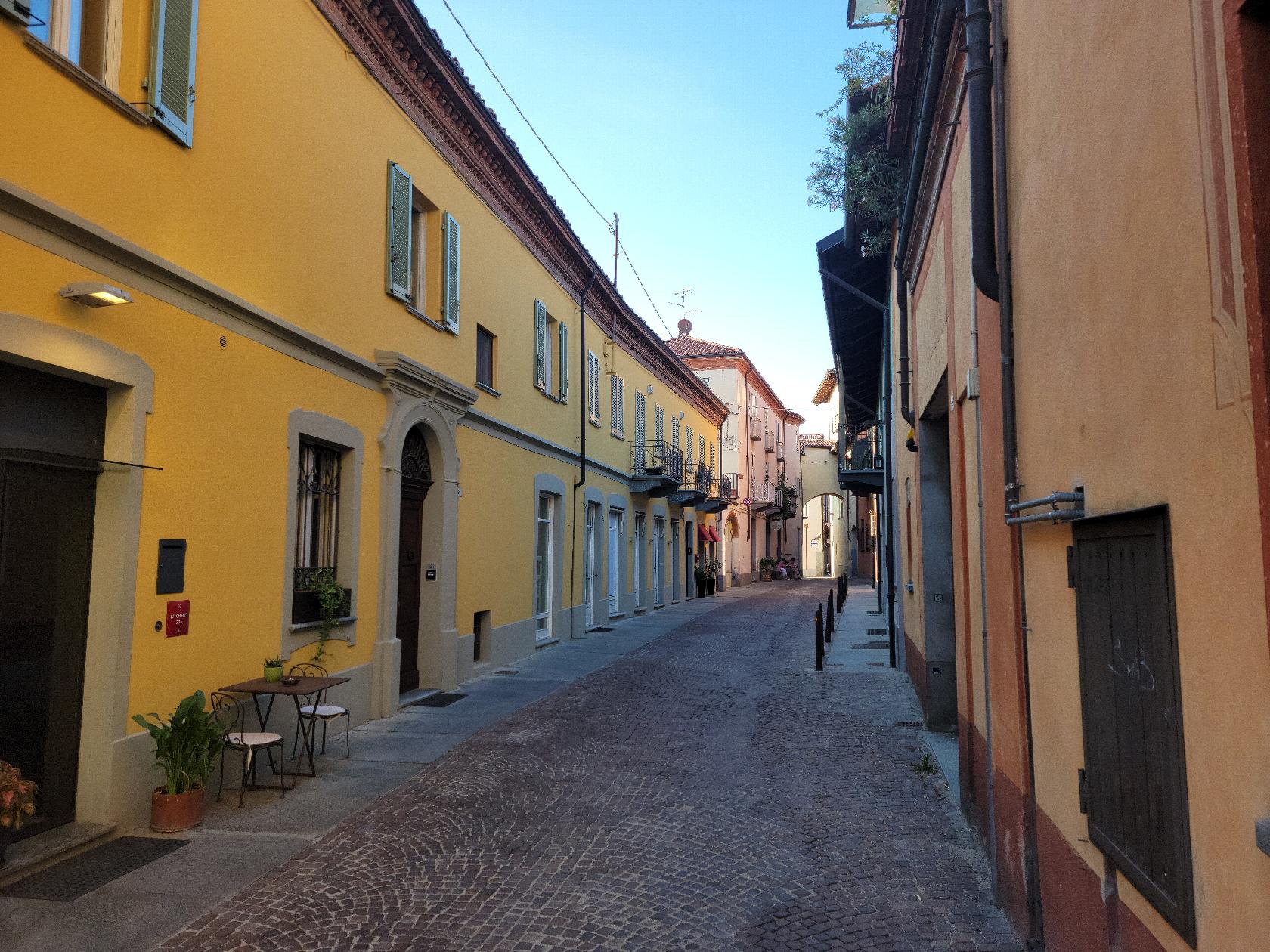
The streets of Alba are well kept – Alba, Italy
Hotel Casa Della Torre – Alba, Italy
Piazza Risorgimento – Alba, Italy
Giorgio Busca Theater – Alba, Italy
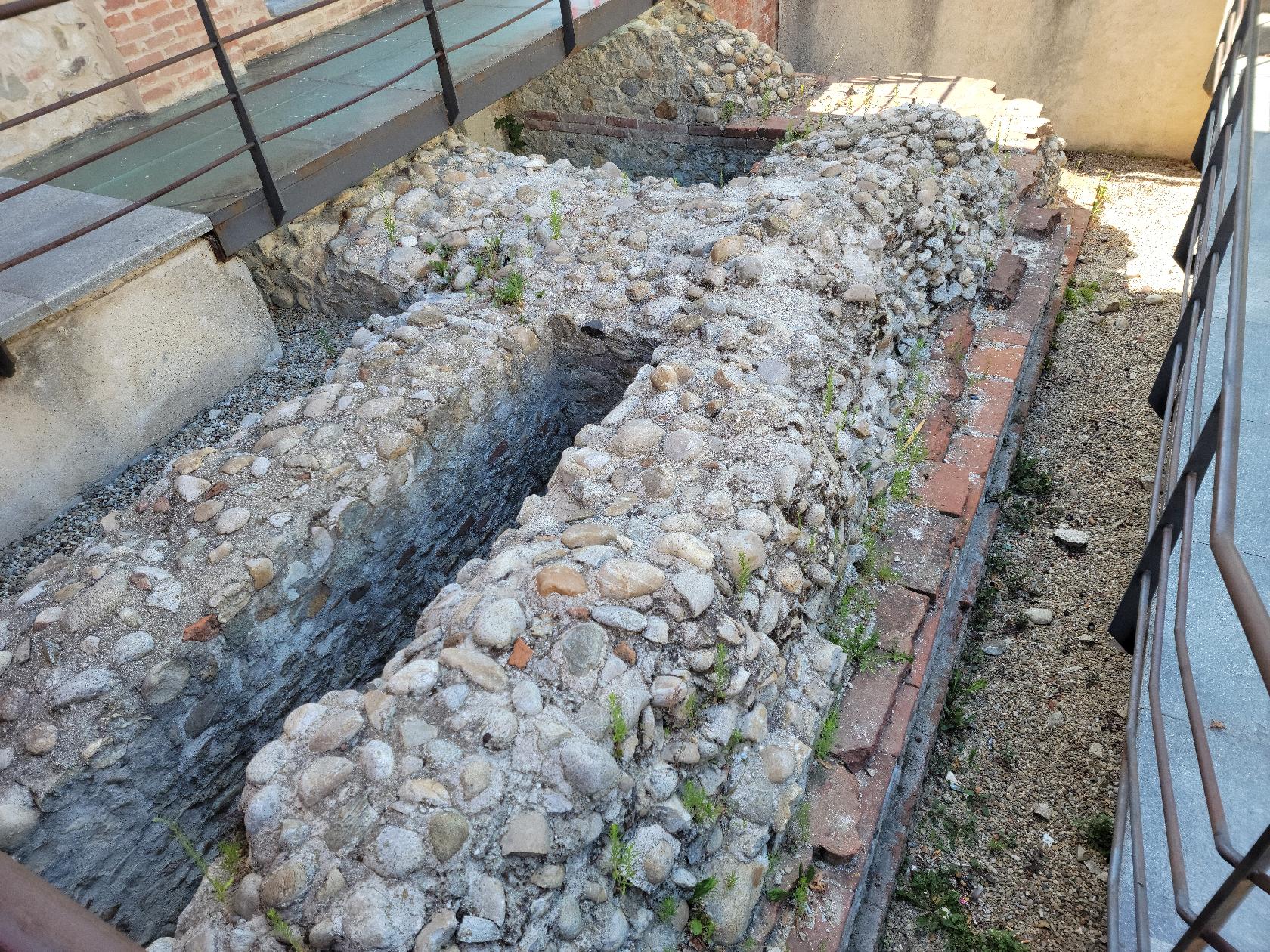
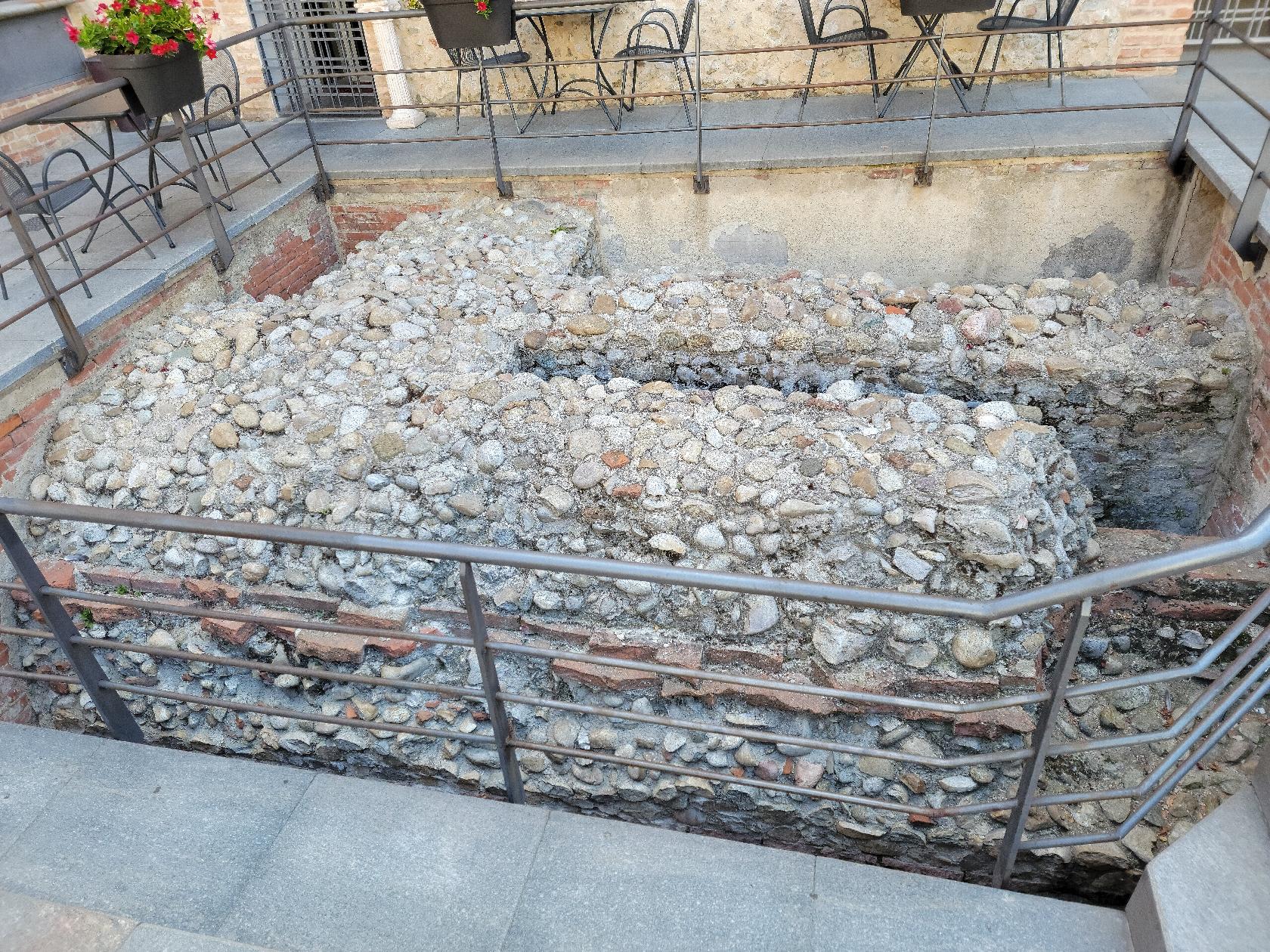
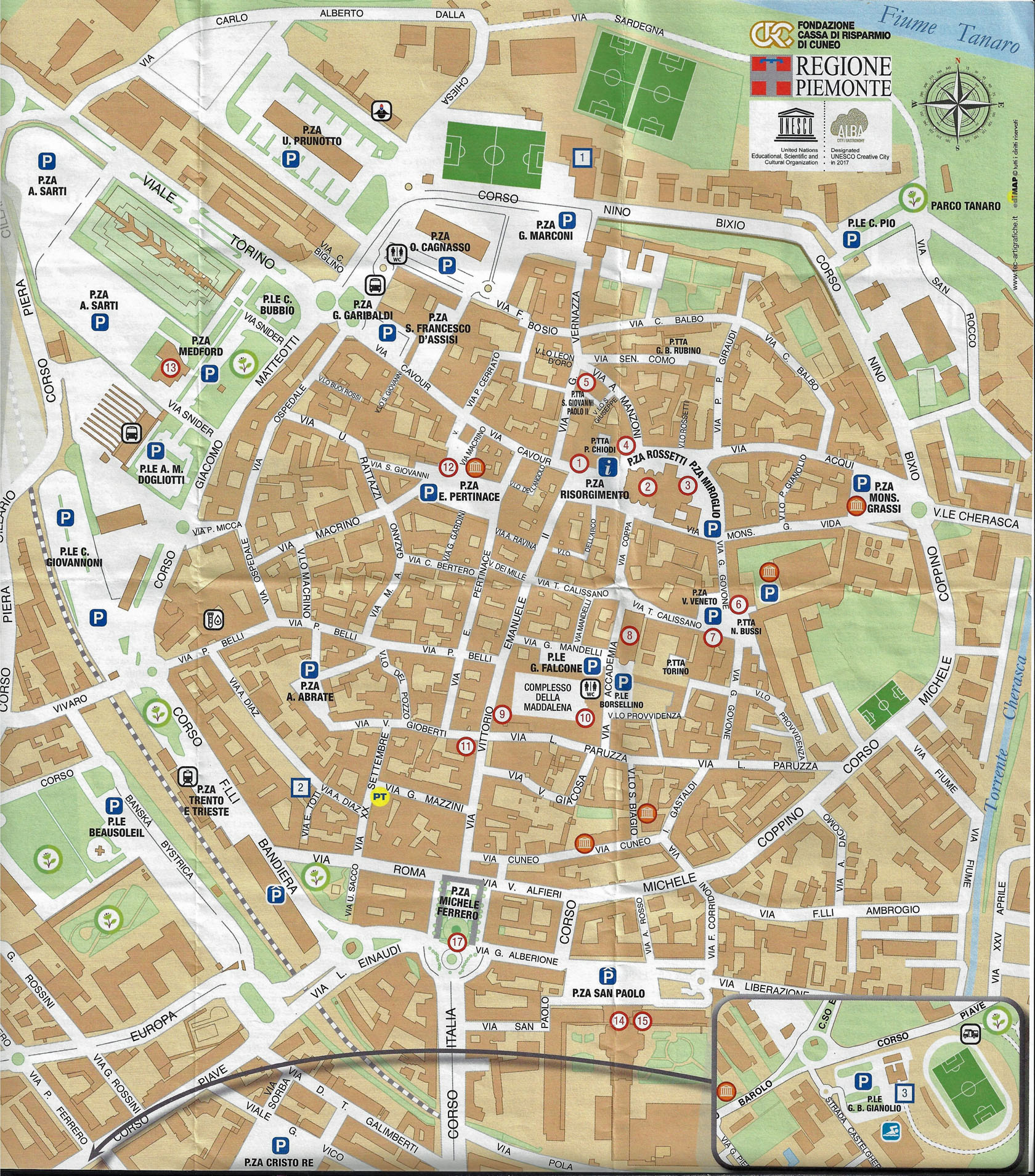
The town is rather self contained and almost in the shape of a loose hexagon, owing to its ancient Roman ancestry as a fortification no doubt. There are several places where these ancient ruins are evident and demonstrate how the town itself is constructed upon them, using them as a foundation. There are also underground caverns and tunnels that can be explored, but arrangements have to be made ahead of time in order to visit them.
Roman Theater and Palazzo Marro remains – Alba, Italy
Roman Theater and Palazzo Marro remains – Alba, Italy
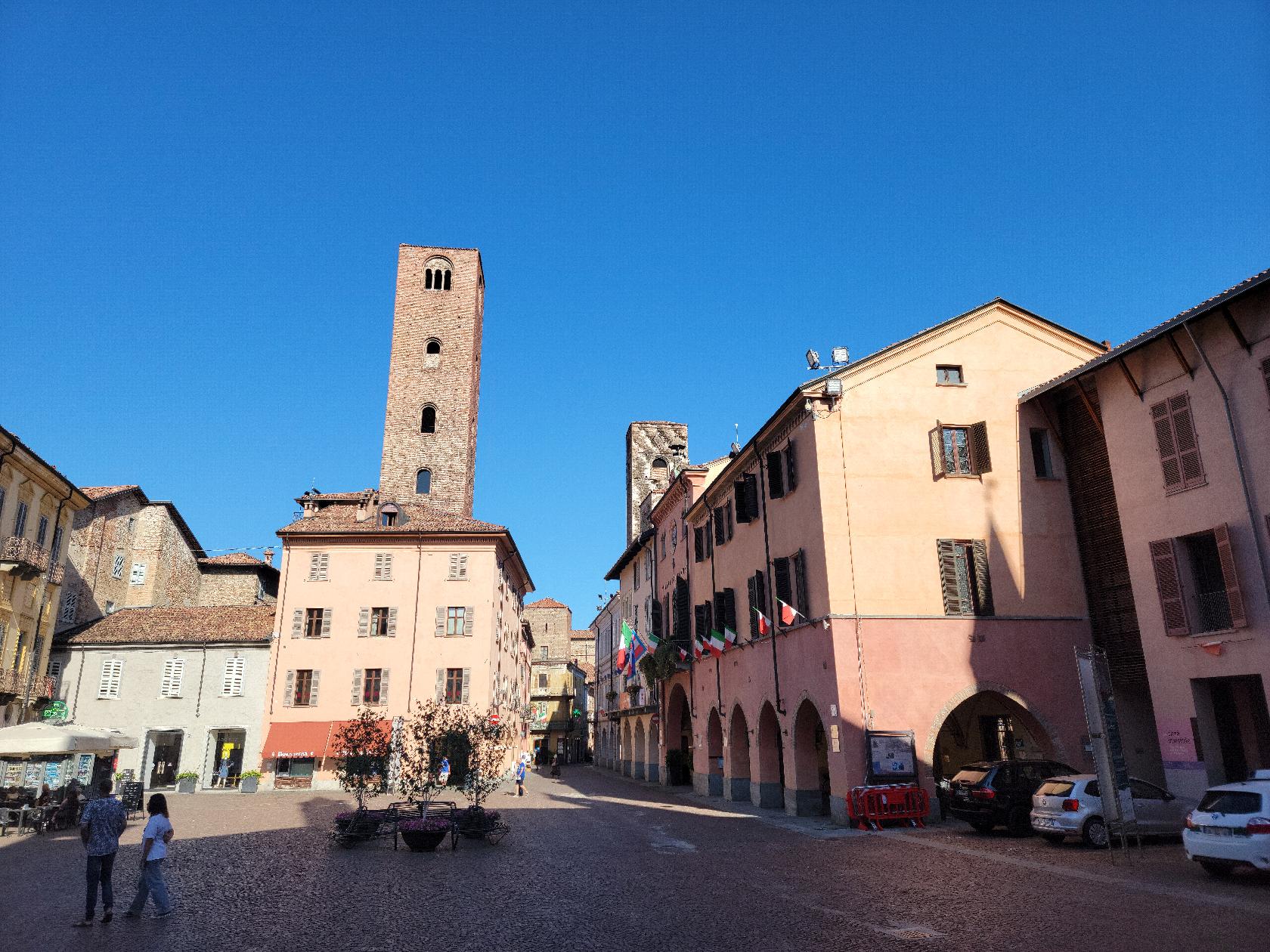
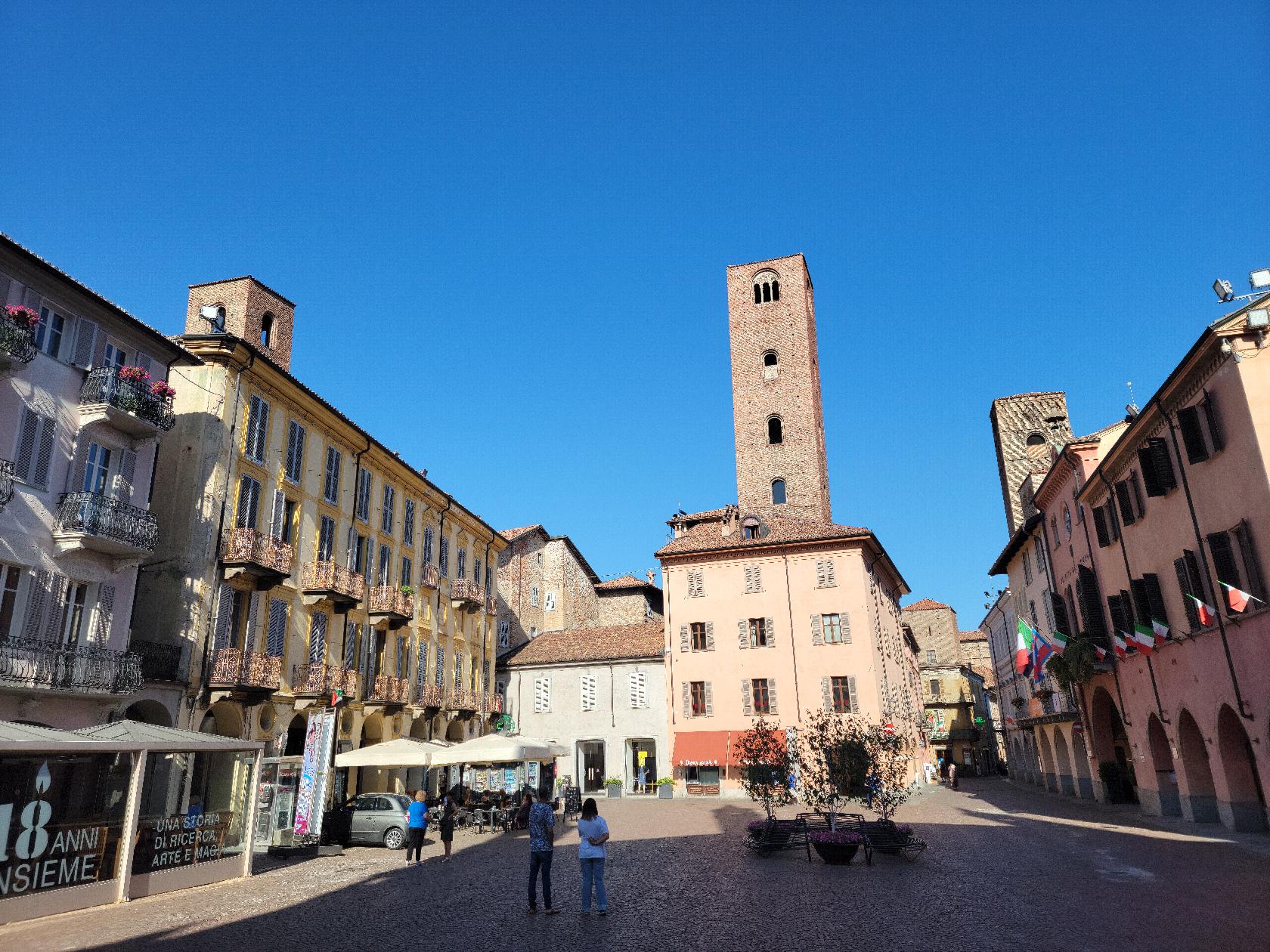
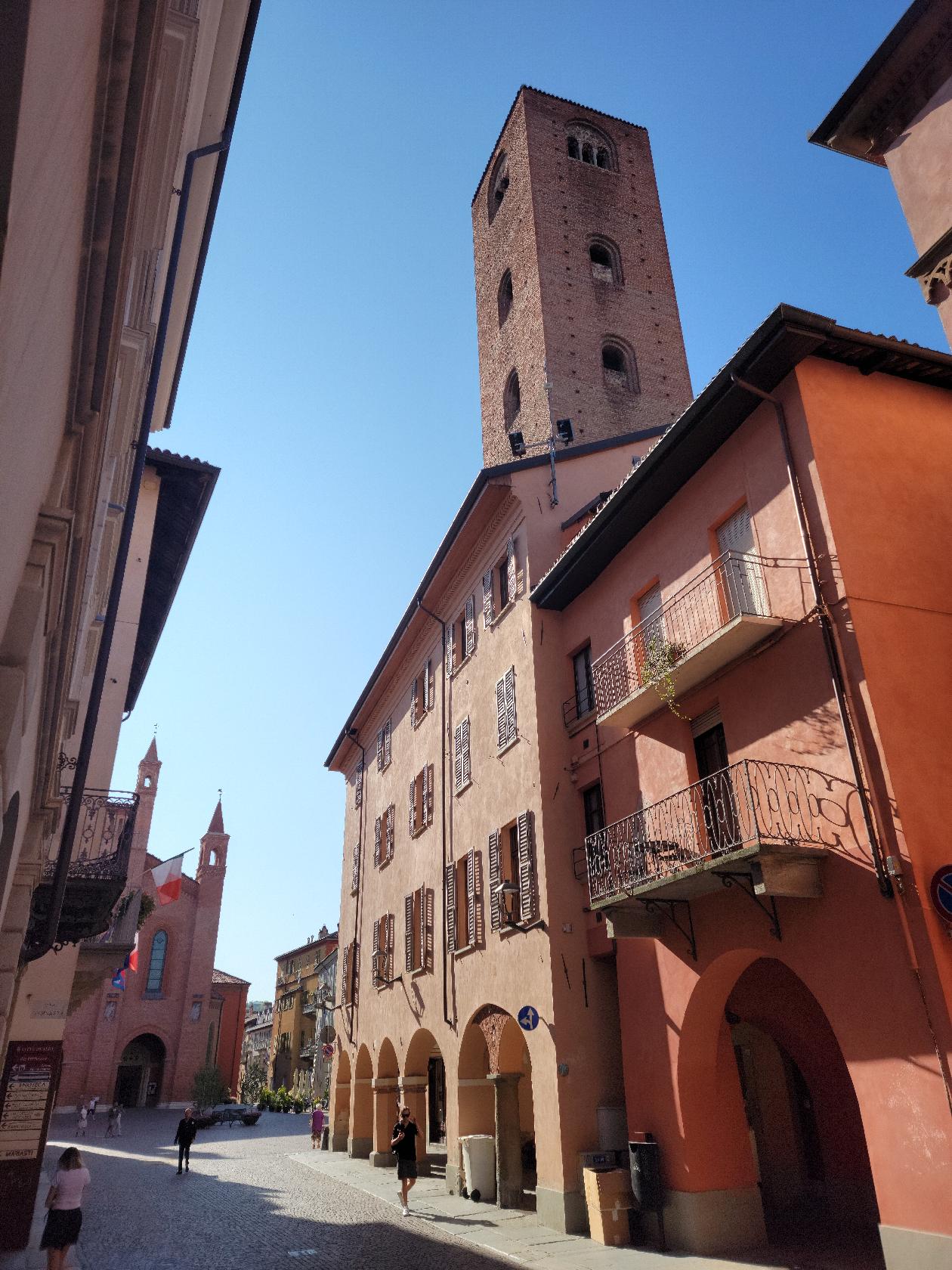
The town has numerous towers and it was once known as the town with a hundred towers. These were most likely constructed as lookouts and were defensive in nature.
The towers of Alba – Alba, Italy
Three towers of Alba – Alba, Italy
Piazza Paertinace – Alba, Italy
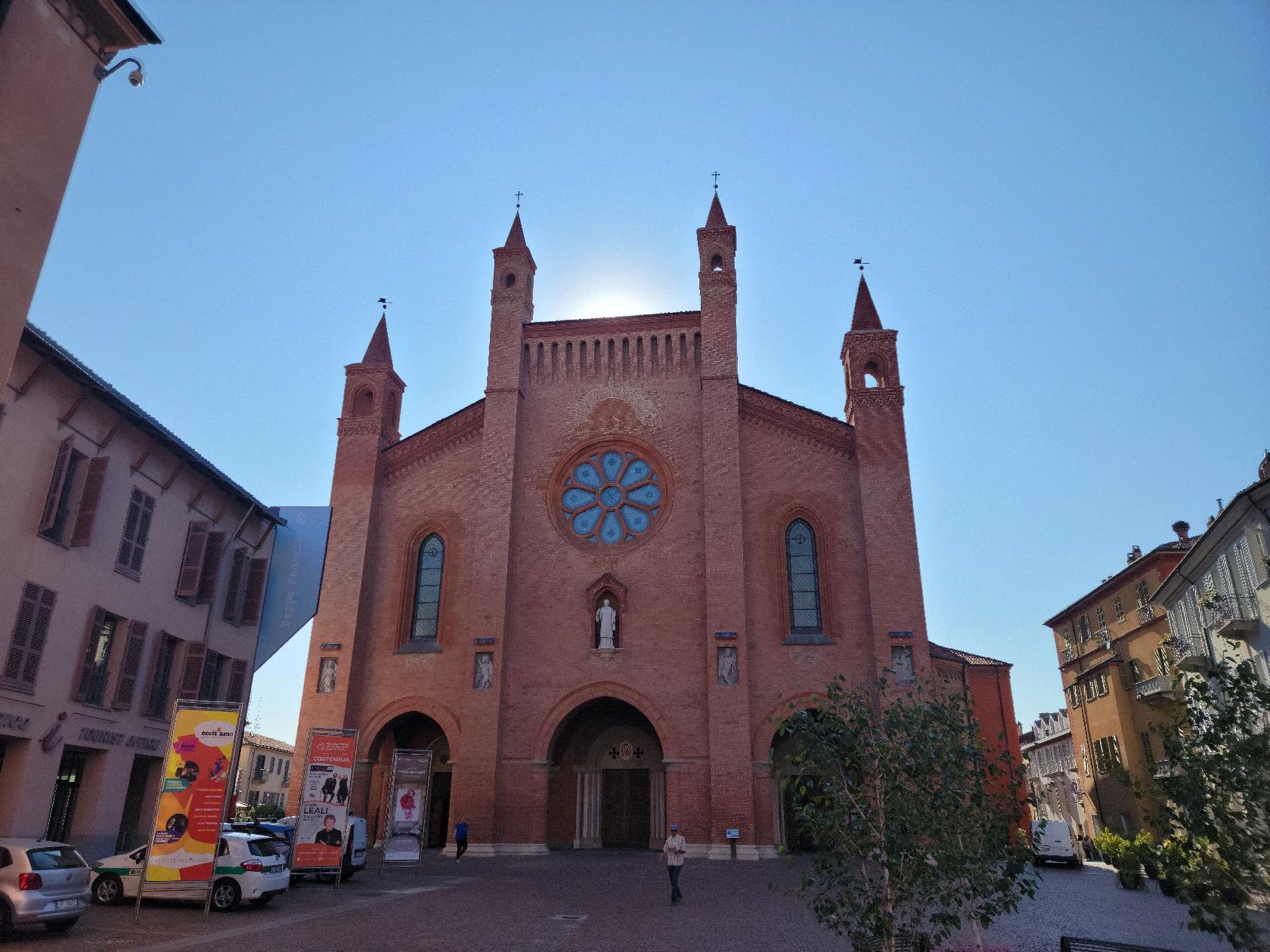
Palazzo Communale and Cathedral of San Lorenzo – Alba, Italy
Another bell tower – Alba, Italy
There are also numerous churches, as is true of most Italian towns and cities. The cathedral, or Duomo, occupies a central place near the town’s marketplace and between the Piazza Duomo and Piazza Rossetti. The interior is typical for its size and function.
Cathedral of San Lorenzo – Alba, Italy
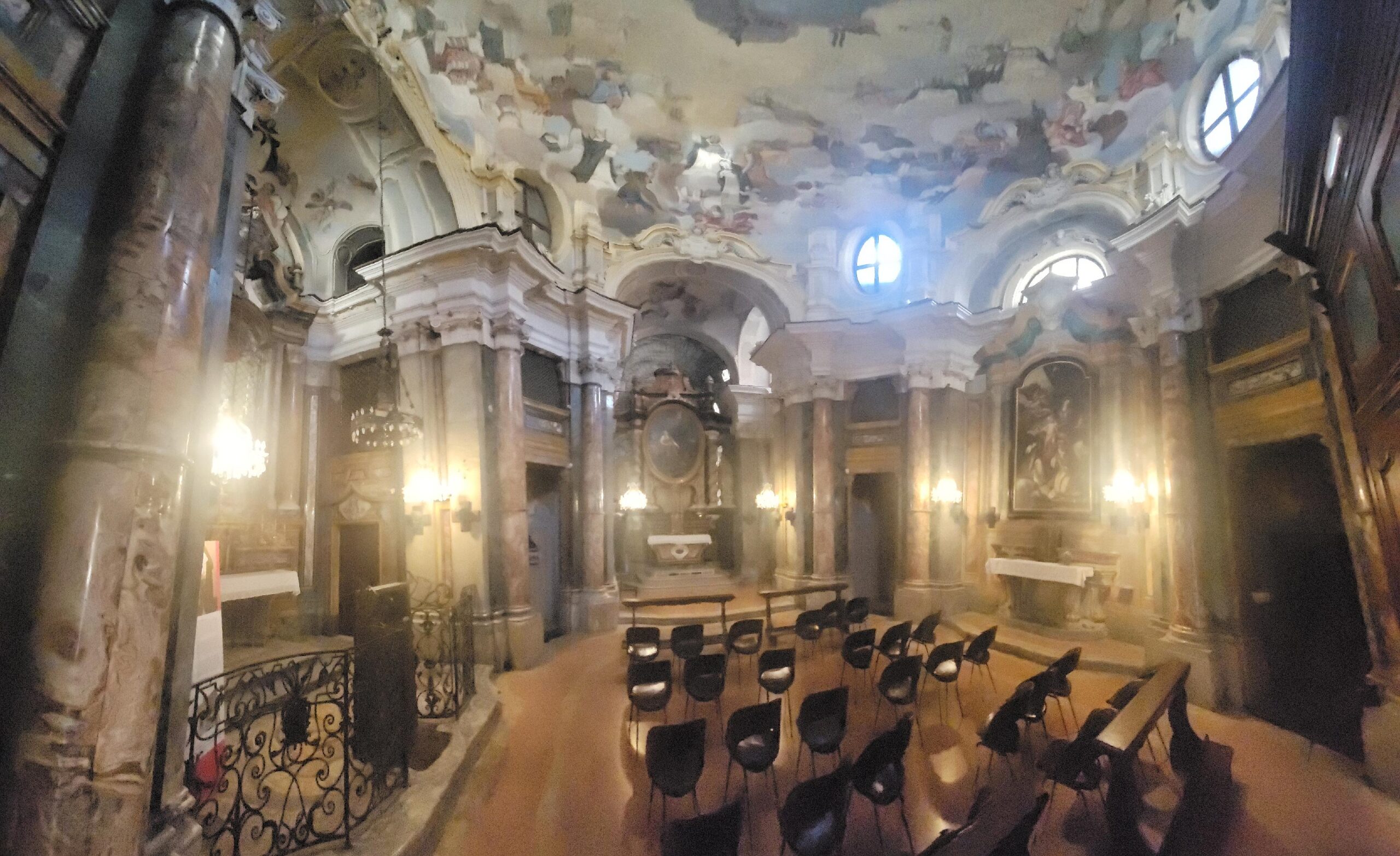
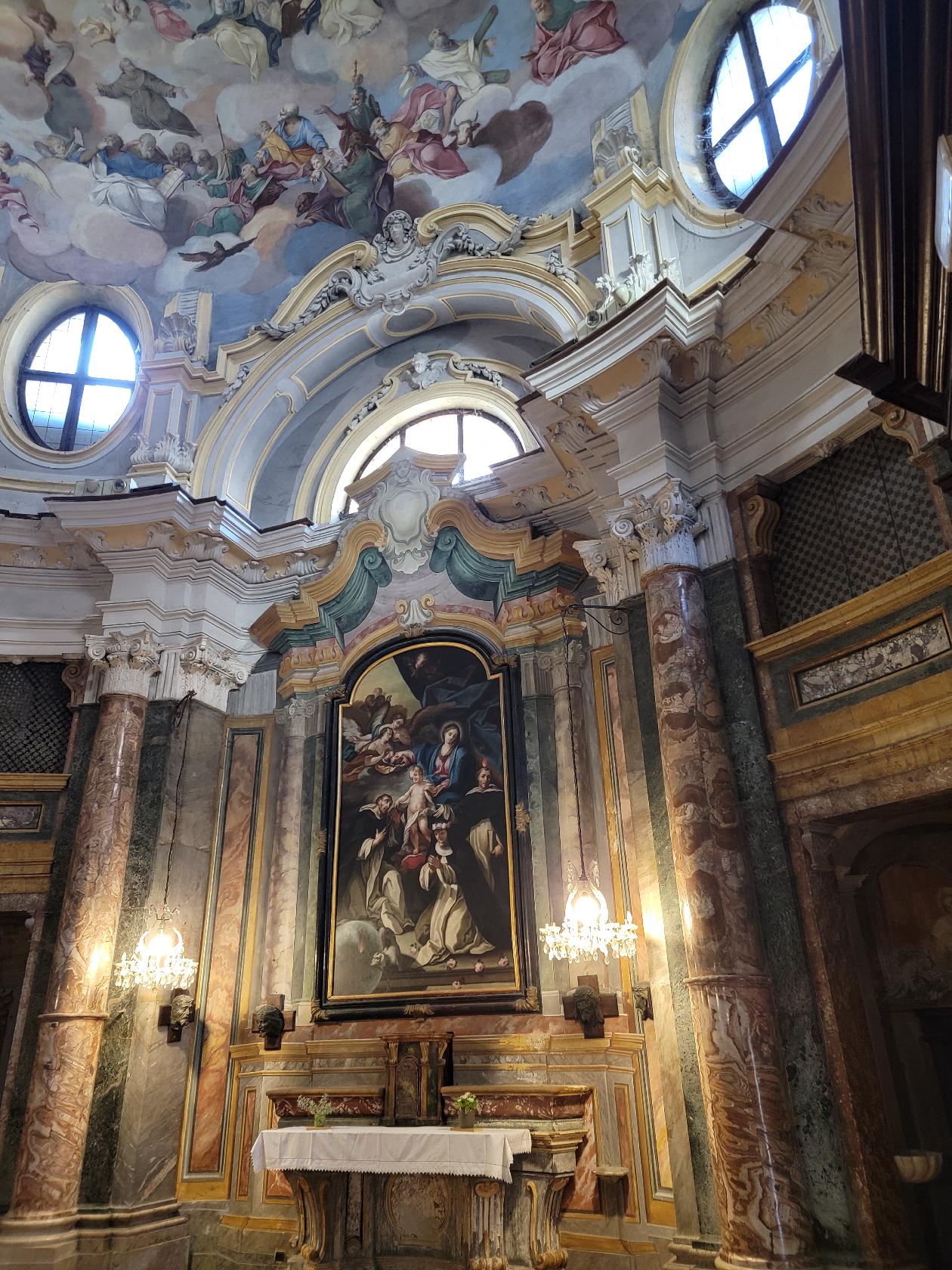
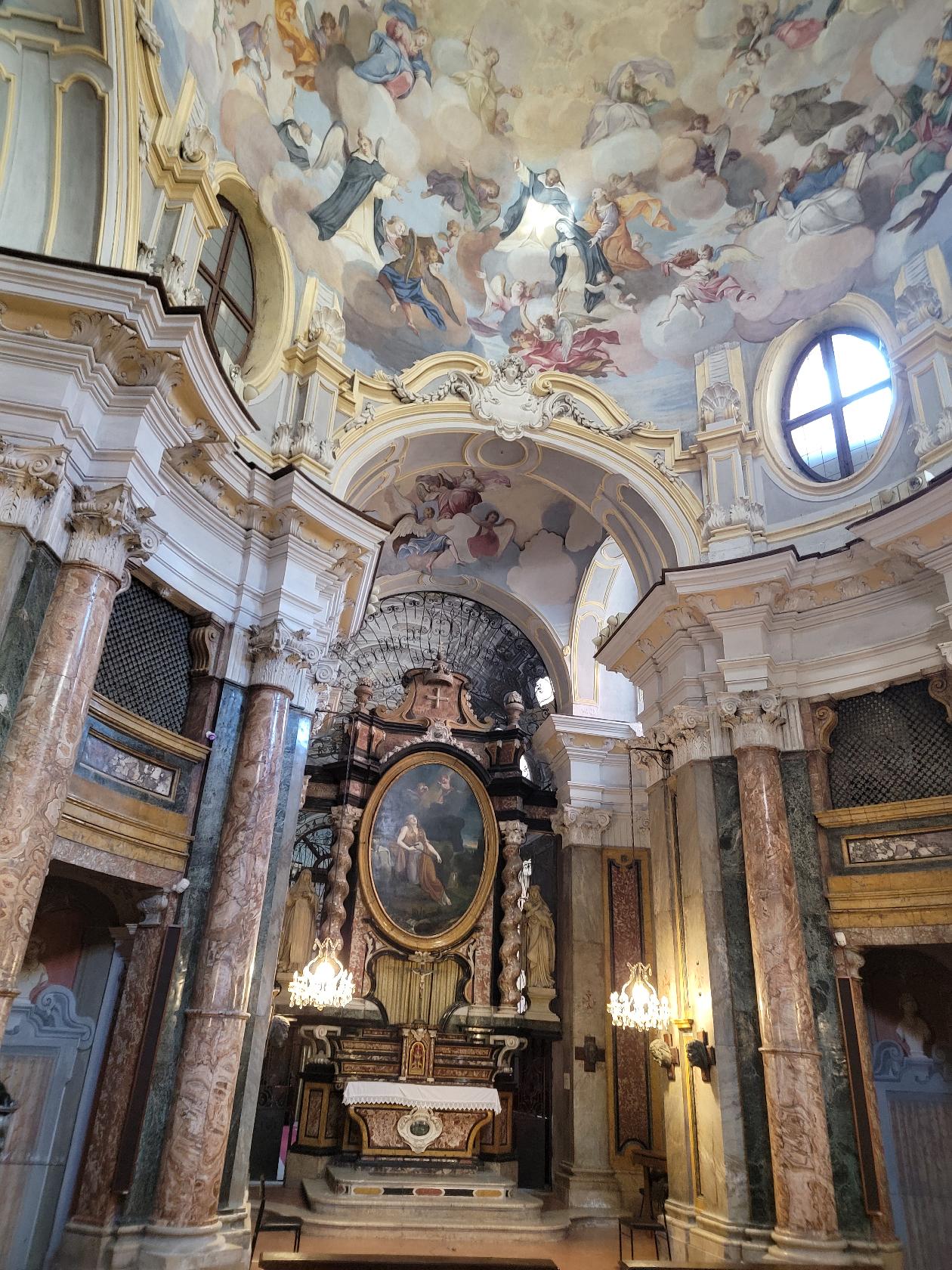
Other churches, including the Church of the Maddalena, actually have more interesting and elaborate interiors. One, the Church of Saint John the Baptist, looks more like a provincial library than a church inside.
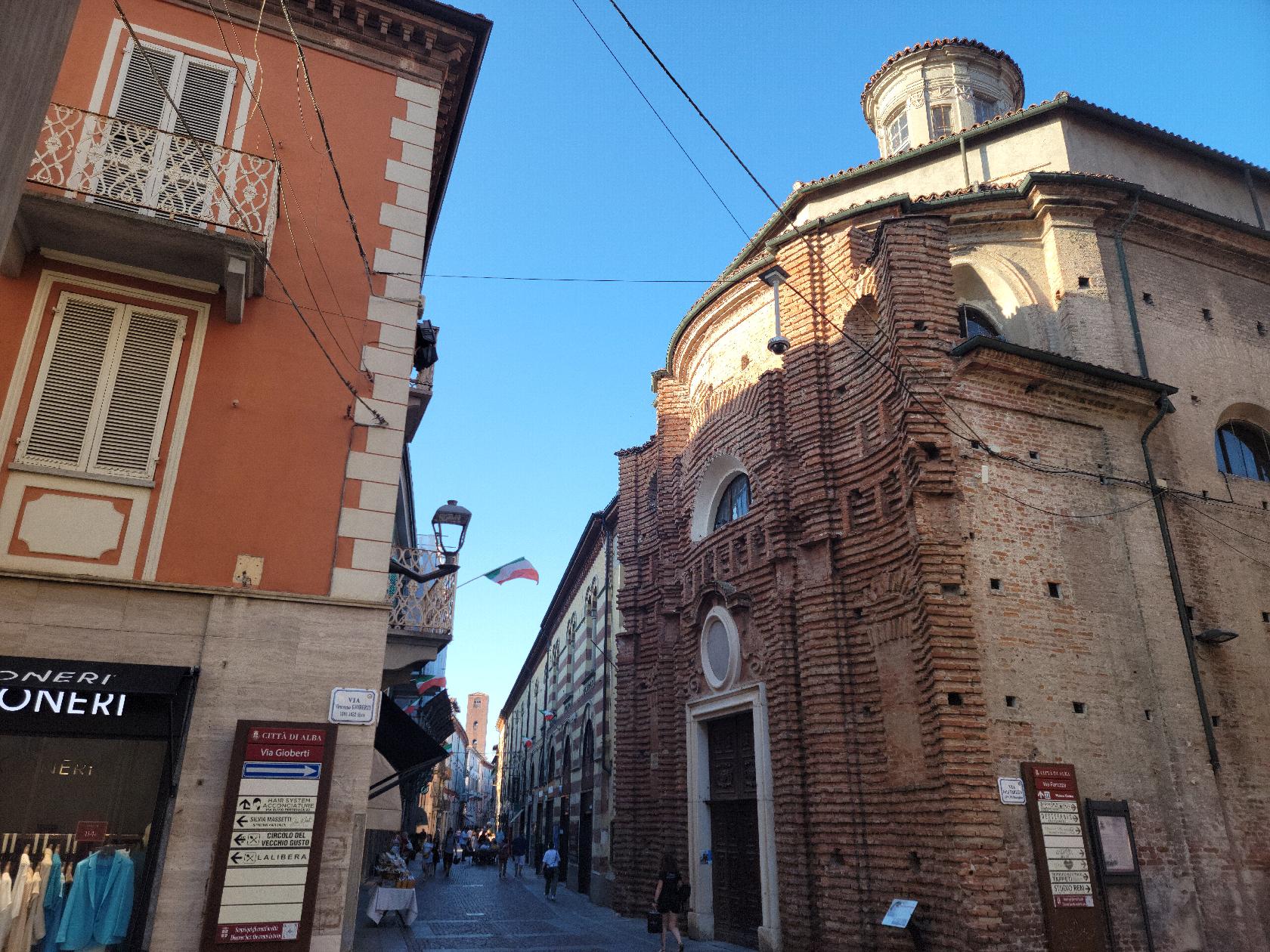
Chiesa della Maddalena, via Vincenzo Gioberti – Alba, Italy
Chiesa della Maddalena – Alba, Italy
Chiesa della Maddalena – Alba, Italy
Chiesa della Maddalena – Alba, Italy
Hotel Dellatorre
A three star hotel, which is actually more of a converted Bed-n-Breakfast, than a real hotel. It is more like a cafe/bar that has added rooms and tries to call itself a hotel. All the rooms are separate and there is no main structure with hallways, they all have external doors.
Hotel Casa Della Torre – Alba, Italy
Hotel Casa Della Torre – Alba, Italy
The owner runs a cafe or bar as well, and although we stayed here for one night, we did not use her cafe for breakfast, since we had learned that the beverages were a bit over-priced. Again, we are not sure whether that is in fact the case, but we did notice that there was no menu or price list anywhere. While we travel we have a general rule that if the prices are not listed, we tend to avoid the establishment.
Hotel Casa Della Torre – Alba, Italy
Hotel Casa Della Torre – Alba, Italy
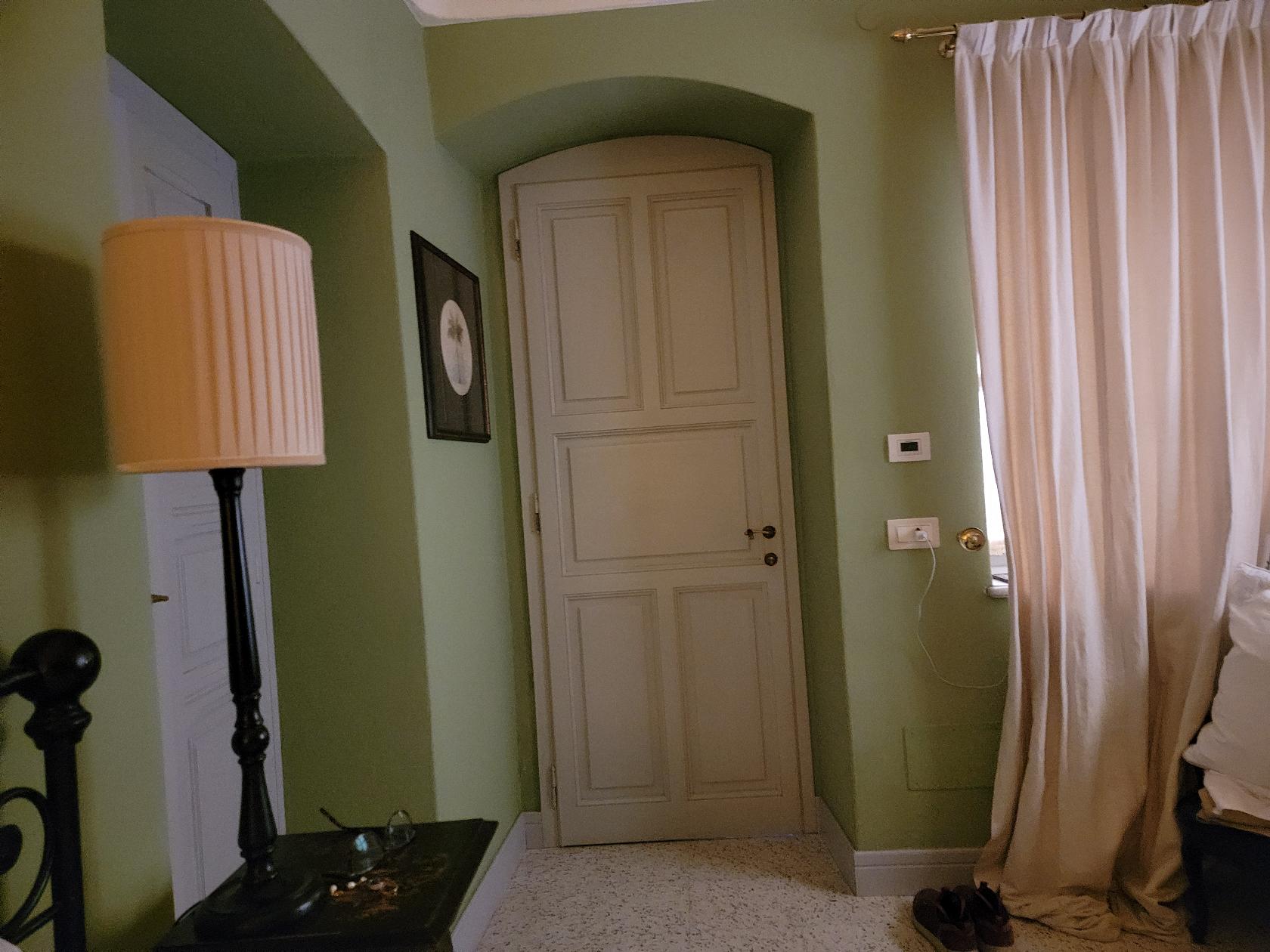
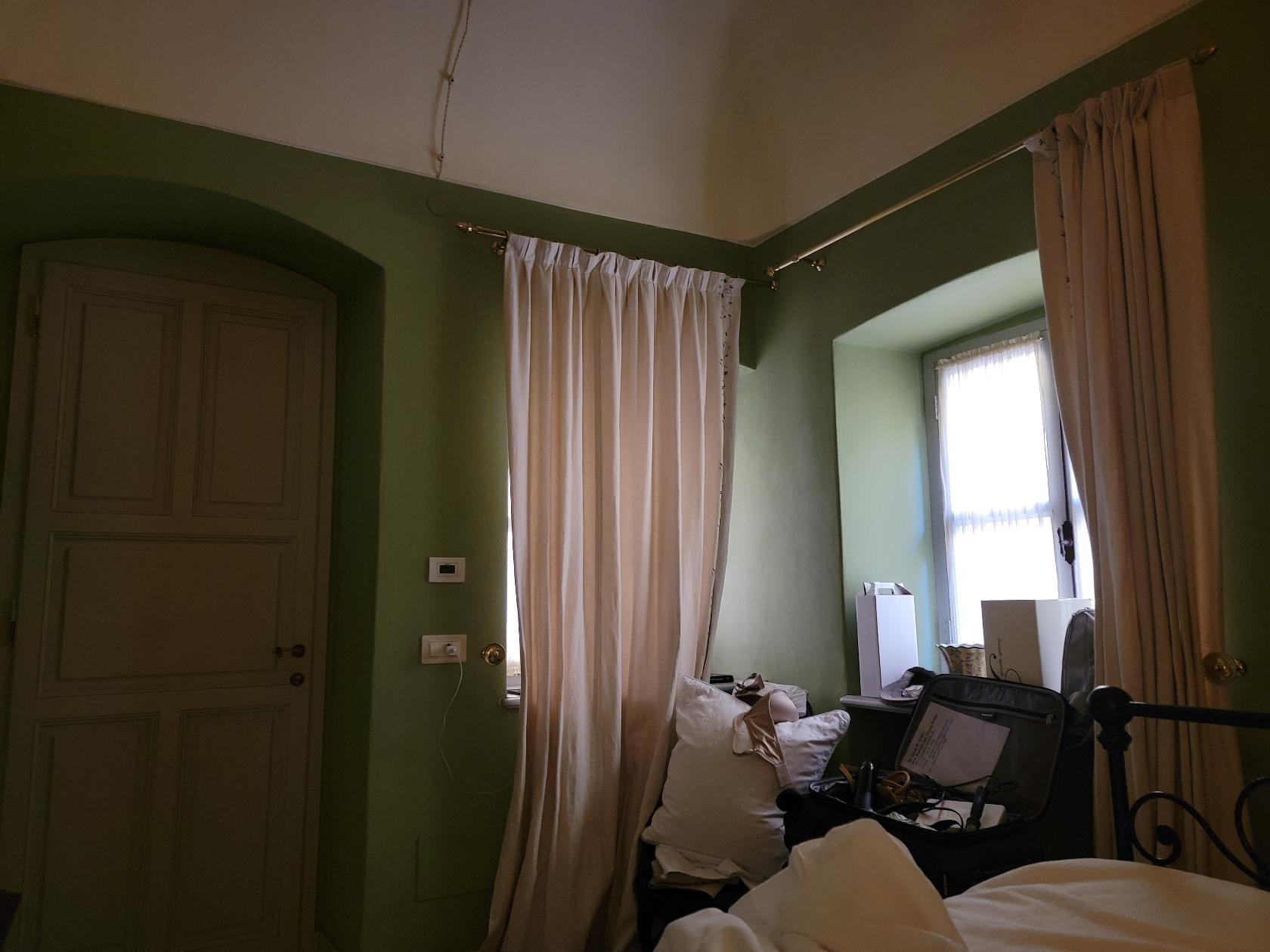
The room was spacious enough, quiet and comfortable for the most part. The bed was very hard, so if you prefer that kind of mattress firmness, this place might be for you.
Restaurants
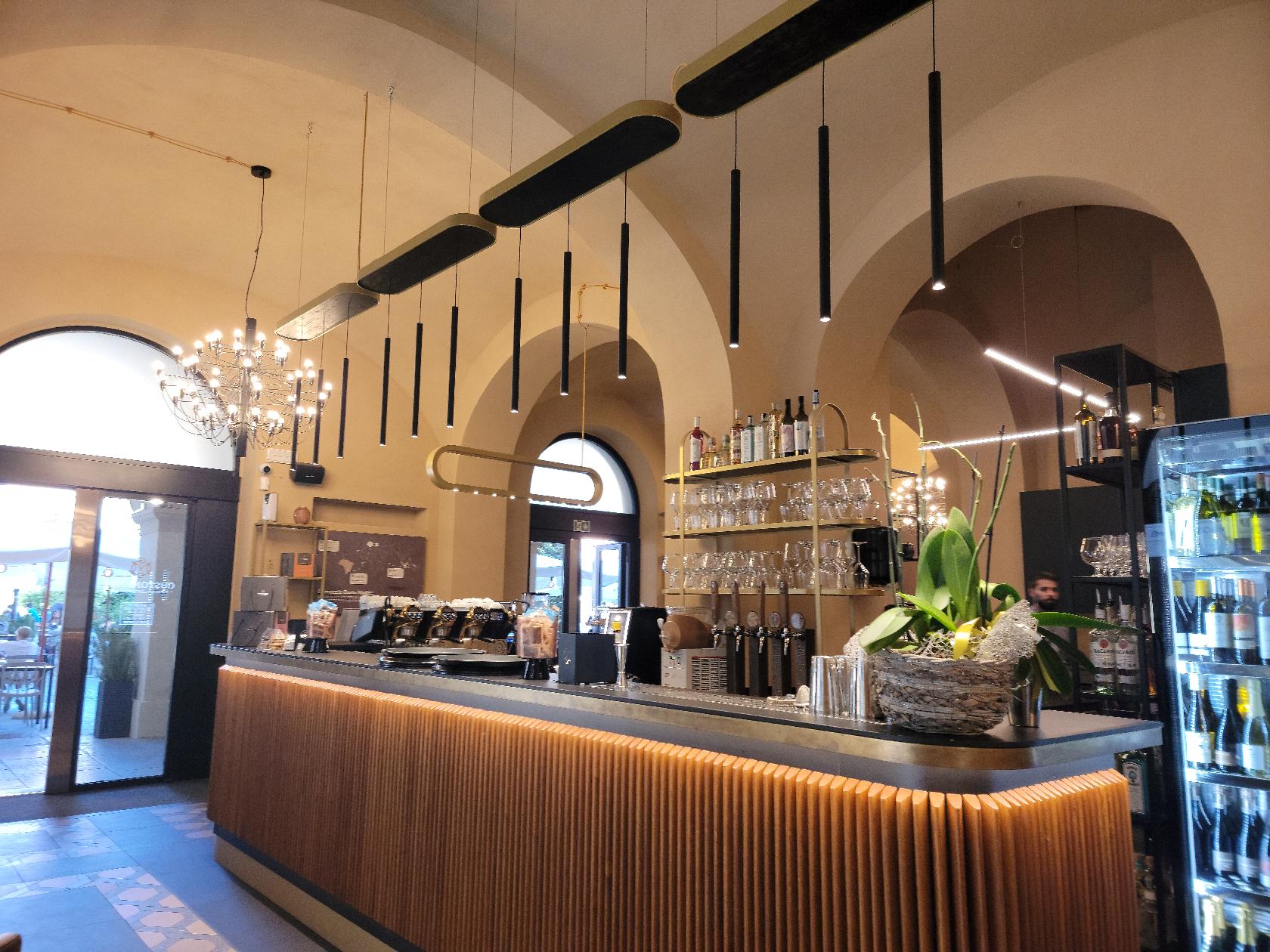
Conterosso
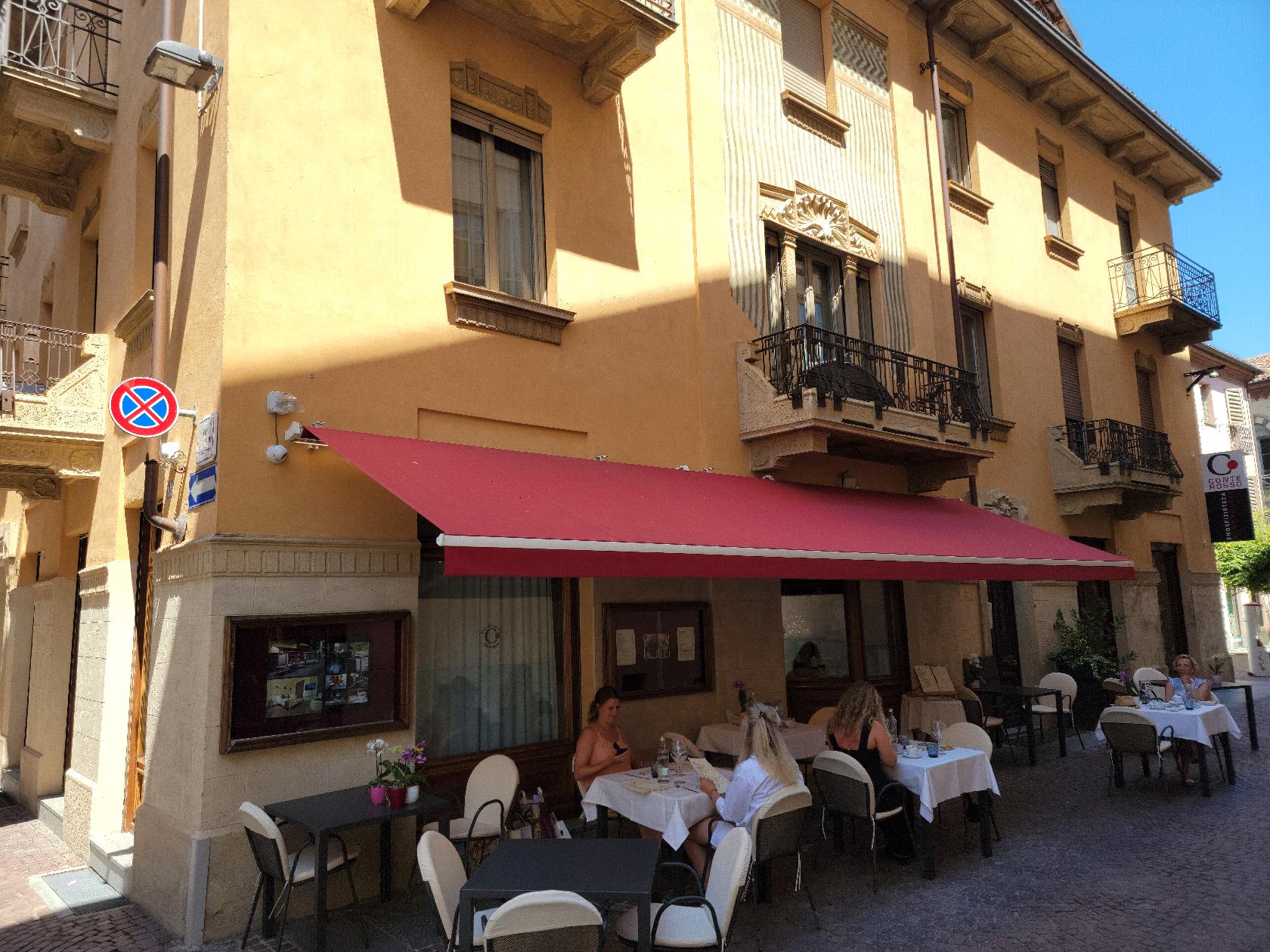
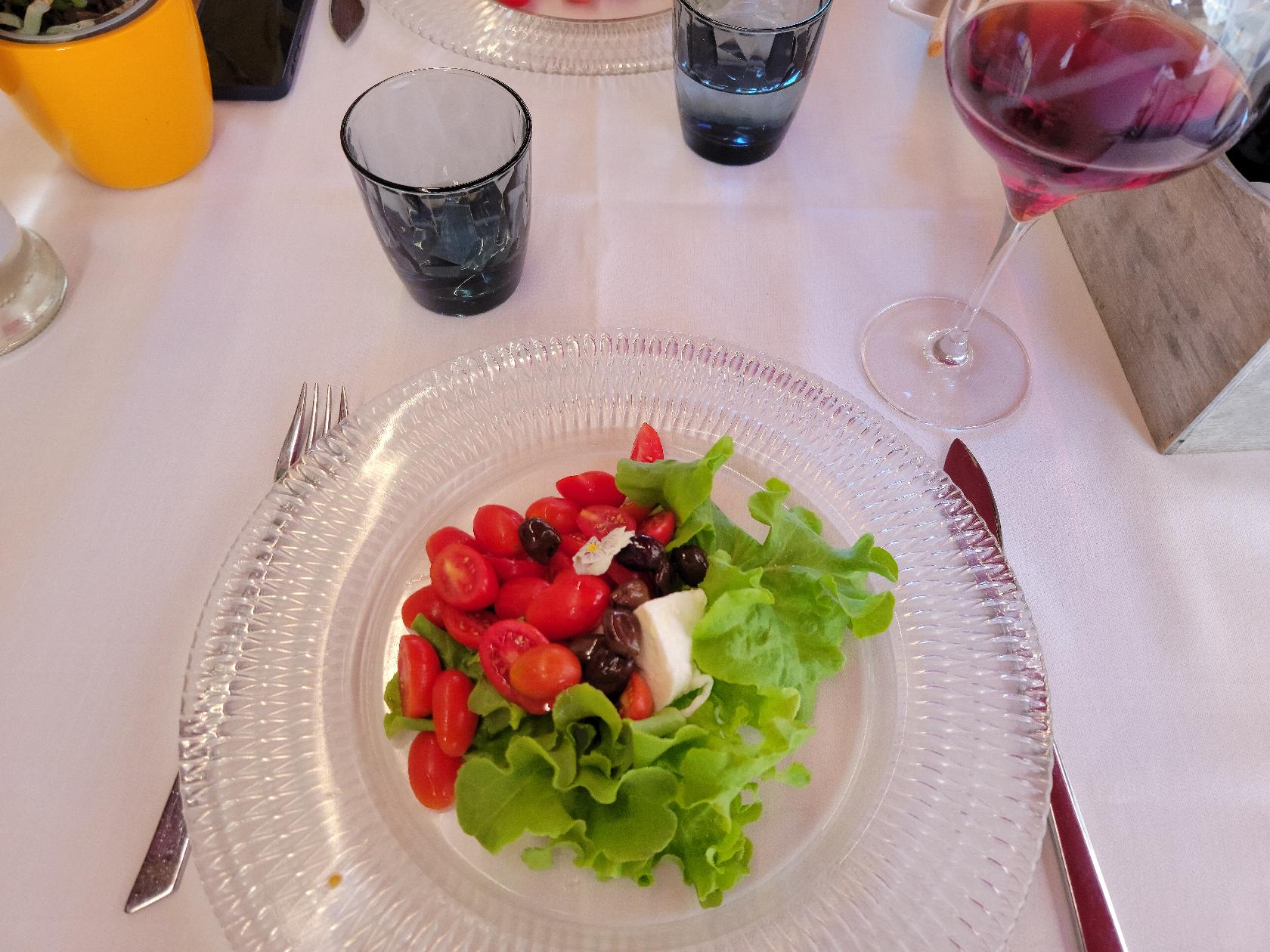
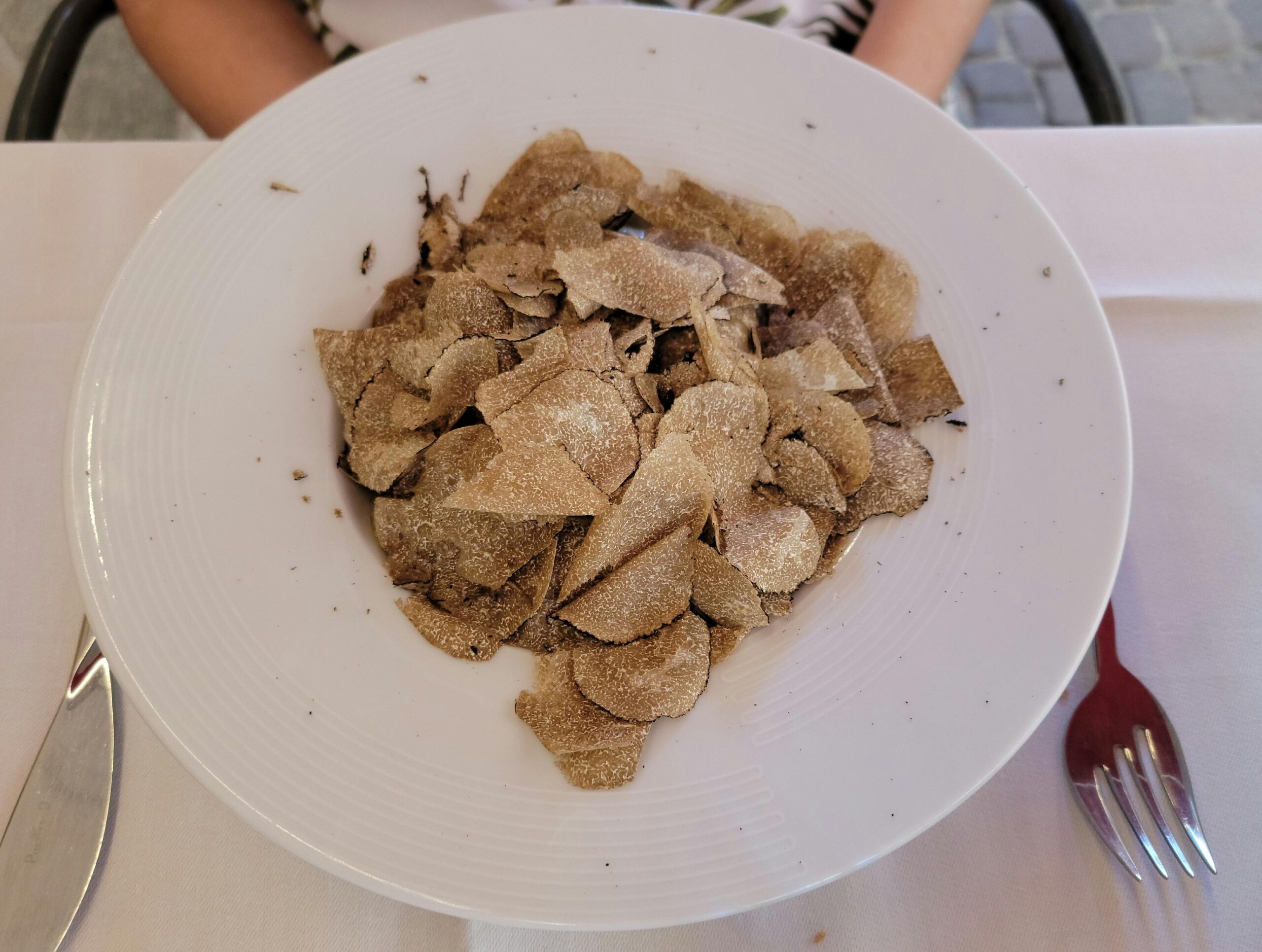
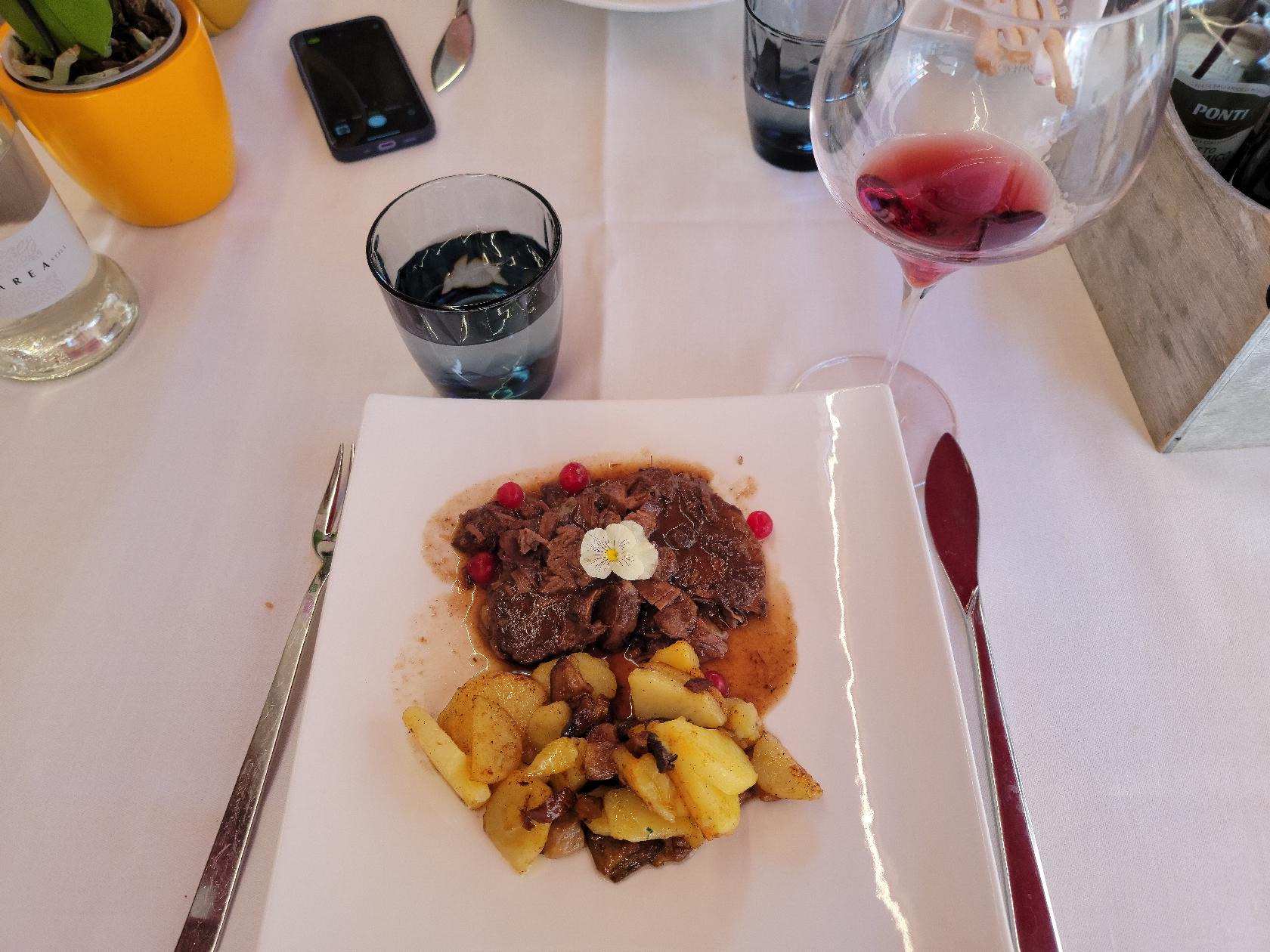
For lunch we ate at Conterosso and chose two of the local dishes. Patti had the Agnolotti with truffles and I had the veal with a barolo wine sauce, both were excellent dishes.
Conterosso – Alba, Italy
Caprese salad – Conterosso – Alba, Italy
Agnolotti with black truffles – Conterosso – Alba, Italy
Veal in Barolo sauce with potatoes – Conterosso – Alba, Italy
Gusto Madre
A contemporary dining place that makes excellent pizza. Located in Piazza Michele Ferrero, it is just on the edge of town.
Gusto Madre – Alba, Italy
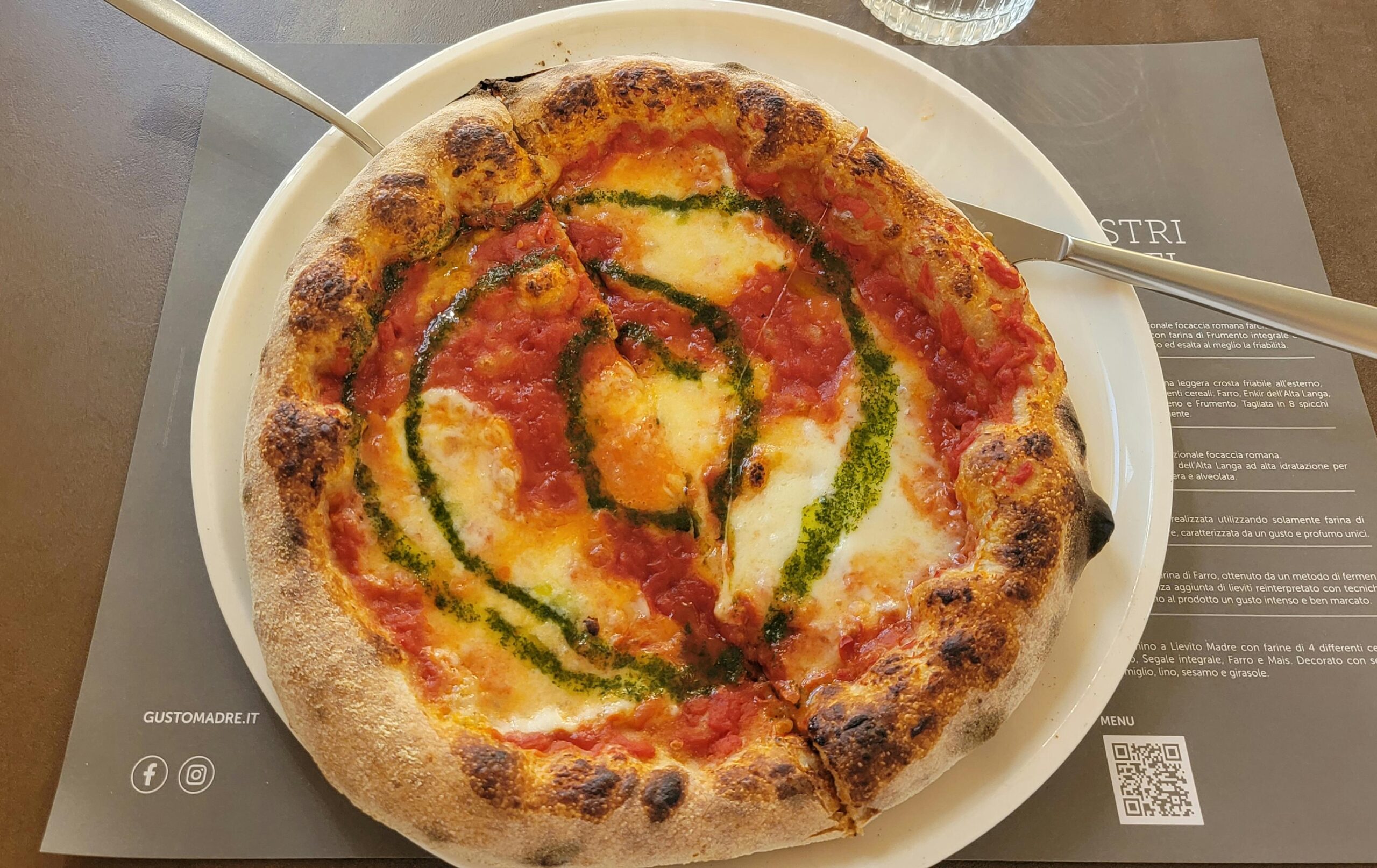
Since Patti was not feeling well, I ate alone and just ordered a simple Pizza Margherita which was drizzled with a pesto, it was actually quite good.
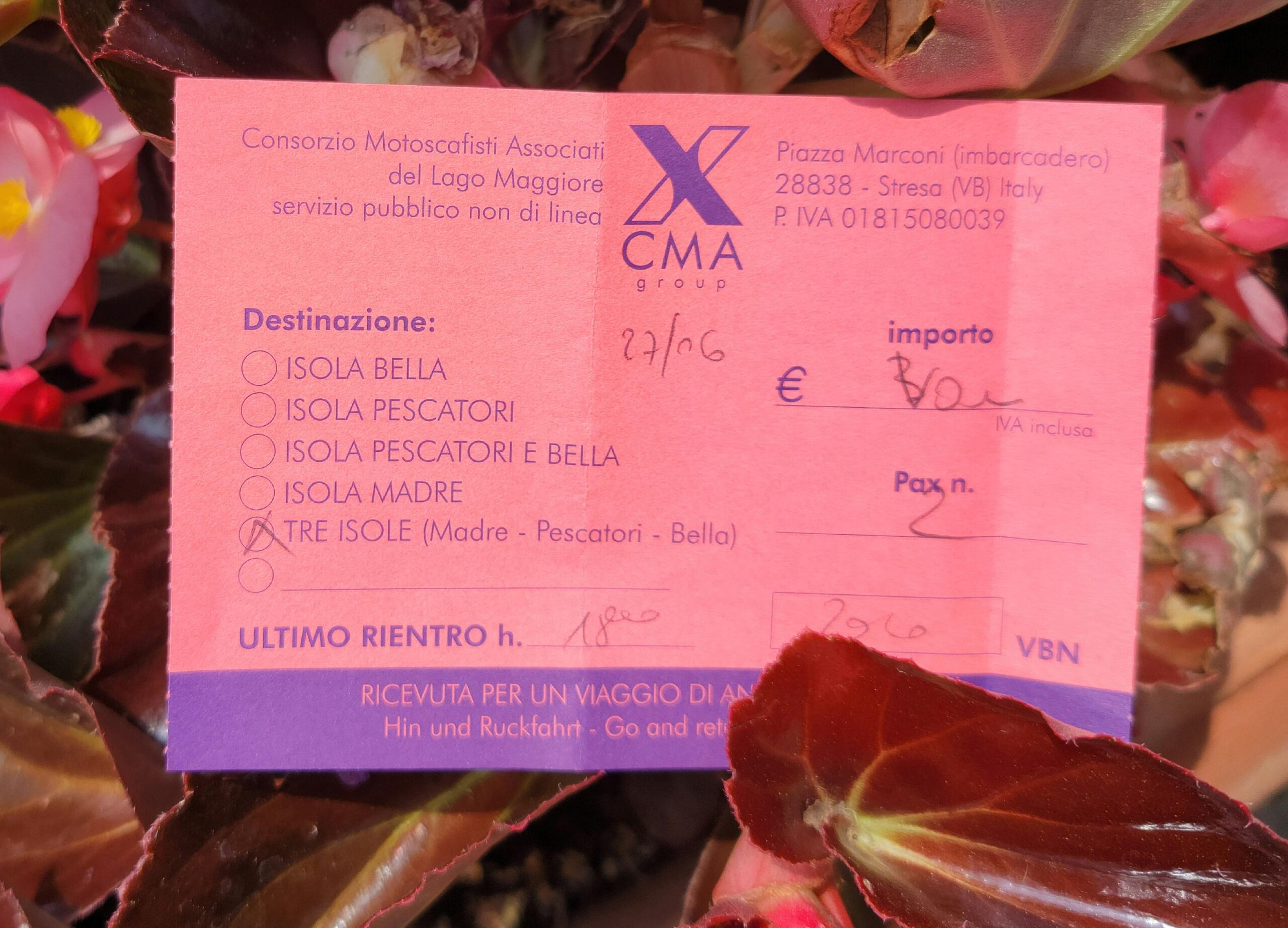
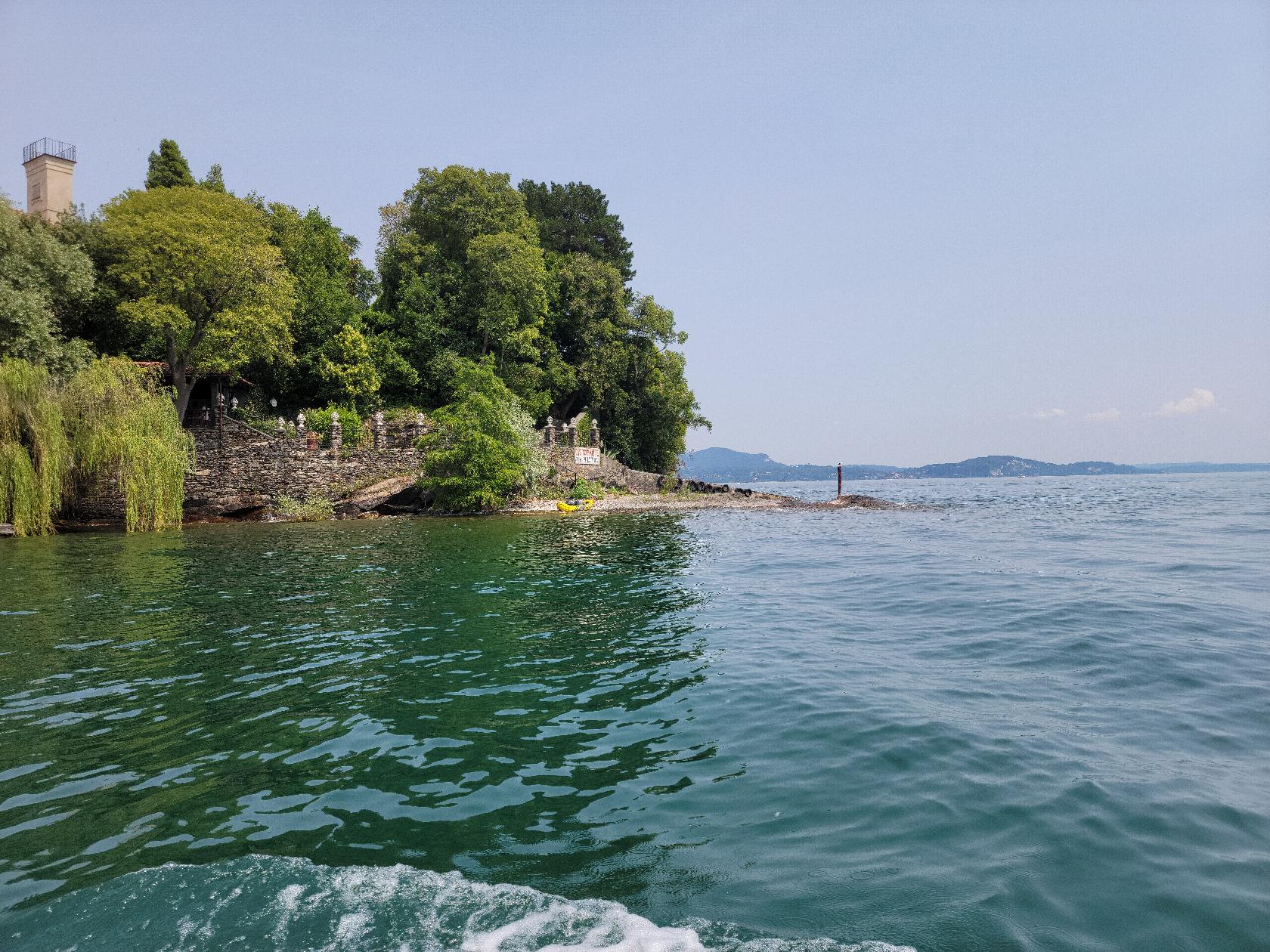
Of the five Borromeo islands that make up that small group in Lake Maggiore, three have ferry service to them, one is uninhabitable, but has a beach you can visit, and the other, not far off the coast near Pallanza, is small and not frequented by visitors.
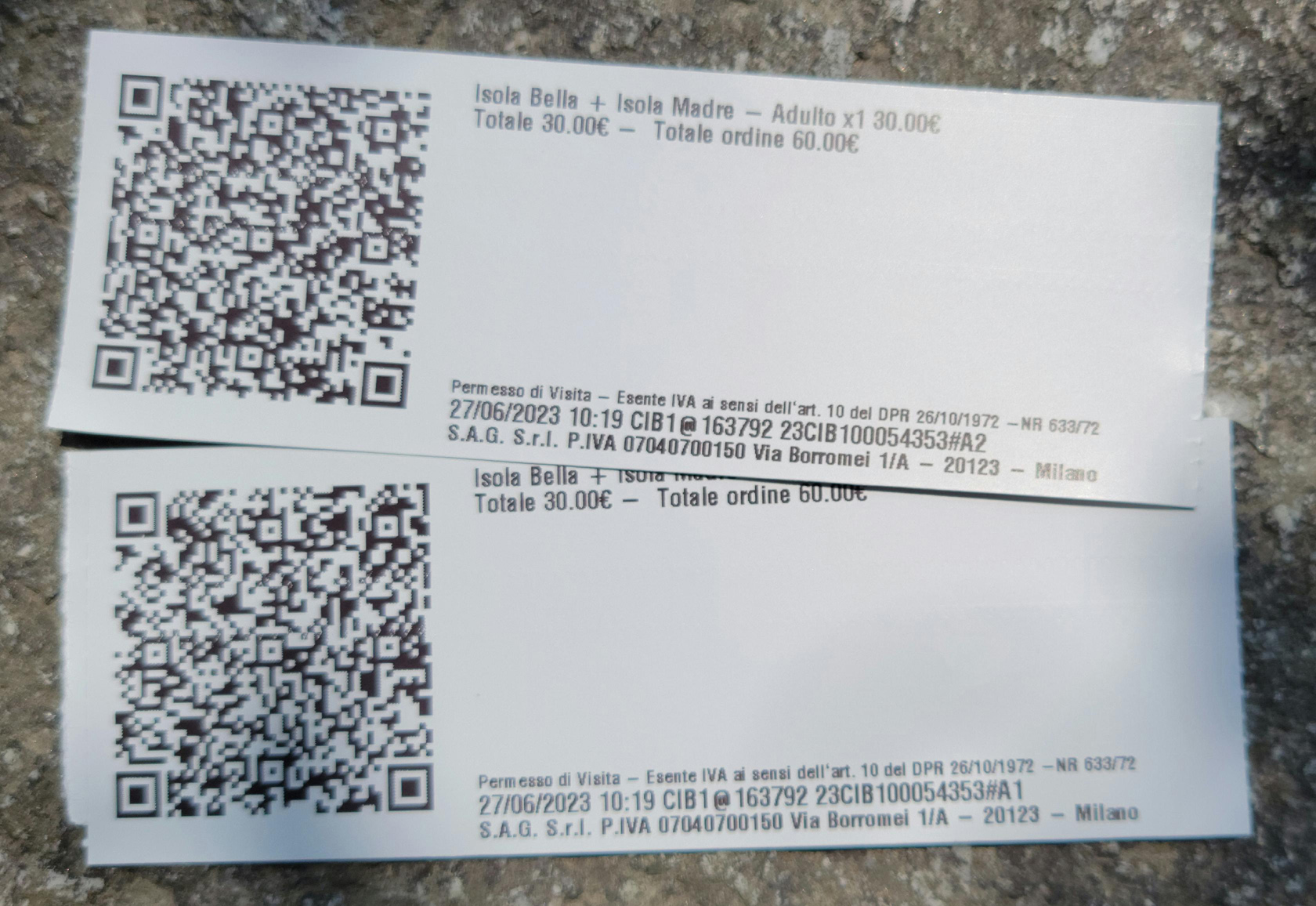
CMA Ship Ticket – Tickets For Two – Three Island Tour – Stresa, Italy
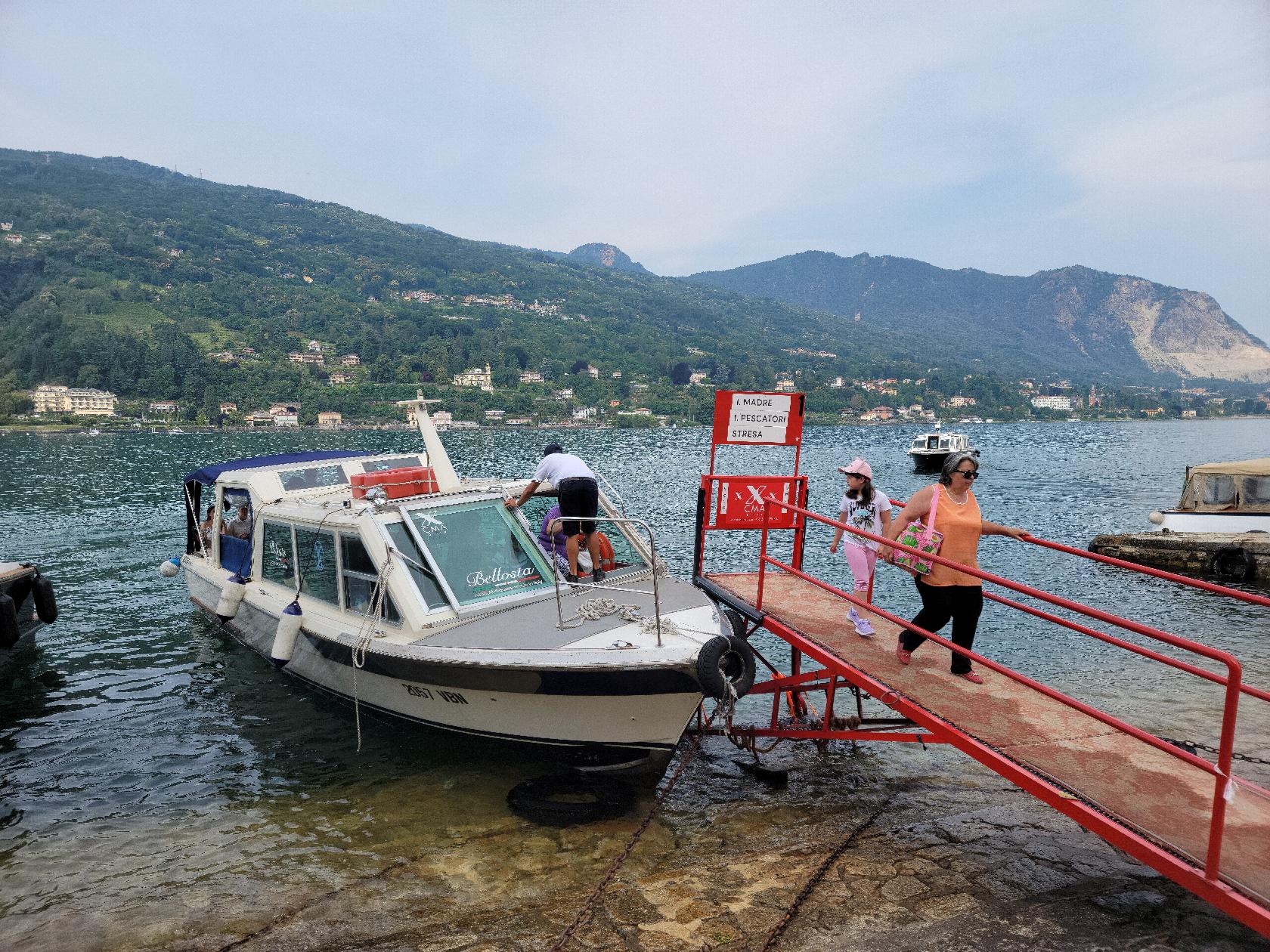
CMA Boat Service to the islands – Stresa, Italy
One should note, at least for our CMA ferry service, the islands are visited in an order, as presented below. Altering this order is impossible, if not very difficult, so plan accordingly.
Isola Bella
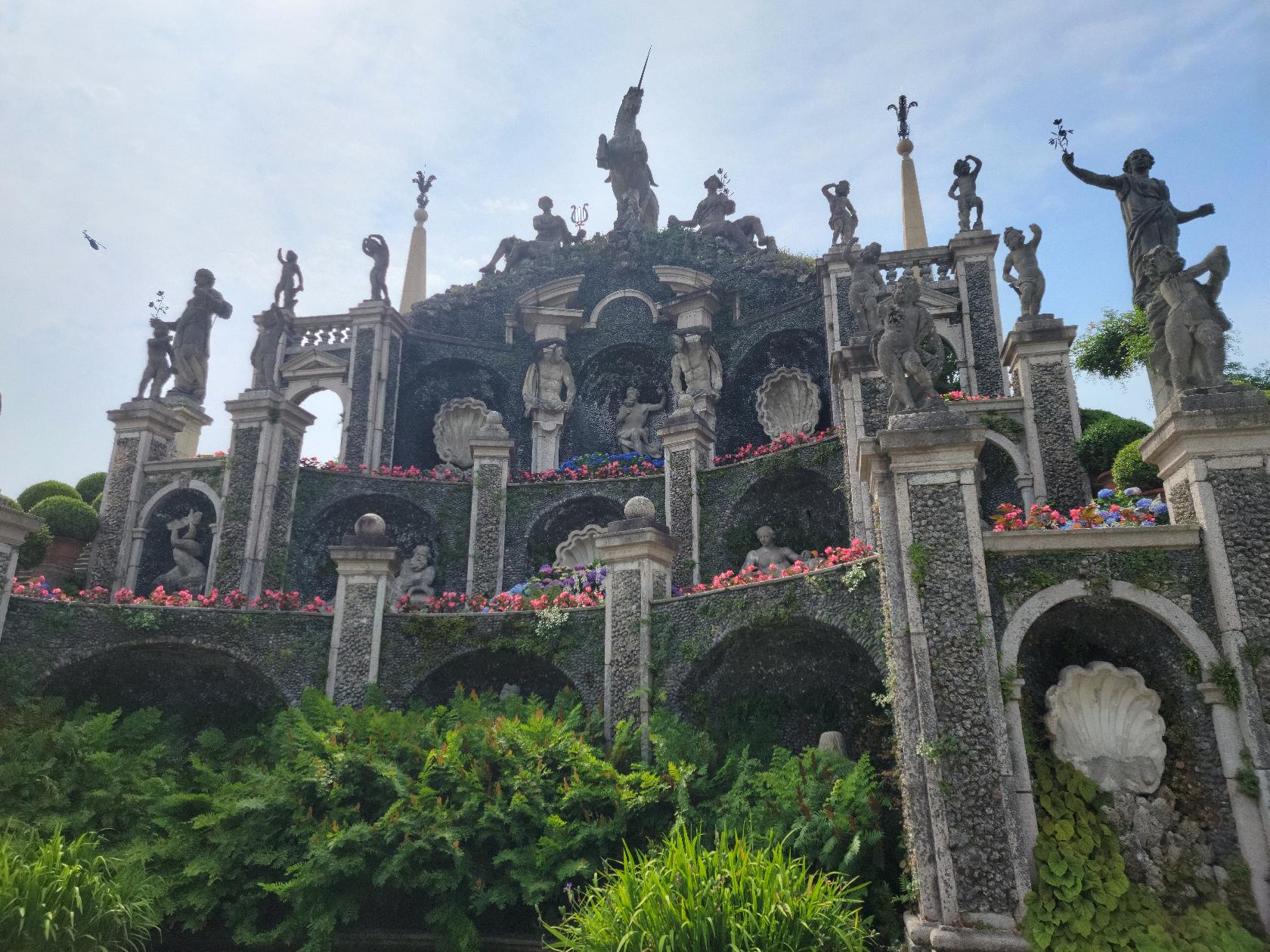
Isola Bella is probably the most frequented of the three. It has an ostensibly renowned italianate garden, which you have to purchase tickets for of course, but they do include access to the palazzo and the other gardens on Isola Madre.
Isola Bella and Madre Garden tickets – Tickets For Two – Stresa, Italy
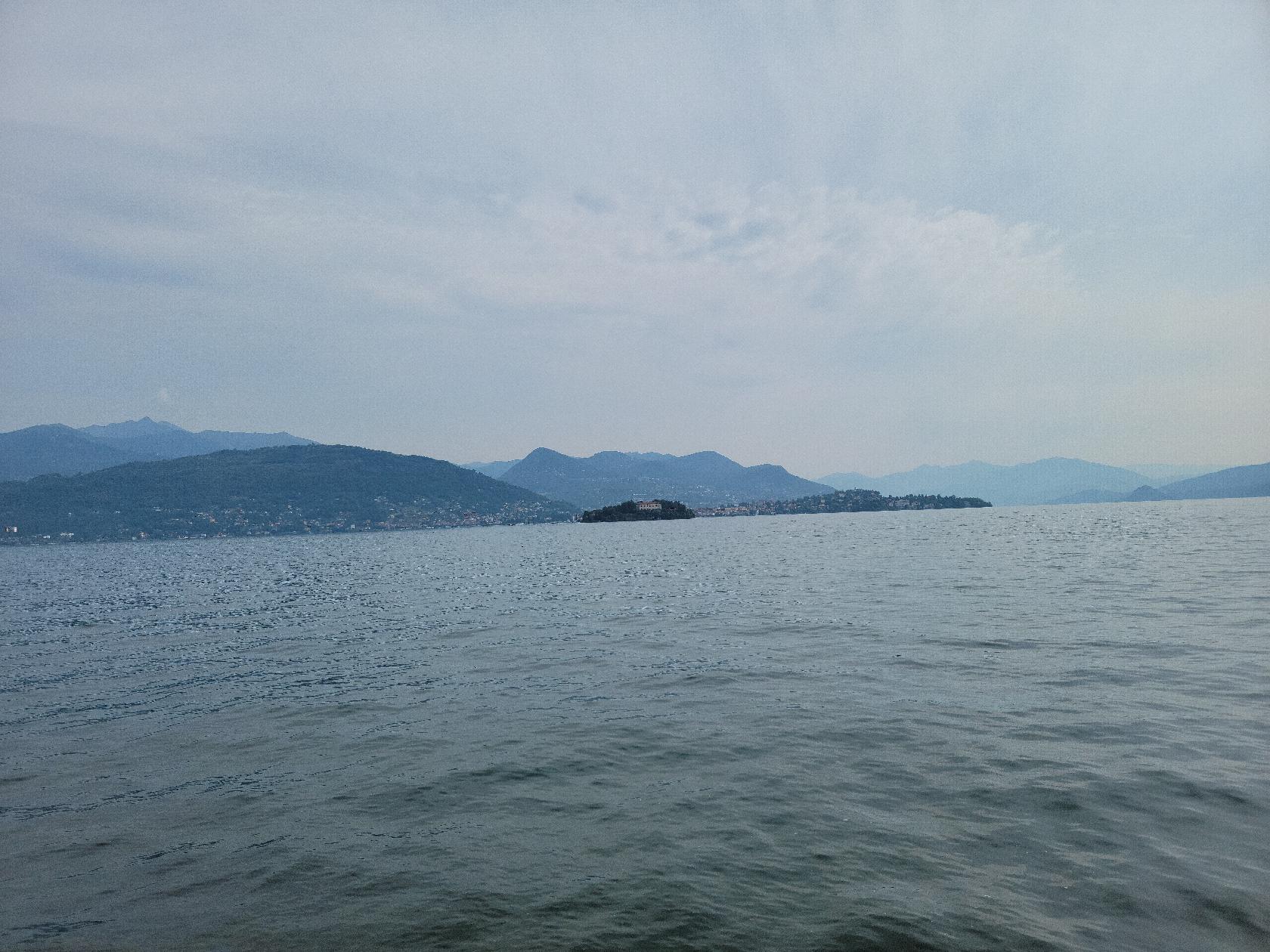
Isola Madre from Isola Bella – Isola Bella, Lake Maggiore, Italy
The Palazzo
The entrance to the gardens is via the palazzo, you cannot just walk into them. We walked through the old fishing town thinking there were multiple entrances to the gardens, there are not. There is only one, through the palazzo and after the ticket counter.
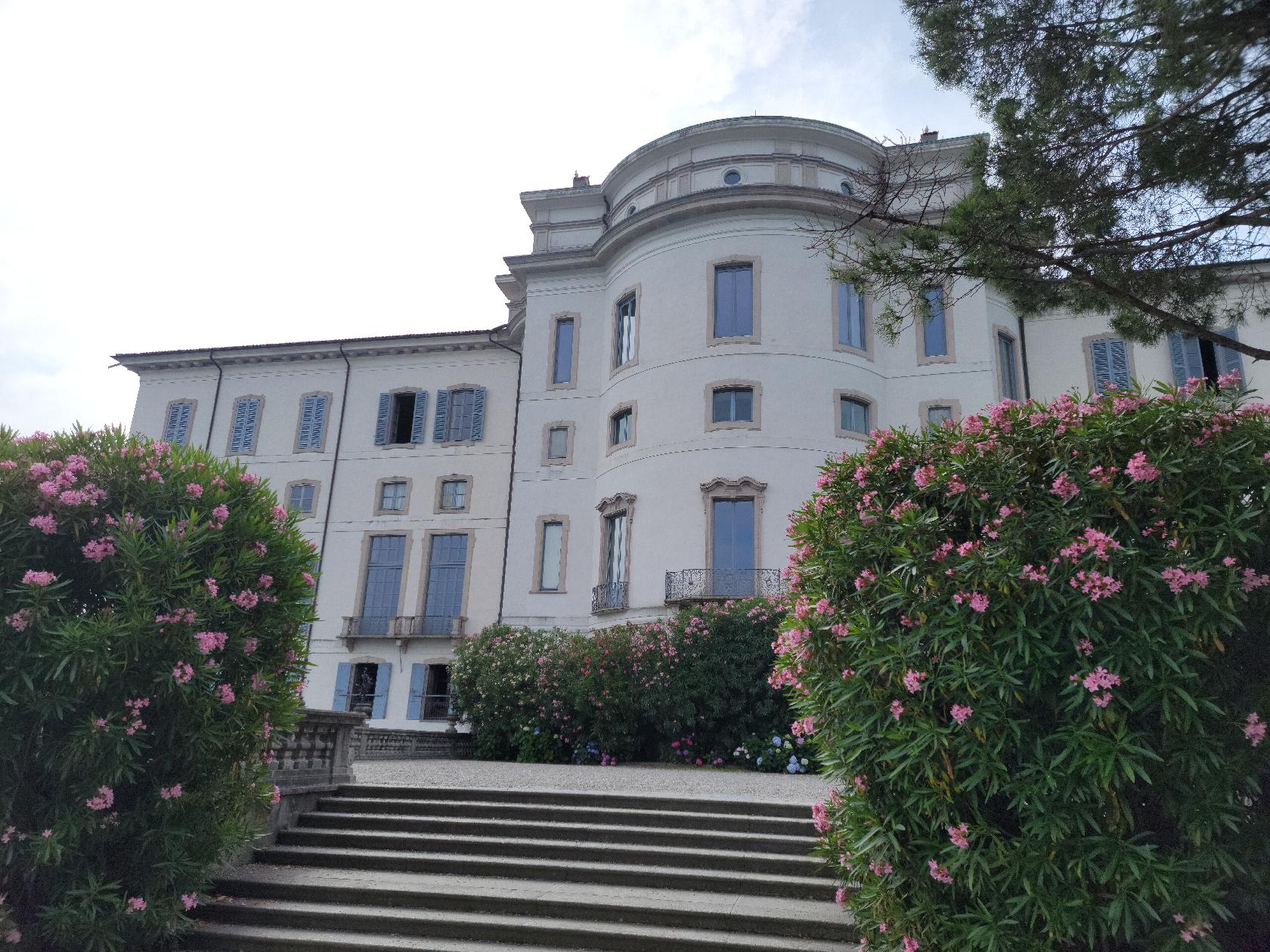
Palazzo Borromea – Isola Bella, Lake Maggiore, Italy
Entrance to the palazzo – Isola Bella, Lake Maggiore, Italy
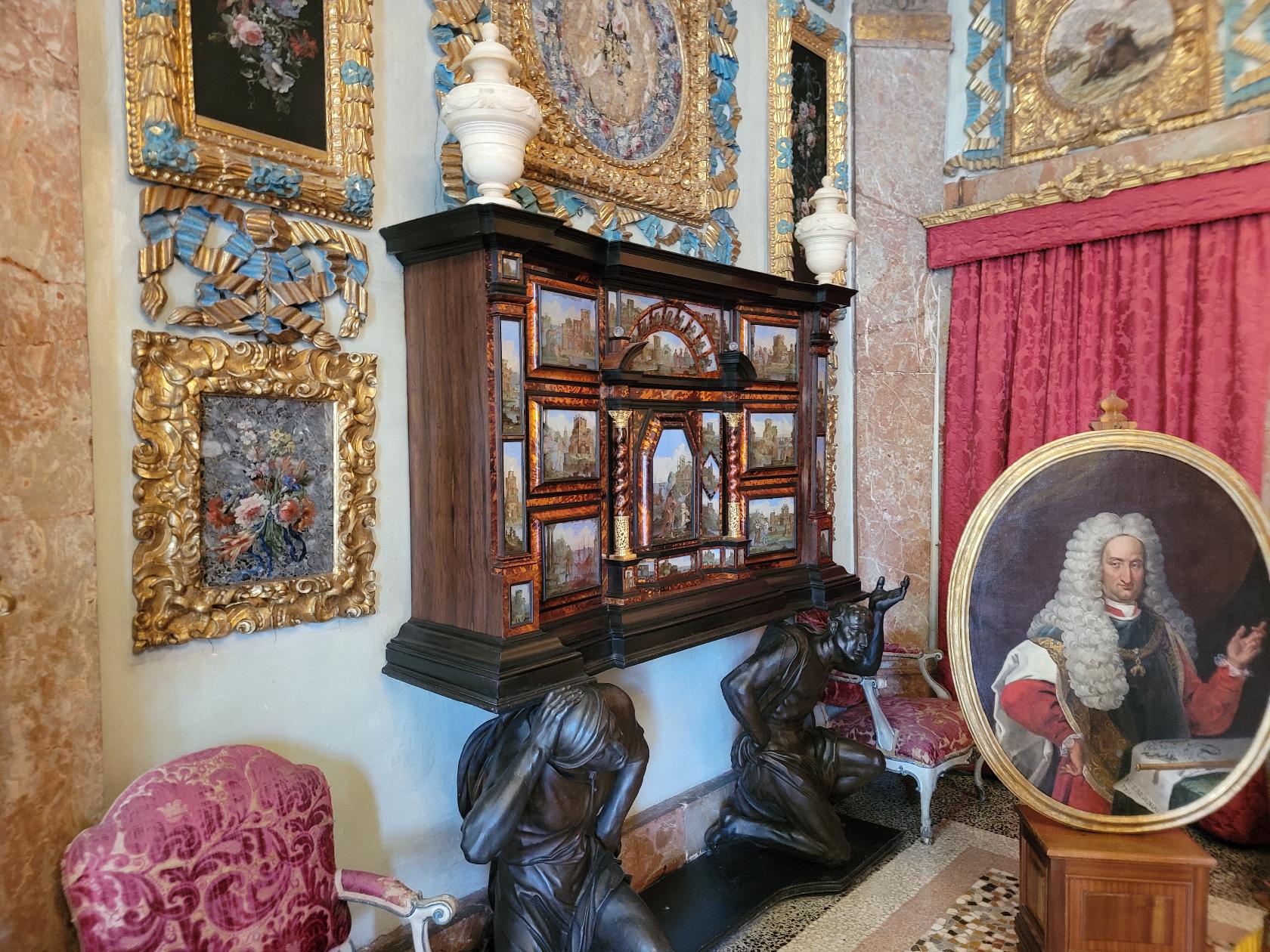
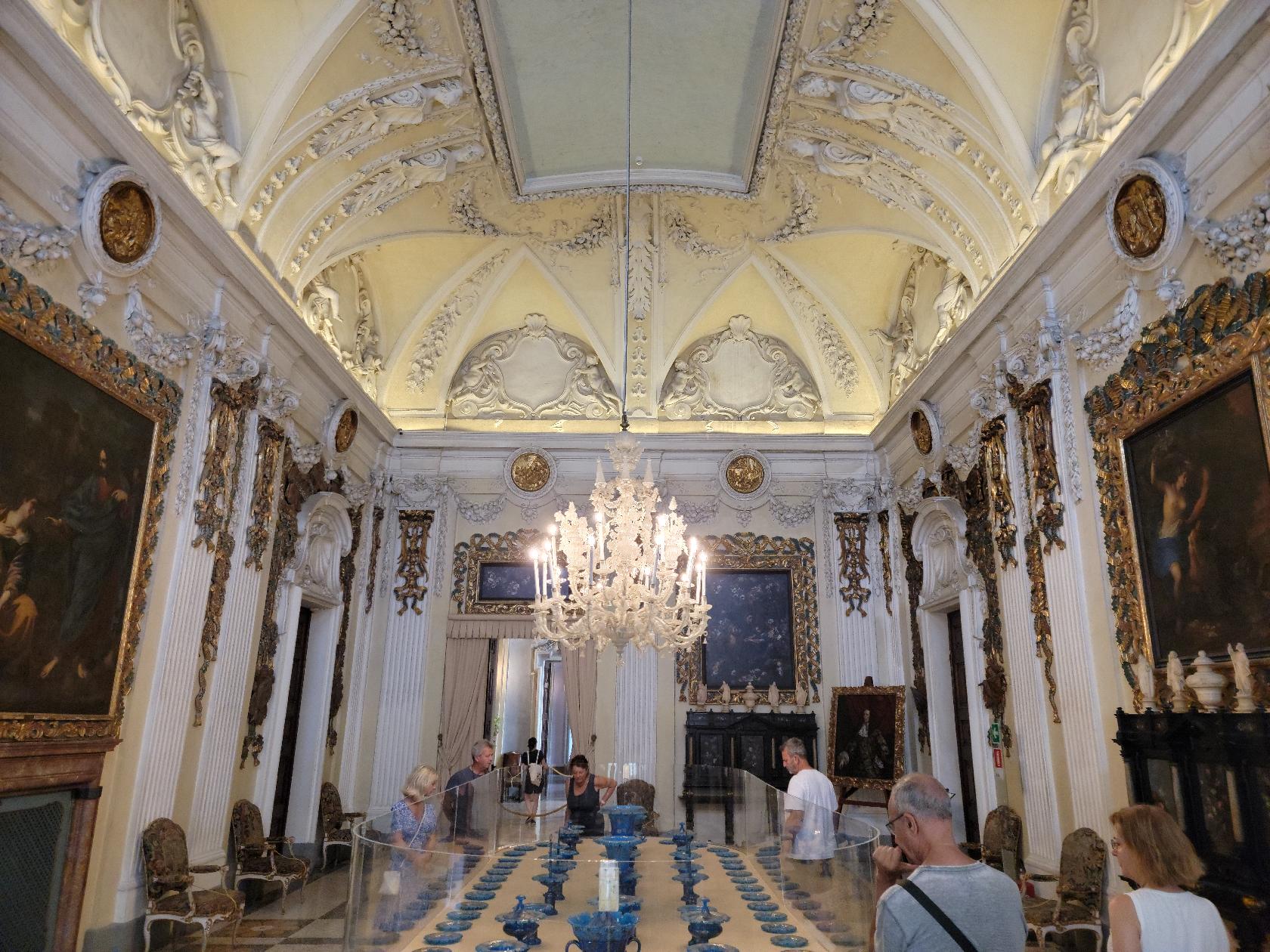
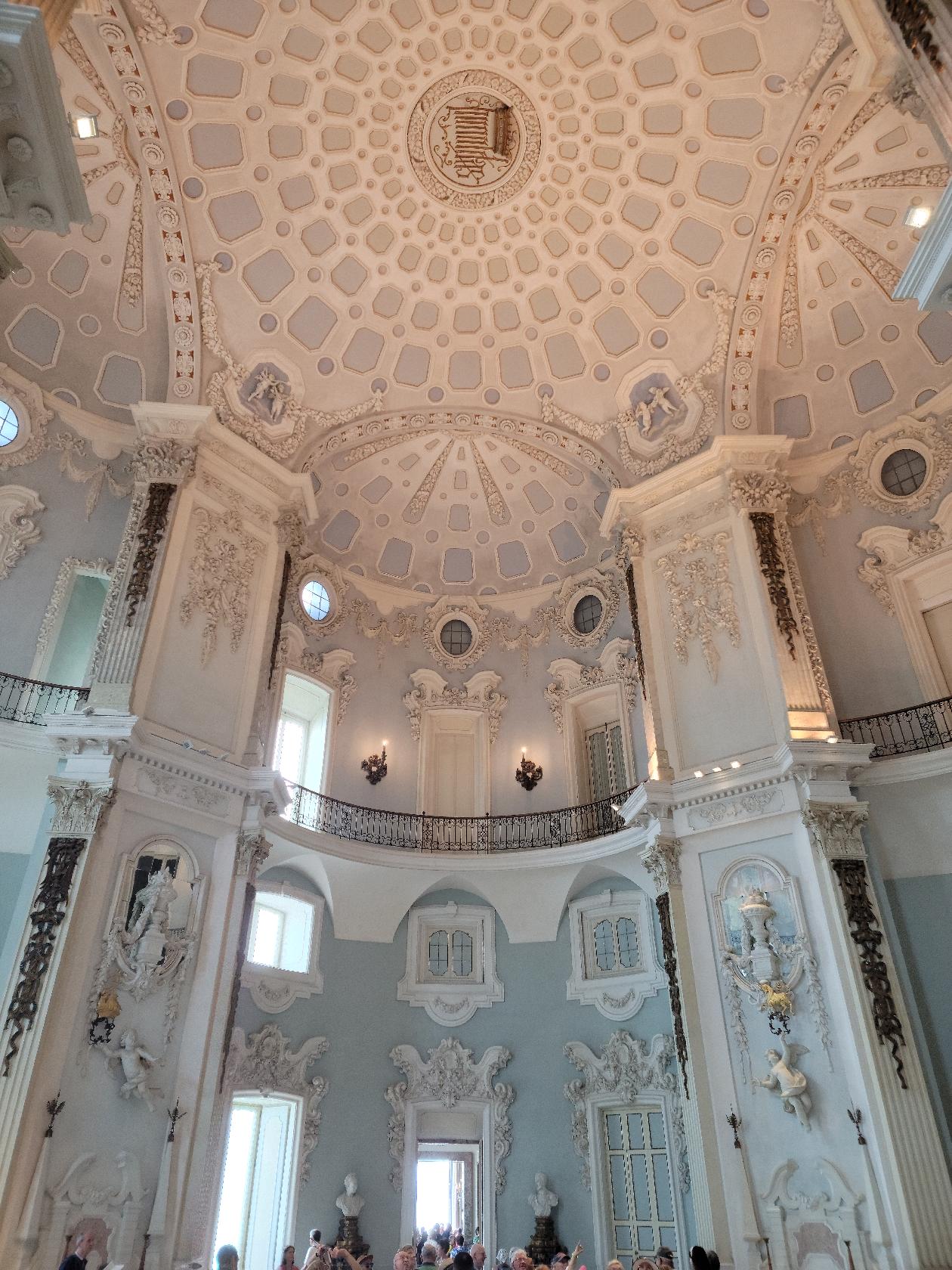
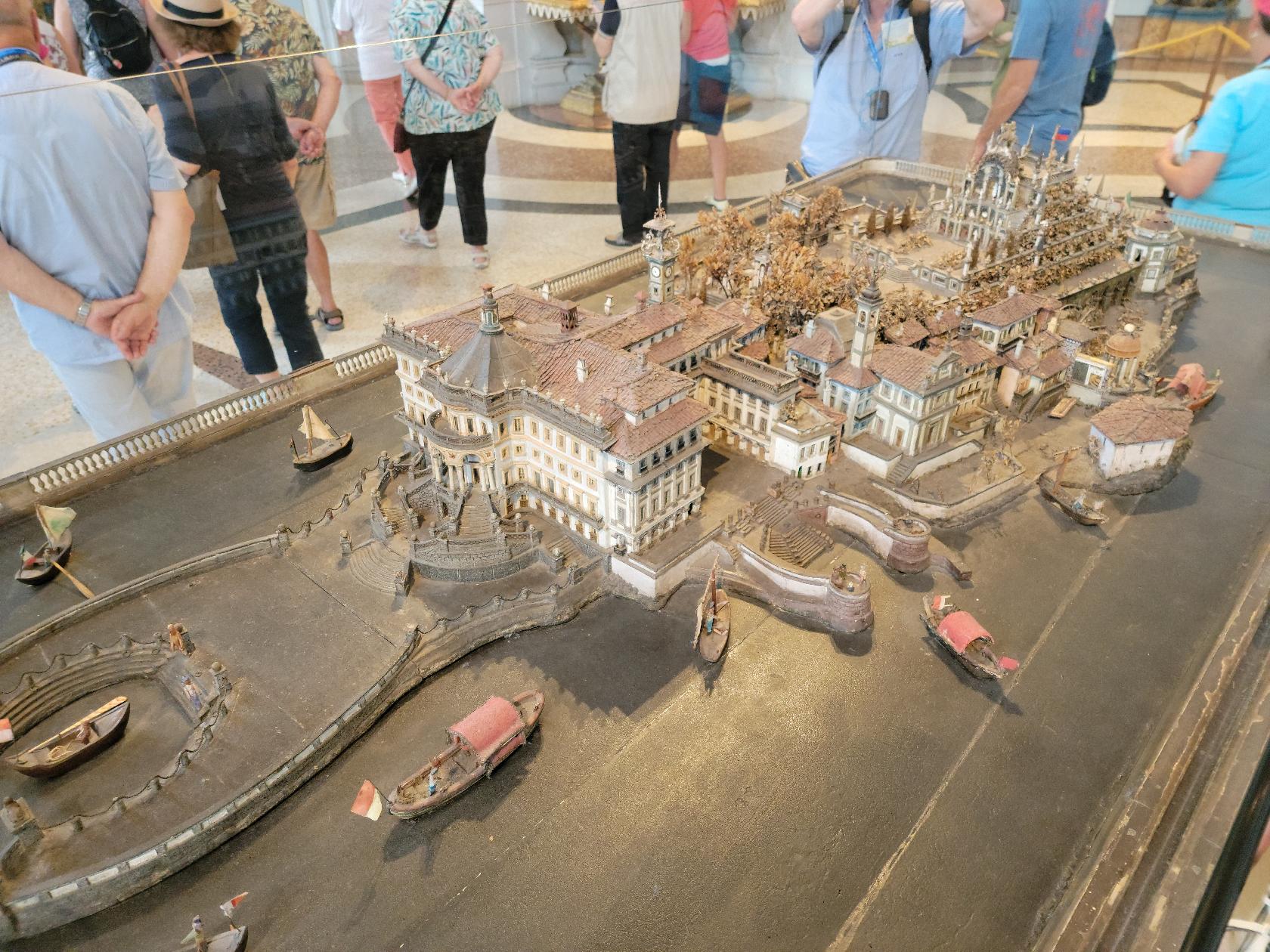
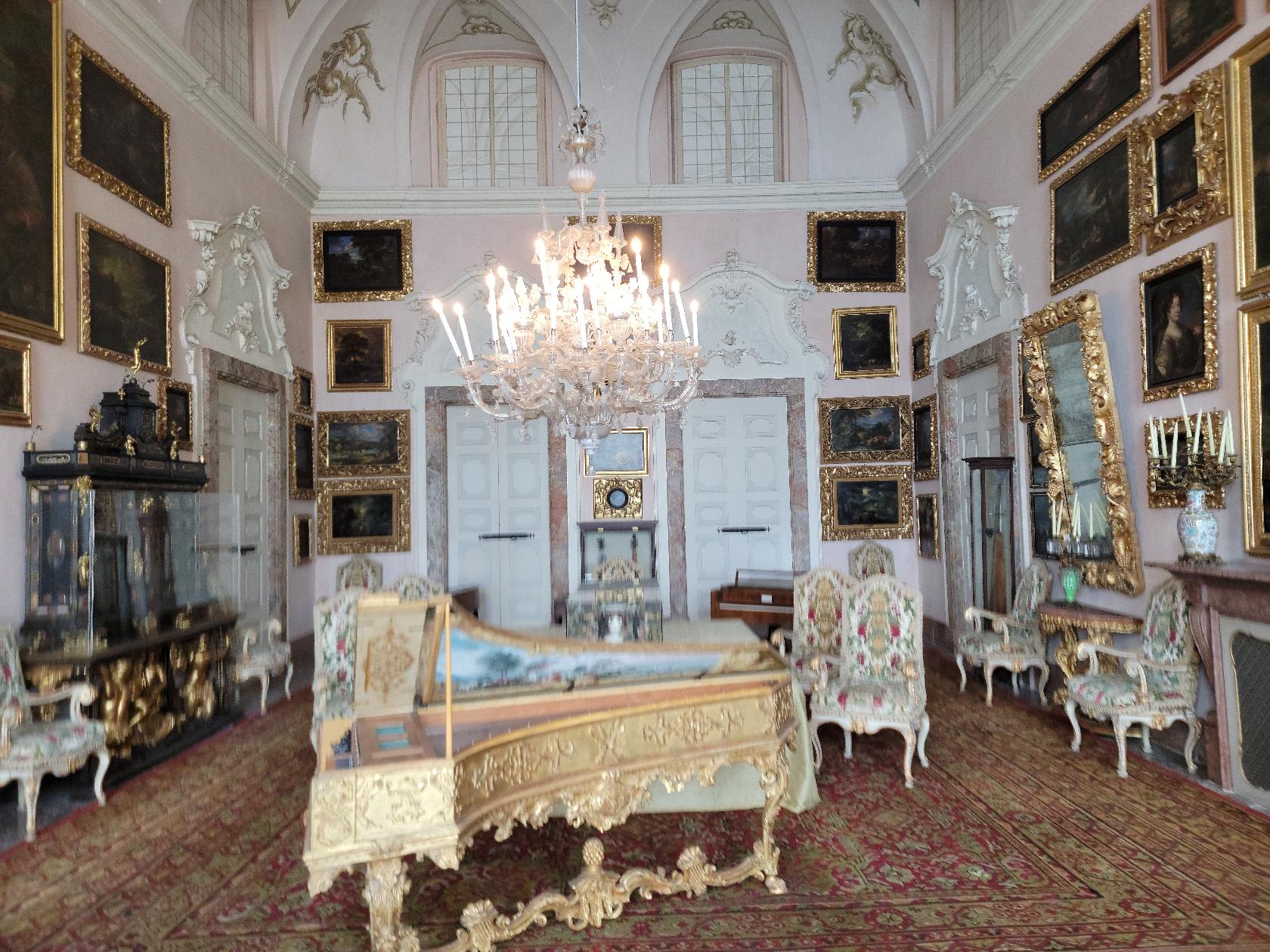
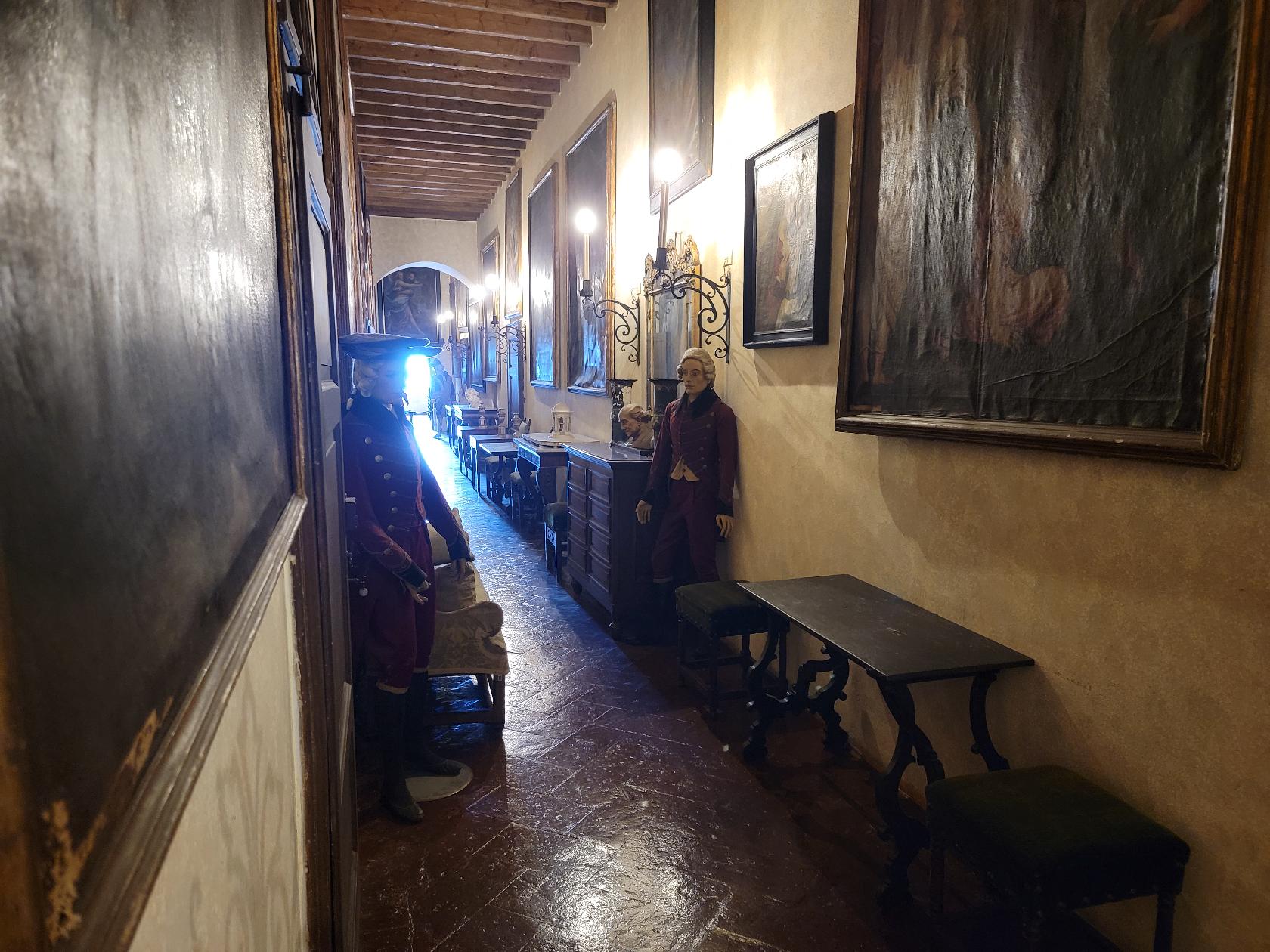
A walk-through of the palazzo is provided in the below slideshow.
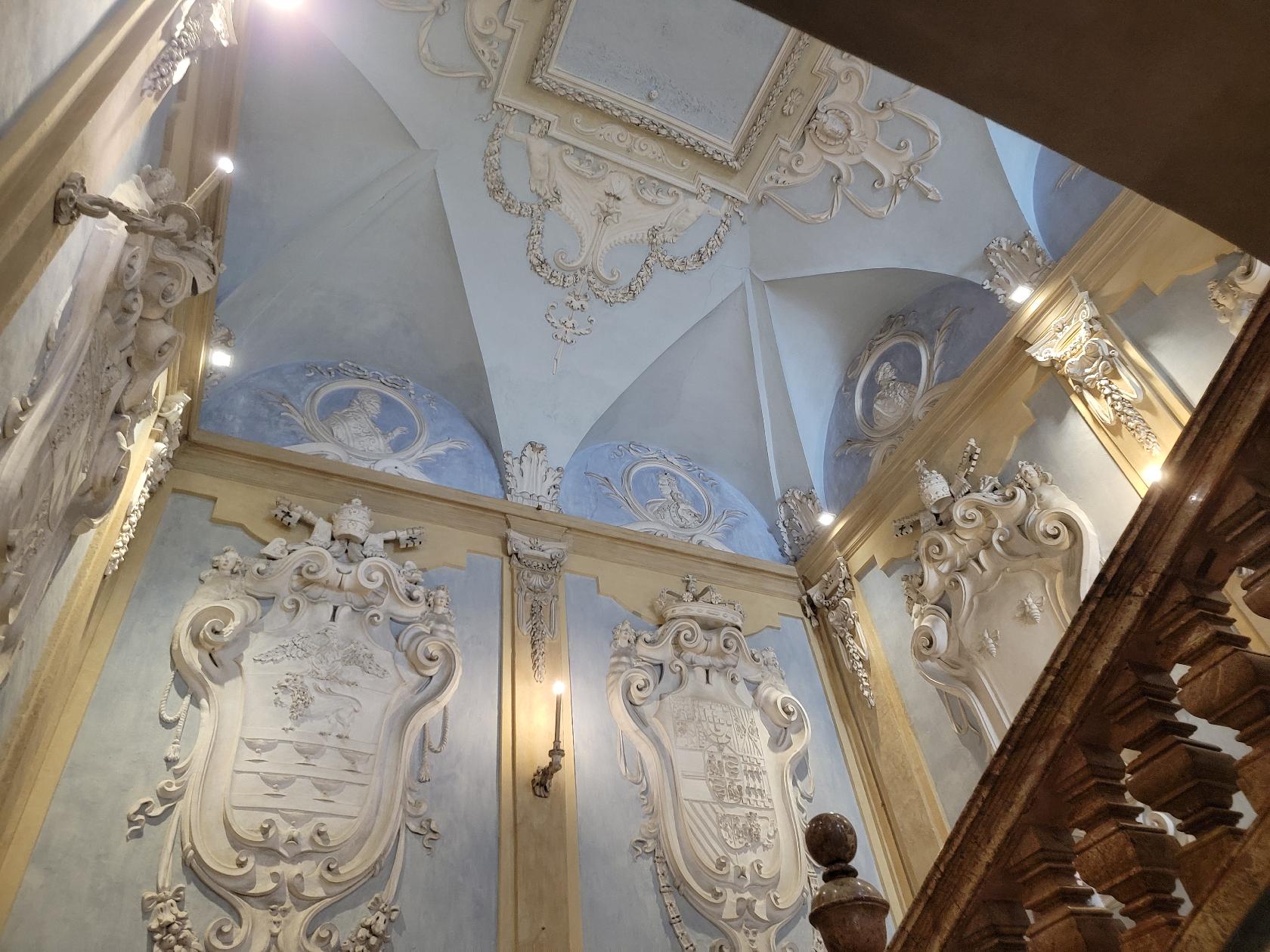
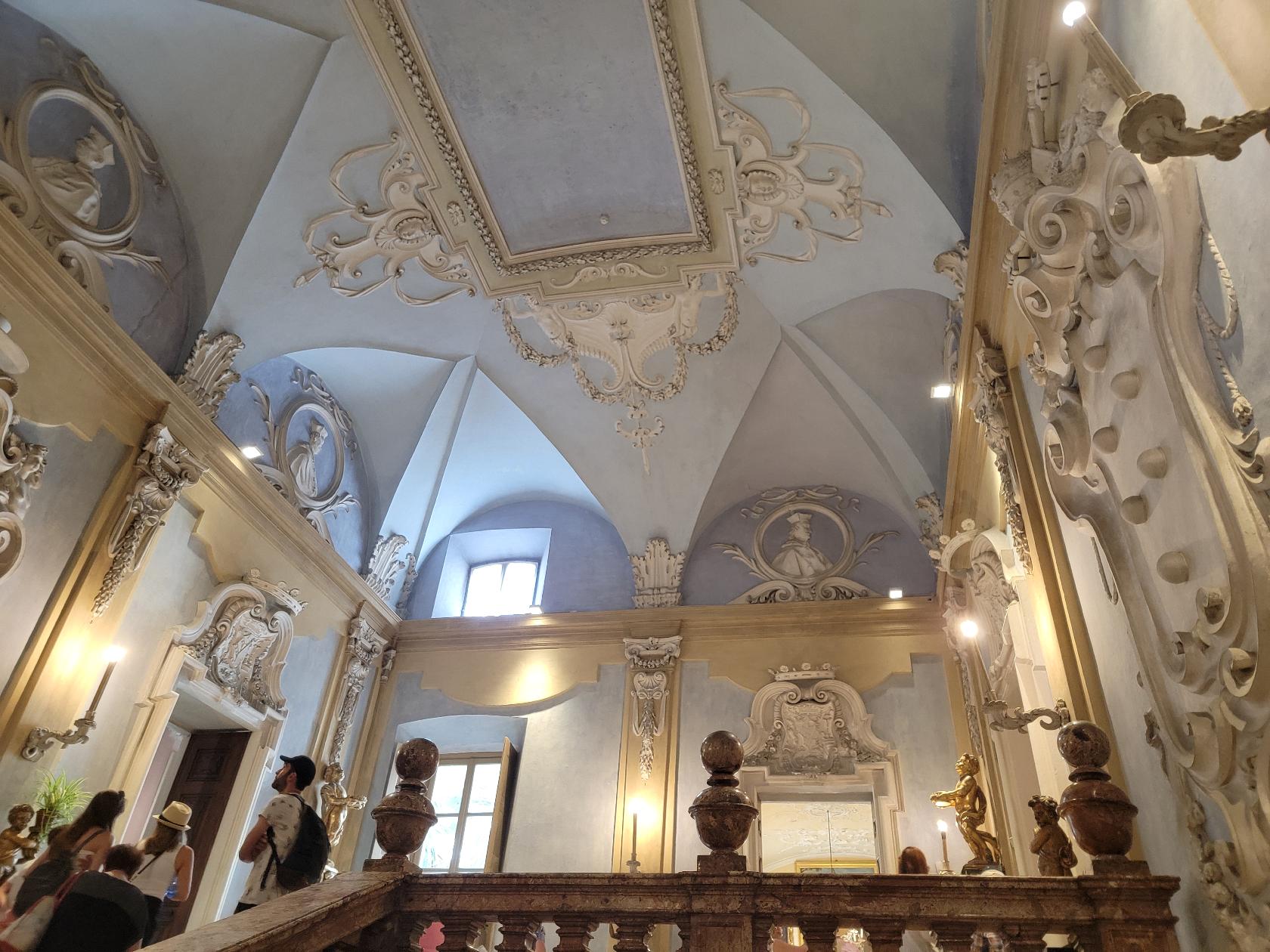
Staircase to Salone Nuovo – Palazzo Borromeo – Isola Bella, Lake Maggiore, Italy
Staircase to Salone Nuovo – Palazzo Borromeo – Isola Bella, Lake Maggiore, Italy
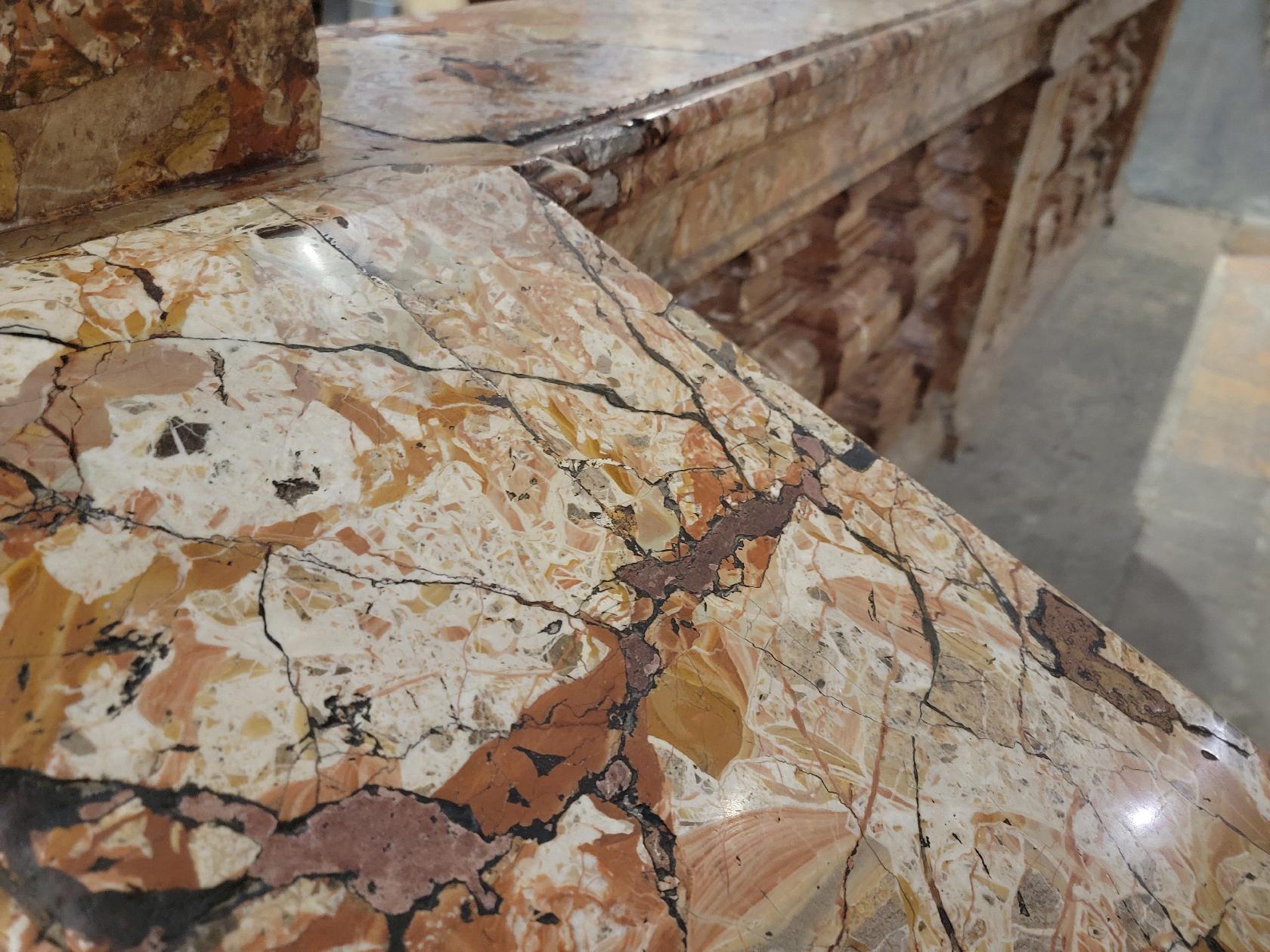
Old Marble for staircase – Palazzo Borromeo – Isola Bella, Lake Maggiore, Italy
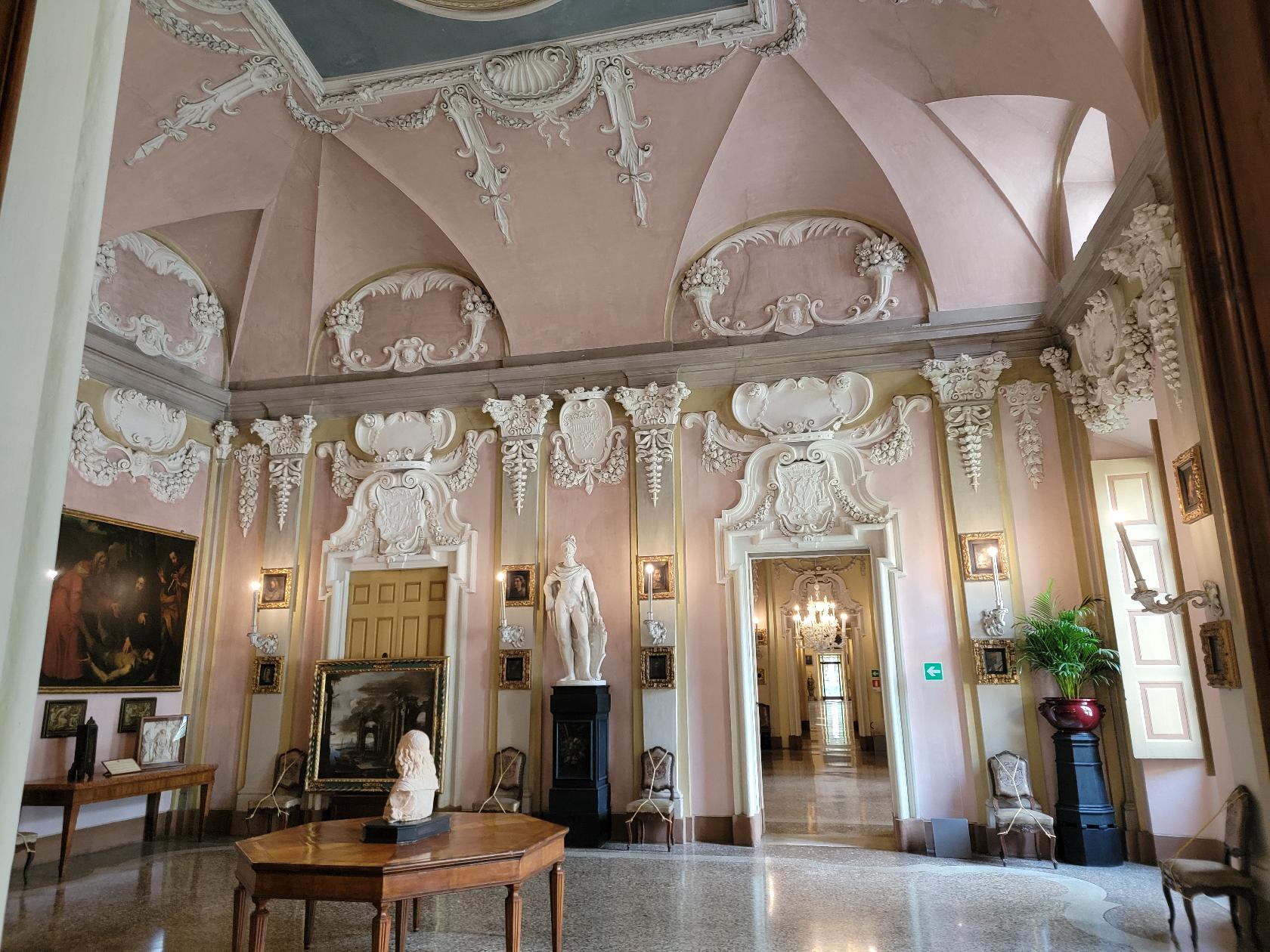
Sala del Trono and Sala della Regina – Palazzo Borromeo – Isola Bella, Lake Maggiore, Italy
Palazzo Borromeo – Isola Bella, Lake Maggiore, Italy
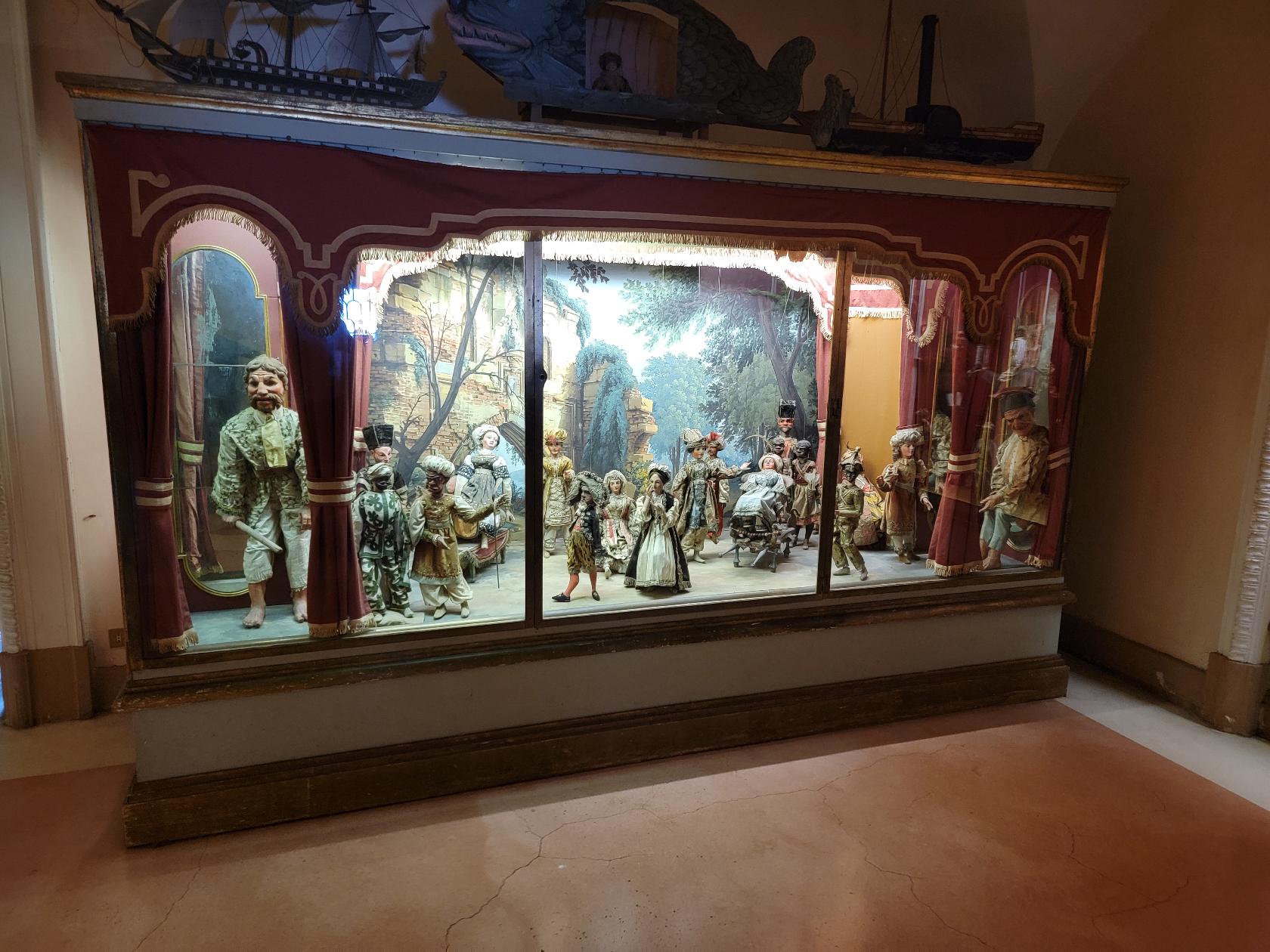
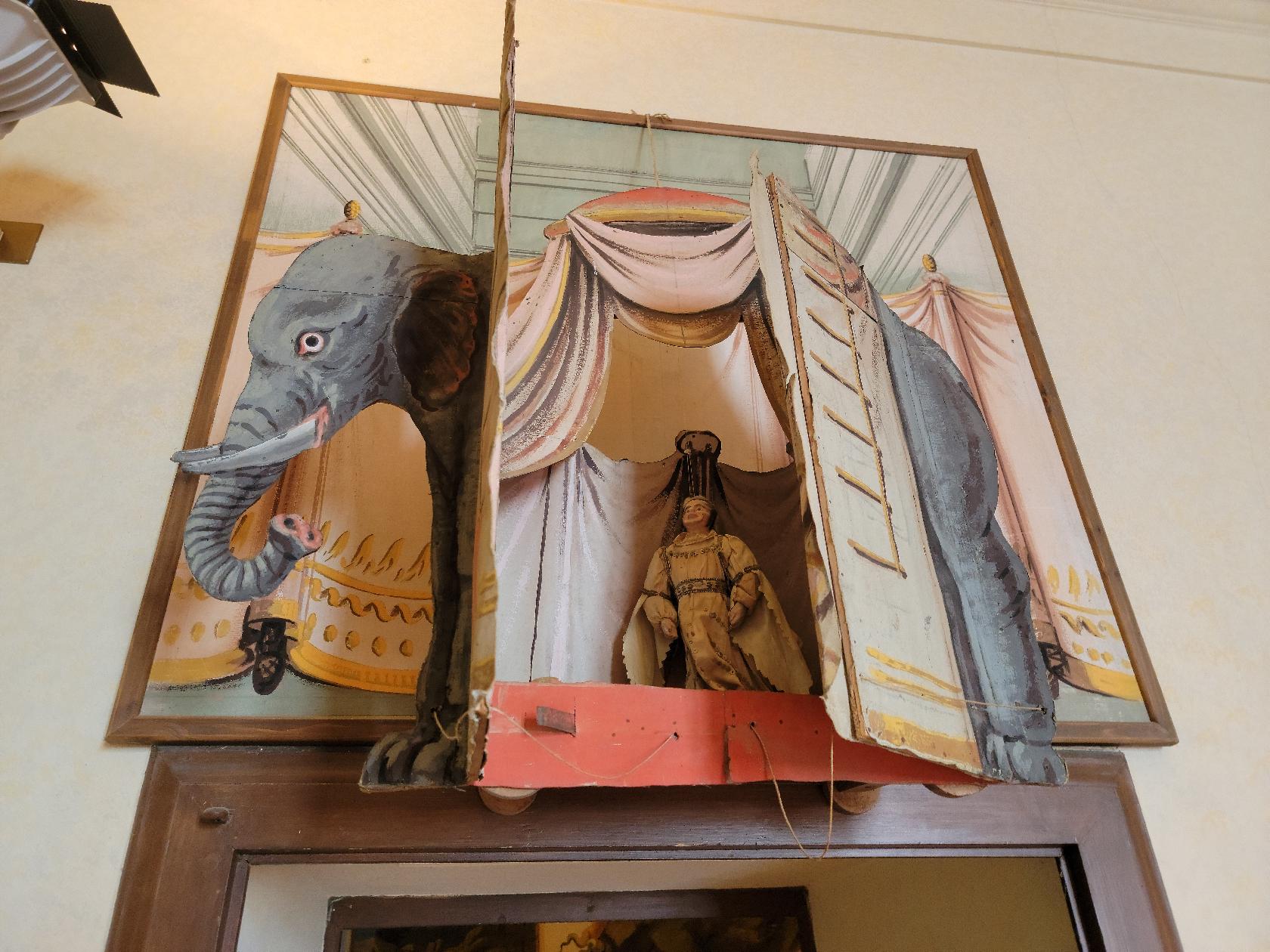
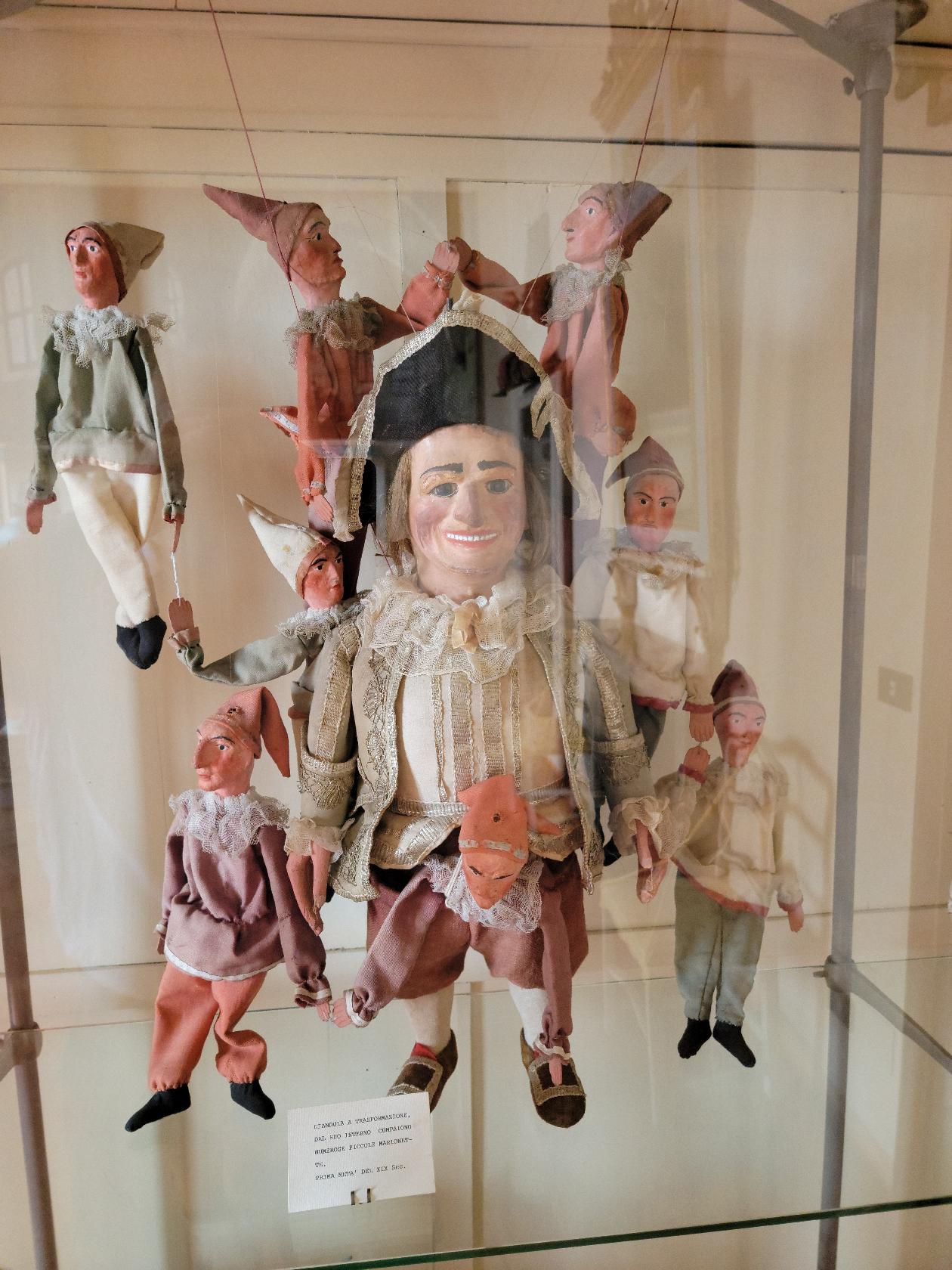
Puppets and Marionettes – Palazzo Borromeo – Isola Bella, Lake Maggiore, Italy
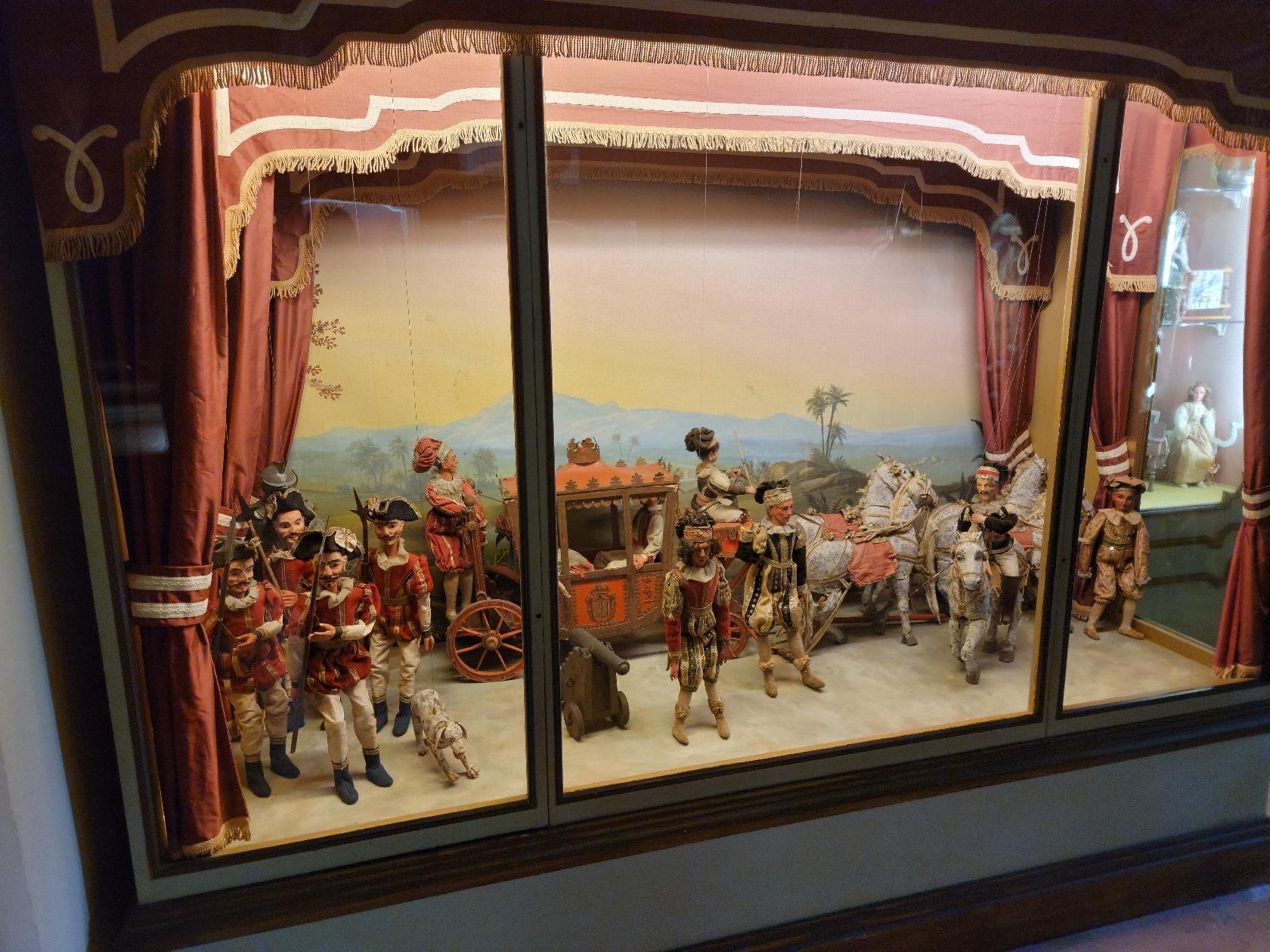
Puppets and Marionettes – Palazzo Borromeo – Isola Bella, Lake Maggiore, Italy
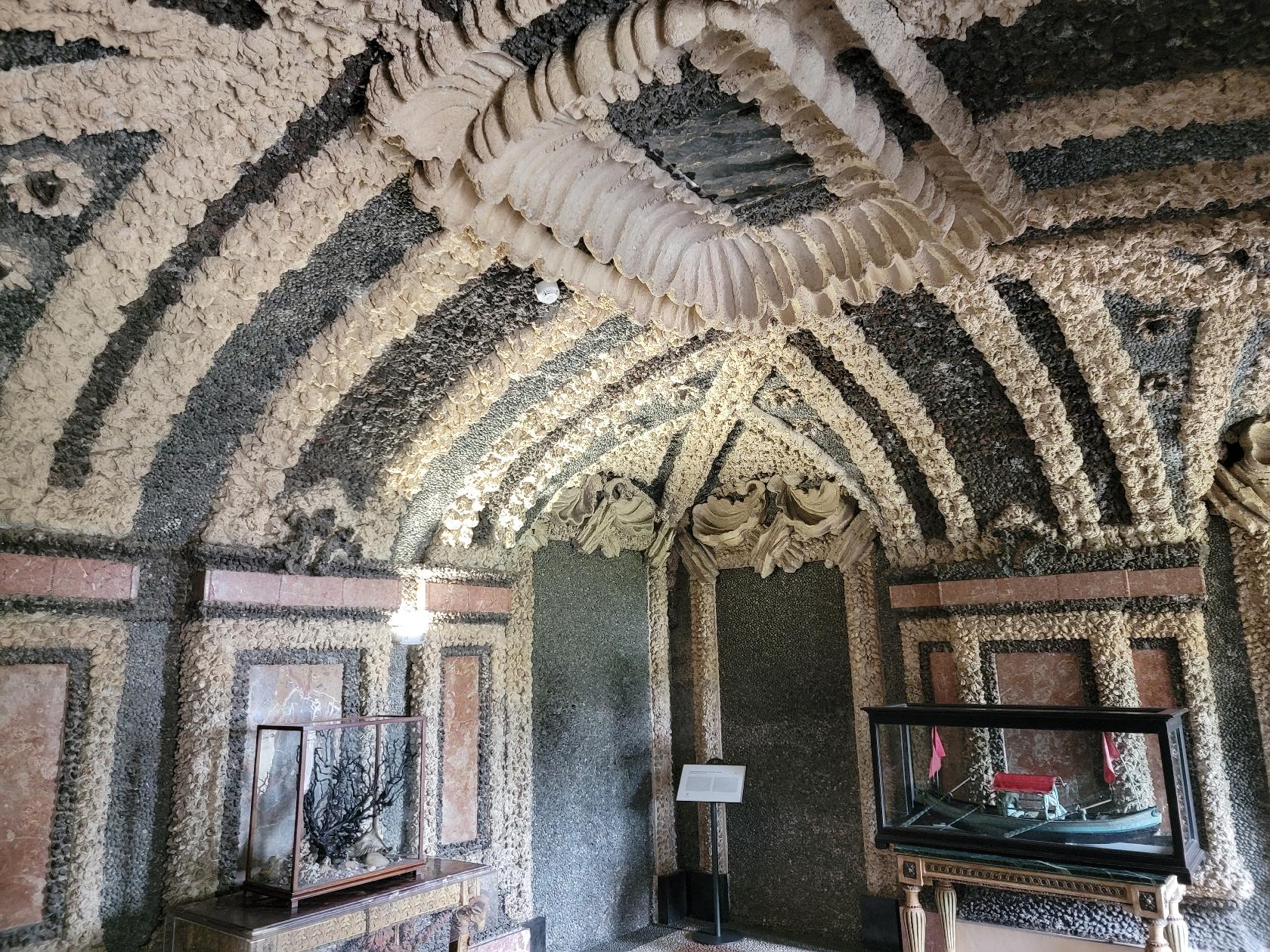
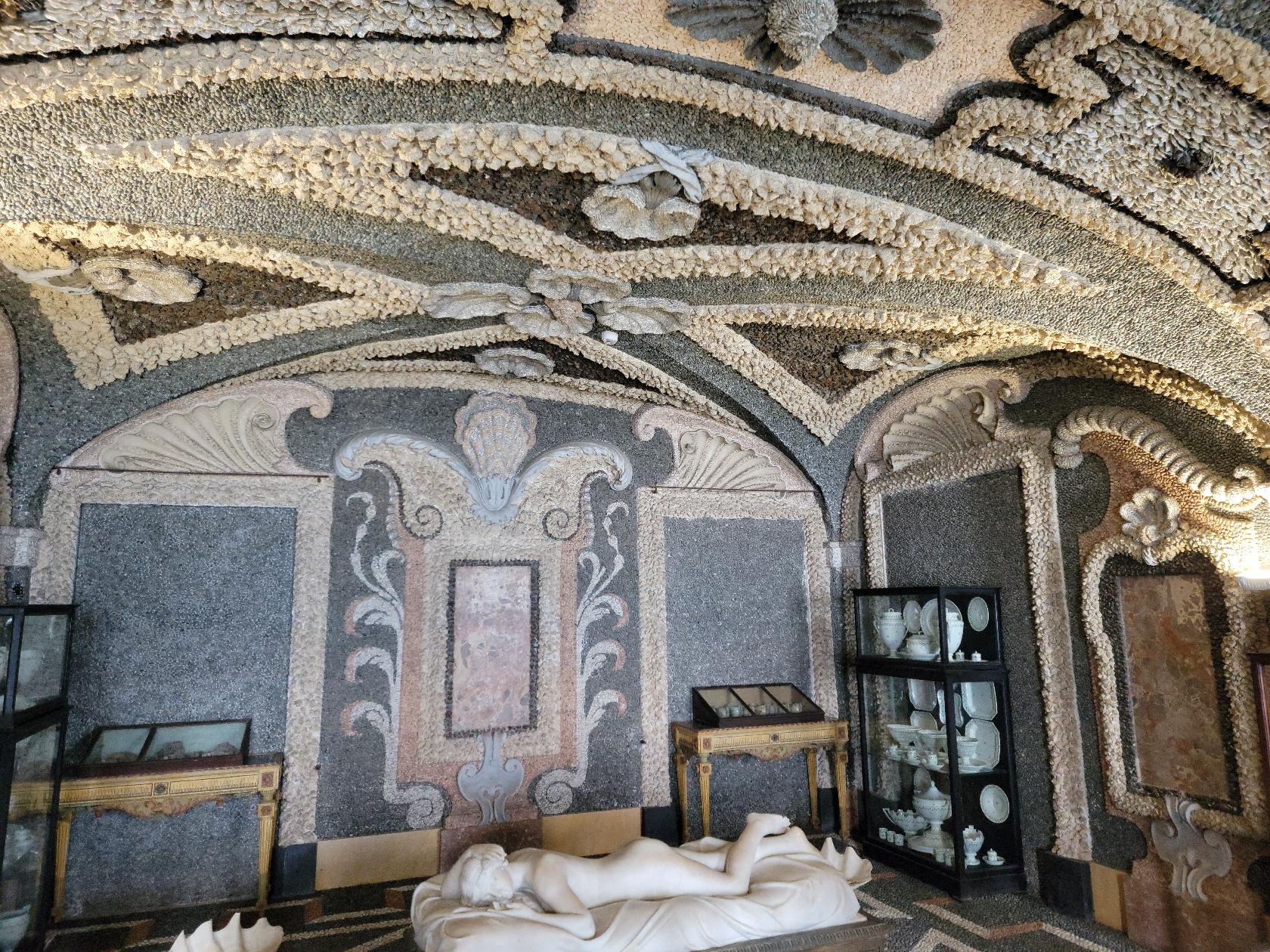
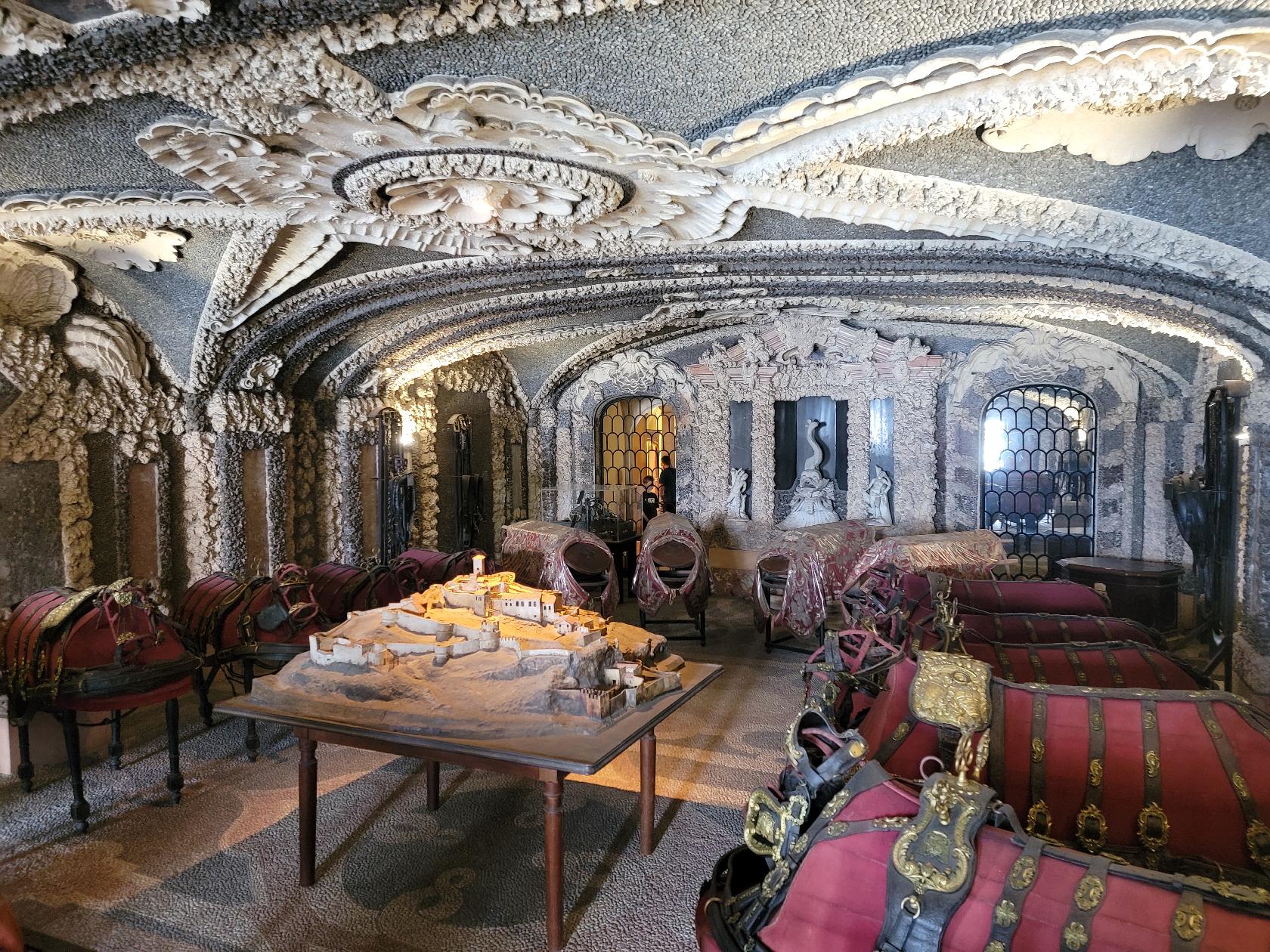
Odd rock style rooms – Palazzo Borromeo – Isola Bella, Lake Maggiore, Italy
Odd rock style rooms – Palazzo Borromeo – Isola Bella, Lake Maggiore, Italy
Odd rock style rooms – Palazzo Borromeo – Isola Bella, Lake Maggiore, Italy
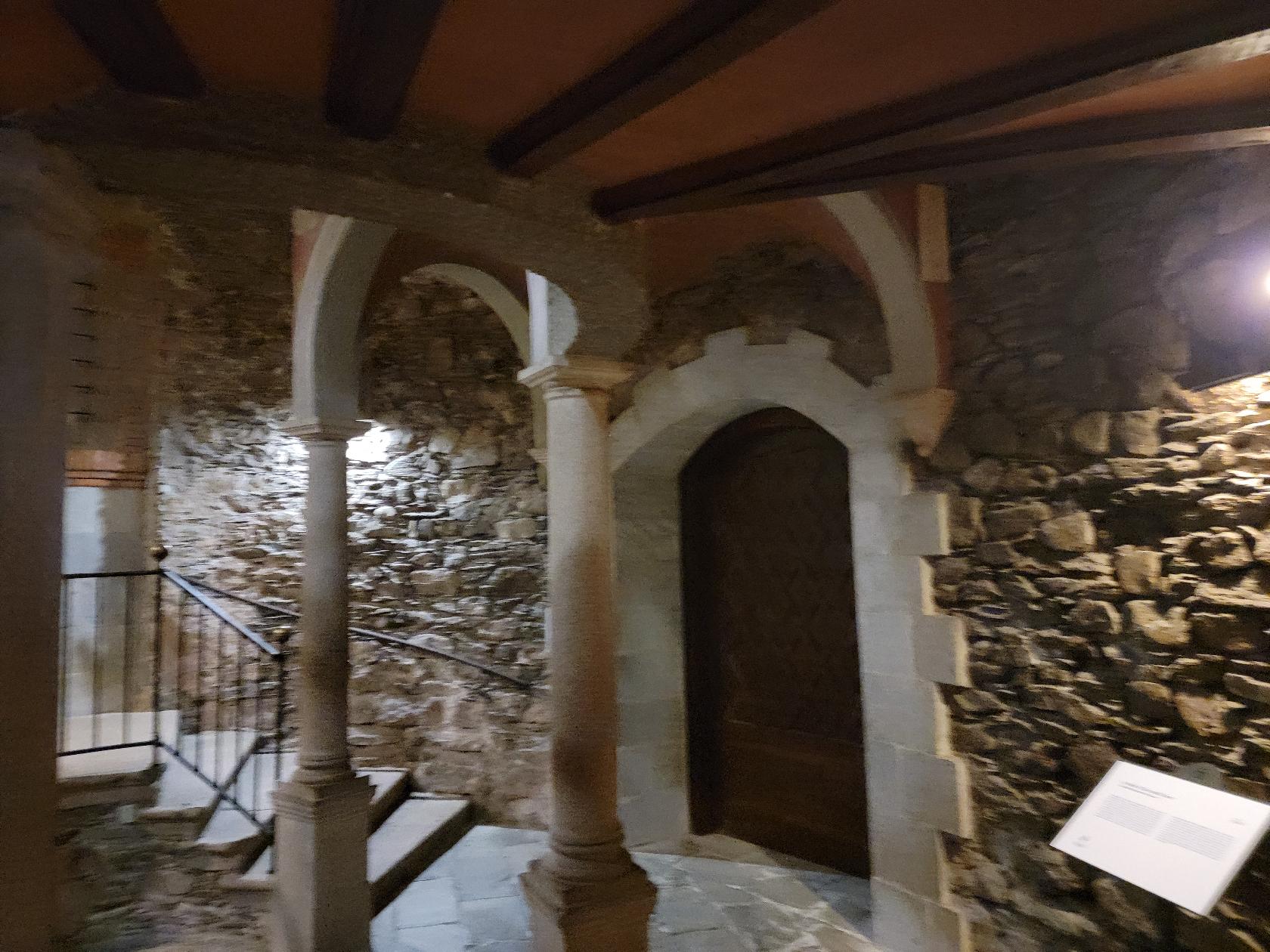
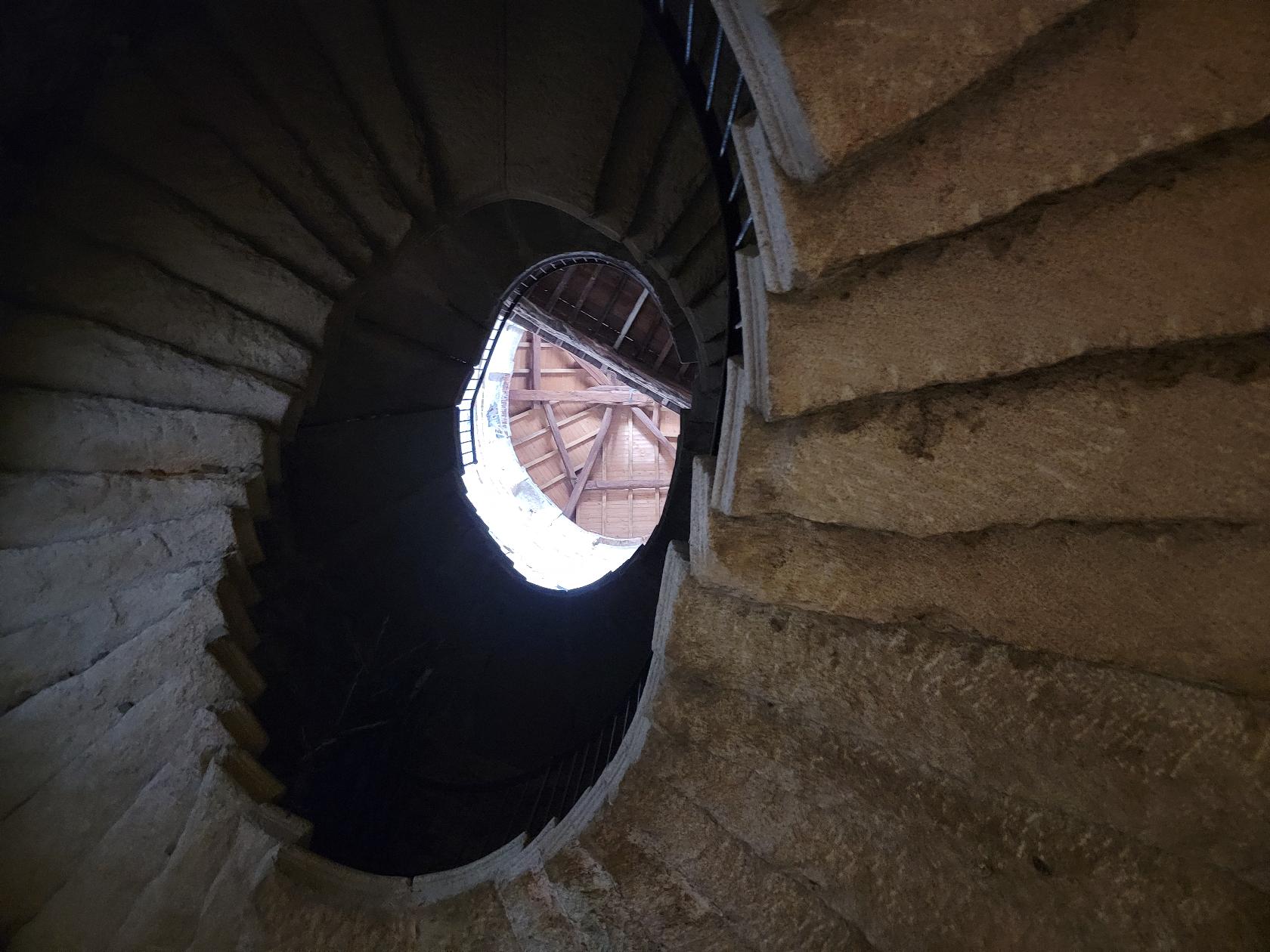
Stone spiral stairway – Palazzo Borromeo – Isola Bella, Lake Maggiore, Italy
Stone spiral stairway – Palazzo Borromeo – Isola Bella, Lake Maggiore, Italy
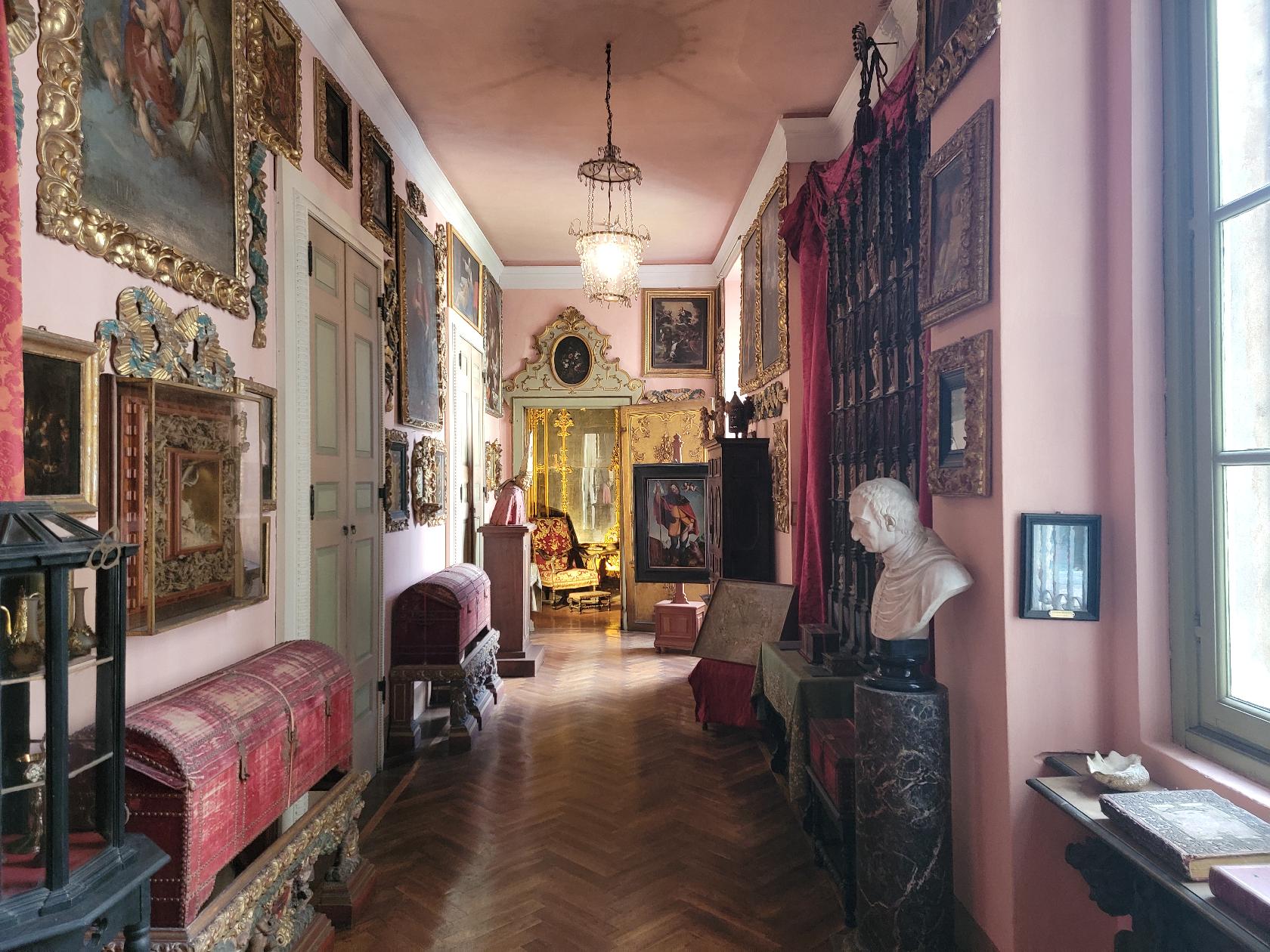
Hallway storing other artifacts – Palazzo Borromeo – Isola Bella, Lake Maggiore, Italy
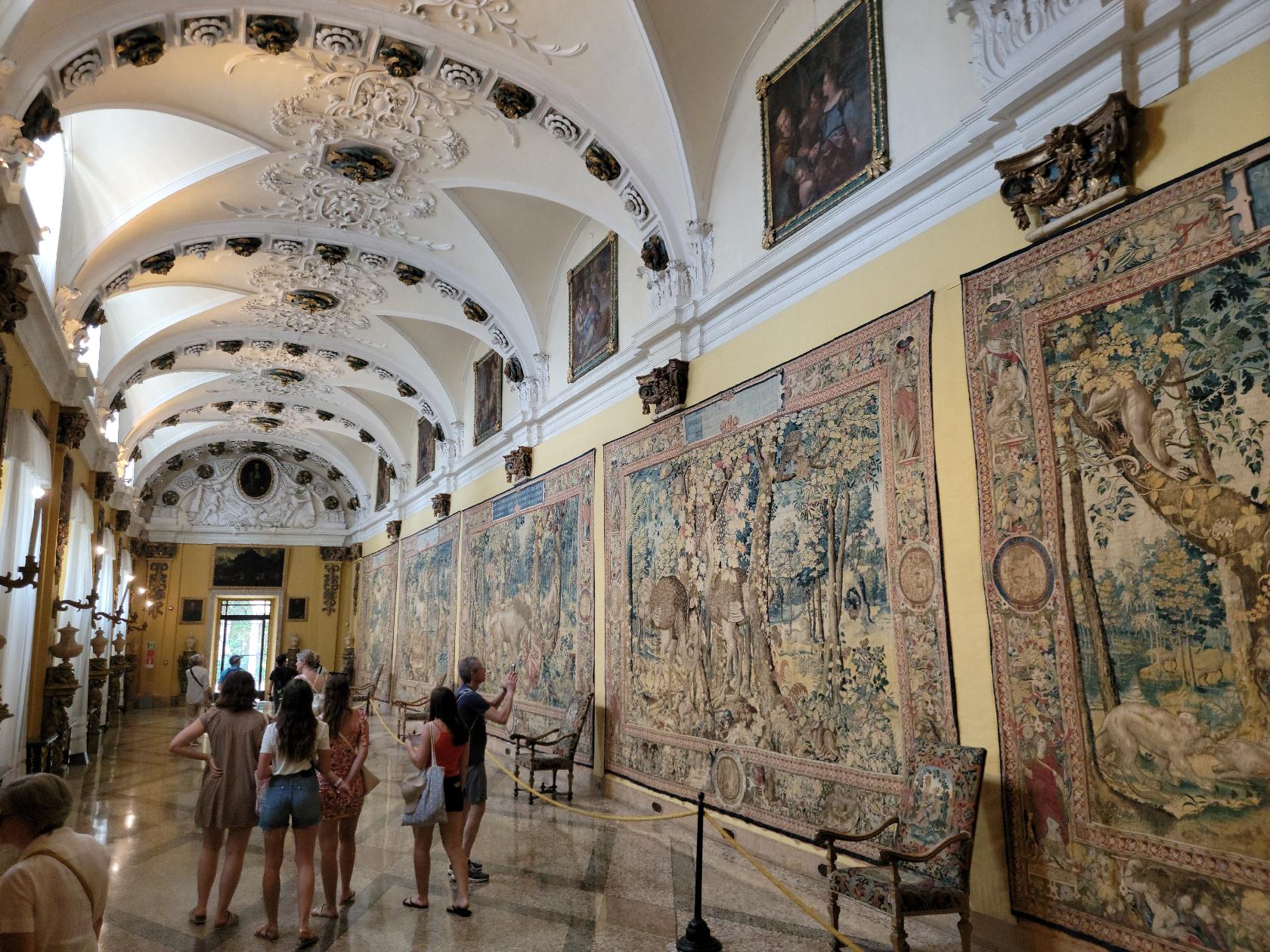
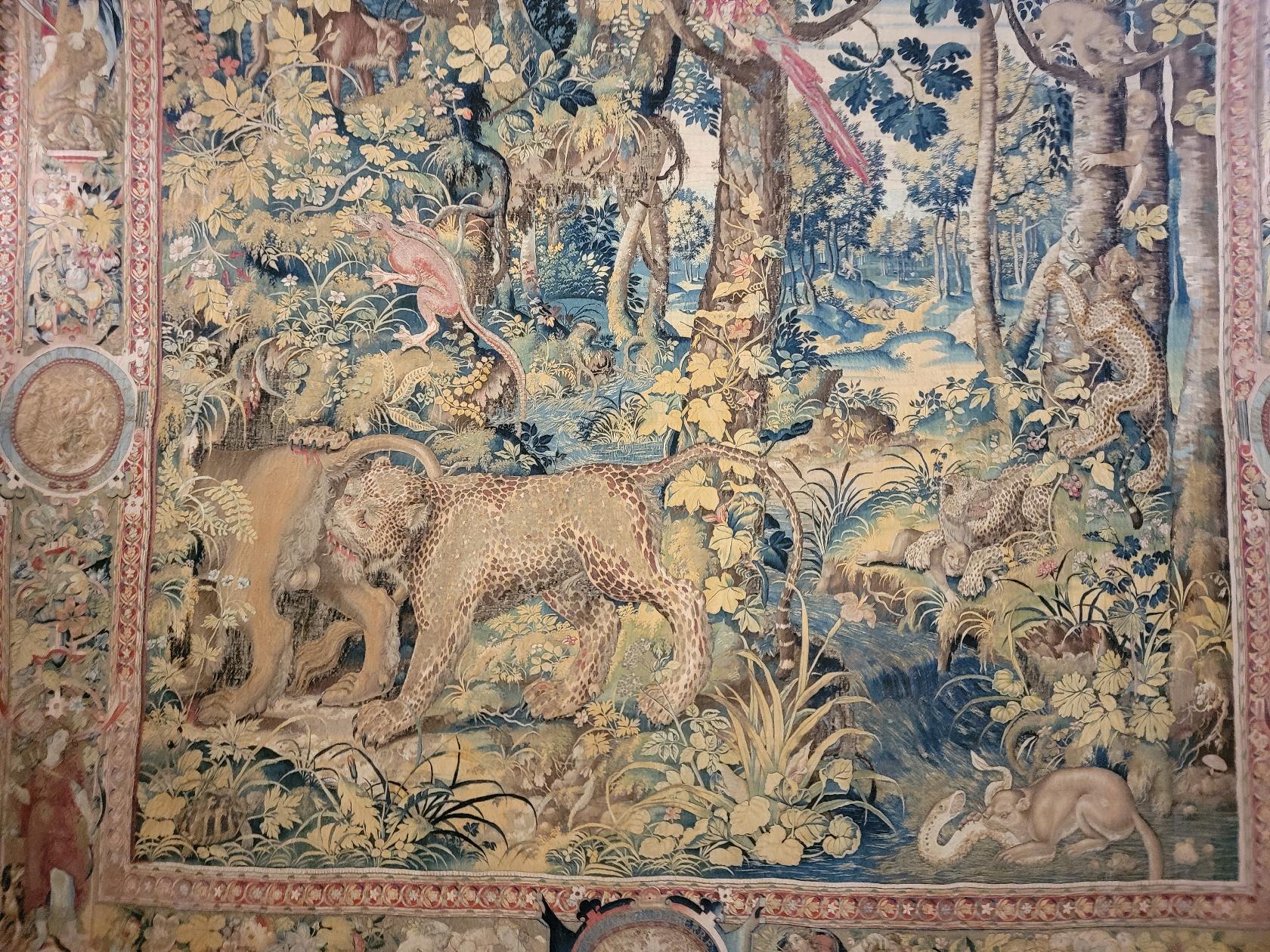
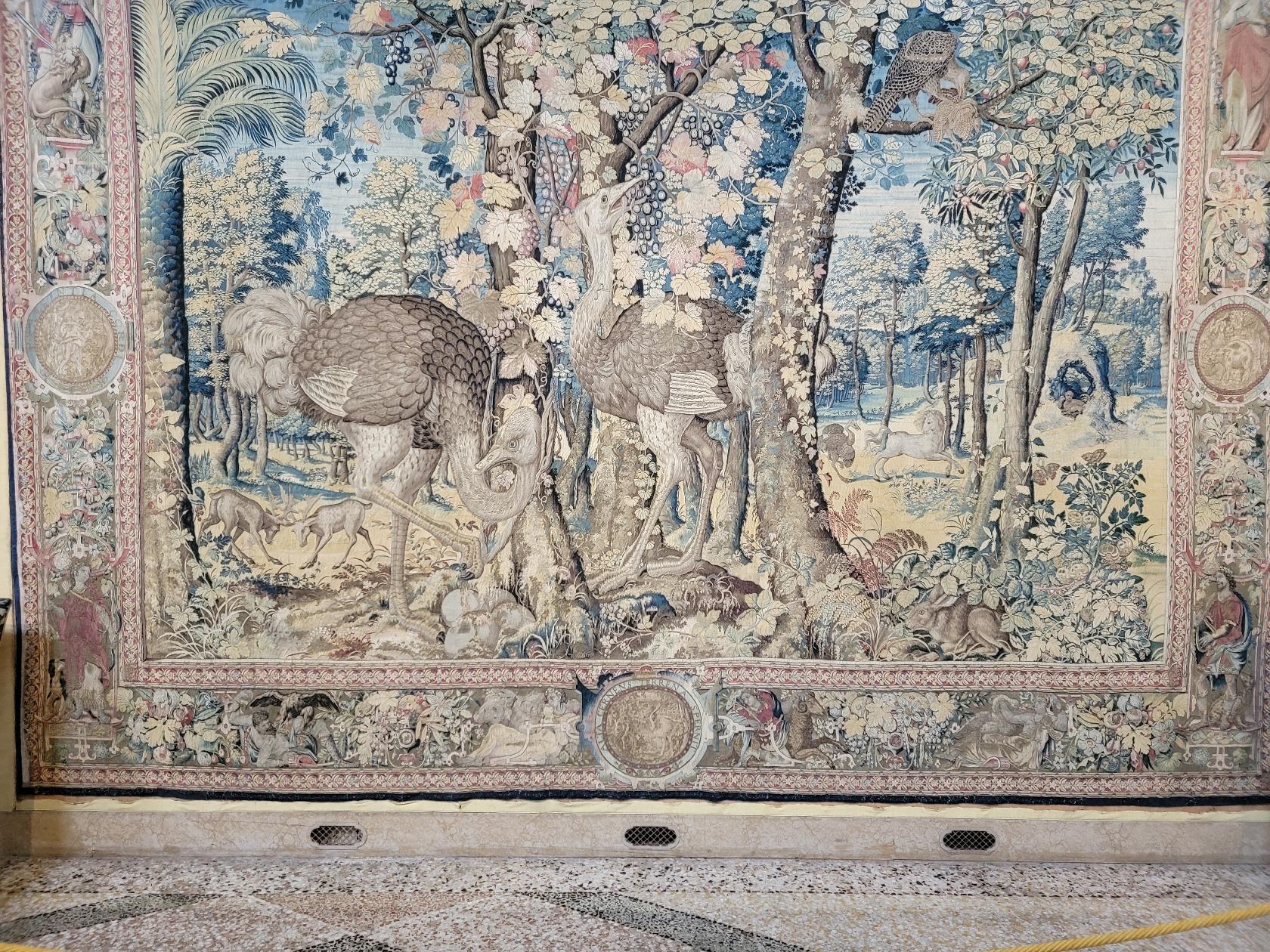
Galleria degli Arazzi – Palazzo Borromeo – Isola Bella, Lake Maggiore, Italy
Galleria degli Arazzi – Palazzo Borromeo – Isola Bella, Lake Maggiore, Italy
Galleria degli Arazzi – Palazzo Borromeo – Isola Bella, Lake Maggiore, Italy
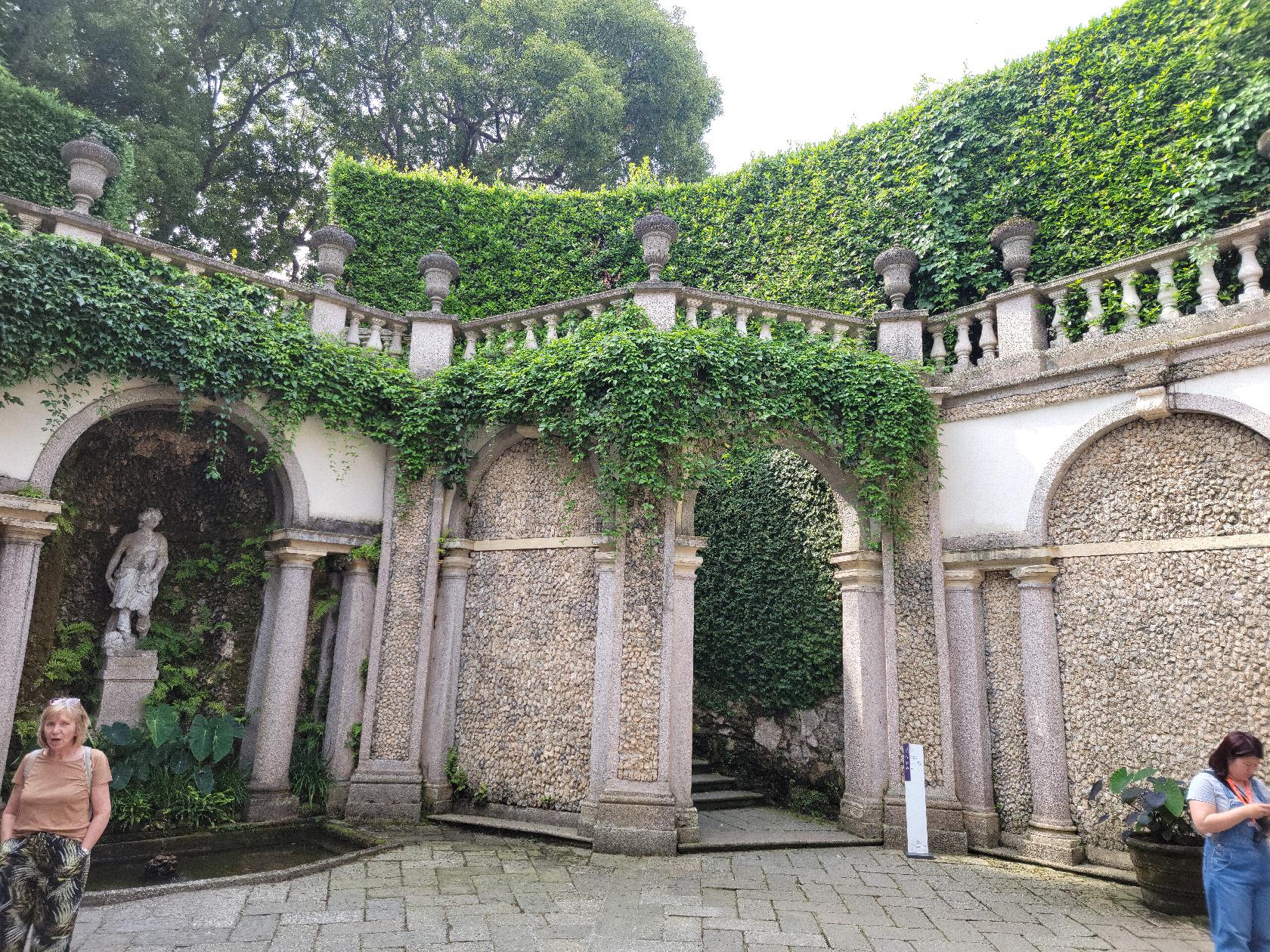
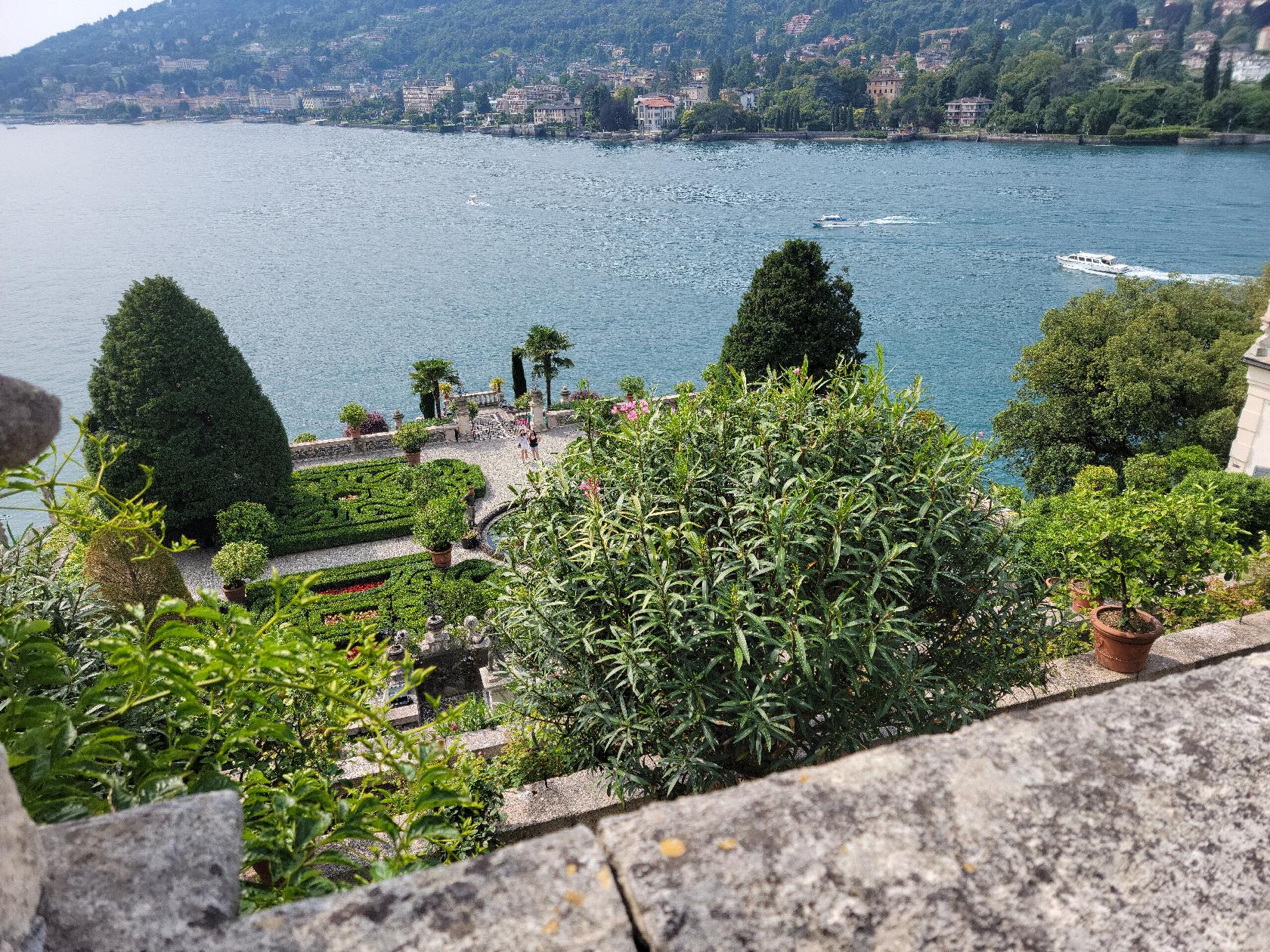
The gardens are accessed from the palazzo through what is called Diana’s Atrium, a small sub-garden with stairways to the garden. There is not much to see here and it is probably meant more as a meeting place, than any important adjunct to the gardens, so we ascended to the gardens almost immediately.
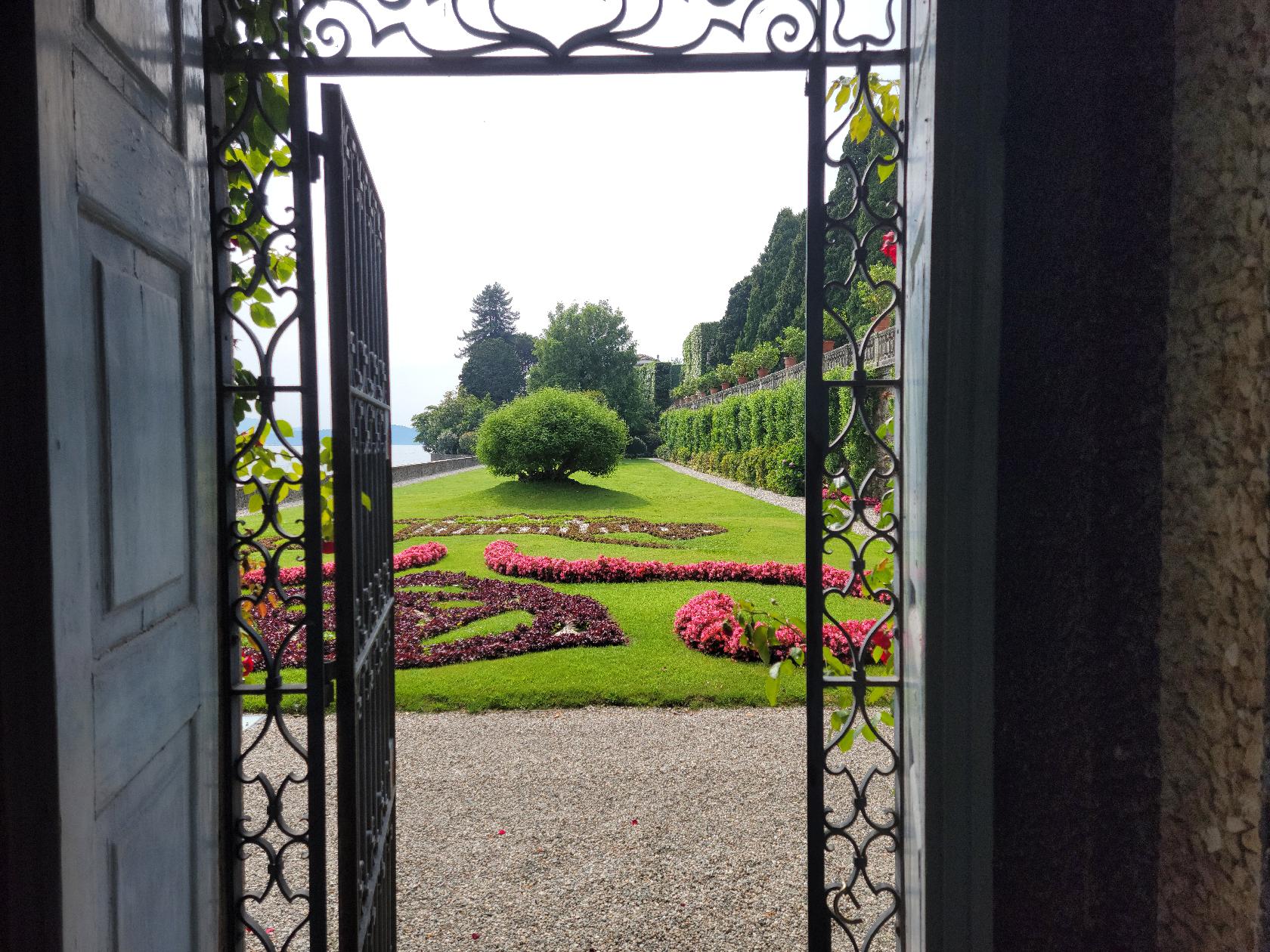
To the gardens – Palazzo Borromeo – Isola Bella, Lake Maggiore, Italy
The Gardens
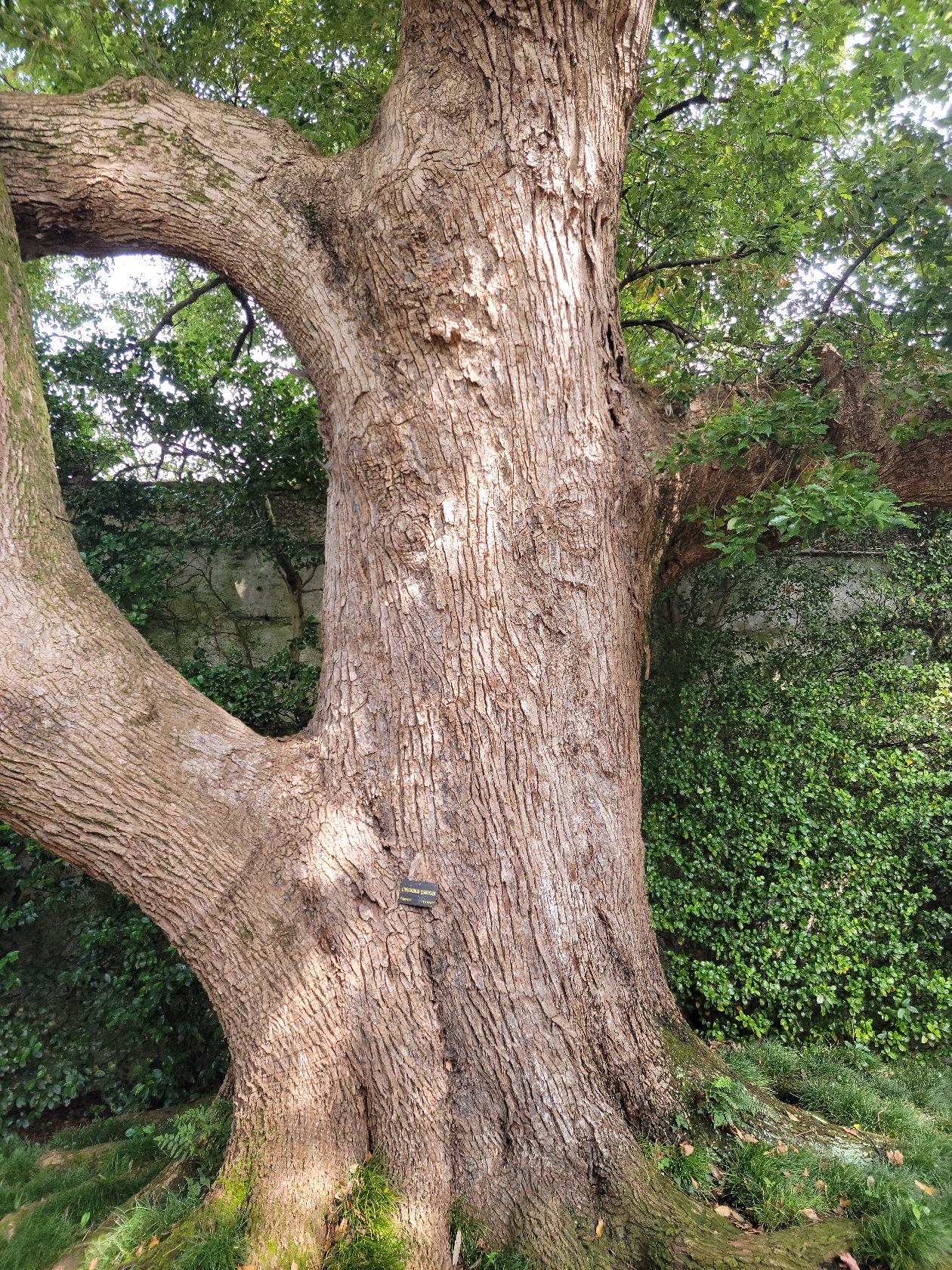
The gardens do contain some interesting species, especially the old Camphor tree that was planted there in 1819 by Vitaliano IX Borromeo. It also houses a peacock and peahen, which will provide the necessary background noise in the gardens for any videos you wish to make.
Camphor Tree on Camphor Terrace – Palazzo Borromeo – Isola Bella, Lake Maggiore, Italy
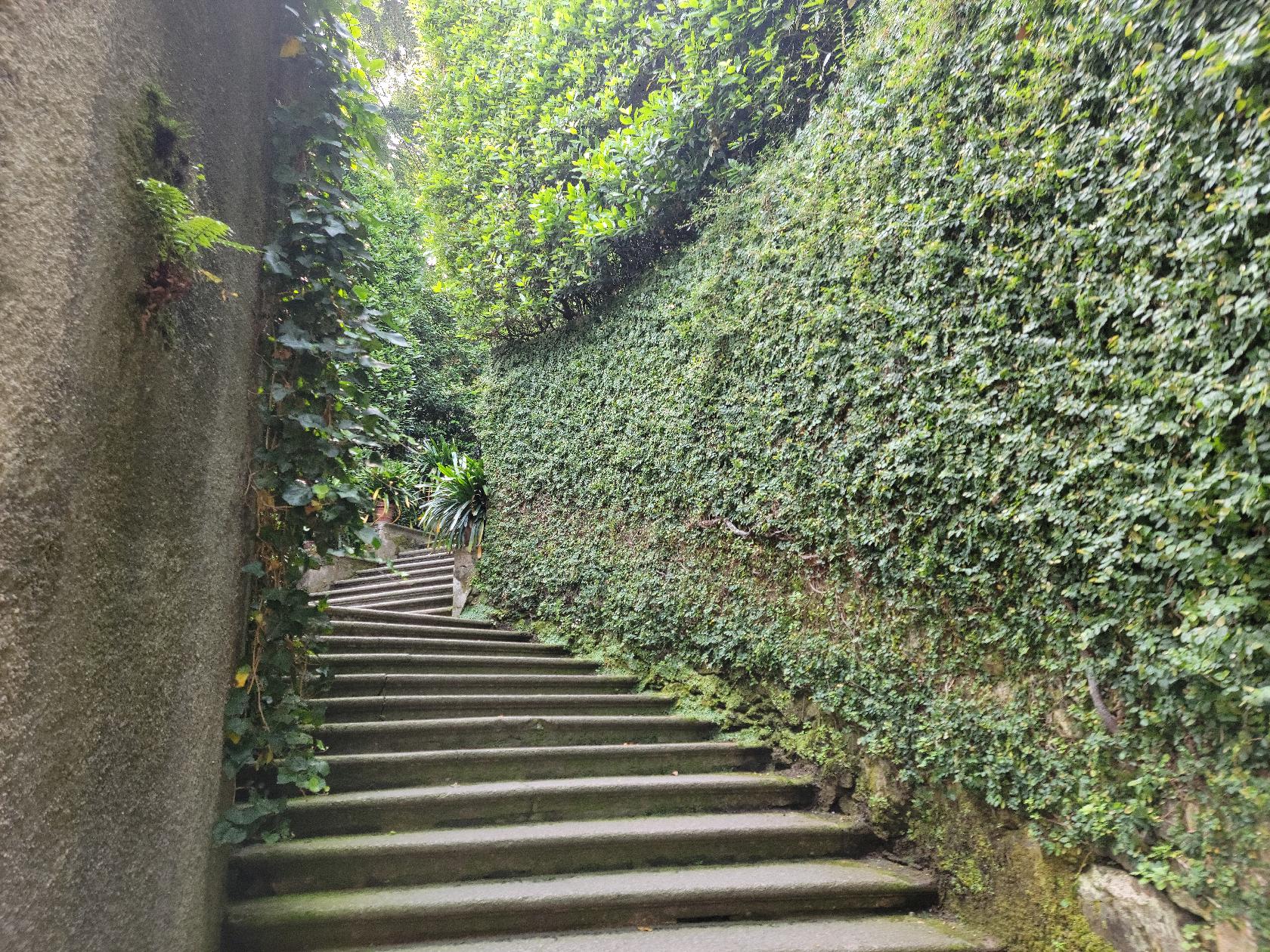
Stairs to another level – Palazzo Borromeo – Isola Bella, Lake Maggiore, Italy
Peacock and Peahen – Palazzo Borromeo – Isola Bella, Lake Maggiore, Italy
Stresa – Palazzo Borromeo – Isola Bella, Lake Maggiore, Italy
Gardino d’Amore – Palazzo Borromeo – Isola Bella, Lake Maggiore, Italy
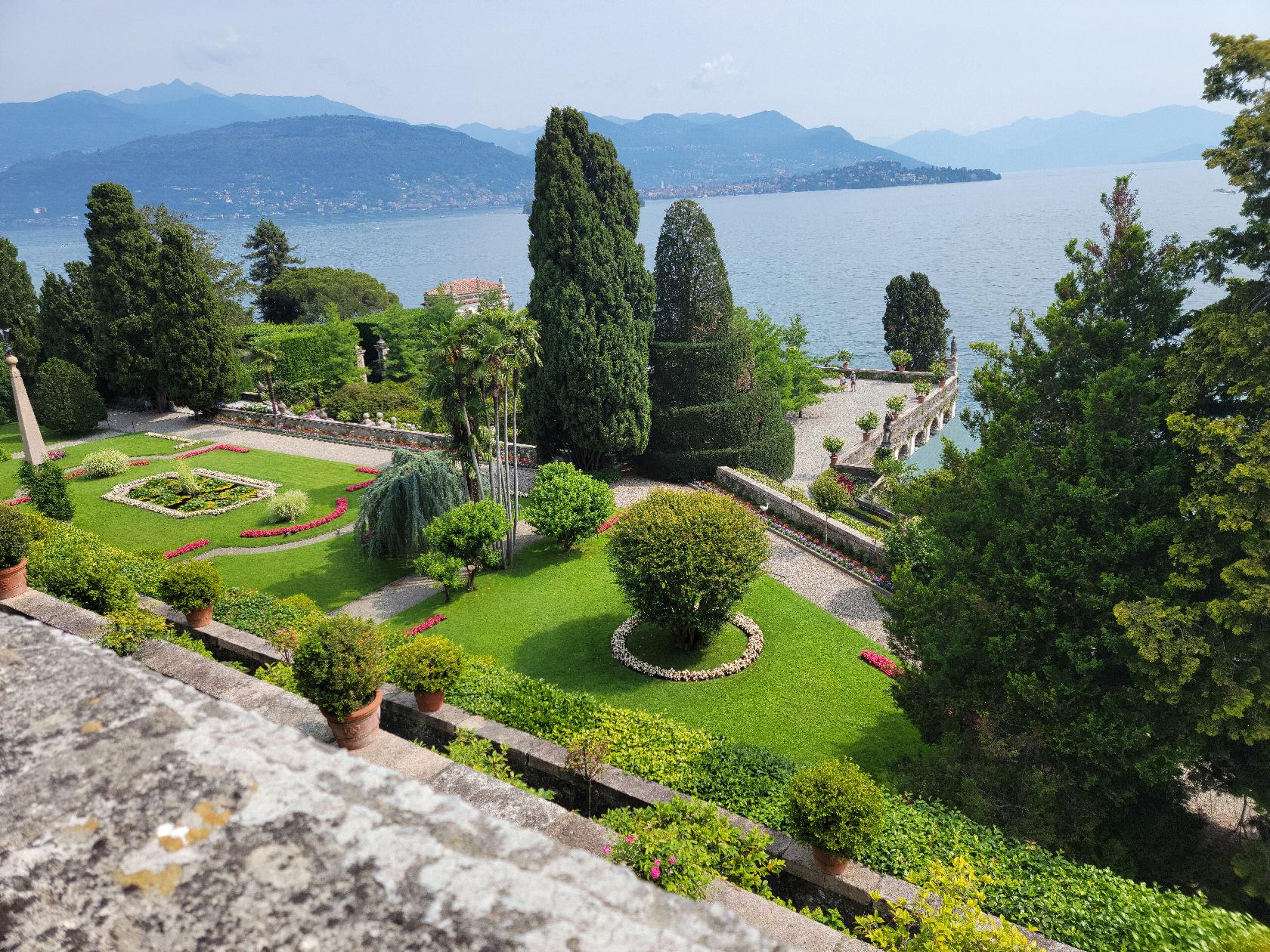
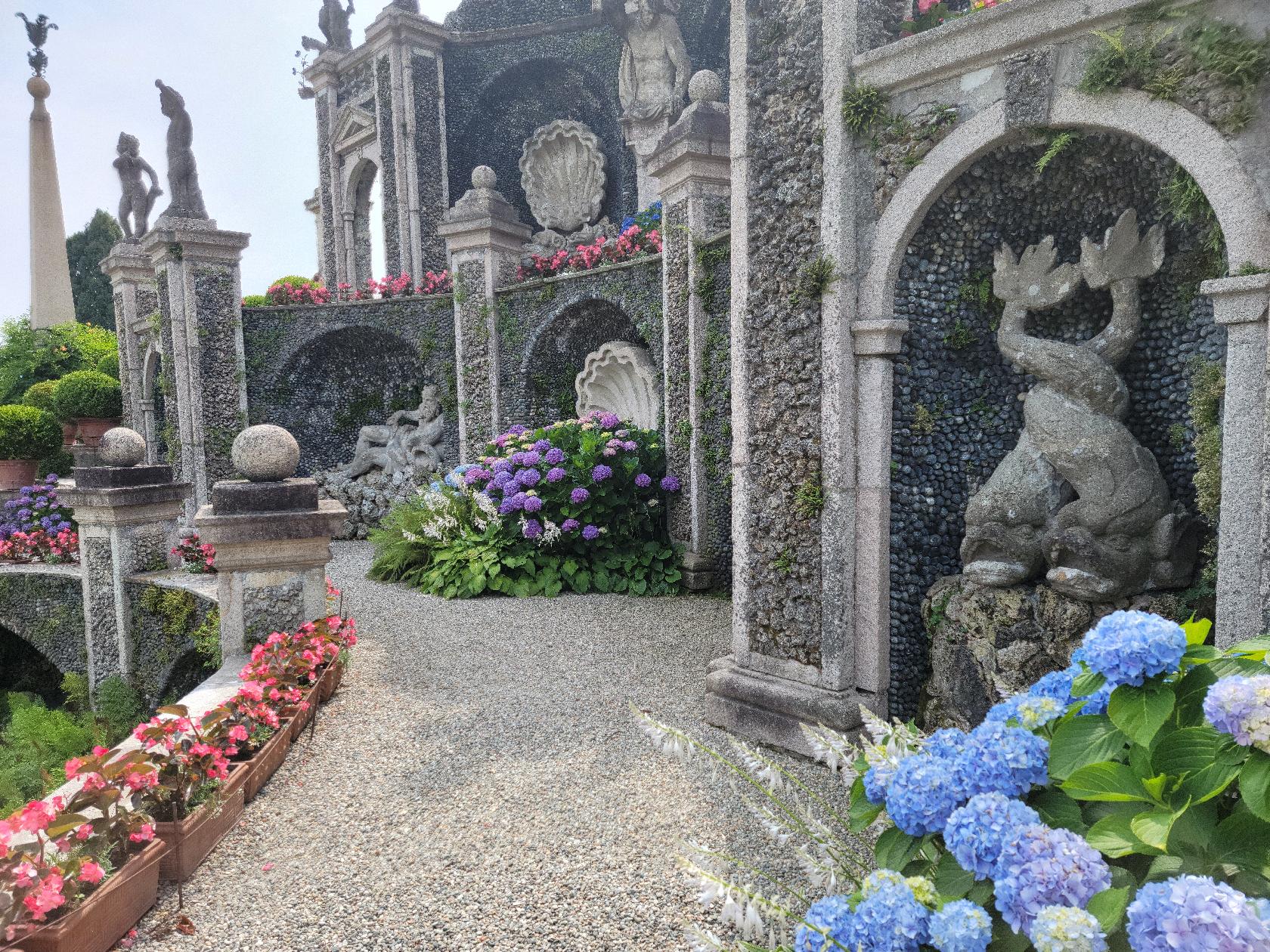
Gardens – Palazzo Borromeo – Isola Bella, Lake Maggiore, Italy
The Gardens – Palazzo Borromeo – Isola Bella, Lake Maggiore, Italy
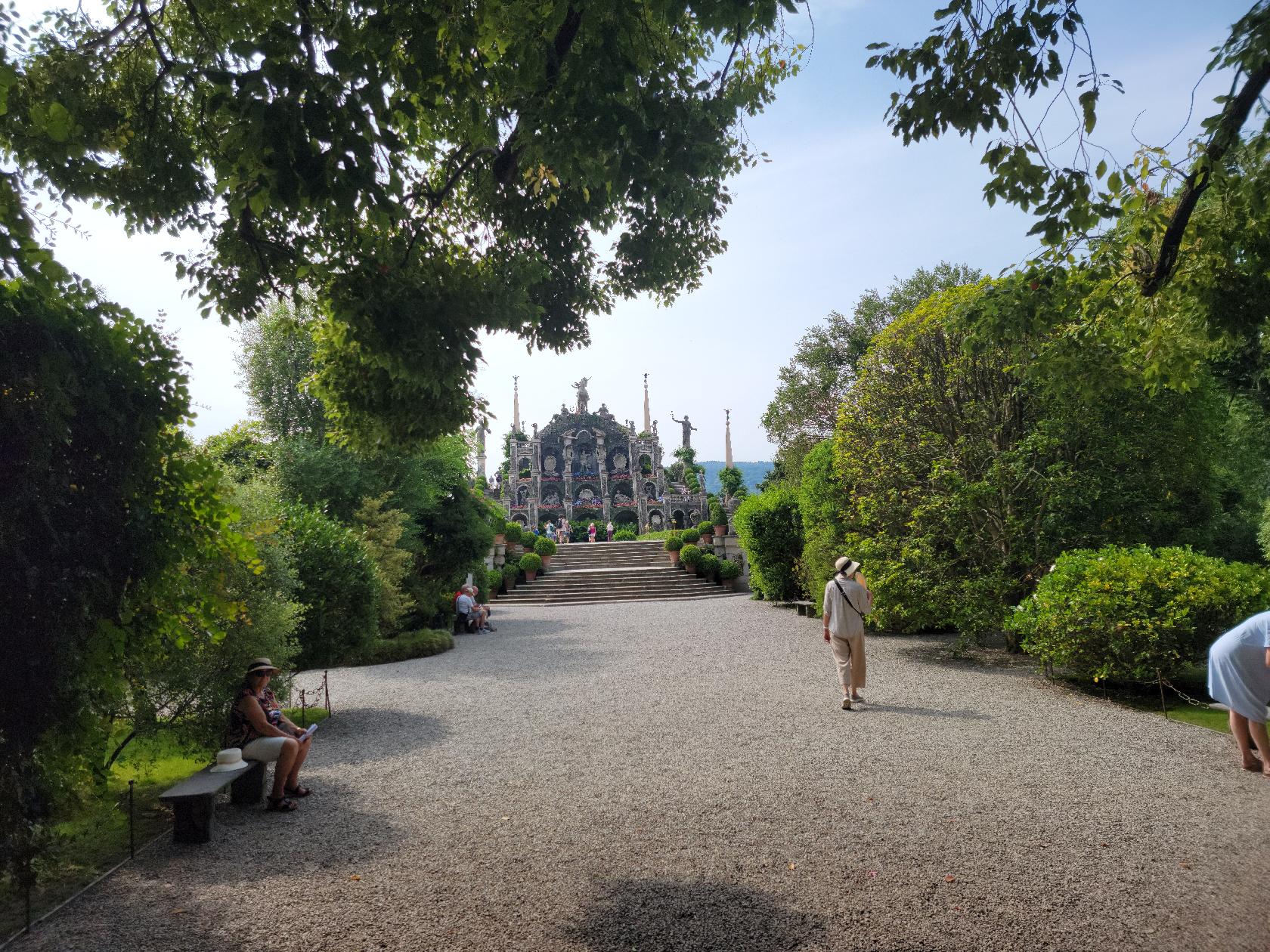
Apparently the pride of the gardens is the Massimo Theater. A rather odd assemblage of opulent statues and finished by Carlo IV, it probably points to the decedent past these properties enjoyed.
Even though its proper name of Isola Superiore belies its size, Isola dei Pescatori is the smallest of the three islands. Its main attraction is the small fishing town that stretches from three quarters of its shoreline.
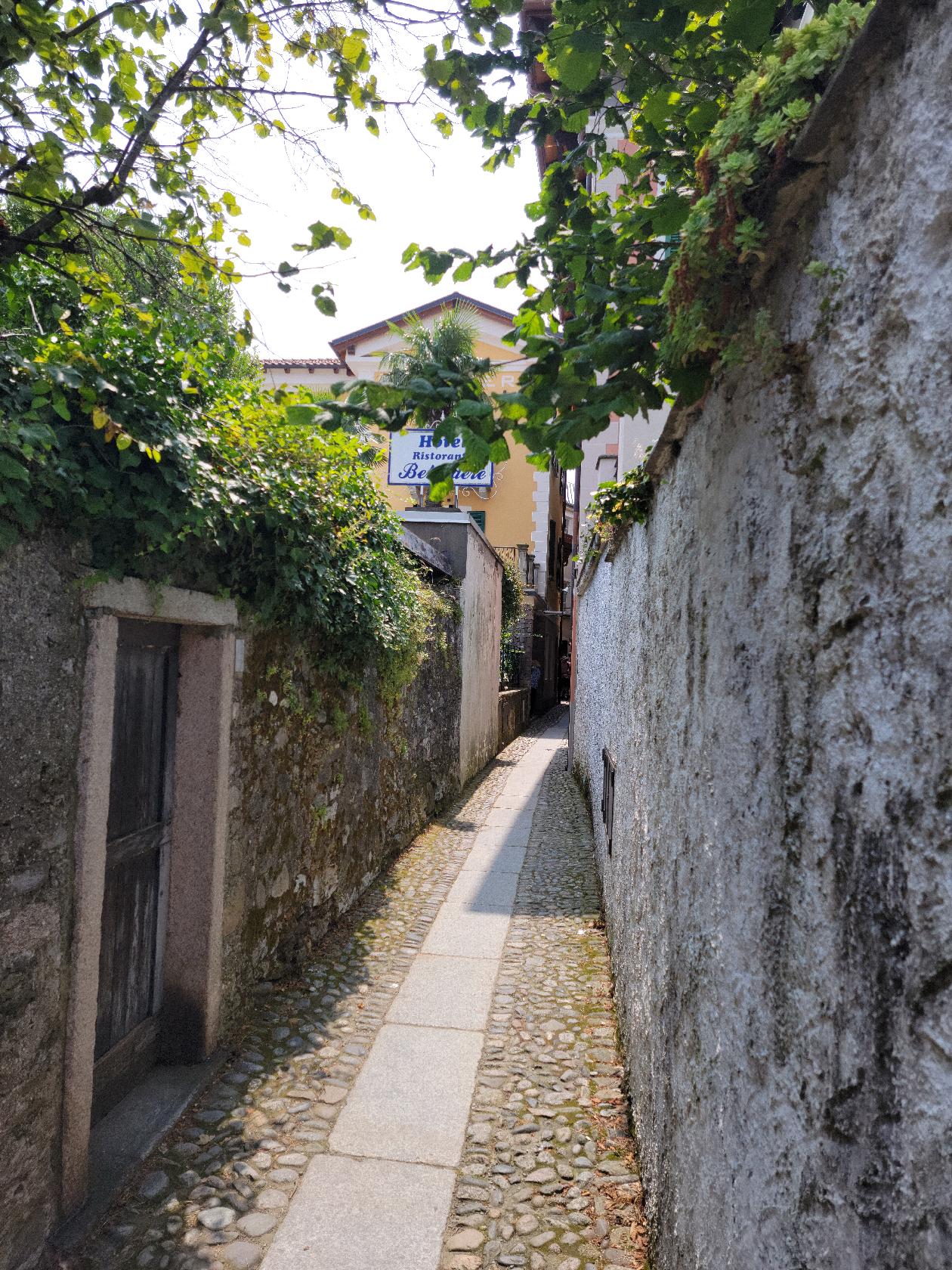
Small town streets – Isola Pescatori, Lake Maggiore, Italy
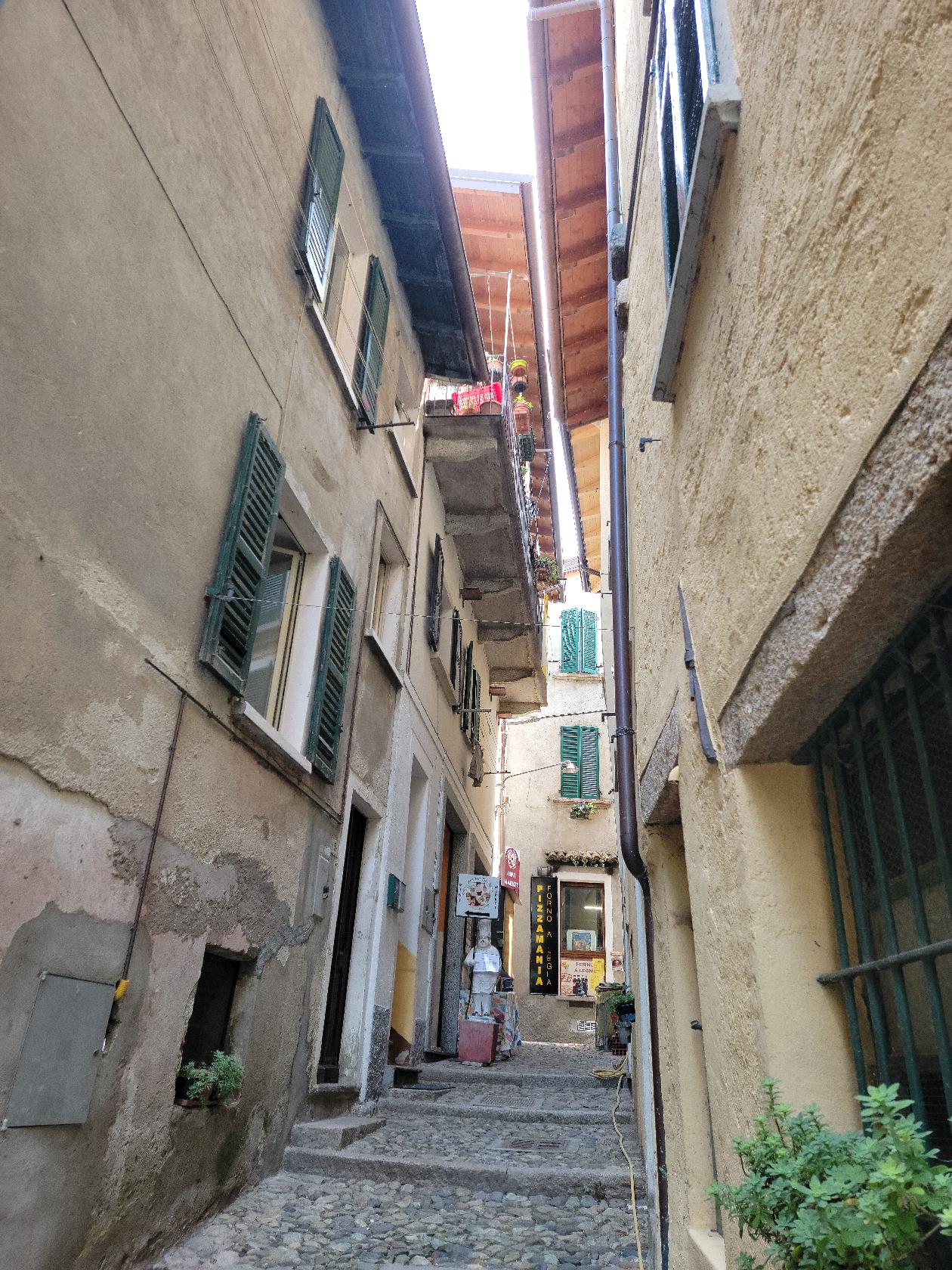
Narrow alleys – Isola Pescatori, Lake Maggiore, Italy
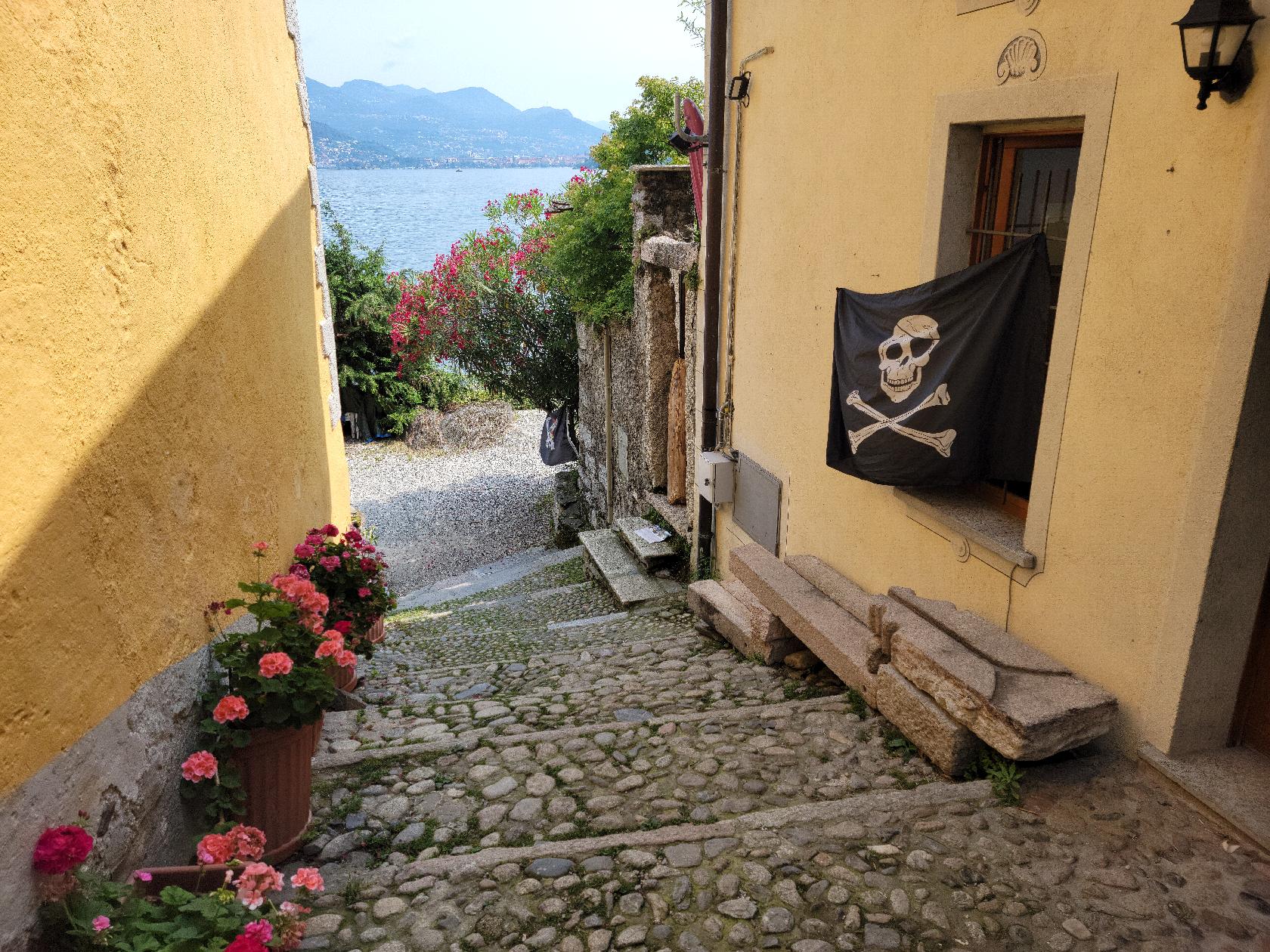
Jolly Roger – Isola Pescatori, Lake Maggiore, Italy
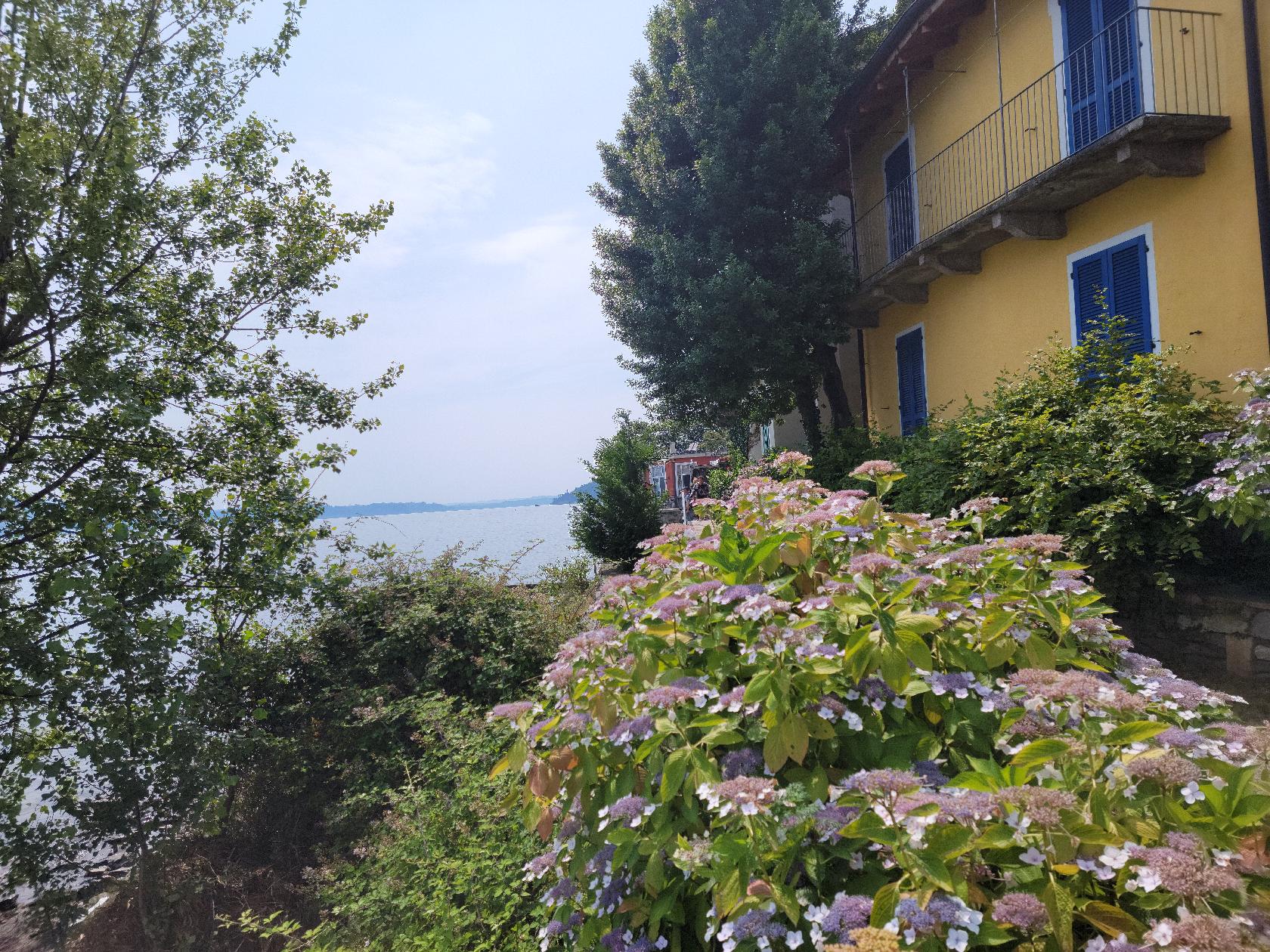
Hydrangea – Isola Pescatori, Lake Maggiore, Italy
There is only enough room here for restaurants, cafes, shops, boat docks and the odd park on the northwest side of the island. So, casually walking its streets and narrow alleyways is, more or less, the only thing to do here, aside from eating of course.
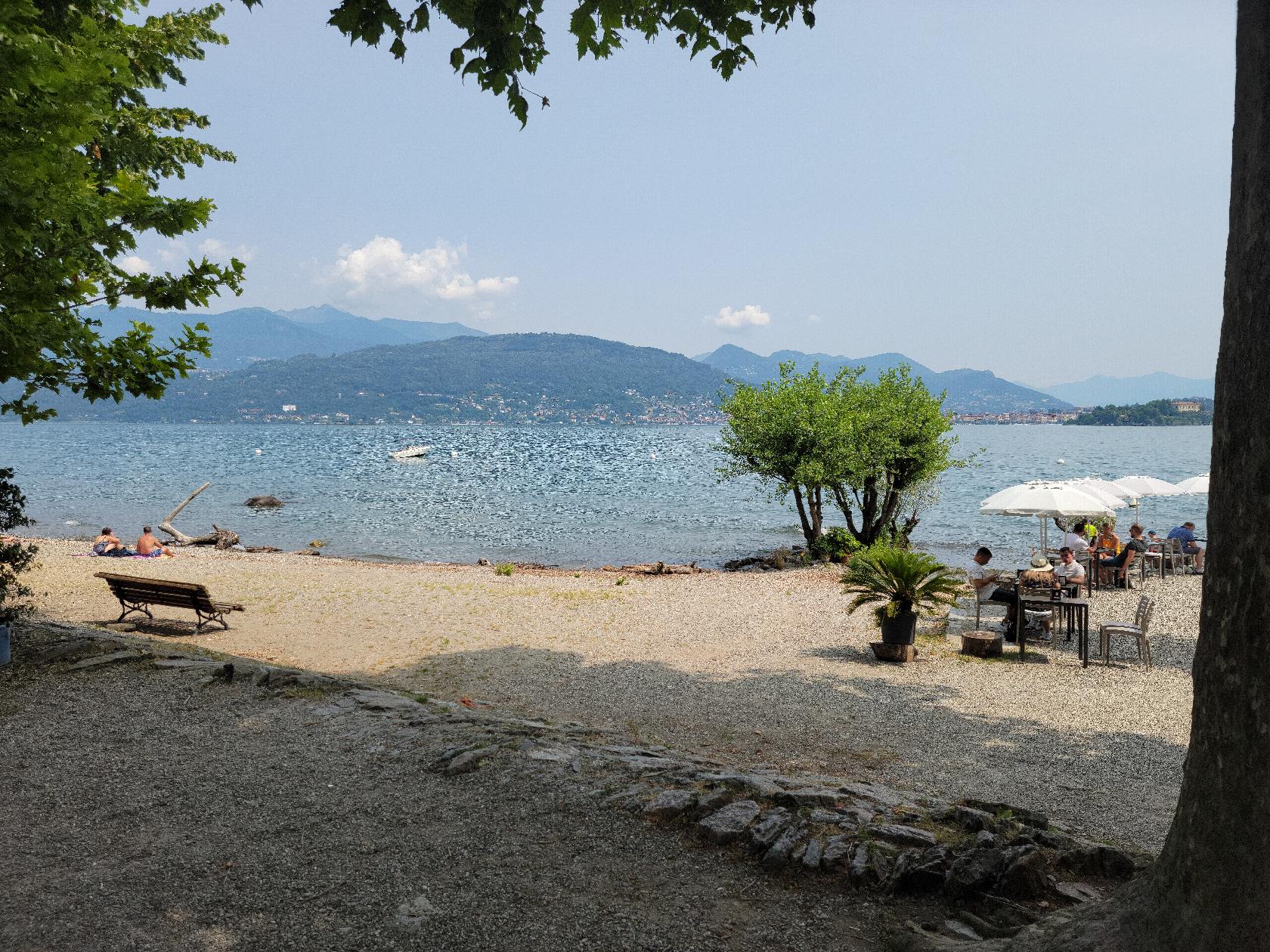
Rocky beach on the island – Isola Pescatori, Lake Maggiore, Italy
Park at the end of island – Isola Pescatori, Lake Maggiore, Italy
Isola Madre
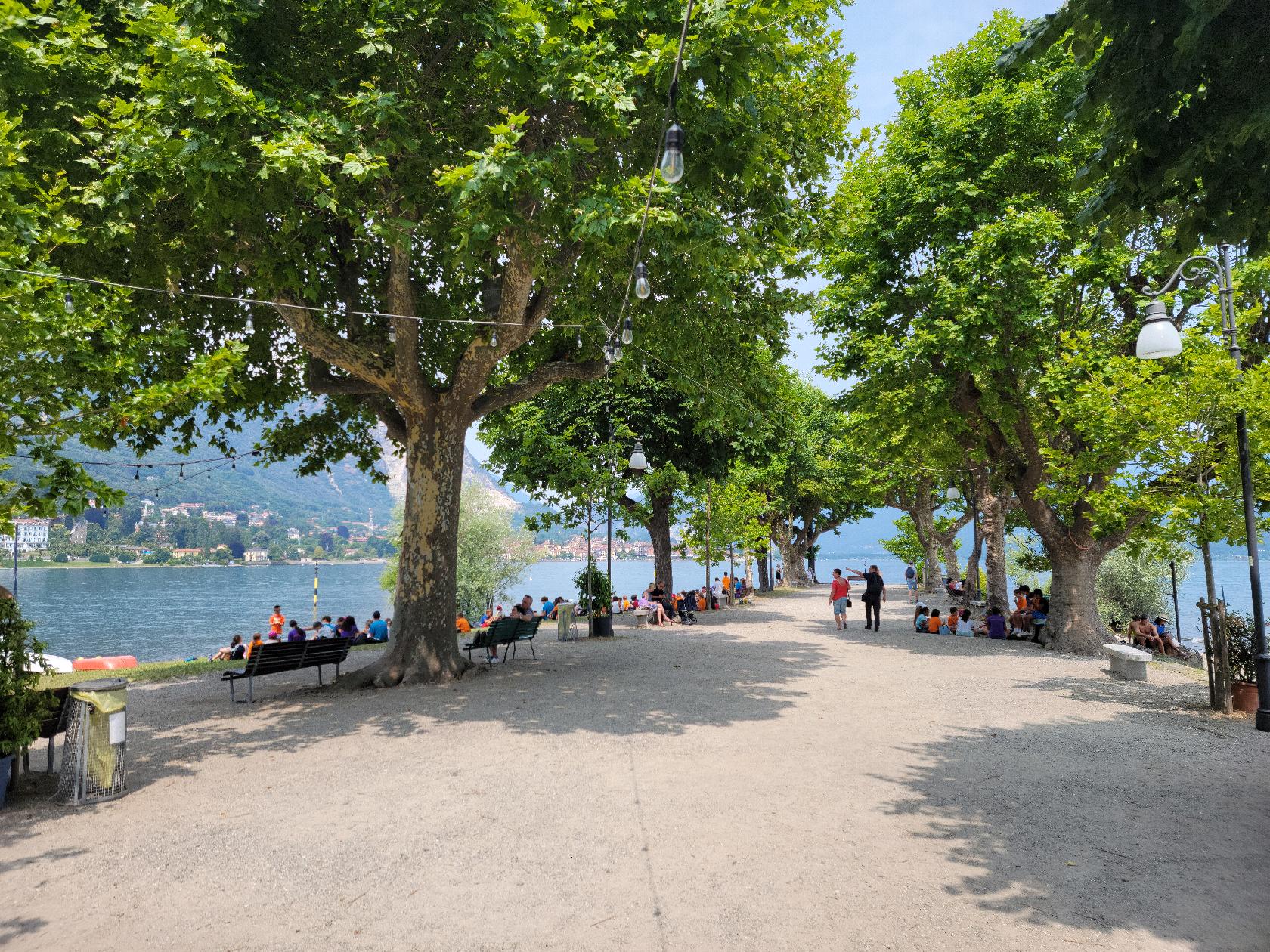
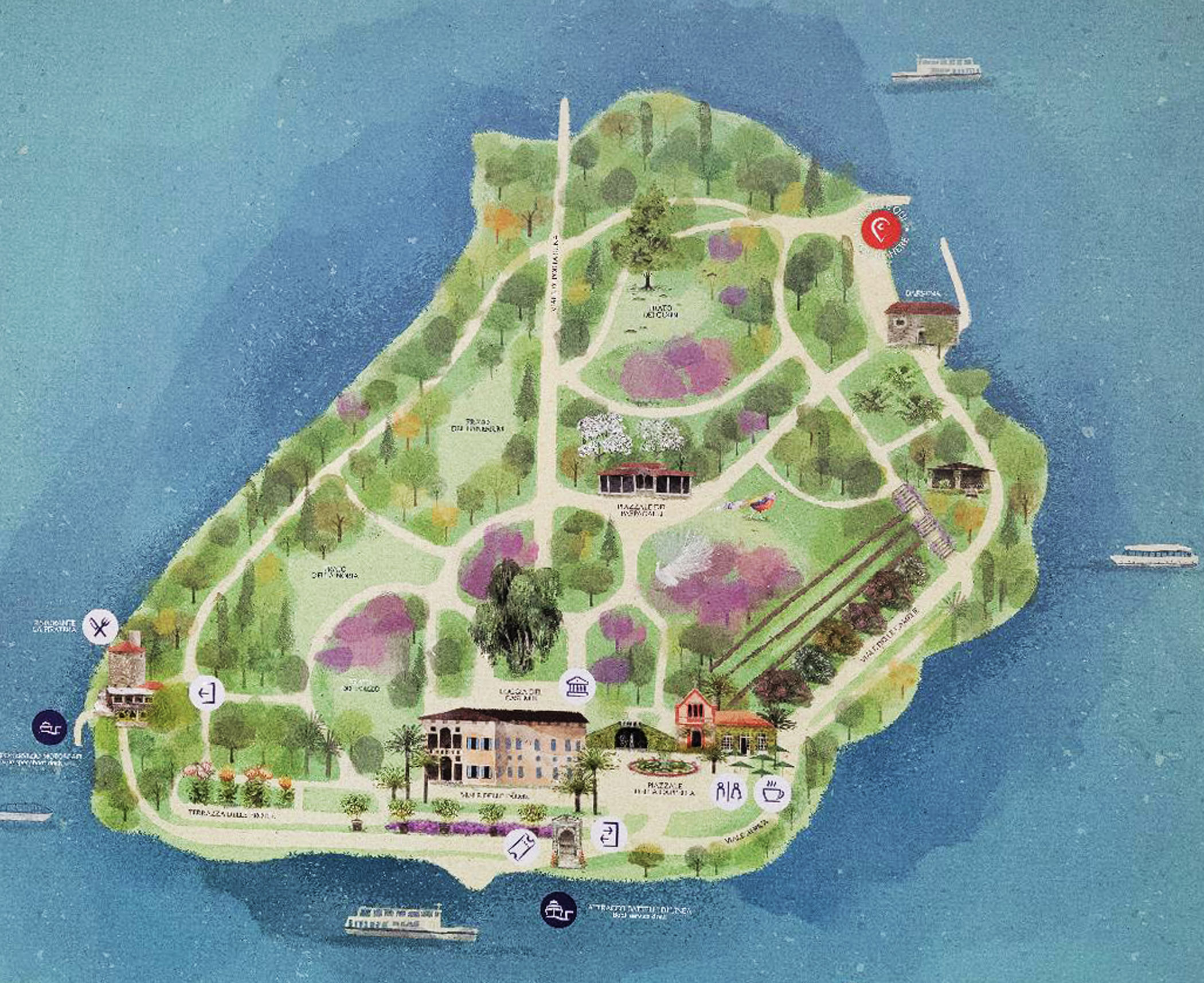
Isola Madre is the largest of the three and for the most part is an island with a garden and palazzo on it. The garden is entered first, after turning right off the boat and taking the a long garden path walk around a third of the island.
Map – Isola Madre, Lake Maggiore, Italy
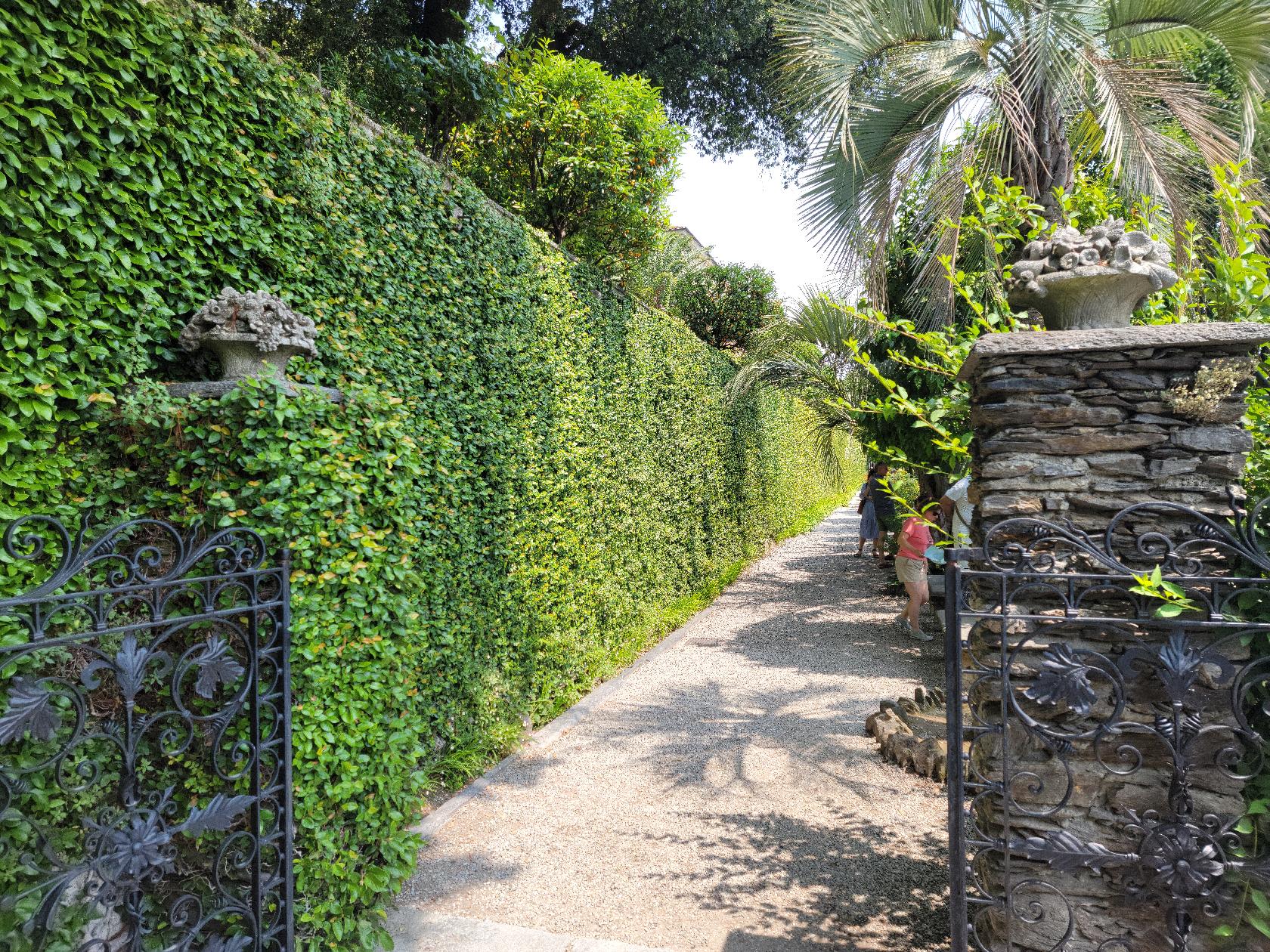
Entrance to gardens – Isola Madre, Lake Maggiore, Italy
Entrance to gardens – Isola Madre, Lake Maggiore, Italy
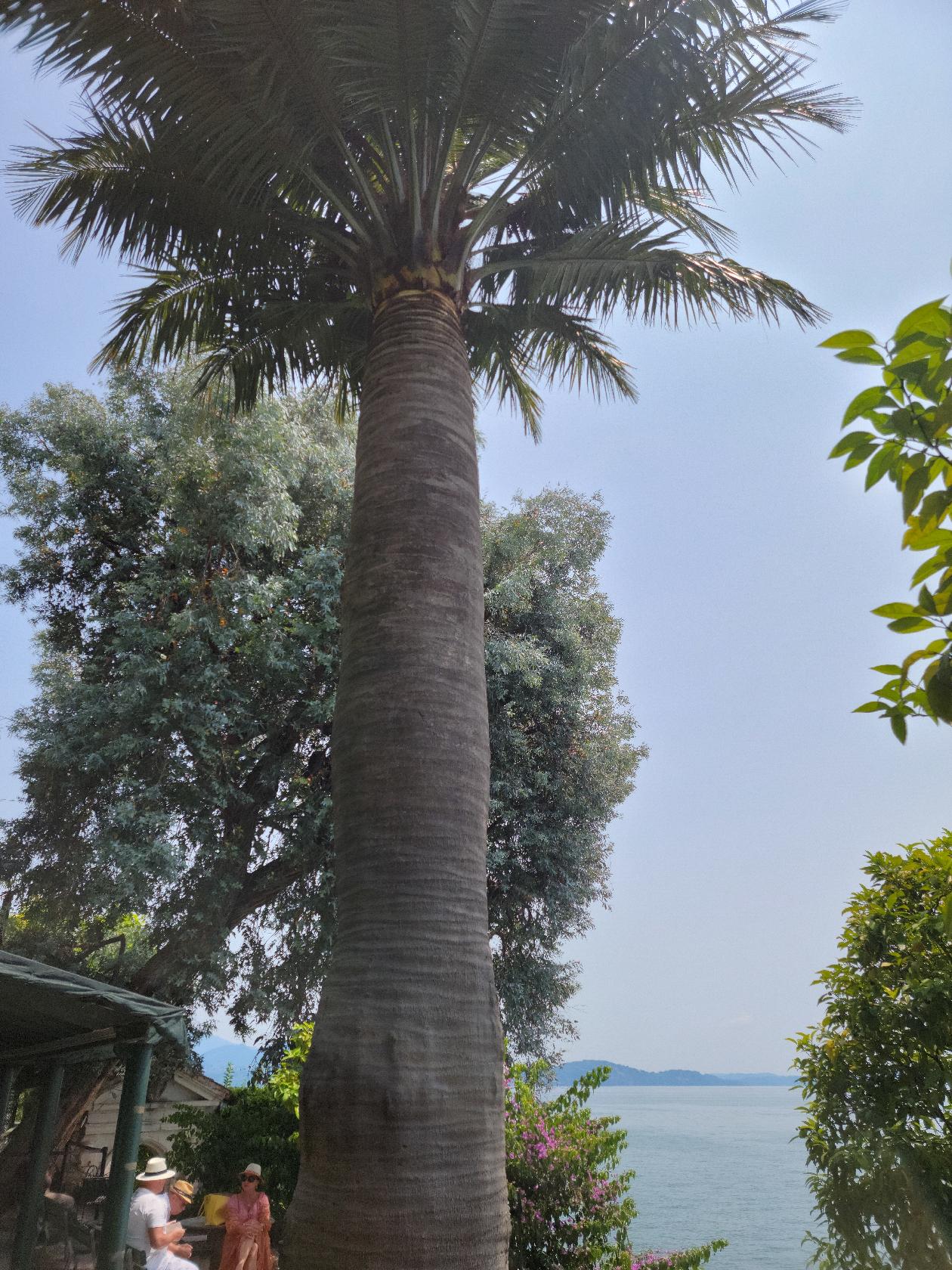
Old Palm tree – Isola Madre, Lake Maggiore, Italy
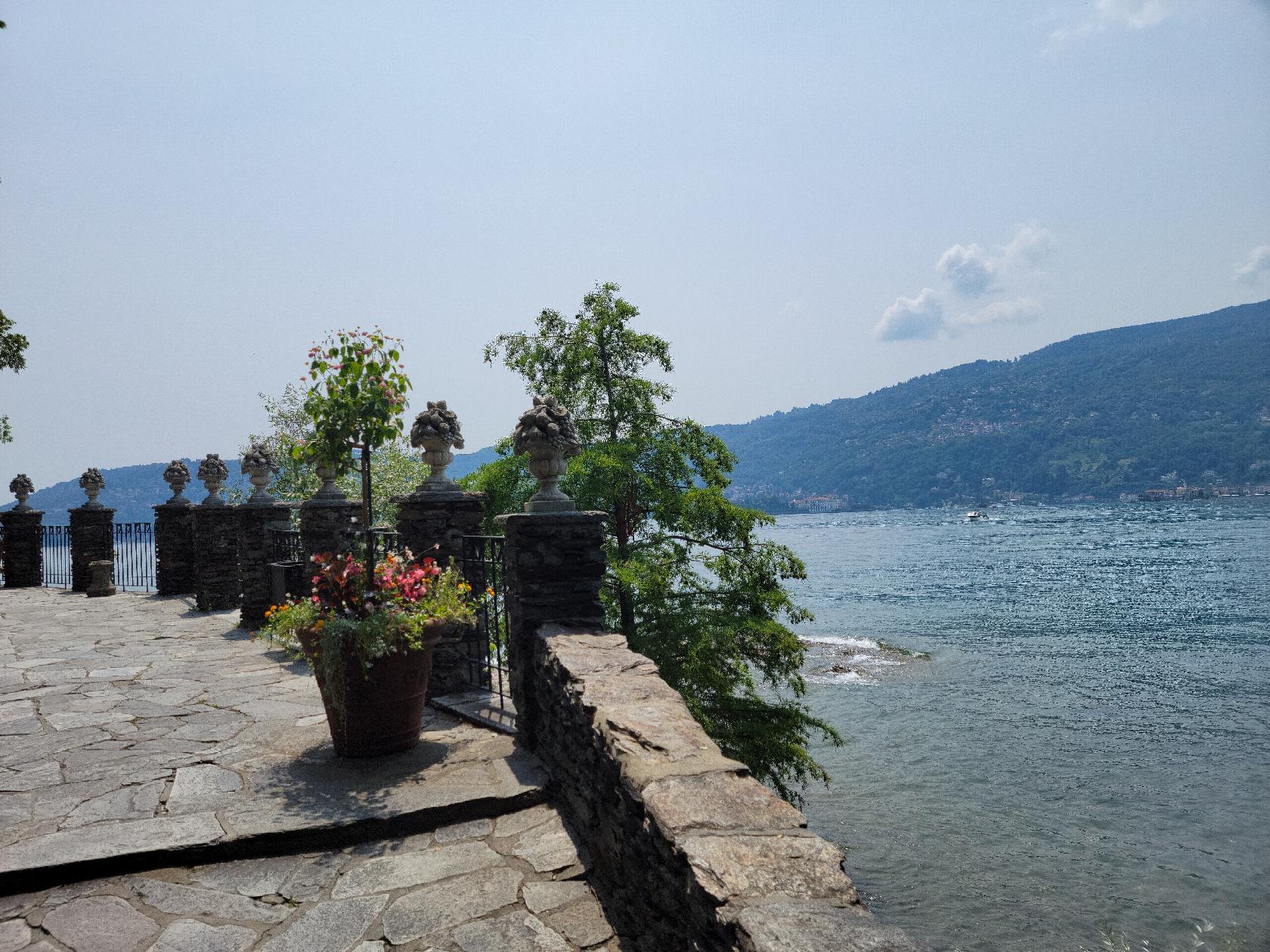
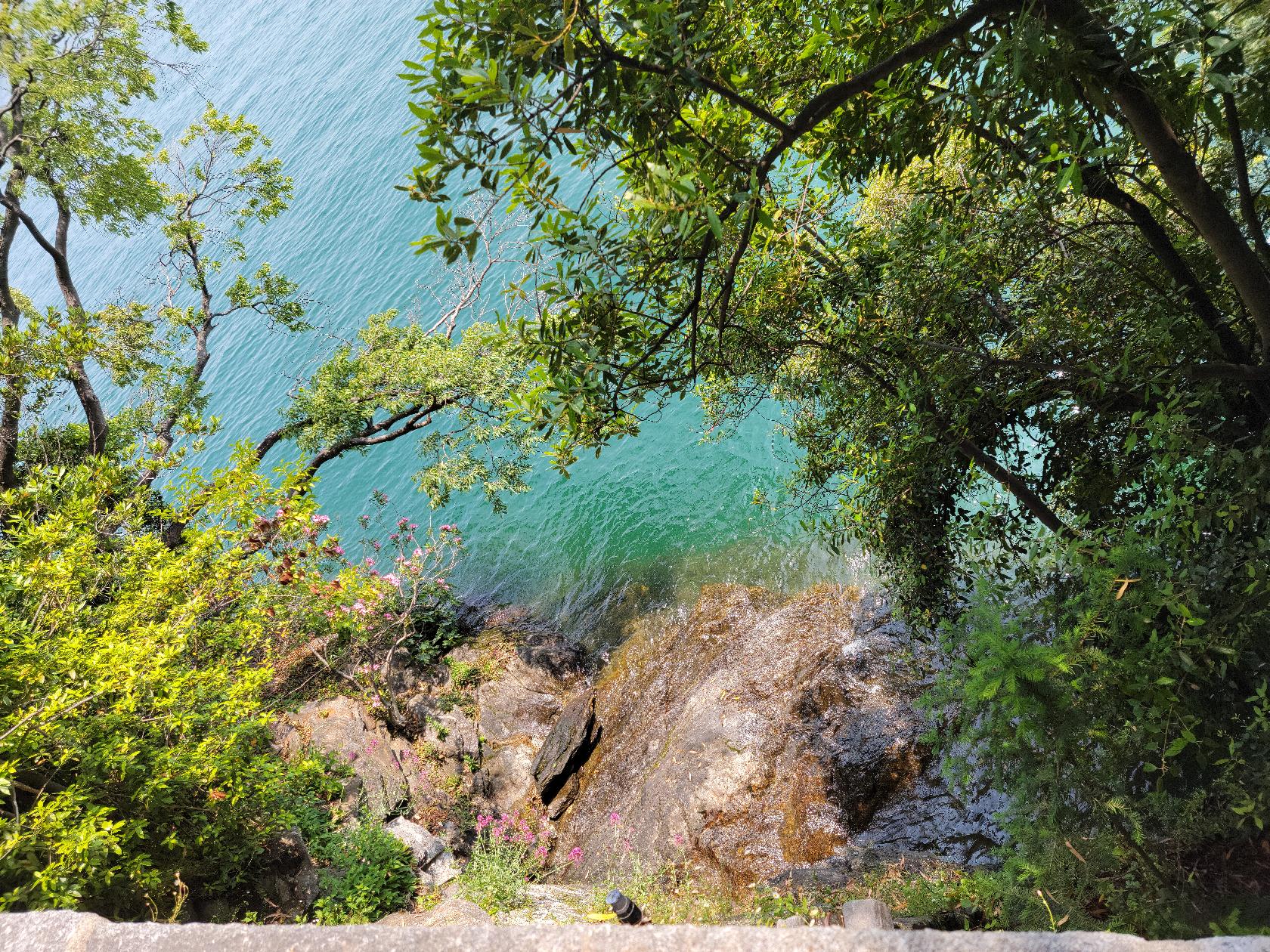
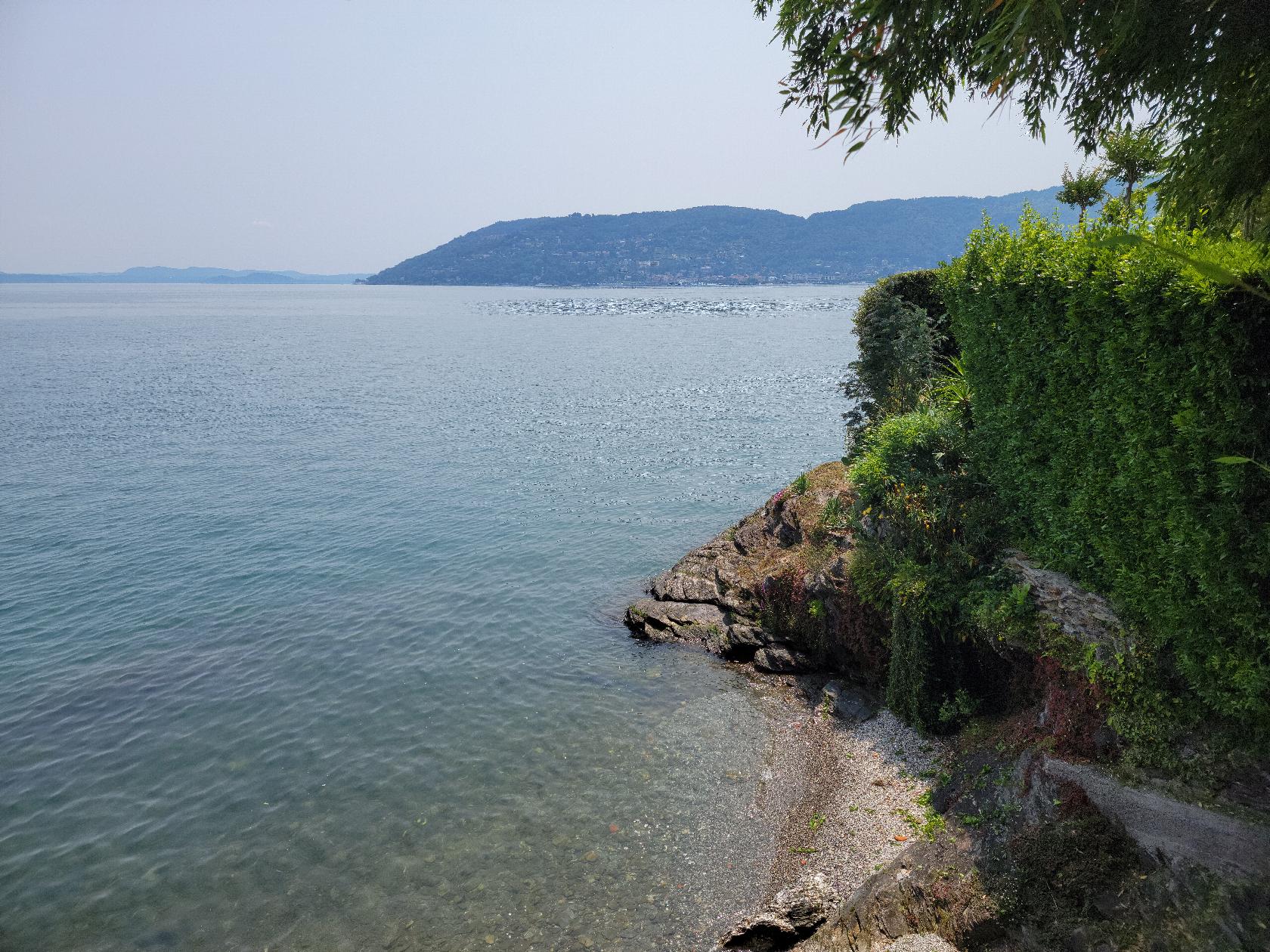
Coast – Isola Madre, Lake Maggiore, Italy
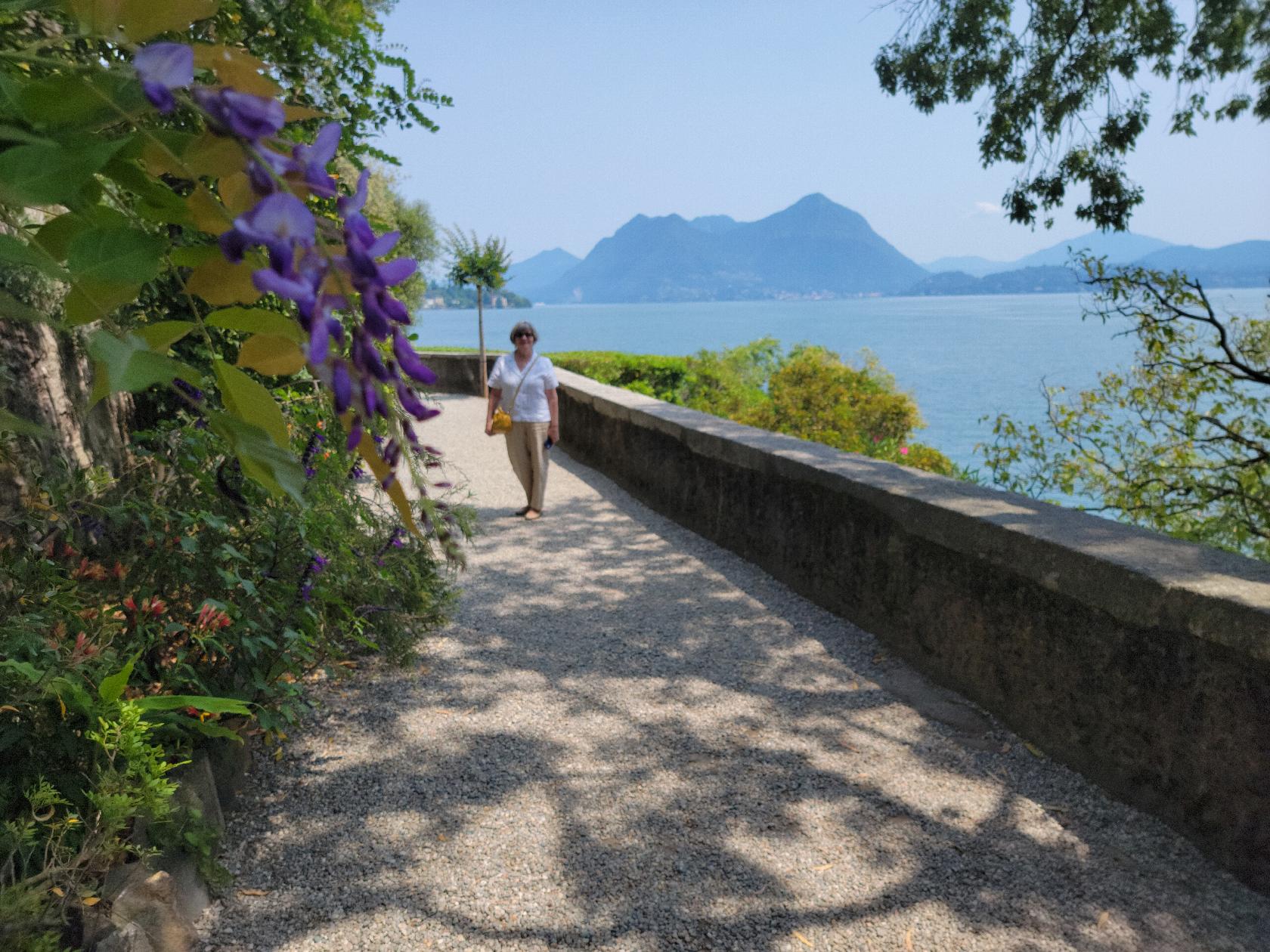
Patti in gardens – Isola Madre, Lake Maggiore, Italy
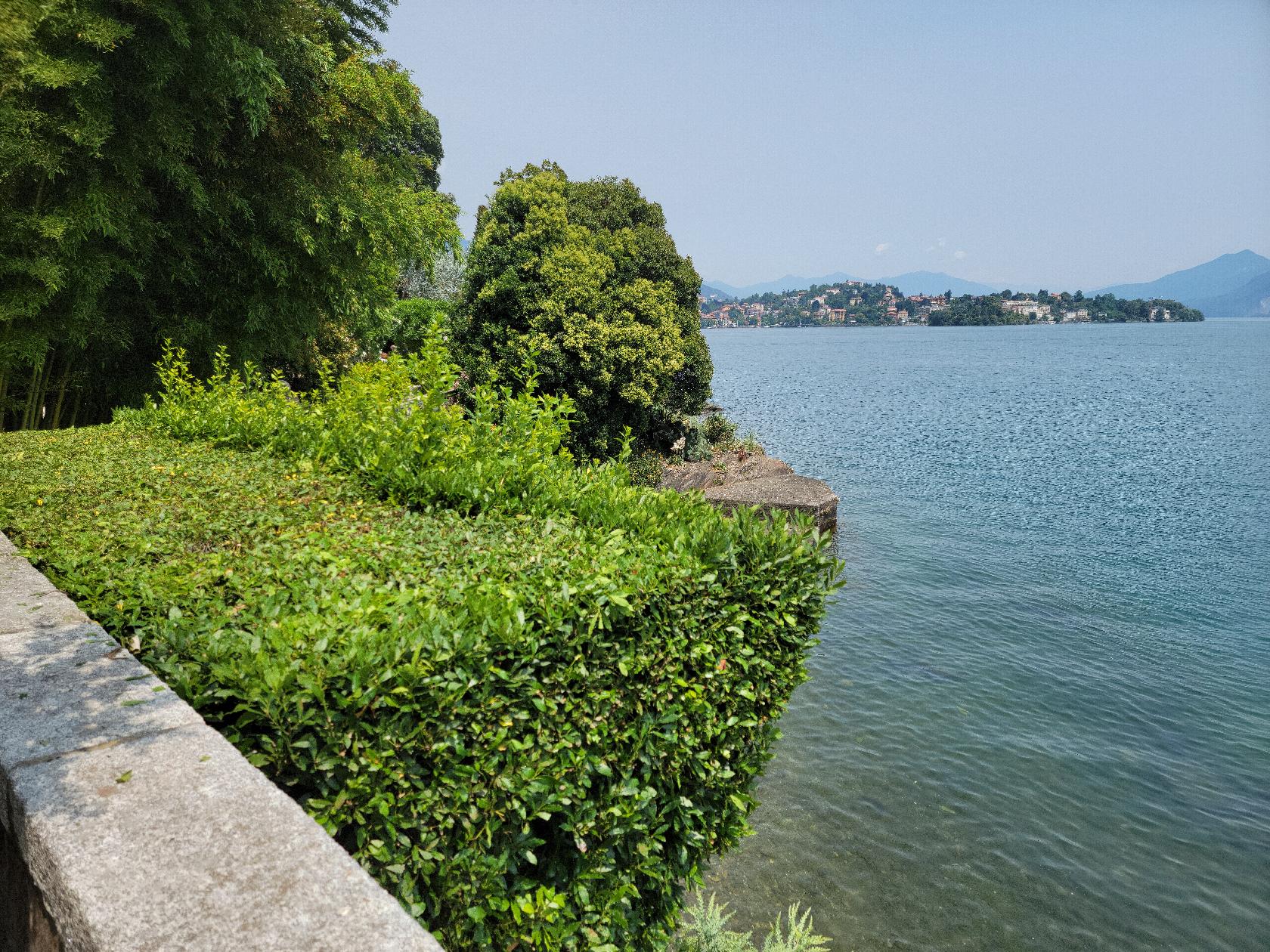
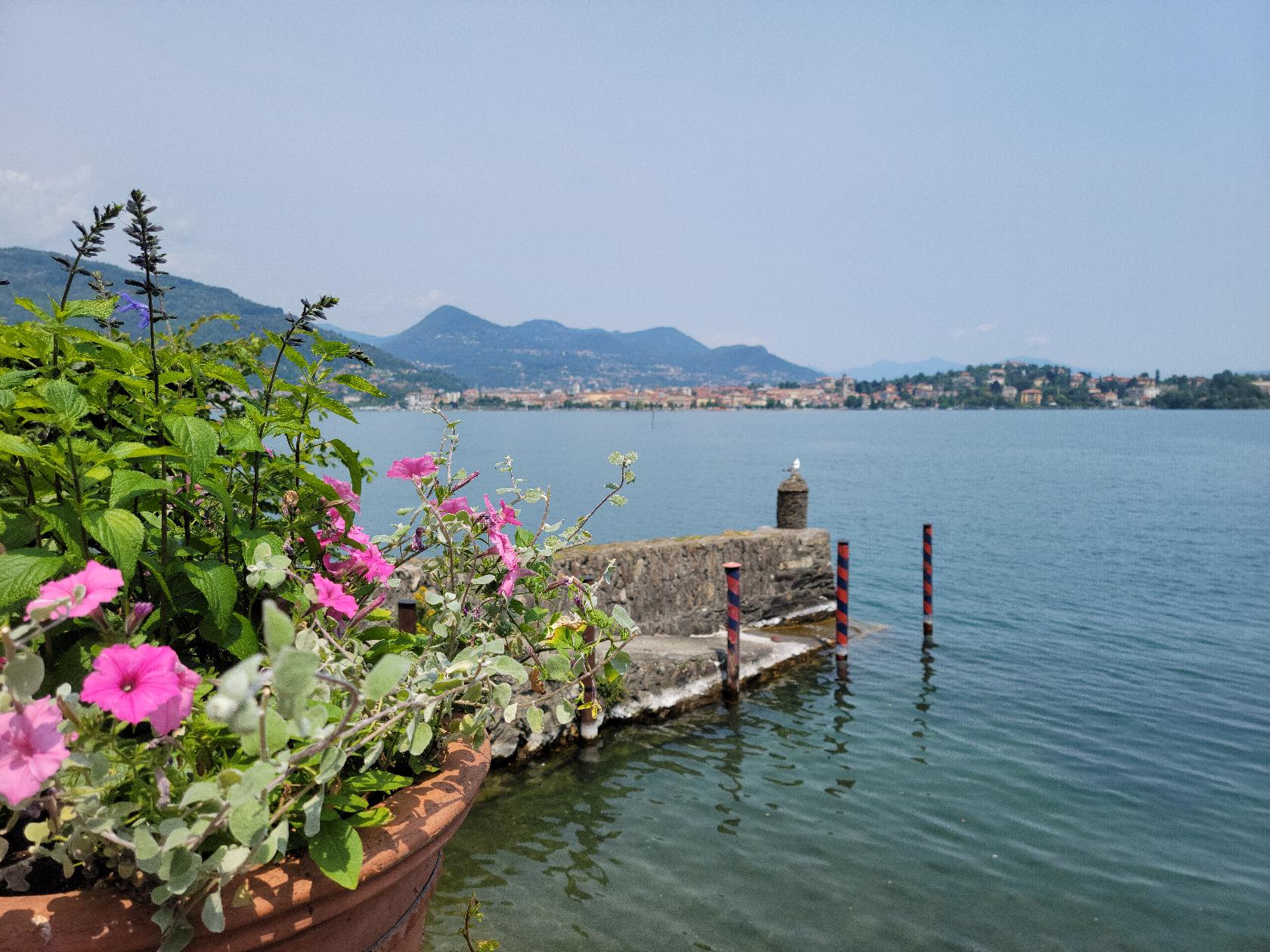
View of Pallanza and Laveno – Isola Madre, Lake Maggiore, Italy
Pallanza – Isola Madre, Lake Maggiore, Italy
Once you pass the entrance, where a person will scan your tickets, the garden begins.
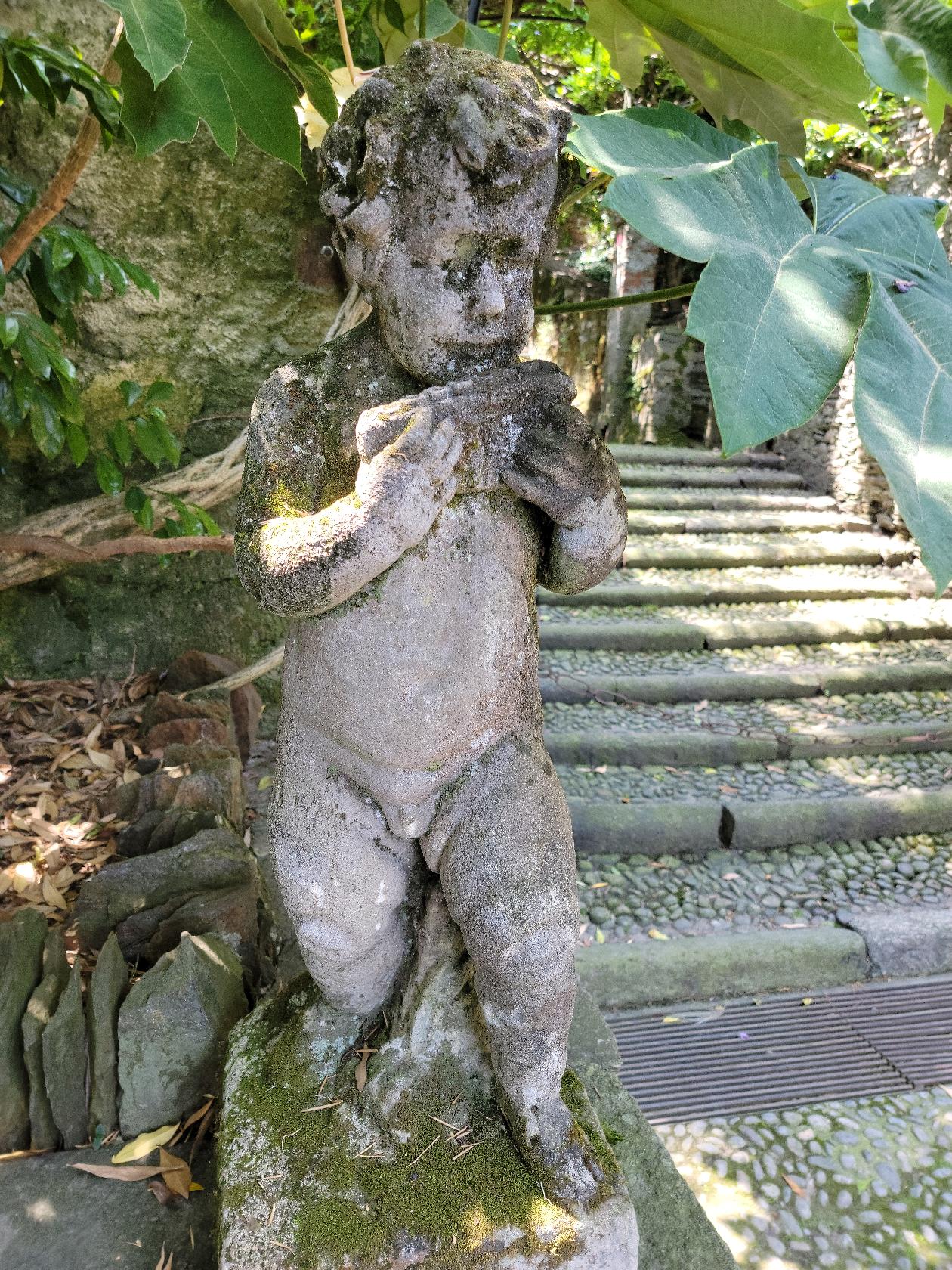
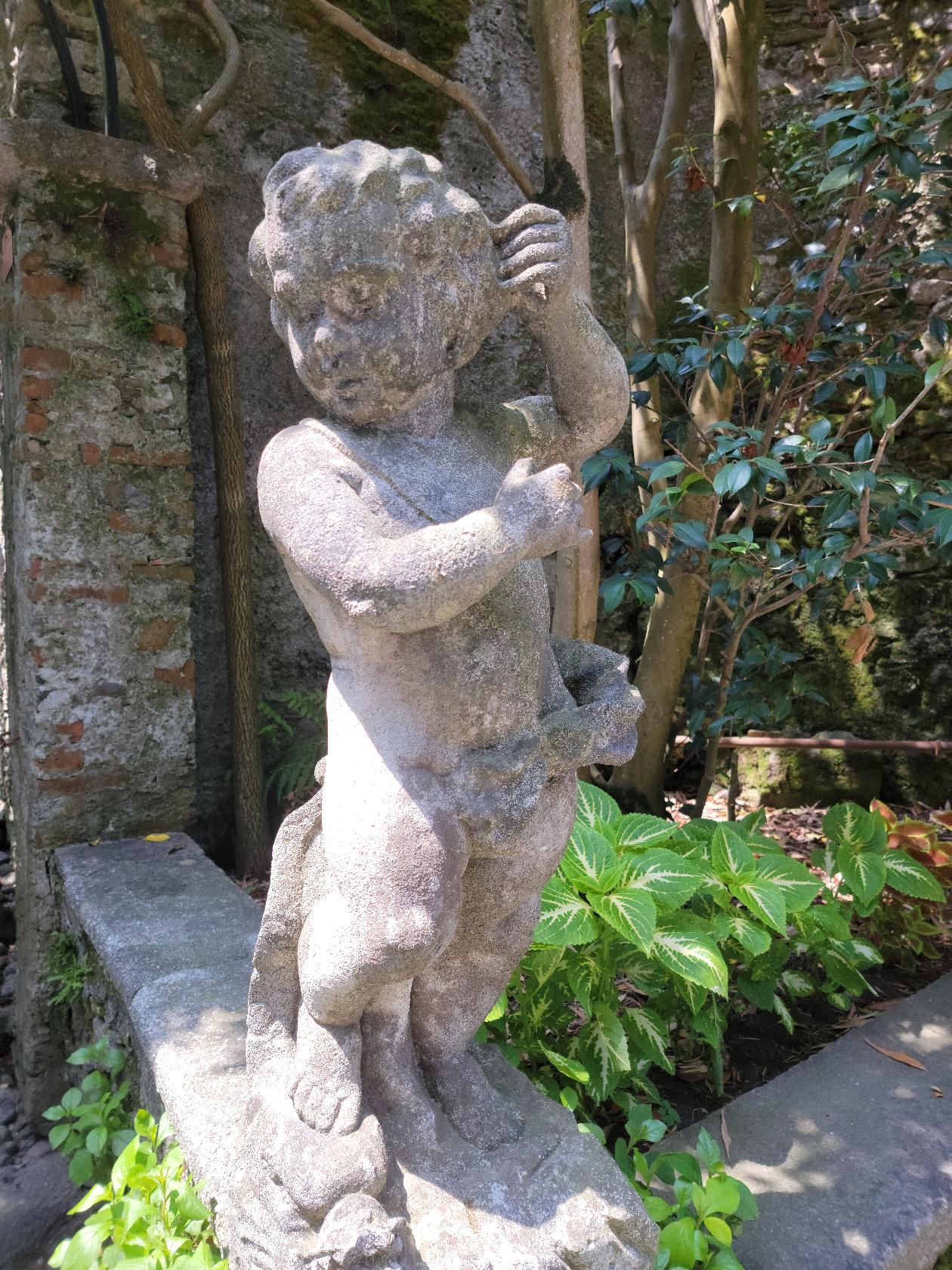
Entrance statue – Isola Madre, Lake Maggiore, Italy
Entrance statue – Isola Madre, Lake Maggiore, Italy
The Garden
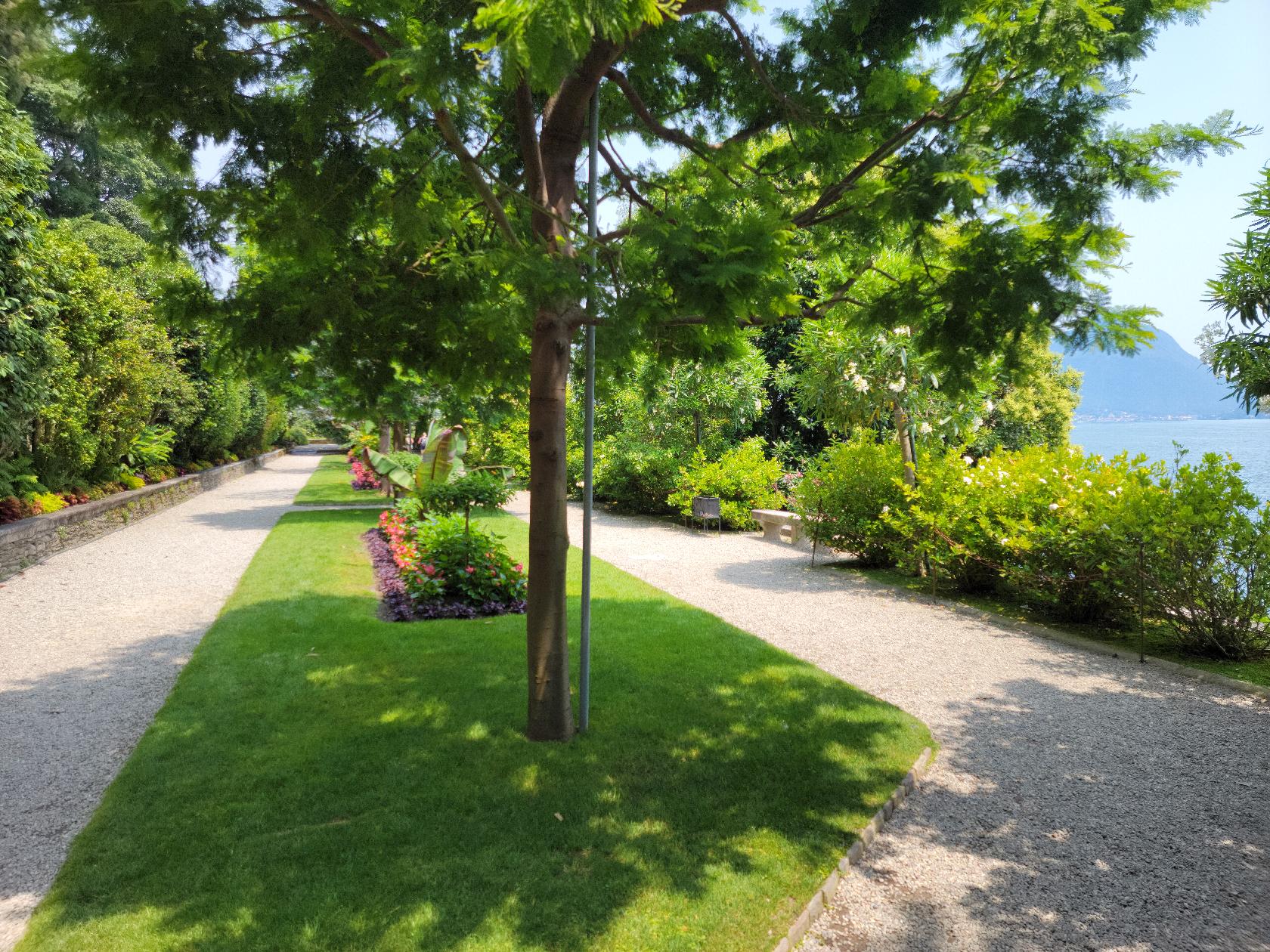
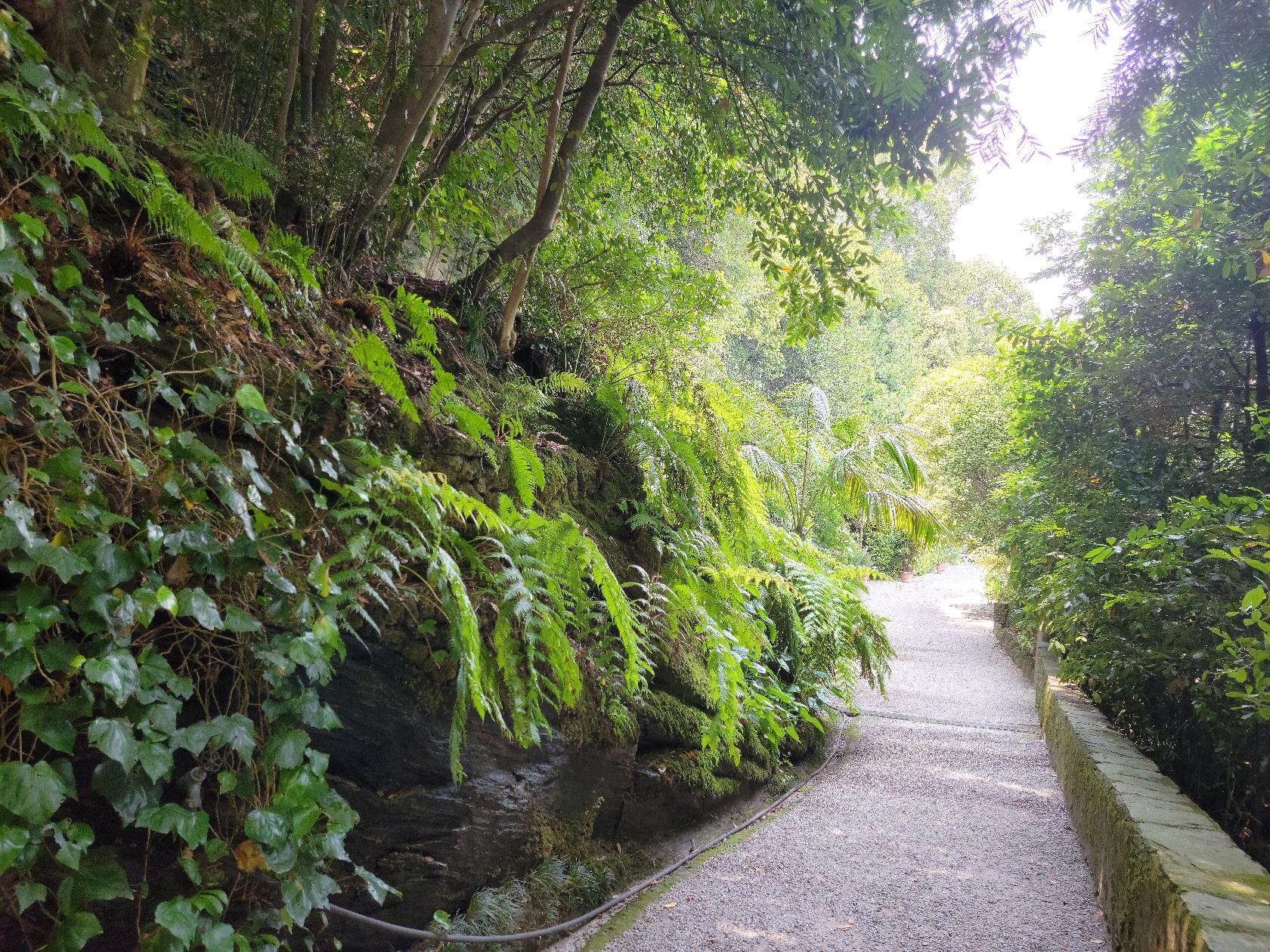
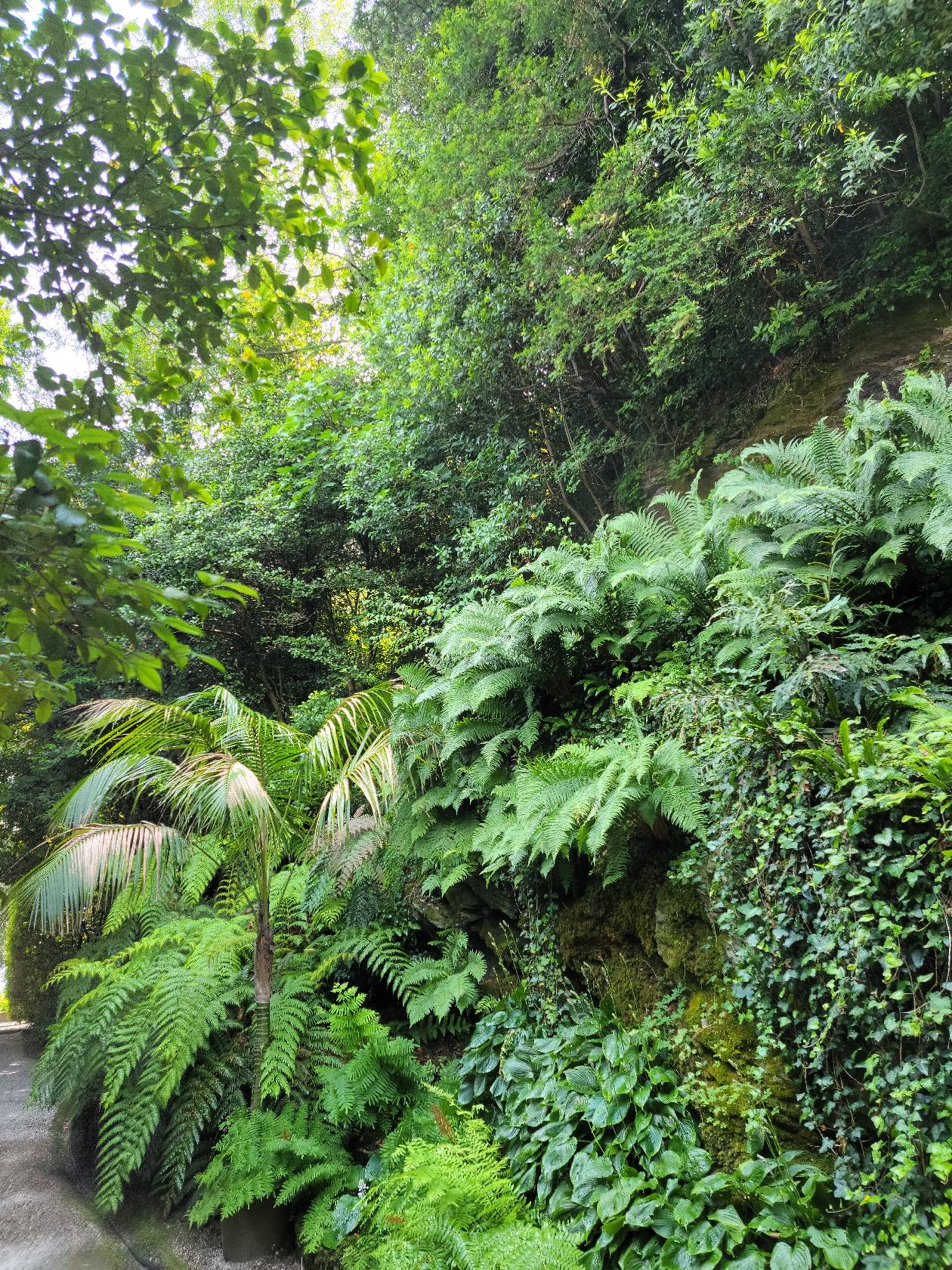
I found this garden quieter, more casual and more enjoyable overall. It has a few different sections, including a jungle environment which is very wet and grows ferns and other jungle type plants.
Looking back at Stresa – Isola Madre, Lake Maggiore, Italy
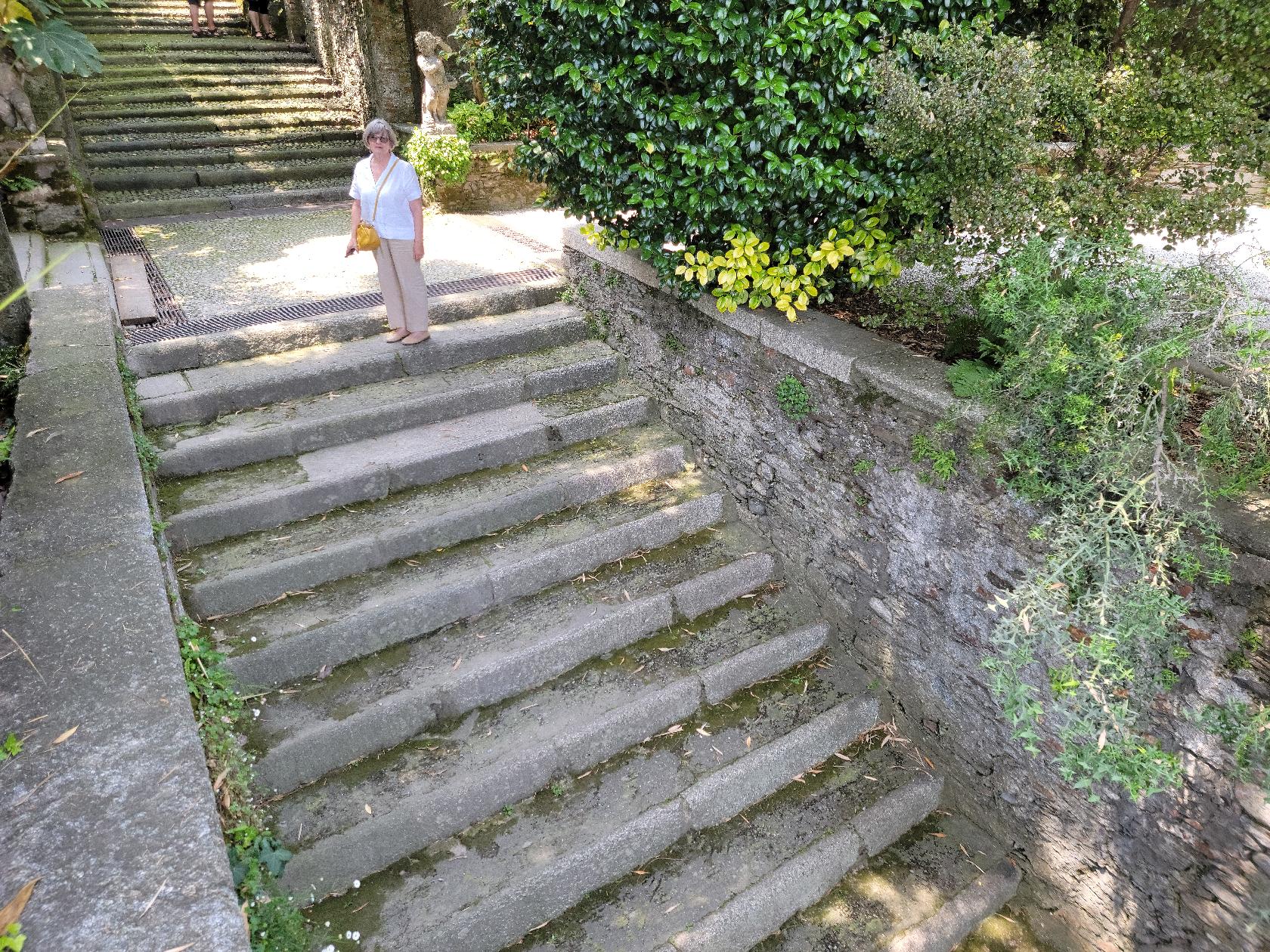
Patti on garden steps – Isola Madre, Lake Maggiore, Italy
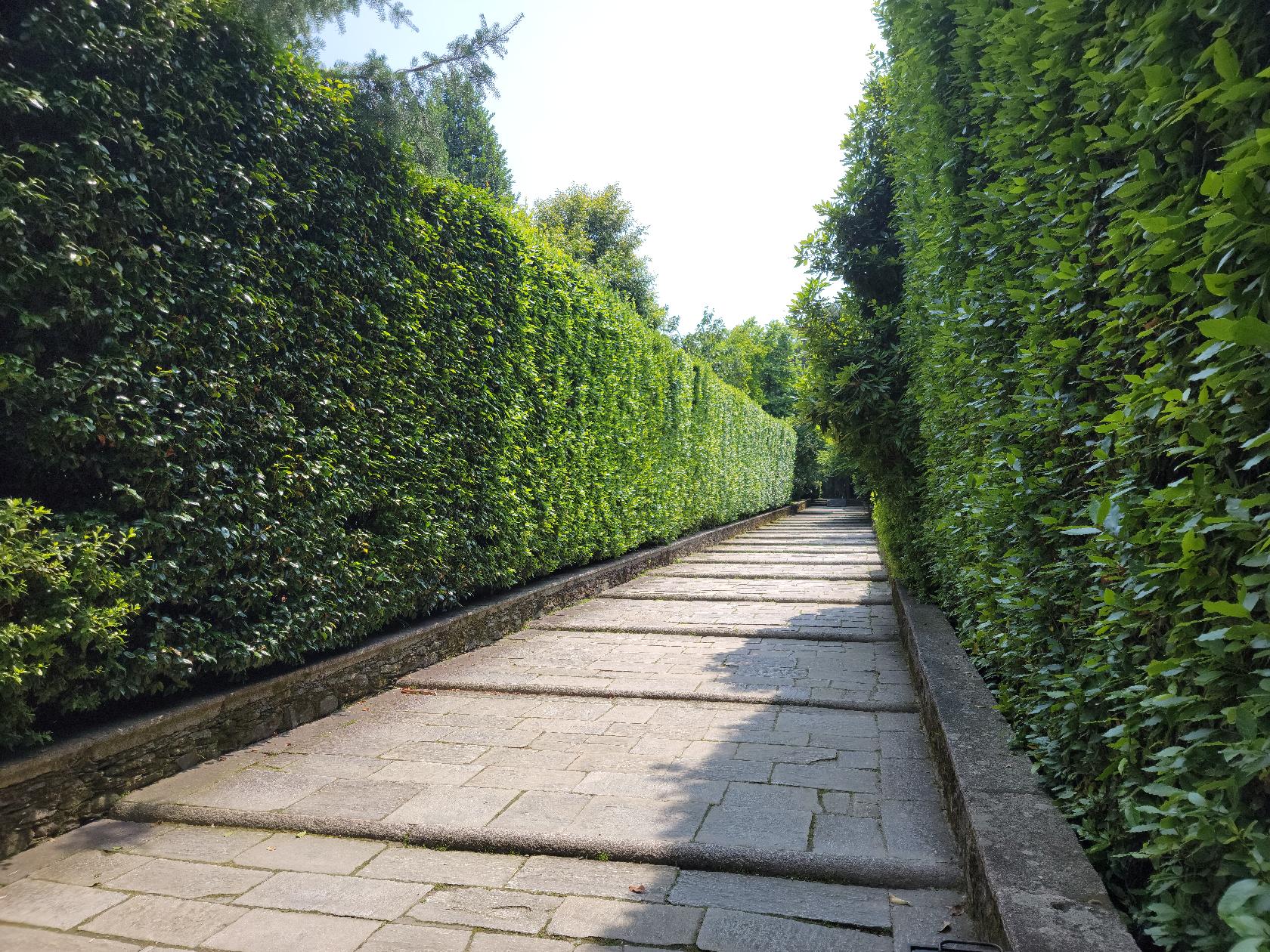
Garden walkway – Isola Madre, Lake Maggiore, Italy
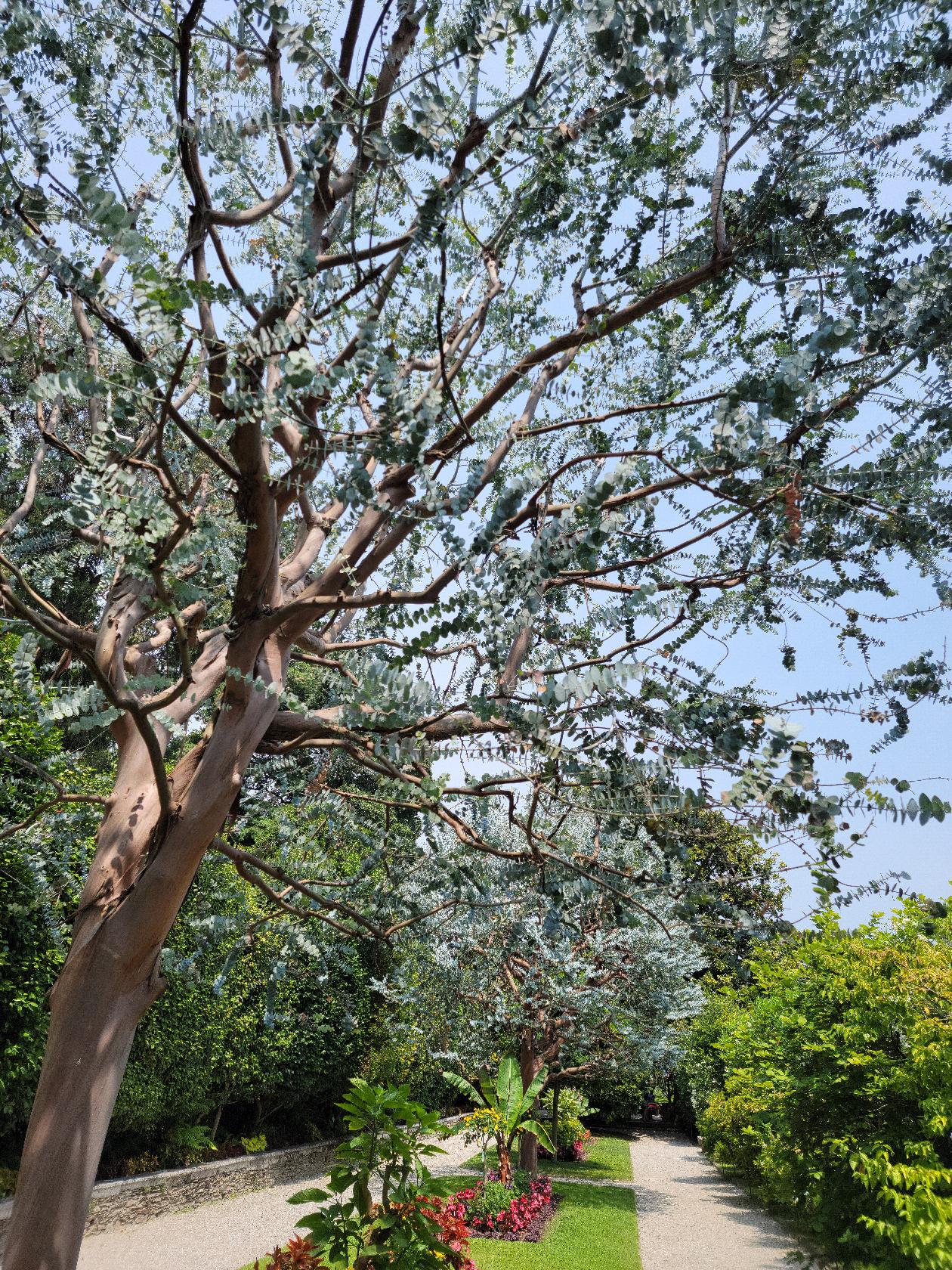
Eucalyptus trees – Isola Madre, Lake Maggiore, Italy
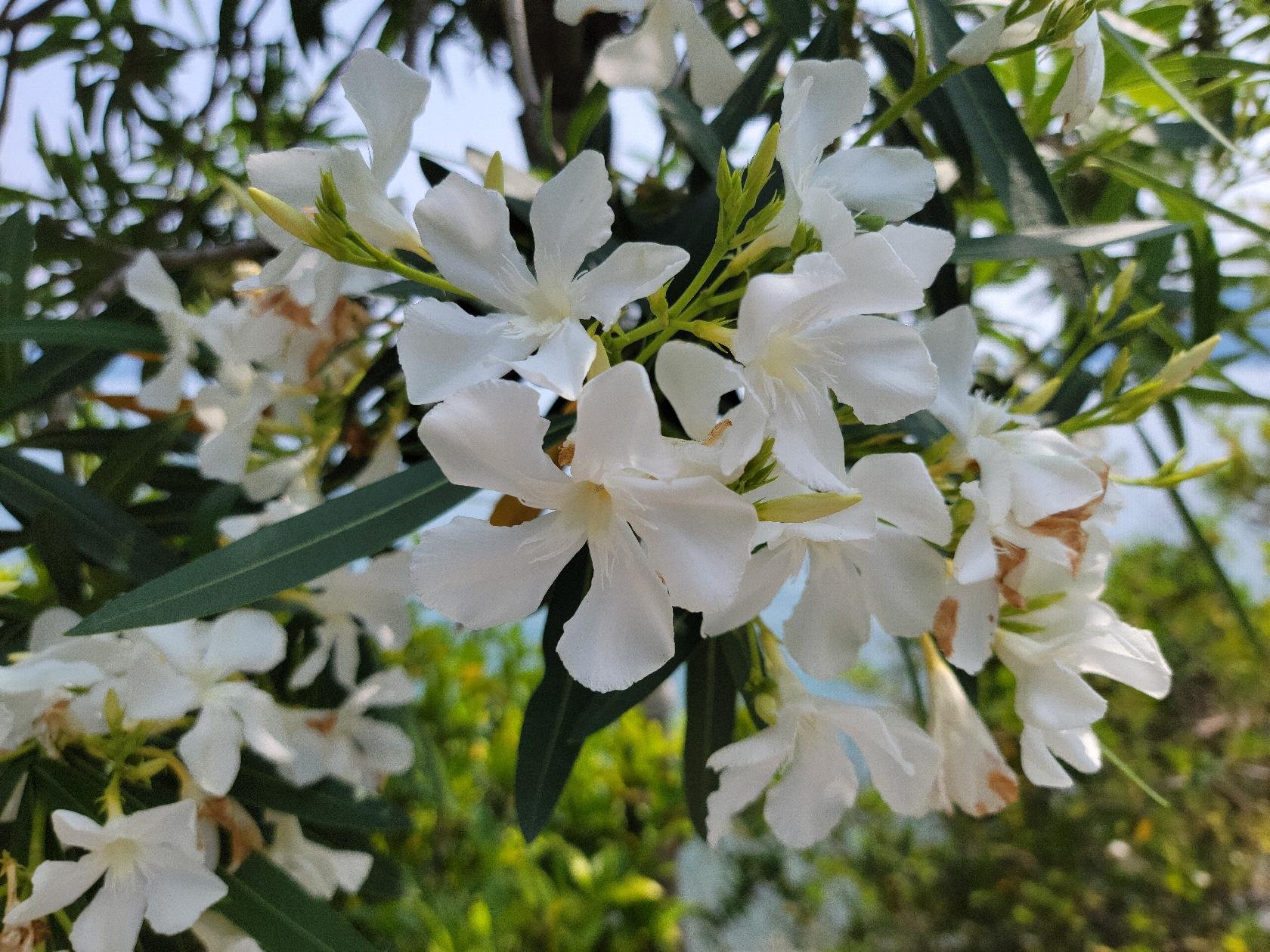
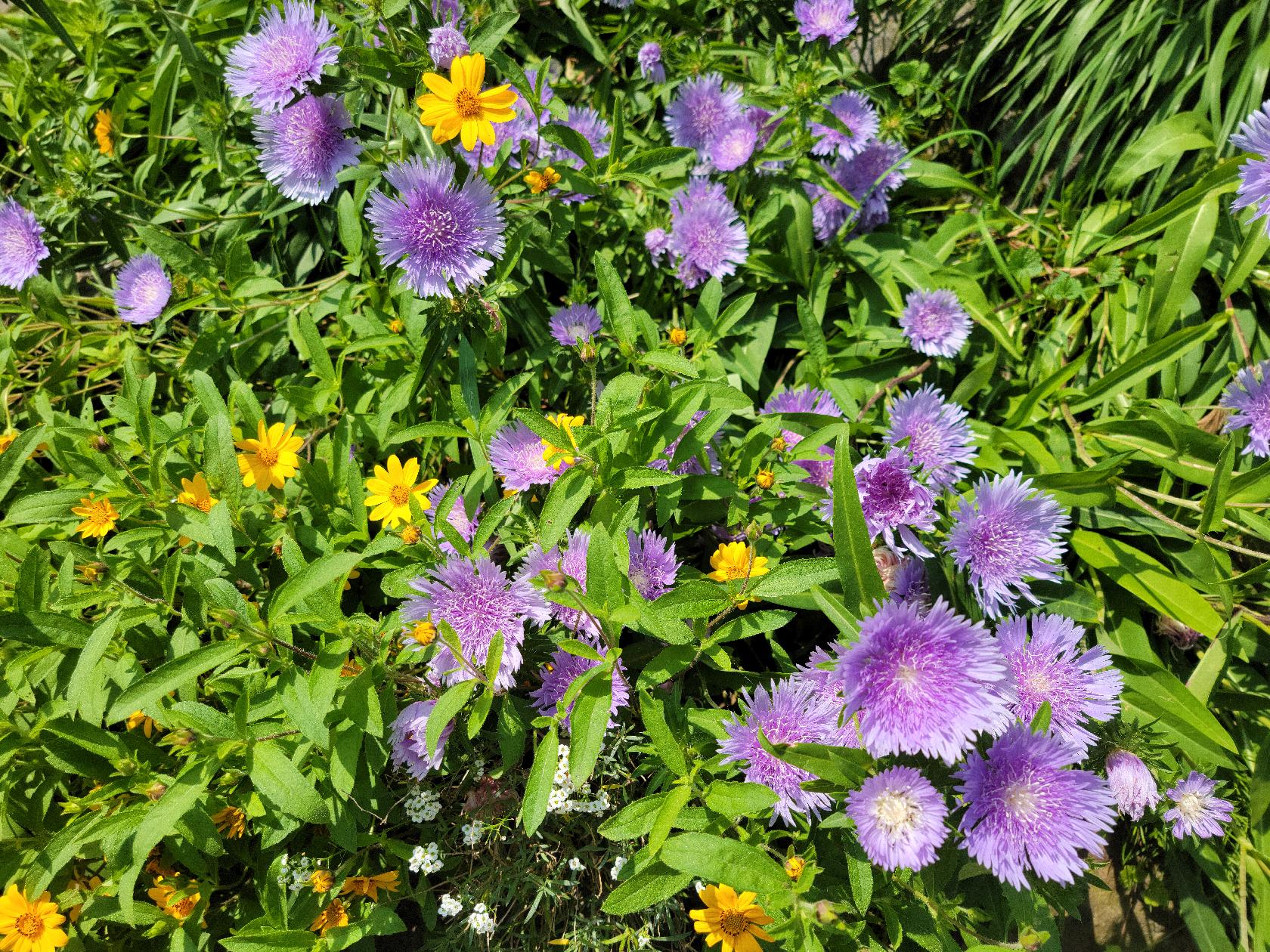
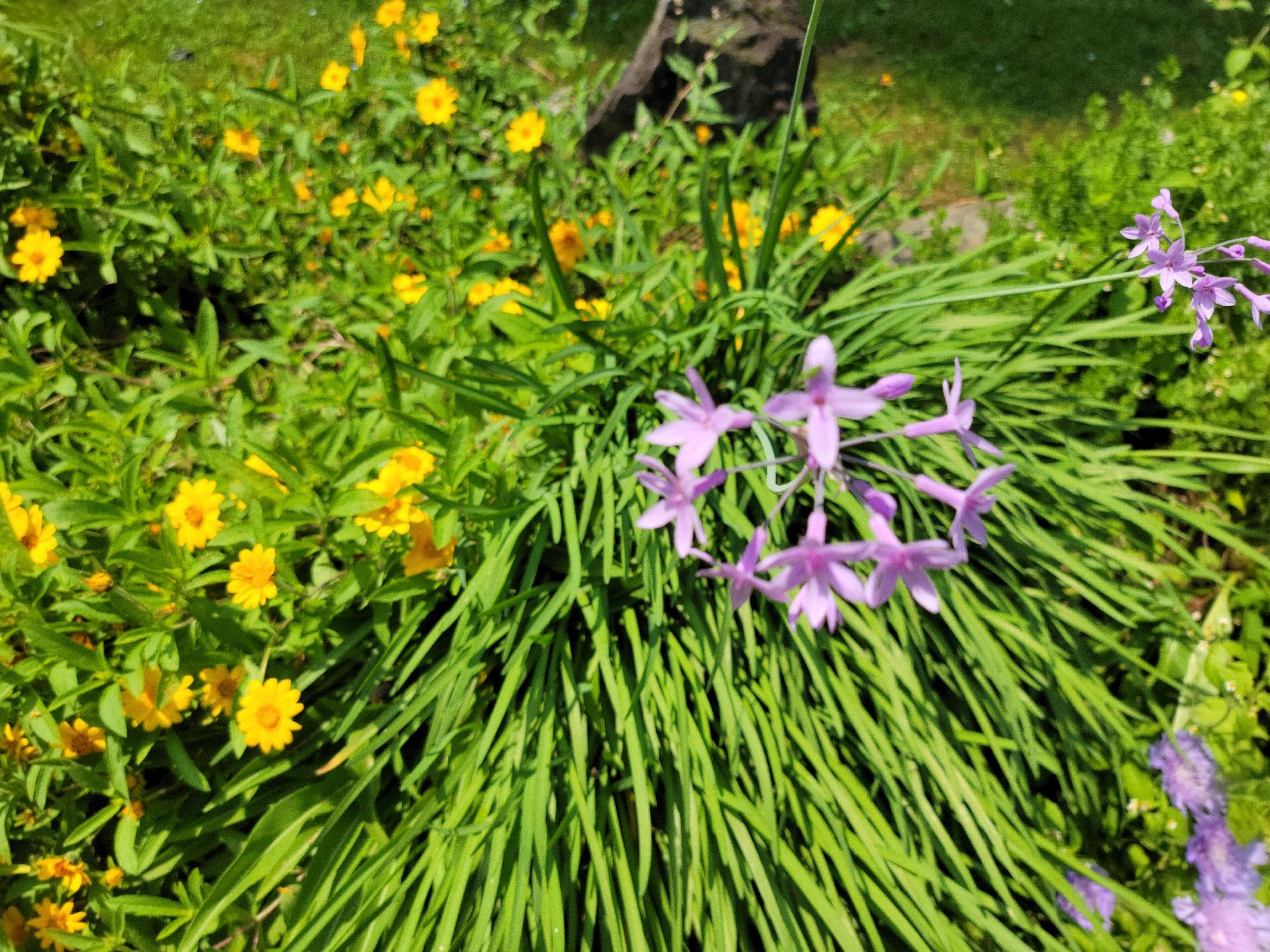
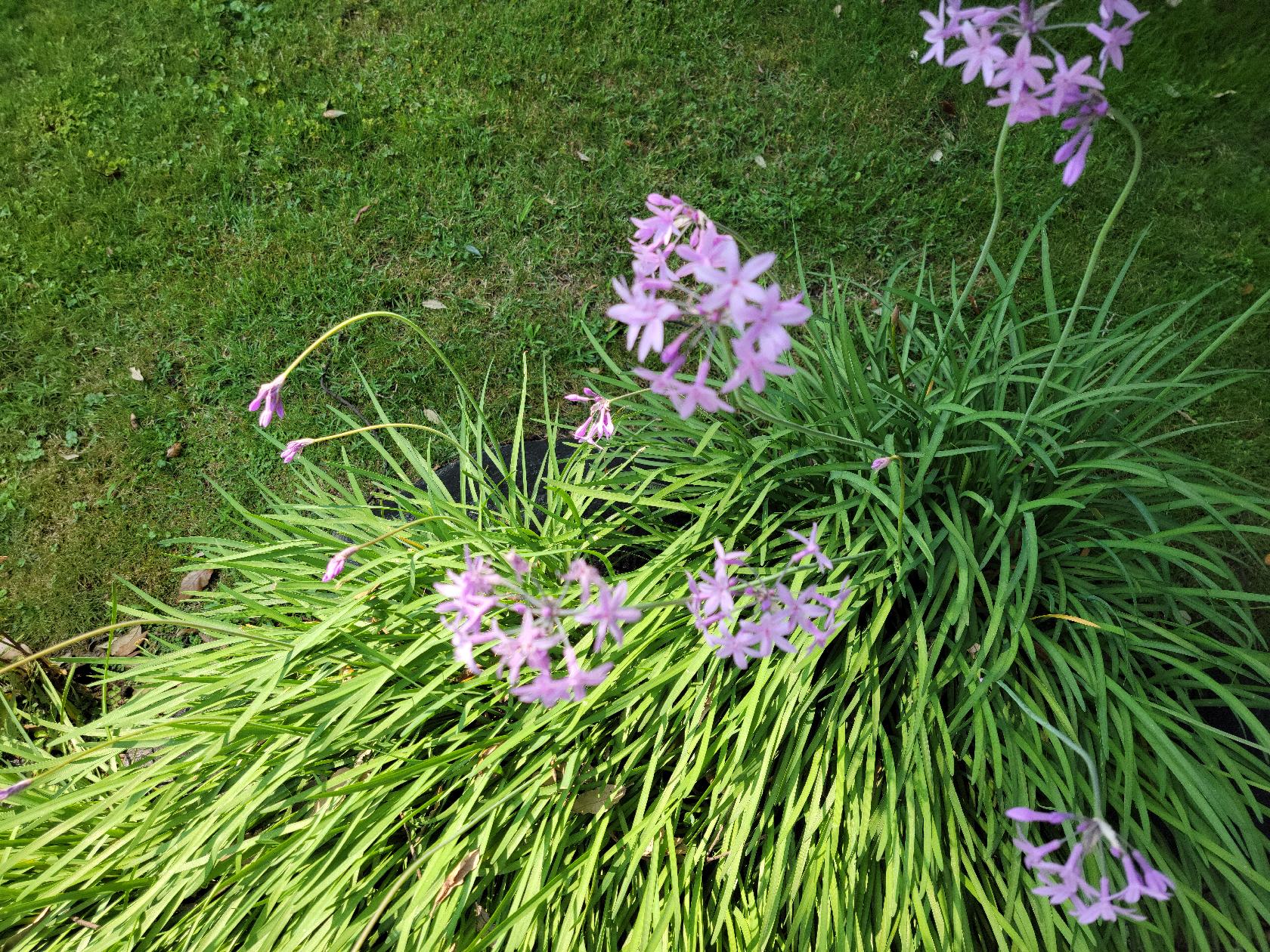
Flowers – Isola Madre, Lake Maggiore, Italy
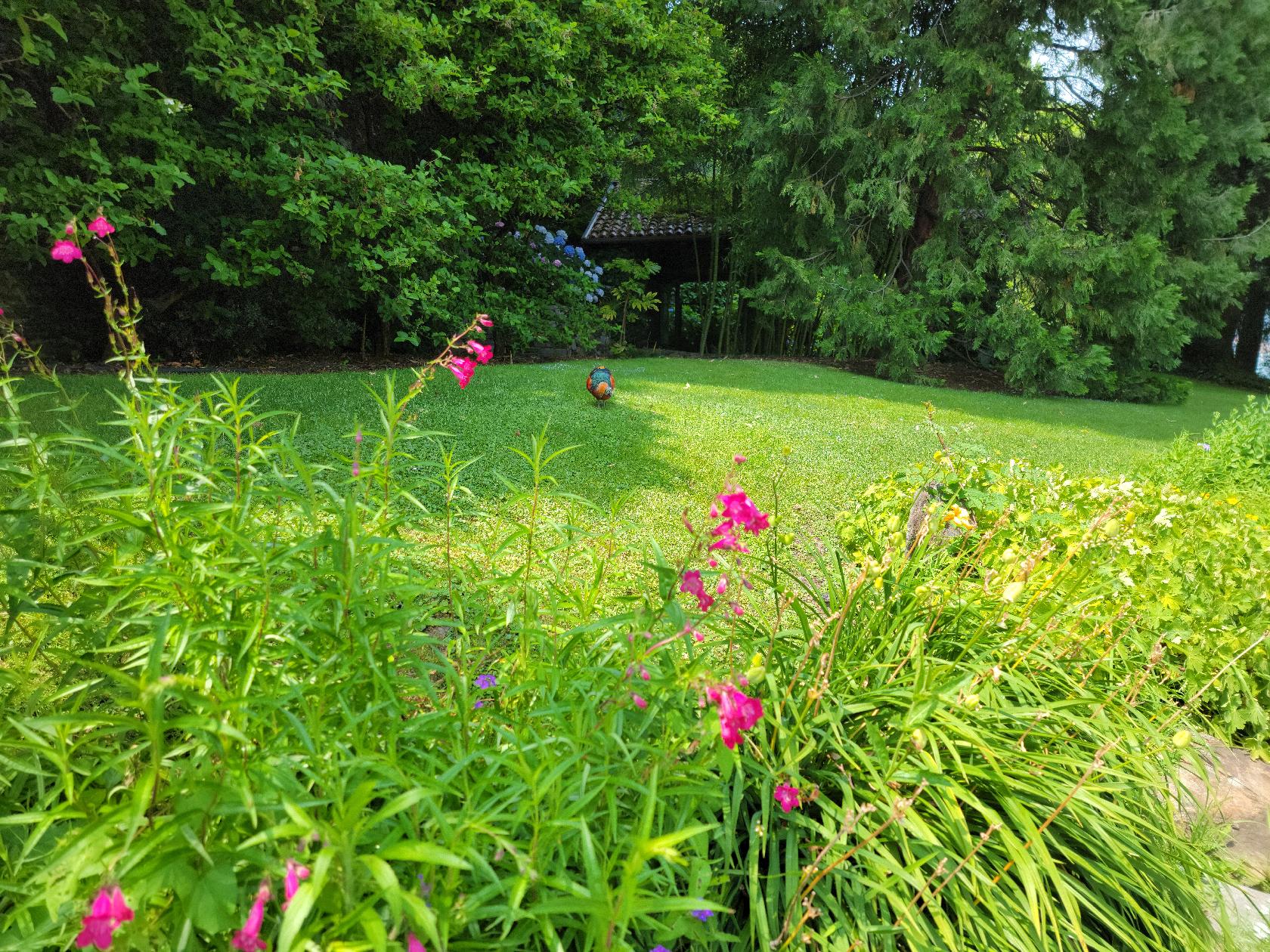
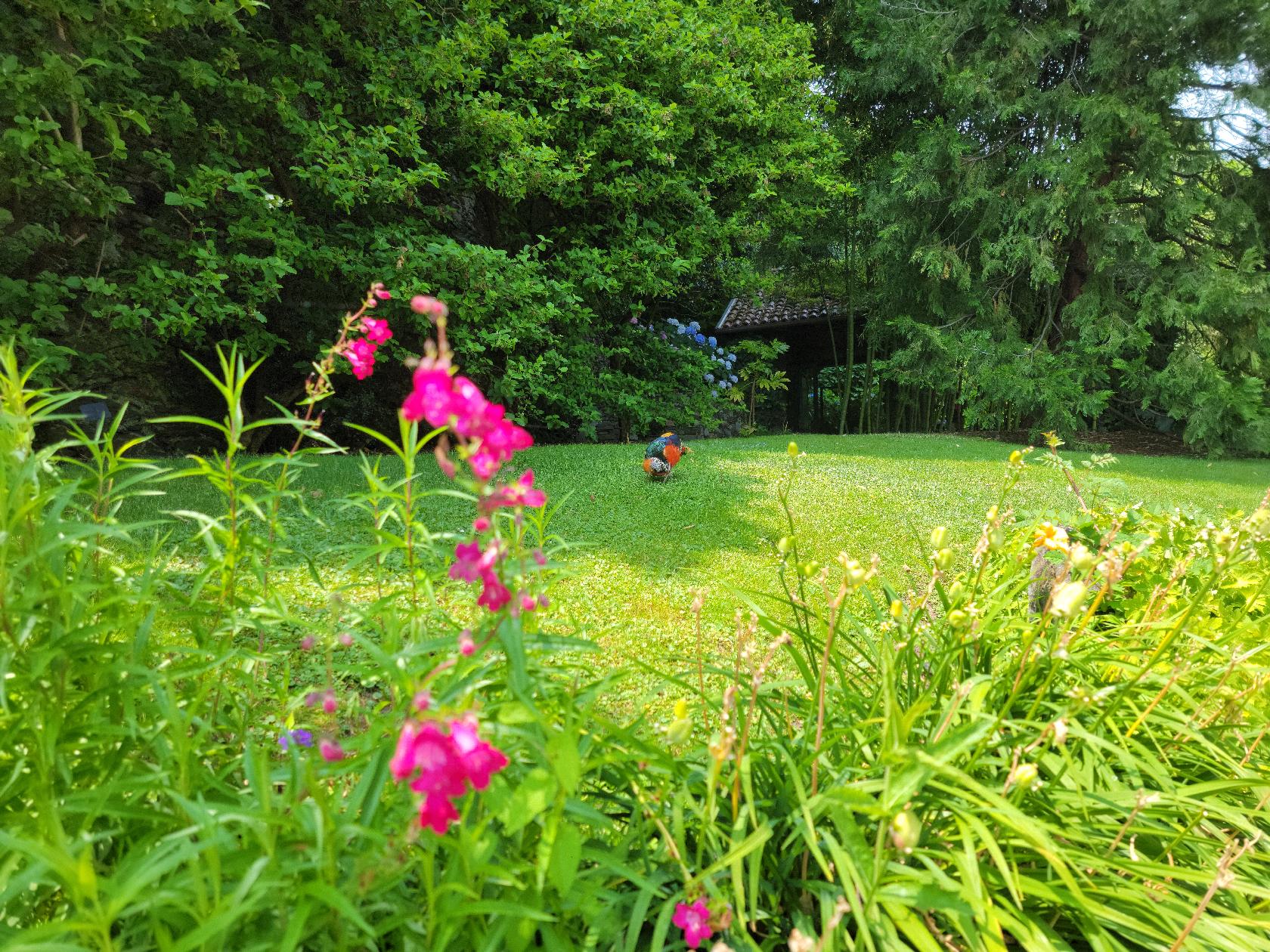
More flowers and Dark Throat Golden Pheasant – Isola Madre, Lake Maggiore, Italy
Dark Throat Golden Pheasant – Isola Madre, Lake Maggiore, Italy
More flowers – Isola Madre, Lake Maggiore, Italy
More flowers – Isola Madre, Lake Maggiore, Italy
More flowers – Isola Madre, Lake Maggiore, Italy
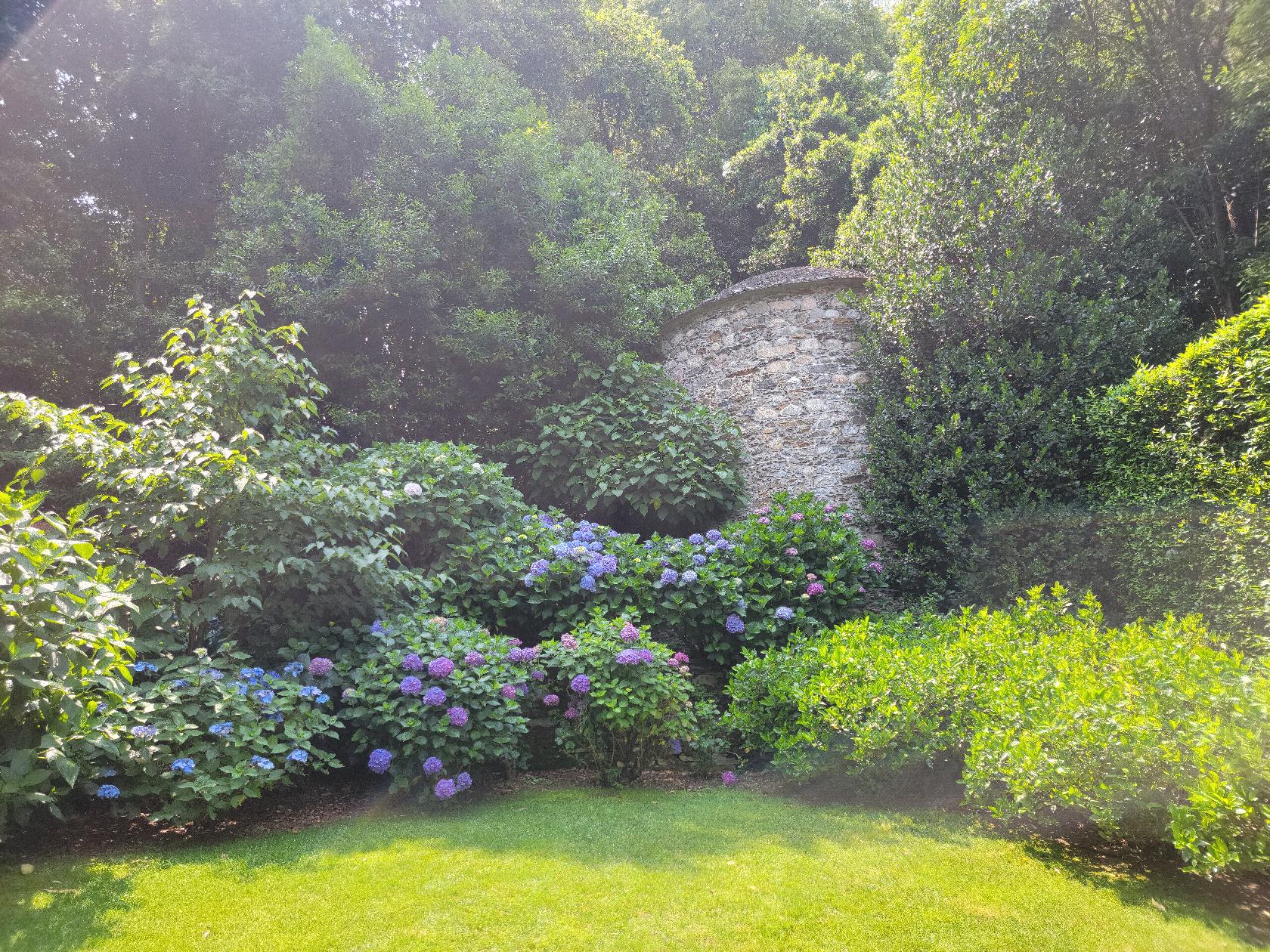
Hydrangea – Isola Madre, Lake Maggiore, Italy
Ferns in the wet part of the gardens – Isola Madre, Lake Maggiore, Italy
More ferns – Isola Madre, Lake Maggiore, Italy
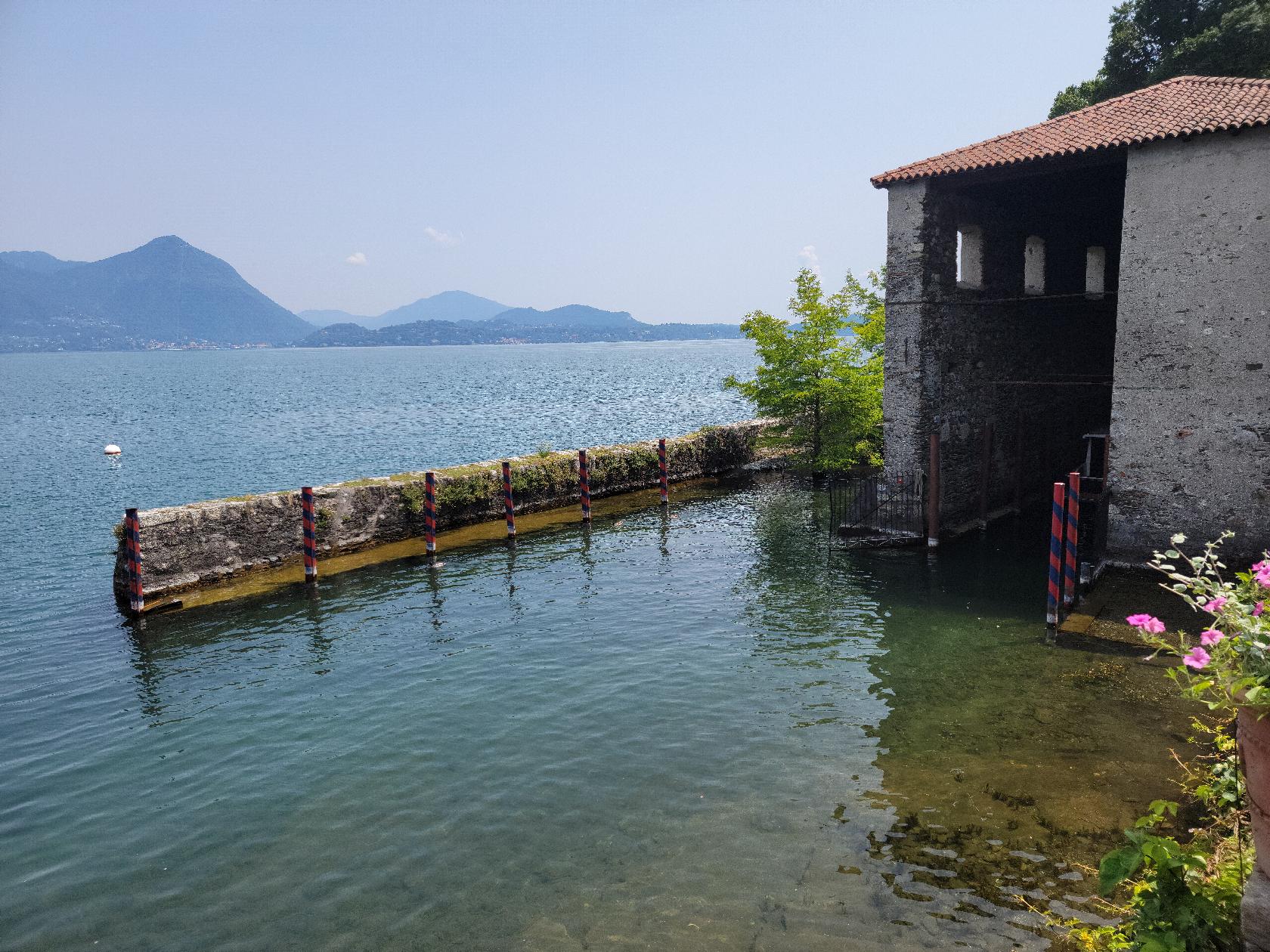
Old boat or gondola dock – Isola Madre, Lake Maggiore, Italy
Pallanza – Isola Madre, Lake Maggiore, Italy
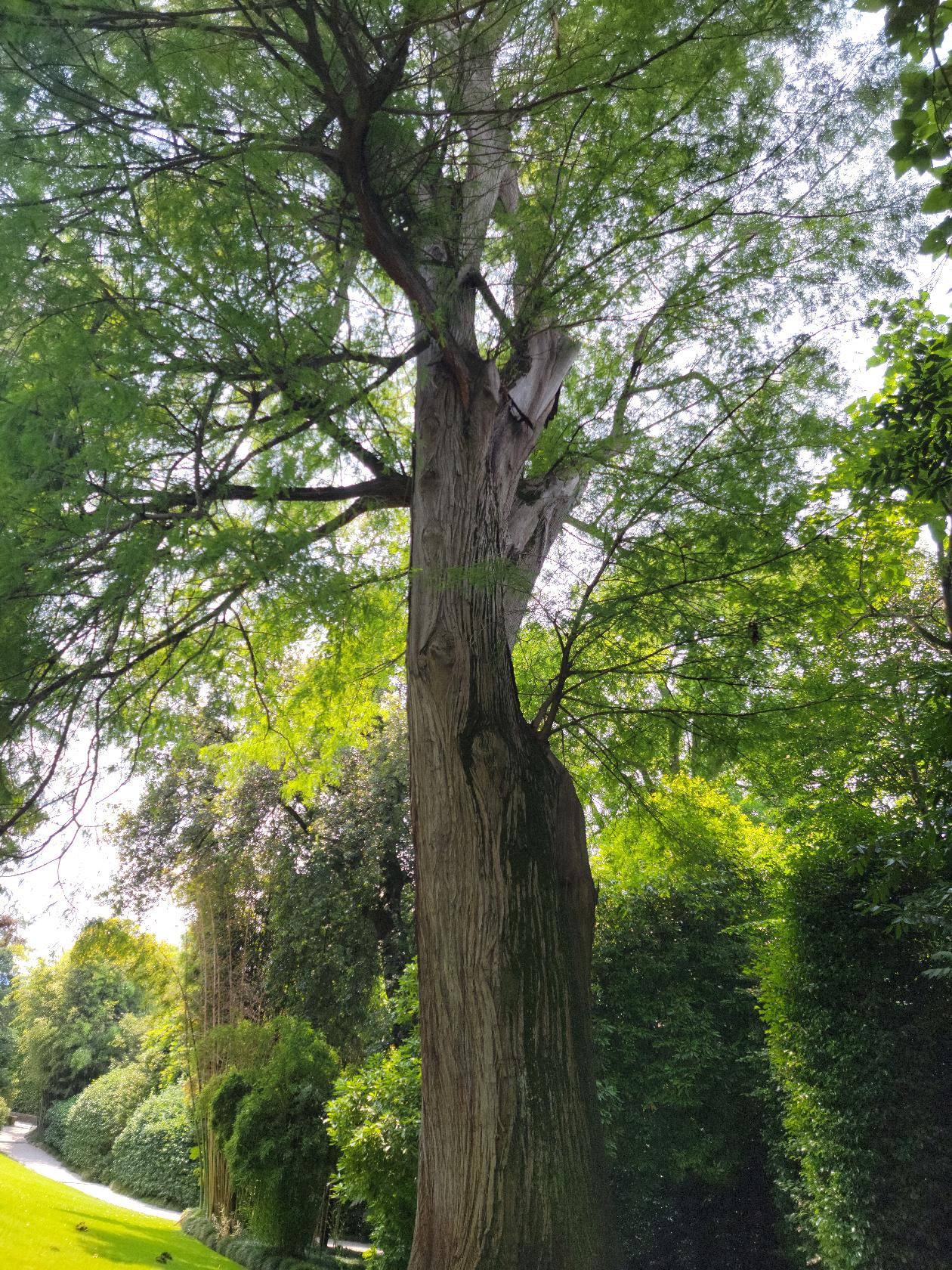
An old Taxodium Distichum or swamp cypress – Isola Madre, Lake Maggiore, Italy
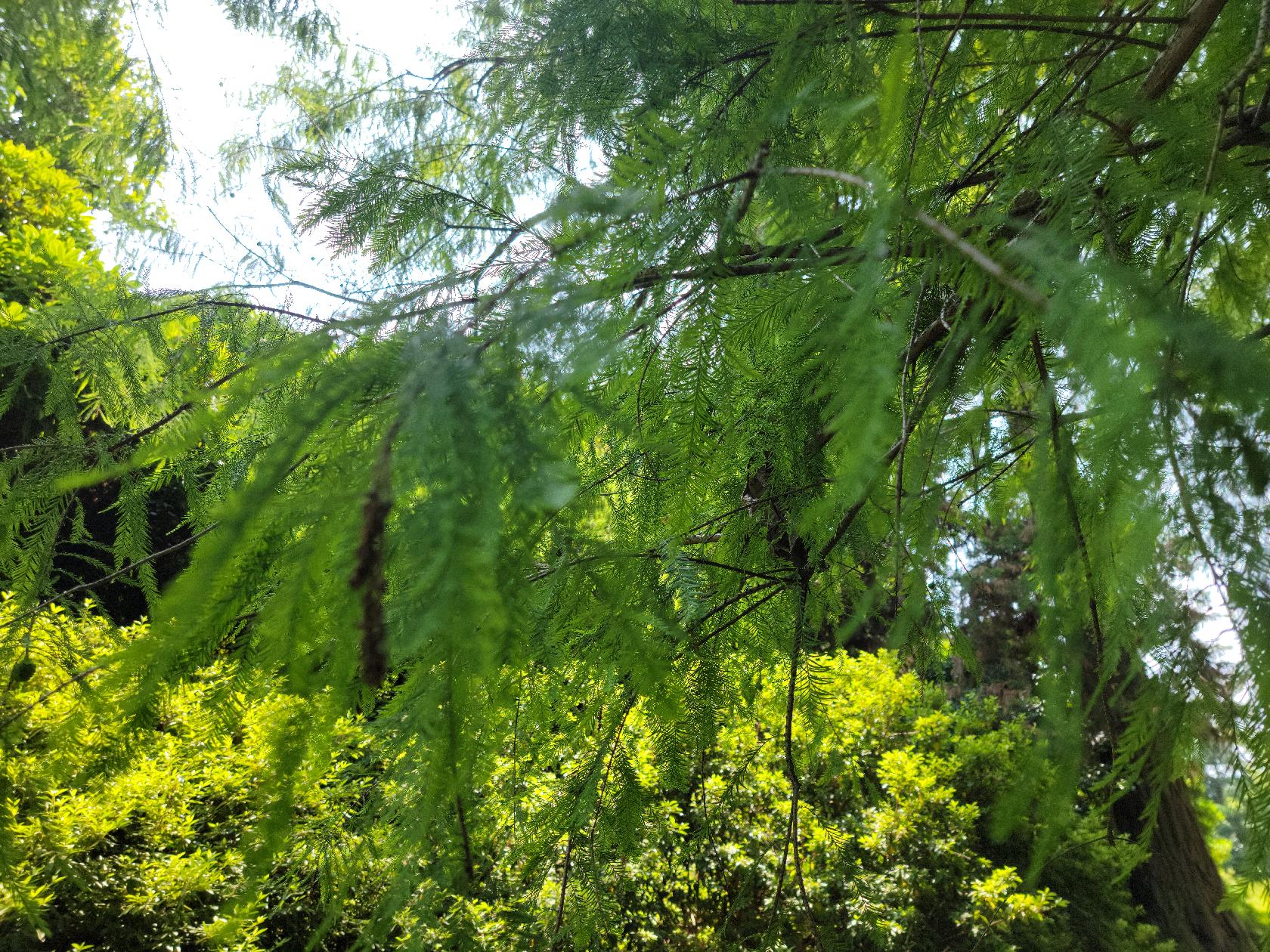
Leaves of the swamp cypress – Isola Madre, Lake Maggiore, Italy
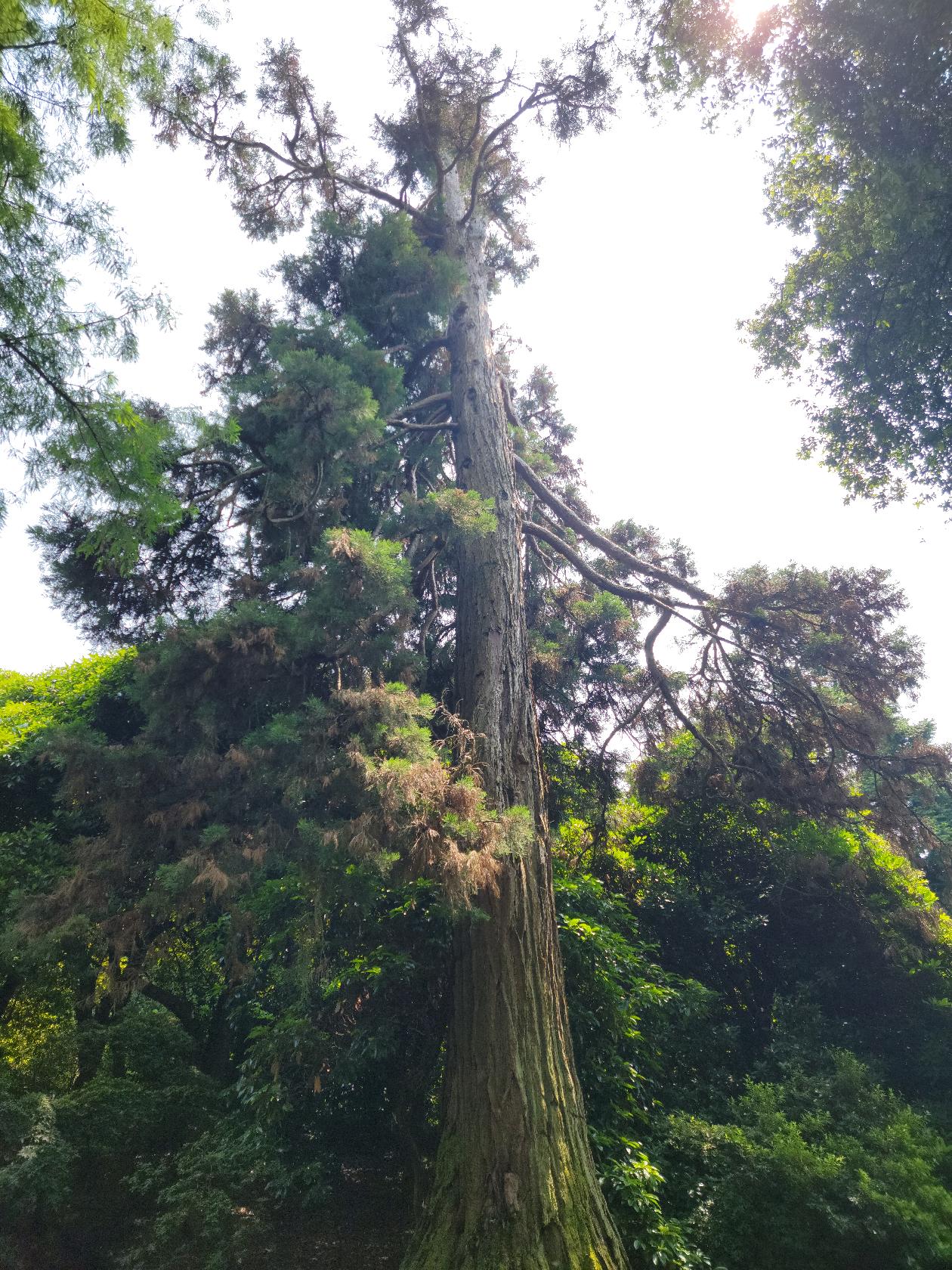
A rather poor specimen of Sequoiadendron Giganteum, labeled Wellingtonia Gigantea, or the giant sequoia – Isola Madre, Lake Maggiore, Italy
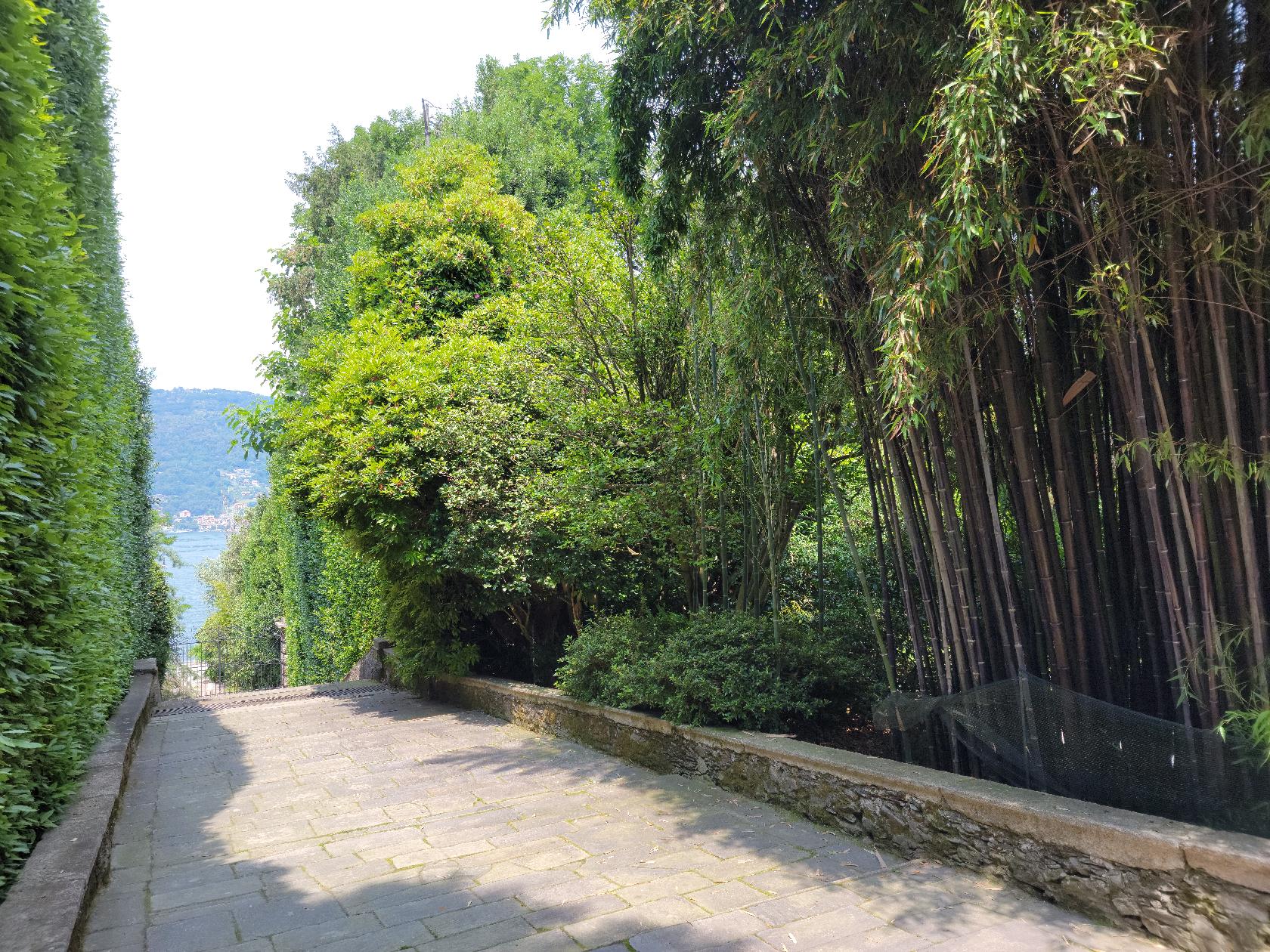
Pathway and Bamboo grove – Isola Madre, Lake Maggiore, Italy
Walkway towards the palazzo – Isola Madre, Lake Maggiore, Italy
The Palazzo
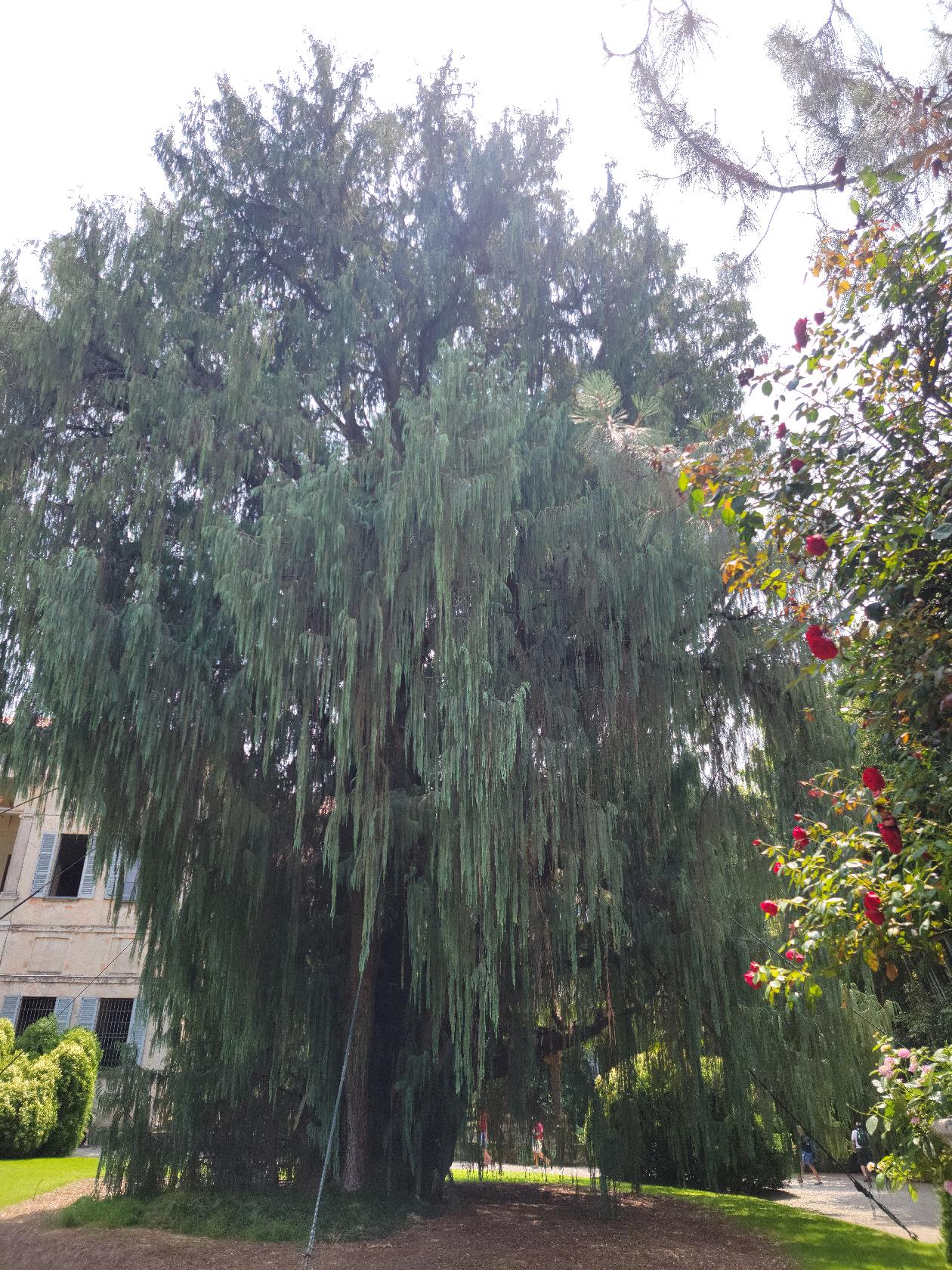
Immediately outside the entrance to the palazzo is a huge Cashmir Cypress tree, that was once blown over by a tornado on the island and later saved. It is indeed a magnificent specimen.
The Cashmir Cypress – Isola Madre, Lake Maggiore, Italy
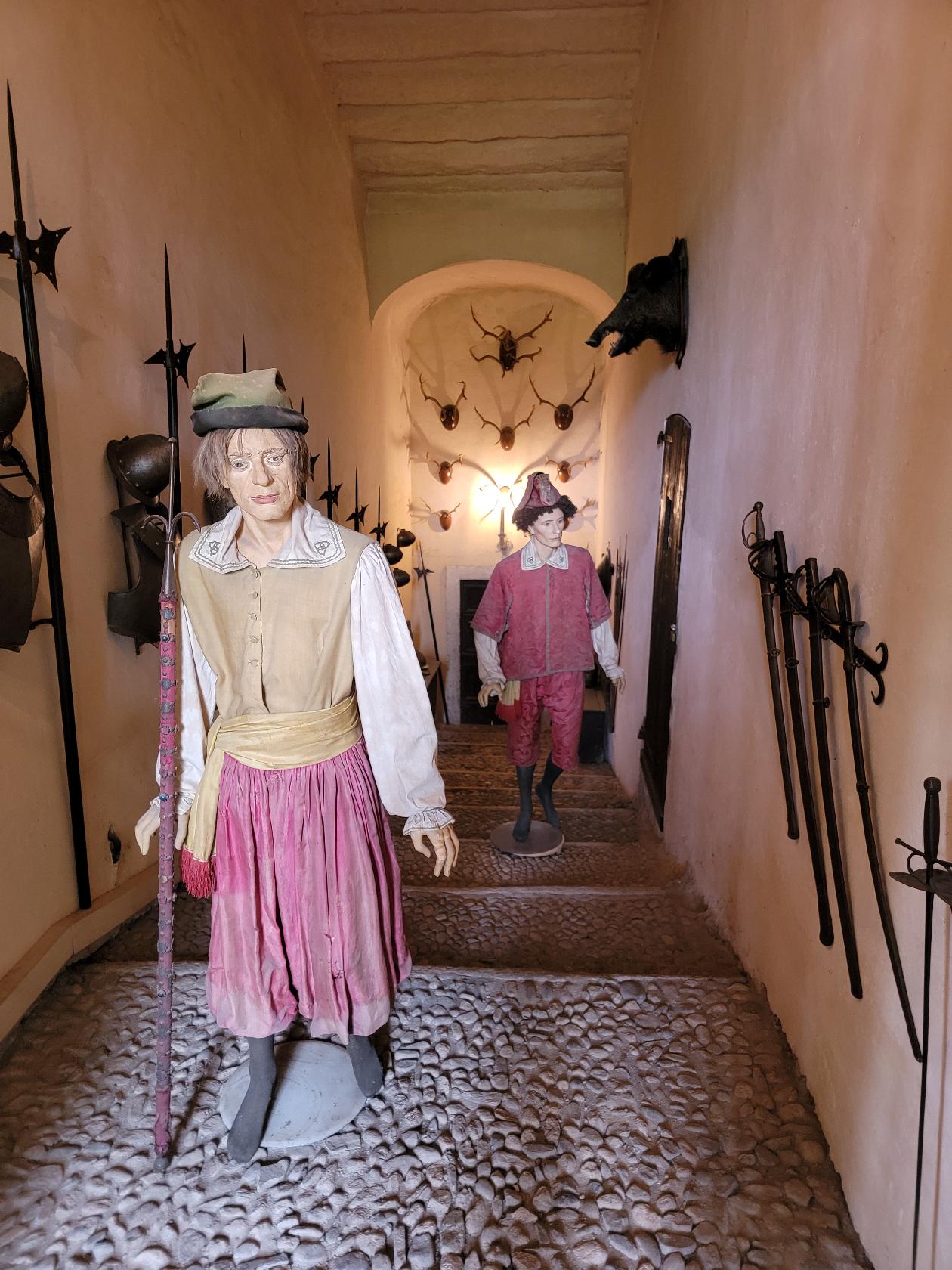
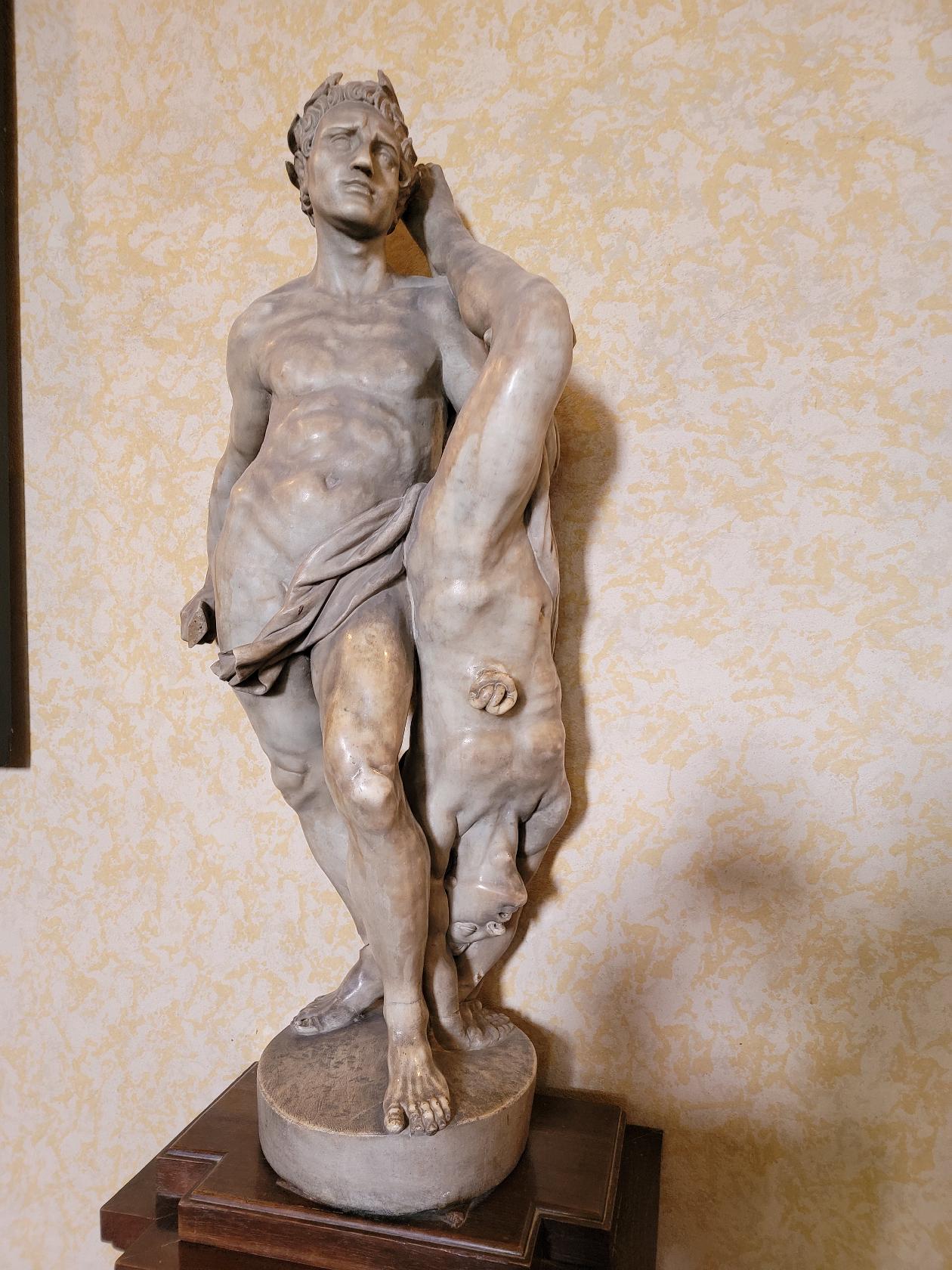
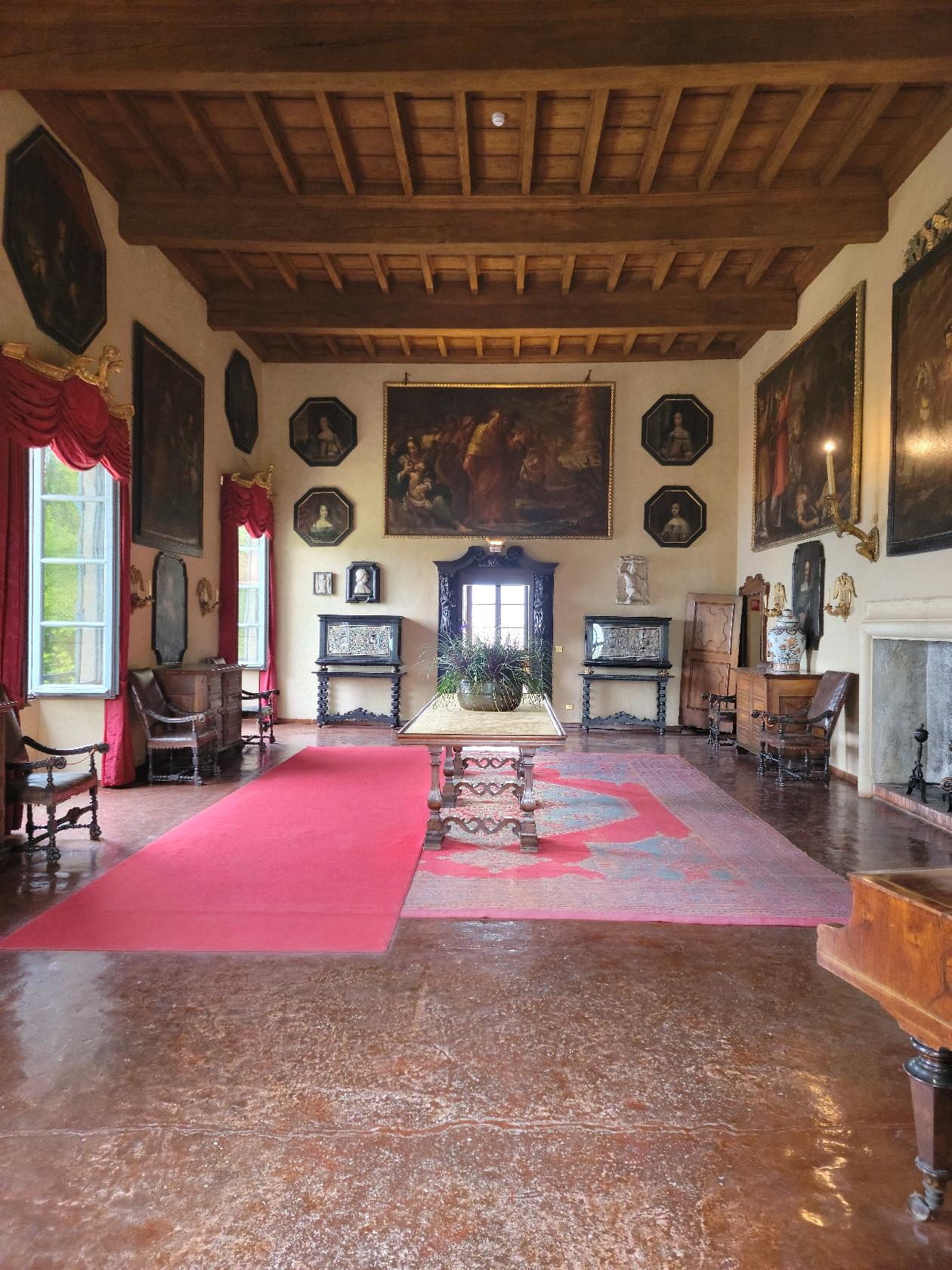
The interior of the palazzo is very interesting and a bit disturbing as well. It contains a lot of desiderata, so the displays can often appear disjointed and not themed well. However, taken as the idiosyncrasies of its creators and owners, it is perhaps more understandable. I found it enjoyable though confused at times, in its own way.
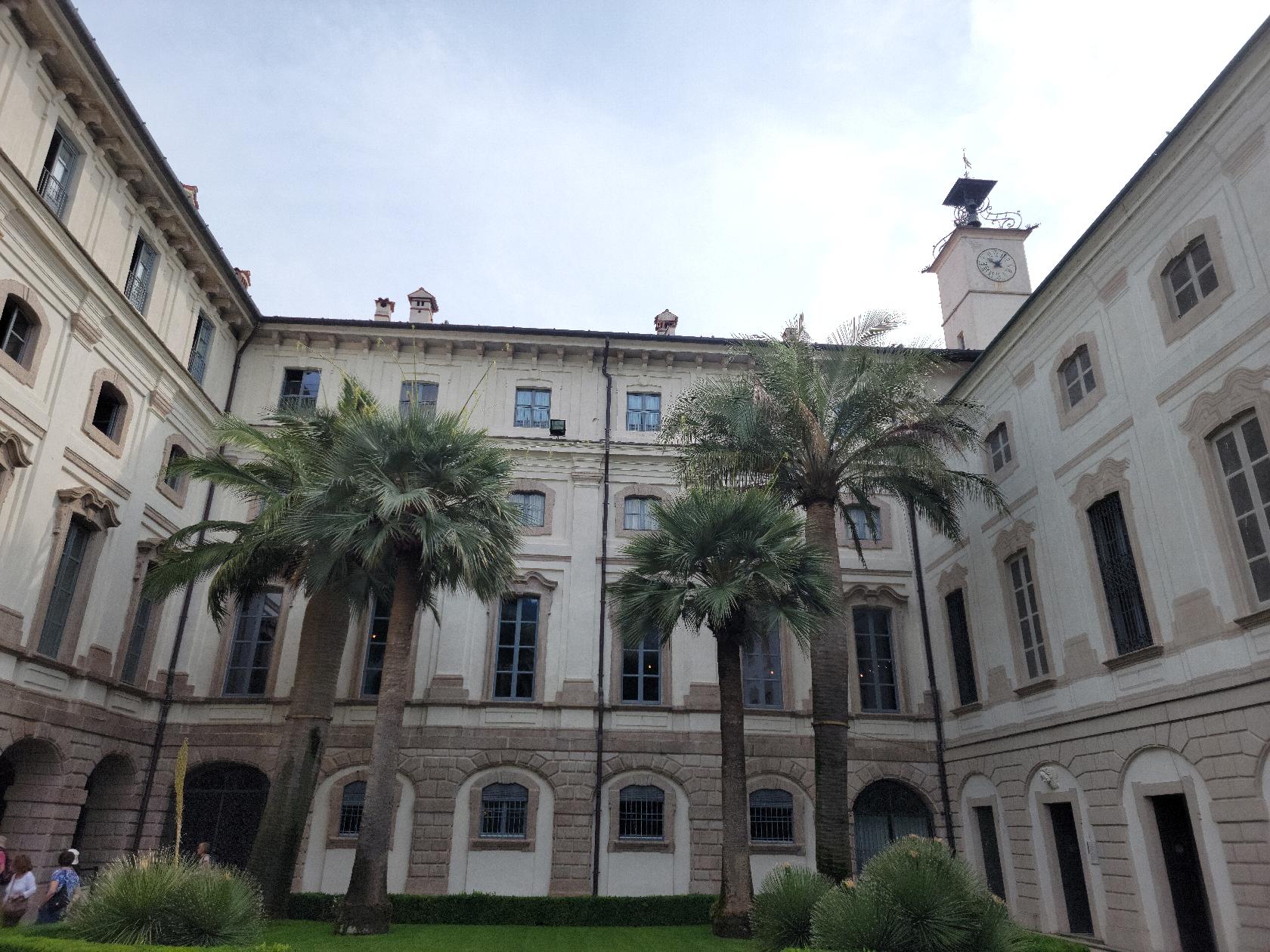
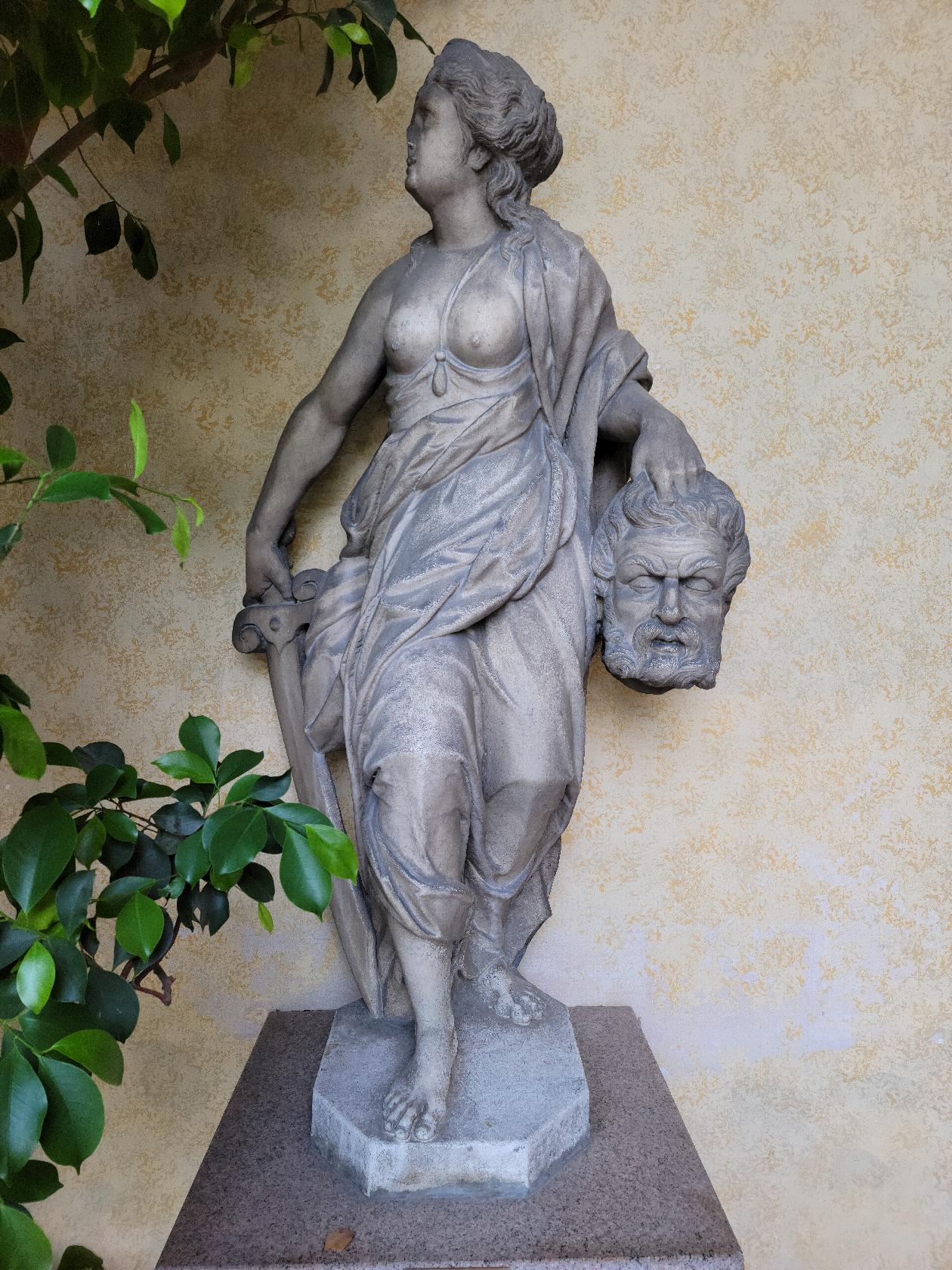
Antonio Albertini, Biuditta con la Testa di Oloferne – Palazzo dell’Isola Madre – Isola Madre, Lake Maggiore, Italy
Exhibit – Palazzo dell’Isola Madre – Isola Madre, Lake Maggiore, Italy
Statue – Palazzo dell’Isola Madre – Isola Madre, Lake Maggiore, Italy
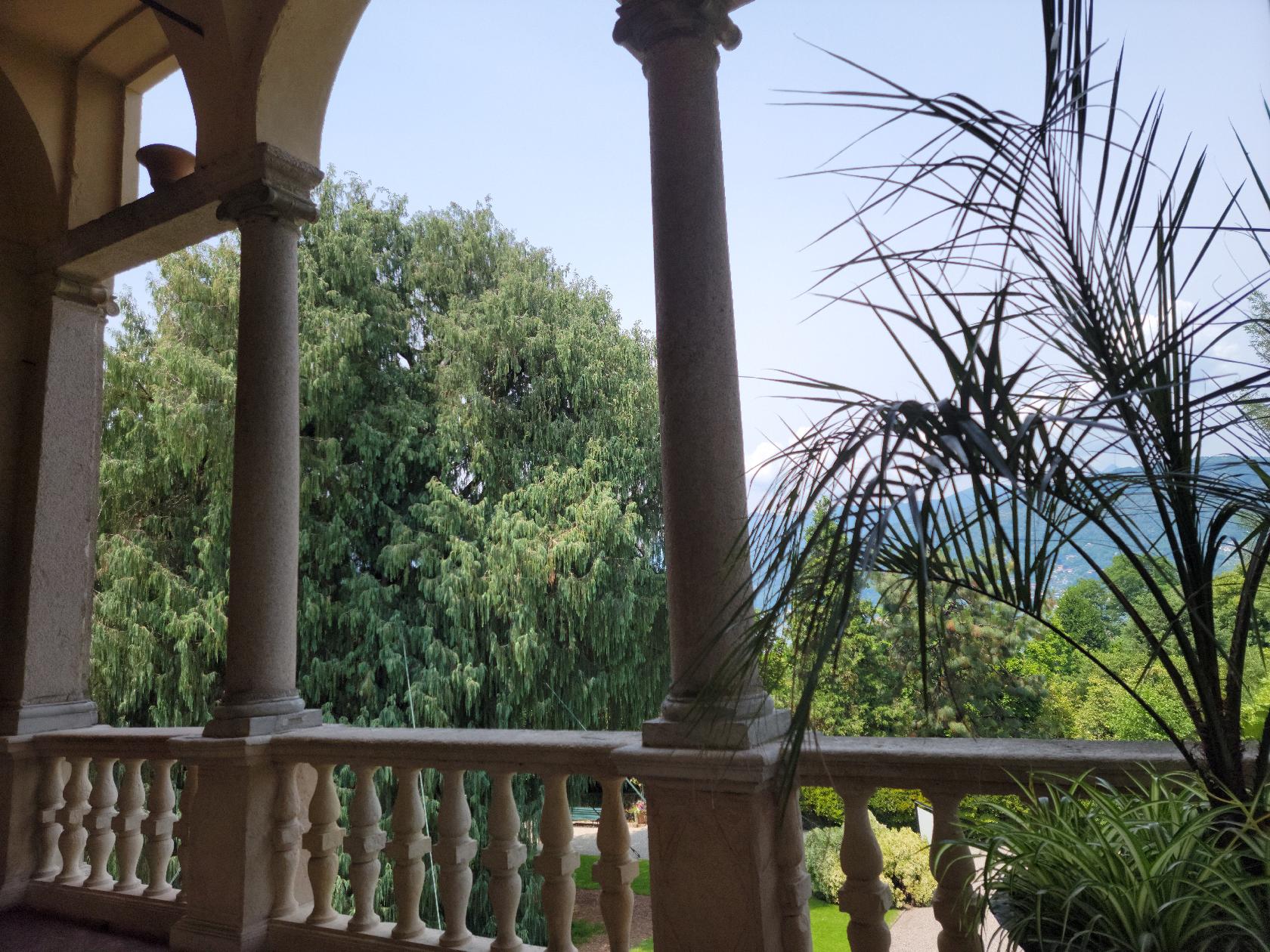
Cypress tree from balcony – Palazzo dell’Isola Madre – Isola Madre, Lake Maggiore, Italy
Main room – Palazzo dell’Isola Madre – Isola Madre, Lake Maggiore, Italy
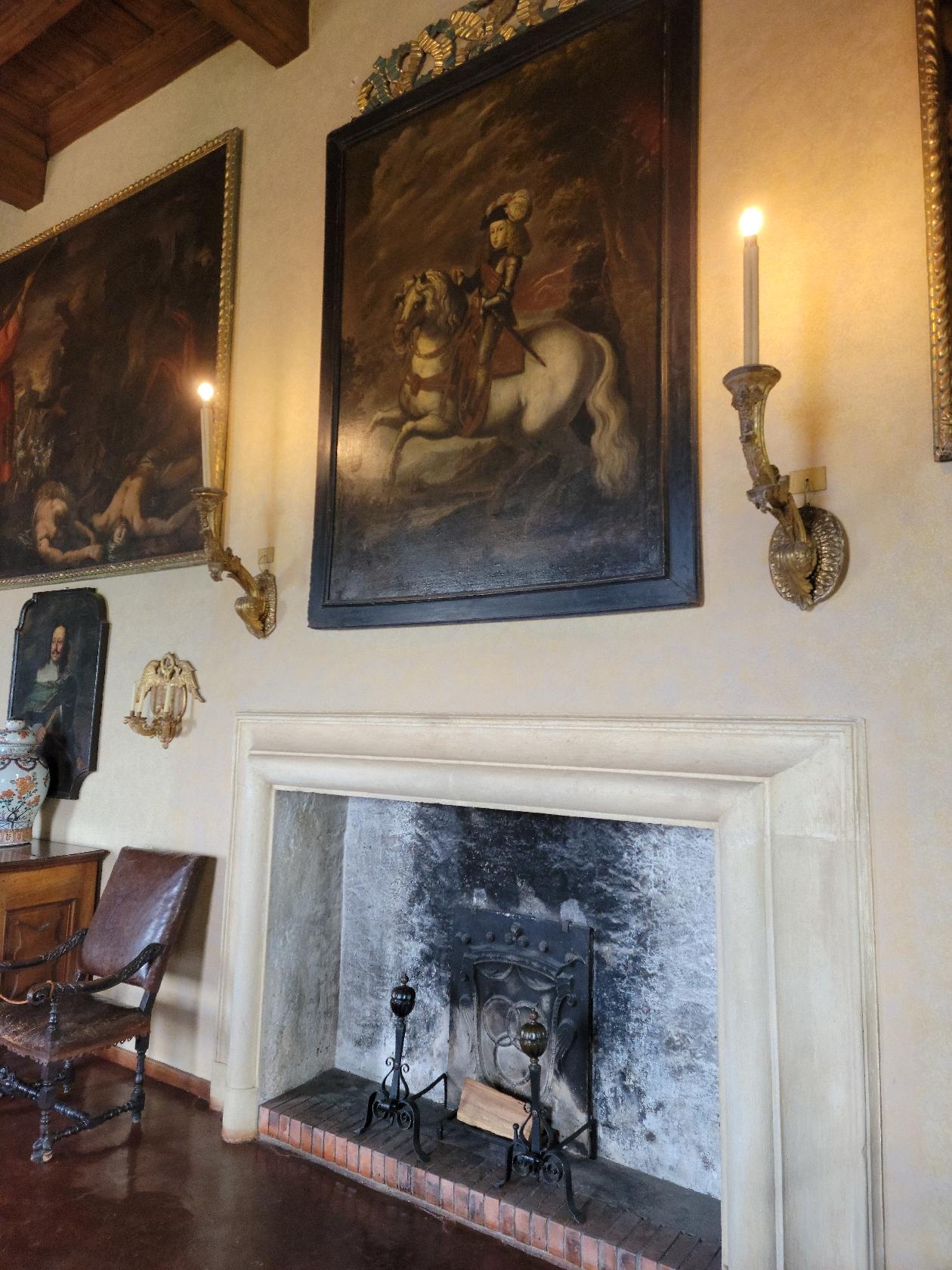
Fireplace – Palazzo dell’Isola Madre – Isola Madre, Lake Maggiore, Italy
Hallway crowded with extra furniture – Palazzo dell’Isola Madre – Isola Madre, Lake Maggiore, Italy
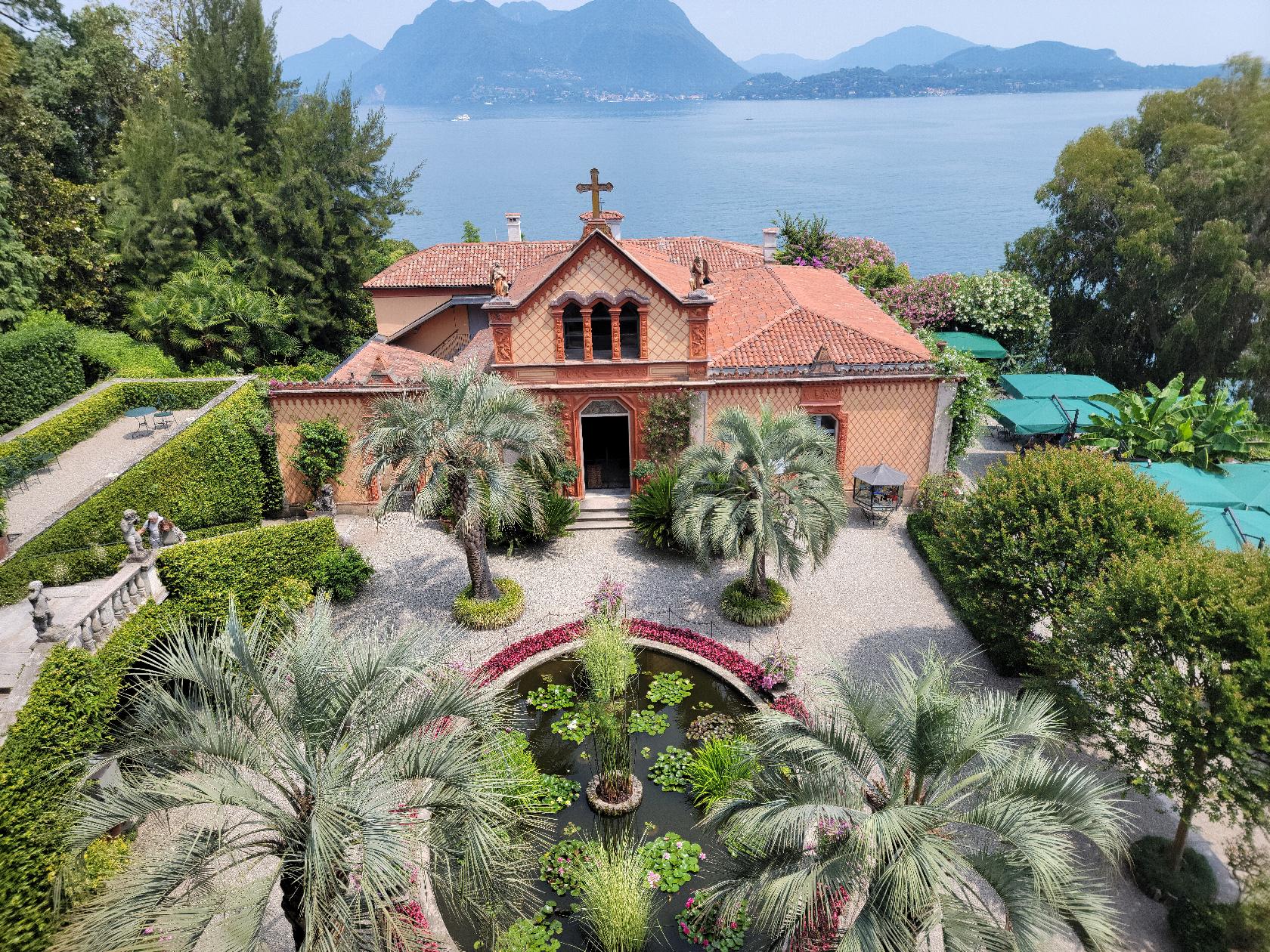
Chapel and outside garden – Palazzo dell’Isola Madre – Isola Madre, Lake Maggiore, Italy
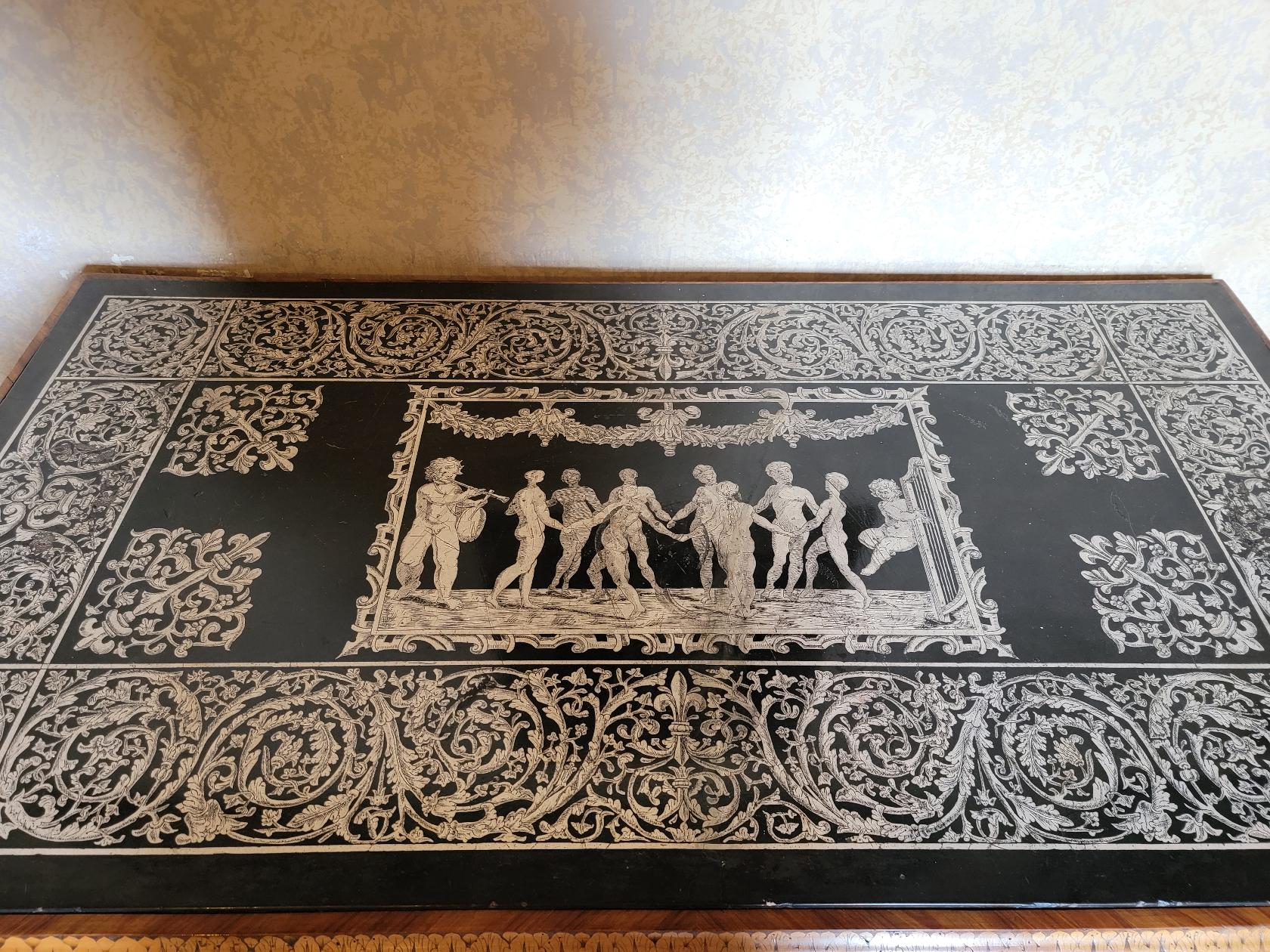
Ivory and Ebony tabletop – Palazzo dell’Isola Madre – Isola Madre, Lake Maggiore, Italy
Room with oddities – Palazzo dell’Isola Madre – Isola Madre, Lake Maggiore, Italy
Room with oddities – Palazzo dell’Isola Madre – Isola Madre, Lake Maggiore, Italy
Room with oddities – Palazzo dell’Isola Madre – Isola Madre, Lake Maggiore, Italy
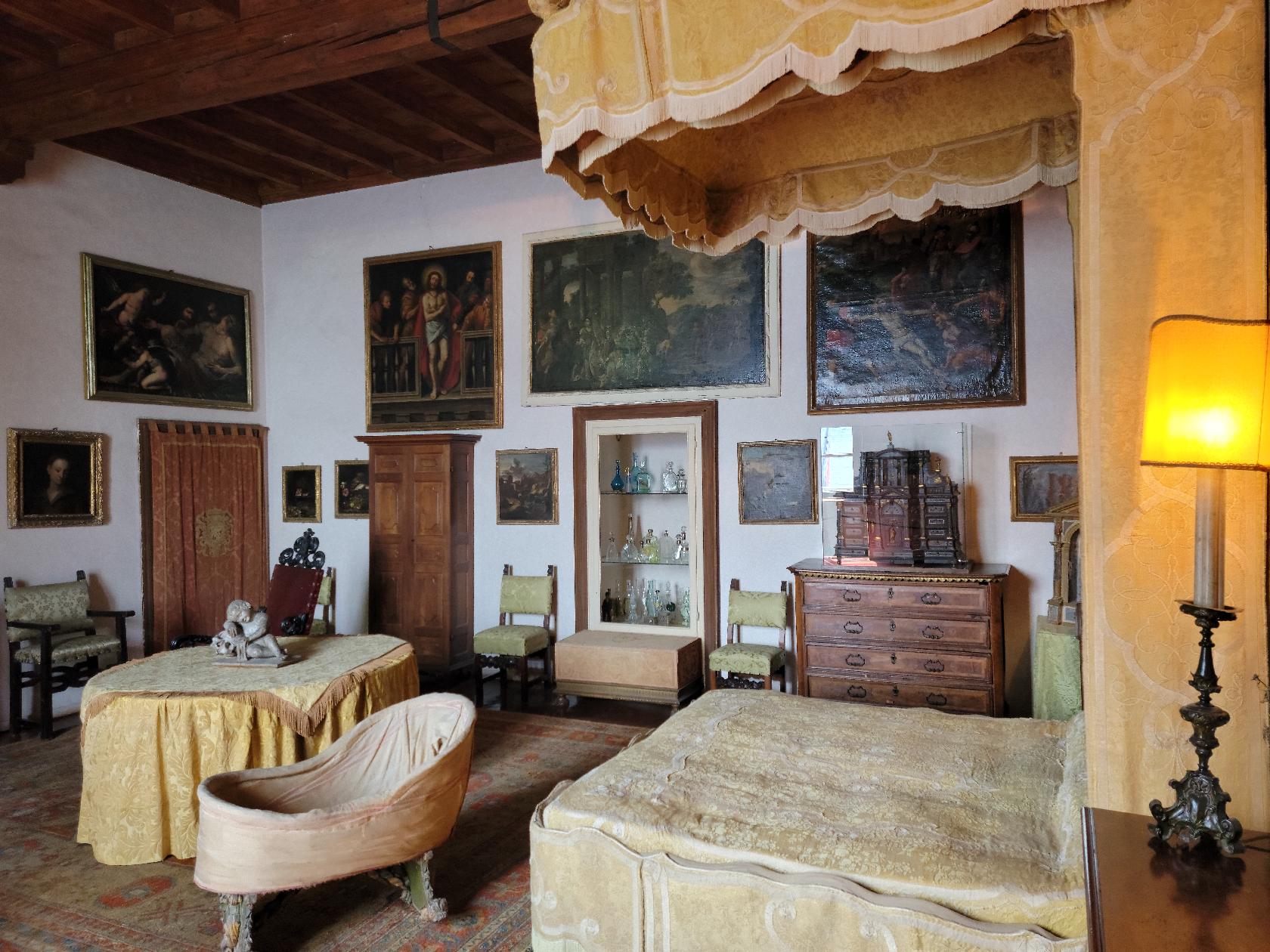
Bedroom – Palazzo dell’Isola Madre – Isola Madre, Lake Maggiore, Italy
Bedroom for baby and mother – Palazzo dell’Isola Madre – Isola Madre, Lake Maggiore, Italy
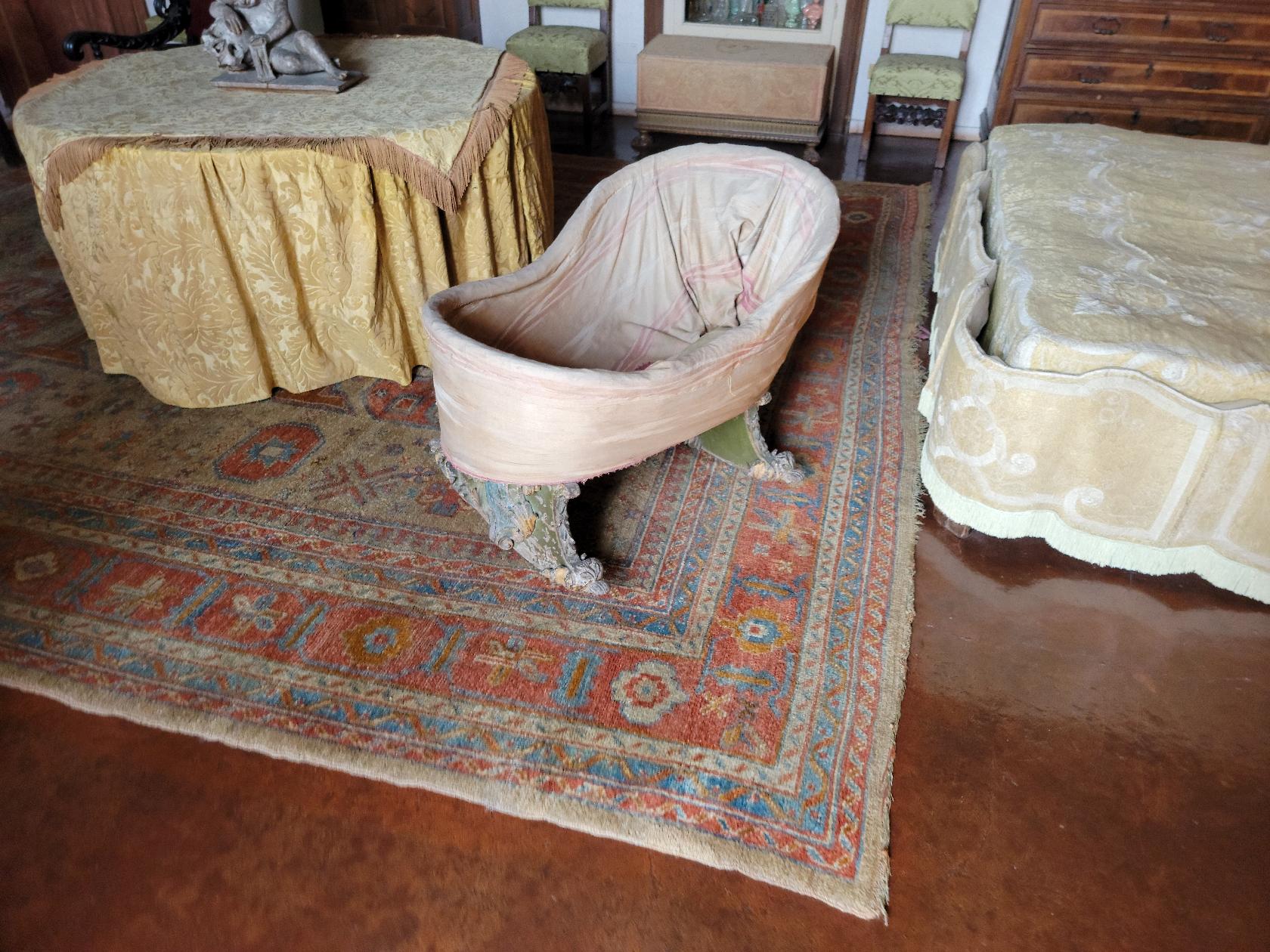
Cradle – Palazzo dell’Isola Madre – Isola Madre, Lake Maggiore, Italy
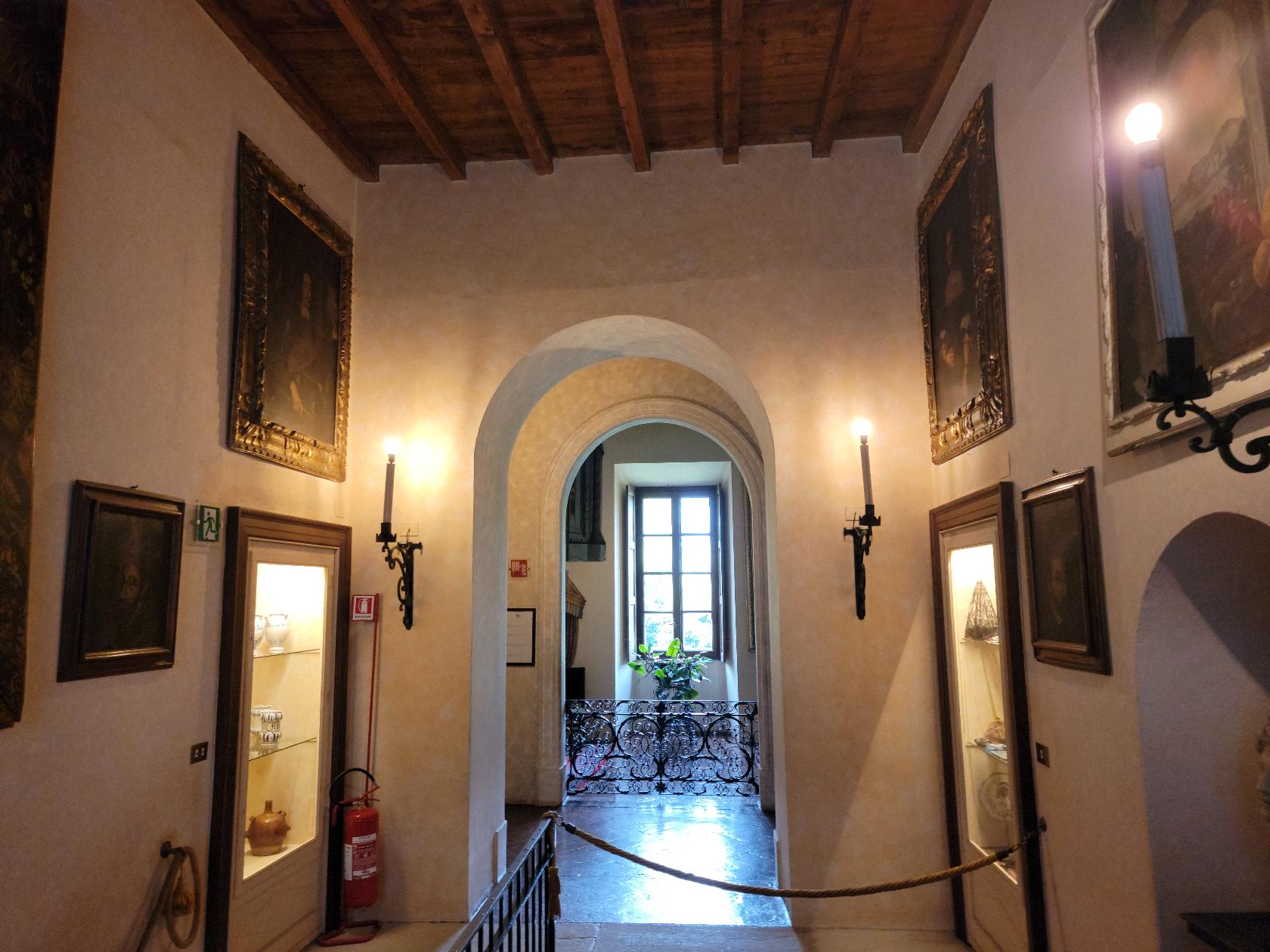
Hallway – Palazzo dell’Isola Madre – Isola Madre, Lake Maggiore, Italy
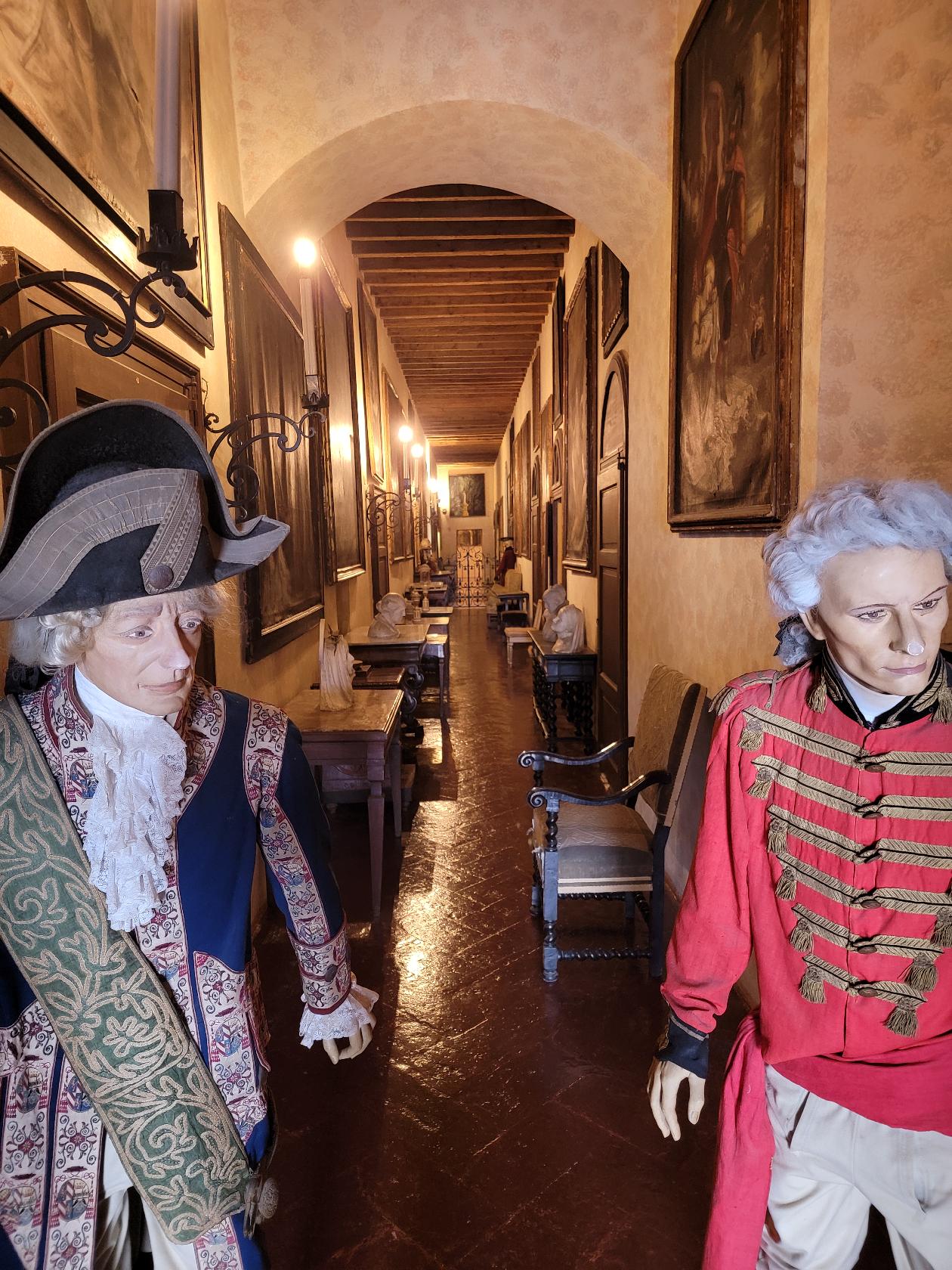
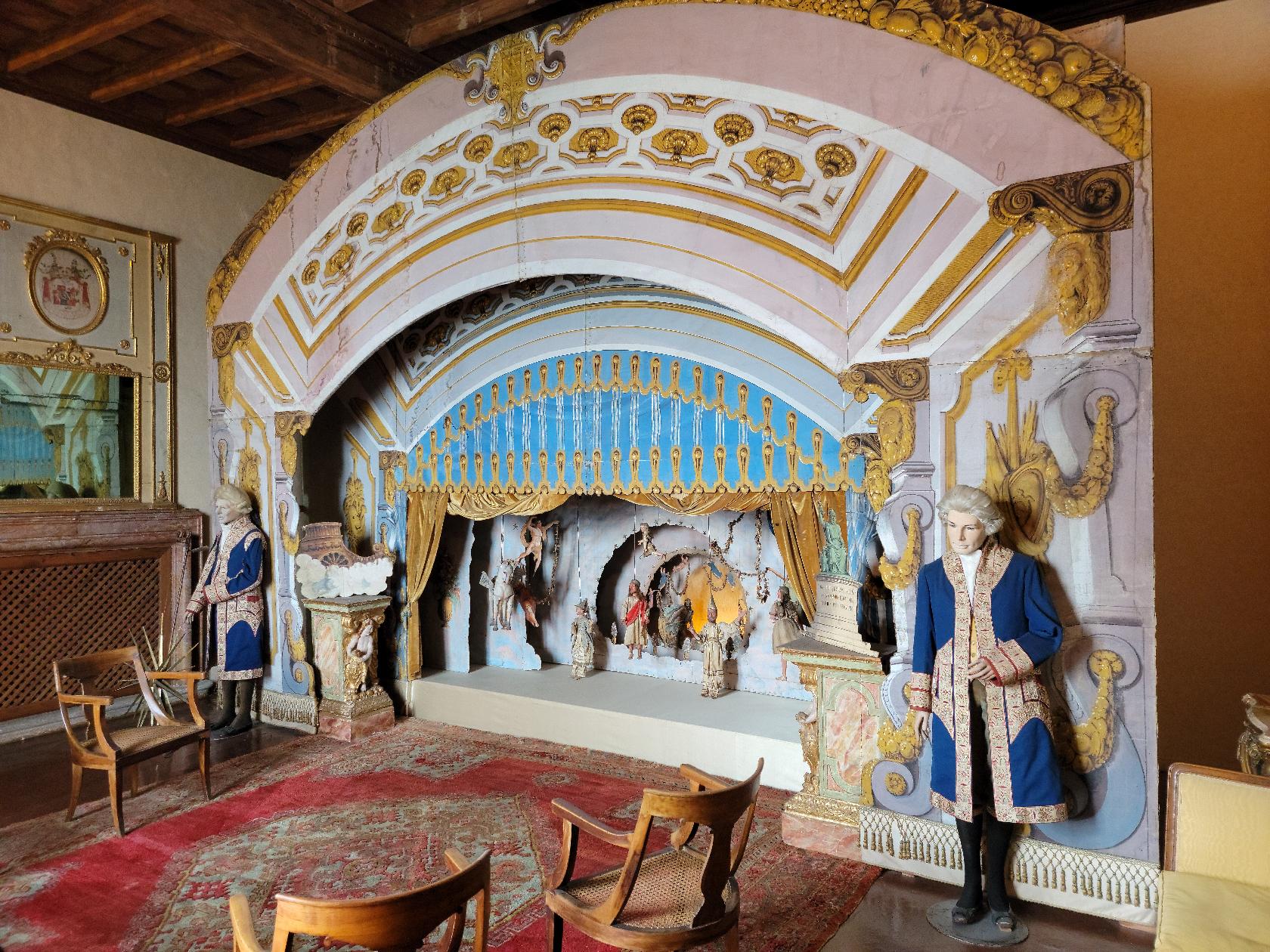
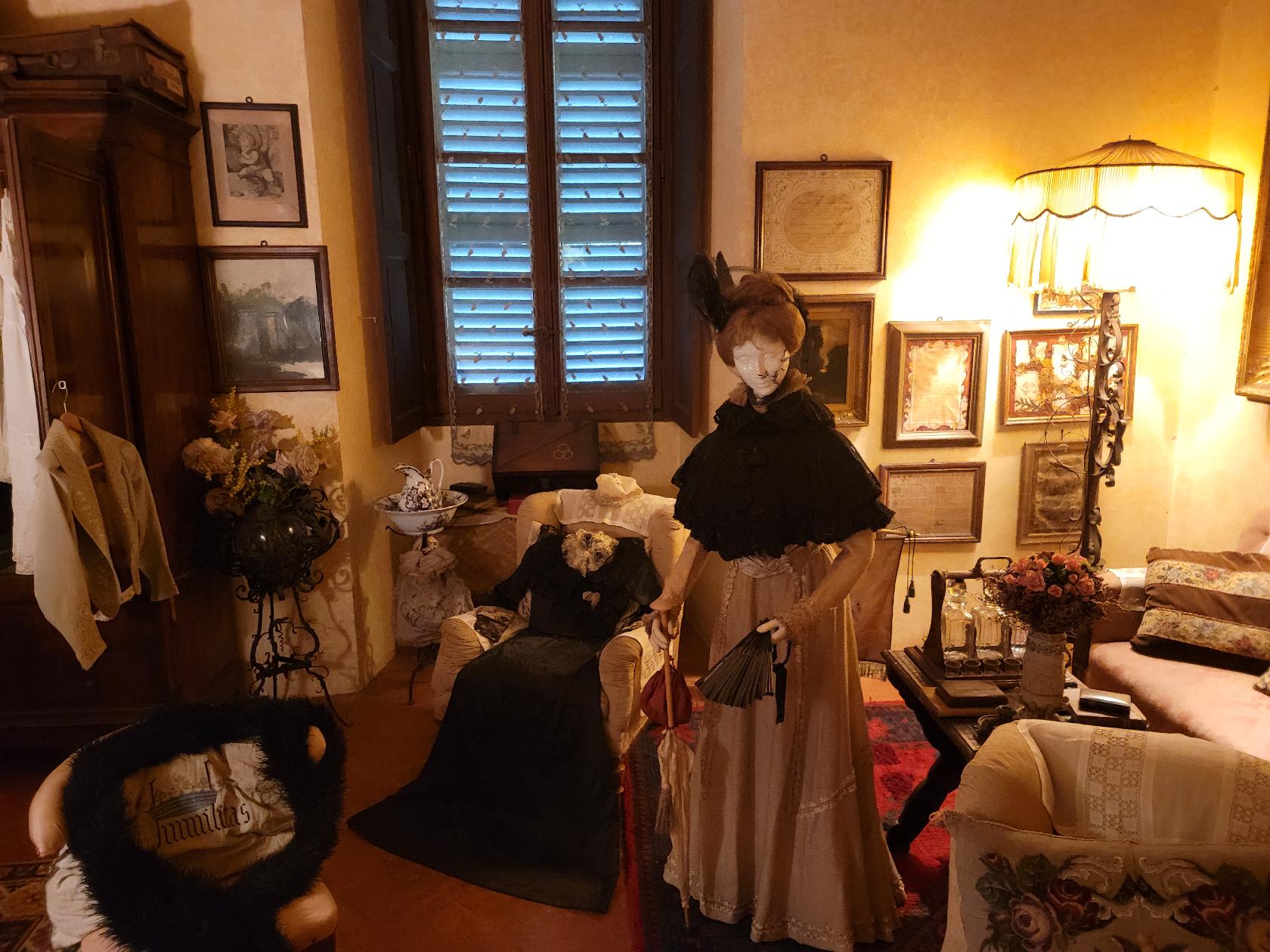
Elaborate mannequins with Marionette stage – Palazzo dell’Isola Madre – Isola Madre, Lake Maggiore, Italy
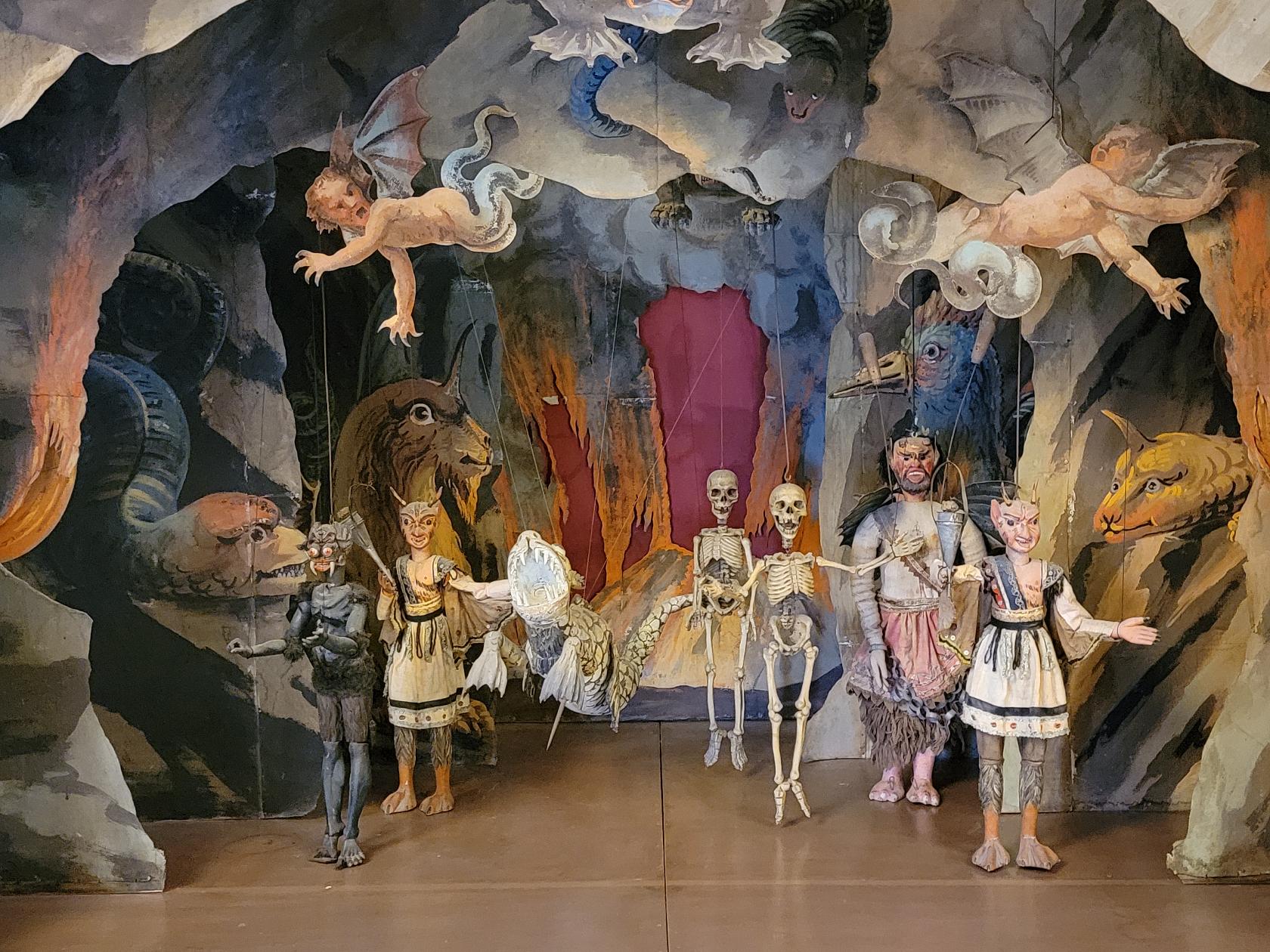
Marionette stage – Palazzo dell’Isola Madre – Isola Madre, Lake Maggiore, Italy
Marionettes and small puppets – Palazzo dell’Isola Madre – Isola Madre, Lake Maggiore, Italy
Marionettes on stage – Palazzo dell’Isola Madre – Isola Madre, Lake Maggiore, Italy
Odd women’s room – Palazzo dell’Isola Madre – Isola Madre, Lake Maggiore, Italy
Dark hallway filled with unused furniture – Palazzo dell’Isola Madre – Isola Madre, Lake Maggiore, Italy
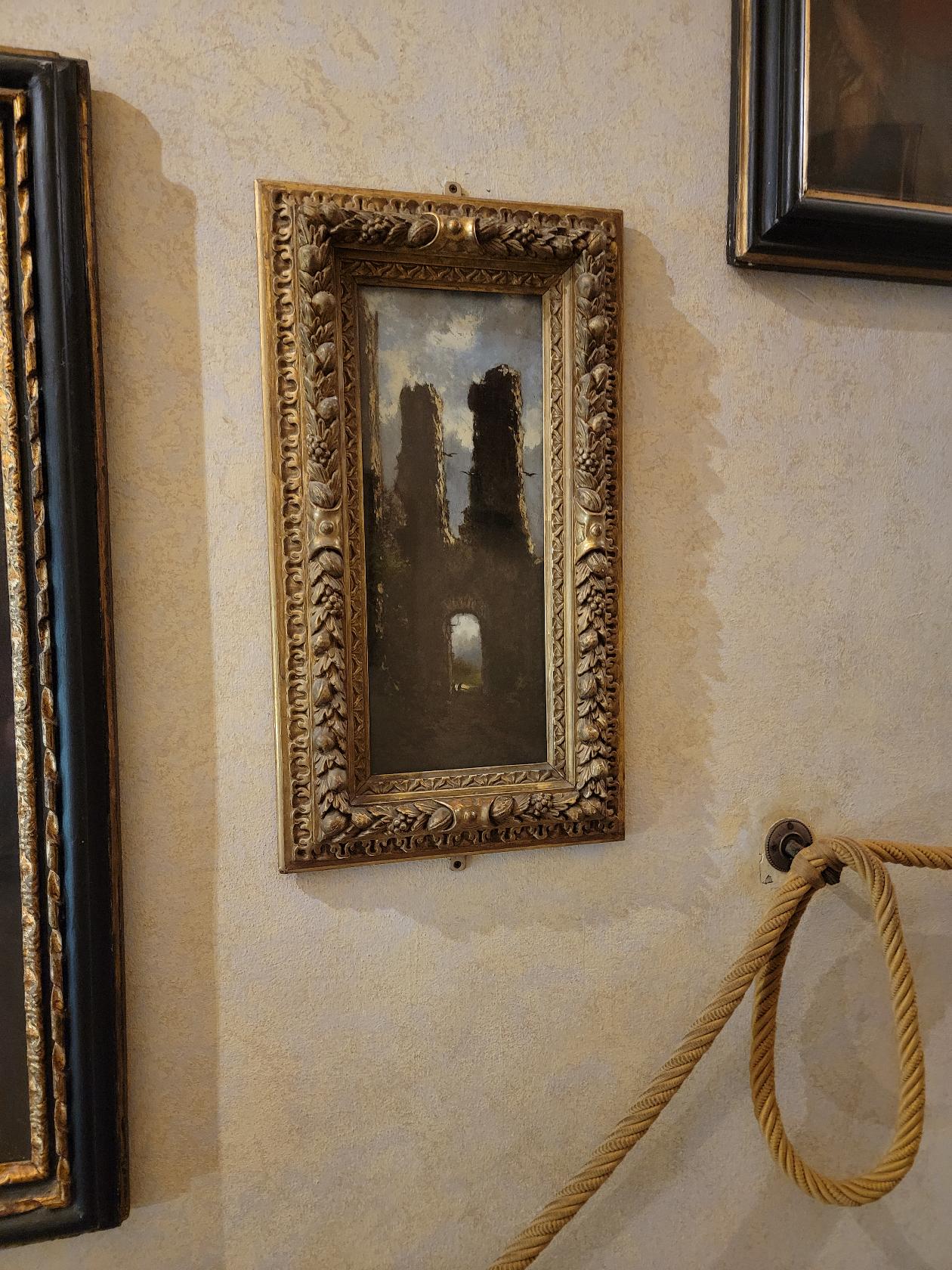
Interesting painting – Palazzo dell’Isola Madre – Isola Madre, Lake Maggiore, Italy
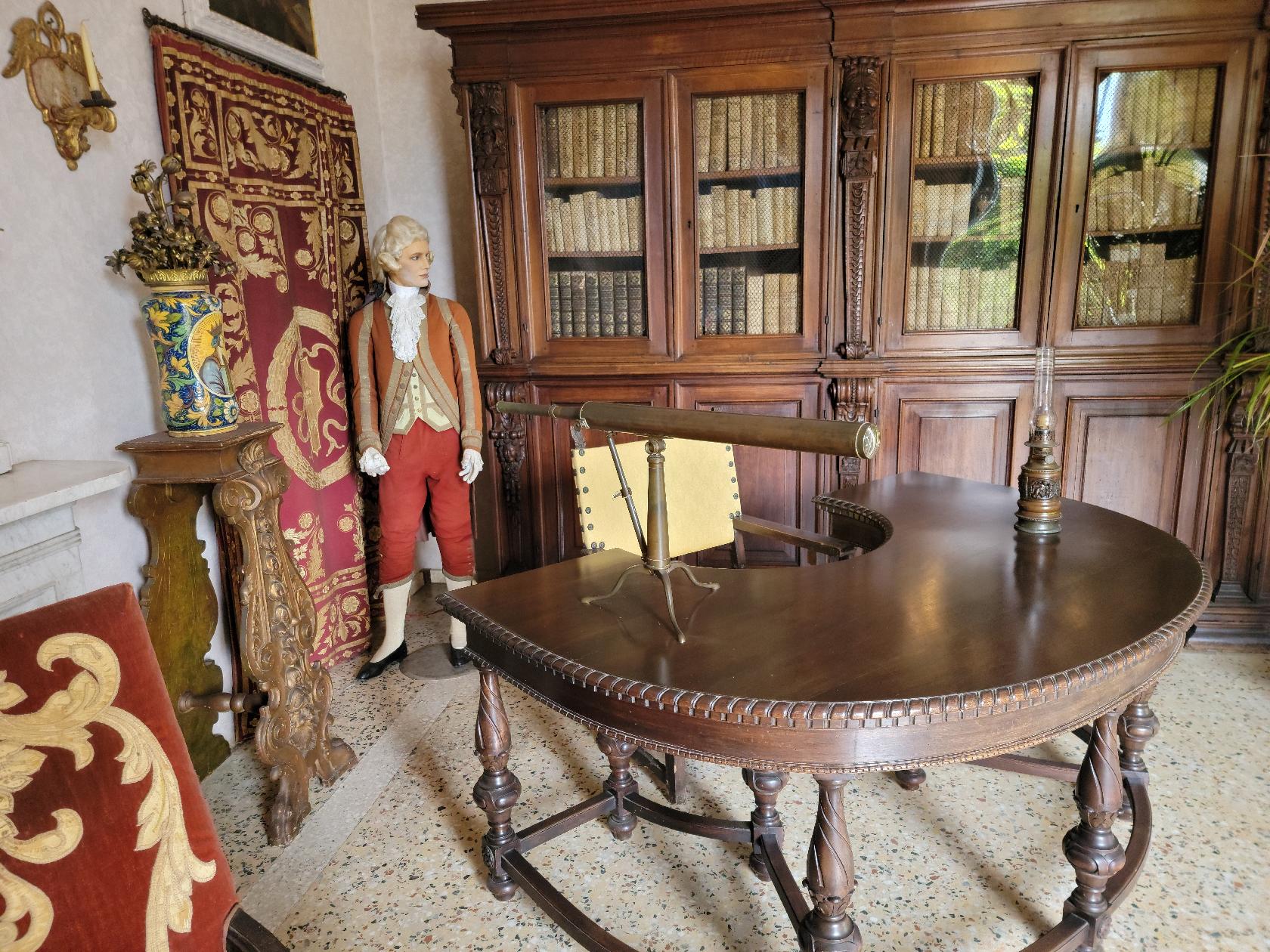
Study – Palazzo dell’Isola Madre – Isola Madre, Lake Maggiore, Italy
Study – Palazzo dell’Isola Madre – Isola Madre, Lake Maggiore, Italy
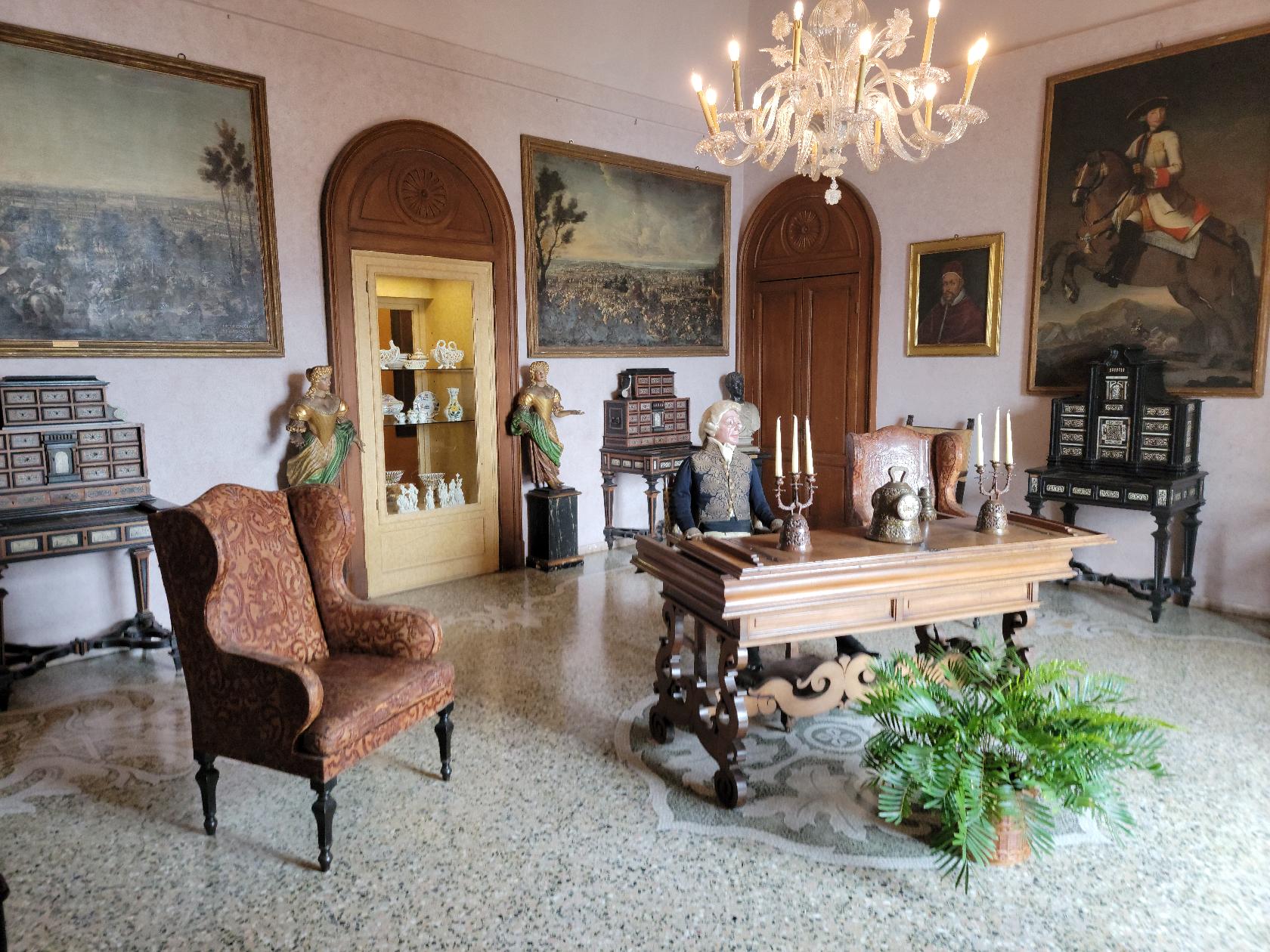
Sitting room – Palazzo dell’Isola Madre – Isola Madre, Lake Maggiore, Italy
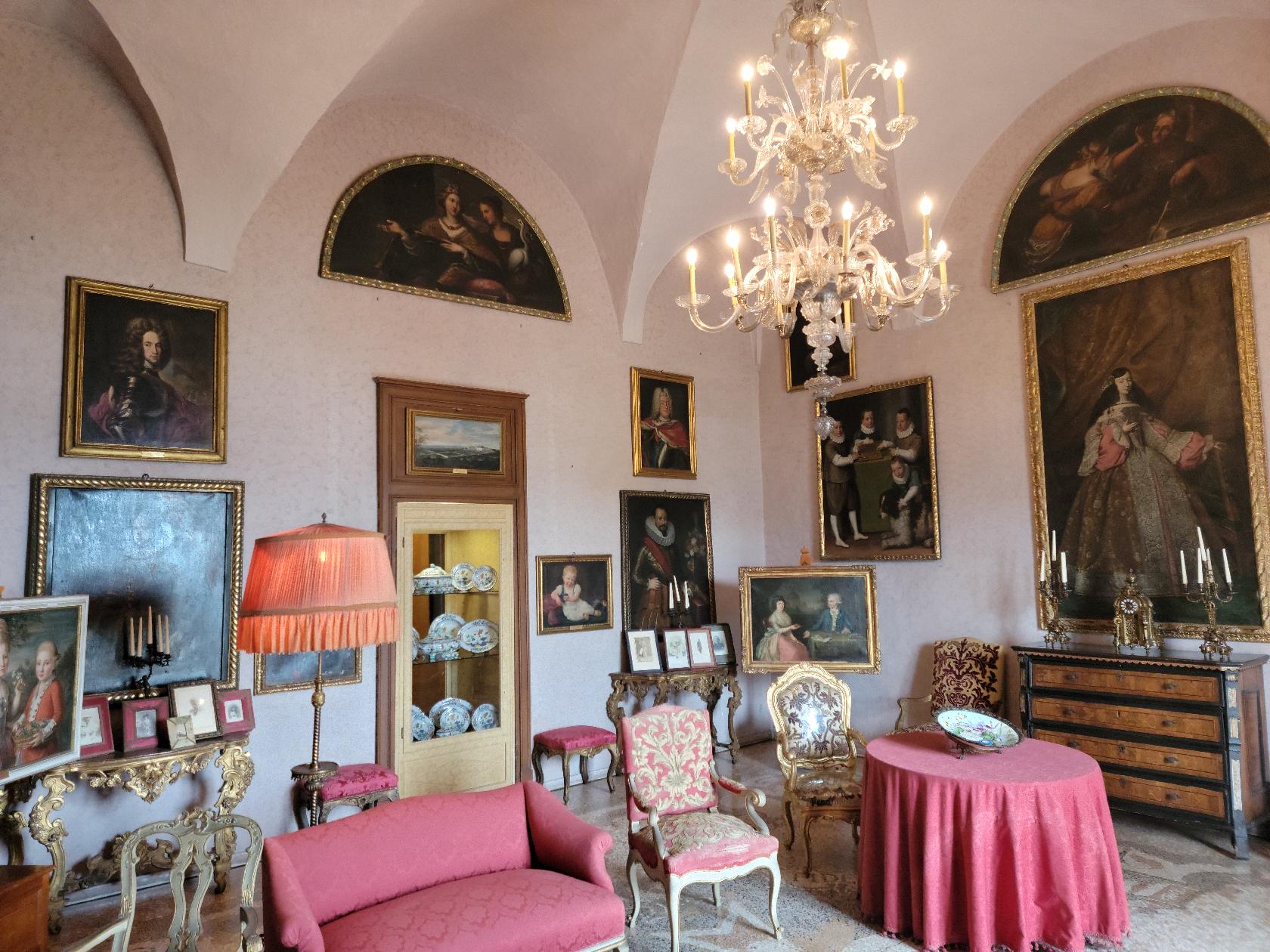
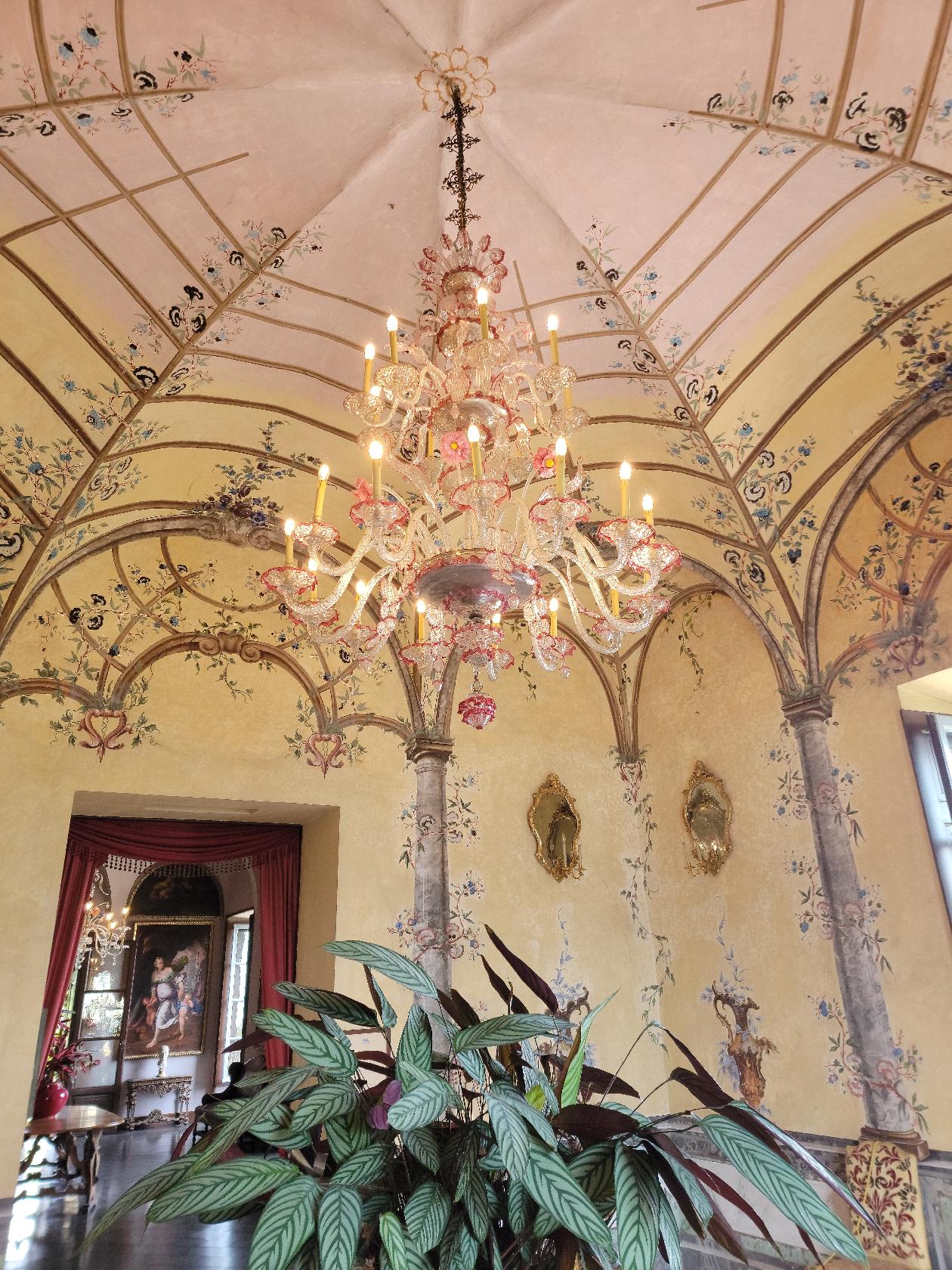
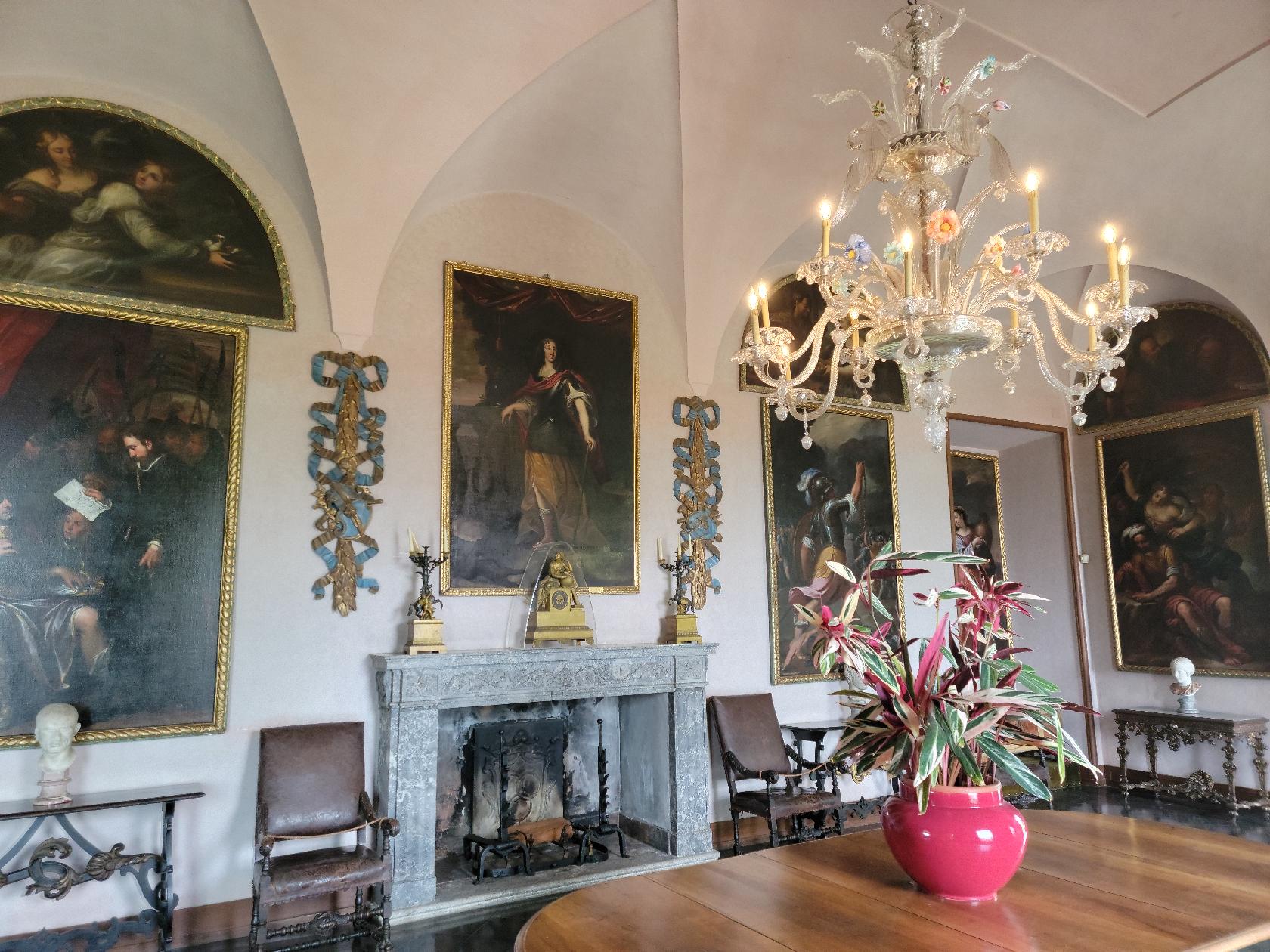
Murano glass chandelier – Palazzo dell’Isola Madre – Isola Madre, Lake Maggiore, Italy
Another Murano glass chandelier – Palazzo dell’Isola Madre – Isola Madre, Lake Maggiore, Italy
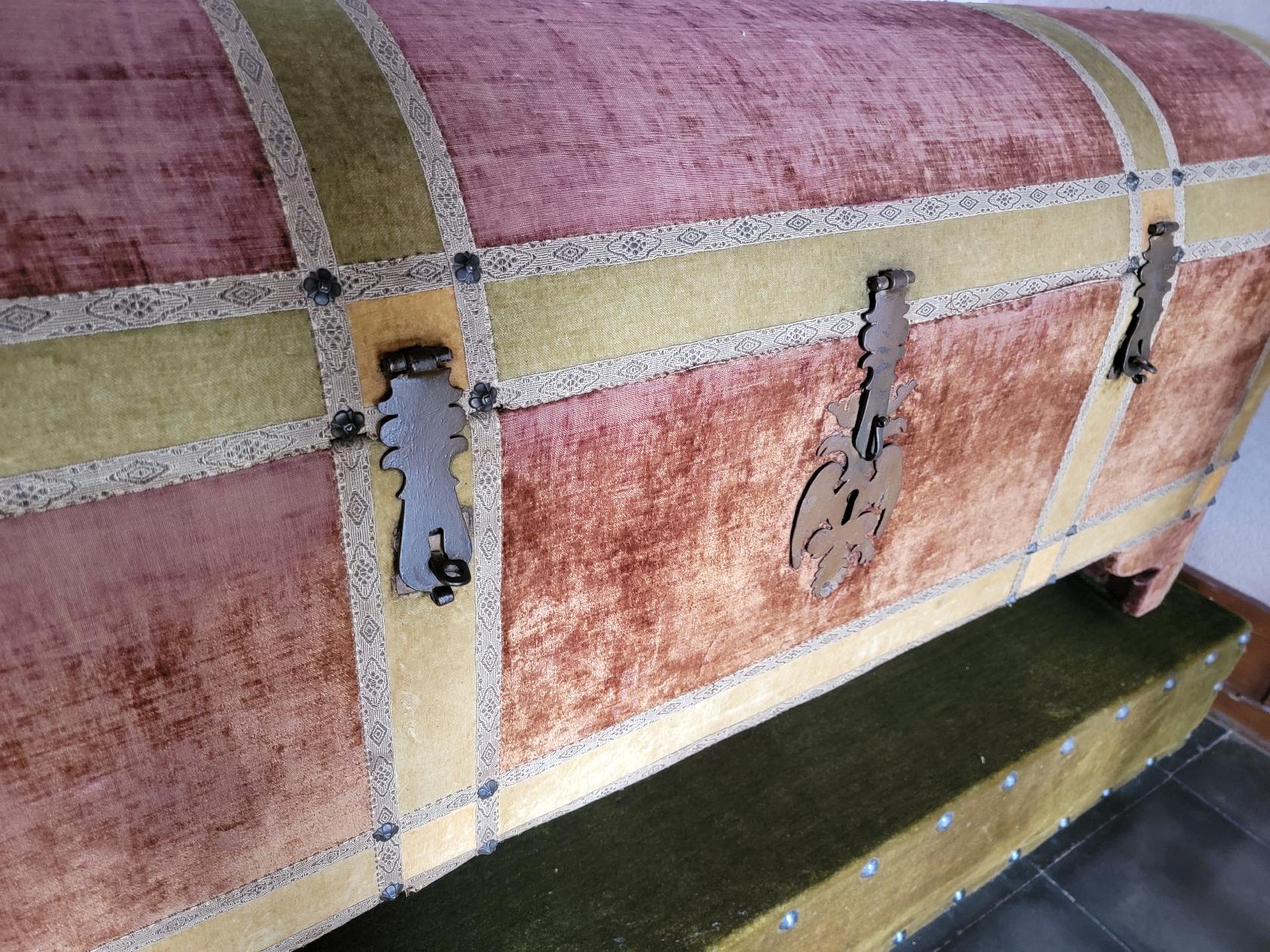
Old chest – Palazzo dell’Isola Madre – Isola Madre, Lake Maggiore, Italy
The Chapel inside – Palazzo dell’Isola Madre – Isola Madre, Lake Maggiore, Italy
Outside and exit to boats – Isola Madre, Lake Maggiore, Italy
We thoroughly enjoyed our day visiting all three islands. Though it is a lot to see in one day, it took us about five hours, it is manageable. It might be more difficult if it is hot outside, since all of the gardens are outside and the palazzos do not appears to have any air-conditioning in them. However, there are plenty of places to buy water on each of the islands, so staying hydrated should not be an issue.
Patti by Small pond – Palazzo dell’Isola Madre – Isola Madre, Lake Maggiore, Italy
Our CMA ferry – Isola Madre, Lake Maggiore, Italy
Leaving the island – Isola Madre, Lake Maggiore, Italy
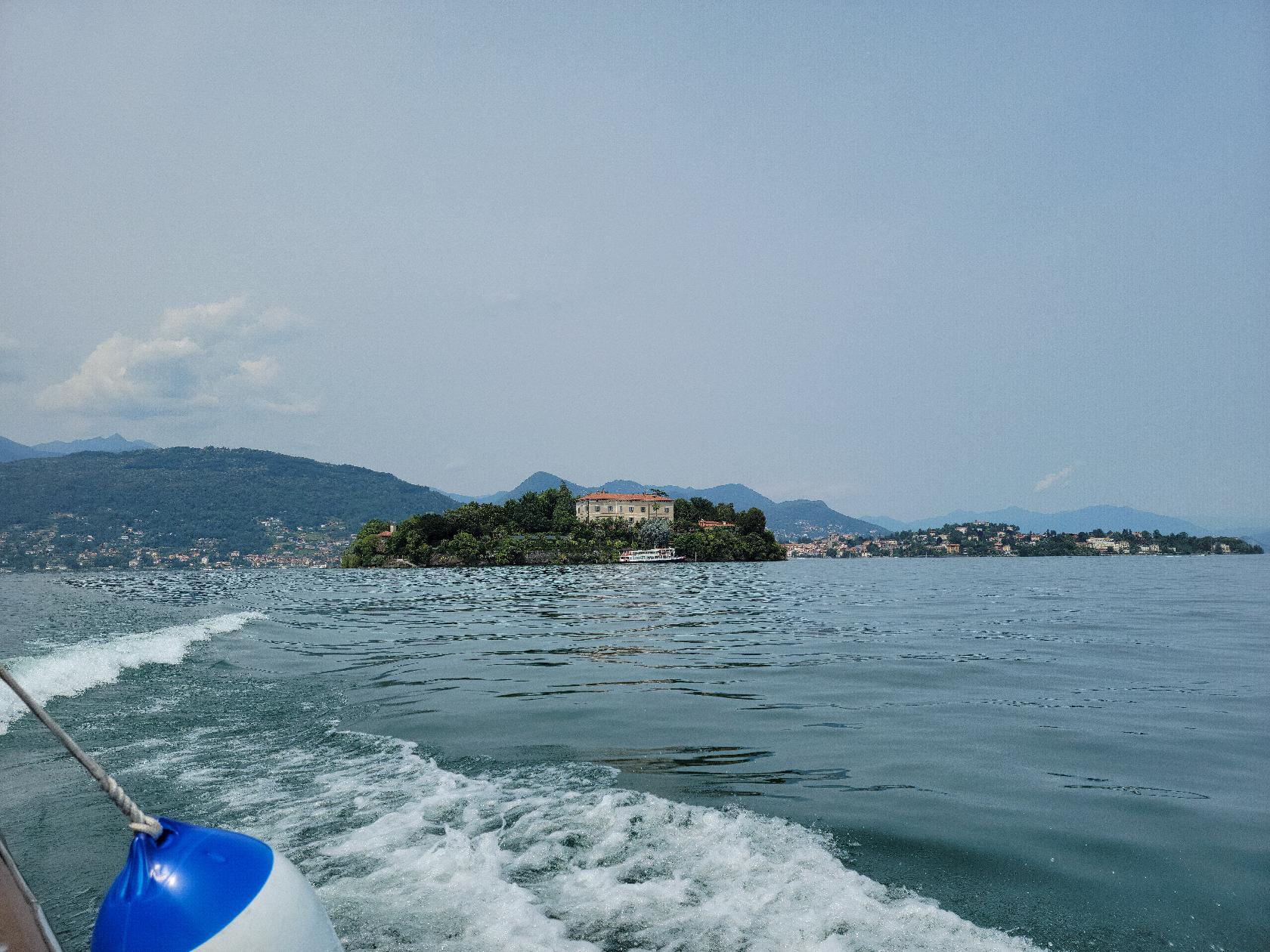
The island from our ferry – Isola Madre, Lake Maggiore, Italy
Restaurants
Though there are restaurants and cafes on all the islands, we ate on the island of Pescatori because it was in the middle of our day boat trip to all of the islands, and at around half past one, it broke the trip up just about right.
Trattoria Ristorante Imbarcodero
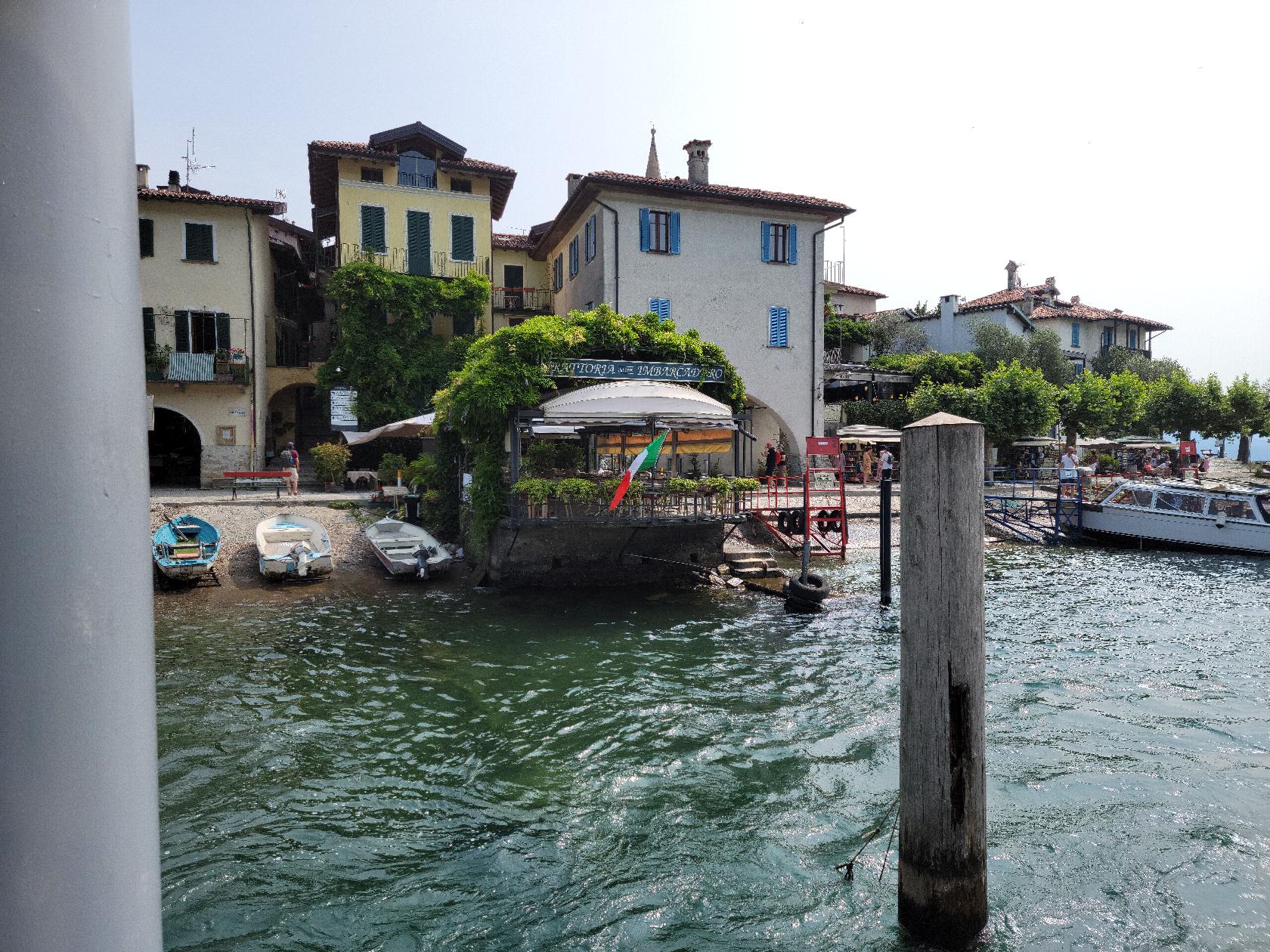
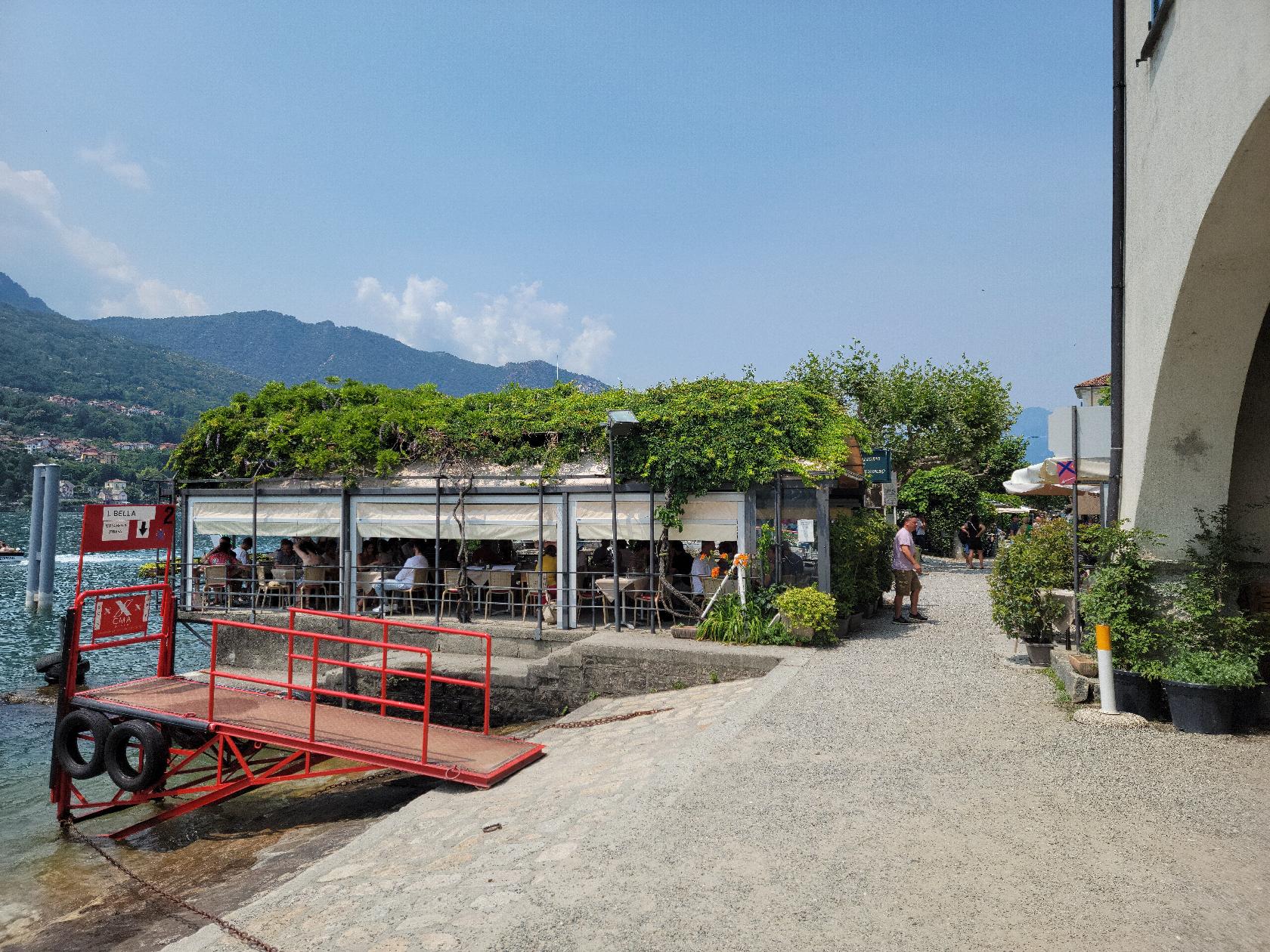
The Trattoria Ristorante Imbarcodero is on the small island of Pescatori. In fact, most of the good restaurants of the three islands are probably here. It has a wide variety of Italian dishes that one can choose from the menu. For lunch, we kept it simple, since we were both not feeling one hundred percent and already had a substantial breakfast at the hotel.
From the boat – Trattoria Ristorante Imbarcadero – Isola Pescatori, Lake Maggiore, Italy
Trattoria Ristorante Imbarcadero – Isola Pescatori, Lake Maggiore, Italy
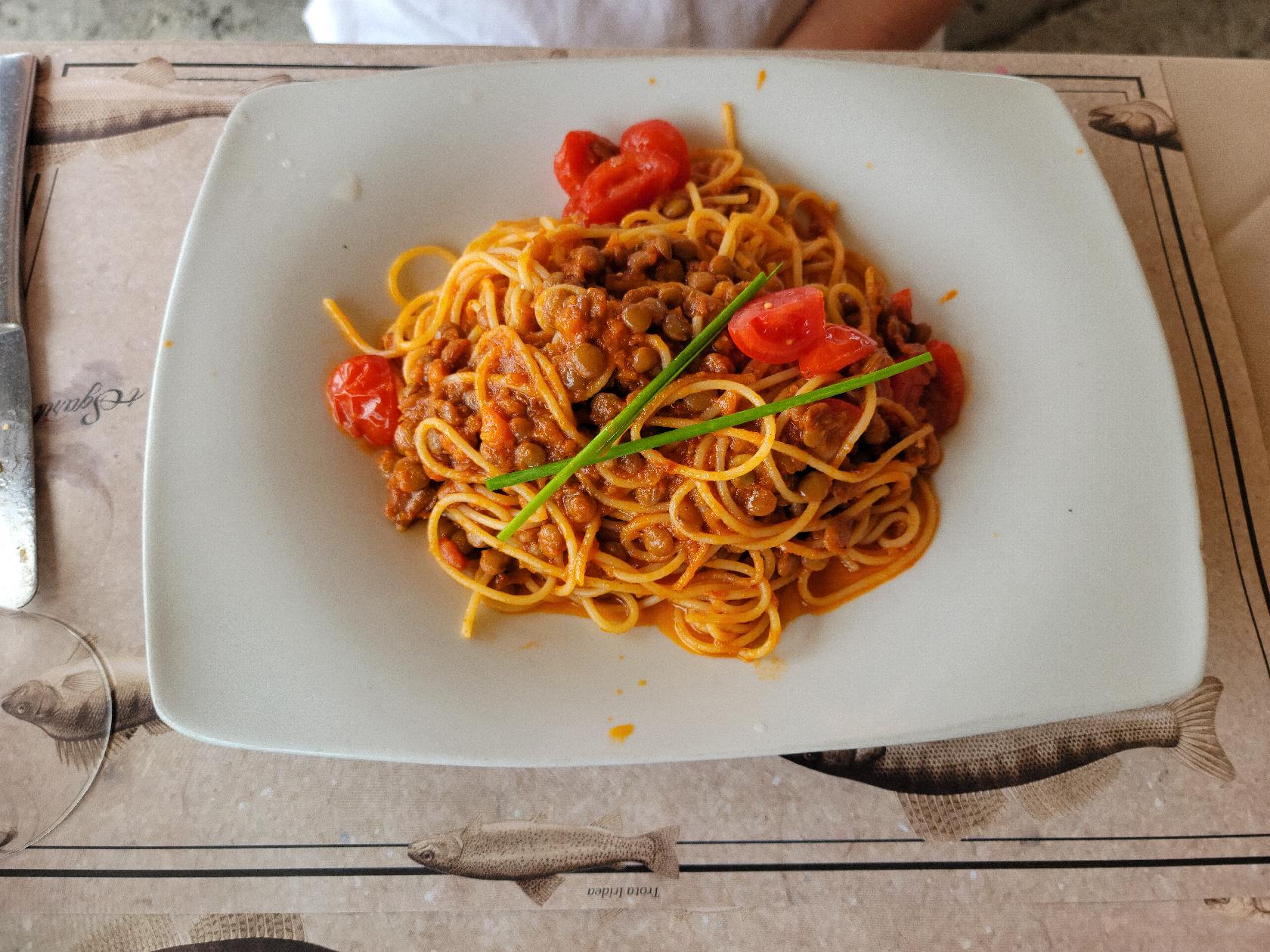
Spaghetti with tomatoes and lentils – Trattoria Ristorante Imbarcadero – Isola Pescatori, Lake Maggiore, Italy
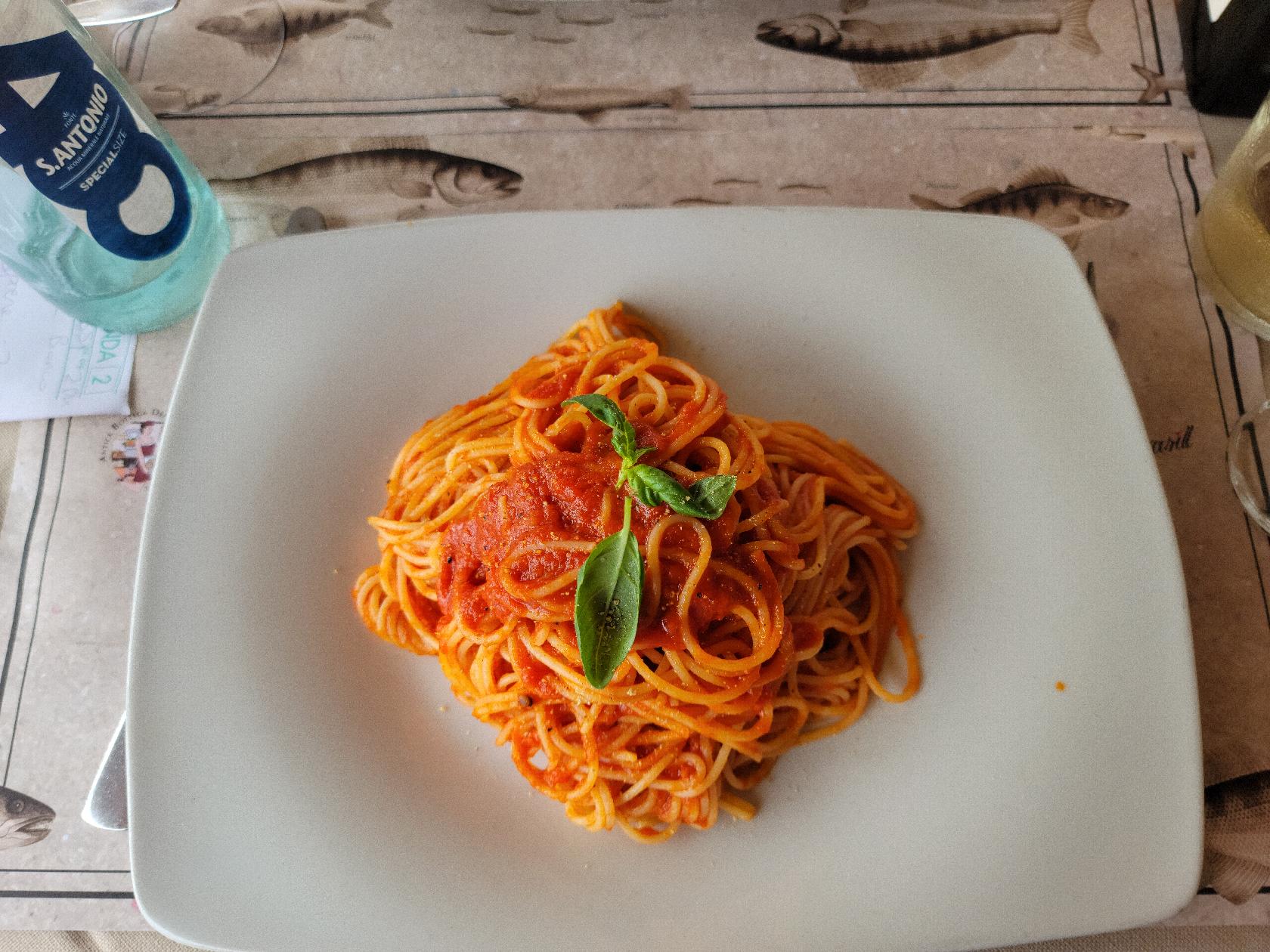
Spaghetti in simple tomato sauce – Trattoria Ristorante Imbarcadero – Isola Pescatori, Lake Maggiore, Italy
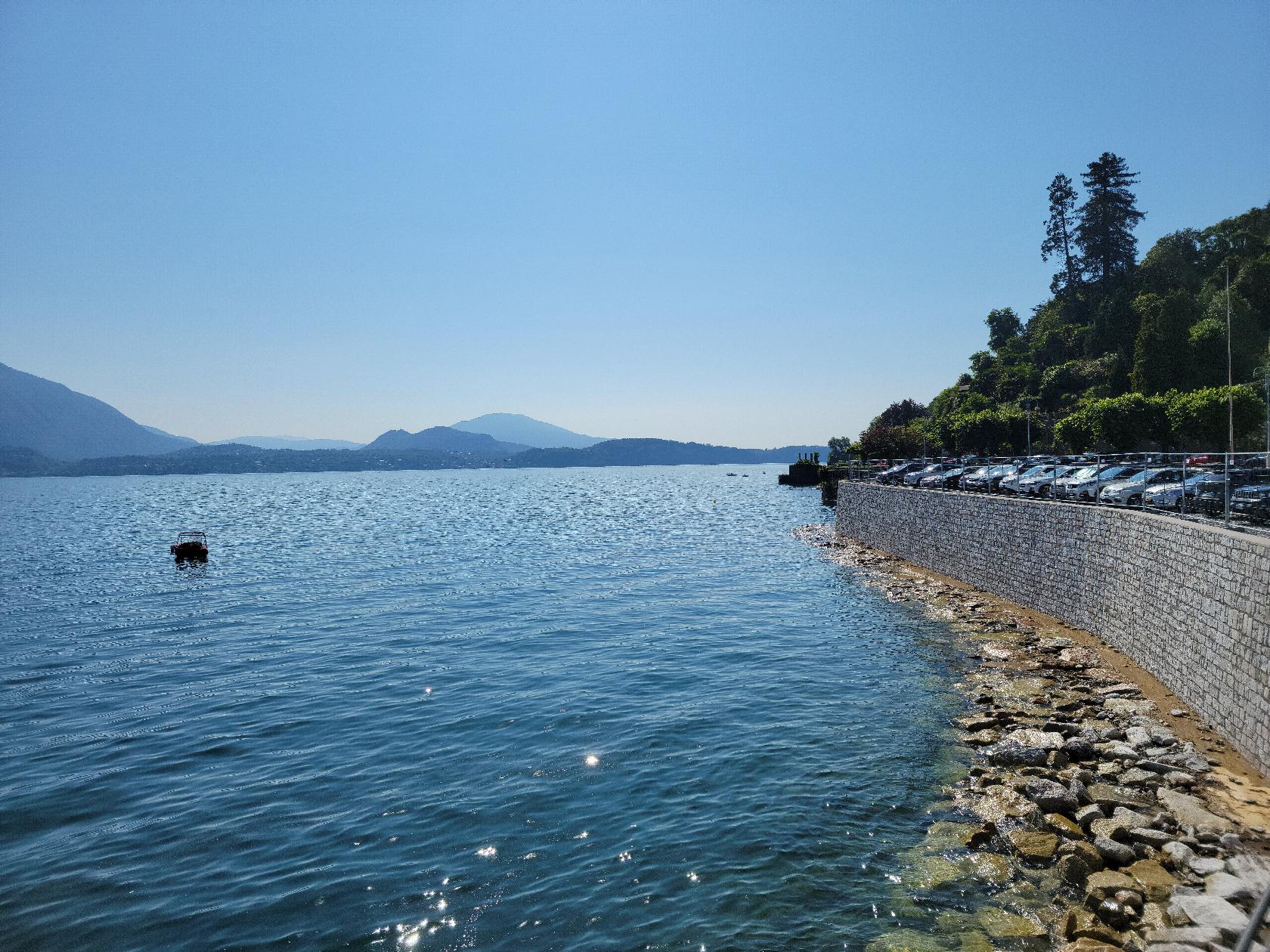
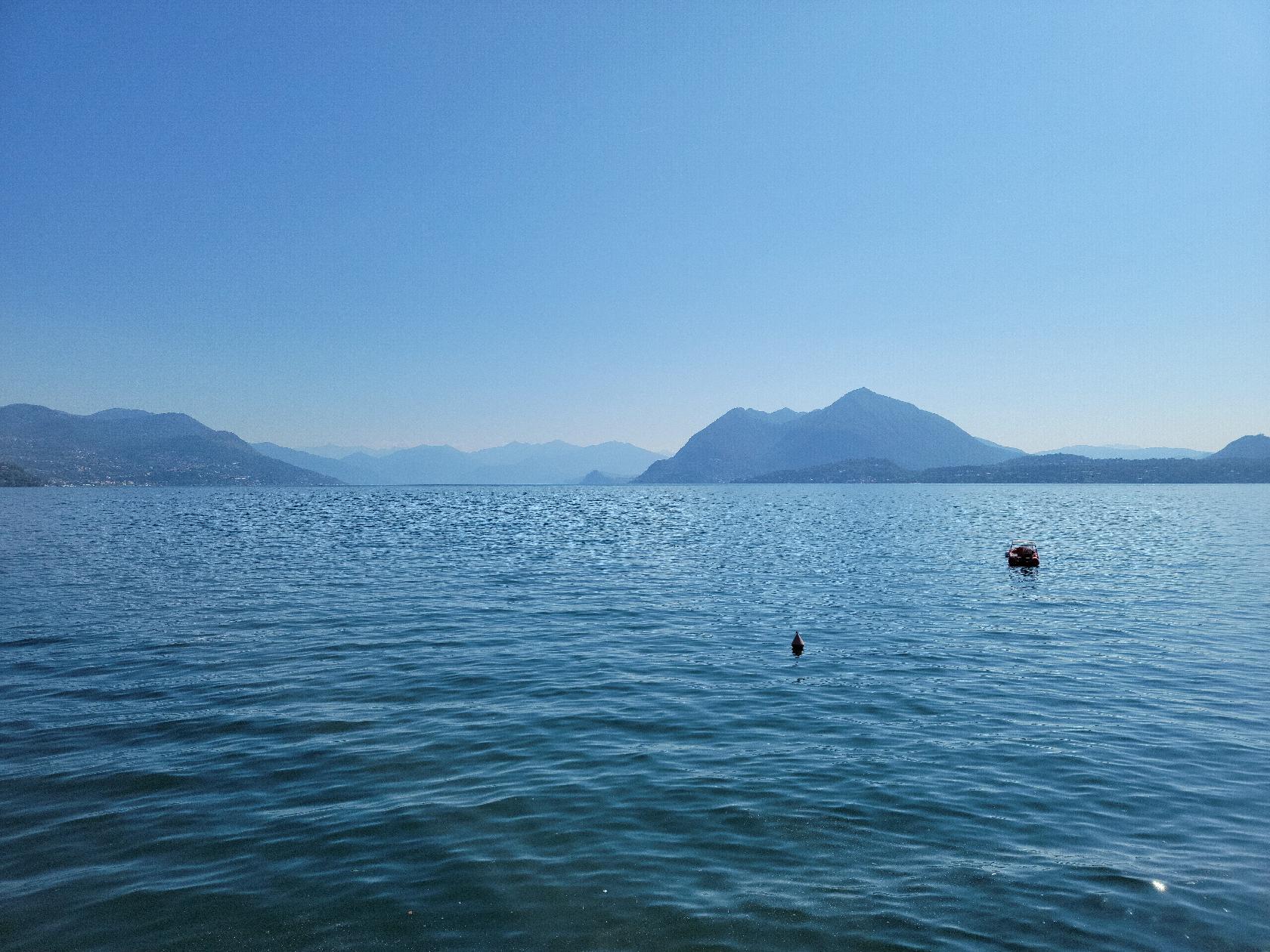
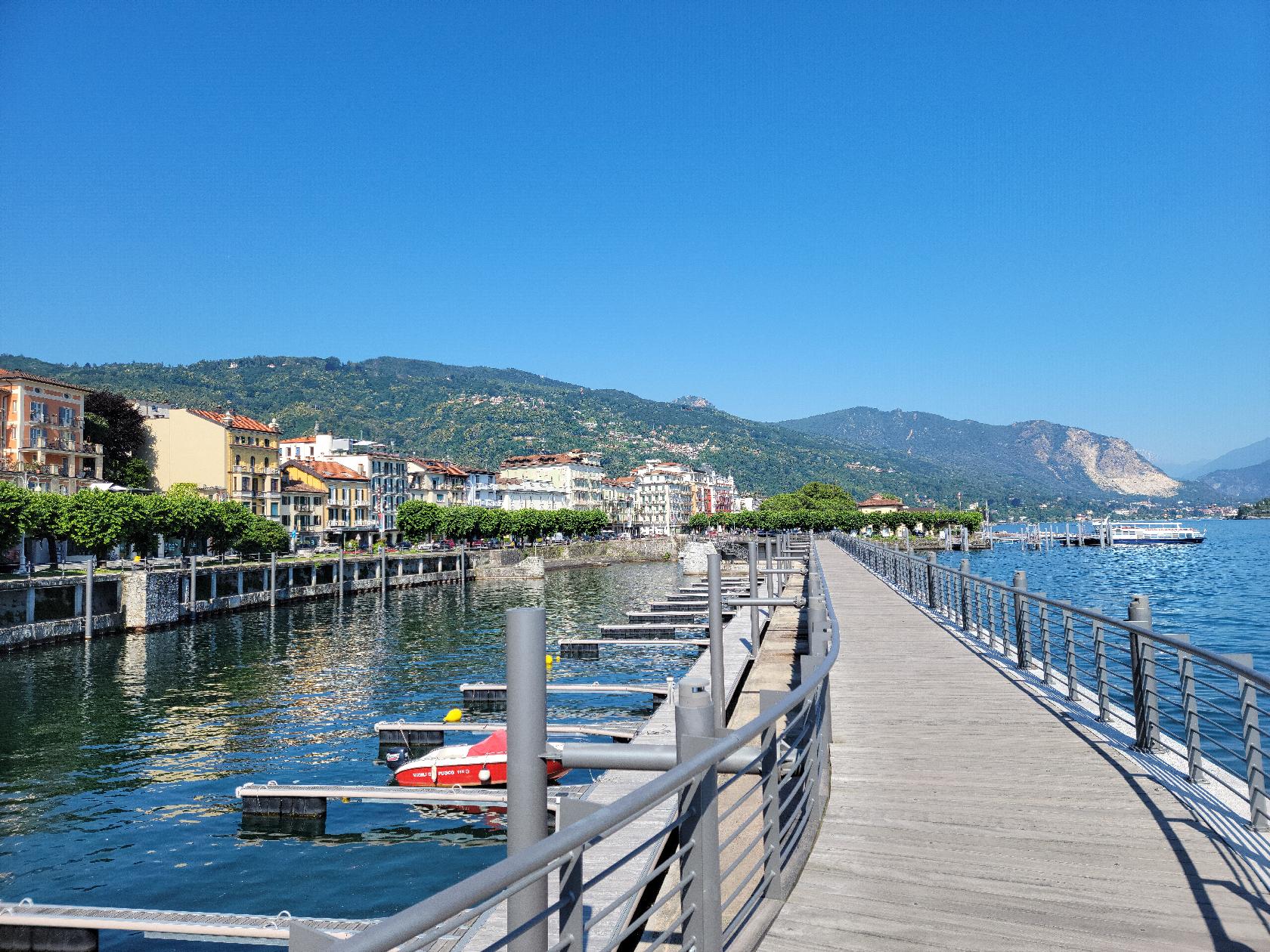
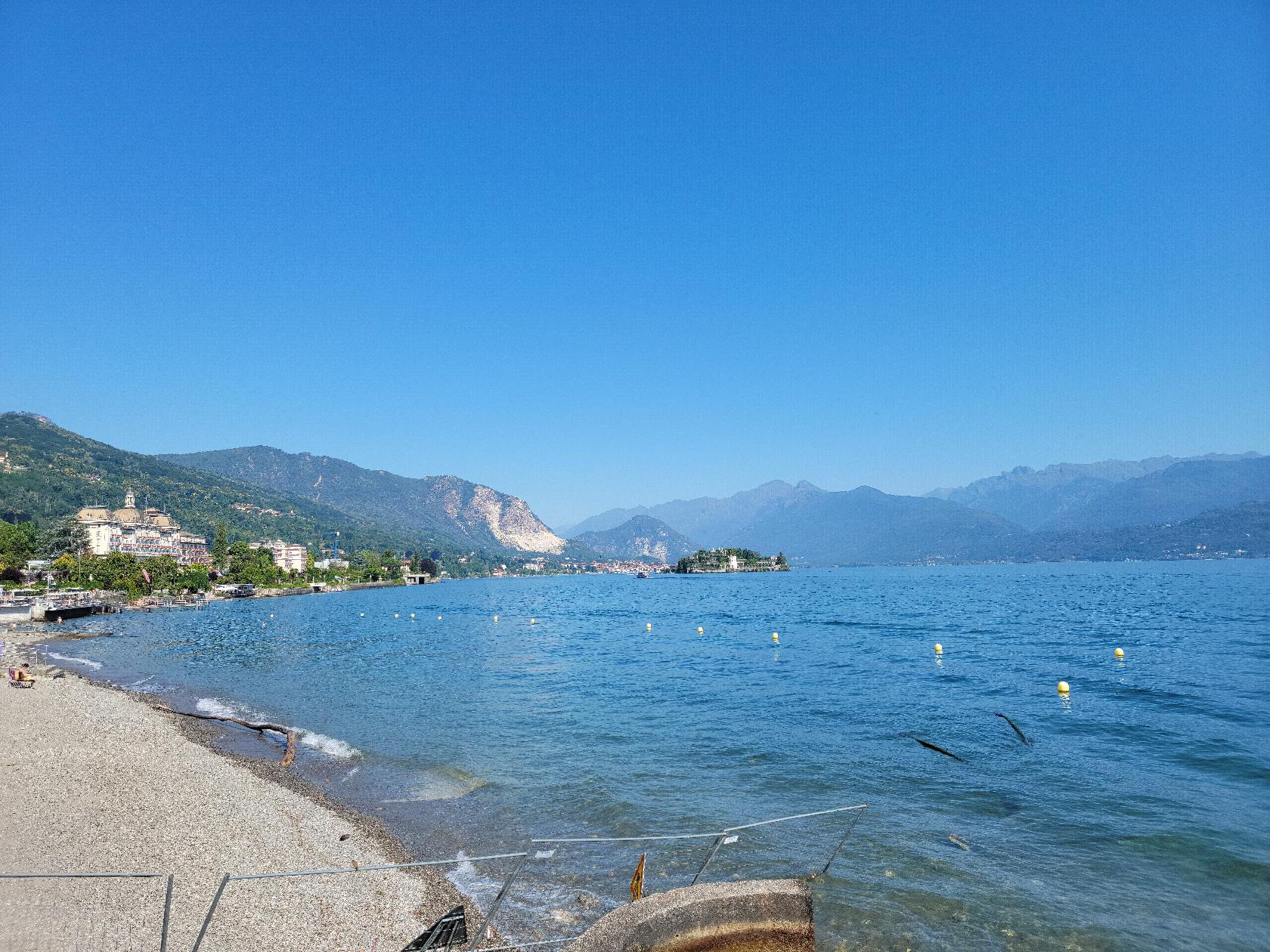
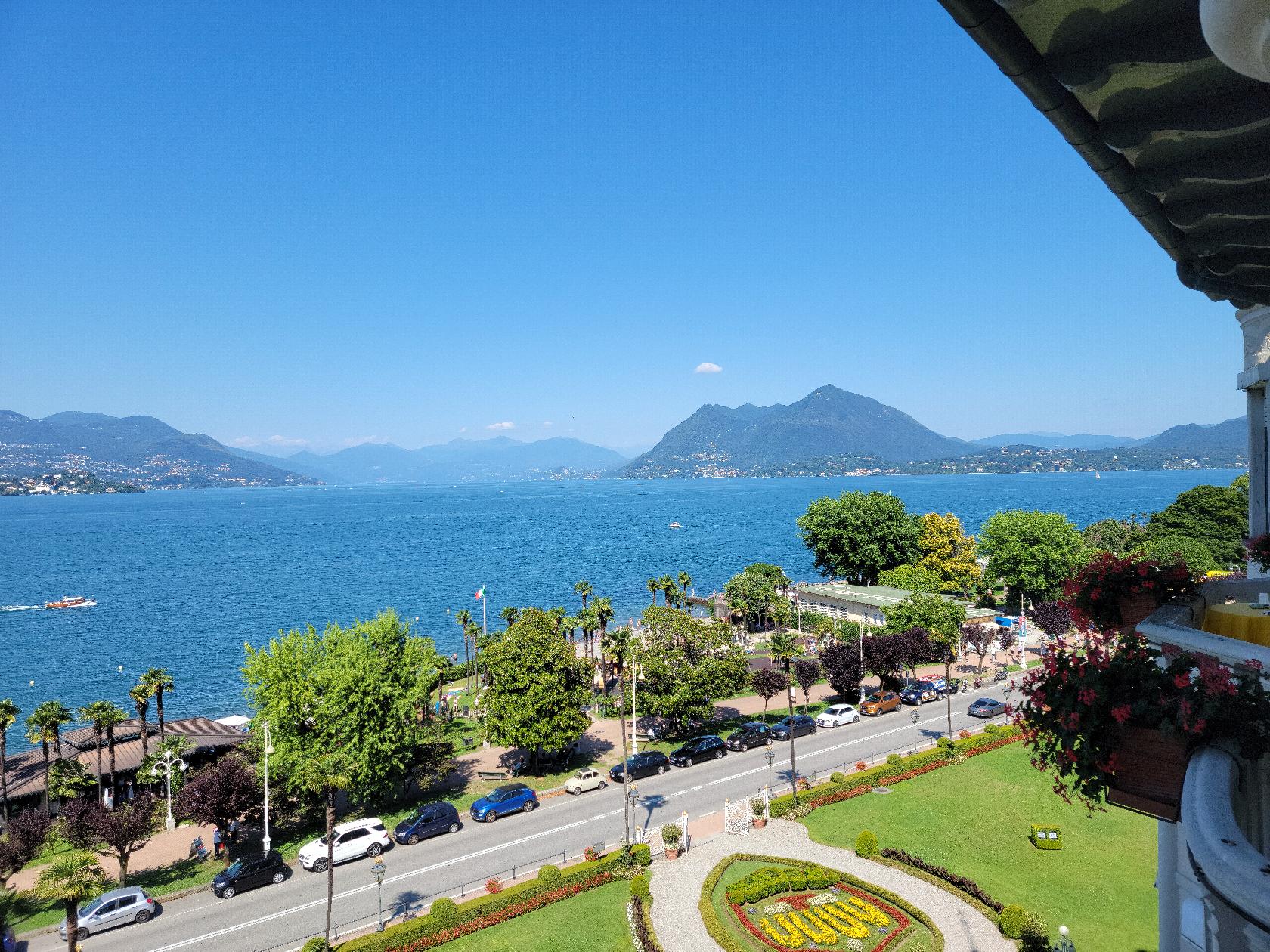
Stresa is a small lake-side tourist attraction on Lake Maggiore, Italy. It is frequented by Italians, Brits, French, Germans, Asians and the odd American. It is only a tiny strip of about a few kilometers, where there are a dozen or so hotels. It is not very busy, unlike the Mediterranean coast, so it is very laid back and relaxing – a quiet retreat.
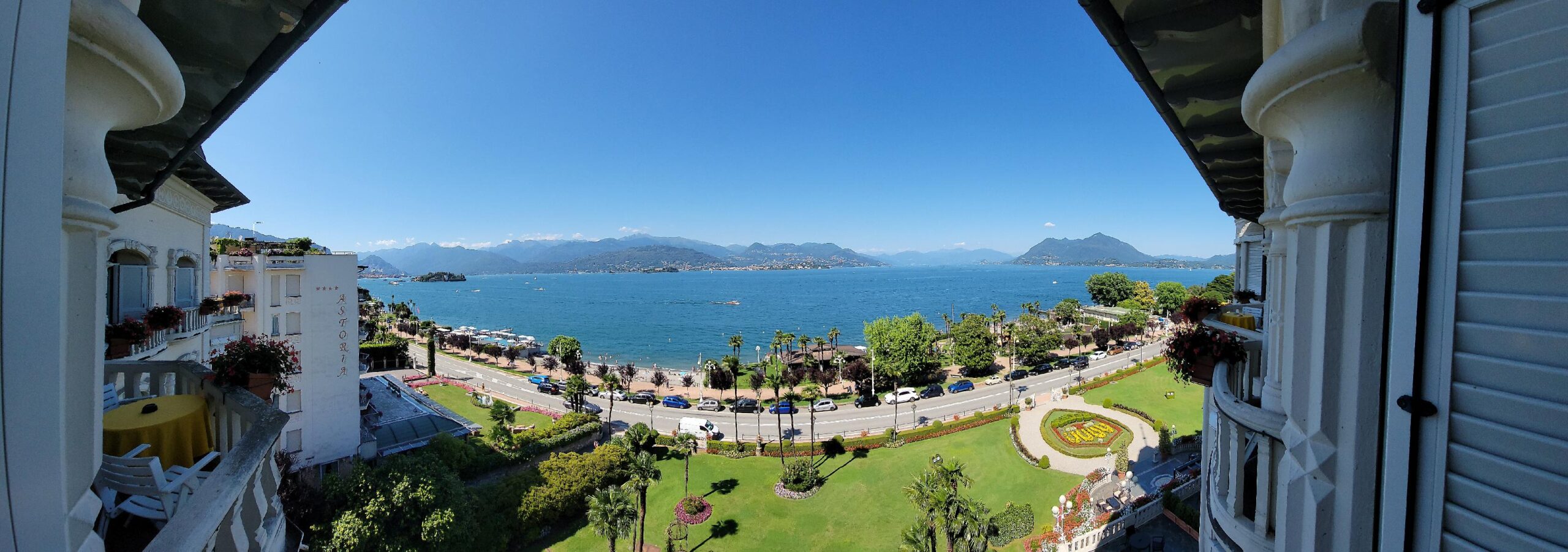
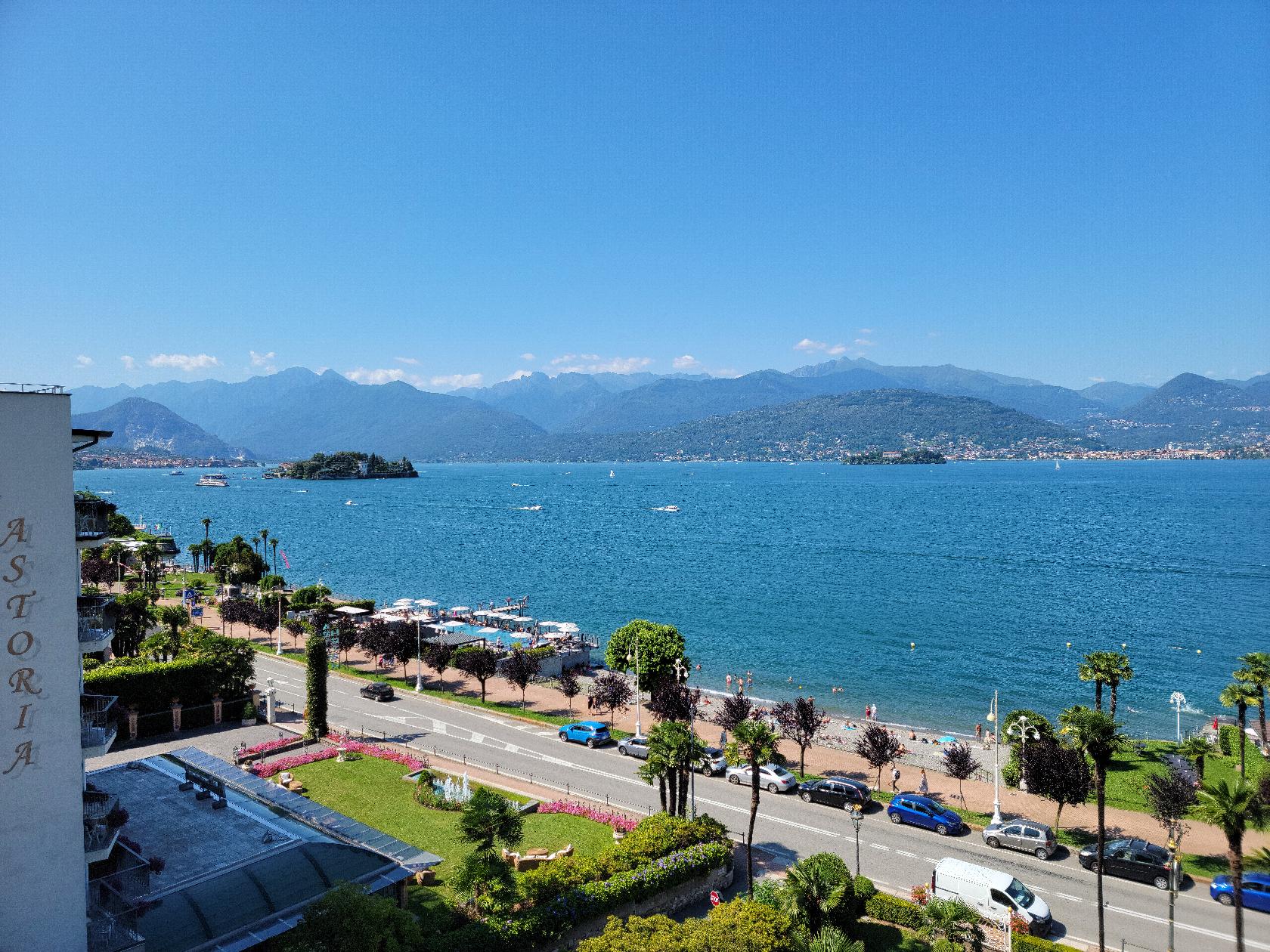
View from hotel room – Hotel Regina Palace – Stresa, Italy
The town is rather simple, but it has ample restaurants and other types of shopping. There is also an amazing AgriGelateria at Corso Umberto I, which has excellent gelato with all natural and authentic flavors, a must stop, especially when it is really hot outside.
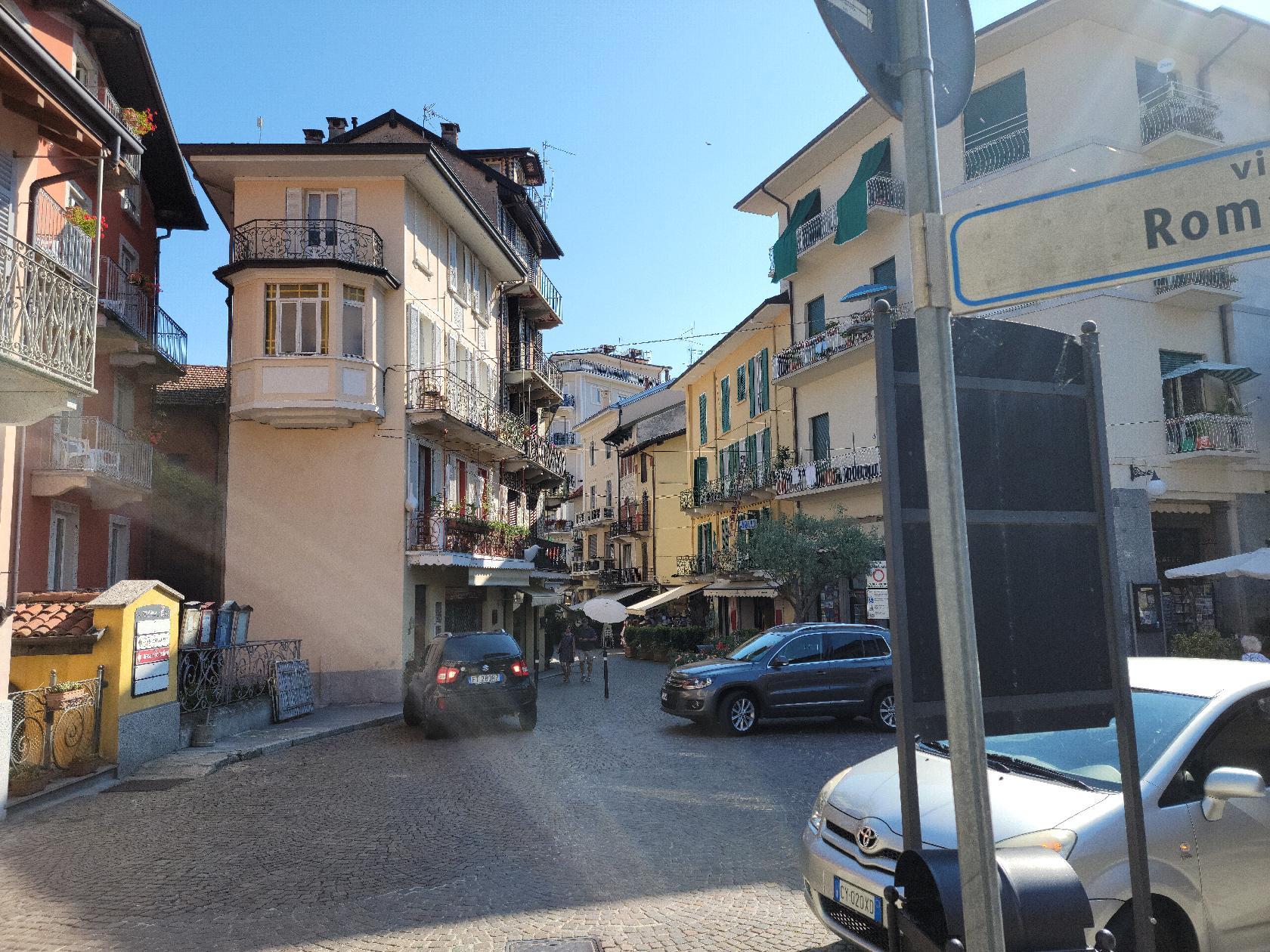
Downtown Stresa – Stresa, Italy
Side street – Stresa, Italy
Pedestrian way – Stresa, Italy
Main Piazza – Stresa, Italy
Another side street – Stresa, Italy
Lake Maggiore – Stresa, Italy
Lake Maggiore – Stresa, Italy
Tourist Gate of Stresa – Stresa, Italy
Lungolago di Stresa
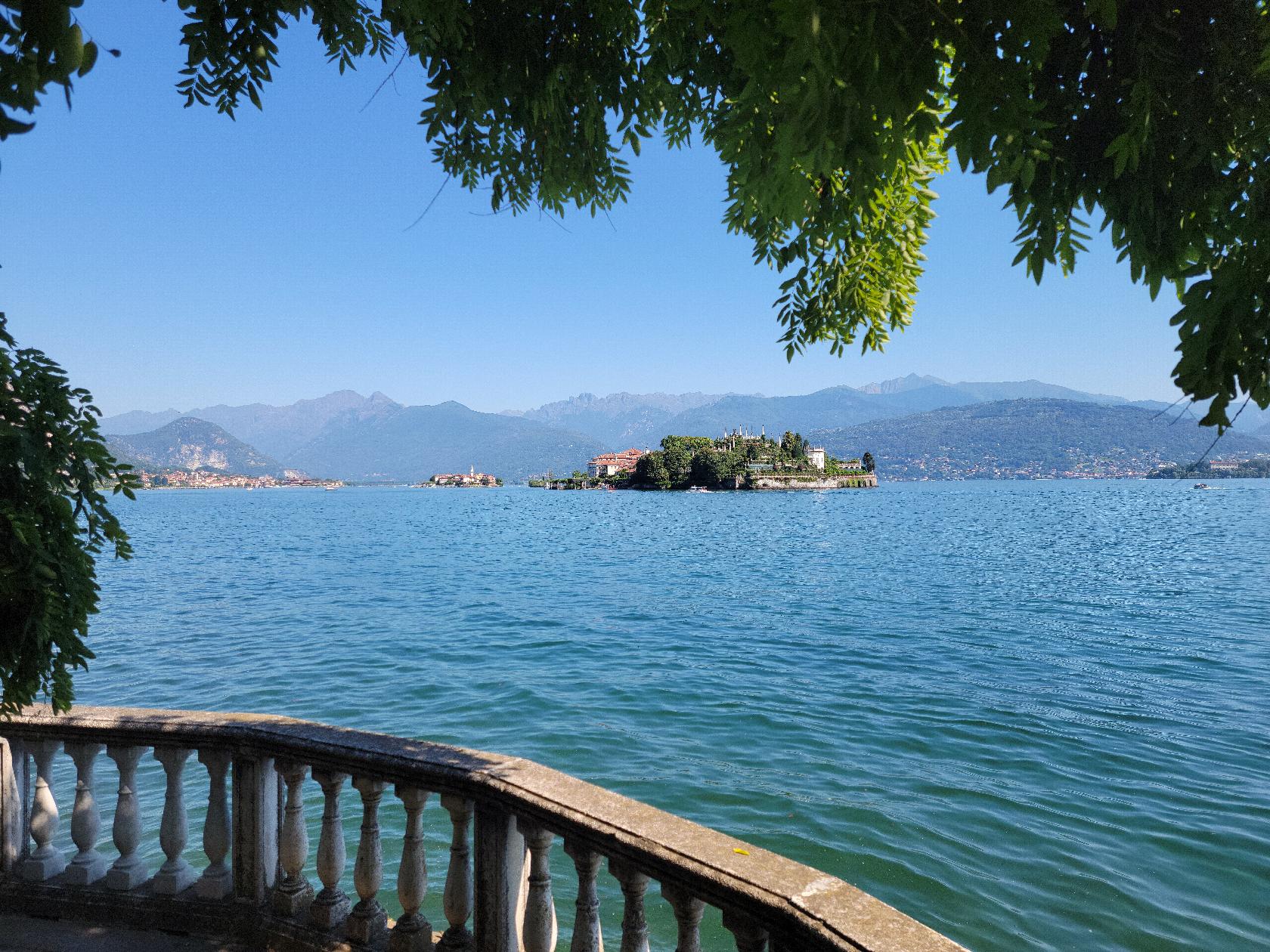
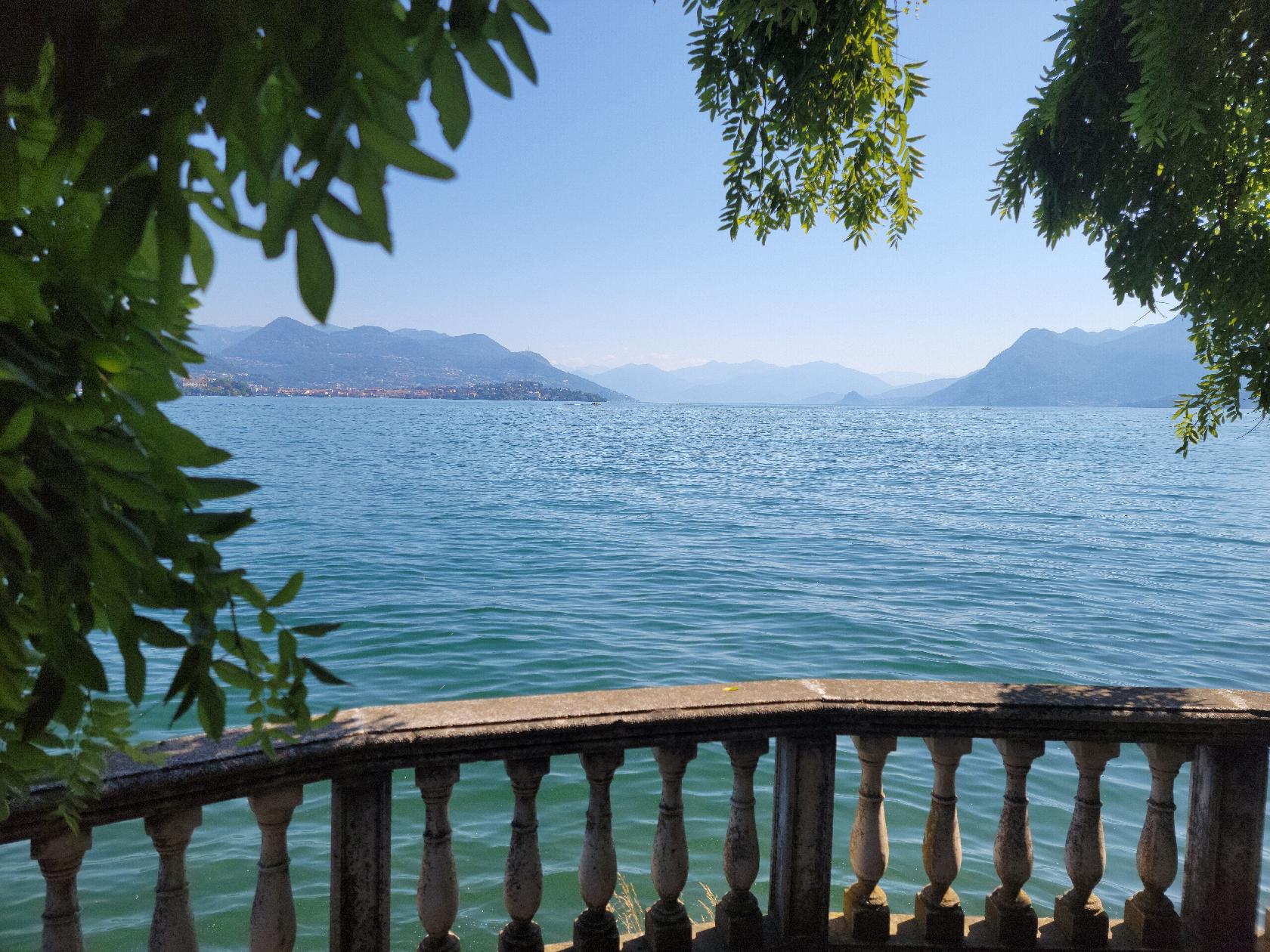
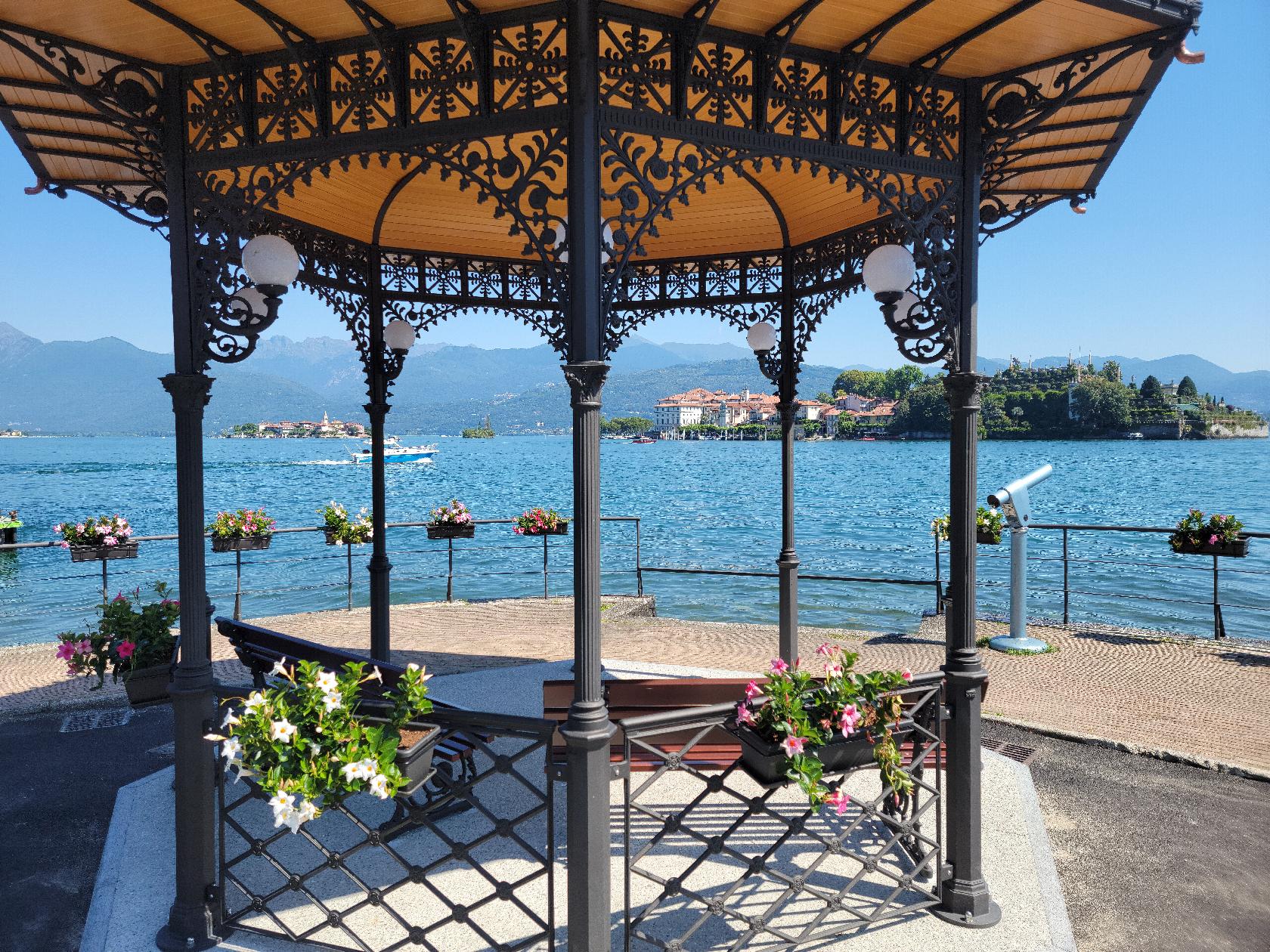
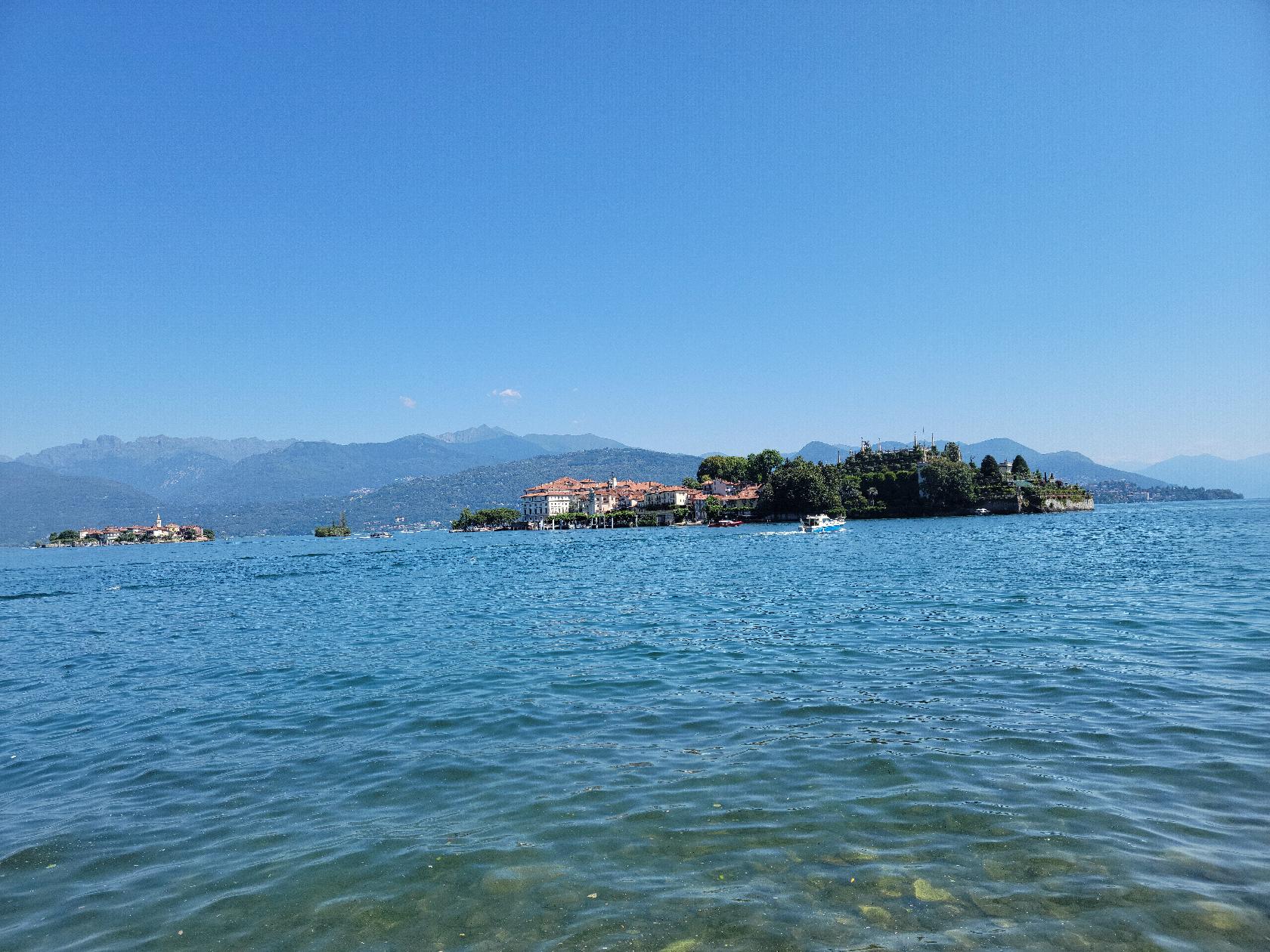
Stresa also has a wonderful boardwalk area stretching from Stresa along the lake front and becoming the Passeggiata del lago di Carciano, which is directly across from Isola Bella. It’s a bit over a kilometer and will take about a quarter to half of an hour to walk, depending on your pace.
Beach – Stresa, Italy
Botanical walk towards Bevano – Stresa, Italy
Botanical walk towards Bevano – Stresa, Italy
Isola Bella – Botanical walk towards Bevano – Stresa, Italy
Isola Bella – Botanical walk towards Bevano – Stresa, Italy
Lake Maggiore and Isola Bella, Isola Pescatori – Botanical walk towards Bevano – Stresa, Italy
Lake Maggiore – Botanical walk towards Bevano – Stresa, Italy
Isola Bella – Botanical walk towards Bevano – Stresa, Italy
Isola Bella – Botanical walk towards Bevano – Stresa, Italy
Hotel Regina Palace
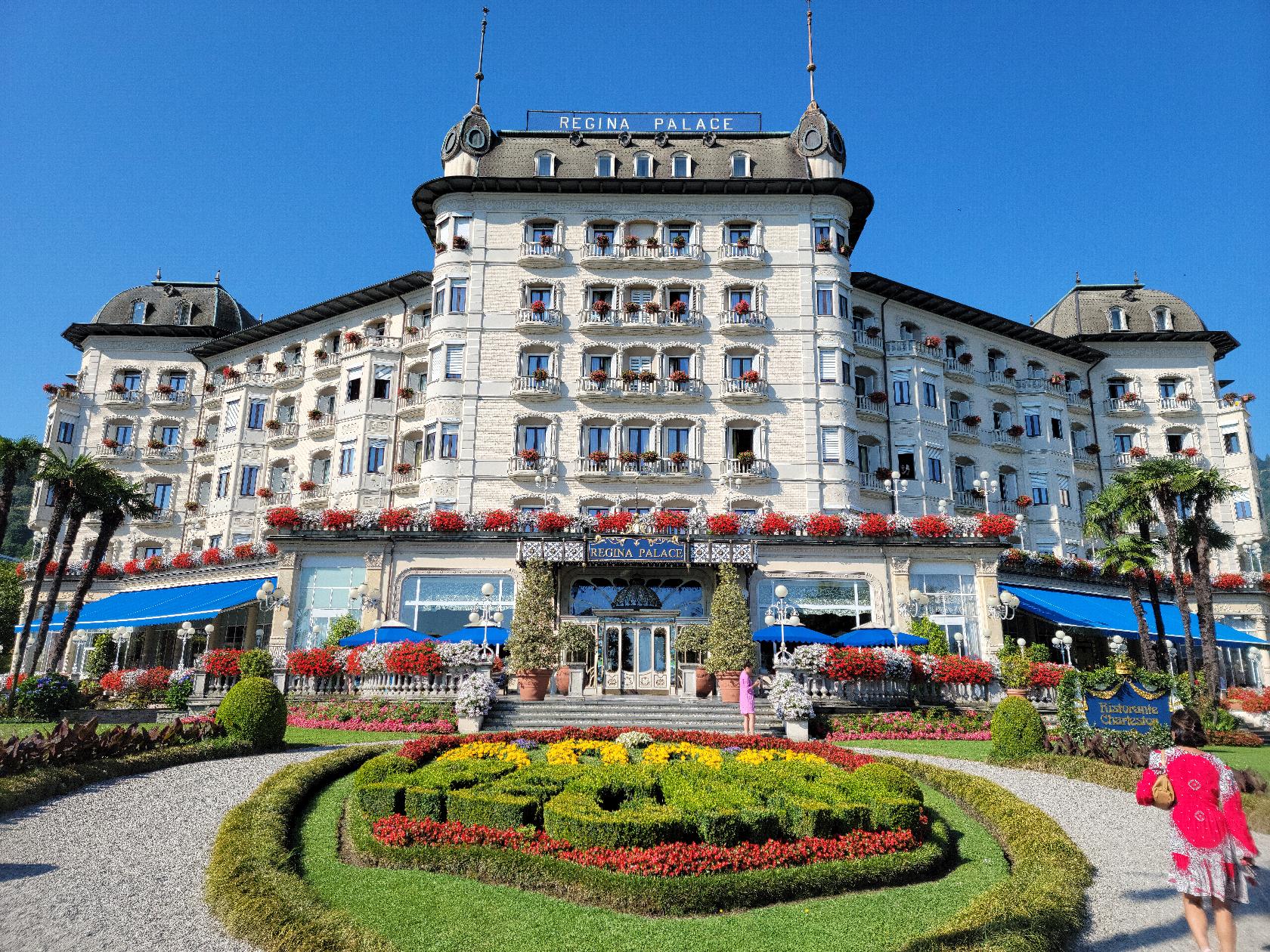
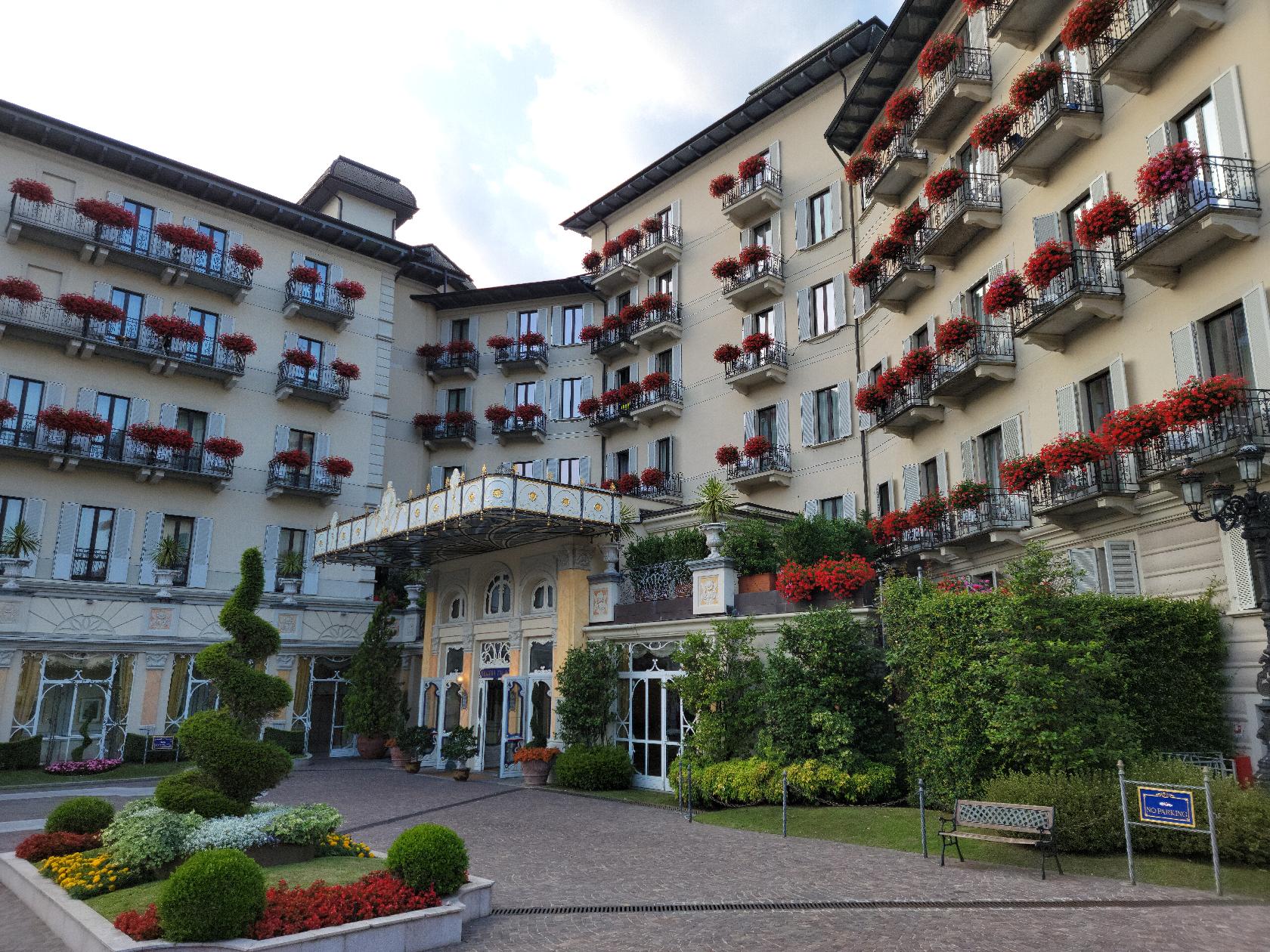
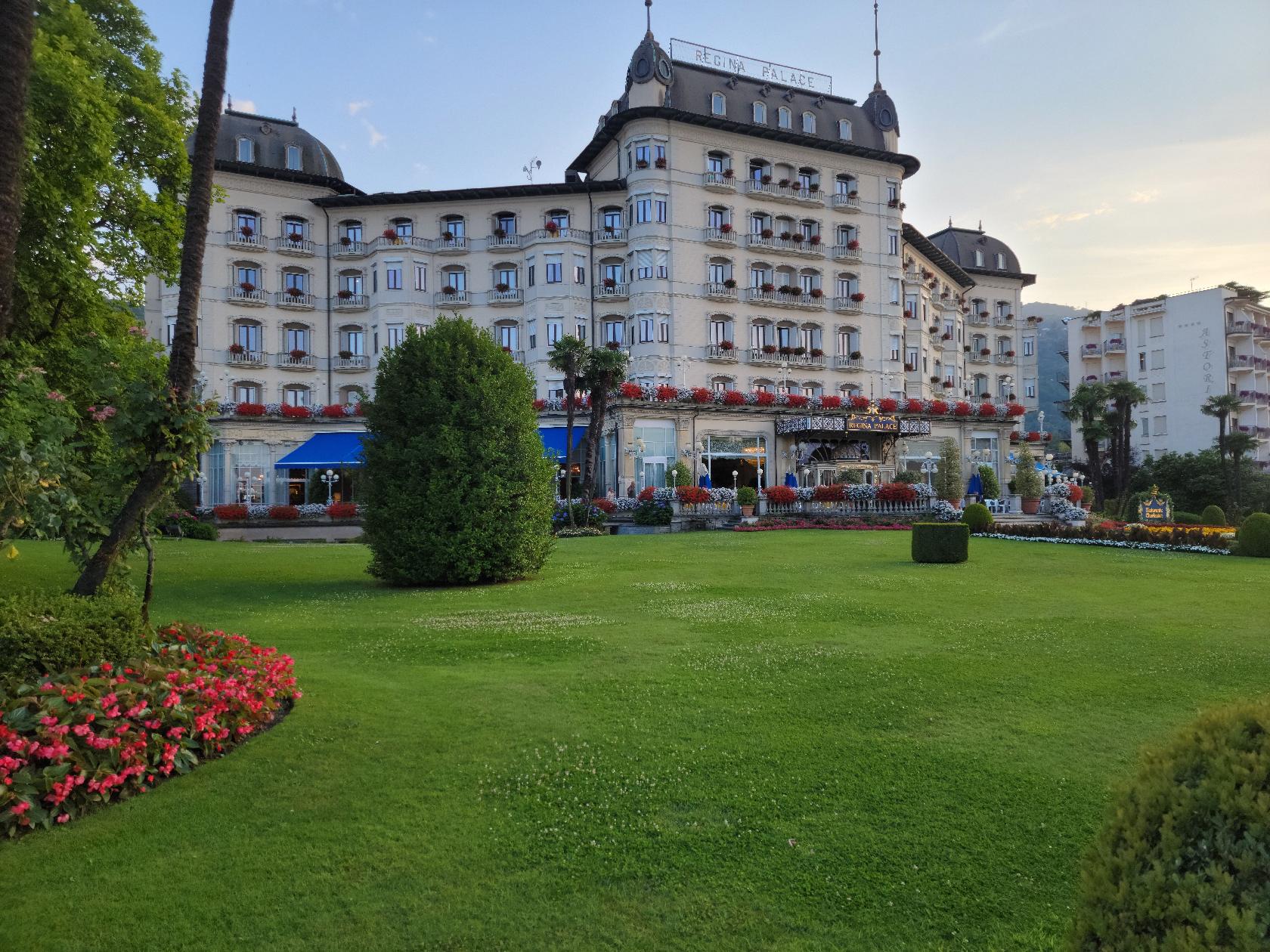
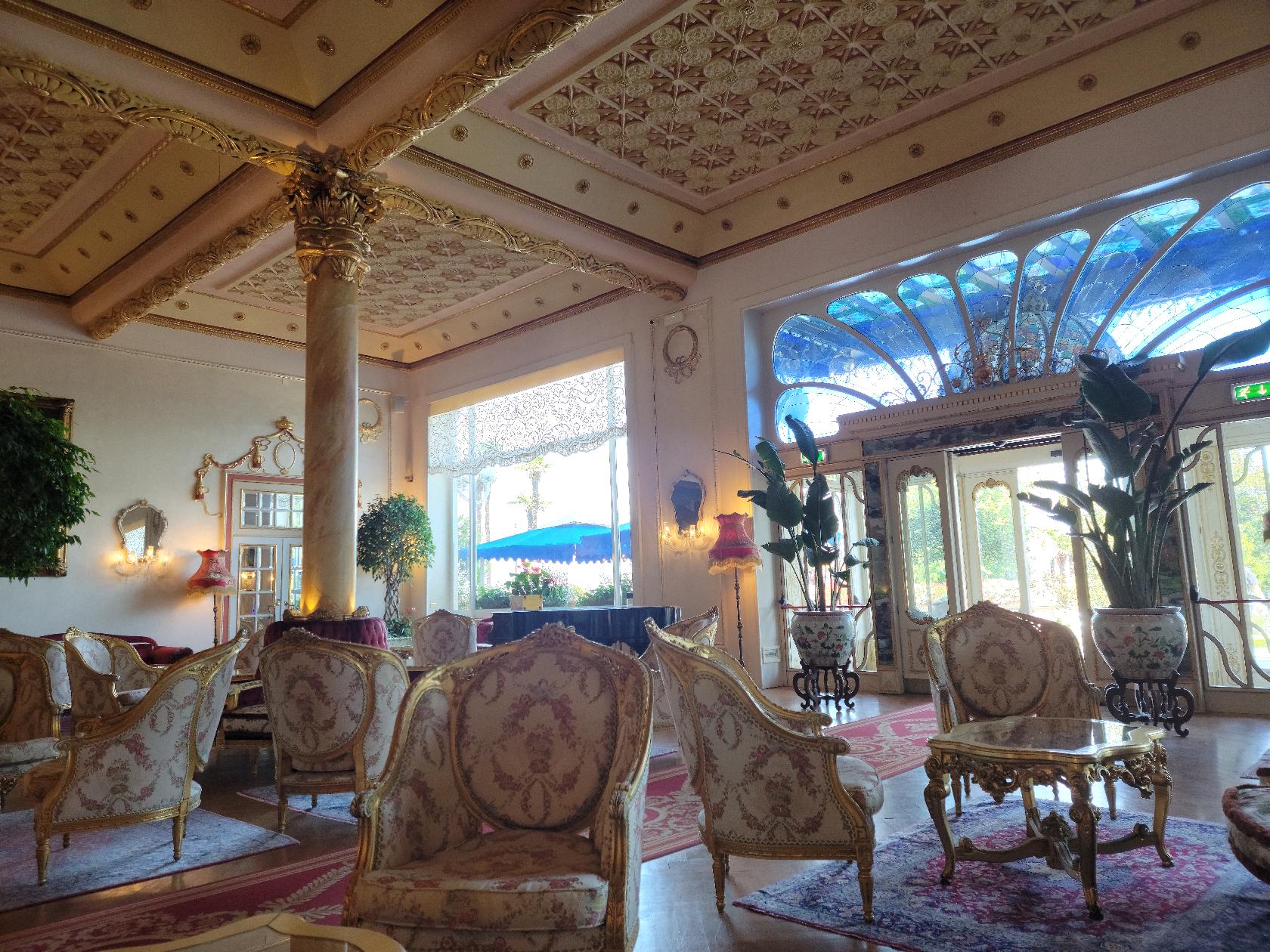
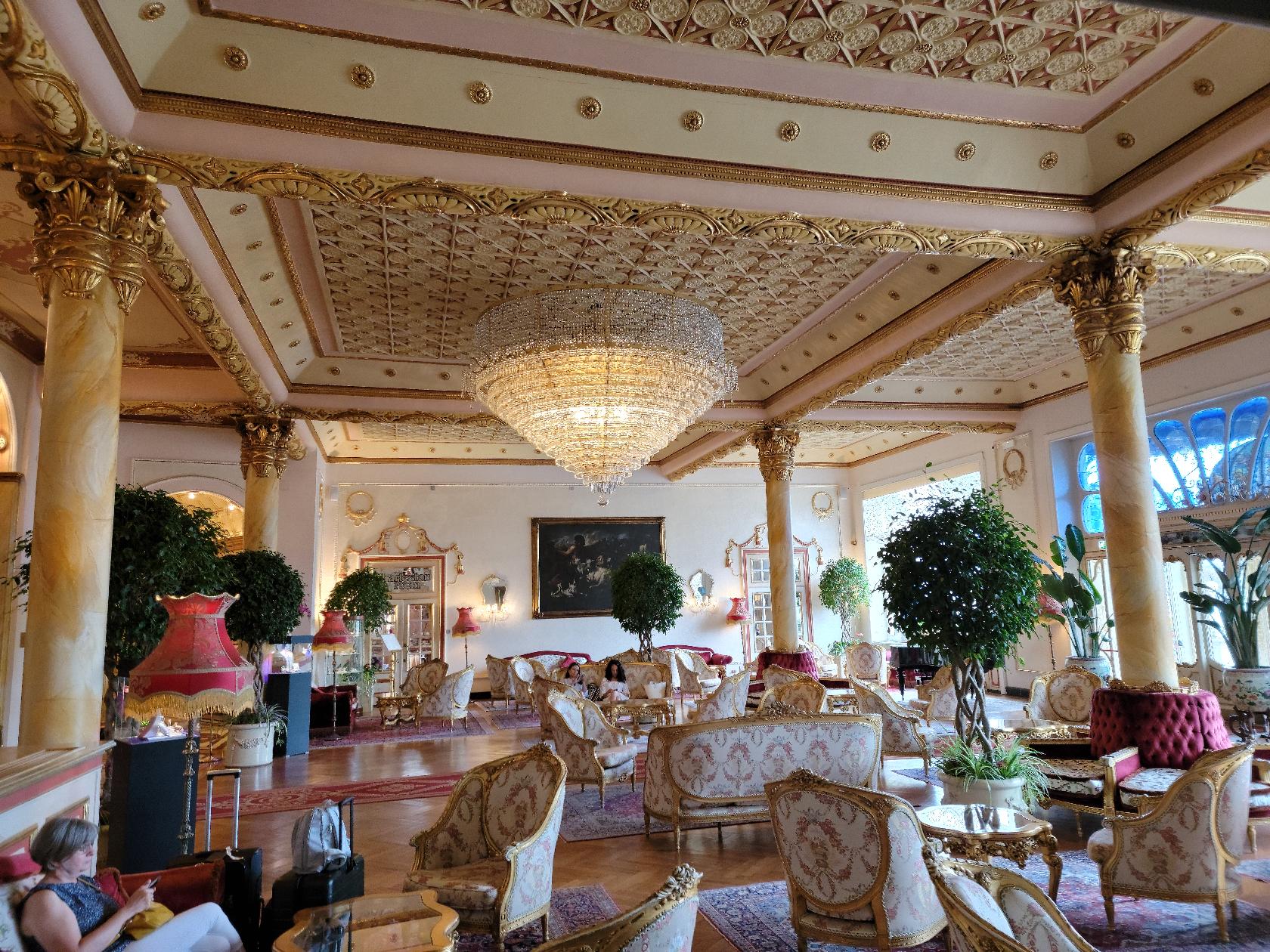
In its heyday, this four star hotel must have been a place to see and enjoy. However, aside from its opulent structure, this hotel is a solid three-star hotel than what it’s advertised.
Hotel Regina Palace – Stresa, Italy
The issues we had while here for our short five day star were as follows:
Our room was not vacuumed for our entire stay.
There was no Hair Conditioner nor Body Lotion in the bathroom.
The plumbing is old, requires repairs and updating, some things leak continuously.
The walls in the rooms are paper-thin and the painting is dated.
Room service does not fill everything you would expect, e.g. tissues.
In the dining area – they do not replace things unless you request and even then you might not get it, e.g. syrup for your pancakes.
In the dining area – you may have to seat yourself, the concierge is not very attentive. I know it’s Italy, but most of the time half of the staff is standing around doing nothing.
The hotel is in a very strategic position along the coast, it is both very close to the islands and the town, this was one of the reasons we selected it. So, if you visit this hotel, be aware of the aforementioned issues and go in with your eyes wide shut.
Car Entrance – Hotel Regina Palace – Stresa, Italy
Hotel Regina Palace – Stresa, Italy
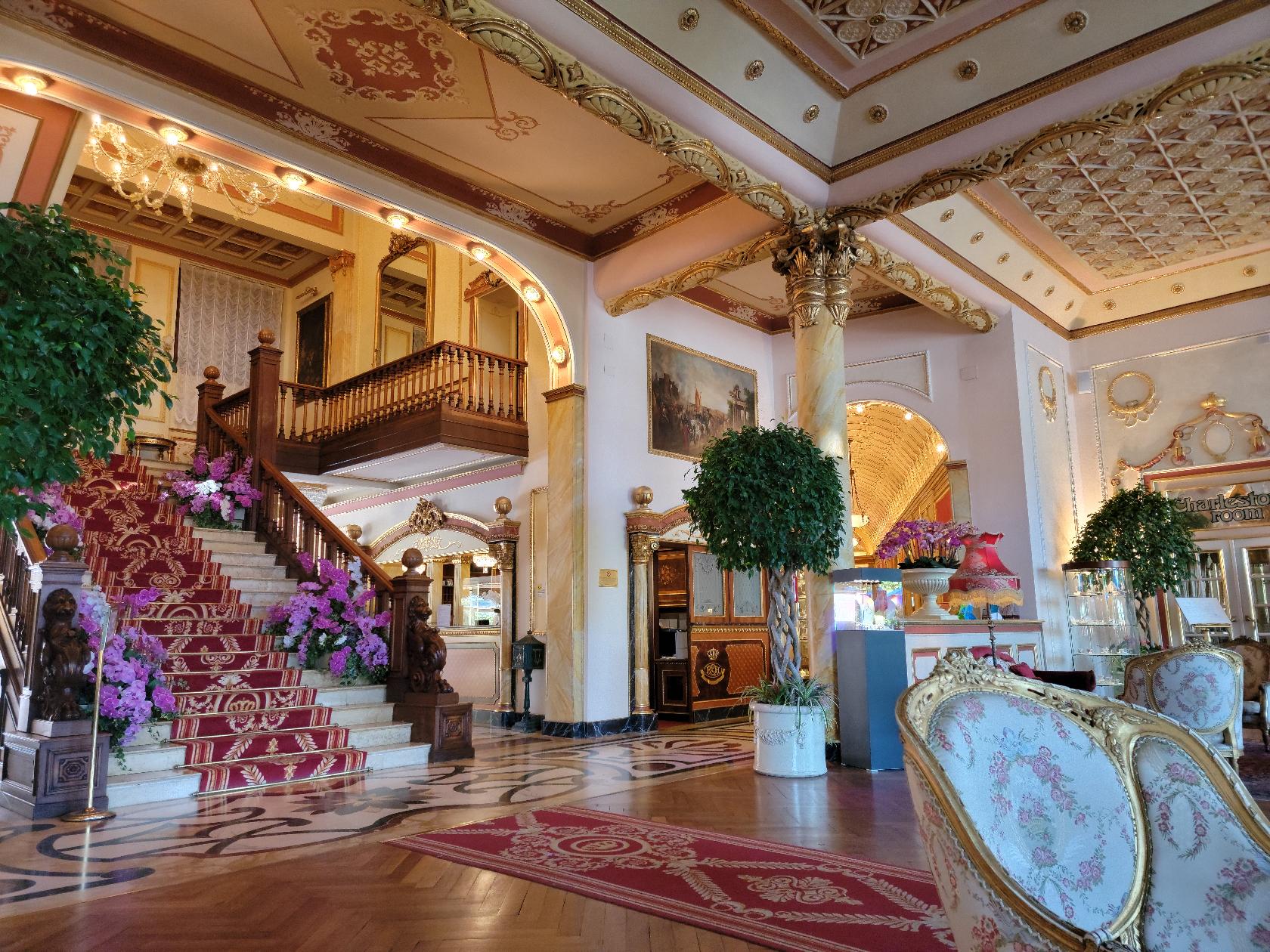
Main Lobby – Hotel Regina Palace – Stresa, Italy
Main Lobby – Hotel Regina Palace – Stresa, Italy
Main Lobby – Hotel Regina Palace – Stresa, Italy
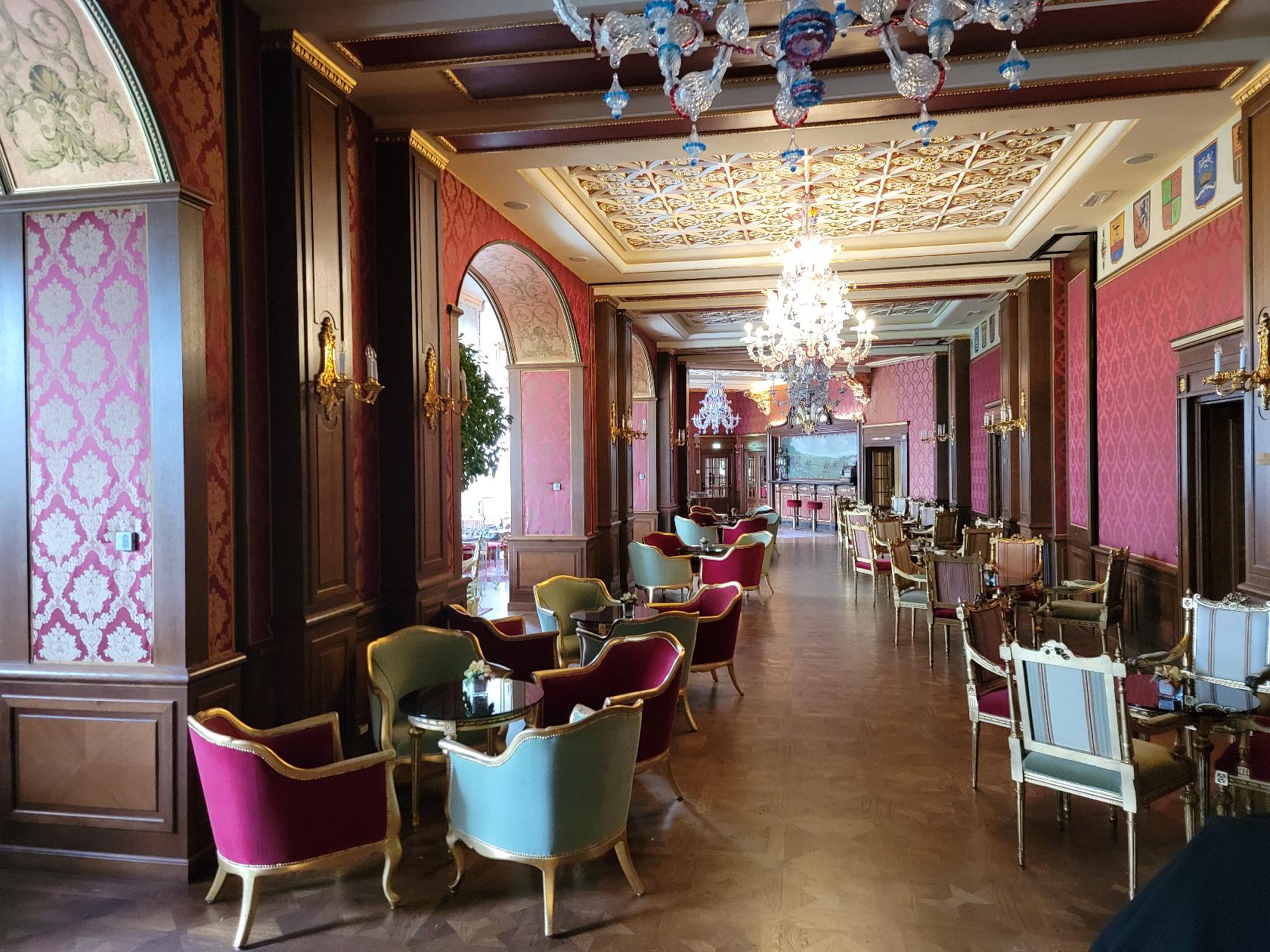
Bar – Hotel Regina Palace – Stresa, Italy
View of the three islands – Hotel Regina Palace – Stresa, Italy
View of Leveno and Monte Crocetta – Hotel Regina Palace – Stresa, Italy