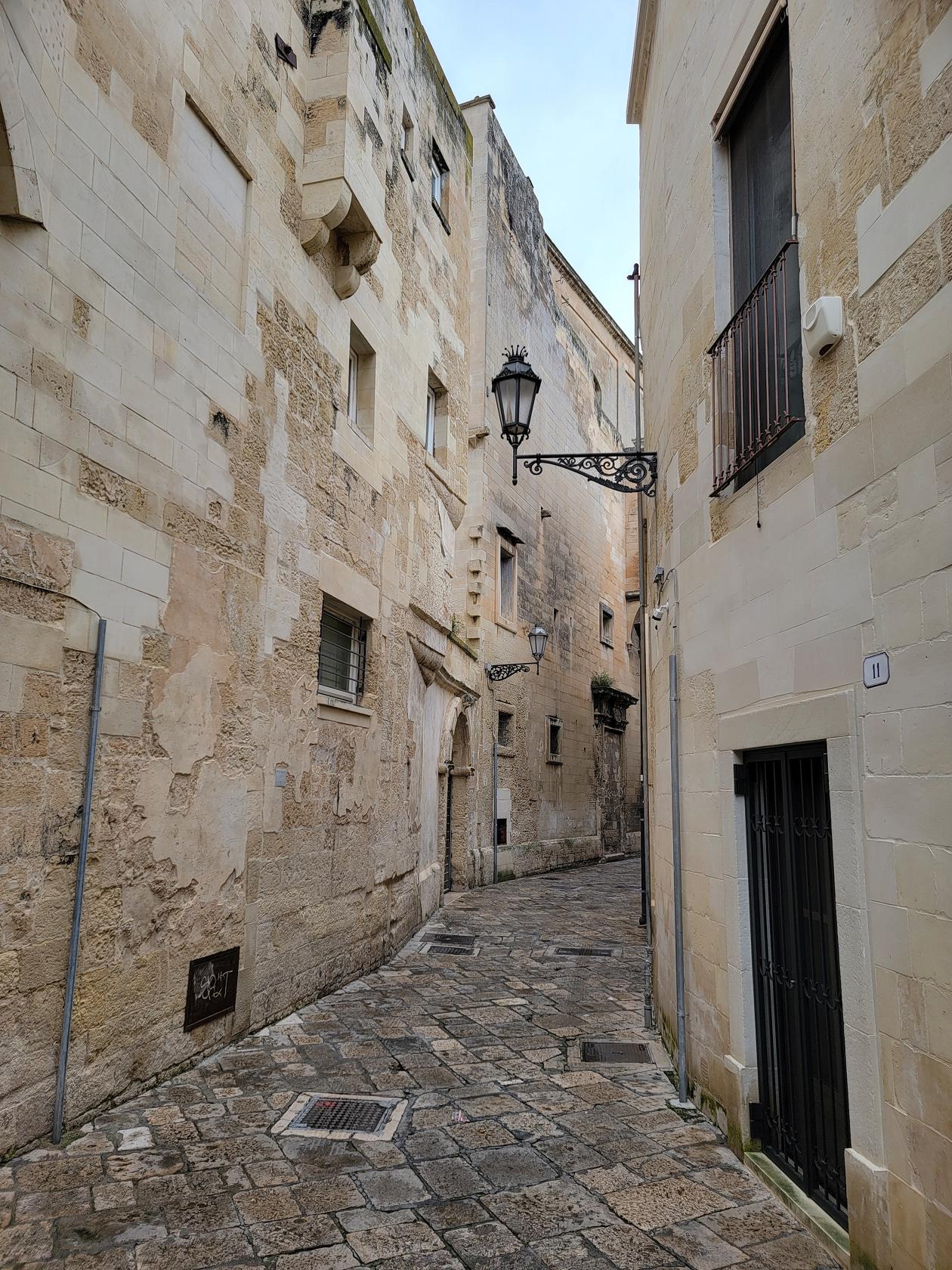
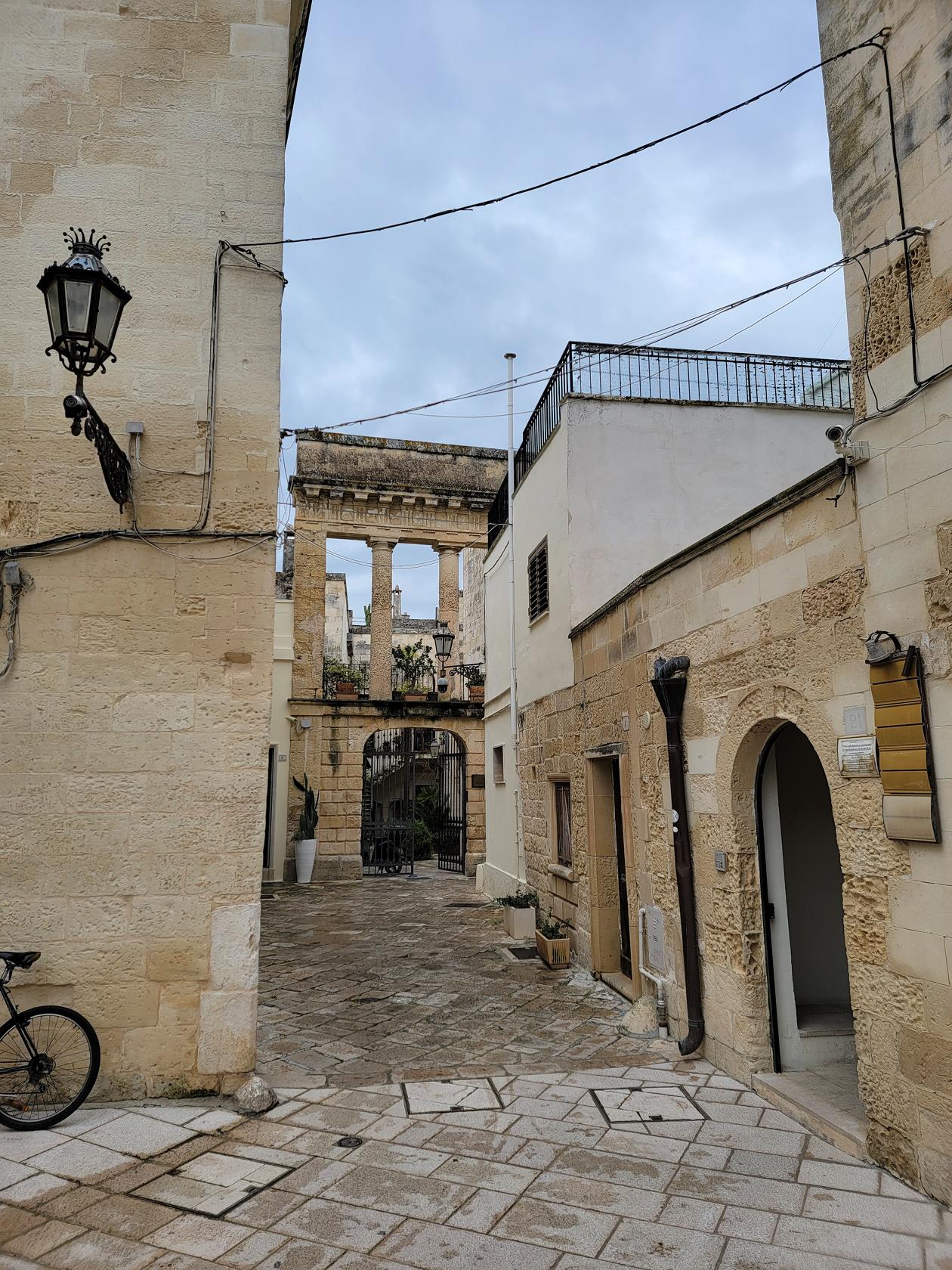
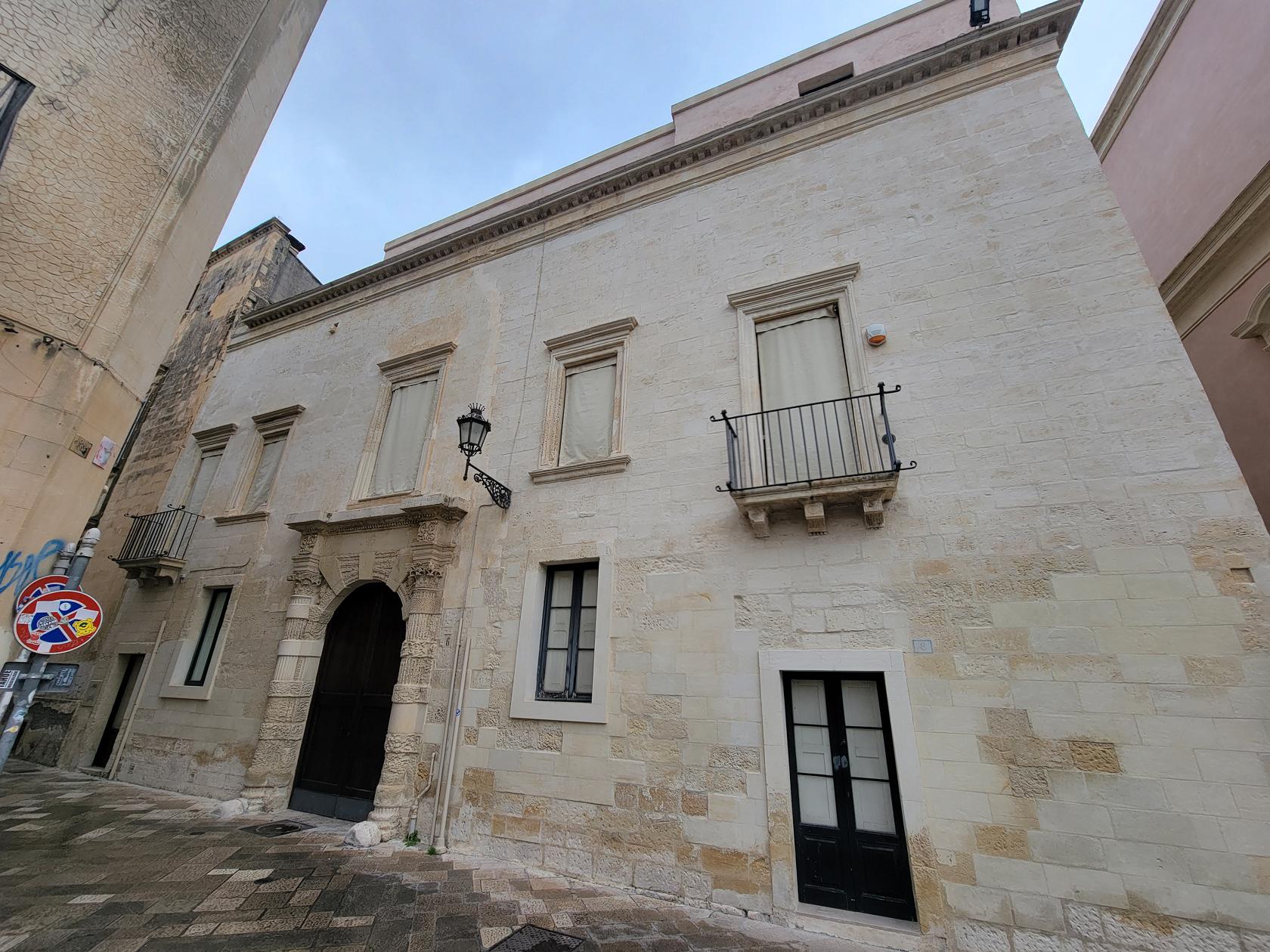
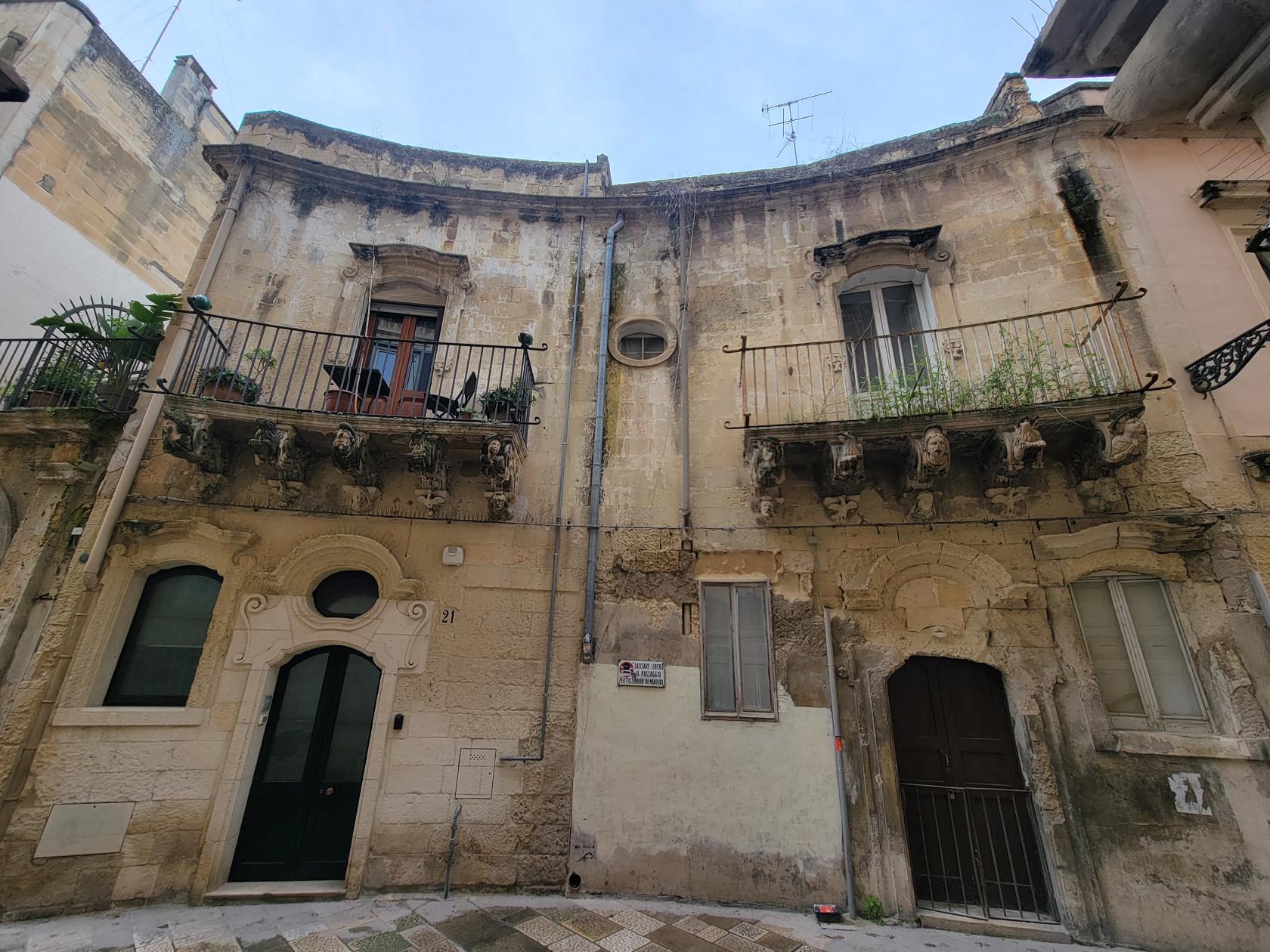
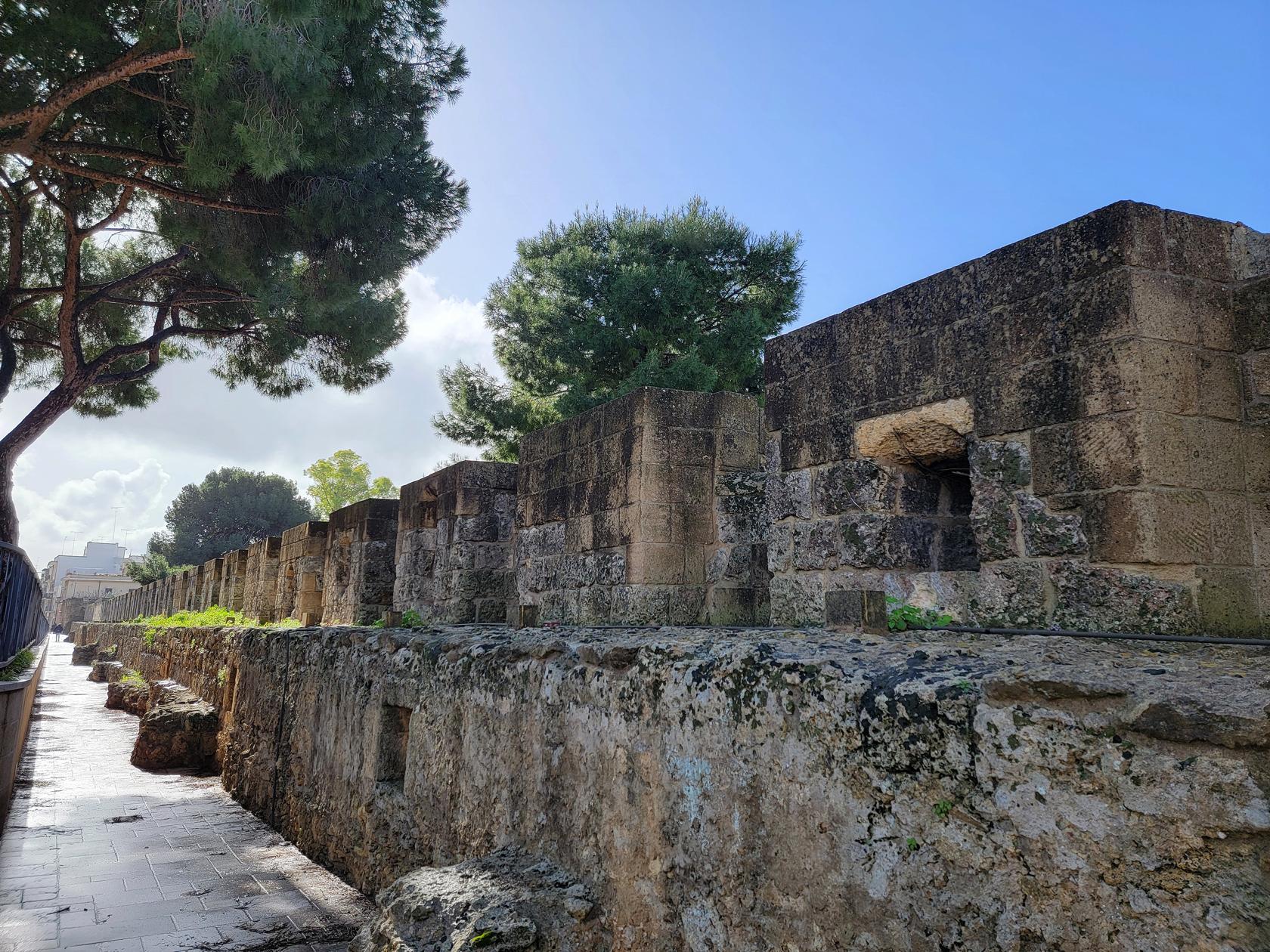
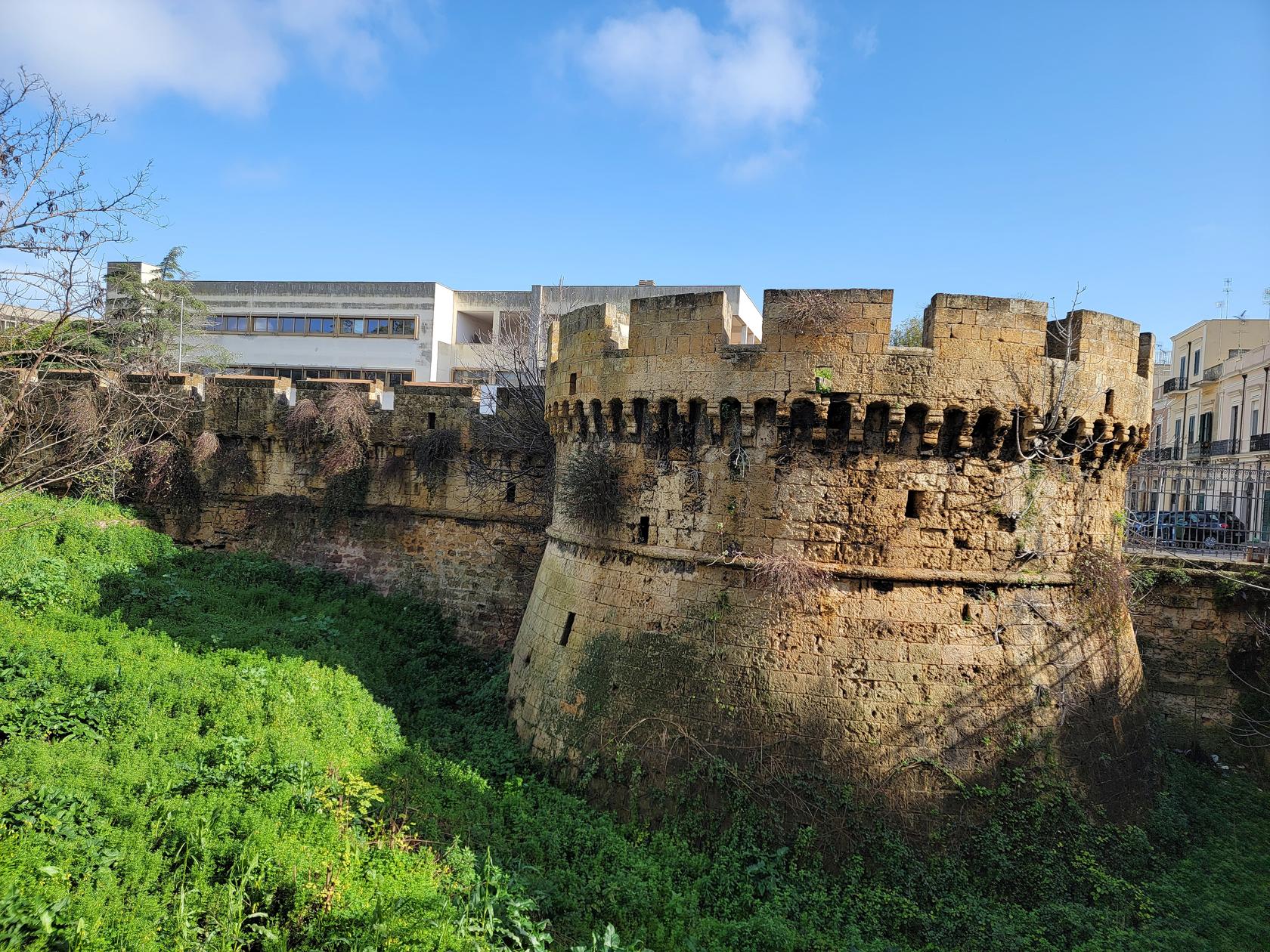
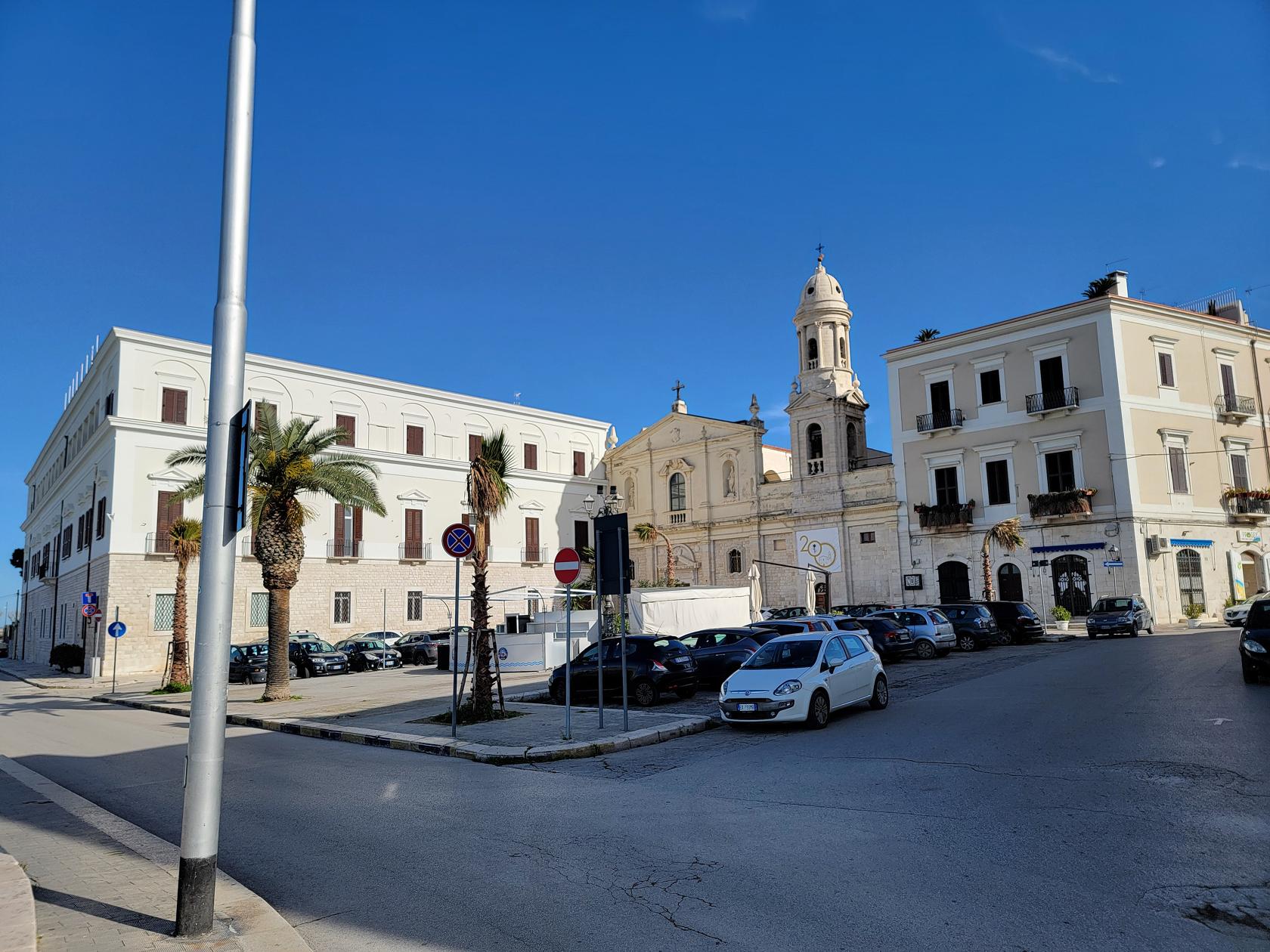
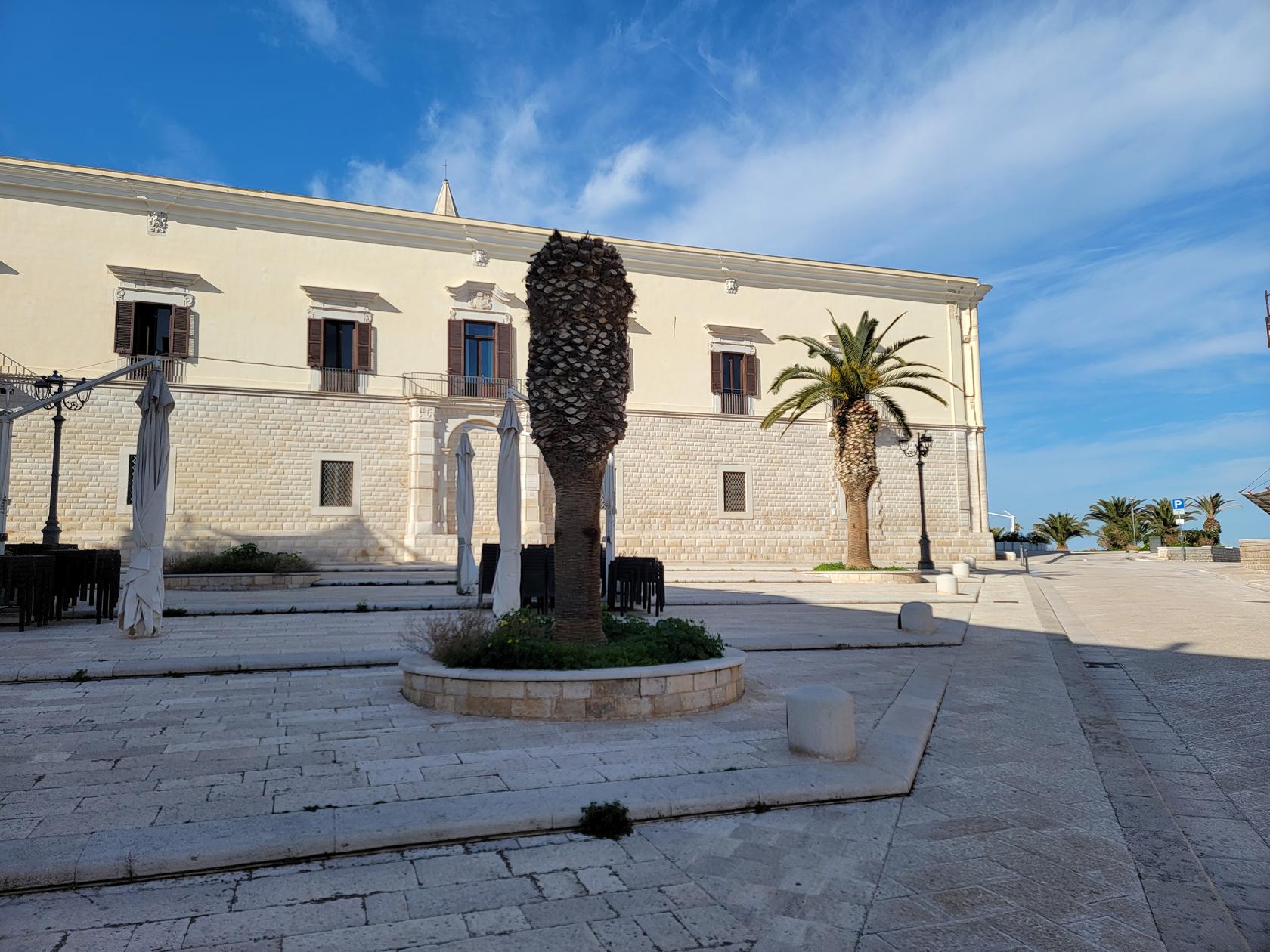
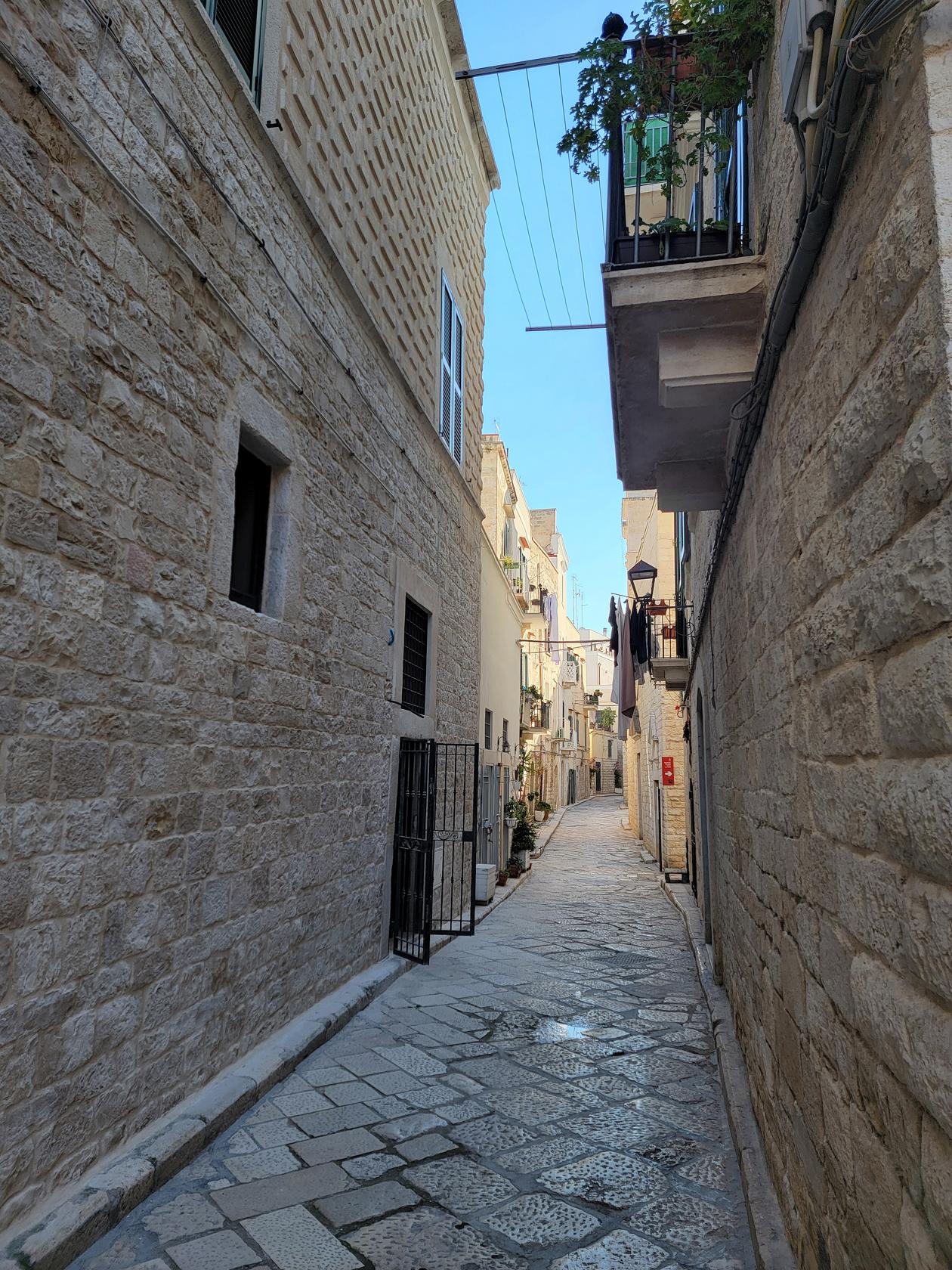
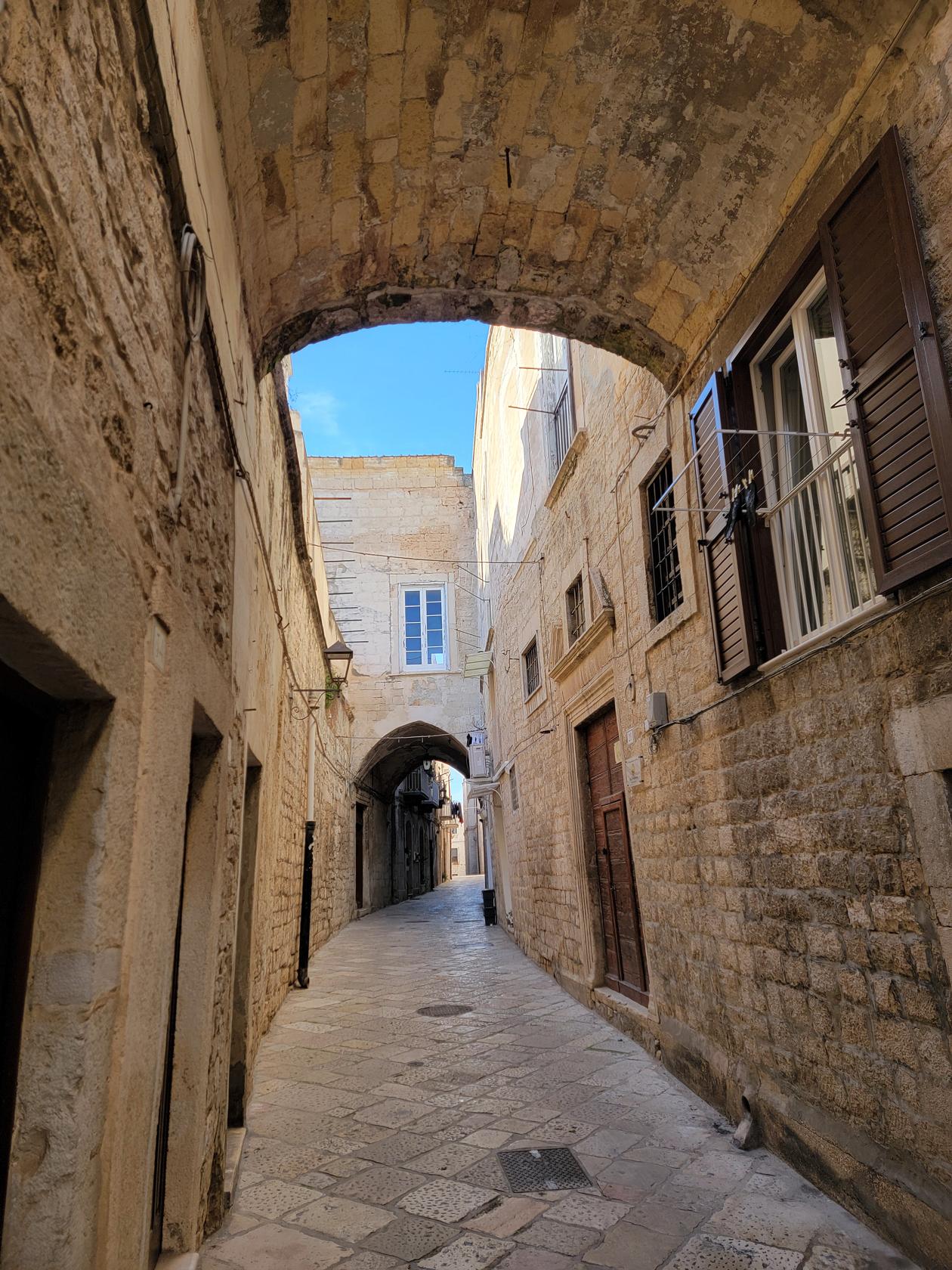
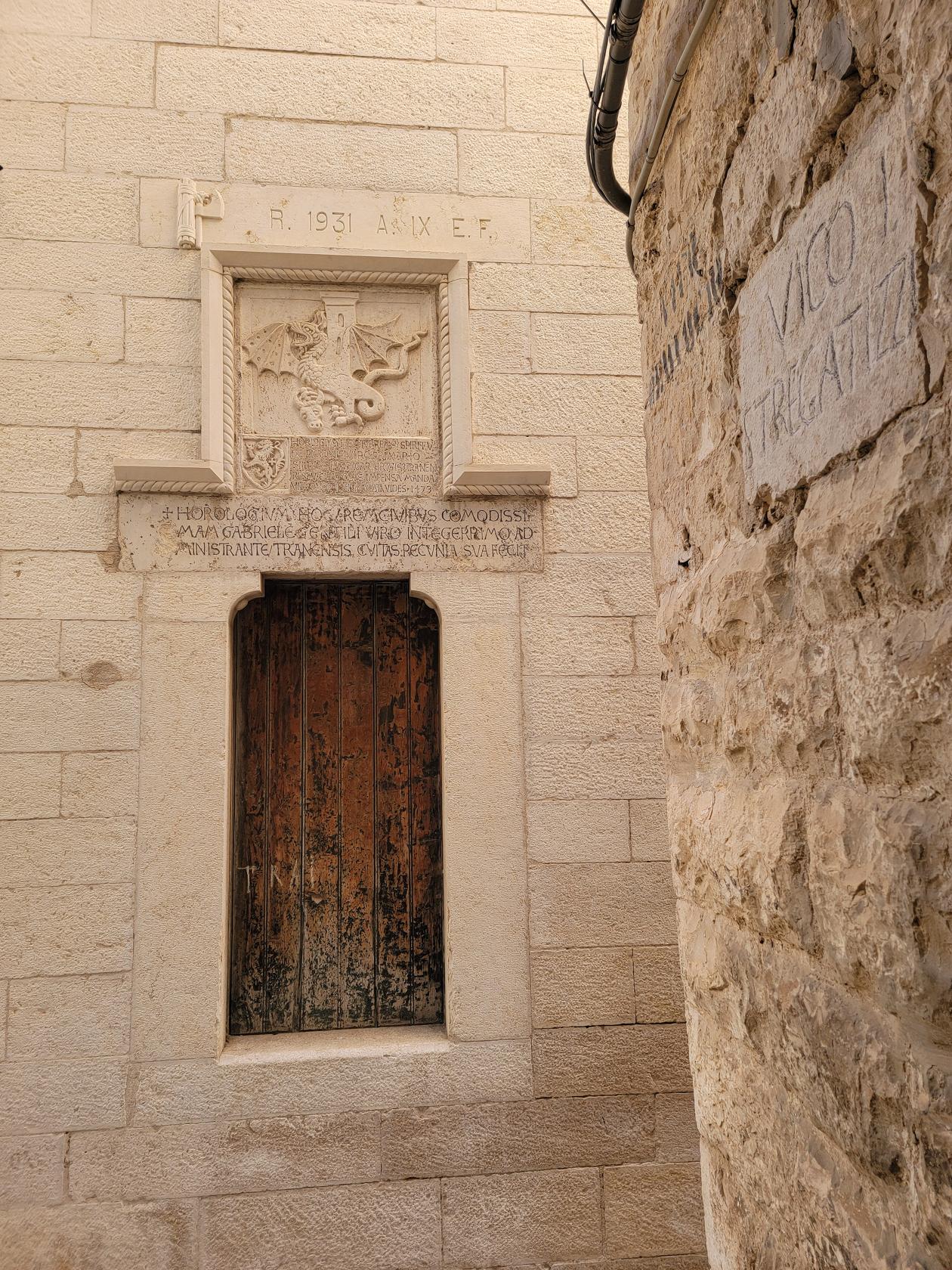
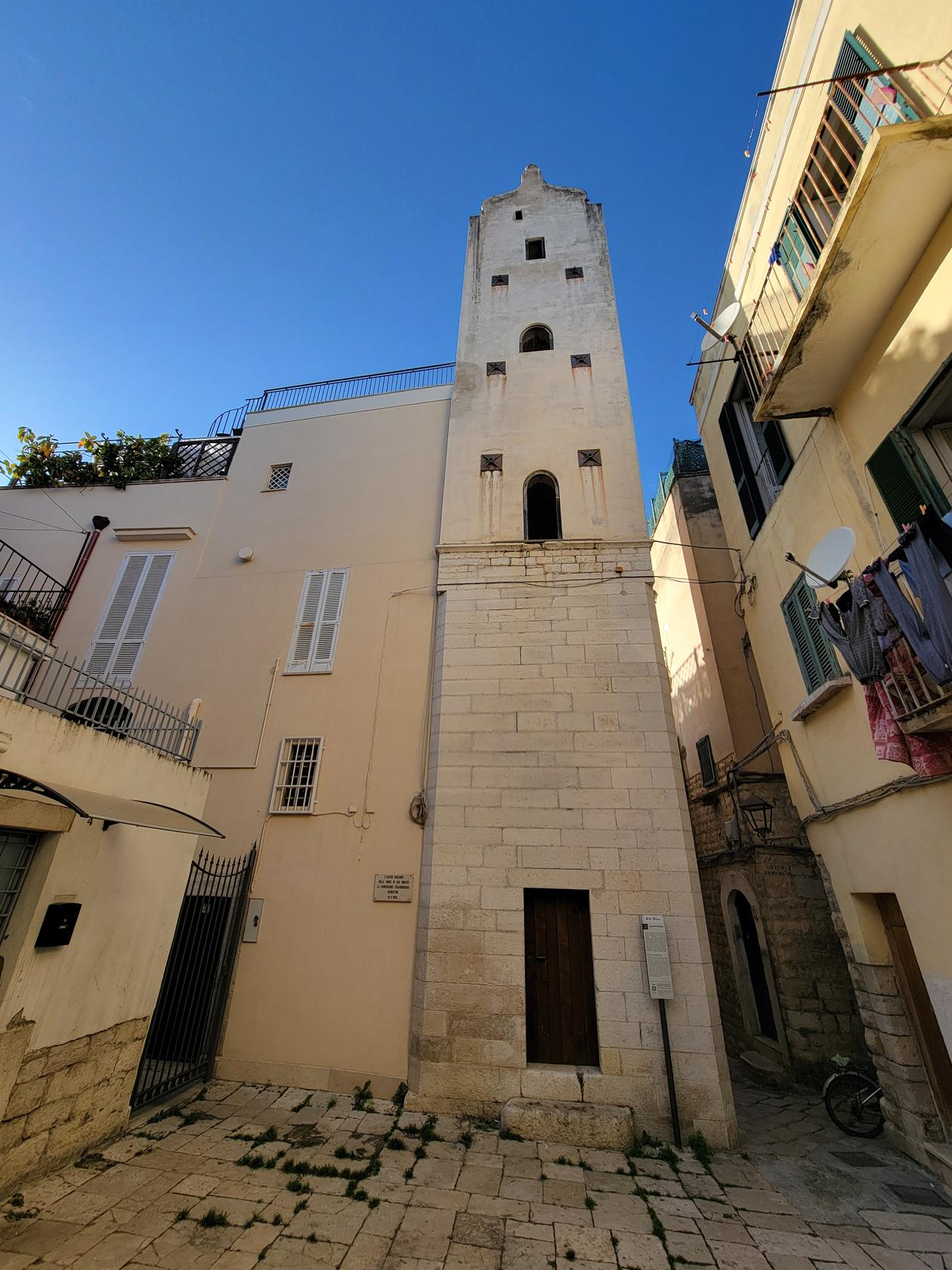
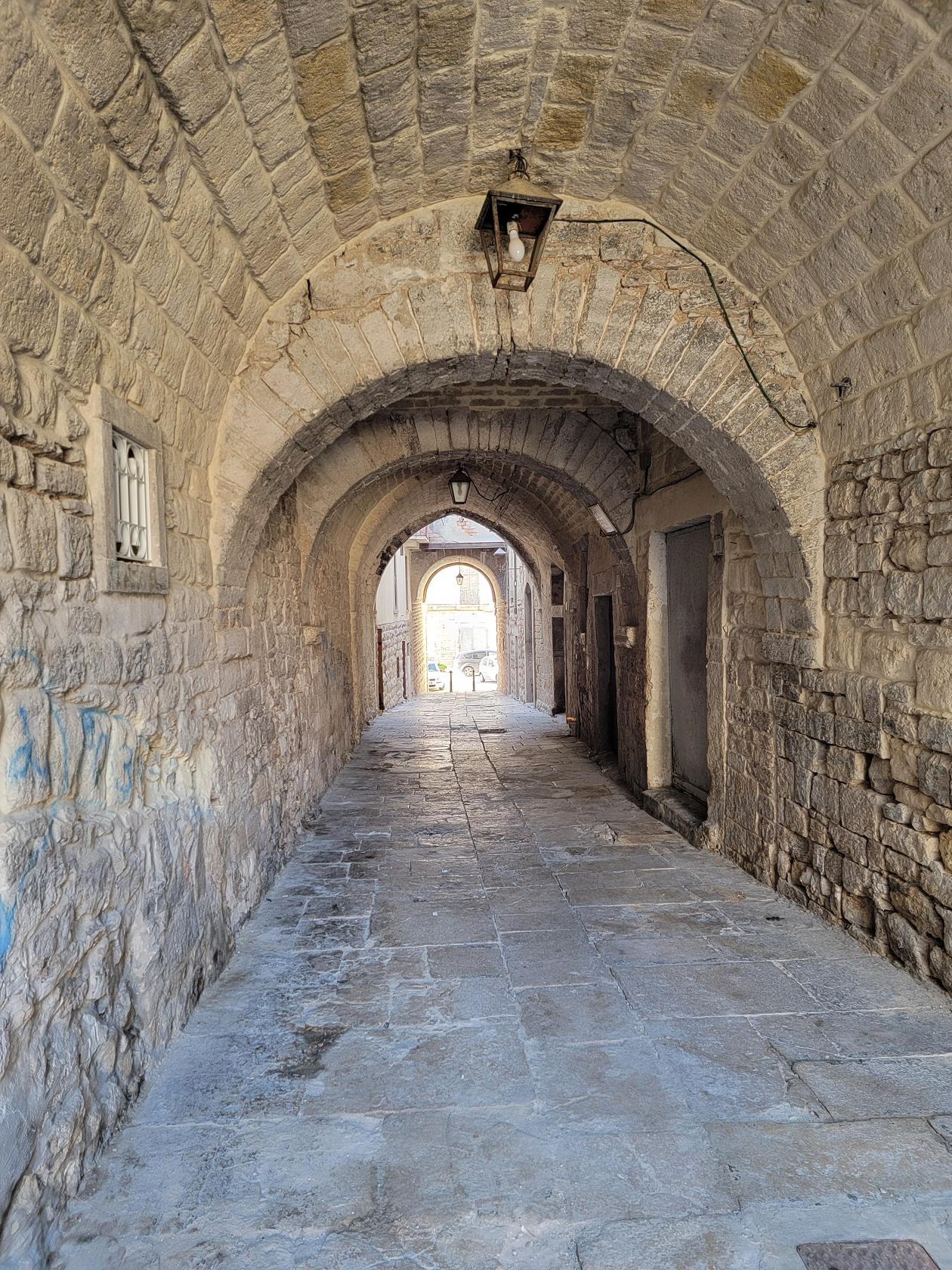
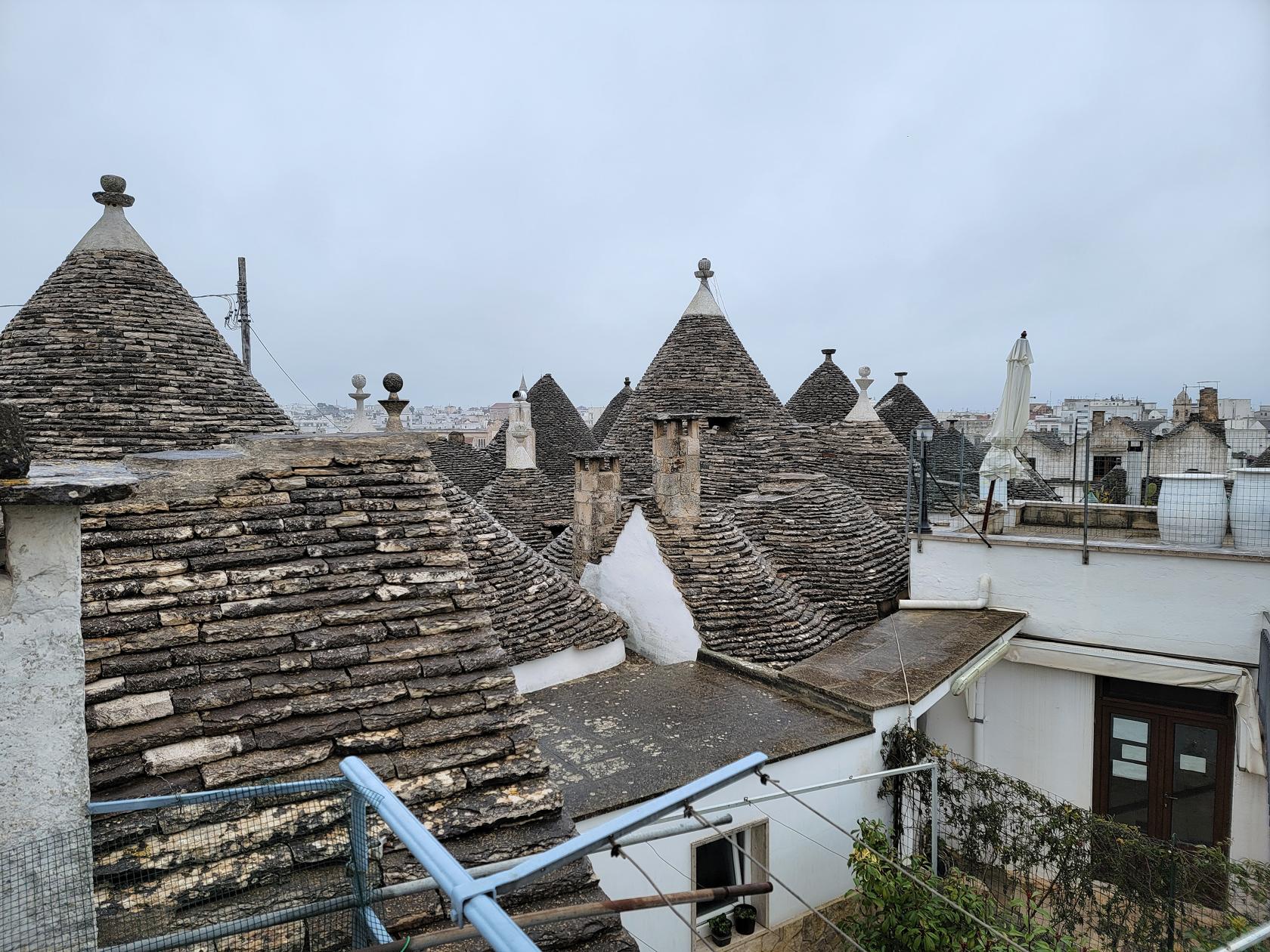
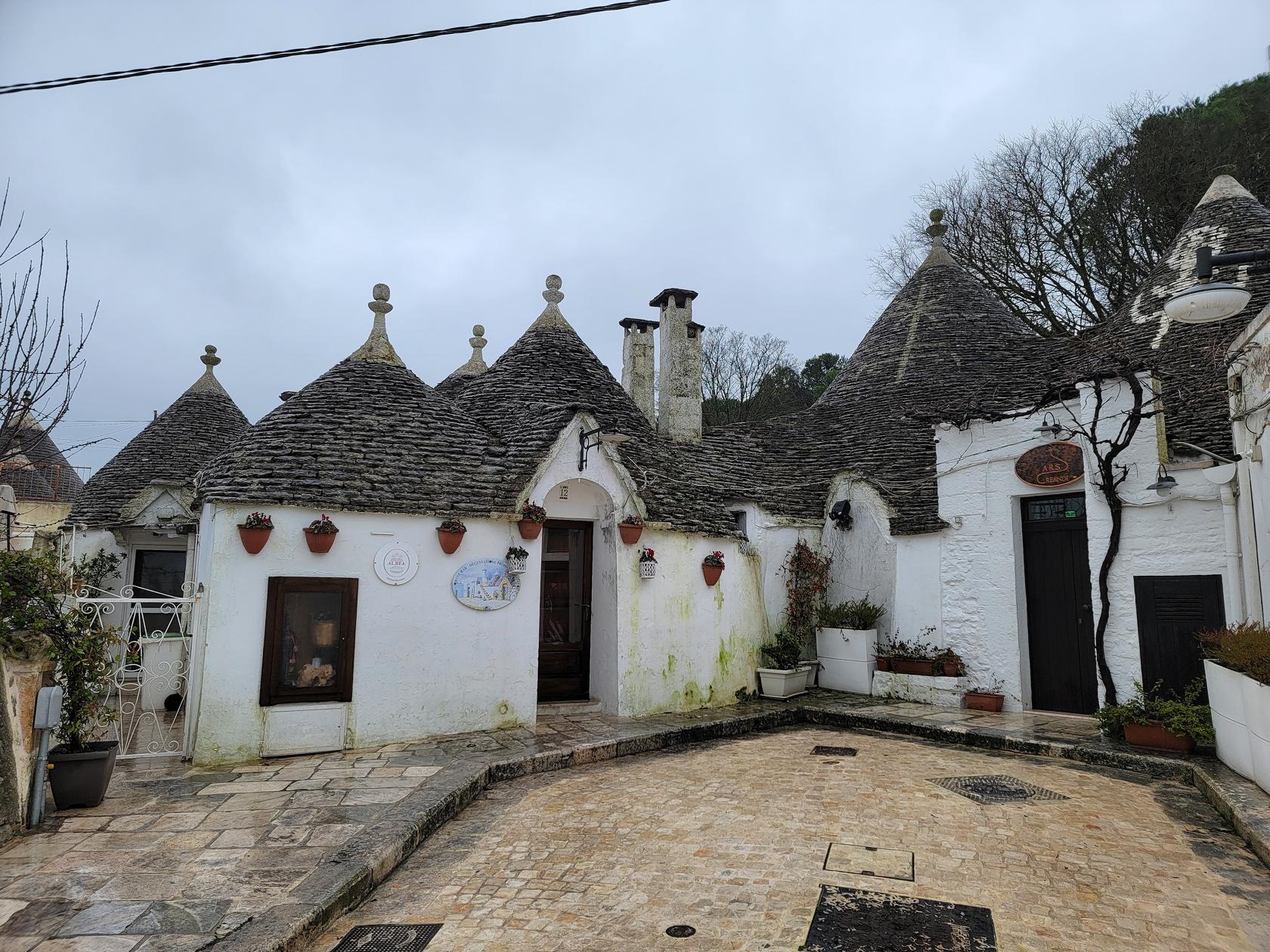
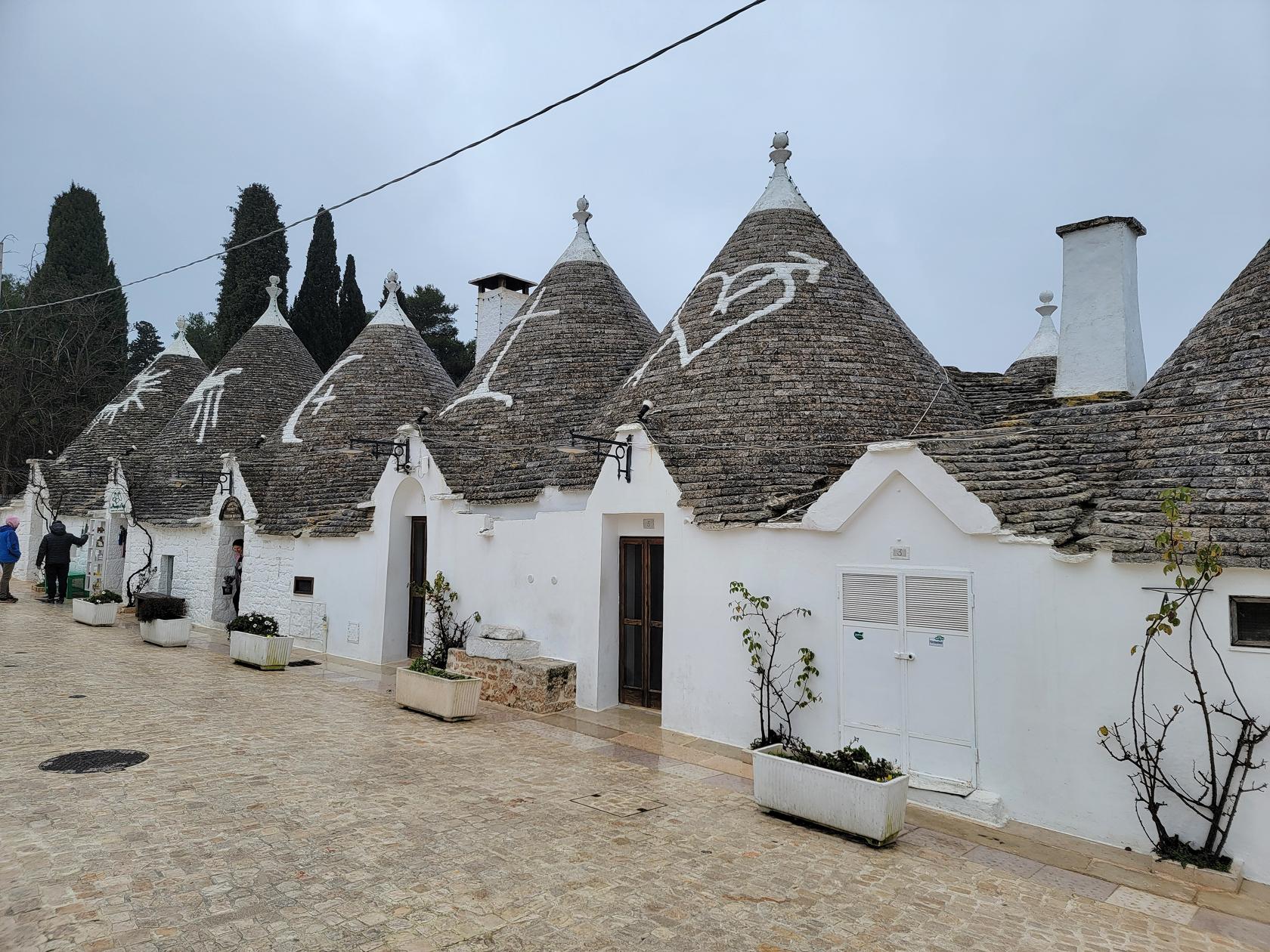
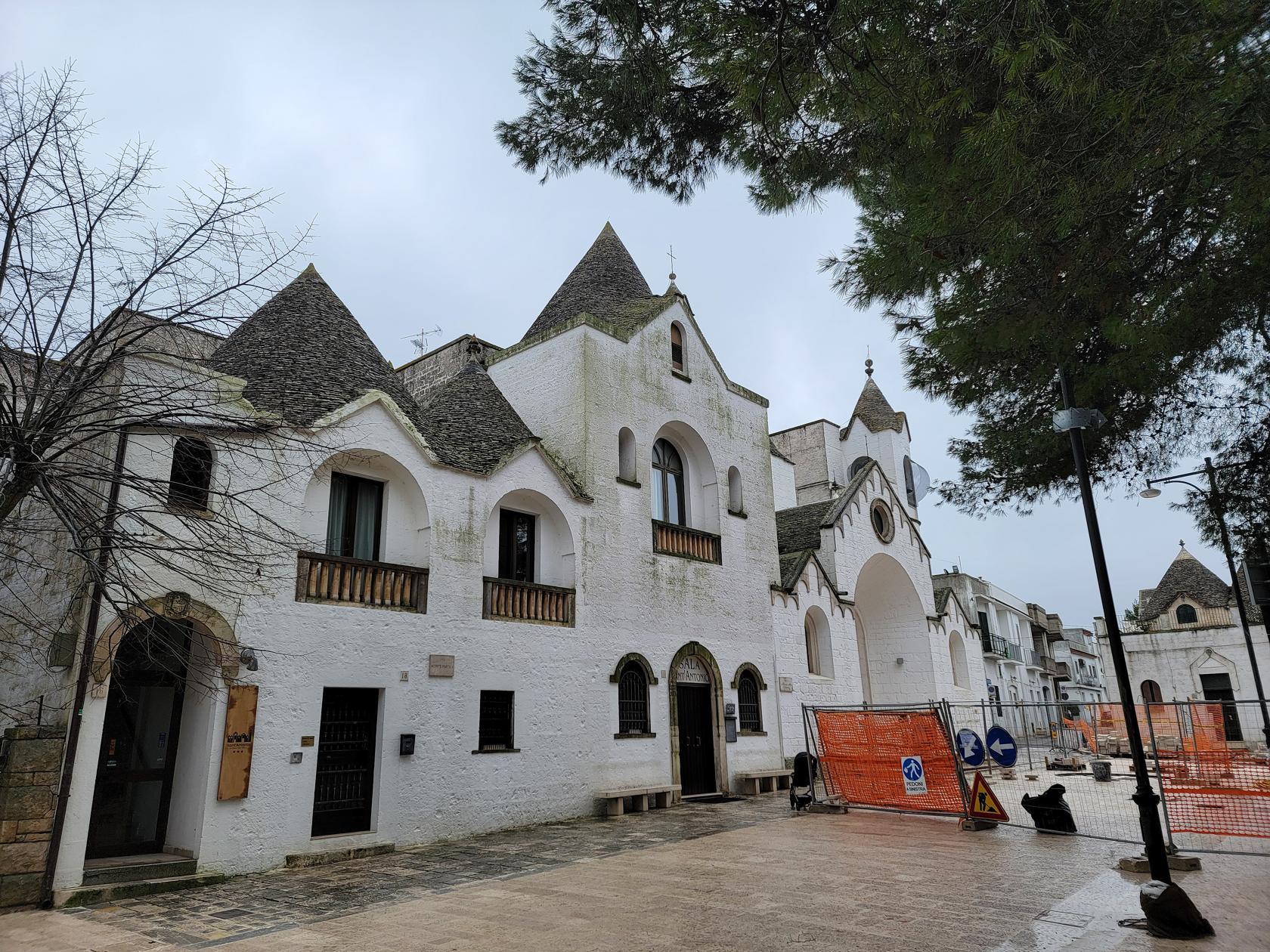
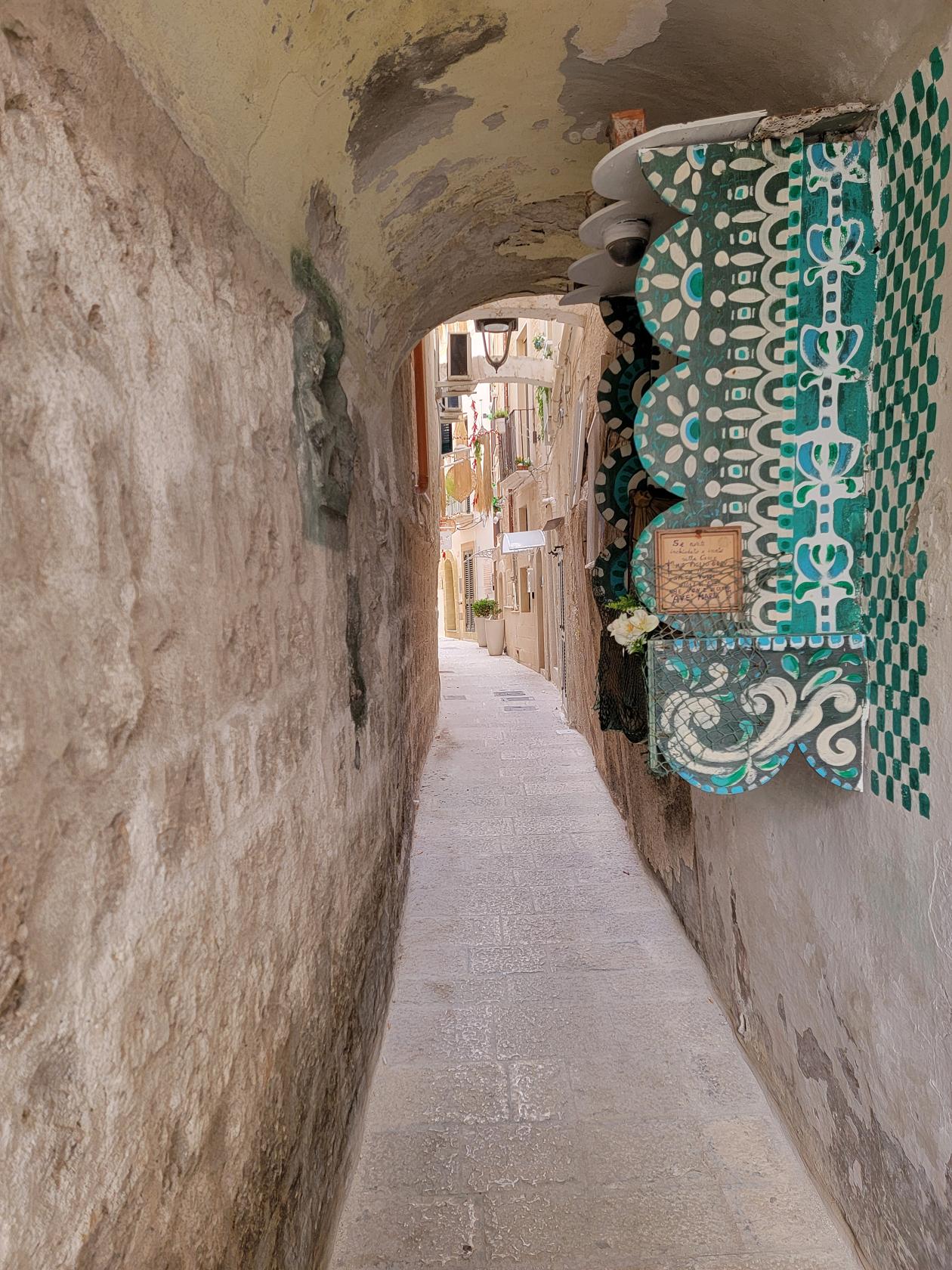
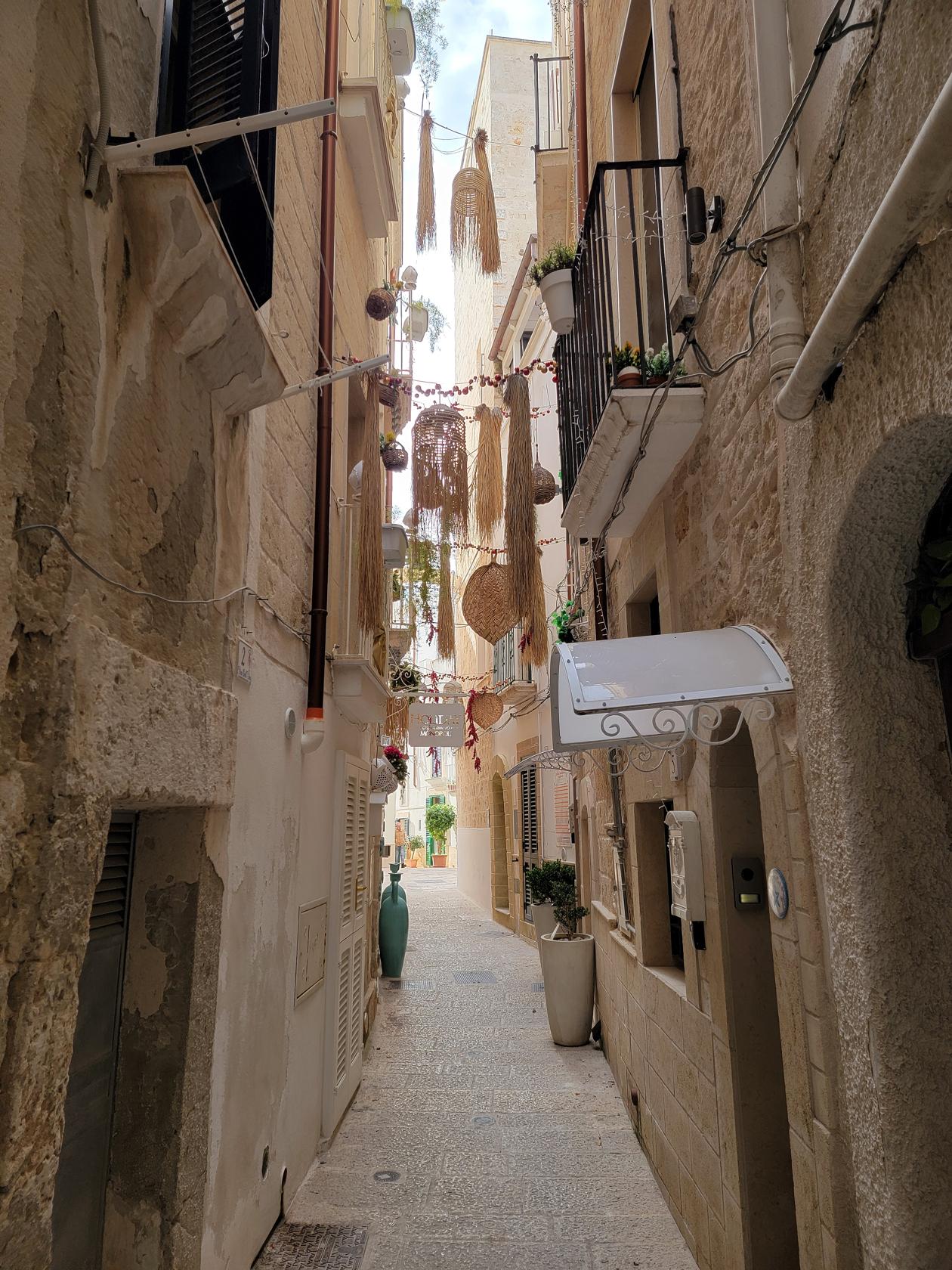
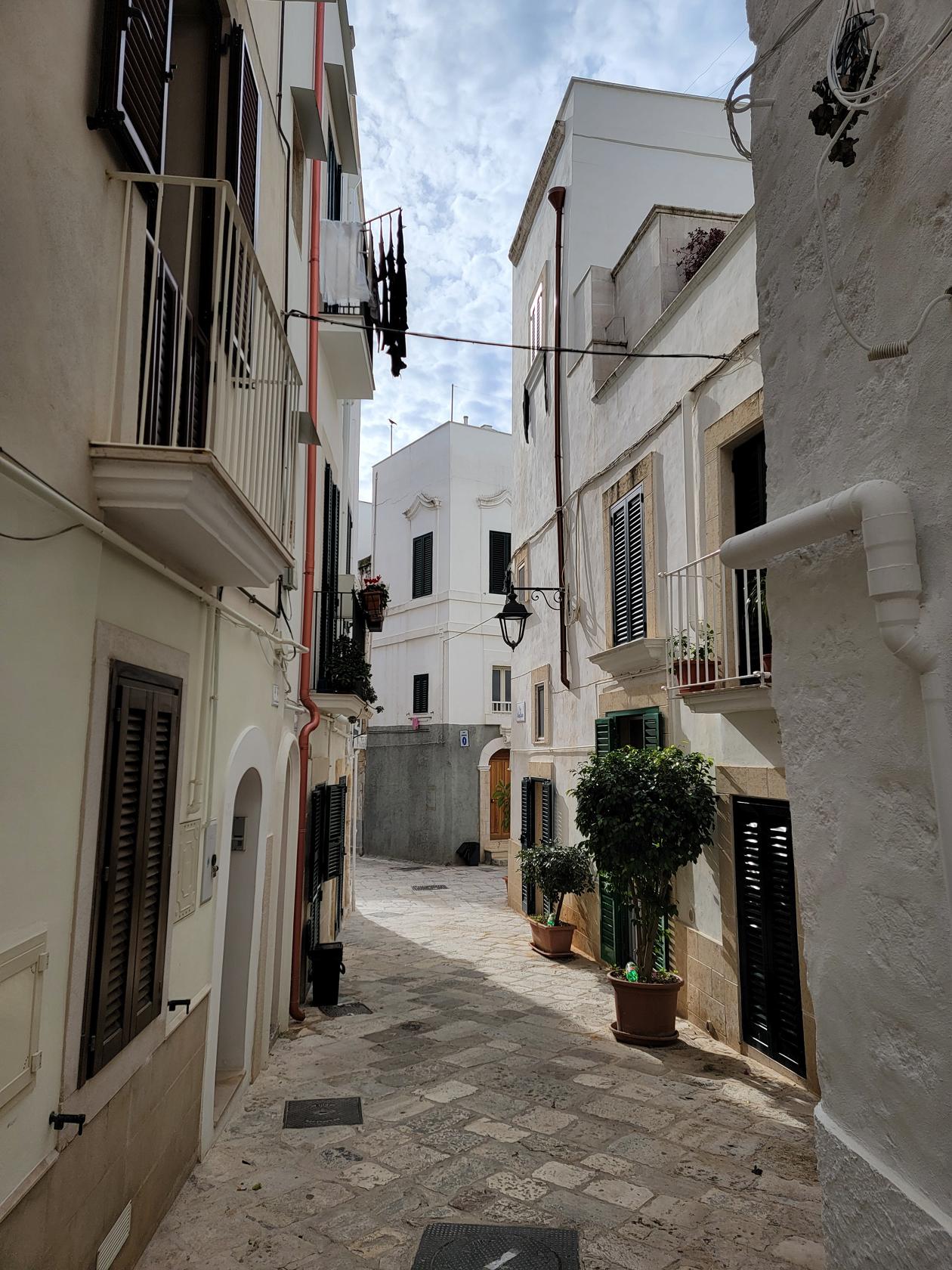
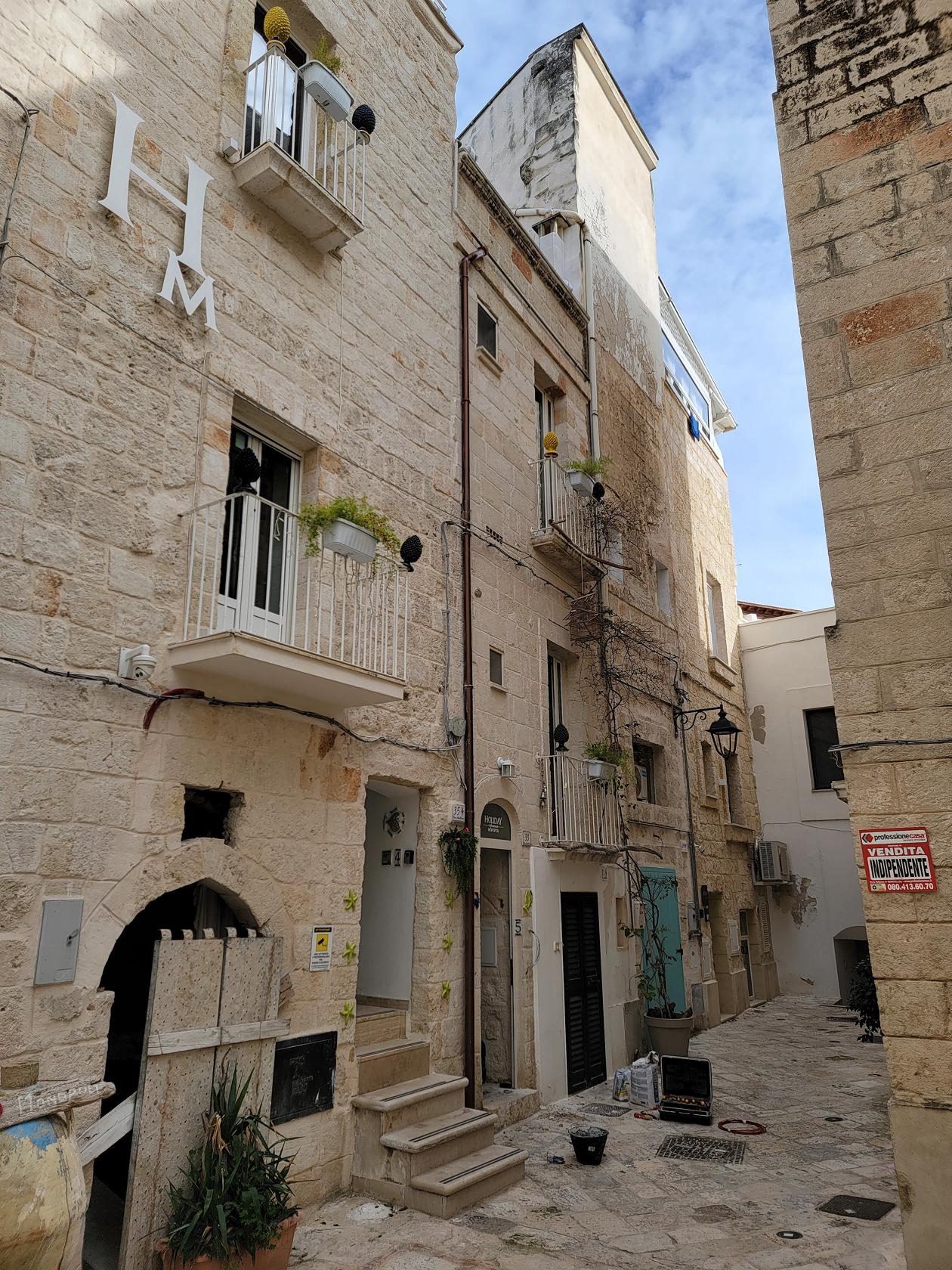
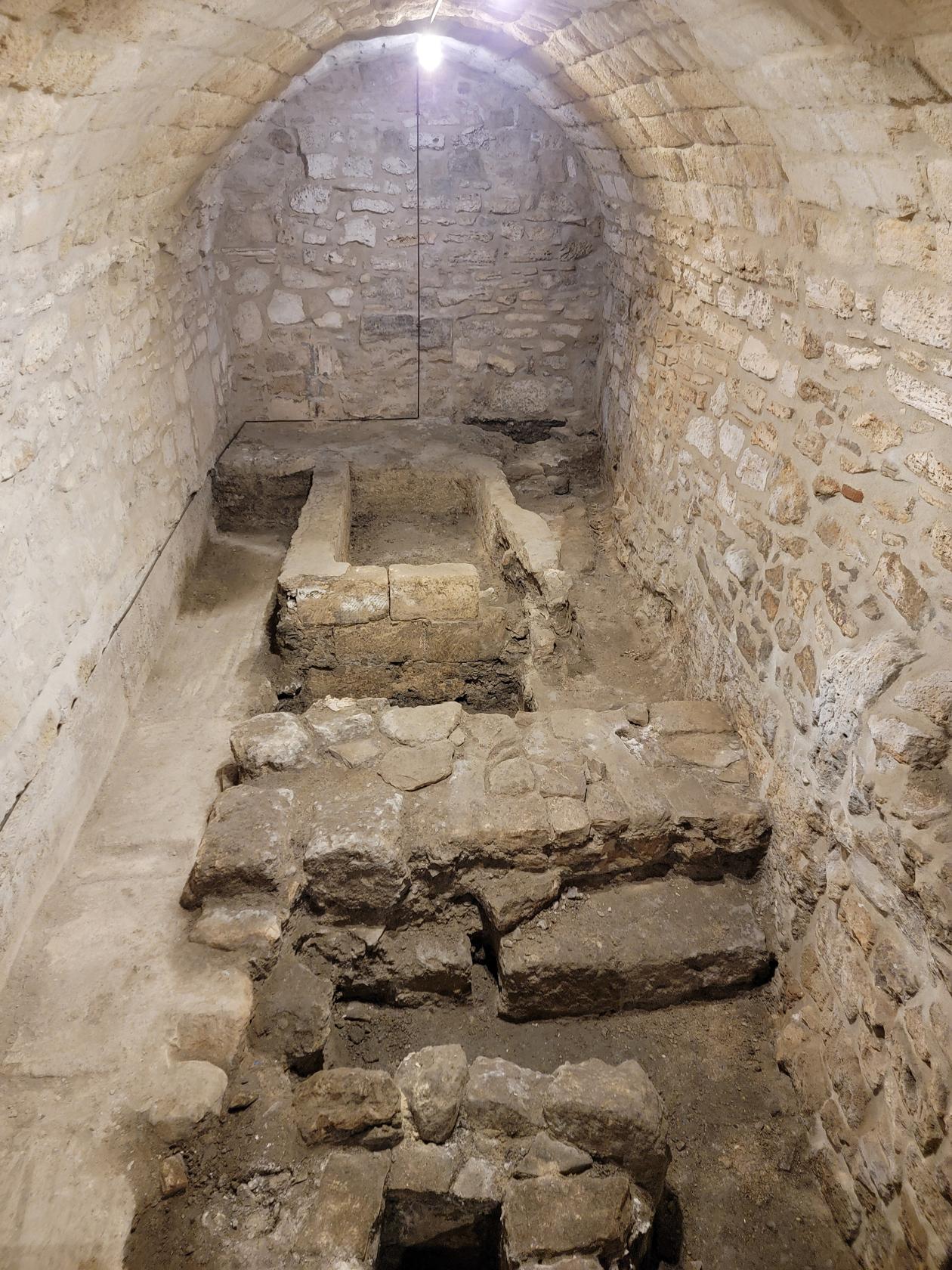
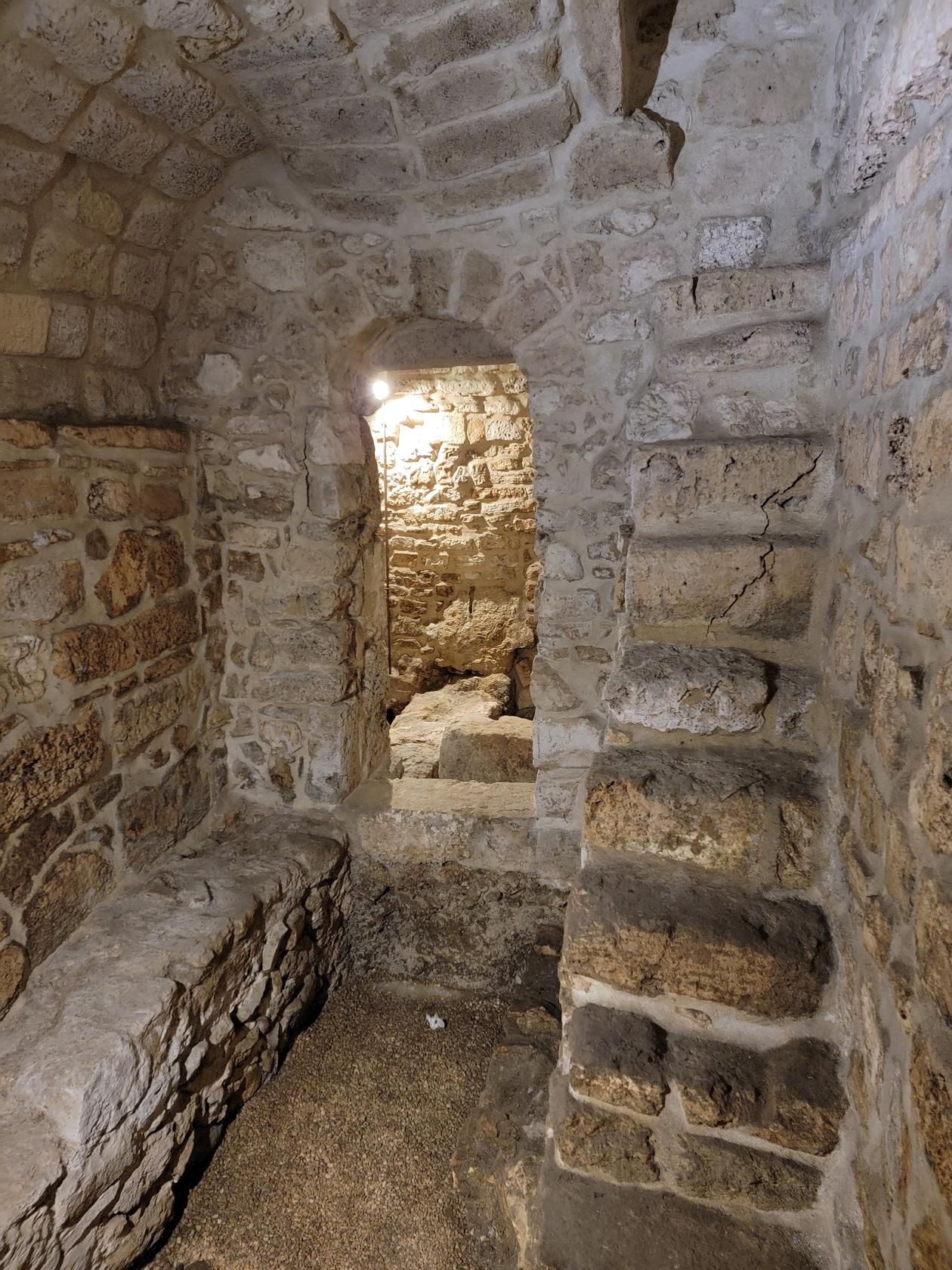
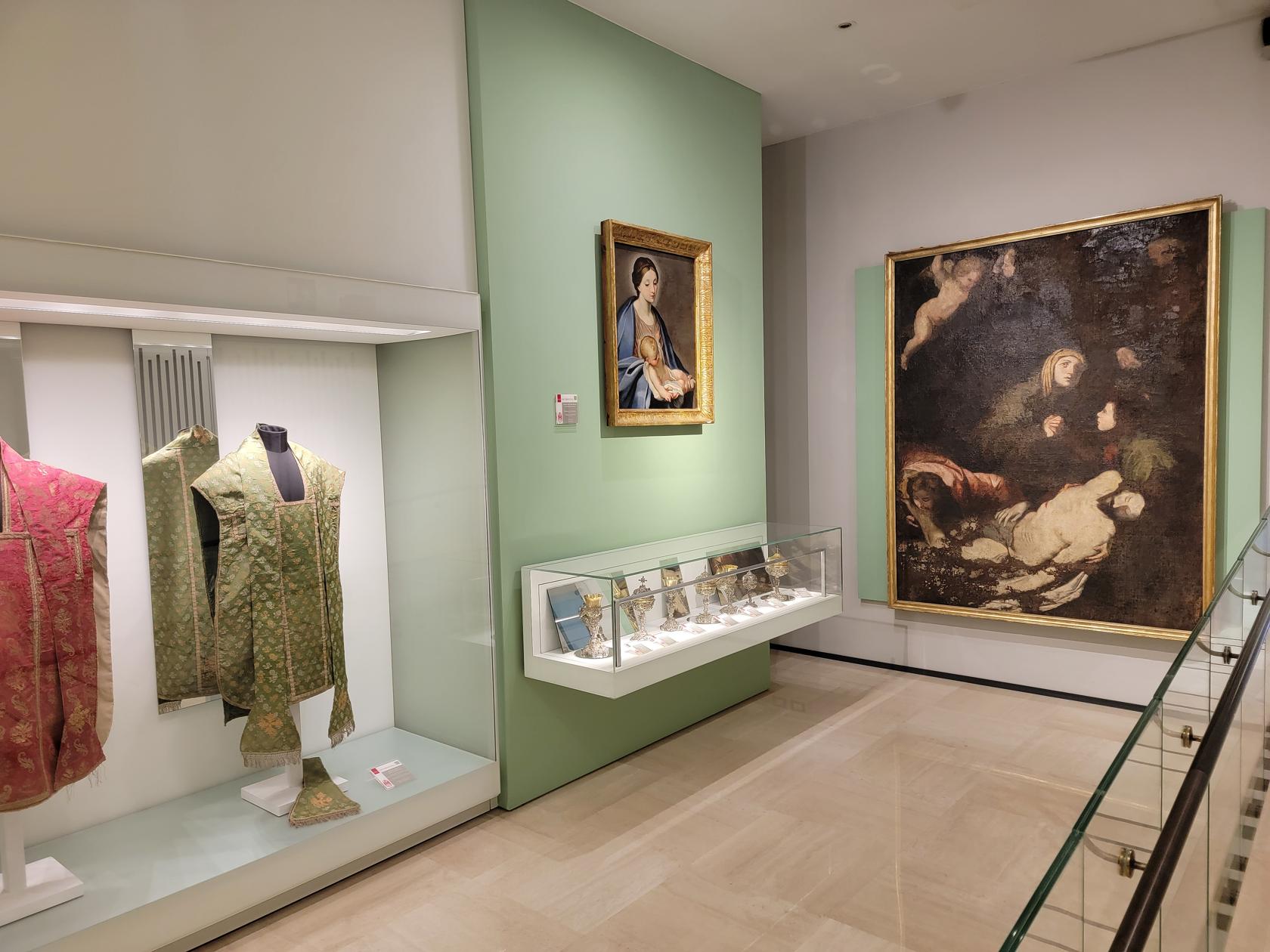
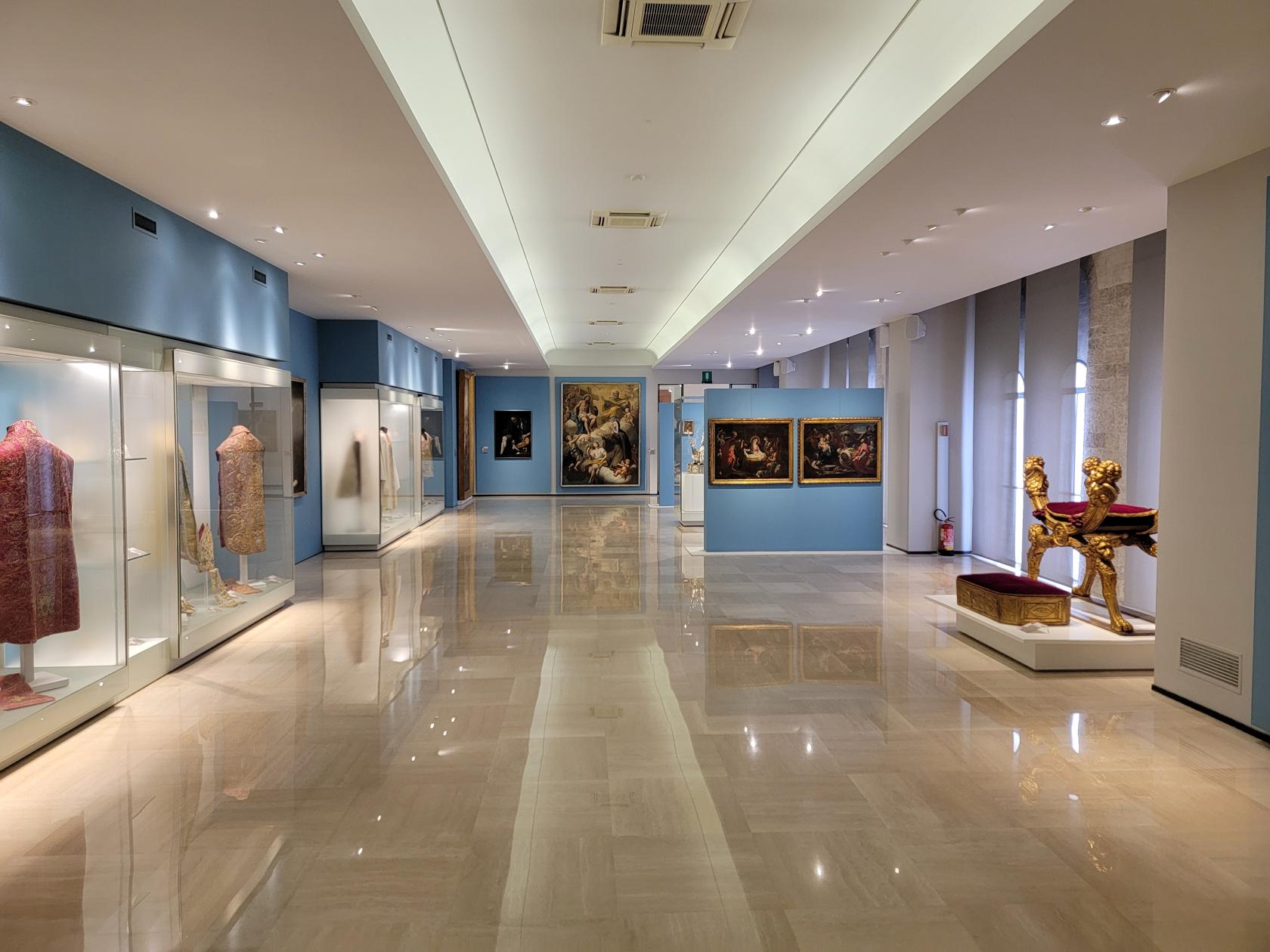
The second largest city in Apulia is called Lecce and is located on the Salentine Peninsula of Italy. It is rich in Baroque architecture, most of which is in the form of Lecce limestone and is often referred to as the Florence of the South. It one of the oldest settlements in southern Italy, with activity dating back to neolithic times.
Getting There
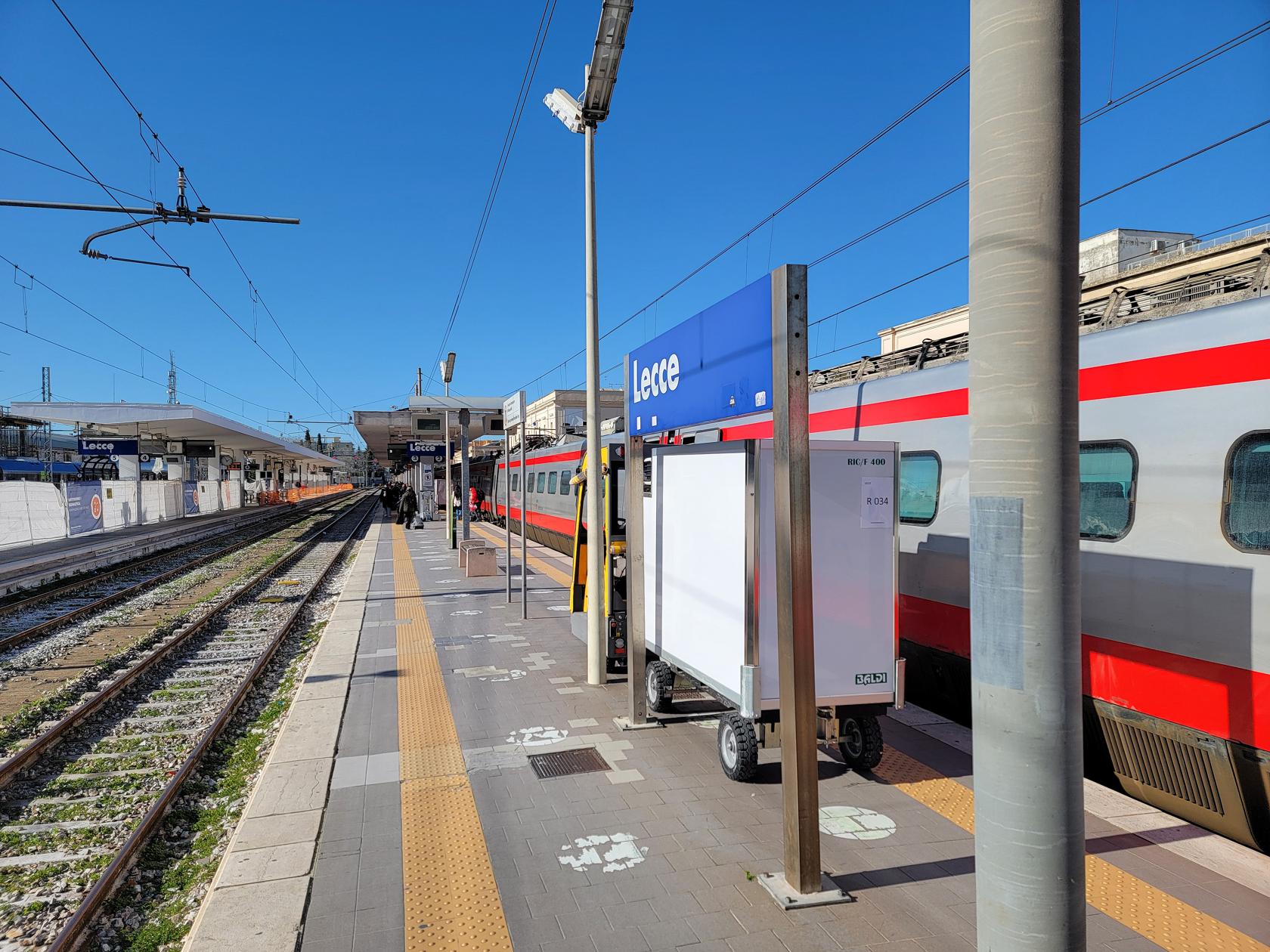
From Brindisis, or most other larger towns and cities on the east coast of Mezzogiorno, the FrecciaArgento is perhaps to quickest way to arrive. From Brindisi it is a short twenty three minute ride, a bit longer on the regional trains.
Lecce Train Station – Lecce, Italy
The City
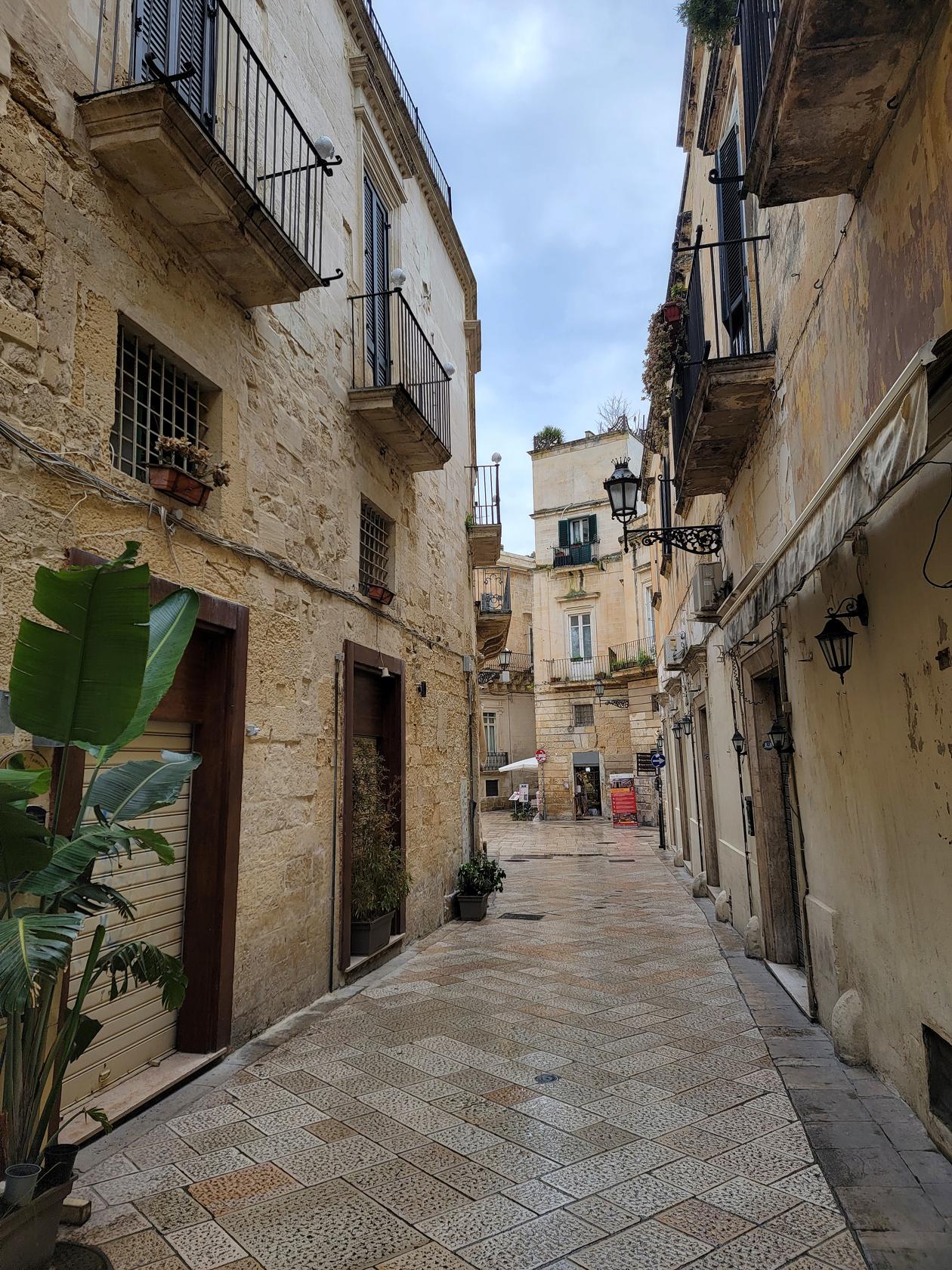
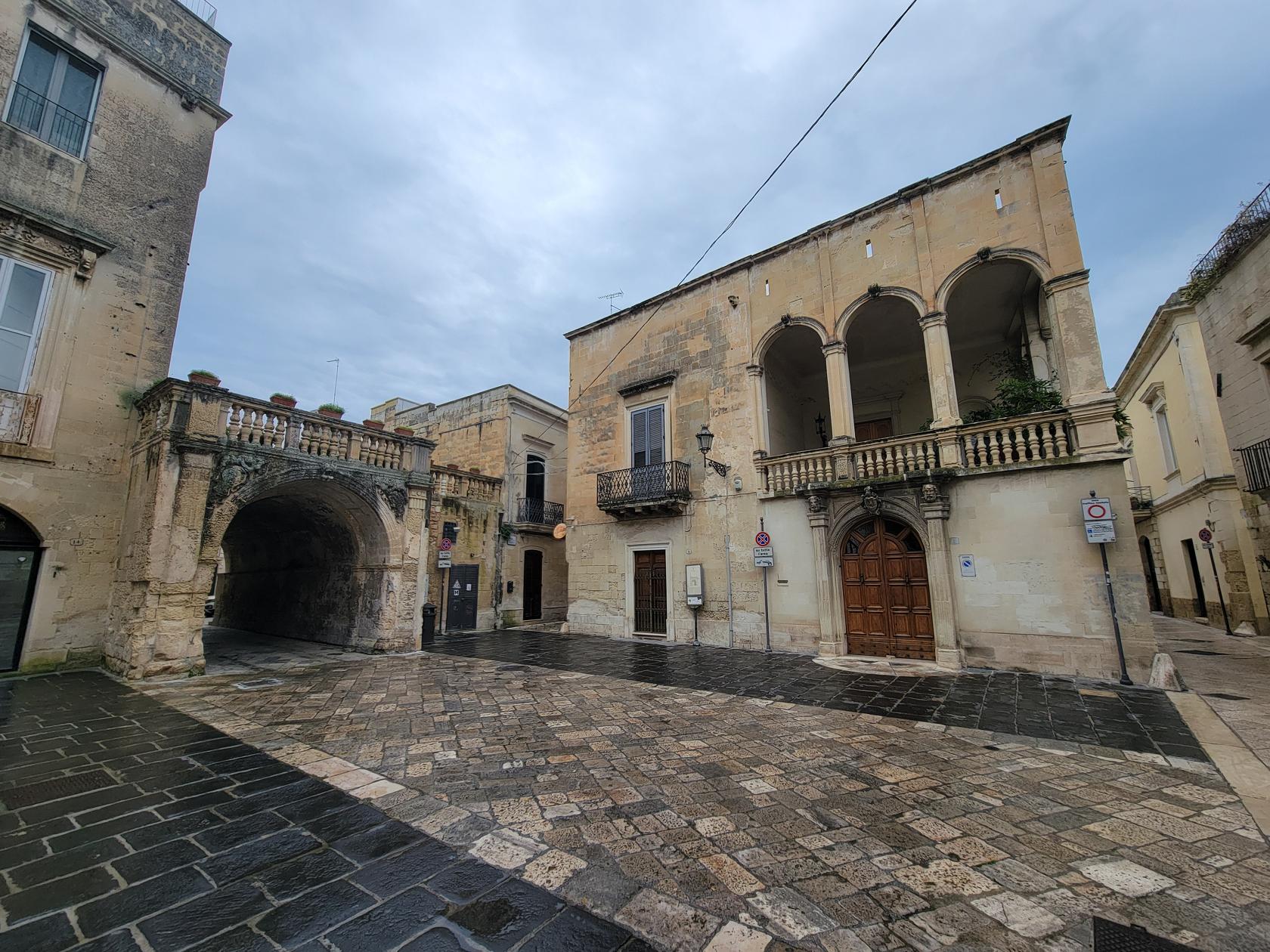
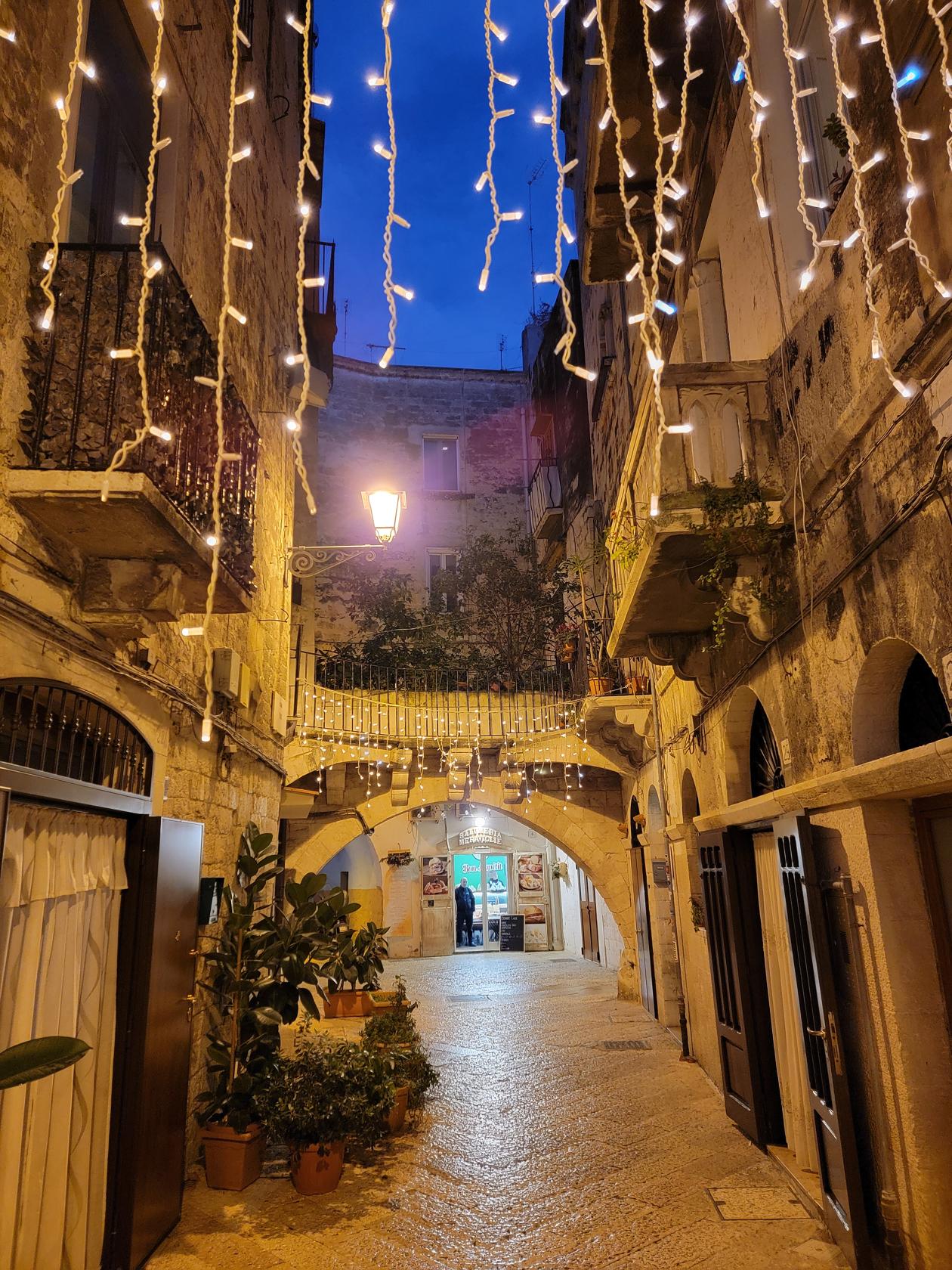
Lecce is a typical ancient city which was at one time circumscribed with a protective wall with three main gates. The streets in the old Città Vecchia, or old history city, are narrow and mostly paved with stones.
Typical city street – Lecce, Italy
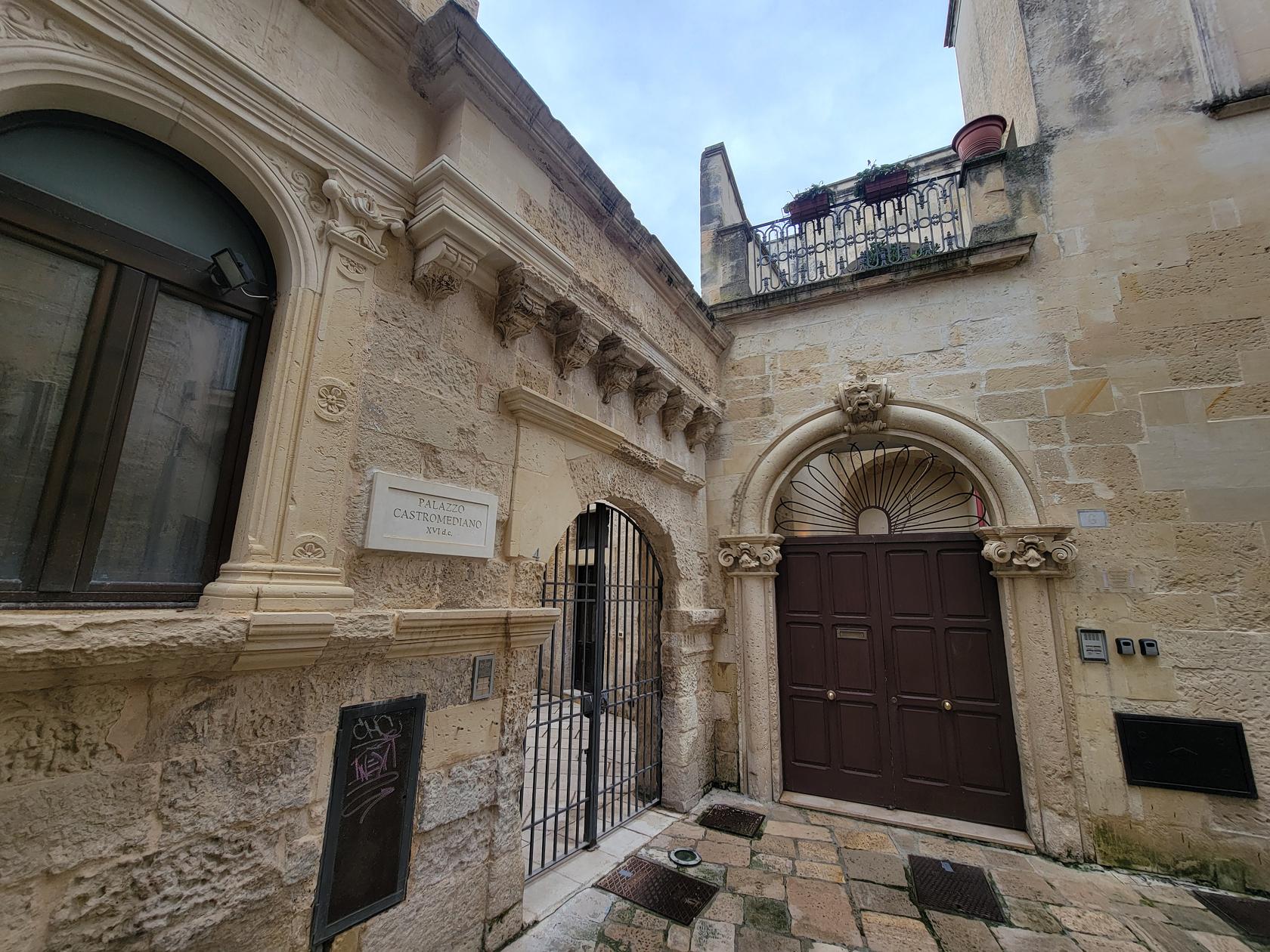
Palazzo Castromediano – Lecce, Italy
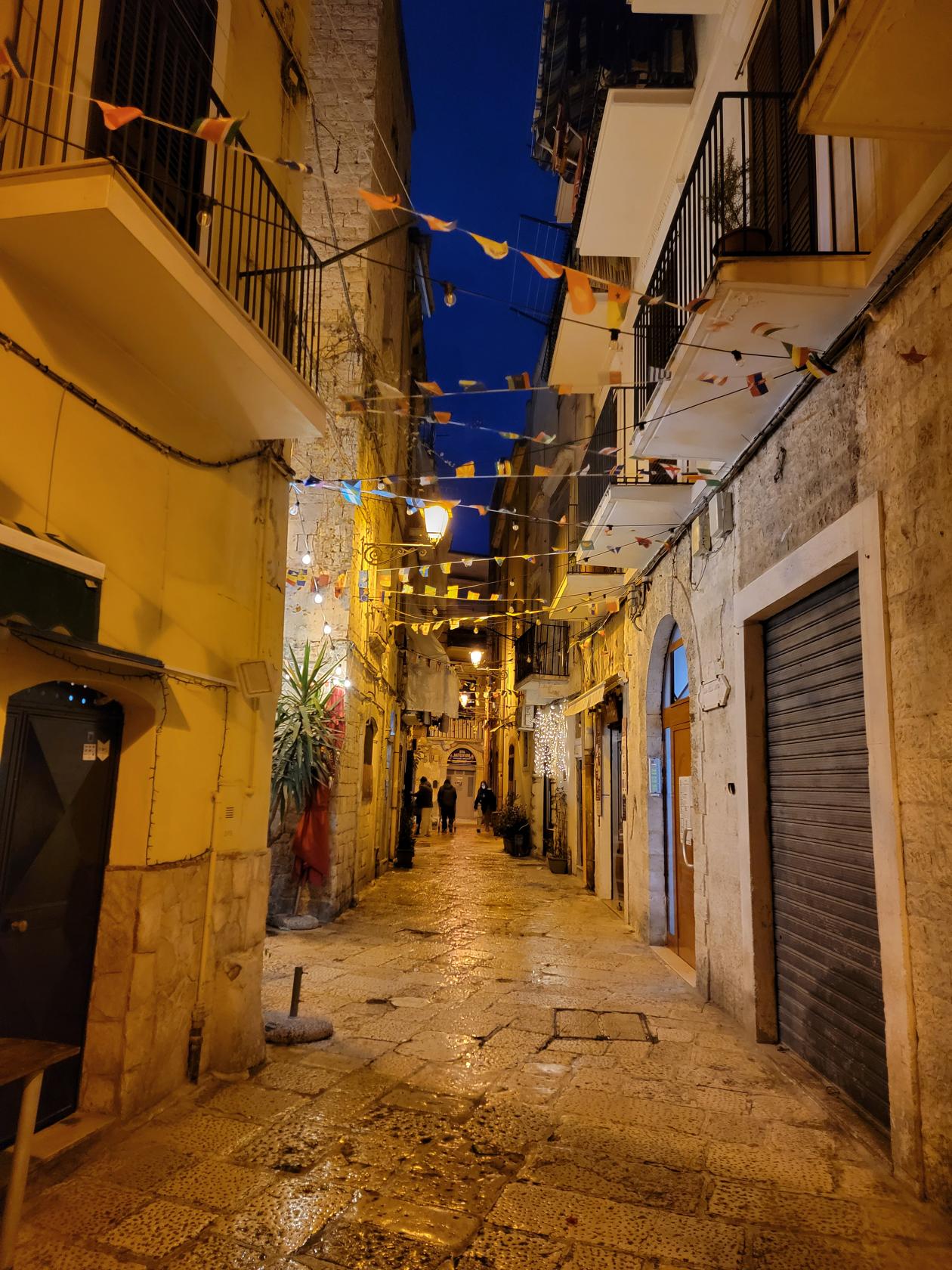
Narrow carless streets – Lecce, Italy
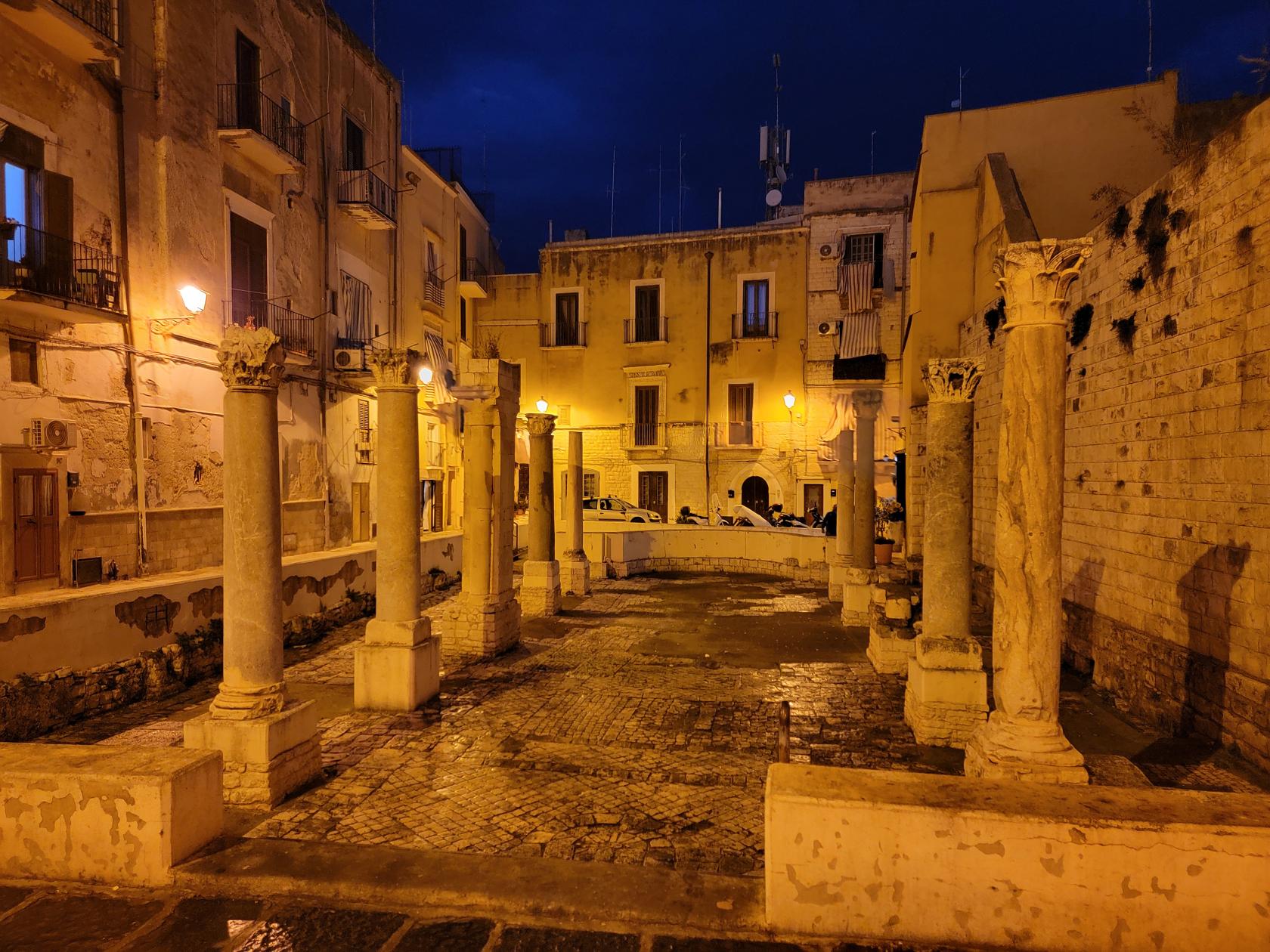
Old Roman columned wall – Lecce, Italy
The government here must be very careful of the city center, since it appears to have mitigated much of the traffic you would normally find in other similar cities of this size, making pedestrian traffic all that more enjoyable.
Palazzo Lecciso – Lecce, Italy
Interesting balcony supports – Lecce, Italy
Palazzo Castromediano – Lecce, Italy
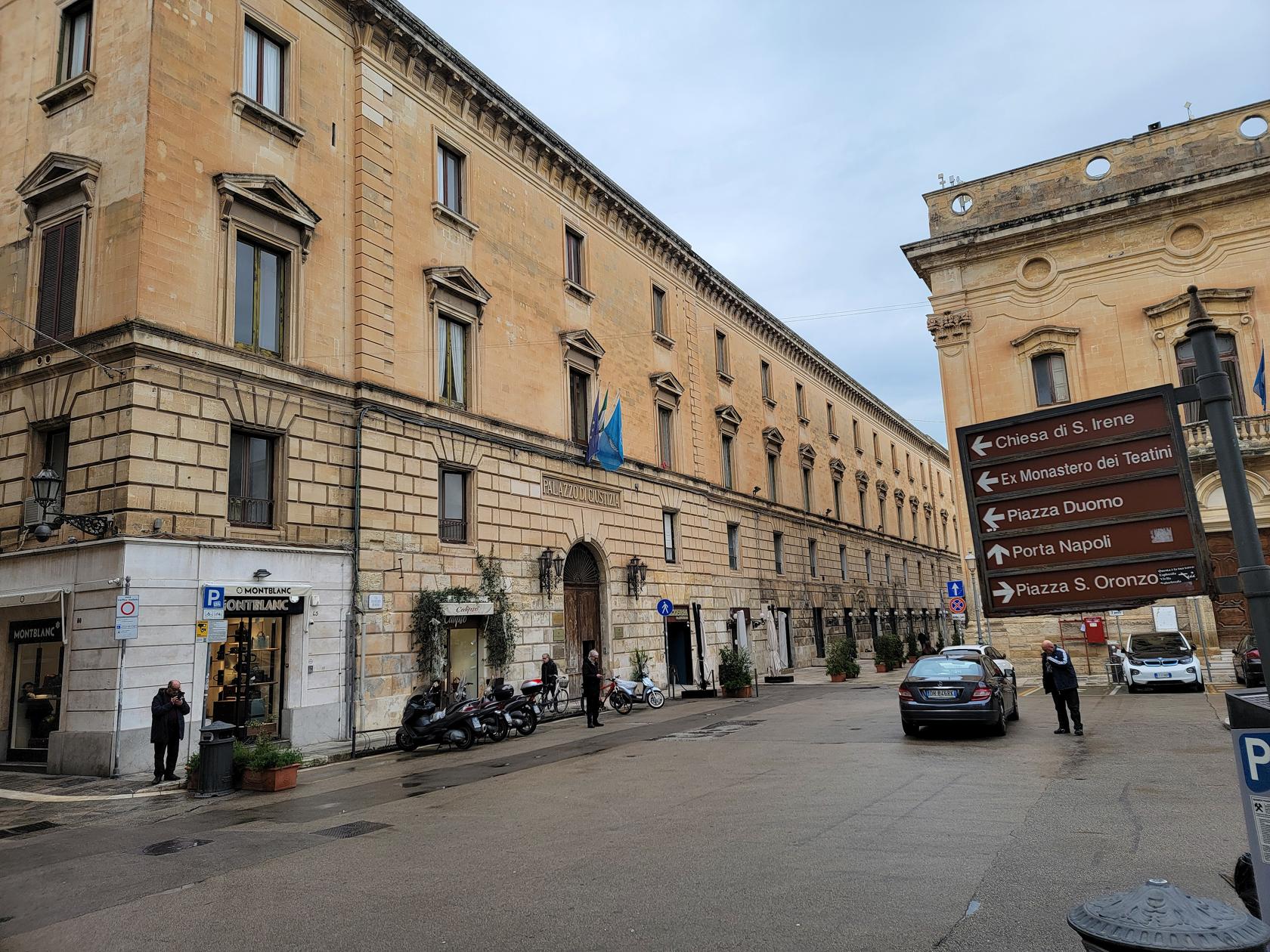
Palazzo Di Giustizia – Lecce, Italy
Ports, Gates, Columns And Castles
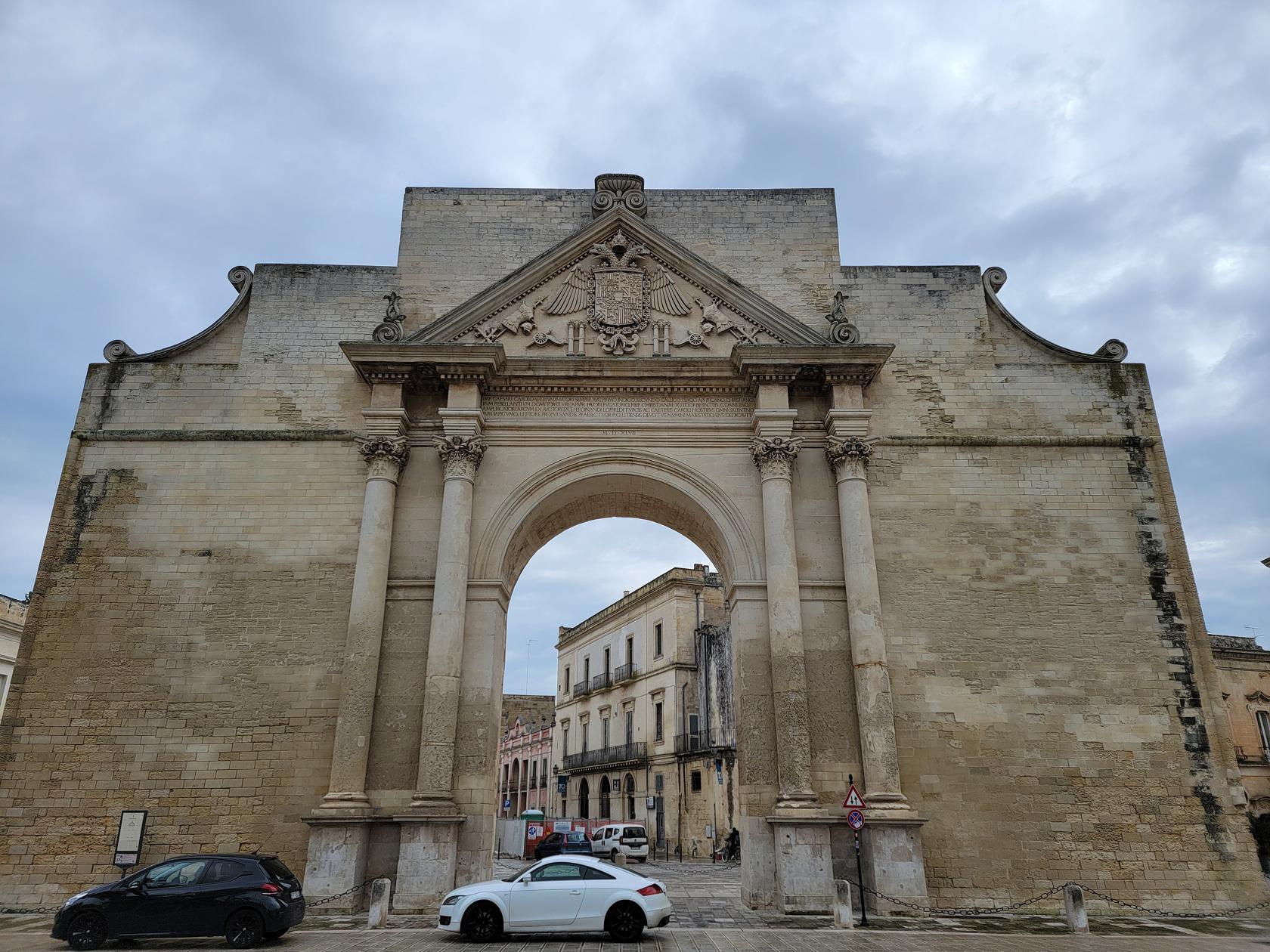
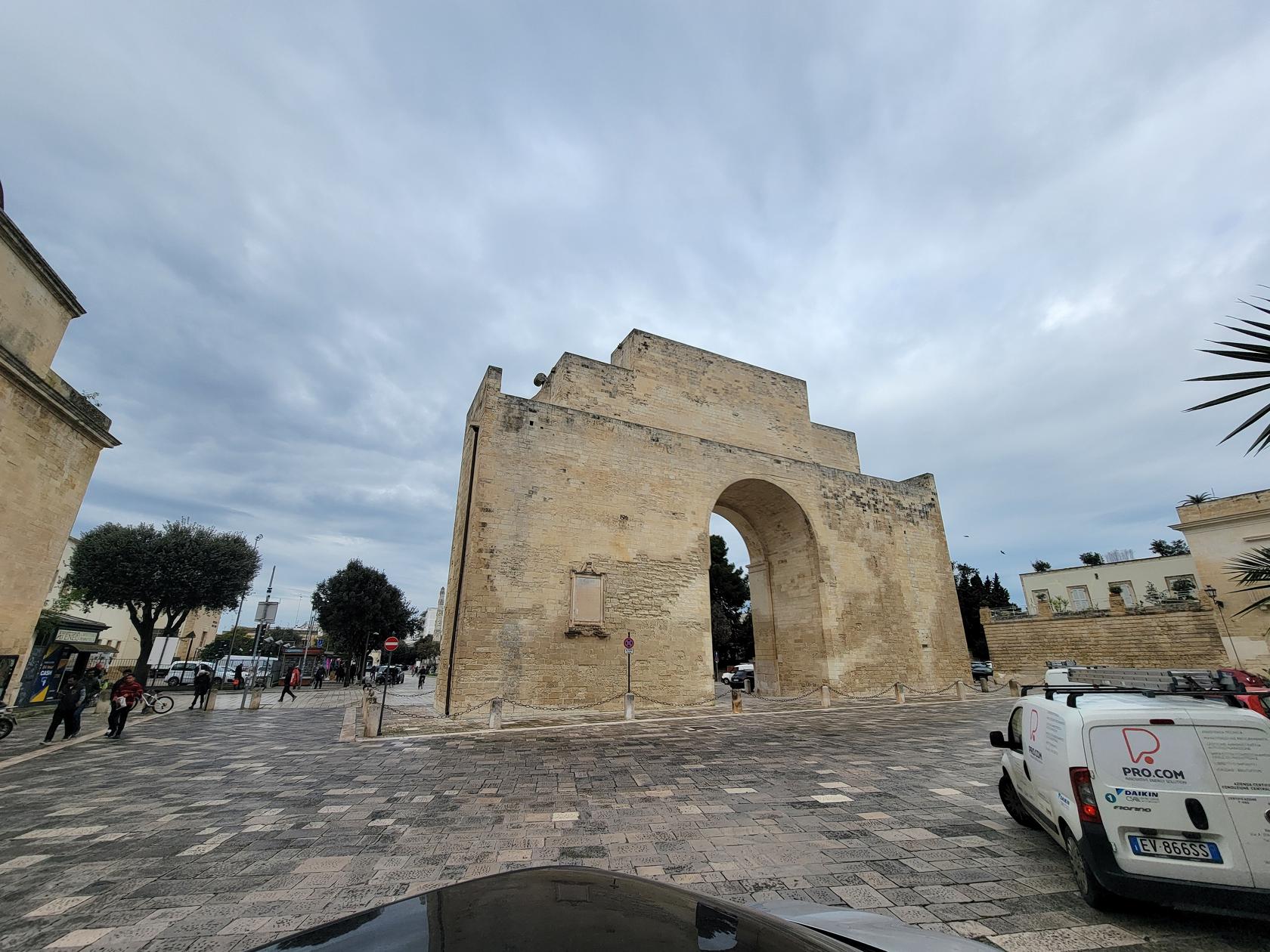
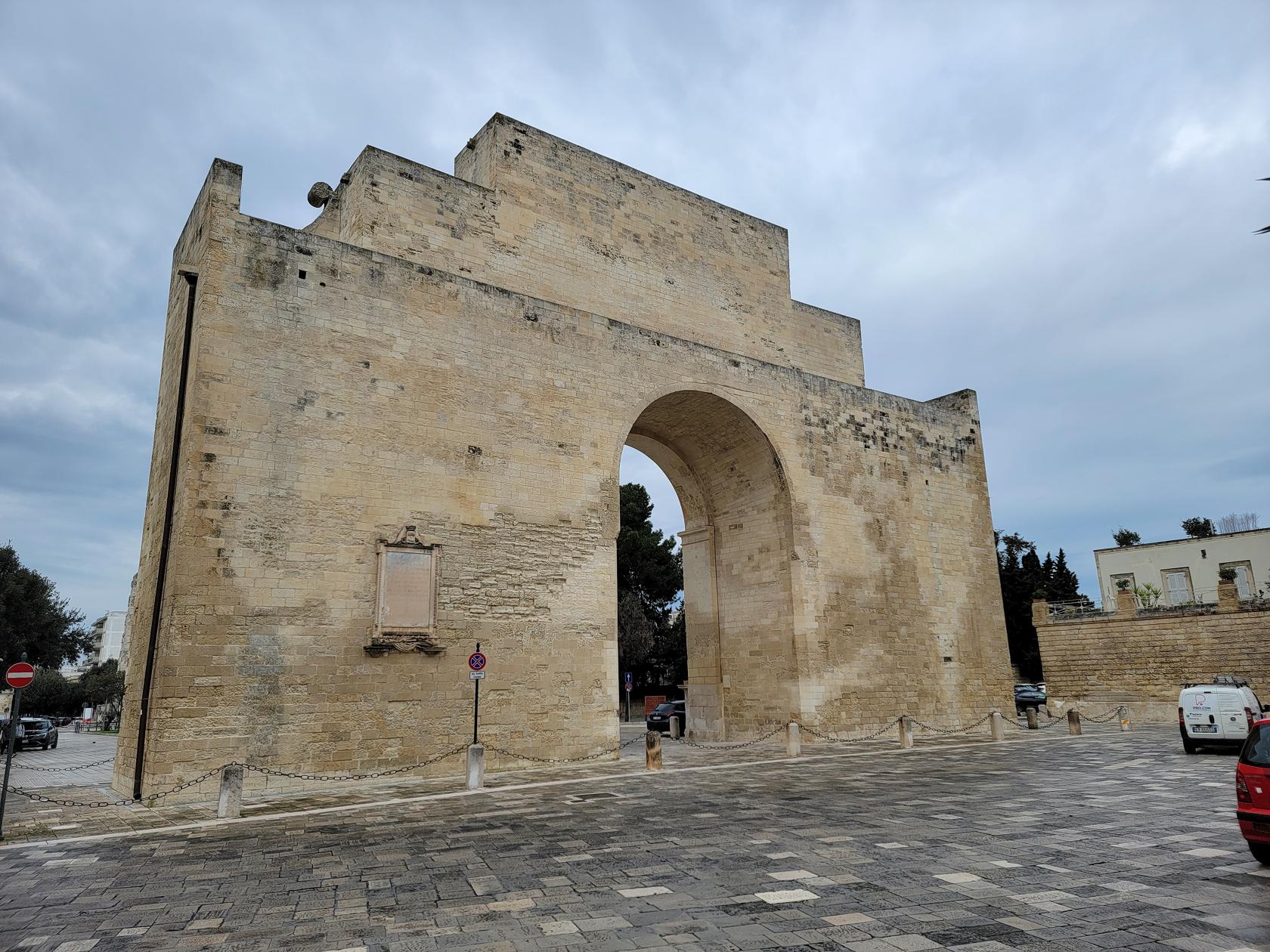
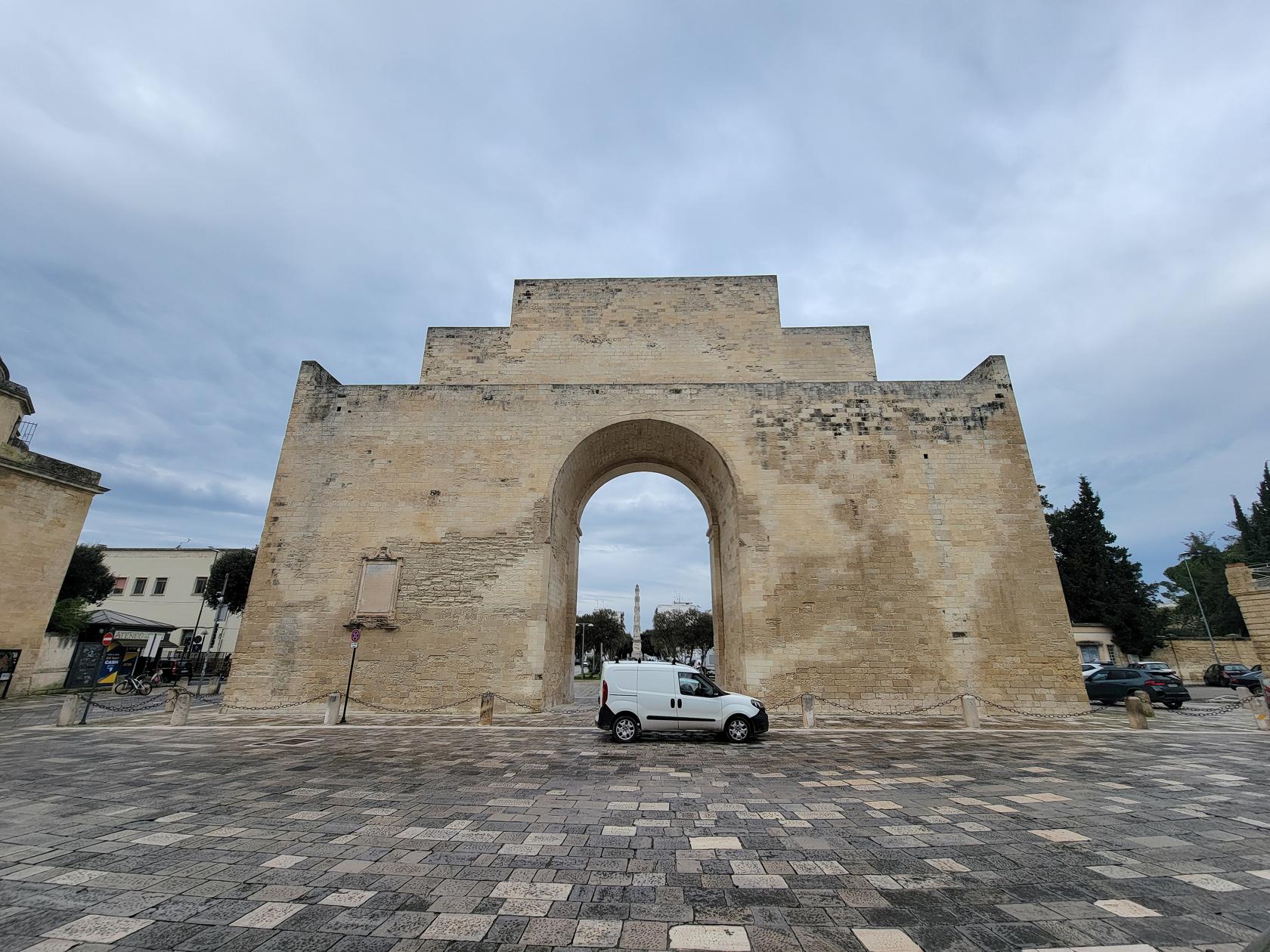
There are numerous ports, gates, columns and obelisks in Lecce. These are spread out all of the city and are well labeled on most maps. The Triumphal Arch, or Porta Napoli, is the largest and one of the three gates to enter the Città Vecchia.
Porta di Napoli – Front – Lecce, Italy
Porta di Napoli – Back – Lecce, Italy
Porta di Napoli – Back – Lecce, Italy
Porta di Napoli – Back – Lecce, Italy
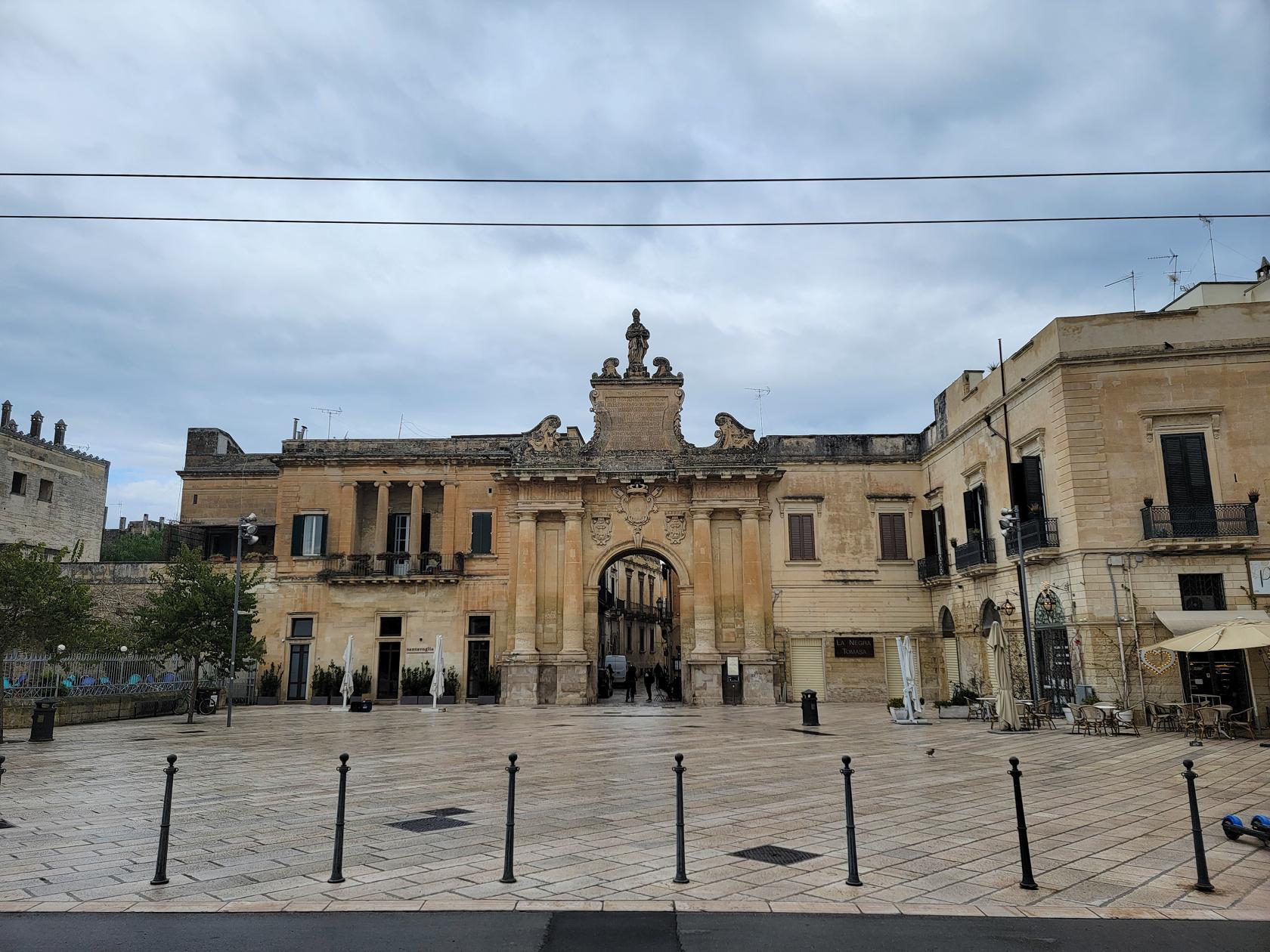
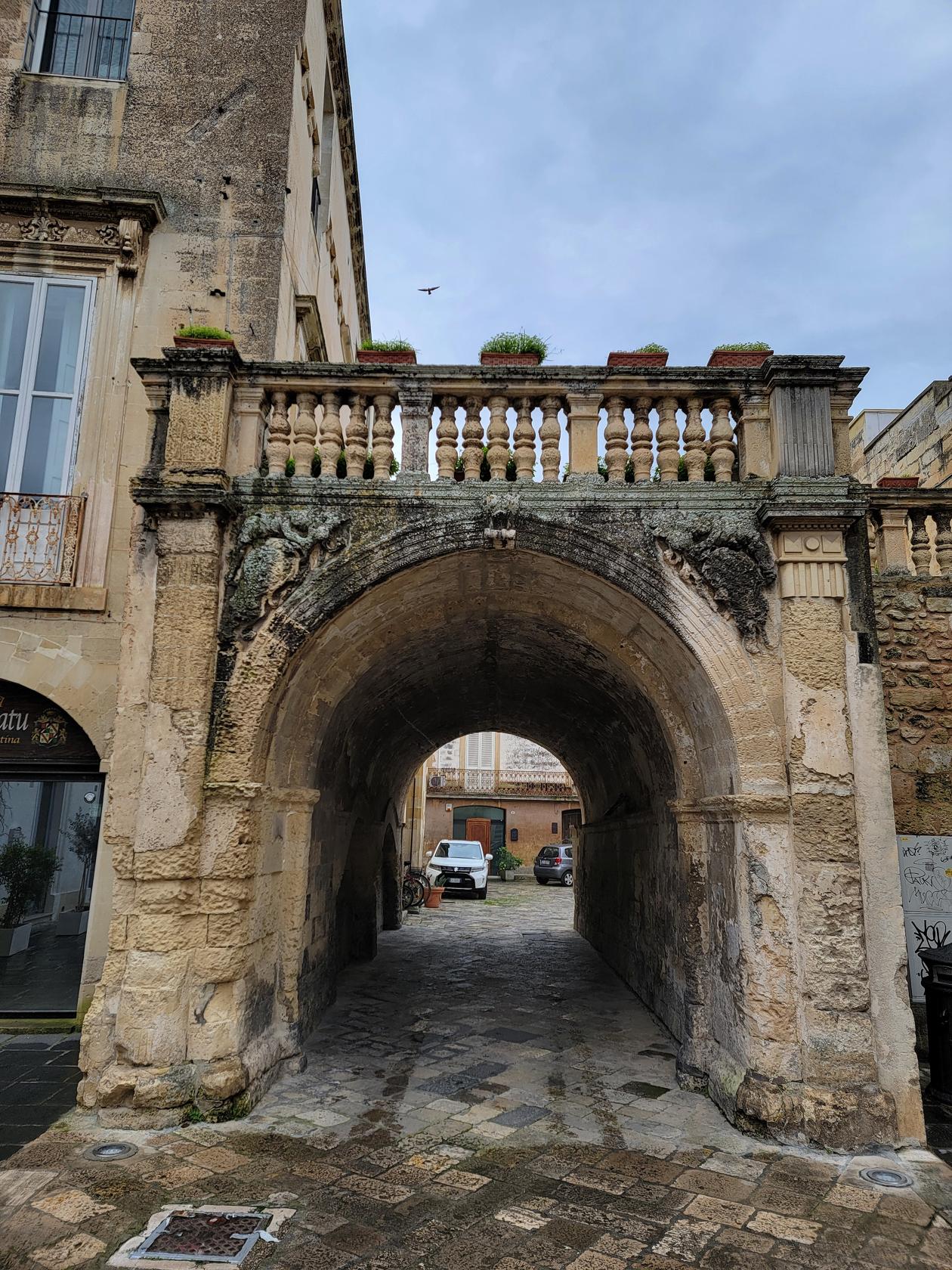
There is also the Porta San Biagio and a smaller one called the Arco di Prato, or Arch of Prato, which is somewhat hidden away within the narrow city streets.
Porta San Biagio – Lecce, Italy
The Arch of Prato – Lecce, Italy
Arch of Prato – Lecce, Italy
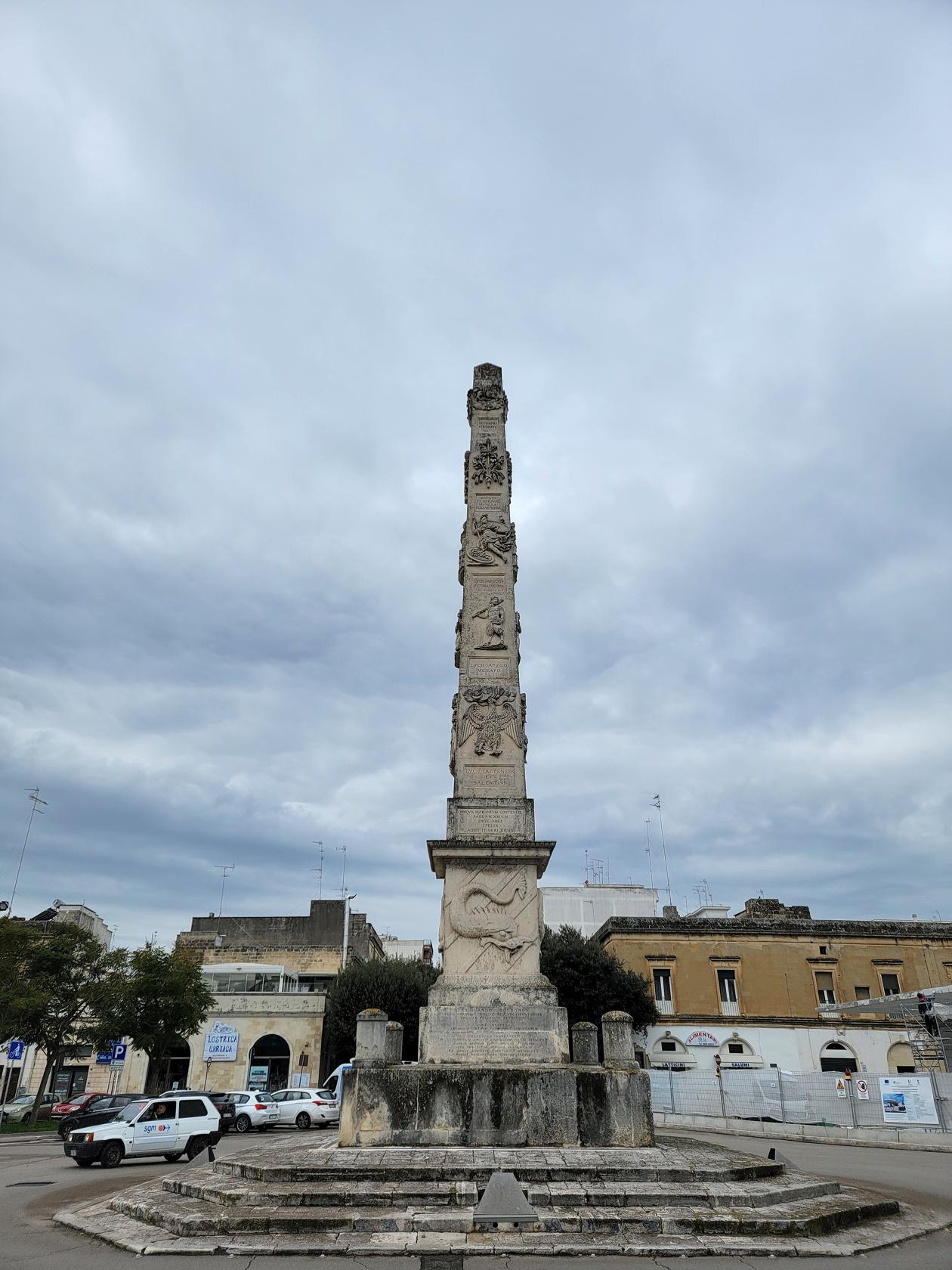
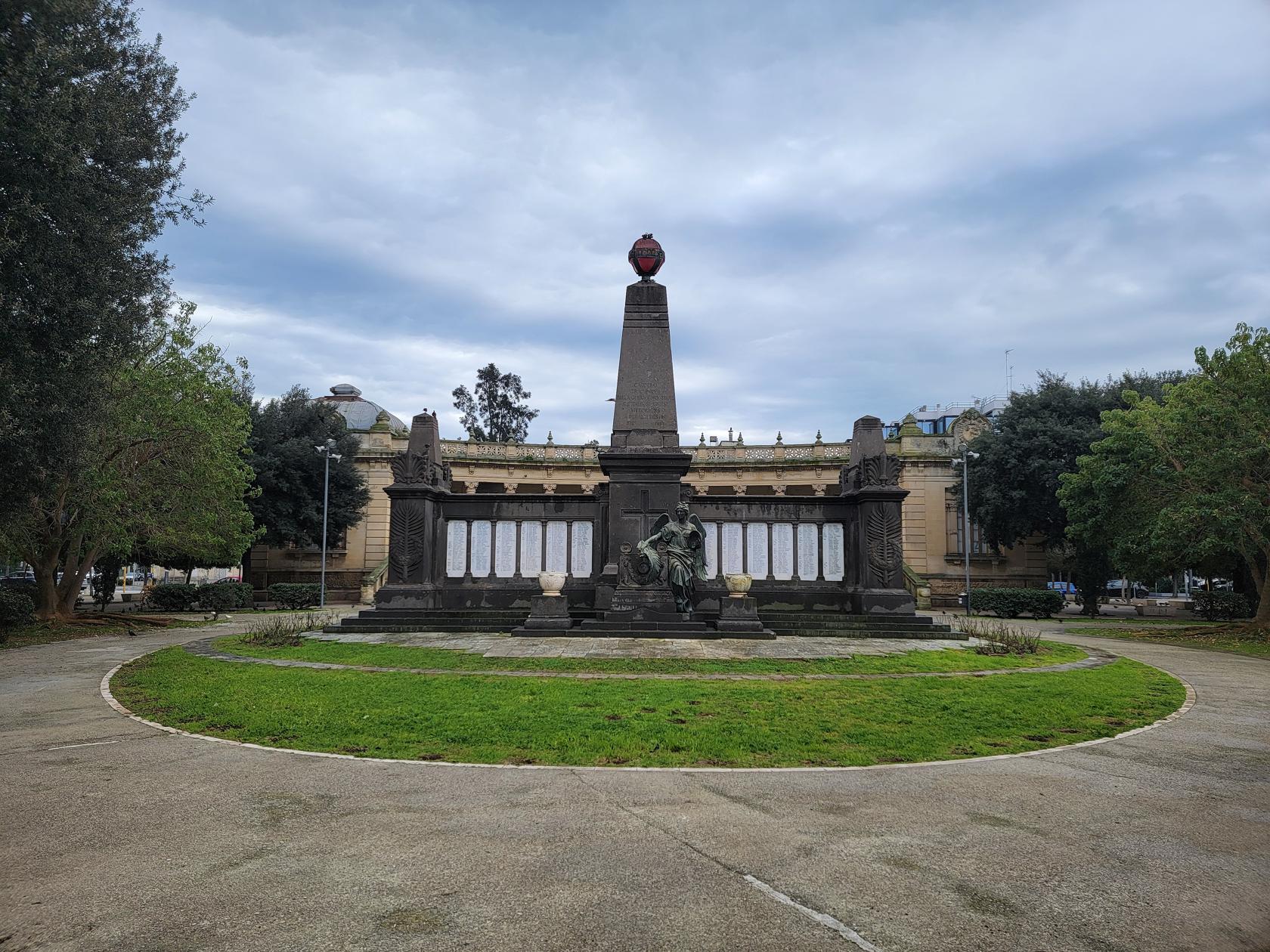
The Obelisk of Terra d’Otranto can be seen close to the Porta Napoli and is rather tall. It was erected in 1822 in honor of one of the rulers of the Two Sicilies. On the other side of town one can find the War Memorial for soldiers lost in war.
Porta di Napoli – Obelisco di Terra d’Otranto – Lecce, Italy
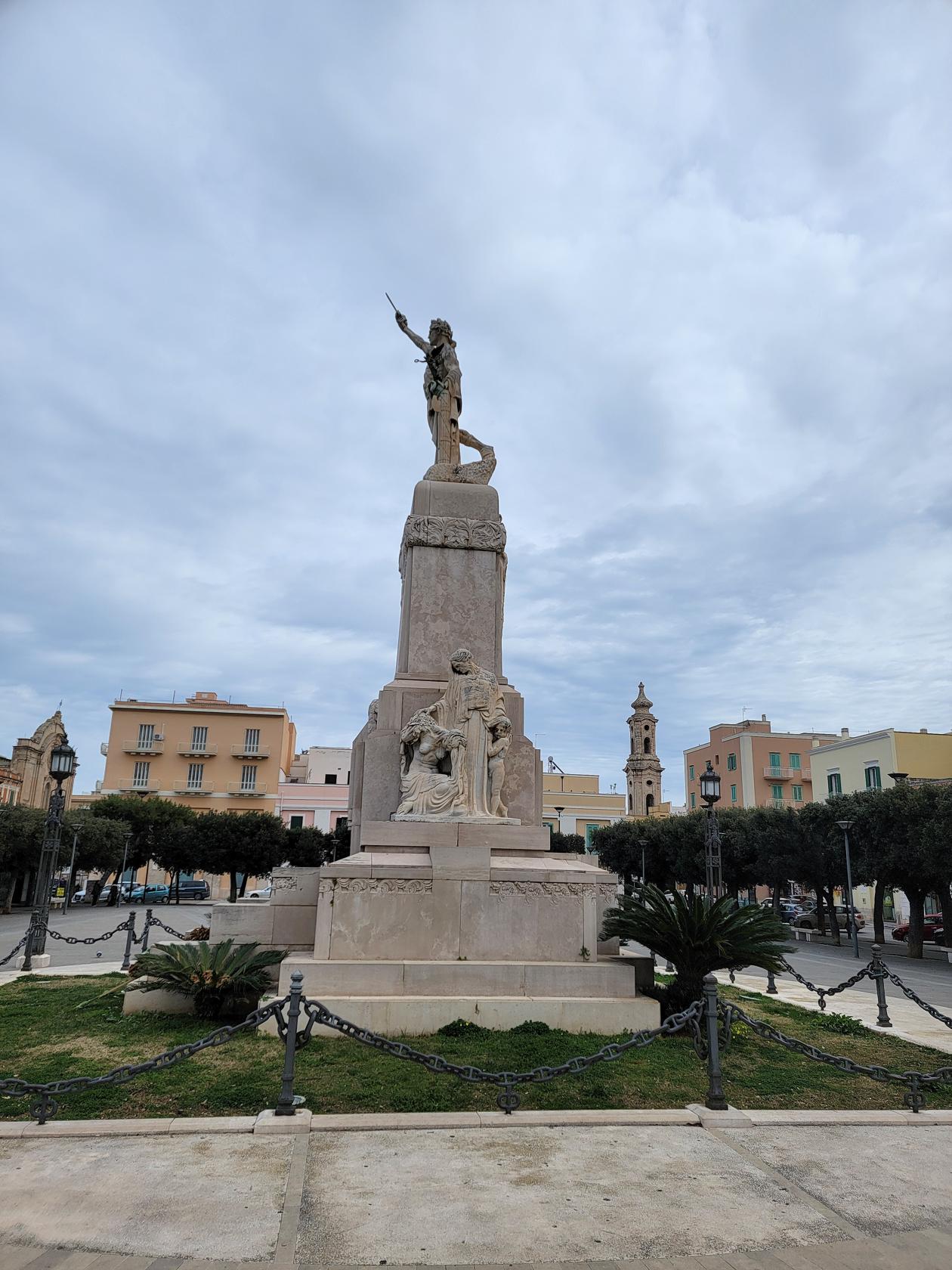
War Memorial – Lecce, Italy
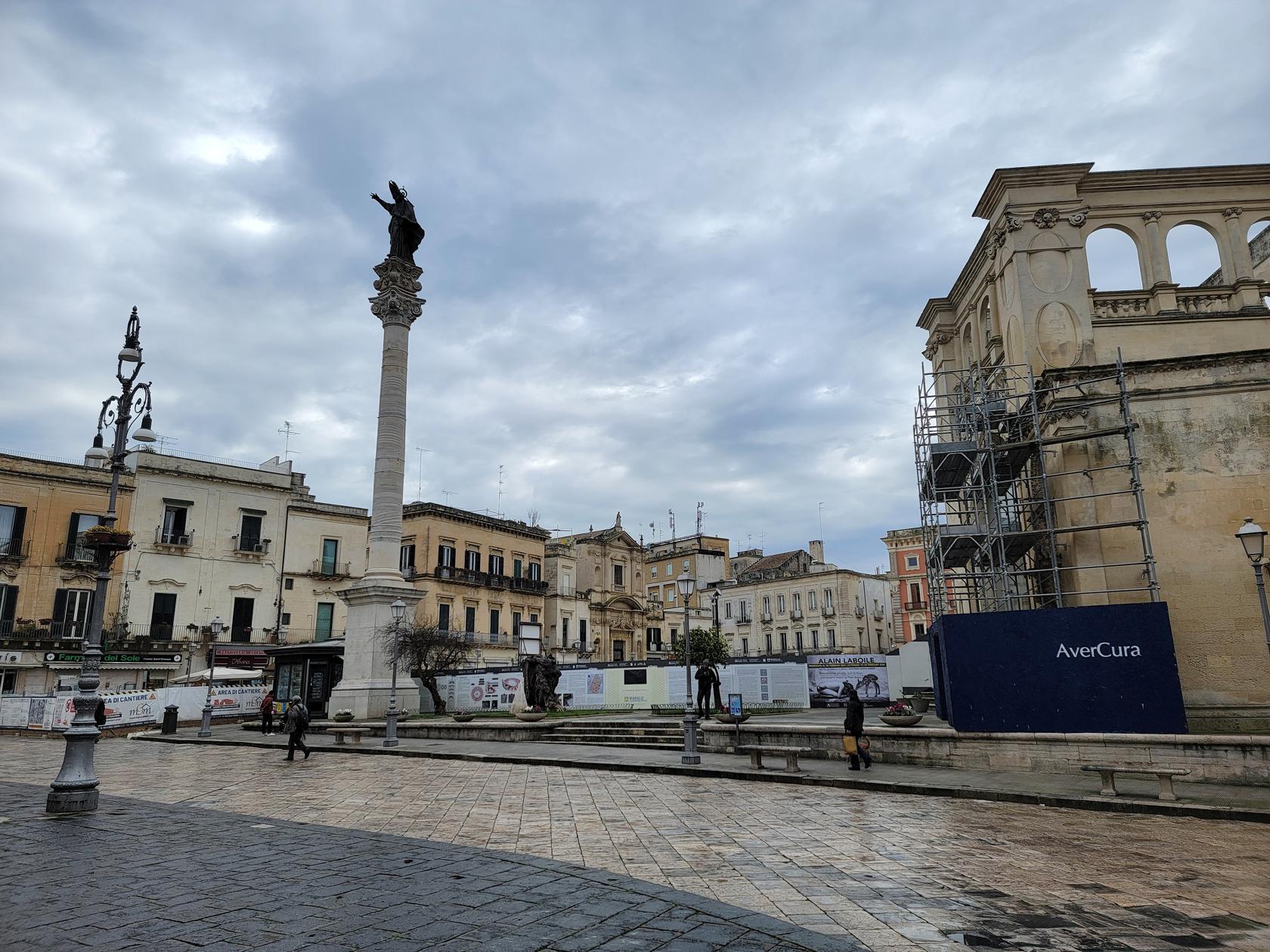
In the Piazza Saint Oronzo you will find the Colonna di Sant’Oronzo, or the Column of Saint Oronzo. It is a tall pedestal with Saint Oronzo on top. The column itself was assembled from pieces of the one that fell apart in Brindisi in the mid sixteenth century, its twin can be found near the port of that city.
Column of Saint Oronzo – Lecce, Italy
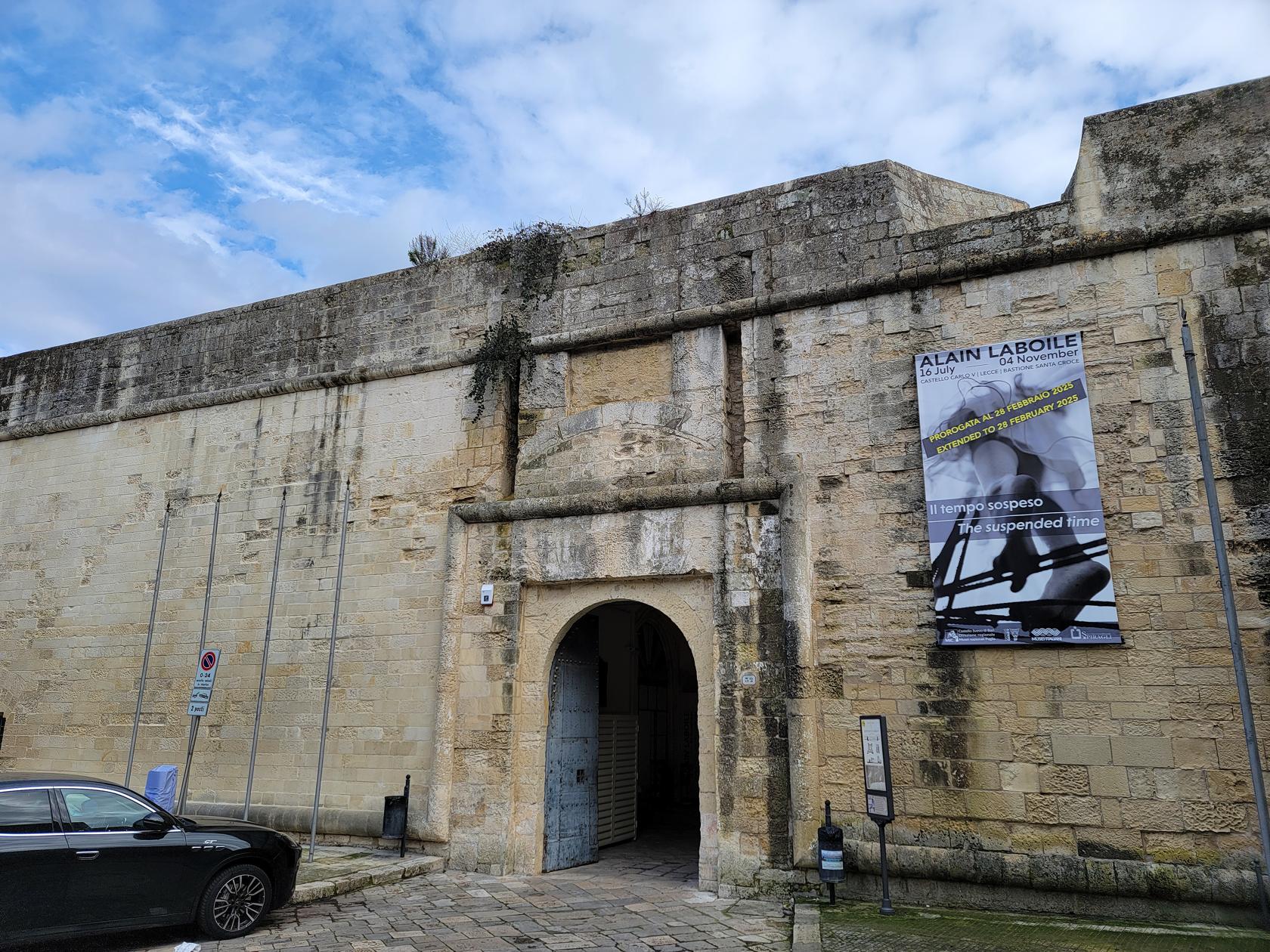
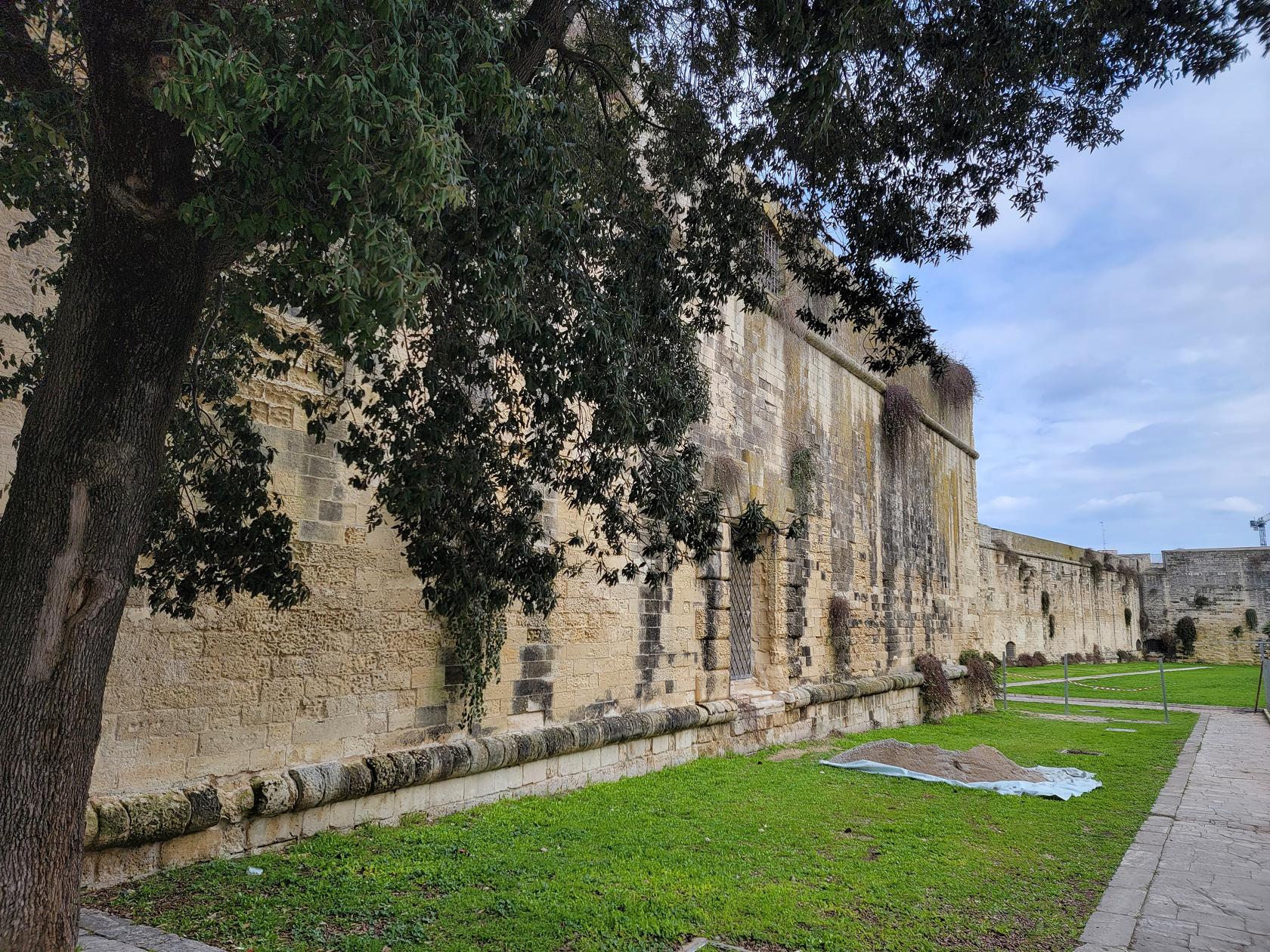
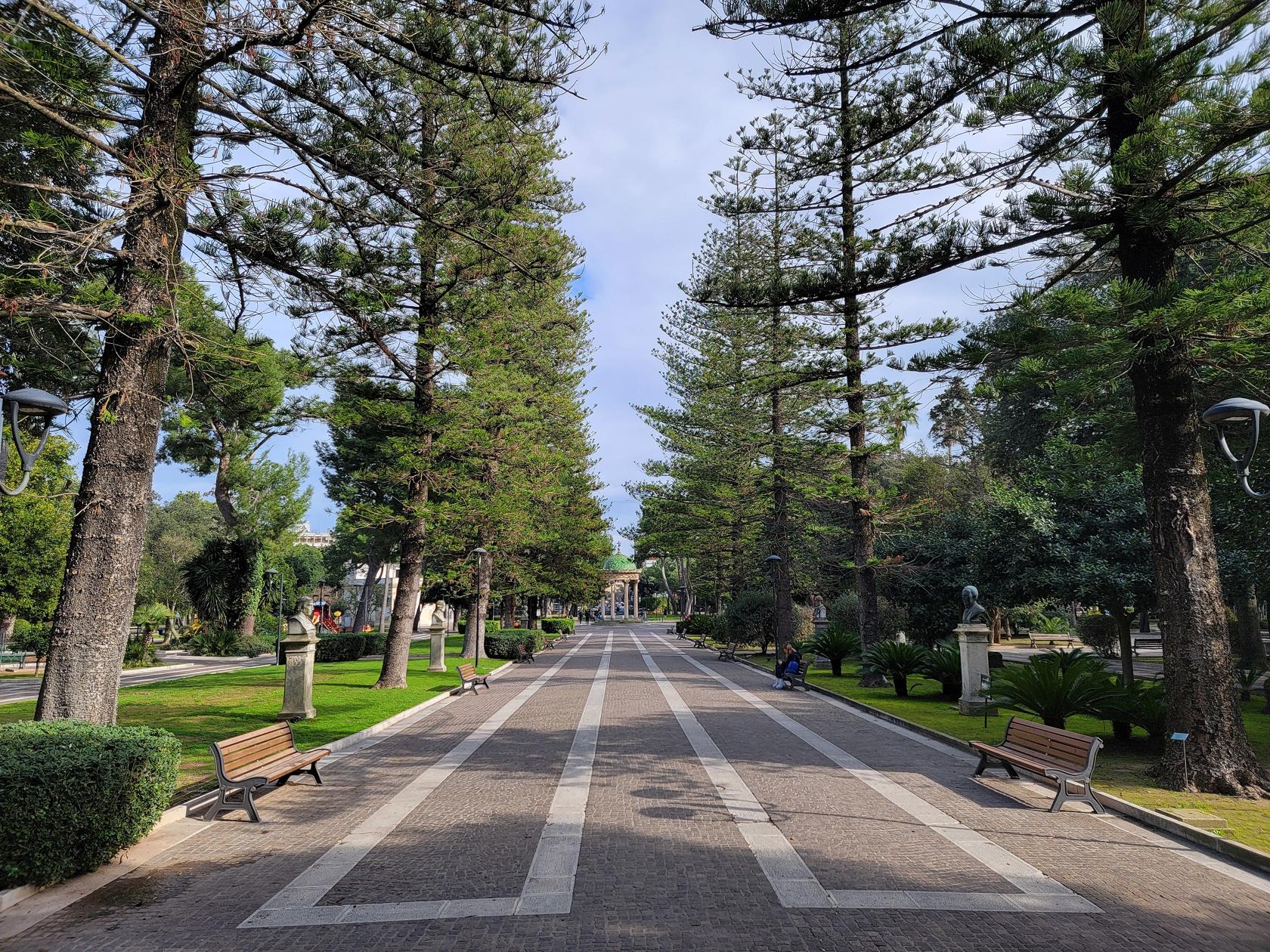
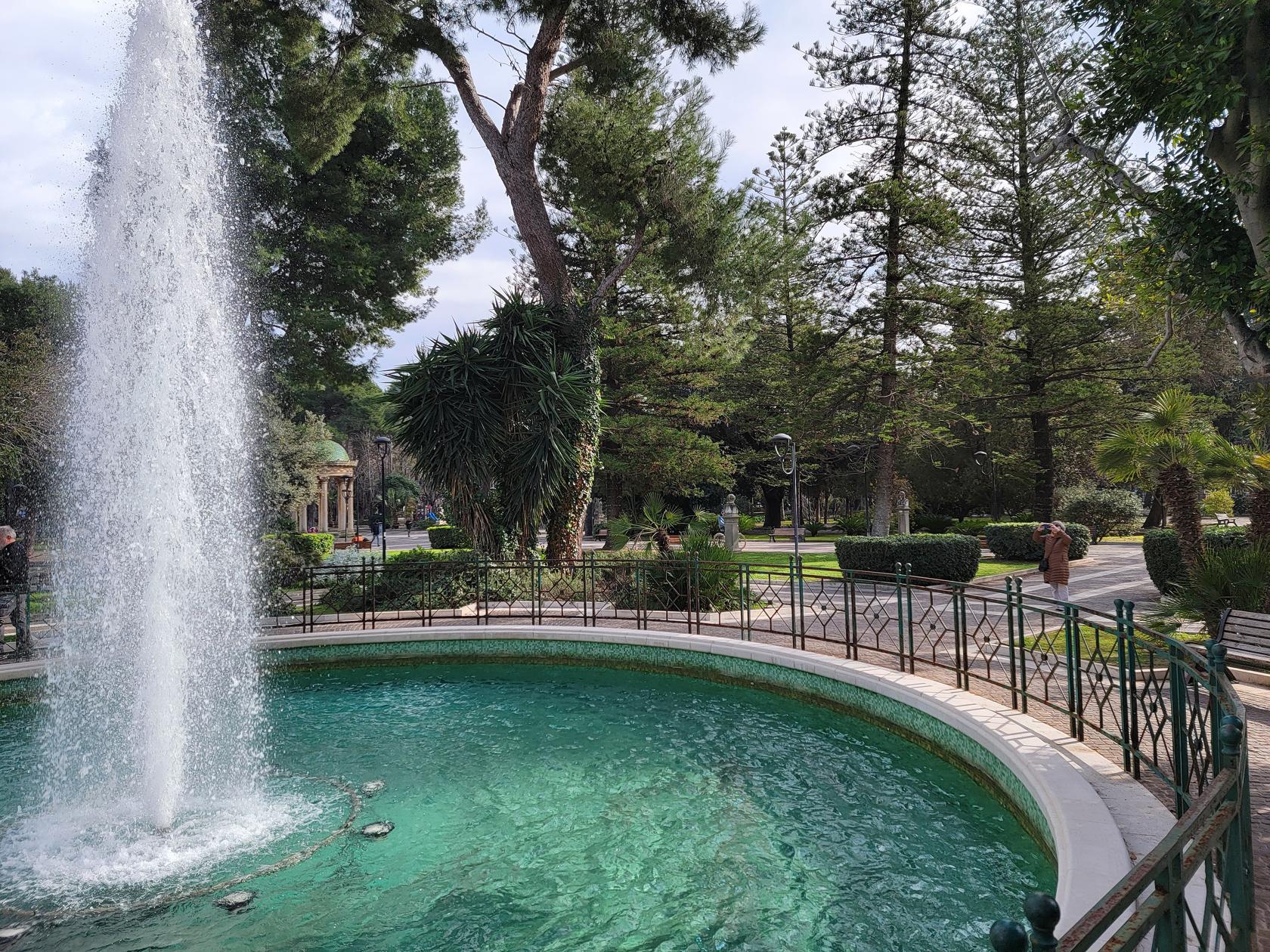
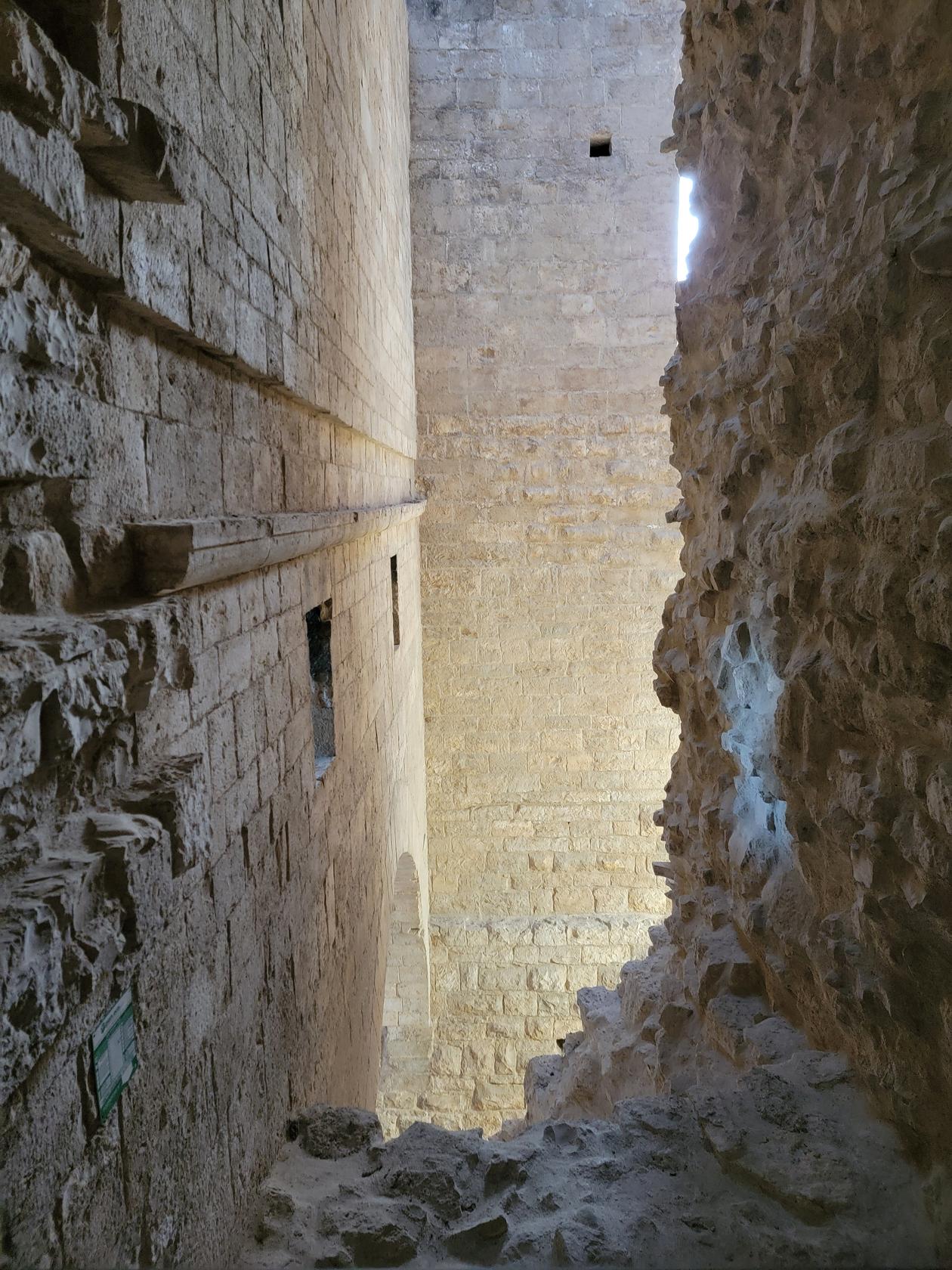
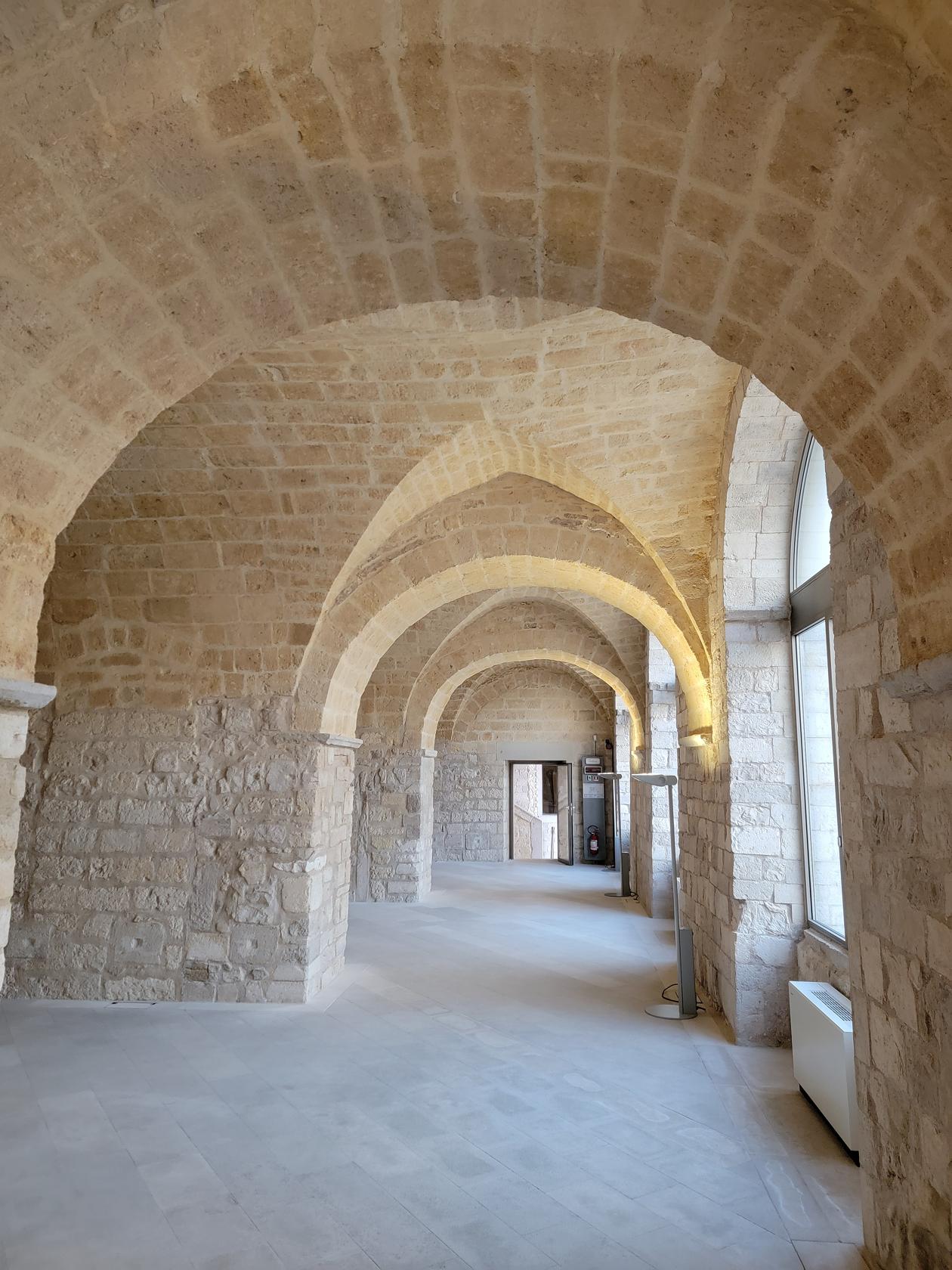
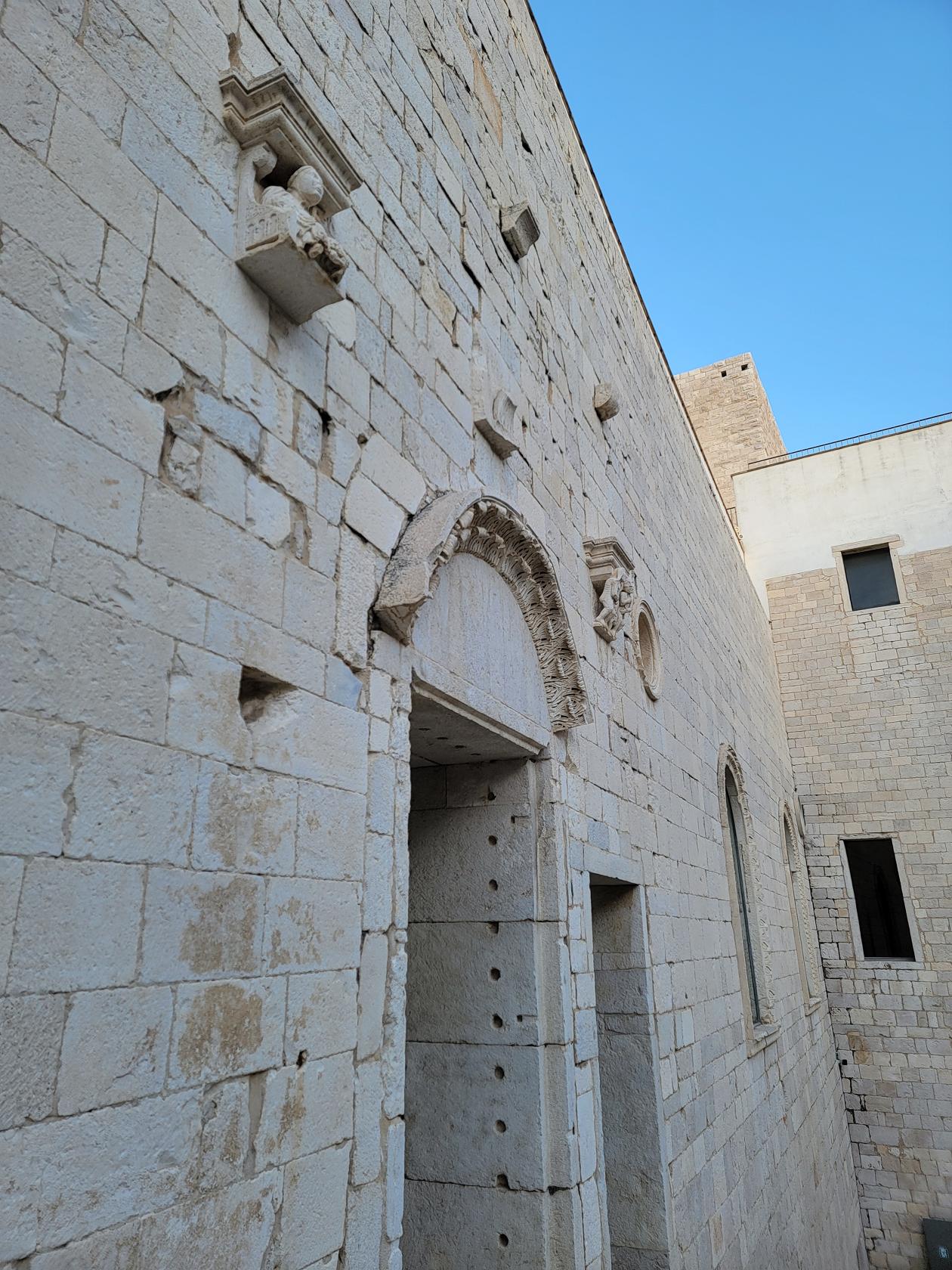
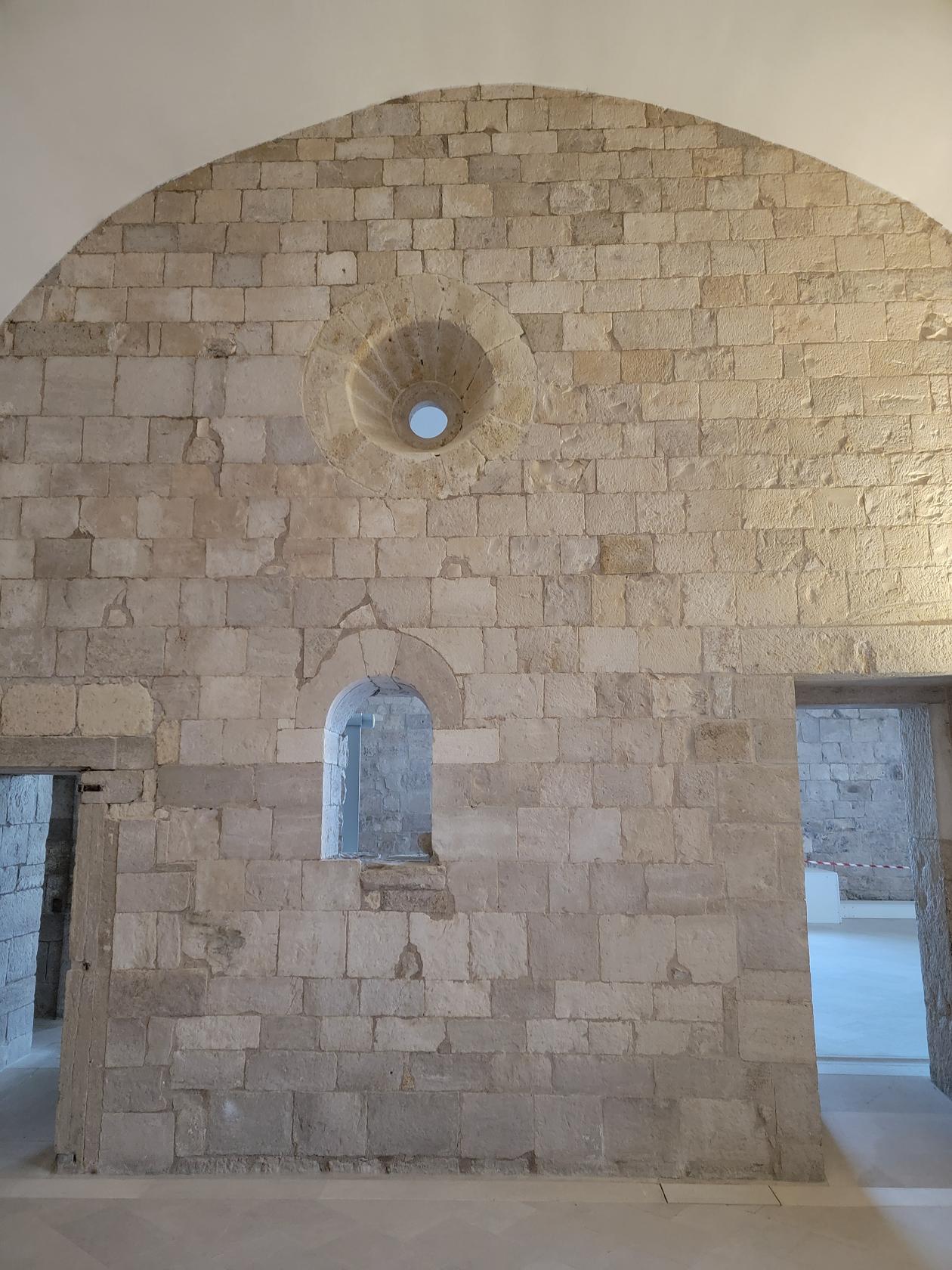
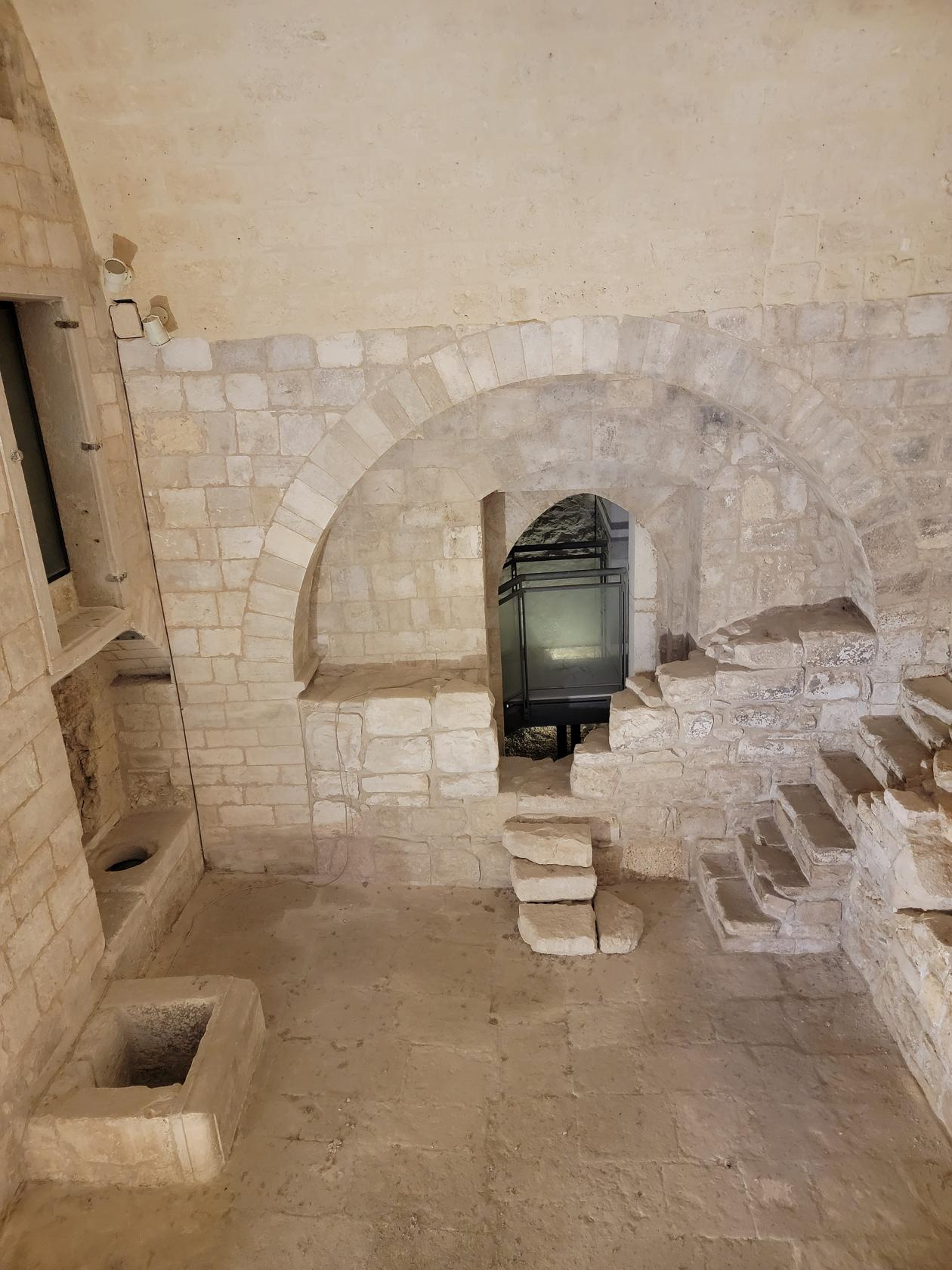
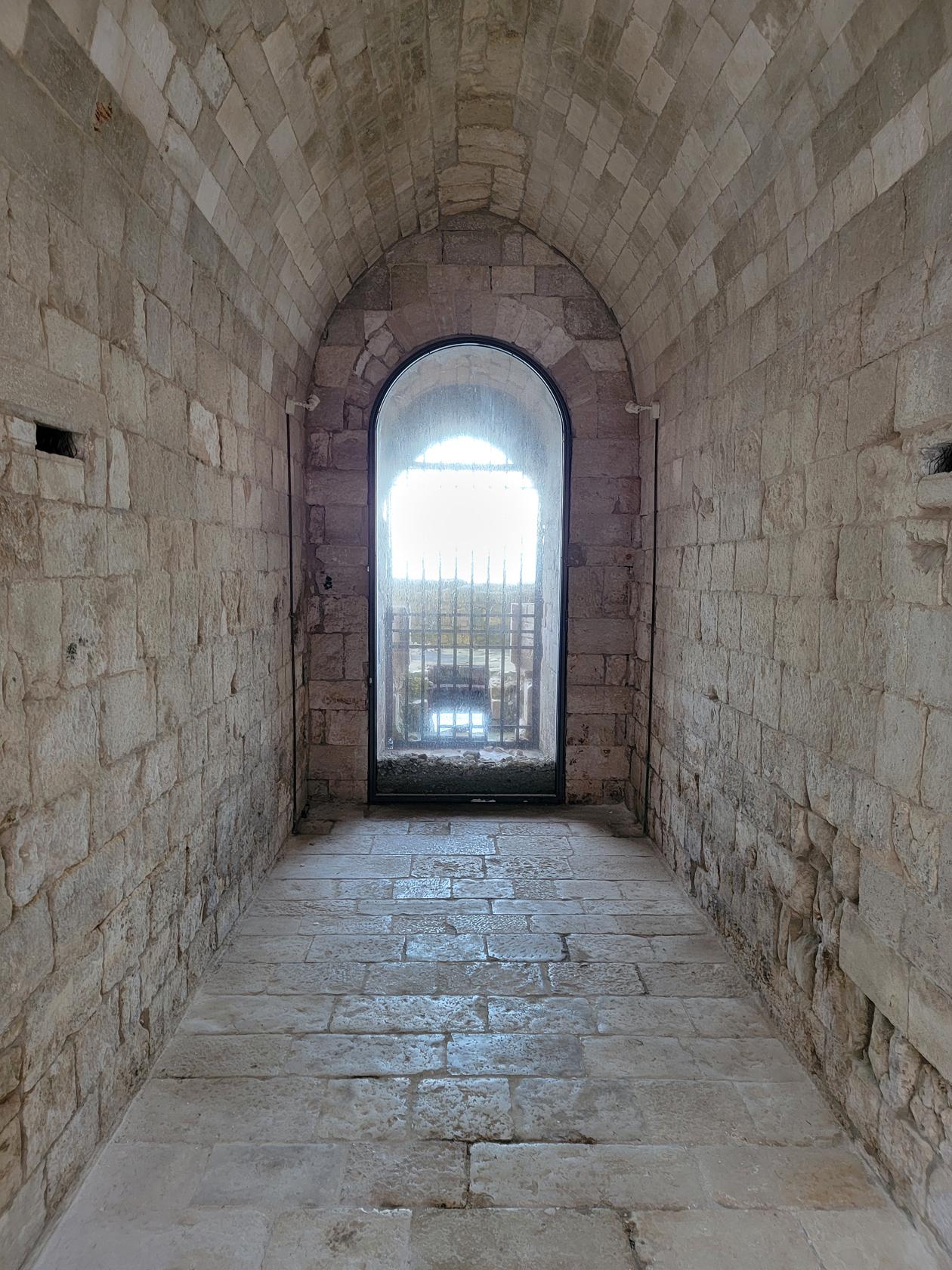
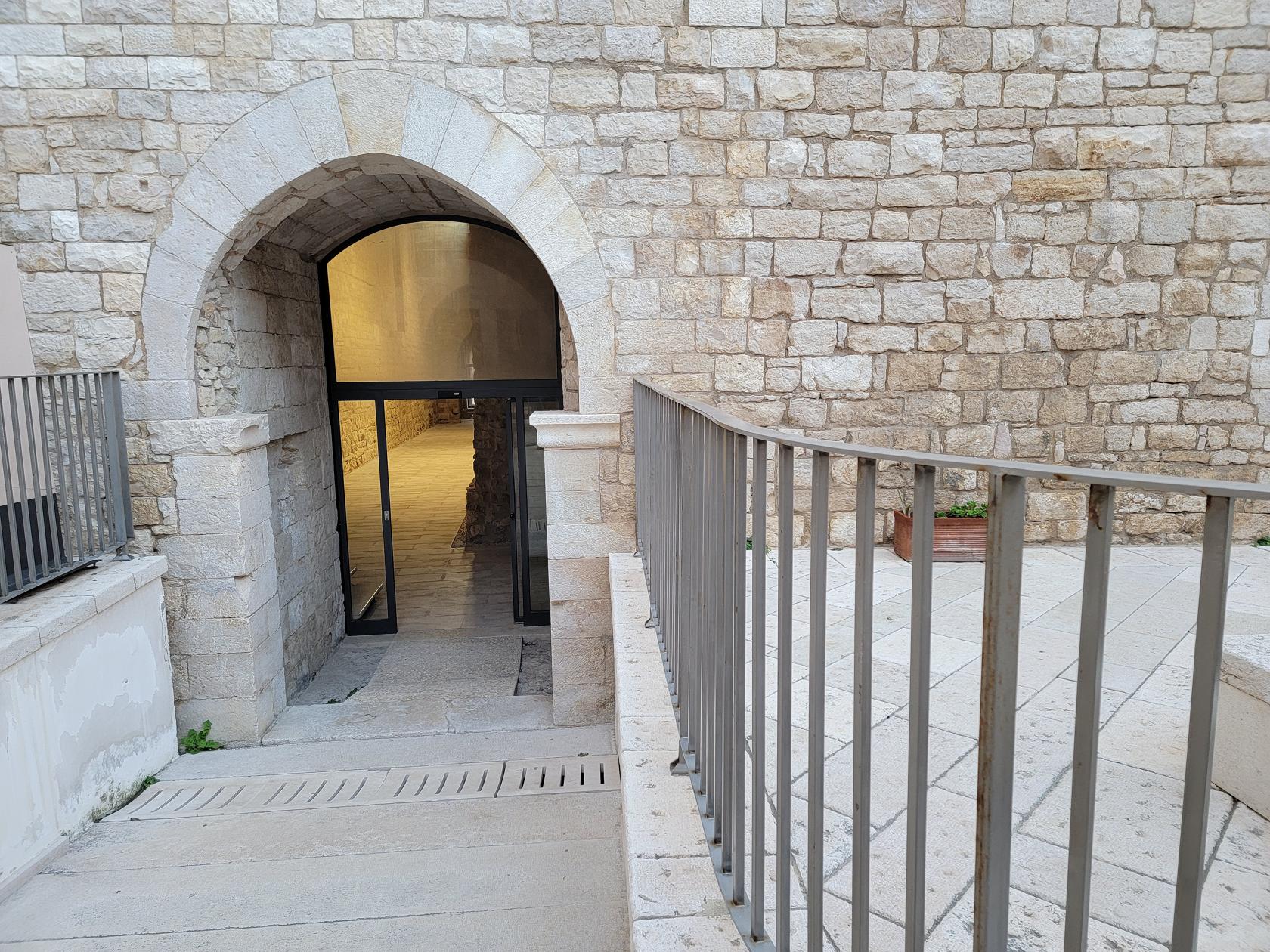
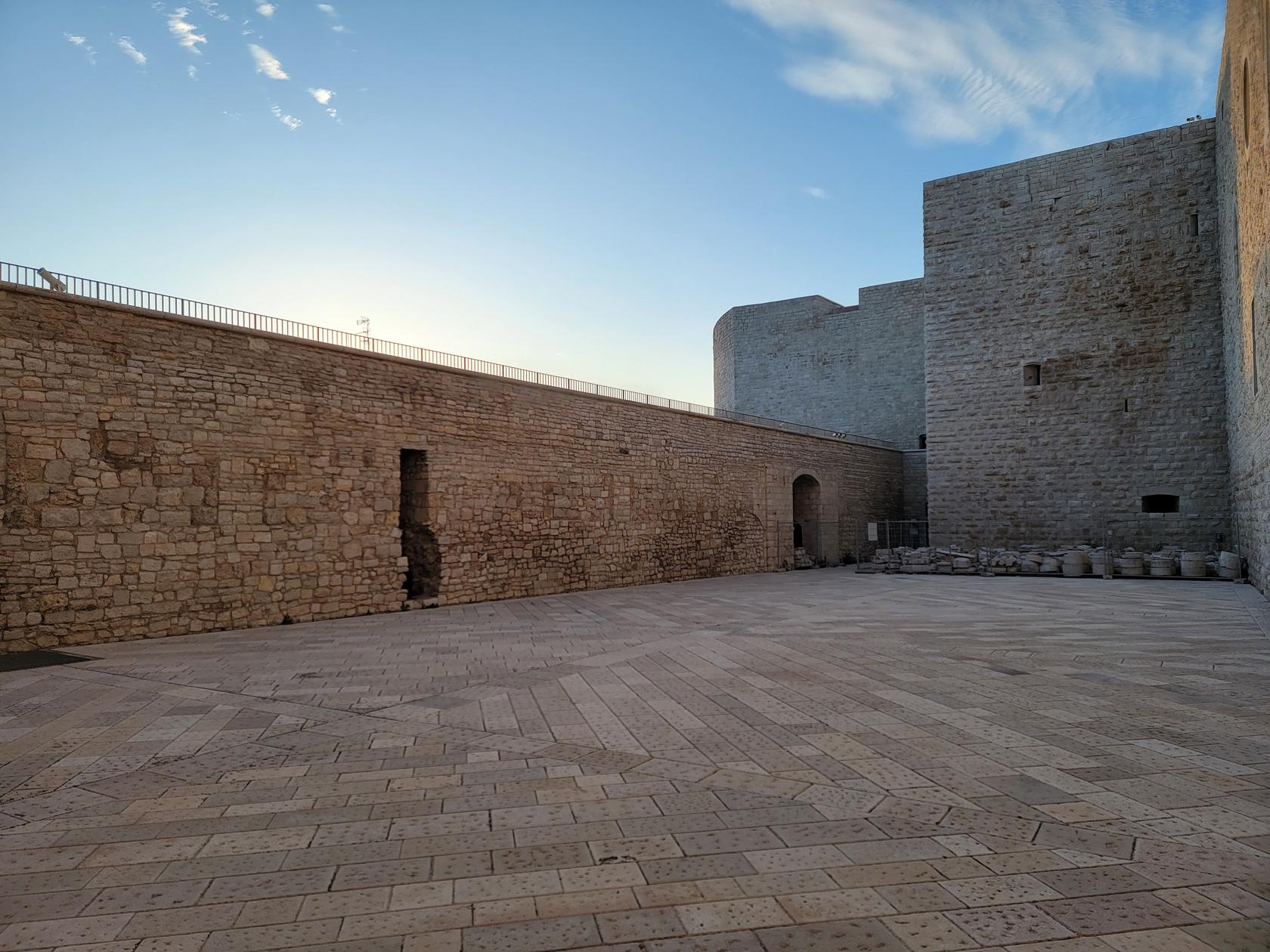
The Castello de Carlo V, or Castle of Charles V sits on the eastern edge of the historic city and below the Giuseppe Garibaldi Public Gardens. It is a large structure and tours are offered, all of which are guided, so you cannot tour the grounds unaccompanied. A short walk from there you will the public park or gardens, which is always a good stop to rest your feet after a few hours of walking.
Castello Carlo V di Lecce – Lecce, Italy
Castello Carlo V di Lecce – Lecce, Italy
Giuseppe Garibaldi Public Gardens – Lecce, Italy
Giuseppe Garibaldi Public Gardens – Fountain – Lecce, Italy
Roman Ruins
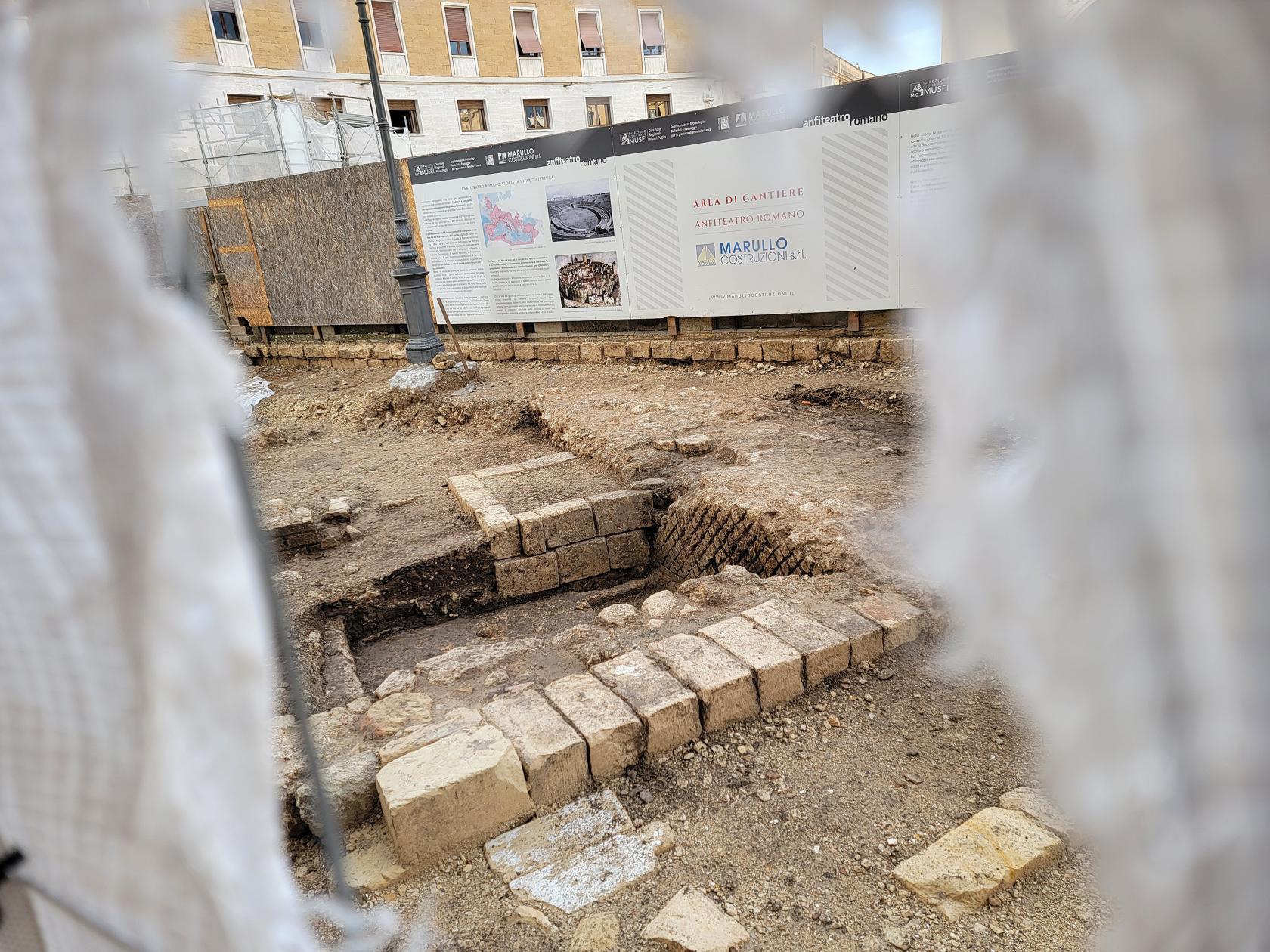
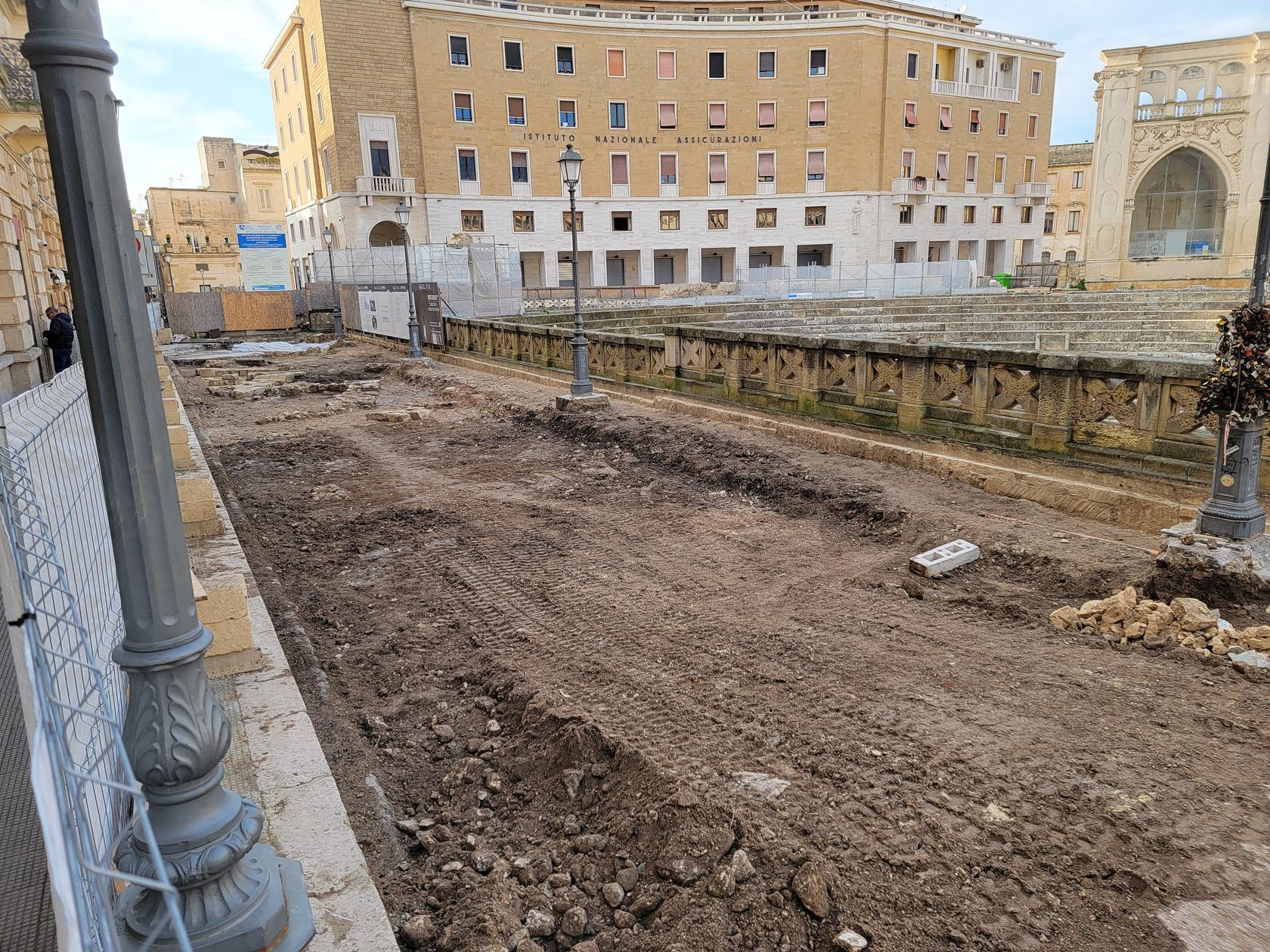
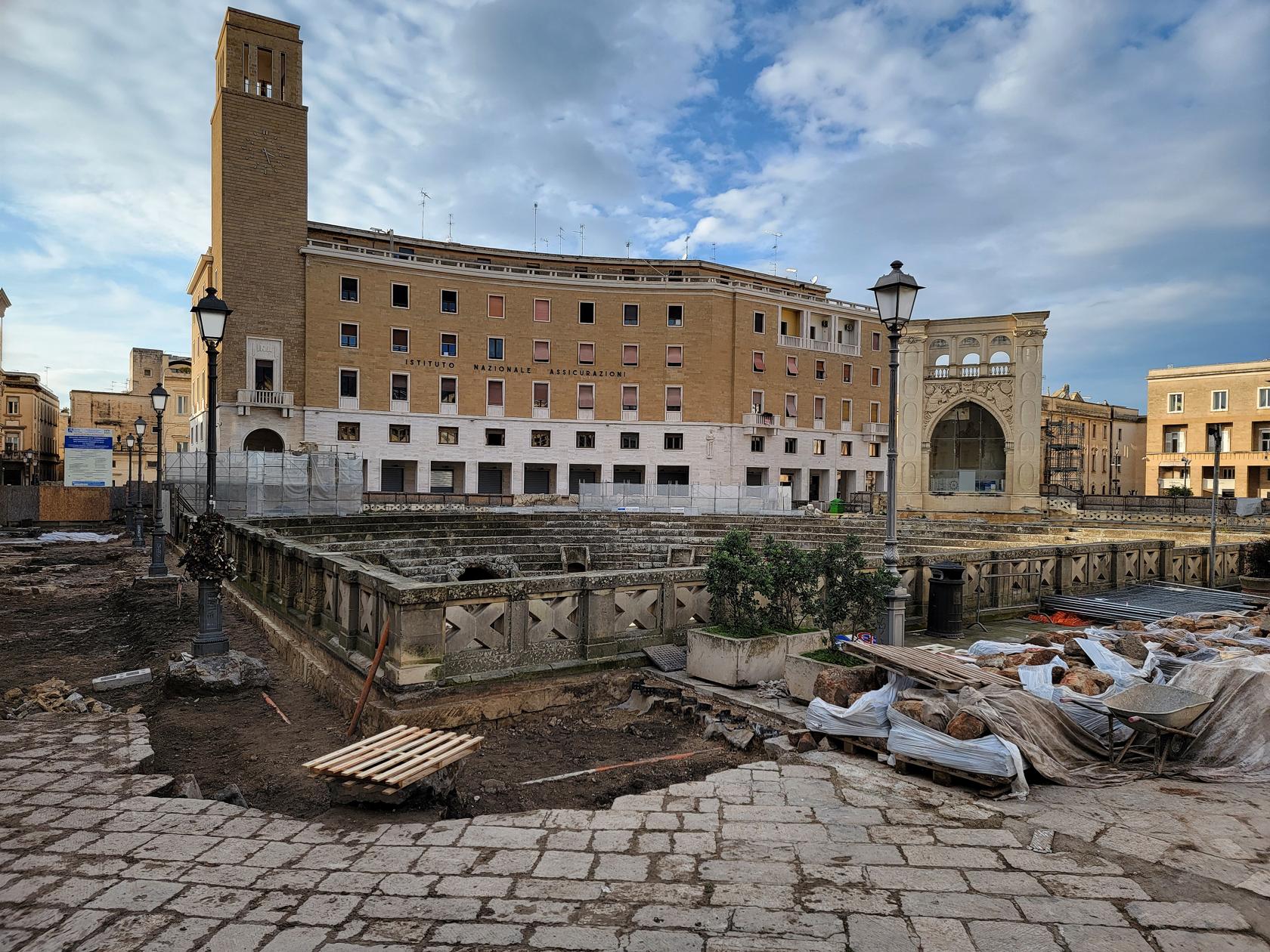
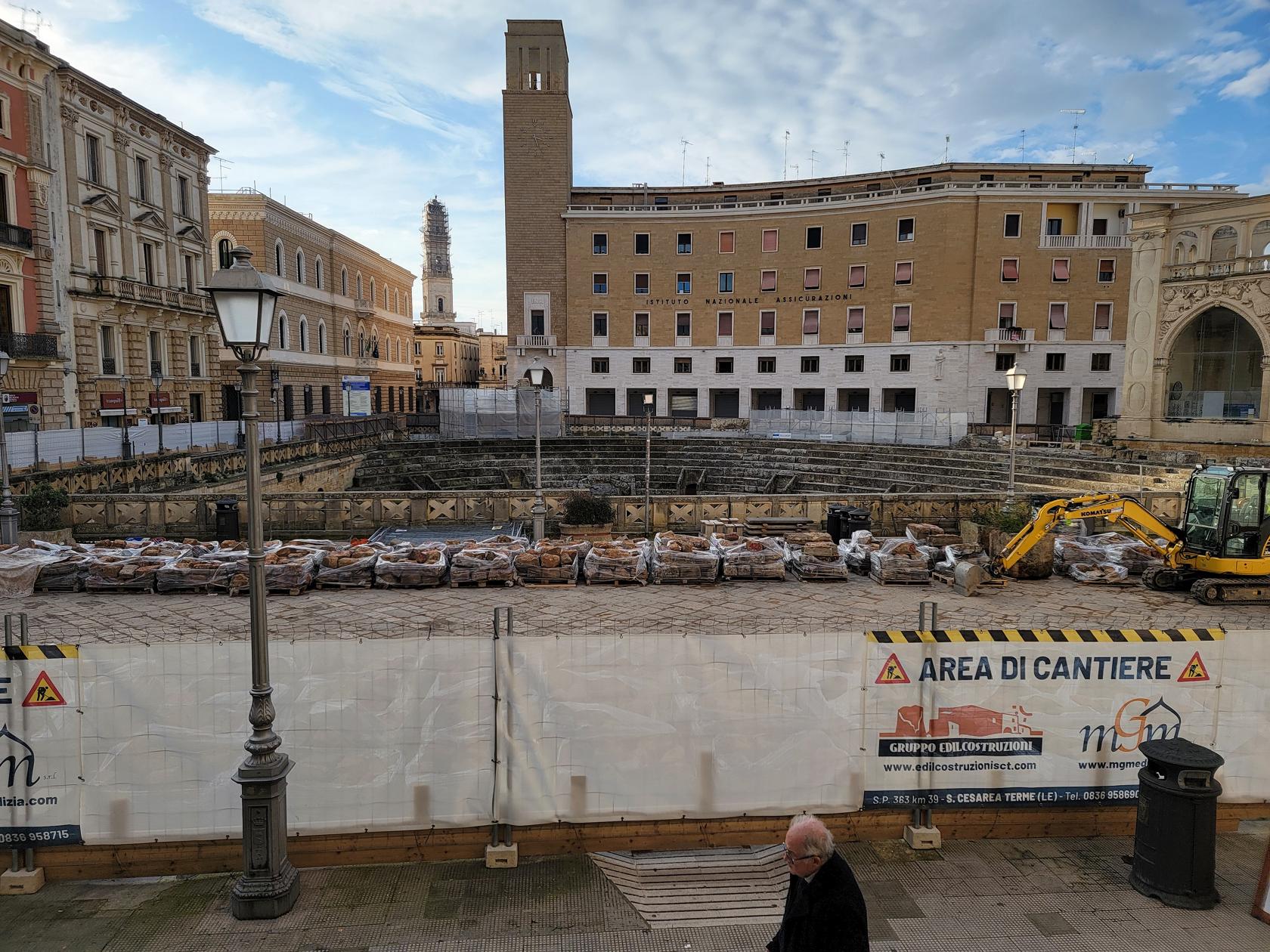
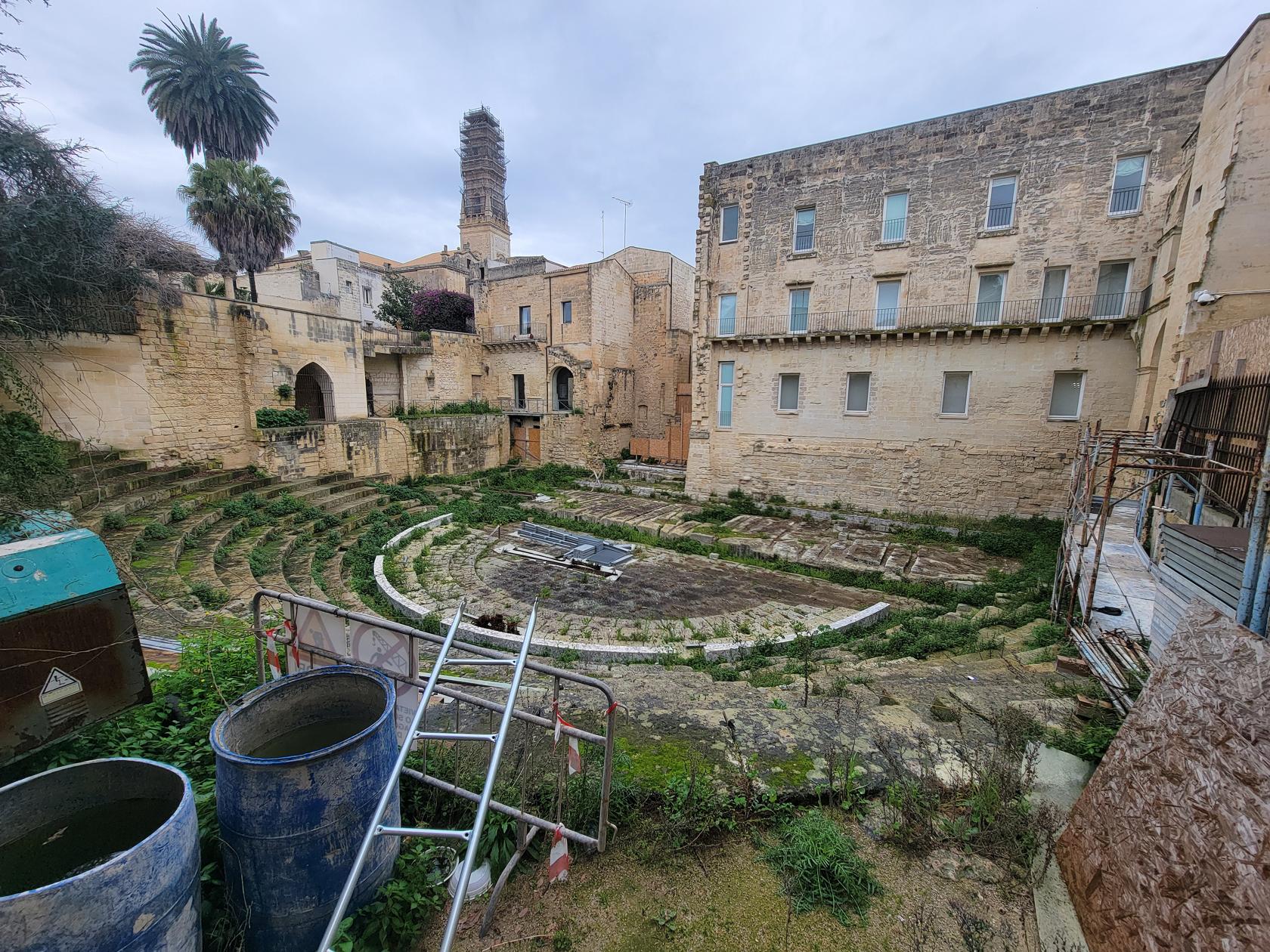
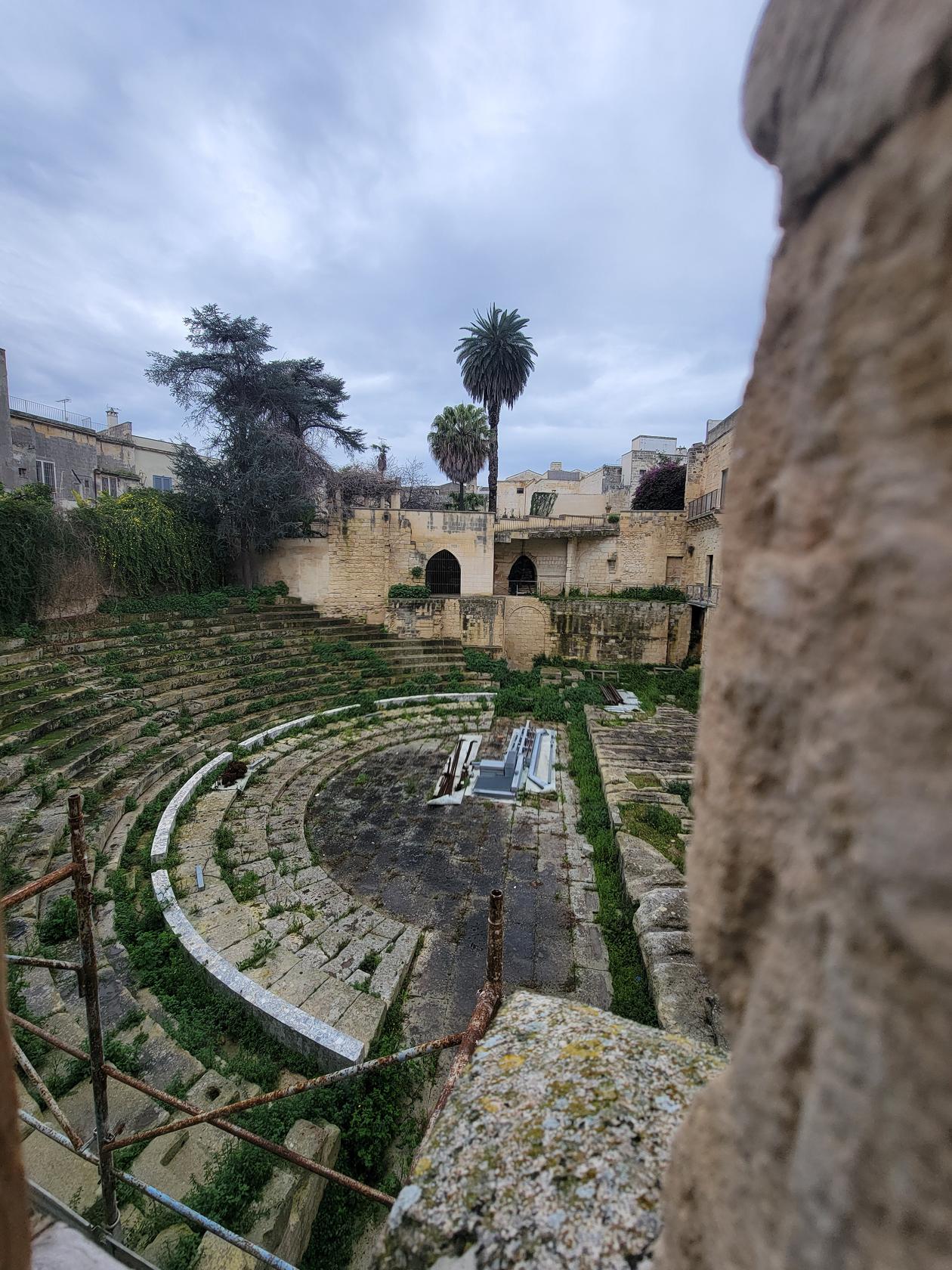
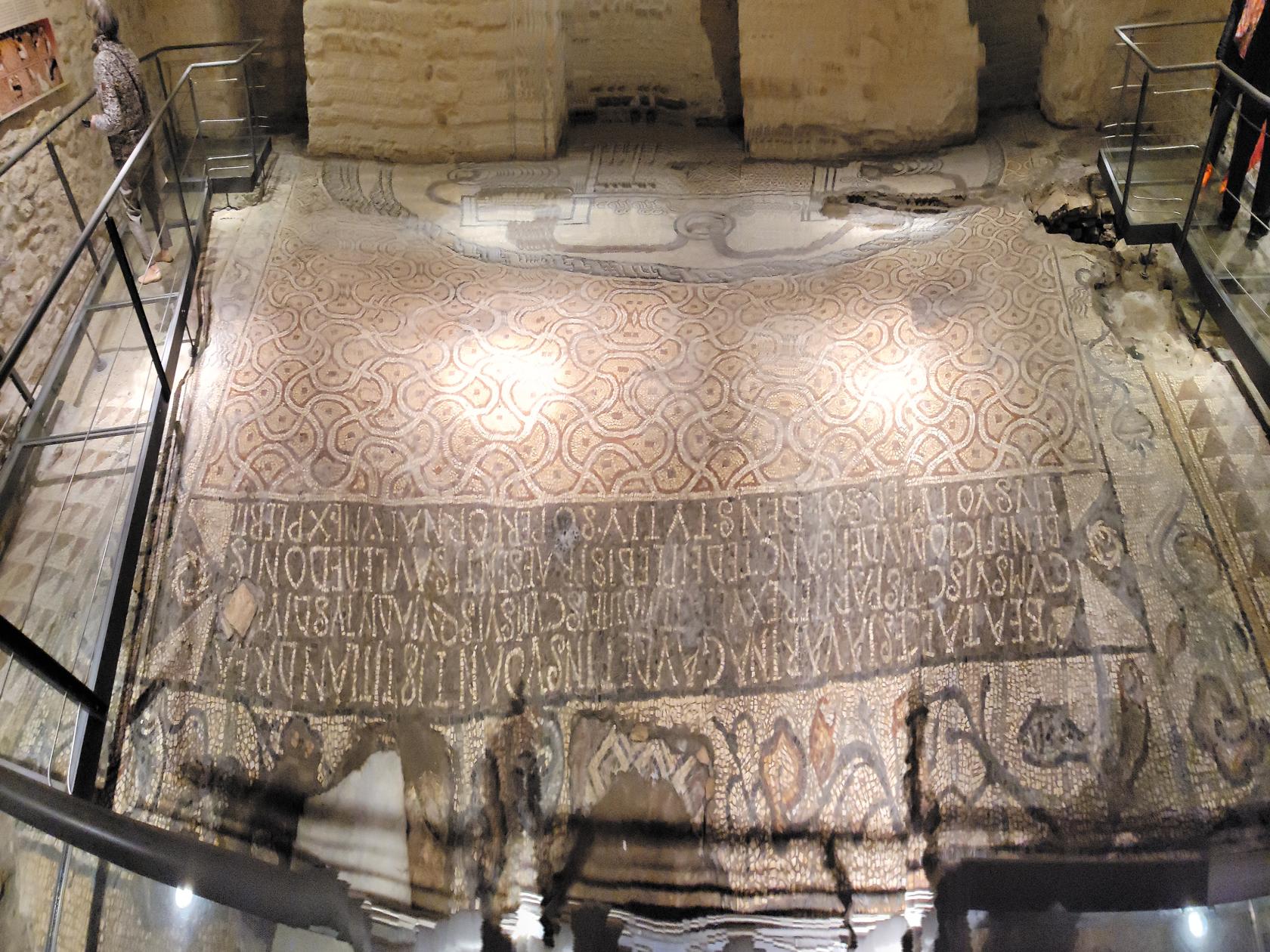
Lecce has in its old historic city not one, but two Roman amphitheaters. Unfortunately for us, both were being restored while we visited and photography was very difficult in both cases.
Roman Amphitheater of Lecce – Lecce, Italy
Roman Amphitheater of Lecce – Lecce, Italy
Roman Amphitheater of Lecce – Lecce, Italy
Roman Amphitheater of Lecce – Lecce, Italy
Roman Amphitheater, 2nd Century – Lecce, Italy
Roman Amphitheater, 2nd Century – Lecce, Italy
Where We Stayed
For the second time on this trip we have booked a Bed and Breakfast. I still cannot say I am fan, but there are times when alternatives to hotels may make a better fit. However, we only commit to such alternatives directly and after thorough research.
L’Orangerie d’Epoque
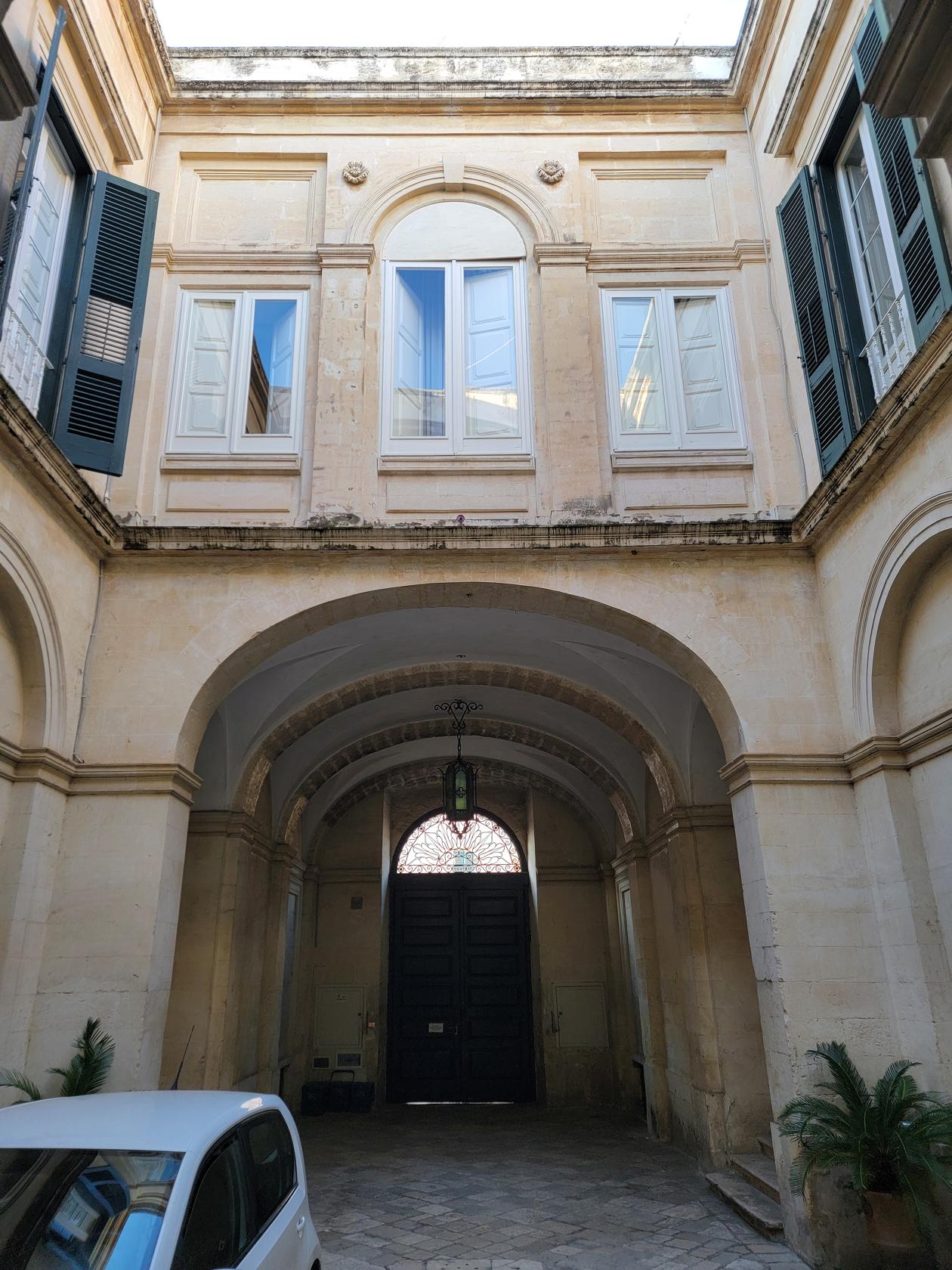
We stayed at a Bed and Breakfast called L’Orangerie d’Epoque on Viale Francesco Lo Re near the Porta San Biagio. A rather large building with a central portico that appears to have one owner.
L’Orangerie d’Epoque Bed & Breakfast – Entryway and Portico – Lecce, Italy
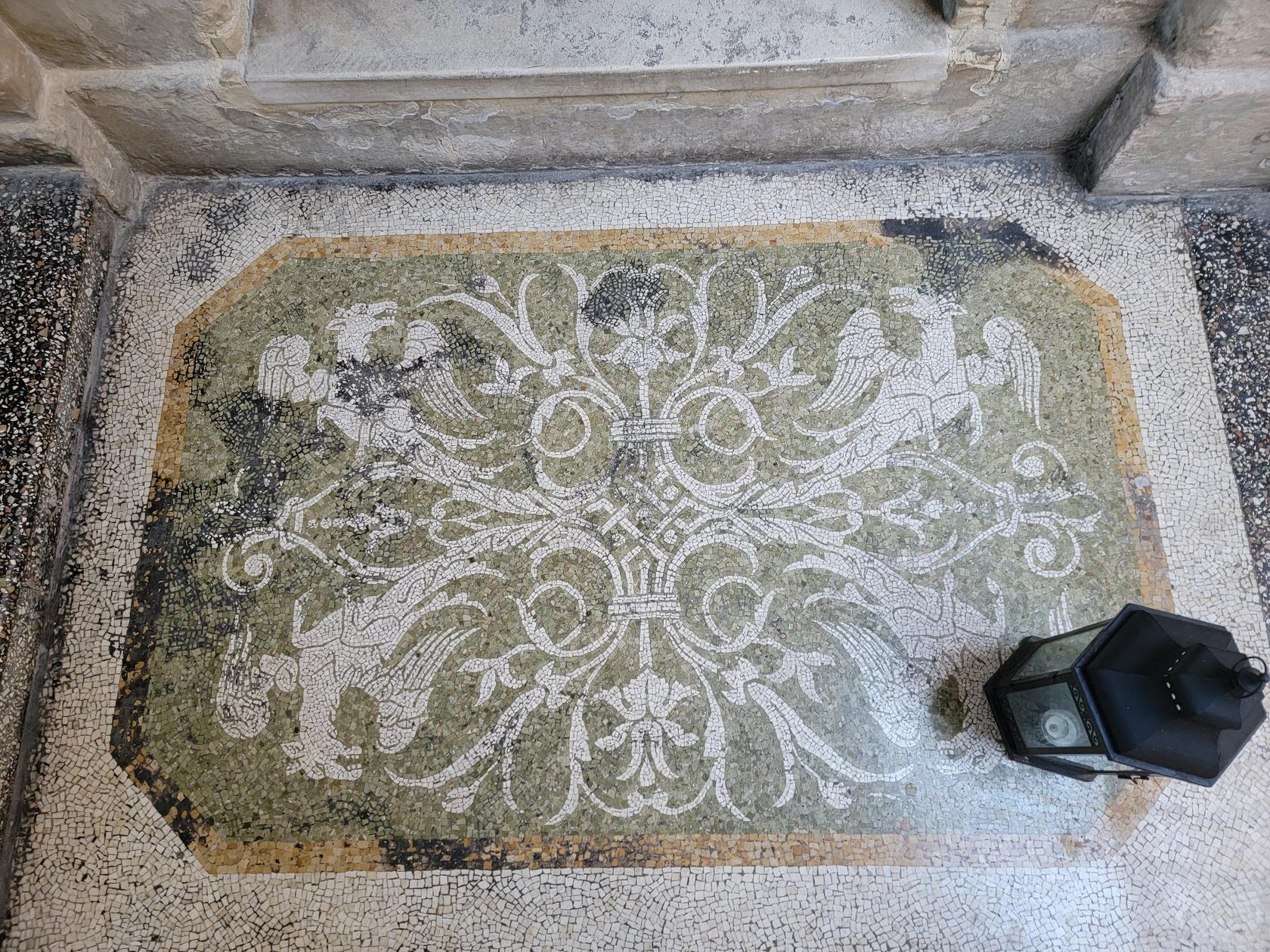
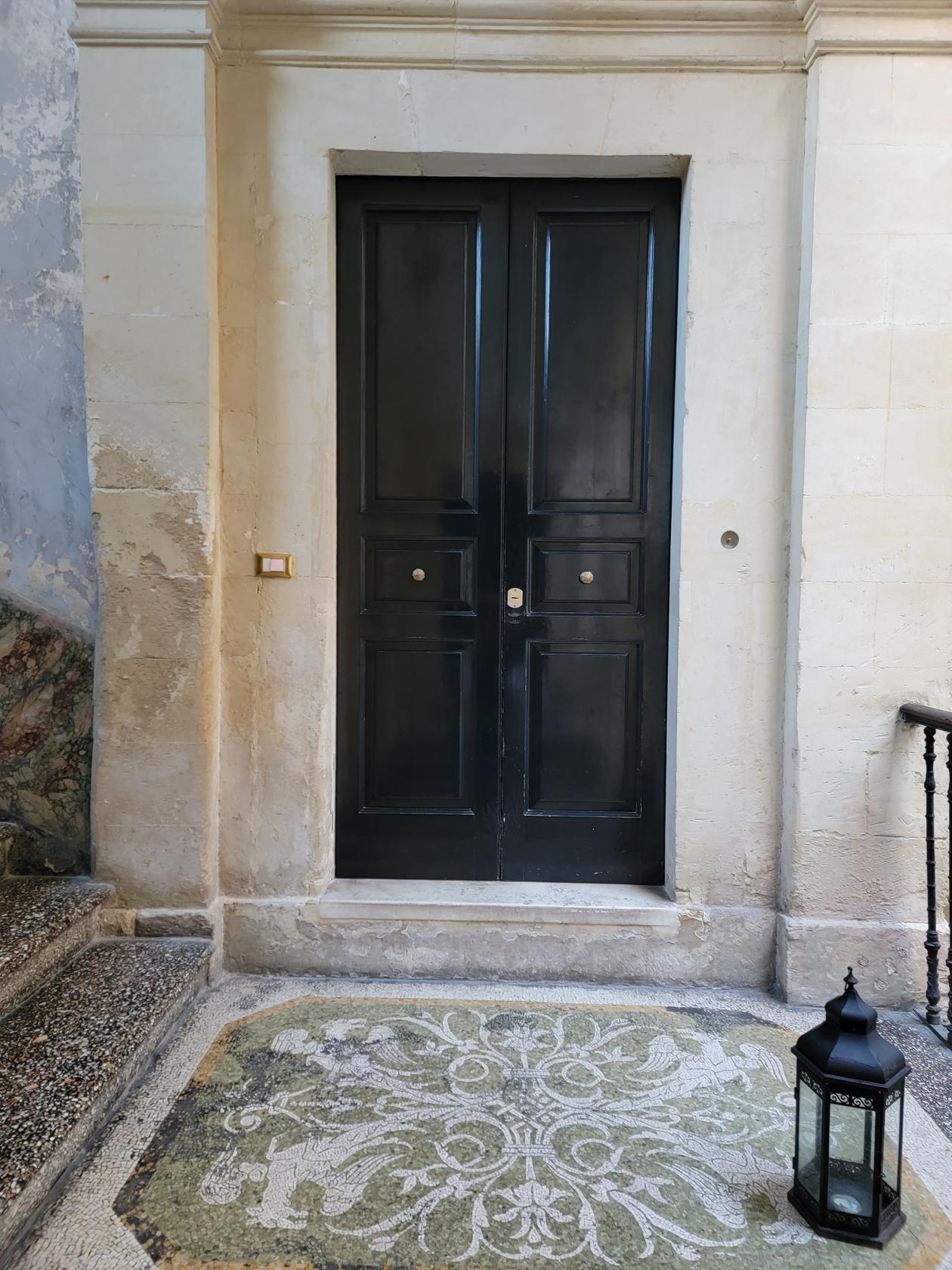
Our room was on the ground floor with its own entrance to the portico. The entryway has a beautiful mosaic tiled floor, reminiscent of ancient Rome or Pompeii.
L’Orangerie d’Epoque Bed & Breakfast – Entrance Mosaic and Door – Lecce, Italy
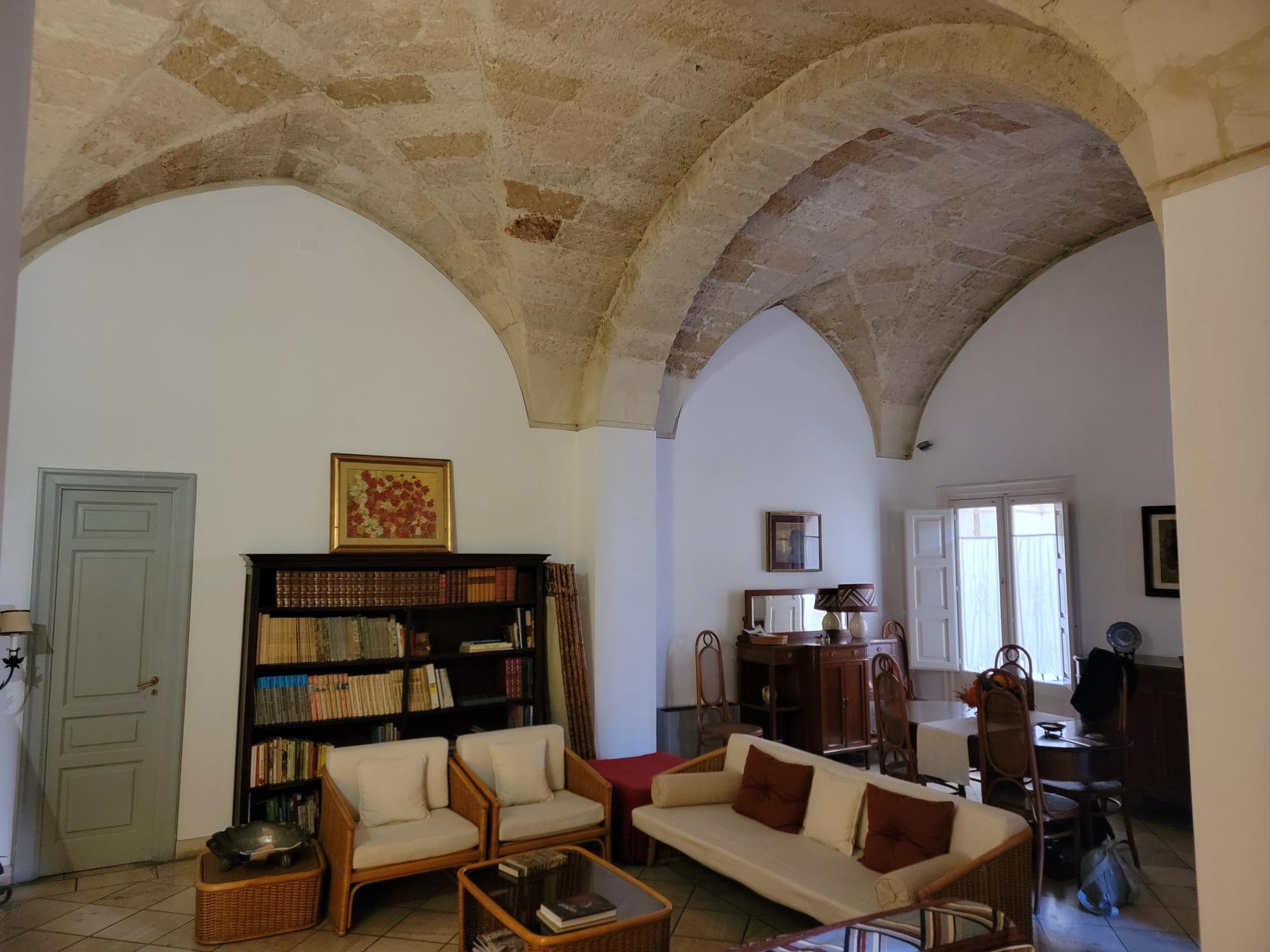
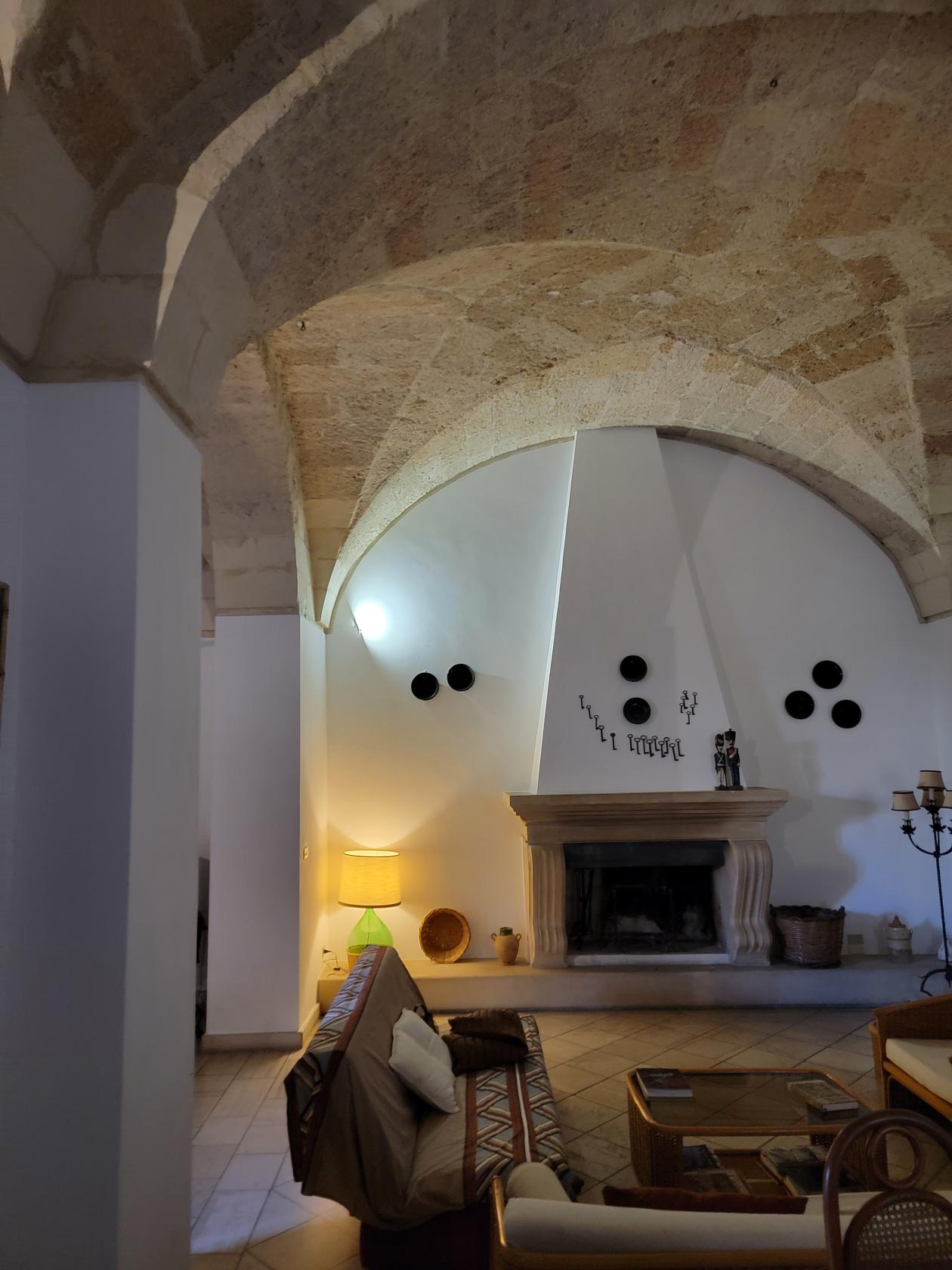
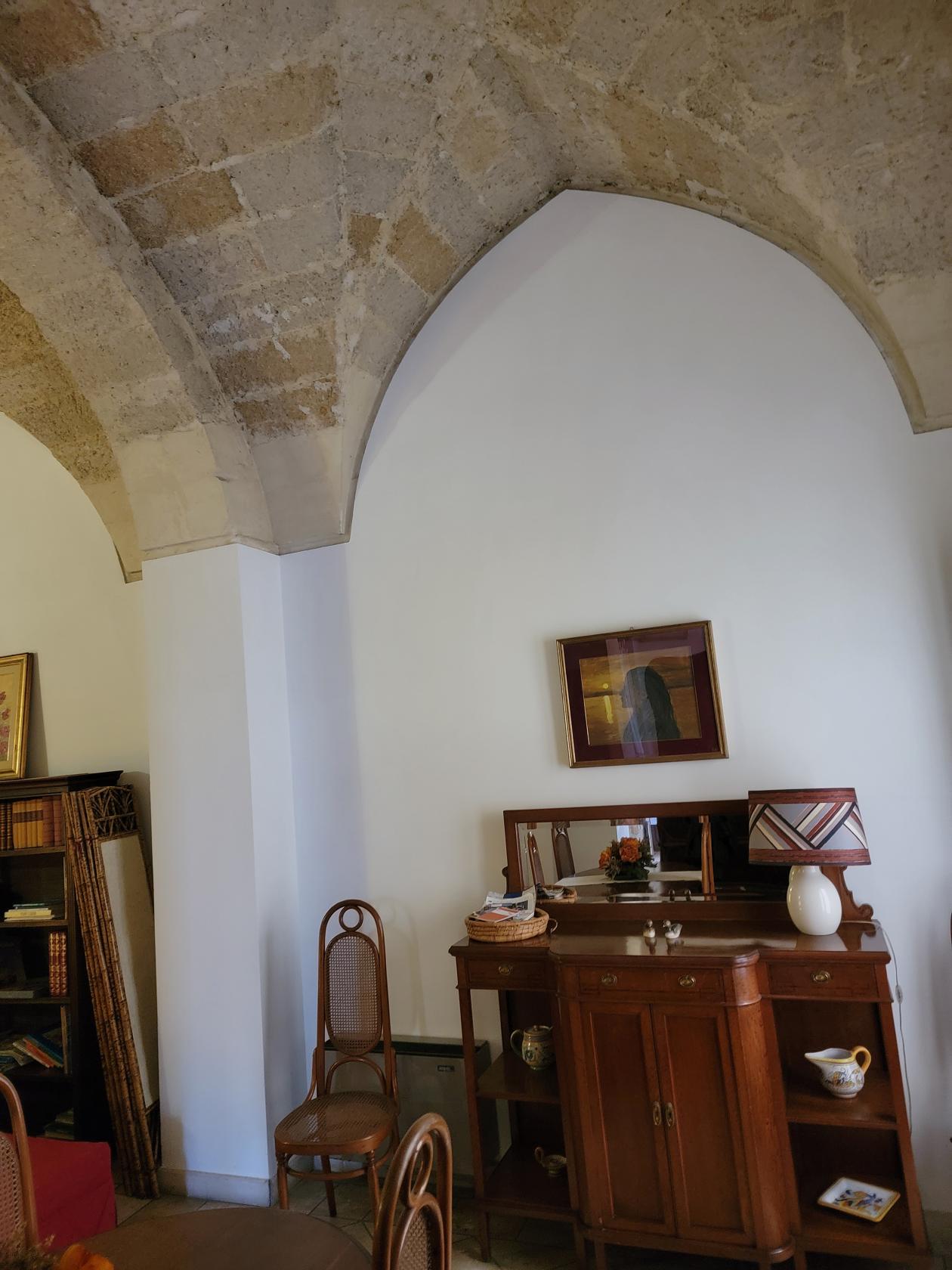
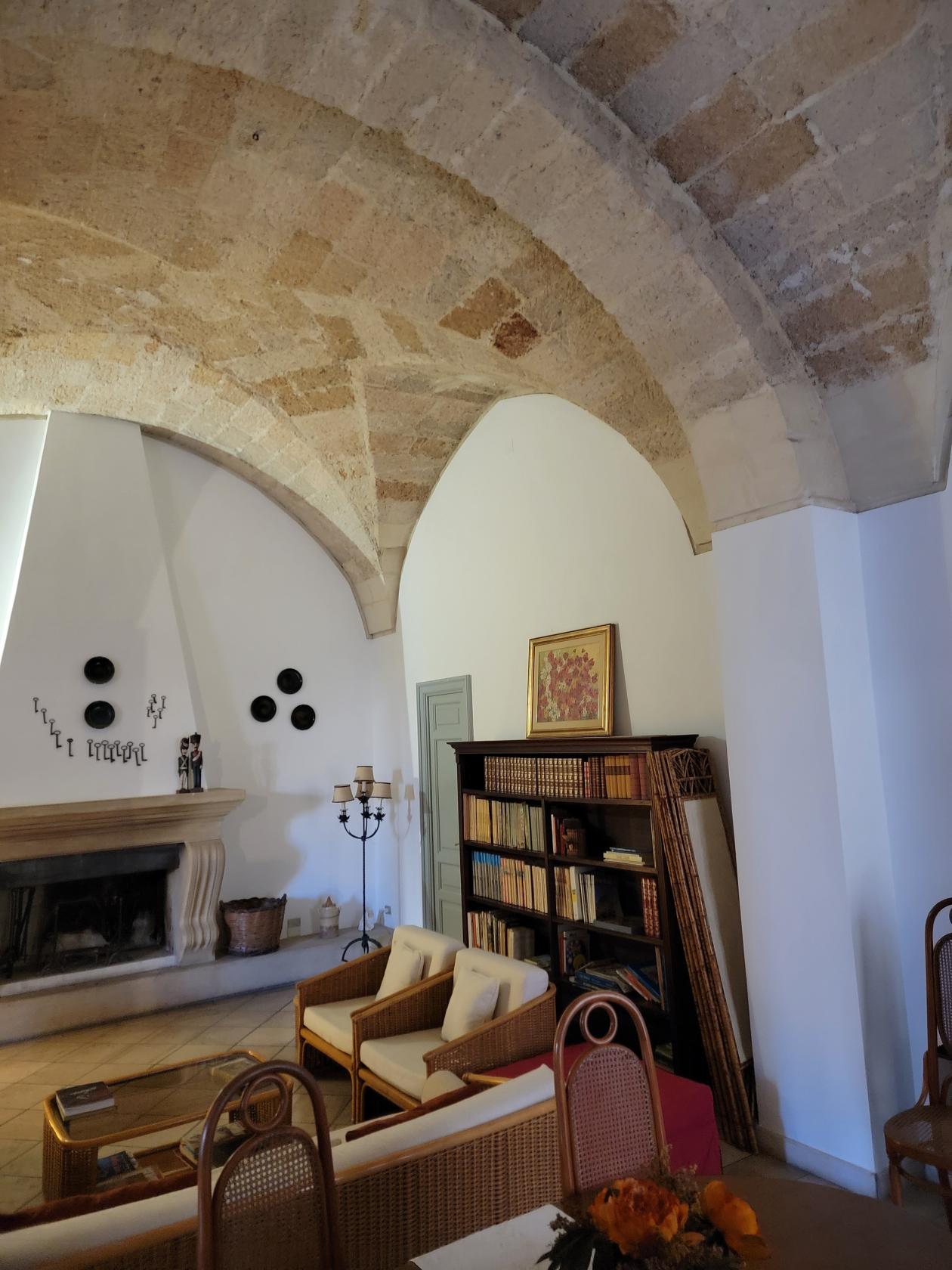
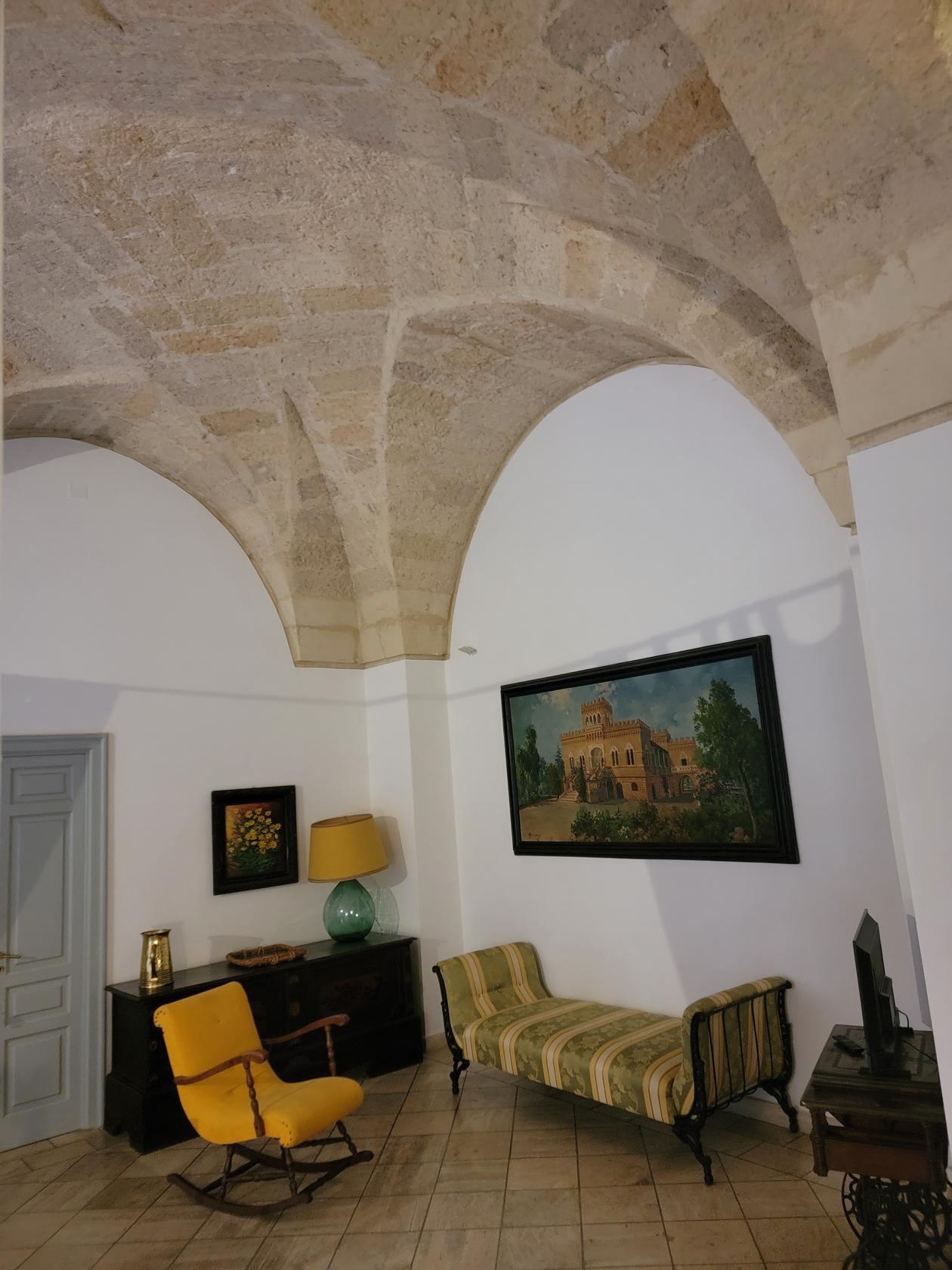
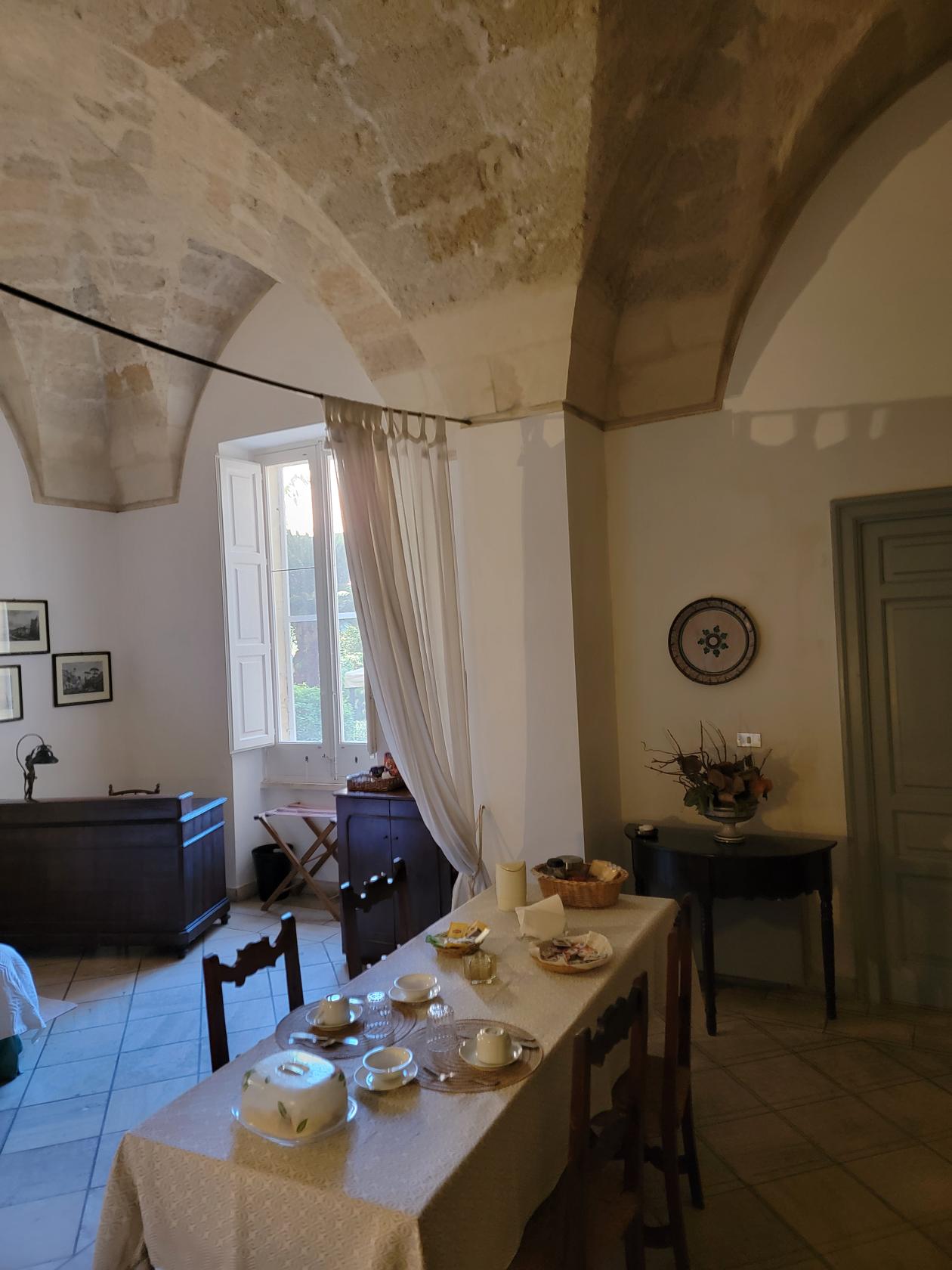
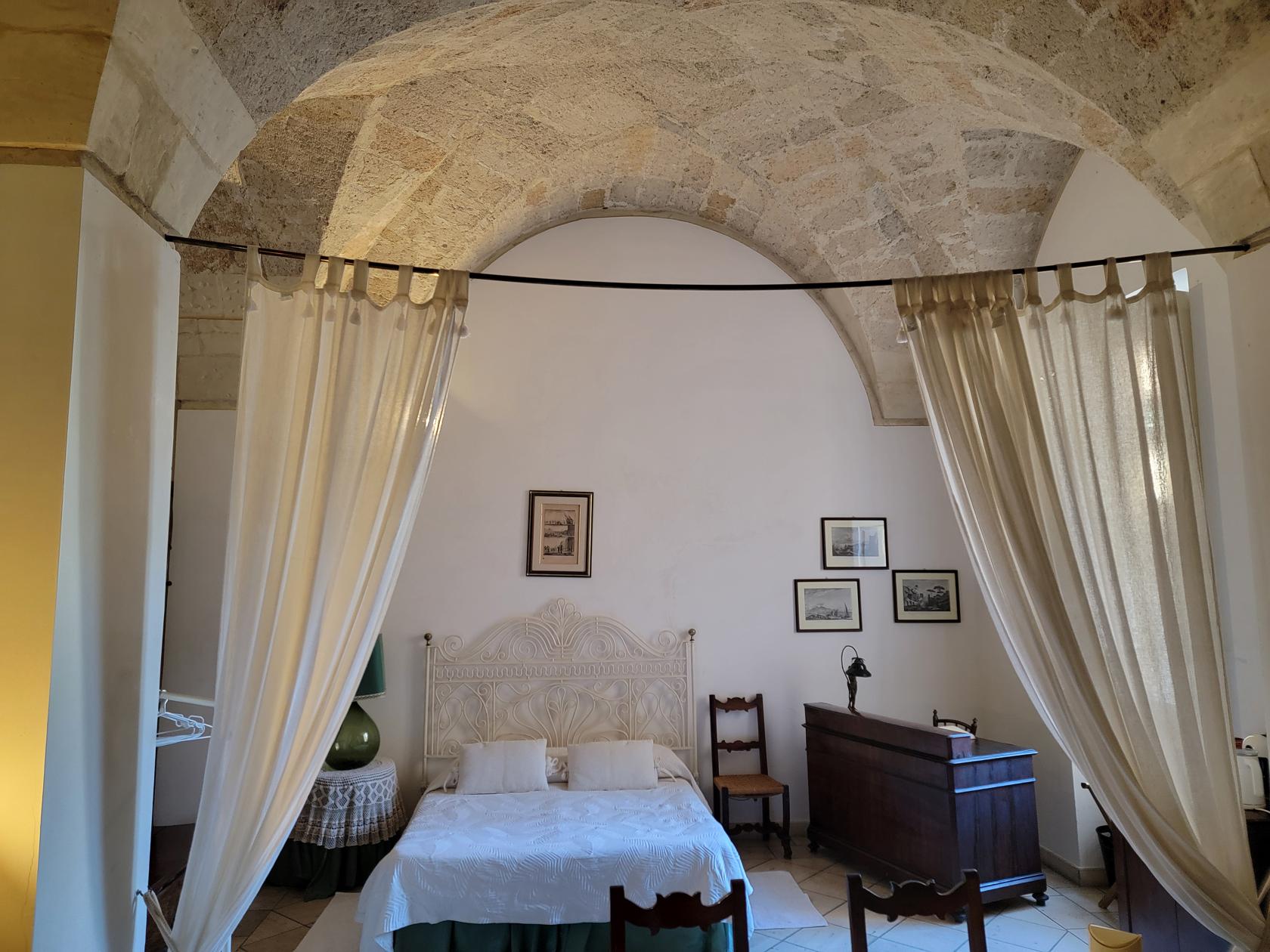
The room was spacious, with a fireplace and split up into almost four equal parts. There was a large dining area by the entrance that flowed into a living room with several couches.
This small restaurant has good food and wine at fairly reasonable prices. We actually went there late for lunch, around 14:40 and they still took our order and served us.
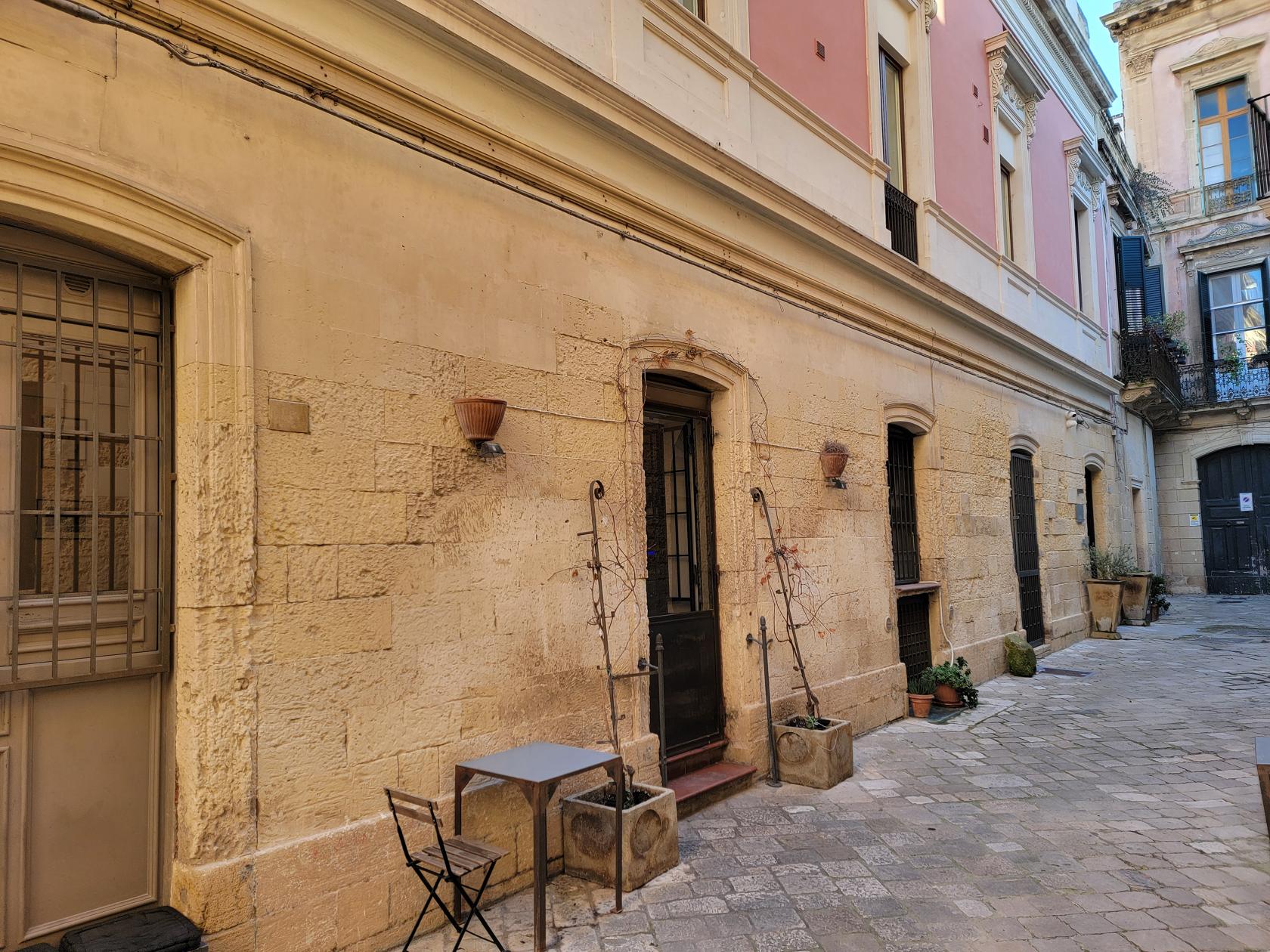
La Cucina Di Mamma Elvira – Entrance – Lecce, Italy
The service was very good and the menu had a decent choice of both local cuisine and other more general Italian items to chose.
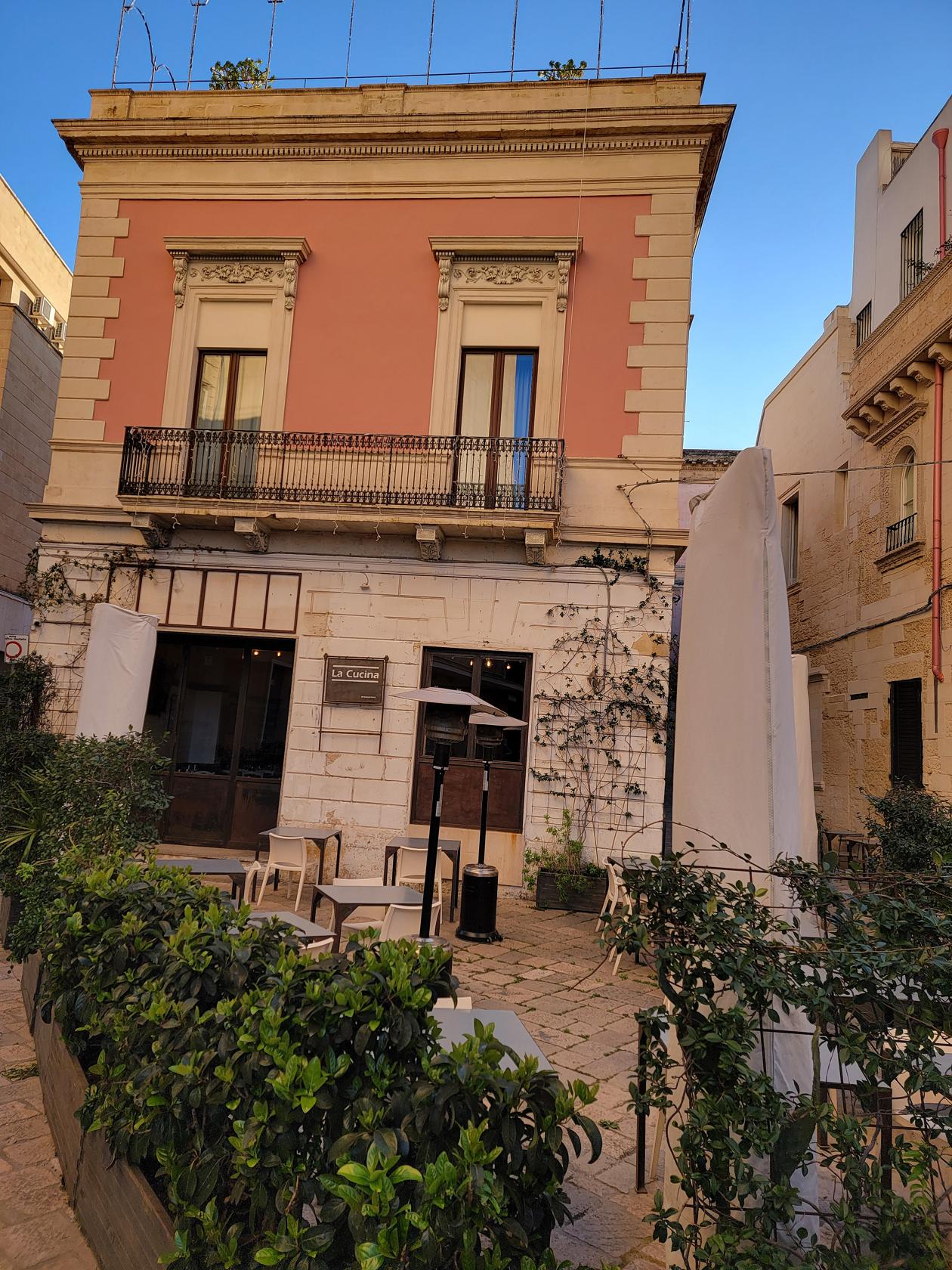
La Cucina Di Mamma Elvira – Front of the Building – Lecce, Italy
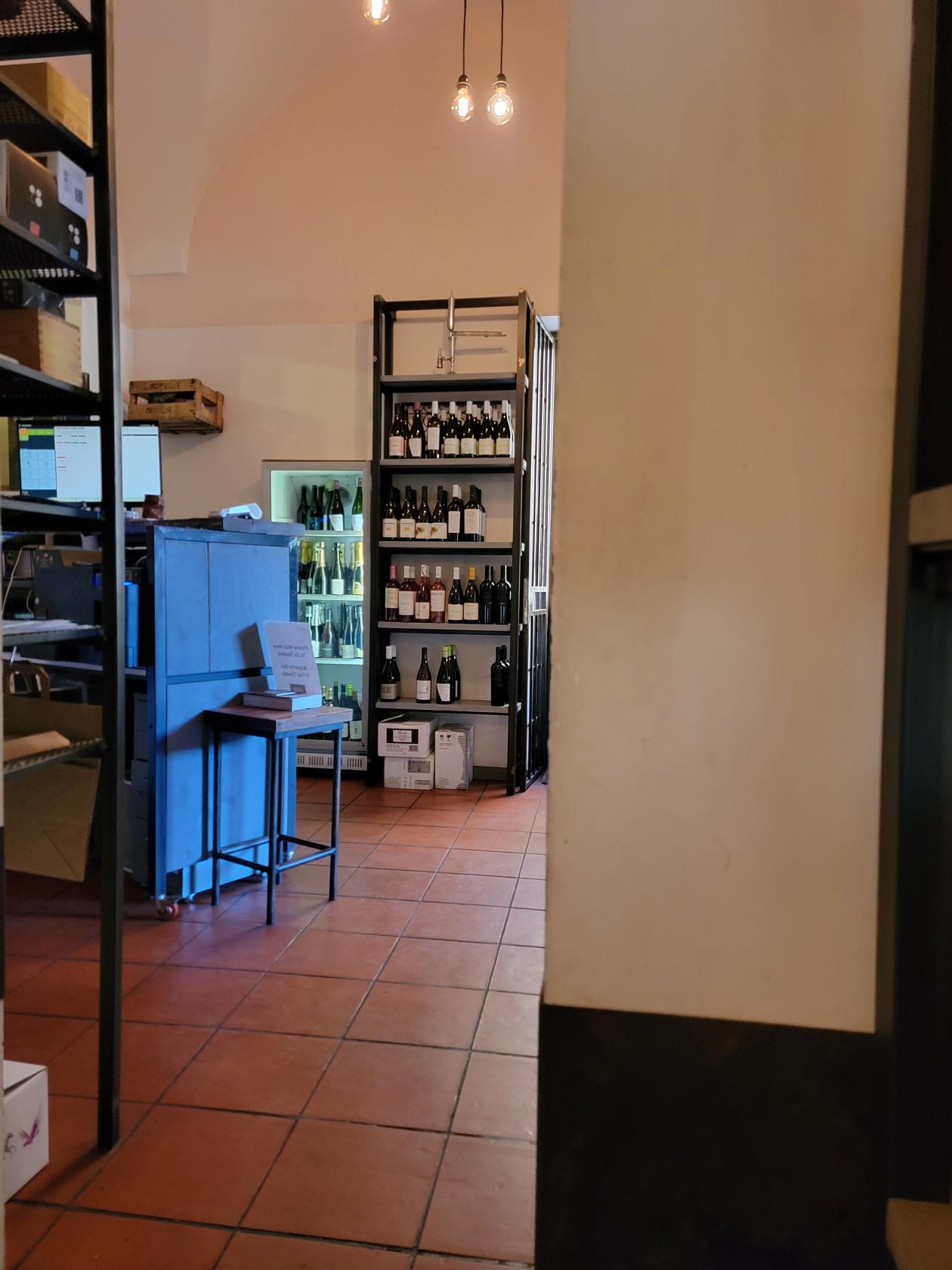
La Cucina Di Mamma Elvira – Entrance, Cassa and Wines – Lecce, Italy
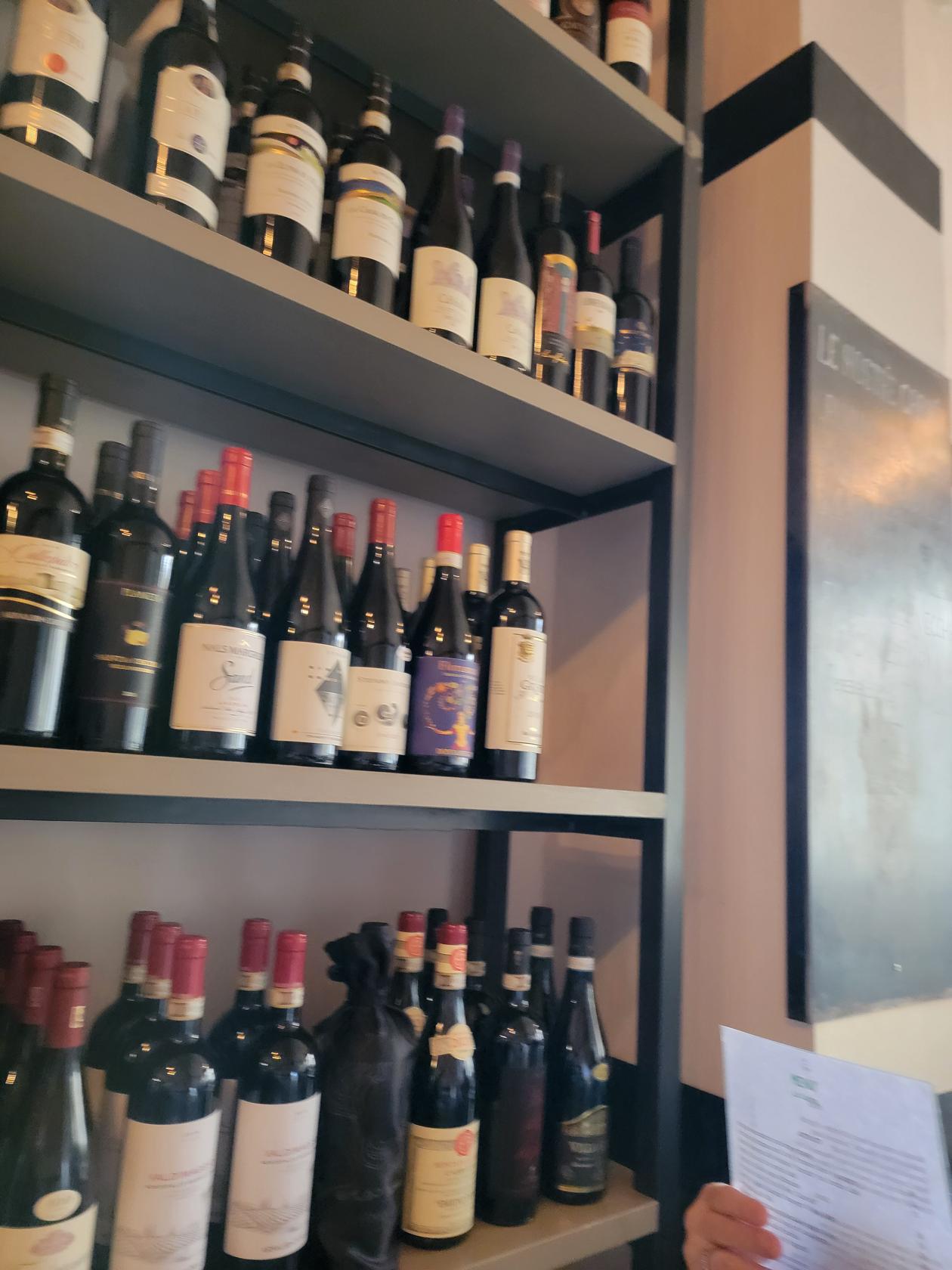
La Cucina Di Mamma Elvira – Wines – Lecce, Italy
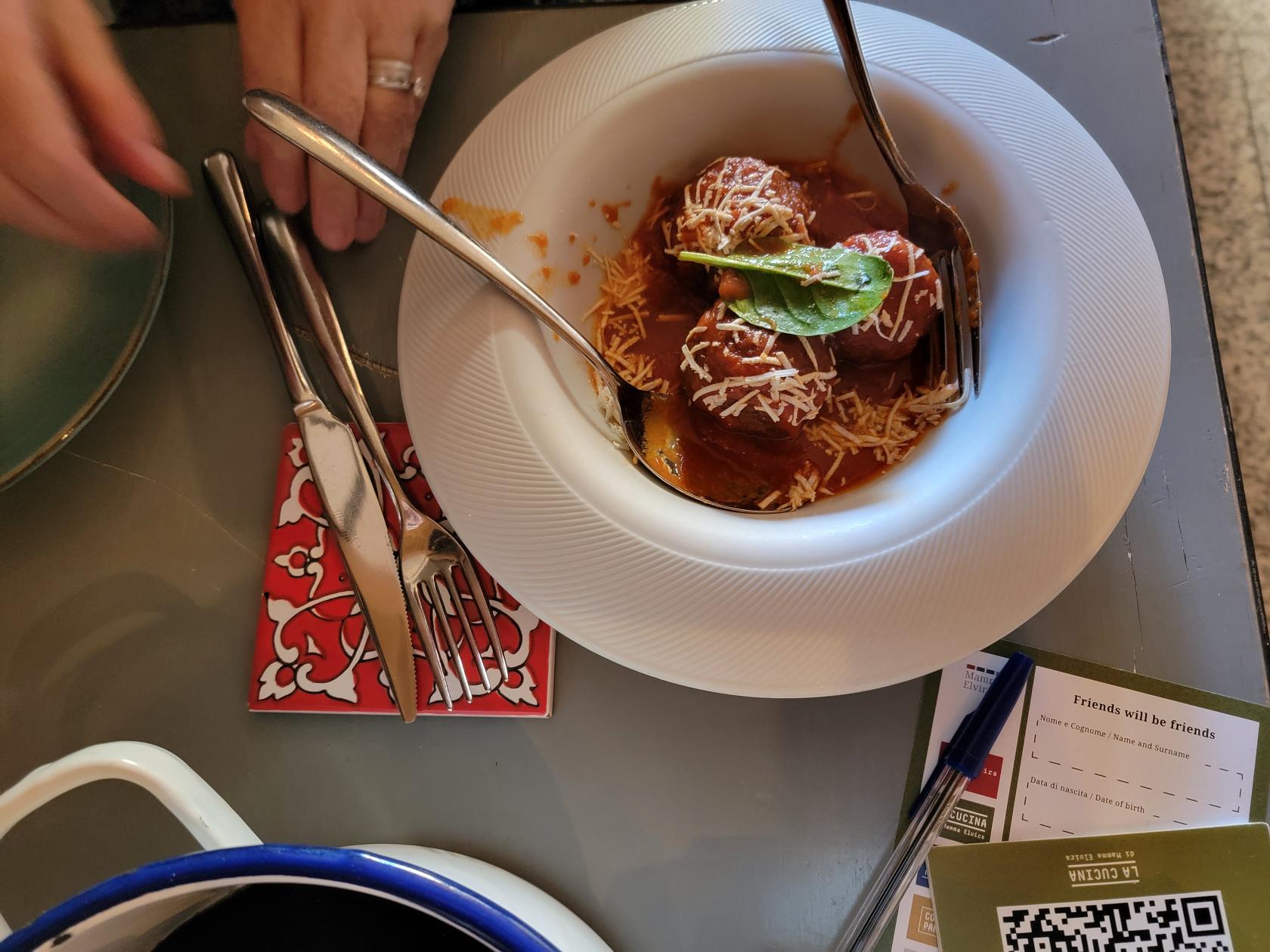
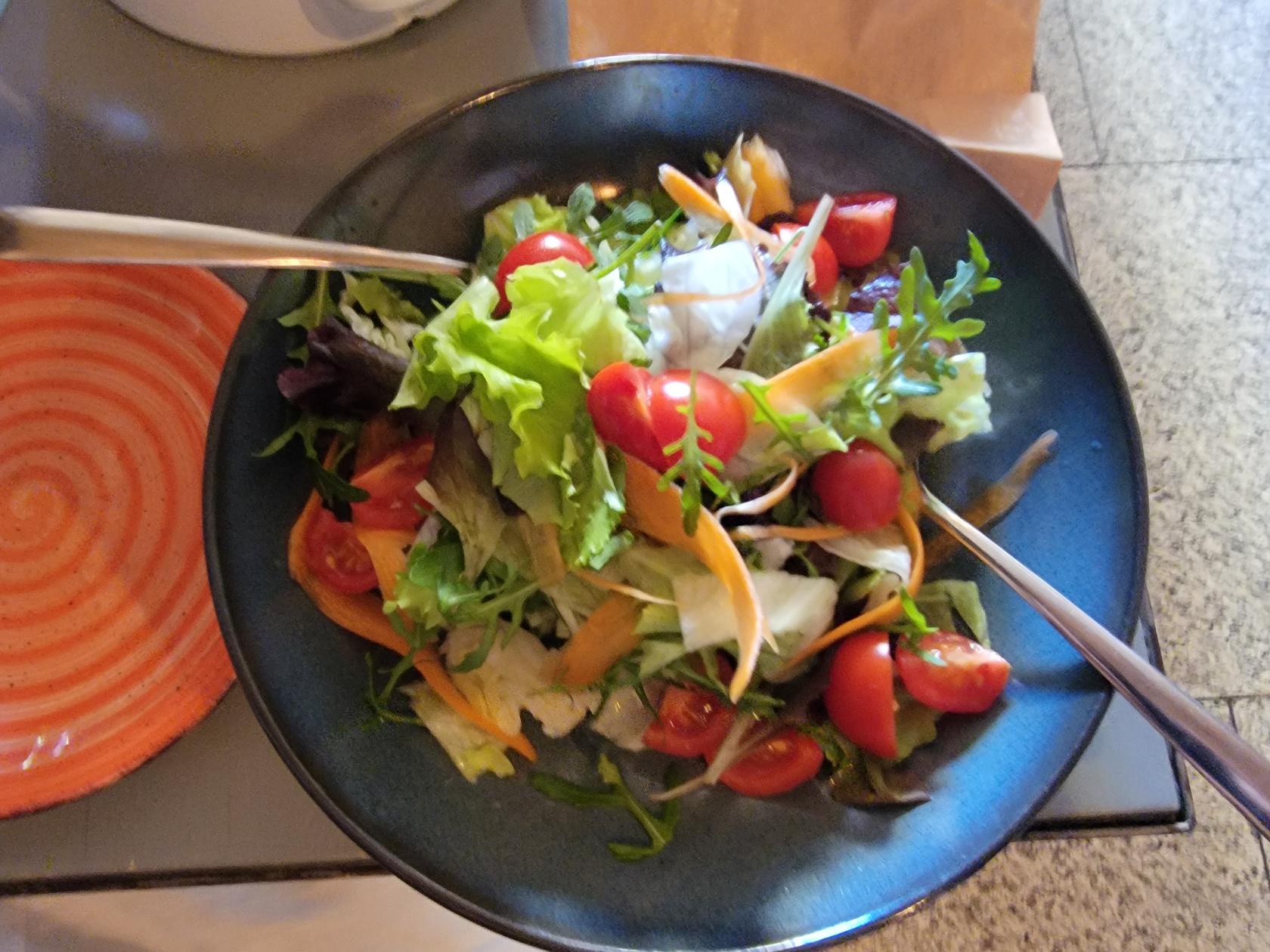
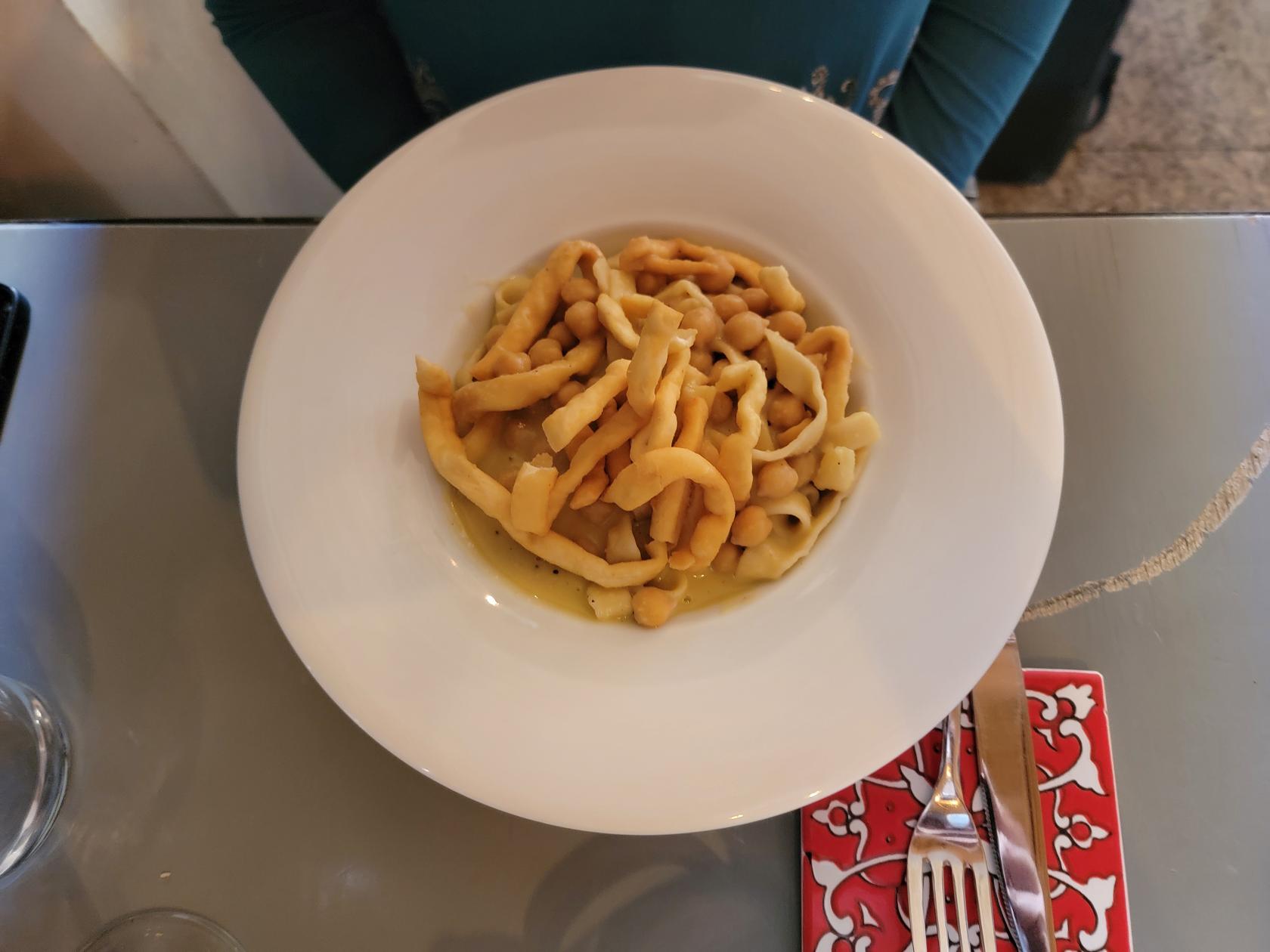
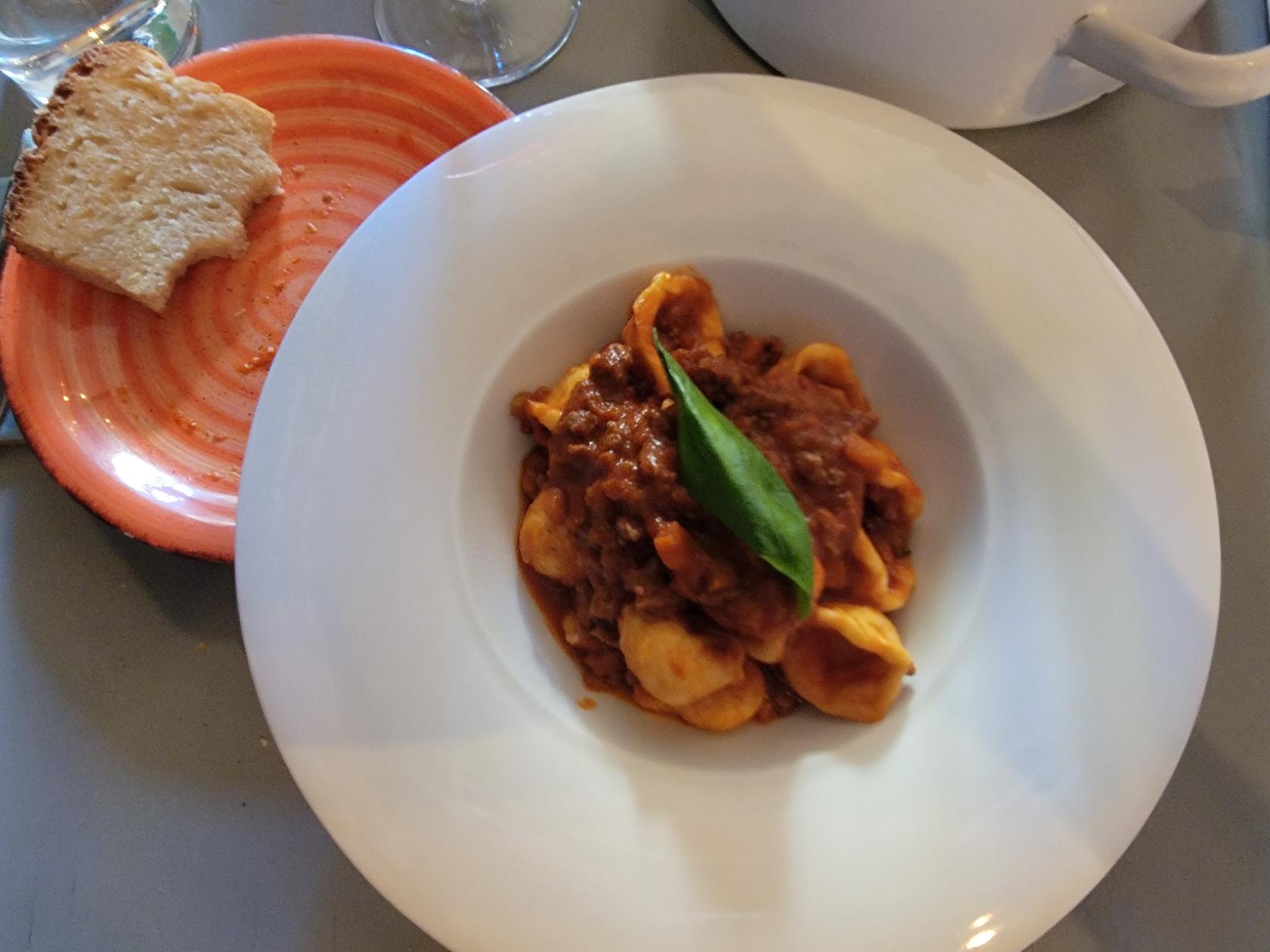
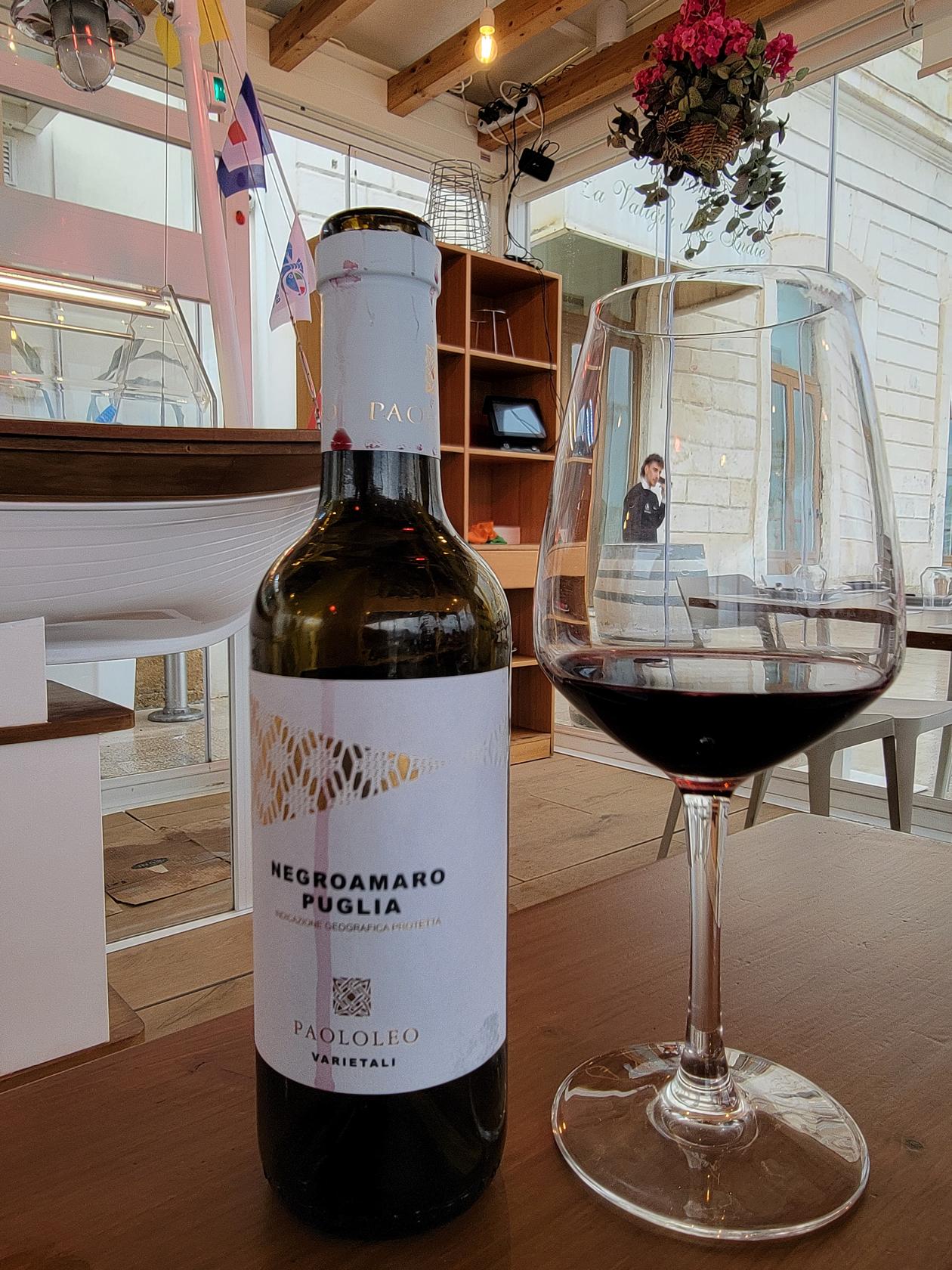
I ordered the Eggplant Polpette in Ragu Sauce with Ricotta Cheese, an Insalata Mista (mixed salad) and the Orecchiette with re-milled Semolina with Scottona Red Ragu and Patti ordered the Ciceri and Tria Pasta and shared my Polpette. All the dishes were very good. The wine was Negroamaro from the region and it was very good, served by the glass. The desserts you can see below and the espresso was also very good, not bitter at all.
La Cucina Di Mamma Elvira – Eggplant Polpette in Ragu Sauce with Ricotta Cheese – Lecce, Italy
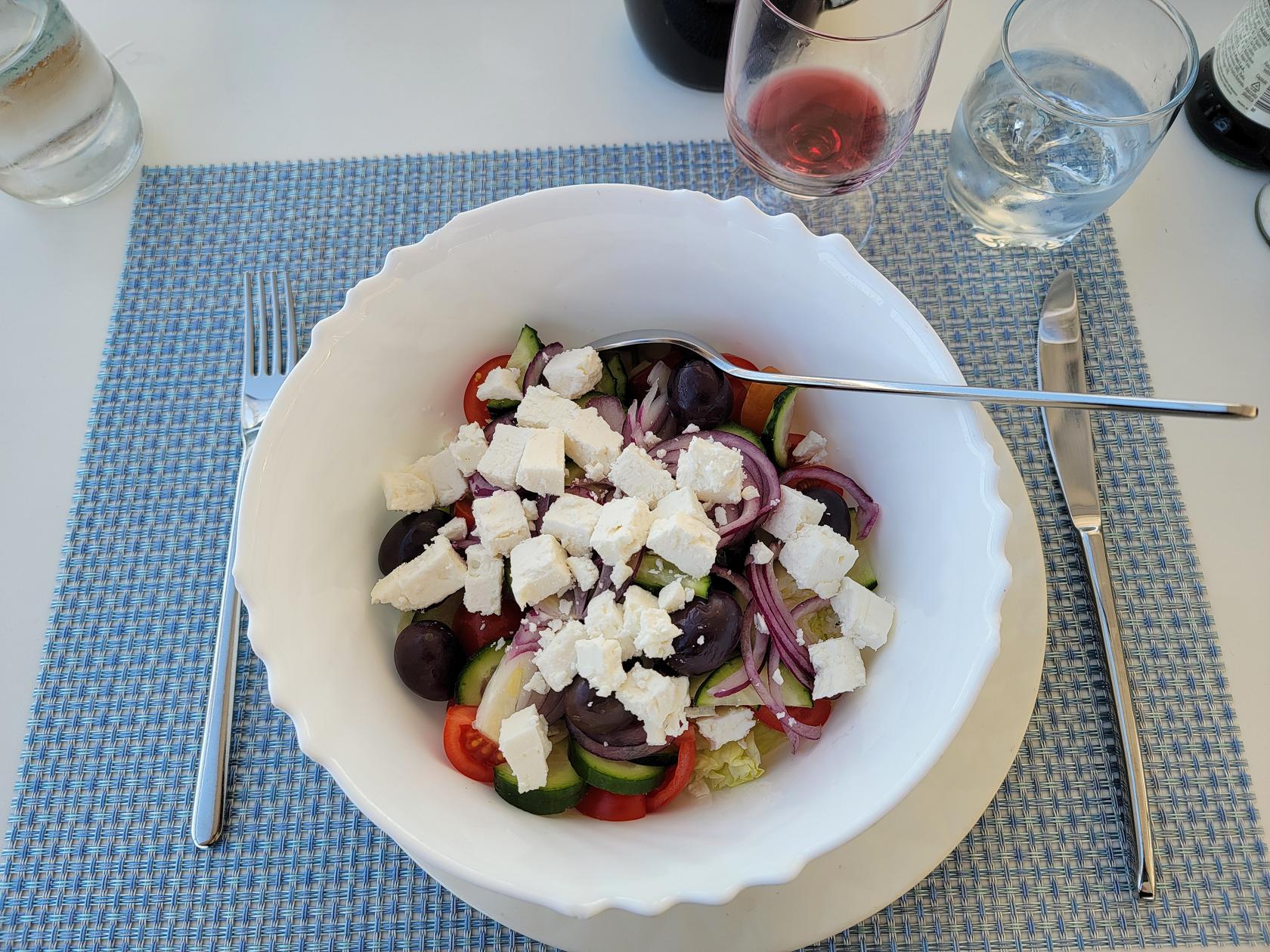
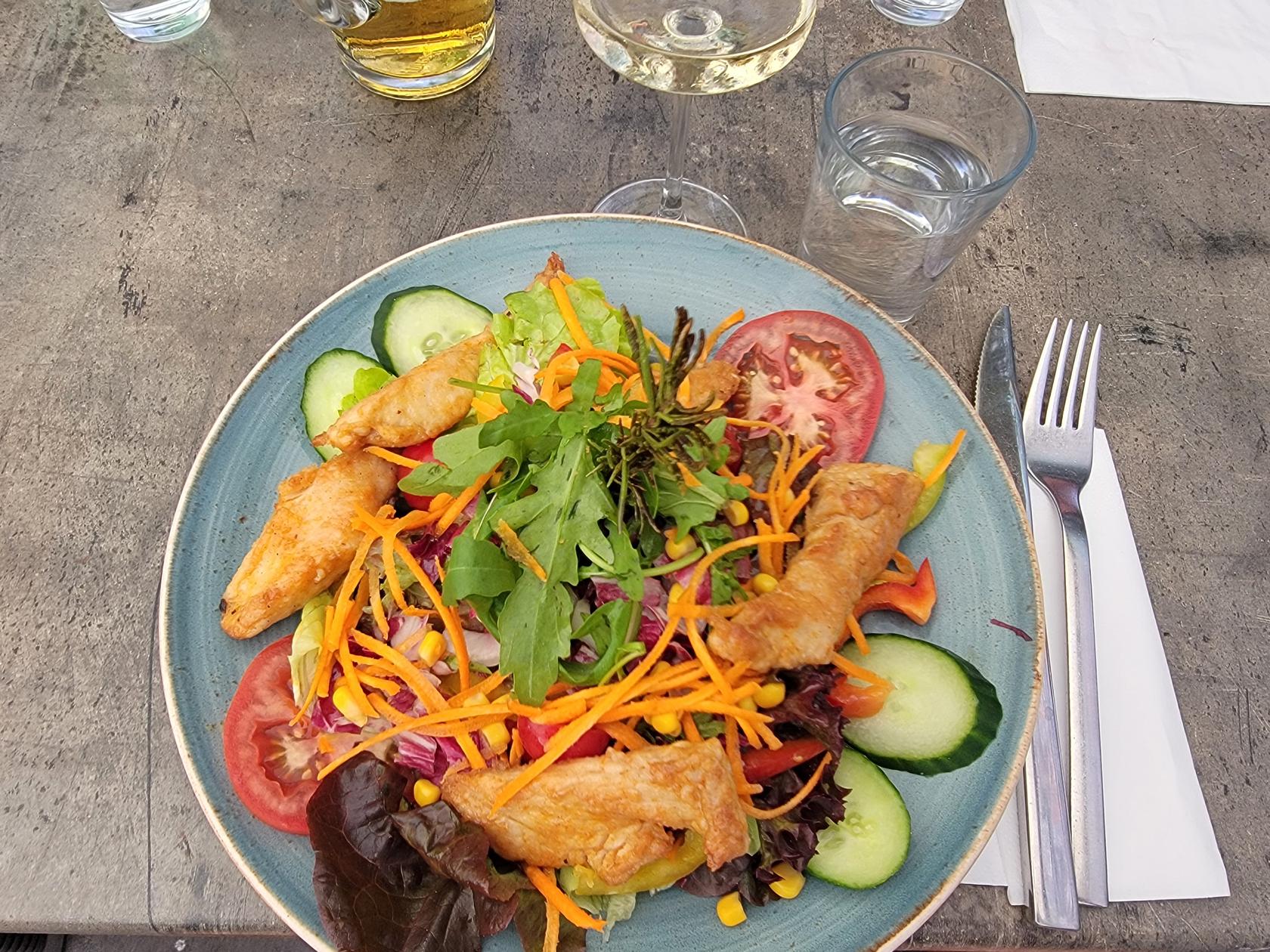
La Cucina Di Mamma Elvira – Insalata Mista – Lecce, Italy
La Cucina Di Mamma Elvira – Ciceri and Tria Pasta – Lecce, Italy
La Cucina Di Mamma Elvira – Orecchiette with re-milled Semolina with Scottona Red Ragu – Lecce, Italy
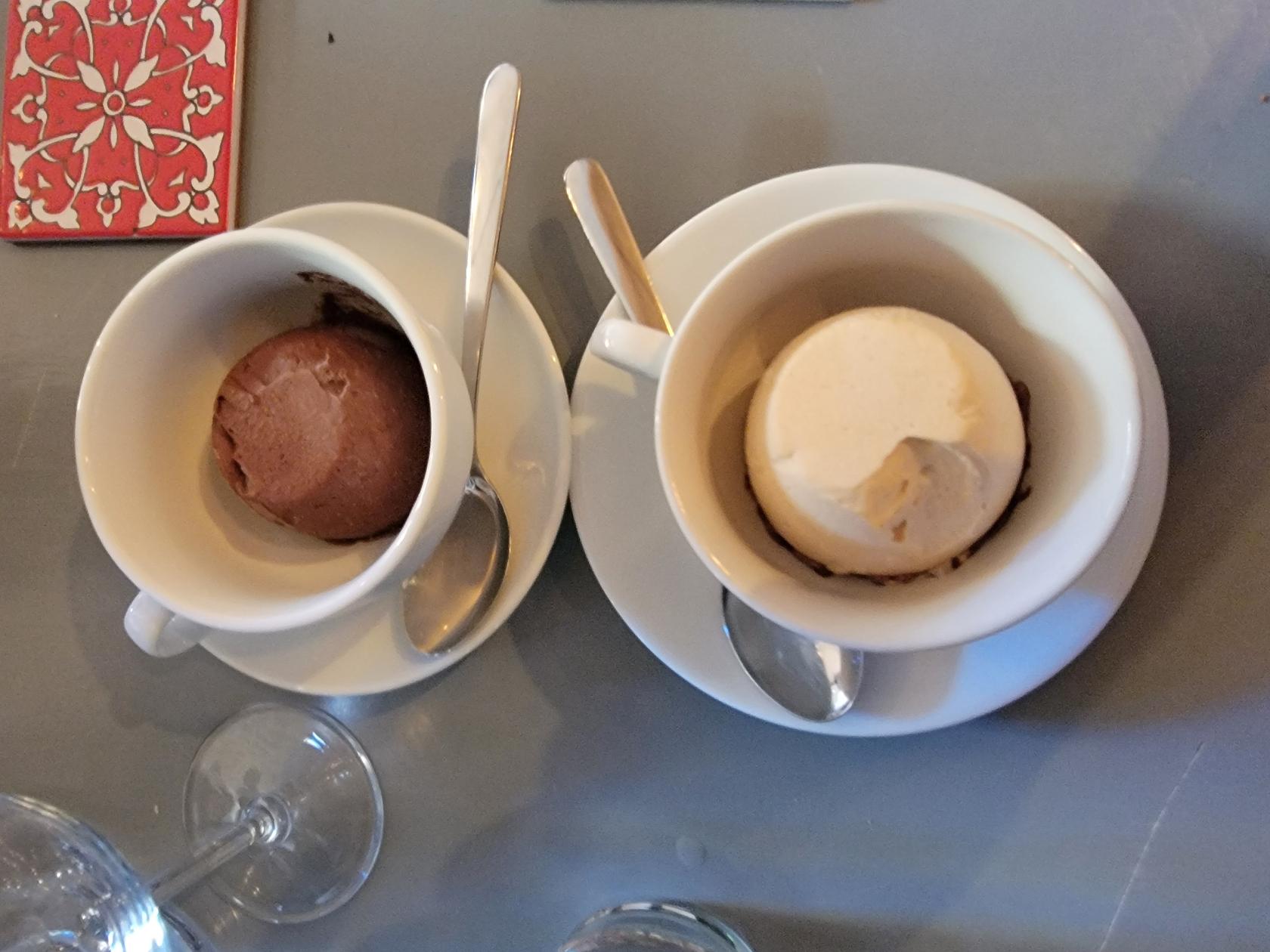
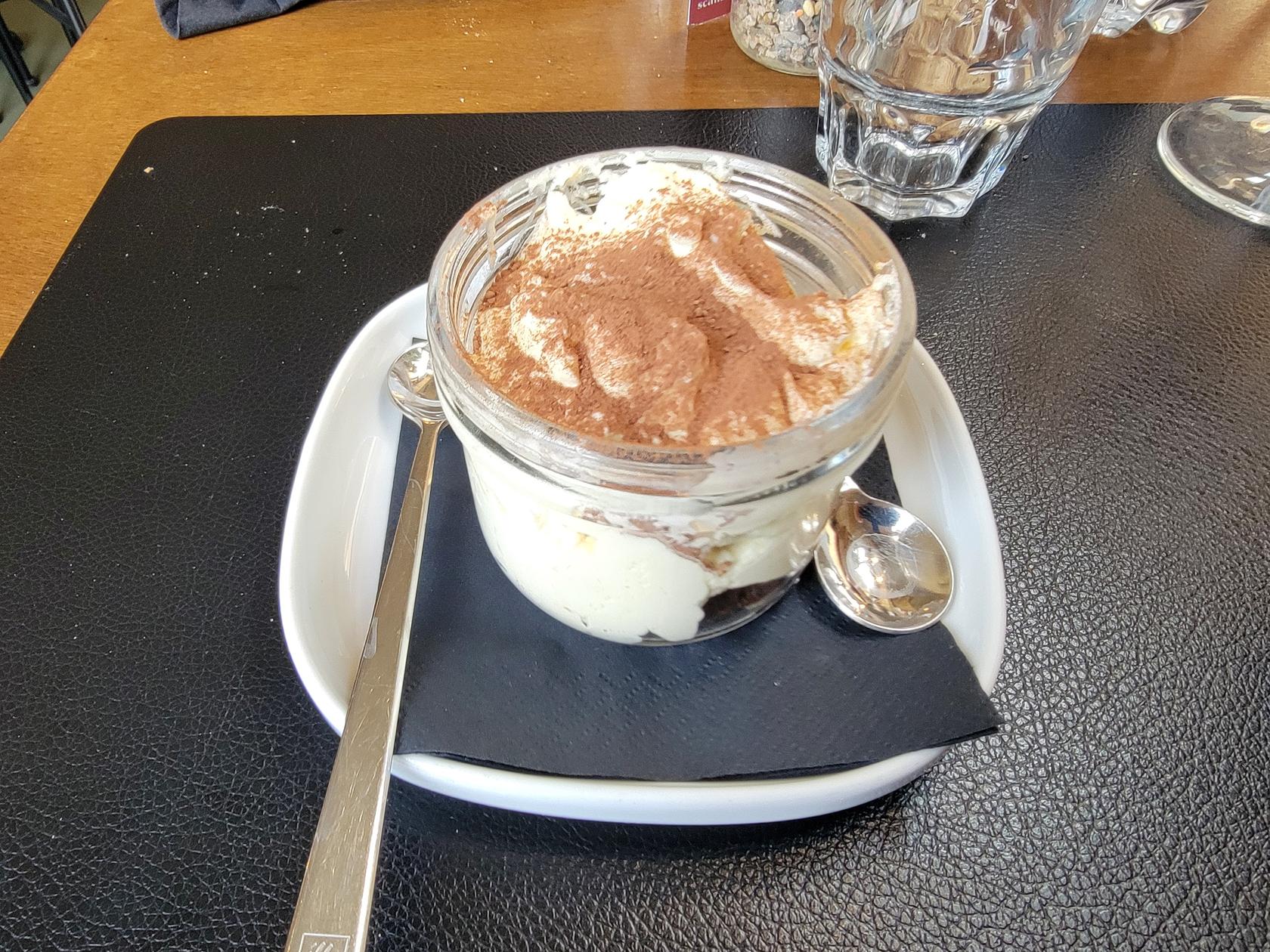
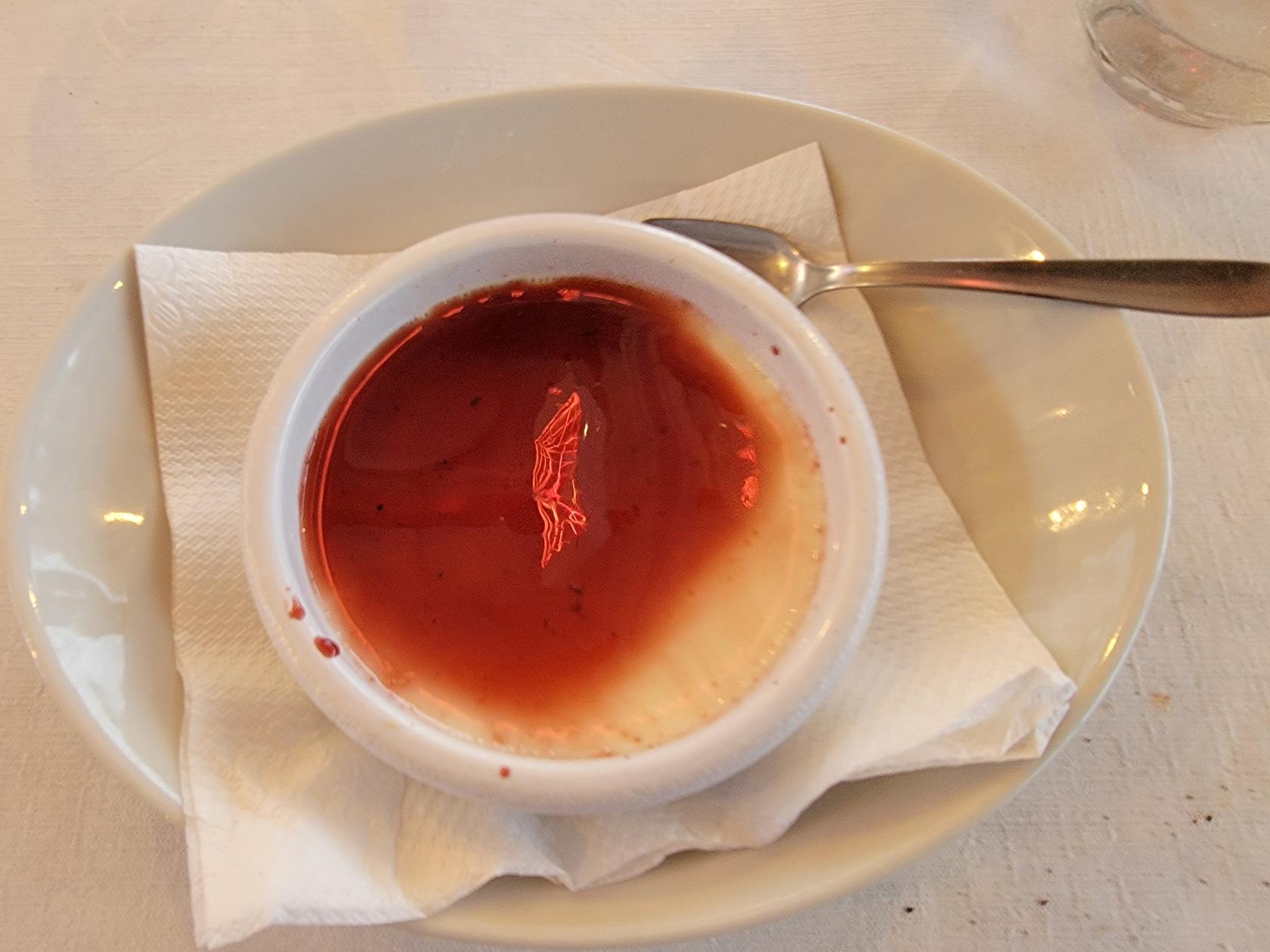
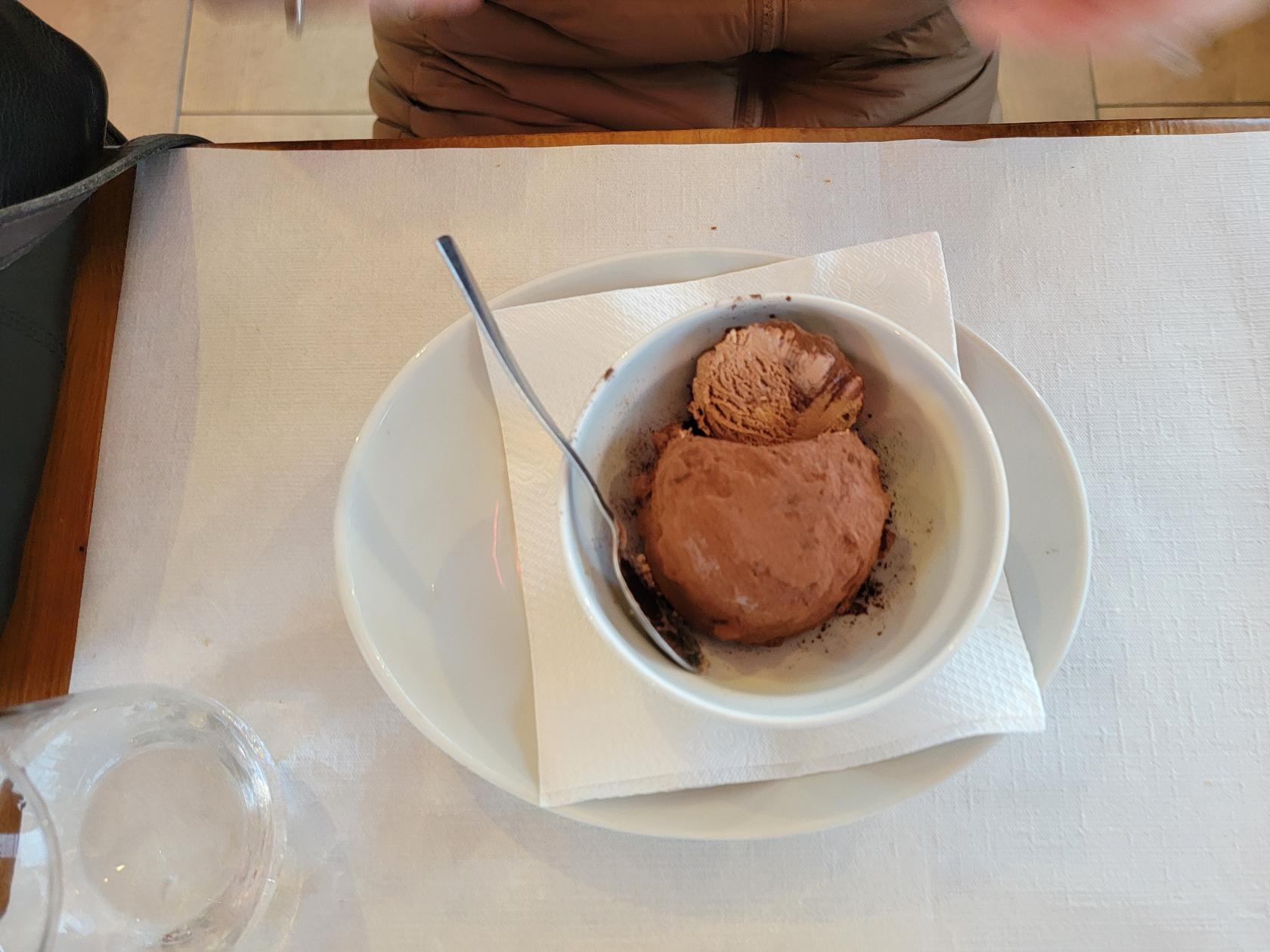
La Cucina Di Mamma Elvira – Salted Pistachio Semifreddo with Chocolate Crunchy, Martucci Spumone Hazelnut Chocolate – Lecce, Italy
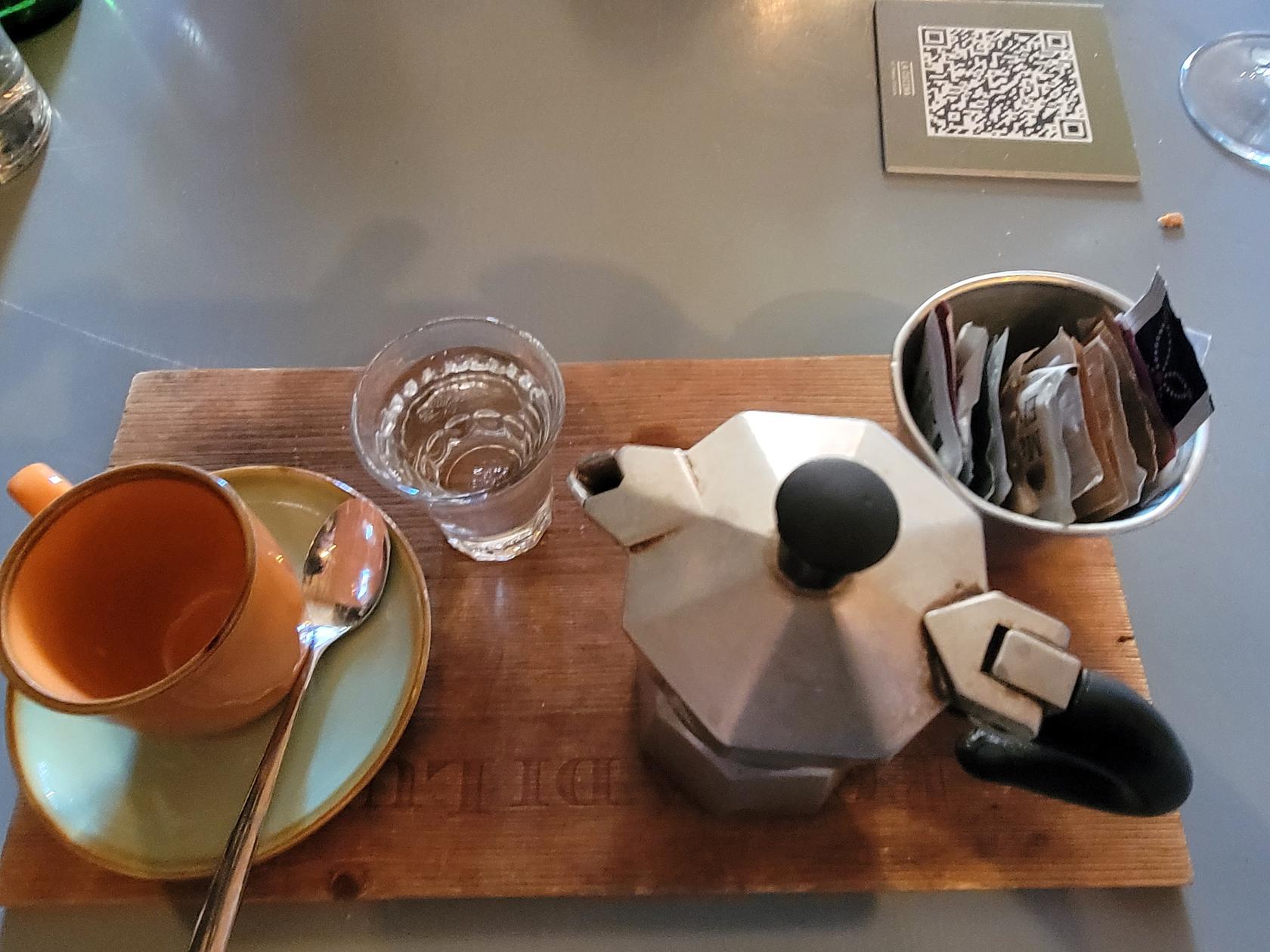
La Cucina Di Mamma Elvira – Espresso and Molinari Sambuca – Lecce, Italy
Miro Wine And Lounge
We stopped here for a drink and decided on a quick bite to eat, since we were both getting hungry and it was only a little passed eleven. We were actually surprised they were serving lunch.
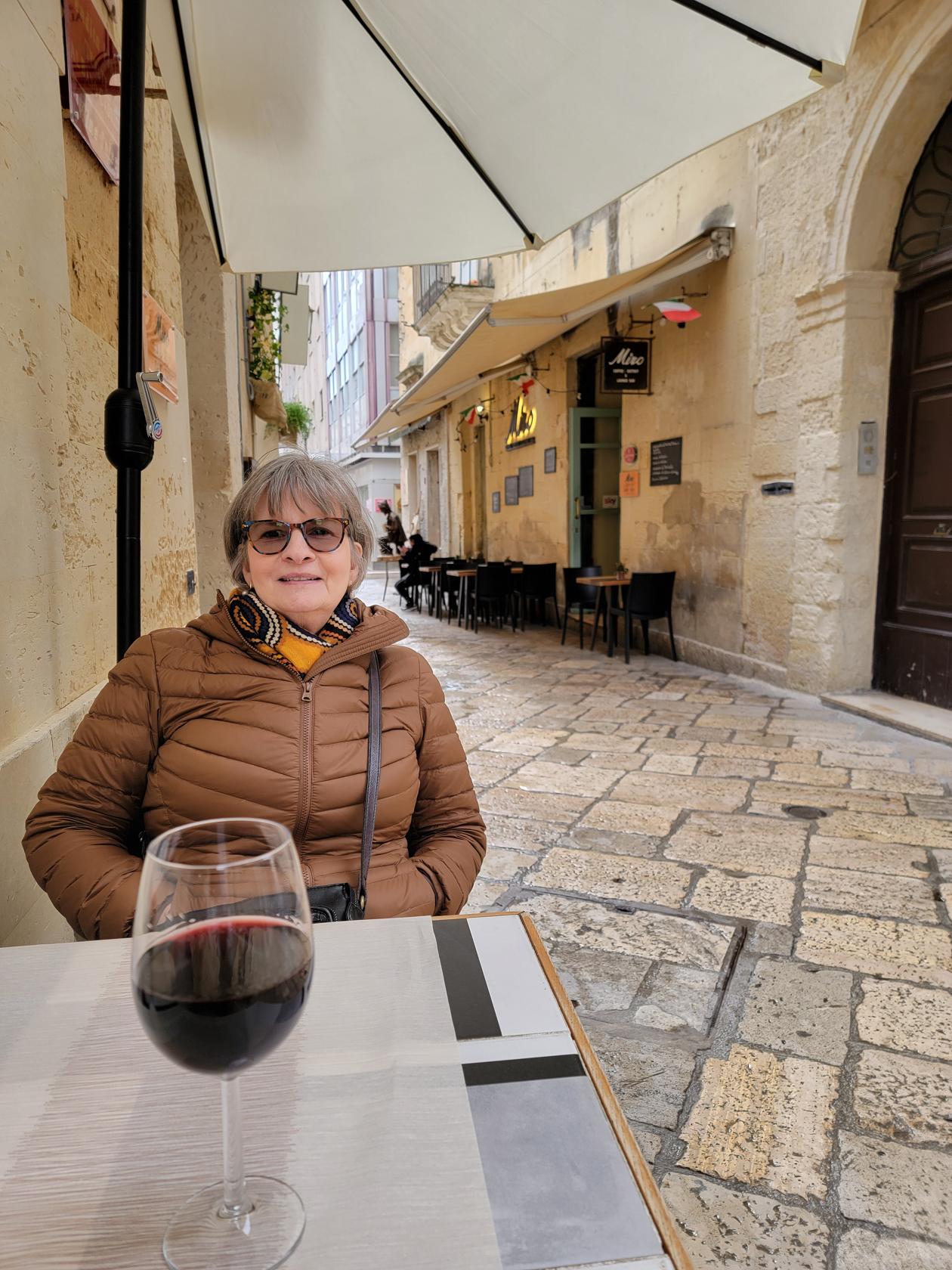
Miro Wine and Lounge – Patti outside waiting for soup – Lecce, Italy
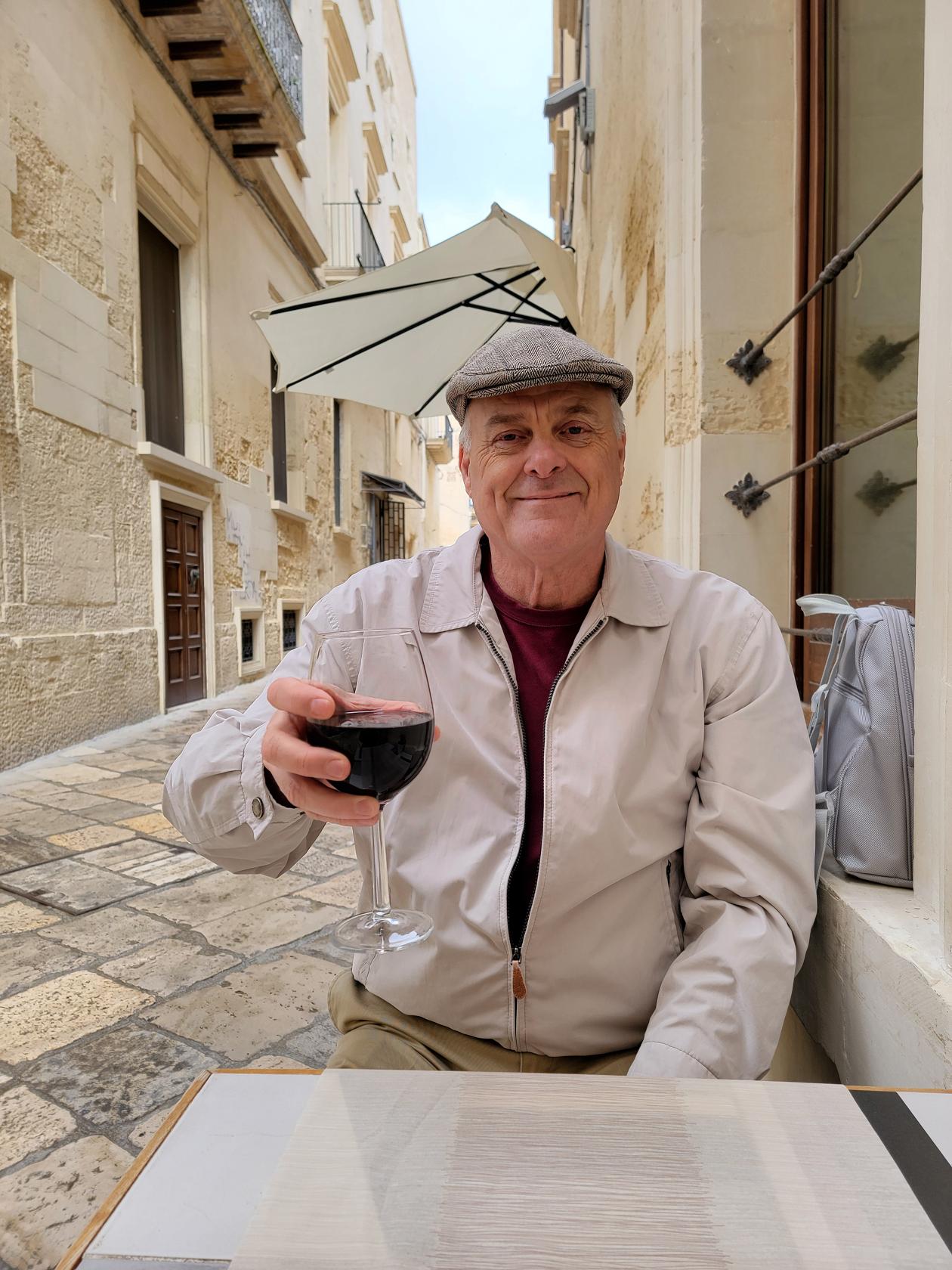
Miro Wine and Lounge – Erick outside waiting for soup with a glass of red – Lecce, Italy
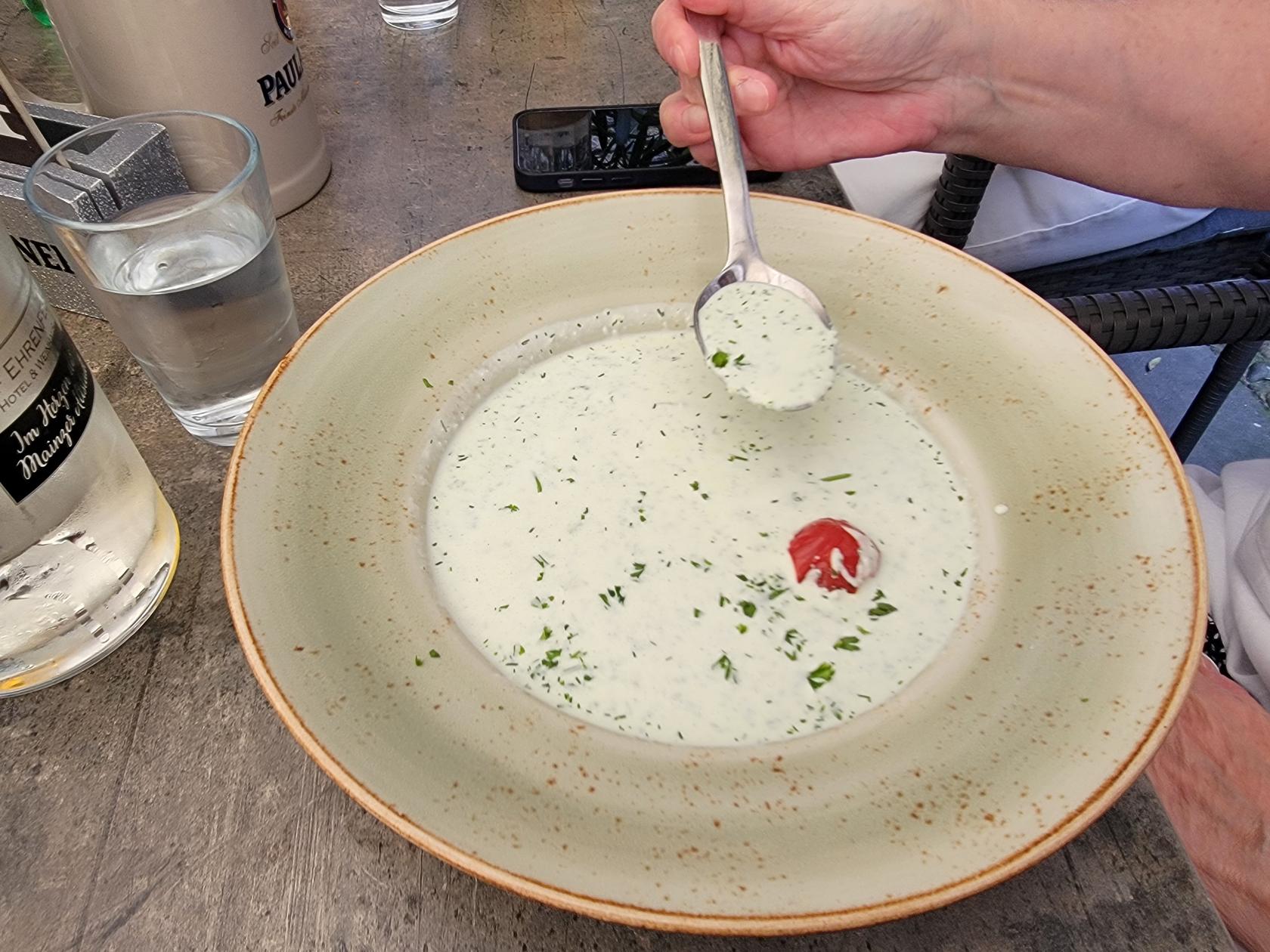
While we waited, I ordered a glass of Negroamaro from Puglia, a very nice wine that reminds me of Barbera. They had a nice bean and cereal soup on the menu that Patti and I decided to try and it was magnificent.
Miro Wine and Lounge – Bean and Cereal soup with Croutons – Lecce, Italy
Tranquillo
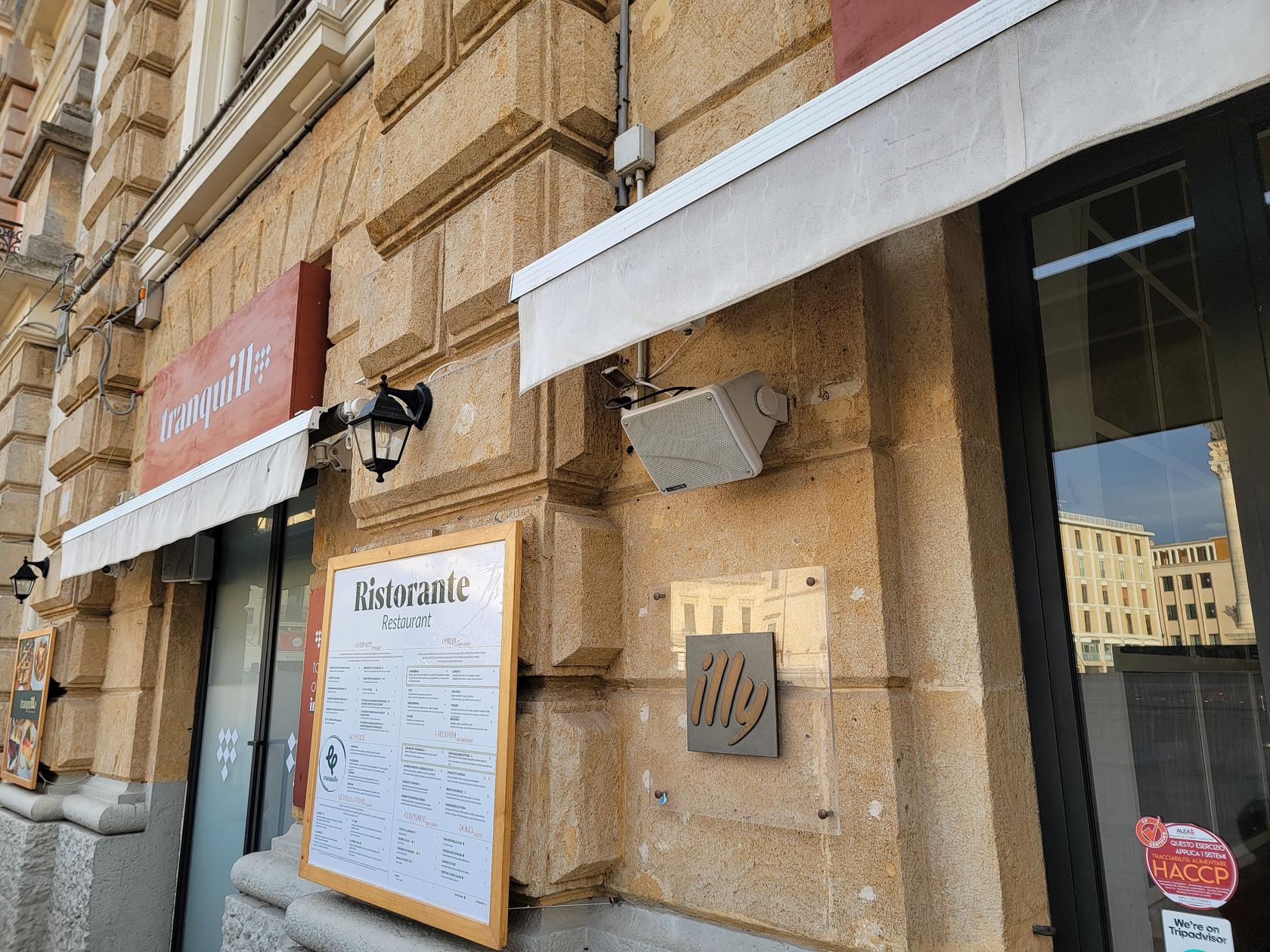
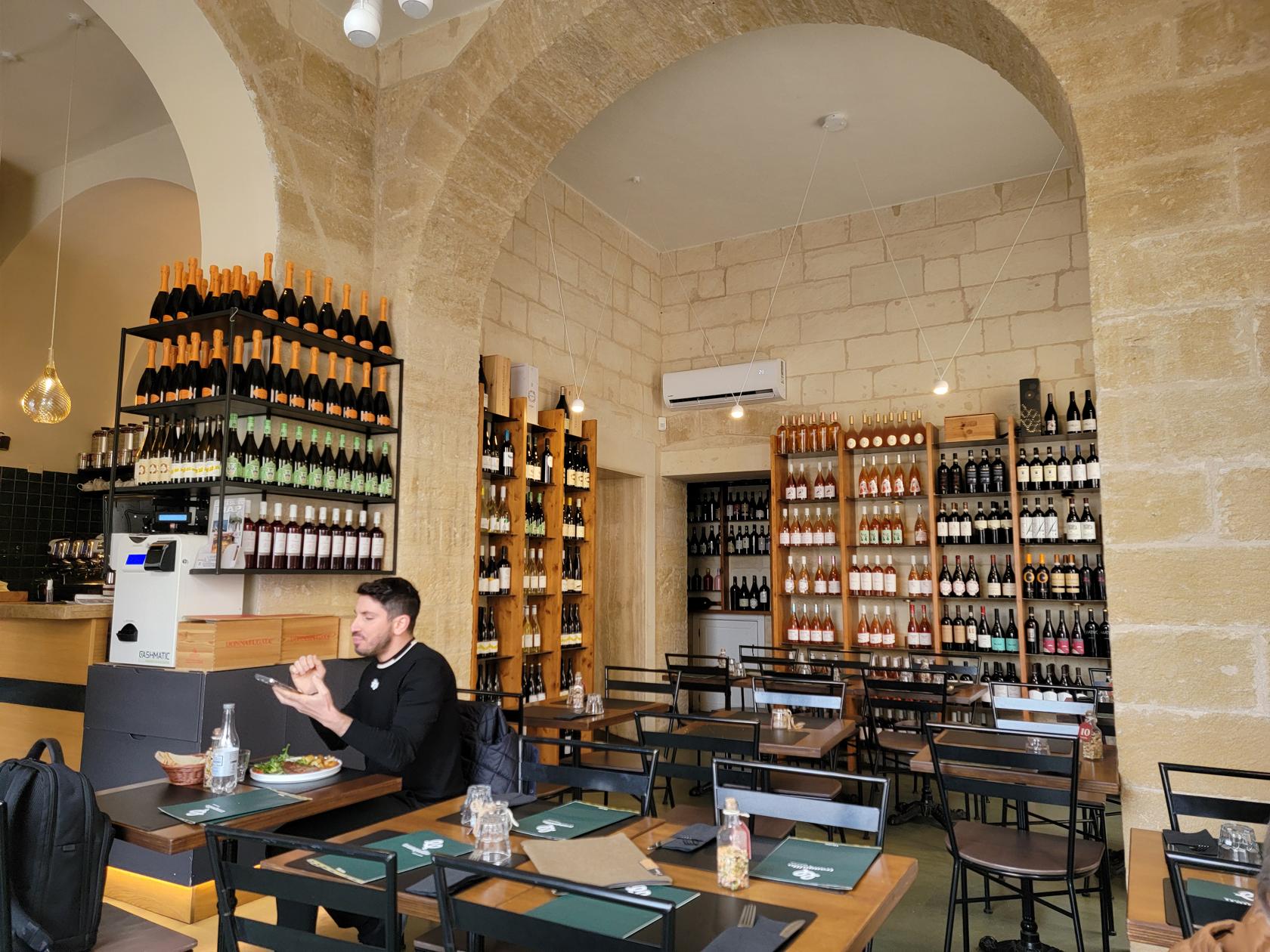
The restaurant Tranquillo is a more modern restaurant with two locations in Lecce, we chose the one located at Piazza Sant’Oronzo. The service and food were very good.
Tranquillo – Entrance – Lecce, Italy
Tranquillo – Menu – Lecce, Italy
Tranquillo – Inside – Lecce, Italy
Tranquillo – Inside – Lecce, Italy
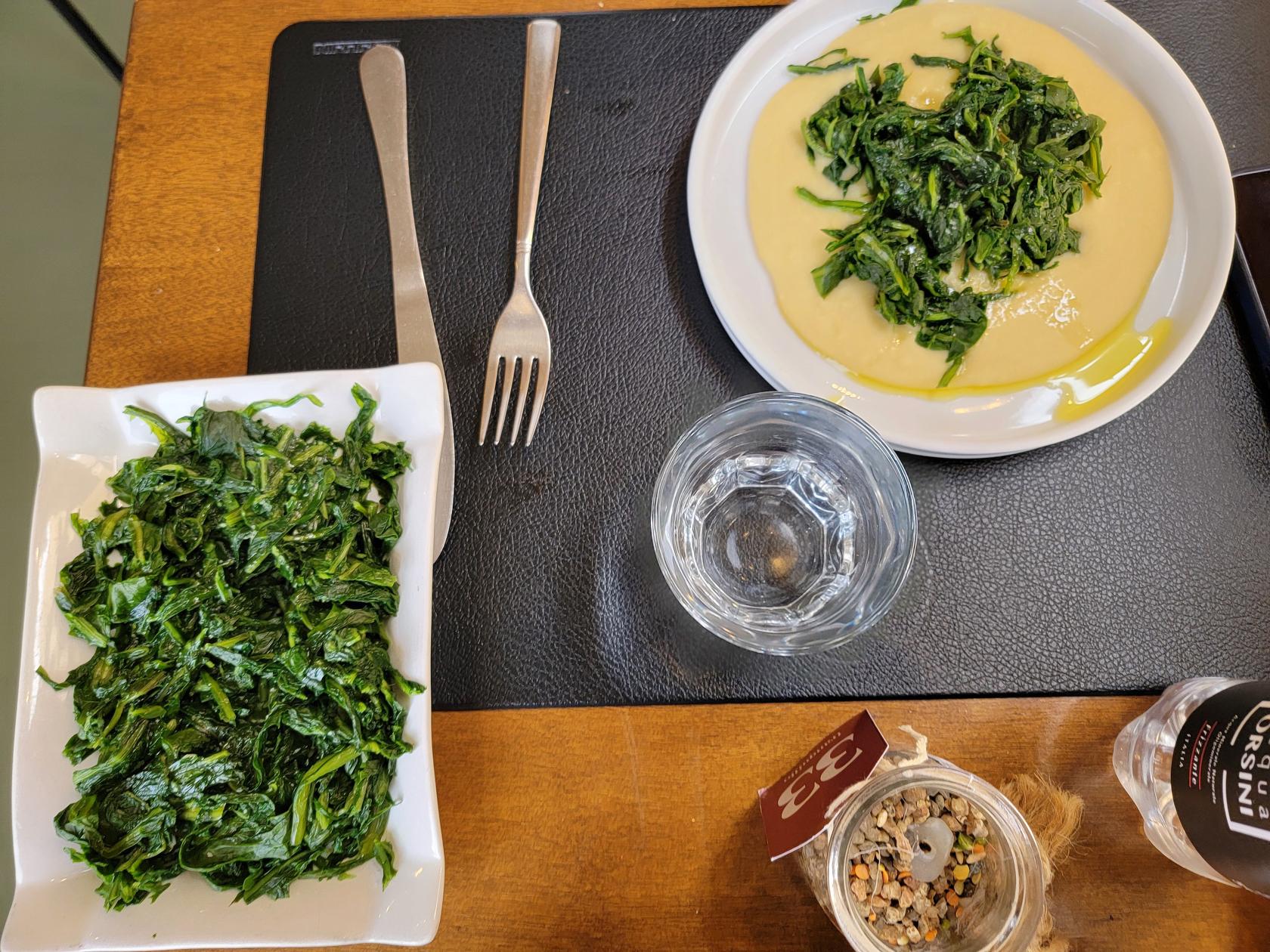
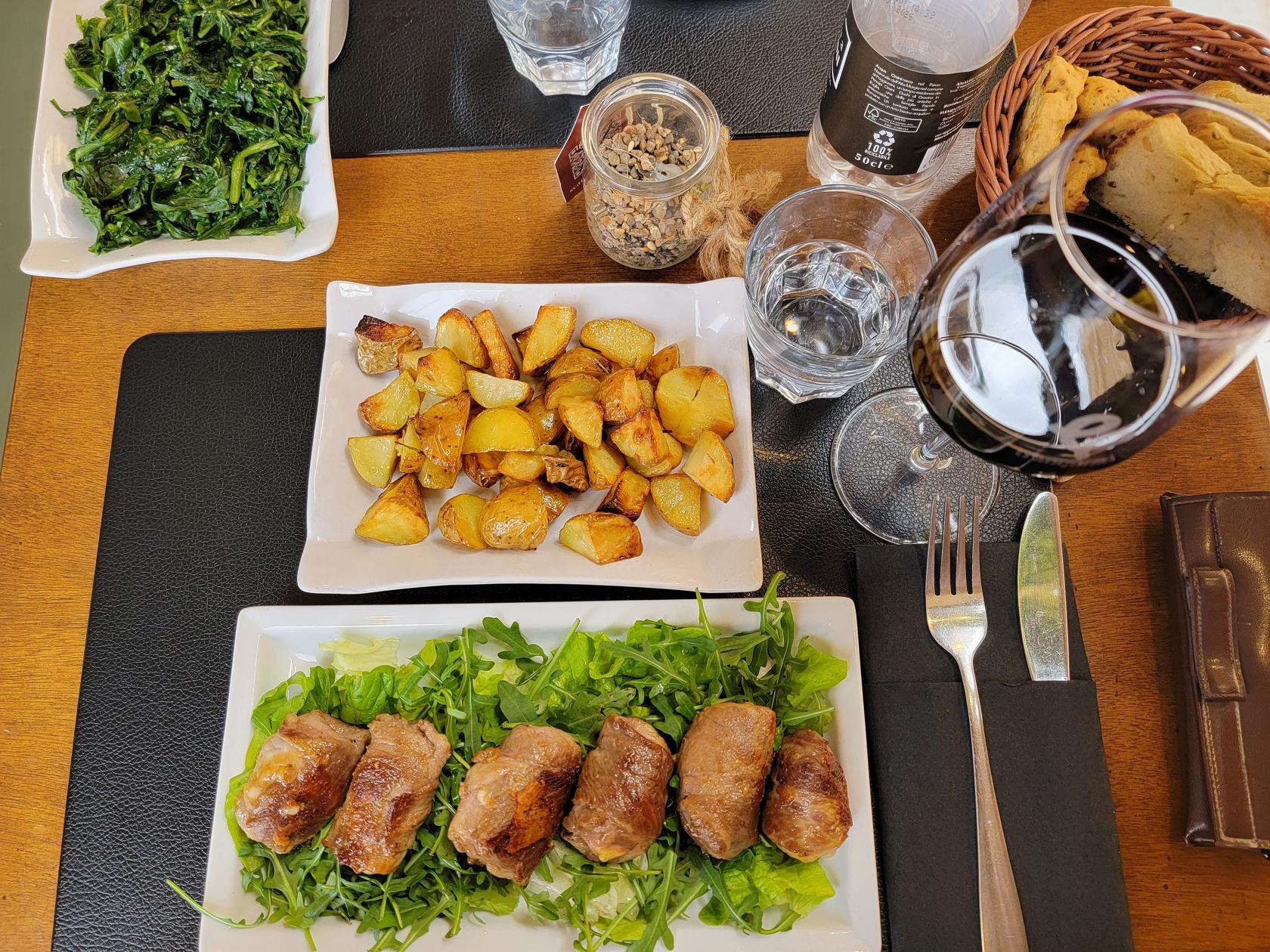
We dined late again at around 14:30, opting for a larger lunch and skipping dinner. We find this preferrable to eating again late in the evening and going to bed with a full stomach, something that we find does not lend itself to a good night sleep as we get older. I ordered the Apulian Bombette with Cheese on greens with a side order of Potato al Forno and Cicorie (Chickory), and Patti ordered the Cicorie on Pureed Fava Beans.
Tranquillo – Chicory side and Chicory on Pureed Fava Beans – Lecce, Italy
Tranquillo – Potatoes al Forno, Ricetta Bombette with cheese and a glass of red wine – Lecce, Italy
If it is raining out and there is not much else to do, then a trip to Brindisi could be the cure for your rainy day. Though not much to see, nor much to look at, Brindisi does offer a few points of interest. We mainly used it for a short respite during our eighteen day visit to Mezzogiorno.
Getting To Brindisi
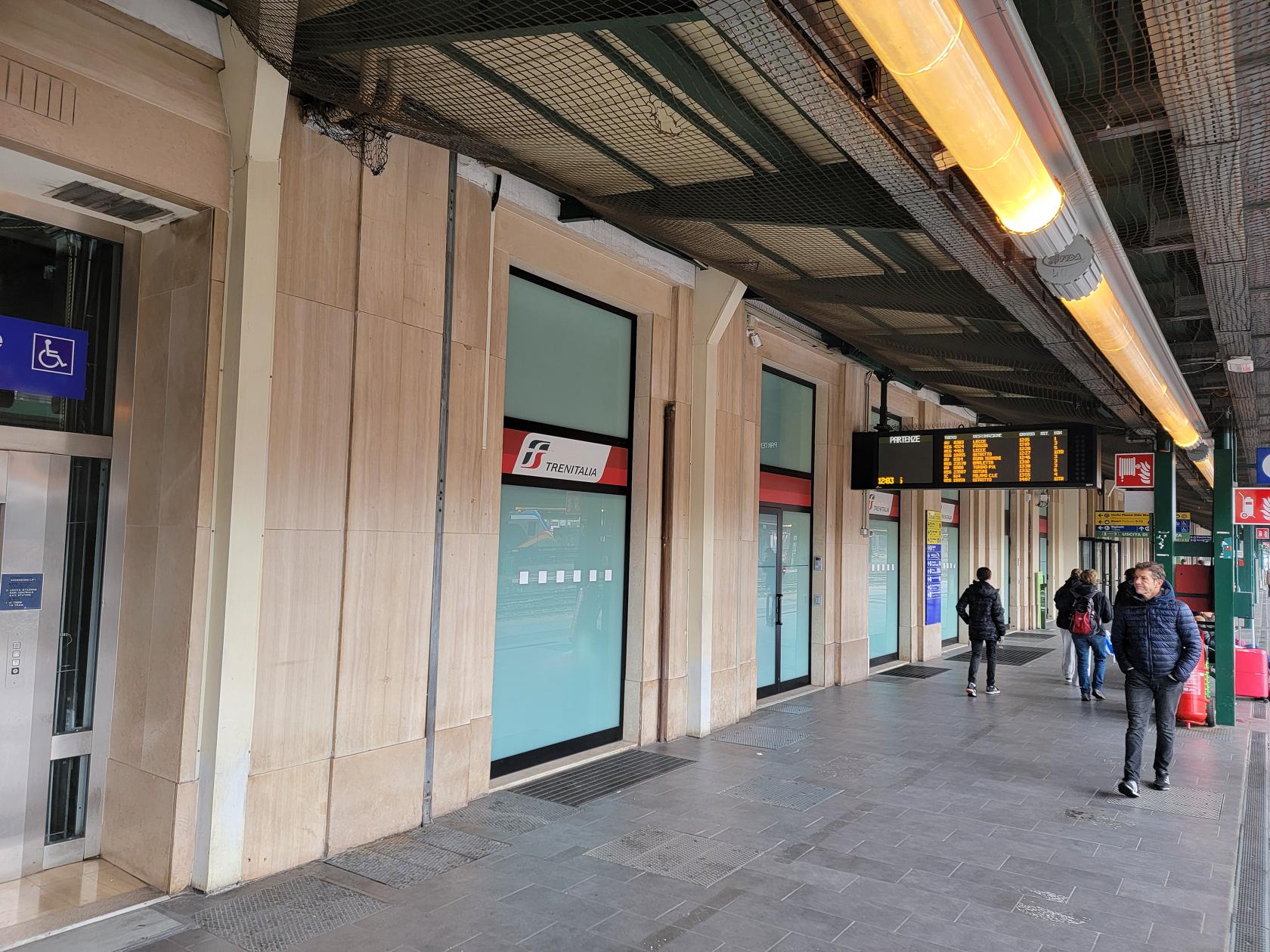
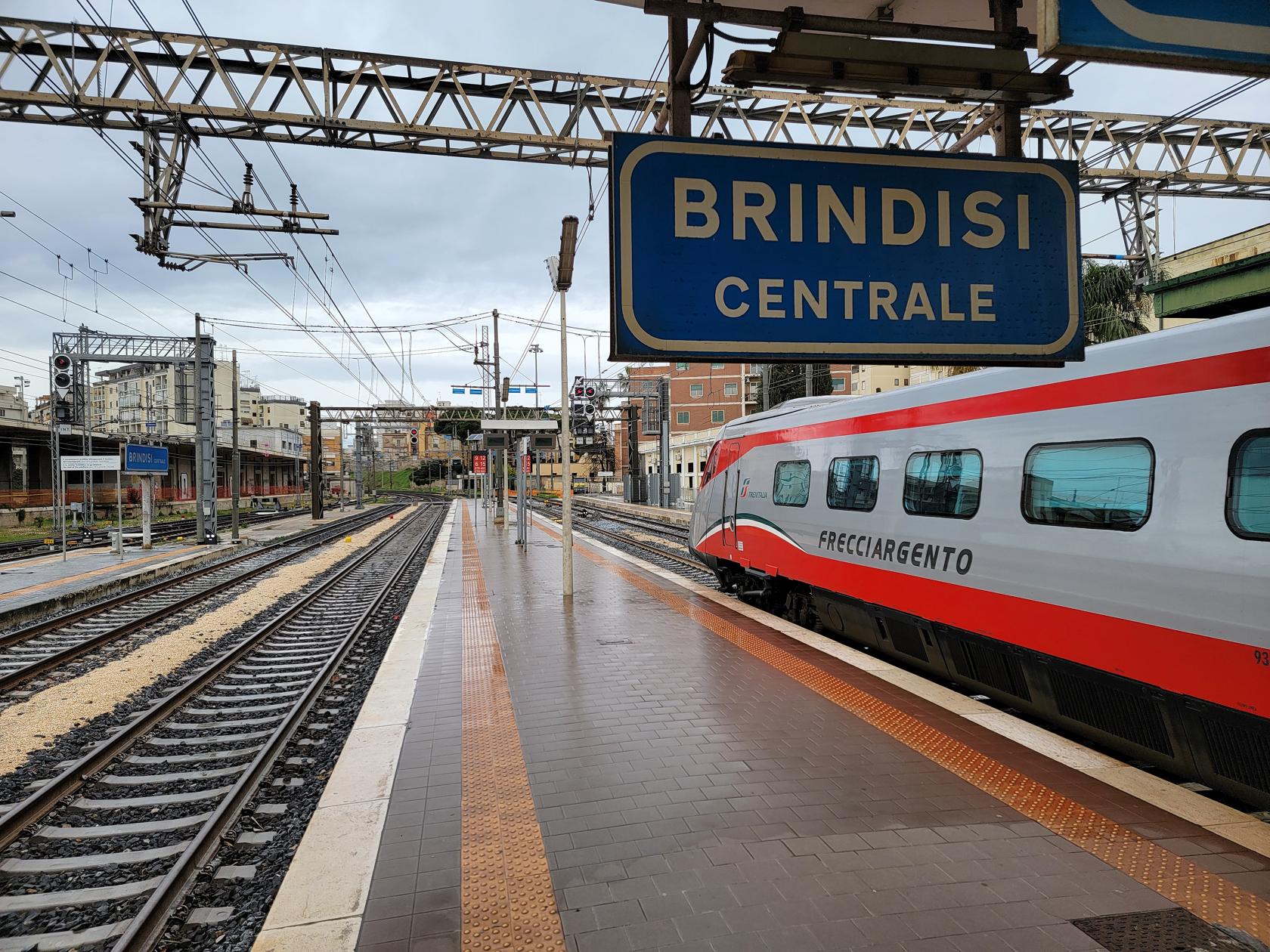
From Bari we reserved seats on the FrecciaArgento[1]FrecciaArgento, or TrennItalia’s Silver Arrow service, as opposed to the FrecciaRosso, or Red Arrow service in other areas which only takes a hour. There are other regional offerings, however they usually take longer but are less expensive, so there are options.
Bari Centrale – Waiting for our FrecciaArgento – Bari, Italy
Brindisi Centrale – Brindisi, Italy
Brindisi does have a airport that is serviced by RyanAir. While here we saw several airplanes land and take off during the day and the airport was directly across the water on the other side of the city from our hotel.
Bindisi The City
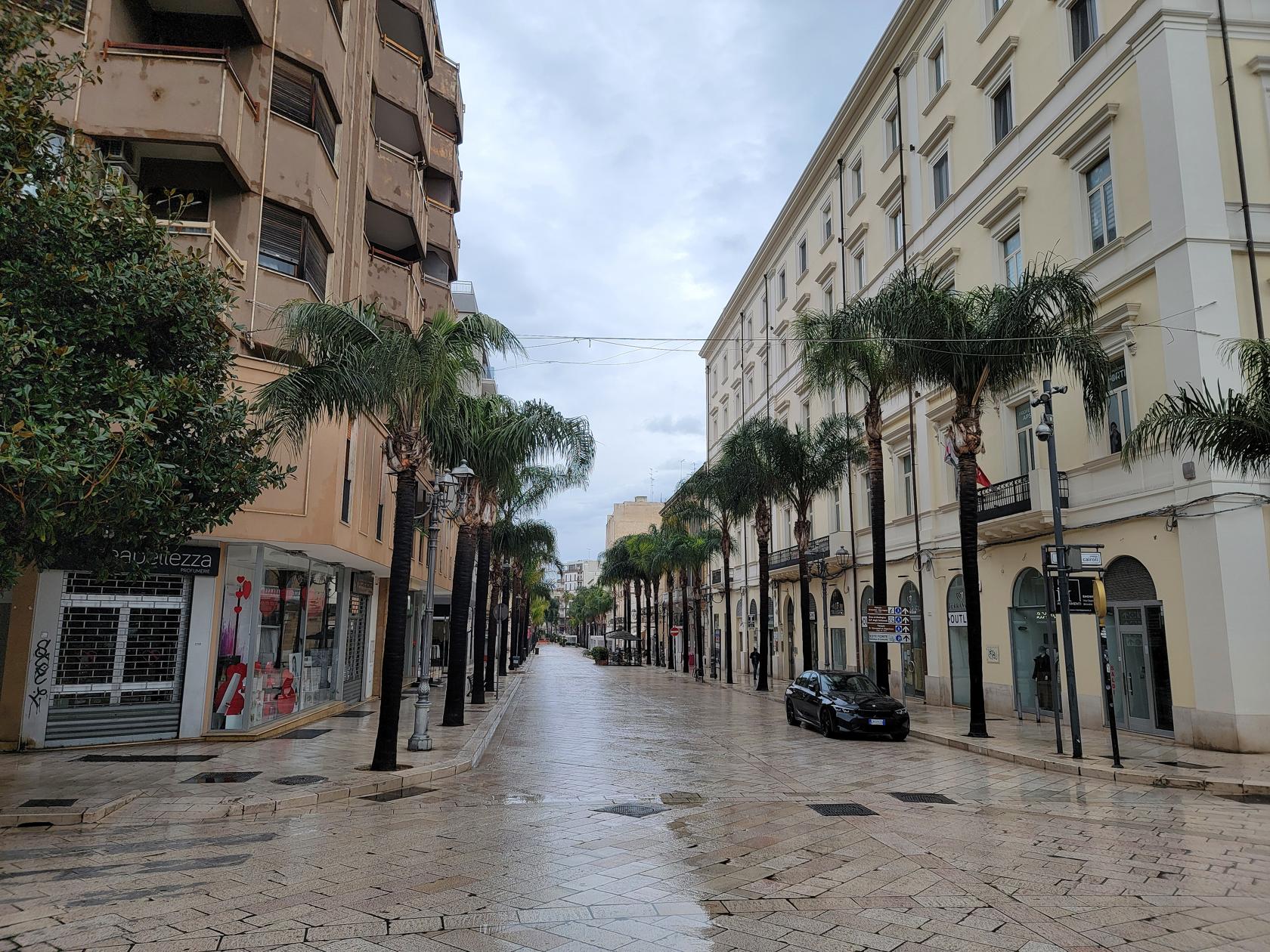
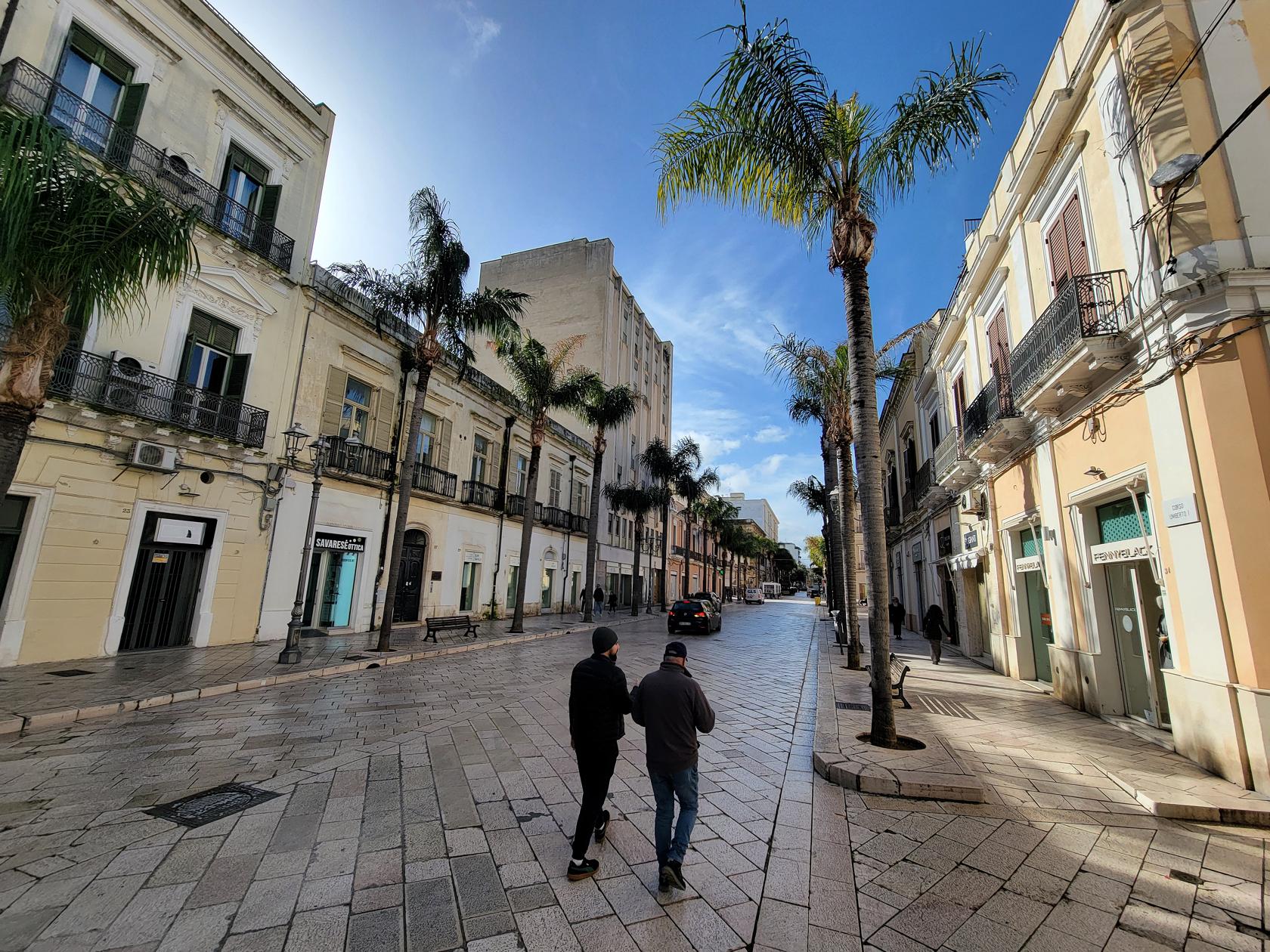
Brindisi’s Citta Vecchia, or historical center, is a bit elongated but does reach to the bay where the port is located. The Corso Roma is the main avenue for shopping, though it cannot be compared to the one in Bari or other larger towns or cities we have visited along the coast.
Corso Roma – Brindisi, Italy
Corso Roma – Brindisi, Italy
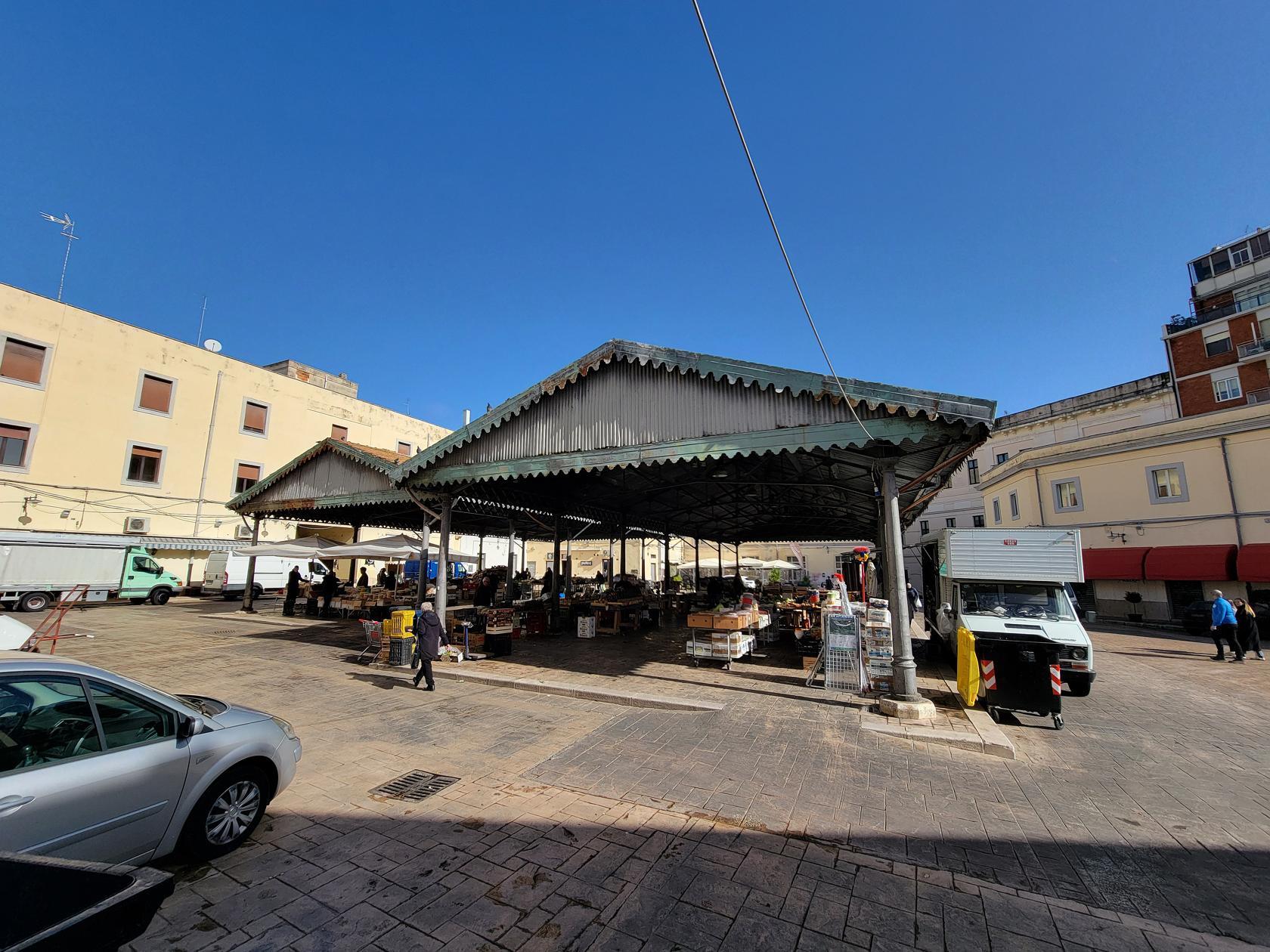
City Market – Brindisi, Italy
Piazza Il Duomo And The Roman Column
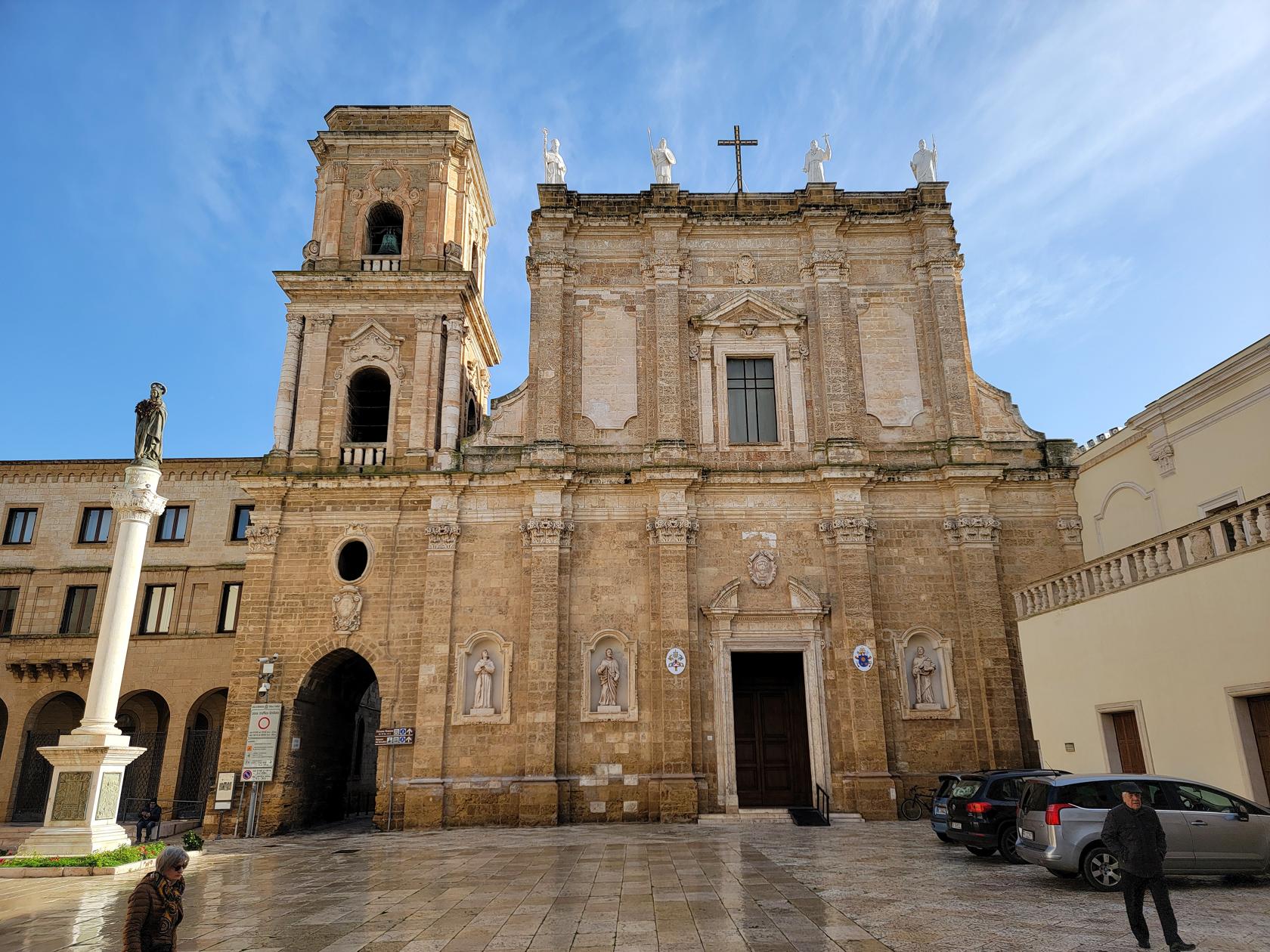
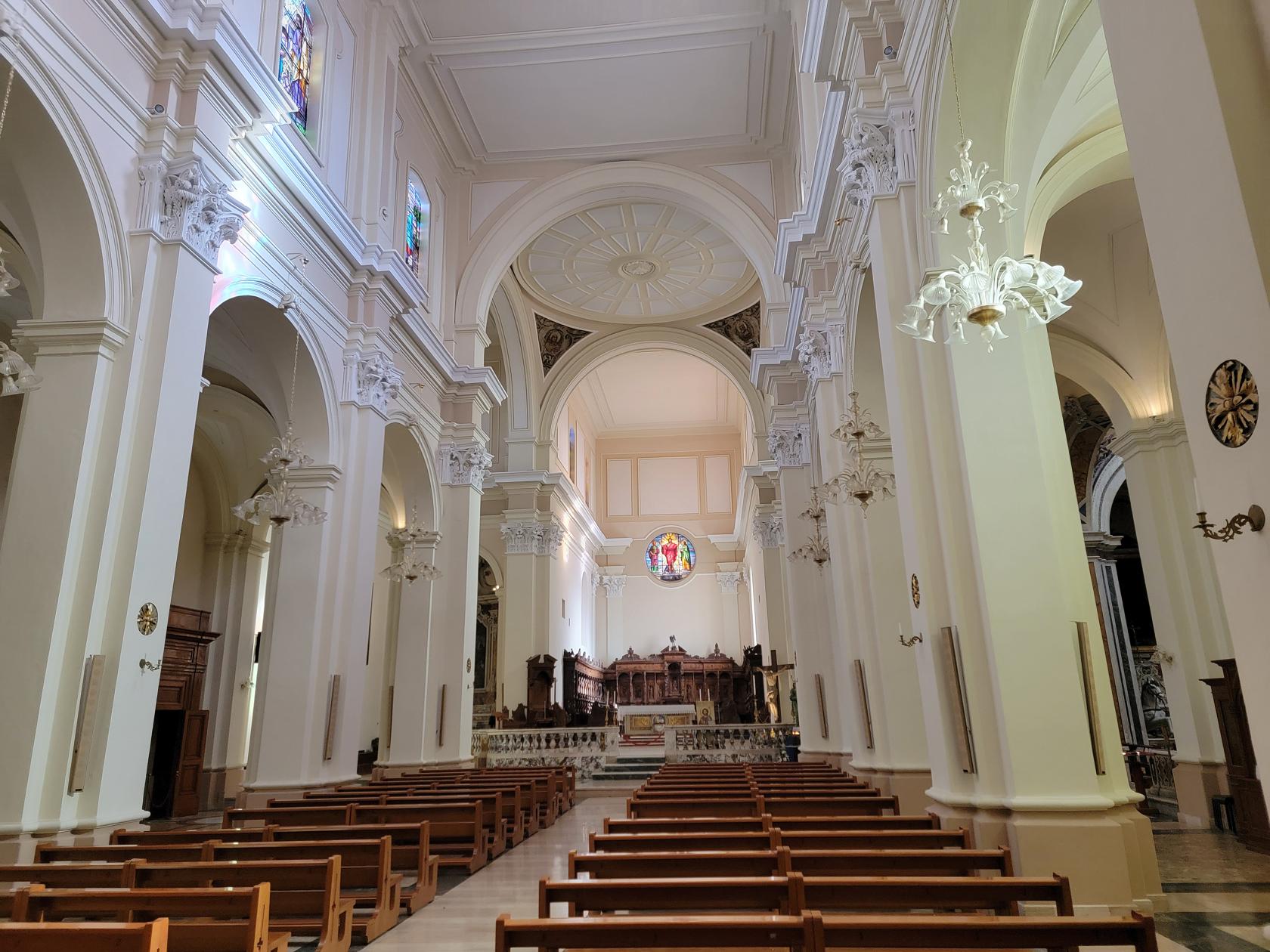
The Piazza Il Duomo has the Cattedrale di San Giovanni Battista and some other sites to see. The cathedral is rather plain inside, but somewhat impressive from the outside.
Cattedrale di San Giovanni Battista – Brindisi, Italy
Cattedrale di San Giovanni Battista – Modern Interior – Brindisi, Italy
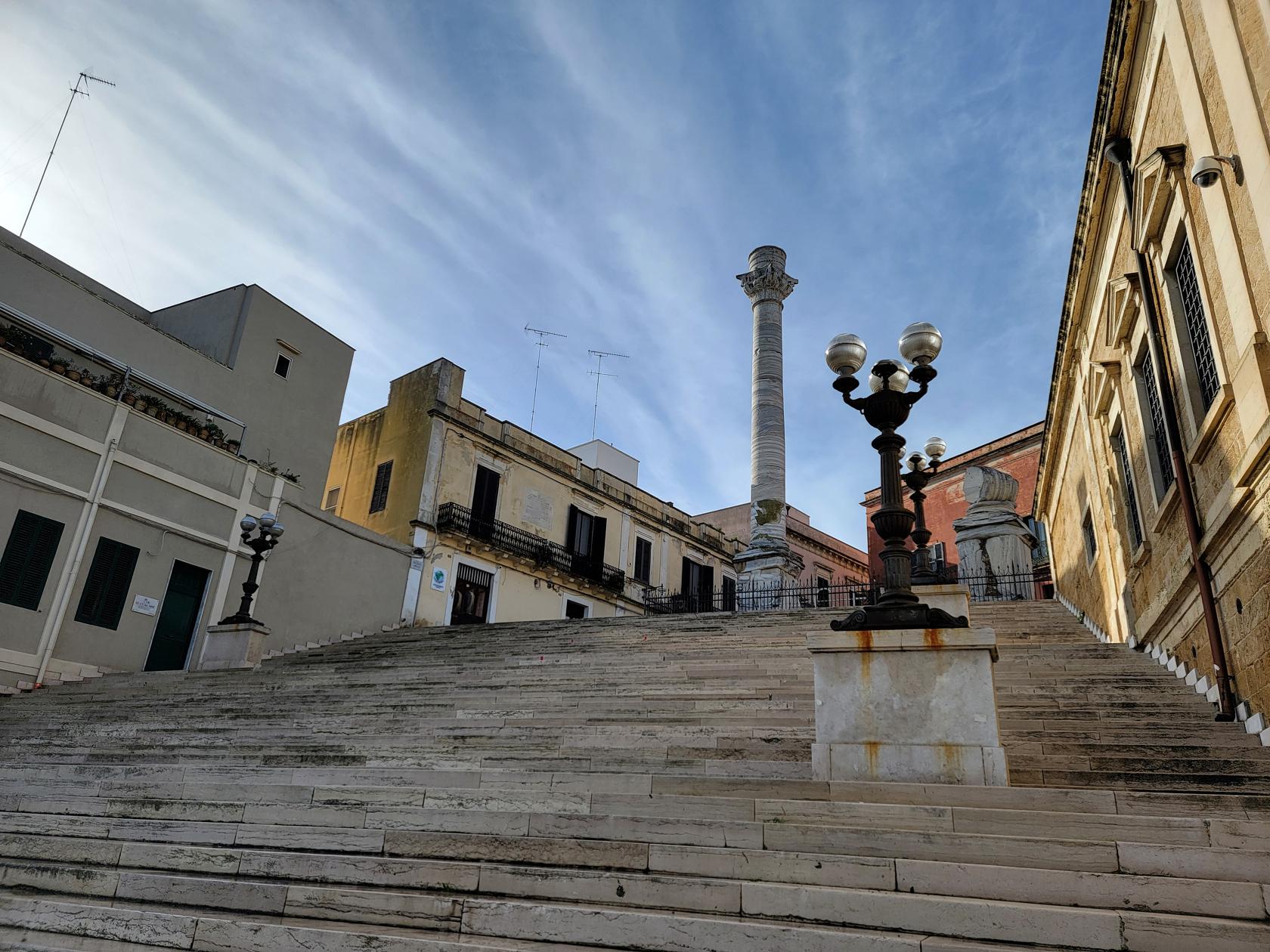
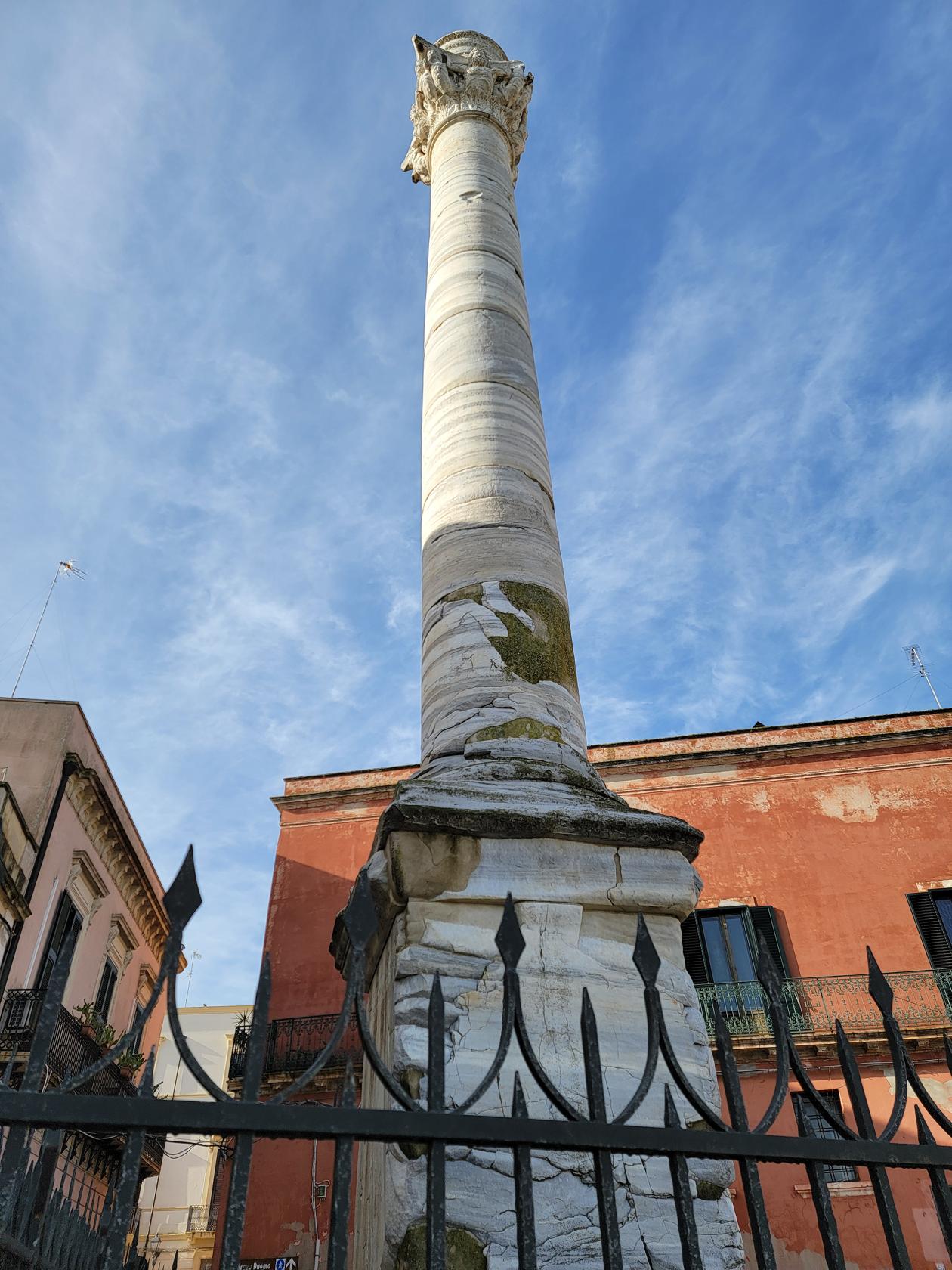
The Colonne Romane, or Roman Column, was erected in the city to define one of the endpoints of the Appian Way, or the extent of Rome. Others have countered that they were merely erected as a visual aid for mariners to know where the actual port was located. There were two originally, of which only one still exists in all of its glory, the other crumbled in the mid sixteenth century. The crumbled remains of the one were donated to Lecce for their column.
Colonne Romane – Brindisi, Italy
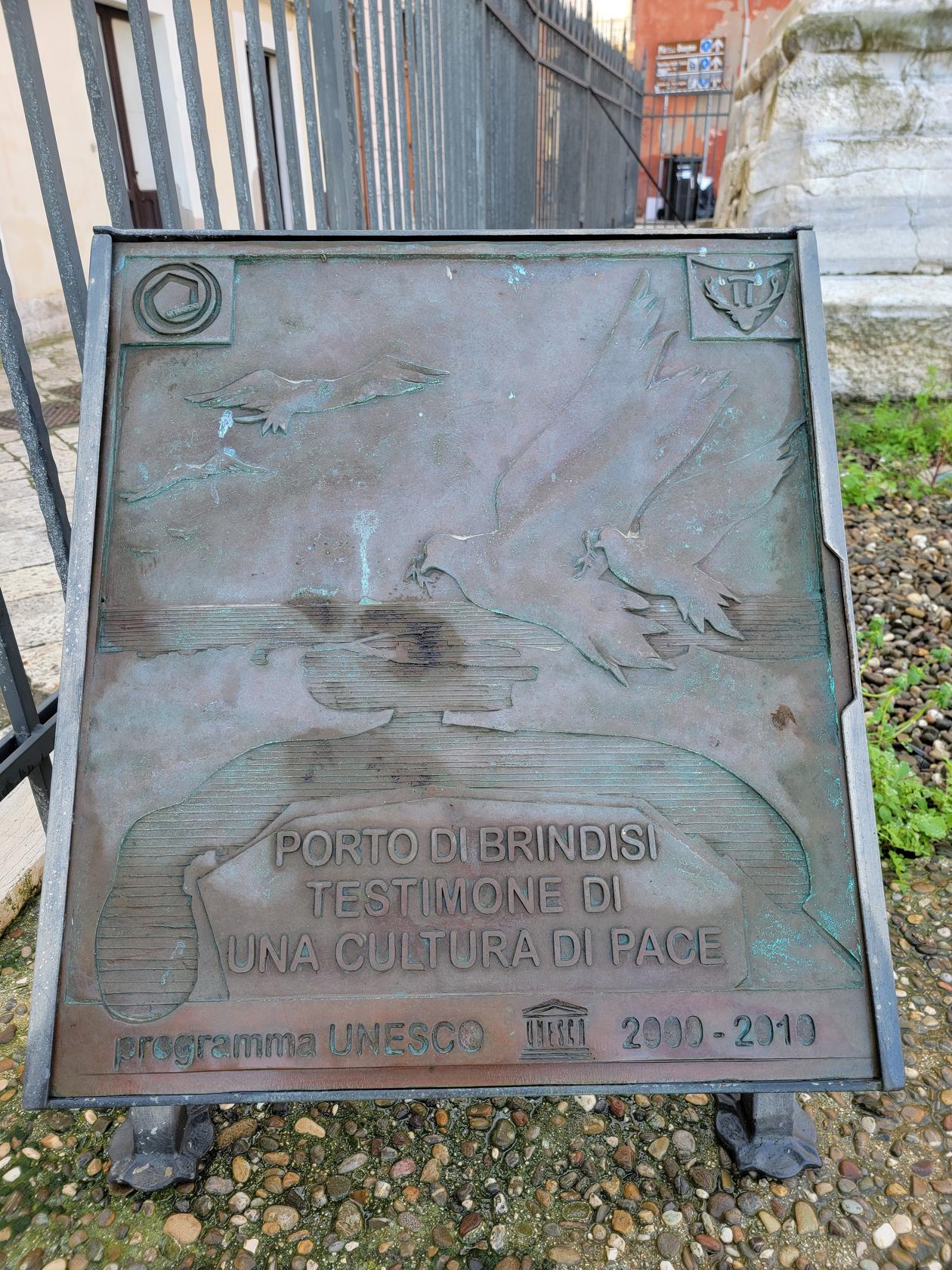
Unesco site – Brindisi, Italy
Colonne Romane – Brindisi, Italy
Grande Albergo Internazionale
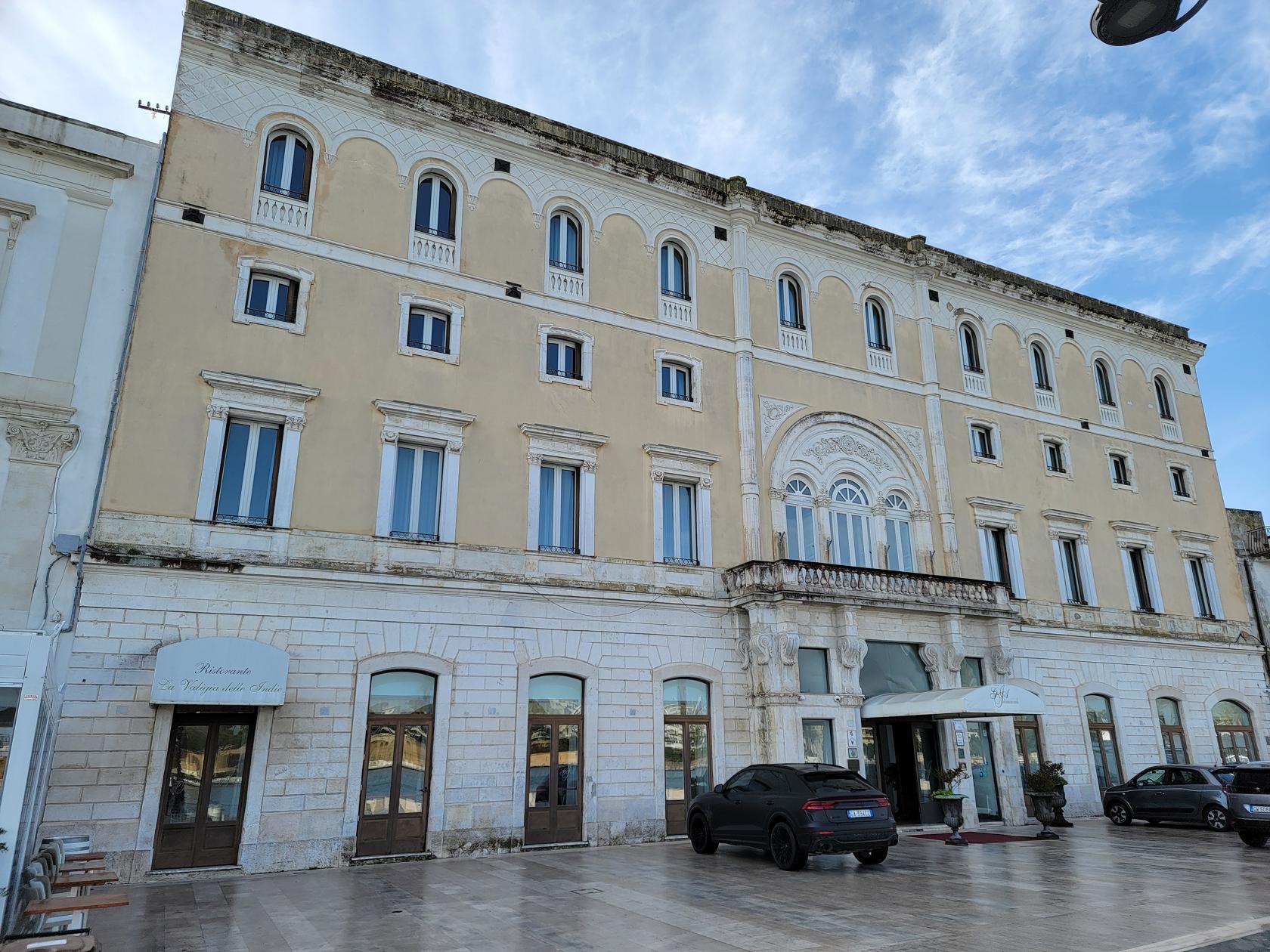
Our hotel was the Grande Albergo Internazionale located on the Viale Regina Margherita down by the water. We booked a suite which overlooked the water.
Grande Albergo Internazionale – Front – Brindisi, Italy
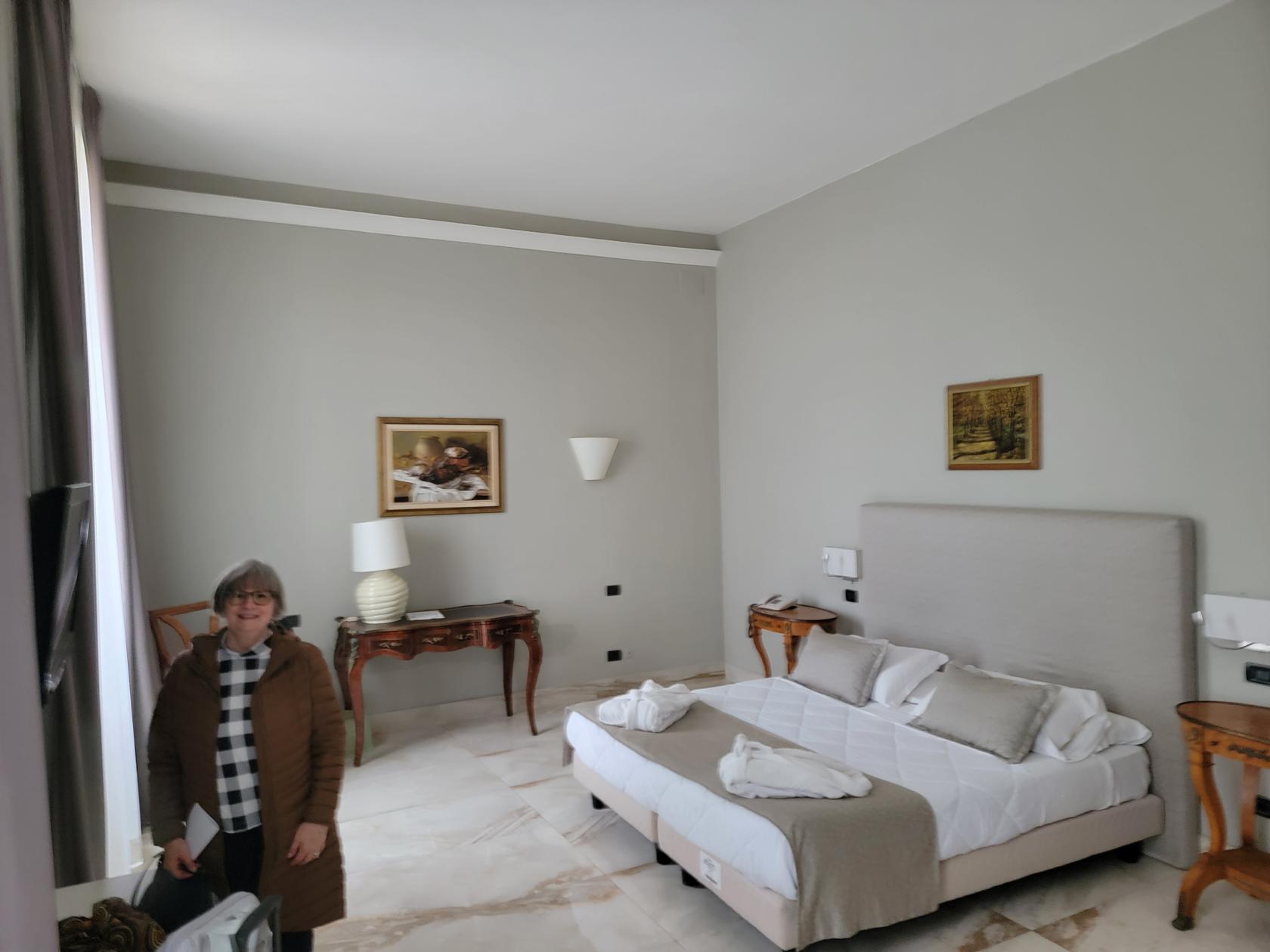
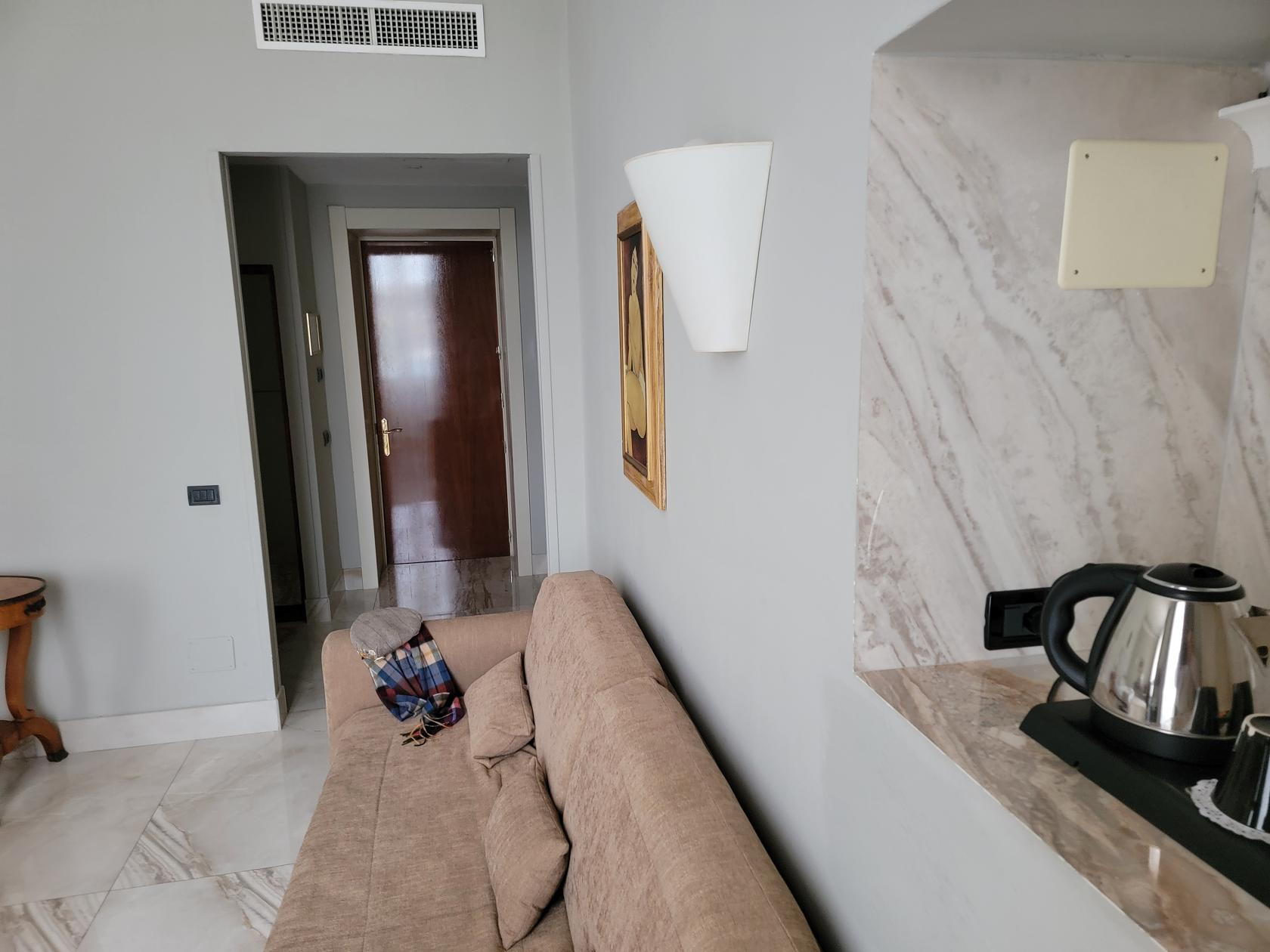
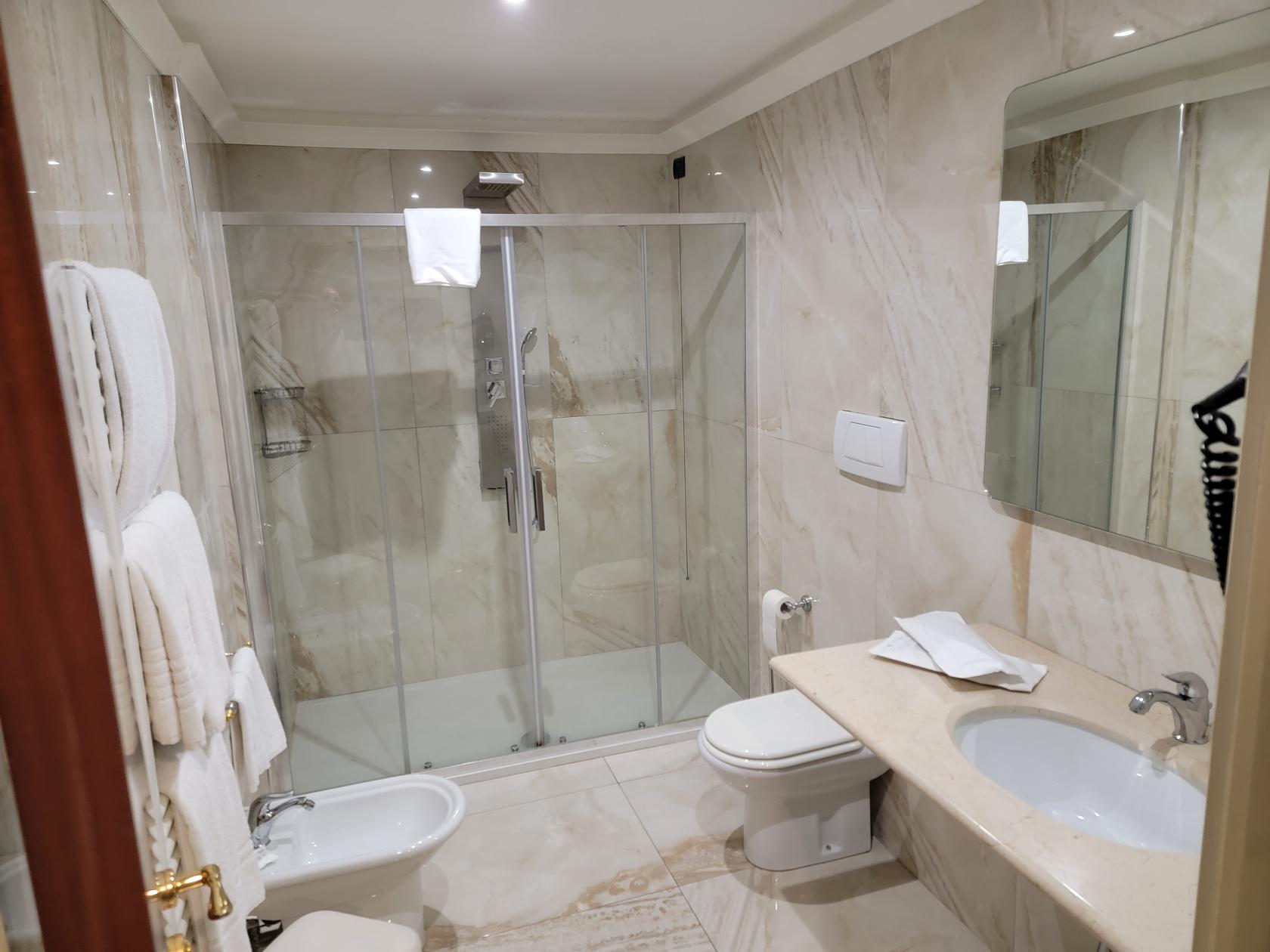
It is a somewhat dated hotel, but has enough amenities to be comfortable. However, the outside and inside looks like it is in need of some restoration. Our room was spacious and the bathroom modern which was a big benefit.
Grande Albergo Internazionale – Patti in our room – Brindisi, Italy
Grande Albergo Internazionale – Our room – Brindisi, Italy
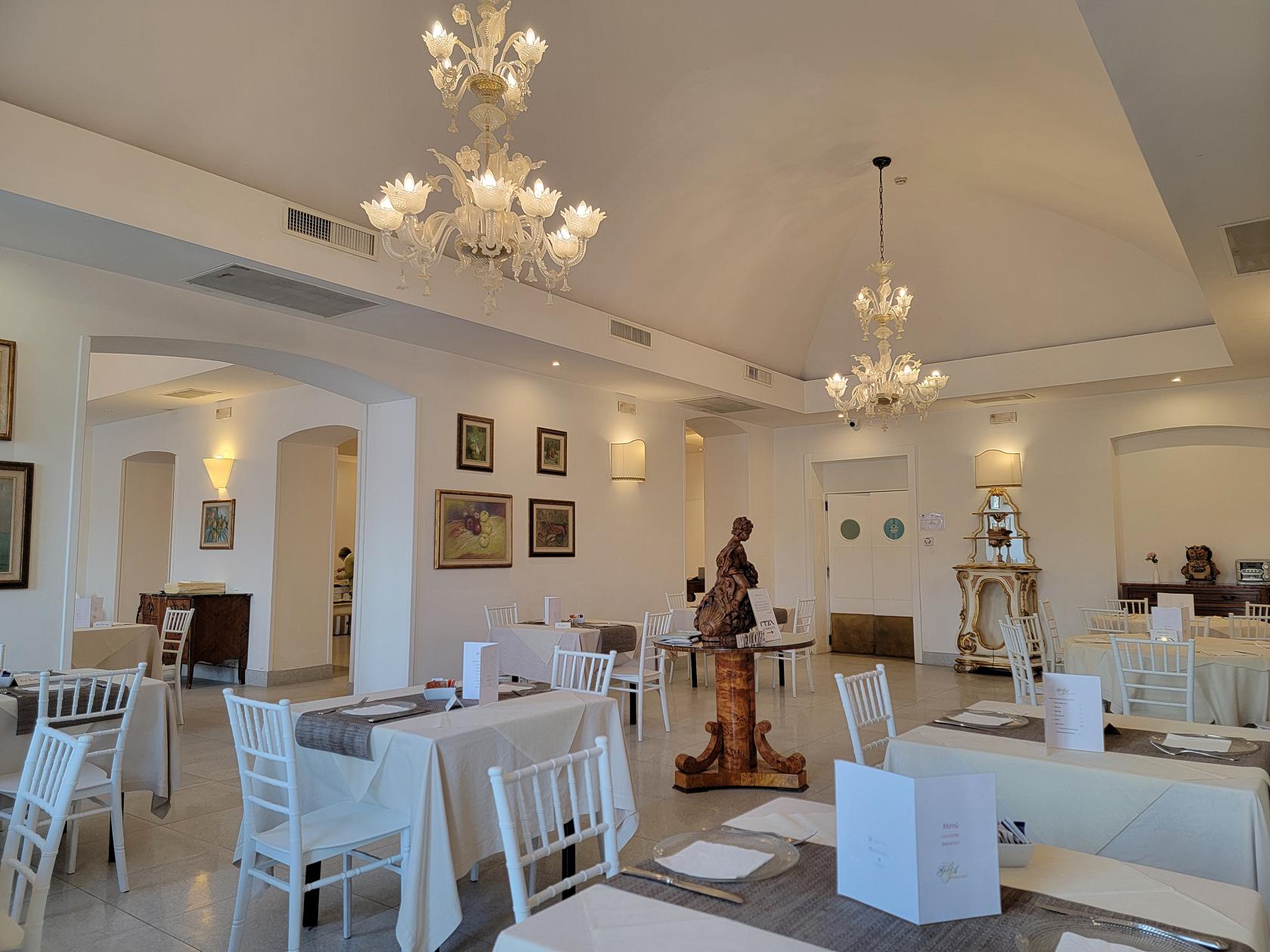
Grande Albergo Internazionale – Restaurant for Breakfast – Brindisi, Italy
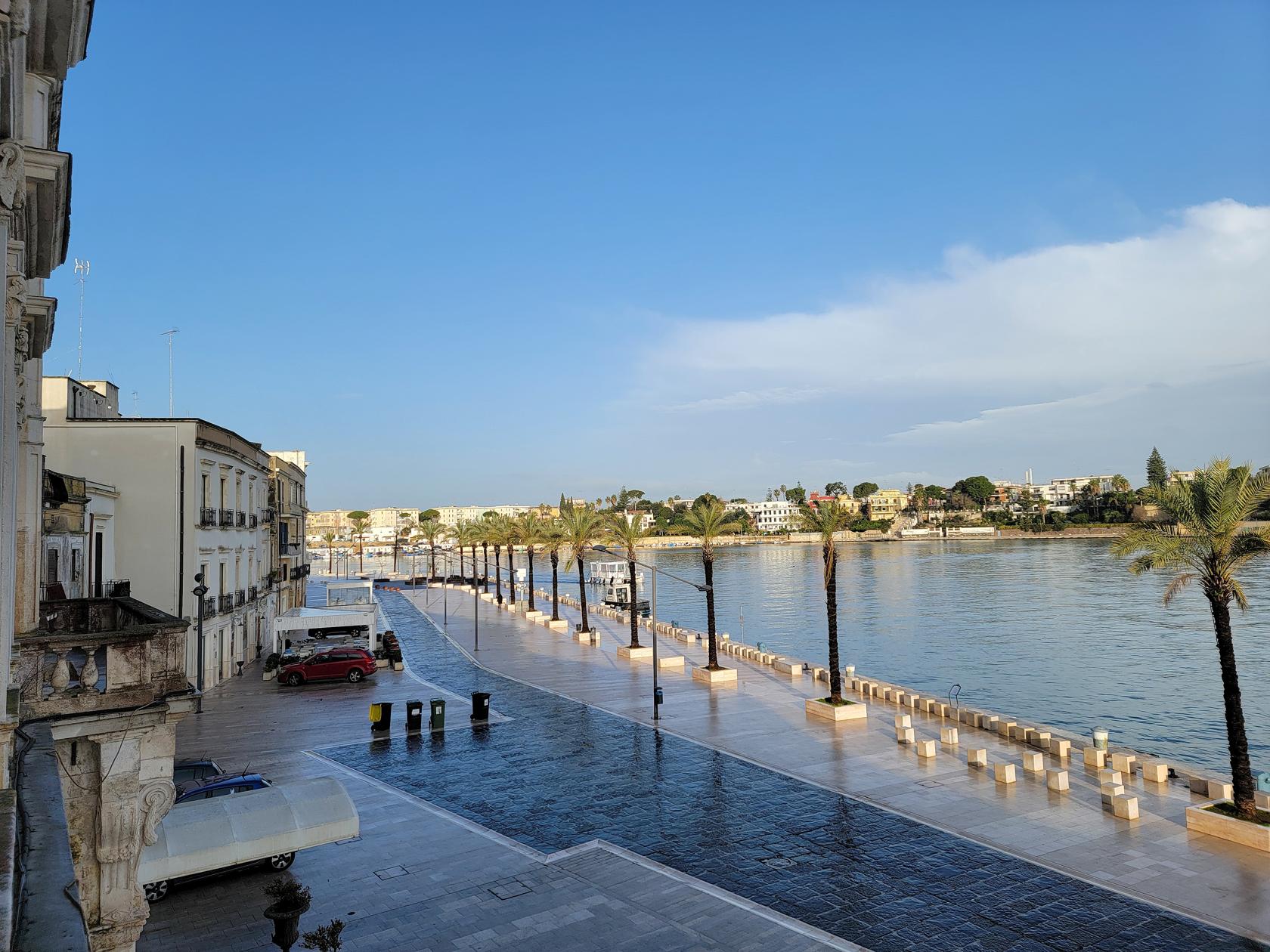
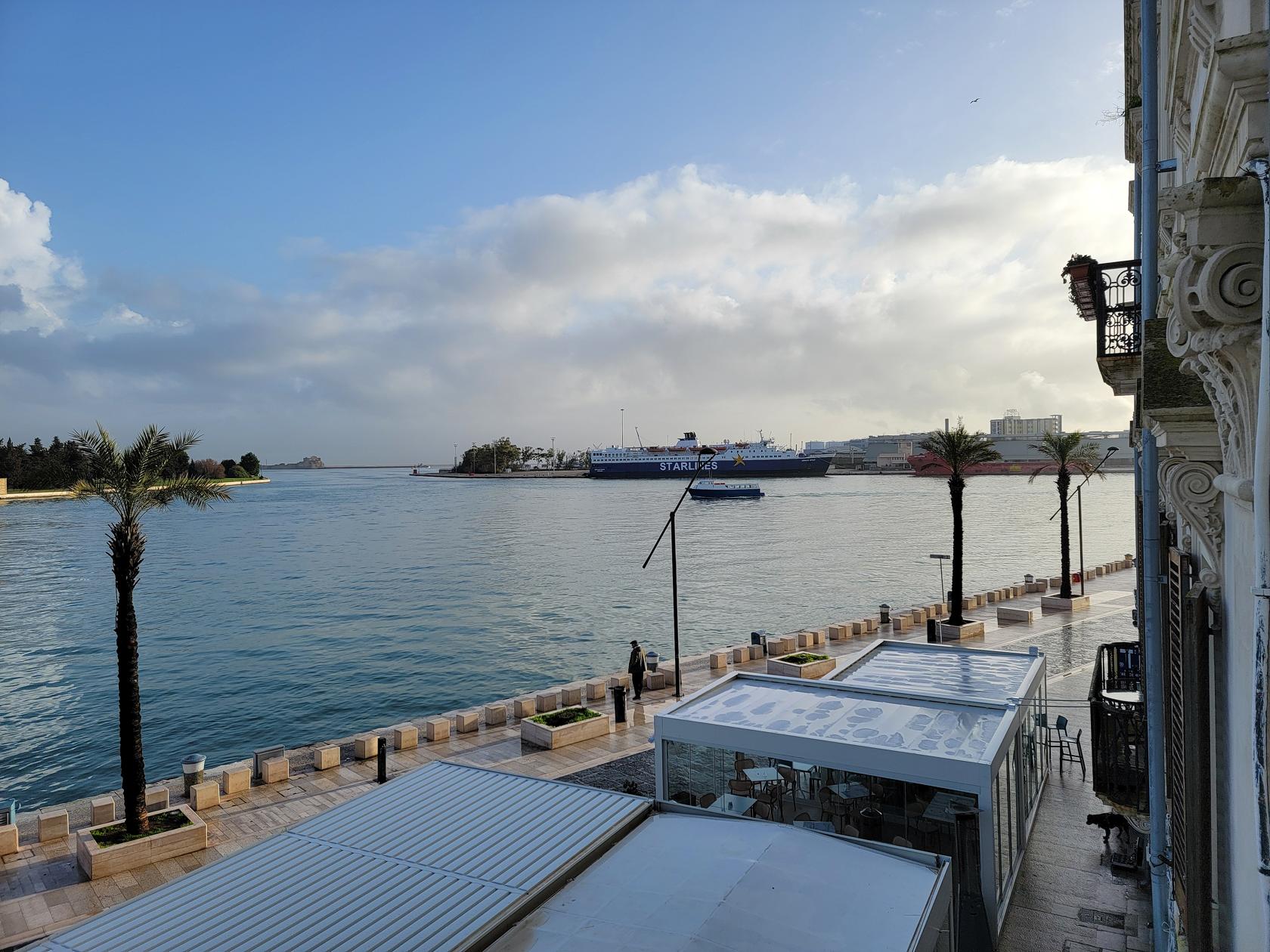
Grande Albergo Internazionale – Outside our window – Brindisi, Italy
Grande Albergo Internazionale – Outside our window – Brindisi, Italy
Lungomare di Brindisi
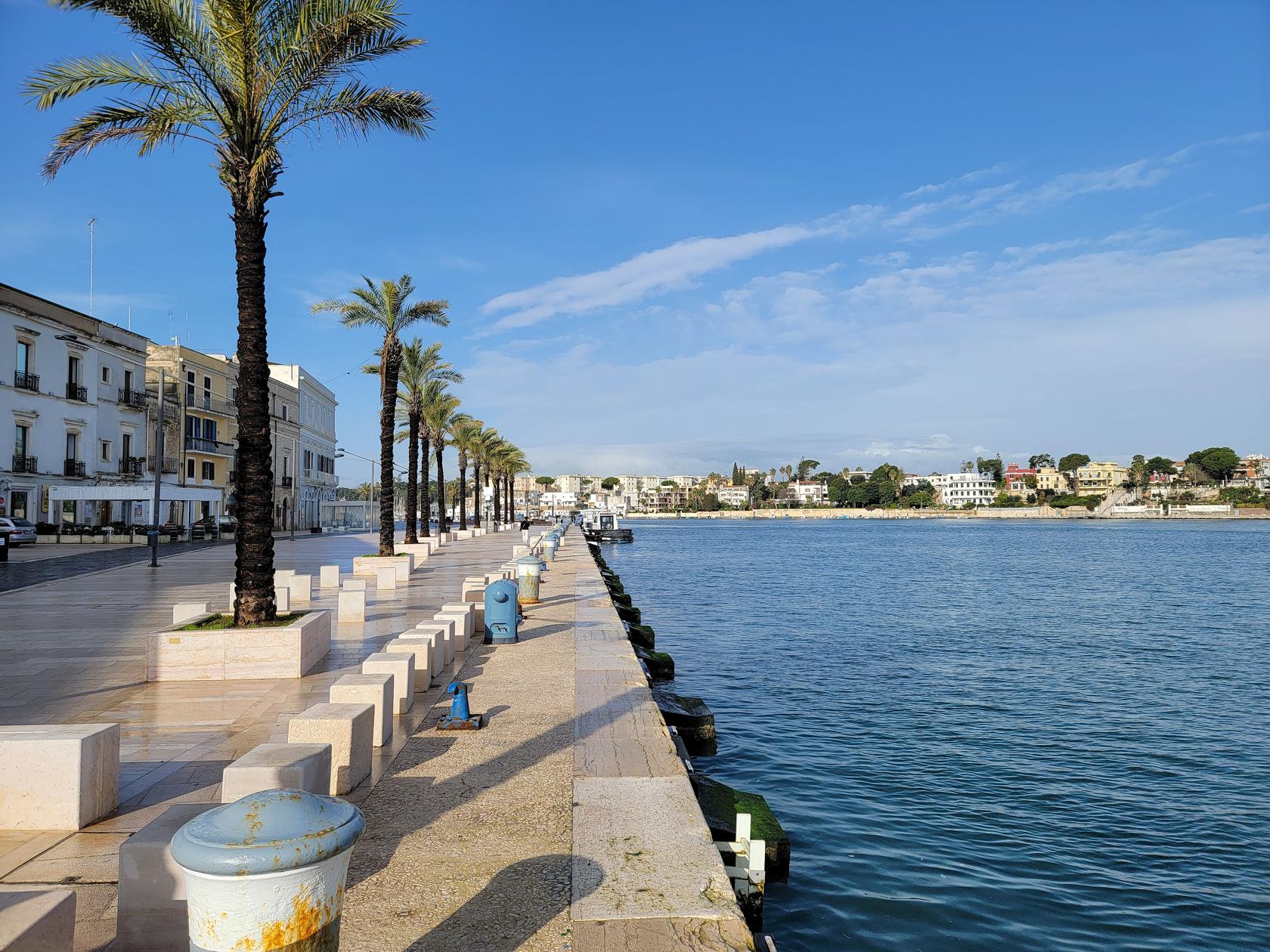
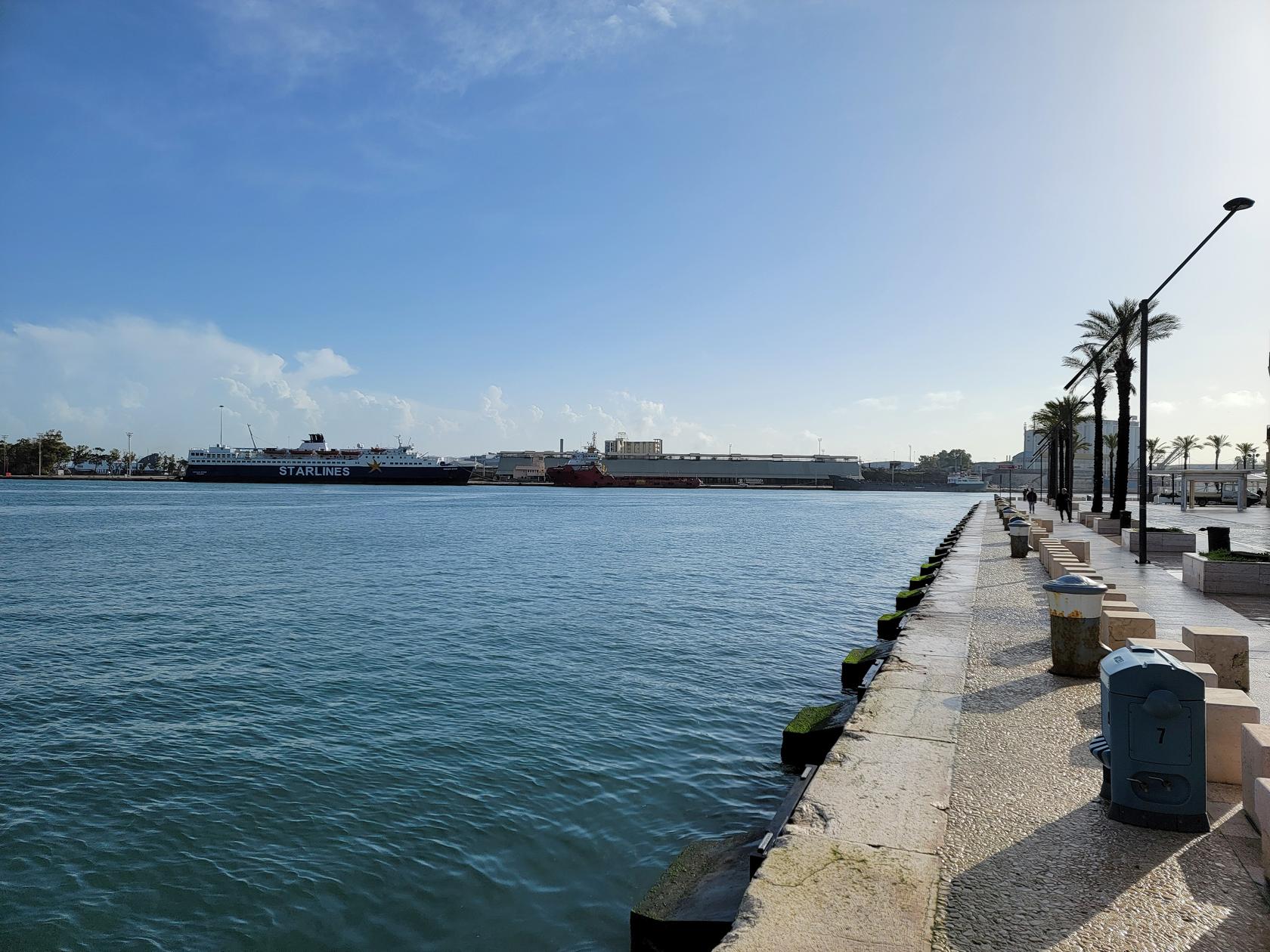
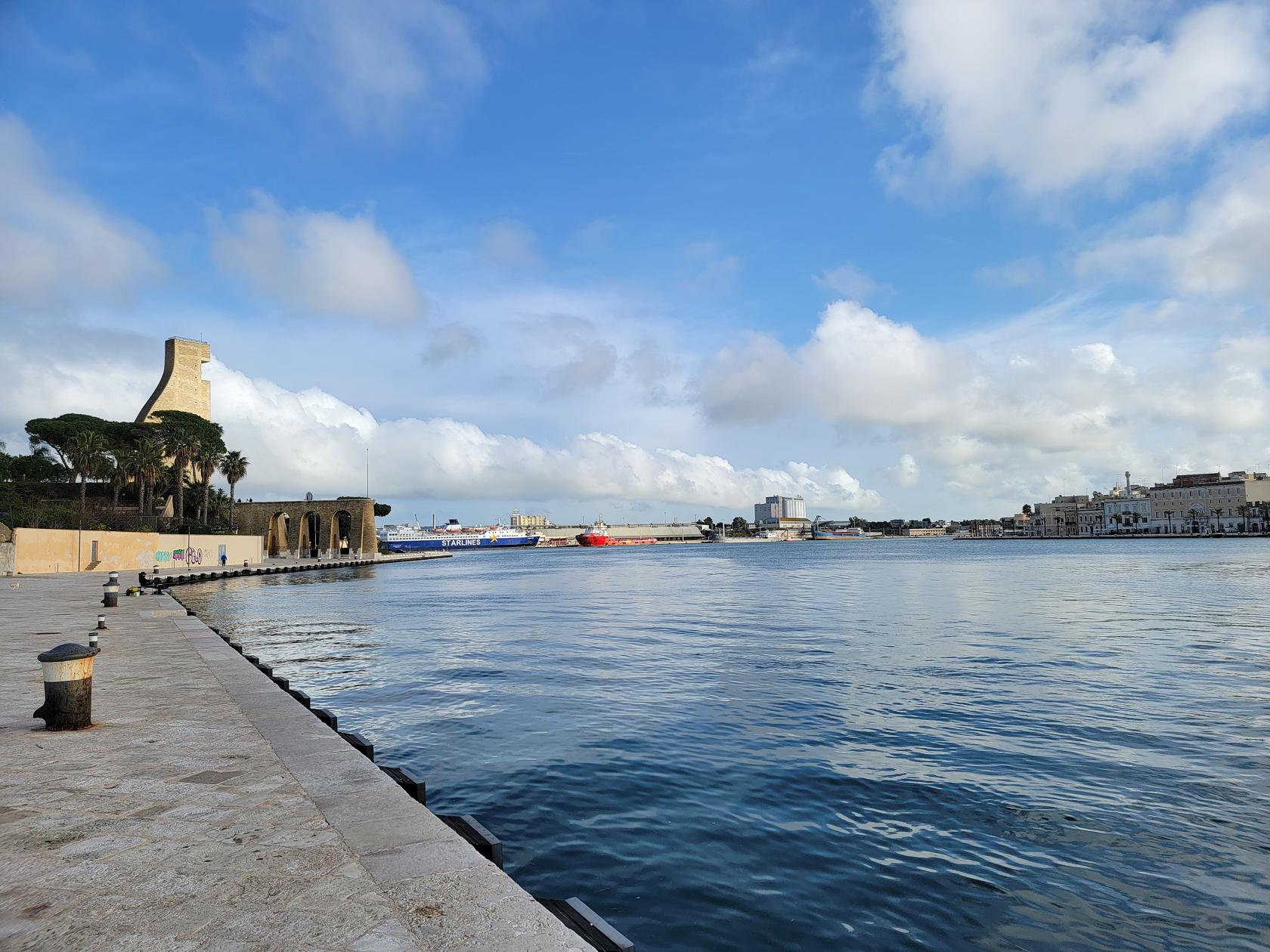
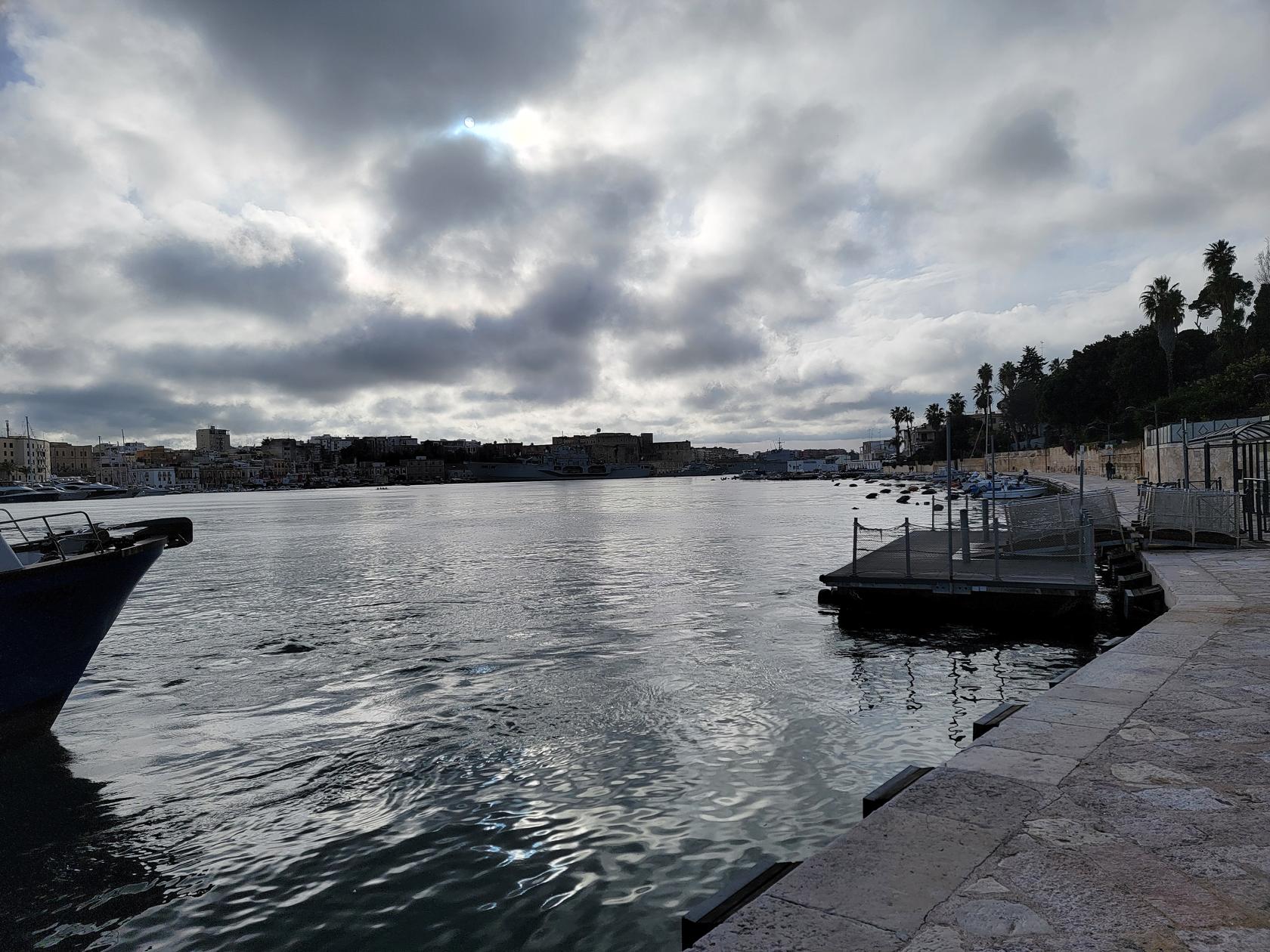
As the name implies, you are able to walk along the water for some length along the Lungomare di Brindisi. It starts near the parking area when you enter the port down to, but no further than the Approdo delle Indie. After that begins an Italian Naval Base and you are redirected up a set of stairs and away from the shore.
Viale Regina Margherita – Lungomare di Brindisi – Brindisi, Italy
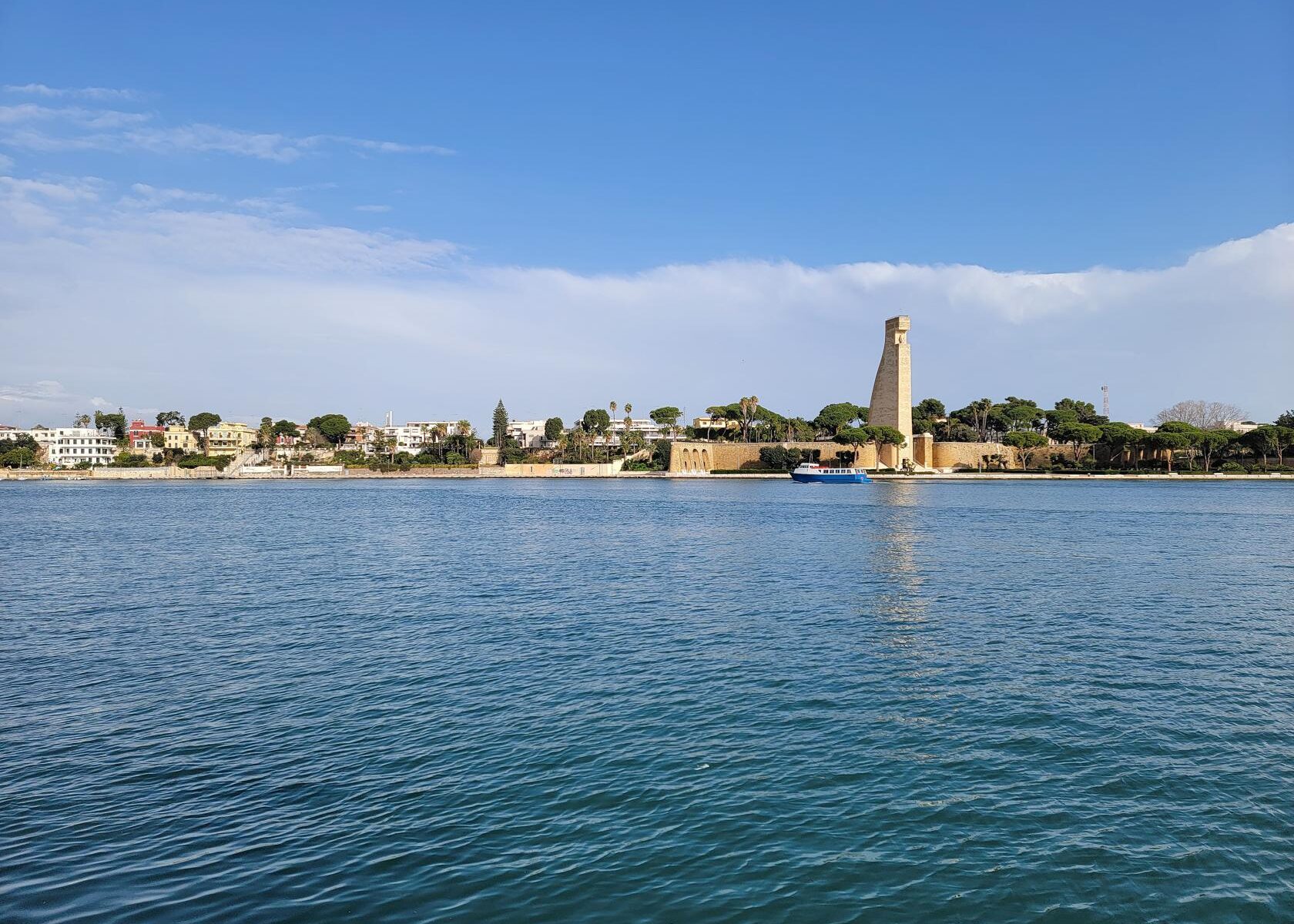
Monumento al Marinaio d’Italia – Italian Mariner monument from the Lungomare di Brindisi – Brindisi, Italy
Viale Regina Margherita – Lungomare di Brindisi – Brindisi, Italy
Brindisi Shuttle Service
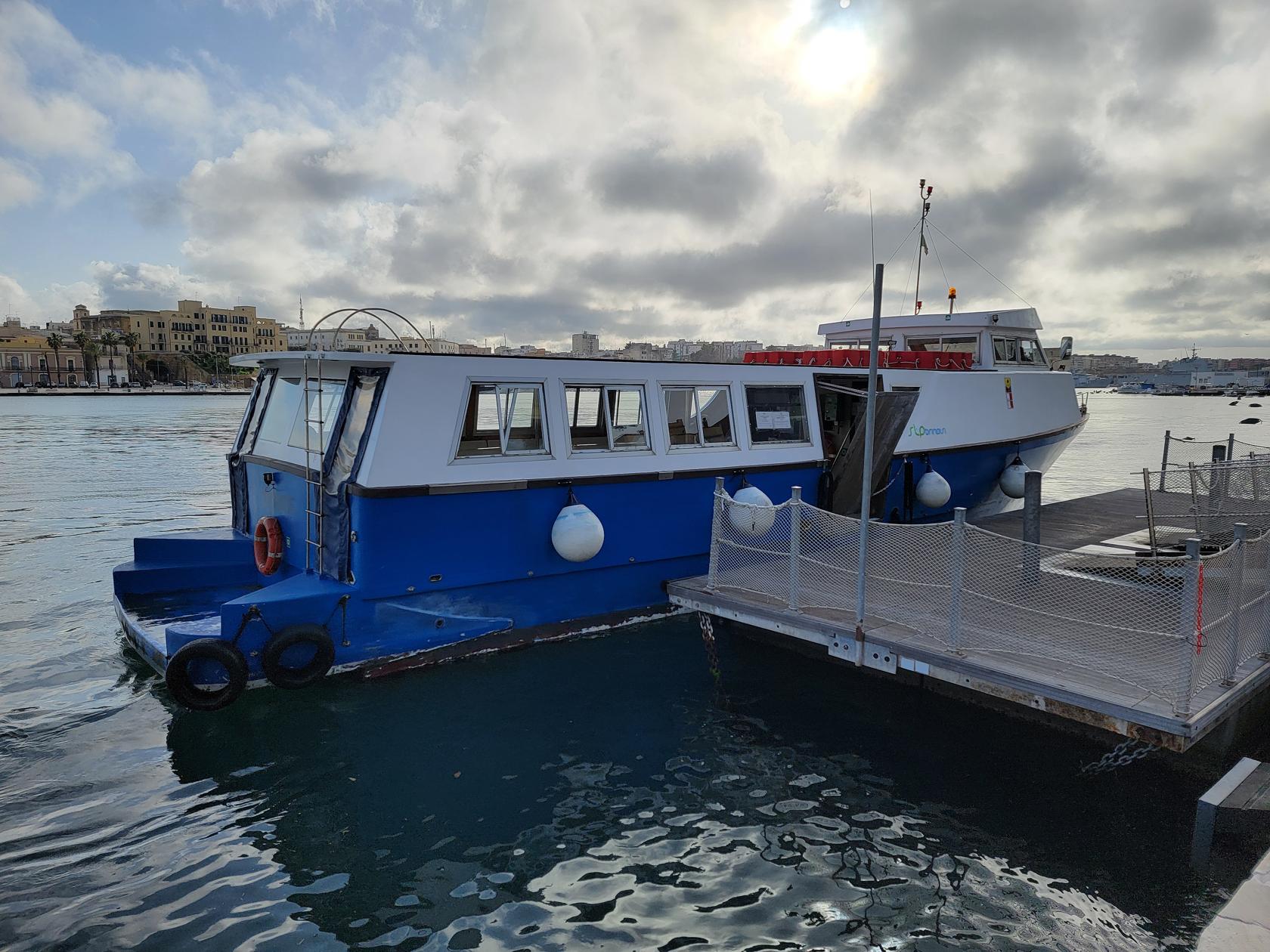
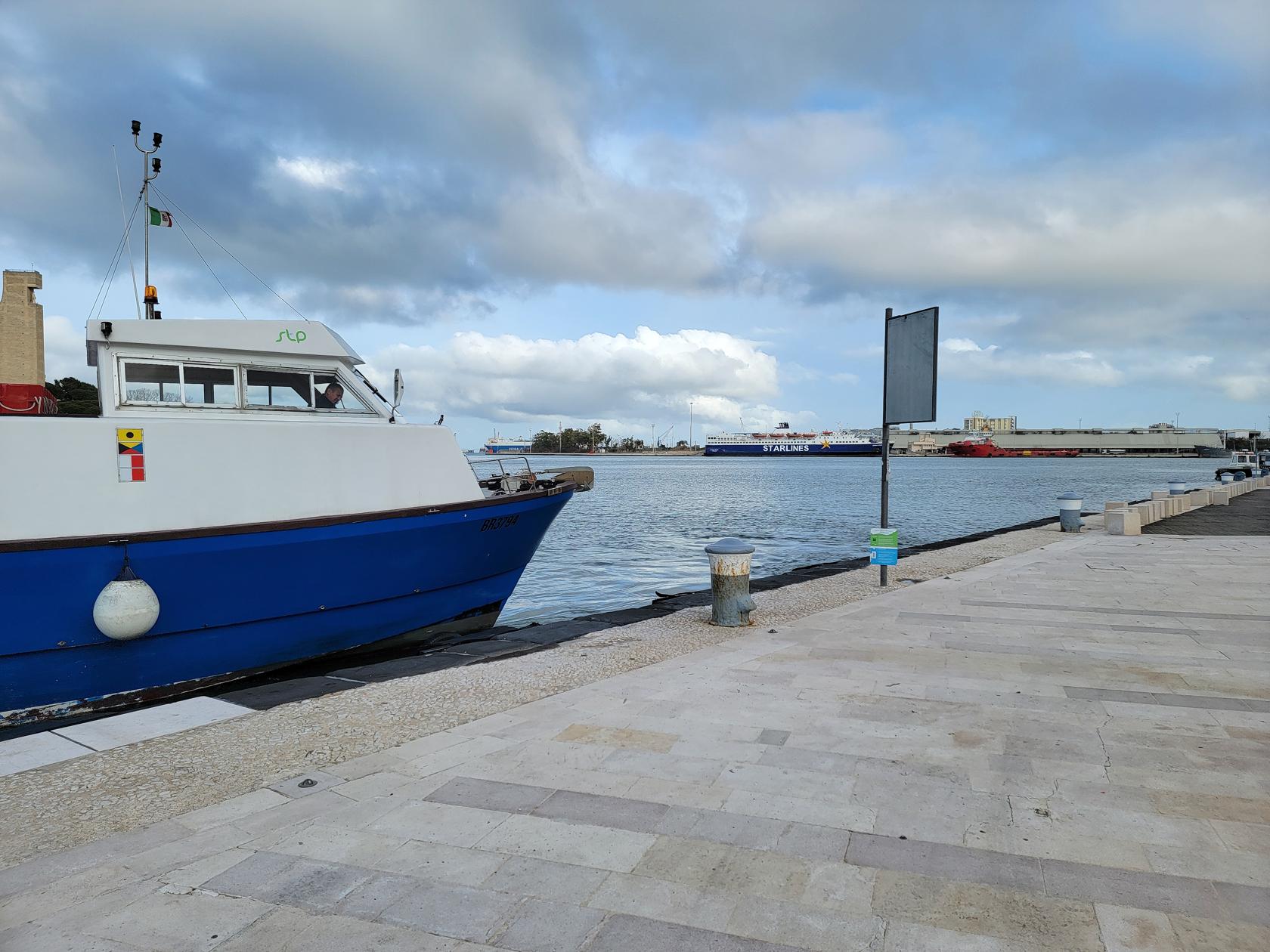
From the Lungomare, or Viale Regina Margherita, about where it intersects with Piazza Vittorio Emanuele III is one location you can pick up the shuttle. It has a four stop route along the inlet and completes the circuit about once every twenty minutes. One use, simple route charge was 1.20€ per person, which only excepts contactless credit card or NFC contactless payments from your phone, NO CASH.
Brindisi Shuttle Service – Brindisi, Italy
Monumento al Marinaio d’Italia – Brindisi, Italy
Dock on the Airport Side – Brindisi, Italy
Brindisi Shuttle Service – Brindisi, Italy
Saint John At The Sepulchre
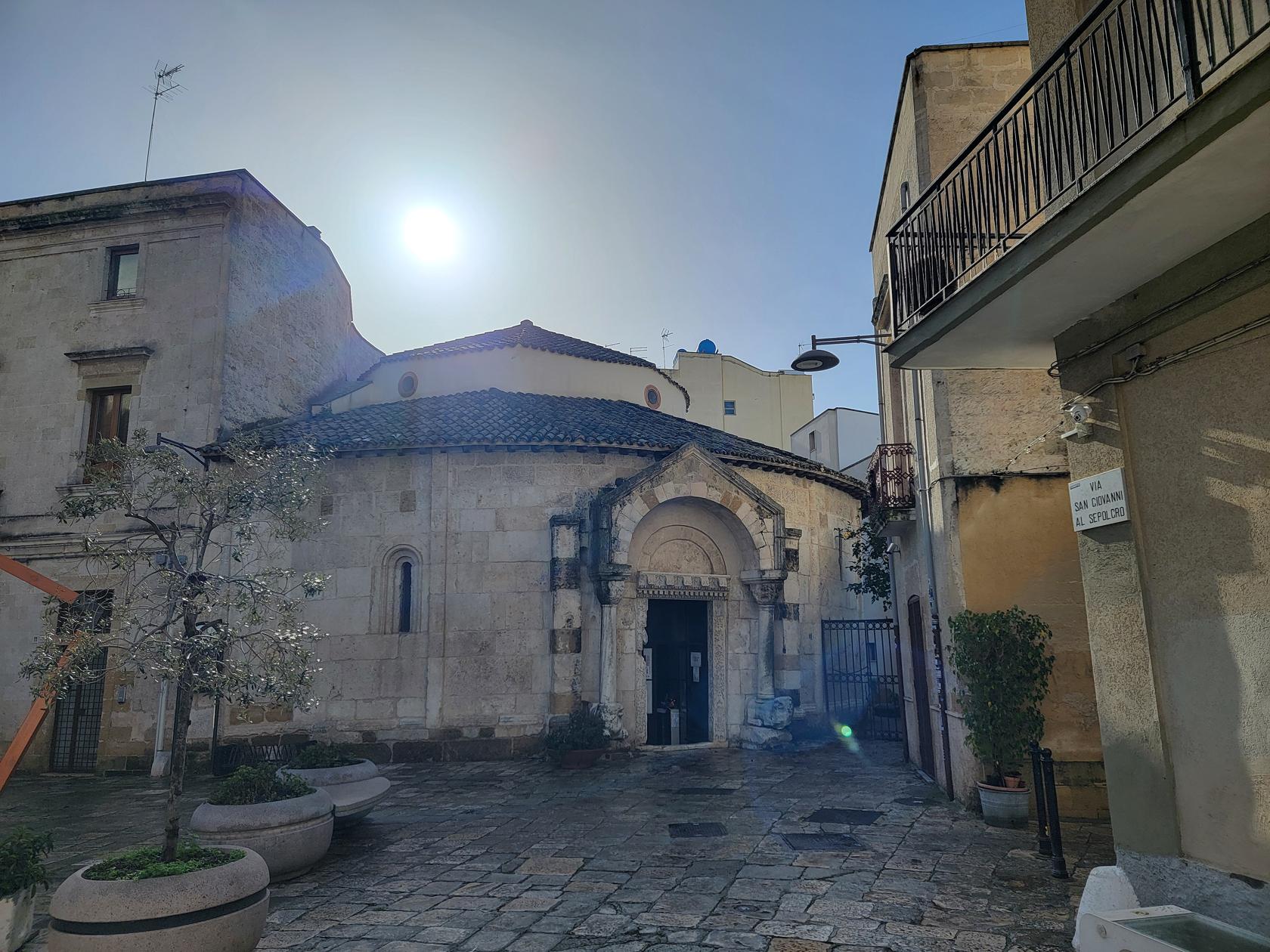
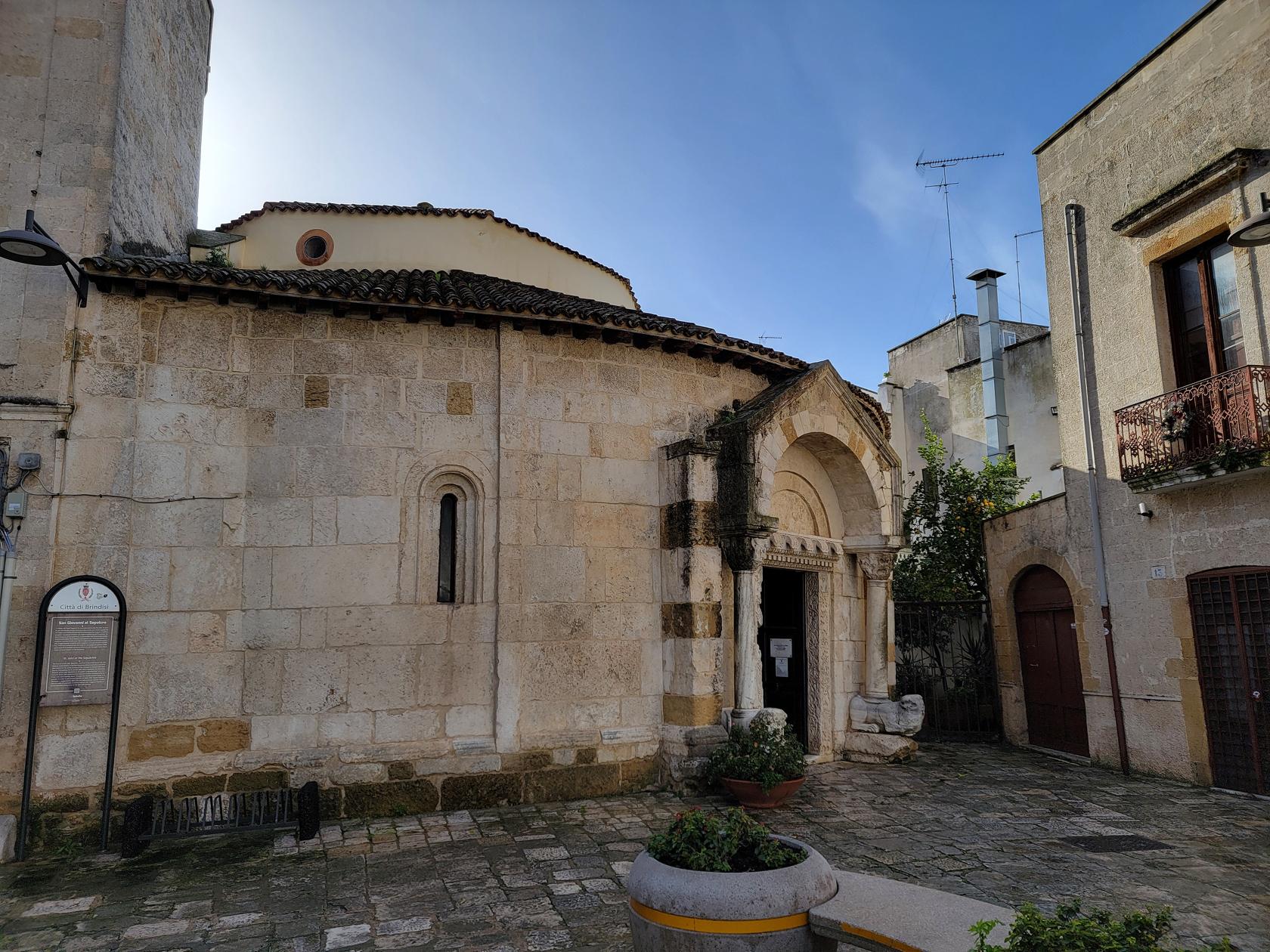
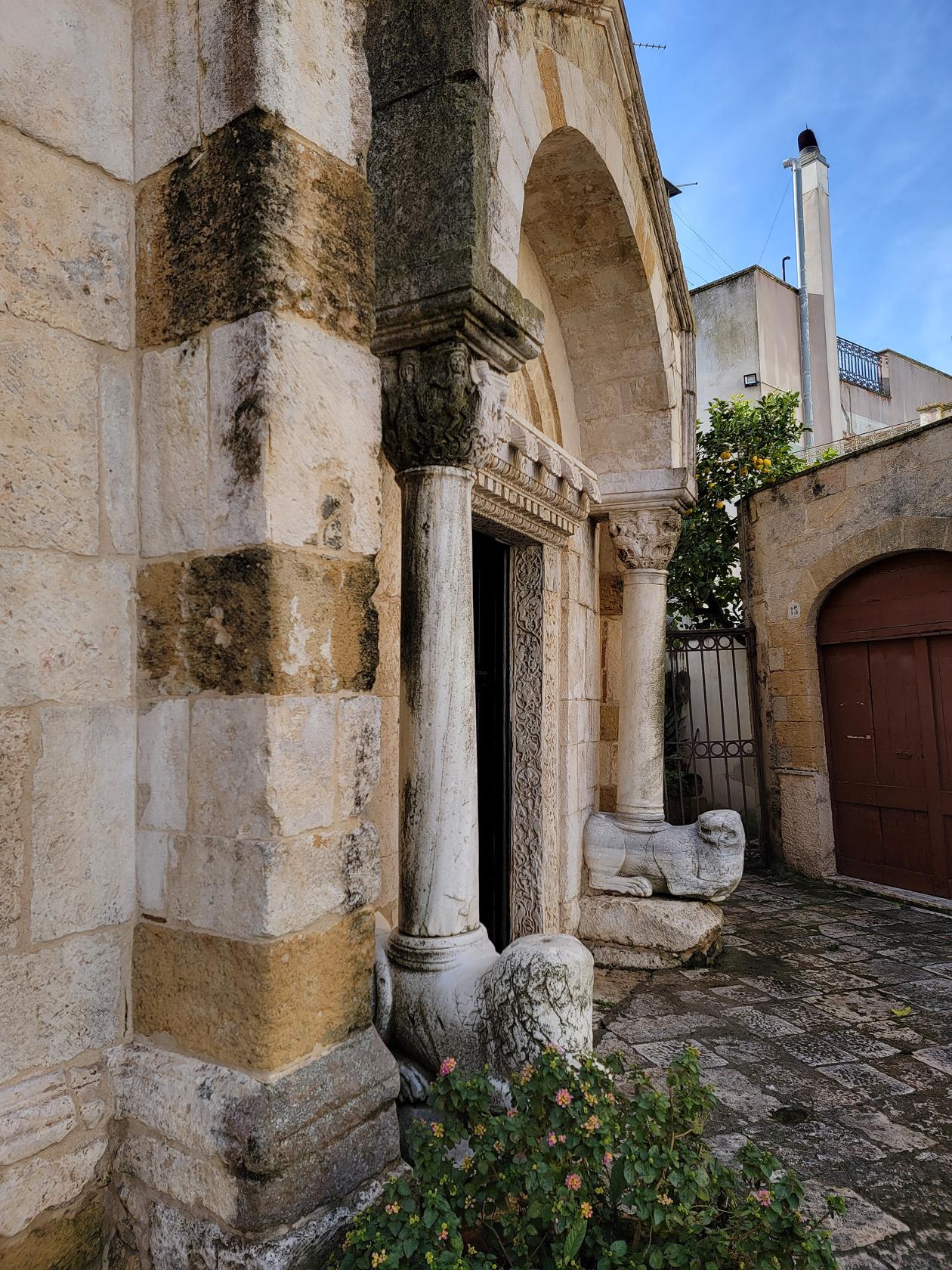
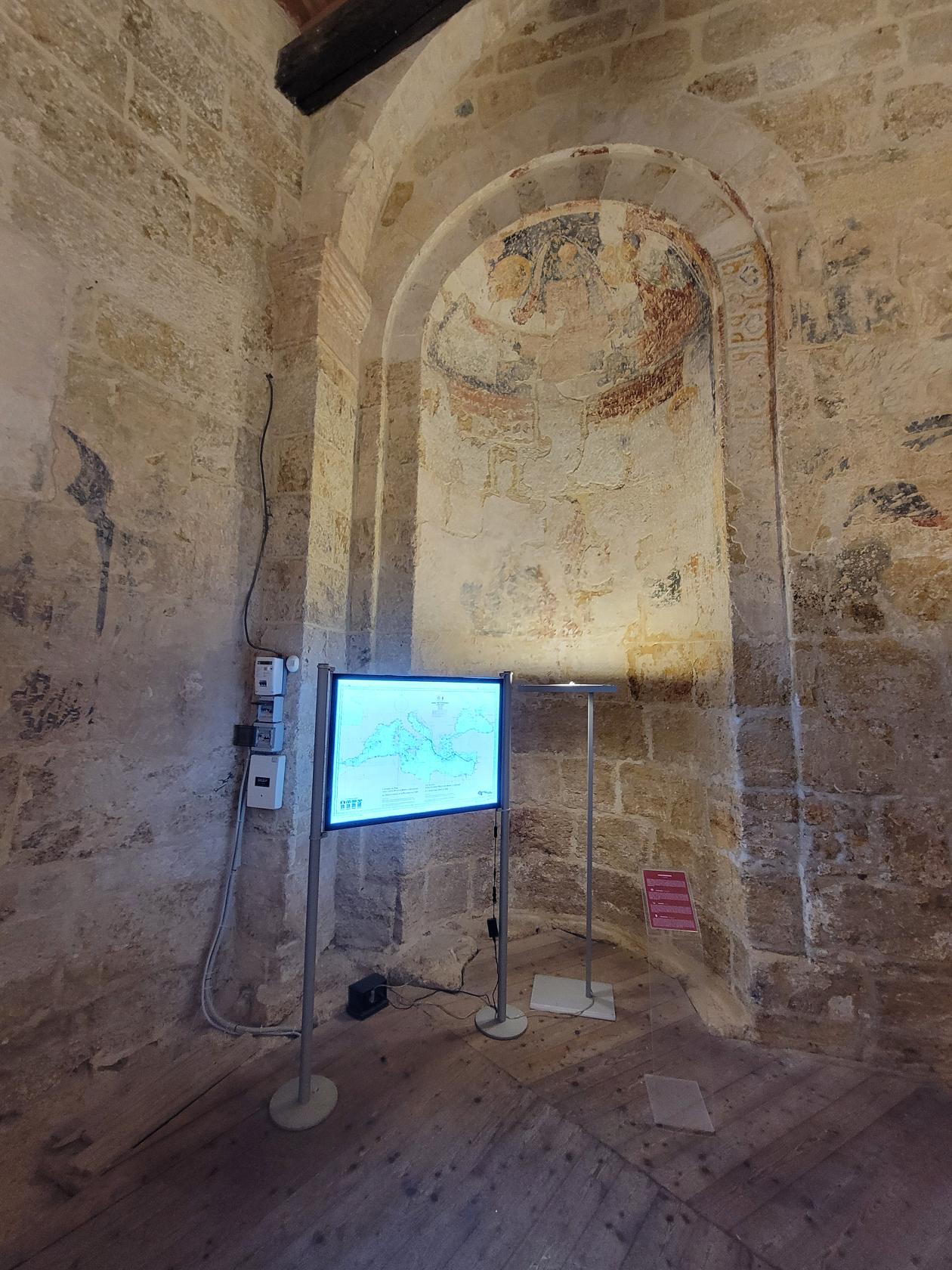
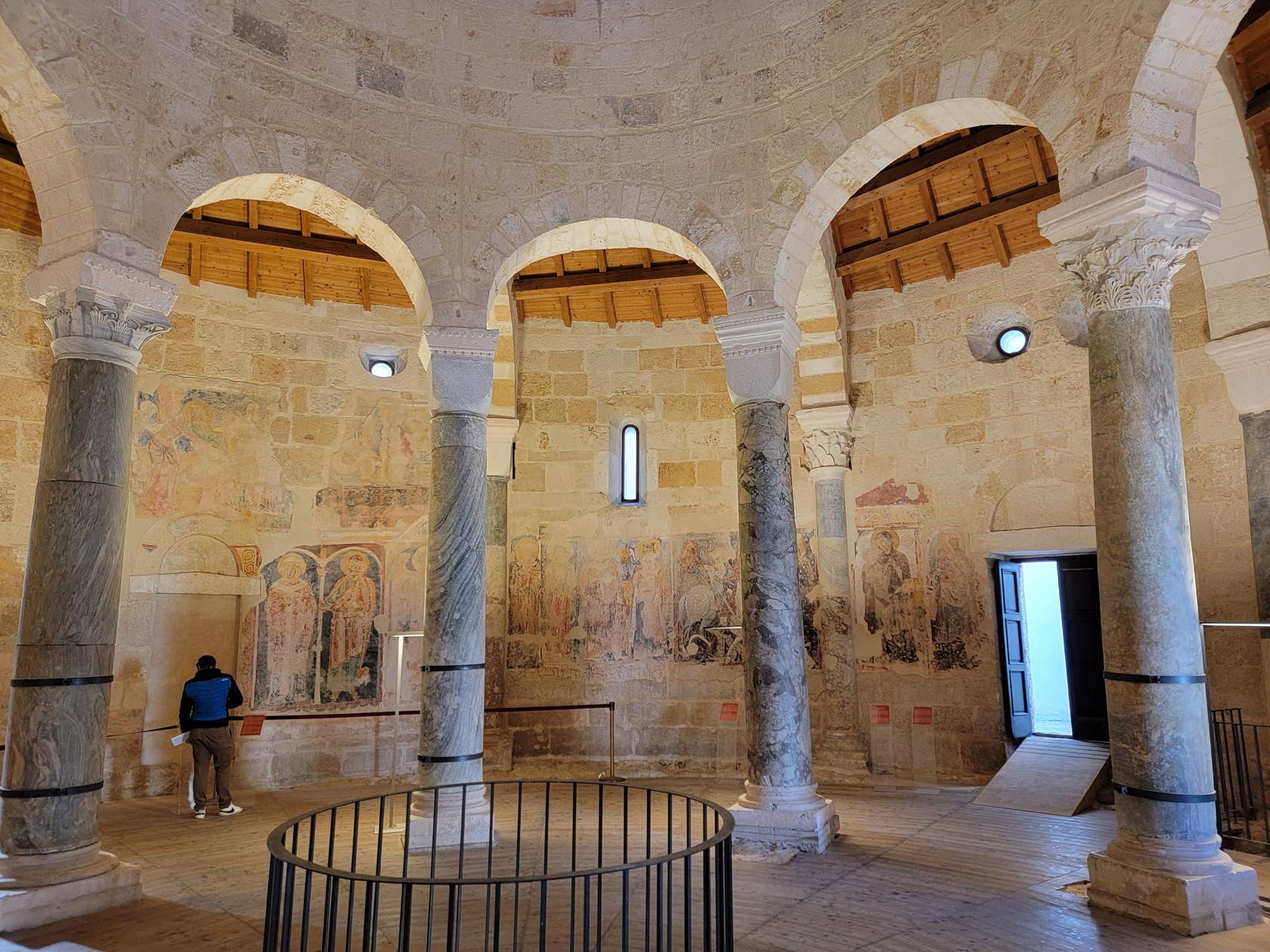
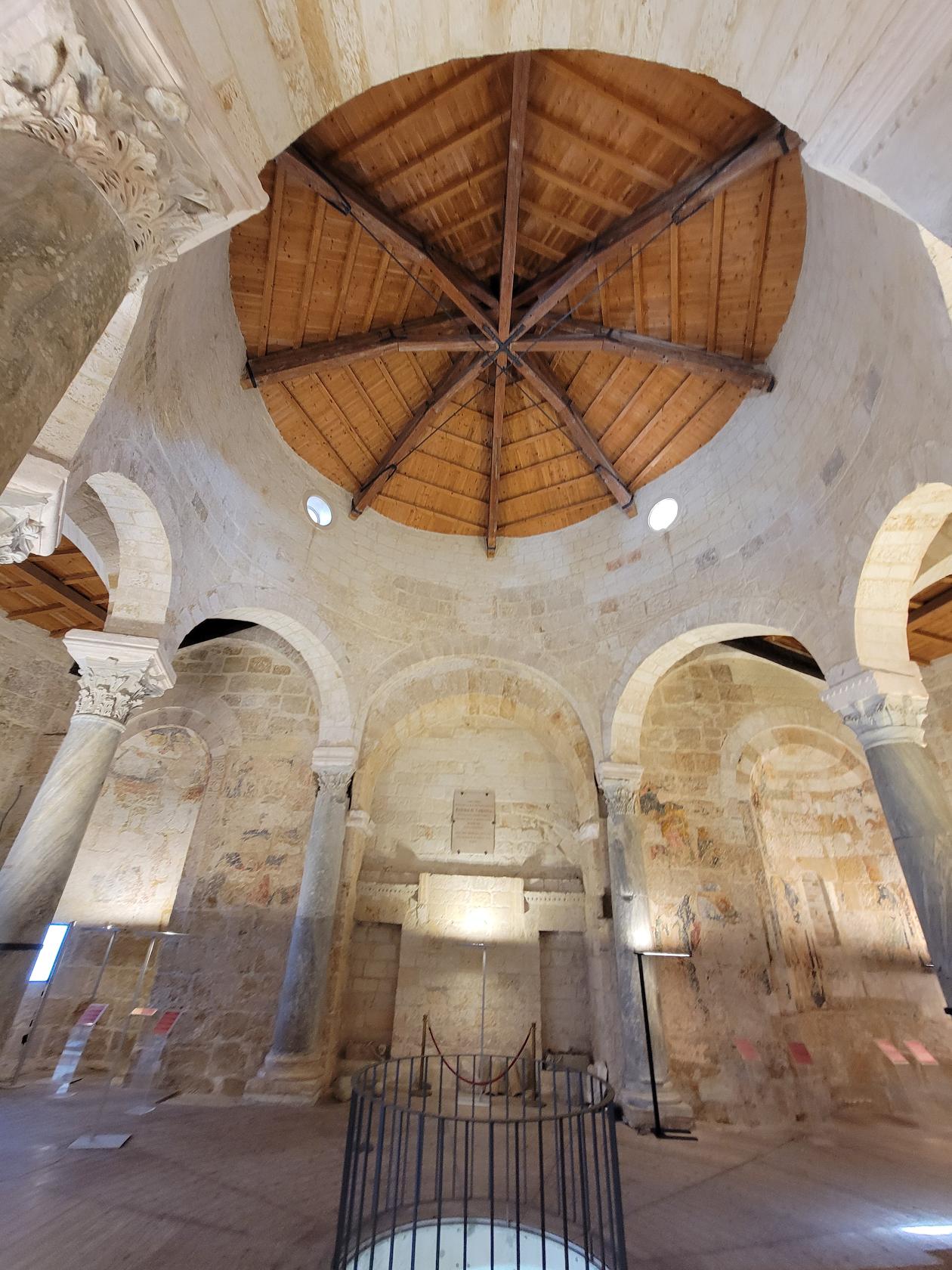
The St John At The Sepulchre is an ancient eleventh century Church of the Holy Sepulcher with circular construction built over a pre-existing church. It was built to resemble the ancient Anastasis Rotunda of the Holy Selpuchre in Jerusalem with the intention of providing a memory of that structure.
St John At The Sepulchre – Brindisi, Italy
St John At The Sepulchre – Brindisi, Italy
The monument is intended to show the close relationship between Brindisi and the Holy Land during the time of the crusades. Built by the Knight Order of the Canons Regular sometime before 1128, it was conceived to give those who could not pilgrimage to the Holy Land a feeling for that destination, and for those who have, a reminder of it.
St John At The Sepulchre – Main Entrance – Brindisi, Italy
St John At The Sepulchre – Media Presentation – Brindisi, Italy
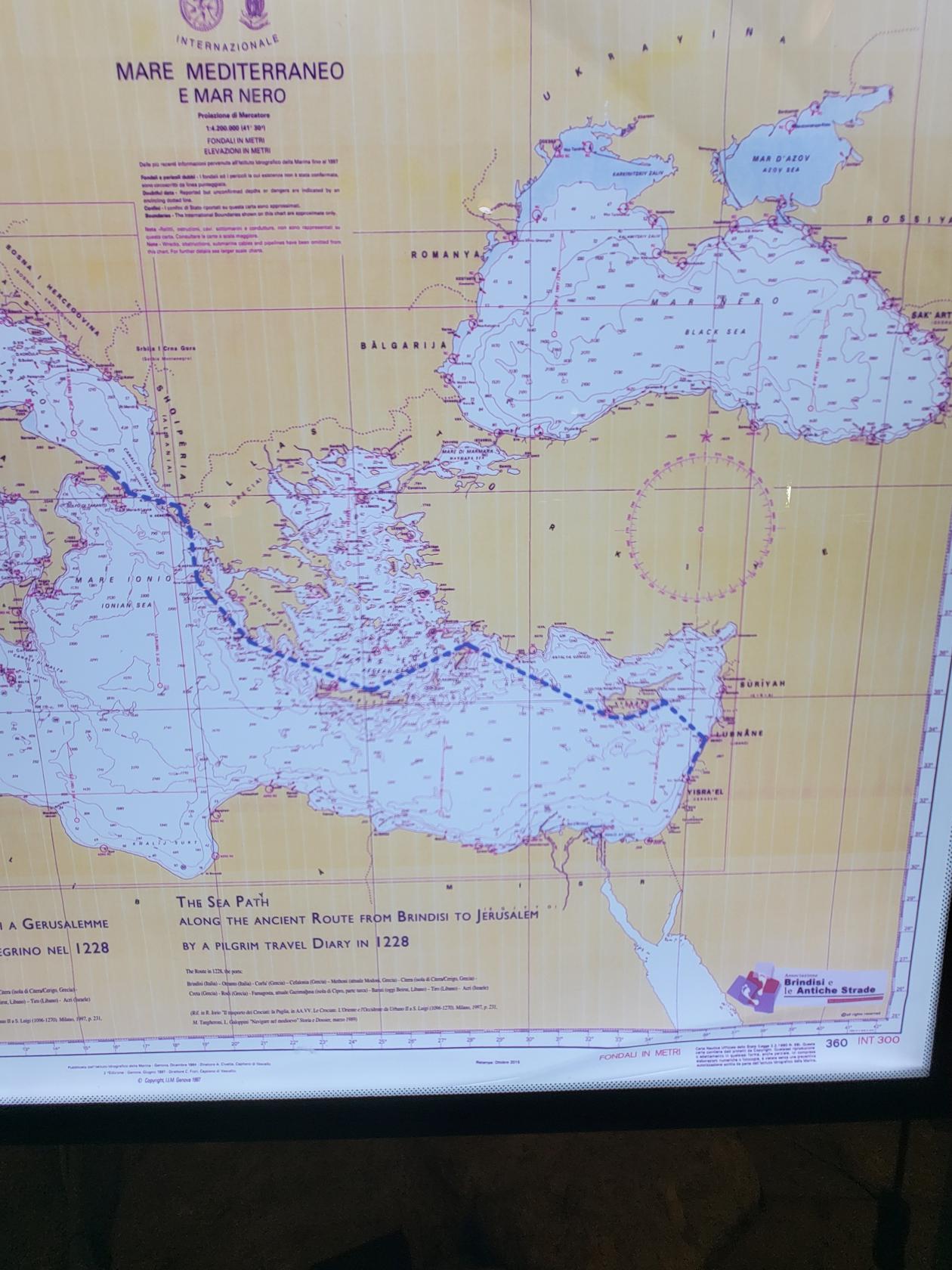
St John At The Sepulchre – Media Presentation Showing Route To Isreal – Brindisi, Italy
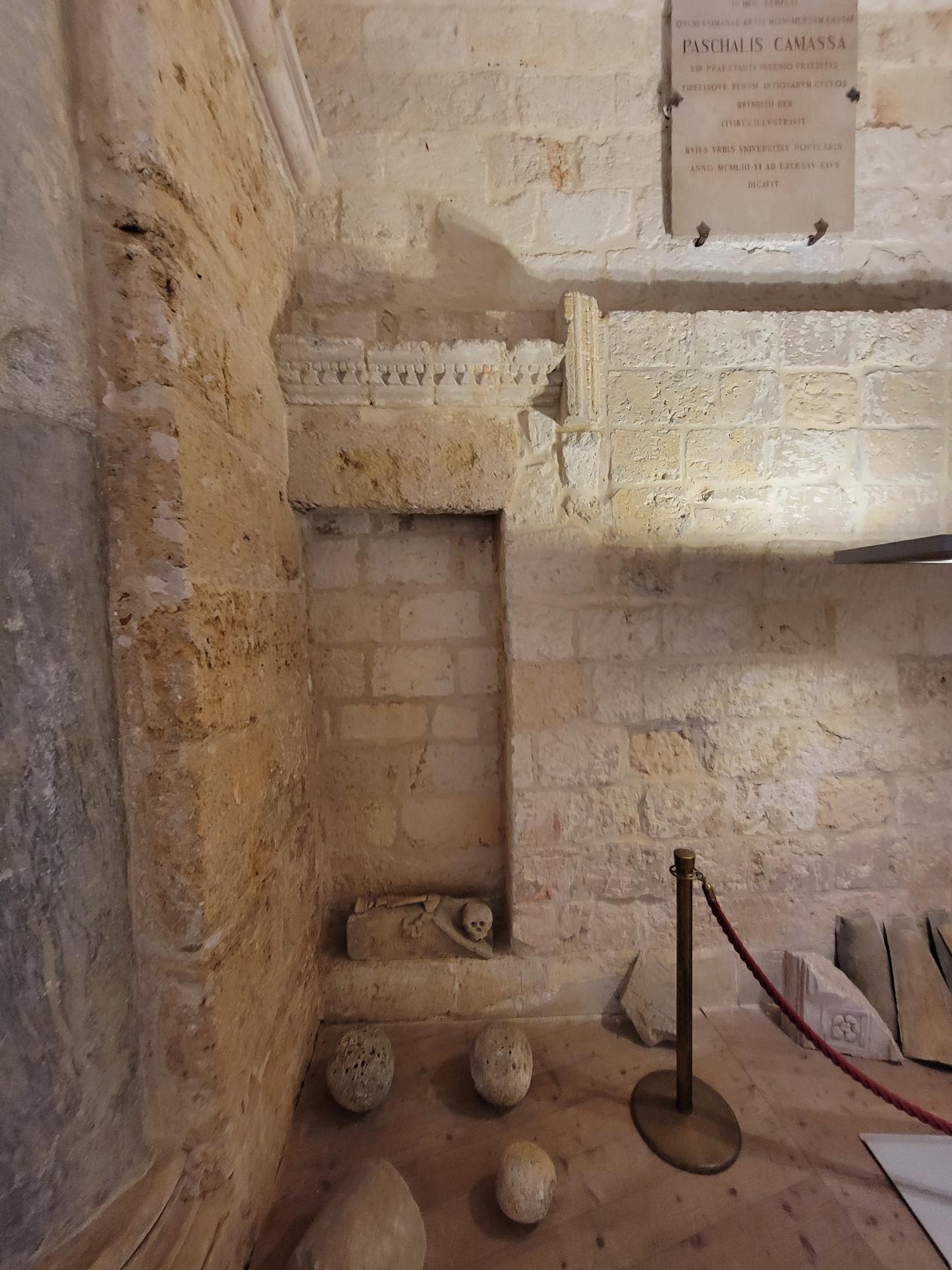
St John At The Sepulchre – Other Items – Brindisi, Italy
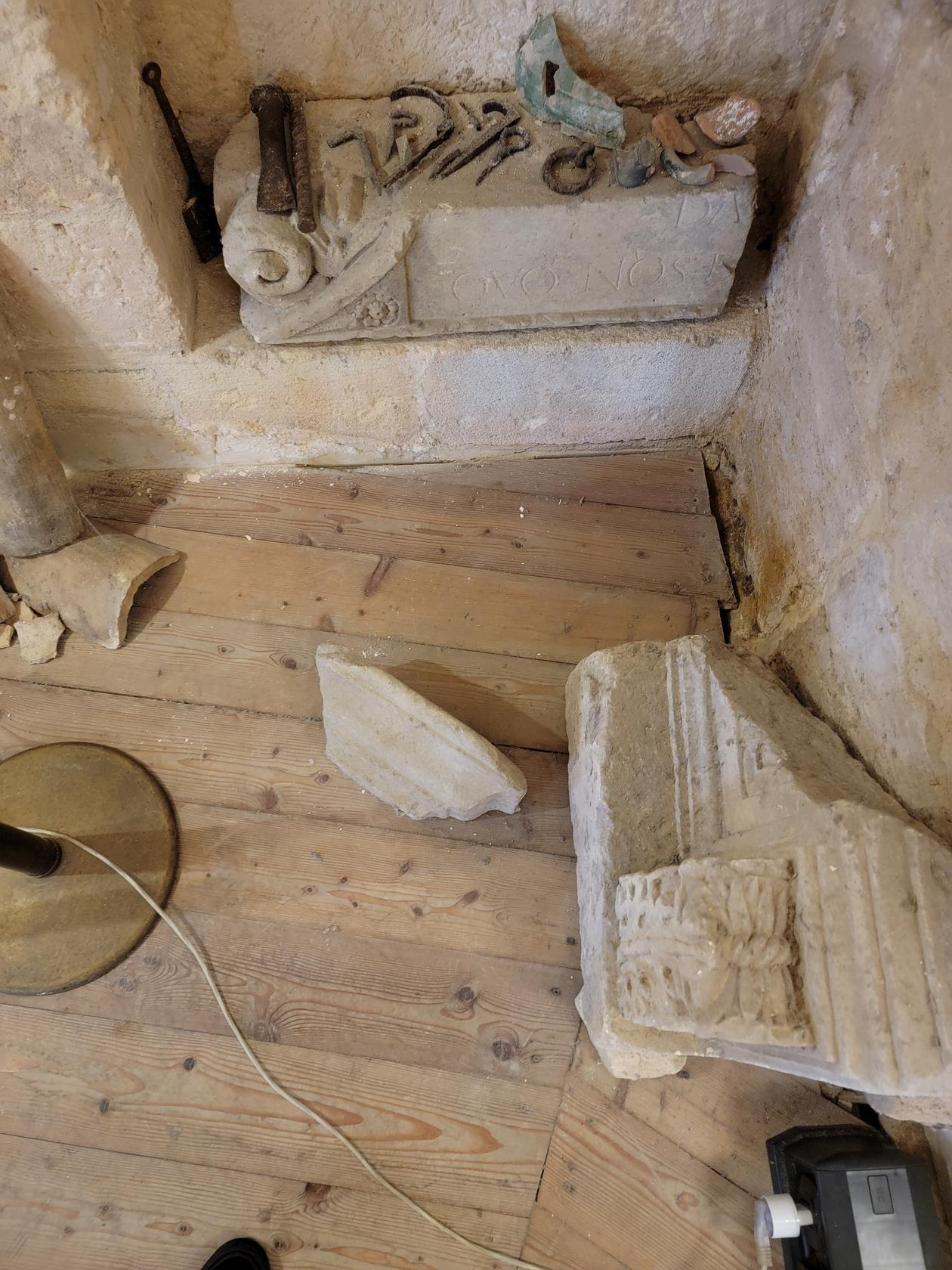
St John At The Sepulchre – Old Nails, Hinges – Brindisi, Italy
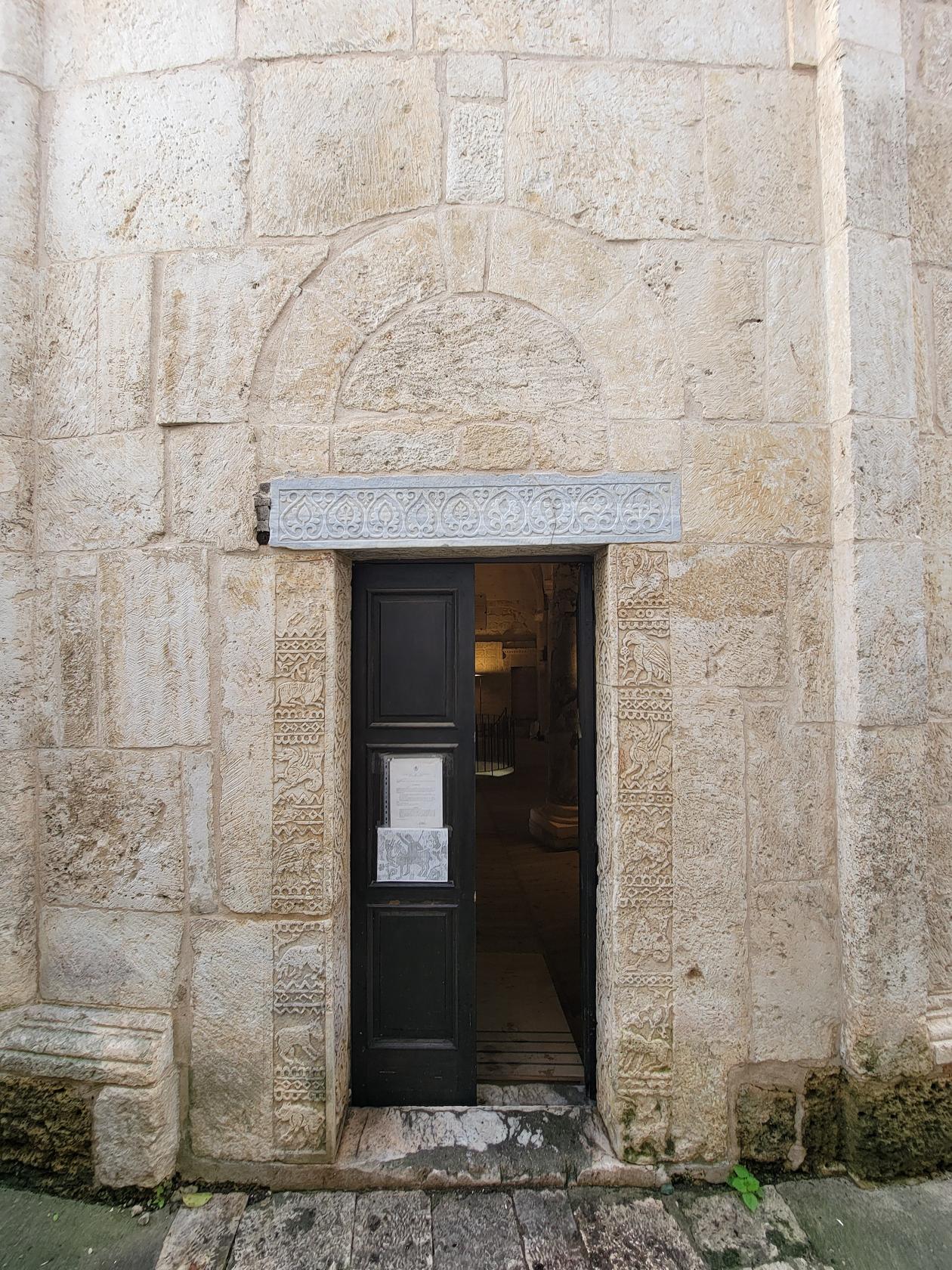
St John At The Sepulchre – Side Entrance Lintel – Brindisi, Italy
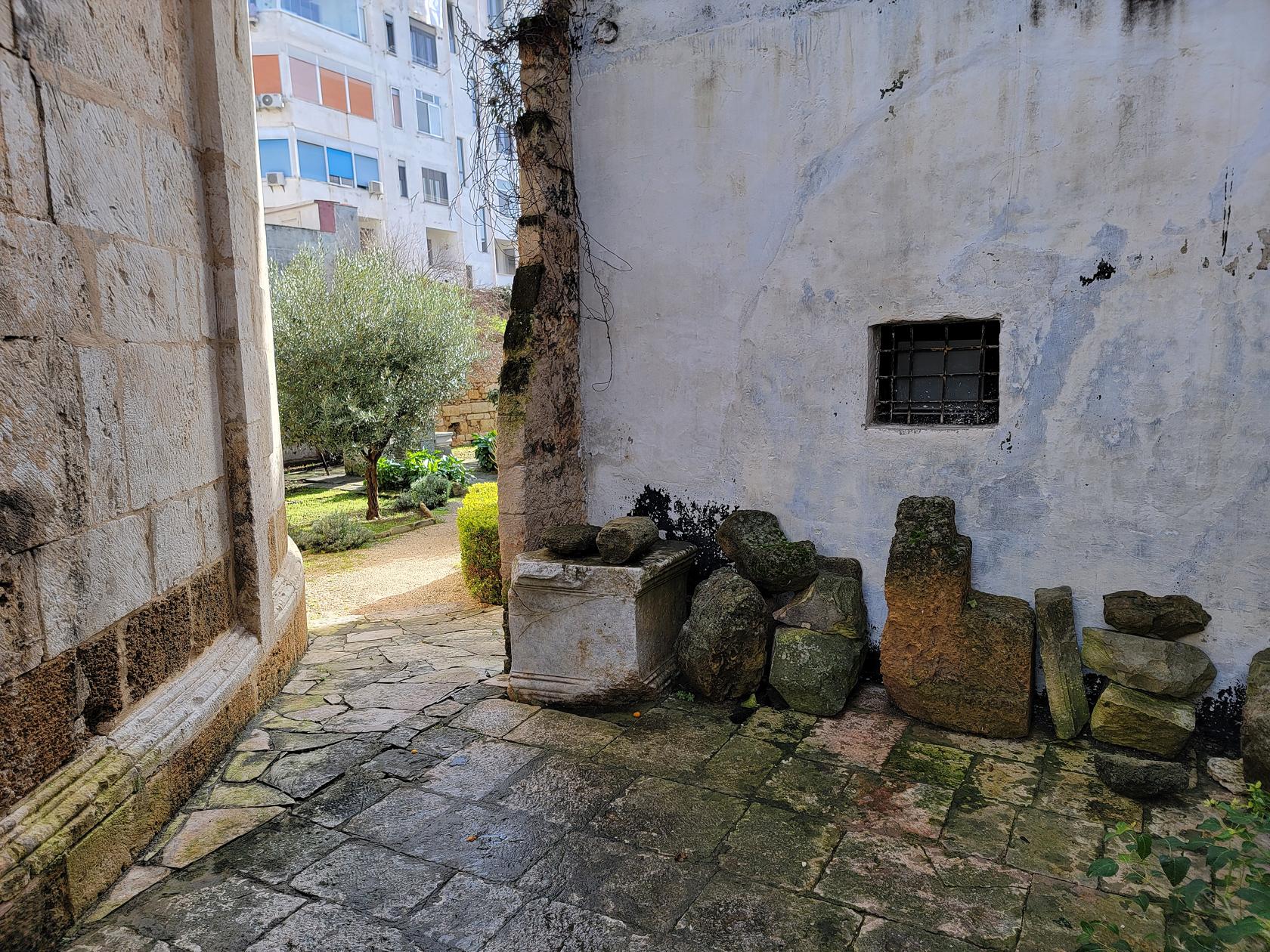
St John At The Sepulchre – Patio – Brindisi, Italy
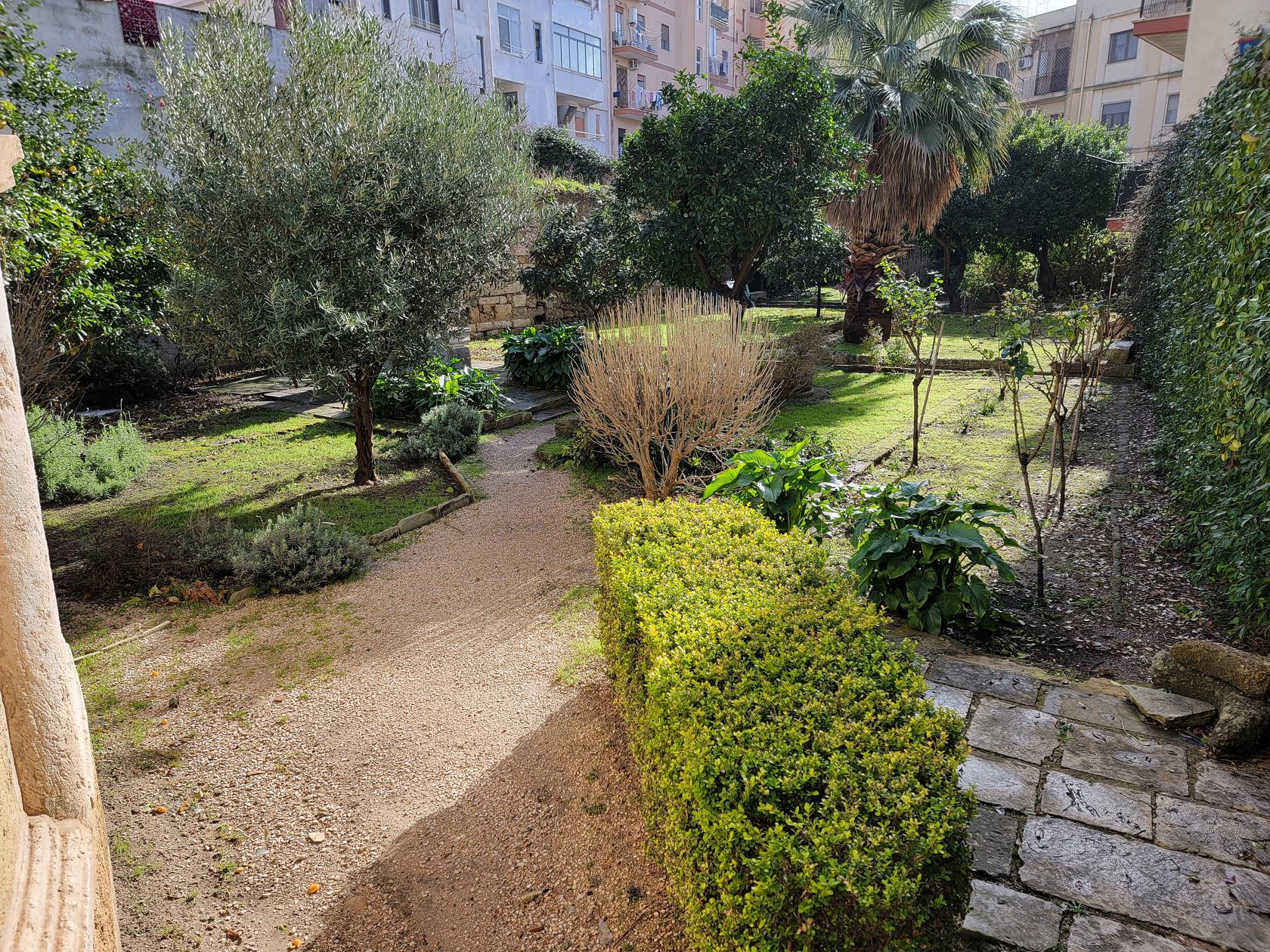
St John At The Sepulchre – Garden In Back – Brindisi, Italy
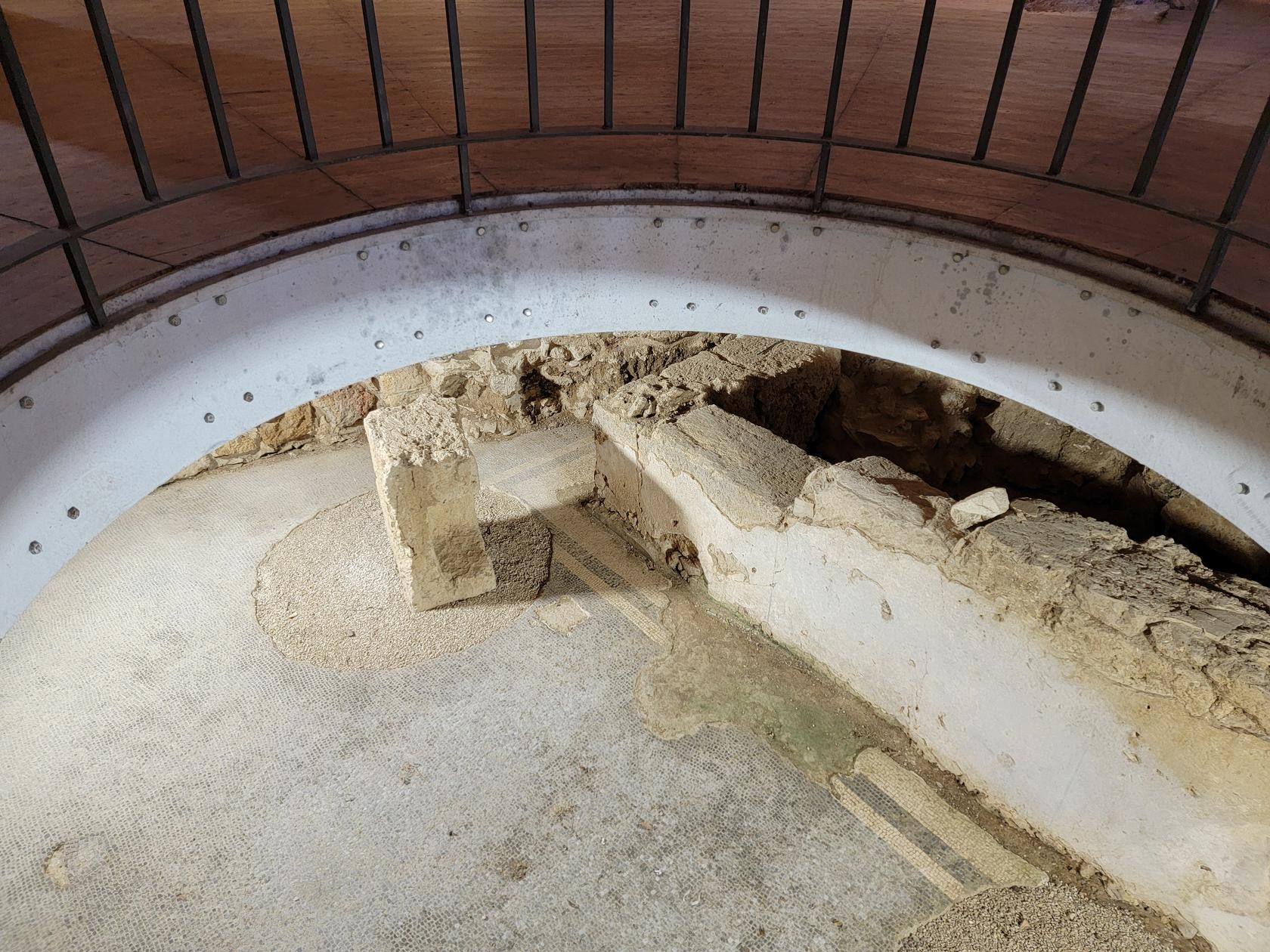
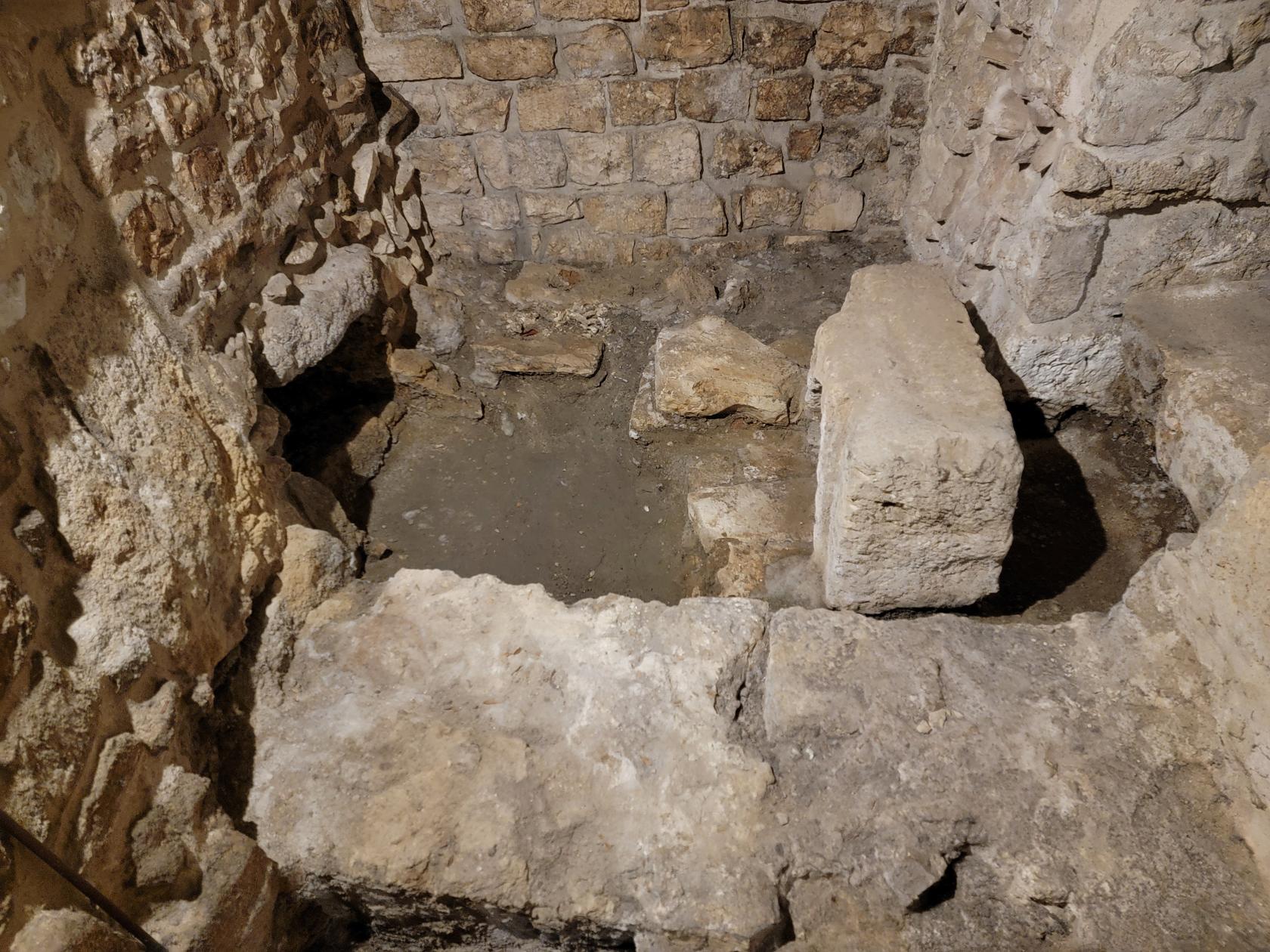
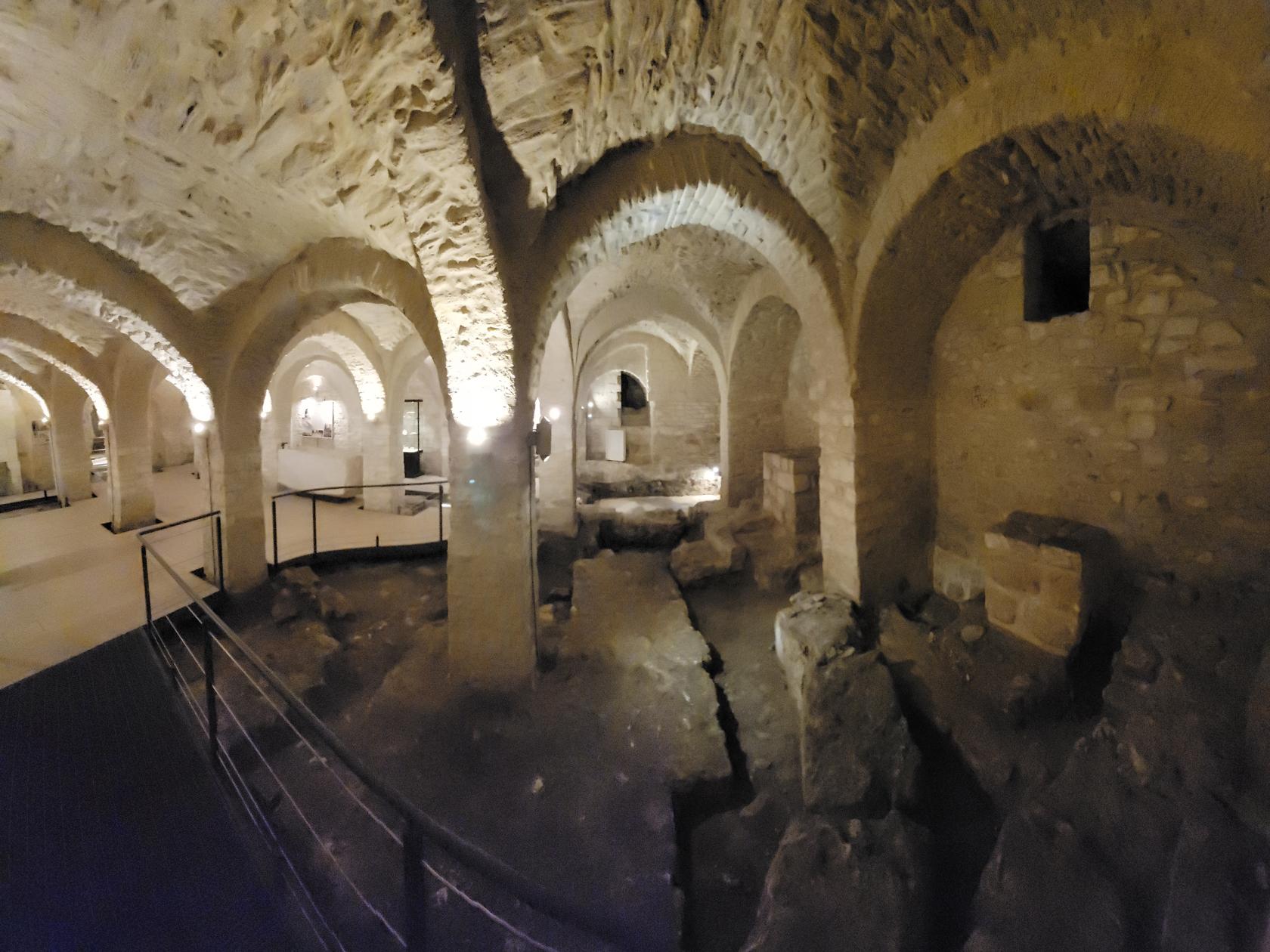
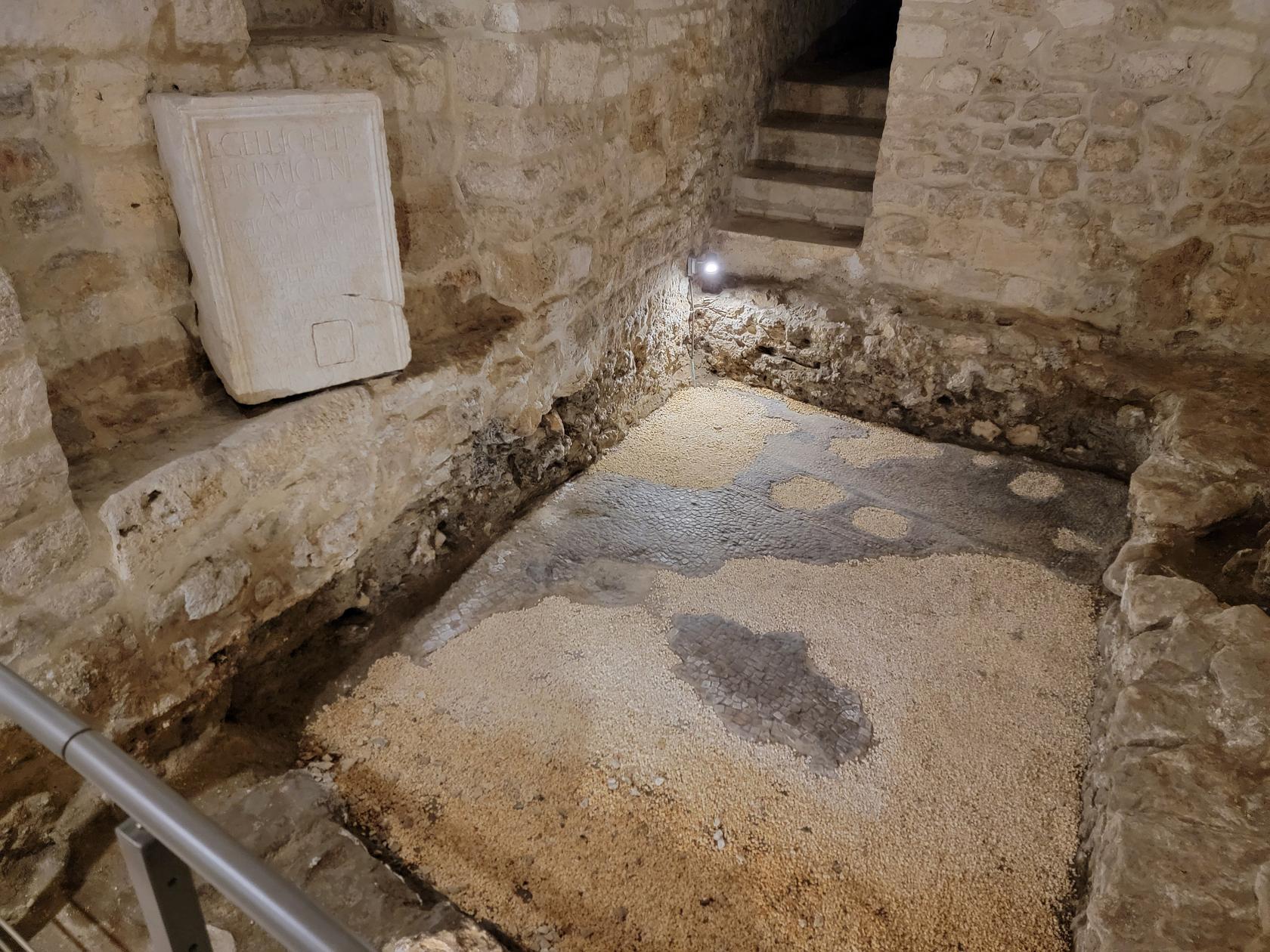
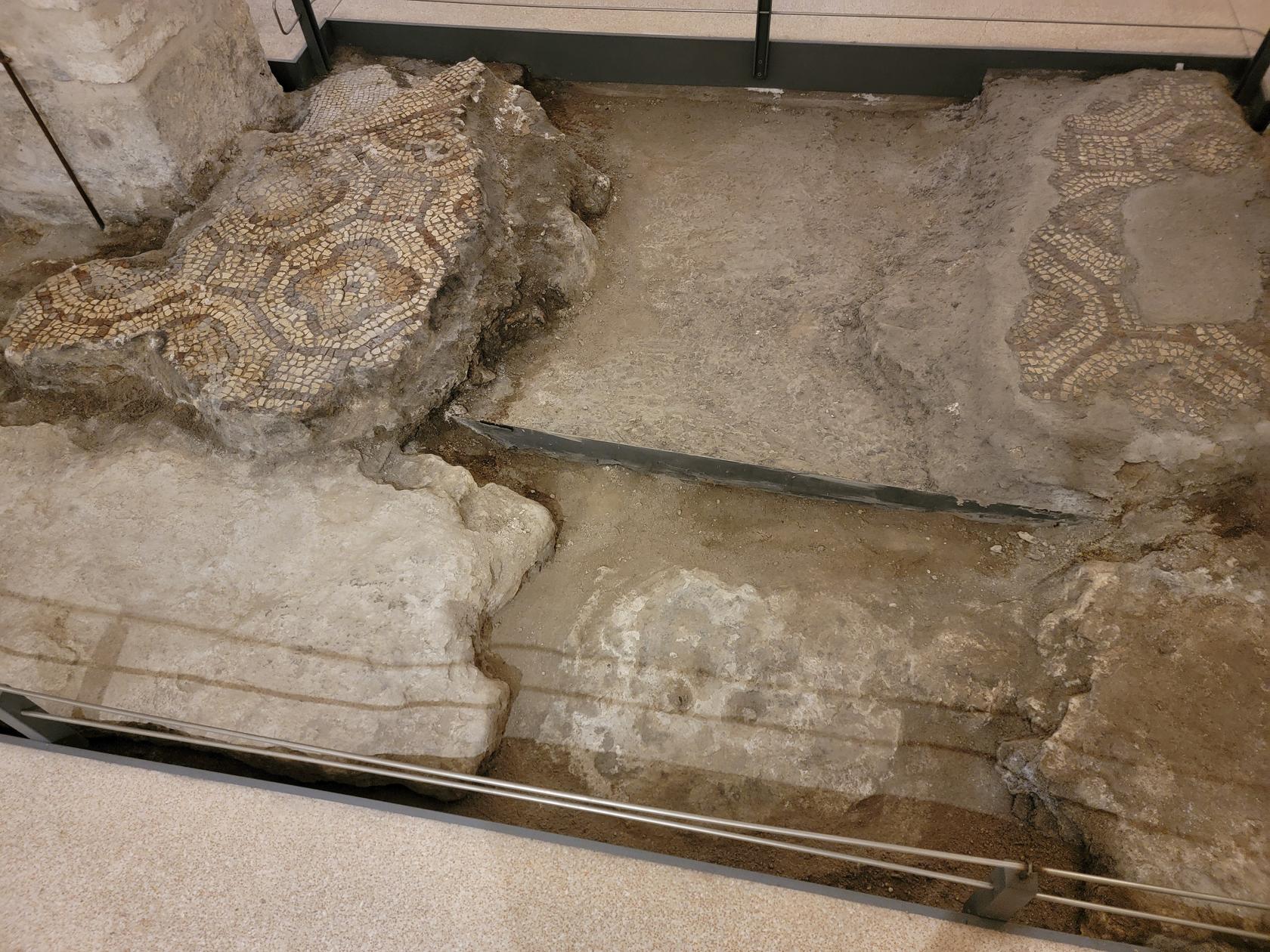
The hole in the floor shows Roman mosaics belonging to a large Roman house dating back to the first and second century CE.
St John At The Sepulchre – Columns – Brindisi, Italy
St John At The Sepulchre – Roman Ruins – Brindisi, Italy
St John At The Sepulchre – Roof Timber Works – Brindisi, Italy
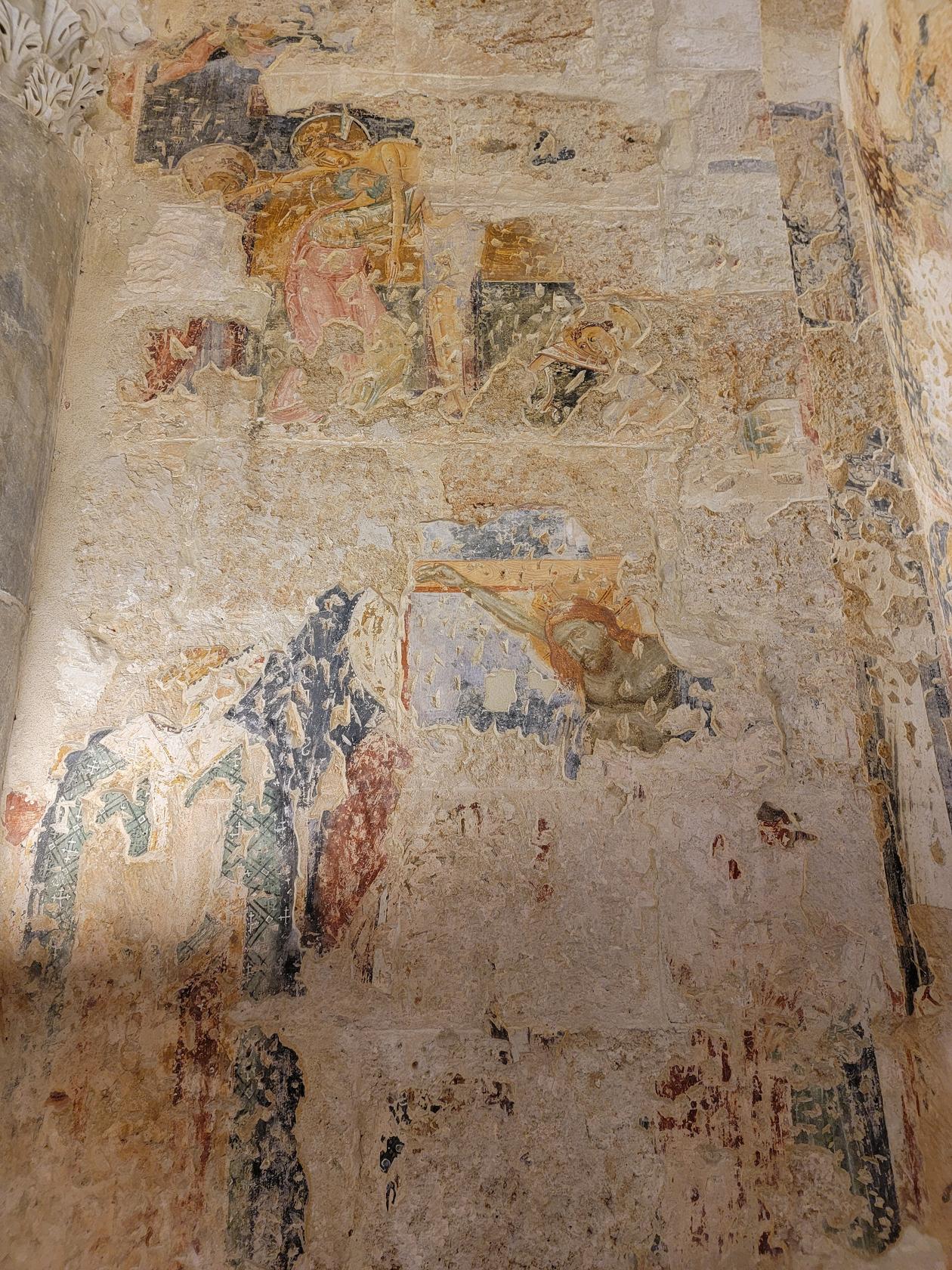
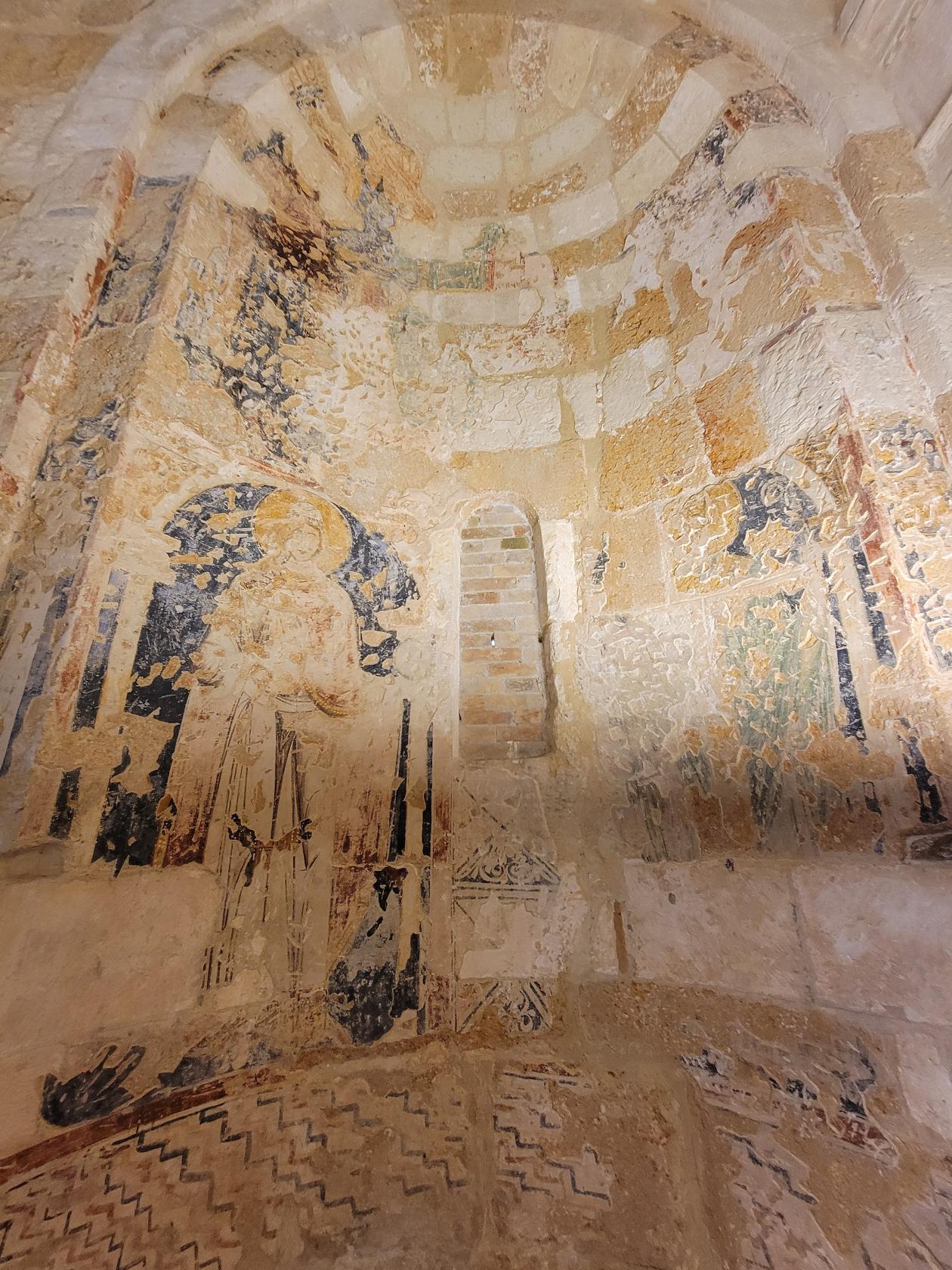
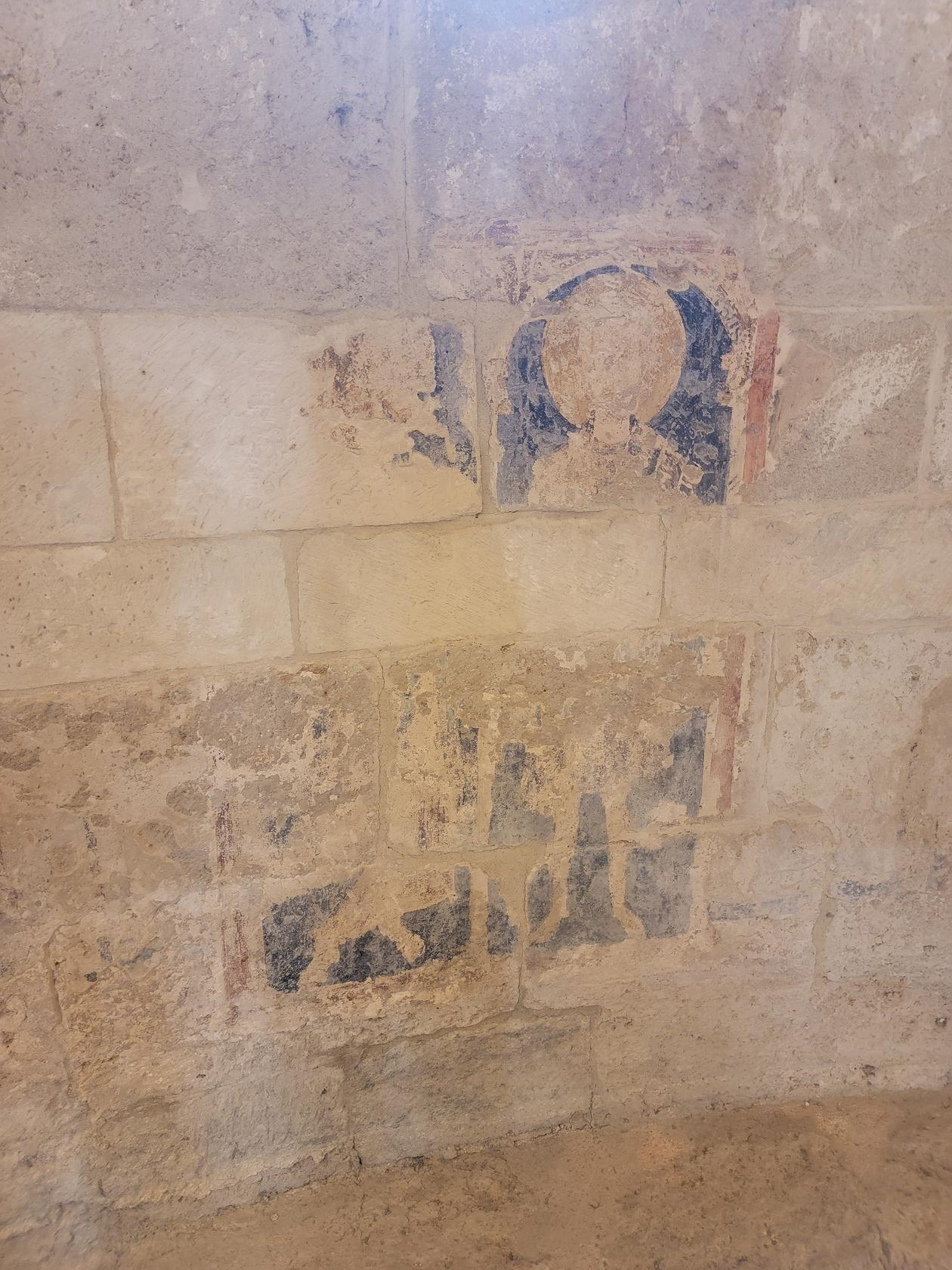
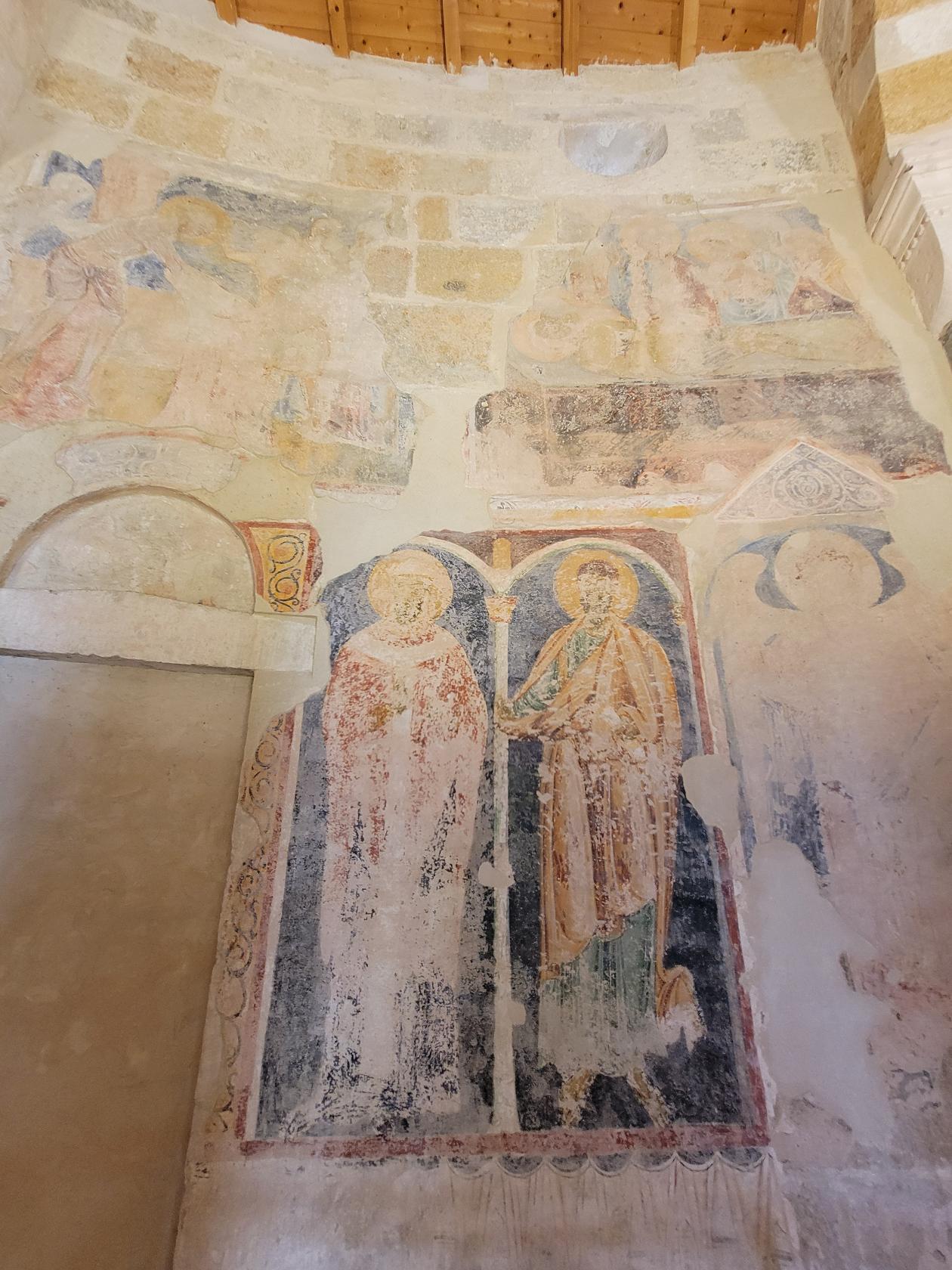
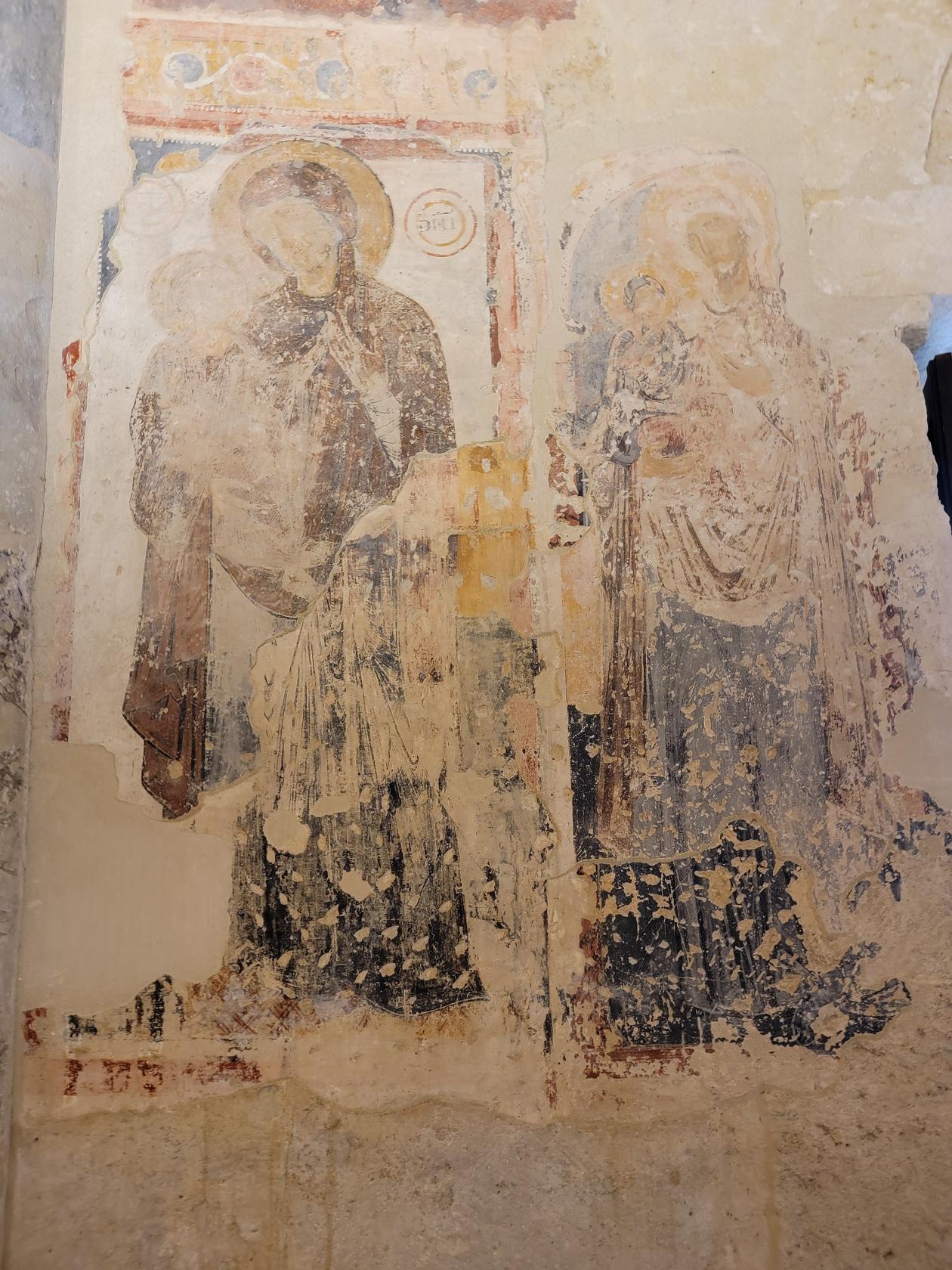
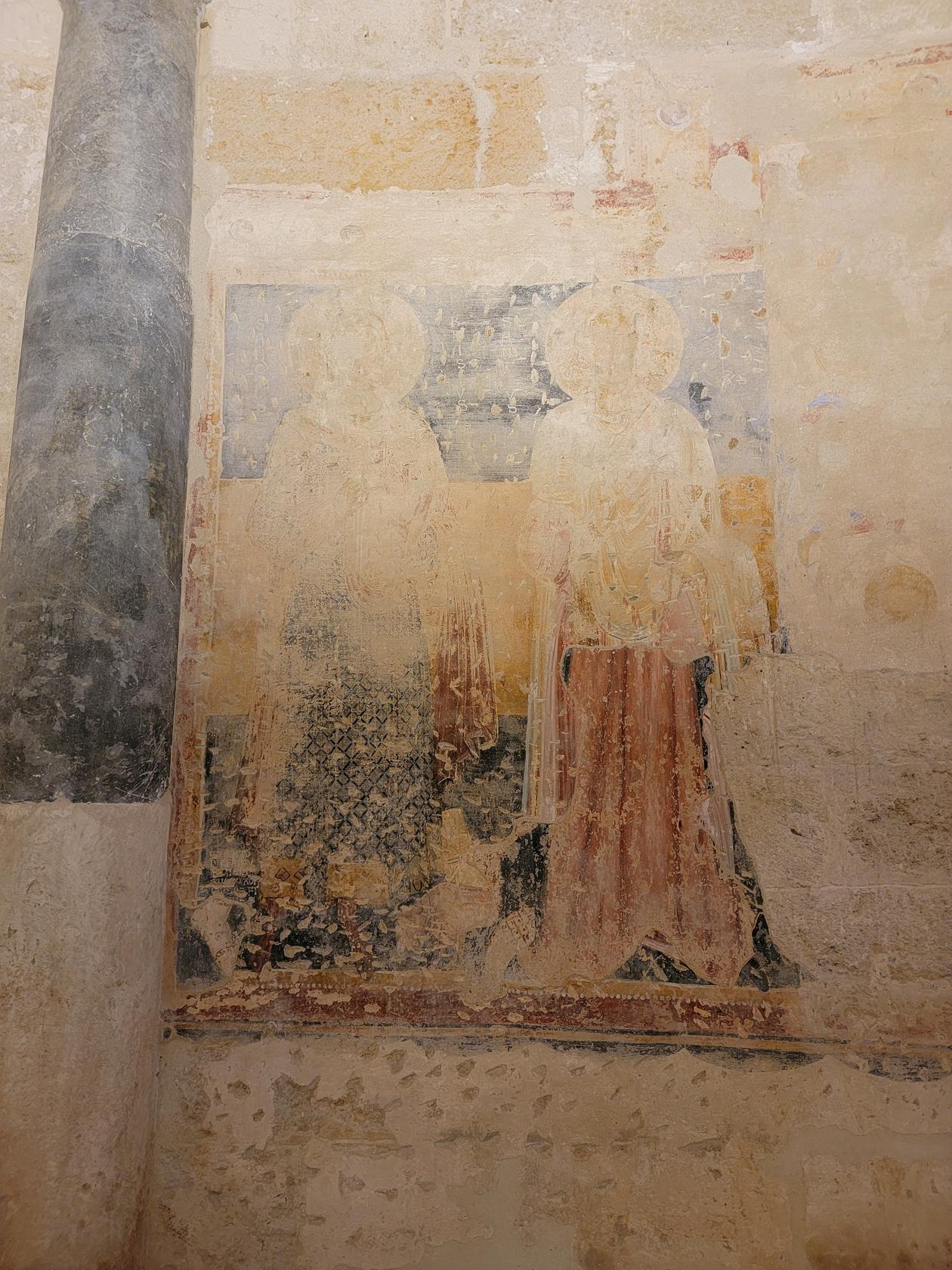
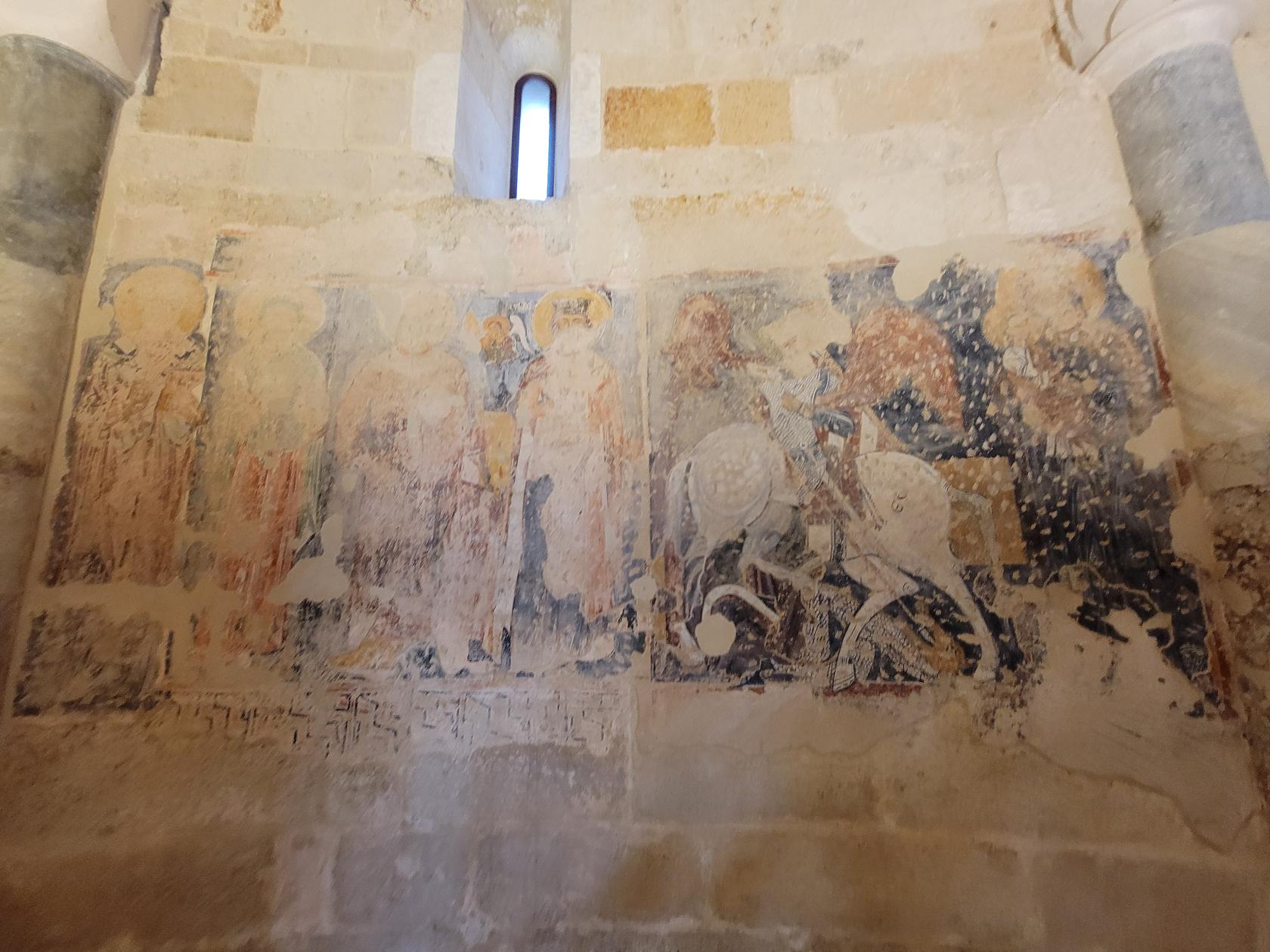
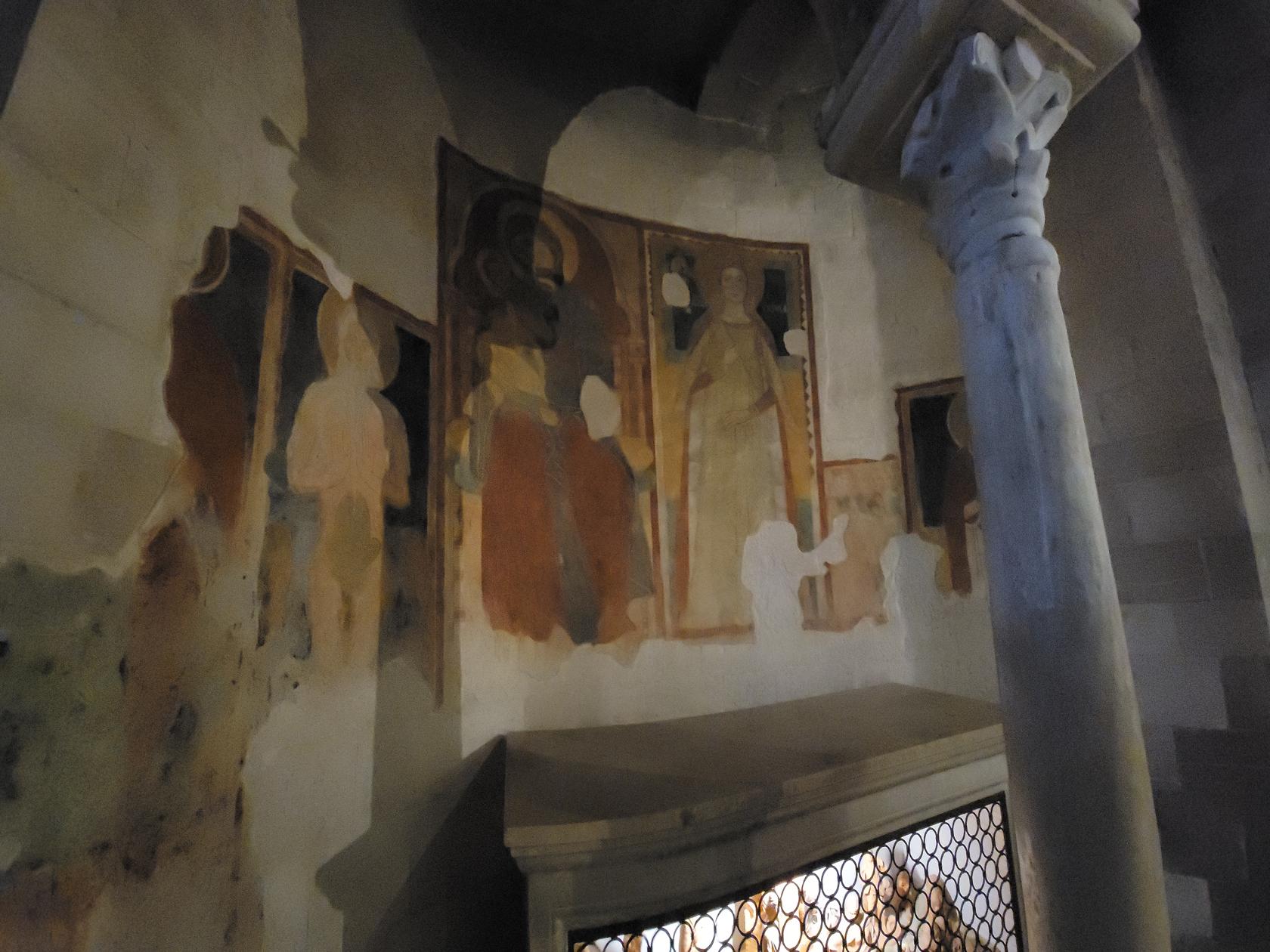
There are multiple frescoes on the walls depicting several different important themes of Christianity. All of which have been damaged by previous ownership, no doubt to repurpose the building for other uses.
St John At The Sepulchre – Deposition From The Cross, 13th Century – Brindisi, Italy
St John At The Sepulchre – Deesis, 13th Century – Brindisi, Italy
St John At The Sepulchre – Saint Inside Arcat, 13th Century – Brindisi, Italy
St John At The Sepulchre – Flagellation, 13th Century – Brindisi, Italy
St John At The Sepulchre – The Virgin And The Child, 13th Century – Brindisi, Italy
St John At The Sepulchre – Pentecost, 13th Century – Brindisi, Italy
St John At The Sepulchre – Saint George And The Dragon, 13th Century – Brindisi, Italy
St John At The Sepulchre – Side Entrance Lintel – Brindisi, Italy
St John At The Sepulchre – Patio – Brindisi, Italy
St John At The Sepulchre – Garden In Back – Brindisi, Italy
Porta Napoli
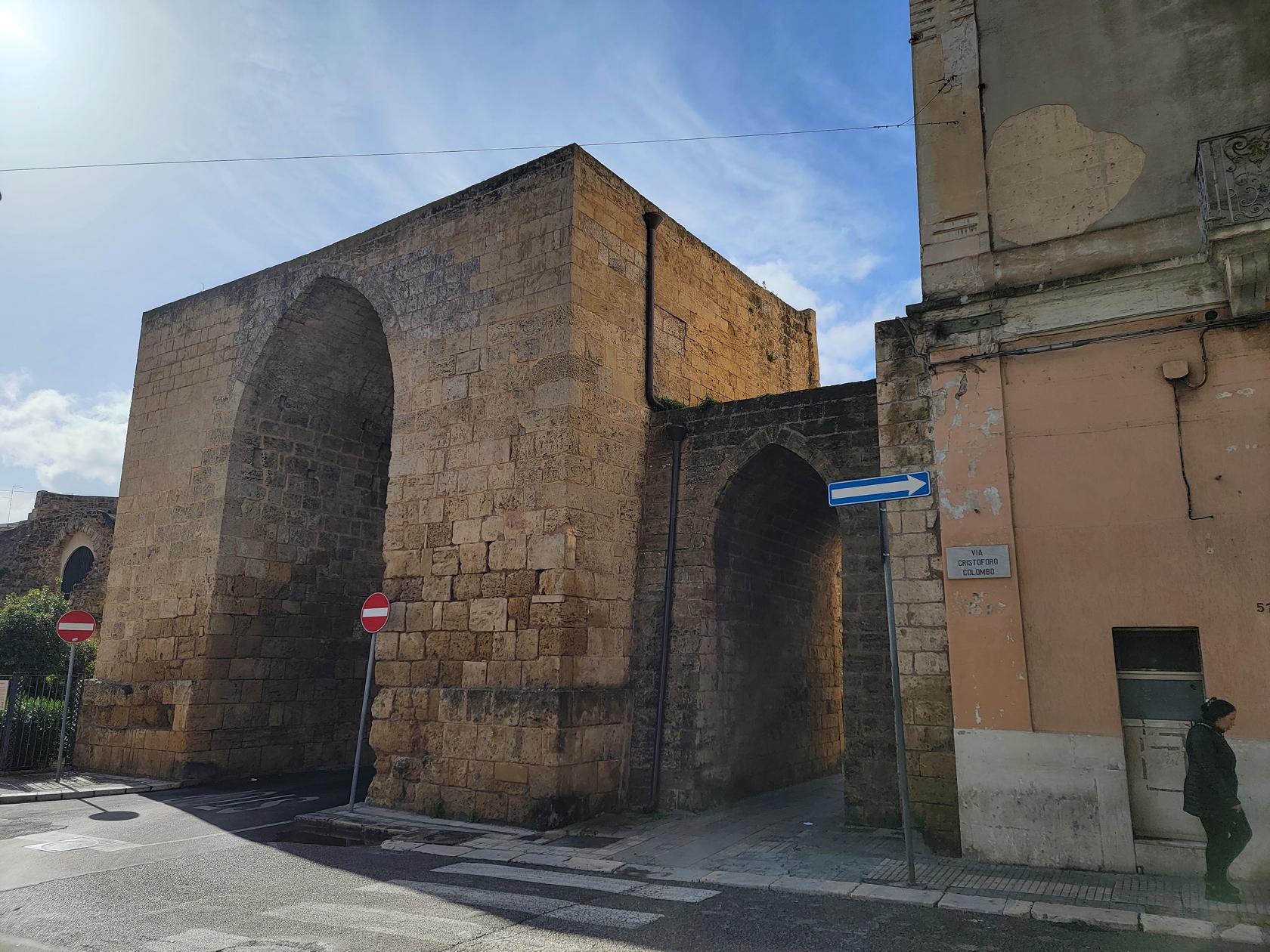
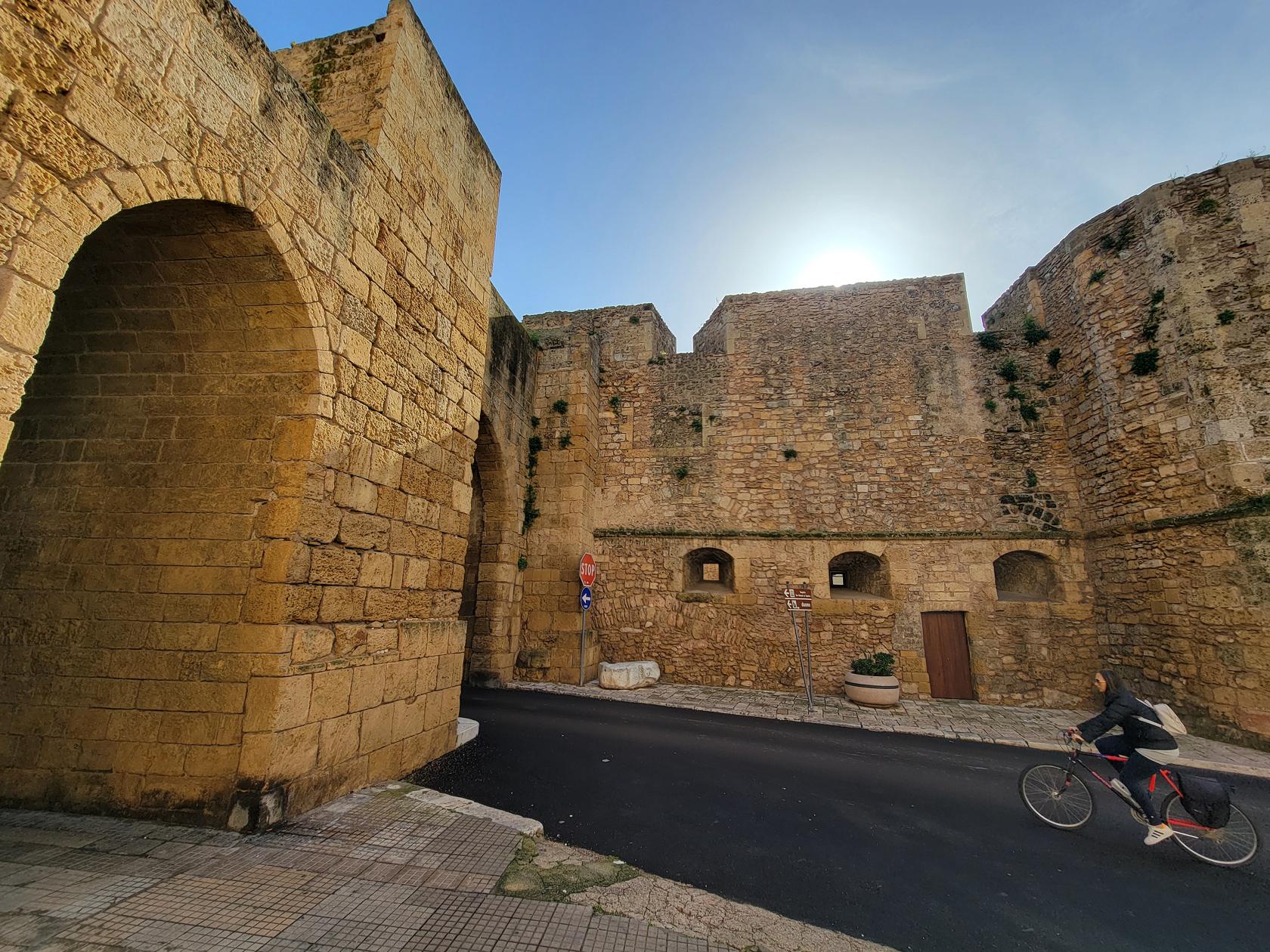
The Porta Napoli, also known as the Porta Mesagne, is the oldest entrance to the ancient city. It was constructed during Roman times by Marc Anthony to isolate the city from land side invasions. The Ruga Magistra or main street originated from this gate, which coincides today with via Carmine and via Filomeno Consiglio today.
Porta Napoli – Brindisi, Italy
Porta Napoli – Brindisi, Italy
Castello Svevo
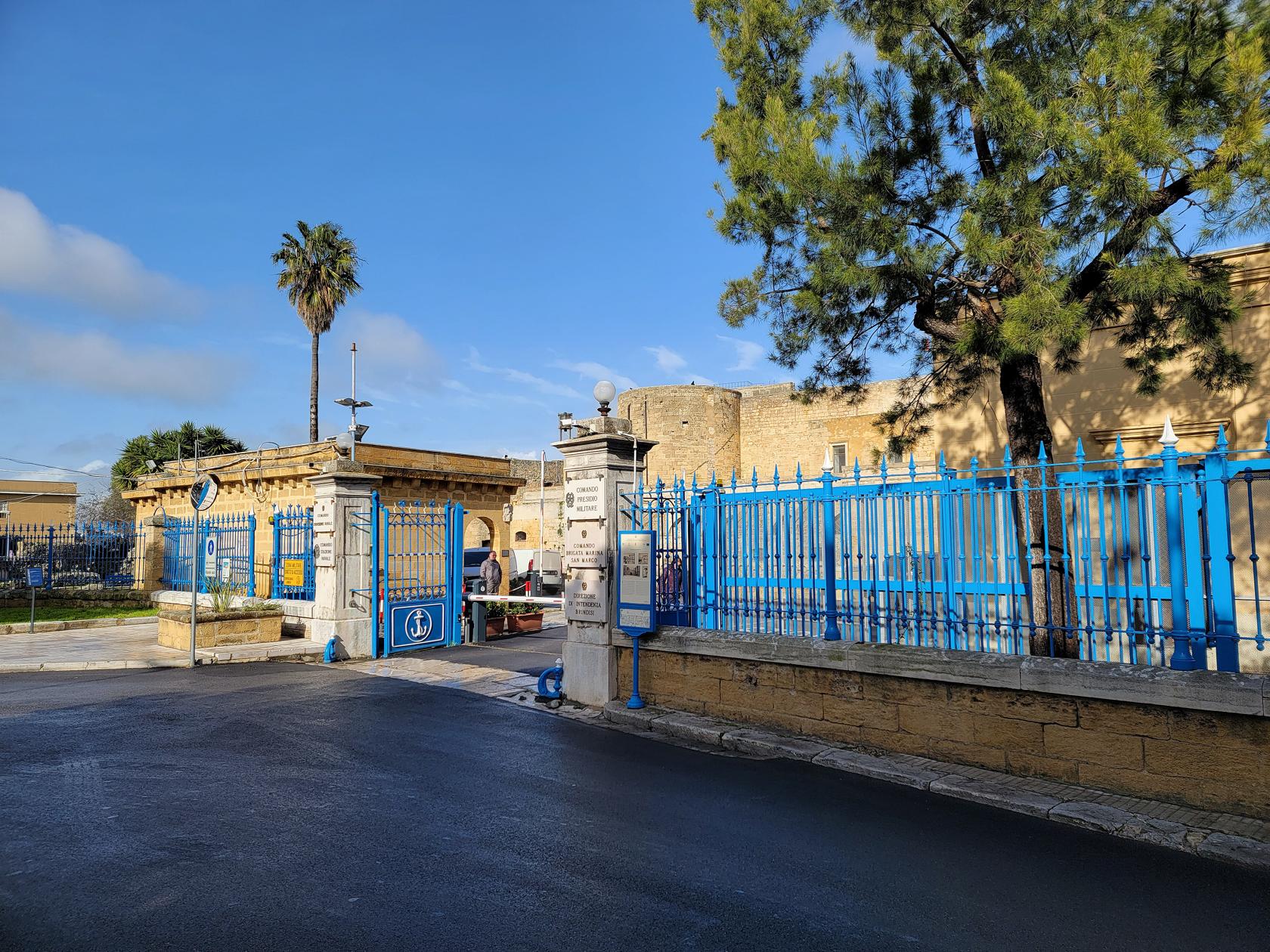
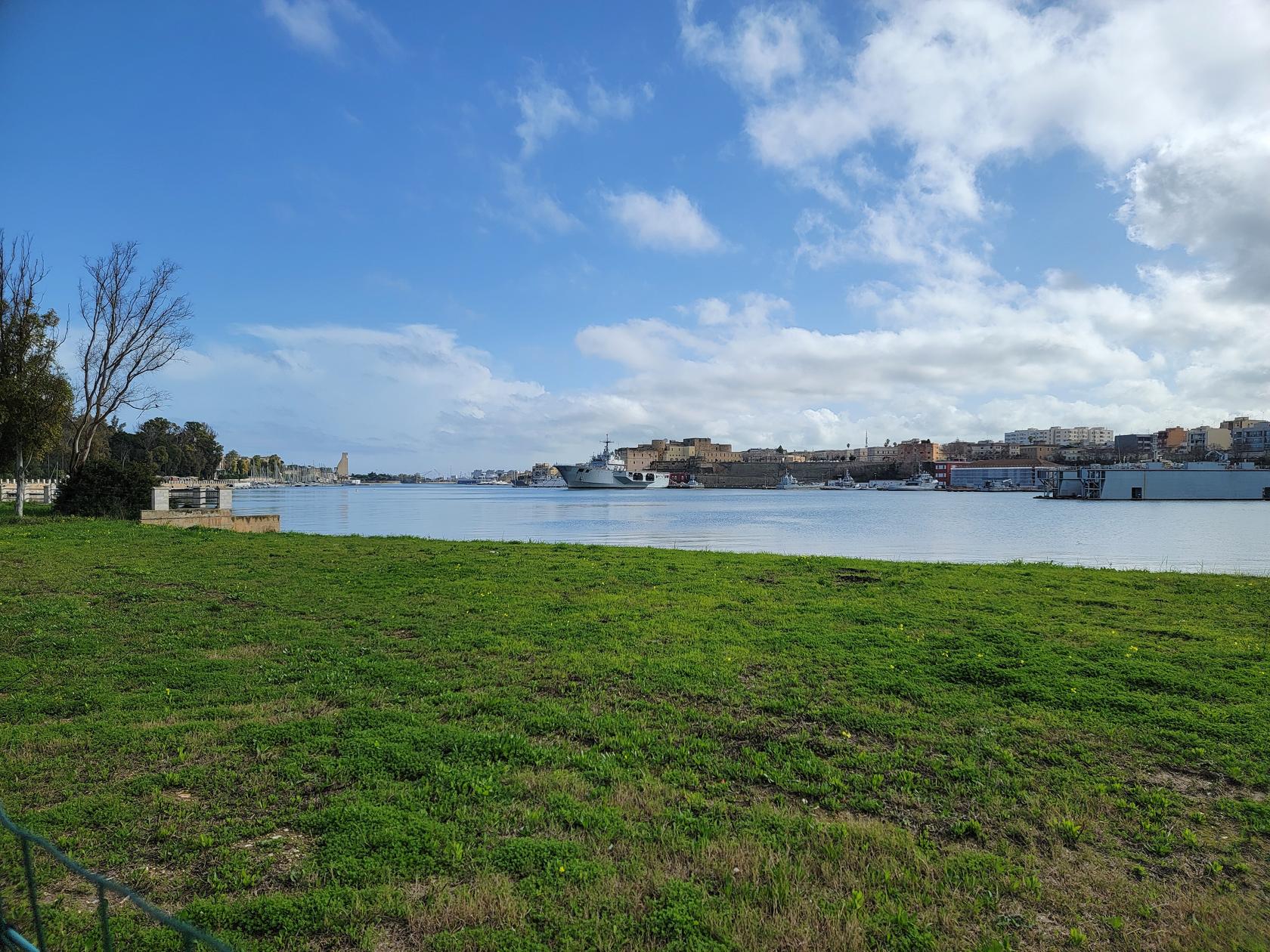
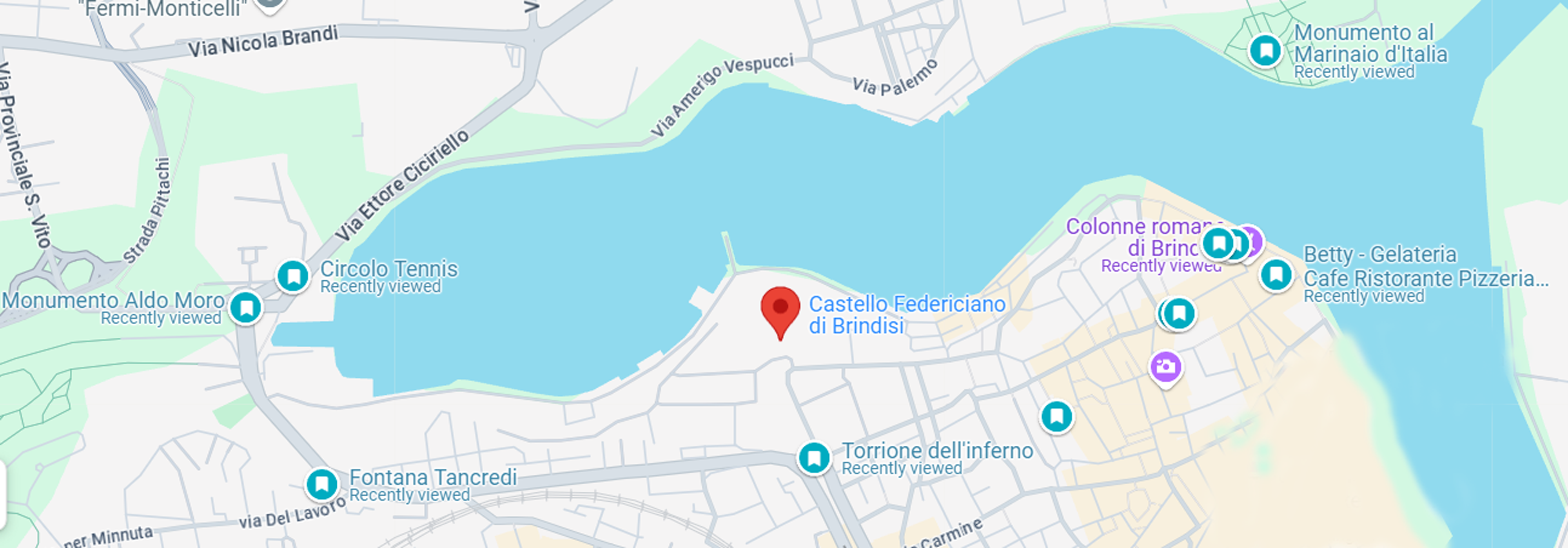
Unlike the map that one of the major search providers tries to imply you can walk the entire way around bay to the Monumento al Marinaio d’Italia; this cannot be done. We found out the difficult way by walking to Castello Svevo or the Swabian Castle of Brindisi, only to find out that you cannot enter without a pass, it is an active Naval Base. Temporary passes can be obtained online, but there is a forty-eight hour waiting period (don’t ask – I have no idea why, however it is required before you may return and enter). Since we are not staying here that long we decided to forgo that pleasure.
So, denied entry, we changed our plans and headed for the Fontana Tancredi, thinking that it might be a sight to see, and afterwards we could just walk toward the bay and find the Lungomare; no such luck on both accounts. Most of the area in and around the castle is restricted and cannot be entered, the fountain is fenced off, overgrown and only trickles water, so total failure on both accounts.
Via Provincial San Vito – Brindisi, Italy
Aldo Moro Monument – Brindisi, Italy
Southern Italian Naval Base – Brindisi, Italy
In fact, they have very large naval ships anchored here as well temporary housing for illegal immigrants. We attempted to go as far as the tennis club, or Circolo Tennis Club, but then turned around. Had we known beforehand, we could have continued further and picked up the bay shuttle about a half kilometer further.
Castello Svevo – Map and where not to go – Brindisi, Italy
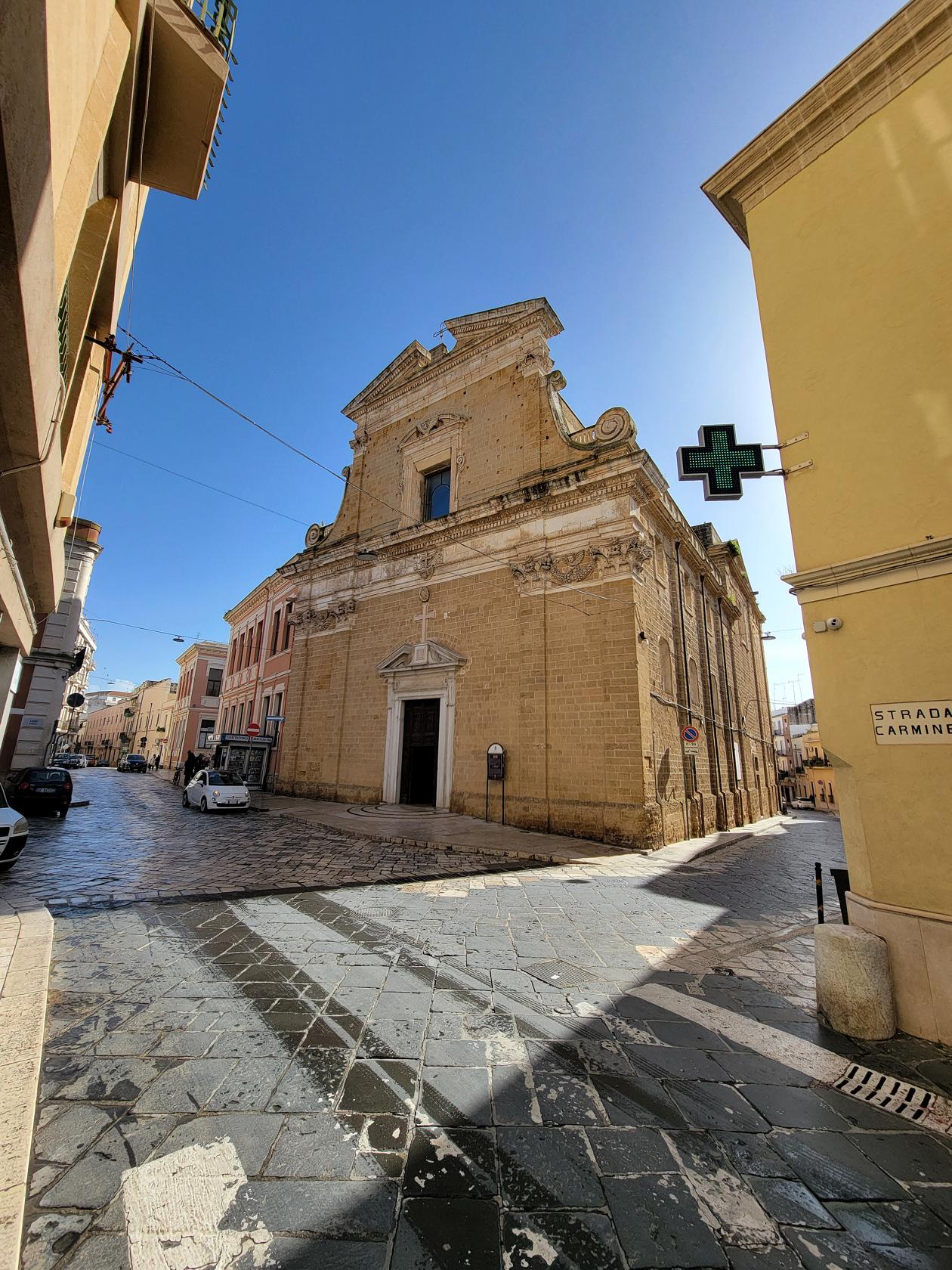
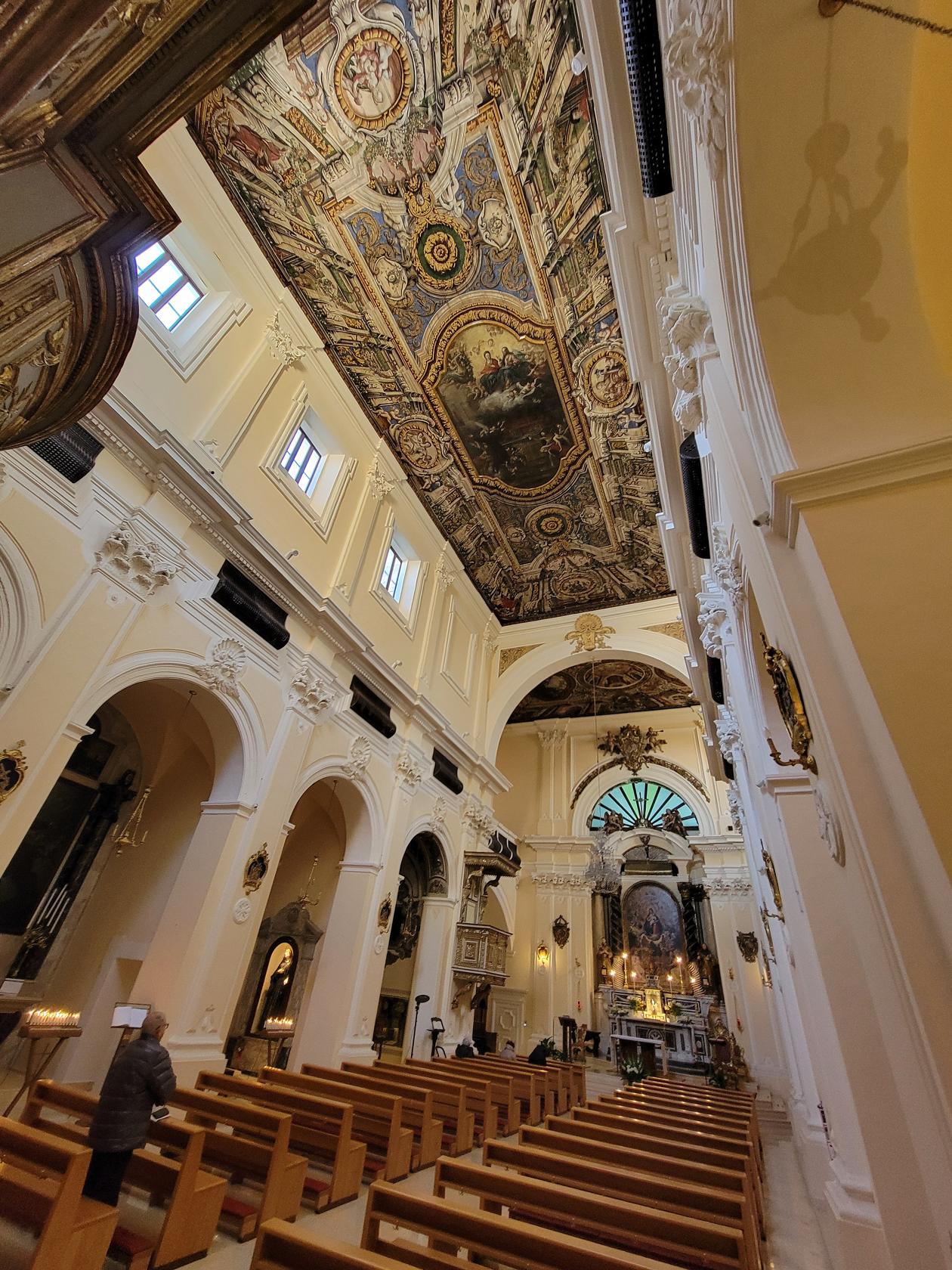
While walking back, we discovered the Santuario Santa Maria degli Angeli church. A nondescript church from the outside offers a better view from the inside. If you are in the area of Via Ferrante Fornari and see the church, it is worth to stick your head in and take a look.
Santuario Santa Maria degli Angeli – Brindisi, Italy
Santuario Santa Maria degli Angeli – Nave and Ceiling – Brindisi, Italy
Monumento al Marinaio d’Italia
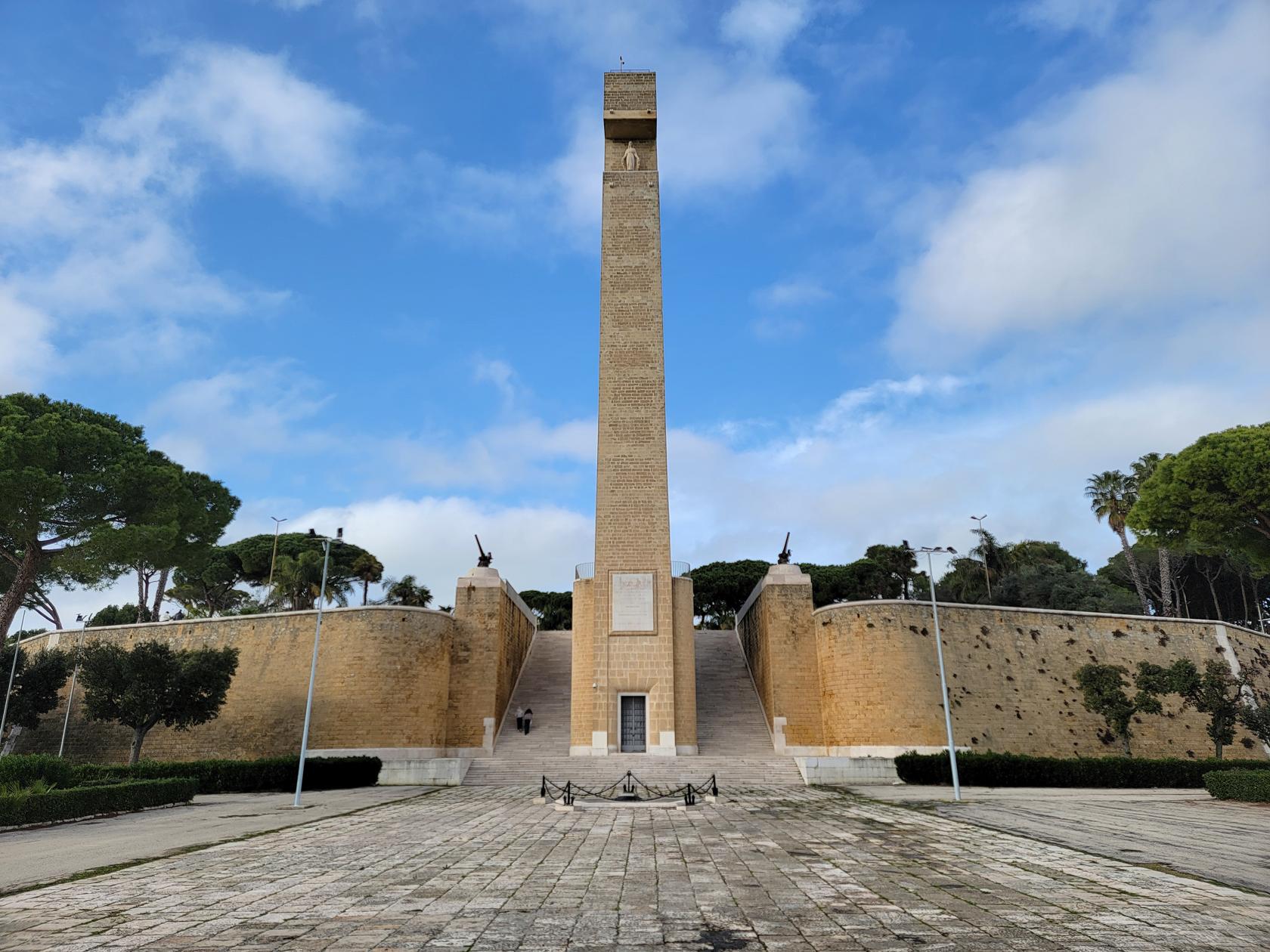
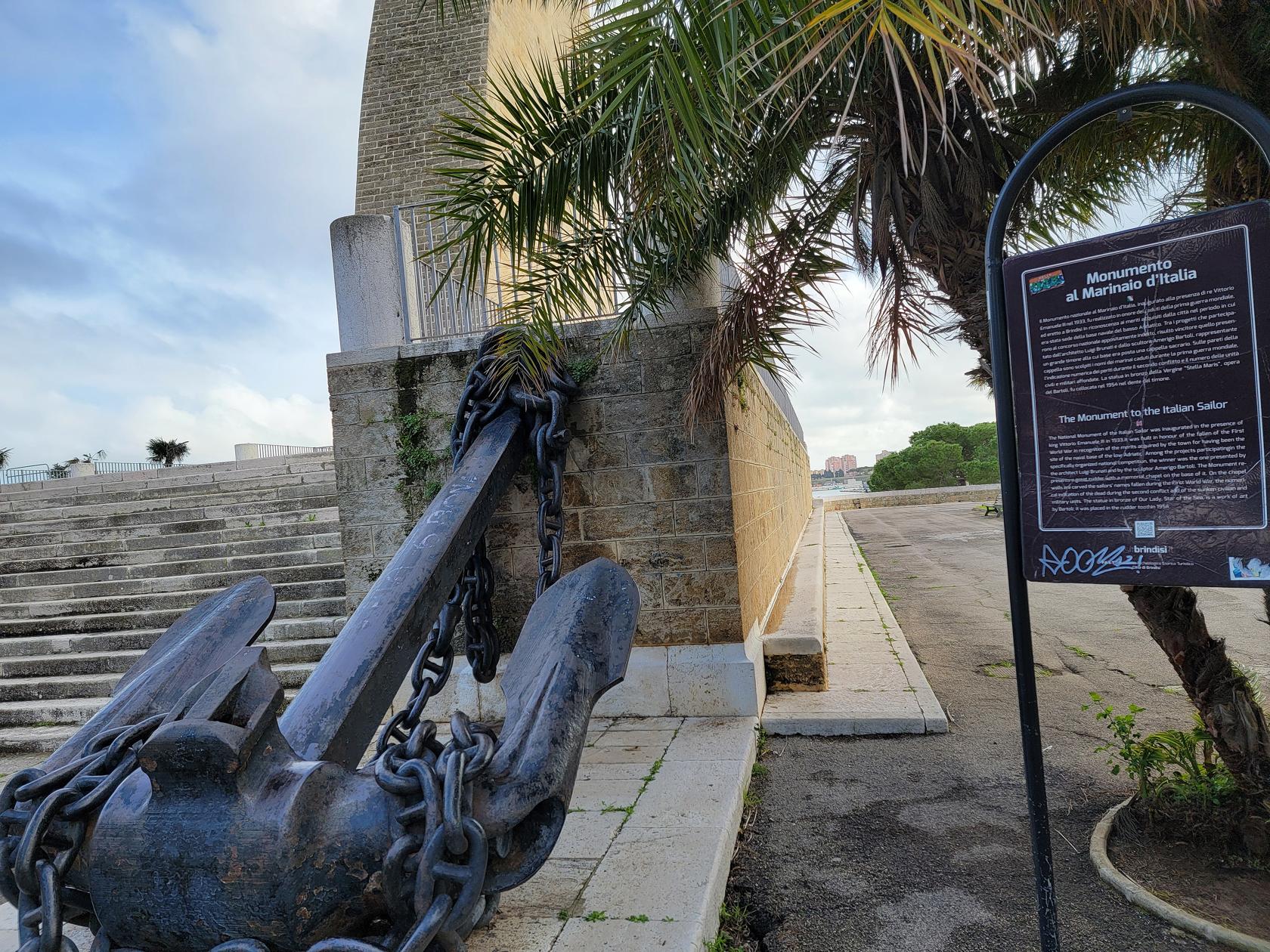
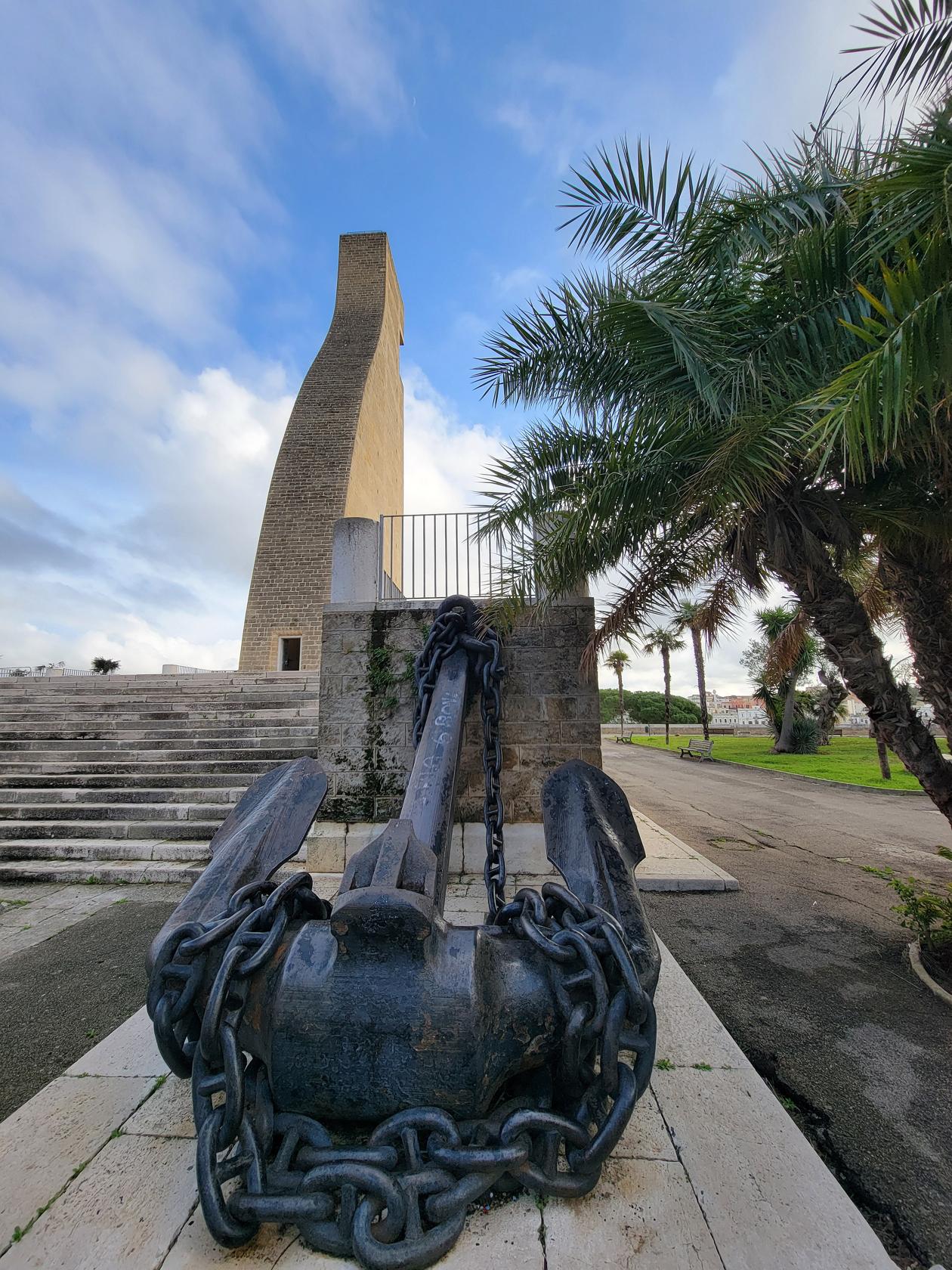
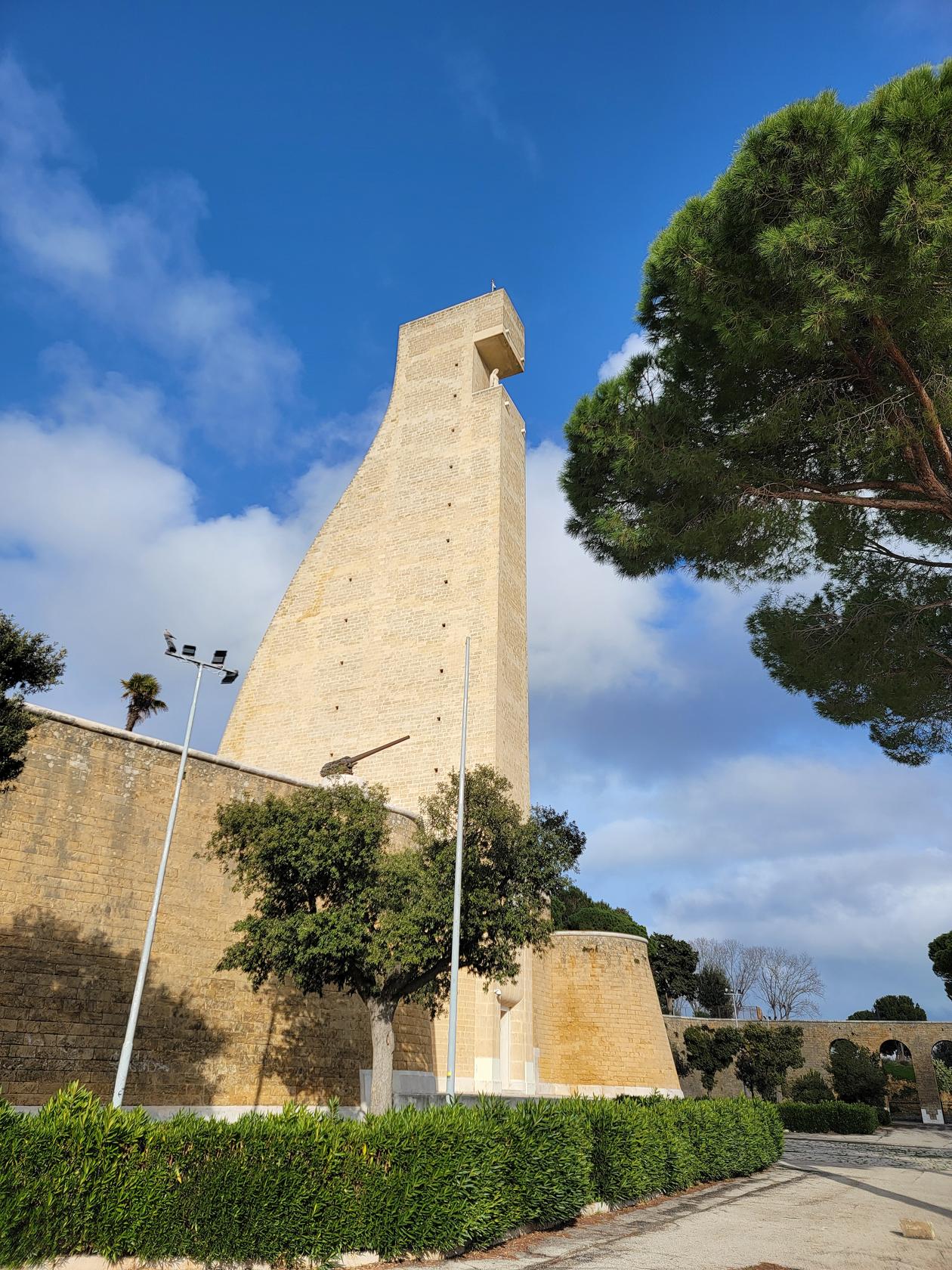
The large monument across the bay is the Monumento al Marinaio d’Italia, a naval monument erected for the fallen navy personal of Italy. It has two shore guns on either side and may be climbed for a fee, there is a lookout on the top that has a commanding view of the city.
Monumento al Marinaio d’Italia – Brindisi, Italy
Monumento al Marinaio d’Italia – Brindisi, Italy
Monumento al Marinaio d’Italia – Brindisi, Italy
Monumento al Marinaio d’Italia – Brindisi, Italy
Restaurants
Most of the restaurants that we visited were down by the water and along the Lungomare.
Ristorante Windsurf
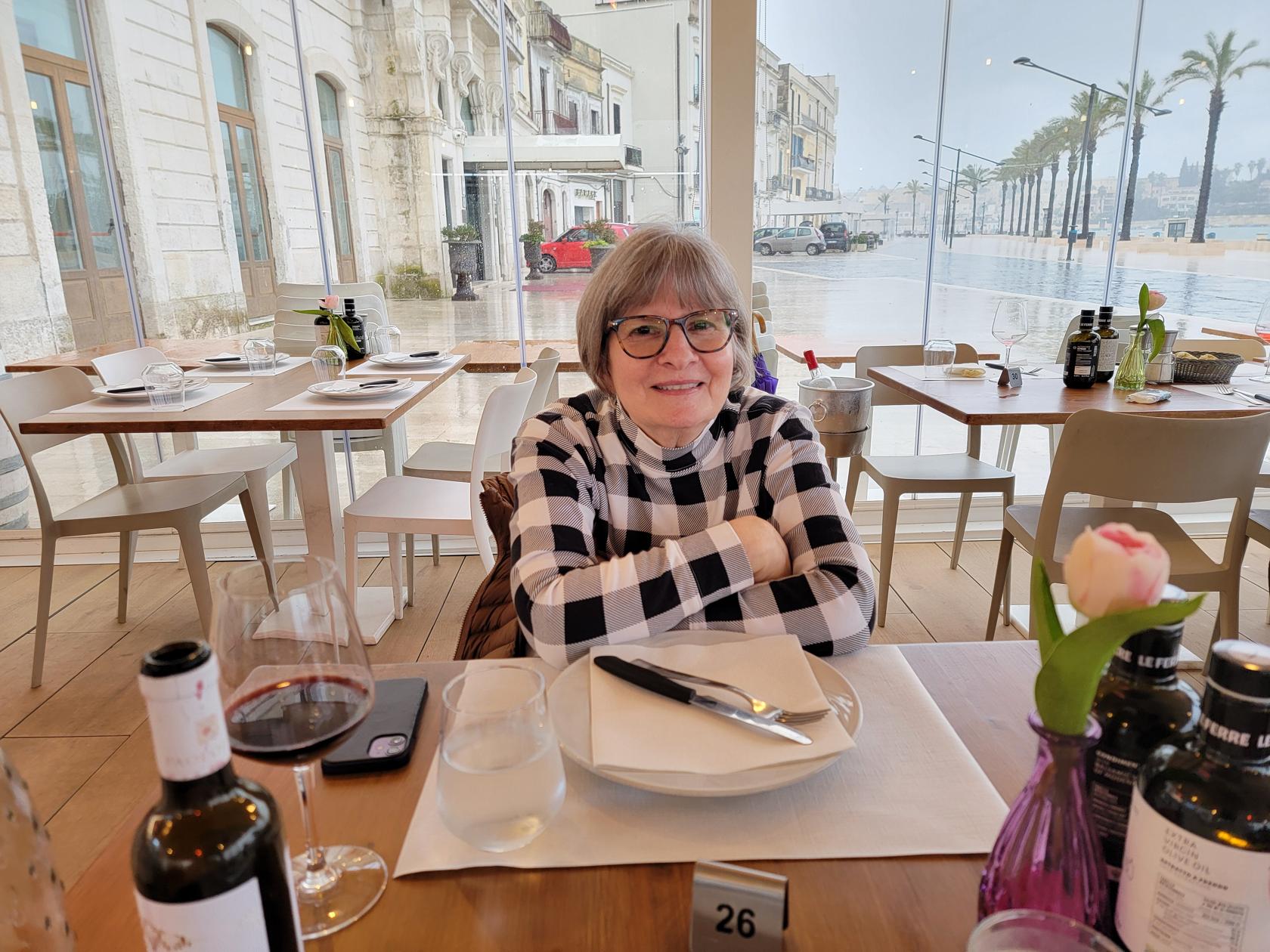
We chose this restaurant out of convenience, mostly because of the rain and threat of thunderstorms, and glad we did because while we were eating it poured. It was also conveniently located thirty meters from our hotel entrance.
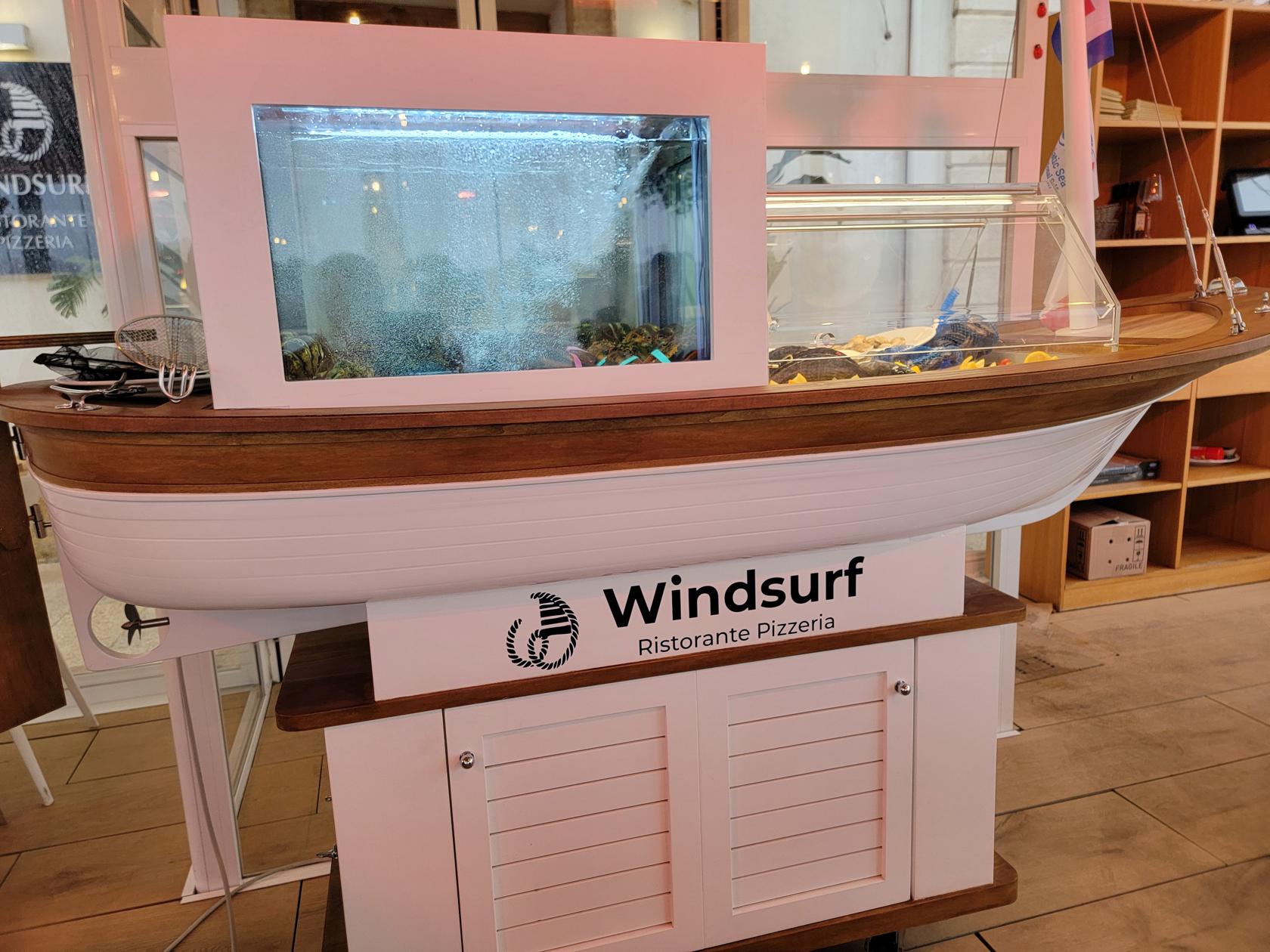
Windsurf Ristorante Pizzeria – Lobster tank – Brindisi, Italy
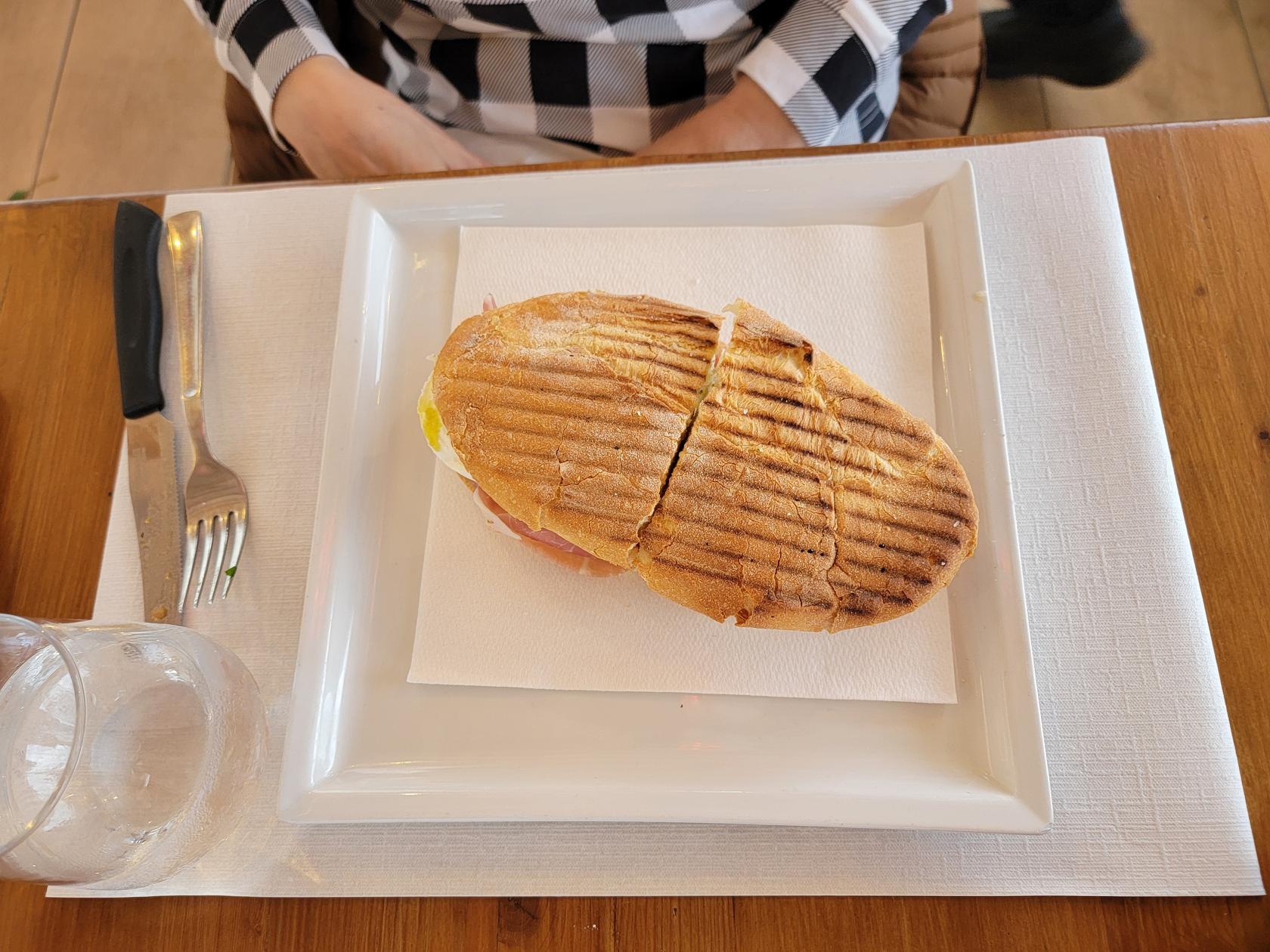
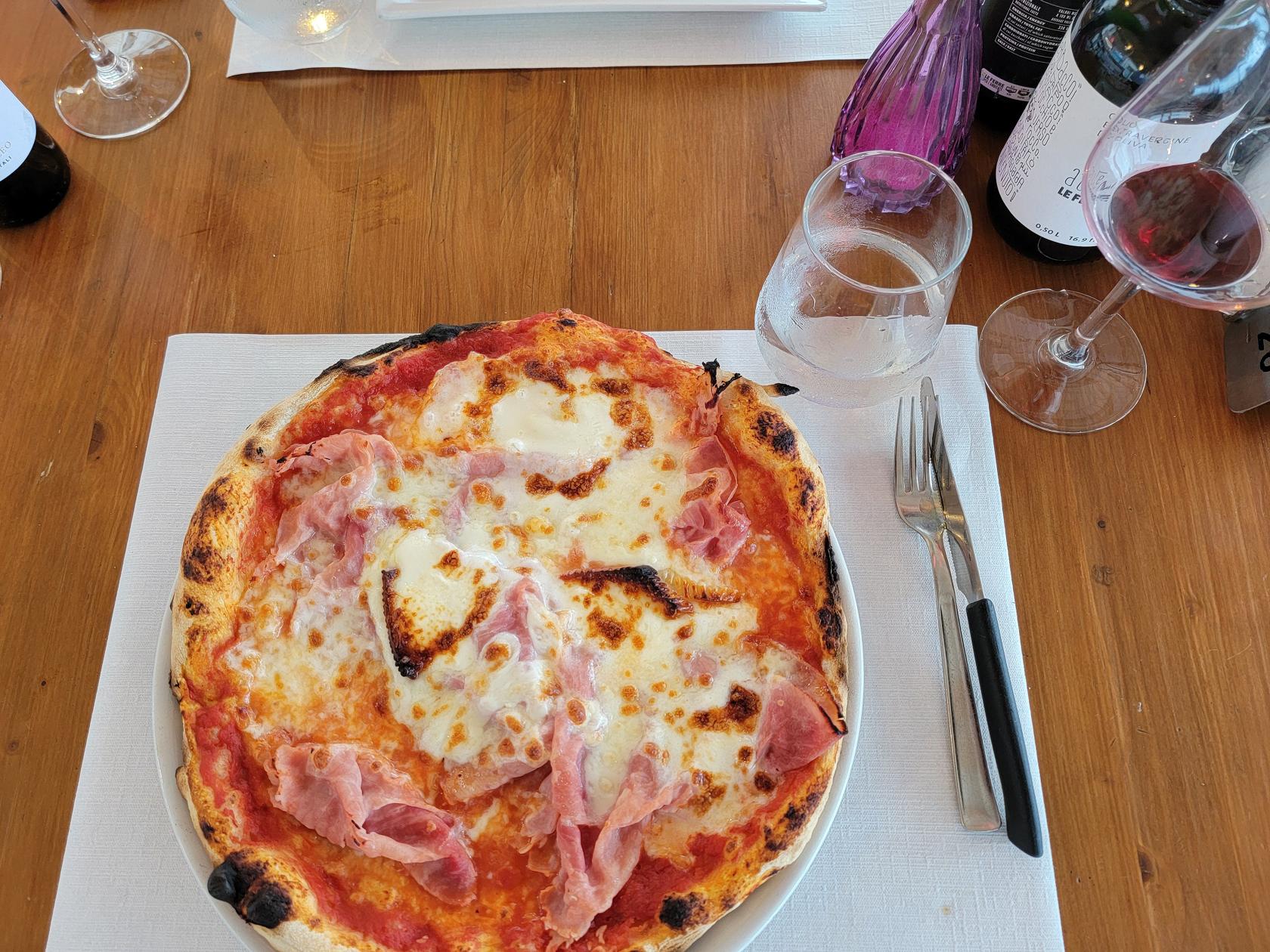
The food is typical pizzeria food with a concentration on sea food for everything else. I chose a pizza and Patti stuck with a panini that they offered on the menu. The Negroamaro from Puglia was actually very nice, dry but not overly tannic.
Windsurf Ristorante Pizzeria – A Negroamaro from Puglia – Brindisi, Italy
Betty Gelateria Cafe Ristorante Pizzeria A Brindisi
A similar cafe and pizzeria as WindSurf is Betty Gelateria Cafe Ristorante Pizzeria A Brindisi, located just below the stairs to the Roman Column. We stopped here for a simple lunch consisting of salads, bread and pizza points. The wine was house wine, but was very good.
Betty Gelateria Cafe Ristorante Pizzeria A Brindisi – Patti’s Green Salad With Fruit And Nuts – Brindisi, Italy
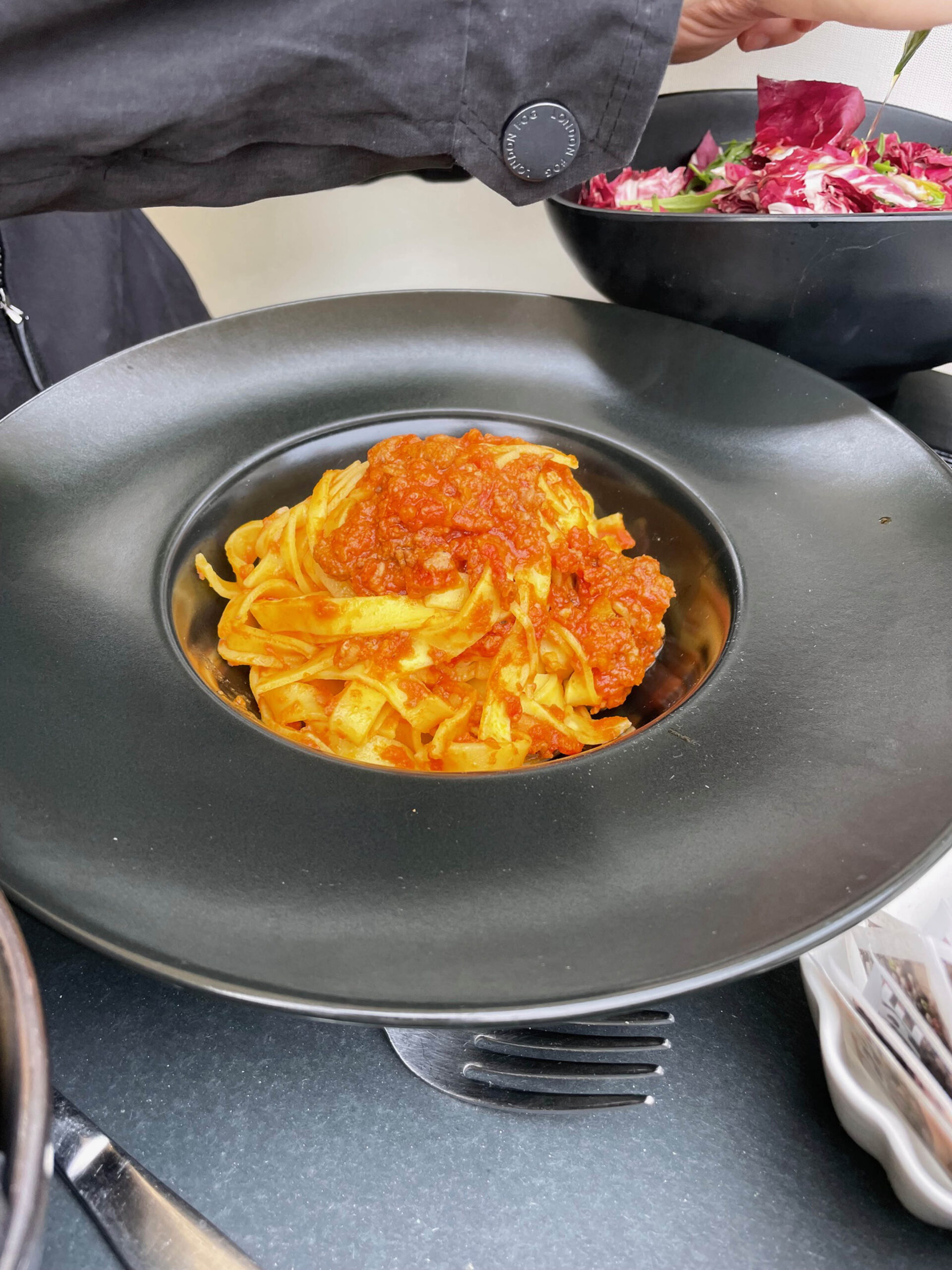
We also stopped later in the evening for dinner, since they were one of the few restaurants around showing pasta with ragu sauce on their menus. Patti ordered the Penne all’Arrabbiata and I ordered the Tagliatelle al Ragú.
Final Thoughts
Although we both thought that Brindisi is rather clean and has some things to offer, we weren’t so sure that we visit, if we didn’t have so much time on our hands being retired. Therefore, for the casual visitor to Italy, we would not commend a visit, Bari and Trani have more to offer.
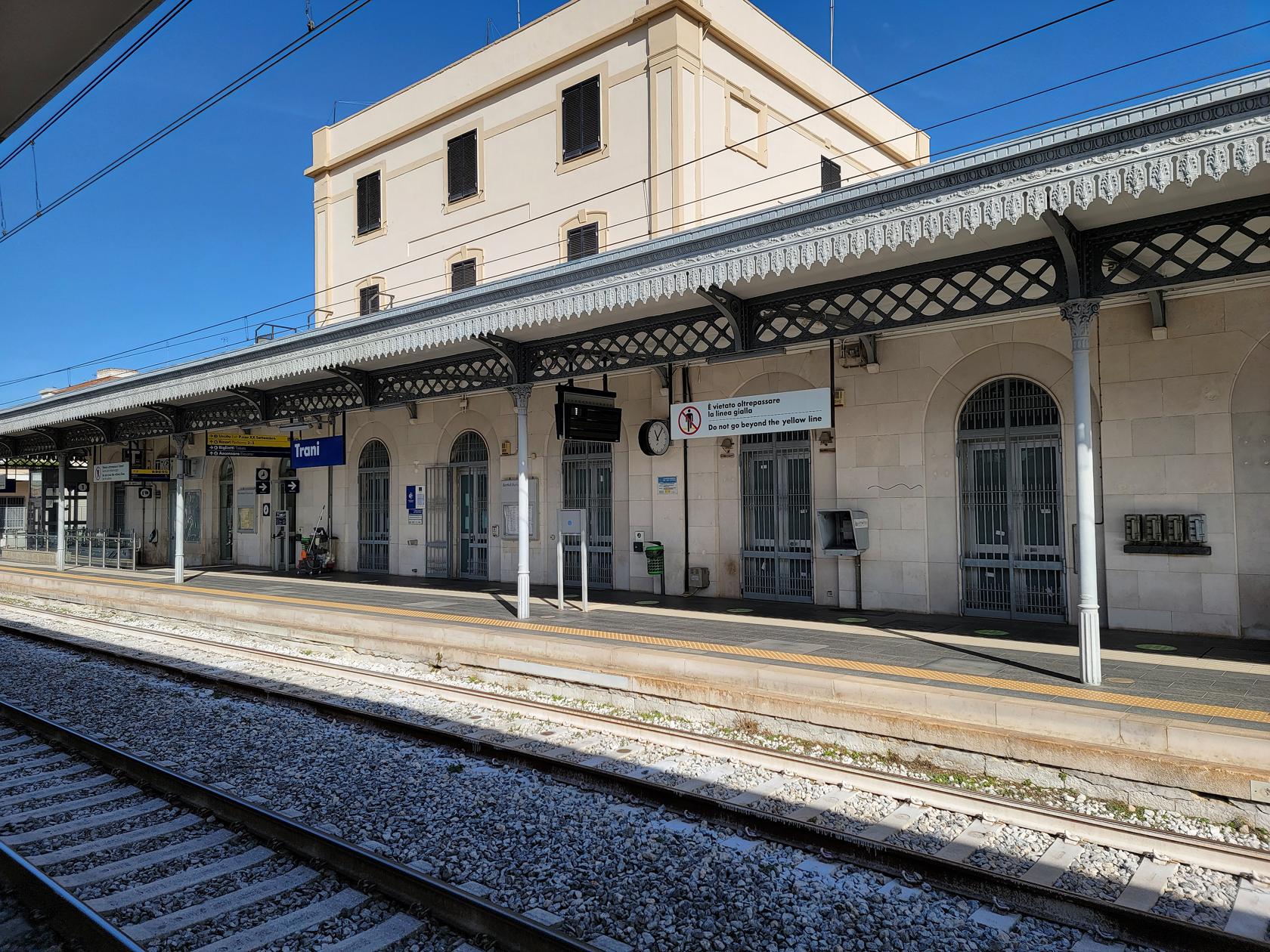
On a lark, Patti decided to go to Trani, Italy for the day. The morning was clear, blue and fantastic, so we could not expect better weather.
Trani Centrale – Trani, Italy
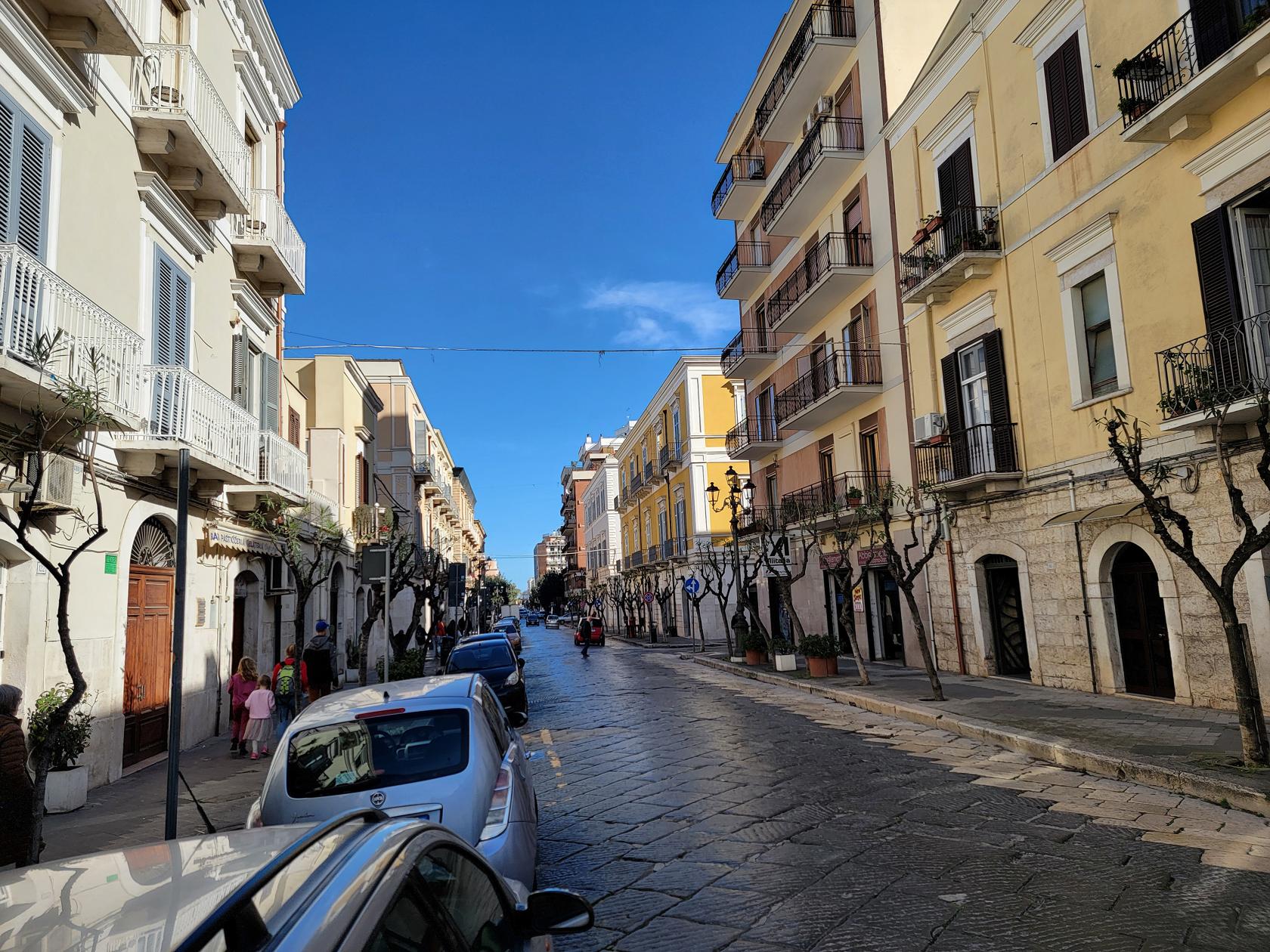
VIa Cavour – Trani, Italy
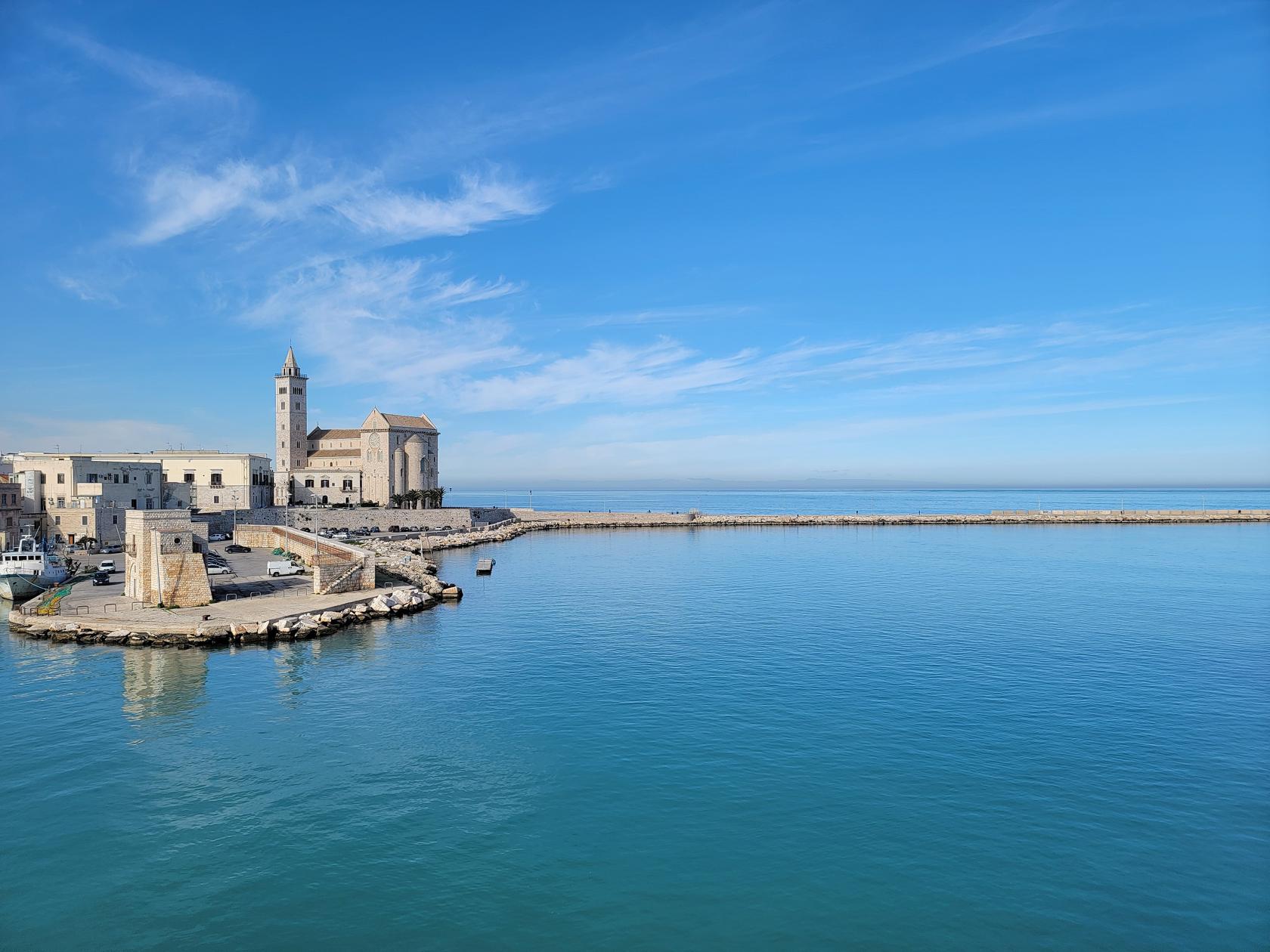
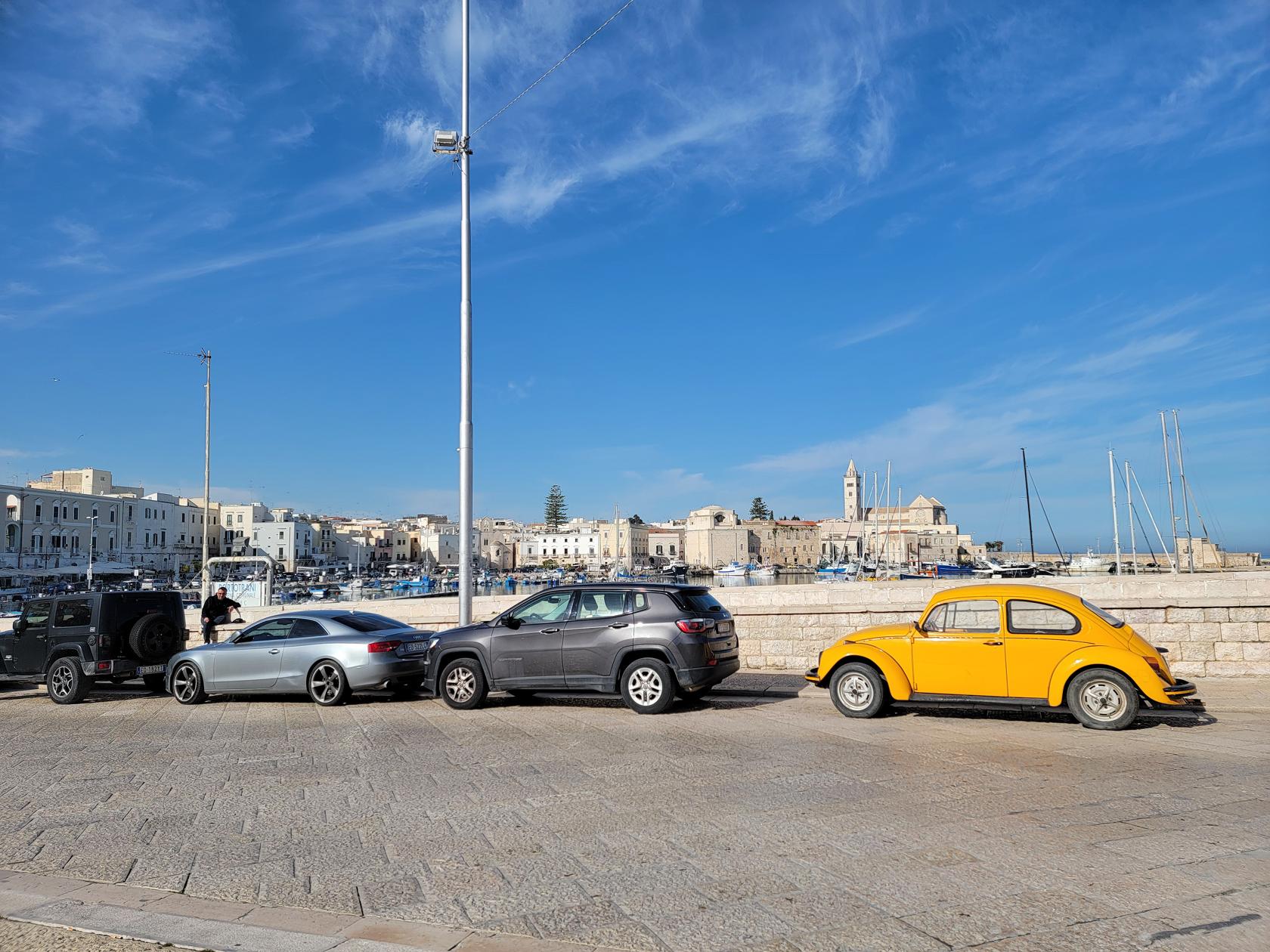
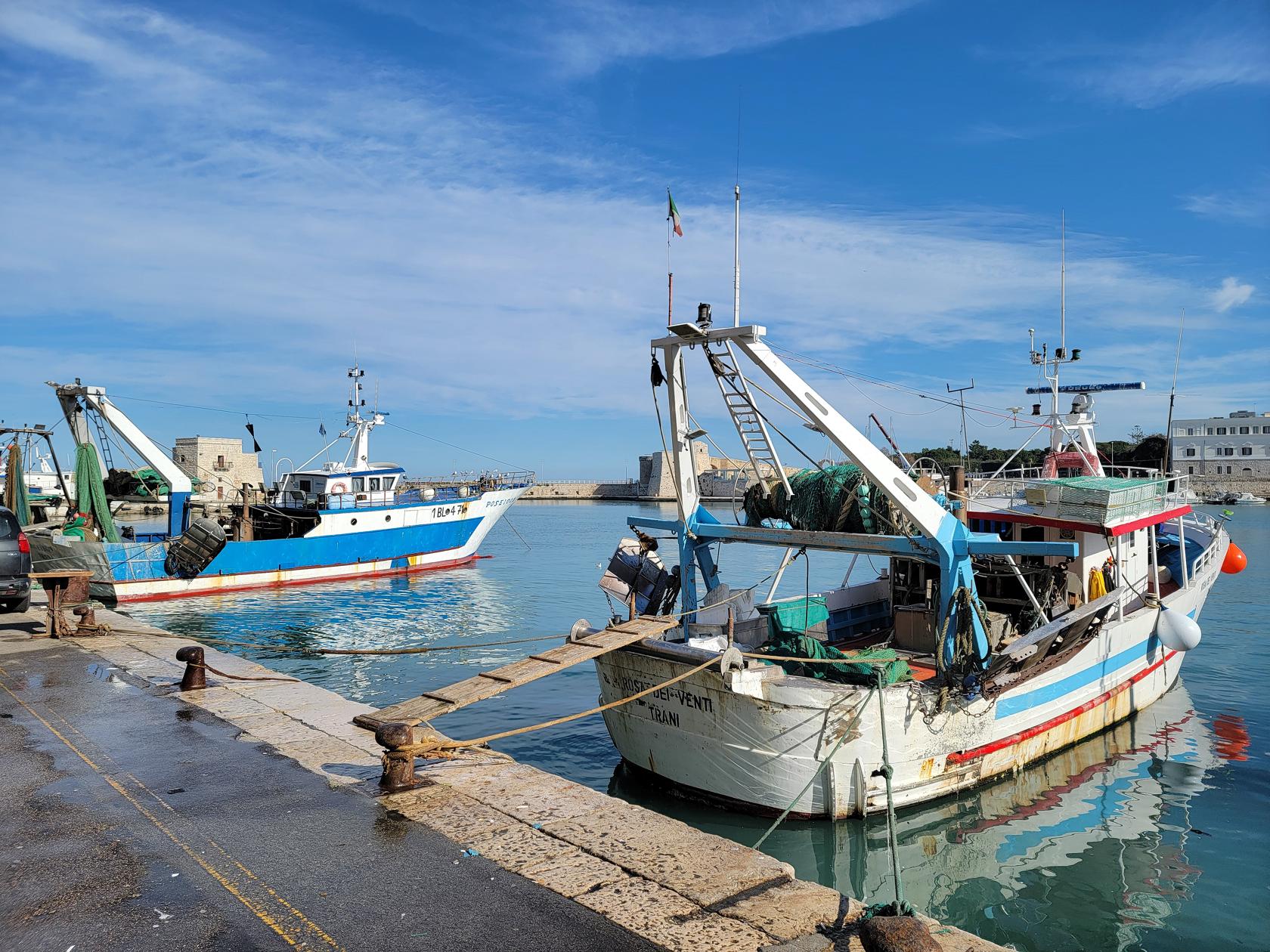
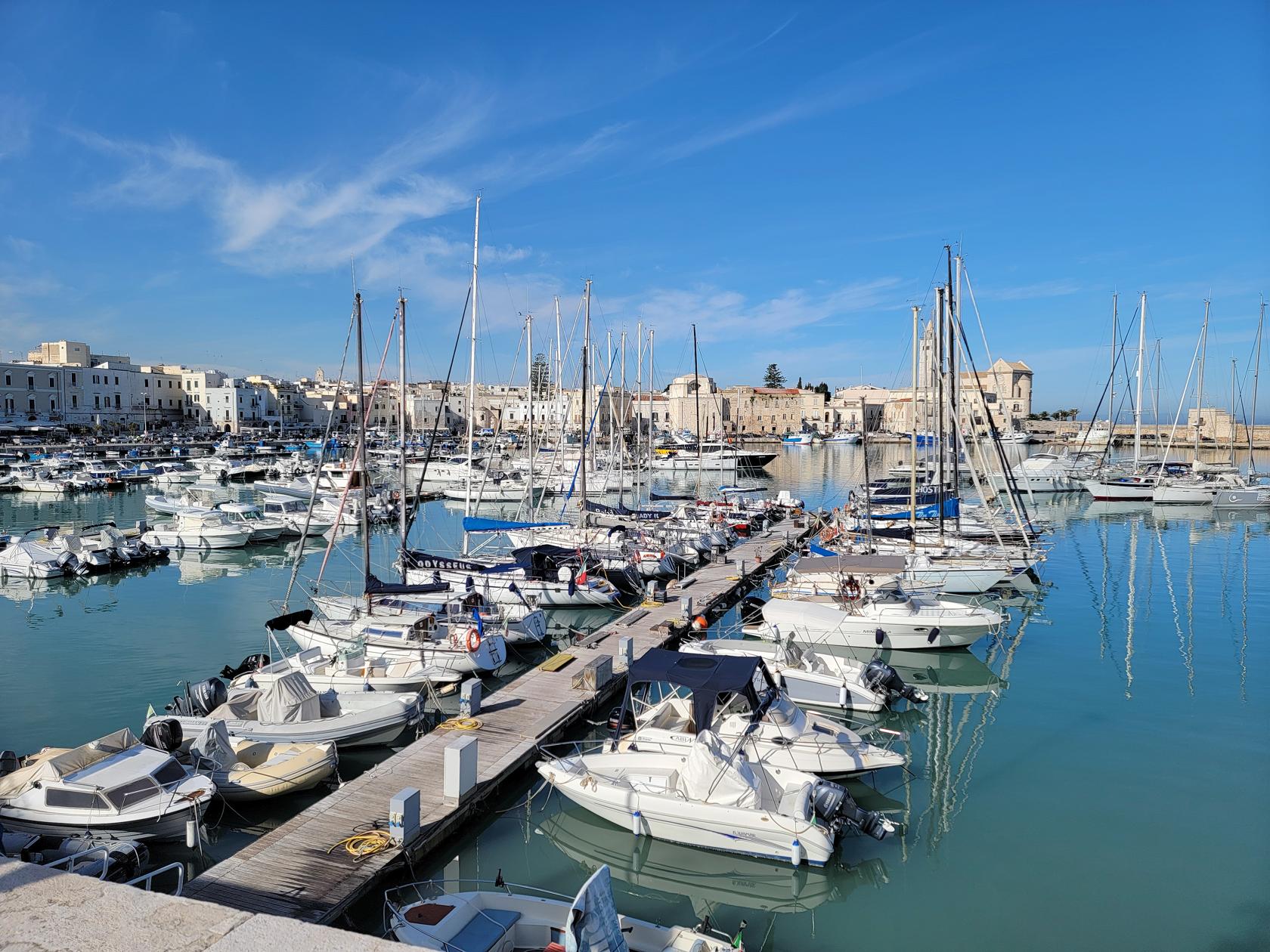
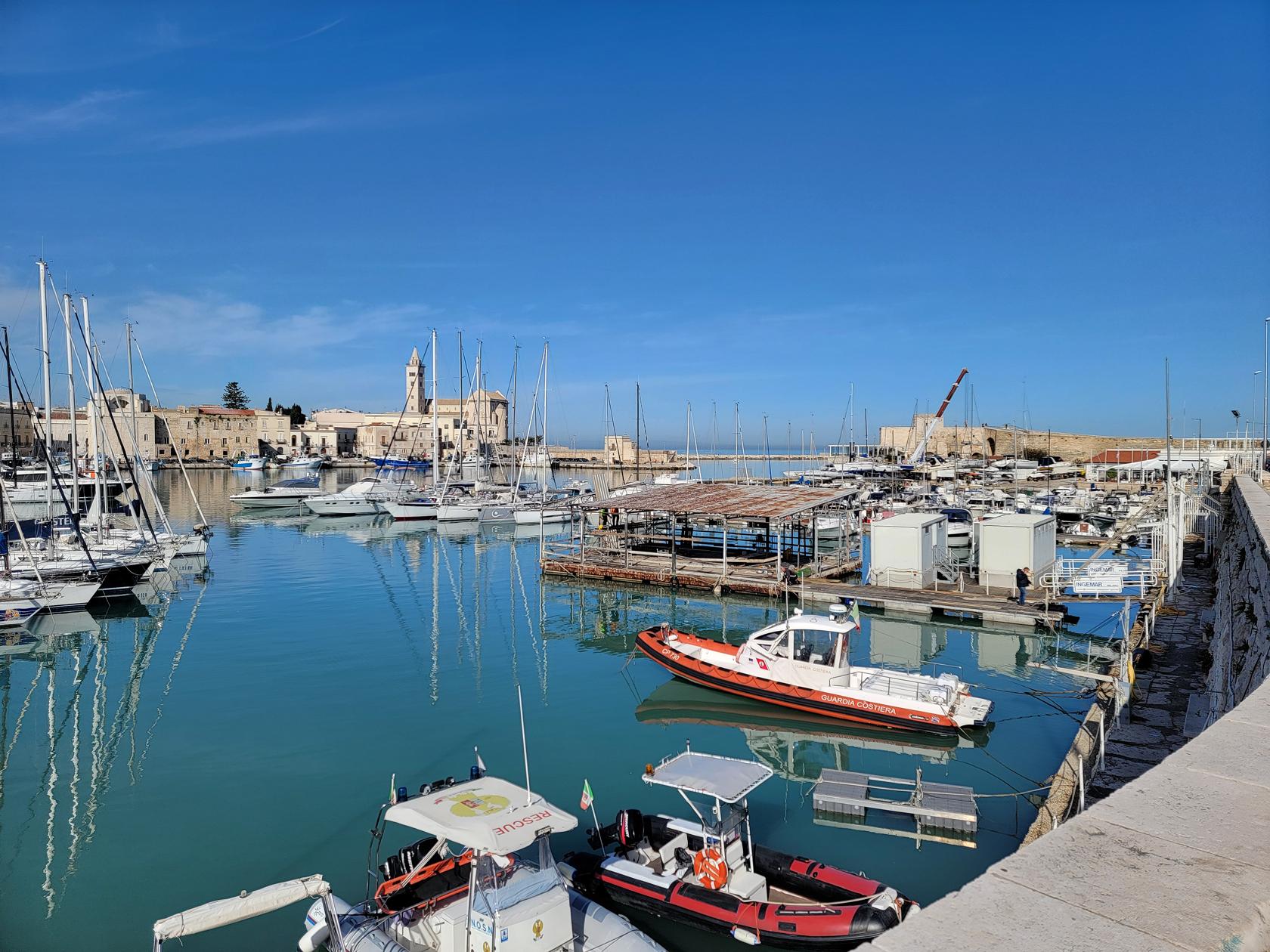
Trani is a seaside town on the Adriatic Sea in the region of Apulia. It has great wine, olive oil and food. It has an active fishing community which supports the local economy.
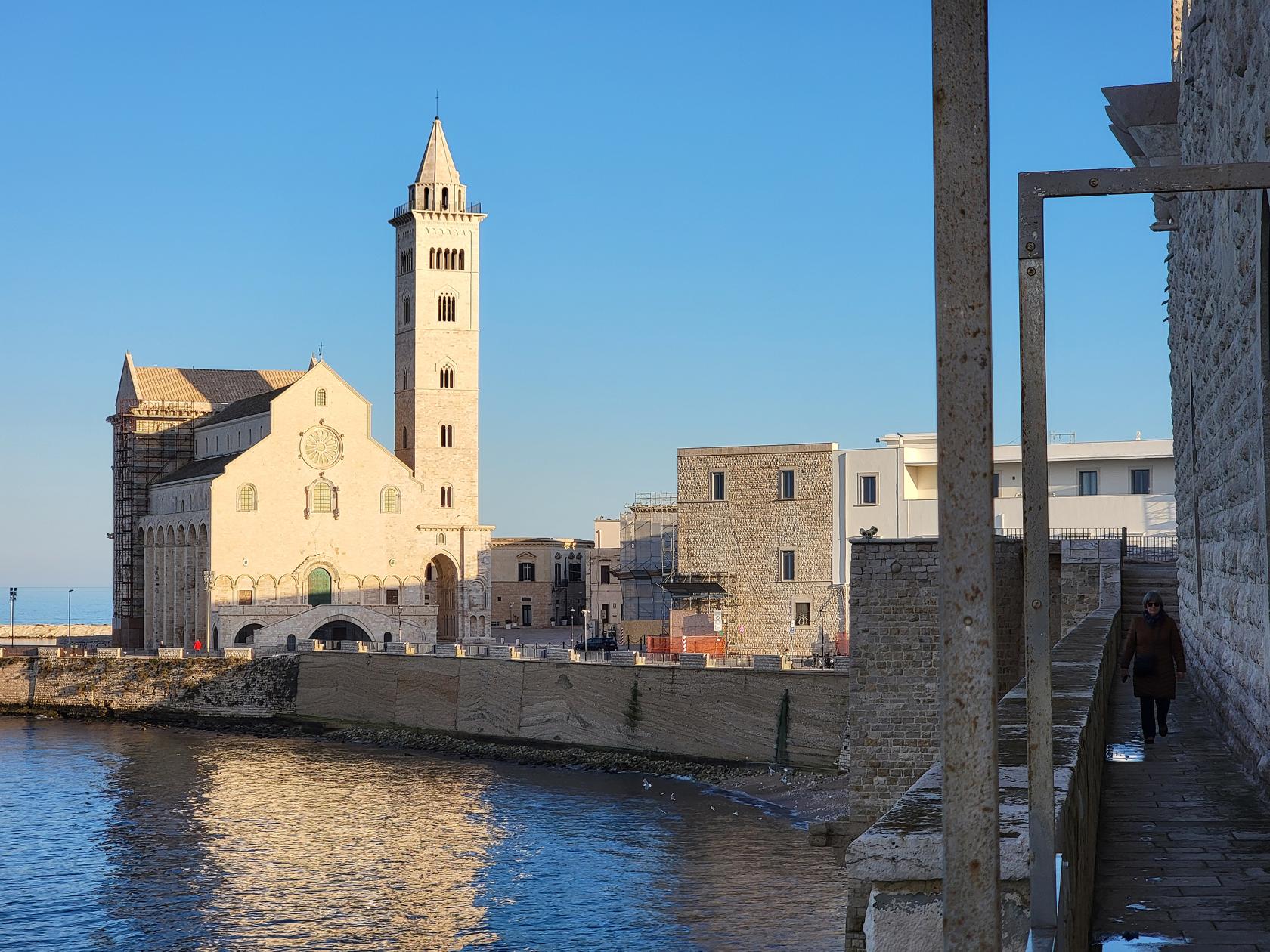
Basilica Cattedrale Maria Santissima Assunta
– Parco Giochi Villa Comunale – Trani, Italy
Lighthouses – Parco Giochi Villa Comunale – Trani, Italy
Castello Svevo di Trani – Basilica from the castle – Trani, Italy
The City
The city itself is well laid out, even for an ancient town. The historic center though windy and curvy is very clean and well labeled for tourist. After about an hour here we found it a most unexpected delight and were glad we came.
Chiesa Beata Maria Vergine del Monte Carmelo (o del Carmine) – Trani, Italy
Piazza Sacra Regia Udienza – Port of Trani – Trani, Italy
Narrow streets – Trani, Italy
One of the many portals – Trani, Italy
One of the many portals – Trani, Italy
Door with no stairs – Trani, Italy
Orologie Tower – Trani, Italy
Long portal – Trani, Italy
Auditorium San Luigi – Trani, Italy
Church of Saint Claire – Trani, Italy
The Golden or Ancient door – Trani, Italy
Another church – Trani, Italy
The Piazze Quercia has a least one cafe or bar which has outside seating. It is a great place in the spring to stop before lunch and get a drink. We find it relaxing just to watch the locals and the boats going in and out of the harbor, and of course, enjoying the sunshine and the fifty degree weather.
There is a beautiful walkway or sidewalk that enables you to walk around the entire port. Unlike Bari, where you can do this if you can tolerate the smell, the port is clean and well maintained.
Live shrimp – Port of Trani – Trani, Italy
Fishing boats – Port of Trani – Trani, Italy
Port of Trani – Trani, Italy
Port of Trani – Trani, Italy
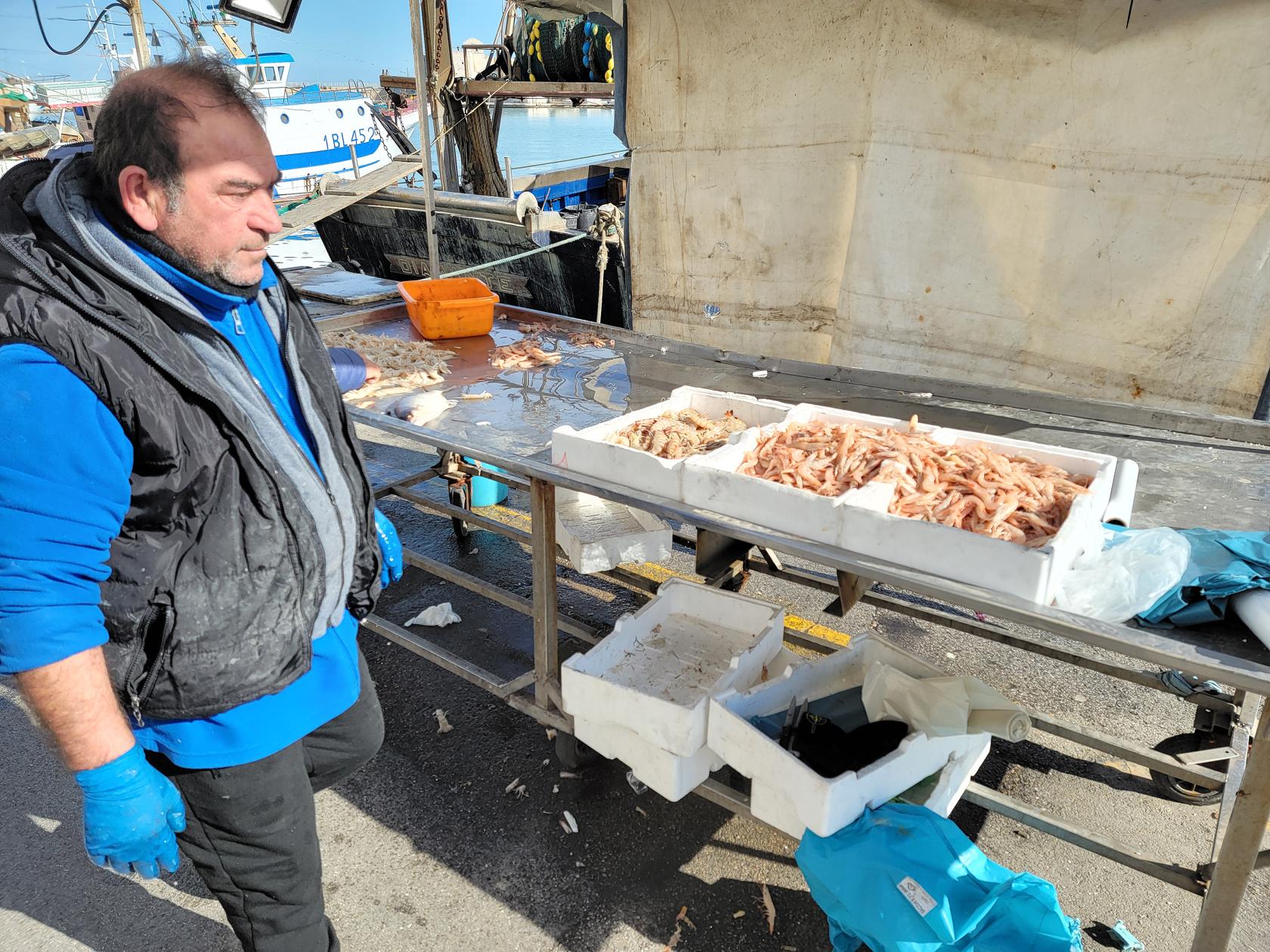
The fishing community appears to be active daily and some of the ships sell their catch right on the pier. You can find anything from live shrimp and fish to octopus. So, if you can cook in, bring your grocery bag and your wallet.
Parco Giochi Villa Comunale
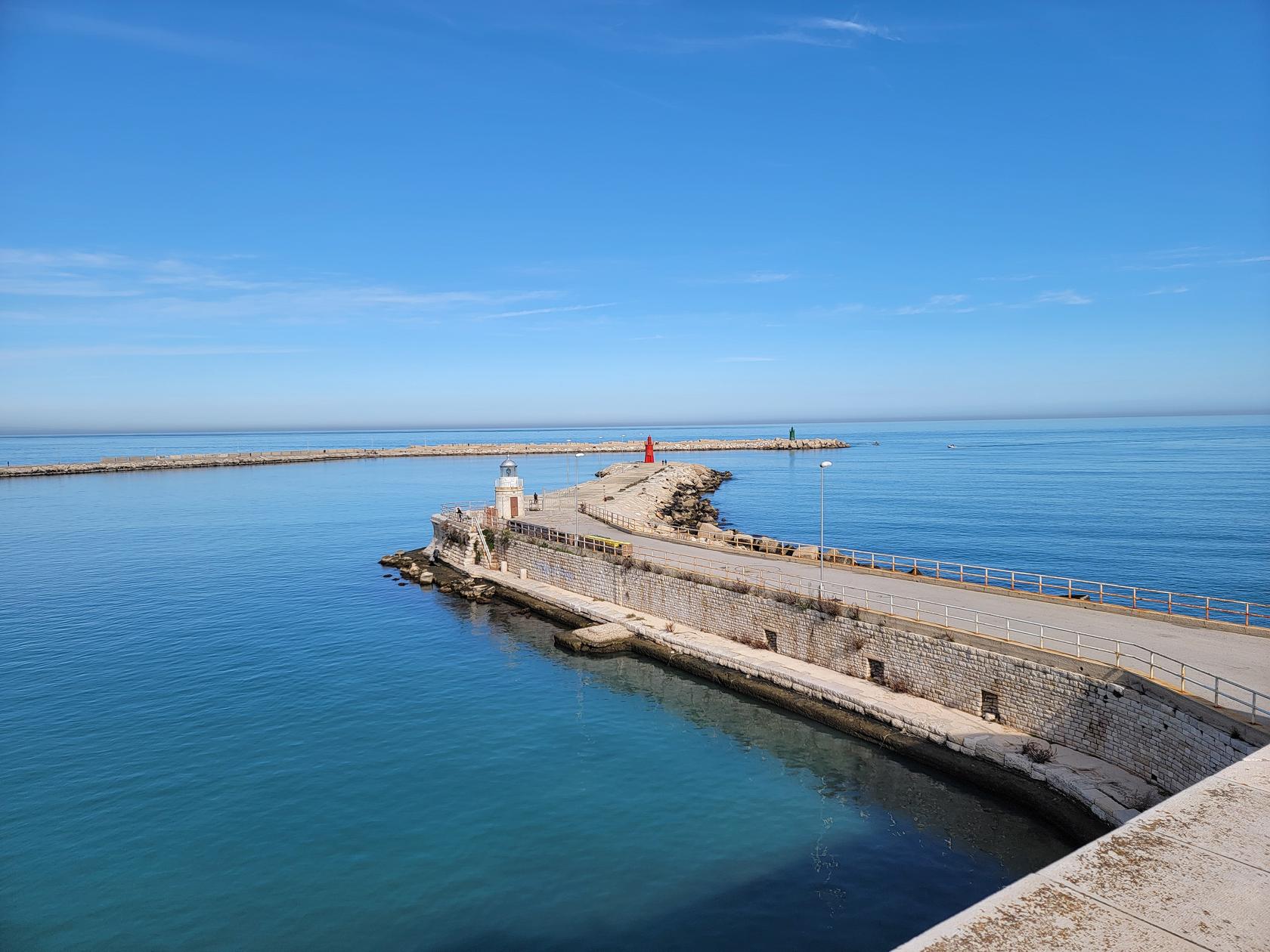
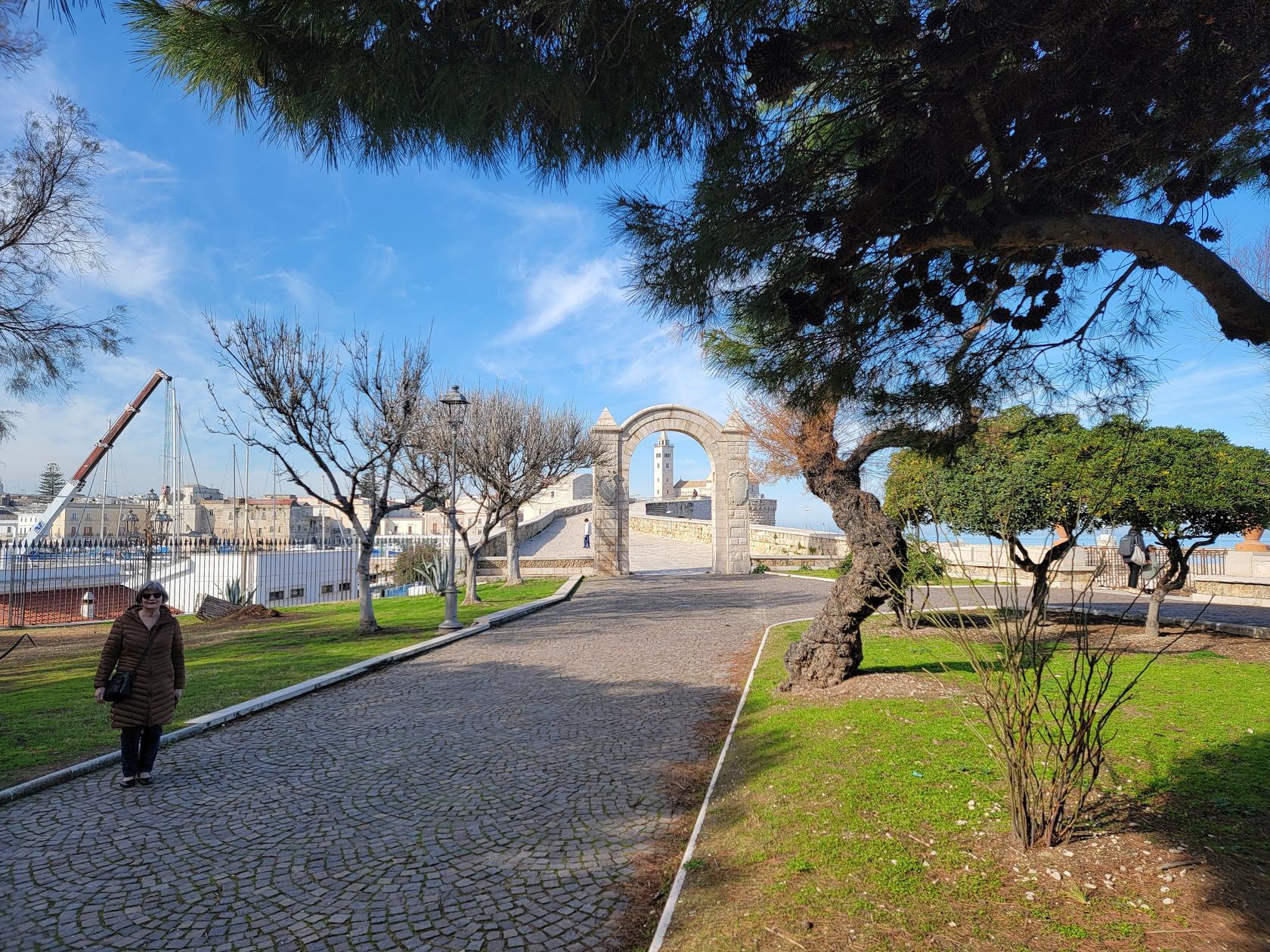
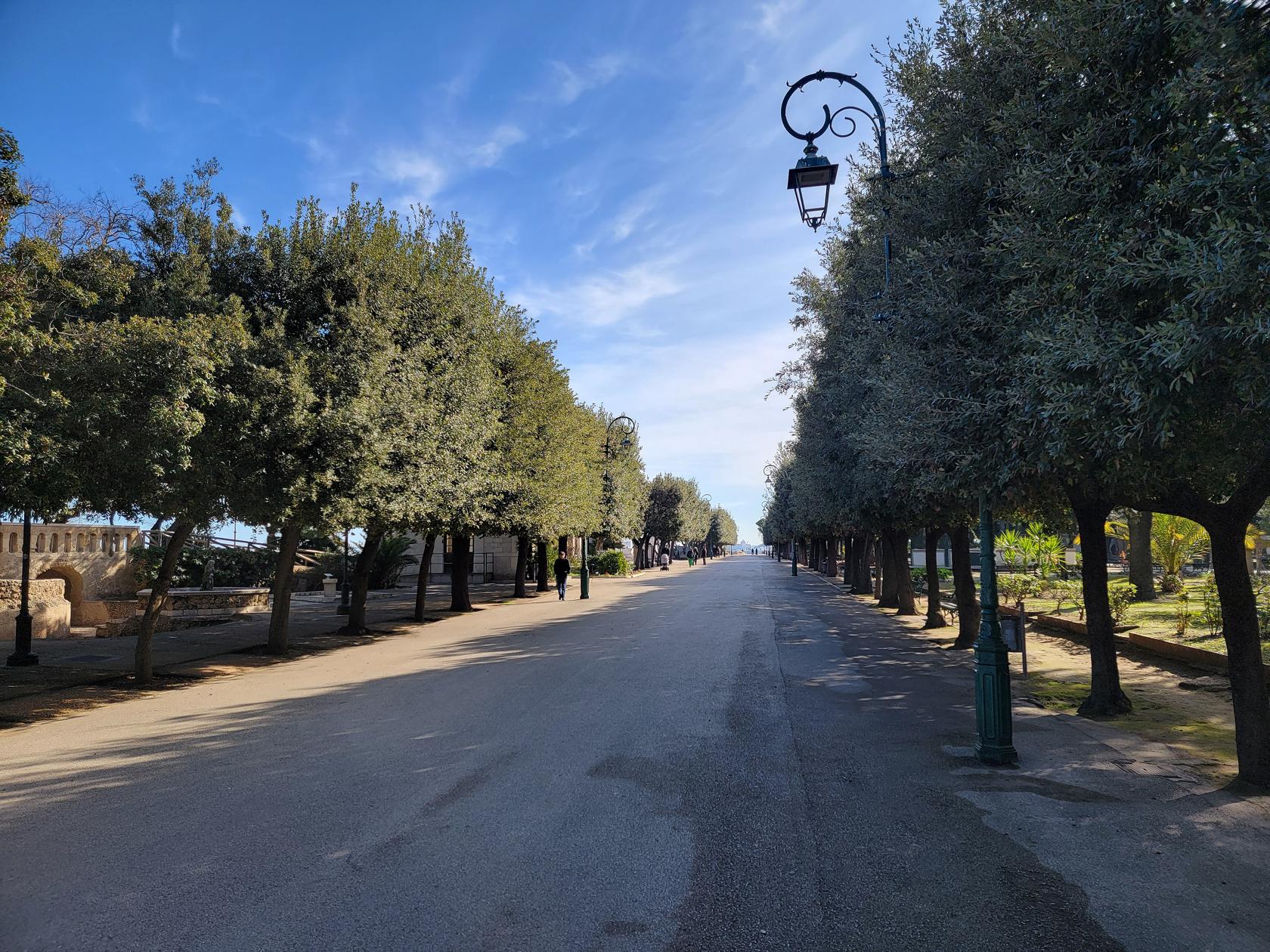
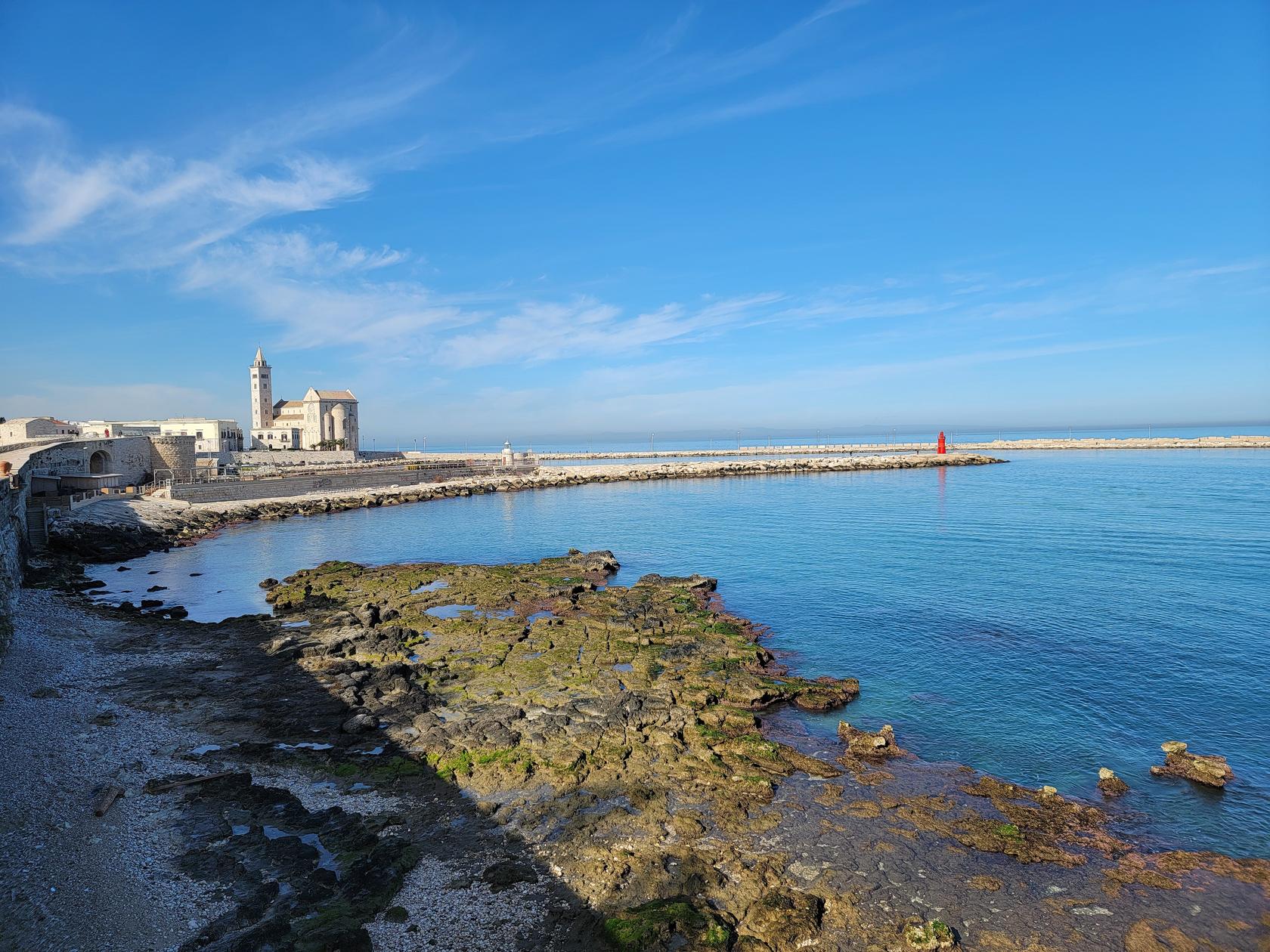
The Parco Giochi Villa Comunale is located to the right of the Port of Trani as you walk as far as you can in the city. It has a portal that leads up to a great observation place, so that you get a commanding view of the boats and the jetties containing the lighthouses, which are all a different color.
Porto or entrance – Parco Giochi Villa Comunale – Trani, Italy
Parco Giochi Villa Comunale – Trani, Italy
Parco Giochi Villa Comunale – Trani, Italy
Basilica Cattedrale Maria Santissima Assunta
– Parco Giochi Villa Comunale – Trani, Italy
Bar Boschetto – Parco Giochi Villa Comunale – Trani, Italy
Fishing boat going out to sea – Parco Giochi Villa Comunale – Trani, Italy
Park Seal – Parco Giochi Villa Comunale – Trani, Italy
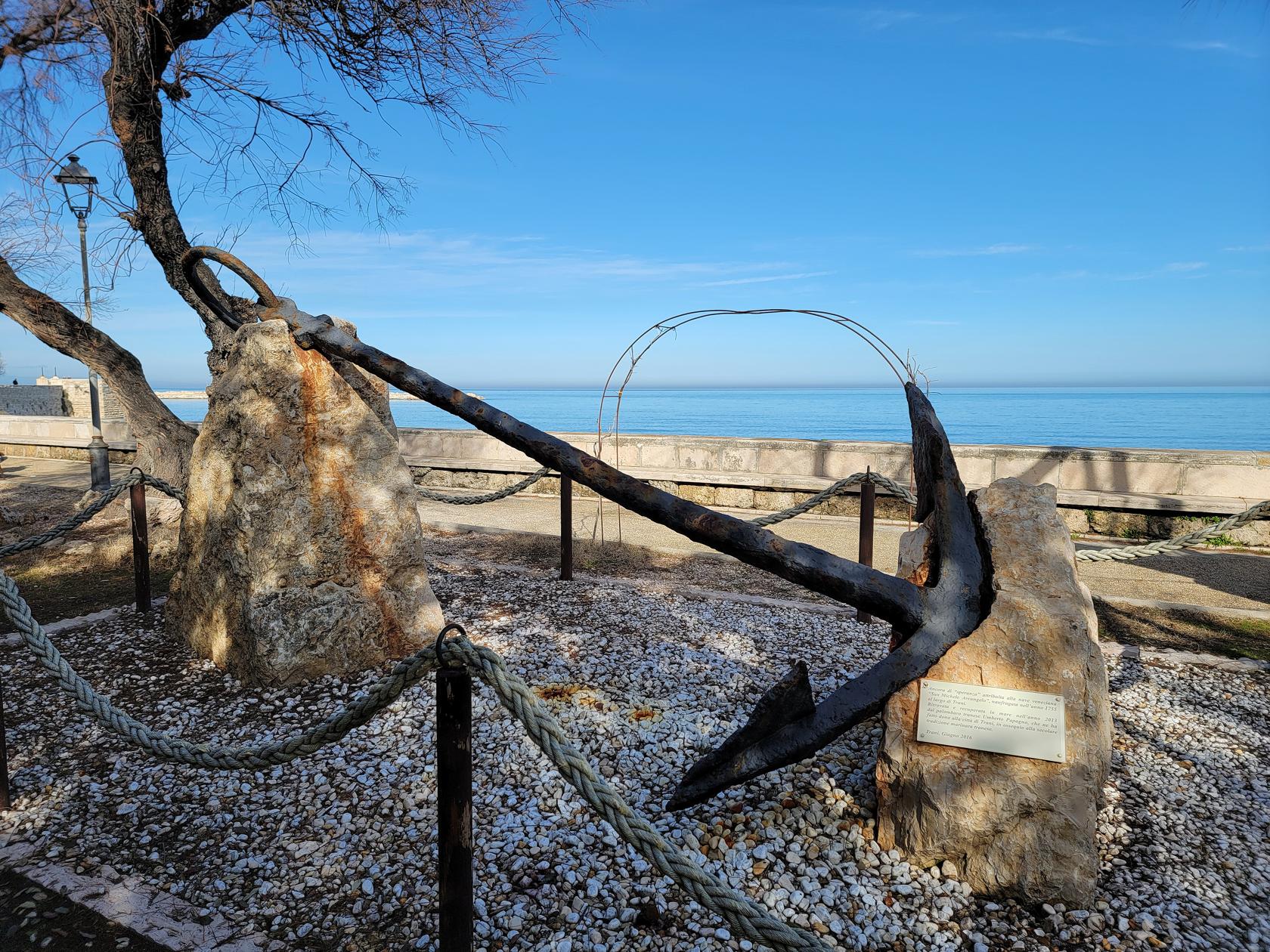
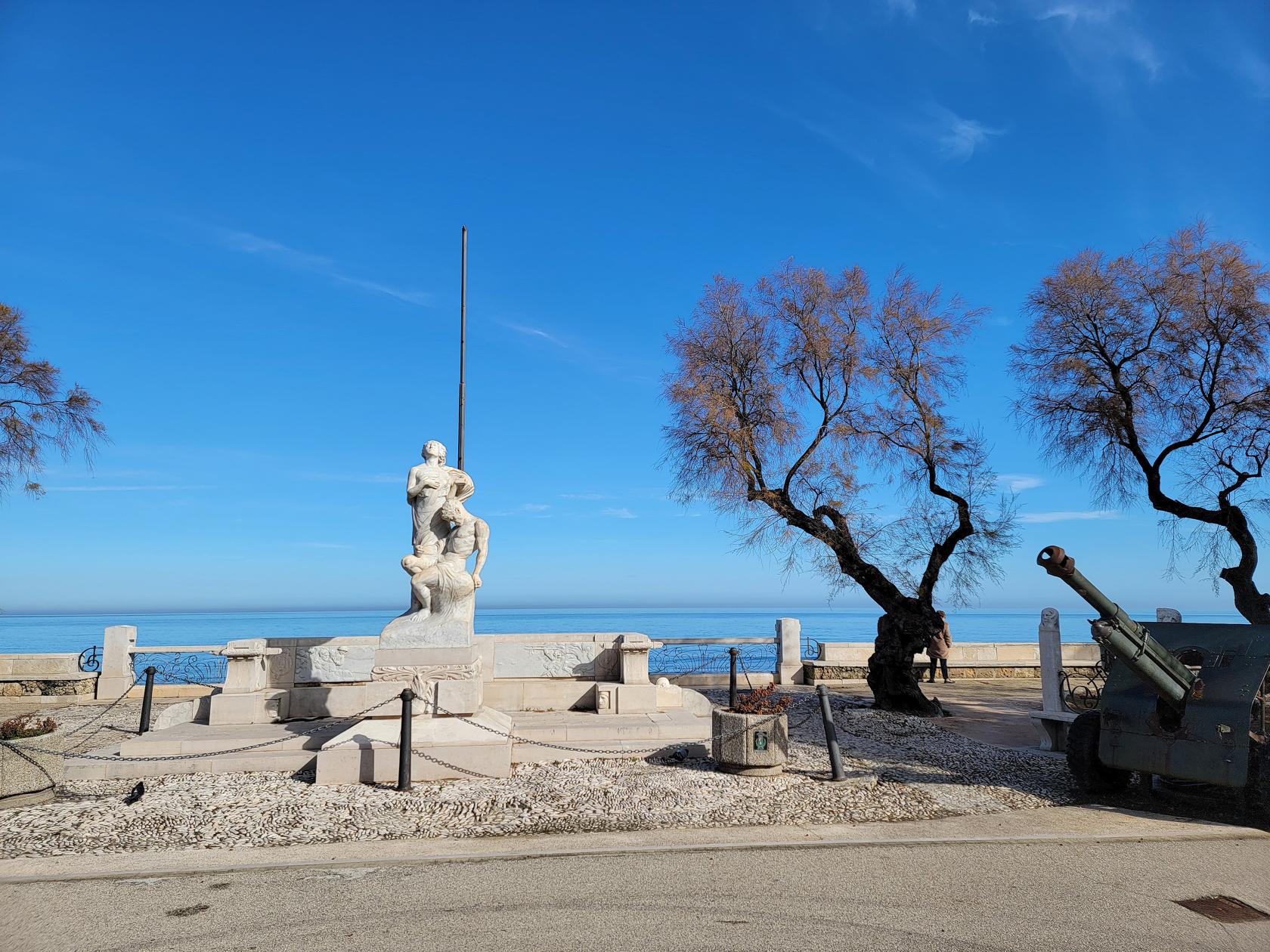
There are some interesting monuments and an old anchor. Walking further, you will happen upon a aviary at the end of the park where they house parakeets.
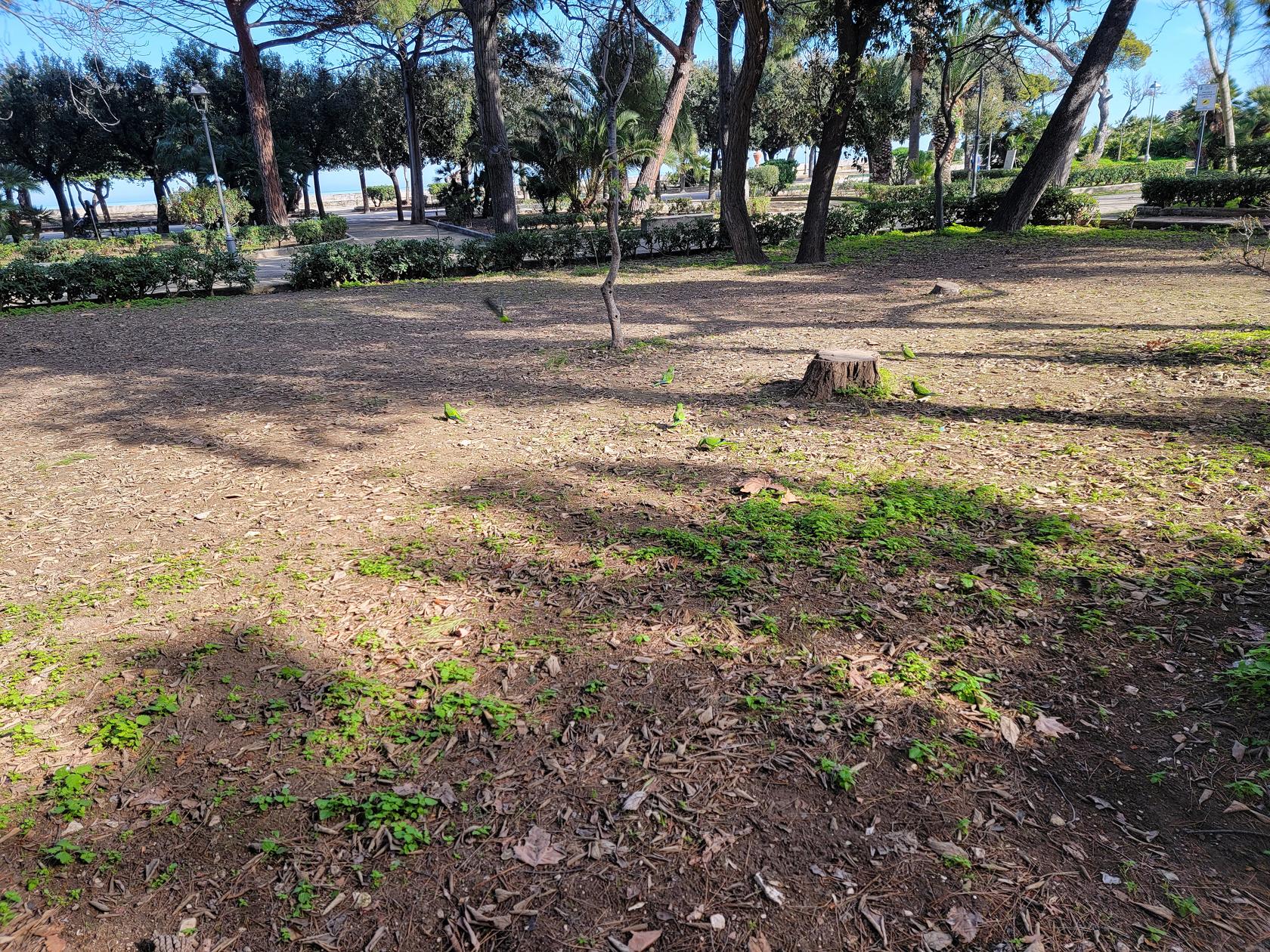
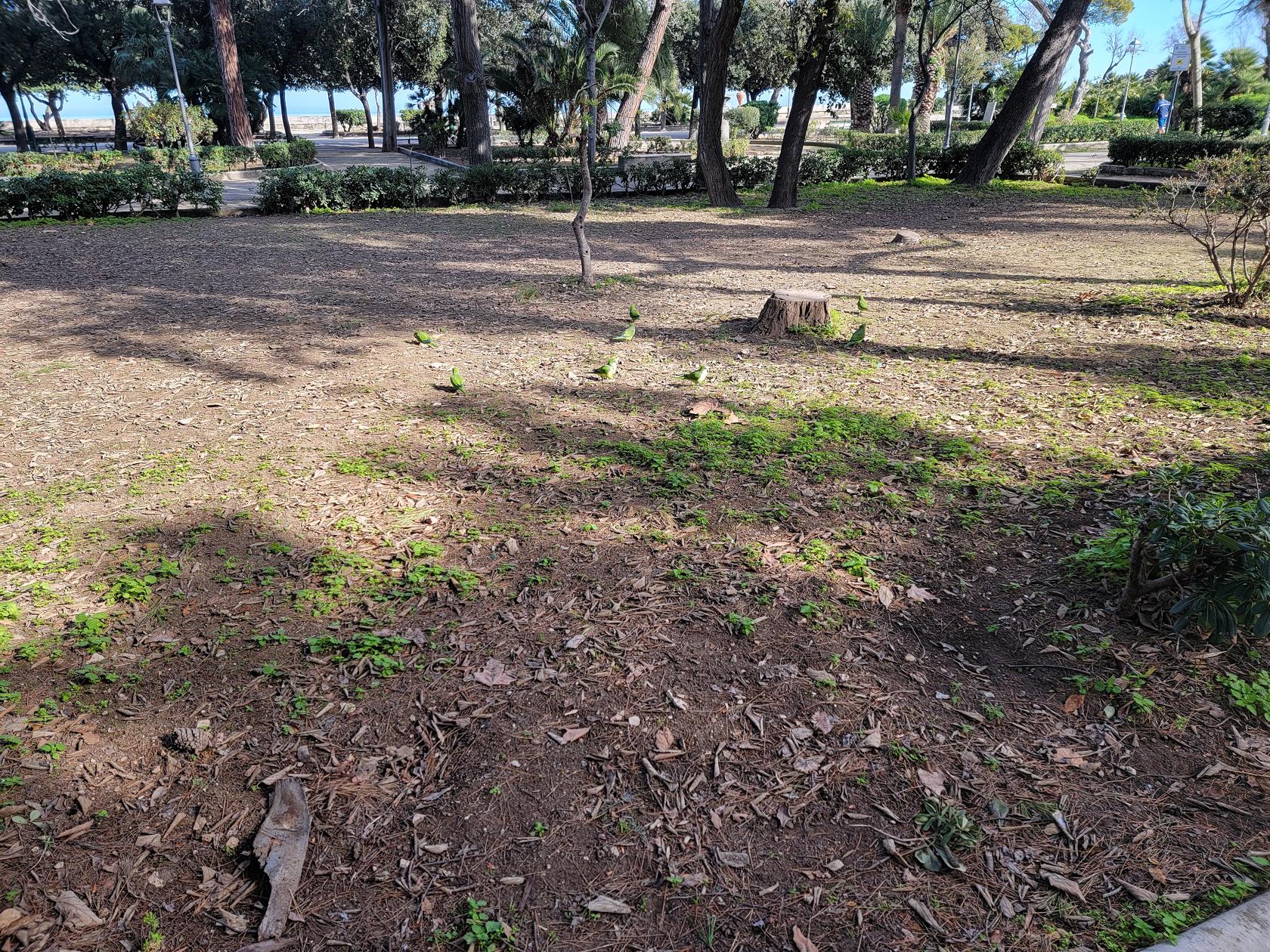
We actually found it to be an amazing little park with little things to see, along with the aviary with parakeets they also have real parrots, which you will eventually notice are in the trees all around you. When we were here, they were all doing their crazy mating calls and dances on the ground, what a cacophony!
Parrots – Parco Giochi Villa Comunale – Trani, Italy
Parrots – Parco Giochi Villa Comunale – Trani, Italy
Basilica Cattedrale Maria Santissima Assunta
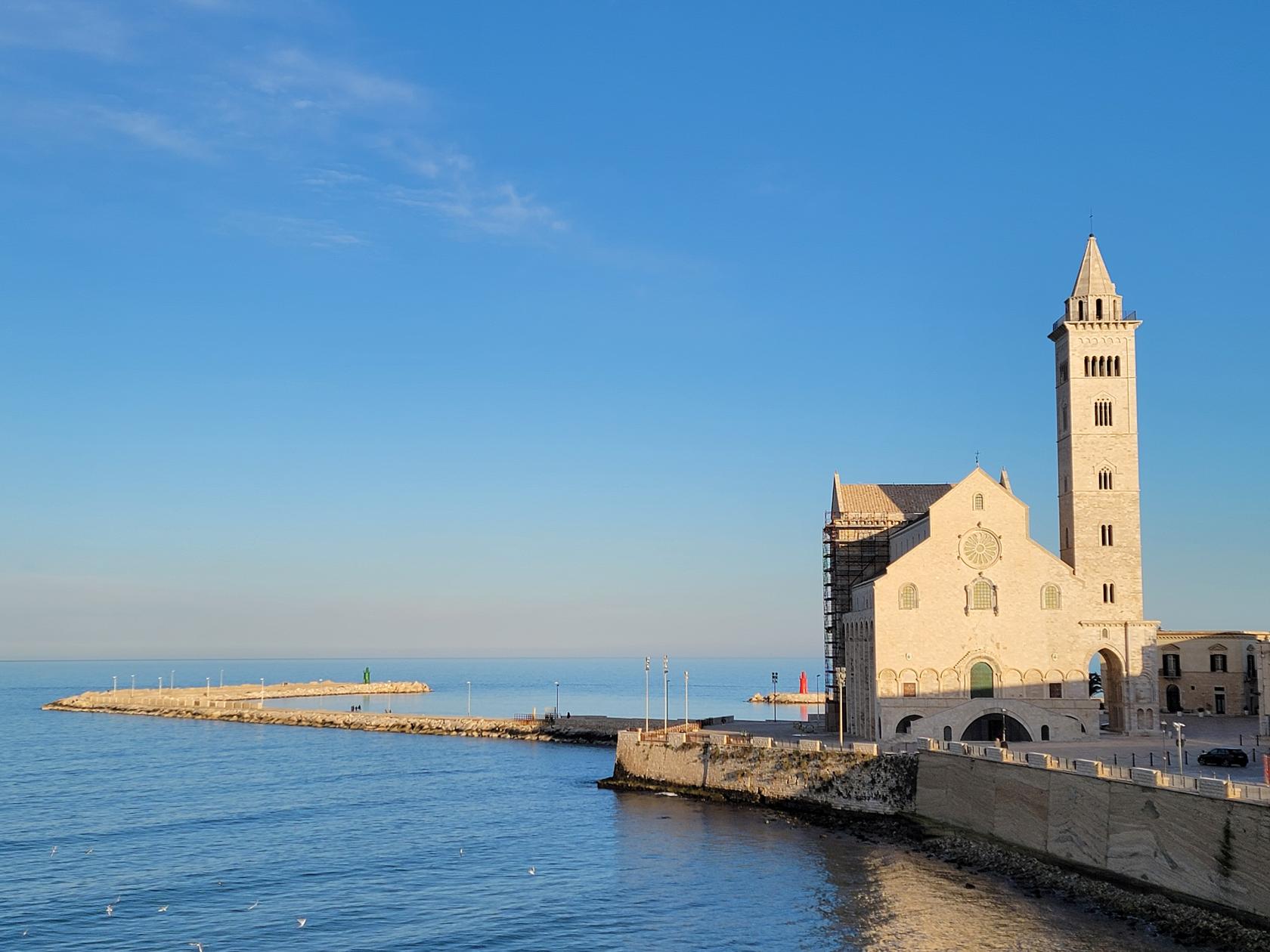
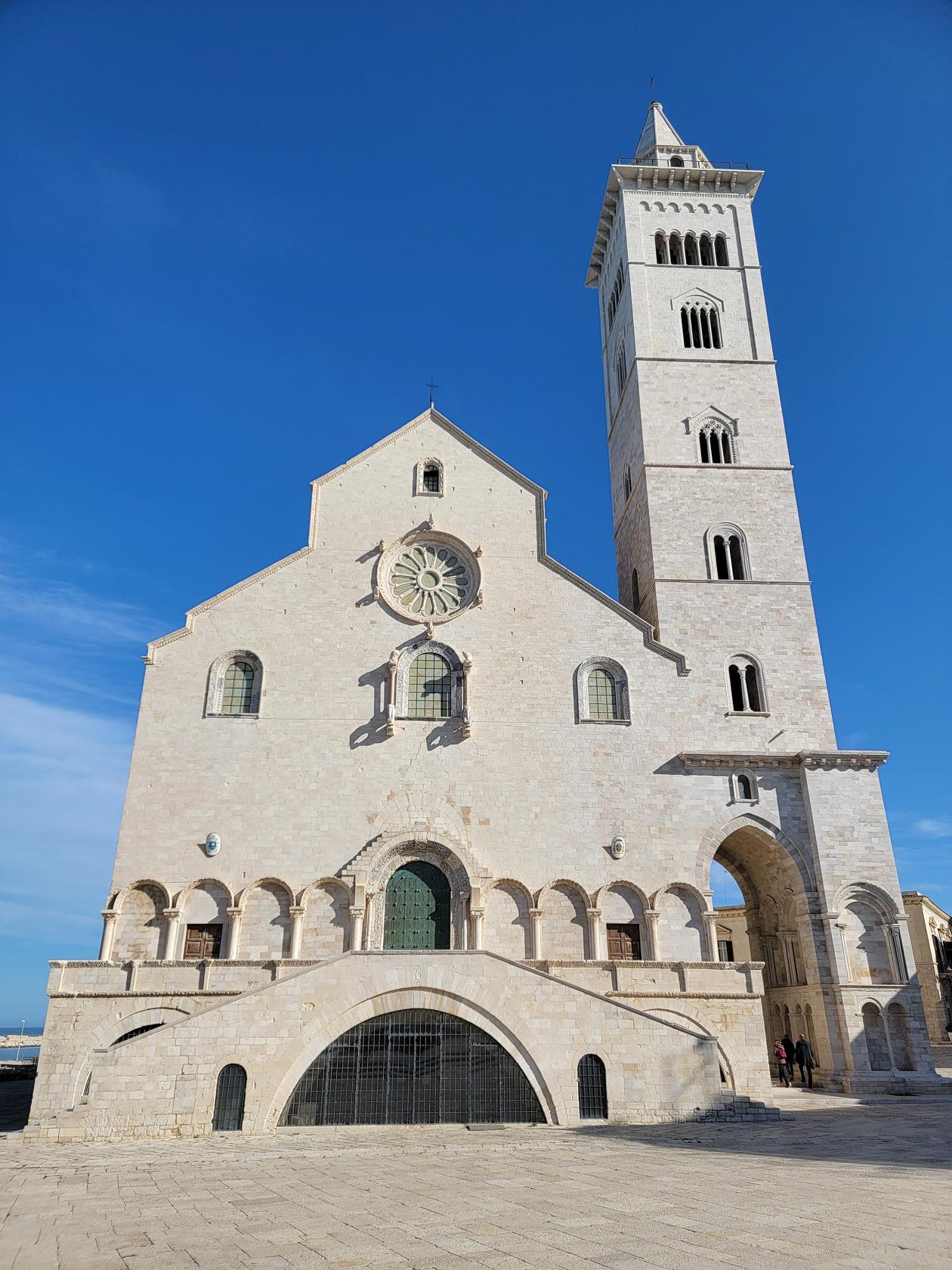
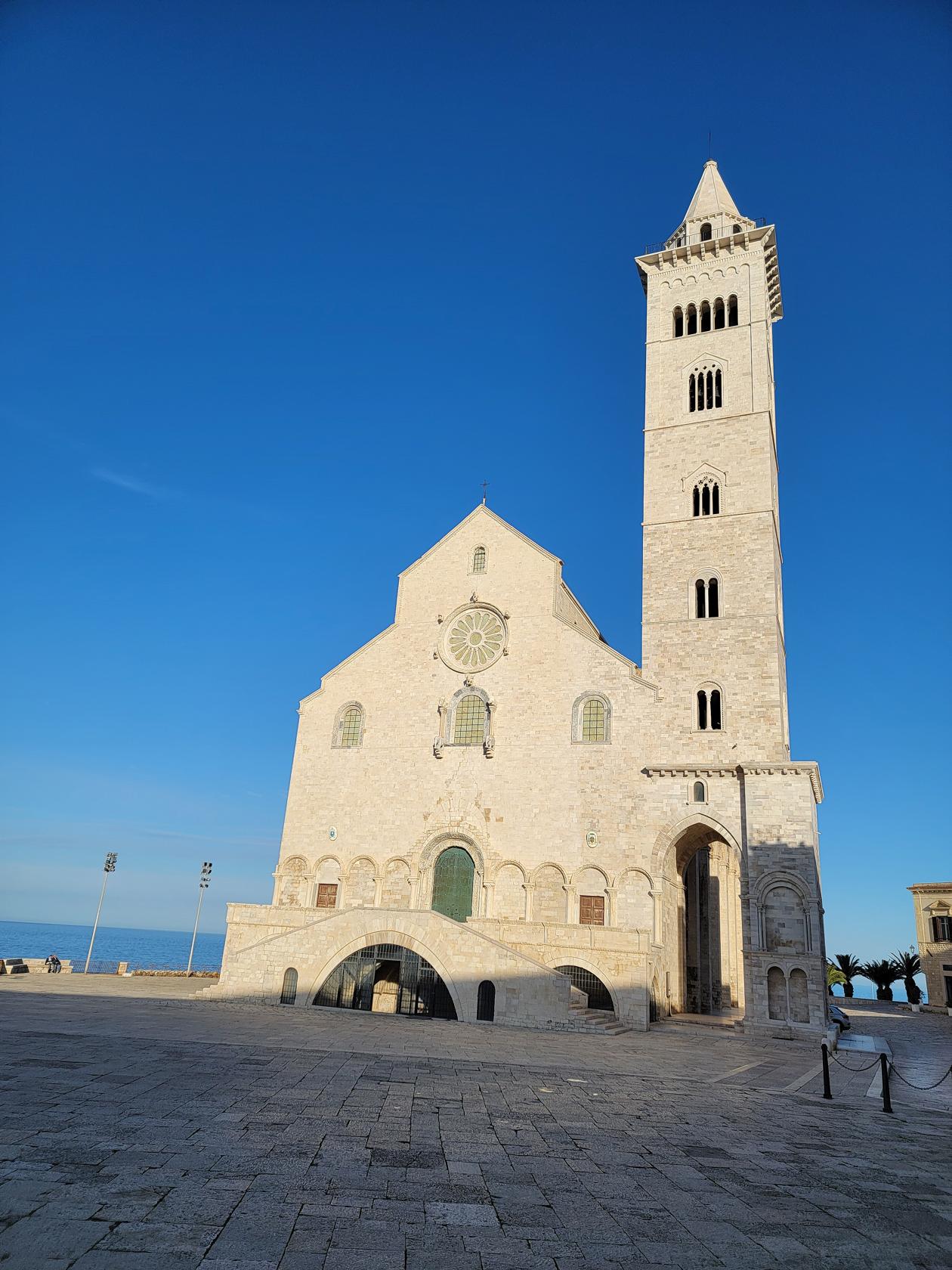
In the Piazza Duomo is the Basilica Cattedrale Maria Santissima Assunta, also known as Trani Cathedral. This cathedral is dedicated to Saint Nichola the Pilgrim. It is a very large structure, but it only opens later in the day around 15:30.
Piazza Duomo Front – Basilica Cattedrale Maria Santissima Assunta – Trani, Italy
Piazza Duomo Front – Basilica Cattedrale Maria Santissima Assunta – Trani, Italy
There are some restrictions when you enter, so please read the signs, though we saw no enforcement; having said that, it was winter and the slow season, so it may be impractical for them to oversee traffic during that time.
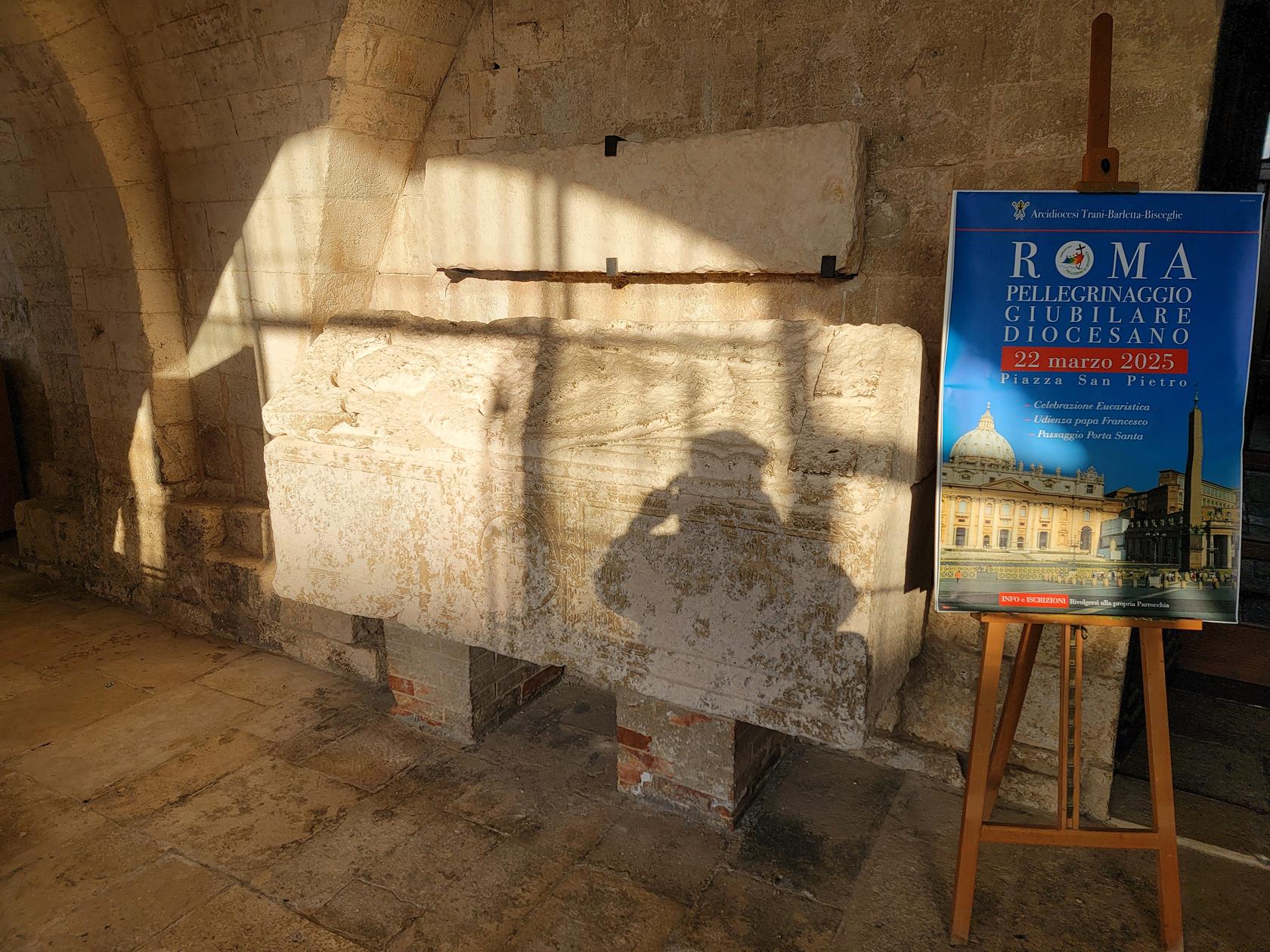
Basilica Cattedrale Maria Santissima Assunta – Frescoes – Trani, Italy
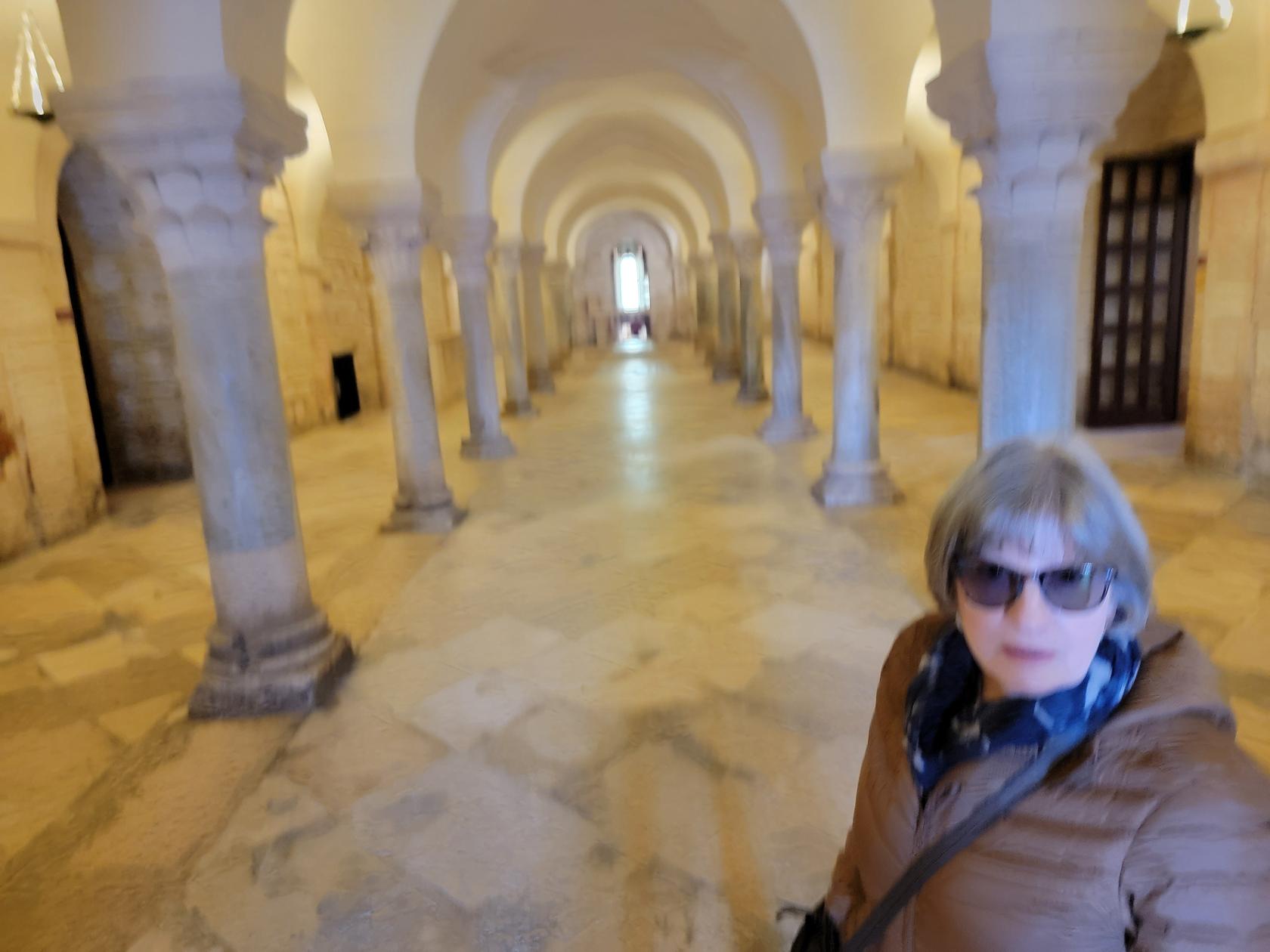
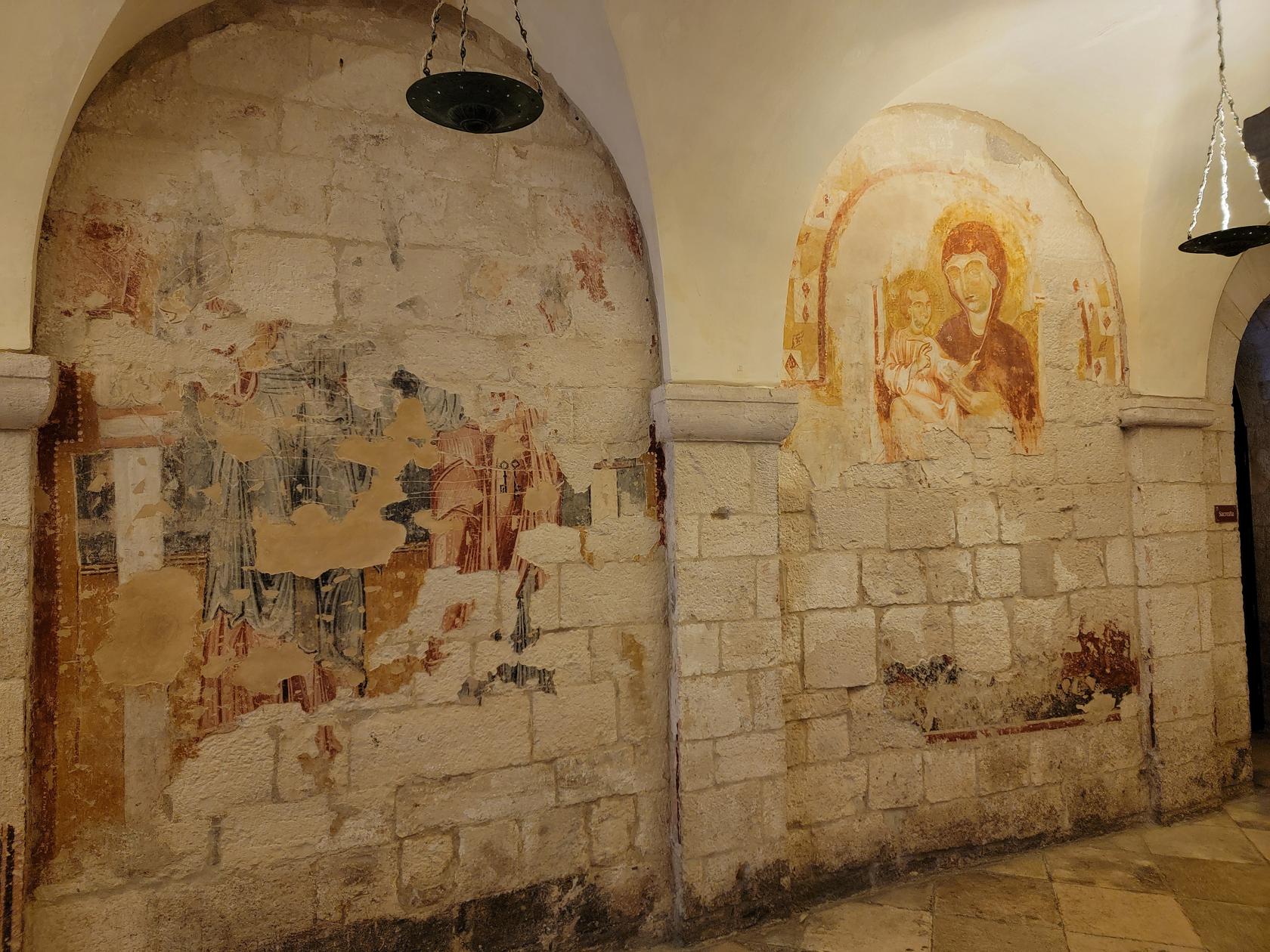
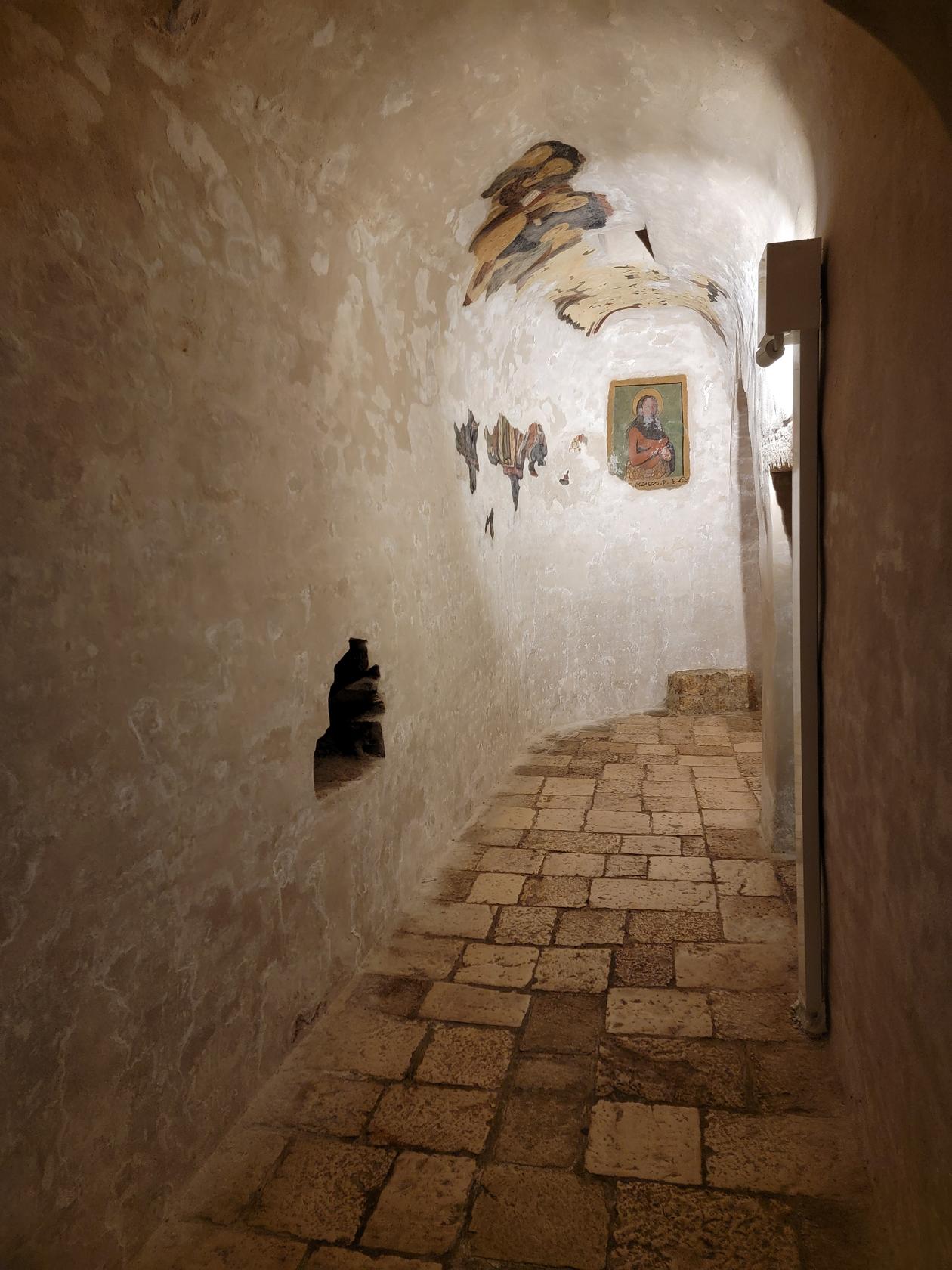
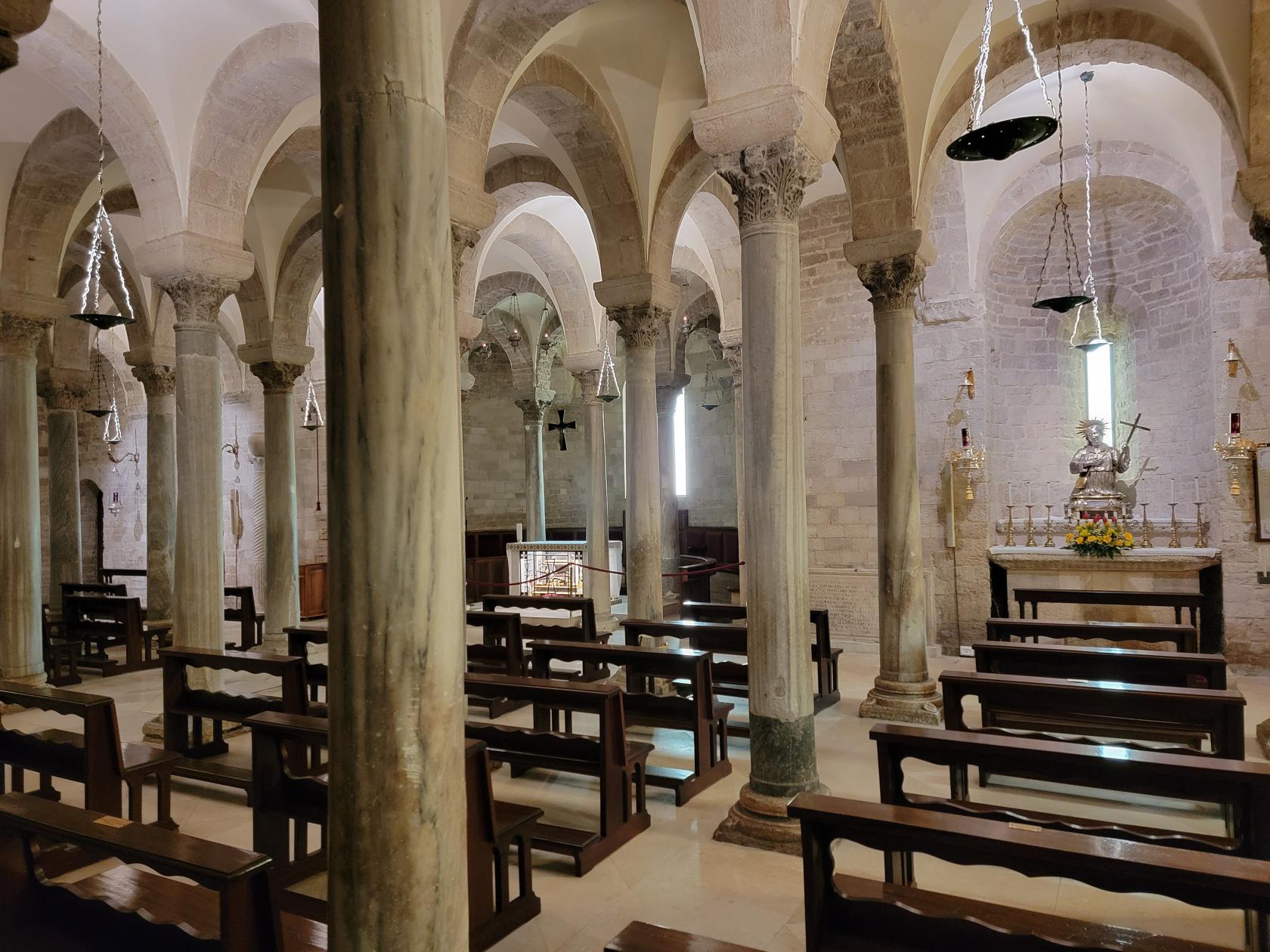
Basilica Cattedrale Maria Santissima Assunta – Frescoes in the Crypt – Trani, Italy
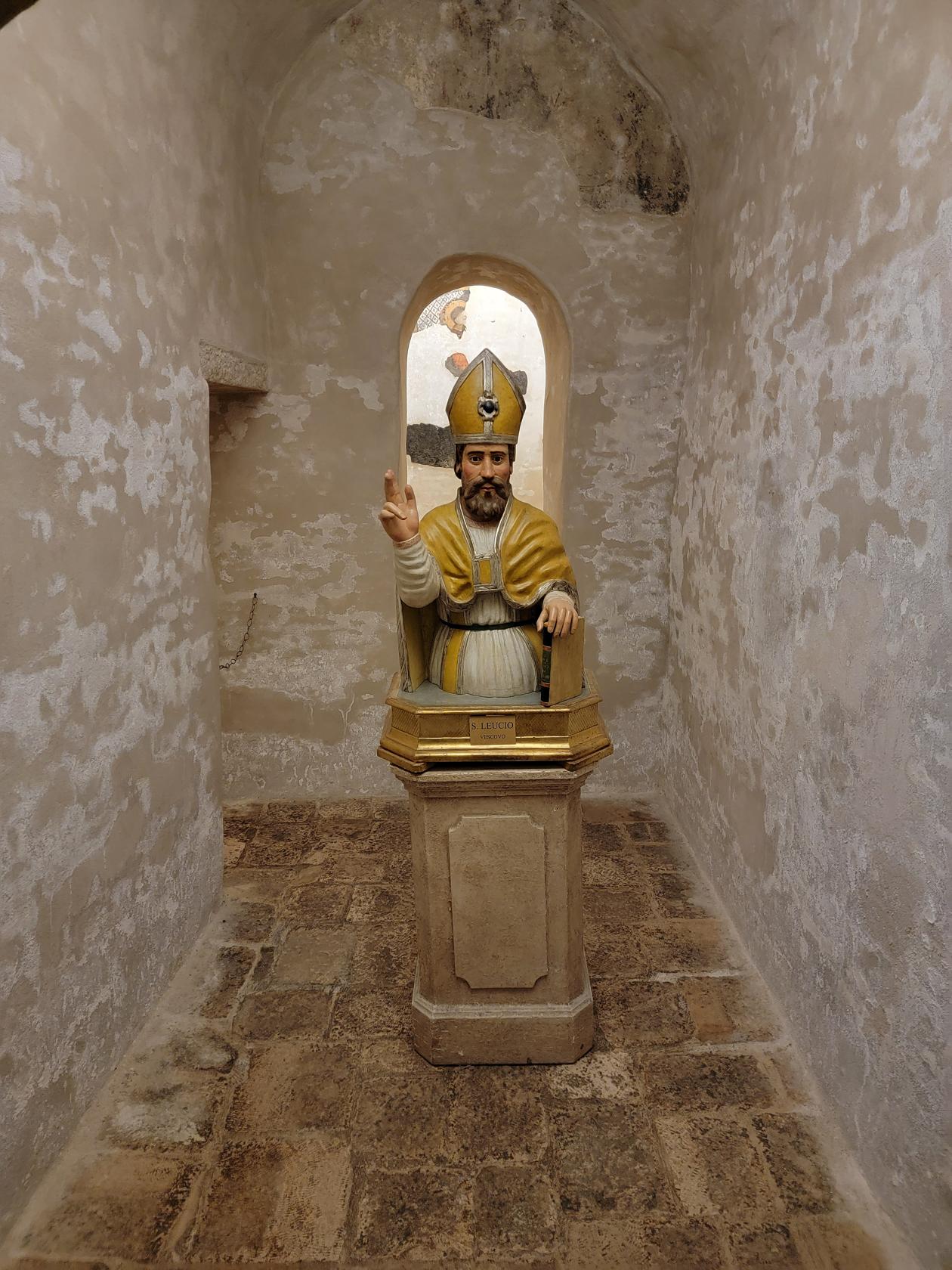
Basilica Cattedrale Maria Santissima Assunta – Orthodox bust in the Crypt – Trani, Italy
Basilica Cattedrale Maria Santissima Assunta – Altar in the Crypt – Trani, Italy
Basilica Cattedrale Maria Santissima Assunta – Entrance – Trani, Italy
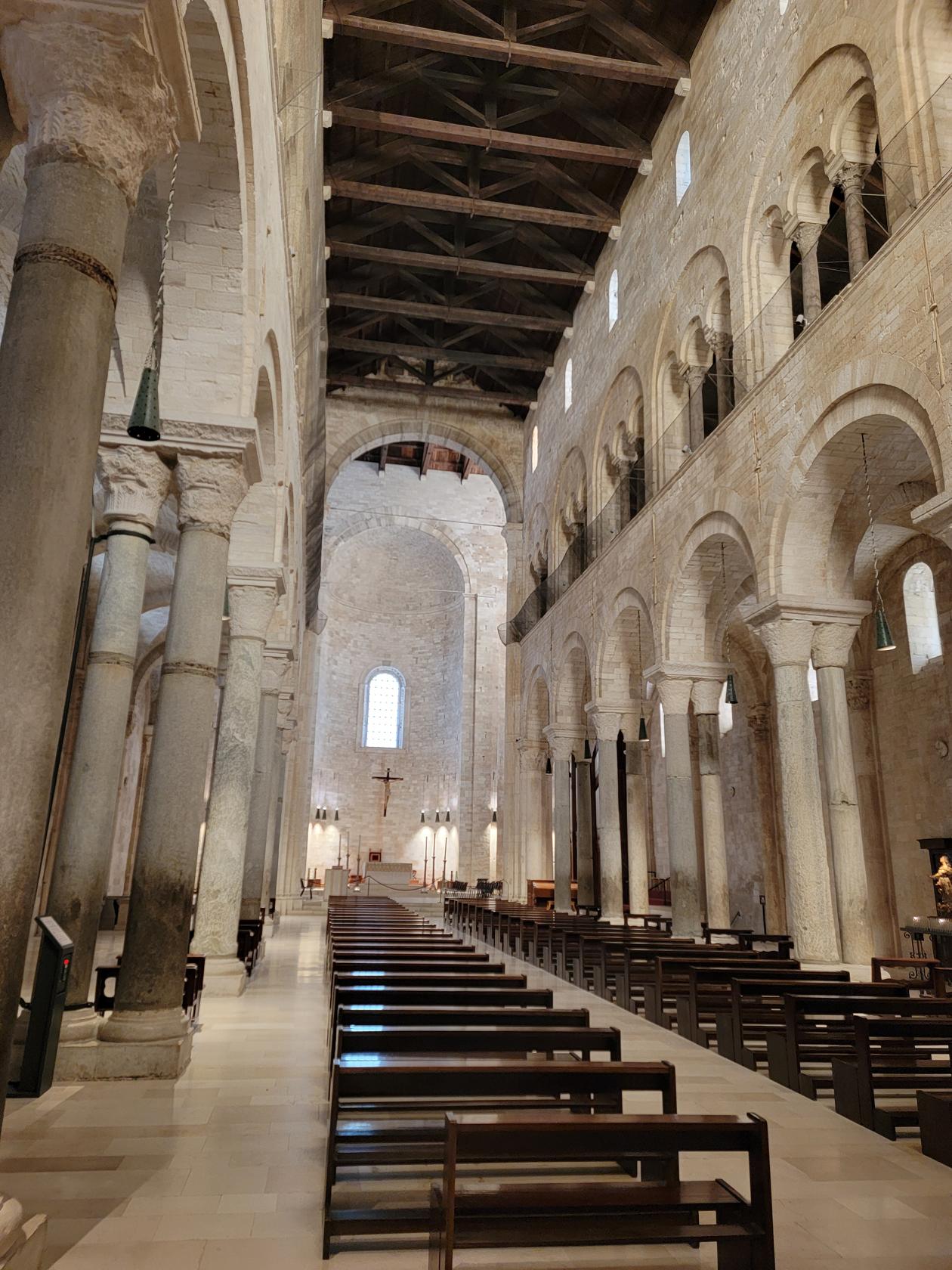
Basilica Cattedrale Maria Santissima Assunta – Nave – Trani, Italy
Castello Svevo di Trani
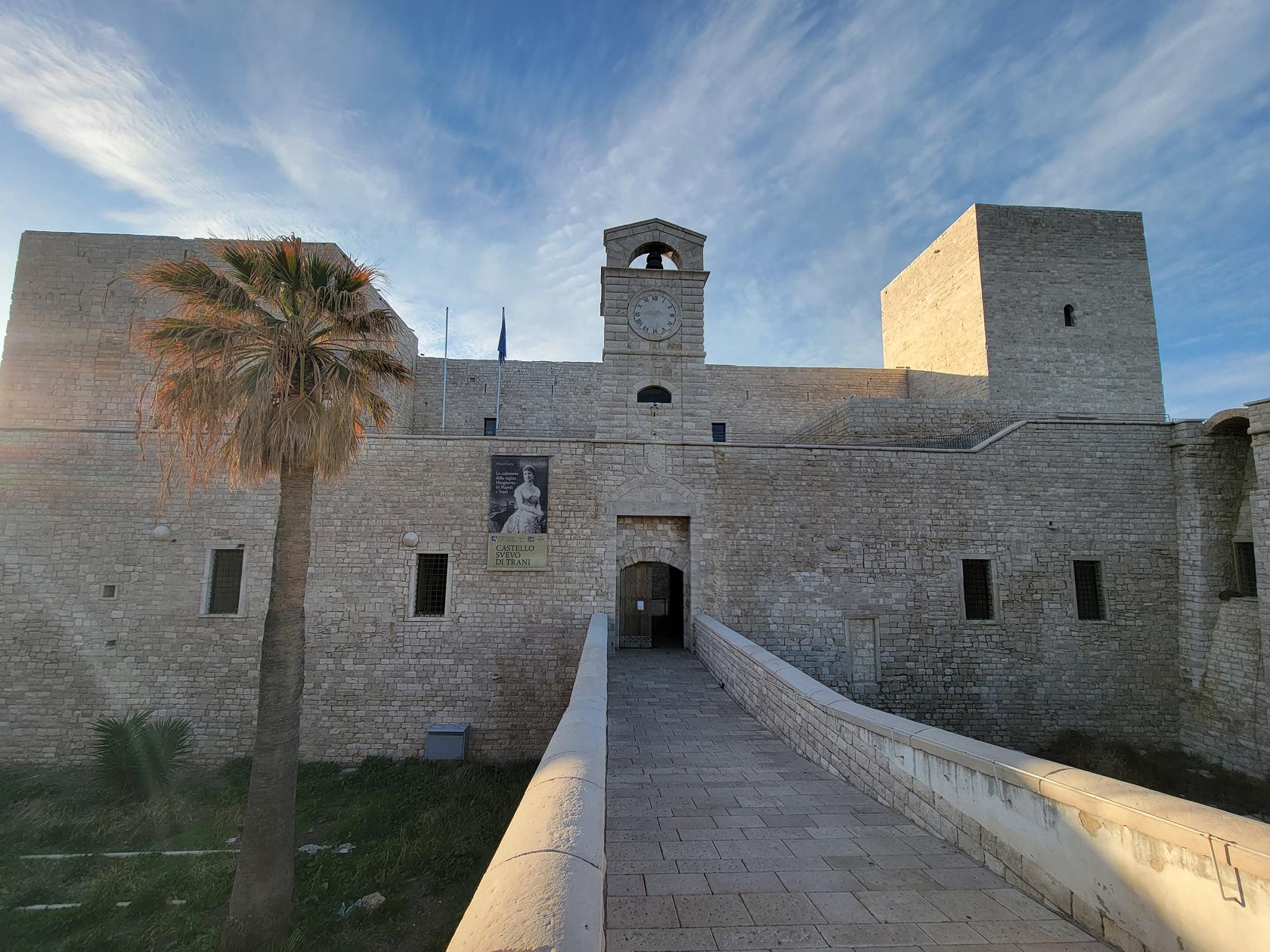
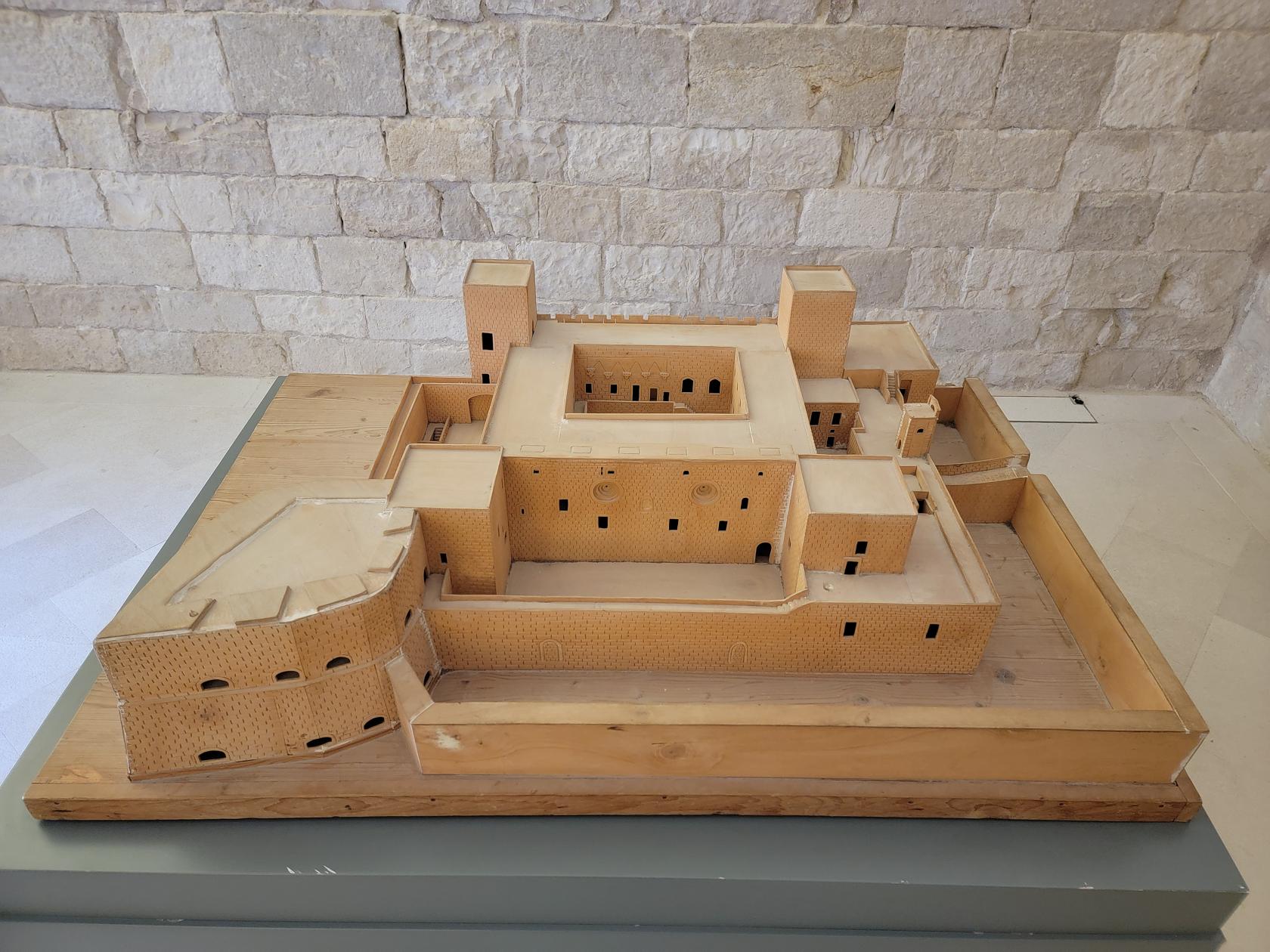
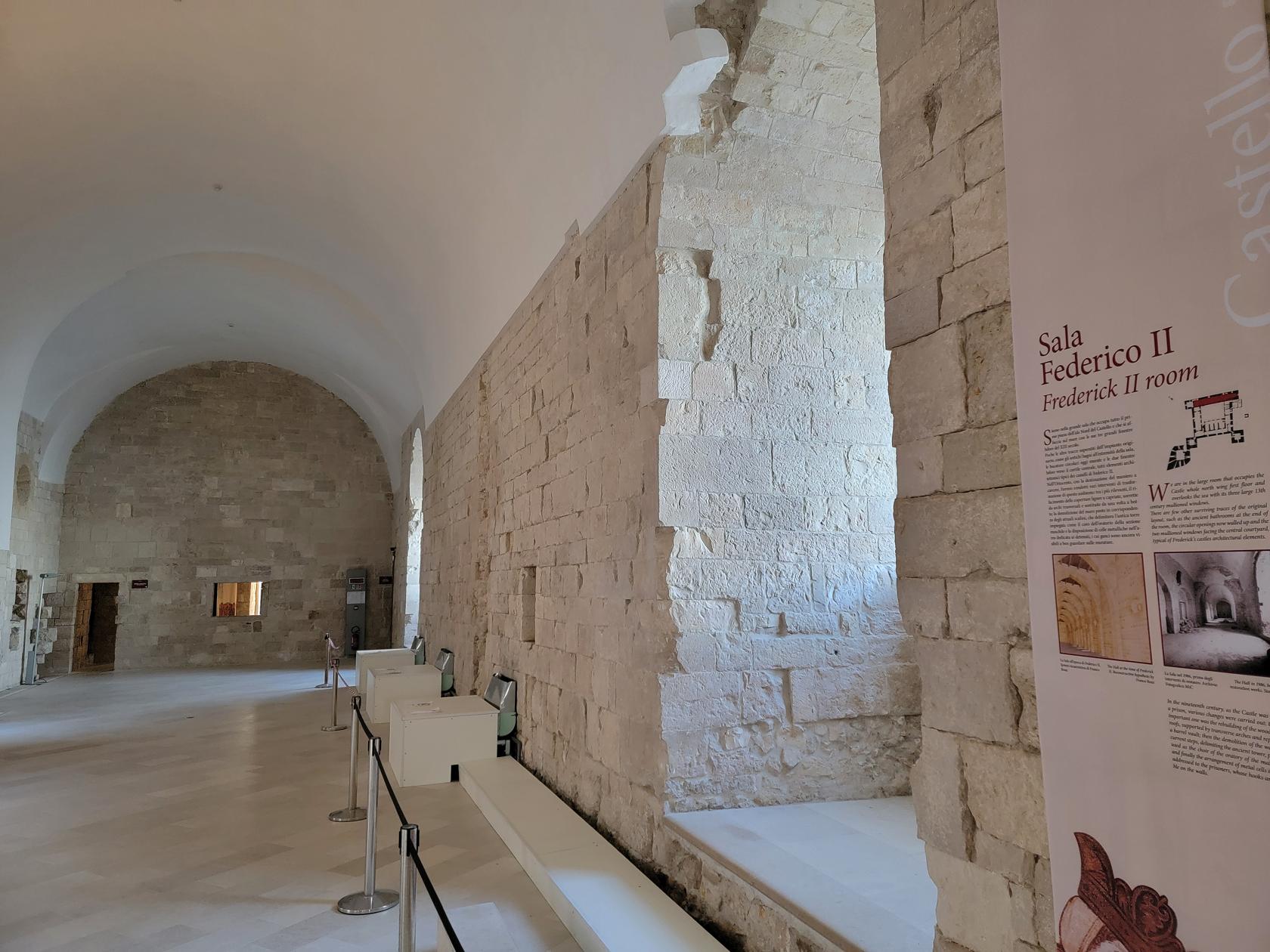
The Castello Svevo di Trani in just a small walk from the Piazza Duomo and Basilica Cattedrale Maria Santissima Assunta. There is actually not much to see, but it does have a few small things of interest. At one time it was a prison and had other incarnations as you go back in time to protect the town. It is also noted to have a large clock on its edifice.
Castello Svevo di Trani – Entrance – Trani, Italy
Castello Svevo di Trani – Patti and the Basilica from the castle – Trani, Italy
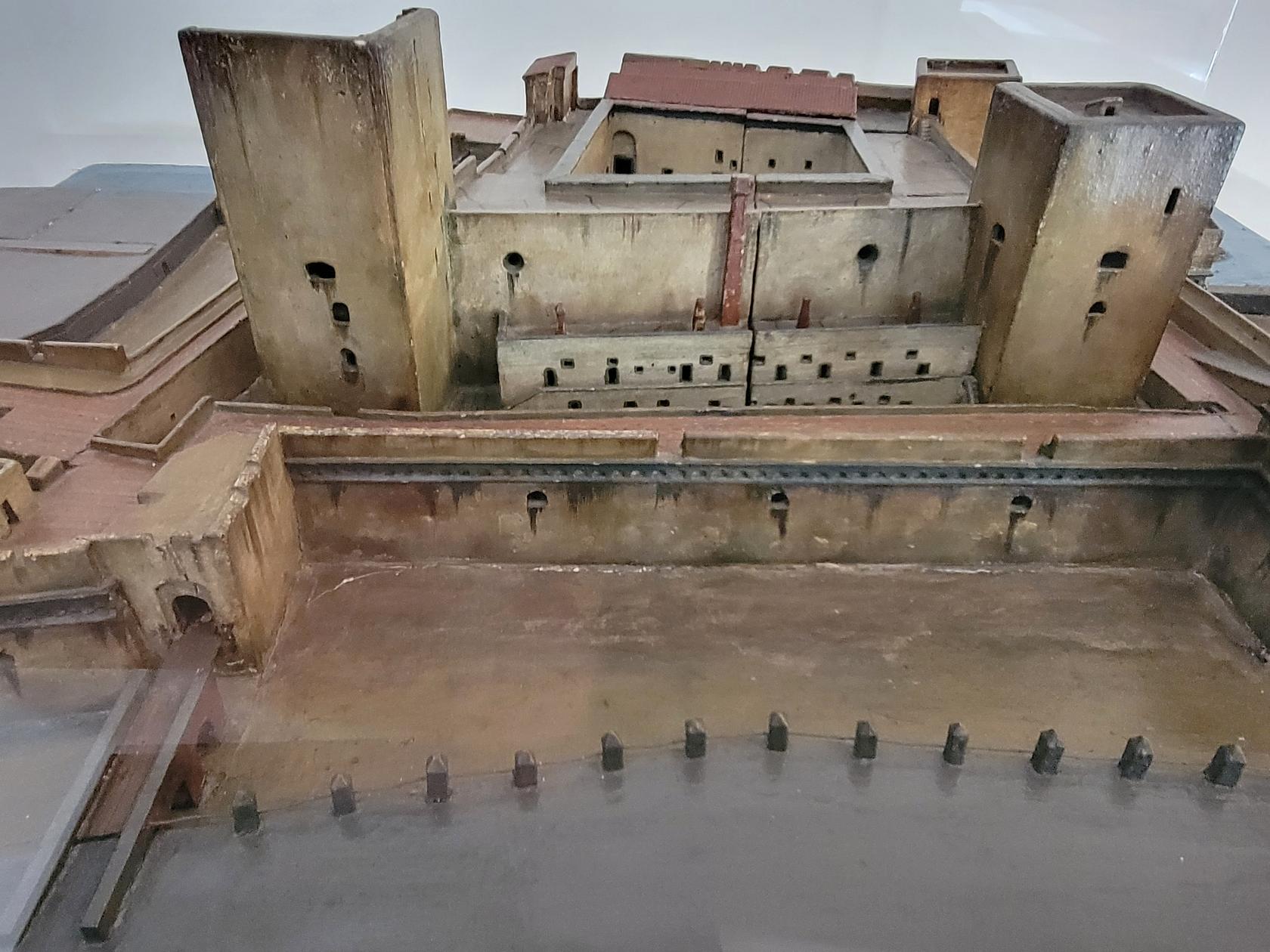
Castello Svevo di Trani – Diorama of the castle – Trani, Italy
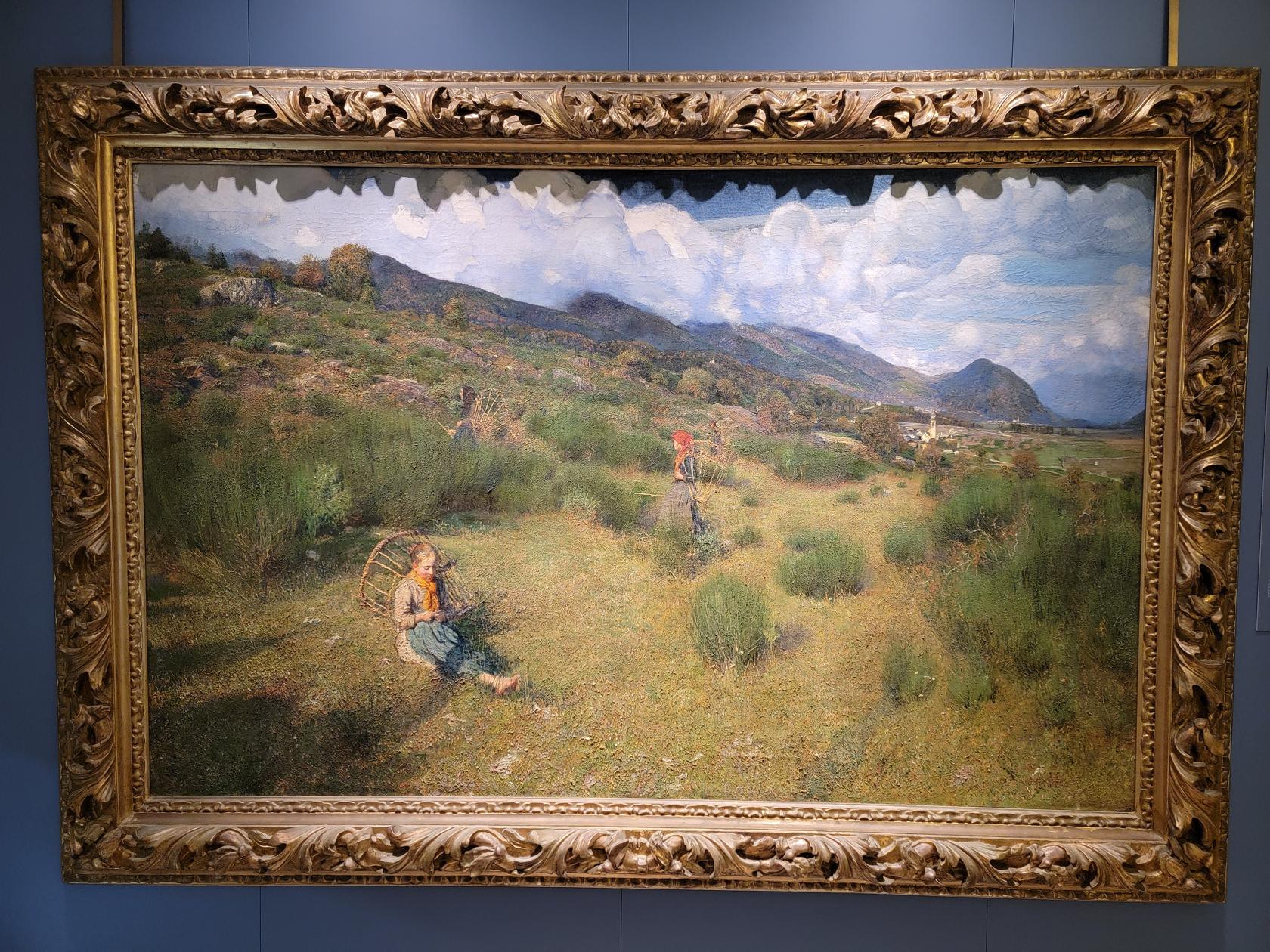
Castello Svevo di Trani – Painting as you enter – Trani, Italy
Castello Svevo di Trani – Sala Federico II room – Trani, Italy
Castello Svevo di Trani – Ruins leading to the prison area – Trani, Italy
Castello Svevo di Trani – Architecture of the castle – Trani, Italy
Castello Svevo di Trani – Old side portal in the castle – Trani, Italy
Castello Svevo di Trani – Strange window – Trani, Italy
Castello Svevo di Trani – Old prison area of the castle – Trani, Italy
Castello Svevo di Trani – Lookout to the sea – Trani, Italy
Castello Svevo di Trani – Old prison area of the castle – Trani, Italy
Castello Svevo di Trani – Large outside area – Trani, Italy
Restaurants
Since we were only doing a day trip, we were only able to visit one restaurant and that was for lunch.
Giù a Sud, Green Bistro
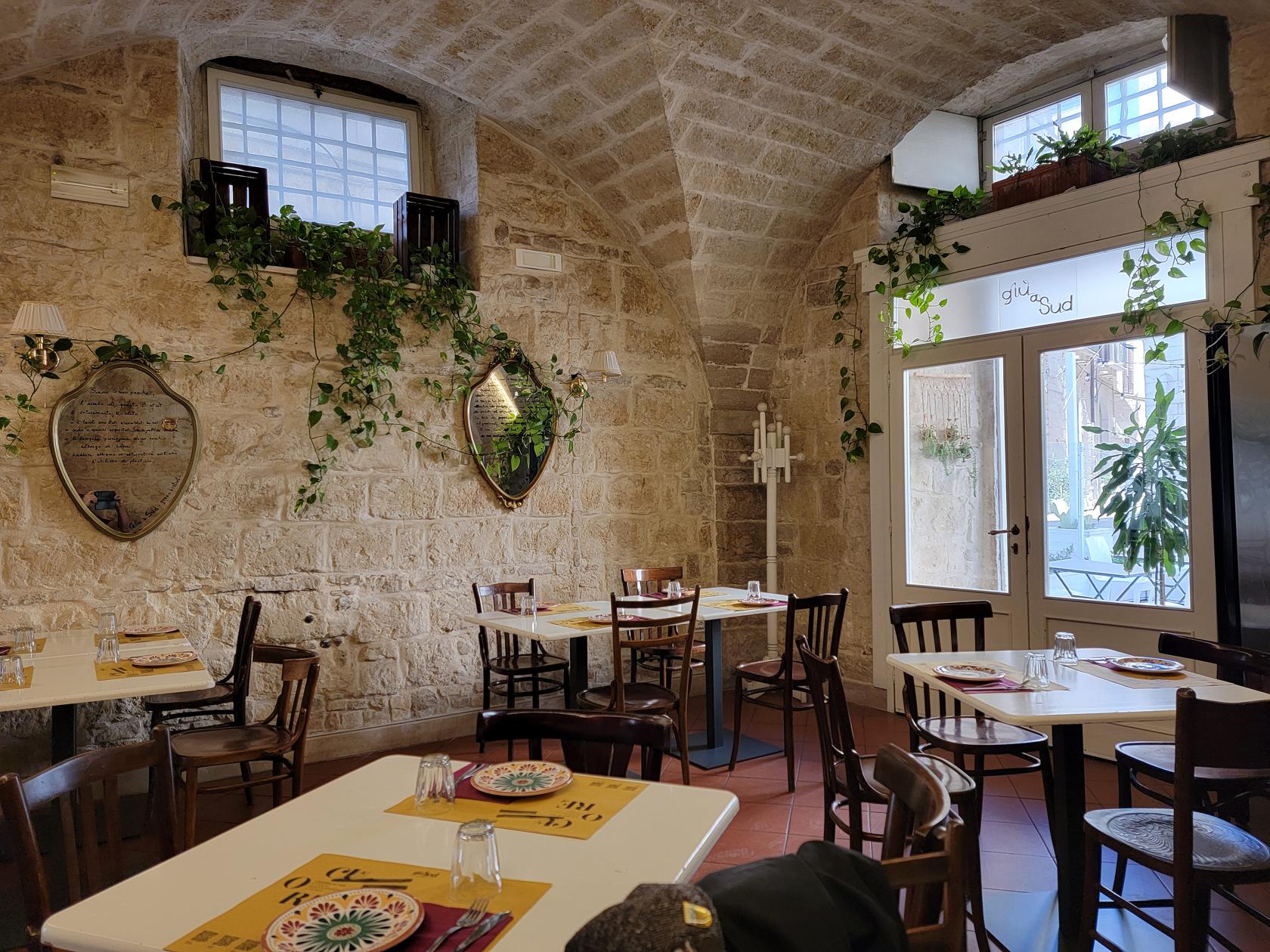
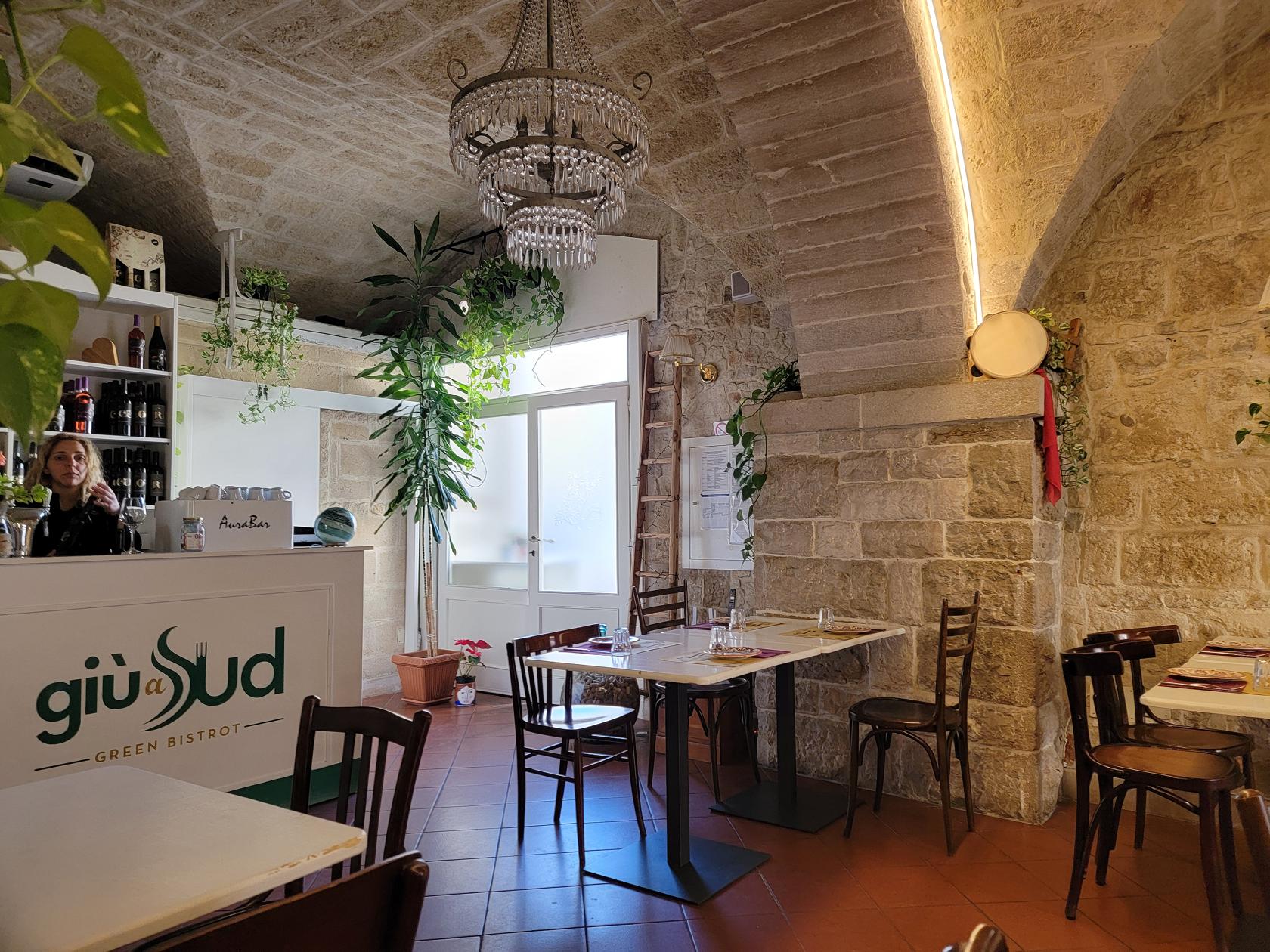
The Giù a Sud, Green Bistrot is located at Piazza Cesare Battisti in Trani. After viewing the menu outside we decided we would give it a try and we are glad we did.
Giù a Sud, Green Bistrot, Piazza Cesare Battisti – Inside – Trani, Italy
Giù a Sud, Green Bistrot, Piazza Cesare Battisti – Bar and Inside – Trani, Italy
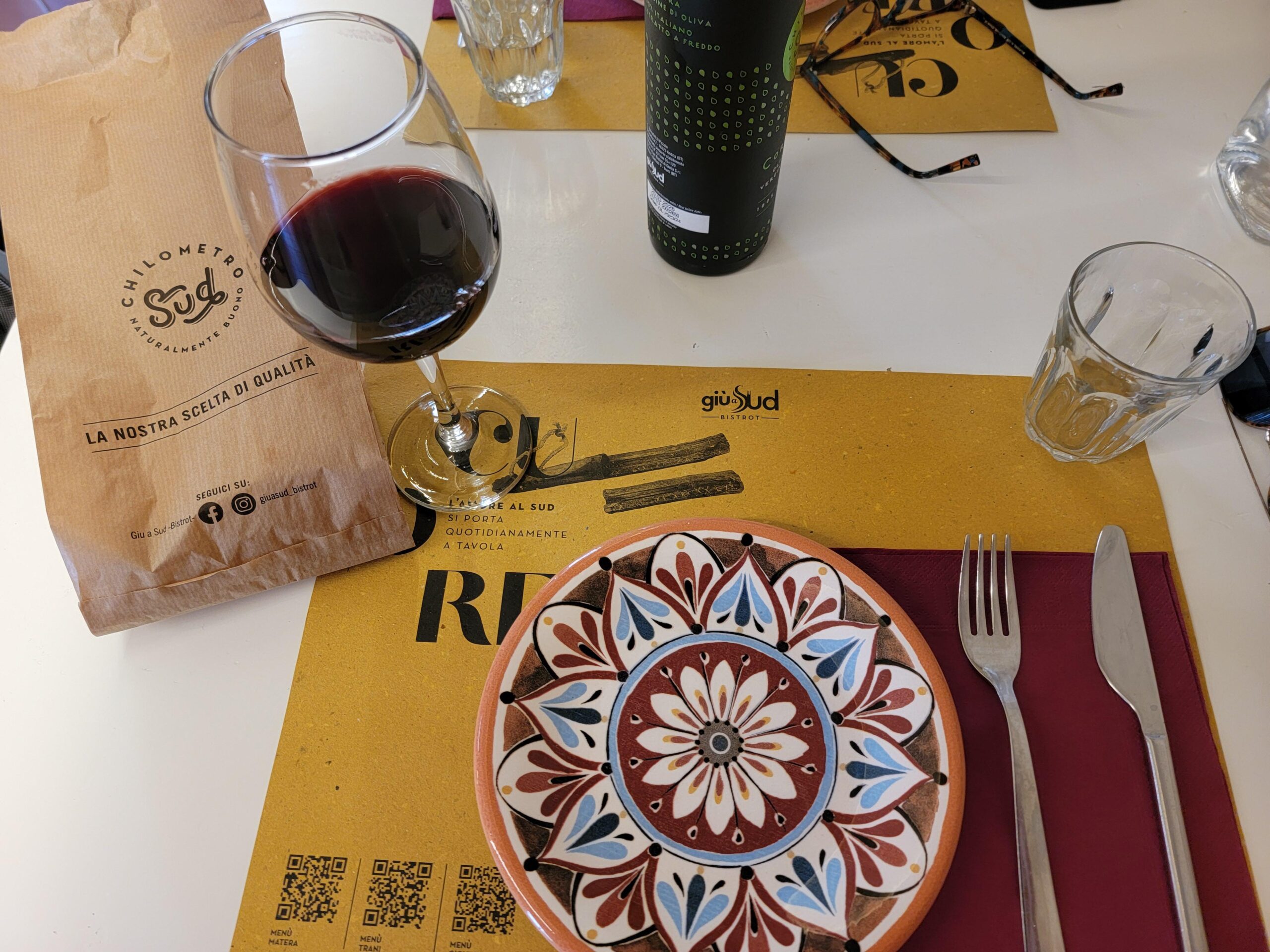
Giù a Sud, Green Bistrot, Piazza Cesare Battisti – Primitivo and bread – Trani, Italy
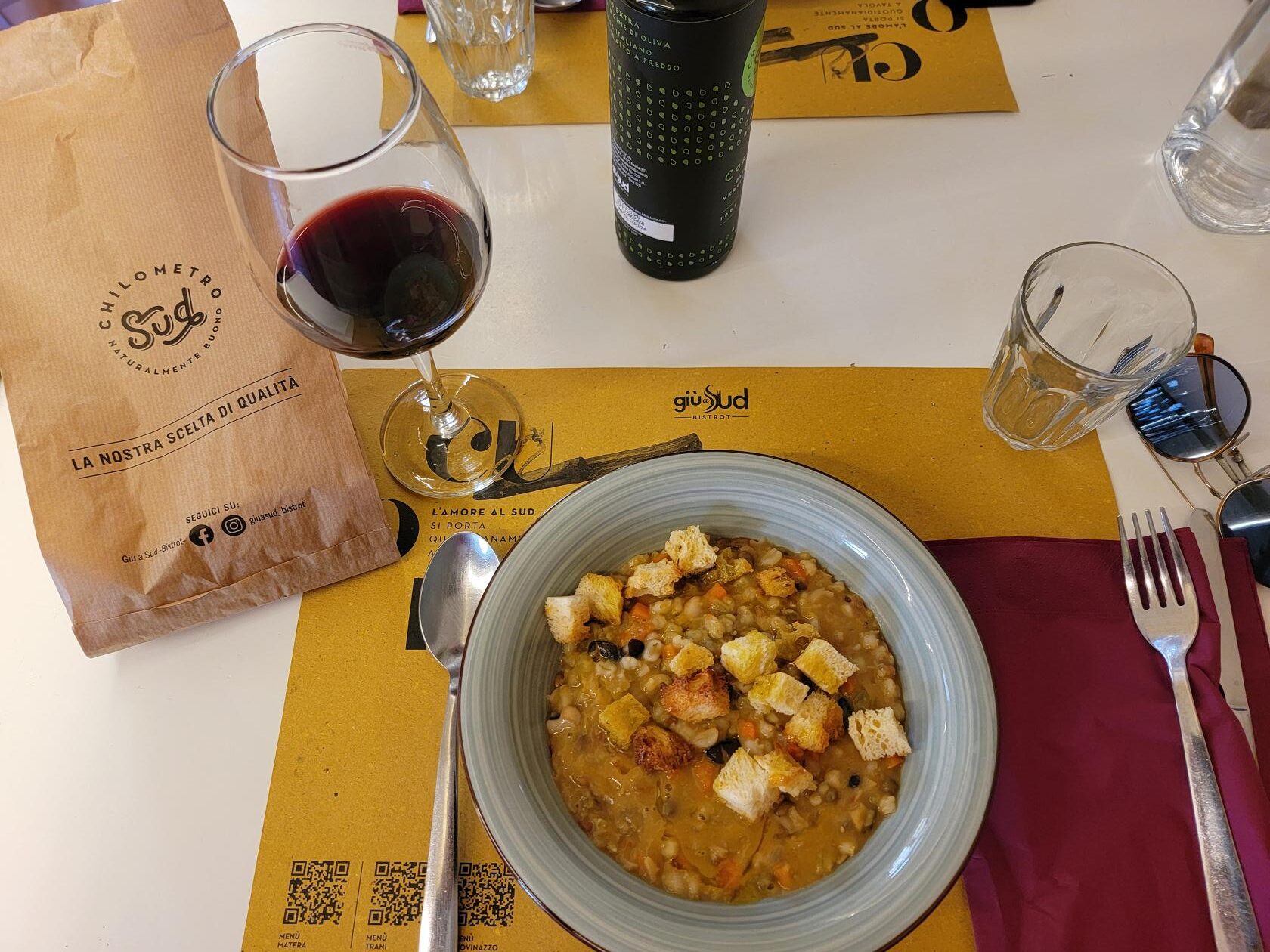
Giù a Sud, Green Bistrot, Piazza Cesare Battisti – Bean and Lentil soup with croutons – Trani, Italy
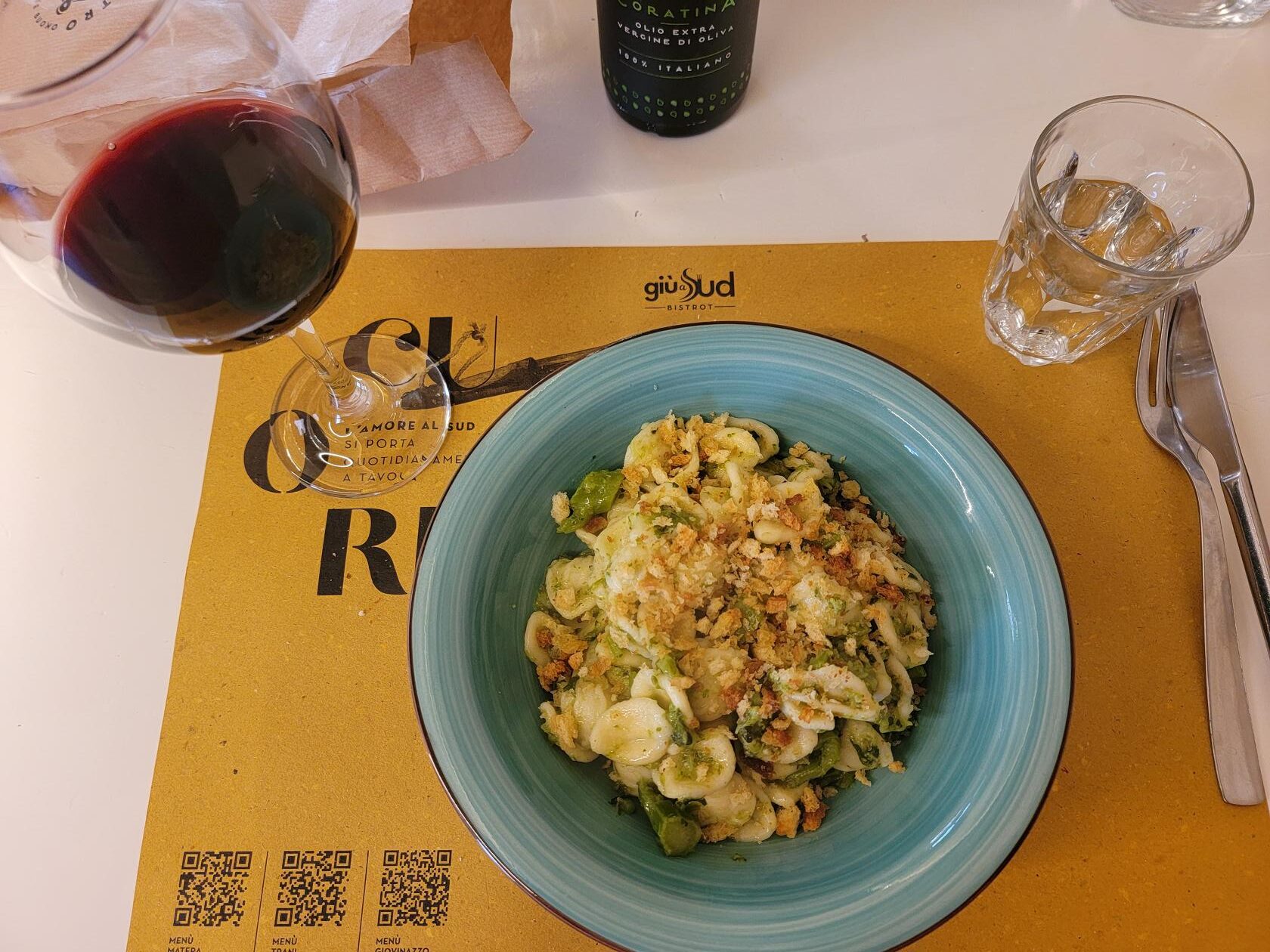
Giù a Sud, Green Bistrot, Piazza Cesare Battisti – Orecchiette and Broccoli Rape – Trani, Italy
The food and restaurant is sourced locally from green producers and prepared using artisanal recipes. They had a bean and lentil soup with croutons which was just delicious. I am pretty sure it is probably something that comes off the menu in the summer, but you may ask, in Italy you never know, especially in Mezzogiorno. We thoroughly enjoyed it.
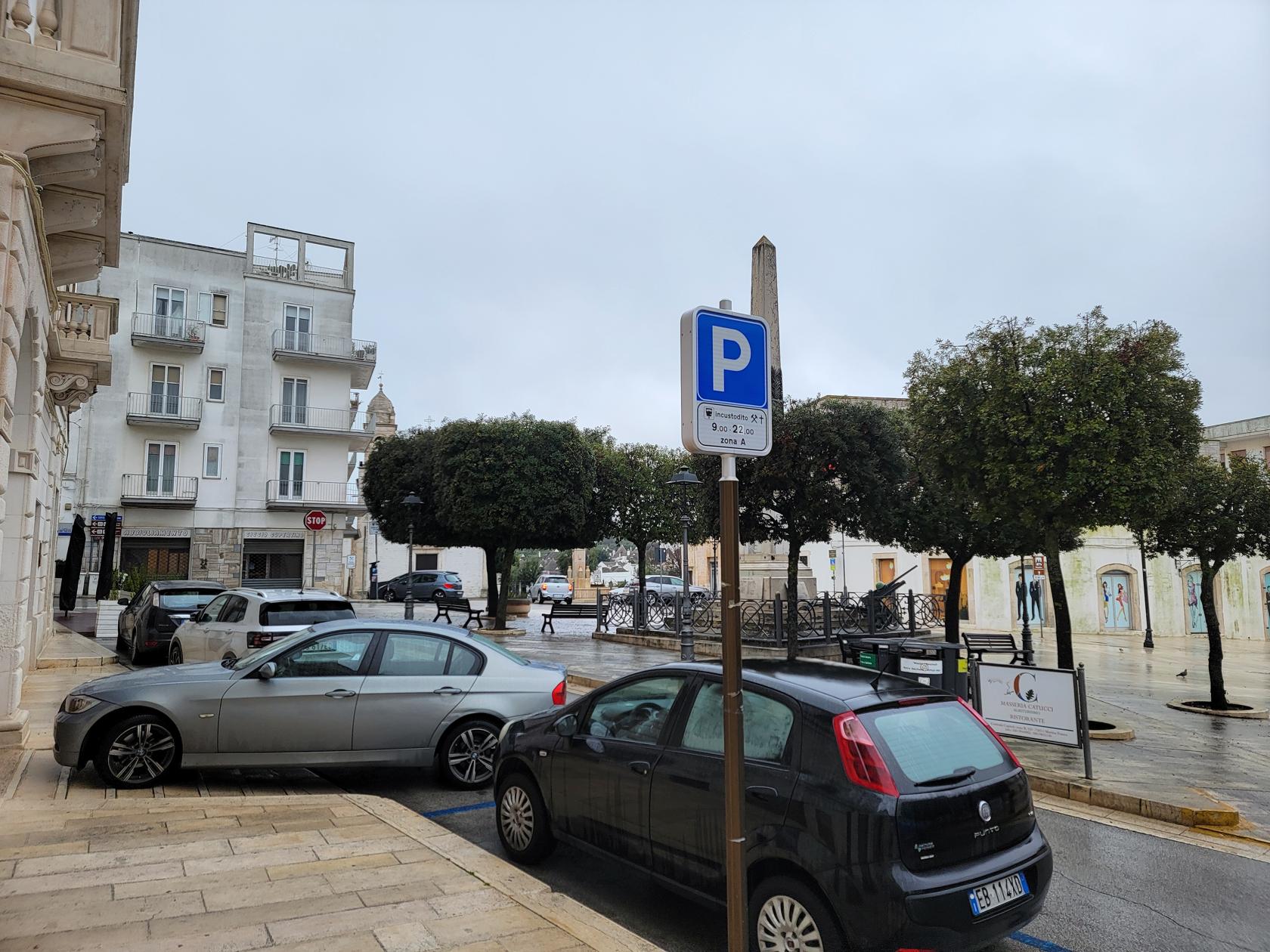
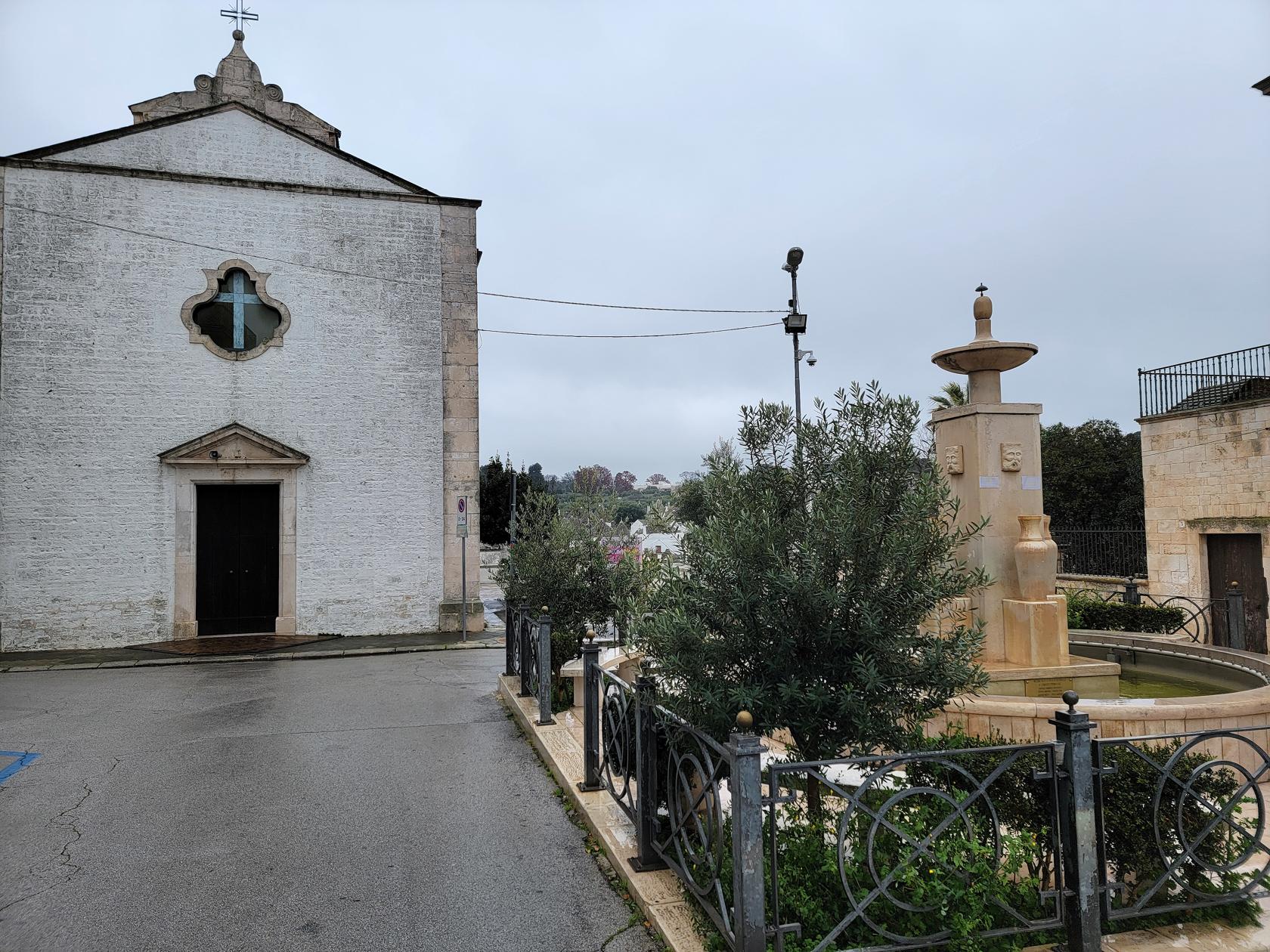
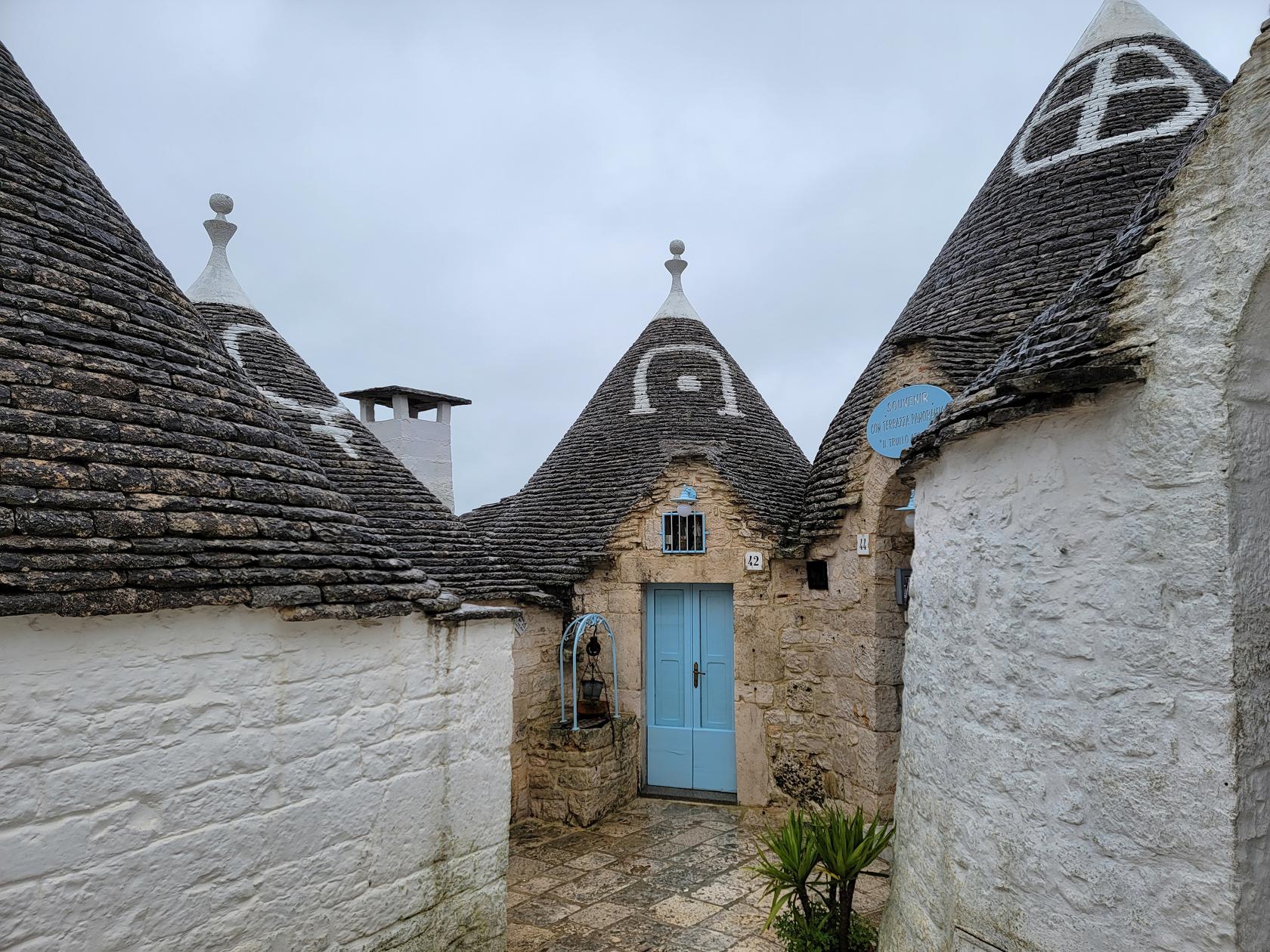
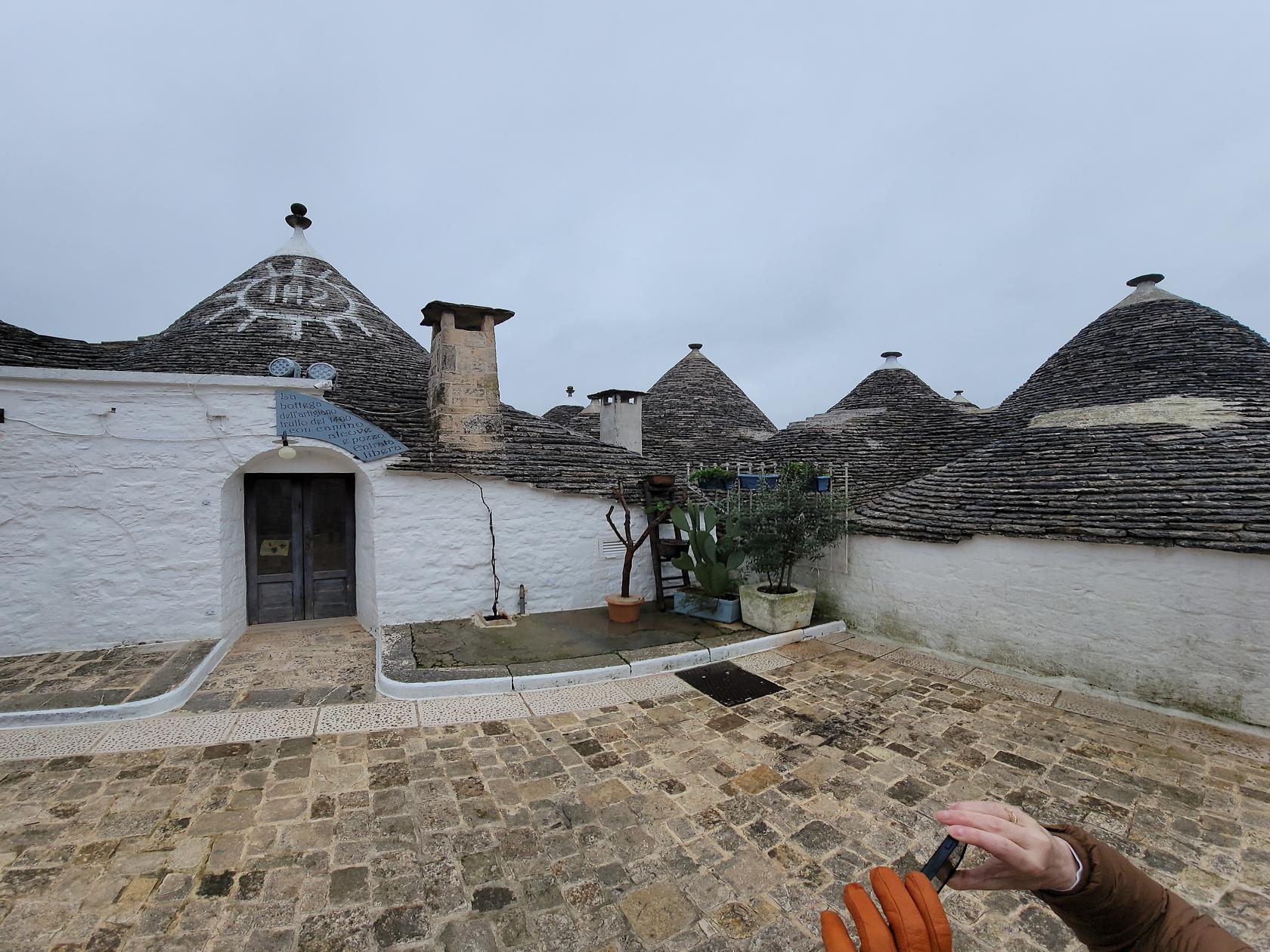
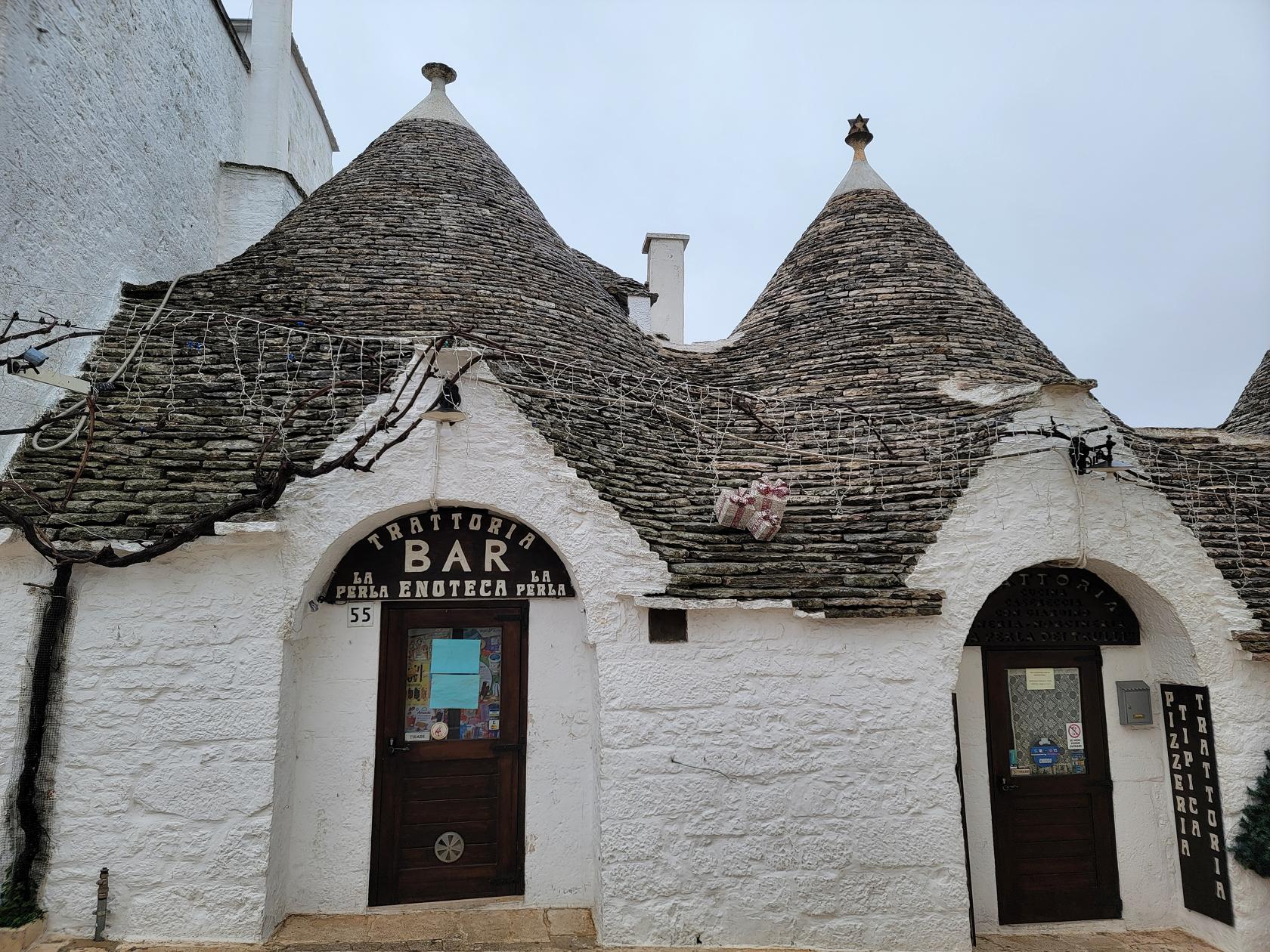
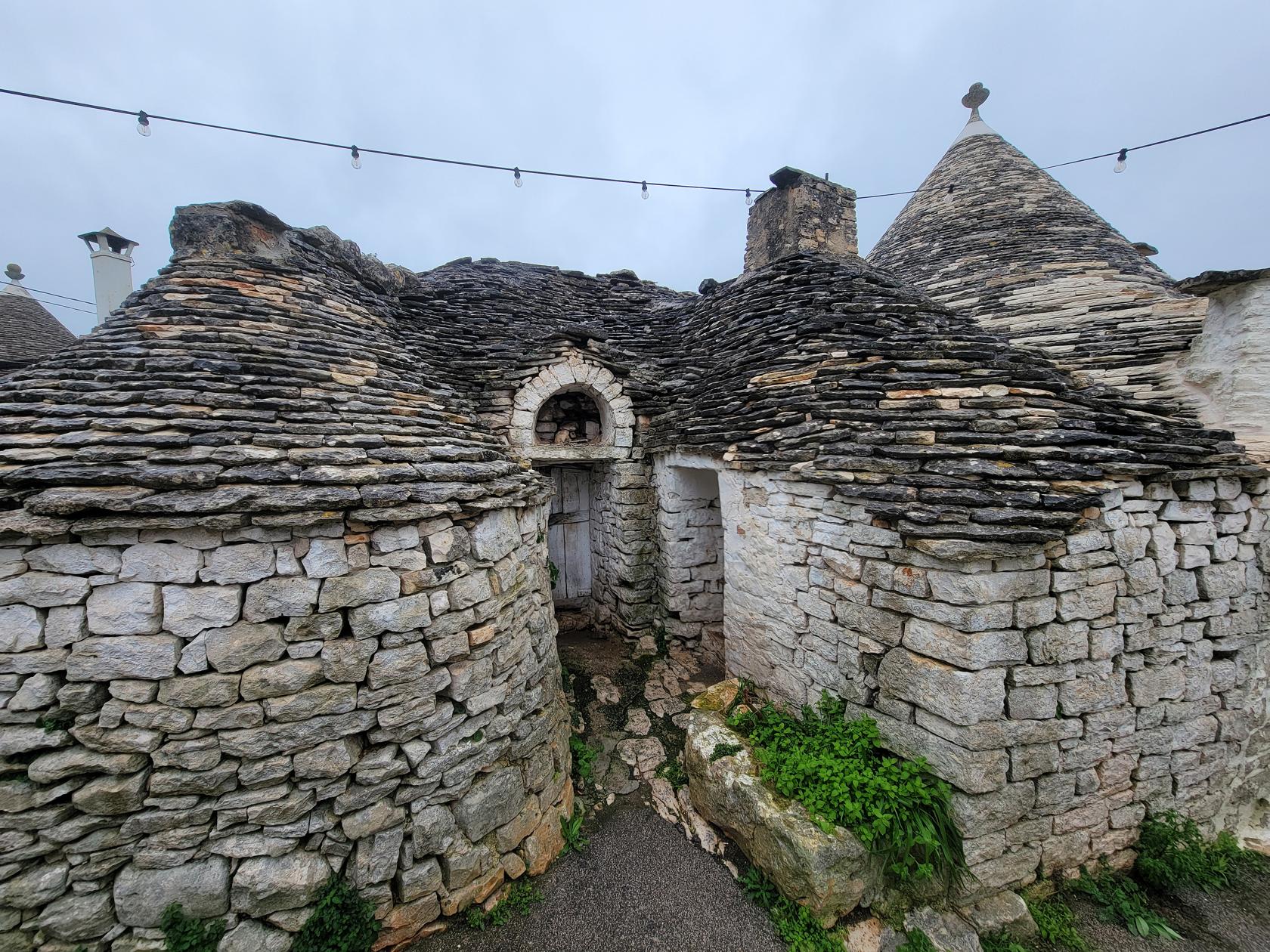
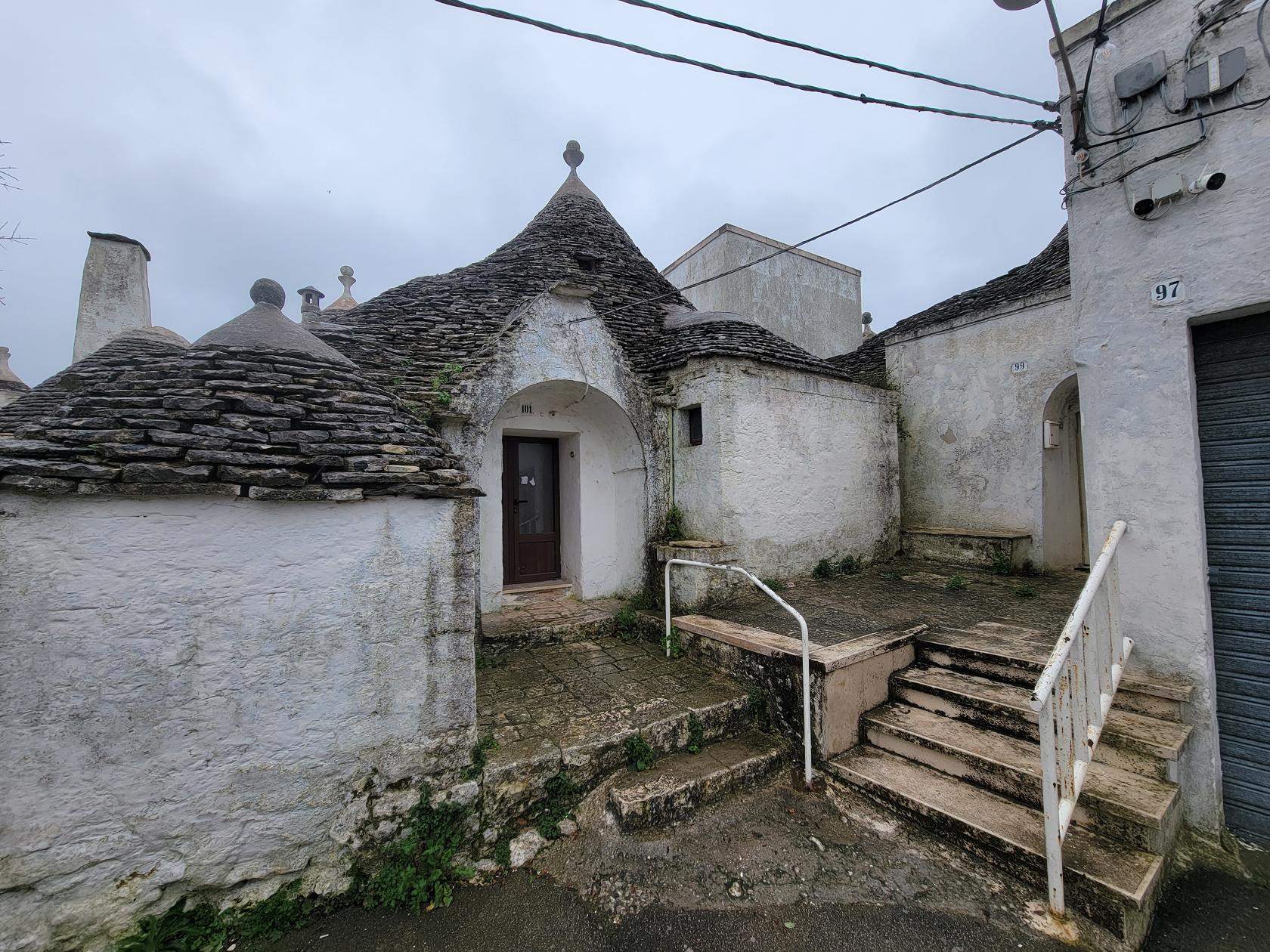
Before I went to Alberobello, I had never heard of a Trullo house and I must say I find them rather odd. To me, they just appear as though they are a bit small and perhaps uncomfortable inside. But I guess it’s what you get used to in life.
How To Get There
From Bari the easiest way to get there is by the TrennItalia website, application or buying a ticket at the station. The bus arrives in front of the DOK supermarket on the back side of the train station, so from town you will have to use the underground train station passage to get to the bus stop, it is across the street of Via Giuseppe Capruzzi. The cost is minimal, 2€ per person each way. You may hear them referred to as the TrulliBus, but if you ask anyone locally they will be confused by your question. So use the destination name of Alberobello and there will not be any confusion.
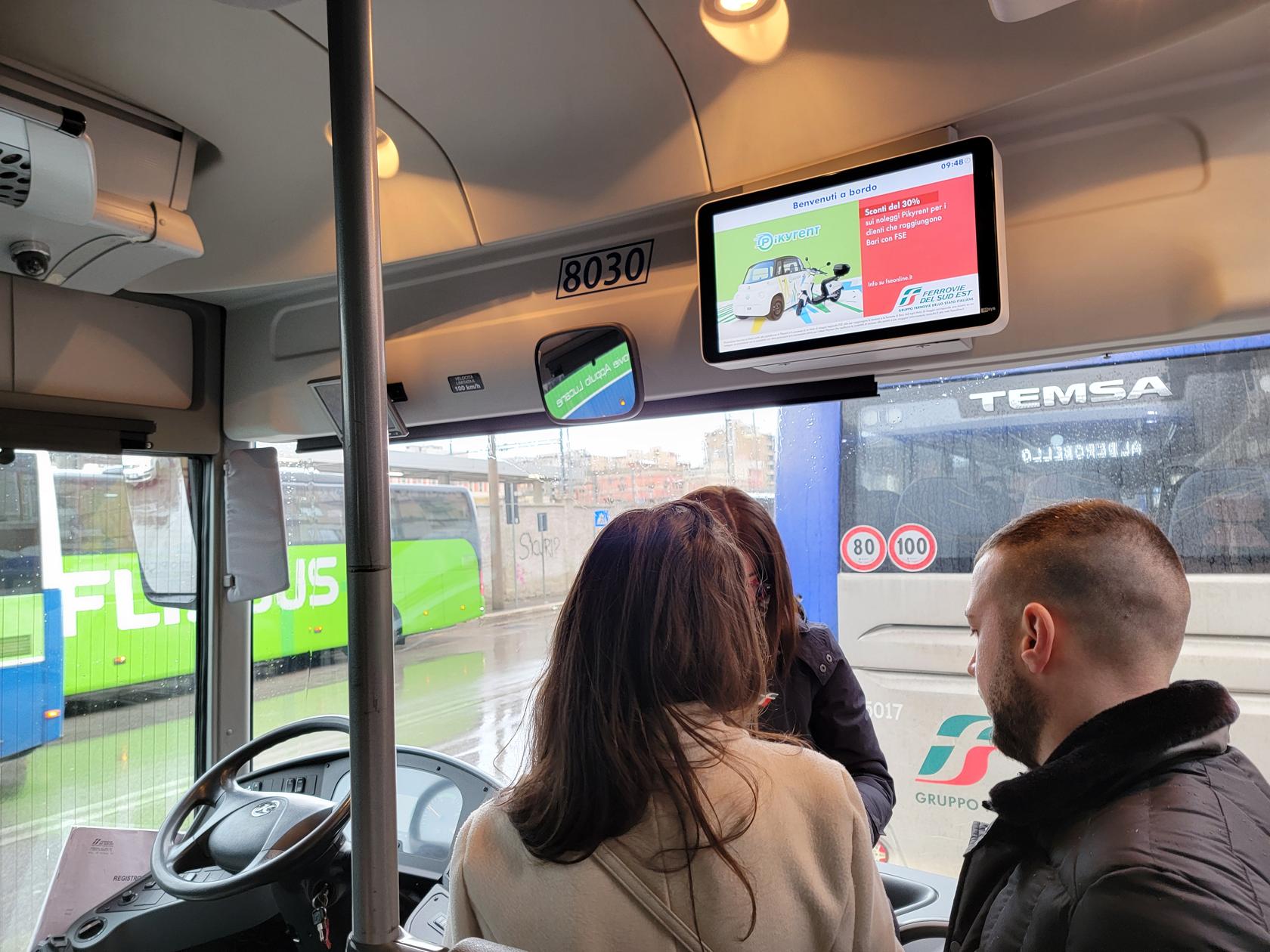
Bus from Bari to Alberobello – Alberobello, Italy
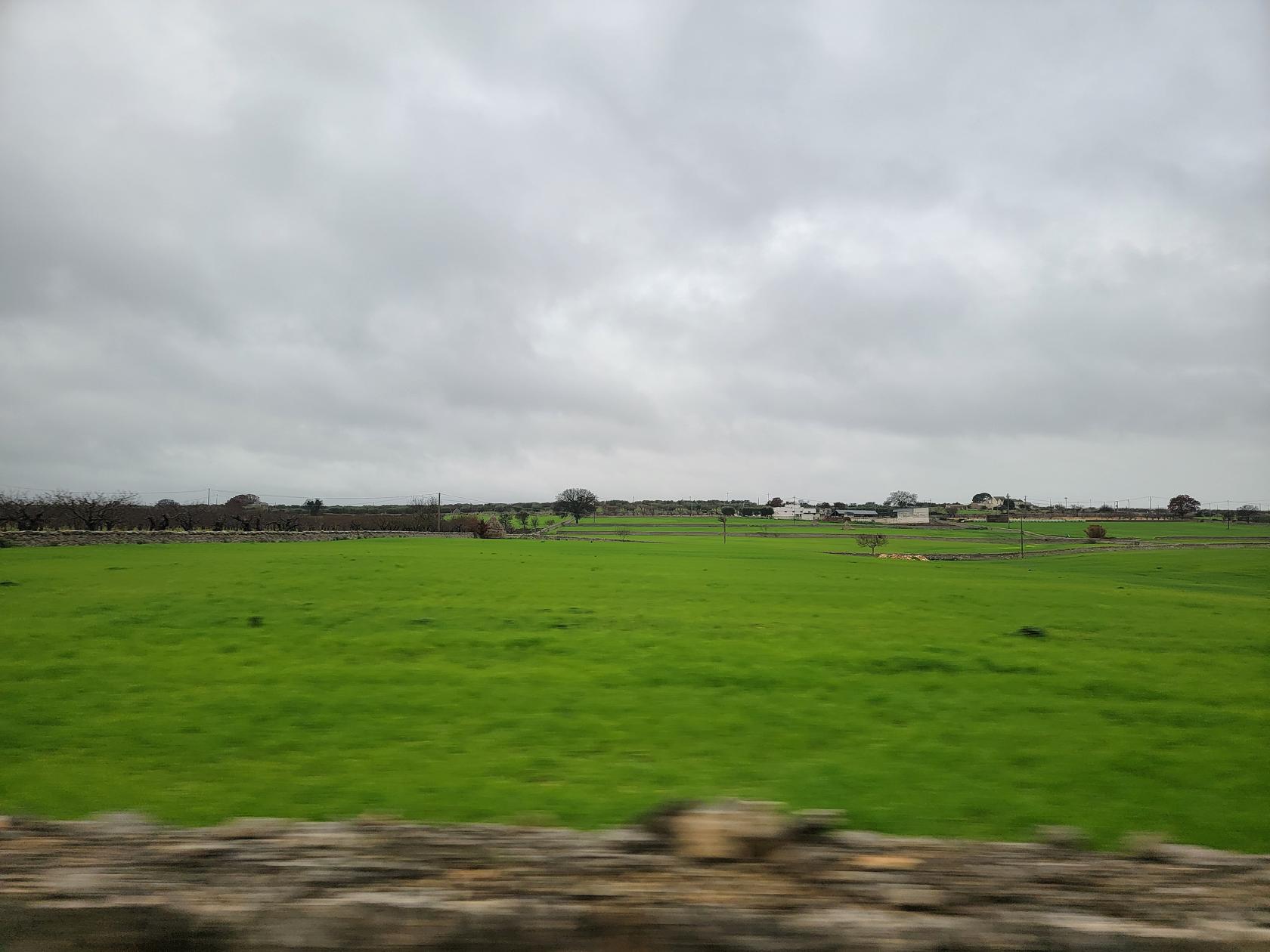
Bus ride – Truli buildings – Alberobello, Italy
Bus ride – Truli buildings – Alberobello, Italy
It arrives in Alberobello at that city’s train station and it is about a fifteen to twenty minute walk to the houses.
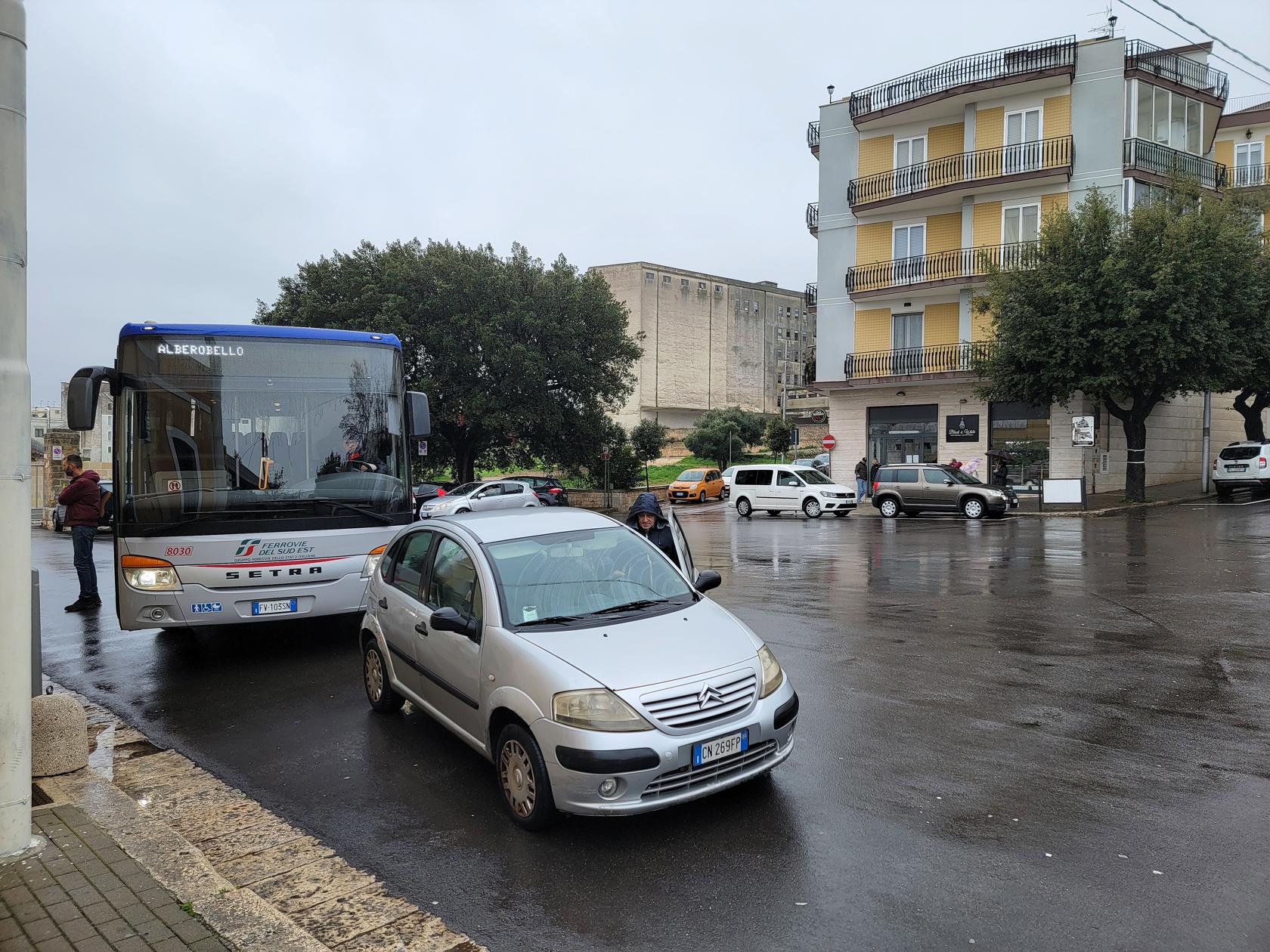
Our bus from Bari – Alberobello, Italy
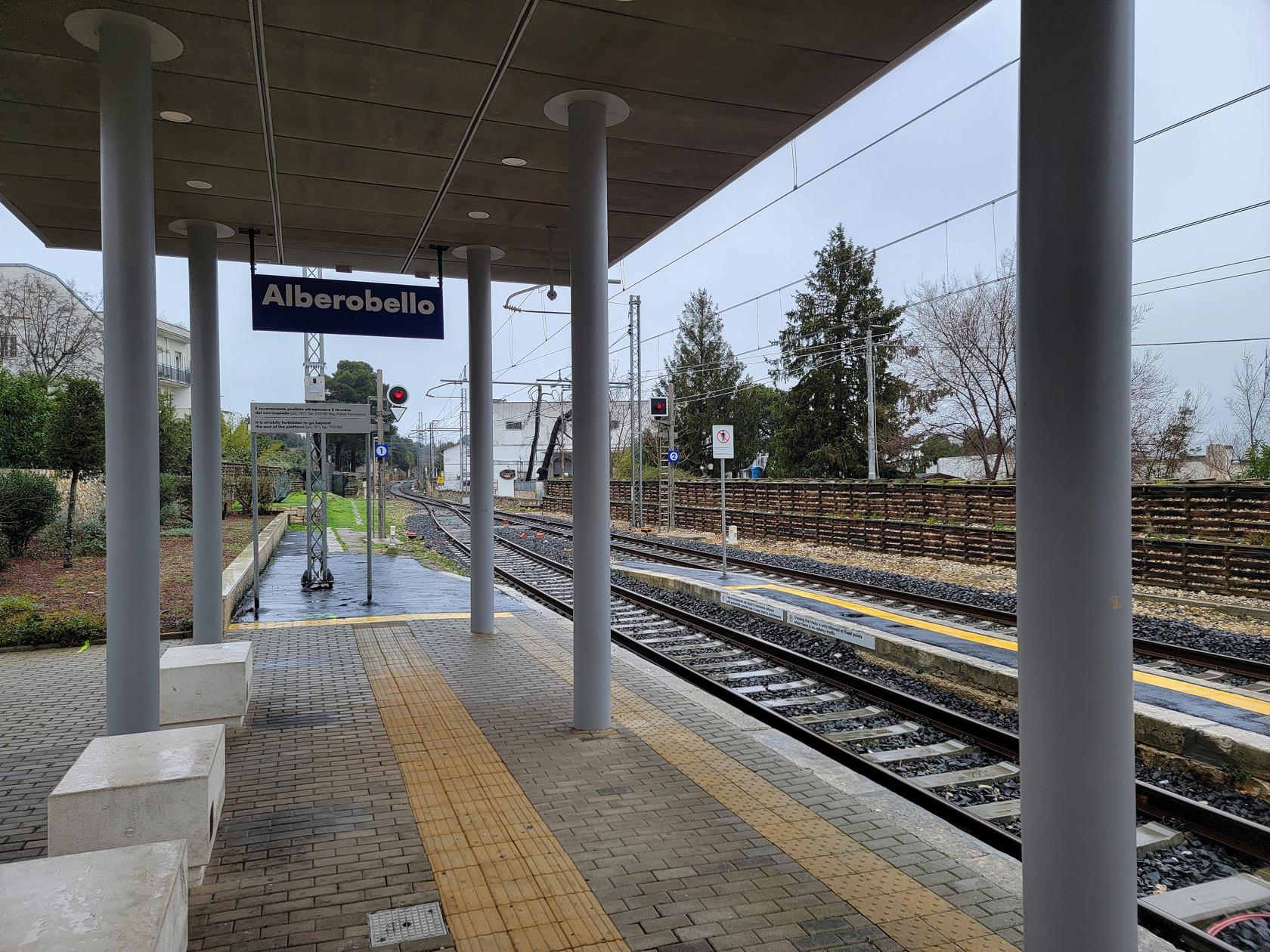
Train Station – Bus Stop – Alberobello, Italy
Alberobello
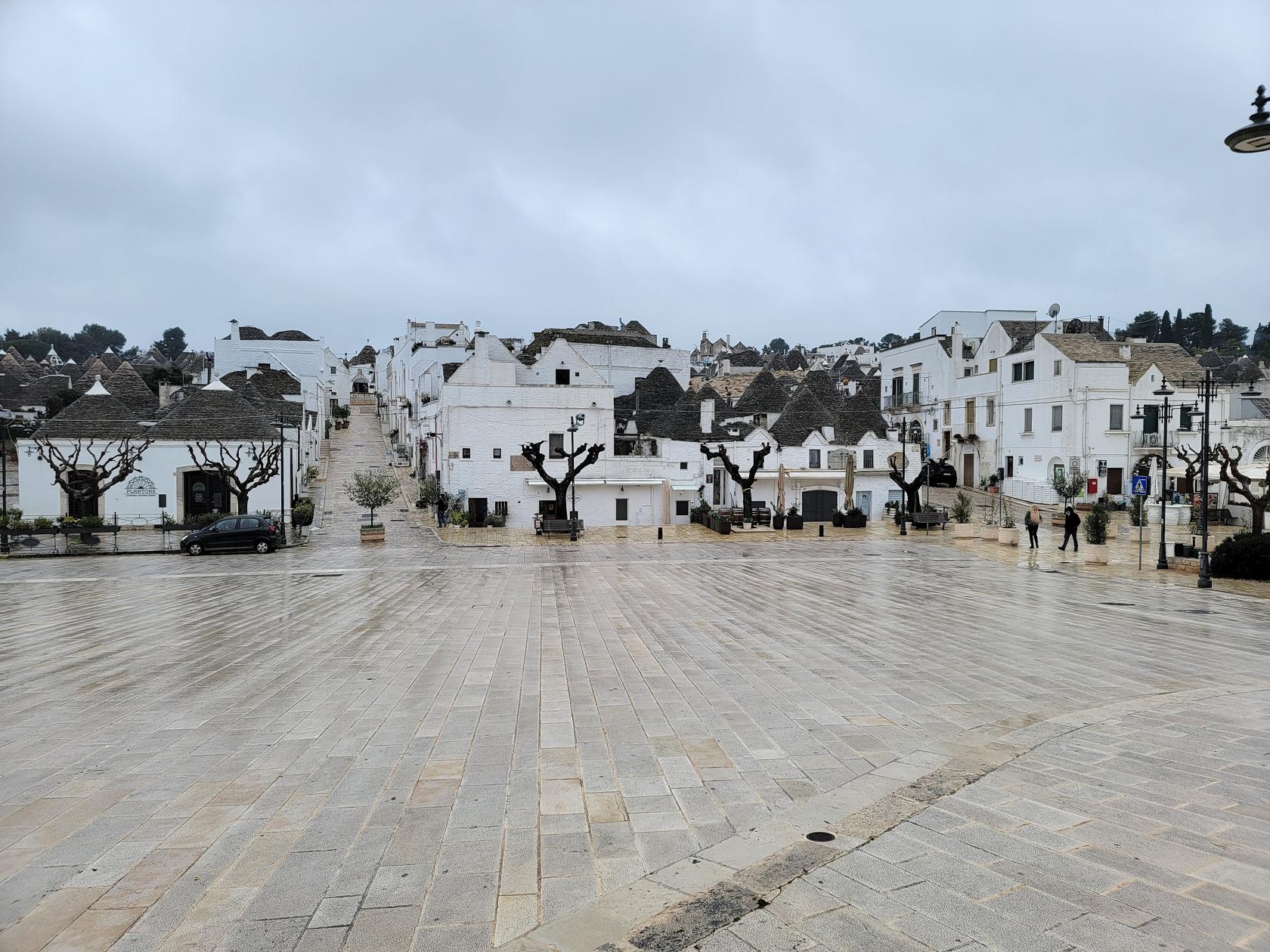
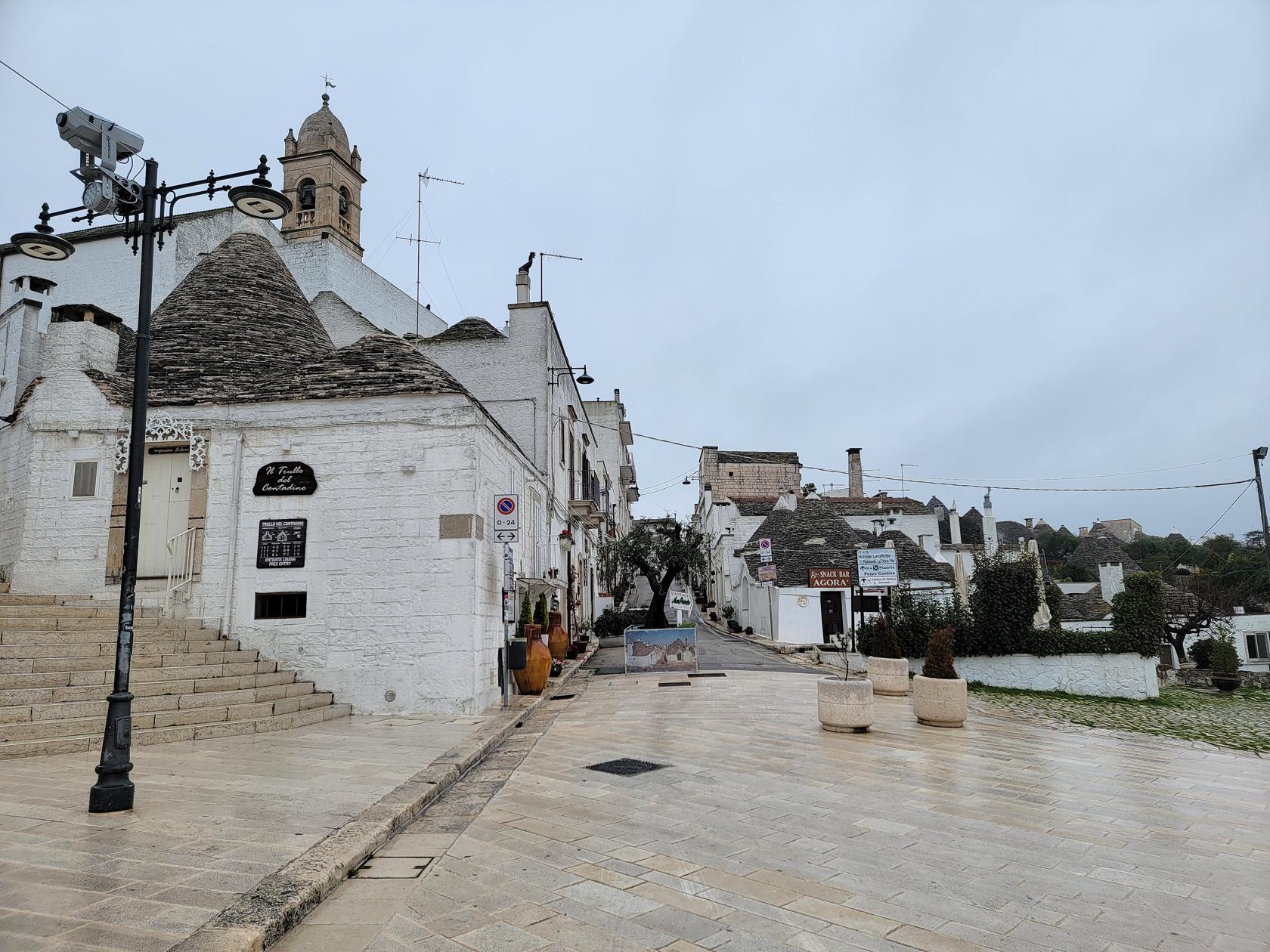
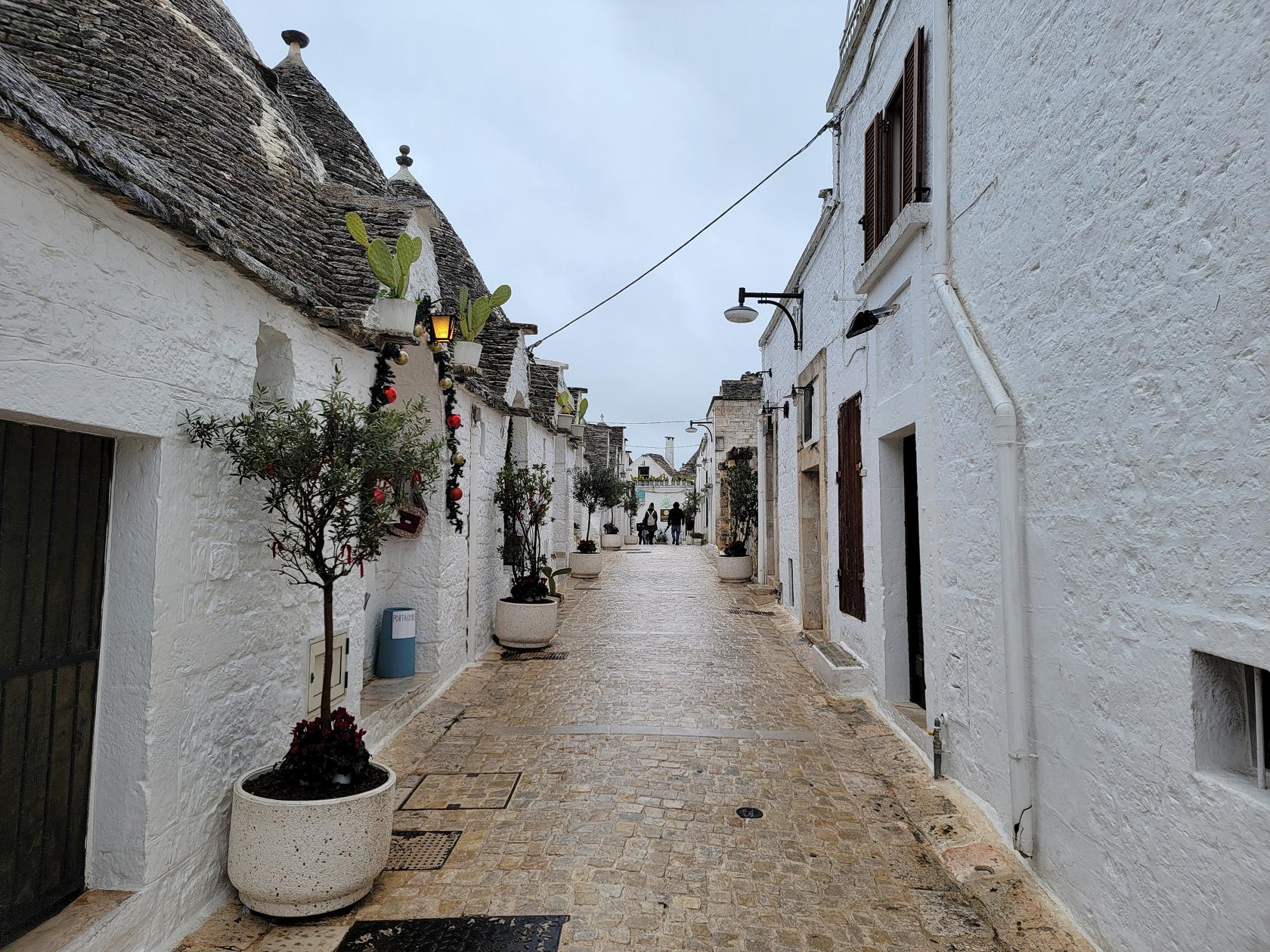
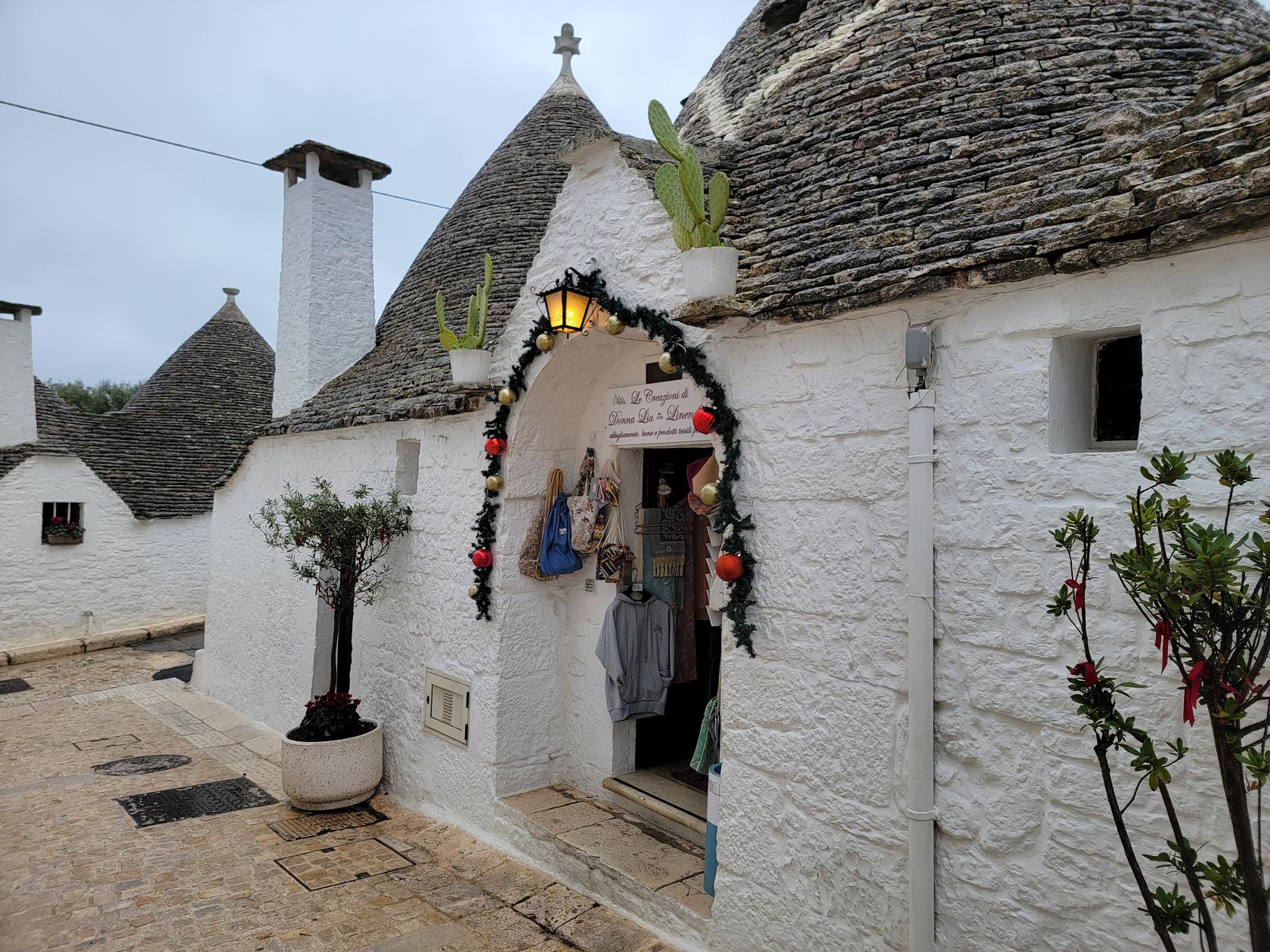
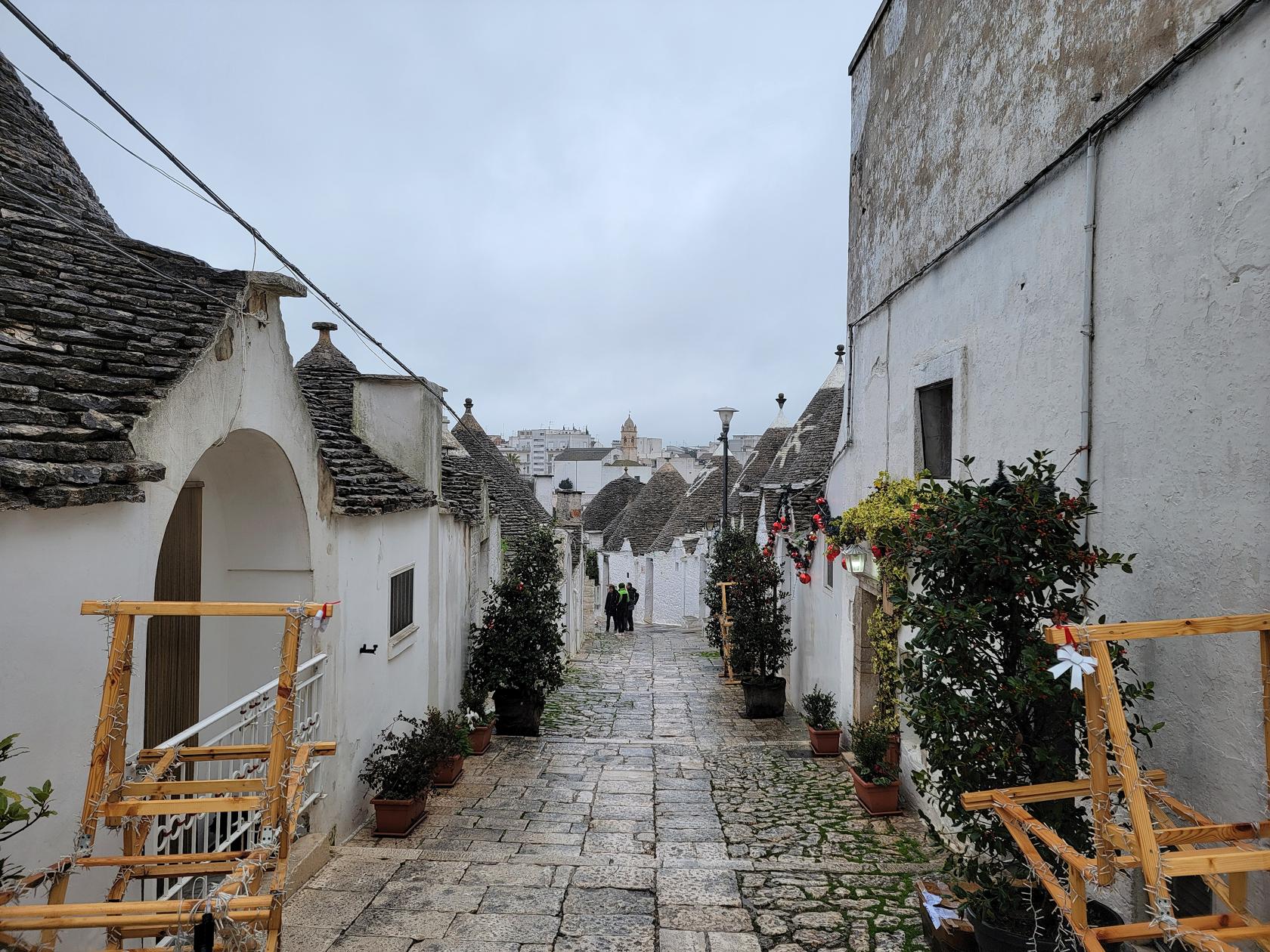
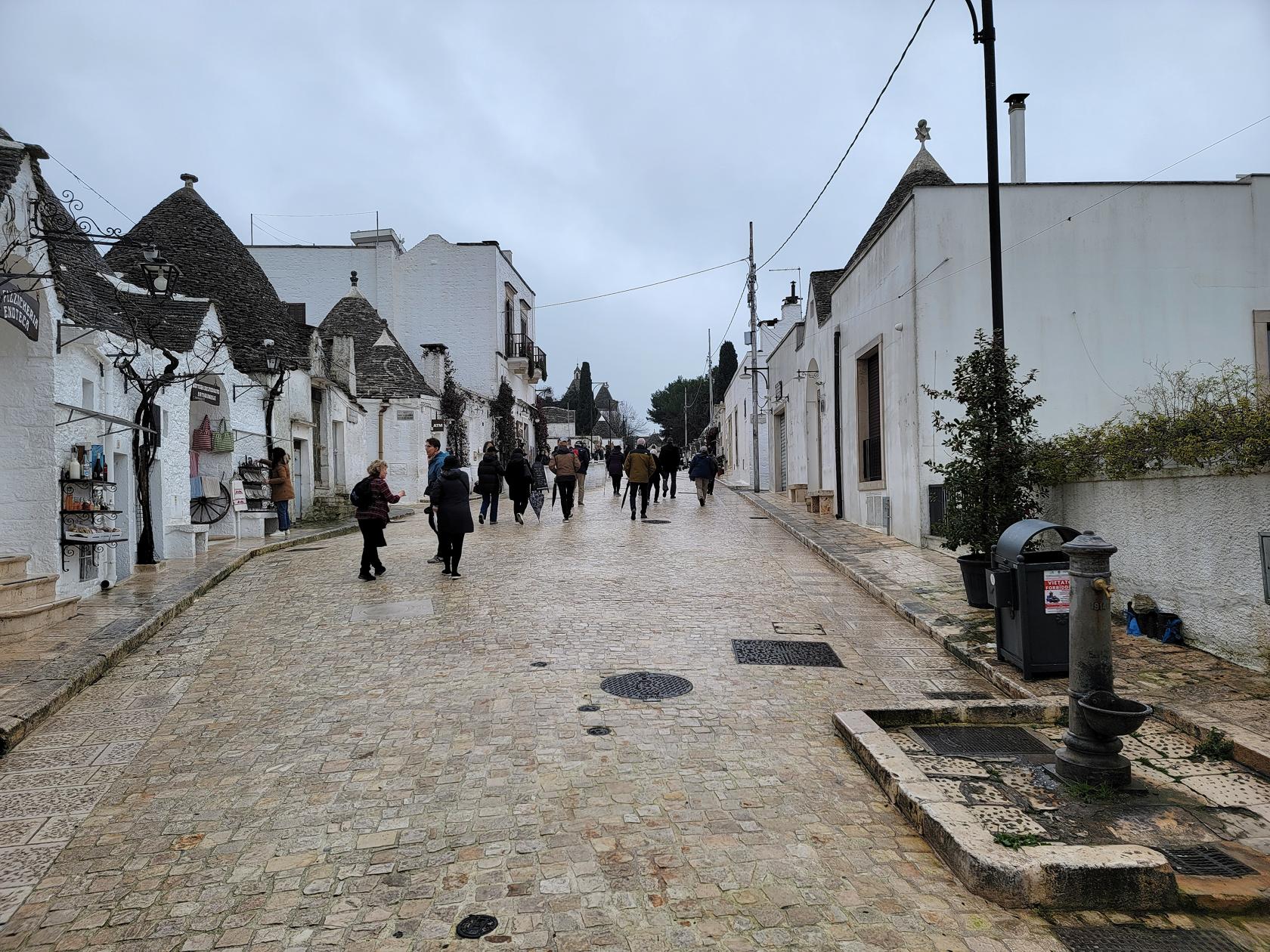
When one first sees a Trullo house one’s first impression might be that it is a rather strange place to live. However, there are other precedents in other cultures. Alberobello contains many such examples of these houses, now converted toward the tourists industry.
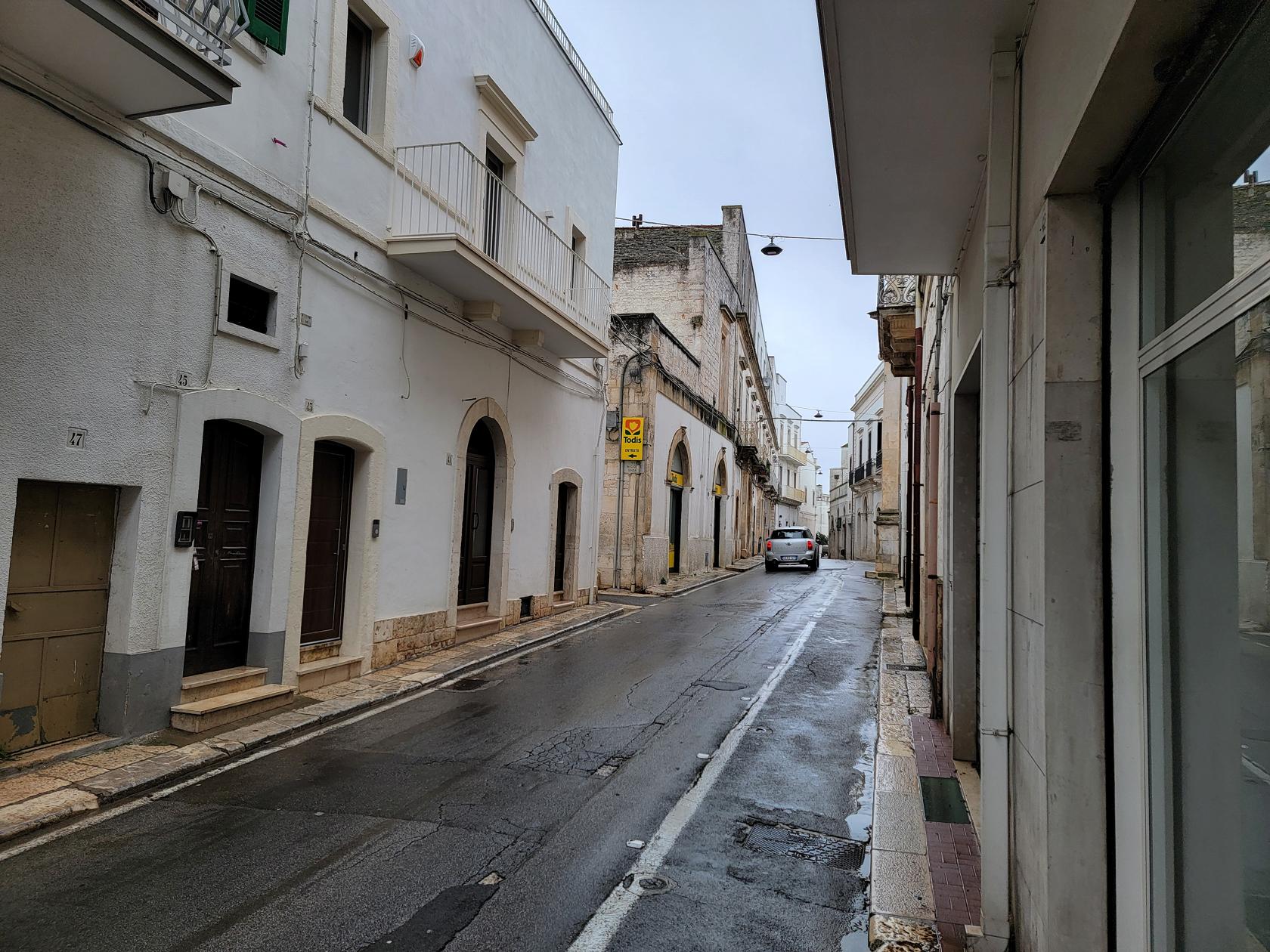
Typical Italian street – via Giuseppe Girabaldi – Alberobello, Italy
Monumento Dei Caduti in Guerre – Alberobello, Italy
Fountain – Piazza Giangirolamo II – Alberobello, Italy
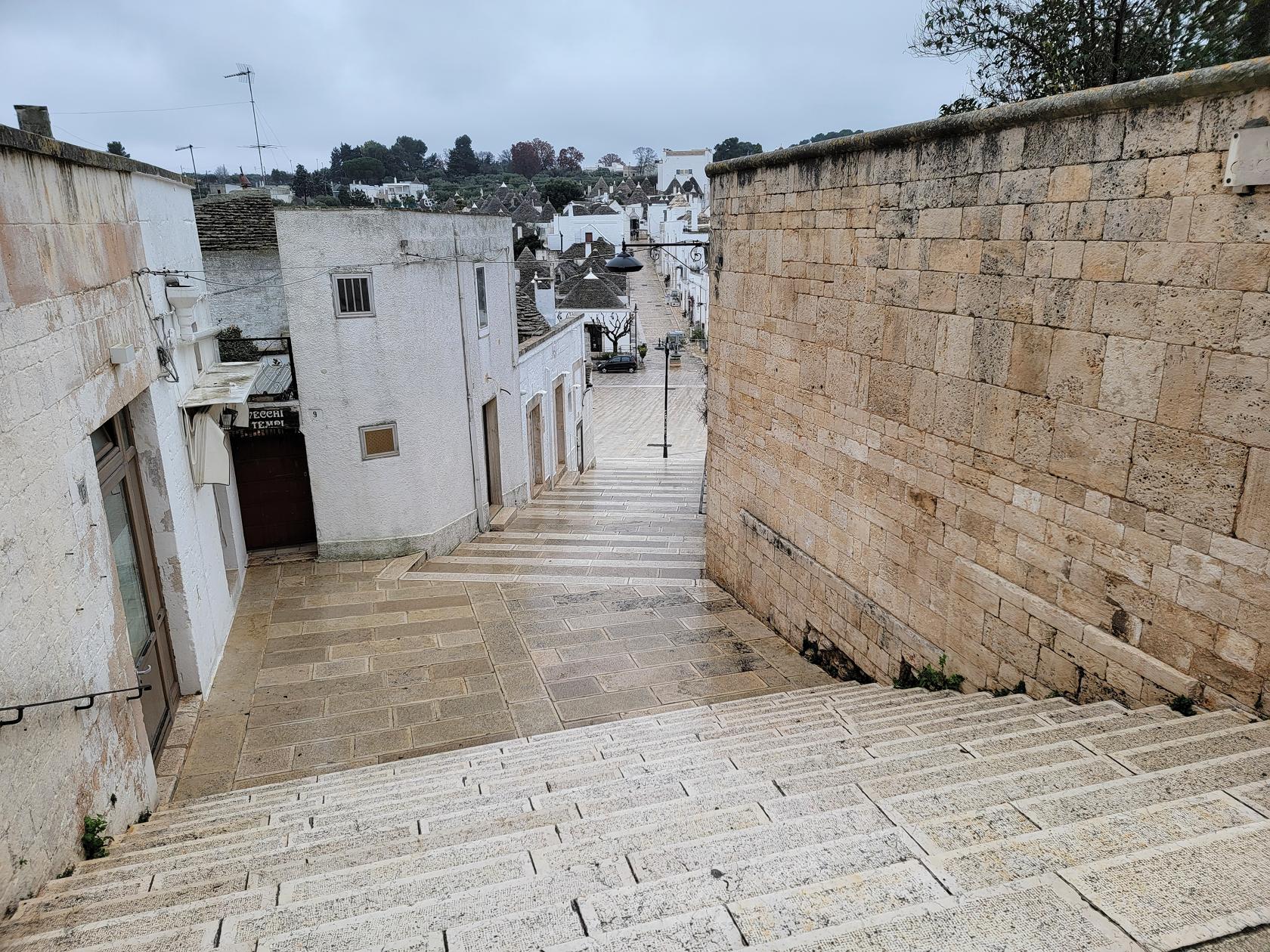
Stairs with Truli house view – Alberobello, Italy
Via Brigata Regina – Alberobello, Italy
Via Brigata Regina – Alberobello, Italy
The Trullo House
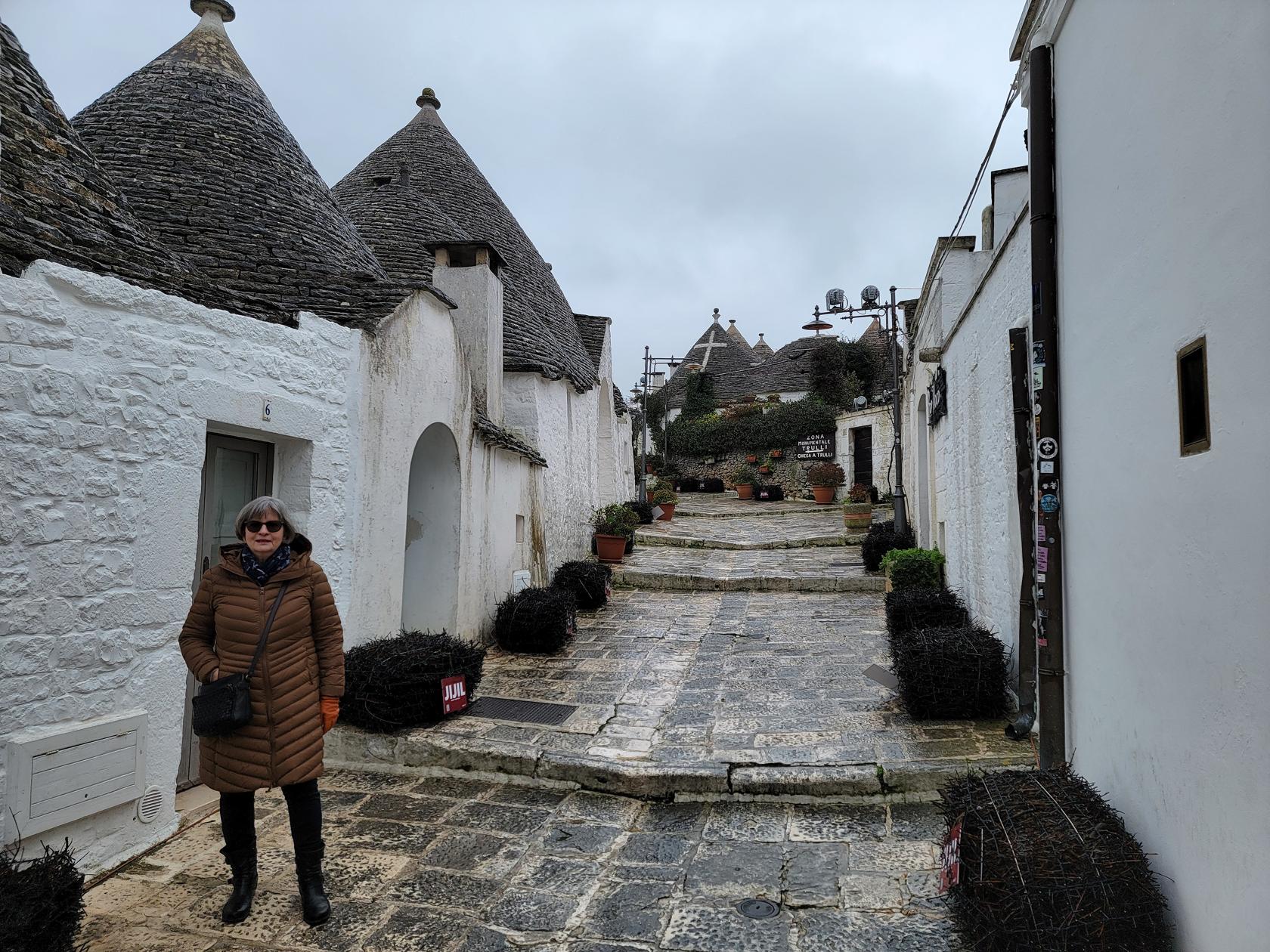
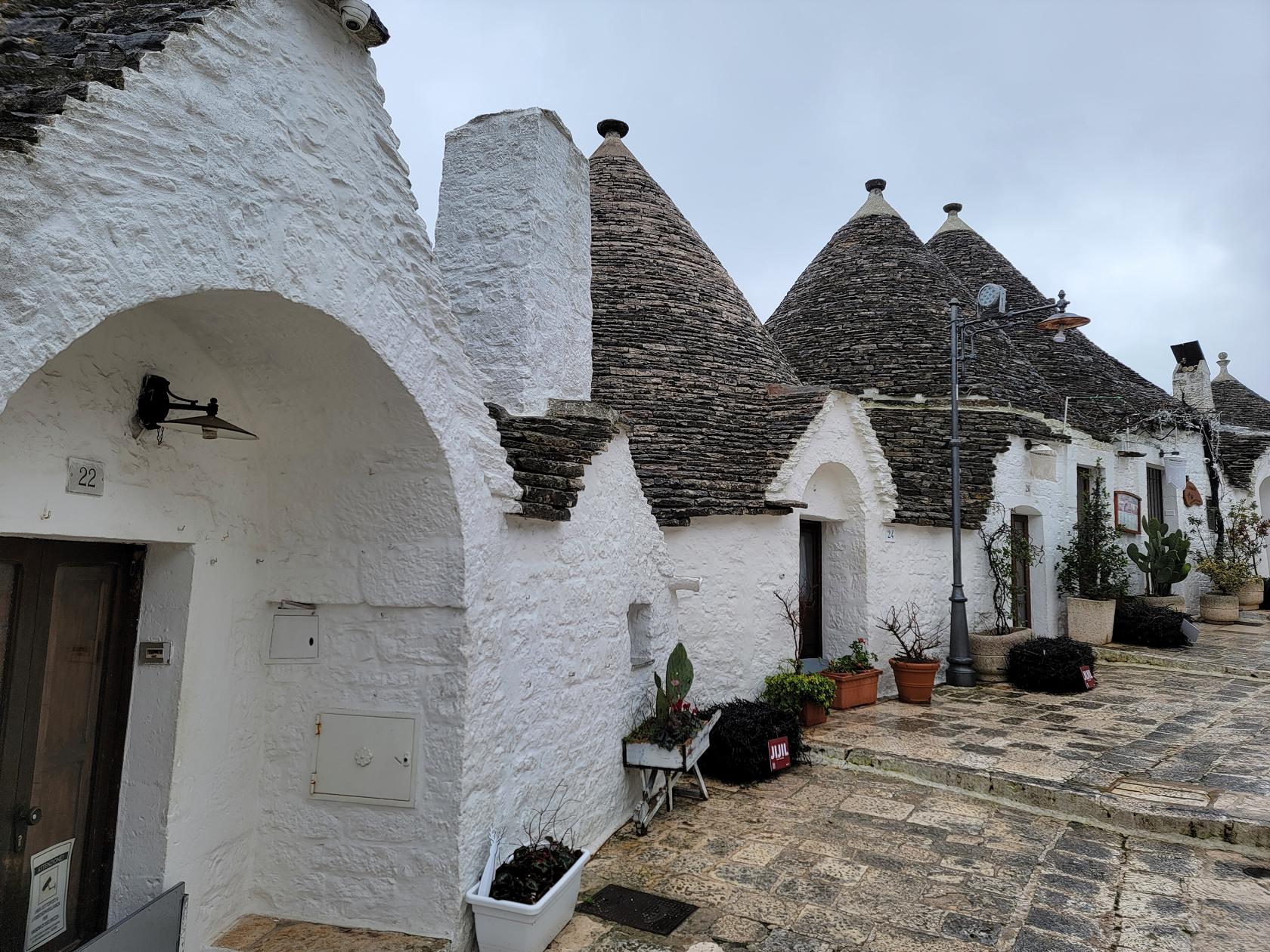
Initially developed by farmers and herders as a temporary place to stay while performing their tasks. However, once learned that they could be used as a tax dodge, the Italians in the area converted them to more permanent residential building, while forgoing the need to pay their taxes.
Patti – Via Monte San Marco – Alberobello, Italy
Truli homes – Alberobello, Italy
Truli homes – Alberobello, Italy
Truli homes – Alberobello, Italy
Truli homes – Alberobello, Italy
Truli homes – Alberobello, Italy
Trattoria and Bar – Alberobello, Italy
Via Duca D’Aosta – Alberobello, Italy
Donna Lia Intrecci – Alberobello, Italy
Via Monte San Michelle – Alberobello, Italy
Via Monte San Michelle – Alberobello, Italy
Truli house tops – Alberobello, Italy
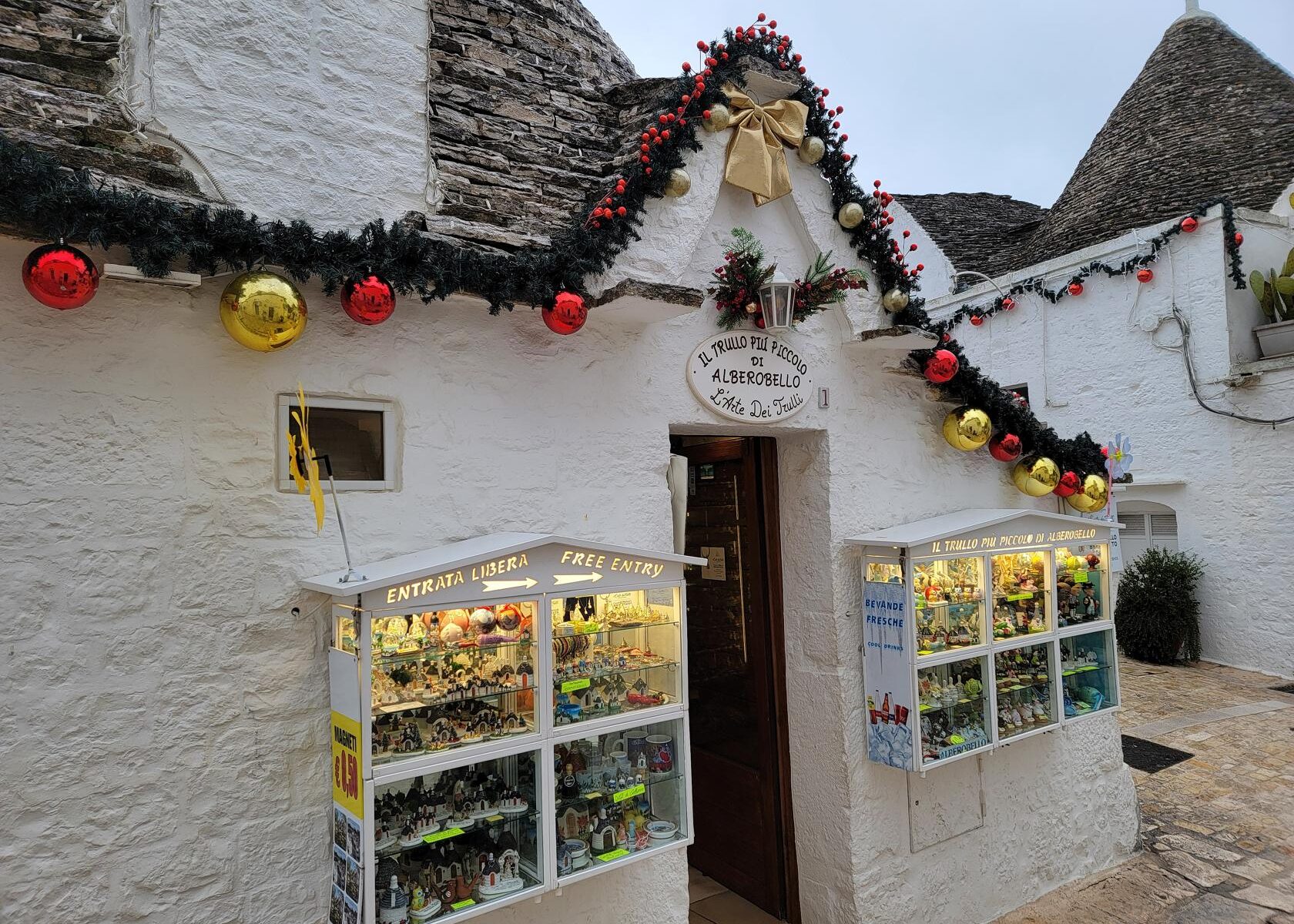
Truli shops – Alberobello, Italy
Truli houses – Alberobello, Italy
Chiesa Parrocchiale di Sant’Antonio da Padova – Chiesa a Trullo – Alberobello, Italy
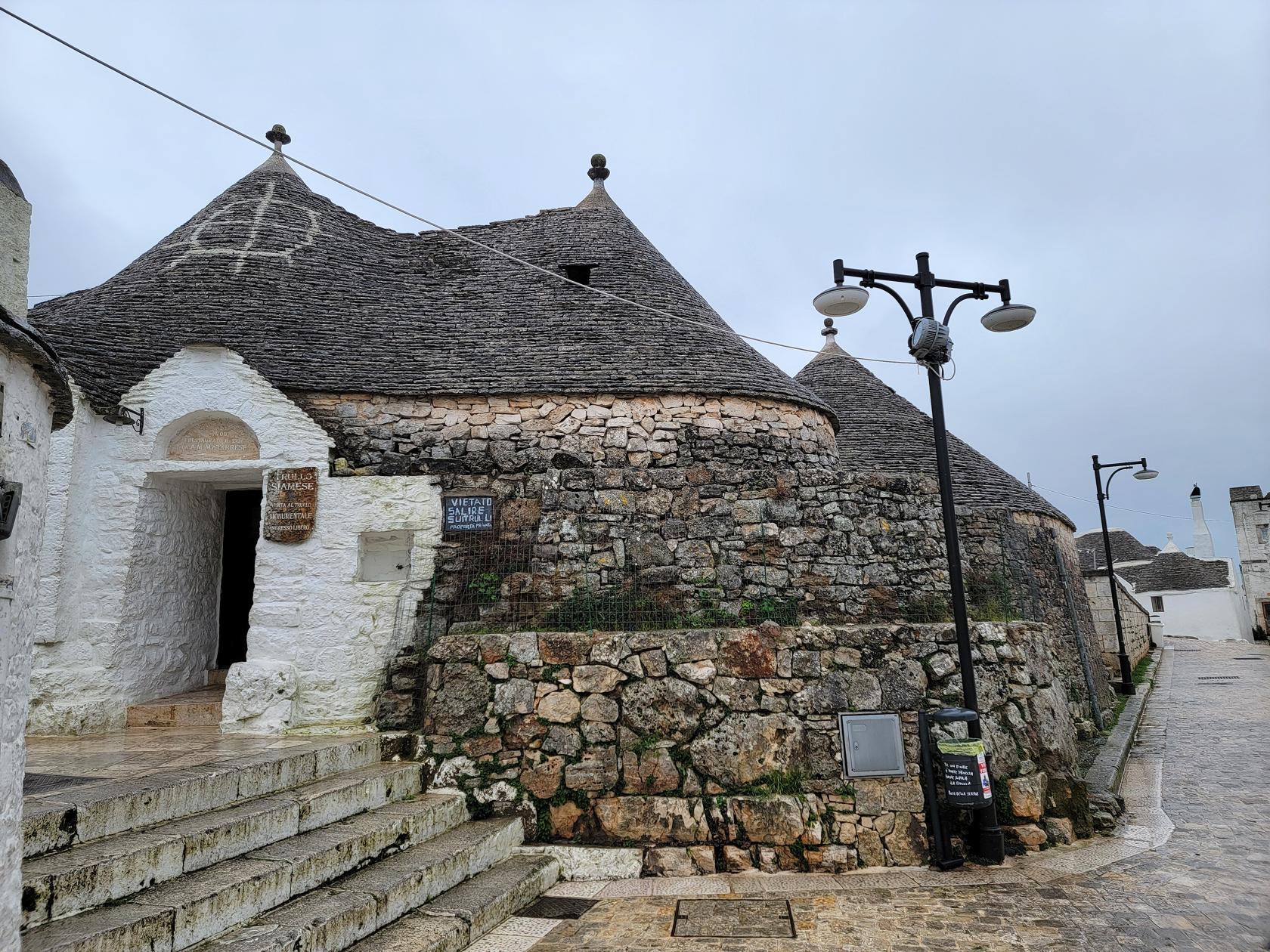
Truly an authentic Truli home – Alberobello, Italy
Another authentic Truli home – Alberobello, Italy
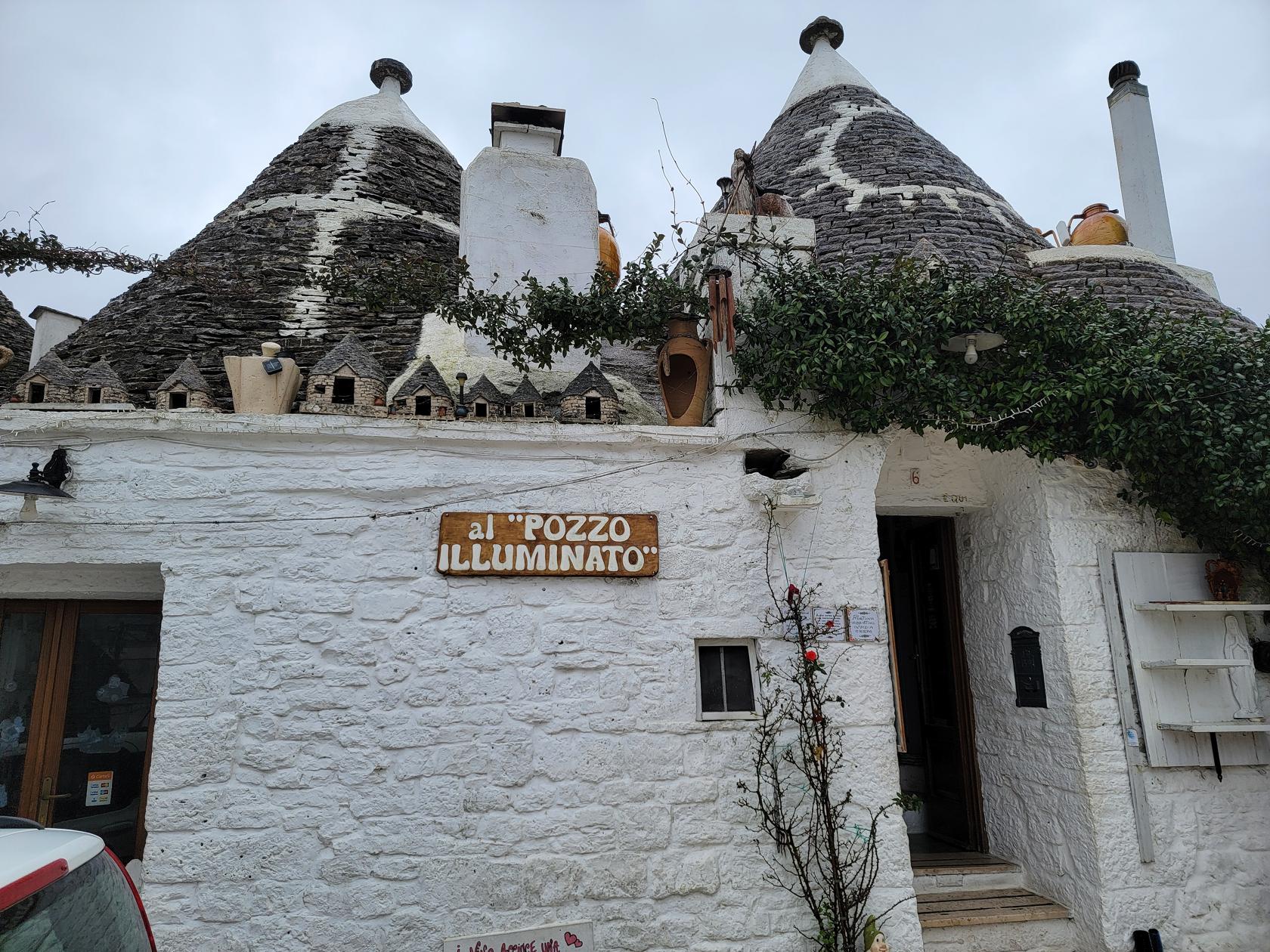
Al Pozzo Illuminato shop – Alberobello, Italy
Restaurants
During the off season there are limited restaurants for lunch, so plan accordingly. However, there are a few that open all year.
Terra Mossa Ristorante Pizzeria
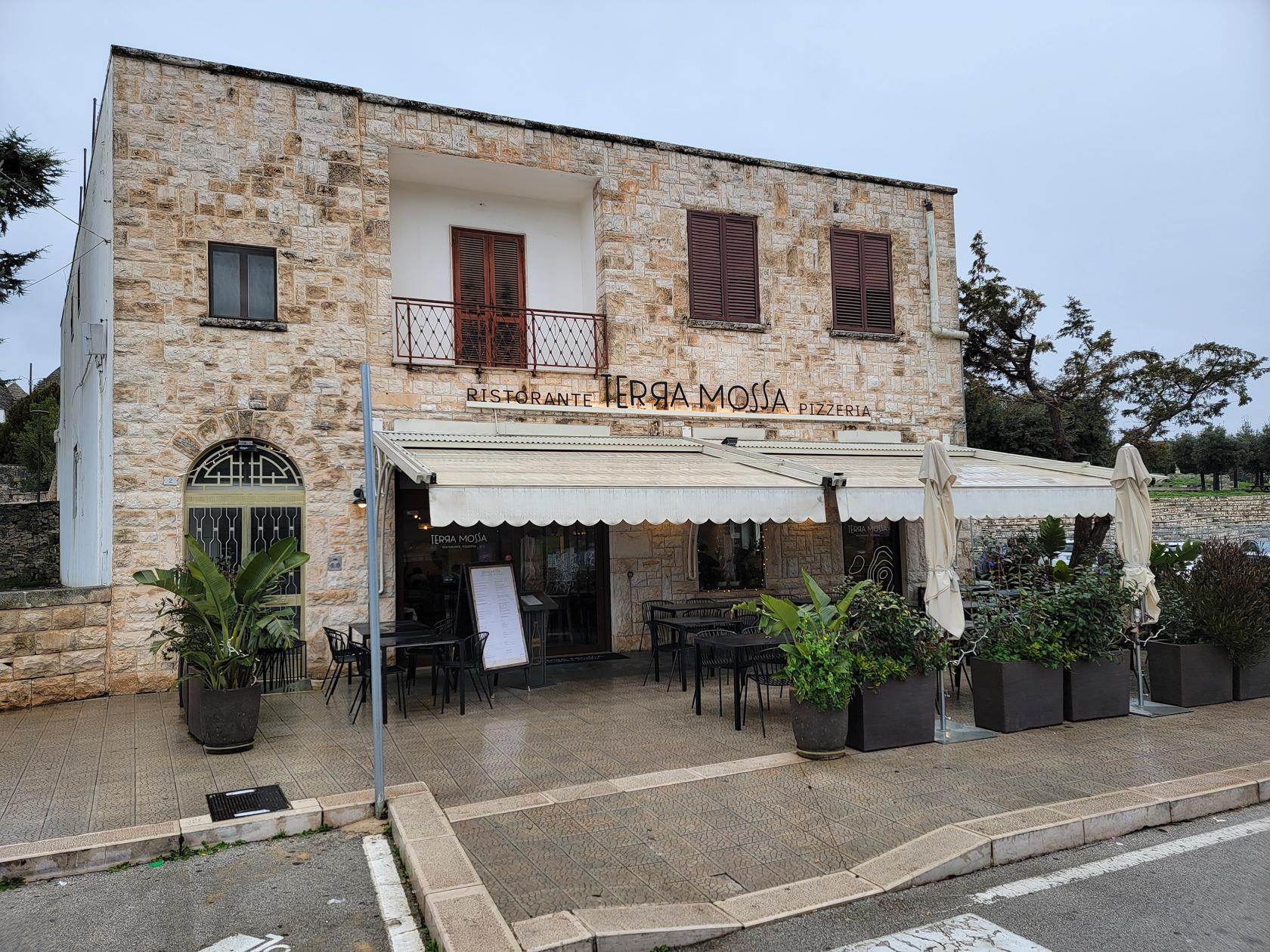
The Terra Mossa Ristorante Pizzeria was our second pick, but we happen to go there because it opened a half an hour earlier than our original pick.
Ristorante Terra Mossa – Entrance – Alberobello, Italy
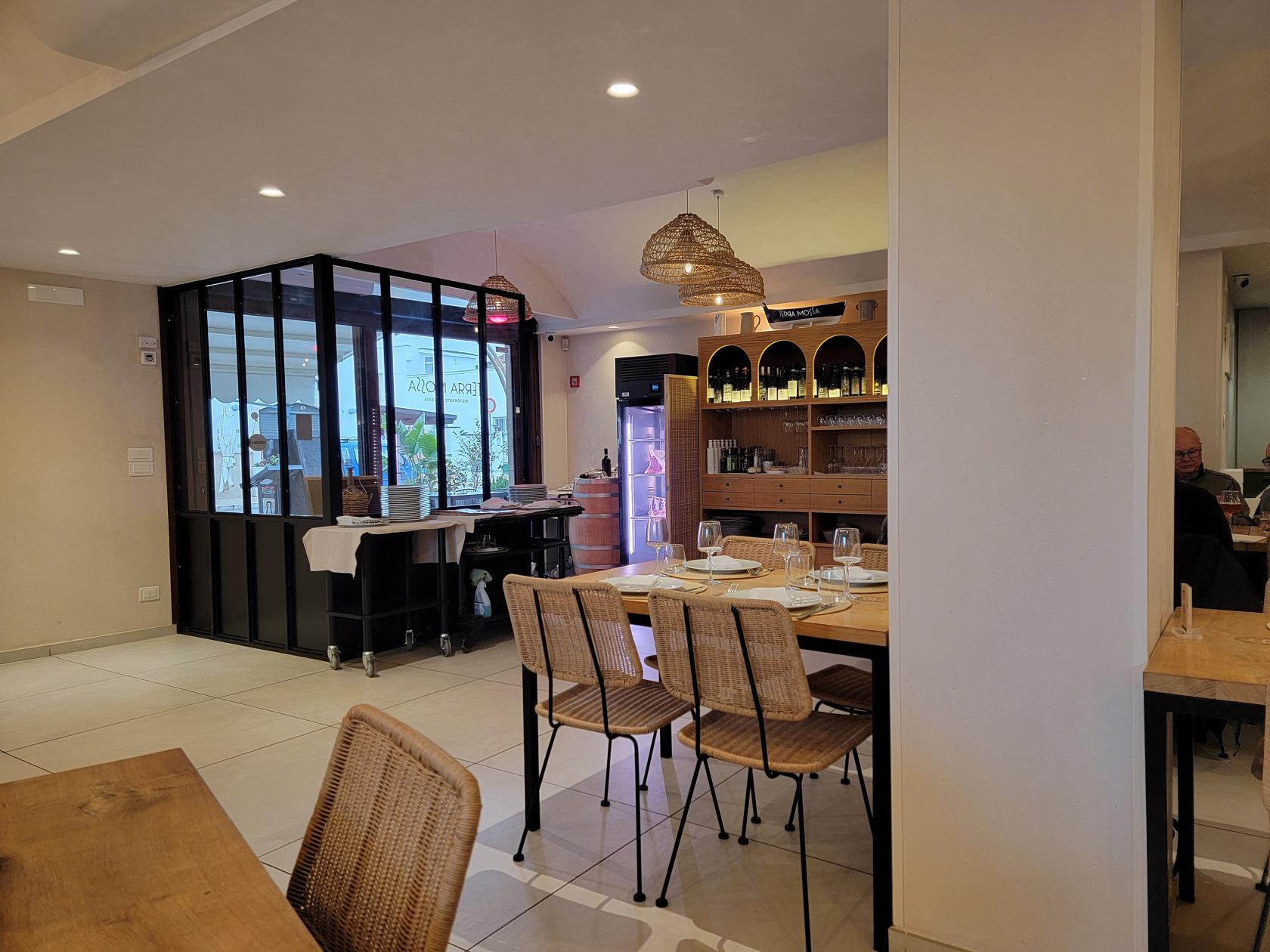
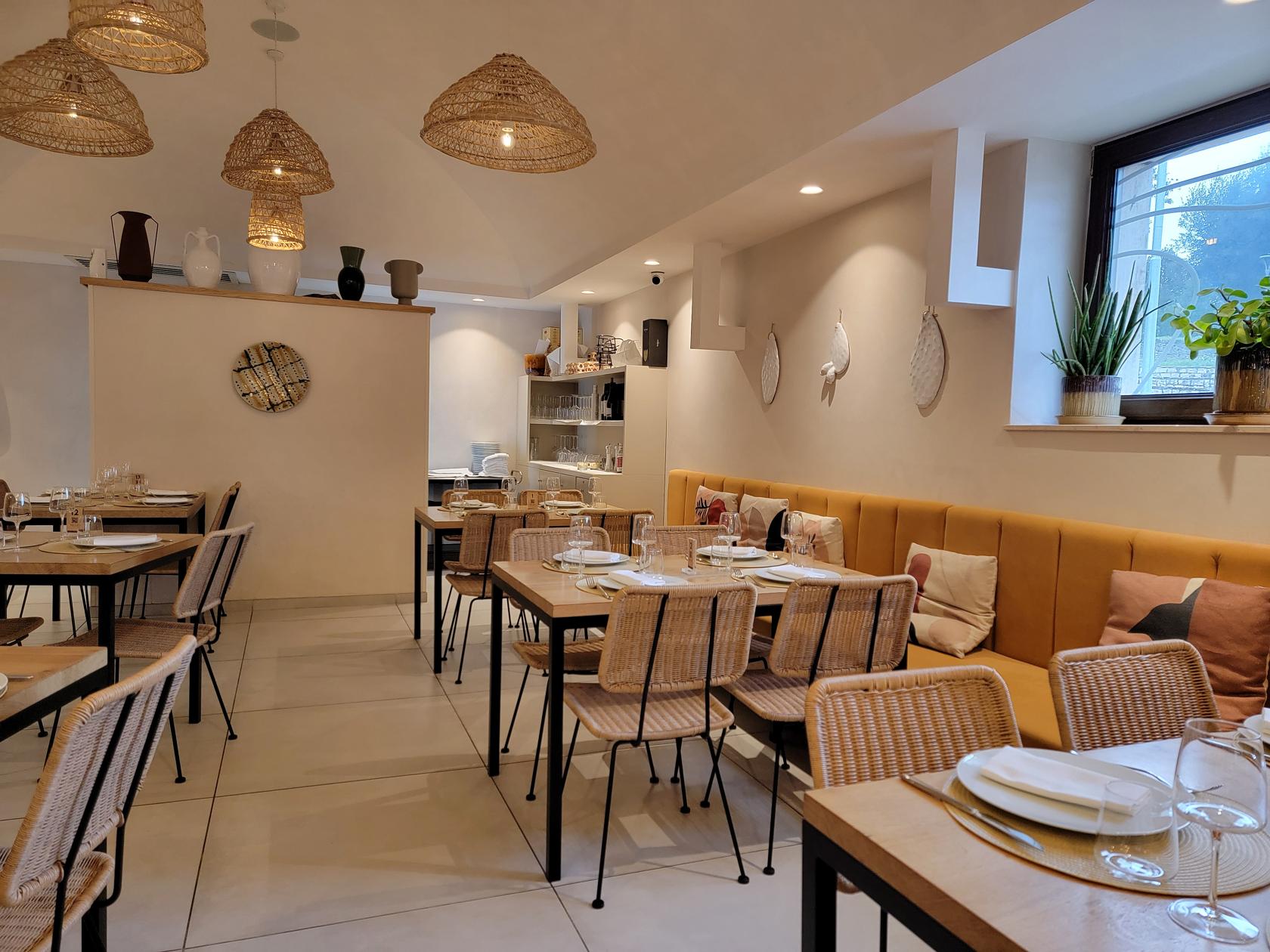
Ristorante Terra Mossa – Inside – Alberobello, Italy
Ristorante Terra Mossa – Inside – Alberobello, Italy
Located on Via Indipendenza, 4, it is a totally modern establishment and able to handle large crowds and tour groups. There were two visiting while we were eating and we did not experience any change in our service. The food is very good and they have English speakers, due to their location in a tourist area. It is prices slightly on the high side, but if you don’t go nuts two people can eat a fair lunch for around 40€.
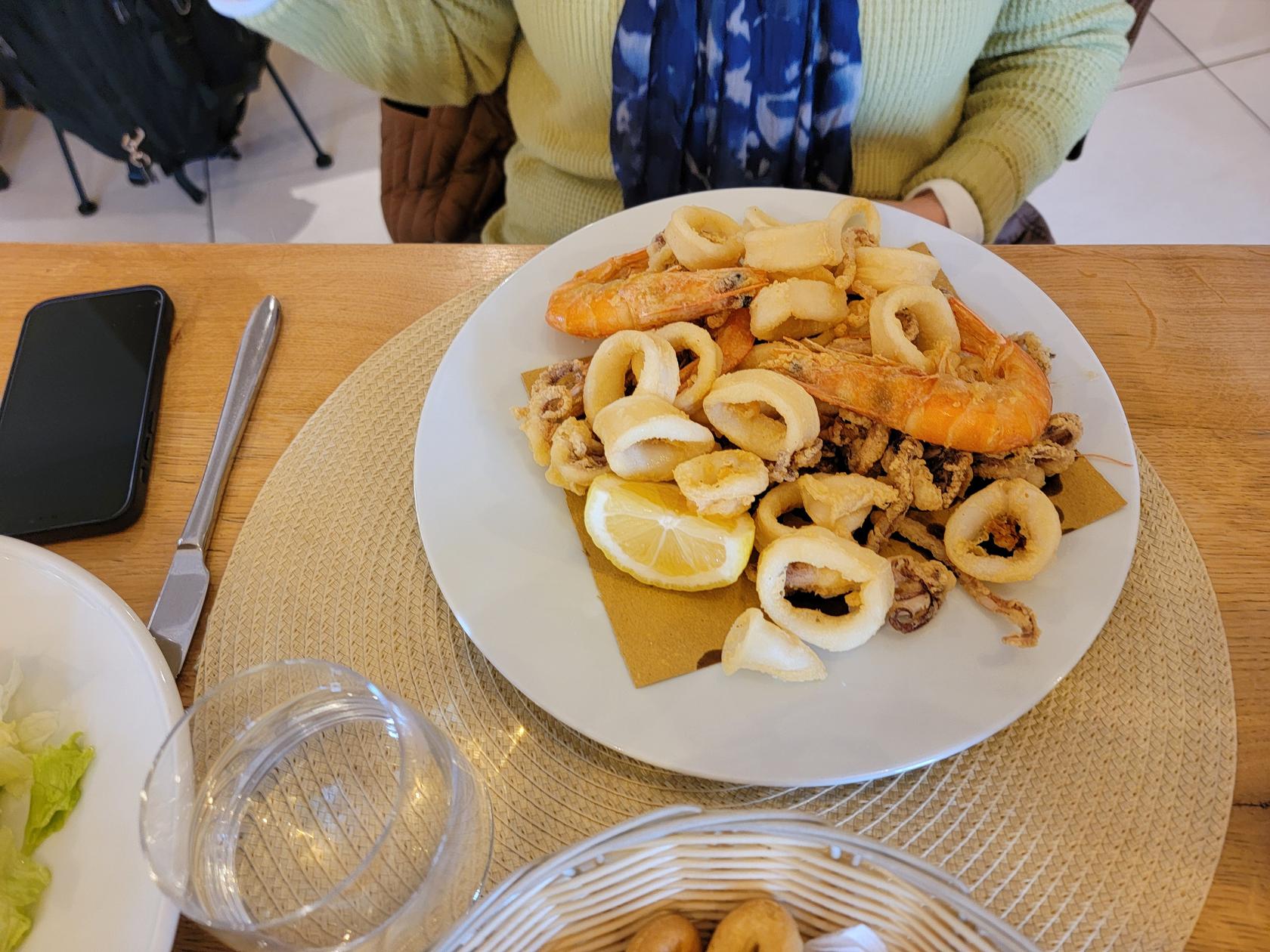
Ristorante Terra Mossa – Patti’s Frittura di Calamari e Gamberi – Alberobello, Italy
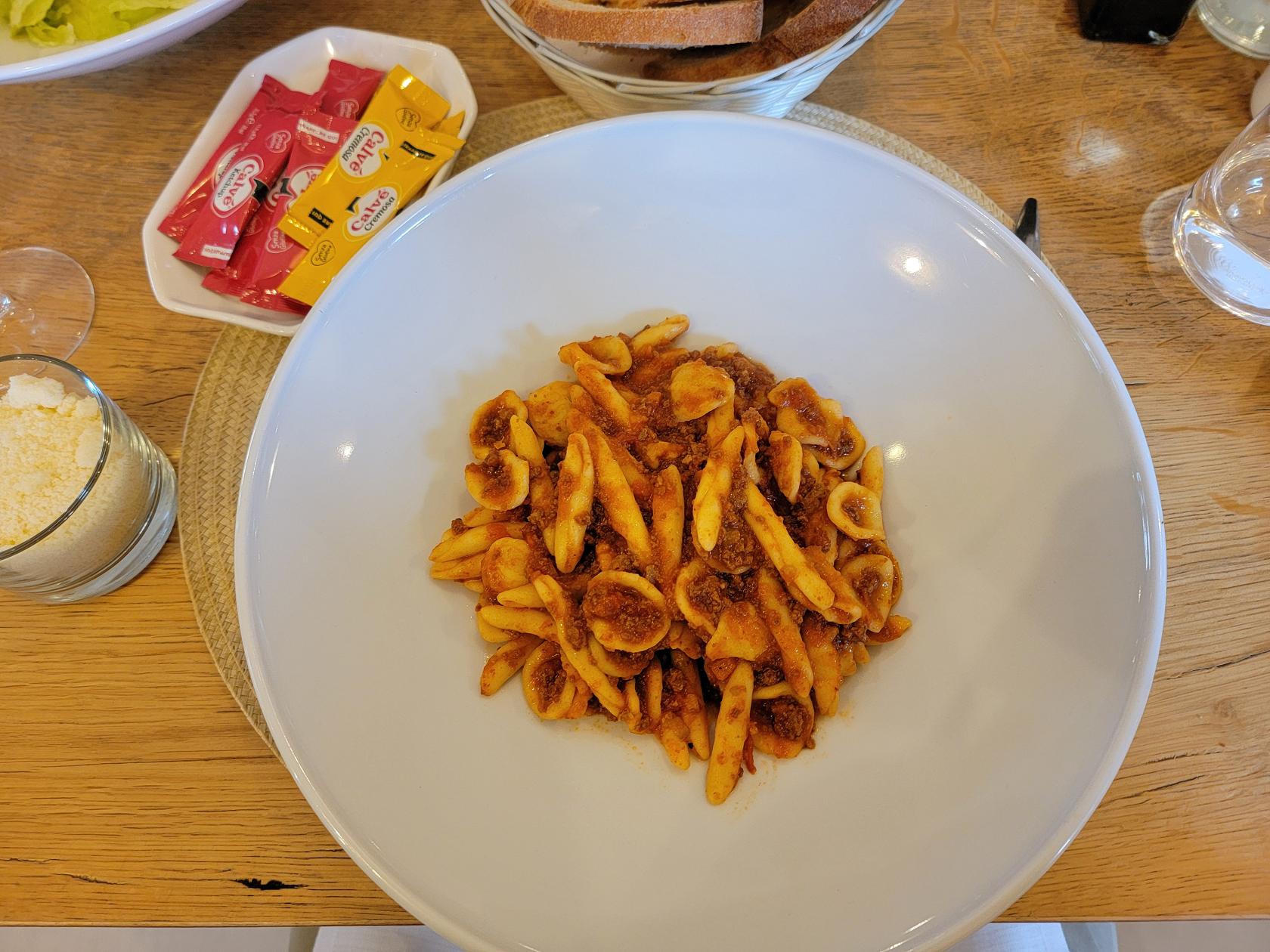
Ristorante Terra Mossa – Erick’s Maritati Al Ragu – Alberobello, Italy
Ristorante Terra Mossa – Erick’s Insalata Mista and Fritta Patate – Alberobello, Italy
Monopoli, Italy – Not Park Place nor Marvin Gardens
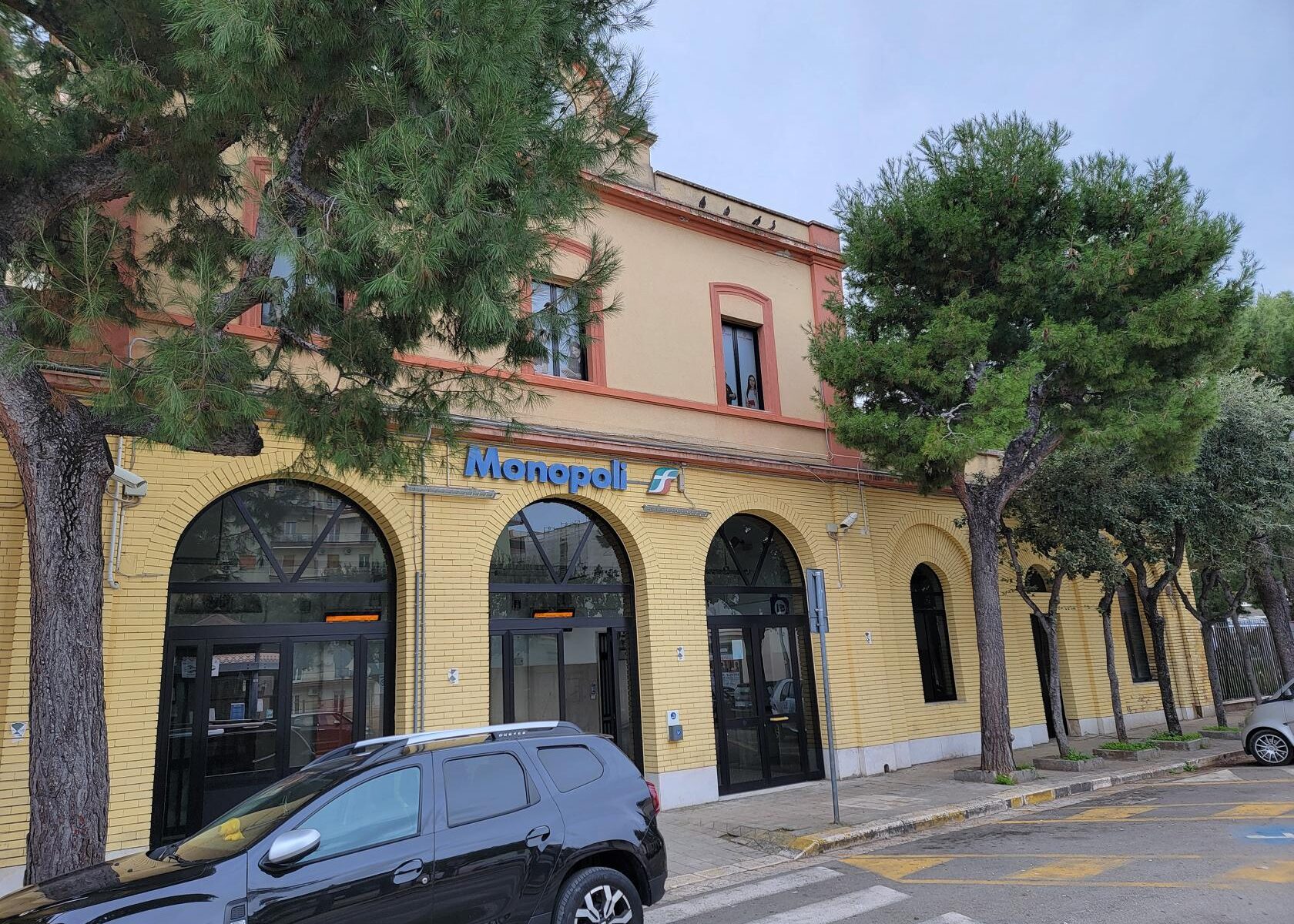
If you are looking for something to do and have a free day to explore, then you might consider Monopoli, Italy. Located about forty minutes by train south of Bari, Monopoli is a true workers town, there is no fluff here.
Monopoli Train Station – Monopoli, Italy
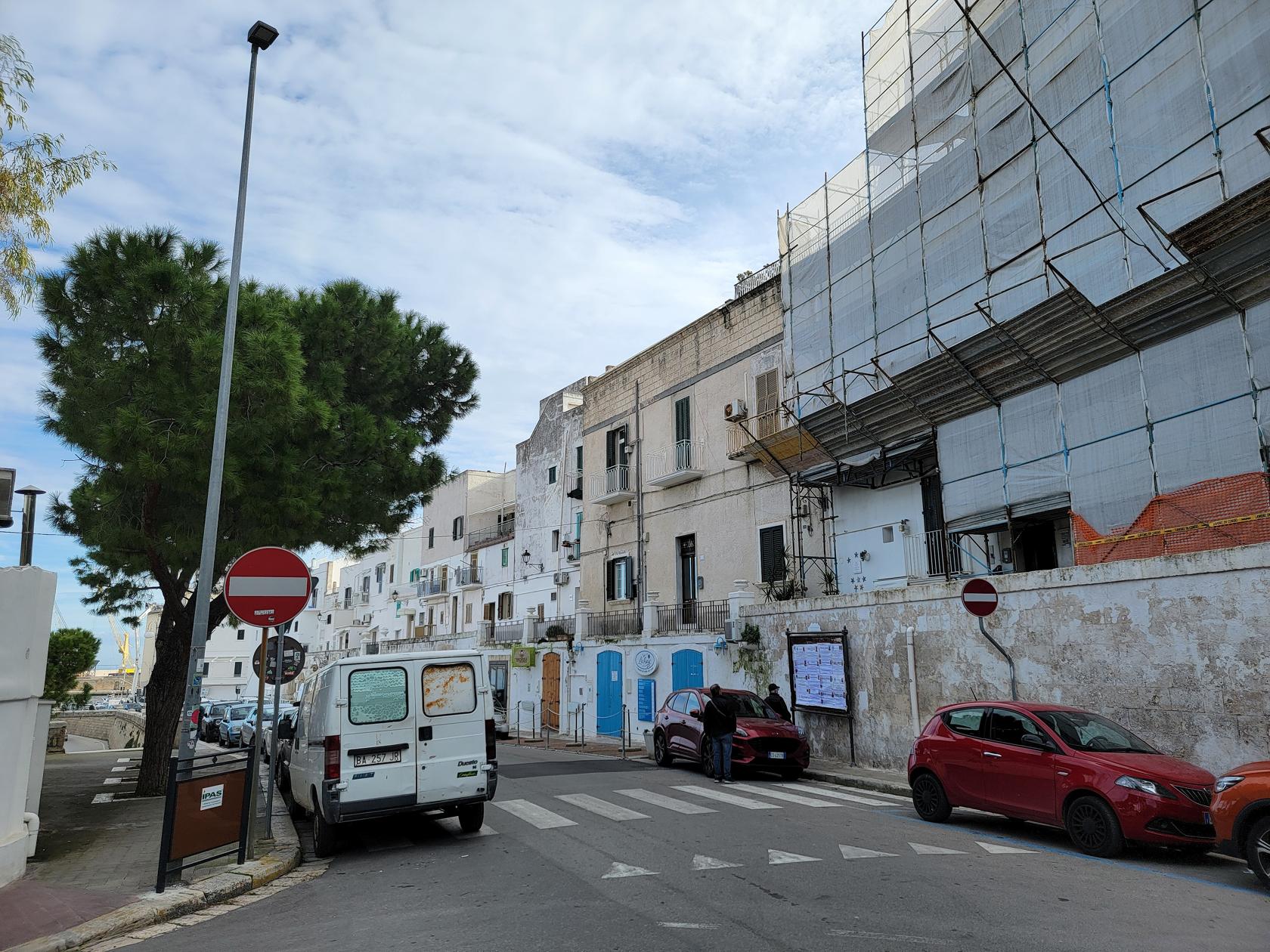
Via Conti di Torino – Monopoli, Italy
Narrow streets in the city – Monopoli, Italy
Narrow streets in the city – Monopoli, Italy
Typical residential streets in the city – Monopoli, Italy
Residential area – Monopoli, Italy
Buttresses against houses – Monopoli, Italy
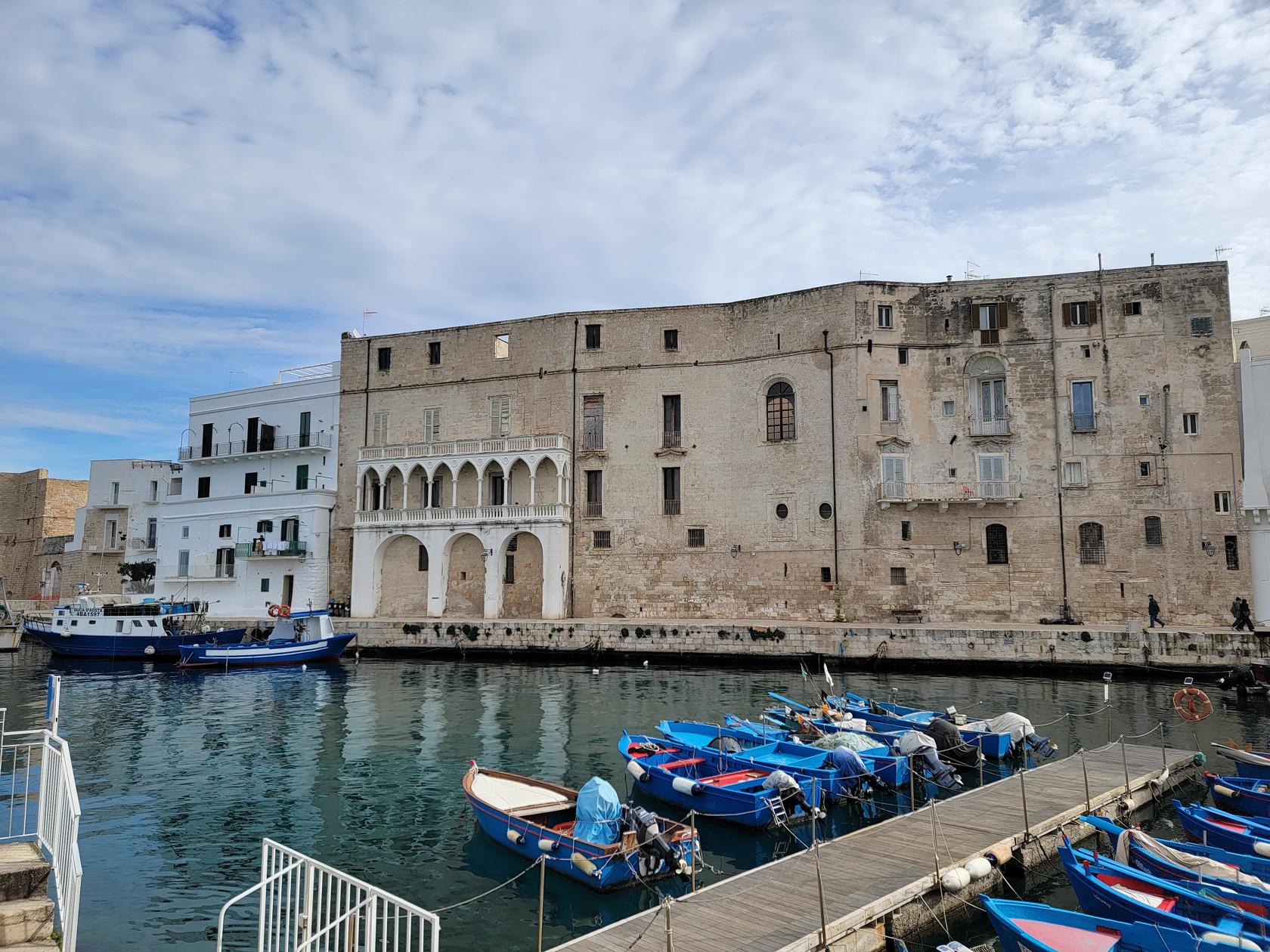
Jetty for port – Monopoli, Italy
Patti where streets diverge – Monopoli, Italy
Pescaturismo
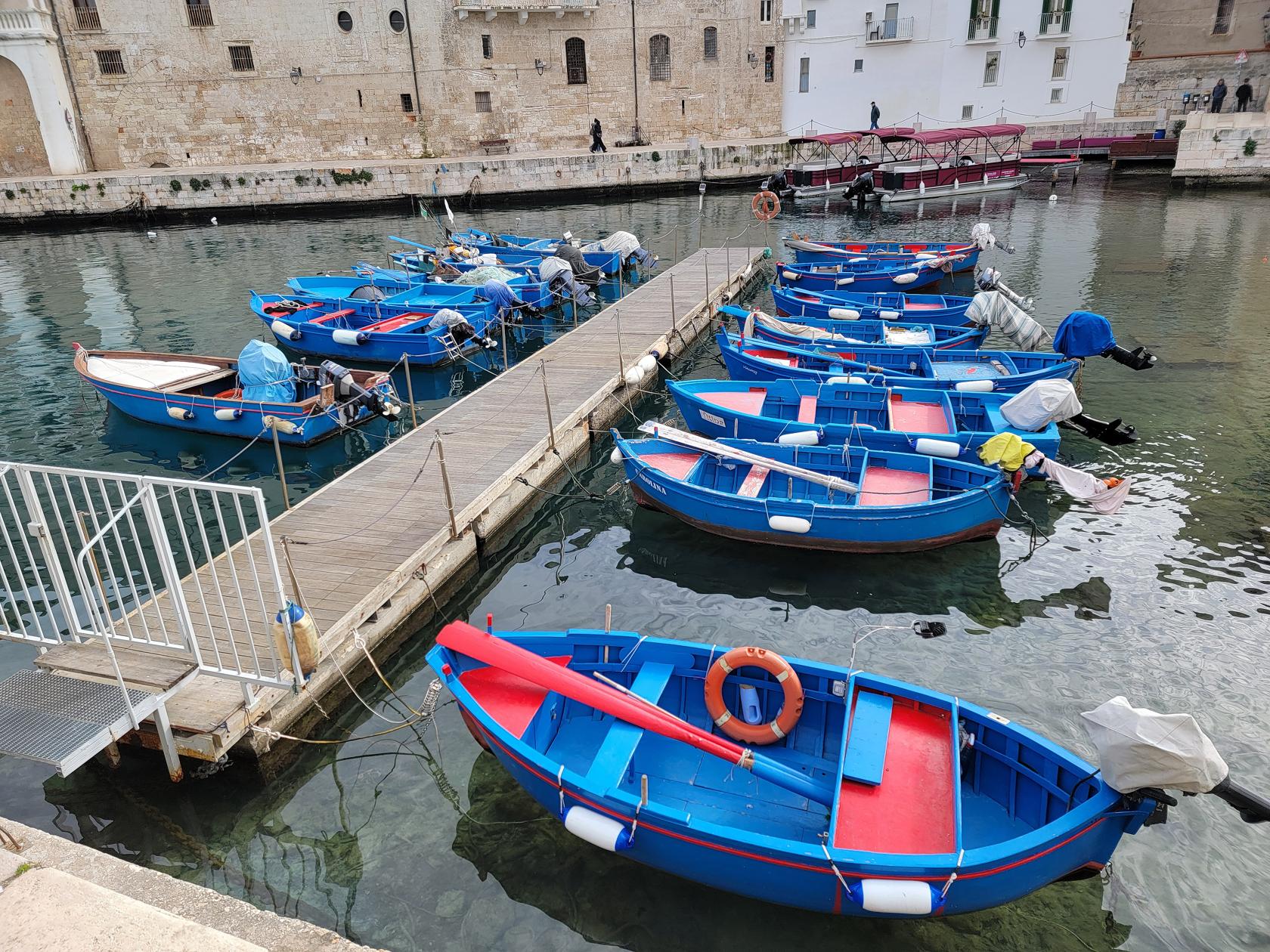
The city has a basic port and does conduct fishing and fishing tours or fish tourism (pescaturismo or Fatti piu là), during the spring and summer months, on simple craft that you can reserve. I am not sure of the details, but if you are into catching your own food, this may be something to investigate. In any case, their boats are a bright blue and easy to see in the harbor.
Pescaturismo – Monopoli, Italy
Pescaturismo – Monopoli, Italy
Pescaturismo – Monopoli, Italy
Churches
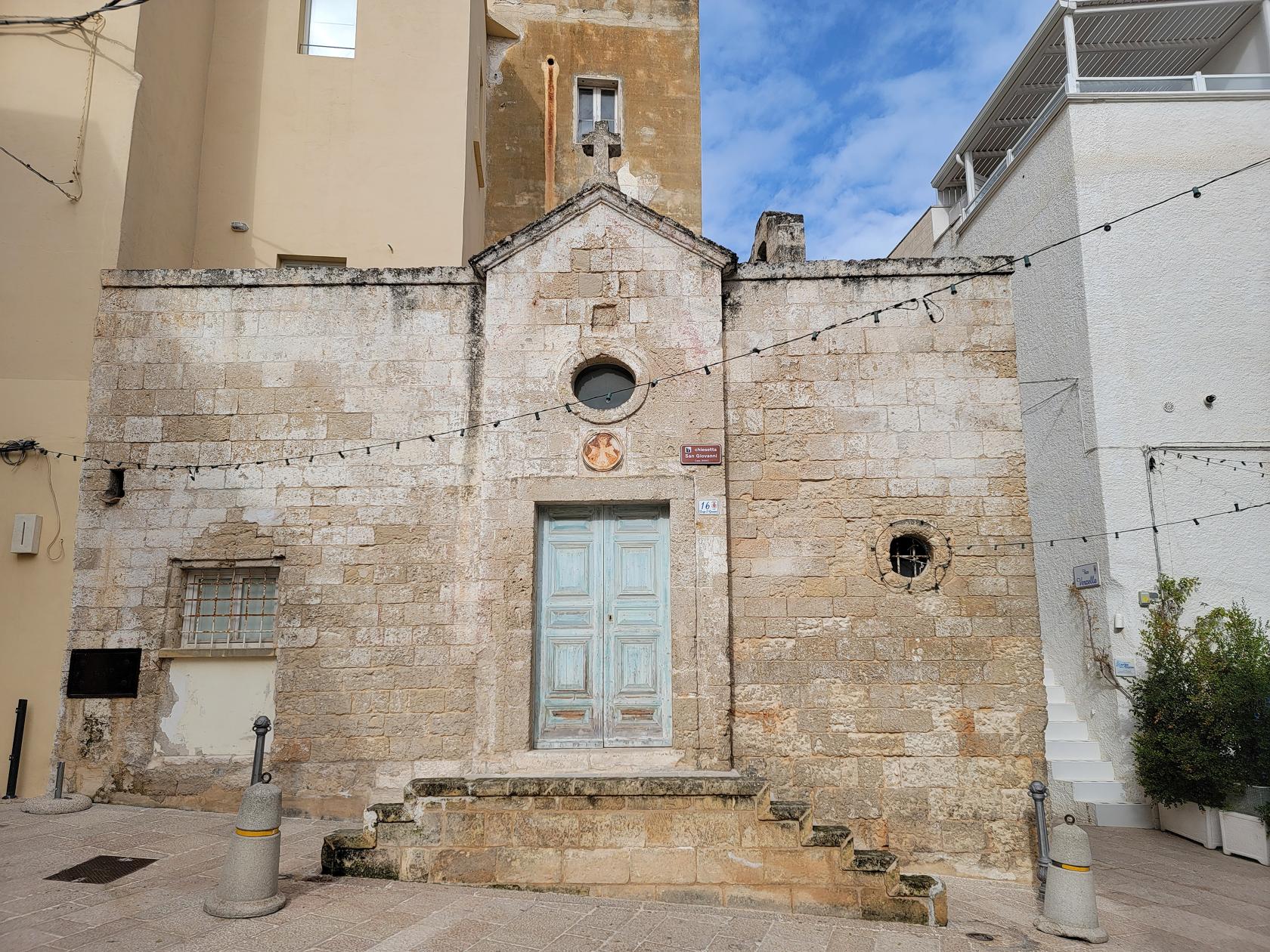
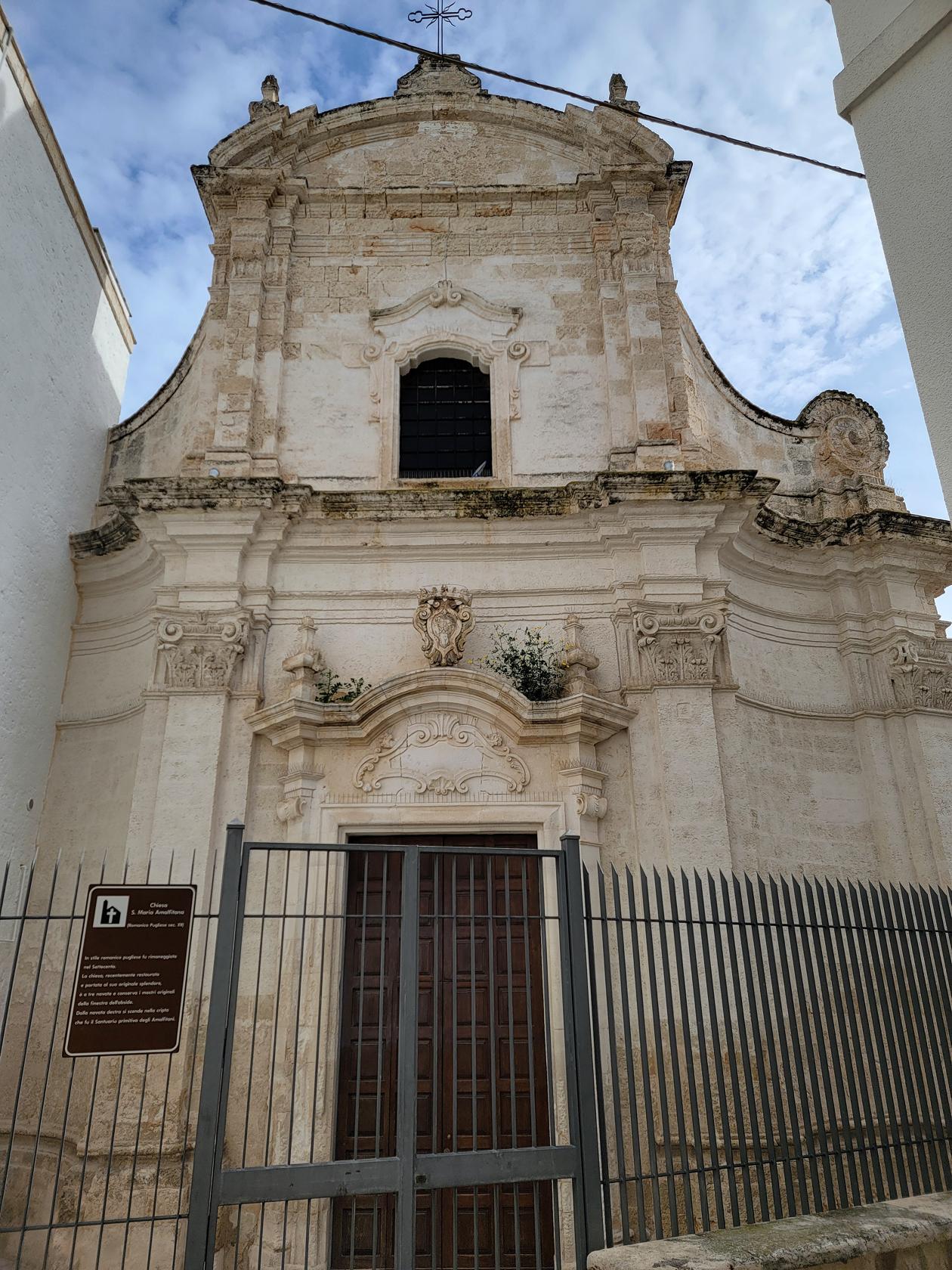
Probably one of the most frequent ancient building to see in Monopoli, perhaps like any other Italian city, is the church, cathedral or basilica. In Monopoli they are all around. Since there is not much else to see in this quaint little city, looking at churches may pass the time.
Chiesetta di San Giovanni secolo XVIII – Monopoli, Italy
Chiesa Rettoria di S. Maria Amalfitana – Monopoli, Italy
Monastery San Martino Sec. XVII Monopoli – Monopoli, Italy
Chiesa Rettoria Sant’Angelo – Monopoli, Italy
Chiesa di Santa Teresa – Monopoli, Italy
Chiesa Rettoria Sant’Angelo – Monopoli, Italy
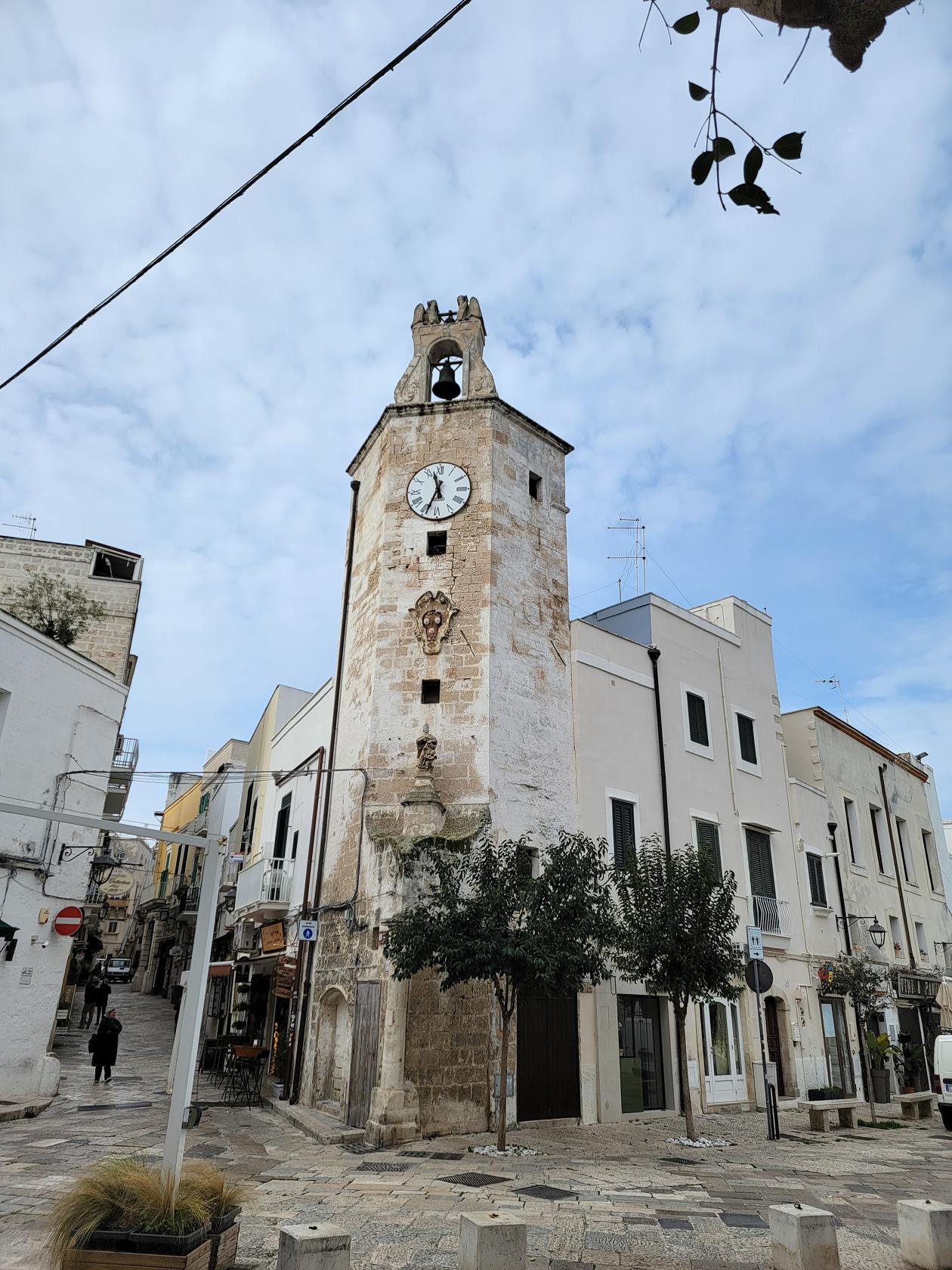
Clock tower – Monopoli, Italy
Monuments And Piazzas
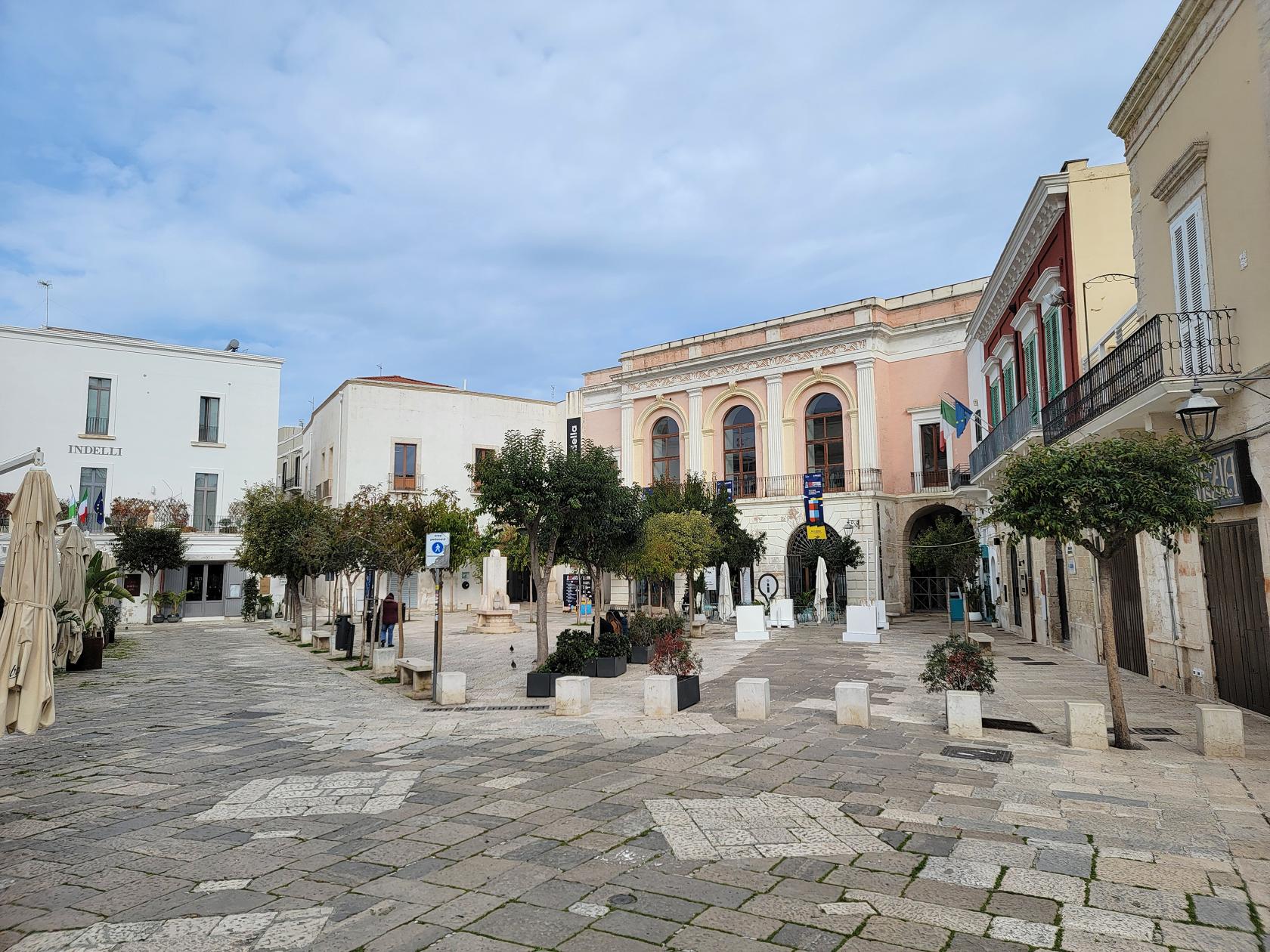
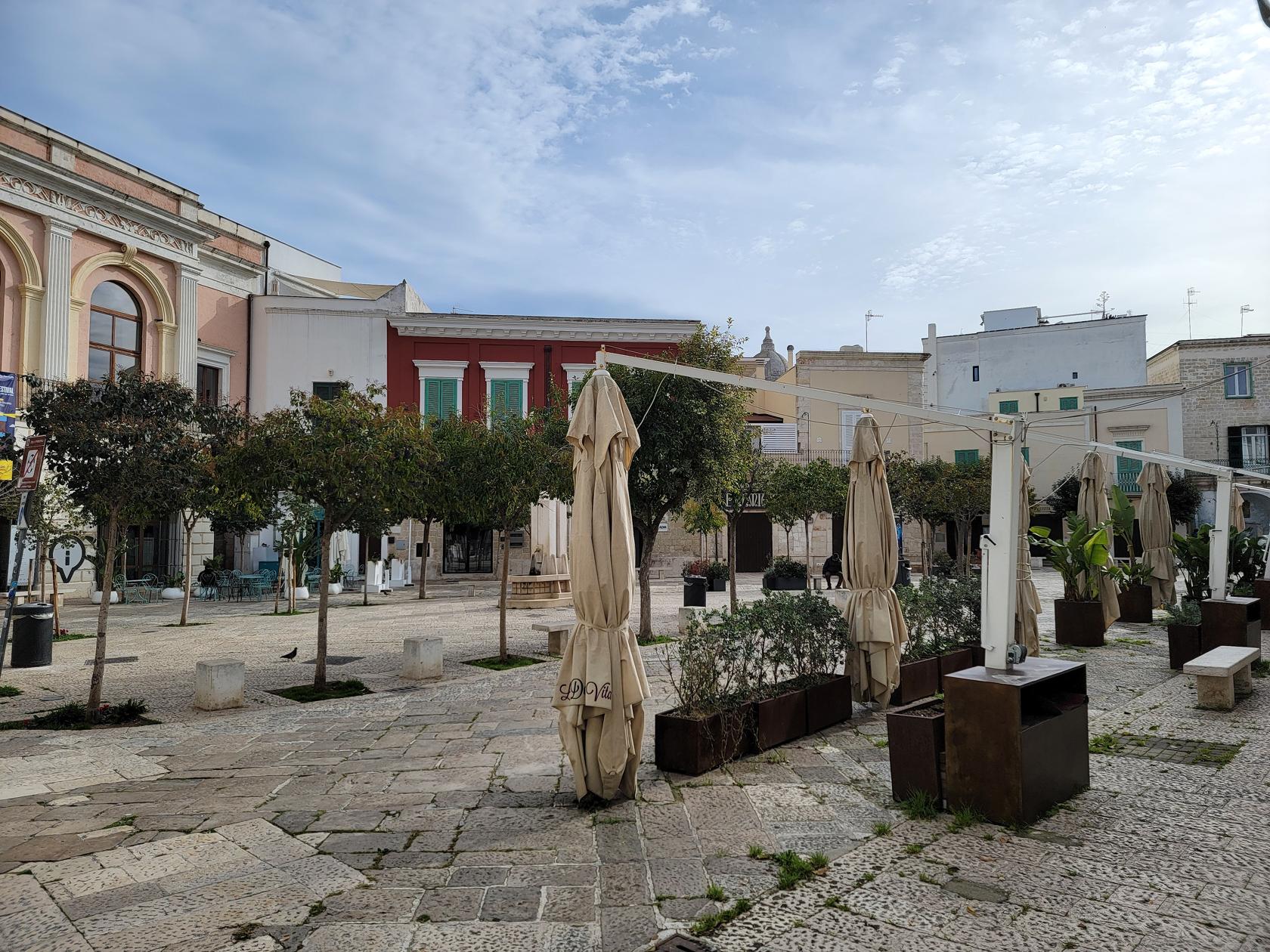
There are few monuments and piazzas in this town. The piazzas that we found, were either squeezed in somewhere or rather elongated and looked more like a road than a square.
Piazza – Monopoli, Italy
Piazza Giuseppe Garibaldi – Monopoli, Italy
Buttresses against houses – Monopoli, Italy
However, in the new part of town, there is one large piazza that works instead of all the ones lacking in the old quarter, that is Piazza Vittoria Emanuele II.
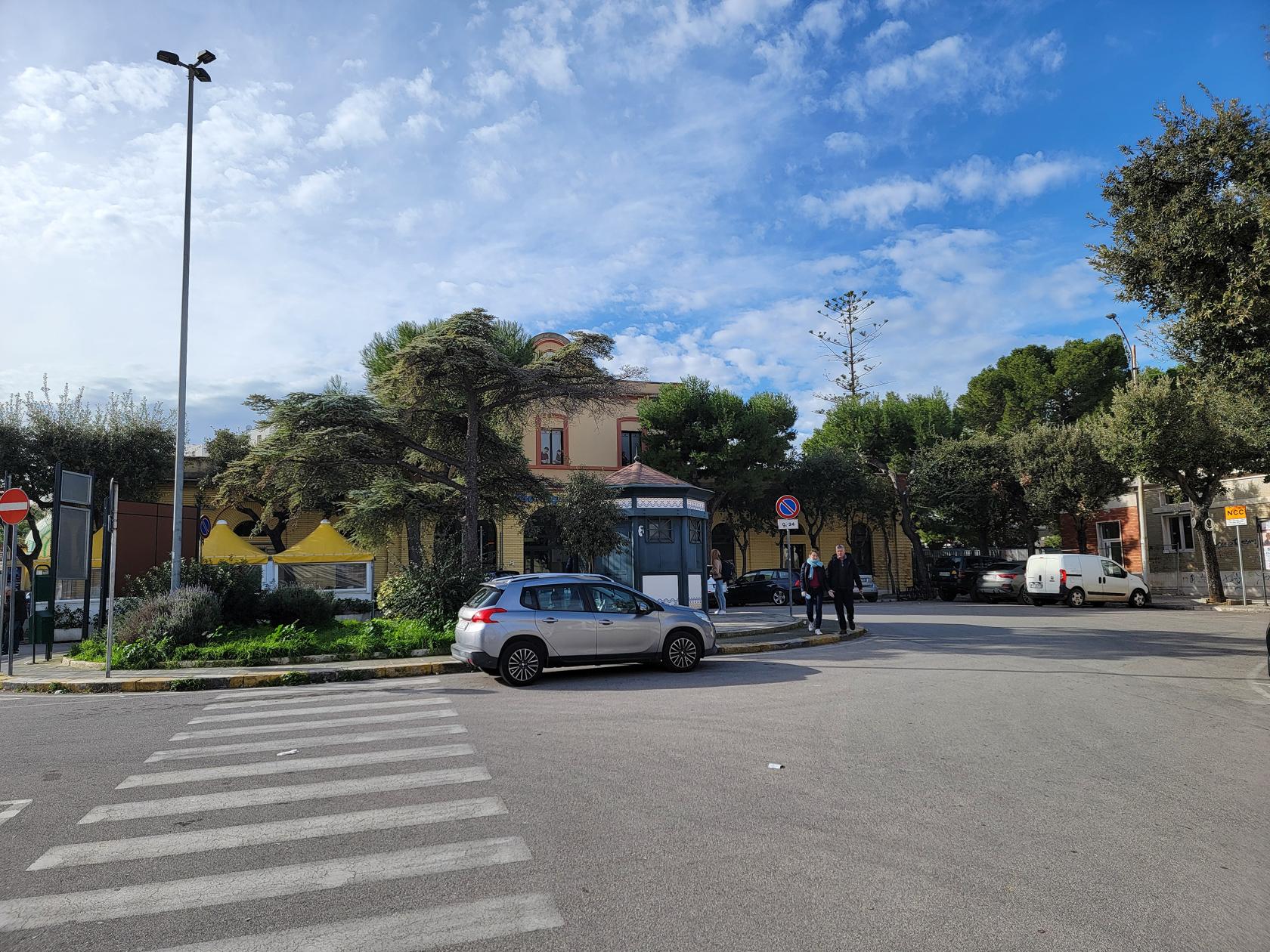
Piazza Vittorio Emanuele II – Monopoli, Italy
Piazza Vittorio Emanuele II – Monopoli, Italy
Restaurants
There is not much to offer, especially during the winter seasons. There are frankly no restaurants in the old city open, so you will have to try your luck during off times in the newer sections of the city.
Michelangelo – L’arte del gusto
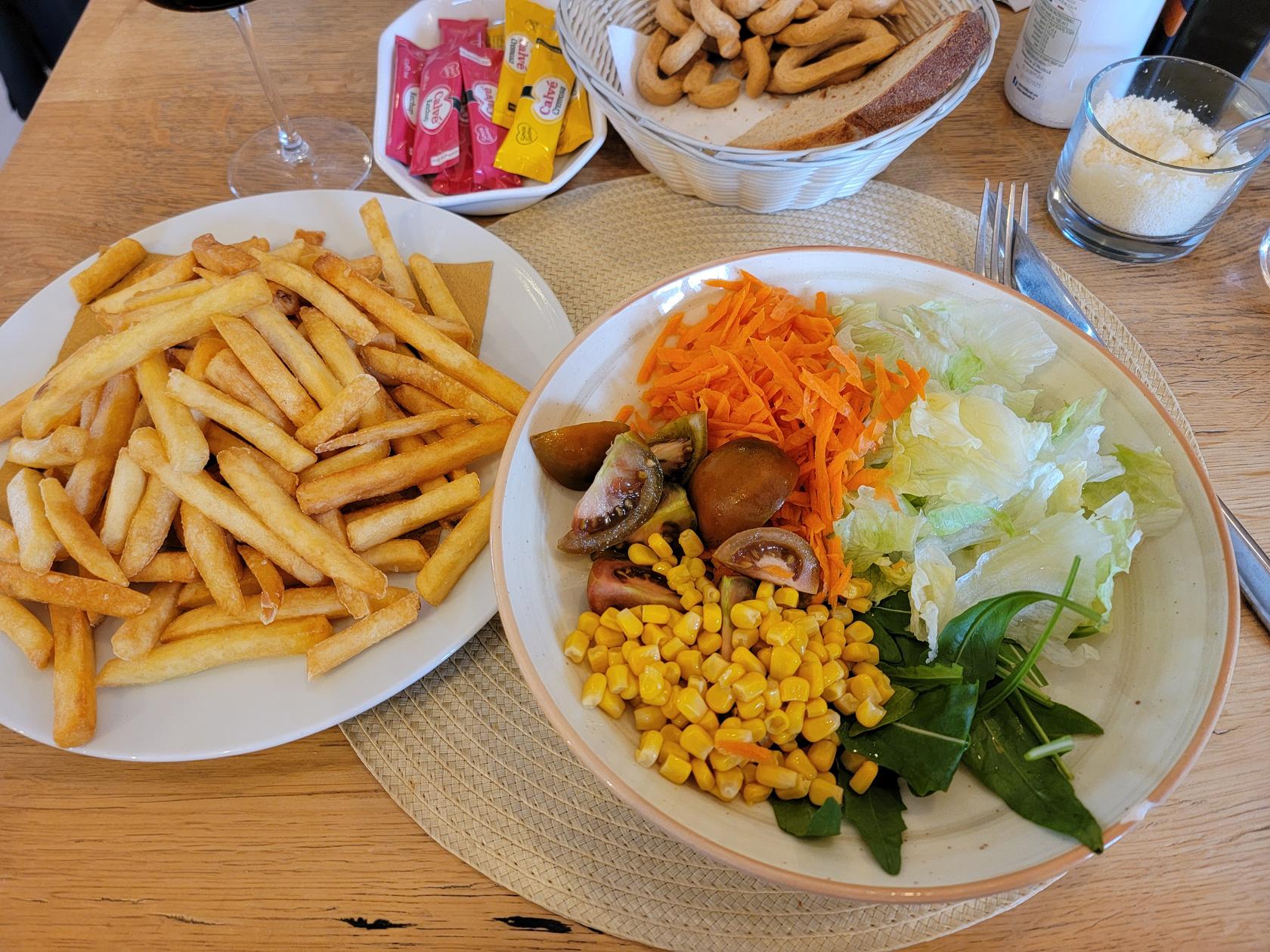
For lunch we ate here. Nothing extravagant, just a simple salad and the daily pasta. We were able to sit outside on the corner and watch the Piazza Vittorio Emanuele and enjoy our meal.
In part one was an initial take on how Bari is an ancient city built on a peninsula in the Adriatic Sea on the east coast of Italy. In this second part, some of the cathedrals and museums that are interesting and available to see upon visiting are discussed.
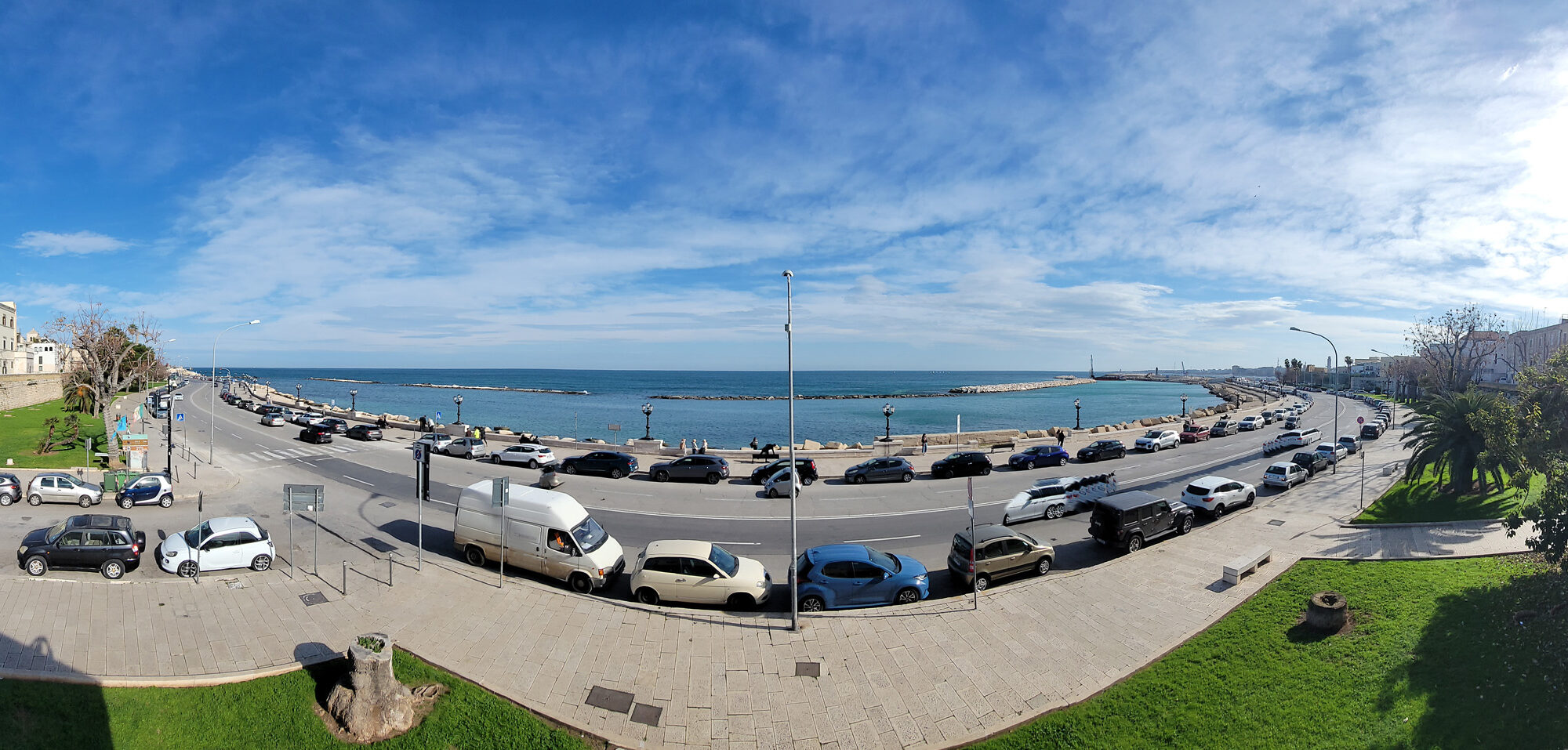
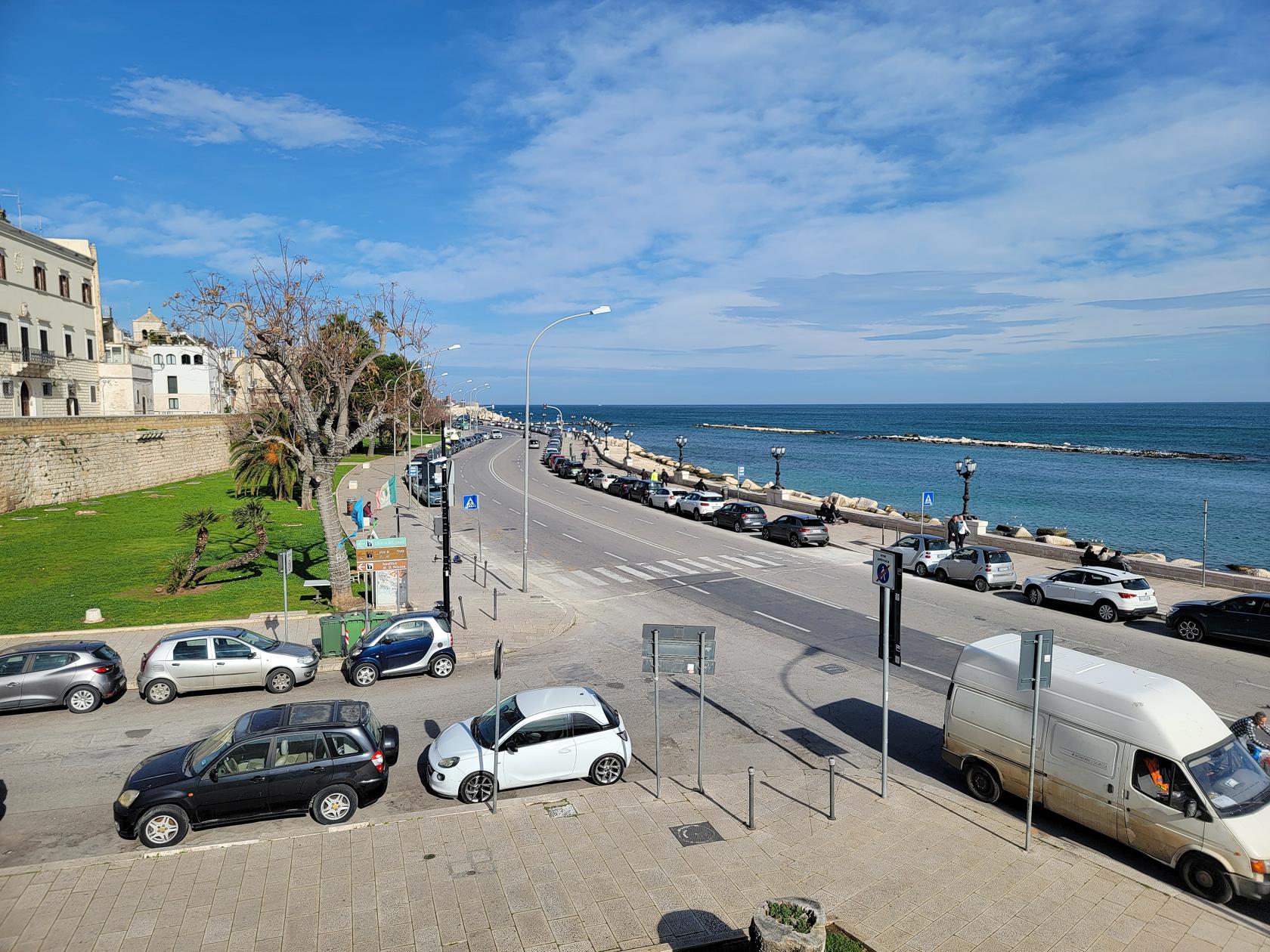
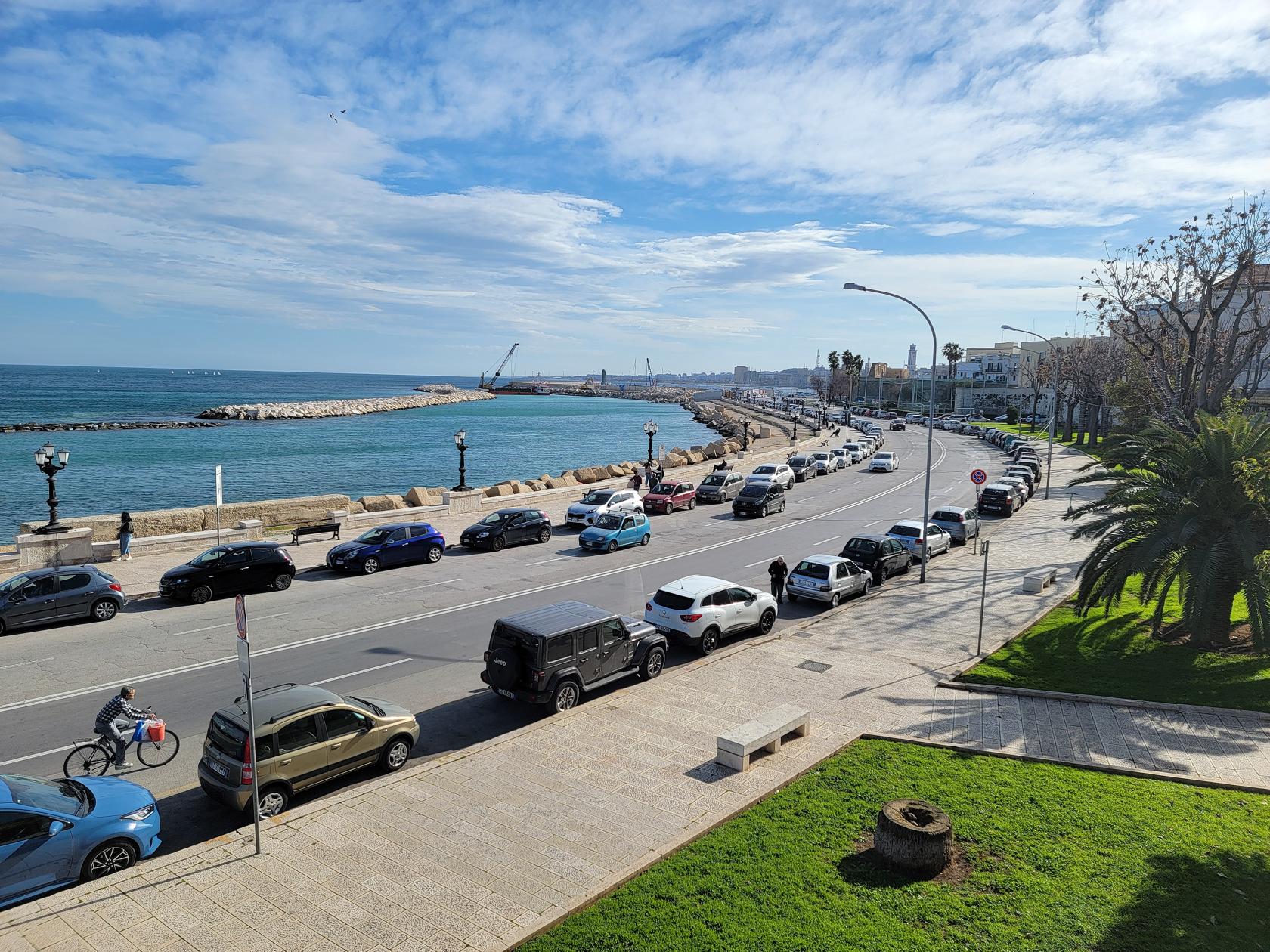
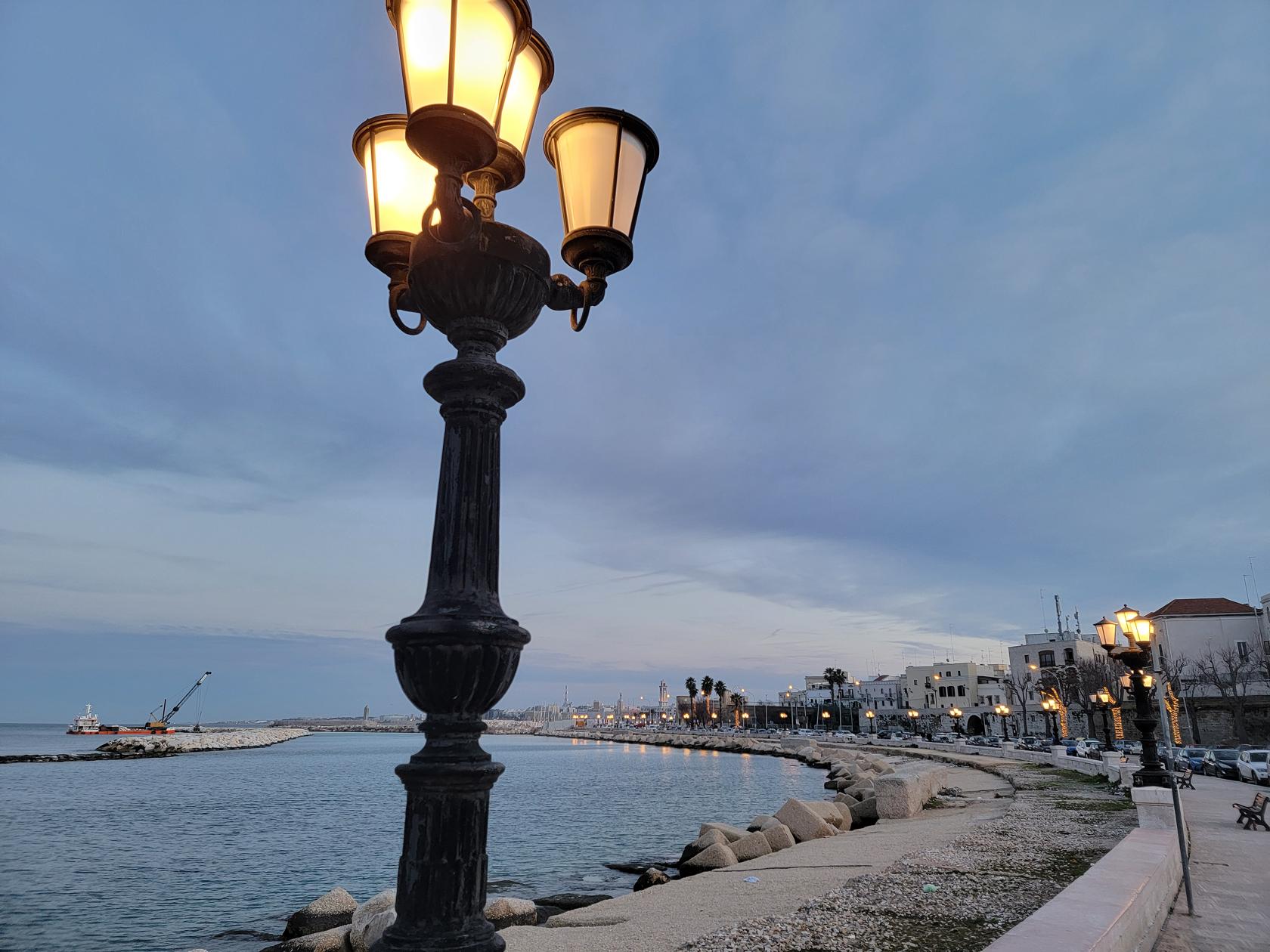
Lungomare – Bari, Italy
Lungomare – Bari, Italy
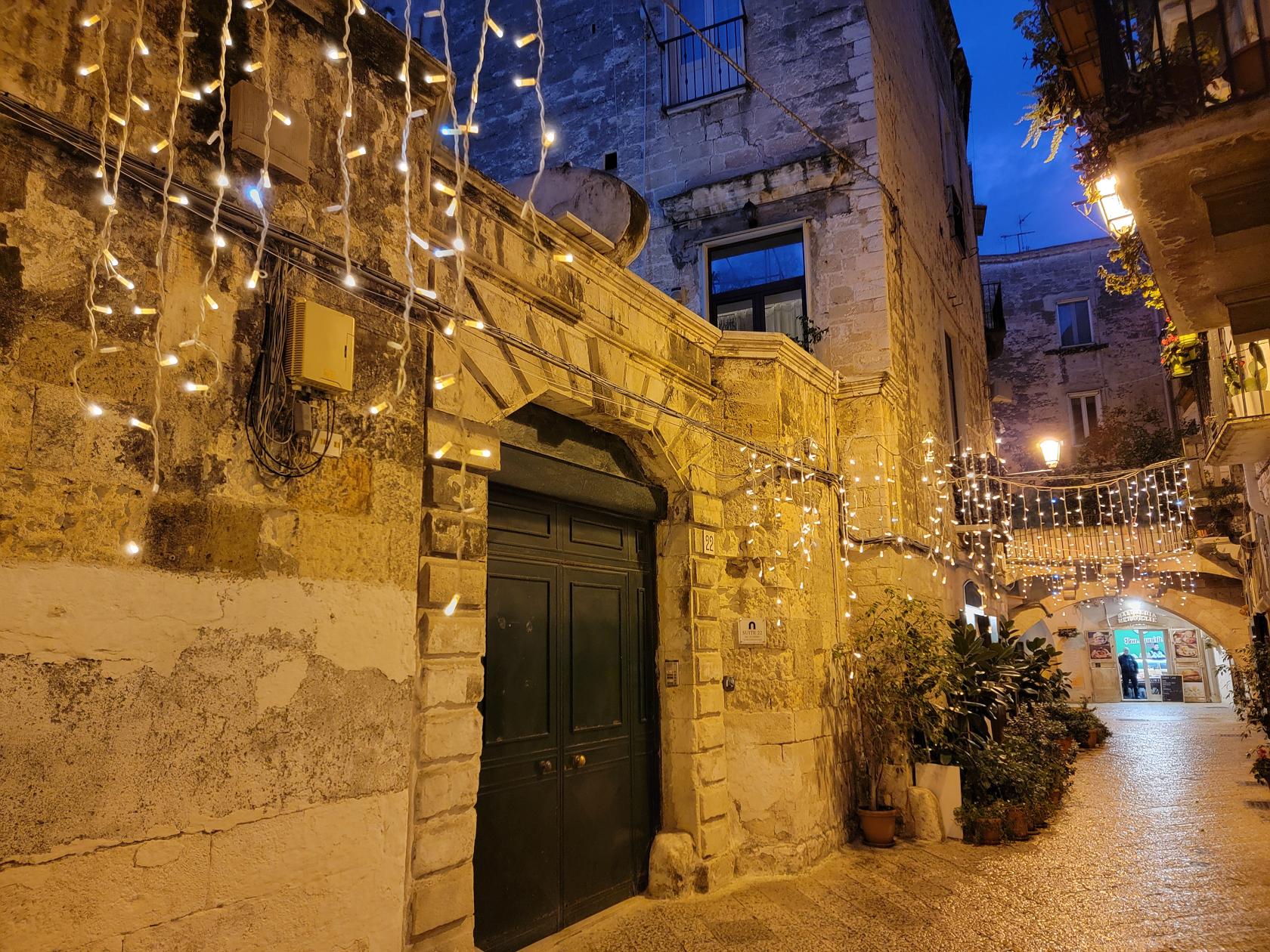
One of the many archways – Bari, Italy
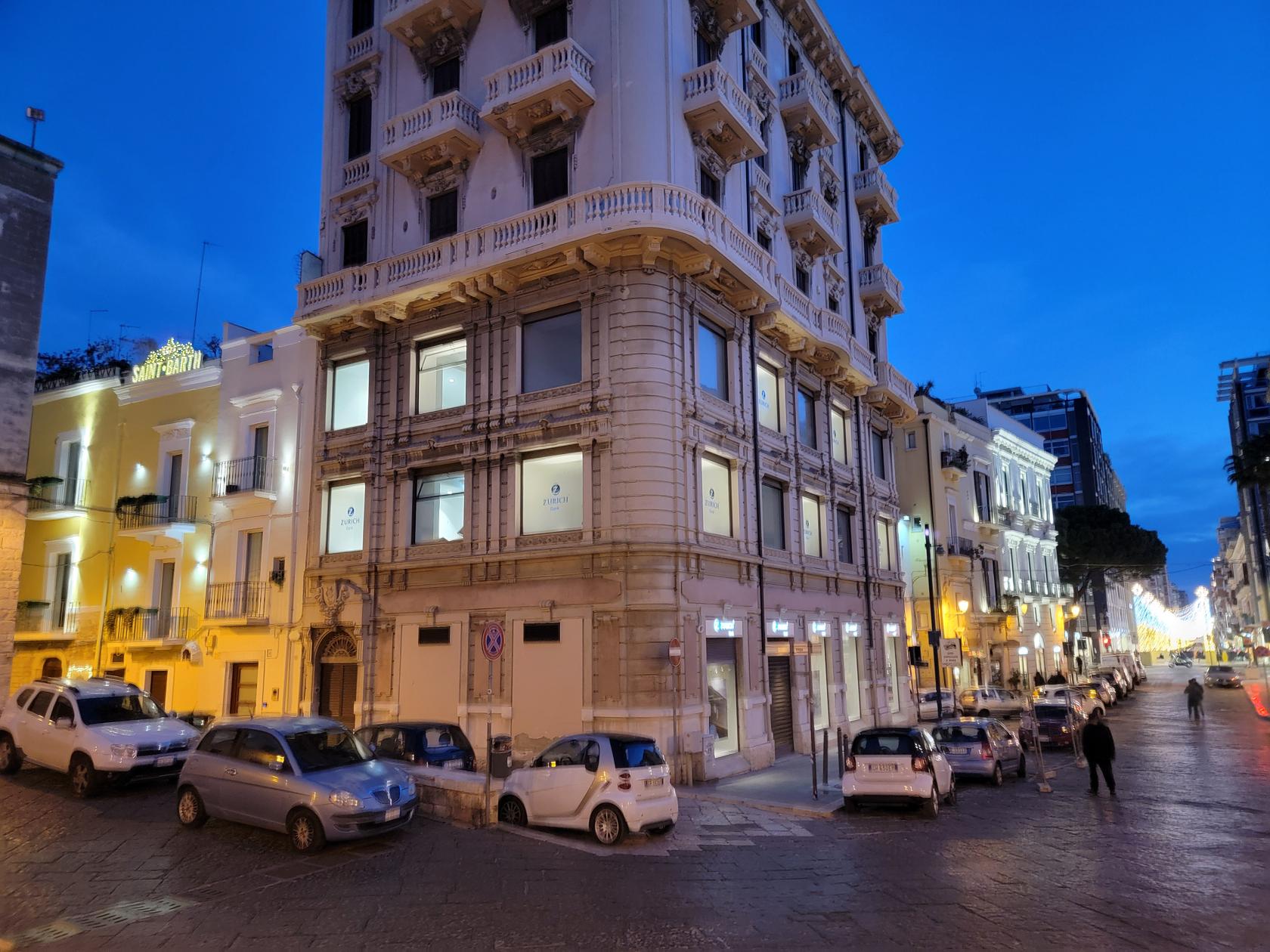
The streets in the evening – Bari, Italy
One of the many archways – Bari, Italy
Museums
Of course ancient Bari has its museums, most of which record activities by humans that predate the Roman Empire. In some places in Italy and the Mediterranean Sea, one might come to the conclusion, that if one could dig deep enough one would uncover the big bang as well.
Questura and Municipal buildings – Bari, Italy
The Svevo Castle
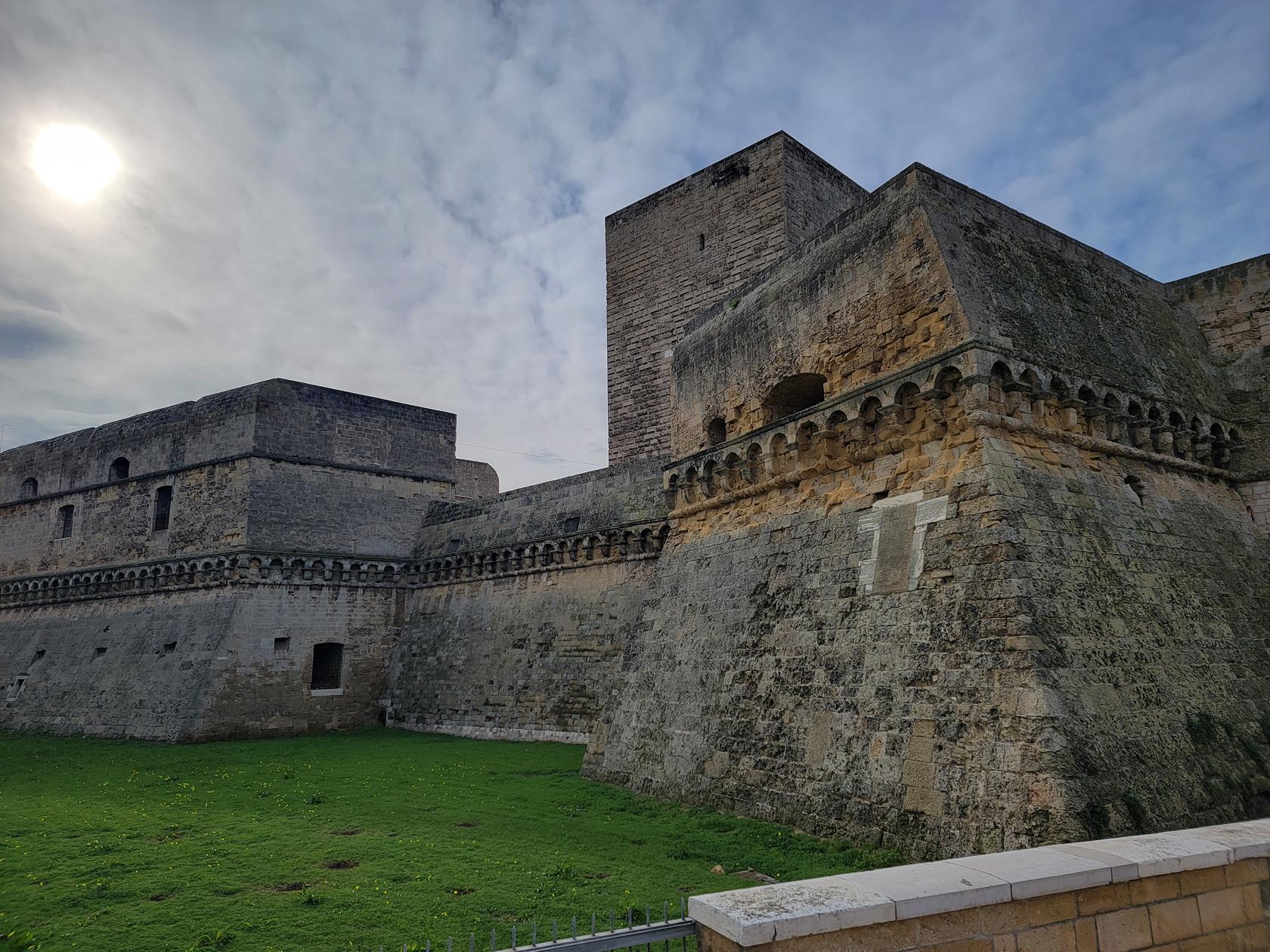
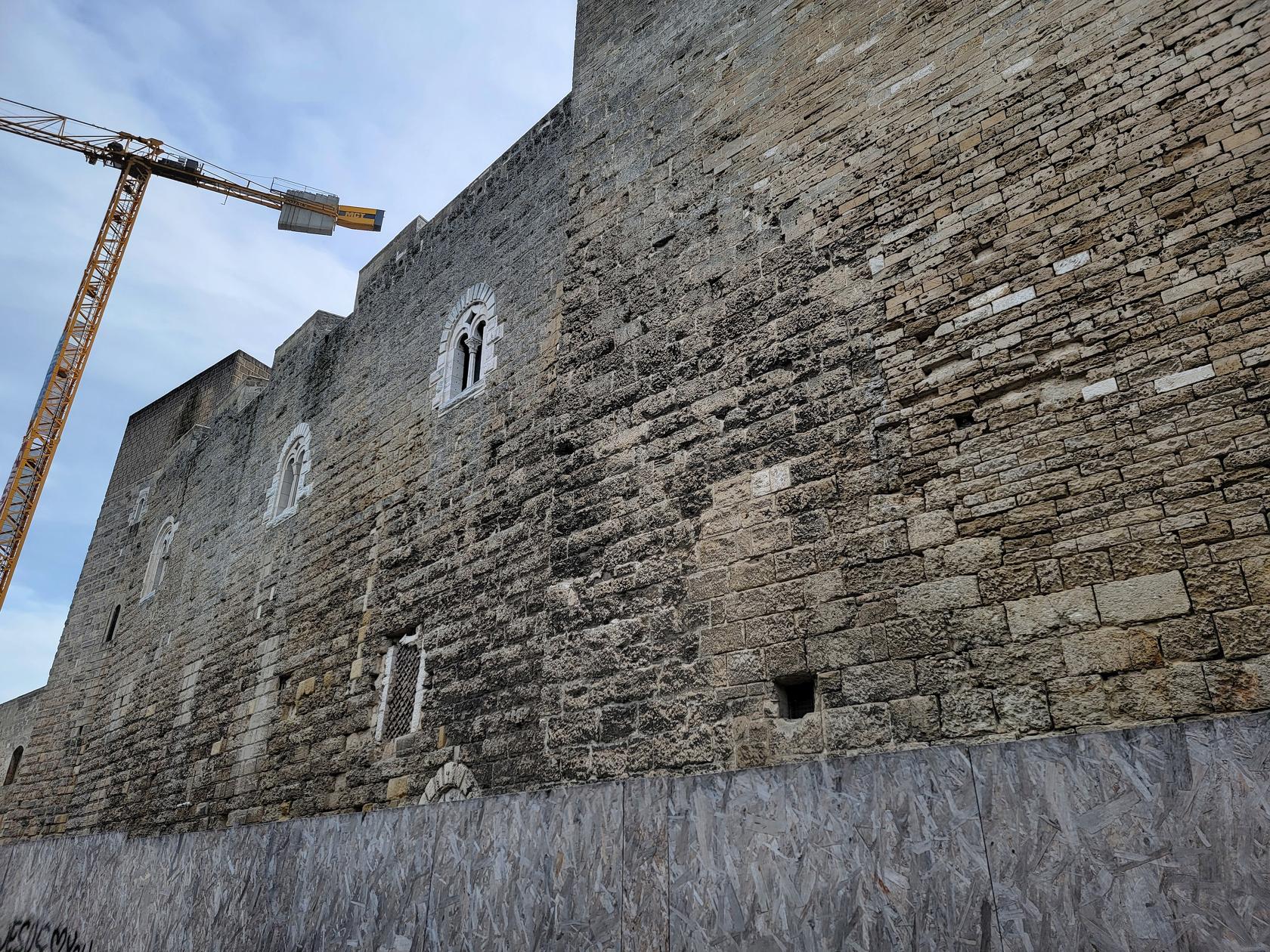
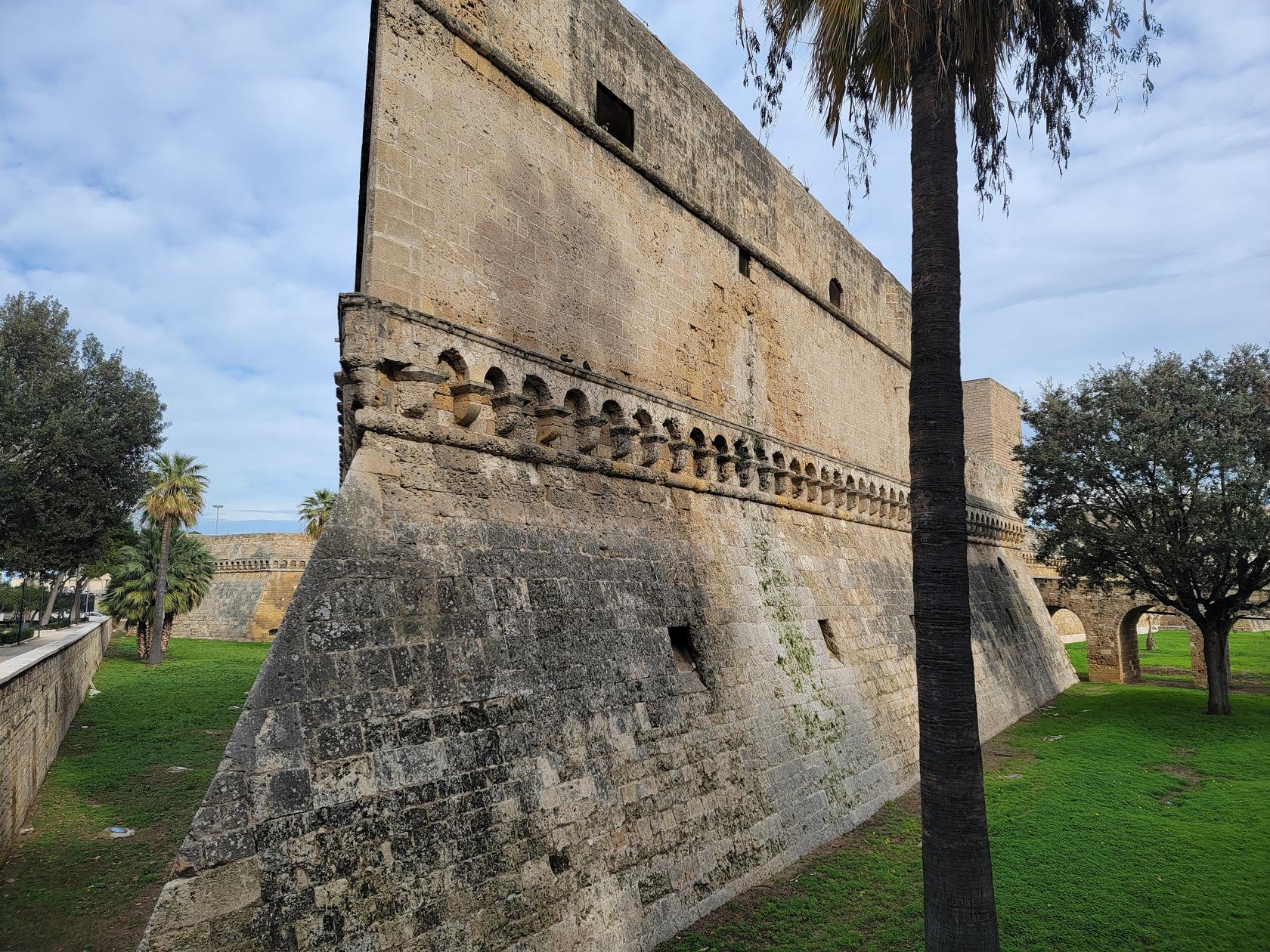
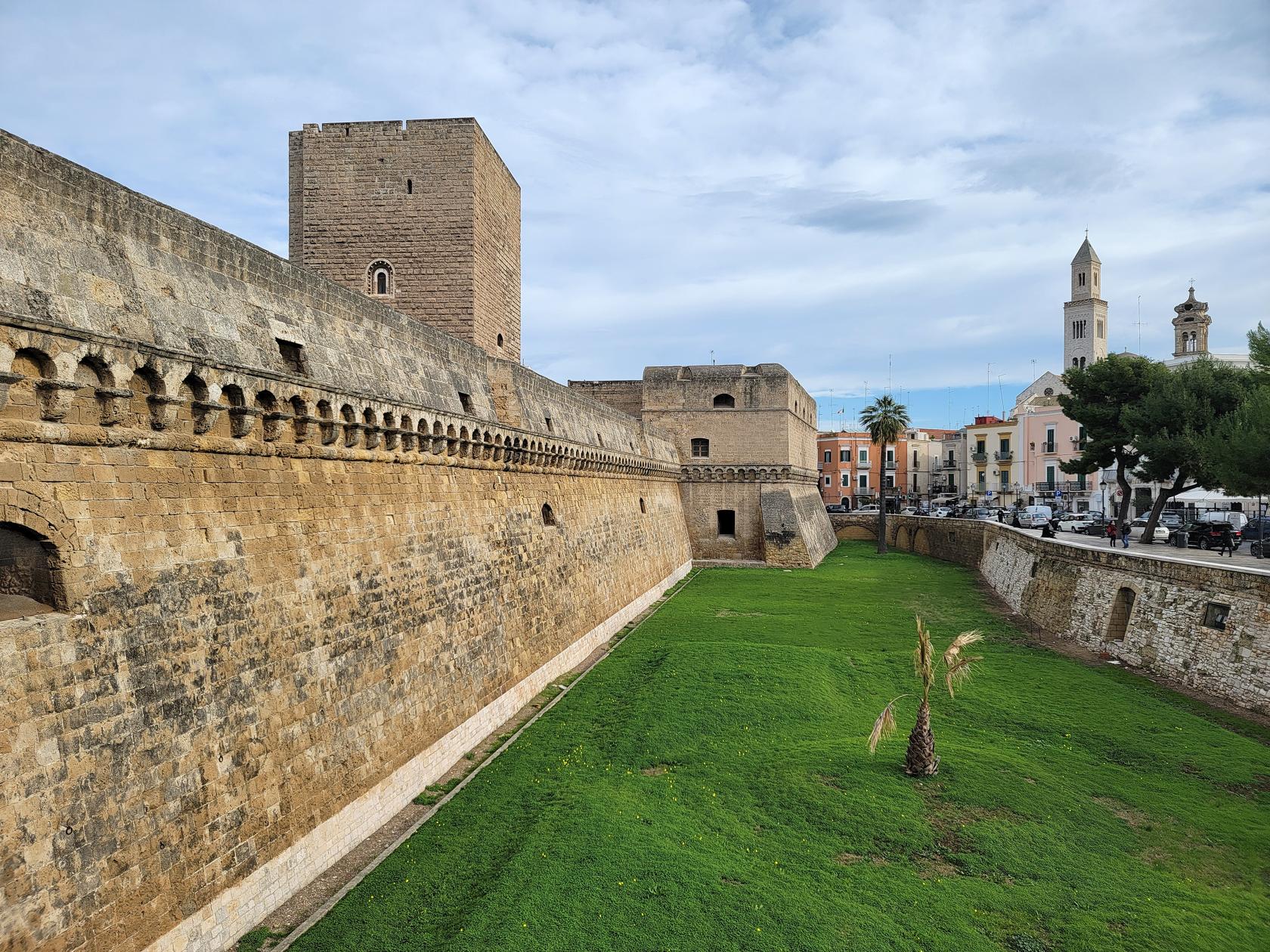
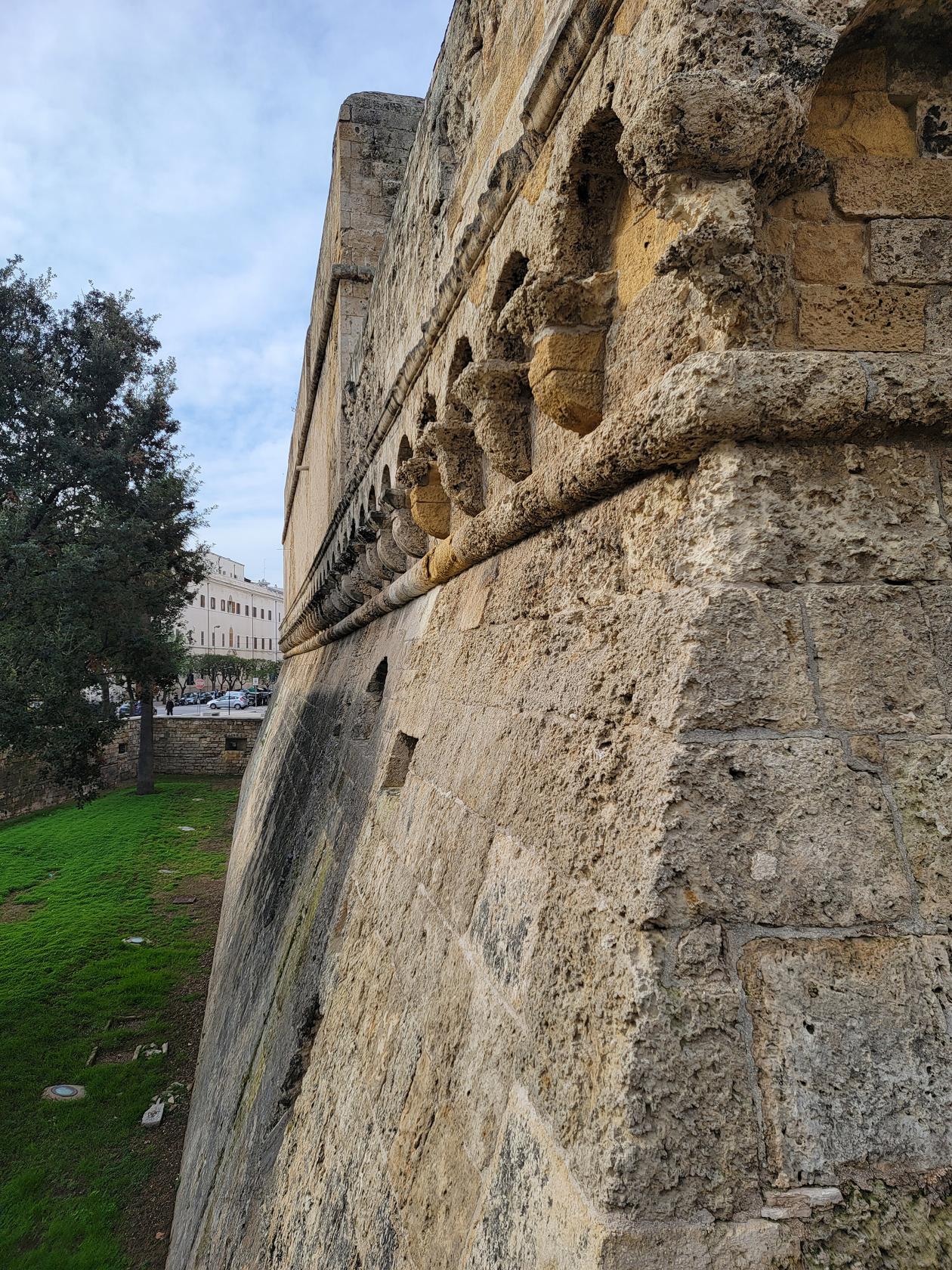
If the Bari peninsula were to be looked at like it was a triangle, then the Castello Normanno-Svevo or Norman-Swabian Castle, would occupy the entire lower left hand angle. It is a huge building that occupies a considerable amount of real estate on that side of the old city.
Castello Svevo di Bari – Outside back wall – Bari, Italy
Castello Svevo di Bari – Outside wall – Bari, Italy
Castello Svevo di Bari – Outside wall – Bari, Italy
Castello Svevo di Bari – Outside wall showing mote – Bari, Italy
Castello Svevo di Bari – Outside wall – Bari, Italy
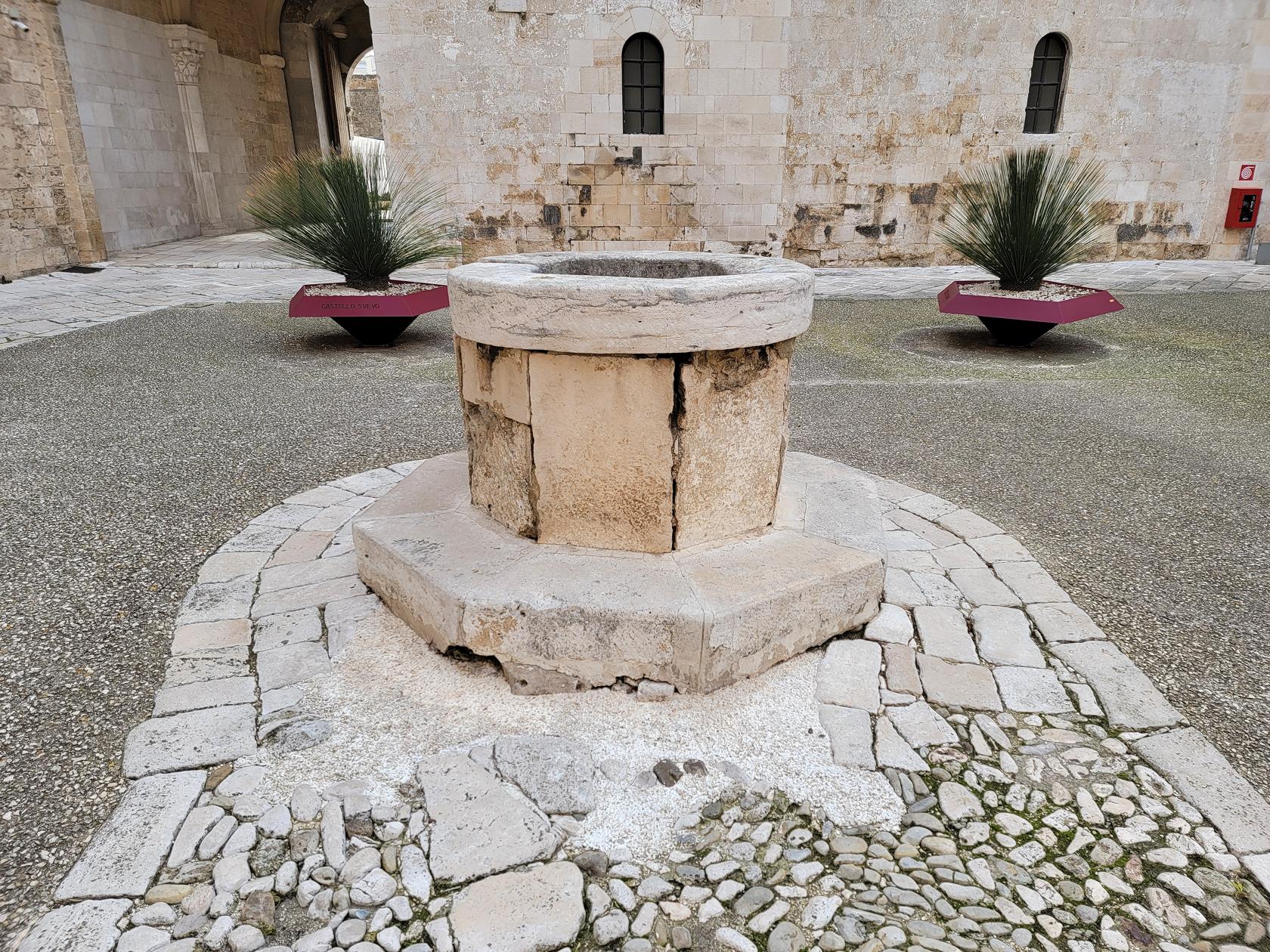
Castello Svevo di Bari – Castle Well – Bari, Italy
Castello Svevo di Bari – Outside wall – Bari, Italy
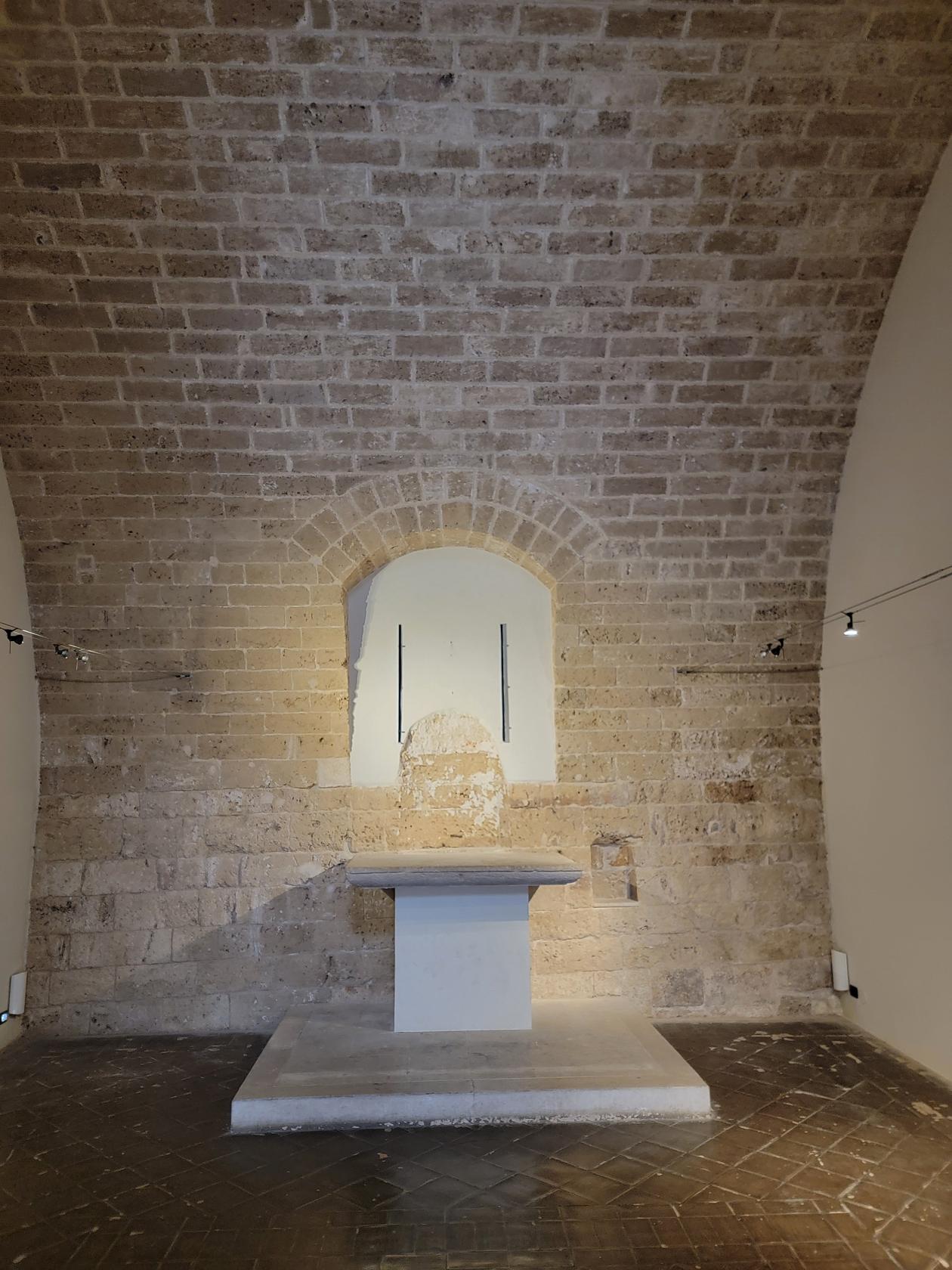
Castello Svevo di Bari – Cappella Palatine – Bari, Italy
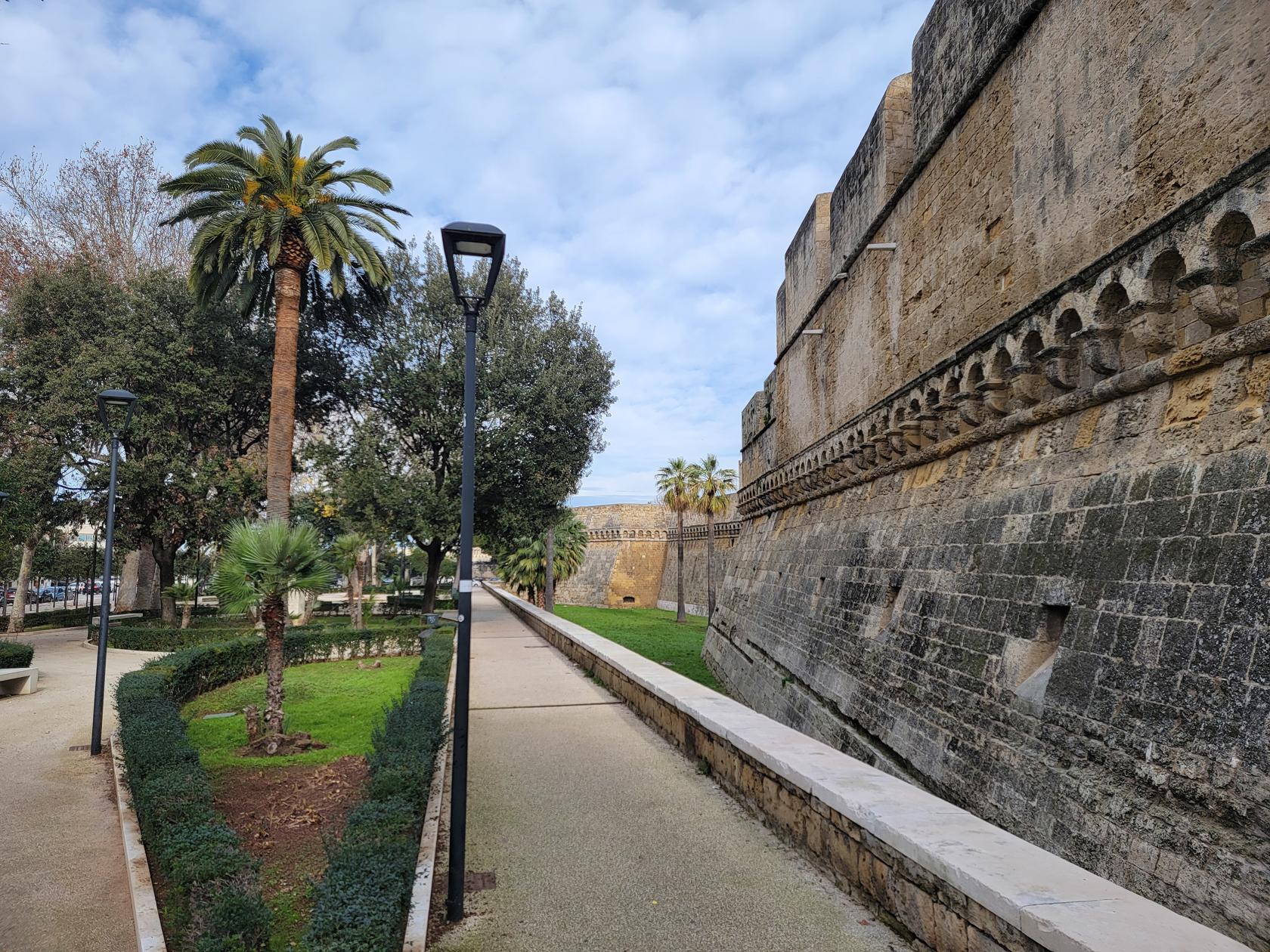
Surrounded by a moat that is currently grown in, the exterior appears well kept in spots, but requiring considerable work in other places.
The Swabian Castle Museum
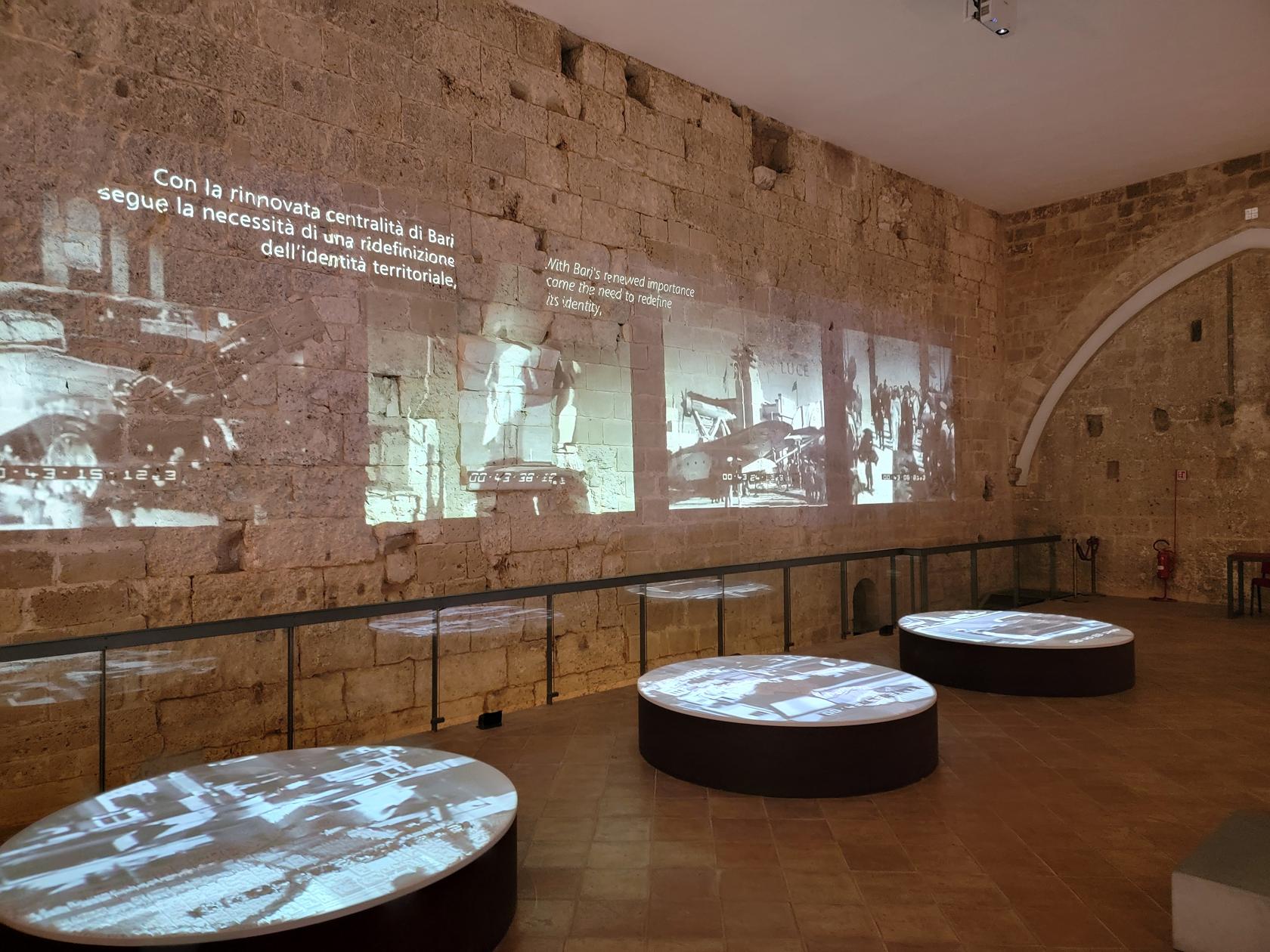
The museum does not contain many artifacts per se, but it does have a very good multi-media presentation and displays in some of the larger spaces.
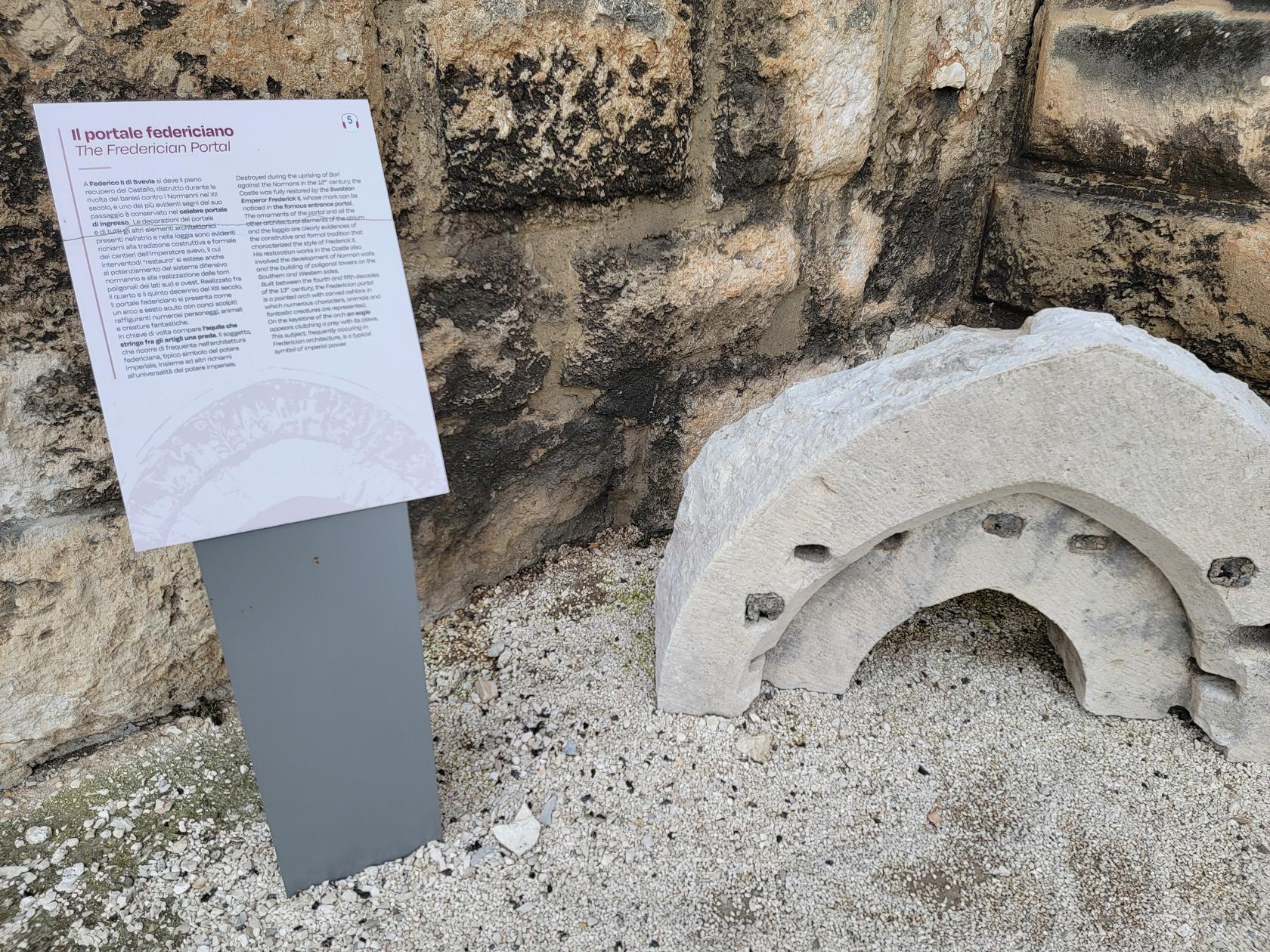
Castello Svevo di Bari – Federiciano portal stone – Bari, Italy
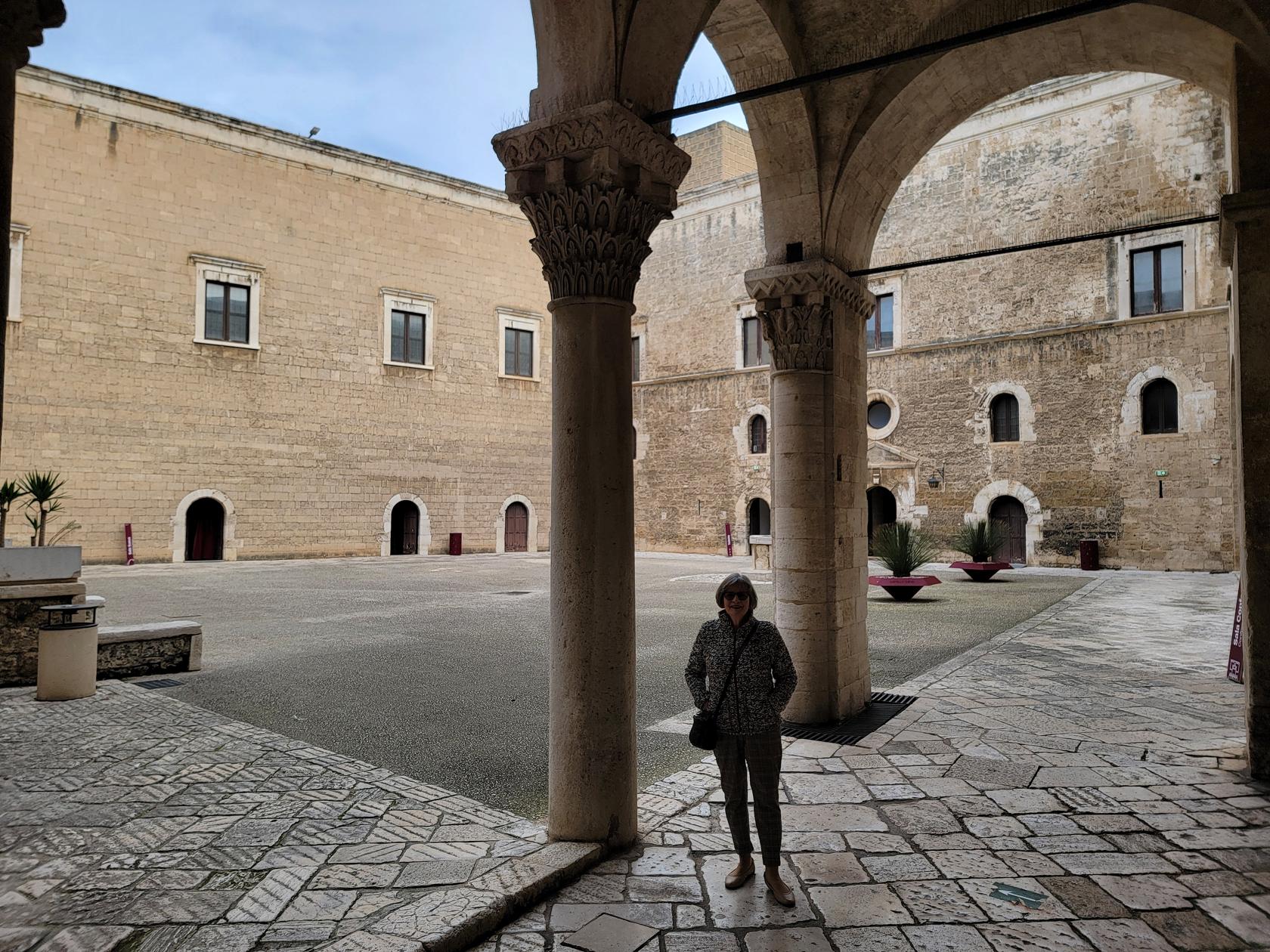
Castello Svevo di Bari – Patti in courtyard – Bari, Italy
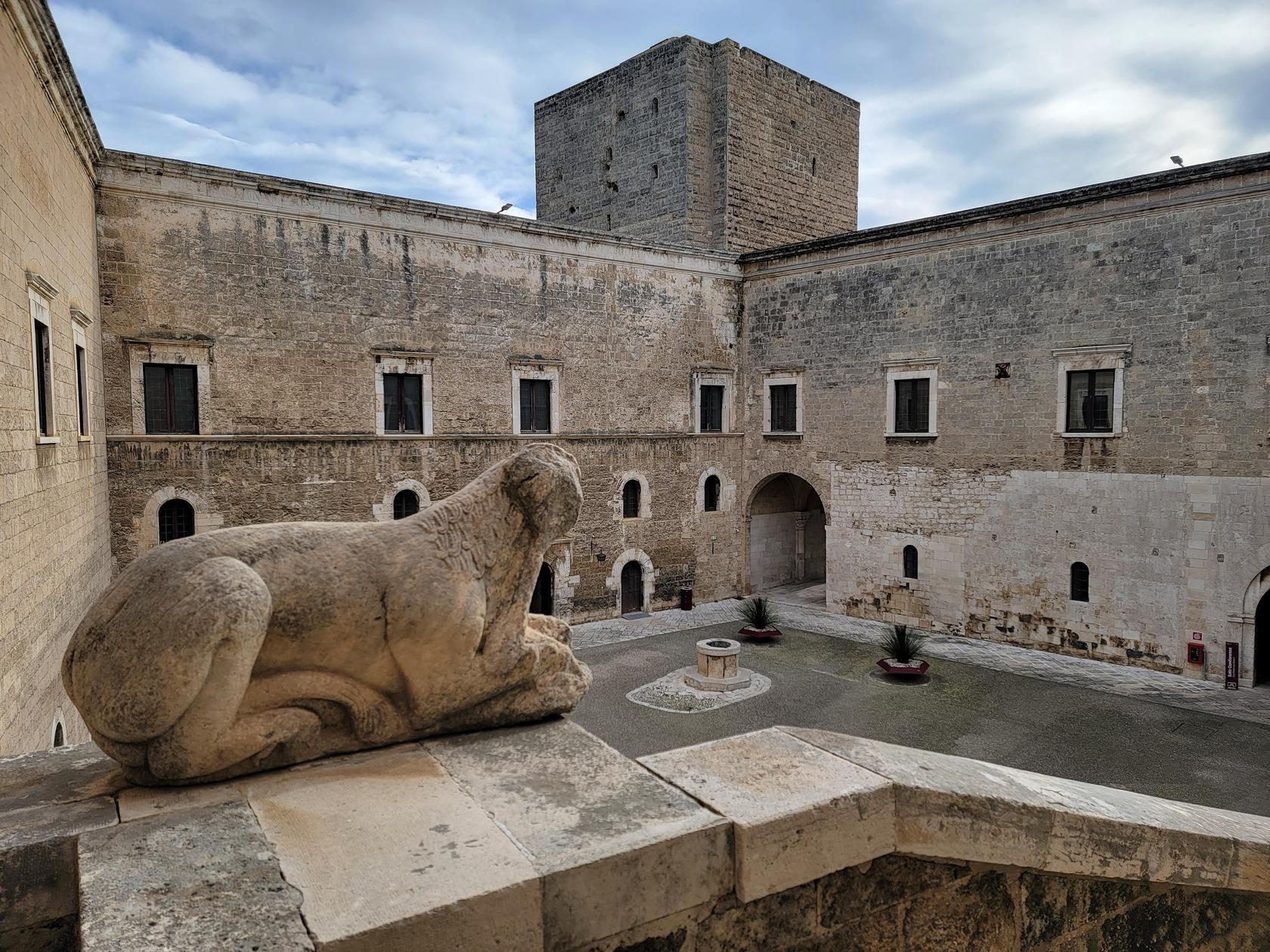
Castello Svevo di Bari – Lion guarding entrance – Bari, Italy
Castello Svevo di Bari – Diorama- Bari, Italy
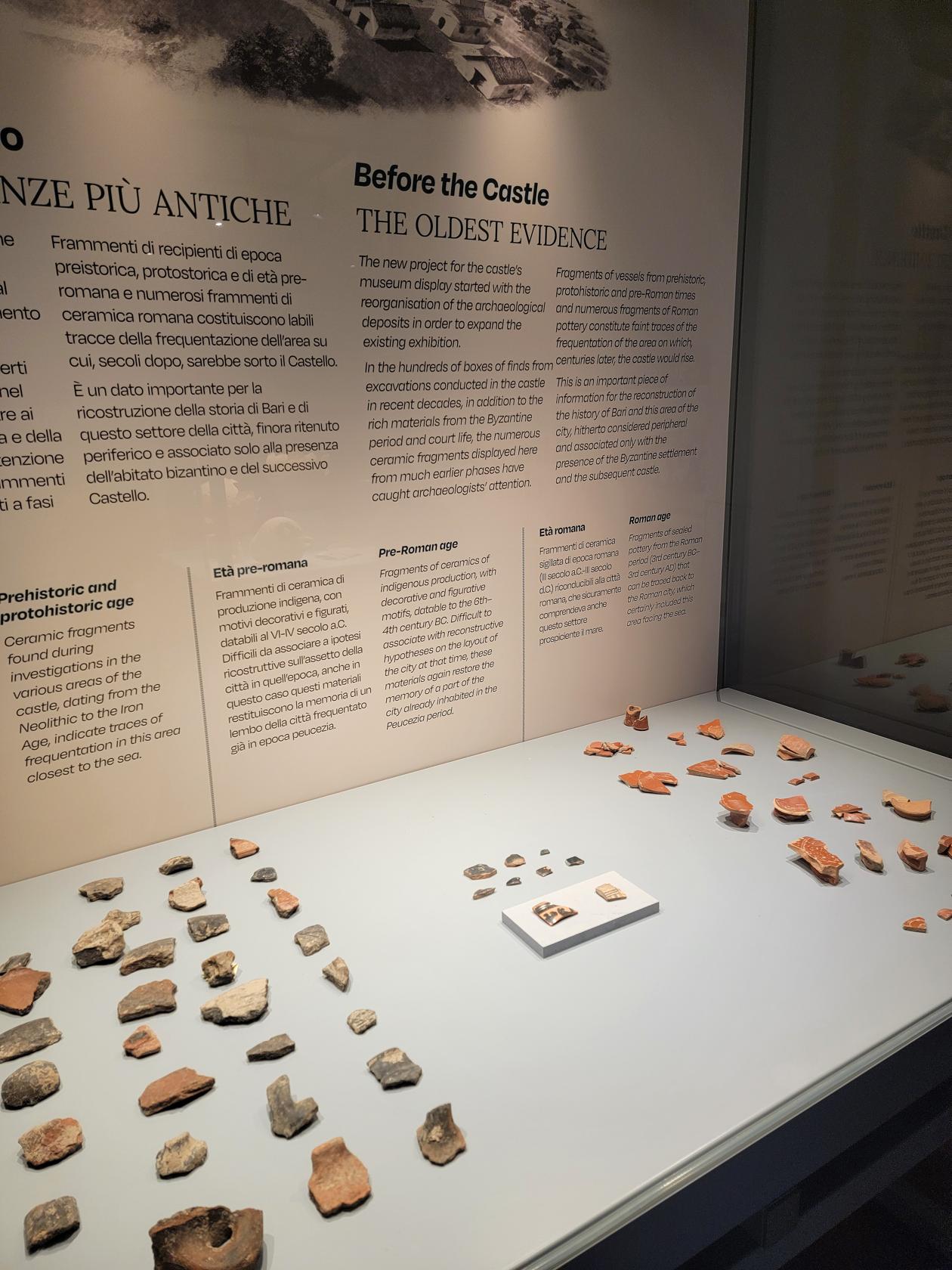
Castello Svevo di Bari – Artifacts before the castle – Bari, Italy
Castello Svevo di Bari – Entrance – Bari, Italy
Castello Svevo di Bari – Artifacts before the castle – Bari, Italy
Castello Svevo di Bari – Great Hall – Bari, Italy
Castello Svevo di Bari – Great Hall – Bari, Italy
Castello Svevo di Bari – Great Hall – Bari, Italy
Castello Svevo di Bari – archaeological dig – Bari, Italy
Castello Svevo di Bari – Frescos – Bari, Italy
Castello Svevo di Bari – Multimedia shows- Bari, Italy
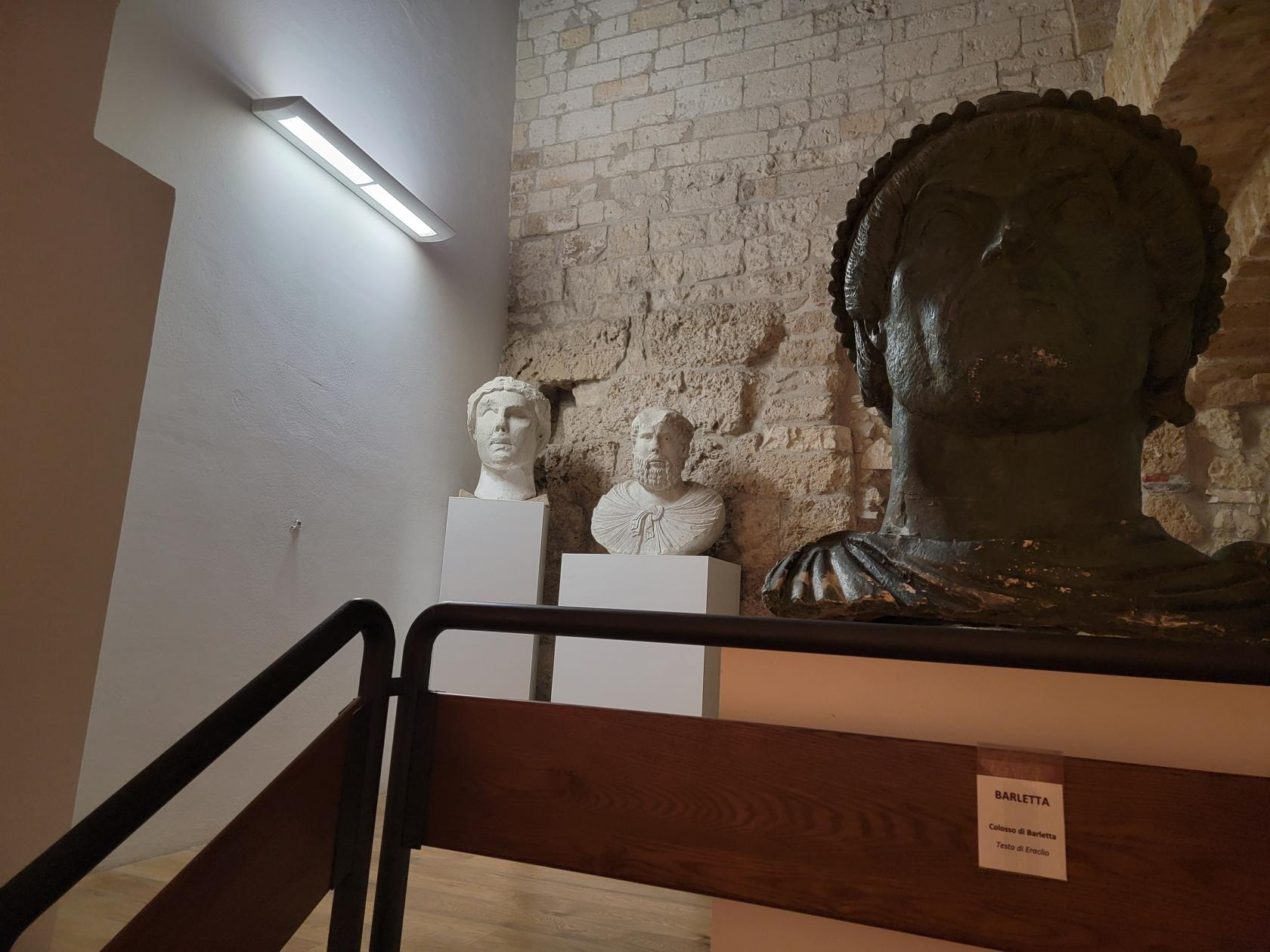
Castello Svevo di Bari – Barletta bust – Bari, Italy
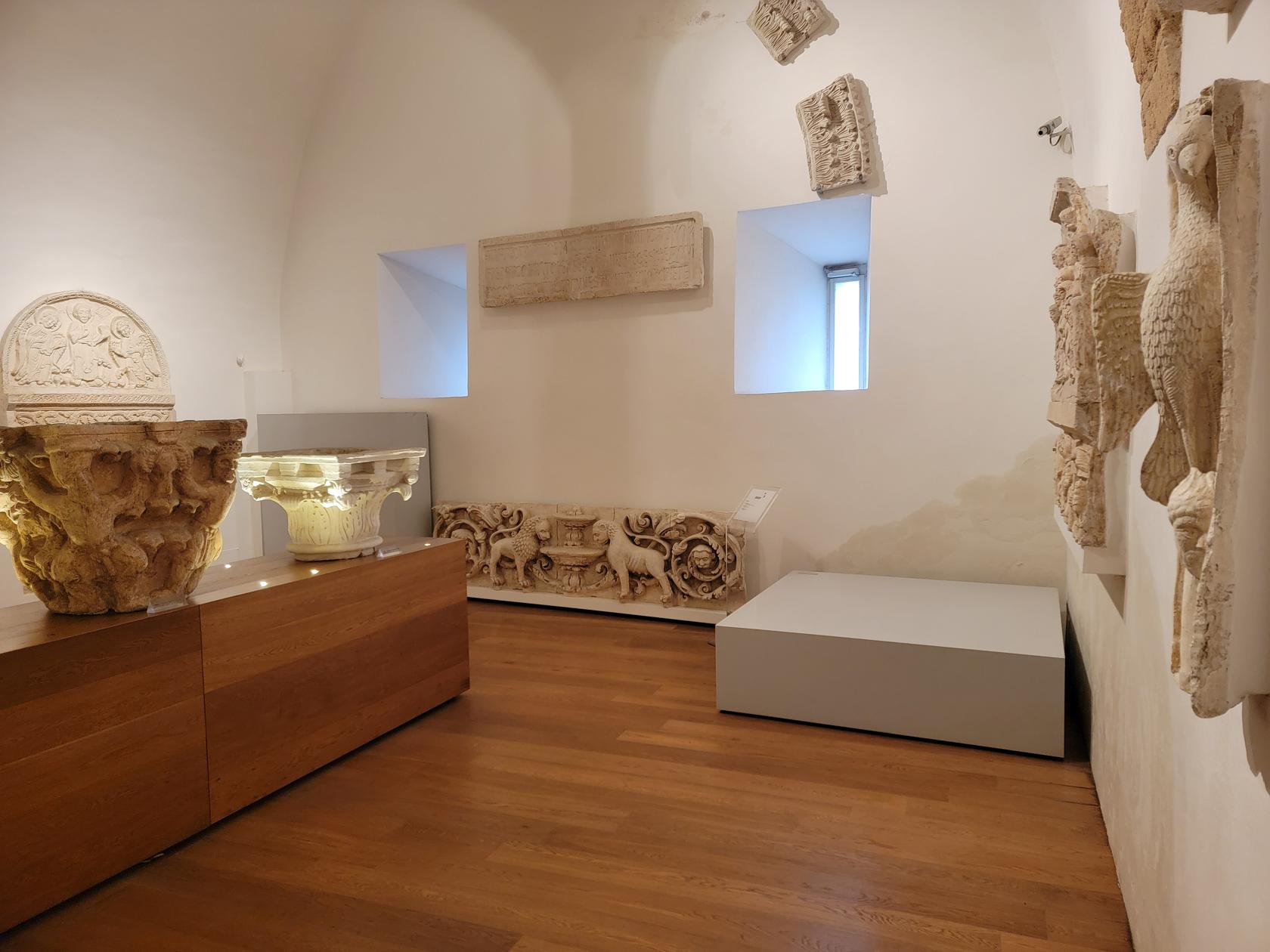
Castello Svevo di Bari – plaster casts – Bari, Italy
Castello Svevo di Bari – plaster casts – Bari, Italy
Castello Svevo di Bari – plaster casts – Bari, Italy
Castello Svevo di Bari – plaster casts – Bari, Italy
Castello Svevo di Bari – plaster cast of a capitol – Bari, Italy
Castello Svevo di Bari – plaster casts – Bari, Italy
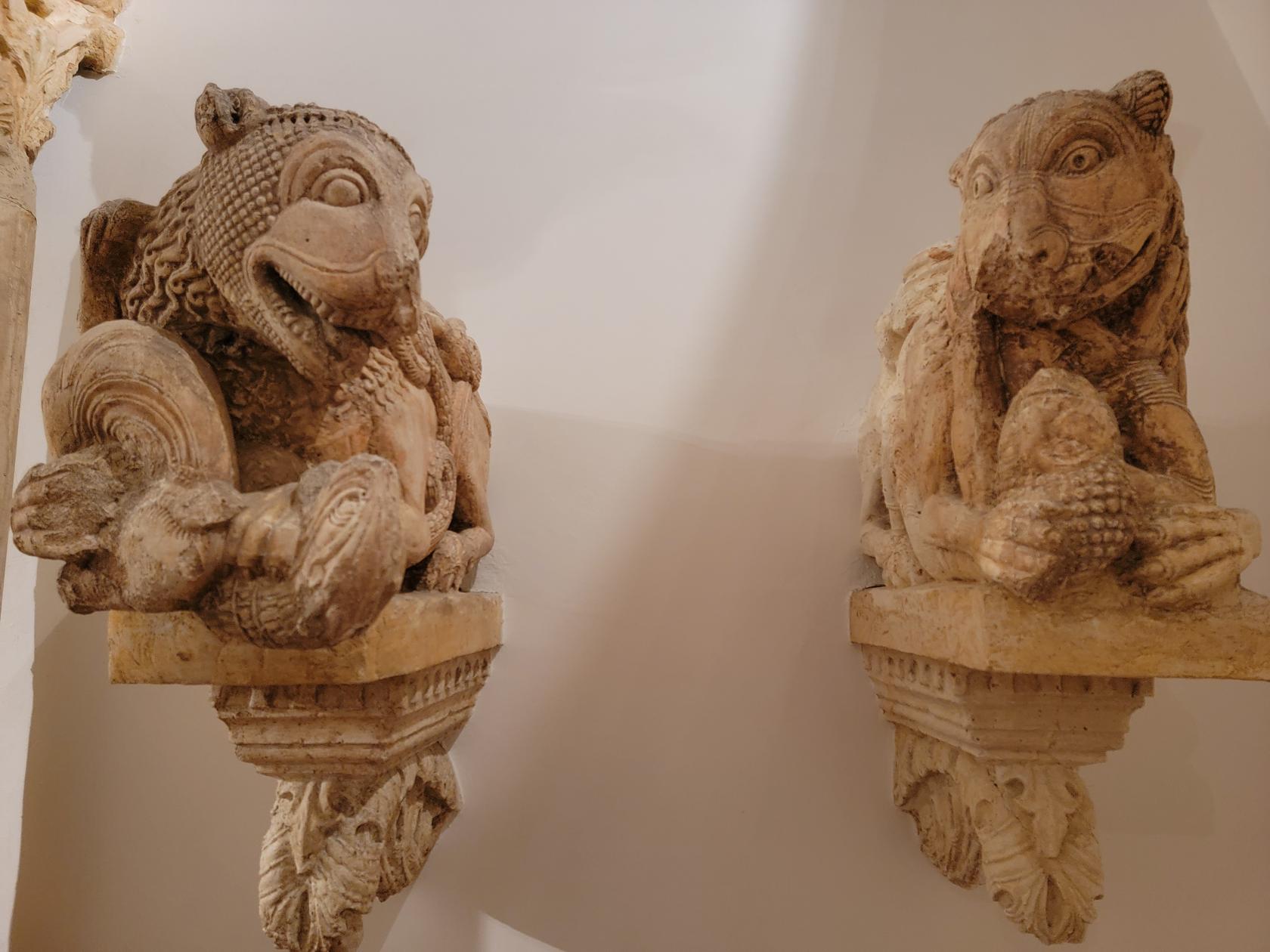
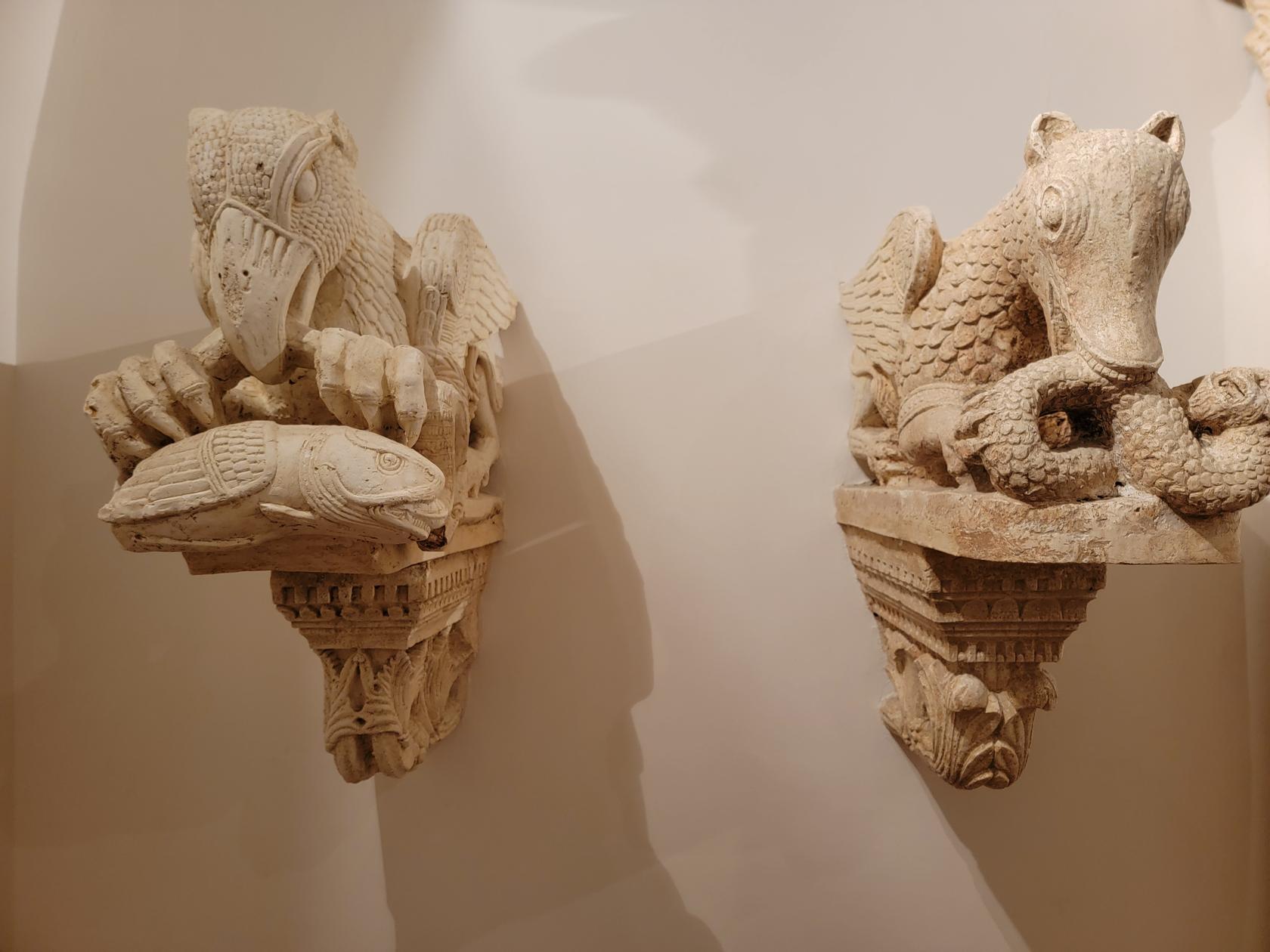
Castello Svevo di Bari – Griffins from Cathedral Saint Marie Assunta and San Sabino, 12th century – Bari, Italy
Castello Svevo di Bari – Castello Svevo di Bari – Griffins from Cathedral Saint Marie Assunta and San Sabino, 12th century – Bari, Italy – Bari, Italy
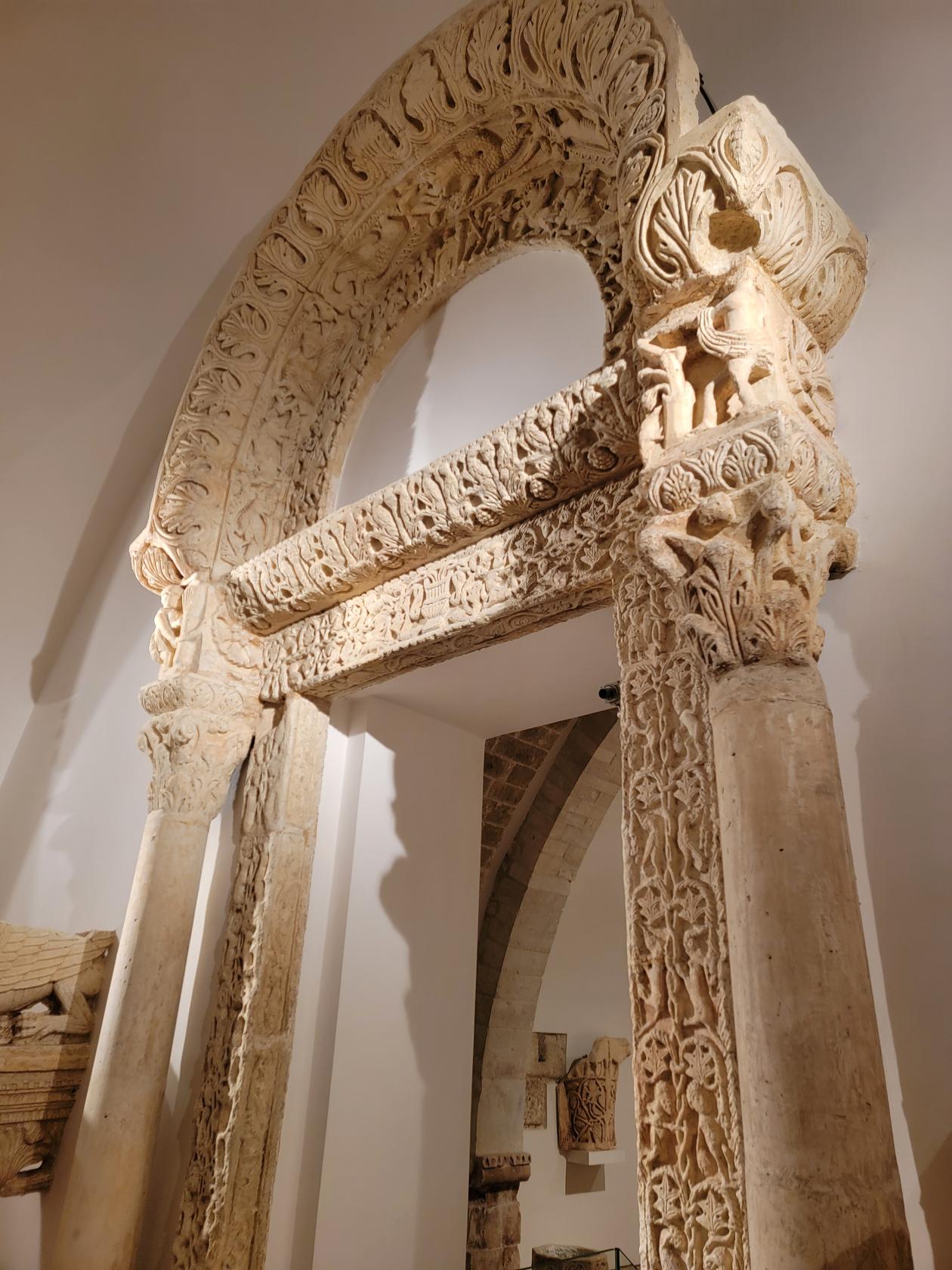
Castello Svevo di Bari – Basilica of Saint Nicola portal – Bari, Italy
Castello Svevo di Bari – altar – Bari, Italy
Castello Svevo di Bari – plaster casts – Bari, Italy
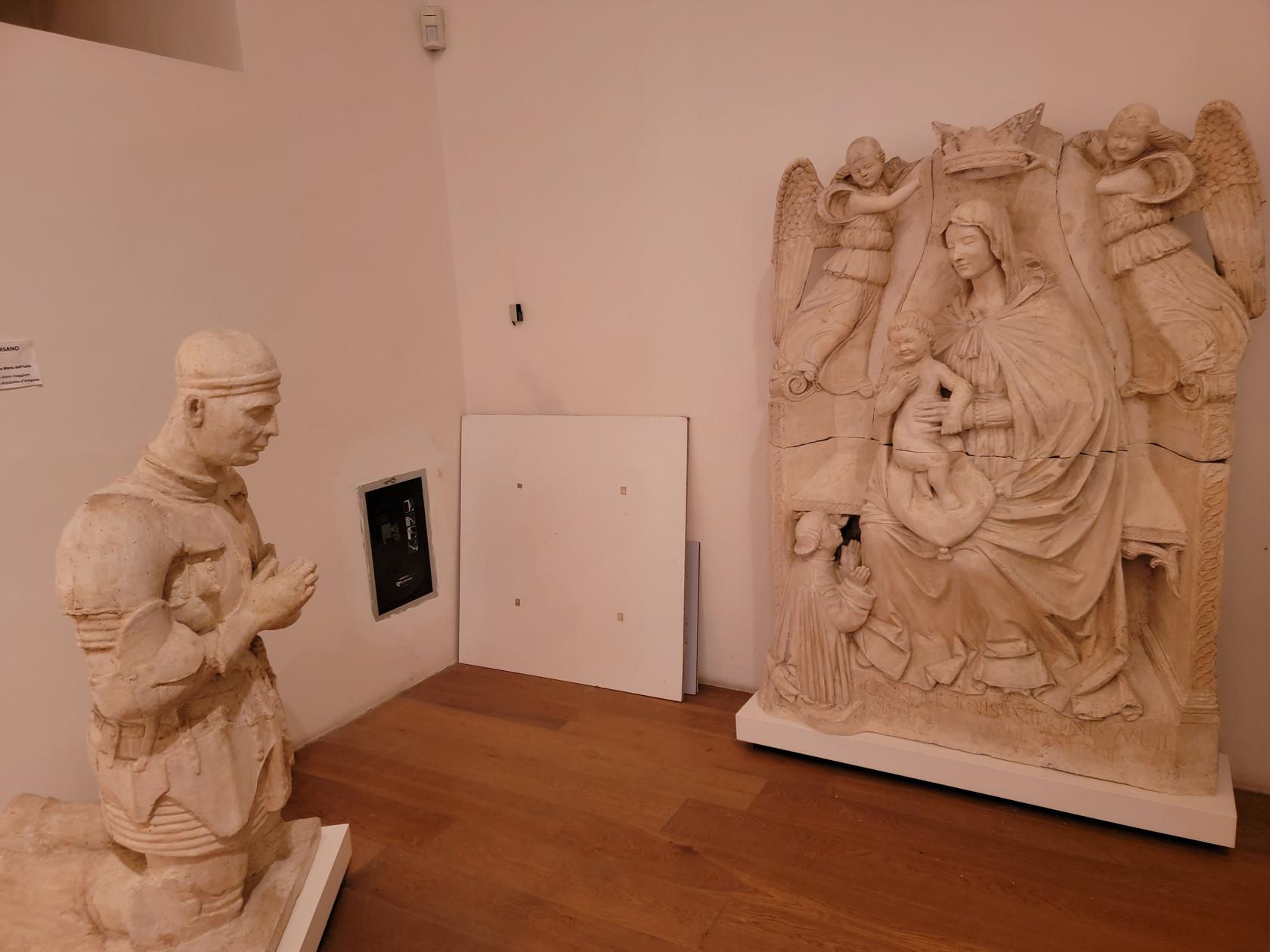
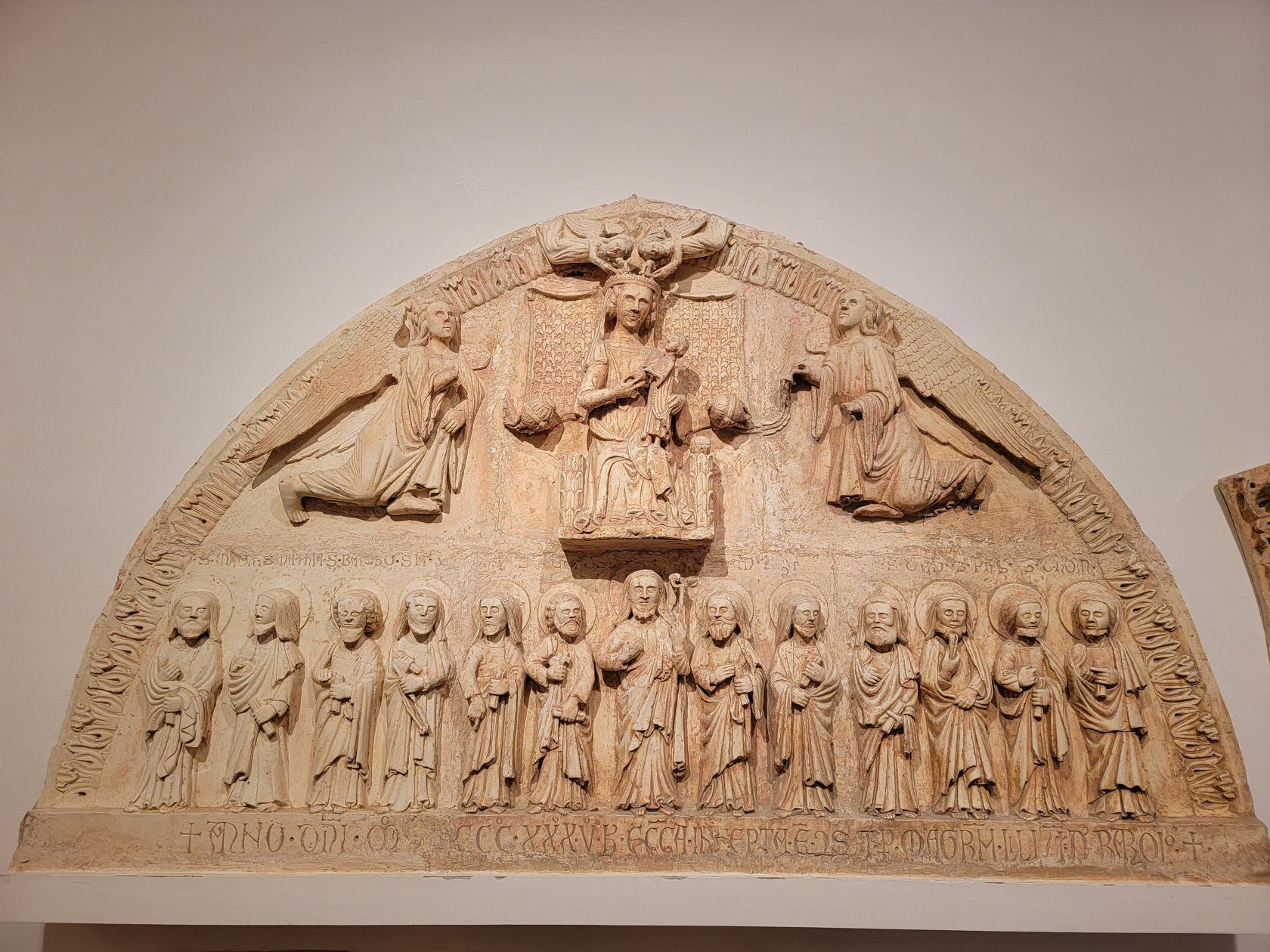
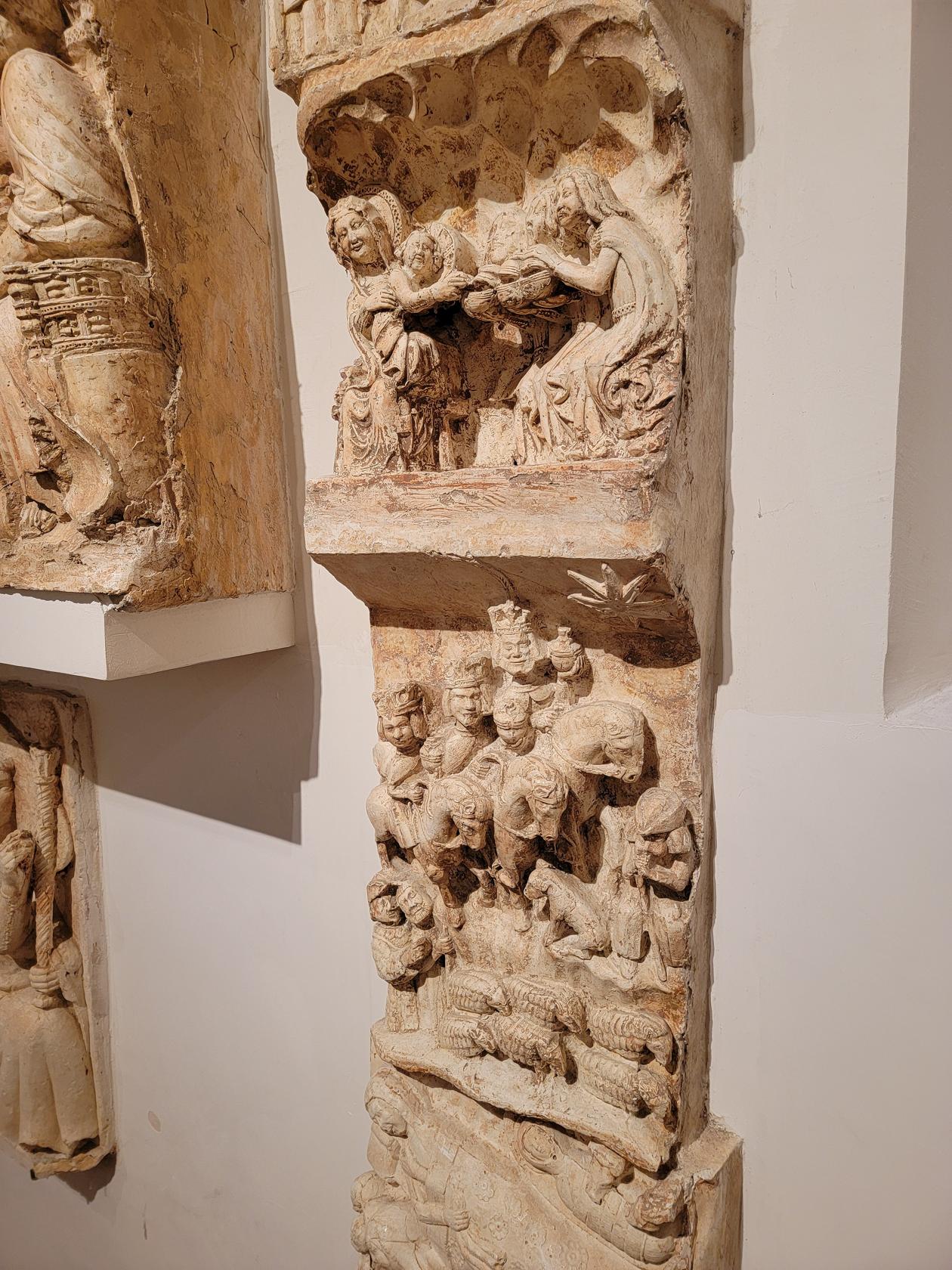
Castello Svevo di Bari – Mary with Jesus and two angels from Cathedral dell Assunta and Saínt Michele Archangel, 14th century – Bari, Italy
Castello Svevo di Bari – ornate plaster casts – Bari, Italy
Castello Svevo di Bari – Mary with Jesus and two angels from Cathedral of Saint Maria Assunta, 14-15th century – Bari, Italy
Churches and Cathedrals
Cathedral Of Bari
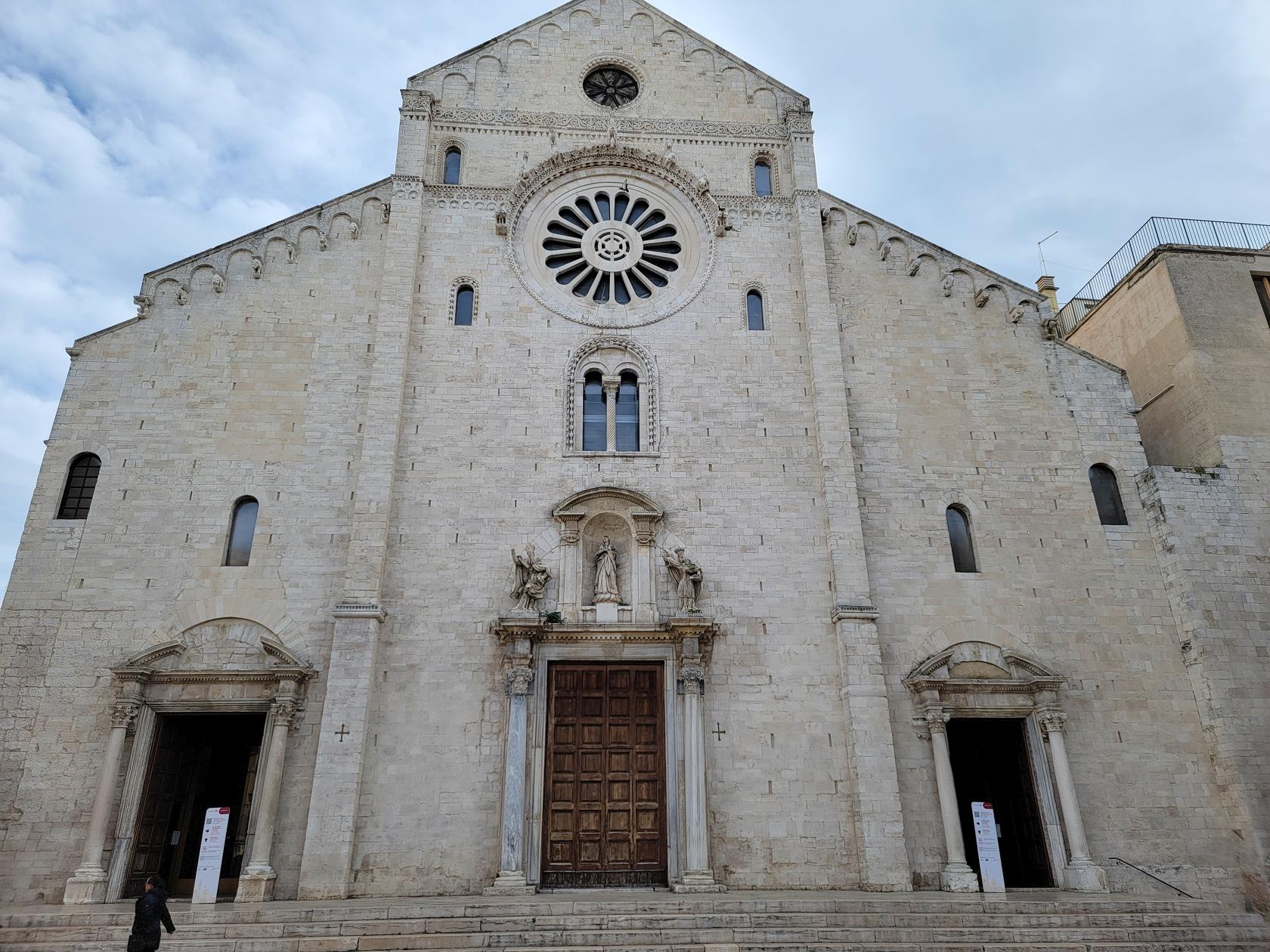
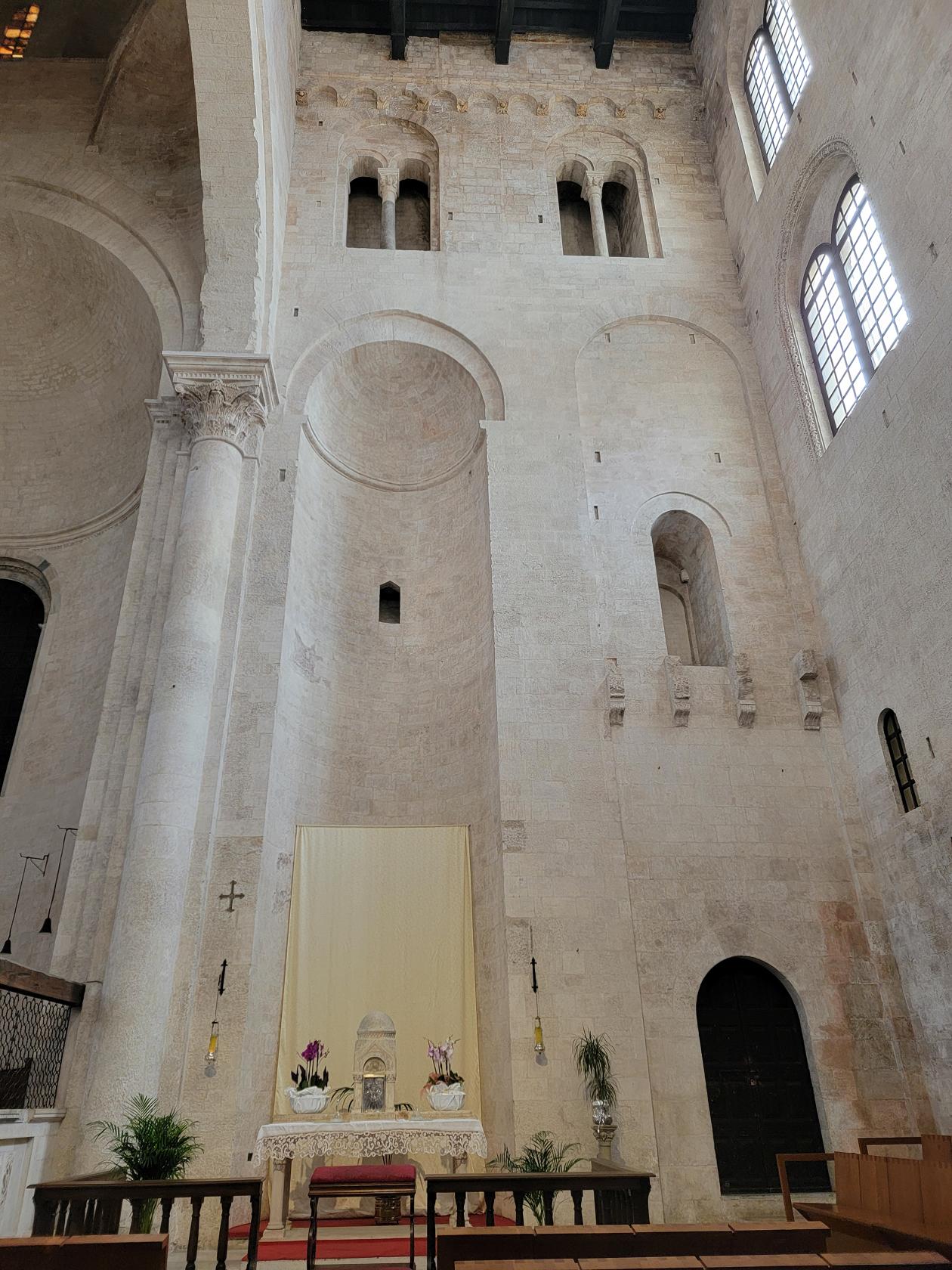
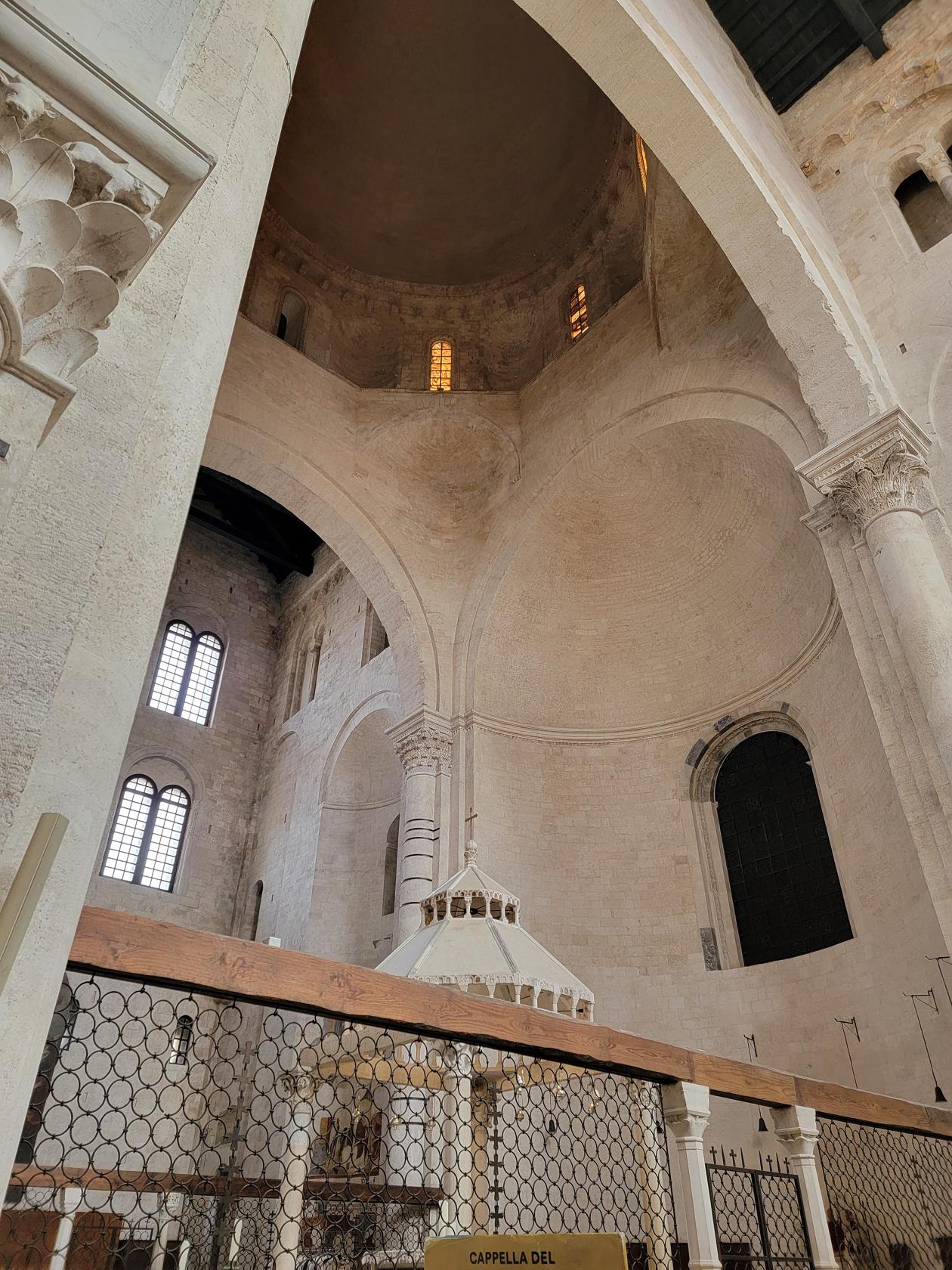
The Cathedral of Bari was built mostly in the last thirty years of the twelfth century. It was built on top of the destroyed Byzantine church that used to stand, as well as older Roman ruins.
Cathedrale di Bari – Outside – Bari, Italy
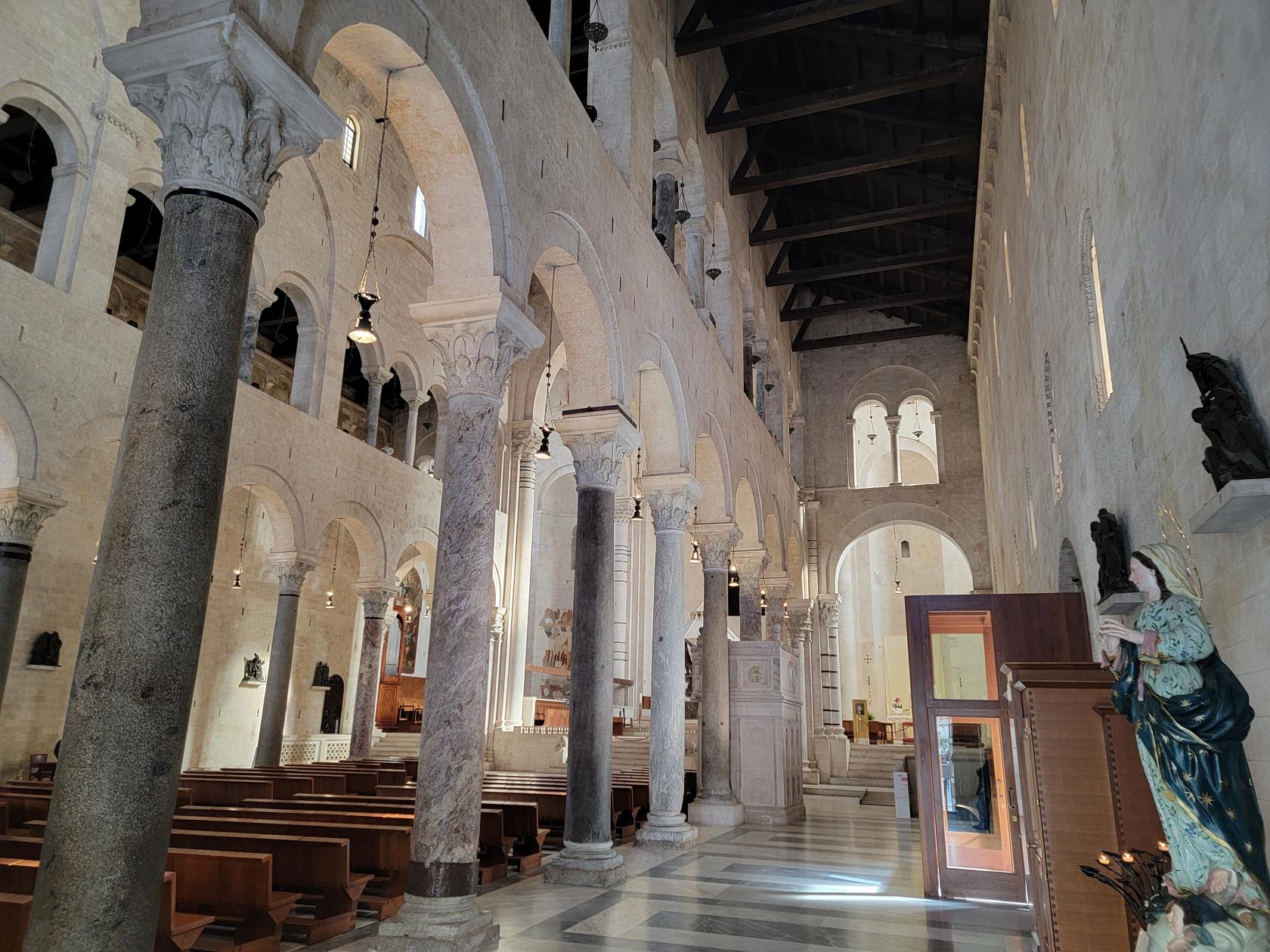
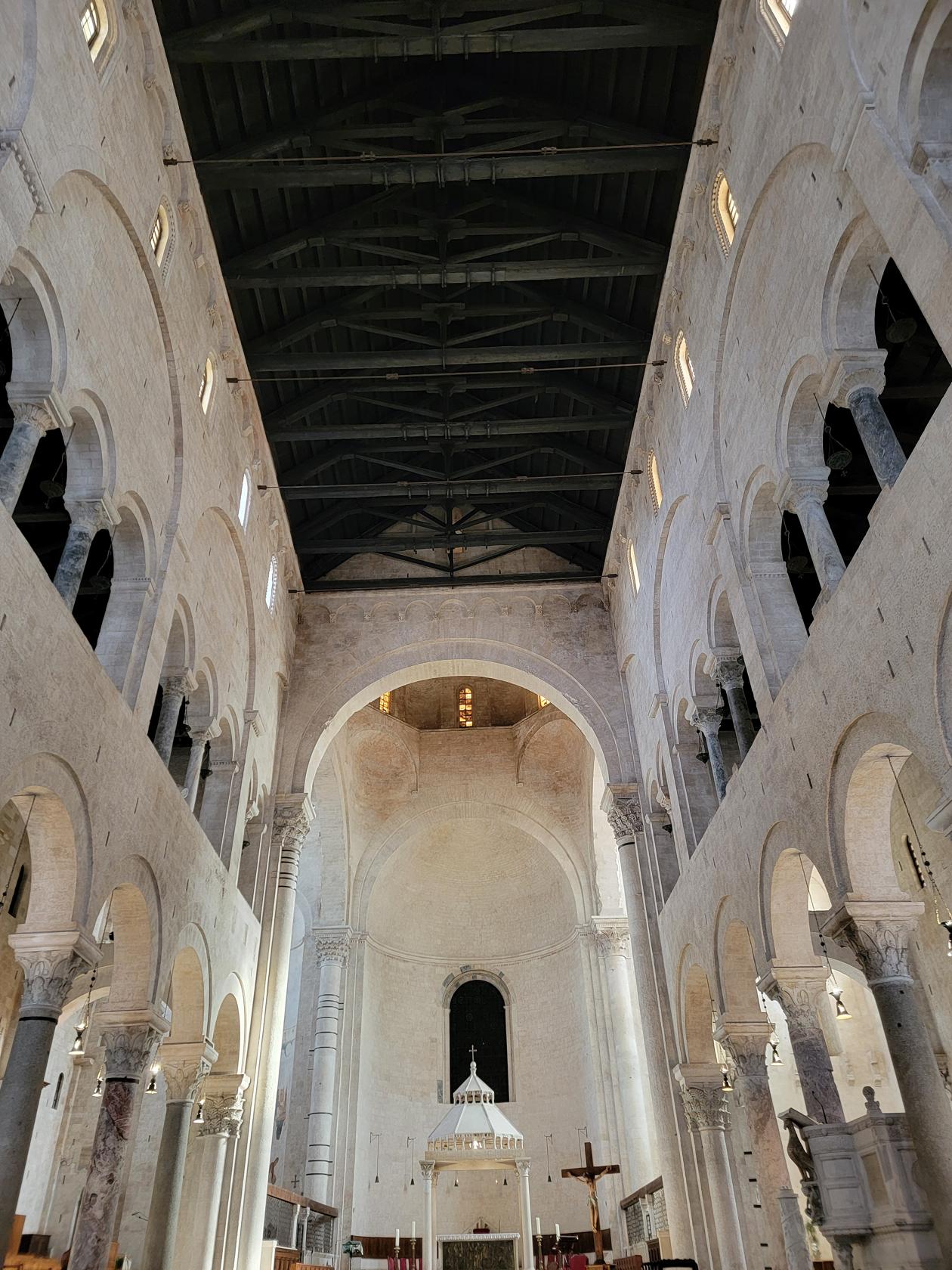
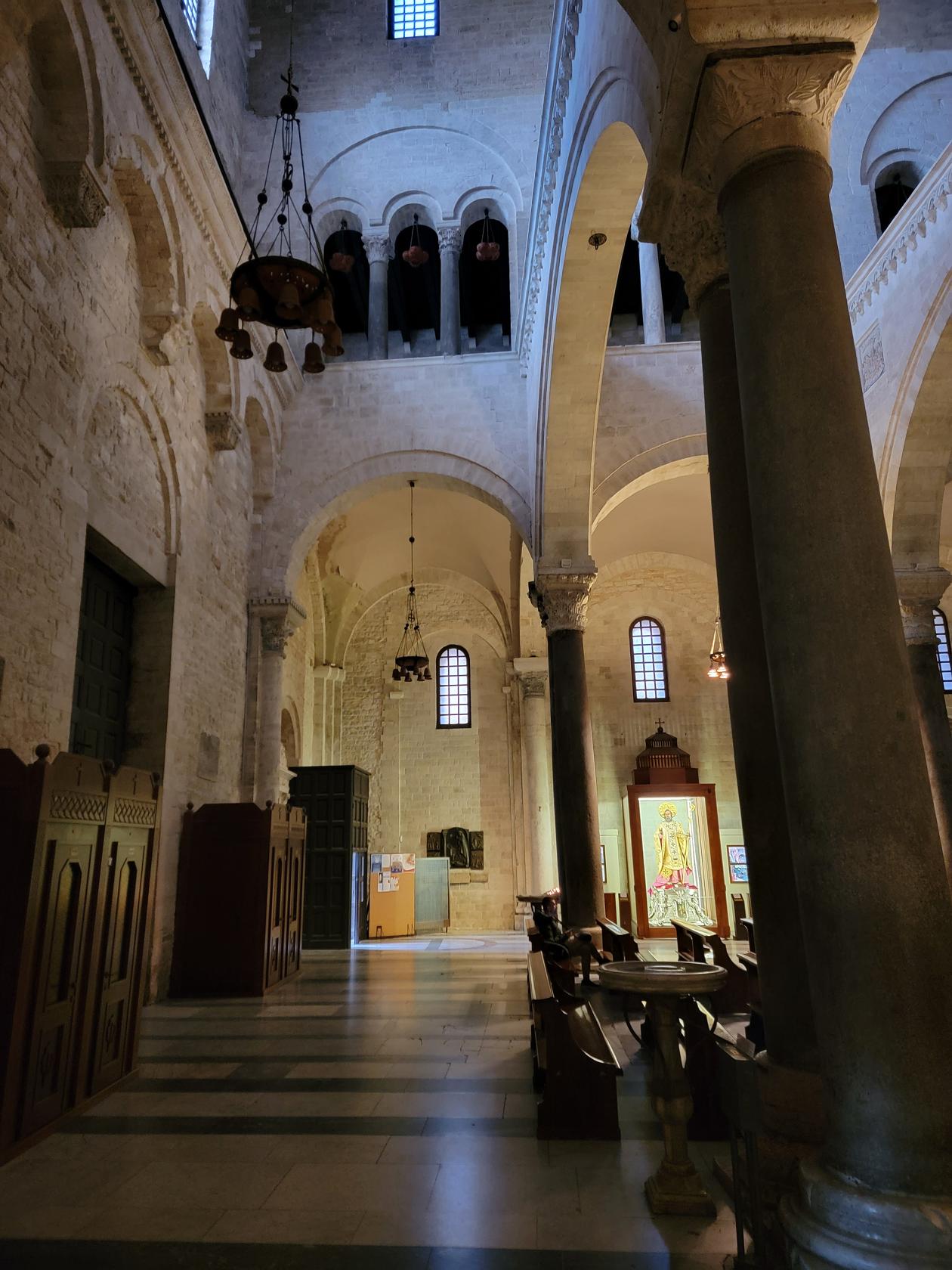
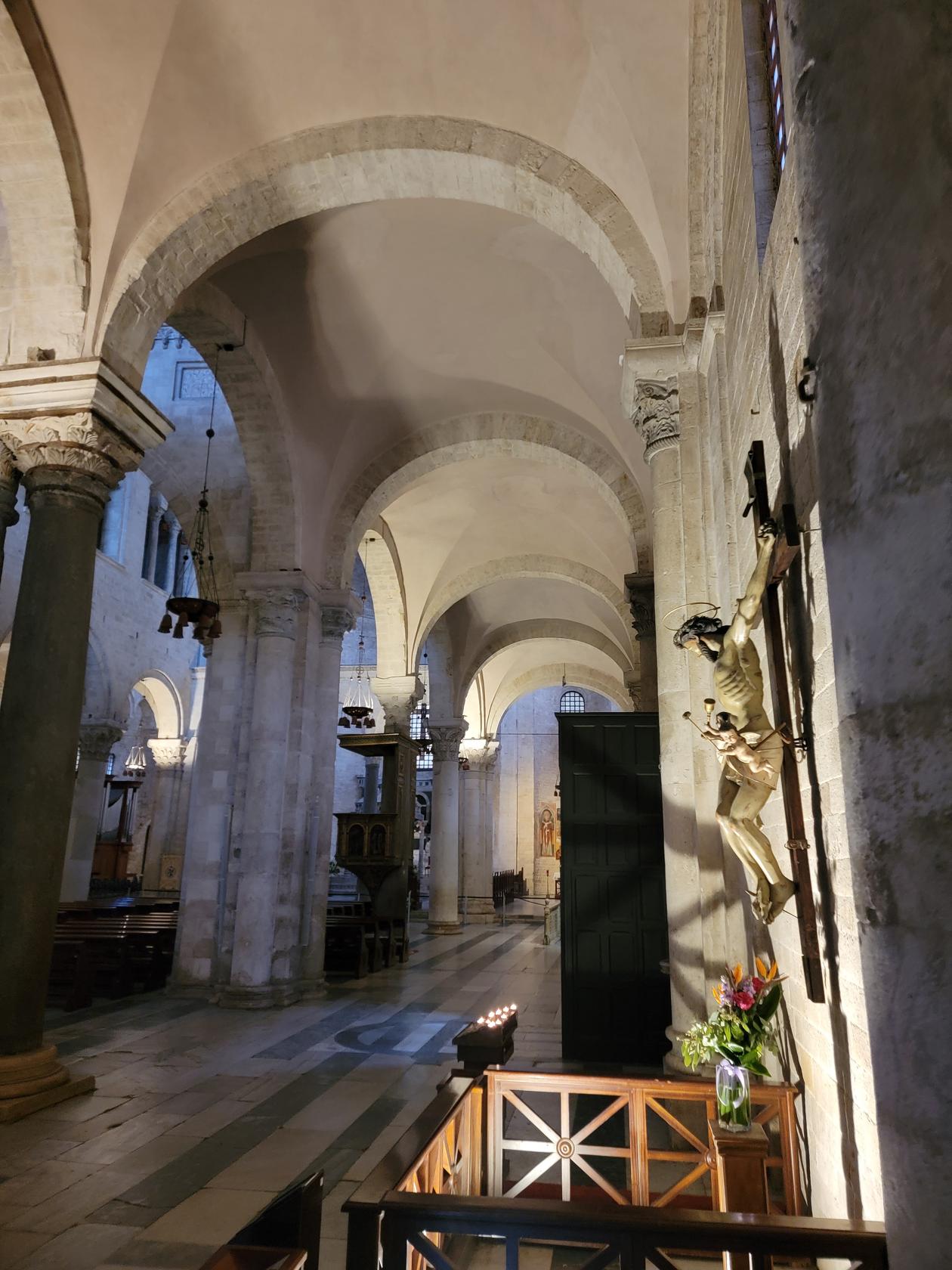
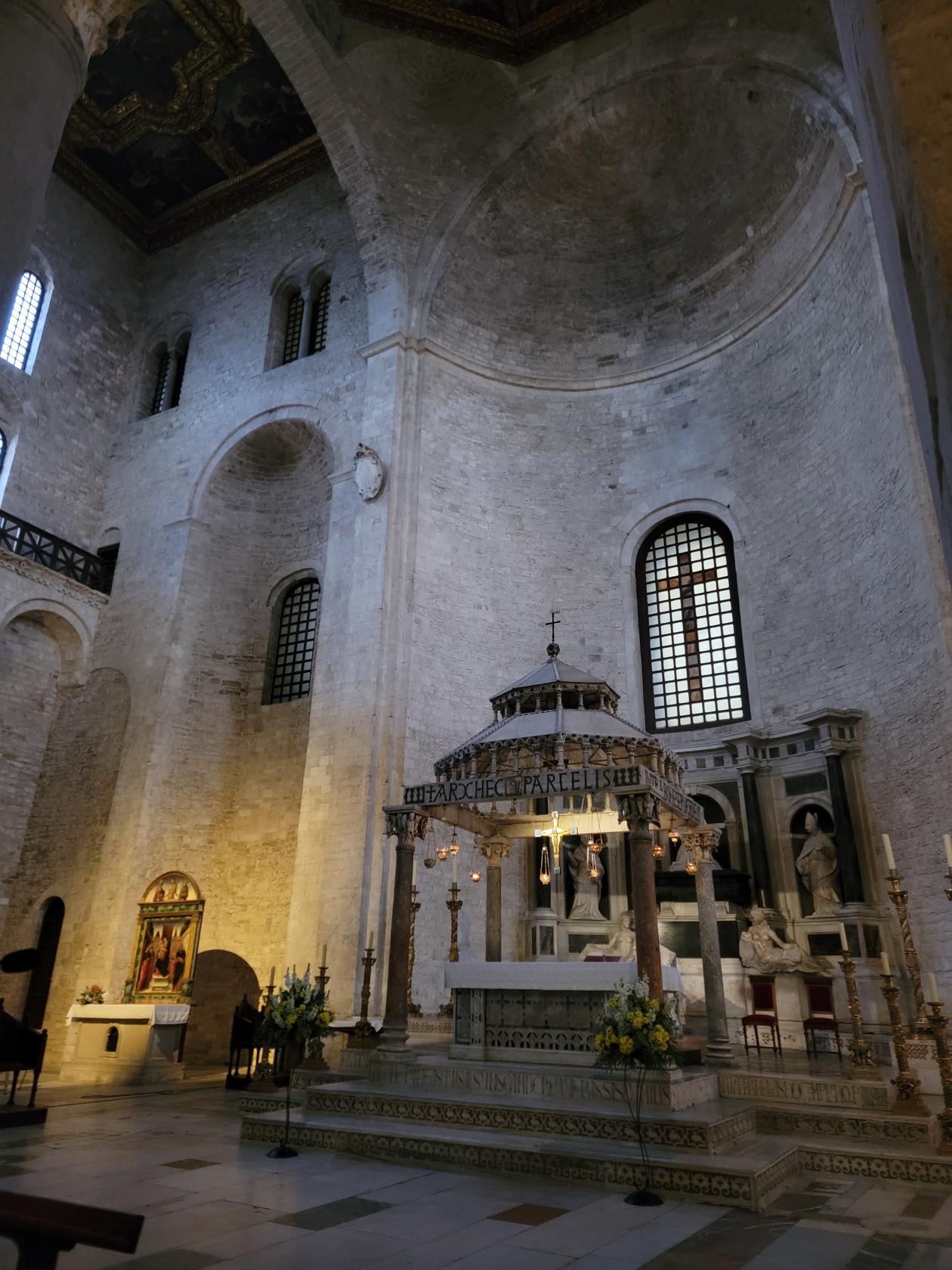
The interior is rather majestic for an ancient Catholic church and owes much to the simplicity of its architecture.
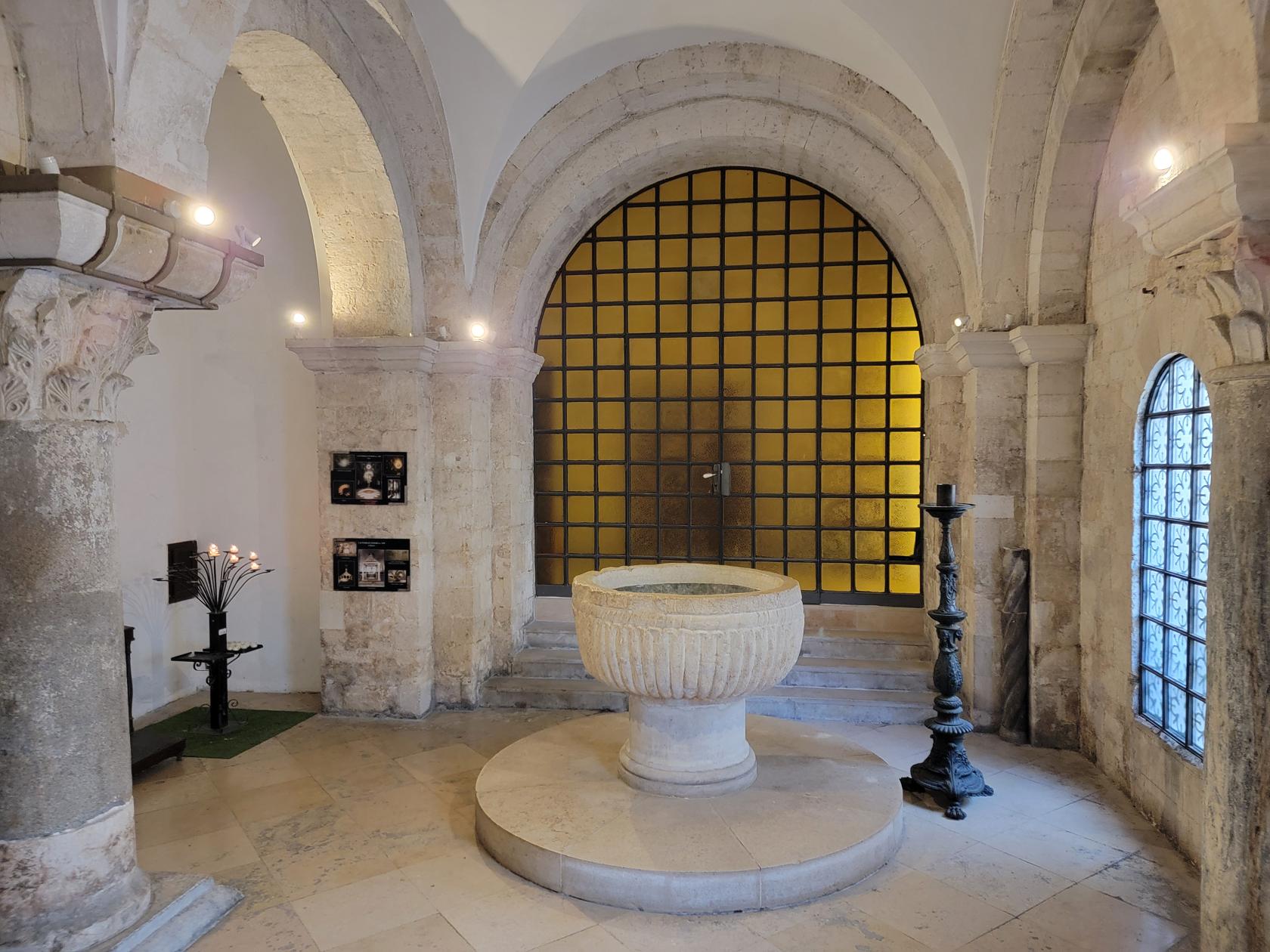
Cathedrale di Bari – Baptism font – Bari, Italy
Cathedrale di Bari – Aisle along Nave – Bari, Italy
Cathedrale di Bari – Nave – Bari, Italy
Cathedrale di Bari – Right Apse – Bari, Italy
Cathedrale di Bari – Left Apse – Bari, Italy
Cathedrale di Bari – Nave – Bari, Italy
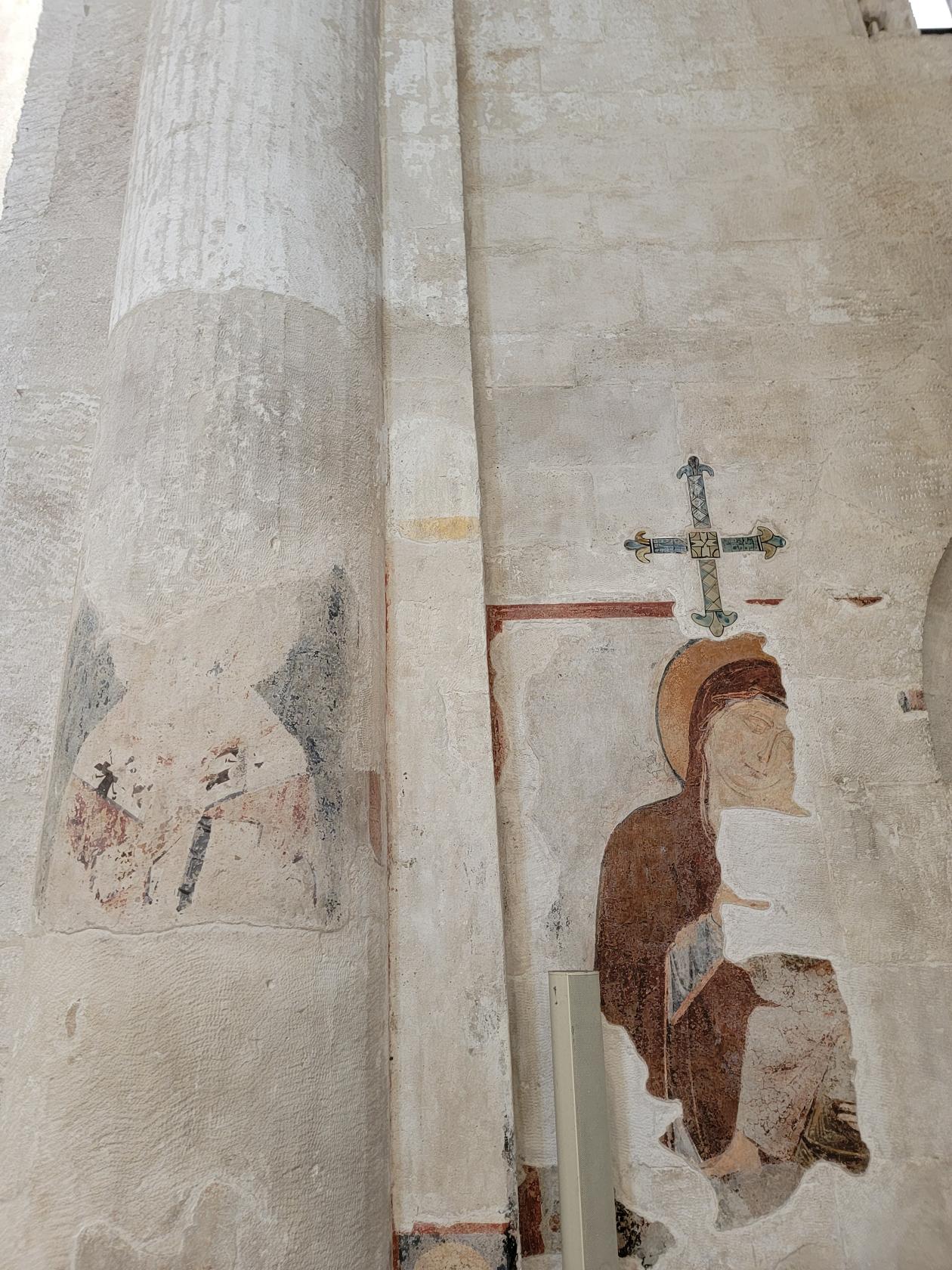
Cathedrale di Bari – Frescos – Bari, Italy
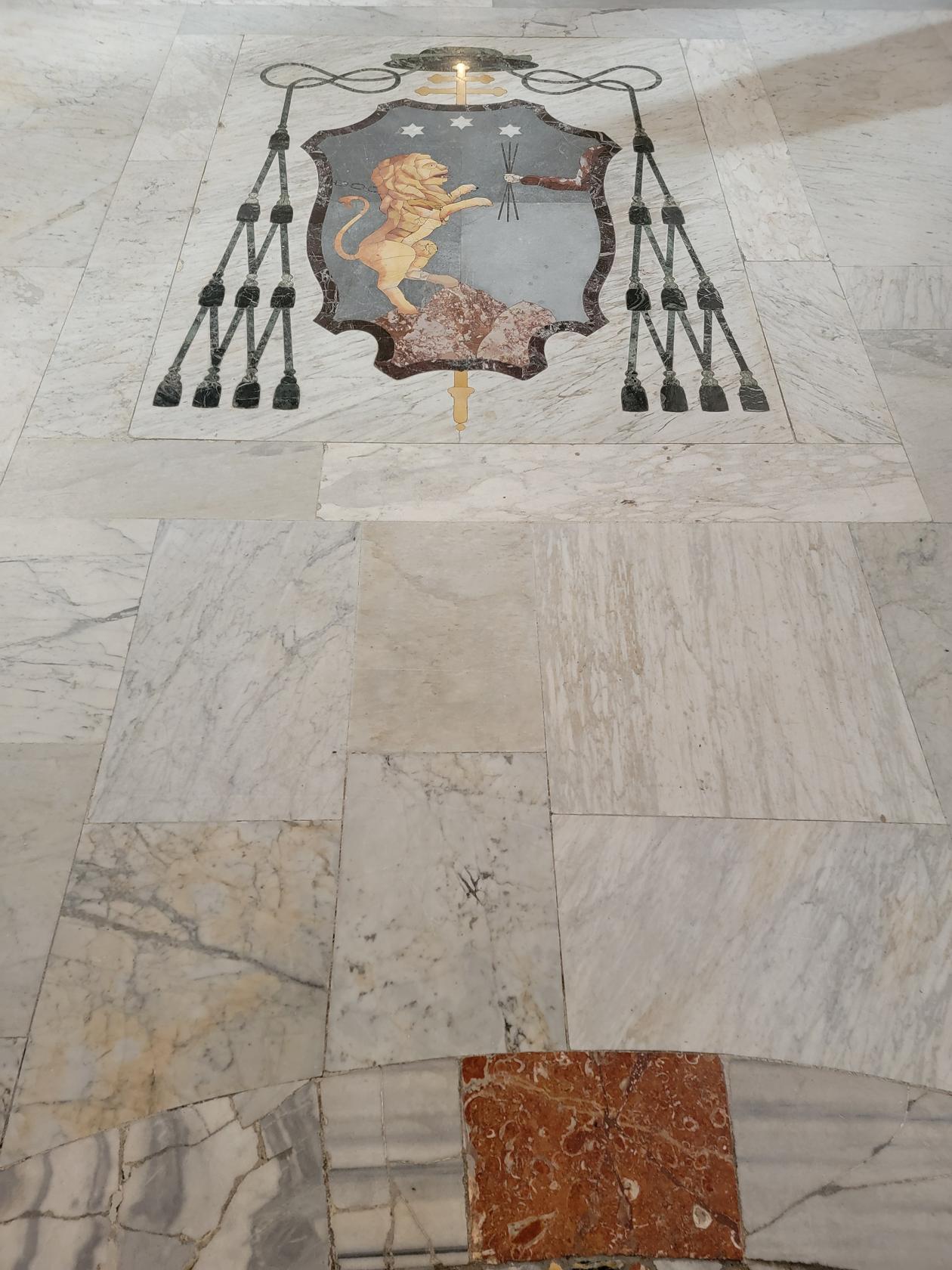
Cathedrale di Bari – Papal Seal – Bari, Italy
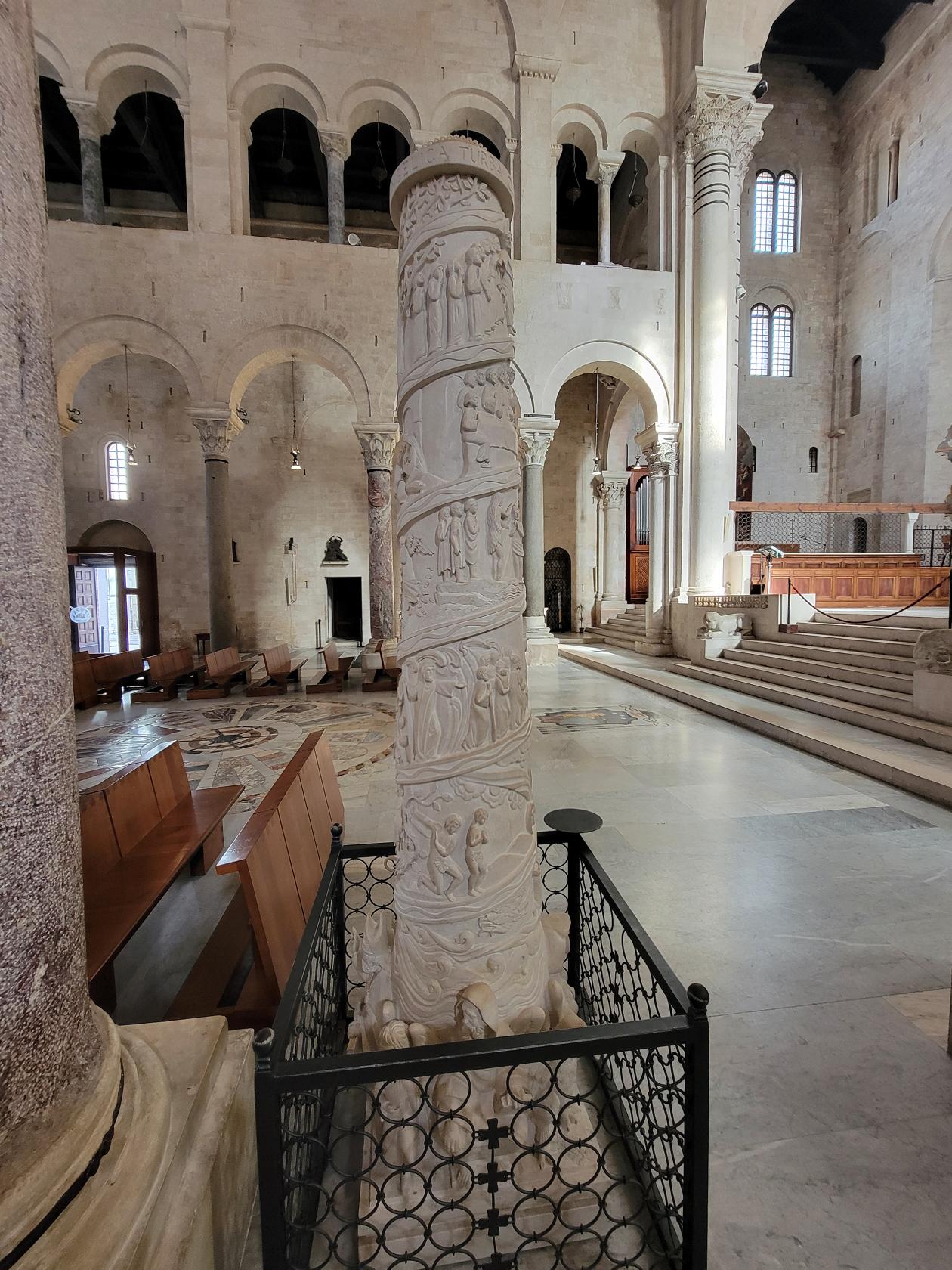
Cathedrale di Bari – Column – Bari, Italy
Cathedrale di Bari – Altar – Bari, Italy
The Crypt
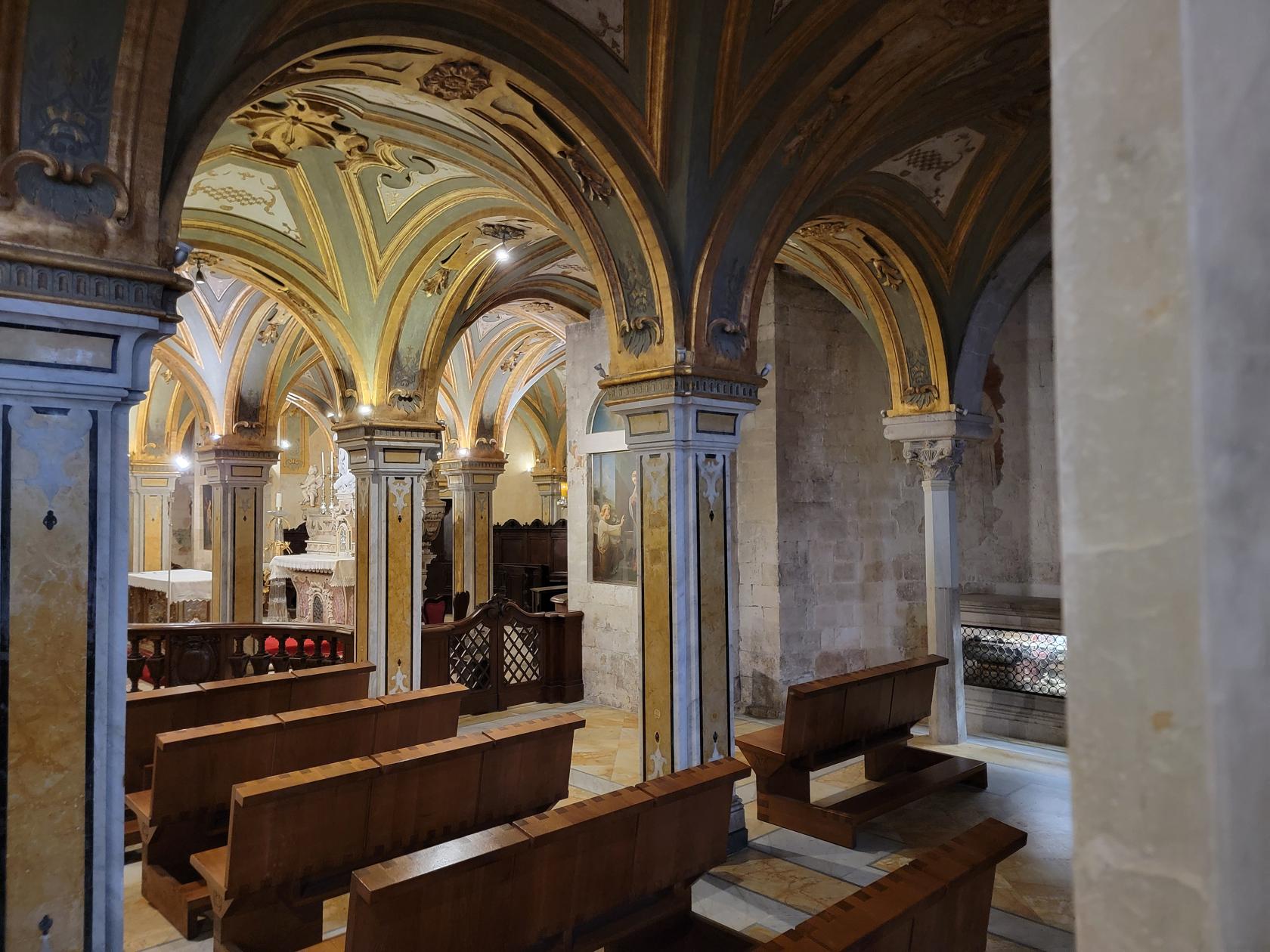
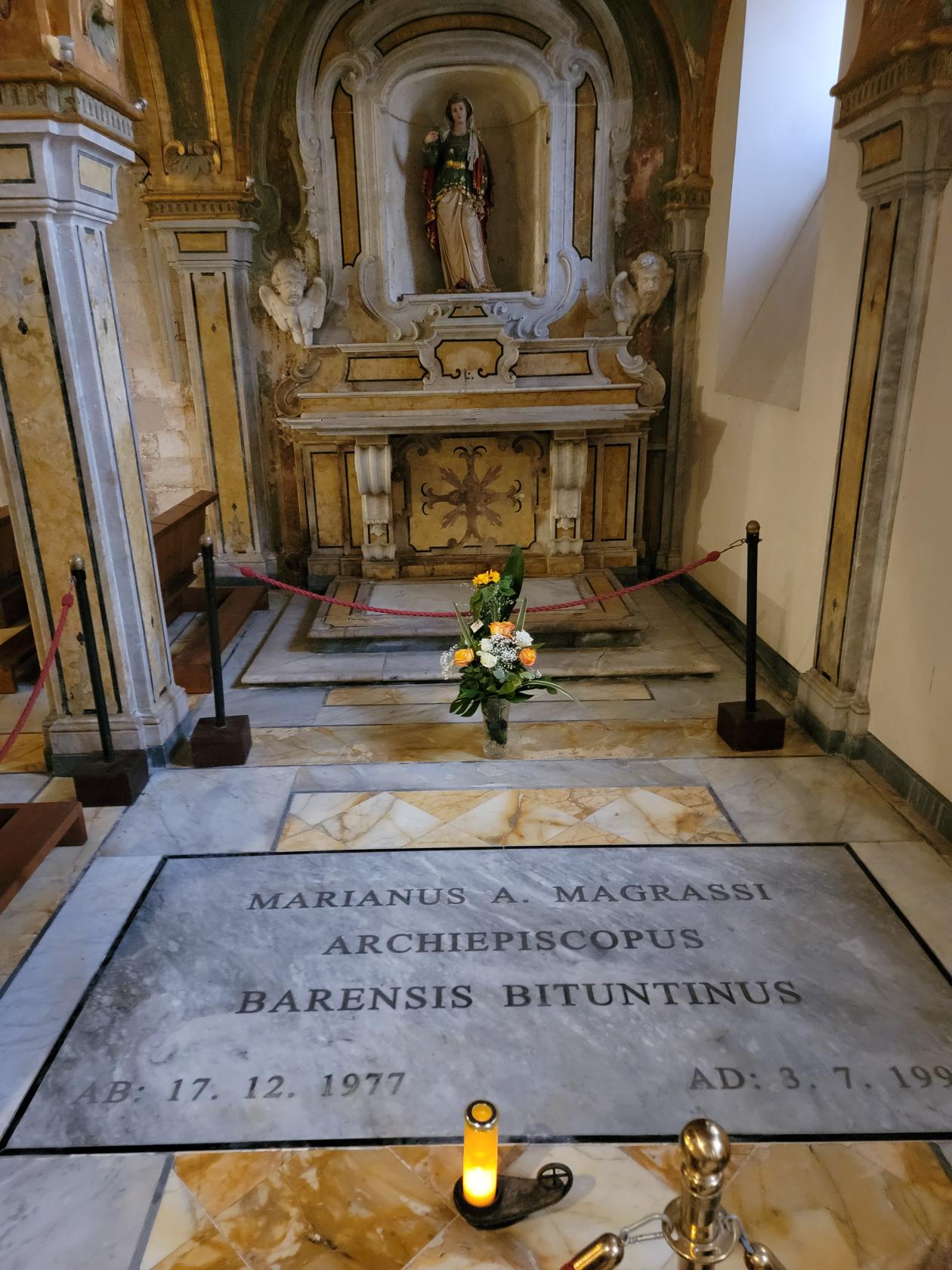
The church, architect and builders ensured that below this amazing edifice would be a crypt. The crypt preserves the remains of Saint Sabinus in the main altar, but there are other notable sarcophagi as well.
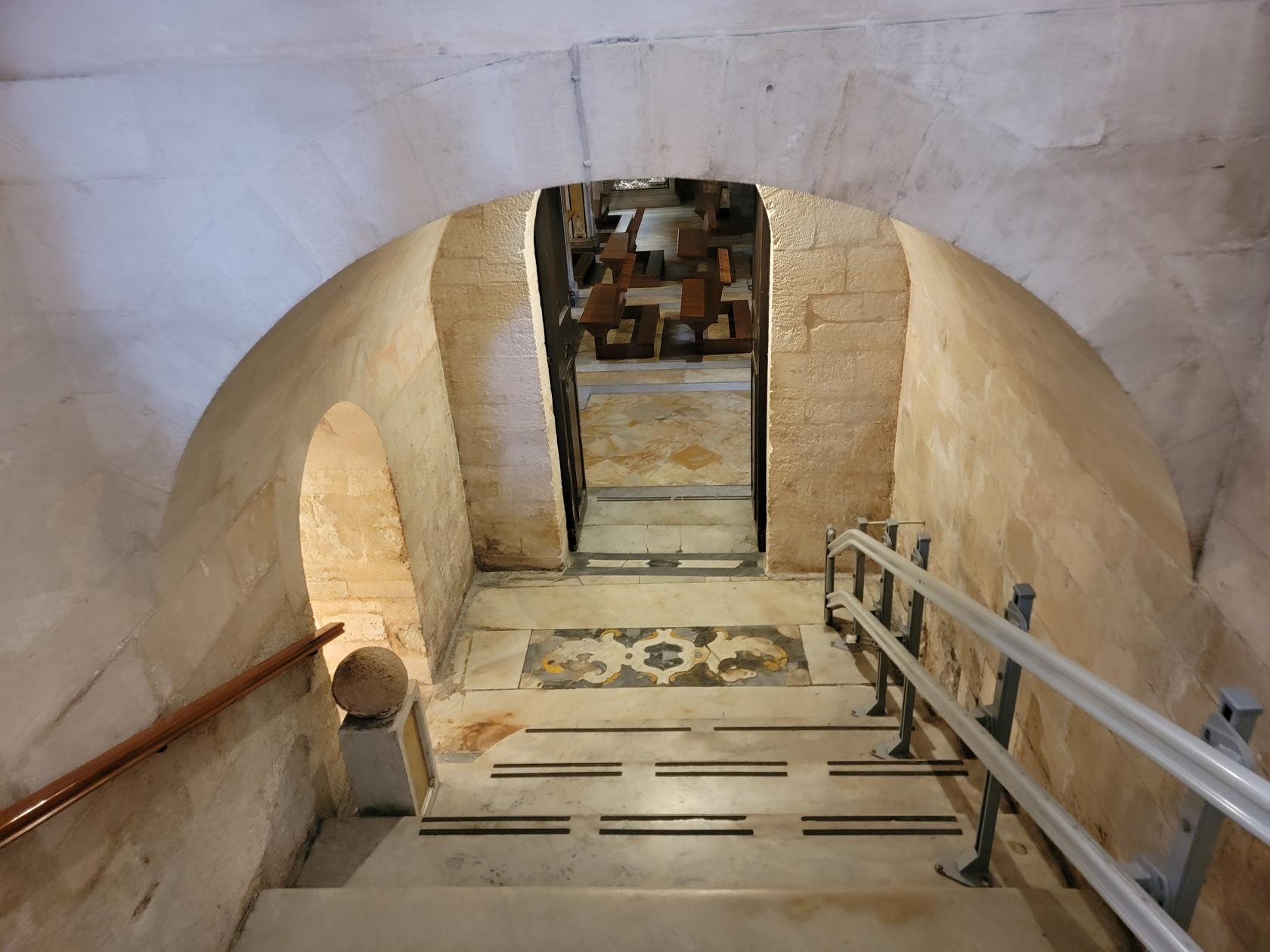
Cathedrale di Bari – Crypt entrance – Bari, Italy
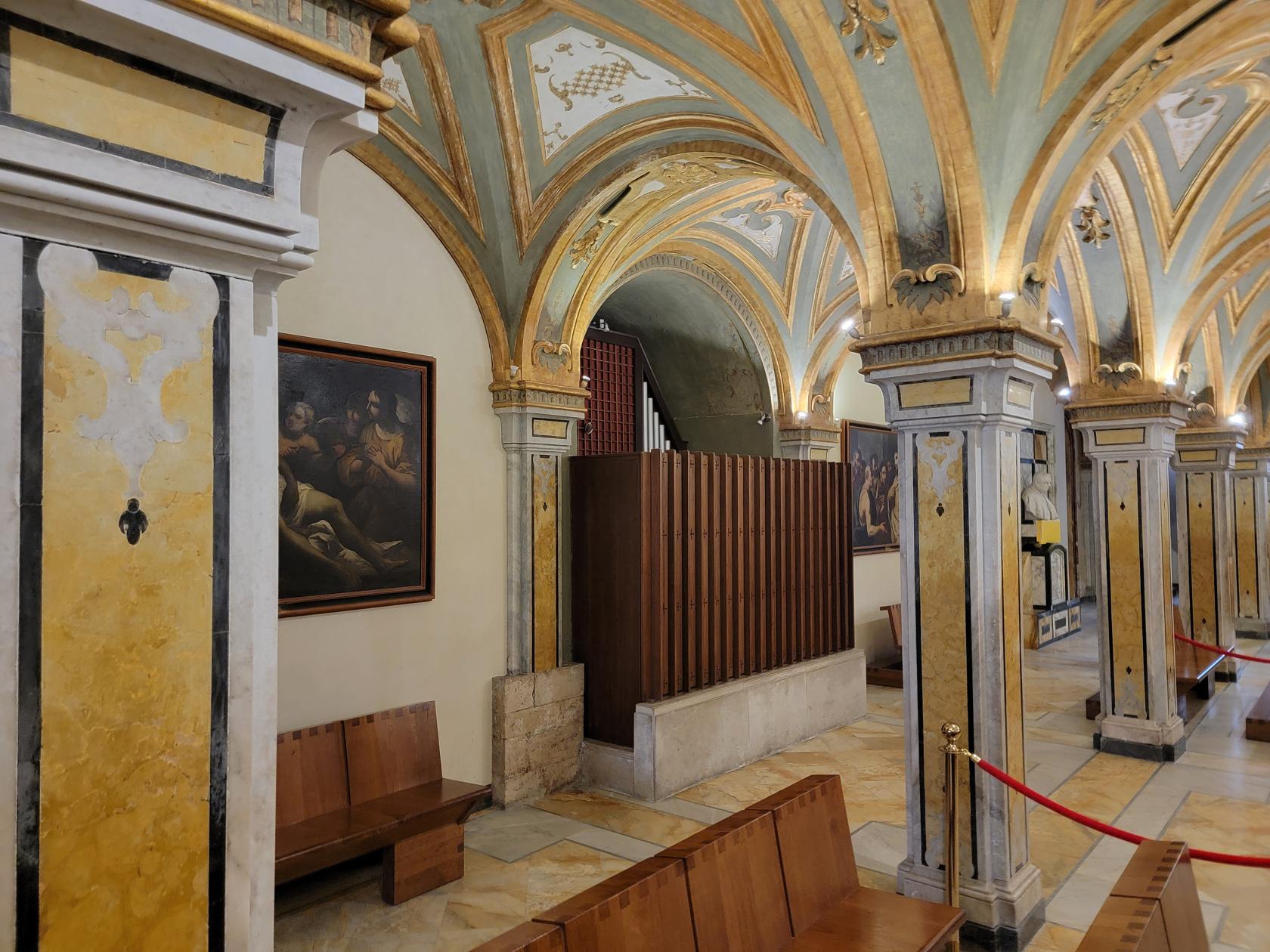
Cathedrale di Bari – Crypt’s Ornate Ceiling and Columns – Bari, Italy
Cathedrale di Bari – Crypt Main Altar – Bari, Italy
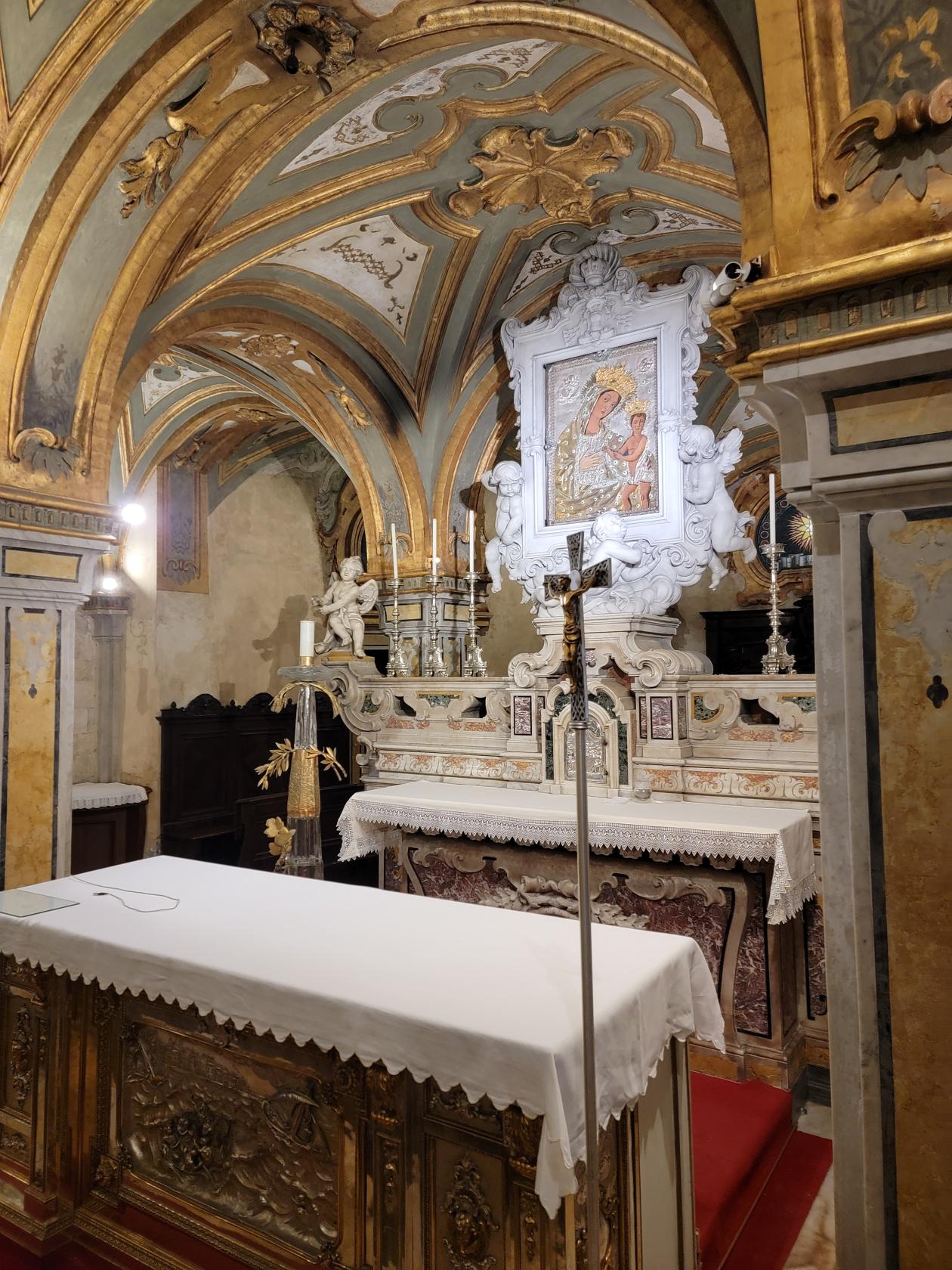
Cathedrale di Bari – Crypt side altar – Bari, Italy
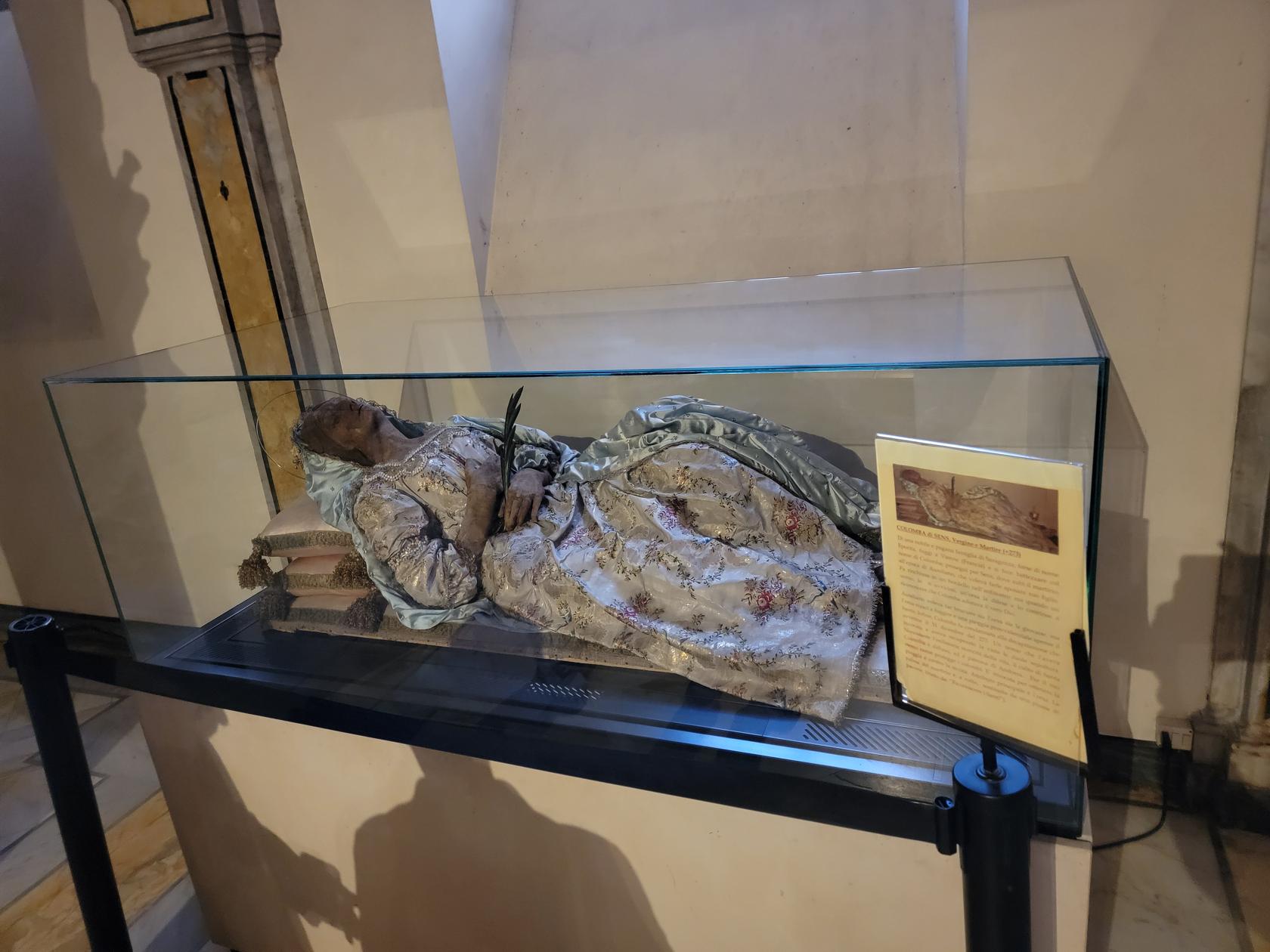
Cathedrale di Bari – Sarcophagus of Colomba di Sens, Crypt – Bari, Italy
Cathedrale di Bari – Crypt – Bari, Italy
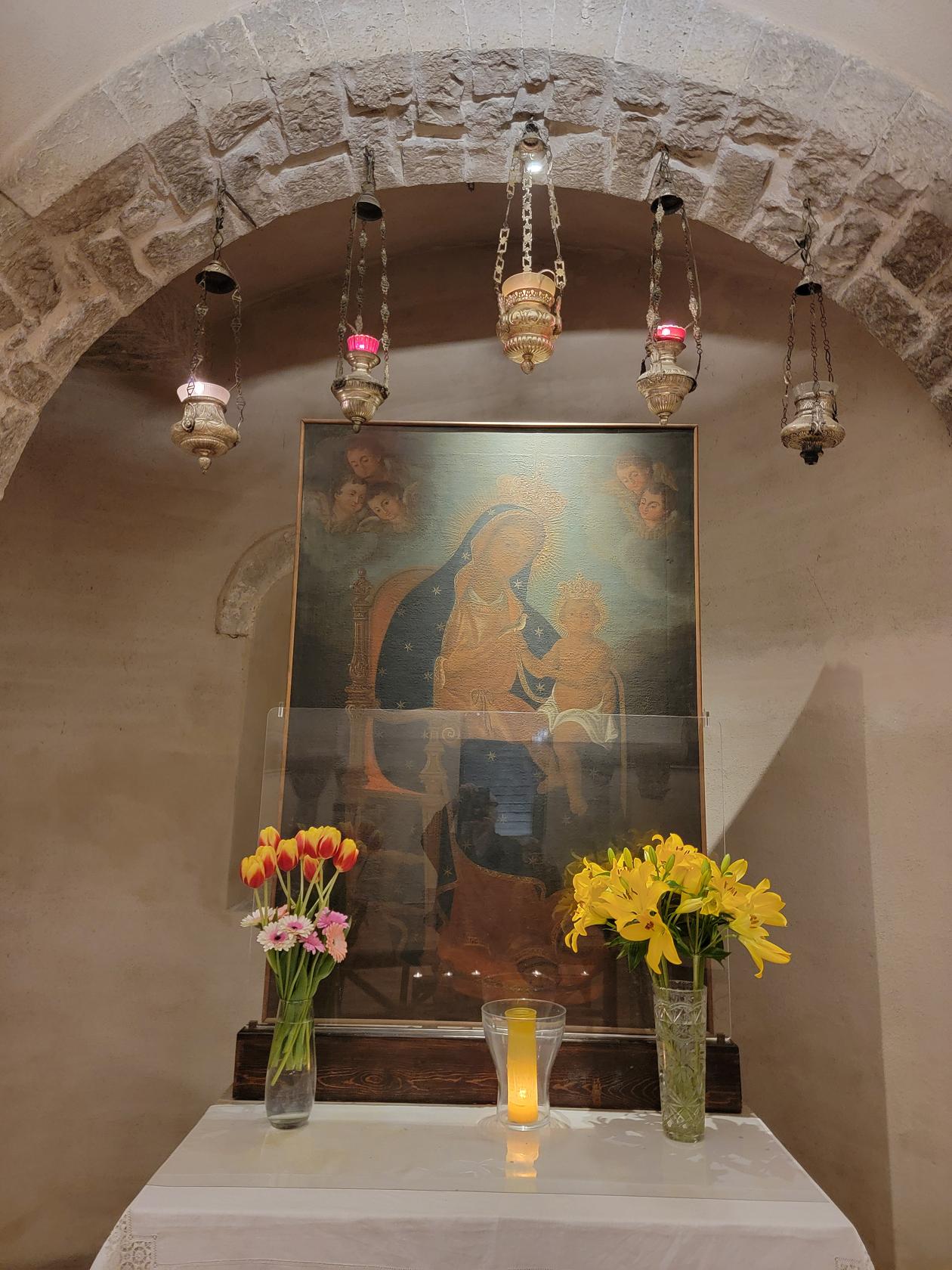
Cathedrale di Bari – Crypt crèche – Bari, Italy
Cathedrale di Bari – Crypt Fresco – Bari, Italy
The Archaeological Ruins
Alongside and even below the crypt are some amazing archaeological ruins that extend all the way back to the third century. This includes some incredible mosaics, frescos and even a partial roman road, where one can even see the remains of where the wagon wheels once traveled.
Cathedrale di Bari – Sarcophagus – Succorpo underneath the Cathedral – Bari, Italy
Cathedrale di Bari – Succorpo underneath the Cathedral – Bari, Italy
Cathedrale di Bari – Archaeological Roman floor – Succorpo underneath the Cathedral – Bari, Italy
Cathedrale di Bari – Archaeological Roman Mosaic floor – Succorpo underneath the Cathedral – Bari, Italy
Cathedrale di Bari – Succorpo underneath the Cathedral – Bari, Italy
Cathedrale di Bari – Archaeological Ornate Mosaic floor – Succorpo underneath the Cathedral – Bari, Italy
Cathedrale di Bari – Succorpo underneath the Cathedral – Bari, Italy
Cathedrale di Bari – Archaeological Roman Road – Succorpo underneath the Cathedral – Bari, Italy
Cathedrale di Bari – Archaeological Roman ruins – Succorpo underneath the Cathedral – Bari, Italy
Cathedrale di Bari – Archaeological Roman Mosaic floor and Fresco – Succorpo underneath the Cathedral – Bari, Italy
Cathedrale di Bari – Archaeological Roman ruins – Succorpo underneath the Cathedral – Bari, Italy
Cathedrale di Bari – Archaeological Roman Bath – Succorpo underneath the Cathedral – Bari, Italy
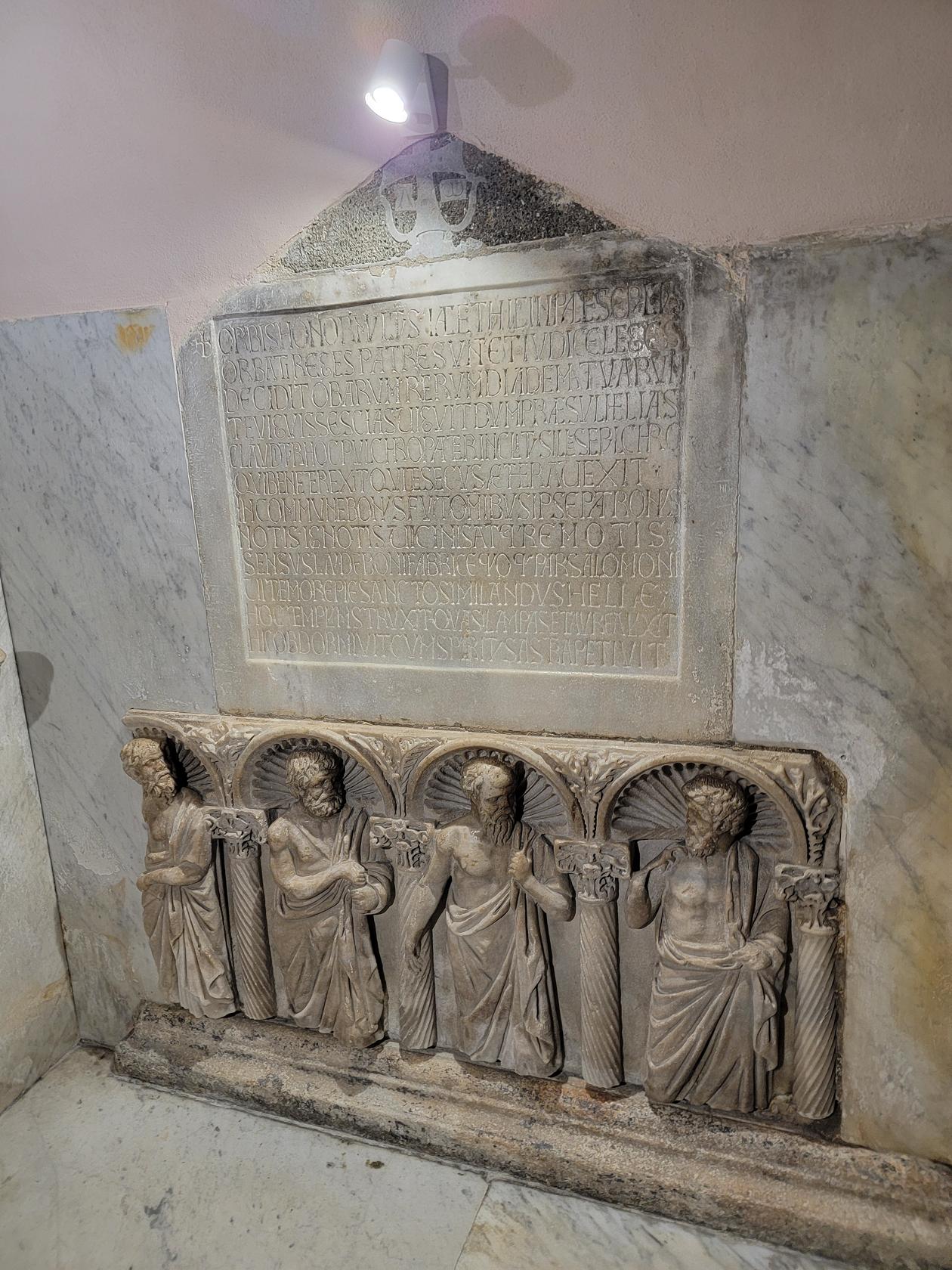
Cathedrale di Bari – Another Sarcophagus – Succorpo underneath the Cathedral – Bari, Italy
Cathedrale di Bari – Archaeological Roman ruins – Succorpo underneath the Cathedral – Bari, Italy
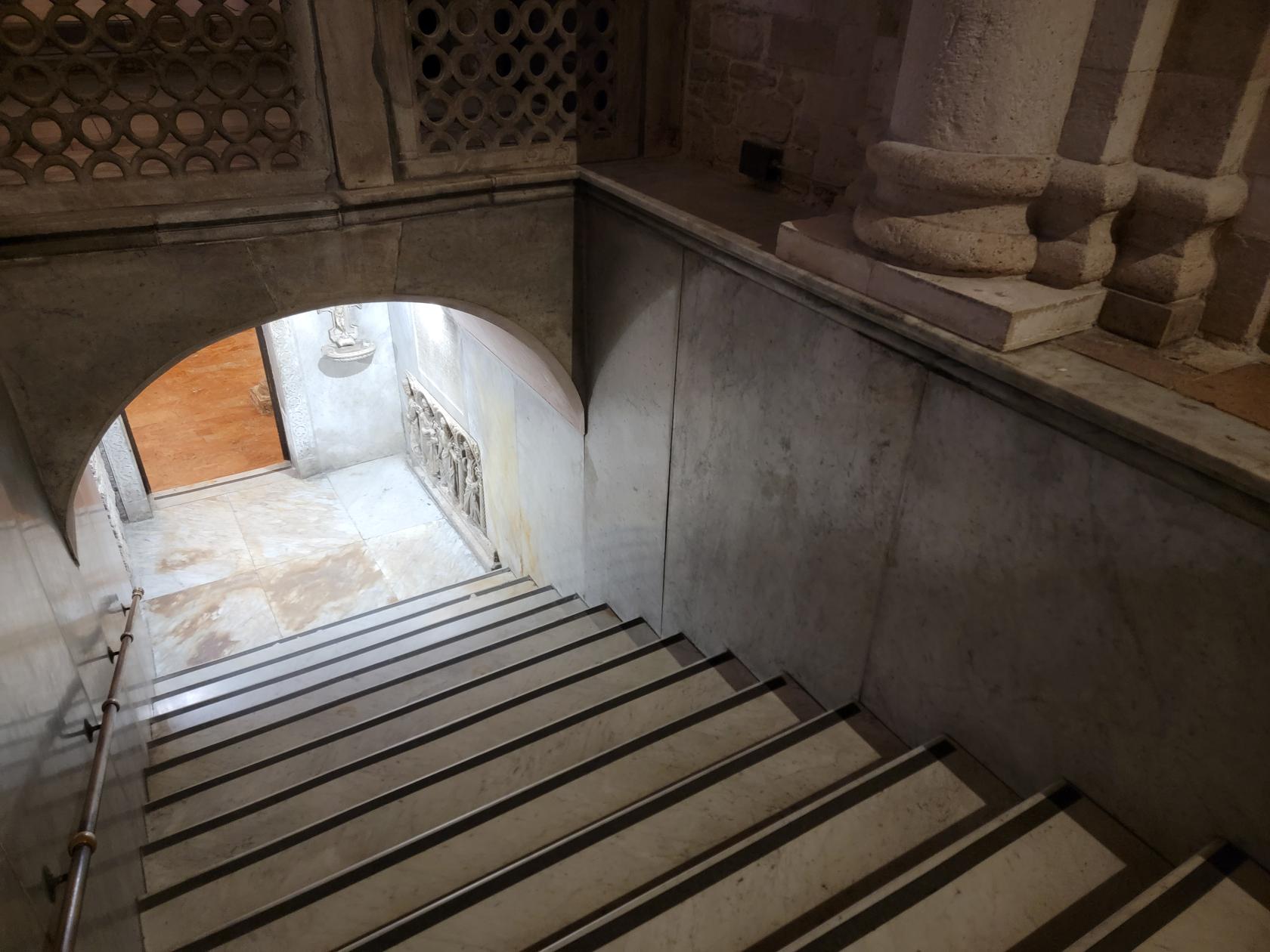
Cathedrale di Bari – Stairs and a Sarcophagus – Succorpo underneath the Cathedral – Bari, Italy
The Church Museum
Finally there is a small museum showing old church vestments and other relics. Not particularly of much interest, so if you wish to skip this part you probably can without much guilt.
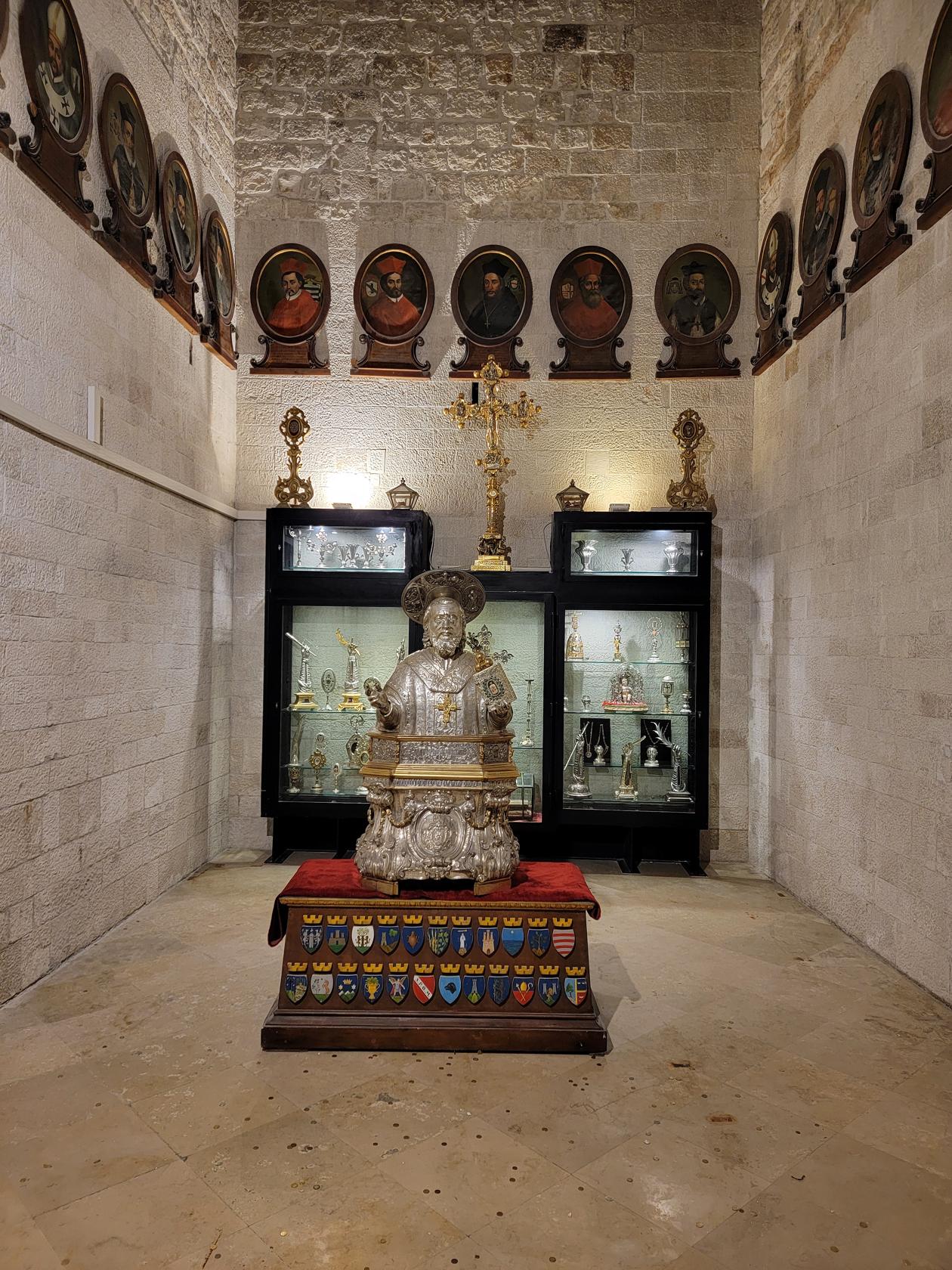
Cathedrale di Bari – Church Museum – Bari, Italy
Cathedrale di Bari – Church Museum – Bari, Italy
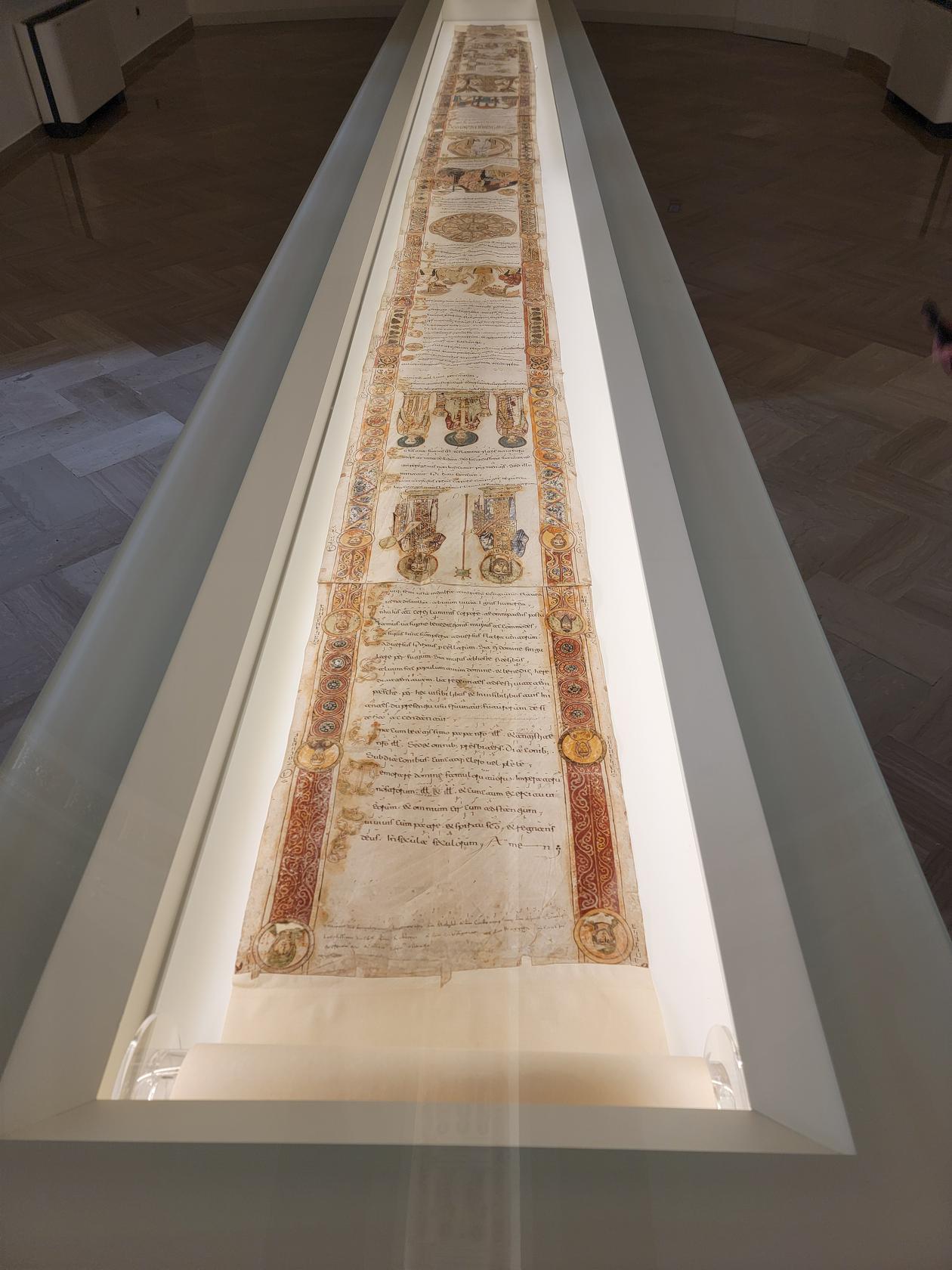
Cathedrale di Bari – Old Hymnal Parchment, Church Museum – Bari, Italy
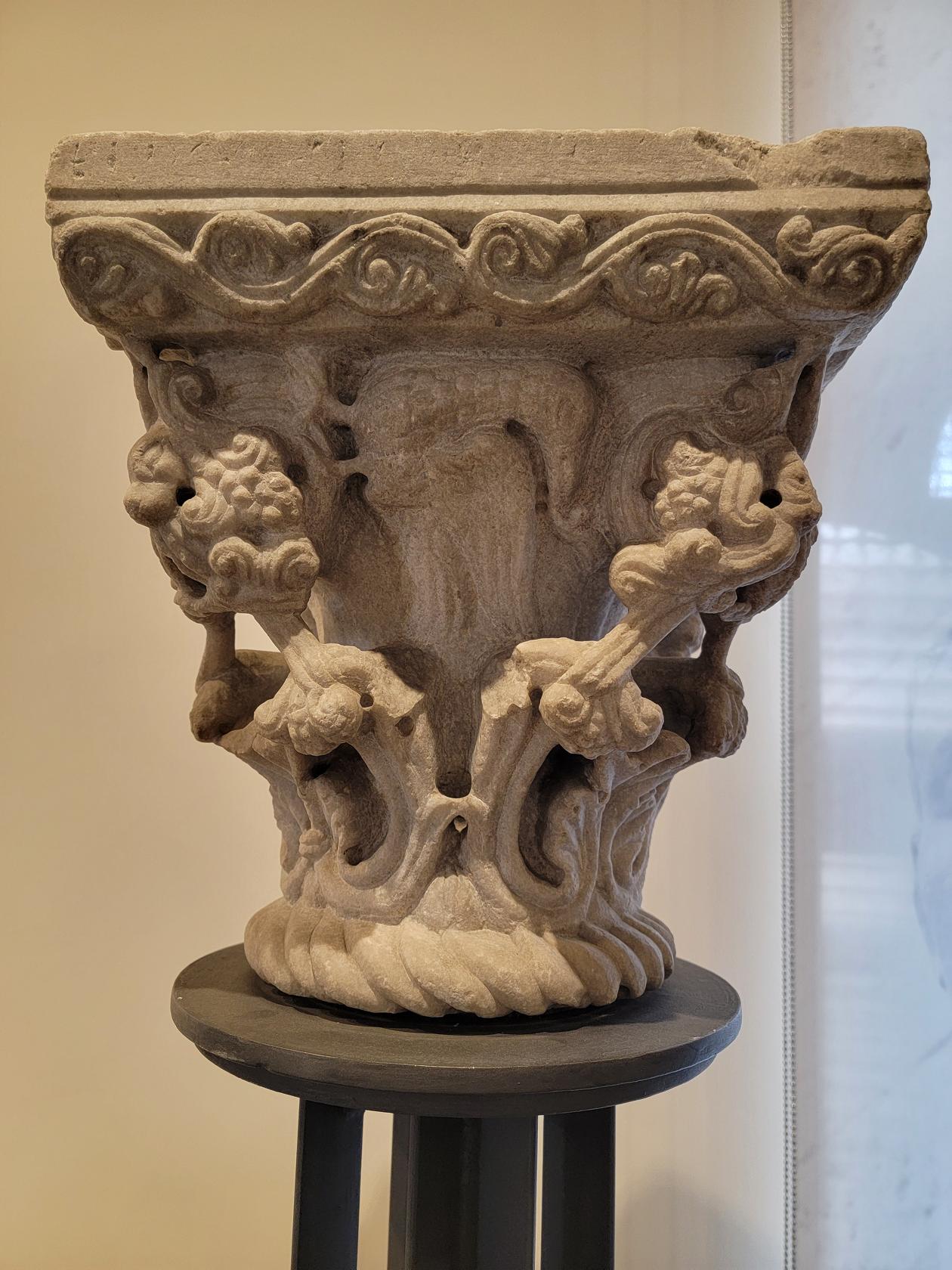
Cathedrale di Bari – Ornate Capitol, Church Museum – Bari, Italy
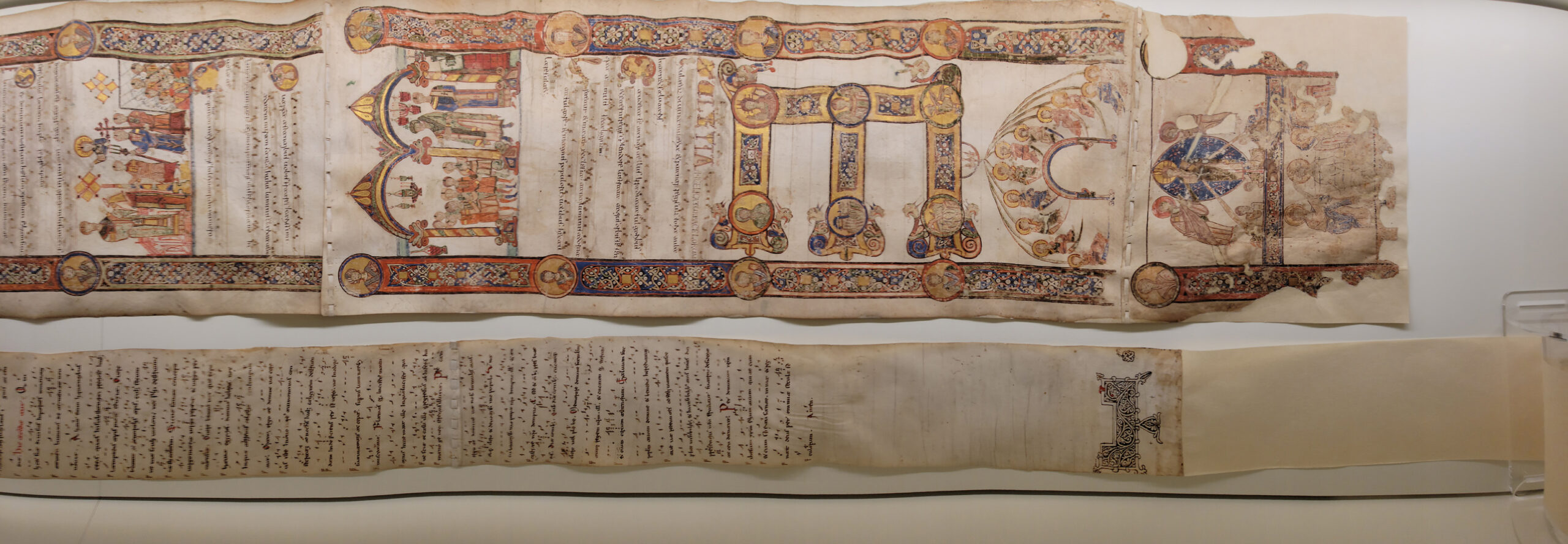
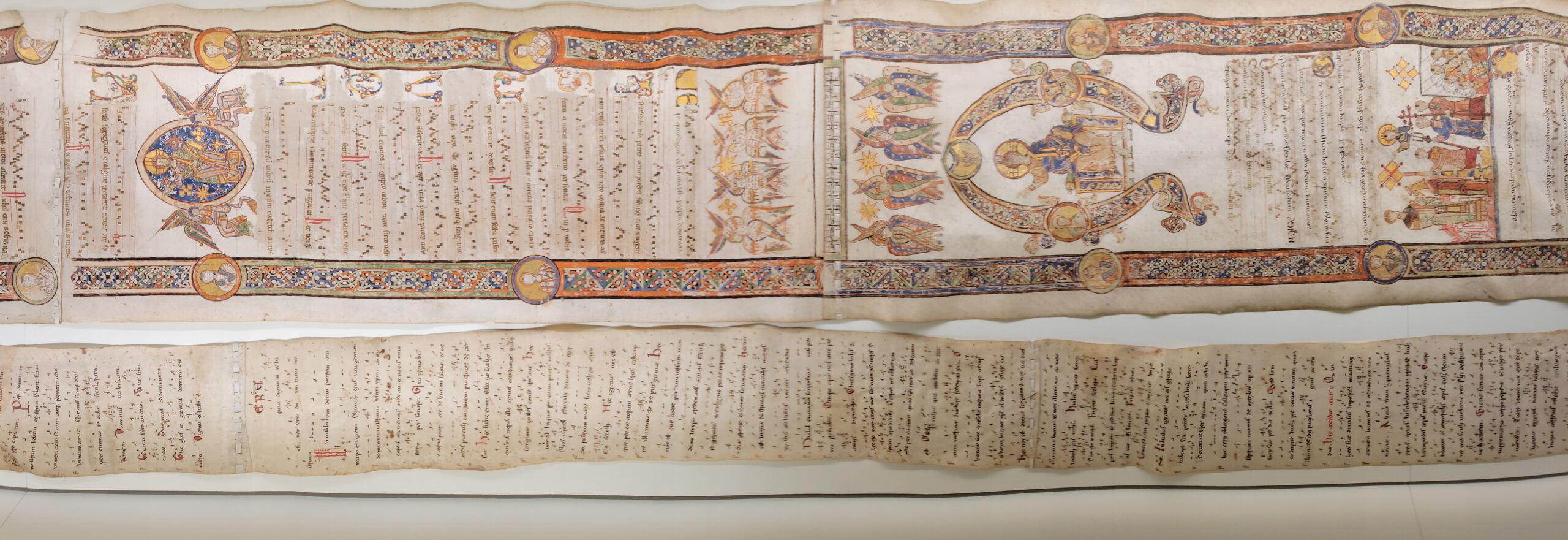
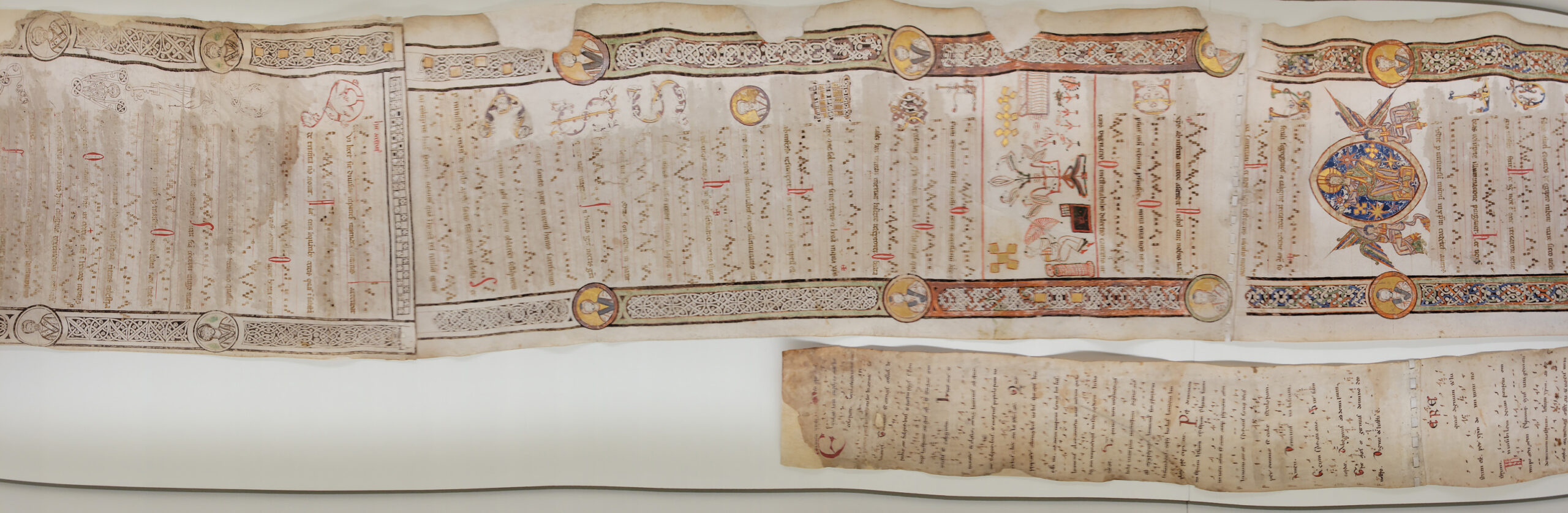
Though having said that, the most interesting thing I though they had were a set of old hymnal parchment rolls.
Cathedrale di Bari – Old Hymnal Parchments, Church Museum – Bari, Italy
Cathedrale di Bari – Old Hymnal Parchments, Church Museum – Bari, Italy
Cathedrale di Bari – Old Hymnal Parchments, Church Museum – Bari, Italy
Restaurants
Ciclatera
Ciclatera, under the sea is a great spot to stop for a drink or to have a small bite to eat. Located on the Lungomare right after the Fort of San Antonio, this little cafe or restaurant has a great bar and food menu. We only stopped for a drink, but what we could see of the menu, the prices seemed pretty reasonable.
Ciclatera, under the sea – Cafe and Bistro – Bari, Italy
Piccinni 28
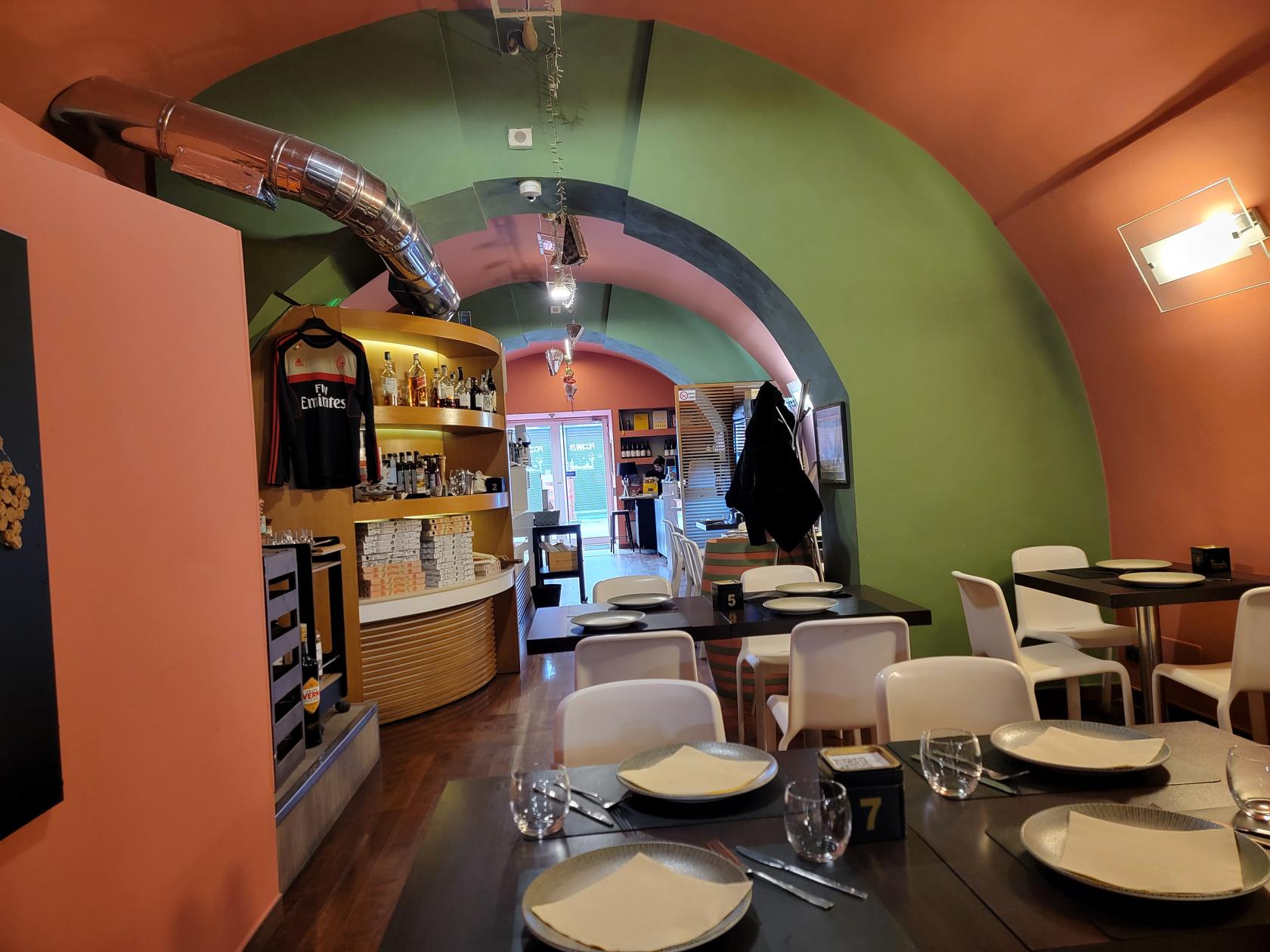
Located one block over in Murat from the old city on via Niccola Piccinni, is Piccinni 28 Italian restaurant. It appears to be a favorite for locals, since we saw numerous work groups come in and have lunch.
Inside – Restaurant Piccinni 28 – Bari, Italy
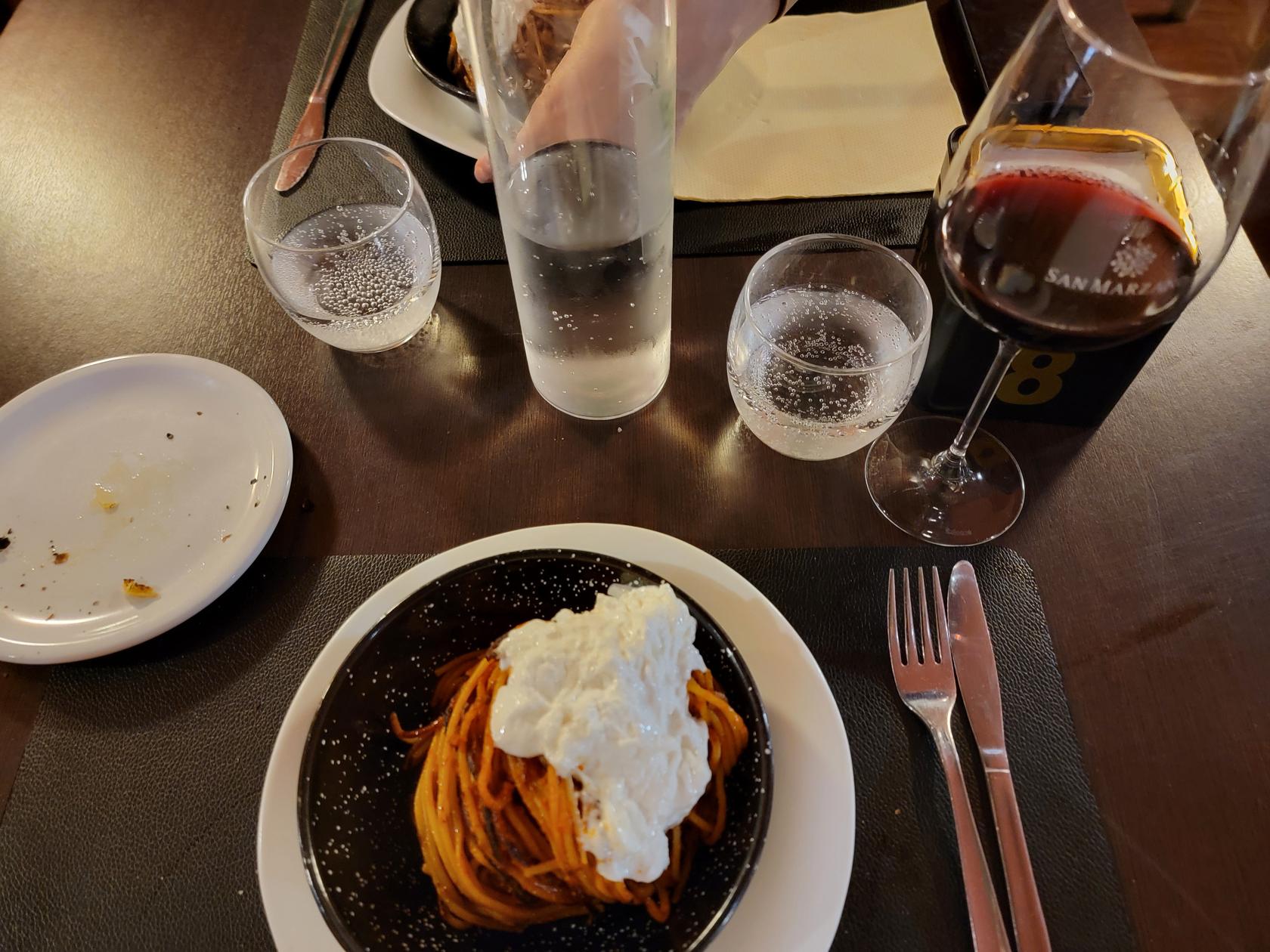
They offer pizza and a typical Italian menu with some Apulian twists to it. For us, it was trying something new, so we of course picked the Spaghetti All’Assassina, or assassin’s spaghetti, an overcooked spicy dish with ragu that is rather tasty.
Bari is an ancient city built on a peninsula in the Adriatic Sea on the east coast of Italy. It is part of the Apulia region of that country and for many centuries considered part of Southern Italy, which until early twentieth century was considered distinct from the Northern Italy.
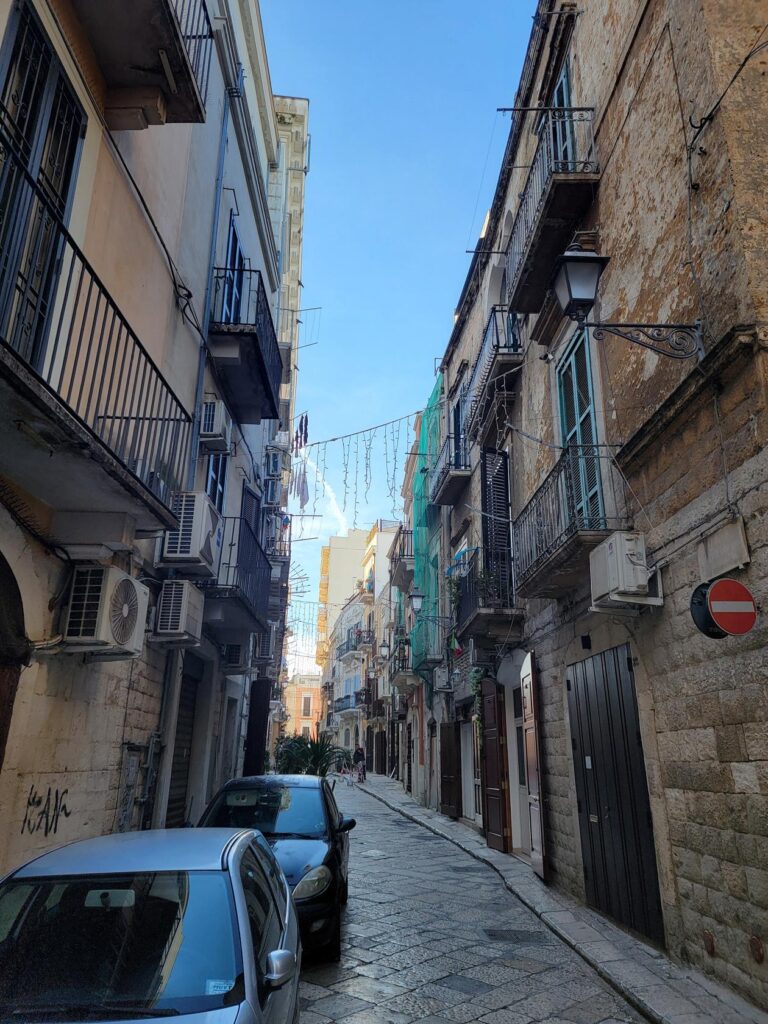
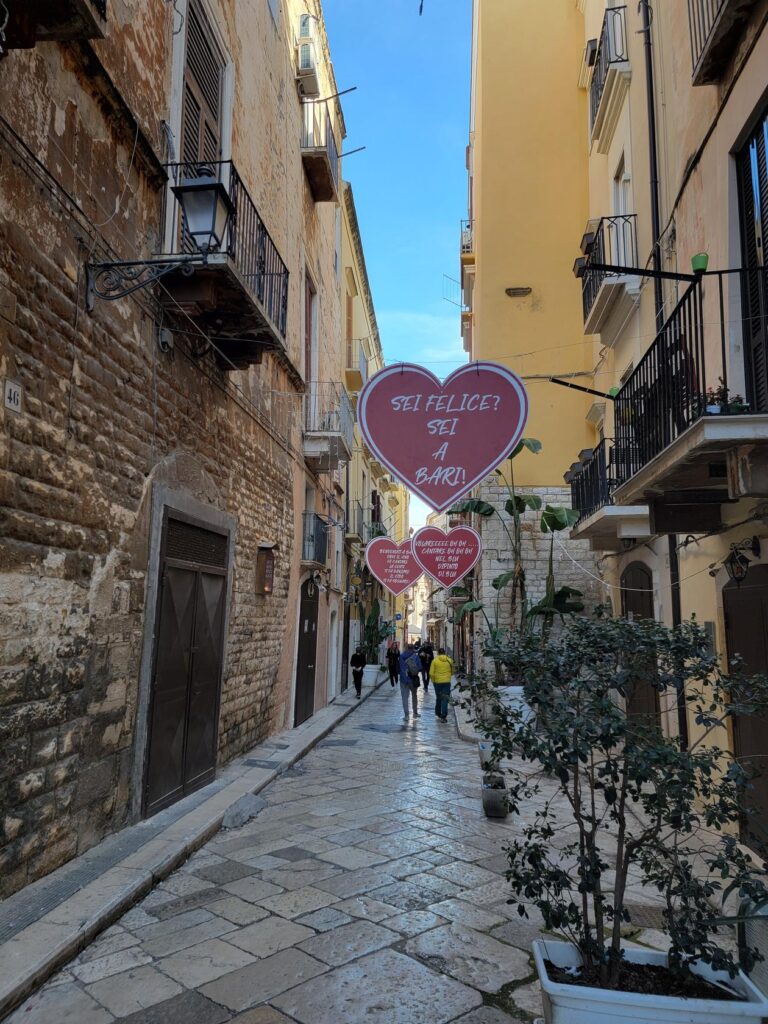
The historic city streets – Bari, Italy
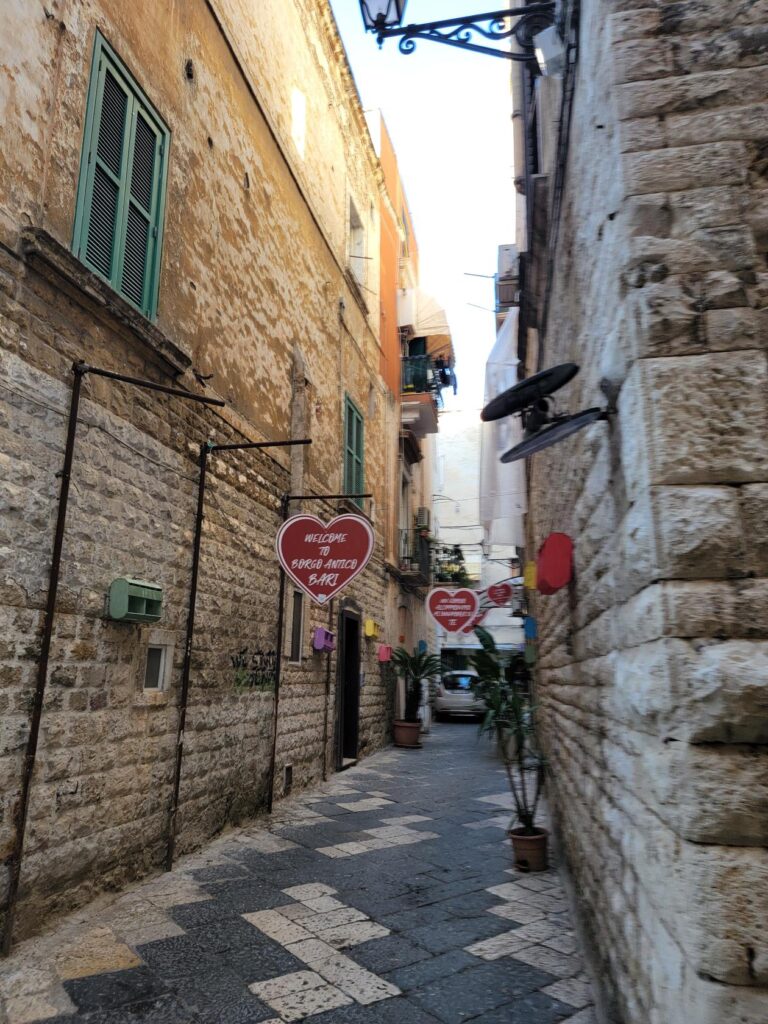
Welcome signs in the city streets – Bari, Italy
More signs in the city streets – Bari, Italy
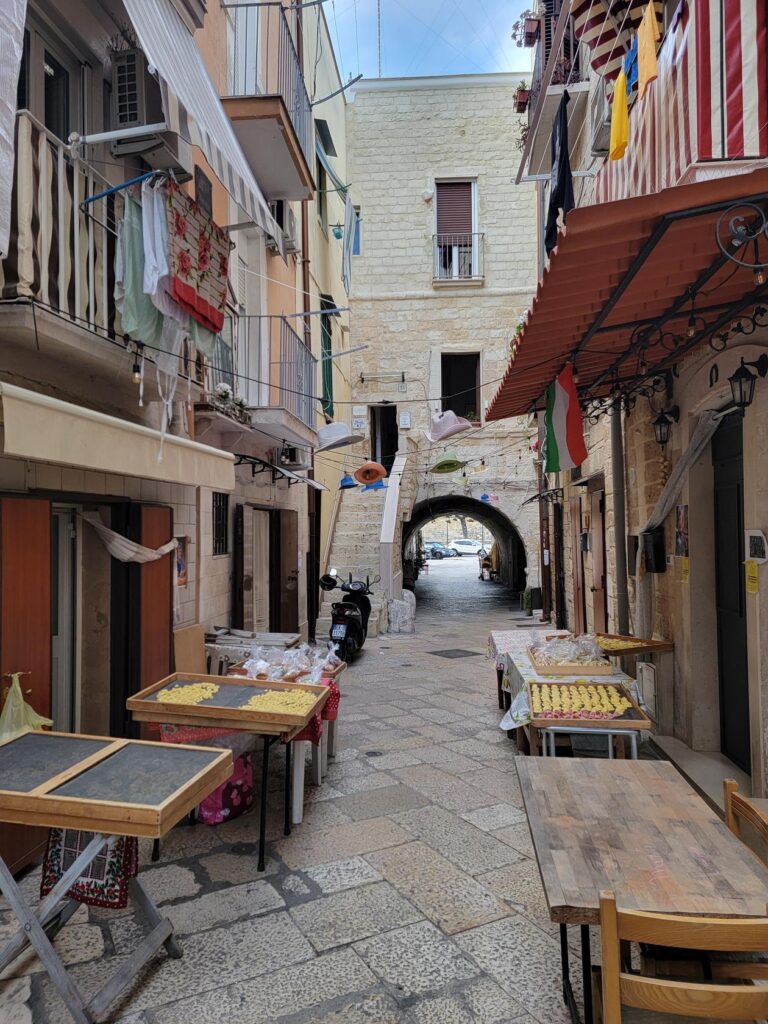
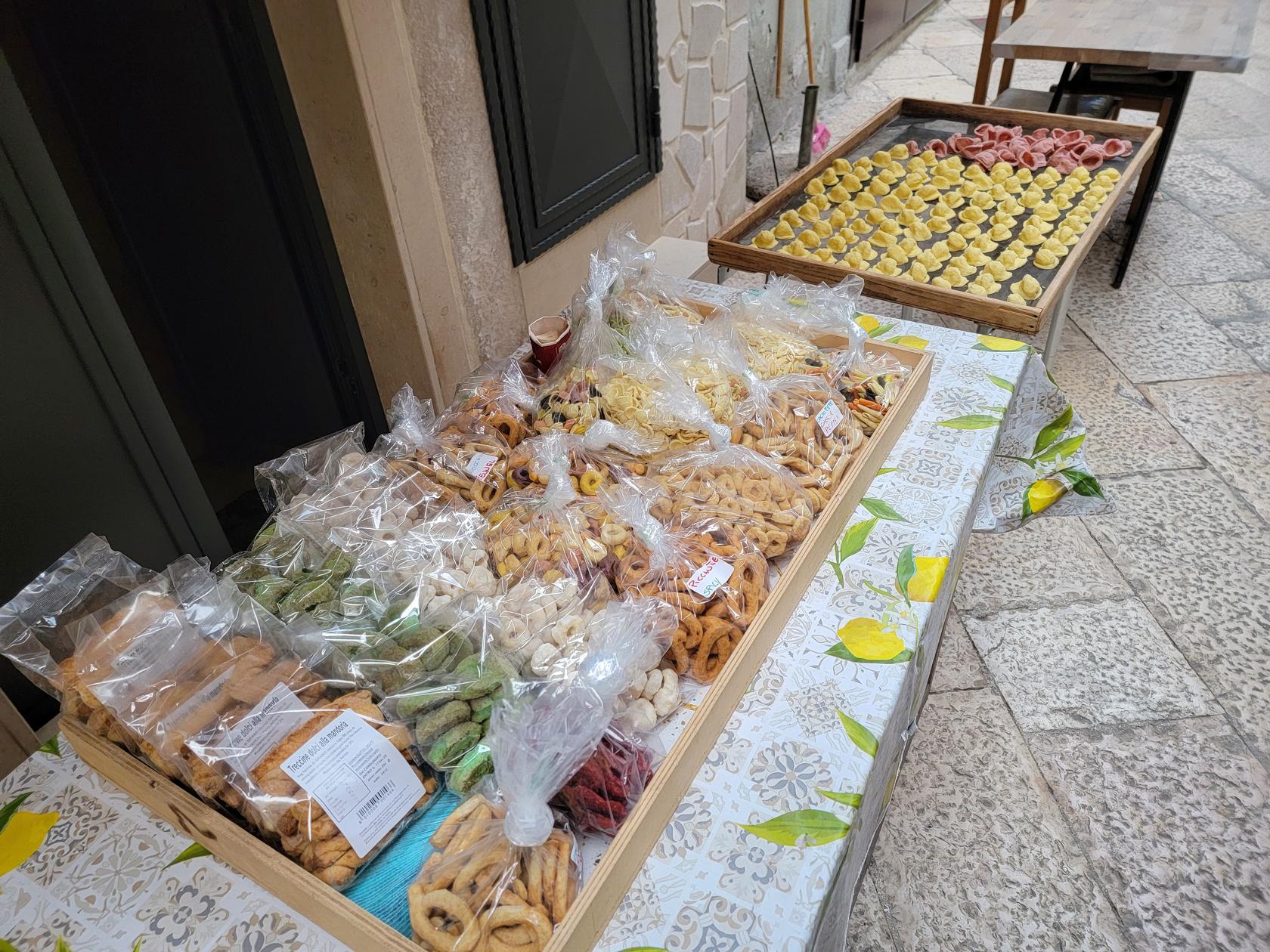
The pasta ladies offerings – Orecchiette pasta – Bari, Italy
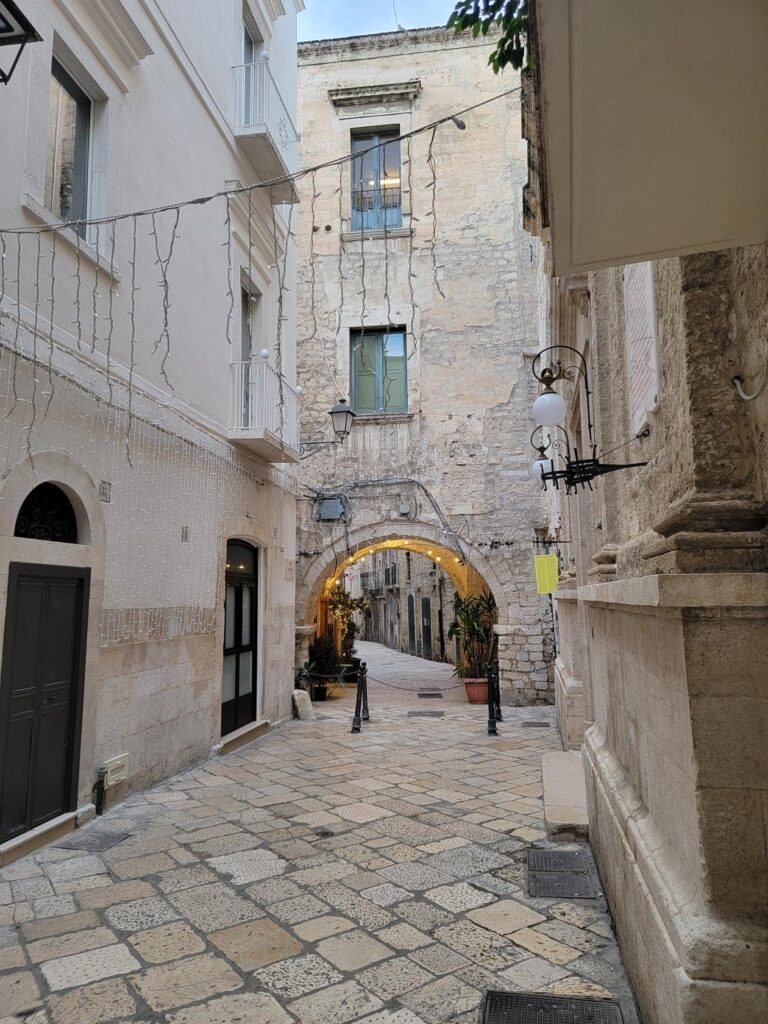
One of the arches in the city – Bari, Italy
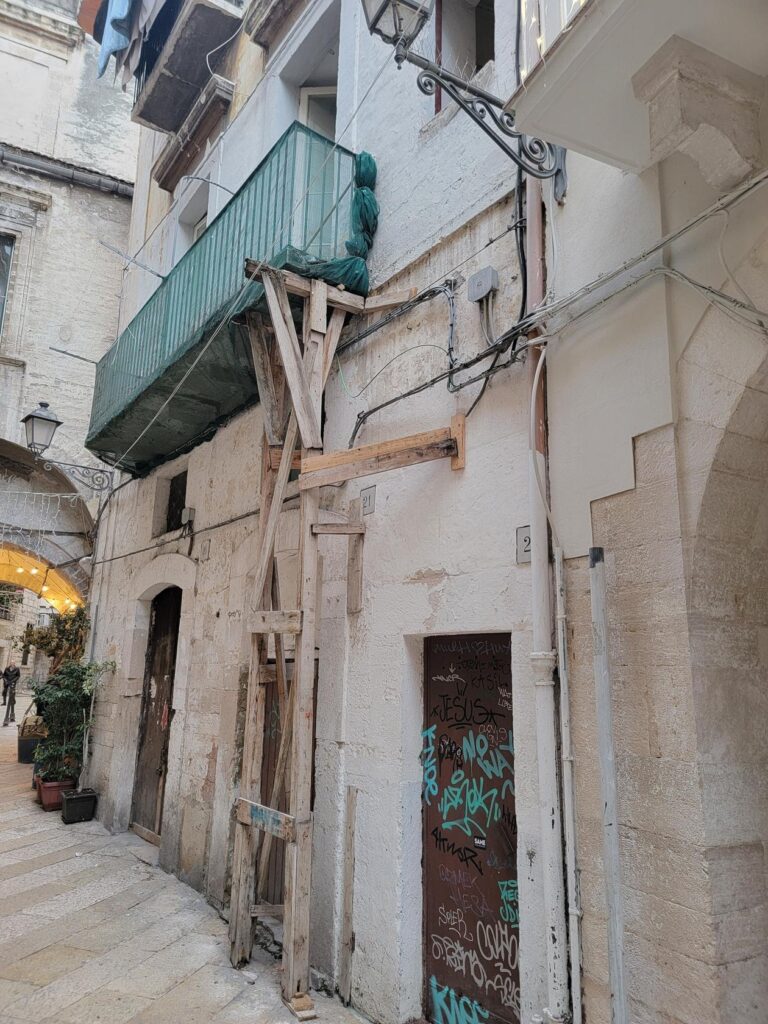
Roman scaffolding – Bari, Italy
The Italians here speak their own language, which is distinct from Italian and descended from the Neapolitan Dialect called the Barese Dialect. The differences here are also reflected in the food, pasta and other cultural areas.
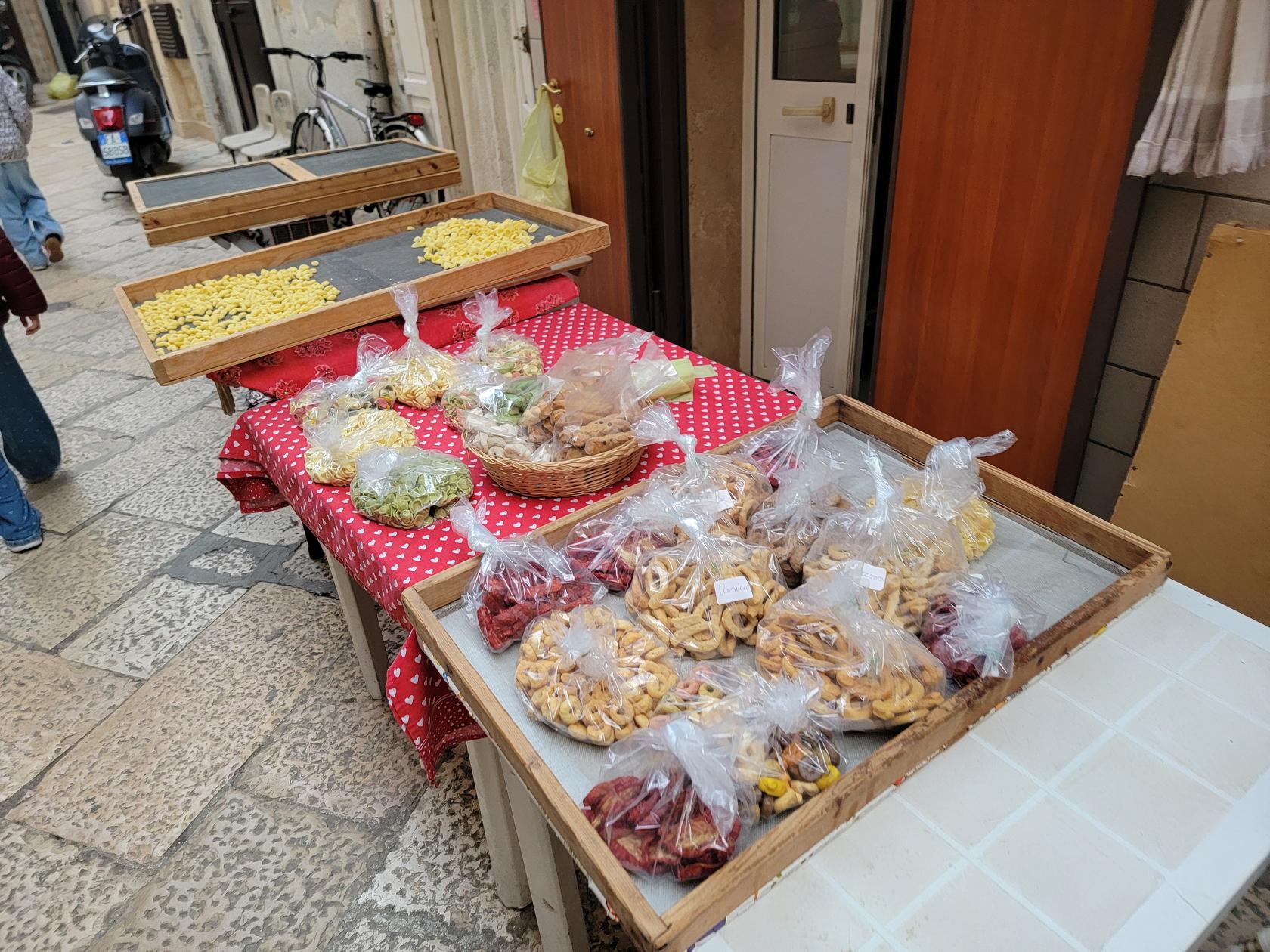
The pasta ladies offerings – Orecchiette pasta – Bari, Italy
The pasta ladies offerings – other treats – Bari, Italy
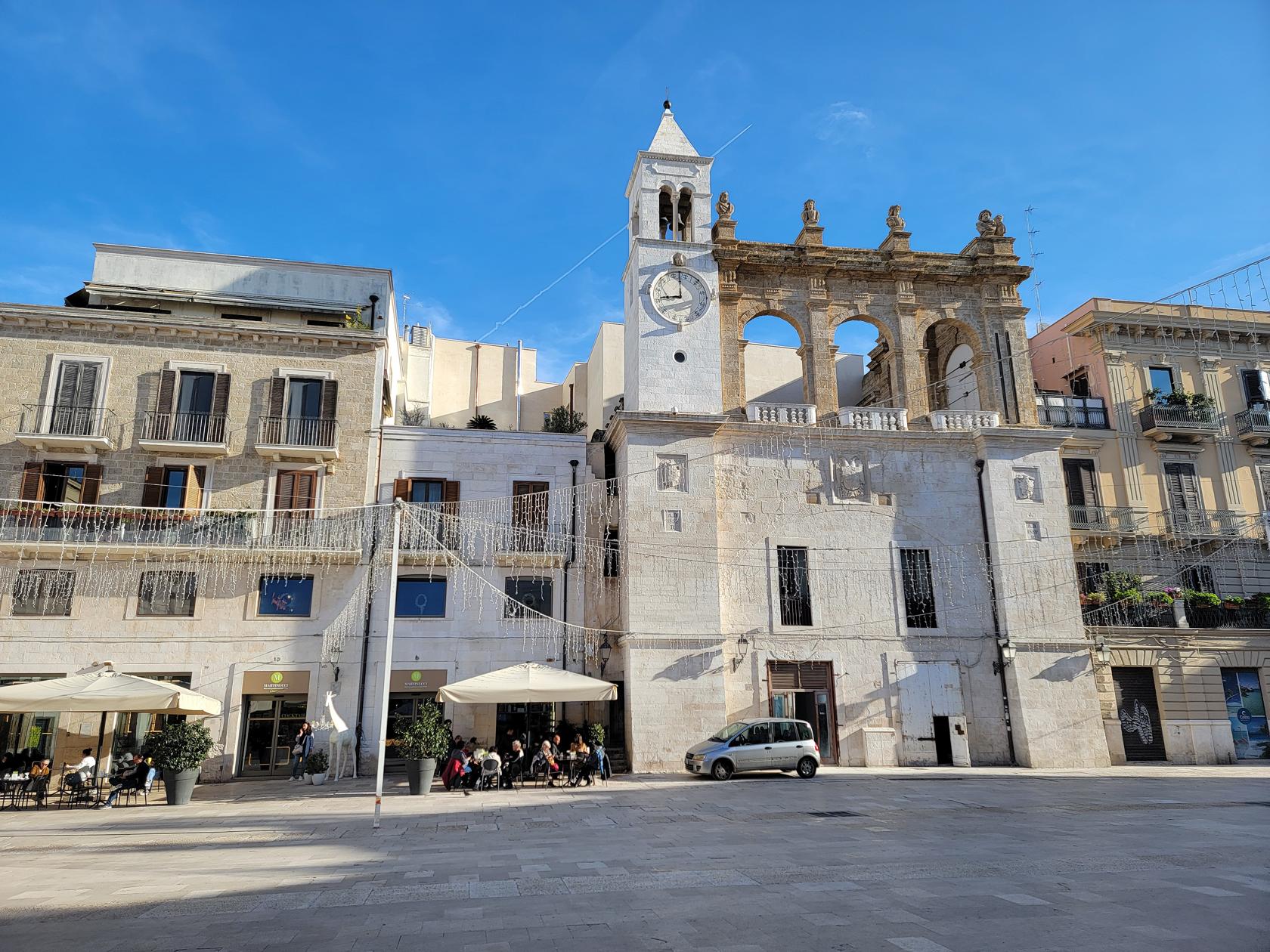
Piazza Mercantile – Bari, Italy
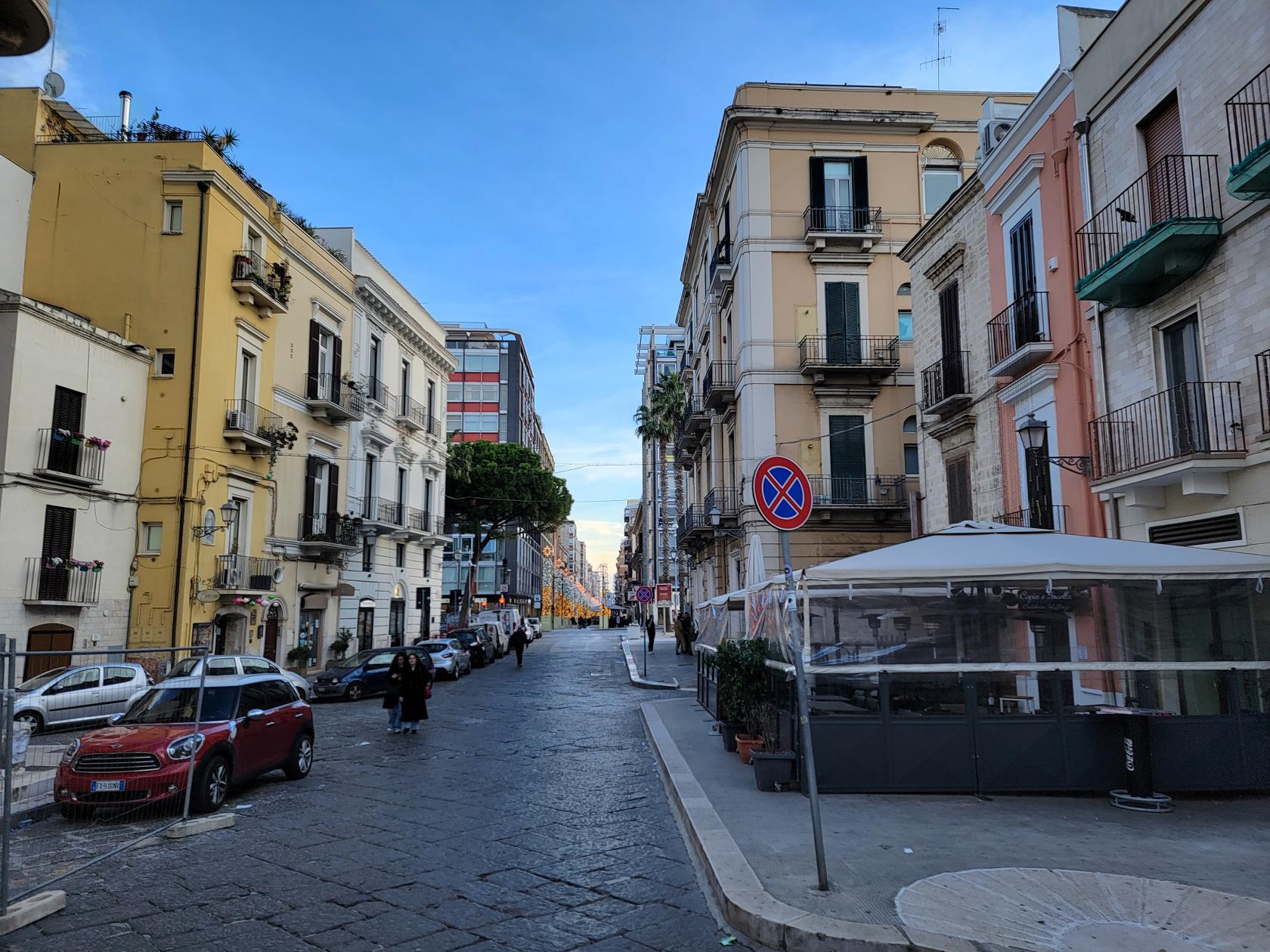
Via Melo di Bari – Bari, Italy
The city itself has four distinct areas or sections, the old ancient part of the city is located on the peninsula. The train station is located in Murat, which may be considered the business section of the city.
Lungomare Imperatore Augusto – Bari, Italy
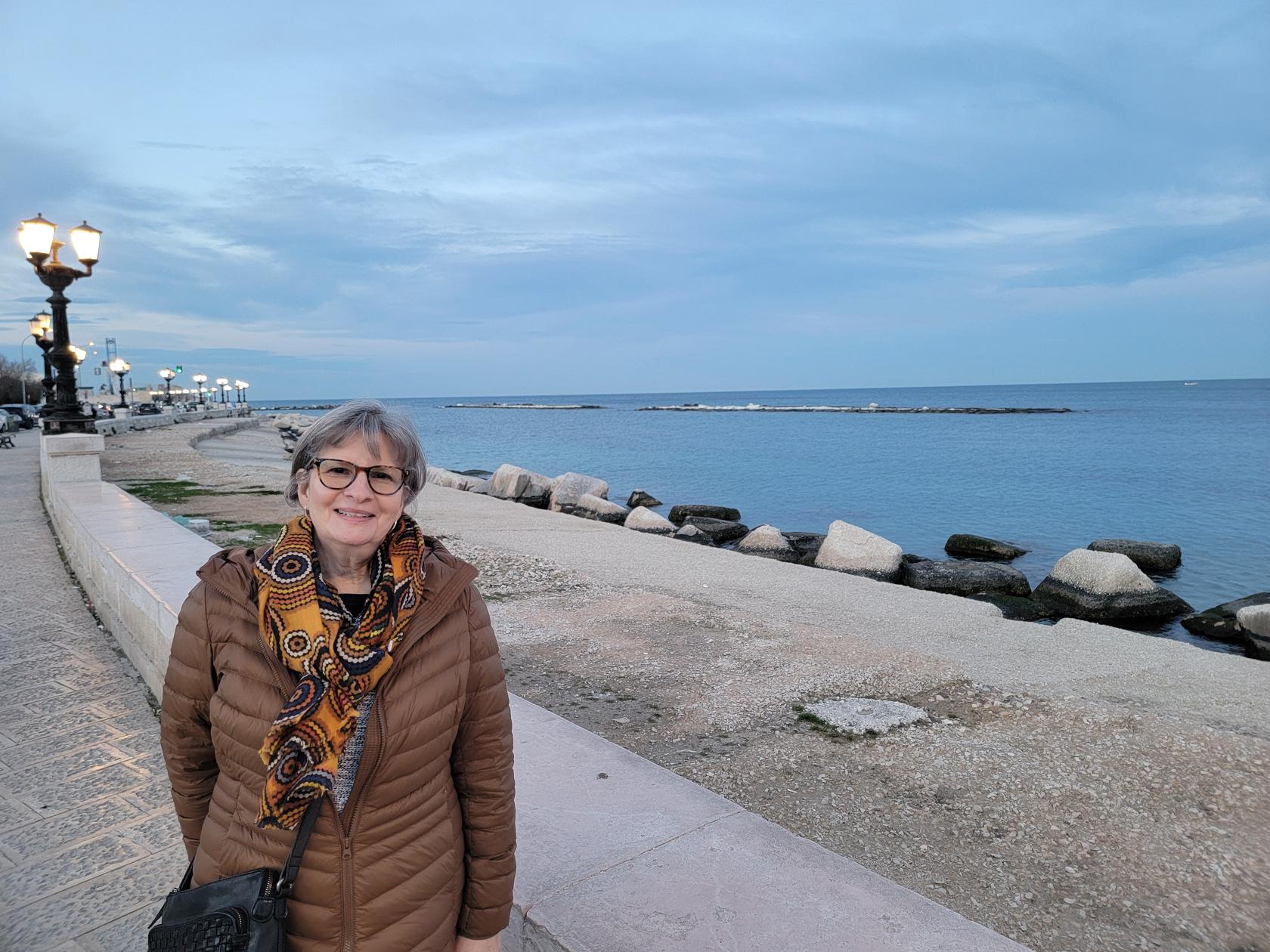
Lungomare Imperatore Augusto – Patti – Bari, Italy
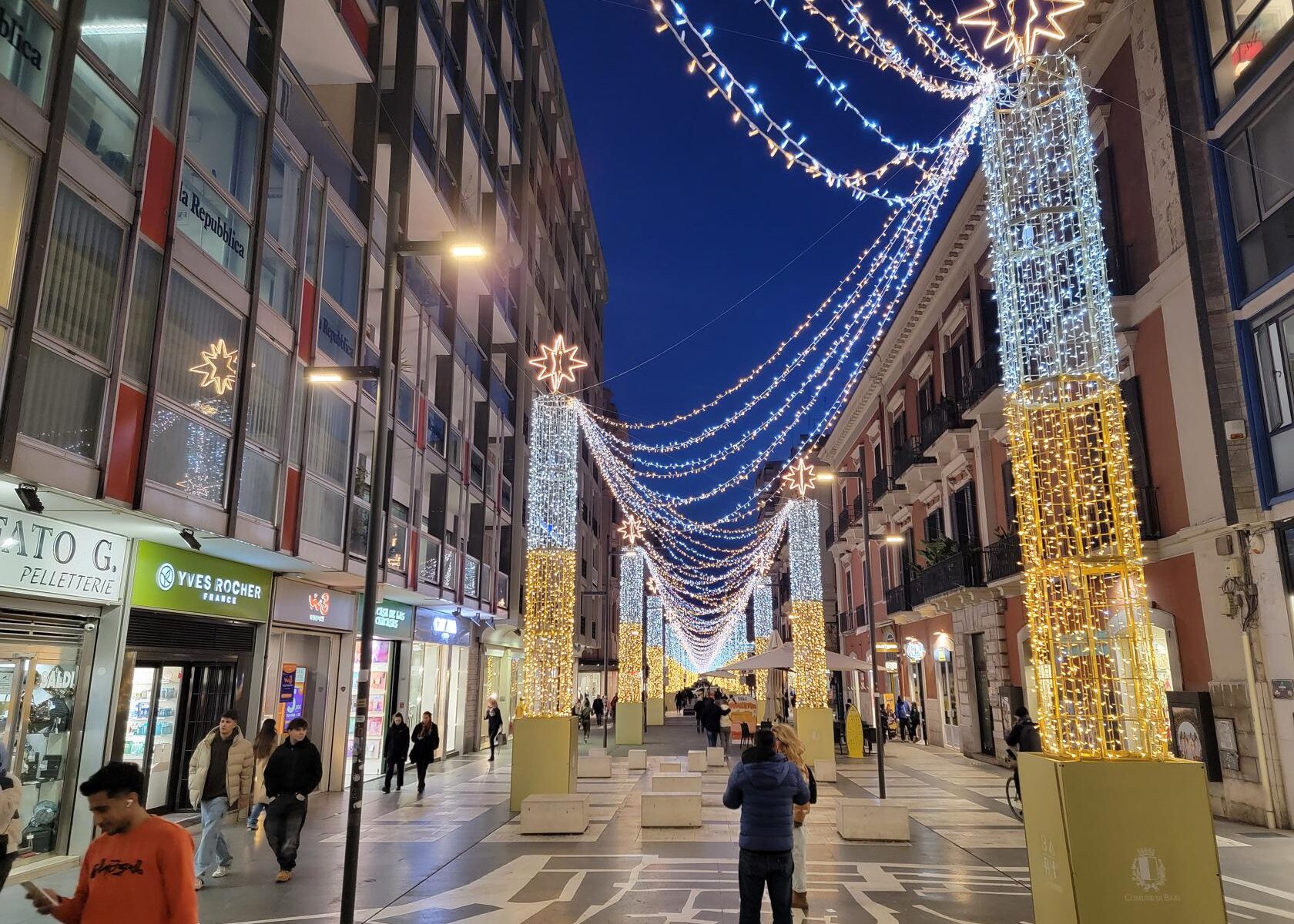
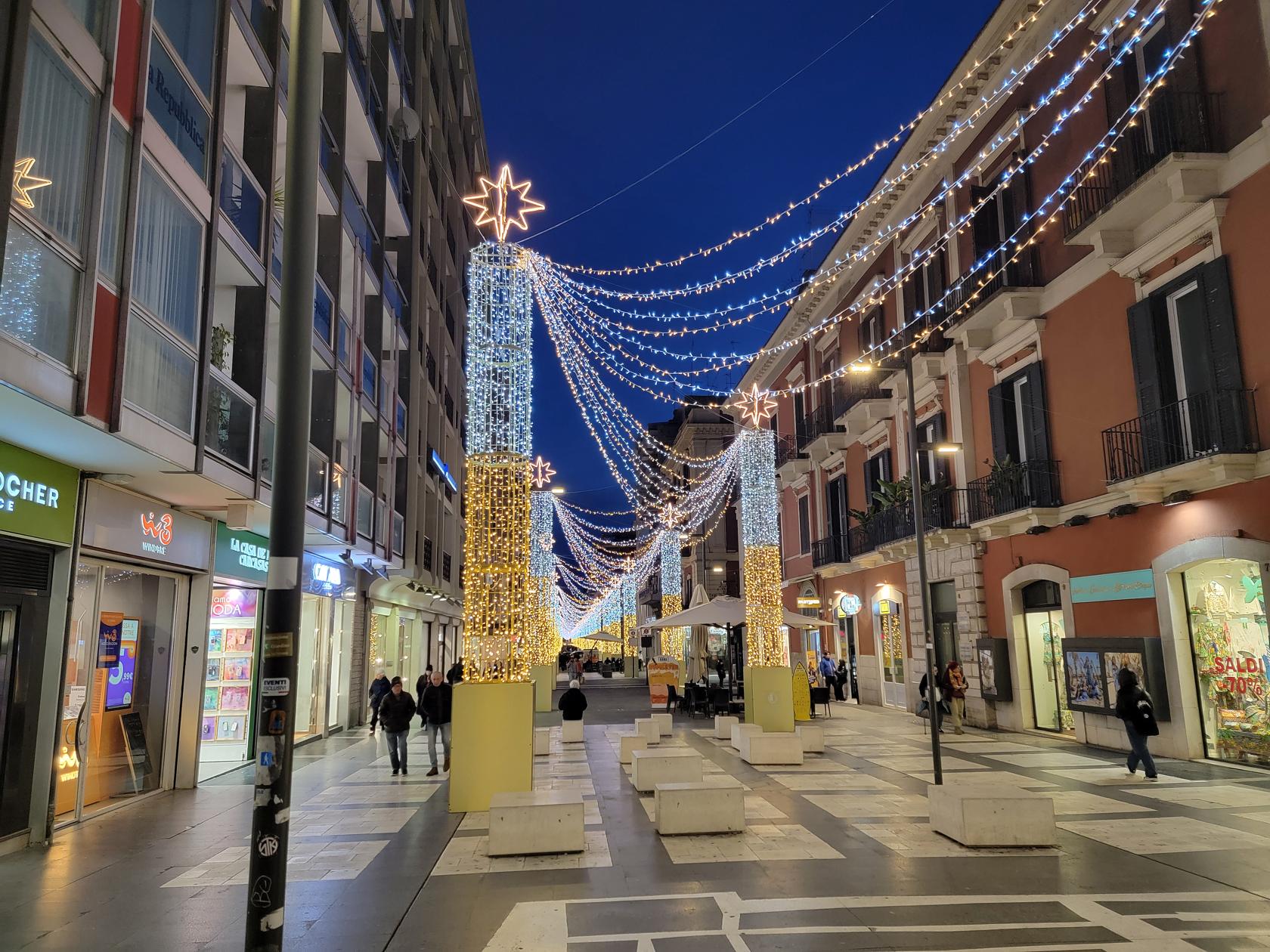
Via Andrea da Bari – Decorated for Christmas – Bari, Italy
Via Andrea da Bari – Bari, Italy
Getting There
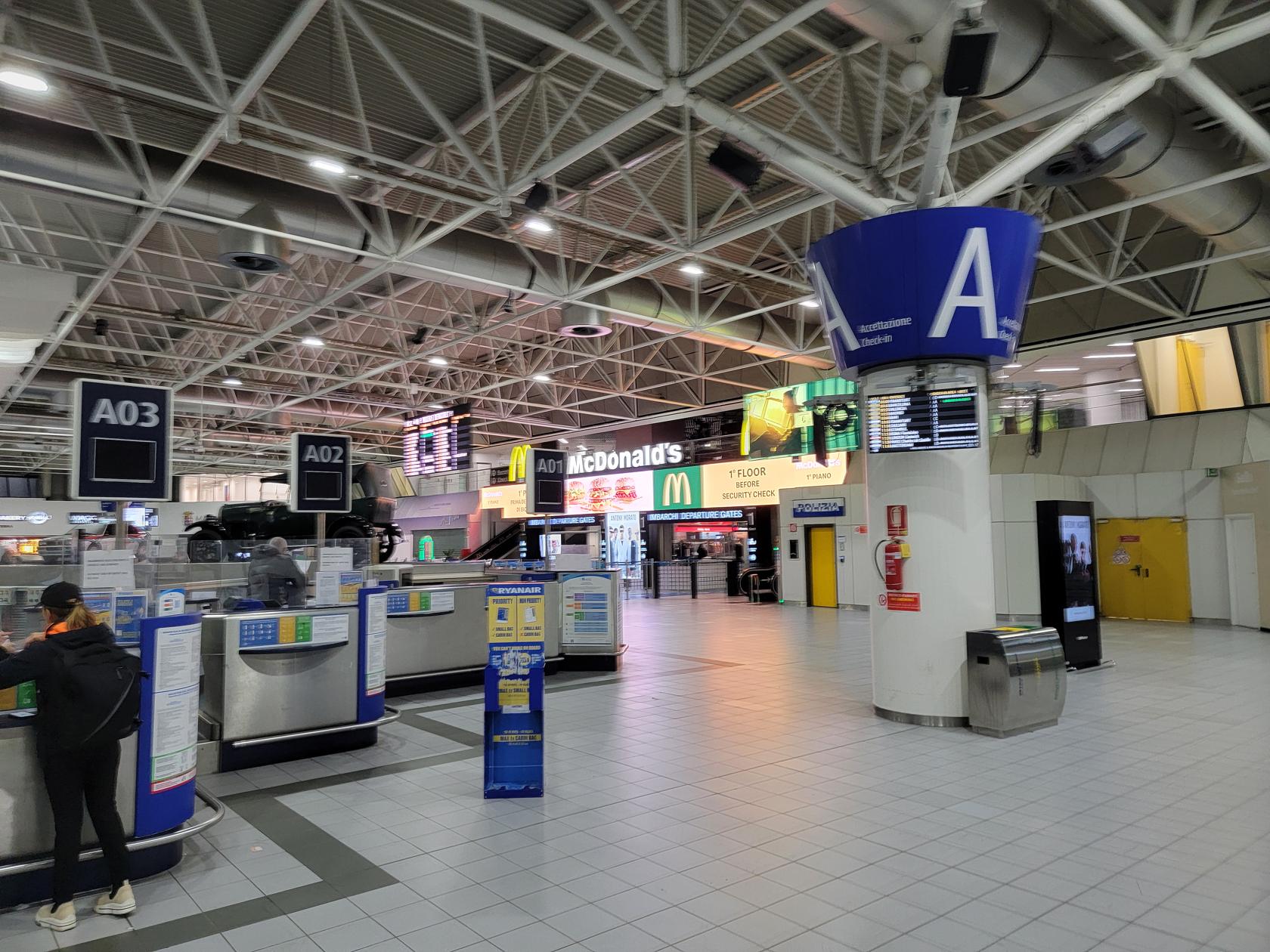
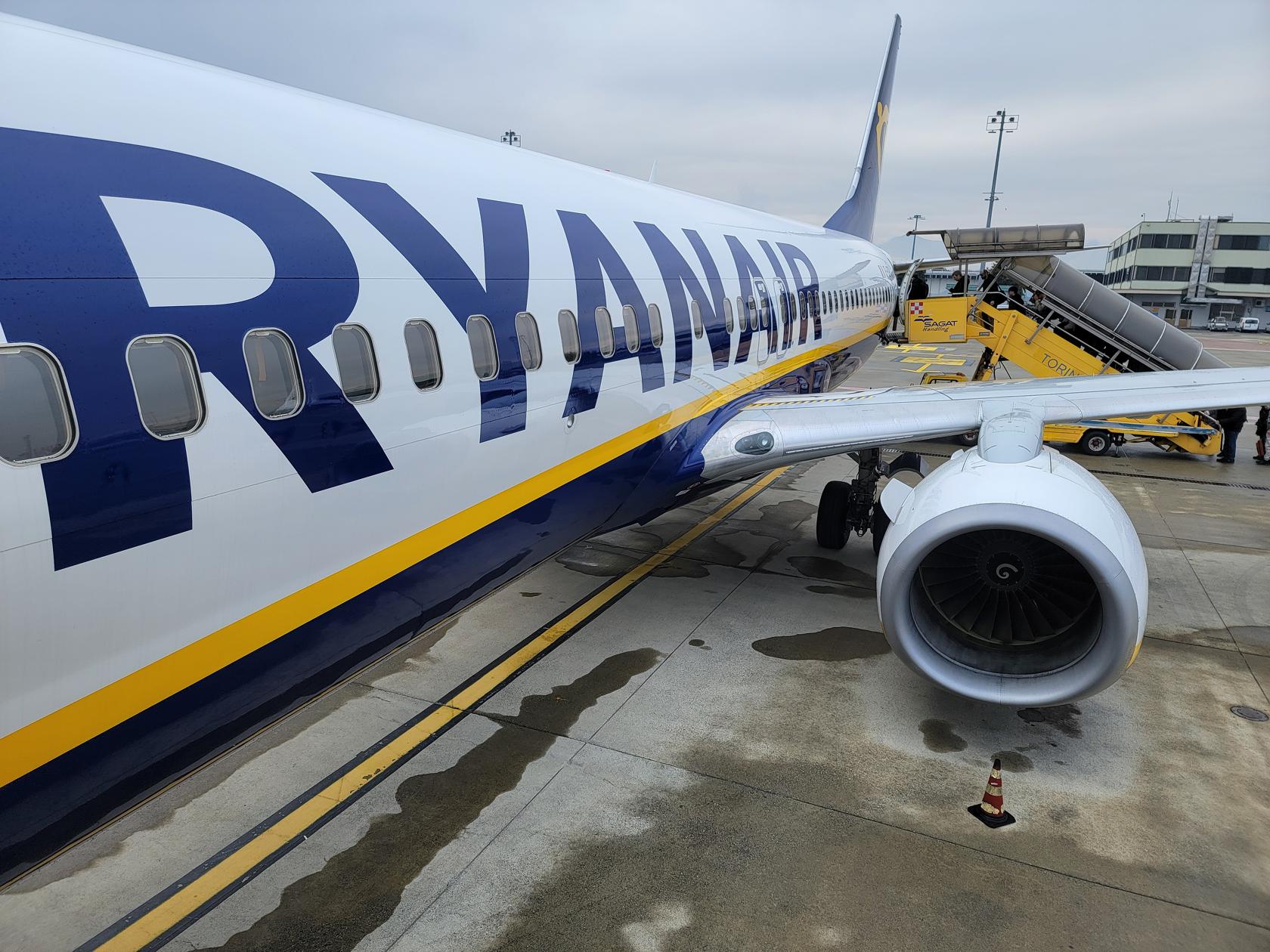
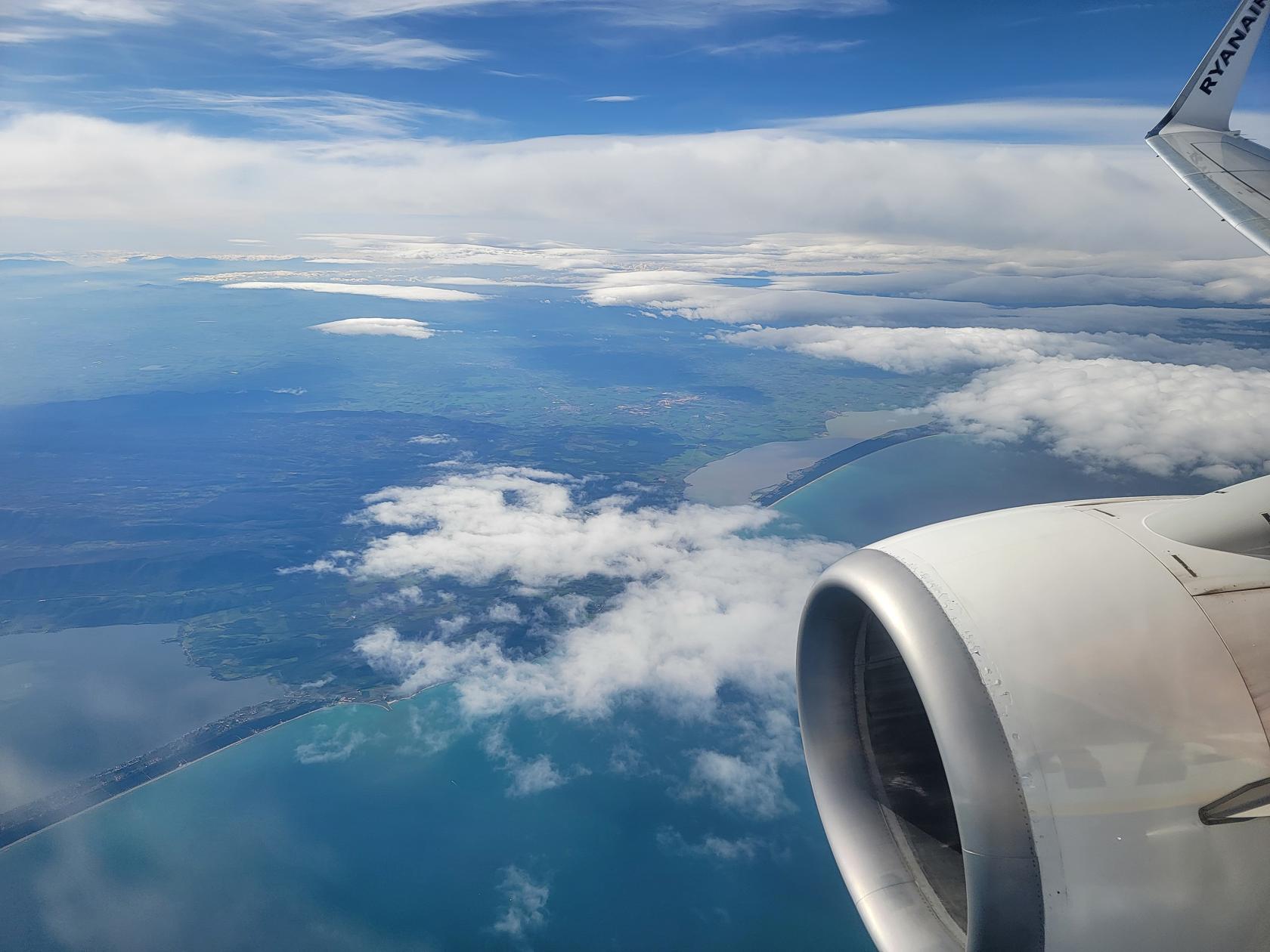
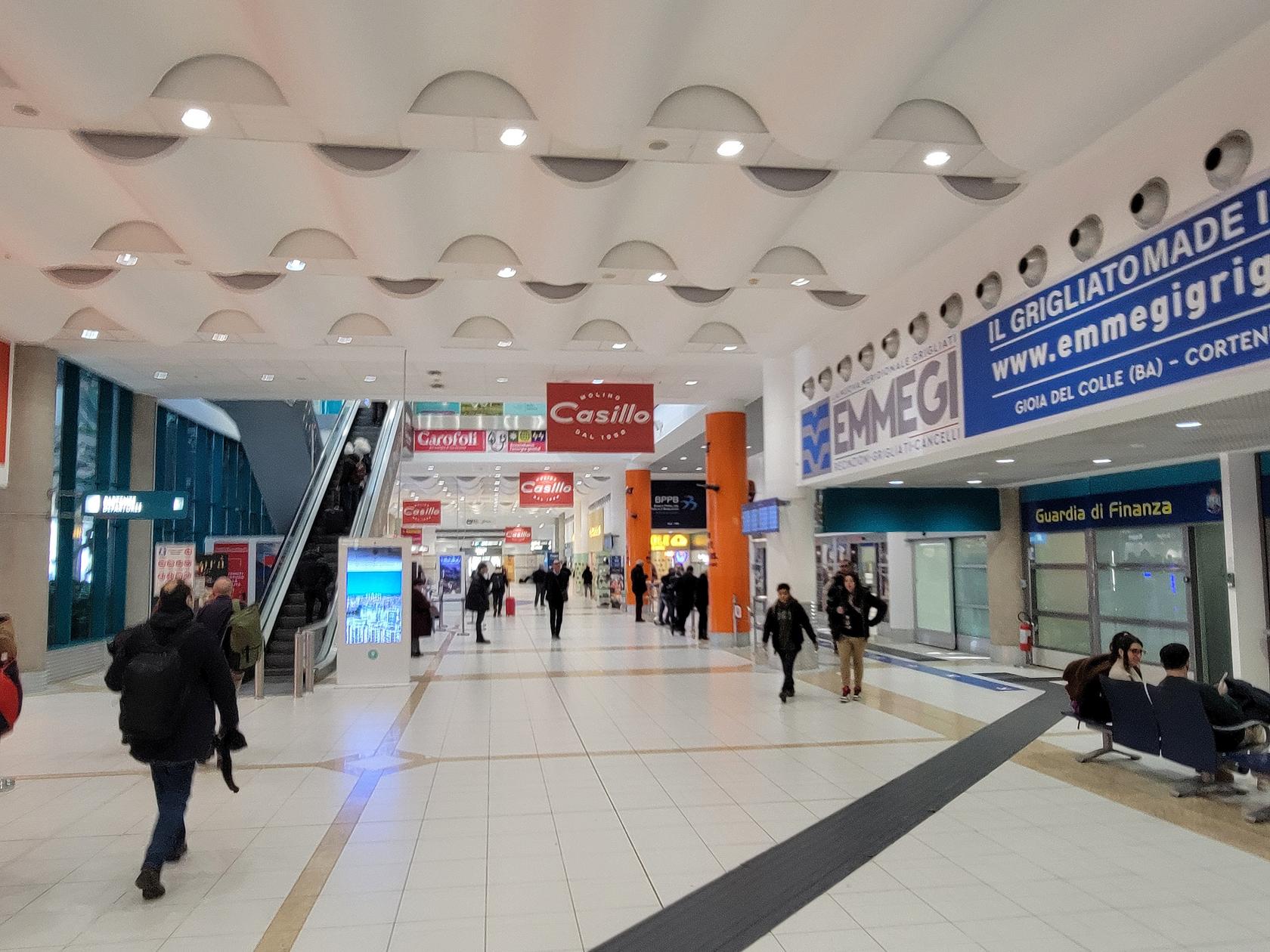
Since we are located in Northern Italian city of Turin, there are two options for us to get there, either the Turin or Milan airport. Since RyanAir has service to many small cities in Italy, Turin being one of them, they were the right choice for us. They provide a direct non-stop flight from Turin to Bari which only takes an hour and a half. It’s not cheap, but on the reasonable side. Even in January, with two flights a day, the plan was almost full.
Leaving Turin – Turin Airport, Turin
RyanAir – Turin Airport, Turin
Flying over the Adriatic Coast of Italy – Italy
Bari Airport – Bari, Italy
Once we landed there were several options to get from the airport to the city. Train, bus, taxi and rent-a-car. When we can, we always prefer and ride the train. We just find it more relaxing and trouble free, but that of course depends on the country and the railroad that is available.
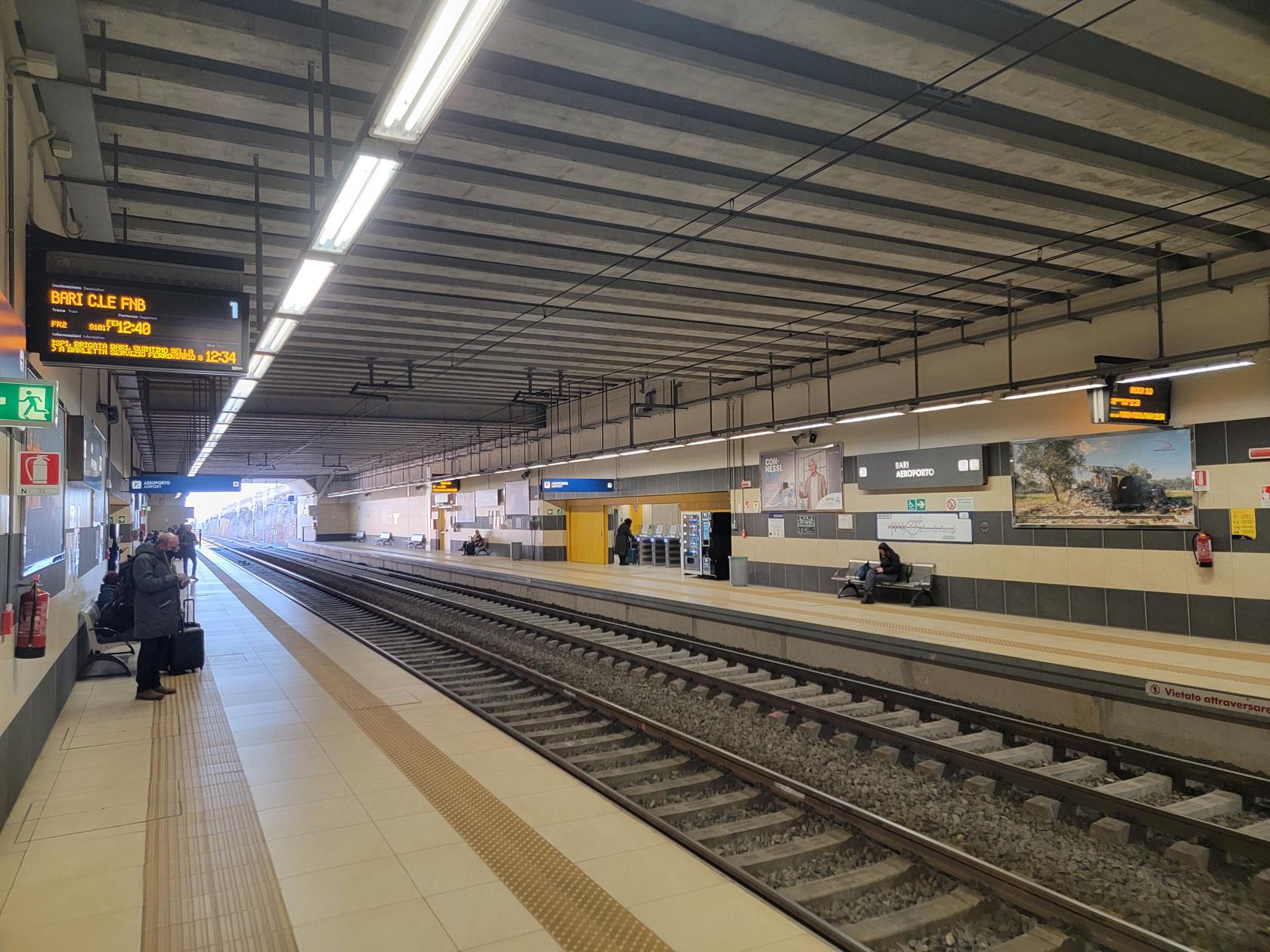
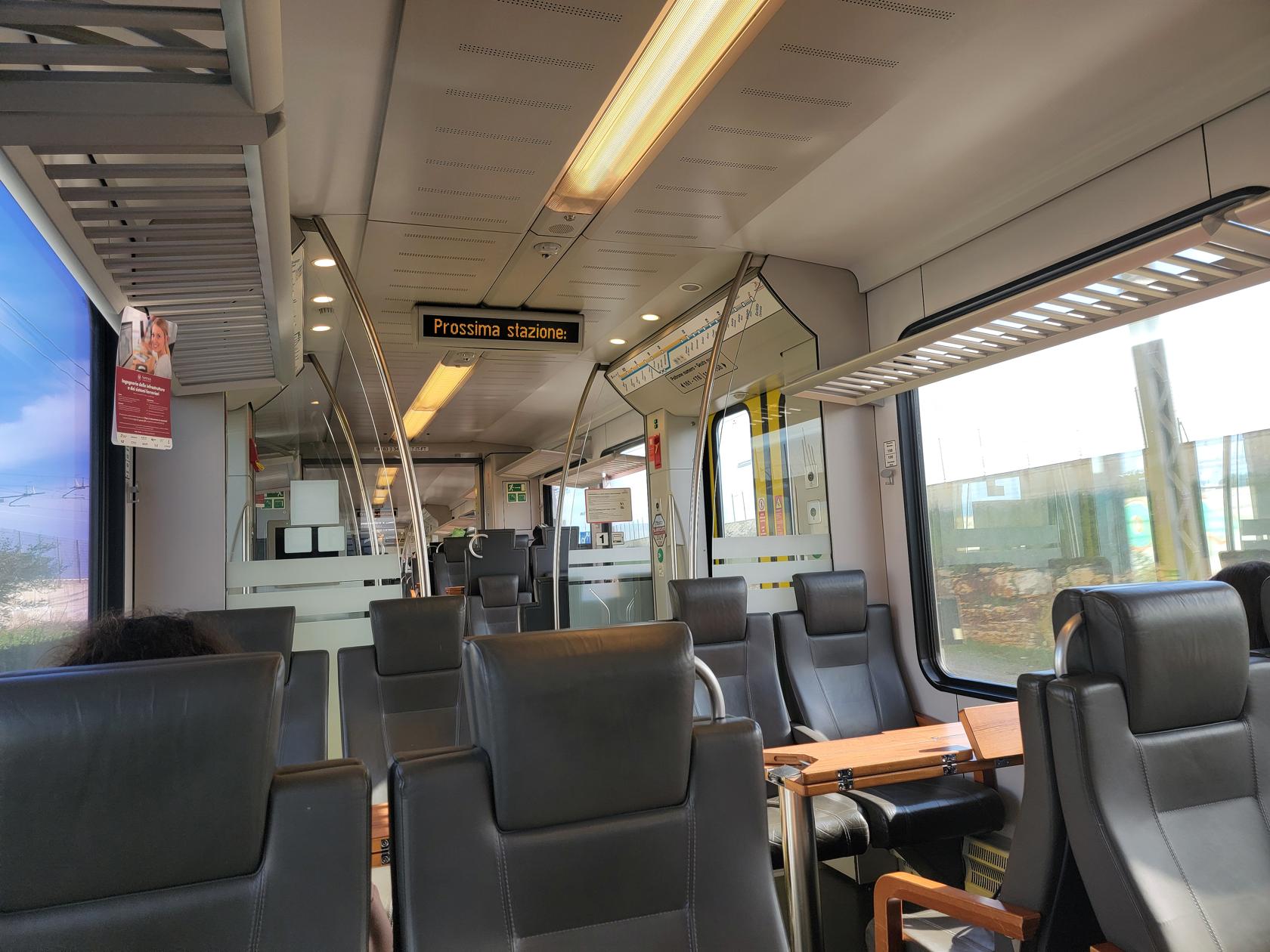
Apulia has its own train system, separate from TrennItalia, so we purchased tickets at the desk before entering the train station (I figure, I can always install the phone application later for any return business). The trip from Bari Airport to Bari Centrale (C.le) takes about thirty minutes with about four of five stops in between.
Bari Airport Train Station – Bari, Italy
Next stop, Bari Centrale – Bari, Italy
Where We Stayed
Frankly, I no longer care for BnBs and will take a hotel over them any day. However, given the opportunity to check other Bed and Breakfast places, outside the crap these applications serve up, we will book our stays with them, provided we have thoroughly checked them out ahead of time using other people’s recommendations as our source material.
More signs in the city streets – Bari, Italy
Welcome signs in the city streets – Bari, Italy
The historic city streets – Bari, Italy
Murex B&B
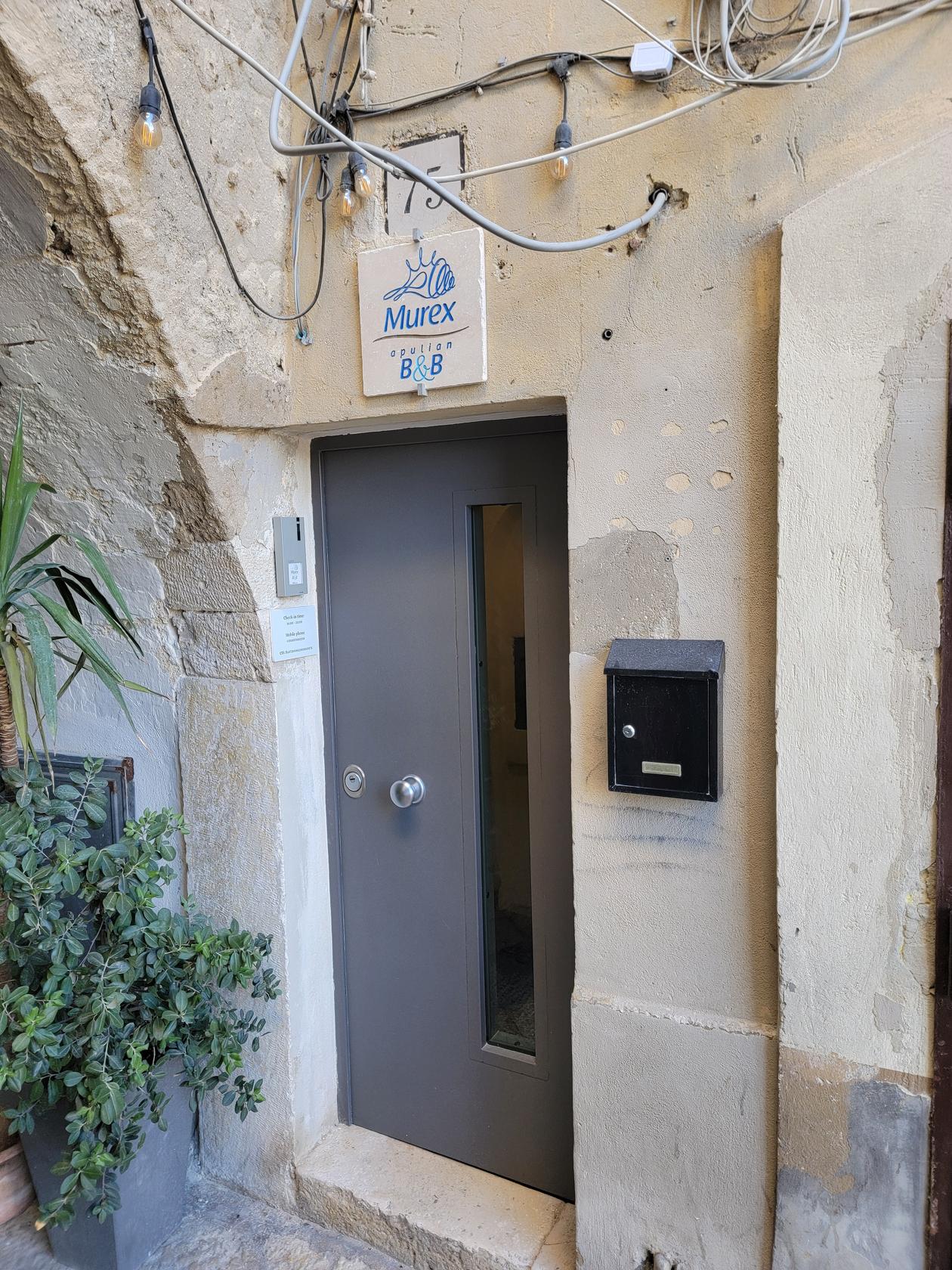
Murex B&B is a very nice modern Bed & Breakfast in the heart of the ancient city of Bari. The owners are young, attentive and respectful of our needs. The amenities that are provided are sufficient and plentiful. Our room came with breakfast each morning and other treats, that would not normally be provided at some hotels and definitely not at those other places.
Main door – Murex B&B – Bari, Italy
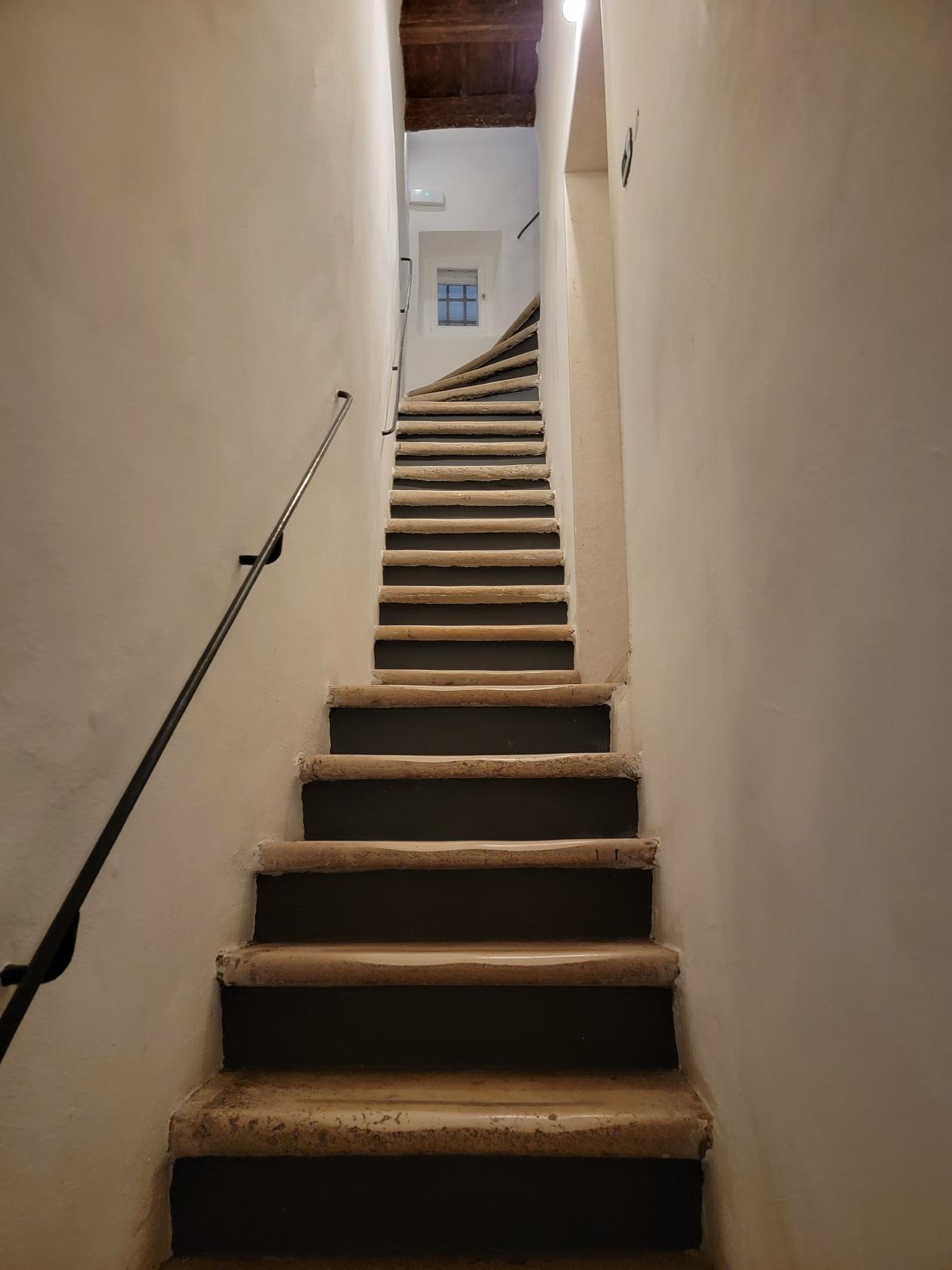
The ascent to our B&B – Murex B&B – Bari, Italy
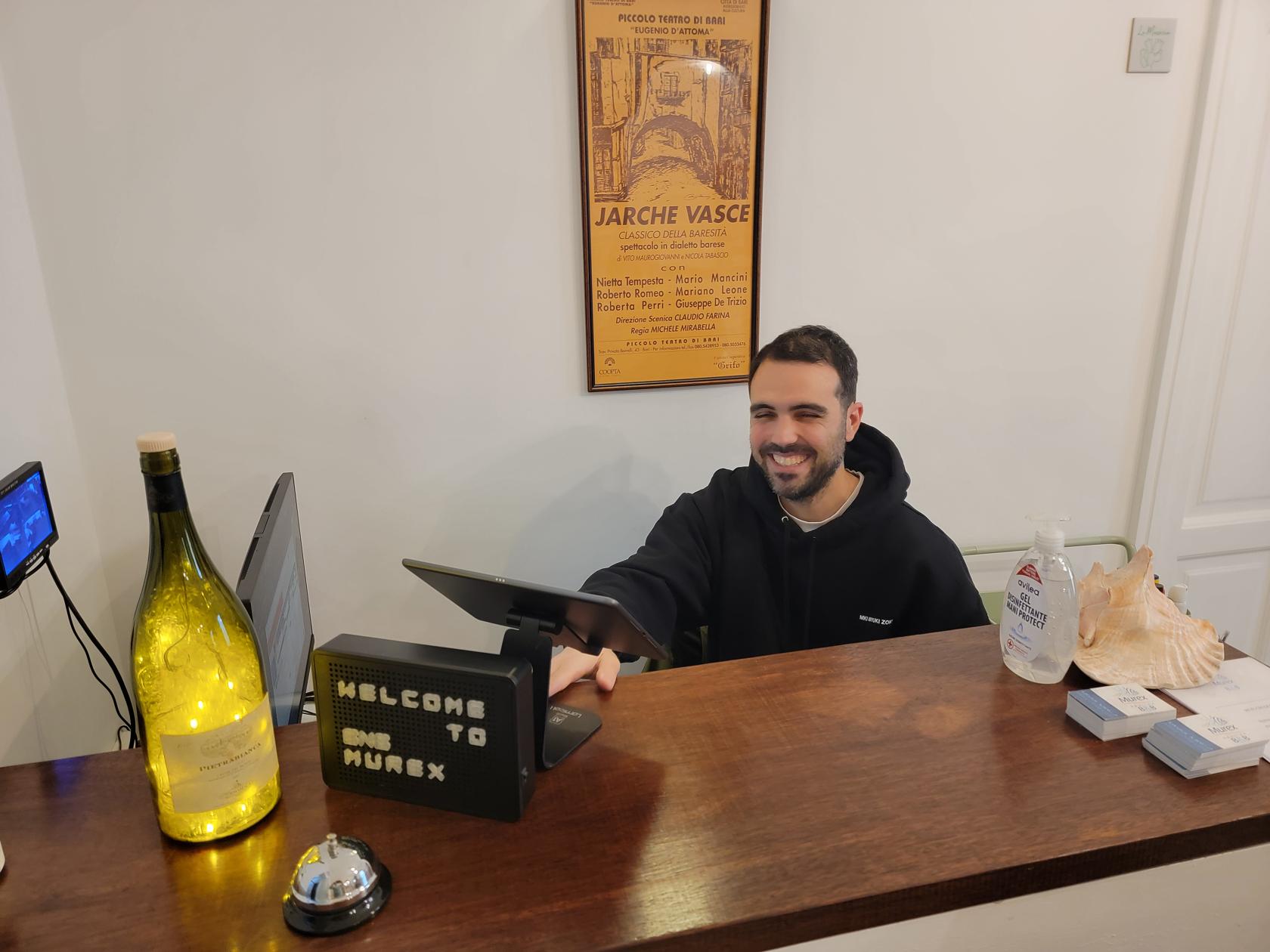
Our host Antonio – Murex B&B – Bari, Italy
One word of caution however, the staircase to enter is rather steep. So, if you require assistance with your luggage, you should ask. The owners are more than obliging to any requests and will carry it up and down for you.
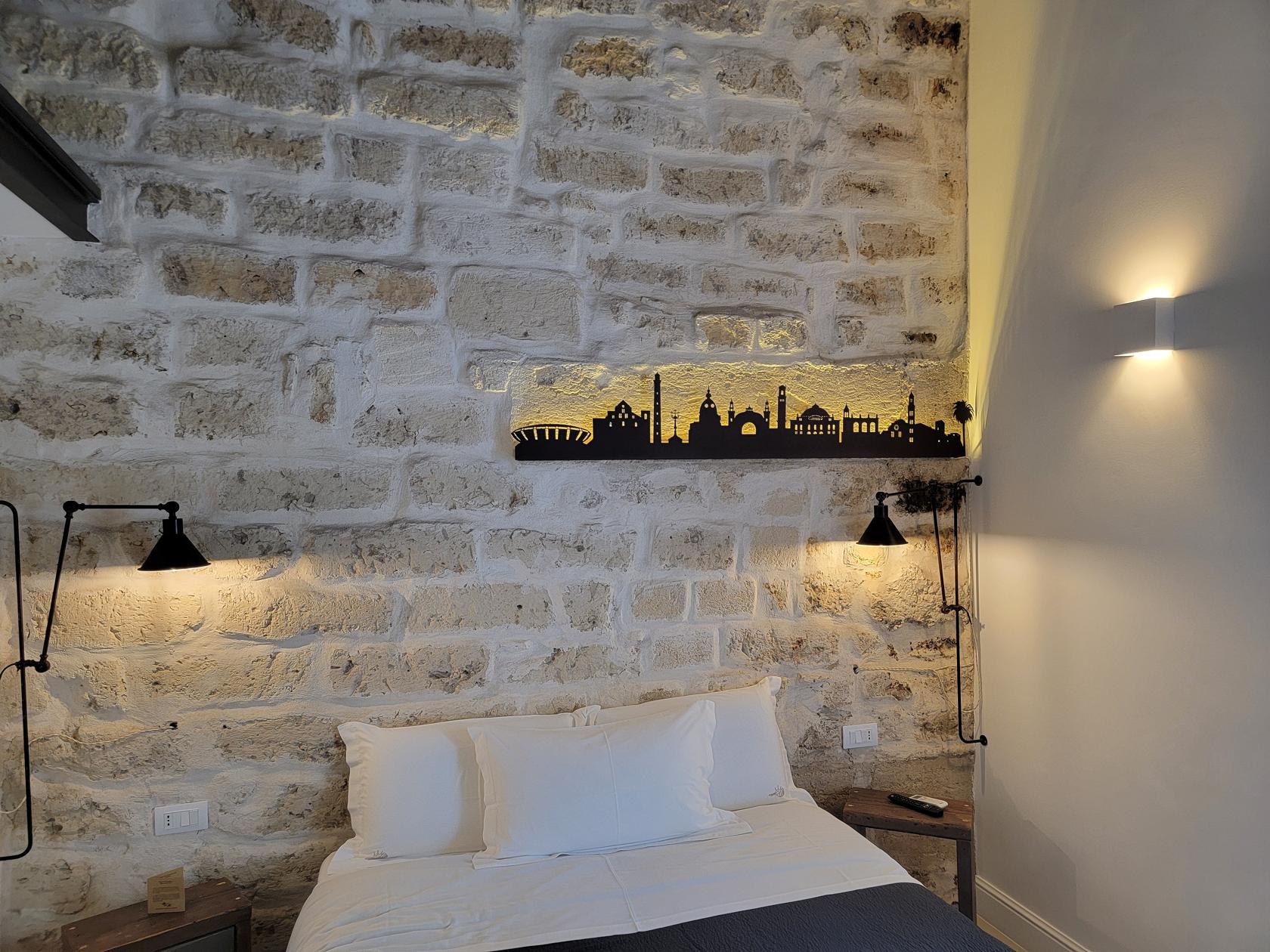
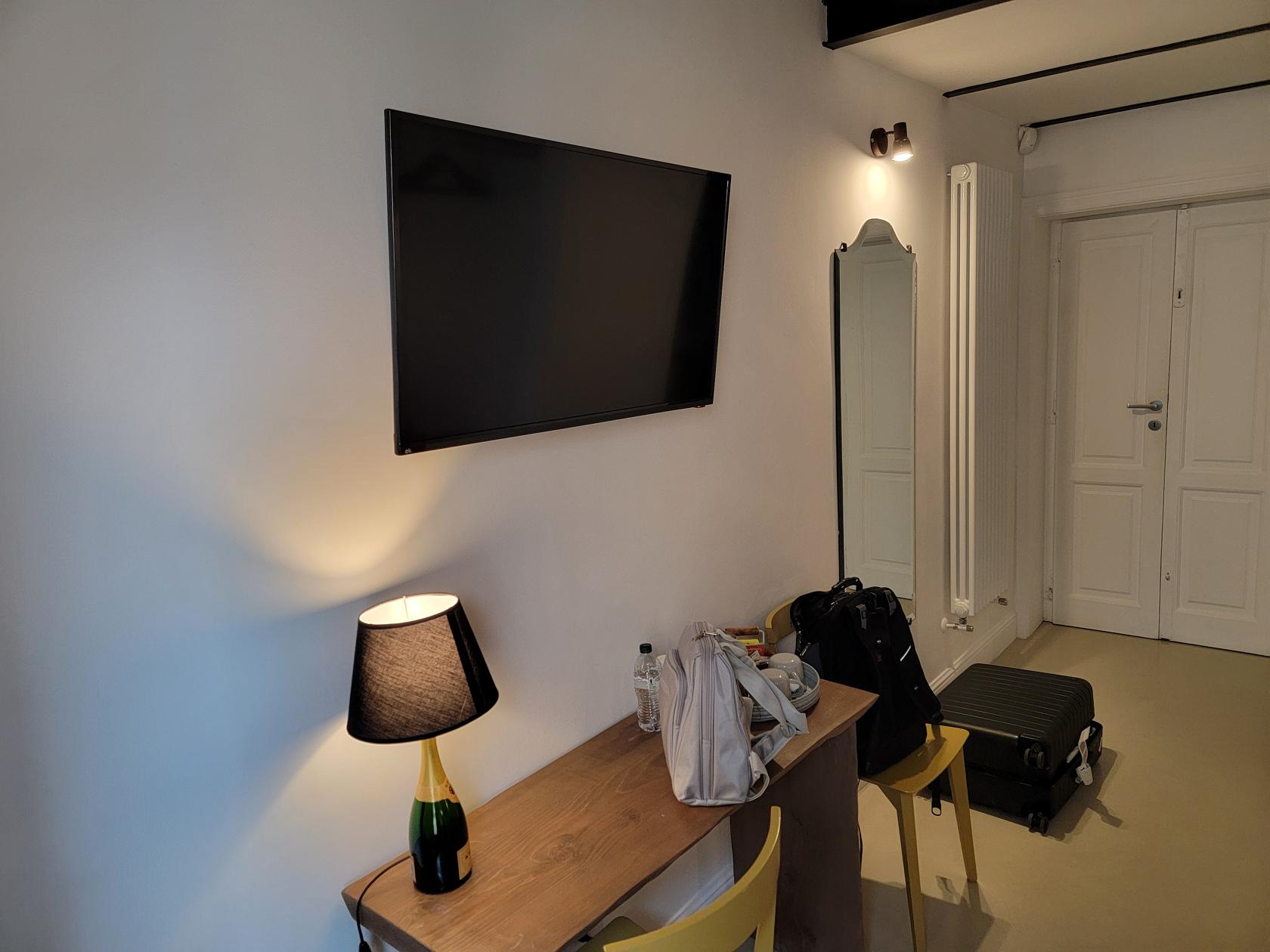
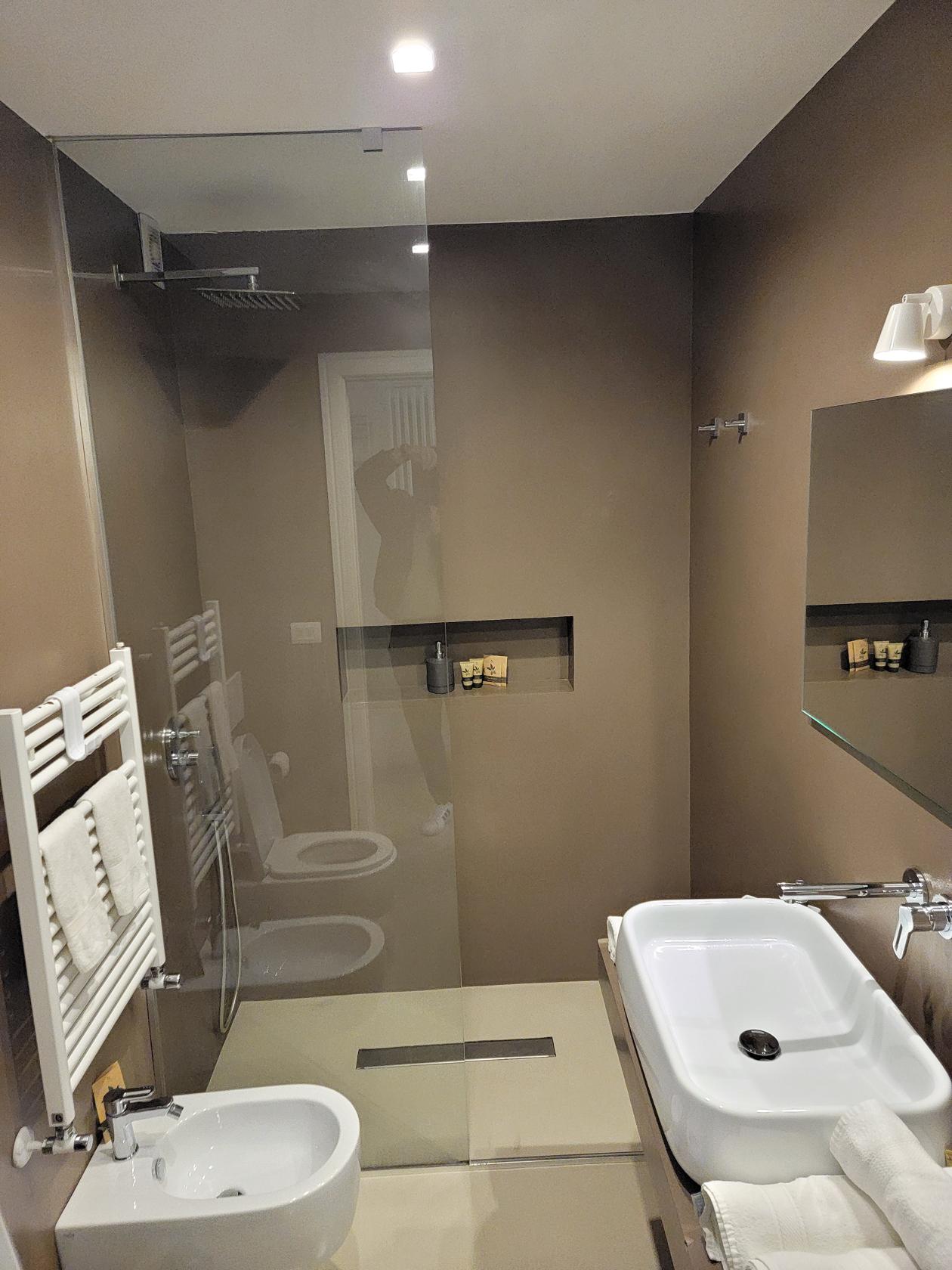
La Citta room – Murex B&B – Bari, Italy
La Citta room – Murex B&B – Bari, Italy
La Citta room – Murex B&B – Bari, Italy
Our room was La Città, it was spacious, well lit and warm. The bed was firm with a cushion top and it definitely helped me nod off.
Basilica Pontificia San Nicola
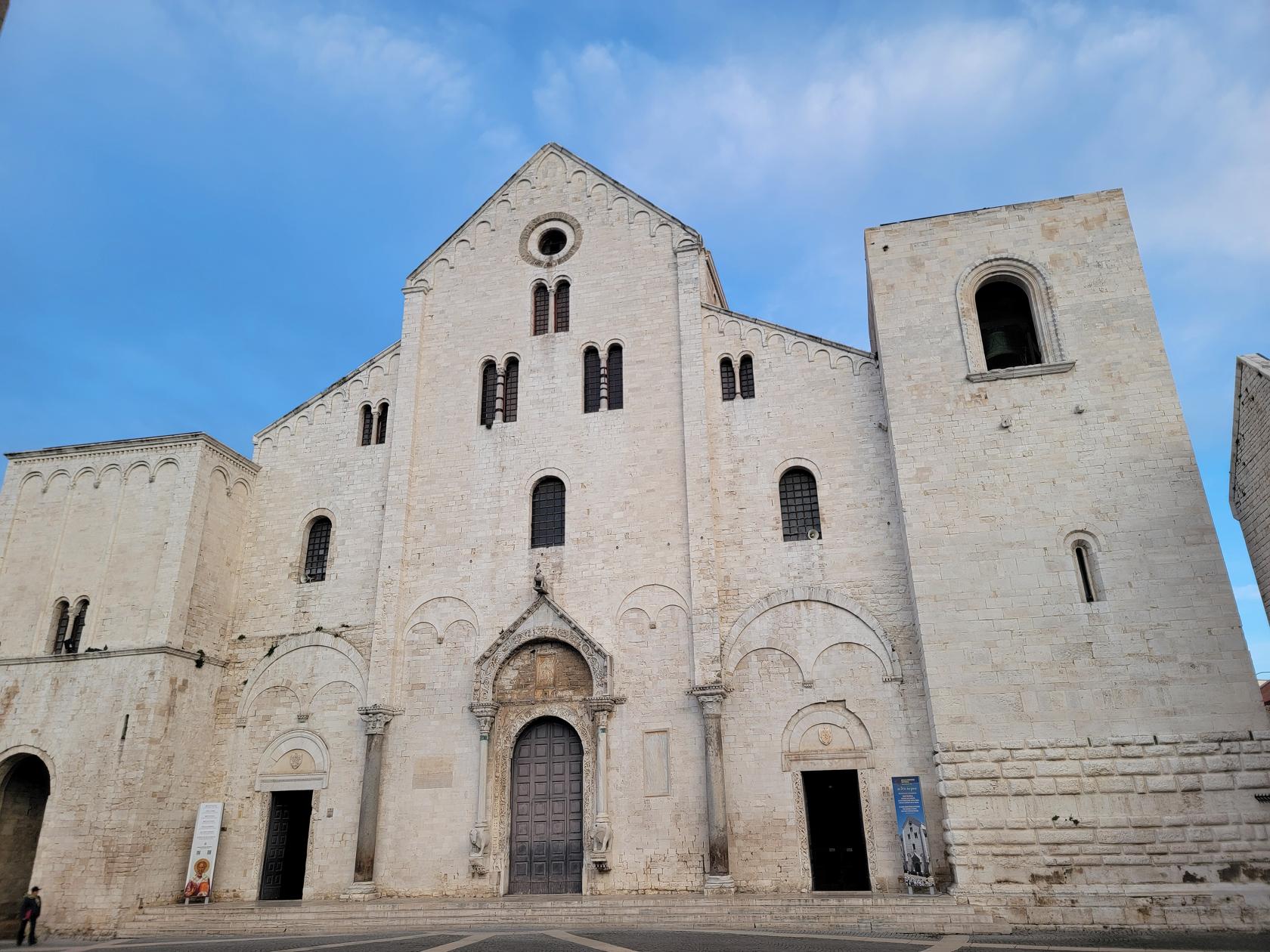
The Basilica Pontificia San Nicola was built in the late eleventh and early twelfth centuries and consists of a basic architecture of a nave with neighboring aisles.
Basilica Pontificia San Nicola – Main Entrance – Bari, Italy
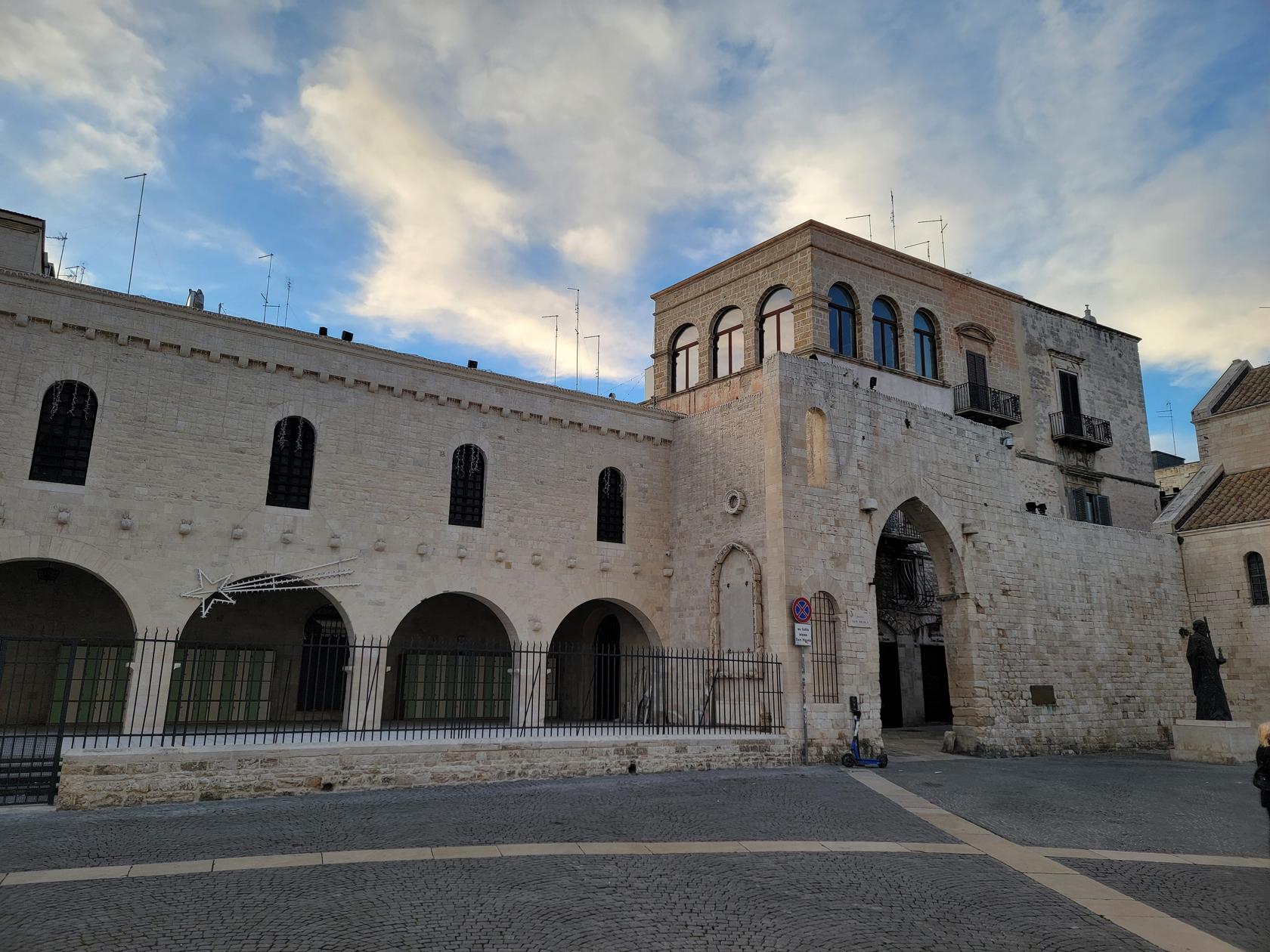
Basilica Pontificia San Nicola – Courtyard – Bari, Italy
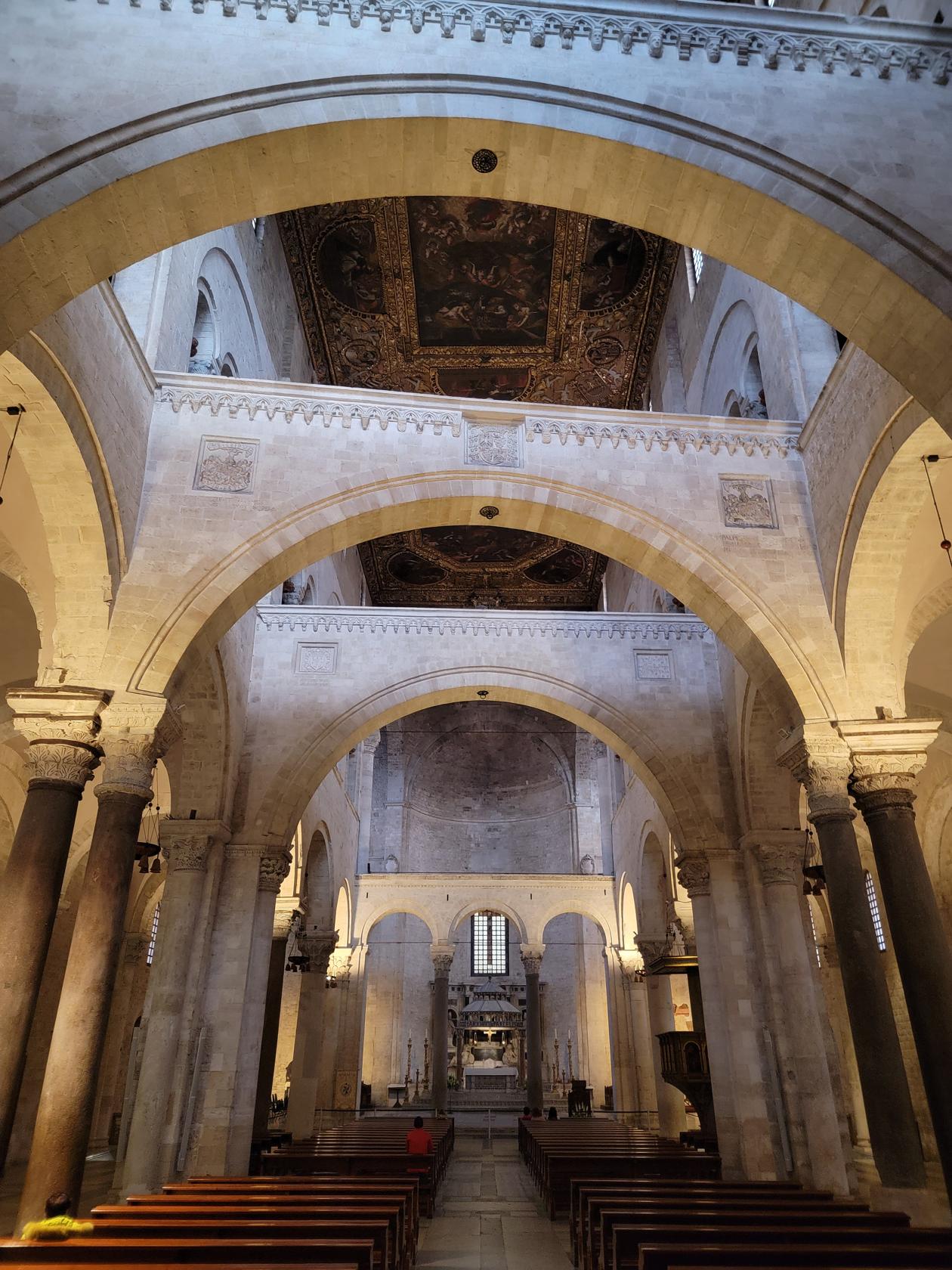
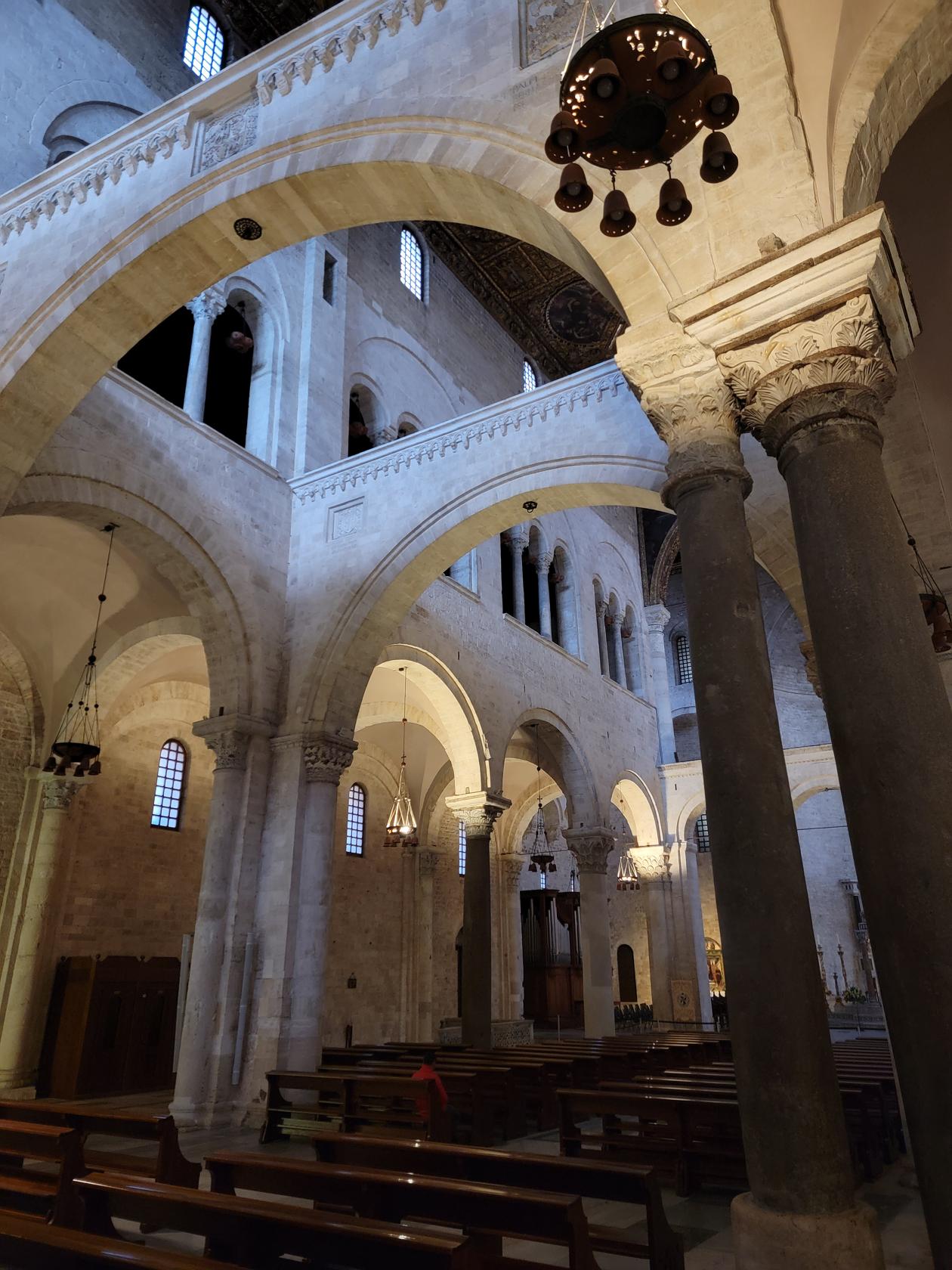
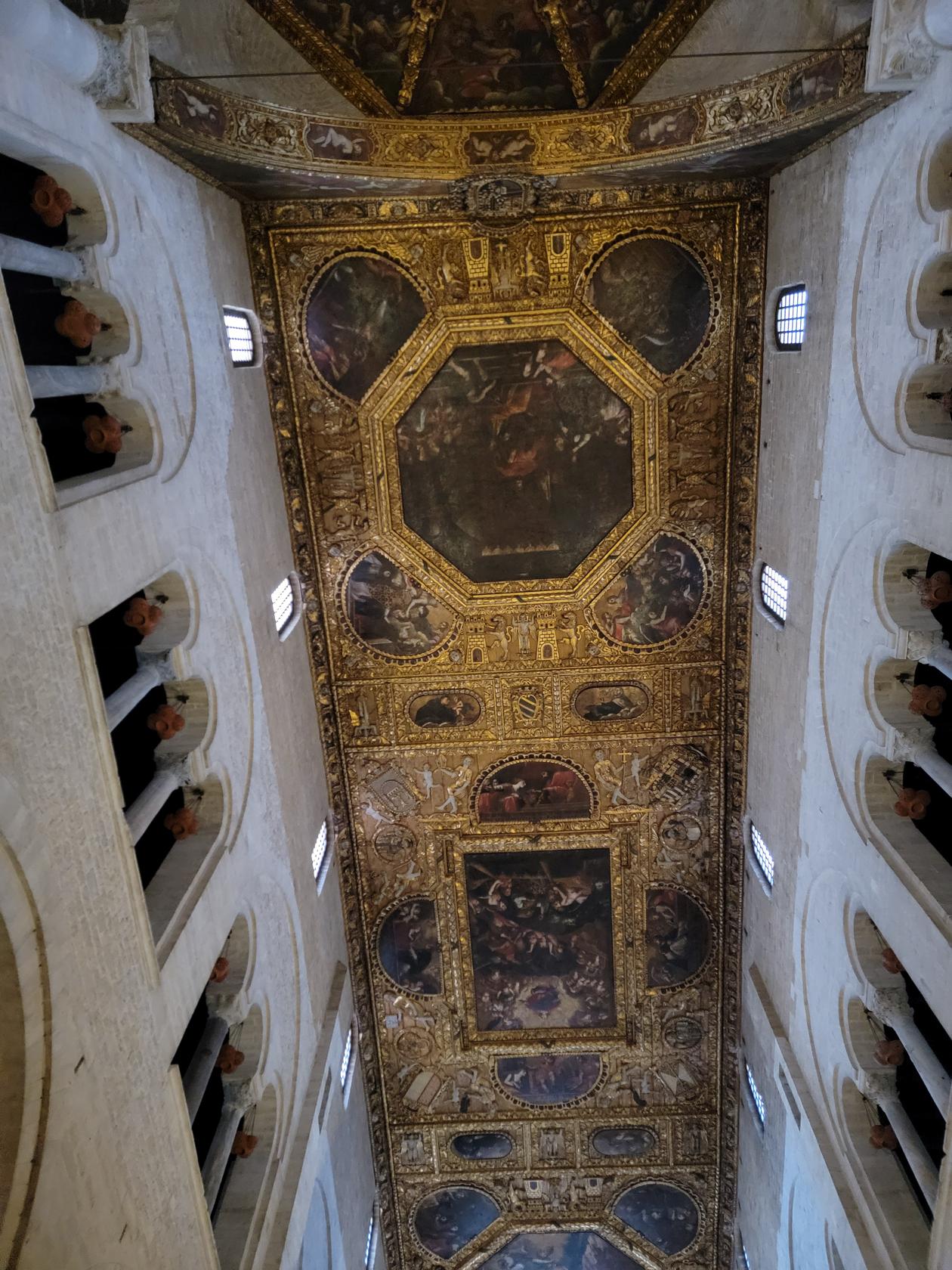
The ceiling and interior has a rarity to it, that only an ancient church can provide. The roof is made of wood and is occluded by arches buttressing the sides together, few if any at right angles to each other, giving the entire interior a rather haphazard look.
Basilica Pontificia San Nicola – Interior – Bari, Italy
Basilica Pontificia San Nicola – Interior – Bari, Italy
Basilica Pontificia San Nicola – Interior – Bari, Italy
Basilica Pontificia San Nicola – Interior – Bari, Italy
Basilica Pontificia San Nicola – Interior – Bari, Italy
Basilica Pontificia San Nicola – Ornate Ceiling – Bari, Italy
Basilica Pontificia San Nicola – Altar – Bari, Italy
Basilica Pontificia San Nicola – Interior – Bari, Italy
The Crypt
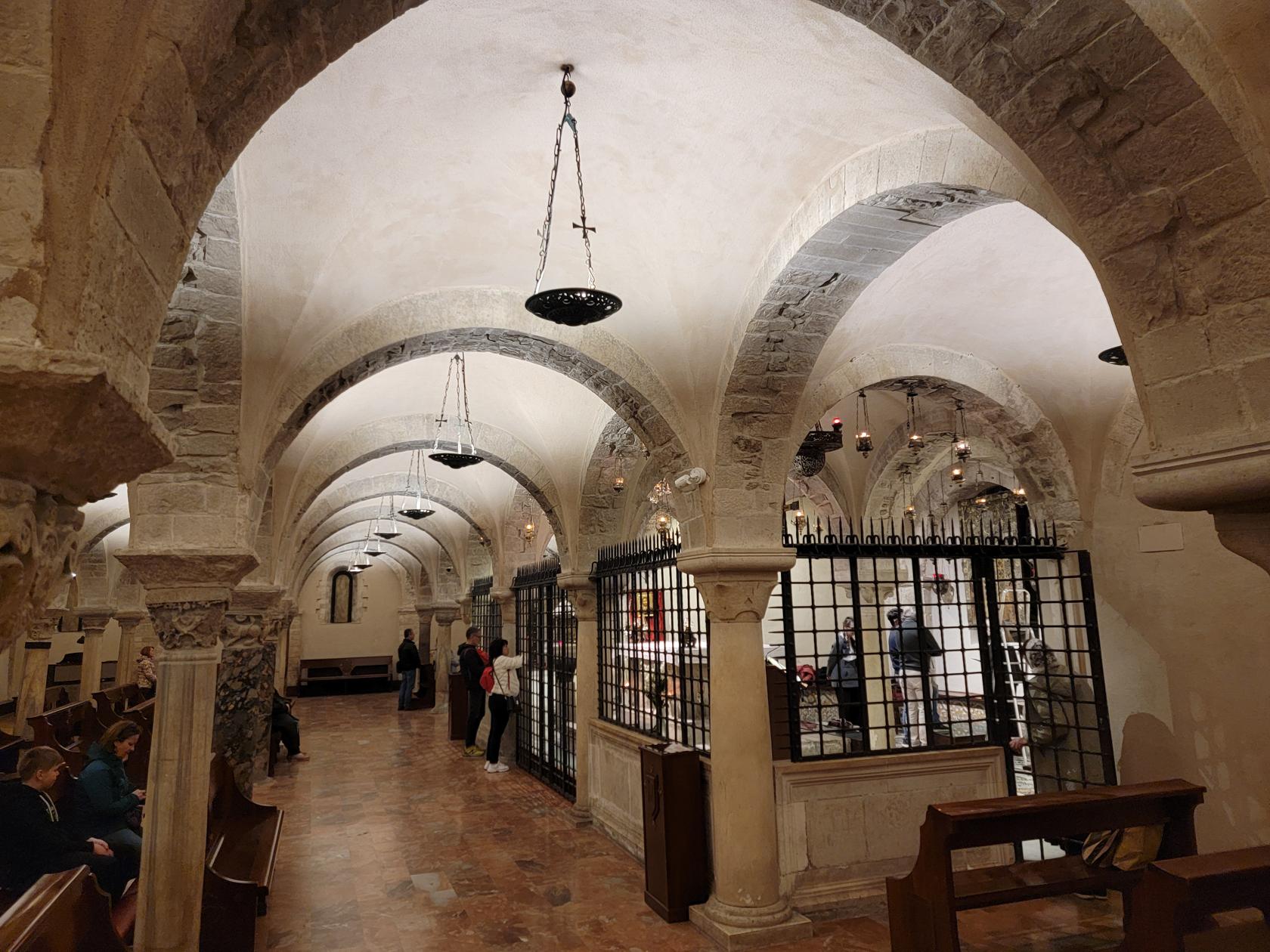
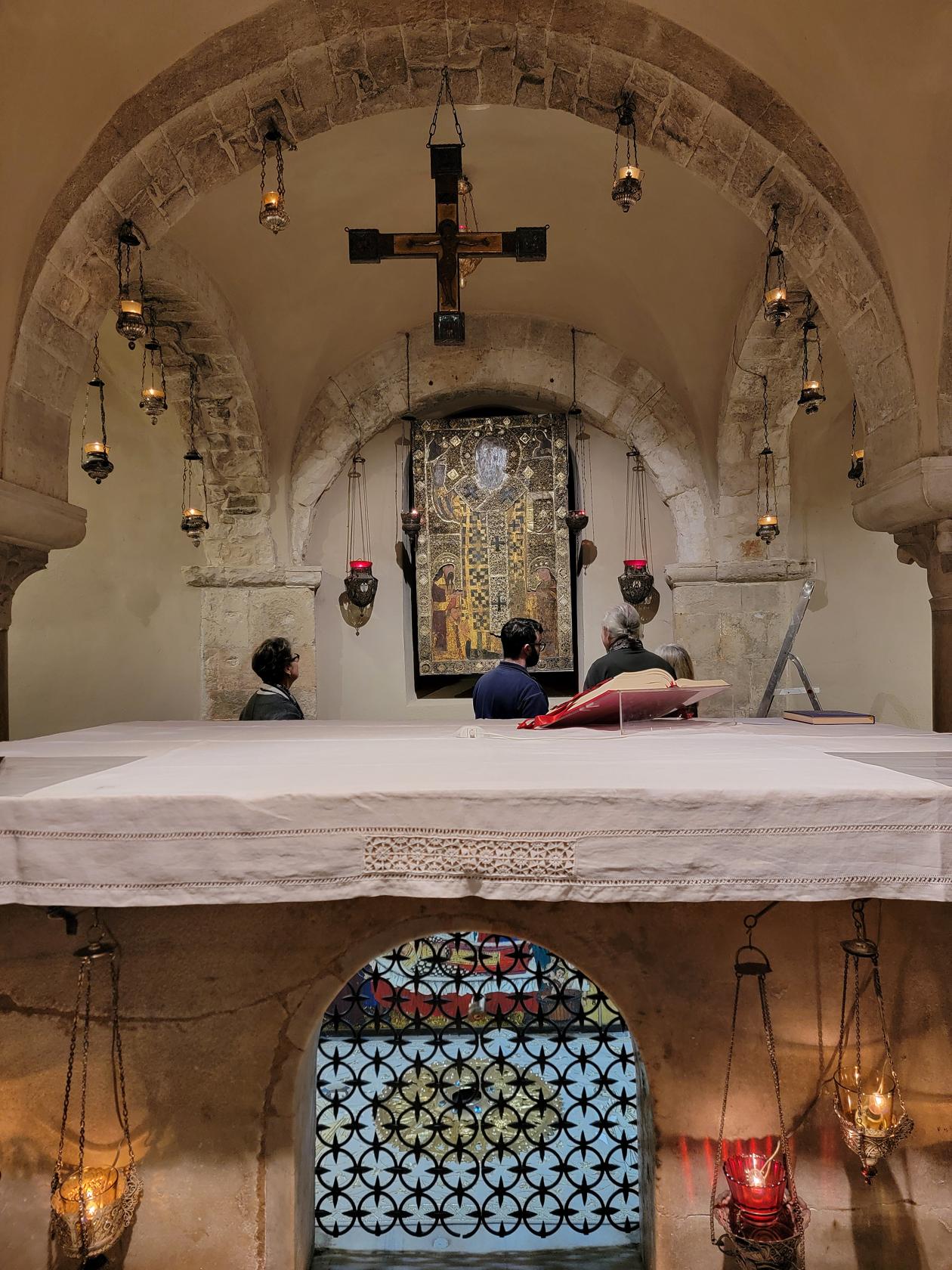
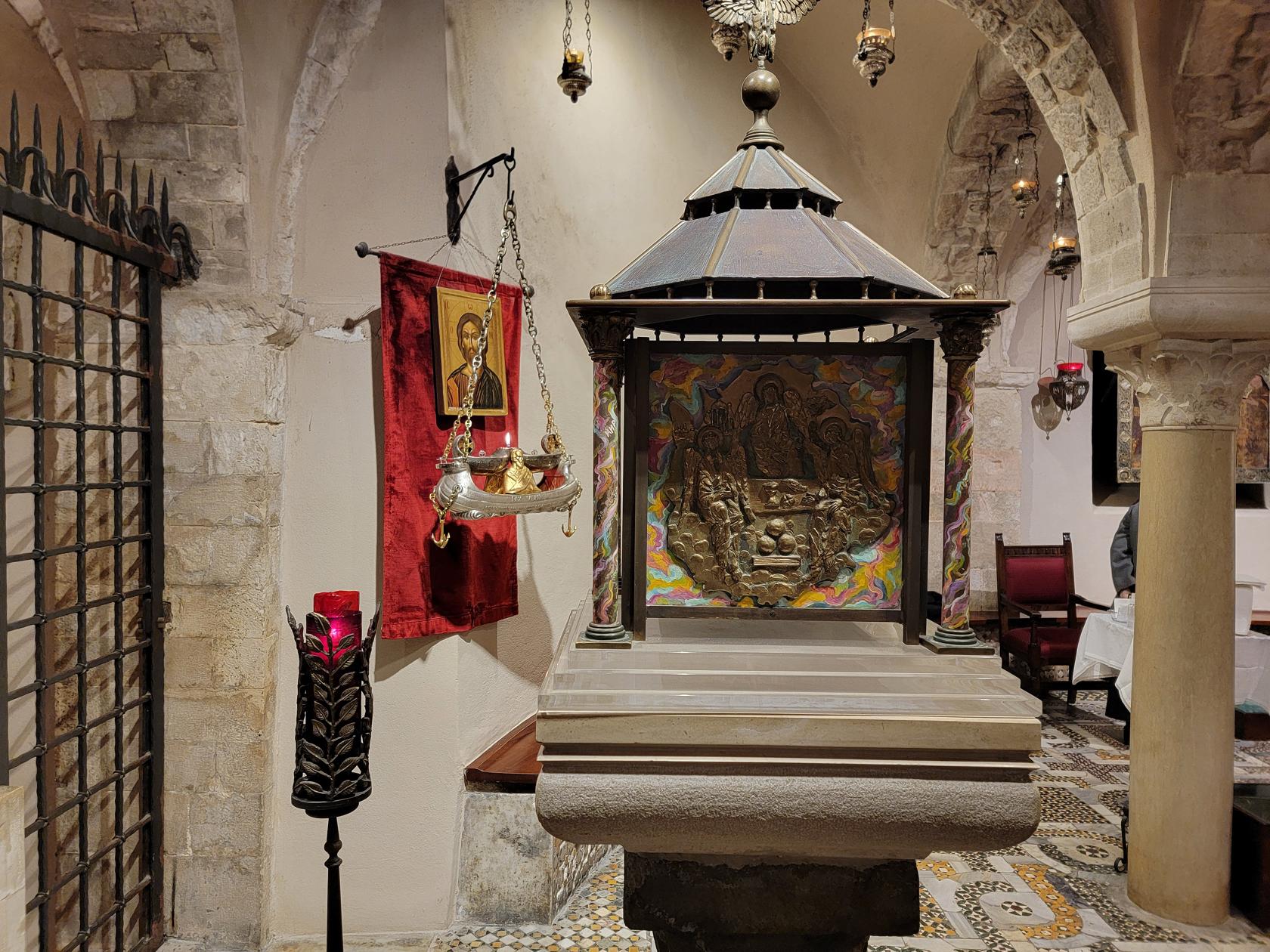
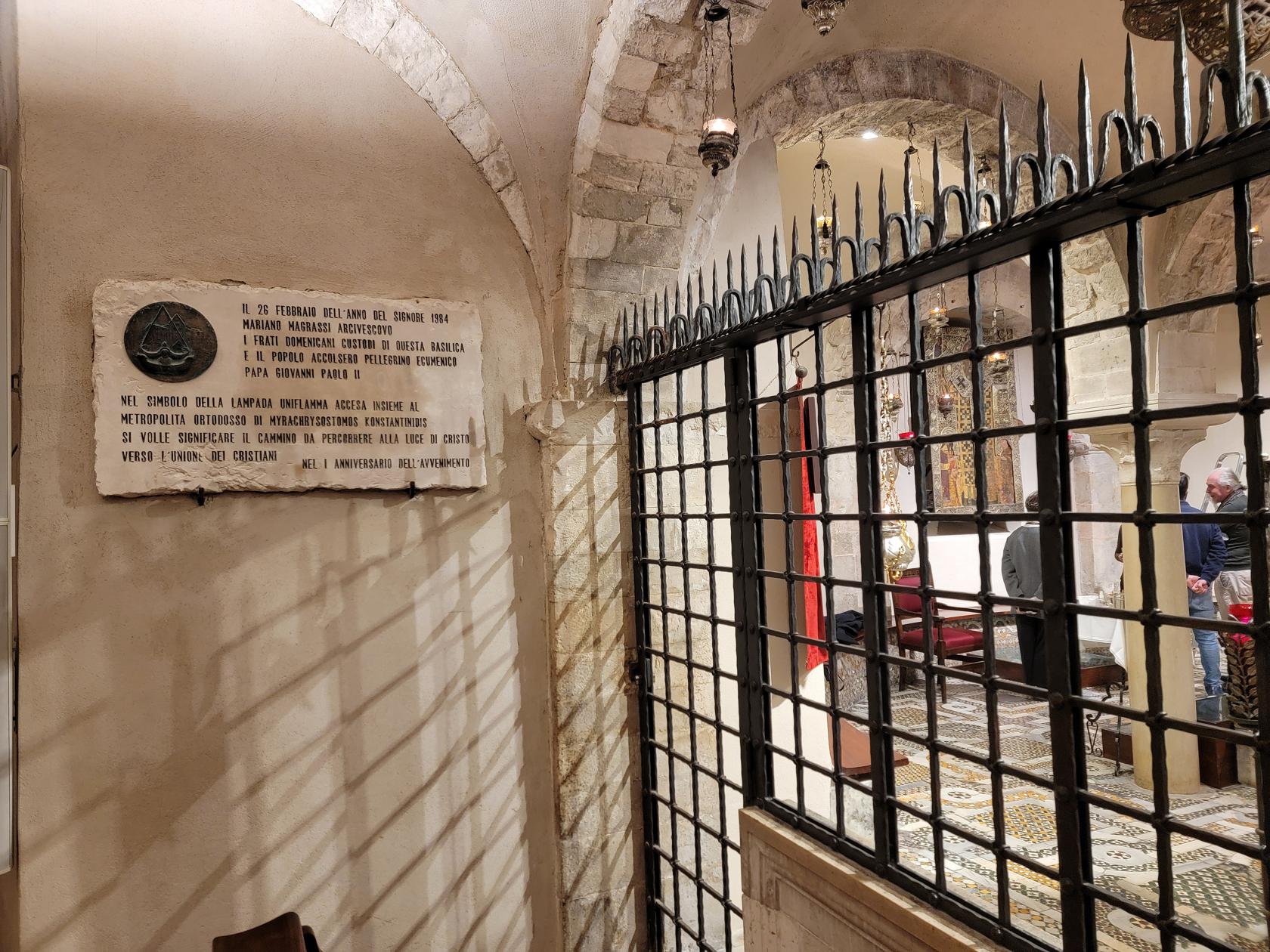
Here you can find the tomb of Saint Nicholas, the patron saint of Christmas. The crypt is a beautiful room with myriad arches all of which are adorned with unique capitols.
Basilica Pontificia San Nicola – Crypt – Bari, Italy
Basilica Pontificia San Nicola – Crypt – Bari, Italy
Basilica Pontificia San Nicola – Crypt – Bari, Italy
Basilica Pontificia San Nicola – Crypt – Bari, Italy
Basilica Pontificia San Nicola – Crypt – Bari, Italy
Basilica Pontificia San Nicola – Crypt – Bari, Italy
Basilica Pontificia San Nicola – Crypt – Bari, Italy
Basilica Pontificia San Nicola – Crypt – Bari, Italy
Restaurants
Our first day here we only had time for one meal. Since we ate rather late in the afternoon, around three o’clock, we simply weren’t hungry enough for dinner later that evening.
Matiti Pasta Bistrot
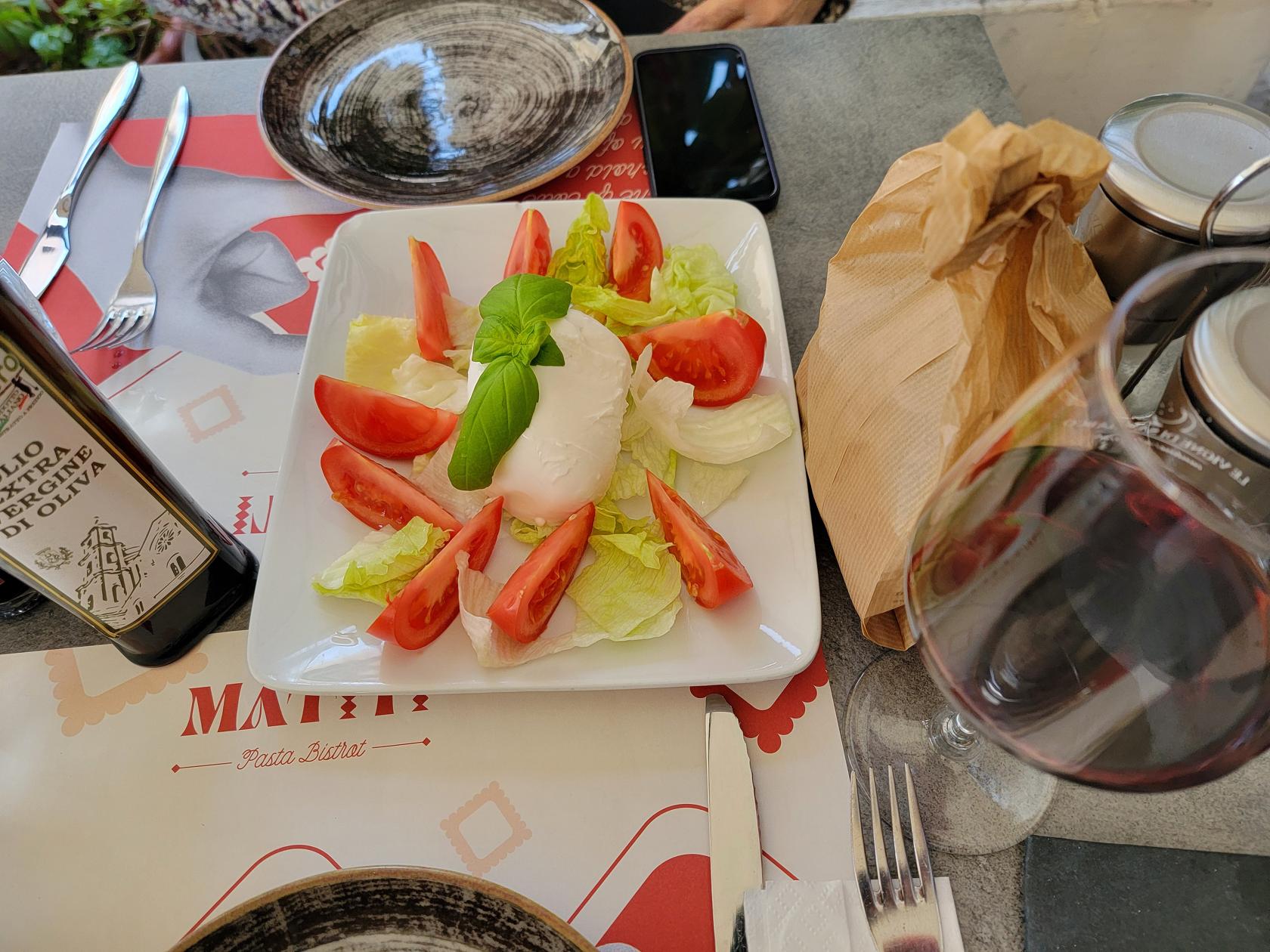
This bistrot did not get very good ratings online, however we found both the food and service adequate for lunch. I ordered a glass of red Primitivo wine from the area which was just delicious, and a 5€ glass, it didn’t hurt my wallet either.
Patti’s Caprese – Matiti Pasta Bistro – Bari, Italy
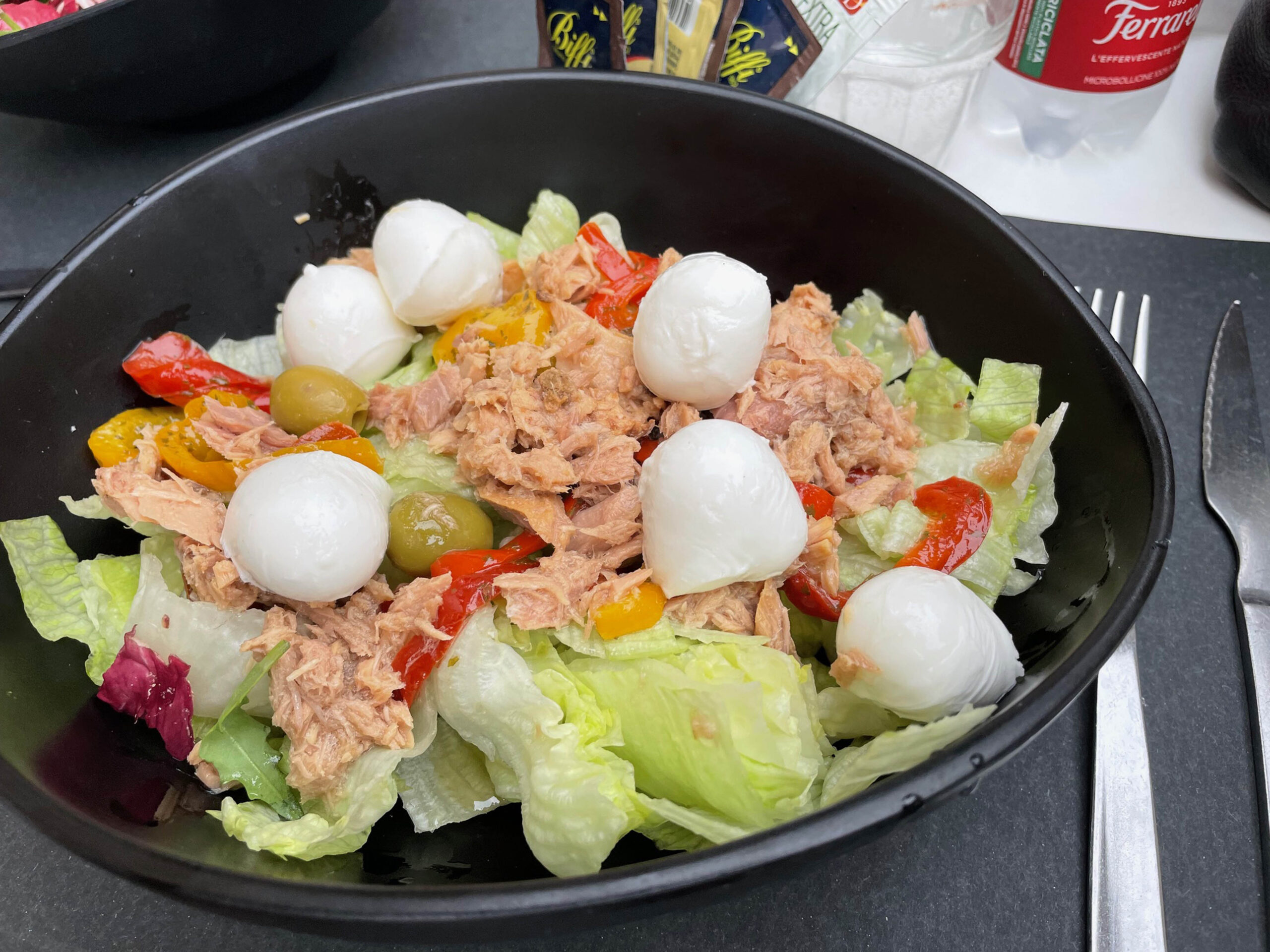
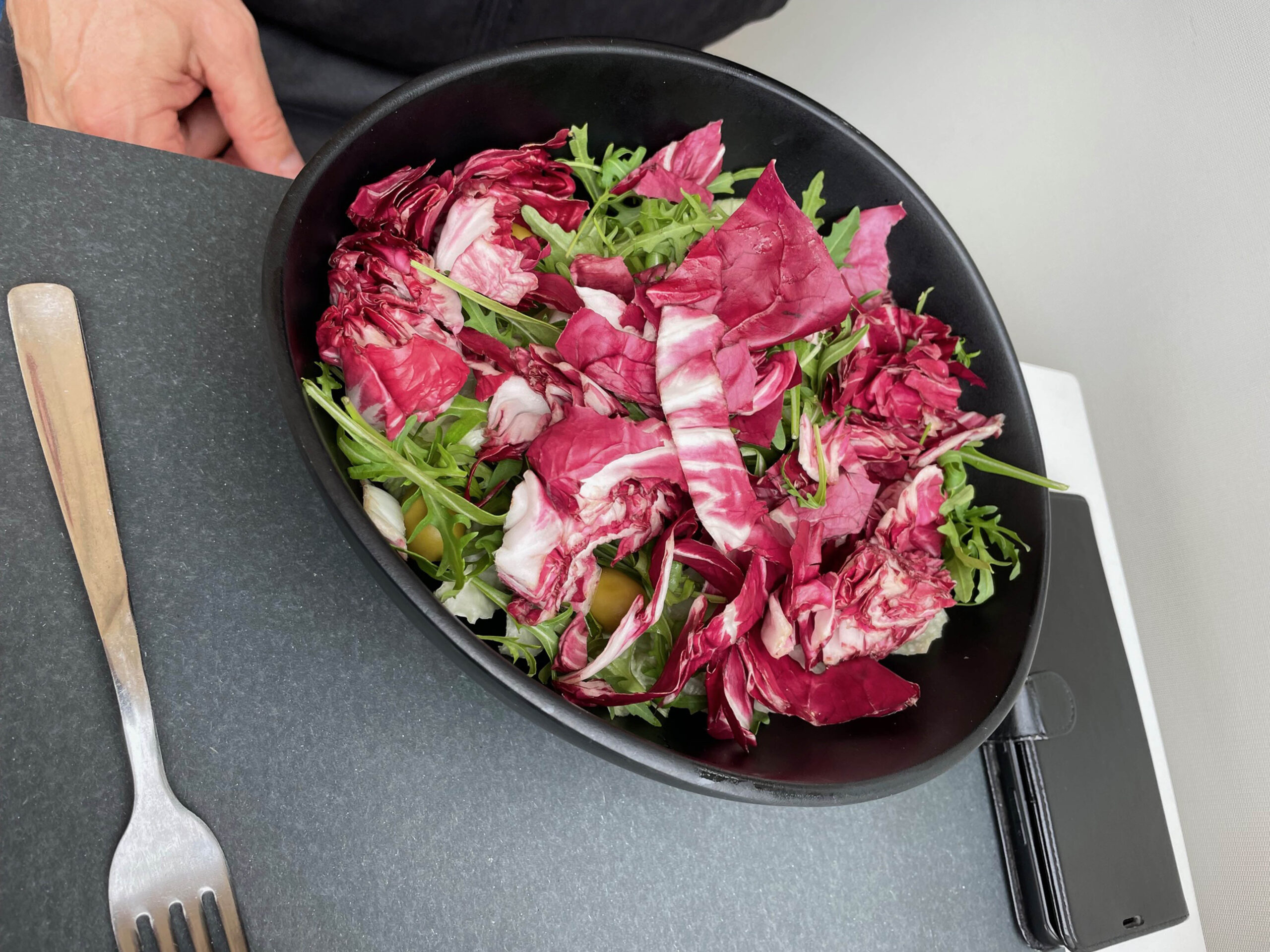
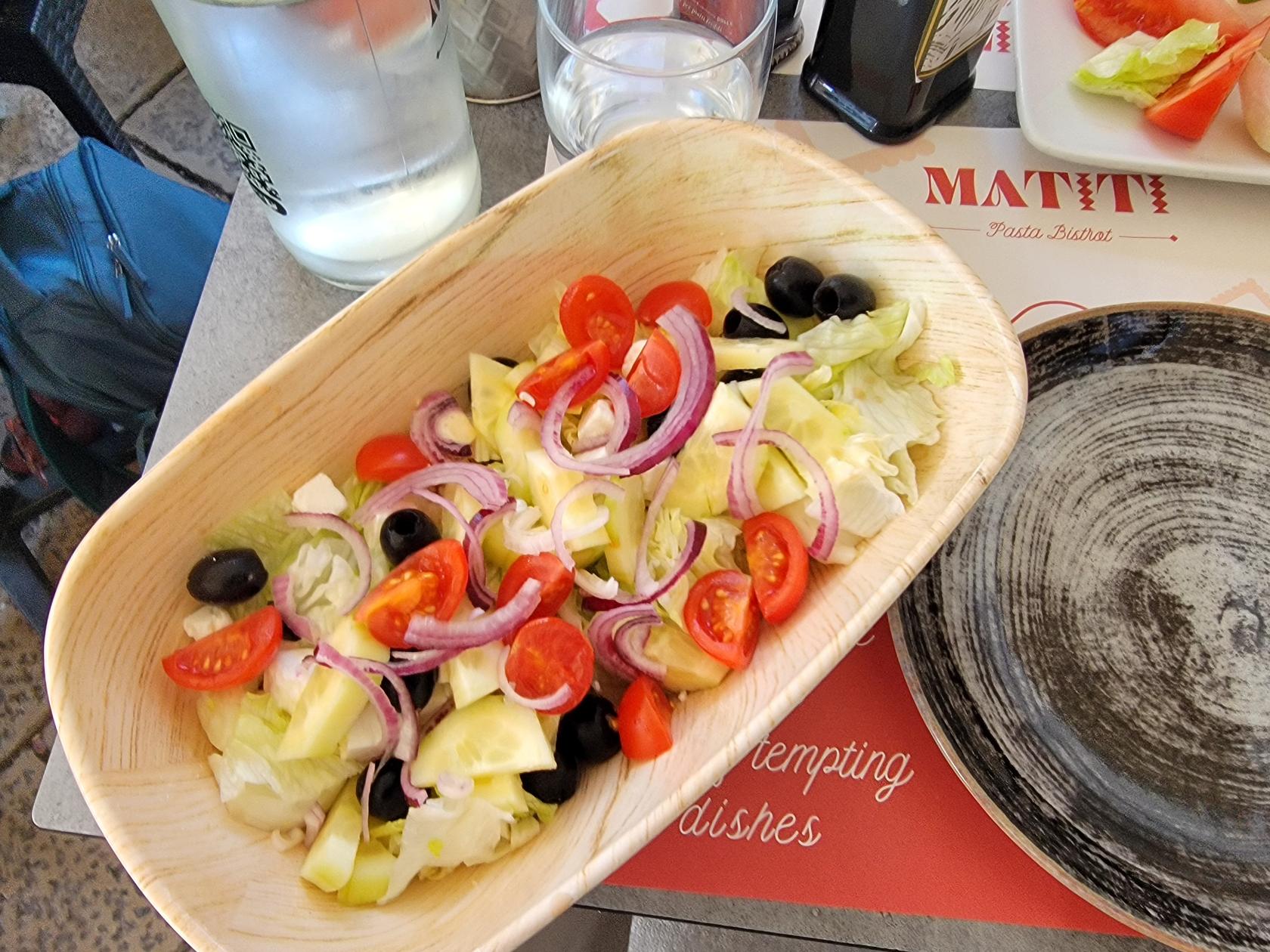
Erick’s Insalata Mista – Matiti Pasta Bistro – Bari, Italy
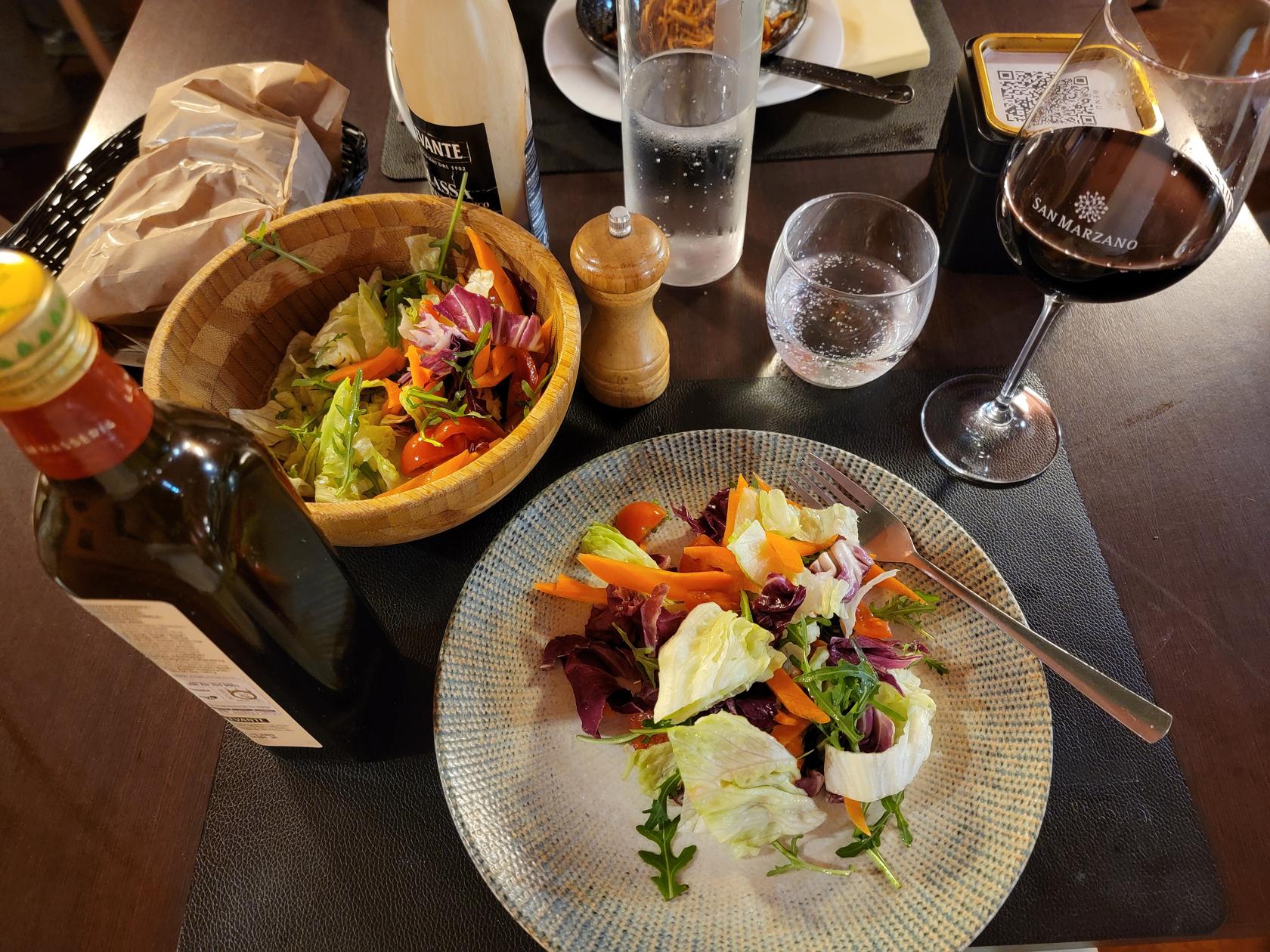
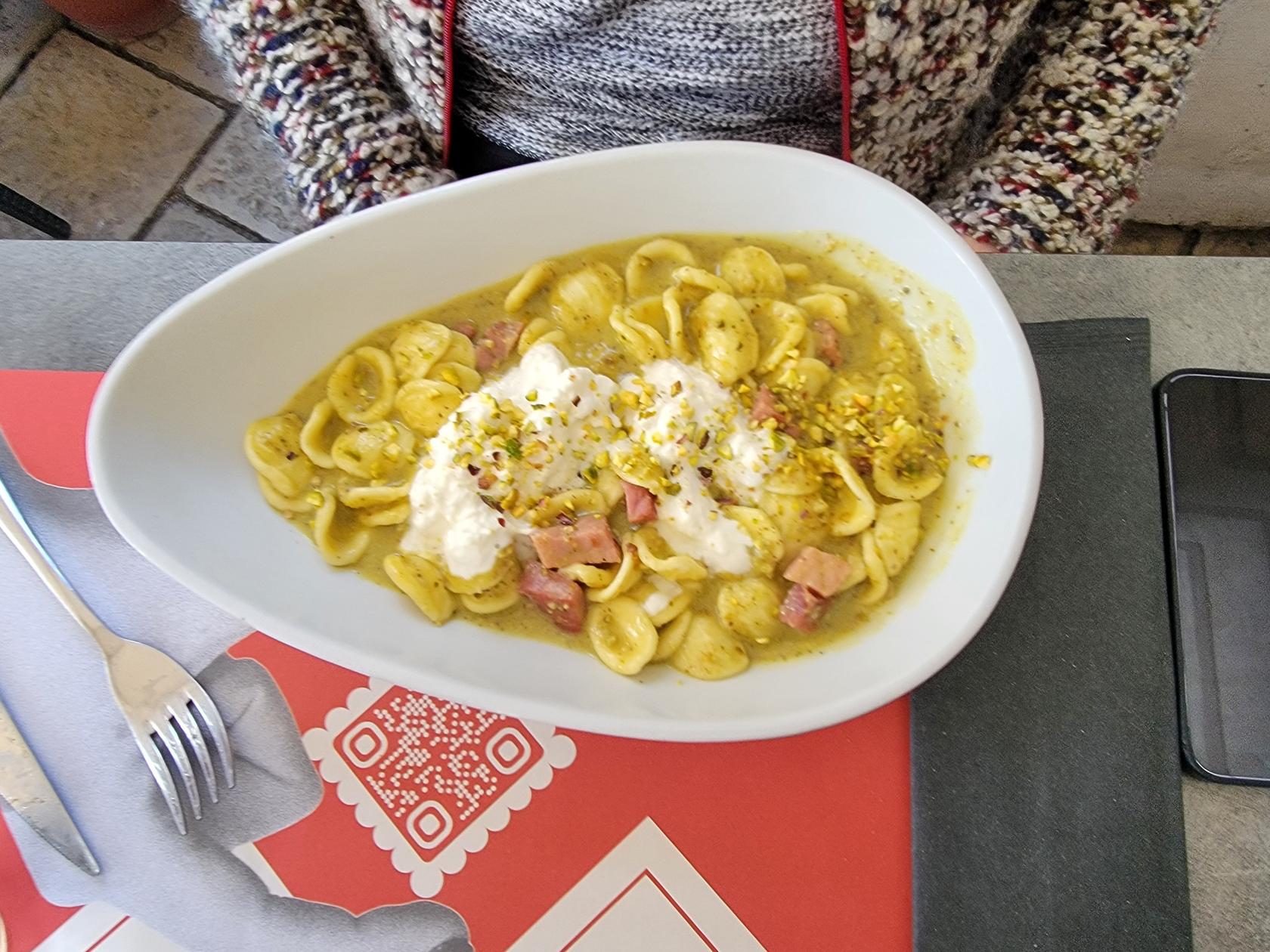
We kept things simple with a Caprese Salad, an Insalata Mista and later some pasta. After that I had an espresso and a sambuca. The total came to 62€ for two people, with two glasses of wine and coperto.
Patti’s Orecchiette with Speck and Pistachio Cream Sauce – Matiti Pasta Bistro – Bari, Italy
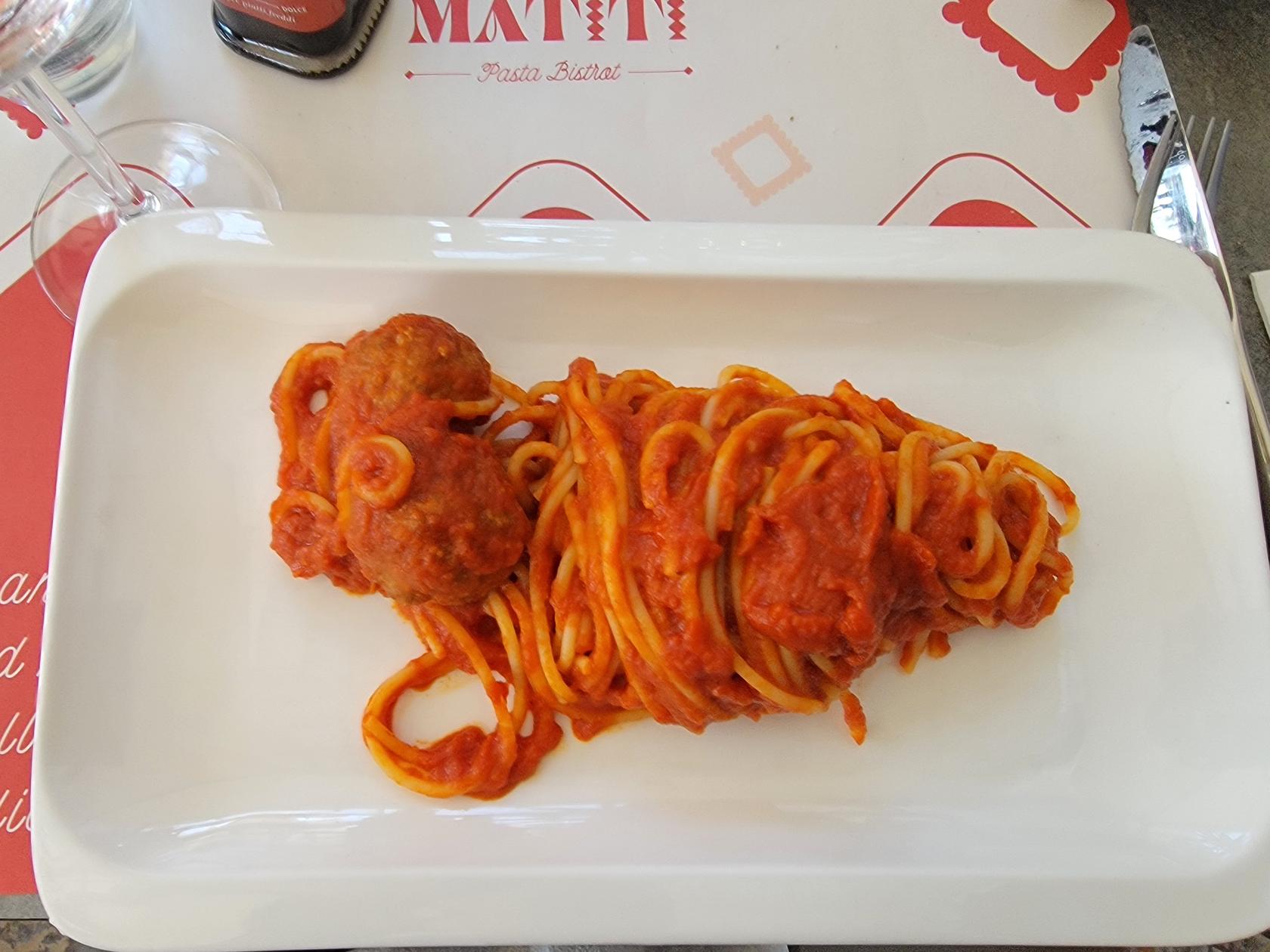
Erick’s Spaghetti and Meatballs – Matiti Pasta Bistro – Bari, Italy
After spending a week in Frankfurt, we decided to spend some time in München, or Munich, Germany. The most affective way to do this from Frankfurt is by train, particularly the ICE DB service. In three hours and some odd number of minutes, you can travel between the two main train stations in comfort.
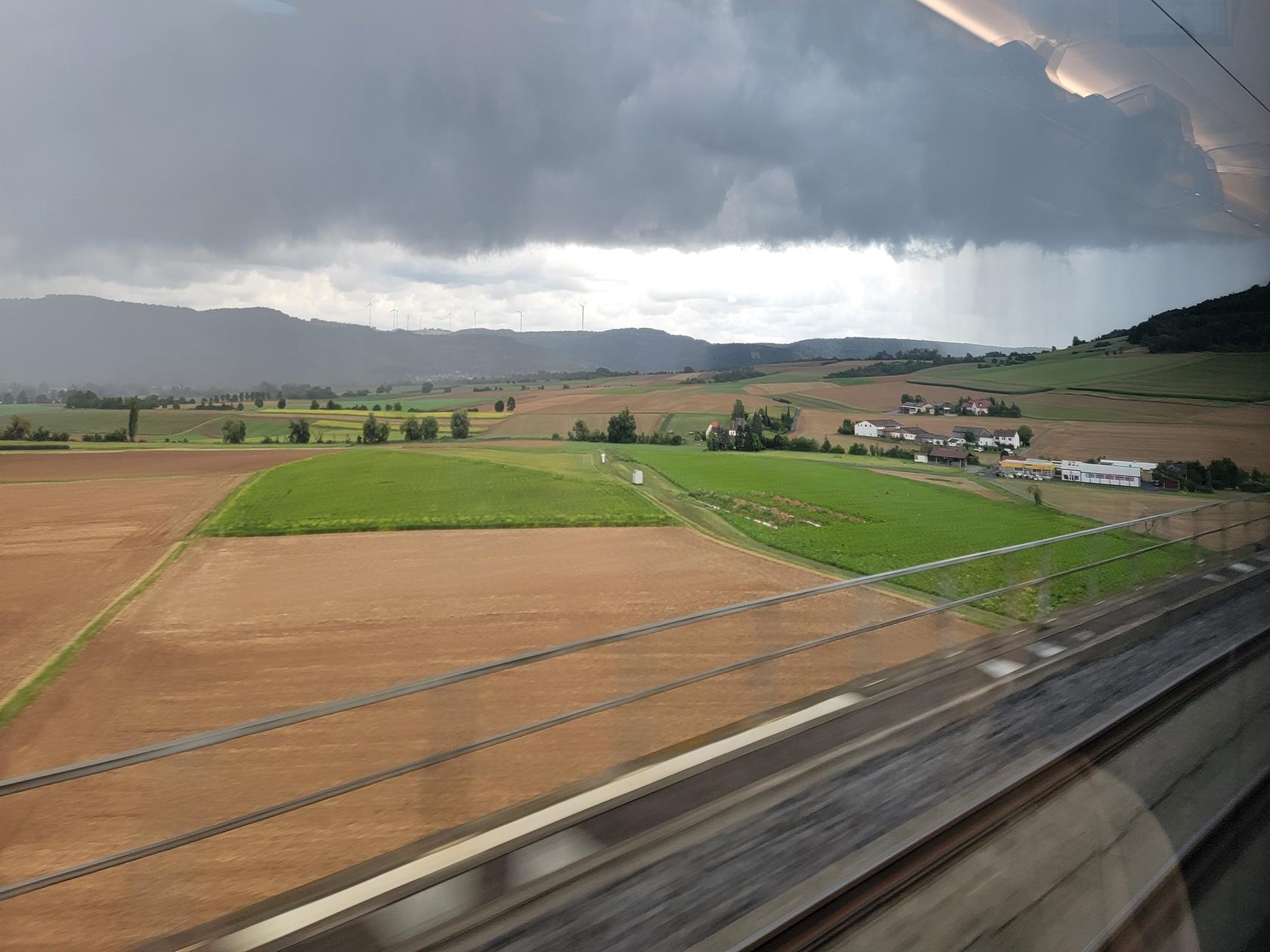
ICE Train to Munich – Storm Front – München, Germany
With most of the family here, we were seven and traveling by train such a short distance just made the most sense, since our daughter and son-in-law had our grandson along. This gave him some added room to walk around an annoy other people instead of just us, breaking up the monotony of the journey. Not really, but it did provide him enough space to get the wiggles out, as opposed to other modes of transport, like an airplane or automobile.
München
The largest city in Bayern, or Bavaria, Munich is a large, bustling city completely accustomed to tourists and tourism. If you are a mono-lingual English speaker, you will find no problem getting around in Munich, most of the residence and restaurant staff speak fluent English.
Marianplatz
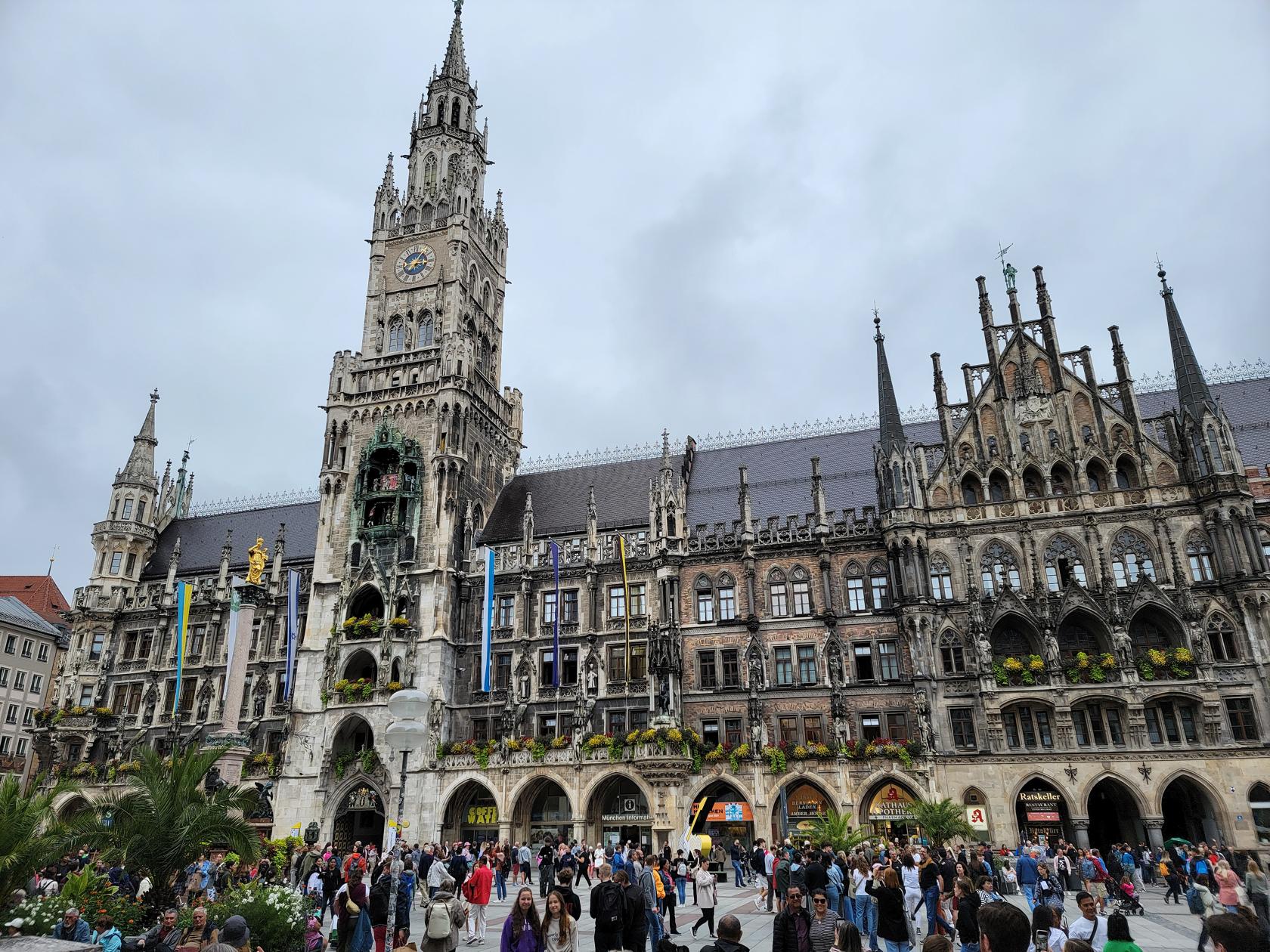
The largest and most central of the squares or piazzas in Munich is the Marianplatz. It is most likely your U- or S-Bahn destination from the Hauptbahnhof and the energetic core of the tourism industry.
Marianplatz and the new Rathaus – München, Germany
The Marianplatz is girdled with high-end shopping, caffes and tourism shops. It also has many historical monuments and fountains, as well as churches and other places of interest.
Neues Rathaus and Glockenspiel
Most people will likely concentrate on the Old City, Marianplatz where the Glockenspiel plays it’s tune everyday at eleven and twelve o’clock (sometimes at seventeen o’clock in the winter).
Neues Rathaus – München, Germany
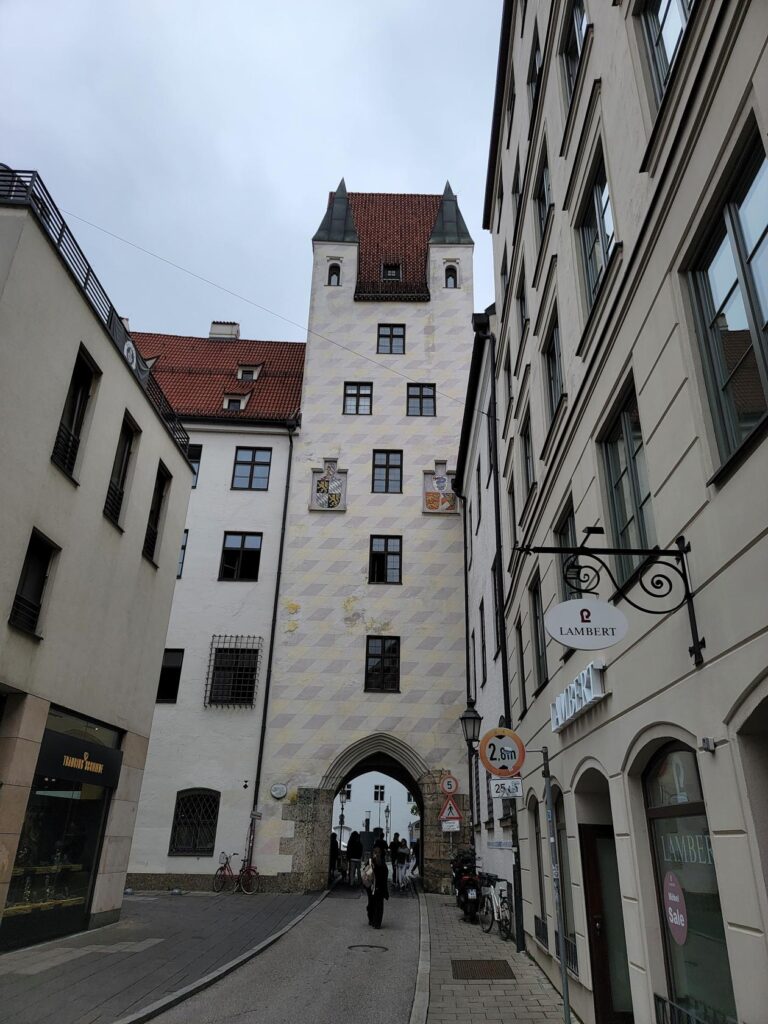
Der Affenturm – München, Germany
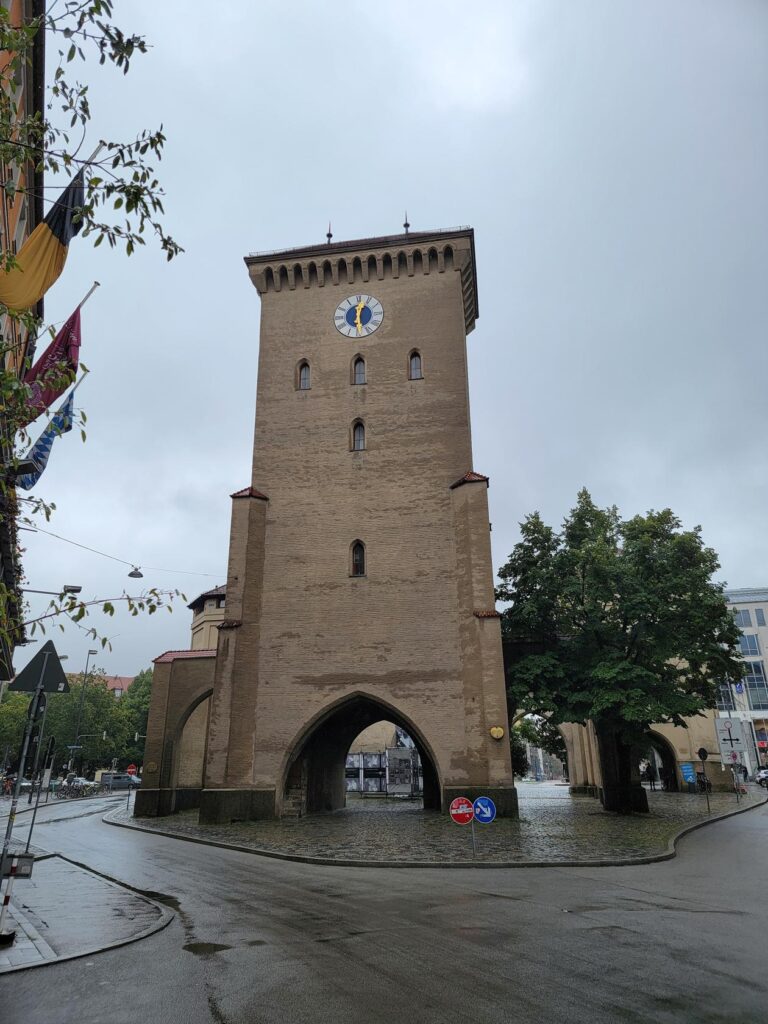
Isar Tor – München, Germany
It plays a rather long ditty that includes the operation of the top and then the bottom carousel of automatons.
Altstadt-Lehel
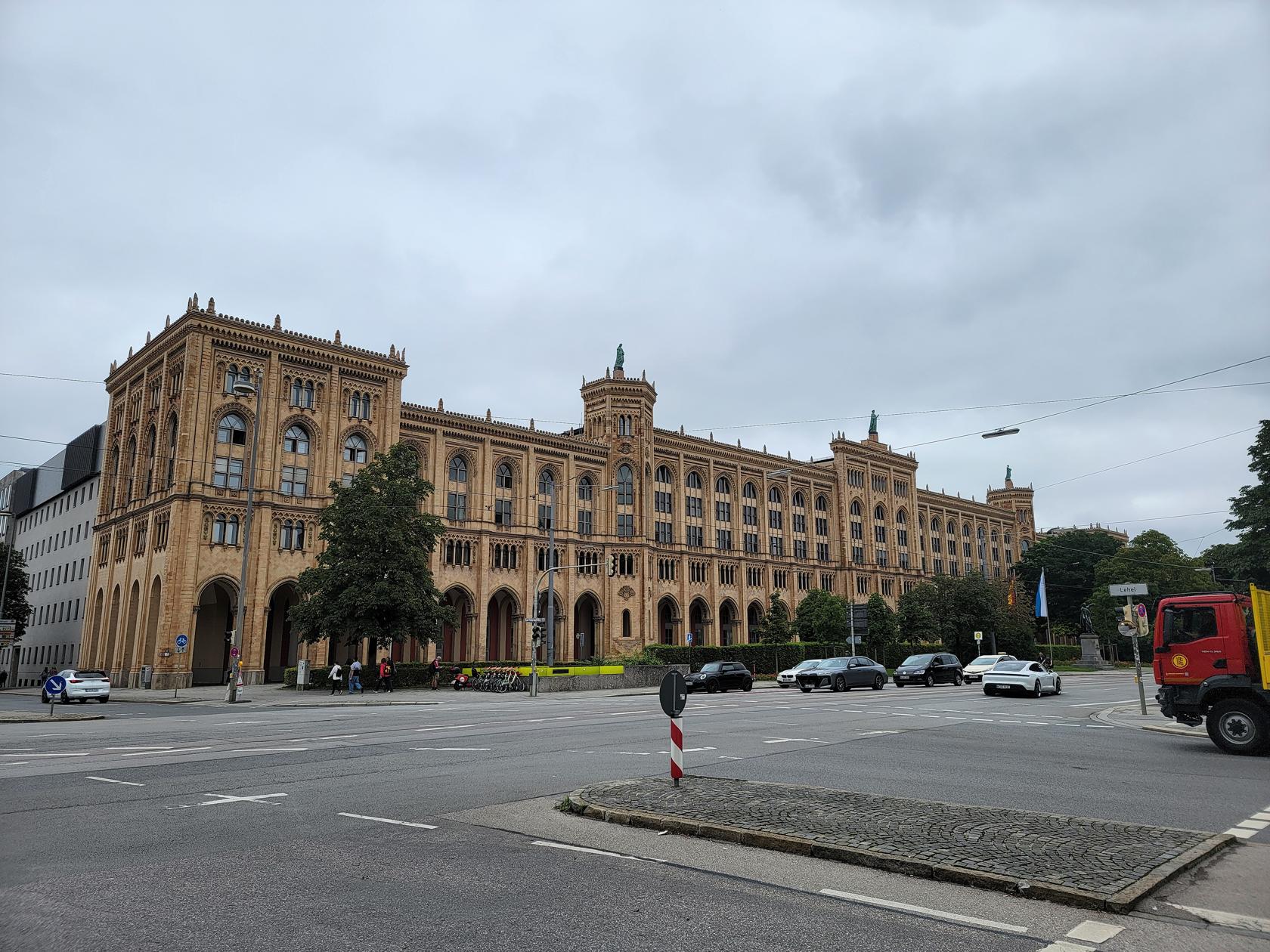
This region of München lies just to the north of the old city, or Altstadt. Here is where you will find the palaces, gardens and other grand accoutrements of the city.
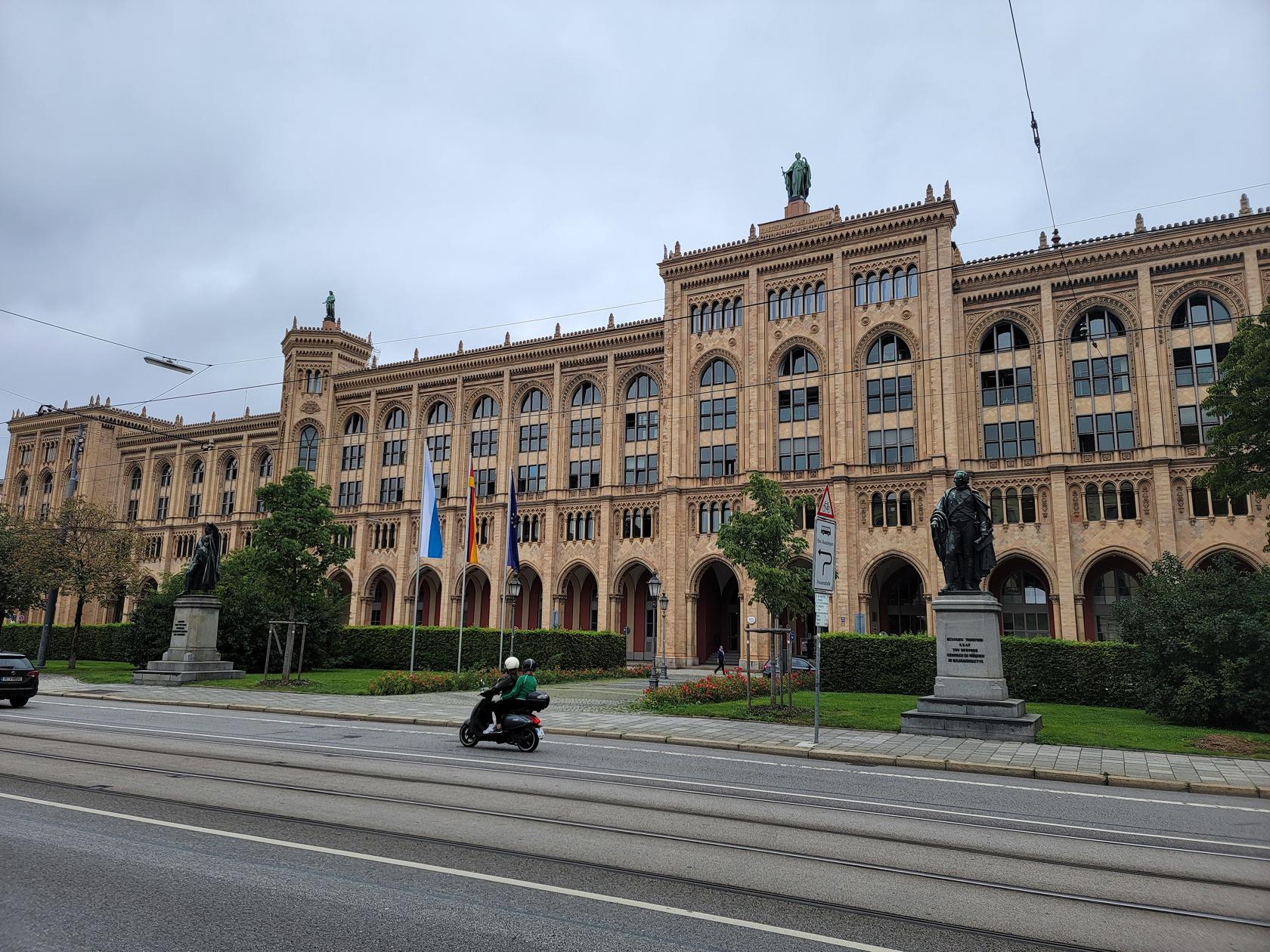
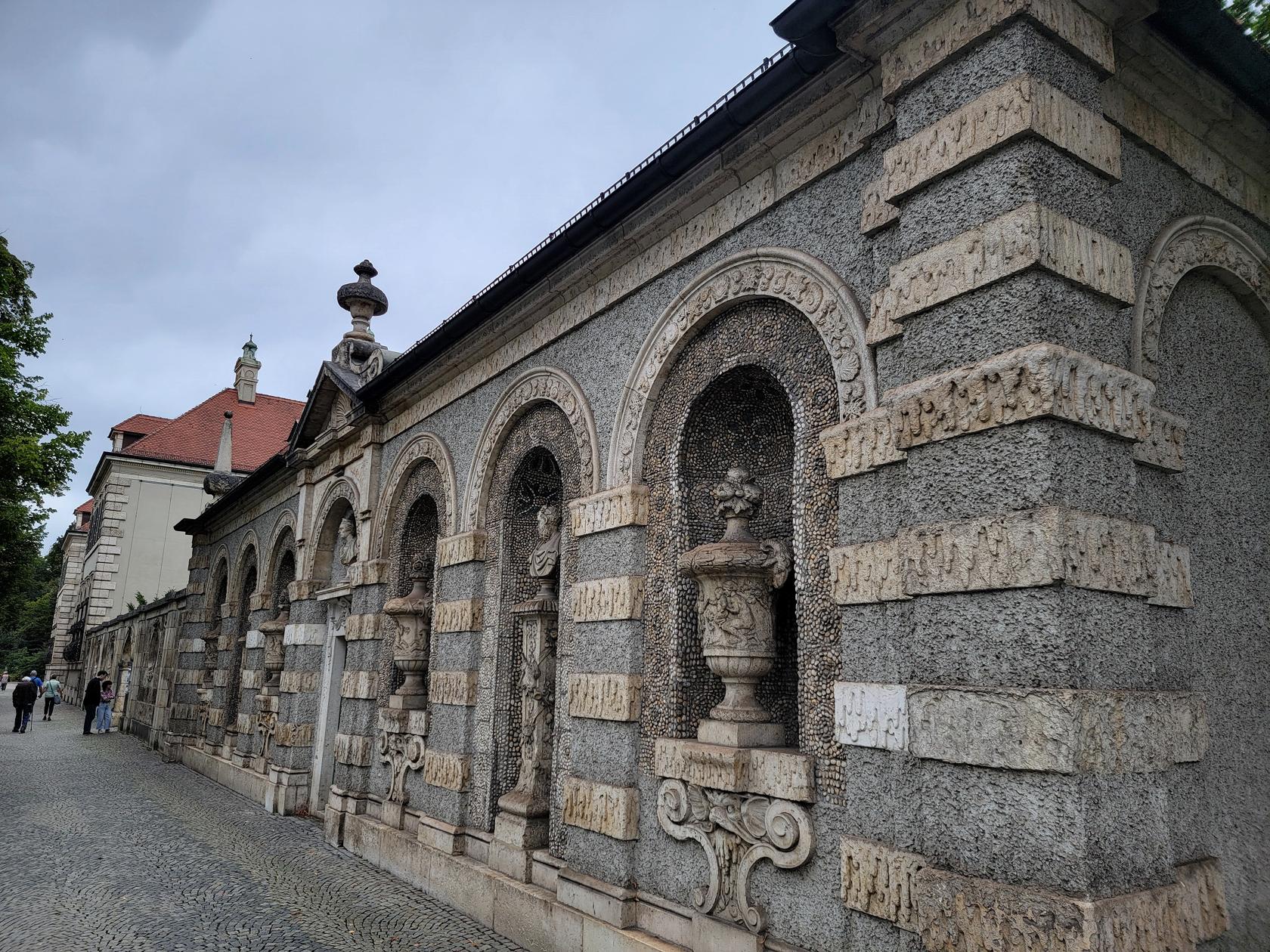
Museum building – München, Germany
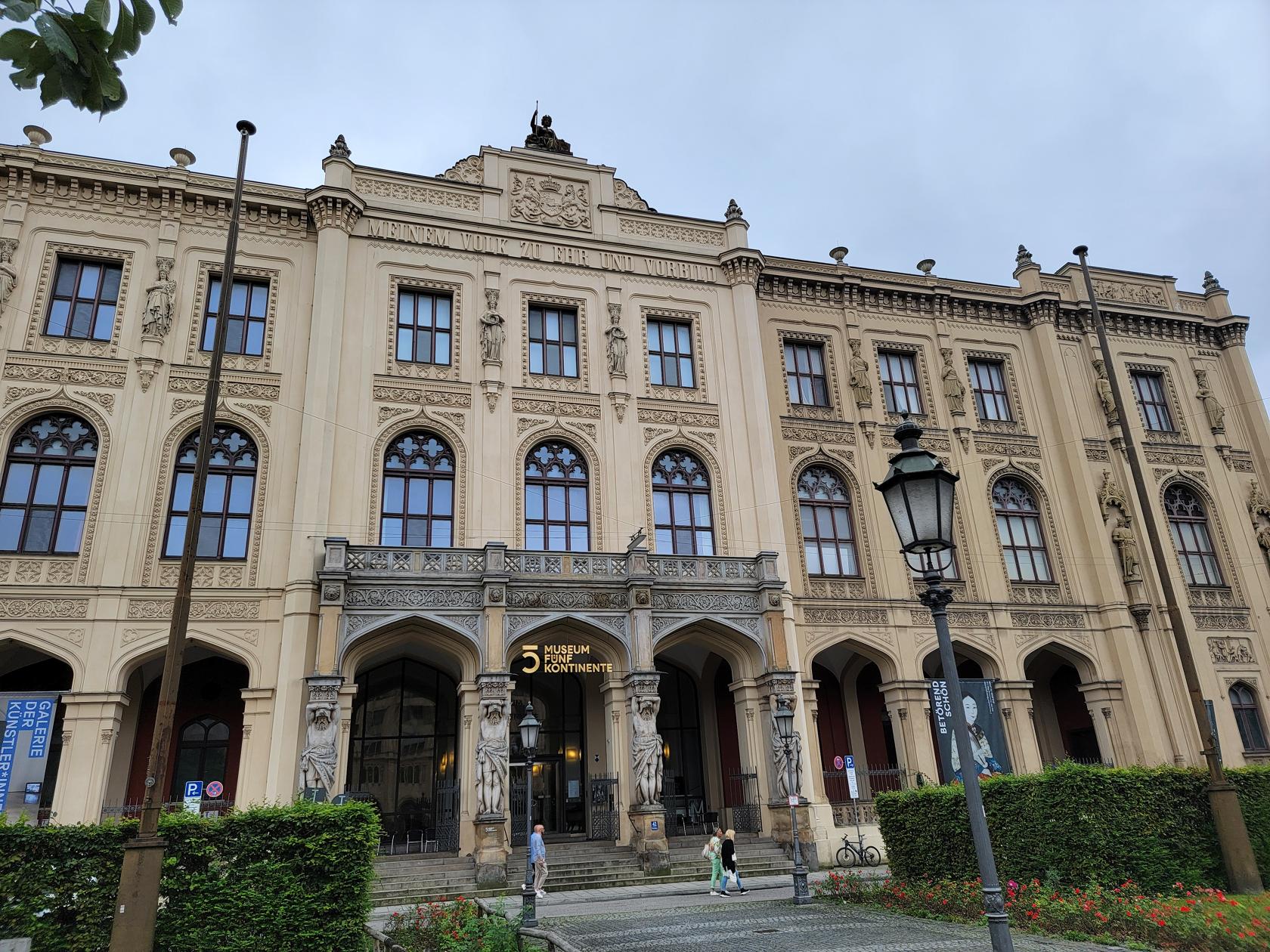
Museum of the 5 continents – München, Germany
Museum – München, Germany
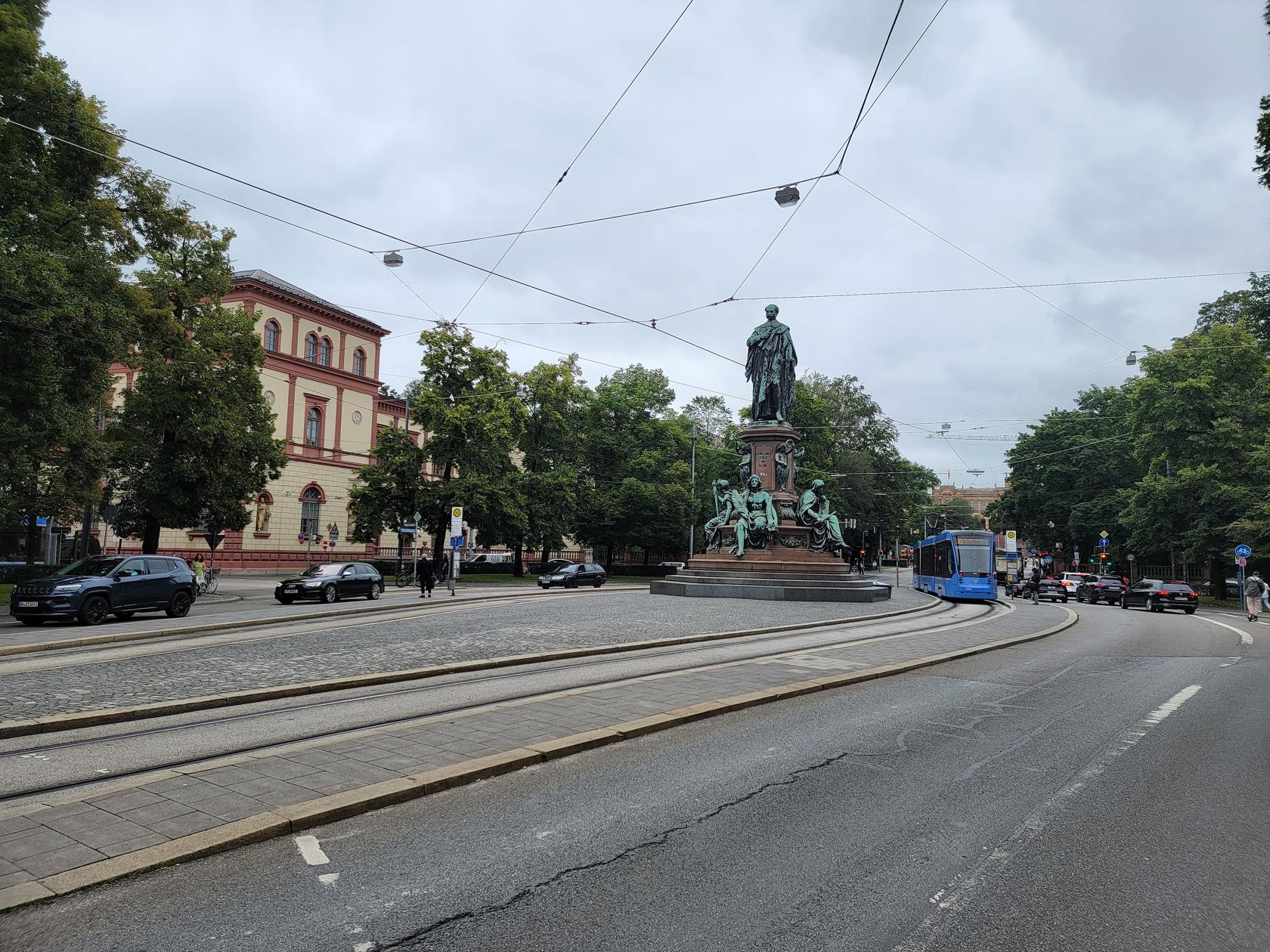
Maximilian von Bayern monument – Maximilianstraße – München, Germany
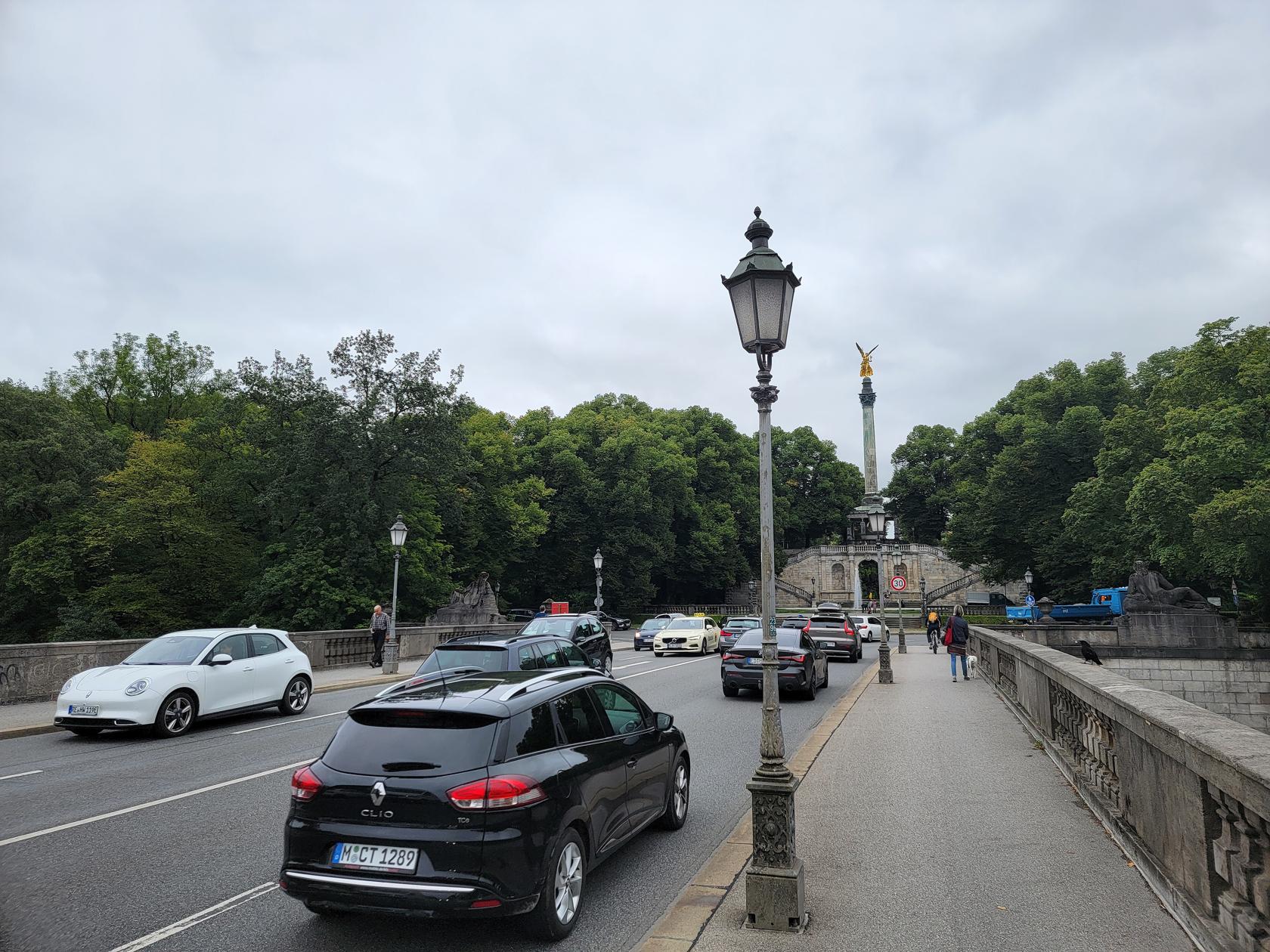
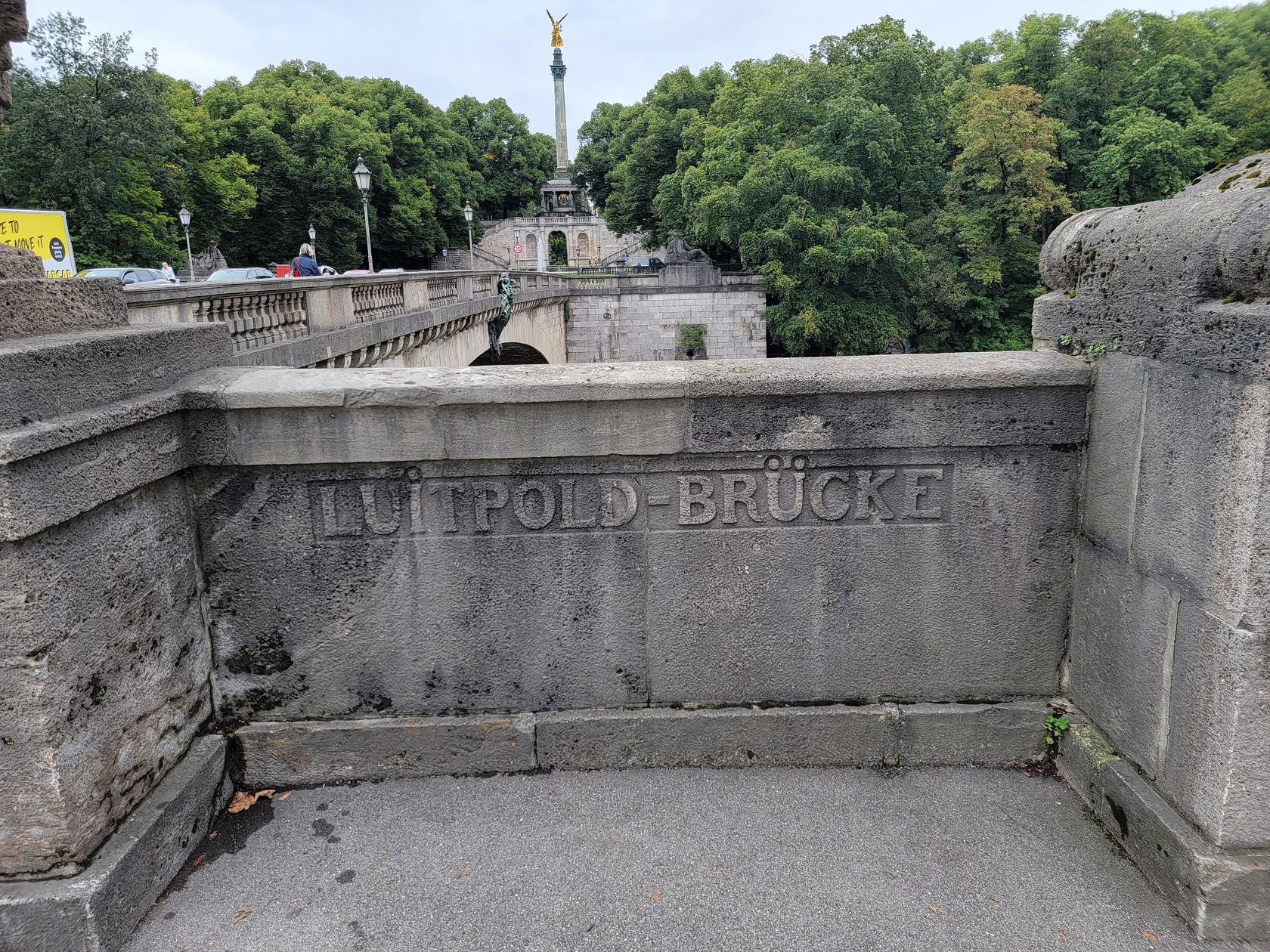
Luitpoldbrücke – München, Germany
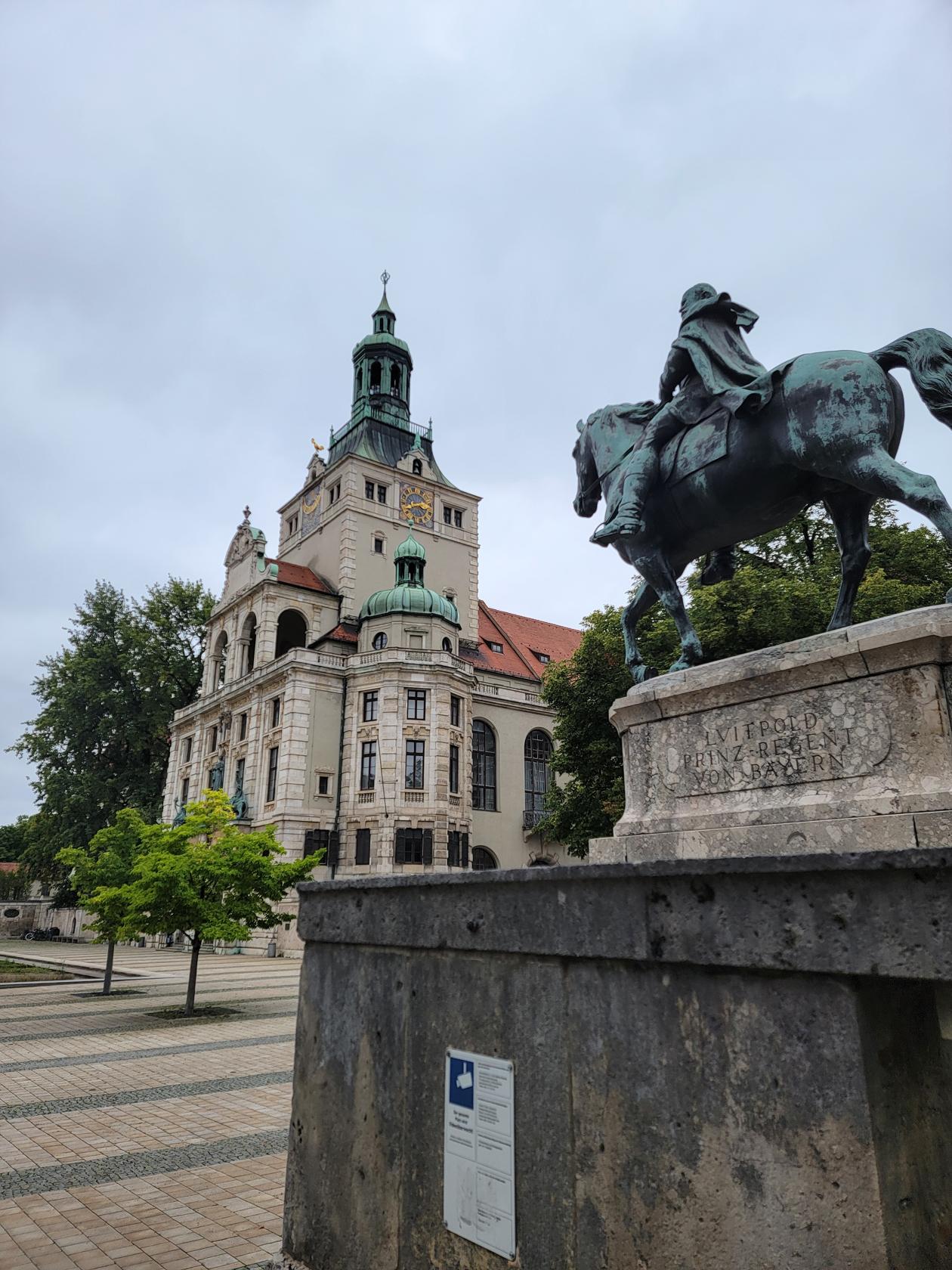
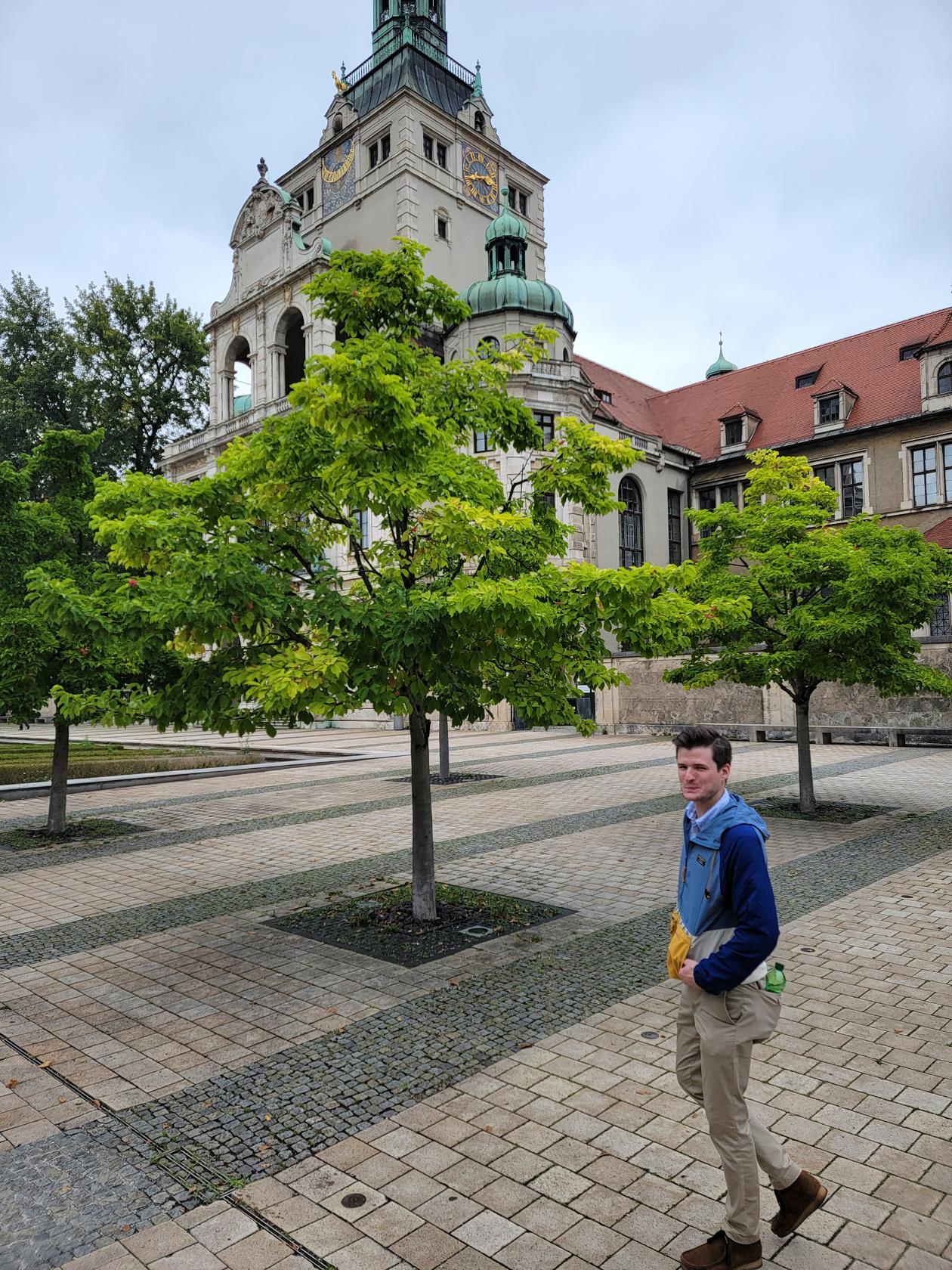
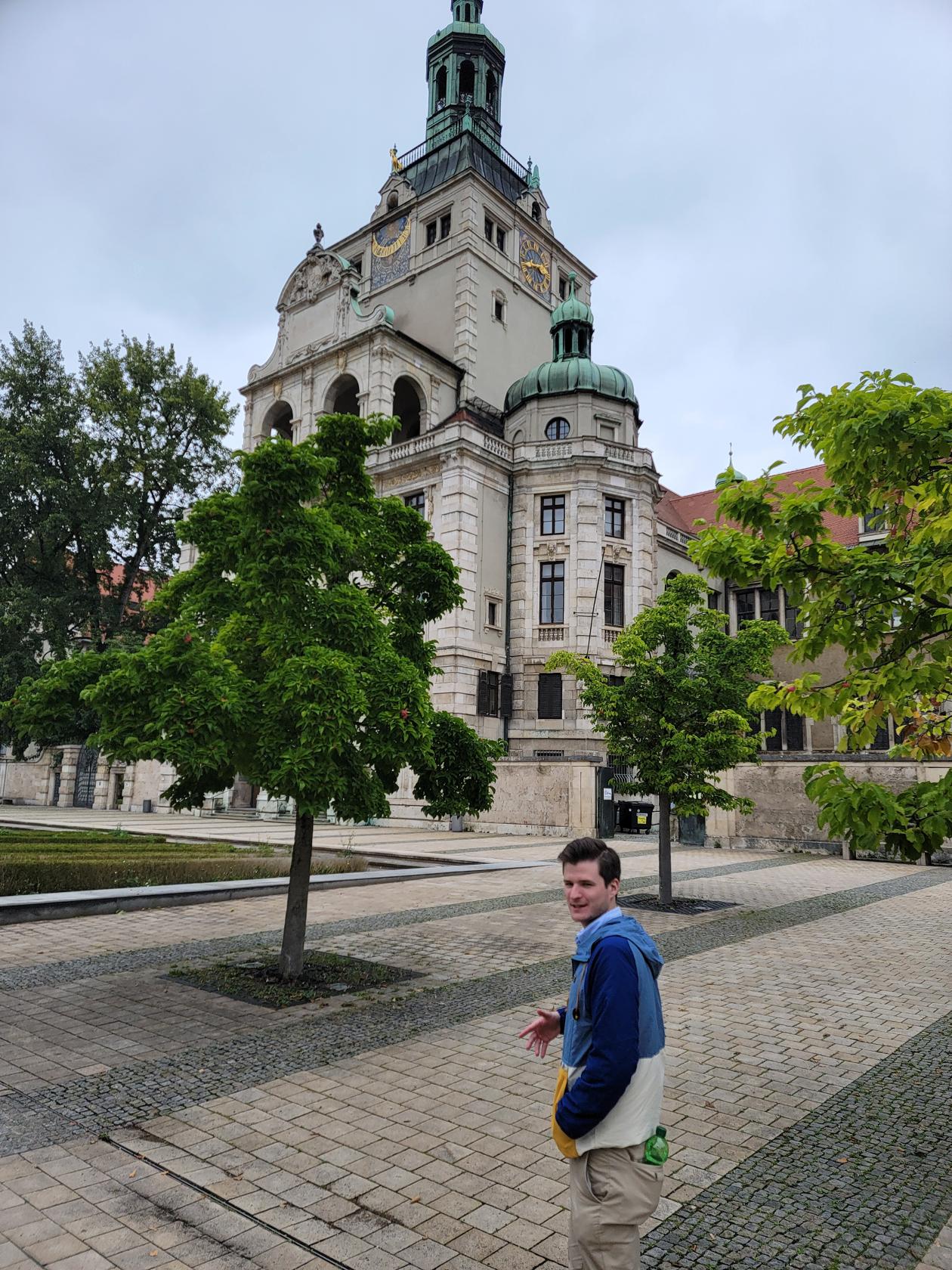
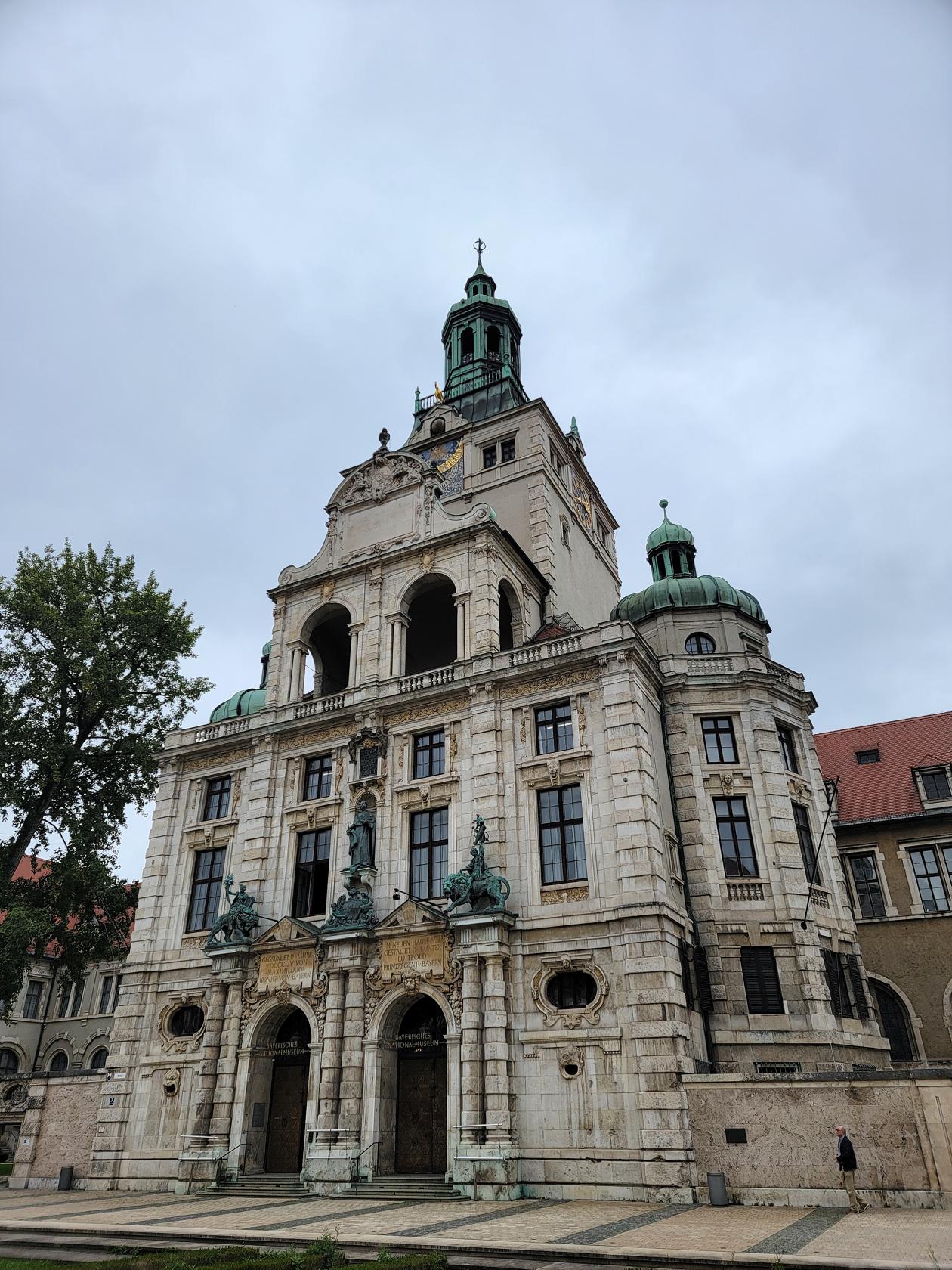
Bavarian National Museum – München, Germany
Dana – In front of the Bavarian National Museum – München, Germany
Dana – In front of the Bavarian National Museum – München, Germany
The Bavarian National Museum – München, Germany
Café – Bavarian National Museum – München, Germany
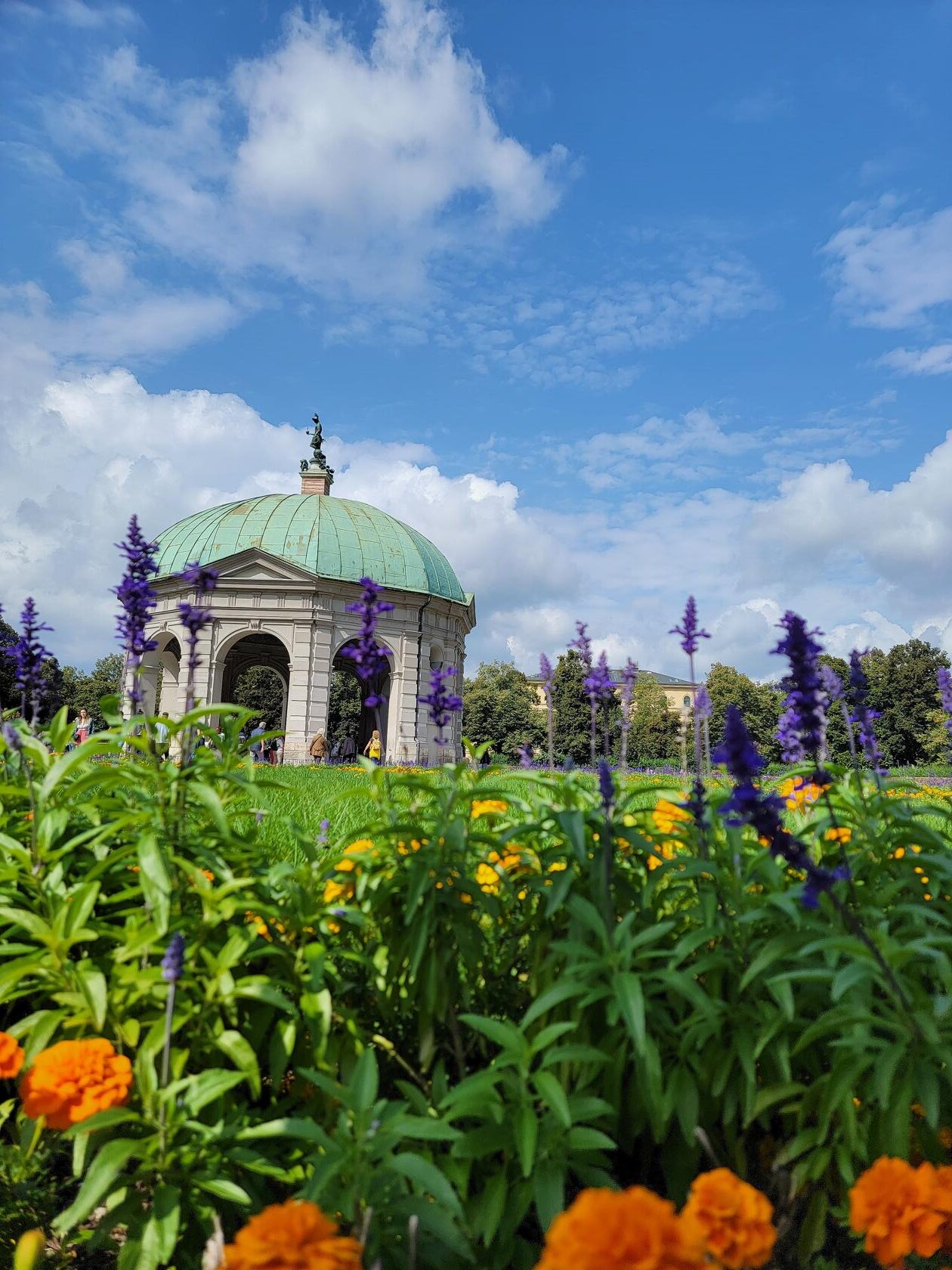
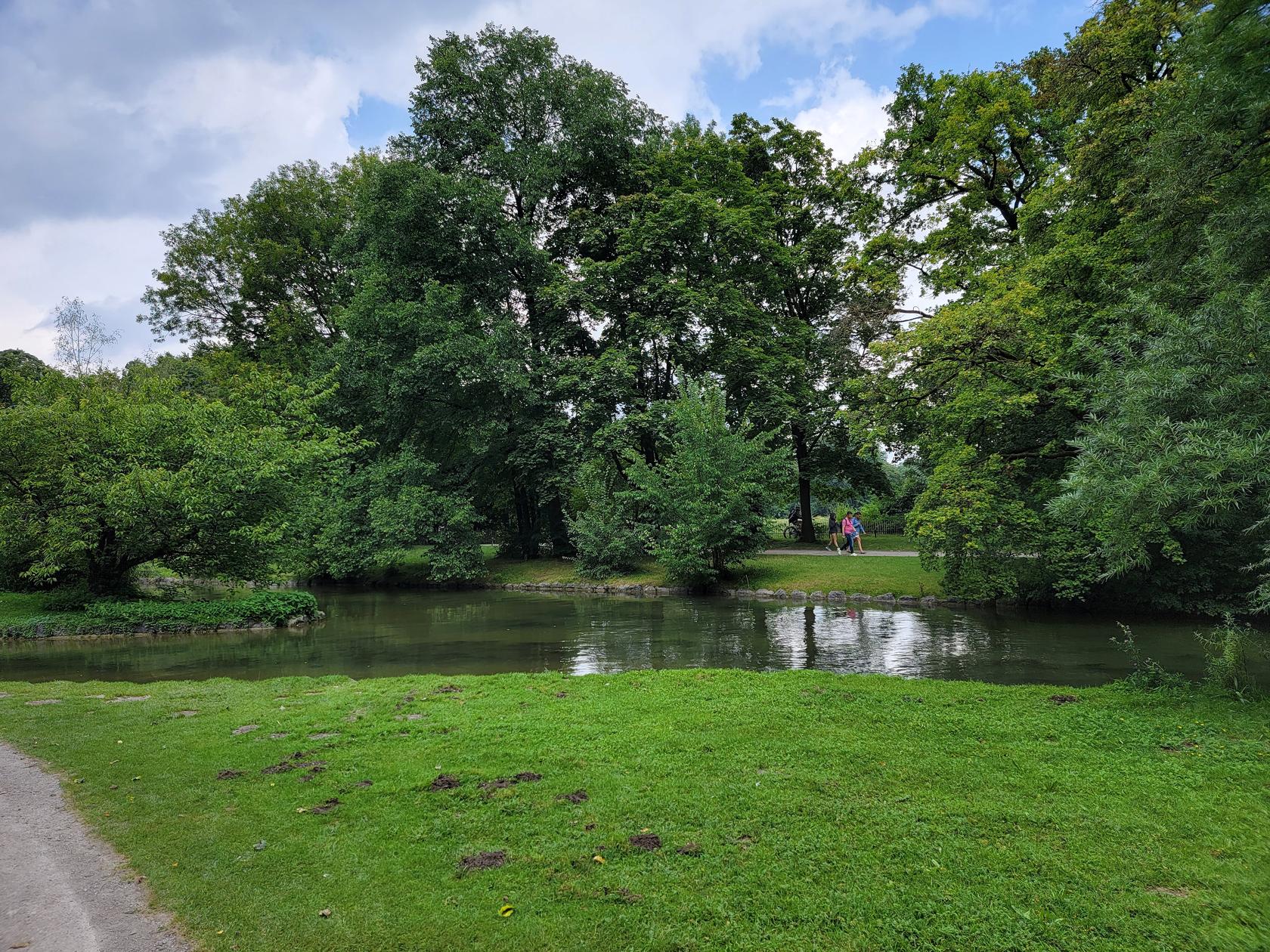
English Gardens
A large garden located to the north of the main part of the city, it is a very nice place to visit on a sunny day. A large city park with many different things to see and experience, it even has a place that people go to surf, if one can believe such a thing can exist away from the coast in a city.
English Gardens – München, Germany
English Gardens – München, Germany
English Gardens – München, Germany
English Gardens – München, Germany
English Gardens – München, Germany
English Gardens – München, Germany
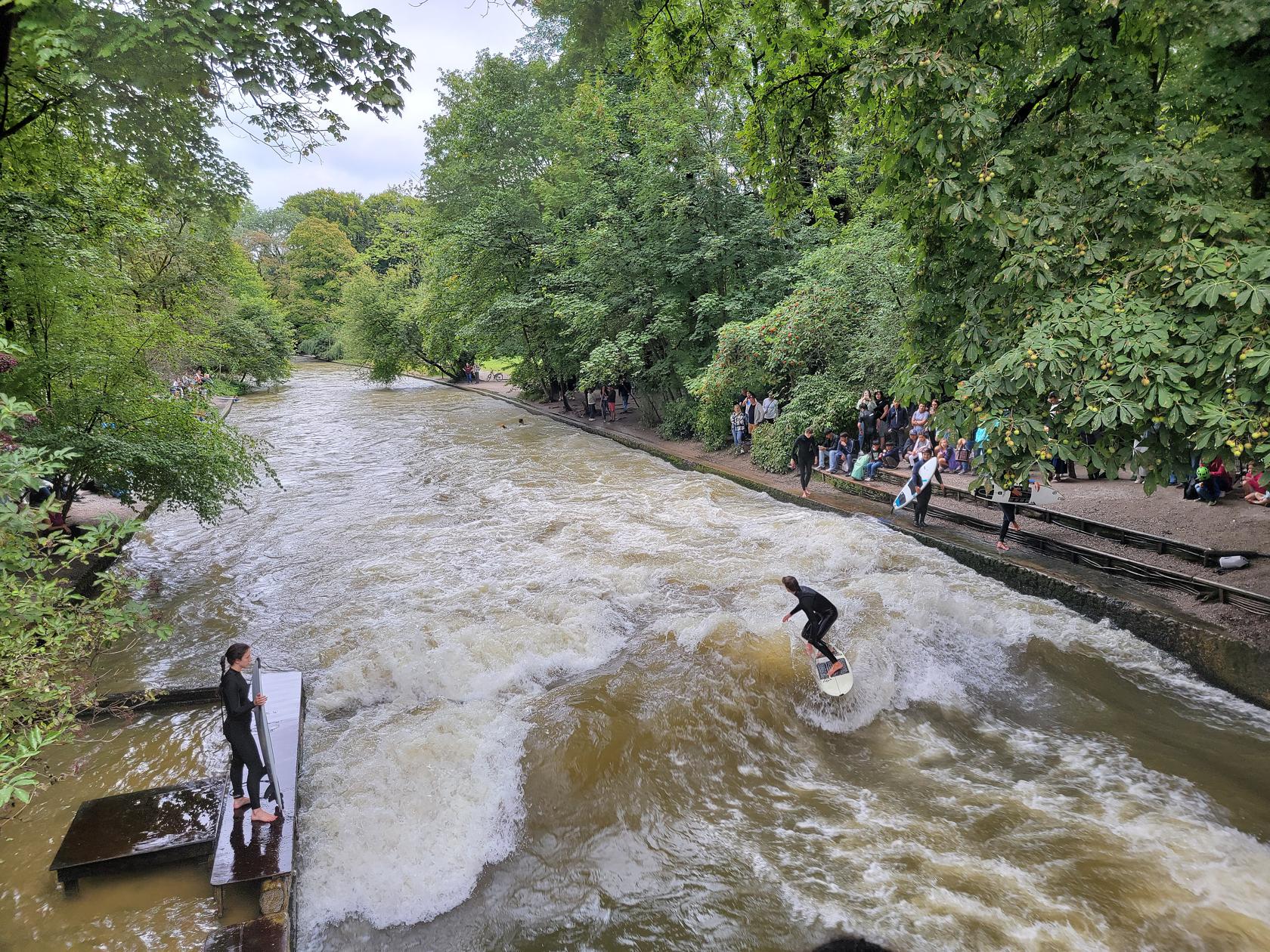
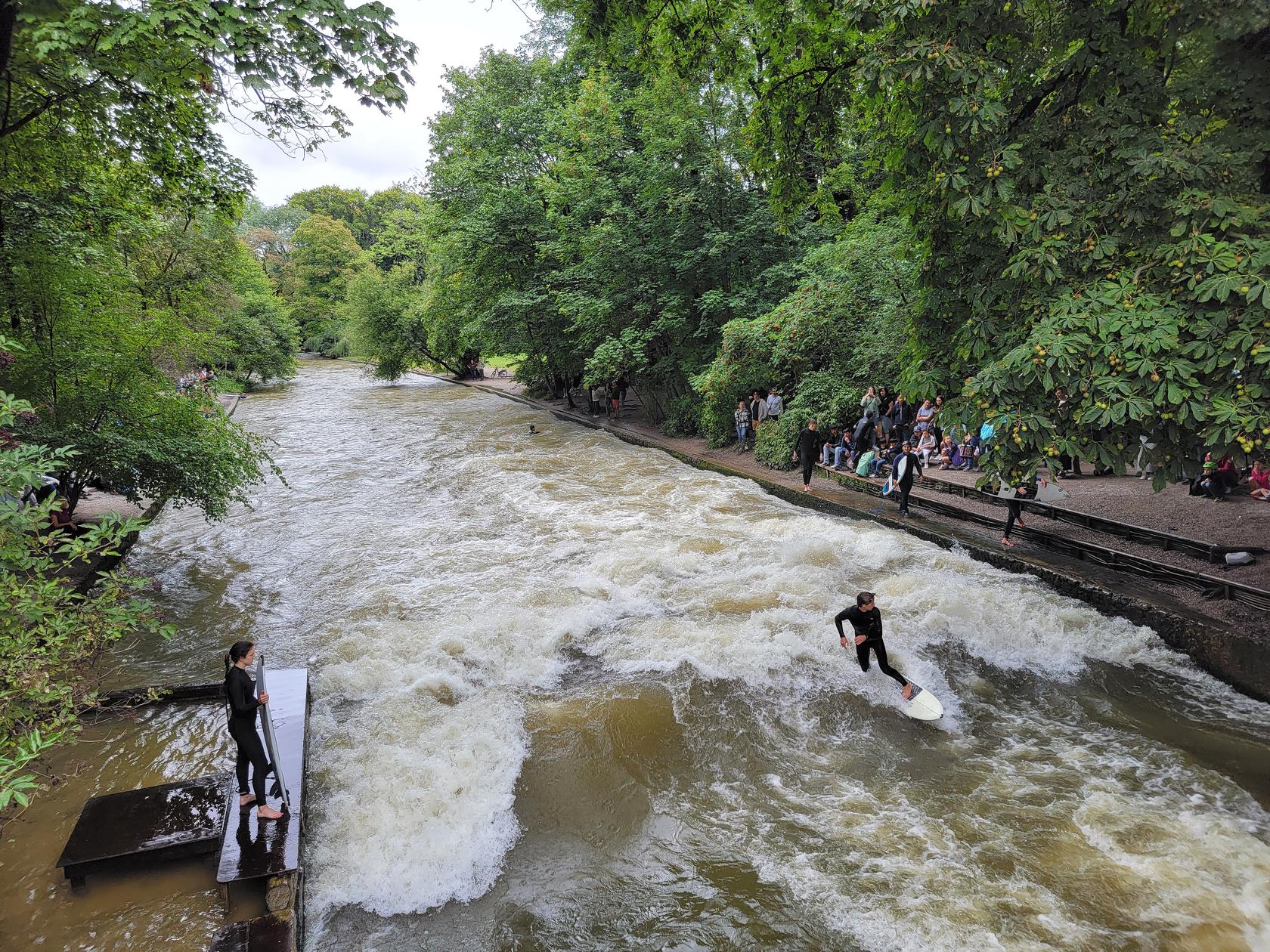
Eisbachwelle
Just on the south east end of the gardens you will discover the river Eisbach and the Eisbachwelle. This is a fast moving stream that has been conveniently modified through the use of carefully placed stones into a haven for surf-boarders. It’s amazing to stop for a bit just to see their skill and how they are able to throw their boards in and hop on in all but an instant, truly remarkable.
Eisbachwelle – München, Germany
Eisbachwelle – München, Germany
Maximiliansanlagen and the Isar
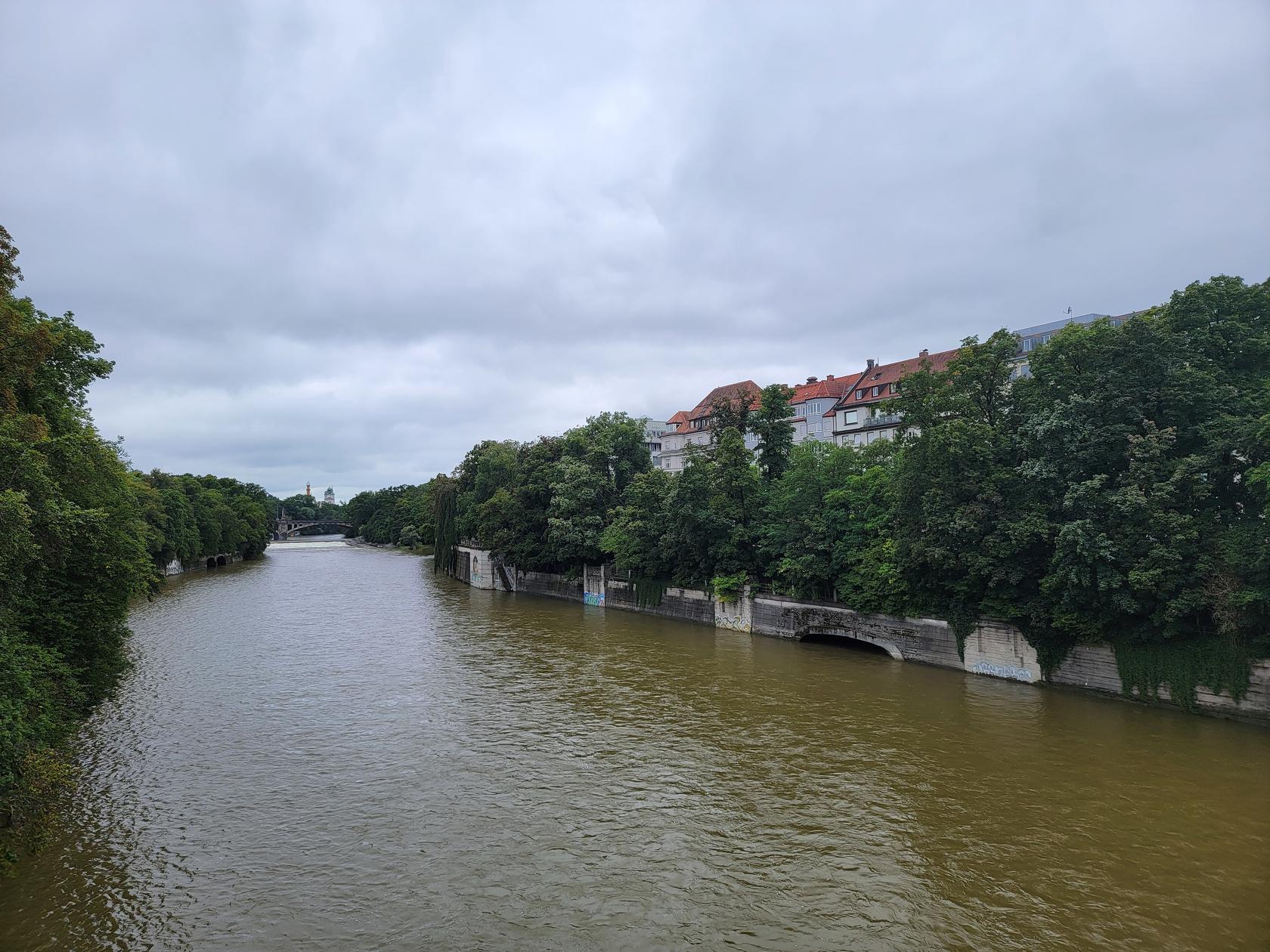
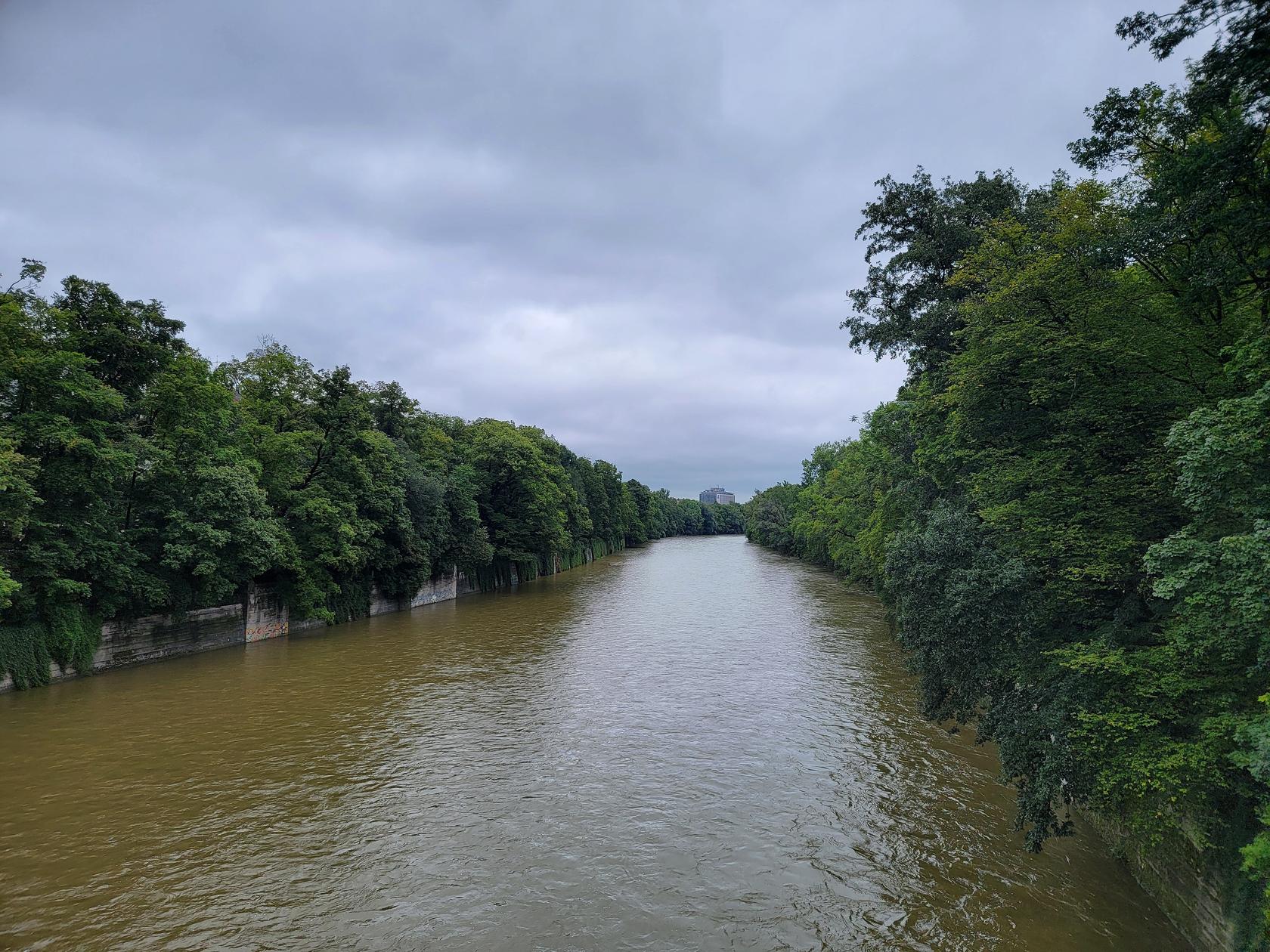
Another great place for a stroll is Maximilian’s garden. A very well kept park which stretches along the Isar and the Isarinsel or island that provides a cool contemplative place for de-stressing and an escape from the warm summer midday.
The Isar – Luitpoldbrücke – München, Germany
Luitpoldbrücke – München, Germany
Luitpoldbrücke – München, Germany
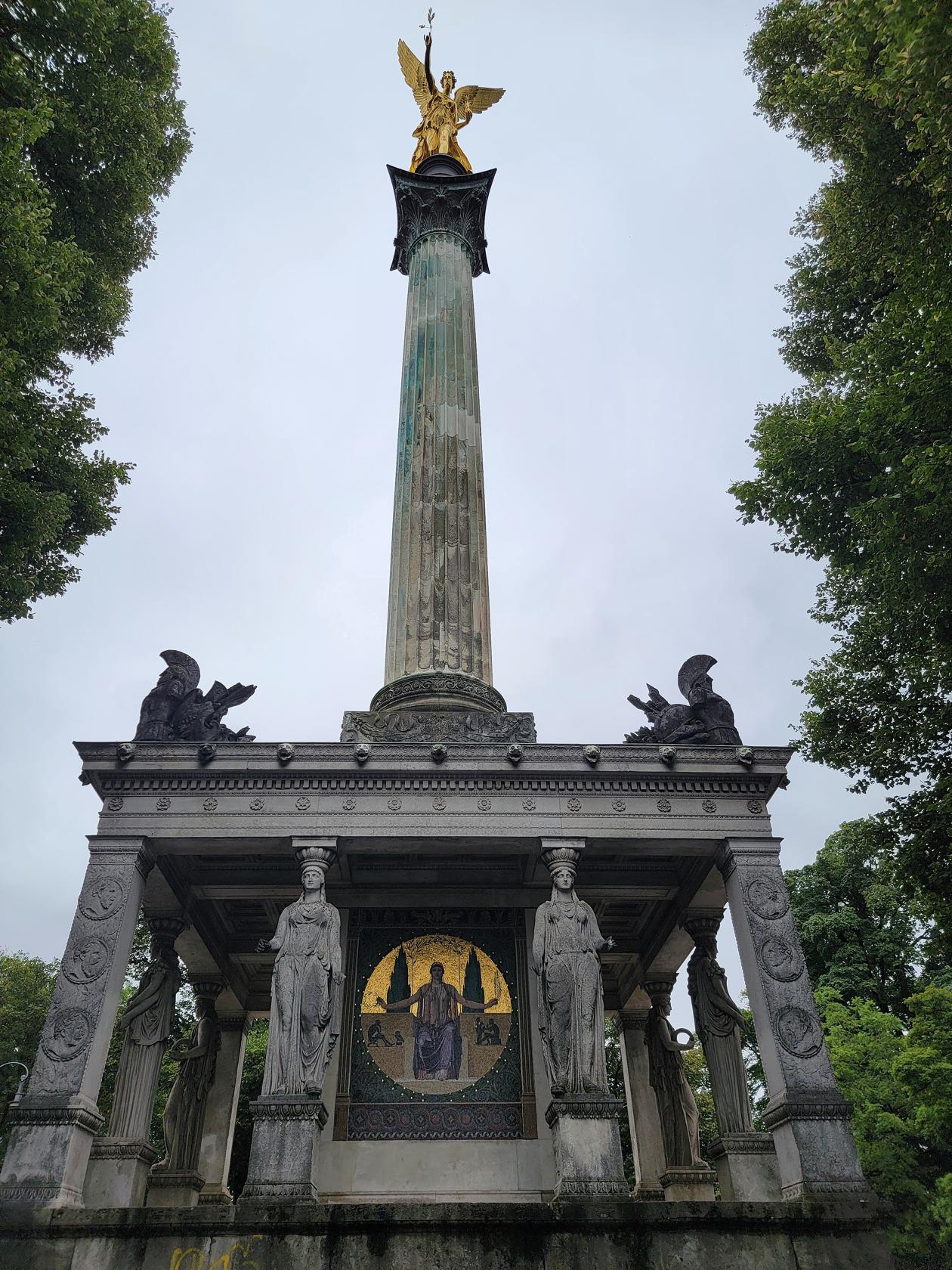
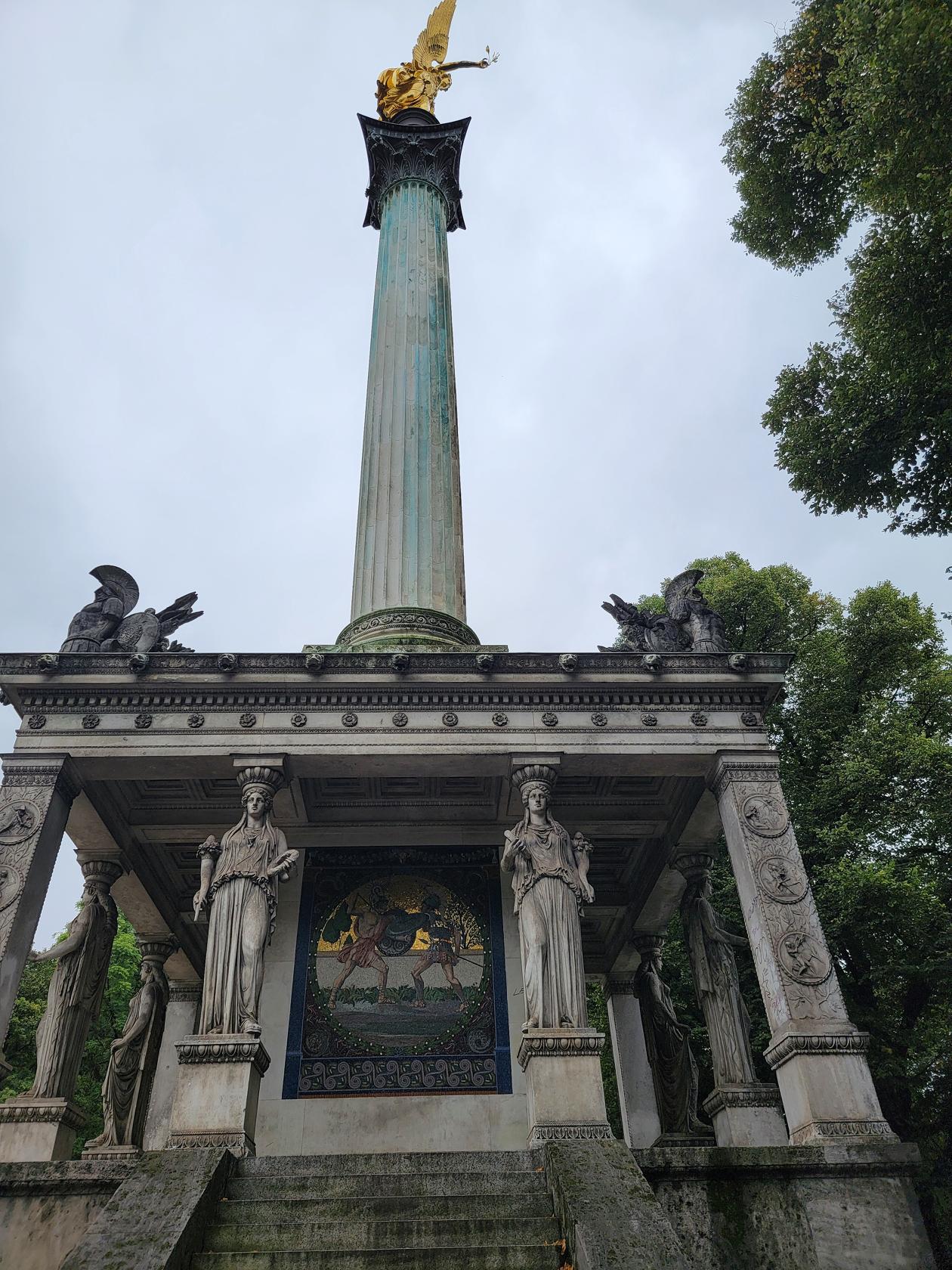
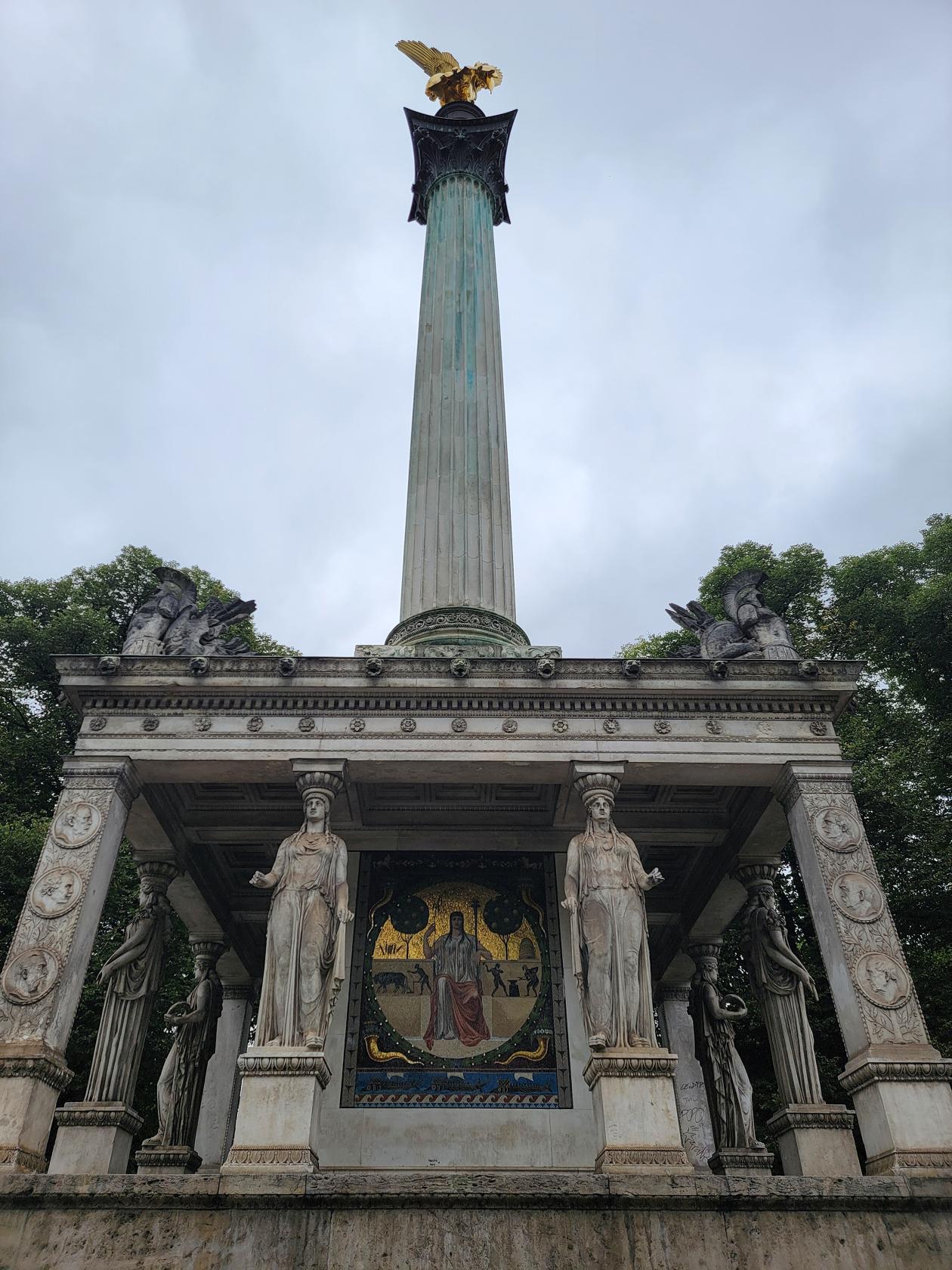
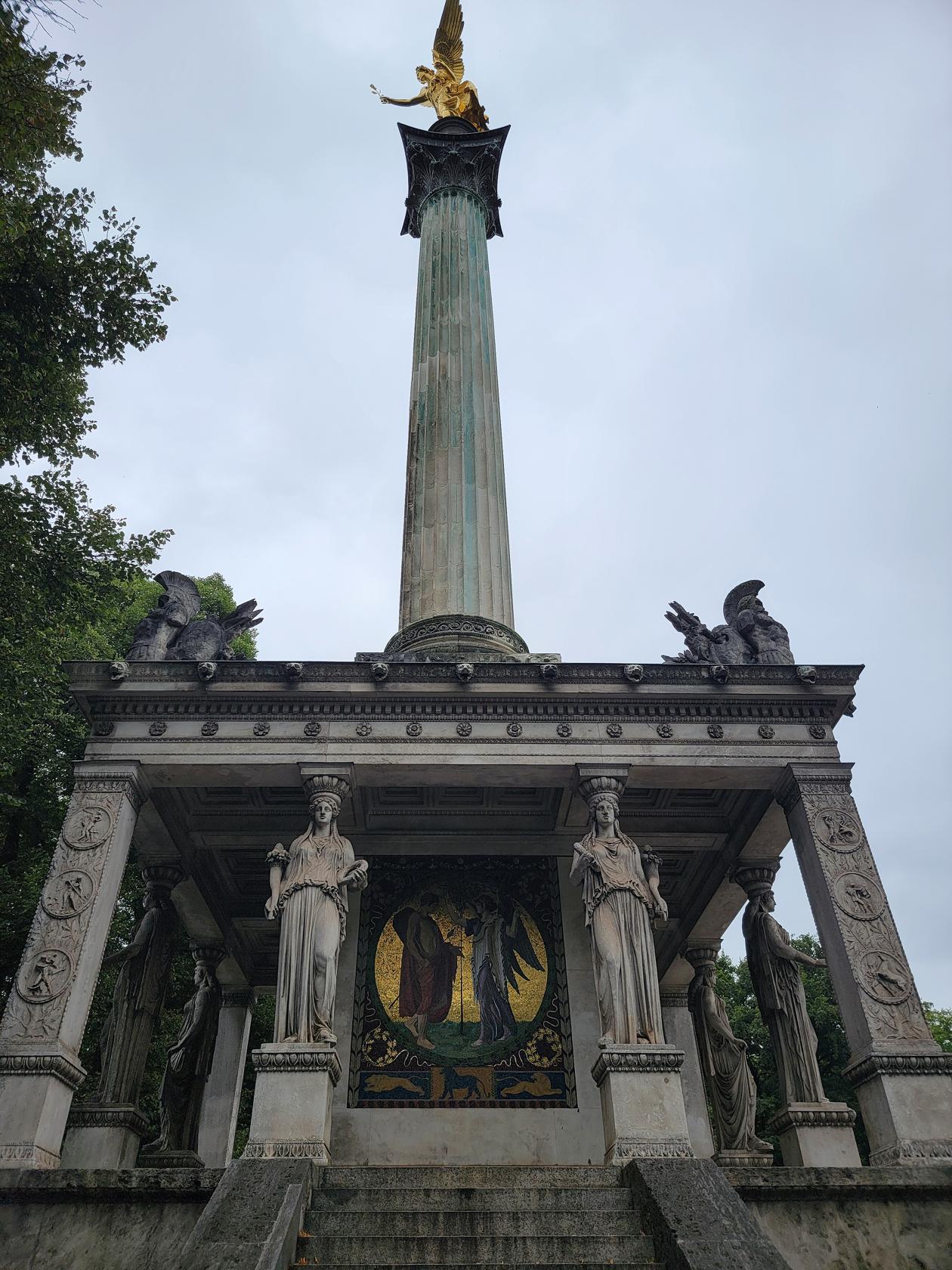
Dana – In front of the Friedensengel – München, Germany
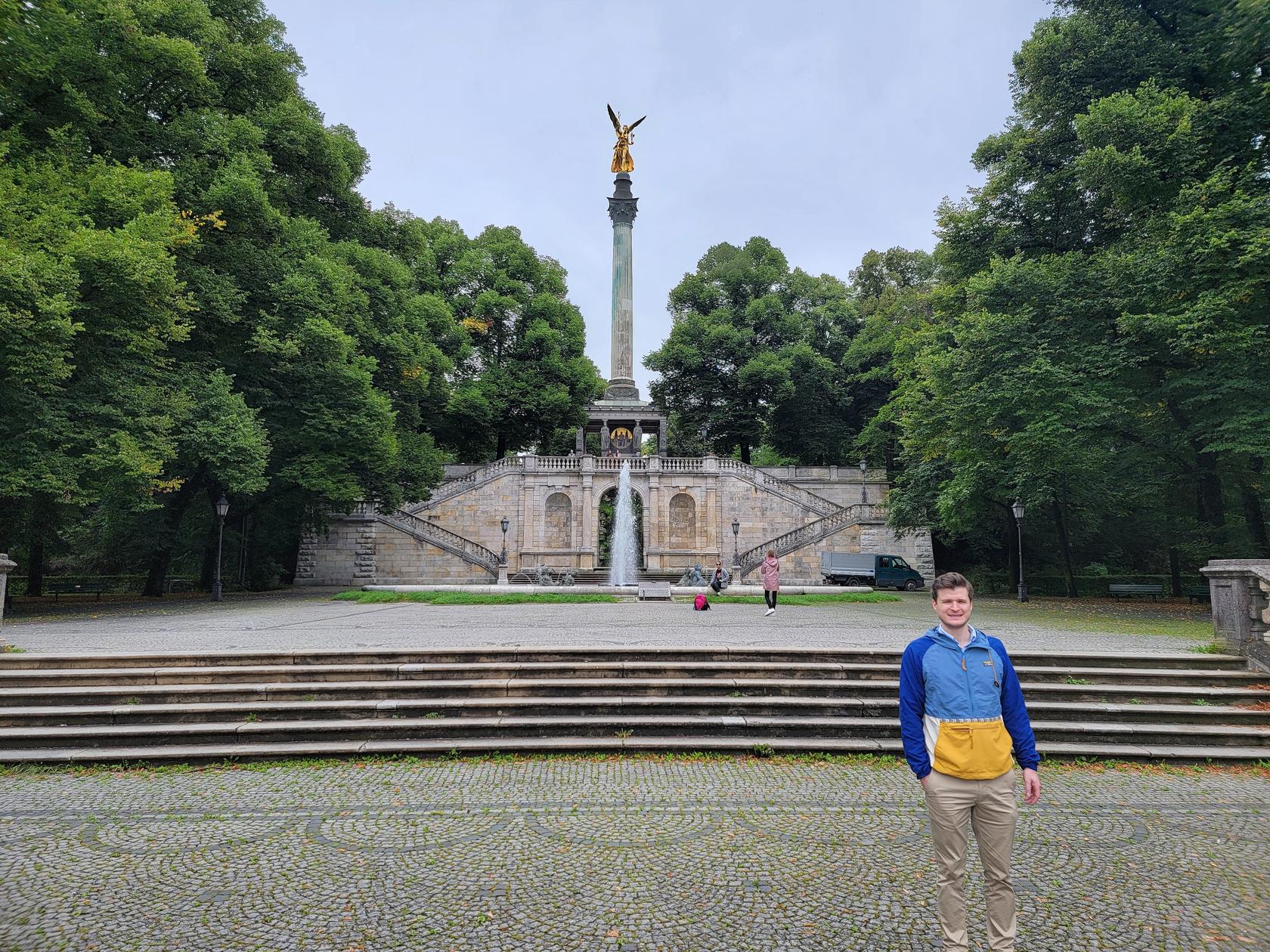
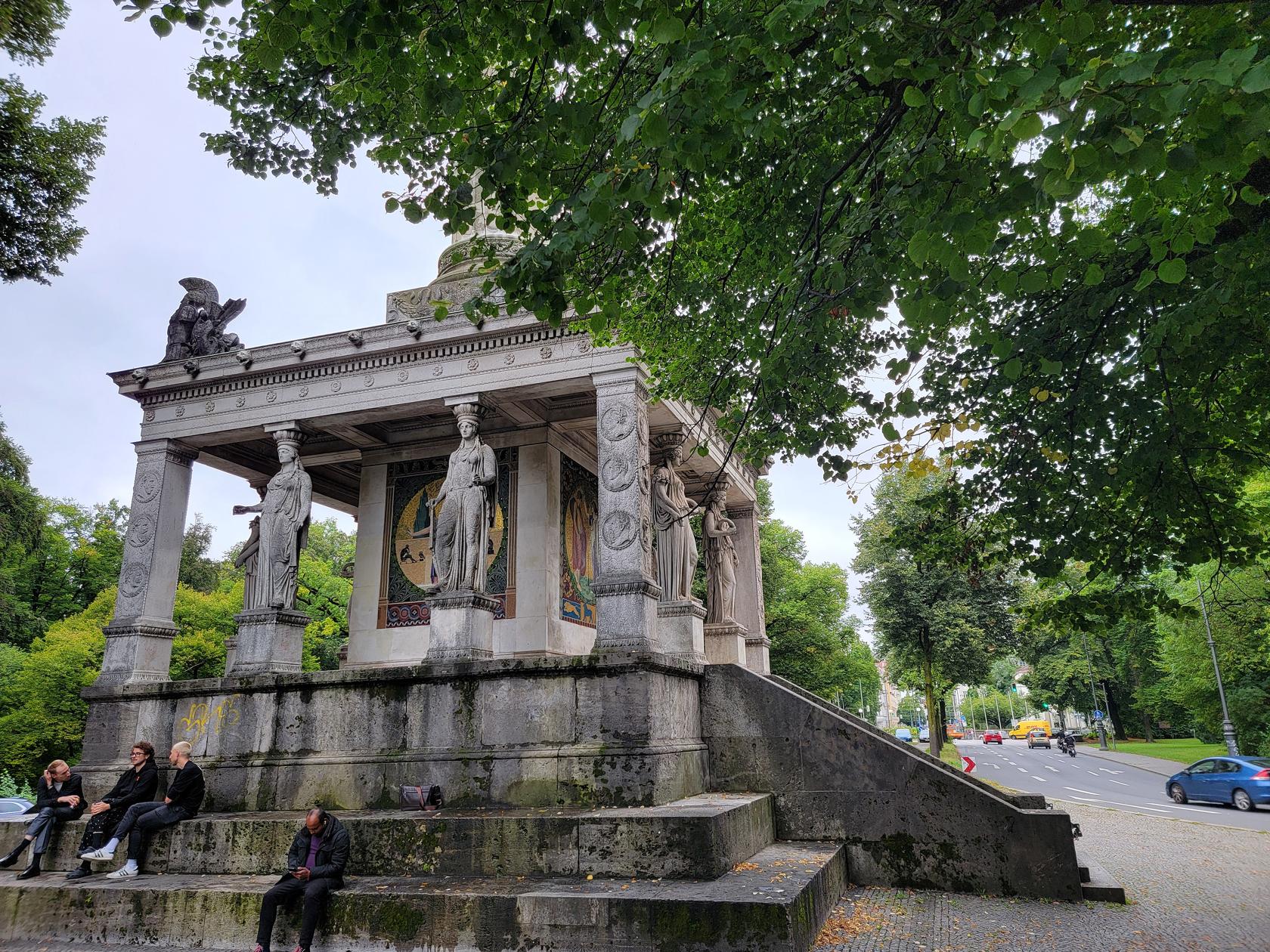
Friedensengel – München, Germany
Friedensengel – München, Germany
Friedensengel – München, Germany
Friedensengel – München, Germany
Friedensengel – München, Germany
The Isar – München, Germany
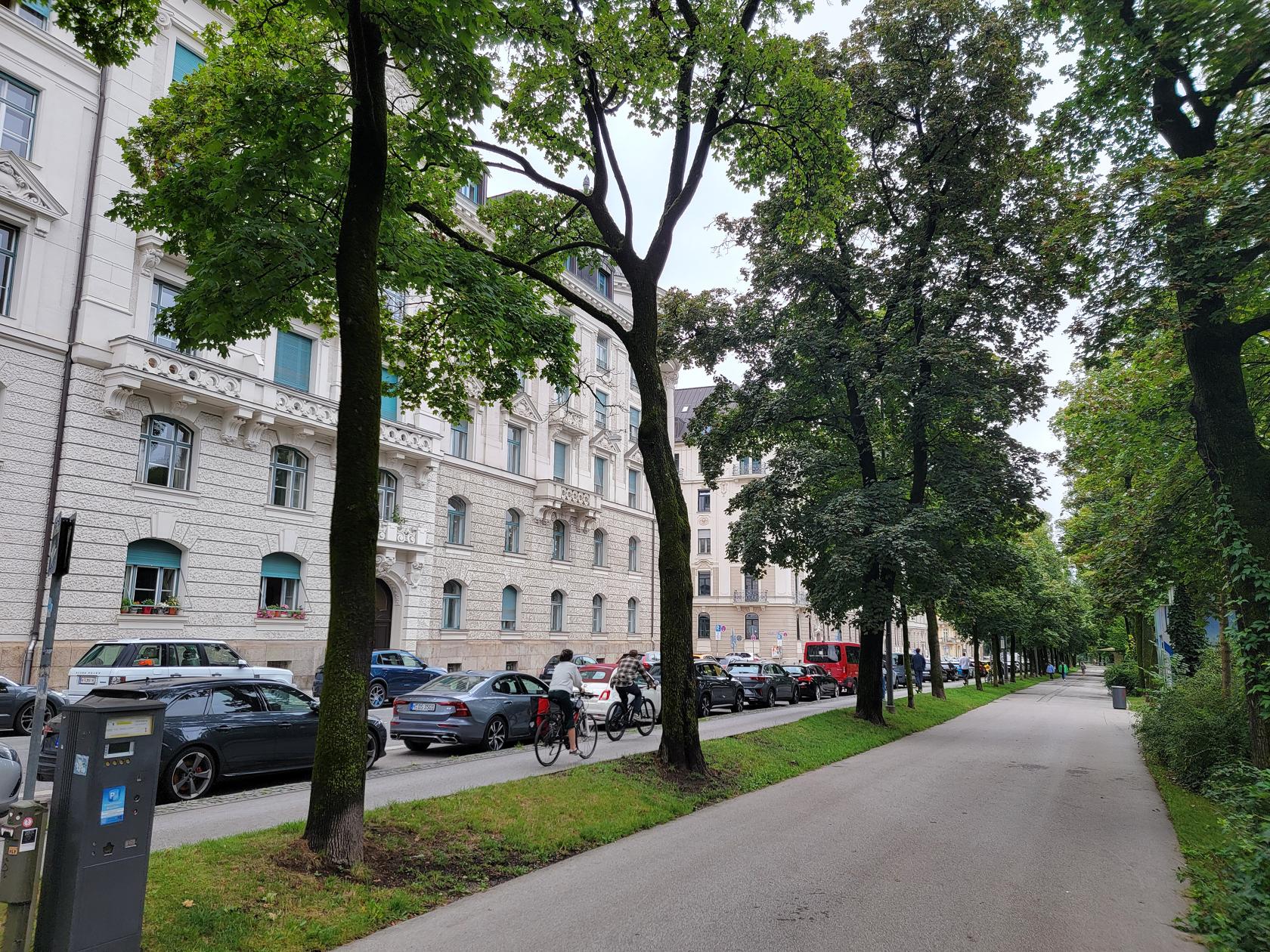
Widenmayerstraße promenade – München, Germany
Here you will find the Friedensengel monument and several other interesting points of interest. The two bridges that bound it, the Luitpoldbrücke and the Maximiliansbrücke provide pedestrian friendly points of entry.
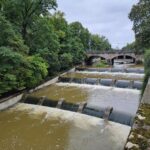
The Great Cascades – München, Germany
The Great Cascades – München, Germany
The Great Cascades – München, Germany
The Isar below the Great Cascades – München, Germany
The Isar – Luitpoldbrücke – München, Germany
The Isar – München, Germany
Of note are the Große Kascaden, or Great Cascades, a series of weirs and fish ladders that provide a series of small waterfalls. The Wehr WKW-Praterkraftwerk, or power station, is built into the structure to provide electric power to the city. Through thoughtful design of constructing flood control they have provided electricity as well.
Restaurants
We spent time at the following restaurants. Some are must see, even though the food will not be up to expectations. We found the smaller establishments to be better, especially the service and cleanliness.
Hofbräuhaus
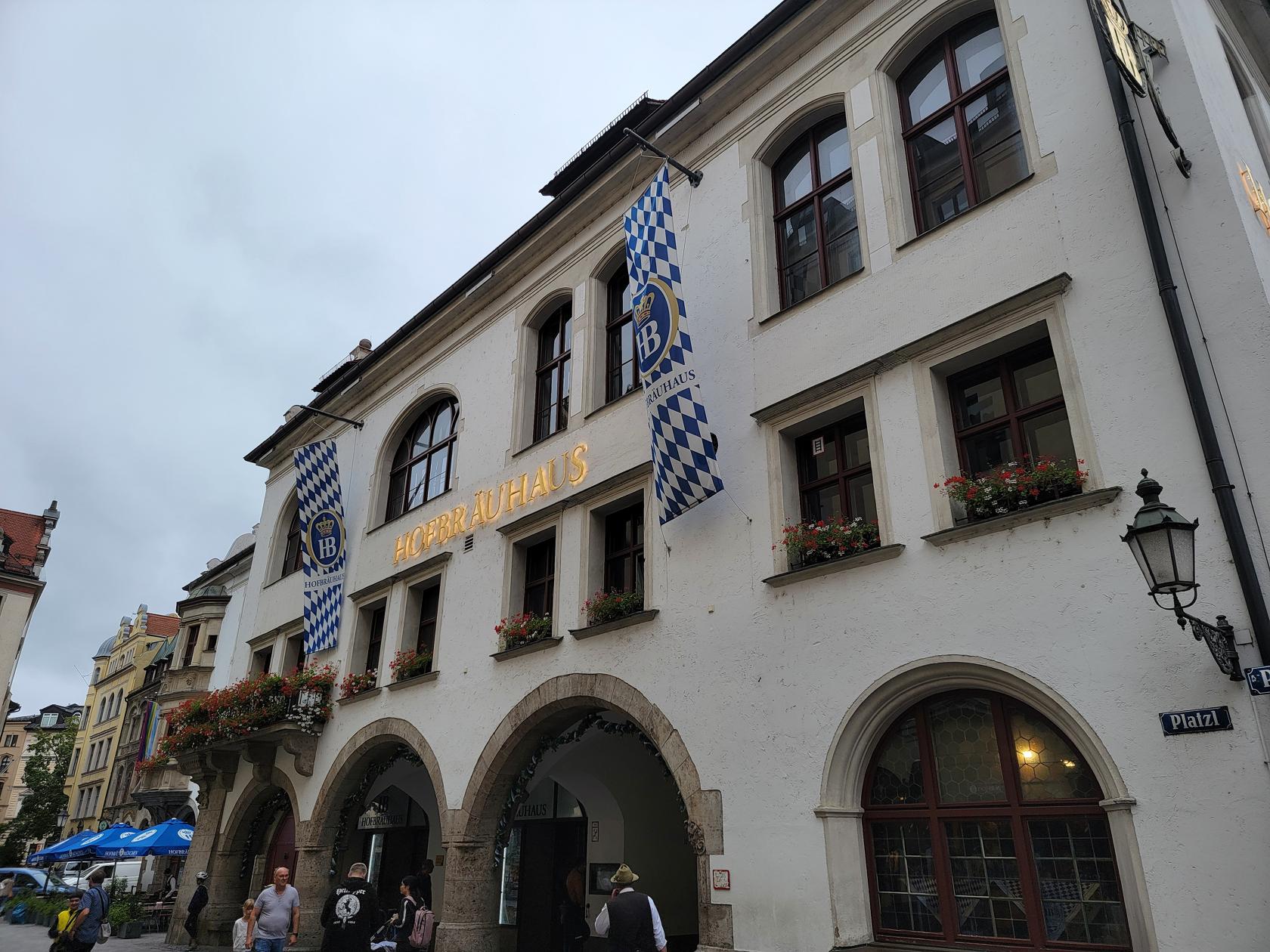
Well, perhaps the largest and most well-known beerhall in München, the Munich Hofbräuhaus is as large and as busy as it will get in a place to eat. They have a gift shop to match your expectations for a large one liter glass.
Entrance – Hofbräuhaus – München, Germany
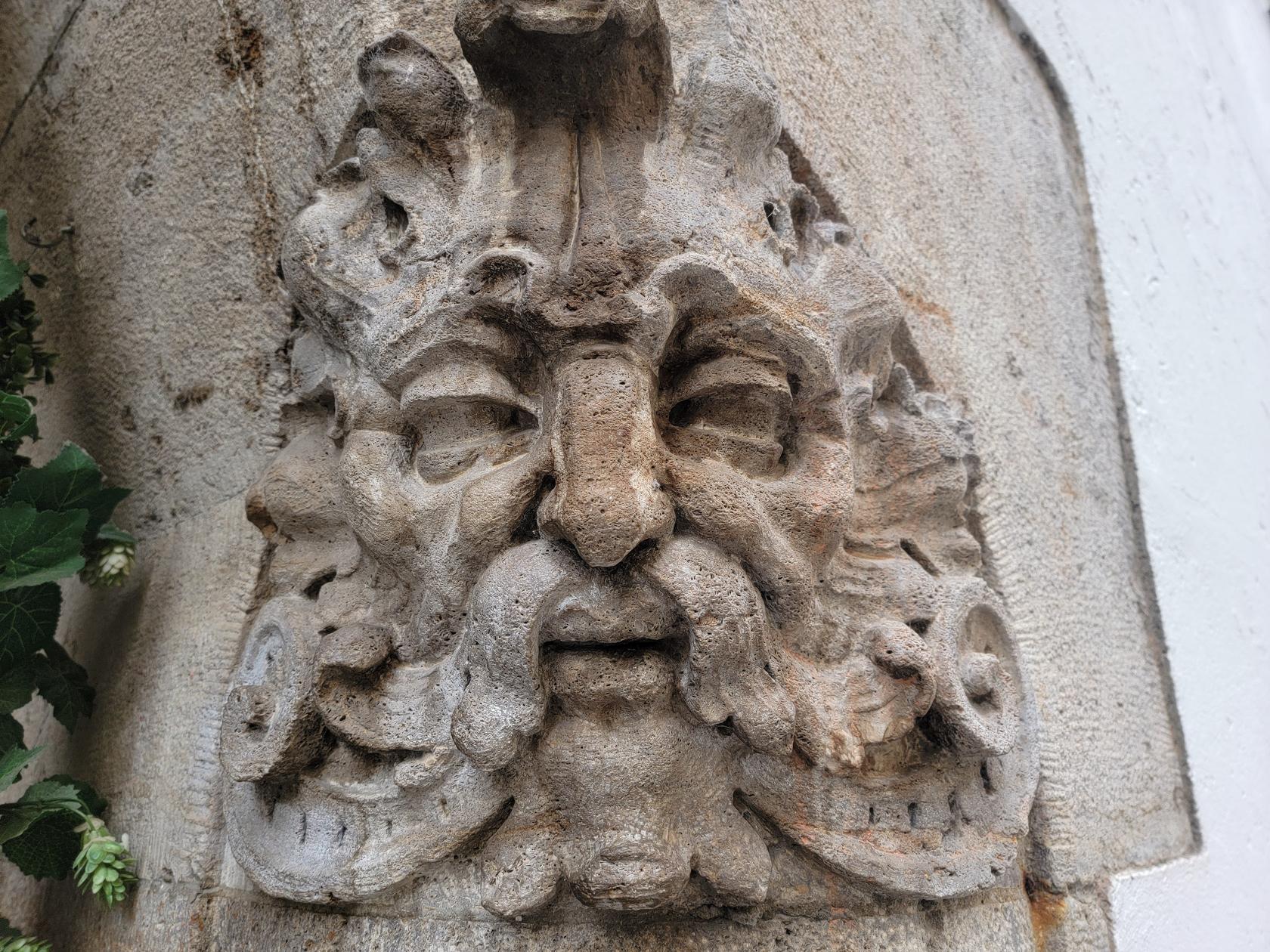
Carved face – Hofbräuhaus – München, Germany
The band was great and our food was okay. Service is always going to be a problem at such a large establishment, that’s why I prefer the smaller places.
However, if you can overlook the local fauna, an interesting place to eat and drink. I have found a lack of service usually indicates a lack of cleanliness; if they cannot serve you, they cannot clean properly either – just a thought. In any case, one of the go-to places and a must see. Have a drink and if the fauna bother you, avoid the rest of the menu.
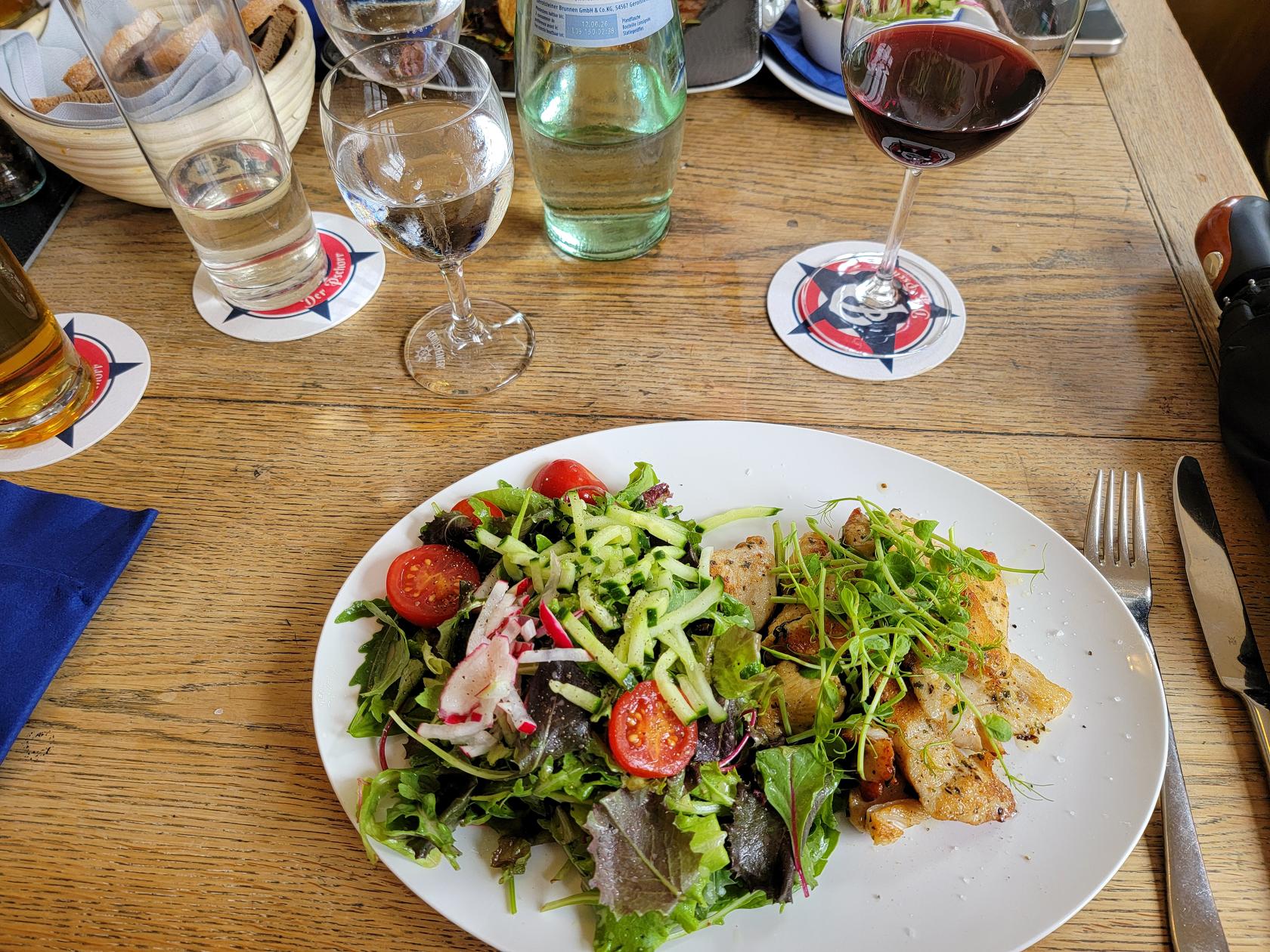
Salad – Der Pschorr restaurant – München, Germany
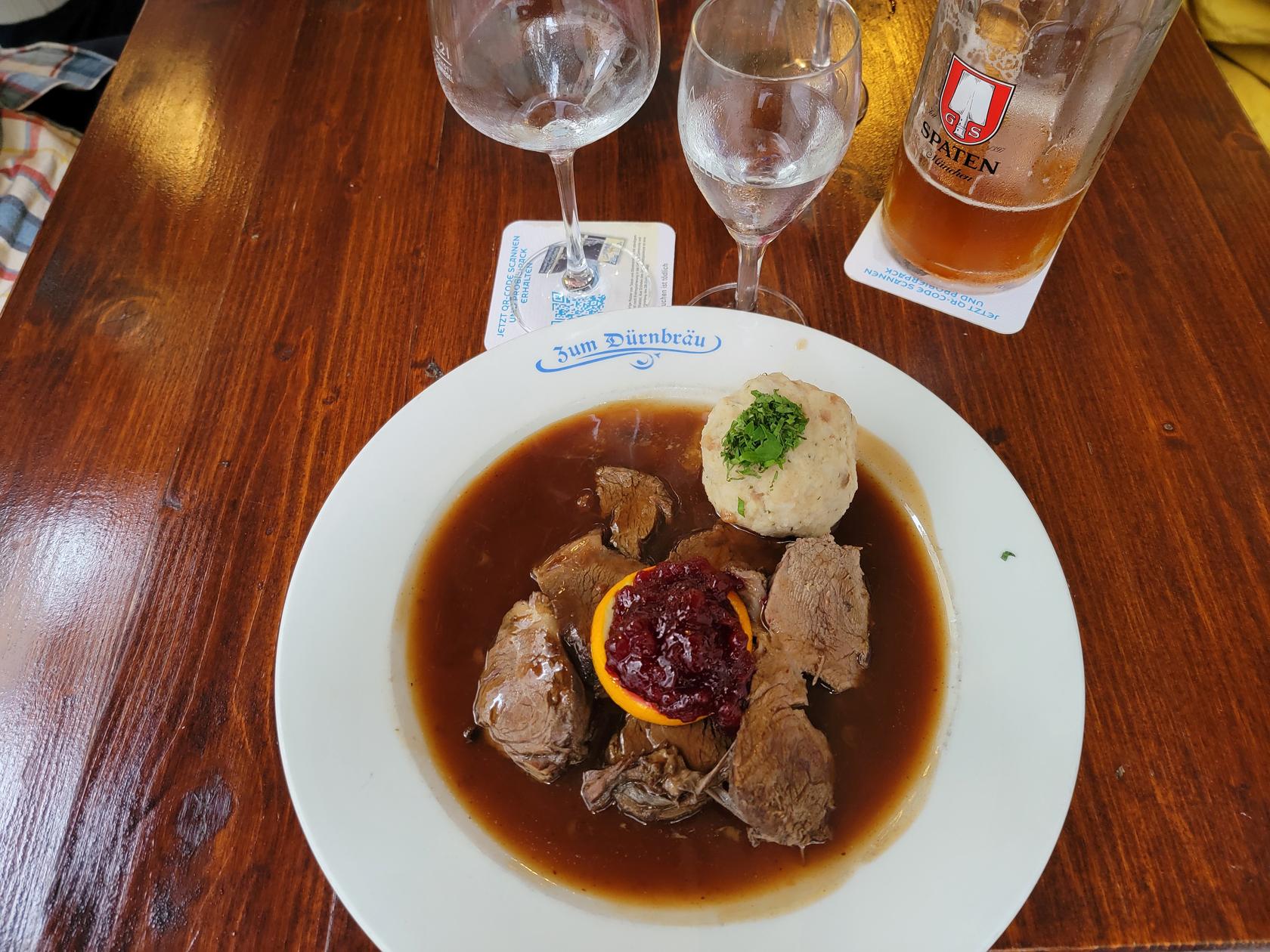
Sauerbraten with Knudel – Zum Dürnbräu – München, Germany
Der Pschorr
Another very good place for German food, perhaps the best that we had while in Munich. The service was very good as well, they kind of went out of their way to welcome families with children. You will find the place open and inviting with a good menu and food. Jett, Meagan and Jason’s baby ate for free, something not seen too often today.
Der Pschorr restaurant – München, Germany
Der Pschorr restaurant – München, Germany
Salad – Der Pschorr restaurant – München, Germany
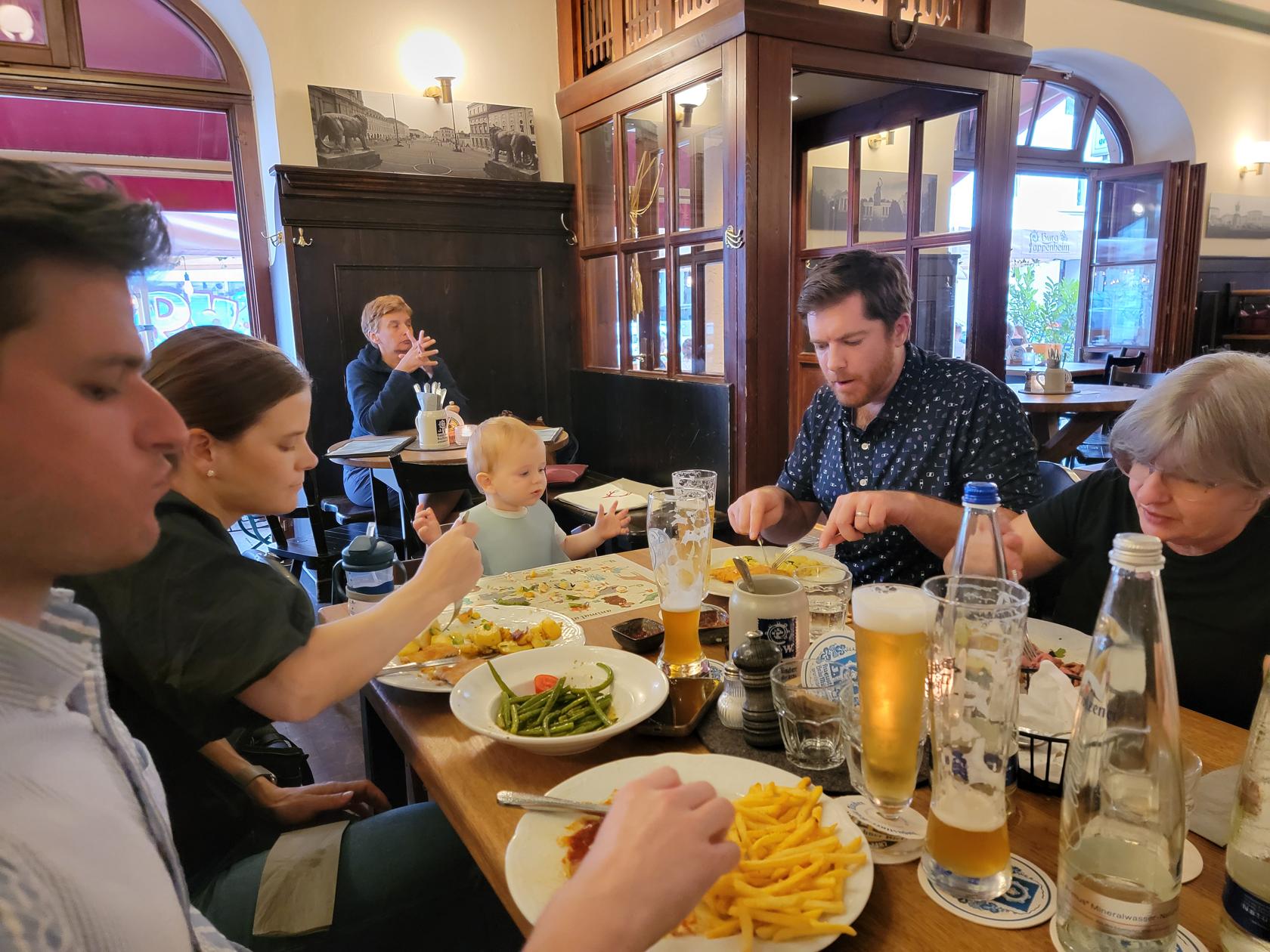
Burg Pappenheim
One of Dana’s picks and an attempt to find that authentic German restaurant look and feel. It was really close, we found only one waiter that spoke English here, the others spoke German for the most part, though I was confident they could completely understand English.
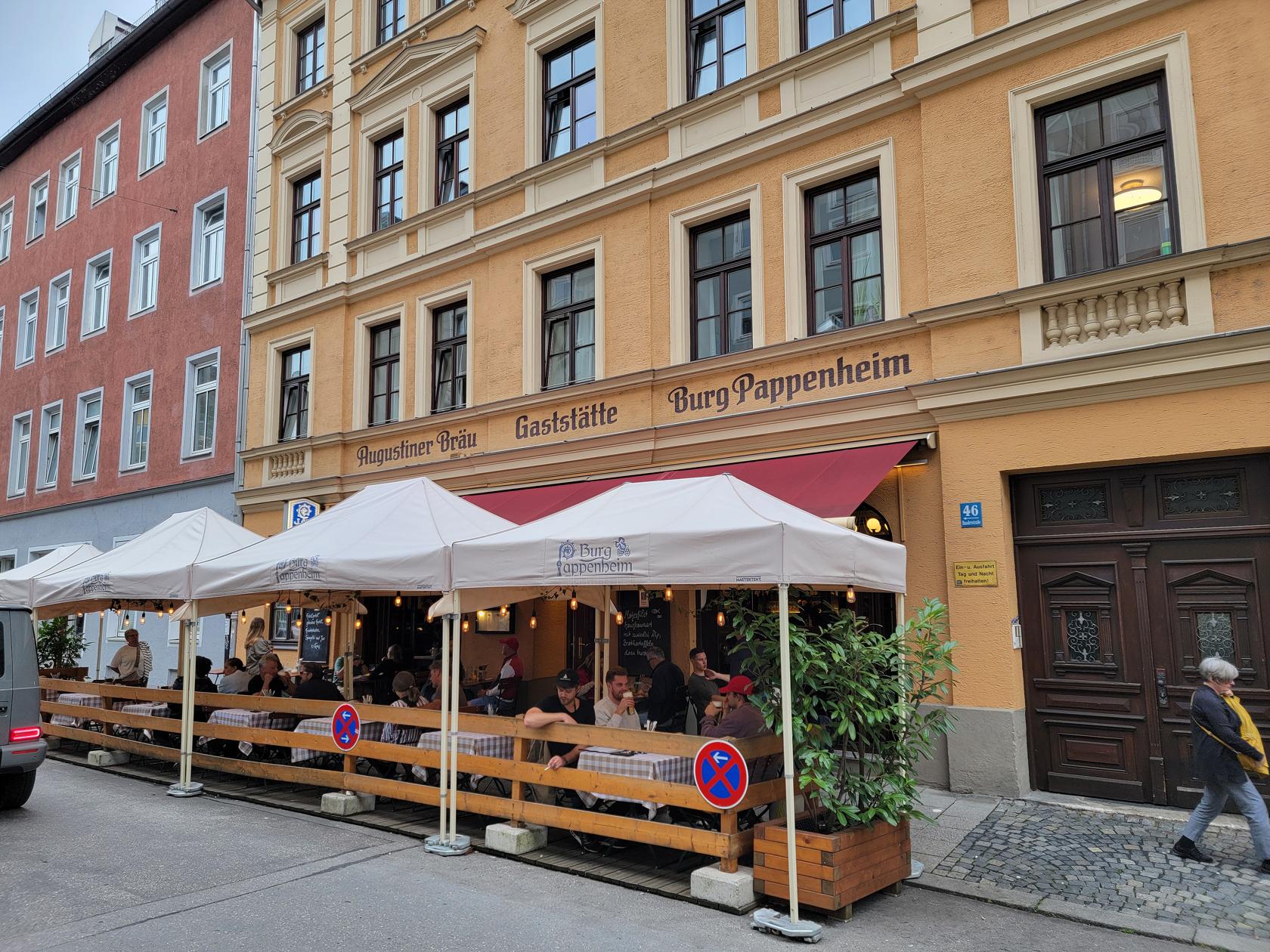
Entrance – Burg Pappenheim restaurant – München, Germany
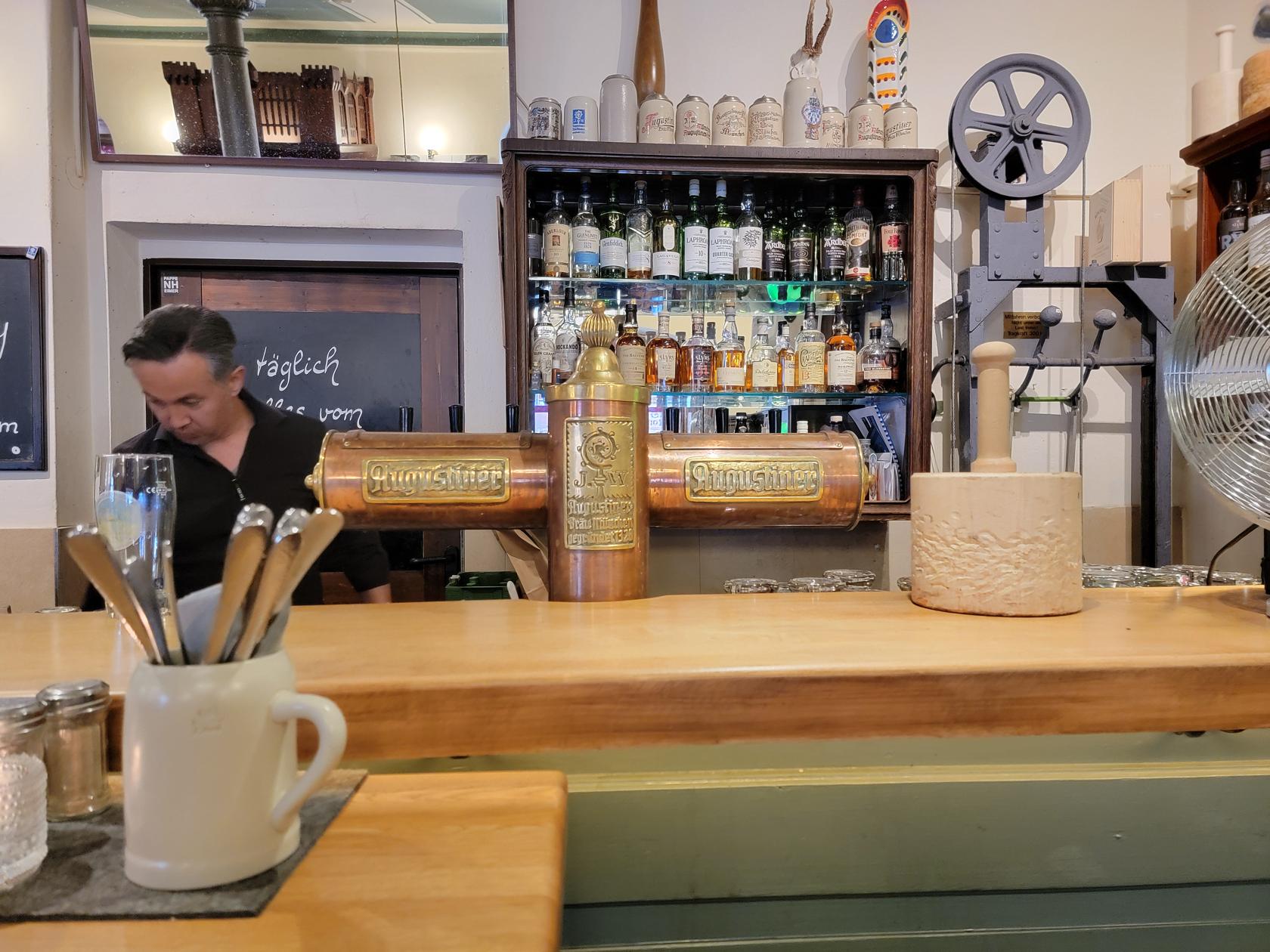
Old Augustiner faß – Burg Pappenheim restaurant – München, Germany
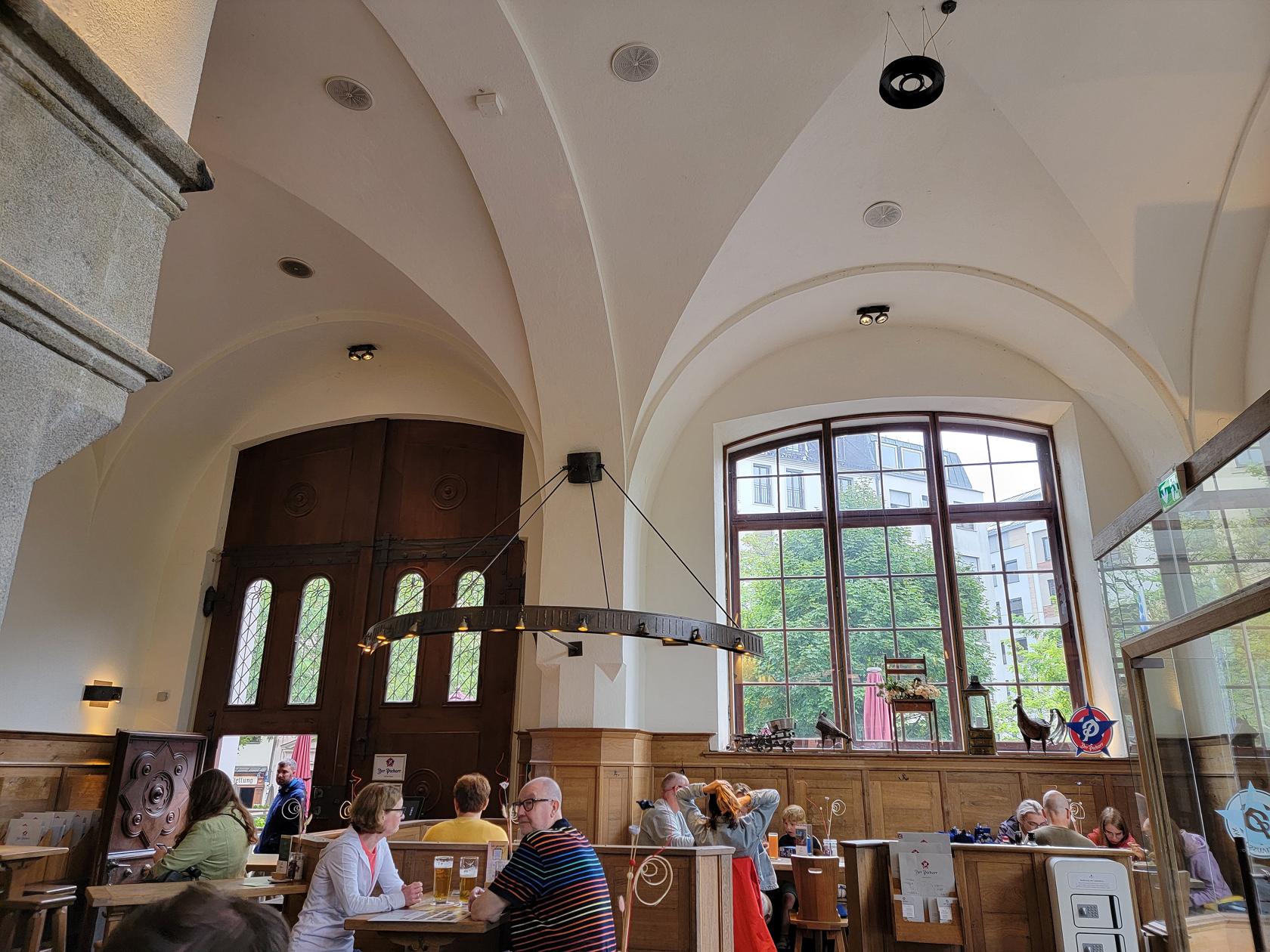
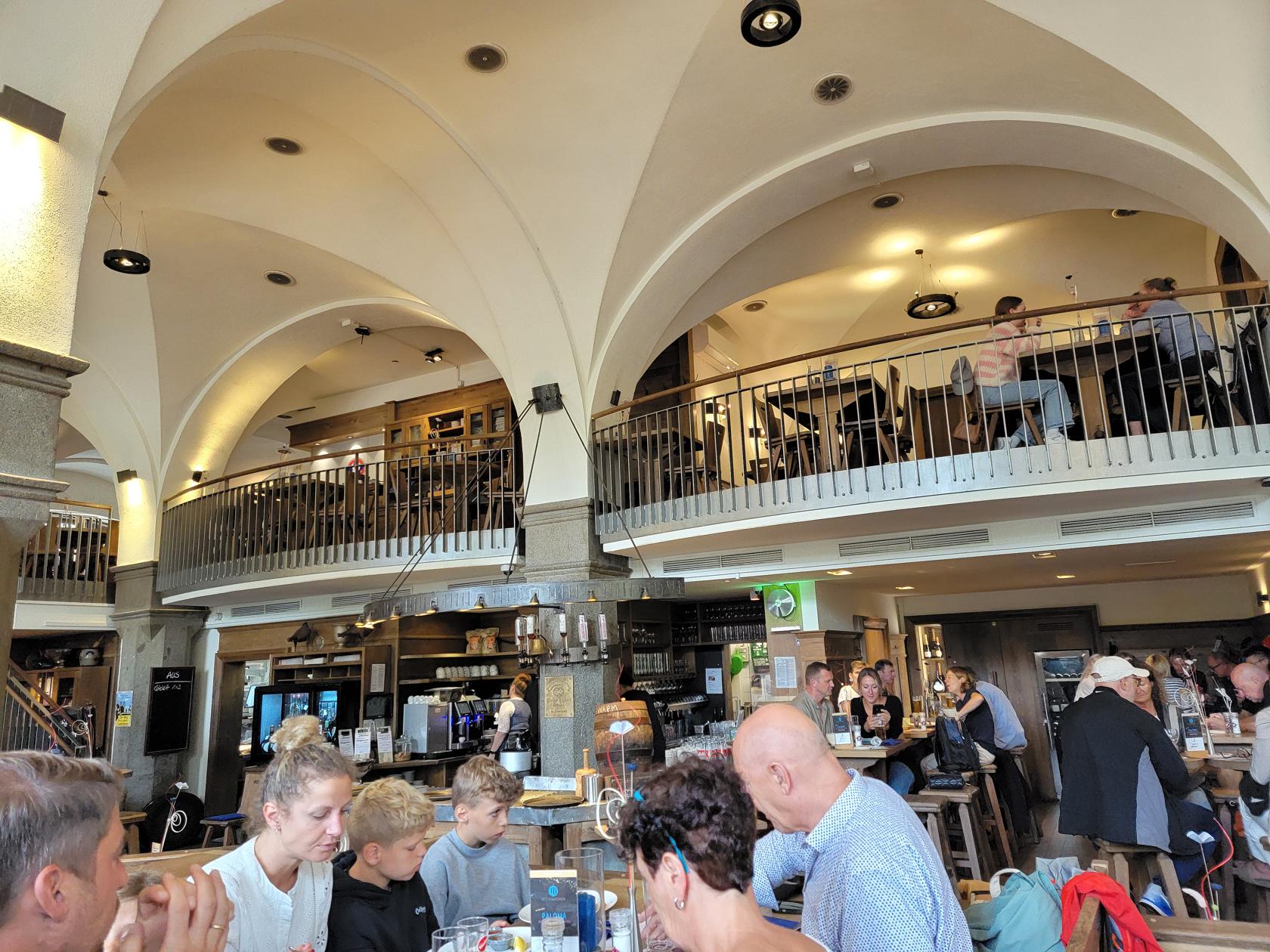
Burg Pappenheim restaurant – München, Germany
Burg Pappenheim restaurant – München, Germany
Dana, Meagan, Jett, Jason and Patti – Burg Pappenheim restaurant – München, Germany
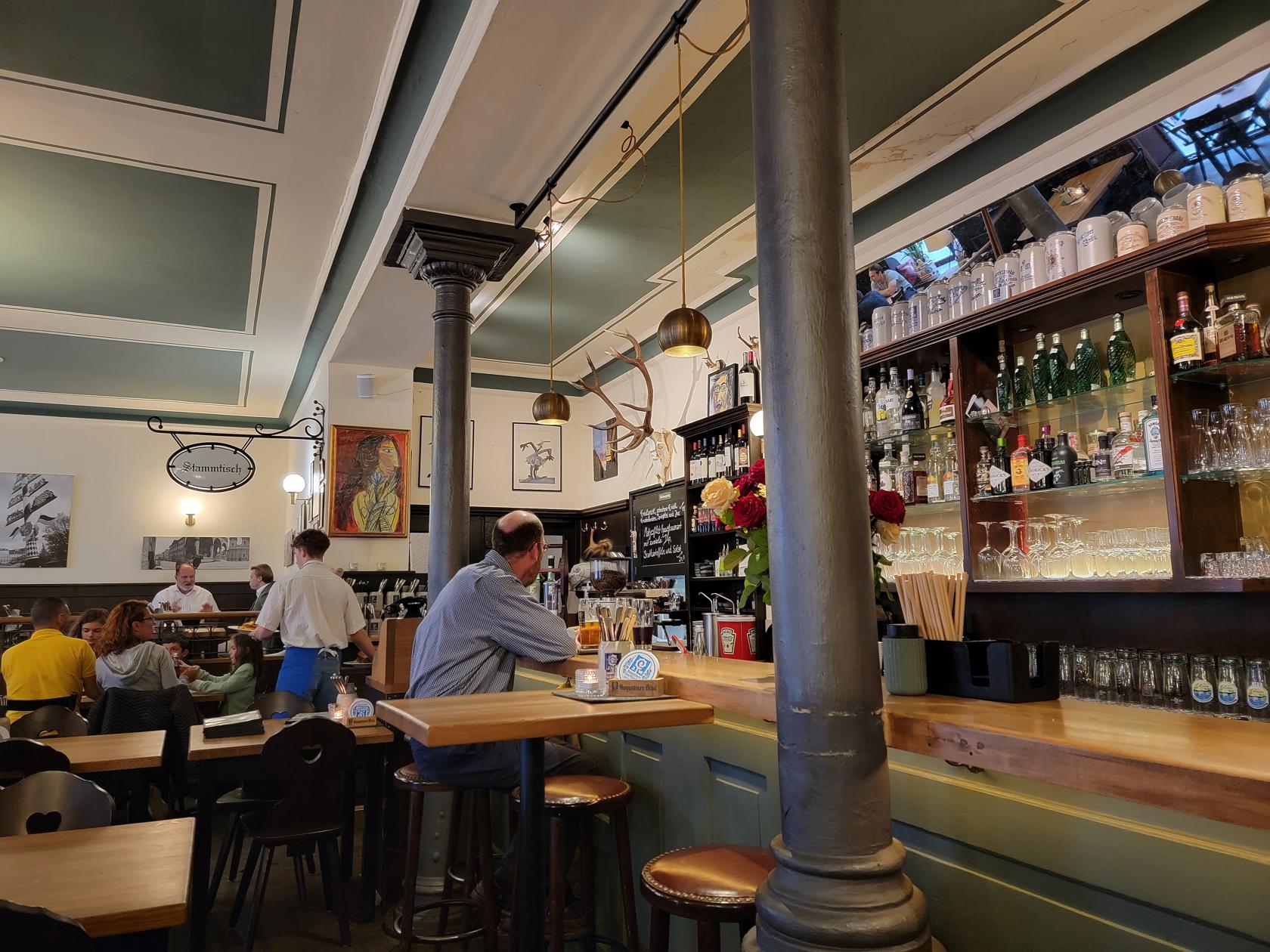
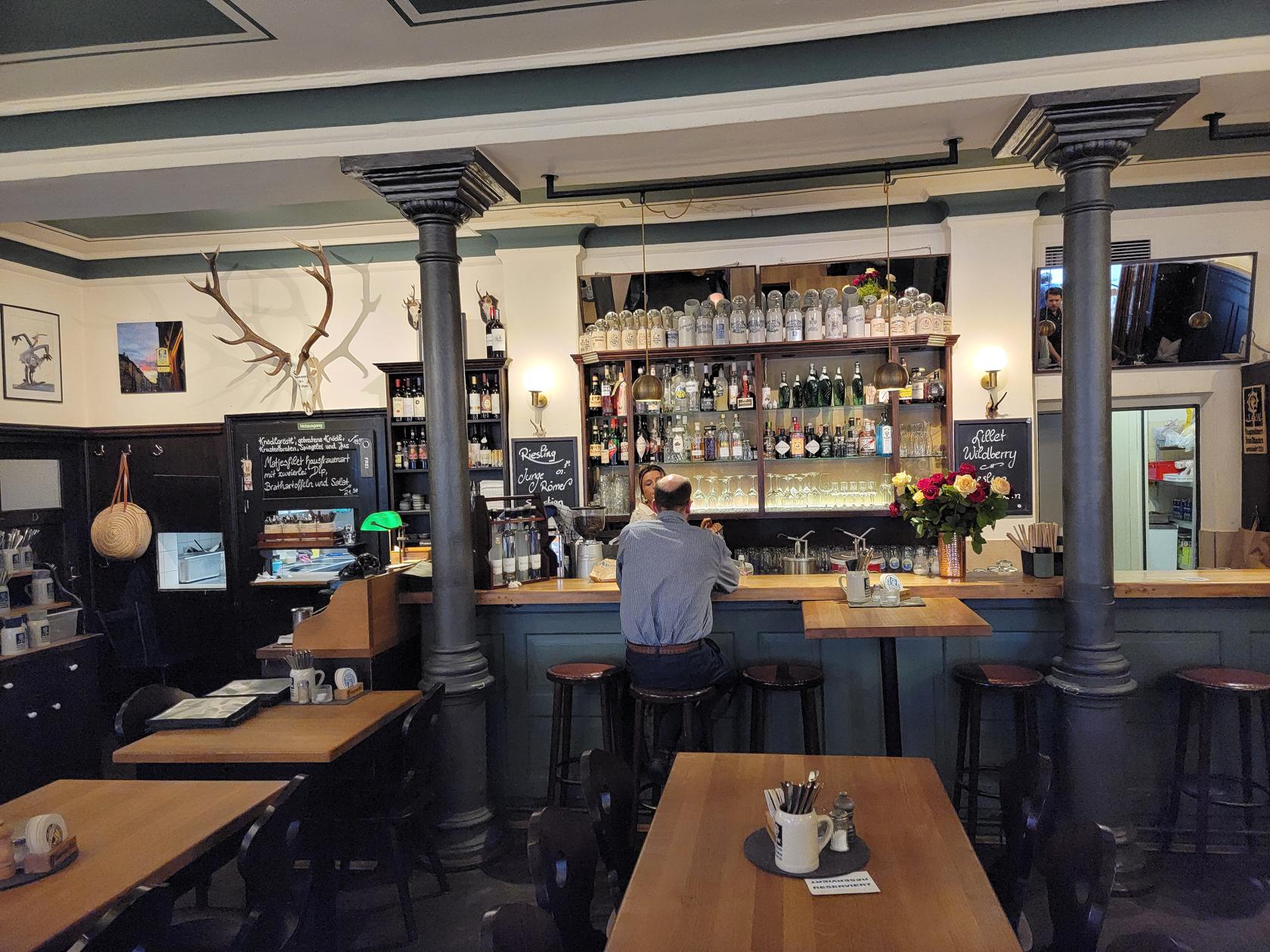
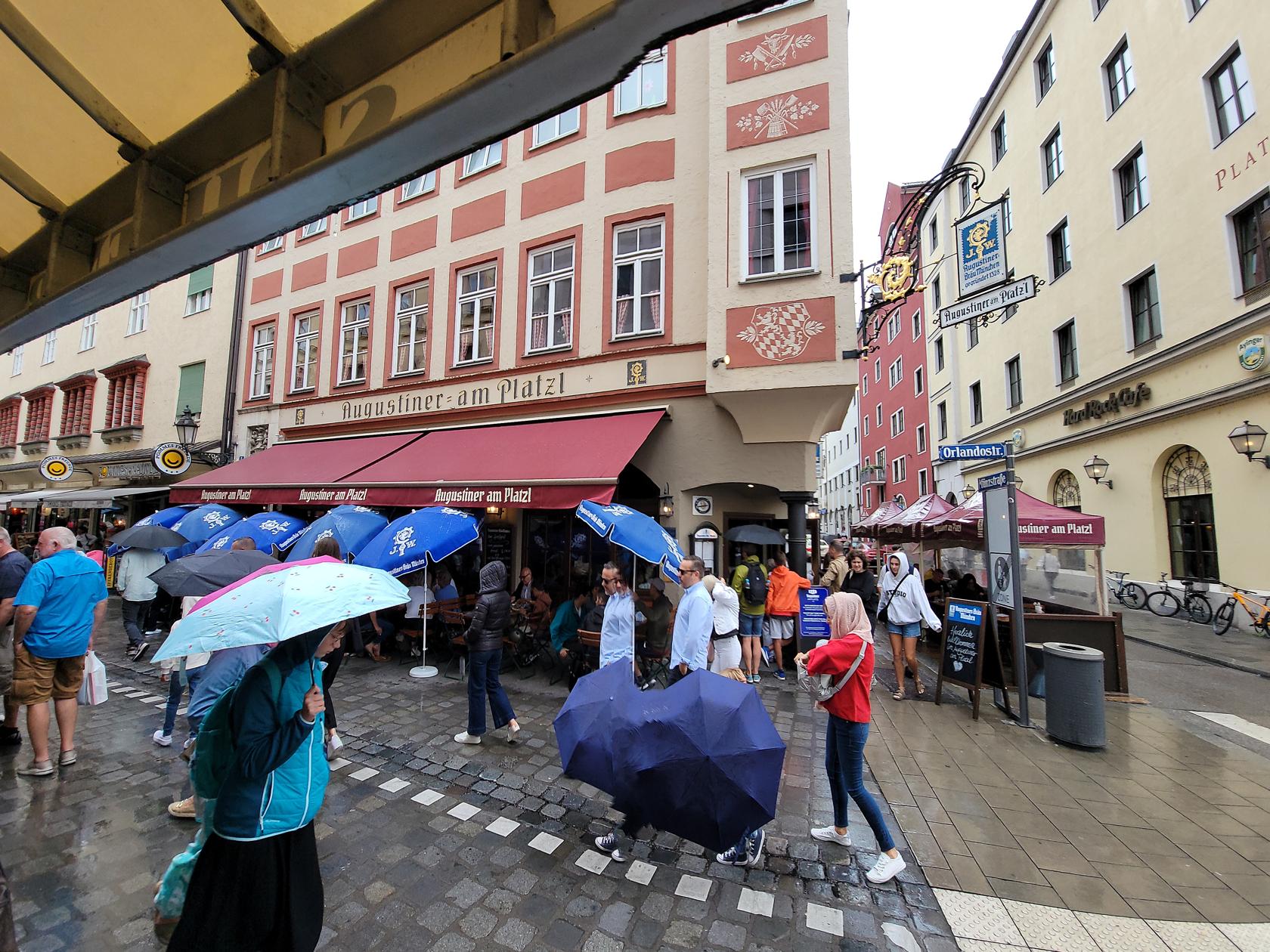
Augustiner am Platzl
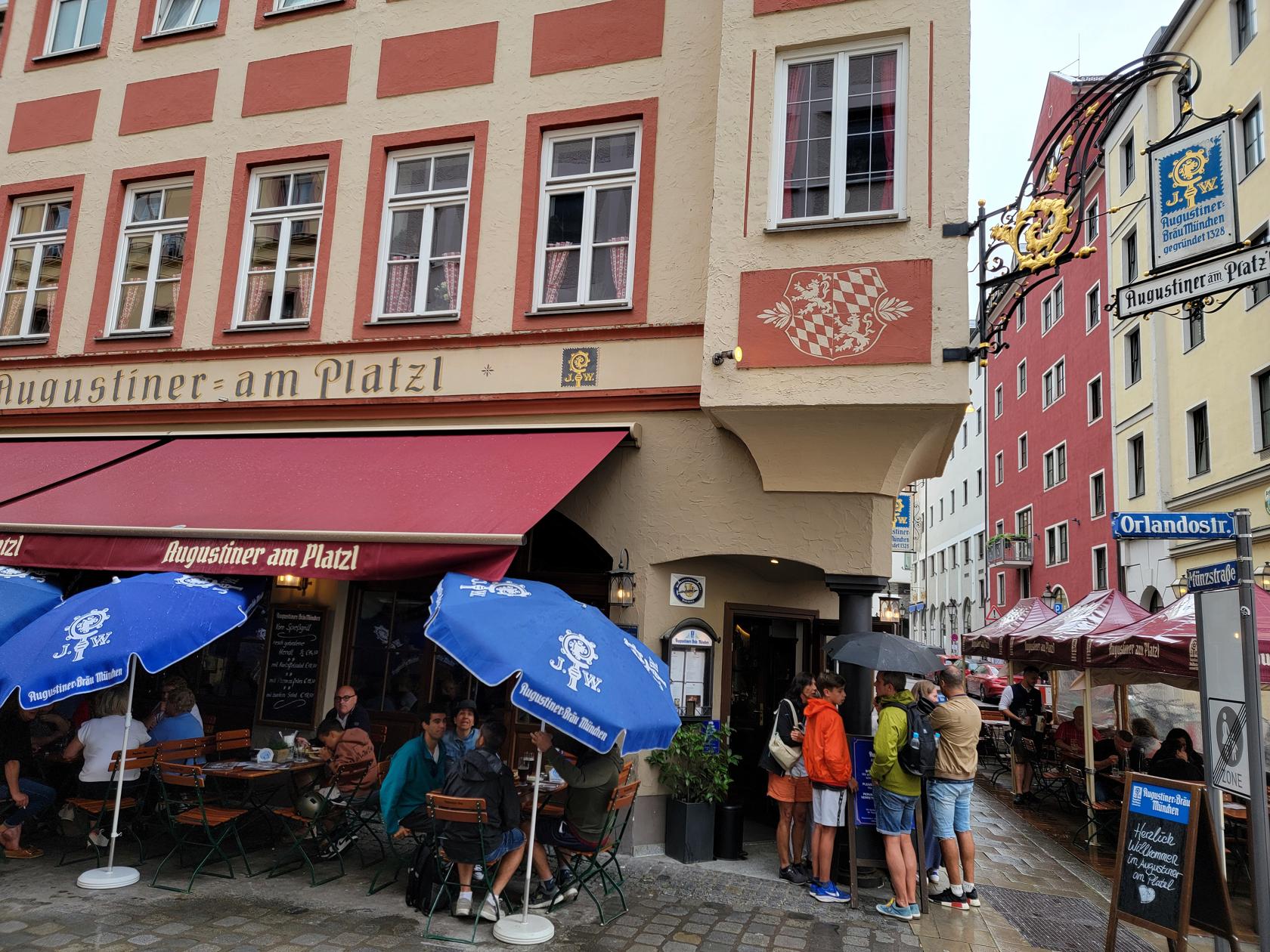
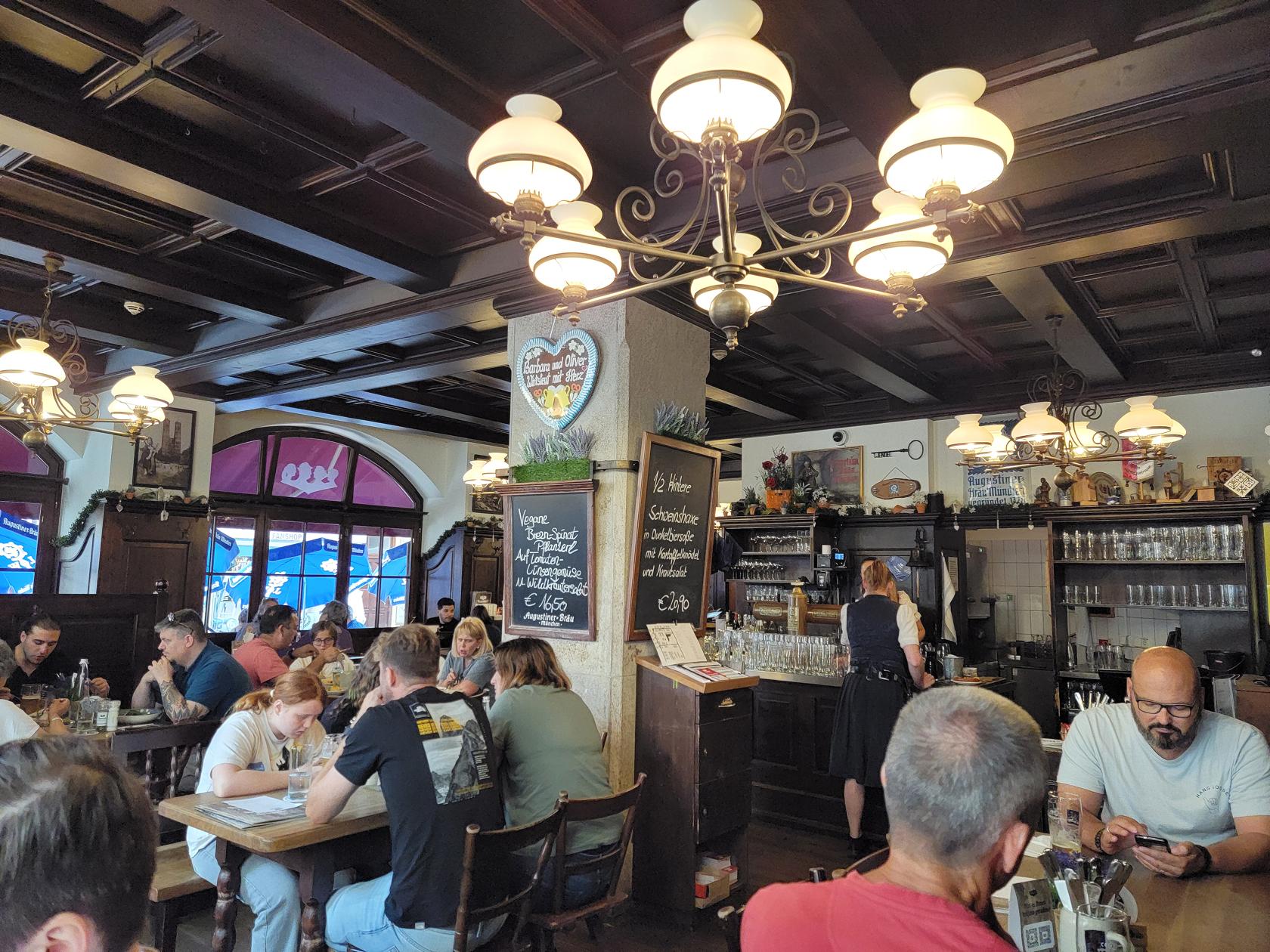
Overall a good place for German food. The service is better and the staff seems more attentive to customer needs. The food is also better, both tastier and presentation-wise. They can also accommodate larger families without the squeeze. There is however no band, so if you are looking for the Umpa-band look and feel, you will not find it here.
Augustiner am Platzl – München, Germany
Augustiner am Platzl – München, Germany
Augustiner am Platzl – München, Germany
The food and service were very good and the atmosphere a mix of old and new Bavaria. This restaurant is a bit out of the way and a bit of a walk from the city center, but worth the visit.
Zum Dürnbräu
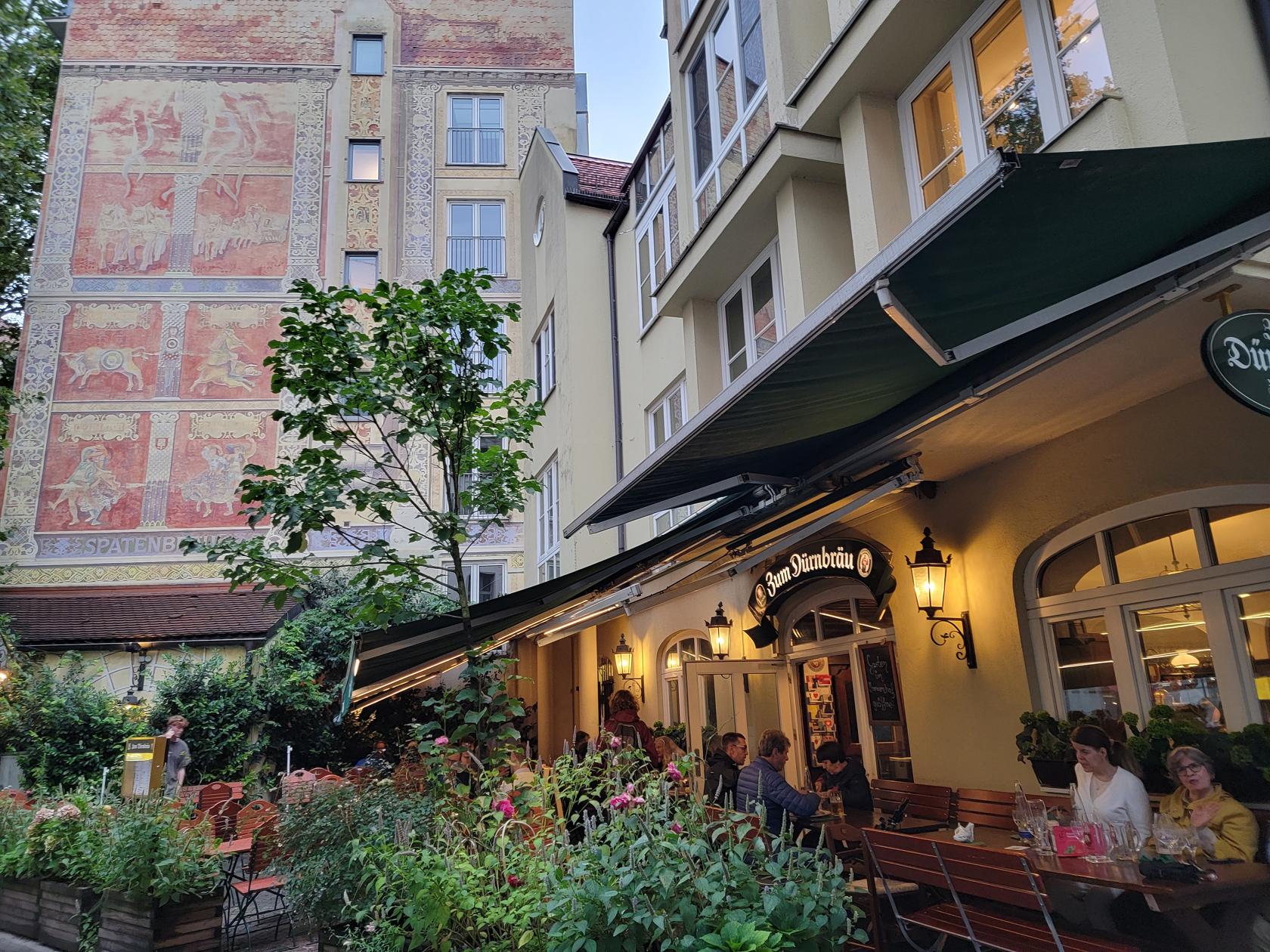
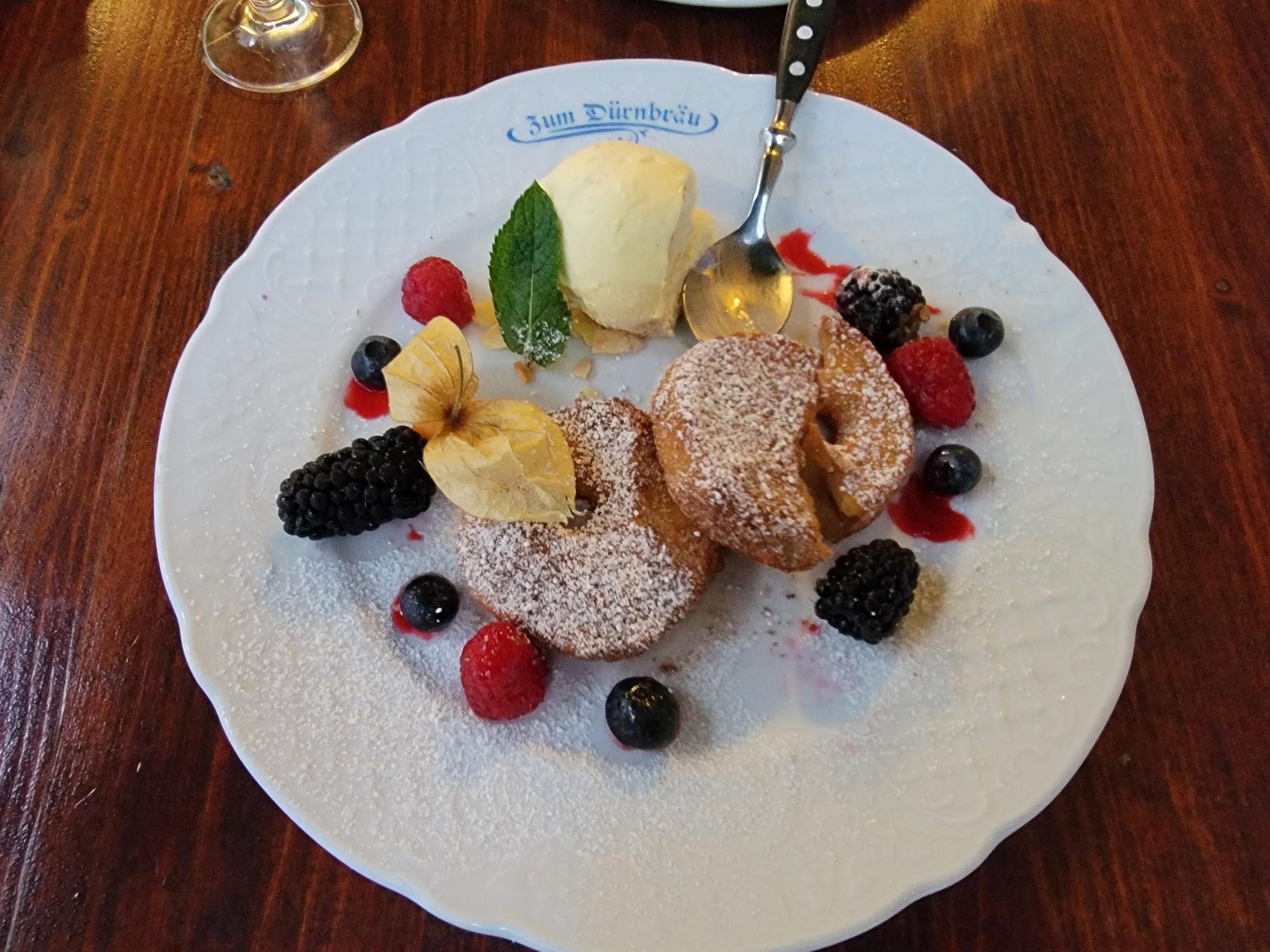
Here we had a pleasant meal outside not far from our hotel, even though the weather was a bit questionable with rain possible. The service was a bit slow, but the food was good and we had a very good time. The sauerbraten was first rate and I got to try the Apfelküchle, or fried apple rings with cinnamon and light sugar, which I found delightful.
Entrance and terrace – Zum Dürnbräu – München, Germany
Sauerbraten with Knudel – Zum Dürnbräu – München, Germany
Apfelküchle – Zum Dürnbräu – München, Germany
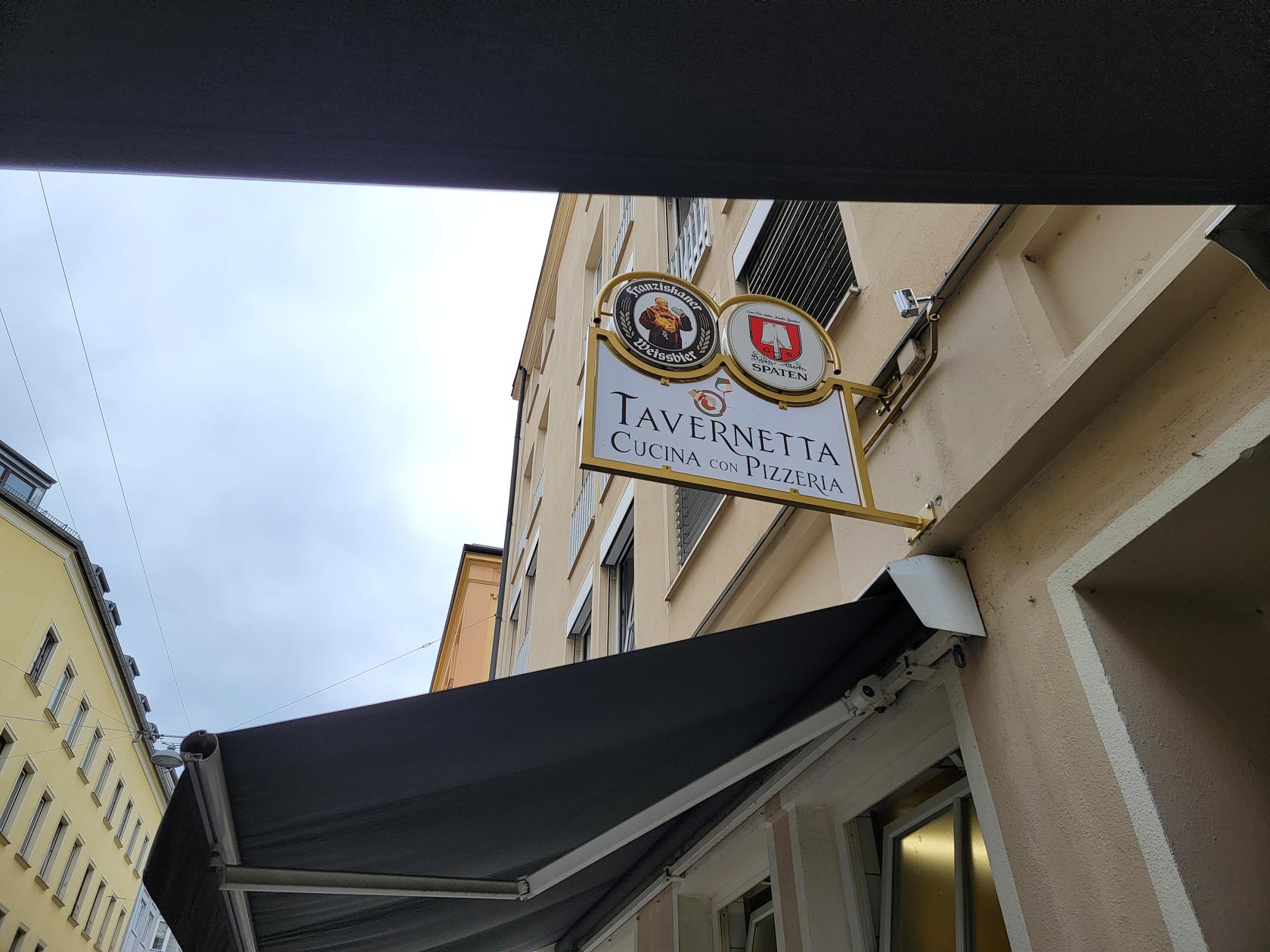
Tavernetta Cucina con Pizza
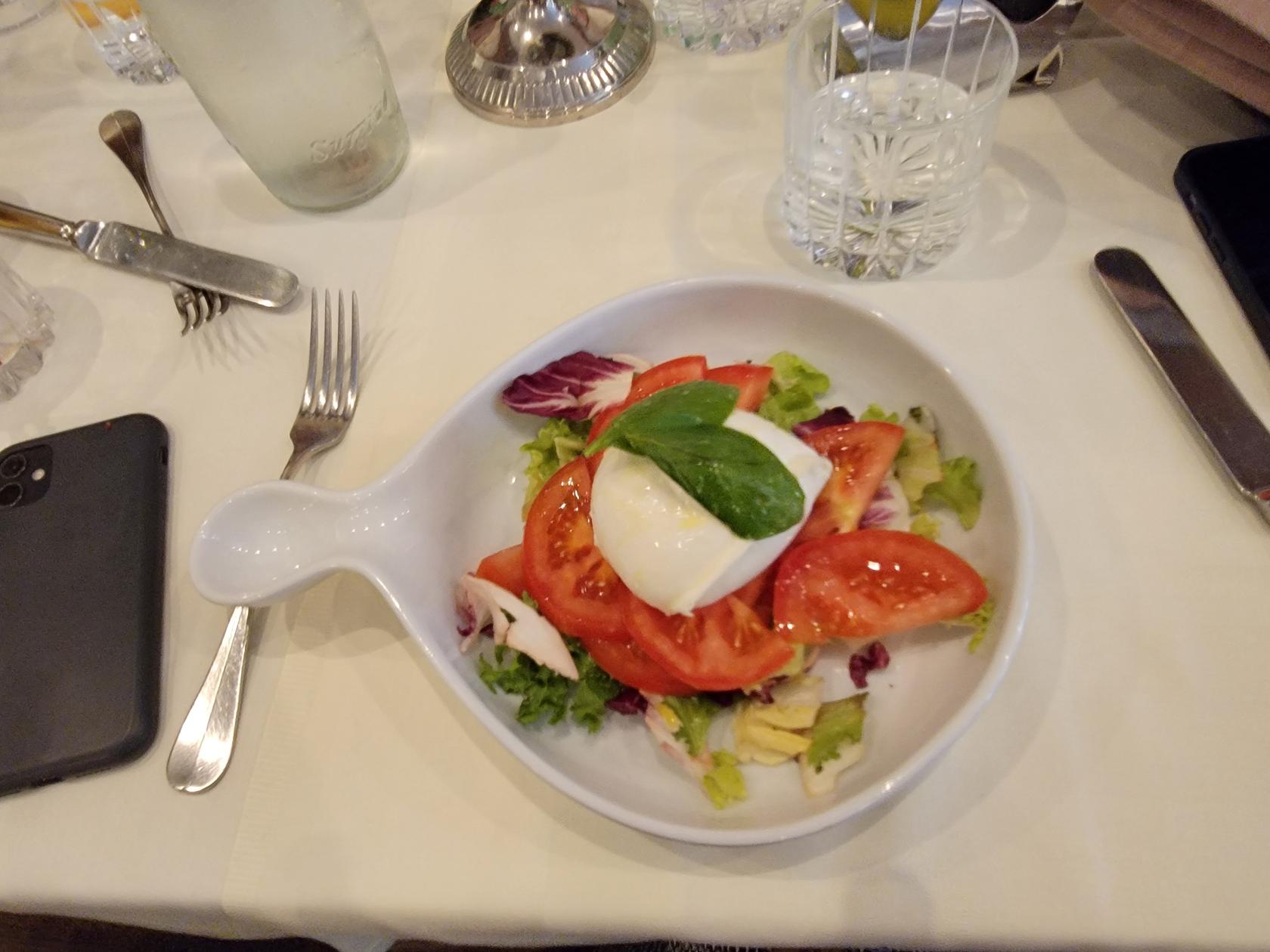
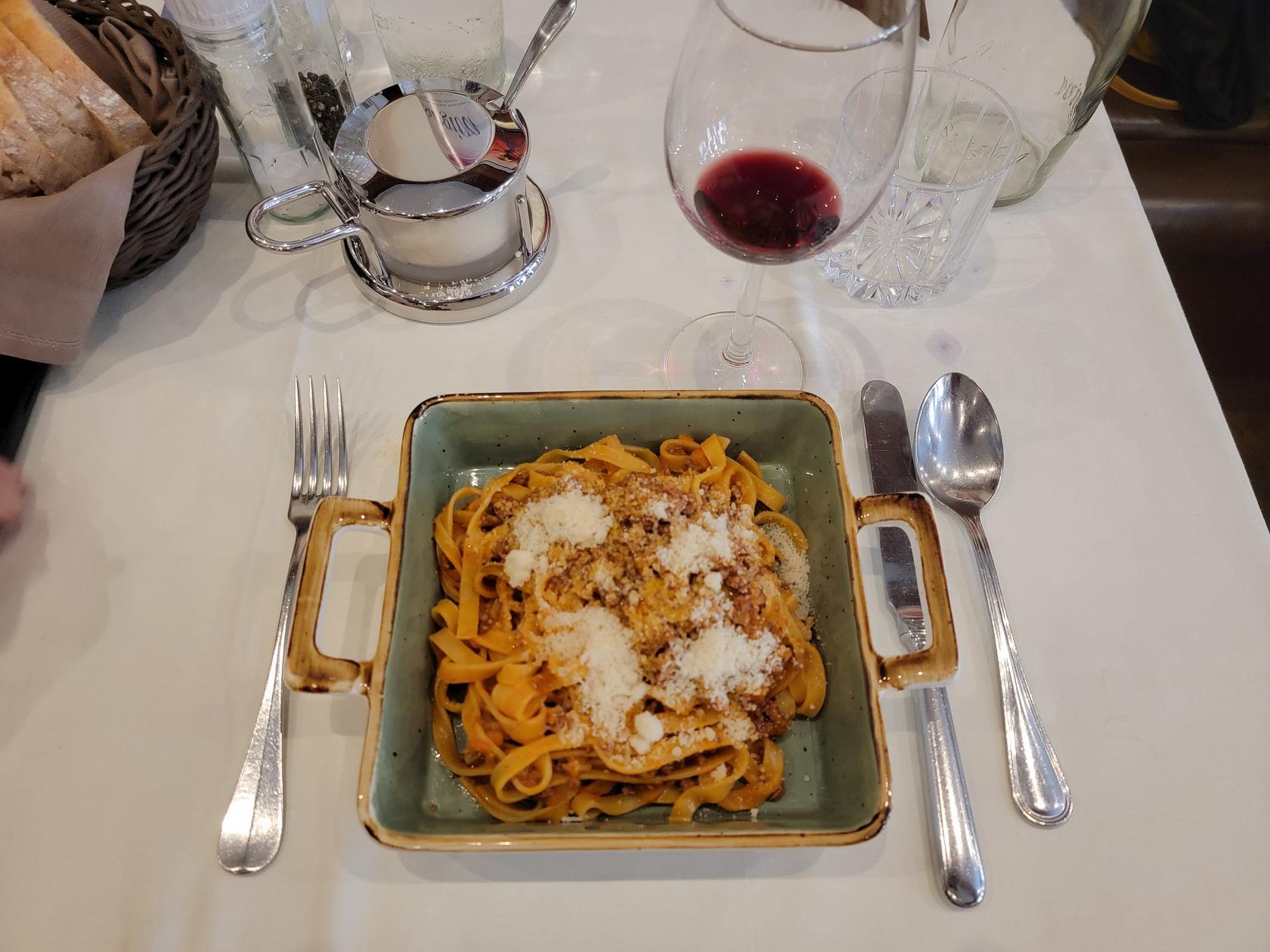
After some time German food creates issues that only Italian food can cure. When you come to this Rubicon, you can cross by considering a place like Tavernetta, where you can enjoy some Italian food. They have a good menu, good service and the prices are not astronomical.
Entrance – Tavernetta Cucina with Pizza – München, Germany
Sign – Tavernetta Cucina with Pizza – München, Germany
Small Caprese – Tavernetta Cucina with Pizza – München, Germany
Tagliatelle Bolognese – Tavernetta Cucina with Pizza – München, Germany
Not having an abundance of time, we decided to stay somewhat local a few times and visit Mainz and Frankfurt, both of which are but a stone’s throw away from Offenbach. Since we have been to both several times, we wanted to show other family members these two cities and will post mostly photographs without a lot of text.
Mainz
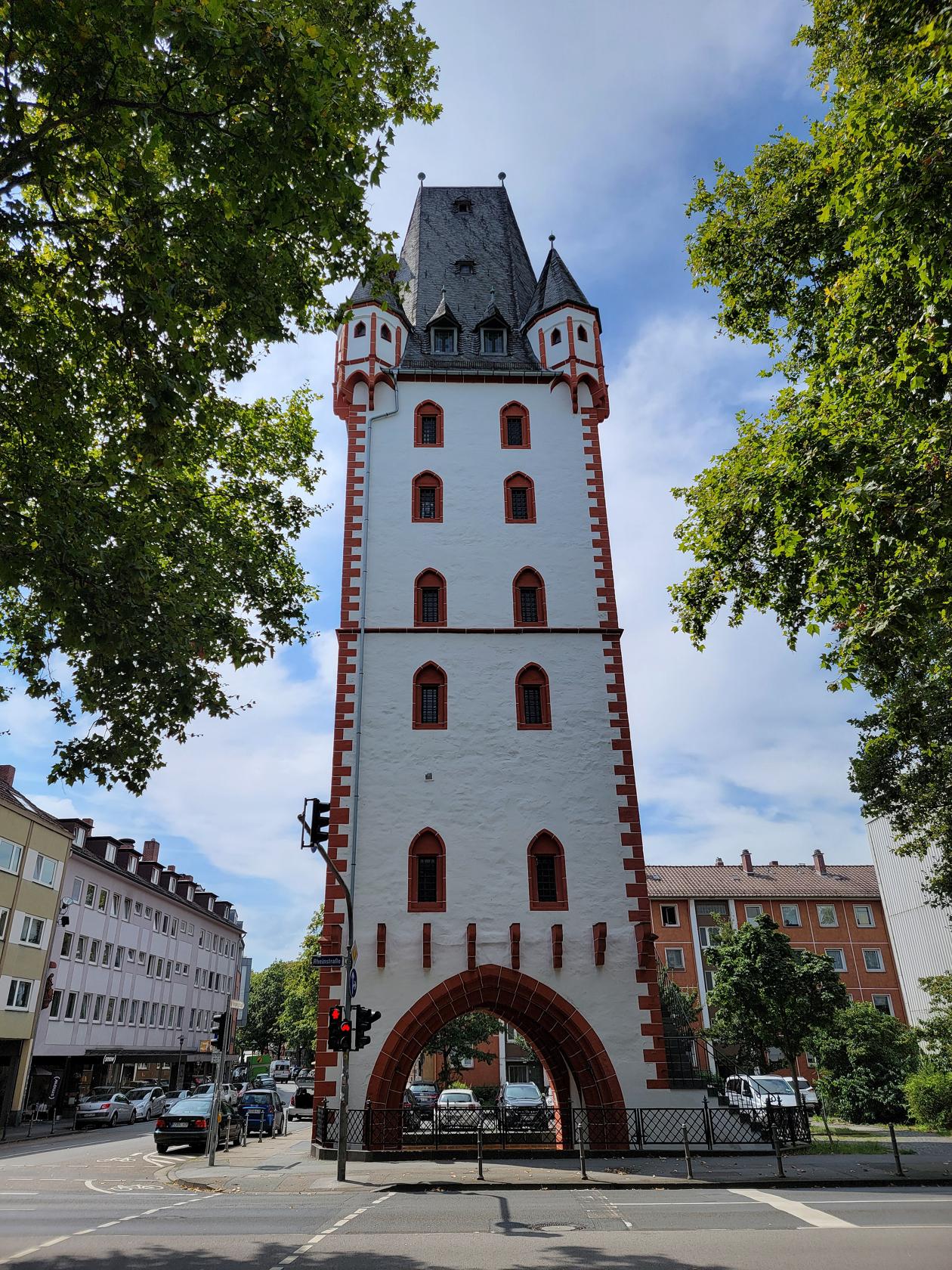
Holzturm of the old city wall – Mainz, Germany
The Wine Gate – Mainz, Germany
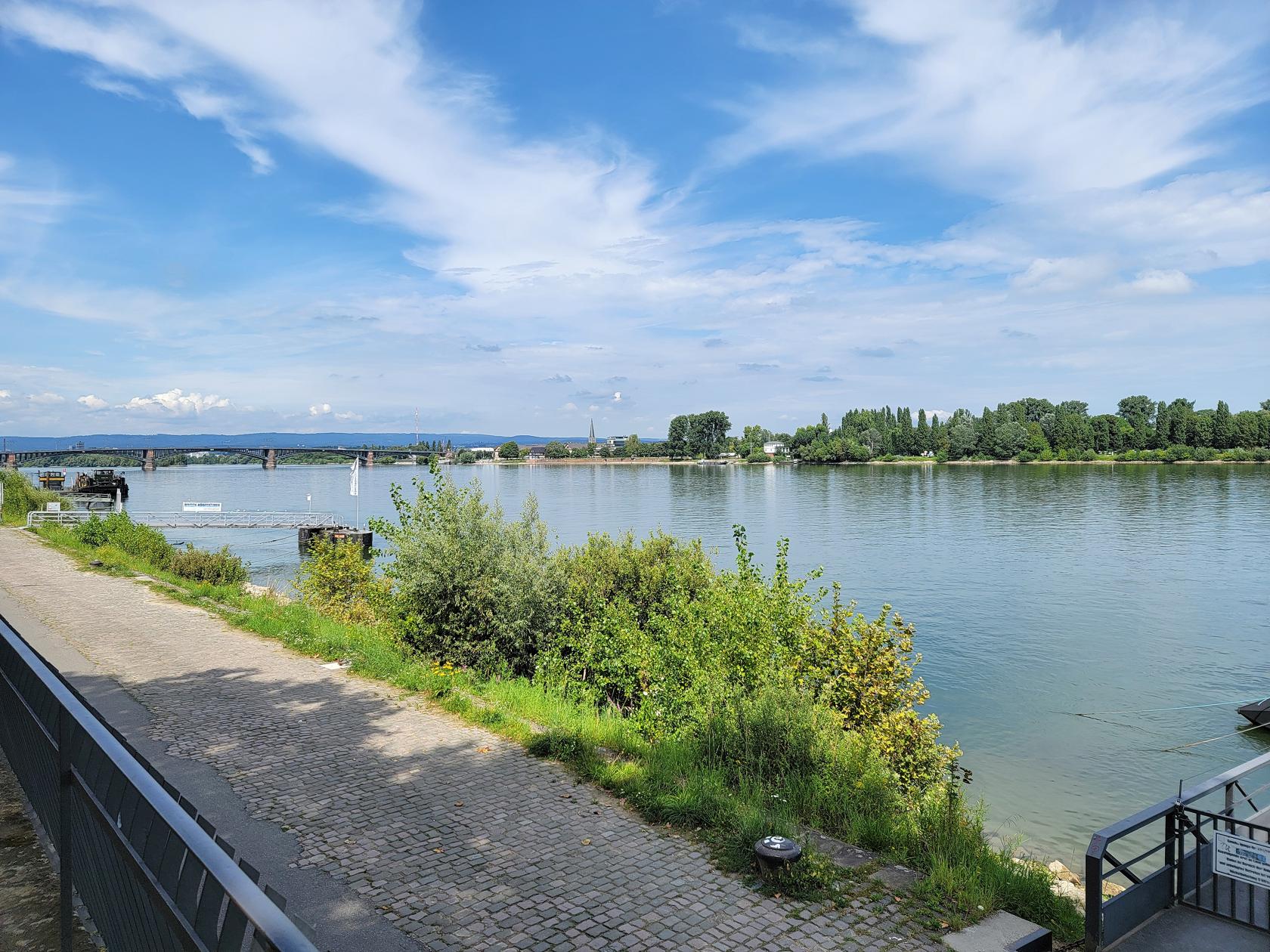
The Rhine river – Mainz, Germany
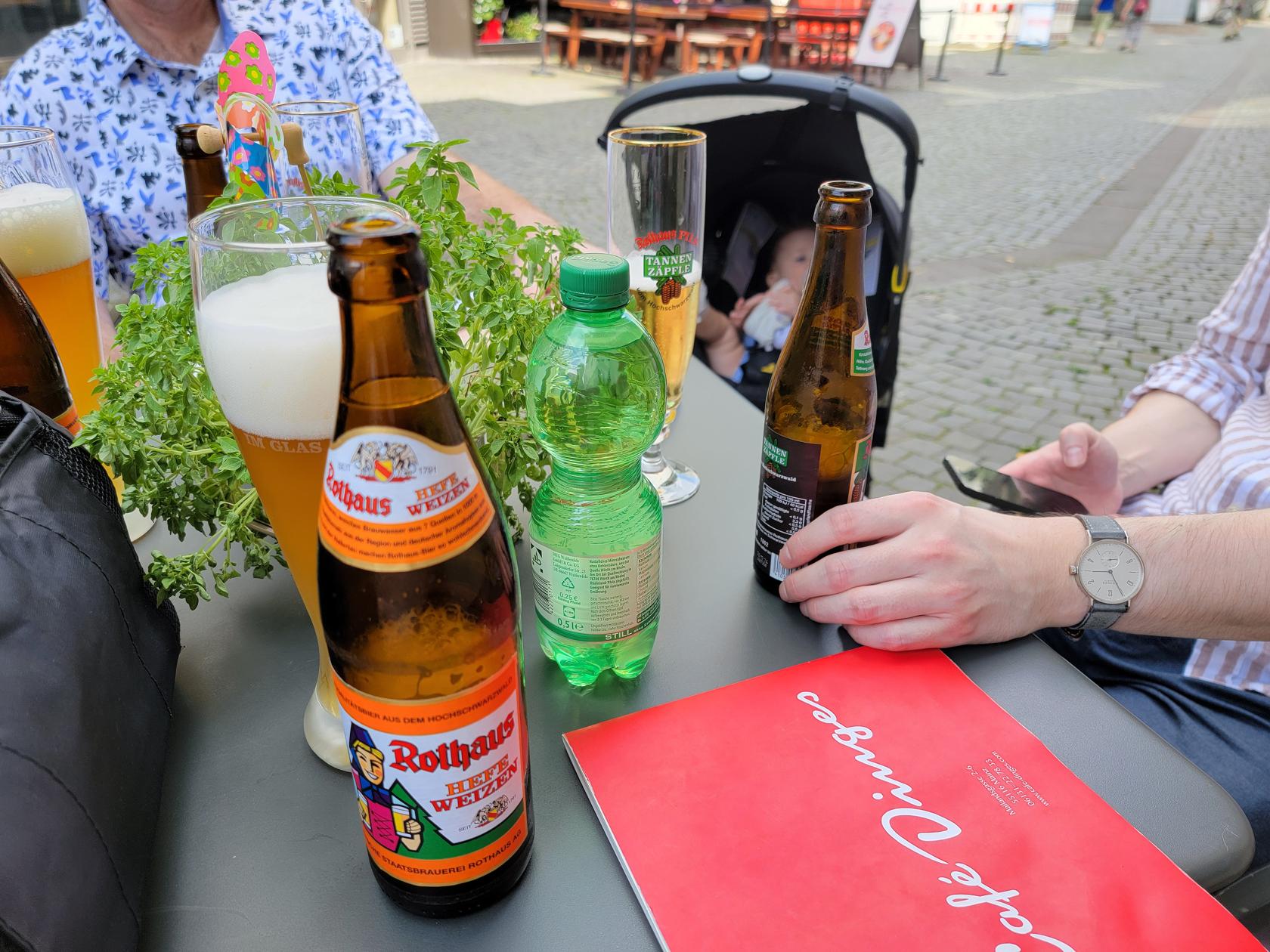
Rothaus – Mainz, Germany
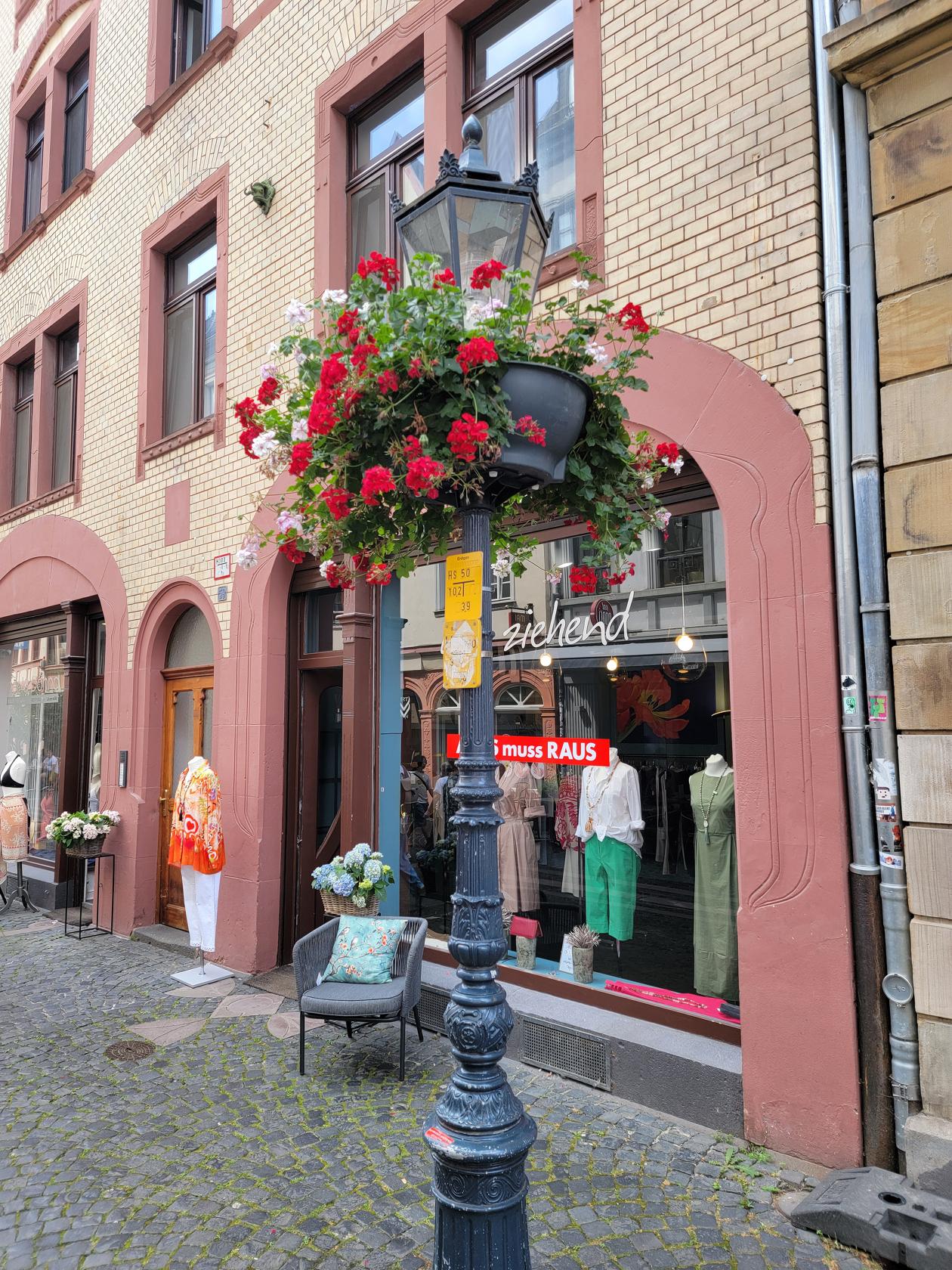
Street flowers – Mainz, Germany
Restaurants
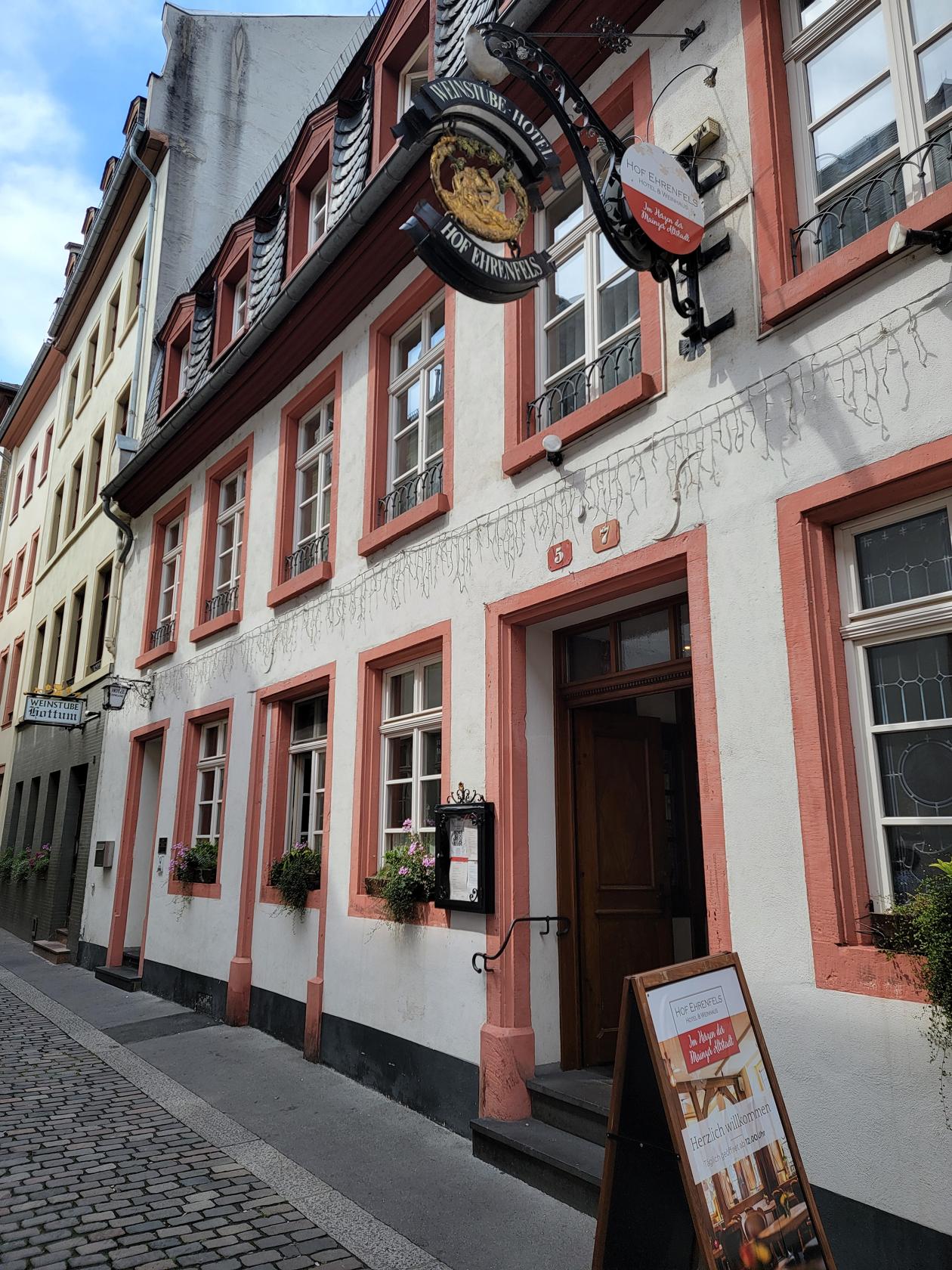
While in Mainz, we stopped at one of our favorite restaurants, or in this case a Wine house (Weinhaus), that our friends Karl Heinz and Isolde Seegräber introduced us to in the course of one of our earlier visits.
With a cohort of eight, we found it impossible with only one car to make a day trip on the weekend of August the 17th, so we took the Regional Train direct from Offenbach Hauptbahnhof (Hbf). In 25 mintues with the RE51 you can be in Gelnhausen, or with the RB51 slightly longer; both operate often and at regular intervals.
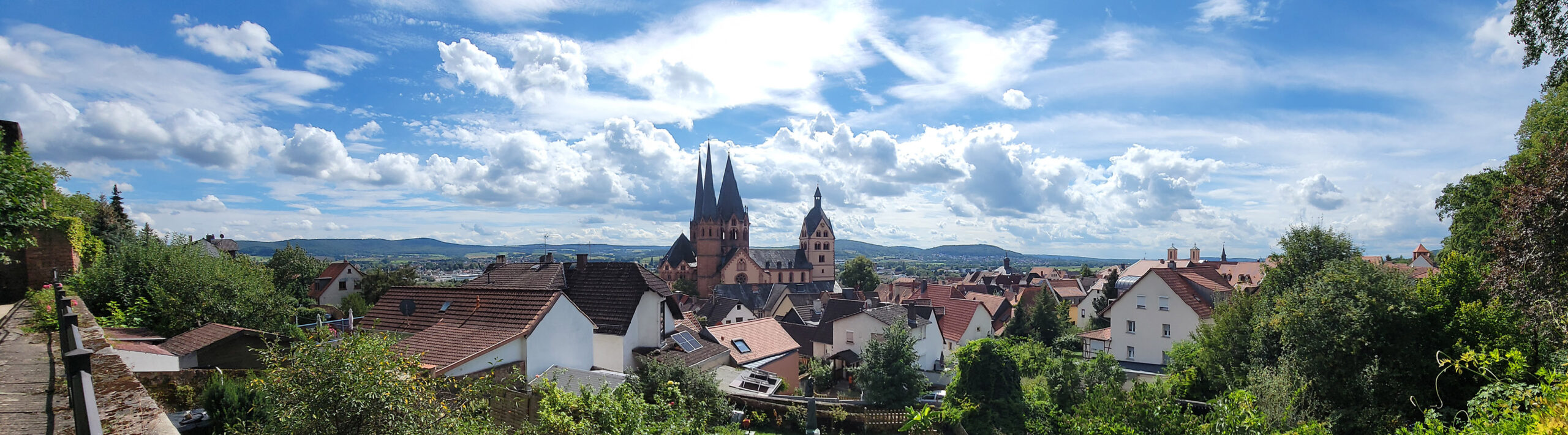
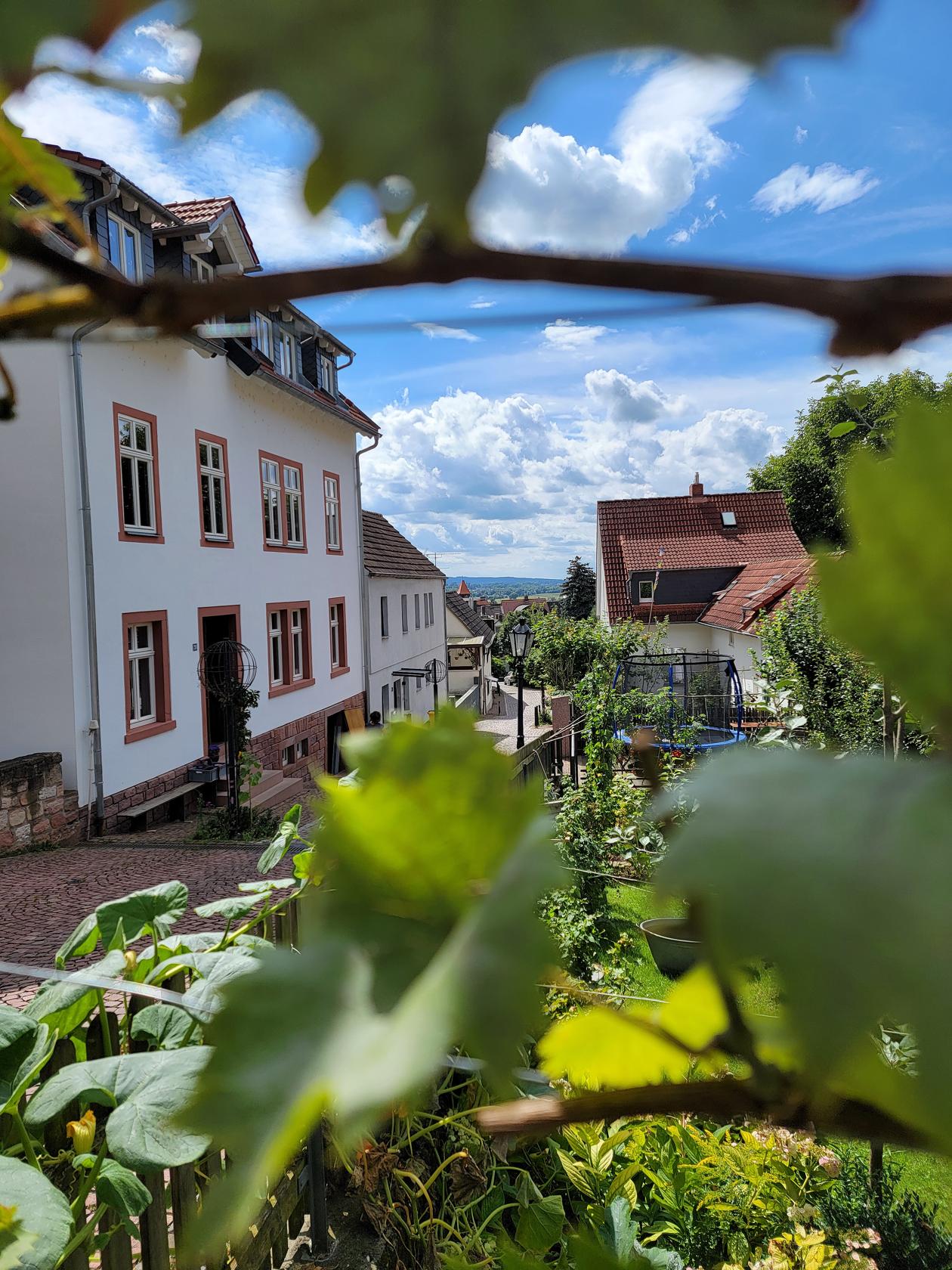
Overlook of the town – Gelnhausen, Germany
Gelnhausen
An unusual destination for non-Germans, Gelnhausen does not offer much but a change of scenery, a lazy stroll in the park and perhaps different opportunities to eat.
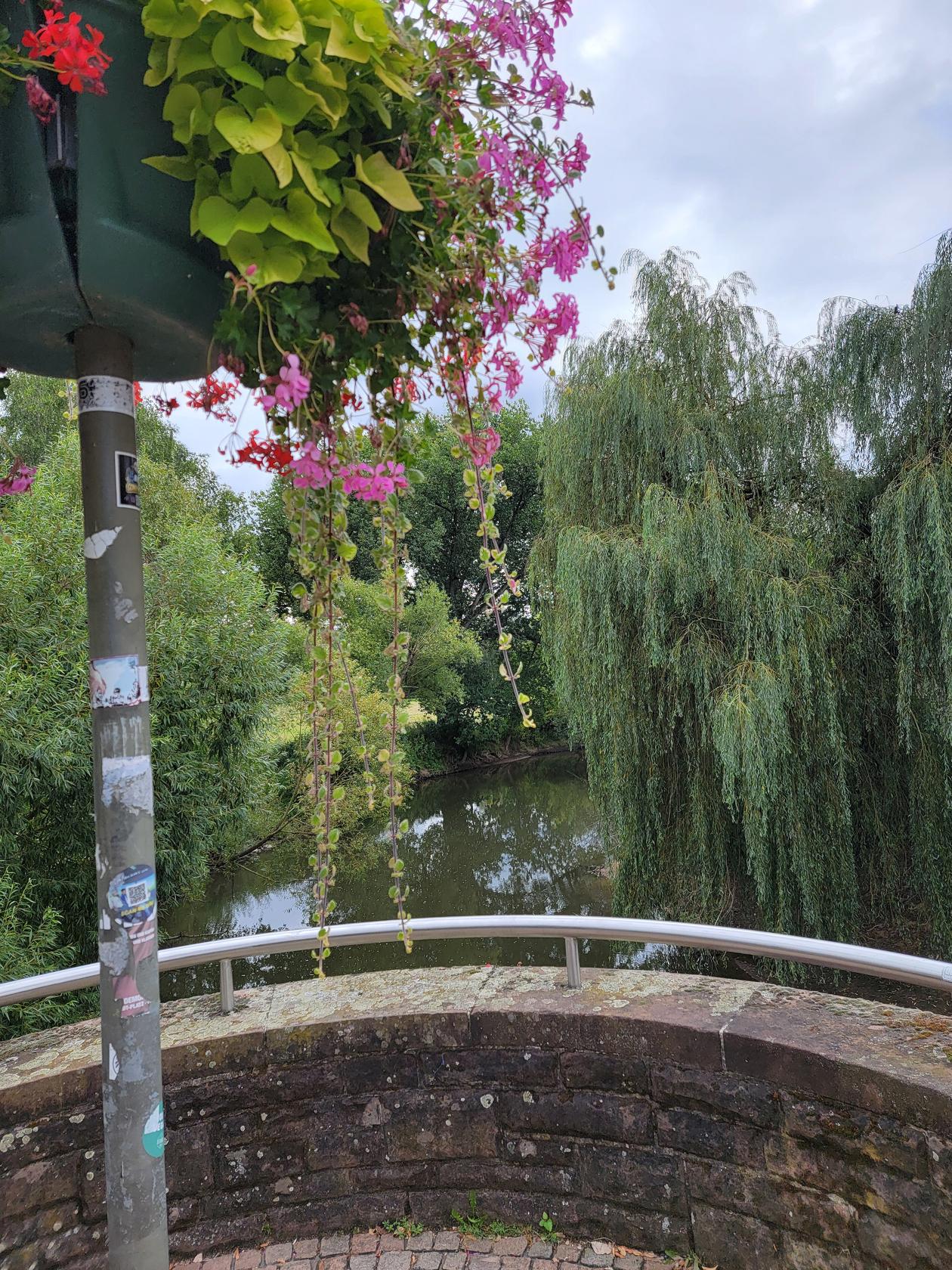
Kinzig River – Gelnhausen, Germany
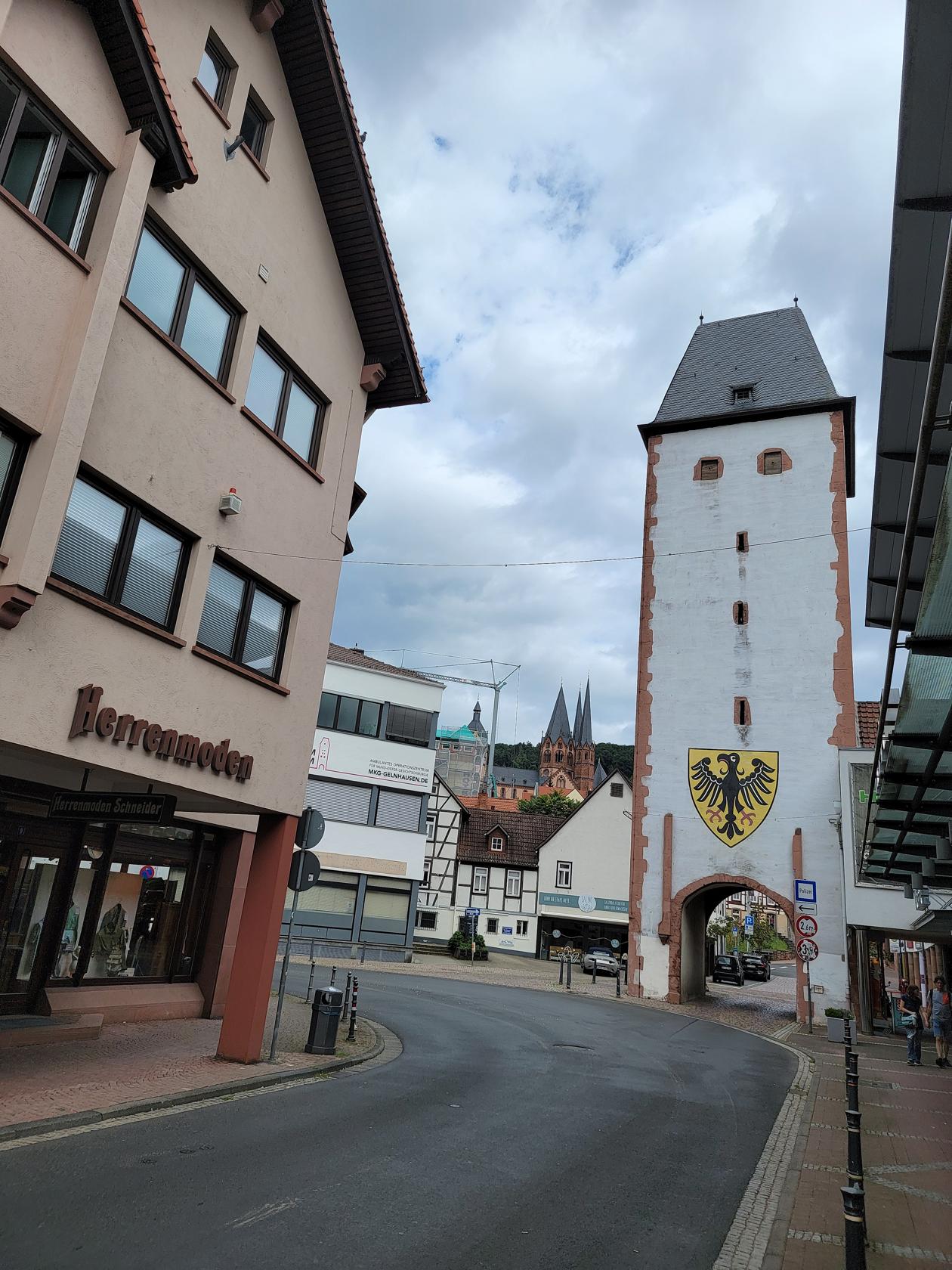
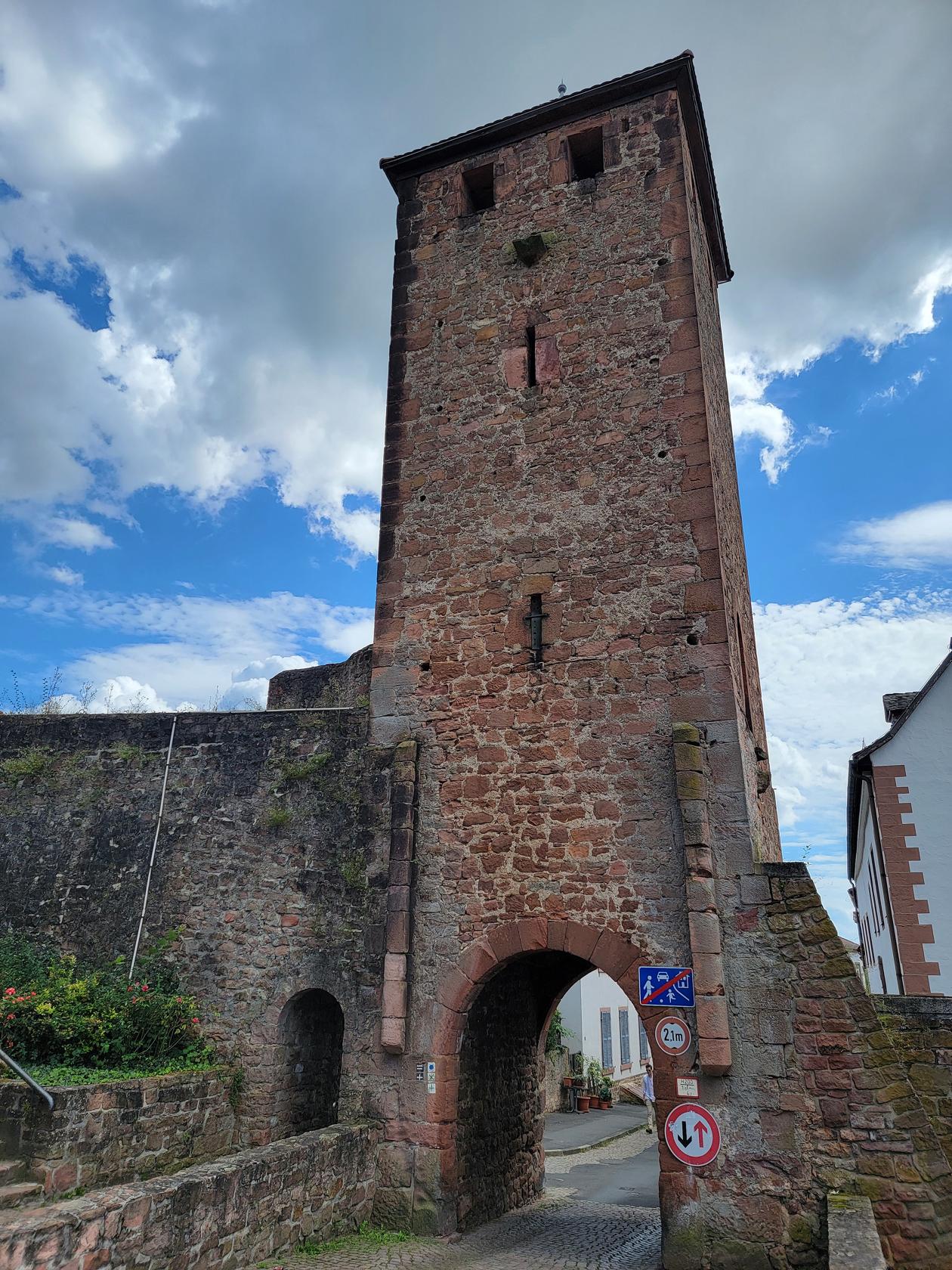
Ziegelturm – Gelnhausen, Germany
Kinzig River – Gelnhausen, Germany
Ziegelturm – Gelnhausen, Germany
Schmidtgasse – Gelnhausen, Germany
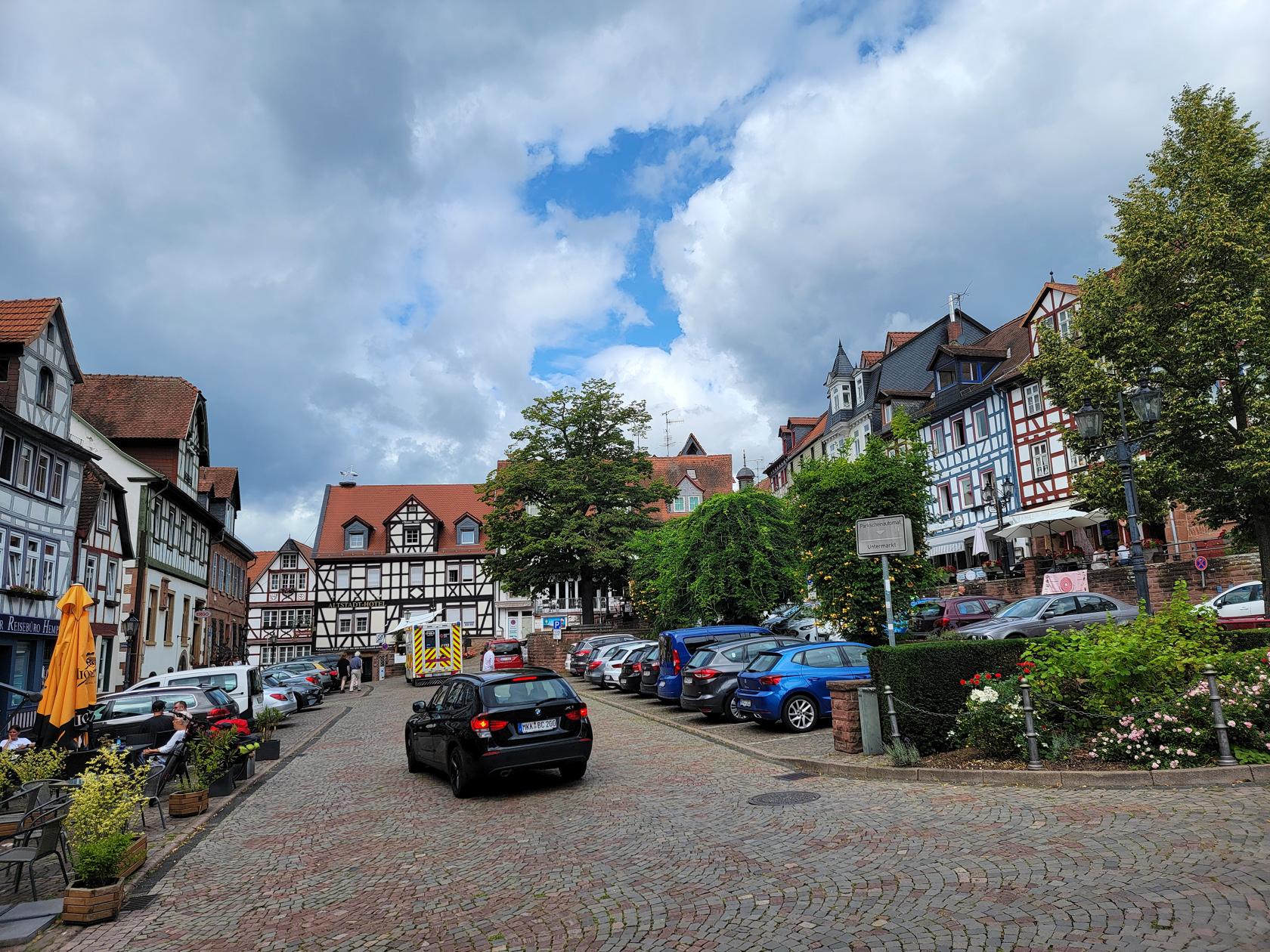
Untermarkt – Gelnhausen, Germany
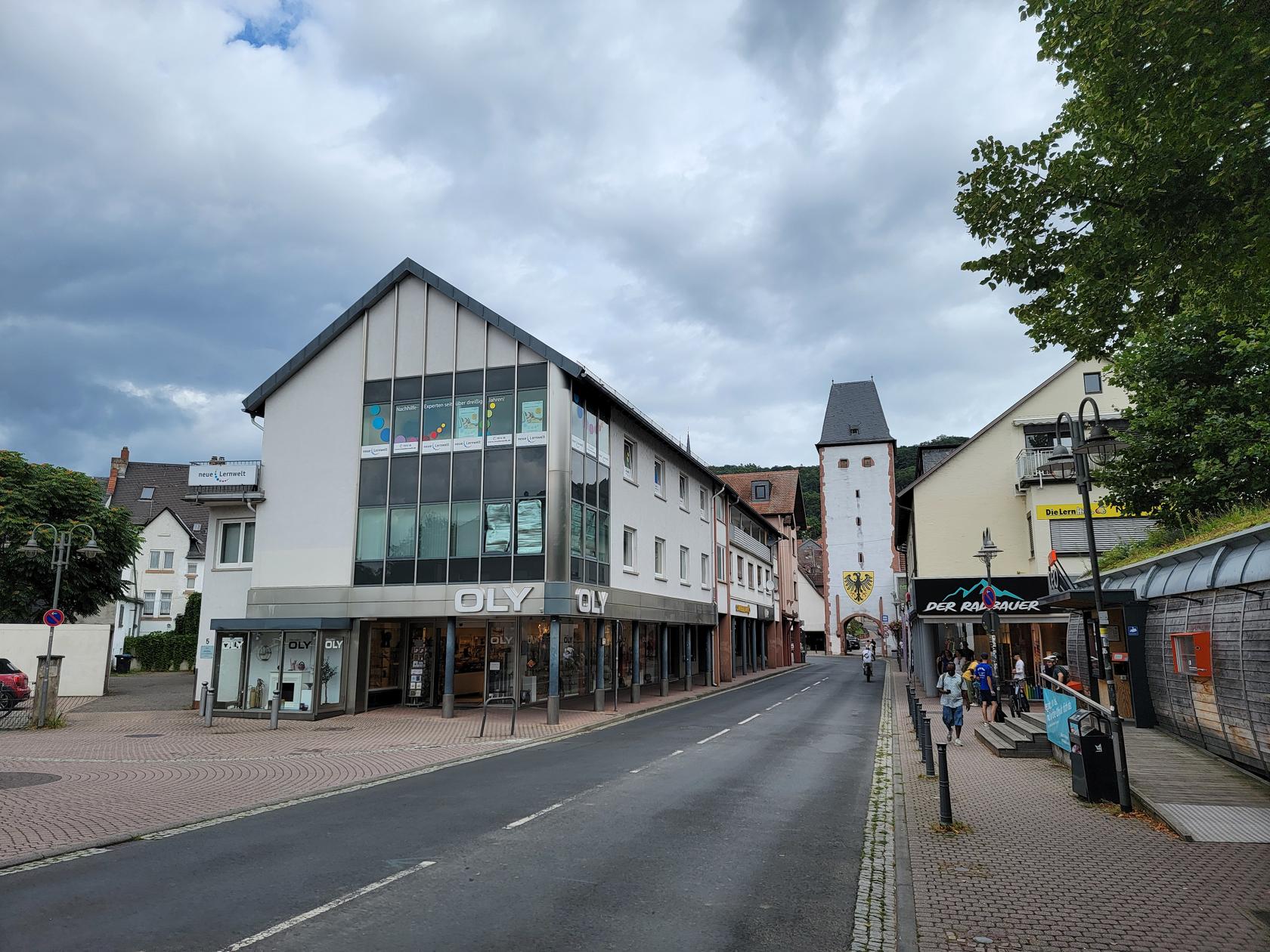
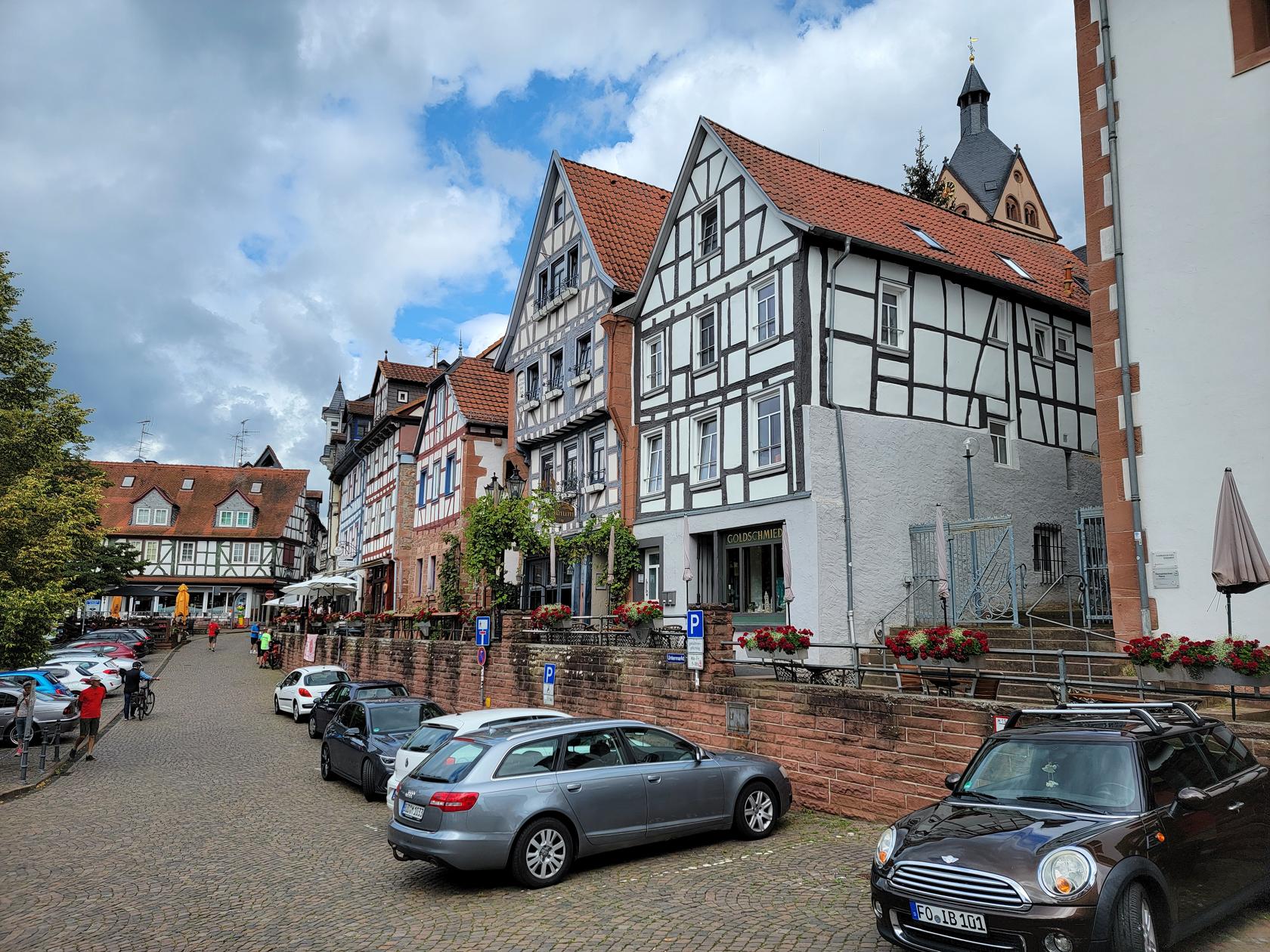
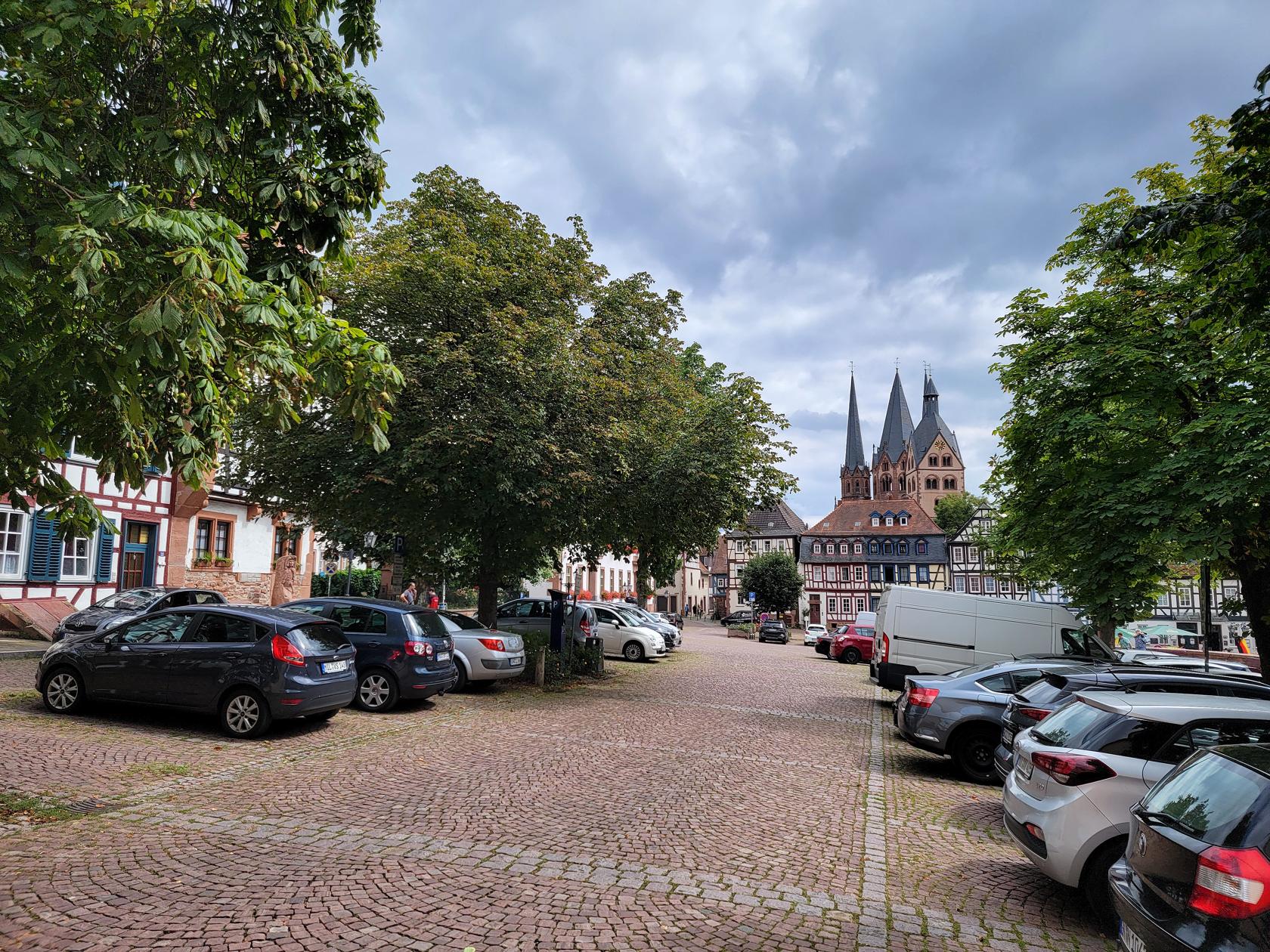
The town is separated into lower and upper market places, or Unter- and Obermarkt, both of which act as parking lots for locals and visitors alike. Since we took the train, the entry to the town was over the Kinzig river and through the Ziegelturm.
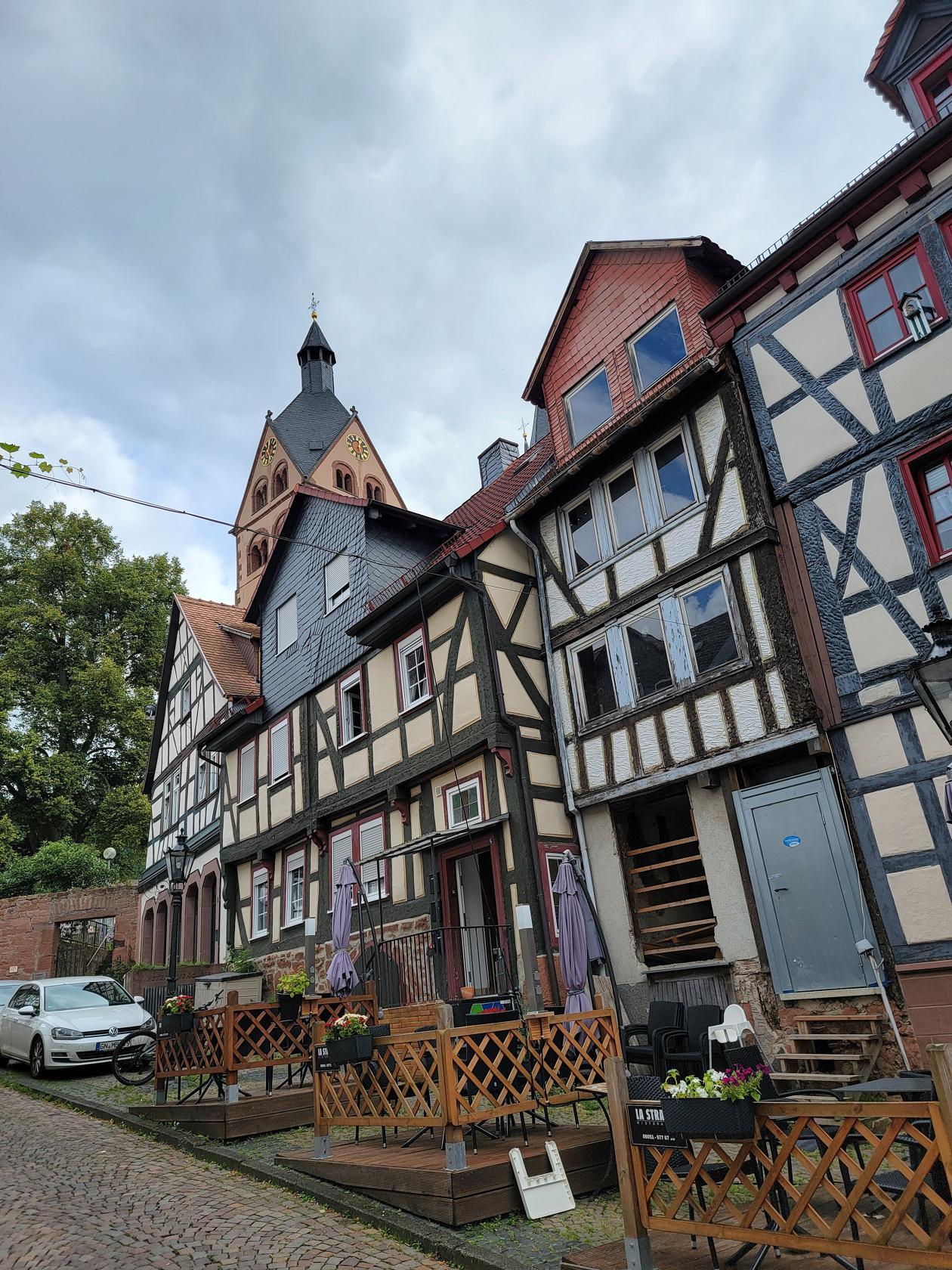
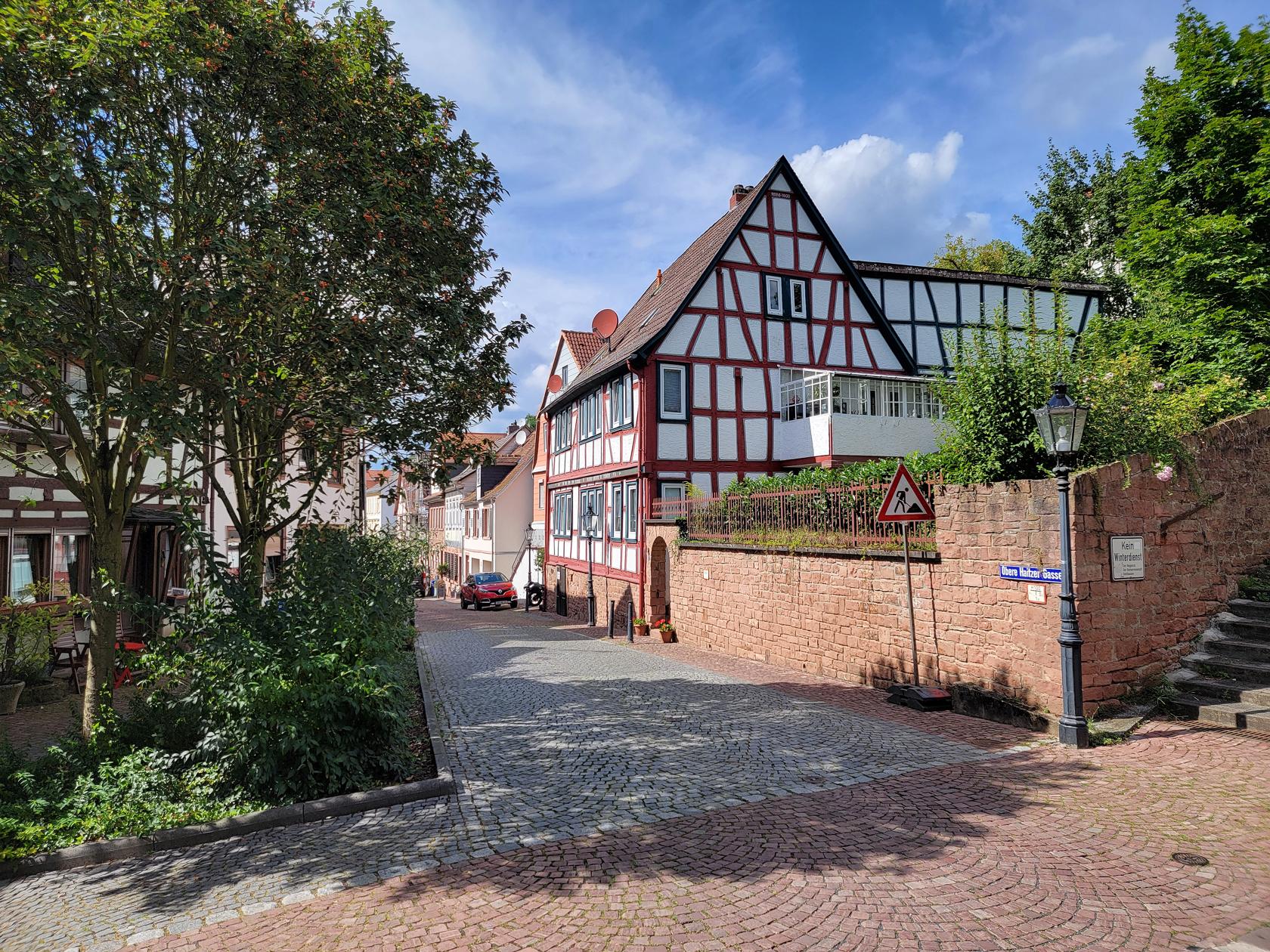
Houses of timber – Gelnhausen, Germany
Innenstadt – Gelnhausen, Germany
Untermarkt – Gelnhausen, Germany
Obermarkt – Gelnhausen, Germany
Untermarkt – Gelnhausen, Germany
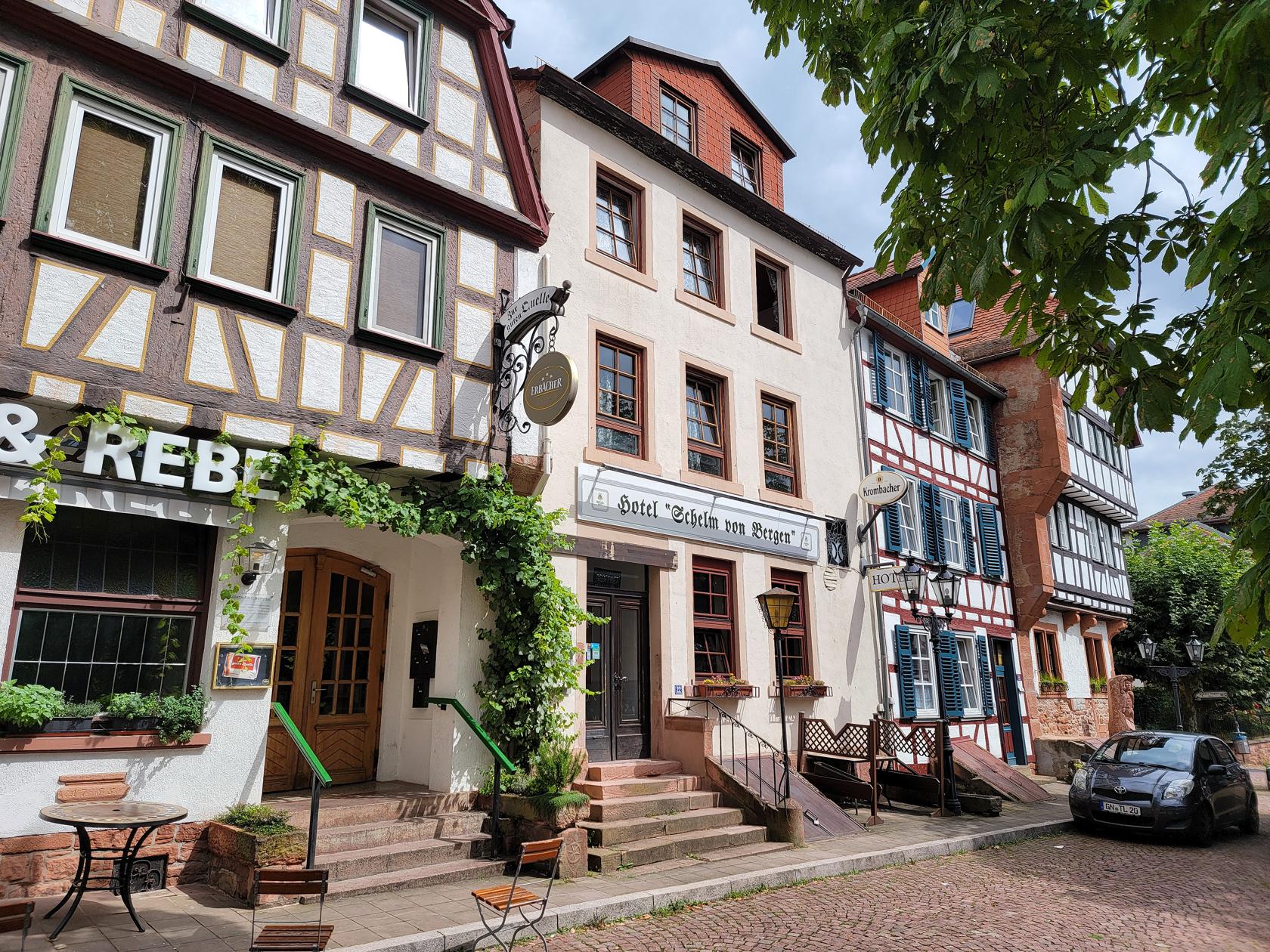
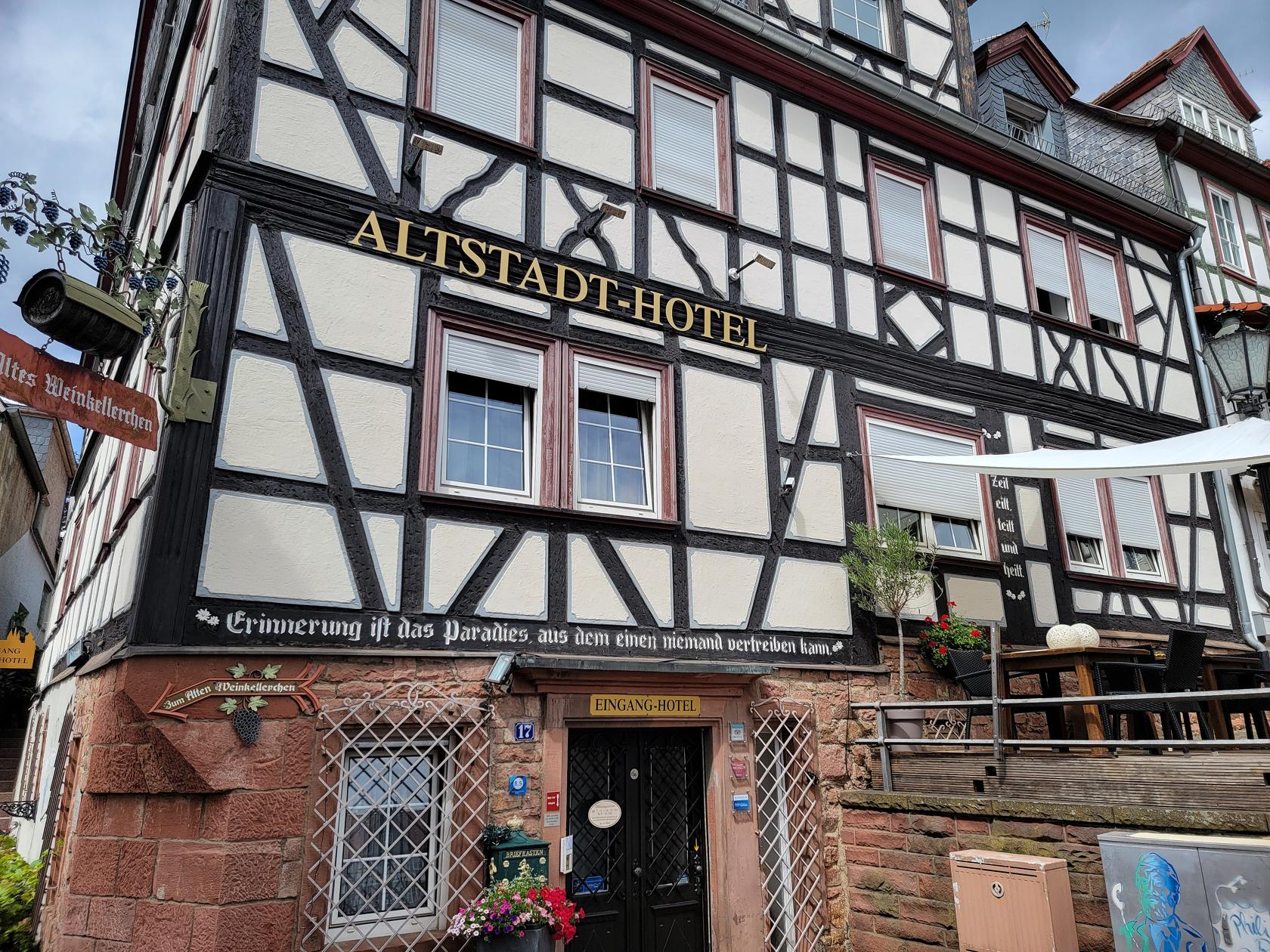
Hotel in the Obermarkt – Gelnhausen, Germany
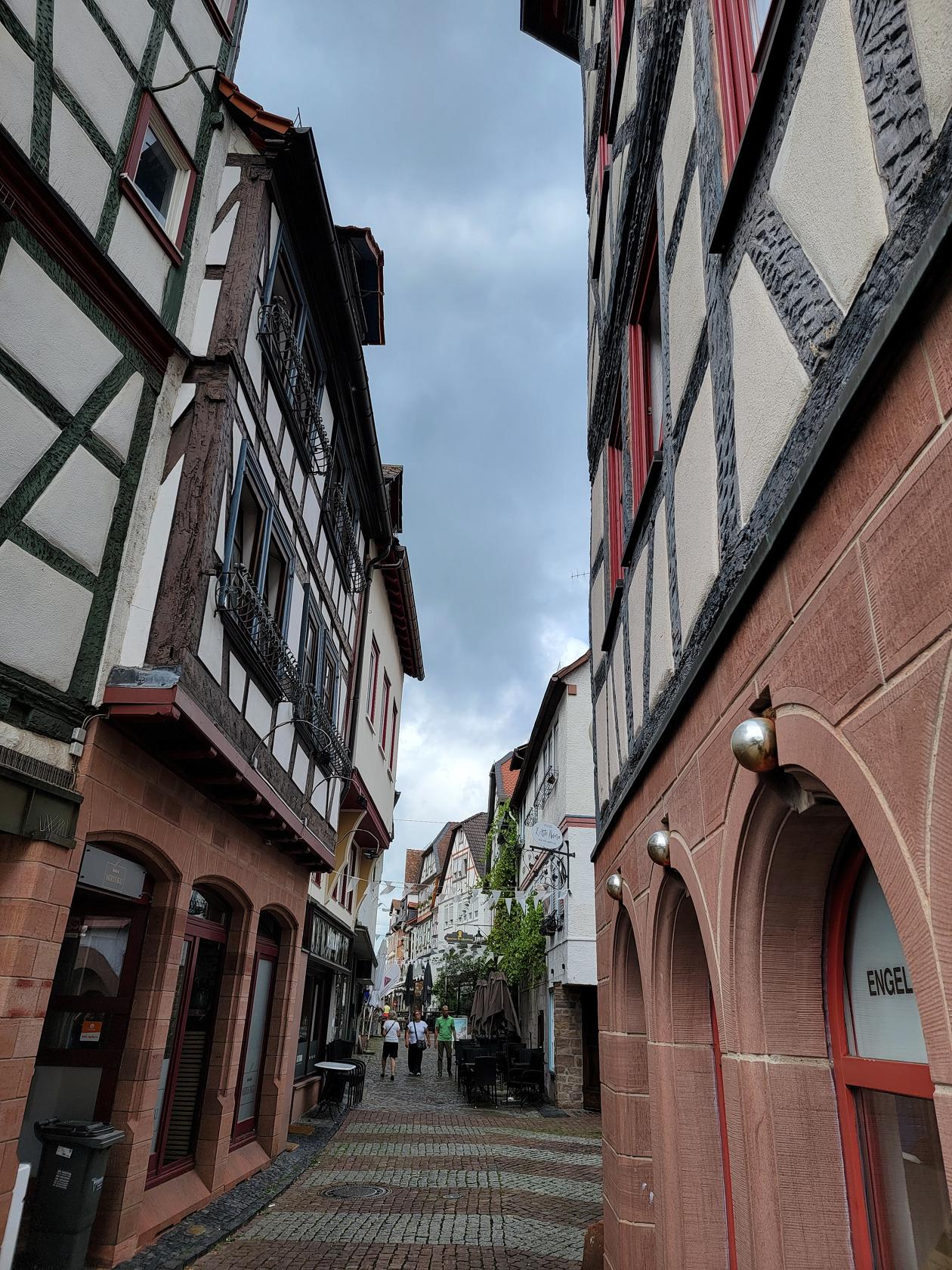
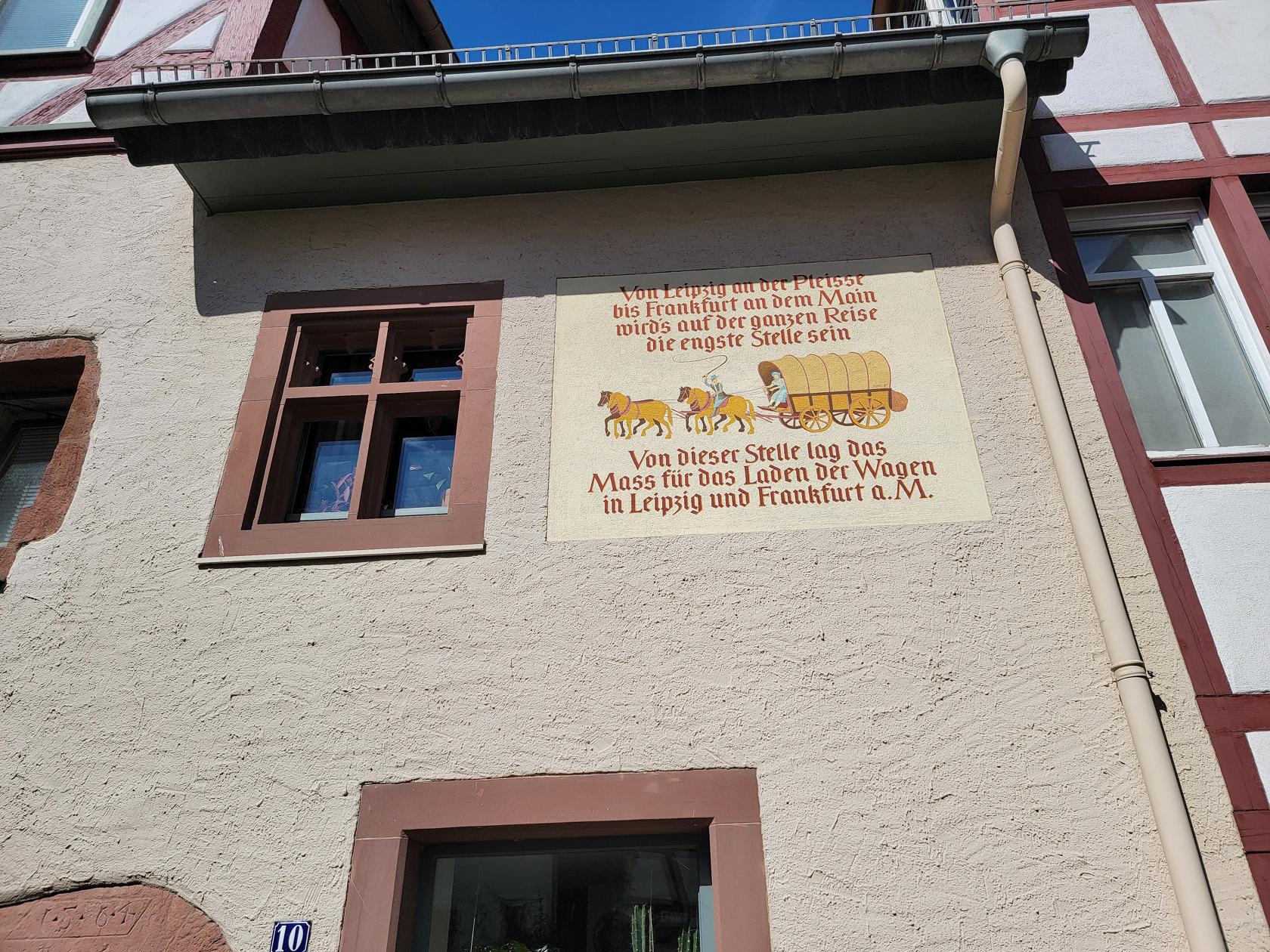
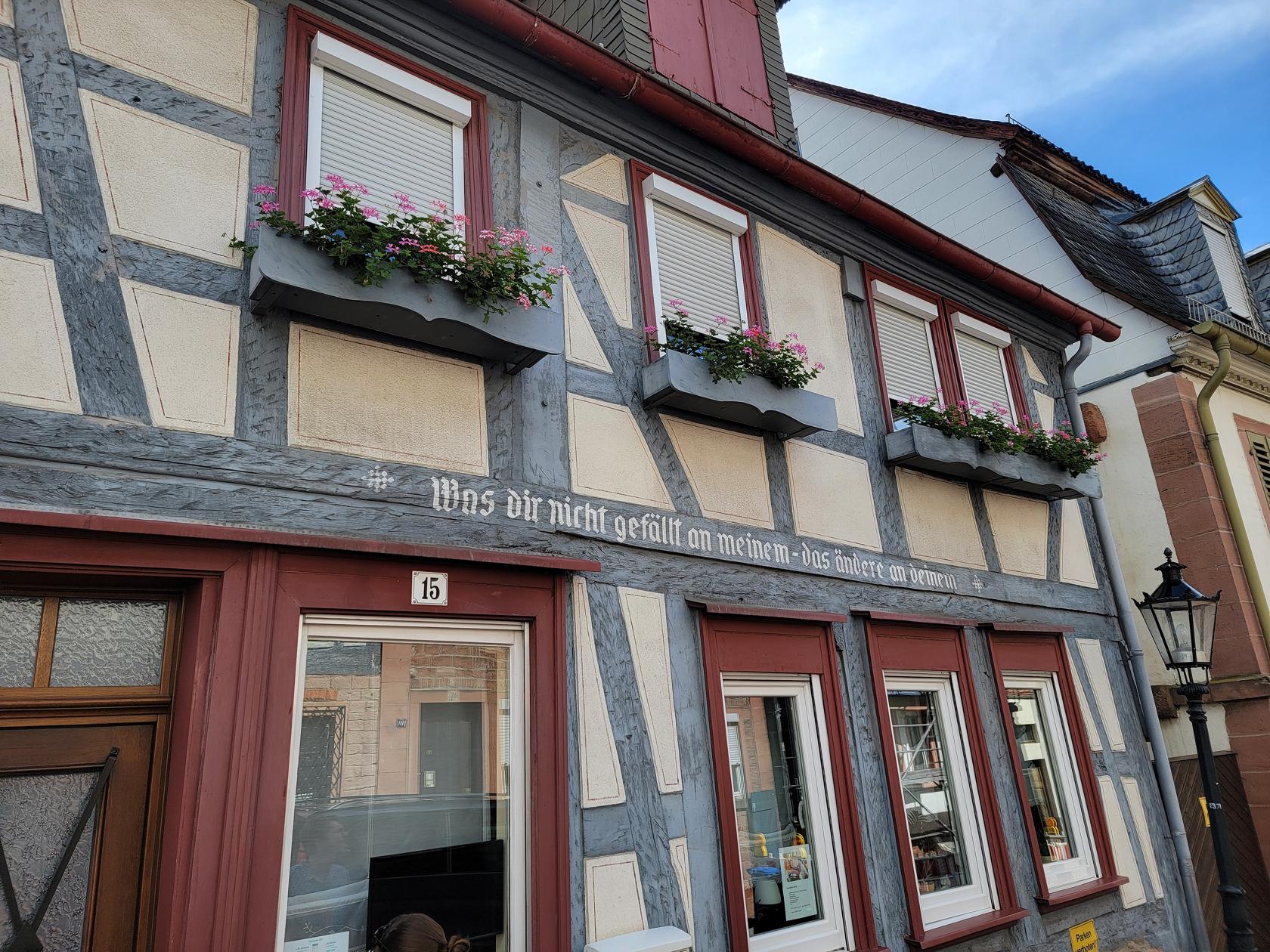
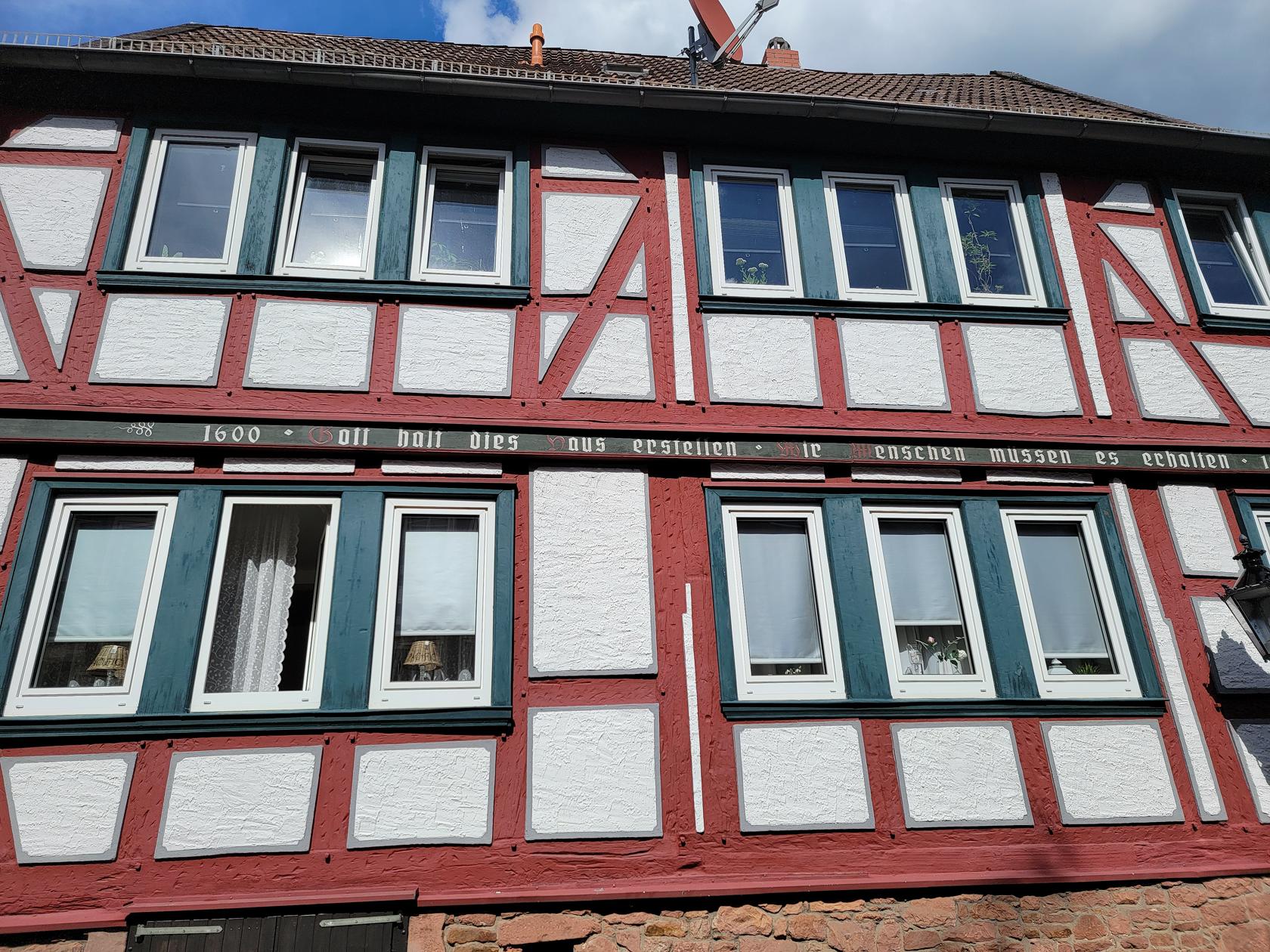
Walking the narrow streets of Gelnhausen the visitor will notice numerous timber houses with sayings on them. In many towns, this is an old practice which has been used probably for centuries, either to provide some humor or commentary on the events of the time.
More sayings – Gelnhausen, Germany
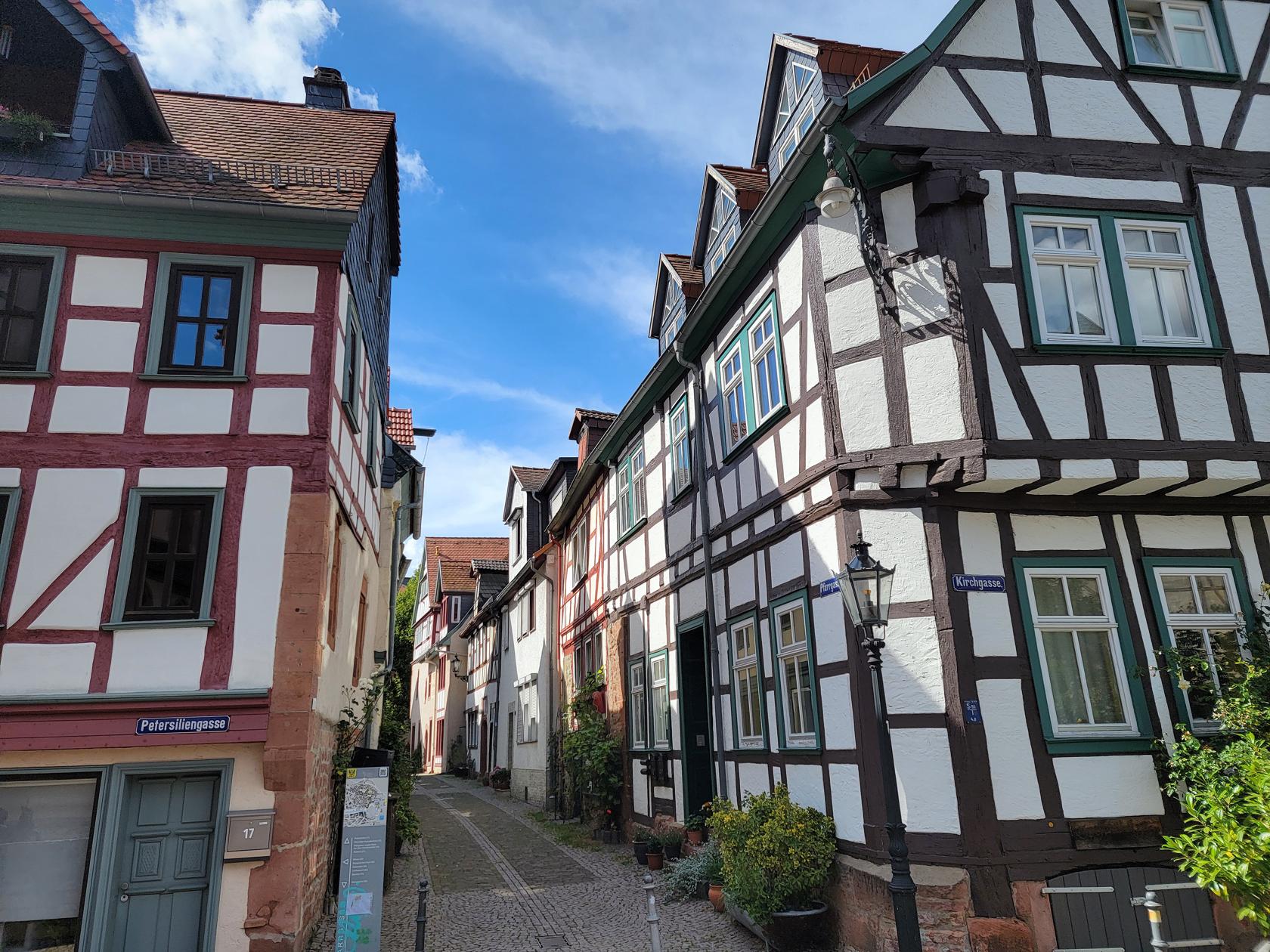
Pfarrgasse – Gelnhausen, Germany
Cute sayings on house – Gelnhausen, Germany
Very old house – Gelnhausen, Germany
More timber houses – Stadtgarten Halbmond – Gelnhausen, Germany
Altstadt Hotel – Gelnhausen, Germany
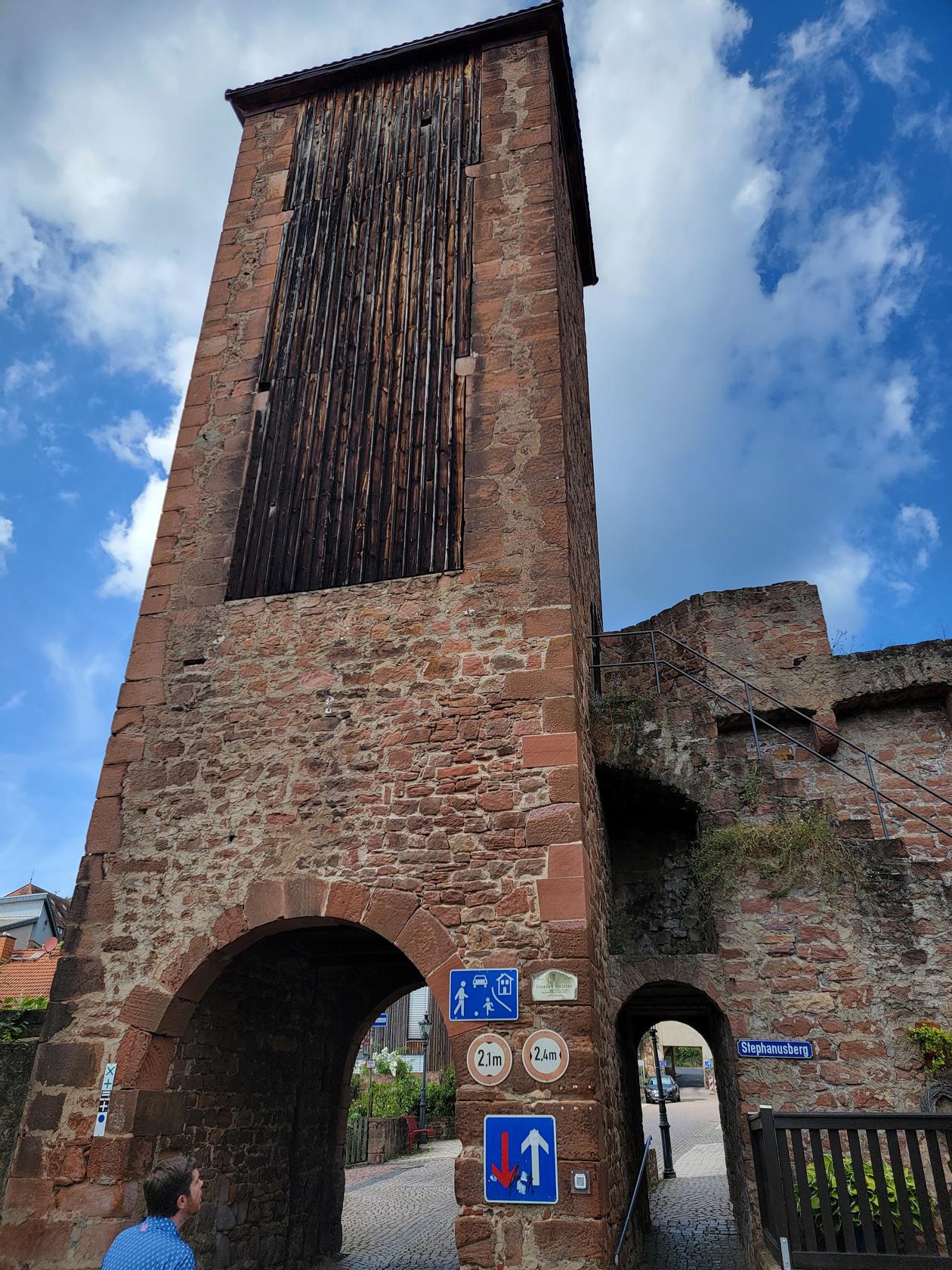
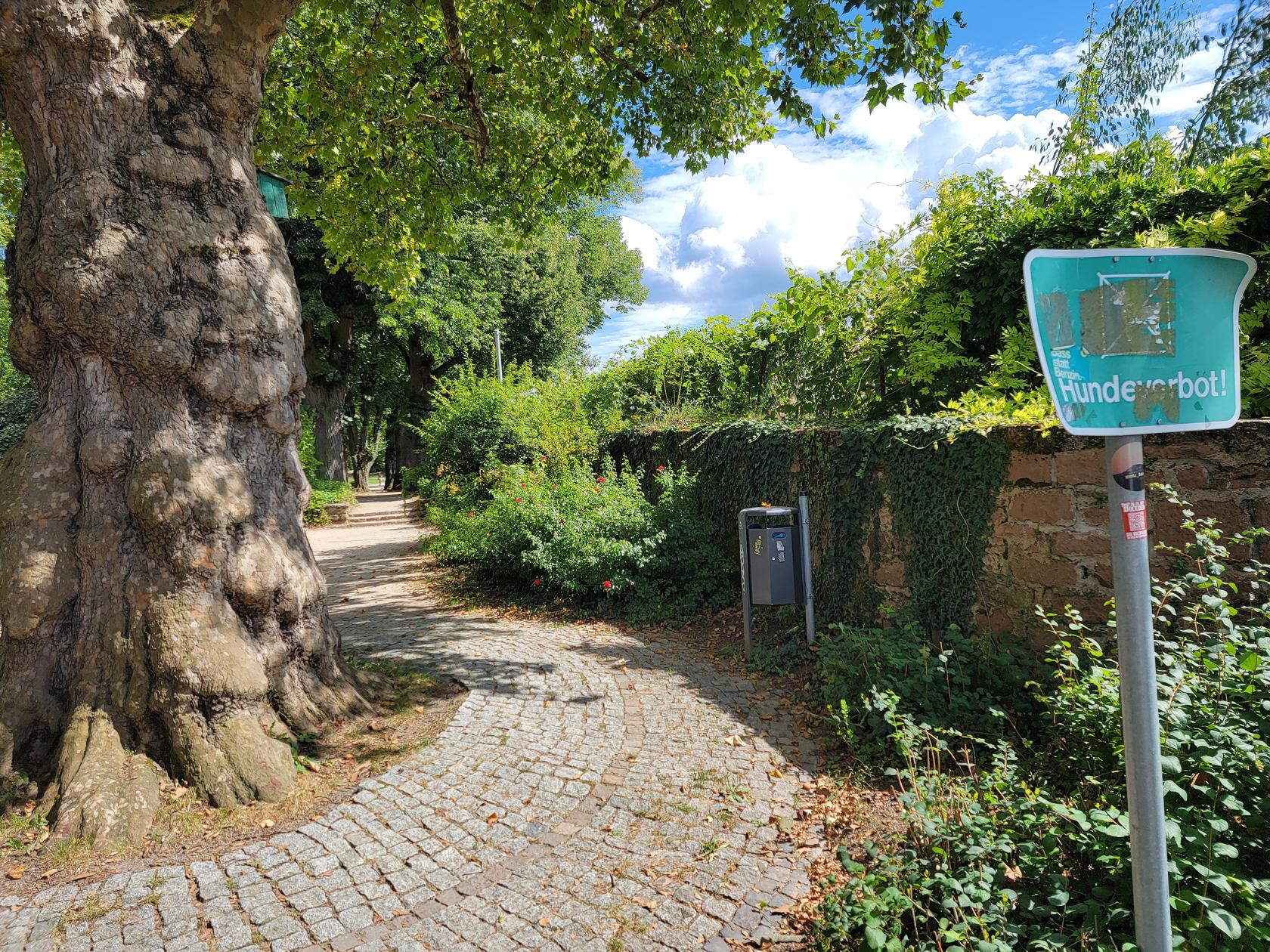
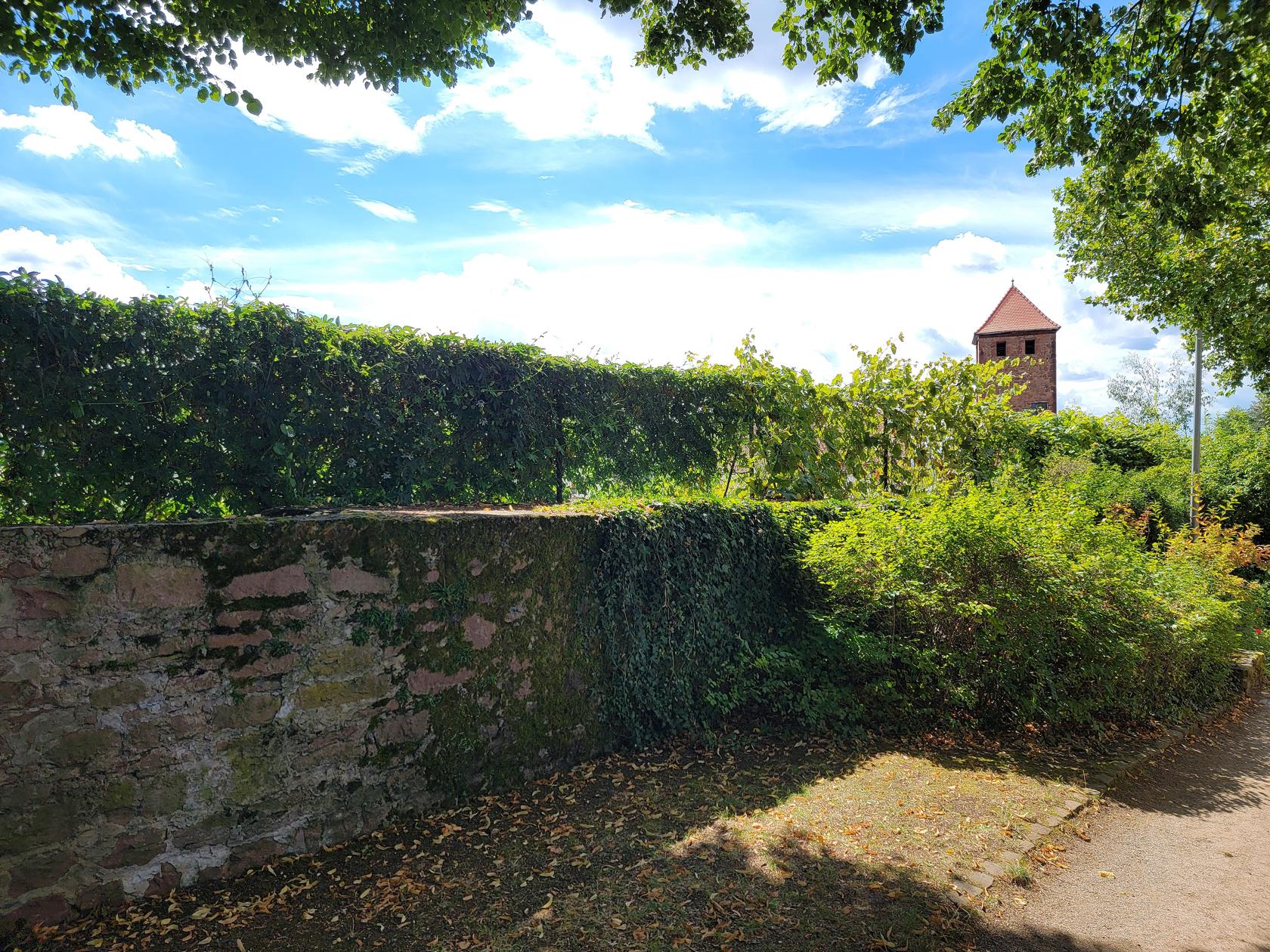
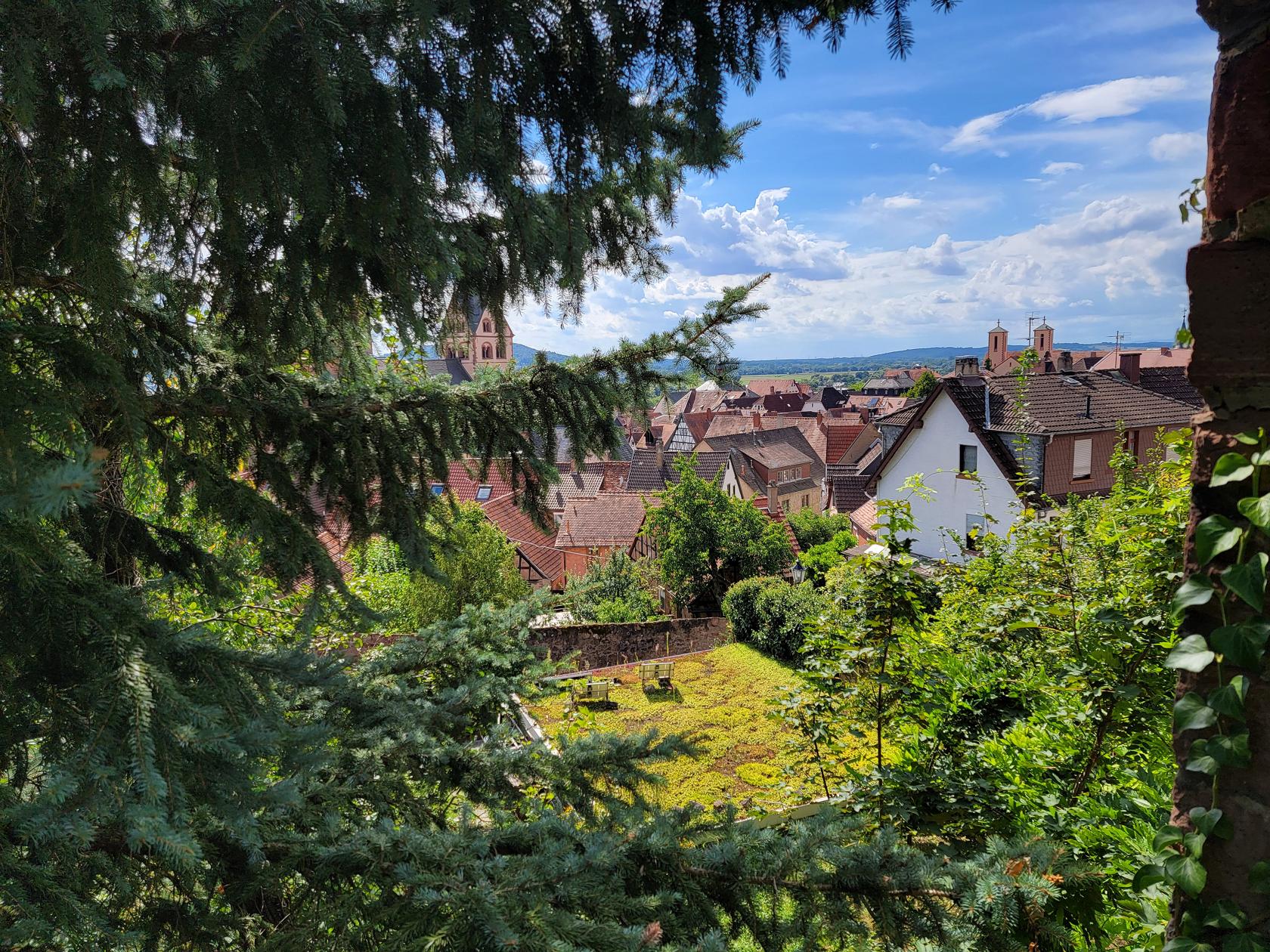
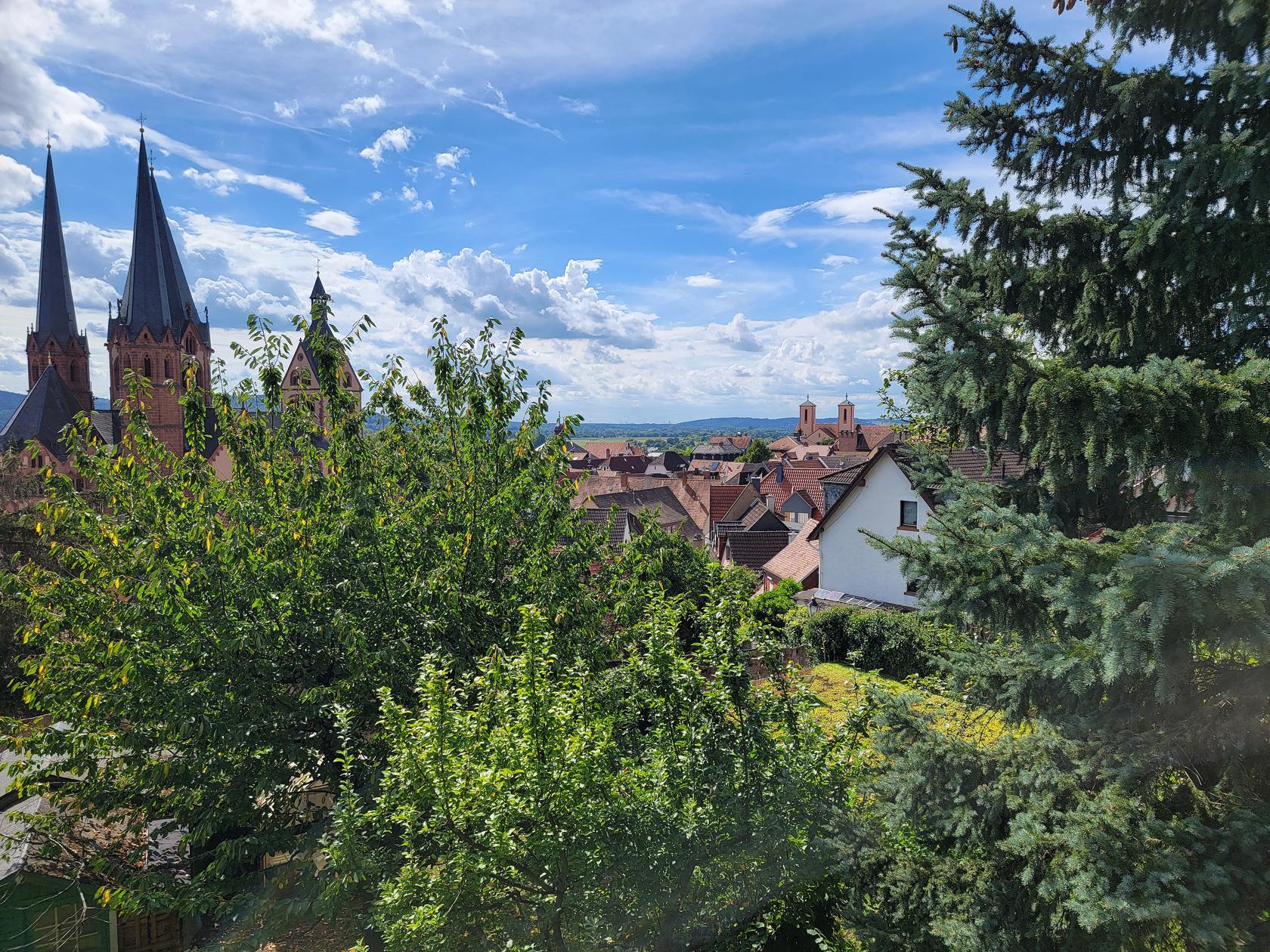
On the other end of town, after the Obermarkt you can wander through the Holzgasse Tower to find the old town wall. Here you will enjoy a very nice park with an overlook of the town and surrounding area.
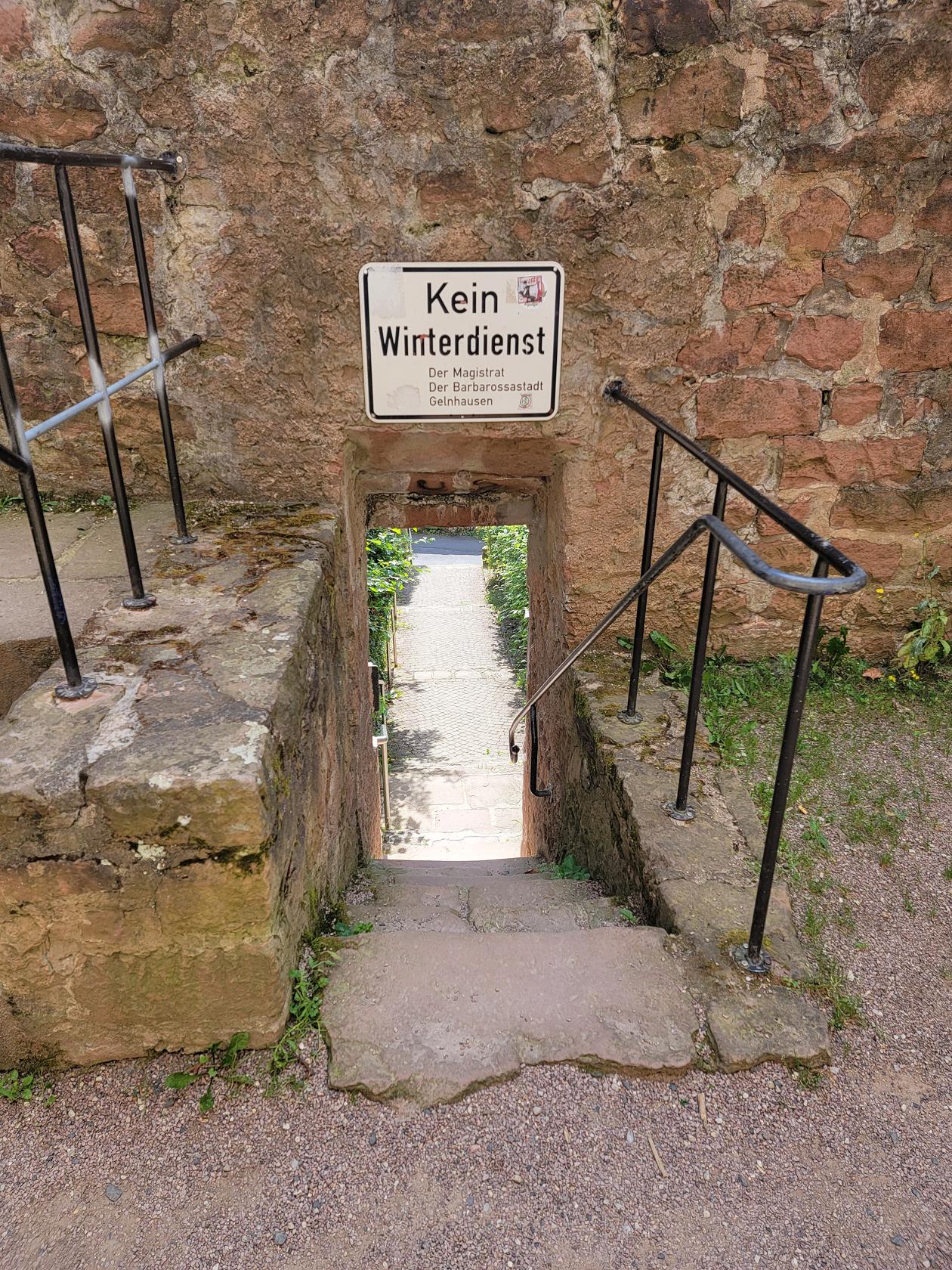
No weather maintenance (snow) – Stadtgarten Halbmond – Gelnhausen, Germany
Town – Stadtgarten Halbmond – Gelnhausen, Germany
Town overlook from wall – Stadtgarten Halbmond – Gelnhausen, Germany
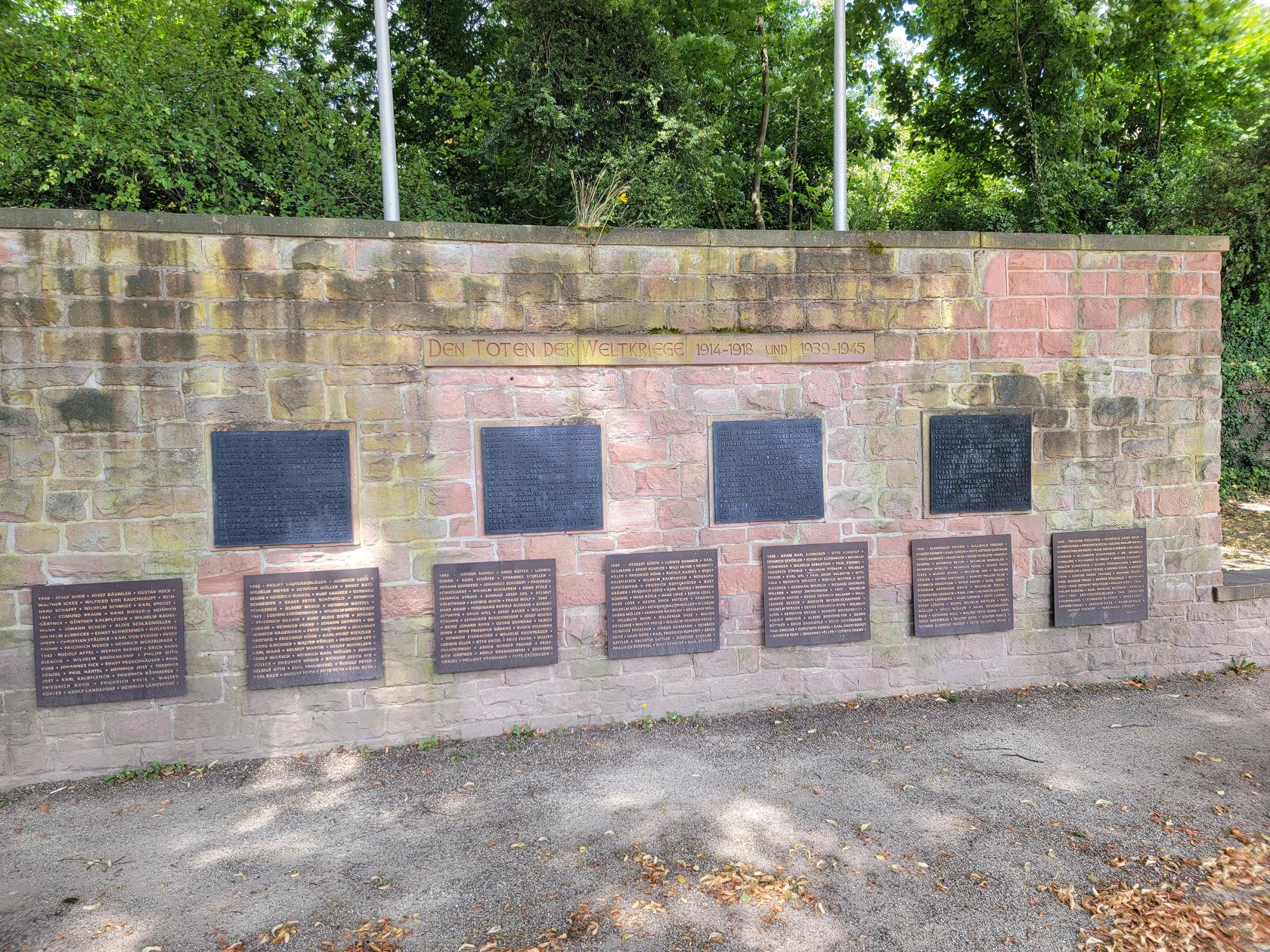
Not far from the entrance is a memorial to the fallen soldiers of the town from the two world wars.
War Memorial – Stadtgarten Halbmond – Gelnhausen, Germany
War Memorial – Stadtgarten Halbmond – Gelnhausen, Germany
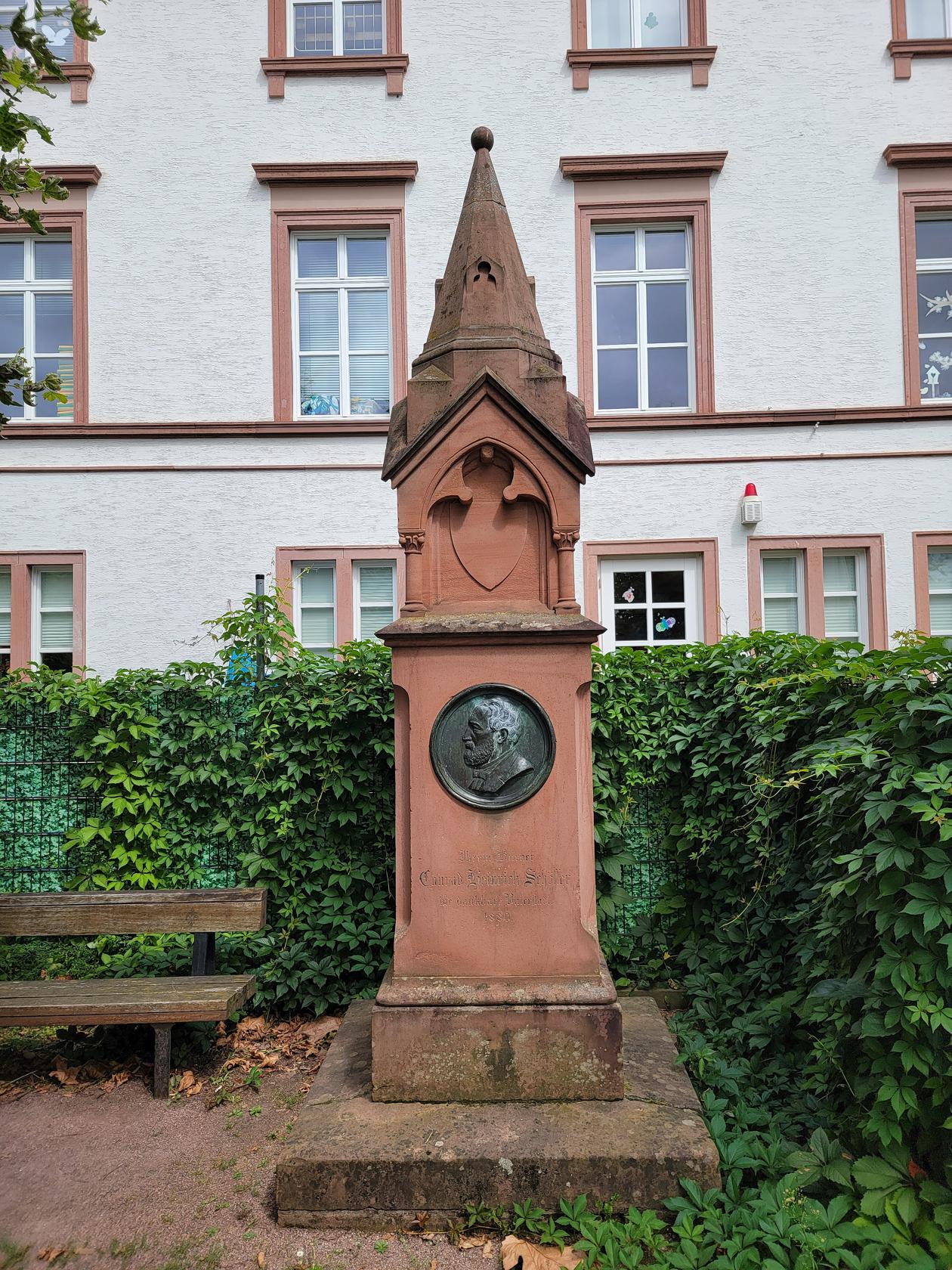
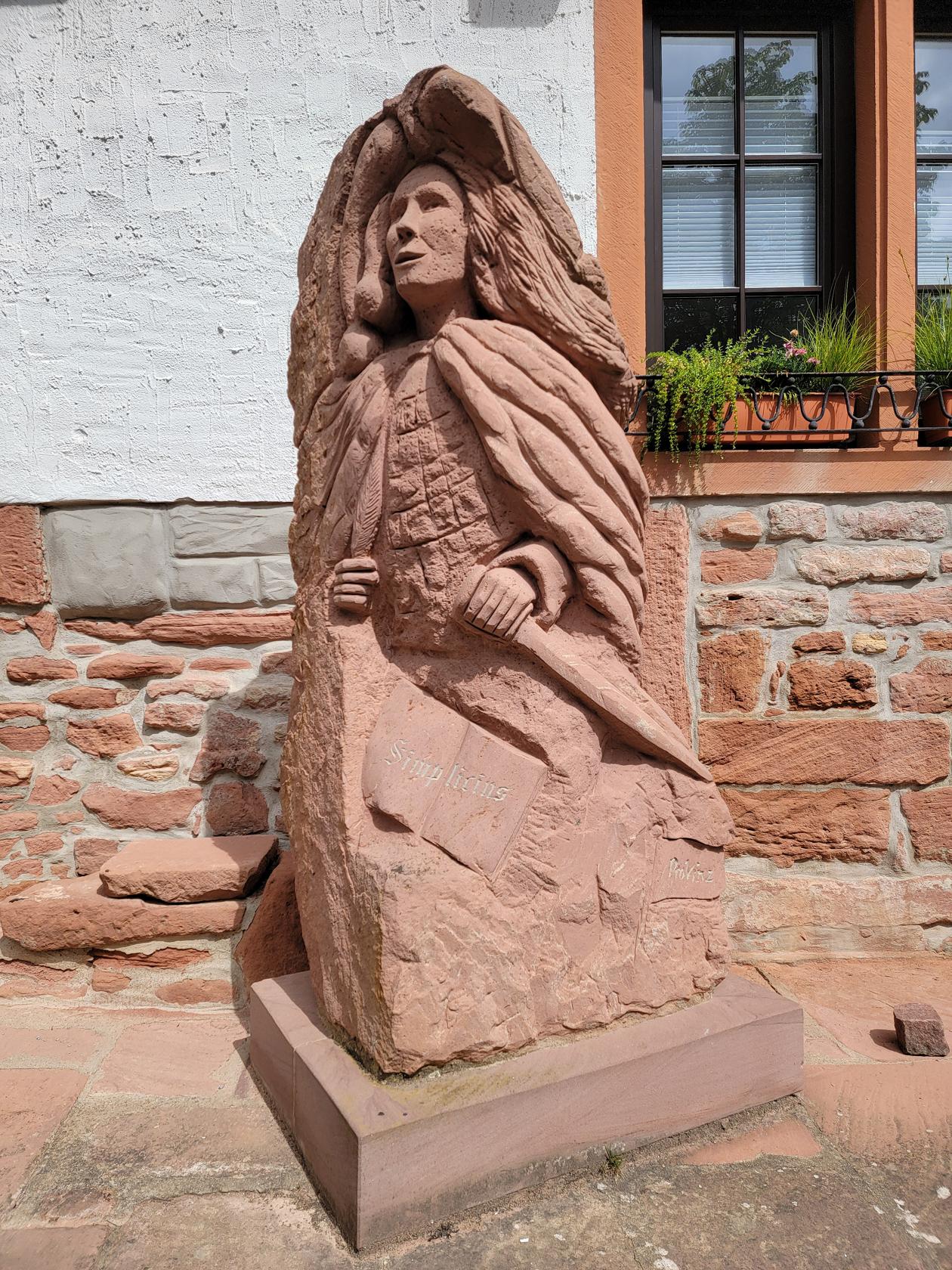
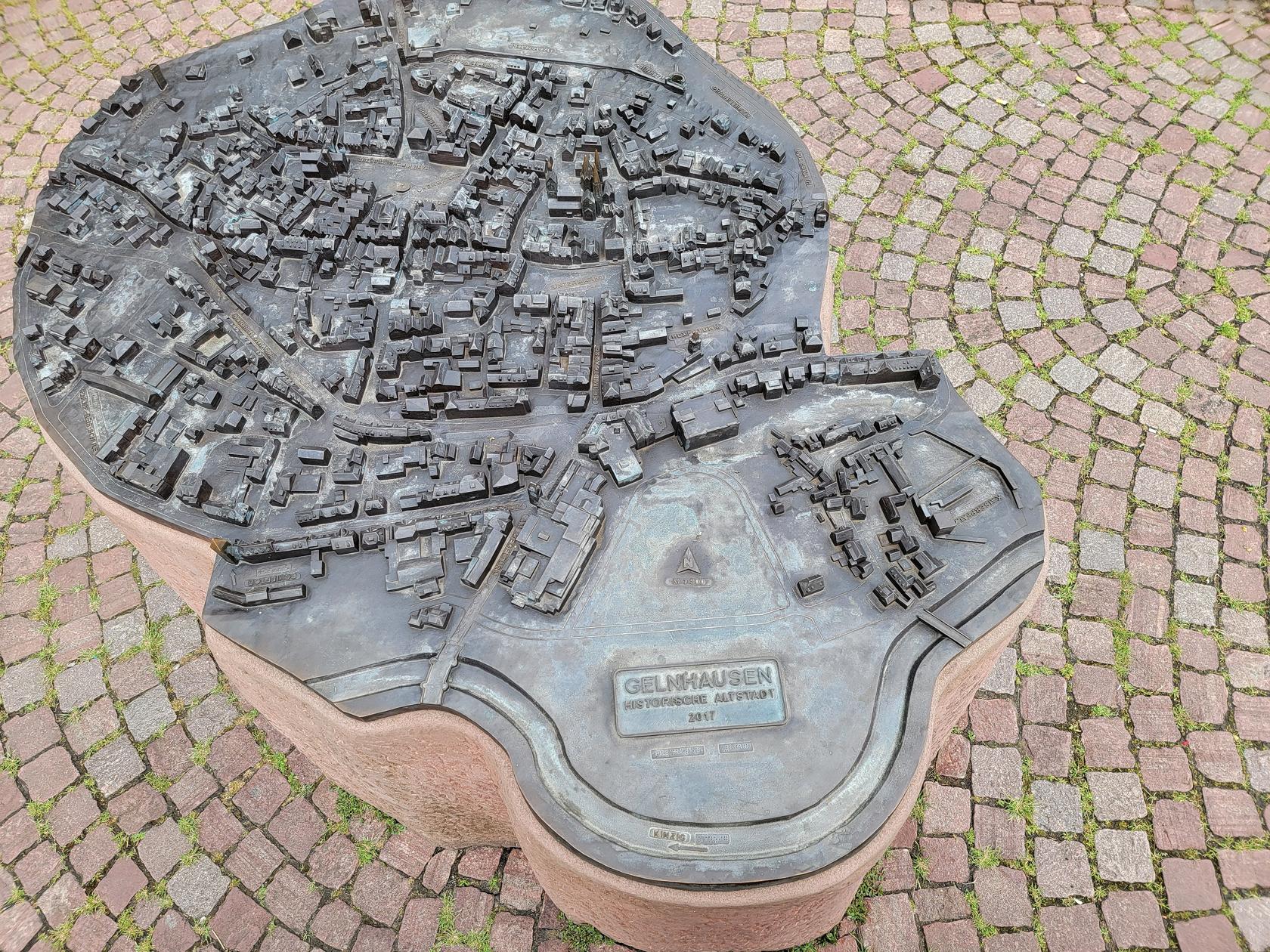
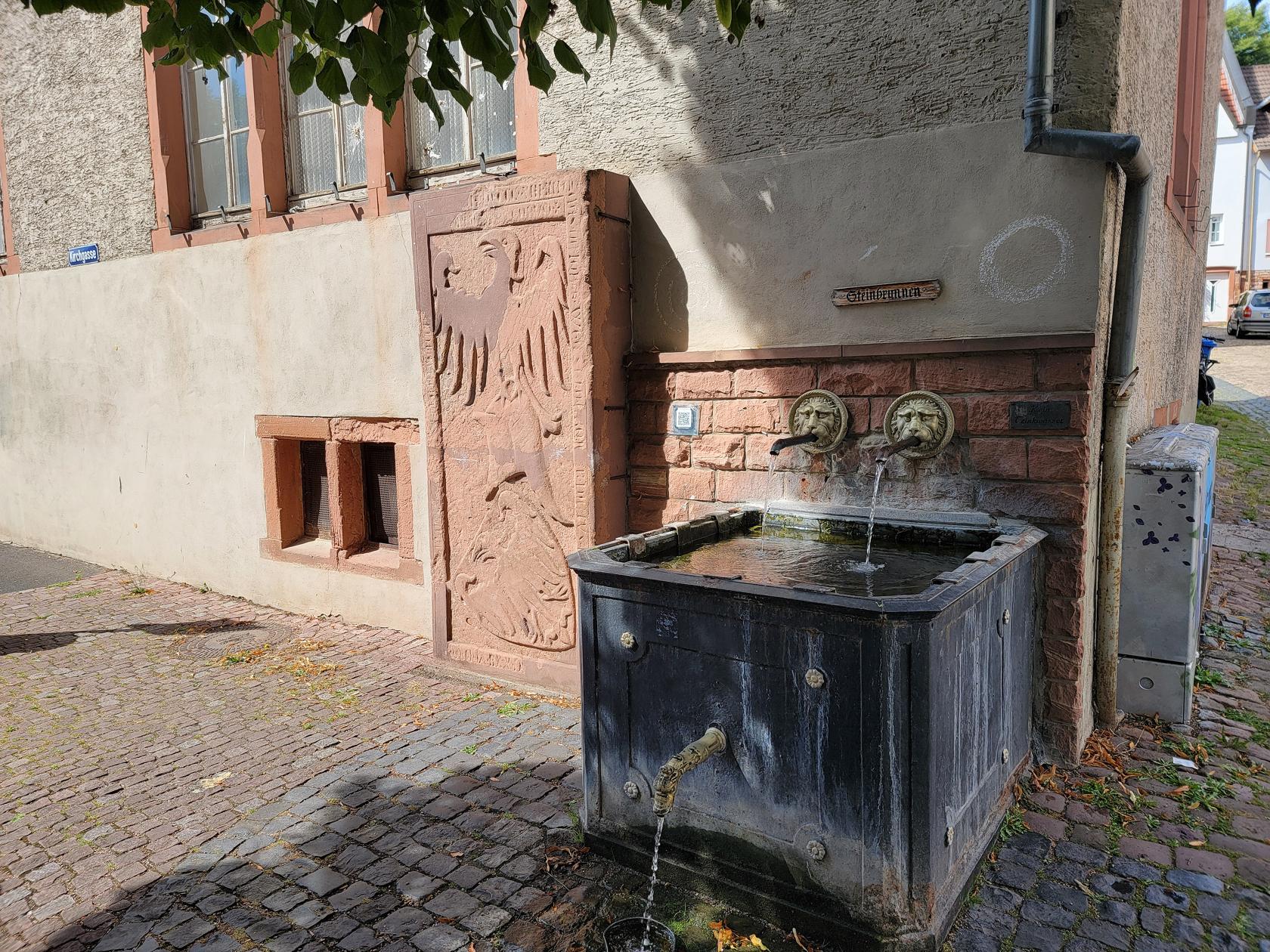
The town also has a few other monuments or fountains worth visiting.
Schoeller memorial – Gelnhausen, Germany
Statue in the Obermarkt – Gelnhausen, Germany
Stadtplan – Gelnhausen, Germany
Old town fountain – Gelnhausen, Germany
Restaurants
There are many restaurants in this small town, though few were open. However, from what we could tell, there would be many cuisines to choose from had the other restaurants been open.
Malamatina’s Greek Restaurant
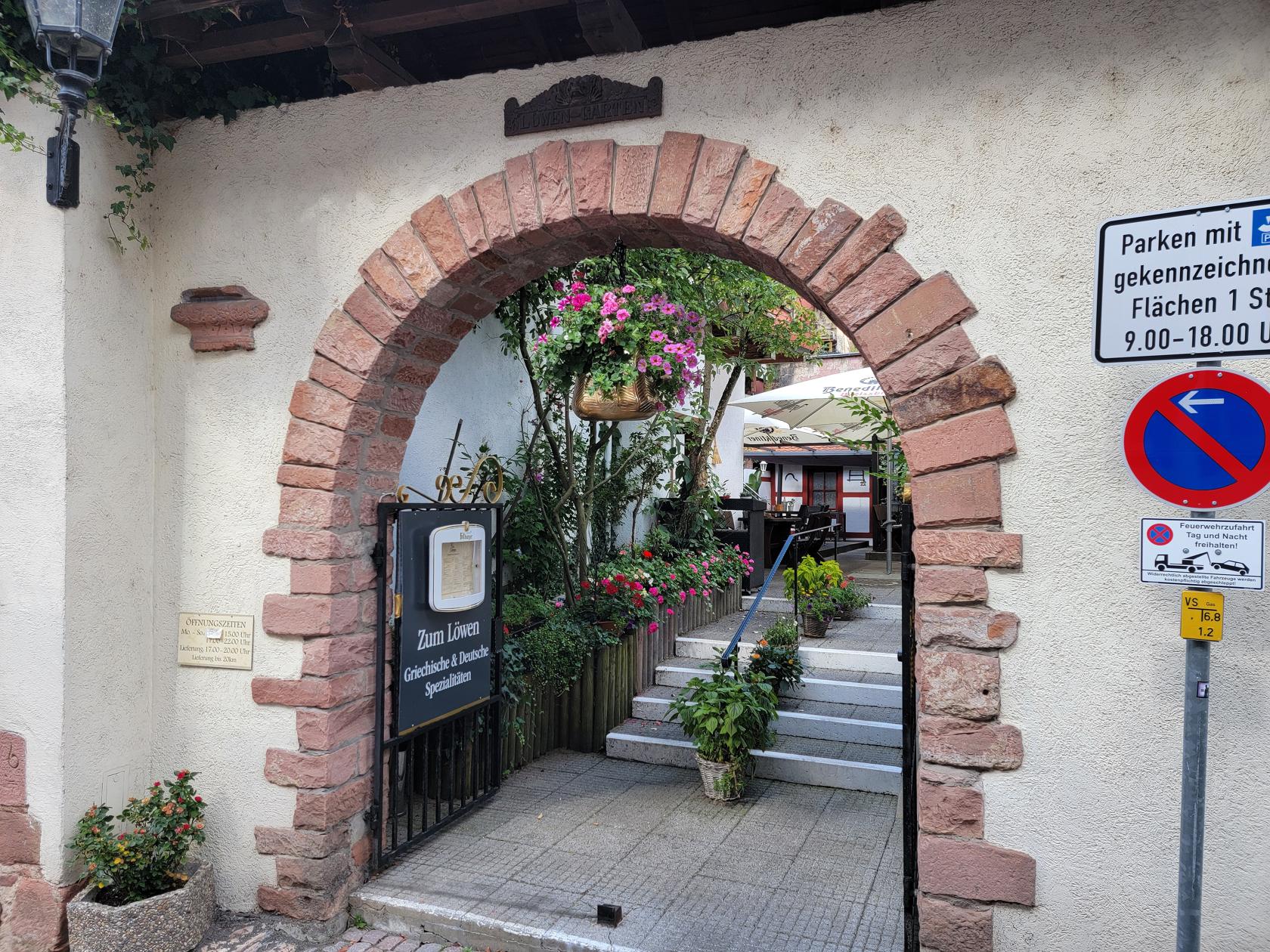
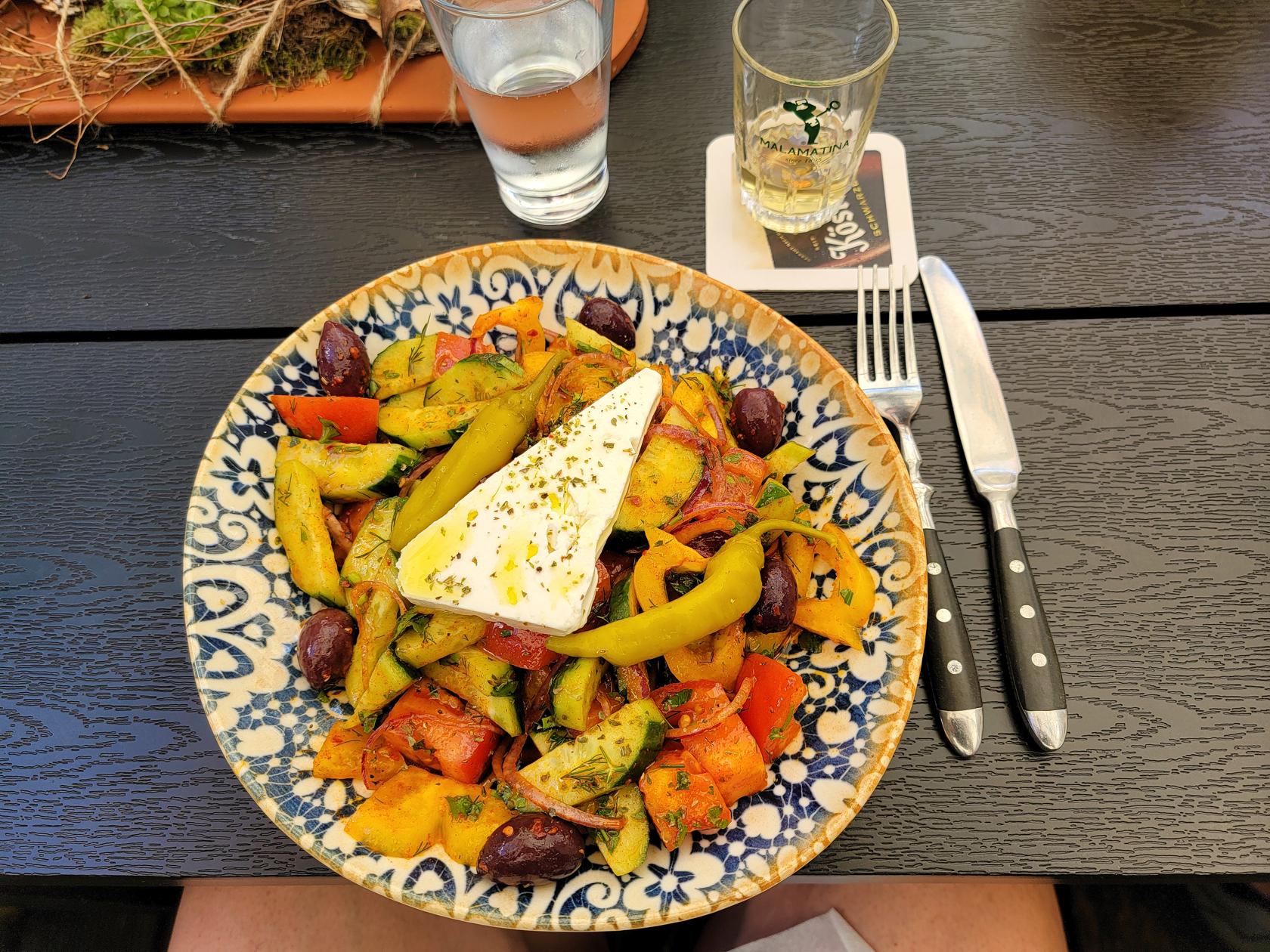
Off the beaten path and not far from the Obermarkt, is Malamatina’s Greek restaurant. Though the sign says, Greek and German food, we didn’t see much in the way of German food on the menu..