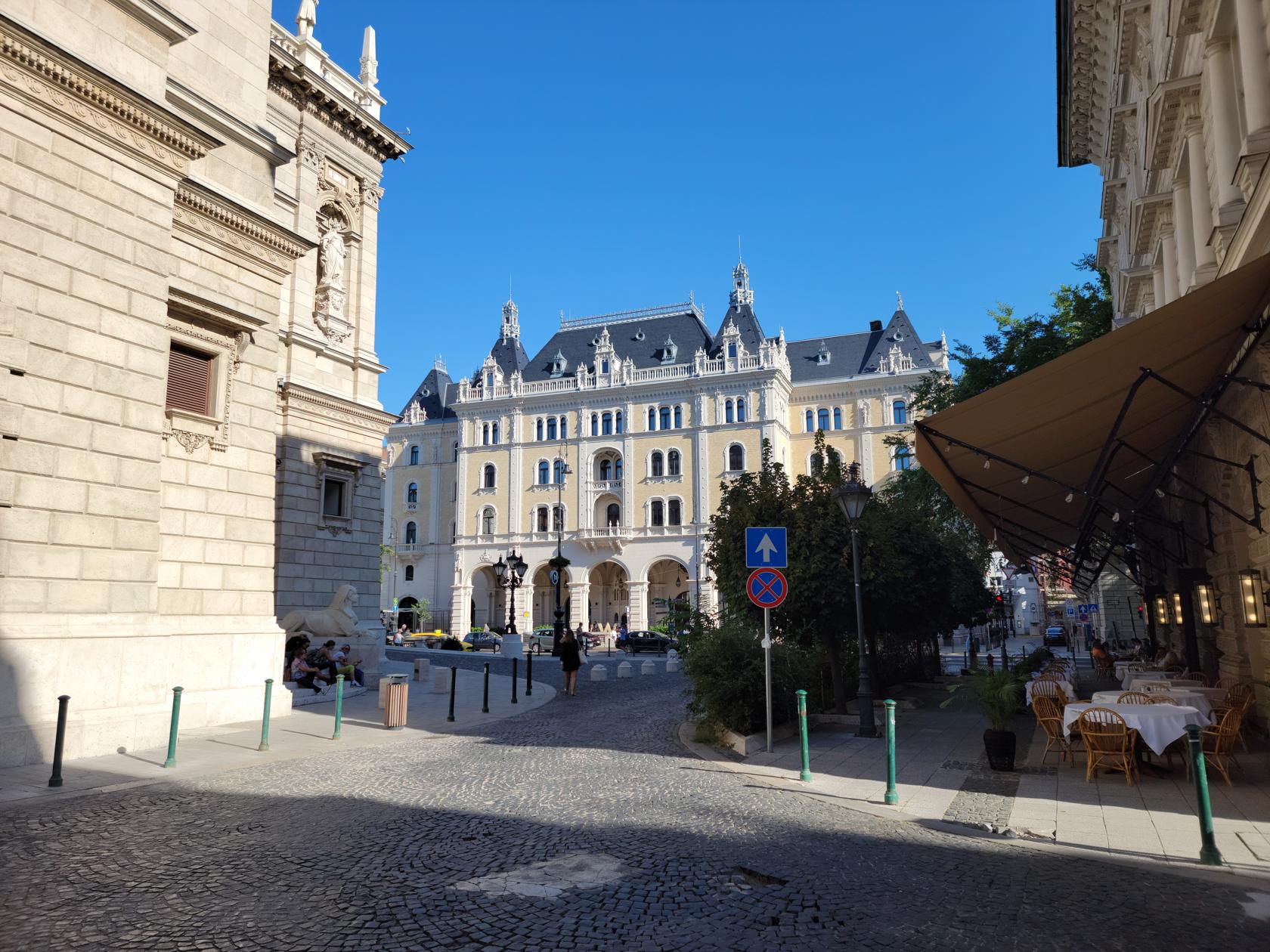
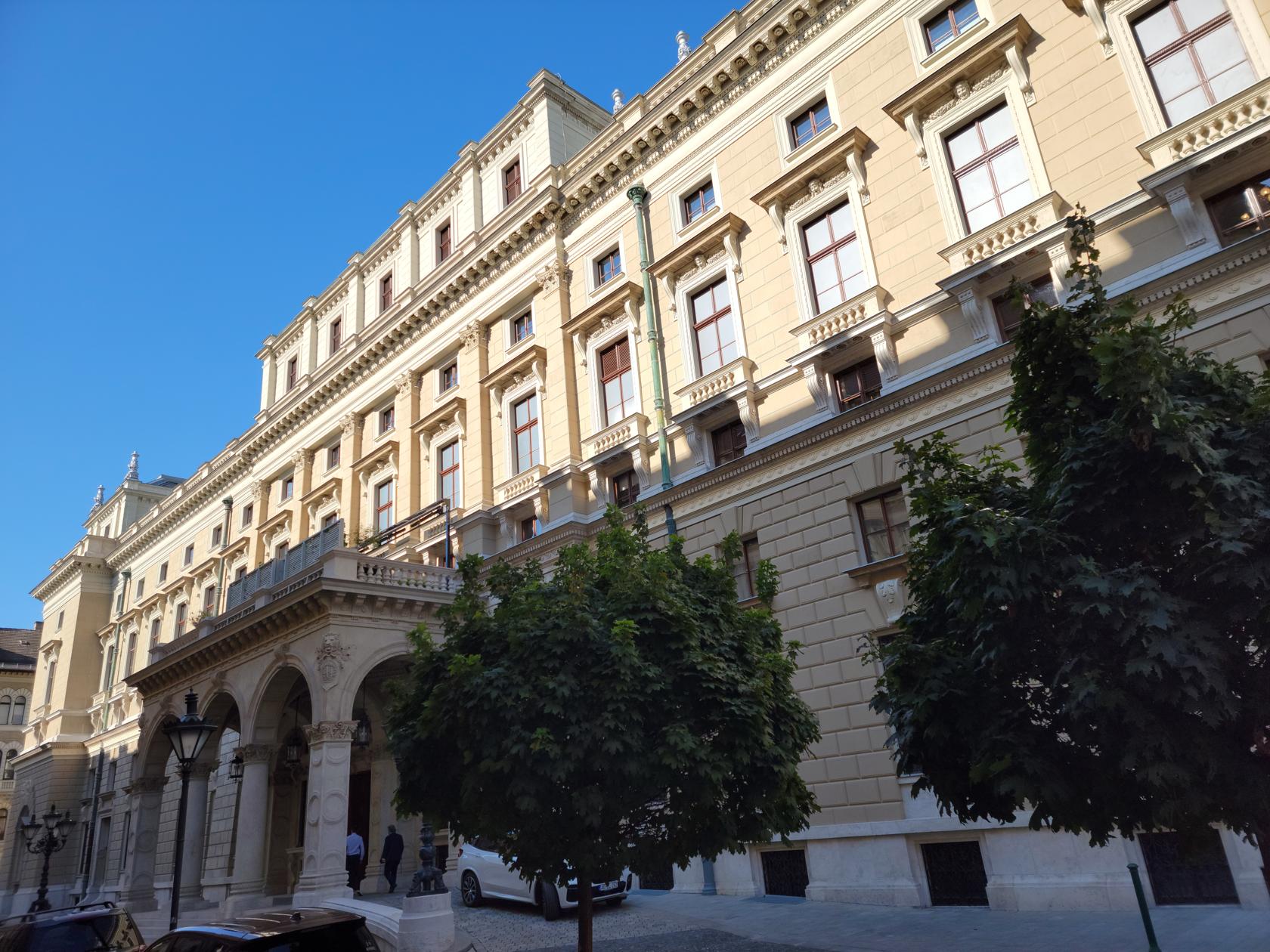
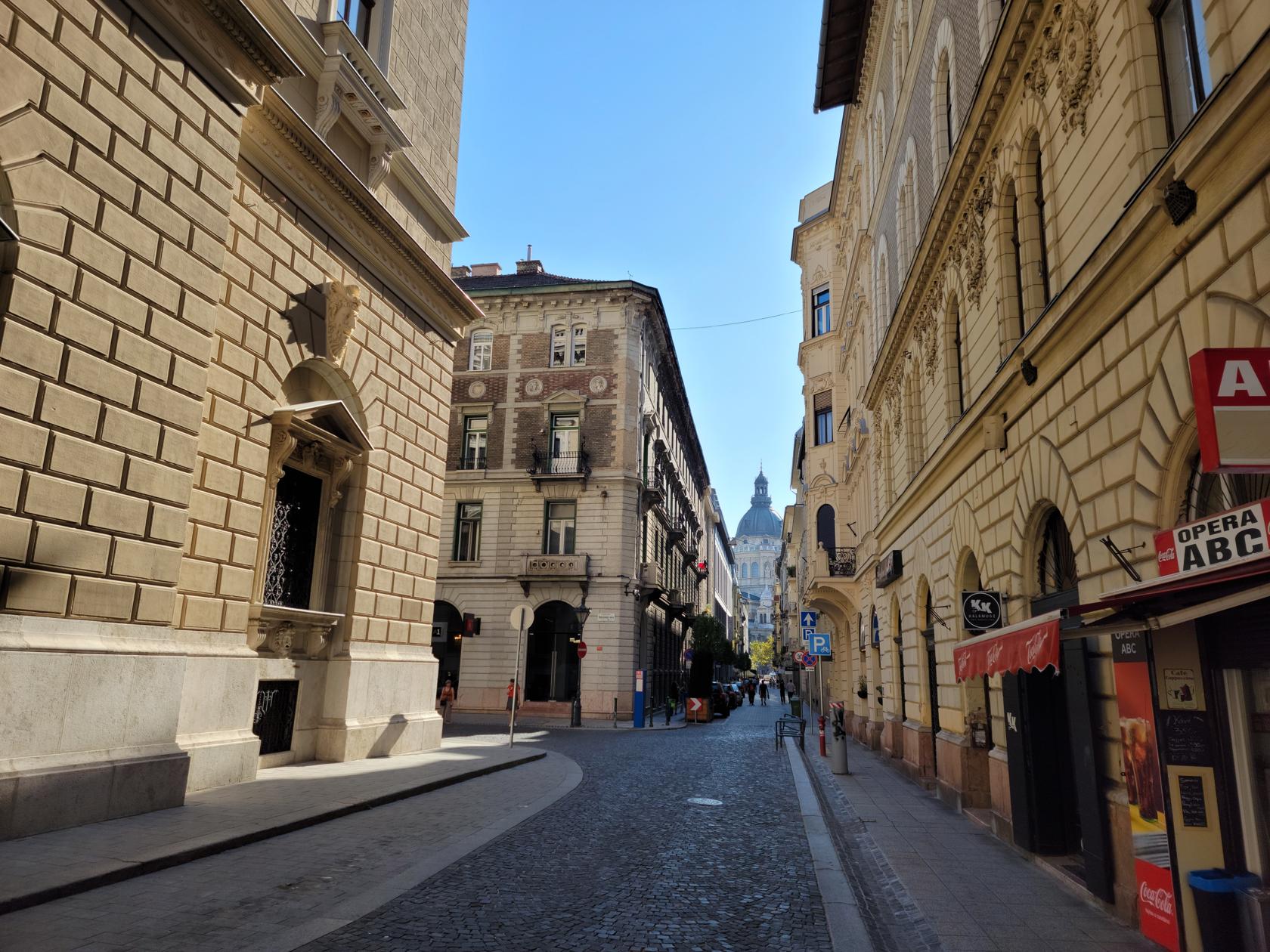
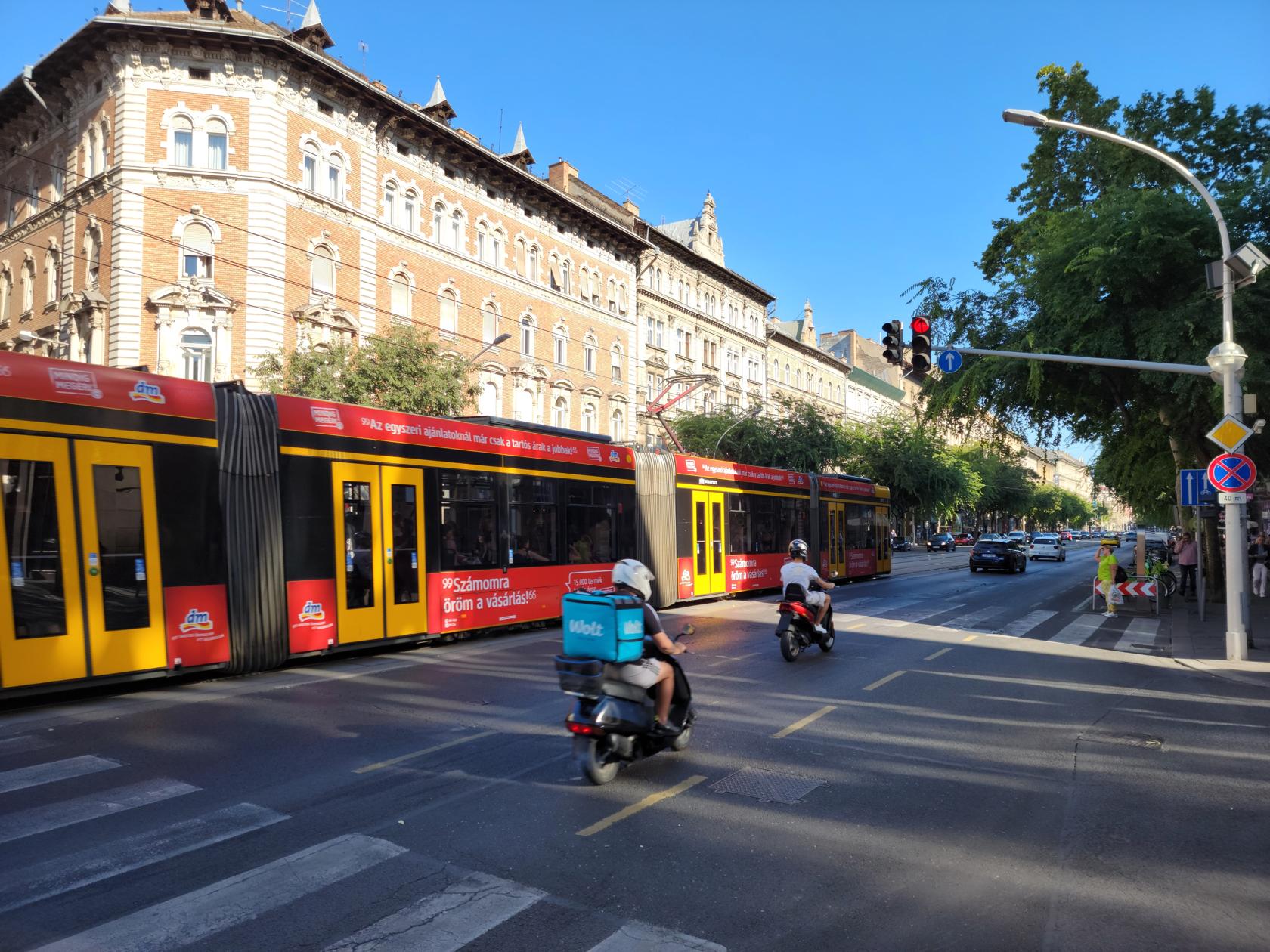
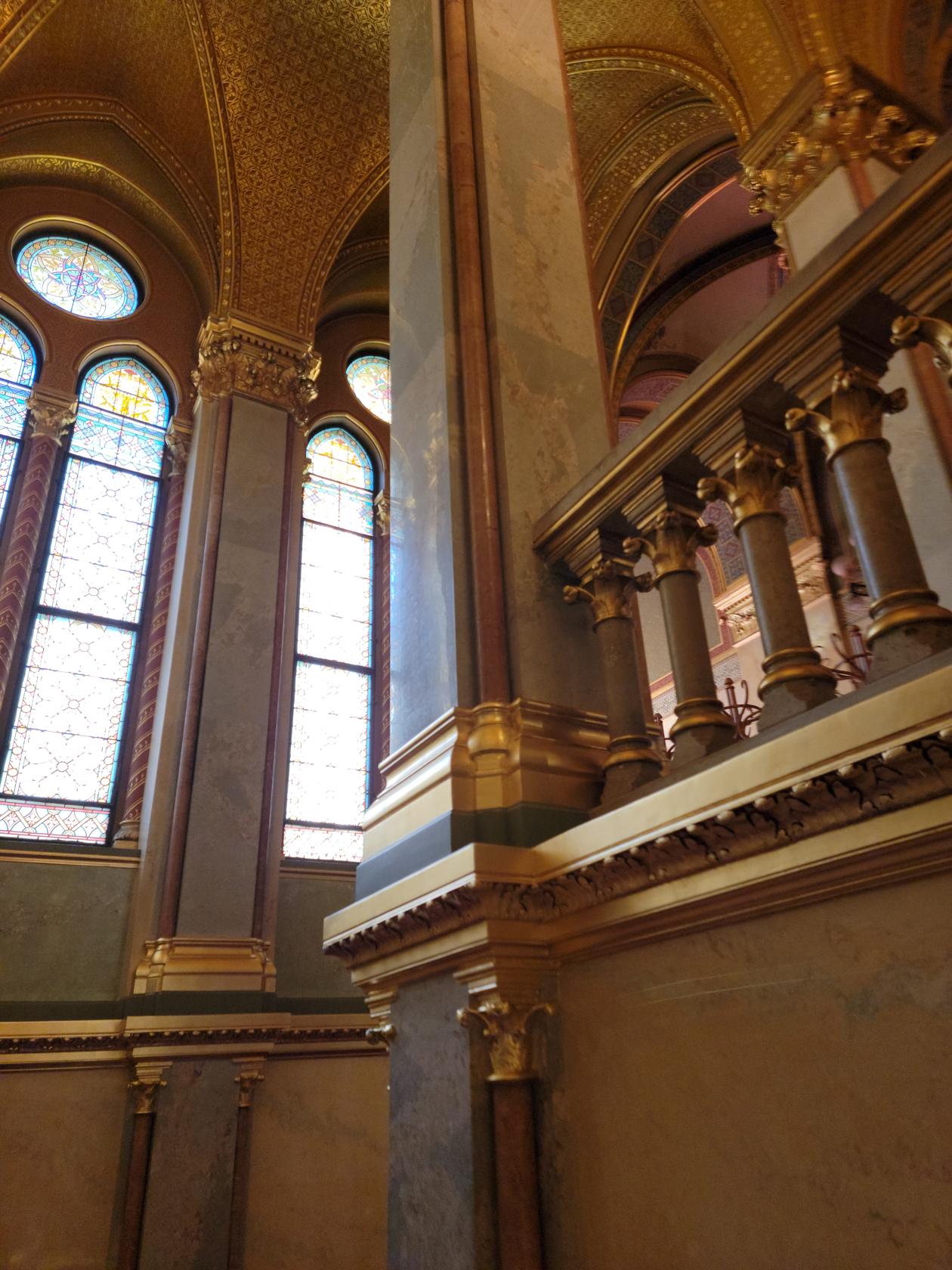
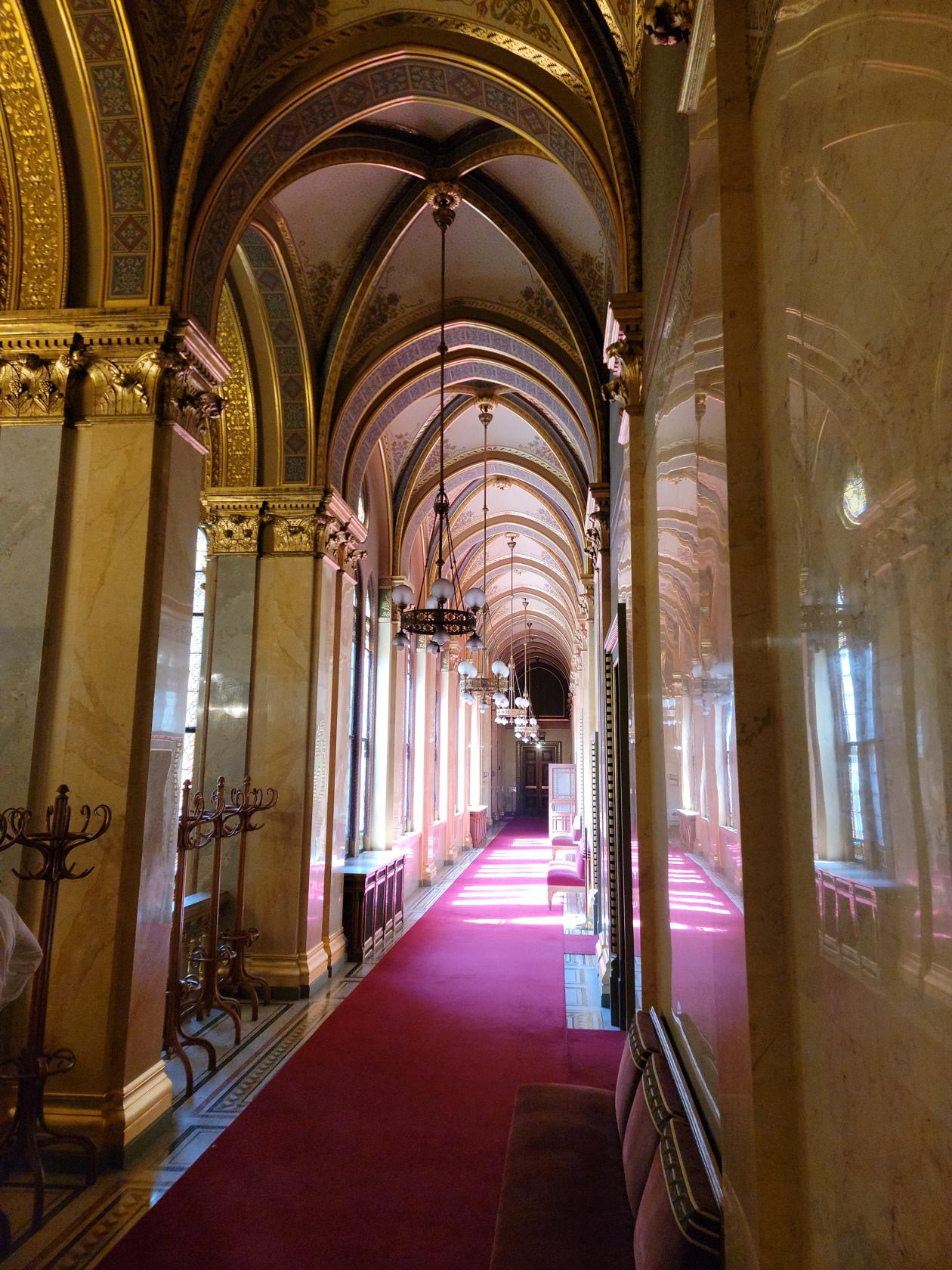
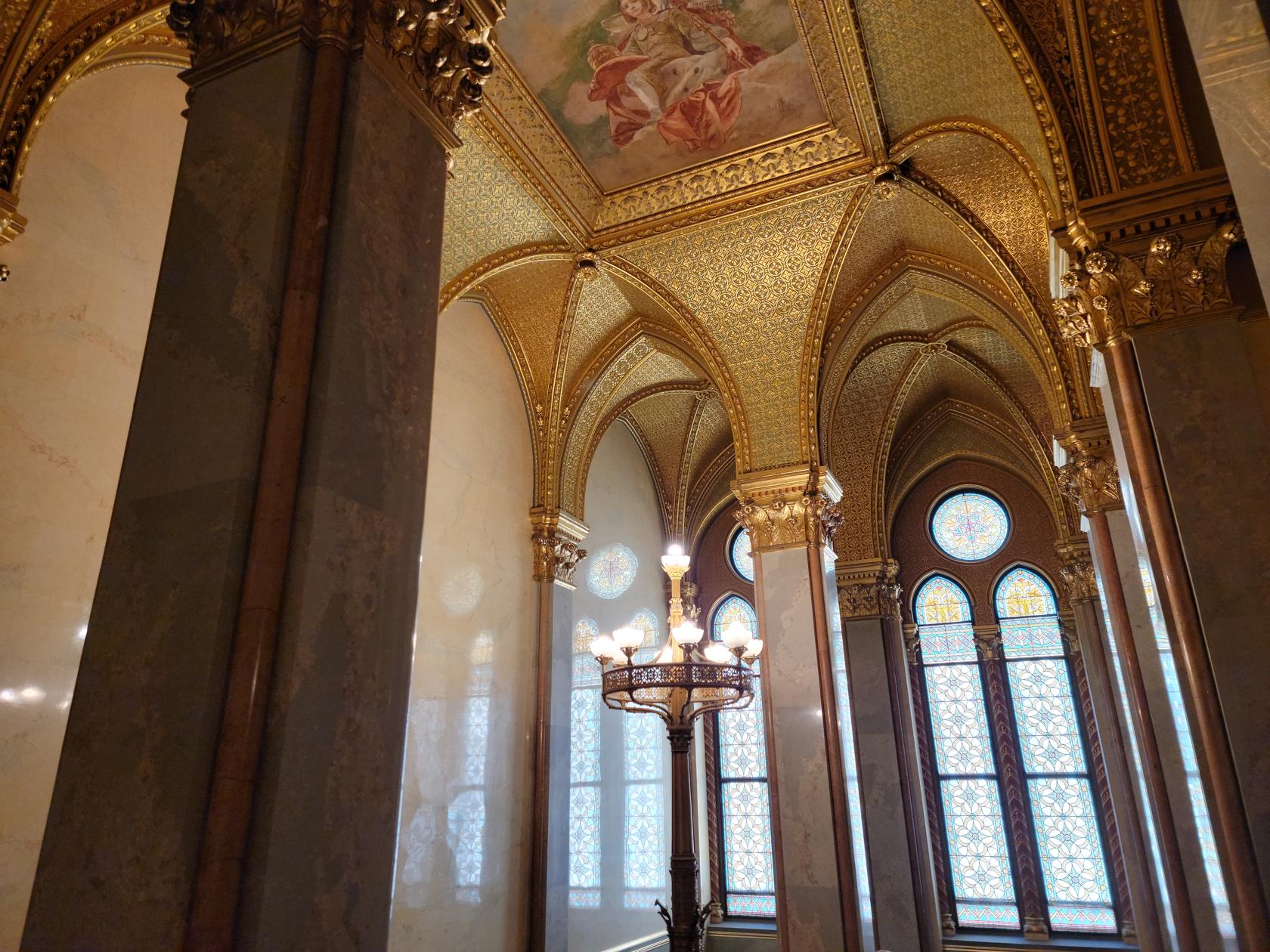
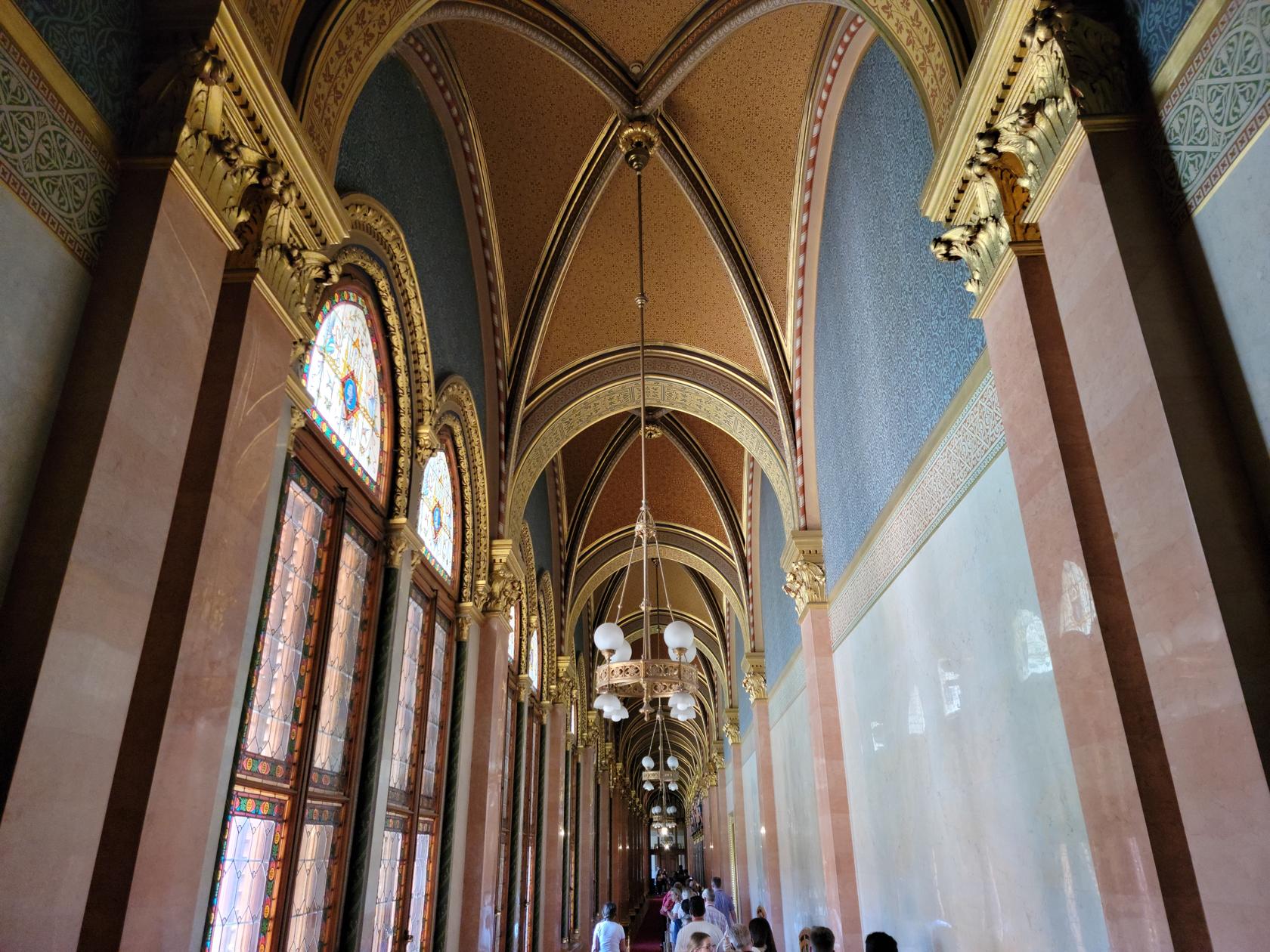
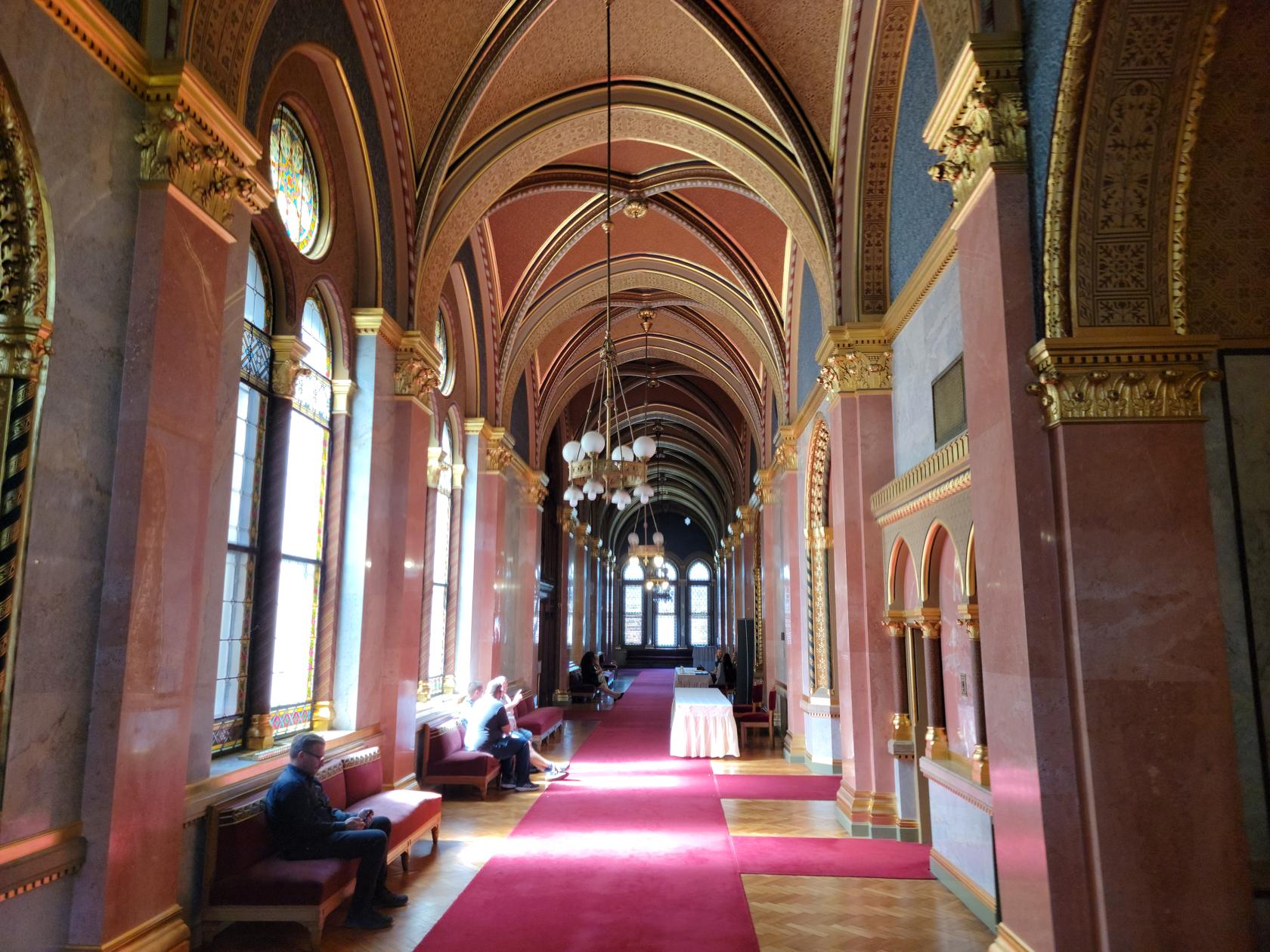
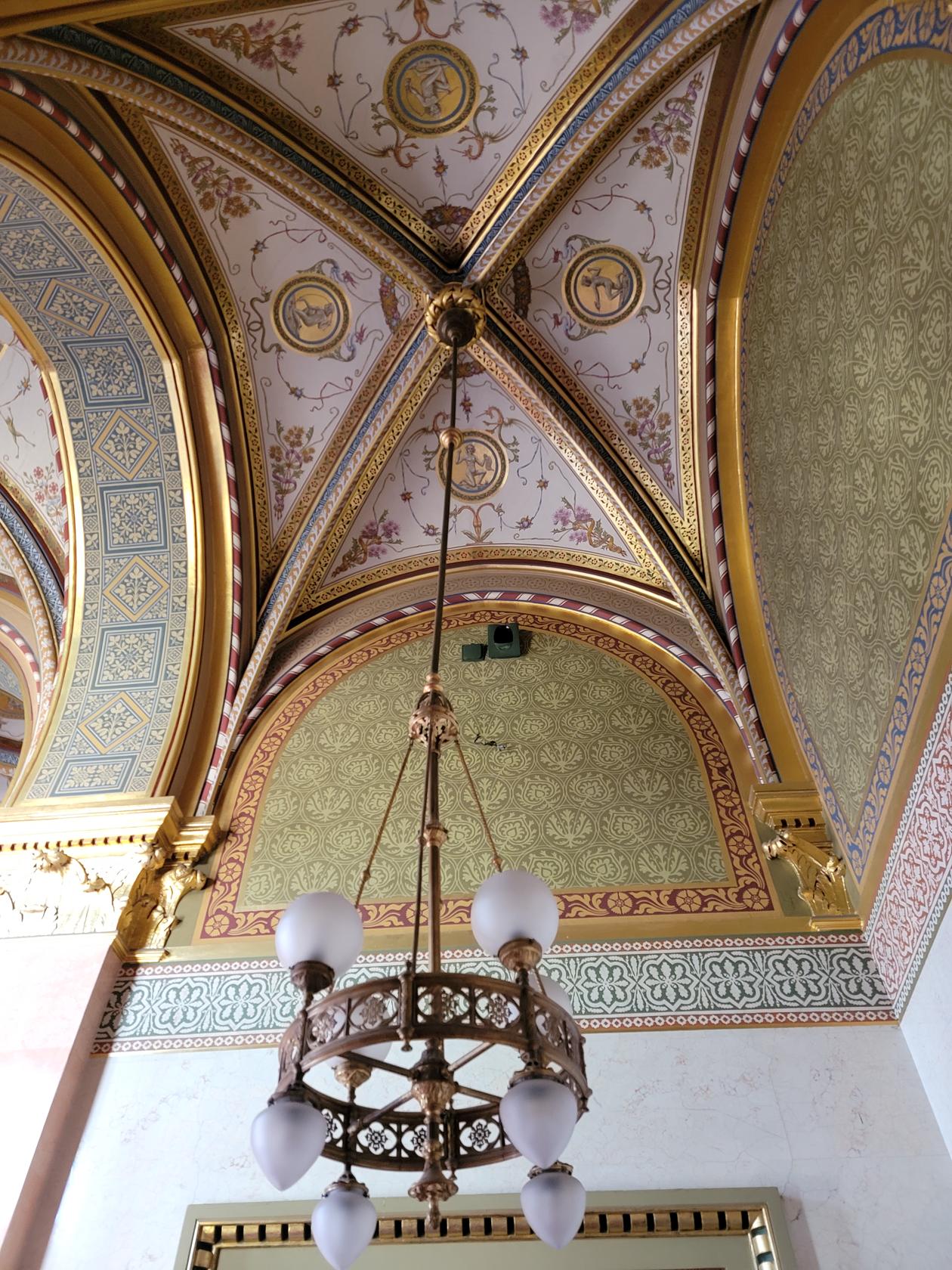
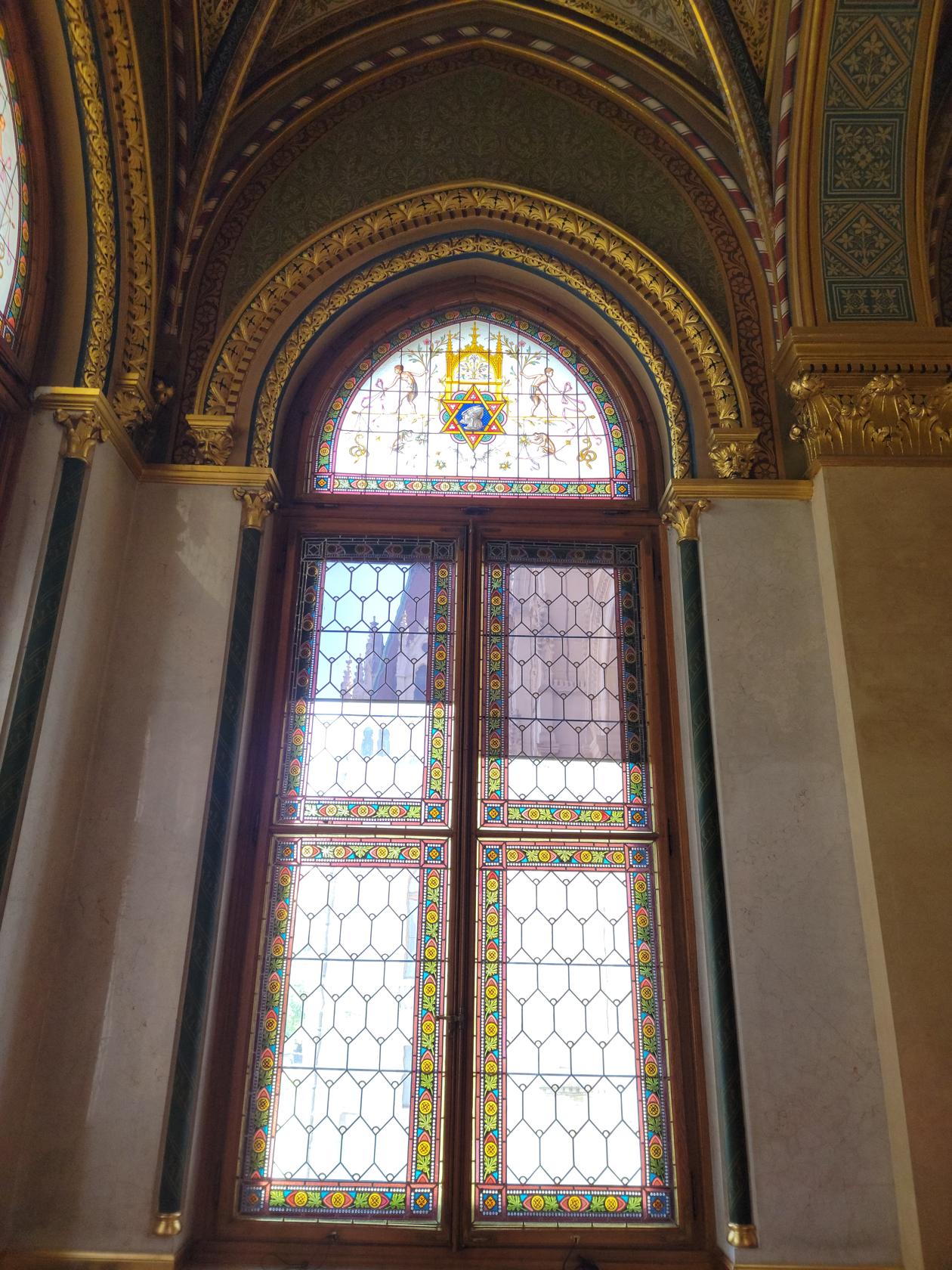
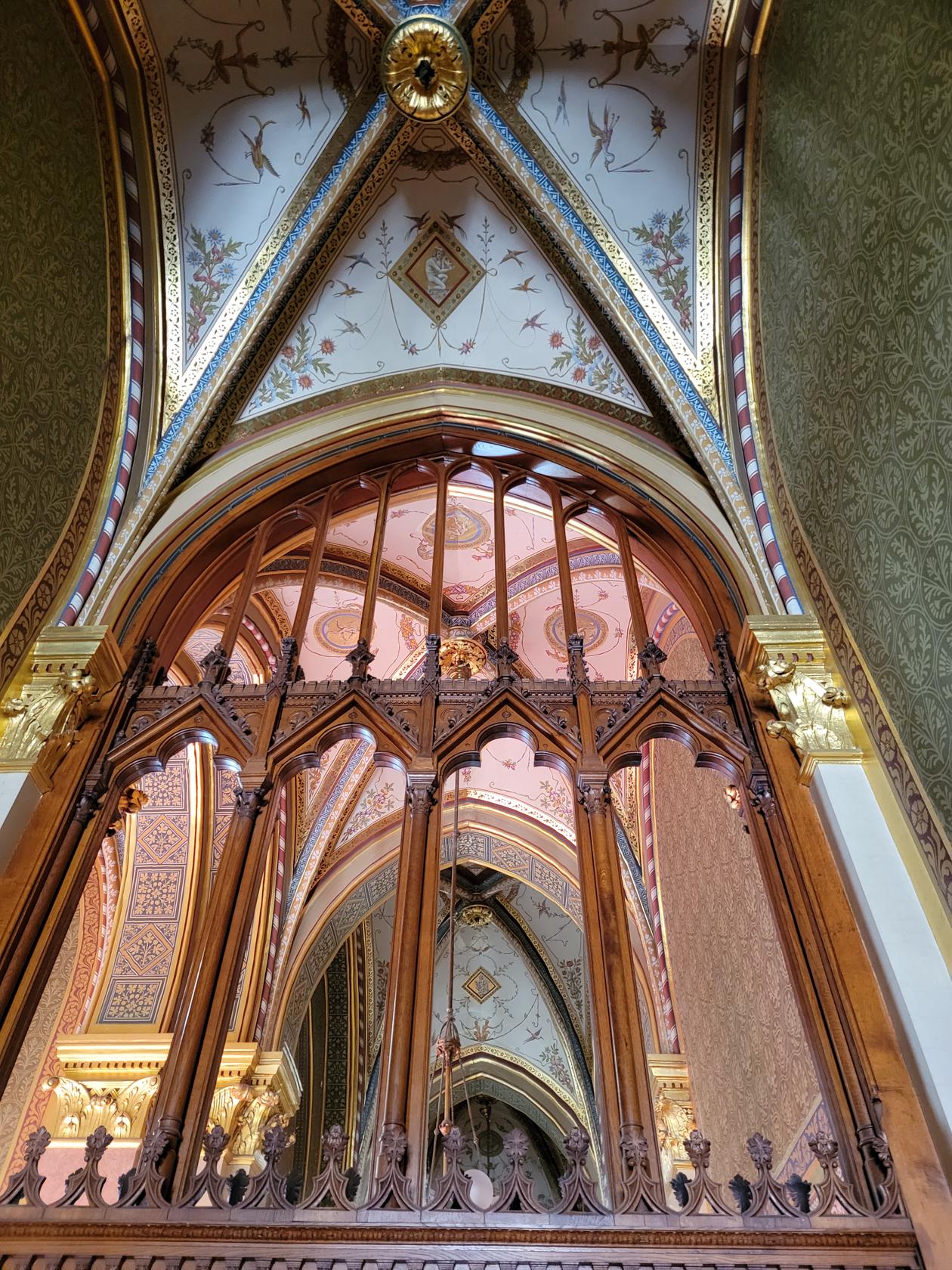
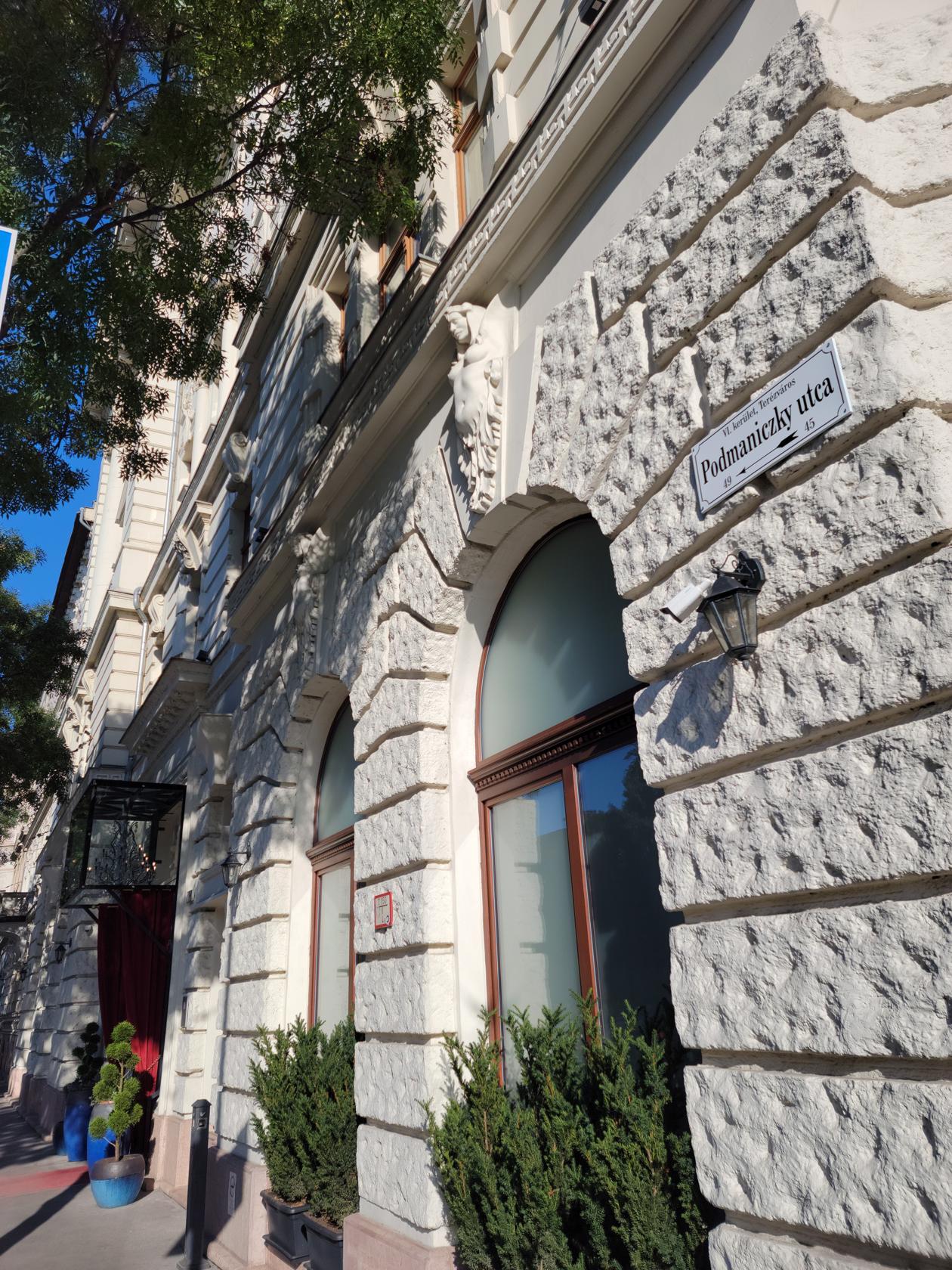
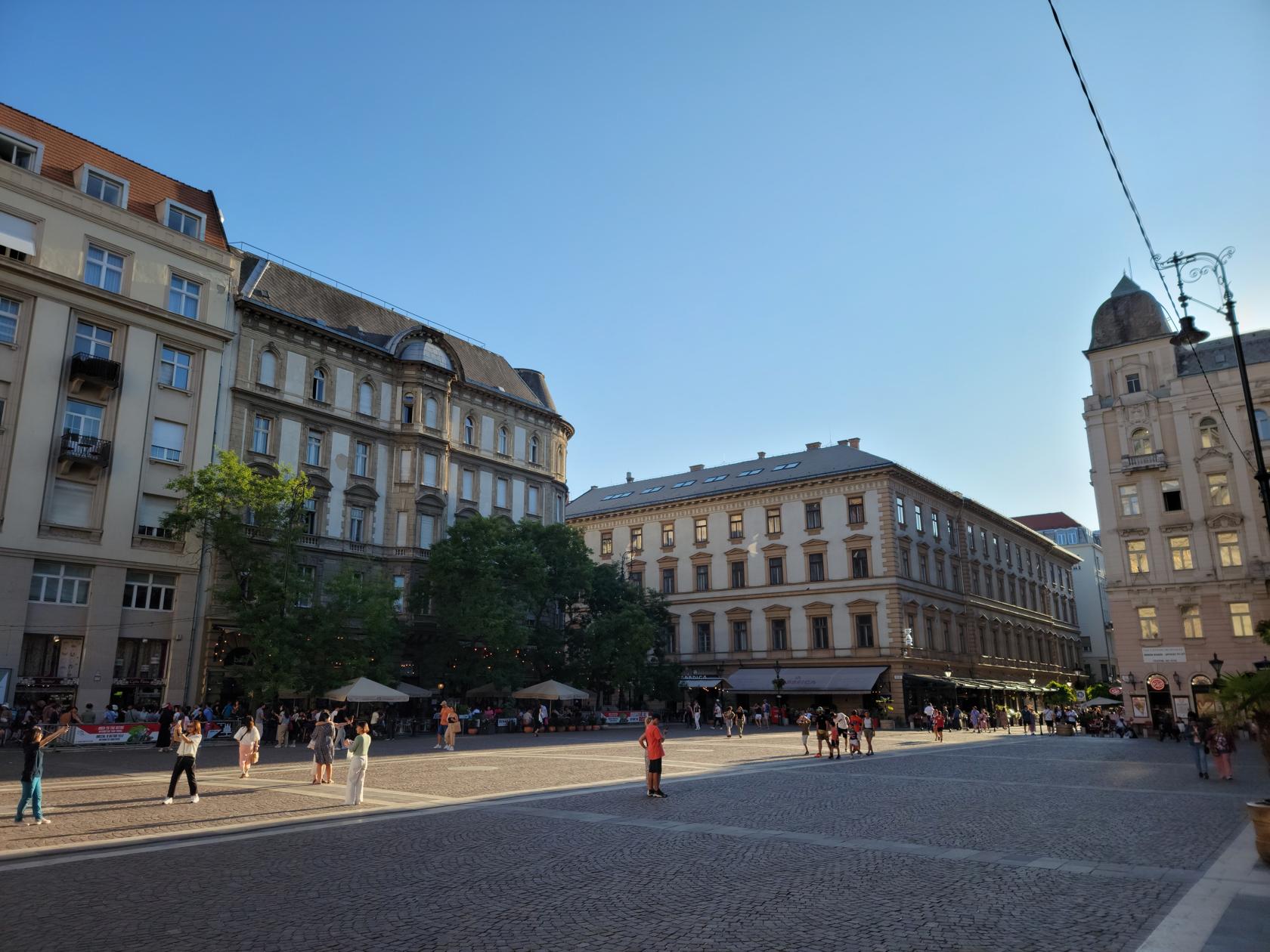
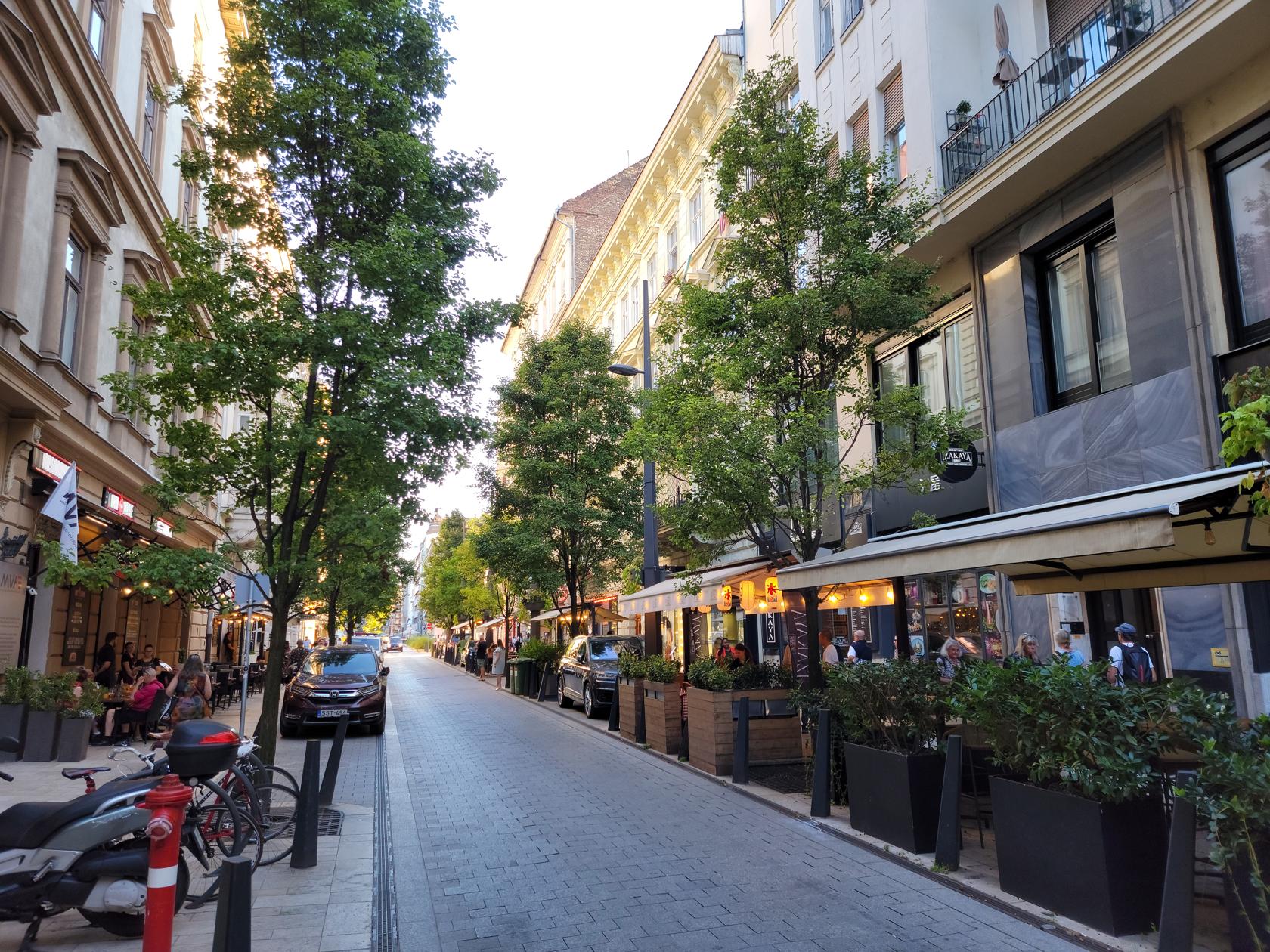
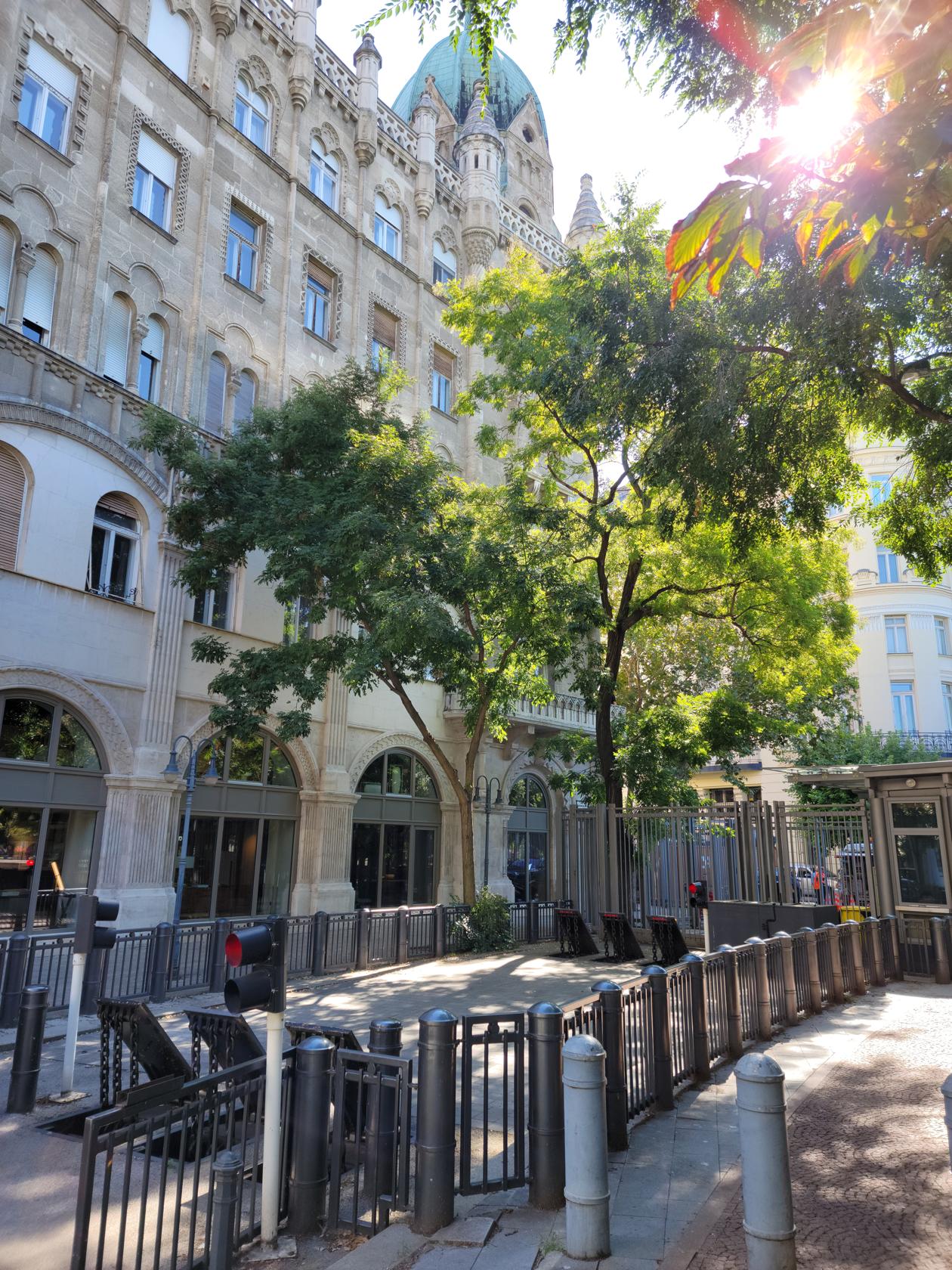
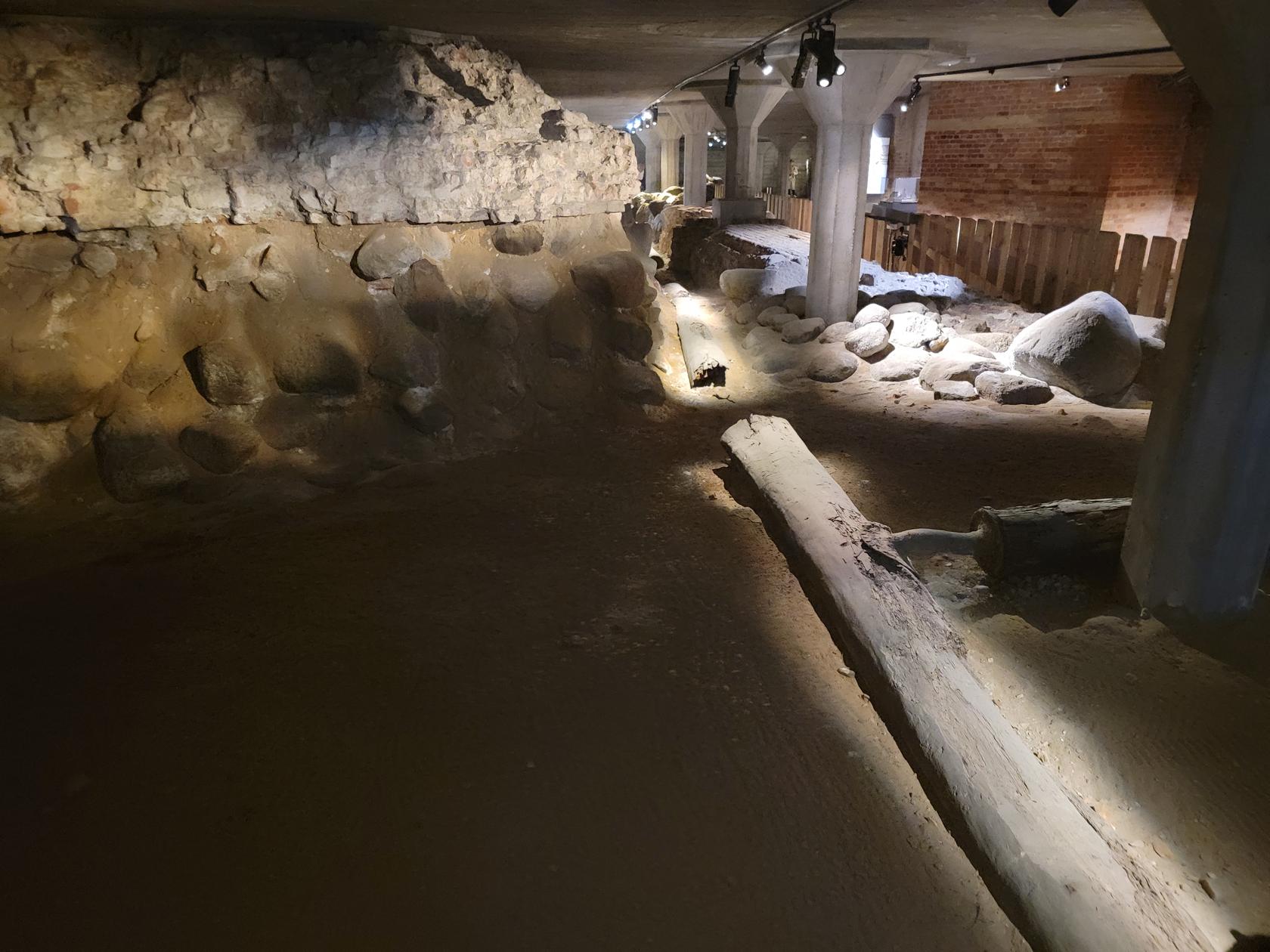
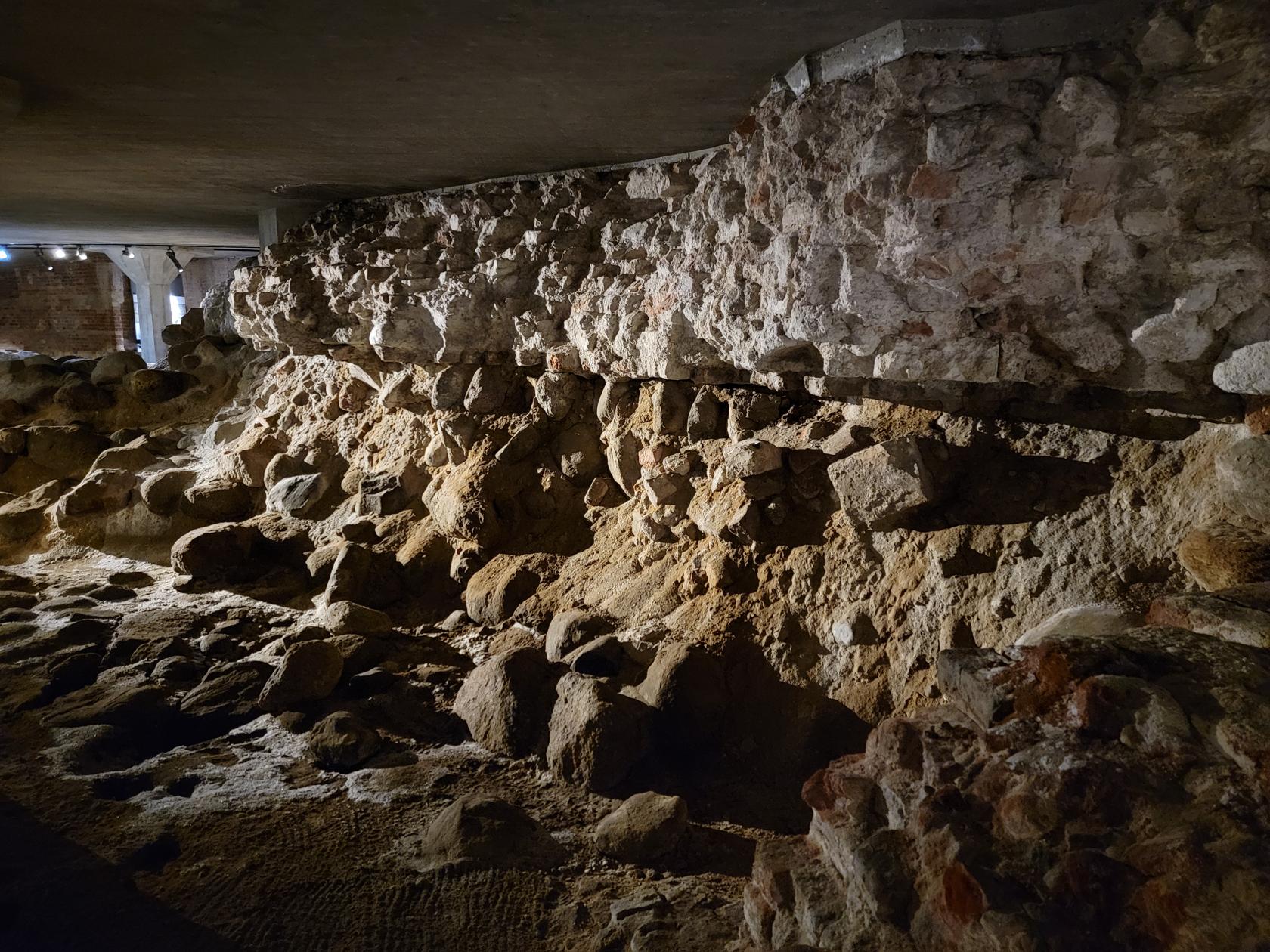
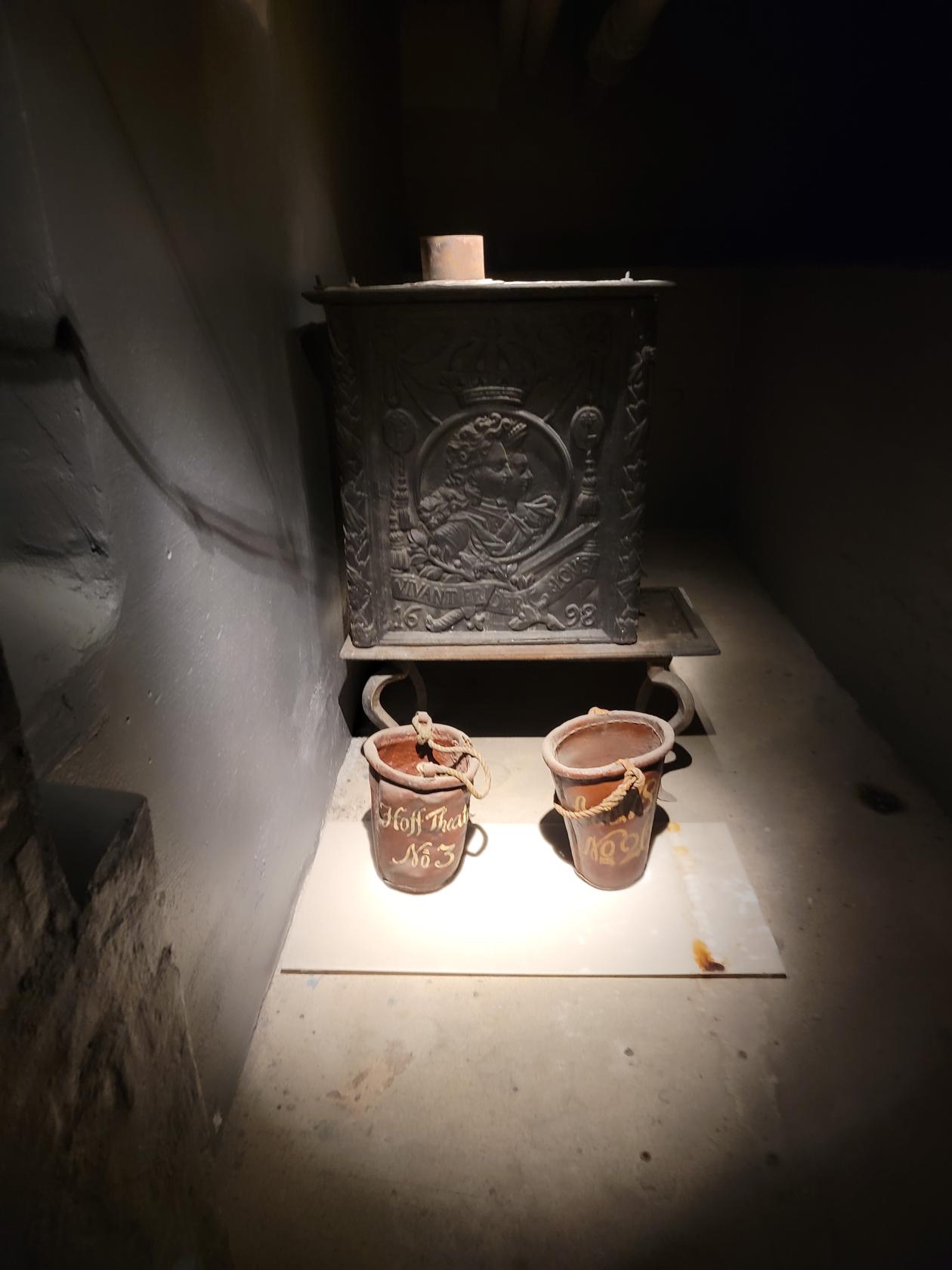
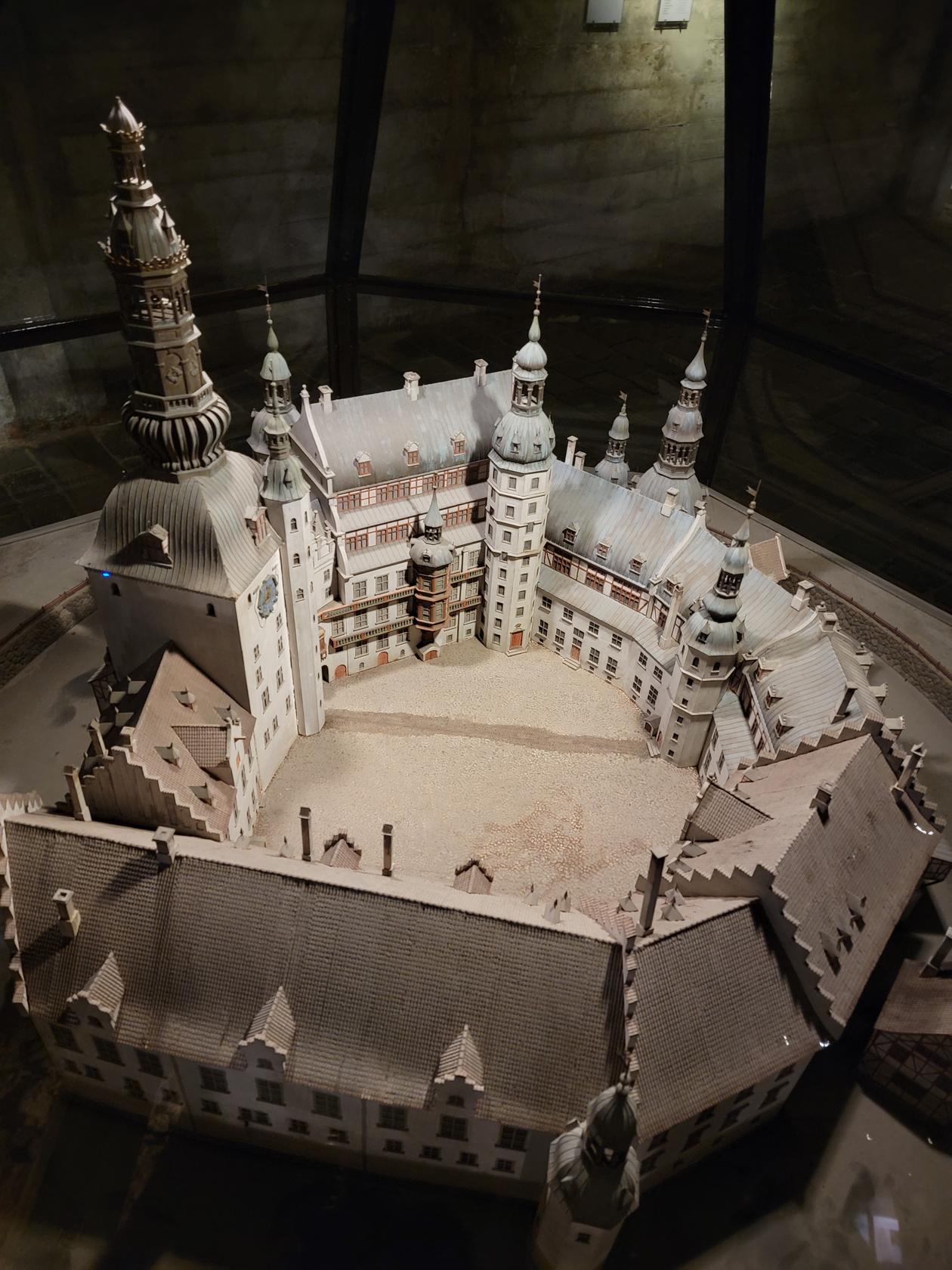
Here are some final thoughts on Budapest, that would not fit in the previous articles.
Budapest Sightseeing
Normally were are not ones for taking sightseeing ventures of most any kind, unless it is very personal and involves a tour guide with a smaller group. However, sometimes you feel you have to try something new, oh well.
Evening by the boat docks – Pest – Budapest, Hungary
Legenda River Cruise
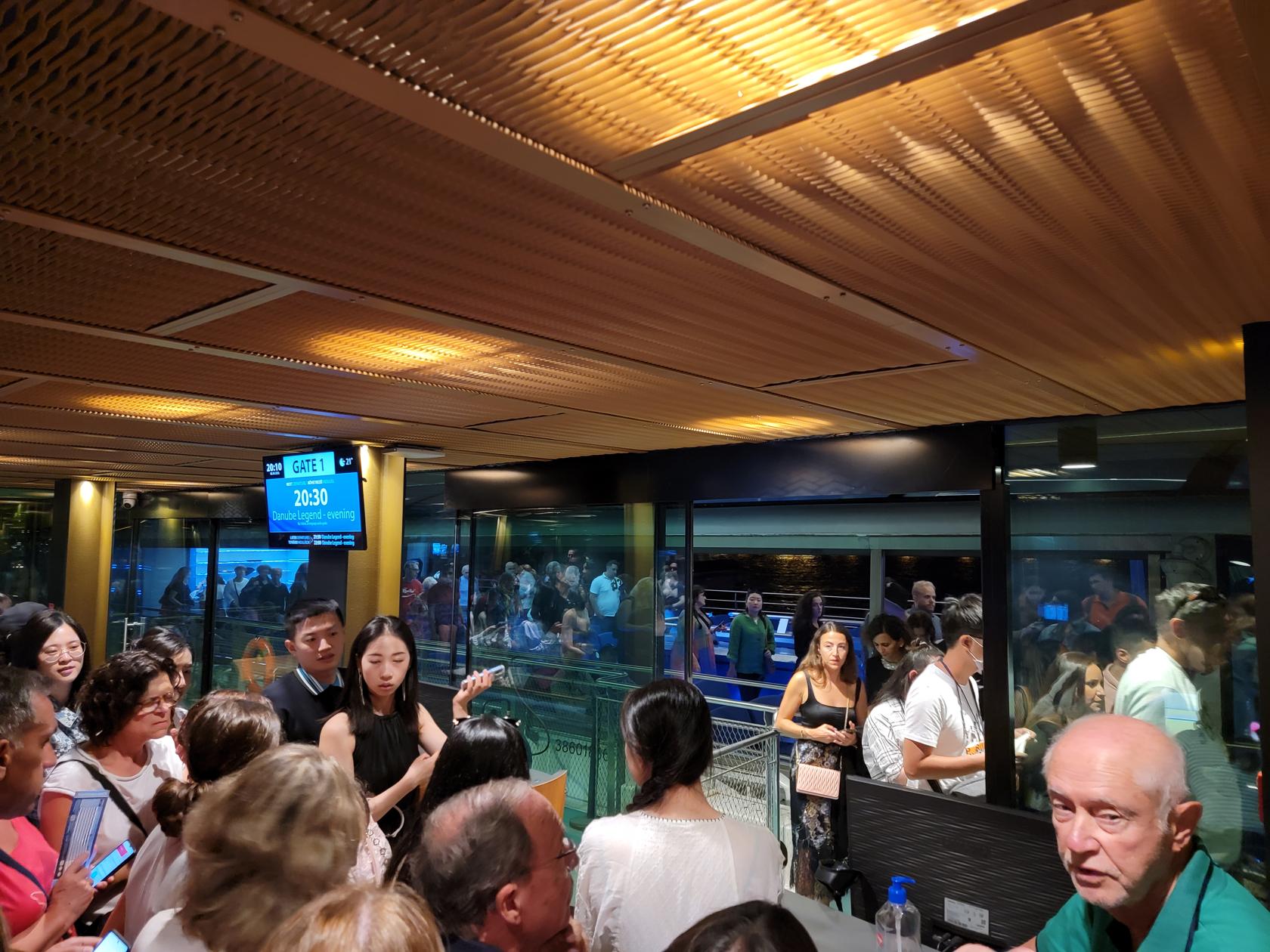
We took this river cruise on other recommendations but were a bit disappointed. Here’s why we would not recommend them:
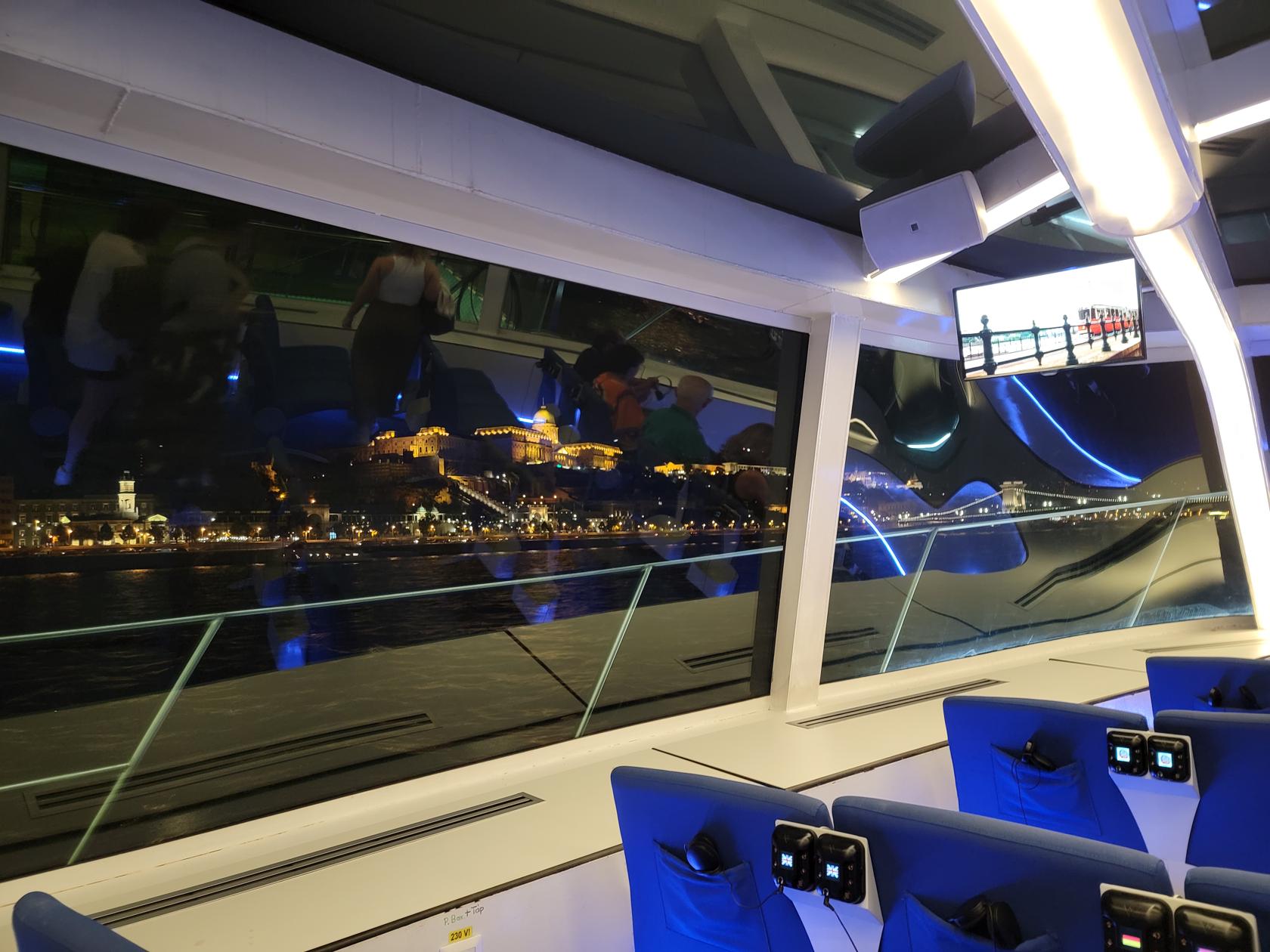
We felt that though the cruise did show you the city at night, the tour was essentially something you could watch at home on TV, in fact, you actually do watch it on TV on the boat as it cruises, while listening in your headset.
The video and tour were often out of sync, so you could not actually see what they were talking about, boring and unprofessional.
The front is rather closed in and uncomfortable. In the summer the boat has to be adapted to warmer weather, like the rear of the boat.
The waitress tries to remember your free-drink offer and terribly forgets. Multiple times. I wouldn’t mind so much, but some of us didn’t even receive our drinks. So don’t buy the “free drinks” bullshit line!
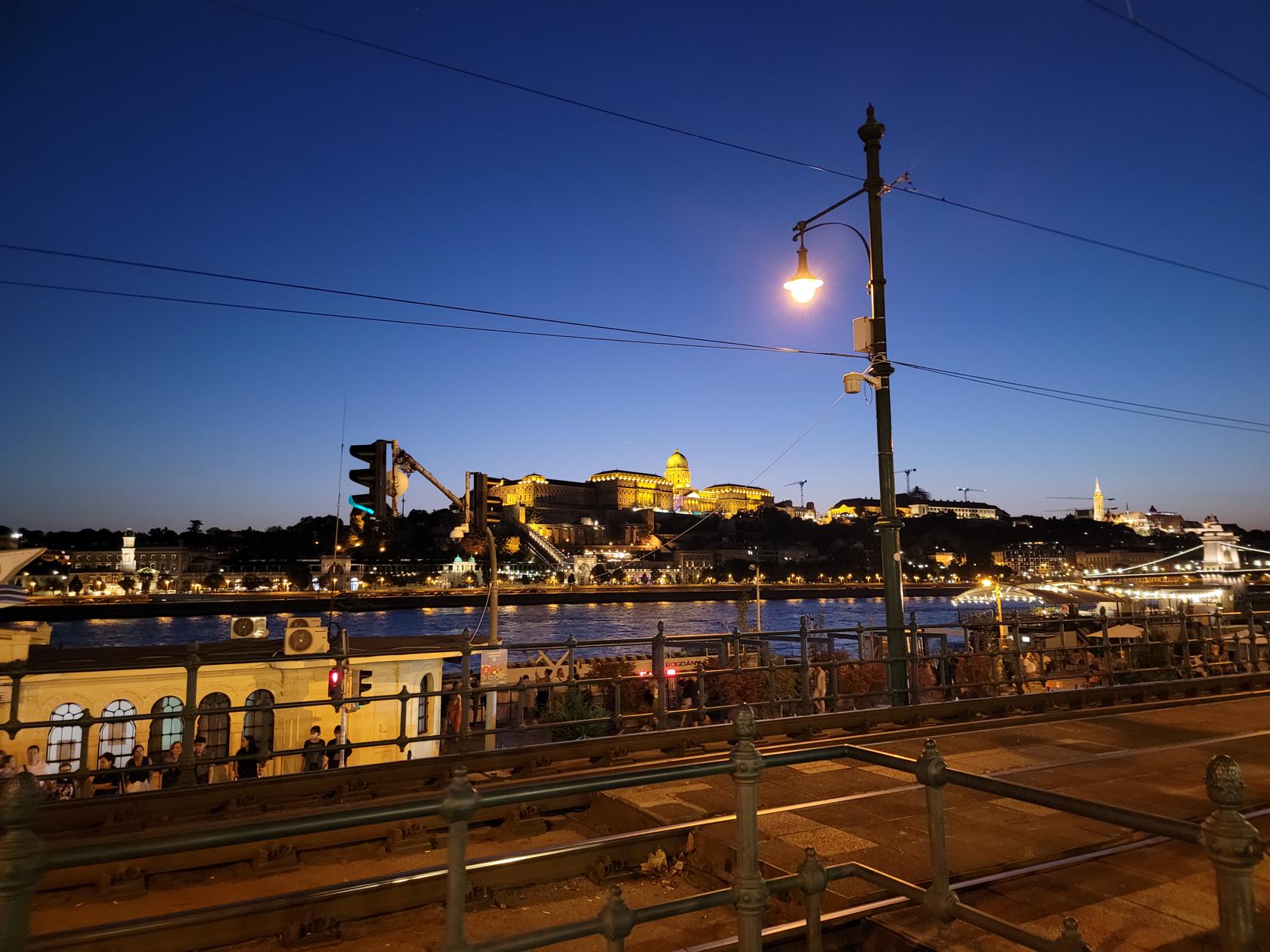
Aside from the above, here are some photographs.
Legenda River Cruise – Budapest, Hungary
Legenda River Cruise – Budapest, Hungary
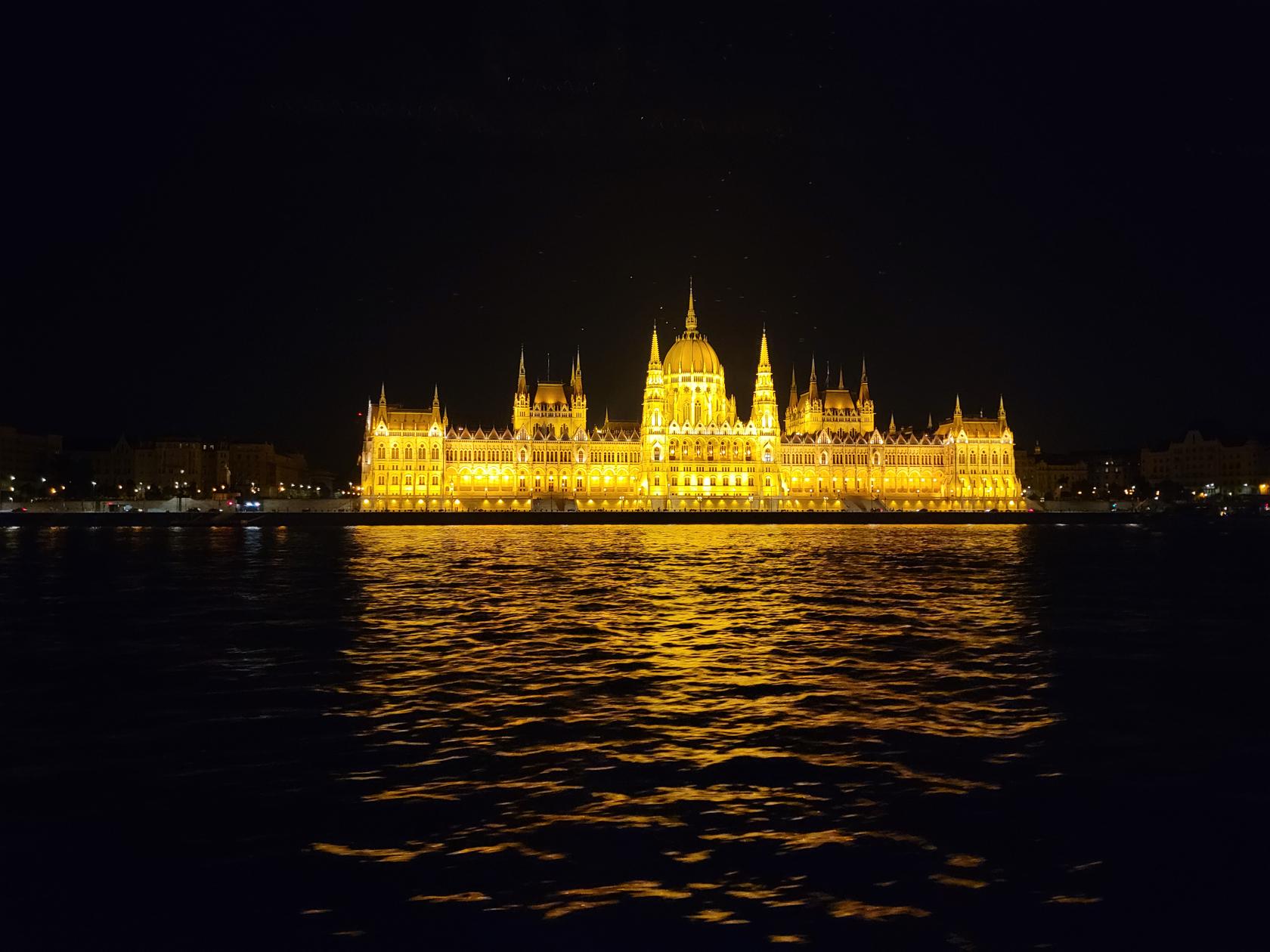
Parliament Building – Legenda River Cruise – Budapest, Hungary
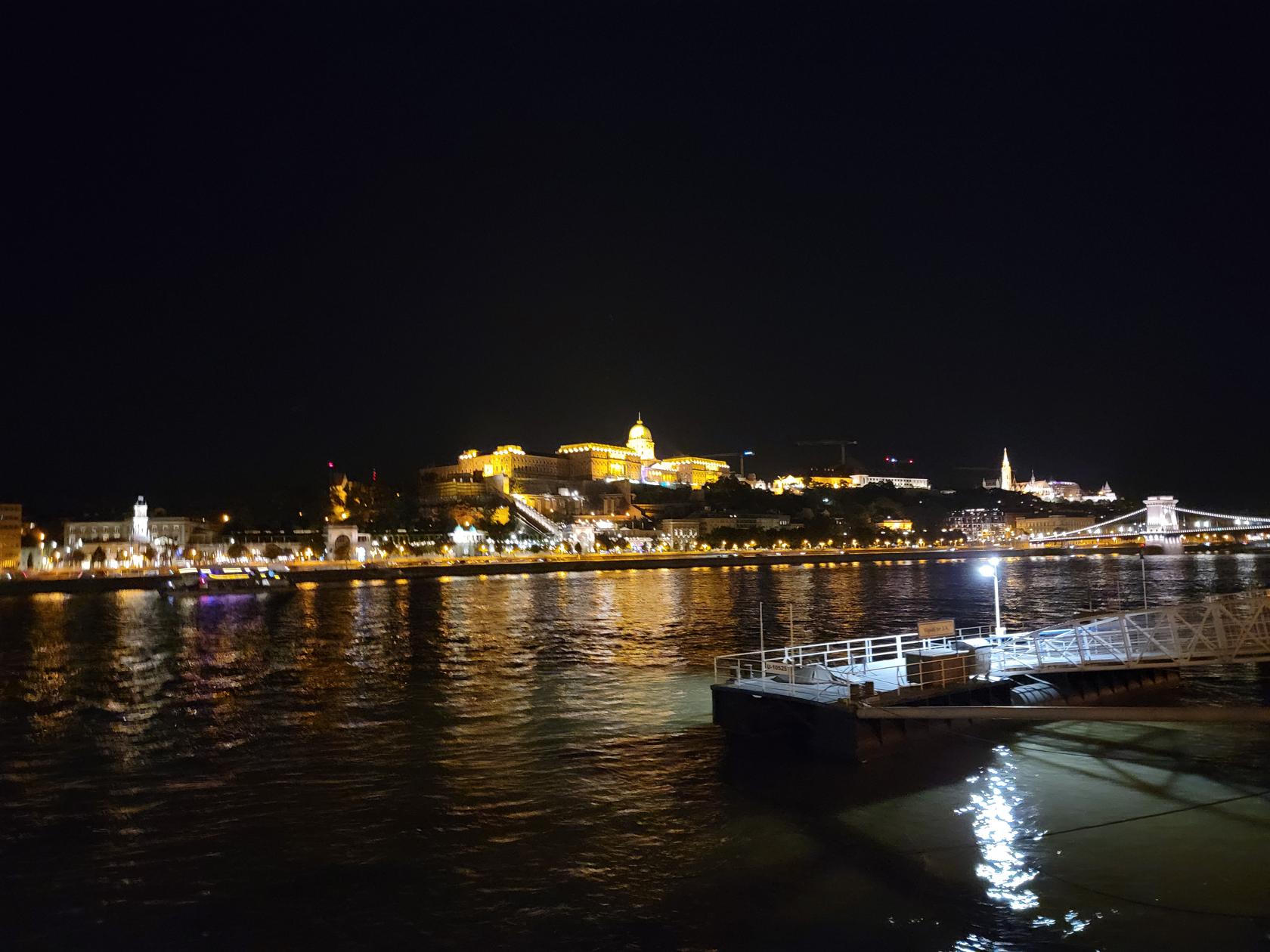
Buda Castle – Legenda River Cruise – Budapest, Hungary
The Metro
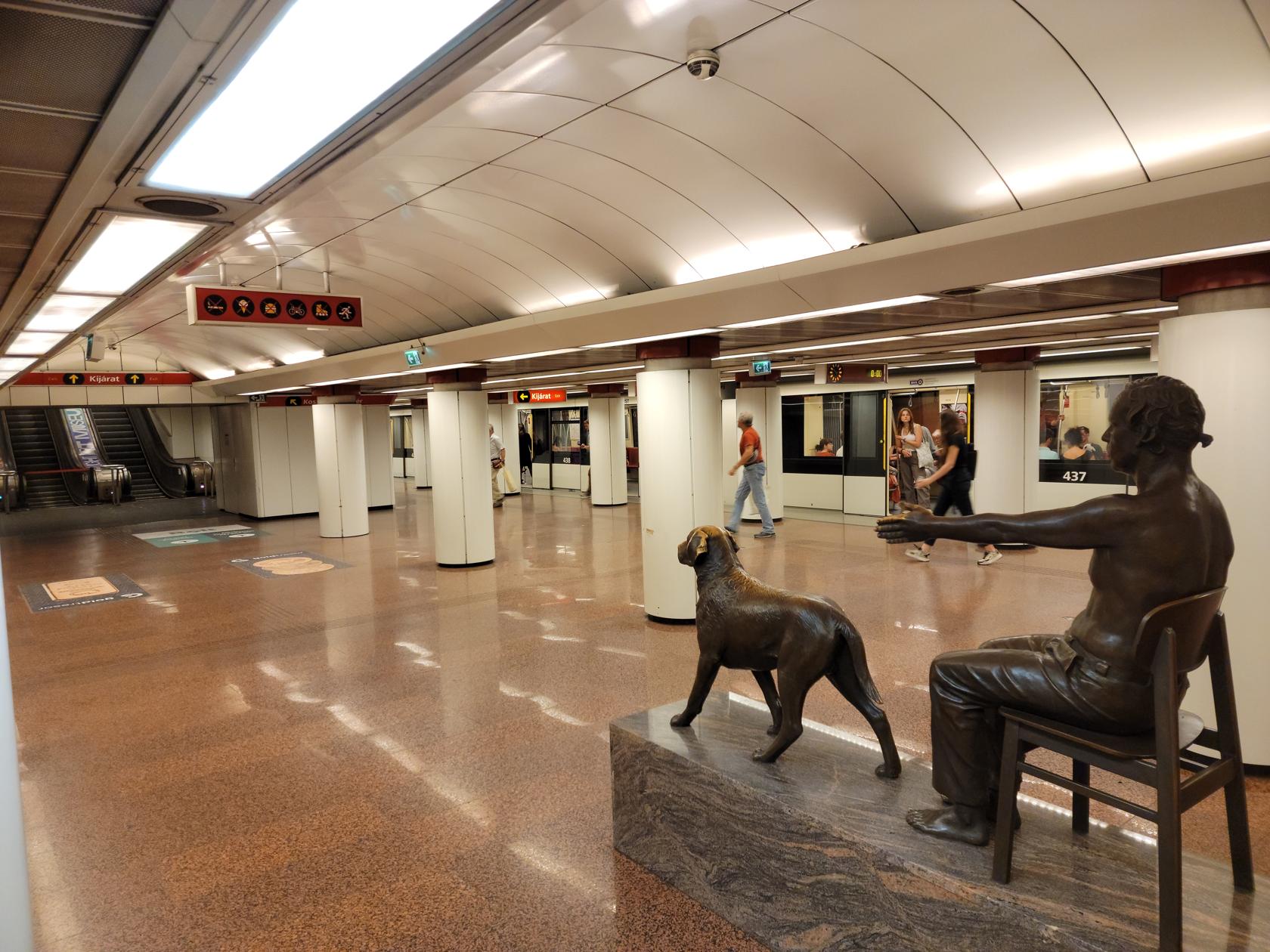
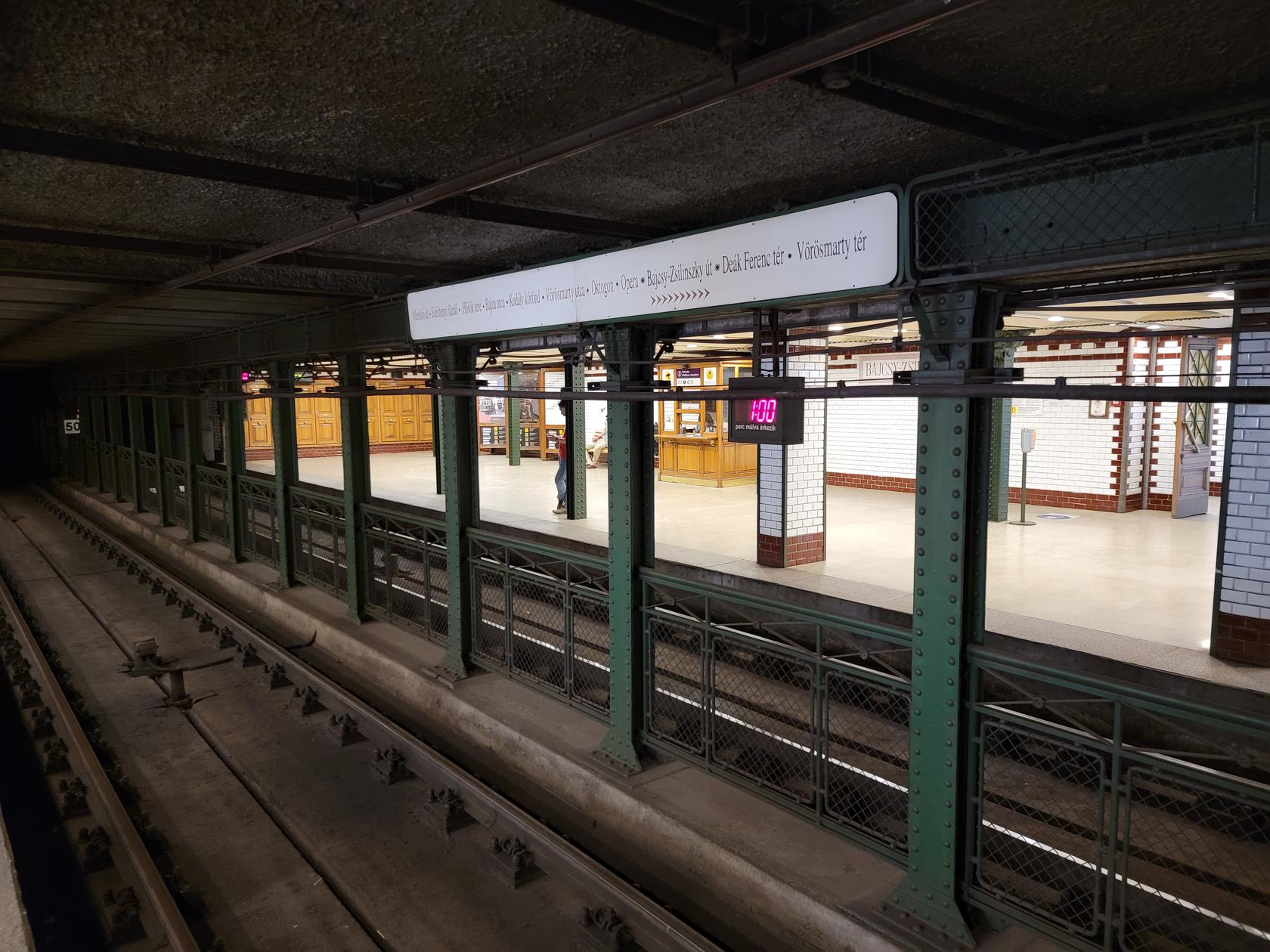
Budapest has a pretty good metro. Though not terribly extensive, it does not go to the airport, it does however cover a pretty good portion of the city. Each entry point is marked with a stylized ‘M’ and you will have to pay attention to the direction of travel, the end-point or terminal station. Direction of travel on most signs is noted, as well as all of the stops made by the line.
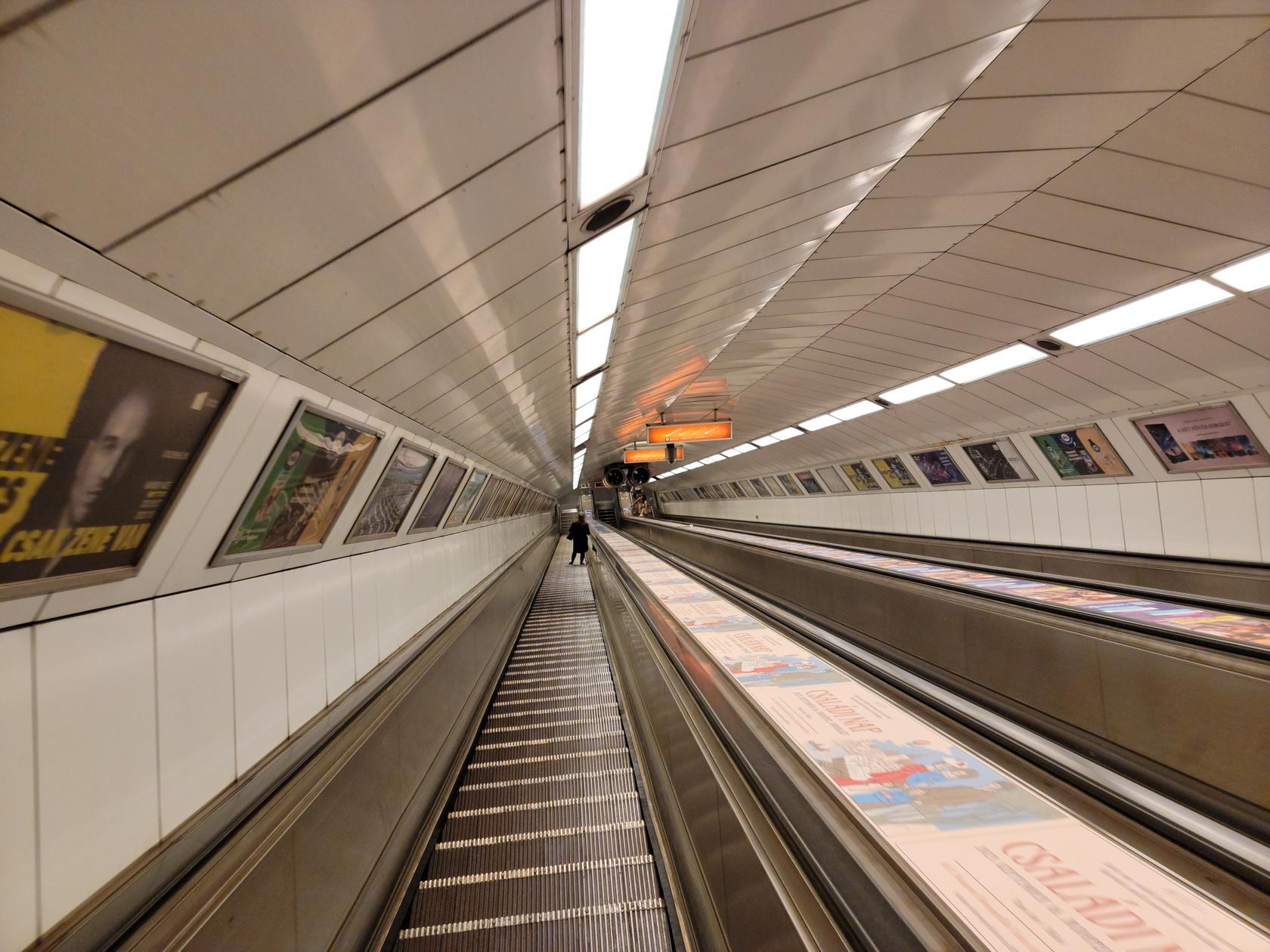
A long way down – M2 Metro – Budapest, Hungary
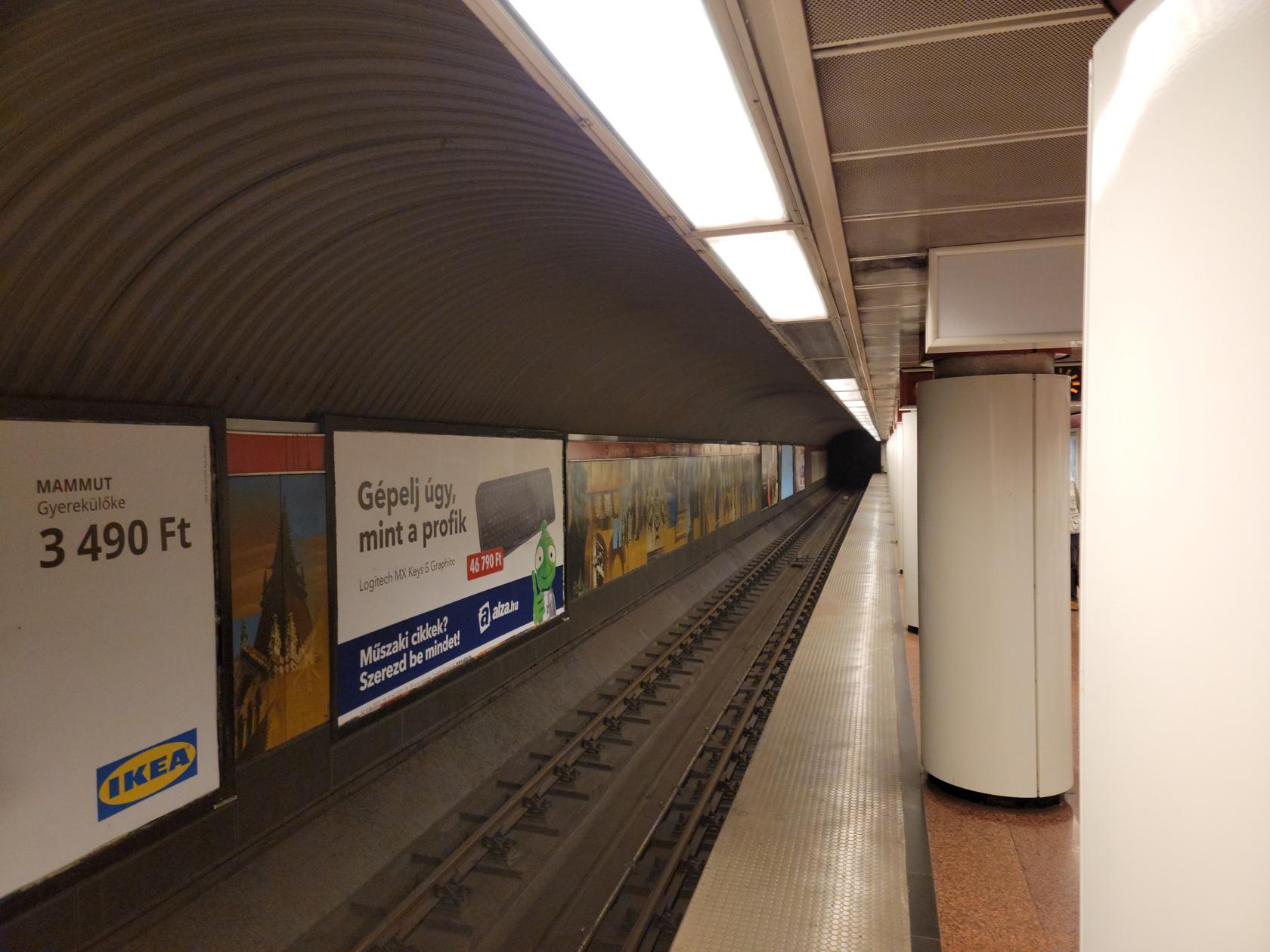
Platform – M2 Metro – Budapest, Hungary
A Bronze – M2 Metro – Budapest, Hungary
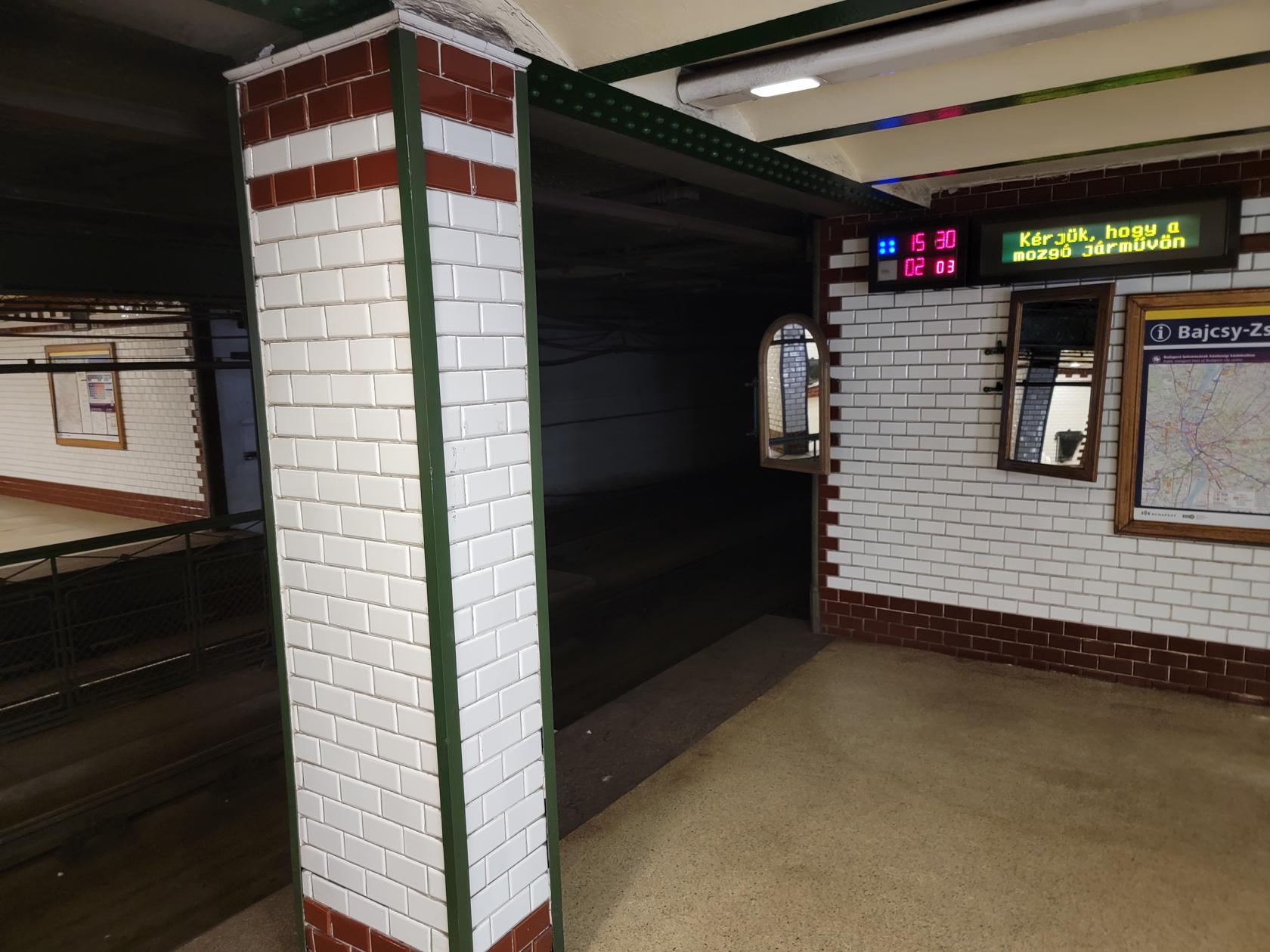
The M1 Metro Line
Clearly the oldest and the noisiest for sure. Luckily this line runs up the old Andrássy ut avenue and fairly close to where our hotel was situated; so we were able to take this line a number of times.
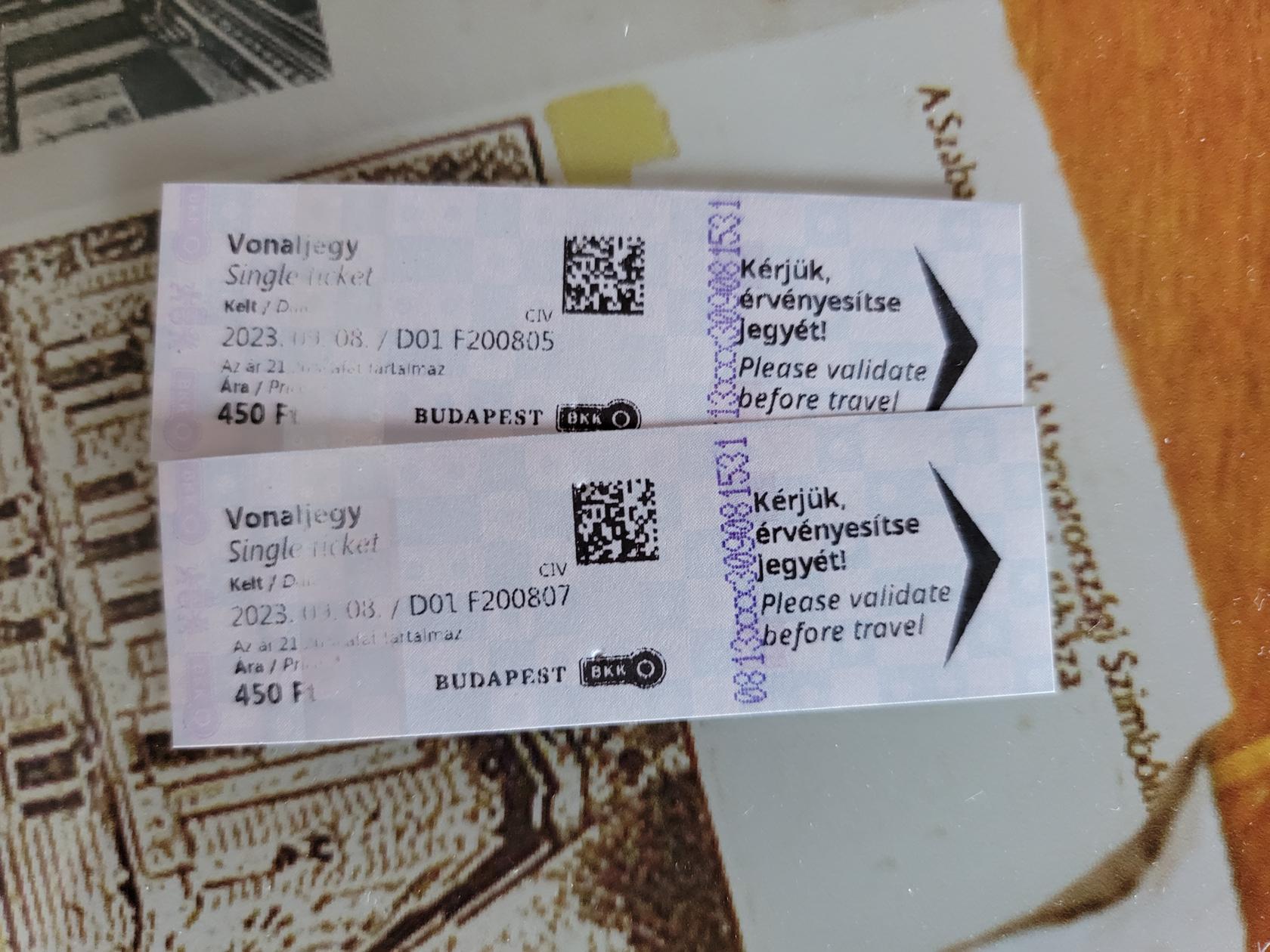
Tickets For Two – The Old M1 Metro – Budapest, Hungary
Mirrors, strange – The Old M1 Metro – Budapest, Hungary
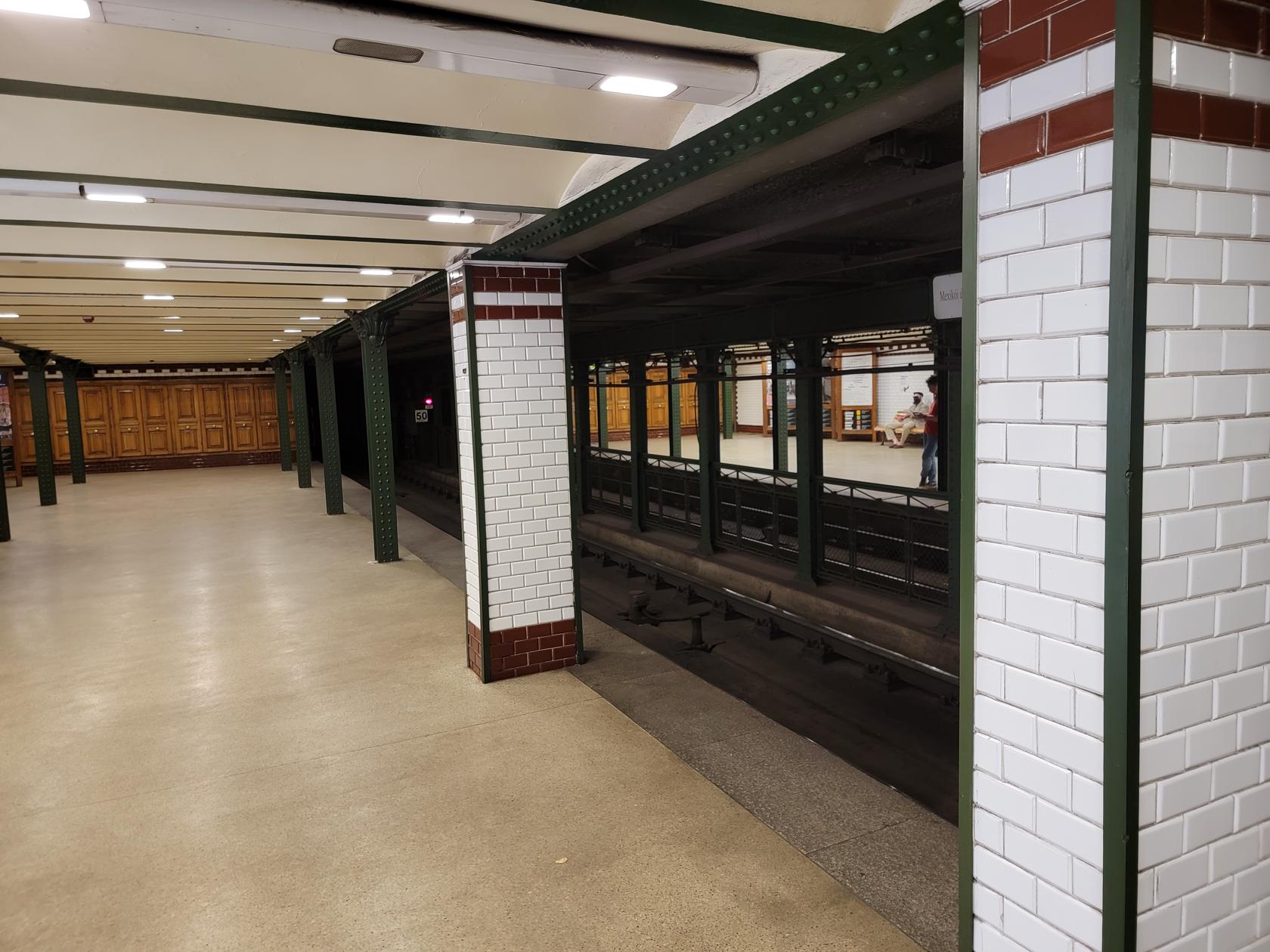
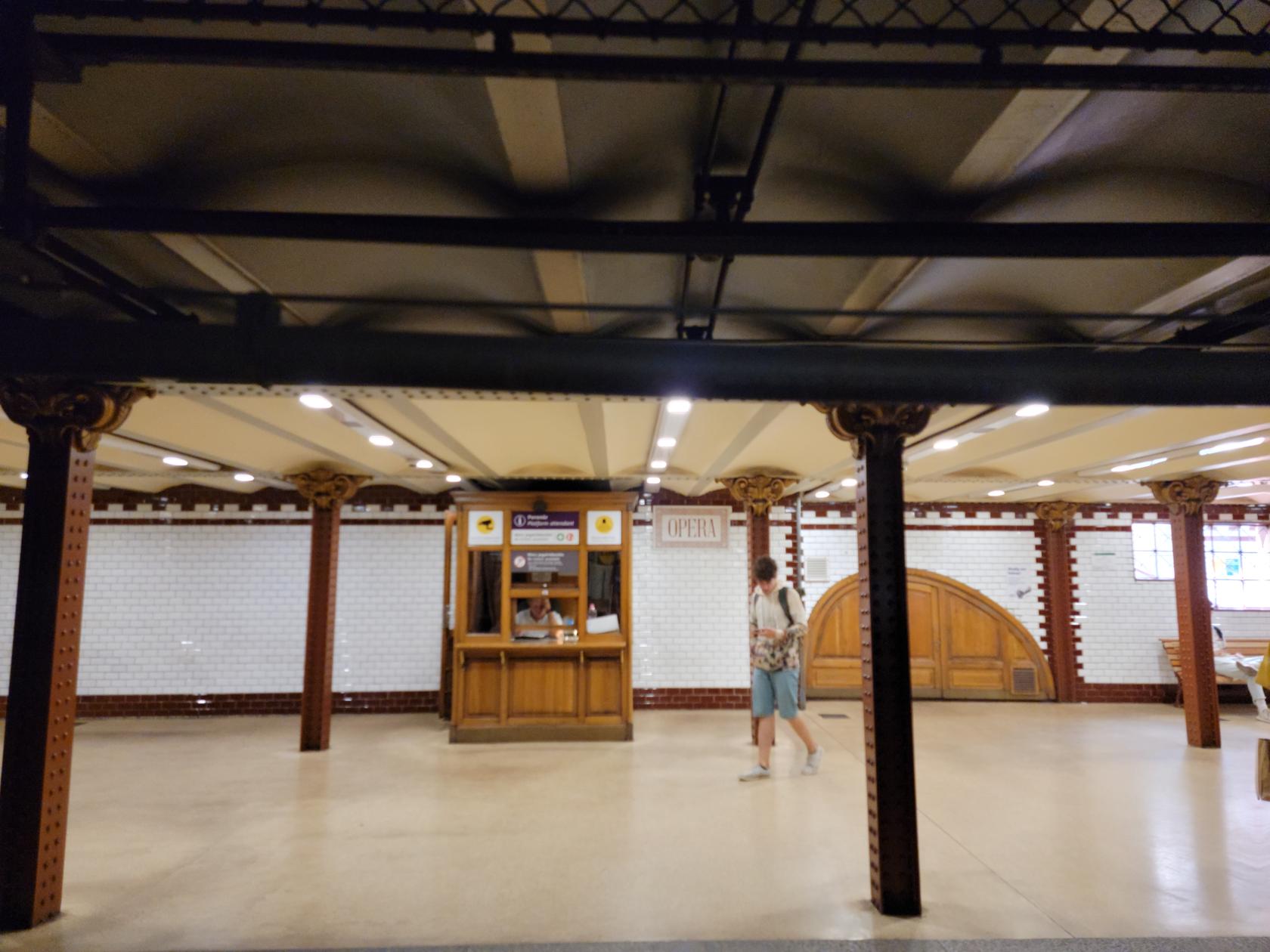
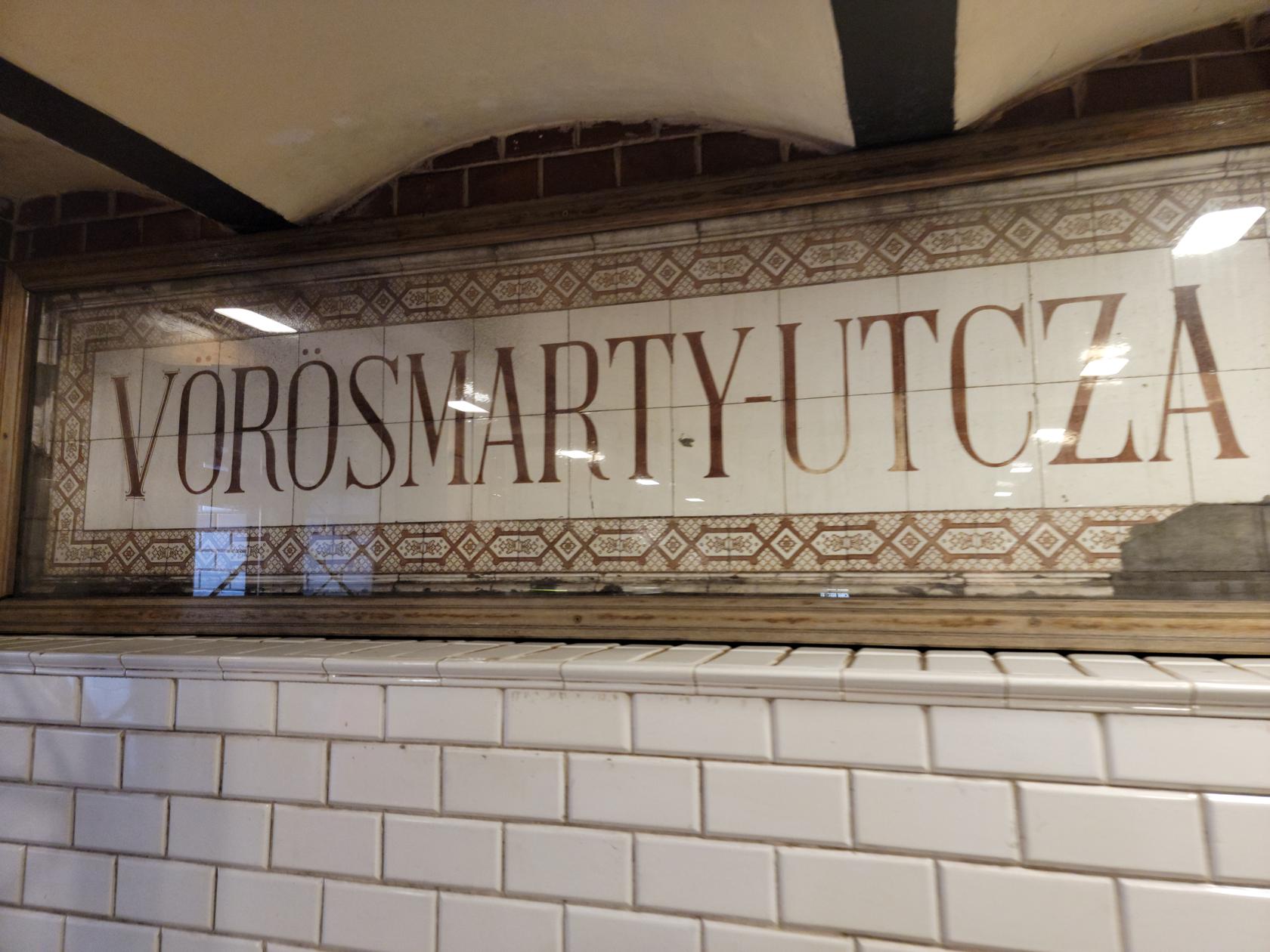
Platform – The Old M1 Metro – Budapest, Hungary
Old wrought iron works – The Old M1 Metro – Budapest, Hungary
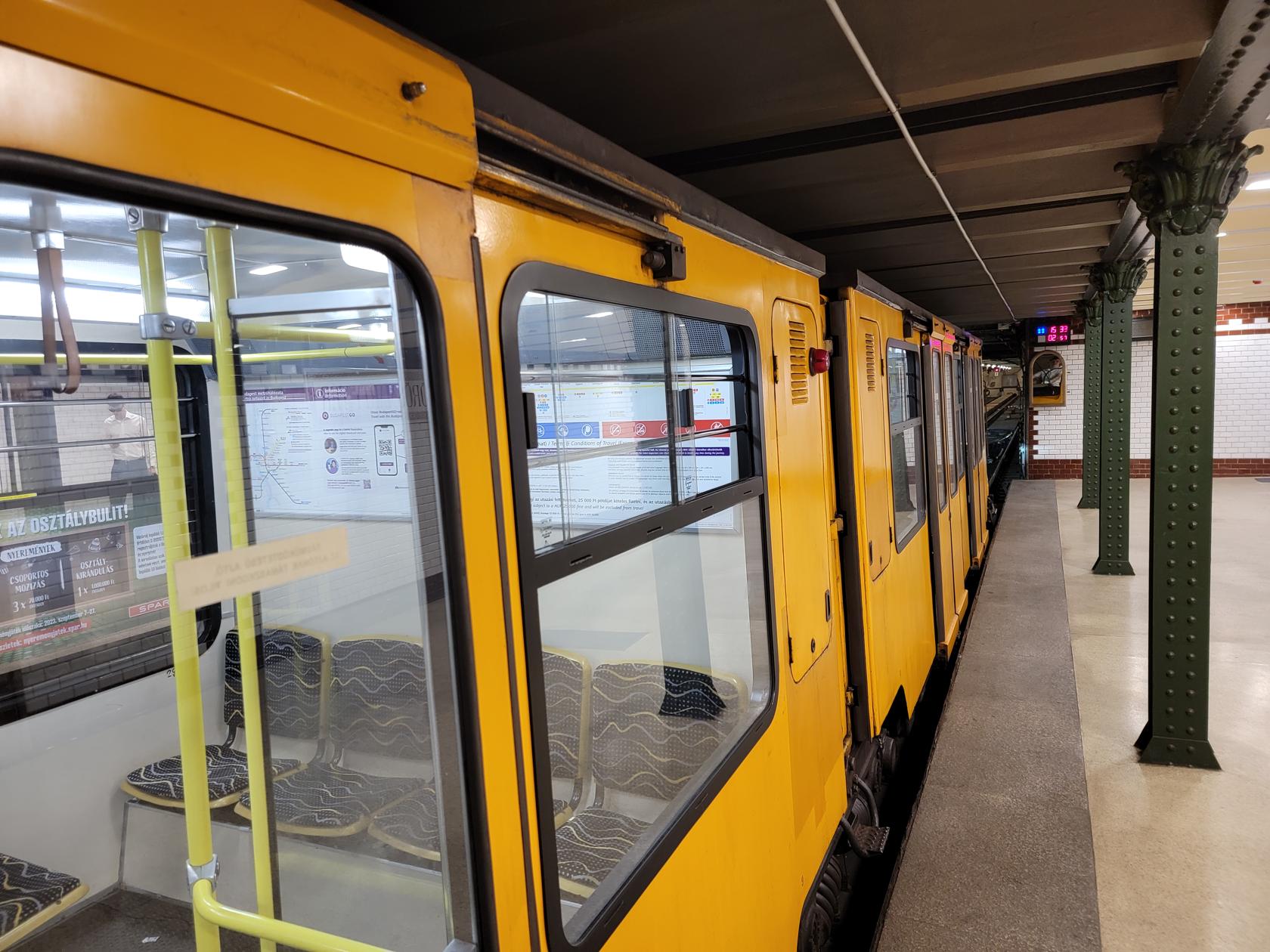
The old style cars – The Old M1 Metro – Budapest, Hungary
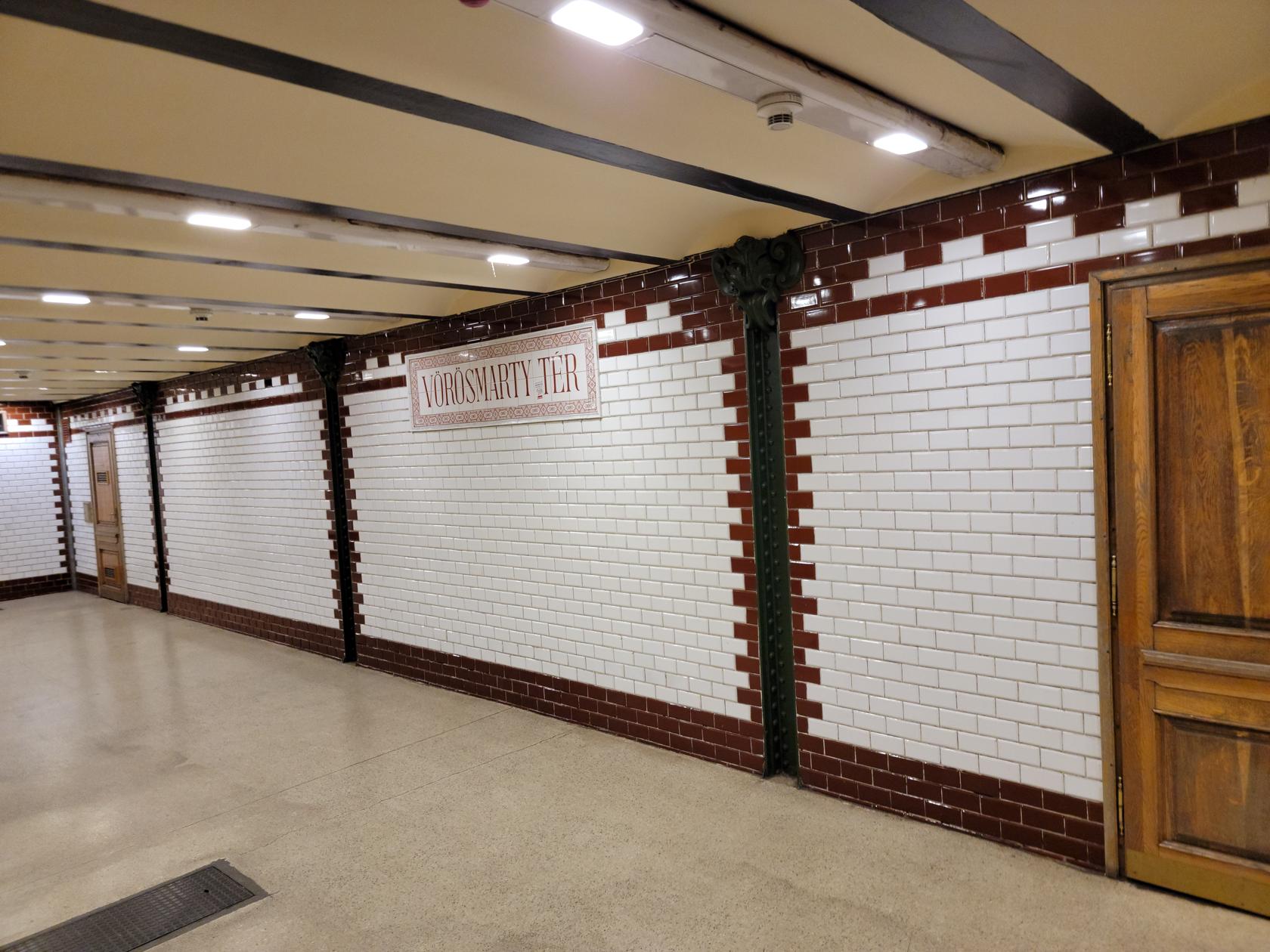
Our stop – The Old M1 Metro – Budapest, Hungary
The Remainder of Budapest
Here are some left over photographs from our visit to Budapest.
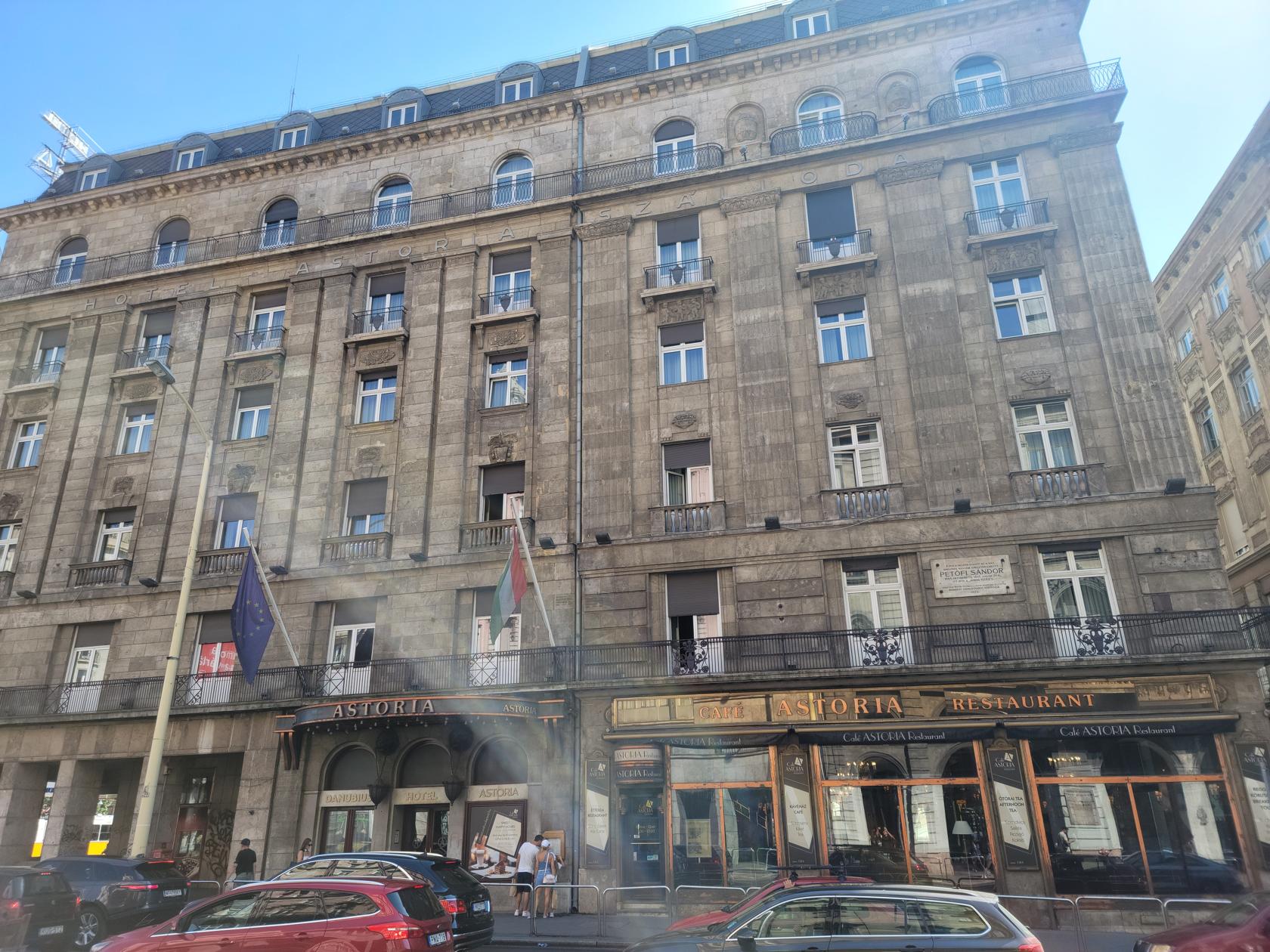
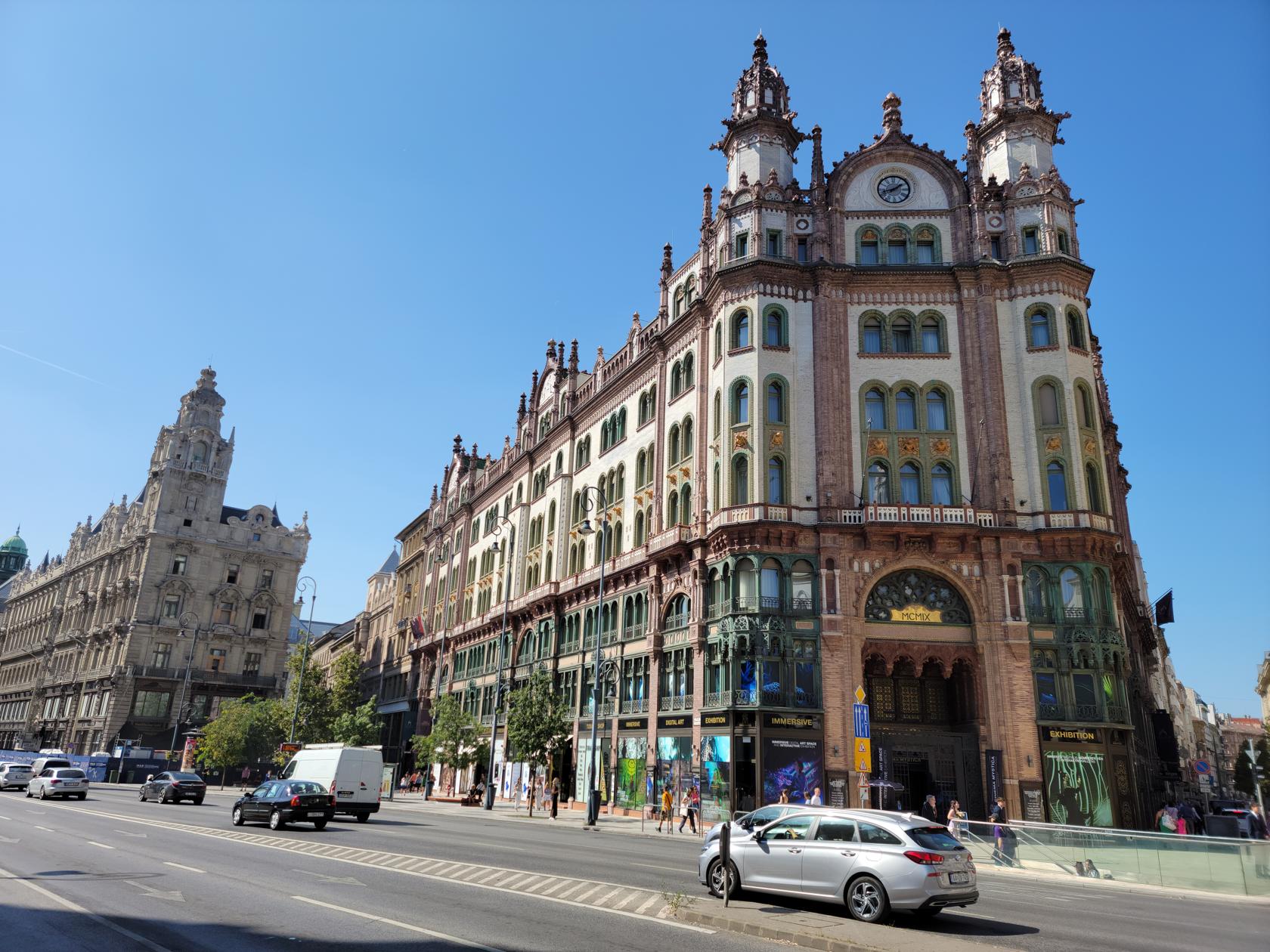
Astoria – Budapest, Hungary
Astoria – Budapest, Hungary
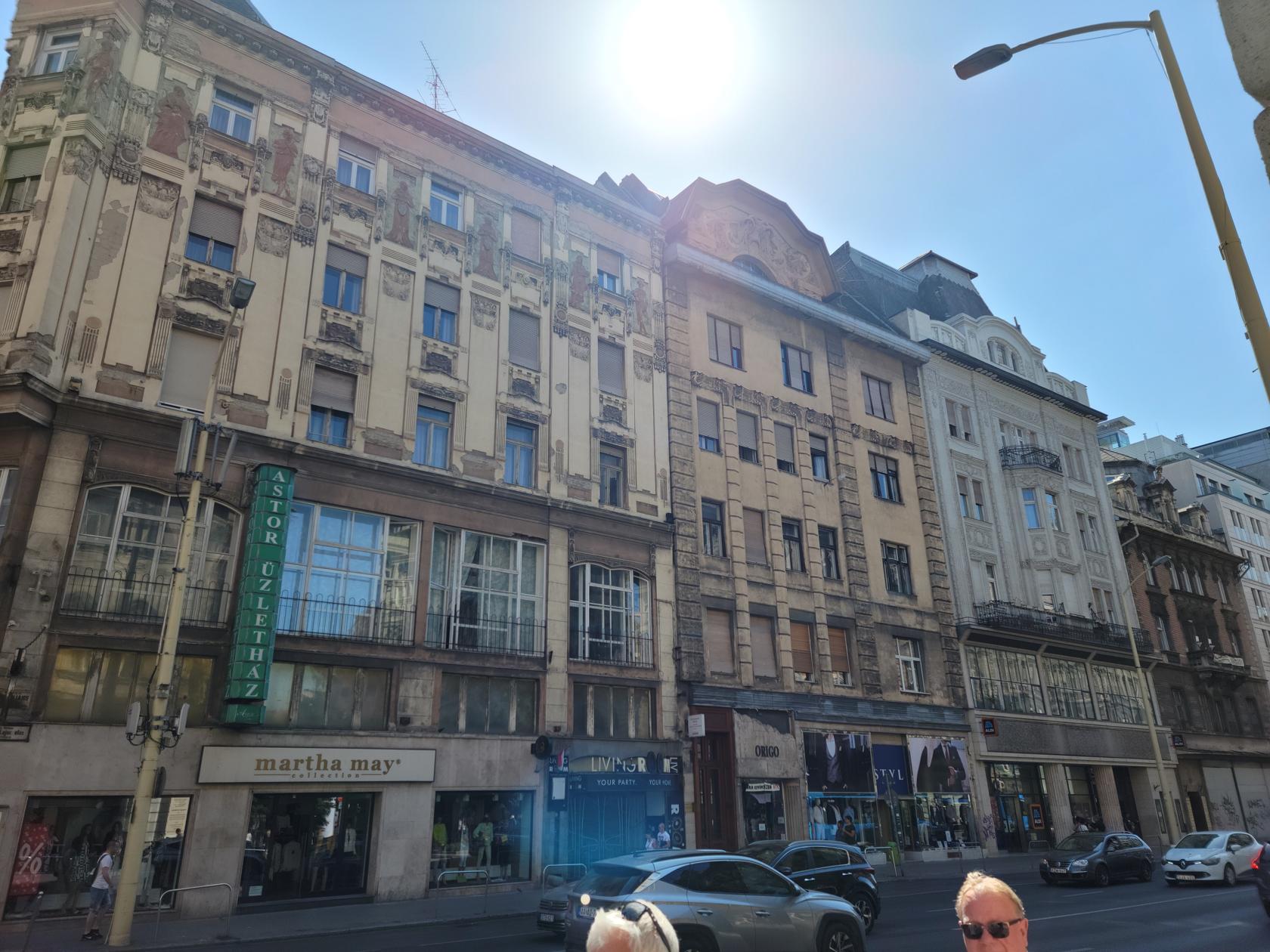
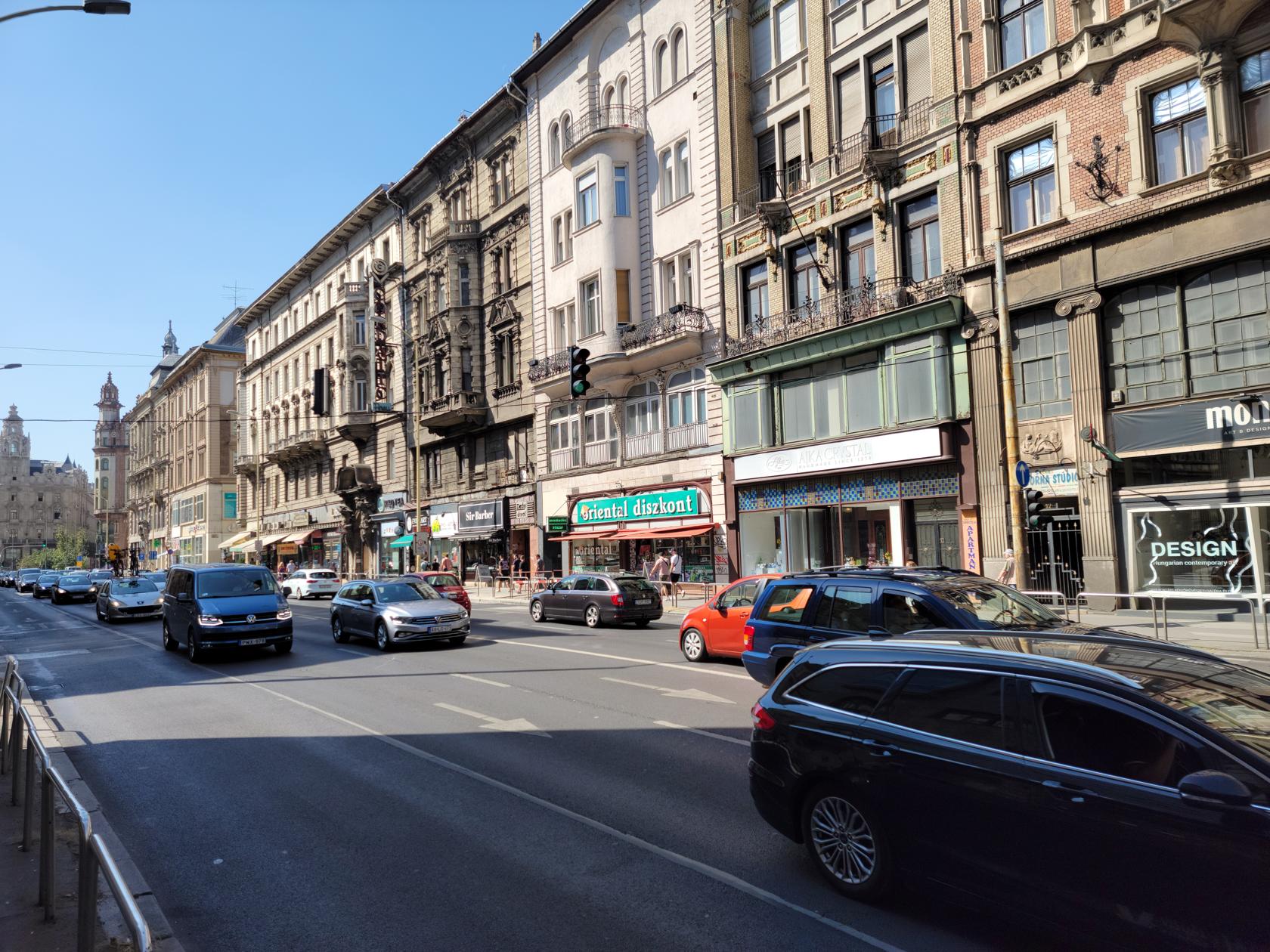
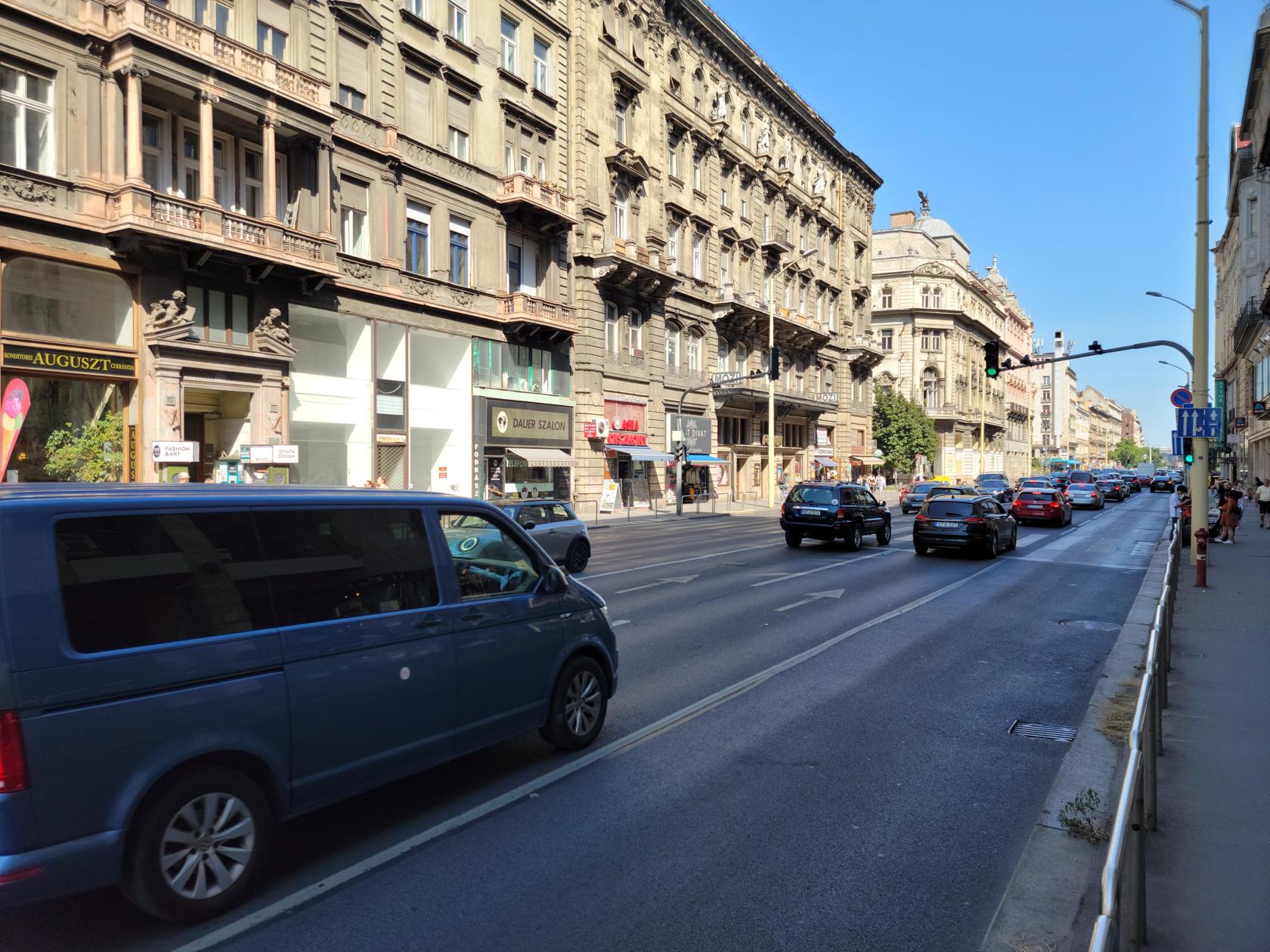
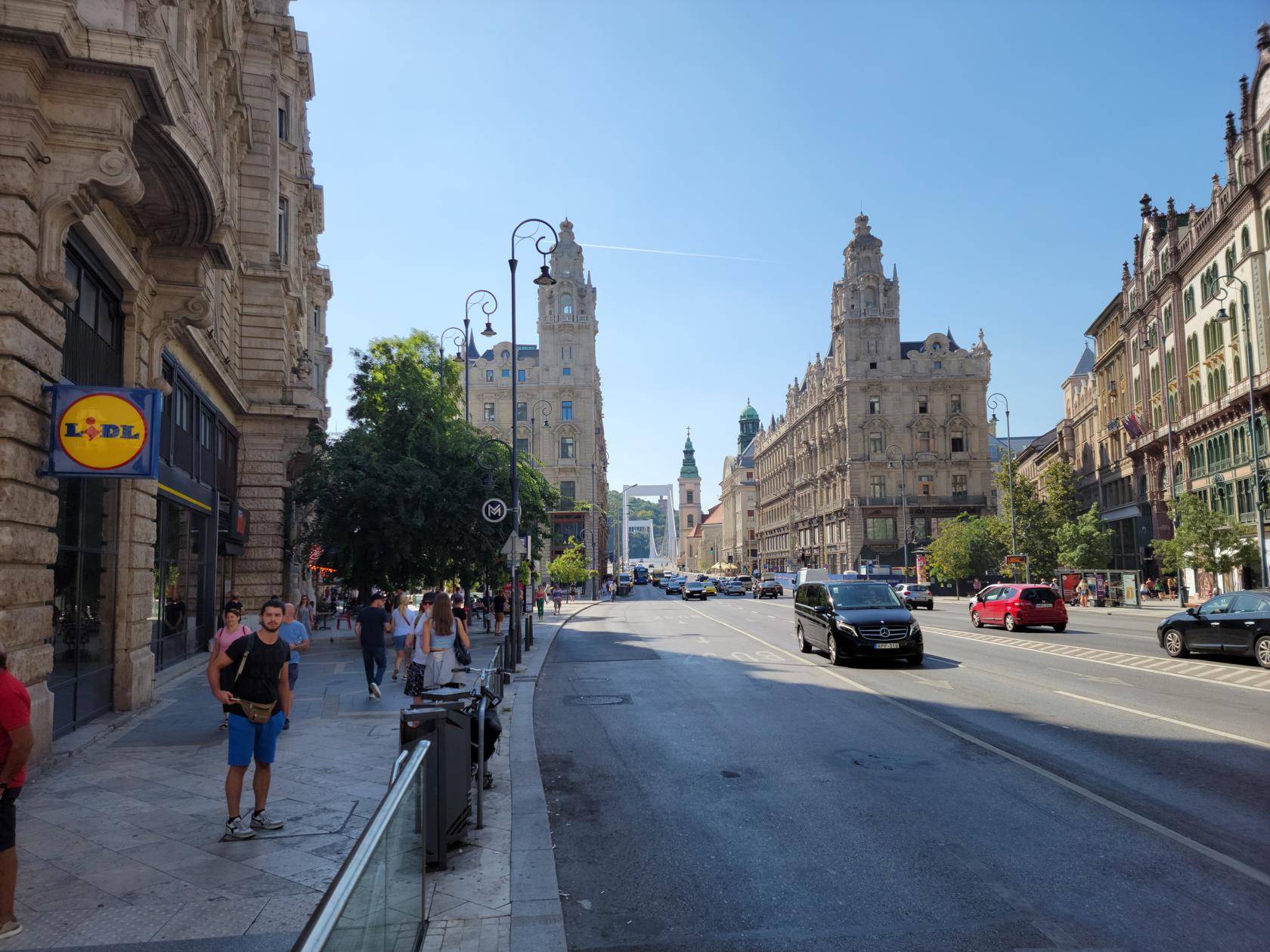
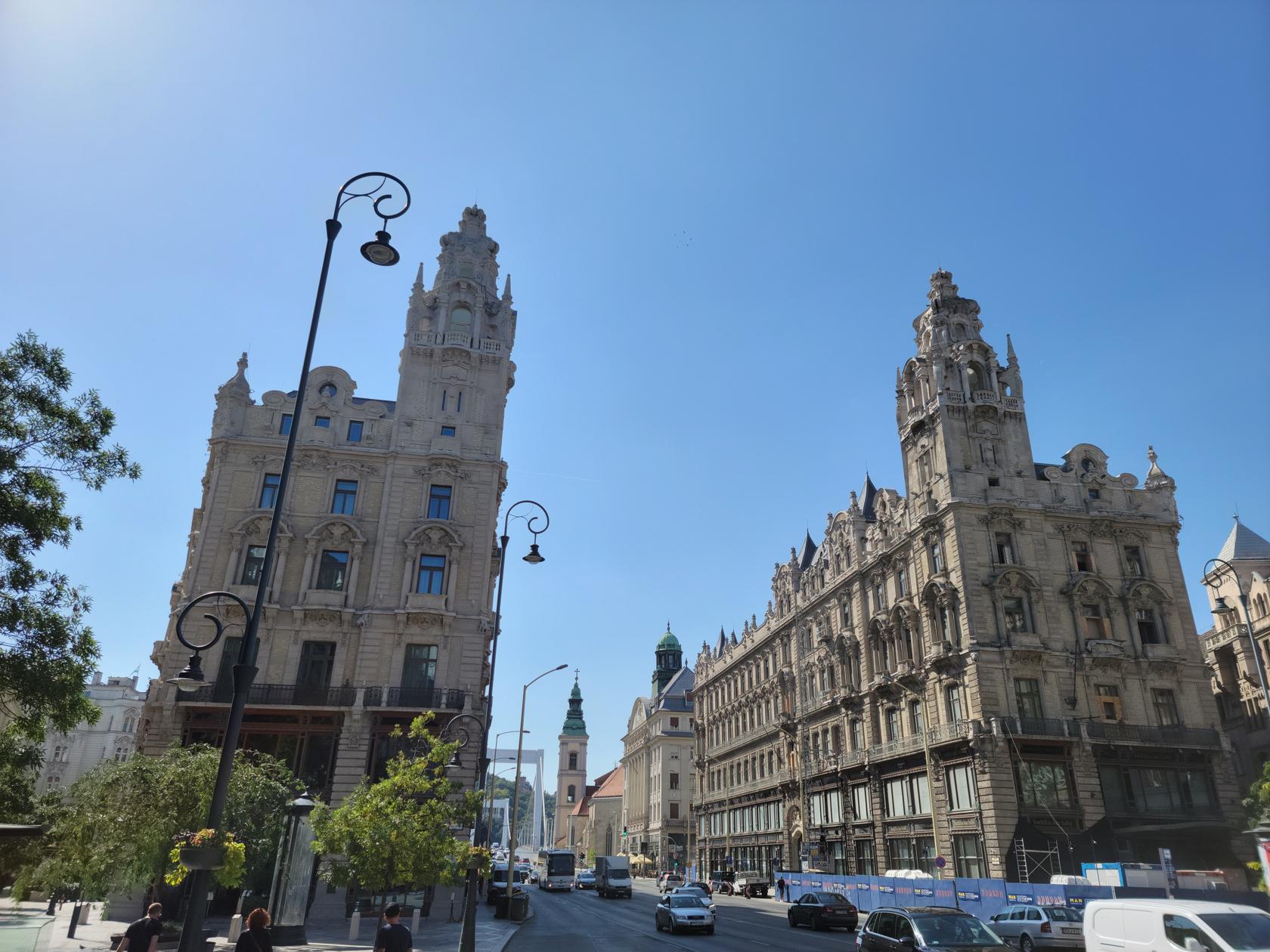
Another typical street – Budapest, Hungary
Another typical street – Budapest, Hungary
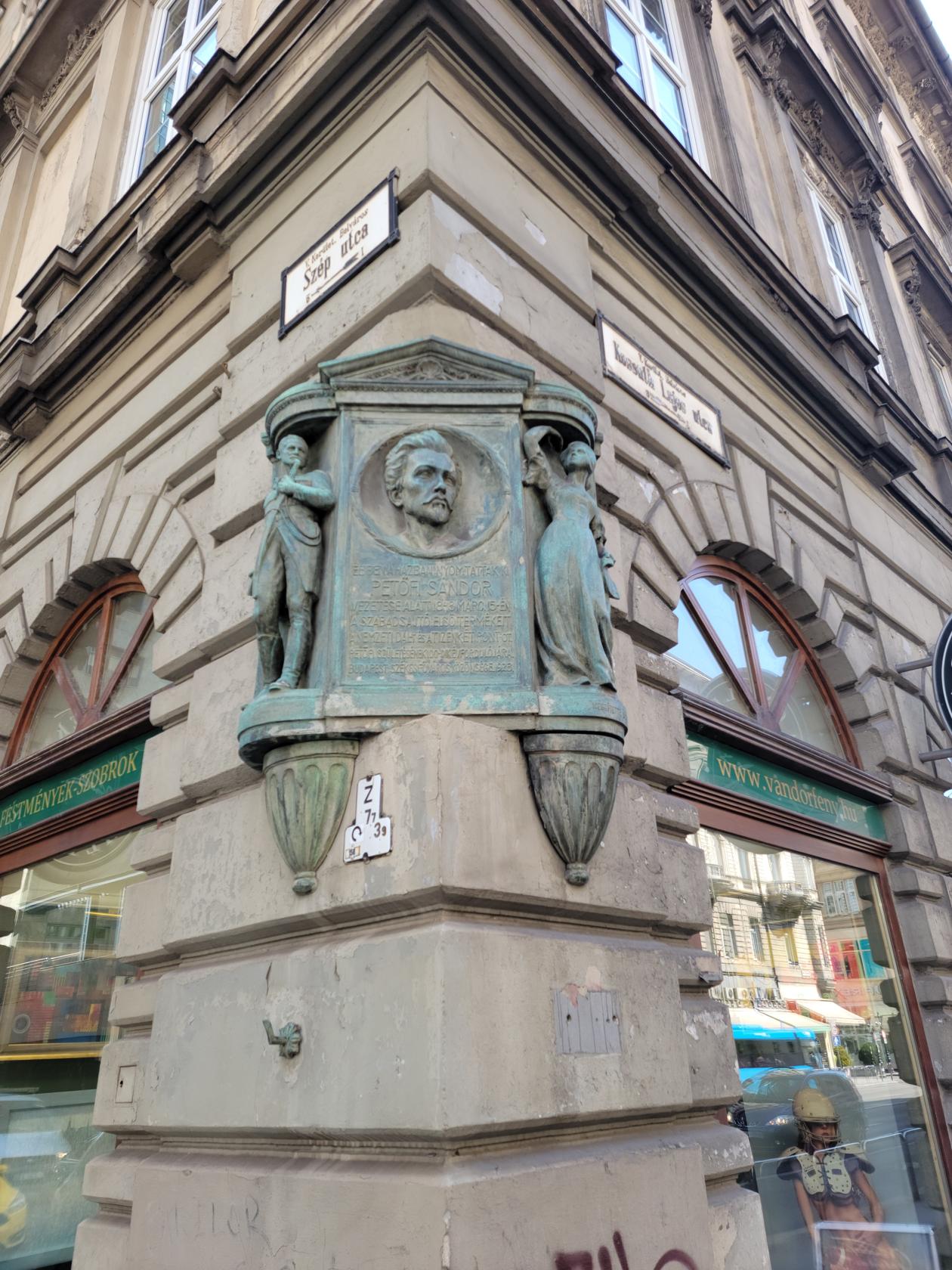
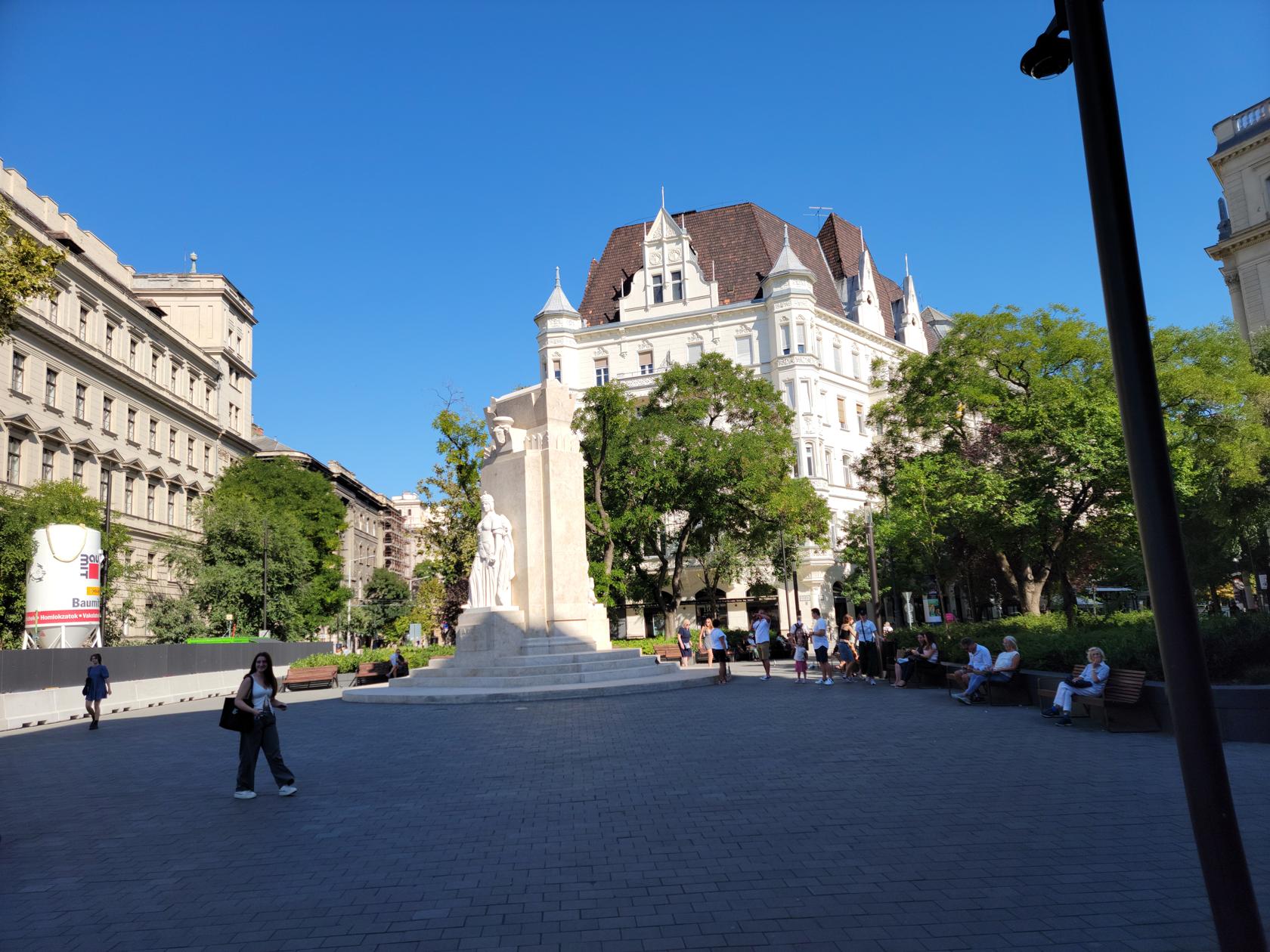
Sandor memorial – Budapest, Hungary
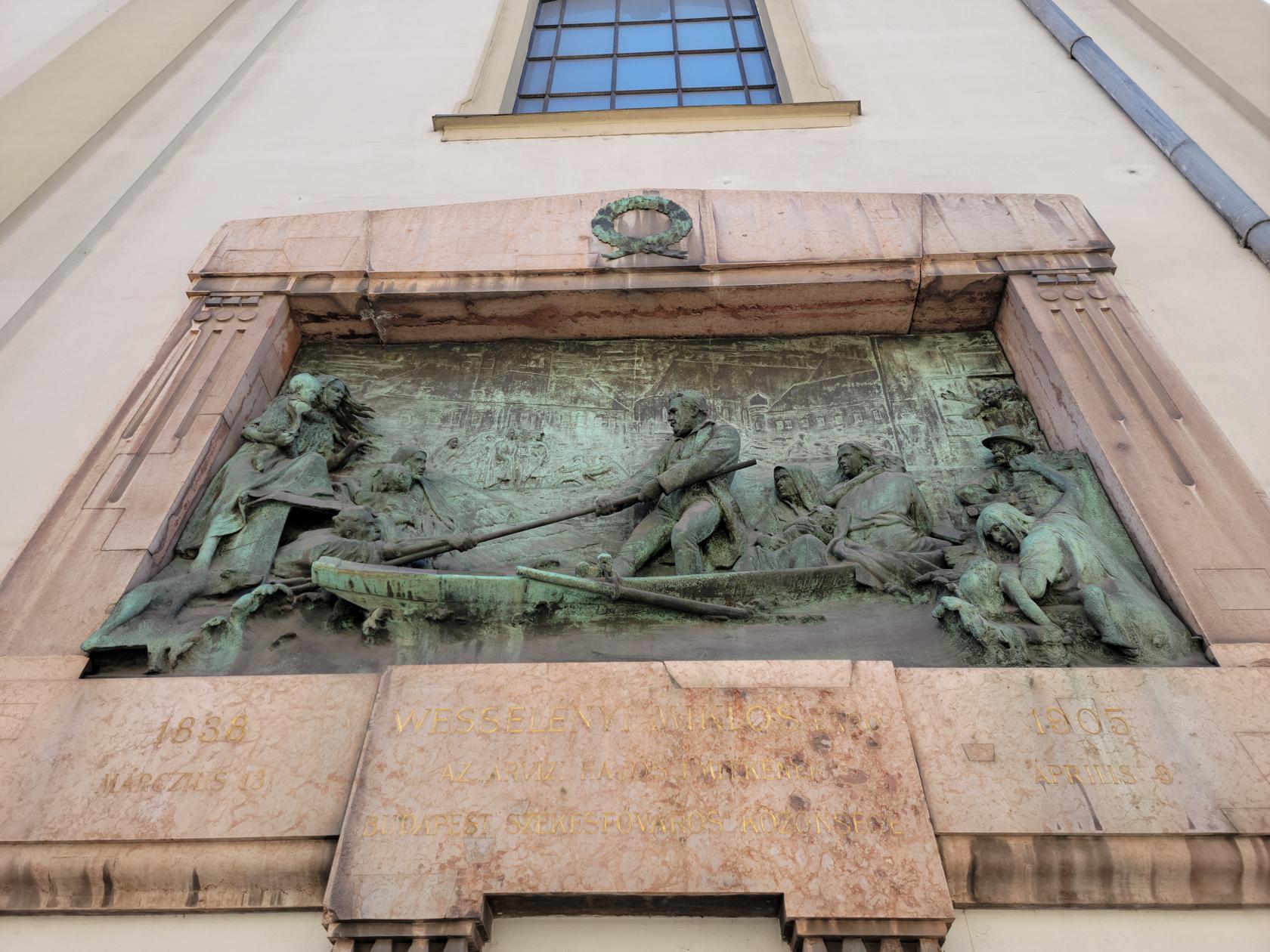
Another memorial – Budapest, Hungary
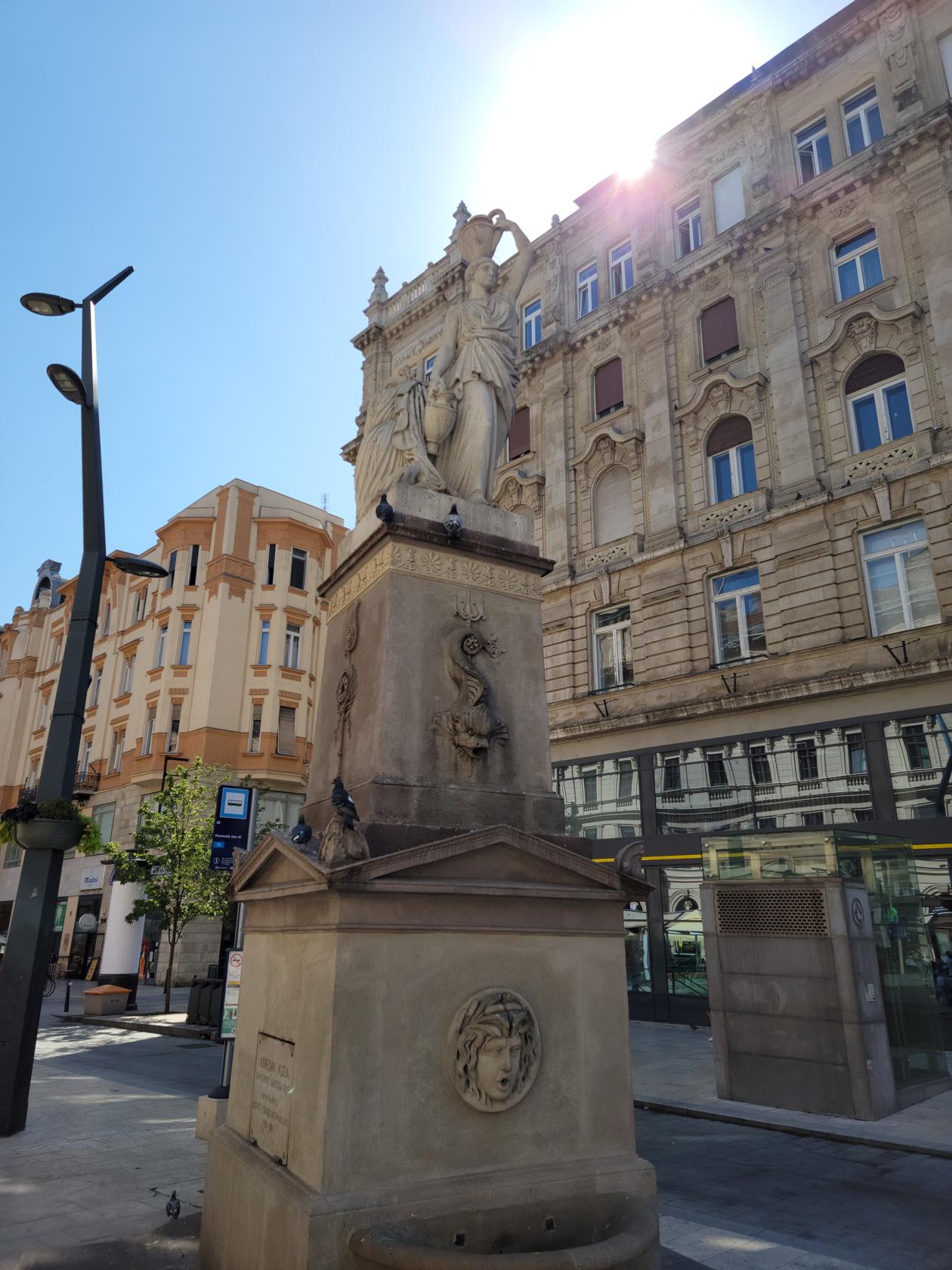
Another monument – Budapest, Hungary
Szabad building – Budapest, Hungary
Szabad Sajto ut – Budapest, Hungary
Szabad Sajto ut – Budapest, Hungary
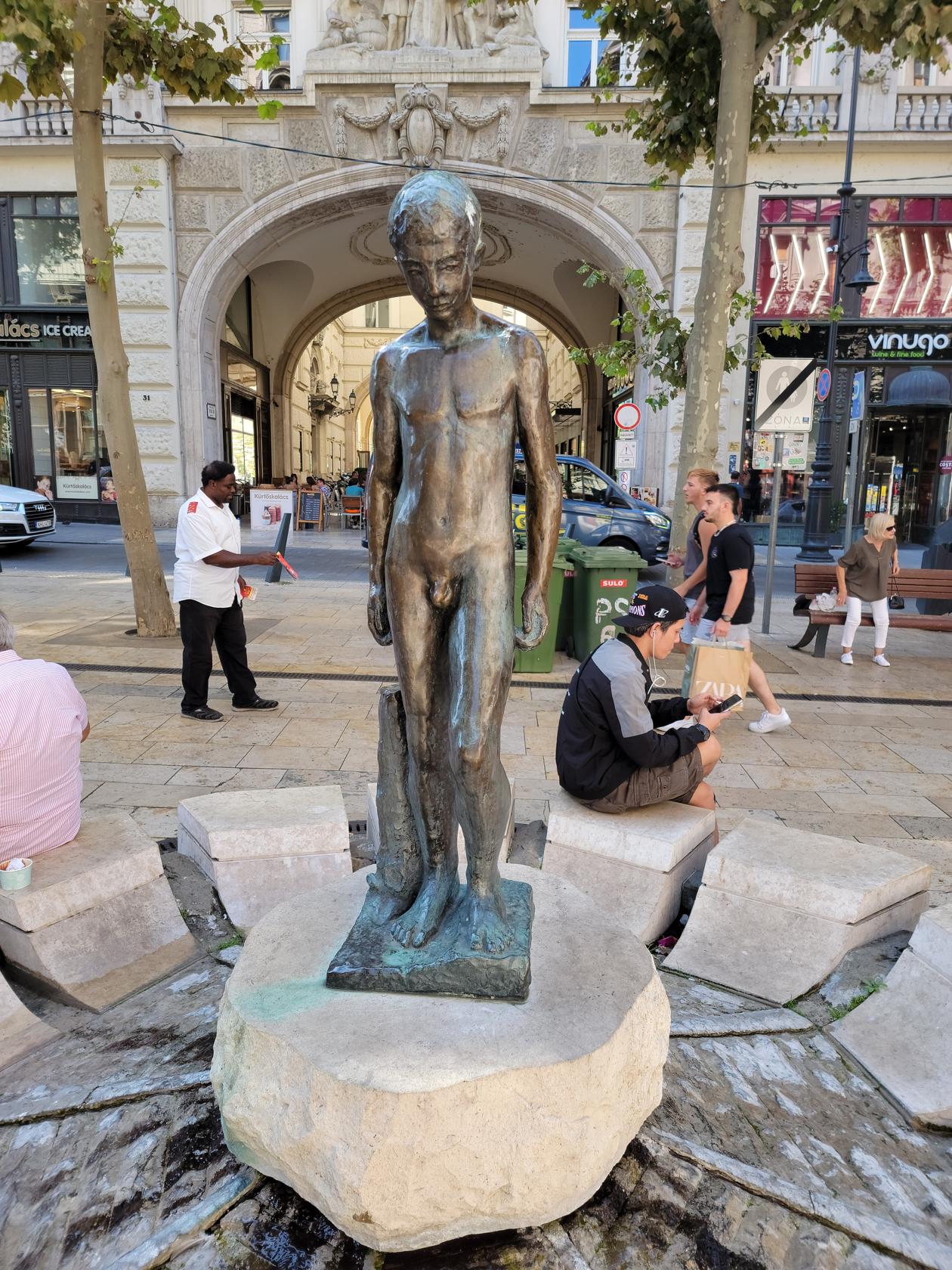
Kisfius diszkut statue – Budapest, Hungary
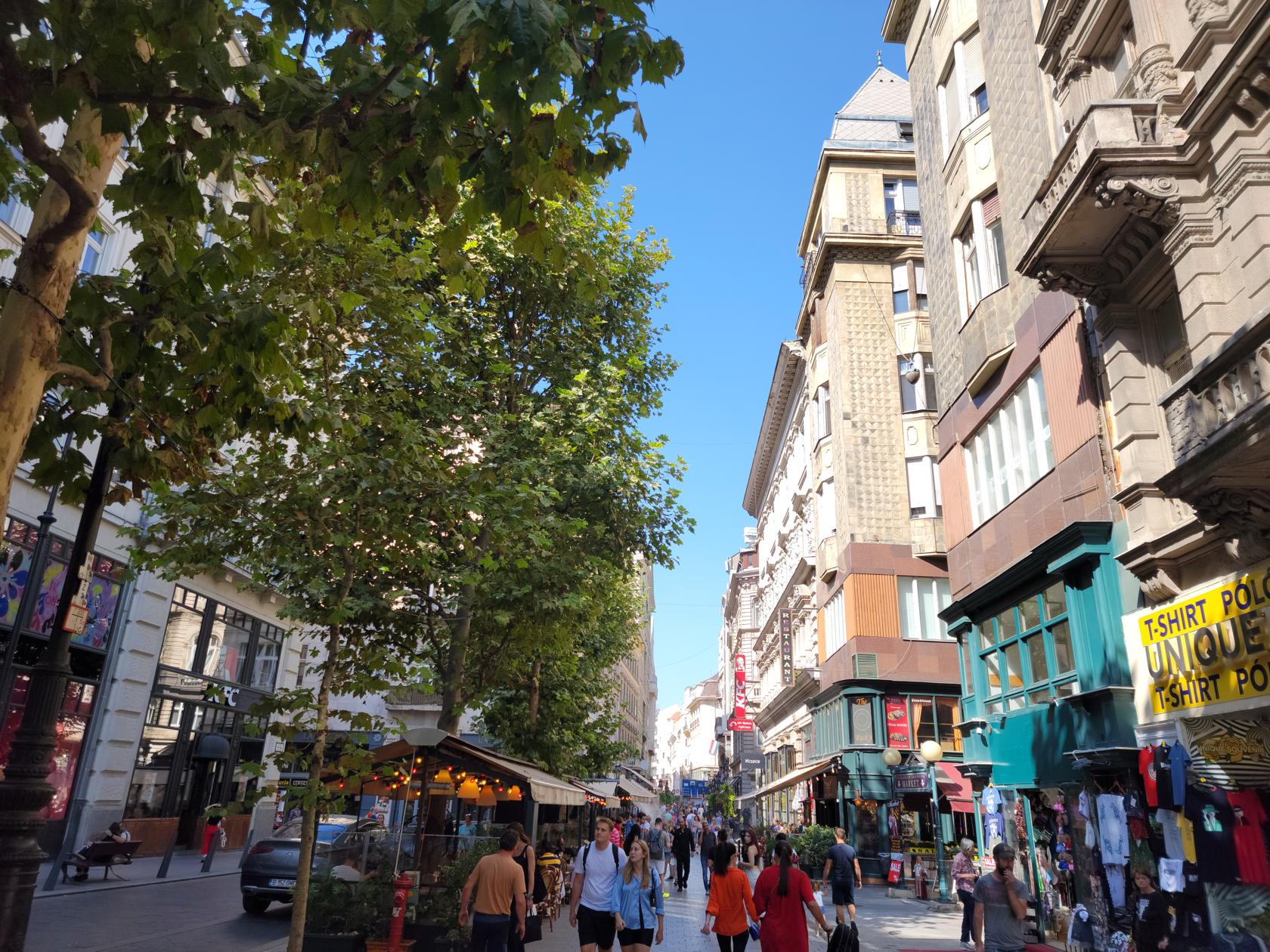
Vaci ut – Budapest, Hungary
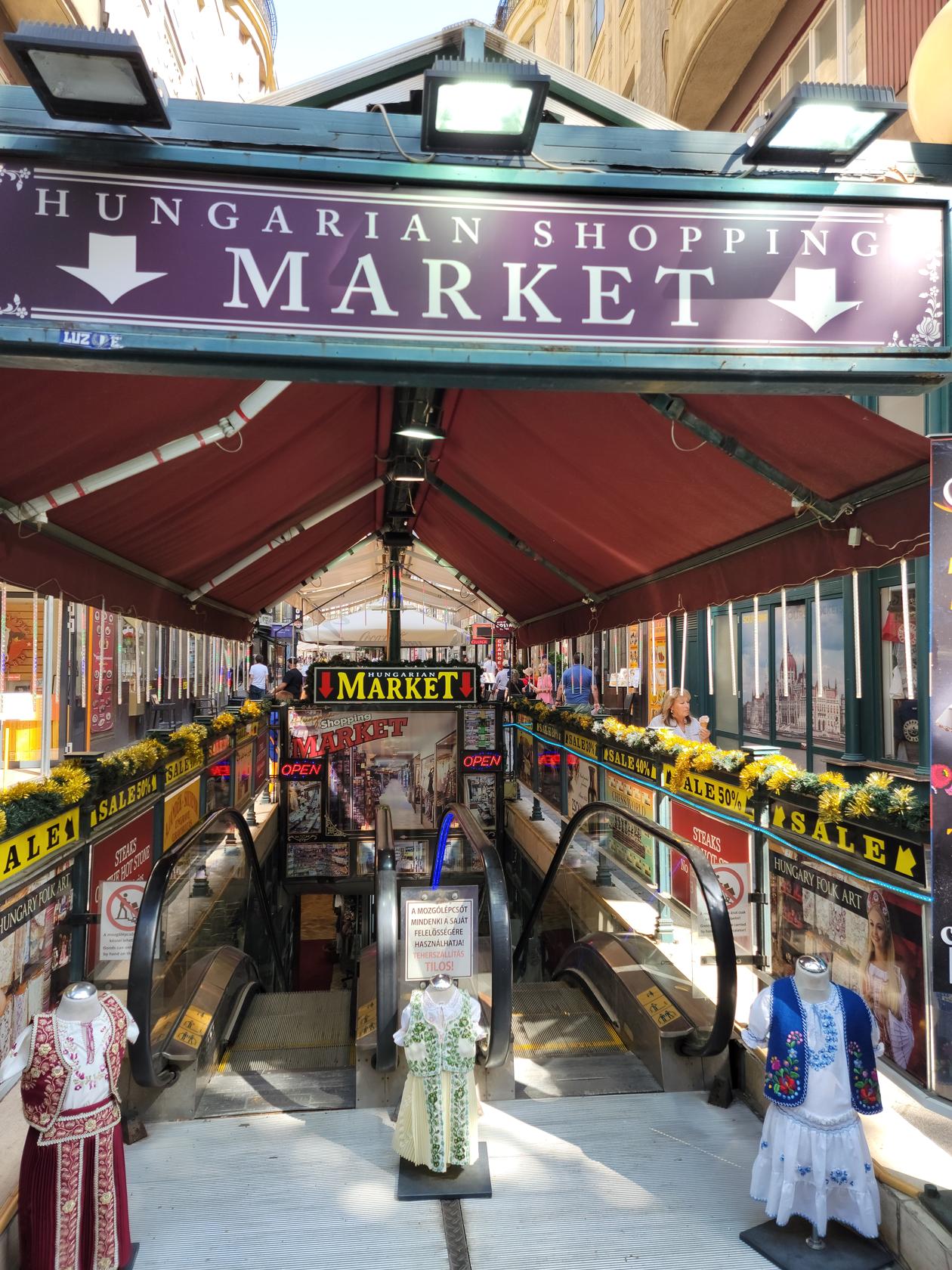
Hungarian Shopping Market – Budapest, Hungary
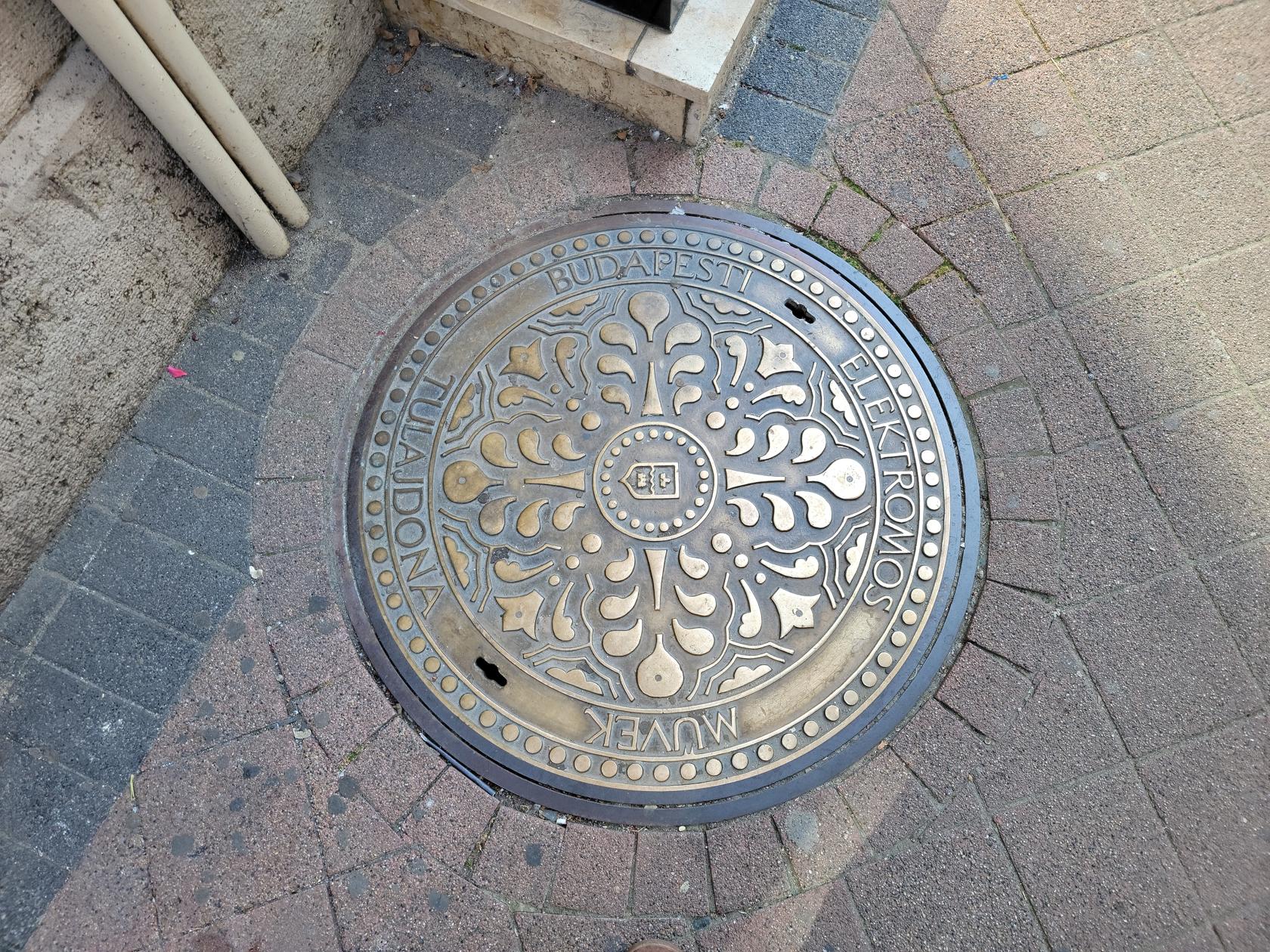
Manhole Cover Budapest – Budapest, Hungary
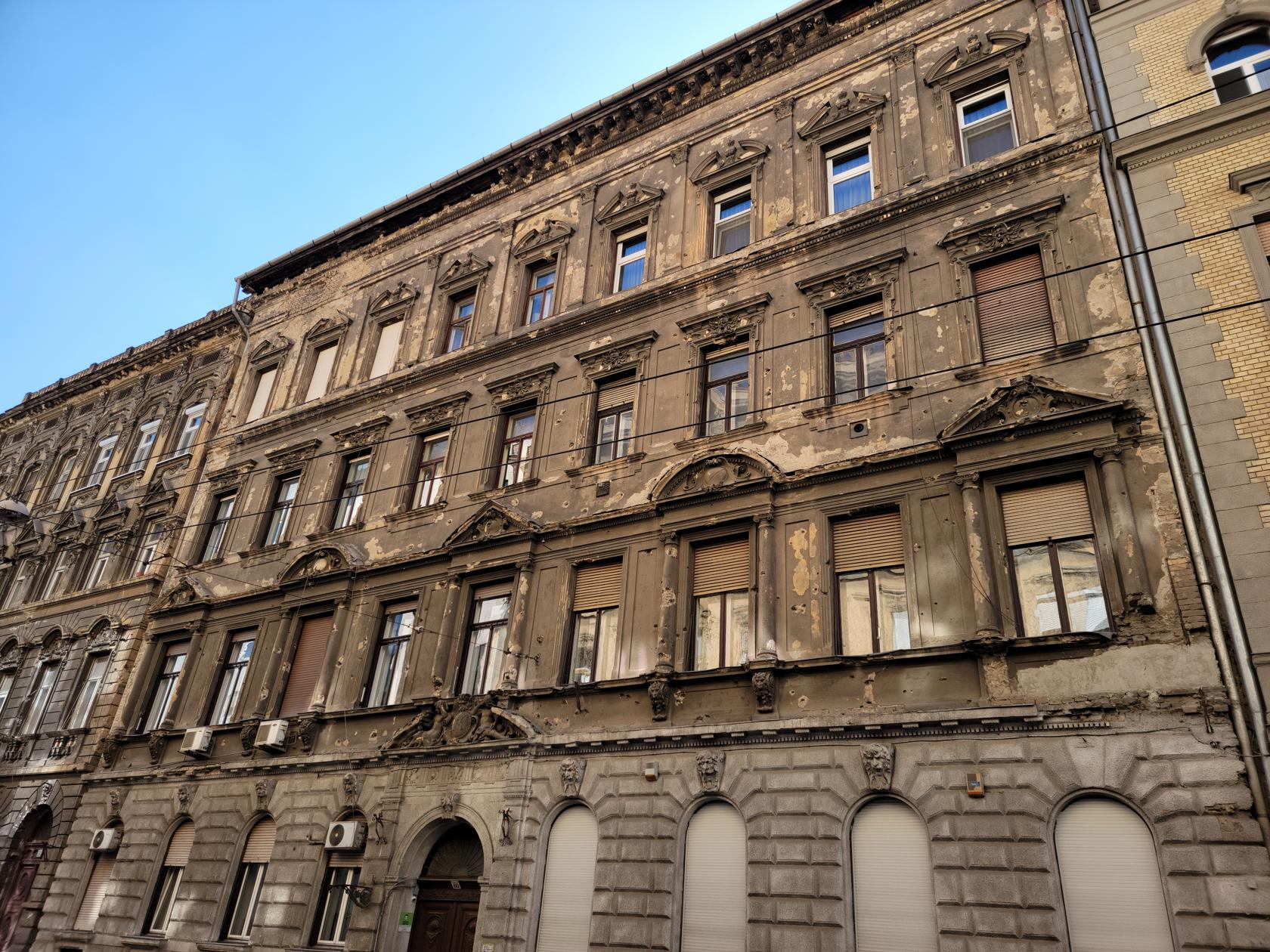
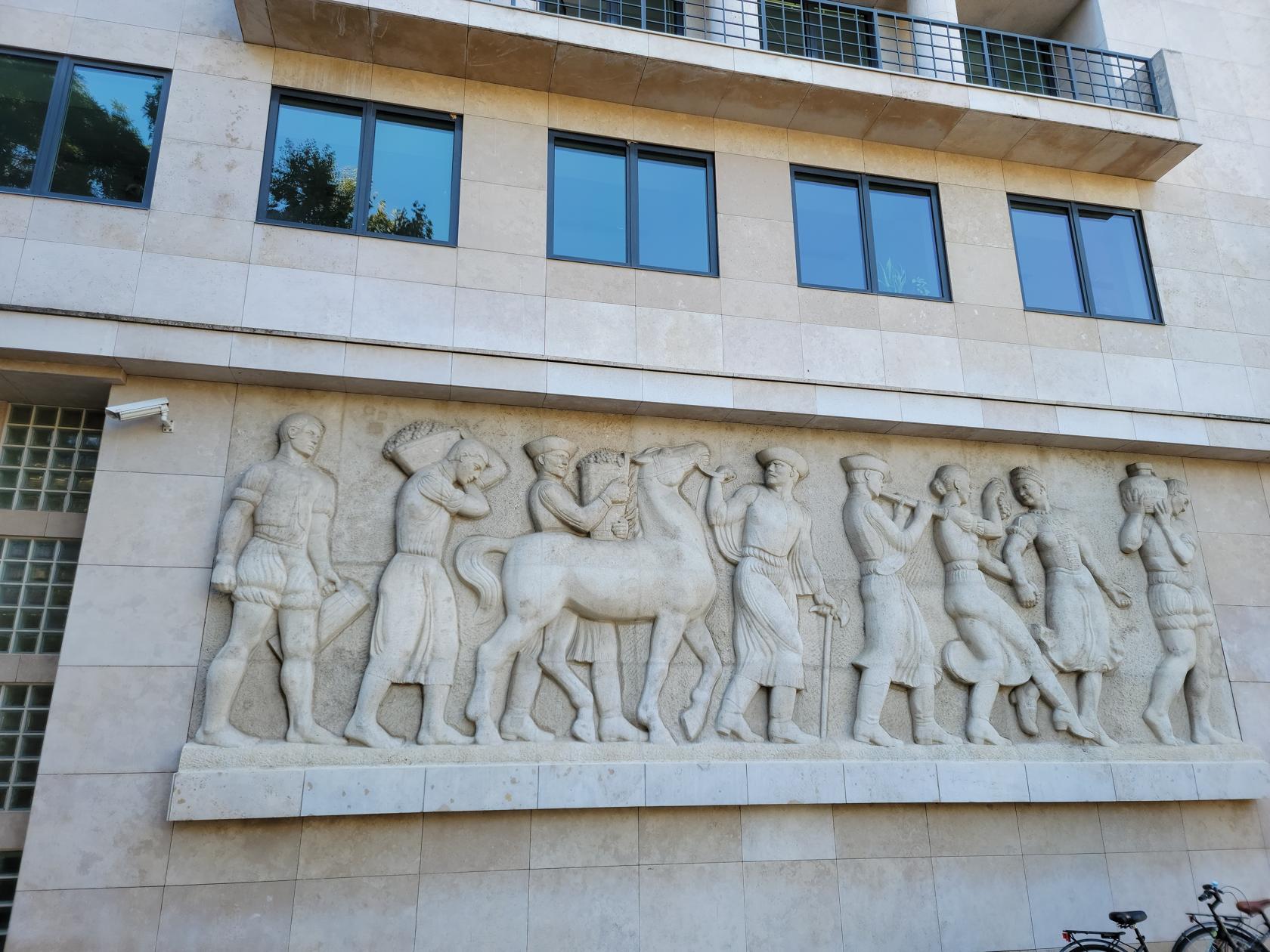
Old building – Budapest, Hungary
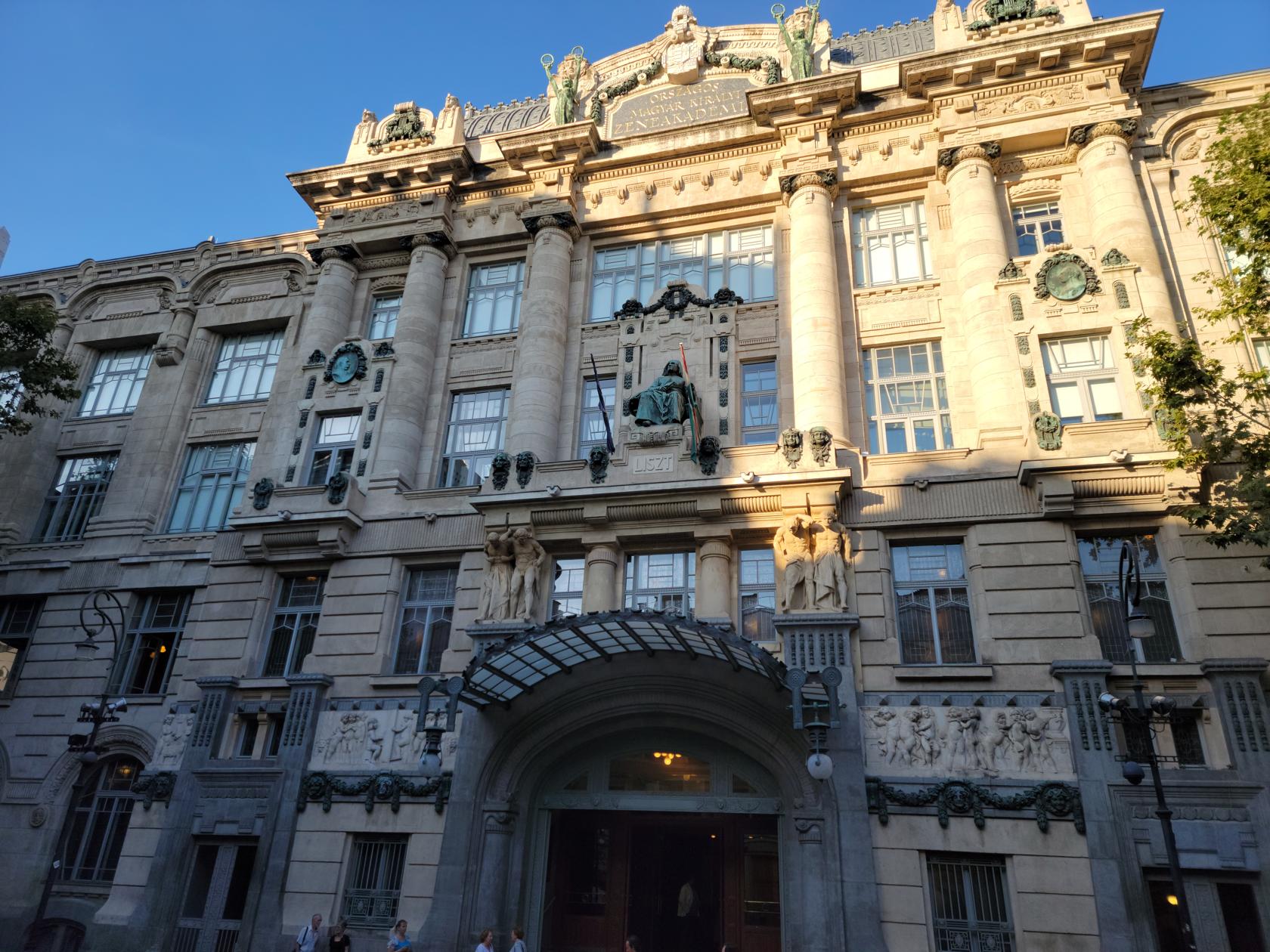
Orszagos building – Budapest, Hungary
Restaurants
Here are numerous restaurants, most of which we really liked.
Spinoza Cafe
The Spinoza Cafe was a lark, since we were just walking away from the Jewish quarter back to the hotel. It has a viable menu with very good service.
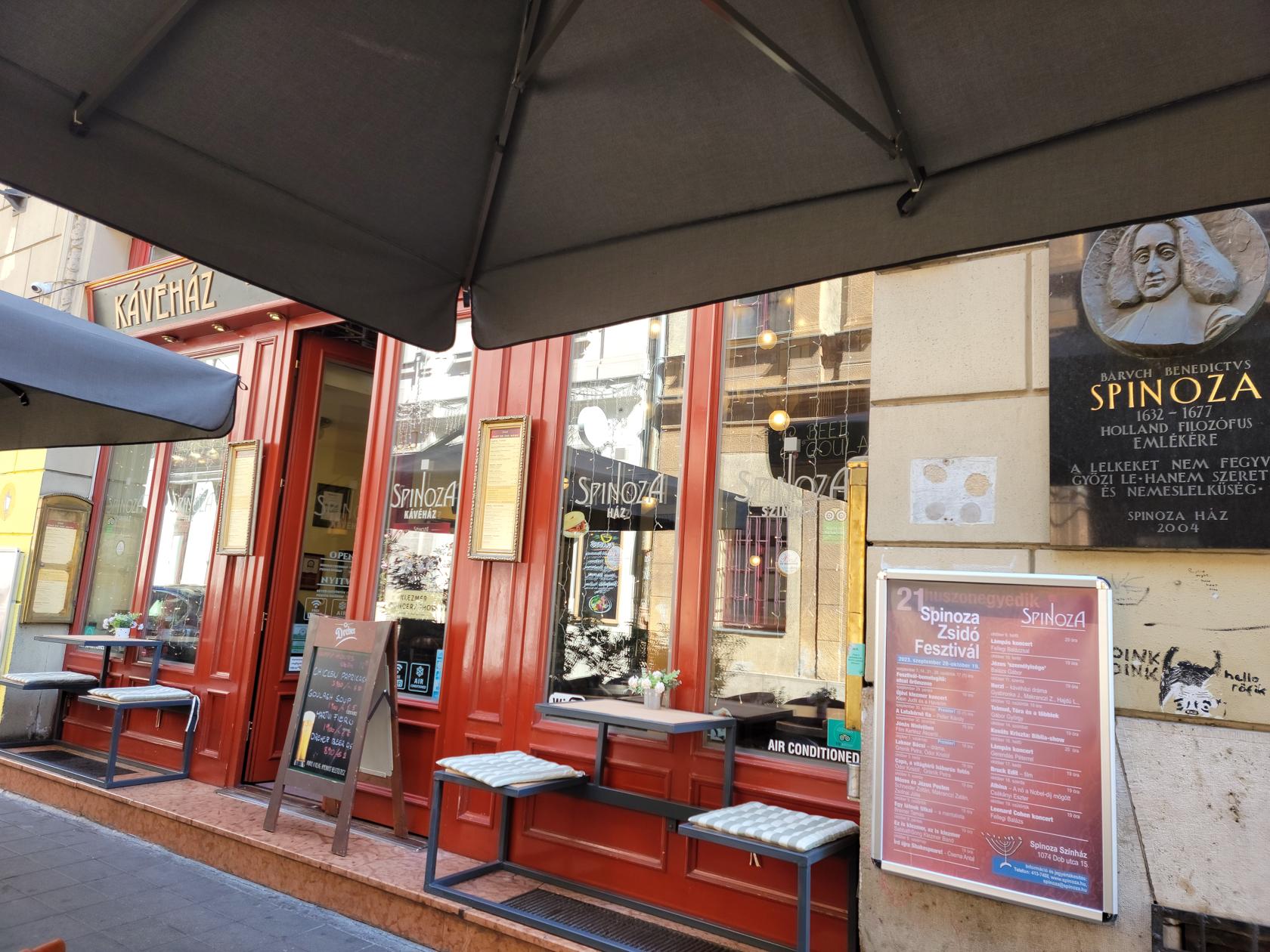
Entrance – Spinoza Cafe – Budapest, Hungary
It was a bit warm outside, but we ordered something light and made the best of it.
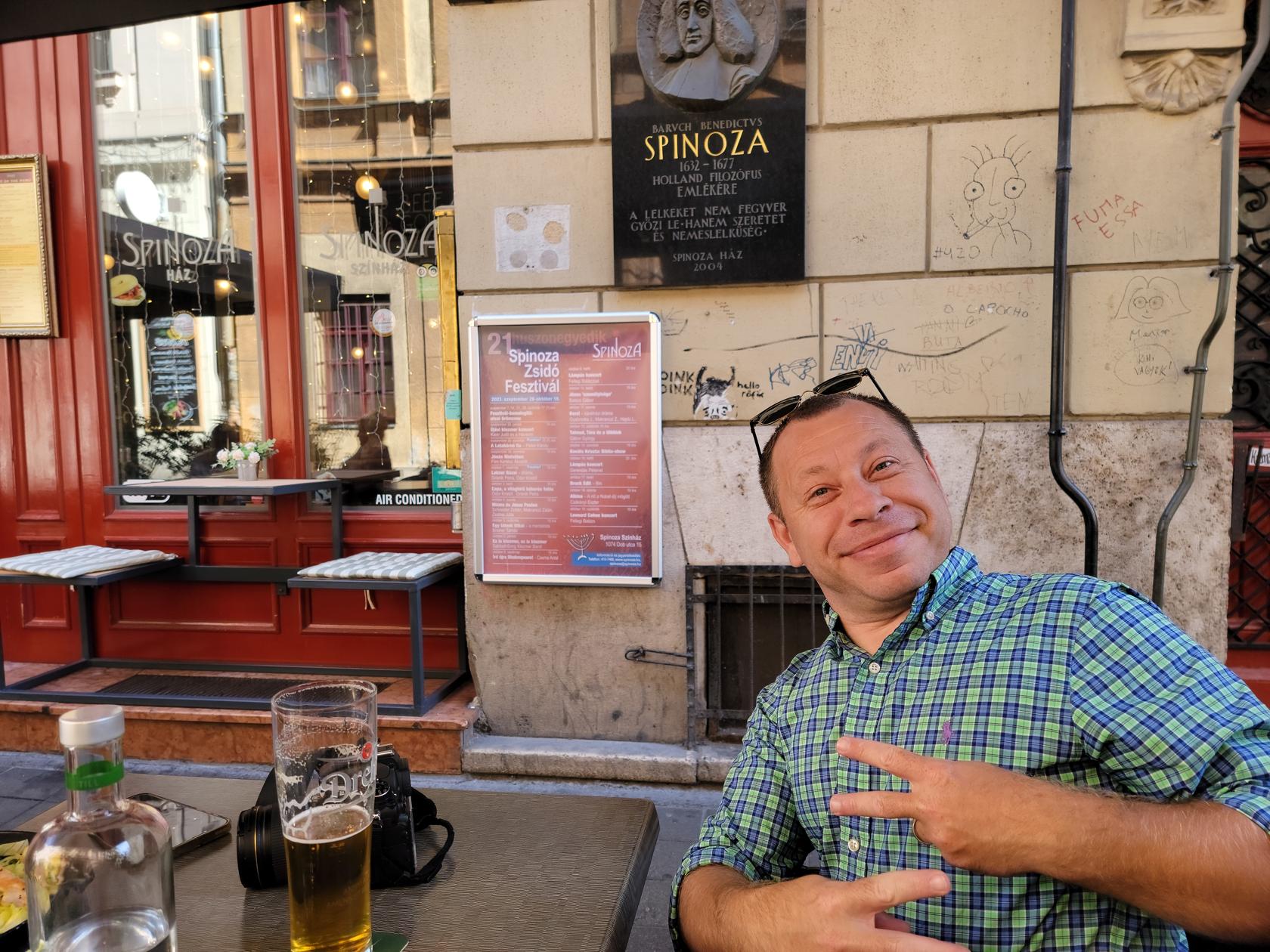
Gabi – Spinoza Cafe – Budapest, Hungary
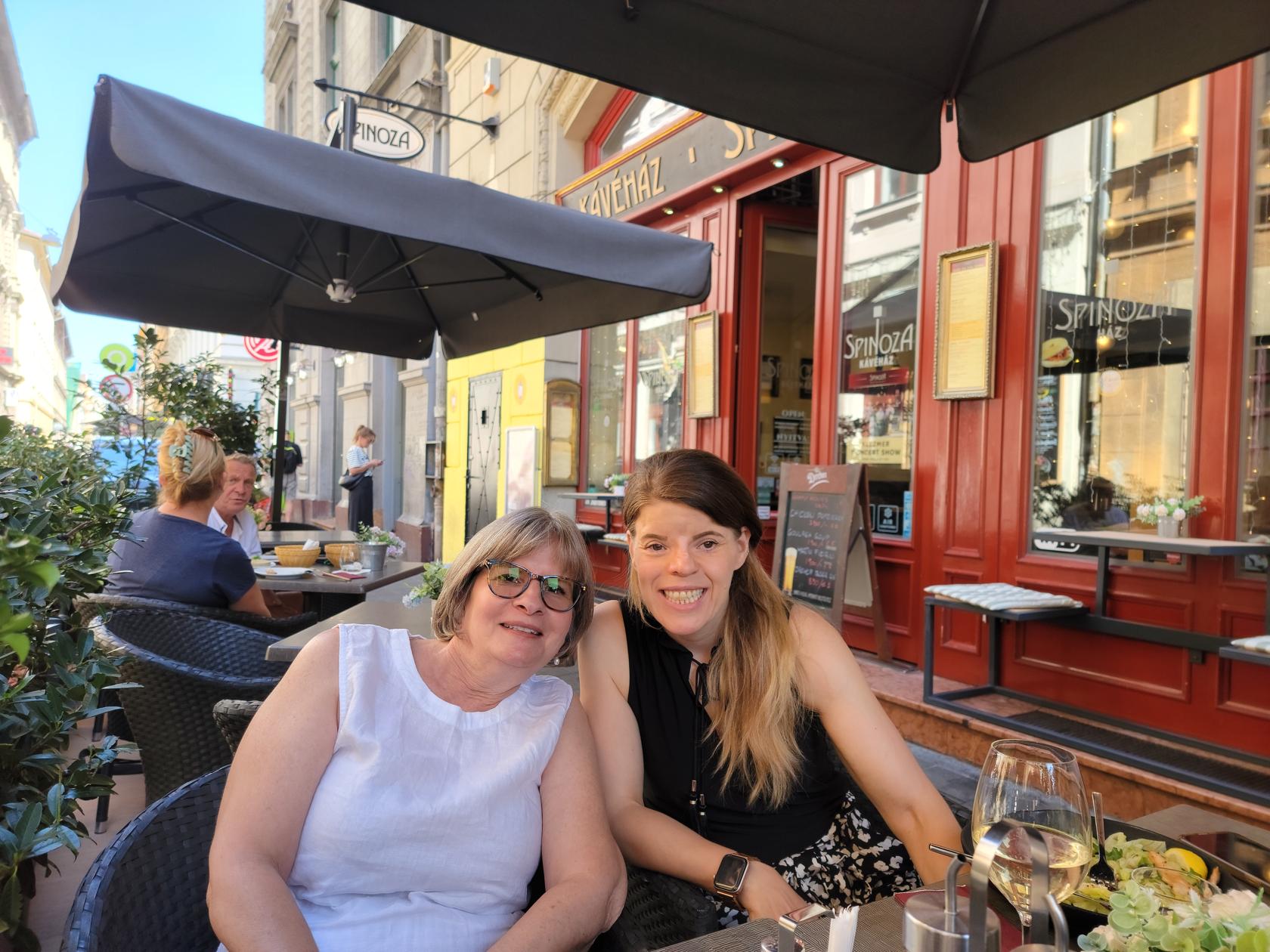
Patti and Ericka – Spinoza Cafe – Budapest, Hungary
Bestia Restaurant
A fairly good restaurant downtown that has plenty of outside seating. We did make reservations for this one, but not sure they were actually needed. However, making them ahead of time will never hurt.
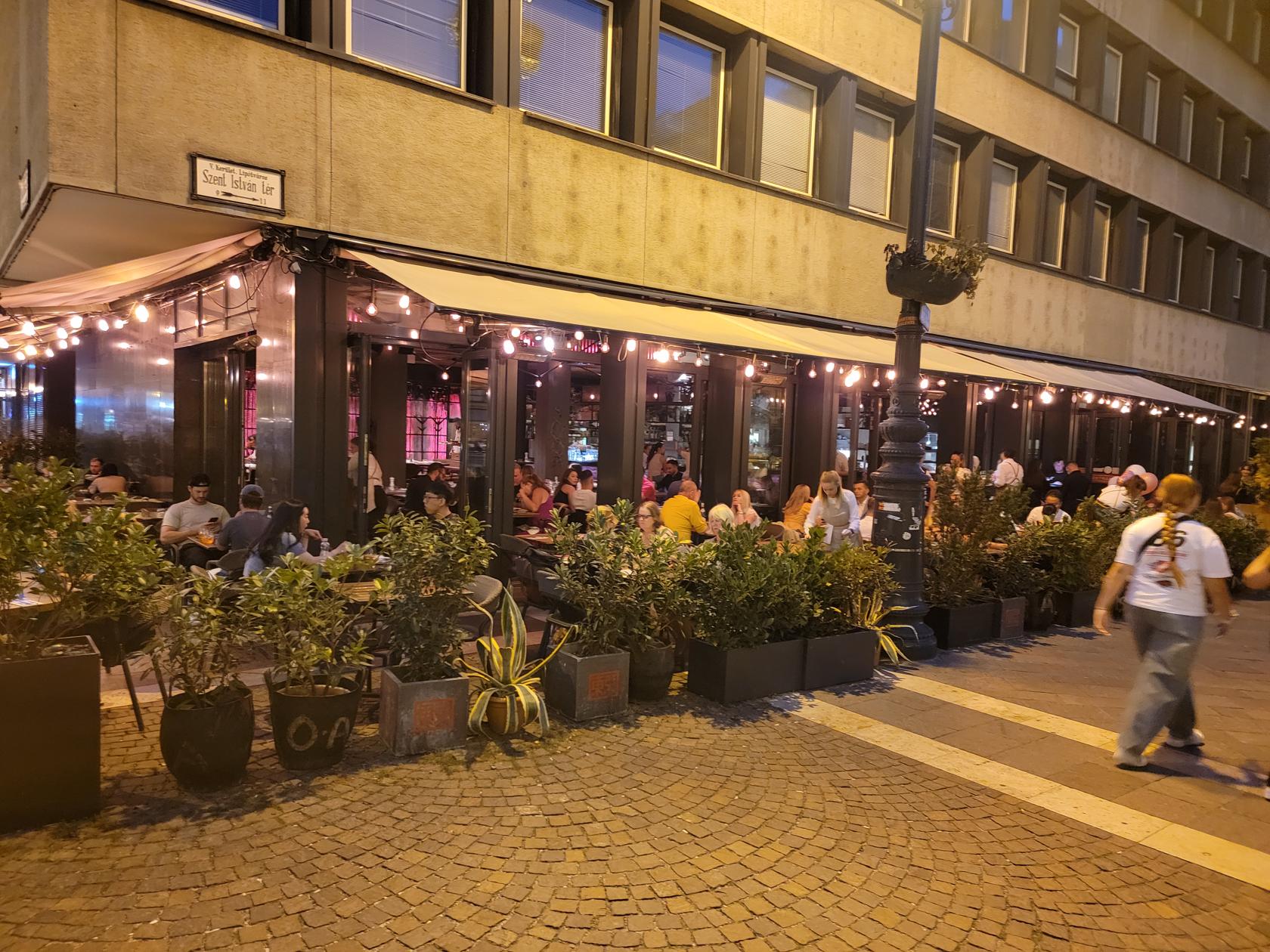
Bestia Restaurant – Downtown Pest – Budapest, Hungary
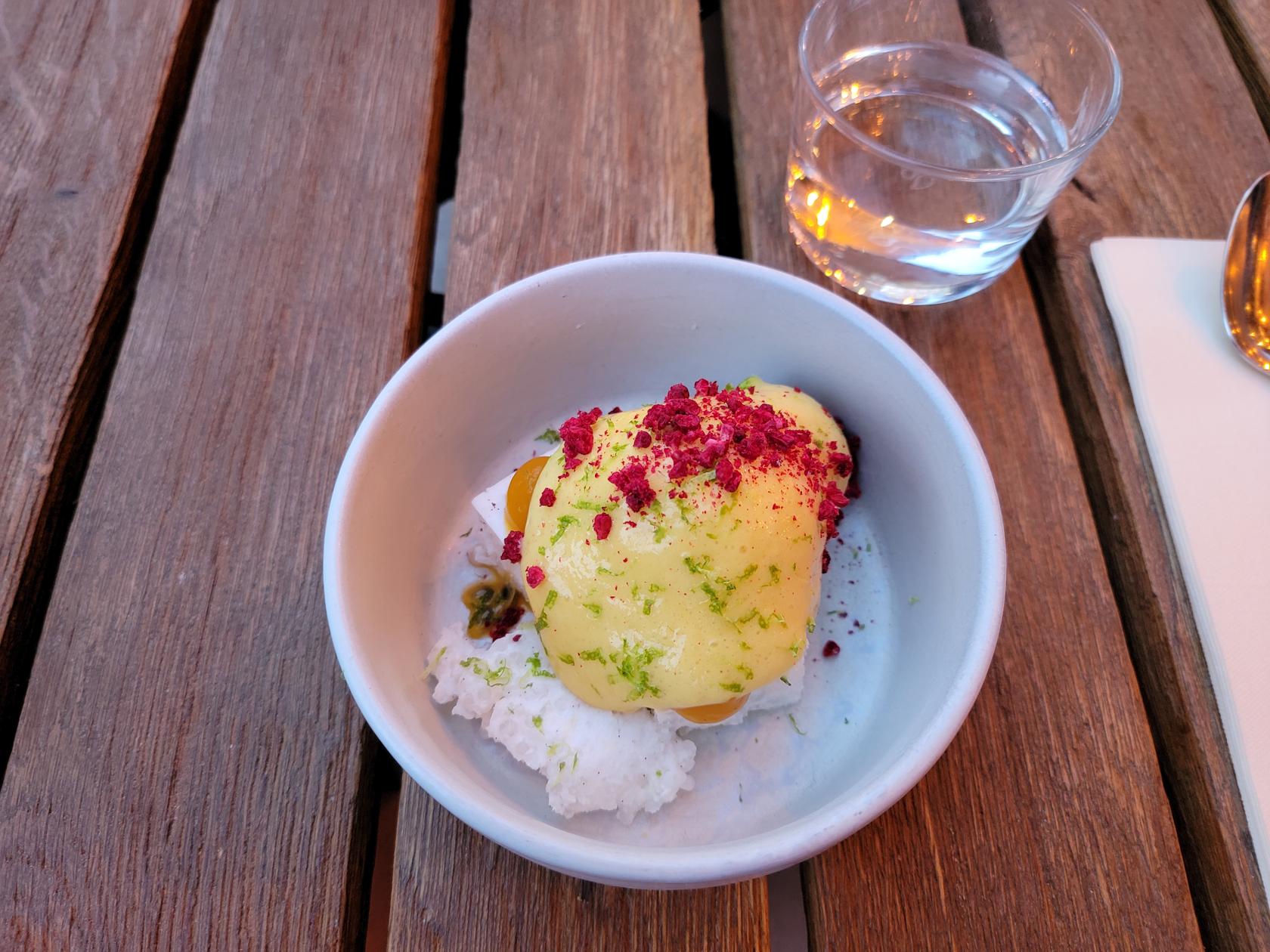
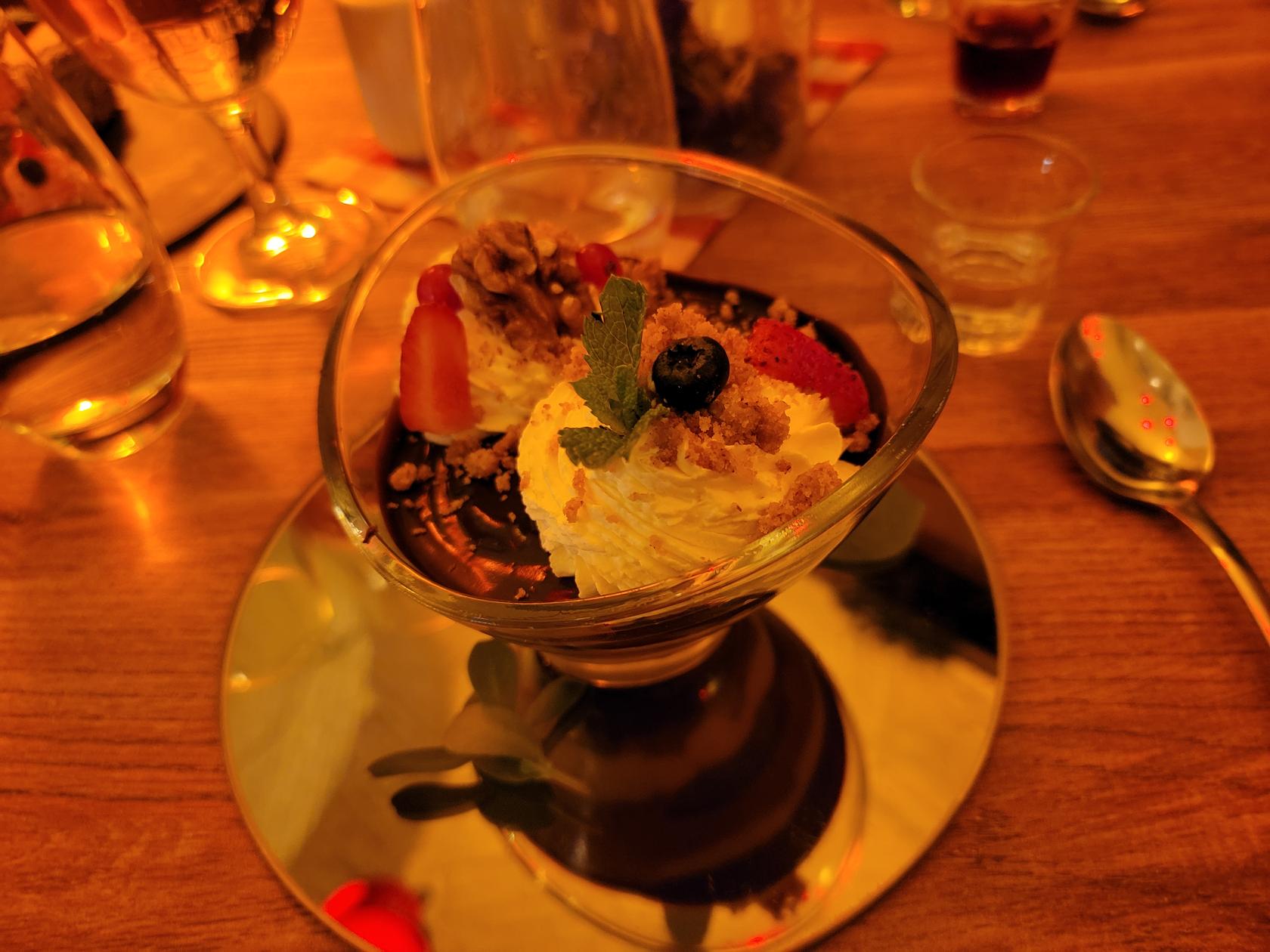
Dessert – Bestia Restaurant – Downtown Pest – Budapest, Hungary
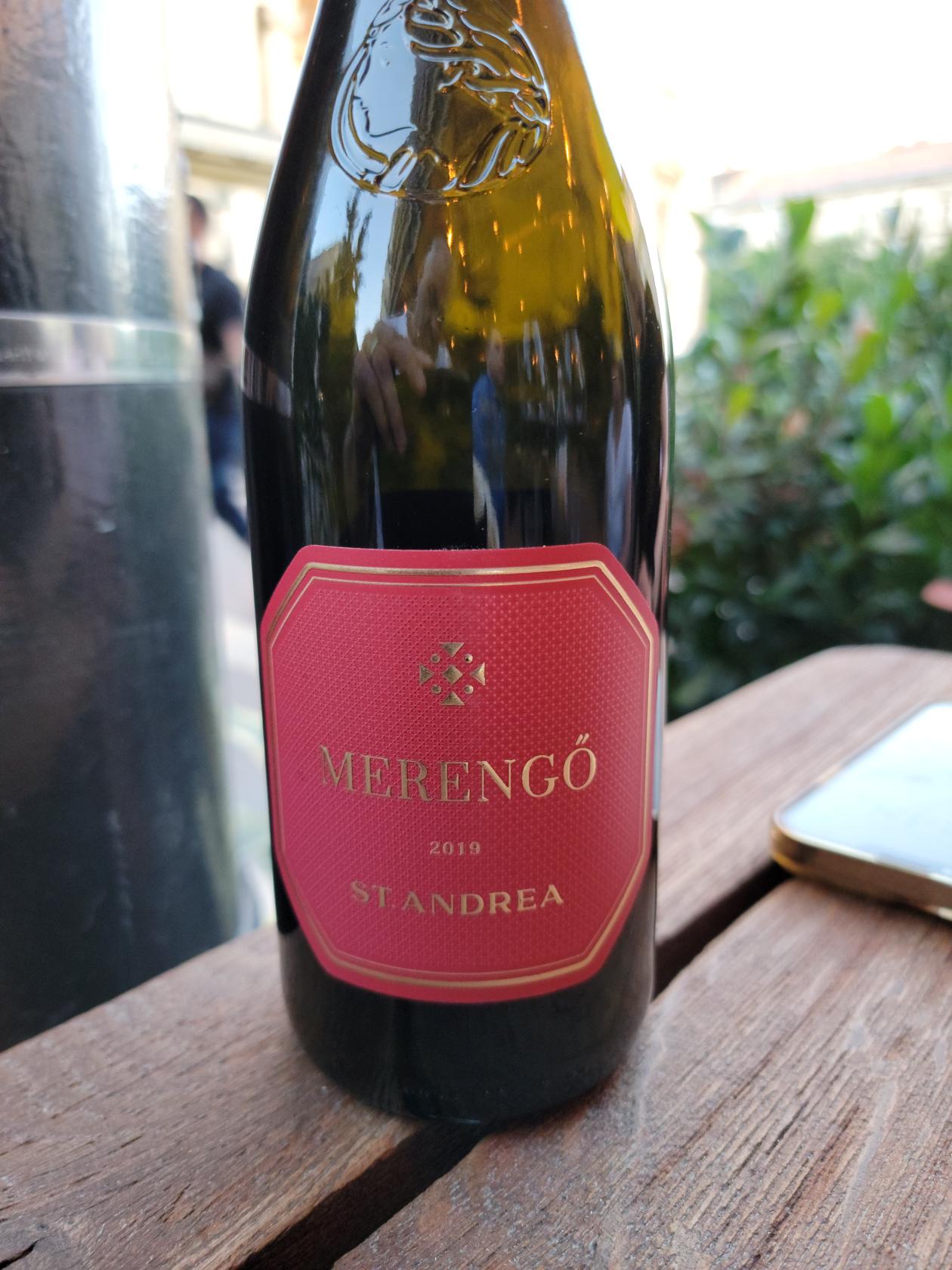
Merengö Cabernet Sauvignon – Bestia Restaurant – Downtown Pest – Budapest, Hungary
Mazel Tov Restaurant
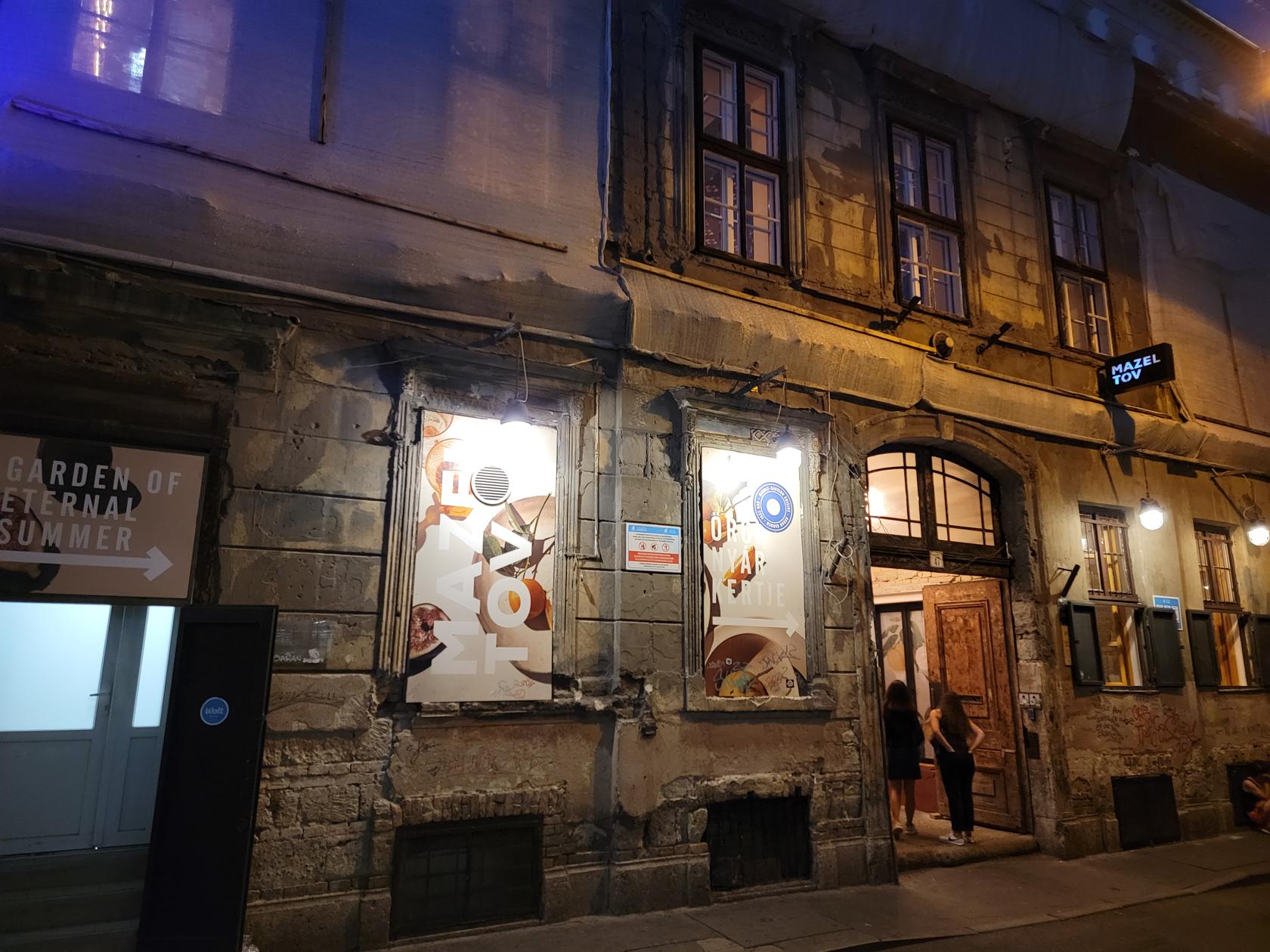
Surrounding area – Mazel Tov – Budapest, Hungary
Entrance – Mazel Tov – Budapest, Hungary
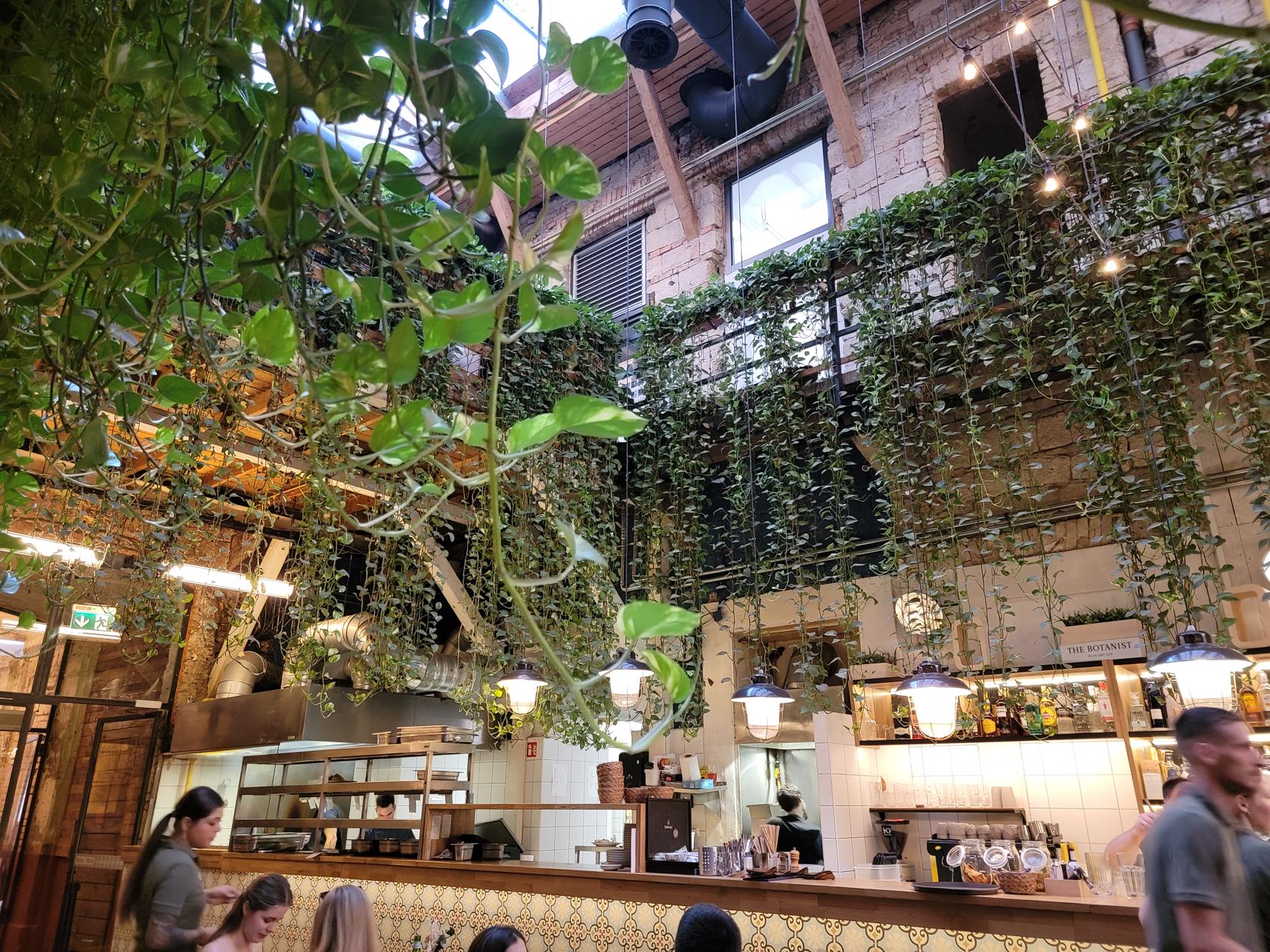
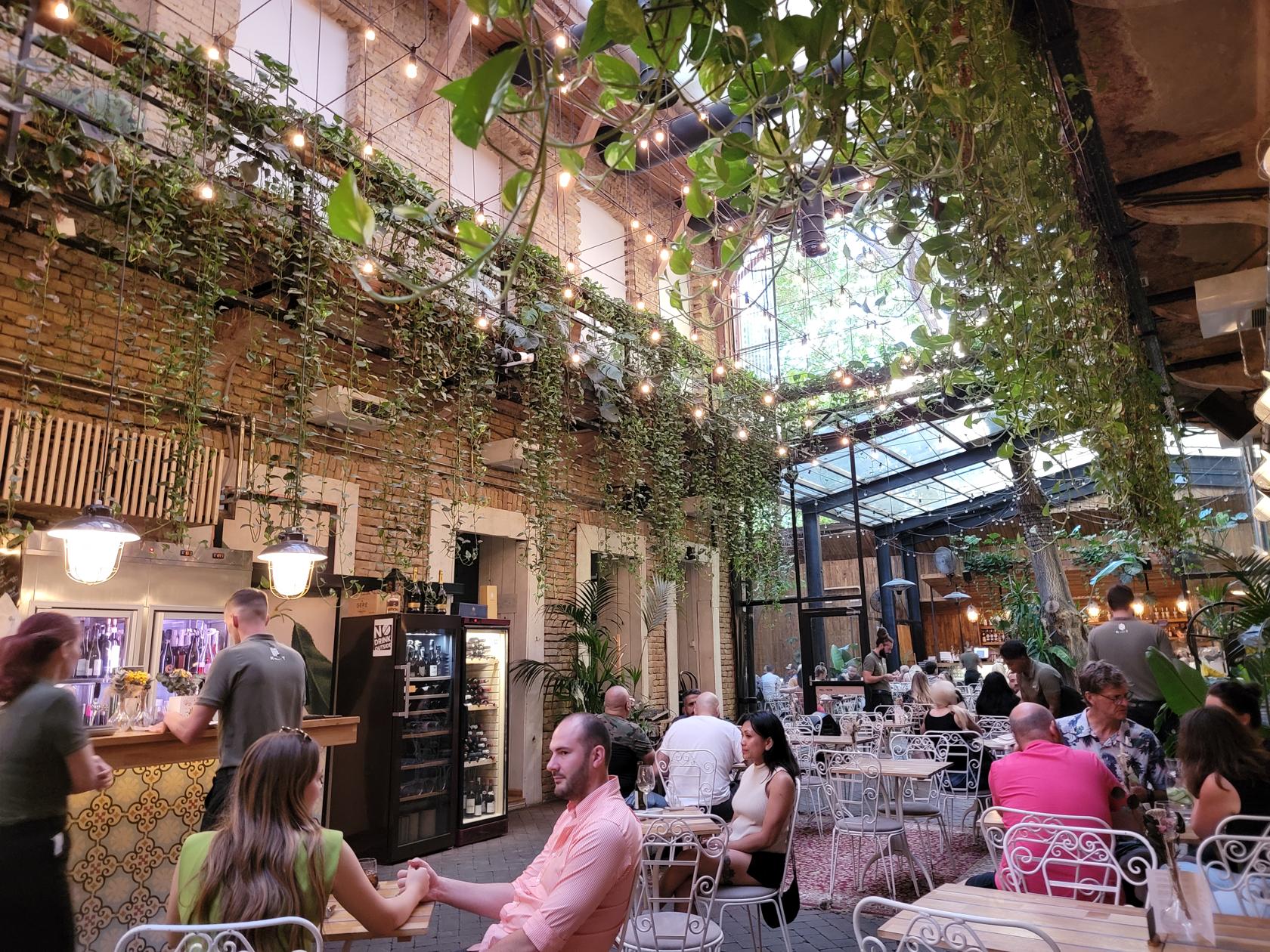
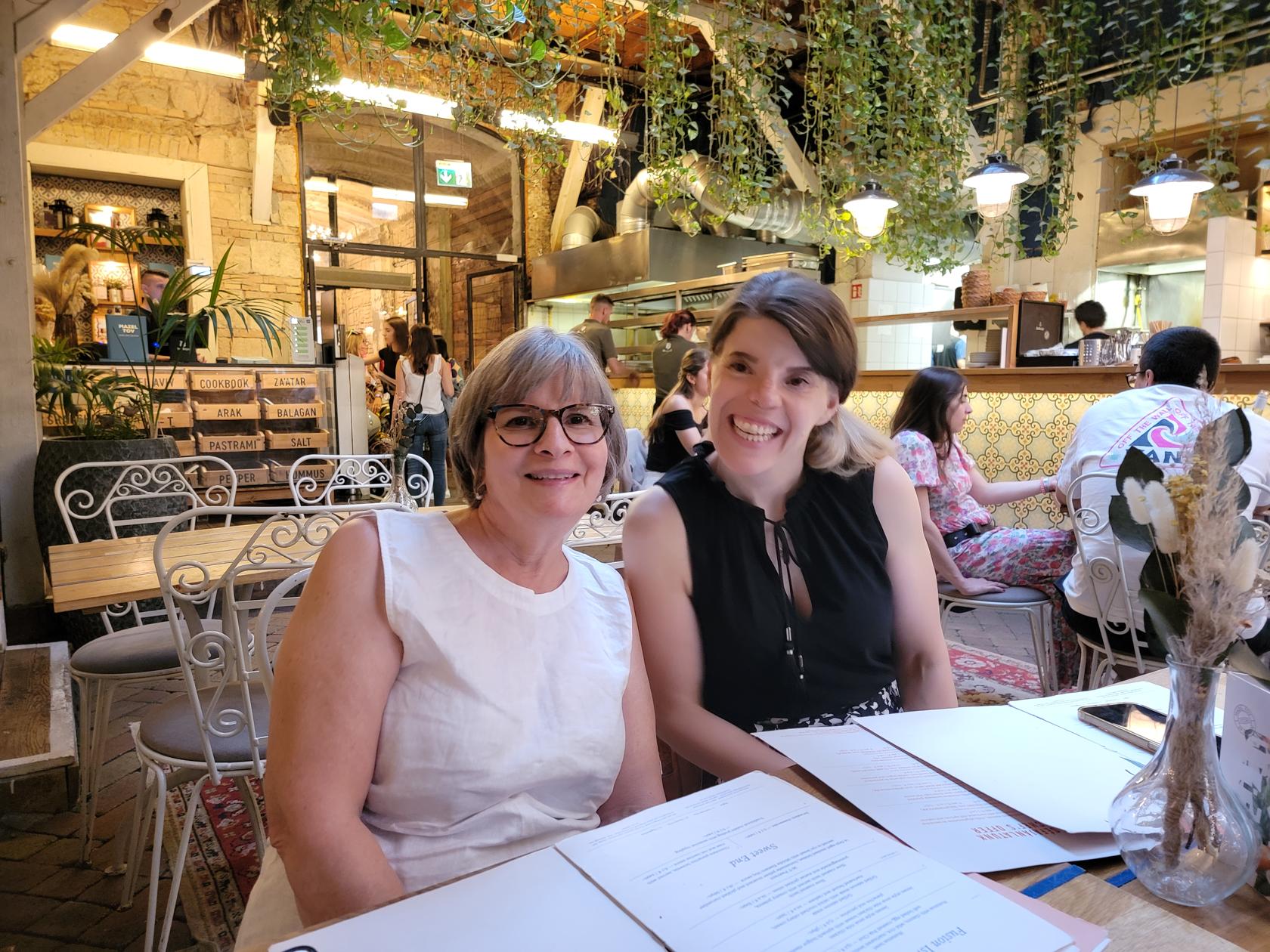
I have to say I was very surprised and delighted with Mazel Tov. Not only do they have a very good venue, restaurant saying, they also have very good food.
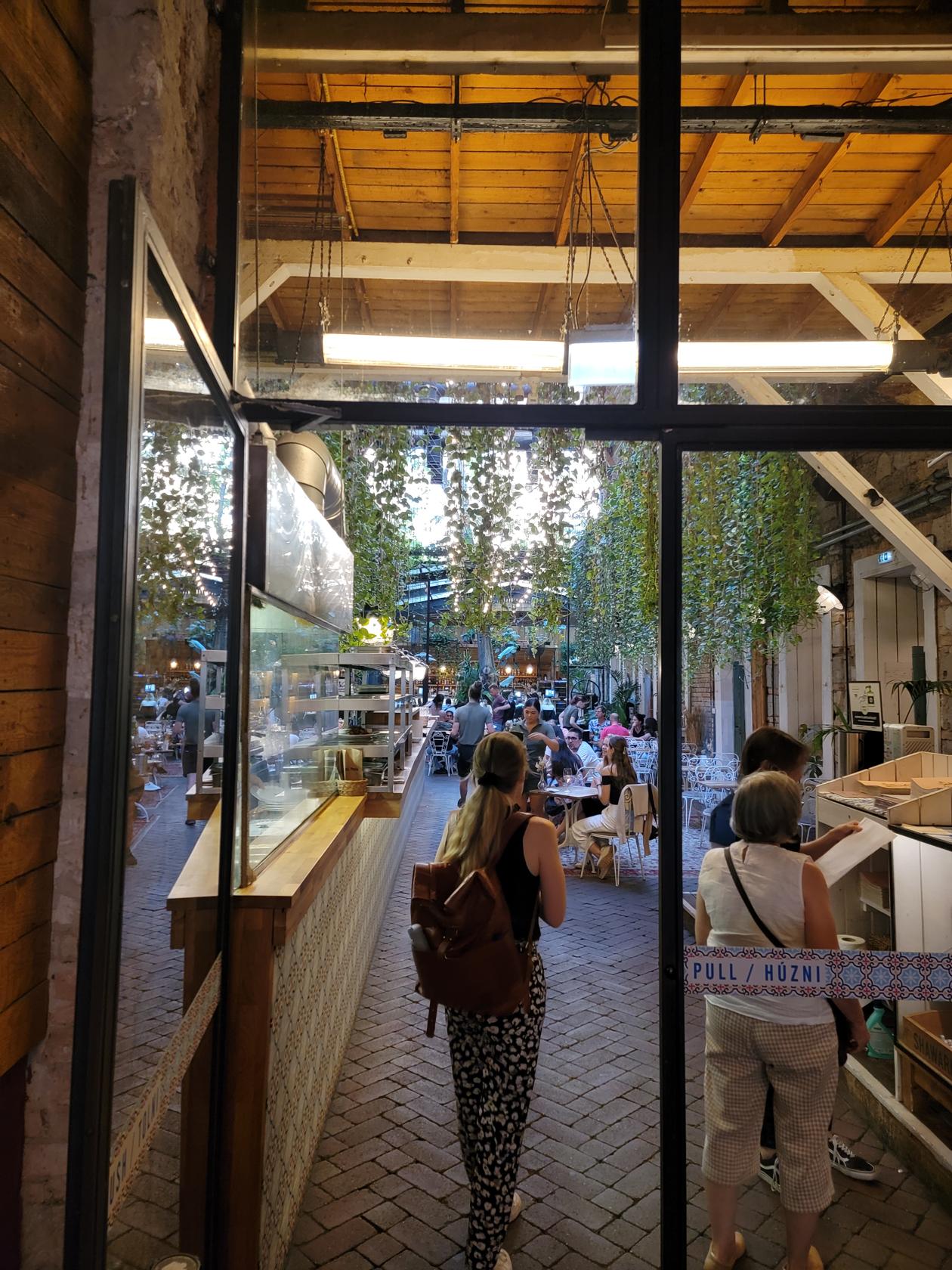
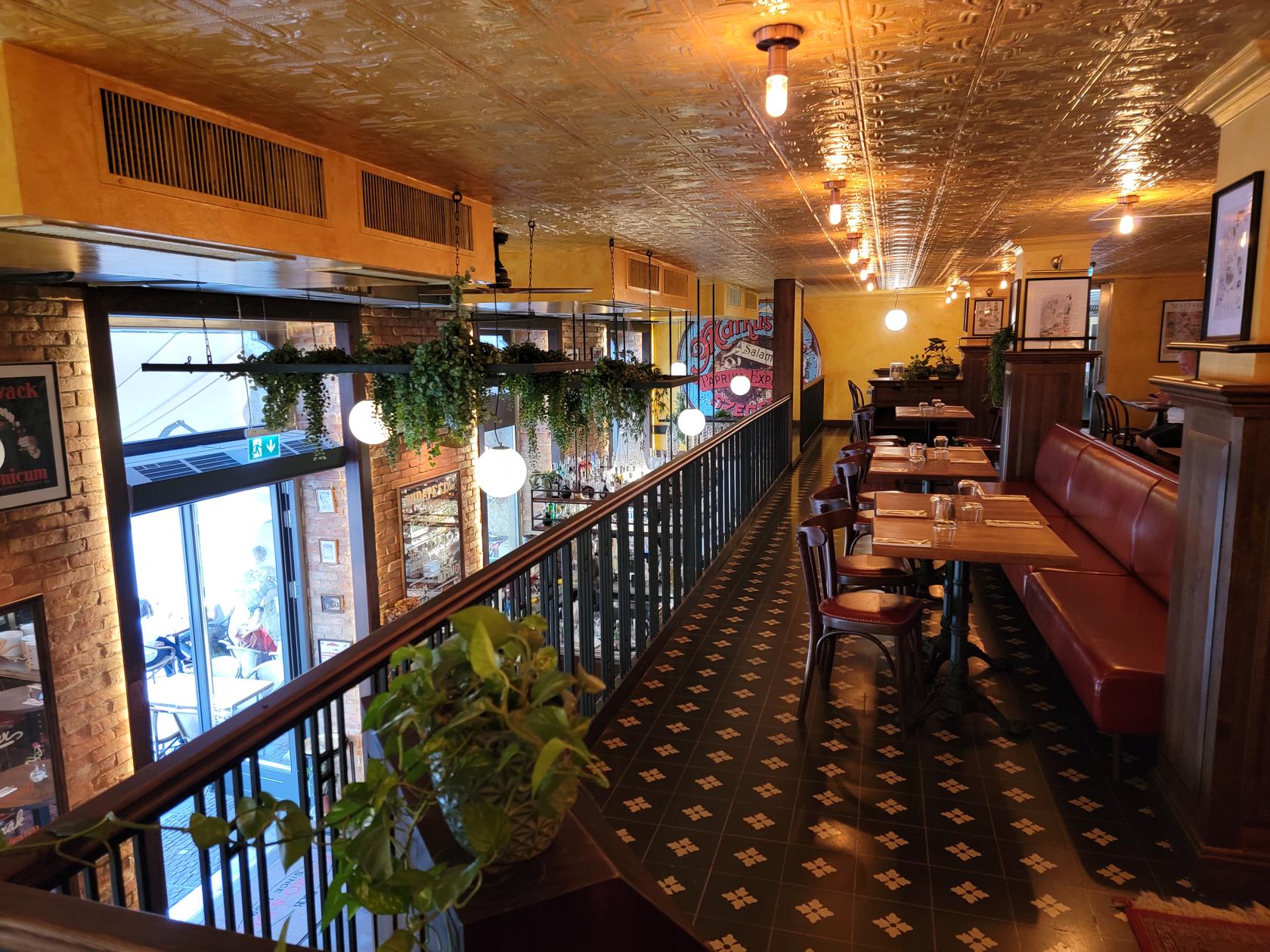
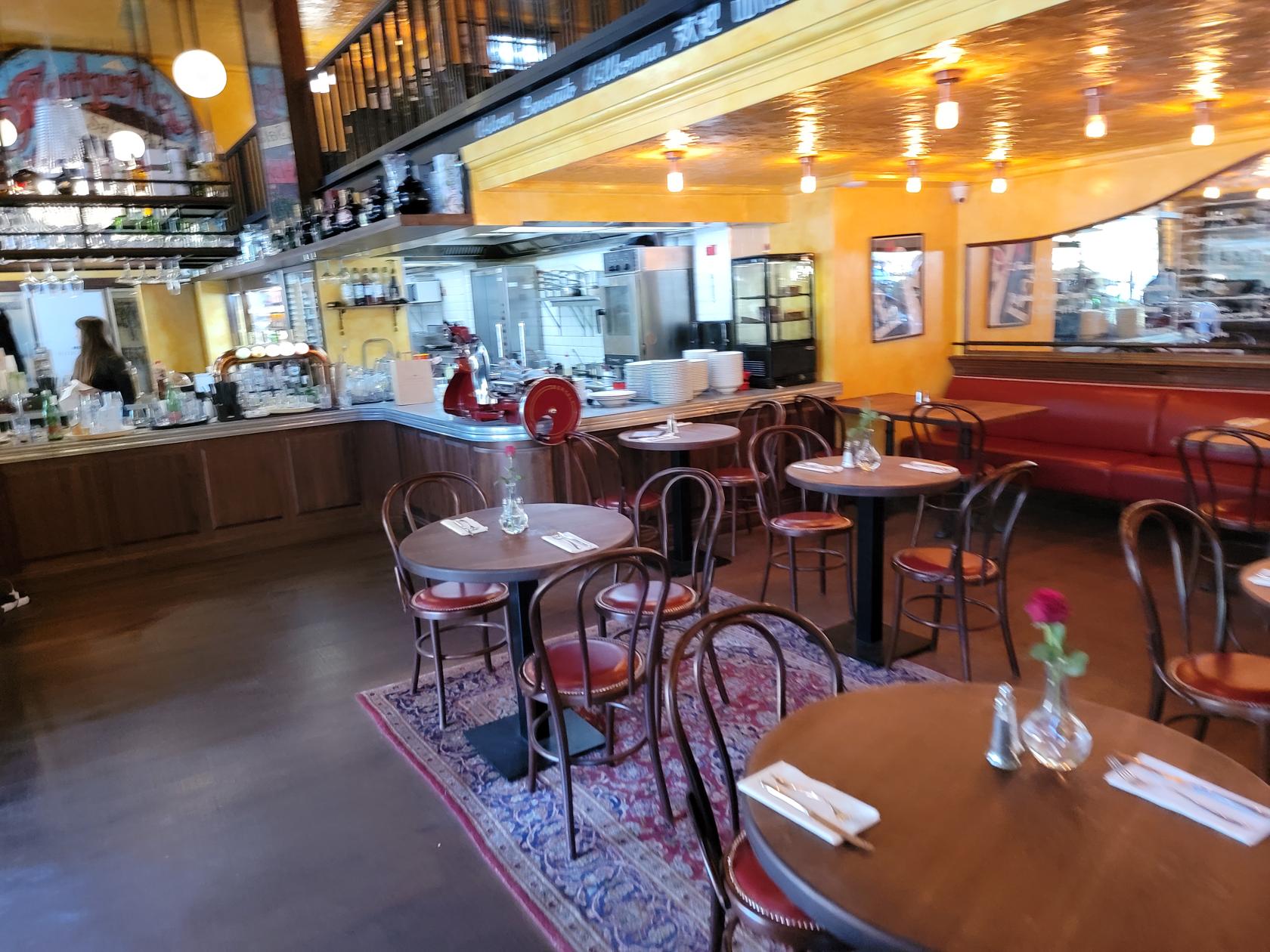
Inside – Mazel Tov – Budapest, Hungary
Atmosphere – Mazel Tov – Budapest, Hungary
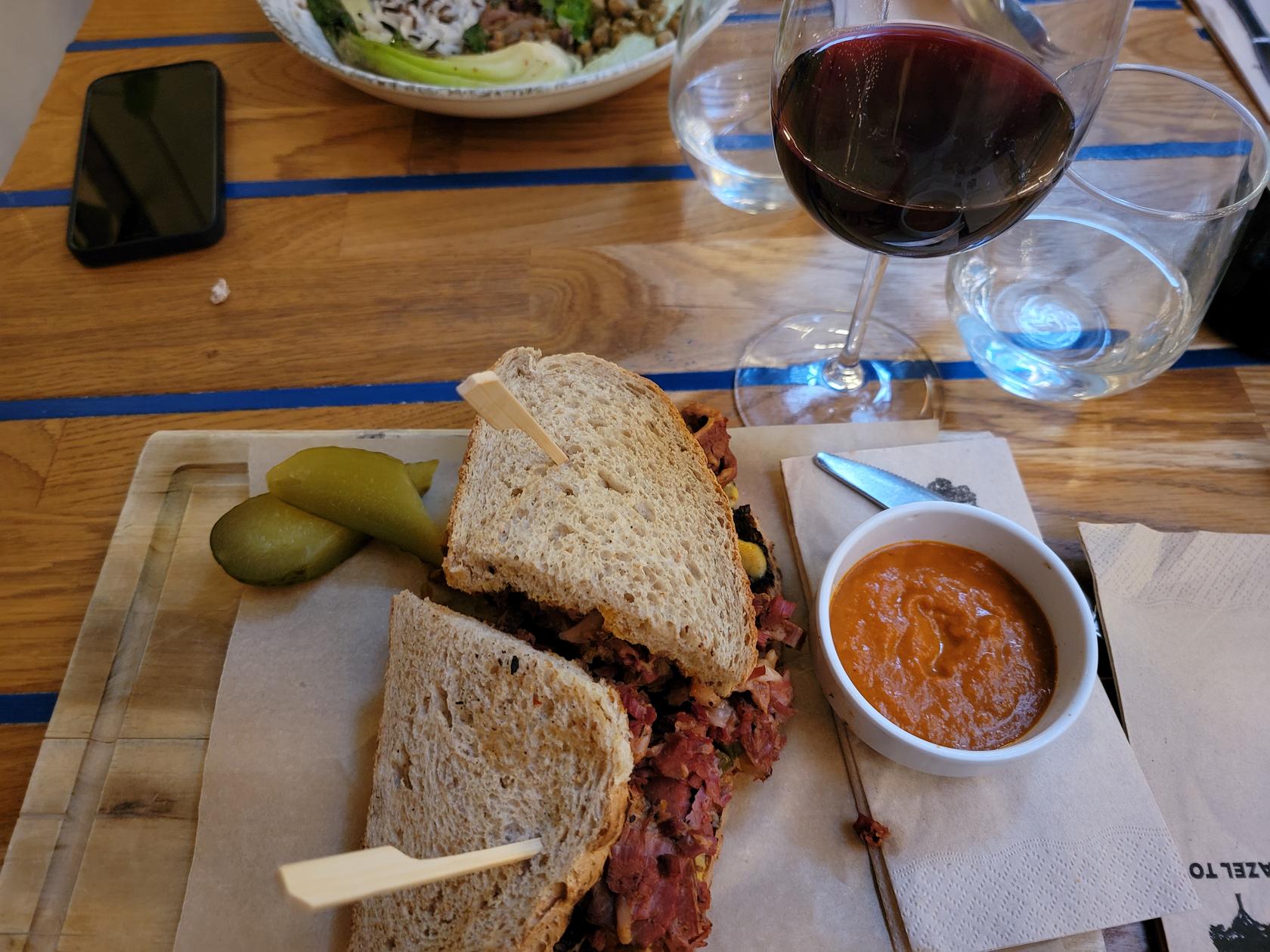
I ordered the soup and pastrami sandwich and was pleasantly surprised by the taste and texture, they really know how to slice pastrami, nano-thin.
Ericka entering the restaurant – Mazel Tov – Budapest, Hungary
Patti and Ericka – Mazel Tov – Budapest, Hungary
Gabi – Mazel Tov – Budapest, Hungary
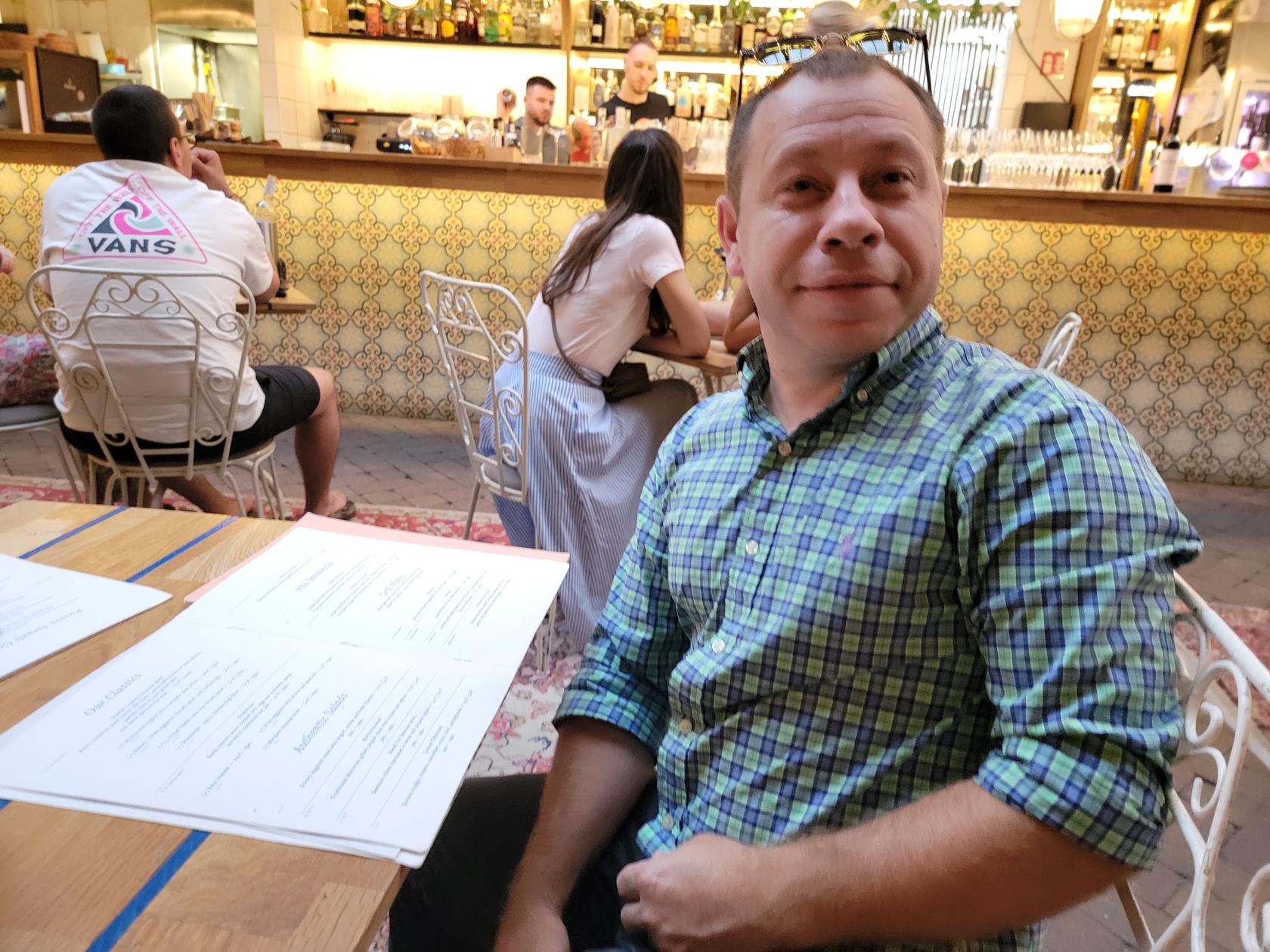
Gabi and Erick – Mazel Tov – Budapest, Hungary
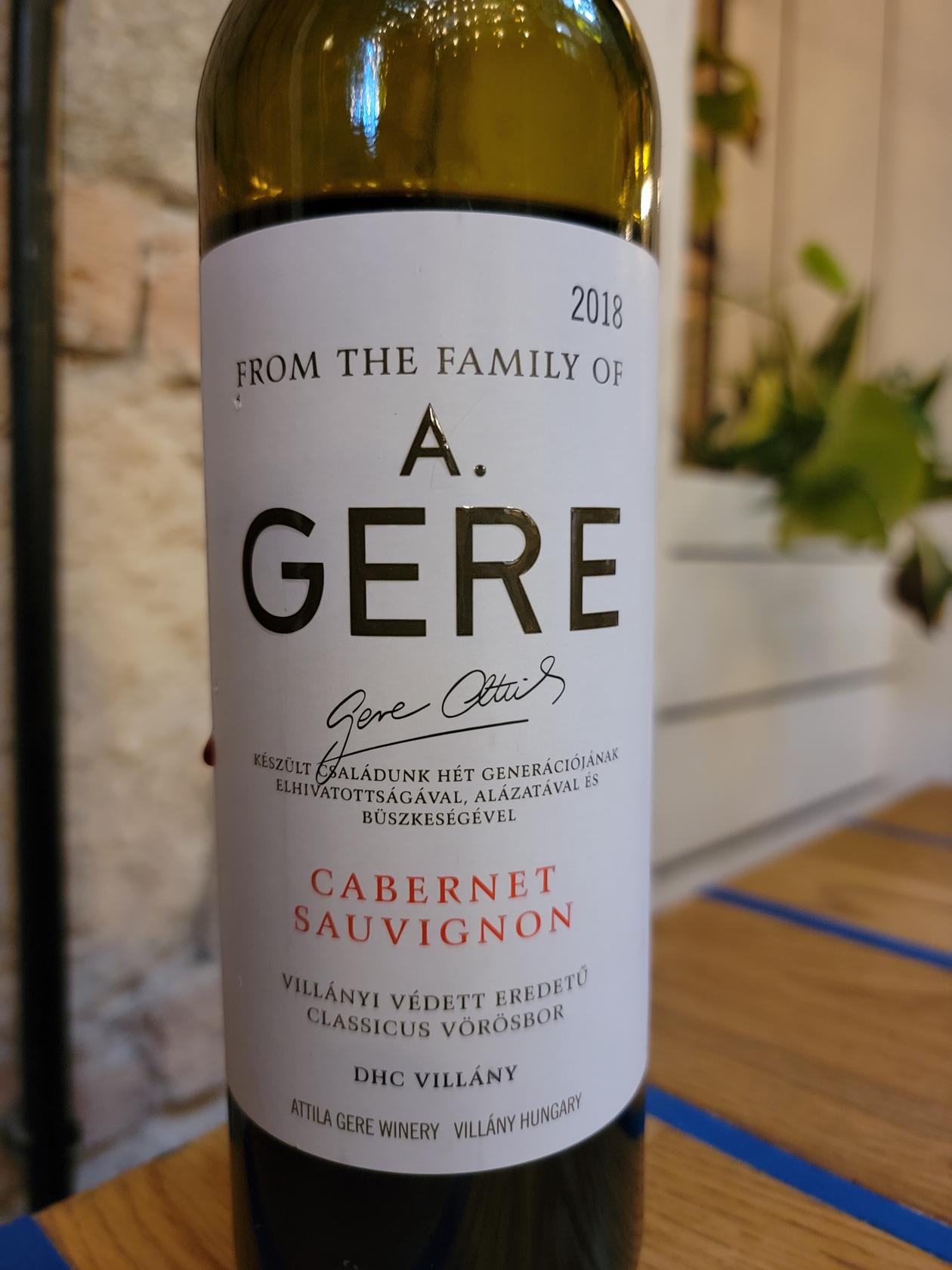
A. Gere Cabernet Sauvignon, 2018 – Mazel Tov – Budapest, Hungary
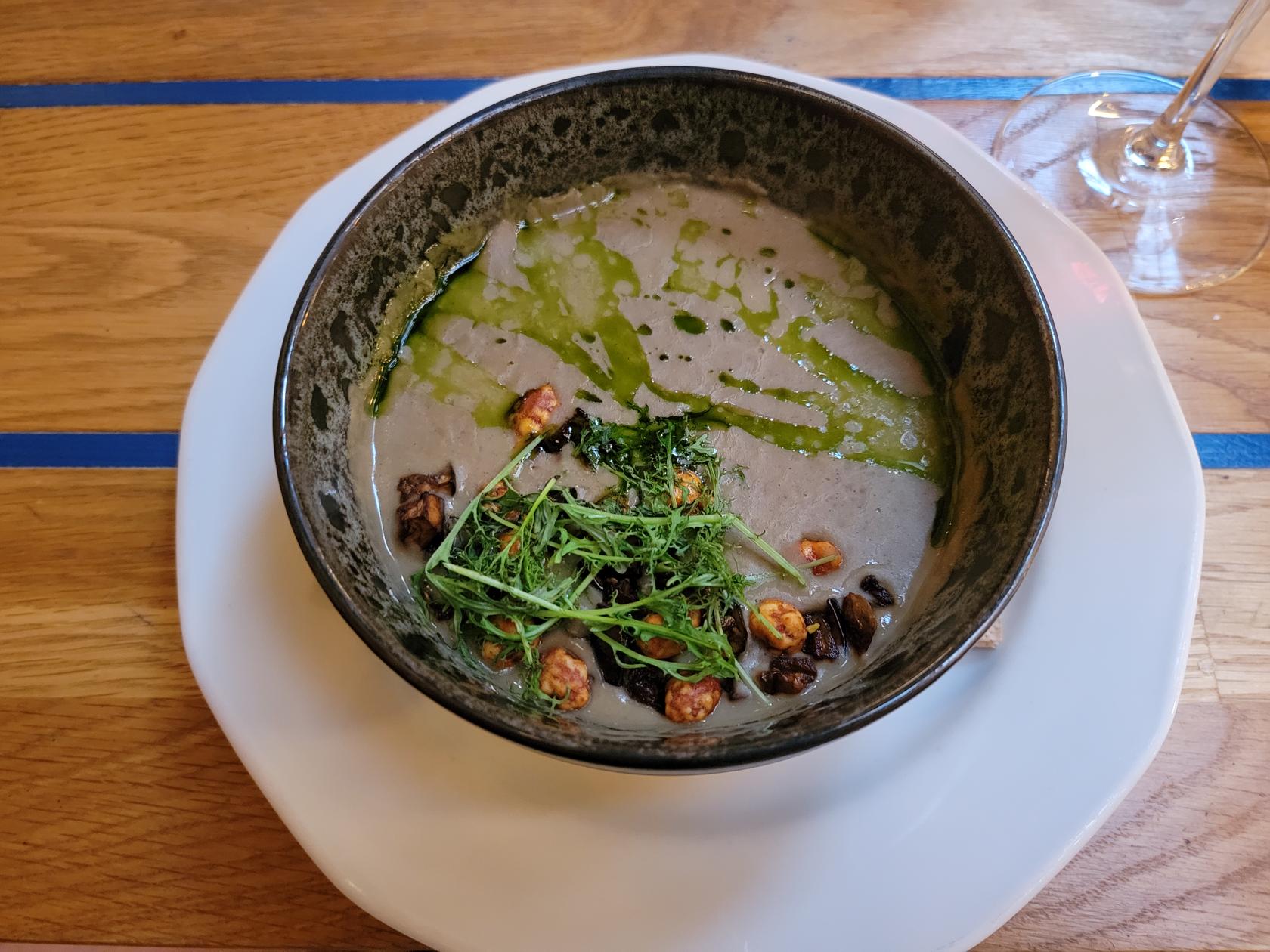
Lentil Soup – Mazel Tov – Budapest, Hungary
Pastrami Sandwich with sauce – Mazel Tov – Budapest, Hungary
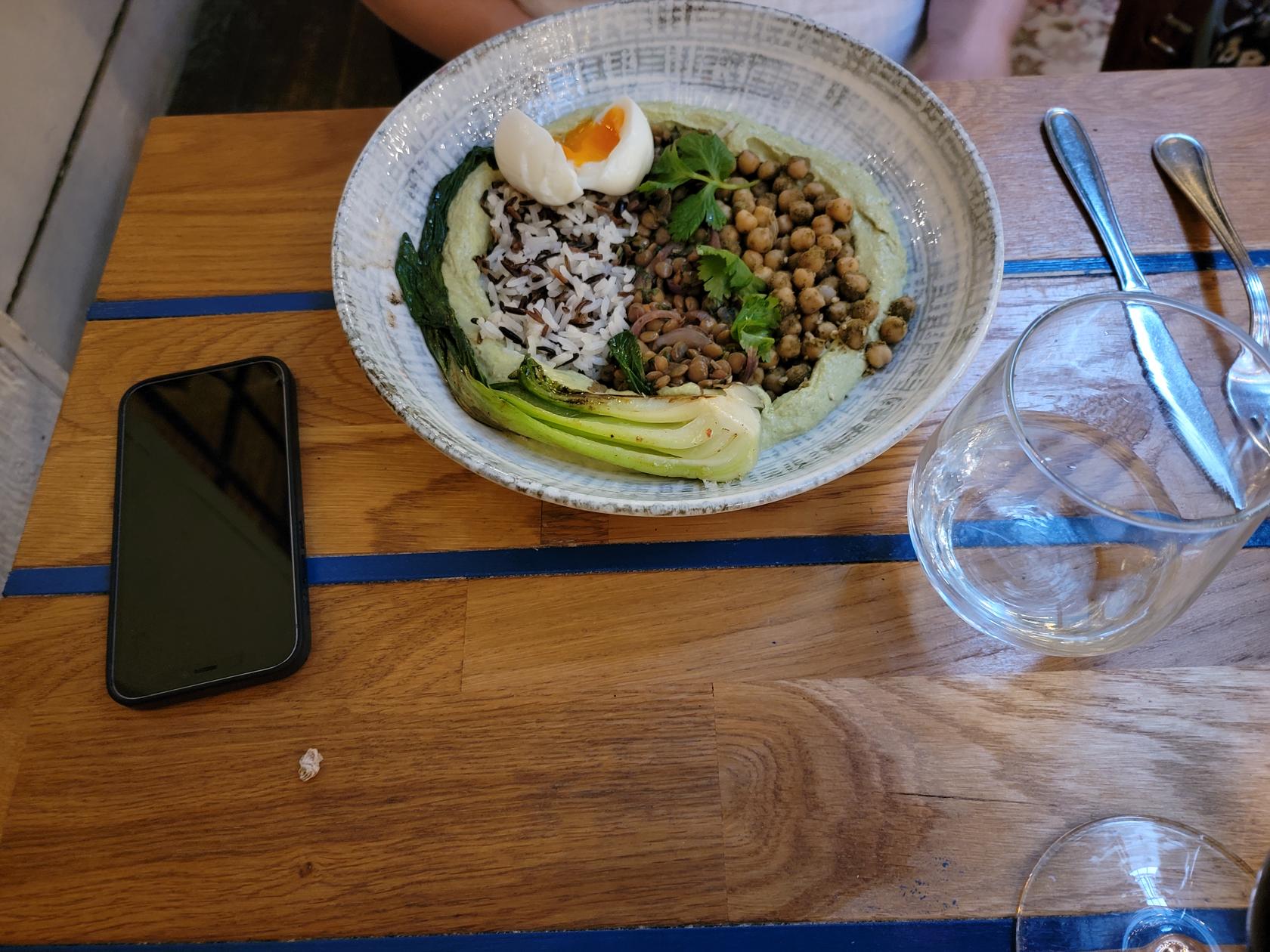
Lentil, hummus, egg and other stuff – Mazel Tov – Budapest, Hungary
Mystery Hotel Restaurant
The Mystery Hotel has a very good view of Budapest, for those wishing such a thing. We availed ourselves of an evening of drinks here, after a long day of sightseeing and museum visiting. Unfortunately while we were there, they had a music mixer that was definitely one-dimensional, playing the same bum-bum-bum crap that belongs more in a club venue, than a restaurant.
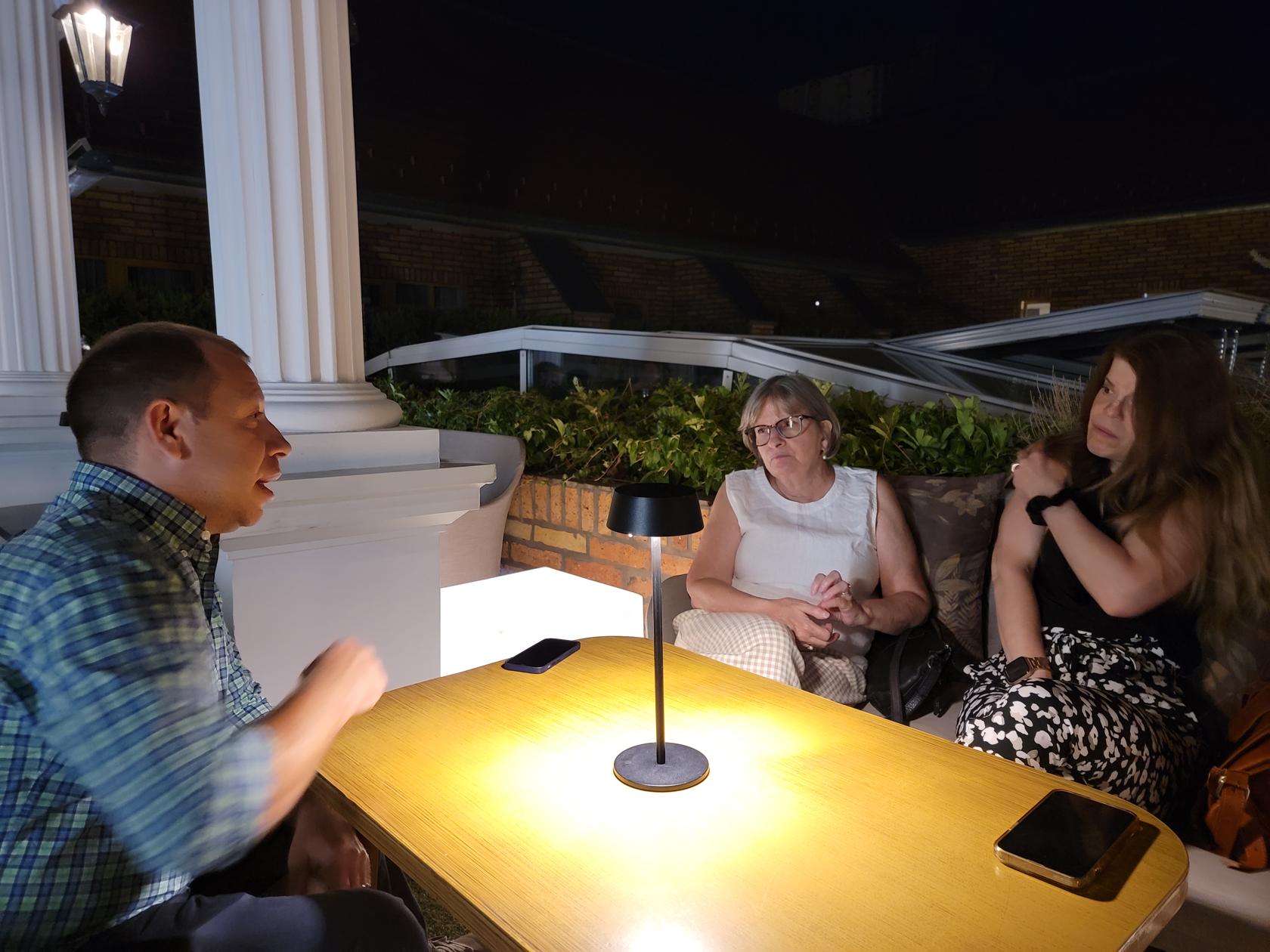
Gabi, Patti and Ericka – Mystery Hotel – Budapest, Hungary
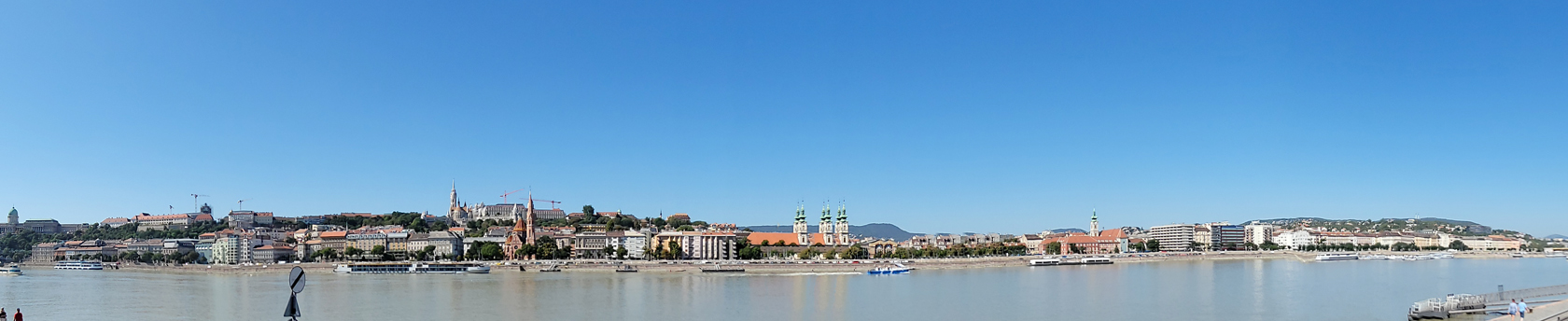
Budapest is split into two parts by the Danube River. As a natural obstacle, it offered some amount of protection, or defense, against enemies or in some cases, the population. Buda is such a place. It is where the royal families of Hungary chose to build their fine castle.
The Buda Castle – Buda – Budapest, Hungary
Buda Castle Hill
Buda Castle Hill is mostly wooded and covers only about a third of the entire city of Budapest. Its most prominent feature is the Castle Hill, where the Buda Castle and the Church of Matthias stand.
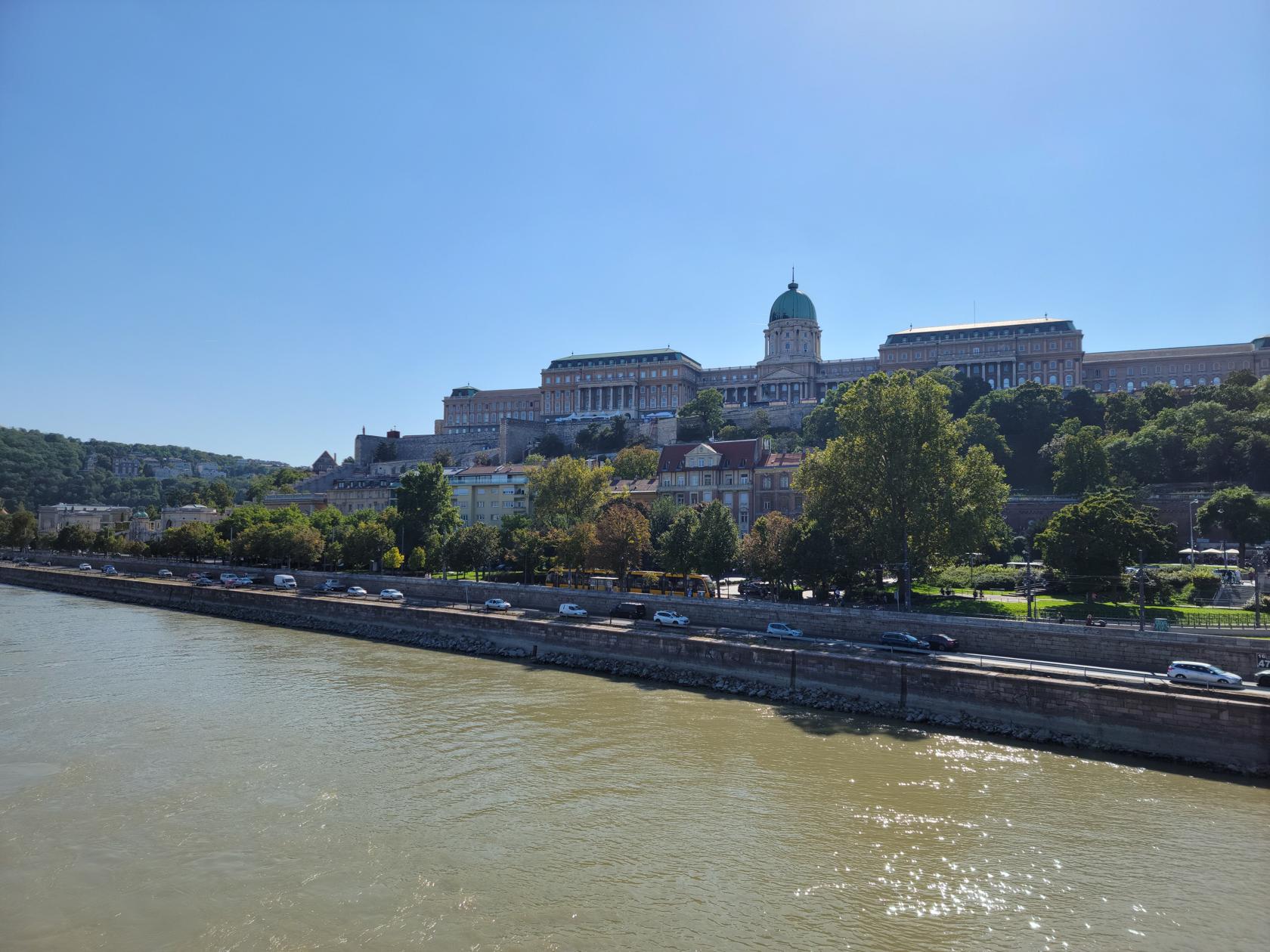
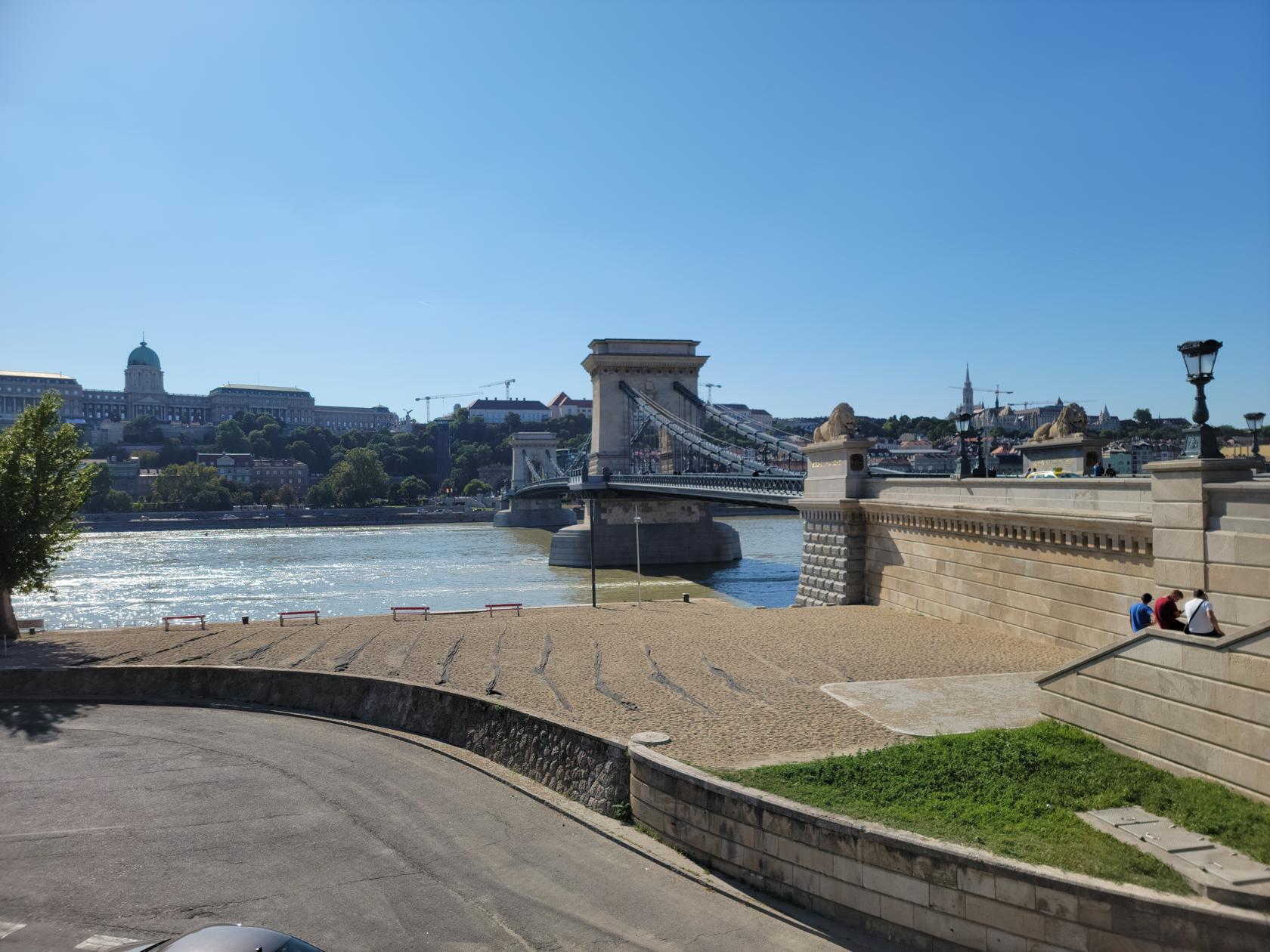
Buda Castle – Széchenyi Chain Bridge – Buda – Budapest, Hungary
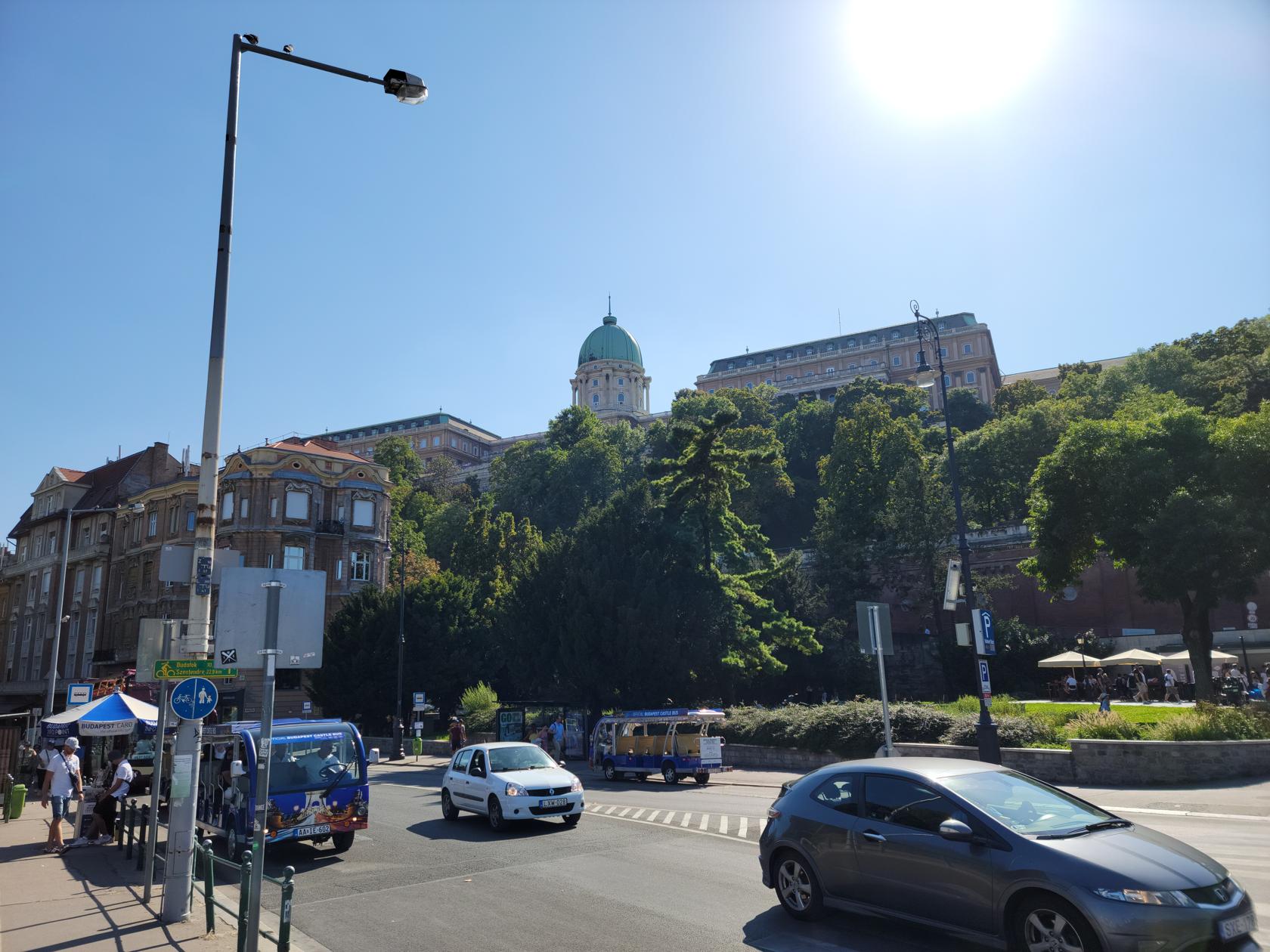
Buda Castle – Buda – Budapest, Hungary
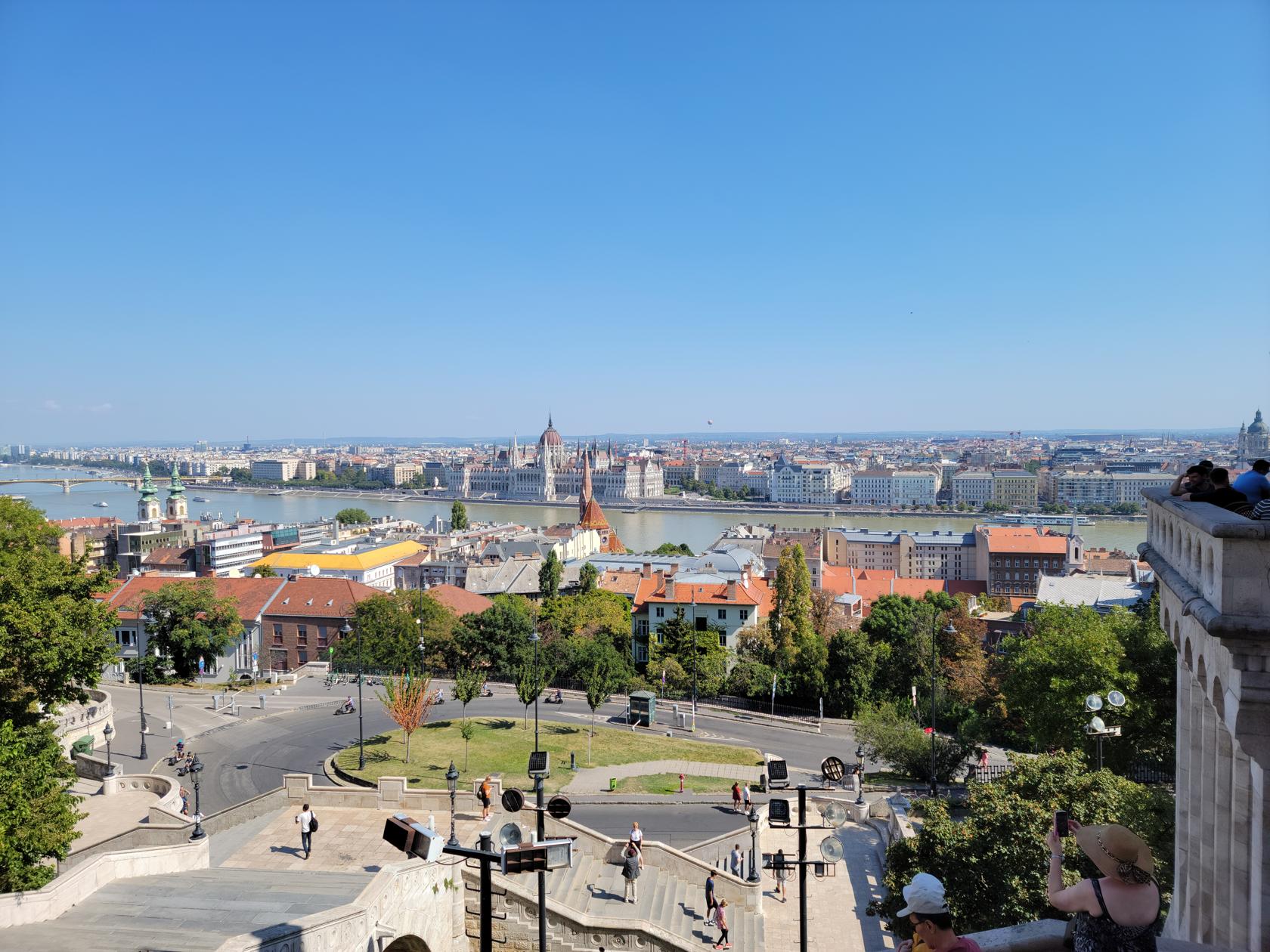
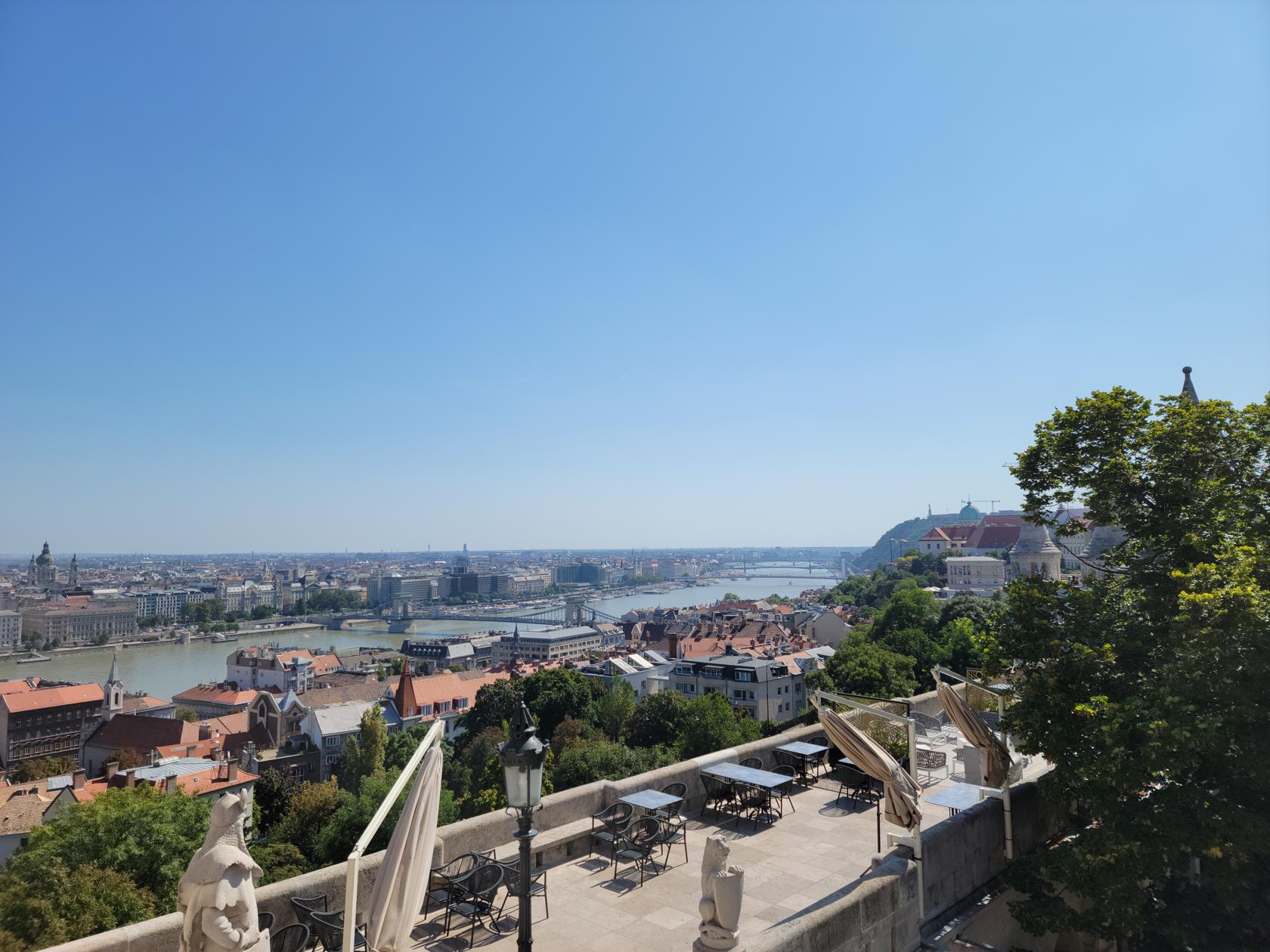
On top of this hill sits the Buda Castle and most royal buildings. It has a very good view of the valley below and Pest on the other side.
Pest, from Buda – Buda, Castle Hill – Budapest, Hungary
The Danube and Chain Bridge – Buda, Castle Hill – Budapest, Hungary
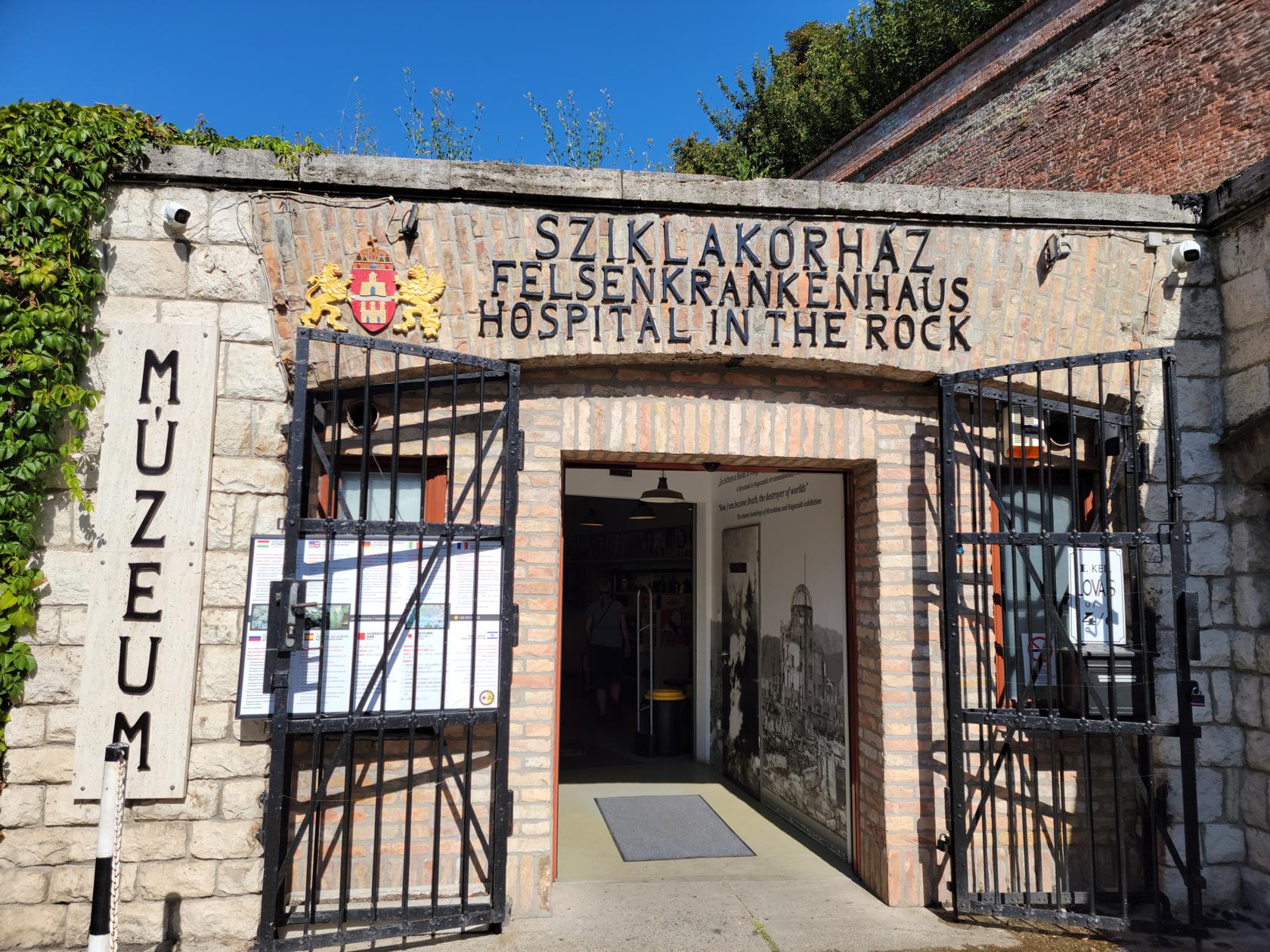
The Underhill Hospital Museum
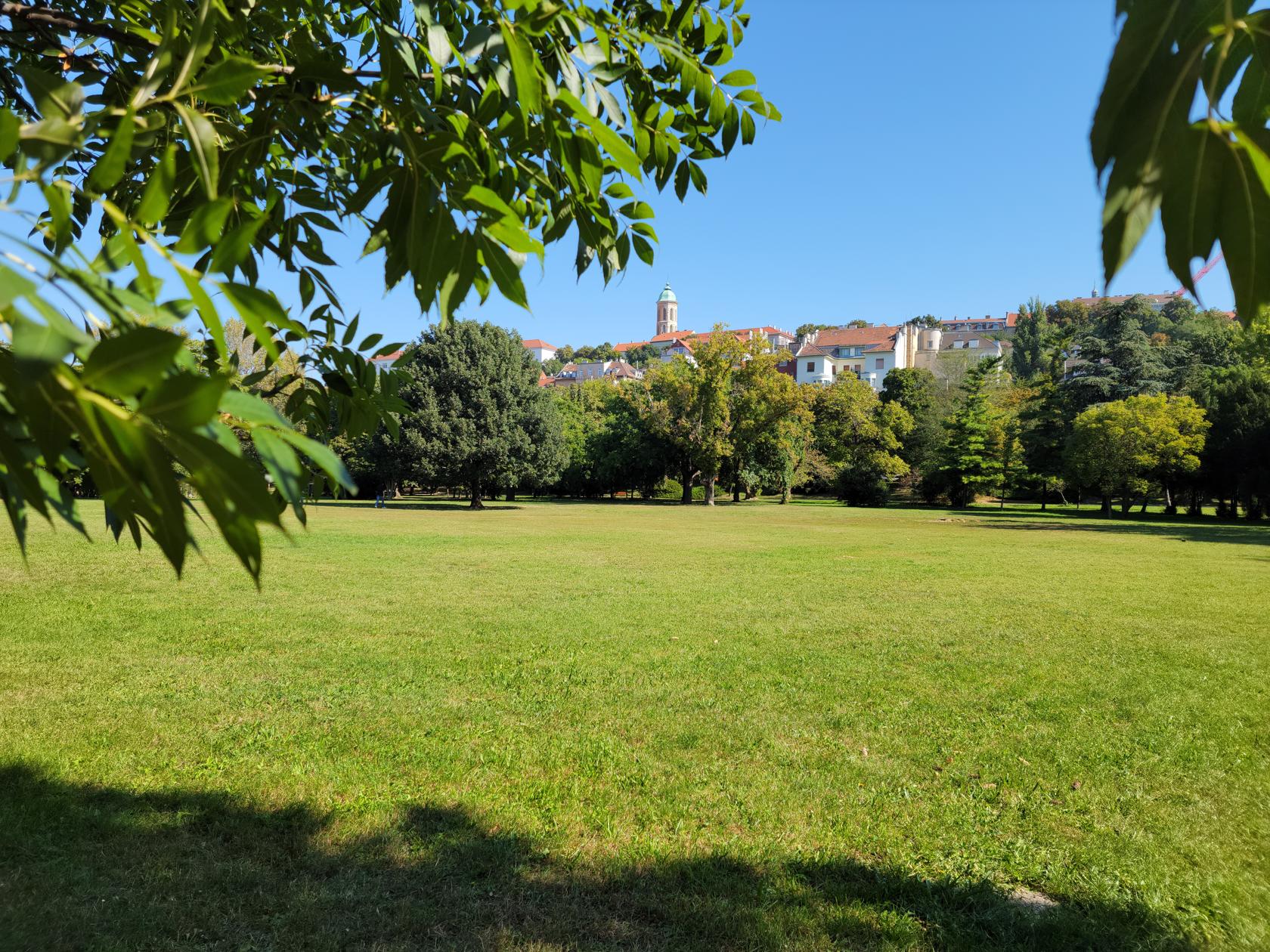
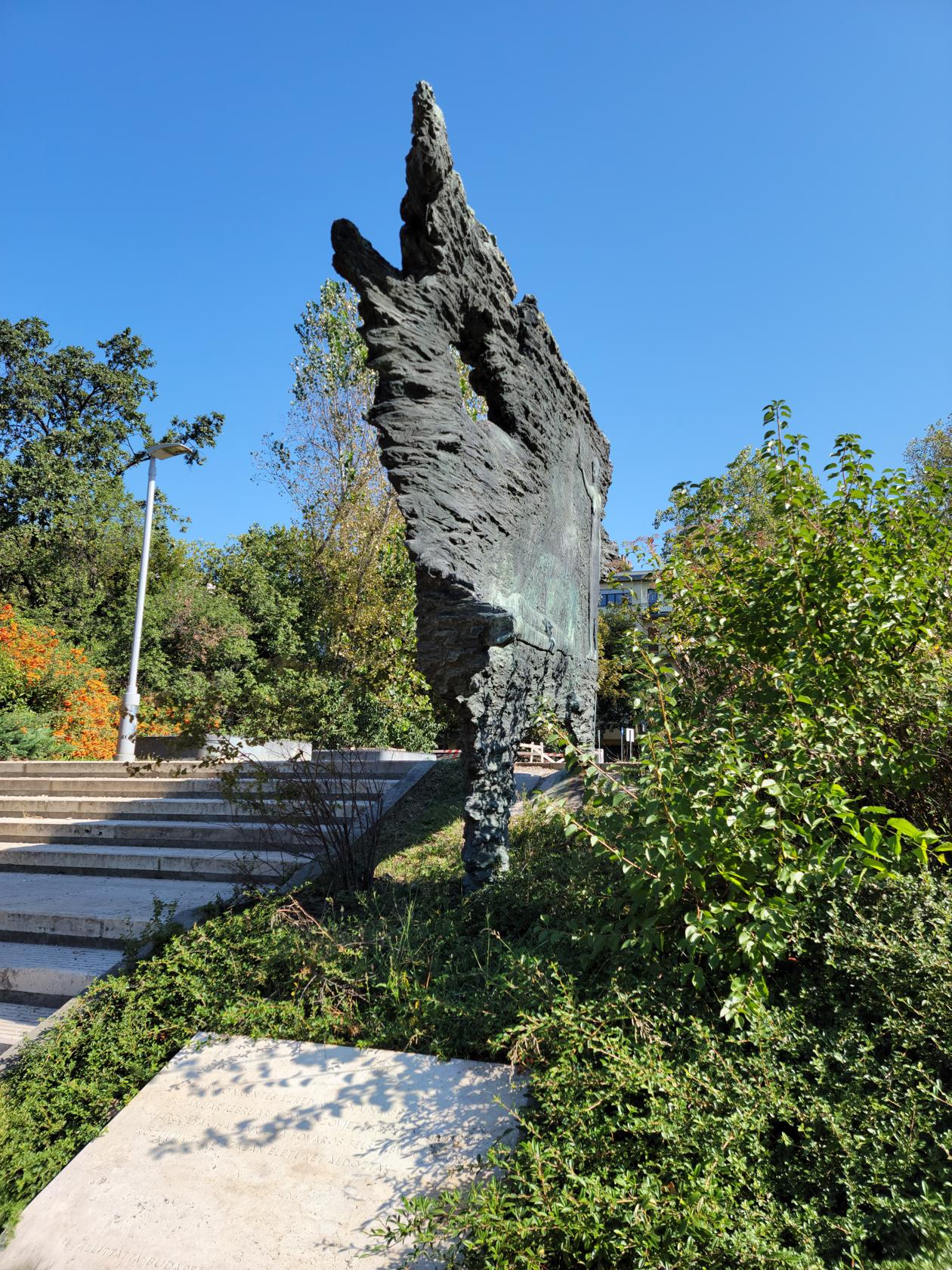
One of the more interesting curiosities on the hill is the Underhill Hospital. A short walk from the Budapest-Déli M2 stop through the Vérmezö Park will get you there, that is, after climbing a few sets of stairs, it is on a hill.
Vermezo Park – Buda, Castle Hill – Budapest, Hungary
Vérmezö Park – Buda, Castle Hill – Budapest, Hungary
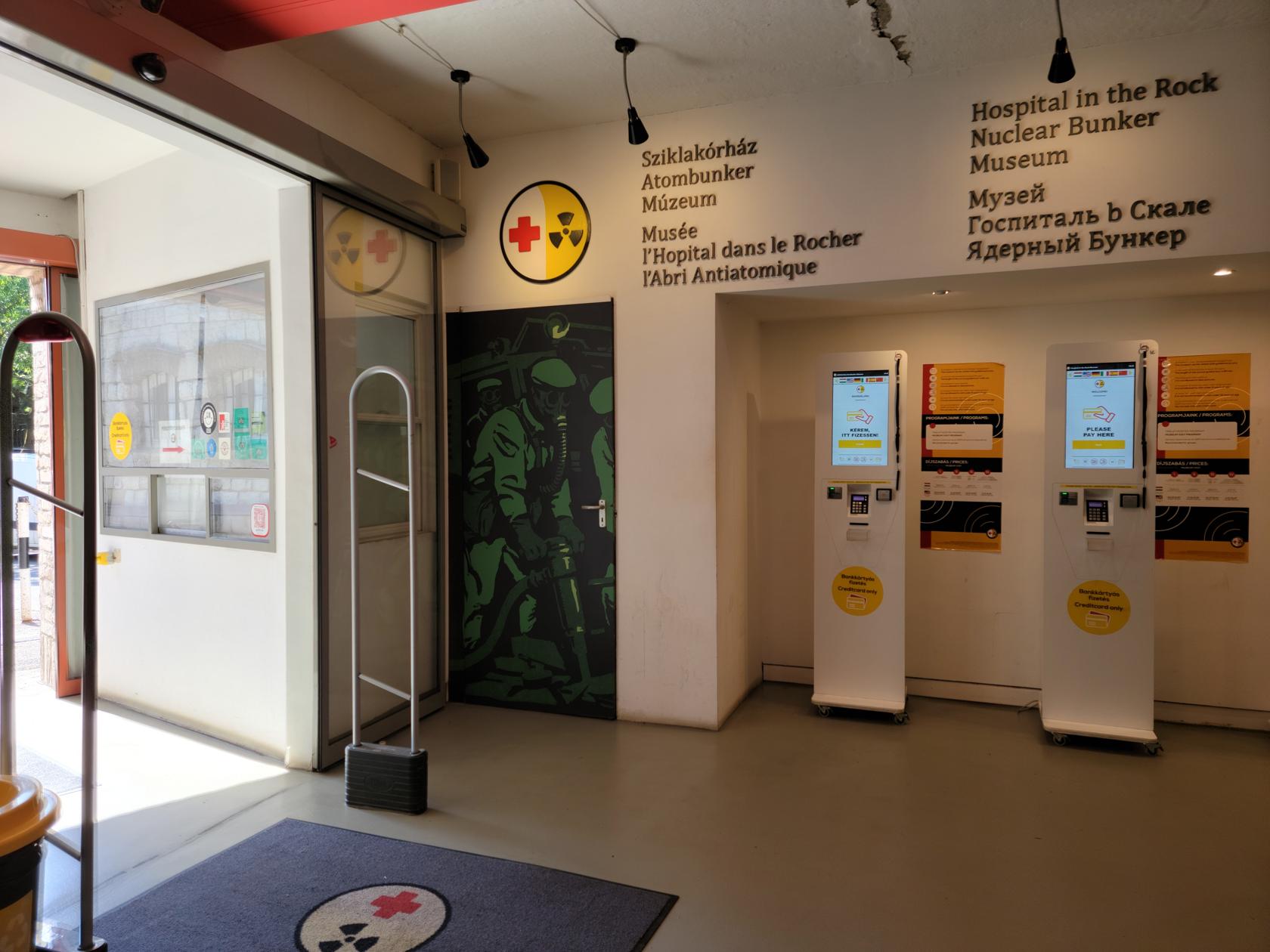
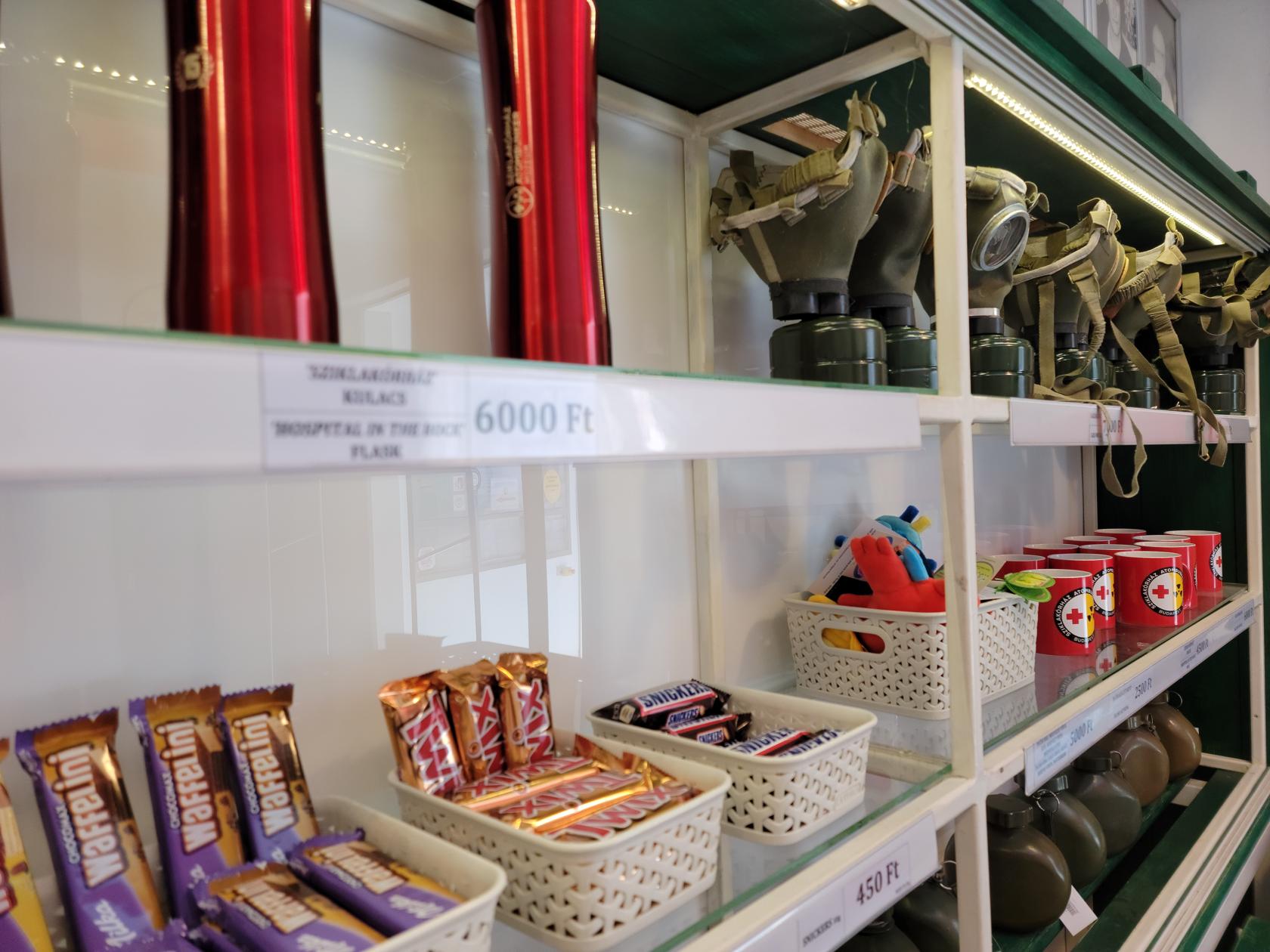
Unfortunately, you cannot take photographs inside, so inside will have to remain a mystery until one visits. However, a bit of history may peek one’s interest. It started as a system of caves dug out from the hill for storage and then protection. Later, it was confiscated and repurposed as a hospital during the wars. It was also used as an air-raid shelter and later efforts were made to make it into a hospital which could take patients in the event of a nuclear war. Though noble, it will become quite clear to anyone who visits that the approach, space and logistics were oversimplified and in the end – unpractical.
Underhill Hospital Museum – Buda, Castle Hill – Budapest, Hungary
Underhill Hospital Museum – Buda, Castle Hill – Budapest, Hungary
Gas masks – Underhill Hospital Museum – Buda, Castle Hill – Budapest, Hungary
The Matthias Church
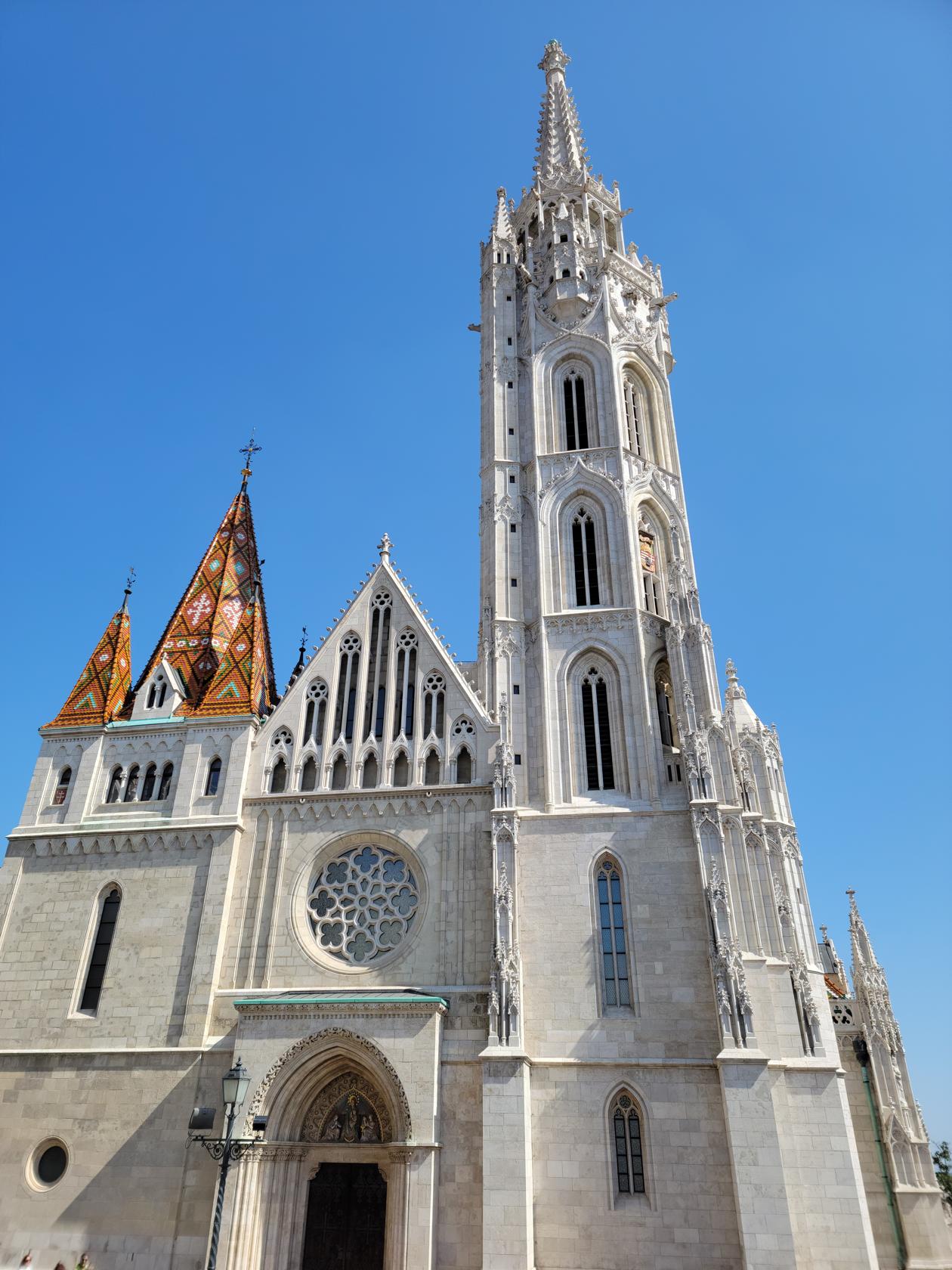
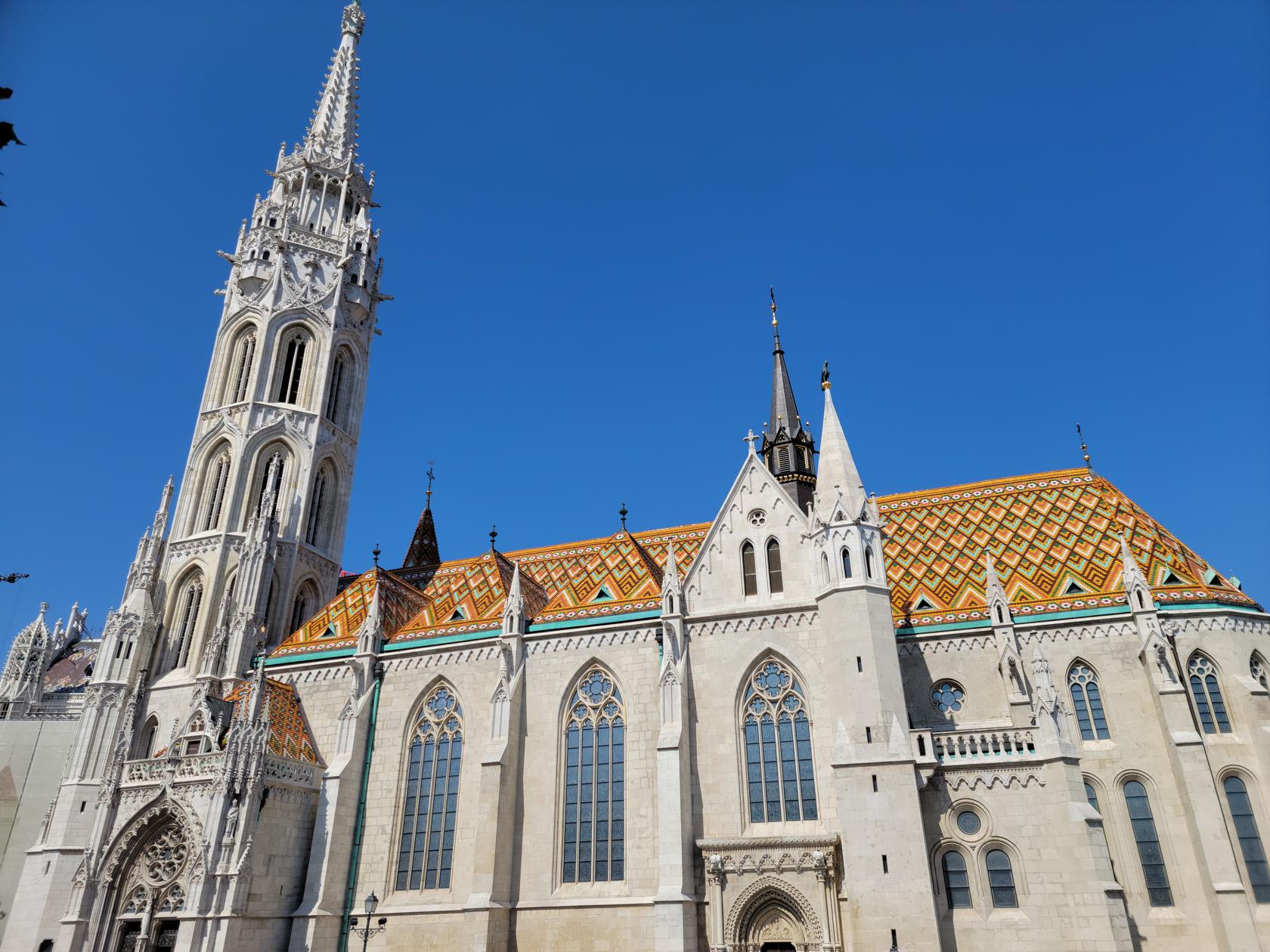
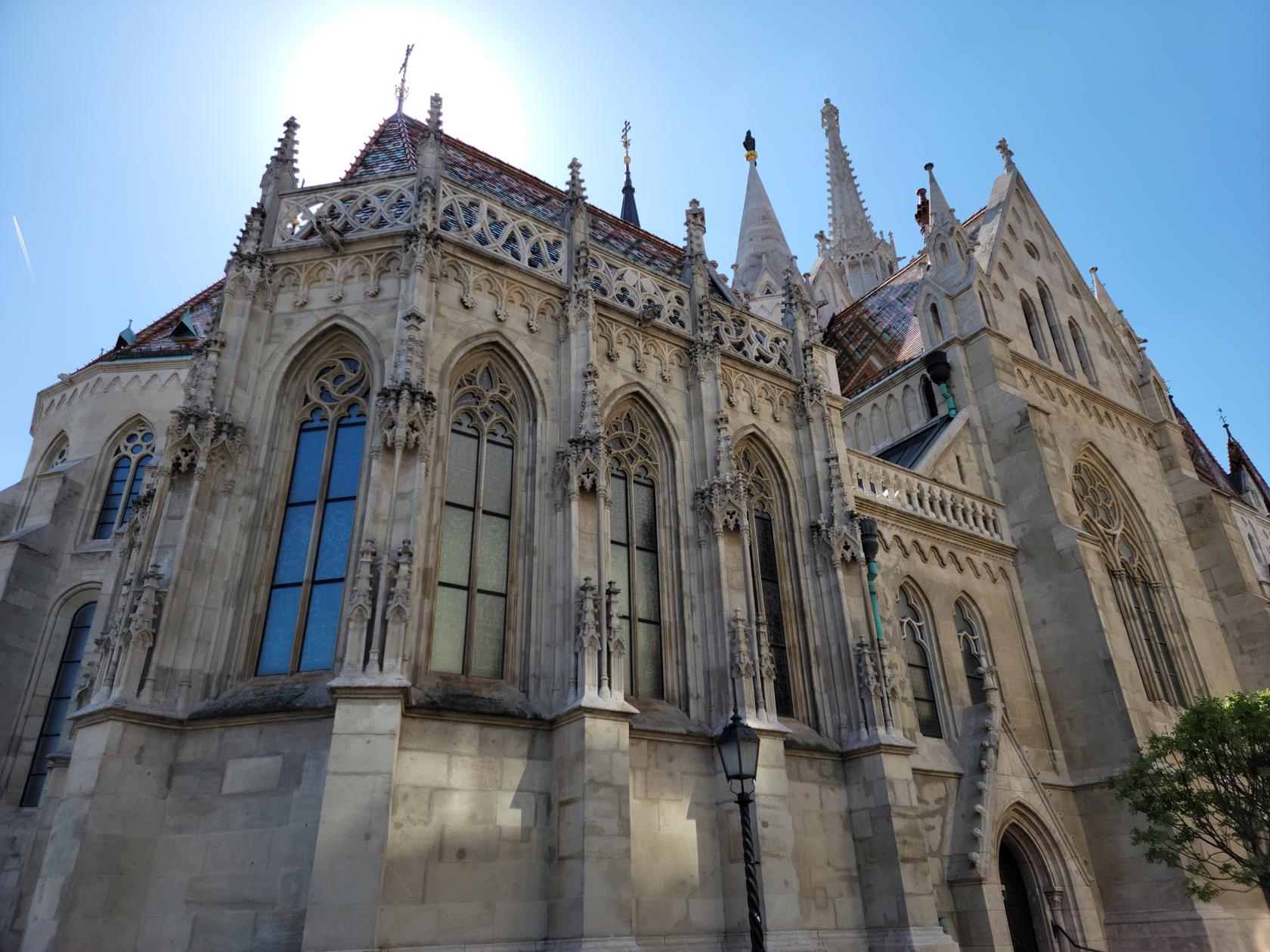
One can not help point out the Matthias Church[1]also known as The Church of the Assumption of Buda Castle when they reach the top of the hill. With its one tower and beautifully shiny tiles, it does not show its true age. It actually has a remarkable history which actually makes it tightly woven with all Hungarian history. Two kings had their coronation there and it has had many names in the past and has been rebuilt and reconstructed many times. Definitely worth a visit.
Matthias Church – Buda, Castle Hill – Budapest, Hungary
Holy Trinity Church – Buda, Castle Hill – Budapest, Hungary
Holy Trinity Church – Buda, Castle Hill – Budapest, Hungary
Széchenyi Chain Bridge
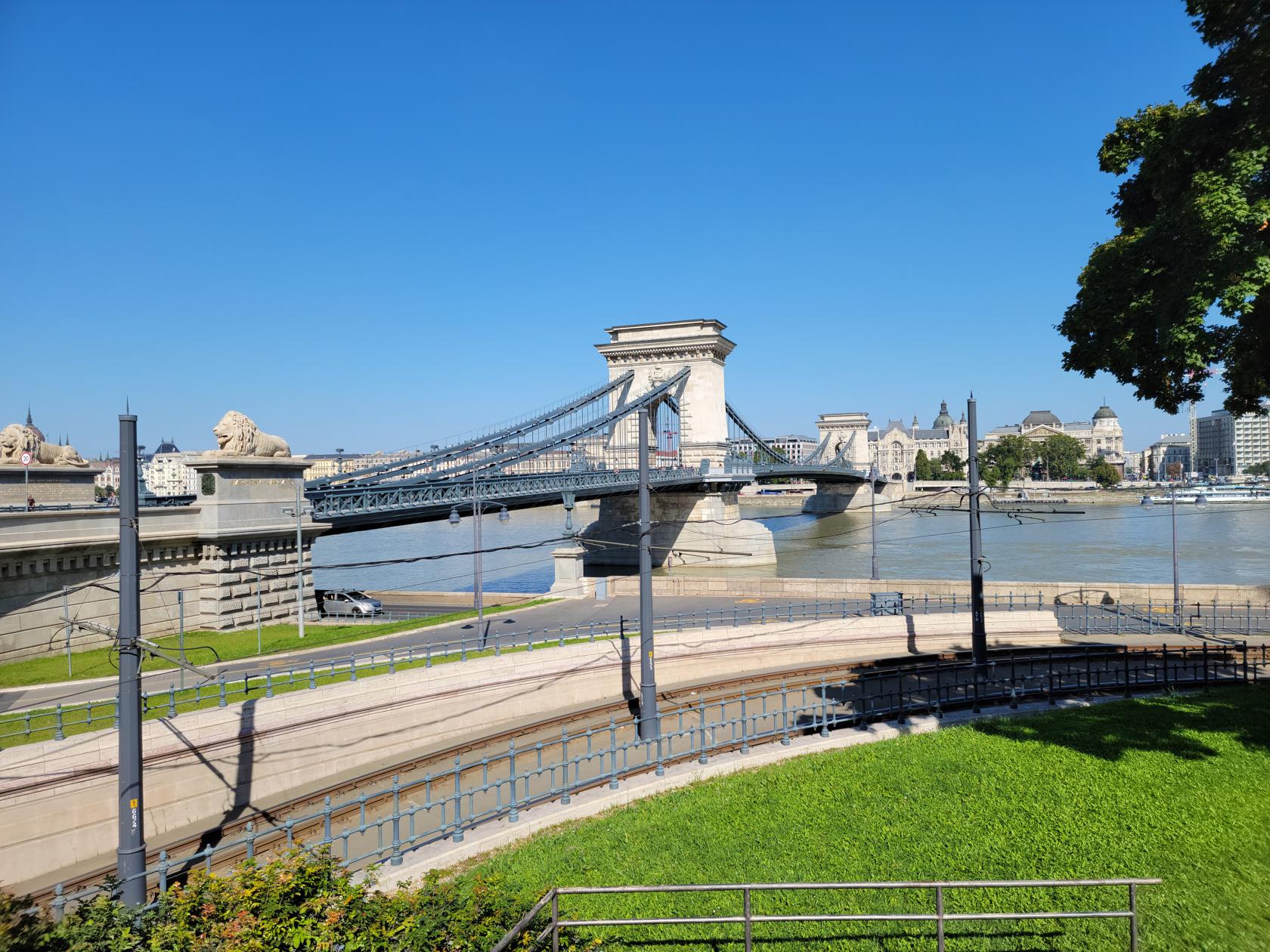
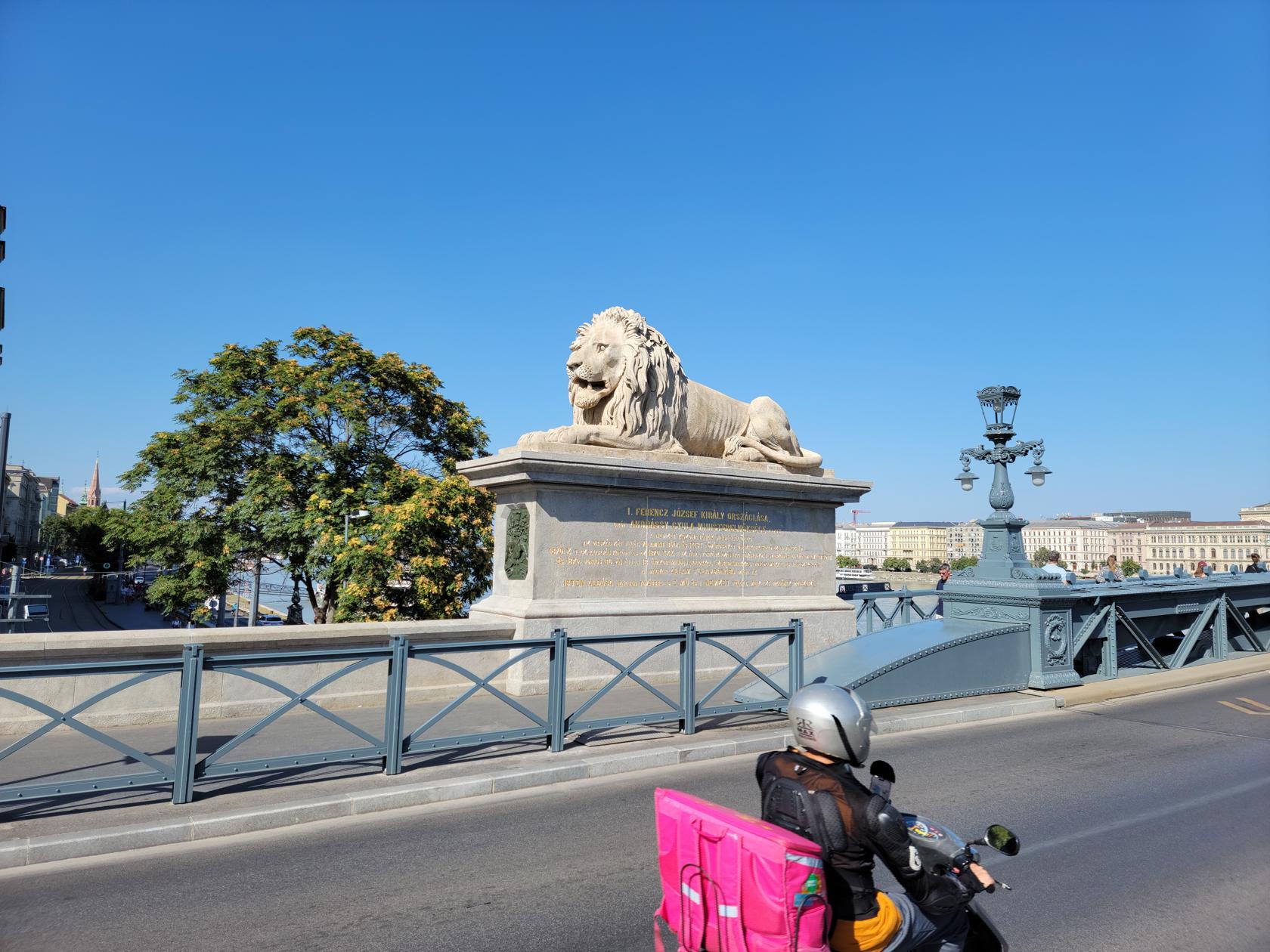
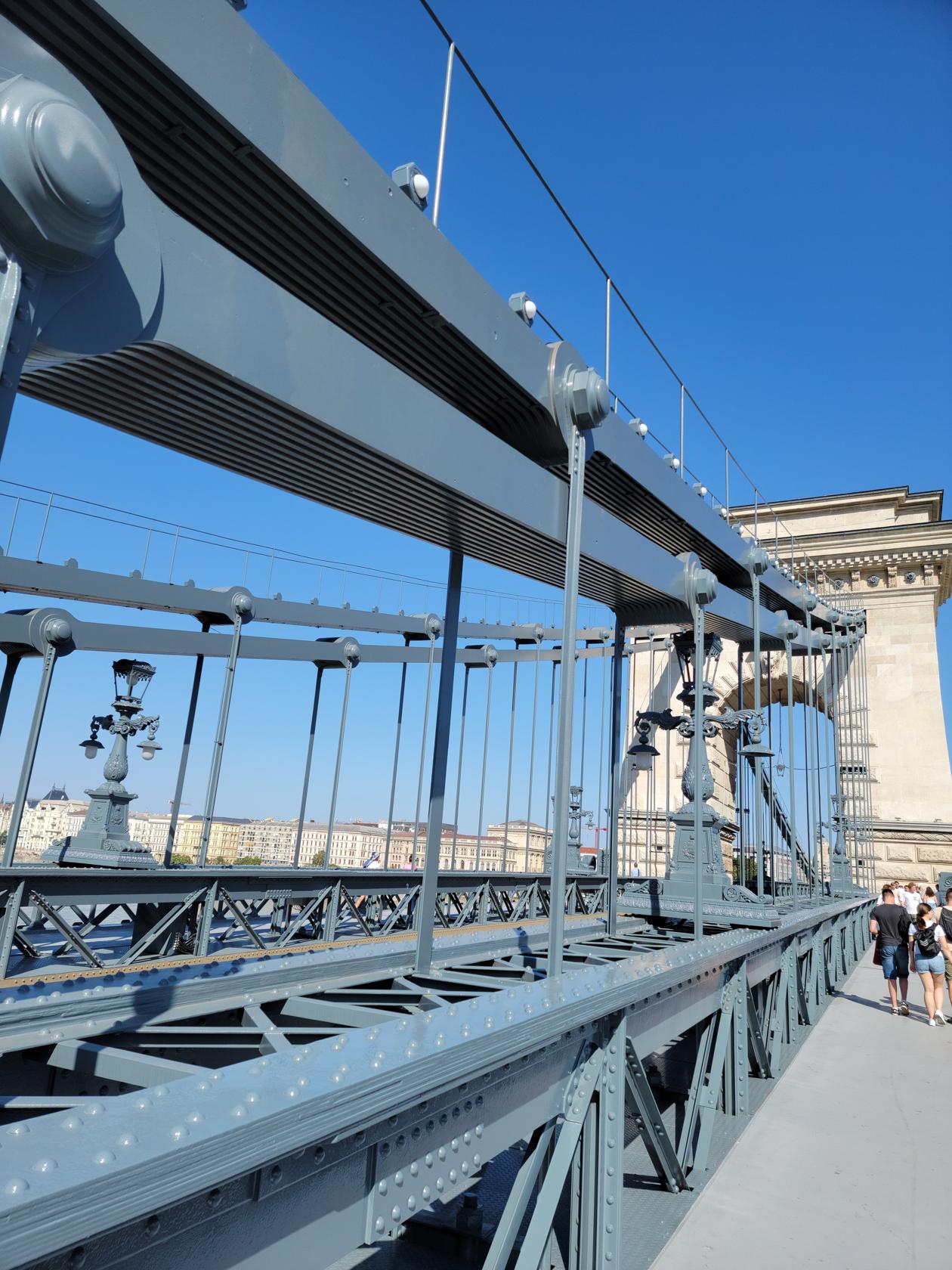
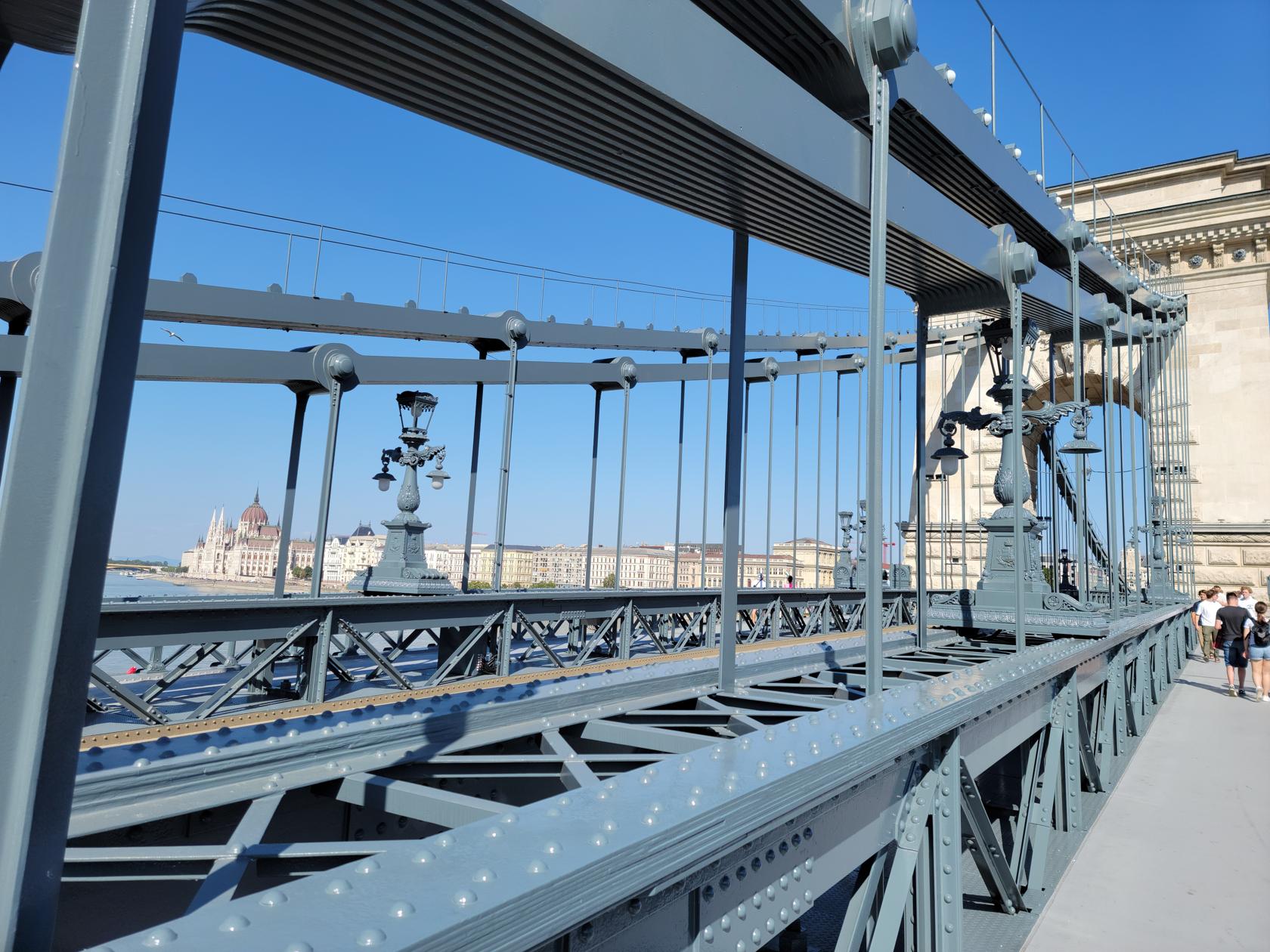
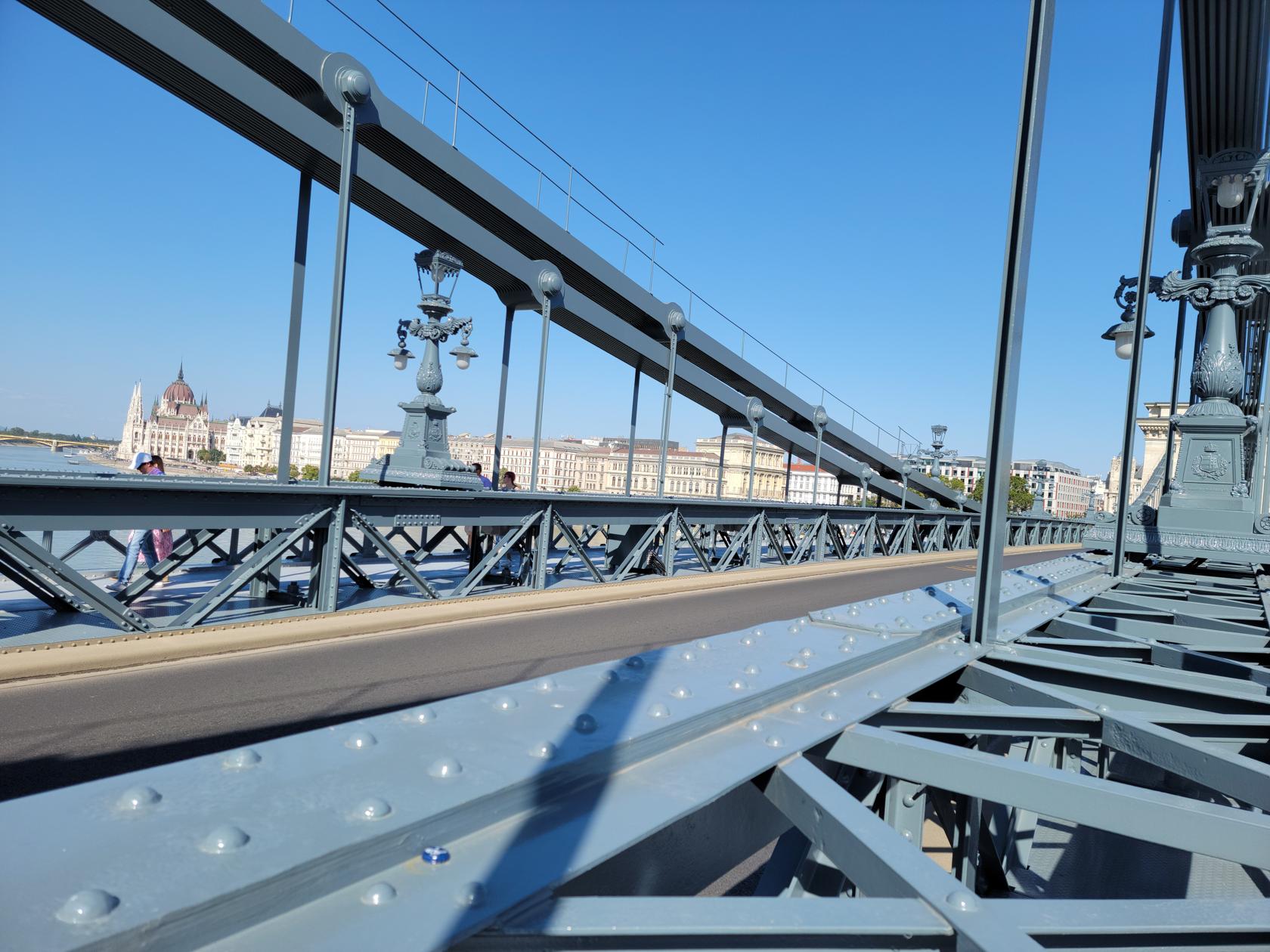
The two sides of Budapest were not formerly brought together by bridge until 1849, when the Széchenyi Chain Bridge. It is probably one of the most remarkable features of the city, just because it is so different. Happily, the Hungarians had the prescience to rebuild it after the war exactly they way it was before, preserving it character and that of the city. A walk over this bridge is actually worth the time.
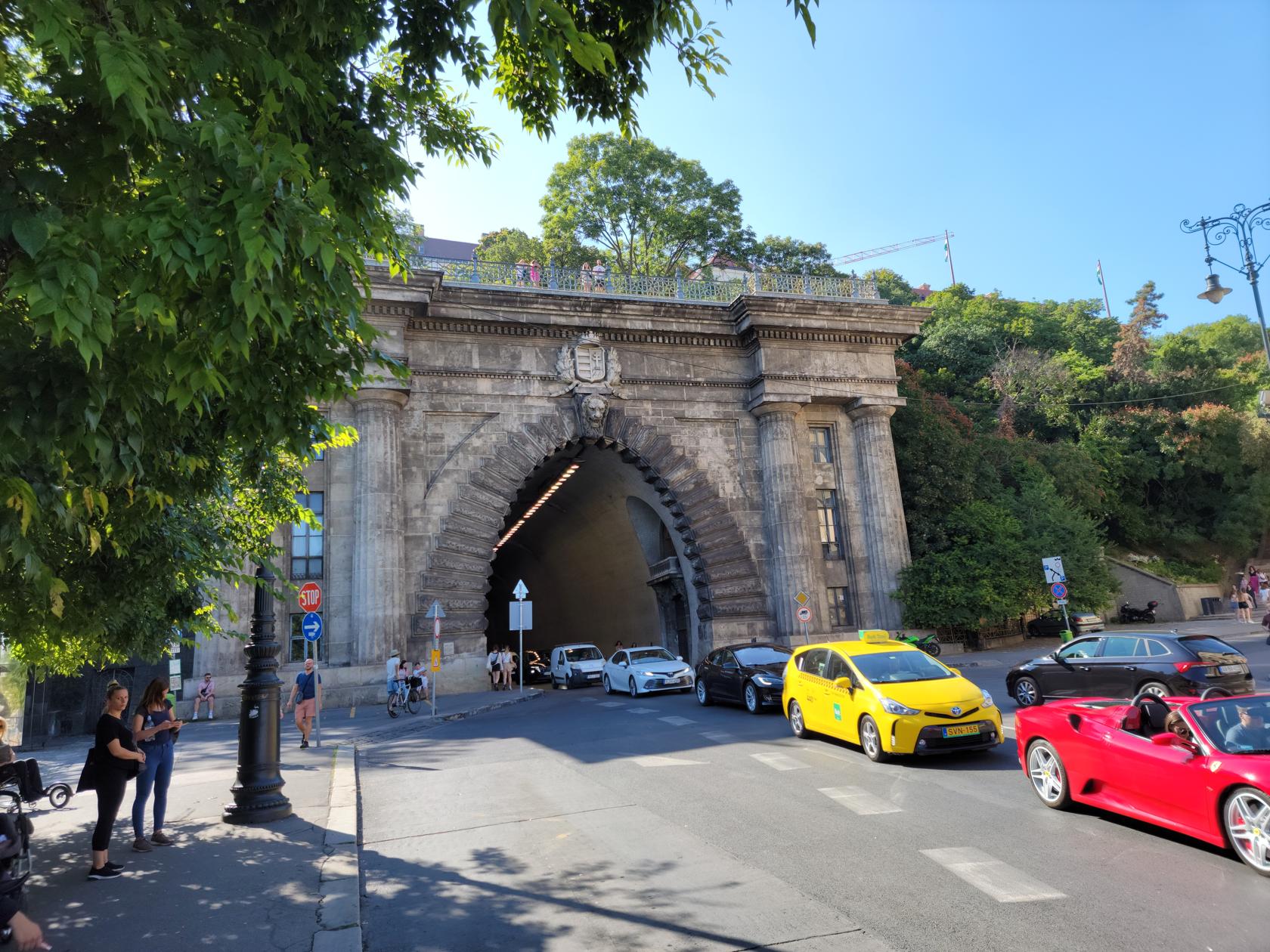
Budai Váralagút, leading to chain bridge – Buda – Budapest, Hungary
Széchenyi Chain Bridge – Buda – Budapest, Hungary
Széchenyi Chain Bridge – Buda – Budapest, Hungary
Széchenyi Chain Bridge – Buda – Budapest, Hungary
Széchenyi Chain Bridge – Buda – Budapest, Hungary
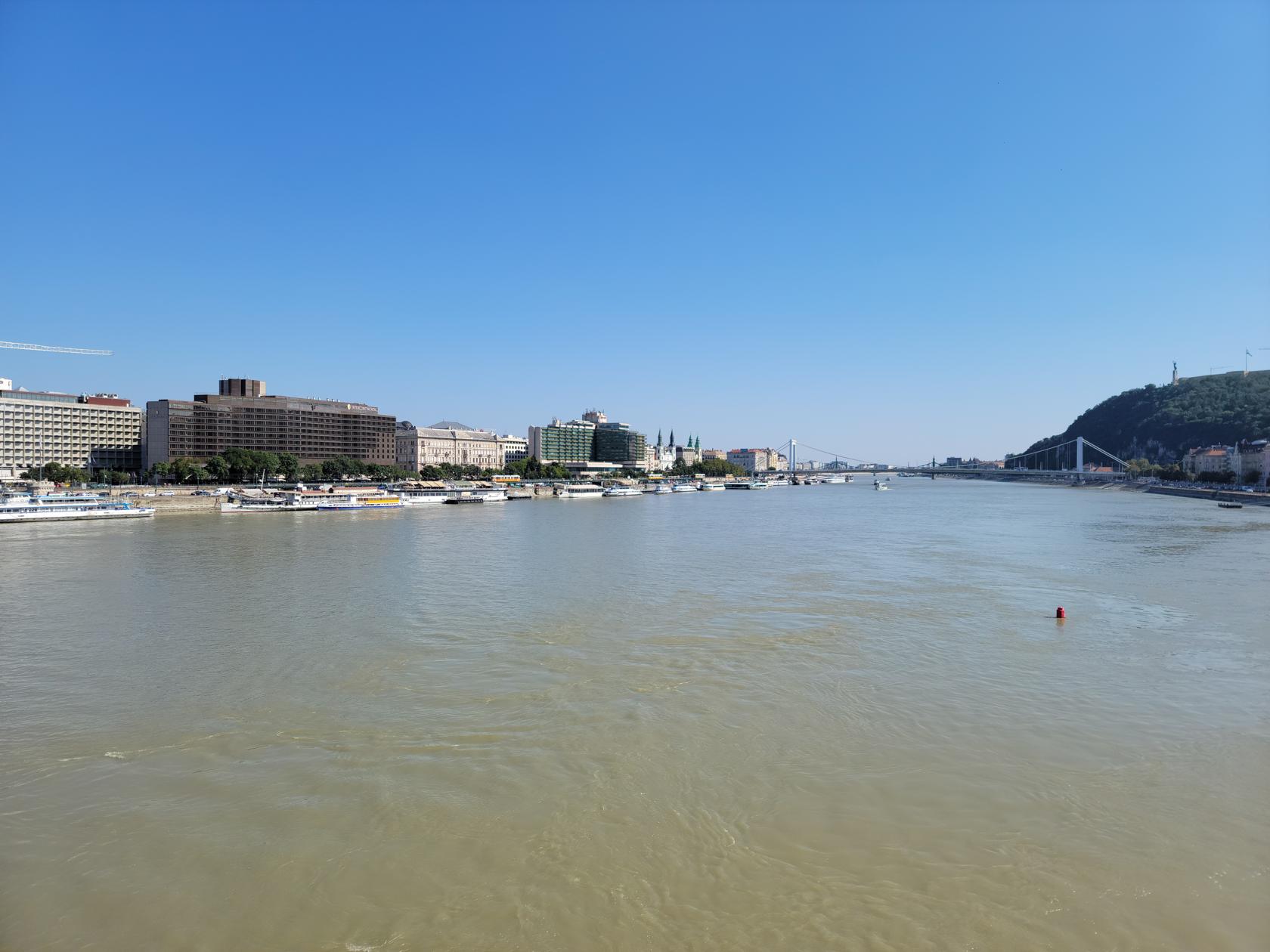
The Danube – Széchenyi Chain Bridge – Buda – Budapest, Hungary
Széchenyi Chain Bridge – Buda – Budapest, Hungary
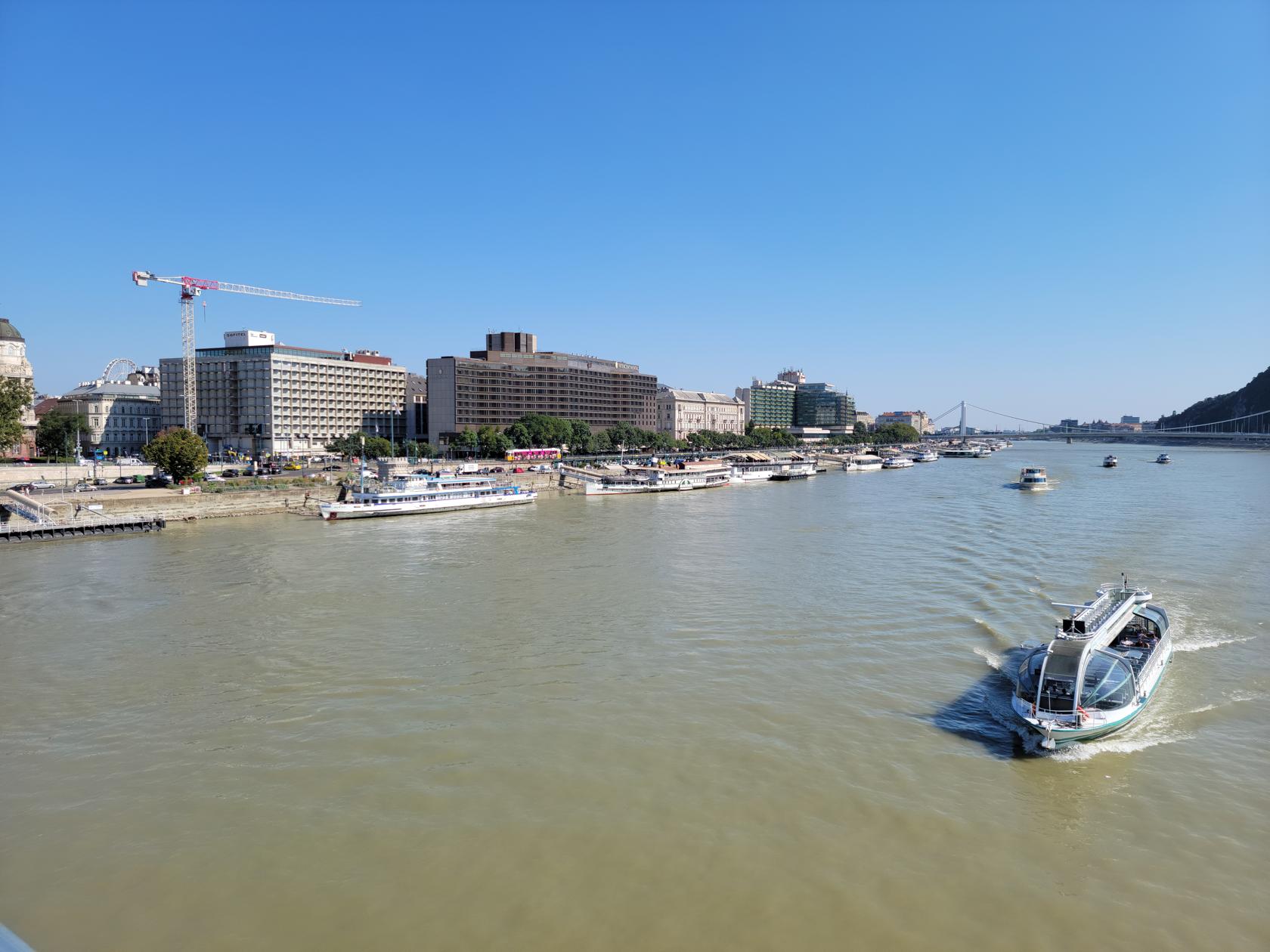
River Boats – Széchenyi Chain Bridge – Buda – Budapest, Hungary
Széchenyi Chain Bridge – Pest – Budapest, Hungary
Restaurants
We only ate at one restaurant on the Buda side, since there were only a couple points of interest for us on east side of the river.
Arany Hordo Cafe
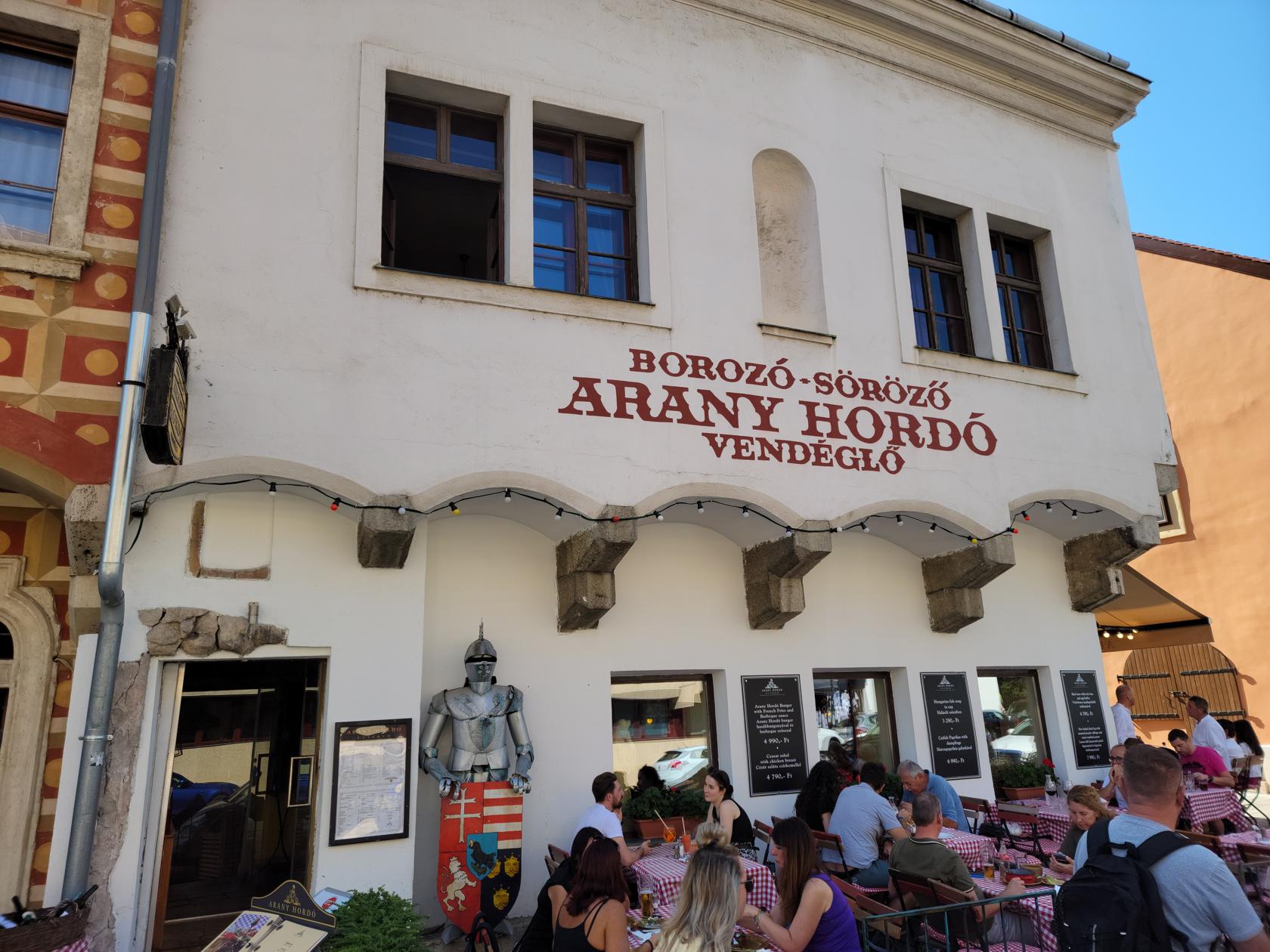
The Arany Hordo Cafe might be called the Gold Barrel Restaurant on you map application, not sure why.
Arany Hordo Cafe – Buda Castle Hill – Budapest, Hungary
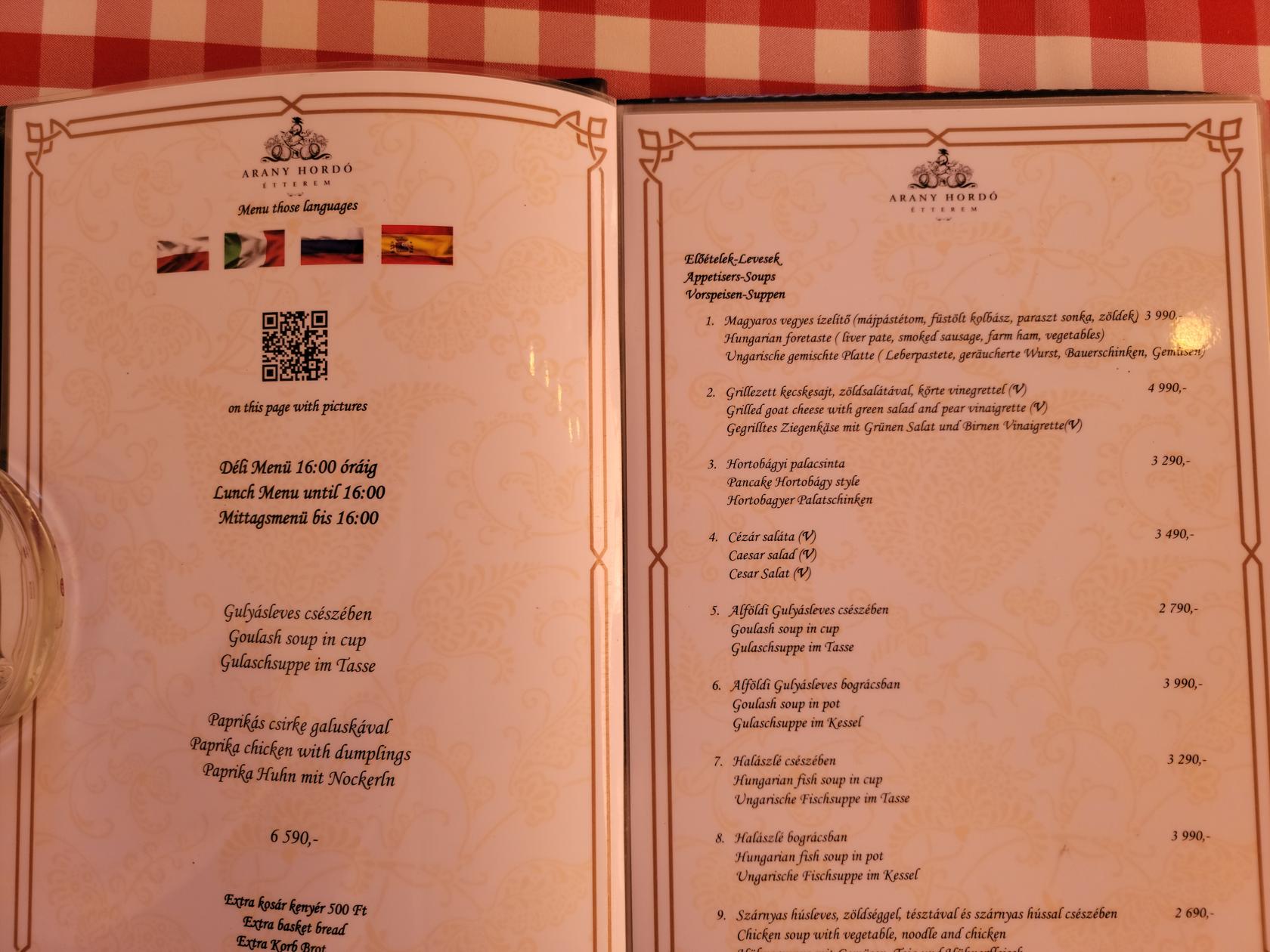
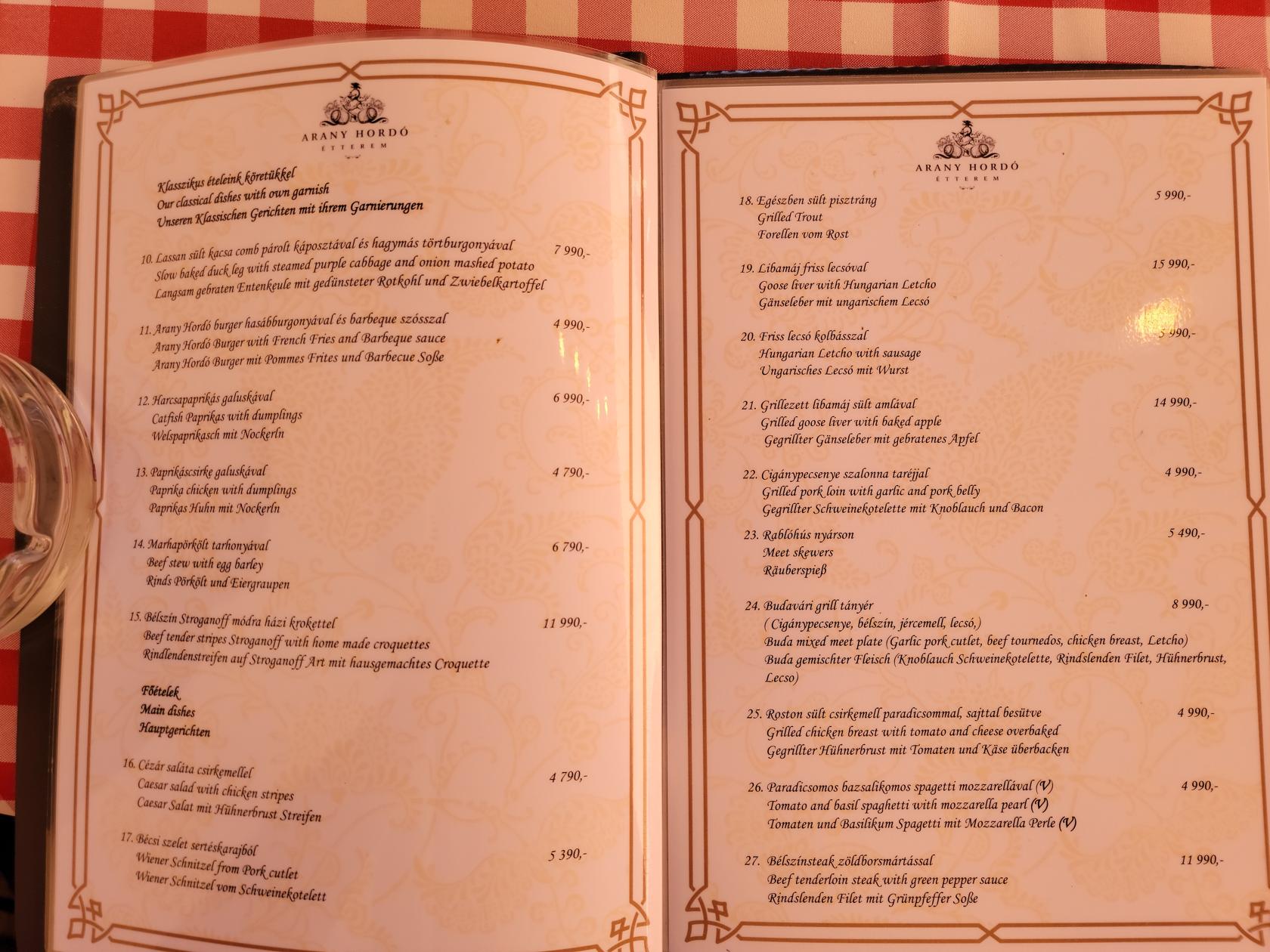
It is a small cafe on the corner of Tárnok utca and Anná utca on Buda Castle Hill, not far from the Matthias Church. It has nice open air seating, if you can get a table. The food is decent, as well as the service and the prices are reasonable considering the area.
Menu – Arany Hordo Cafe – Buda Castle Hill – Budapest, Hungary
Menu – Arany Hordo Cafe – Buda Castle Hill – Budapest, Hungary
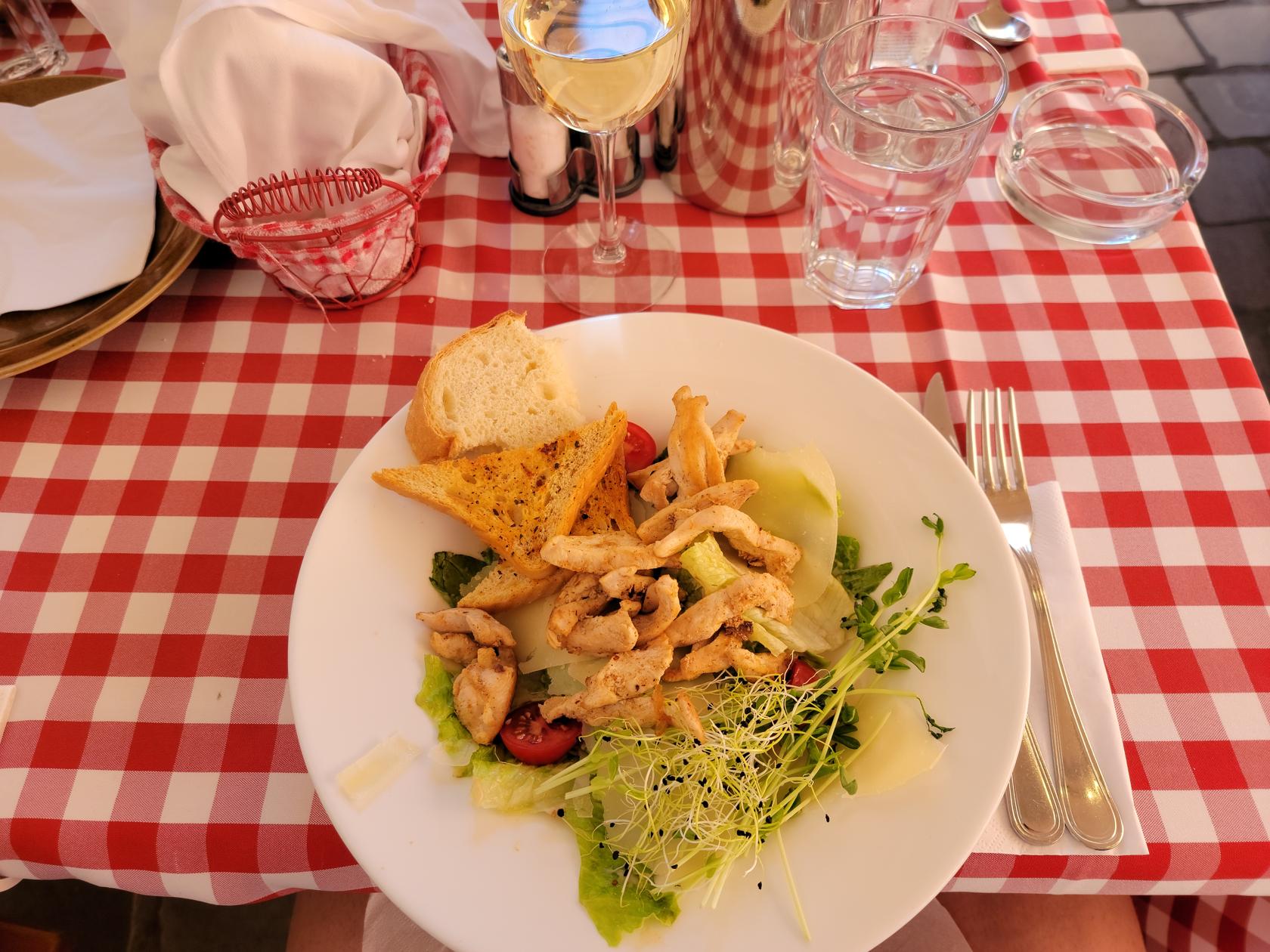
We stuck to simple fare for lunch and enjoyed it immensely.
Mixed Salad with Chicken – Arany Hordo Cafe – Buda Castle Hill – Budapest, Hungary
Budapest is a very clean city, with a strange, almost quiescent nature to it. For the most part there is a noticeable absence of police, yet there appears to be very little crime, or at least the appearance of no crime, unlike other countries like Italy or France, where the authorities parade around with weapons and make their presence known.
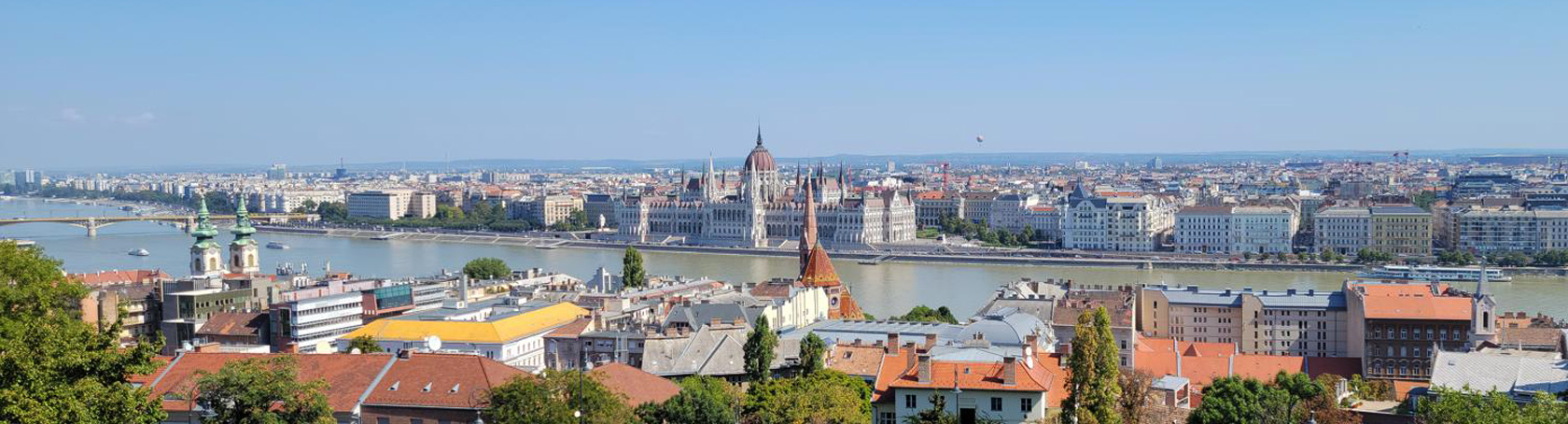
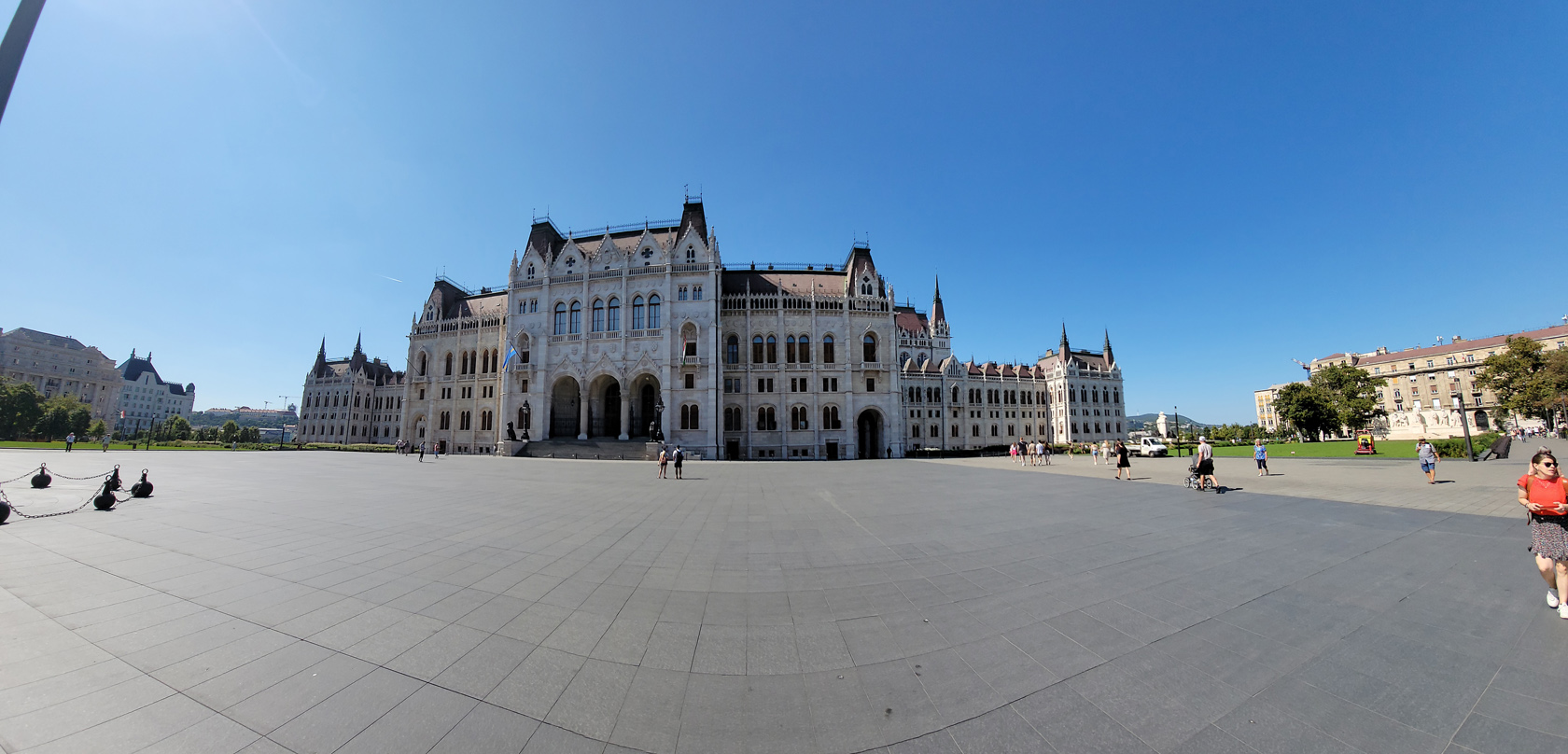
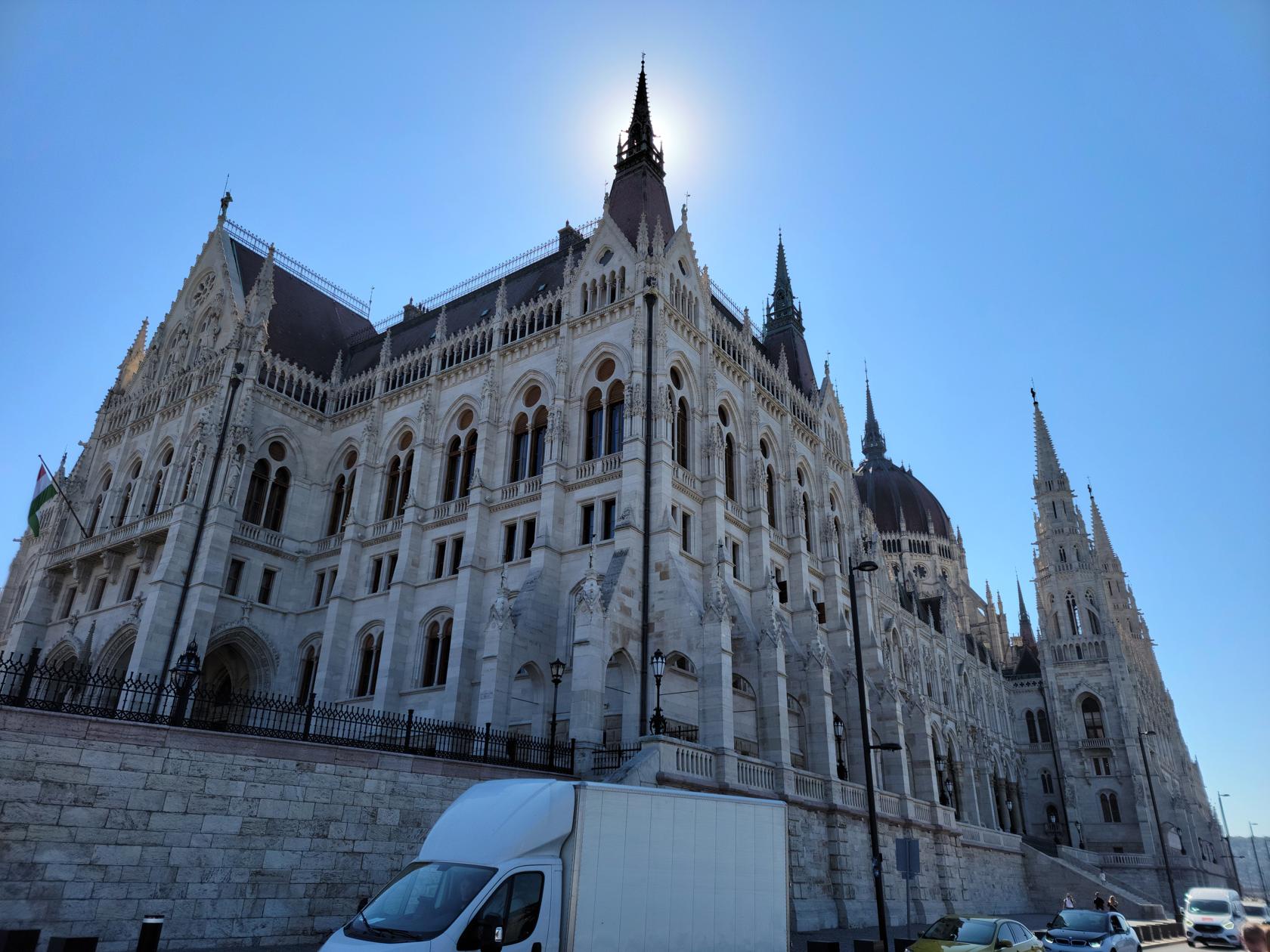
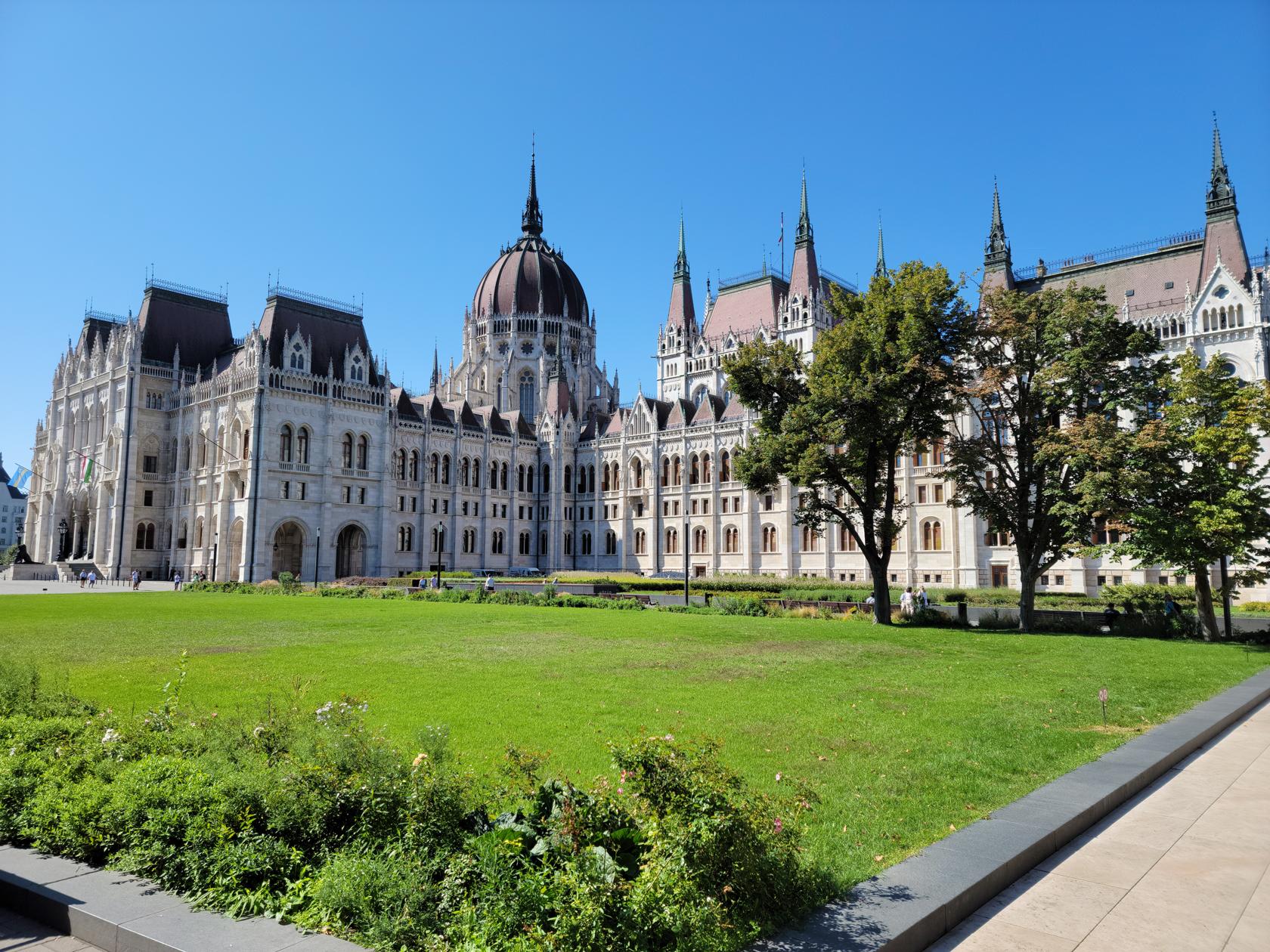
The Parliament Building – Pest – Budapest, Hungary
The Pest side of Budapest has most, if not all, of the hotels and many of the restaurants. It has monuments on every corner and more history than you probably want to consume. Both sides are very active, but the Pest side is the side where all the boats dock, like Viking River Cruises and others, so it can get quite busy after ten o’clock in the morning.
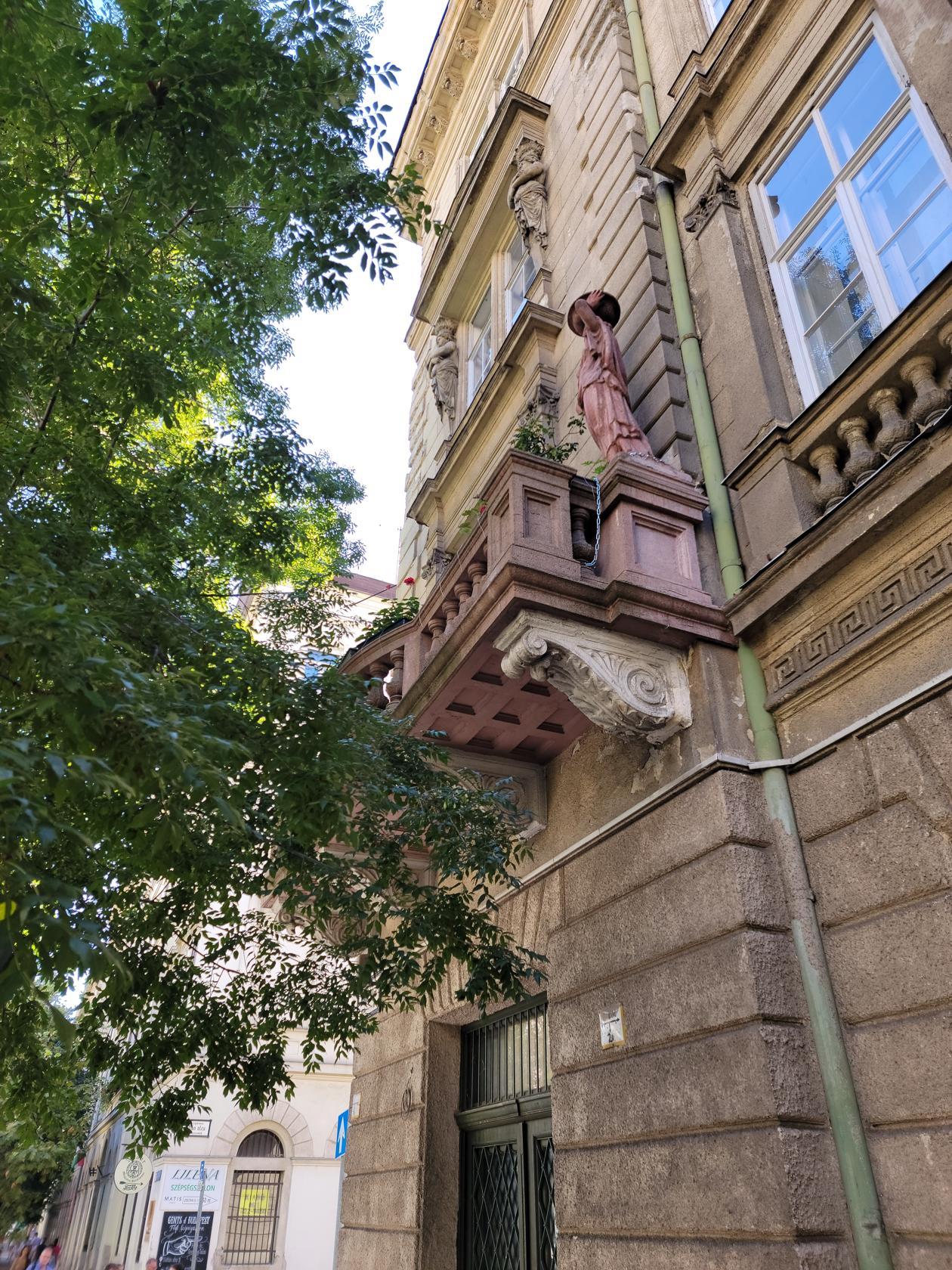
Interesting building balcony – Pest – Budapest, Hungary
Statue – Pest – Budapest, Hungary
Monument – Pest – Budapest, Hungary
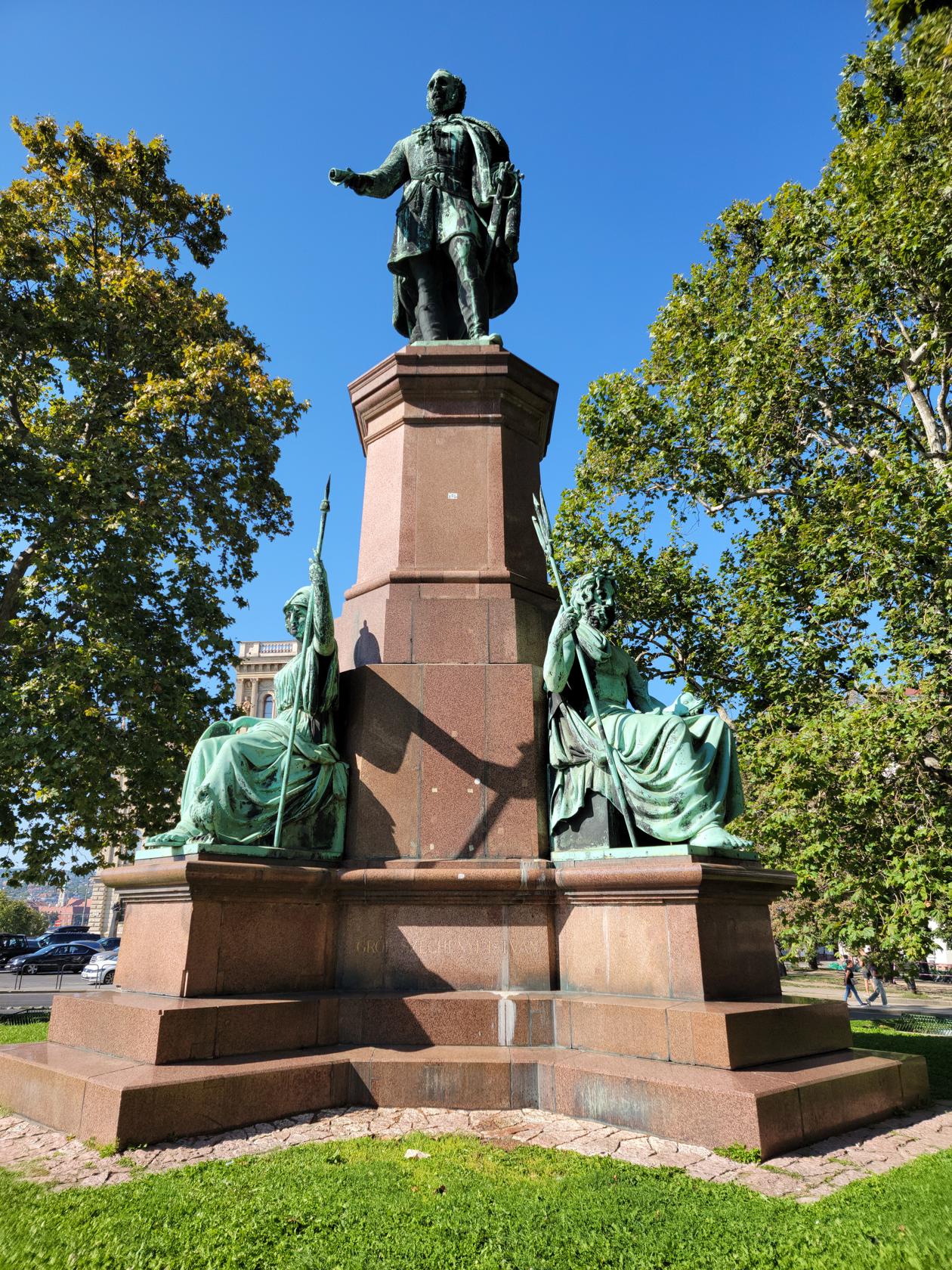
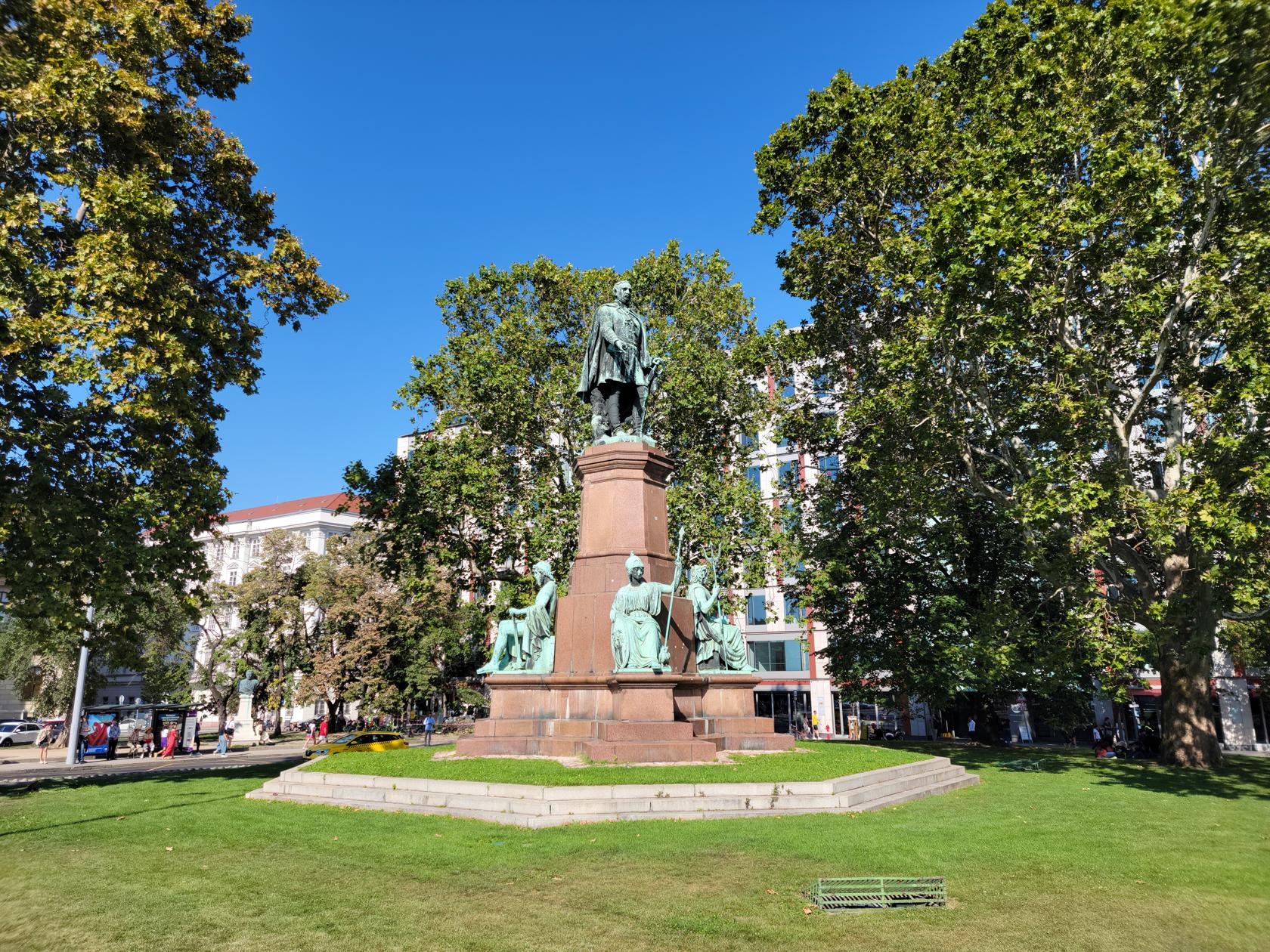
Count István Széchenyi Statue – Pest – Budapest, Hungary
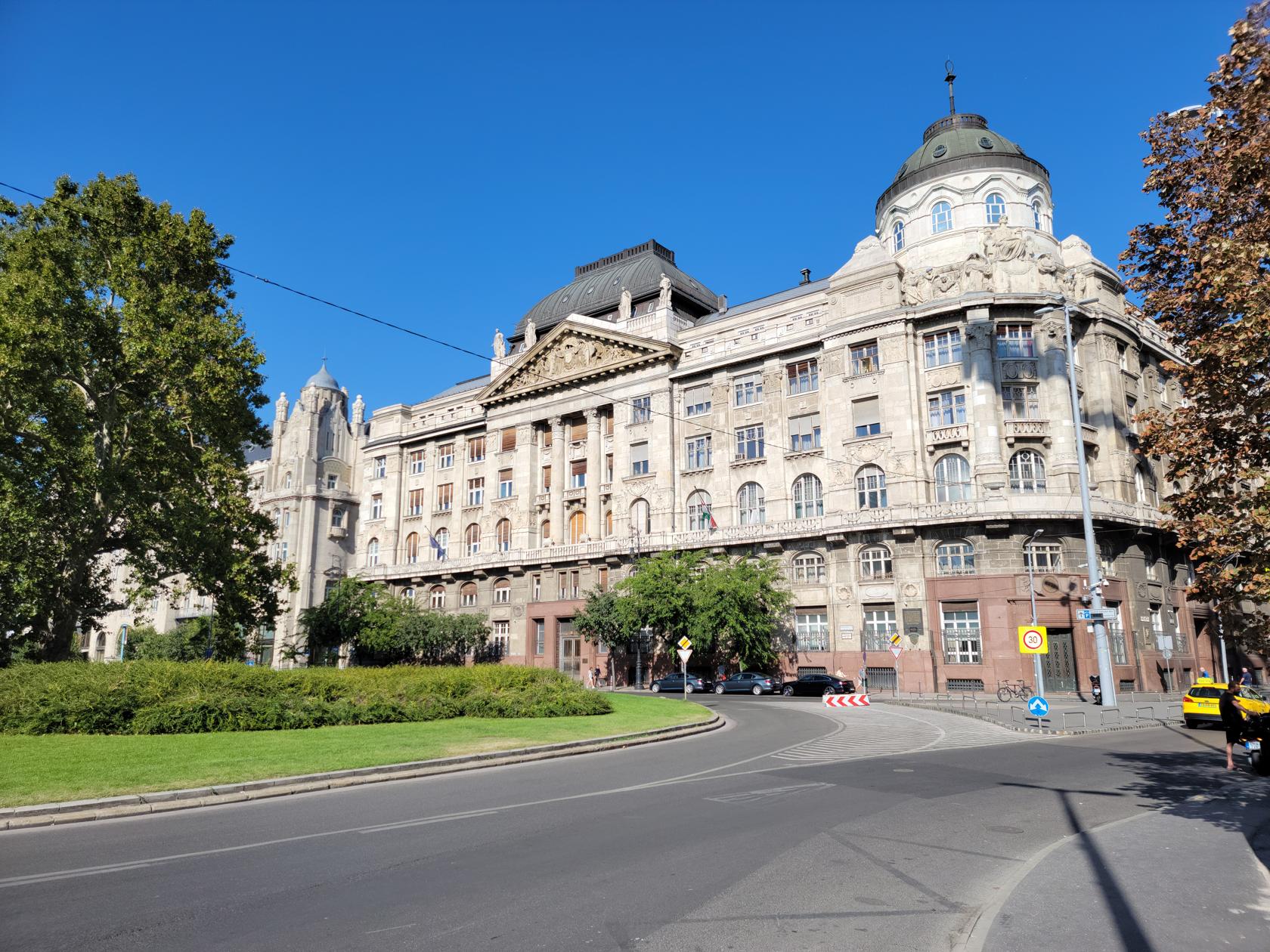
Building – Pest – Budapest, Hungary
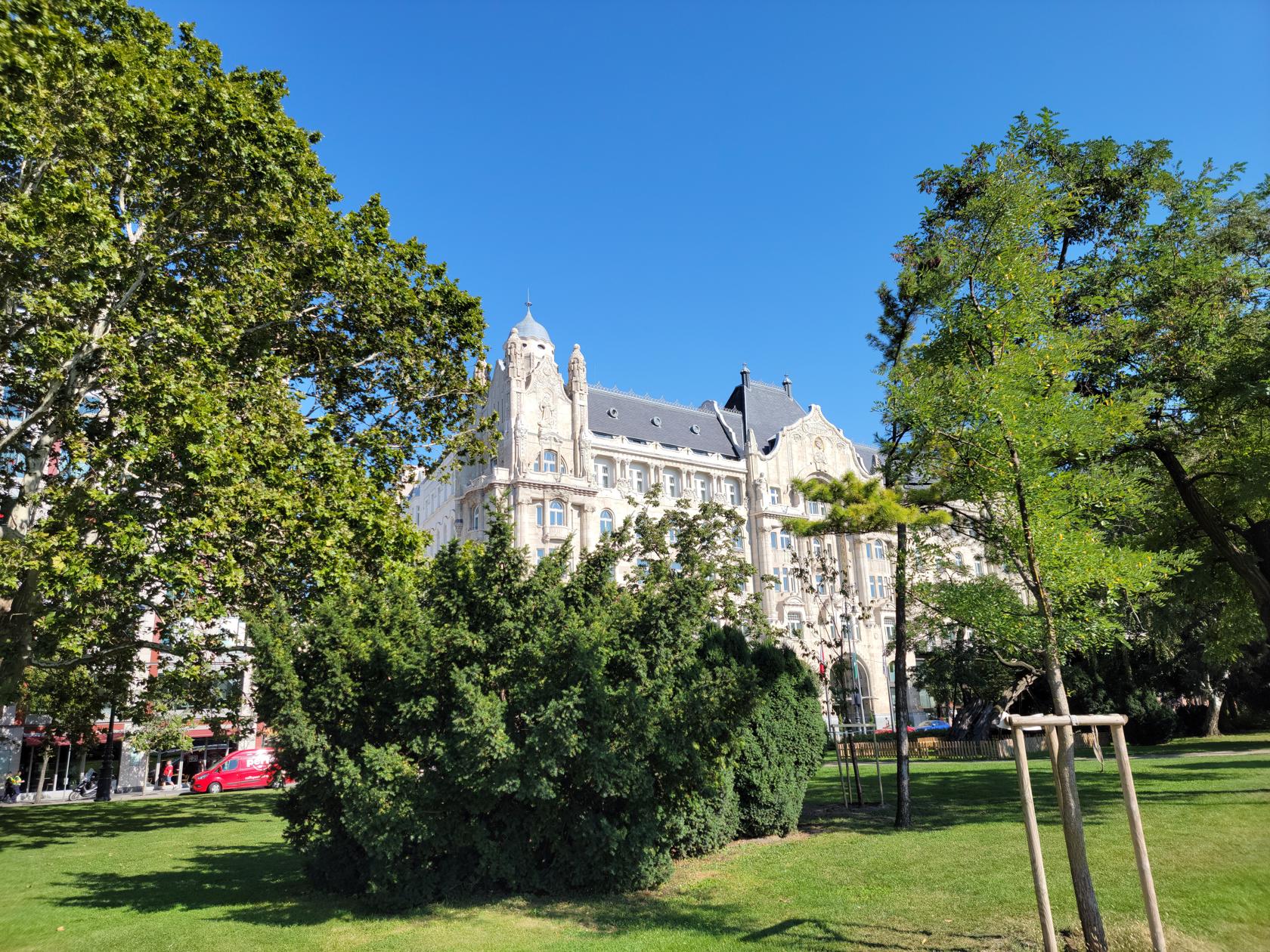
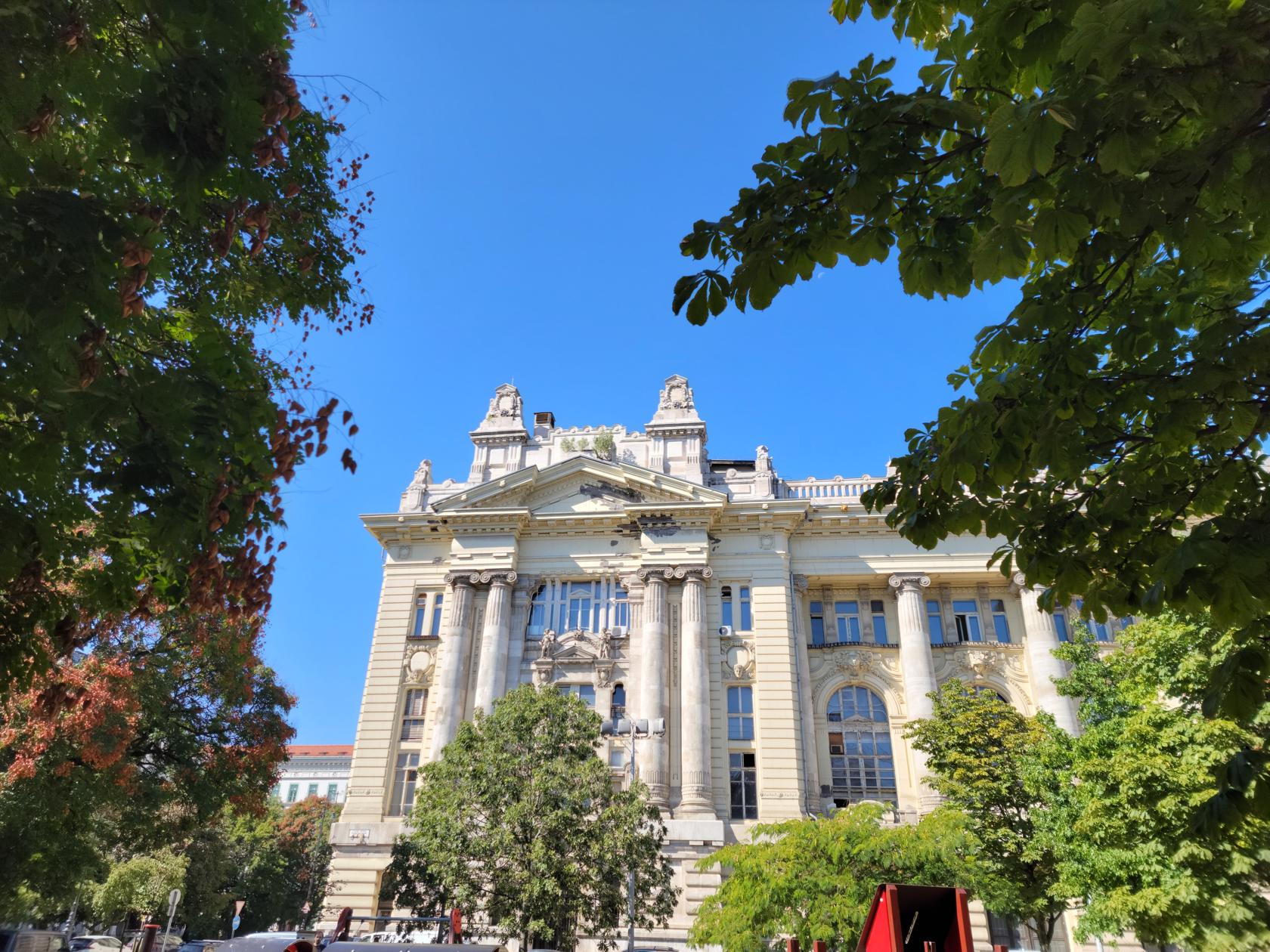
Beautiful building – Pest – Budapest, Hungary
Opera House – Pest – Budapest, Hungary
Opera House – Pest – Budapest, Hungary
Looking toward the Basilica – Pest – Budapest, Hungary
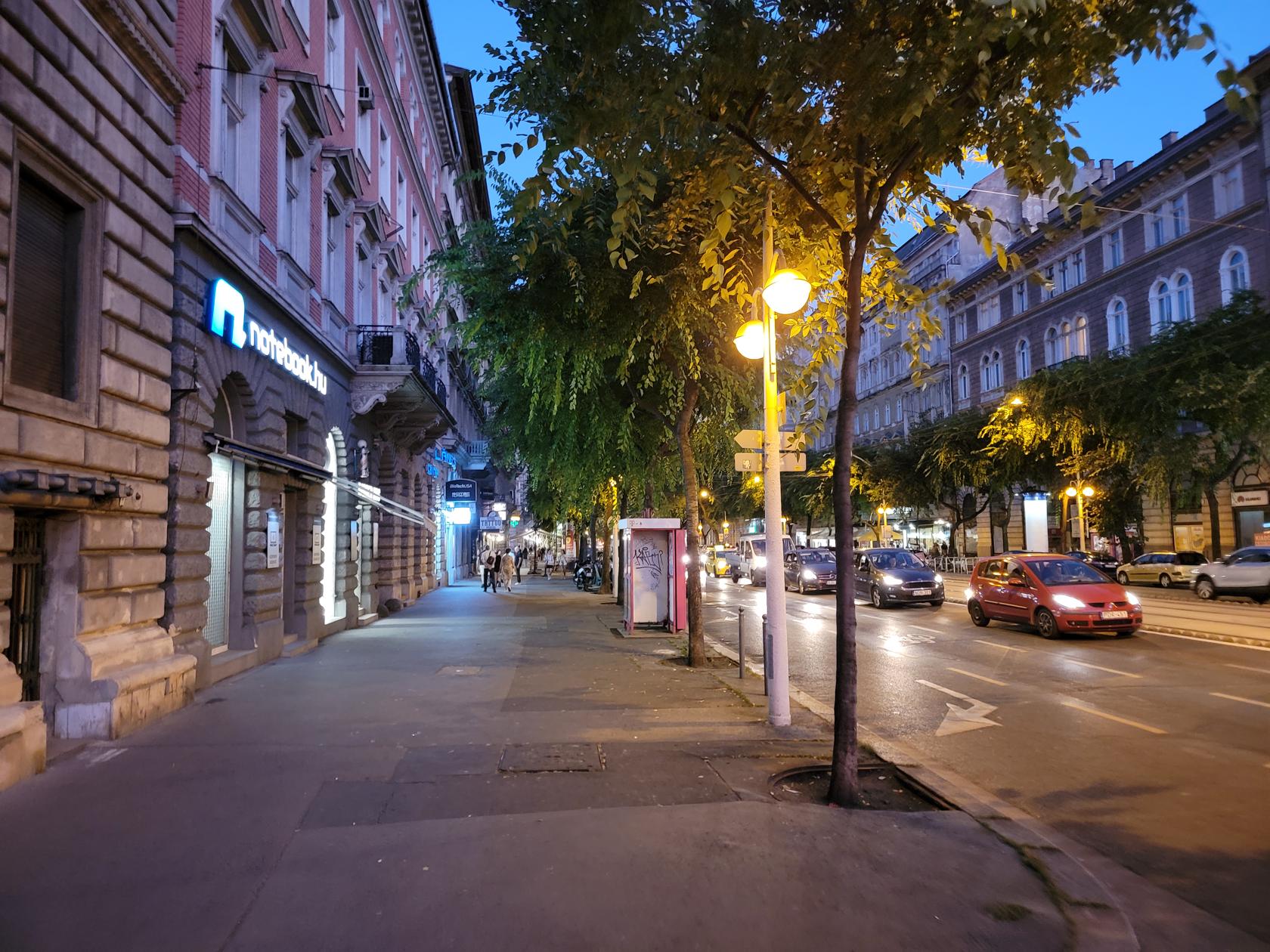
Teréz krt – Pest – Budapest, Hungary
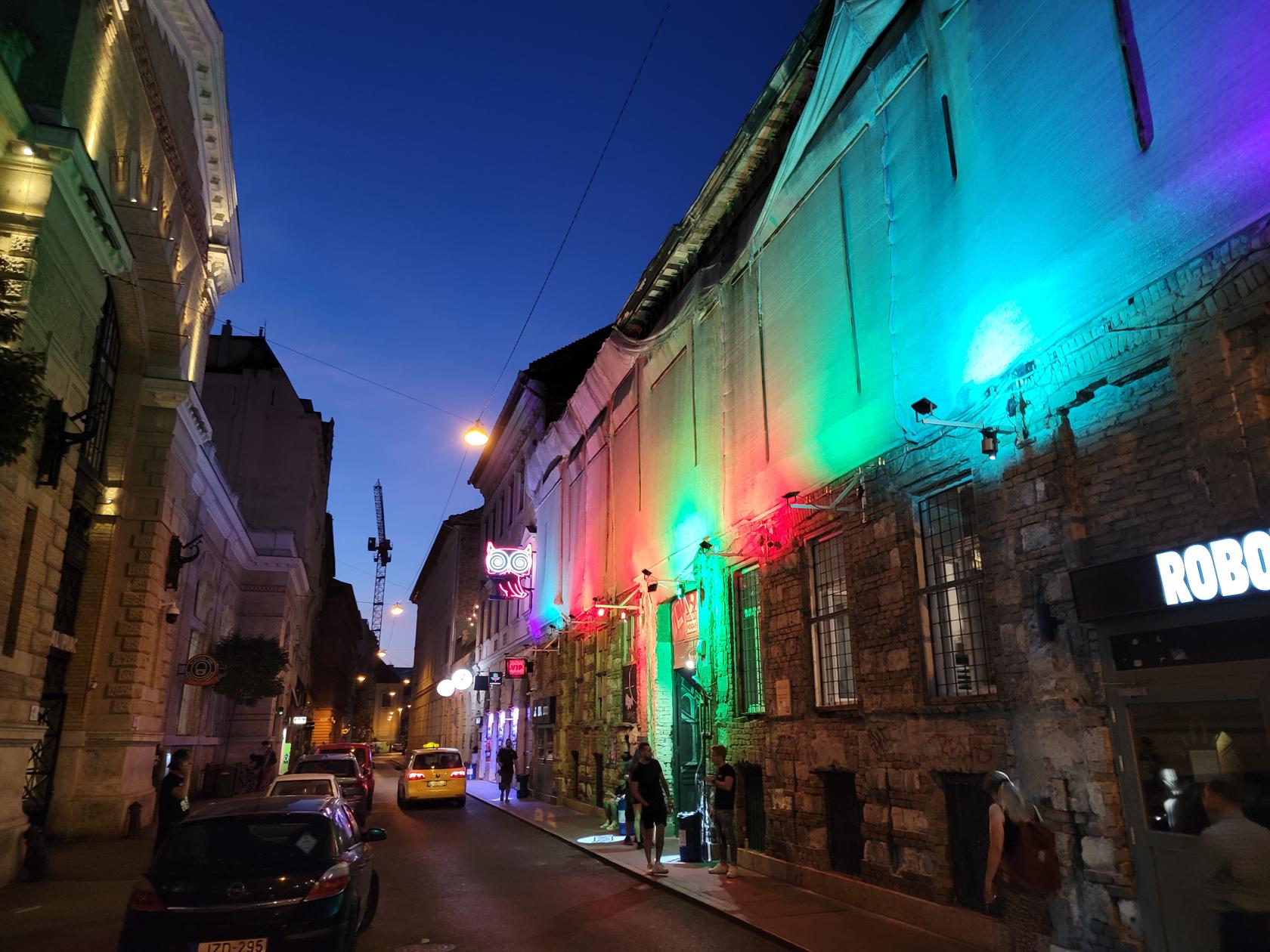
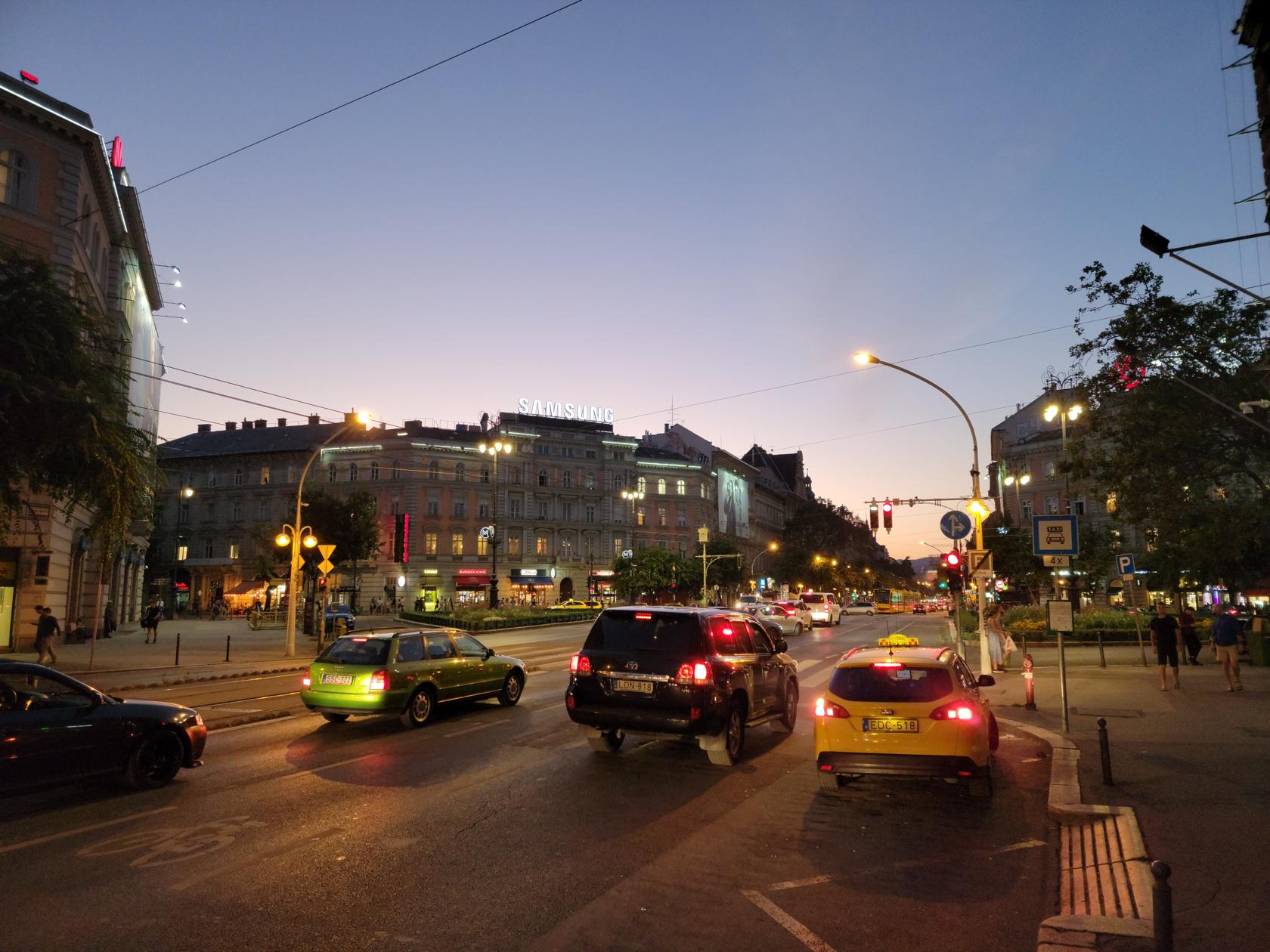
At night – Pest – Budapest, Hungary
At night – Pest – Budapest, Hungary
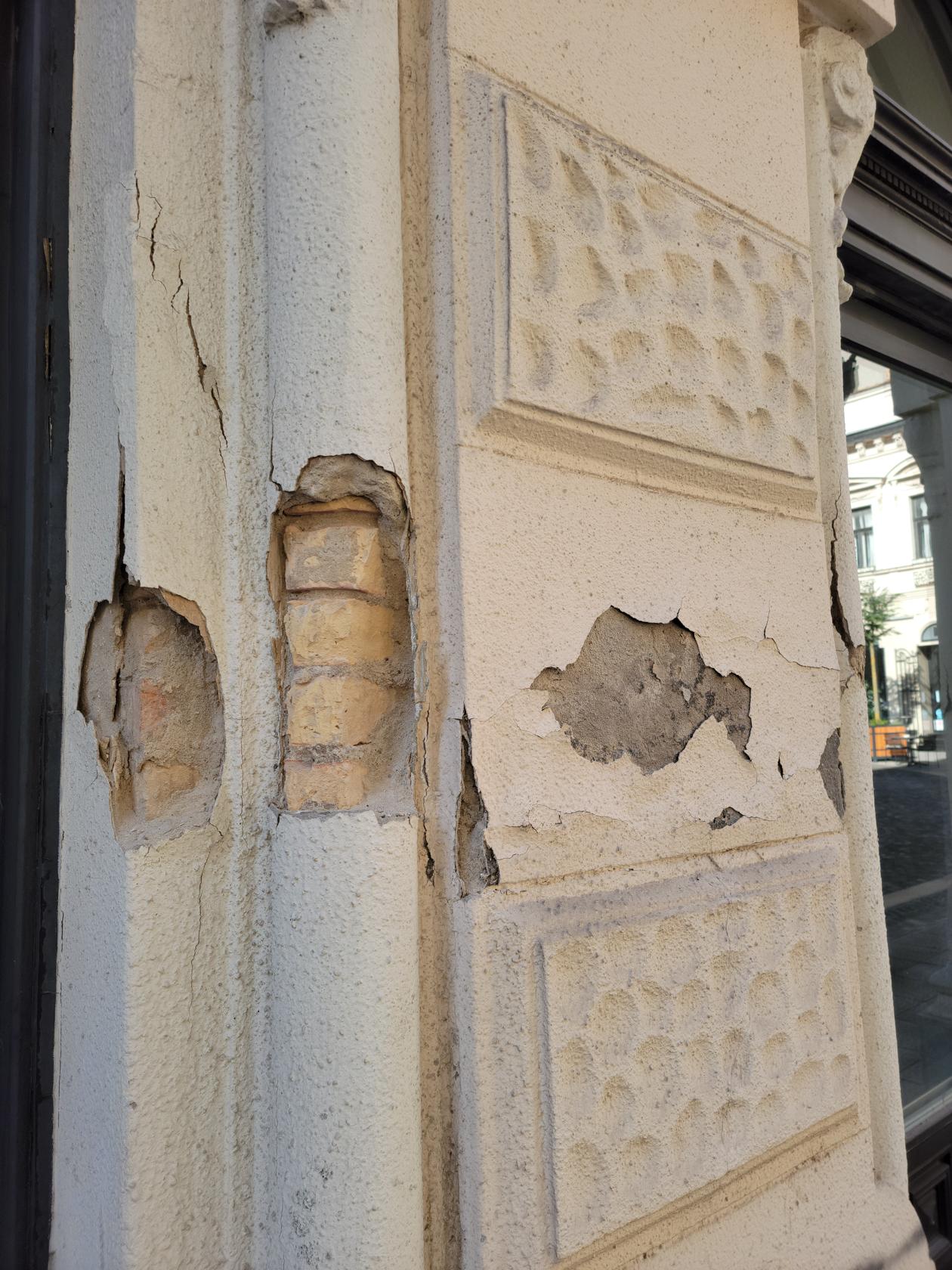
Though beautiful, after a while you realize, like so many other cities in Europe, it’s all about the facade. It’s all brick underneath, mortar and stone.
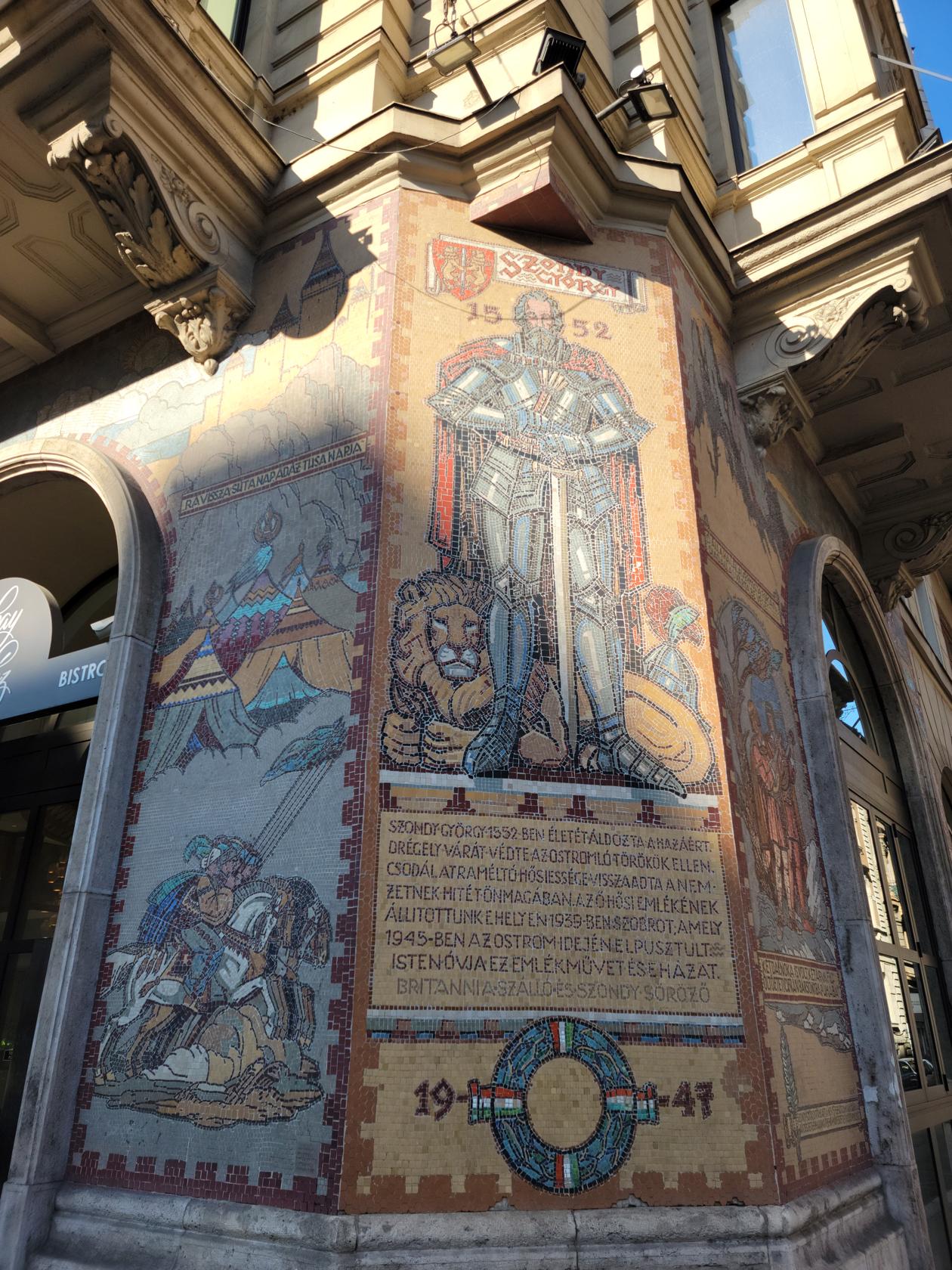
Memorial 1952 – Pest – Budapest, Hungary
It’s just a facade – Pest – Budapest, Hungary
Parliament Tour
For anyone visiting Budapest, the Parliament on the Pest side is an attraction that must be seen. However, be careful when purchasing tickets! There are a few official looking websites out there that purchase them for you at double the price. Check and double check your search engine and map application to ensure you have the official website. It will be quite obvious if you do, since you will receive your tickets immediately, instead of waiting for them to „appear“ in your mailbox.
The front – The Parliament Building – Budapest, Hungary
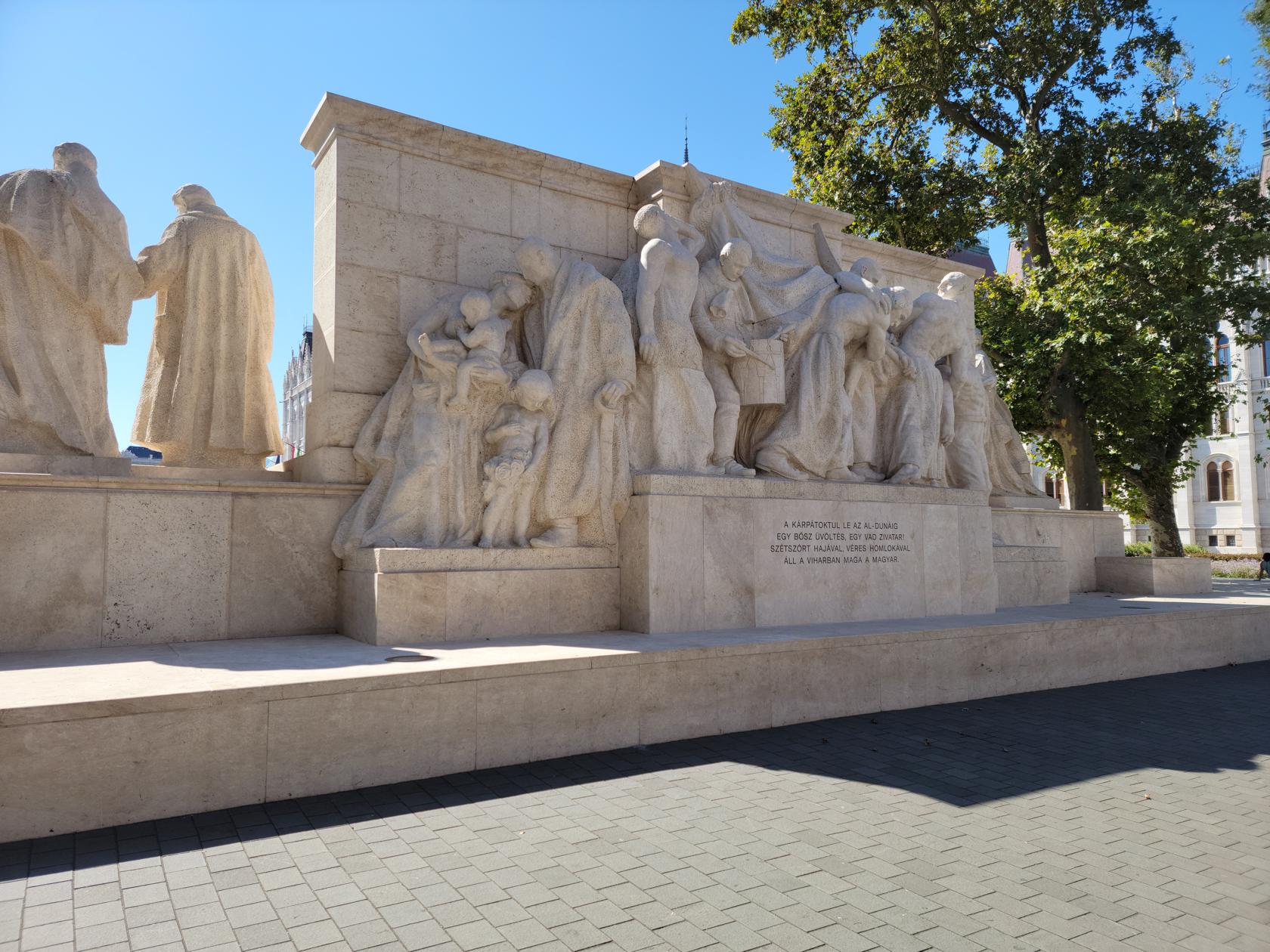
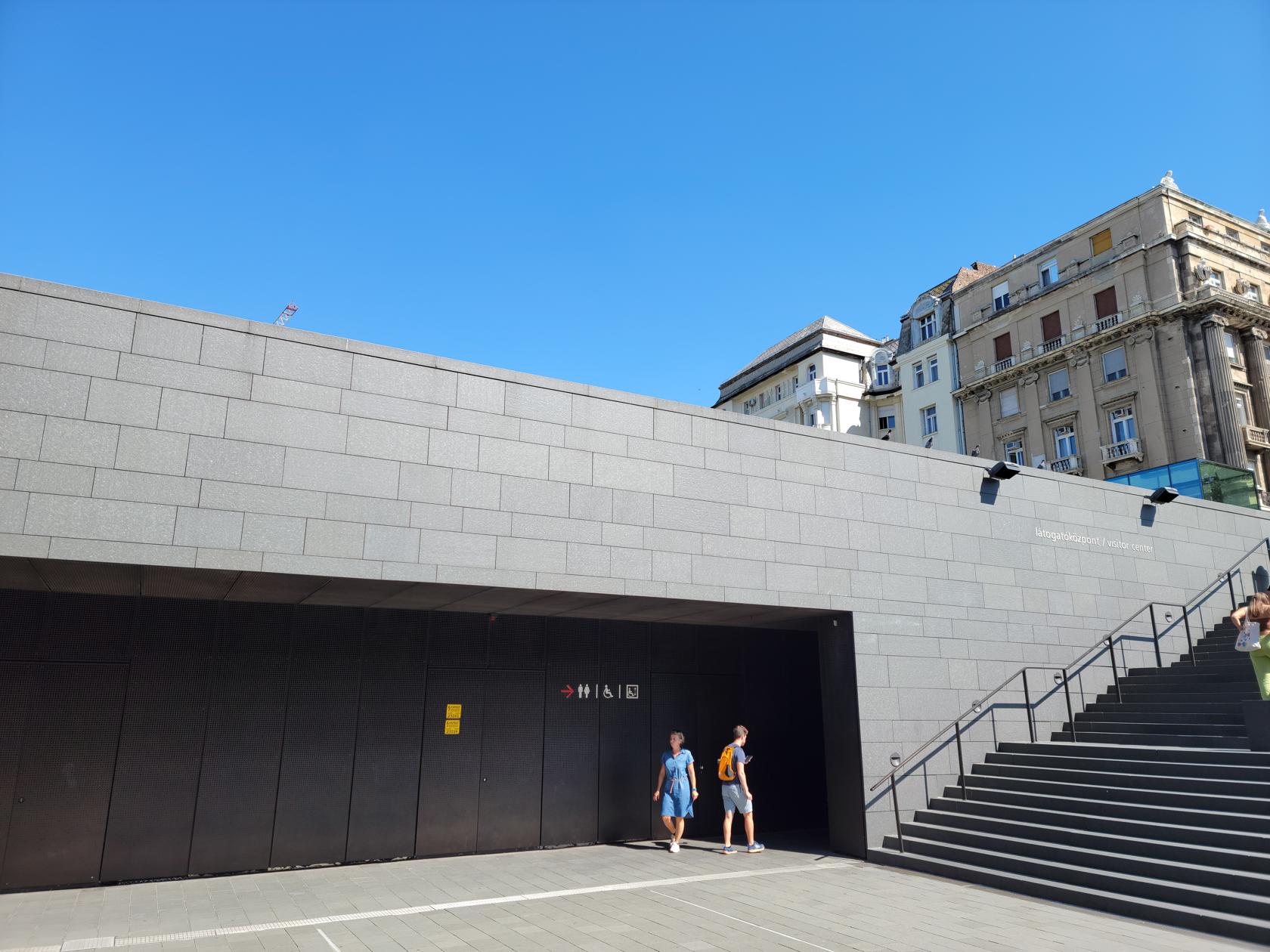
Looking at the front of the building from the land side, you enter from the right and below ground. There are also some interesting monuments before you enter worth seeing, so keep your eyes open for them.
From the river side – The Parliament Building – Budapest, Hungary
From the land side – The Parliament Building – Budapest, Hungary
Monument – The Parliament Building – Budapest, Hungary
Entrance – The Parliament Building – Budapest, Hungary
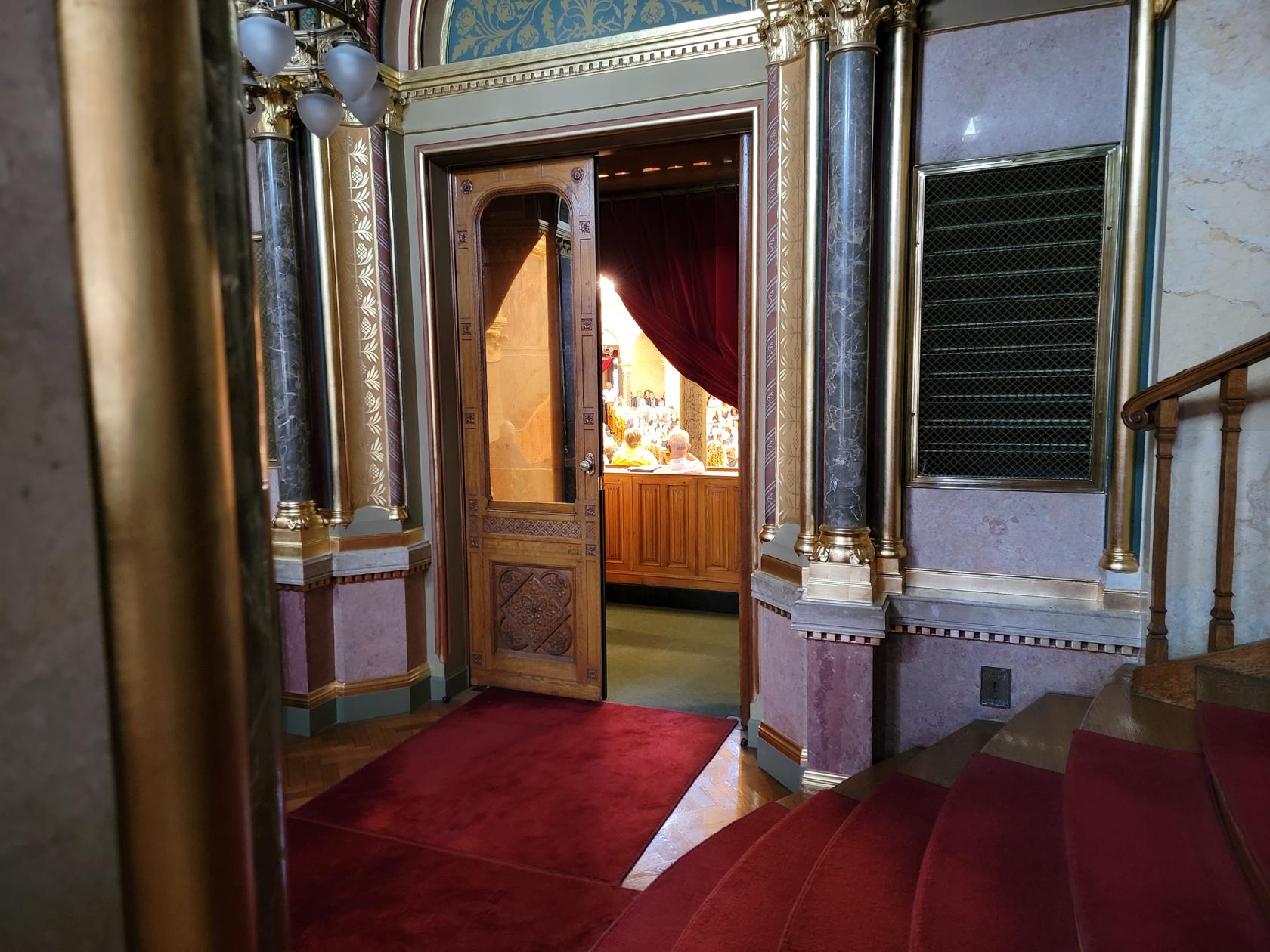
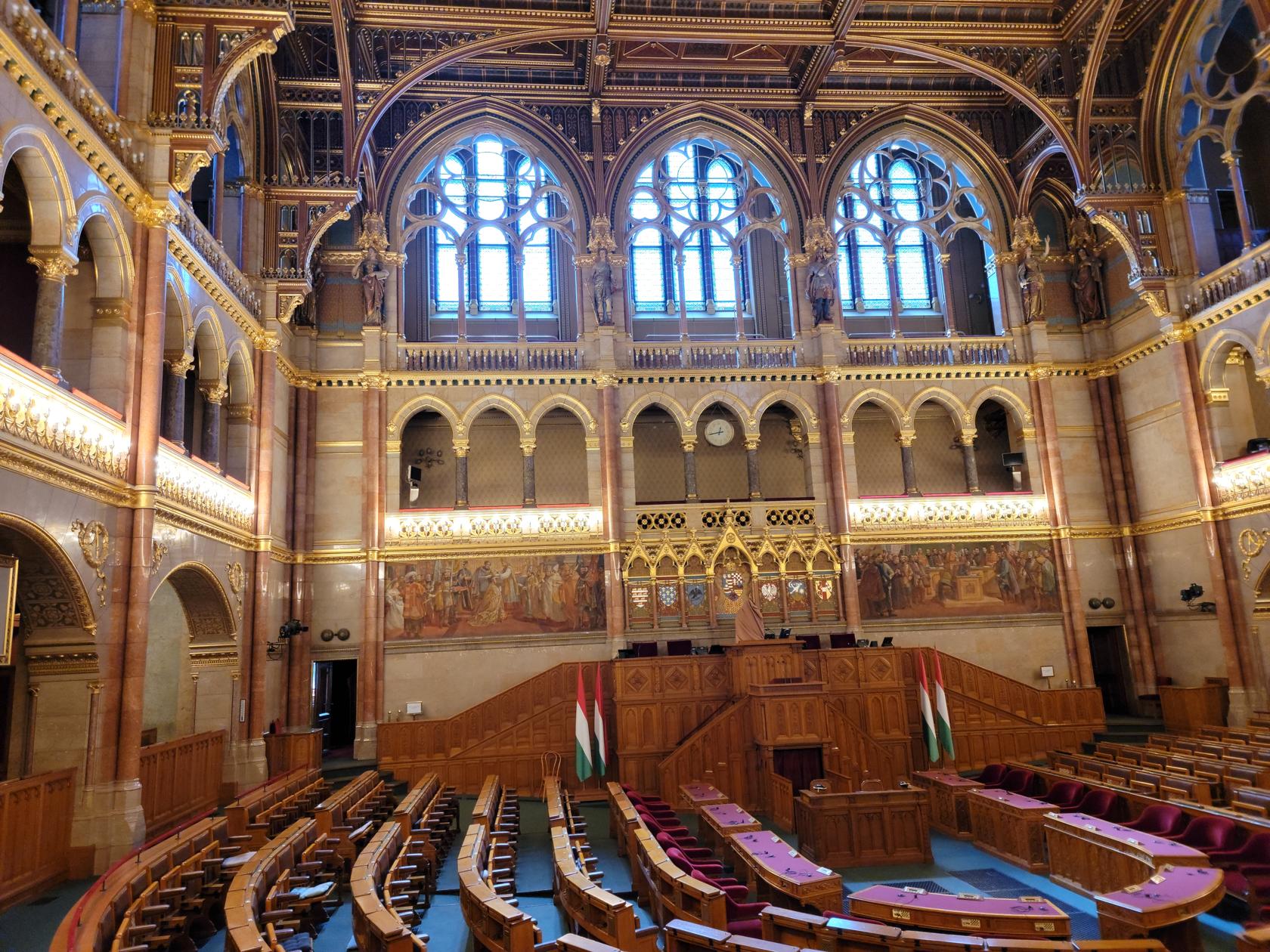
The tour is rather long but very thorough. We were even able to catch a glimpse of their unicameral legislature in-session! We were actually quite impressed with the thoroughness and professionalism of the tour. Though we thought they spoke at length, perhaps too long, about the crown jewels, which of course you were unable to photograph.
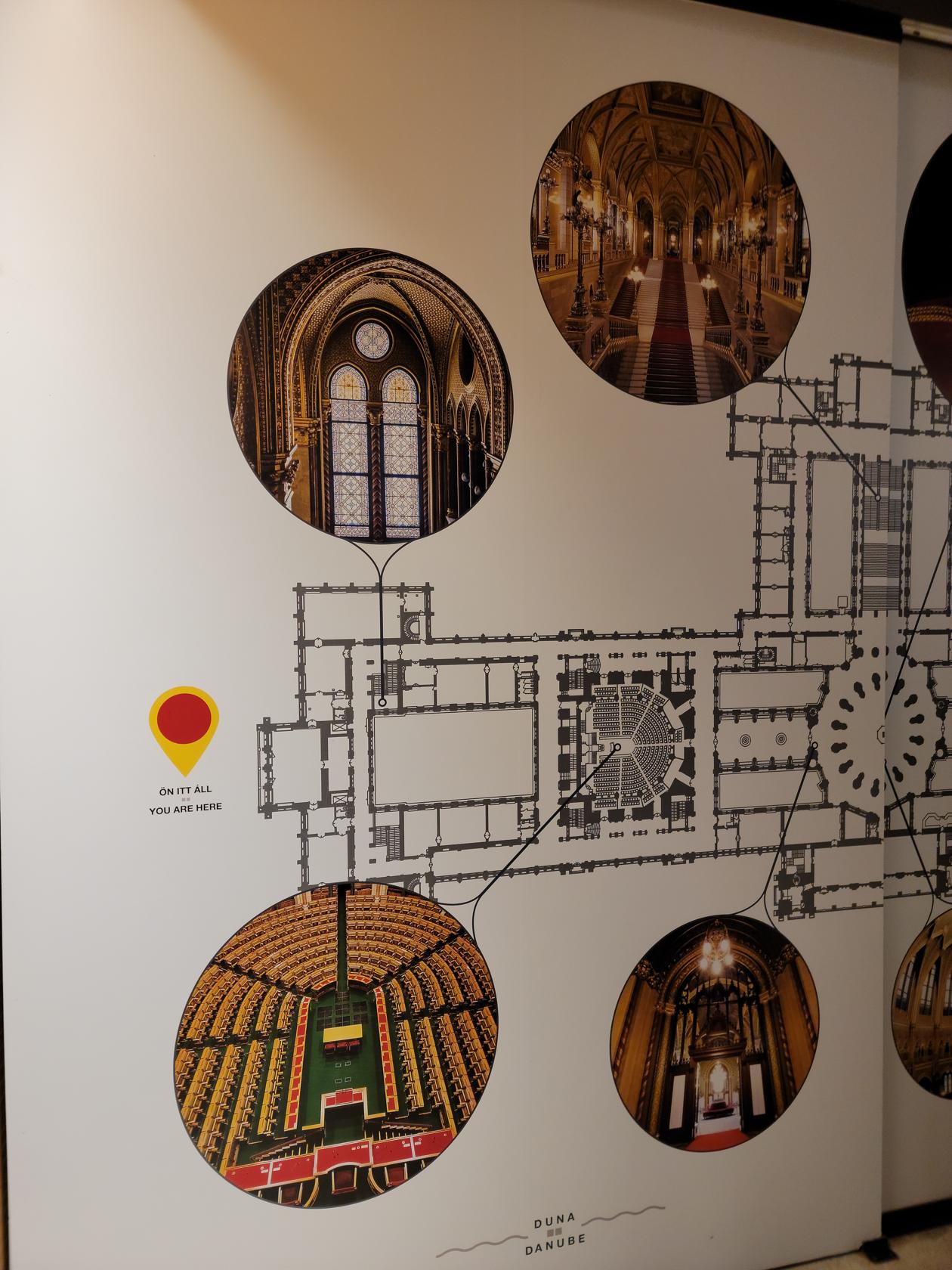
Layout – The Parliament Building – Budapest, Hungary
Entrance – The Parliament Building – Budapest, Hungary
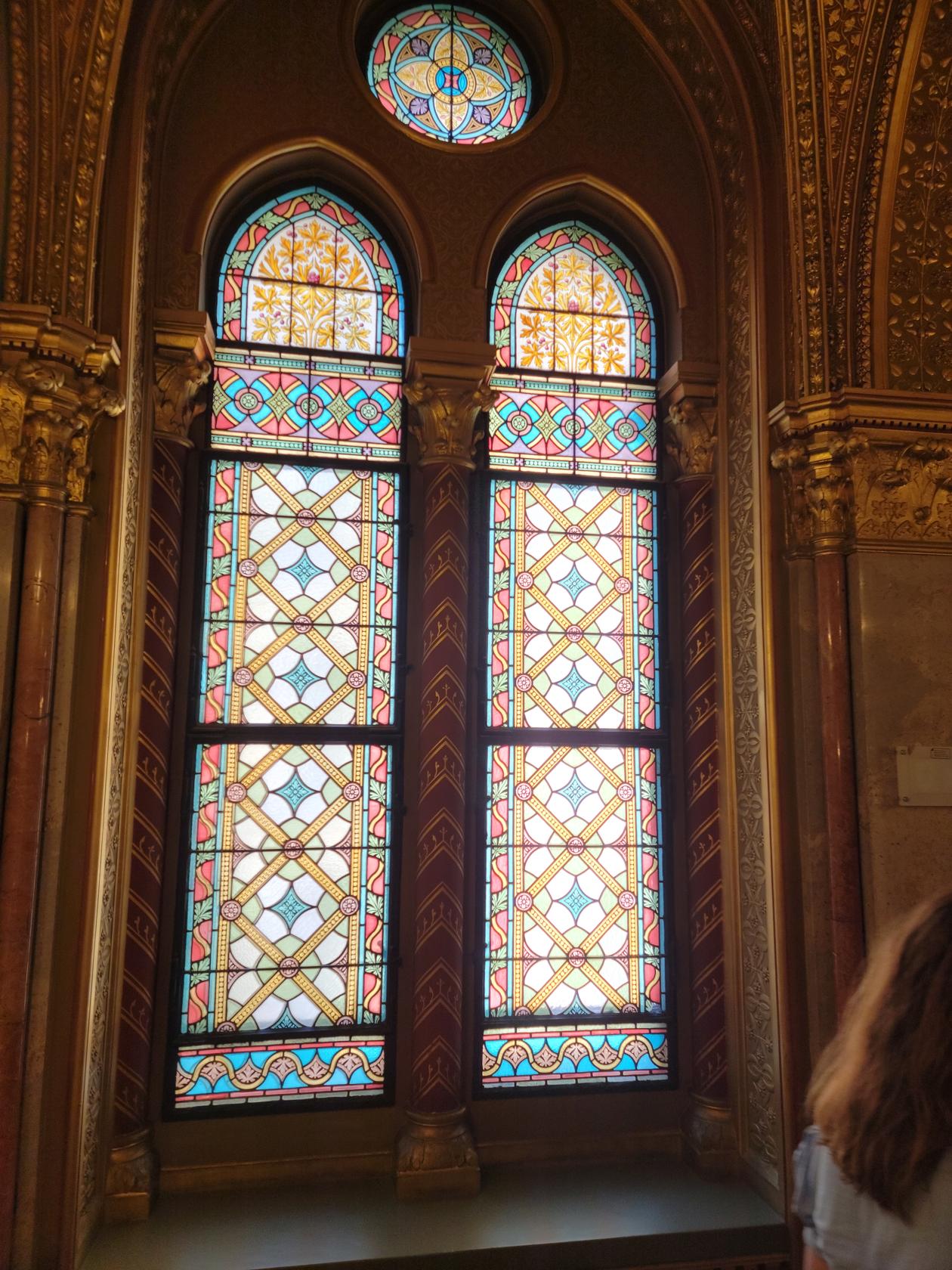
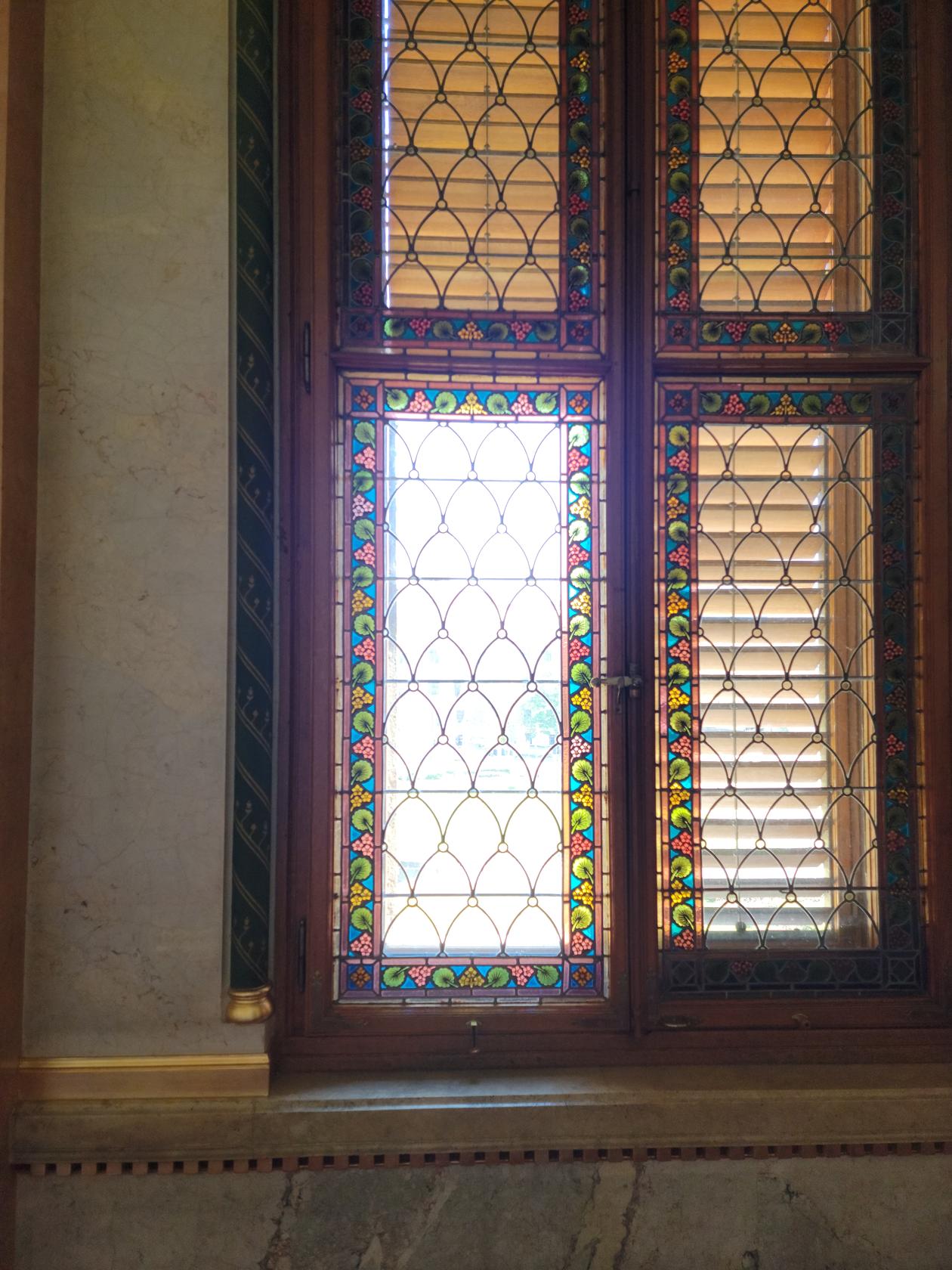
Stained windows – The Parliament Building – Budapest, Hungary
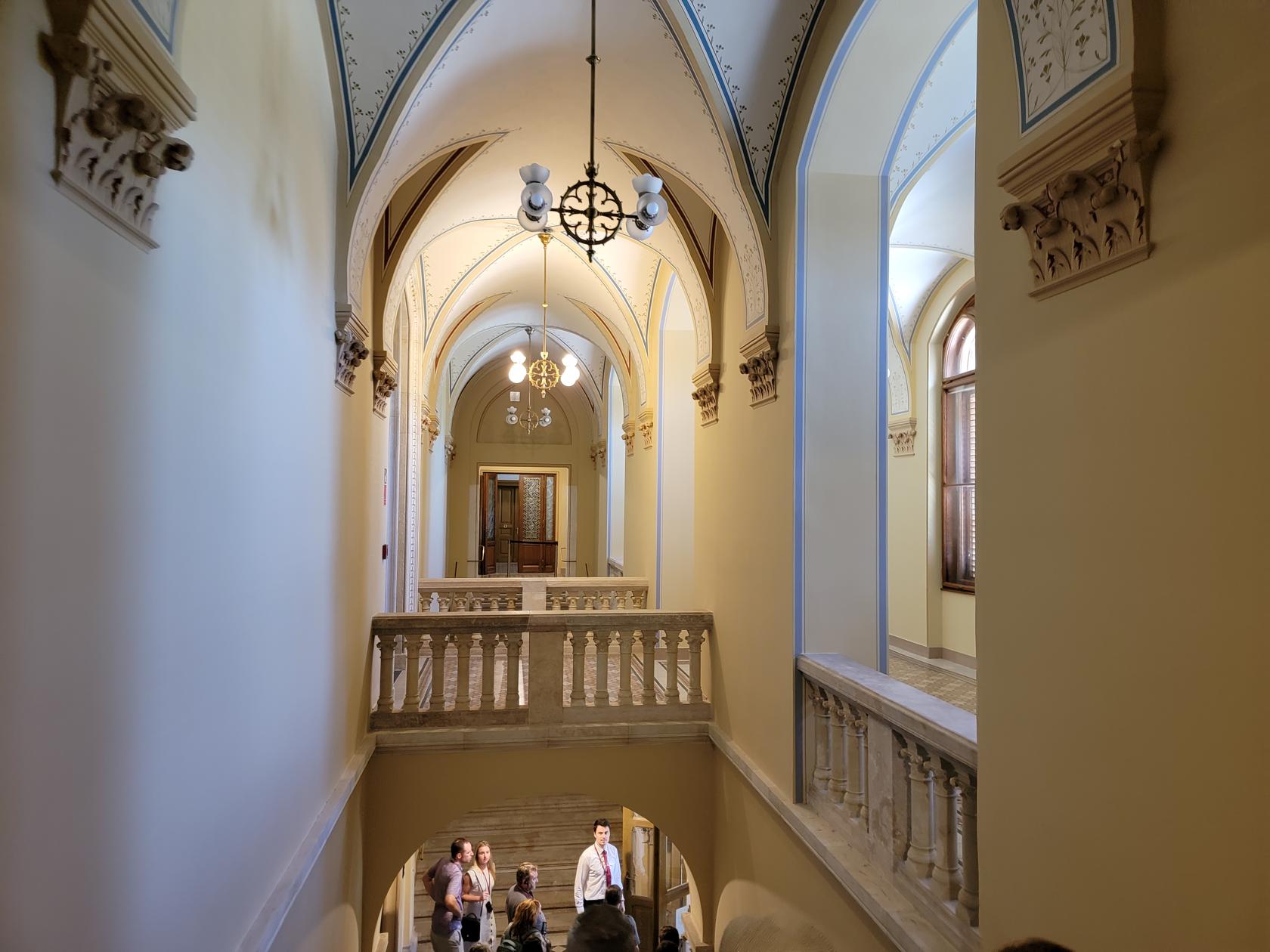
Stairwell – The Parliament Building – Budapest, Hungary
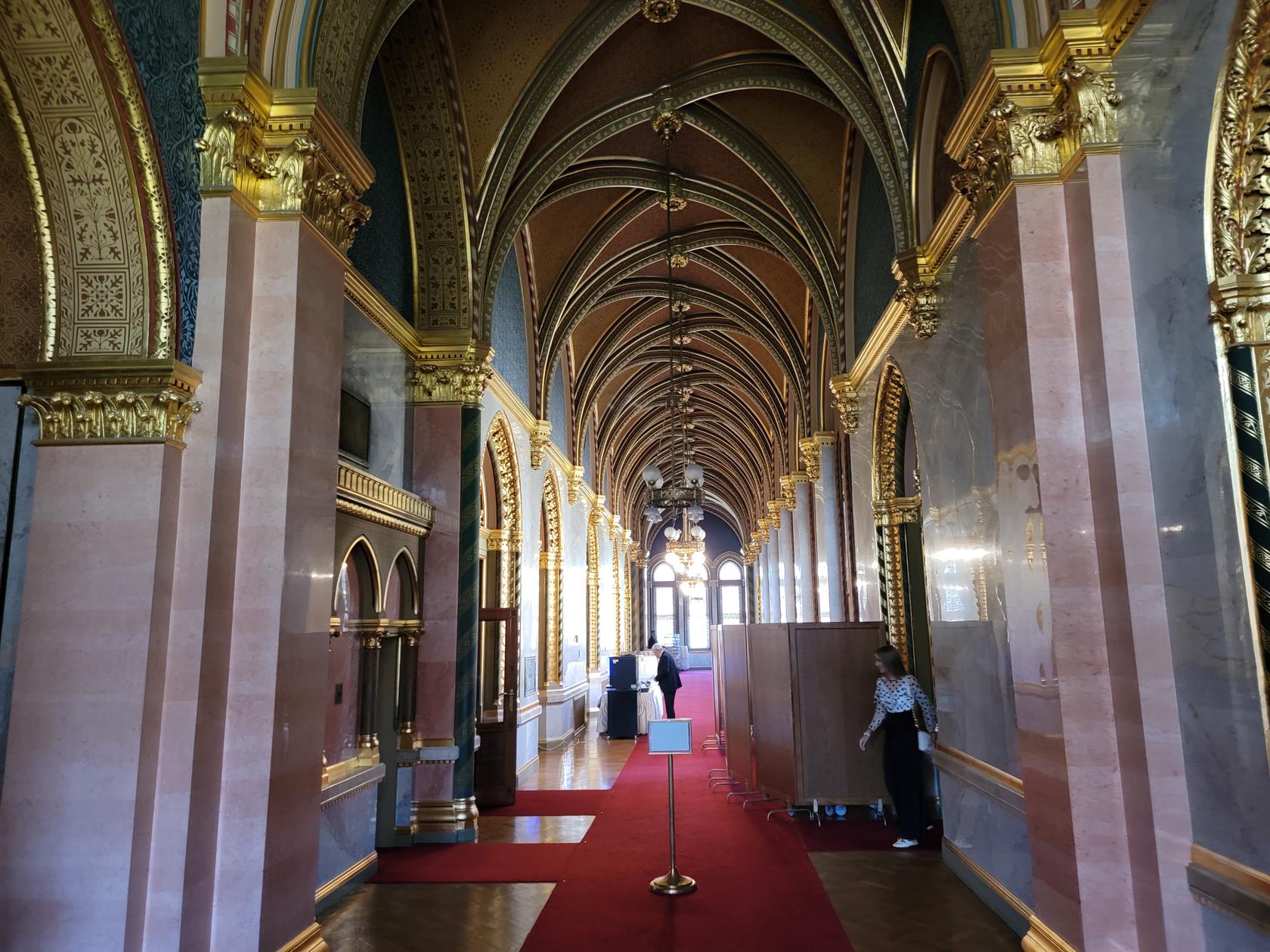
Hallway – The Parliament Building – Budapest, Hungary
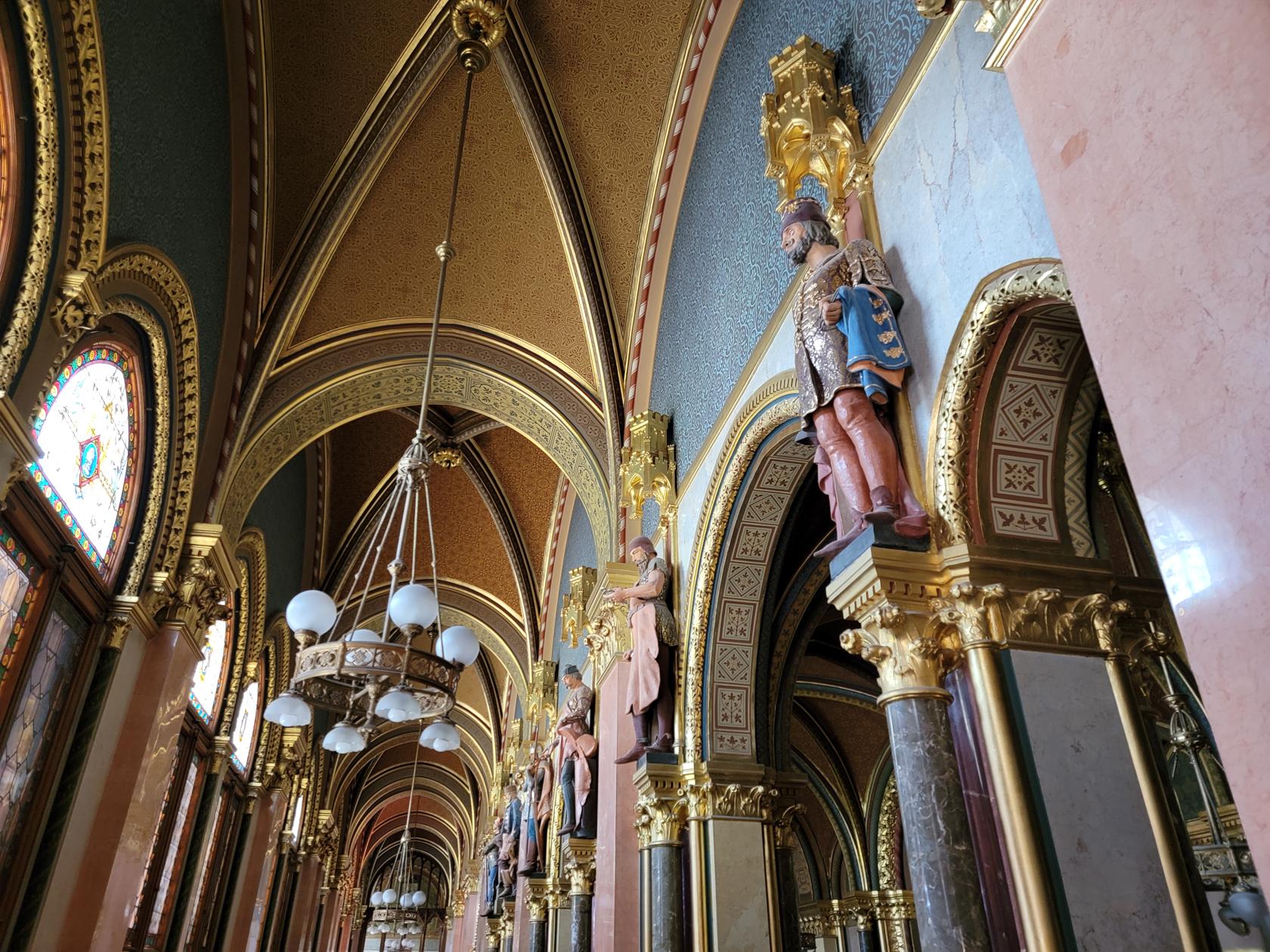
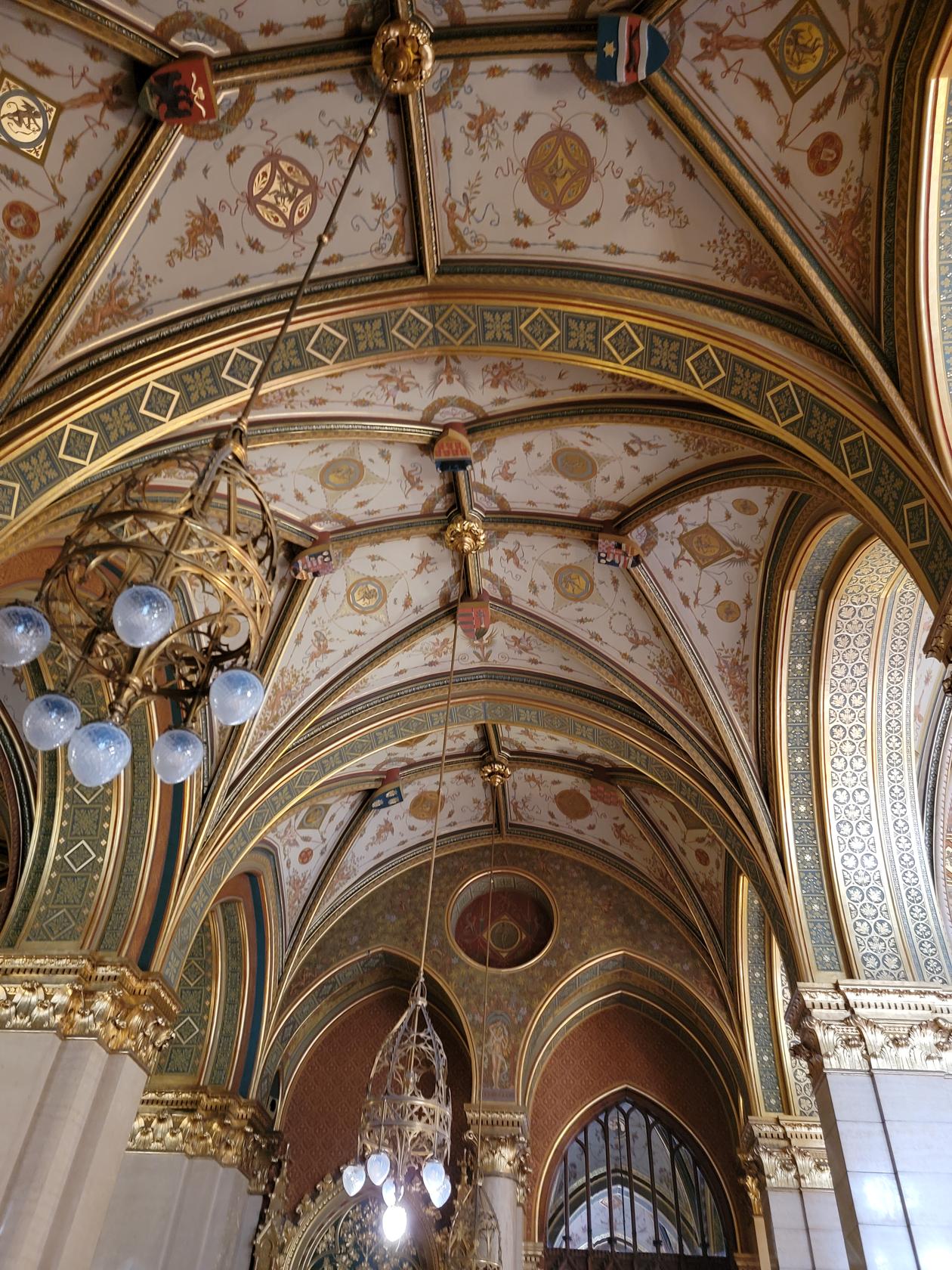
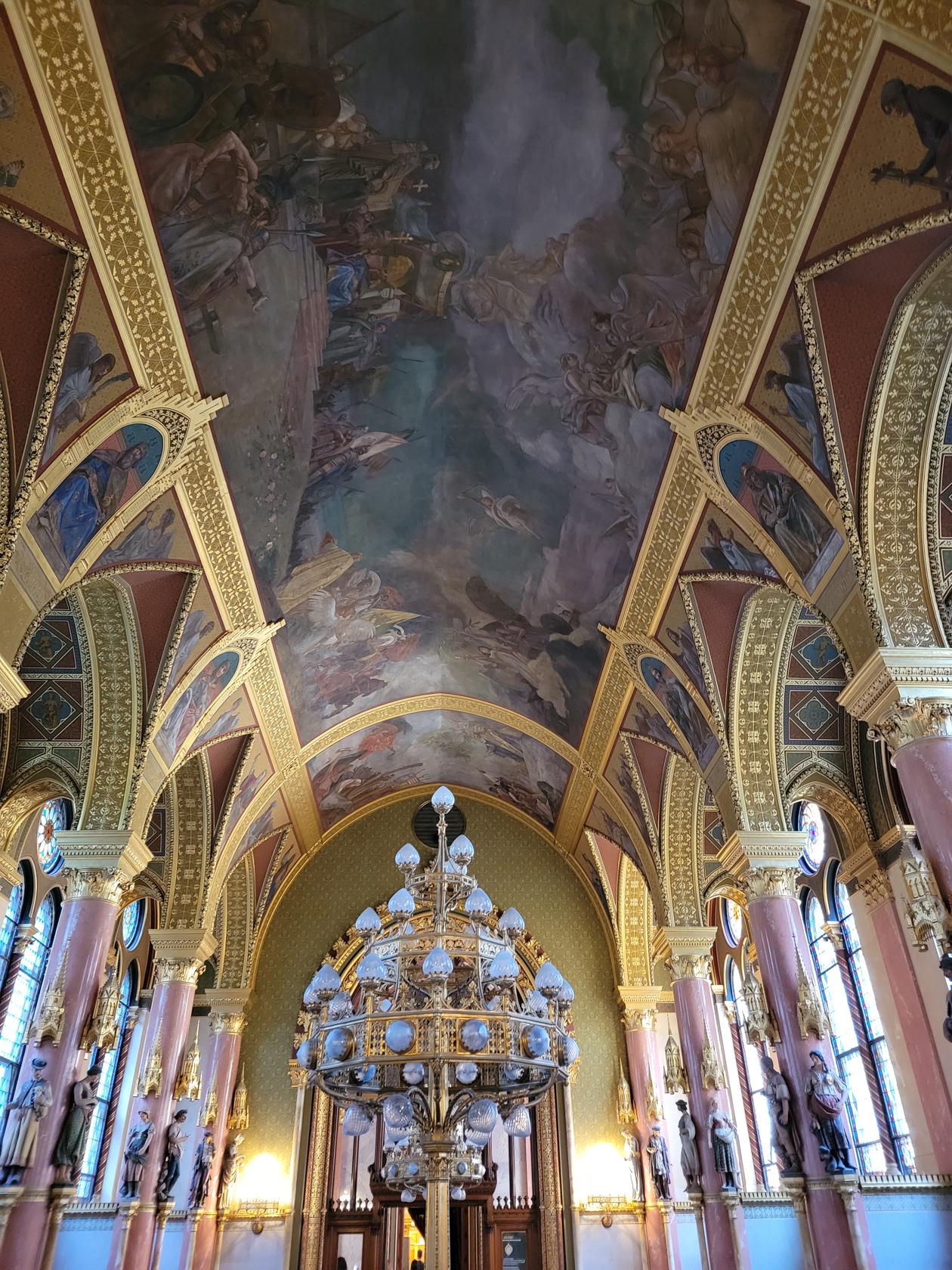
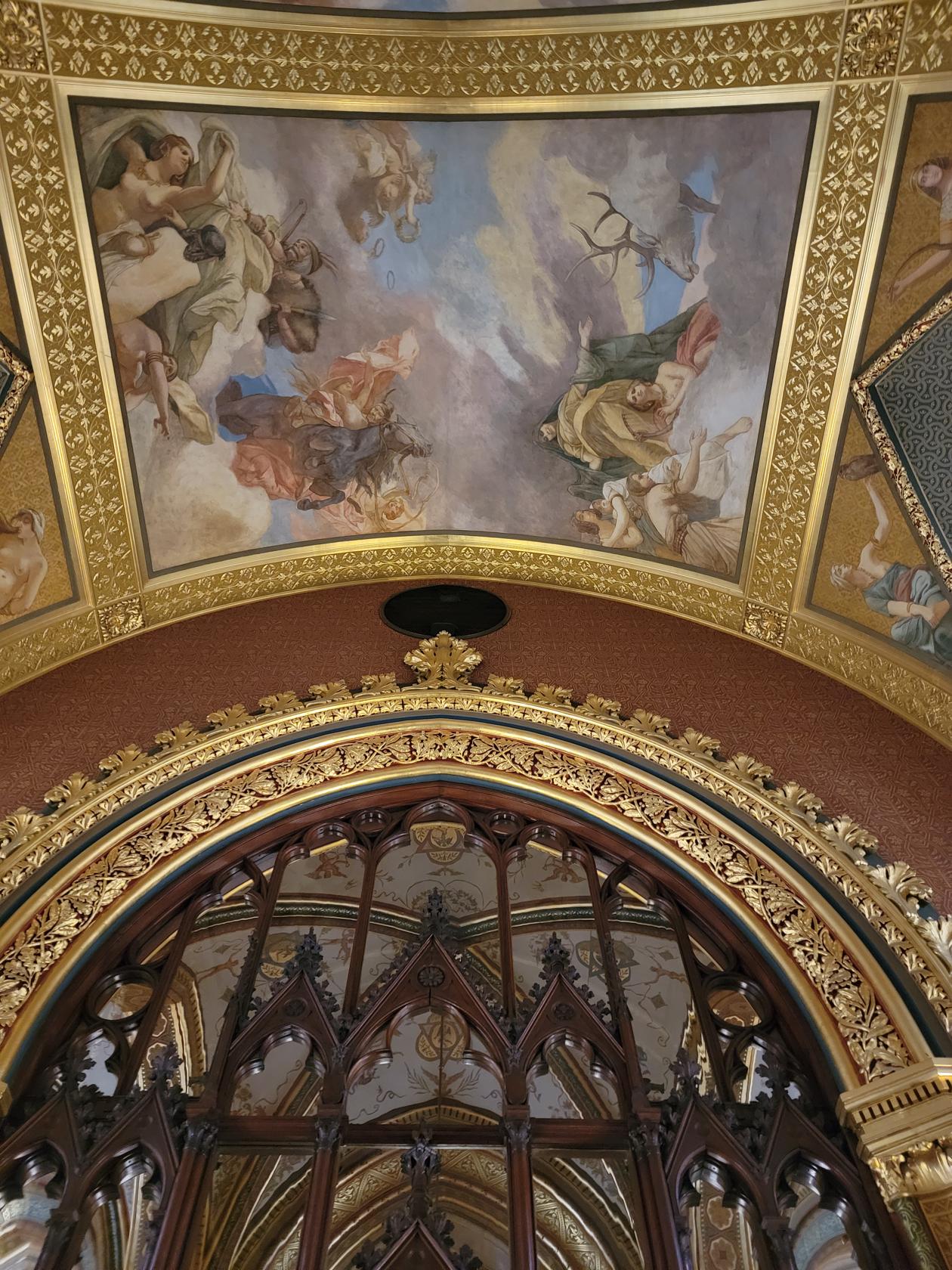
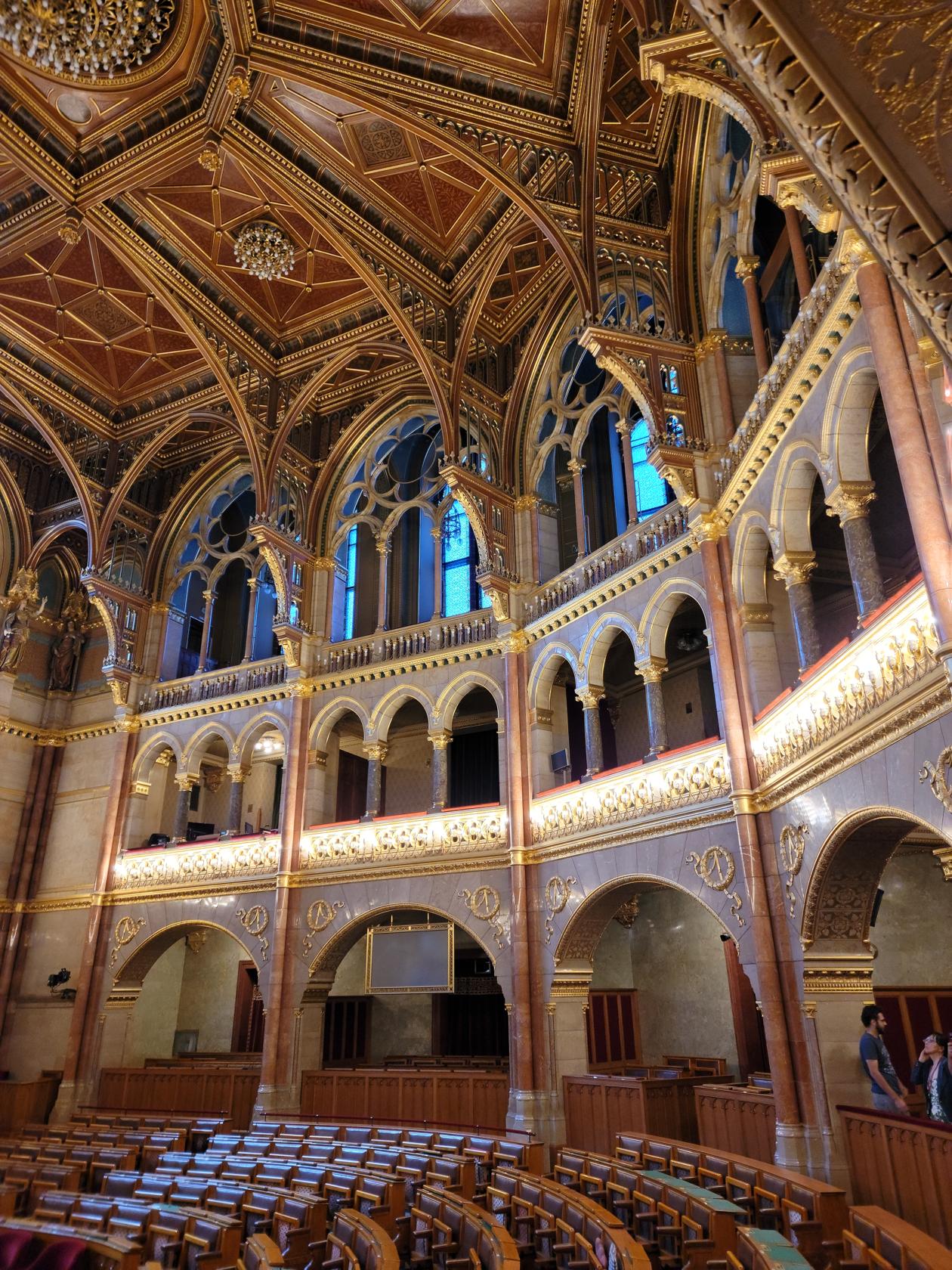
Ornate ceilings – The Parliament Building – Budapest, Hungary
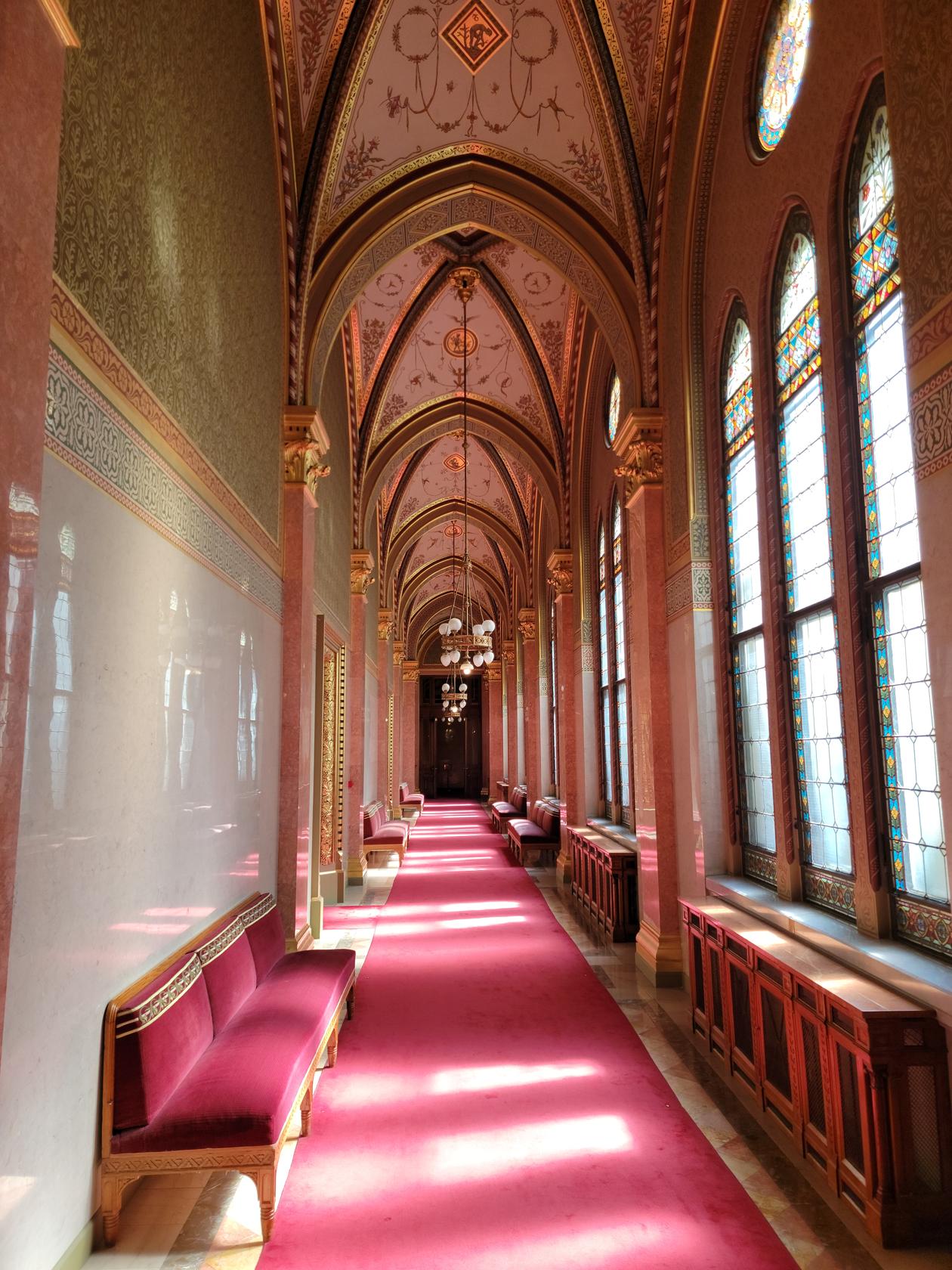
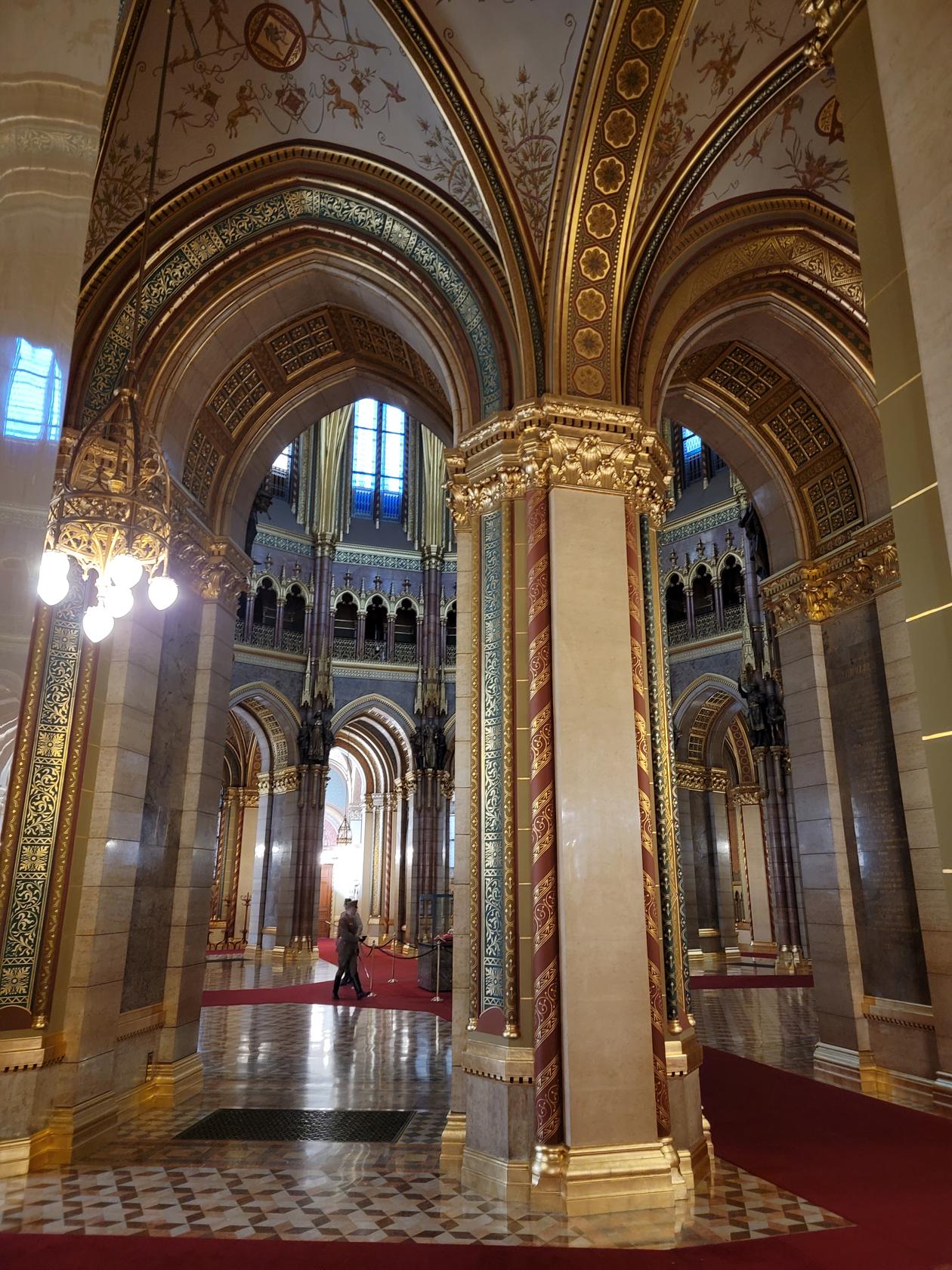
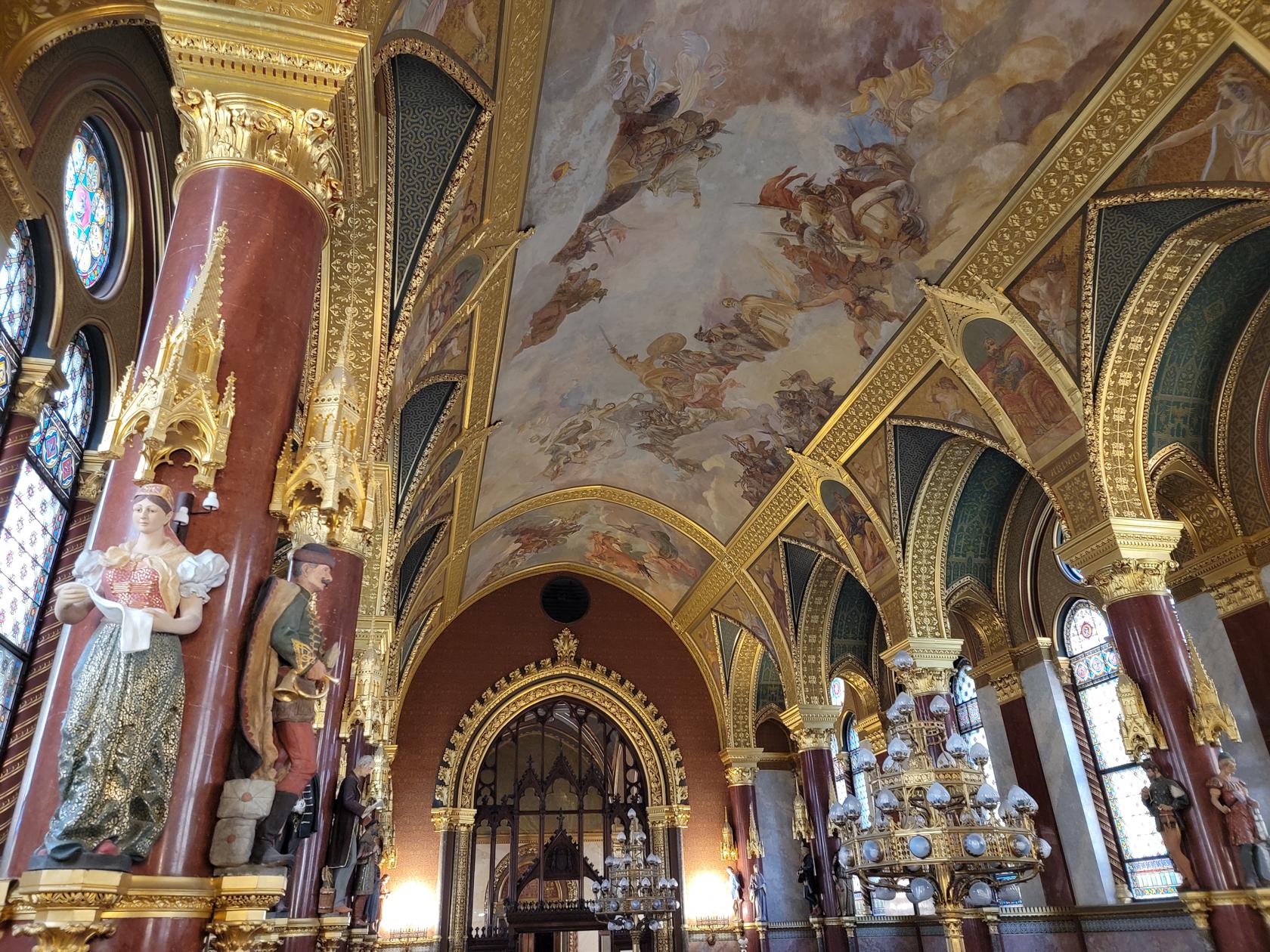
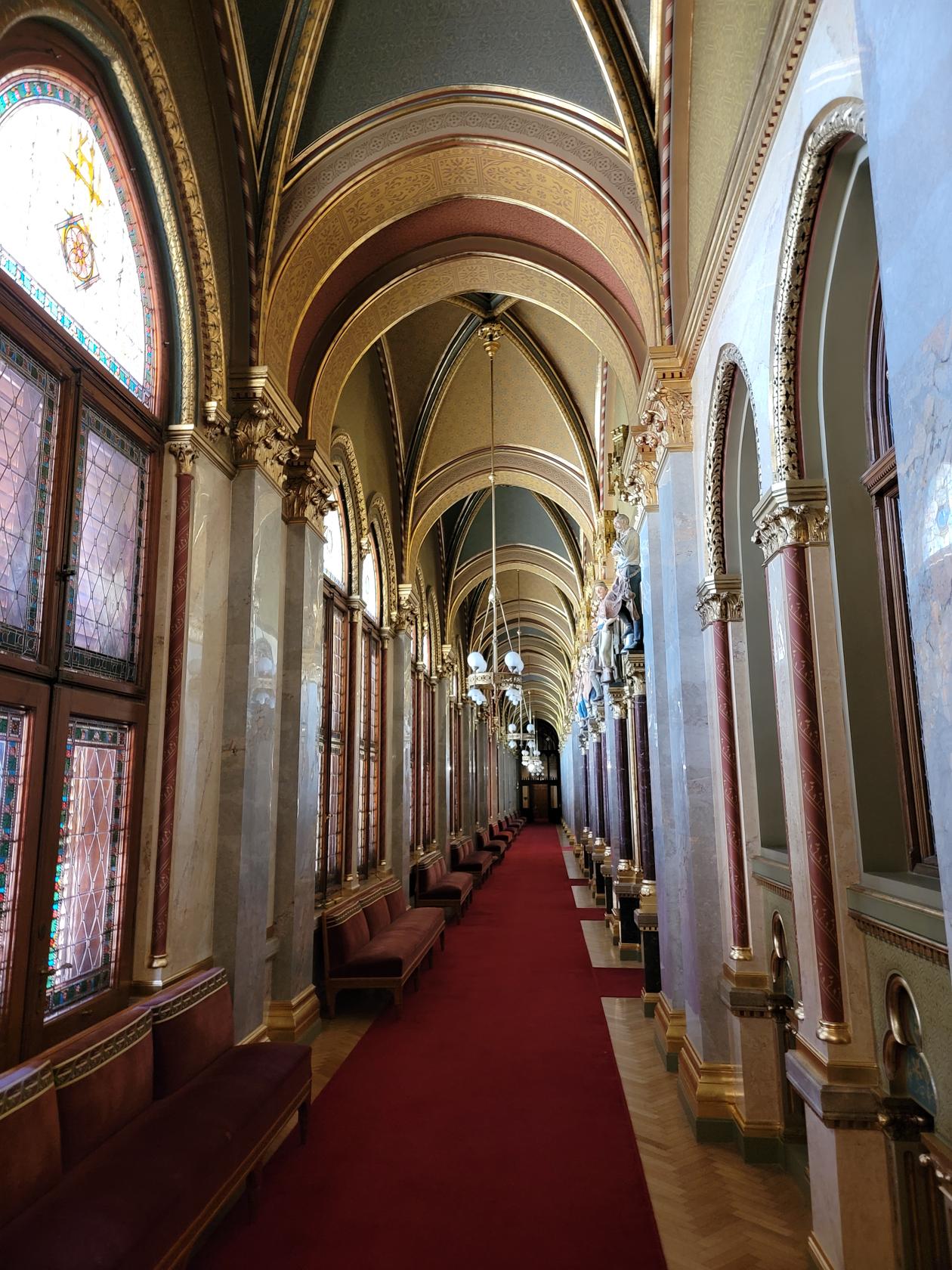
Beautiful hallways – The Parliament Building – Budapest, Hungary
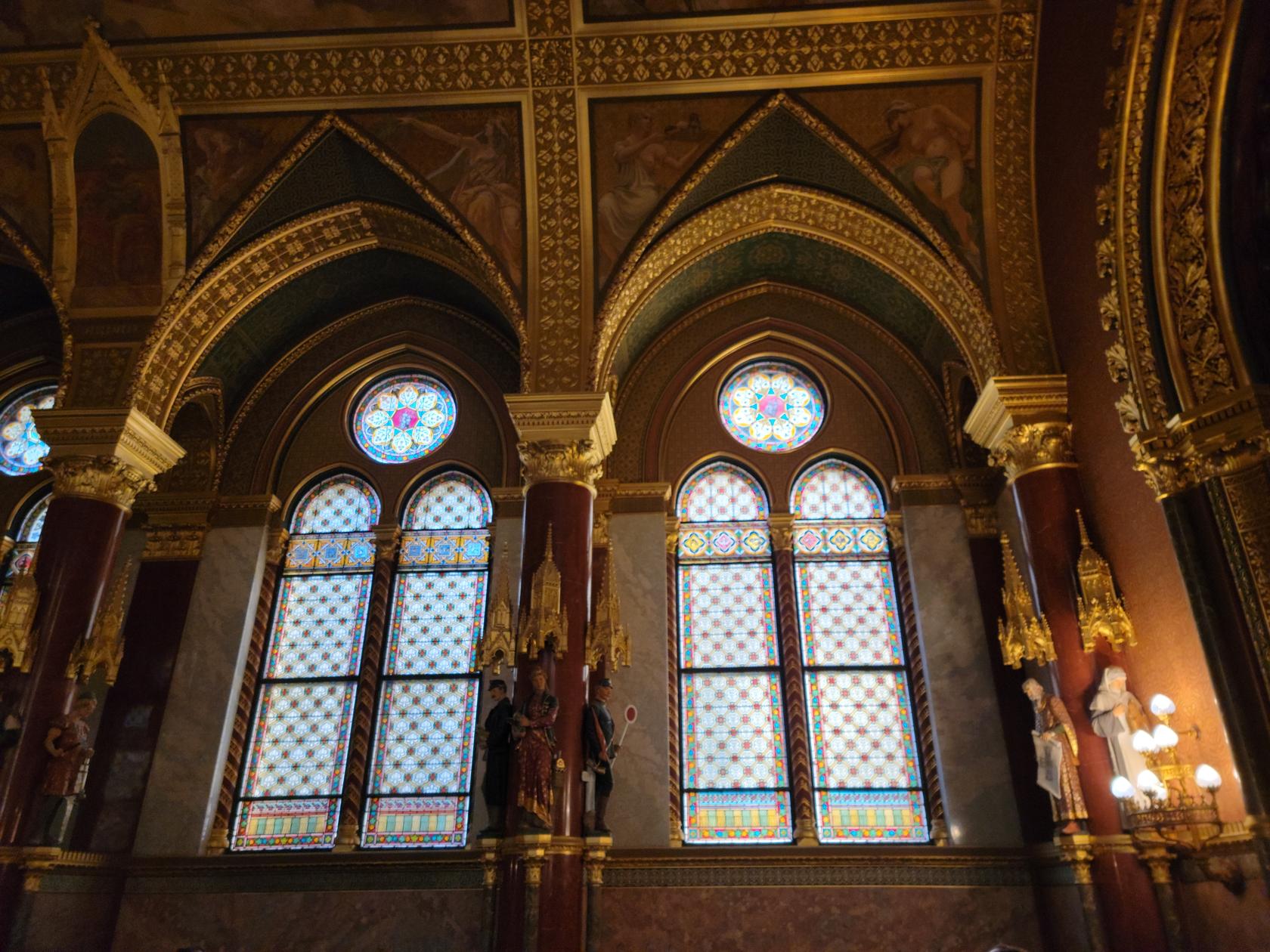
Windows, close-up – The Parliament Building – Budapest, Hungary
Another hallway – The Parliament Building – Budapest, Hungary
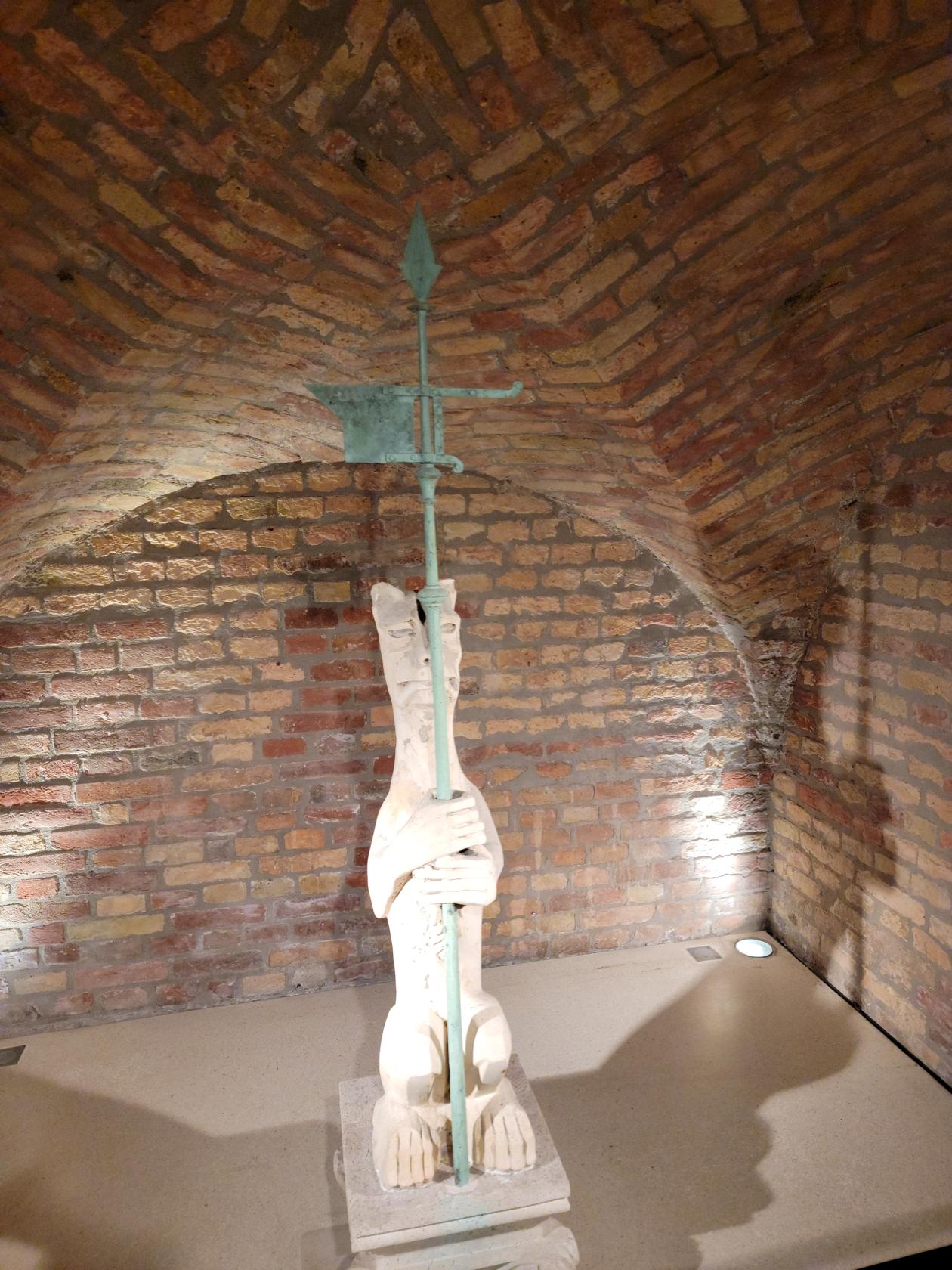
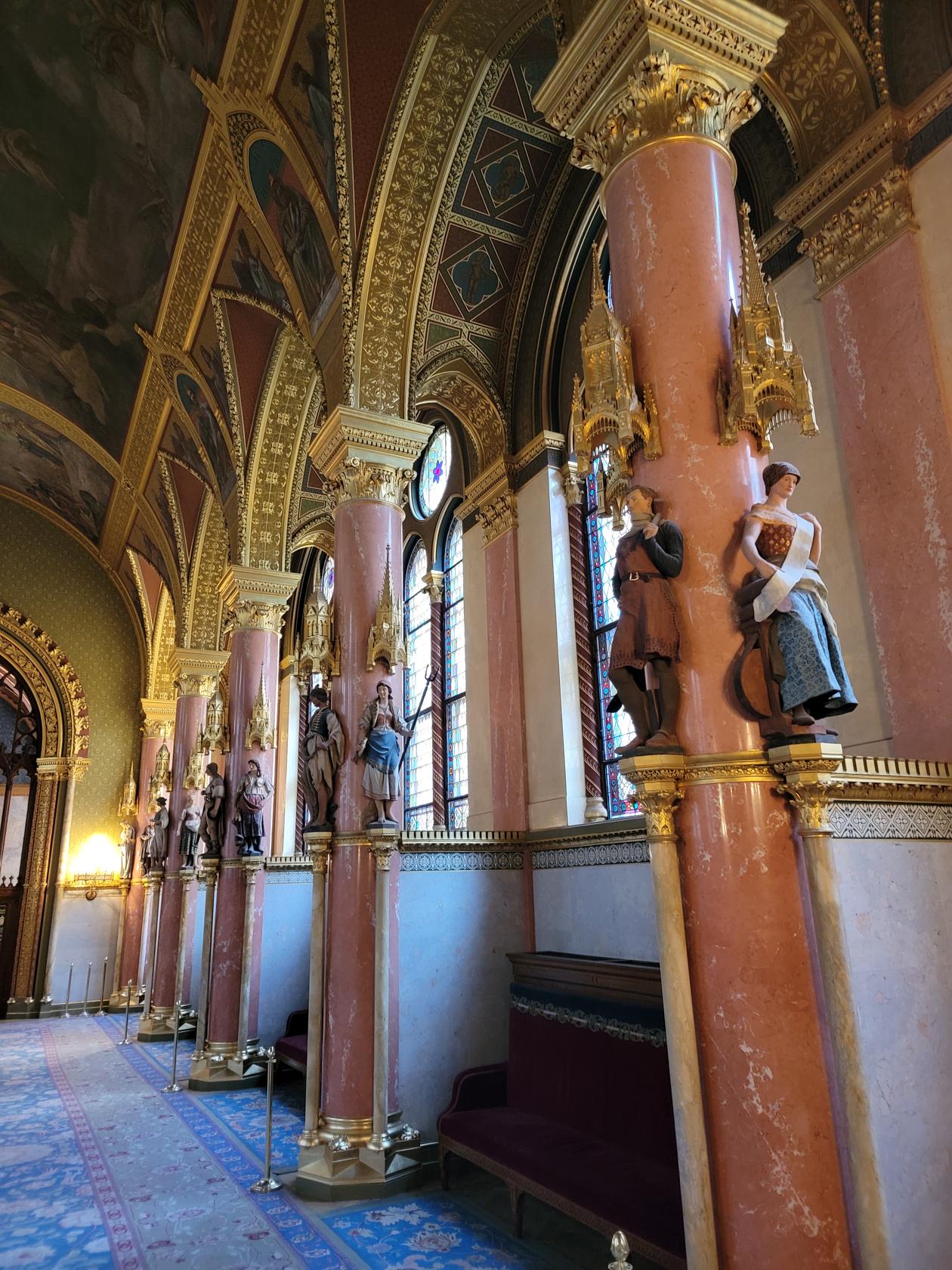
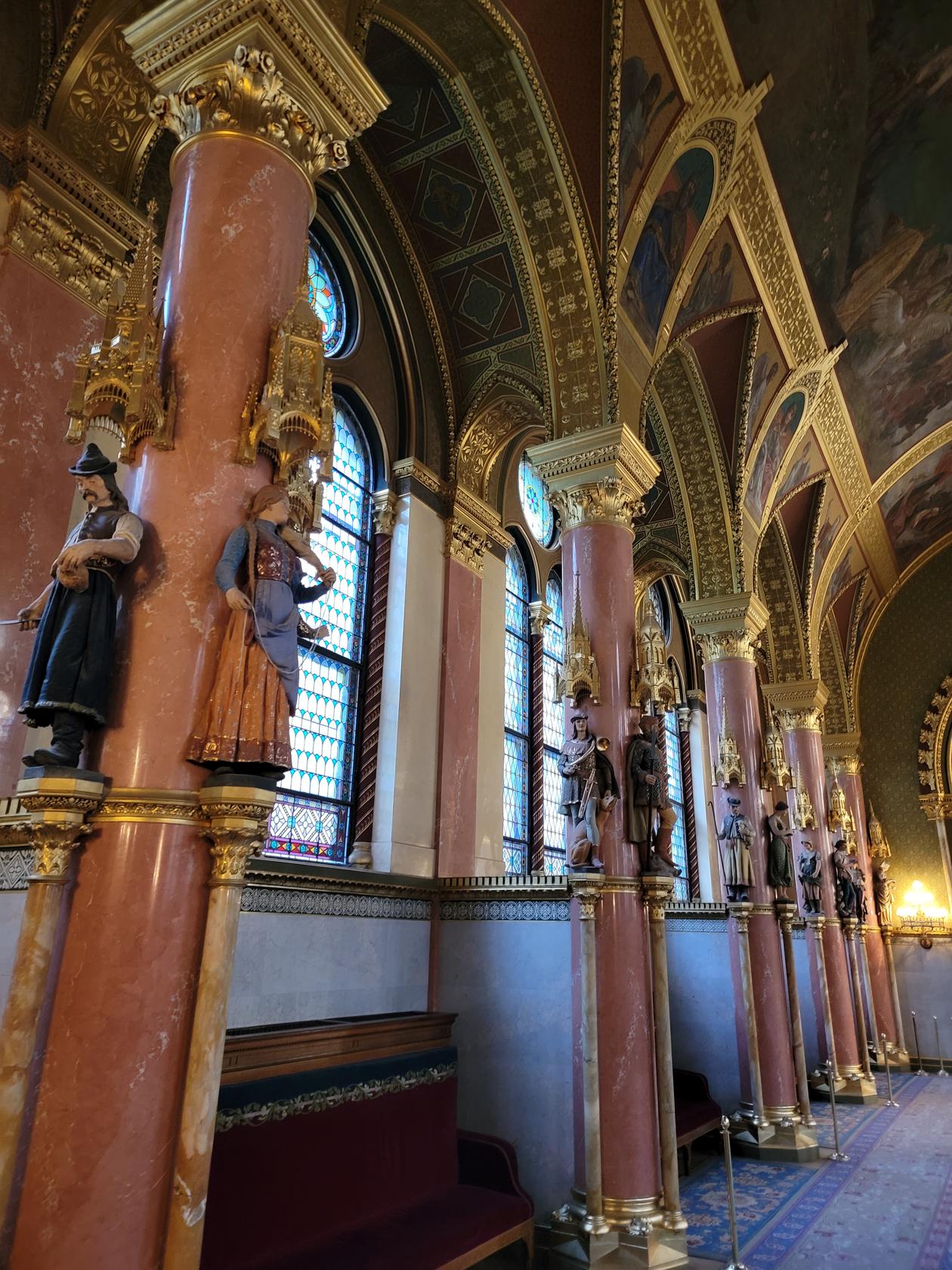
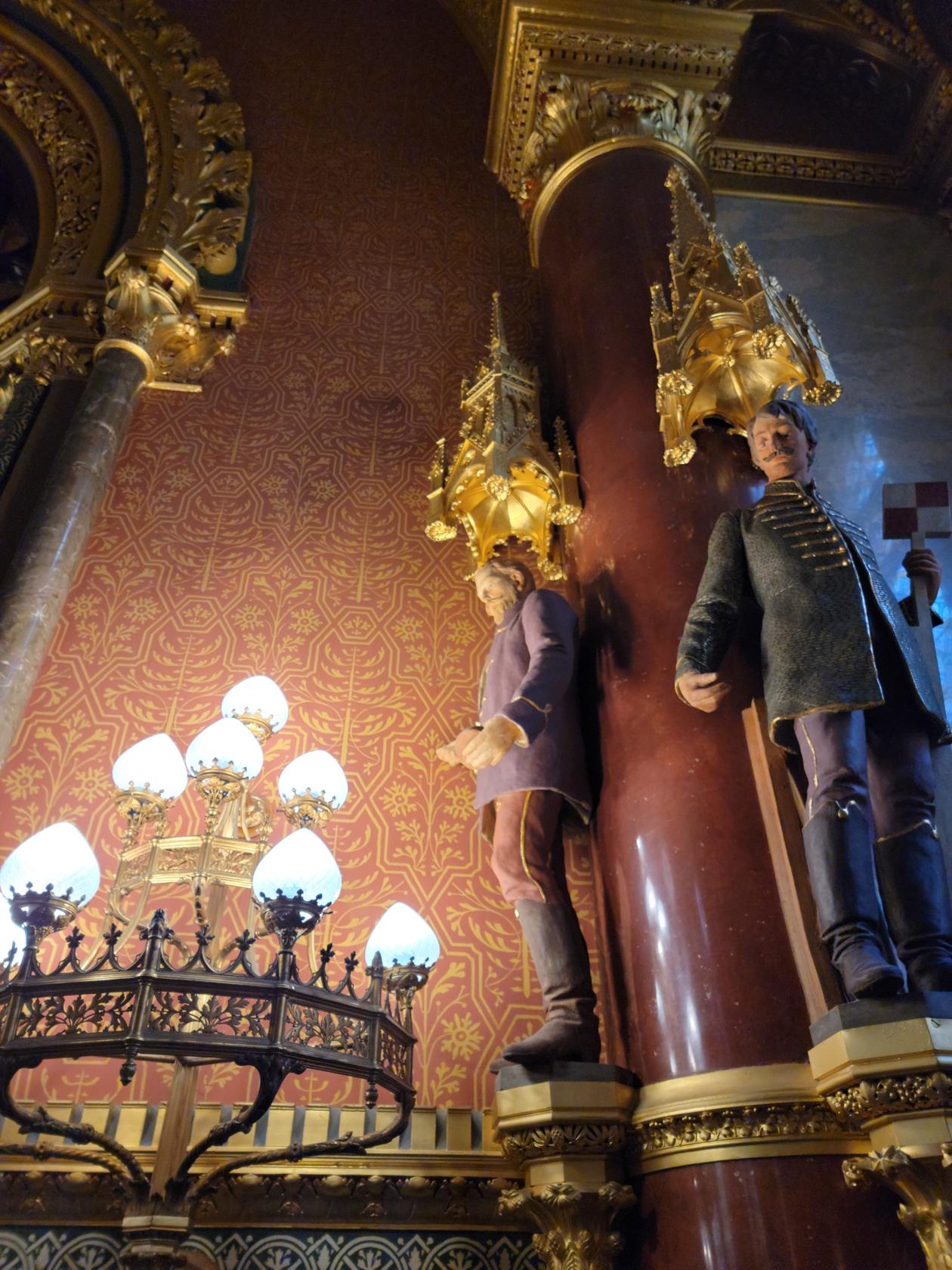
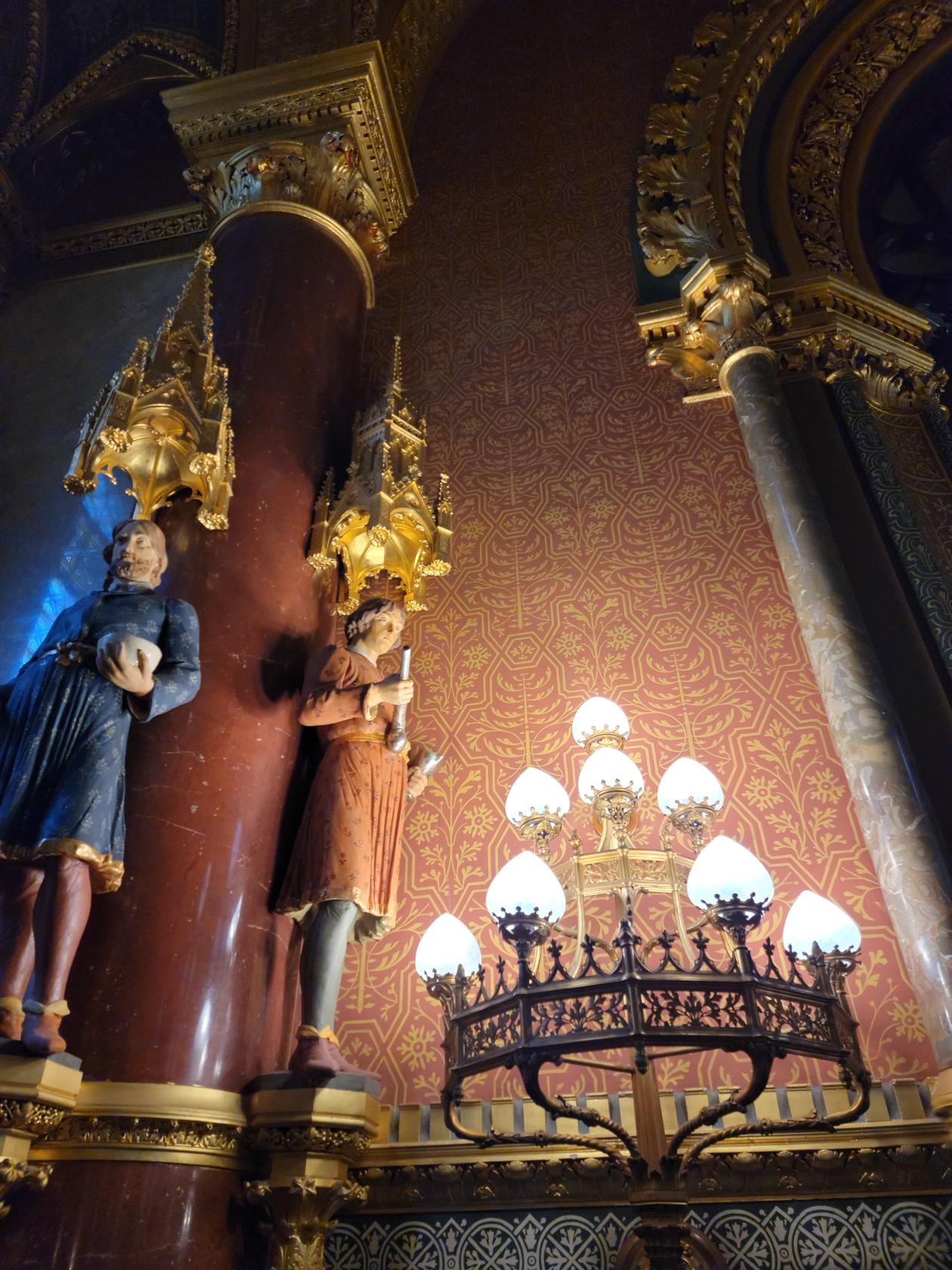
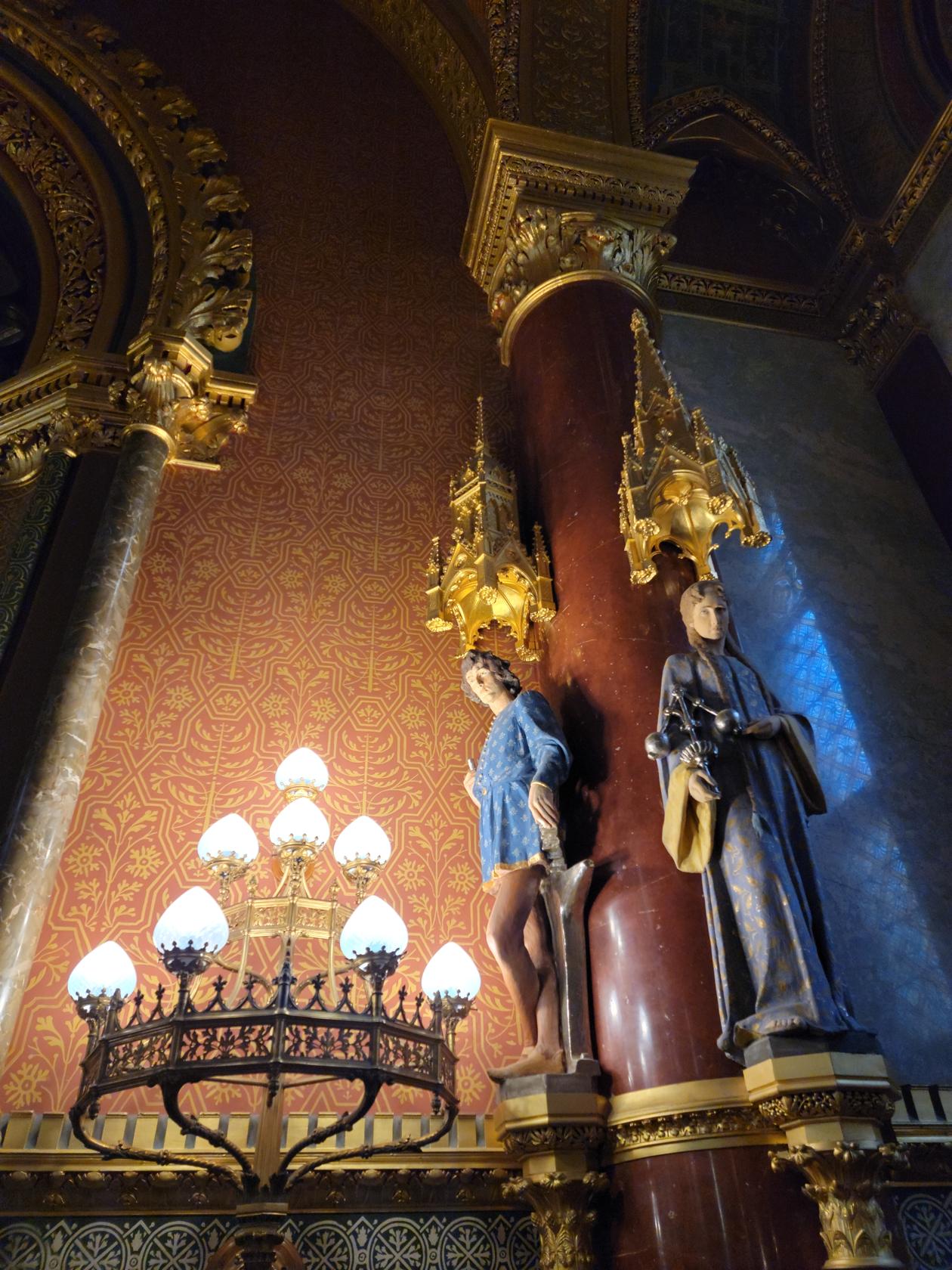
Sentinel figures – The Parliament Building – Budapest, Hungary
Unicameral session – The Parliament Building – Budapest, Hungary
In session – The Parliament Building – Budapest, Hungary
Ceiling – The Parliament Building – Budapest, Hungary
Full window – The Parliament Building – Budapest, Hungary
Ornate wood framing – The Parliament Building – Budapest, Hungary
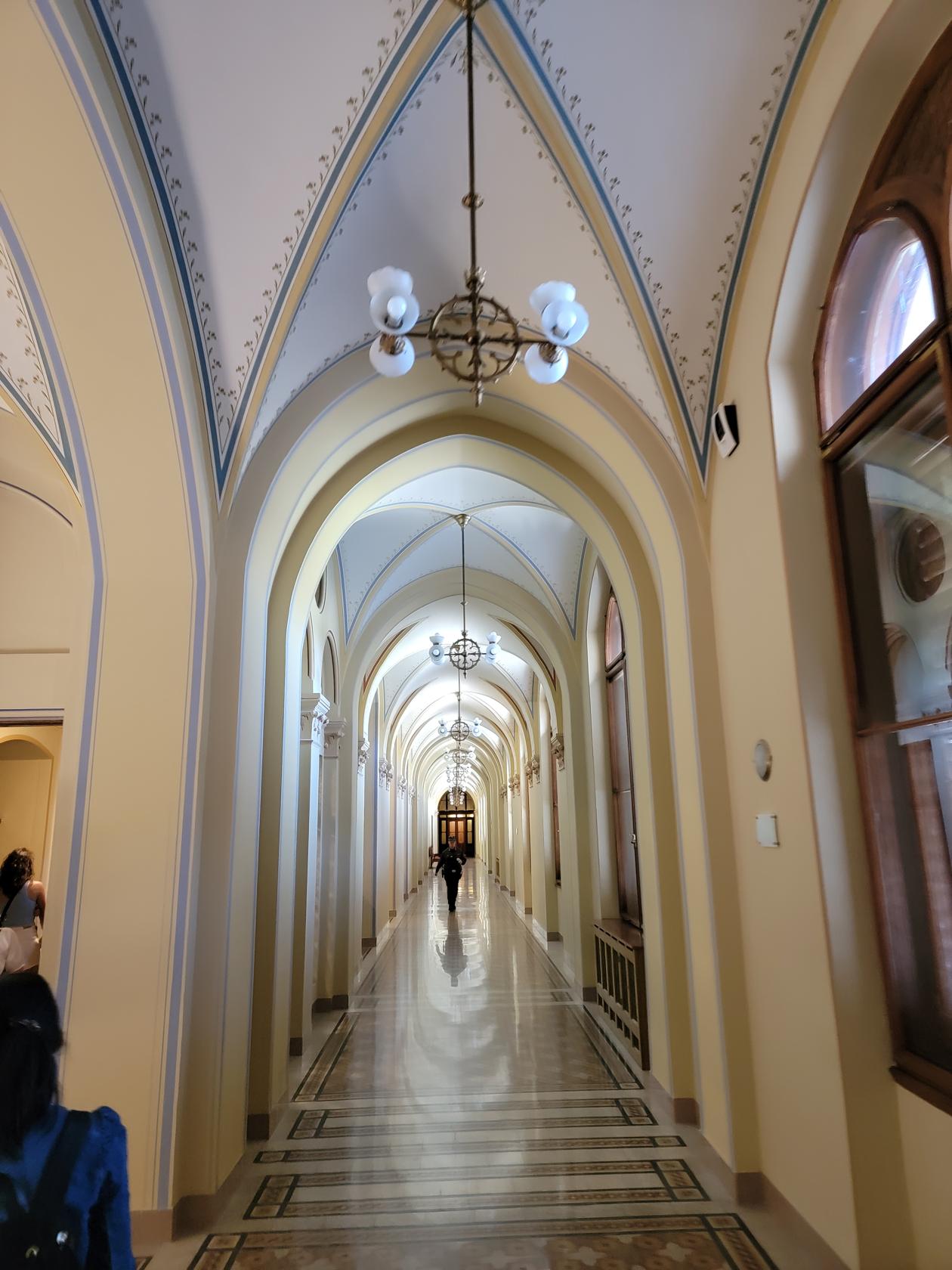
Another hallway – The Parliament Building – Budapest, Hungary
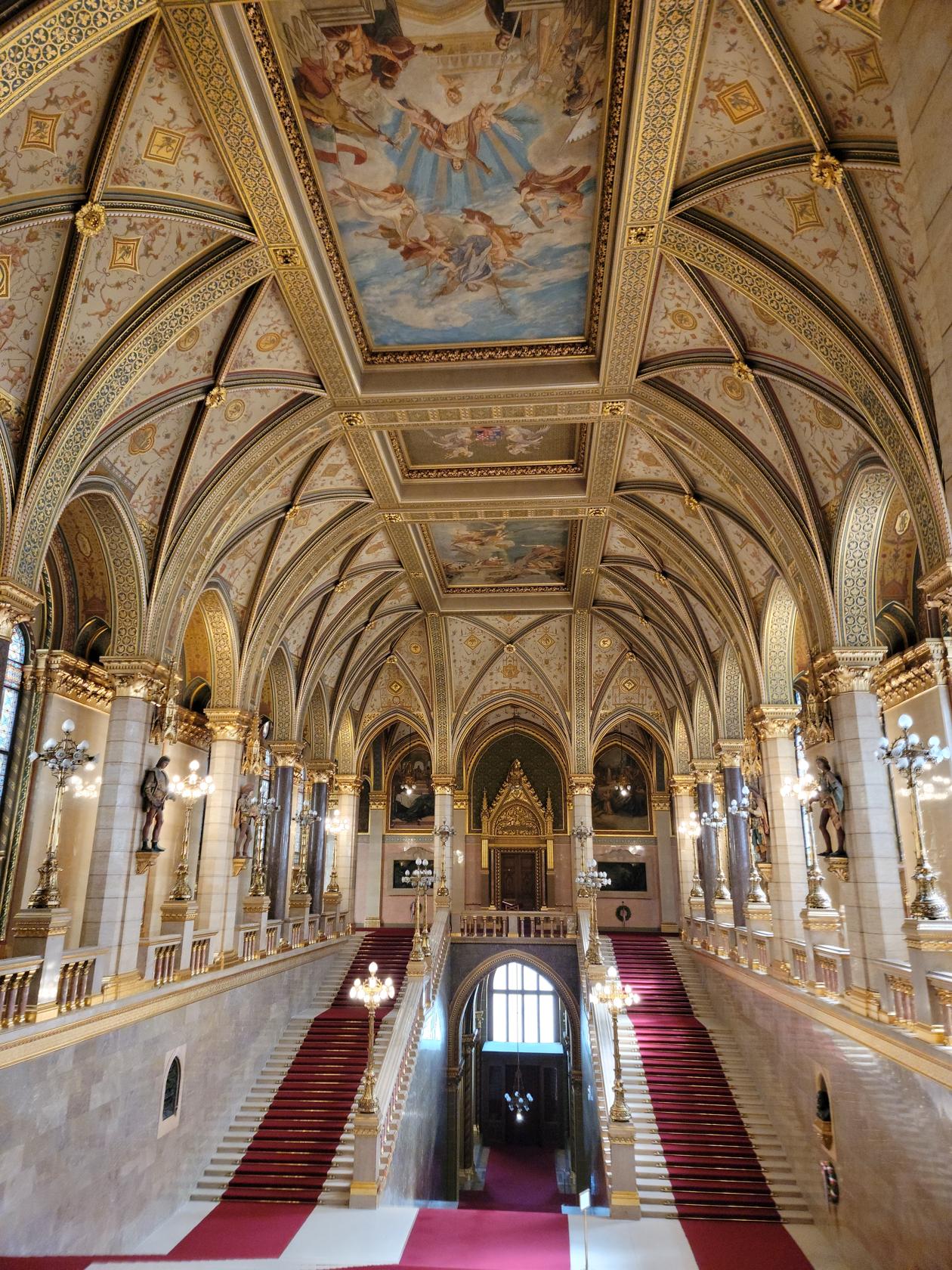
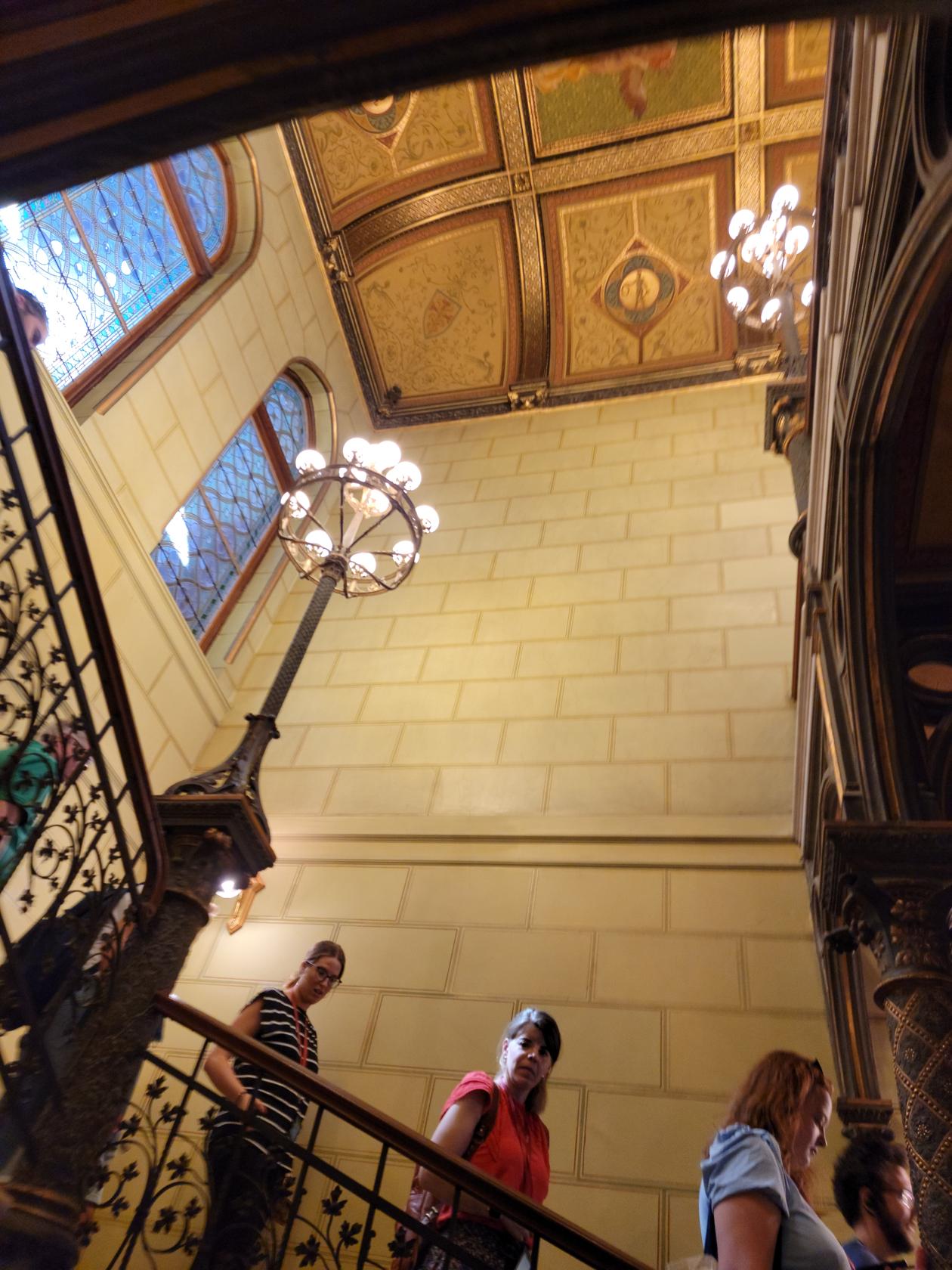
Main stairwell – The Parliament Building – Budapest, Hungary
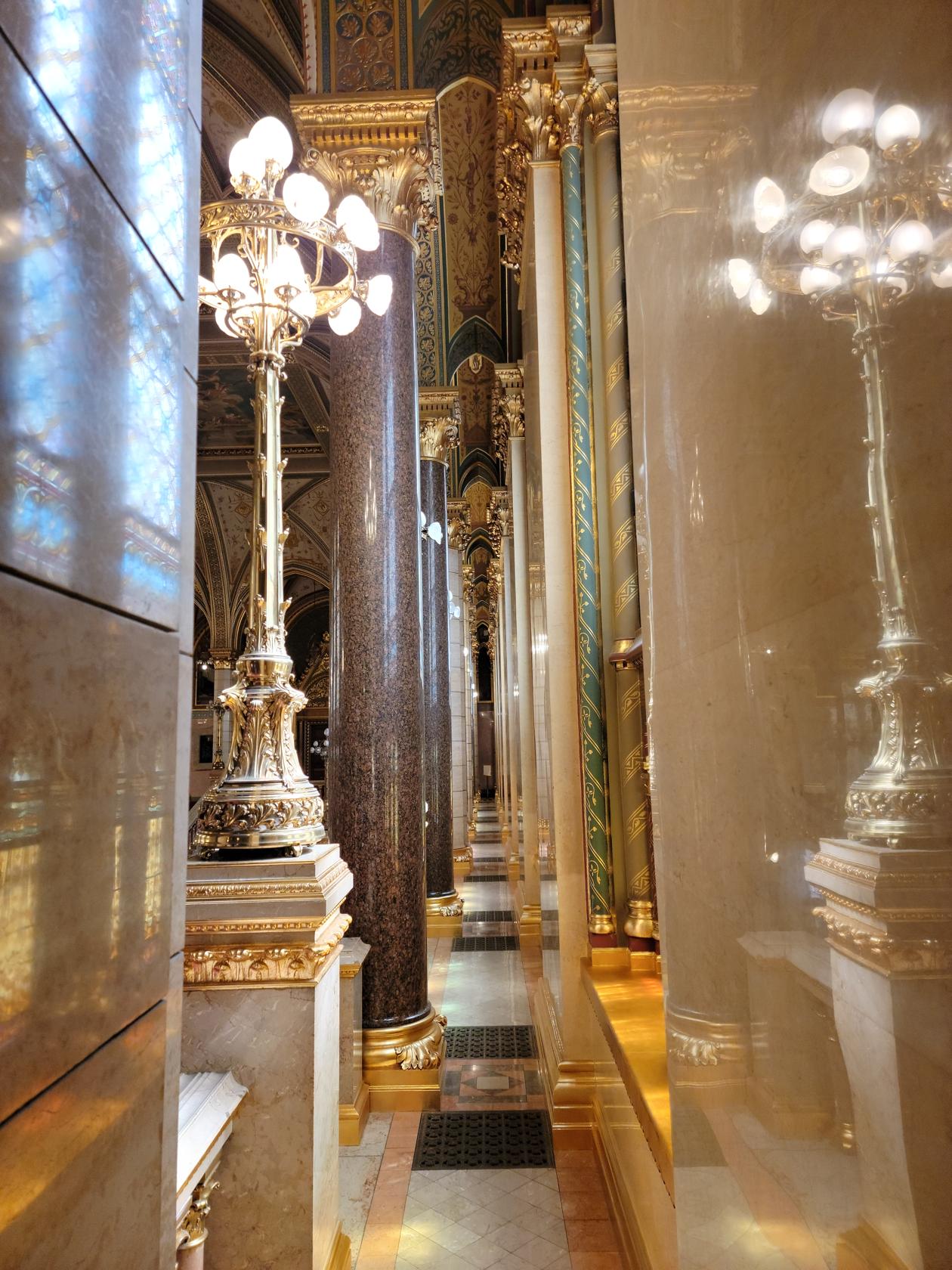
Details main stairwell – The Parliament Building – Budapest, Hungary
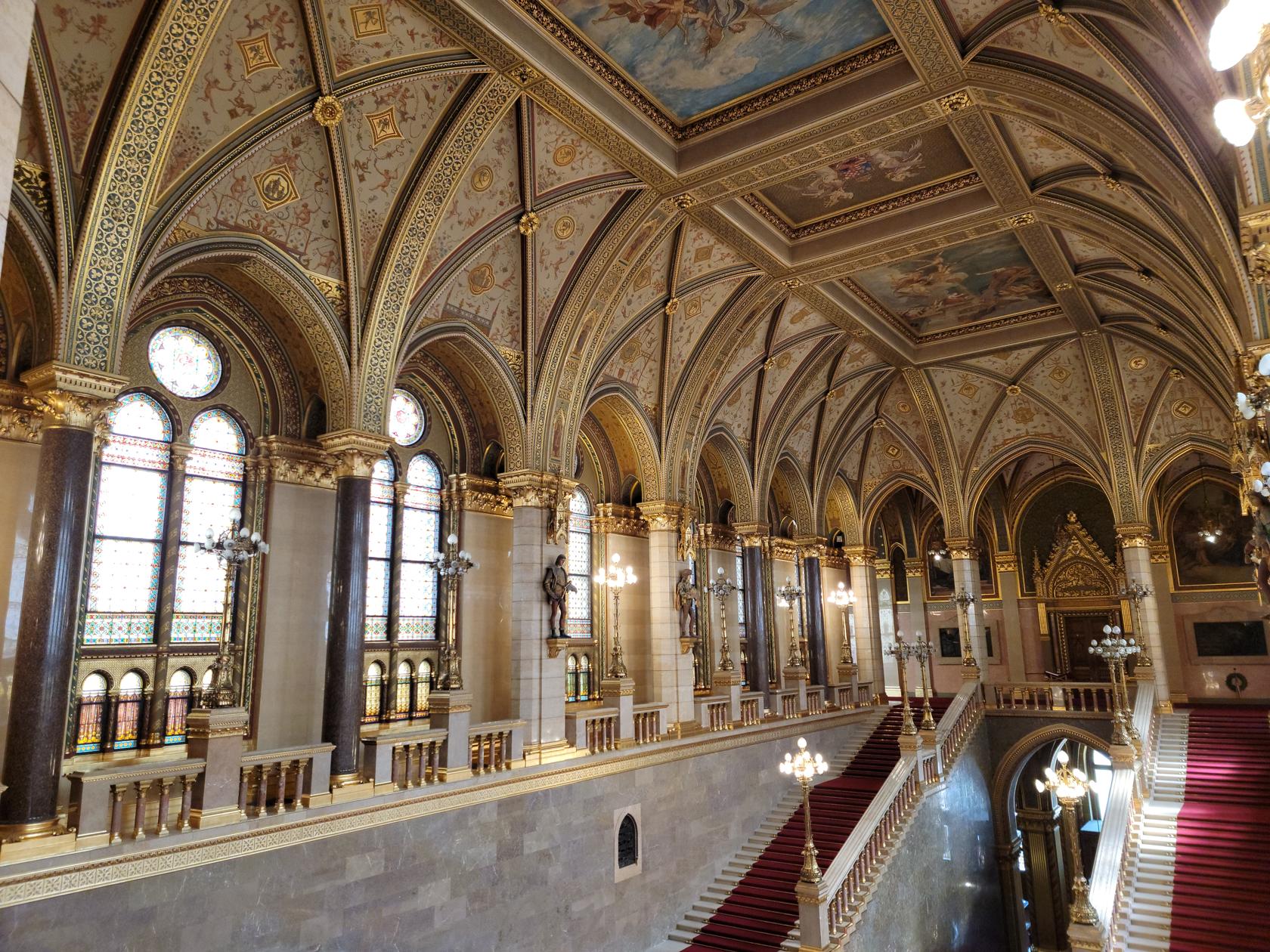
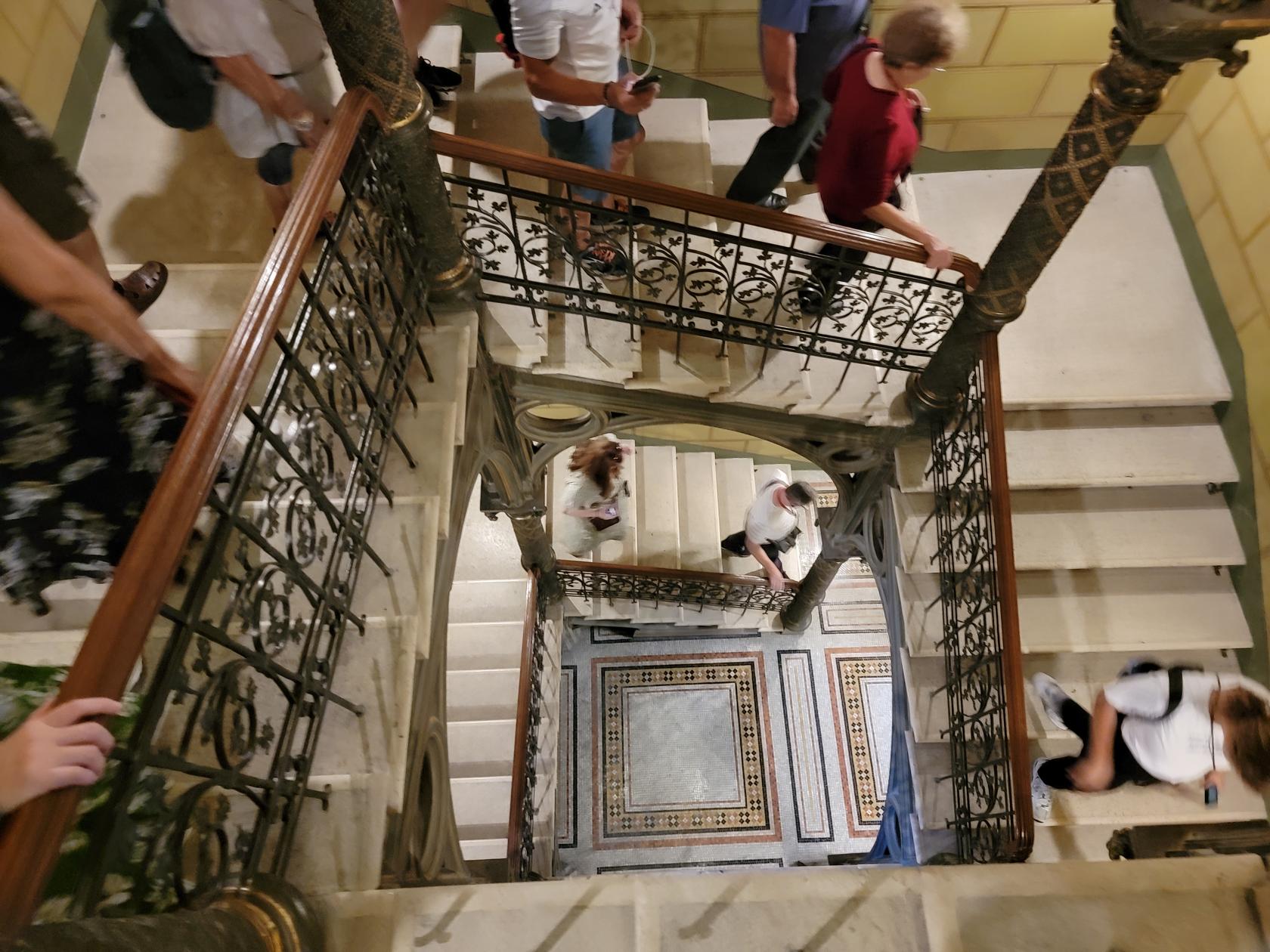
Another look, main stairwell – The Parliament Building – Budapest, Hungary
Ceiling – The Parliament Building – Budapest, Hungary
The dome – The Parliament Building – Budapest, Hungary
Occupations for protection – The Parliament Building – Budapest, Hungary
Occupations for protection – The Parliament Building – Budapest, Hungary
Receiving hall – The Parliament Building – Budapest, Hungary
Receiving hall – The Parliament Building – Budapest, Hungary
Occupations, close-up – The Parliament Building – Budapest, Hungary
More windows – The Parliament Building – Budapest, Hungary
The great stag – The Parliament Building – Budapest, Hungary
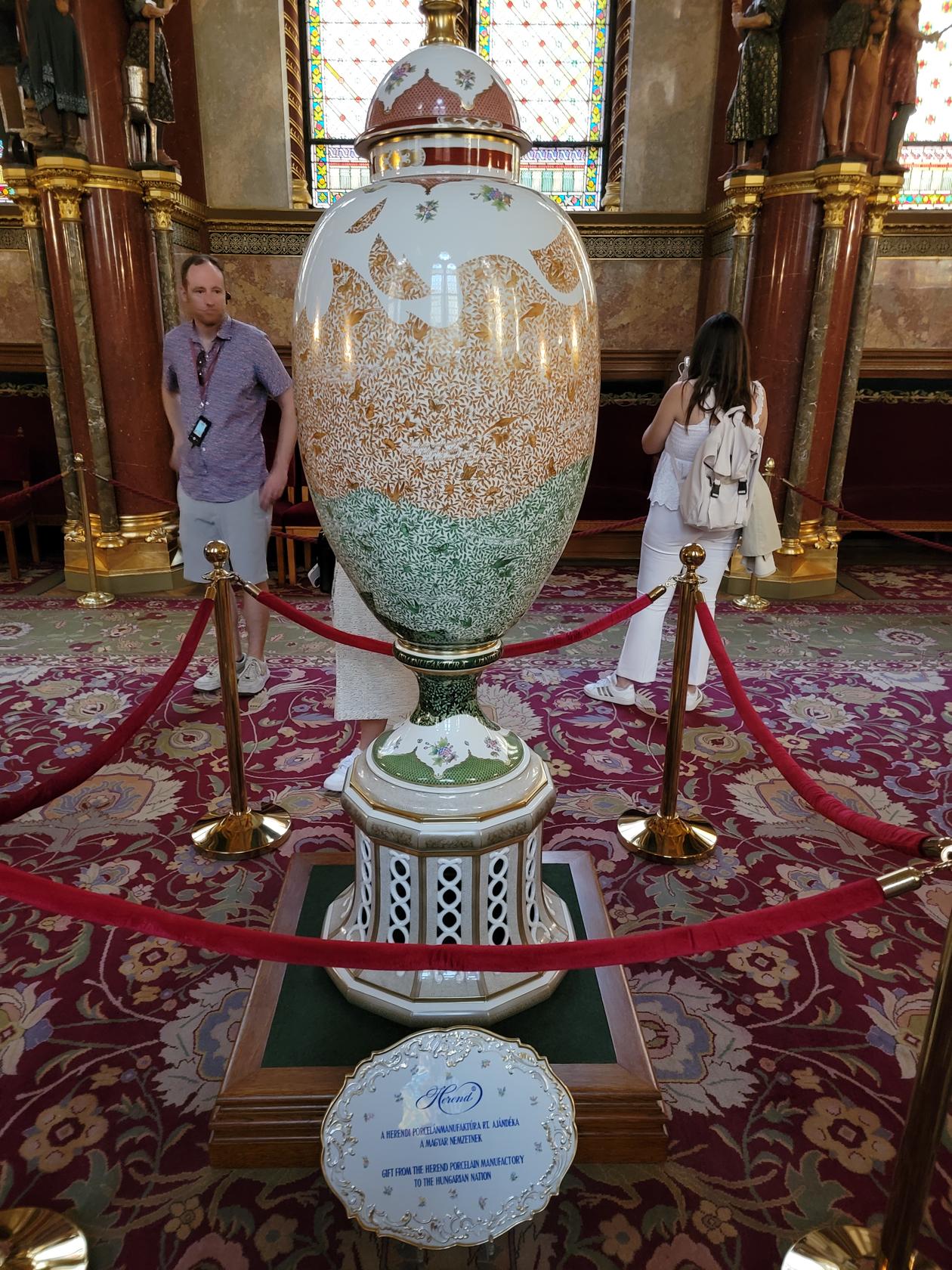
Giant porcelain vase – The Parliament Building – Budapest, Hungary
Occupation close-up – The Parliament Building – Budapest, Hungary
More occupations – The Parliament Building – Budapest, Hungary
Legislature building – The Parliament Building – Budapest, Hungary
Architecture – The Parliament Building – Budapest, Hungary
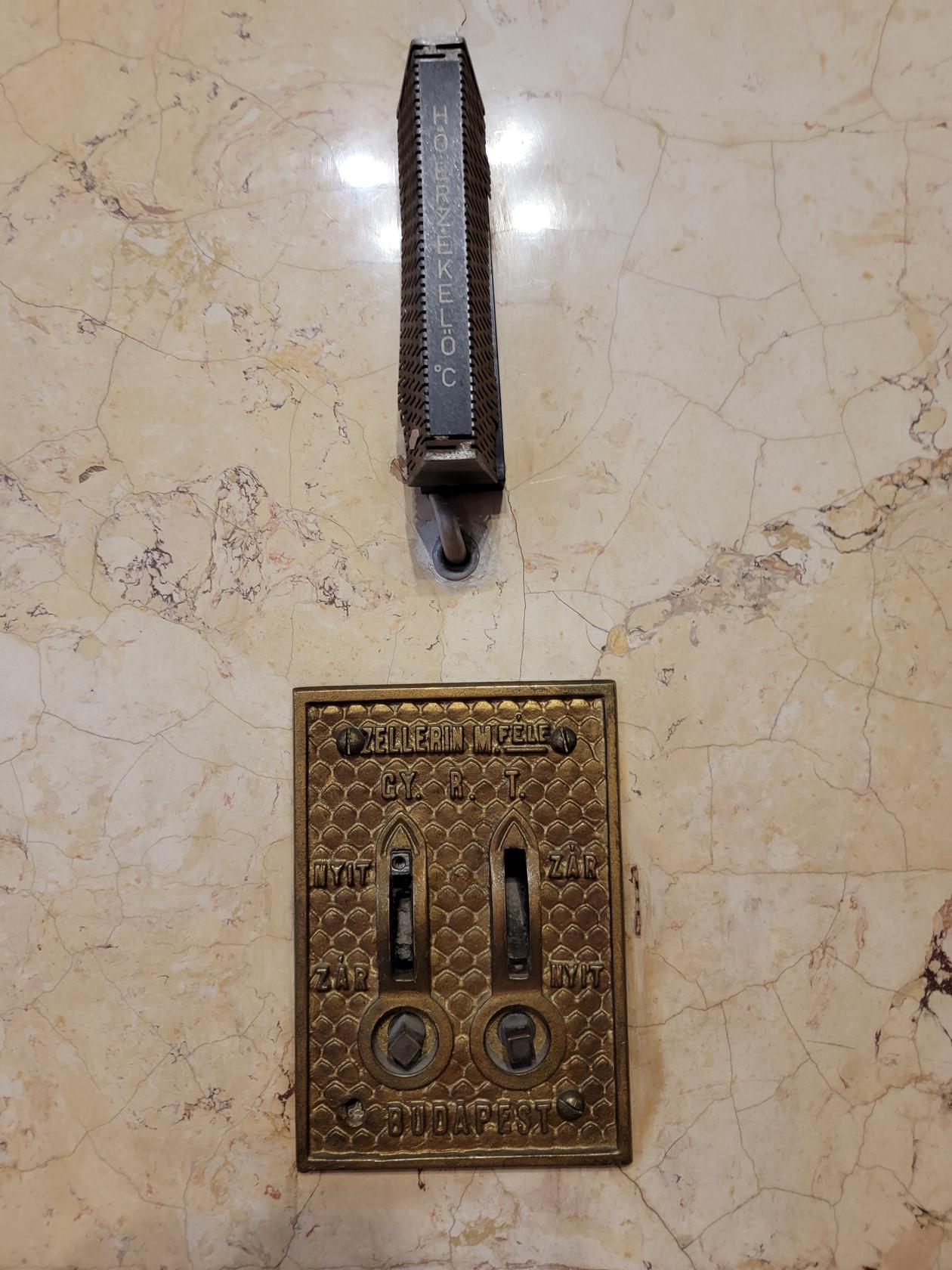
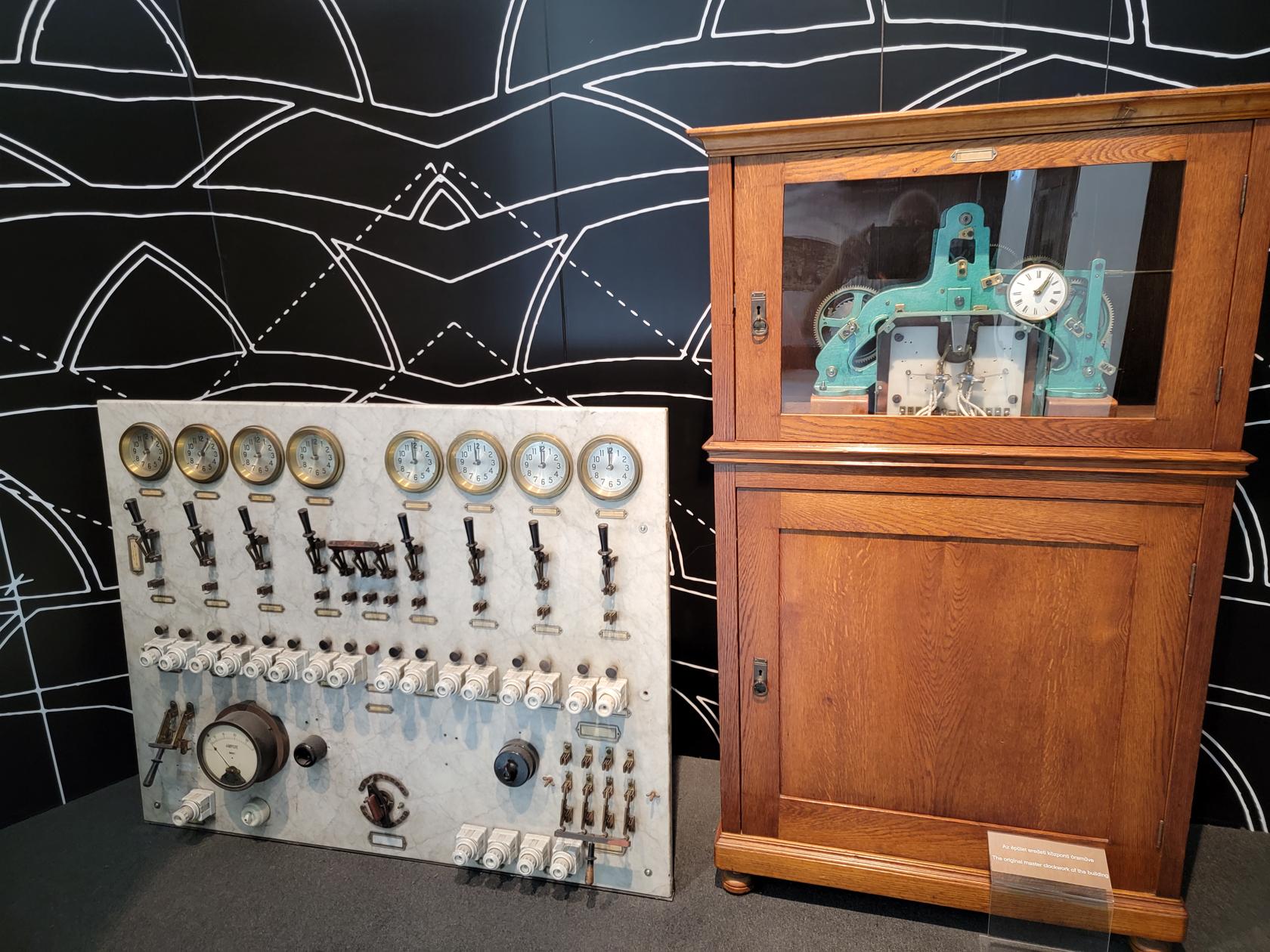
Old heating and air-conditions controls – The Parliament Building – Budapest, Hungary
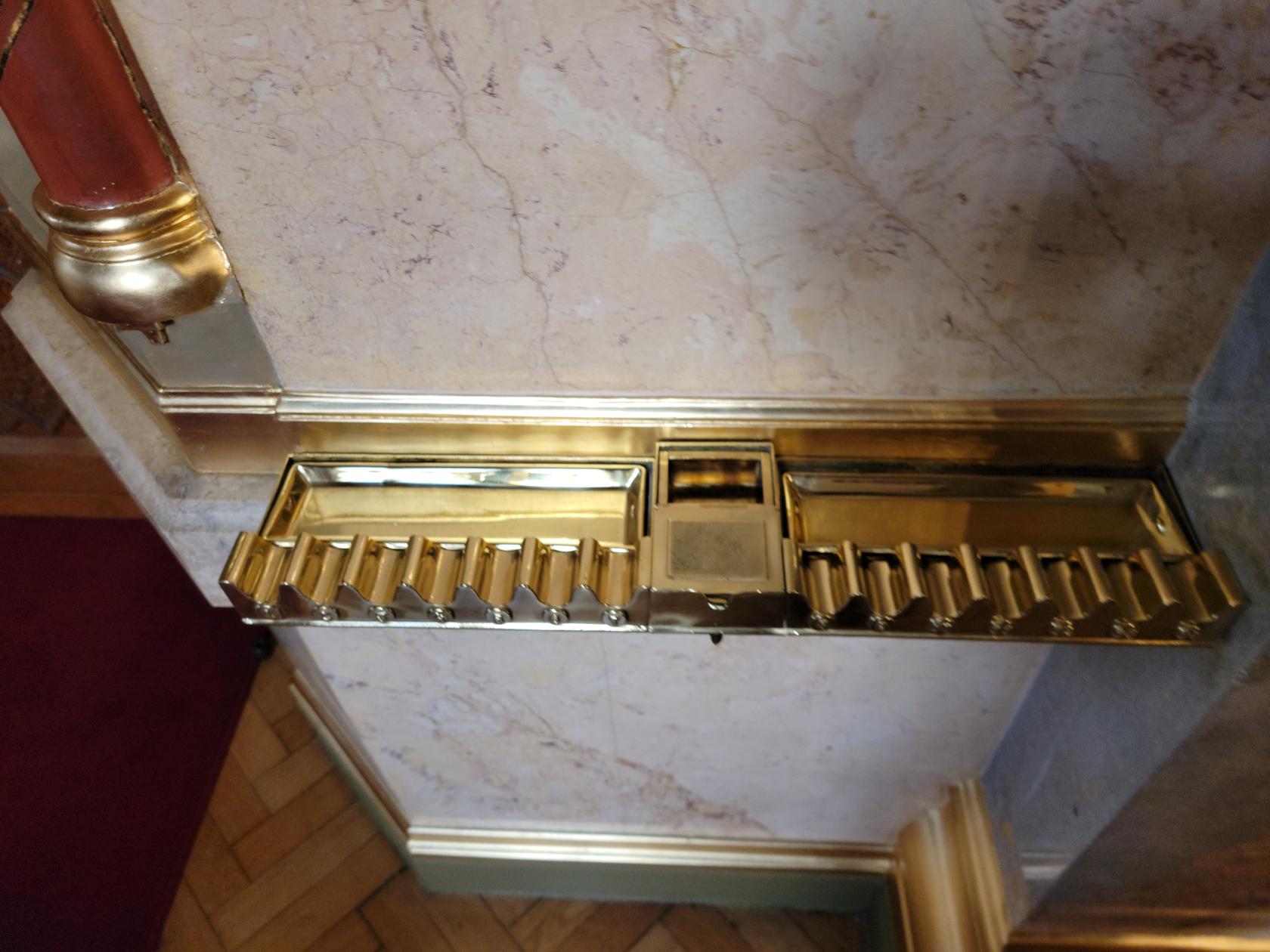
Cigar holders and trays – The Parliament Building – Budapest, Hungary
Anther hallway – The Parliament Building – Budapest, Hungary
Ericka – Descending the stairway out – The Parliament Building – Budapest, Hungary
Descending stairway out – The Parliament Building – Budapest, Hungary
Ancillary hallway – The Parliament Building – Budapest, Hungary
The back areas – The Parliament Building – Budapest, Hungary
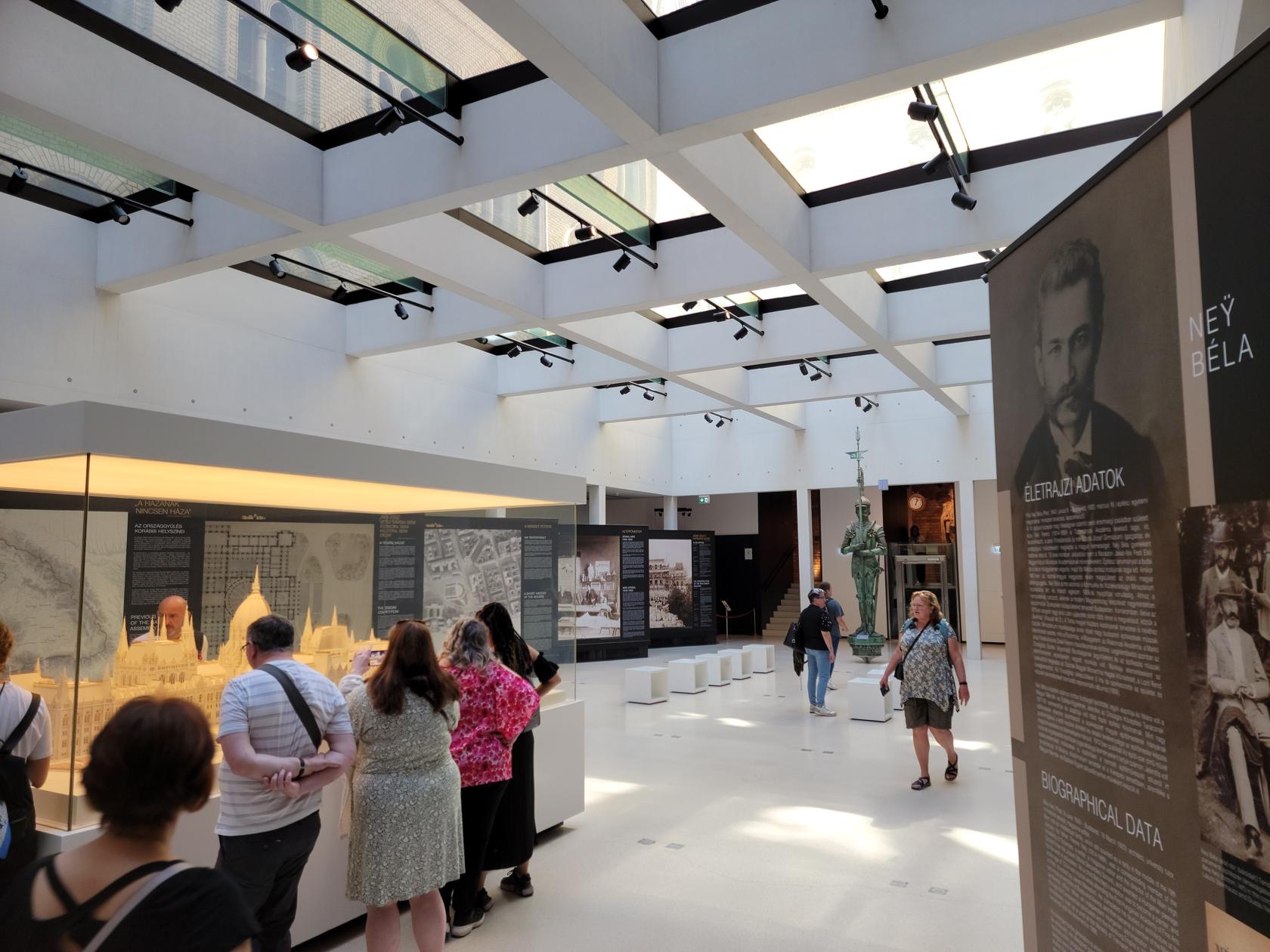
Small museum – The Parliament Building – Budapest, Hungary
Exhibit – The Parliament Building – Budapest, Hungary
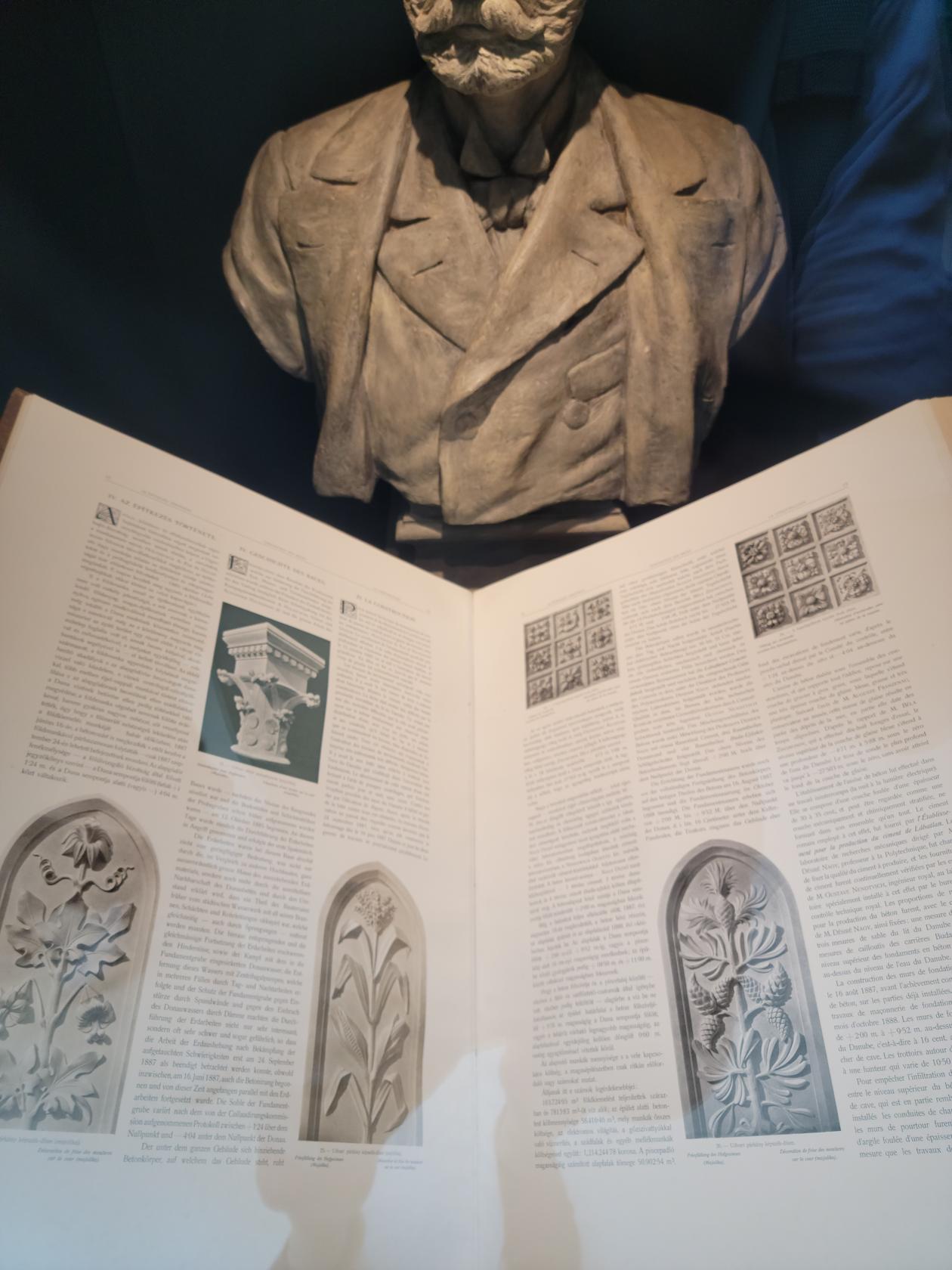
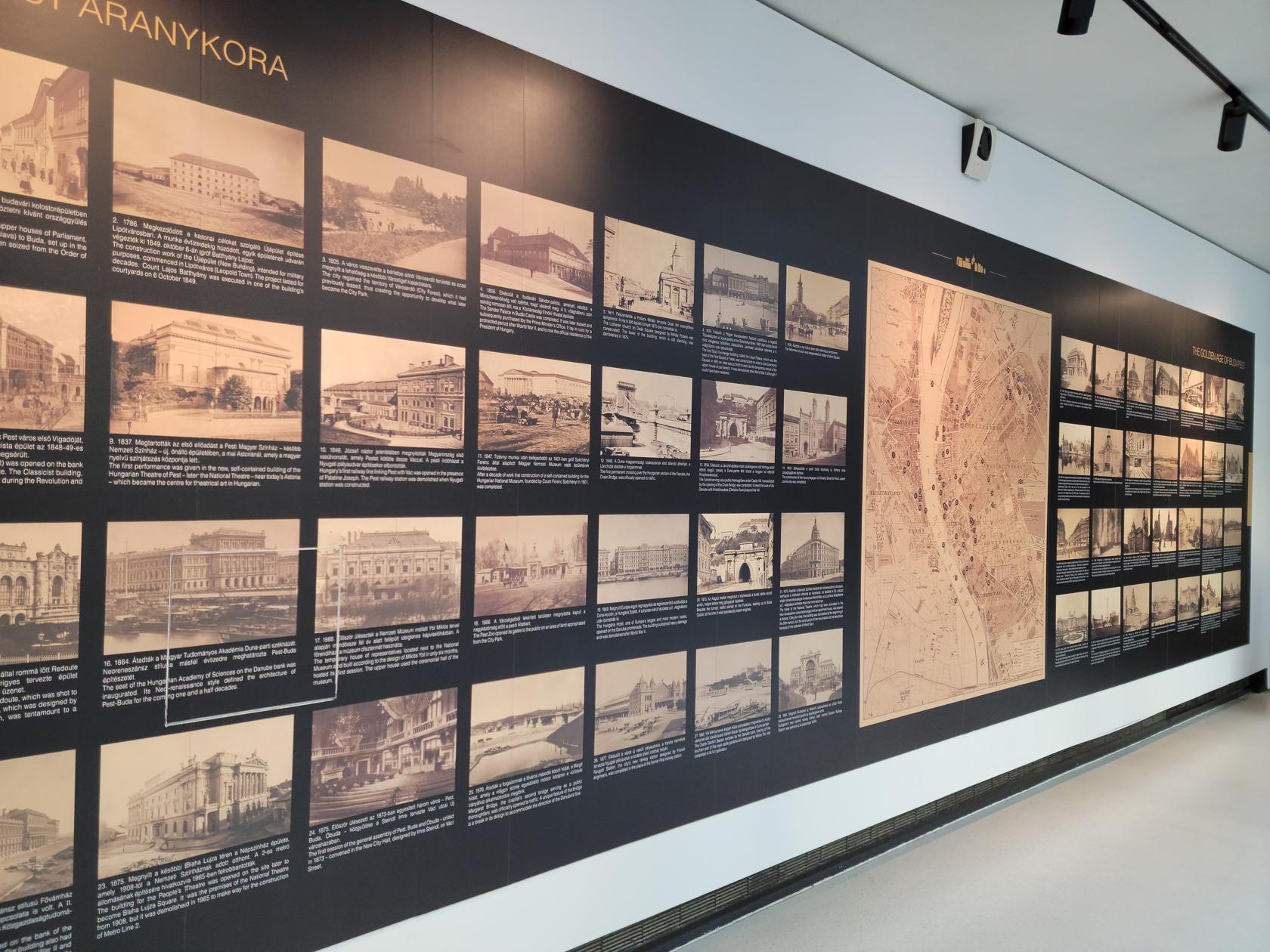
The history of the building – The Parliament Building – Budapest, Hungary
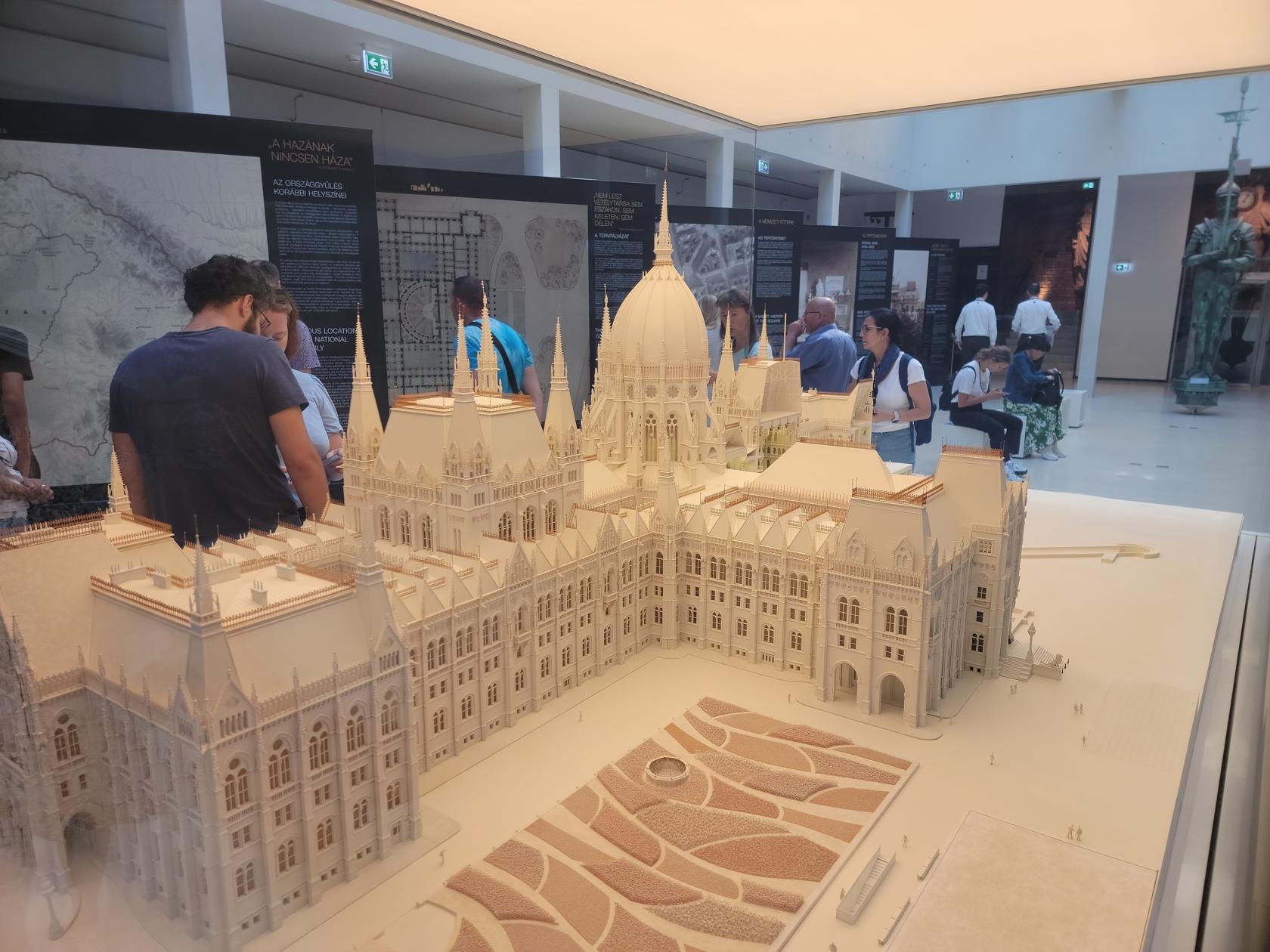
Large diorama of the building – The Parliament Building – Budapest, Hungary
Electric controls for the building – The Parliament Building – Budapest, Hungary
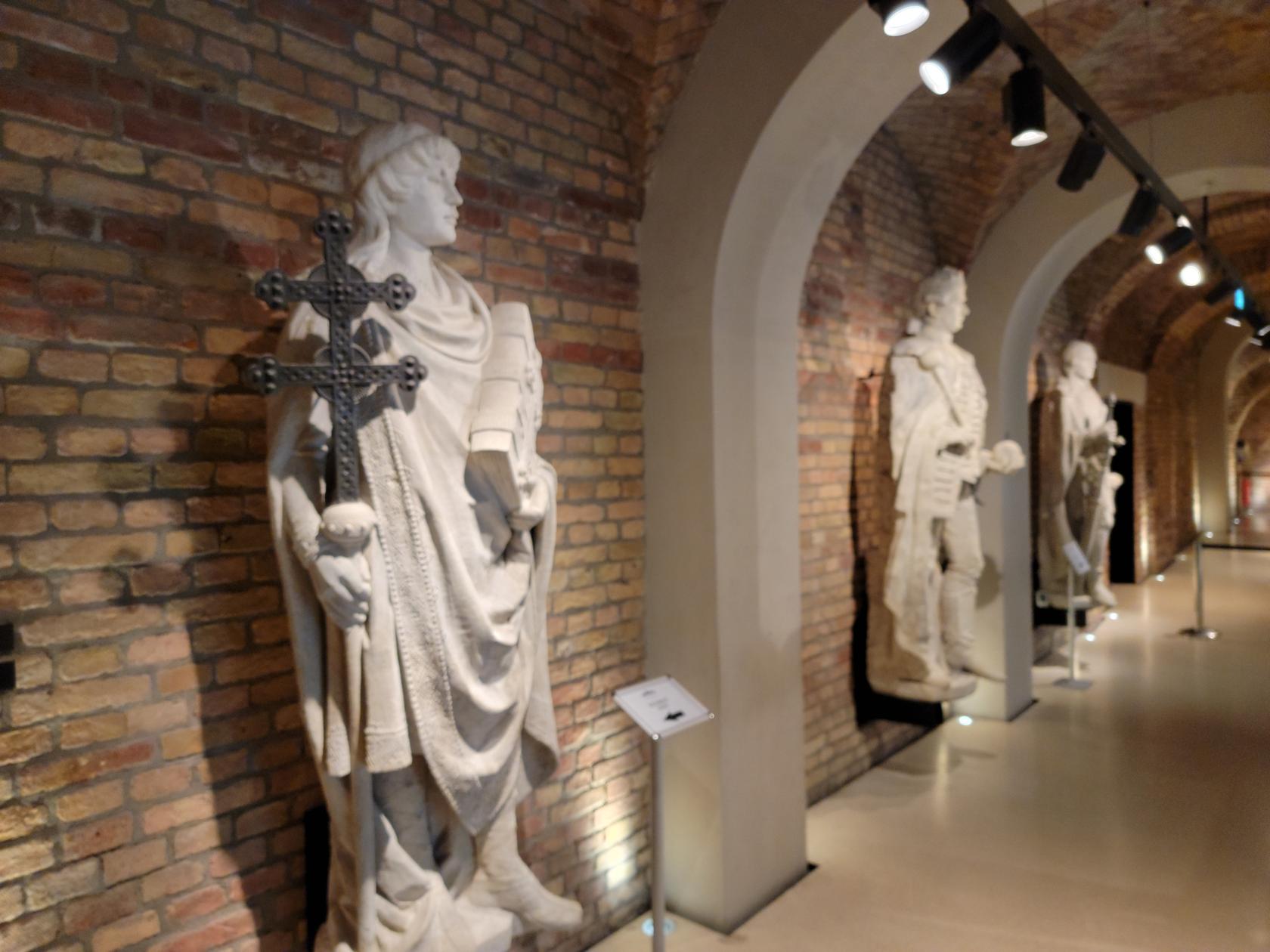
Statues – The Parliament Building – Budapest, Hungary
Restaurants
Here are a few more restaurants we visited in Budapest, one of which I wish I never went to due to social media idiots.
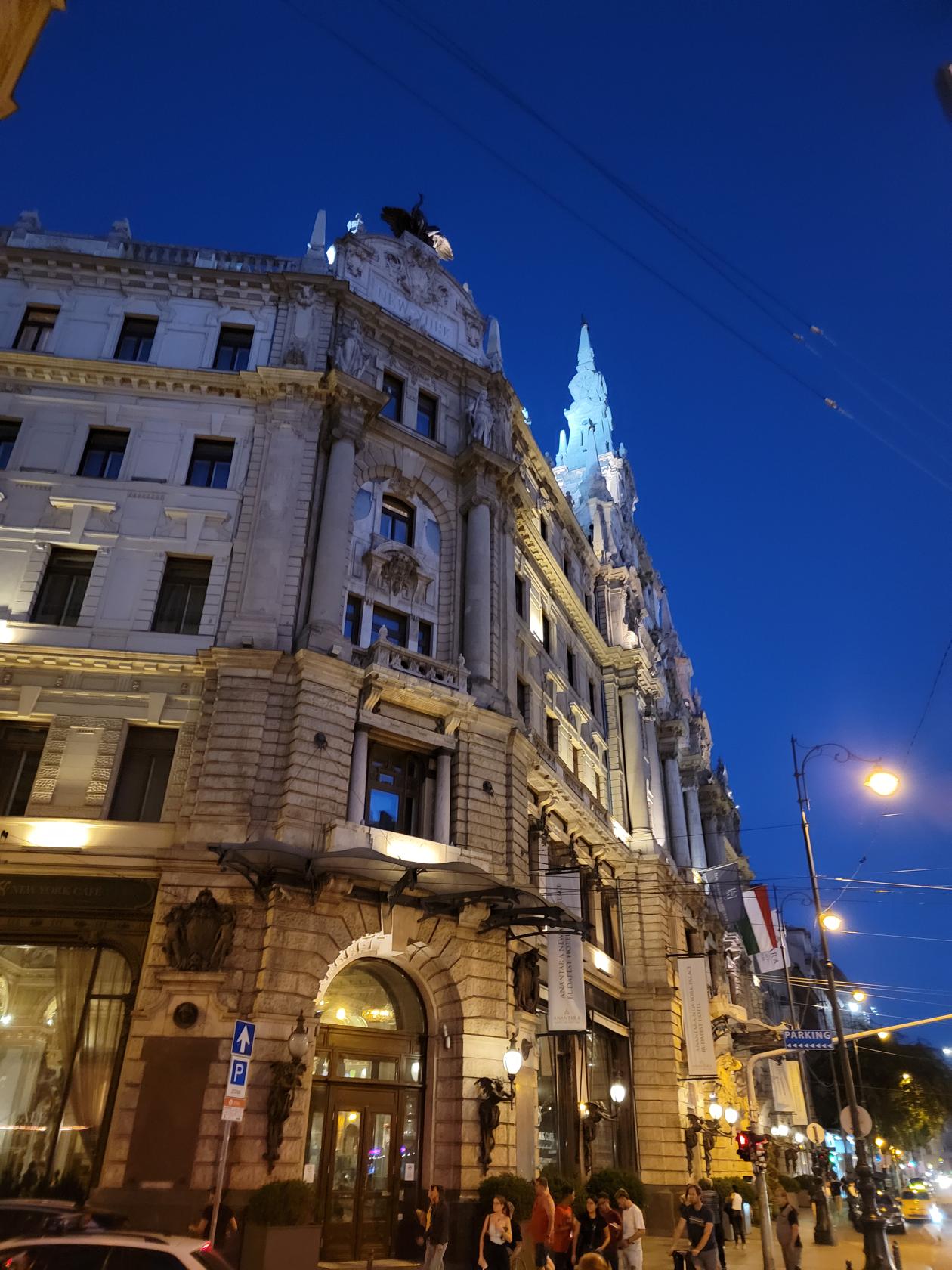
New York Cafe
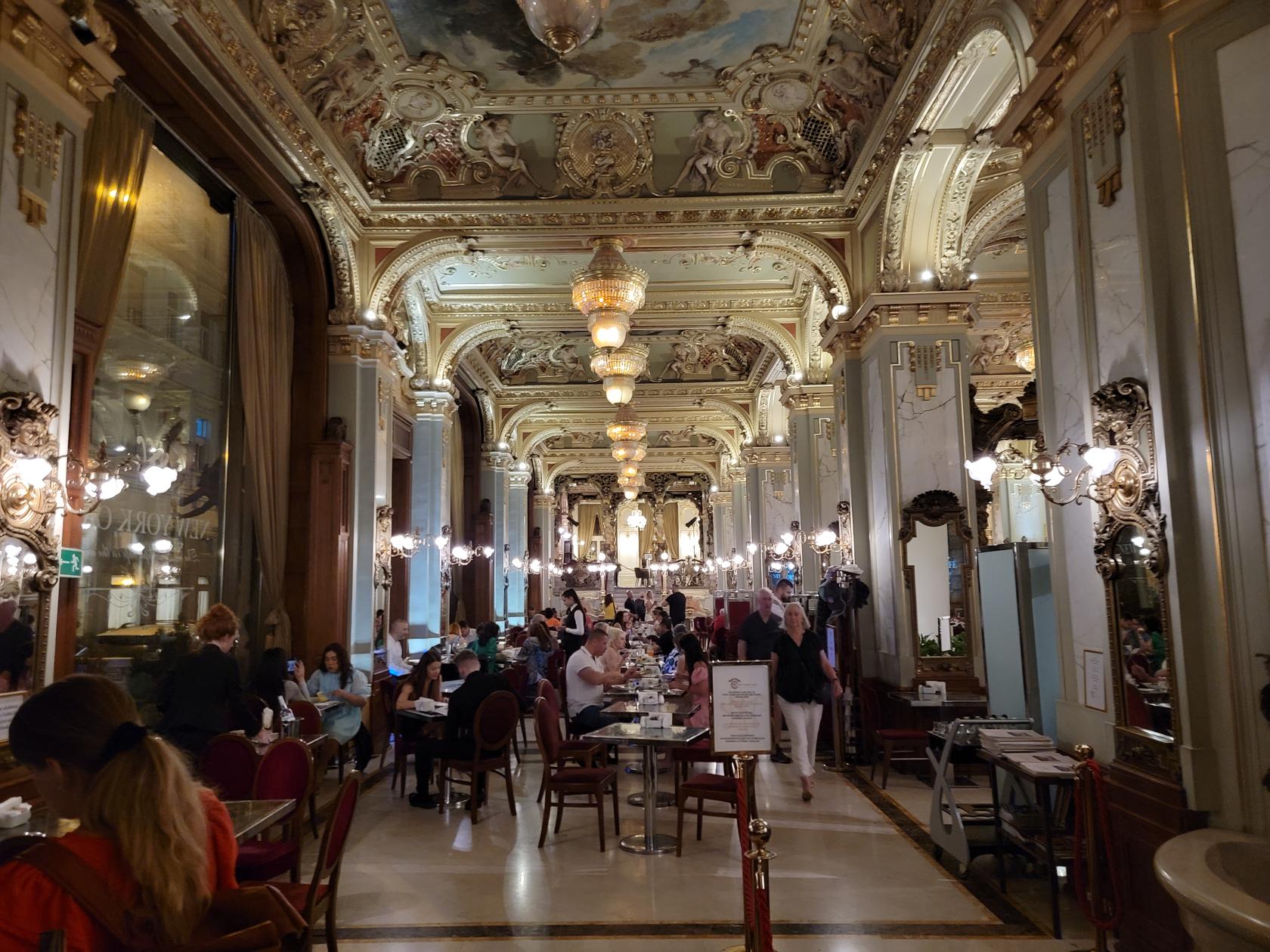
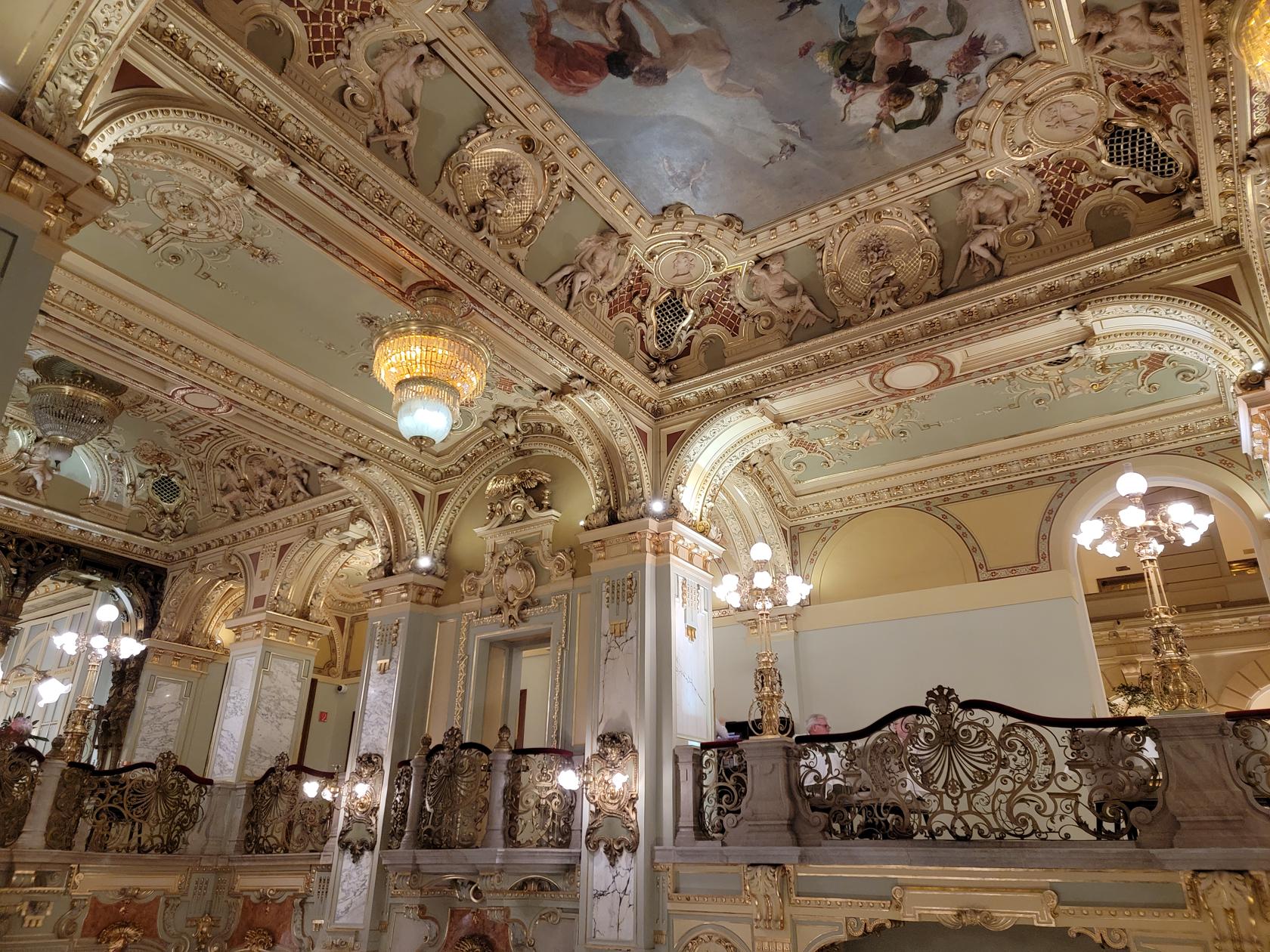
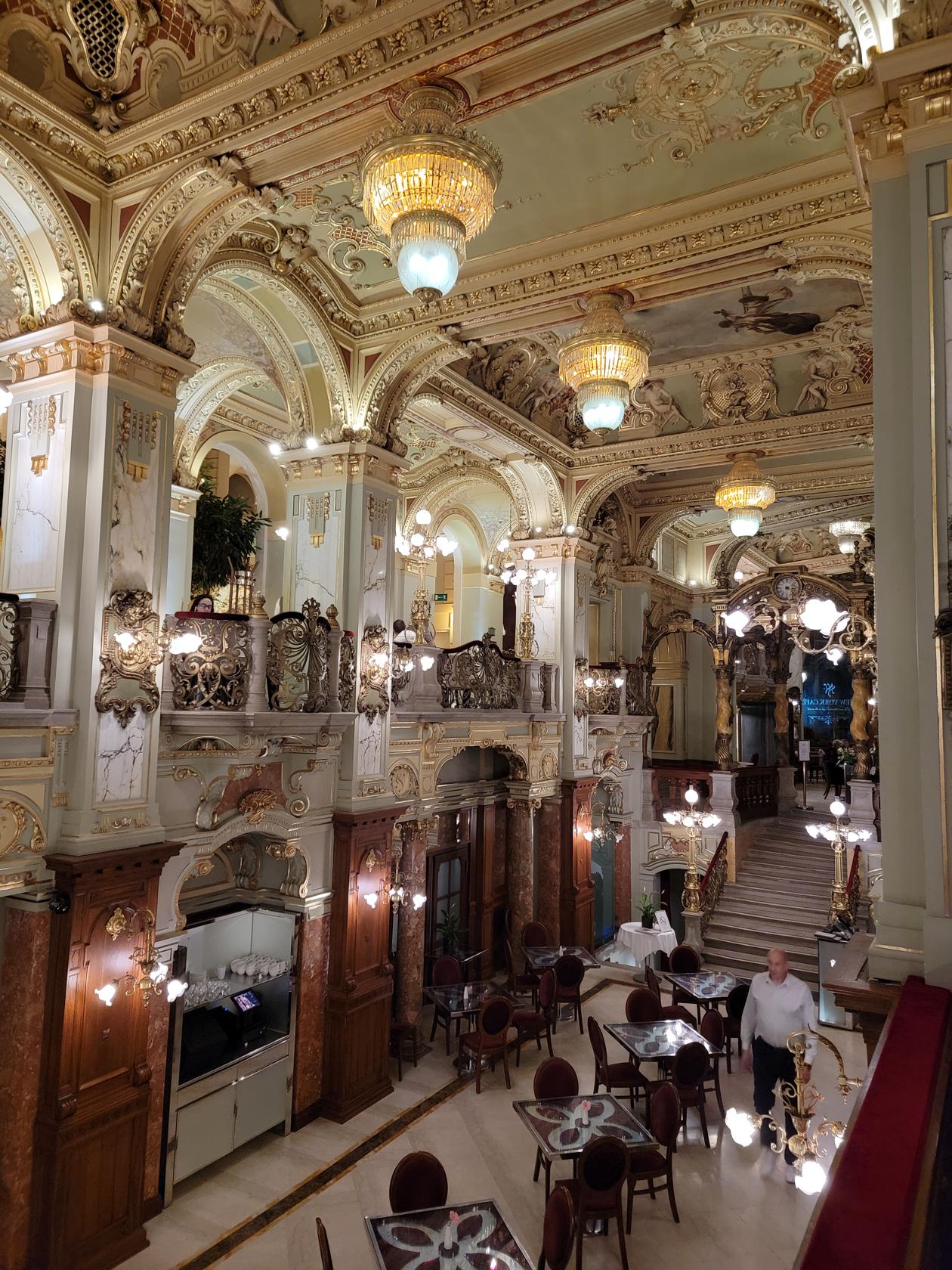
There is a term in America and it is quite apropos here, „lipstick on a pig“. My thoughts regarding this cafe were that it was totally over-priced for the quality of food and service received, though the interior was quite impressive
Entrance – The New York Cafe – Budapest, Hungary
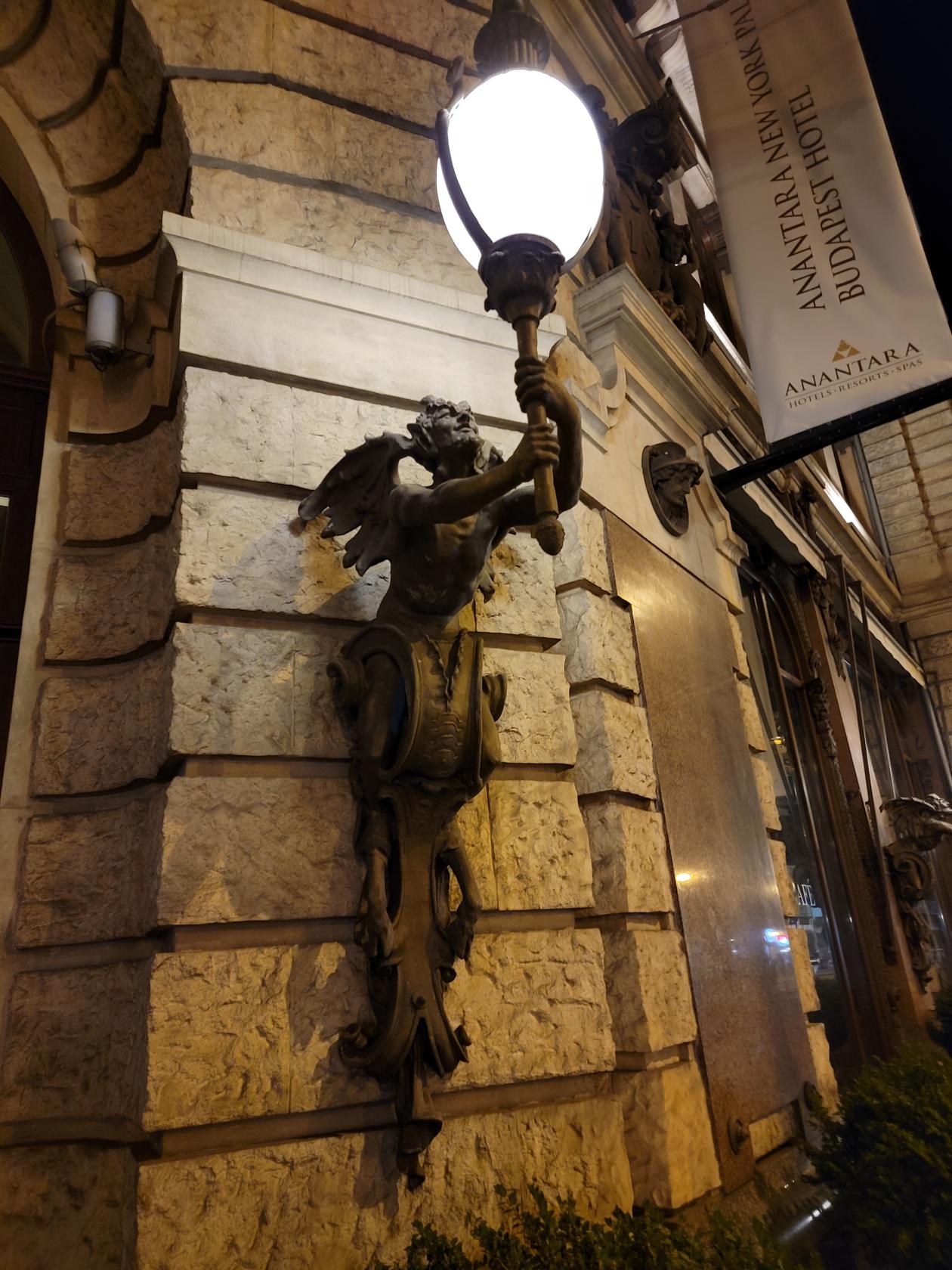
Outside lamp – The New York Cafe – Budapest, Hungary
In fact, that can be considered one of the downsides to this cafe; there were so many people mulling around and taking photographs, it was actually quite annoying at times. Especially in this day of social media, where everyone has to take the so called infamous and narcissistic „selfie“ or „influencer“ pose. It makes a person like me almost puke at times.
Inside – The New York Cafe – Budapest, Hungary
Ceiling – The New York Cafe – Budapest, Hungary
Main hall – The New York Cafe – Budapest, Hungary
The food was sub-par for such a restaurant; we had the Pasta Pomodoro and thought although the pasta was done properly, the sauce tasted of nothing. The wine on the other hand was satisfactory in taste, but way over-priced at 50€/bottle. It wouldn’t have been so bad, except the service was just not so great.
Pick Bistro Deli
This little bistro, on Kossuth Lajos tér, is not far from the Parliament building and a great place to stop for lunch after your exhaustive tour.
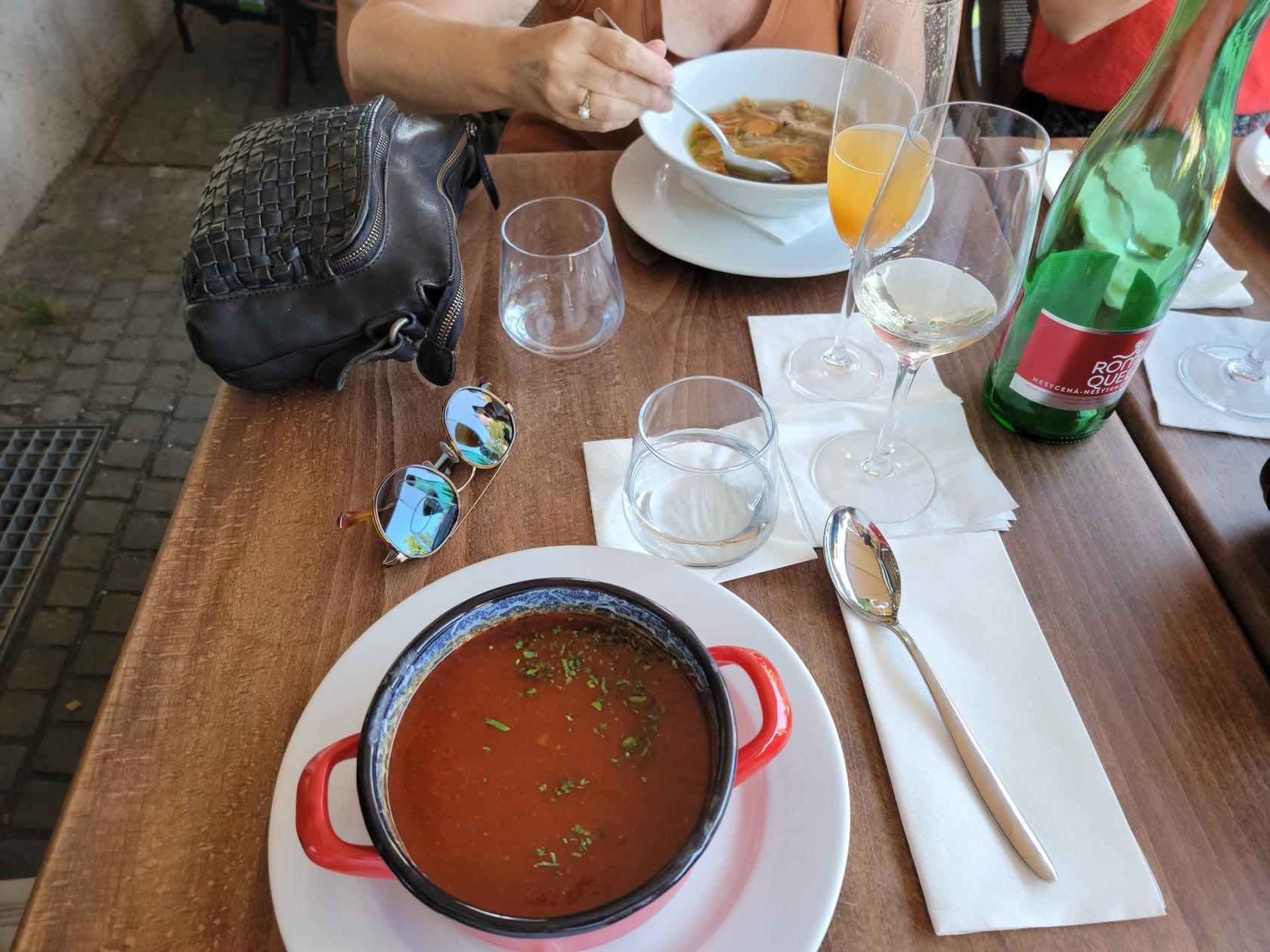
Hungarian Goulash Soup – Pick Bistro Deli – Budapest, Hungary
Inside – Pick Bistro Deli – Budapest, Hungary
Inside – Pick Bistro Deli – Budapest, Hungary
They have many great Hungarian lunch items to choose from and the staff and service were excellent for us. They also have plenty of open-air seating, which during a warm day makes the visit all that much more enjoyable.
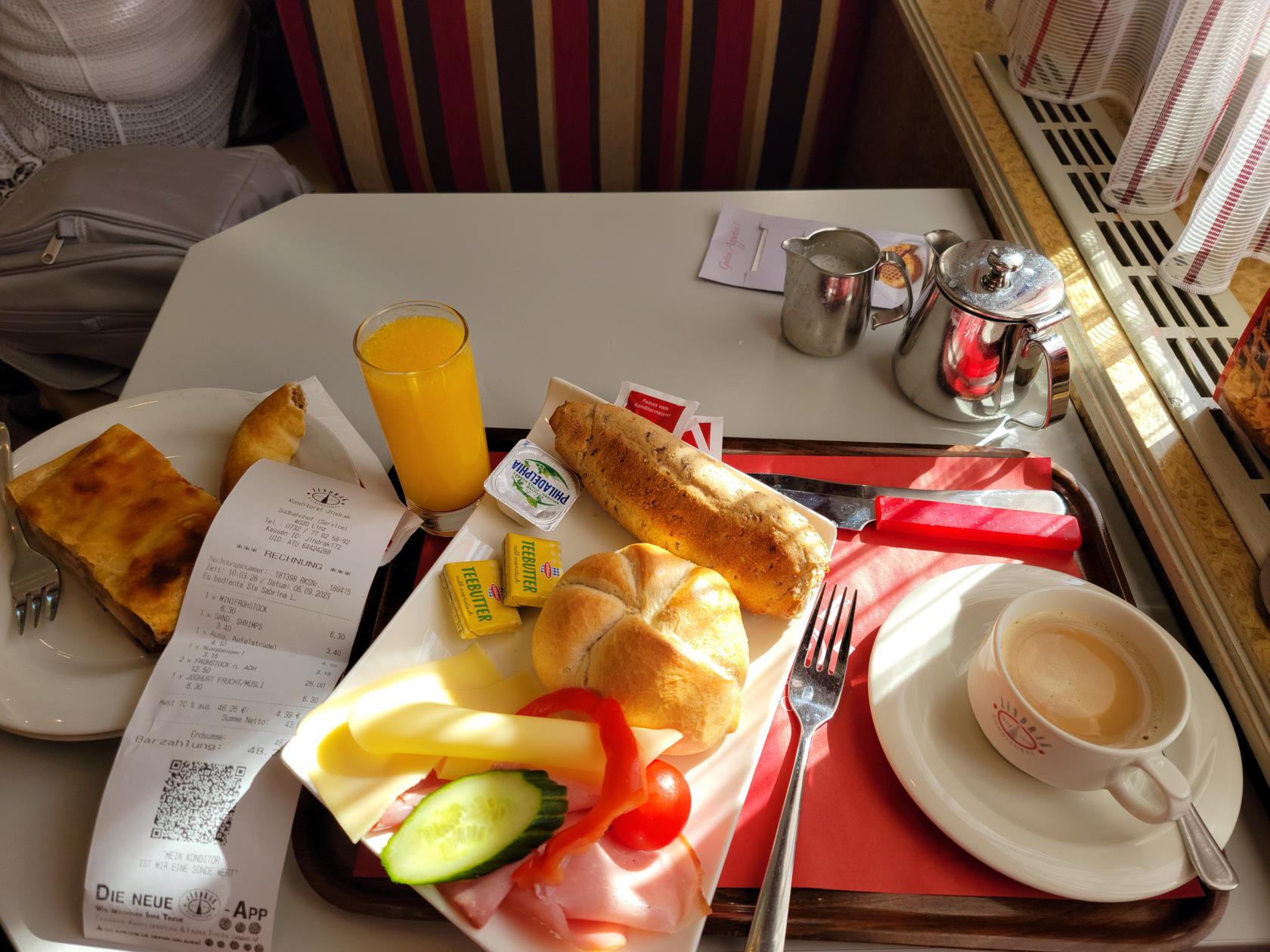
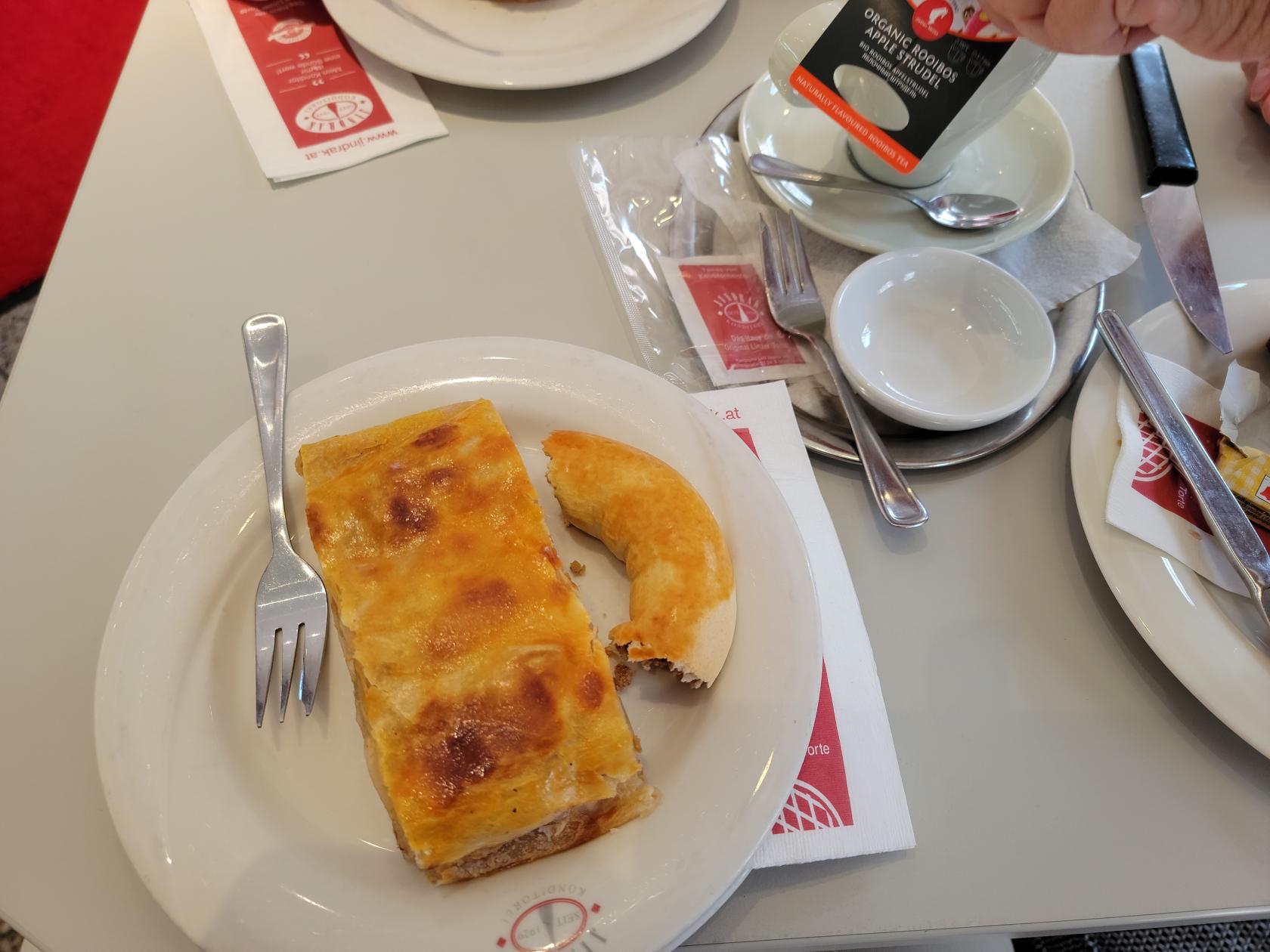
Before leaving Linz for Budapest, we had to get a bite to eat. What better place is there than a Jindrak Konditorei? There appear to be satellite pastry shops of this company all over the city, including very close to our hotel.
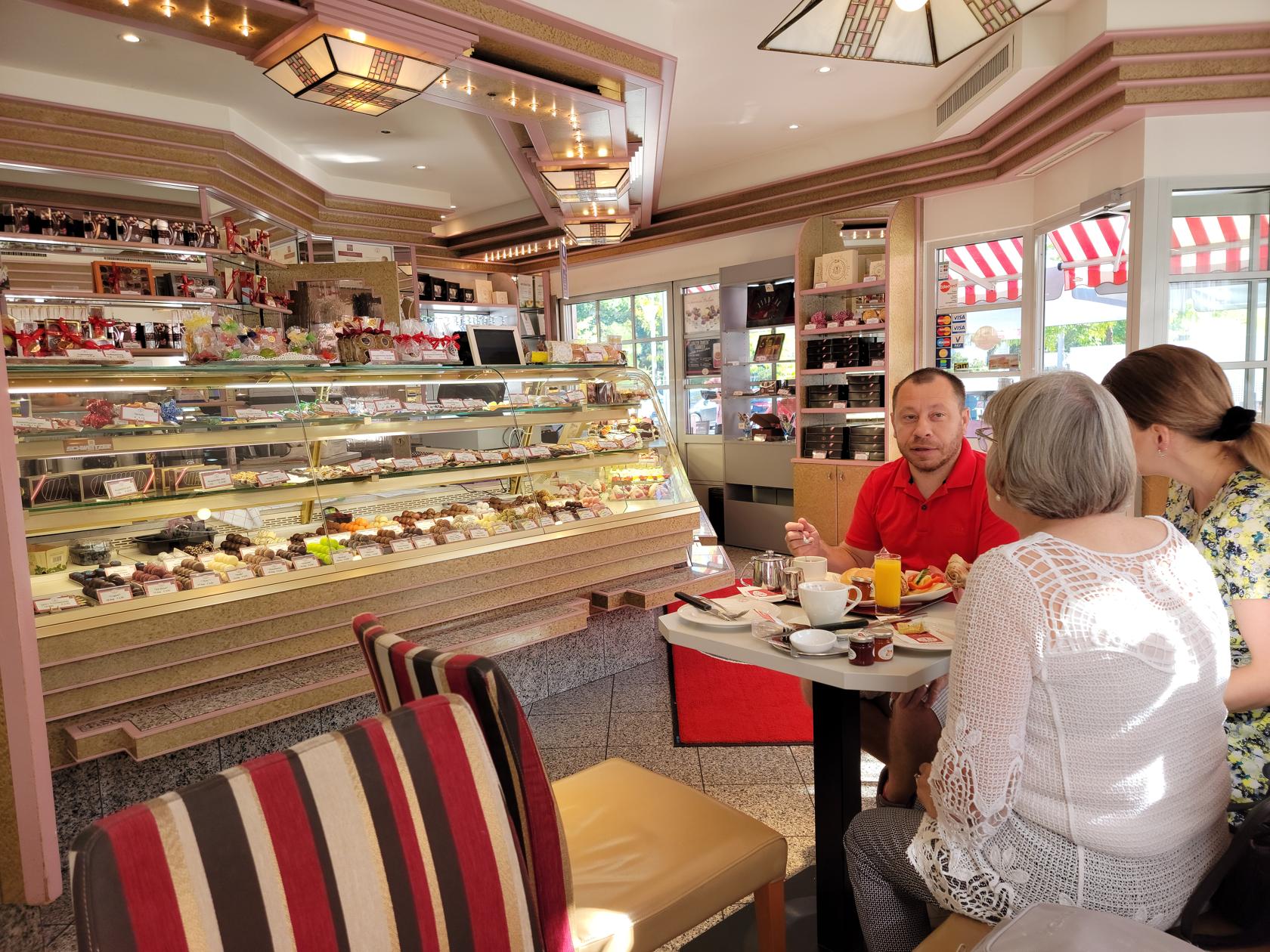
Inside – Jindrak Konditorei – Near Hotel – Linz, Austria
Breakfast – Jindrak Konditorei – Near Hotel – Linz, Austria
Apple Strudel – Jindrak Konditorei – Near Hotel – Linz, Austria
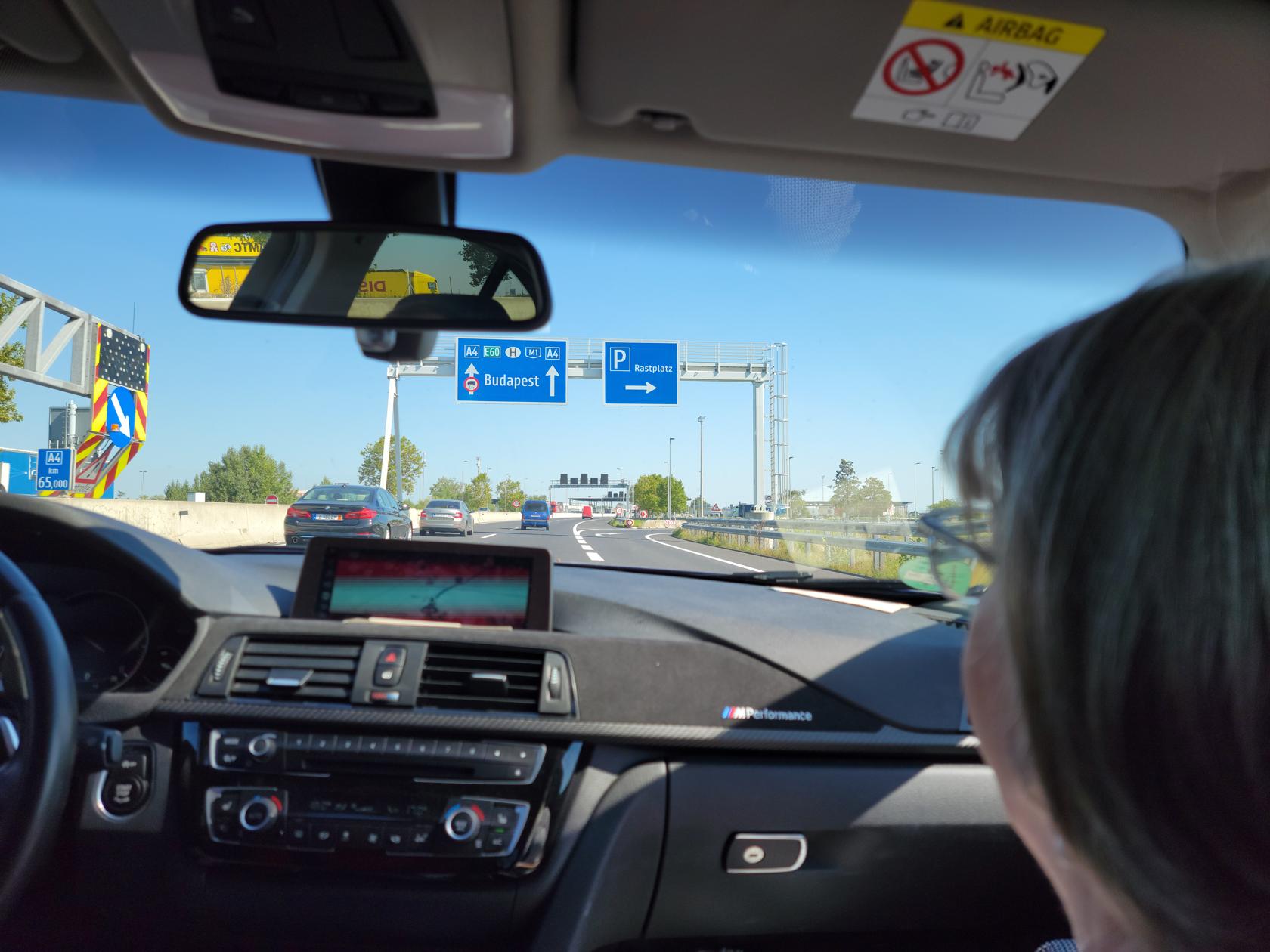
Shortly afterwards, we were on the road for a four hour drive into Hungary. In about two hours we left Austria for Hungary and the Budapest signs started appearing quite regularly.
Driving to Budapest leaving Austria
Budapest
Entering any city, anywhere at rush hour, is normally not a good idea, but we hardly had a choice. In any event, it went rather smoothly considering the bridges from Buda into Pest and all of the one-way streets. Soon we were at our destination, the Mystery Hotel.
Arriving at hotel – Mystery Hotel – Budapest, Hungary
Entrance – Mystery Hotel – Budapest, Hungary
The Hungarian people are extremely nice and most speak very good English. So, there shouldn’t be any issues in the immediate area.
Plaza in front of church – Saint Stephens Basilica – Budapest, Hungary
Typical dining street – Budapest, Hungary
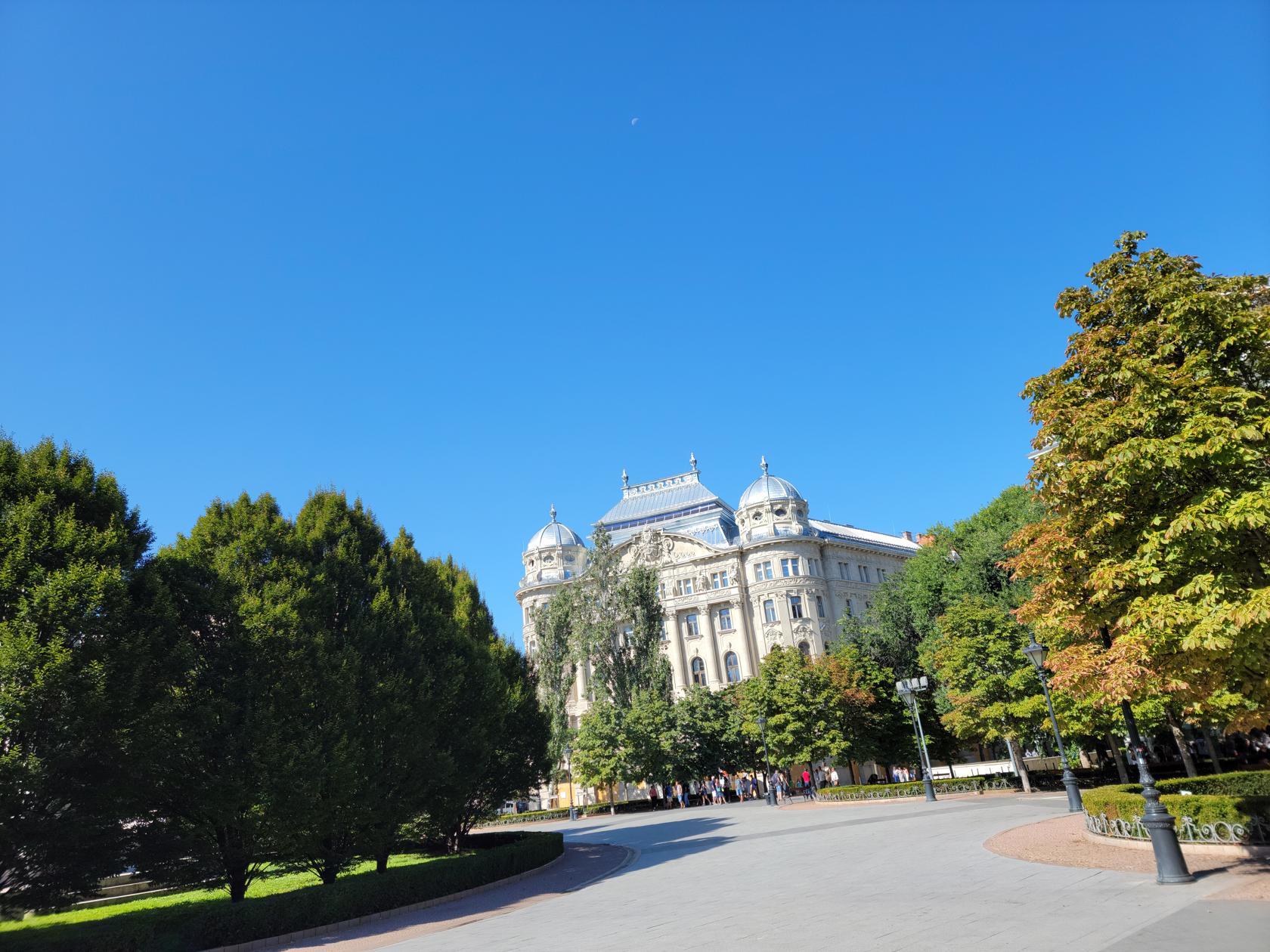
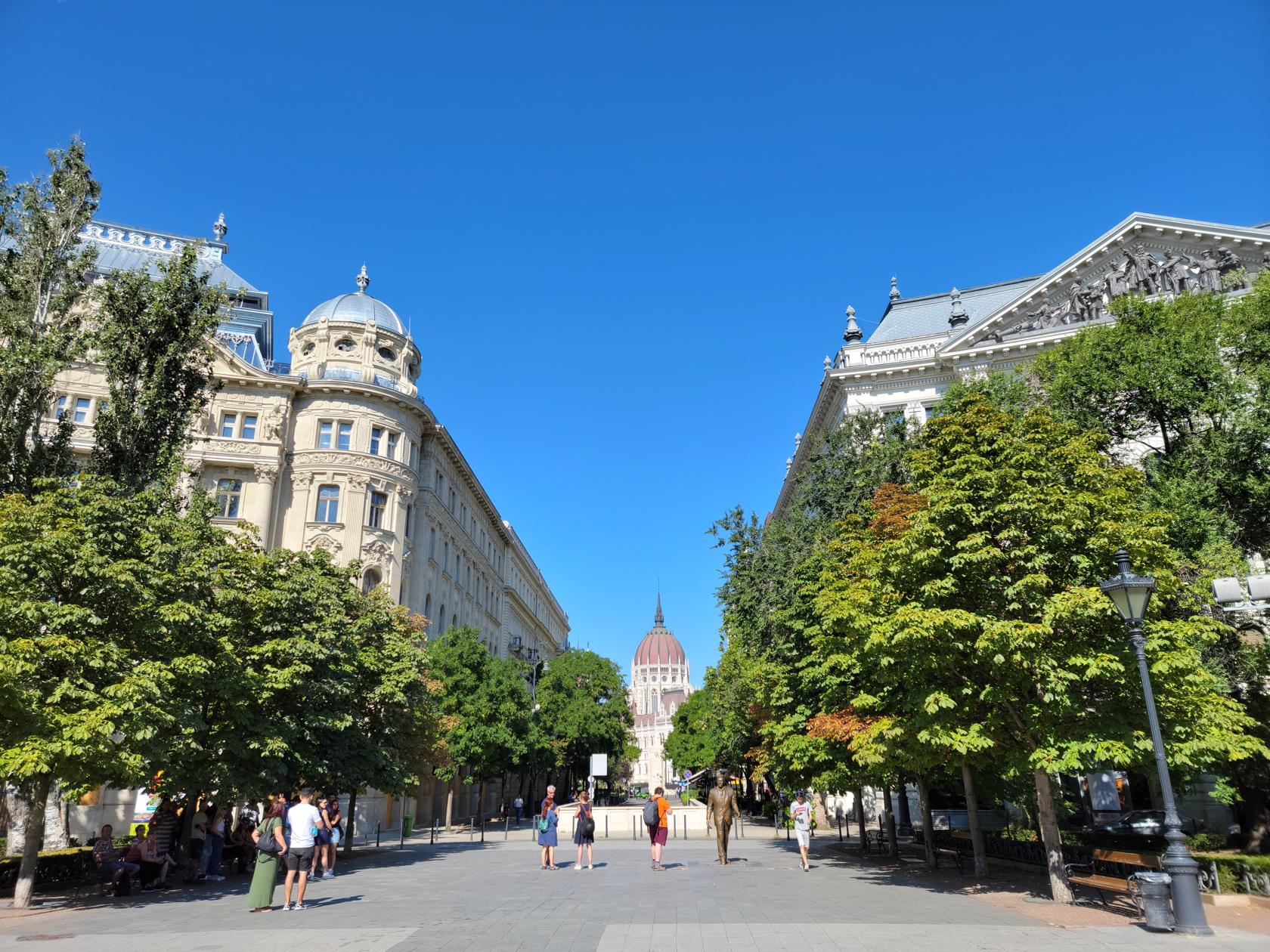
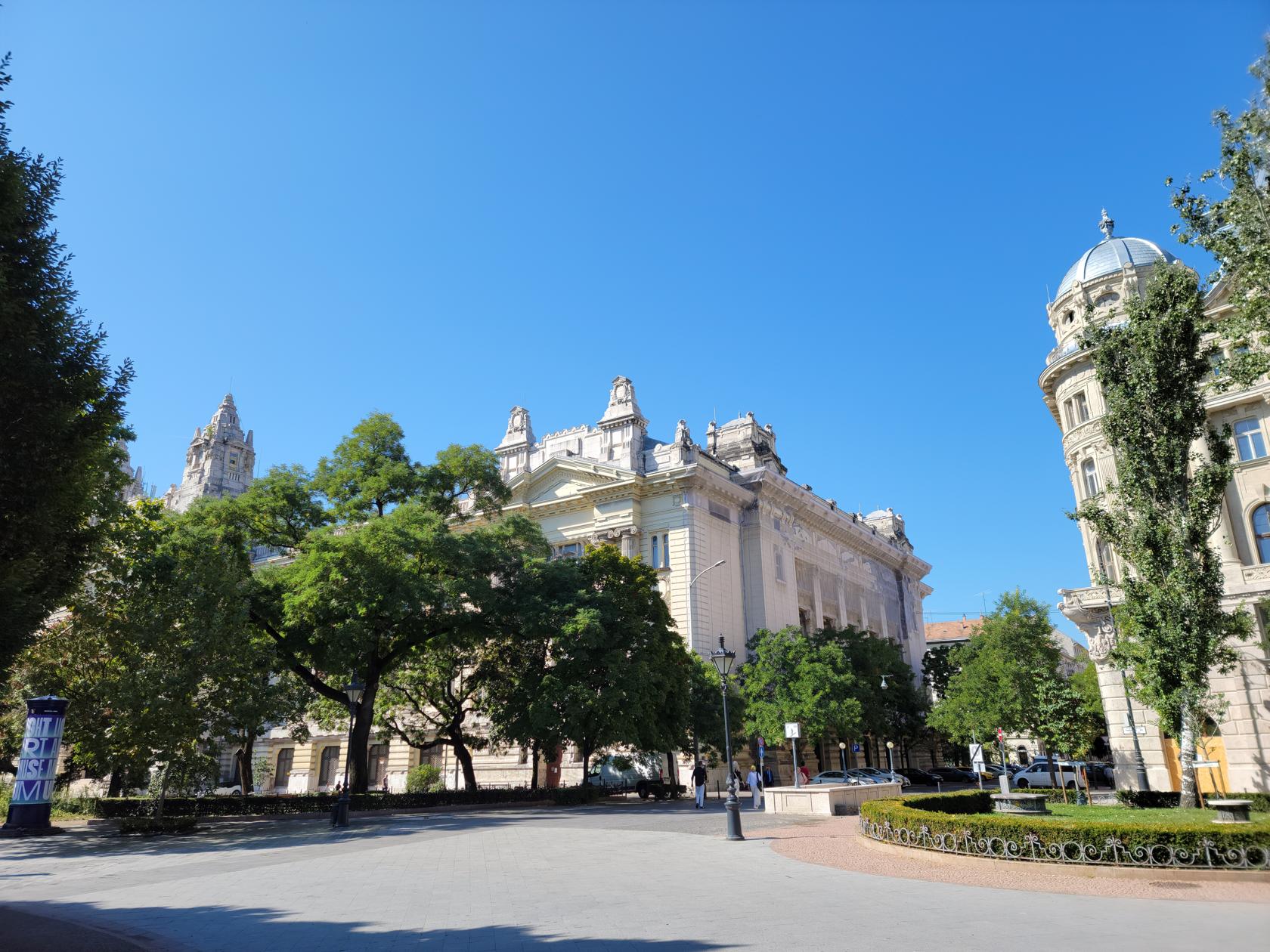
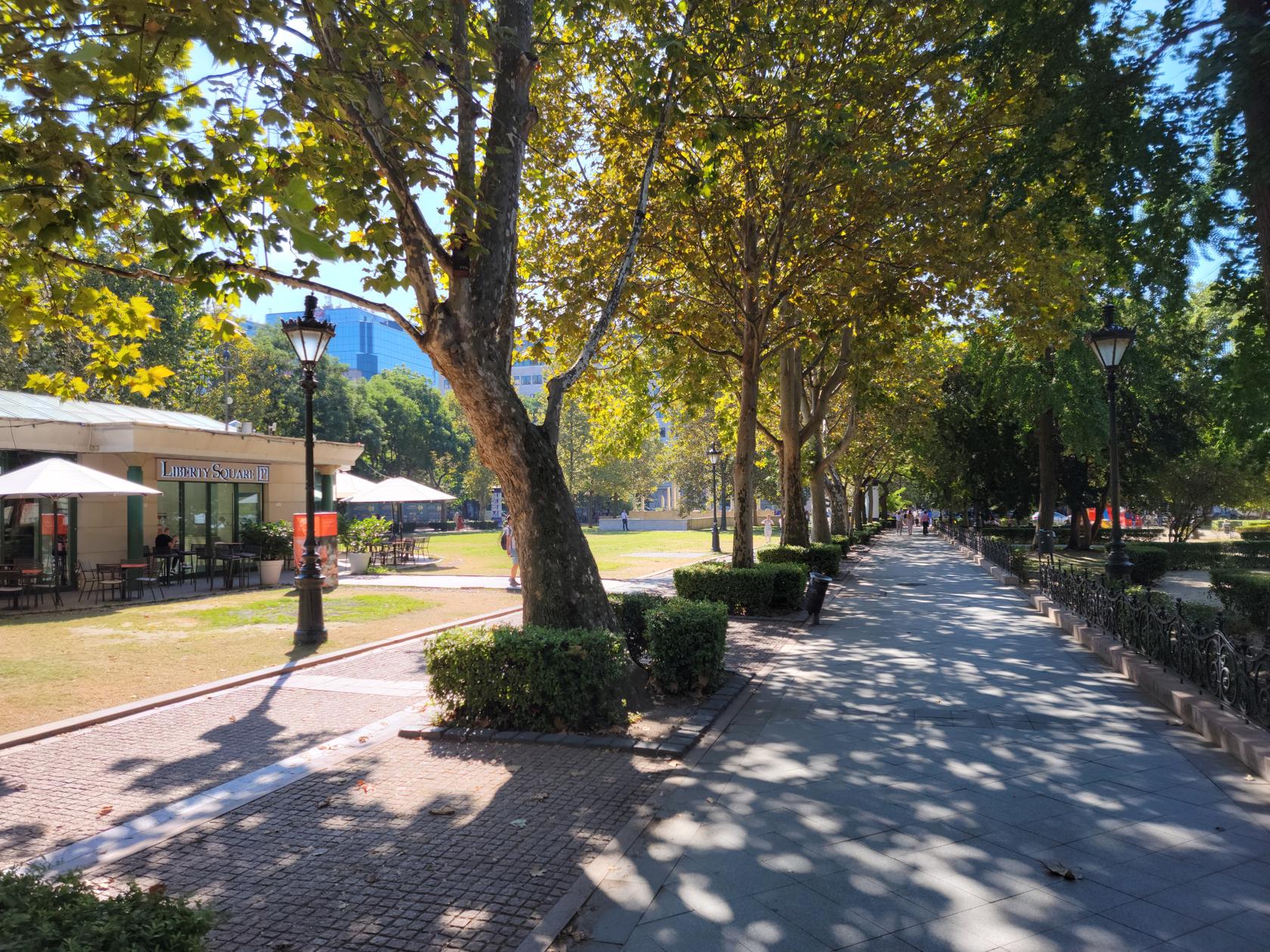
Not far from our hotel is Liberty Square; this is where the American Embassy is located. Here you will find monuments, statues and buildings of interest.
American Embassy – Budapest, Hungary
Exchange Palace – Budapest, Hungary
Adria Palace – Budapest, Hungary
Looking toward parliament – Budapest, Hungary
Liberty Square – Budapest, Hungary
Liberty Square – Budapest, Hungary
Wing of Exchange Palace – Budapest, Hungary
Historical Facade – Budapest, Hungary
At the entrance of this square is also an eternal flame memorial.
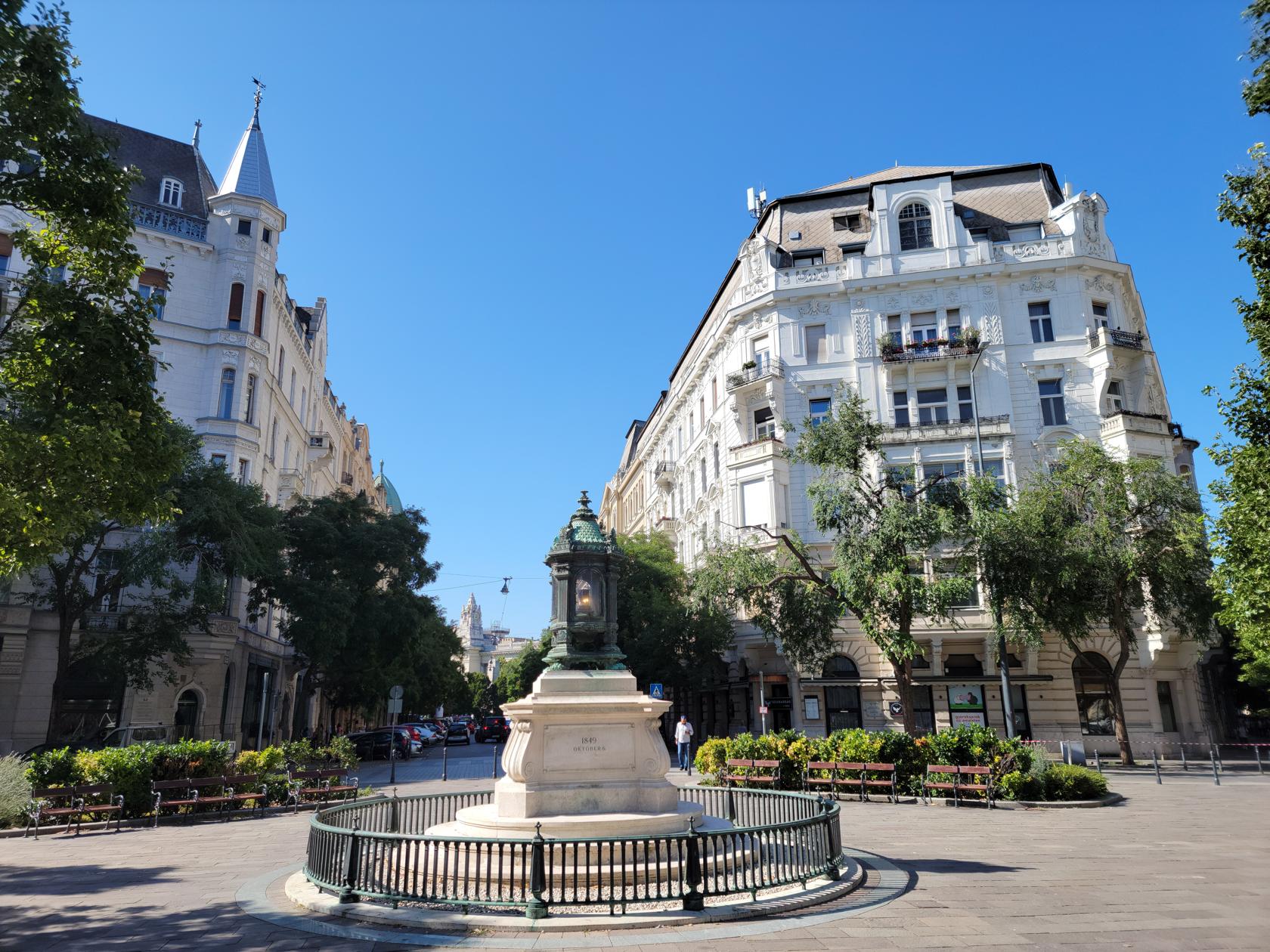
Lajos Batthyányi Eternal Flame – Liberty Square – Budapest, Hungary
Saint Stephen’s Basilica
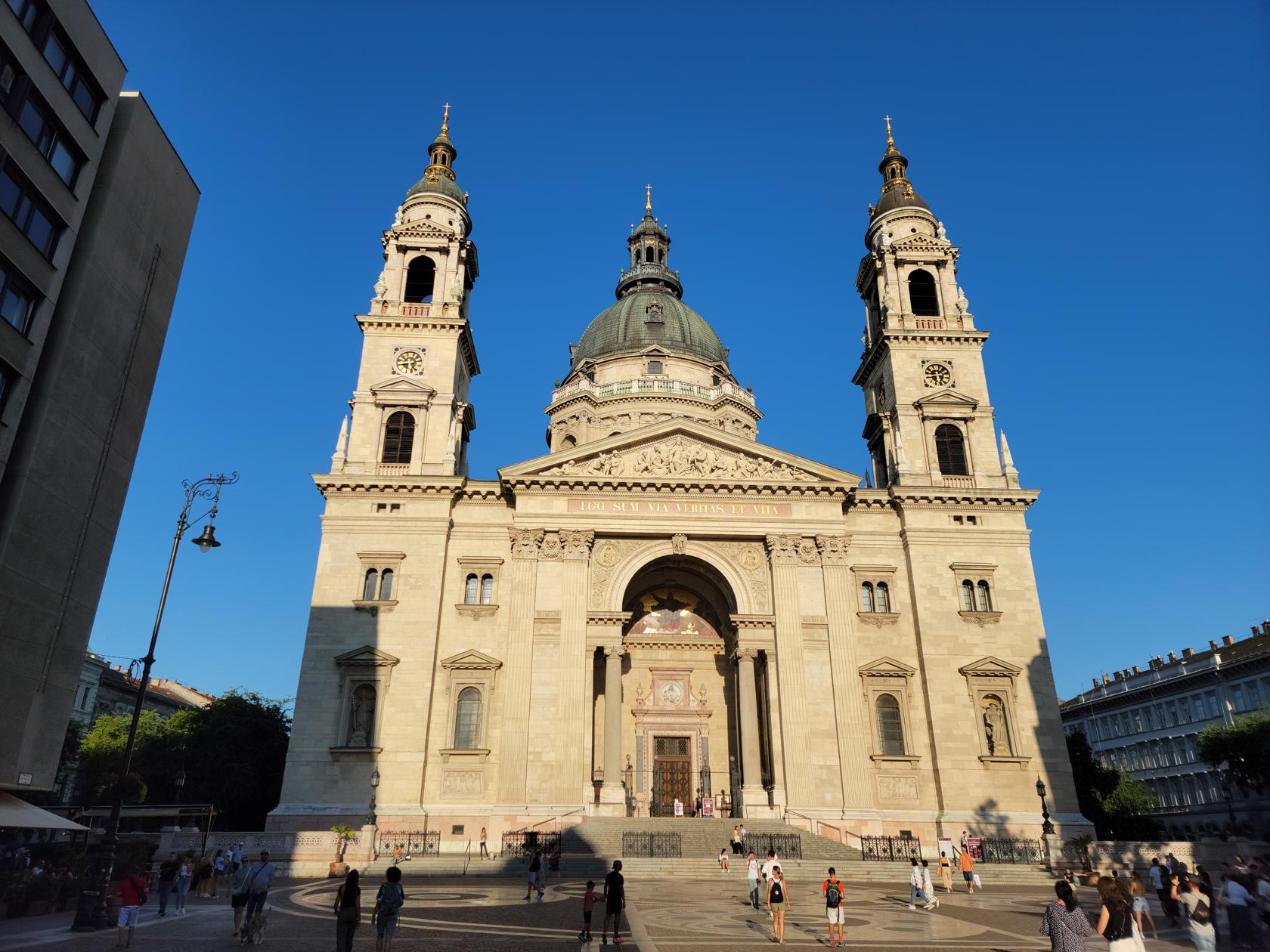
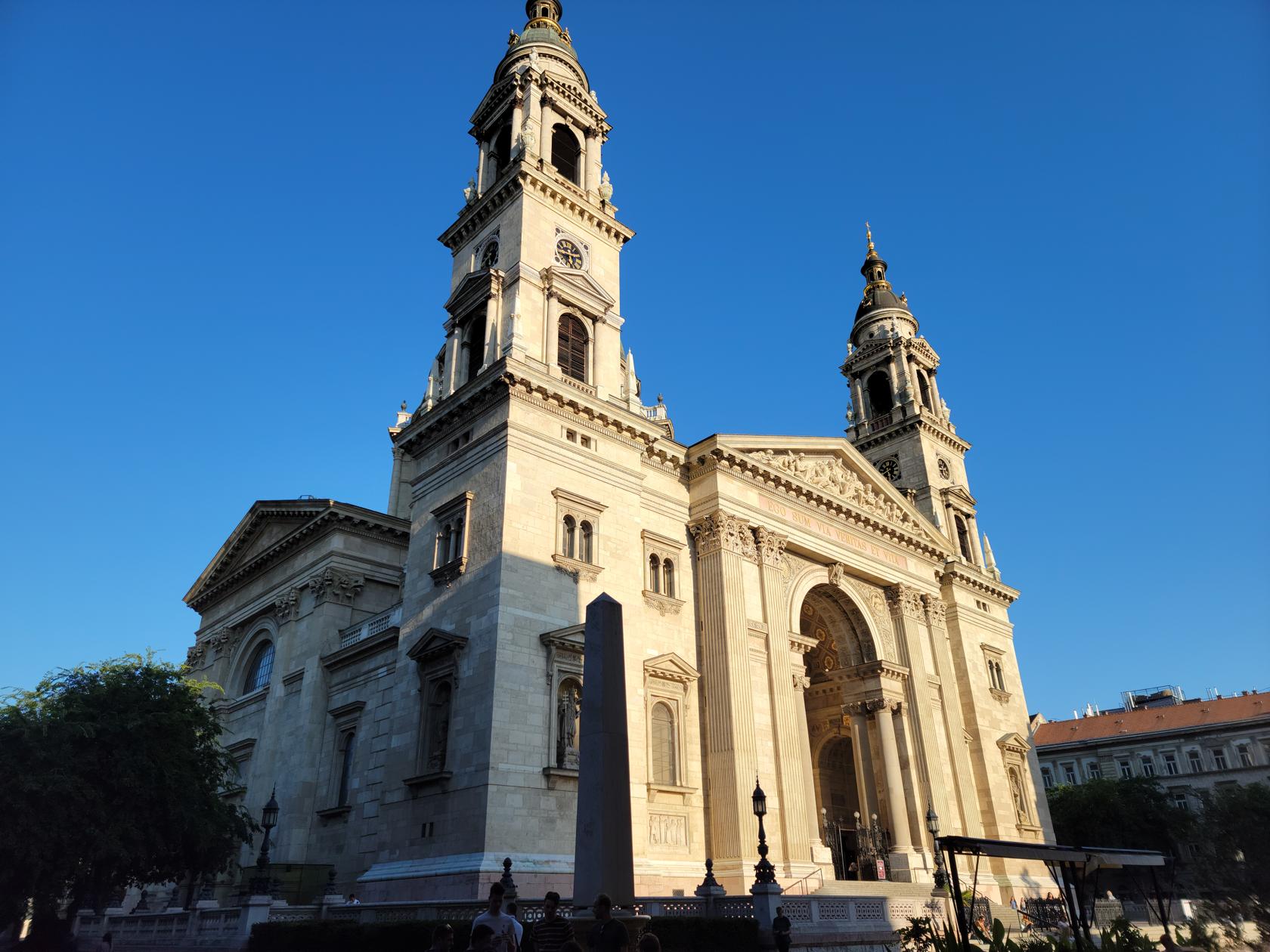
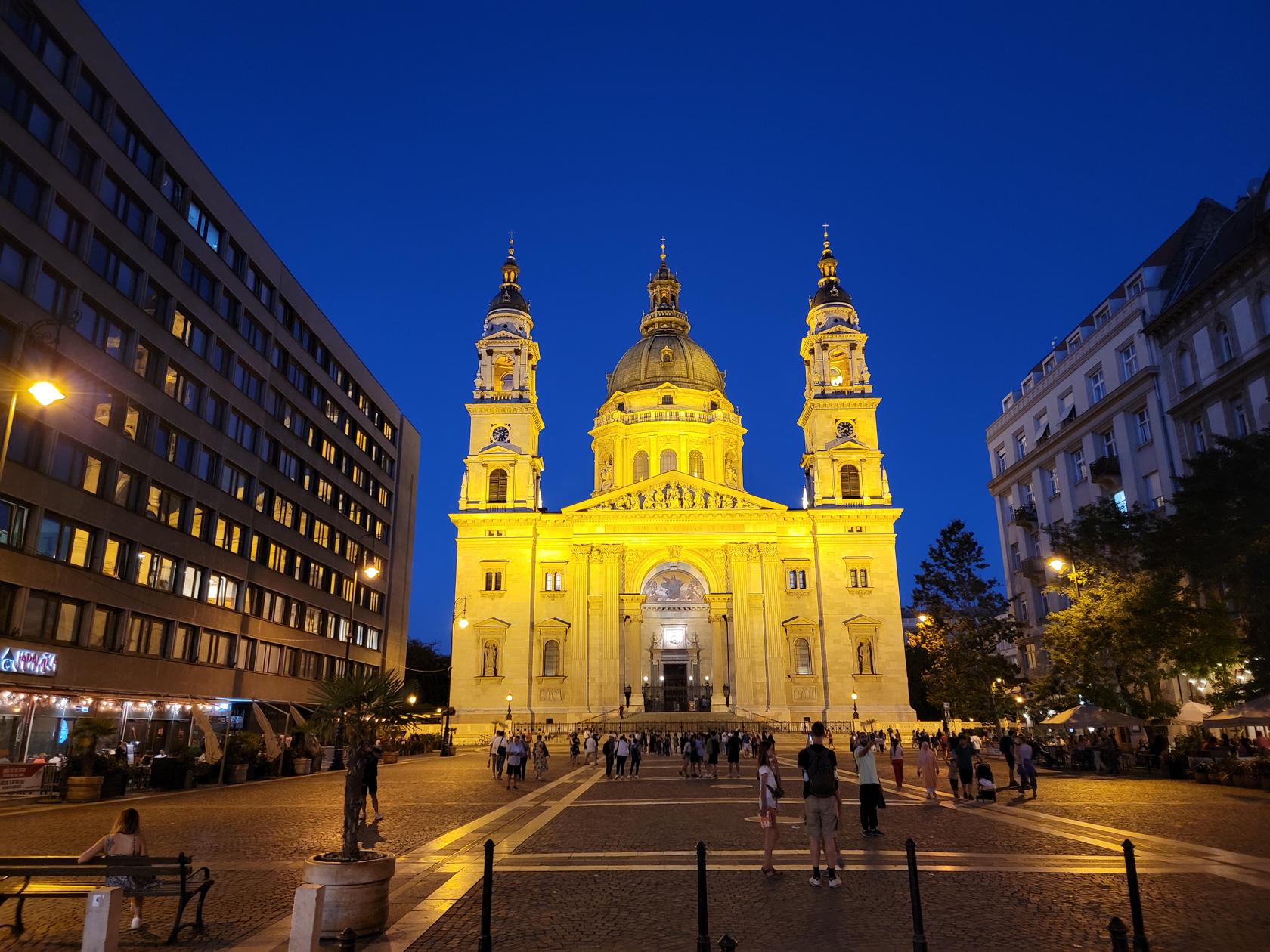
Not far from our hotel is the Basilica of Saint Stephen. Though we did not enter it, if only from church exhaustion, the outside is rather impressive and very nice to see, especially in the evening.
Saint Stephens Basilica – Budapest, Hungary
Saint Stephens Basilica – Budapest, Hungary
At night – Saint Stephens Basilica – Budapest, Hungary
Hotels
There are many hotels to choose from in Budapest. We chose one that would be close to things, but not to far out from the center that you could not get to it by a tram or metro, as well as reasonably priced parking. The Mystery Hotel fits that bill nicely and is decently priced such that it should not break your bank.
Mystery Hotel
For people interested in driving or taking the train, the Mystery Hotel offers a great five star option close to the main railroad station with valet parking. It is also a few blocks away from the oldest Metro line in the city, the M1.
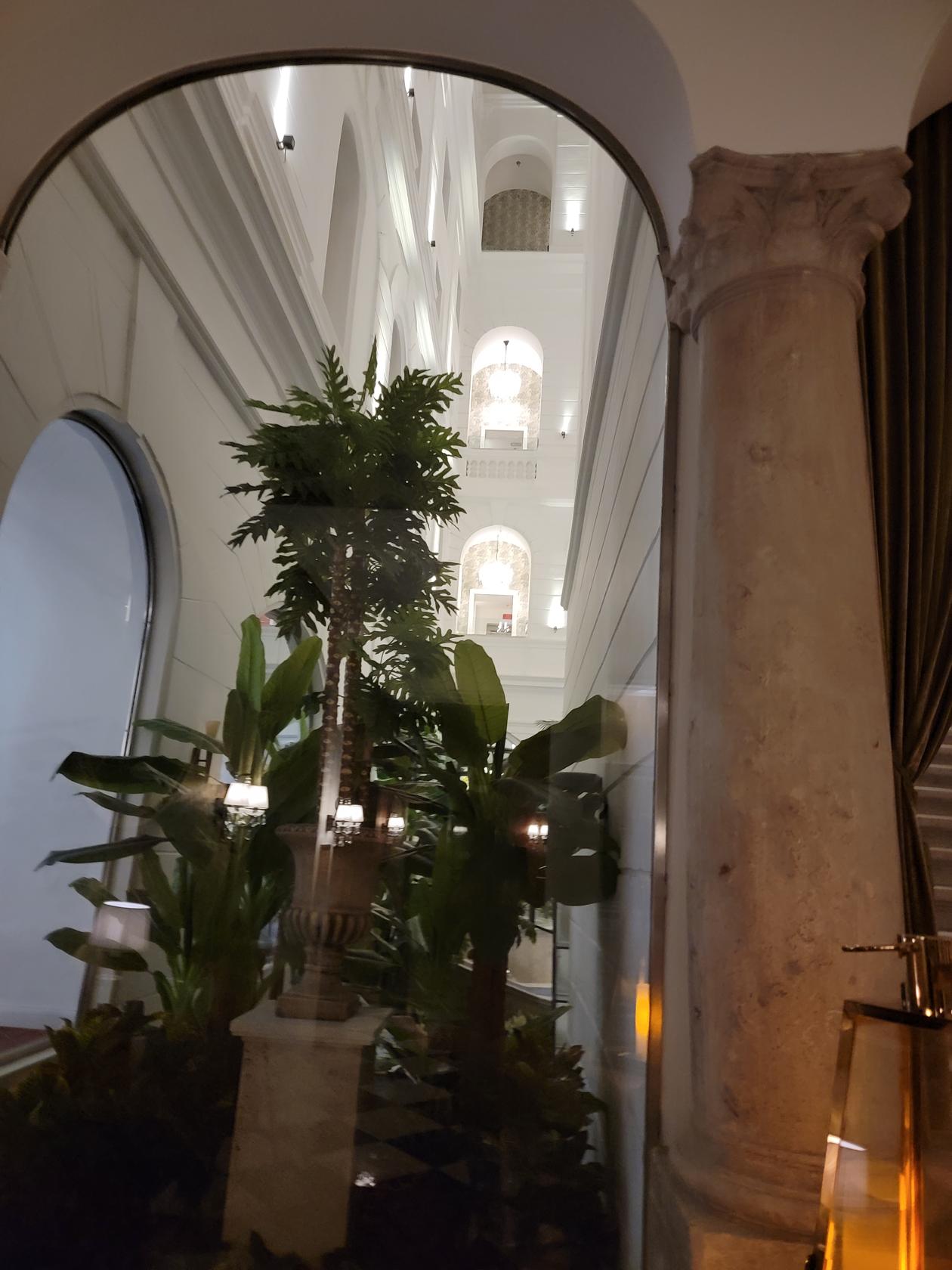
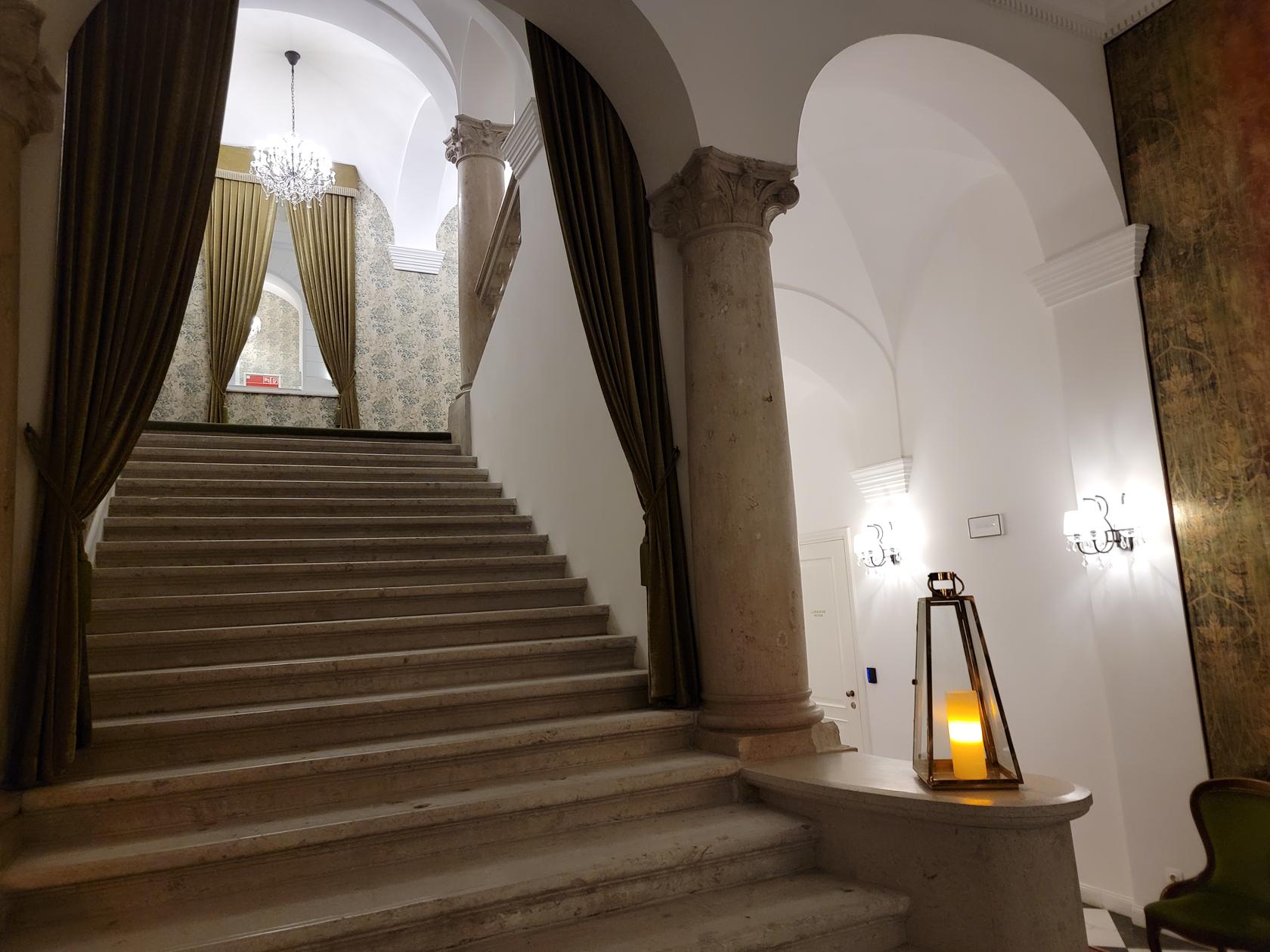
Lobby – Mystery Hotel – Budapest, Hungary
Lobby – Mystery Hotel – Budapest, Hungary
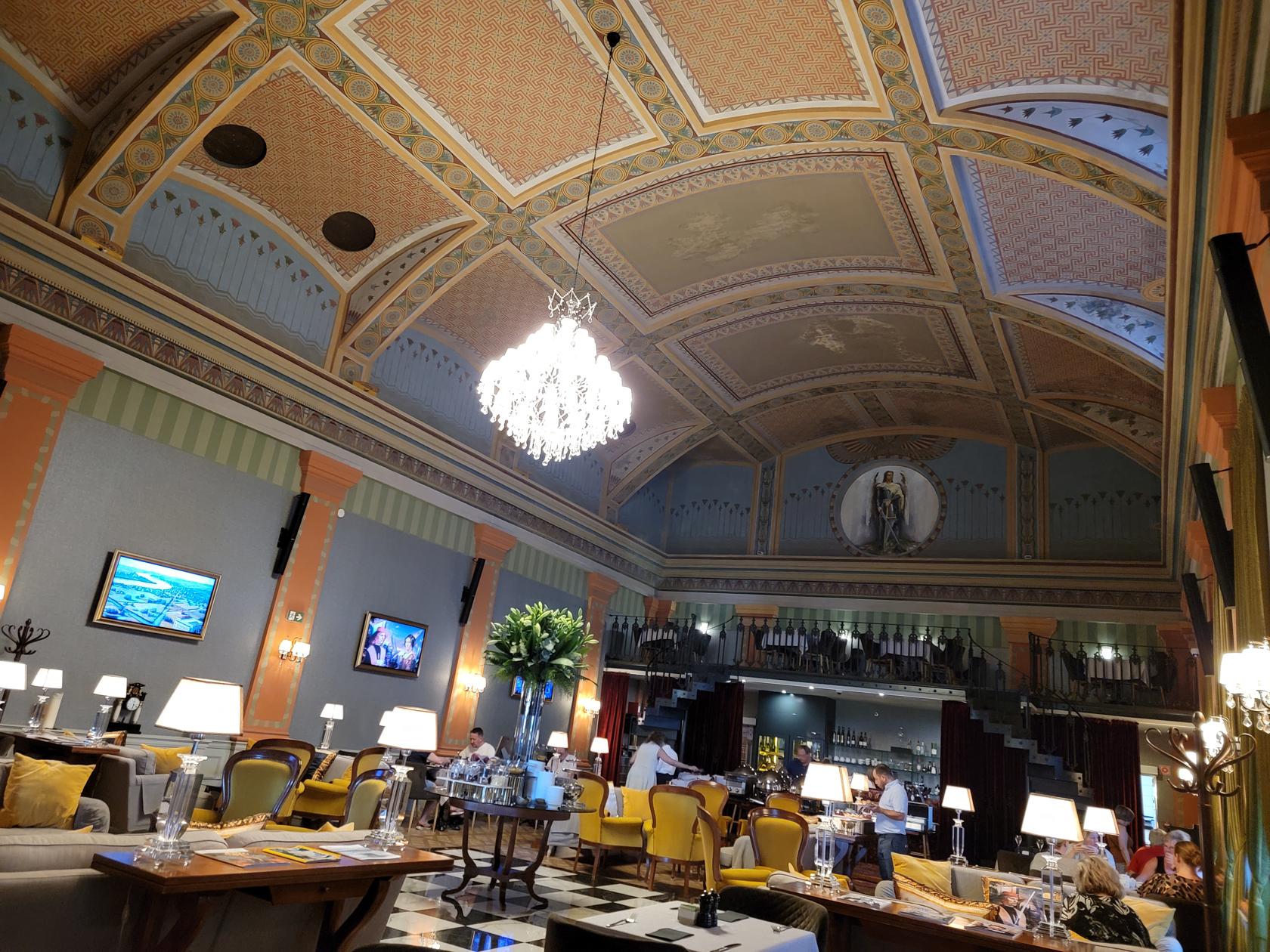
Breakfast room – Mystery Hotel – Budapest, Hungary
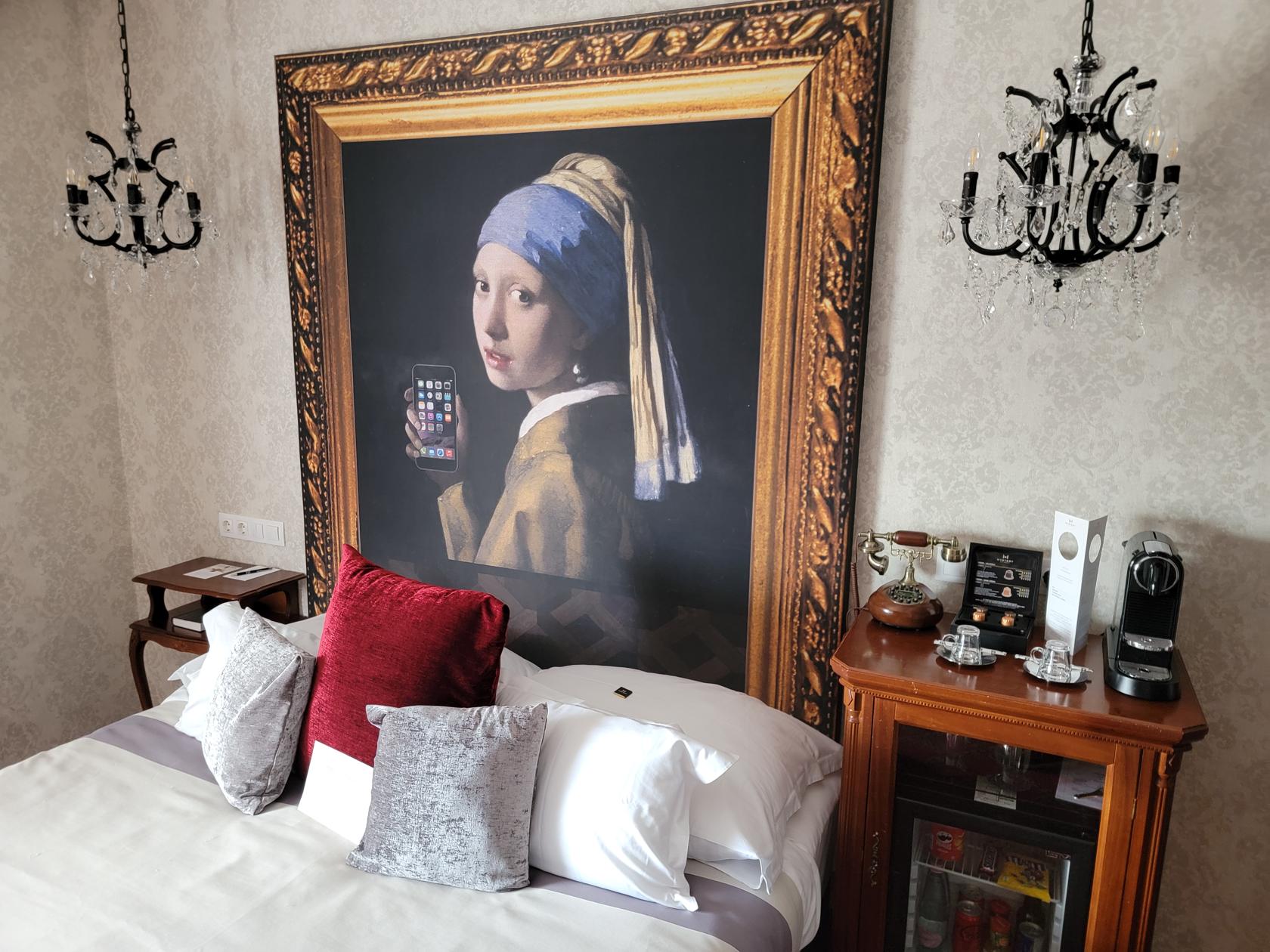
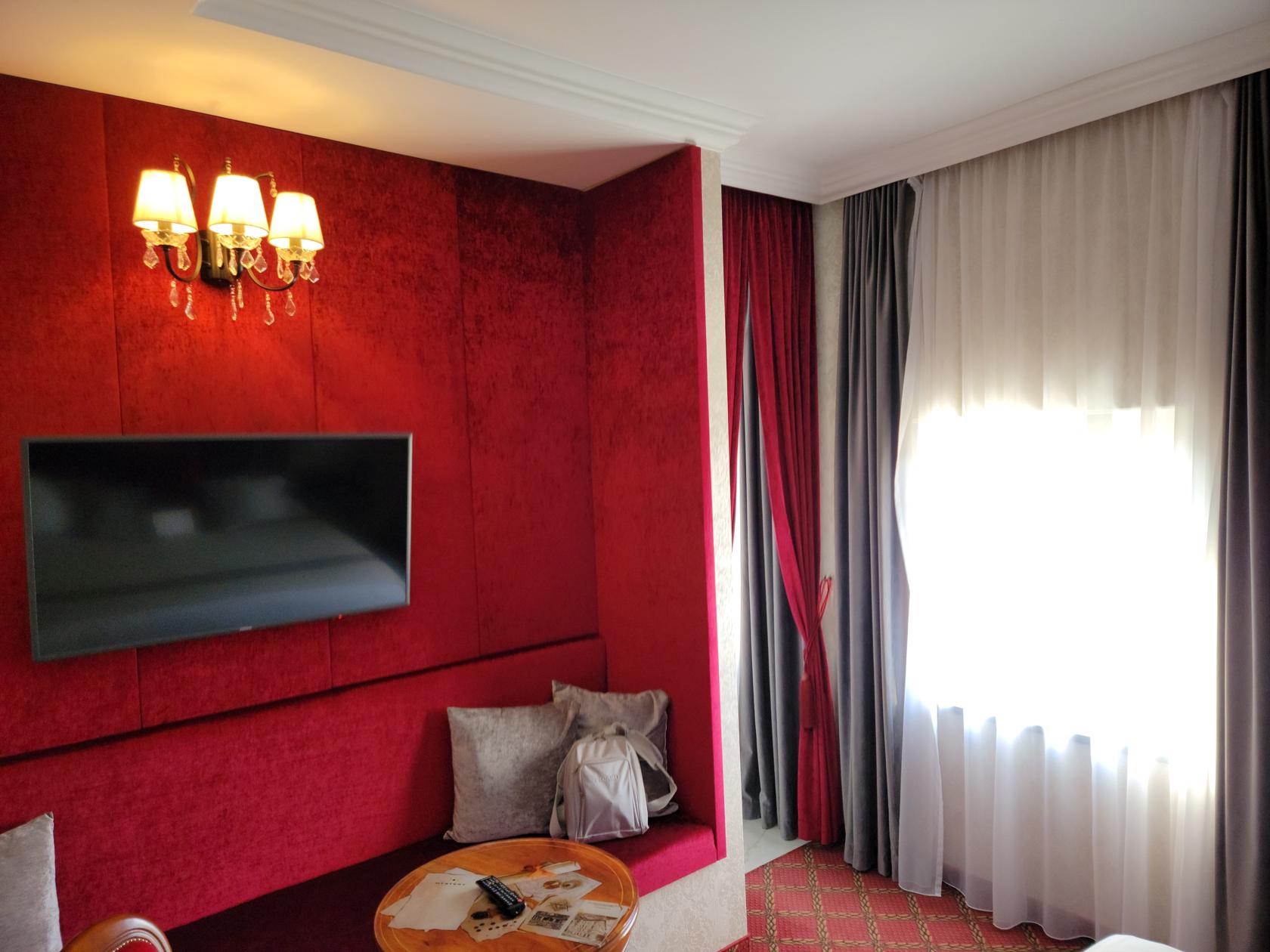
Since the hotel occupies an old renovated building not initially intended for occupation, the rooms are interestingly configured inside. Some even have lofts, so stay flexible, since they are well maintained and well appointed.
Our room – Mystery Hotel – Budapest, Hungary
Our room – Mystery Hotel – Budapest, Hungary
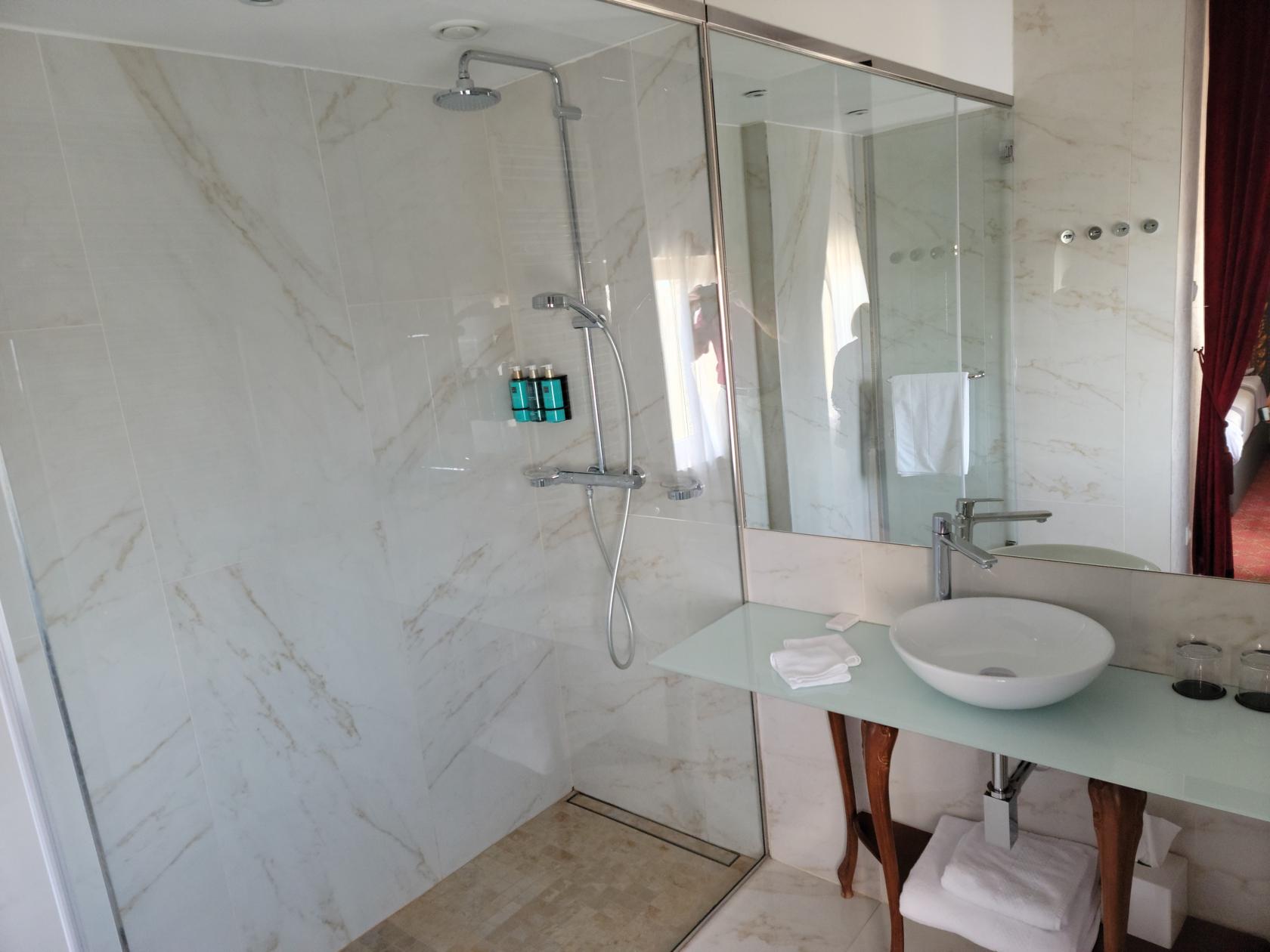
Bathroom – Mystery Hotel – Budapest, Hungary
Restaurants
As the capitol of Hungary and at a very busy intersection of Europe, Budapest has a huge selection of all kinds of different cuisines, especially Hungarian.
Retek Bisztro
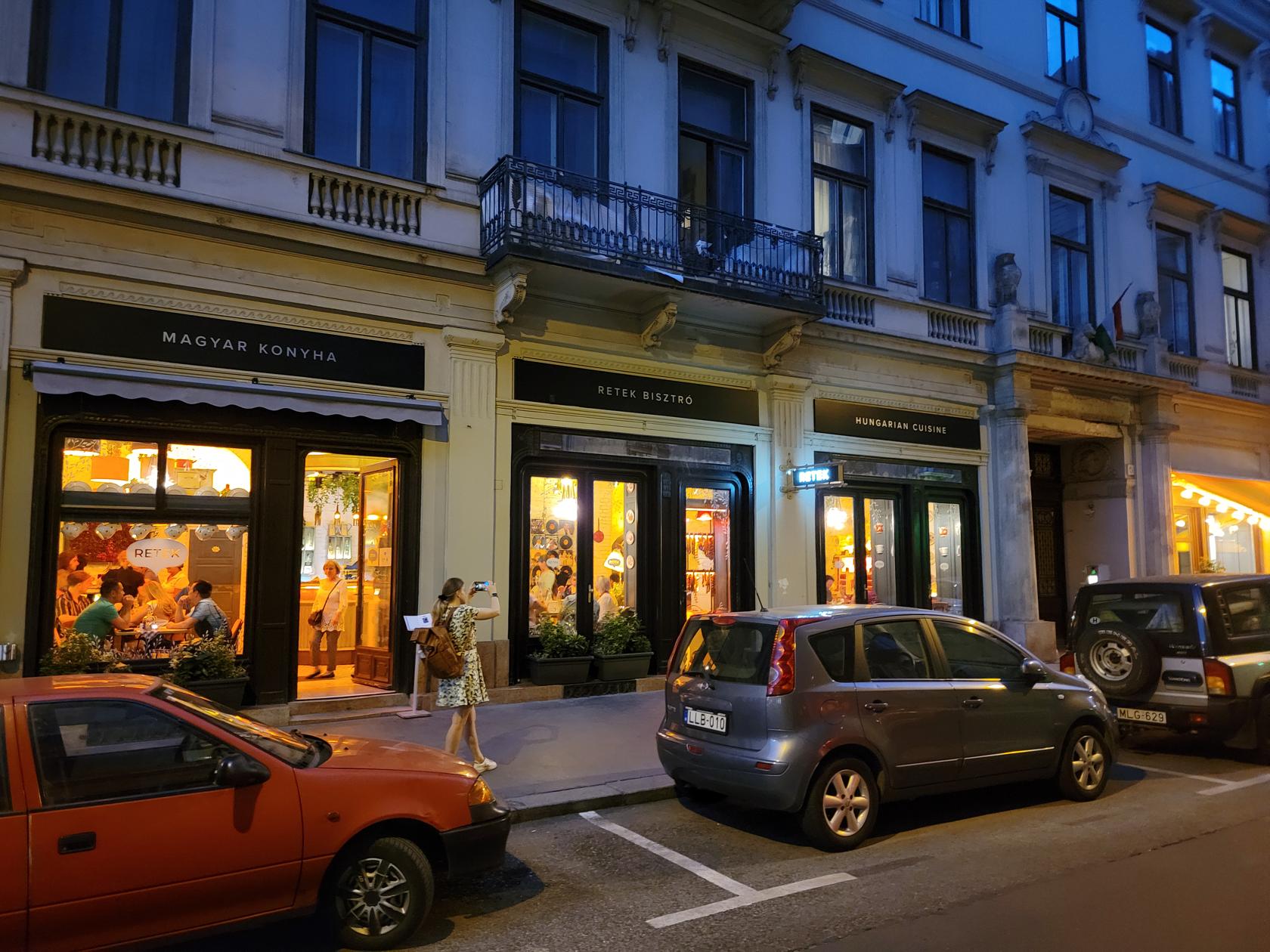
Rather pricey and on the high-end of restaurants is the Retek Bisztro. It is located not far from the basilica and in downtown Budapest. It is a very busy place, so make reservations before you leave on your trip, since it fills up fast.
Exterior – Retek Bisztro – Budapest, Hungary
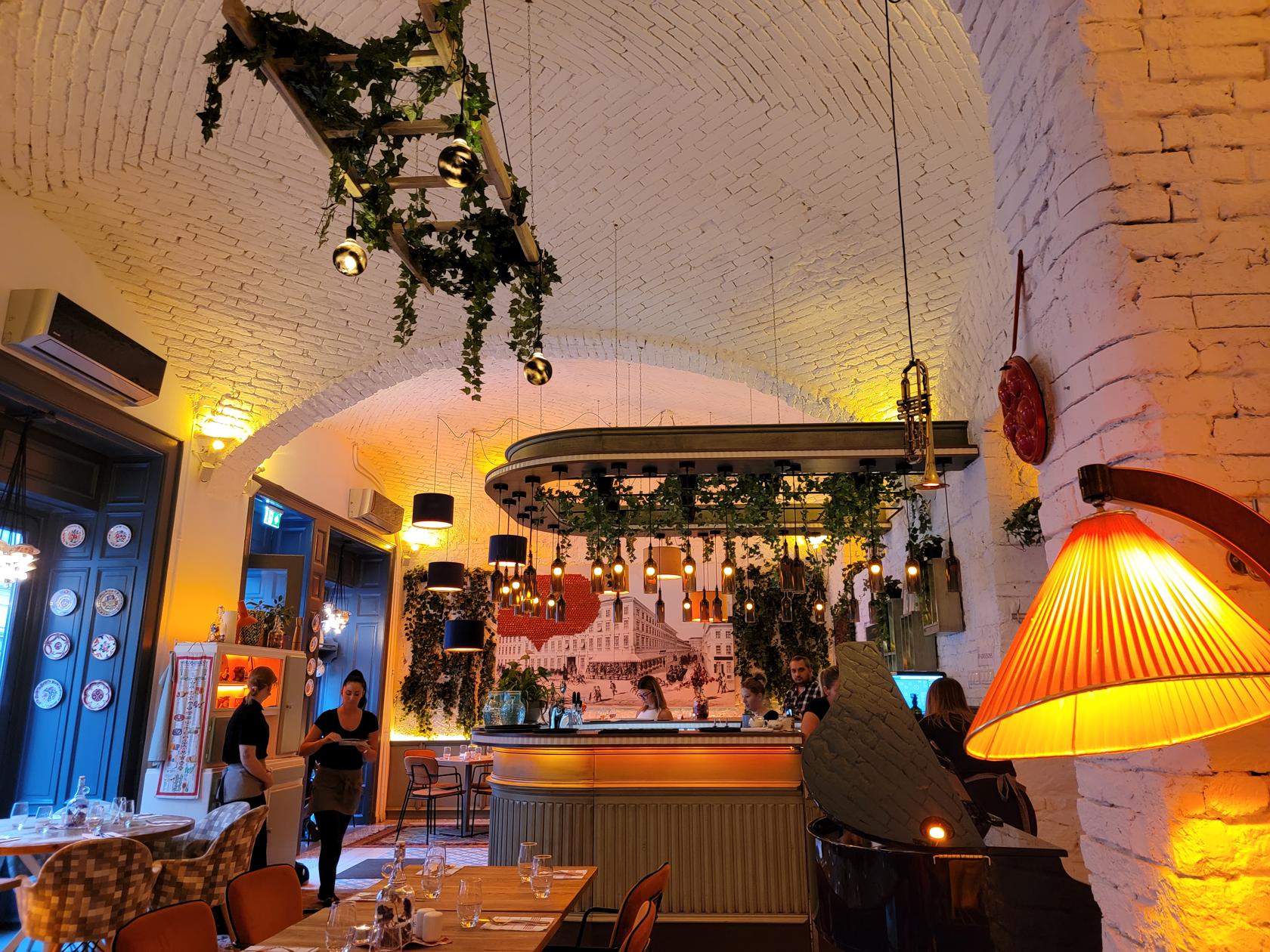
Front Room and bar – Retek Bisztro – Budapest, Hungary
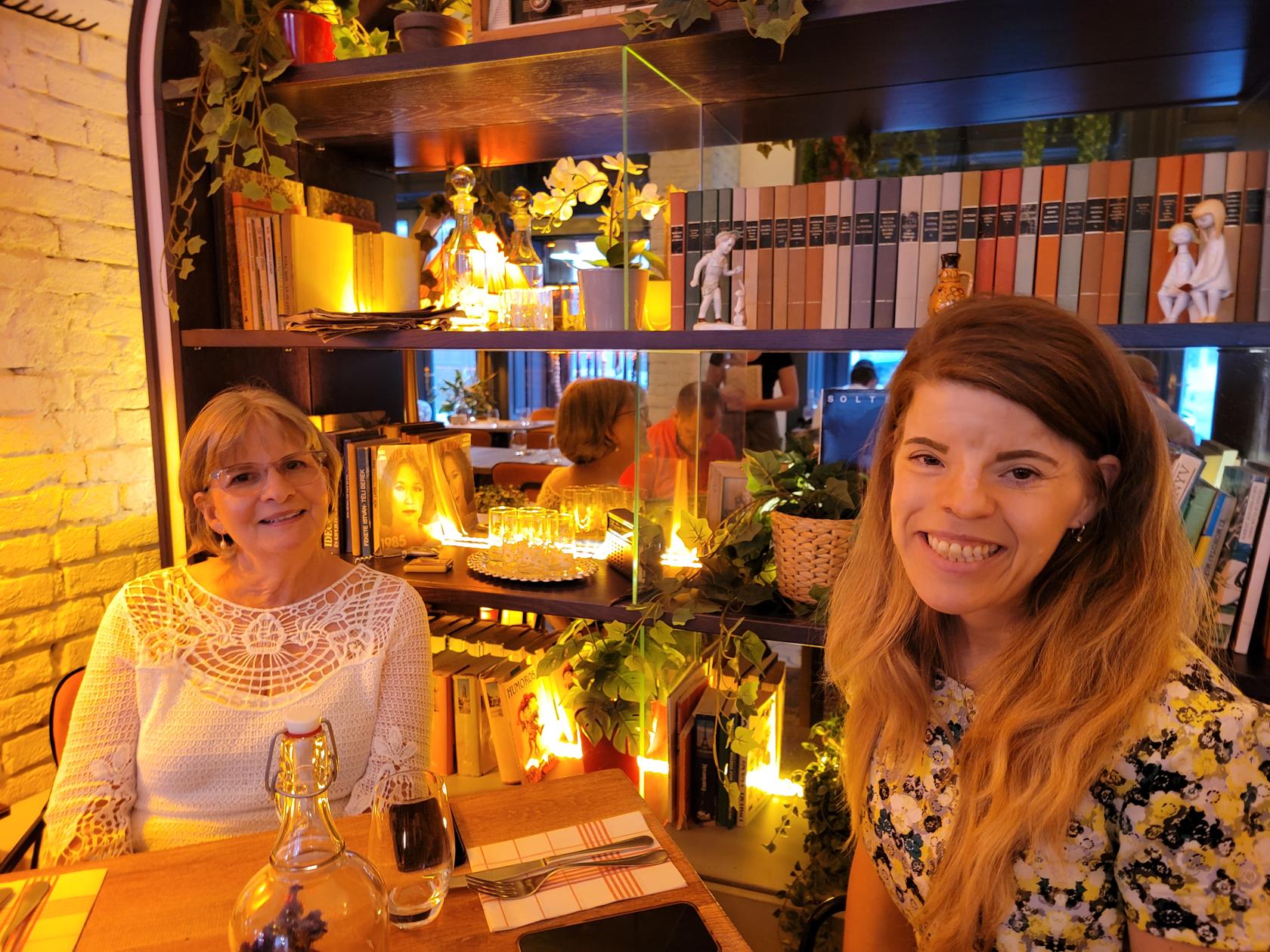
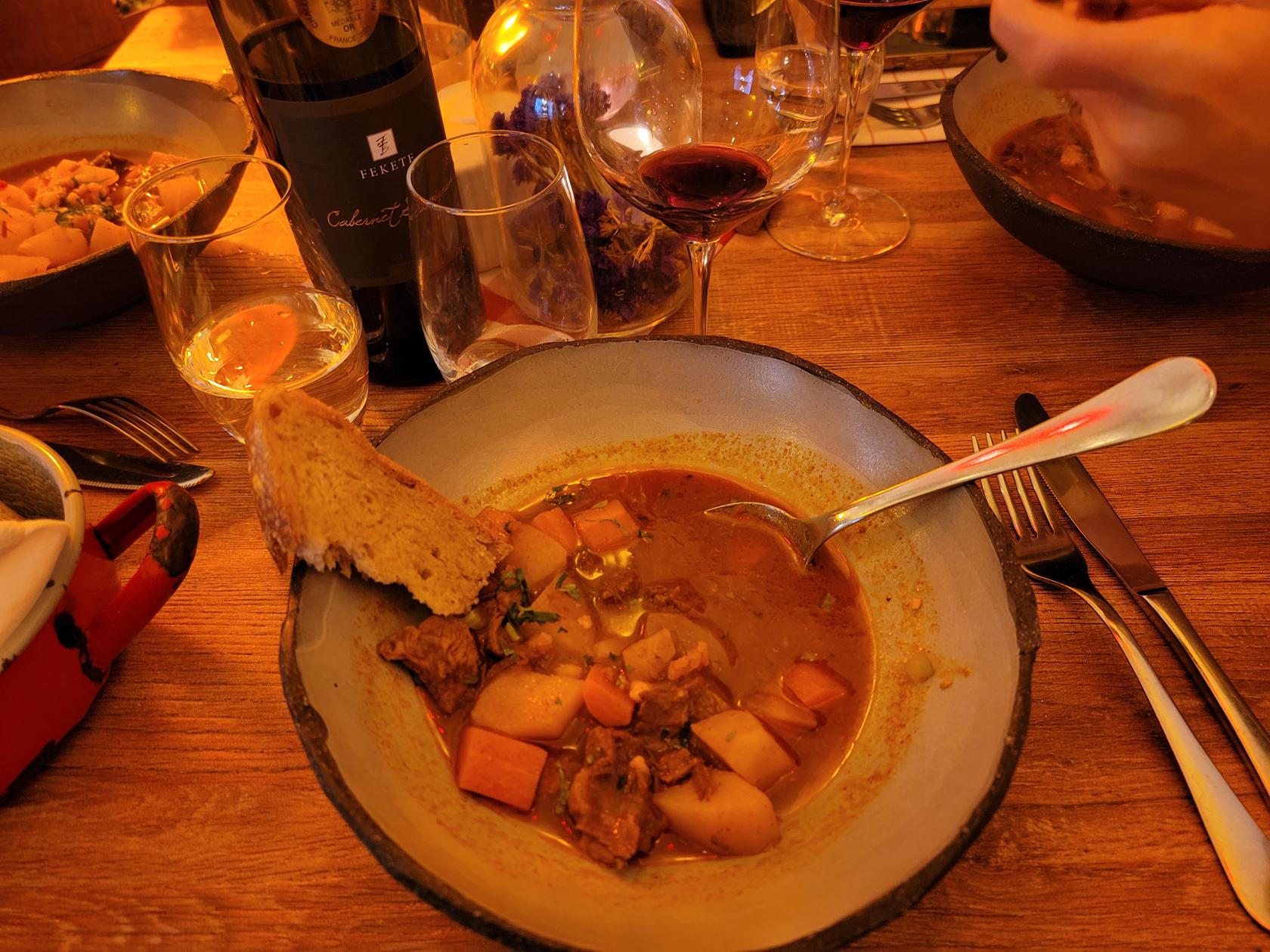
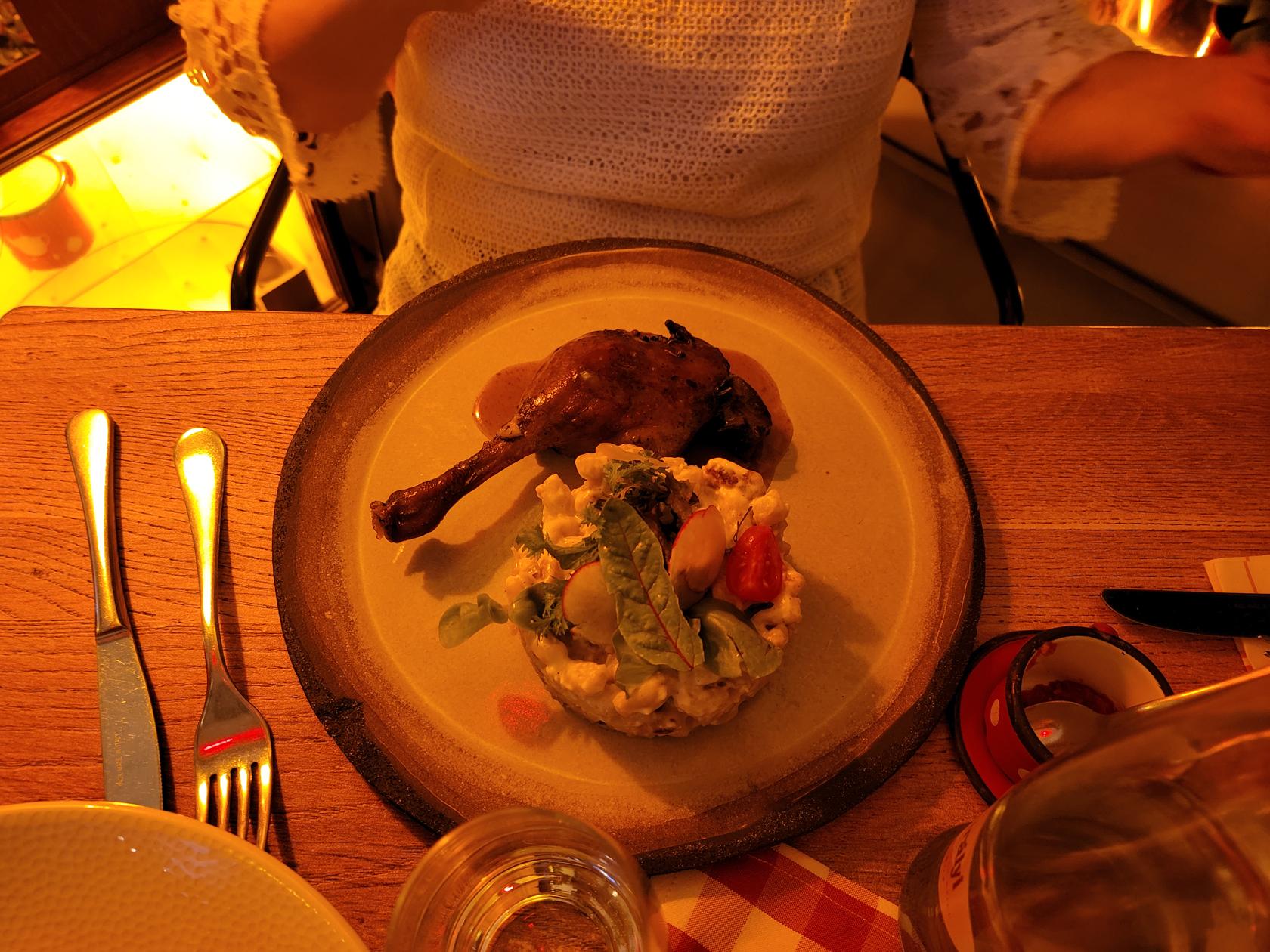
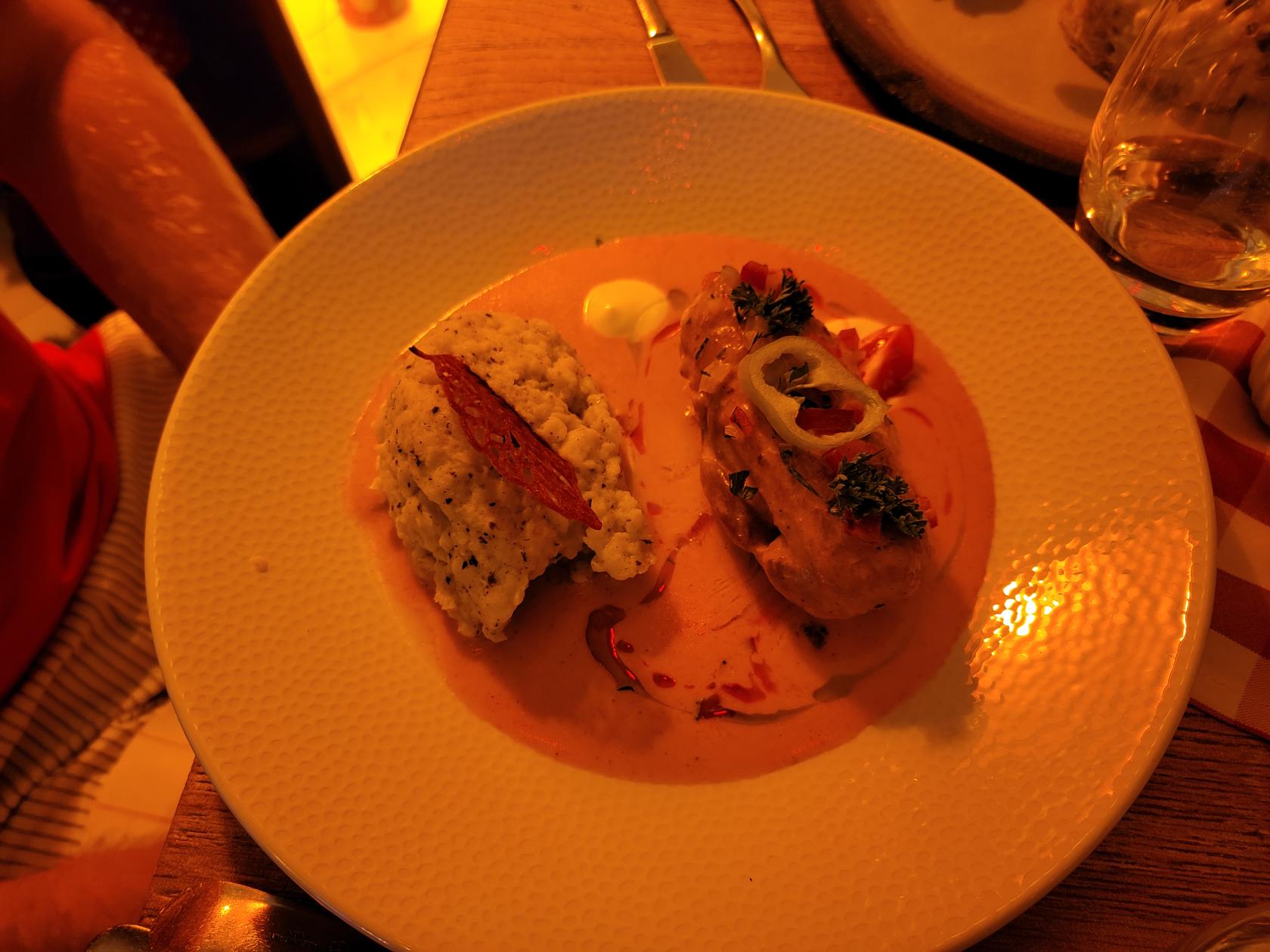
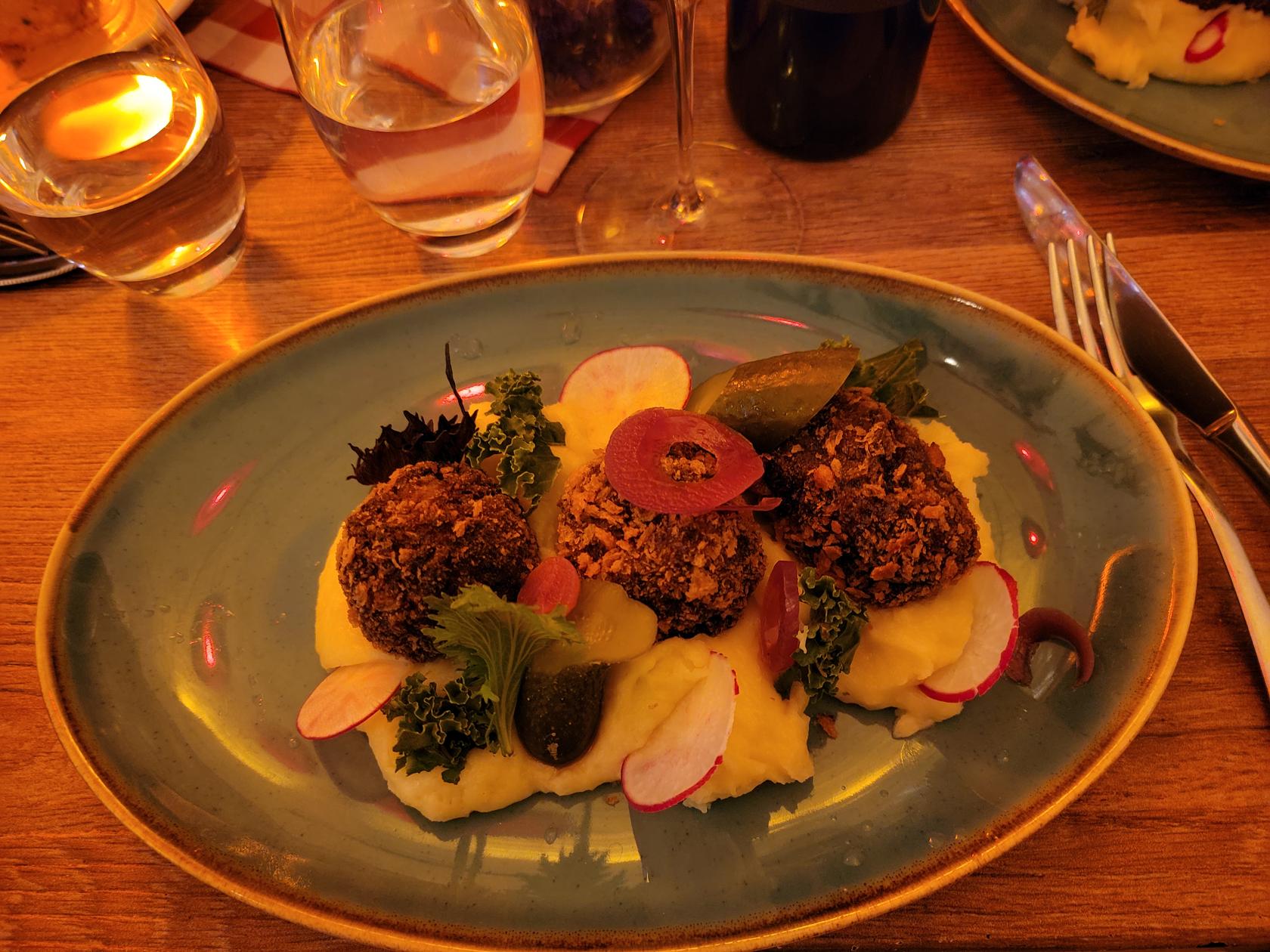
The restaurants offers most authentic Hungarian cuisine, from Hungarian Goulash to Hungarian meatballs. You will notice that most of my photographs came out a bit orange, since there was a red lamp very near our table.
Patti and Ericka – Retek Bisztro – Budapest, Hungary
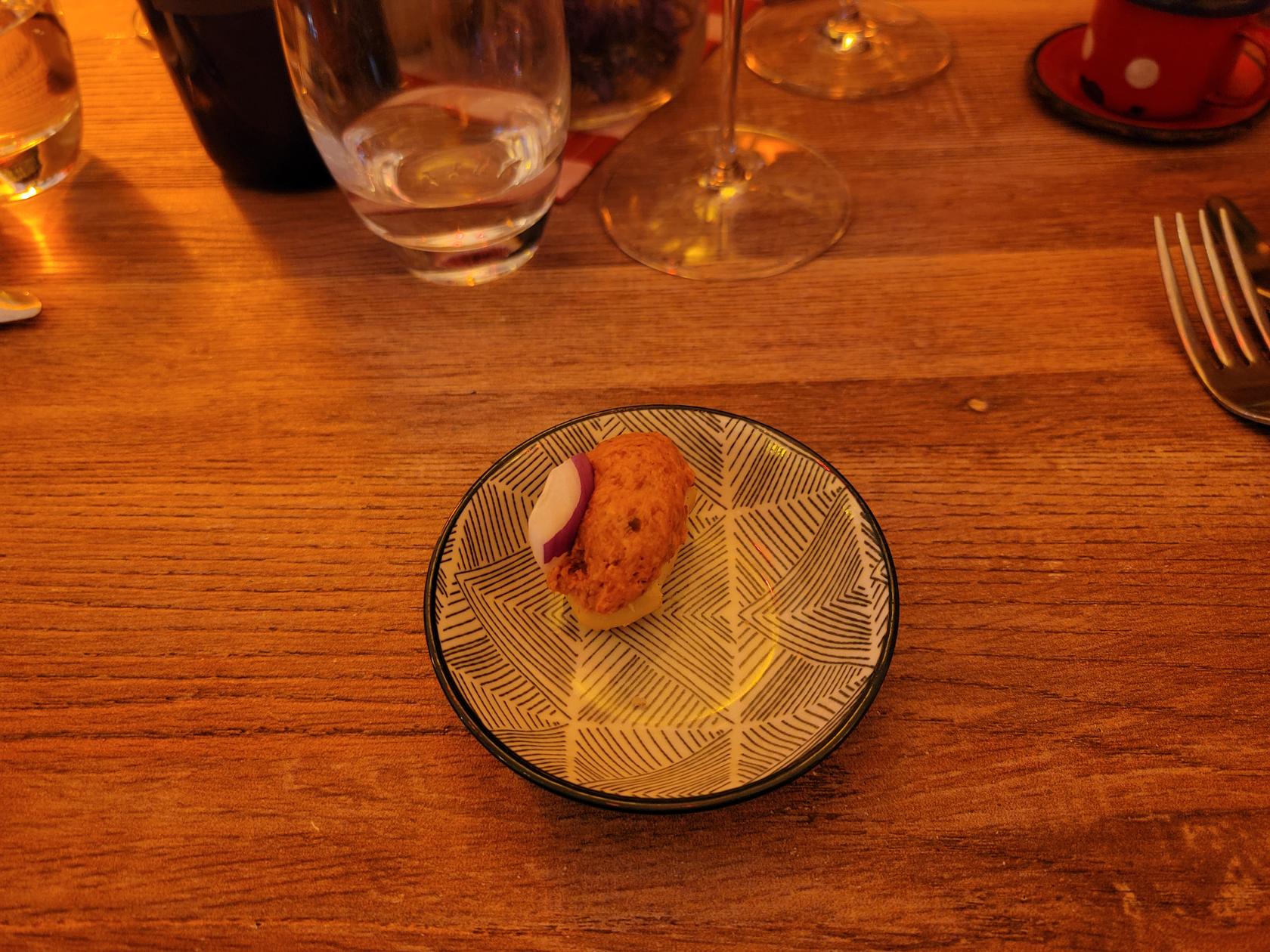
hors d’oeuvres – Retek Bisztro – Budapest, Hungary
Hungarian Goulash soup – Retek Bisztro – Budapest, Hungary
Duck leg with noodle and sauerkraut – Retek Bisztro – Budapest, Hungary
Salmon – Retek Bisztro – Budapest, Hungary
Hungarian deep fried meatballs with mashed potatoes – Retek Bisztro – Budapest, Hungary
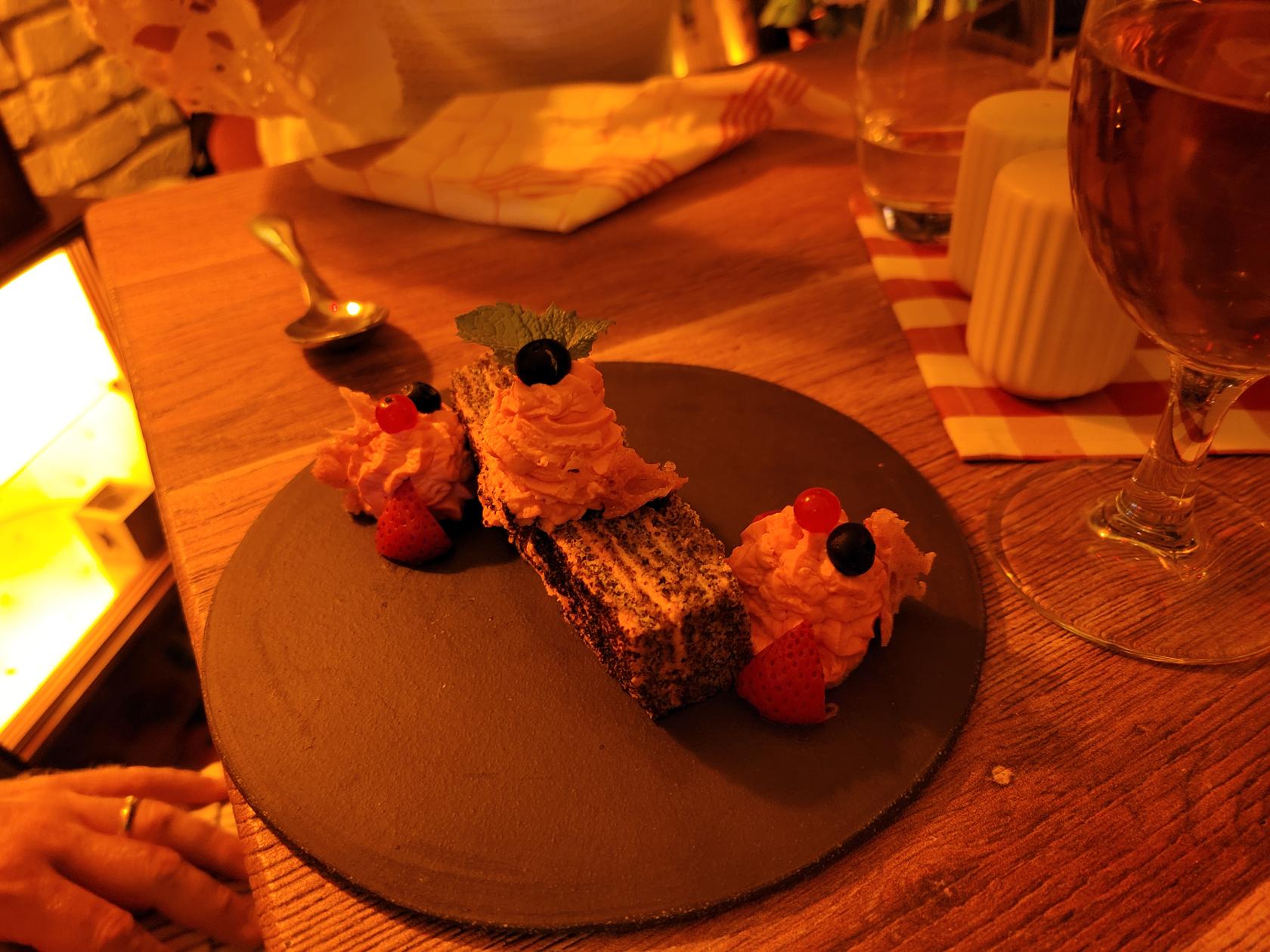
Poppy-seed cake – Retek Bisztro – Budapest, Hungary
Sunday – Retek Bisztro – Budapest, Hungary
Along with a bottle of wine, the entire bill for four people and drinks came to 220€.
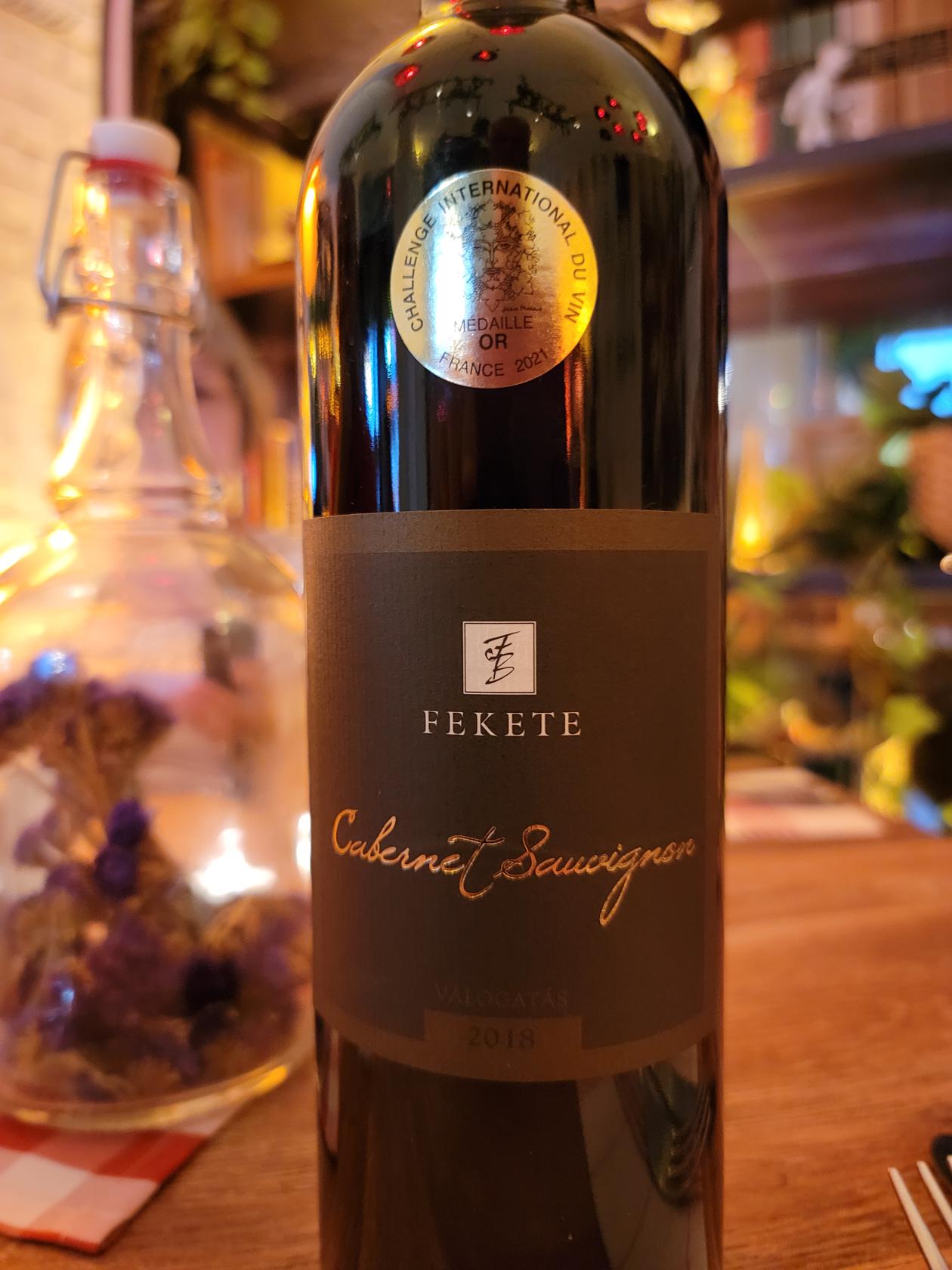
Fekete Cabernet – Retek Bisztro – Budapest, Hungary
Below are some final meanderings about the city, several other places that we ate and a few places that we saw, that just didn’t fit in any of the former entries.
Copenhagen
Some final thoughts on the city and its location. The weather when we were here was borderline terrible. So if you plan on visiting, you should check the extended forecast prior to packing. It was August and we dealt with temperatures in the 50-60°F range with rain. After the first few days, we just had to ask someone if this what the weather is always like. We were told that the weather is extremely variable and they have even seen snow in the middle of summer! Again, be prepared. We packed both long and short pants and shirts, along with raincoats and glad we did; but only because we knew the forecast had low temperatures and rain.
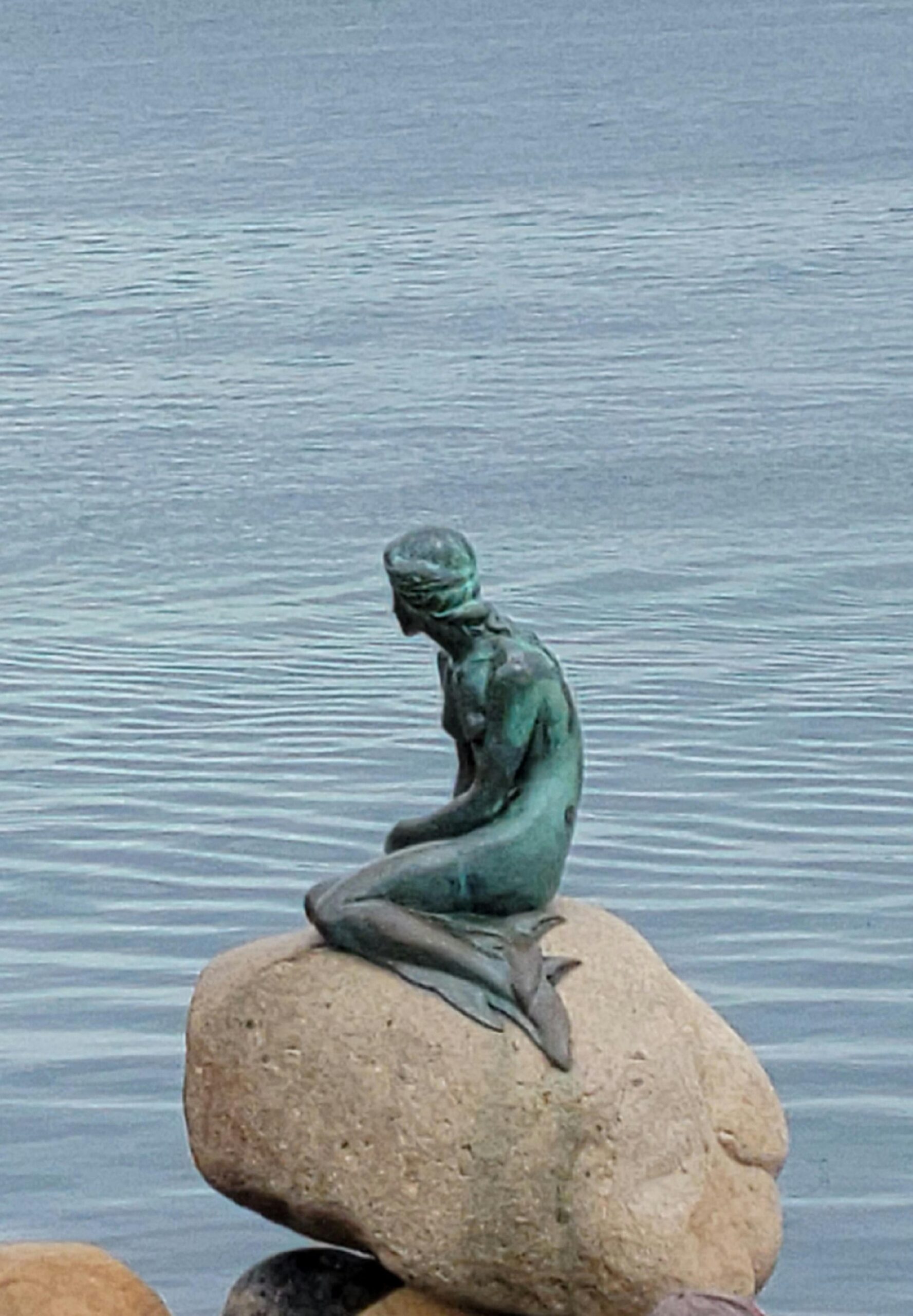
The Little Mermaid – Copenhagen, Denmark
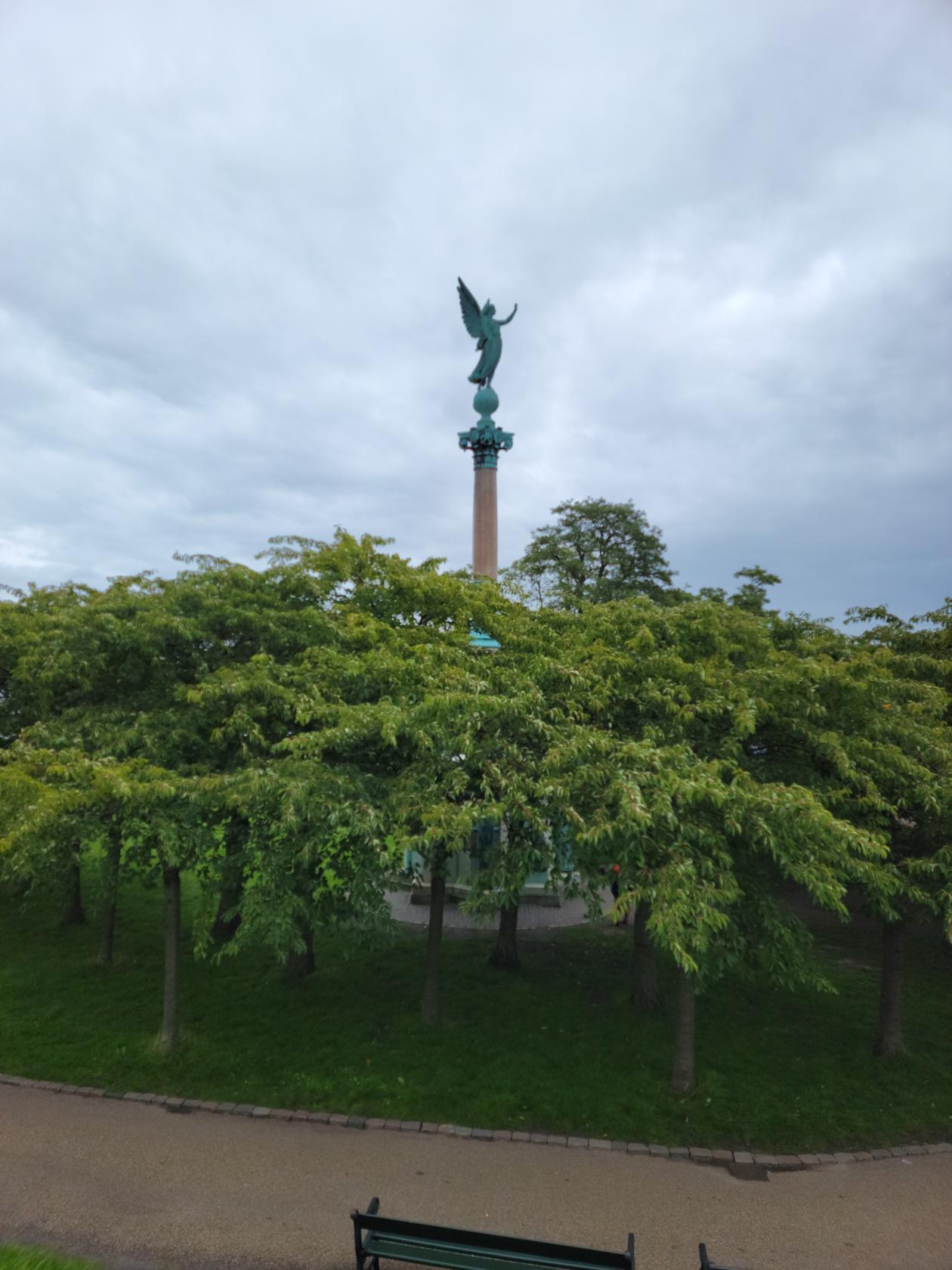
Ivar Huitfeldt – Copenhagen, Denmark
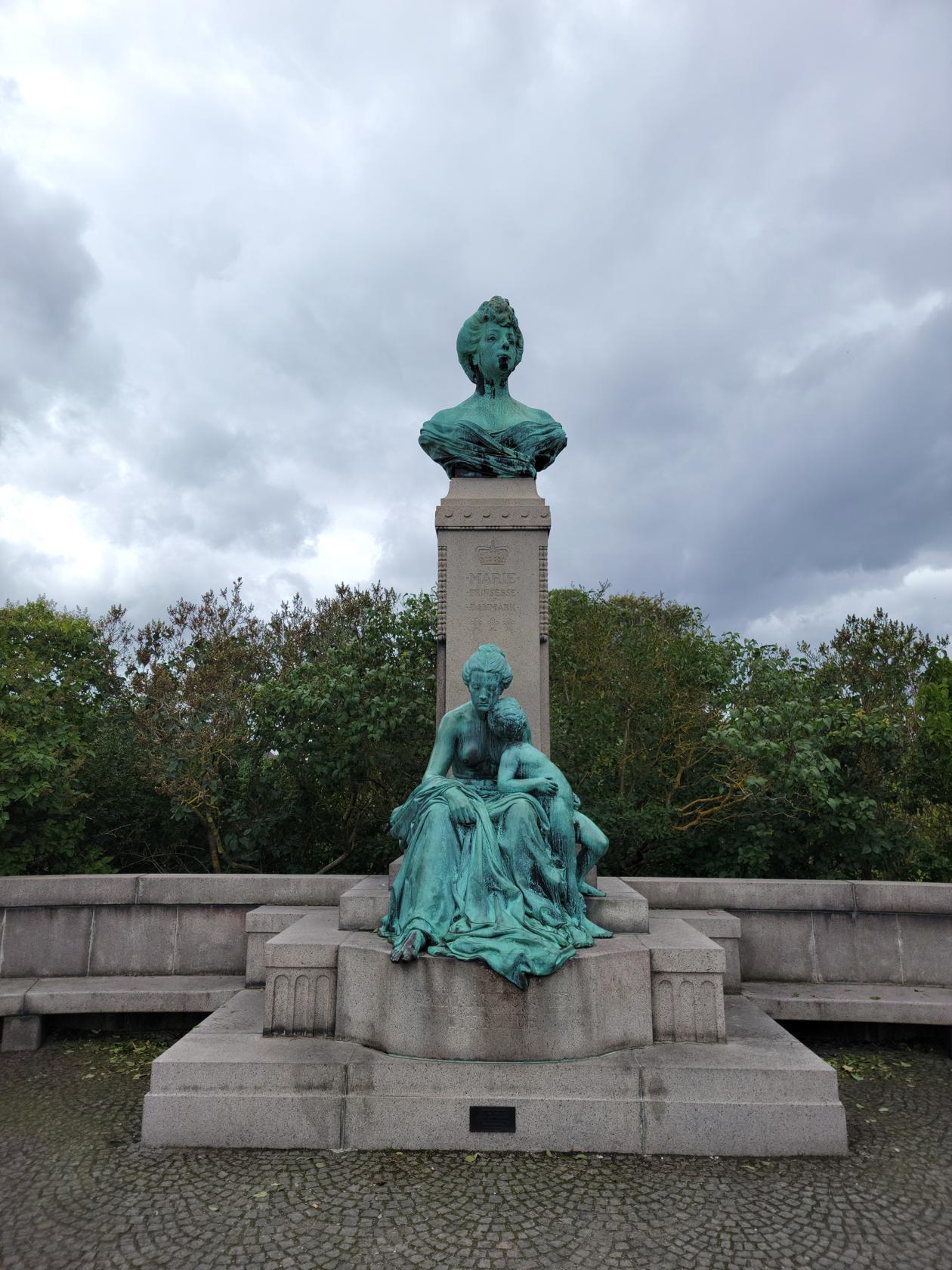
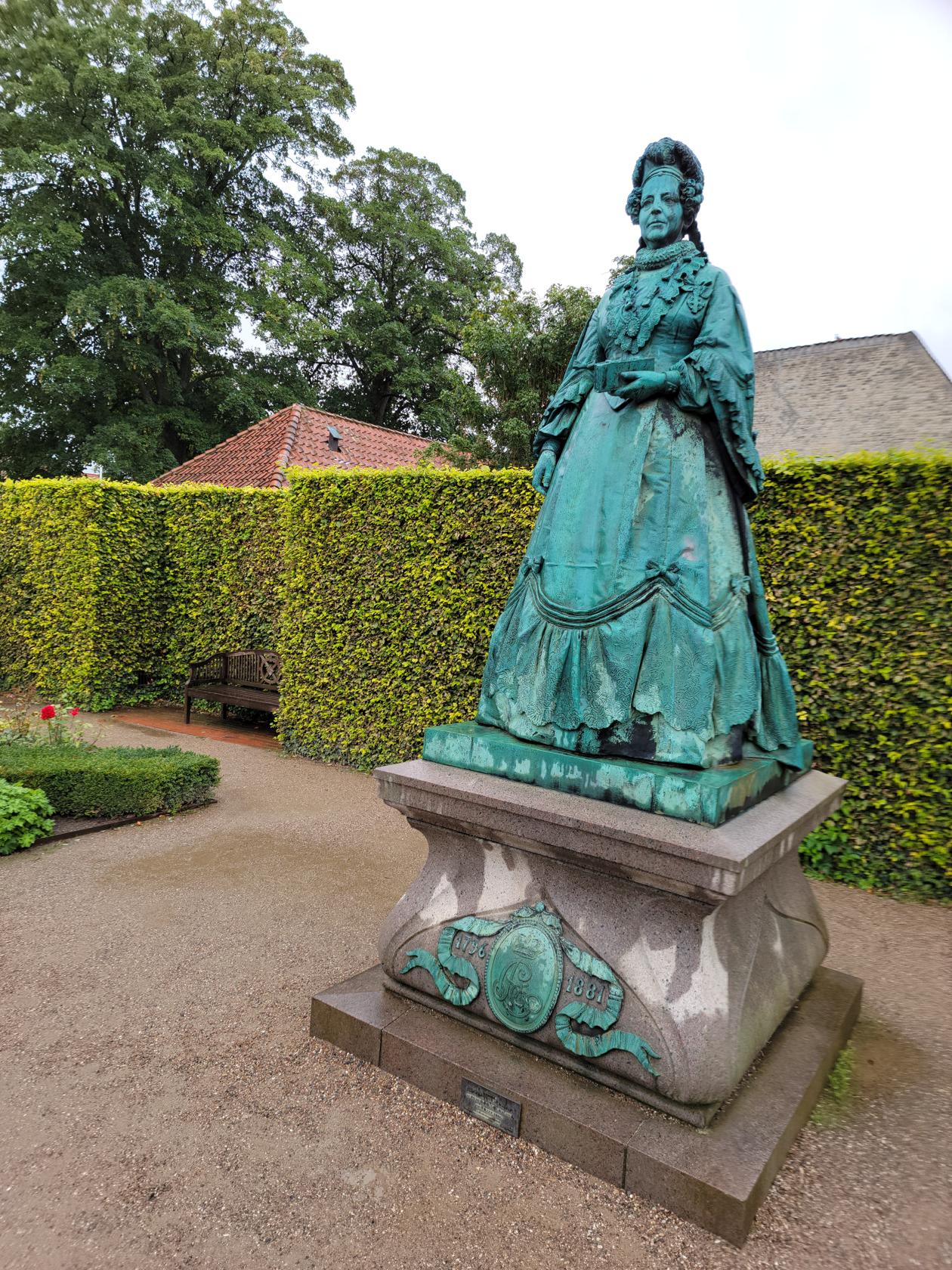
Princess Marie – Copenhagen, Denmark
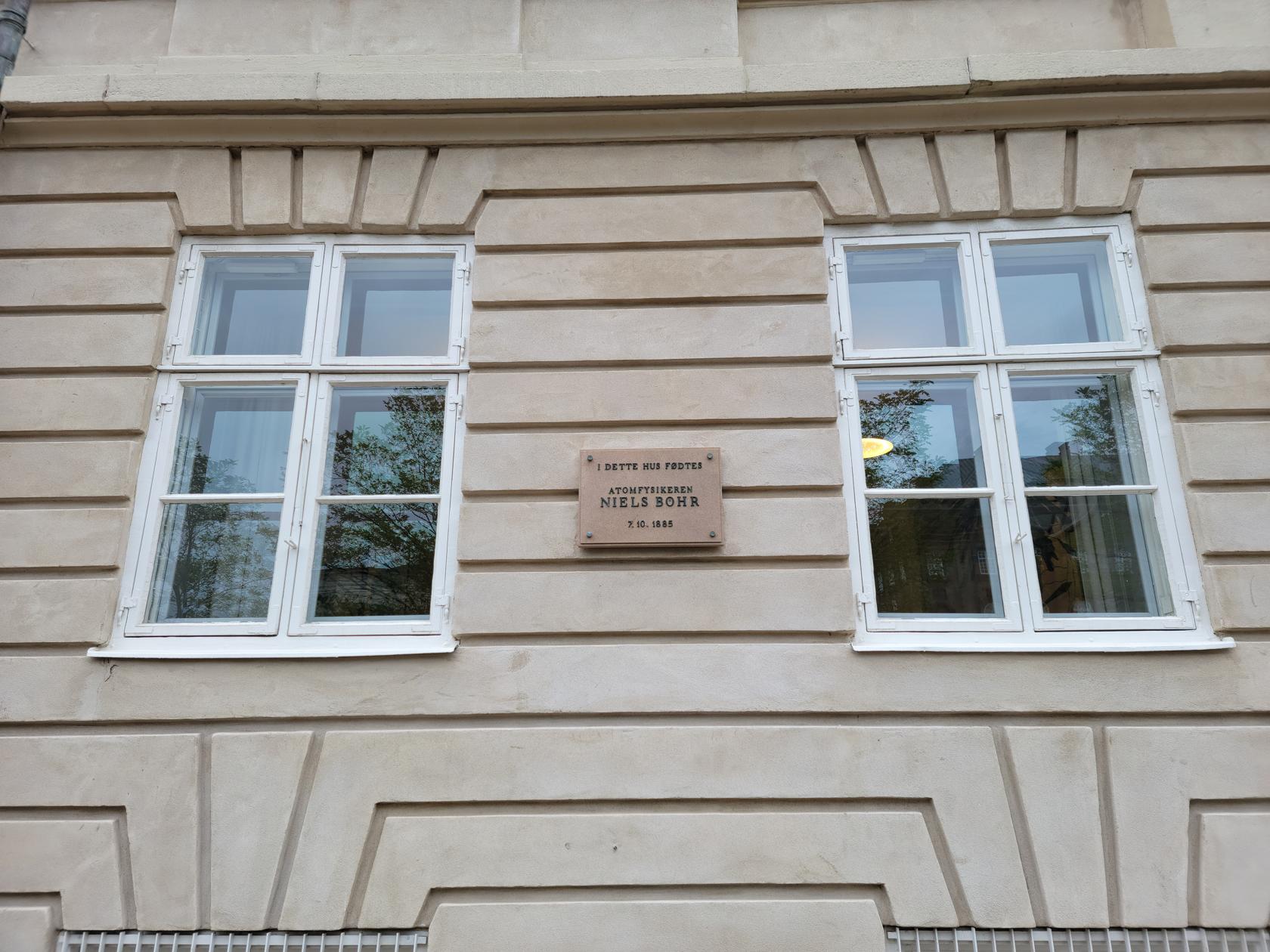
Niels Bohr House, Famous Physicist – Copenhagen, Denmark
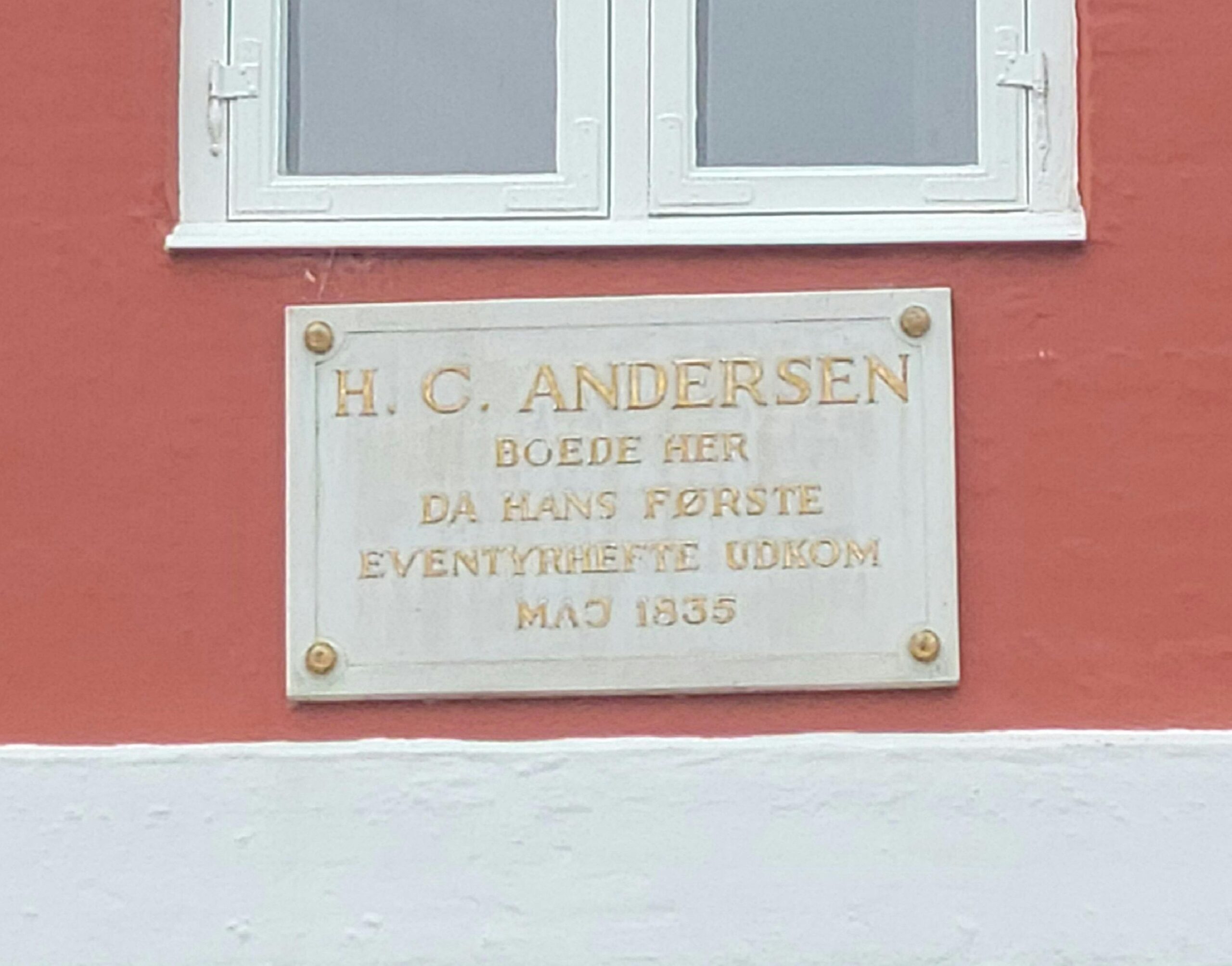
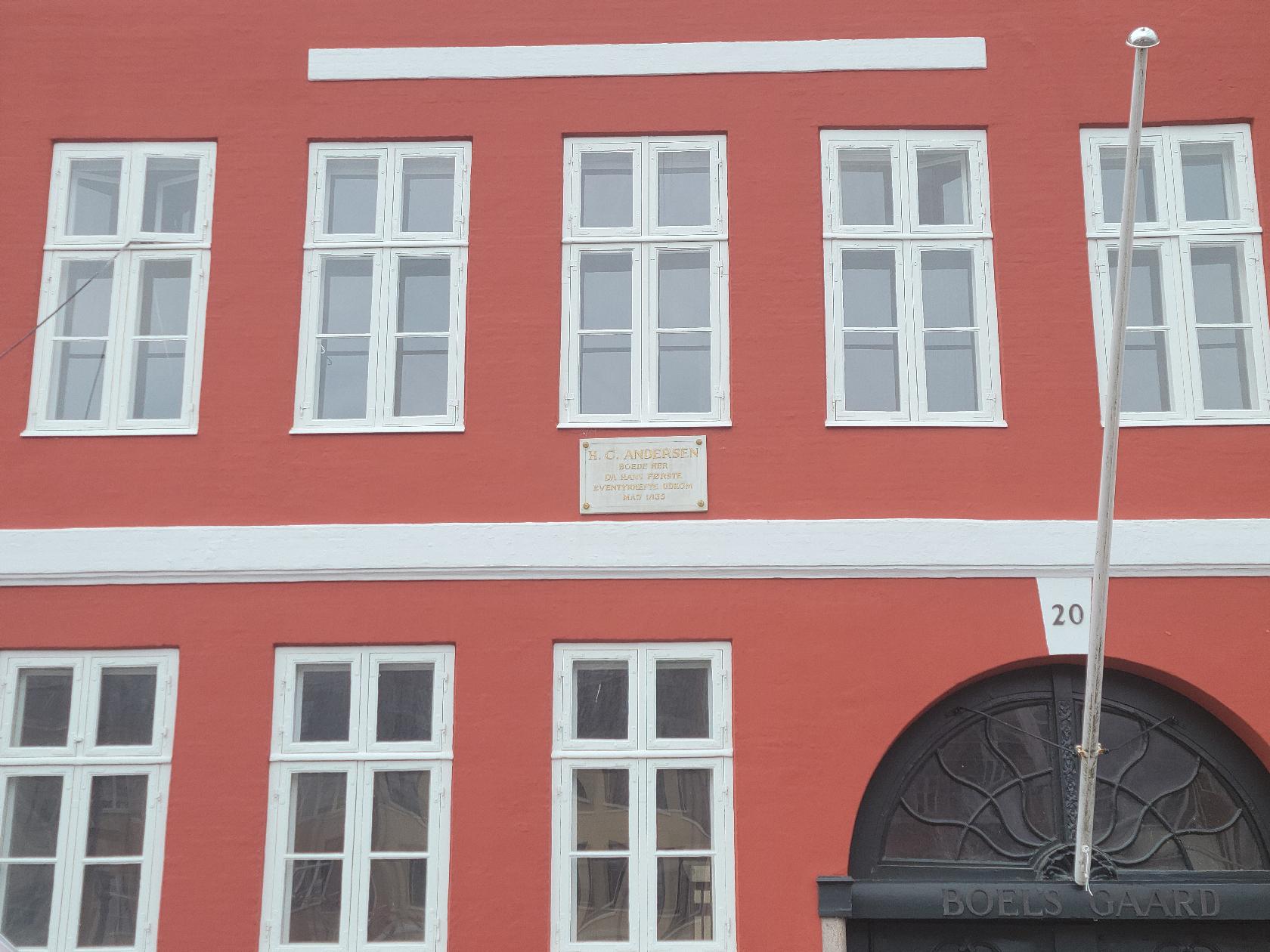
Hans Christian Andersen’s house – Copenhagen, Denmark
Hans Christian Andersen’s house – Copenhagen, Denmark
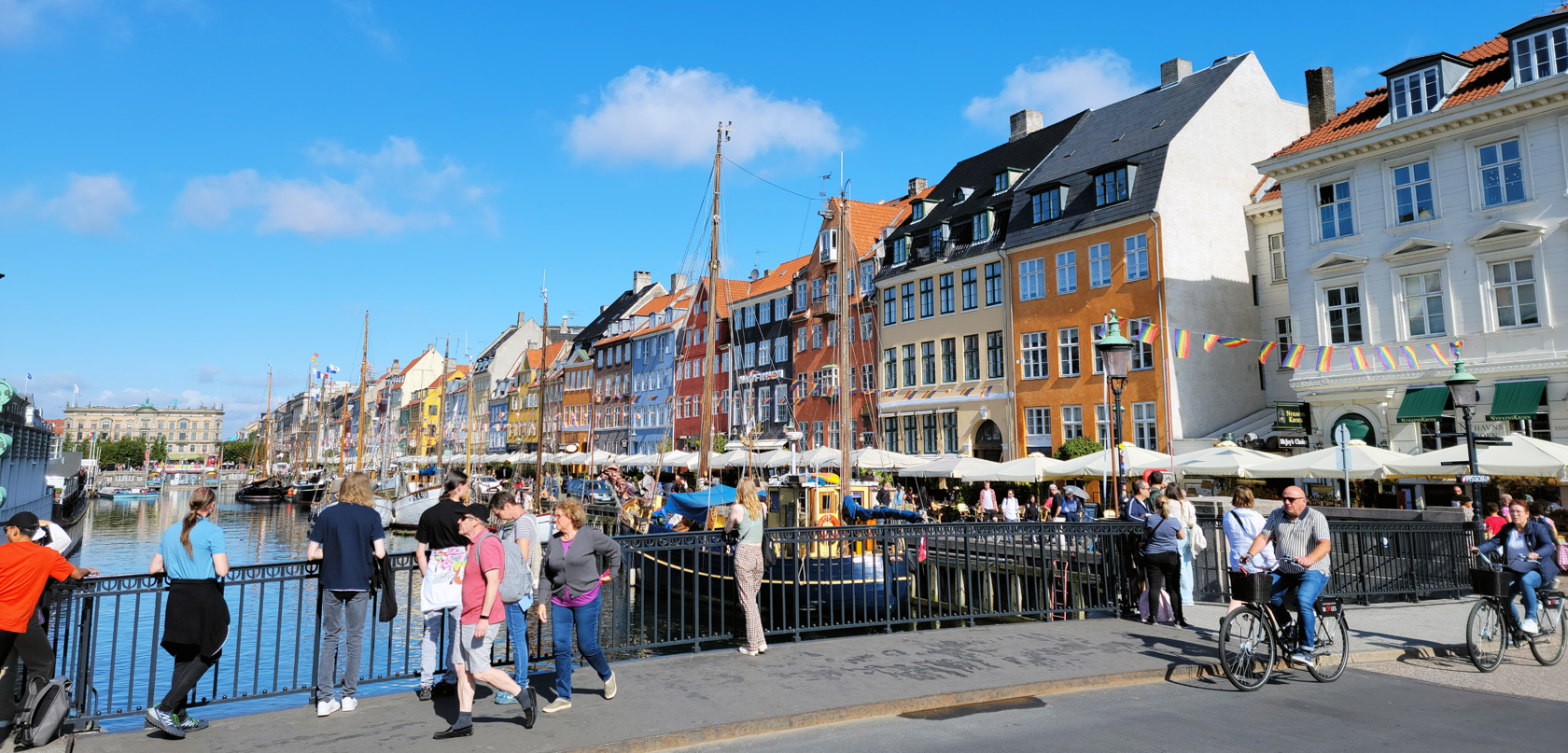
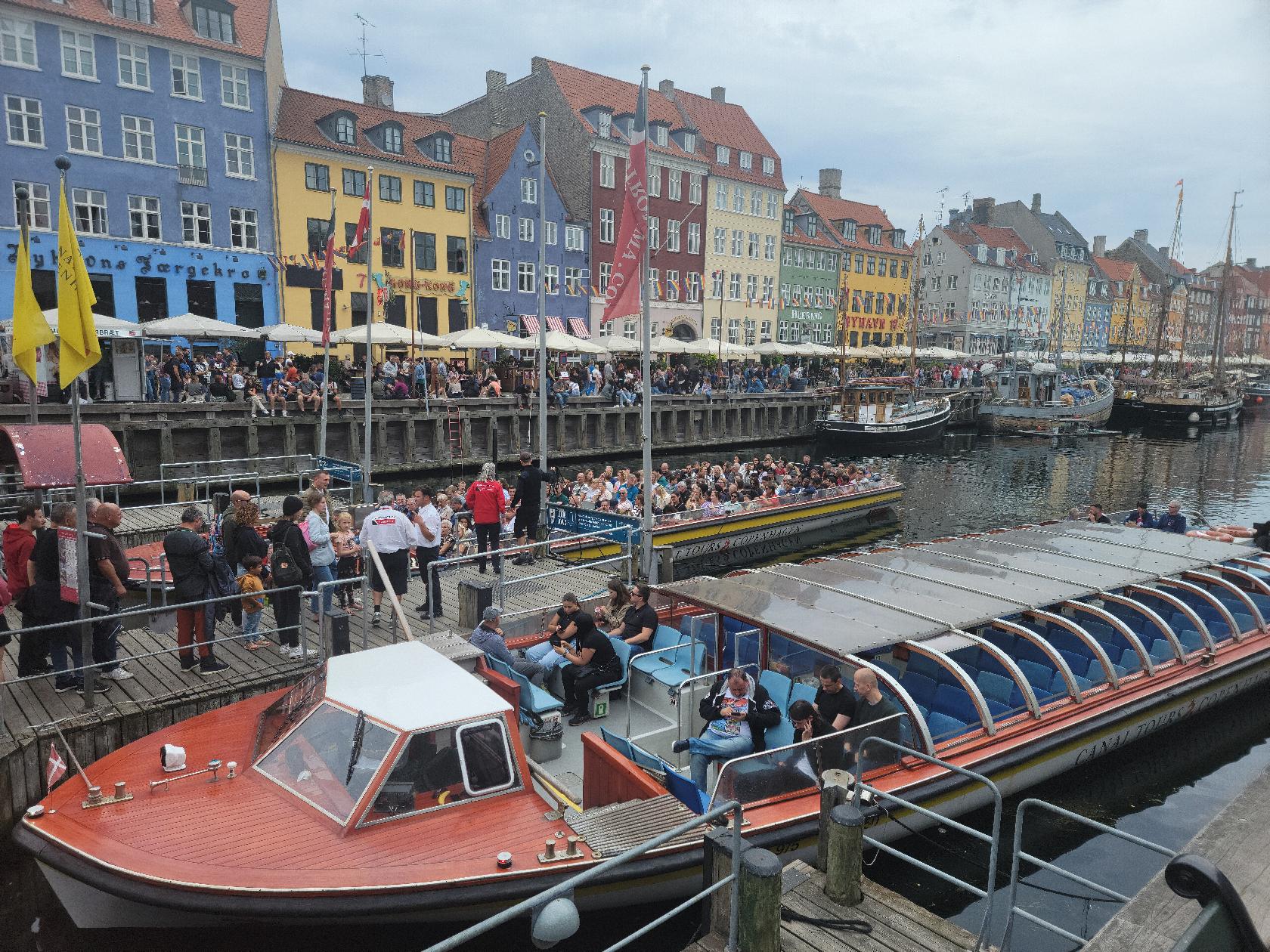
Nyhavn on the weekend – Copenhagen, Denmark
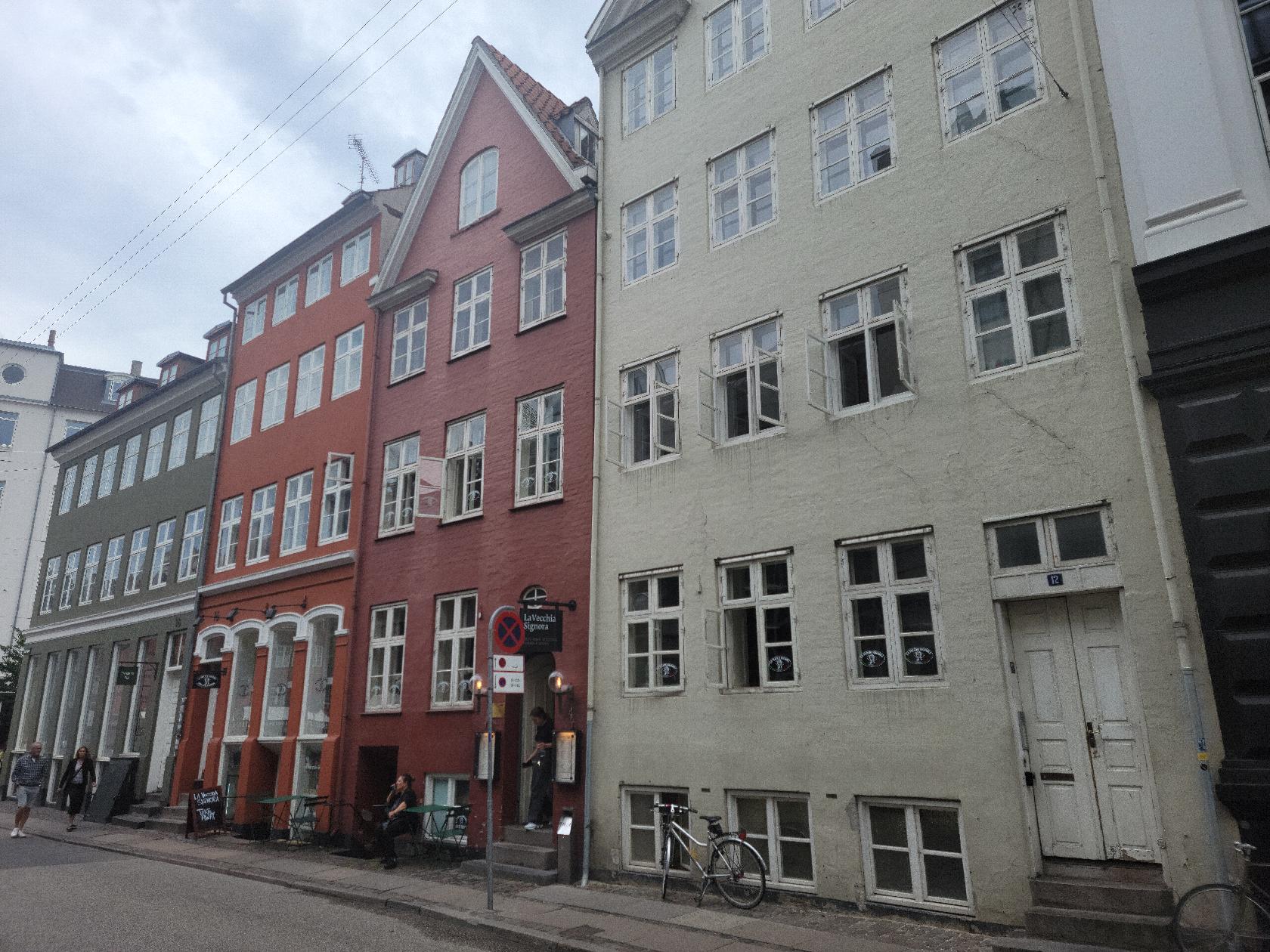
Old Timber Building – Strøgets – Copenhagen, Denmark
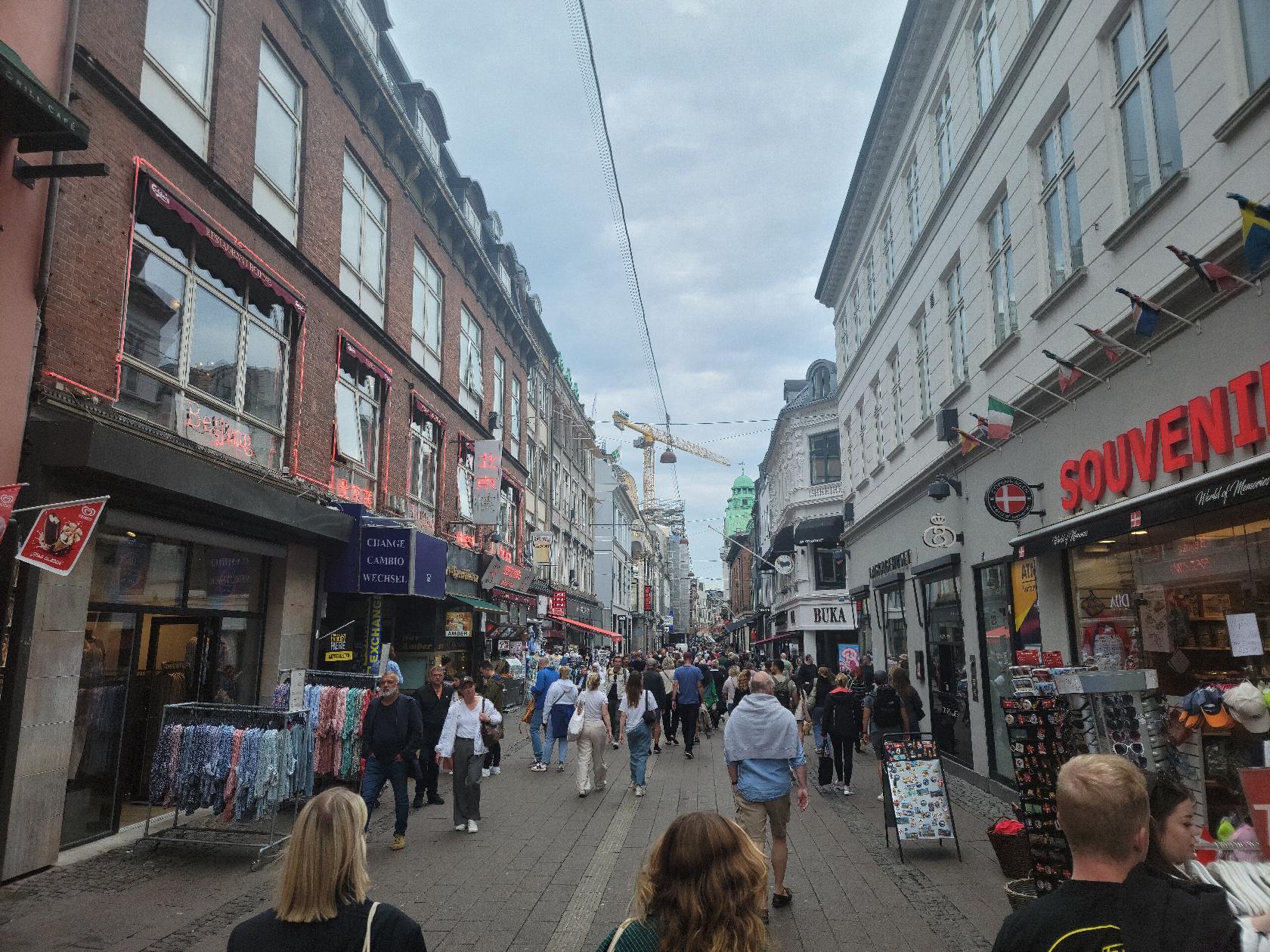
Strøgets – Copenhagen, Denmark
Strøgets – Copenhagen, Denmark
Our Canal Tour
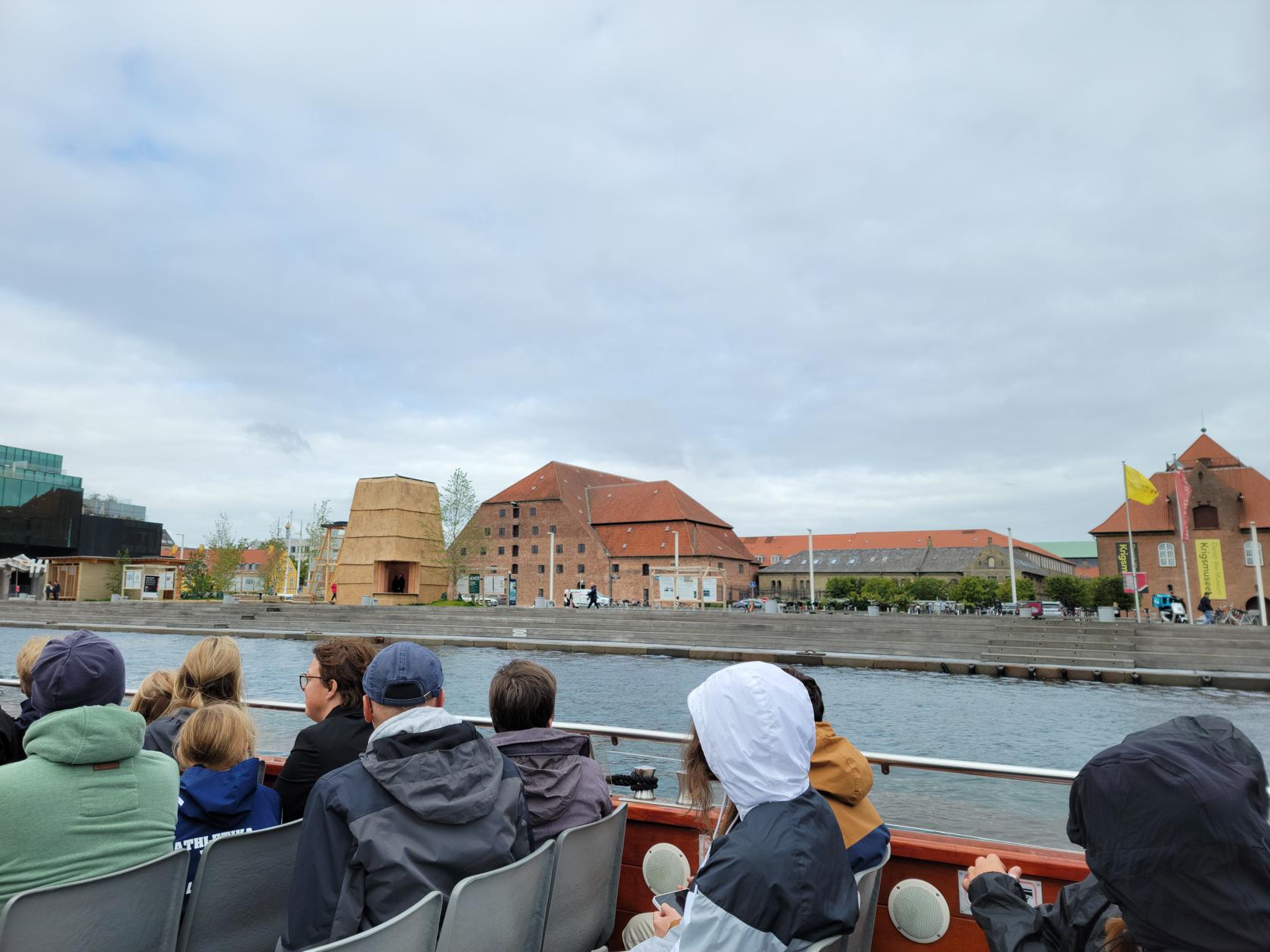
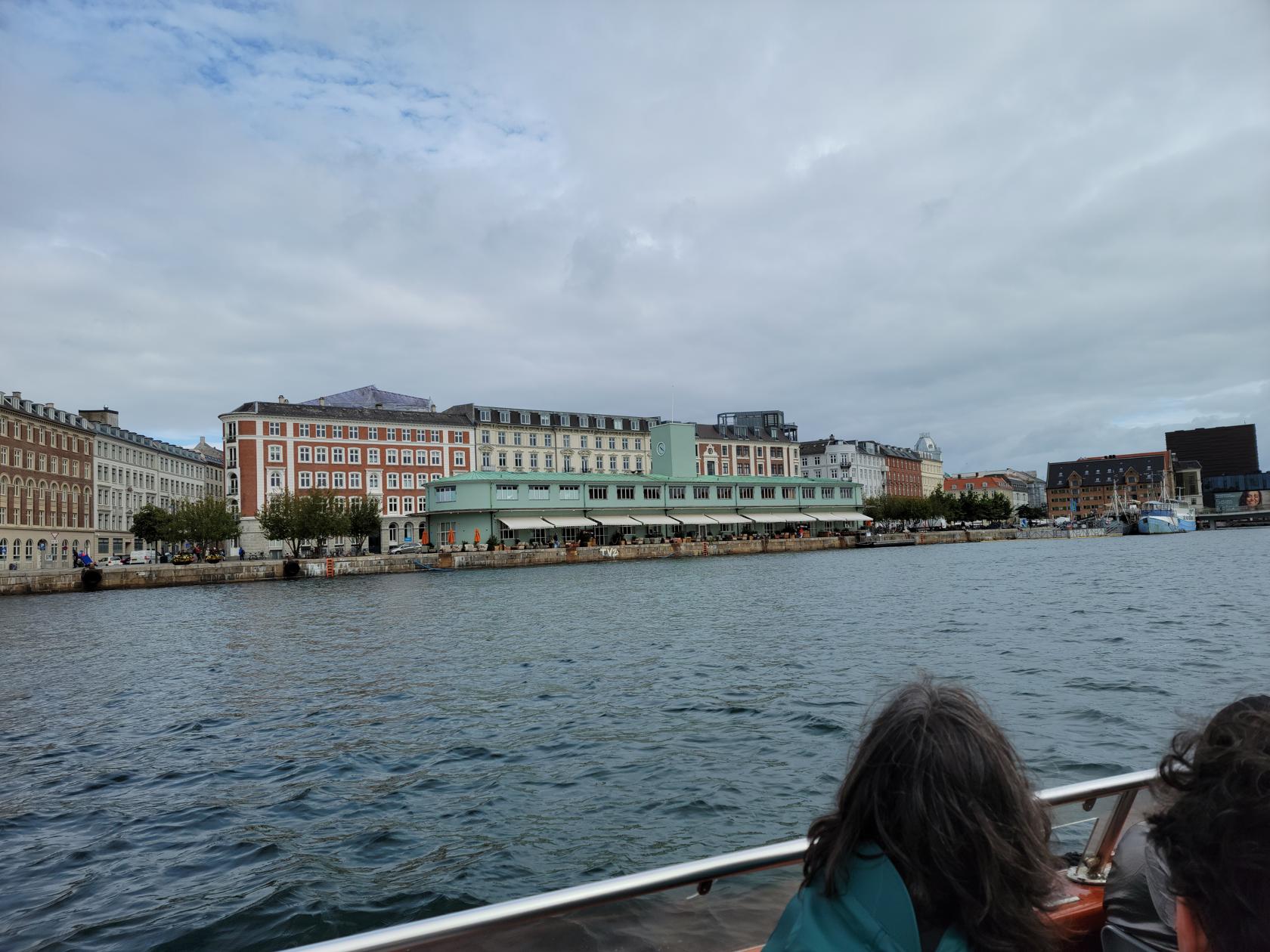
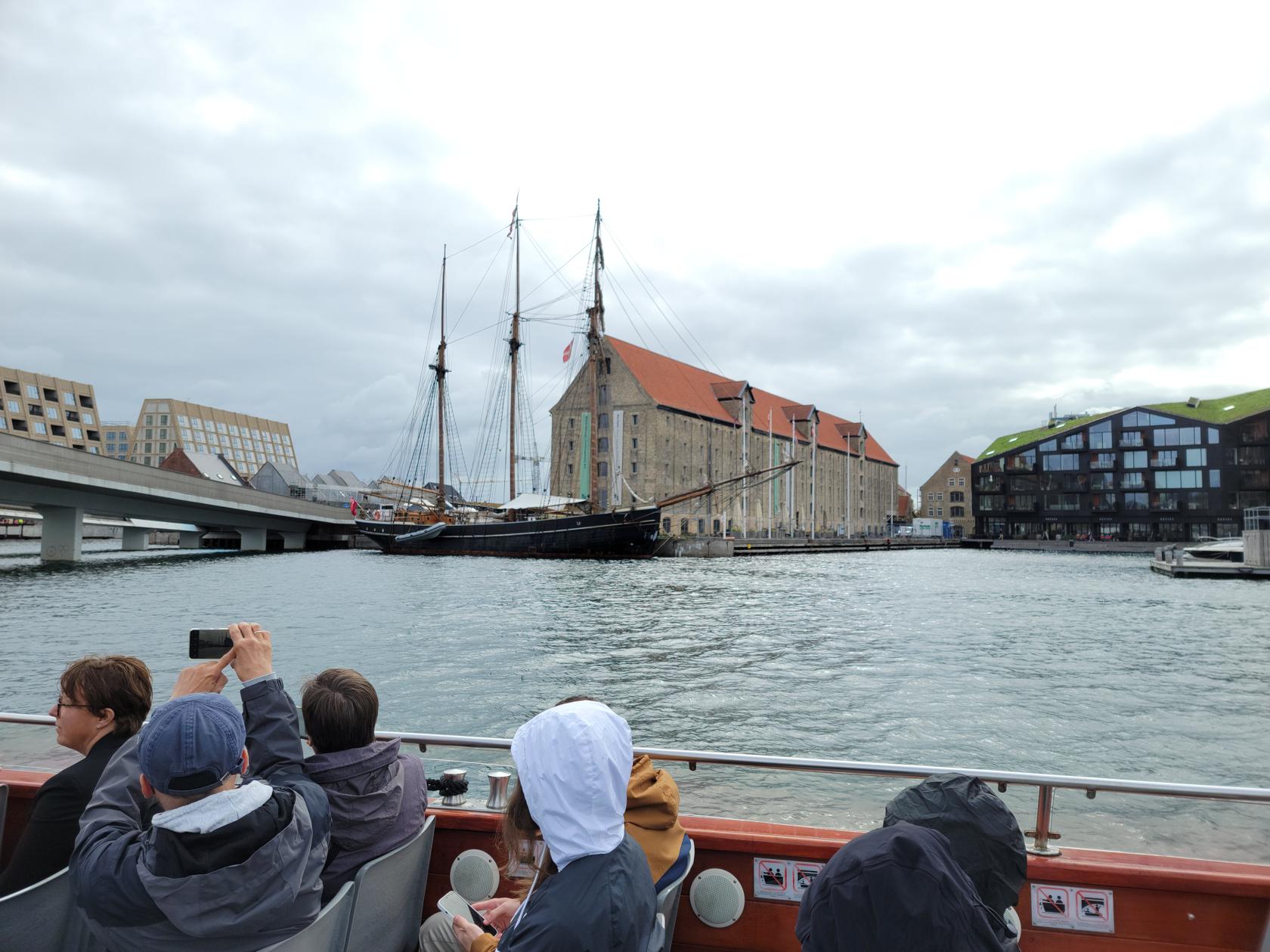
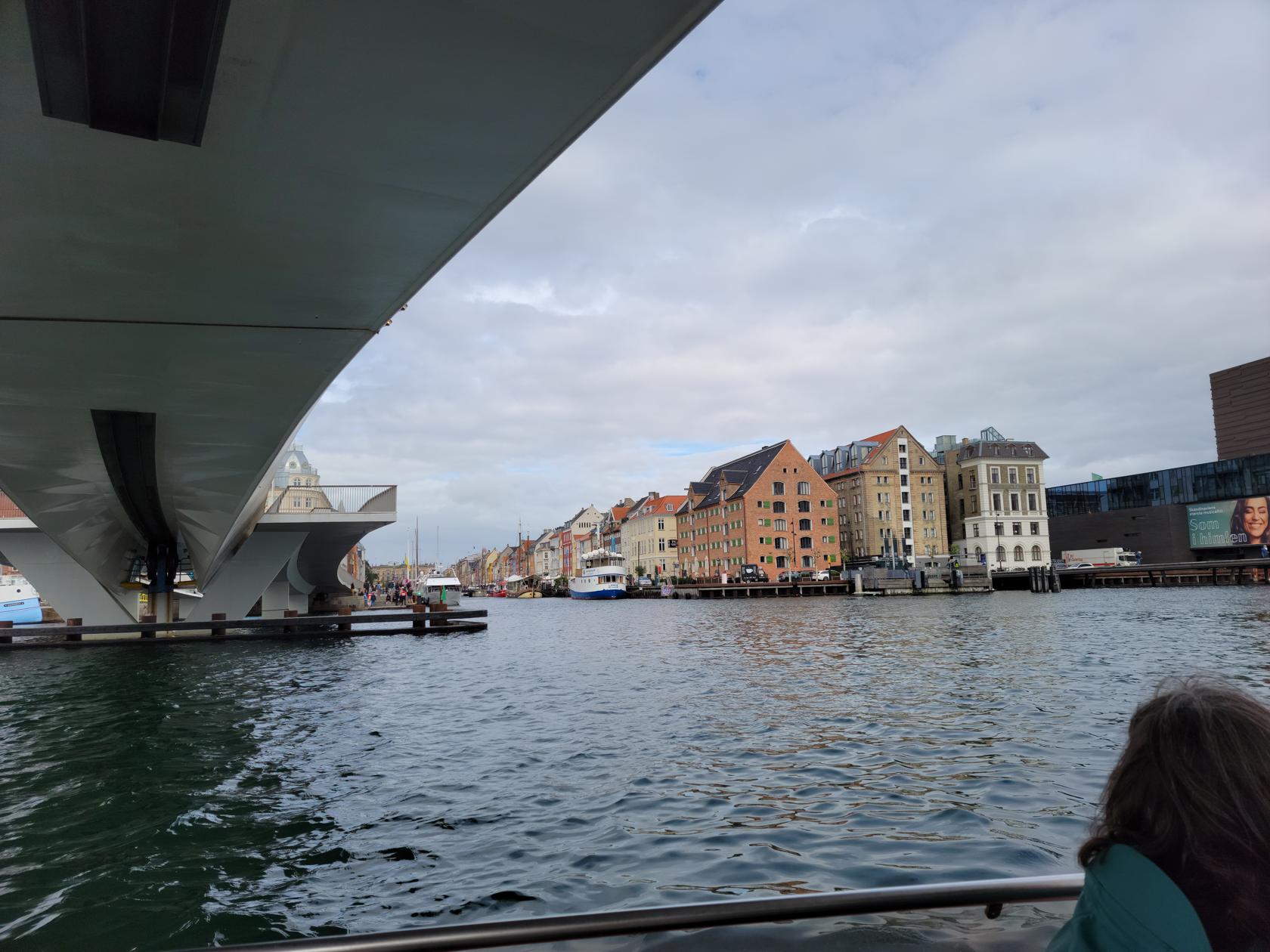
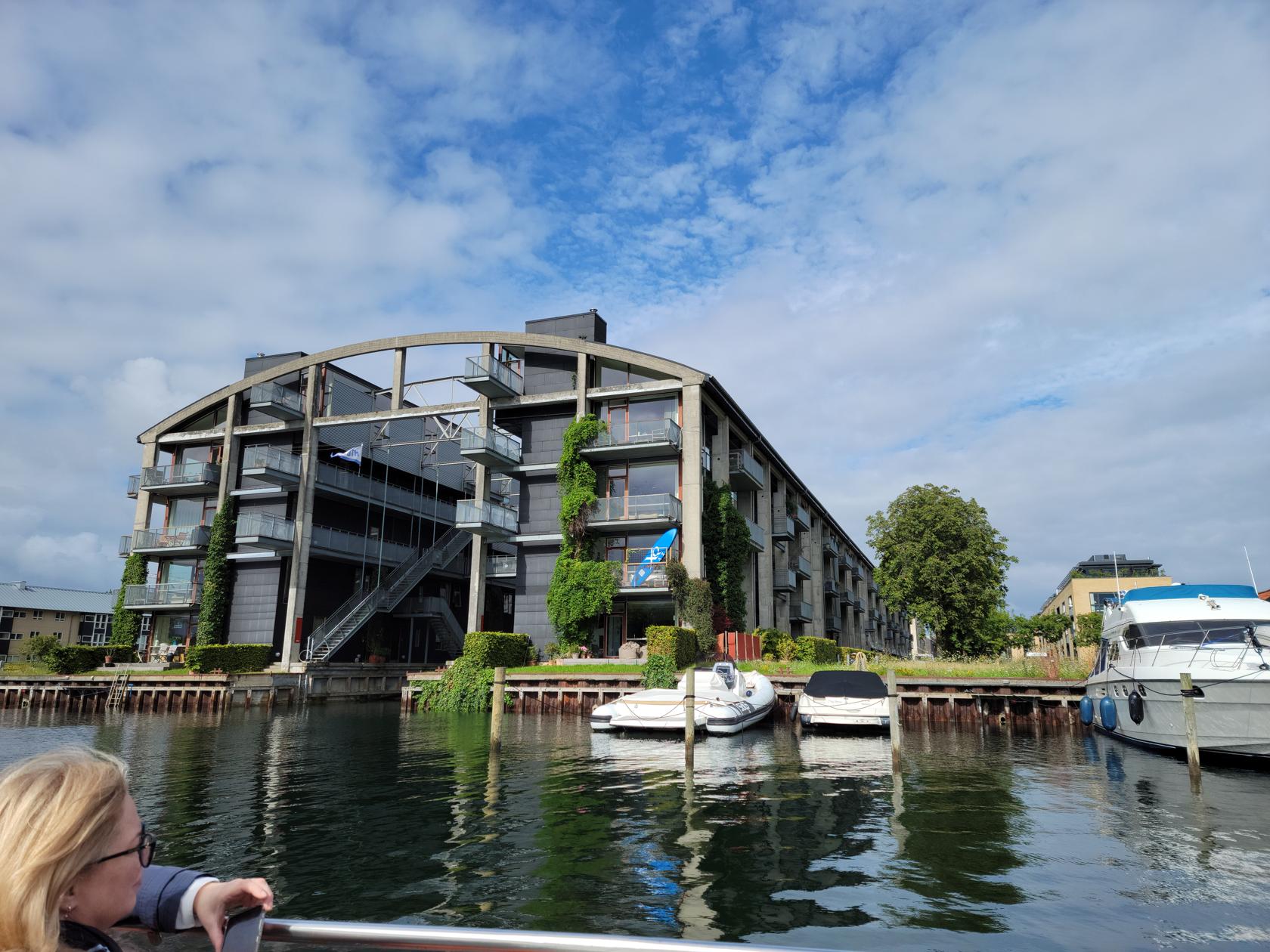
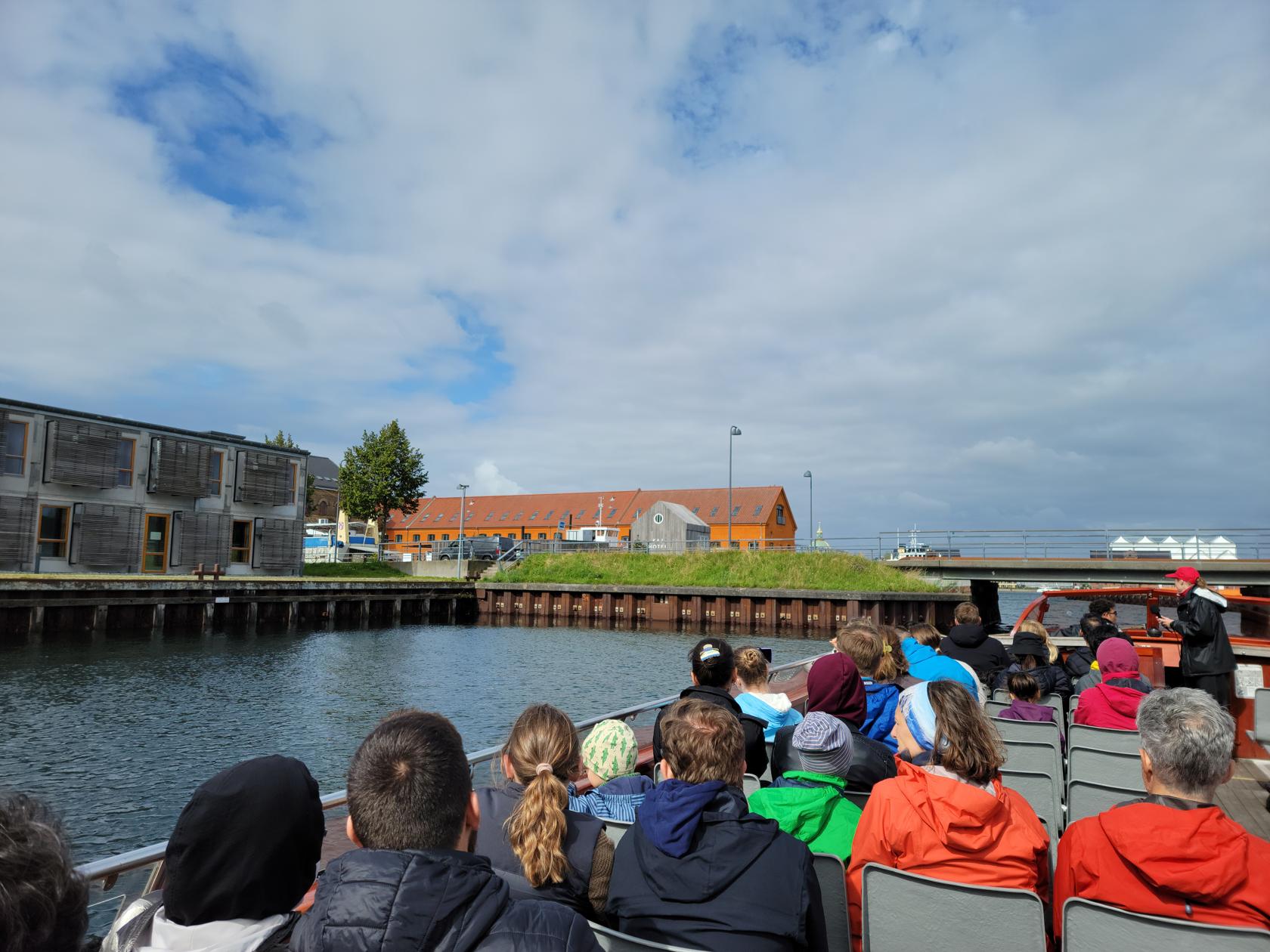
Touring a city such as Copenhagen, which has plenty of canals and waterways, would not be complete without a canal or boat tour. There are plenty to choose from and you can visit the Information Center to find our more or the city’s website. Make sure you prepare properly for the weather, few boats on the canal tours are covered and those only leave at certain times of the day, so plan accordingly, they do go in the rain.
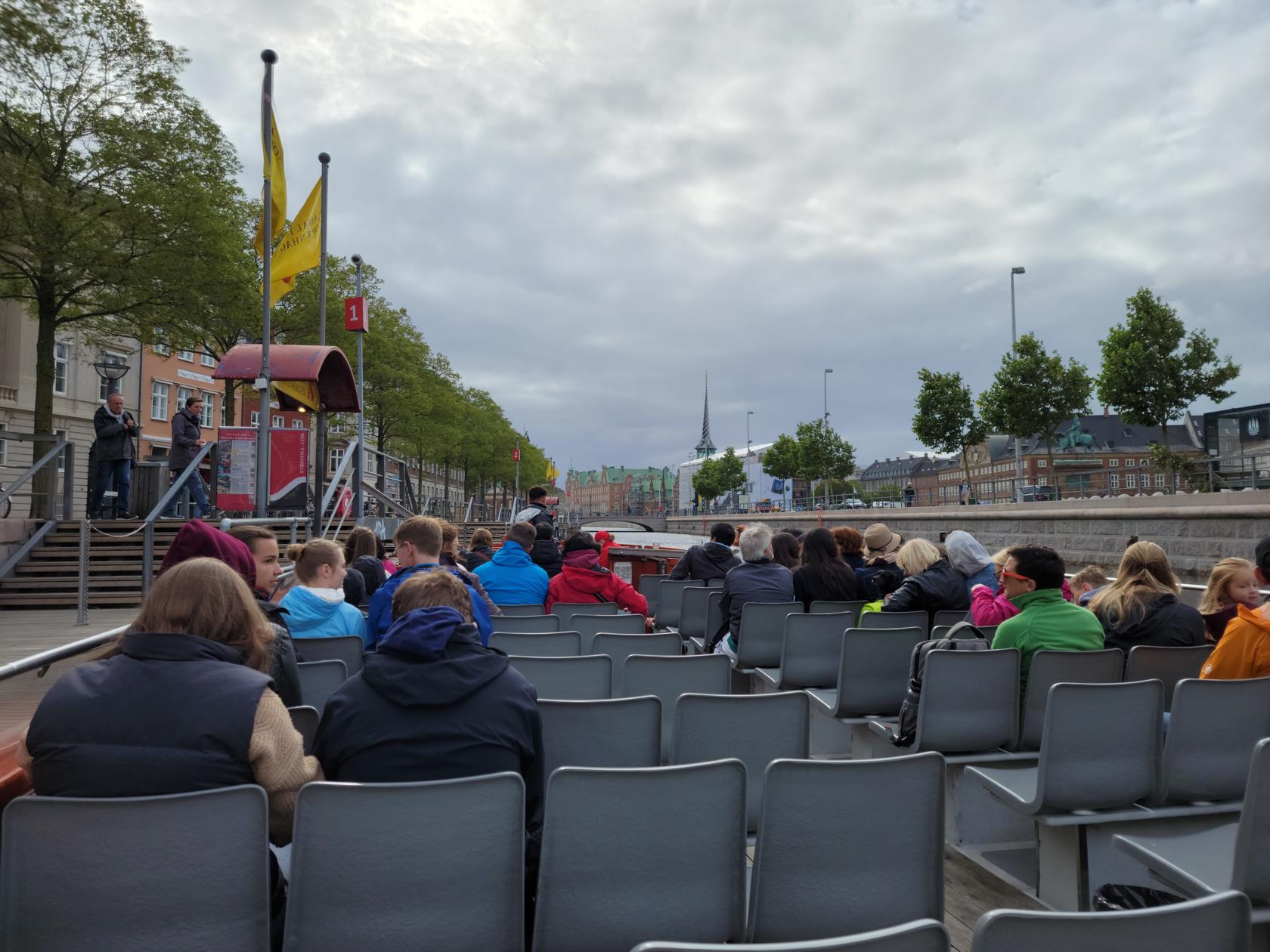
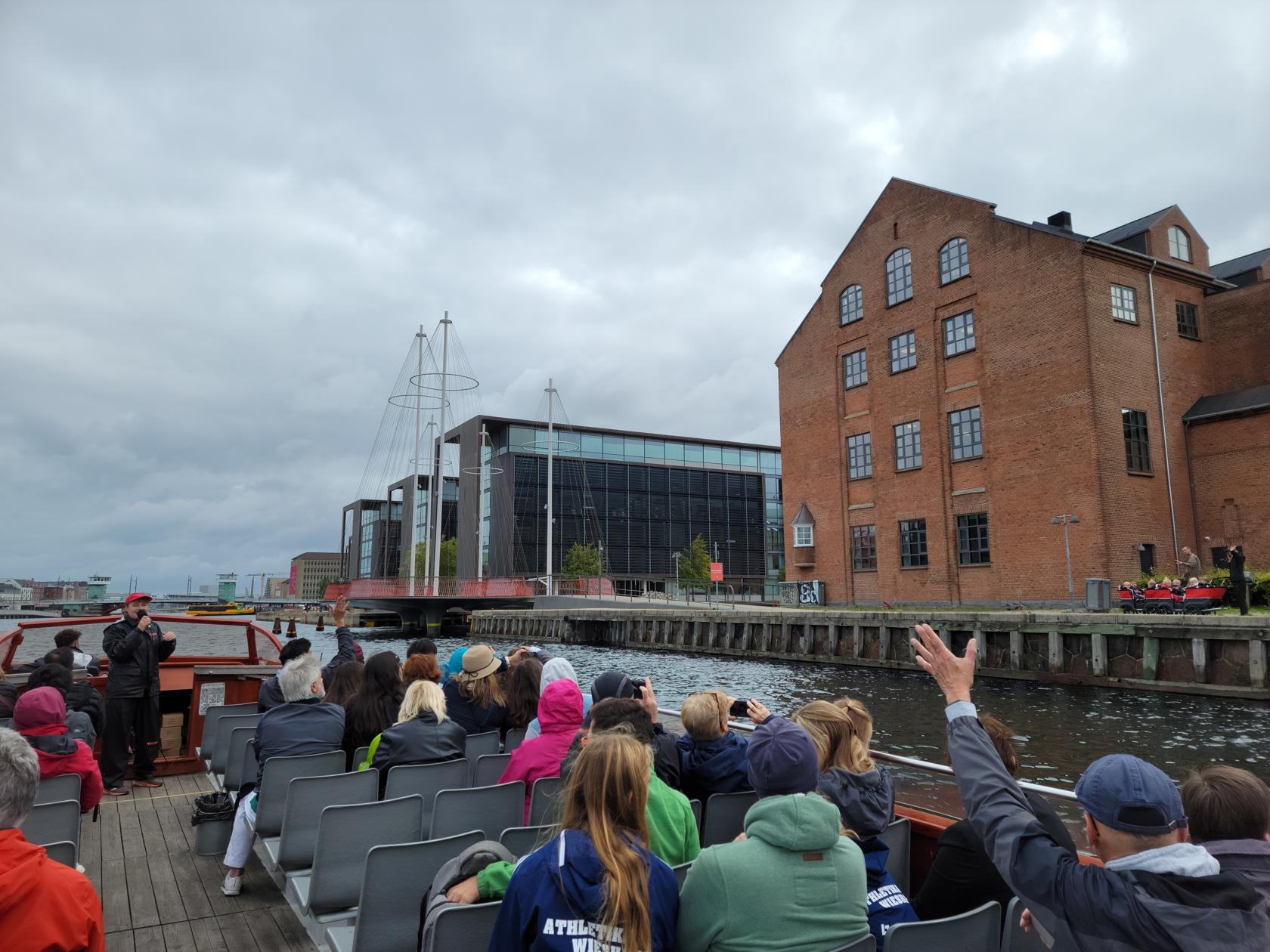
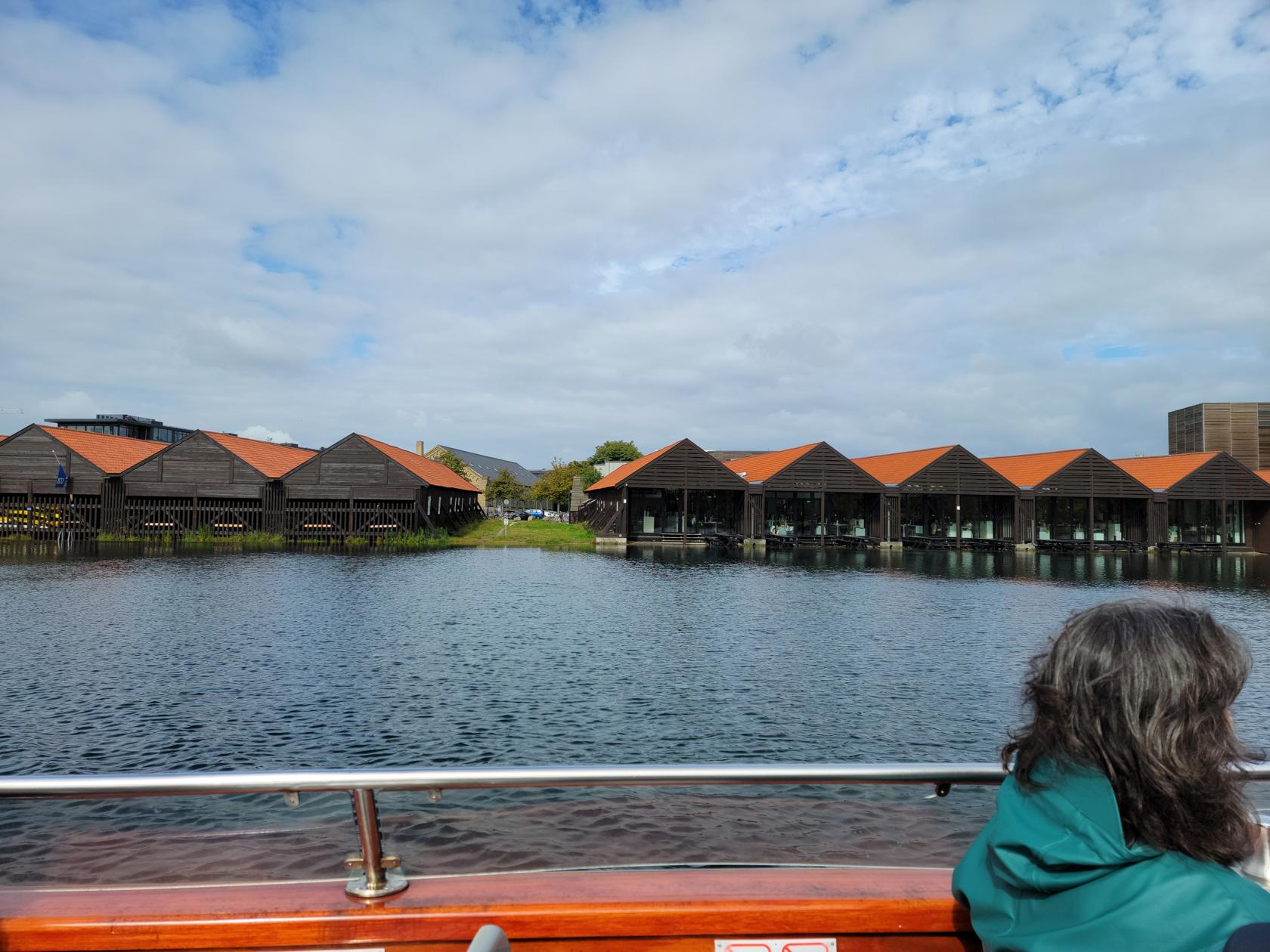
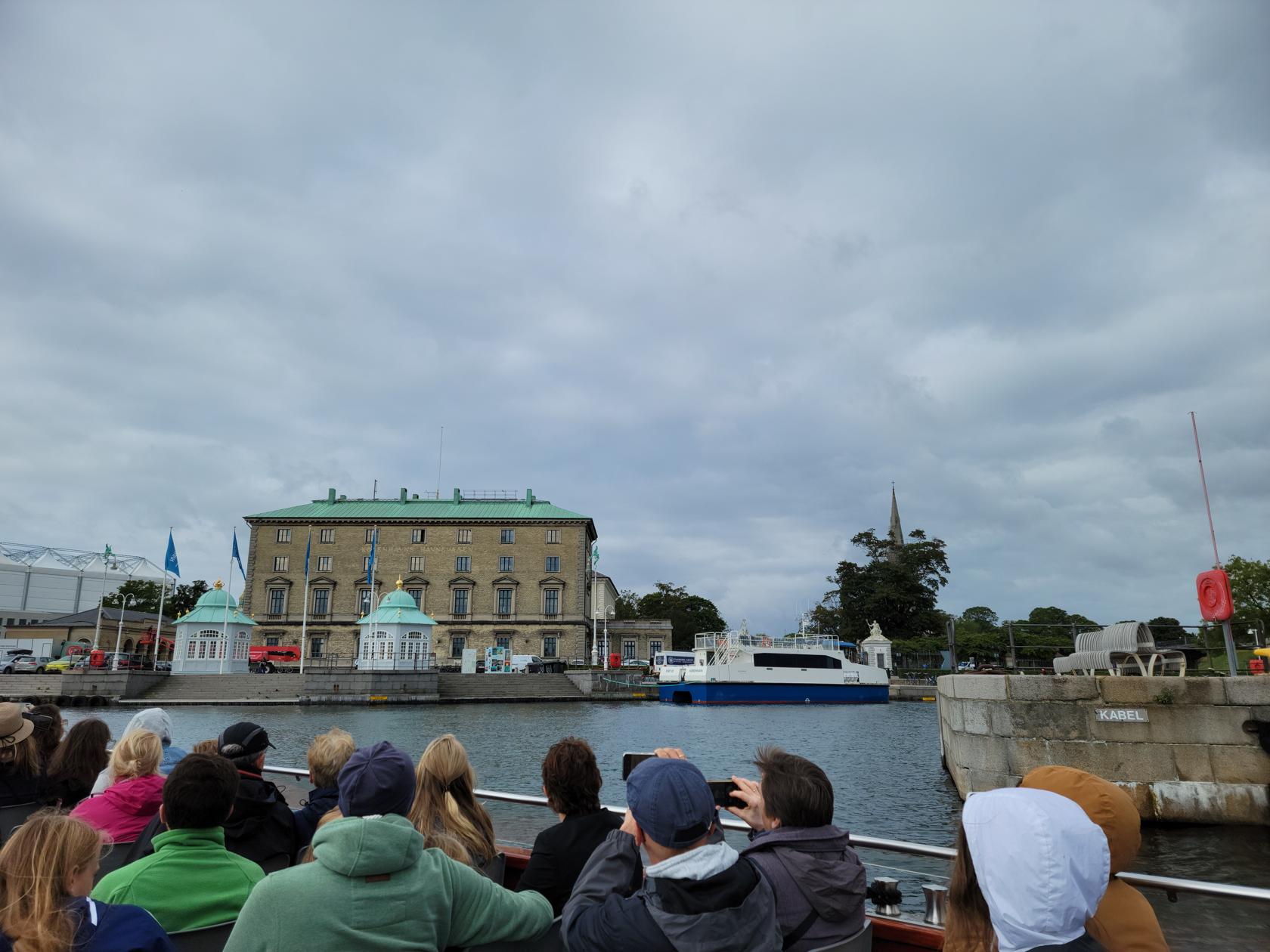
Canal Tour – Copenhagen, Denmark
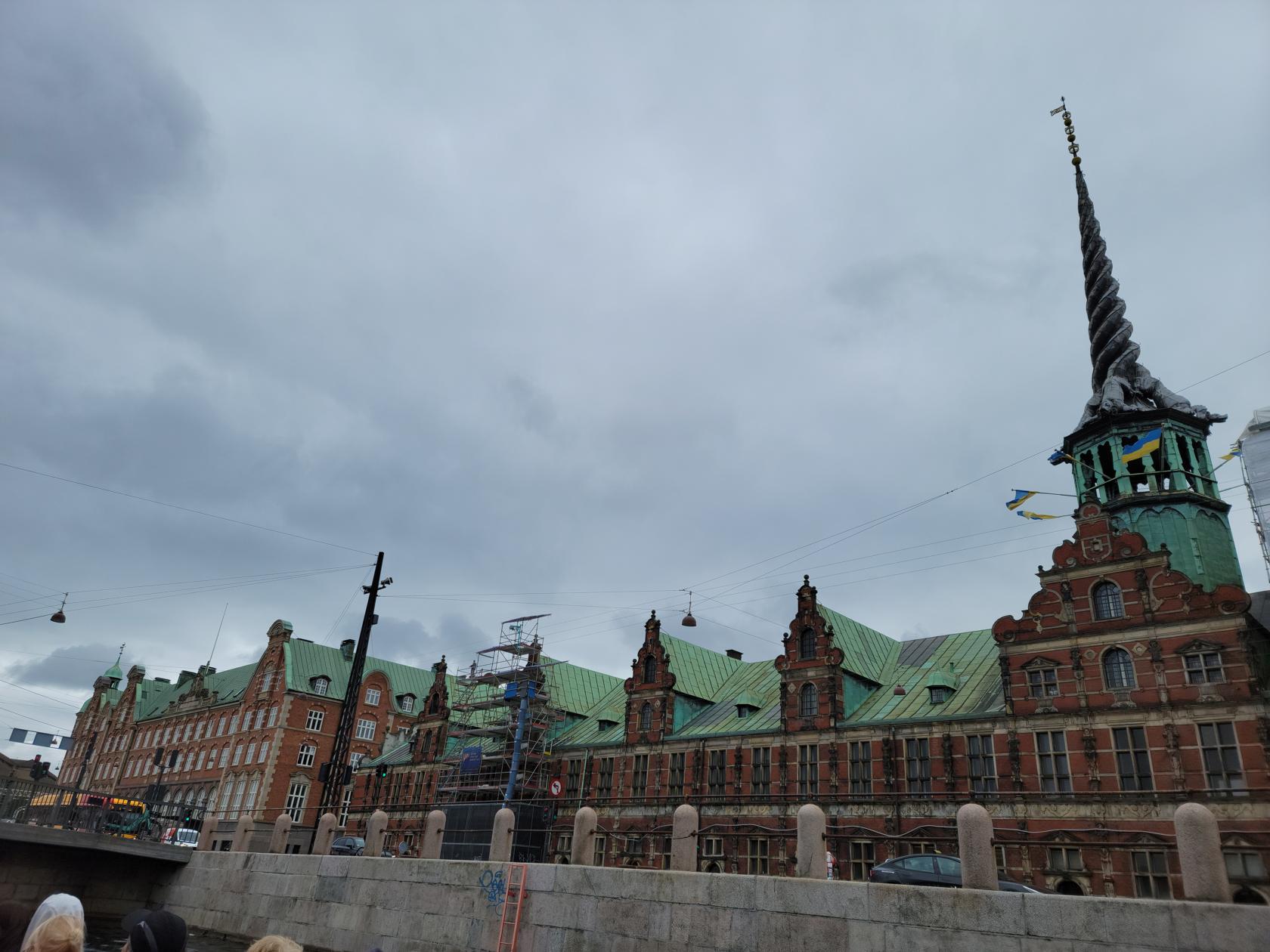
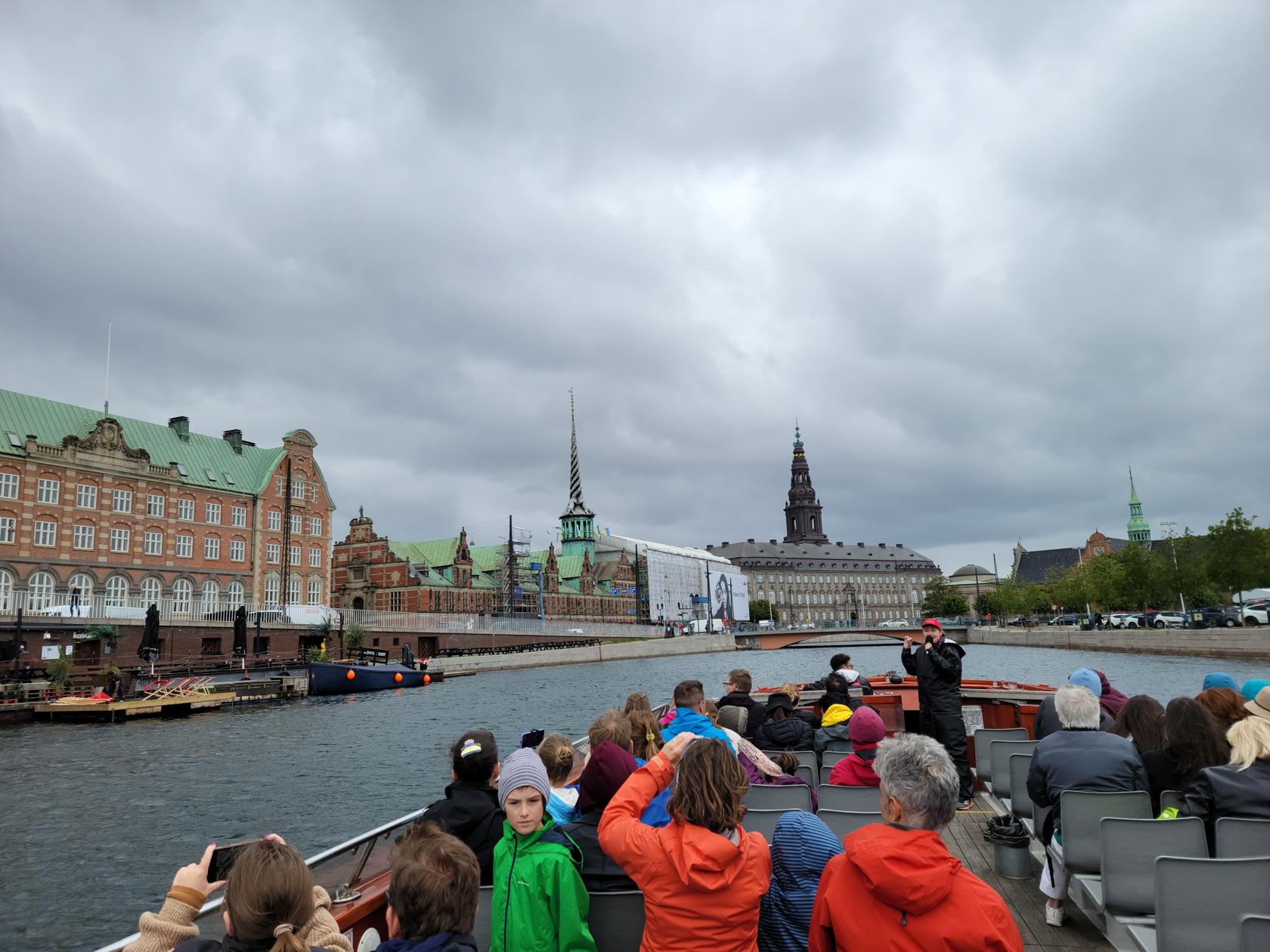
Borse, Stock Exchange – Canal Tour – Copenhagen, Denmark
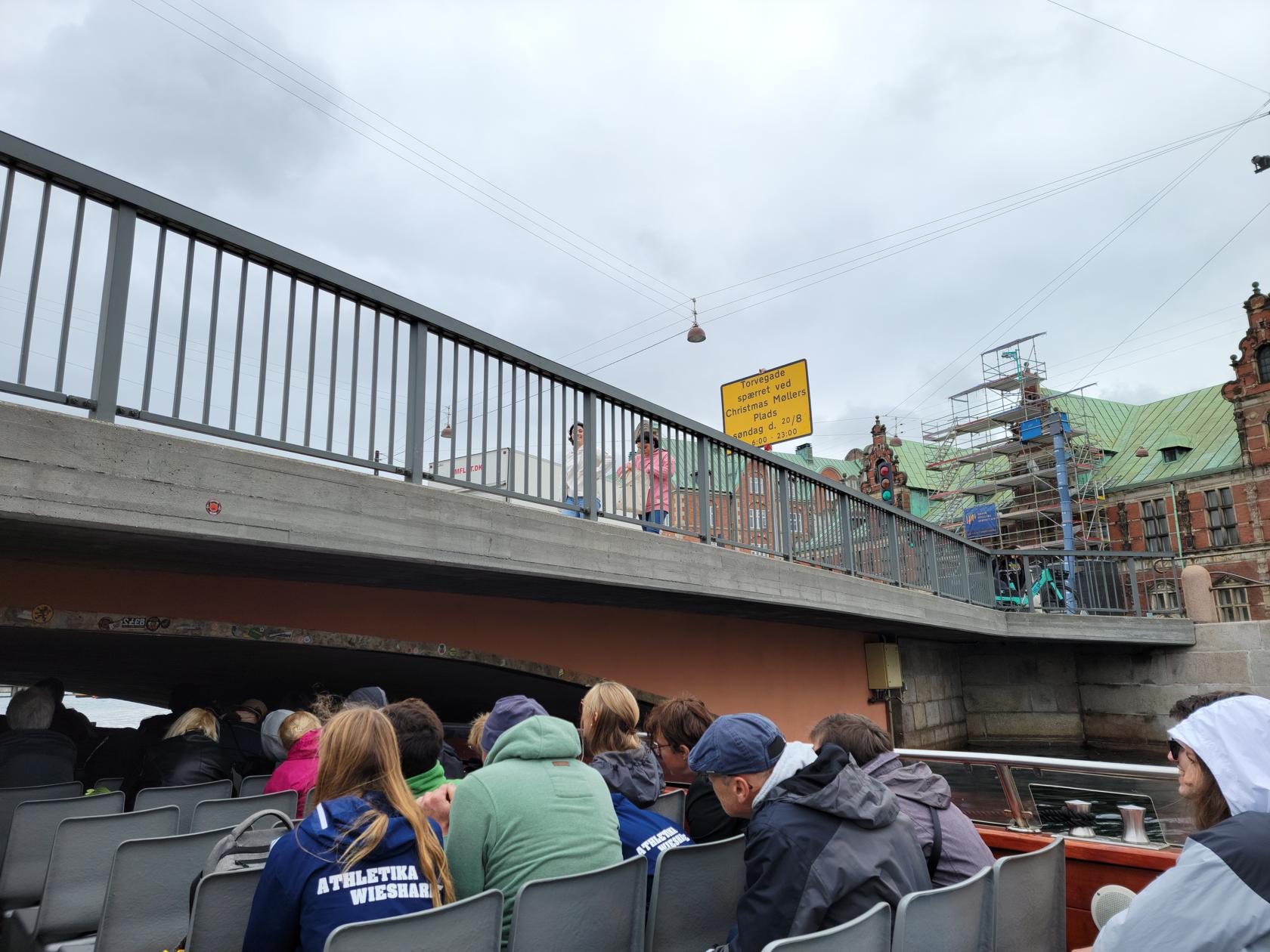
Under Borsbro – Canal Tour – Copenhagen, Denmark
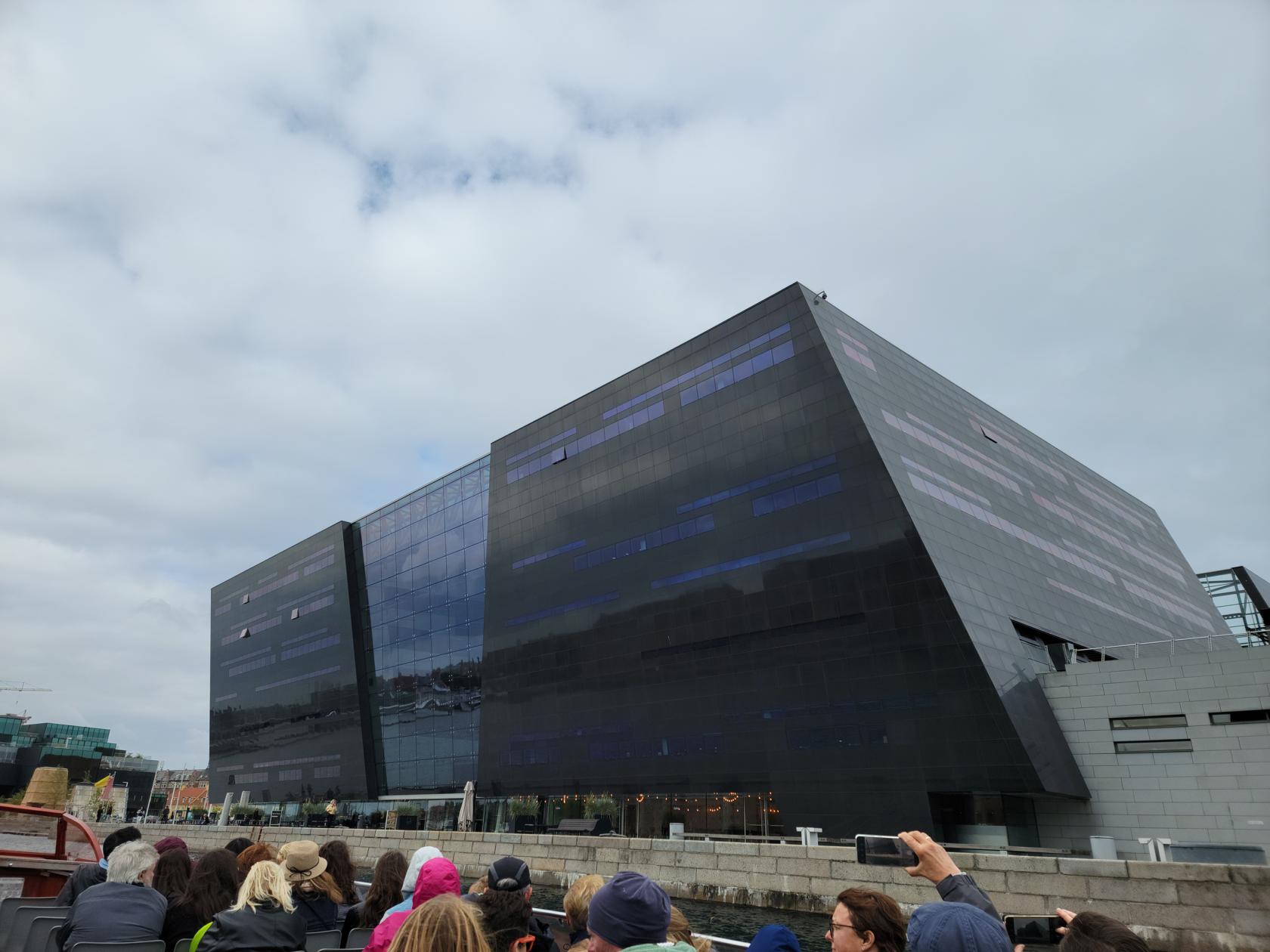
Blue Diamond Building – Canal Tour – Copenhagen, Denmark
Christian IV Brewhouse – Canal Tour – Copenhagen, Denmark
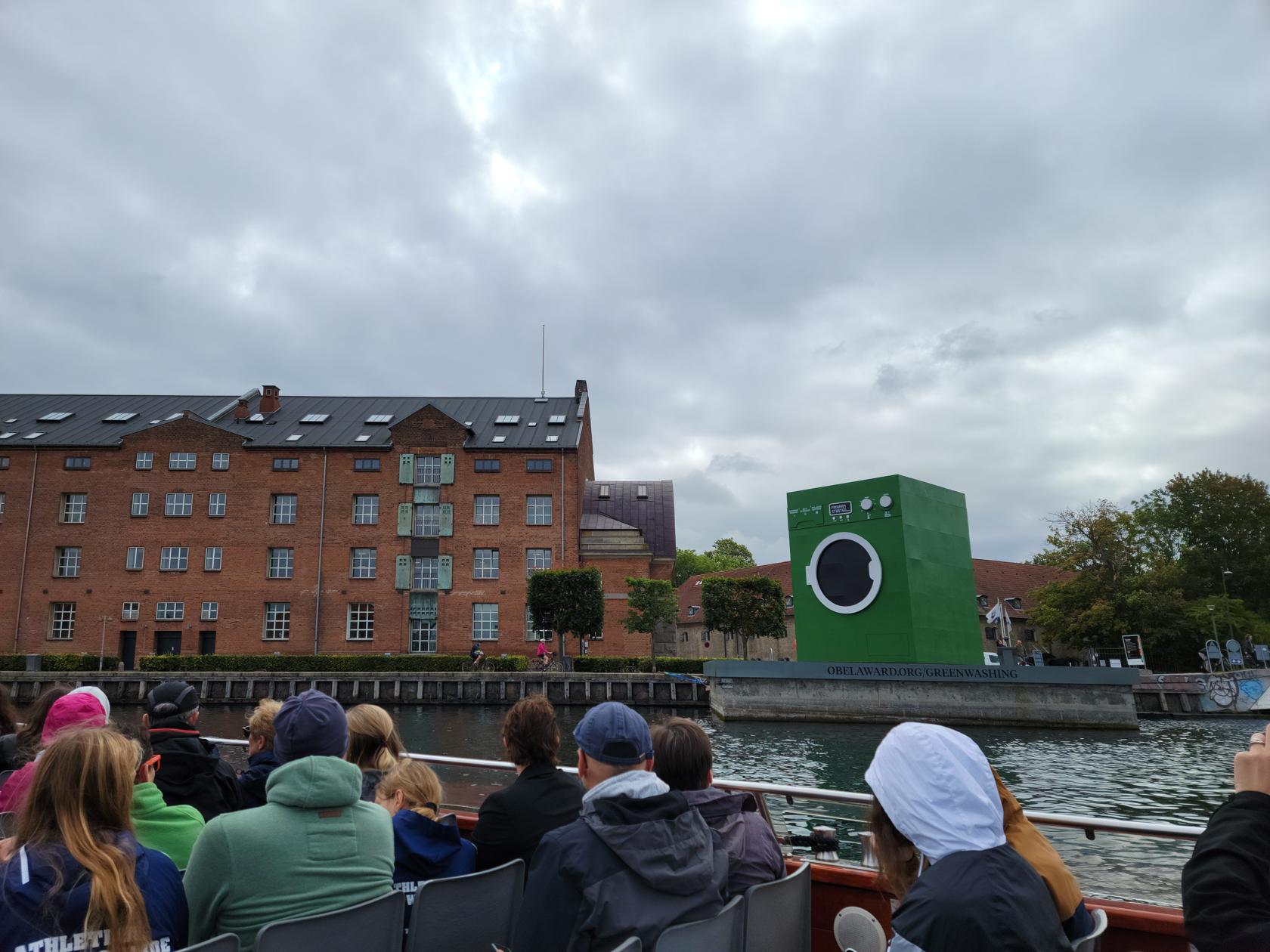
Art – Canal Tour – Copenhagen, Denmark
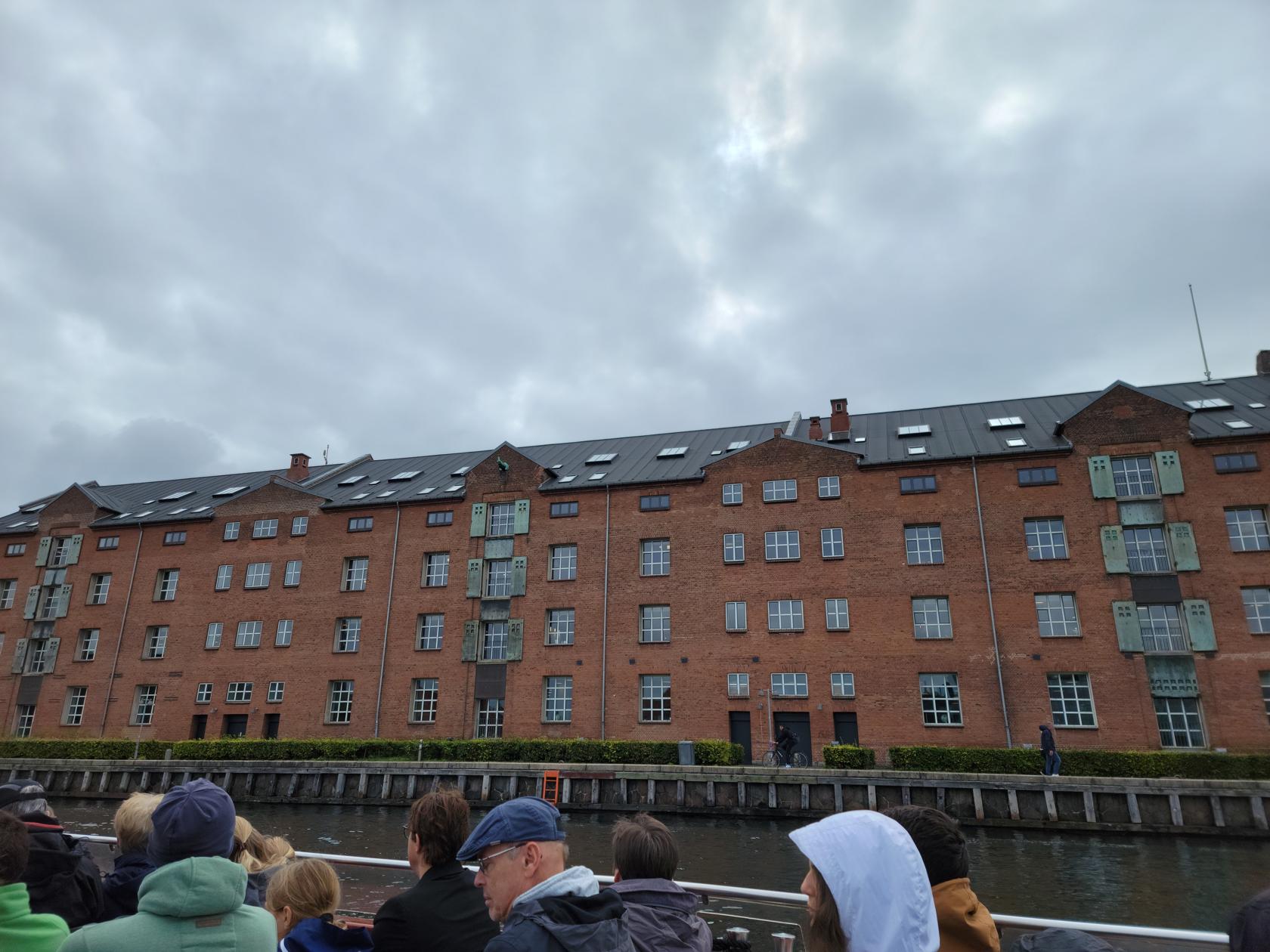
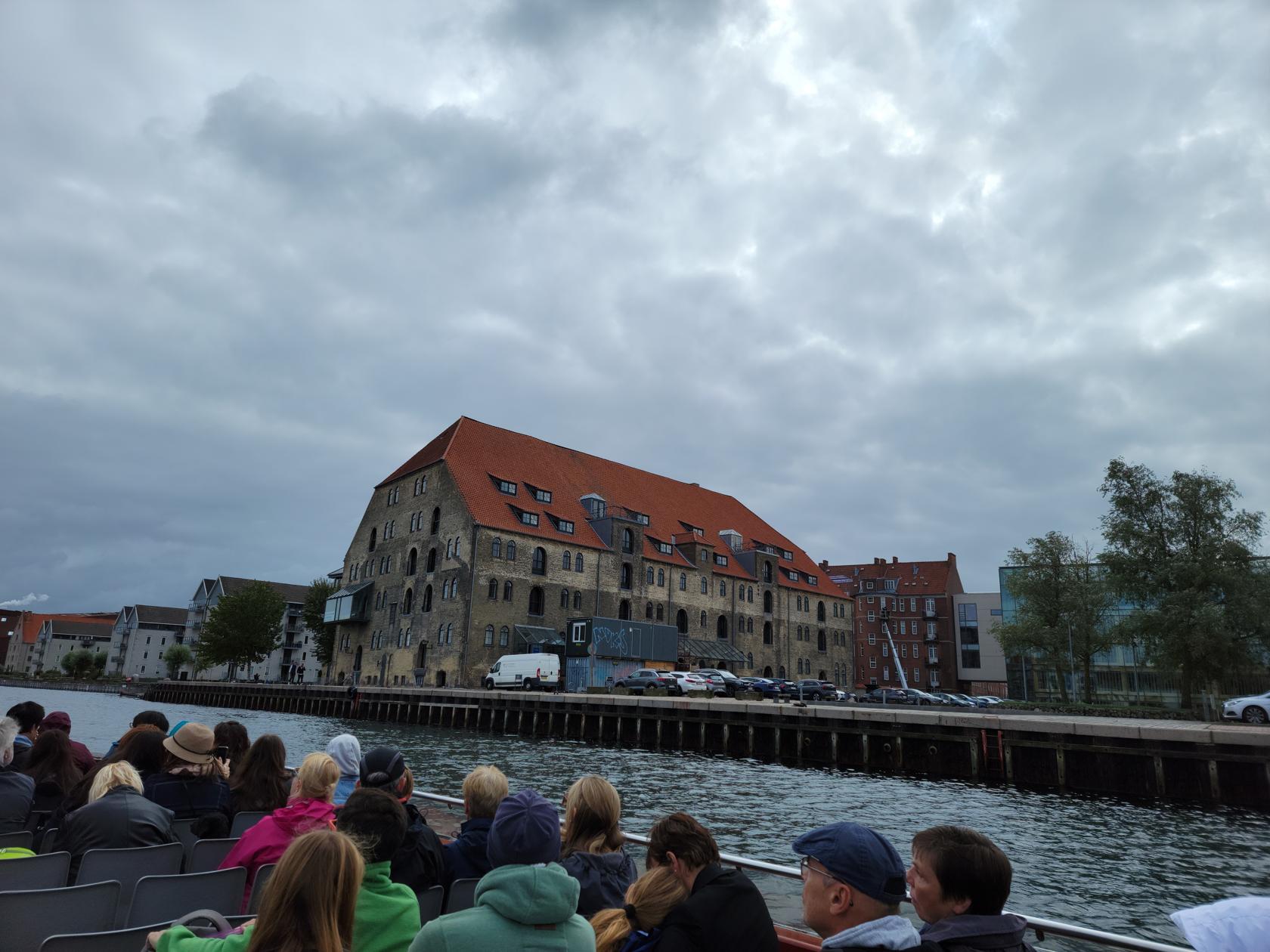
Old warehouse – Canal Tour – Copenhagen, Denmark
Cirkelbroen – Canal Tour – Copenhagen, Denmark
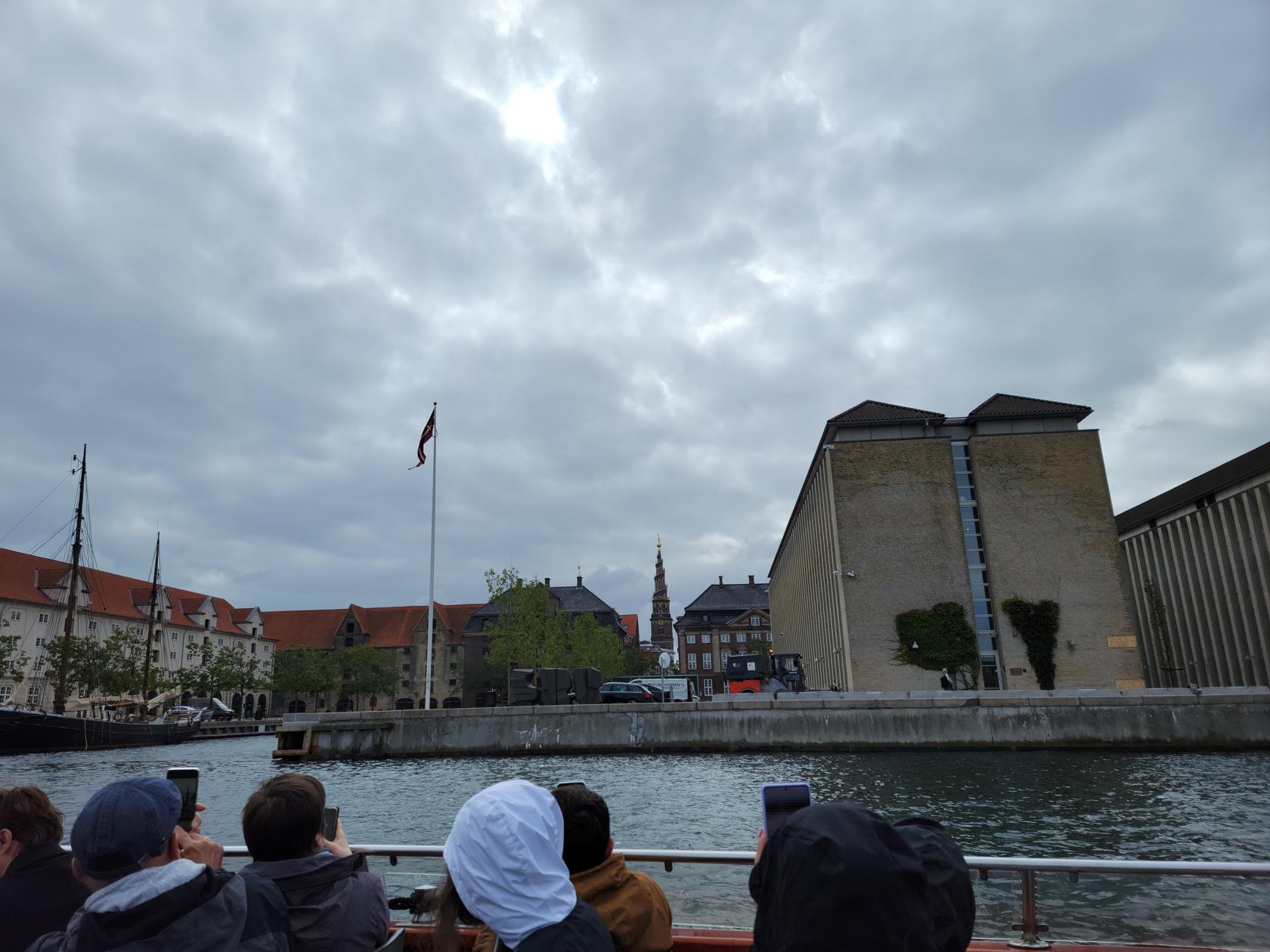
Church of our Savior Steeple – Canal Tour – Copenhagen, Denmark
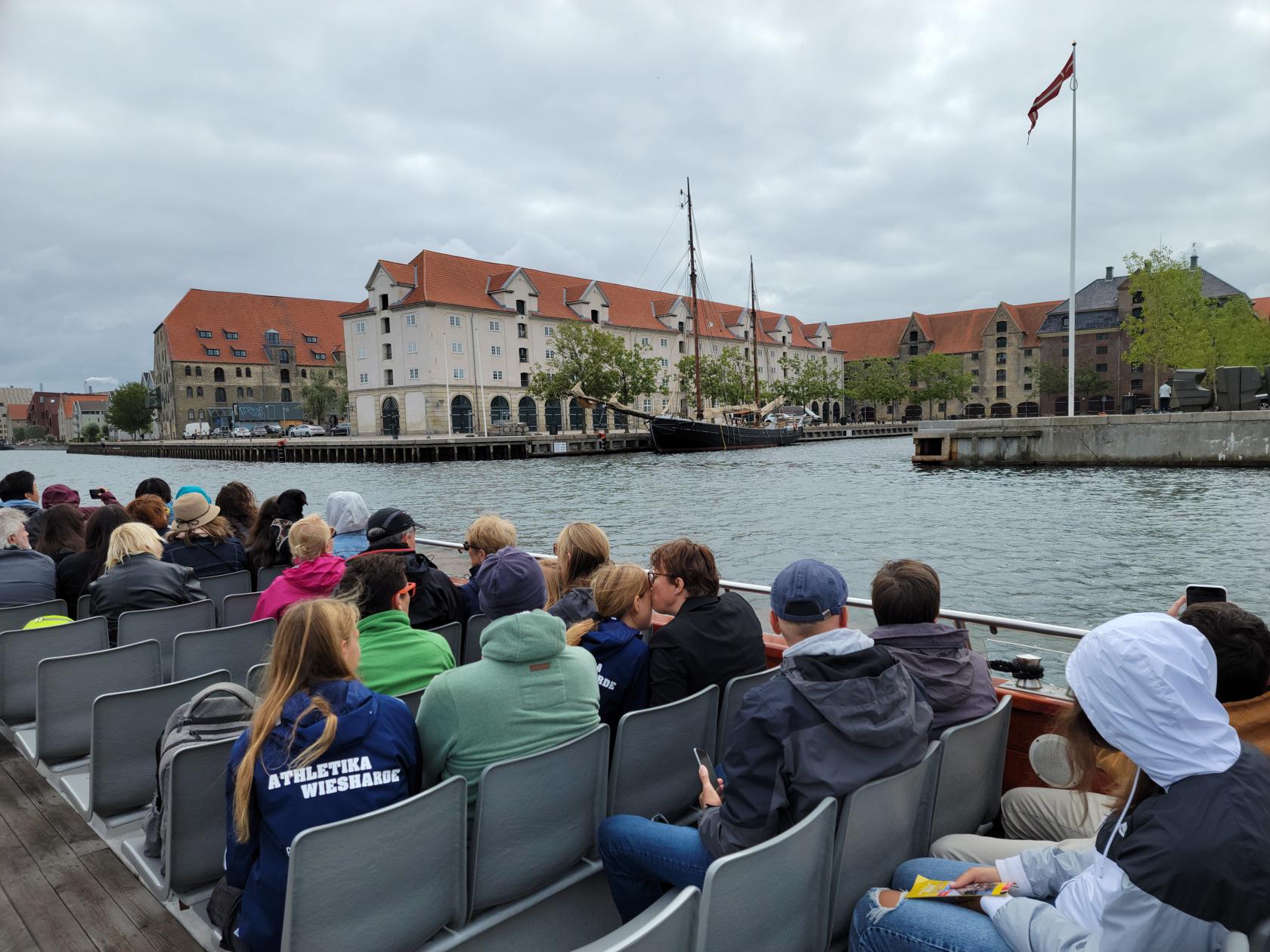
Old Schooner – Canal Tour – Copenhagen, Denmark
Another old renovated warehouse – Canal Tour – Copenhagen, Denmark
Soho House, private club – Canal Tour – Copenhagen, Denmark
An old three mast sailing ship – Canal Tour – Copenhagen, Denmark
Lille Langebro bridge – Canal Tour – Copenhagen, Denmark
Old Submarine pen renovated into apartments – Canal Tour – Copenhagen, Denmark
Old Speed Boat pens – Canal Tour – Copenhagen, Denmark
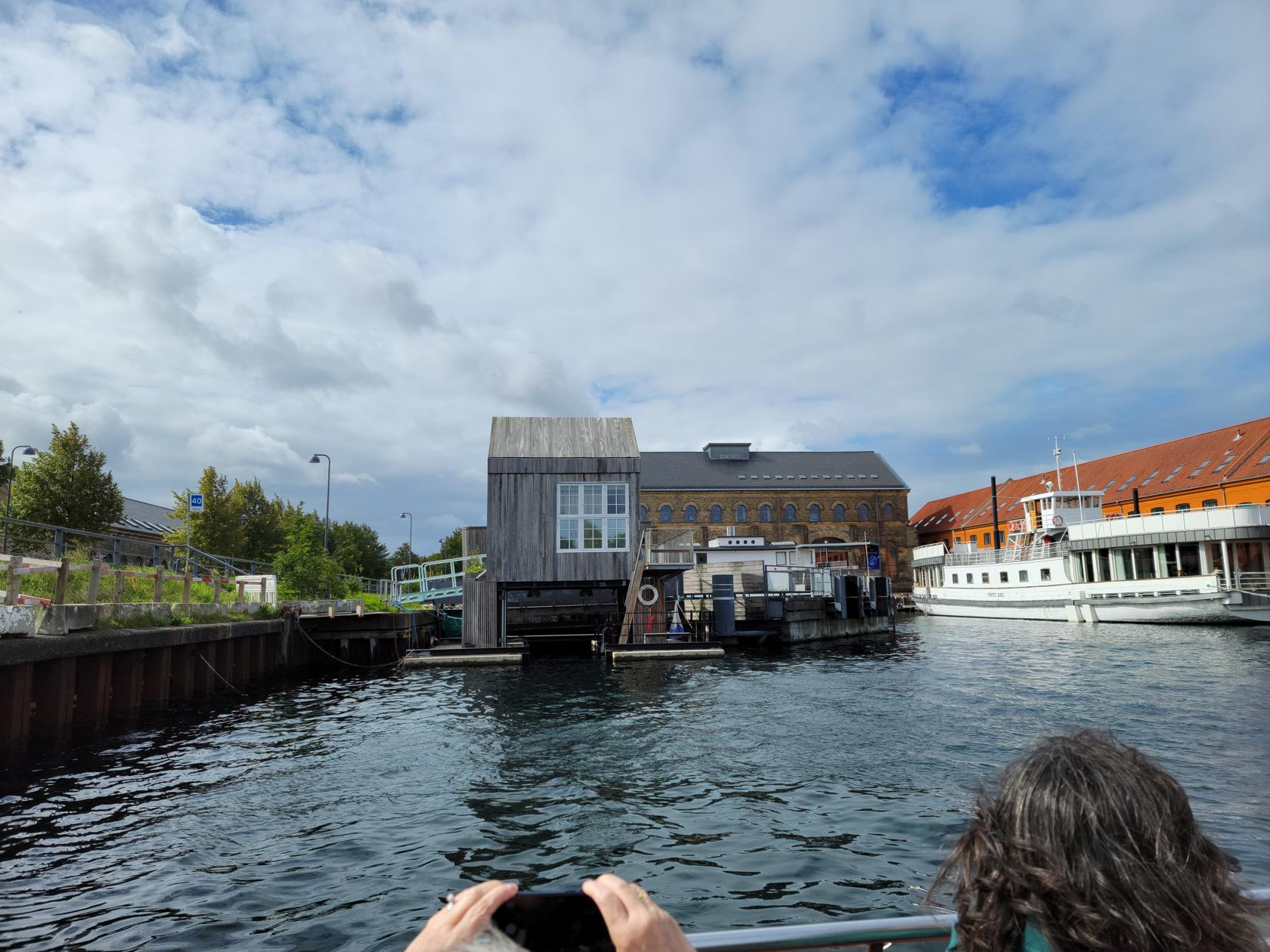
Smallest hotel in Denmark – Canal Tour – Copenhagen, Denmark
Smallest hotel in Denmark – Canal Tour – Copenhagen, Denmark
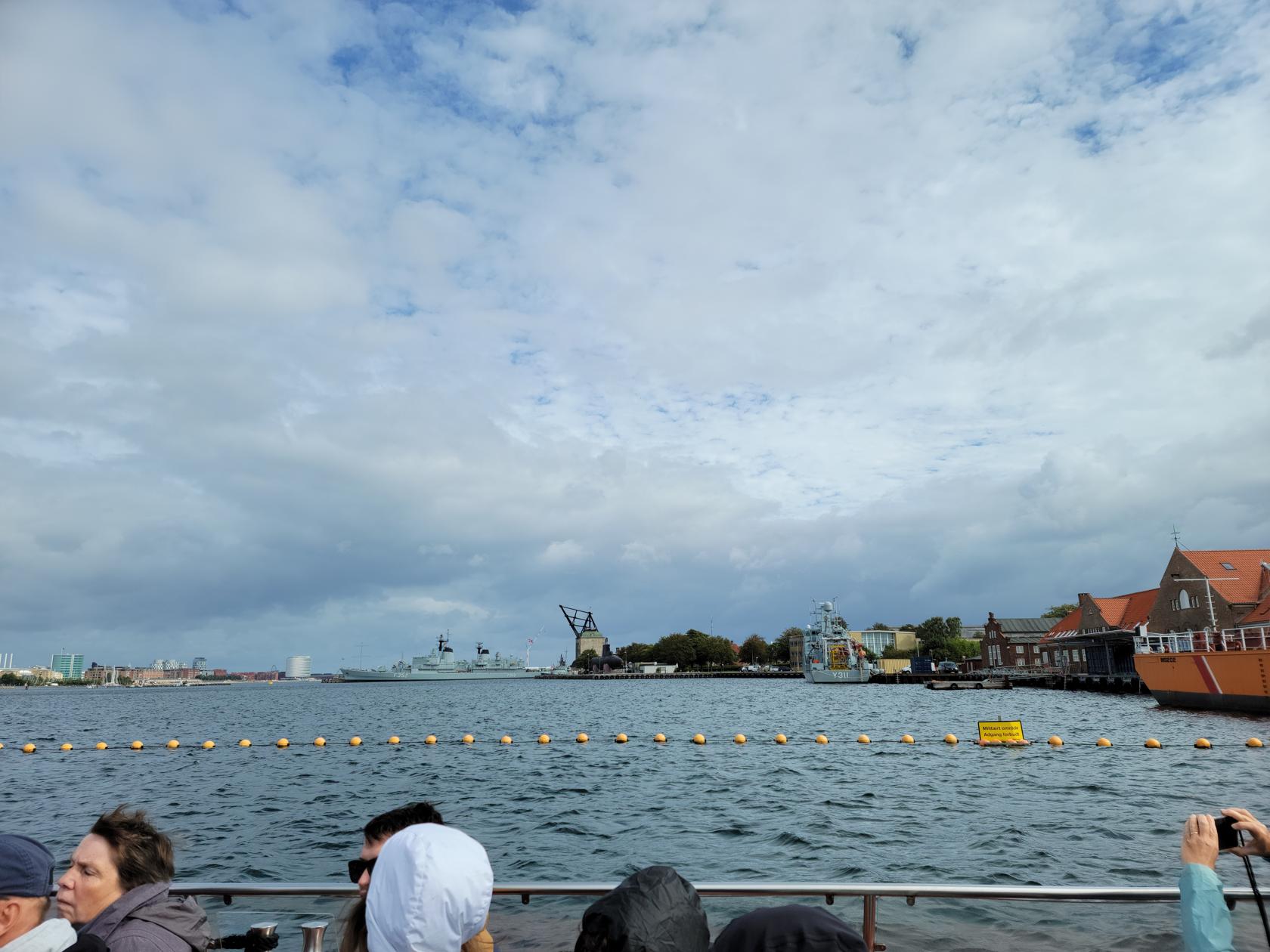
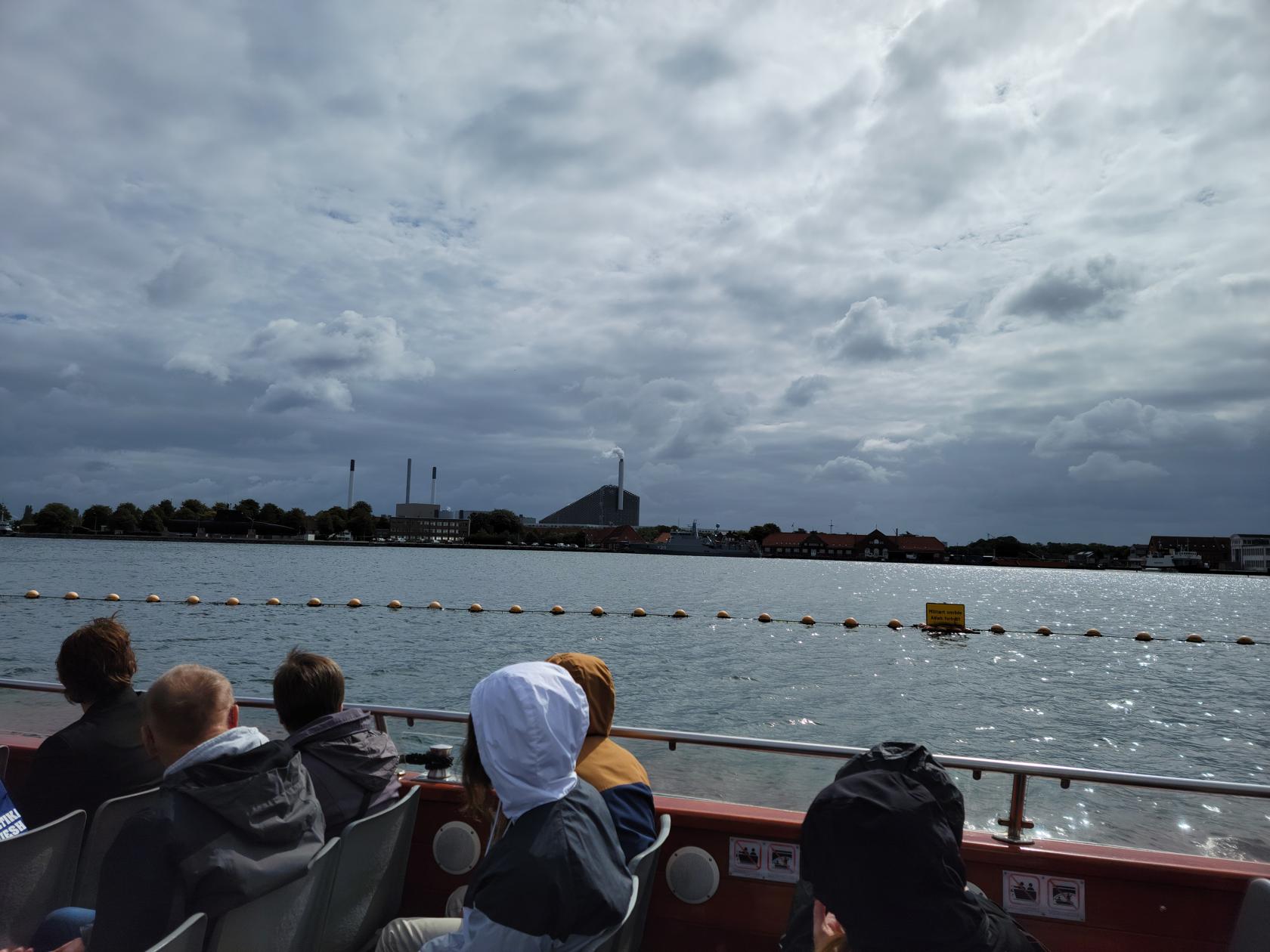
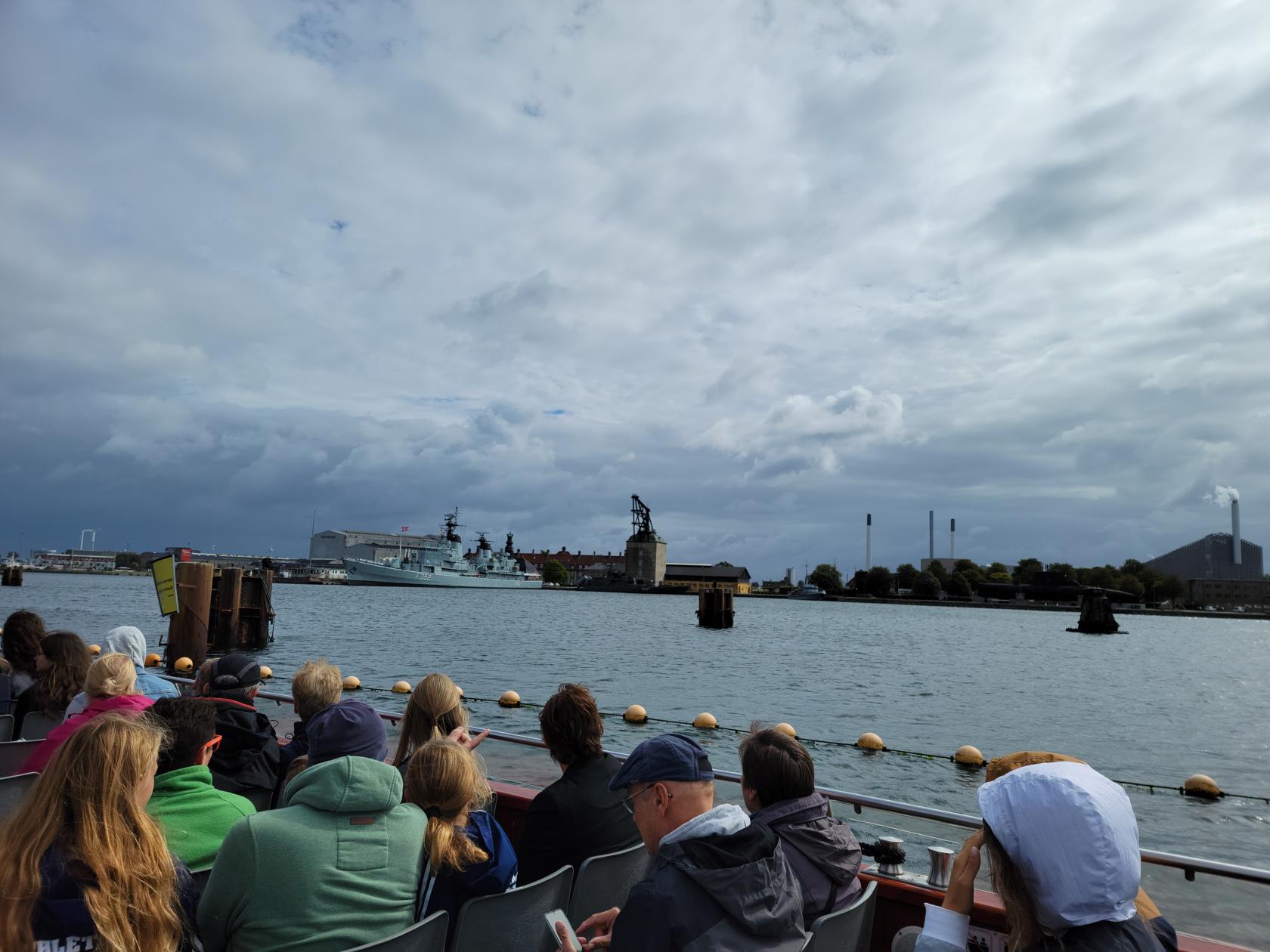
Frigate – Canal Tour – Copenhagen, Denmark
Sky mountain – Canal Tour – Copenhagen, Denmark
Frigate – Canal Tour – Copenhagen, Denmark
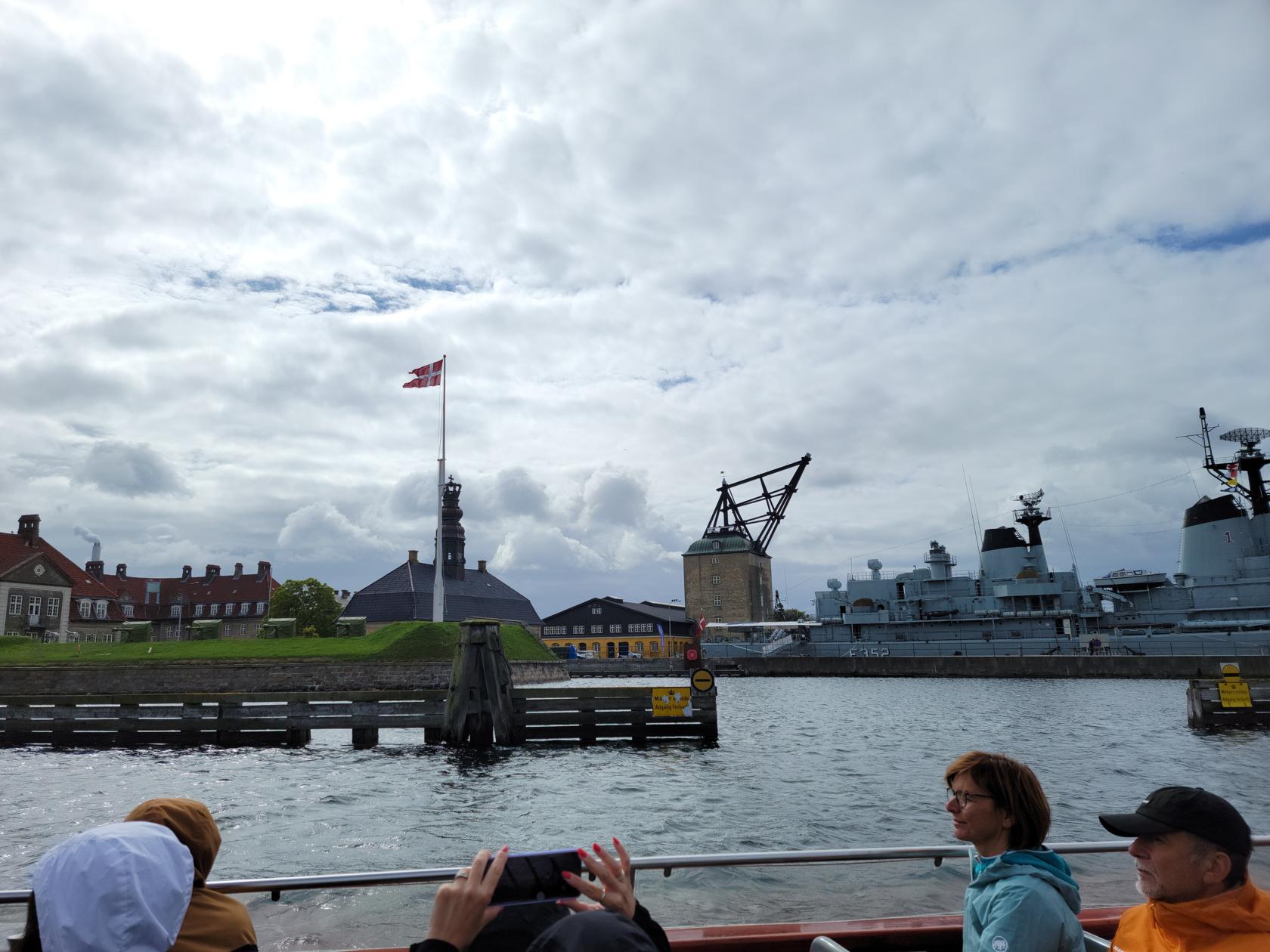
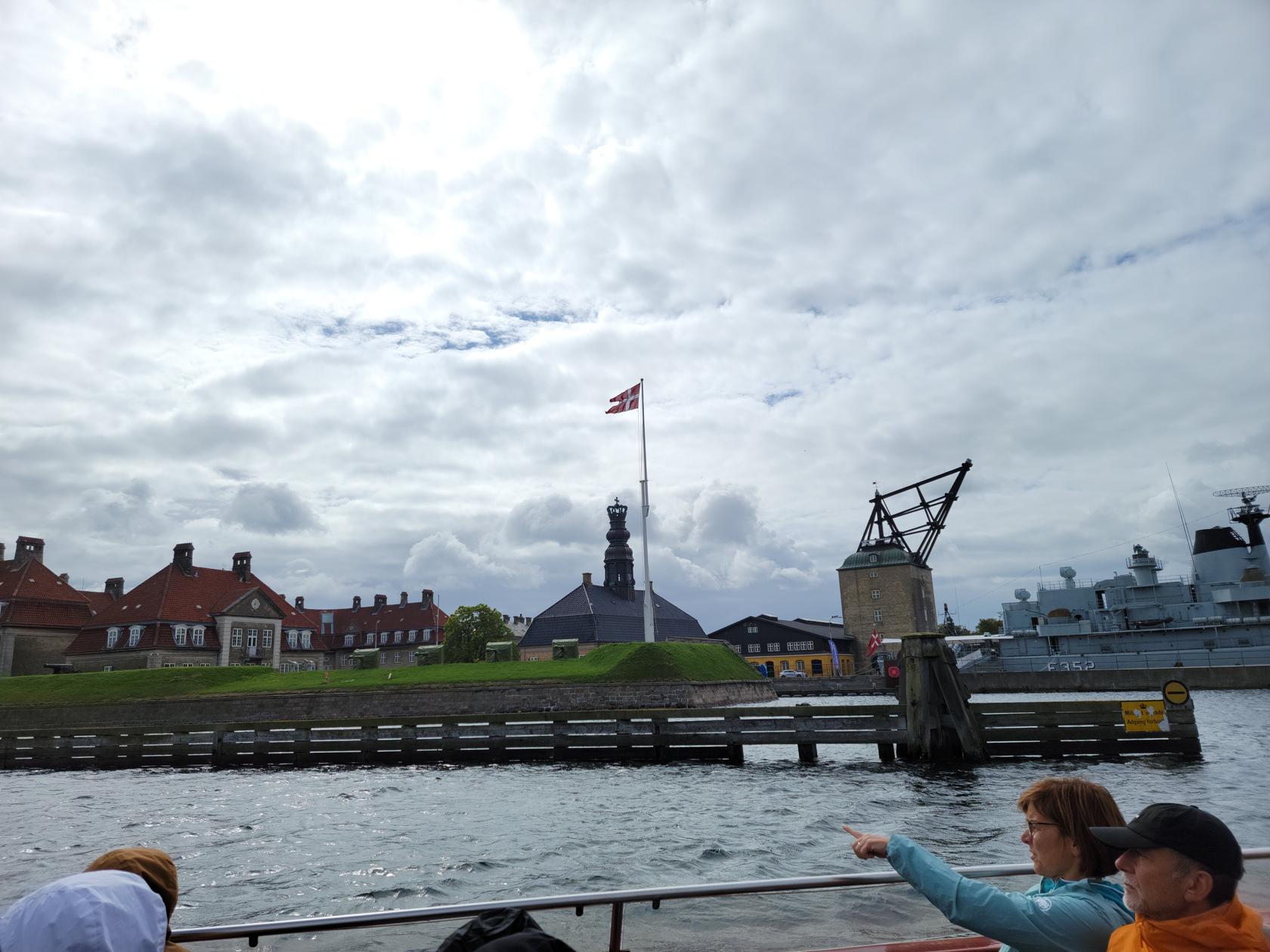
Old twenty ton crane, Frigate – Canal Tour – Copenhagen, Denmark
Nyholm Central Guardhouse – Canal Tour – Copenhagen, Denmark
Royal Family Sailing Ship Waiting Rooms – Canal Tour – Copenhagen, Denmark
Artwork, Maersk Building – Canal Tour – Copenhagen, Denmark
Ending our tour – Canal Tour – Copenhagen, Denmark
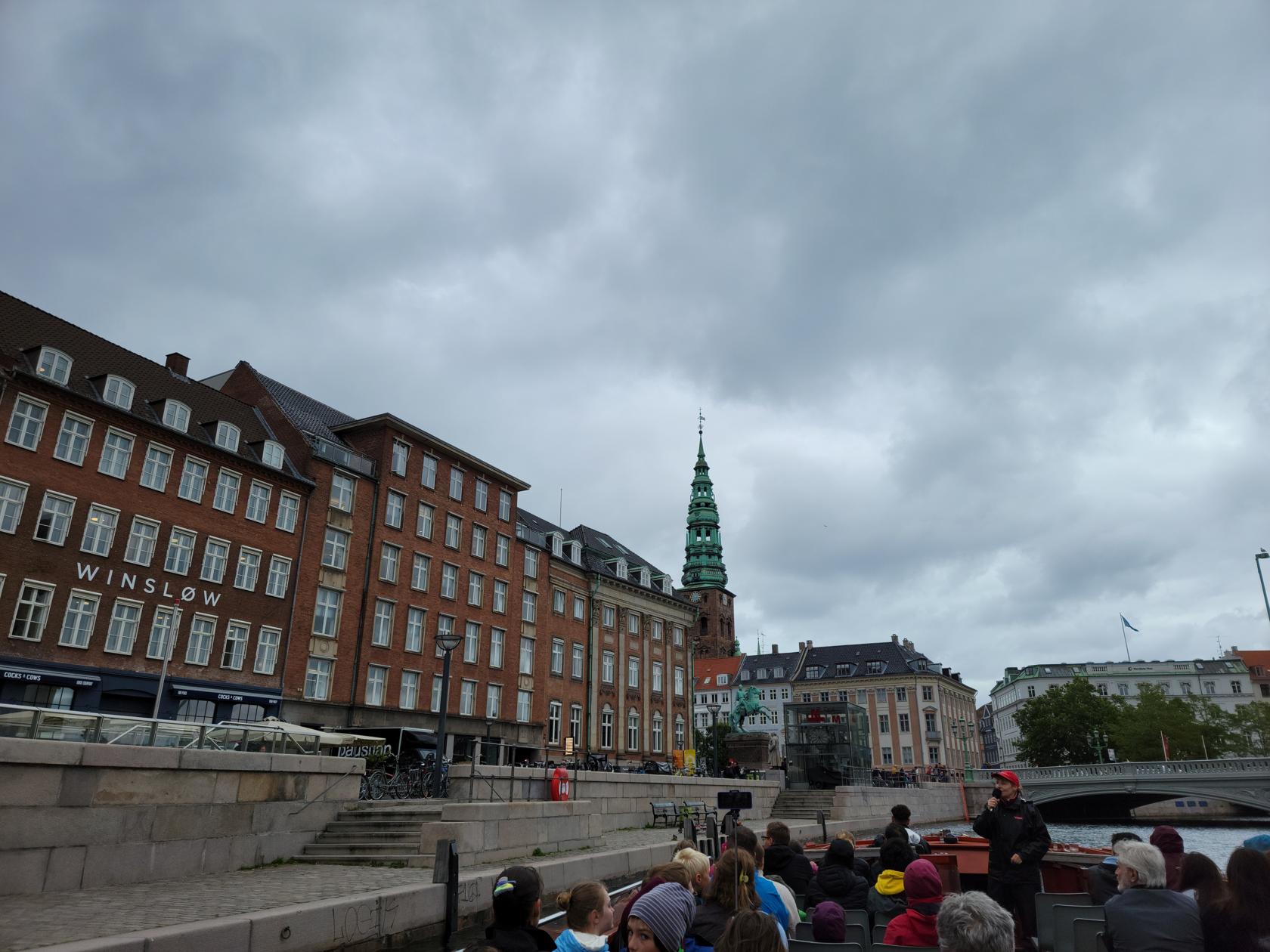
Højbro – Canal Tour – Copenhagen, Denmark
They also go in extraordinary high tides as well. Our tour was modified because the tides had come in extra high, leaving little space under the bridges. Therefore, we could not go down some canals and I think our tour ended up a bit longer that it probably should have been.
Trinitatis Kirke
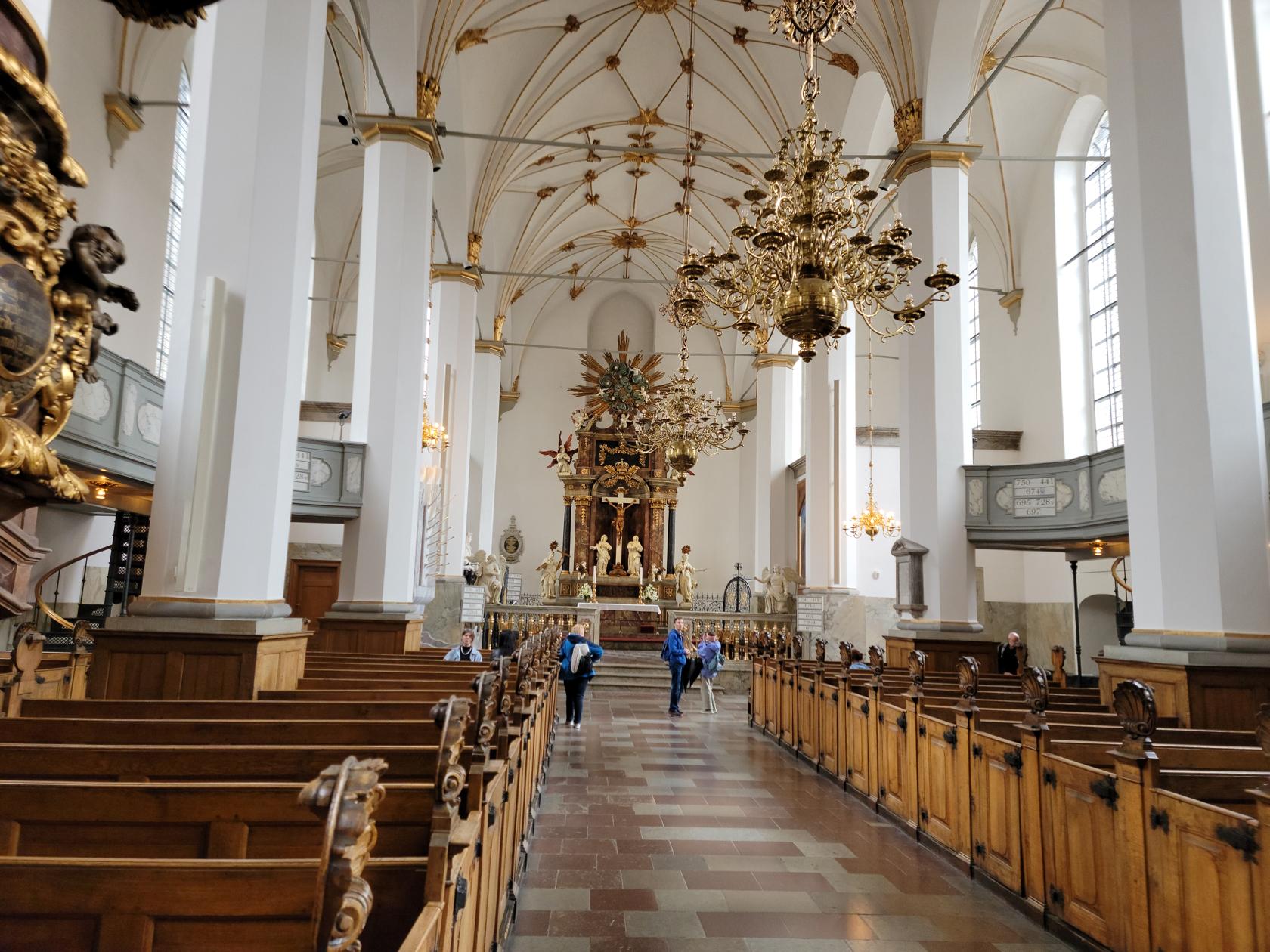
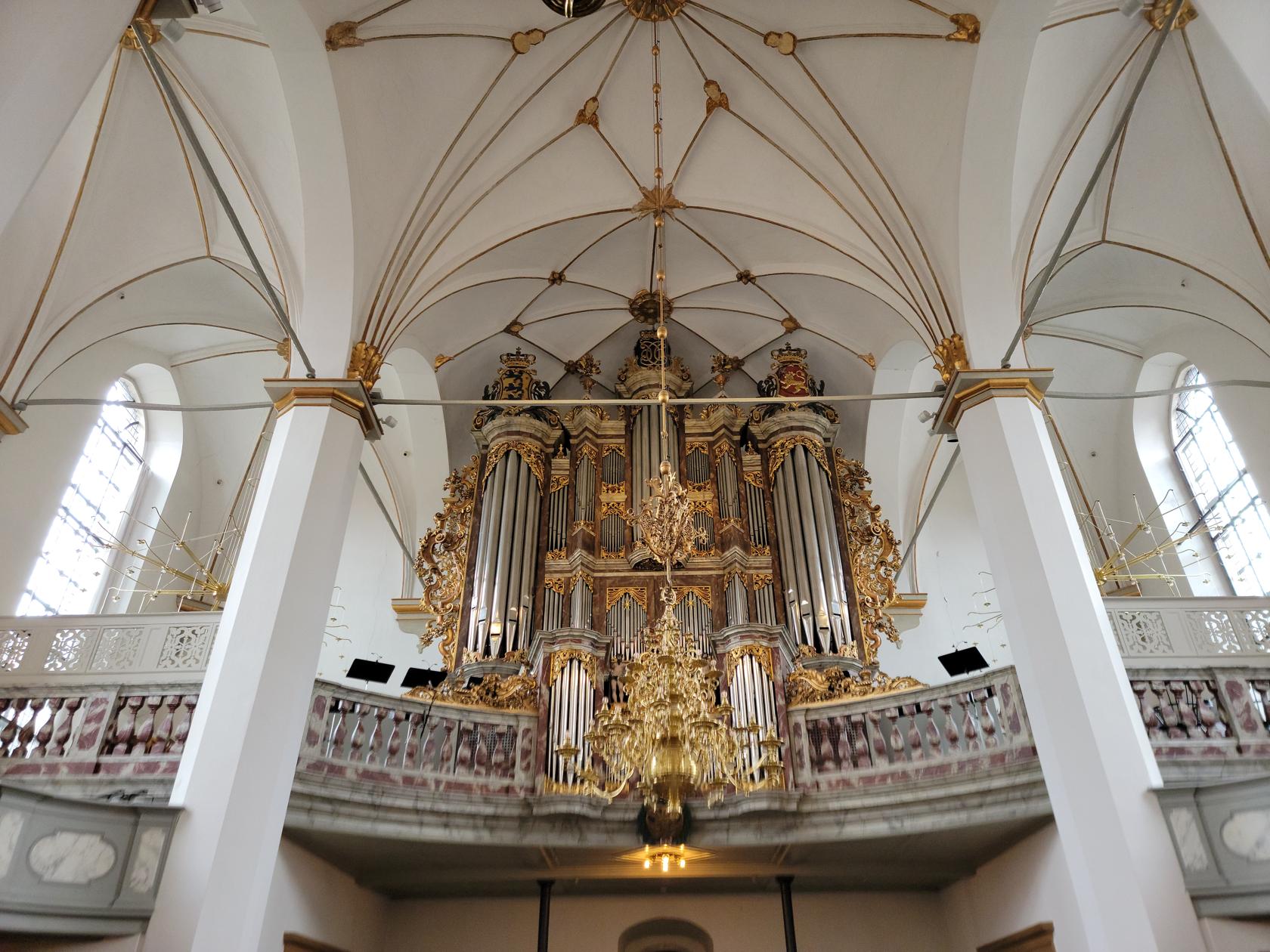
Trinitatis Kirke, or Trinitatis church, is a church built in the seventeenth century that is connected to The Round Tower. It was initially built to support the university, since it was part of the overall Trinitatis Complex. The Library Hall, which is built over one of the church’s naves dictated the size of the church when it was originally constructed. In any event, the church has a baroque look and feel to it which may be of interest to some and the organ is certainly something you should see.
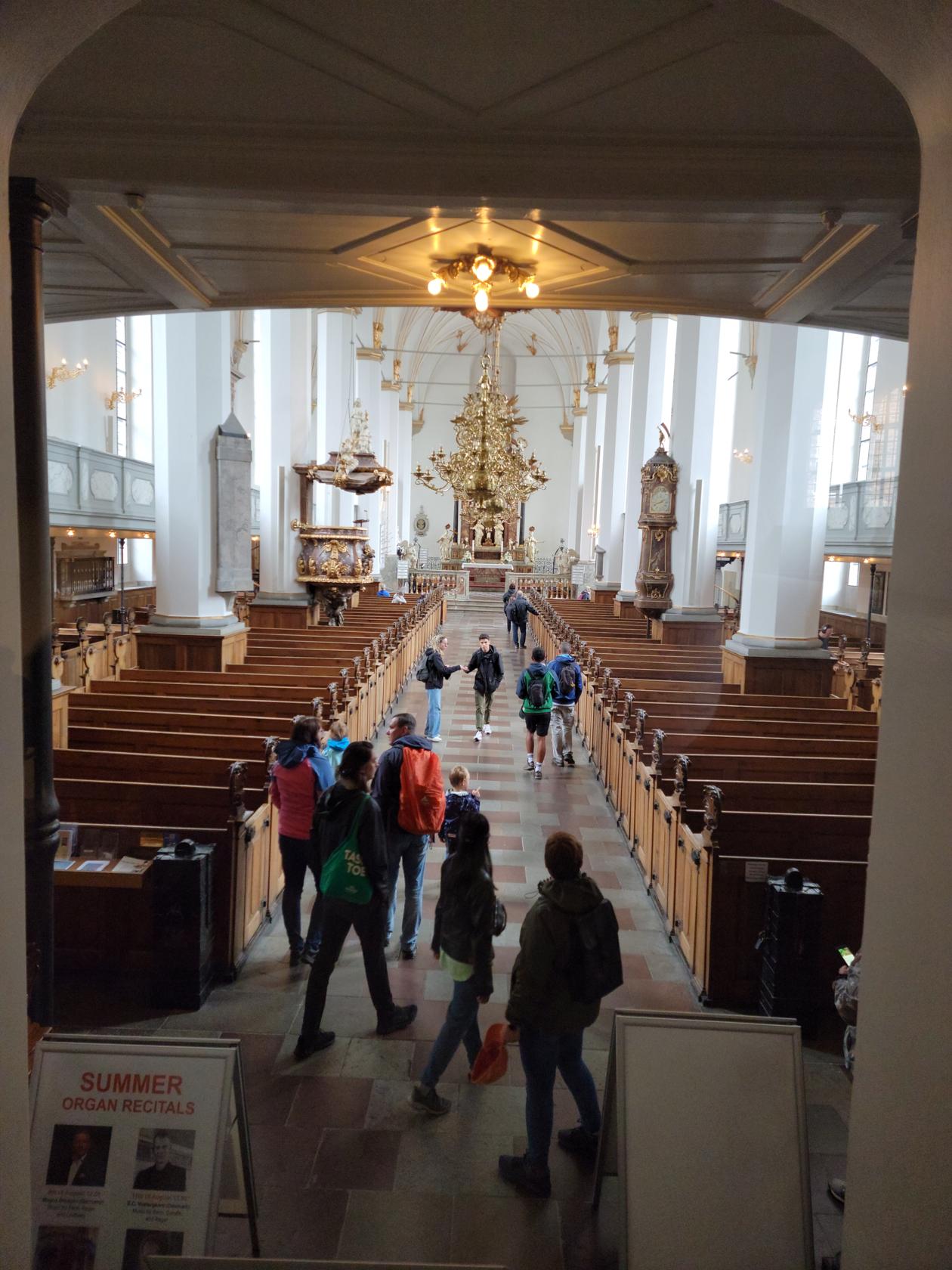
Inside Trinitatis Church – The Round Tower – Copenhagen, Denmark
Trinitatis Church – Copenhagen, Denmark
Ornate Organ – Trinitatis Church – Copenhagen, Denmark
The Round Tower
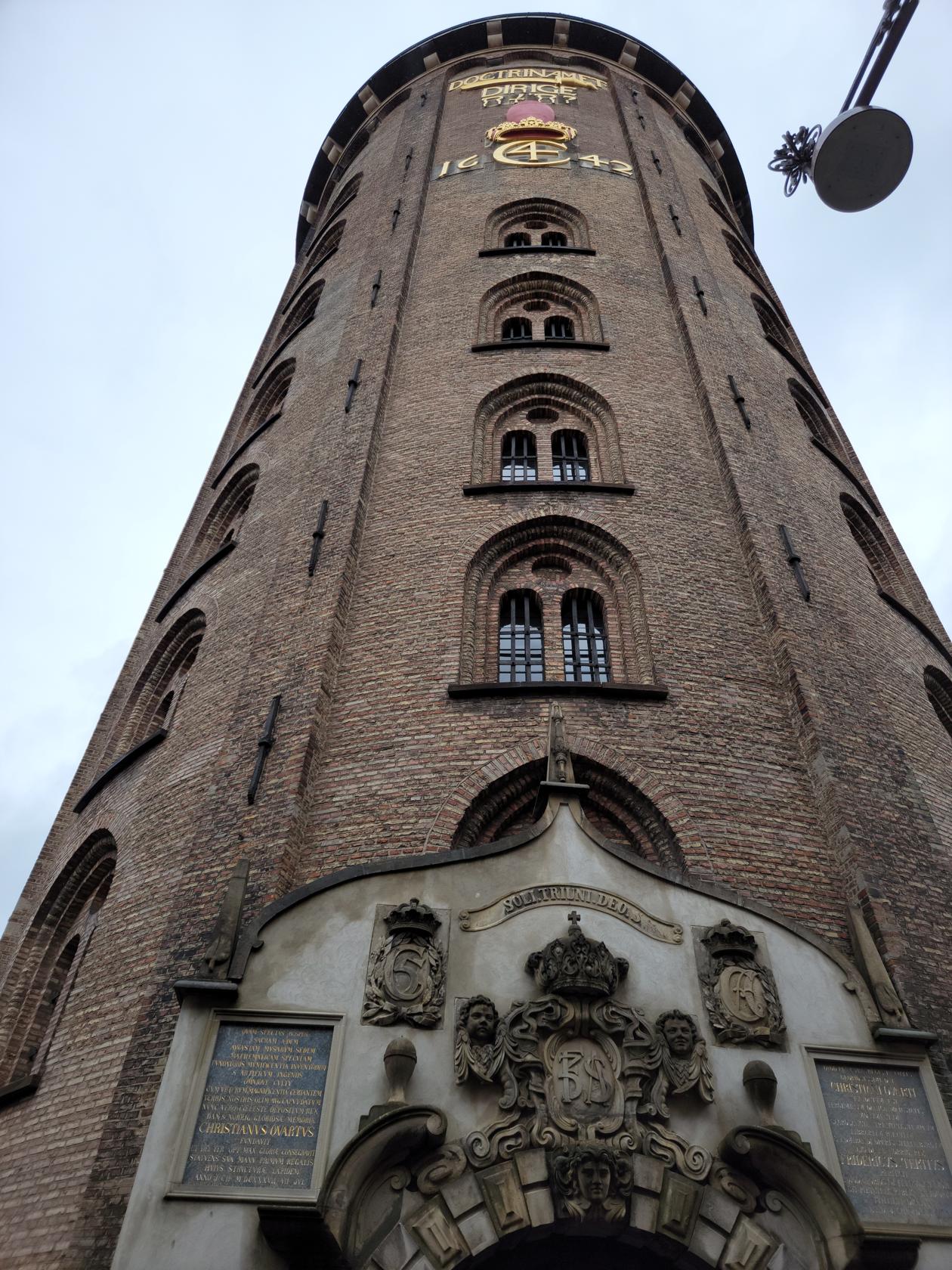
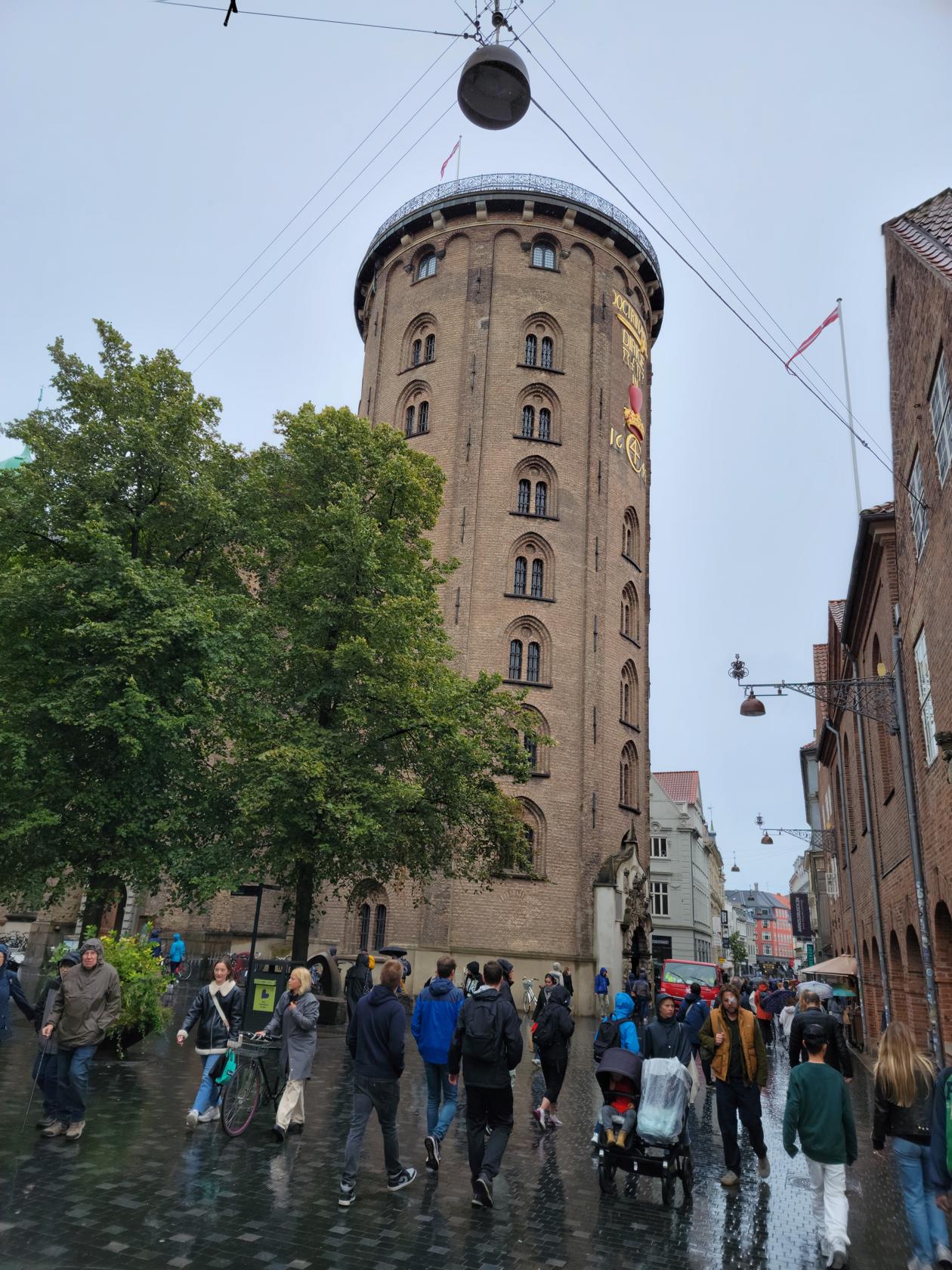
The Round Tower is actually an odd building for several reasons. At first I thought it was a shot tower, where they used to make gunshot or ball bearings. It just did not make any sense to me to build such a structure with a central column and a ramp for horses, unless it had some manufacturing purpose. Moreover, the rebus on the building has been loosely interpreted as Lead, God and The Correct Teaching; which also initially reinforced my belief that it had some military purpose; the telescope and Library Hall being repurposed after other ways to make ammunition came into vogue.
Entrance and Inscription – The Round Tower – Copenhagen, Denmark
Side – The Round Tower – Copenhagen, Denmark
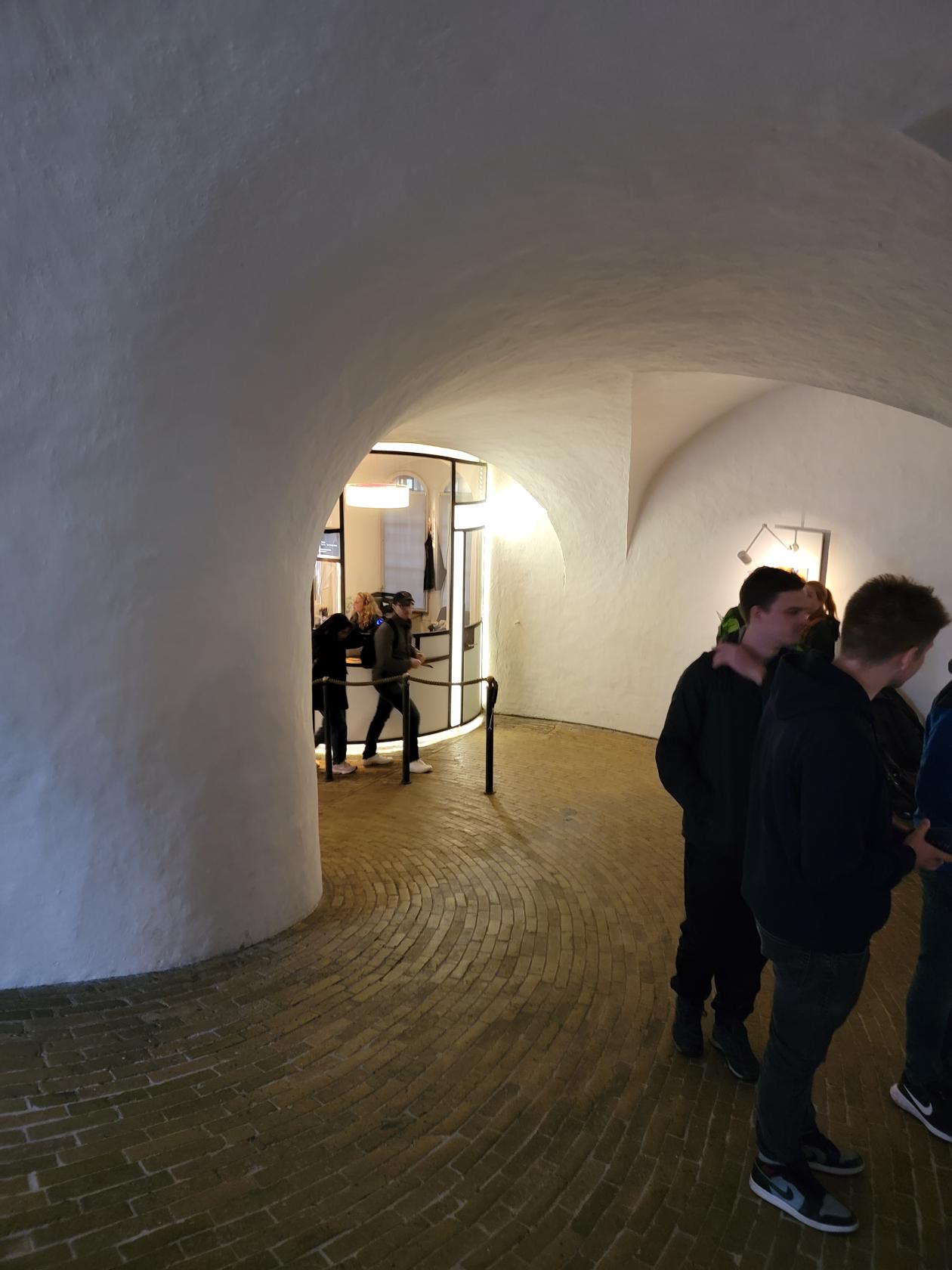
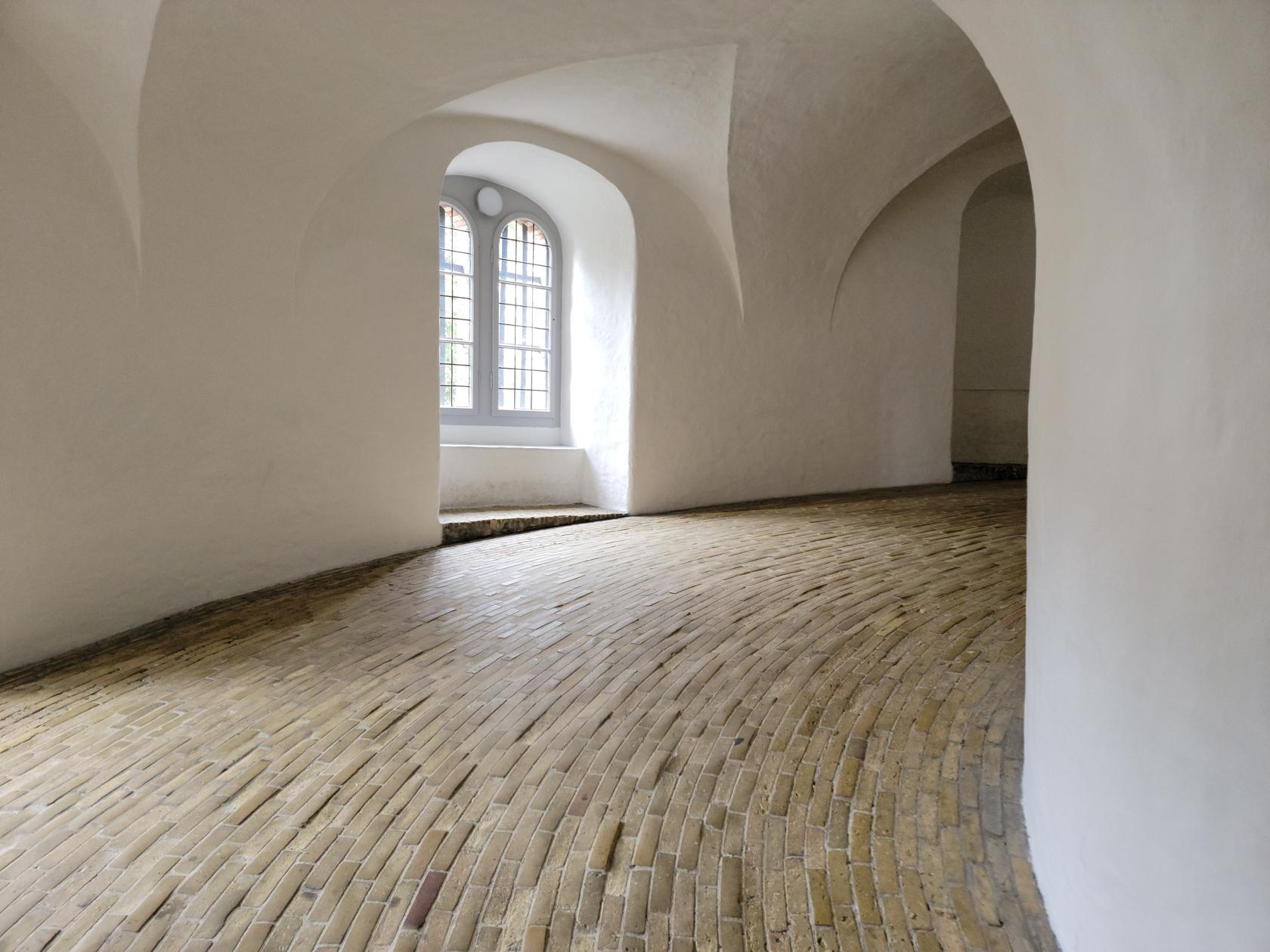
I surprised to find the edifice was built with a ramp inside so that the horses where able to bring the heavy equipment up the tower for the telescope installation. The central column was later intentionally used as a toilet by the staff who found it arduous to walk down the ramp to go to the bathroom.
Internal Ramp – The Round Tower – Copenhagen, Denmark
Internal column, old cesspool – The Round Tower – Copenhagen, Denmark
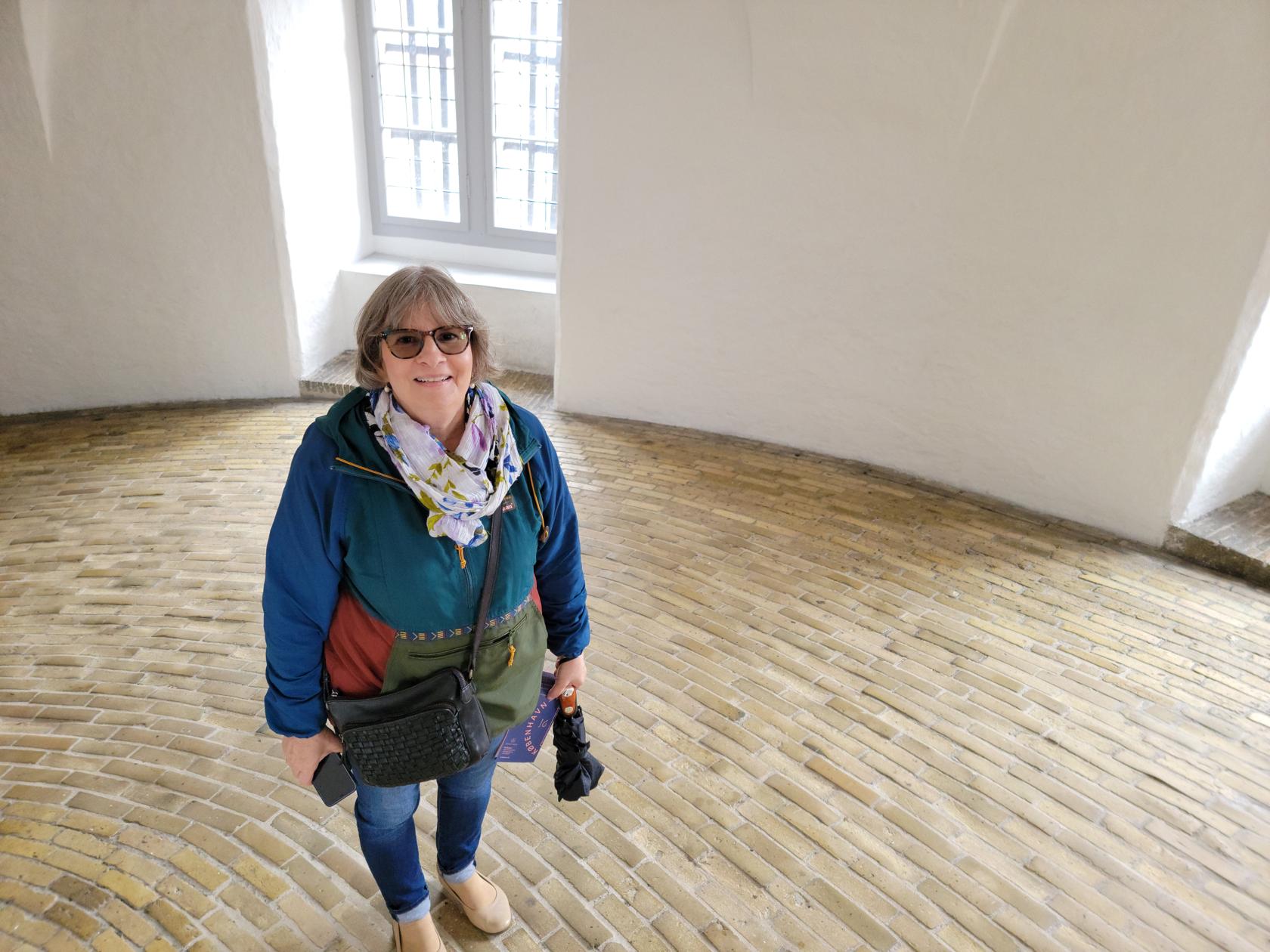
Patti on her way up – The Round Tower – Copenhagen, Denmark
Internal Ramp – The Round Tower – Copenhagen, Denmark
The old Library Hall, now Art Exhibit – The Round Tower – Copenhagen, Denmark
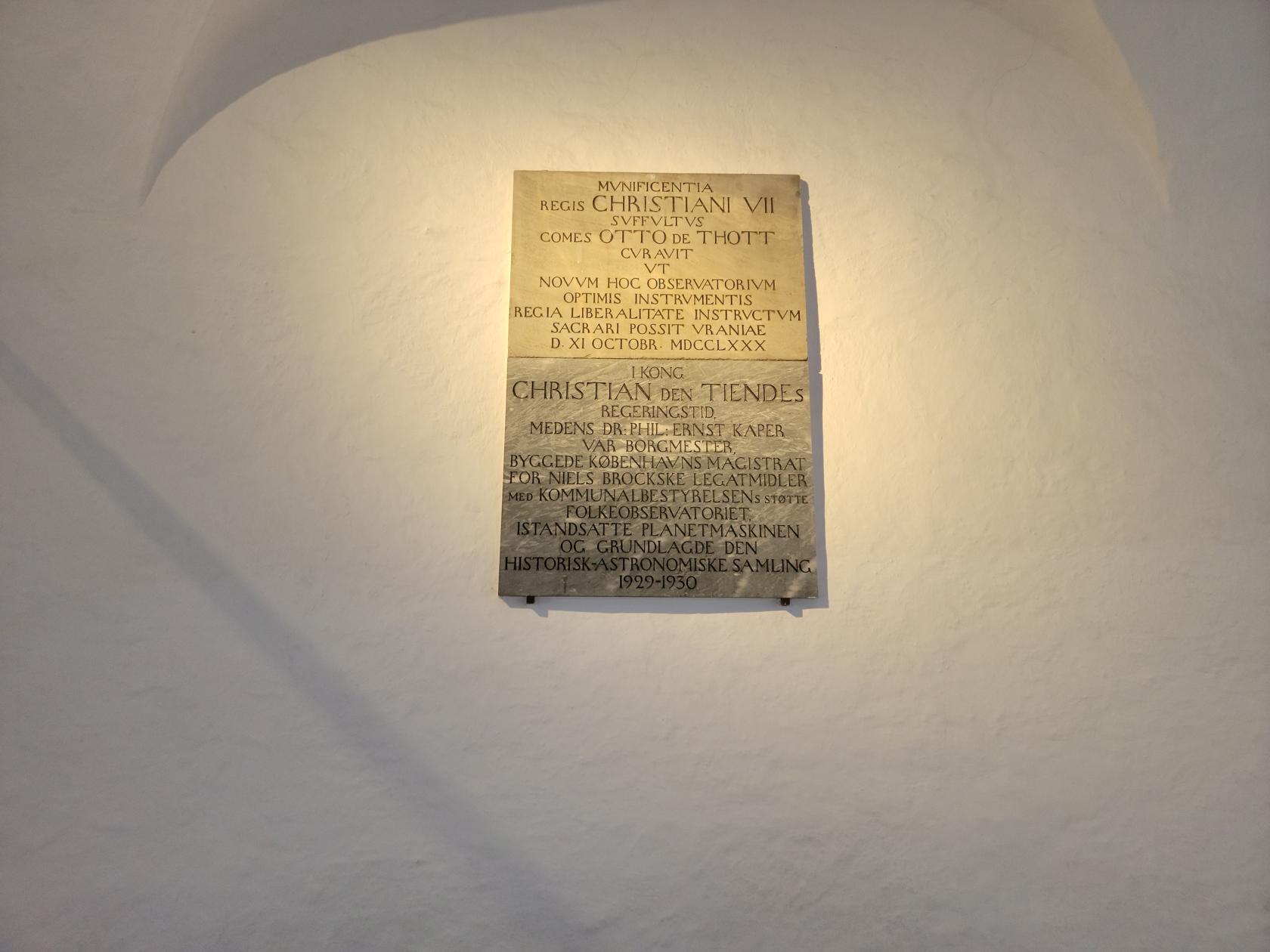
Commemoration – The Round Tower – Copenhagen, Denmark
The telescope installation was built on top of the tower some time after that was completed. The Library Hall was initially used as a library and has now been repurposed as an Art Exhibition hall.
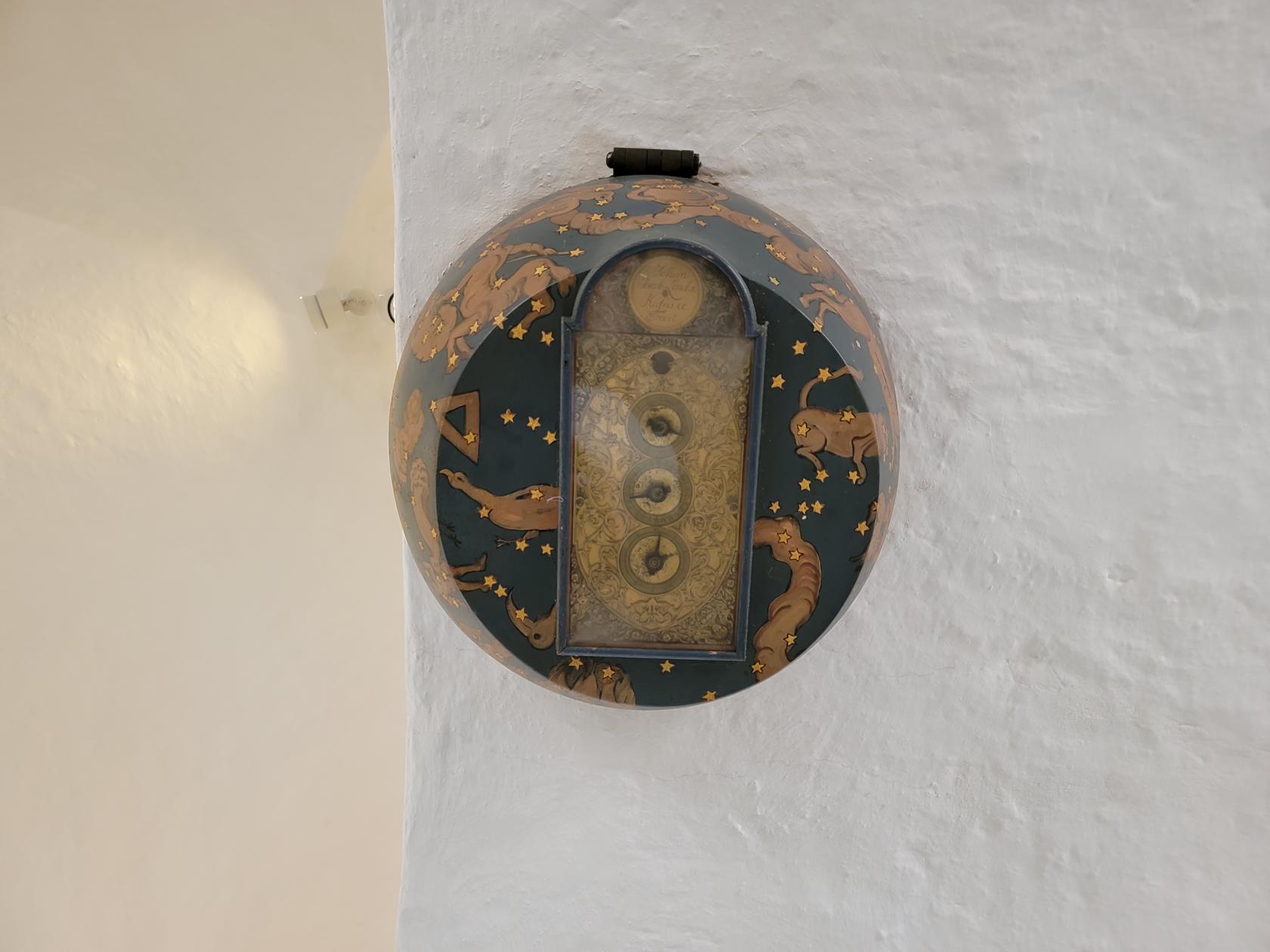
Zodiac Timepiece – The Round Tower – Copenhagen, Denmark
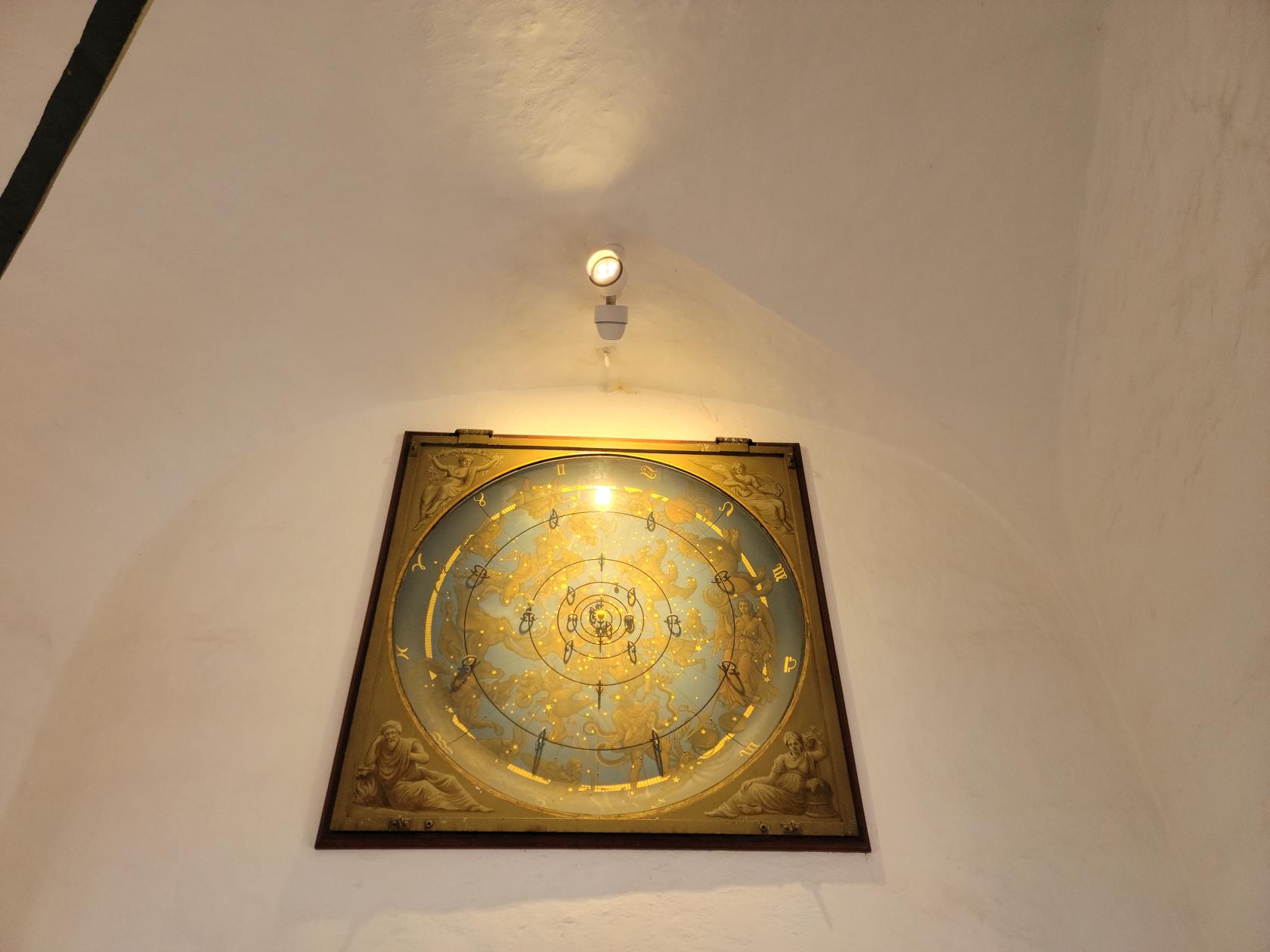
The Solar System – The Round Tower – Copenhagen, Denmark
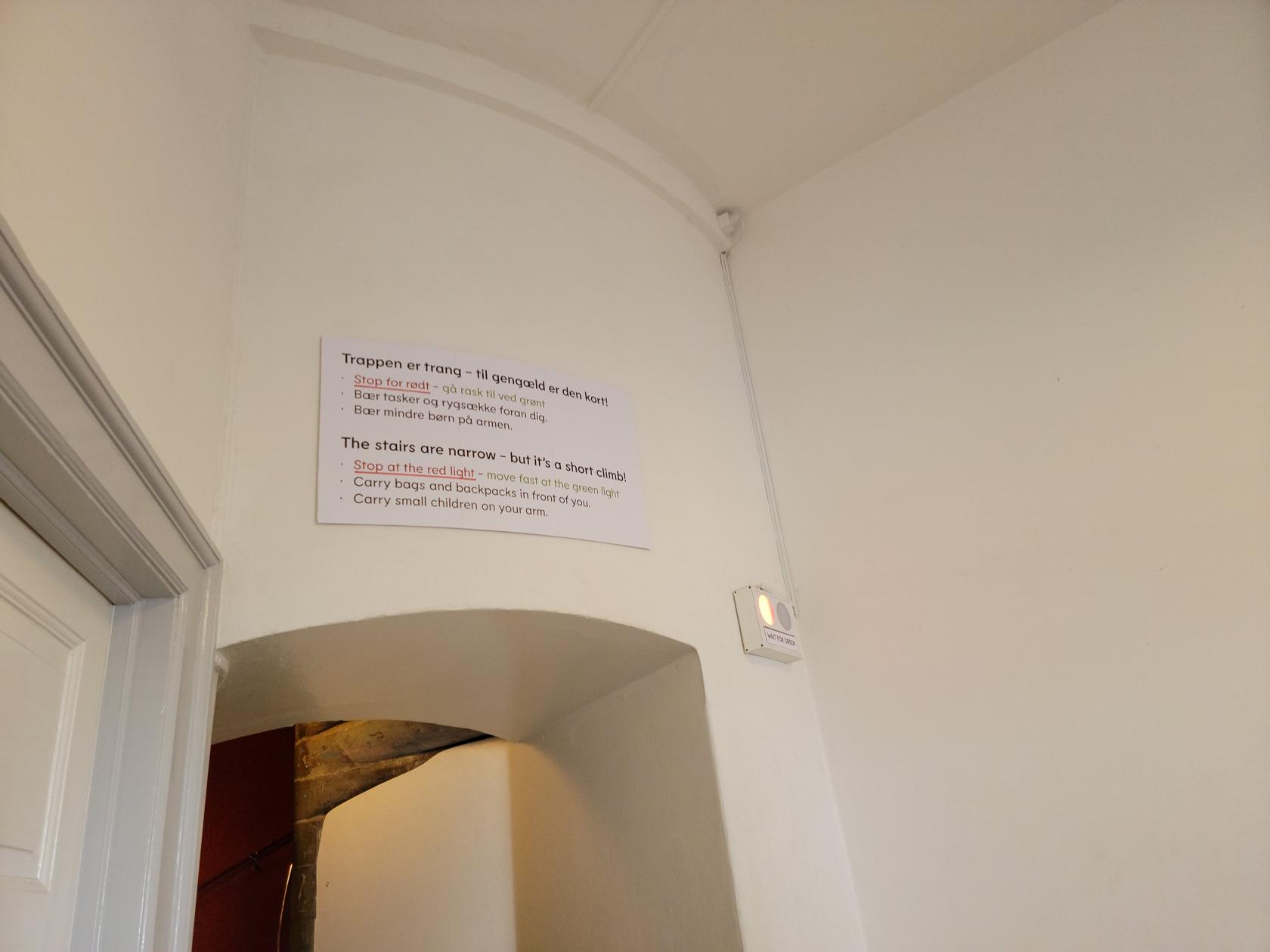
There are also a few astronomical oddities to see, if you look up while you are waiting for the light to change to ascend to the observation lookout. They are a map of the solar system and a zodiac timepiece.
Traffic signal for Observation Deck – The Round Tower – Copenhagen, Denmark
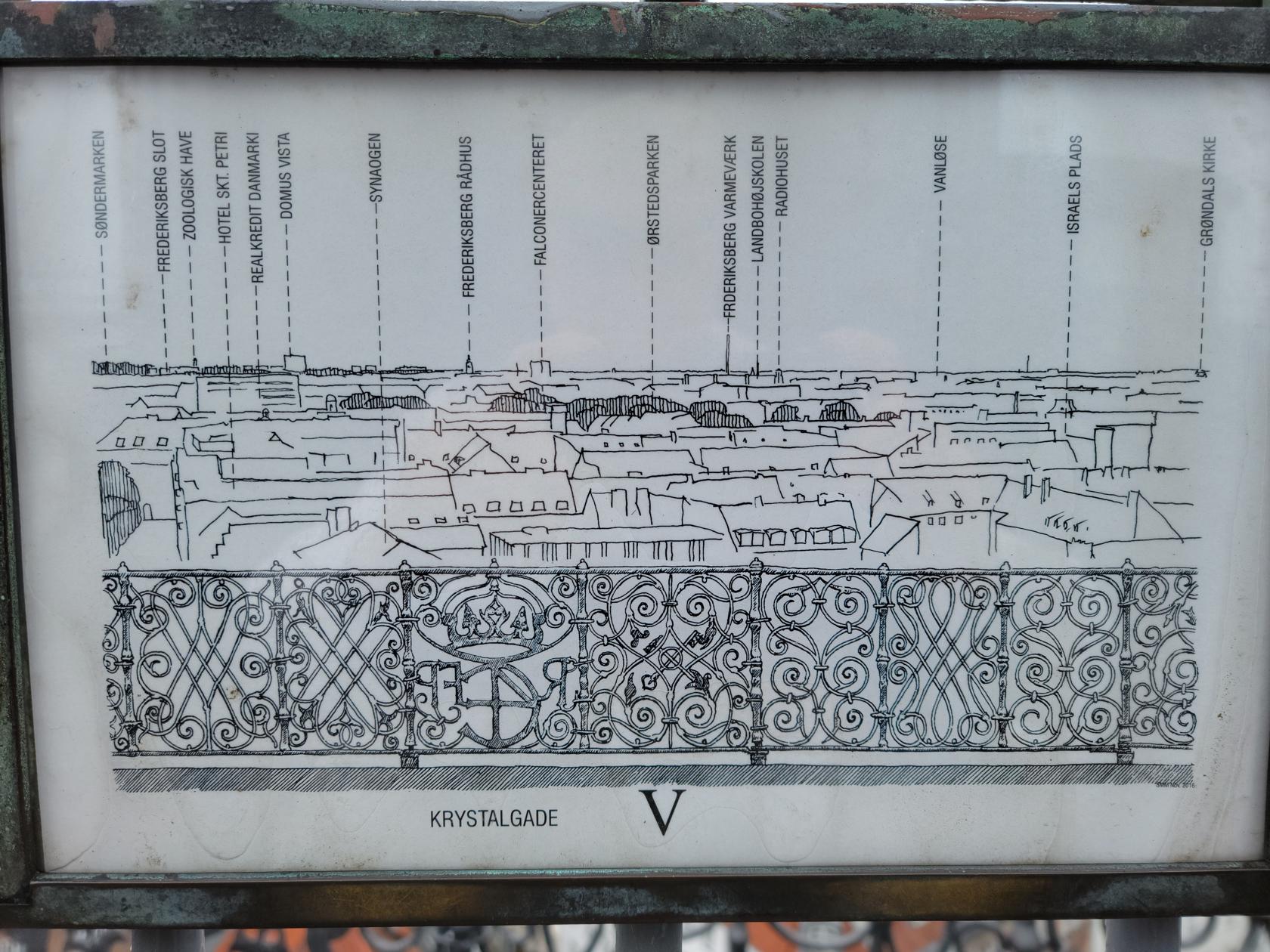
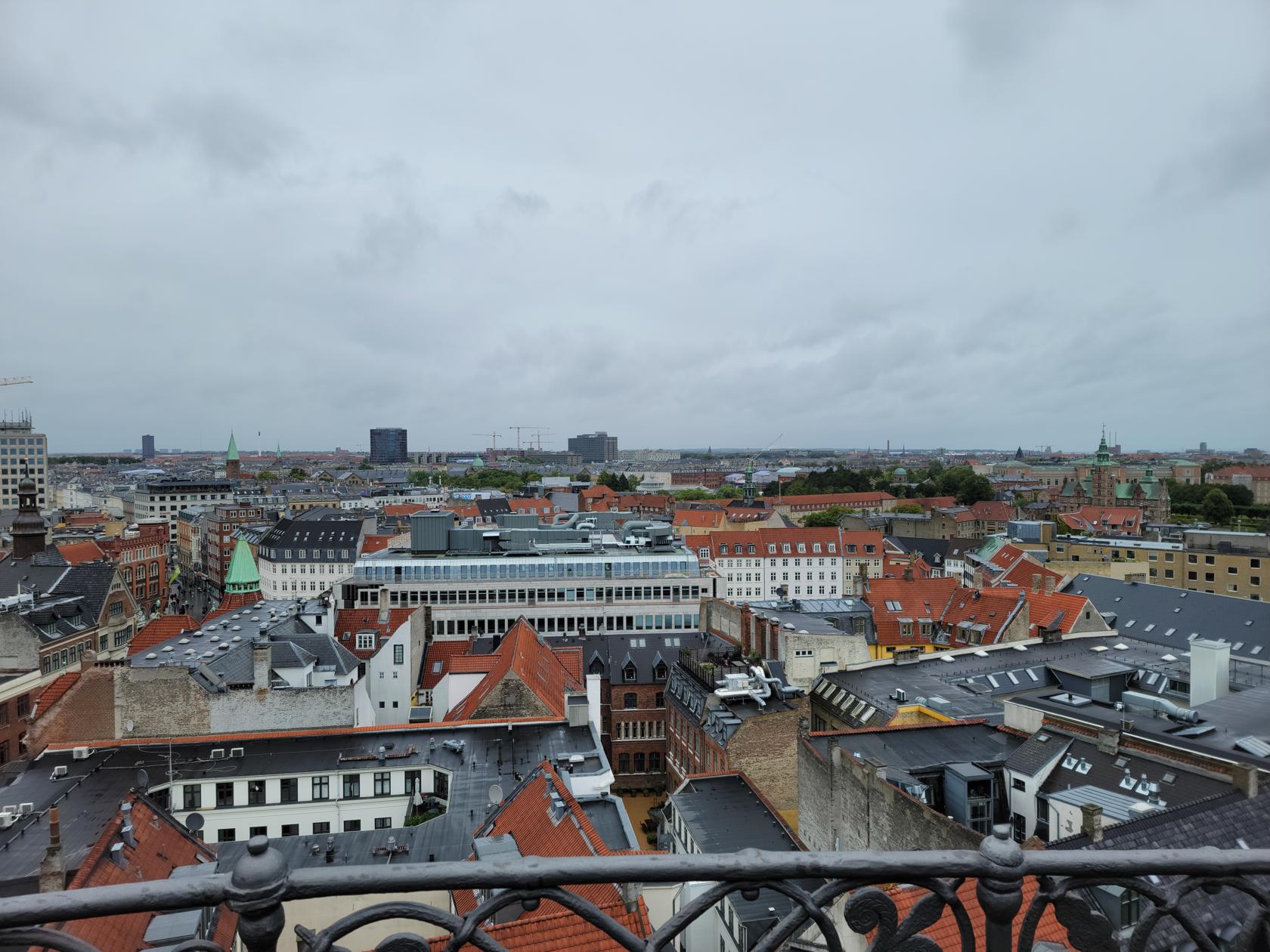
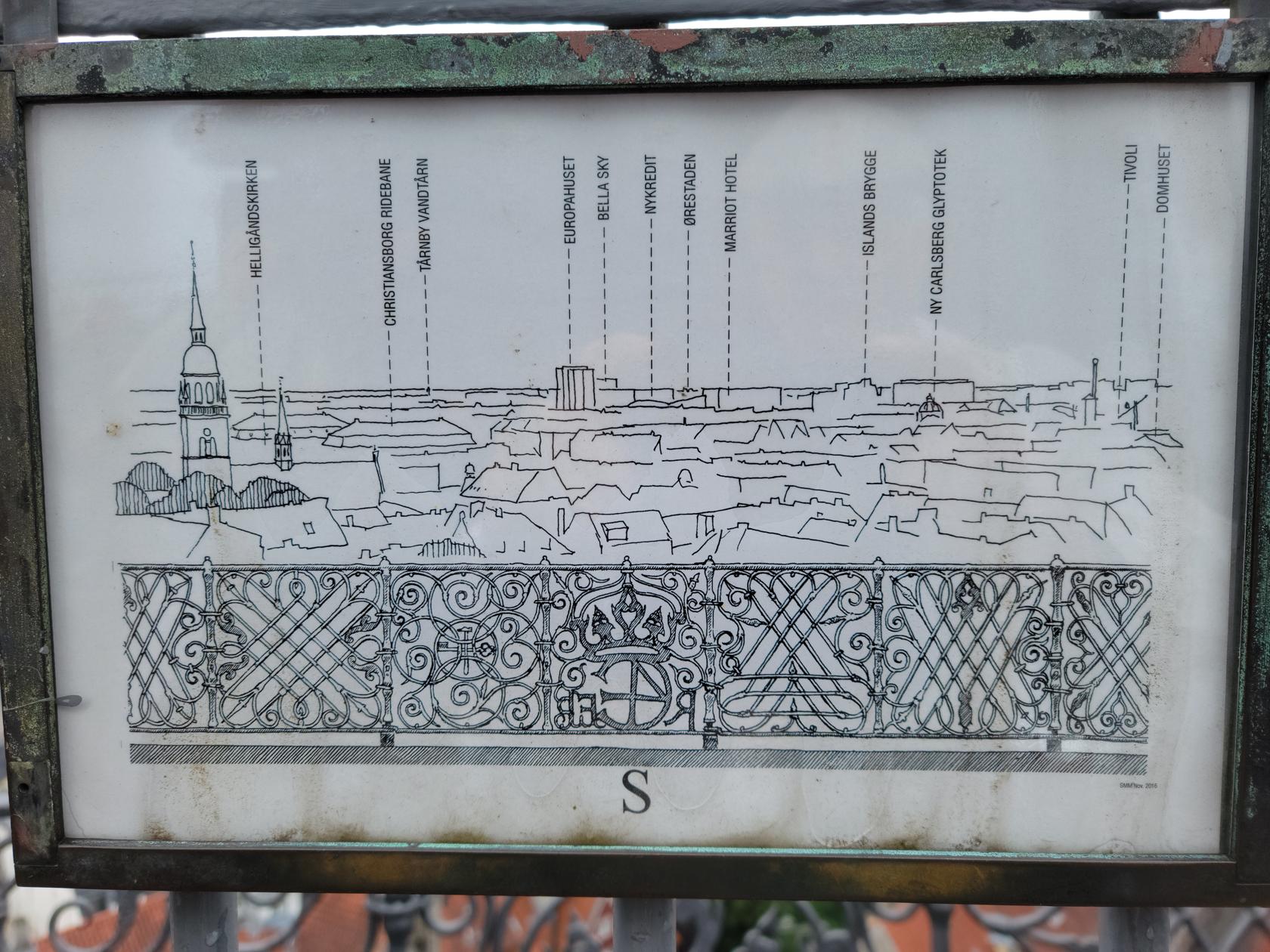
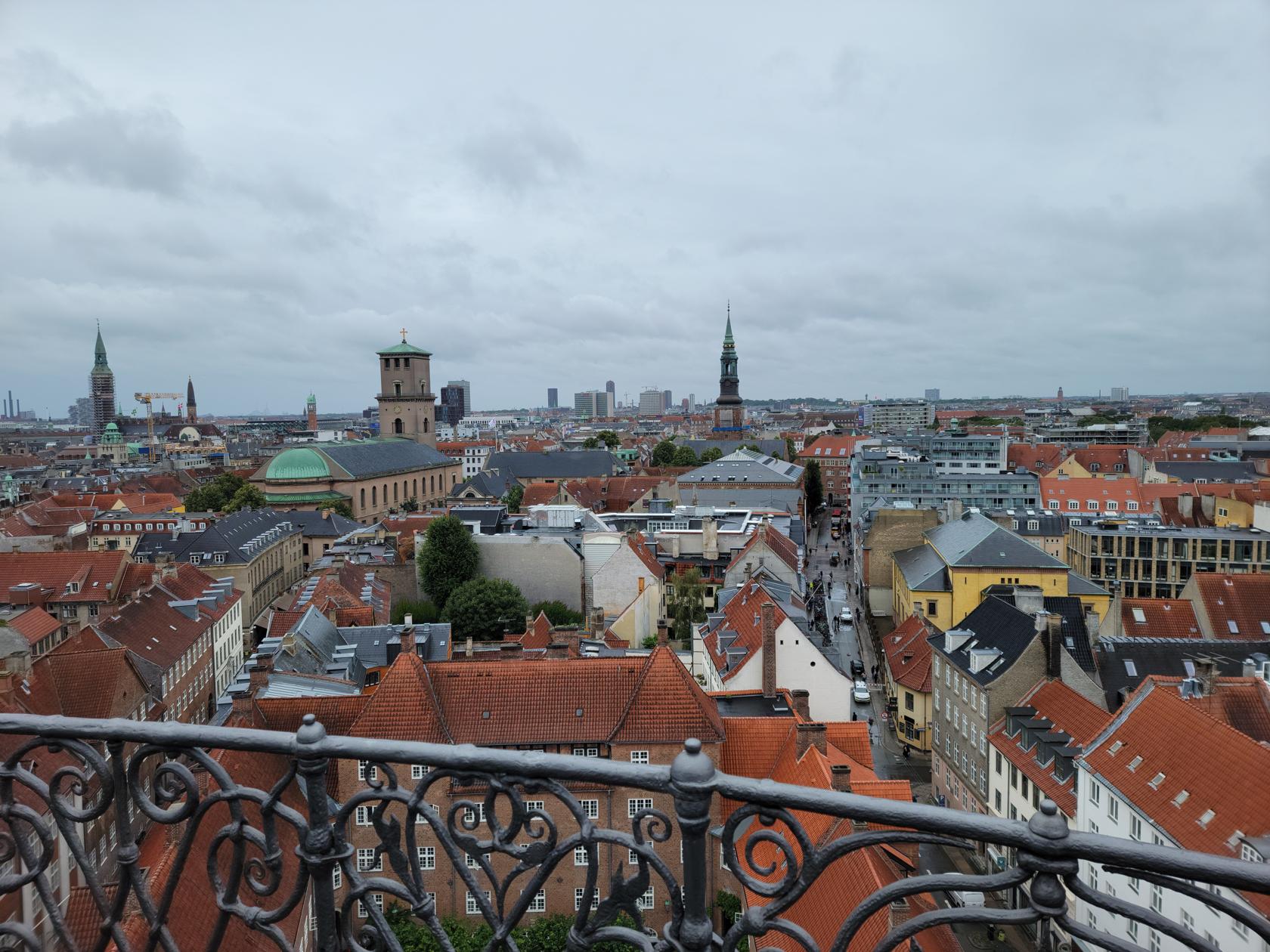
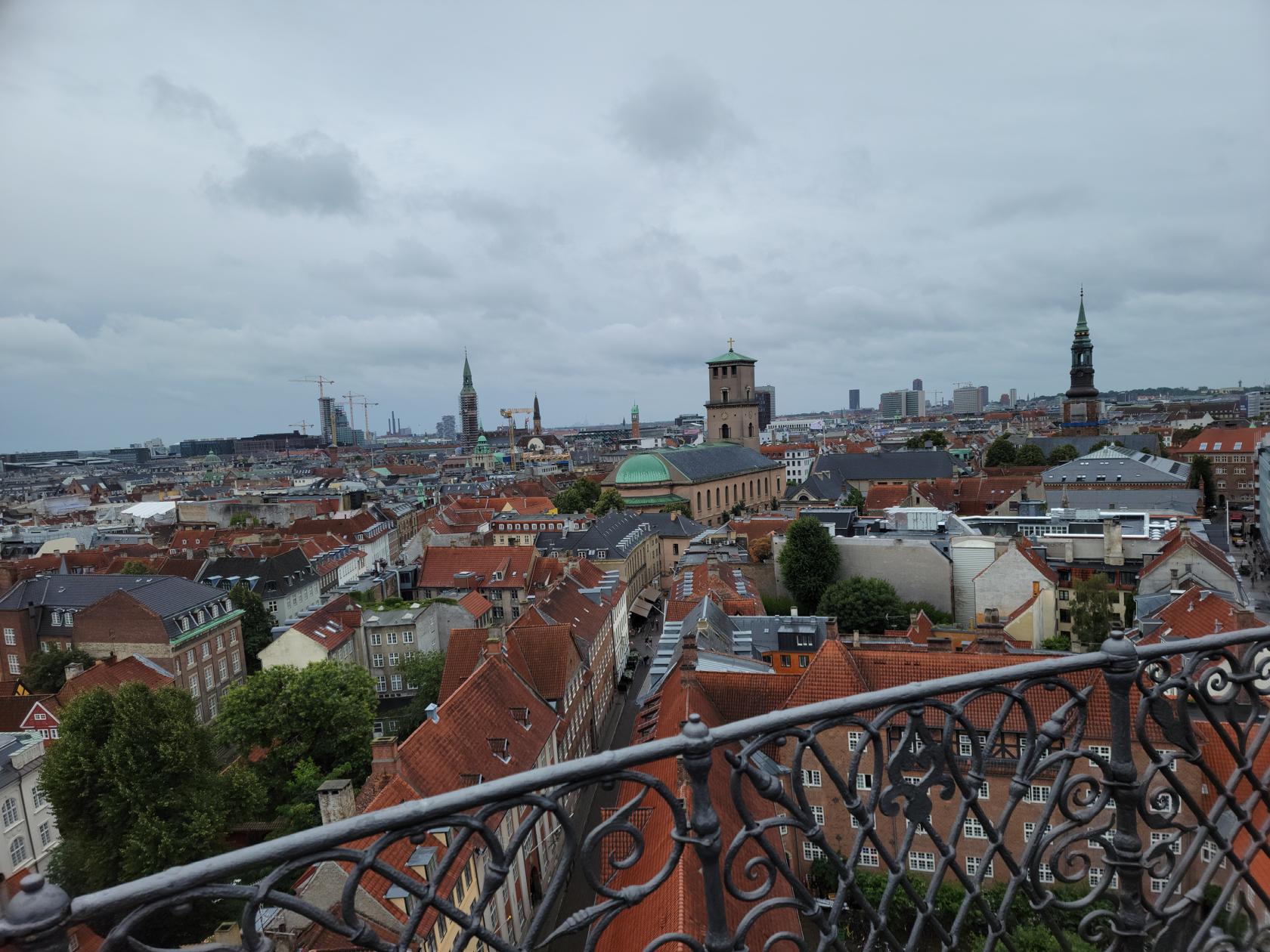
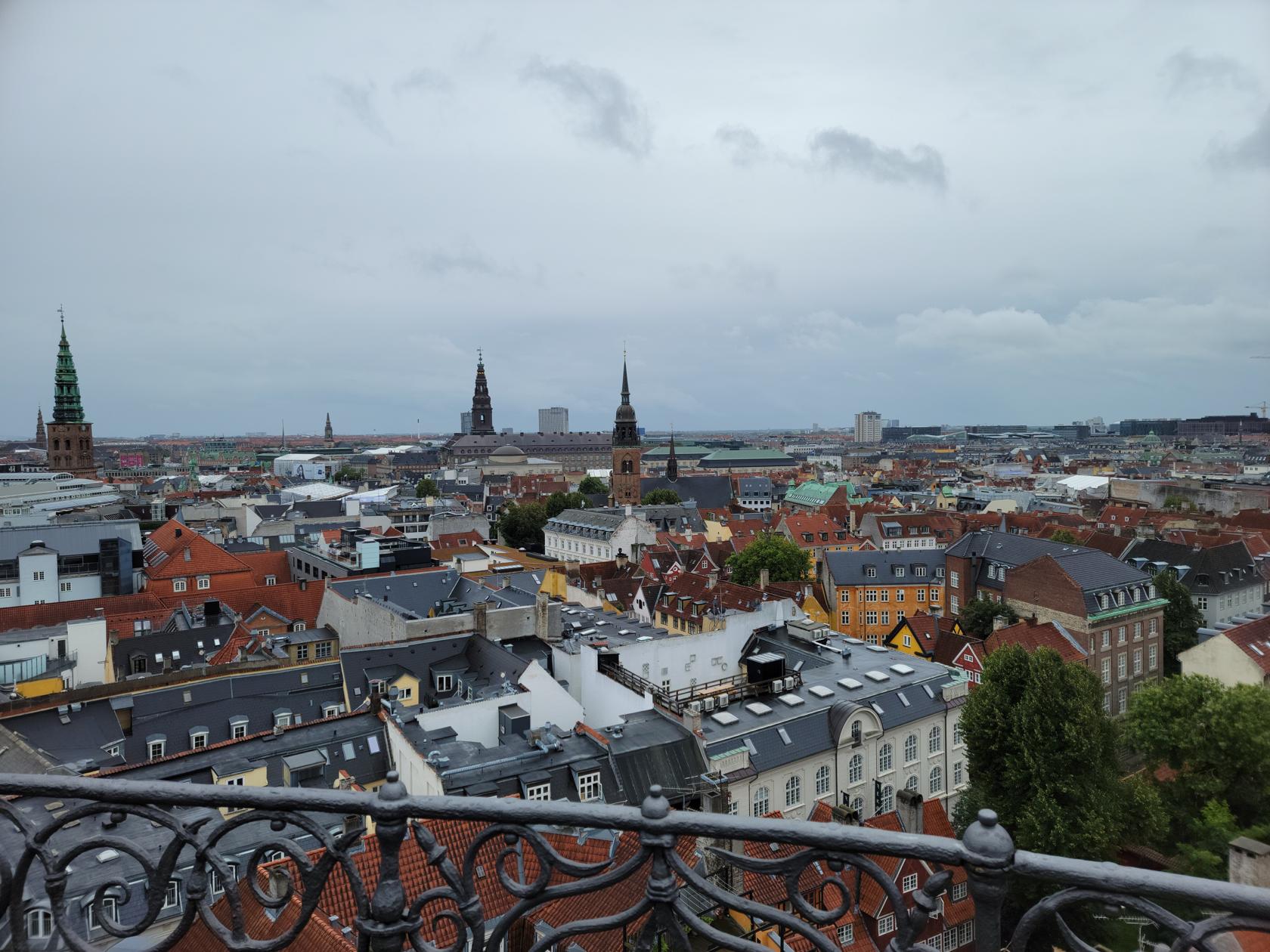
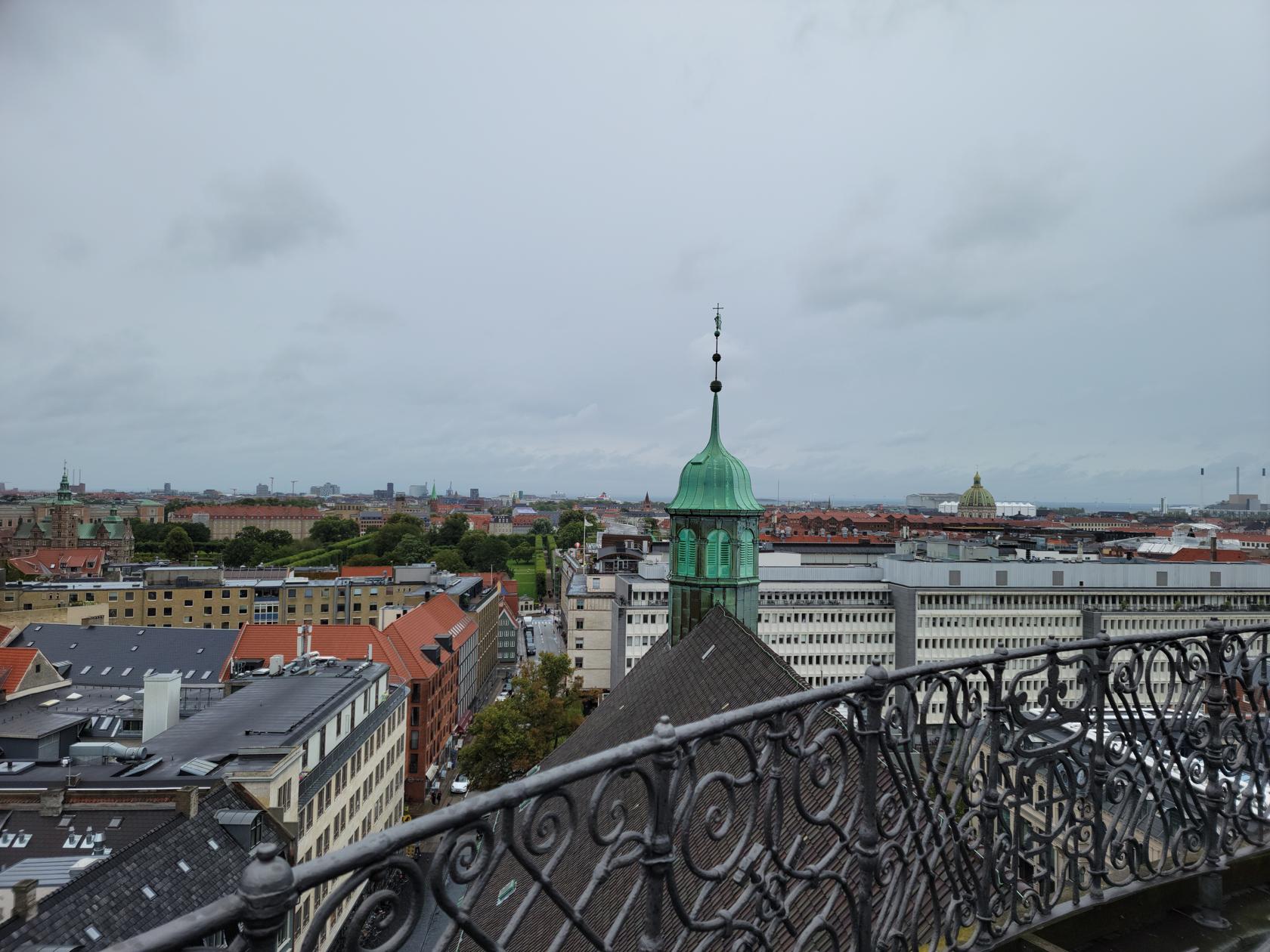
View from deck – The Round Tower – Copenhagen, Denmark
View from deck – The Round Tower – Copenhagen, Denmark
View from deck – The Round Tower – Copenhagen, Denmark
View from deck – The Round Tower – Copenhagen, Denmark
View from deck – The Round Tower – Copenhagen, Denmark
View from deck – The Round Tower – Copenhagen, Denmark
View from deck – The Round Tower – Copenhagen, Denmark
Restaurants
Some last insights into food and some places to go or avoid.
Nebbiolo
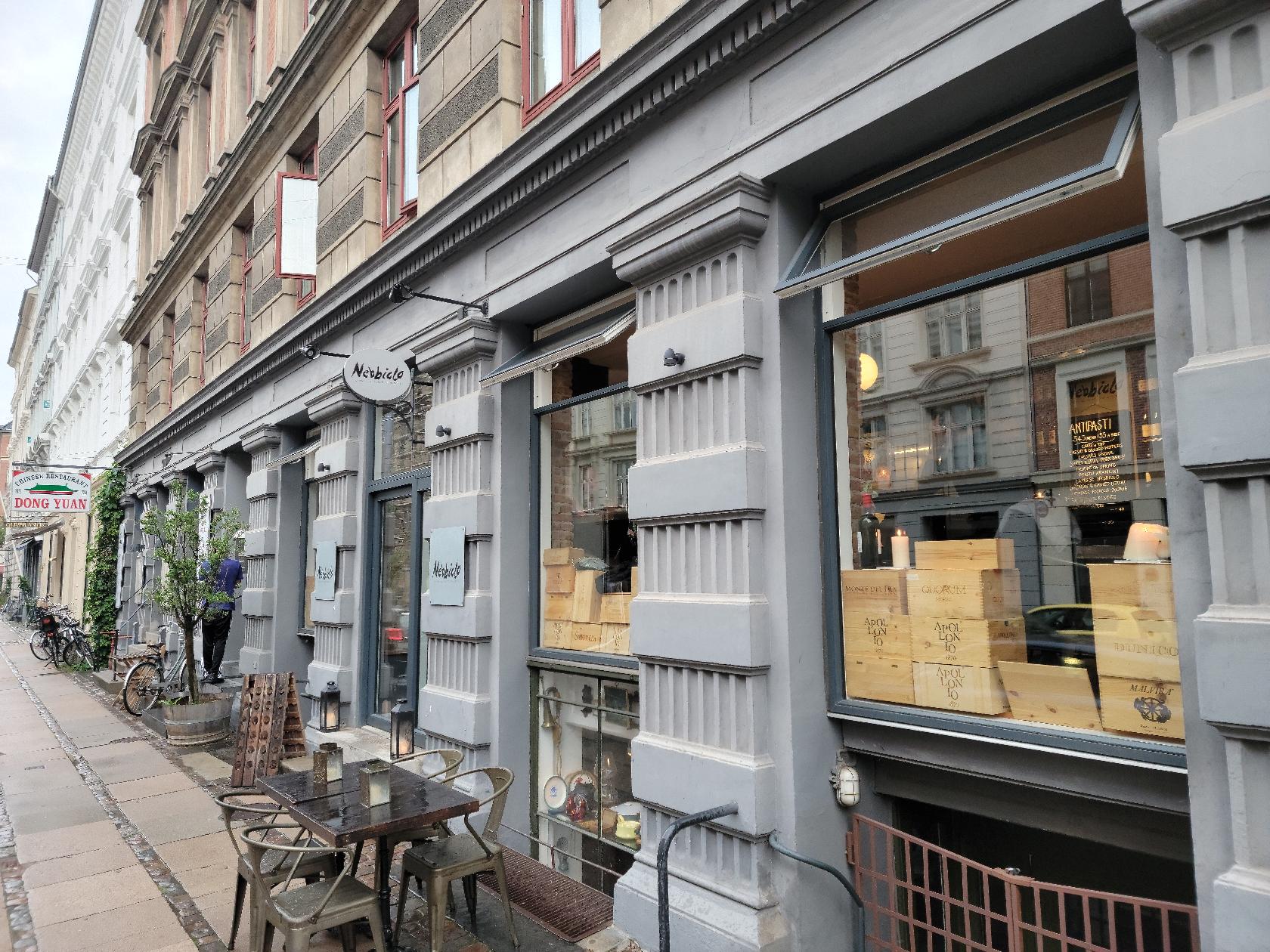
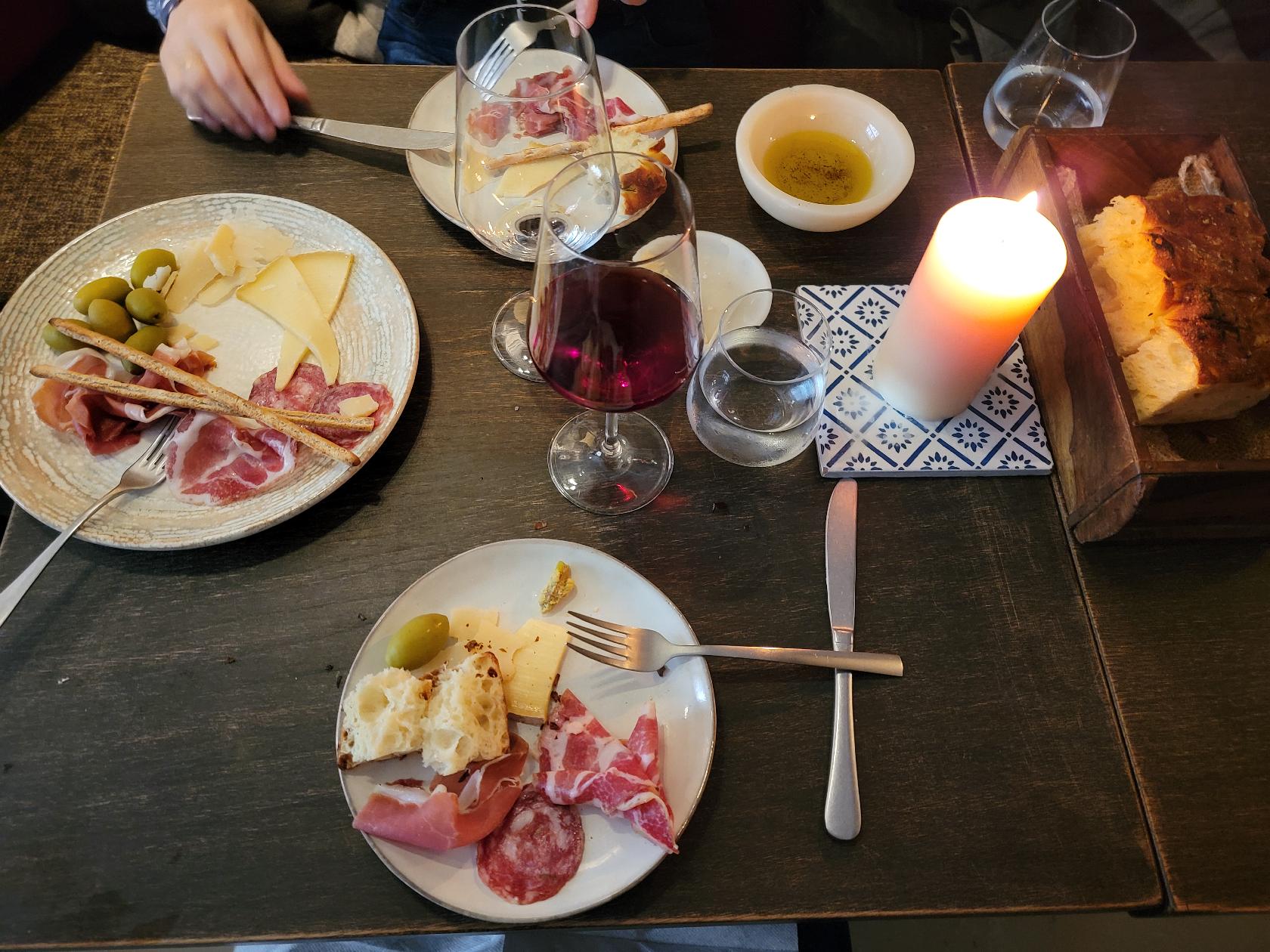
Essentially a wine bar serving Aperitivo, or charcuterie and other small items to eat while you enjoy their wine. Since we were not particularly hungry one evening, we tried this place which happened to be right next door to the Chinese restaurant we visited.
Nebbiolo Restaurant – Copenhagen, Denmark
Charcuterie and antipasti – Nebbiolo Restaurant – Copenhagen, Denmark
Dong Yuan
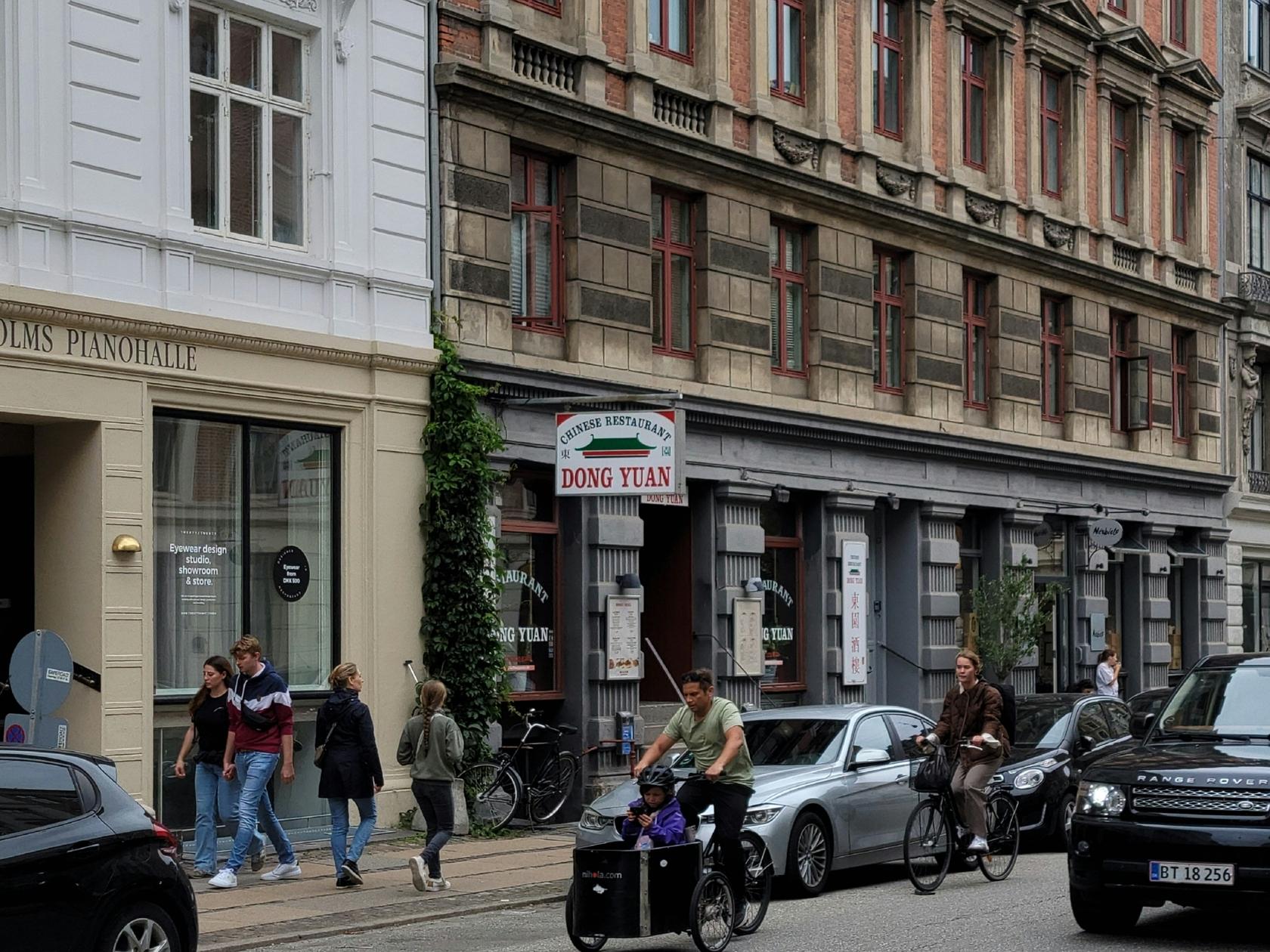
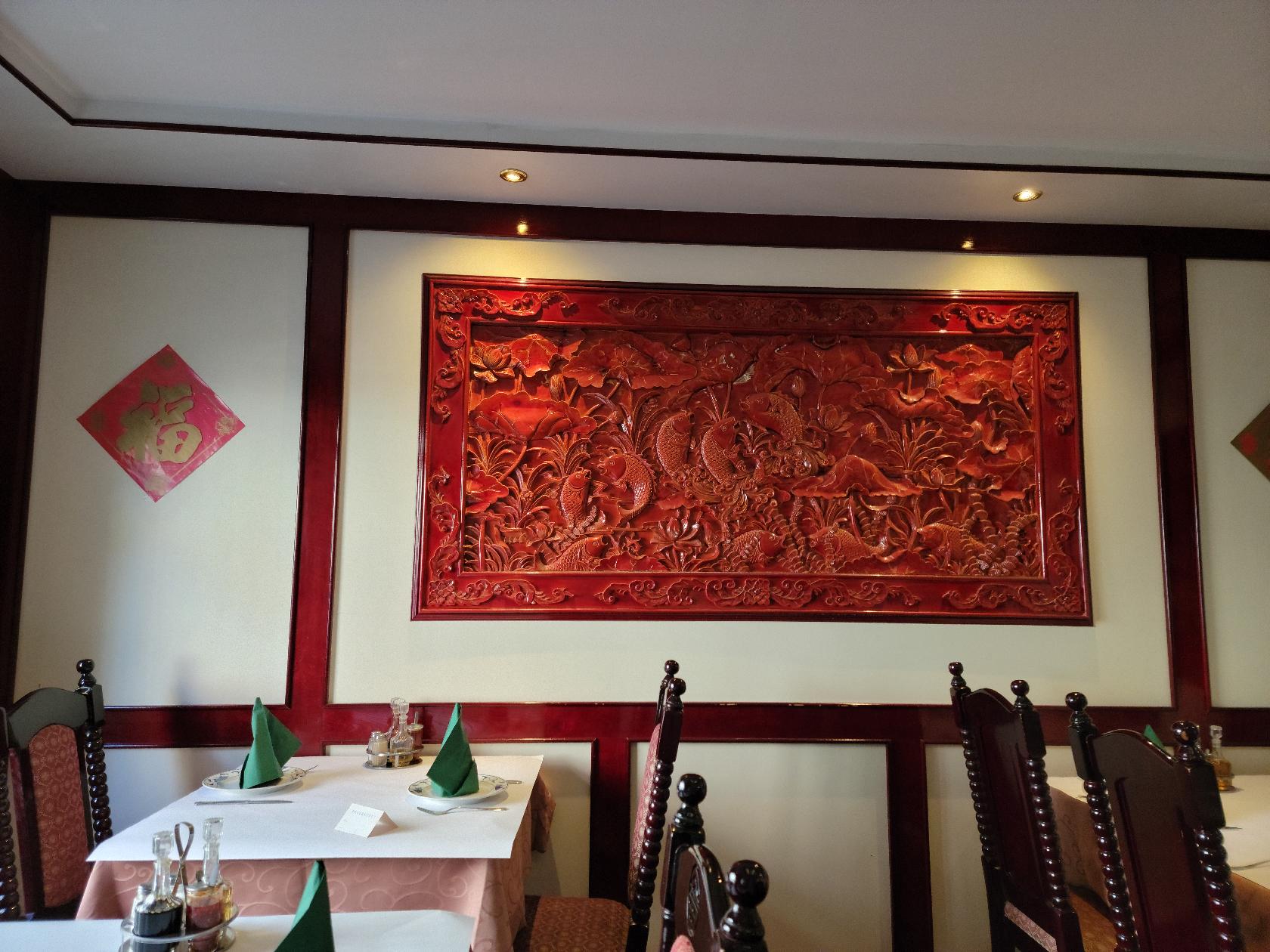
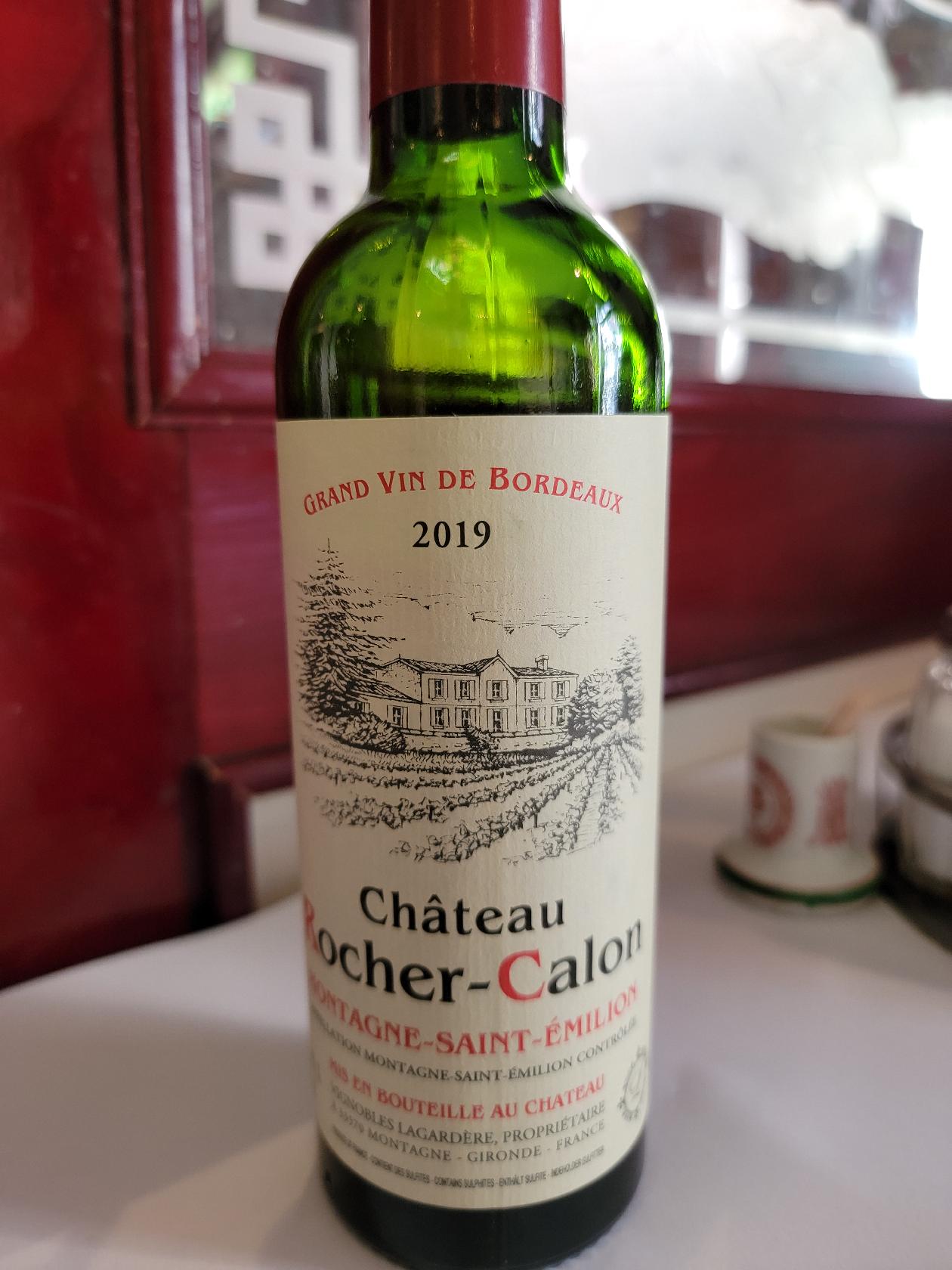
A very good Chinese restaurant right around the corner from our hotel. The place is always busy, but it does take reservations. The prices are reasonable, considering the prices in the rest of Copenhagen. They also have half-bottles of wine at a very good price, I would commend a Bordeaux.
Dong Yuan – Copenhagen, Denmark
Inside – Dong Yuan – Copenhagen, Denmark
Inside – Dong Yuan – Copenhagen, Denmark
Very good Bordeaux wine – Dong Yuan – Copenhagen, Denmark
Taste
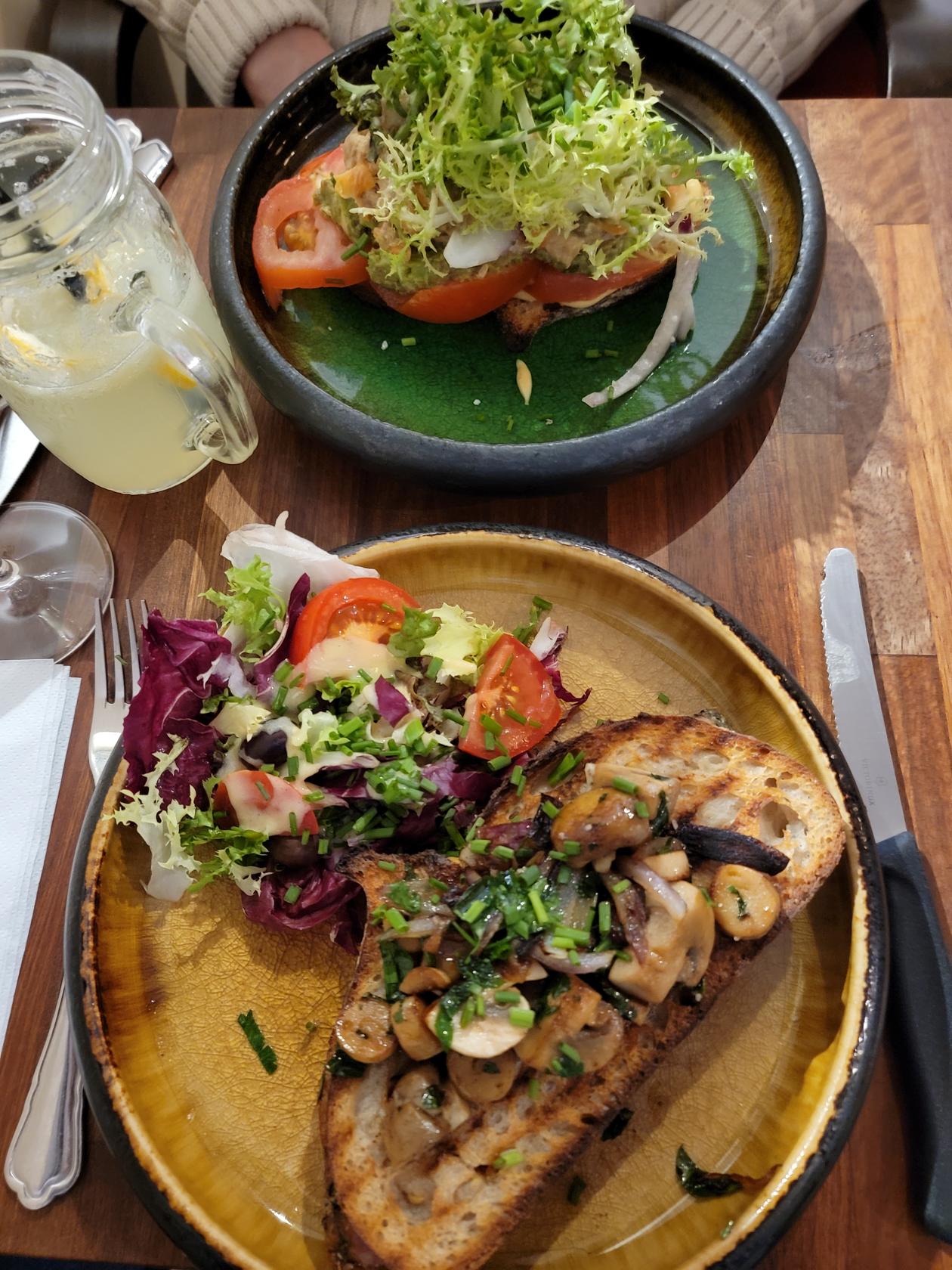
A lunch establishment with very limited seating, so show up early if you want one. We sat inside, since the weather was intolerable and the outside seating had little, if any cover. The food is good, but a bit oily. The grilled sandwich I ordered could not be picked up, so I had to cut it into pieces using a knife and fork.
Taste Restaurant – Copenhagen, Denmark
Neapolitan Sandwich with mushrooms and salad, Tomato salad with greens – Taste – Copenhagen, Denmark
Bistro Verde
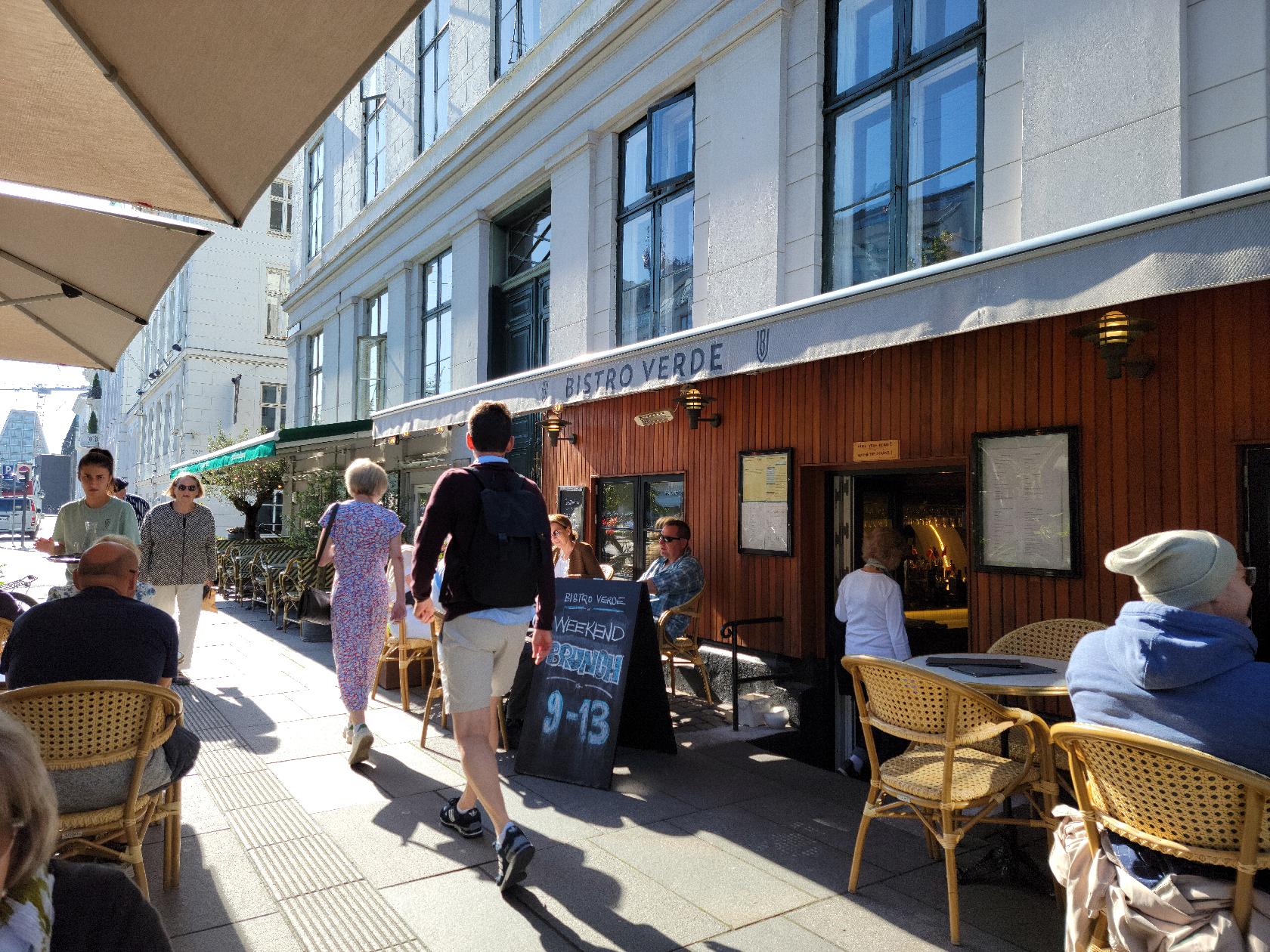
This was a quick find before we left Copenhagen for Turin. This restaurant offers a Sunday Brunch at a decent price, the only problem was, it was a vegan dish. So we just ordered a pair of normal cappuccinos and croissants and enjoyed the beautiful Sunday morning before leaving.
Like the British, the Danes are steeped in the tradition of a royal family. With Copenhagen as the capitol of the country, there are numerous castles and palaces that demonstrate the royal family’s hold on the country and its citizens and I guess their imaginations.
The Royal Family
The family owns, either directly or indirectly, three important landmarks within the city of Copenhagen that are castles or palaces. Much has been turned into museum or tourist attraction, no doubt to keep the family coffers full. Some, like Amalienborg, the royal residence, are guarded and entertain a changing of the guard show.
The Palaces
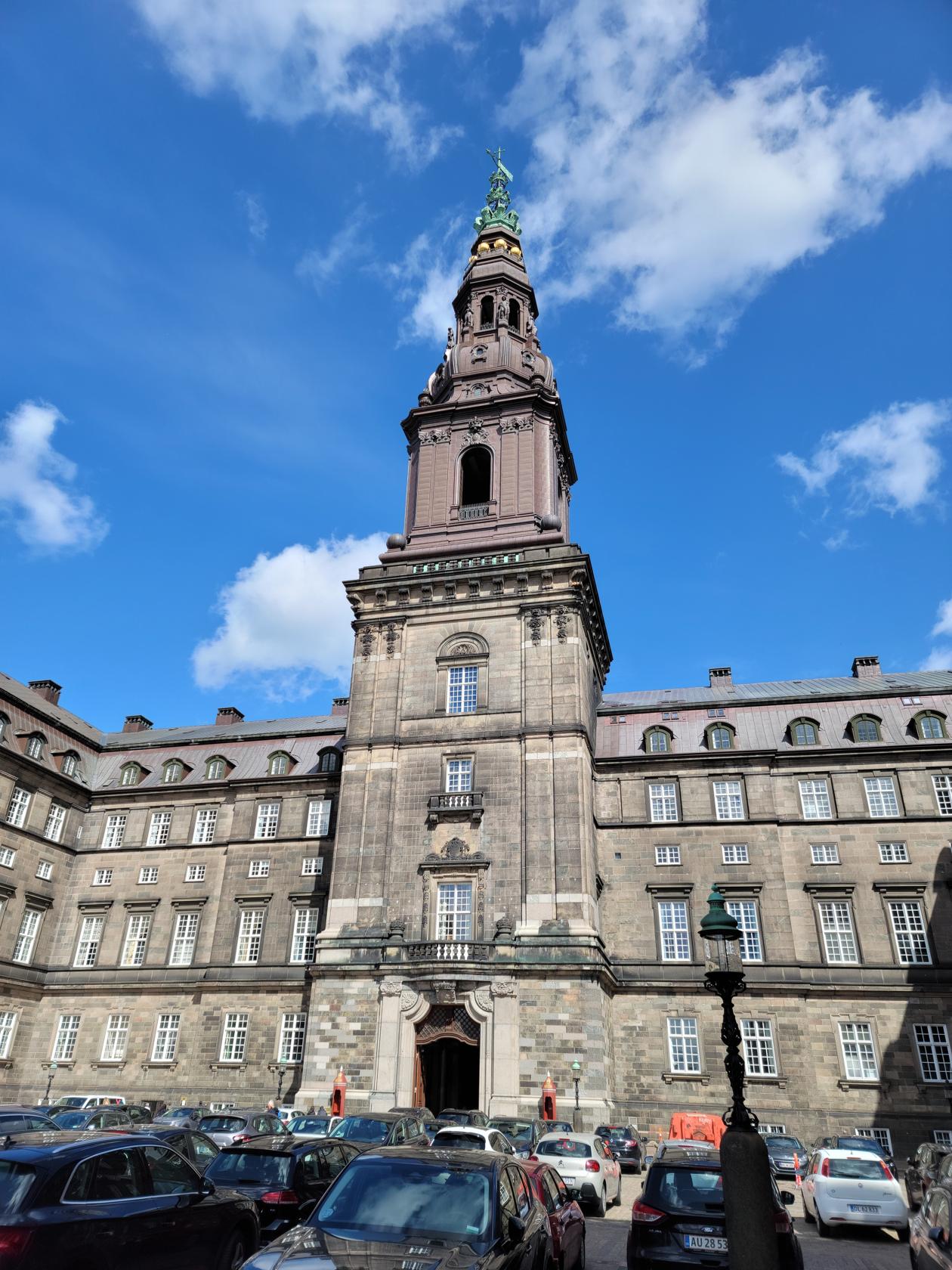
The are many palaces in Copenhagen, perhaps a bit too many to see in one trip. There are the Amalienborg – which contains four palaces, Christriansborg Palace which are right in town, but there is also Frederiksberg Palace and more further out from the city. If you are into grand buildings and royal history, these will probably be must-see spots.
Amalienborg
The current residence of the royal family is in Amalienborg. This palace occupies are large square in almost four city square blocks. It is divided into four distinct buildings with gardens, one of which is the Amalienborg Palace Museum, which may be visited. Each building is a palace in its own right, they are Christian VII’s Palace, Christian VIII’s Palace, Frederick VIII’s Palace and Christian IX’s Palace.
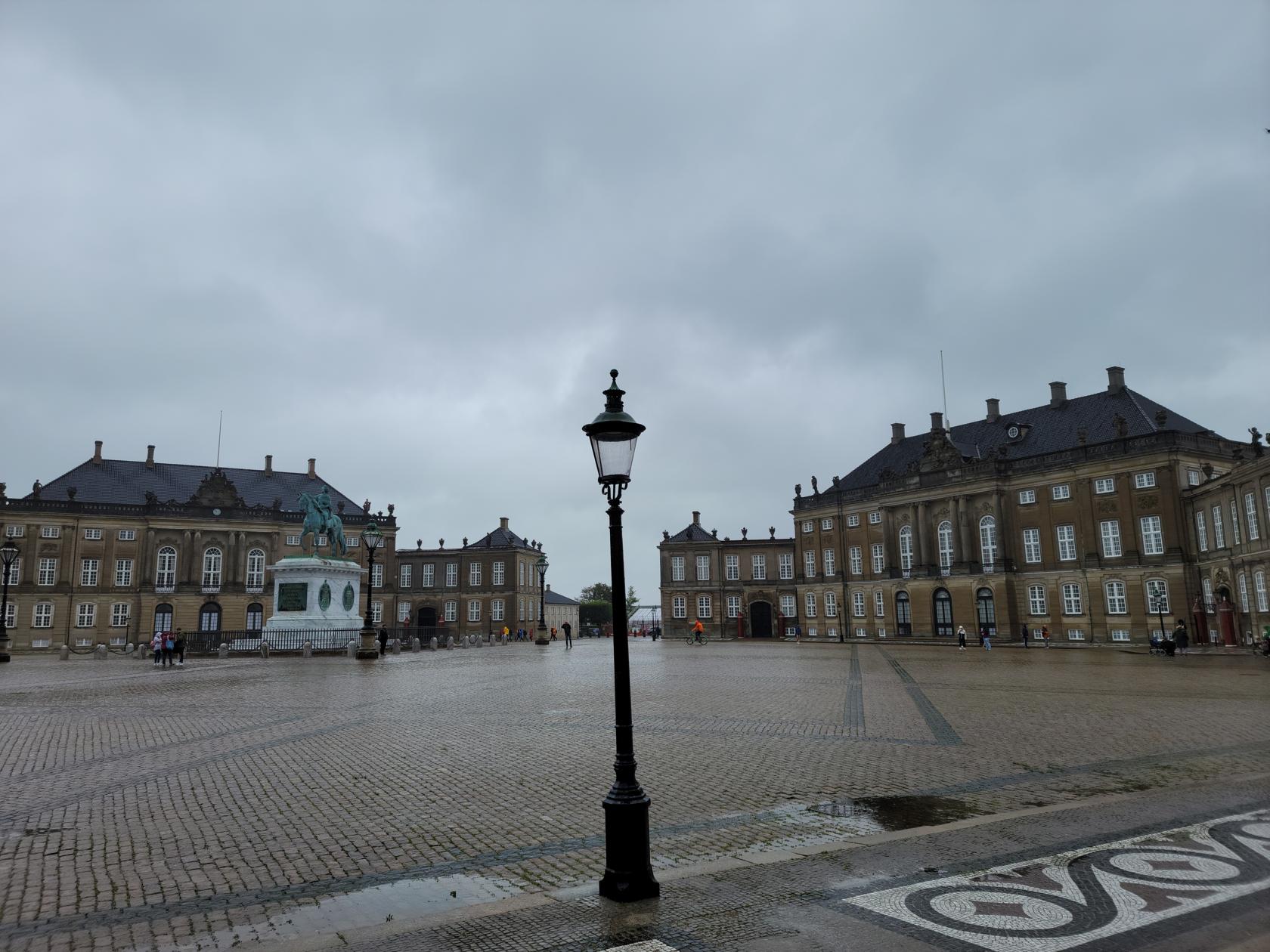
Amalienborg Slotsplads – Copenhagen, Denmark
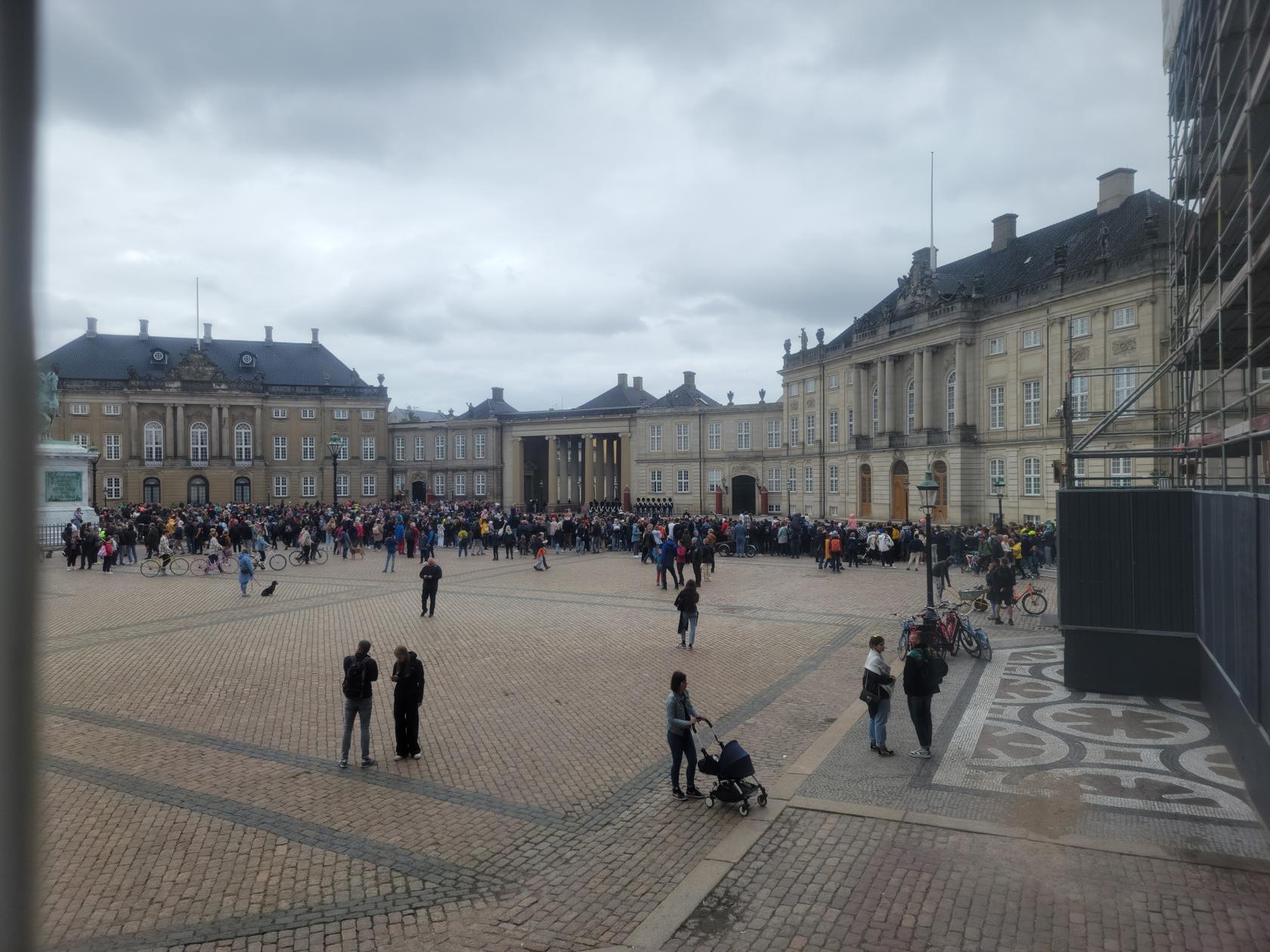
Changing of the Guard – Amalienborg Palace Museum – Copenhagen, Denmark
Amalienborg was once the location of two other palaces which either suffered greatly from fire, or burnt to the ground completely. Subsequent construction led to the building of the palaces we see today.
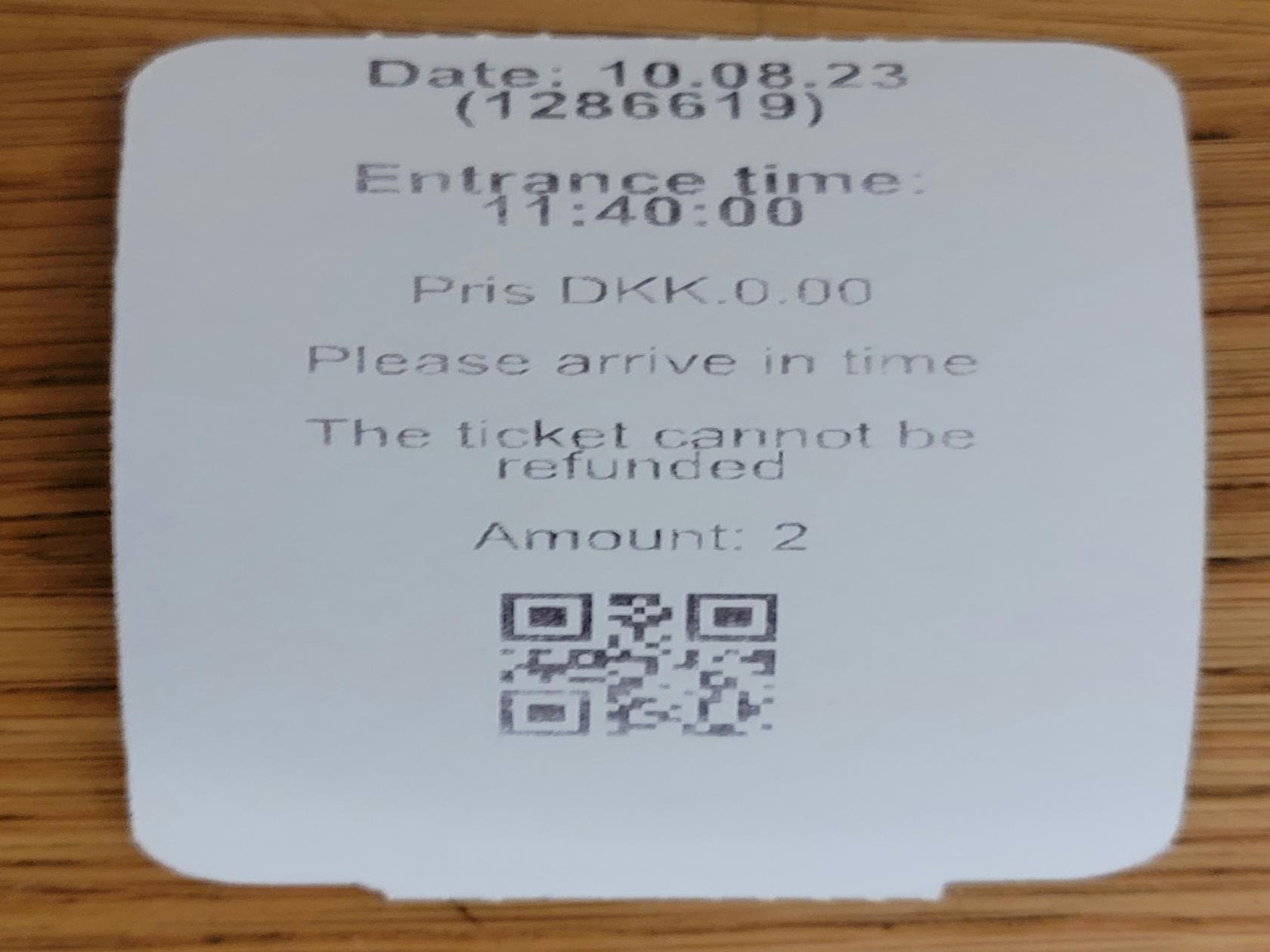
Tickets For Two – Amalienborg Palace Museum – Copenhagen, Denmark
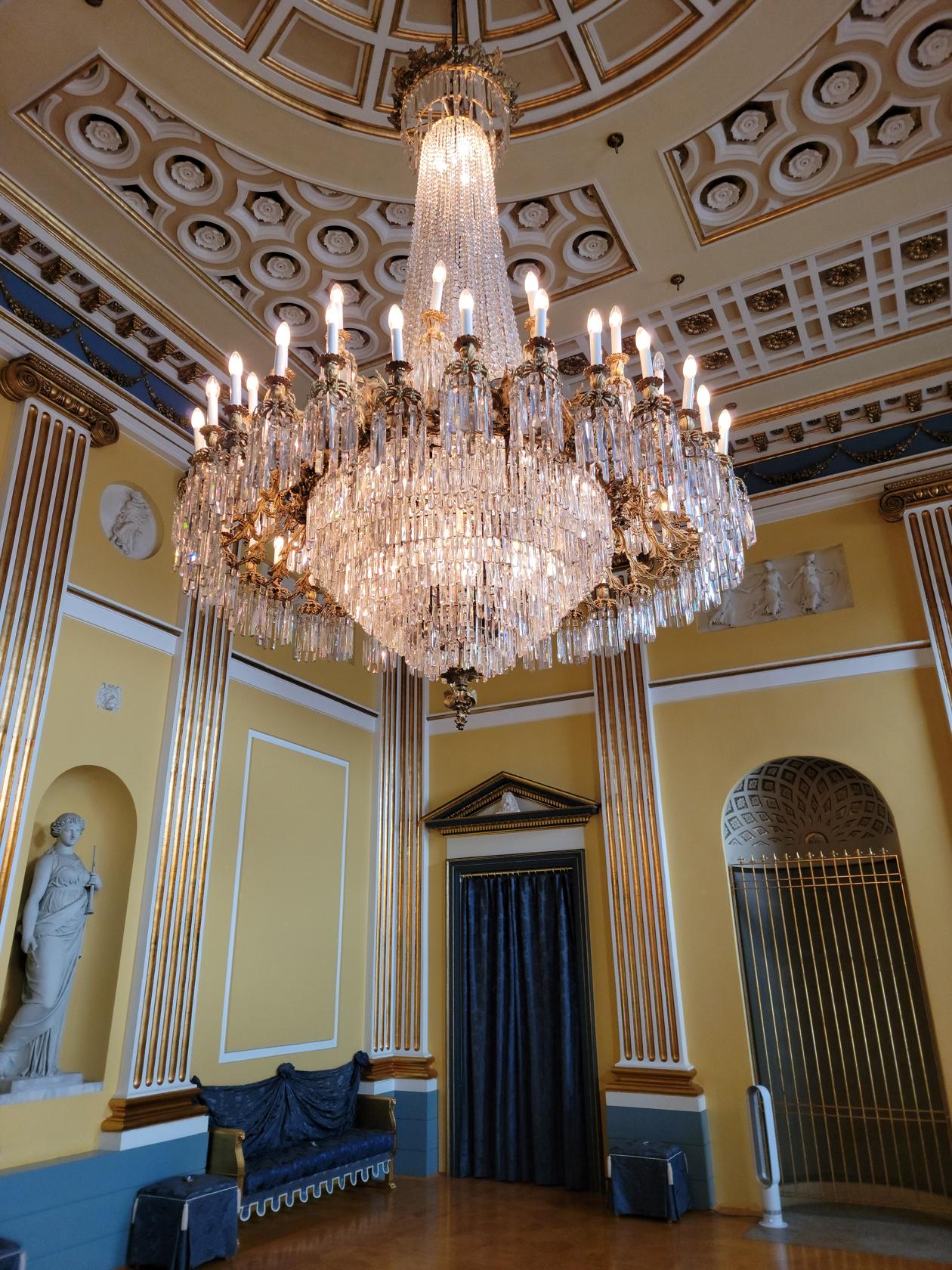
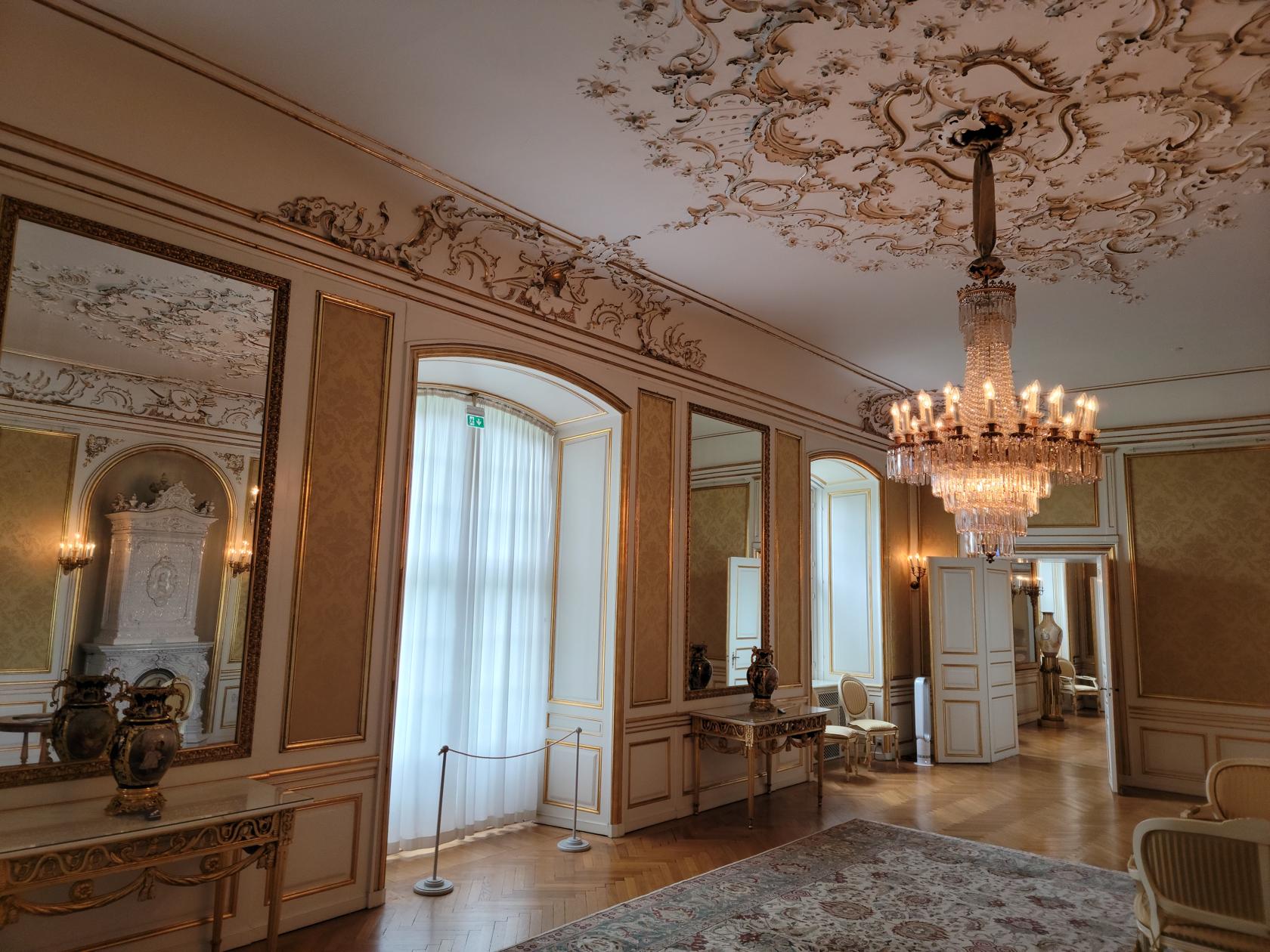
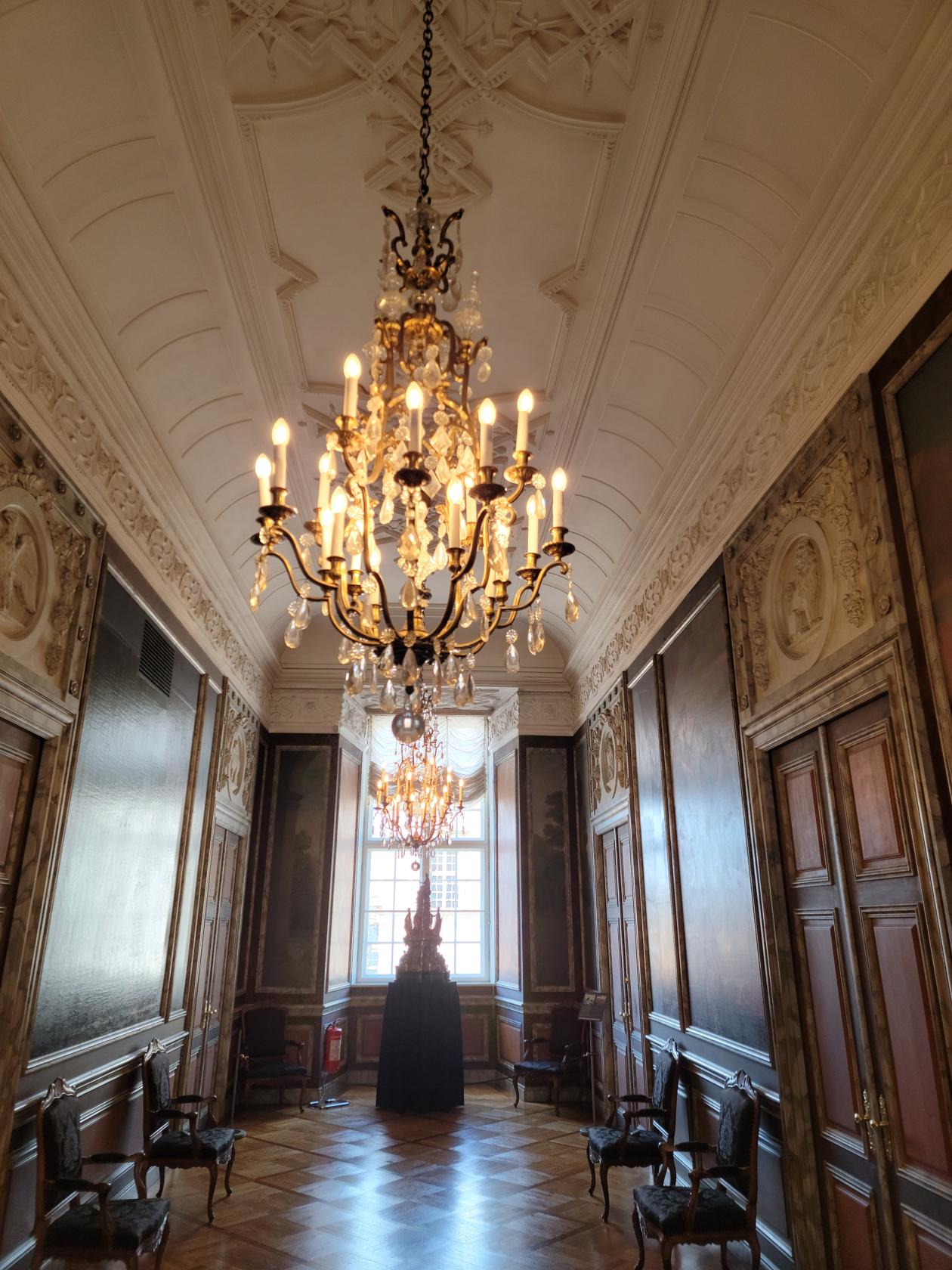
Another chandelier – Amalienborg Palace Museum – Copenhagen, Denmark
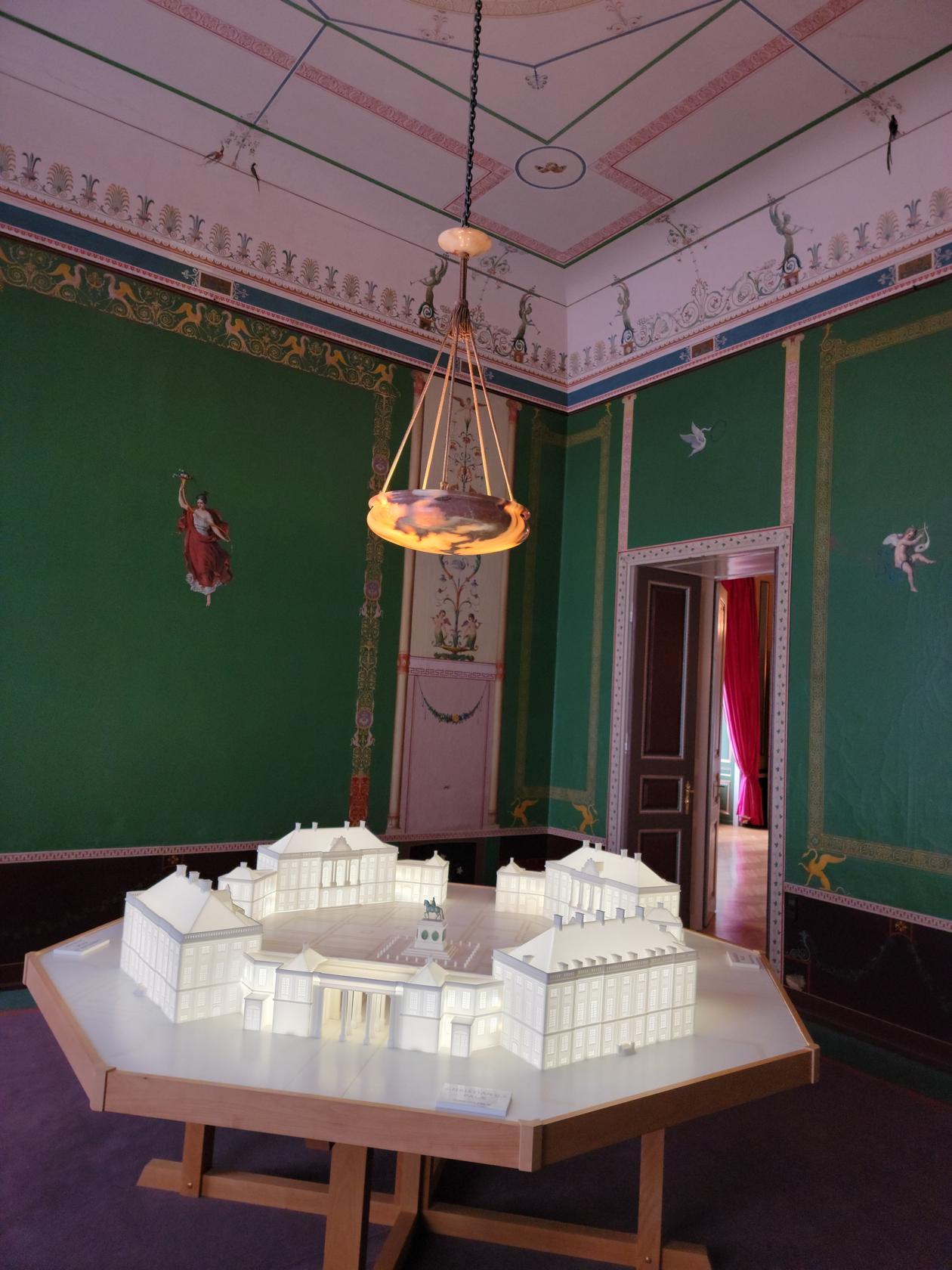
Diorama of Christian IX Palace – Amalienborg Palace Museum – Copenhagen, Denmark
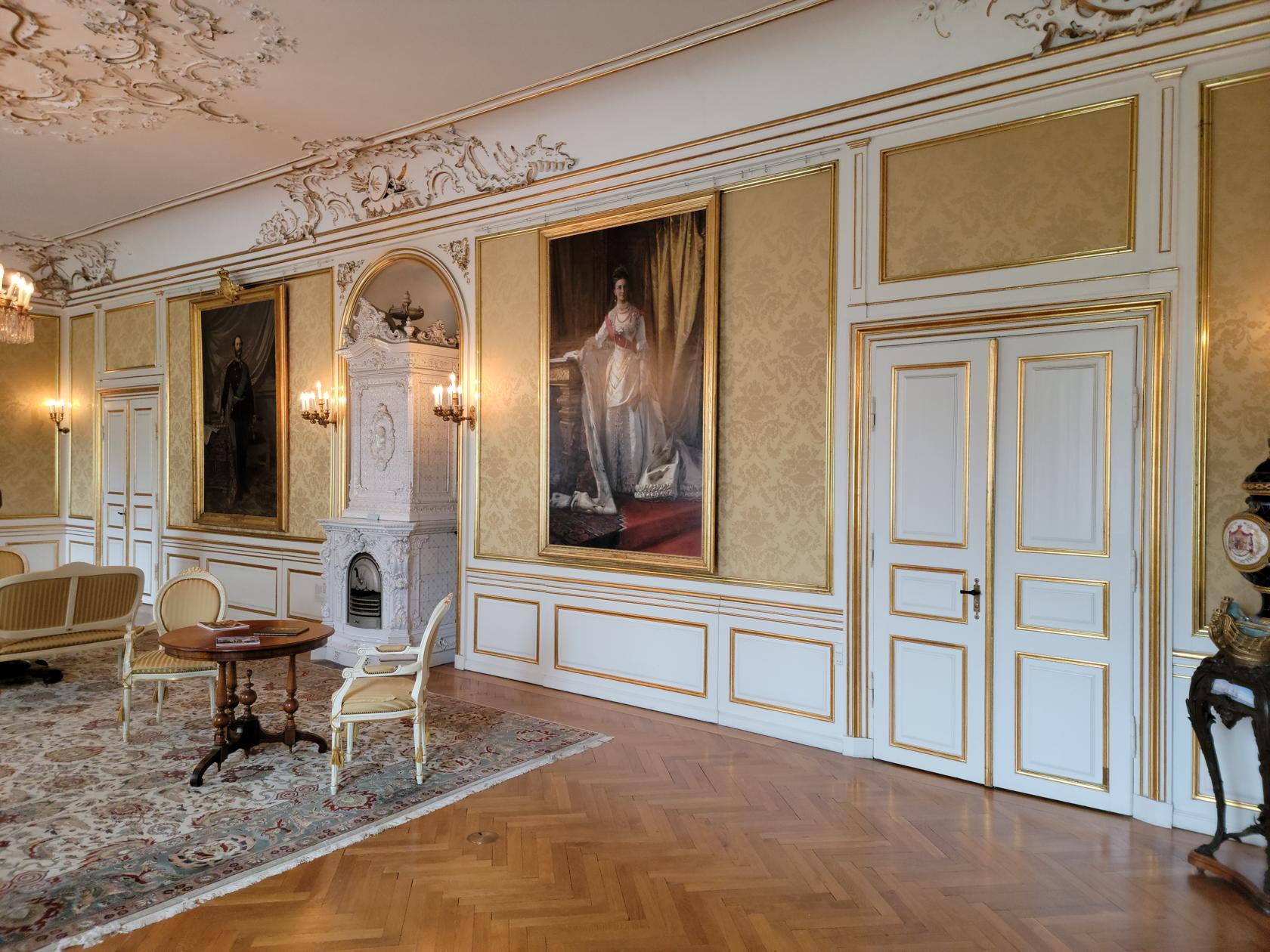
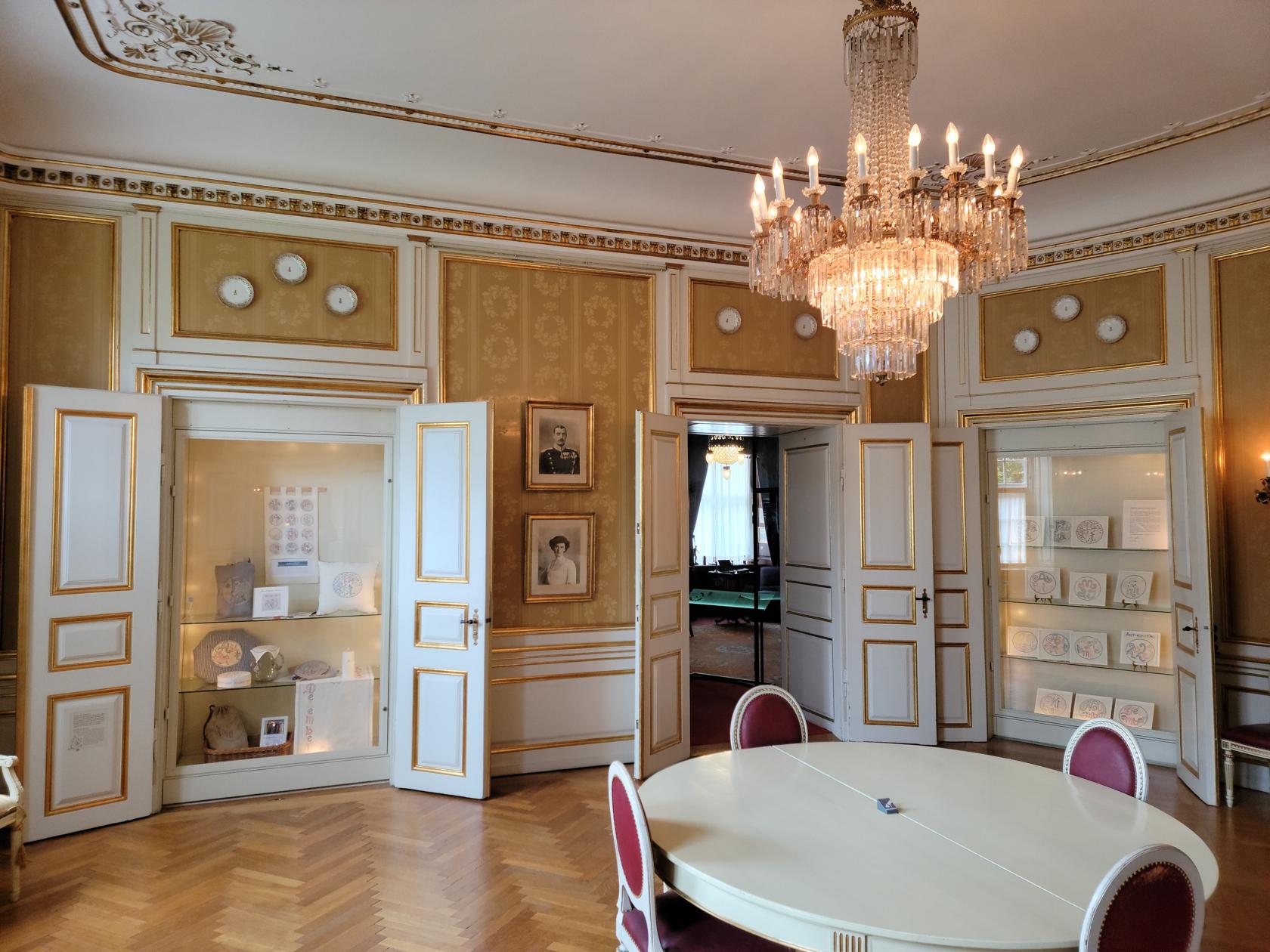
The rooms – Amalienborg Palace Museum – Copenhagen, Denmark
The rooms – Amalienborg Palace Museum – Copenhagen, Denmark
The rooms – Amalienborg Palace Museum – Copenhagen, Denmark
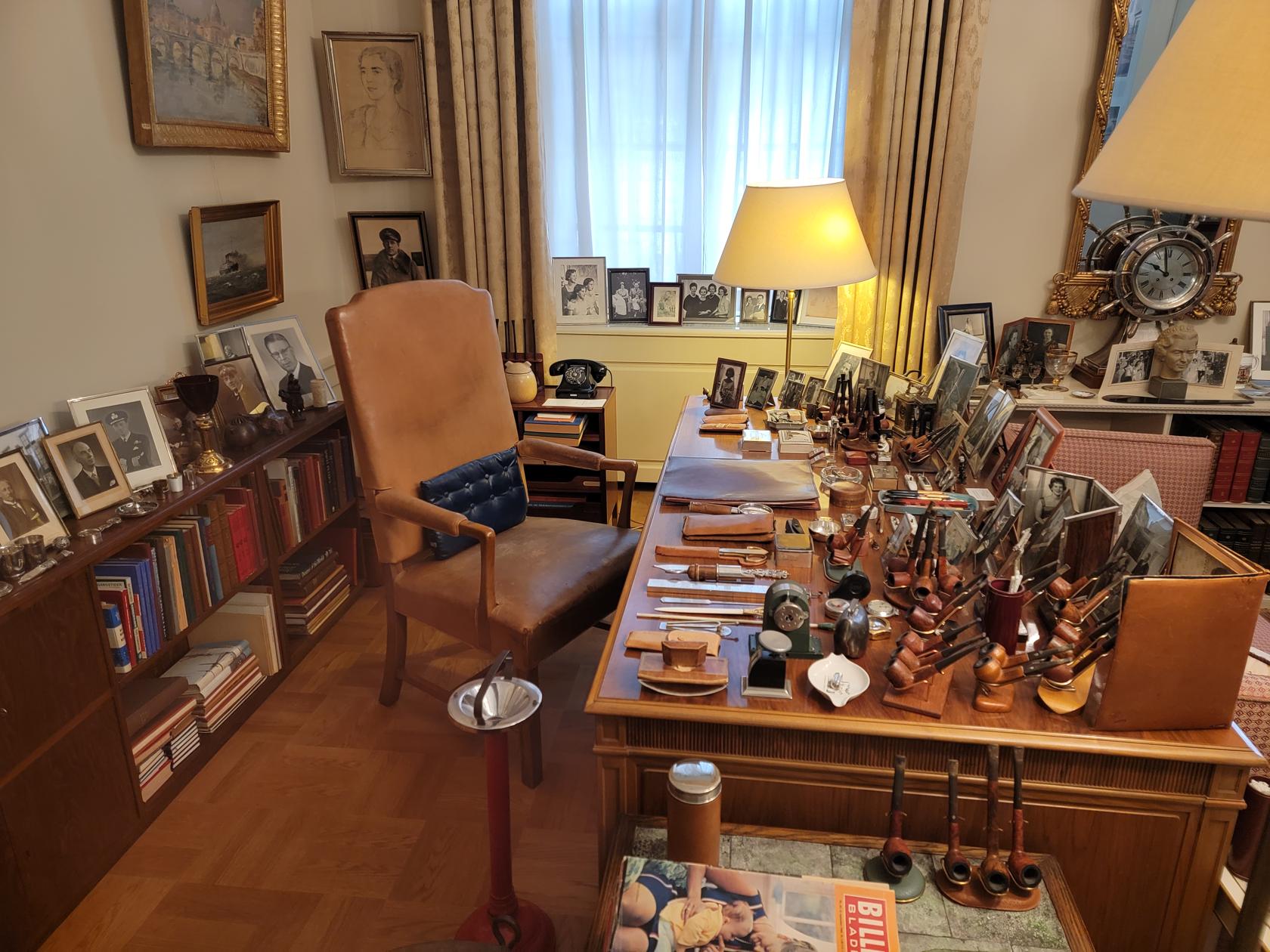
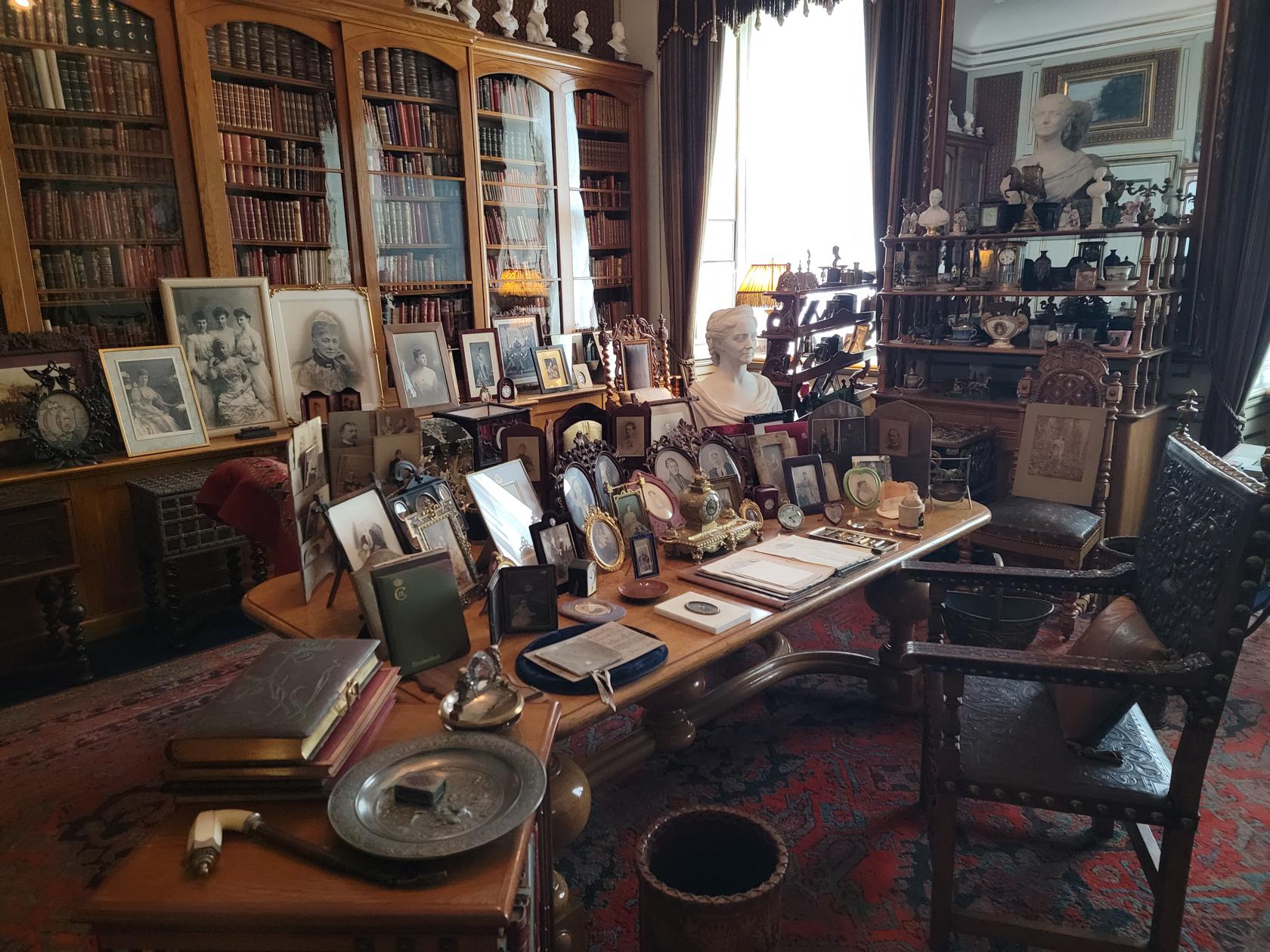
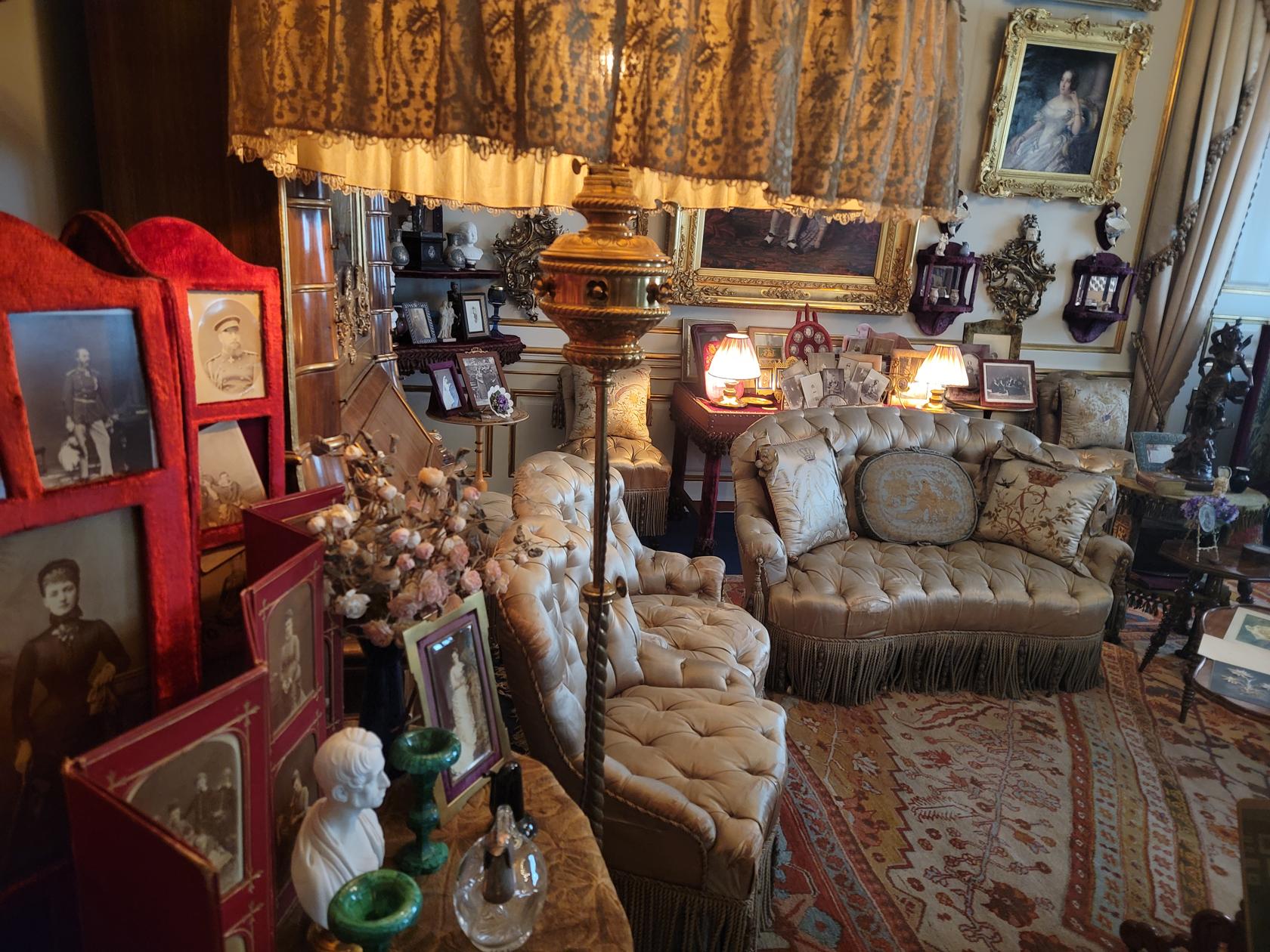
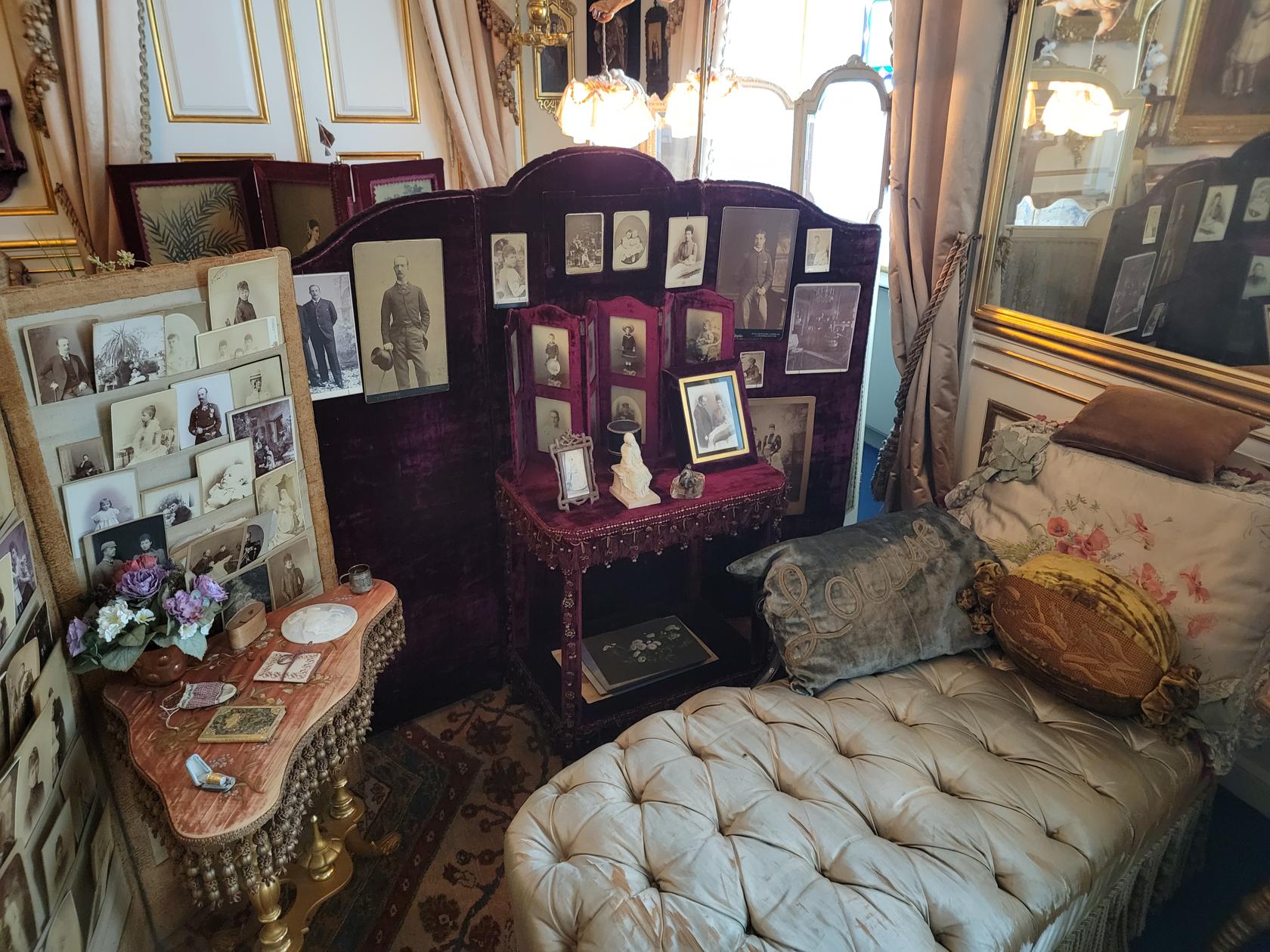
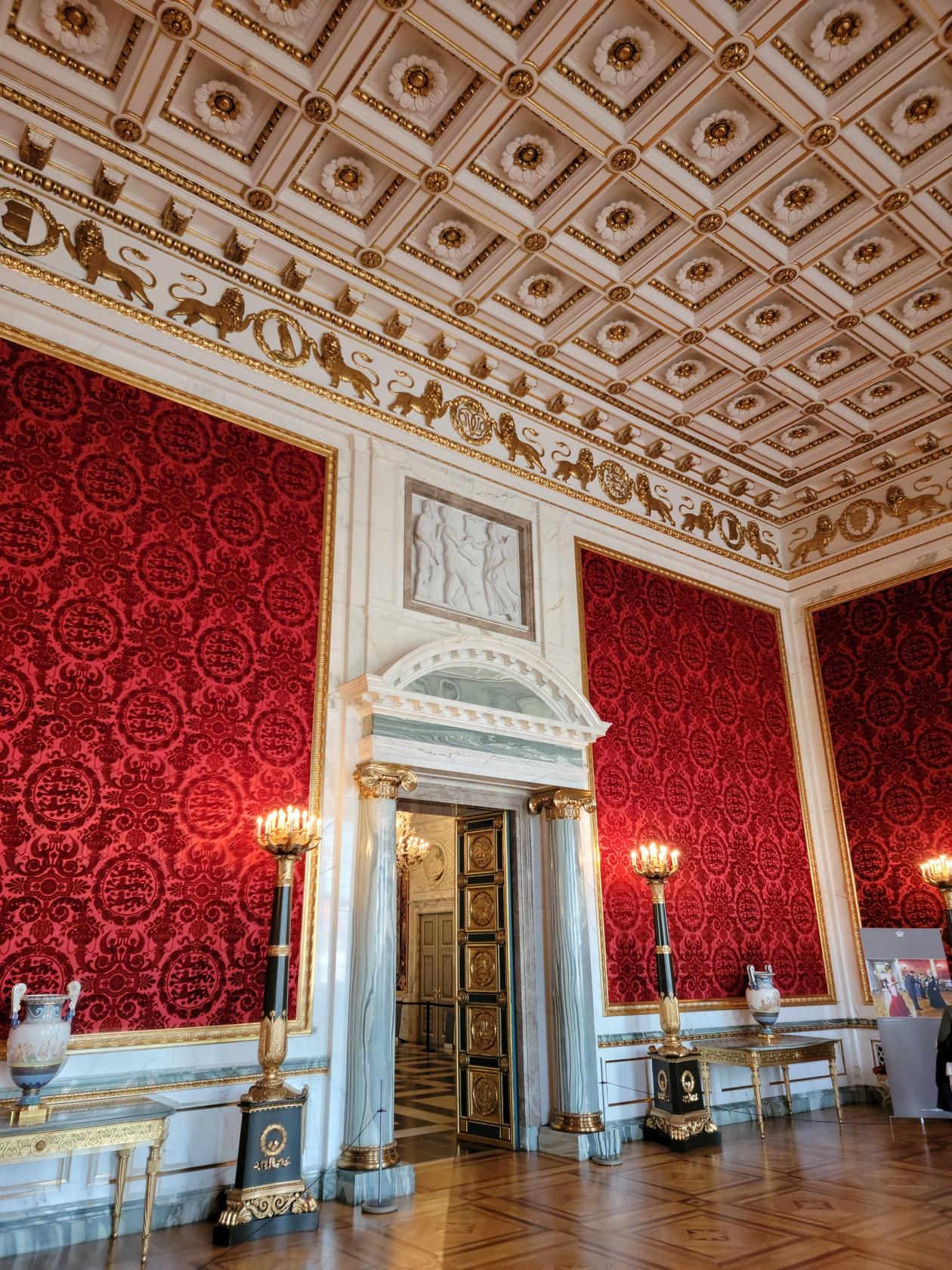
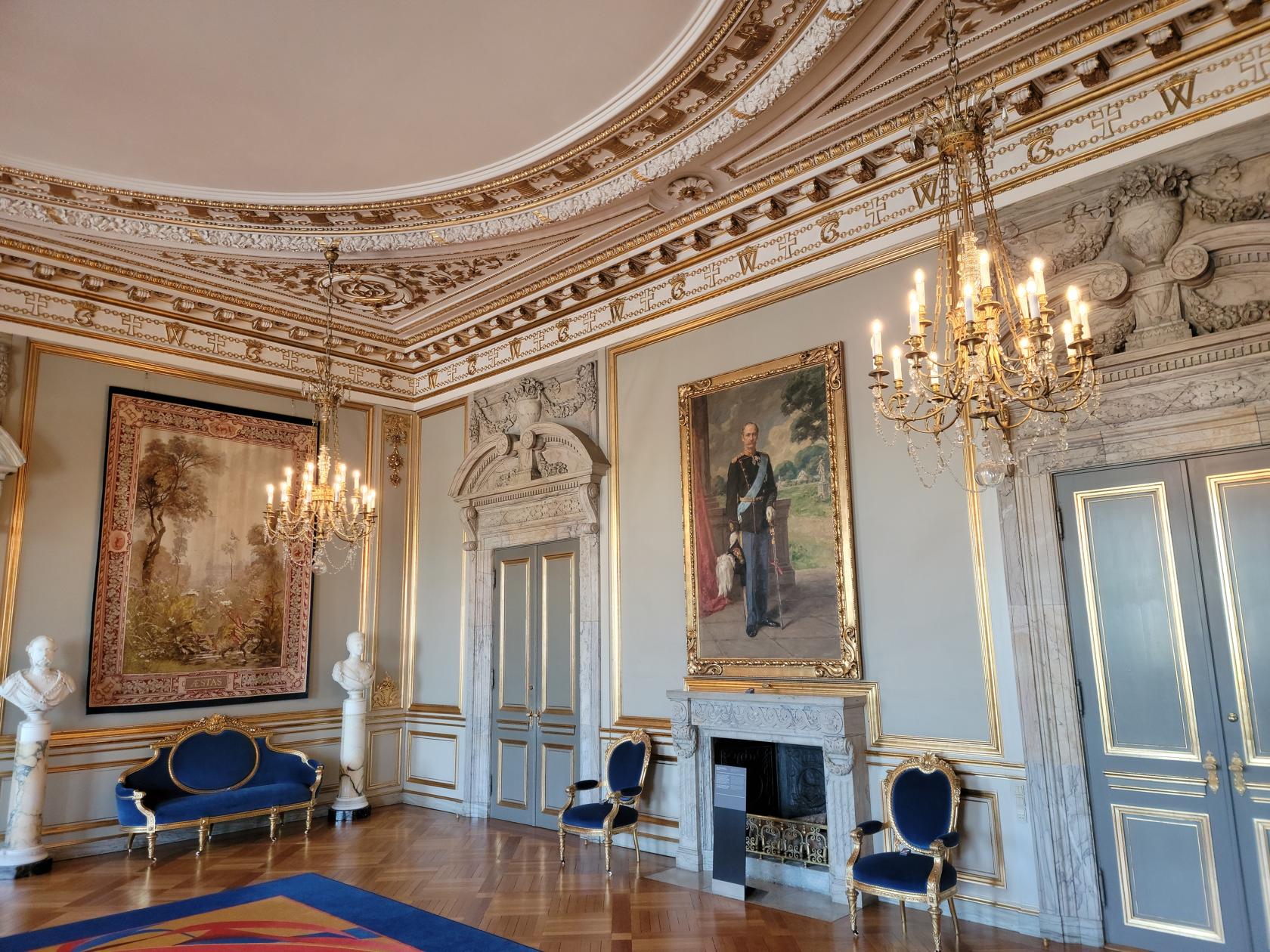
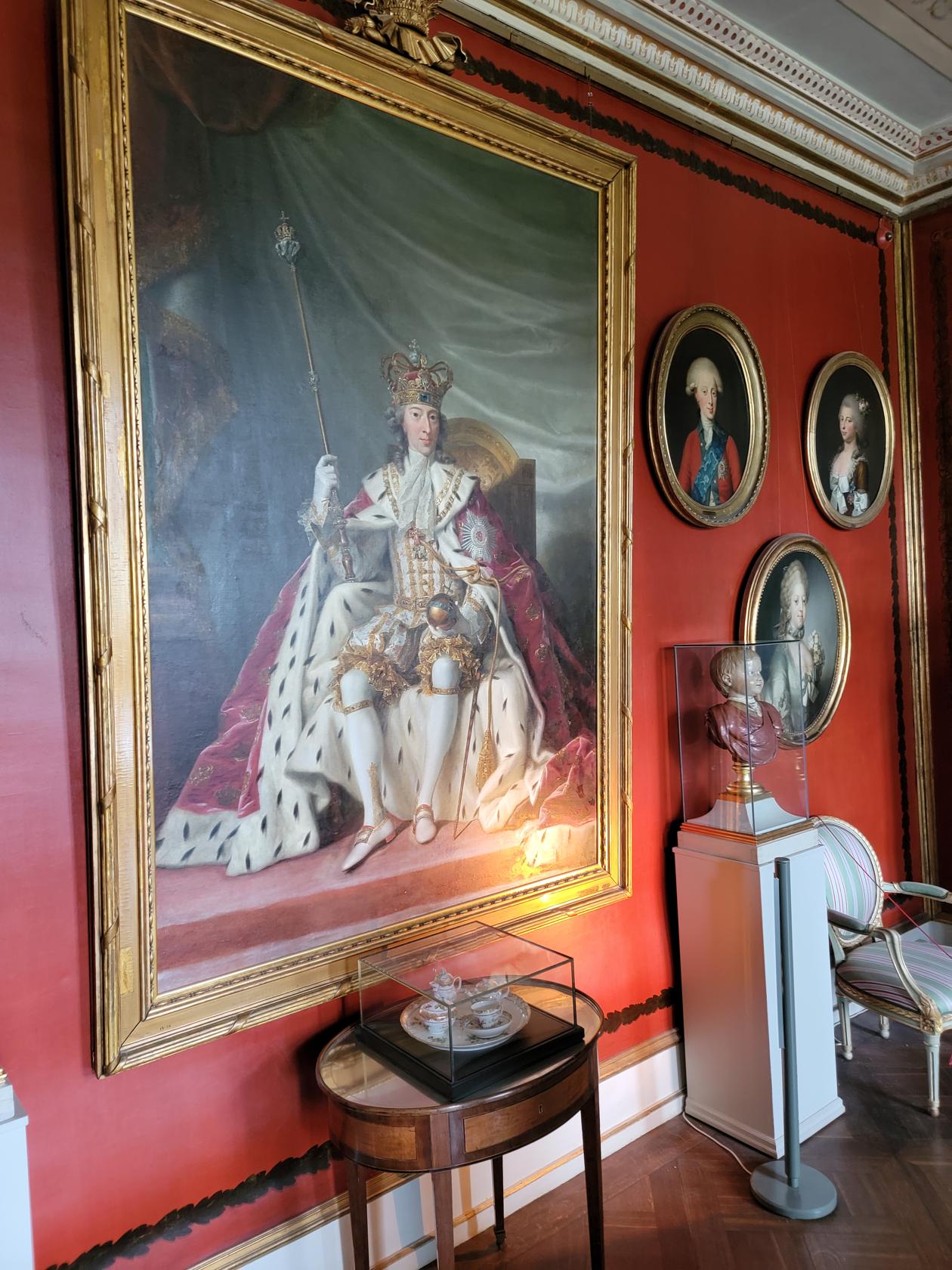
The museum is free to those who enter with a City Card, otherwise the entrance fee is kr.120 (appr. €16)/person. The museum is in a building adjacent to Christian VII’s Palace and has two floors that contain items from the living quarters of past and present royal family members. If you have any transcendent ideas about ownership or property, you may want to skip this museum. I too, had a difficult time understanding why anyone would want to collect that much stuff for personal use. But, I am probably in the minority.
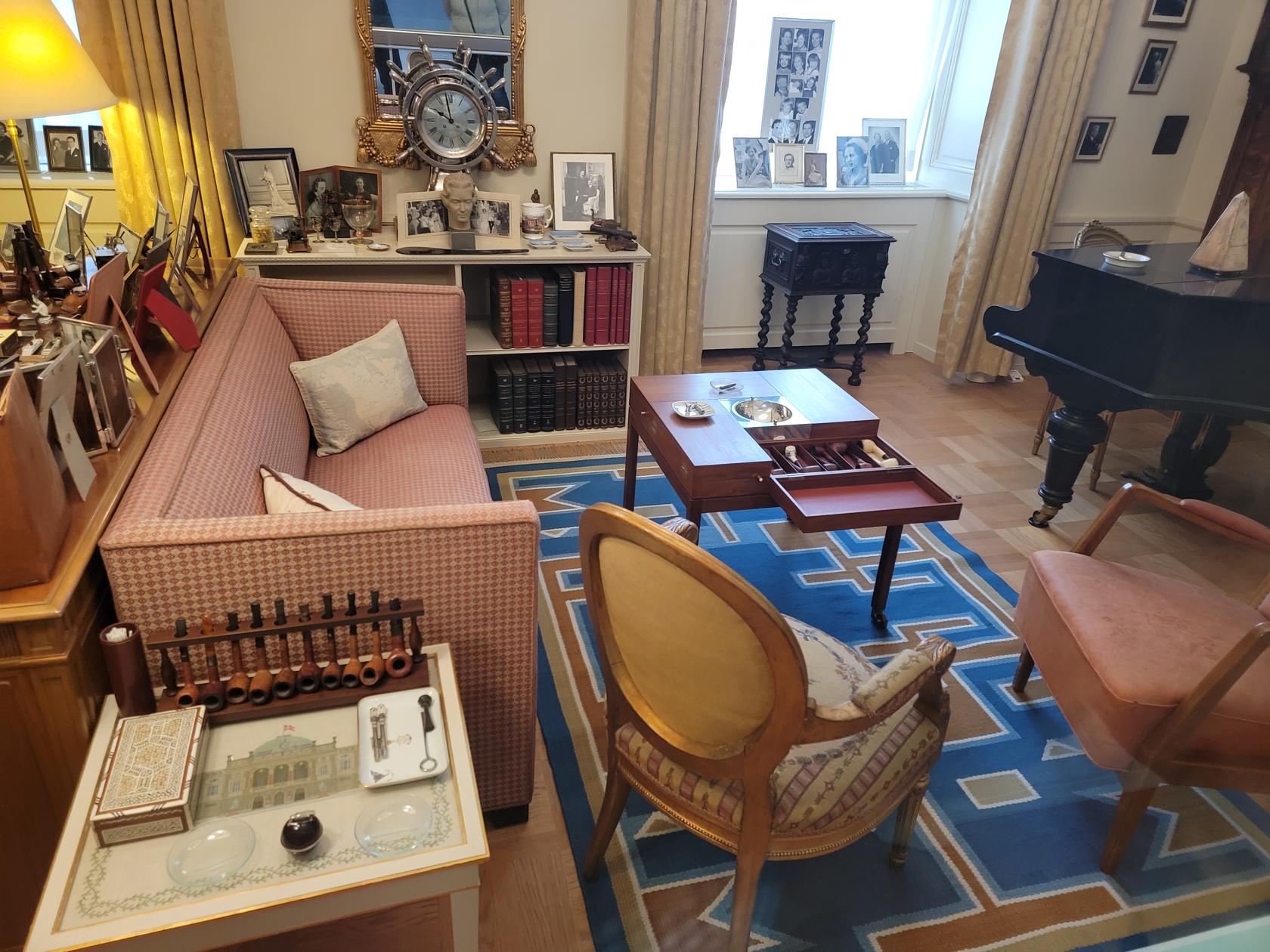
Desk, pipes and photographs – Amalienborg Palace Museum – Copenhagen, Denmark
Royal family photographs – Amalienborg Palace Museum – Copenhagen, Denmark
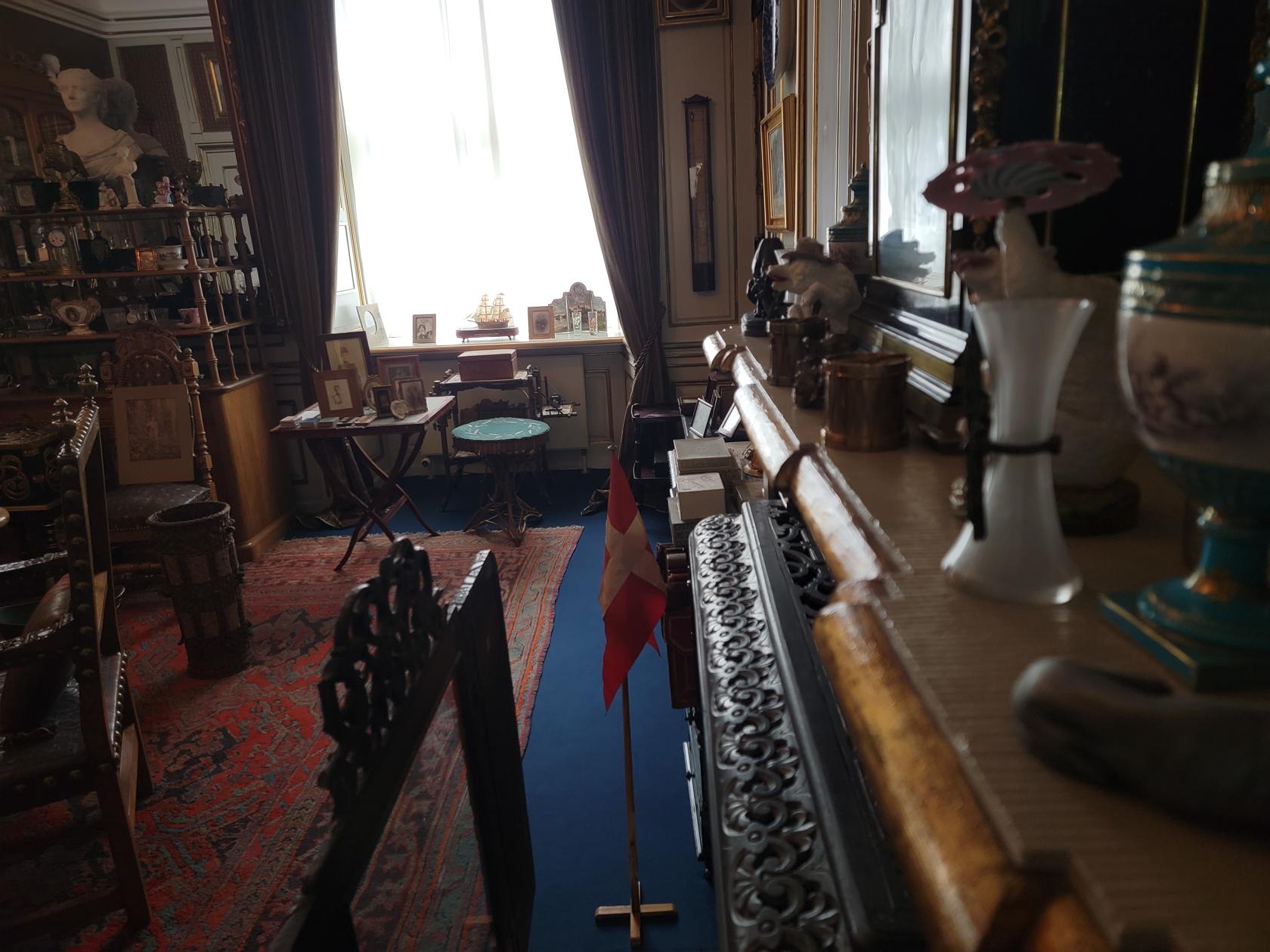
Furniture and other family items – Amalienborg Palace Museum – Copenhagen, Denmark
More photographs – Amalienborg Palace Museum – Copenhagen, Denmark
Other furniture – Amalienborg Palace Museum – Copenhagen, Denmark
A different perspective – Amalienborg Palace Museum – Copenhagen, Denmark
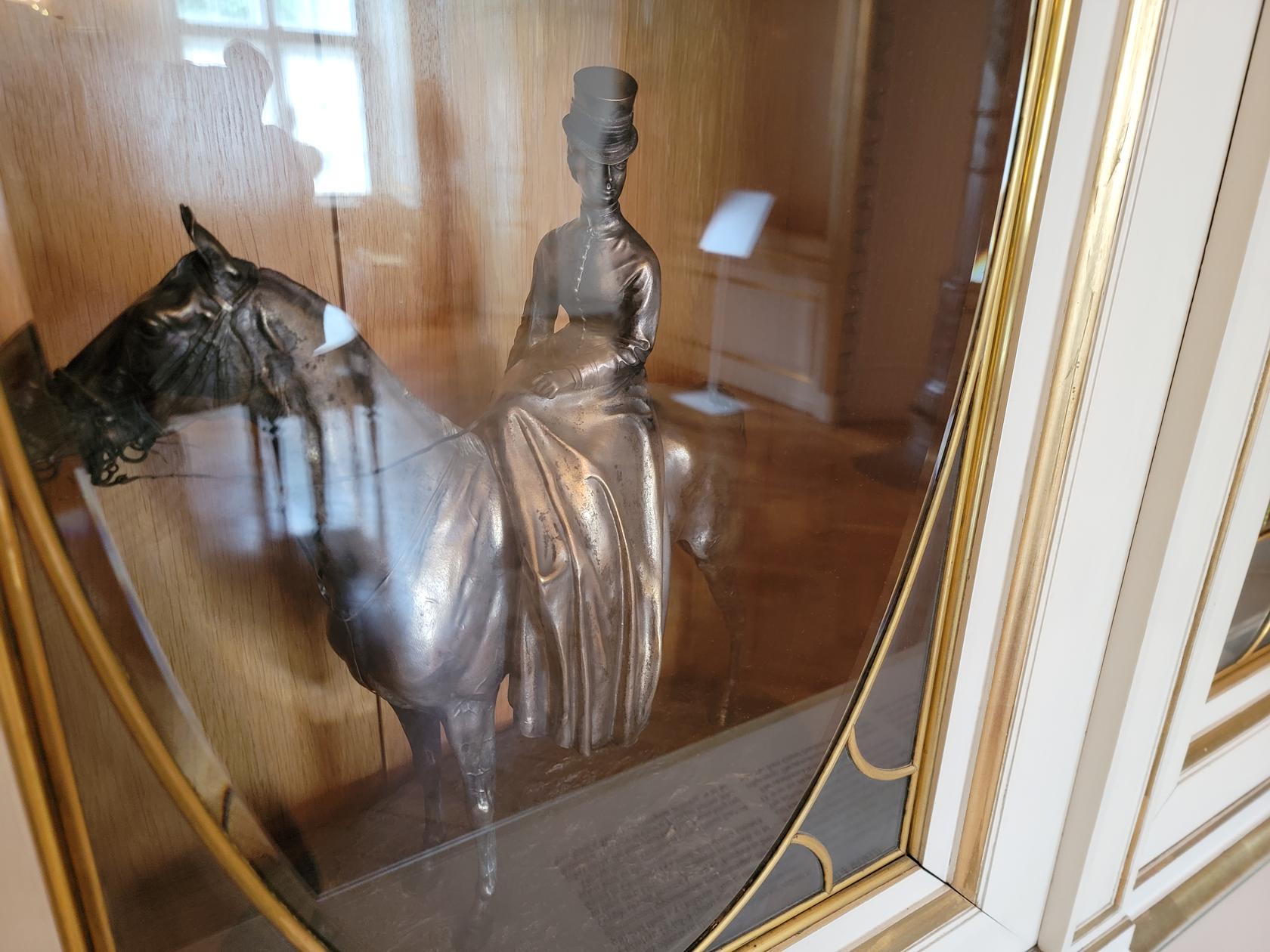
More royal items – Amalienborg Palace Museum – Copenhagen, Denmark
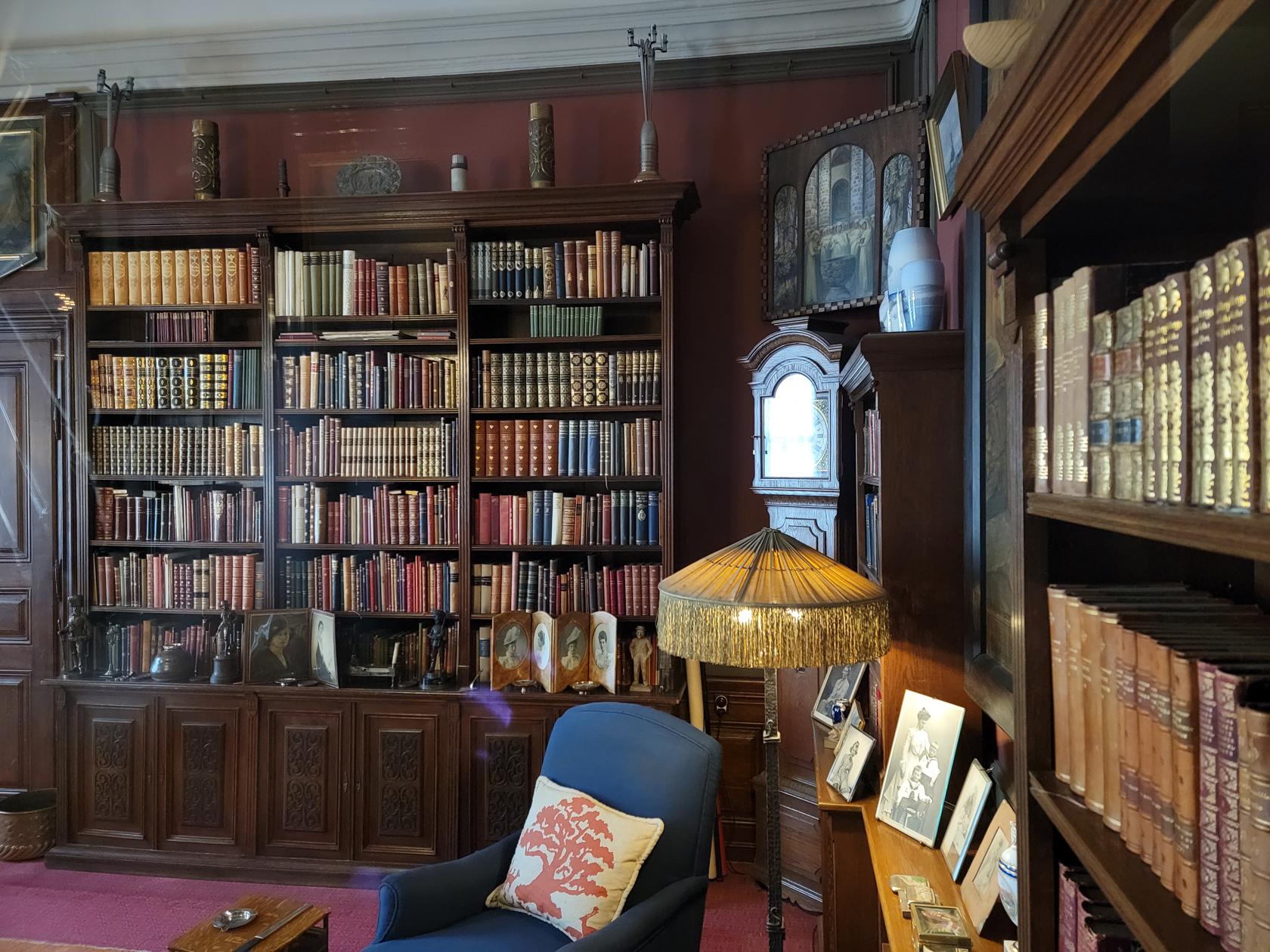
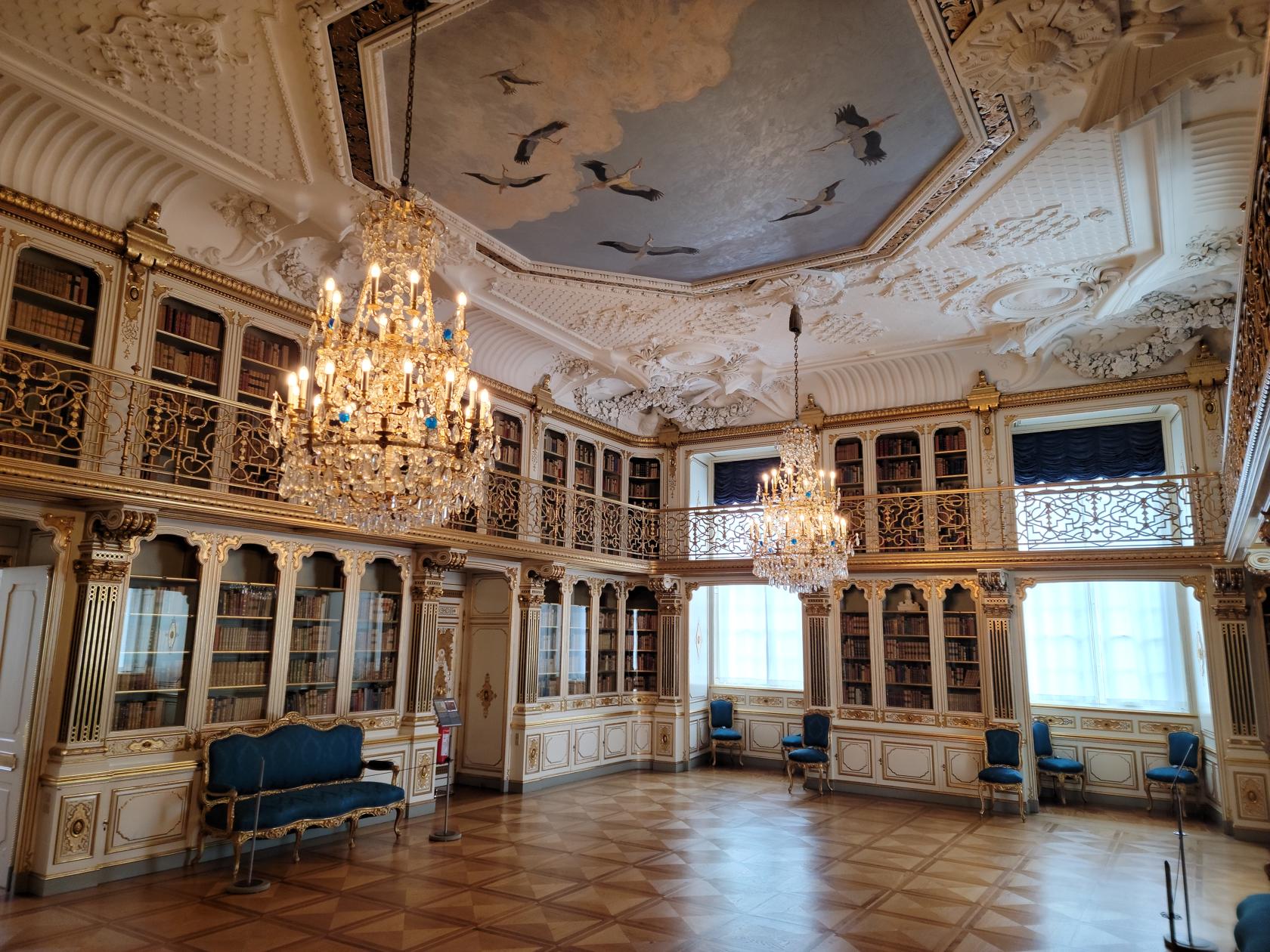
Library – Amalienborg Palace Museum – Copenhagen, Denmark
Royal children – Amalienborg Palace Museum – Copenhagen, Denmark
Royal children – Amalienborg Palace Museum – Copenhagen, Denmark
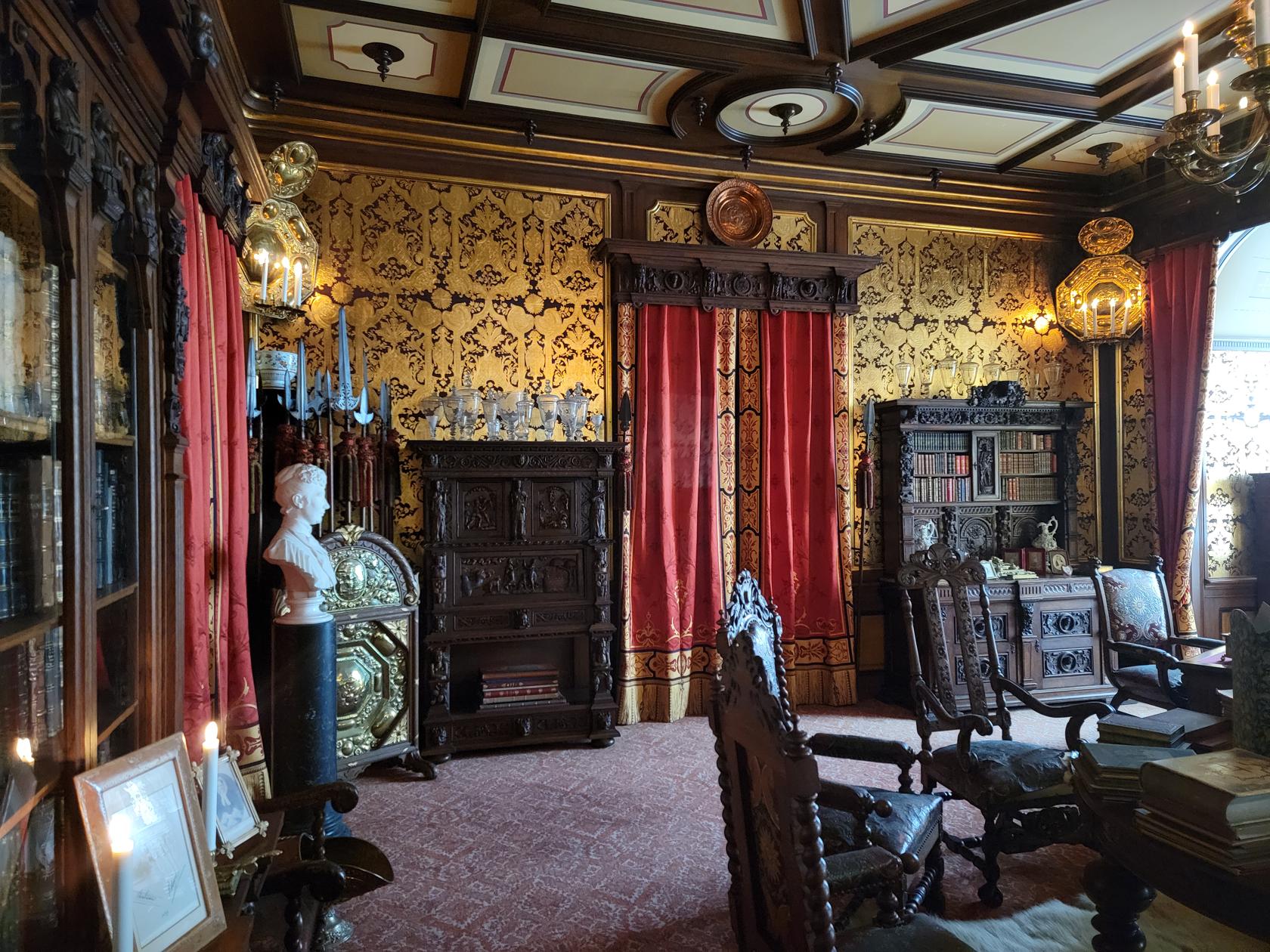
1869 Study – Amalienborg Palace Museum – Copenhagen, Denmark
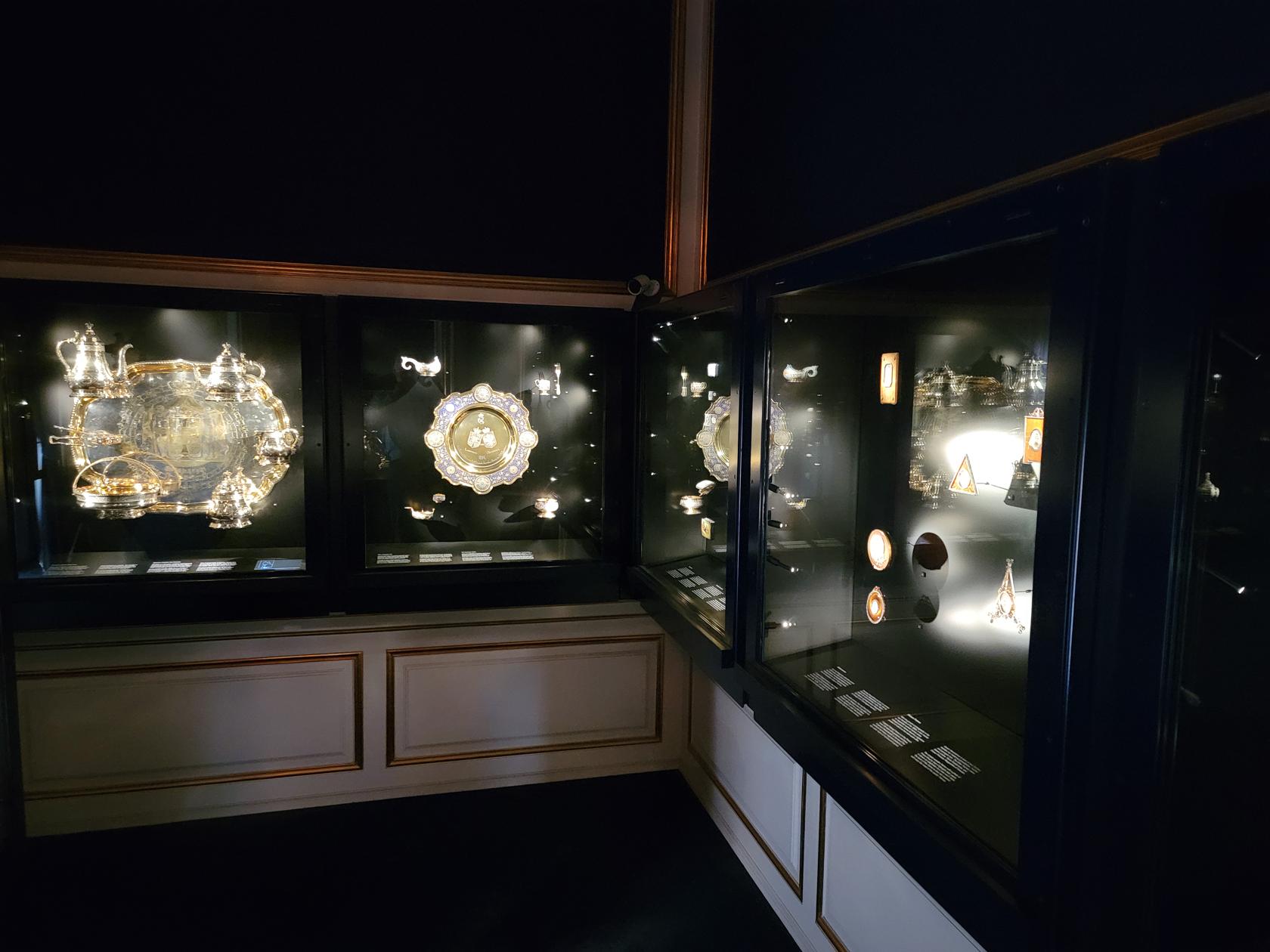
Royal silver – Amalienborg Palace Museum – Copenhagen, Denmark
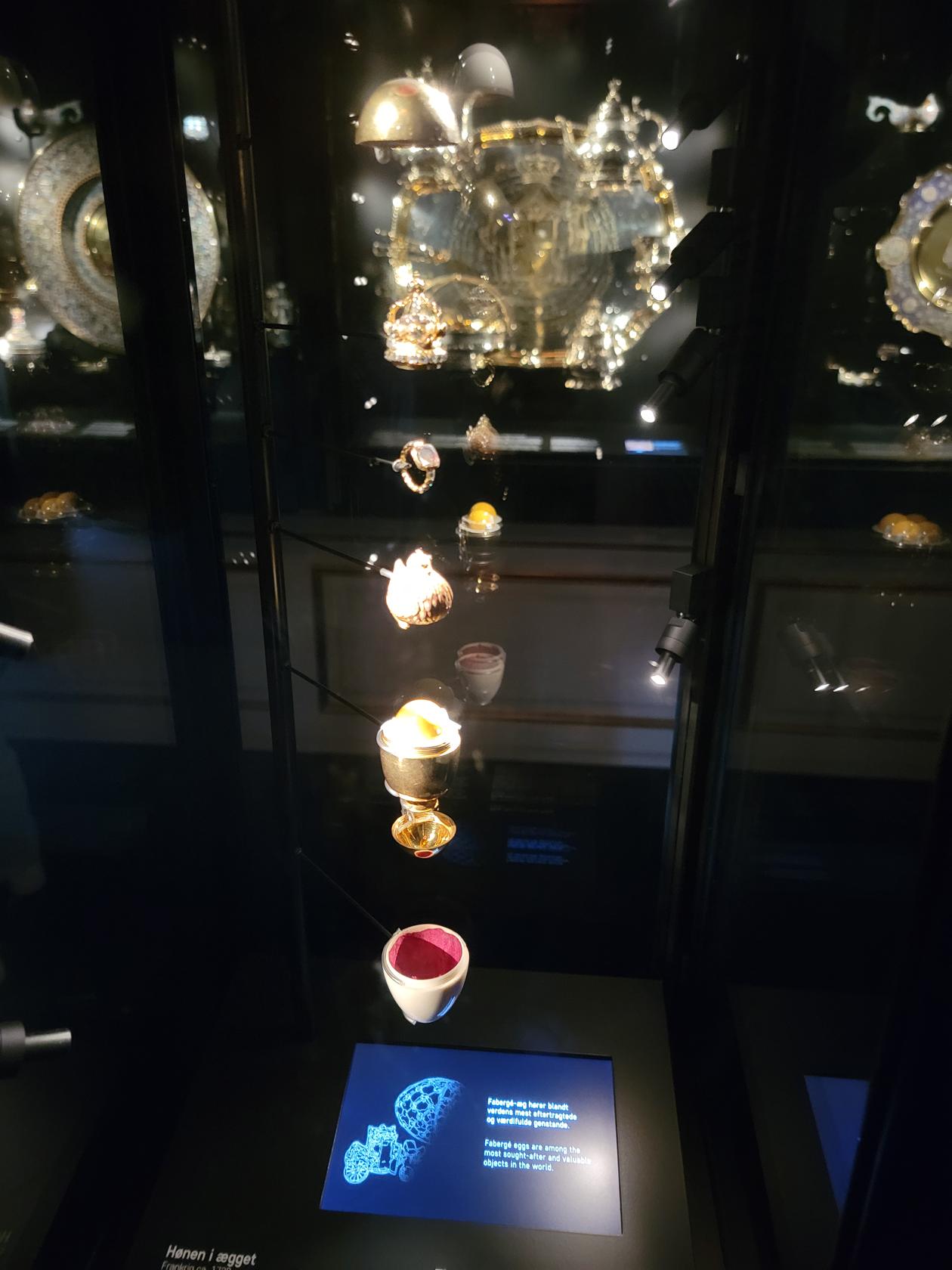
Hen in the Egg – Amalienborg Palace Museum – Copenhagen, Denmark
More royal items – Amalienborg Palace Museum – Copenhagen, Denmark
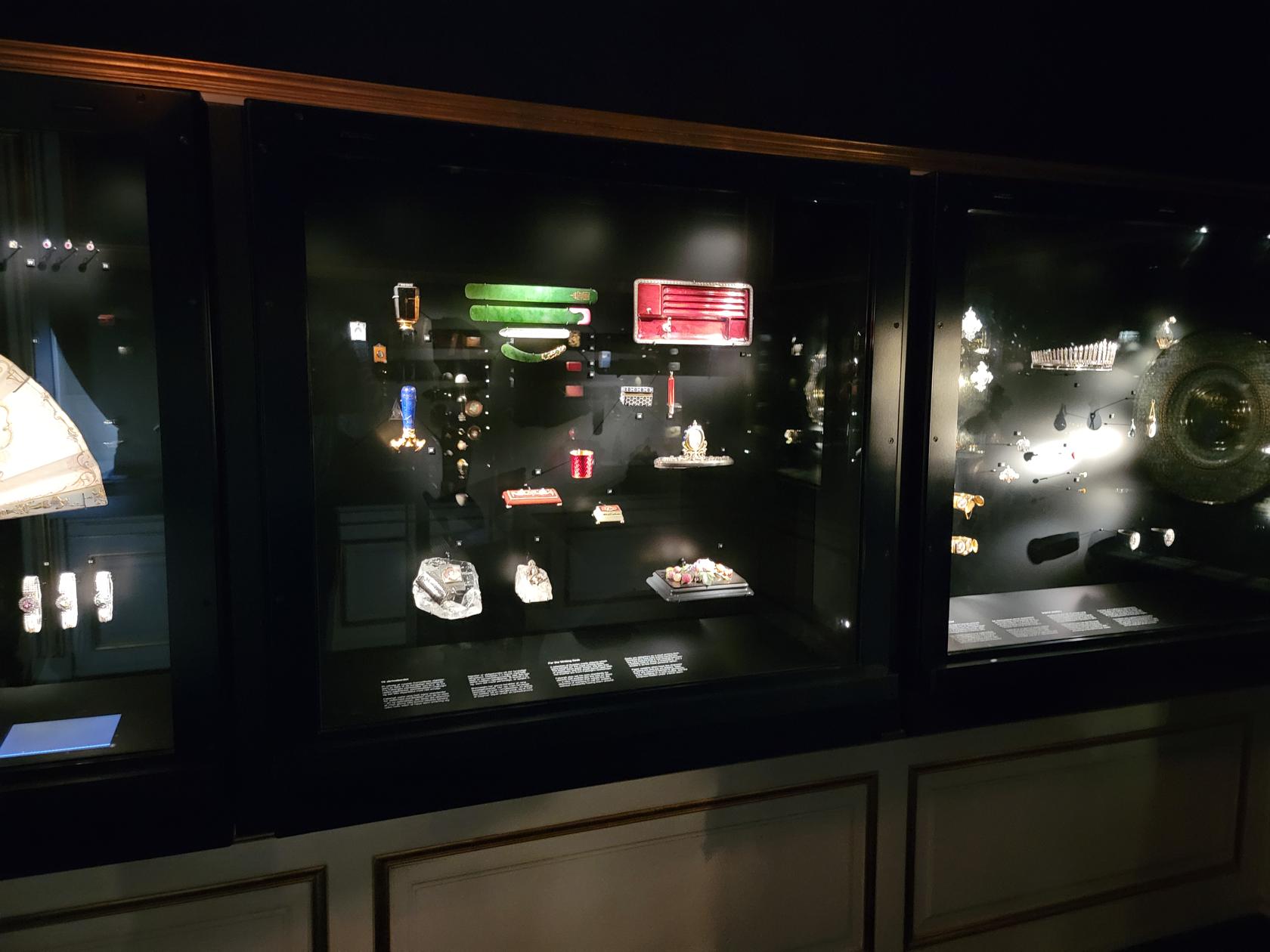
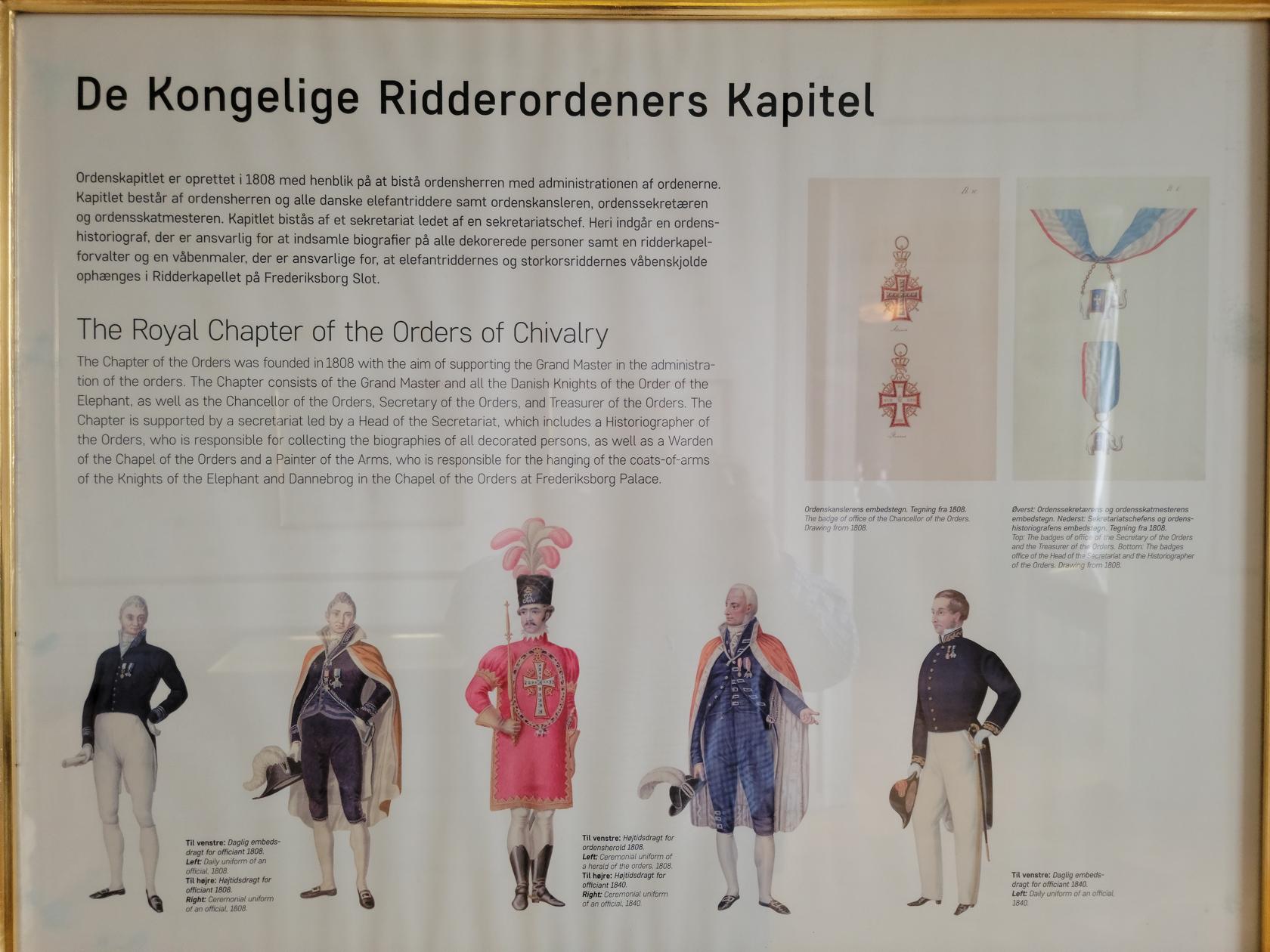
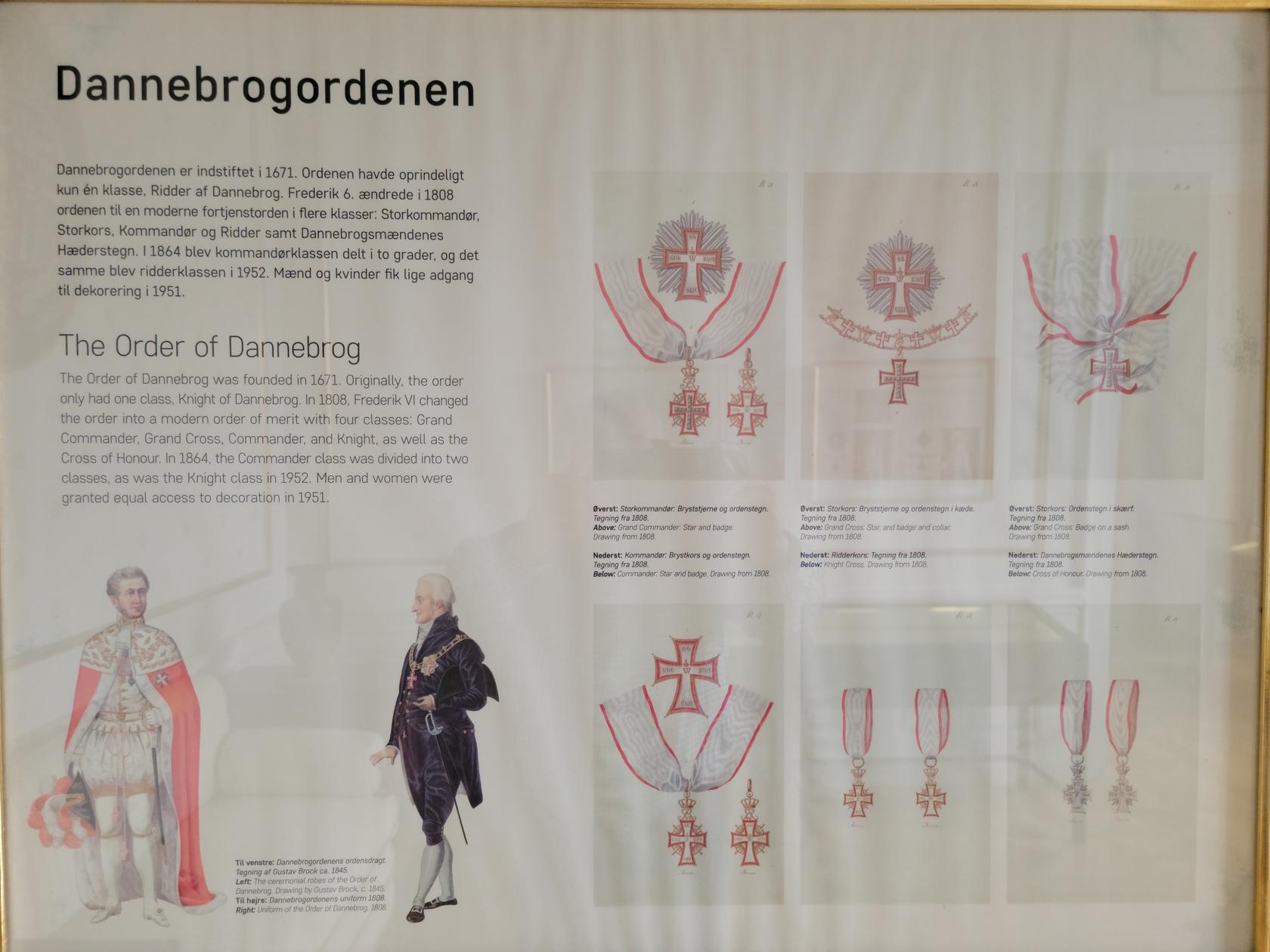
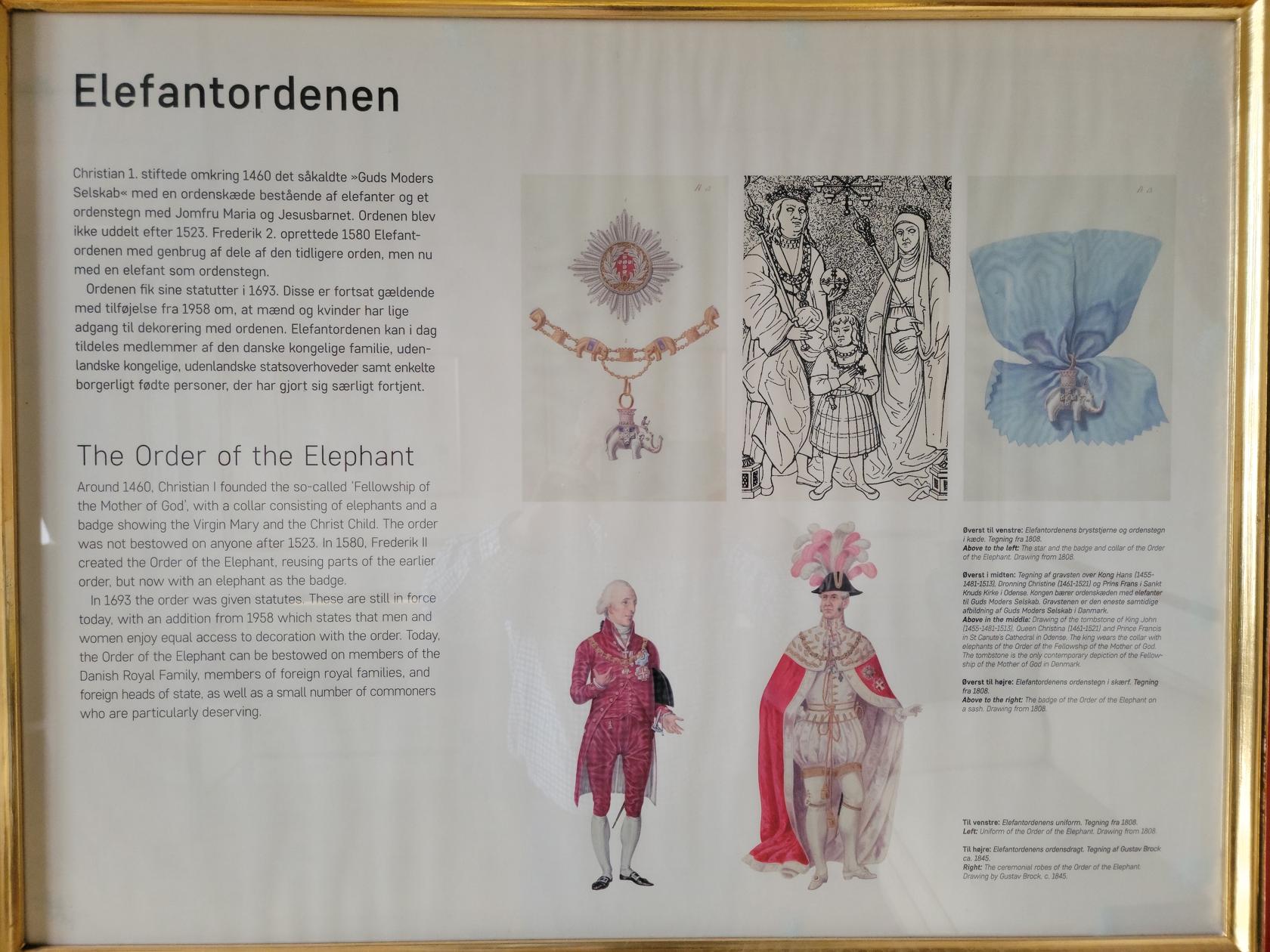
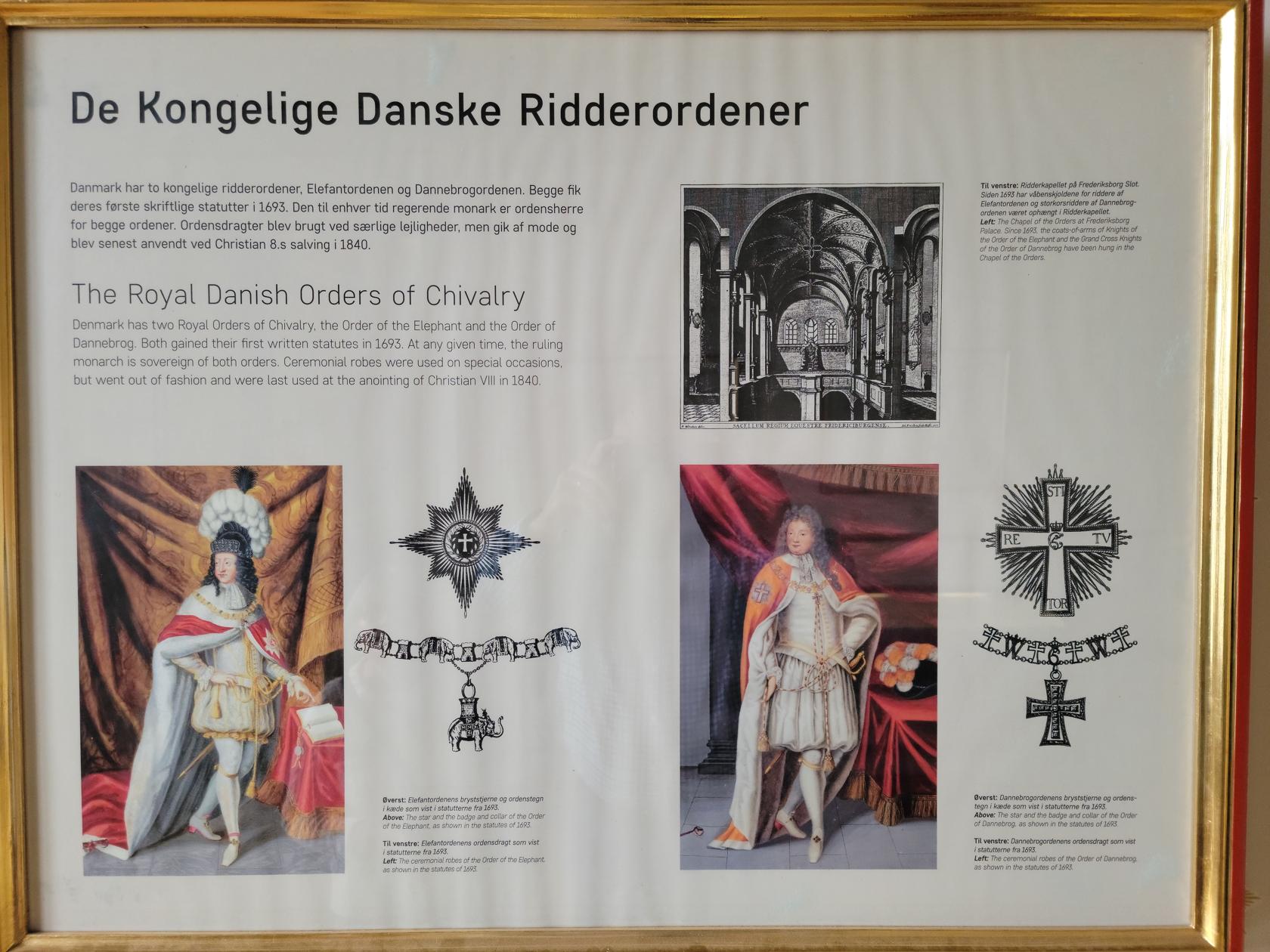
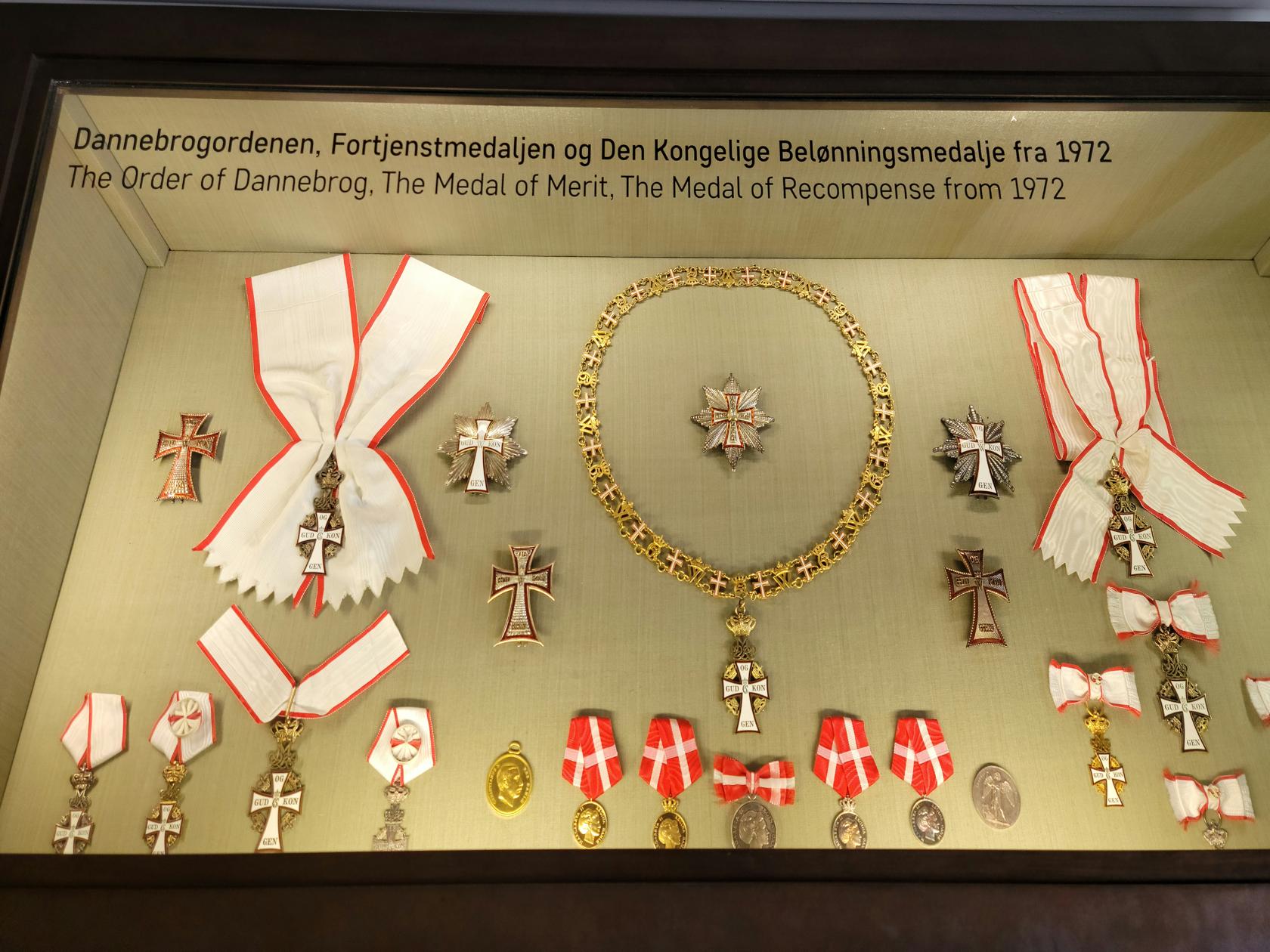
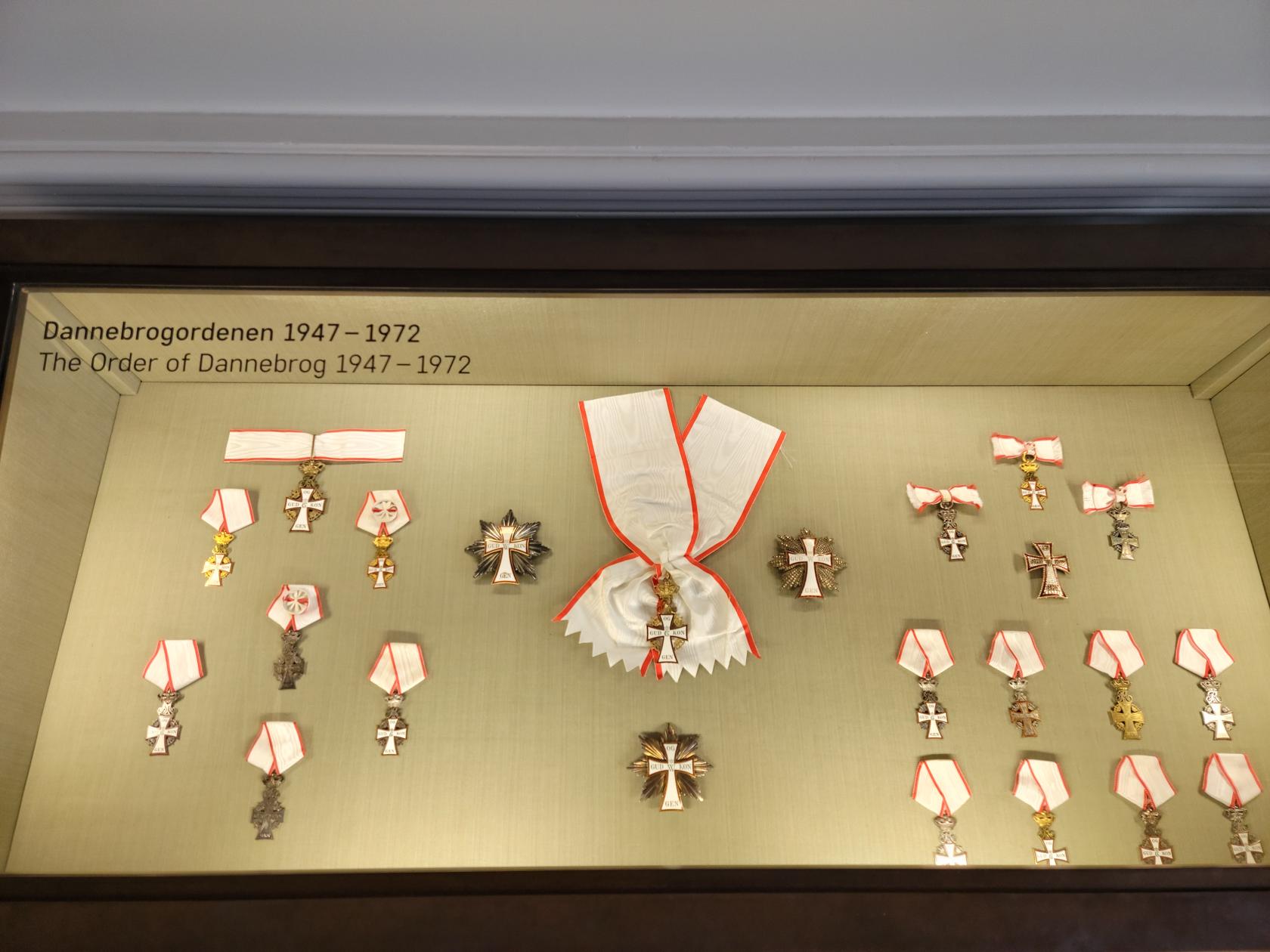
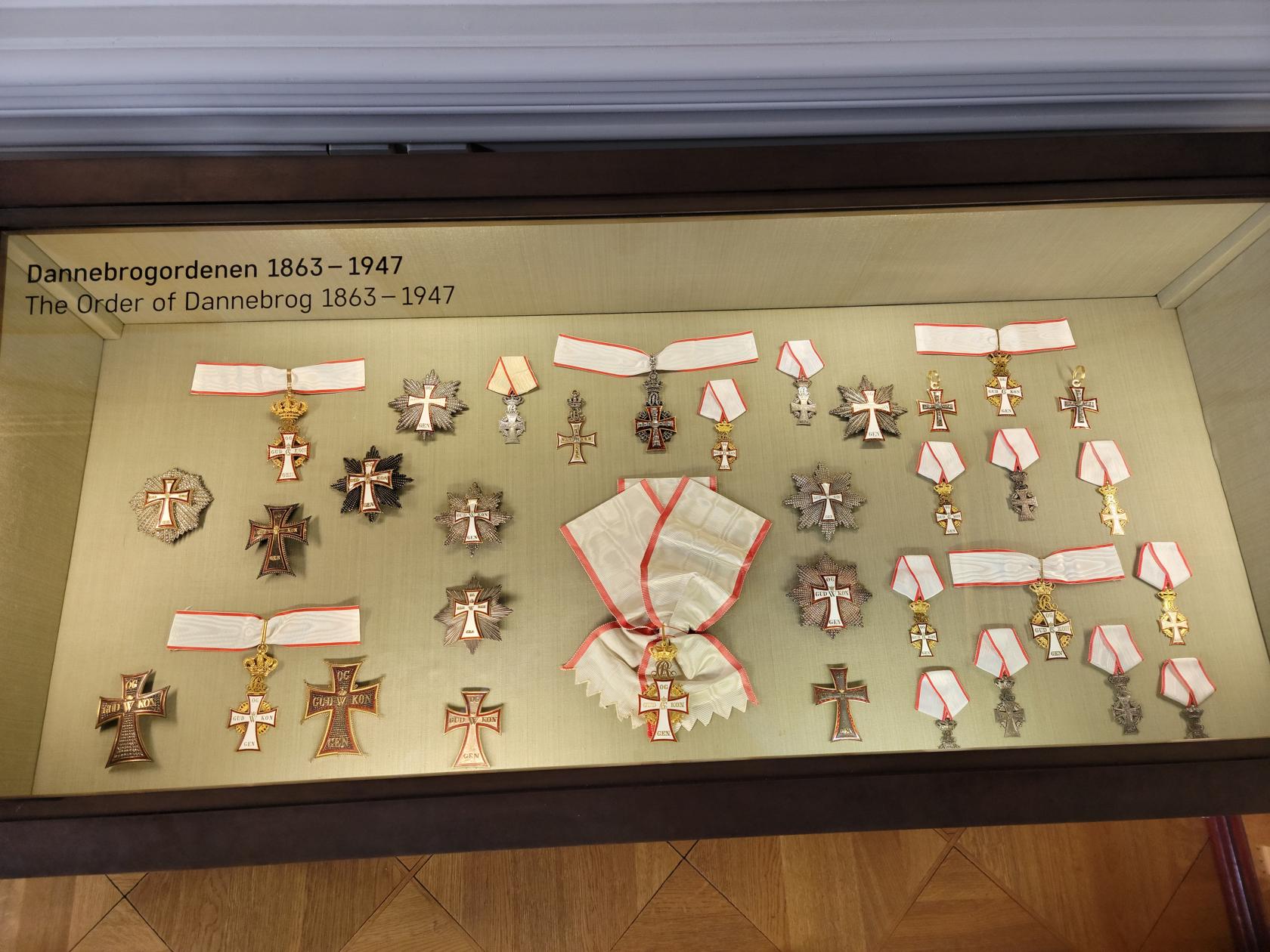
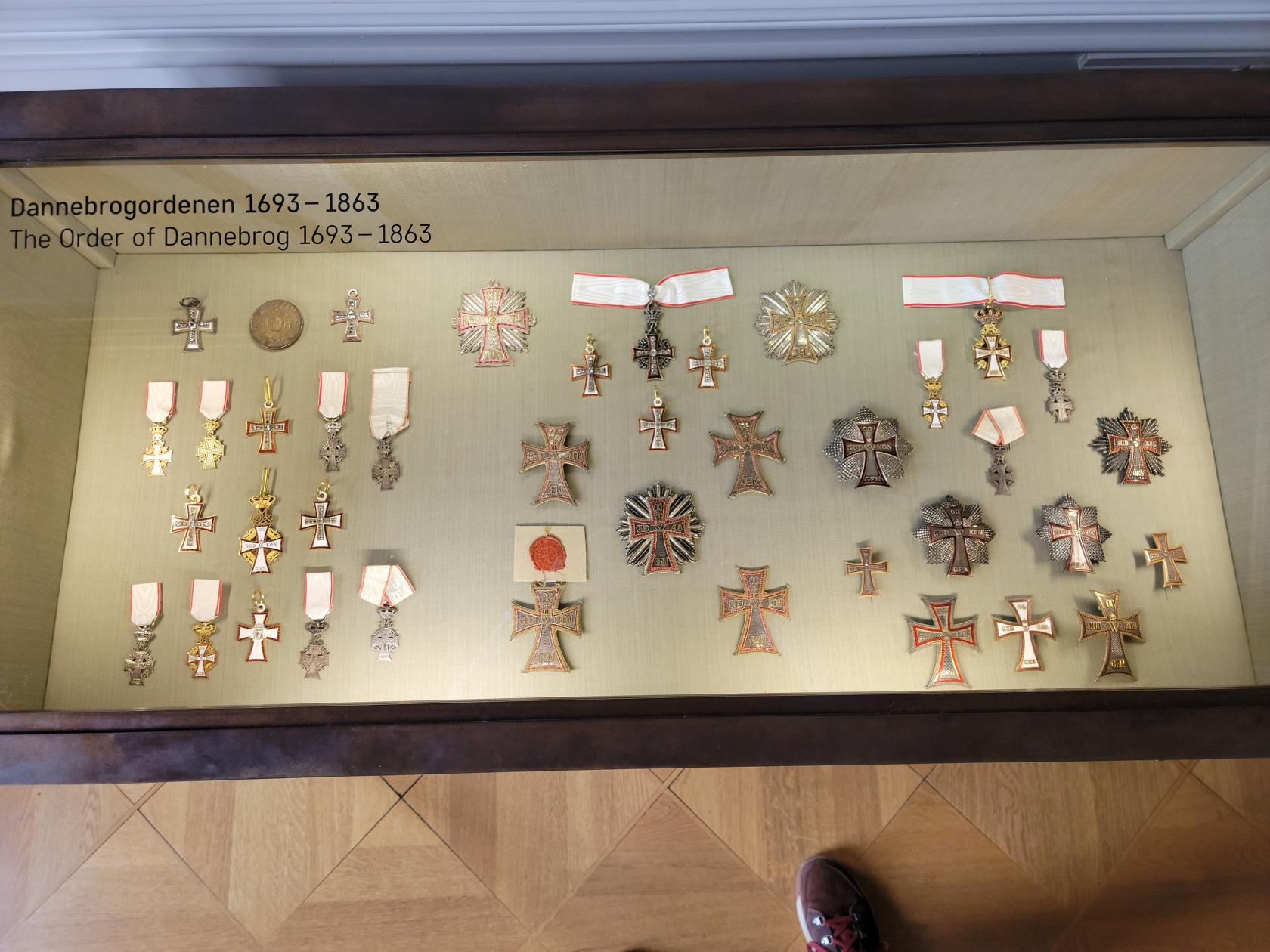
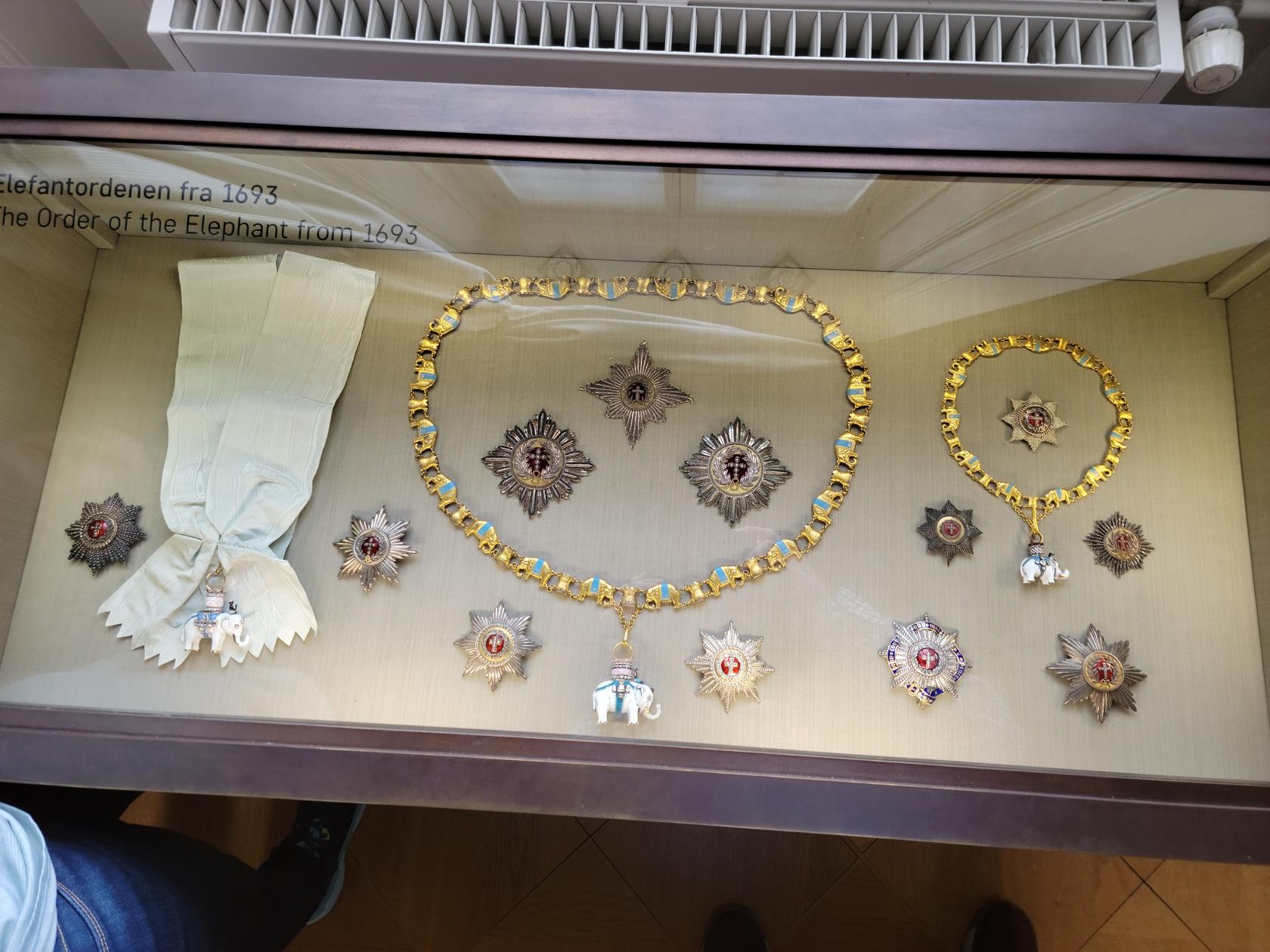
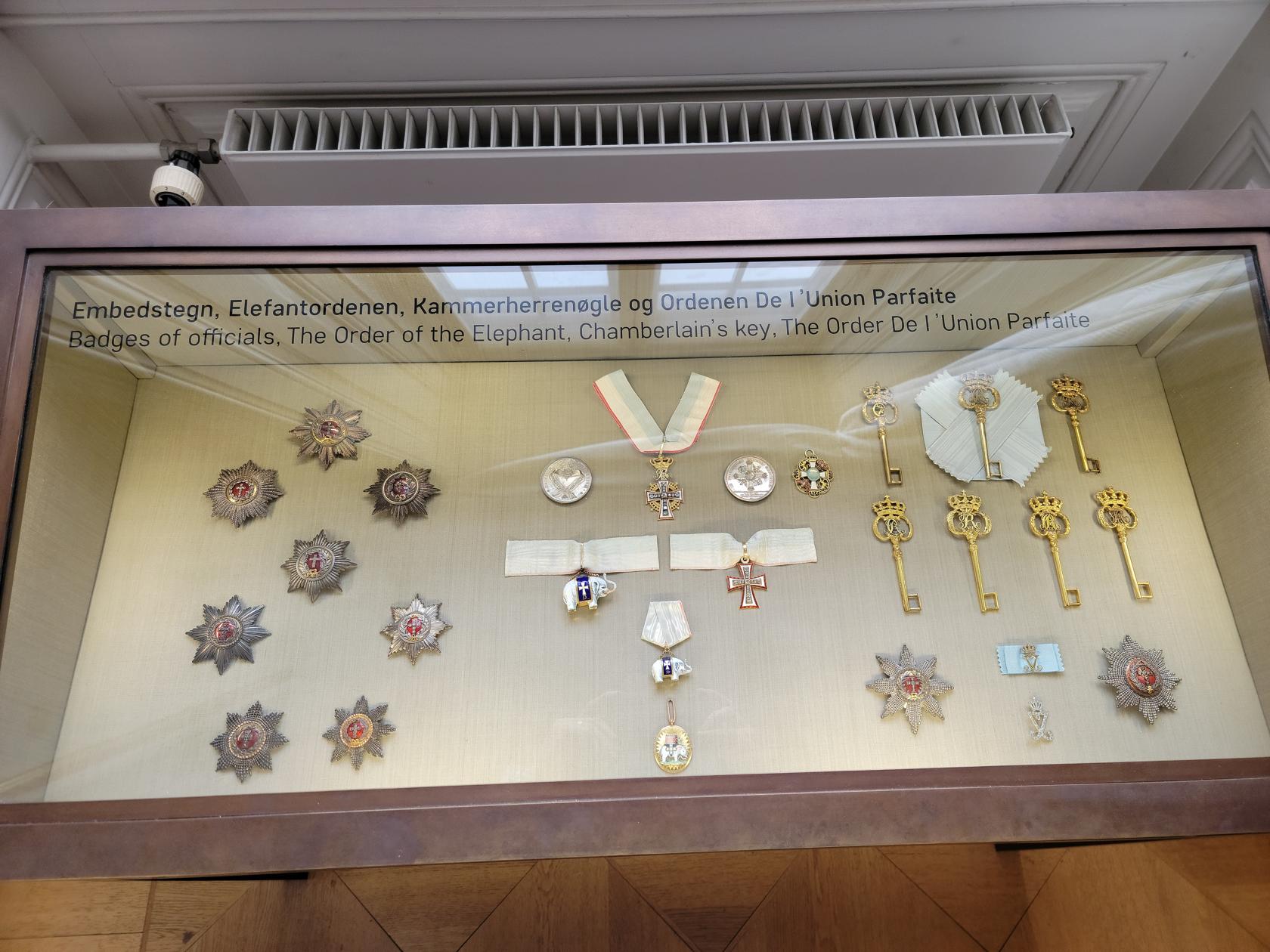
Lastly, there is a collection of the royal medals and other accoutrements, here is a short slideshow on them.
Order of Chivalry – Amalienborg Palace Museum – Copenhagen, Denmark
Dannebrog Order – Amalienborg Palace Museum – Copenhagen, Denmark
Elephant Order – Amalienborg Palace Museum – Copenhagen, Denmark
Royal Orders of Chivalry – Amalienborg Palace Museum – Copenhagen, Denmark
Medal of Recompense – Amalienborg Palace Museum – Copenhagen, Denmark
Dannebrog Order – Amalienborg Palace Museum – Copenhagen, Denmark
Dannebrog Order – Amalienborg Palace Museum – Copenhagen, Denmark
Dannebrog Order – Amalienborg Palace Museum – Copenhagen, Denmark
Elephant Order – Amalienborg Palace Museum – Copenhagen, Denmark
Elephant’s Order and Chamberlain’s Key – Amalienborg Palace Museum – Copenhagen, Denmark
Christiansborg Palace
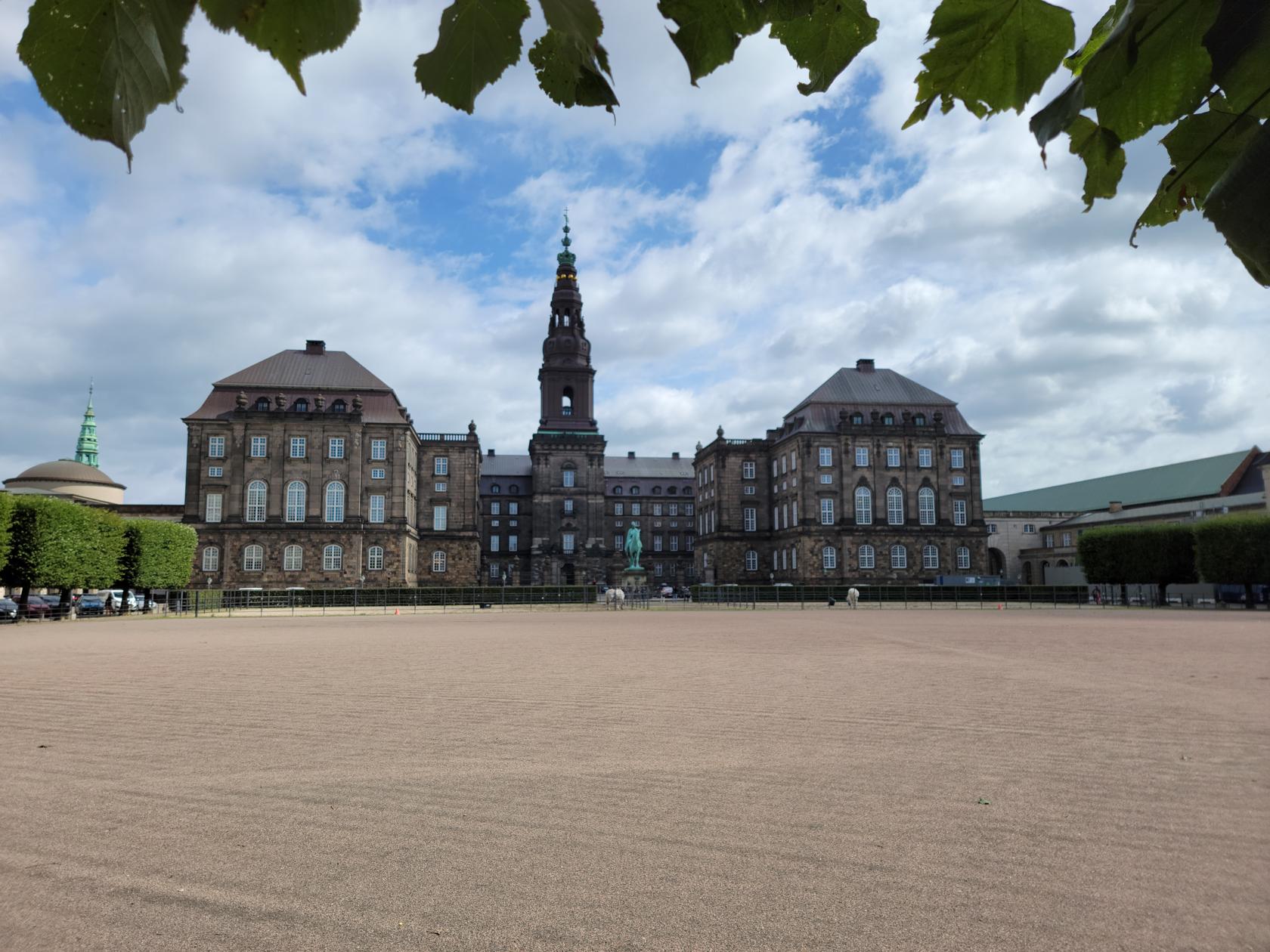
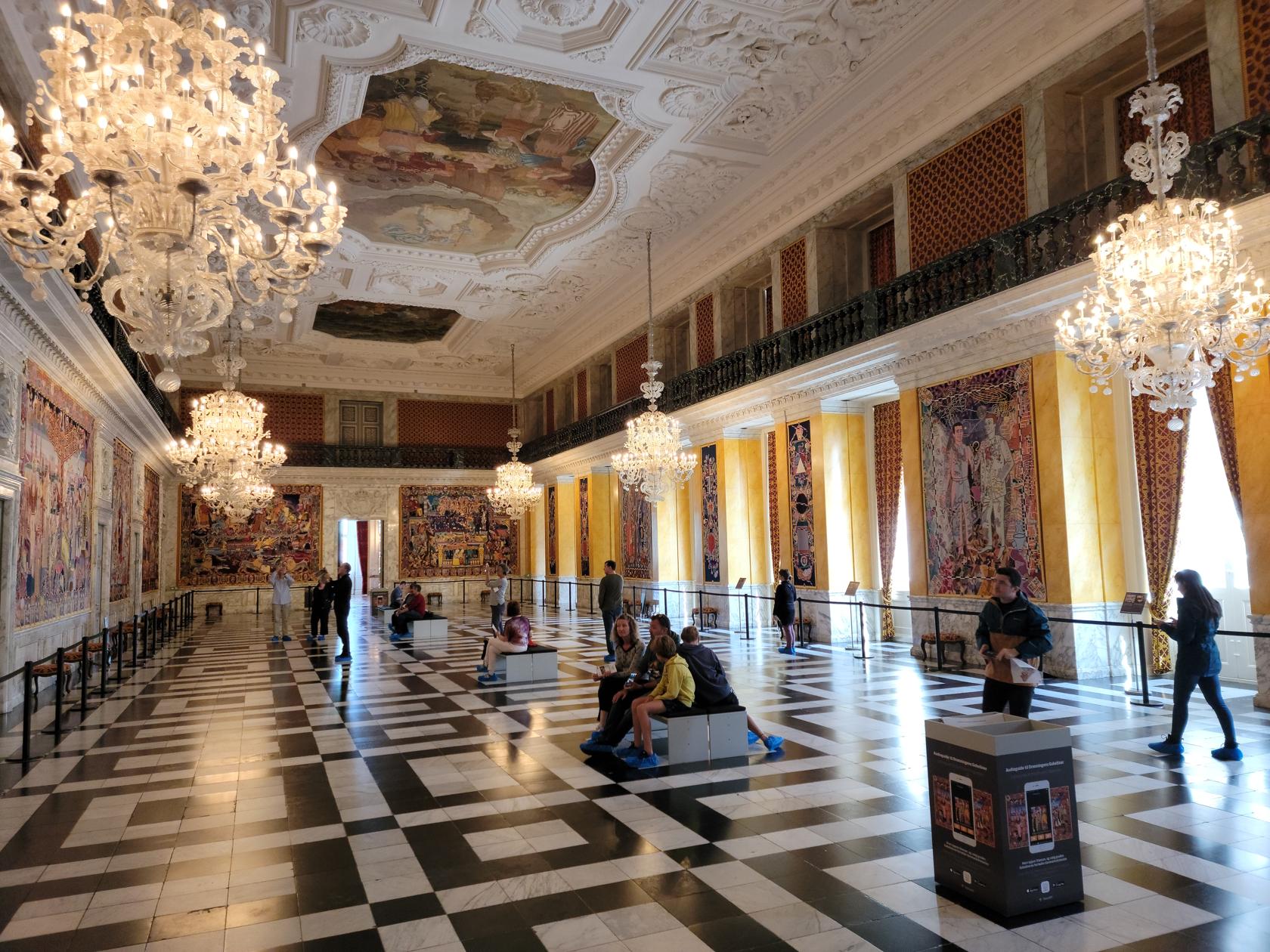
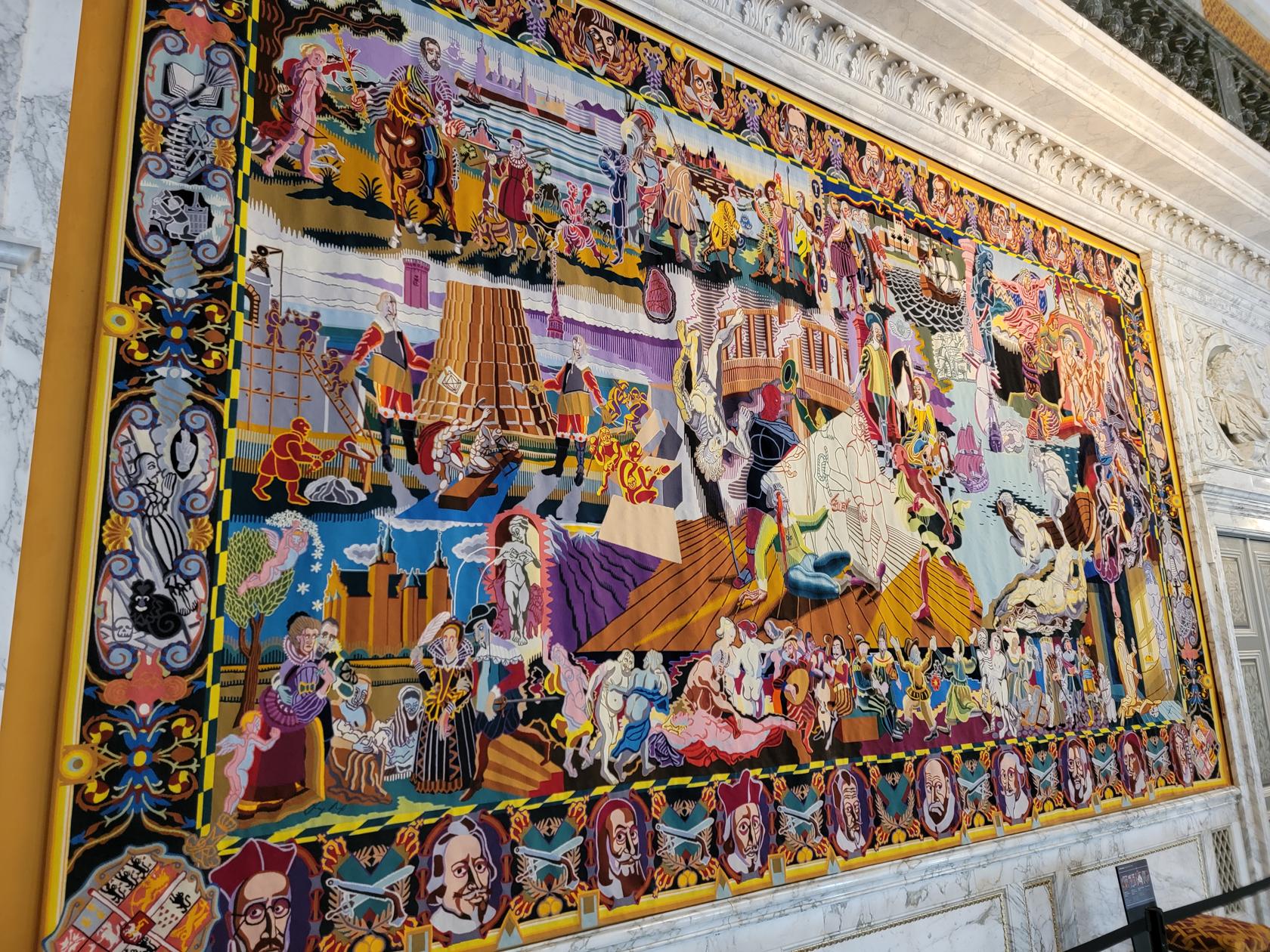
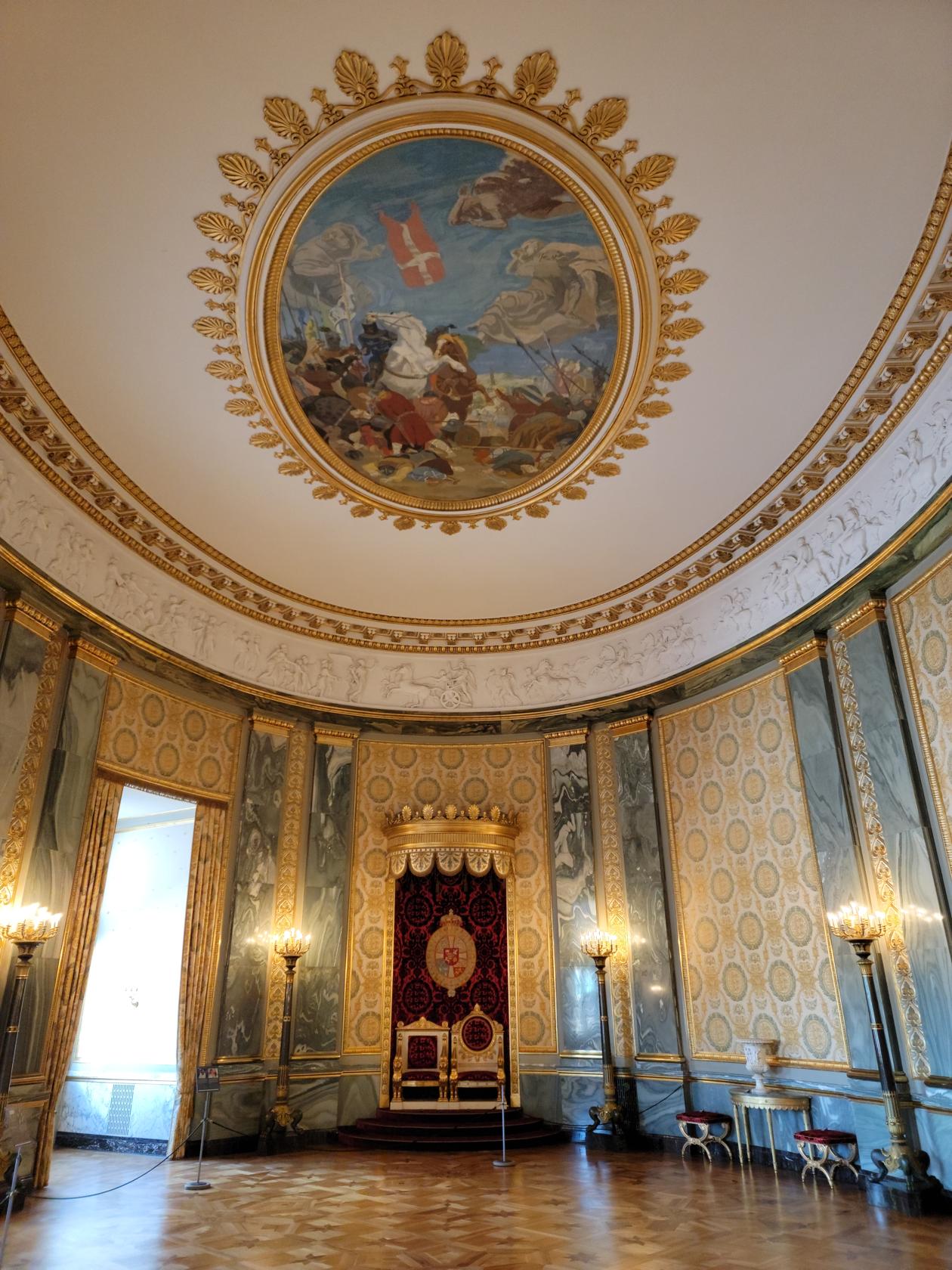
Today, Christiansborg Palace not only houses museums and other tourist attractions, but it is also the seat of Danish Government. All three branches of government are represented in the Palace. The palace contains horse stables, an old kitchen and the royal reception rooms, all of which can be visited free with the City Card, or kr.155 (about €9)/person.
Front – Christiansborg Palace – Copenhagen, Denmark
Originally constructed as Absalon’s Castle, it has been sacked, demolished and burnt to the ground numerous times. In fact, on one occasion it was dismantled brick by brick. Nevertheless, the Danes have always rebuilt some palace structure here, no doubt a testament to their fortitude. To date, there have been at least five reincarnations of the structure. The basement contains an archeological site showing the ancient remains for the first palace and perhaps foundations of even older structures.
Be aware, some venues require that you book a time slot, even if you have a City Card. This can be done online, or by showing up at the ticket office and scheduling your visit. The City Card does explain this on the venue’s information site if you click on it.
Rosenborg Castle
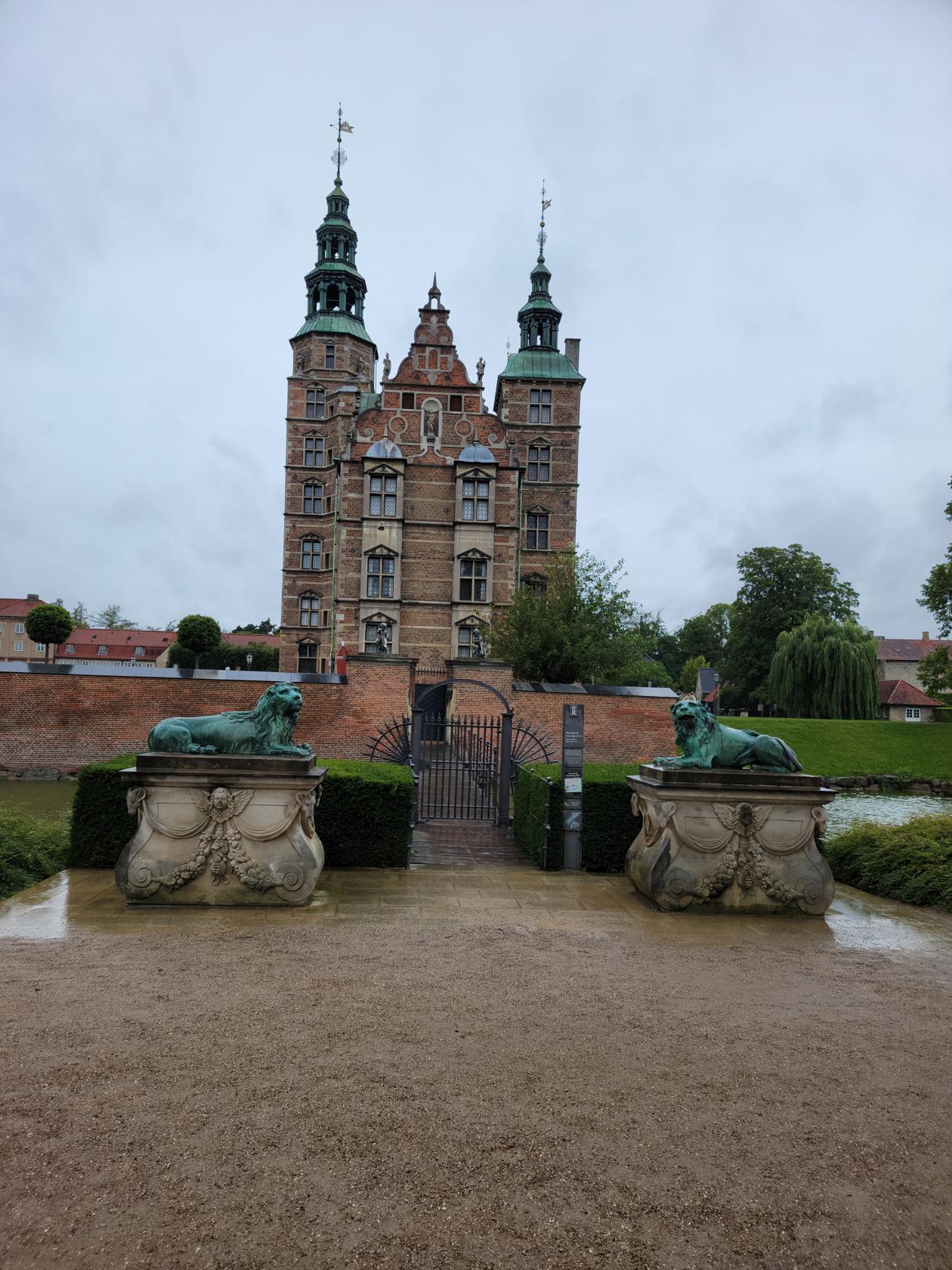
As far as castles go, Rosenborg Castle is a fairly small one on the northwest edge of King’s Garden. It was built in Danish Renaissance style in the 1600s as a summer place for King Frederik IV.
Tickets For Two – The Rosenborg Castle – Copenhagen, Denmark
Entrance – The Rosenborg Castle – Copenhagen, Denmark
Rear Entrance – The Rosenborg Castle – Copenhagen, Denmark
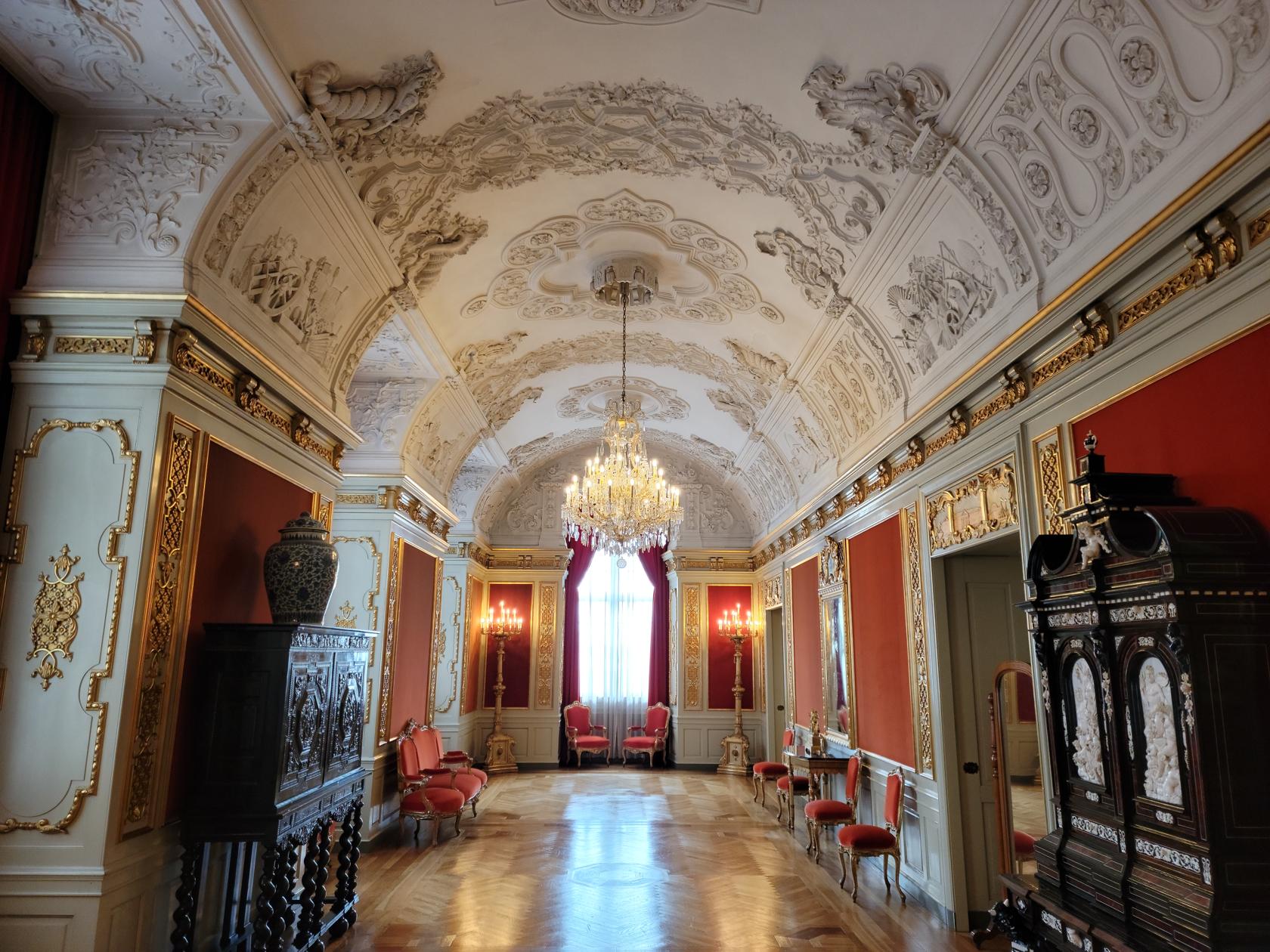
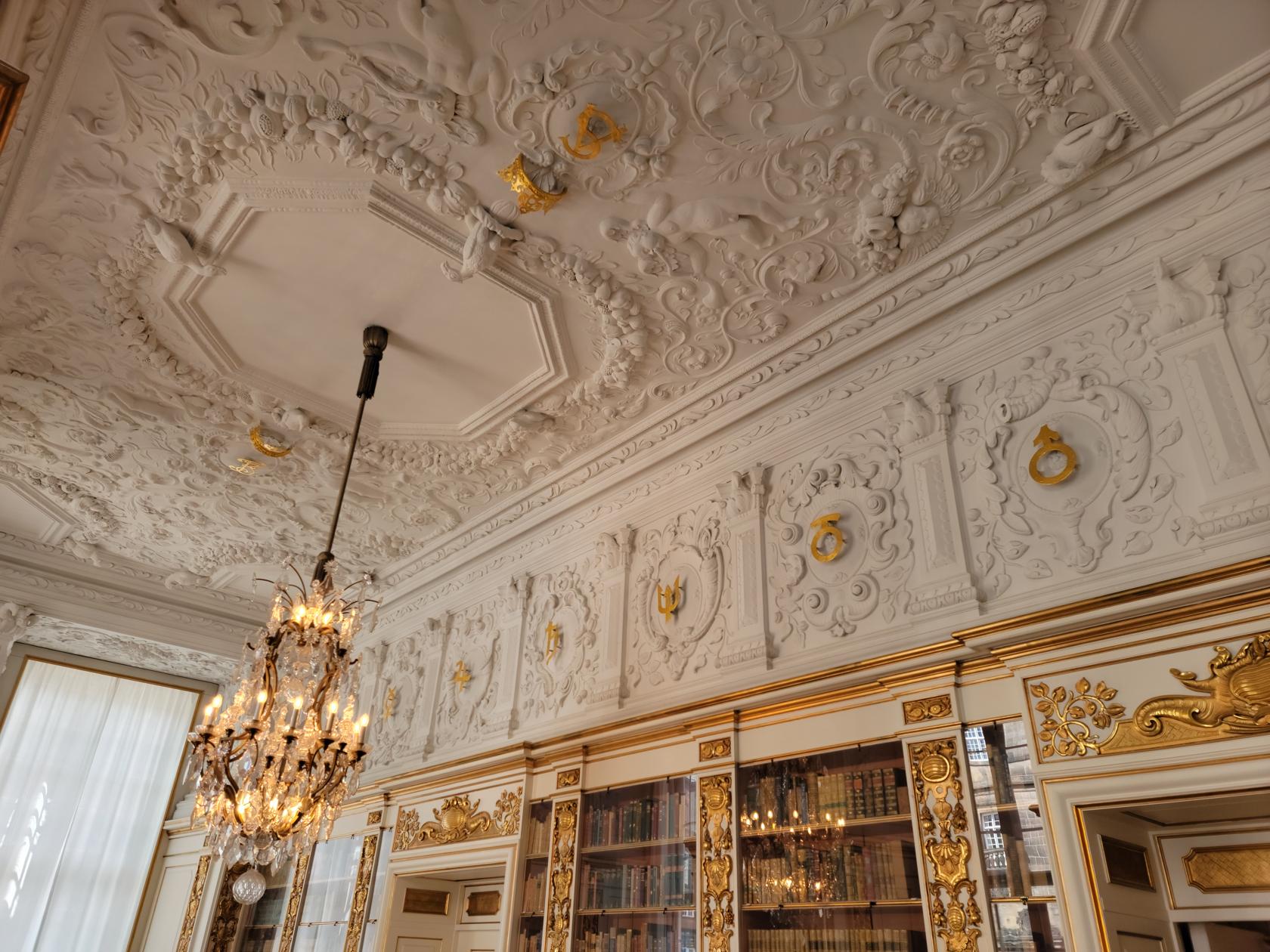
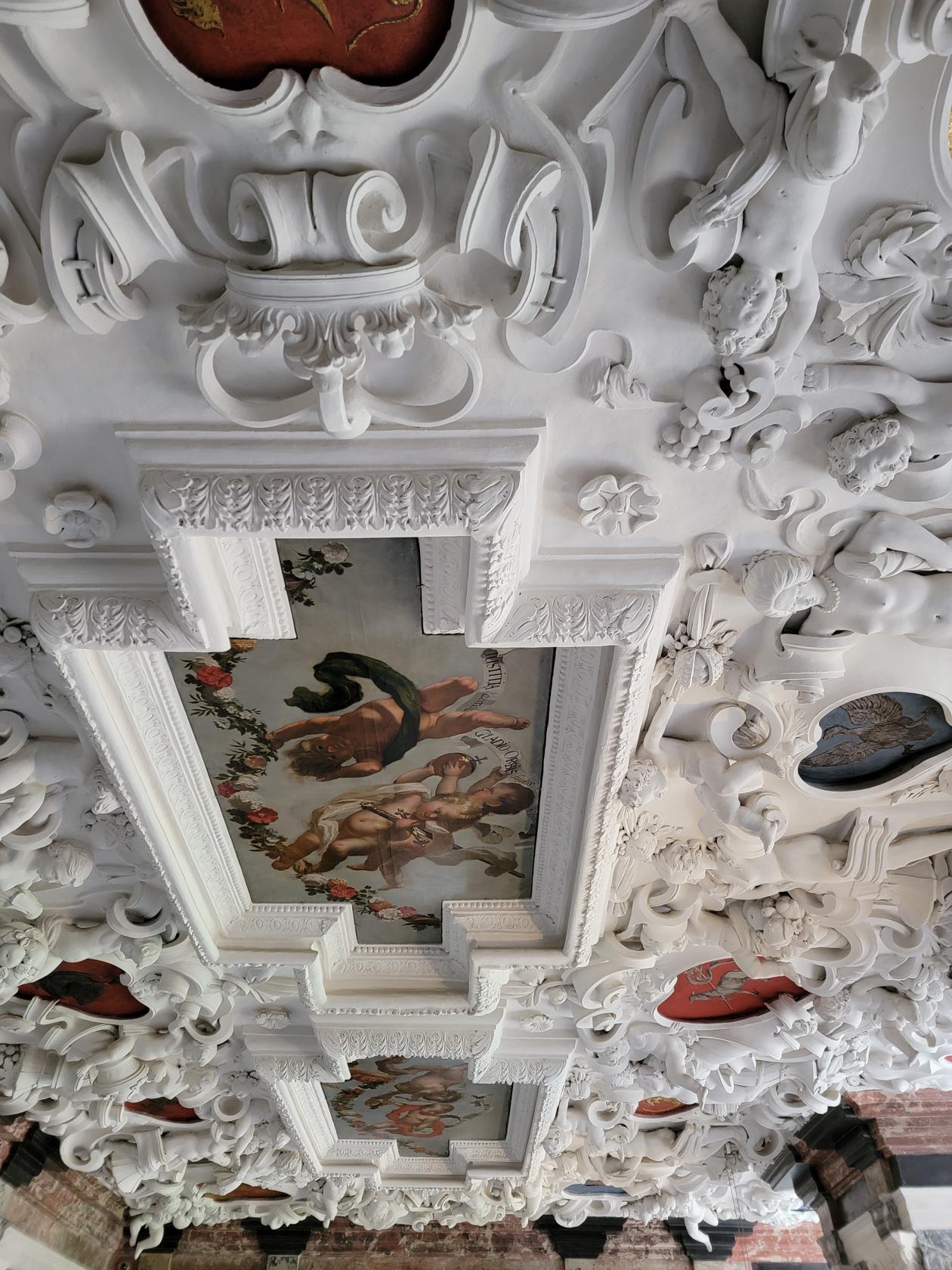
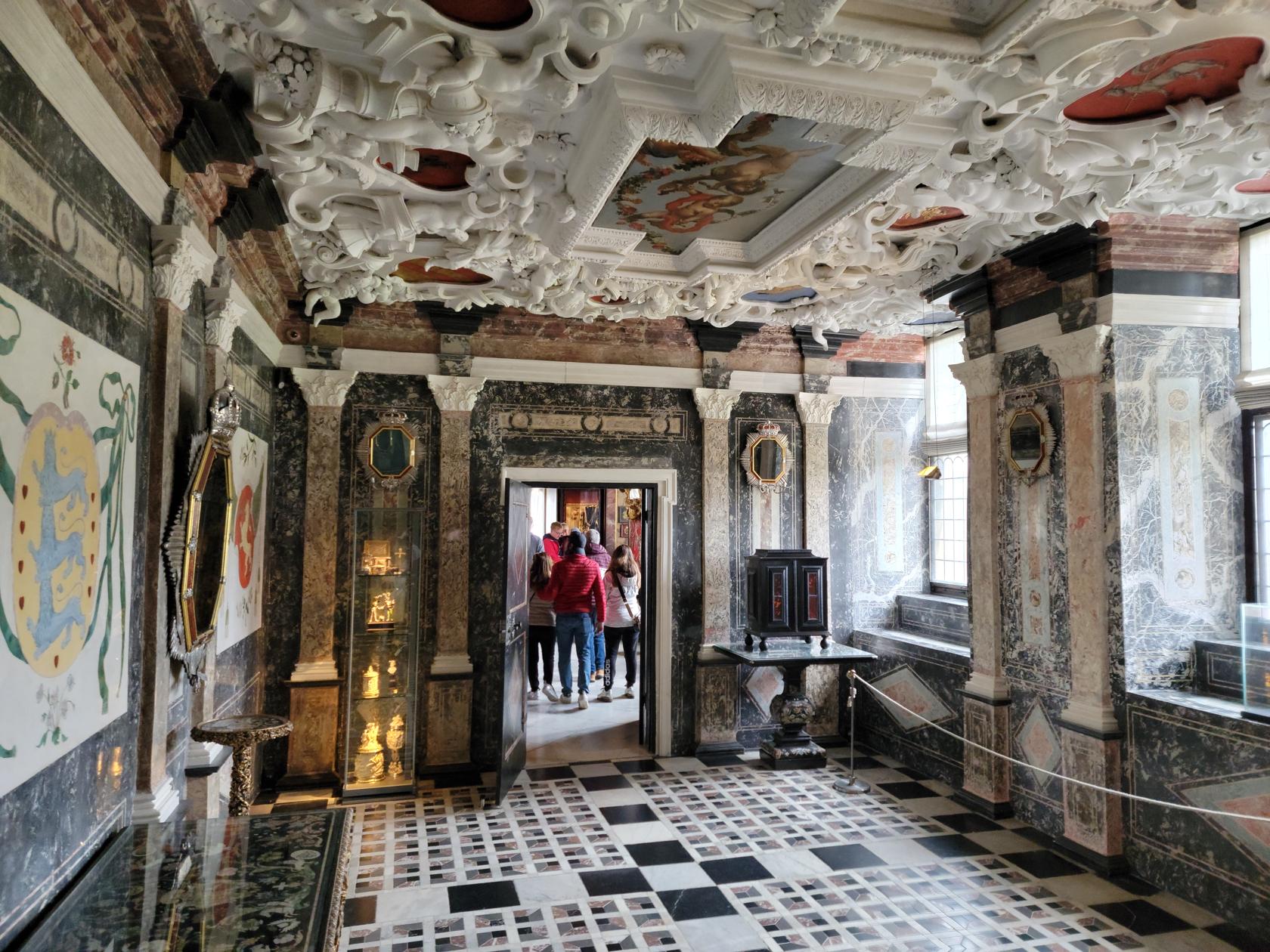
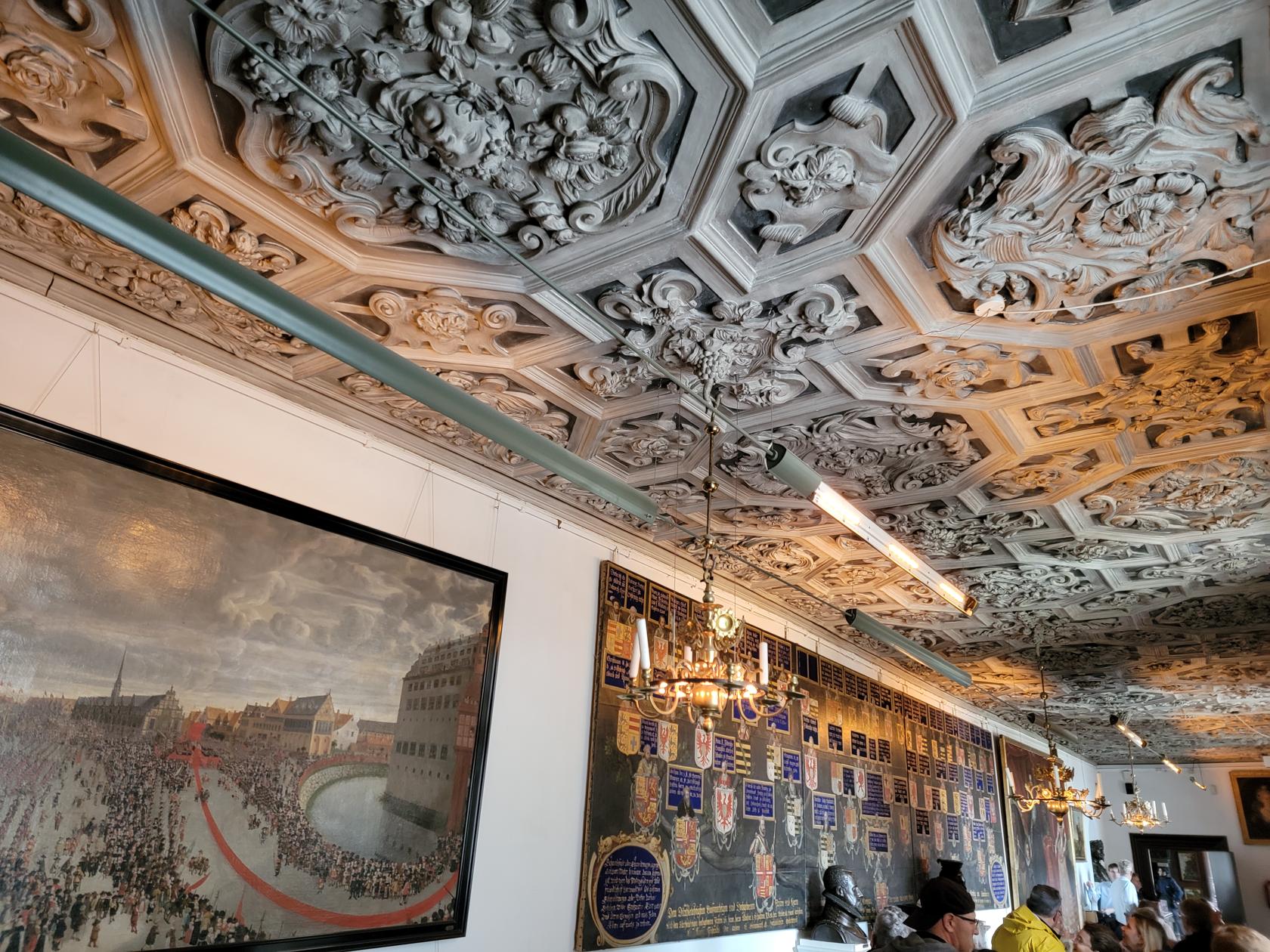
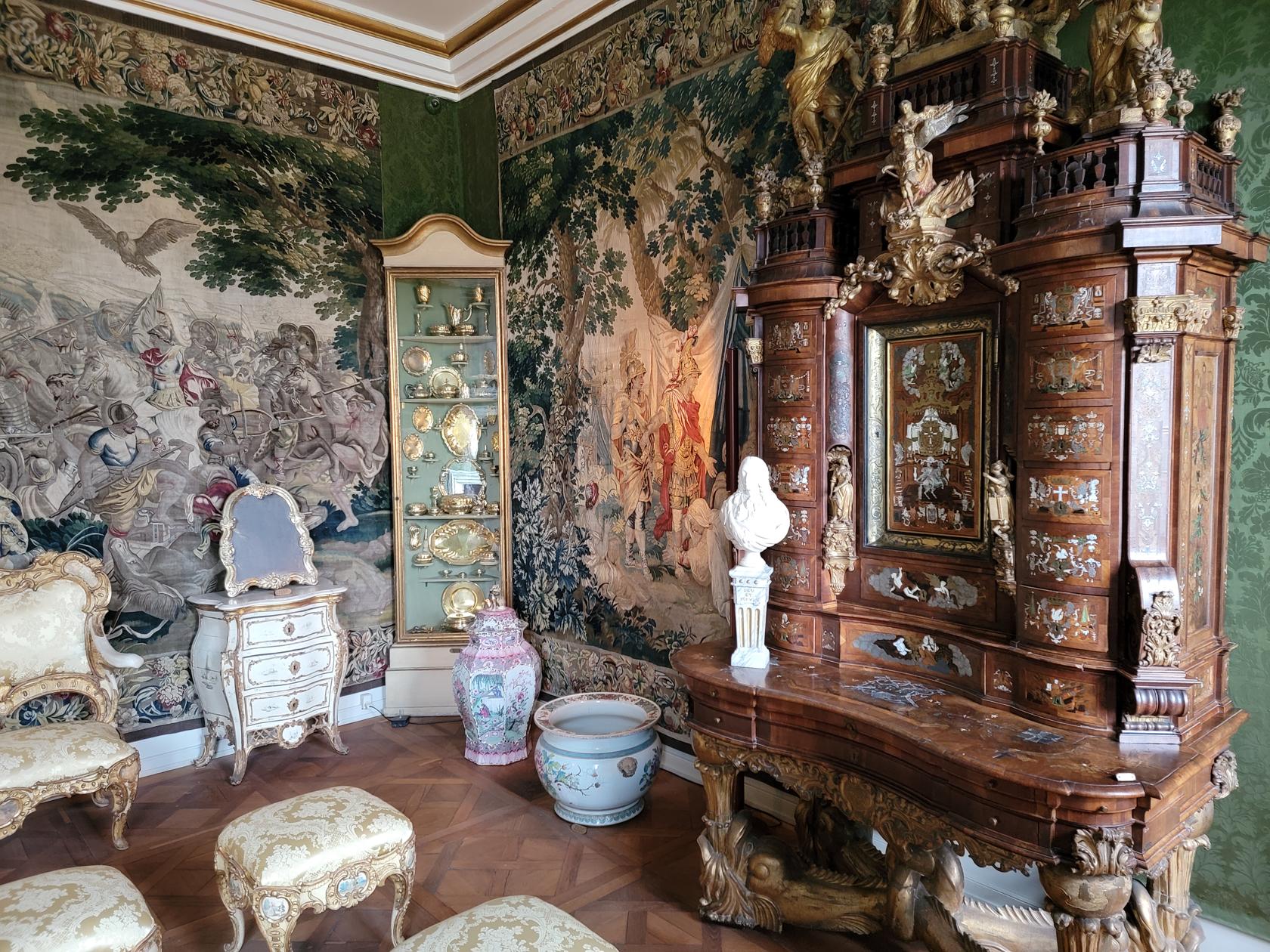
The building has very elaborate ceilings, some of which appear to be in the Rococo style.
Rococo ceiling – The Rosenborg Castle – Copenhagen, Denmark
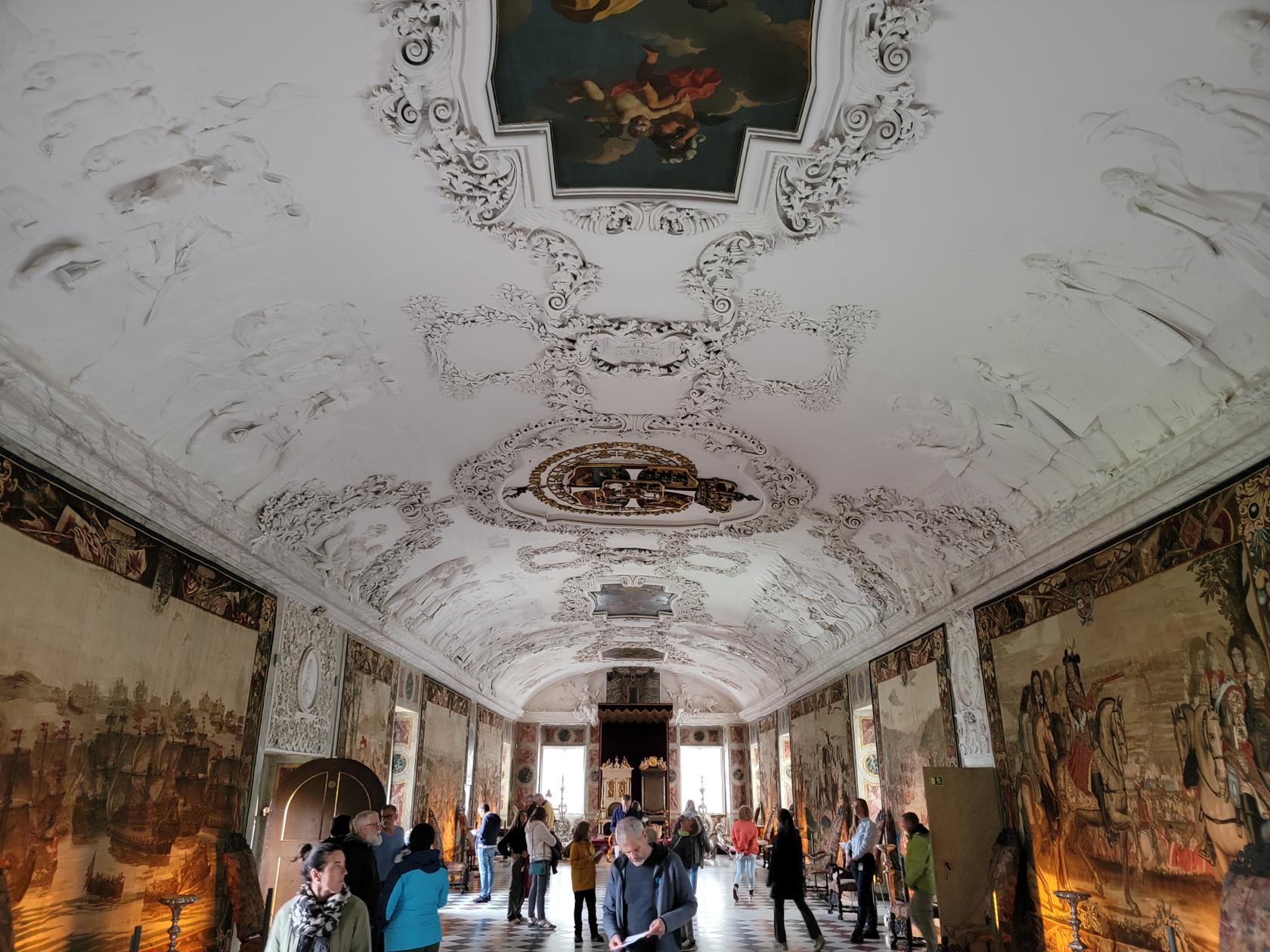
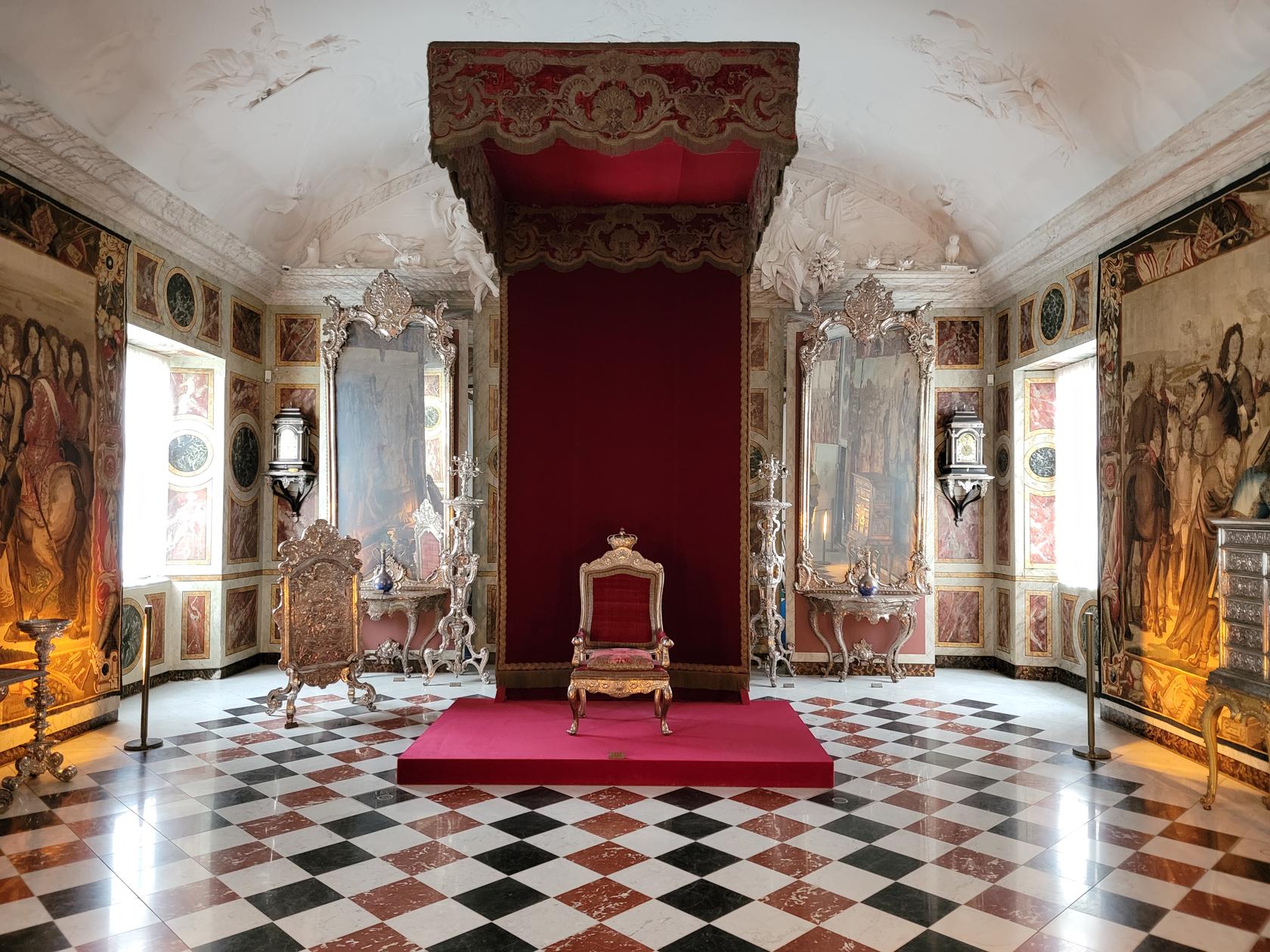
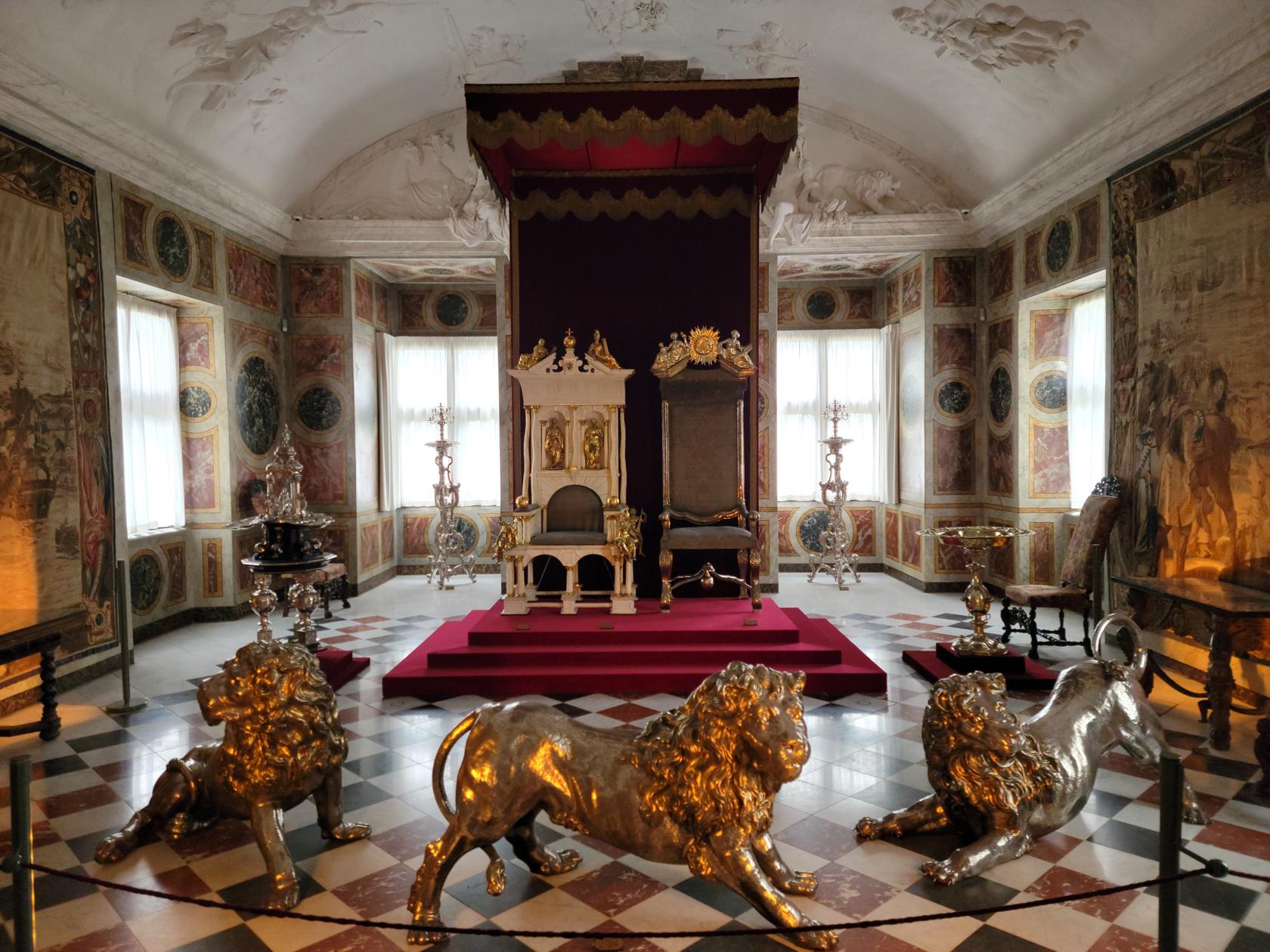
Of particular interest is the Danish Throne Chair with the three stately lions in front. The chairs are on the third floor on what used to be called the “Long Hall”, it is now called the “King’s Hall”.
The Long Room – The Rosenborg Castle – Copenhagen, Denmark
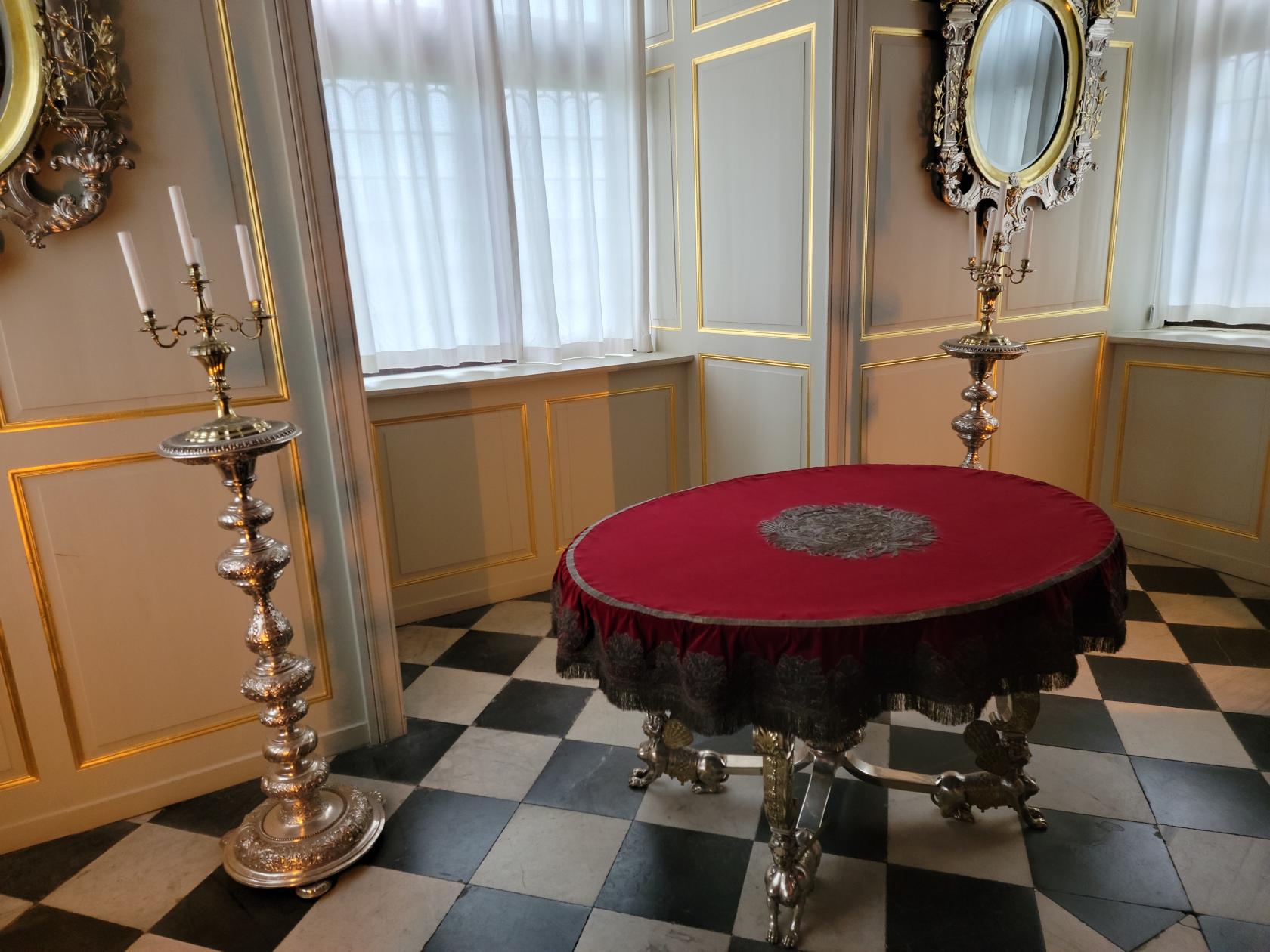
The Royal Table – The Rosenborg Castle – Copenhagen, Denmark
The Coronation Chair – The Rosenborg Castle – Copenhagen, Denmark
The Royal Throne – The Rosenborg Castle – Copenhagen, Denmark
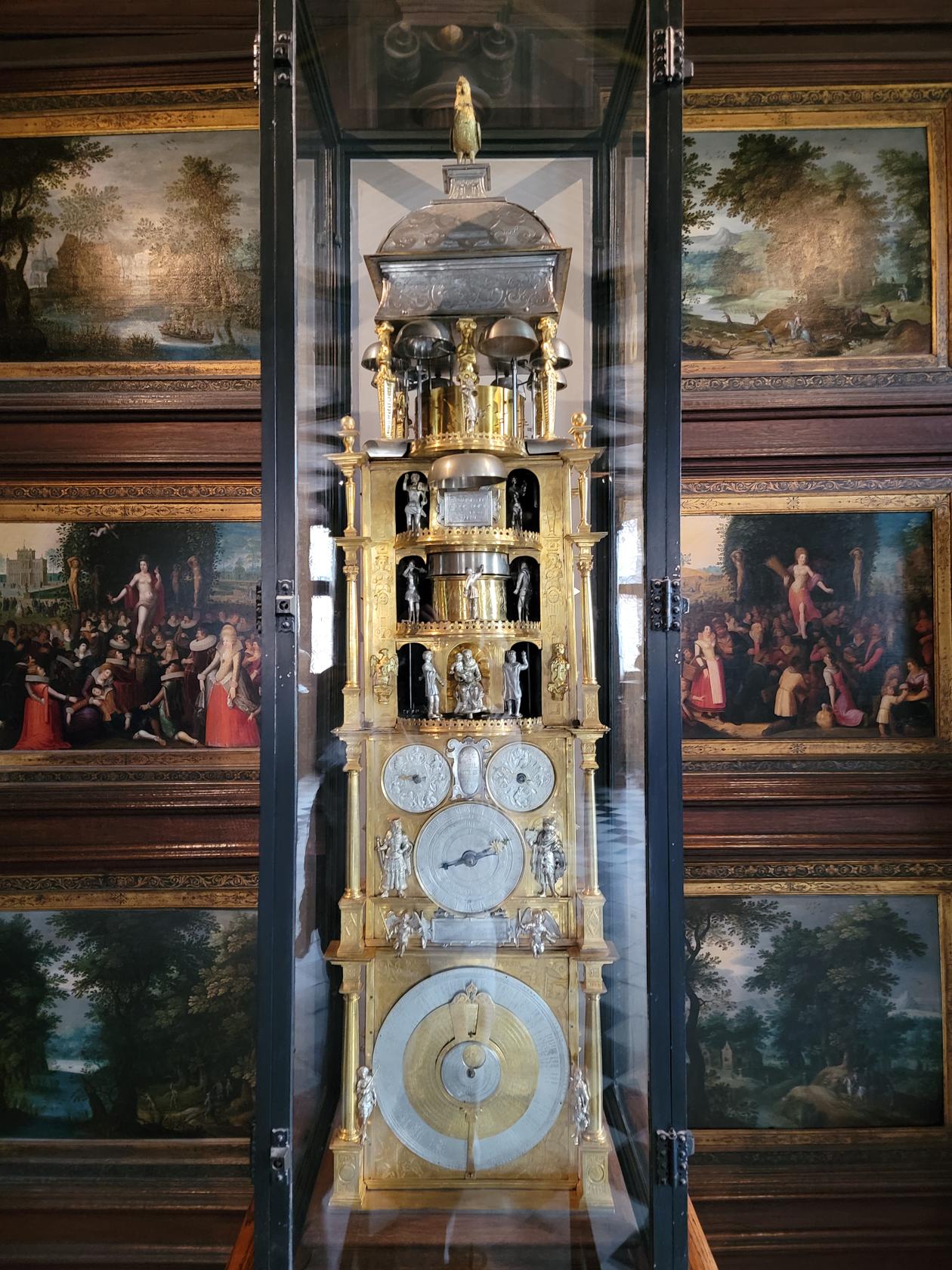
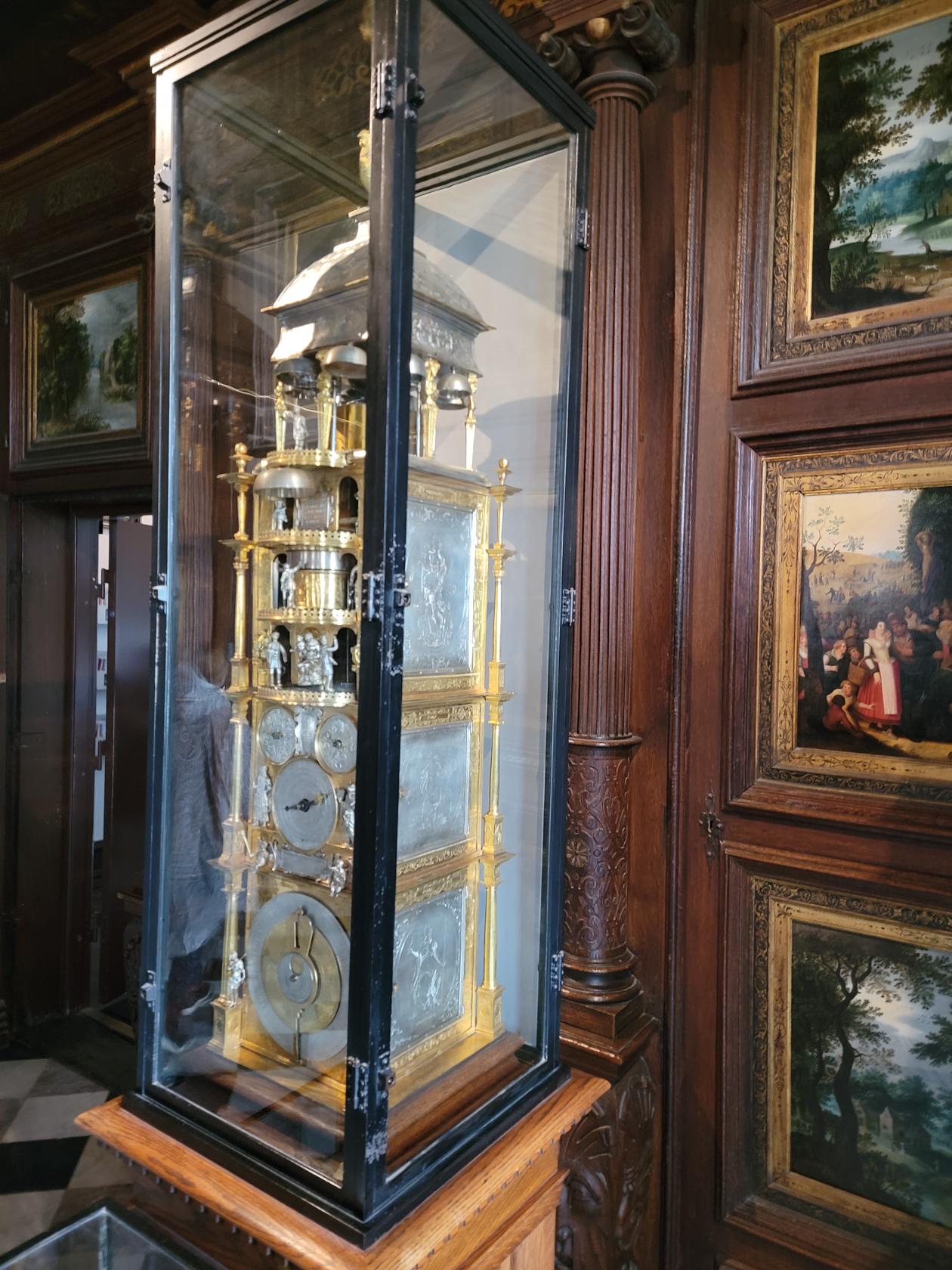
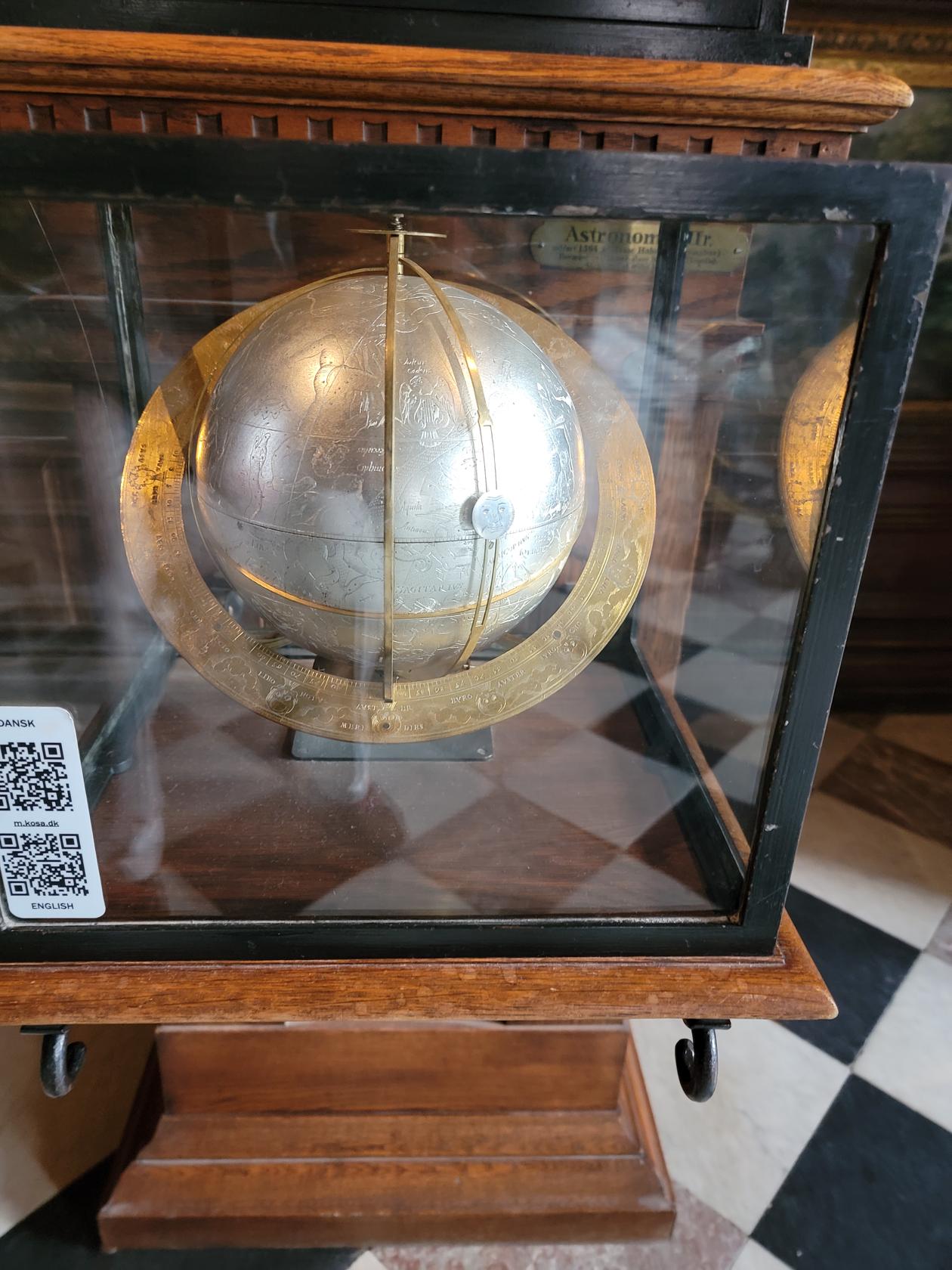
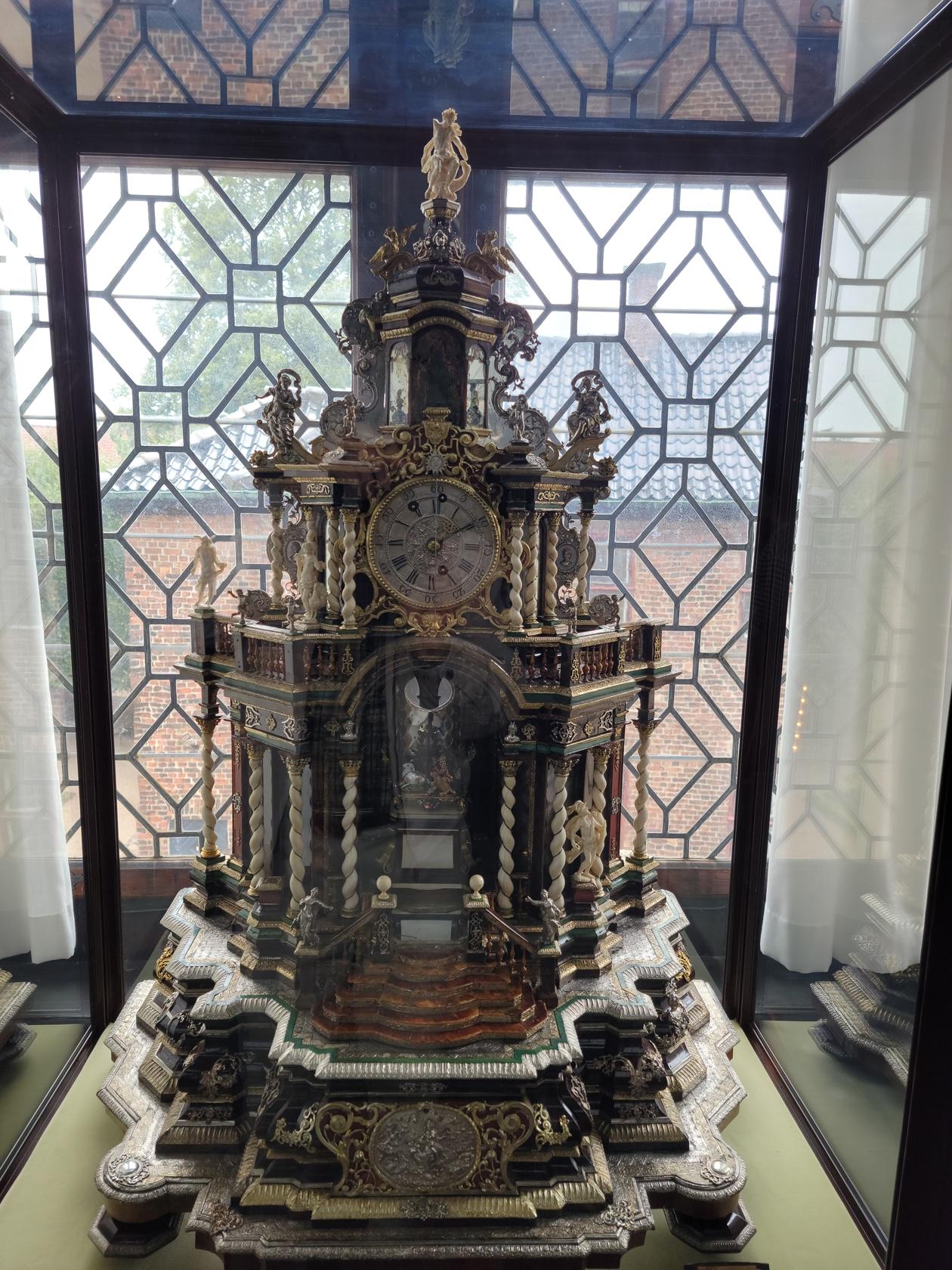
There are also several timepieces and at least one Astrolabe of special note.
Large Brass Timepiece – The Rosenborg Castle – Copenhagen, Denmark
Large Brass Timepiece – The Rosenborg Castle – Copenhagen, Denmark
Astrolabe – The Rosenborg Castle – Copenhagen, Denmark
Another Interesting Timepiece – The Rosenborg Castle – Copenhagen, Denmark
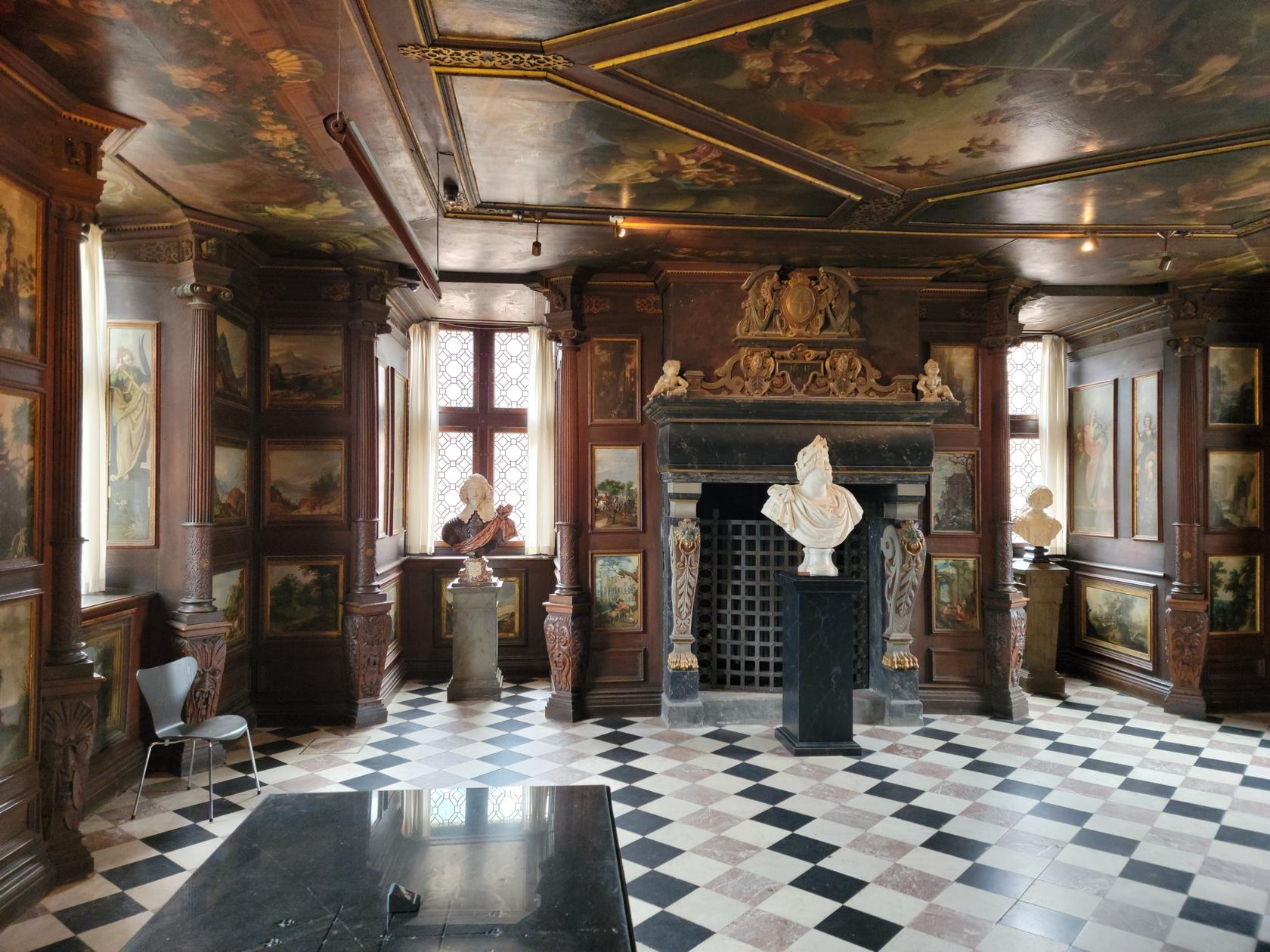
The rest may be enjoyed in the following slideshow.
The Winter Room – The Rosenborg Castle – Copenhagen, Denmark
The Winter Room – The Rosenborg Castle – Copenhagen, Denmark
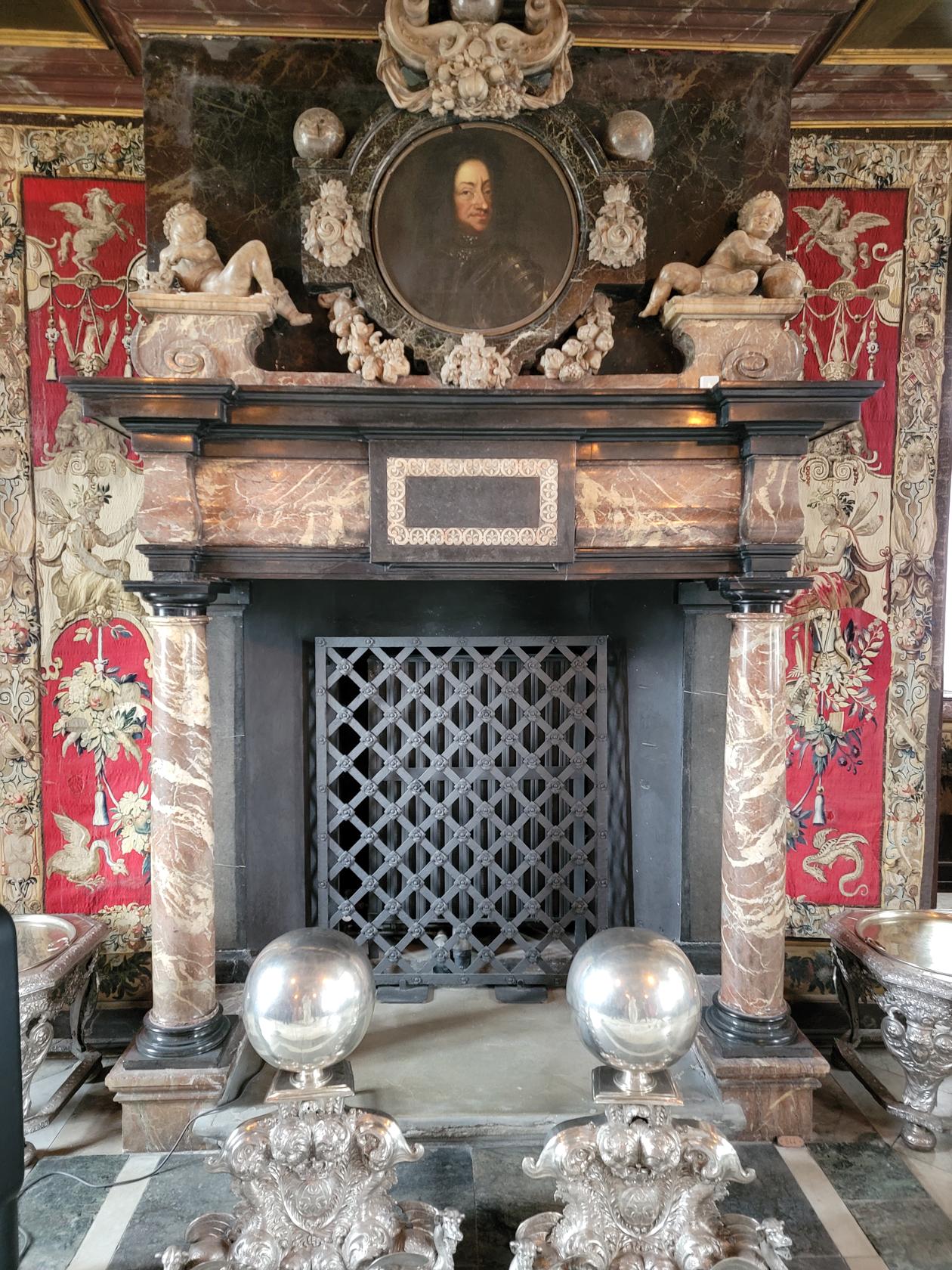
Fireplace – The Rosenborg Castle – Copenhagen, Denmark
Ceiling, Winter Room – The Rosenborg Castle – Copenhagen, Denmark
Diorama – The Rosenborg Castle – Copenhagen, Denmark
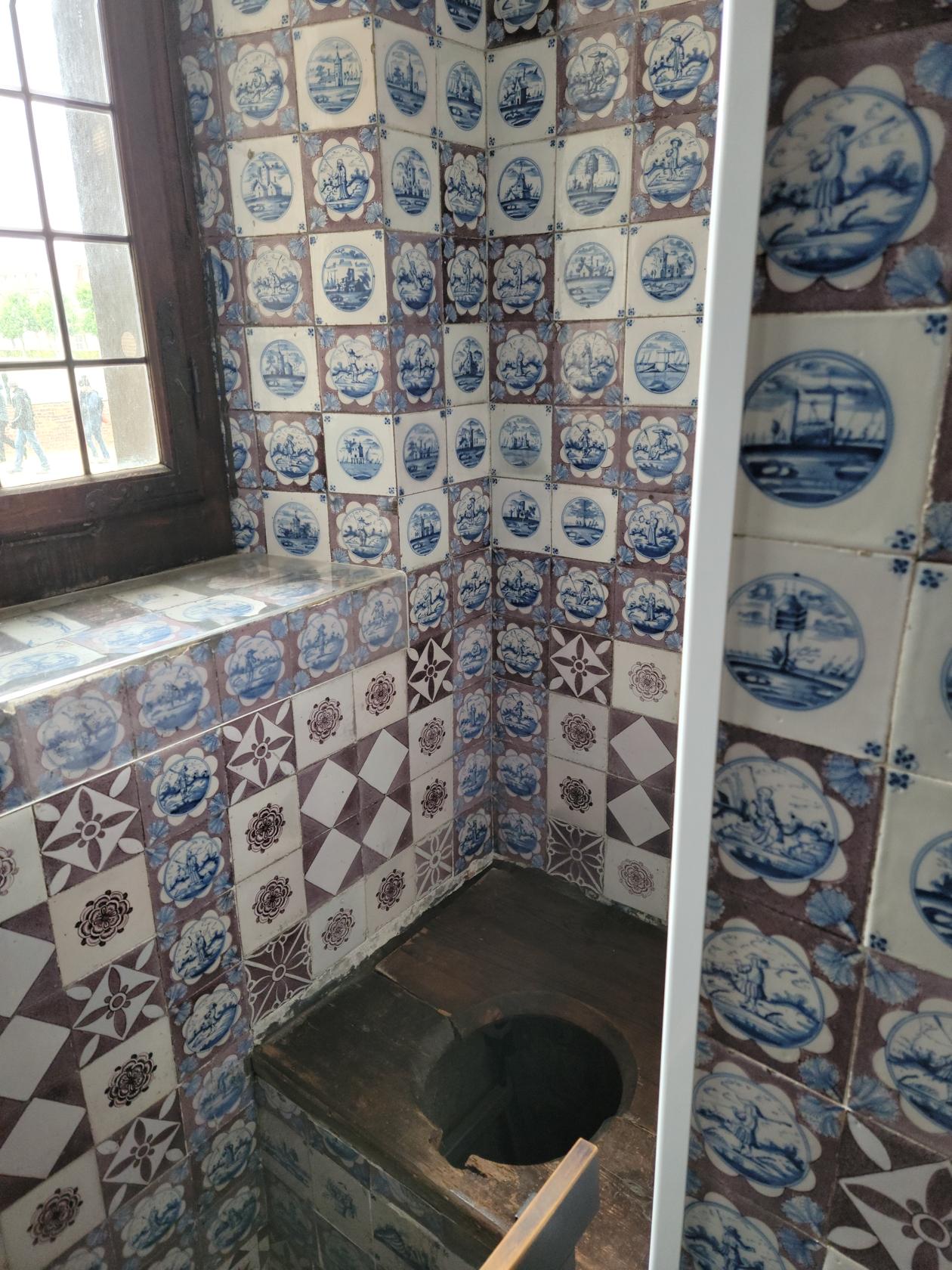
Royal toilet – The Rosenborg Castle – Copenhagen, Denmark
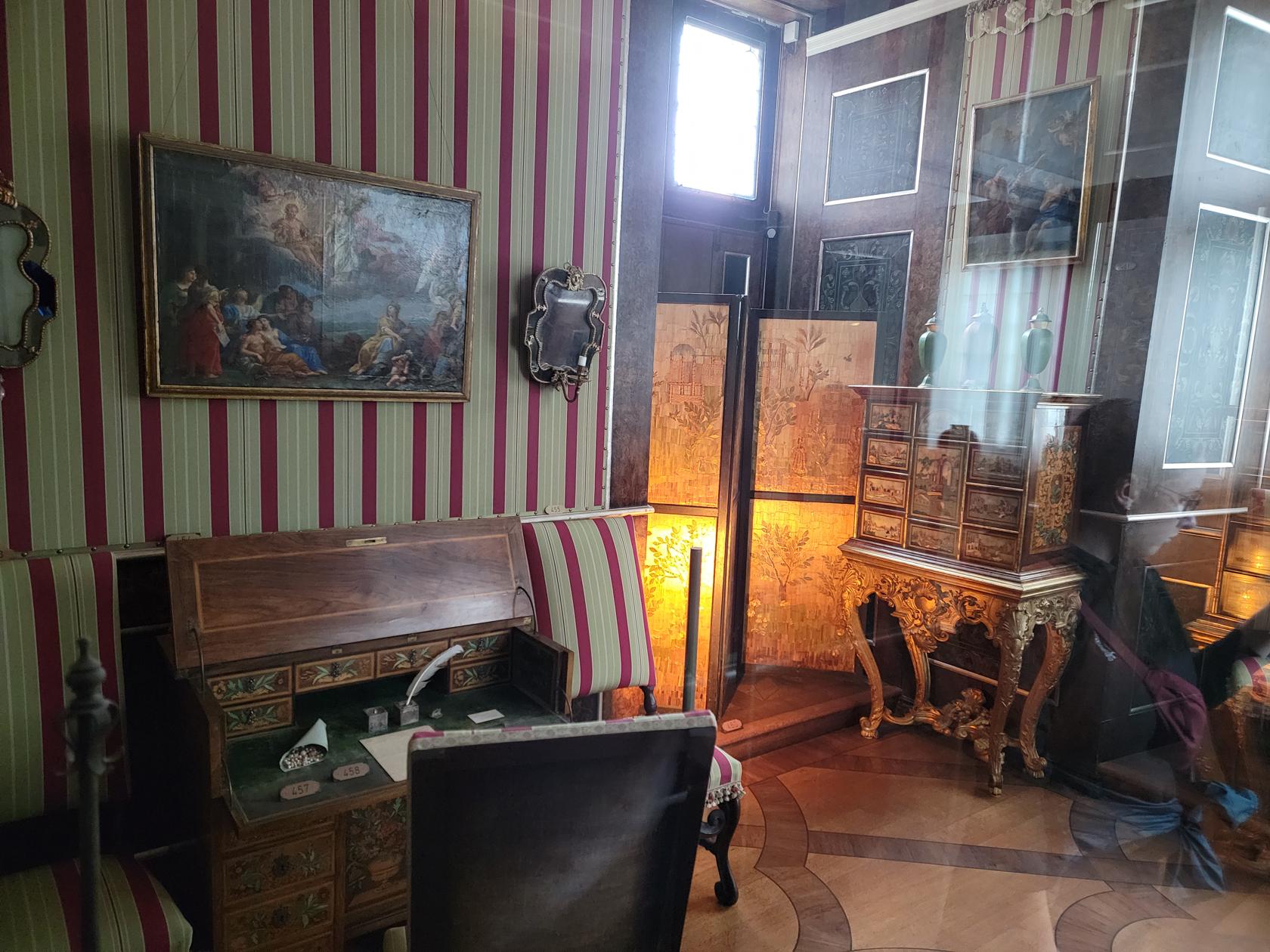
The Writing room – The Rosenborg Castle – Copenhagen, Denmark
The Dark room – The Rosenborg Castle – Copenhagen, Denmark
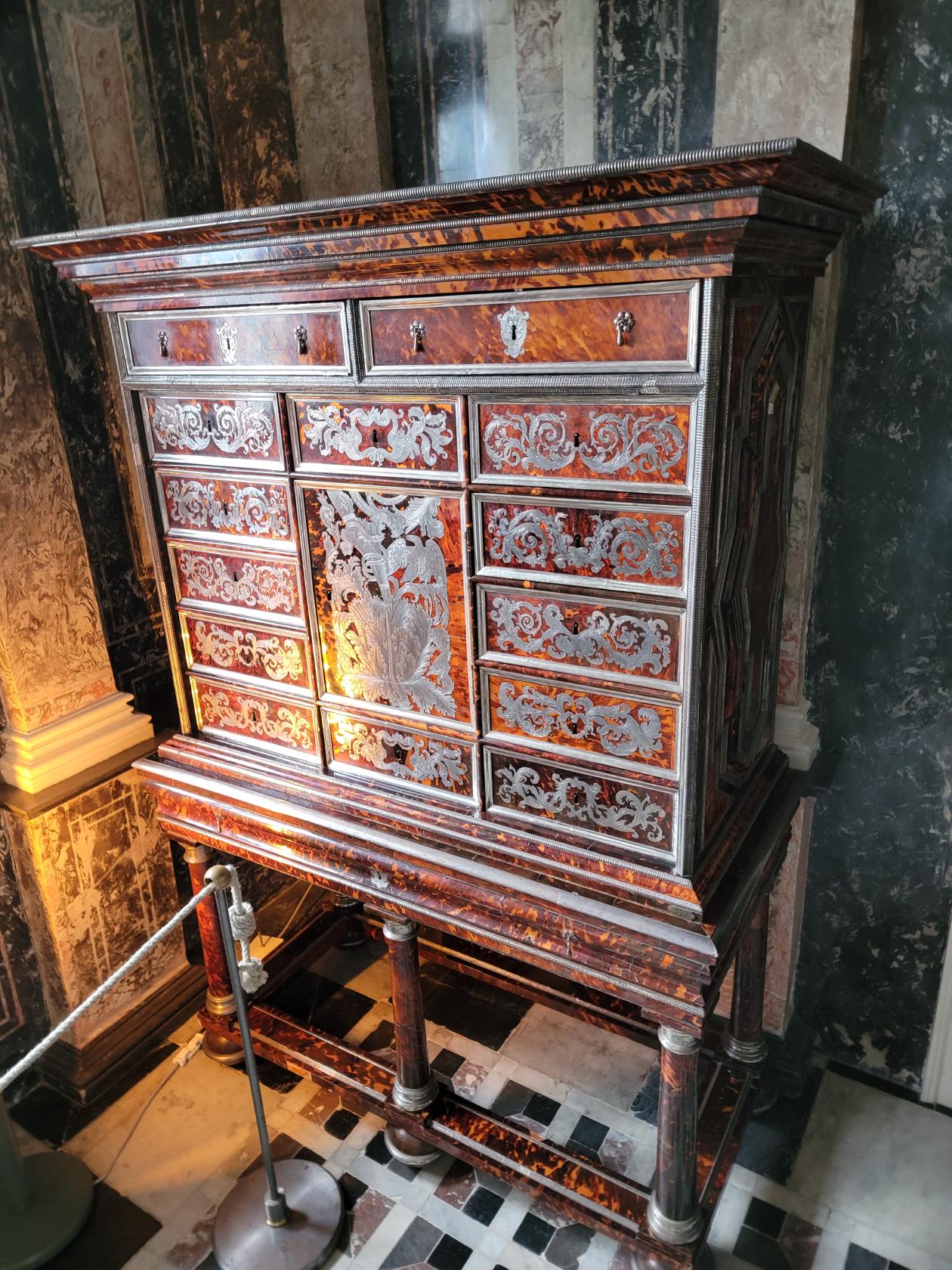
Interesting chest – The Rosenborg Castle – Copenhagen, Denmark
The Marble Chamber – The Rosenborg Castle – Copenhagen, Denmark
Collections – The Rosenborg Castle – Copenhagen, Denmark
Collections – The Rosenborg Castle – Copenhagen, Denmark
Christian’s V Chamber – The Rosenborg Castle – Copenhagen, Denmark
The Stone Corridor – The Rosenborg Castle – Copenhagen, Denmark
The Mirror Cabinet – The Rosenborg Castle – Copenhagen, Denmark
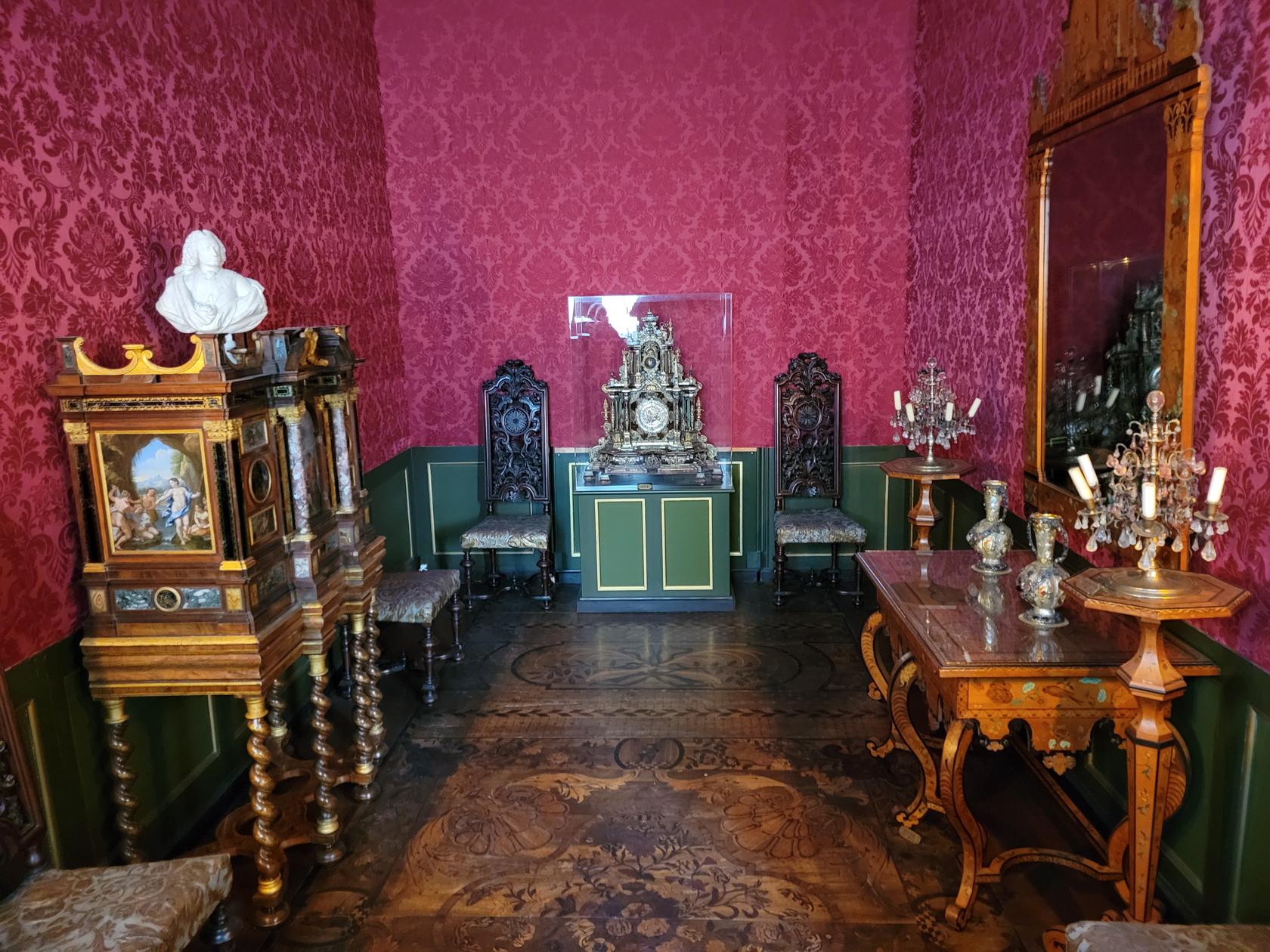
The Bronze room – The Rosenborg Castle – Copenhagen, Denmark
Another Clock – The Rosenborg Castle – Copenhagen, Denmark
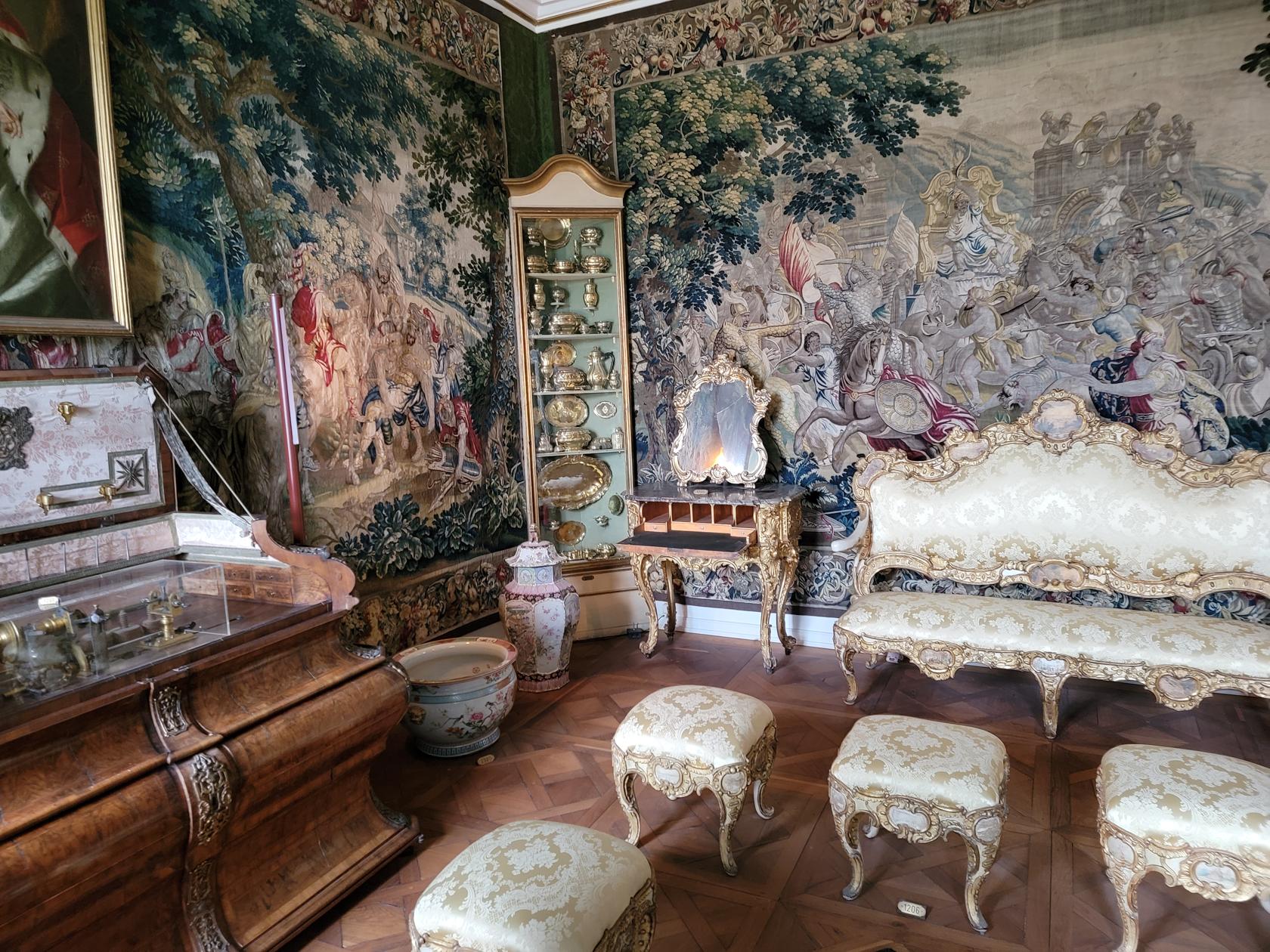
Sitting room – The Rosenborg Castle – Copenhagen, Denmark
Sitting room – The Rosenborg Castle – Copenhagen, Denmark
King’s Gardens
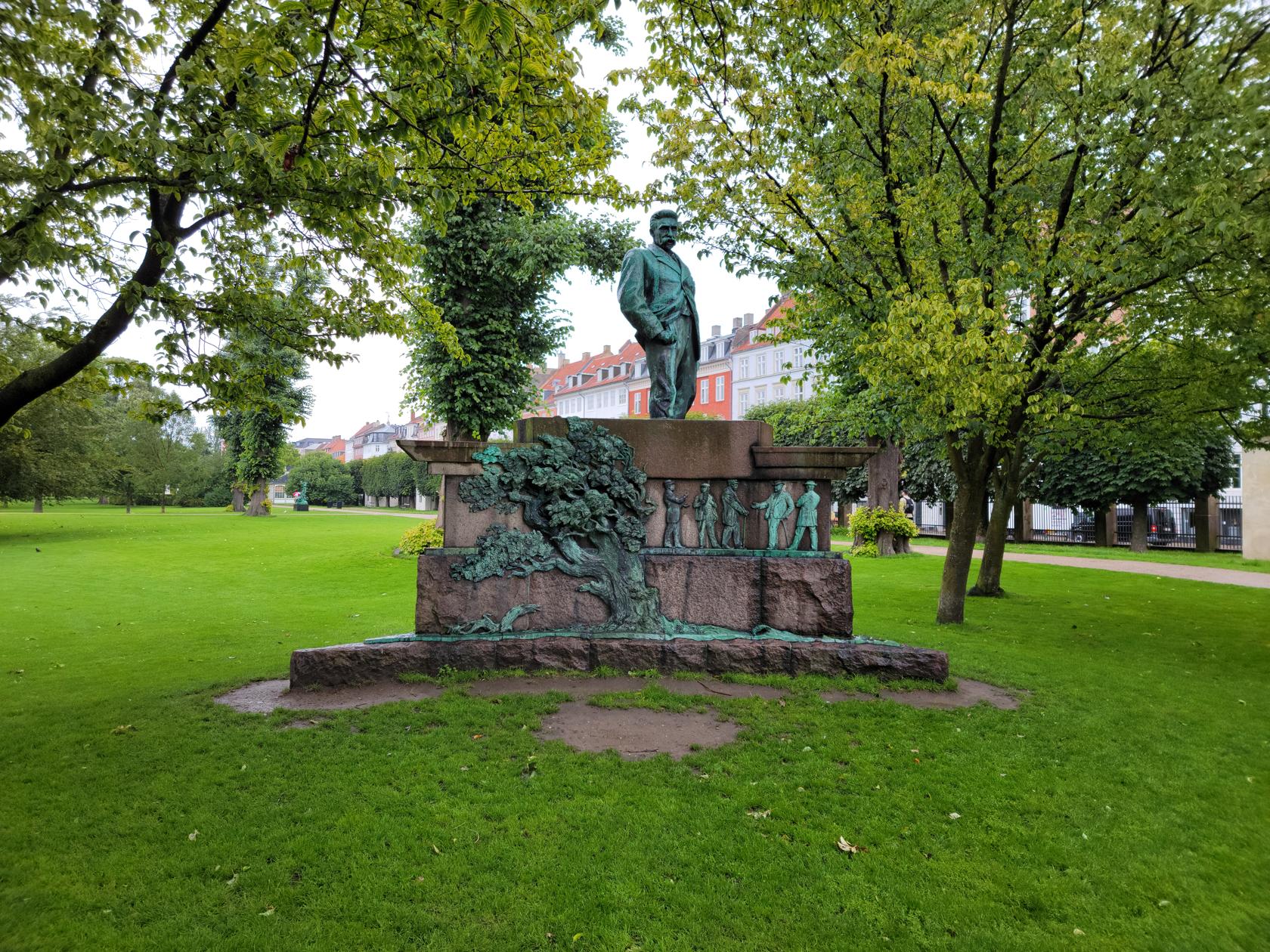
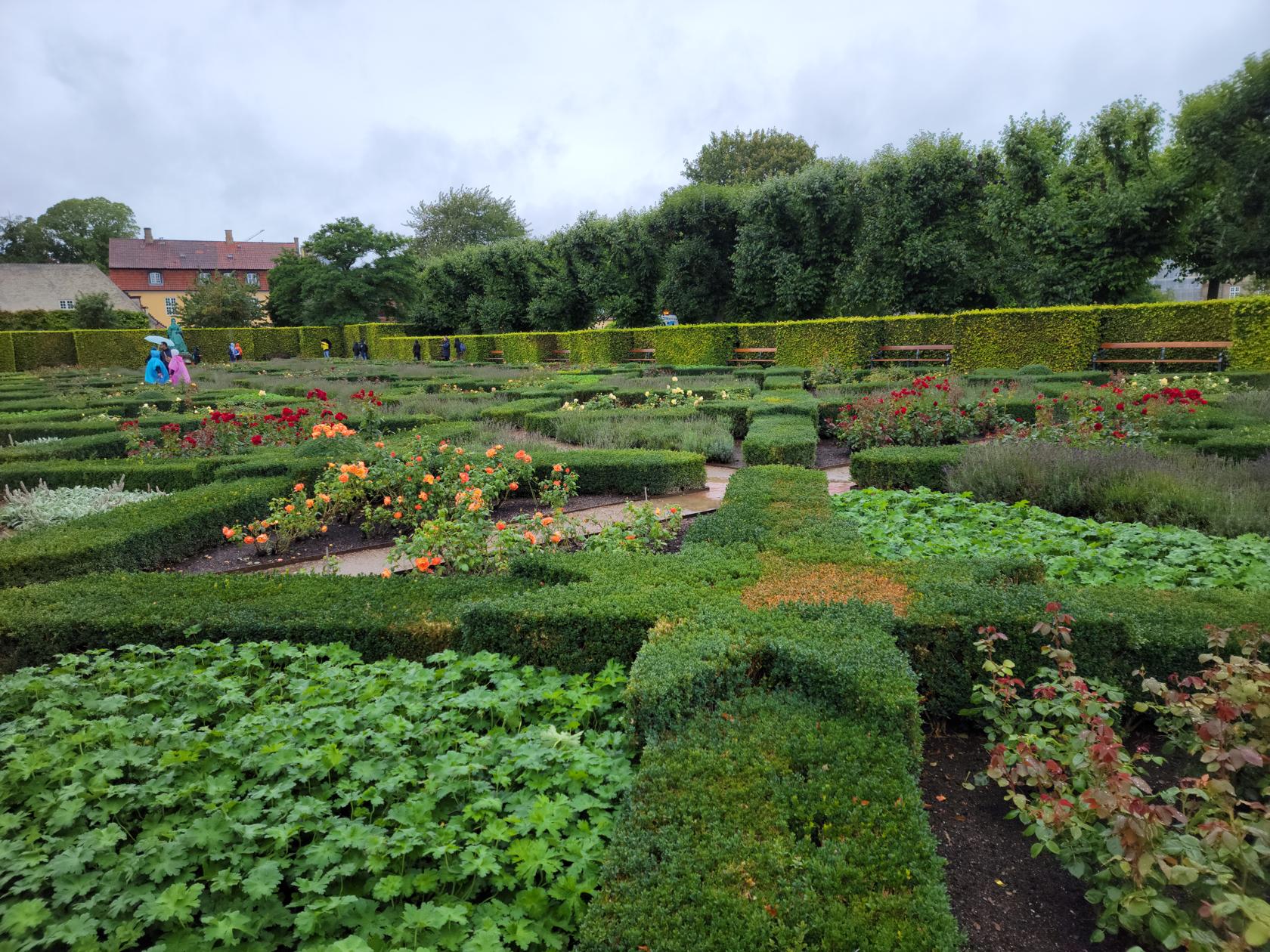
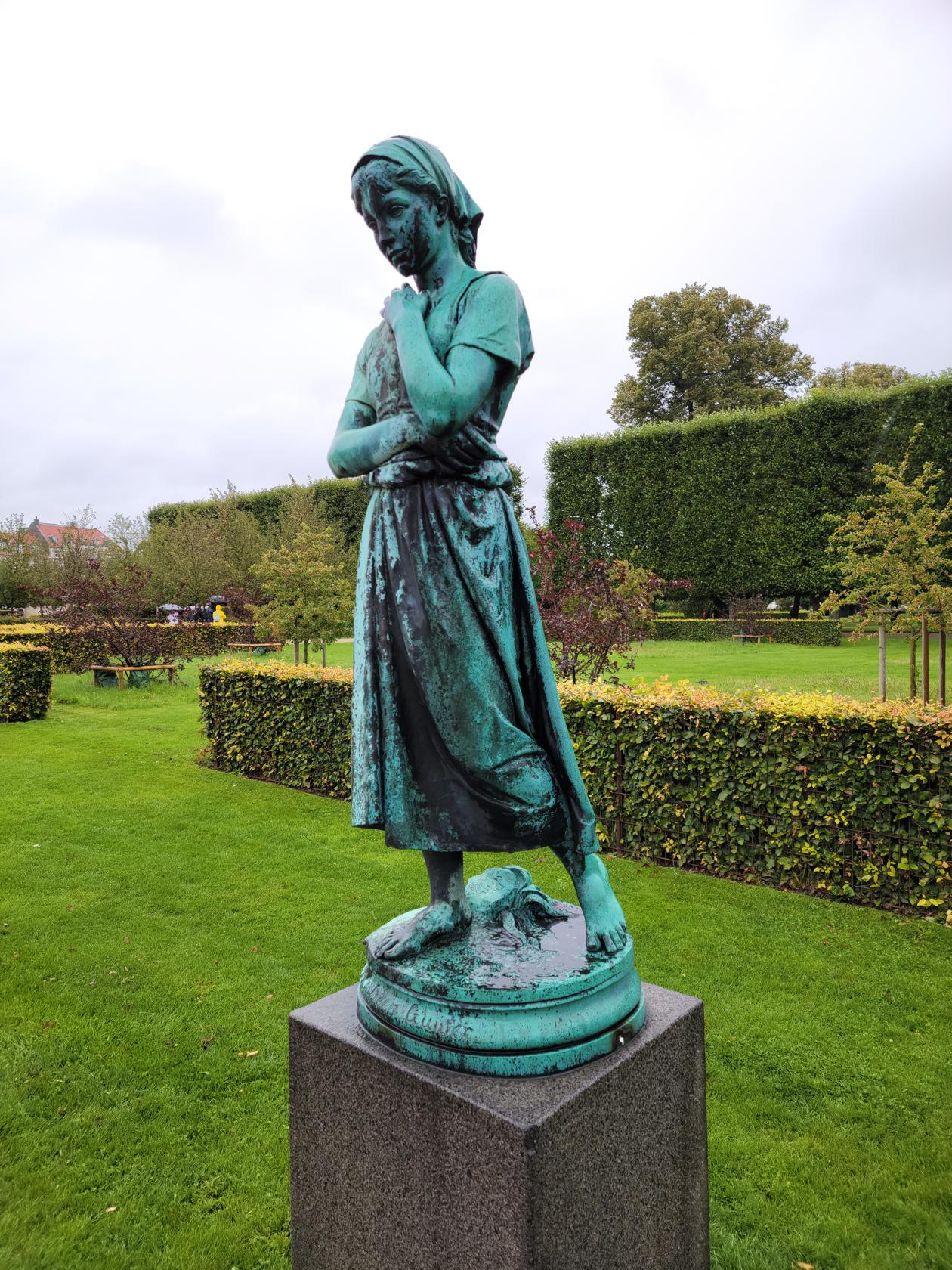
The castle also has the “King’s Garden”, a complex of garden paths and interesting things to see that the former residence could enjoy.
The King’s Garden – The Rosenborg Castle – Copenhagen, Denmark
The King’s Garden – The Rosenborg Castle – Copenhagen, Denmark
The King’s Garden – The Rosenborg Castle – Copenhagen, Denmark
The King’s Garden – The Rosenborg Castle – Copenhagen, Denmark
Restaurants
On The Sunny Side Italian Restaurant
A very good Italian restaurant on the Nyhavn canal which offers good food and has a decent wine list. A bit pricey, but you are on the canal, and what isn’t pricey in Copenhagen?
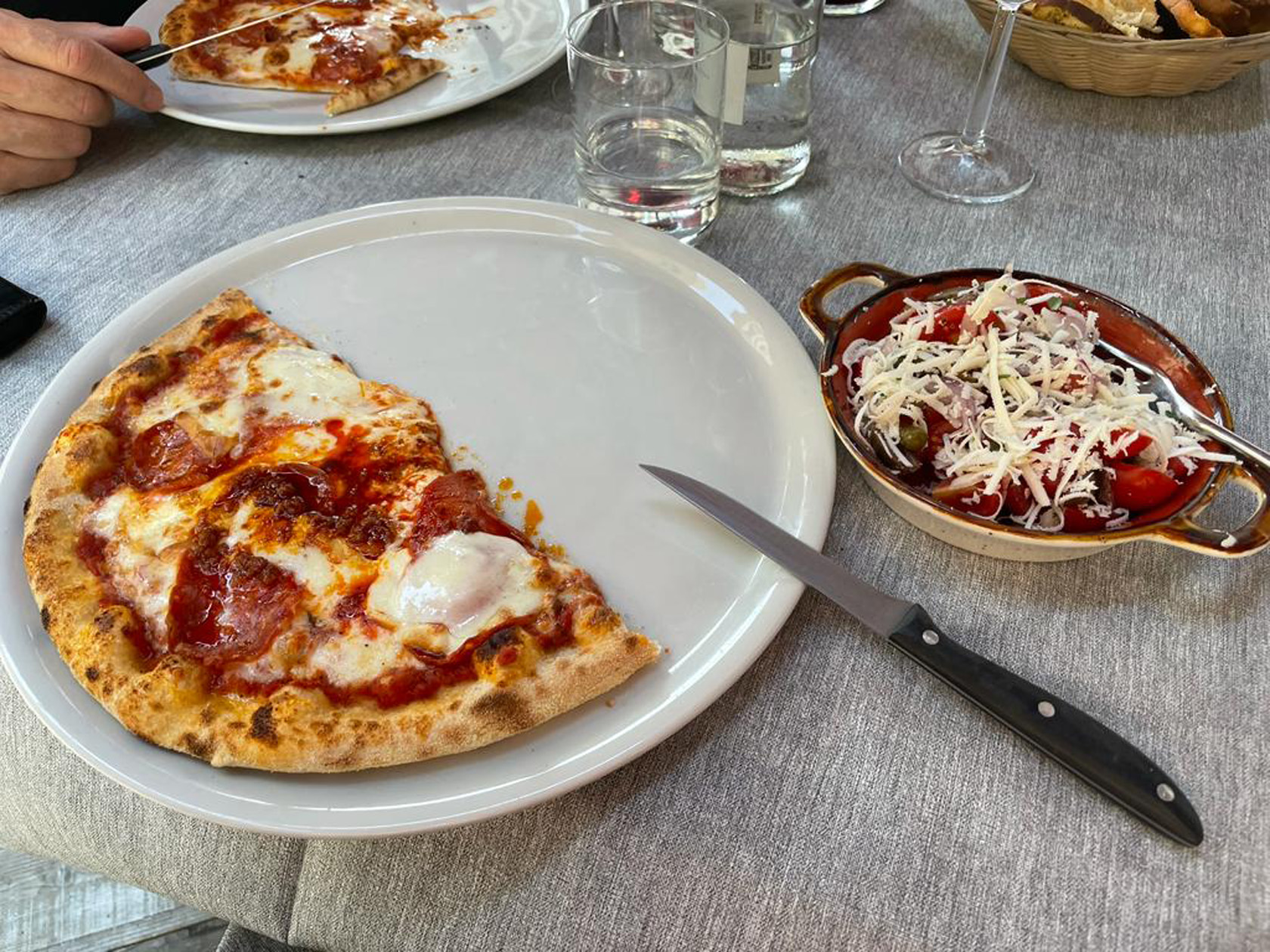
Pizza – On The Sunny Side – Copenhagen, Denmark
Wine – On The Sunny Side – Copenhagen, Denmark
Fredco’s Deli
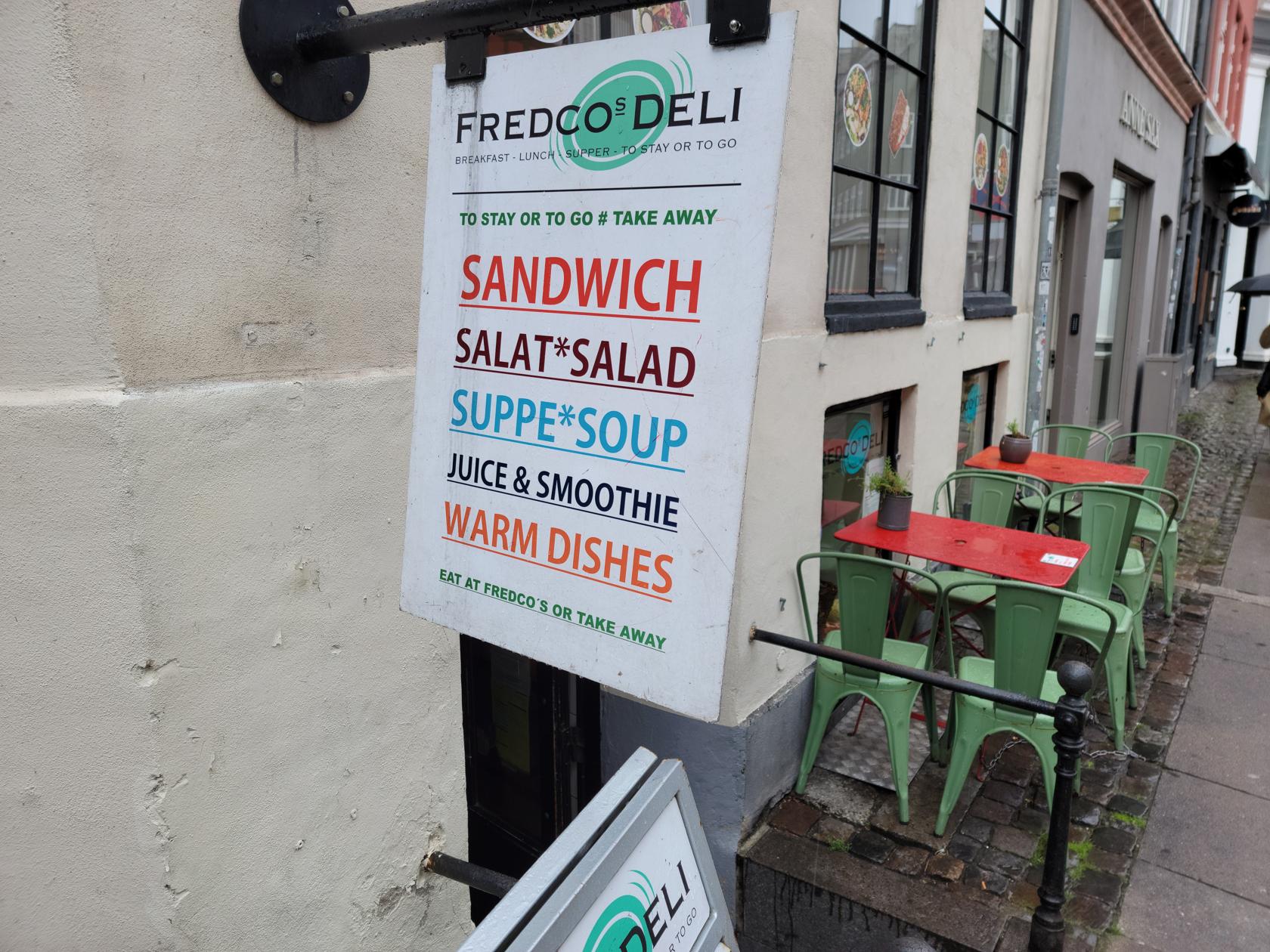
A very small establishment on Grønnegade street which provides a very reasonably priced lunch menu that does include salads. Here you can select from a variety of things for your salad, including dressings. Though a bit on the basic side, if you are tired of eating meat based meals every time you sit down, this might be the stop for you. The interior is in the basement and is very utilitarian in look and feel, but you should be able to find a place to sit and enjoy your lunch.
This week we traveled by train from Turin to Zermatt, Switzerland in the hopes of enjoying the weather and the clean air. There is plenty of clean air, but the weather has remained extremely variable, with it almost always raining in the afternoons.
Zermatt train station – Zermatt, Switzerland
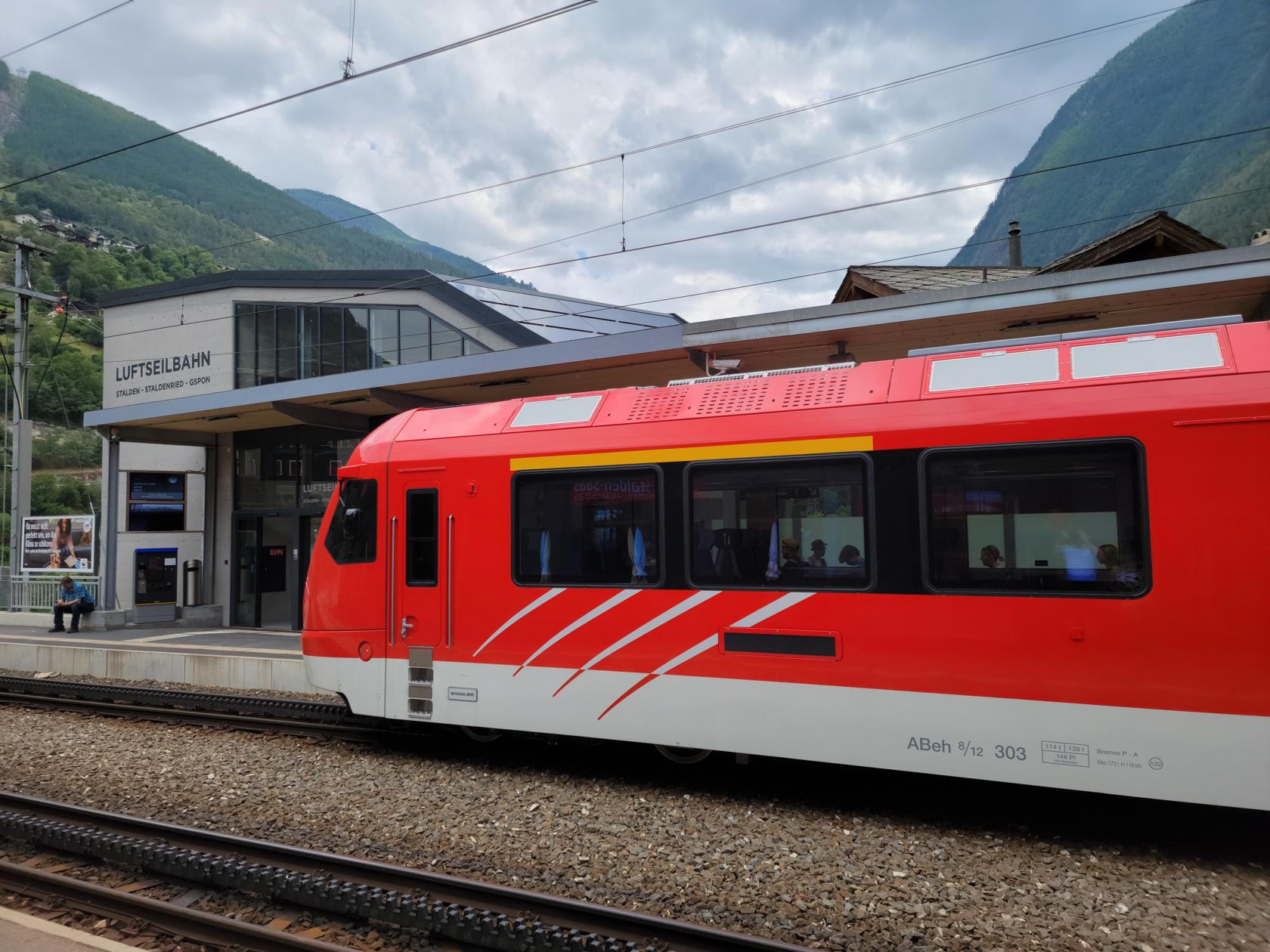
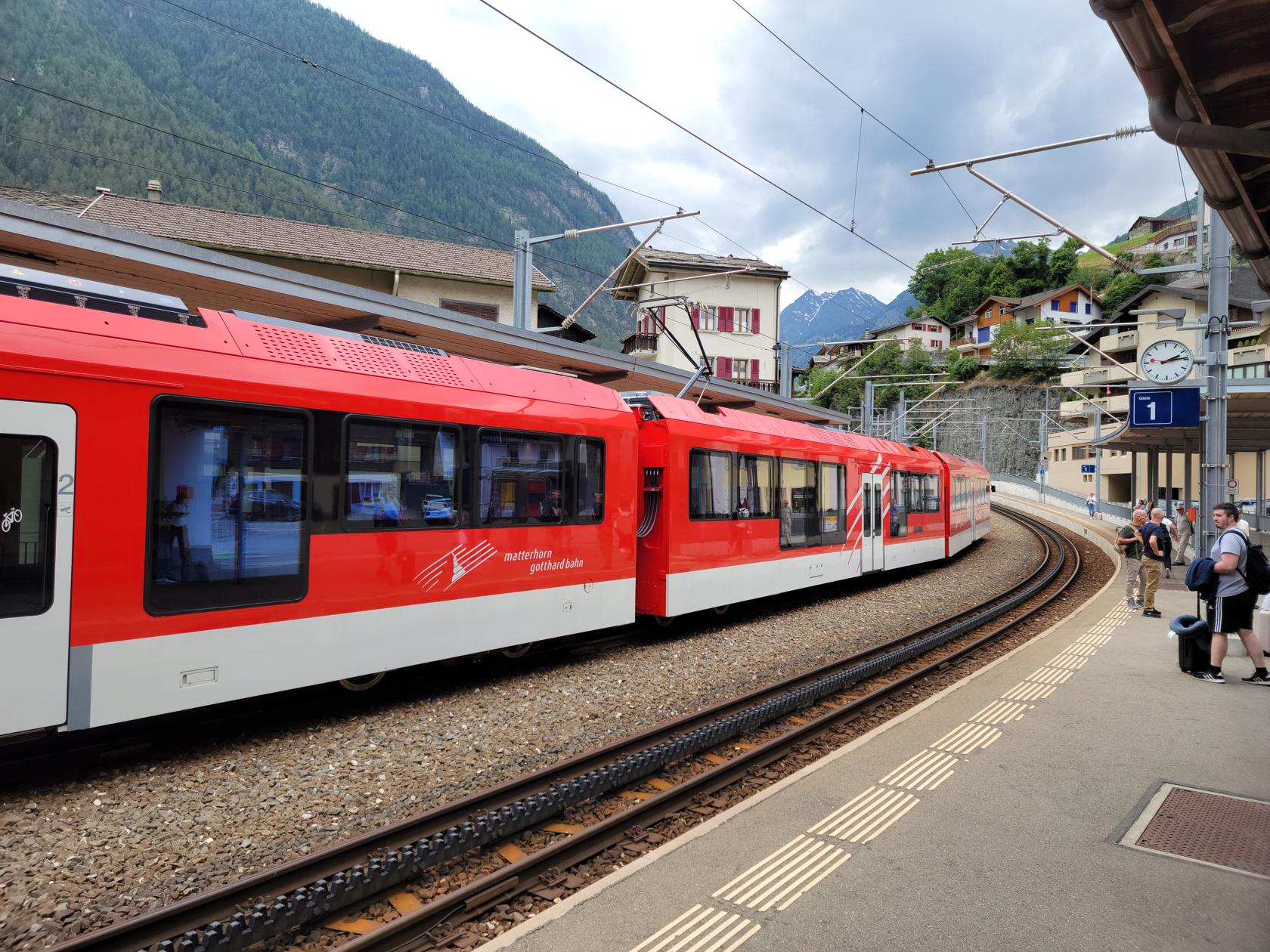
After we got off the EuroCity train in Visp we had to take the local train from there to Zermatt. These trains are run by the canton and are especially equipped to ascend to the 5200ft elevation we needed to ascend in order to get to our destination.
Unfortunately, our first attempt failed and the train that we were on broke down at its first stop. We had to wait approximately a half an hour before another arrived to complete our journey.
Zermatt
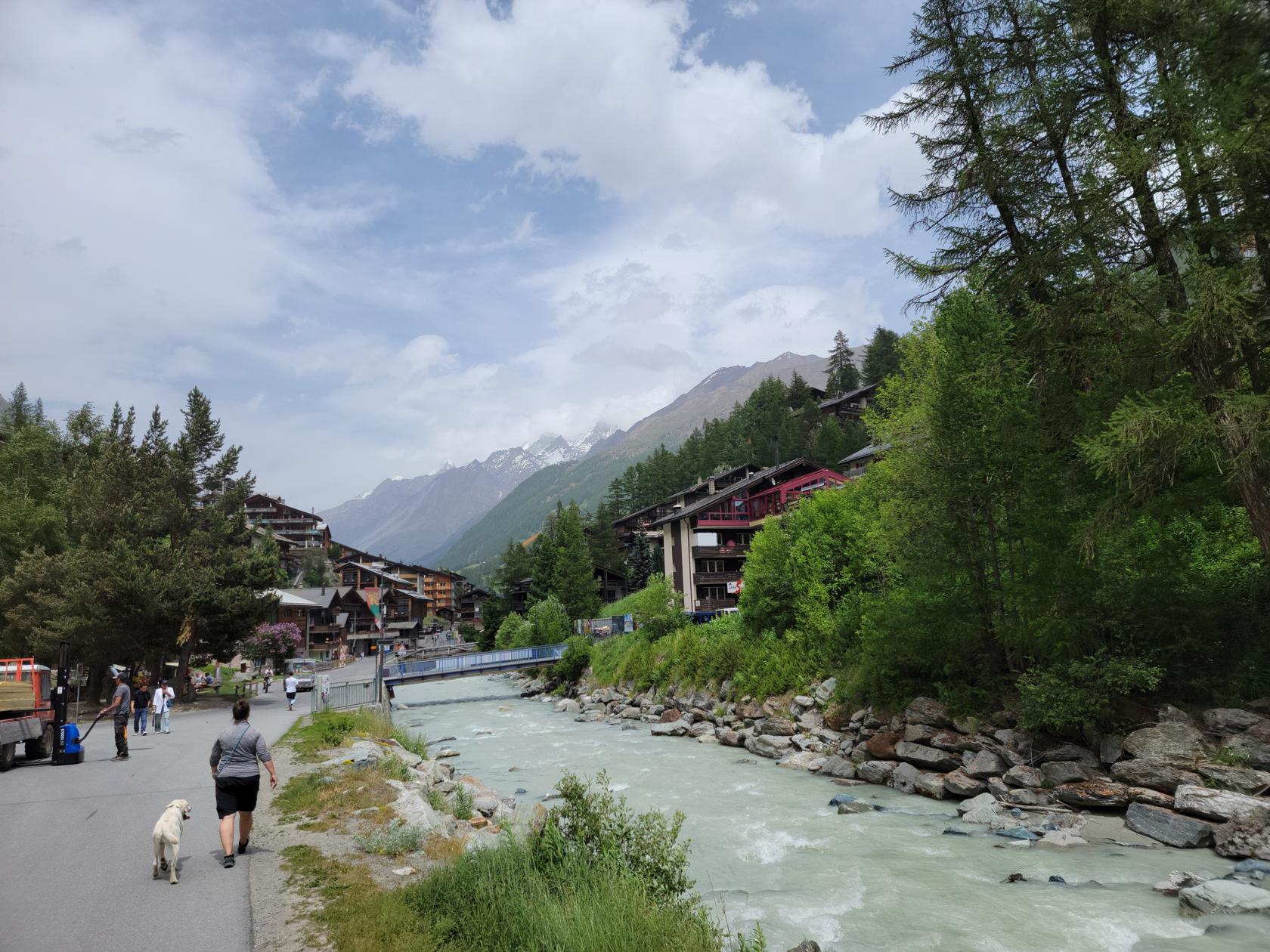
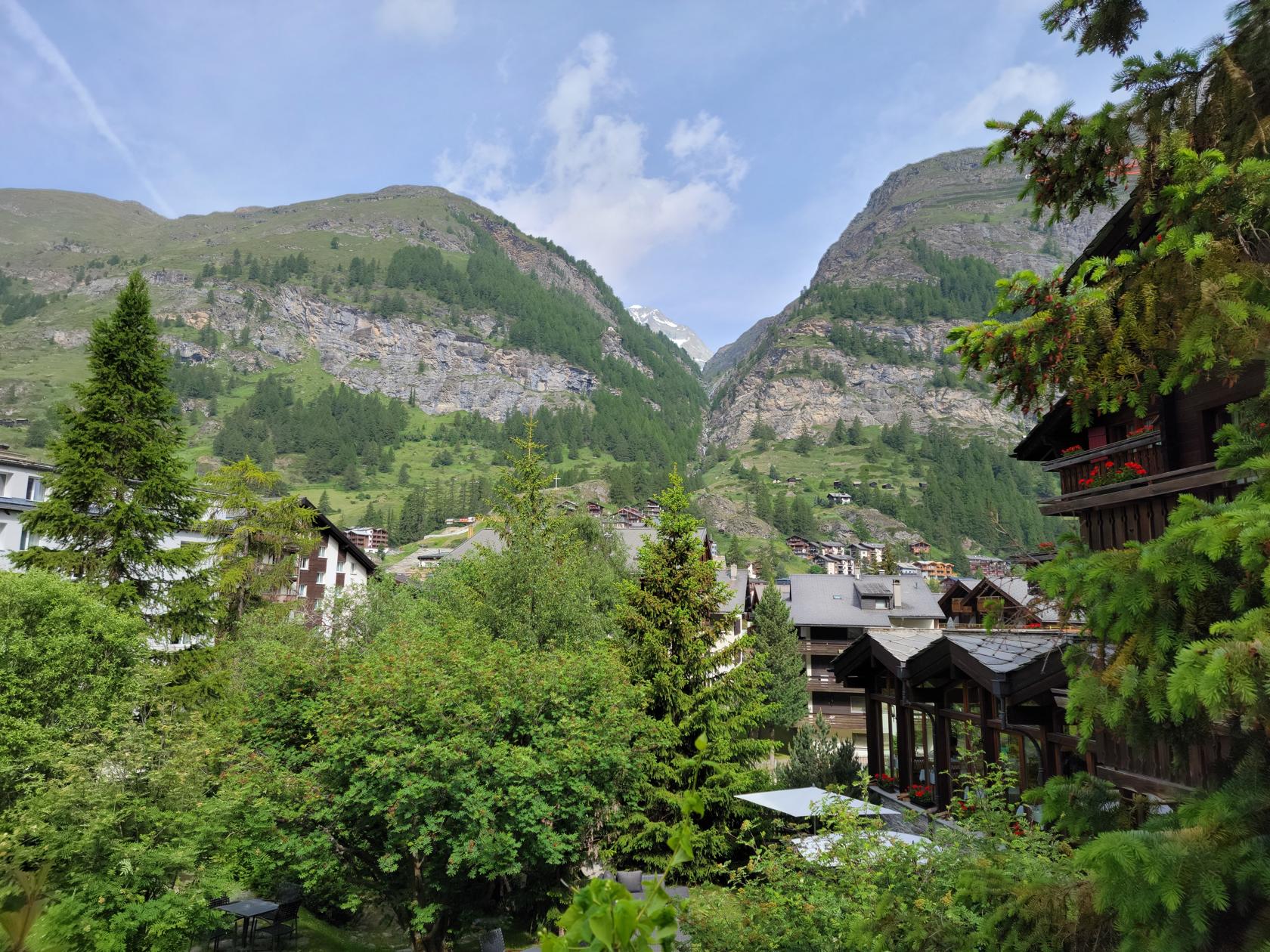
Zermatt is considered a town by the local government and with a constant population of around five thousands, that would seem to be about correct. However, the bulk of the people that you find here are tourists. And as one would expect, the tourist population swells during the weekends as local Swiss and others from neighboring regions come to enjoy the alpine air.
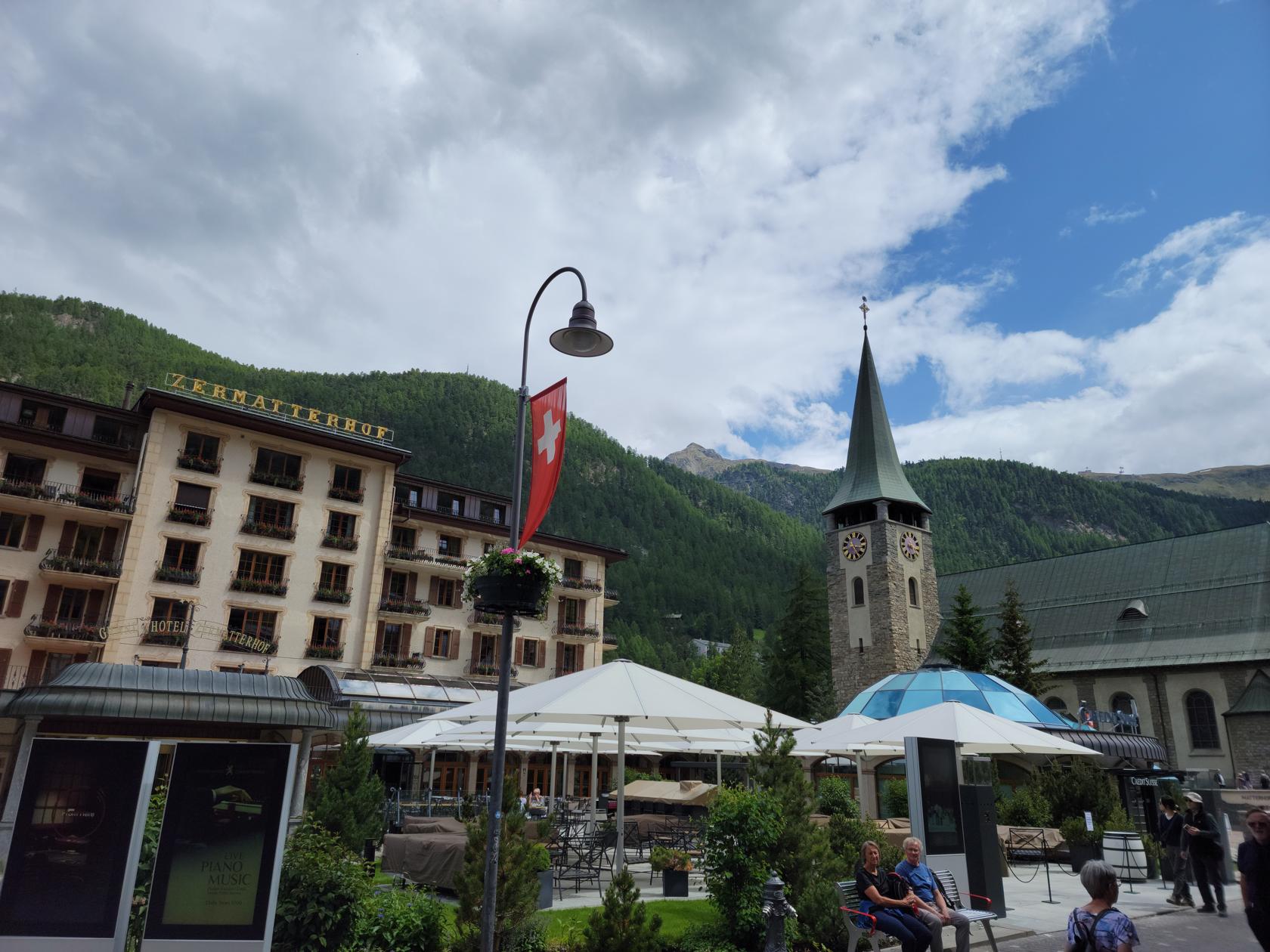
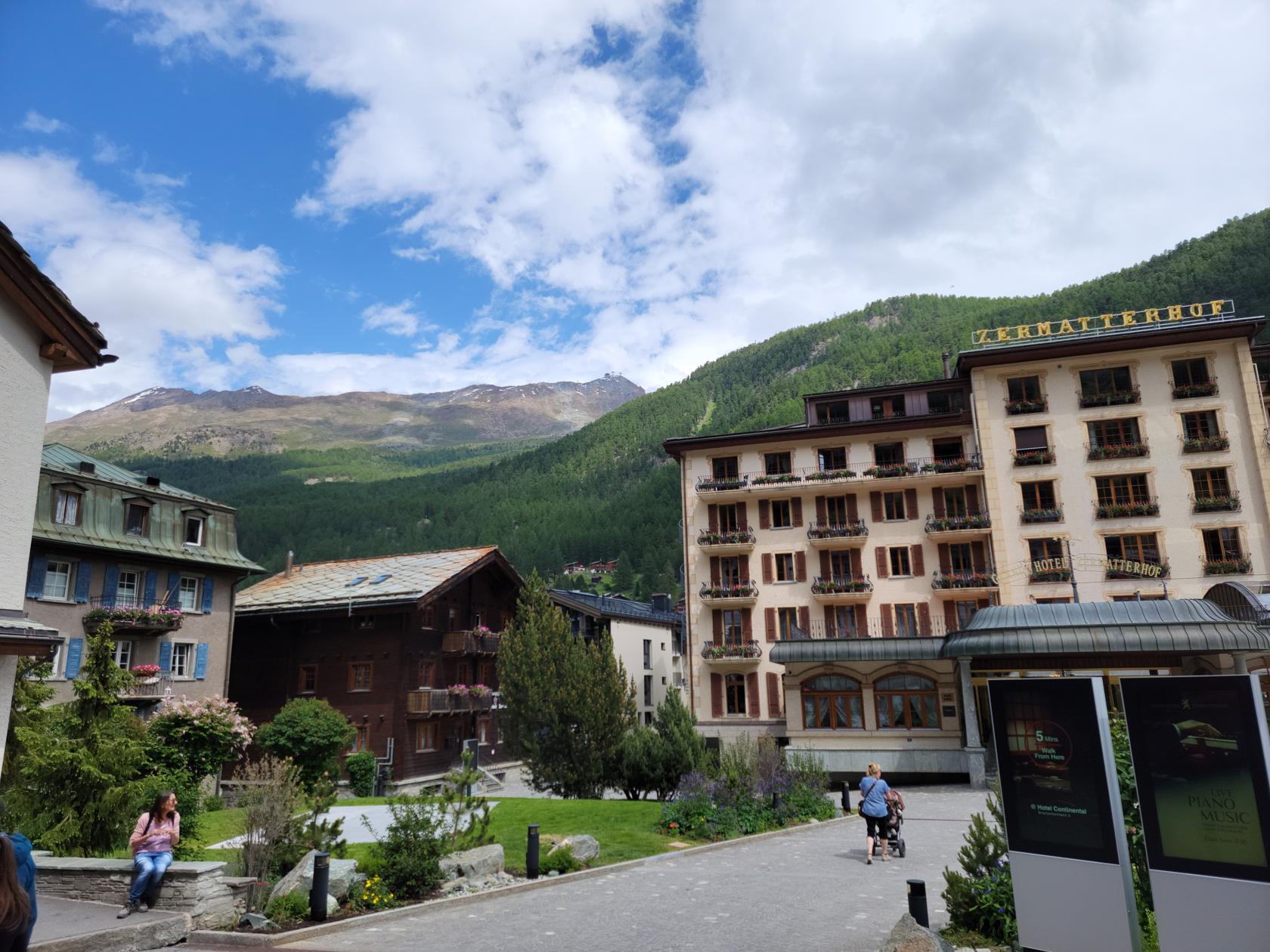
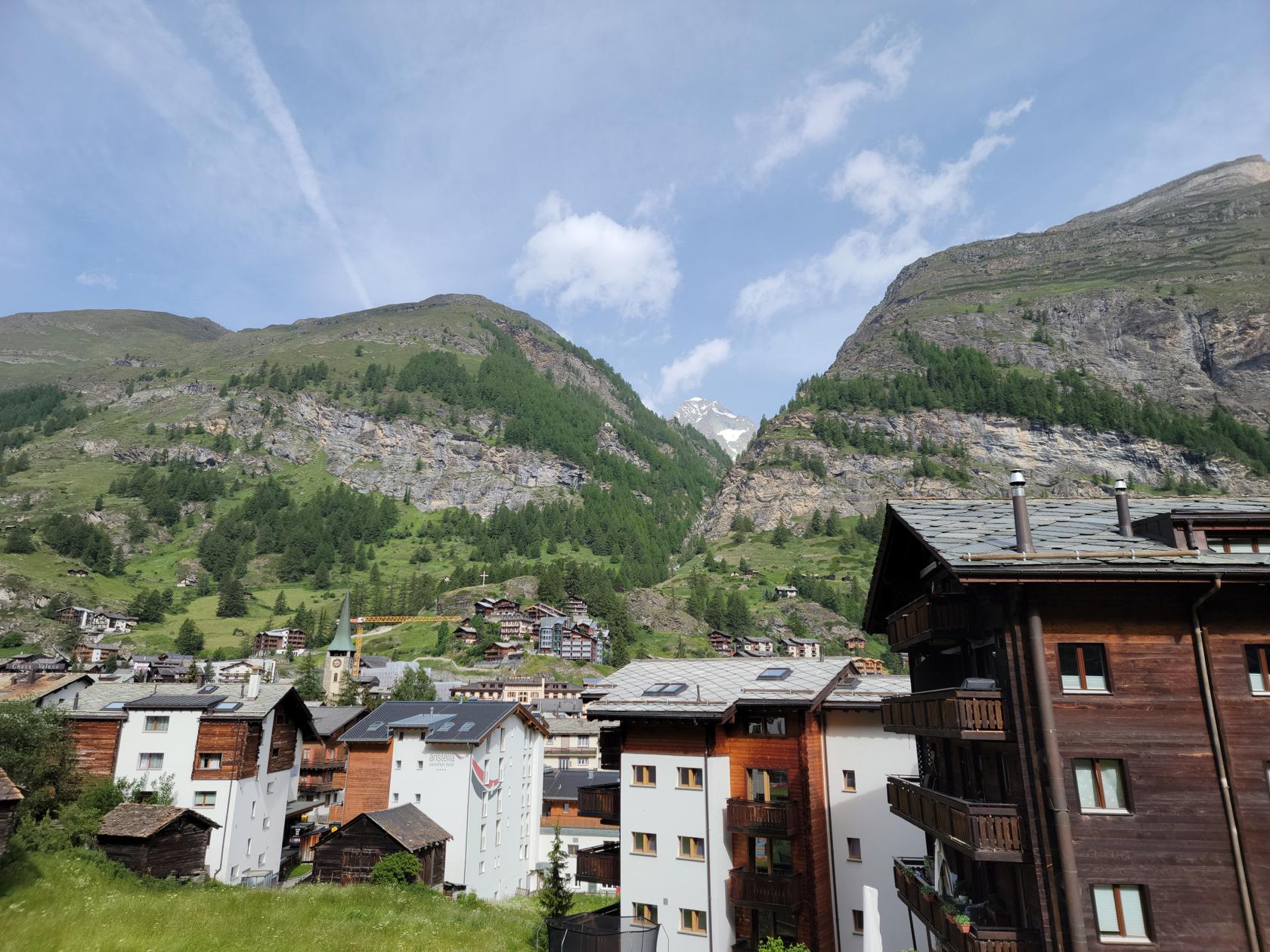
Pfarrerkirche and Zermatterhof – Zermatt, Switzerland
Zermatterhof – Zermatt, Switzerland
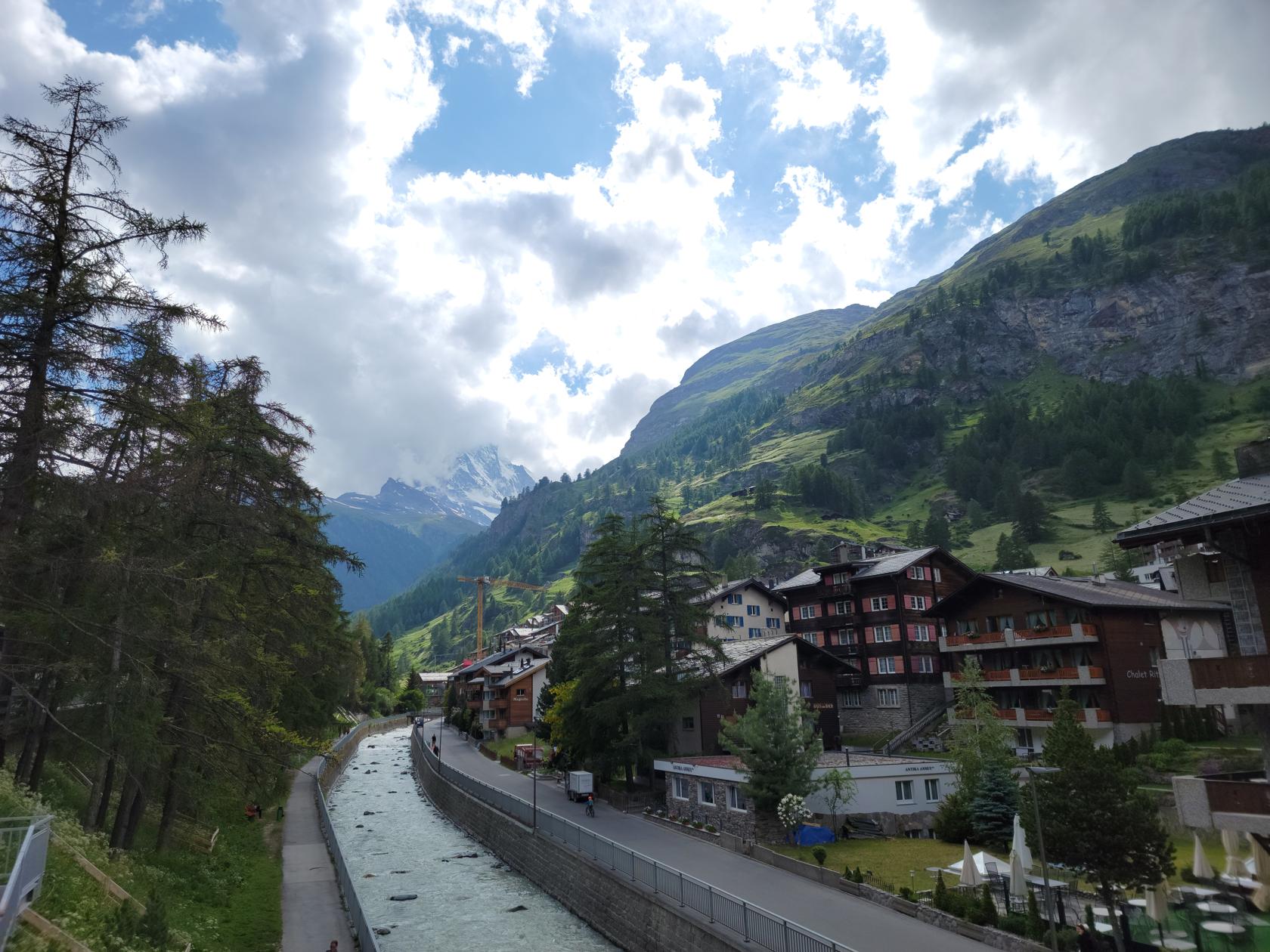
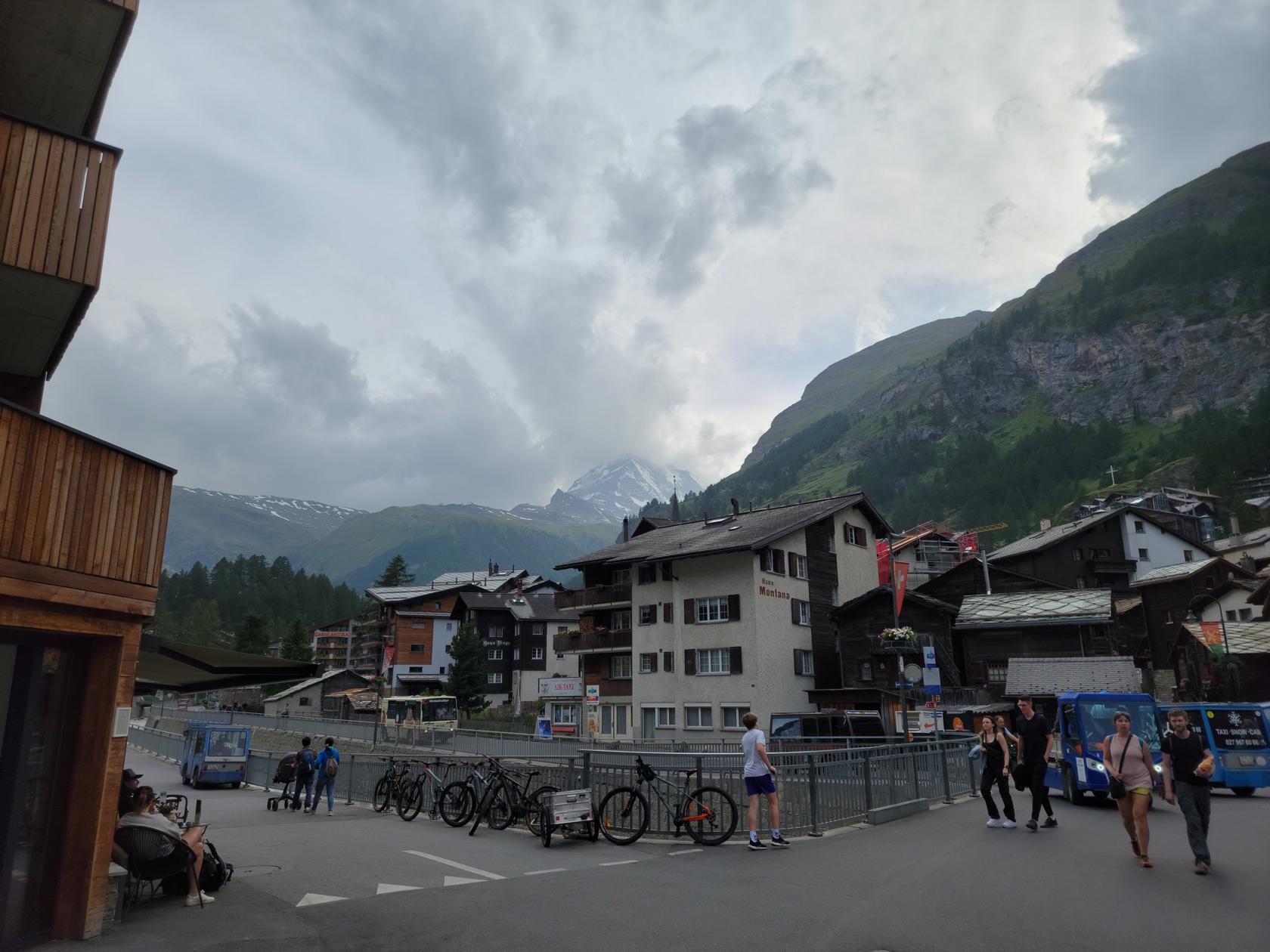
Looking toward the Matterhorn – Zermatt, Switzerland
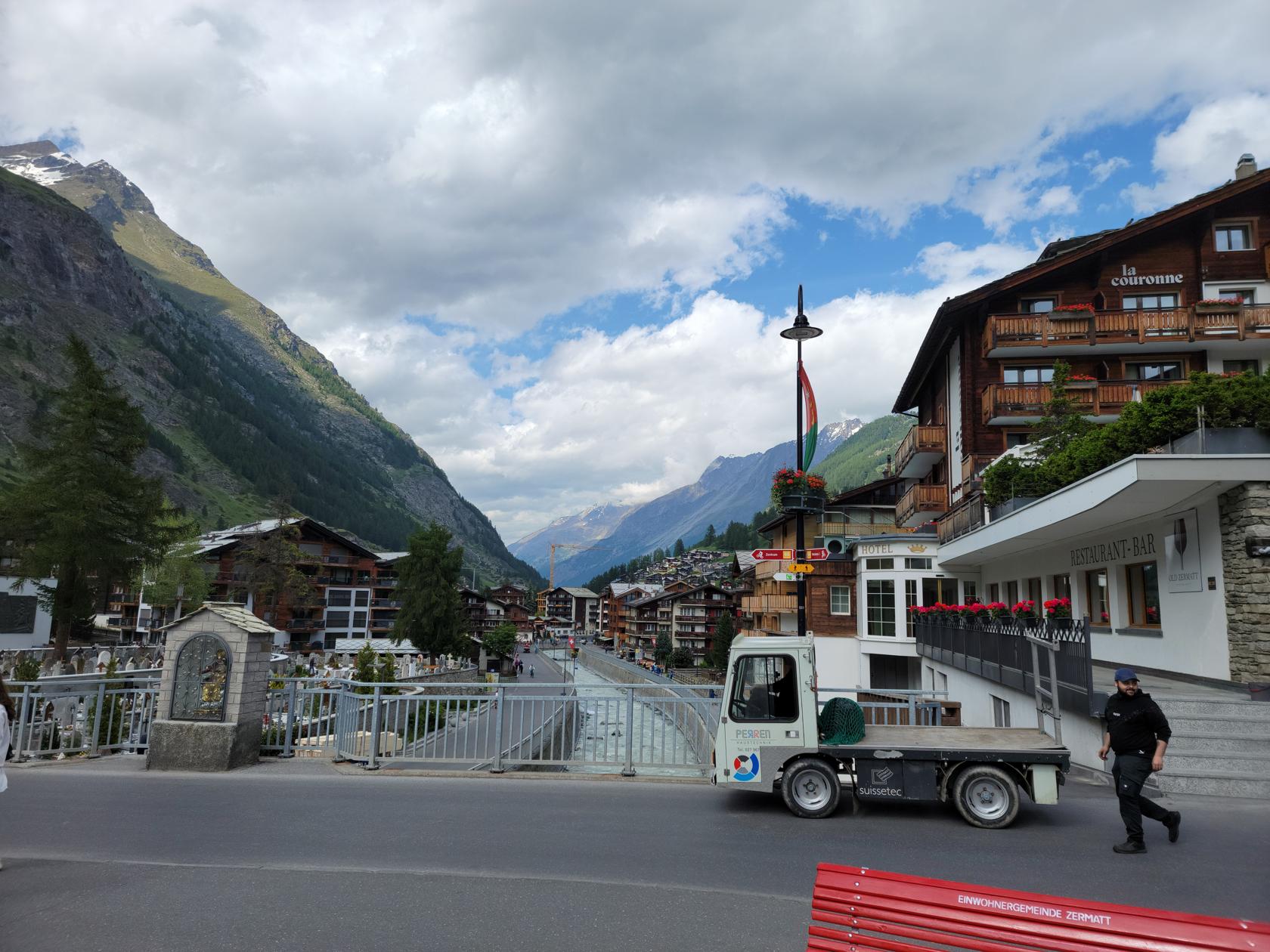
Looking down the Mattertal – Zermatt, Switzerland
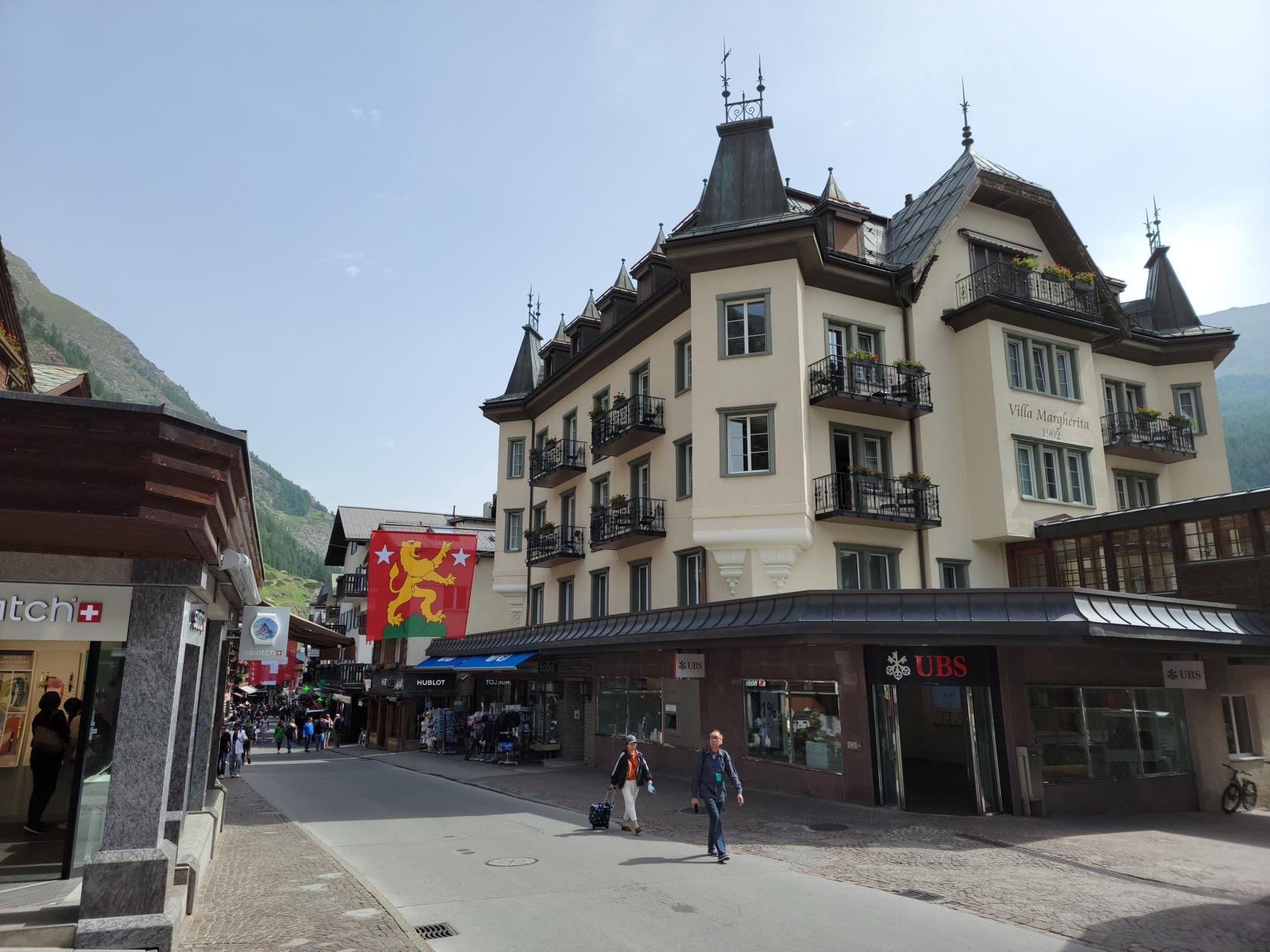
Bahnhofstrasse, the main street – Zermatt, Switzerland
Matterhorn shrouded in clouds – Zermatt, Switzerland
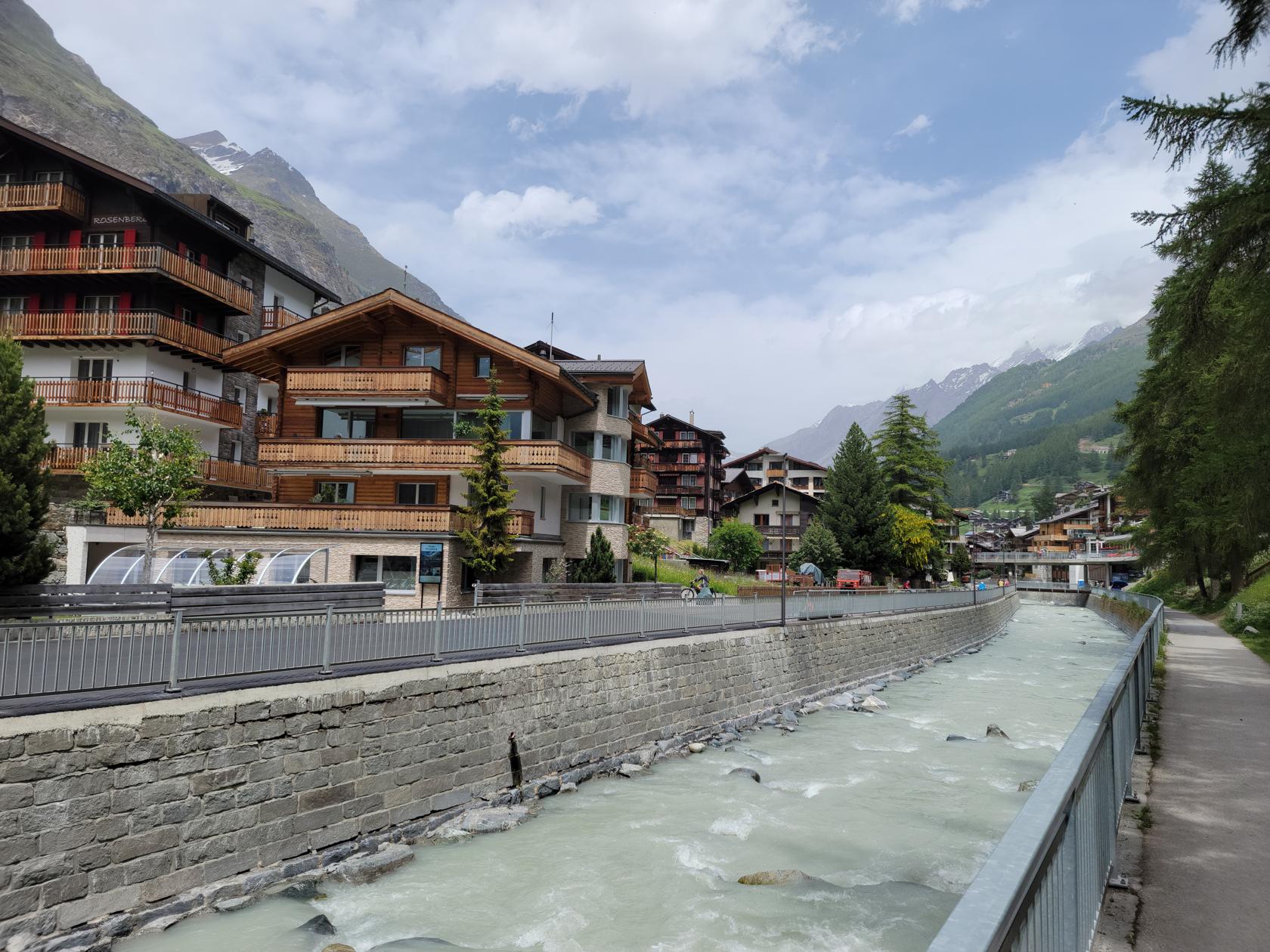
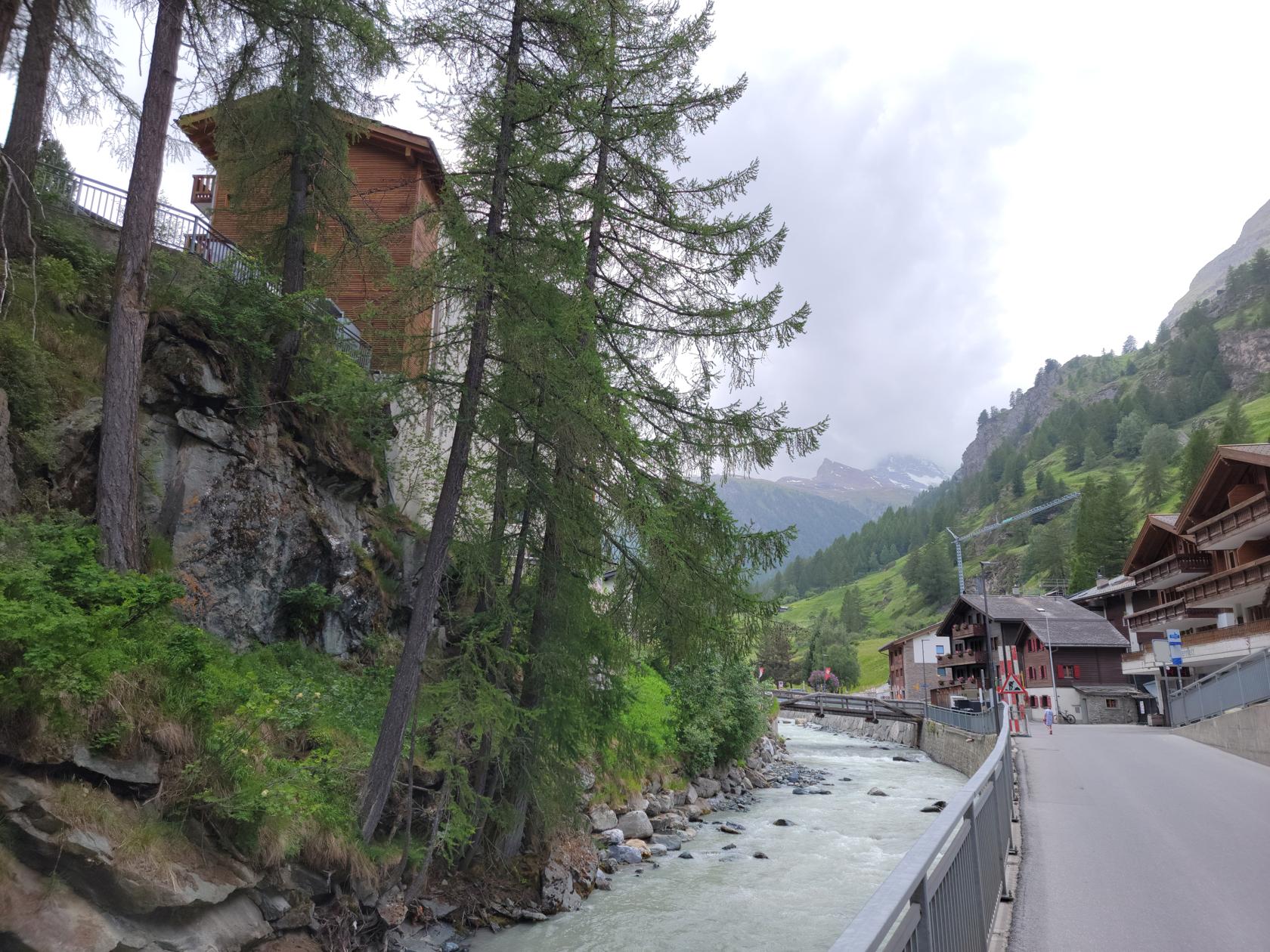
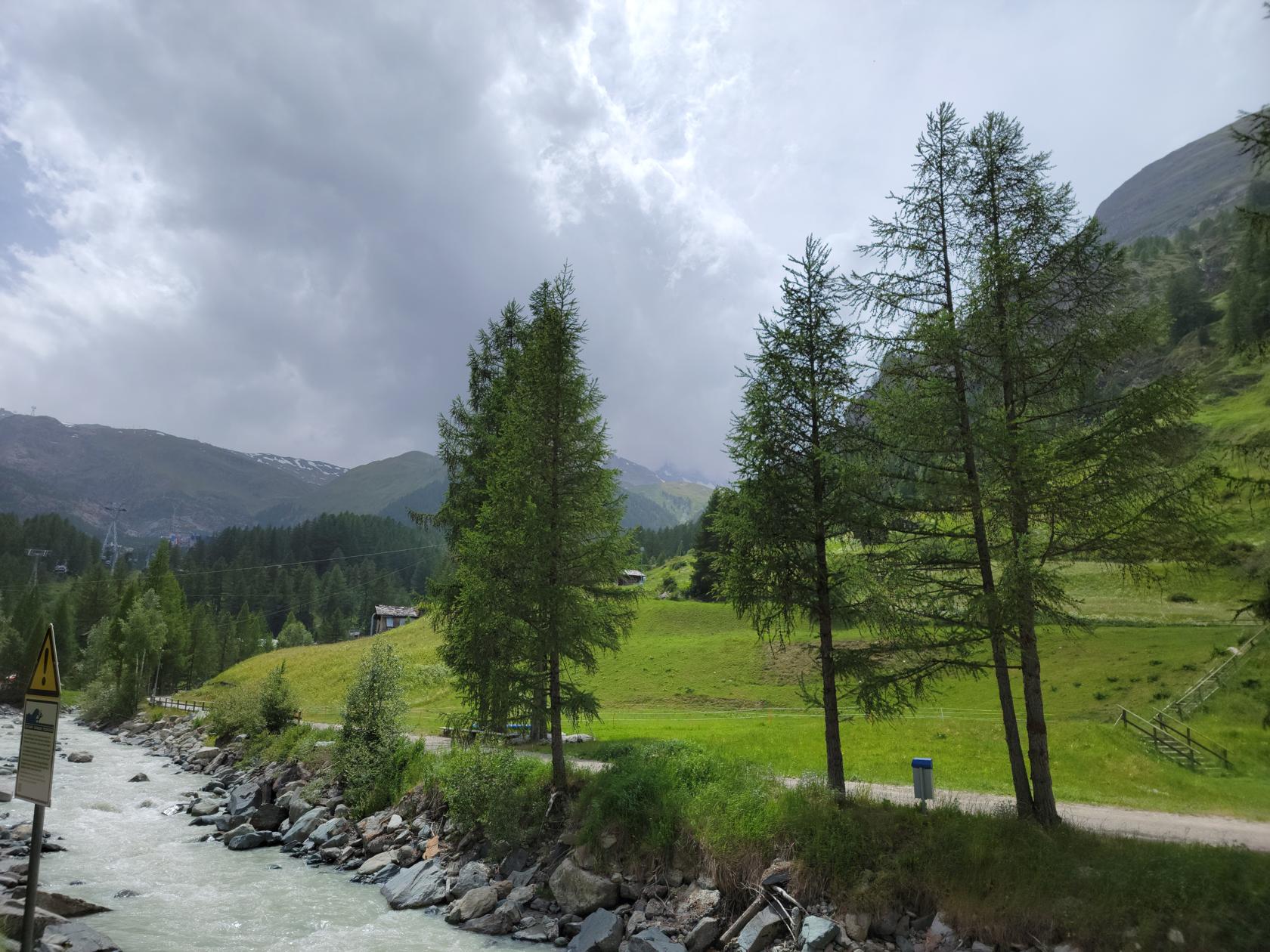
The town is divided by a river with is fed by the many glaciers that surround the town. However, the flow of this river is controlled by a dam and there are signs that warn those who want to sun themselves on the rocks along its banks, that water can be unexpectedly released and you can be swept down river. We actually witnessed the water level rise once due to the rain we had been receiving.
Gomerabach – Zermatt, Switzerland
Uferweg – Zermatt, Switzerland
Uferweg – Zermatt, Switzerland
Area above Zermatt along the river – Zermatt, Switzerland
Old Zermatt
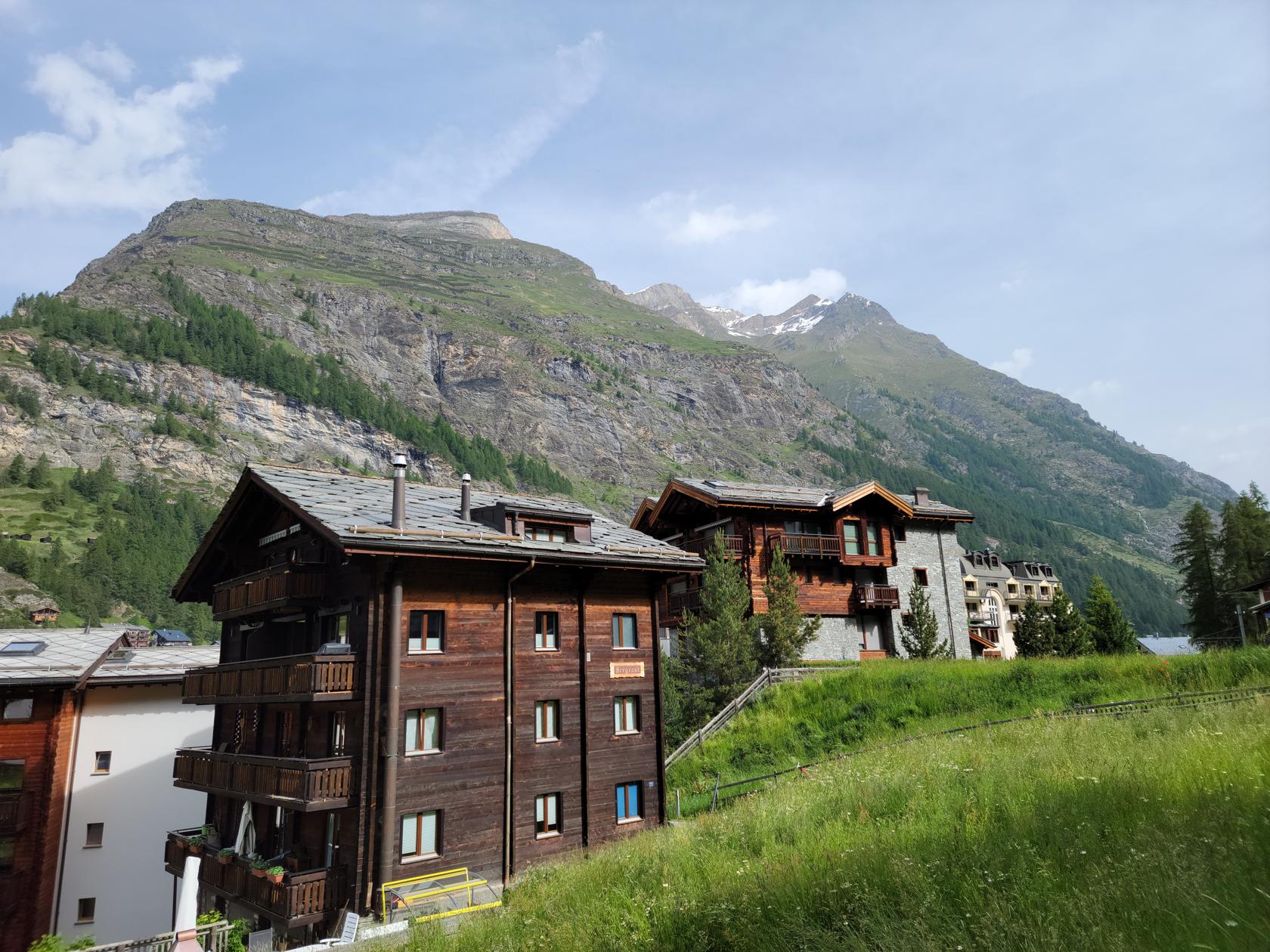
There are examples in the upper parts of Zermatt, of the original buildings that were used by the early residents. Some are still in use today. However, with the increased land prices, most have sold out and moved up valley to get away from the tourism gentrification.
Triftbachtal – Zermatt, Switzerland
Triftbachtal – Zermatt, Switzerland
Scenery on one of our walks – Zermatt, Switzerland
Scenery on one of our walks – Zermatt, Switzerland
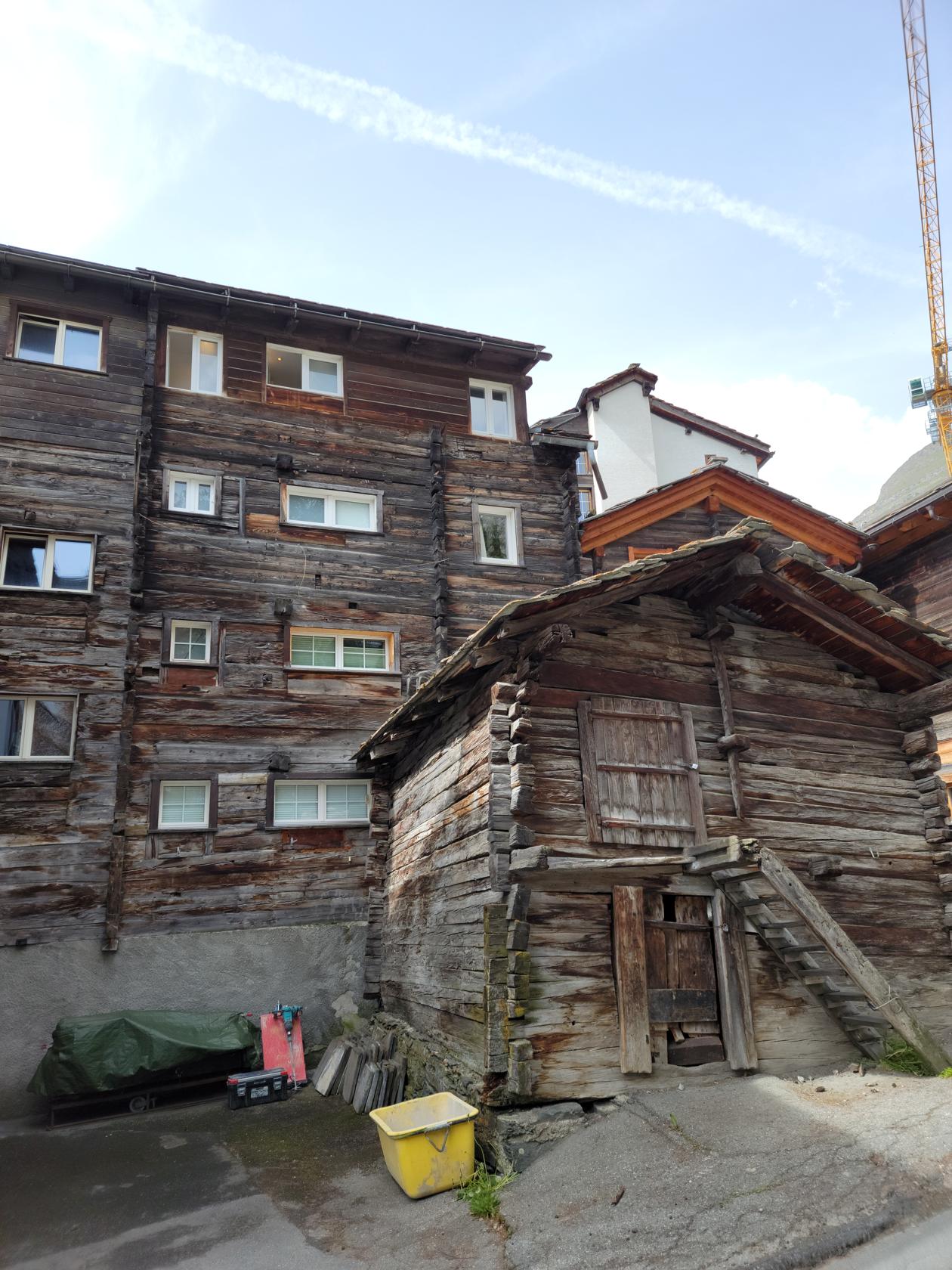
Original buildings of Zermatt – Zermatt, Switzerland
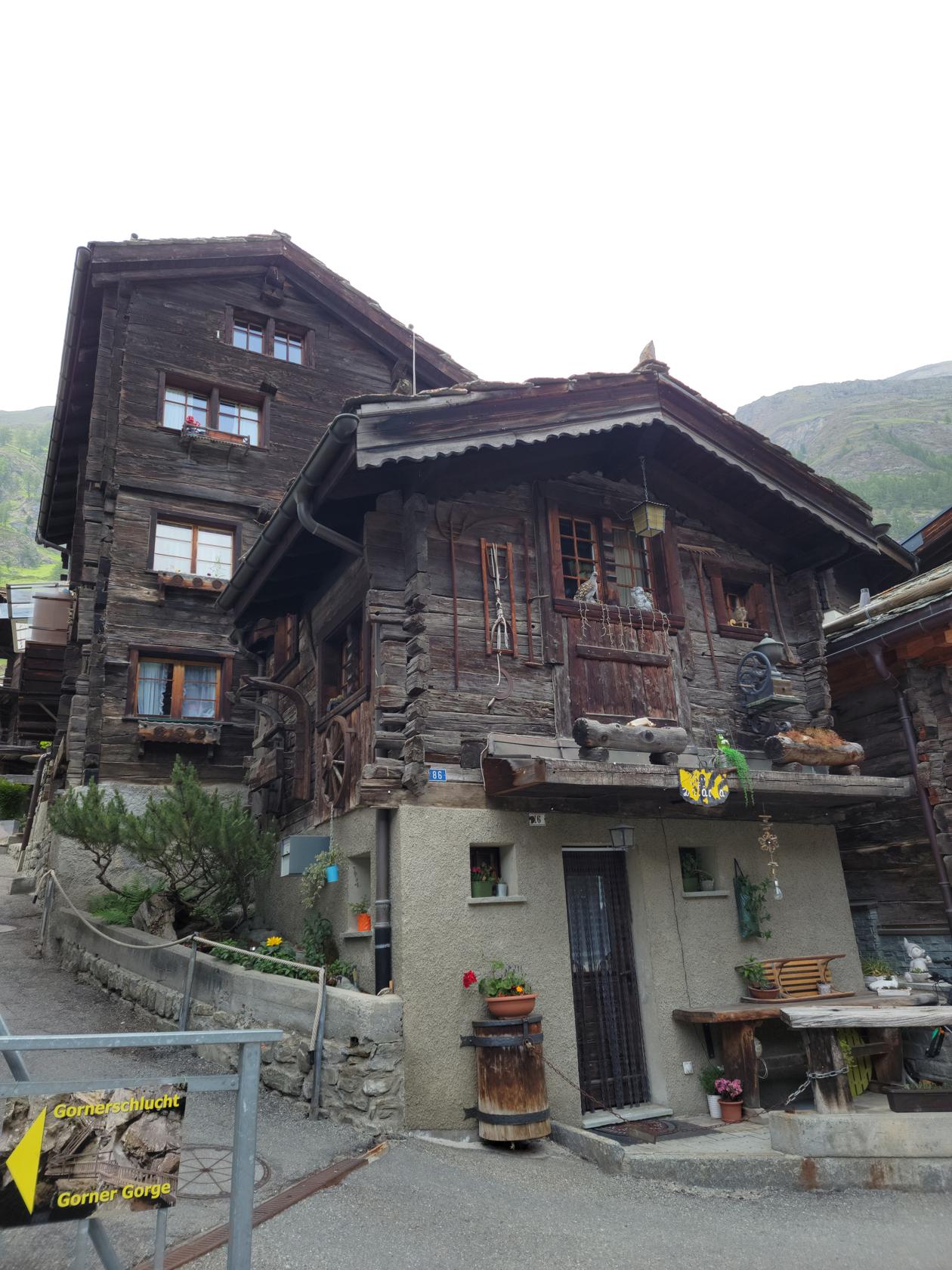
Older original buildings of Zermatt – Zermatt, Switzerland
The Tradition Julen
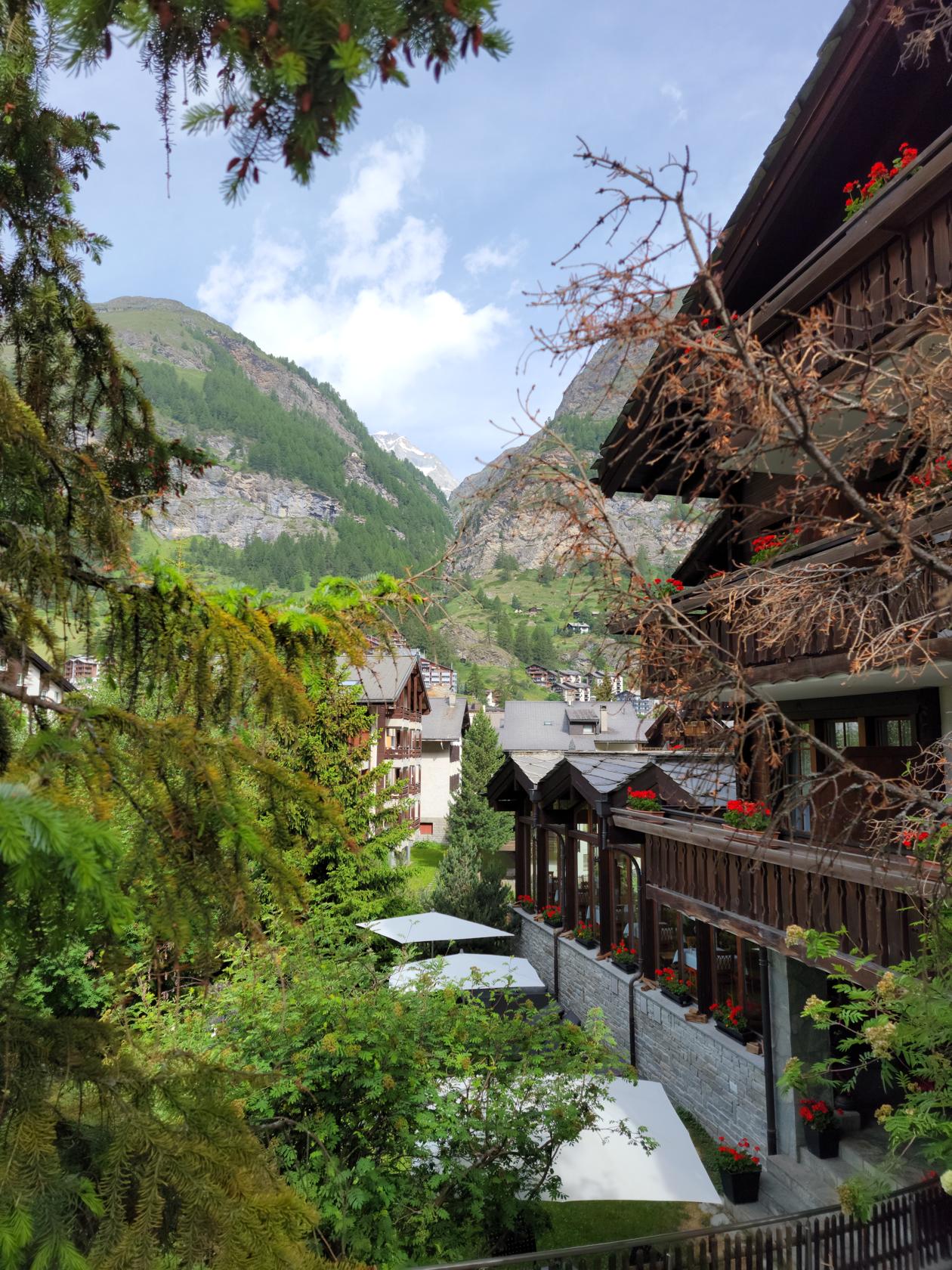
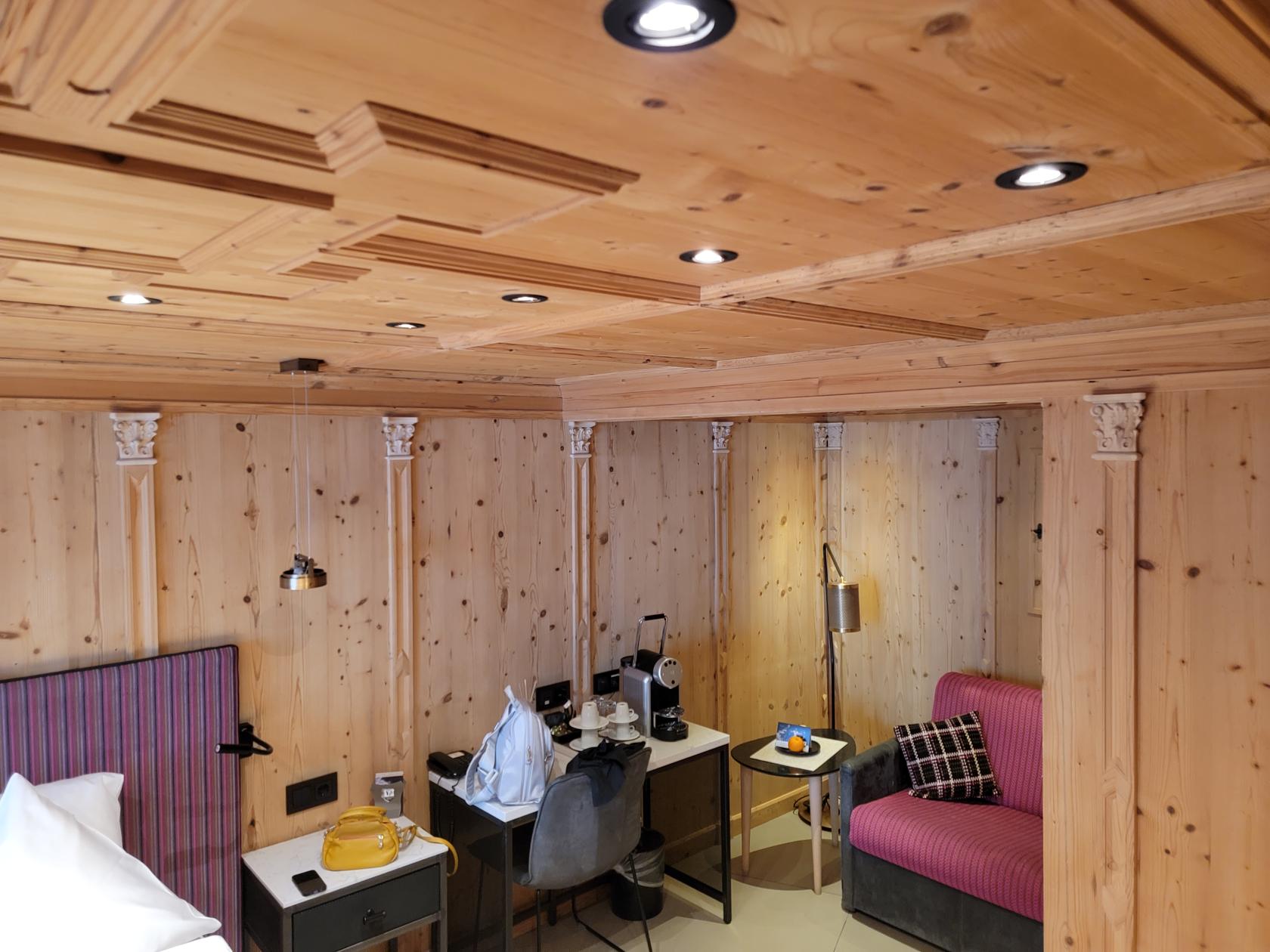
Our hotel is the four star The Tradition Julen hotel. It is one of the more pricier hotels in the area but the rooms are very cozy and comfortable. In fact, it is one of the few four star hotels that I have not had the displeasure of asking for something that should be already included in the room! The service is first rate and so far we are having a great stay. It is also close to the center of town, but kind of out of the way too, so you won’t get a lot of tourist walking by the hotel, which makes for a quieter stay.
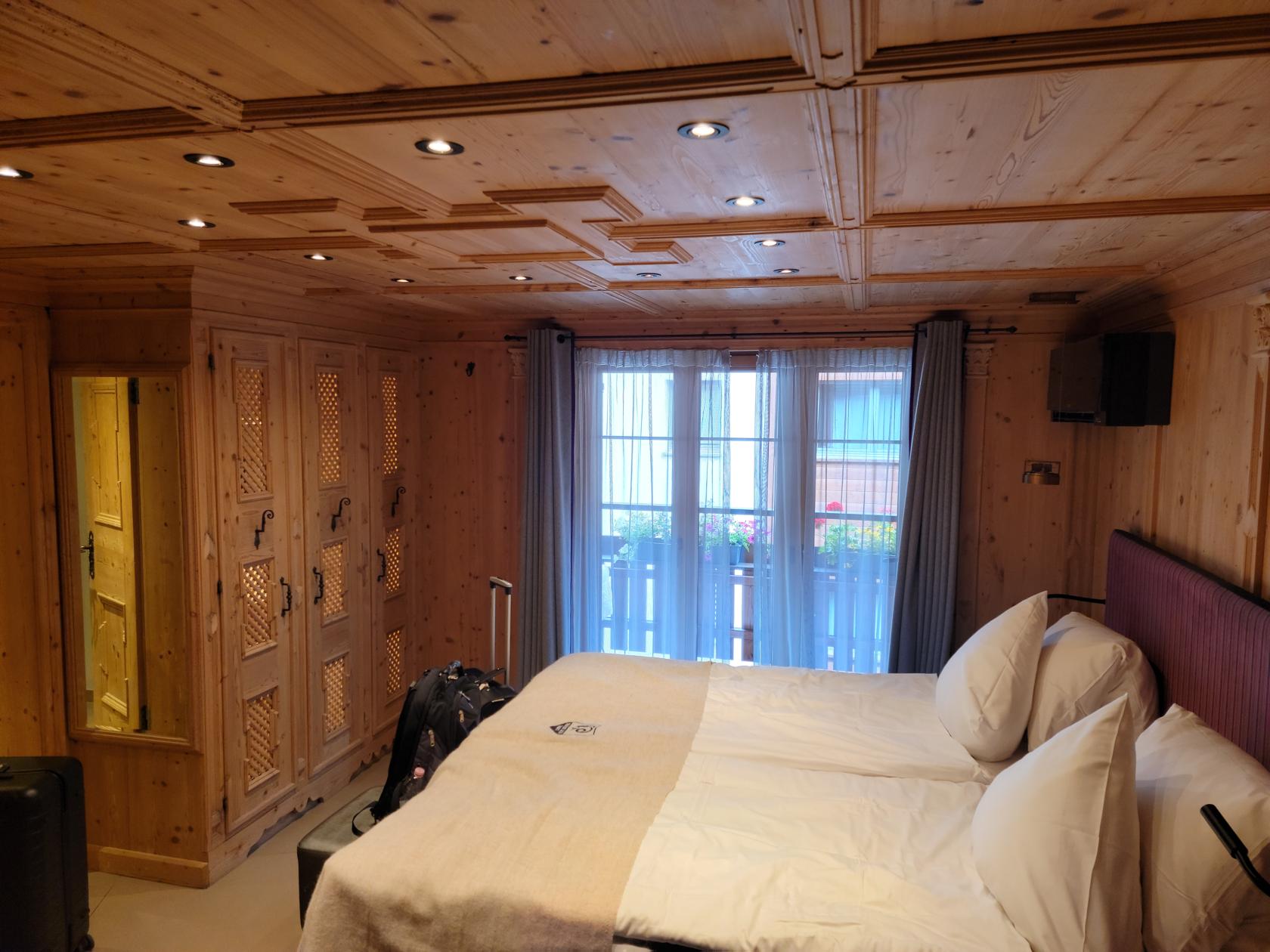
Our room – Hotel Tradition Julen – Zermatt, Switzerland
Our room – Hotel Tradition Julen – Zermatt, Switzerland
Restaurants
During our week long stay here, we ate at an assortment of restaurants. The area does have its traditional food and our hotel actually houses a traditional Valais Stube which serves food like this, mainly raclette, beef fondues and other curiosities.
Stadel Restaurant
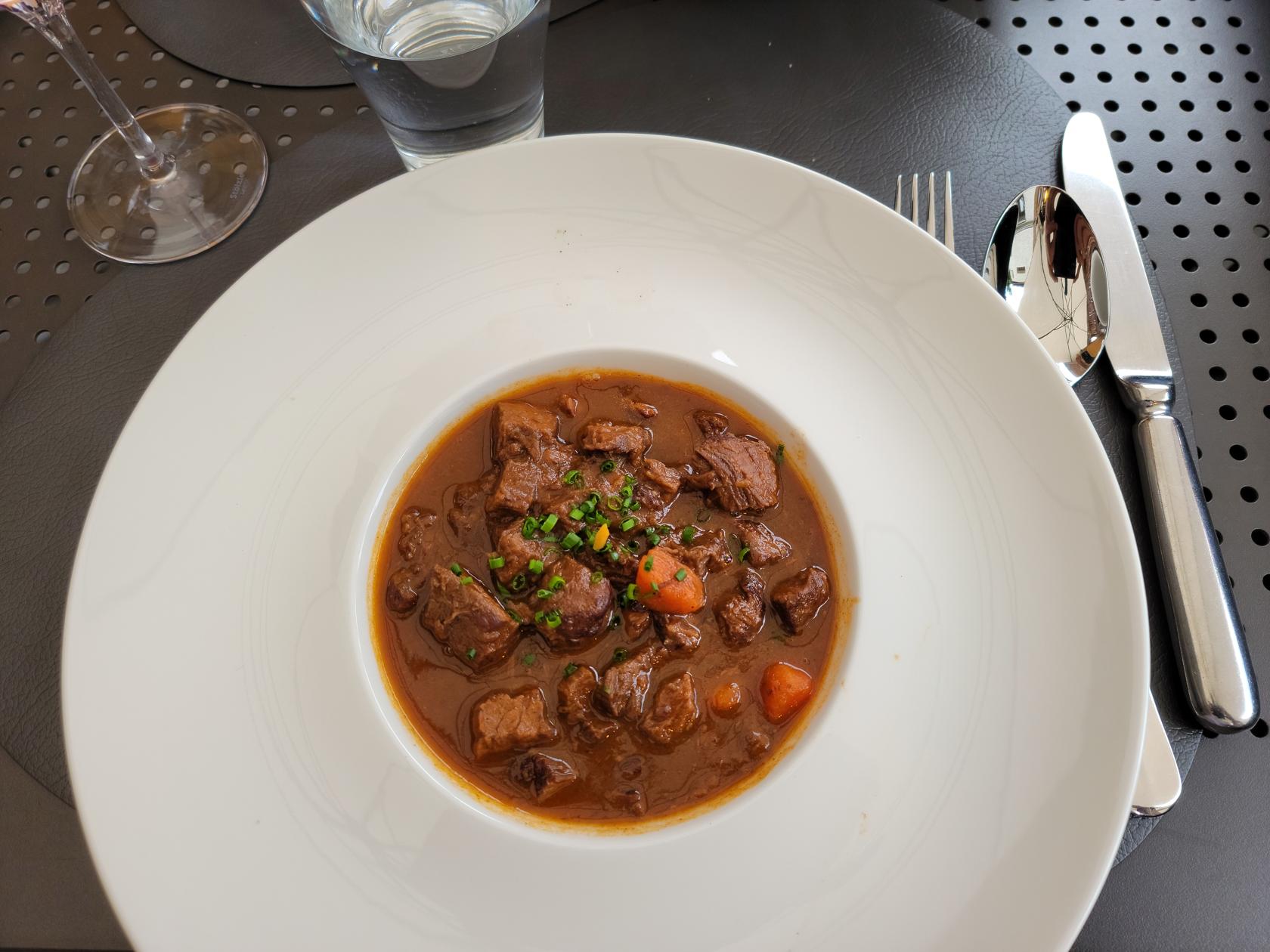
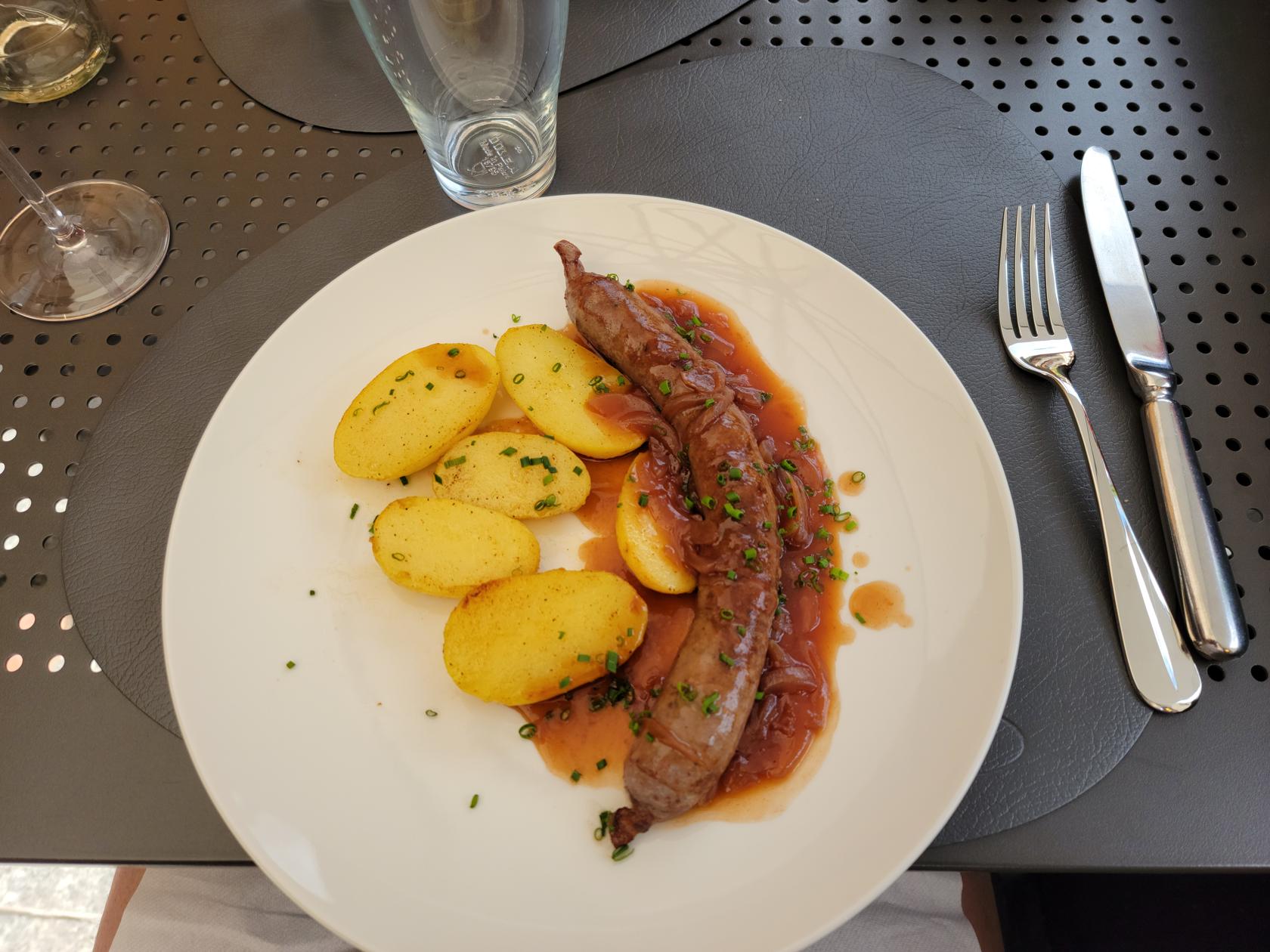
The first restaurant we stopped at that had just opened for the summer months. The service and food were good, but I have to knock them a bit for not having any sauerkraut – it is on the menu. It would have paired well with the Water Buffalo Bratwurst I had ordered and enjoyed.
Water Buffalo Gulash – Stadel Restaurant – Zermatt, Switzerland
Water Buffalo Bratwurst with potatoes – Stadel Restaurant – Zermatt, Switzerland
Hotel Julen Restaurant
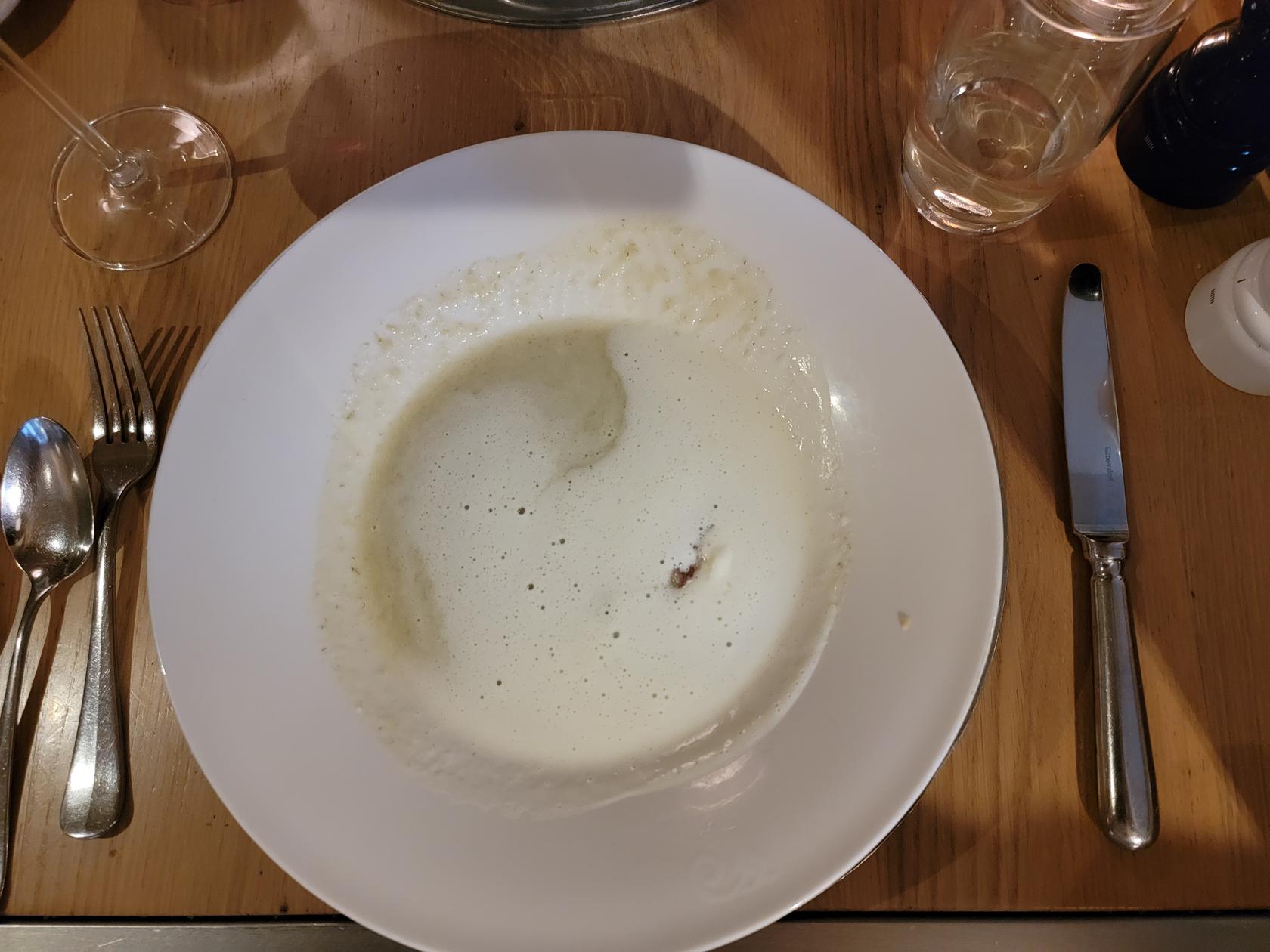
Our hotel has its own restaurant that serves cosmopolitan cuisine. Due to weather complications, we were forced to stay in and enjoy what it had to offer one evening and were not disappointed. We thought the food was very good and the prices fair.
Cauliflower soup – Hotel Julen Restaurant – Zermatt, Switzerland
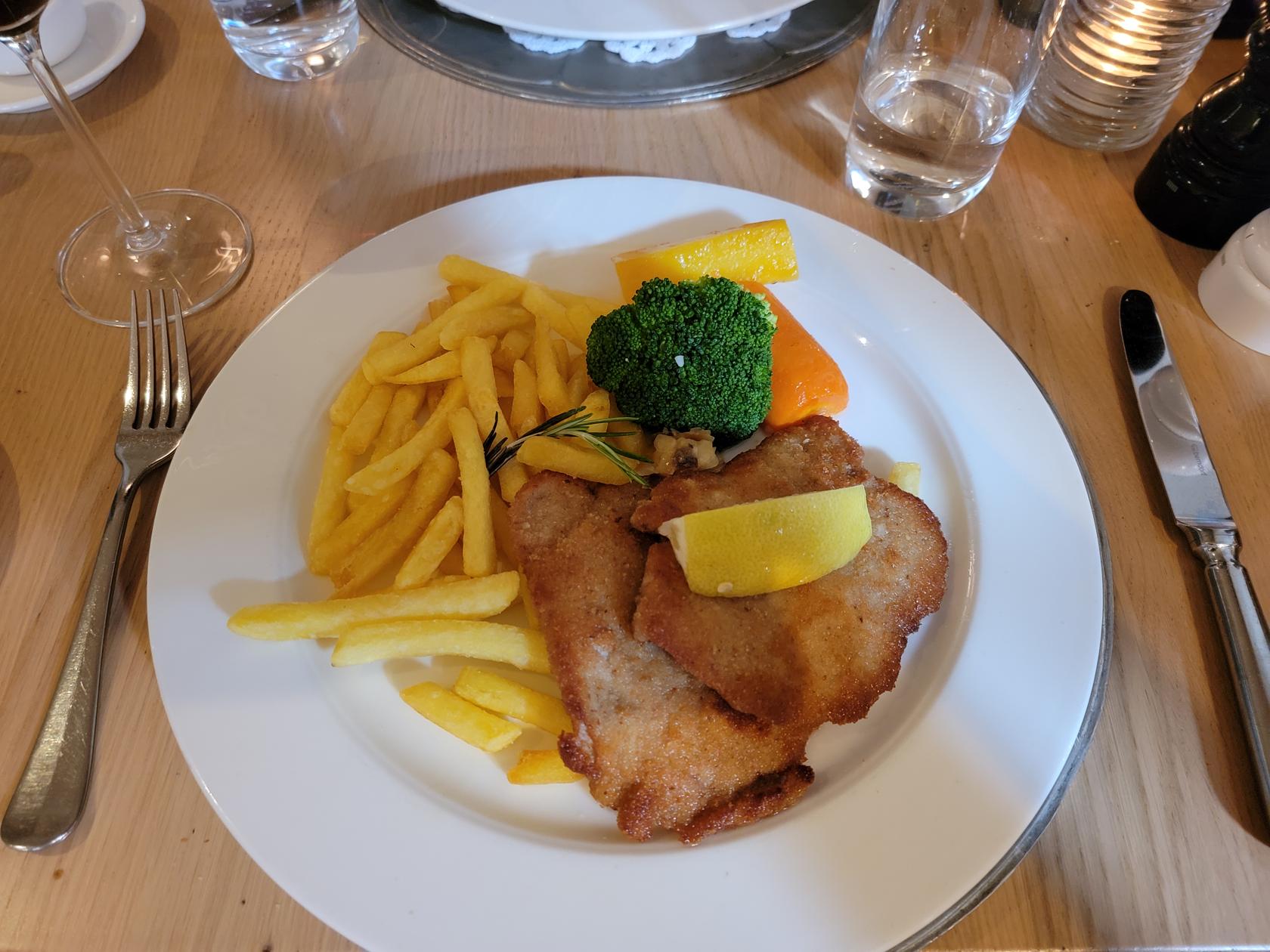
Traditional Wiener Schnitzel with french fried – Hotel Julen Restaurant – Zermatt, Switzerland
Our initial feel for the town is good, it has excellent services and plenty of restaurants and bars. Some of the food can be pricey, but if you stick to the traditional German fare, the prices seem more reasonable. The people are very friendly and speak multiple language, especially English, so getting around should not be an issue.
So we are still here and our next plans included hiking and using the amazing funicular, cog railway and gondola system. I will make additional entries for those once we have completed and recuperated from them a bit. Until then, stay tuned.
An hour’s drive by car north of Frankfurt above the Taunus mountains you will find a small, quaint and often overlooked little town called Braunfels.
Panorama of Braunfels below – Braunfels Castle – Braunfels, Germany
Braunfels
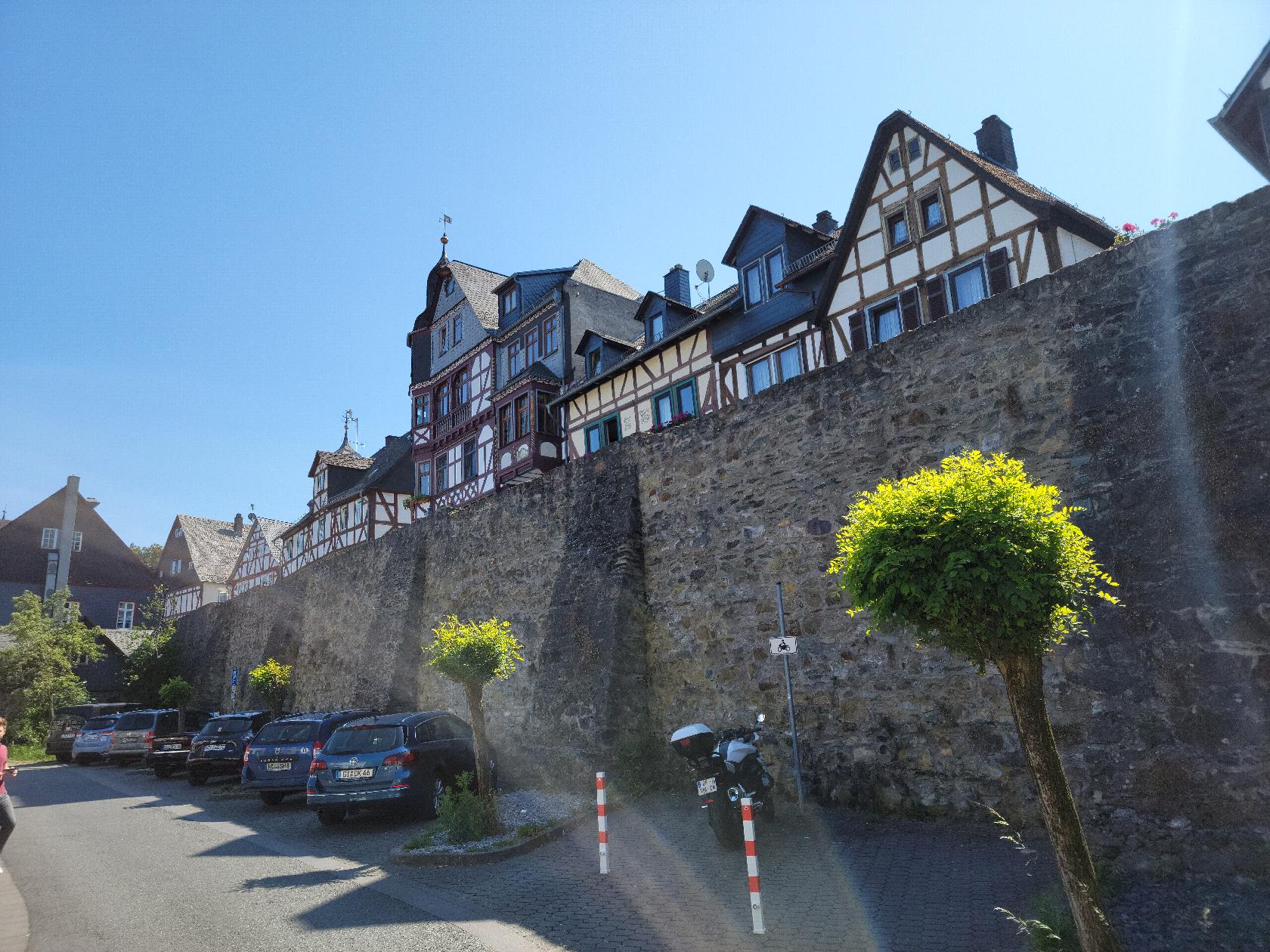
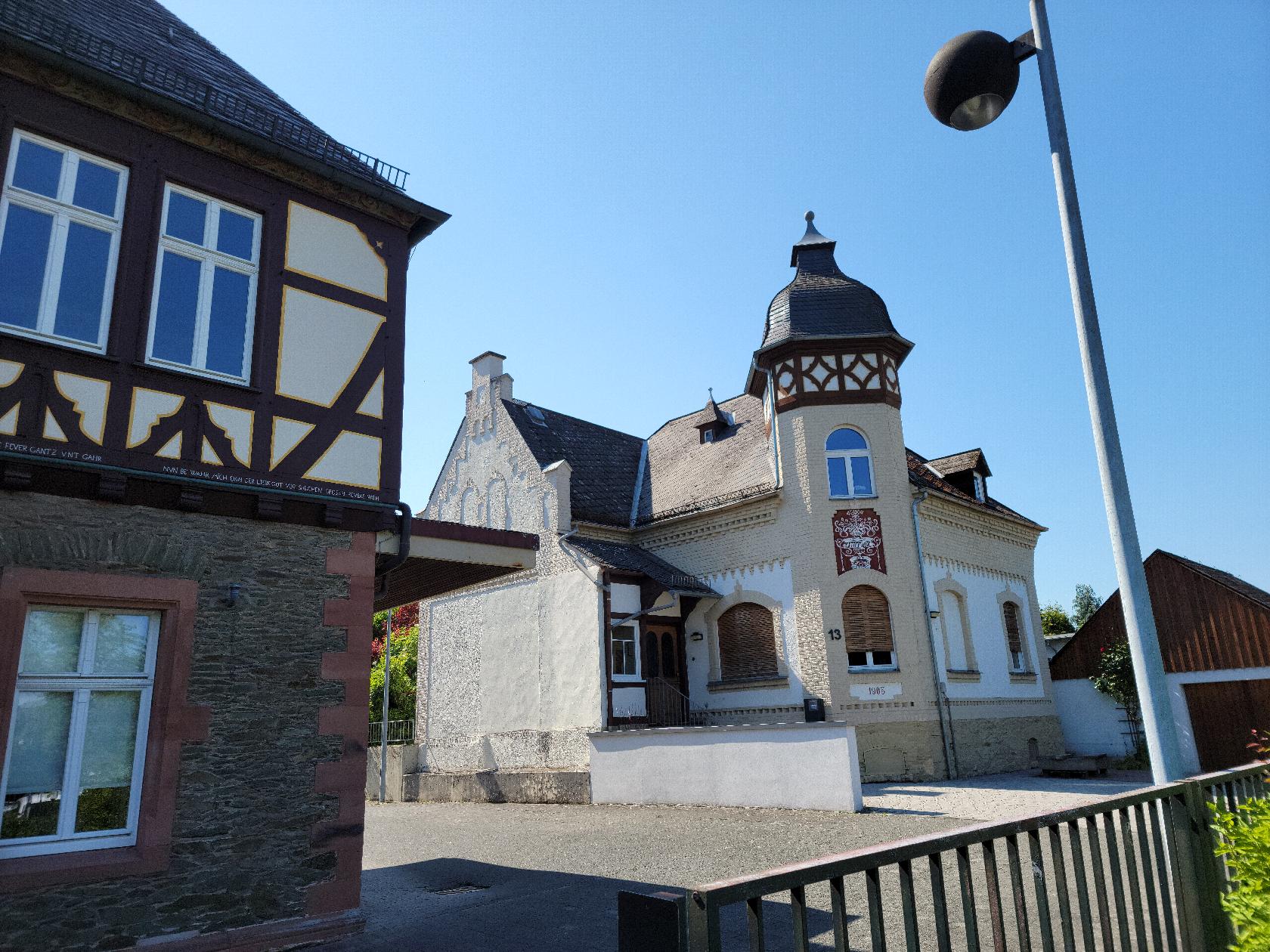
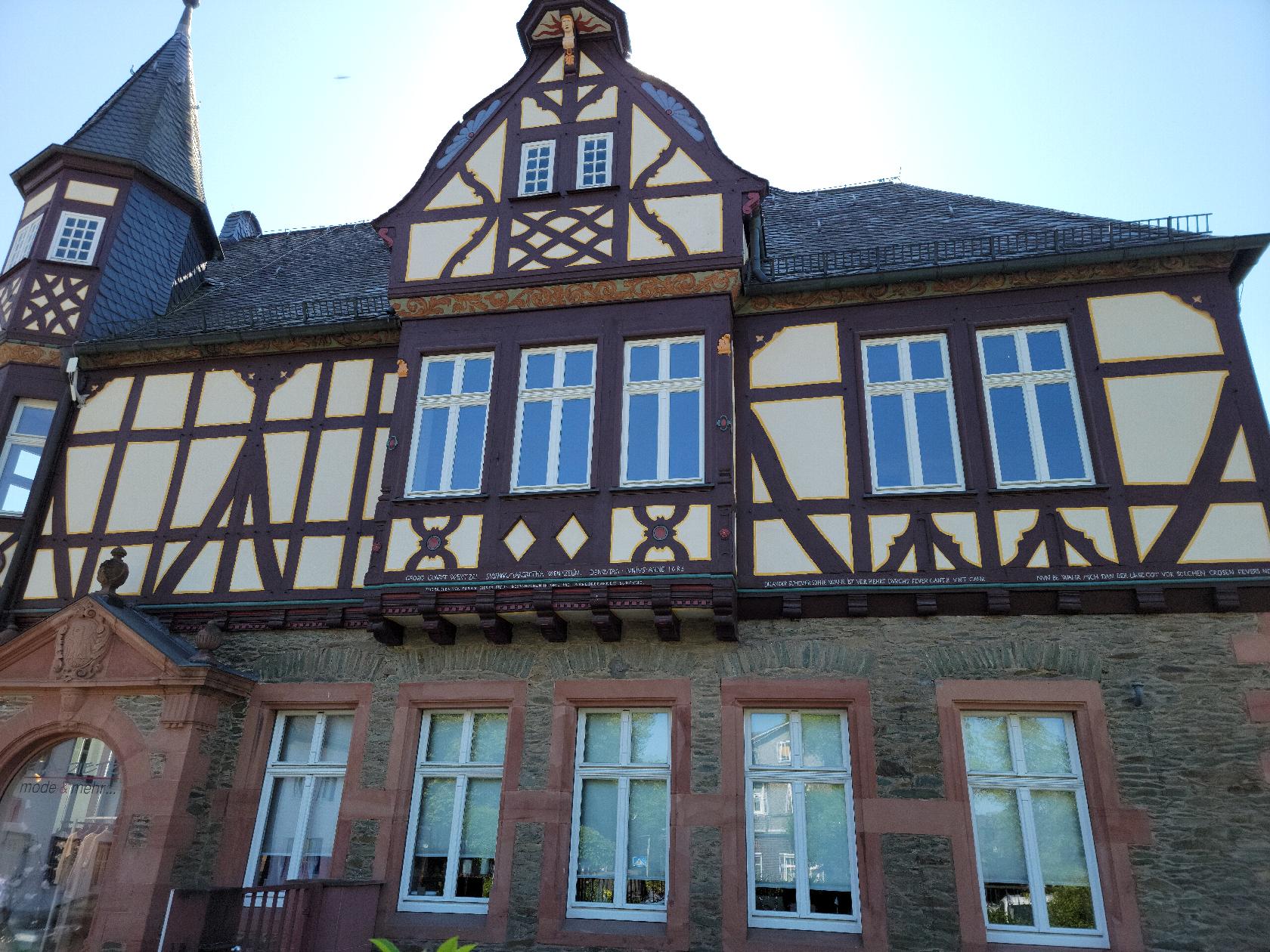
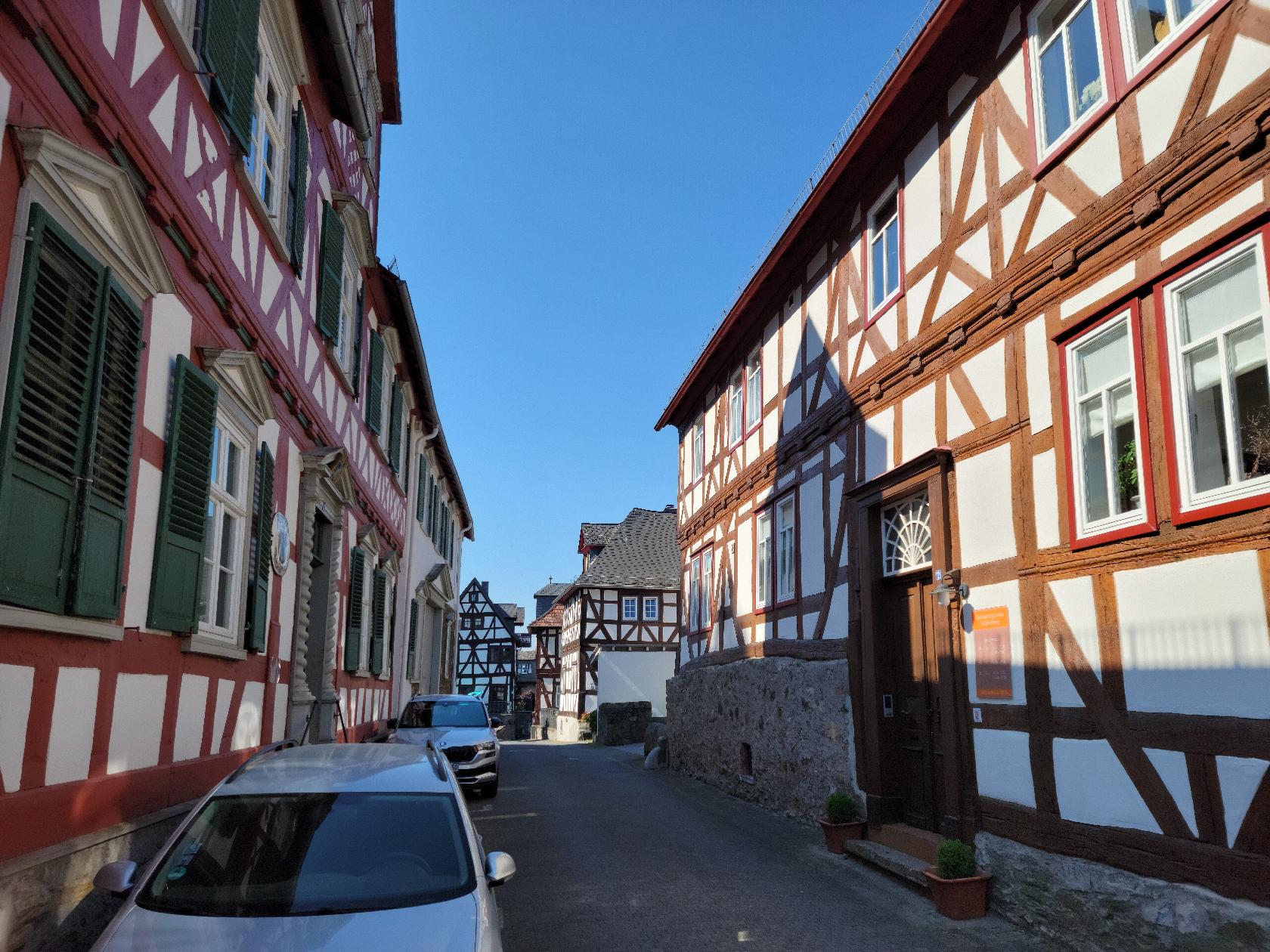
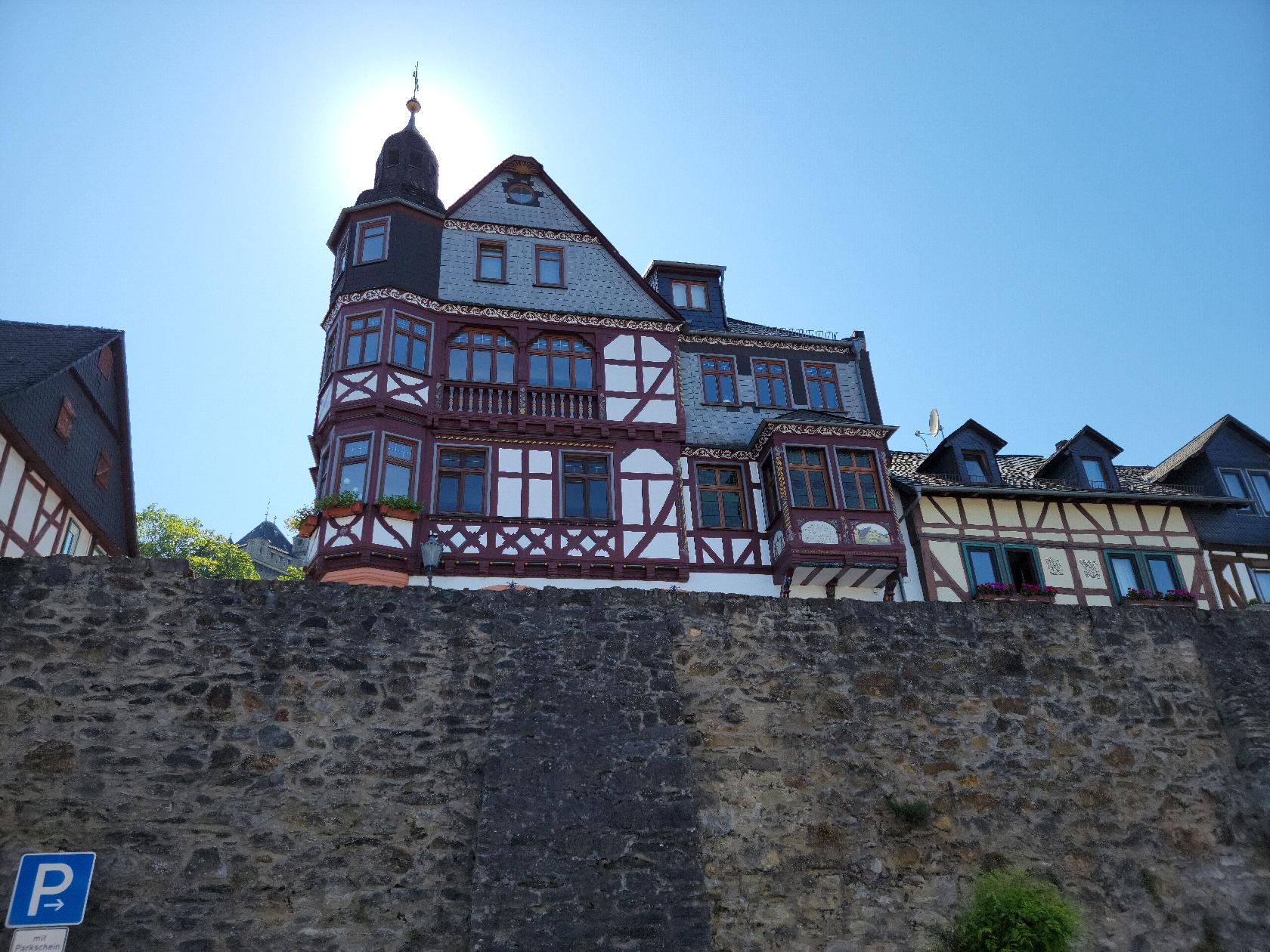
The town of Braunfels in the Lahm valley in Hessen and on the famous German Timber-Frame Tourist Road. All of the houses in the Altstadt are of this type construction and most are fairly old, sixteenth and seventeenth century.
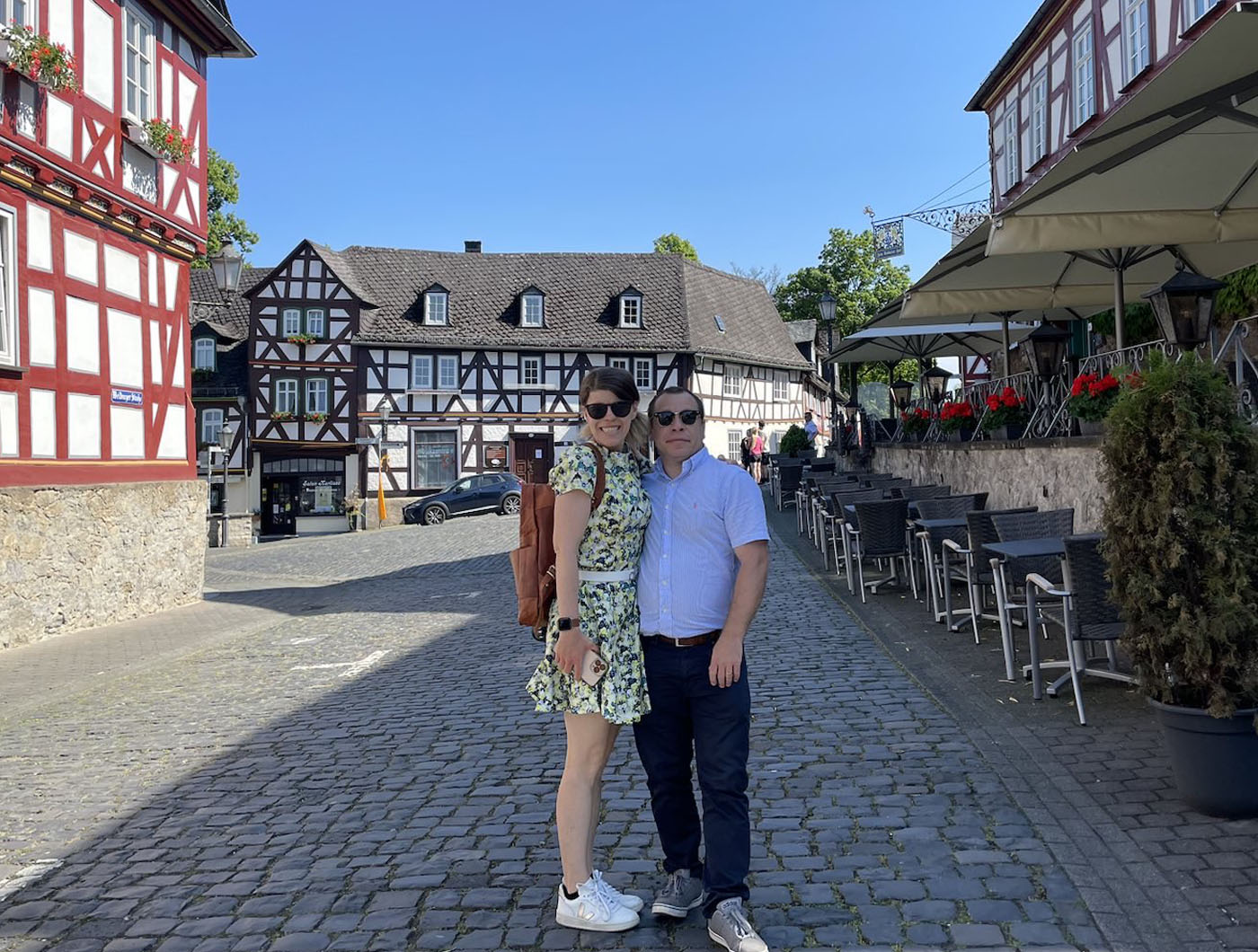
Ericka and Gabi – Altstadt – Braunfels, Germany
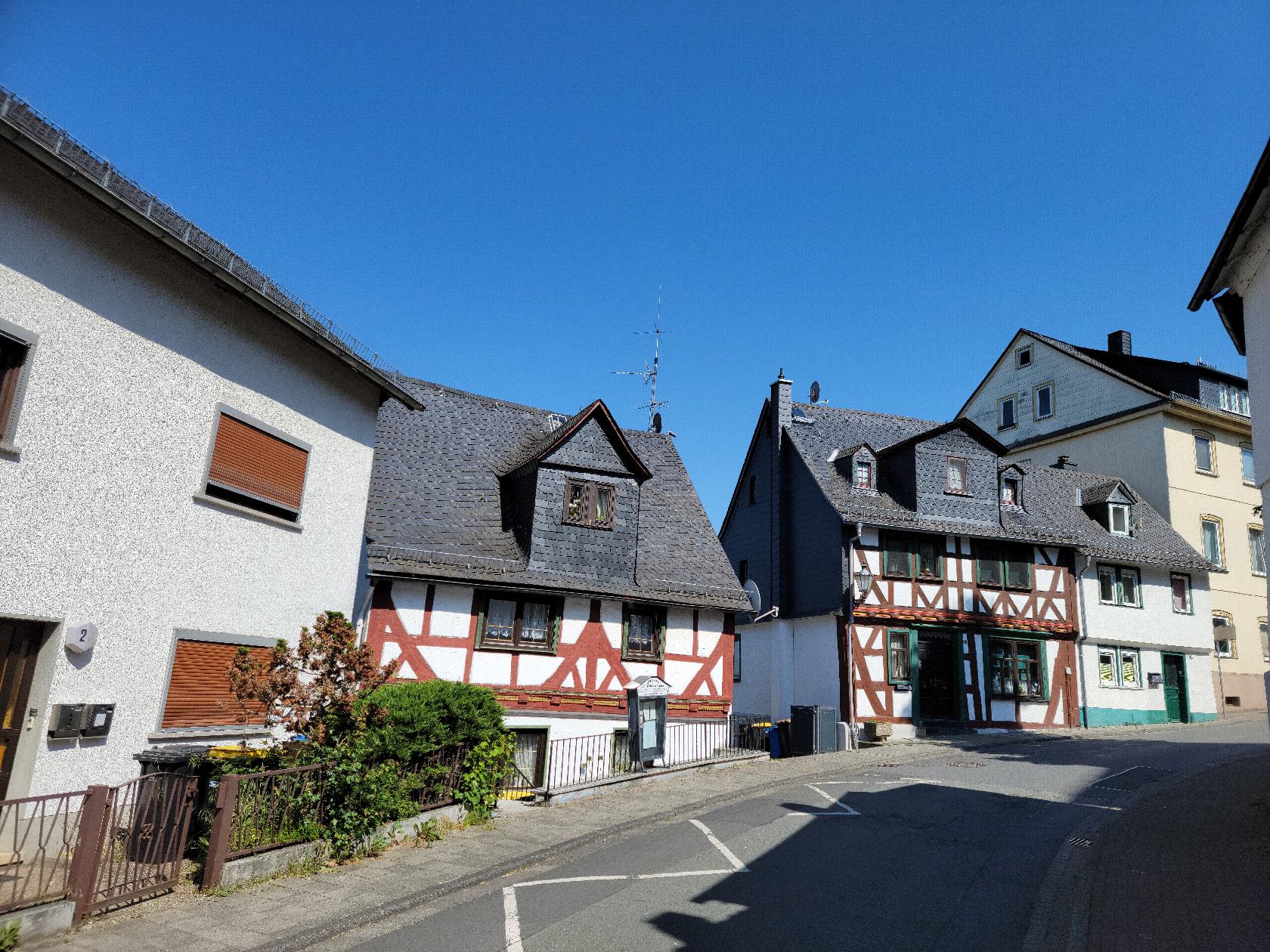
Houses – Altstadt – Braunfels, Germany
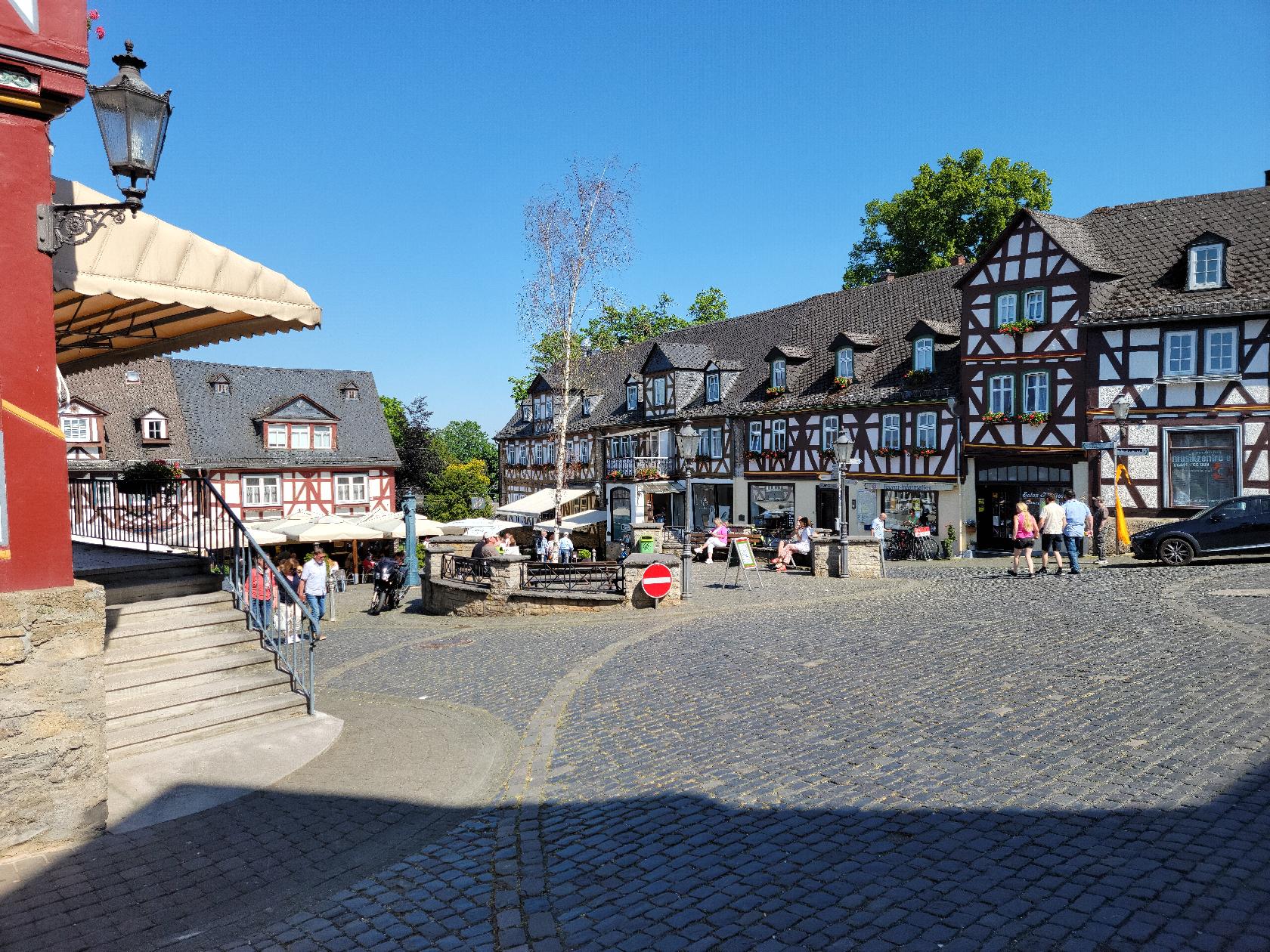
Main center square – Altstadt – Braunfels, Germany
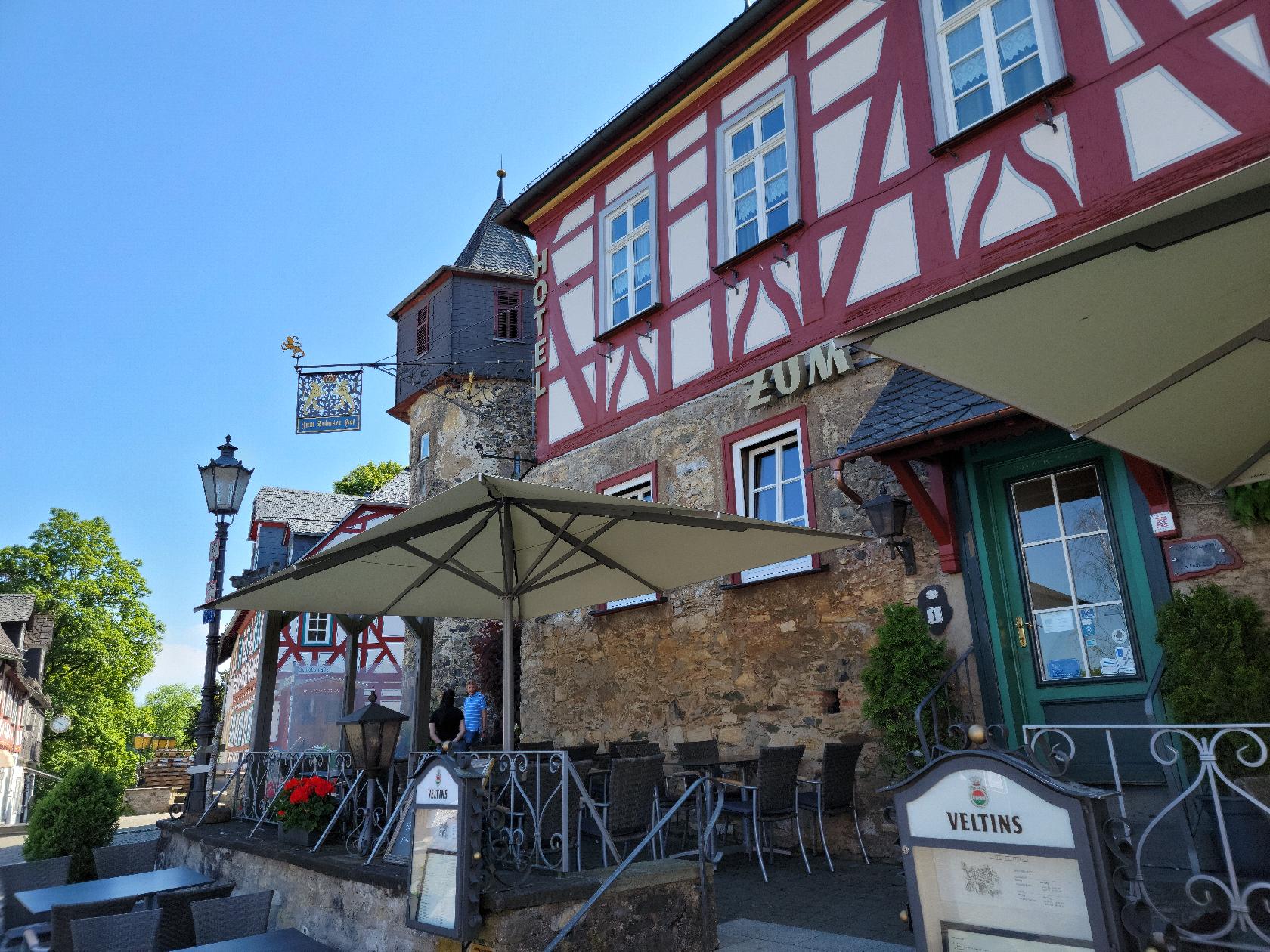
Old tower and hotel with shield – Altstadt – Braunfels, Germany
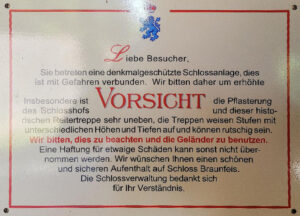
The Altstadt lays to the east of the castle by the same name. Since it was built on the side of the same hill as the castle, some of the roads are pretty steep. Most are paved with cobbles and there are several signs, mostly if not exclusively in German, reminding visitors that the stones are uneven, slippery when wet, and the town and castle are not liable for any injuries, so watch you step when you visit.
Be Careful – Altstadt and Castel – Braunfels, Germany
The castle may be reached through the town via the Schloßstrasse, or on the other side of the hill via the Burgweg (this is where we parked).
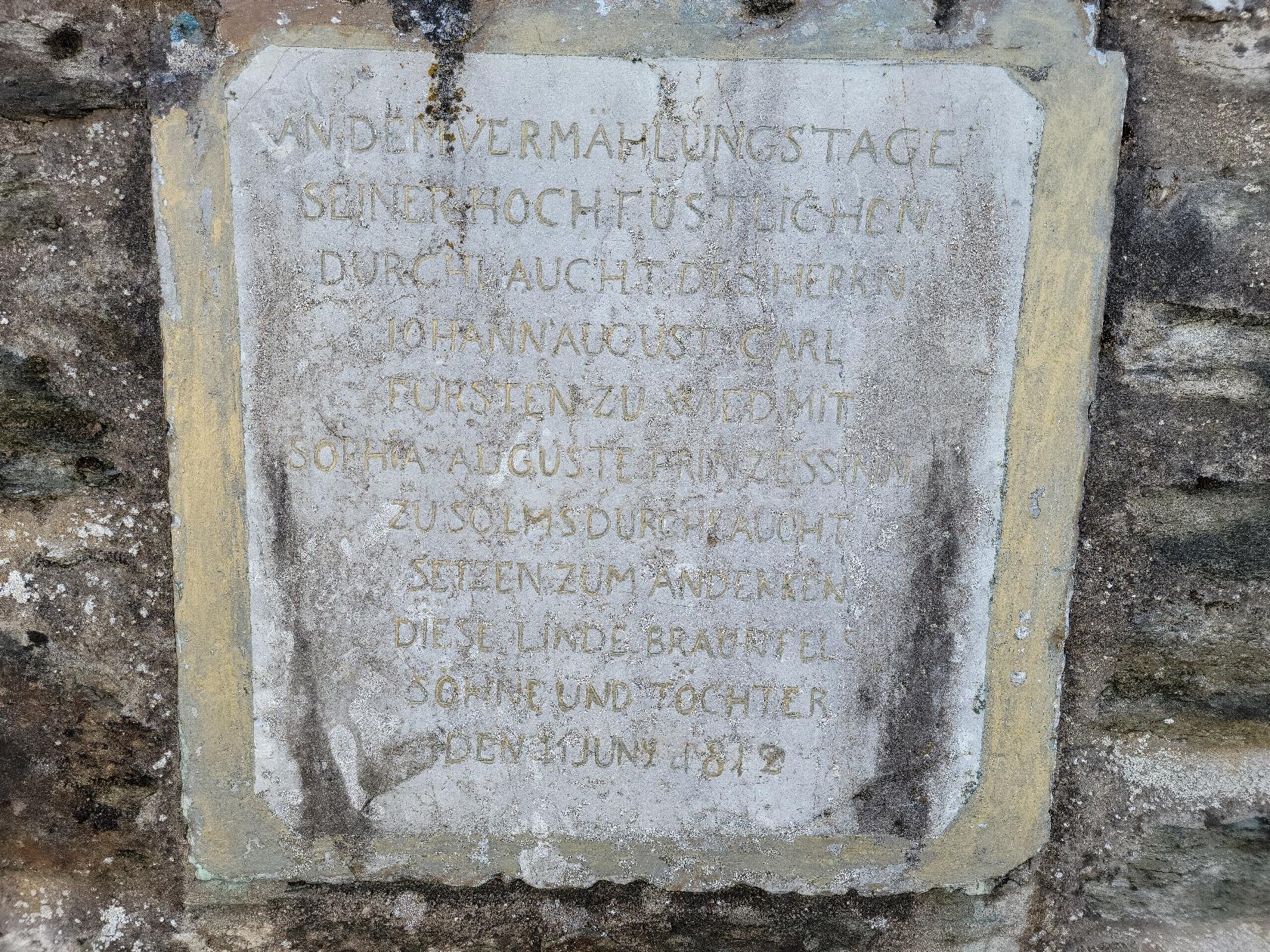
Old 1812 Mill Grinding Day memorial – Altstadt – Braunfels, Germany
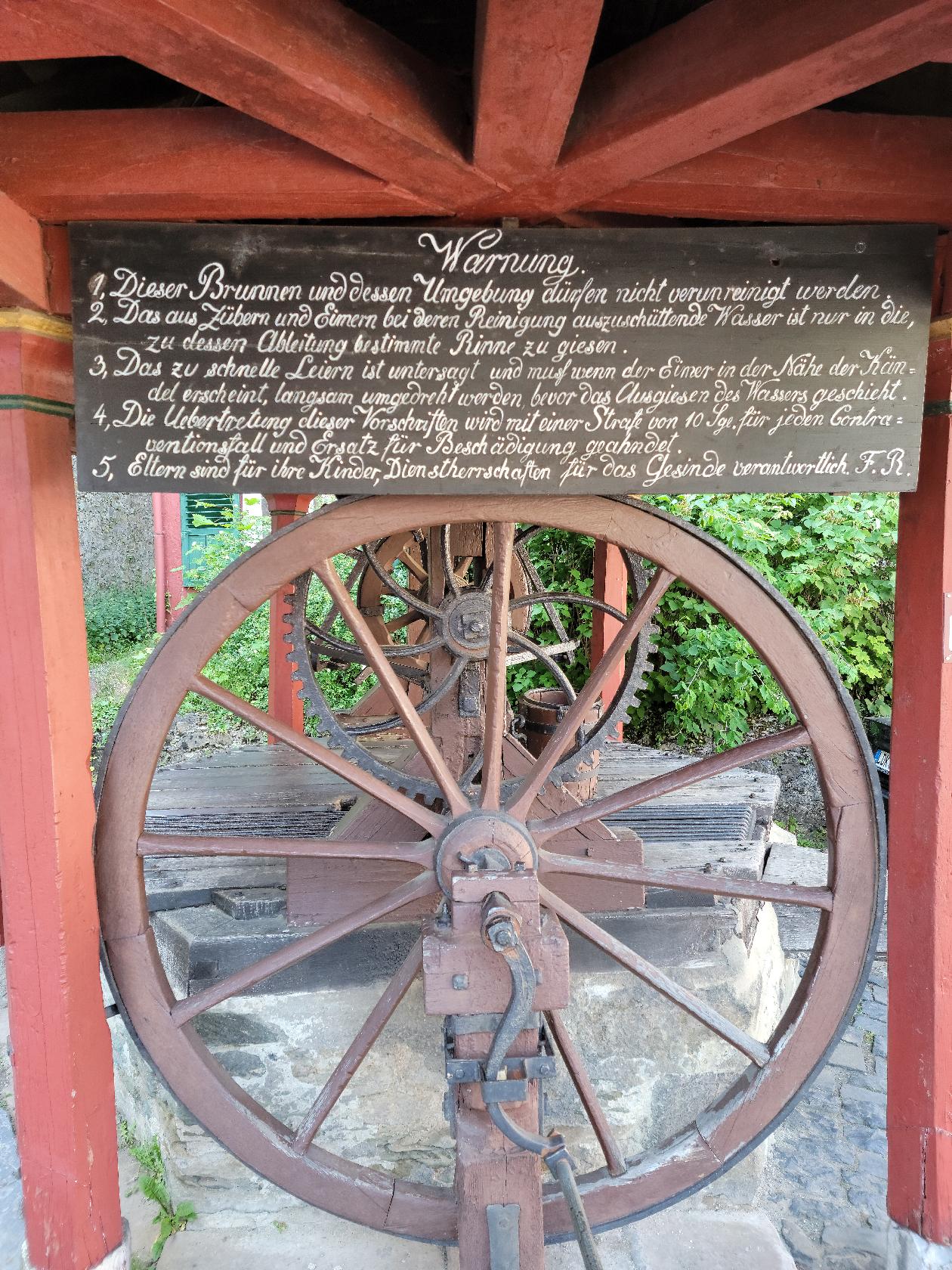
Warning over mill – Altstadt – Braunfels, Germany
Old wooden beam houses – Altstadt – Braunfels, Germany
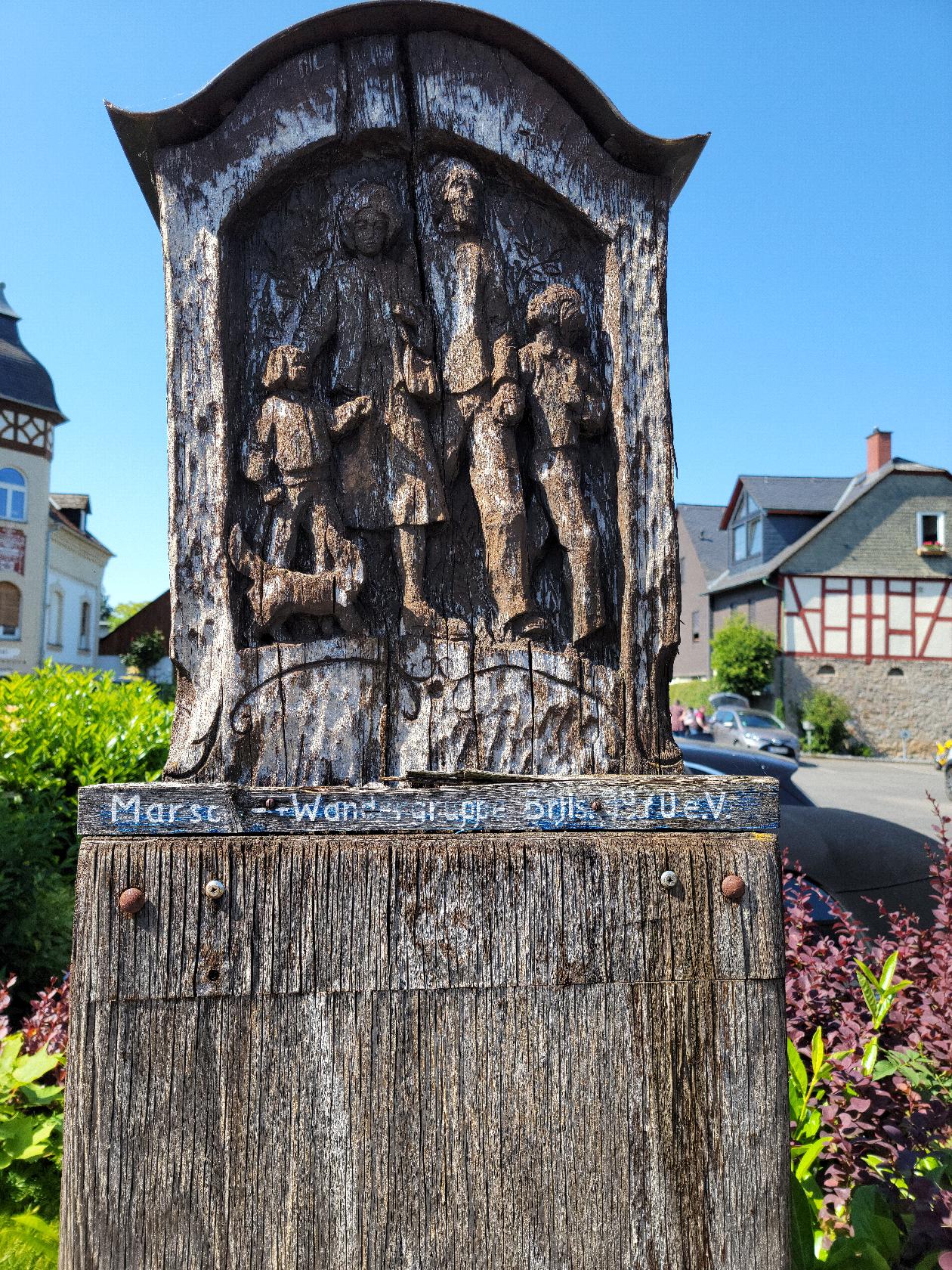
Old wooden memorial – Altstadt – Braunfels, Germany
Wood beam house rebuilt in 1901 from old barn that burnt down – Altstadt – Braunfels, Germany
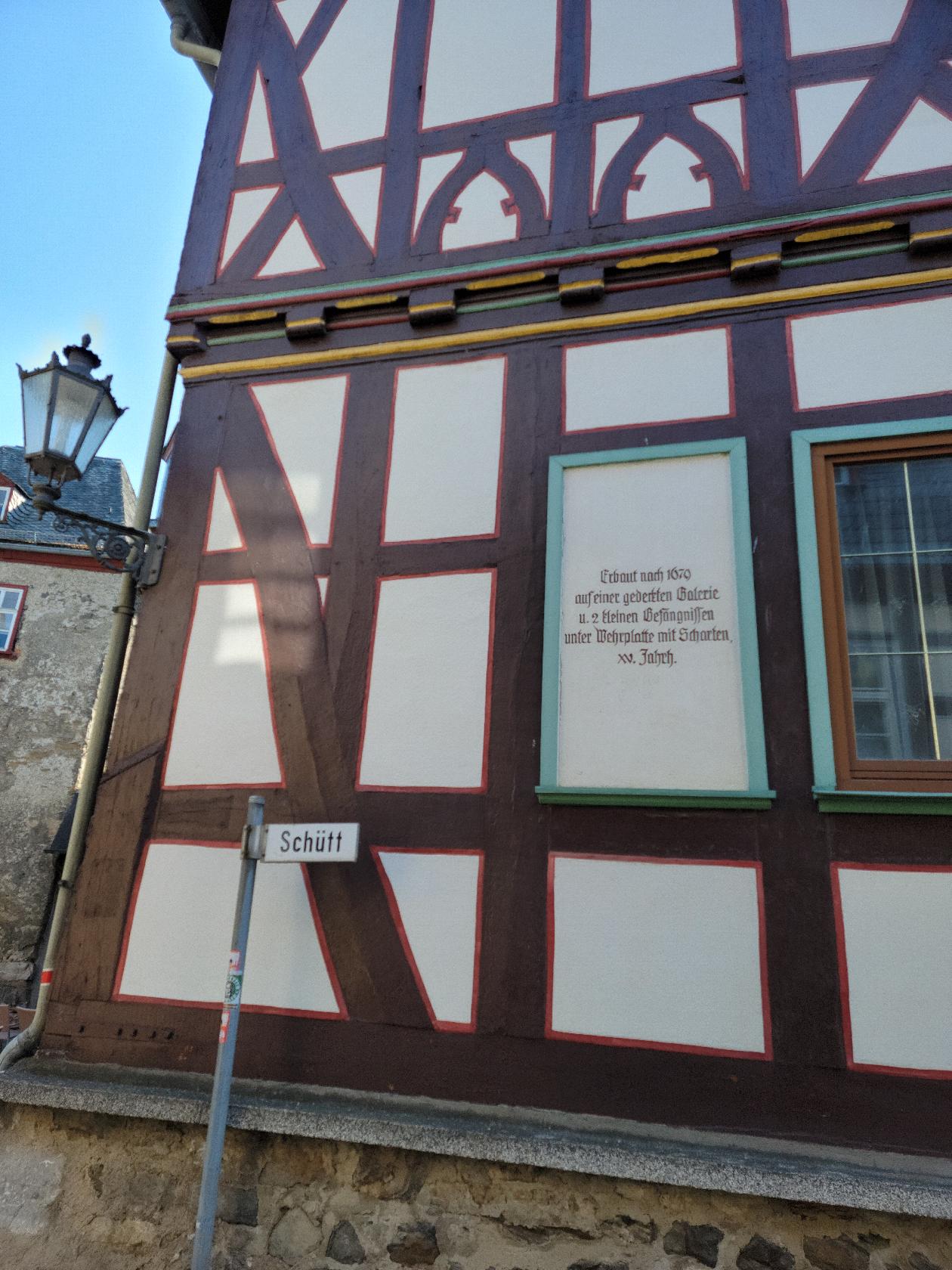
Another old building 1679 – Altstadt – Braunfels, Germany
Very old houses – Altstadt – Braunfels, Germany
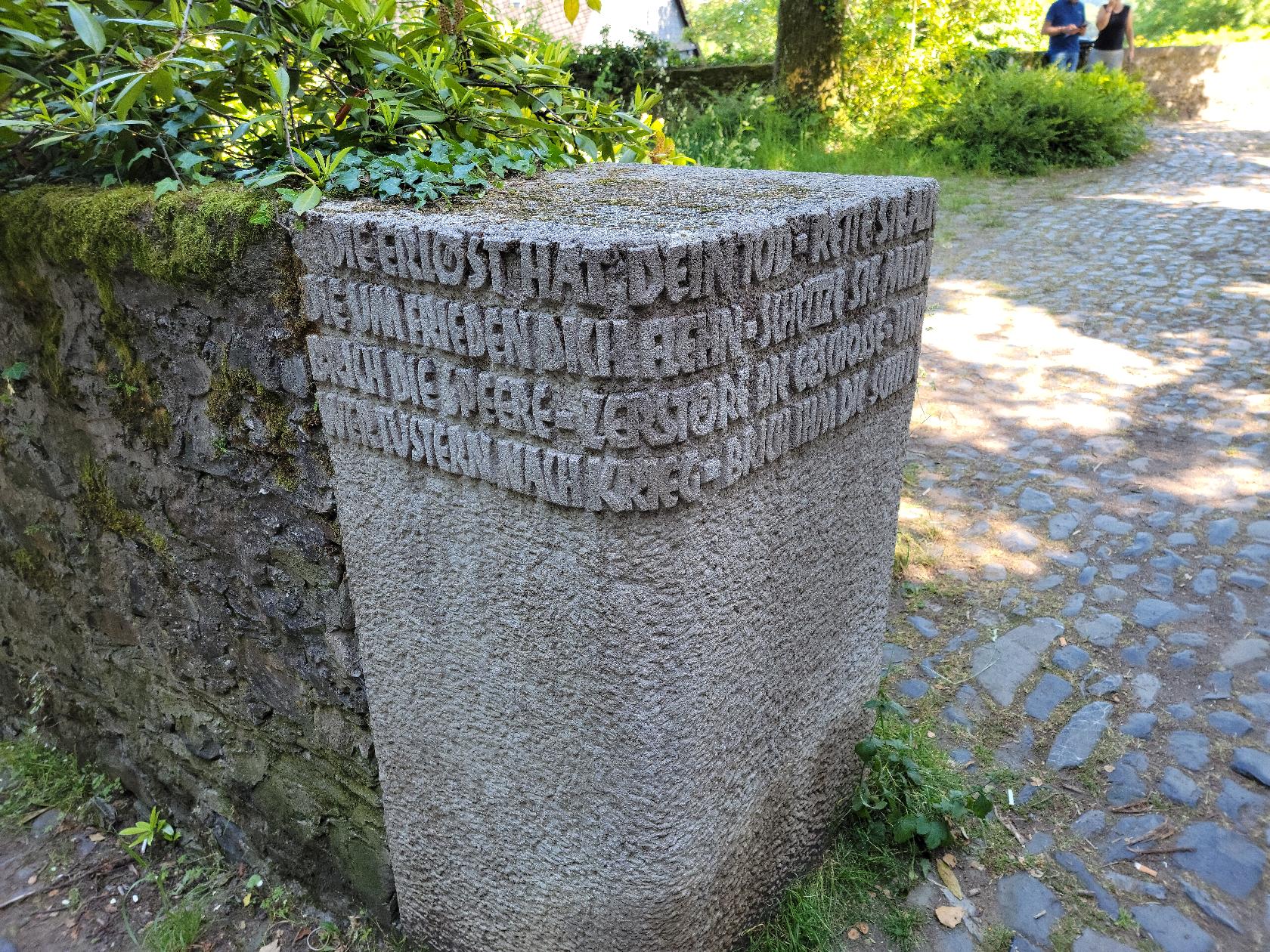
Memorial stone – Altstadt – Braunfels, Germany
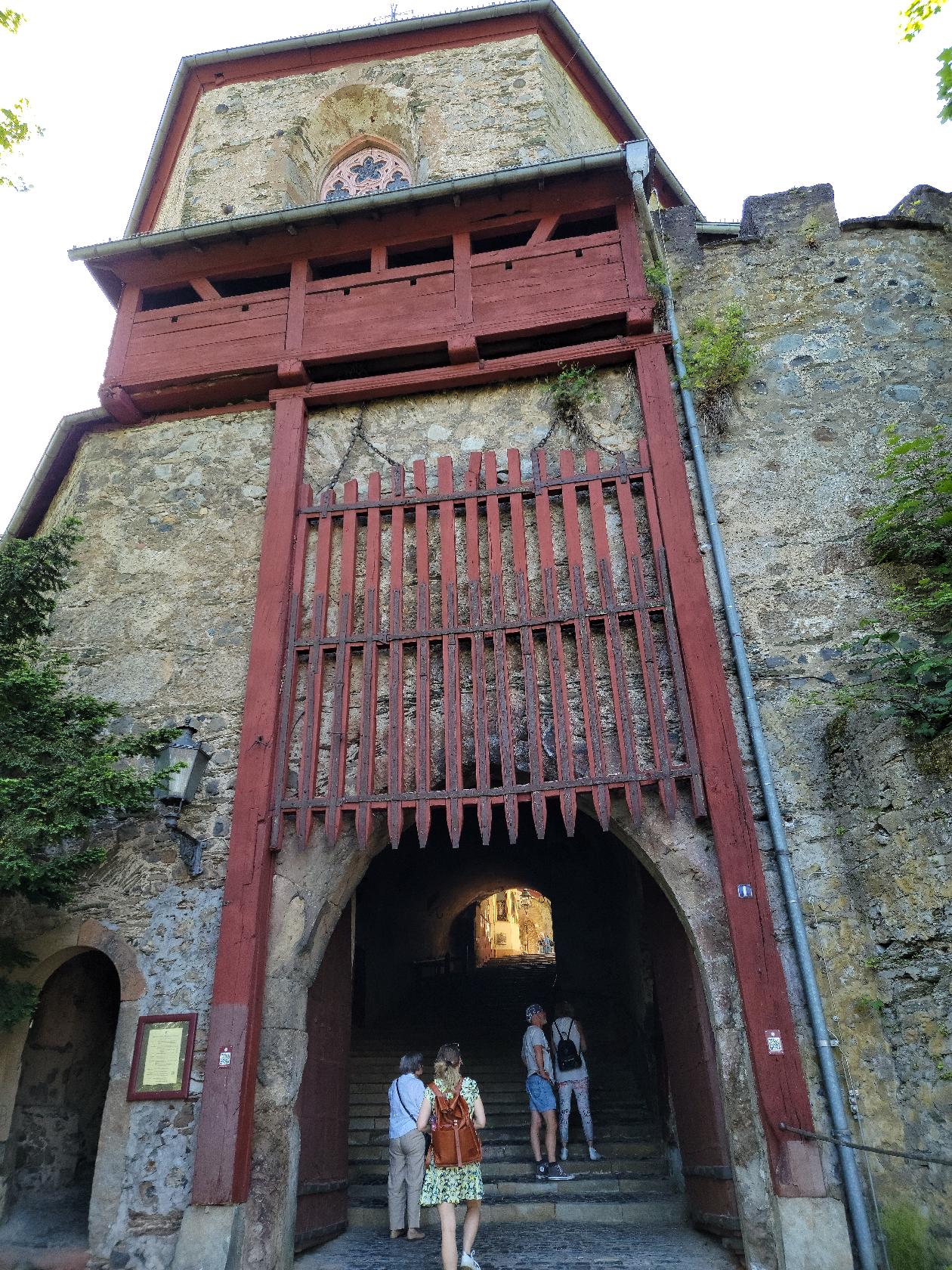
Old gate and entrance – Altstadt – Braunfels, Germany
Beautiful old house above parking area – Altstadt – Braunfels, Germany
Kratzsteine
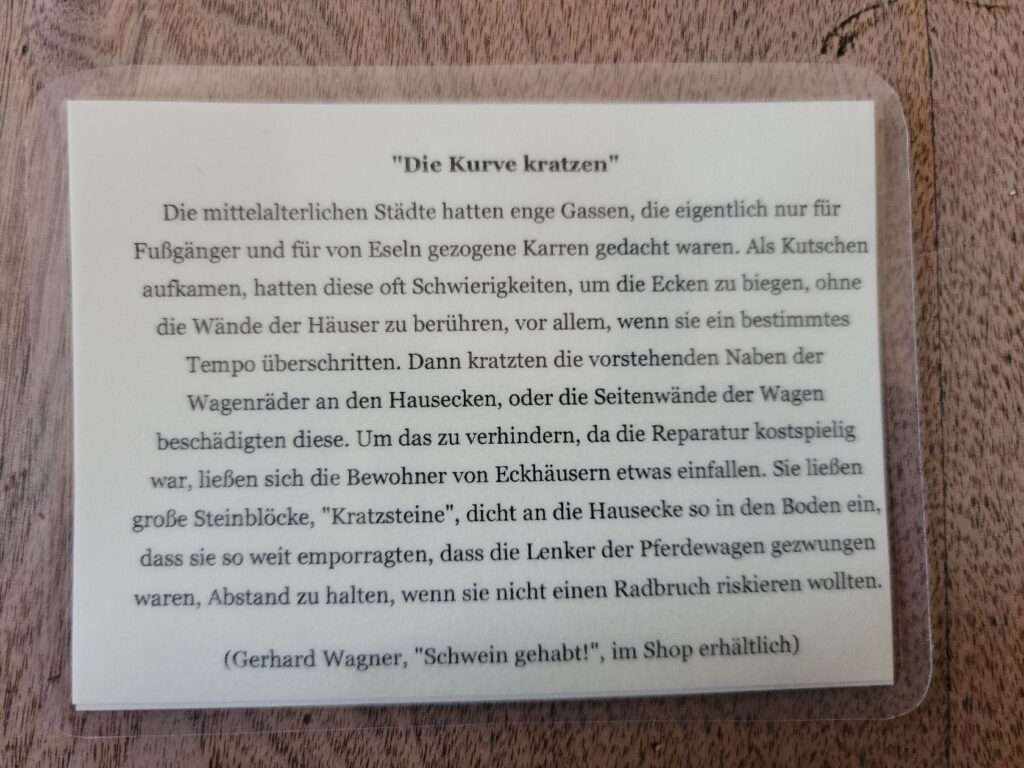
If you ever wondered why old towns such as Braunfels had these many corner stones, or Kratzsteine; the following sign explains it. The interesting thing here is, that although these are very common throughout older German cities and towns, you will not find many examples in Braunfels; making one wonder why someone posted a sign above an example of one, when there are so few throughout the town.
Why old town streets have Kratzsteine or cornering stones – Altstadt – Braunfels, Germany
The above can be translated loosely in English as the following.
The medieval cities had very narrow alleys, which were only meant for pedestrians and mule drawn carts. When horse drawn carriages came, they had difficulties trying to make the turns without slowing down. The hubs of the wheels or the side of the wagons would damage the buildings. In order to prevent this damage and the high cost of repairs, the home owners had to come up with something. They decided on giant house stones, or Kratzsteine, which were partially buried on the corners of the house. This forced the driver to avoid and swing their carriages wide, so they didn’t risk their wheels getting damaged from these strategically placed corner stones.
Castle Braunfels
Christian Christmas Tradition
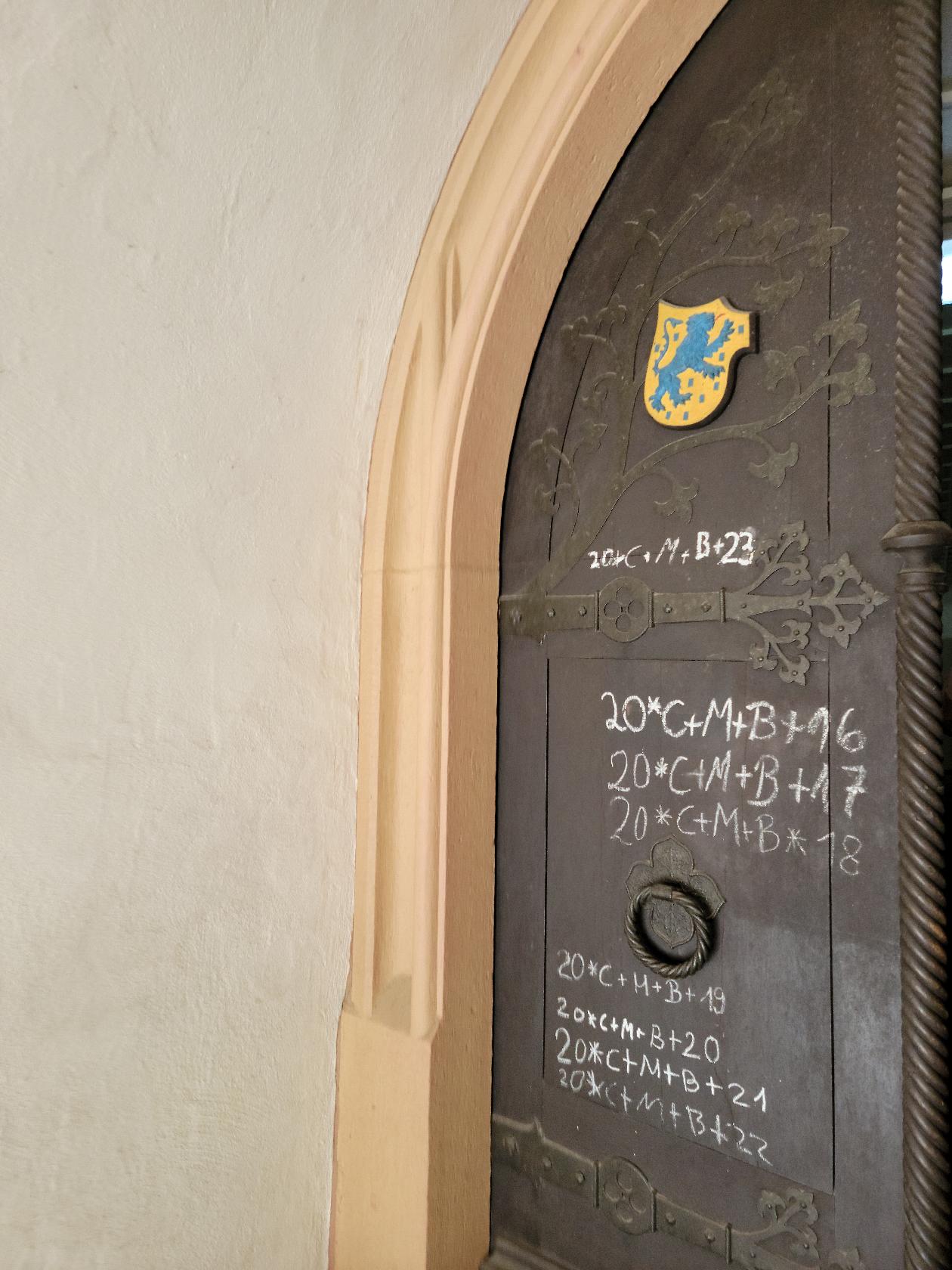
In Germany there is an old religious custom on the twelfth day of Christmas, or what is more properly known as the Epiphany. On the evening of or the day of Epiphany the front door of the building is chalked with the pattern “yy * C + M + B * YY”. The CMB is short for the Latin phrase Christus mansionem benedicat, or in English, May Christ bless this house. The YY are the year divided up appropriately.
Epiphany blessing on door to Chapel – Braunfels Castle – Braunfels, Germany
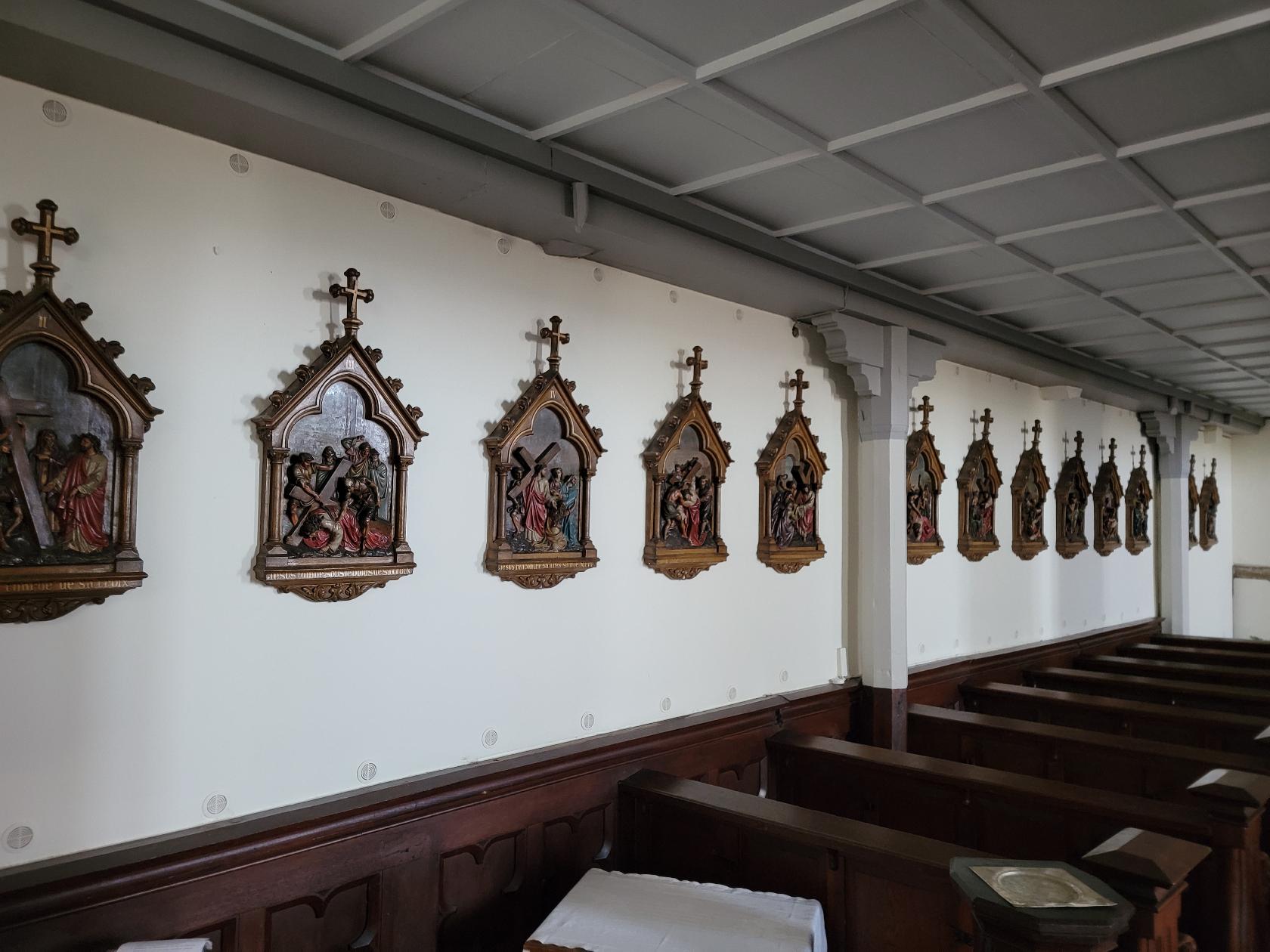
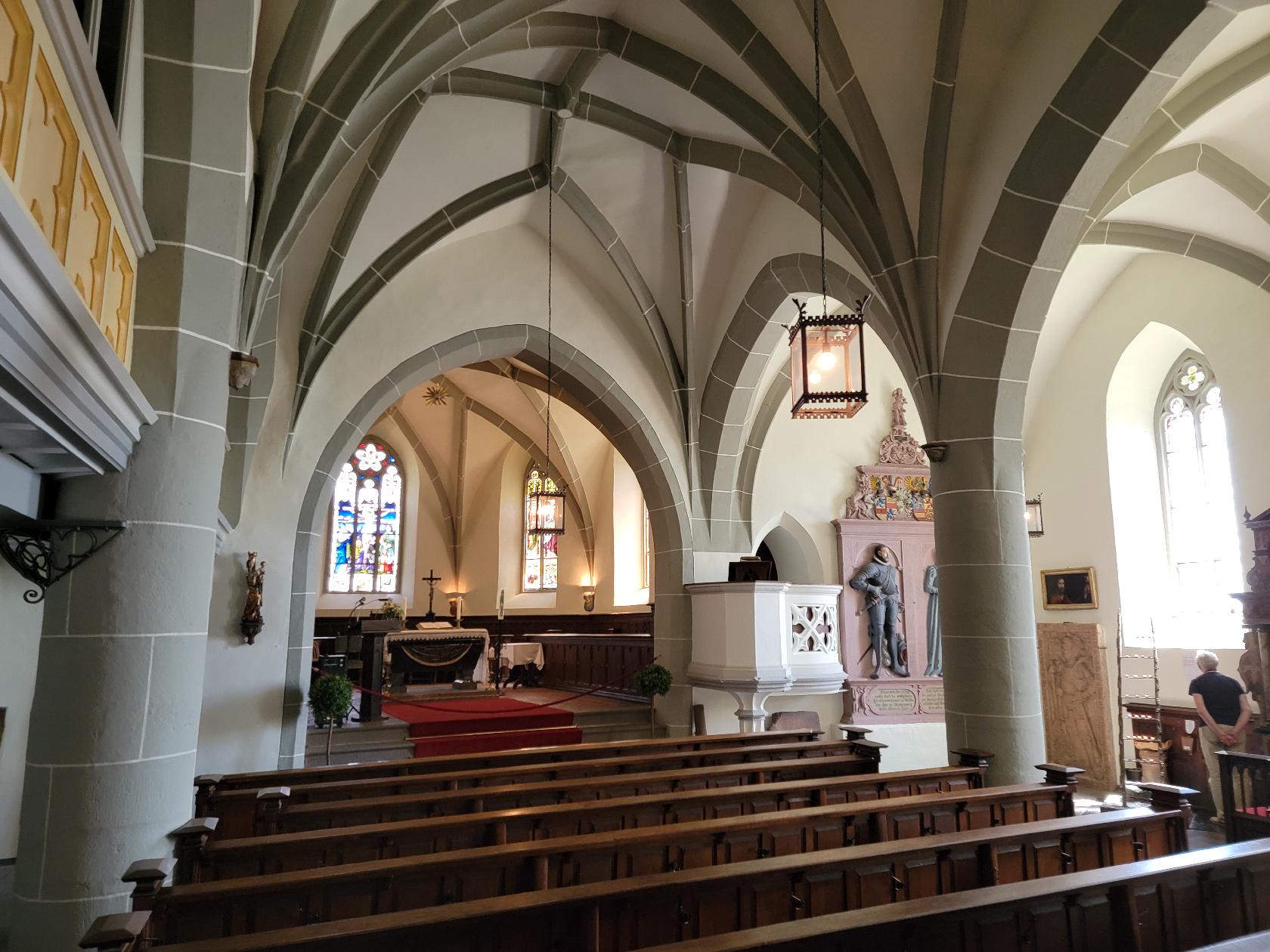
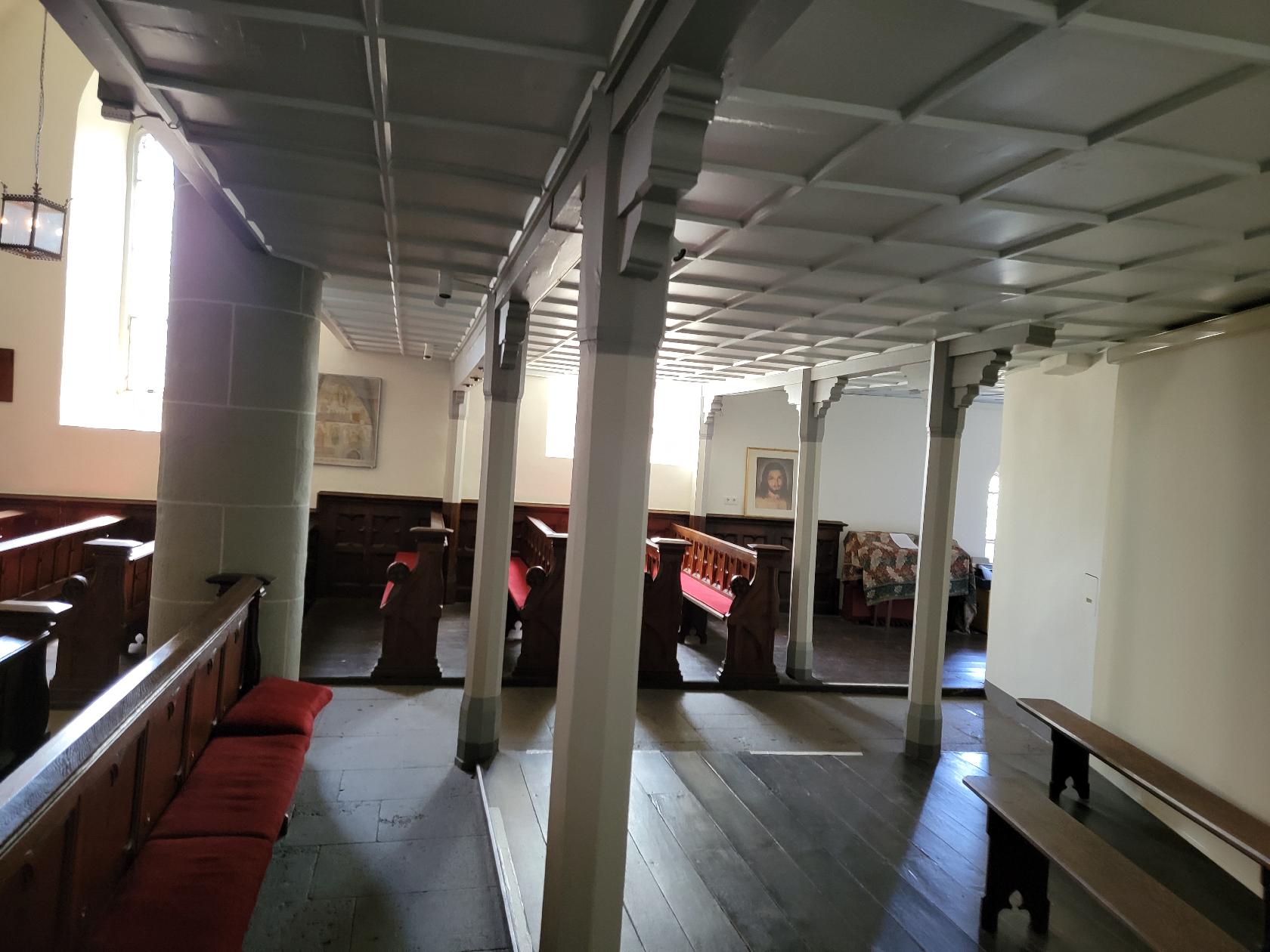
Chapel inside the castle – Braunfels Castle – Braunfels, Germany
Chapel inside the castle – Braunfels Castle – Braunfels, Germany
Chapel organ – Braunfels Castle – Braunfels, Germany
Castle Innards
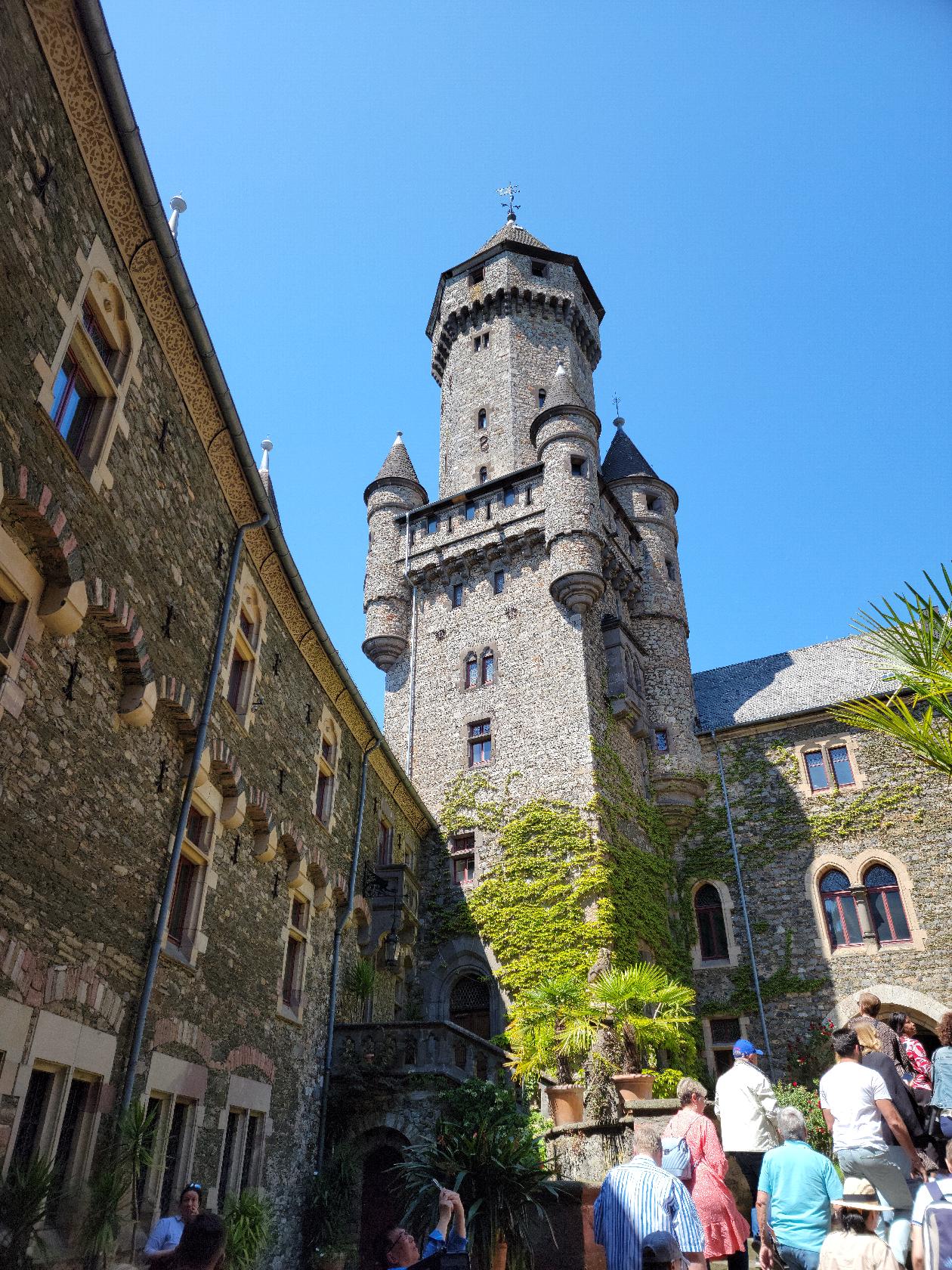
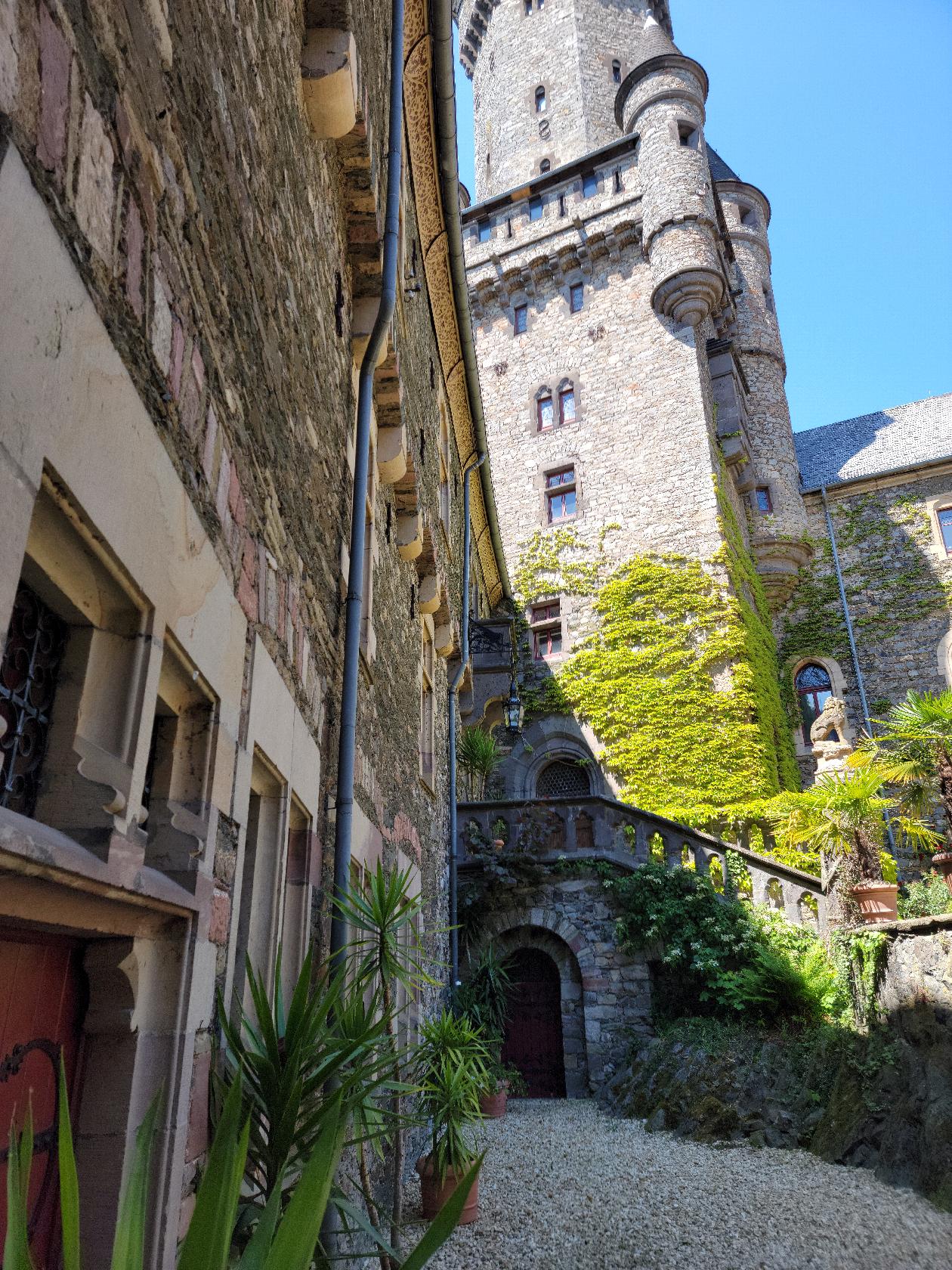
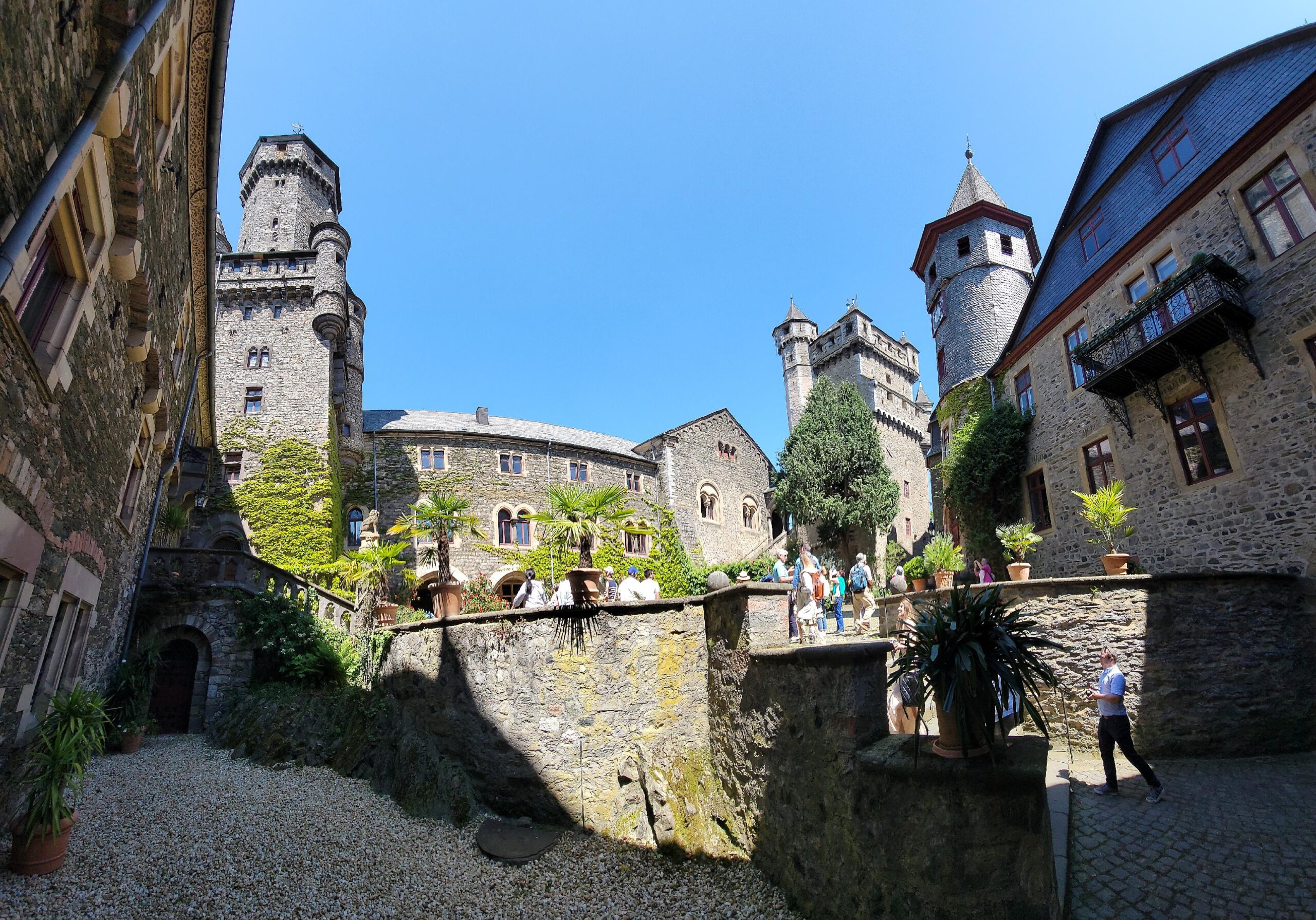
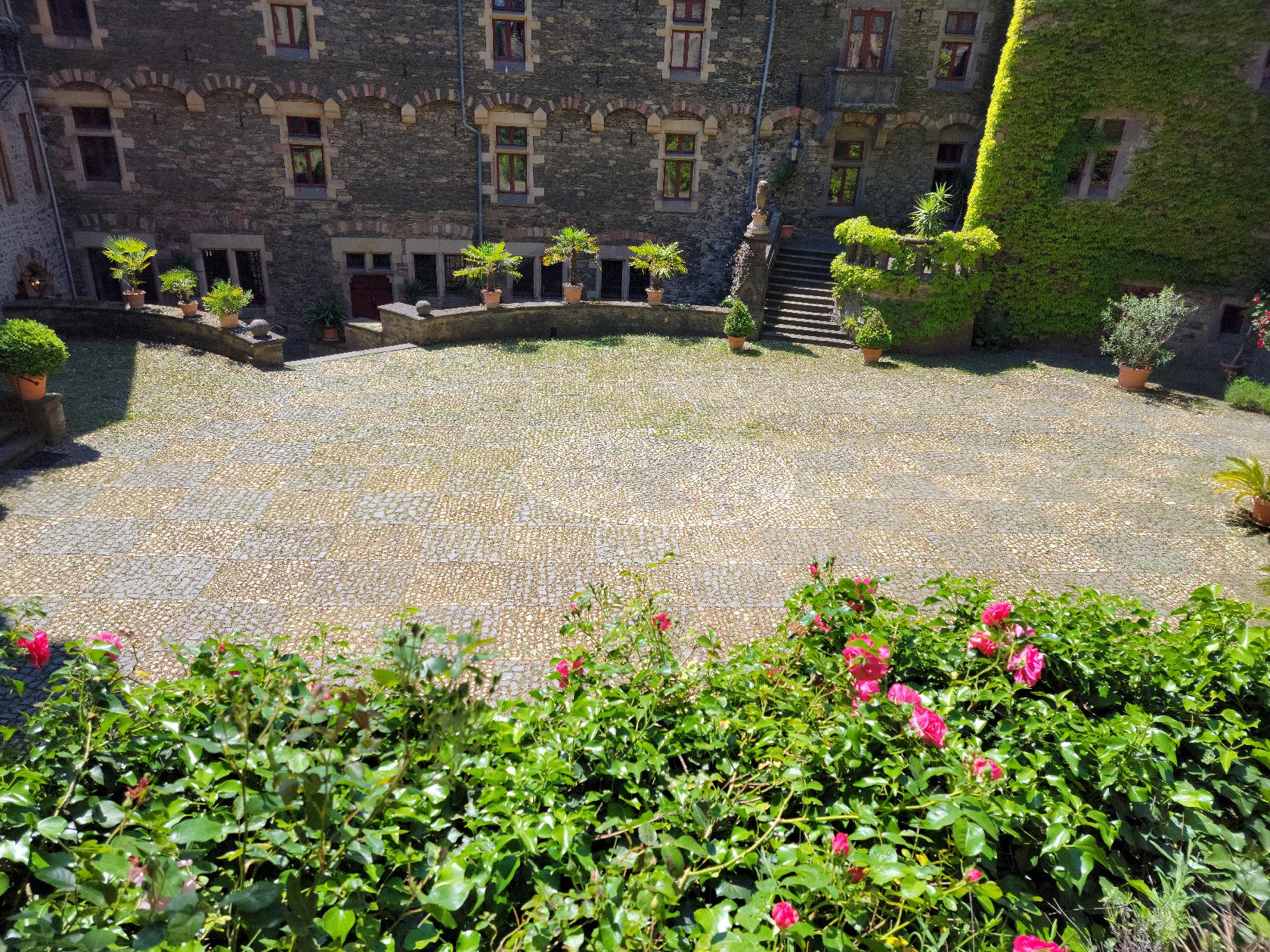
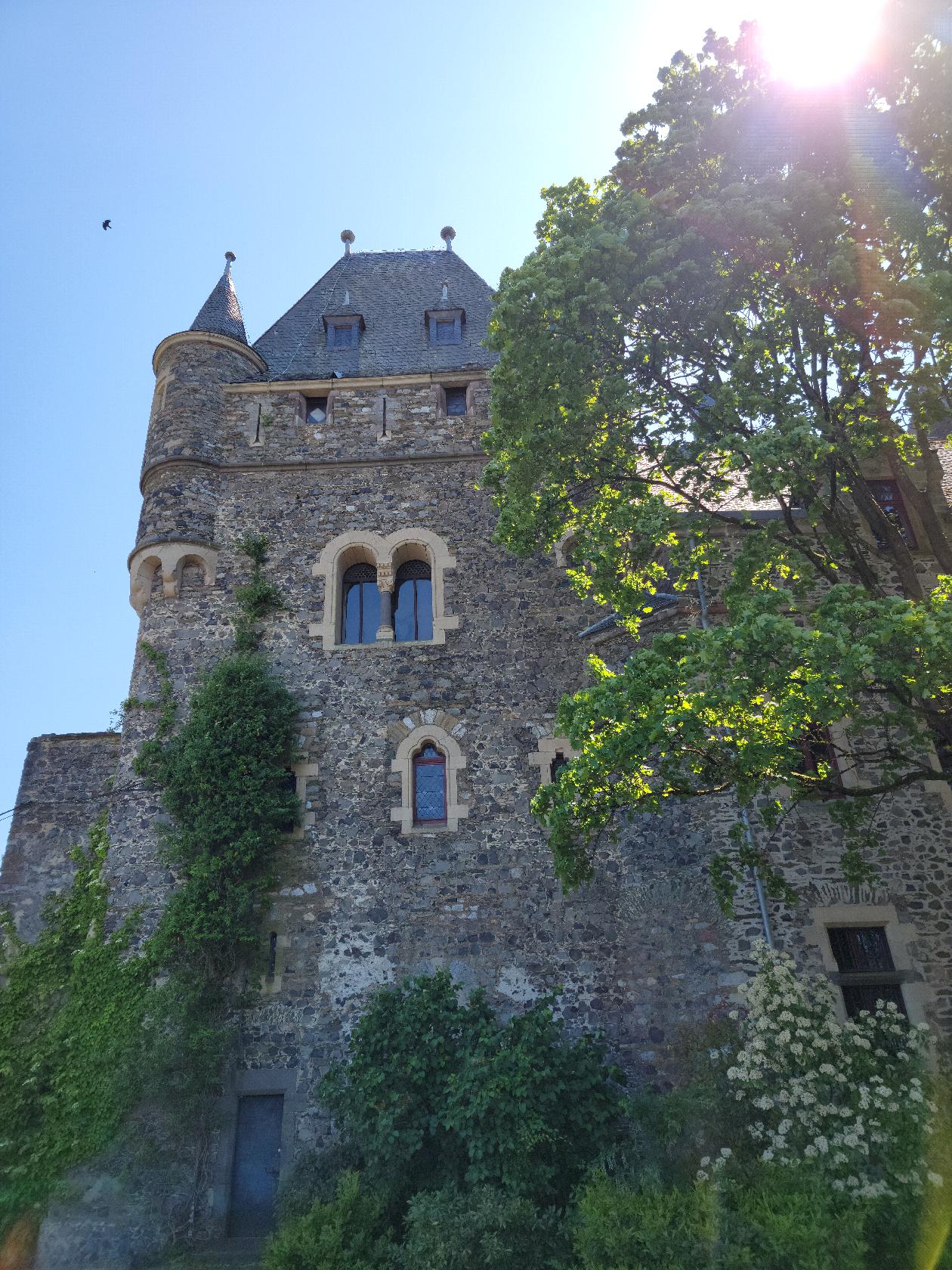
The courtyard of the castle is fairly large and surrounded by three walls and towers. The inside of the castle is typical for one of this period. The slideshow below finishes our tour of the castle and our visit to this very nice little town in Hessen.
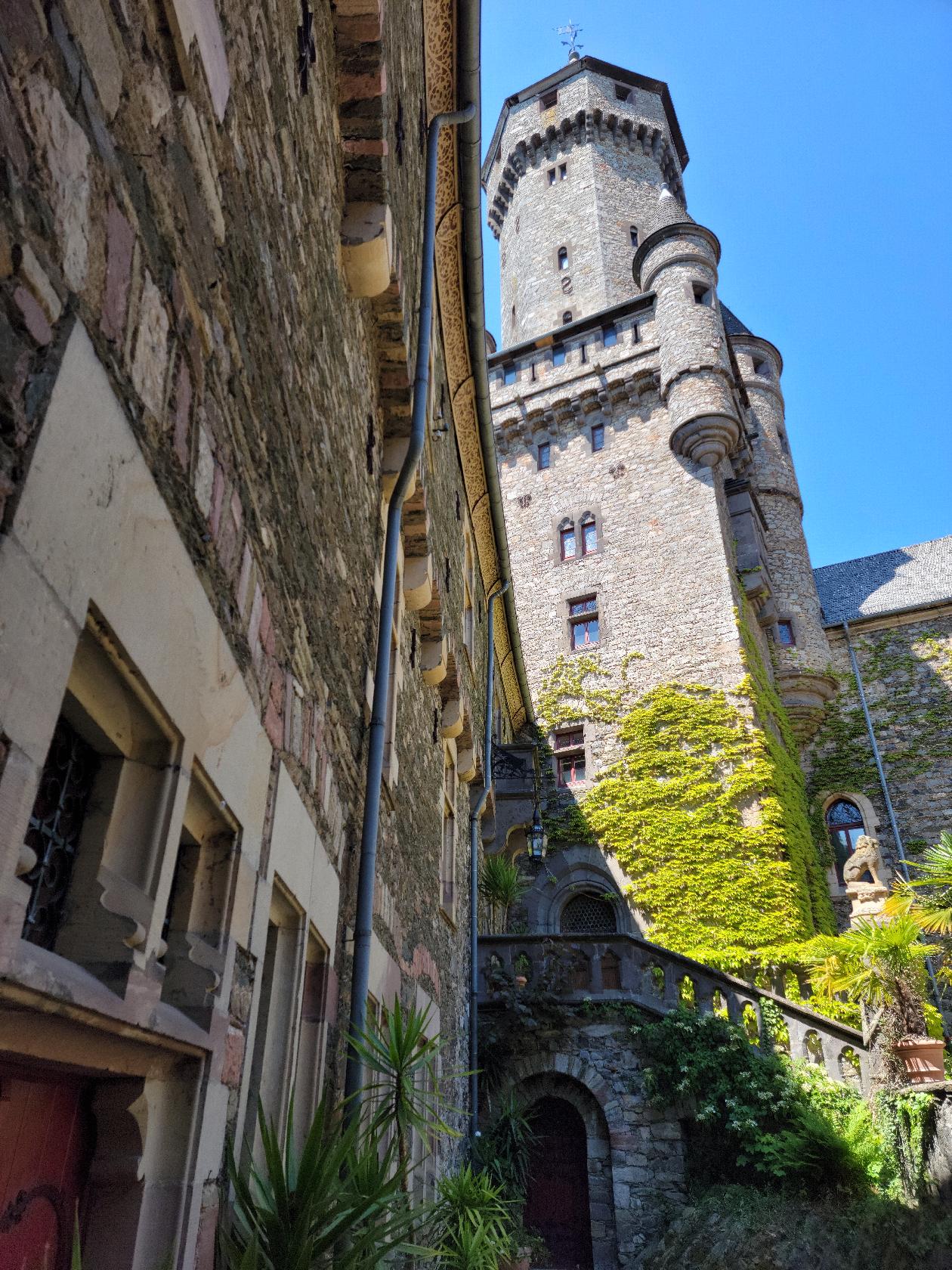
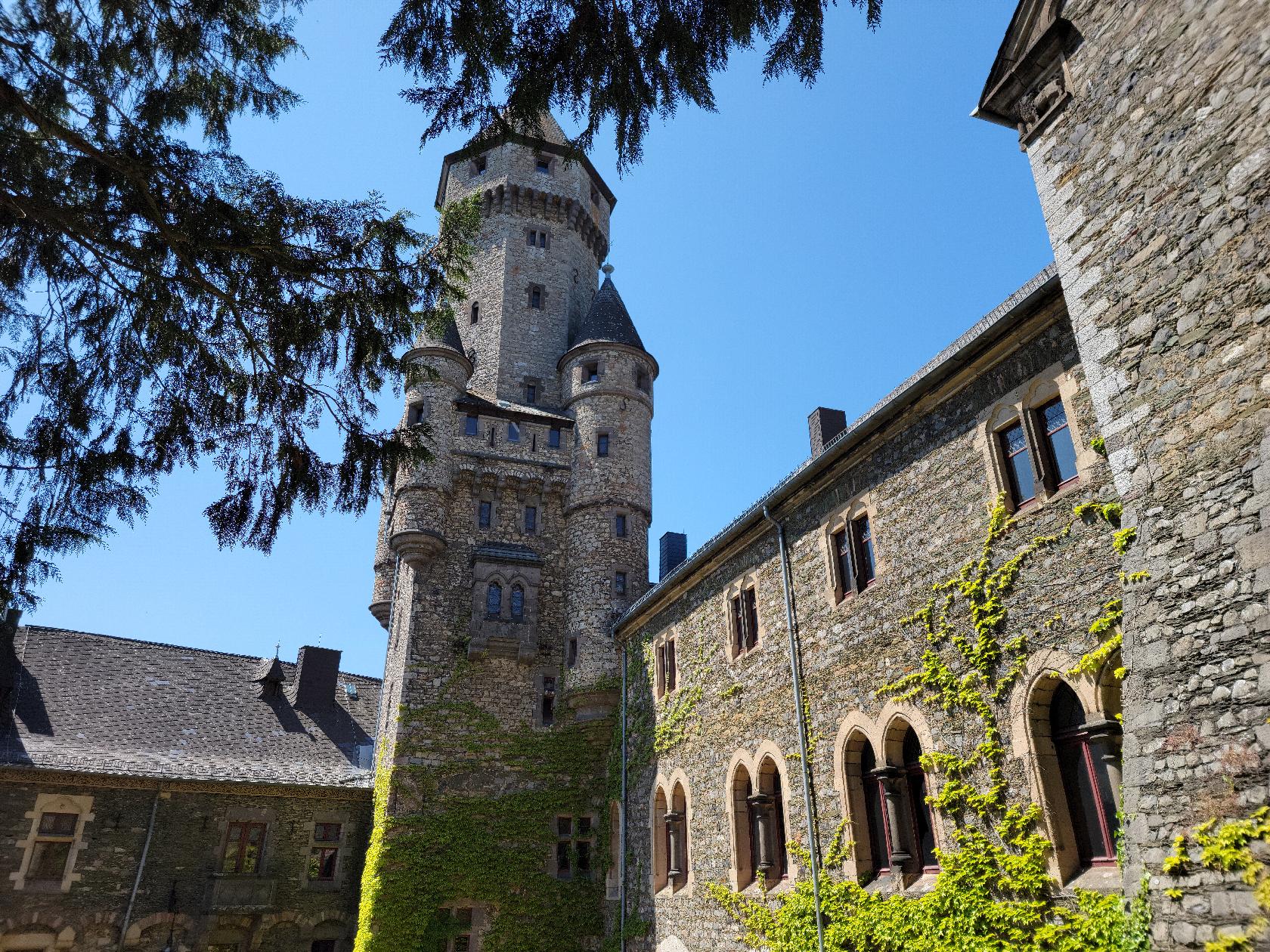
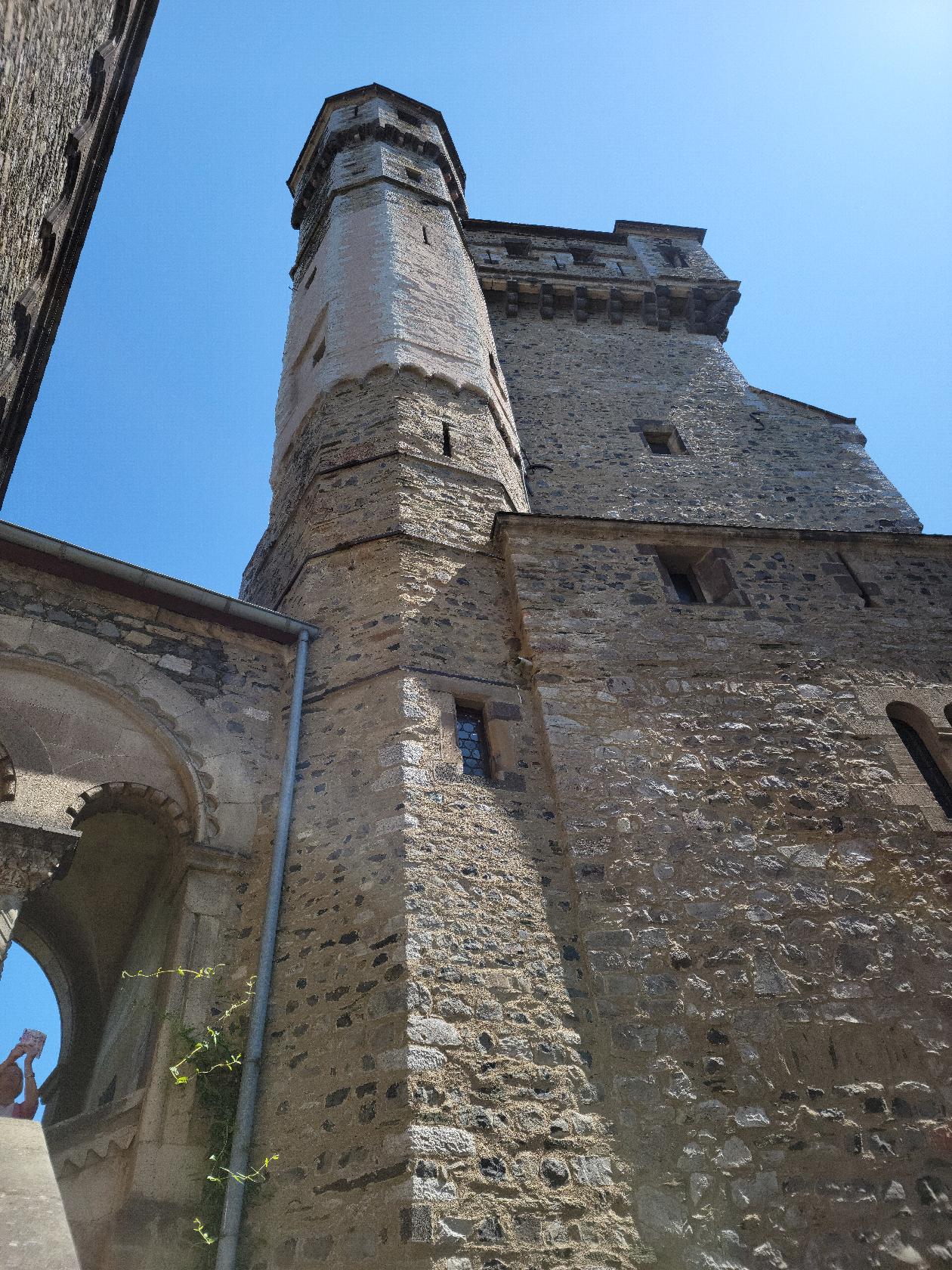
The new tower – Braunfels Castle – Braunfels, Germany
Area by new tower – Braunfels Castle – Braunfels, Germany
The new tower – Braunfels Castle – Braunfels, Germany
Panorama of inside courtyard showing all towers – Braunfels Castle – Braunfels, Germany
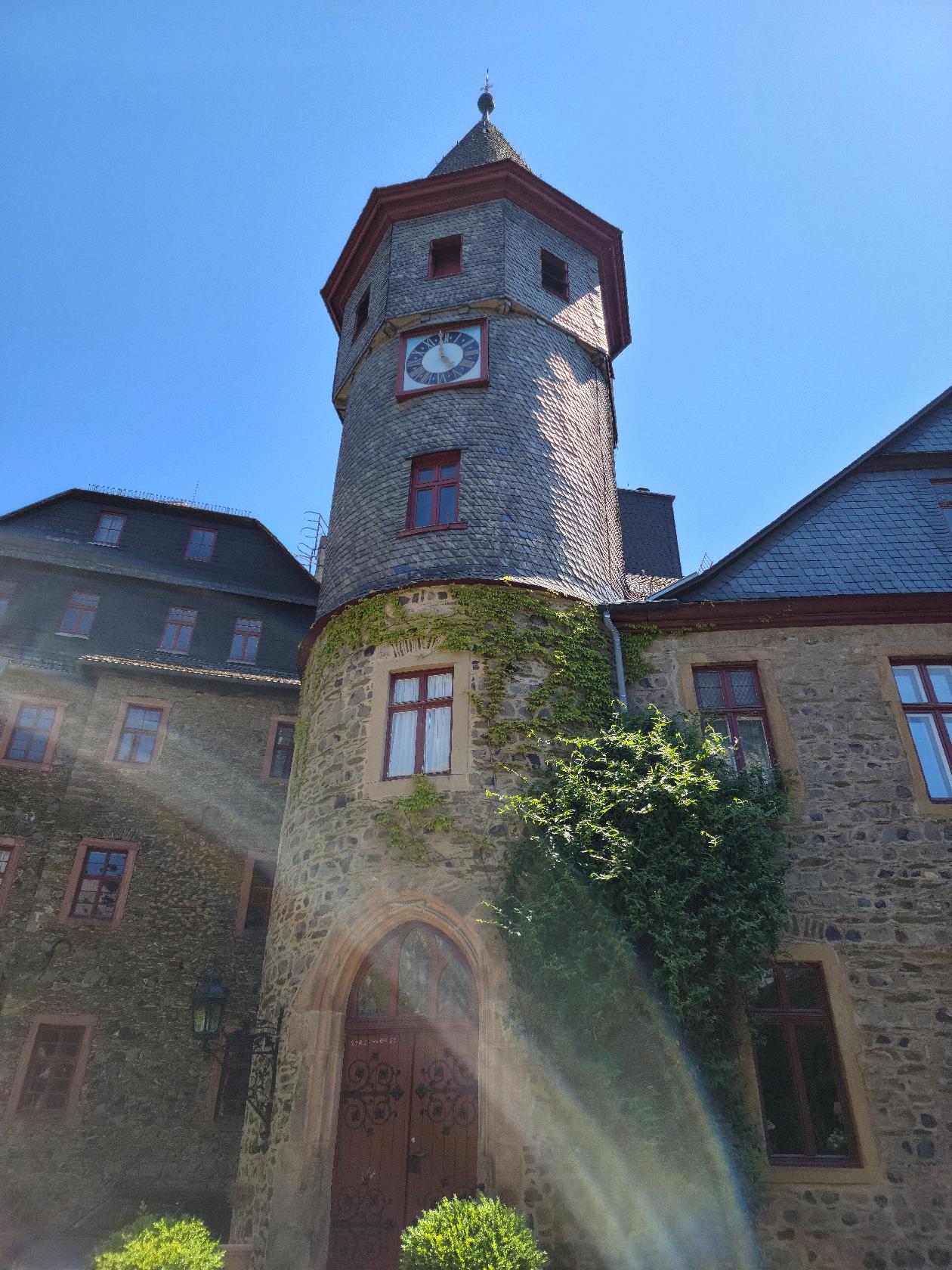
The clock tower – Braunfels Castle – Braunfels, Germany
The new tower from different angle – Braunfels Castle – Braunfels, Germany
The family wapper – Braunfels Castle – Braunfels, Germany
The old tower – Braunfels Castle – Braunfels, Germany
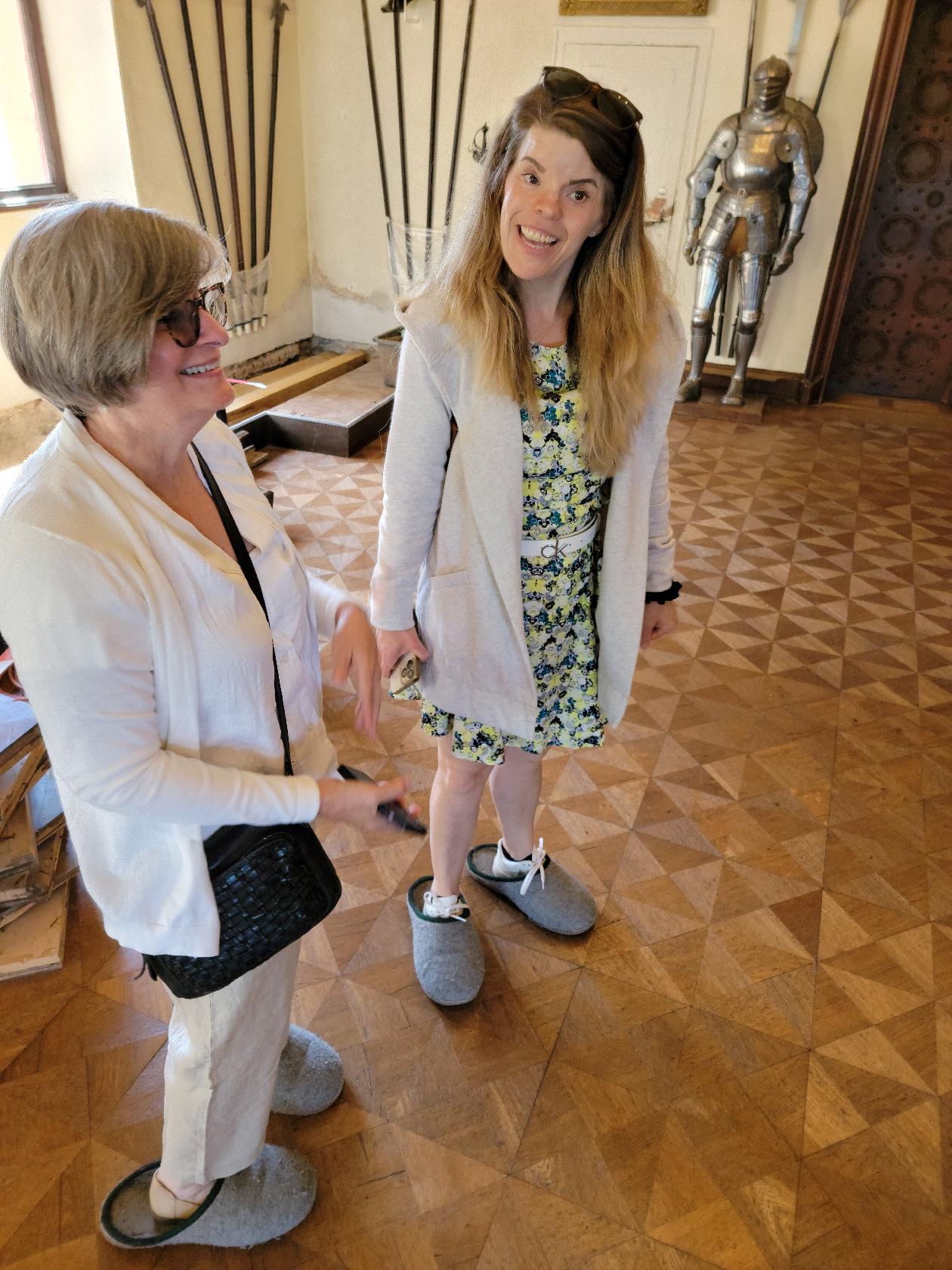
Hausshuhe you have to wear – Braunfels Castle – Braunfels, Germany
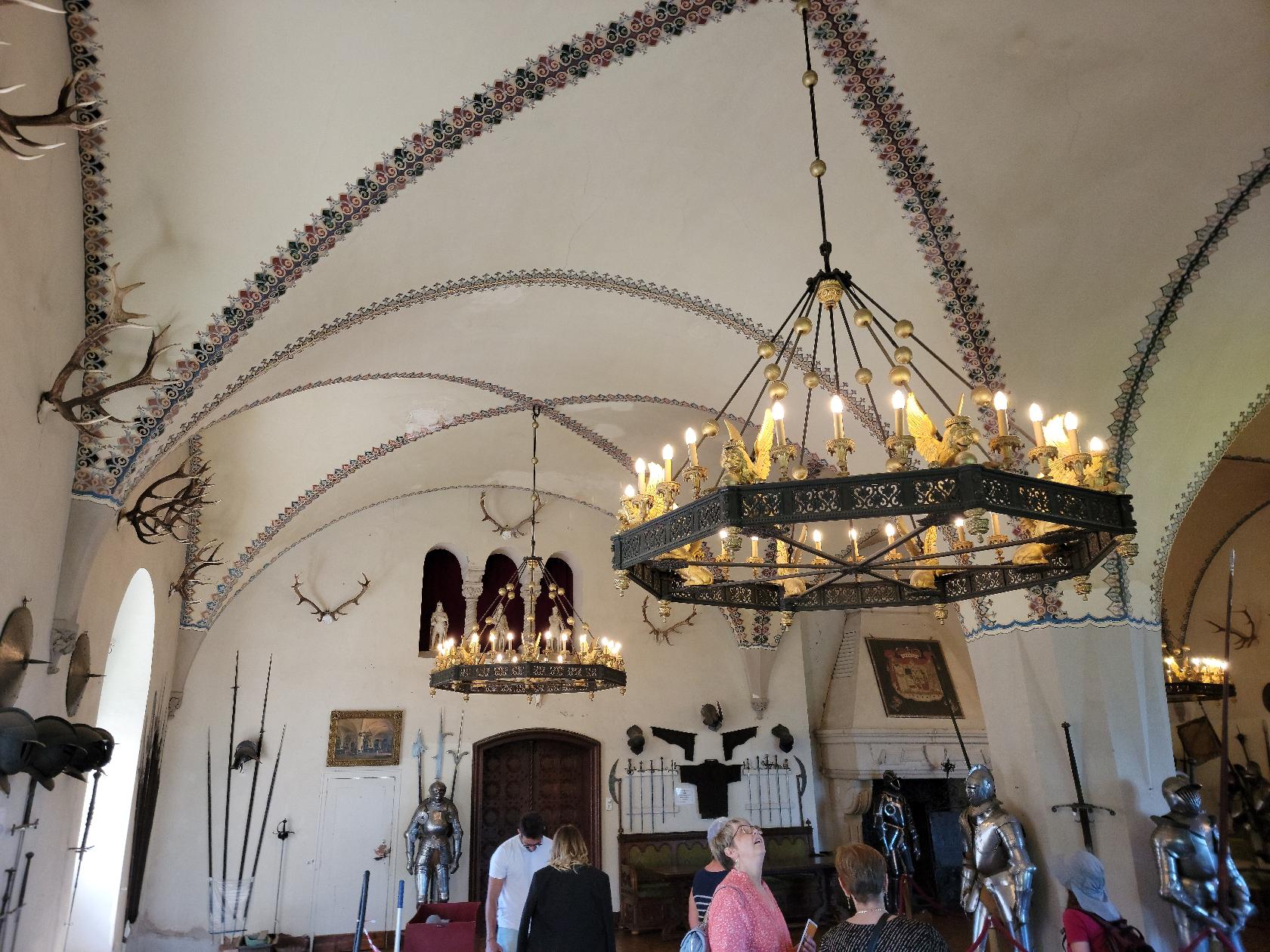
Old chandeliers main room – Braunfels Castle – Braunfels, Germany
Main room – Braunfels Castle – Braunfels, Germany
Old fireplace and family crest – Braunfels Castle – Braunfels, Germany
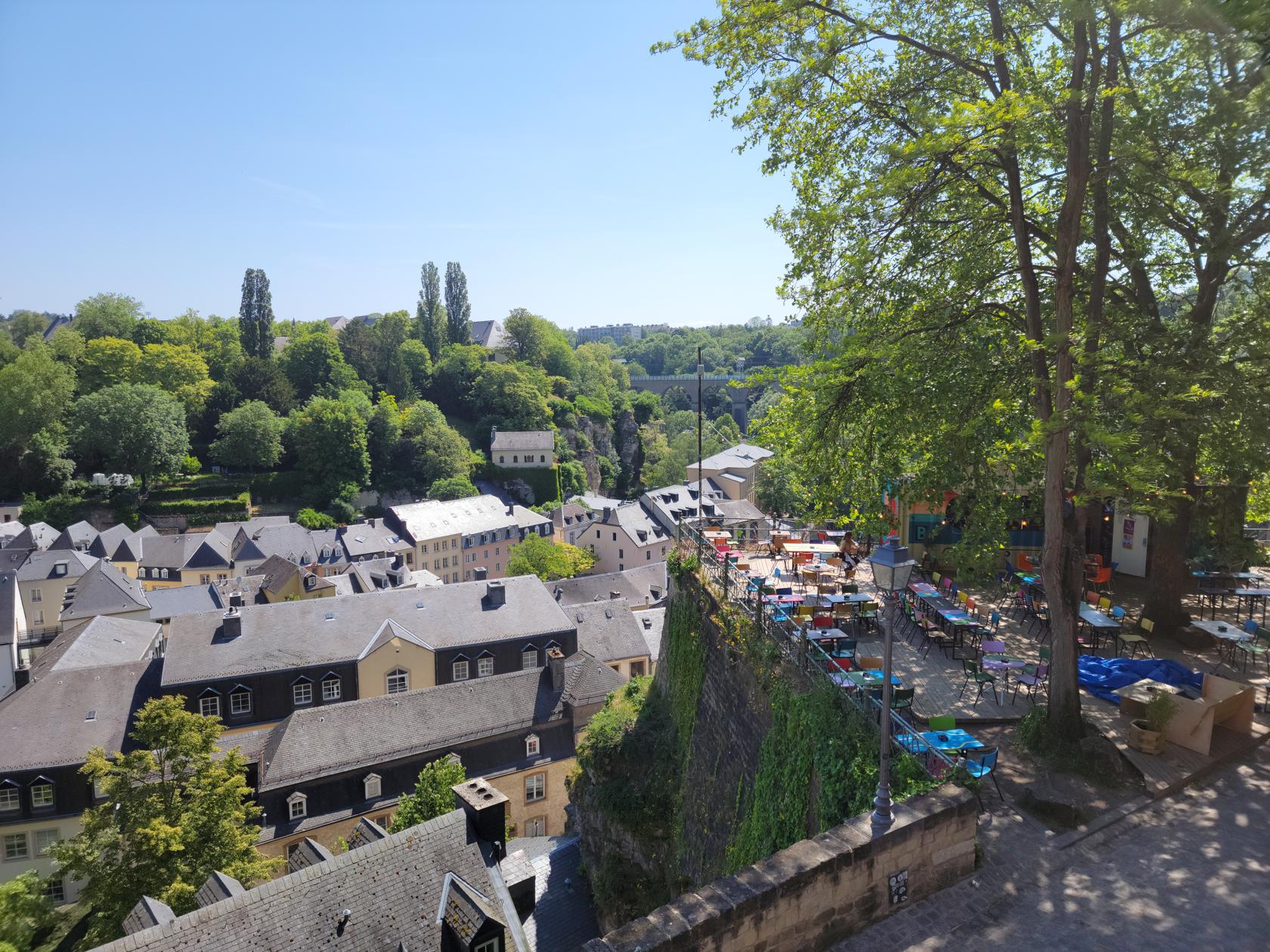
Probably one of the most clean European cities you will come across is the city of Luxemburg in the country of Luxemburg, or as they prefer to spell both, Luxembourg. The people here speak many different languages, including their own. They have to, they are wedged between Belgium, France and Germany and are frequented by tourist from English speaking countries as well.
Looking north – Luxemburg, Luxemburg
Luxembourg
The city was created on its rocky perch during the Roman times, most likely due to its excellent defensive qualities. Then later in the tenth century a count acquired the rights to the land and started to build the family’s kingdom. From modest beginnings, the Kingdom of Luxembourg grew from here and became very important because of its strategic position.
Ericka and Gabi leaving hotel – Luxemburg, Luxemburg
Avenue de la Porta Neuve – Luxemburg, Luxemburg
Avenue de la Porta Neuve – Luxemburg, Luxemburg
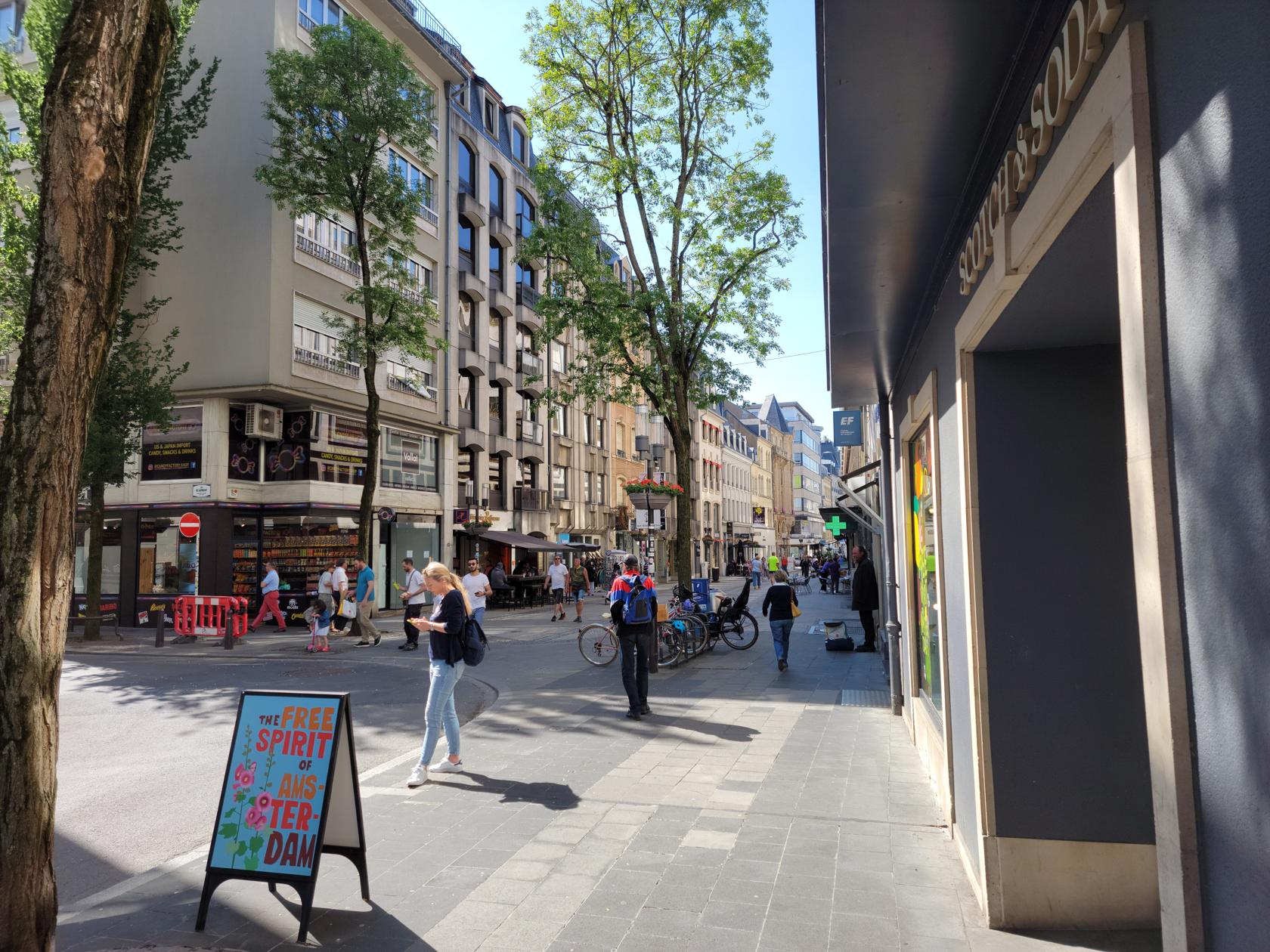
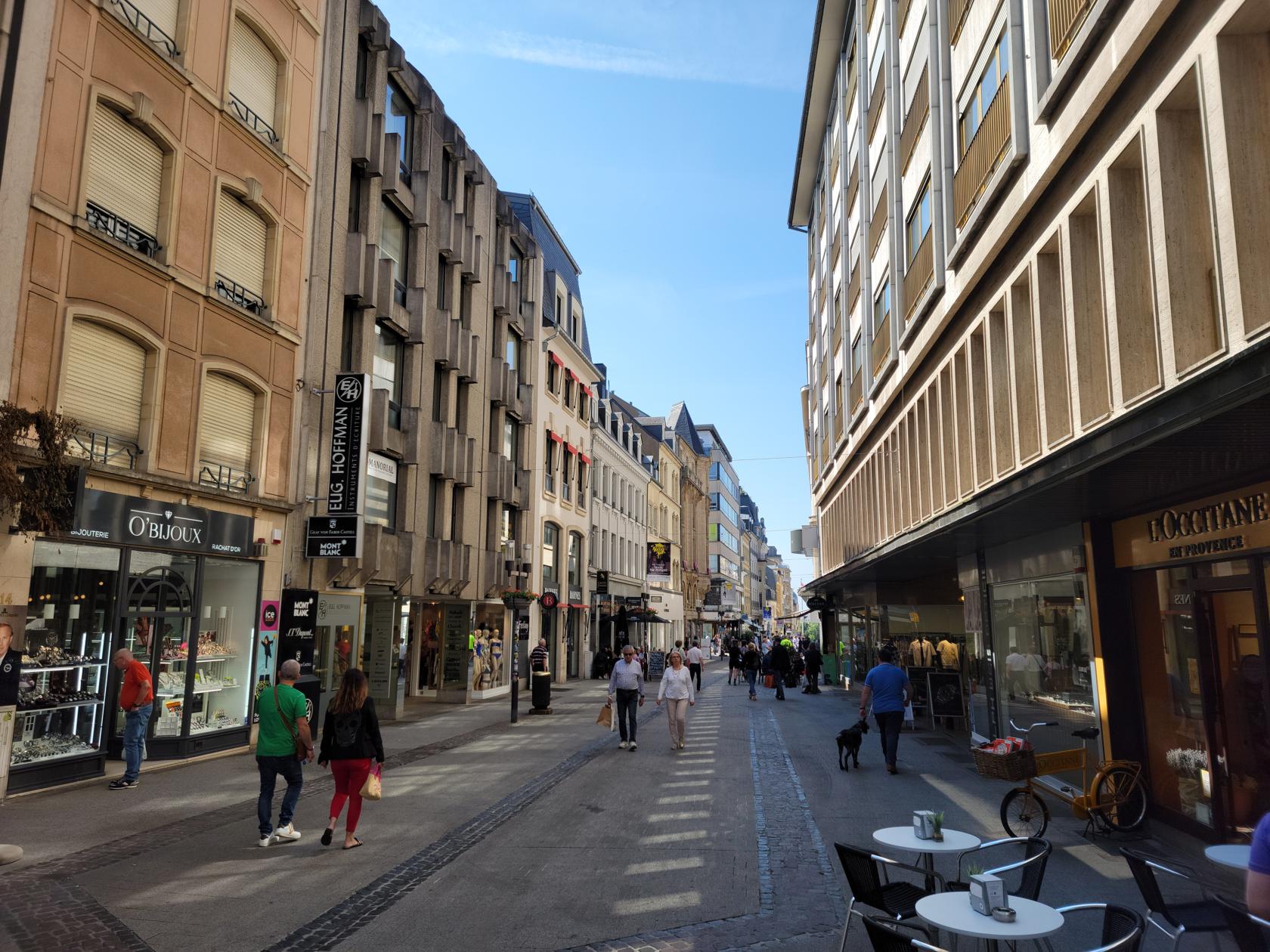
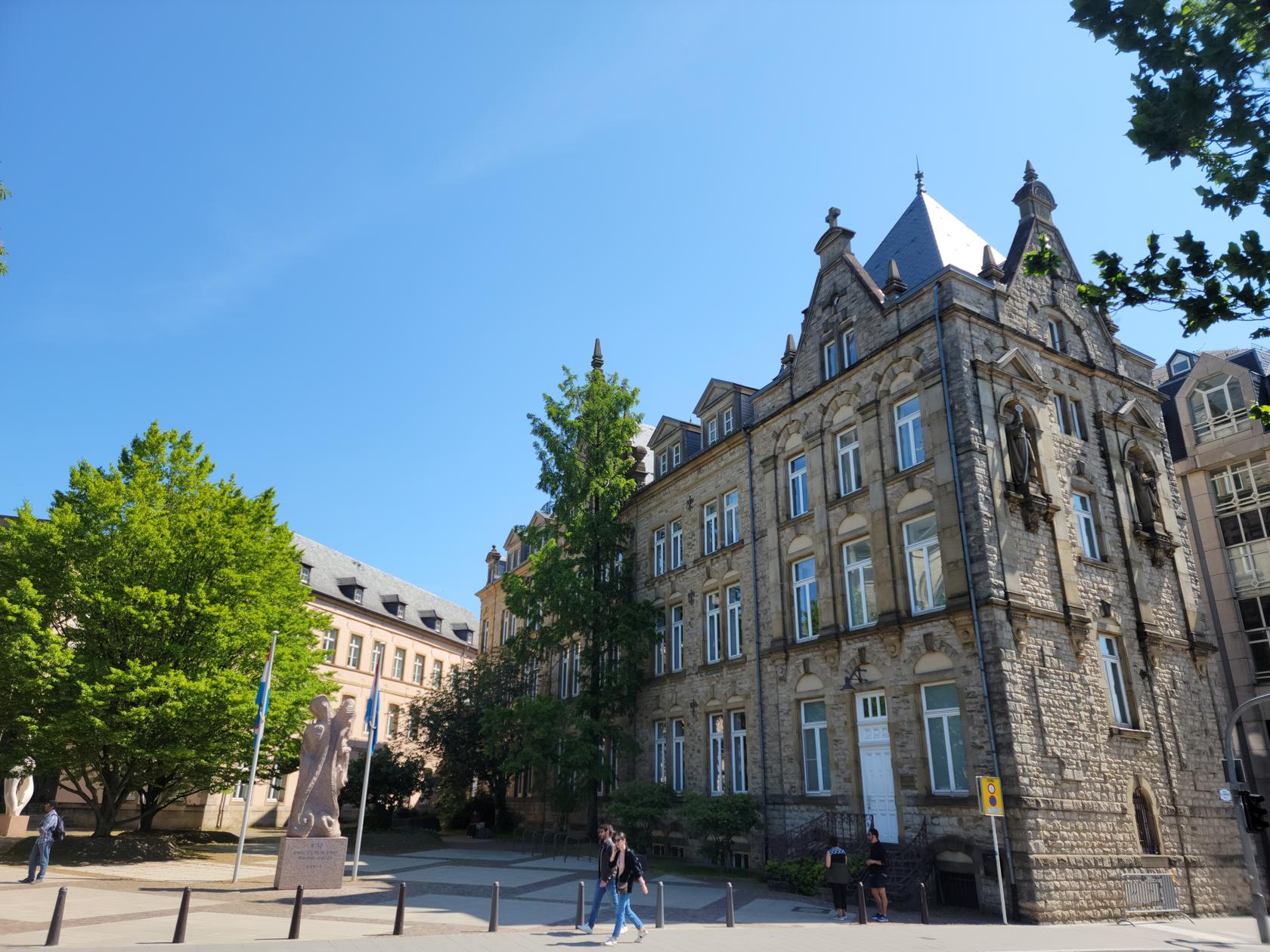
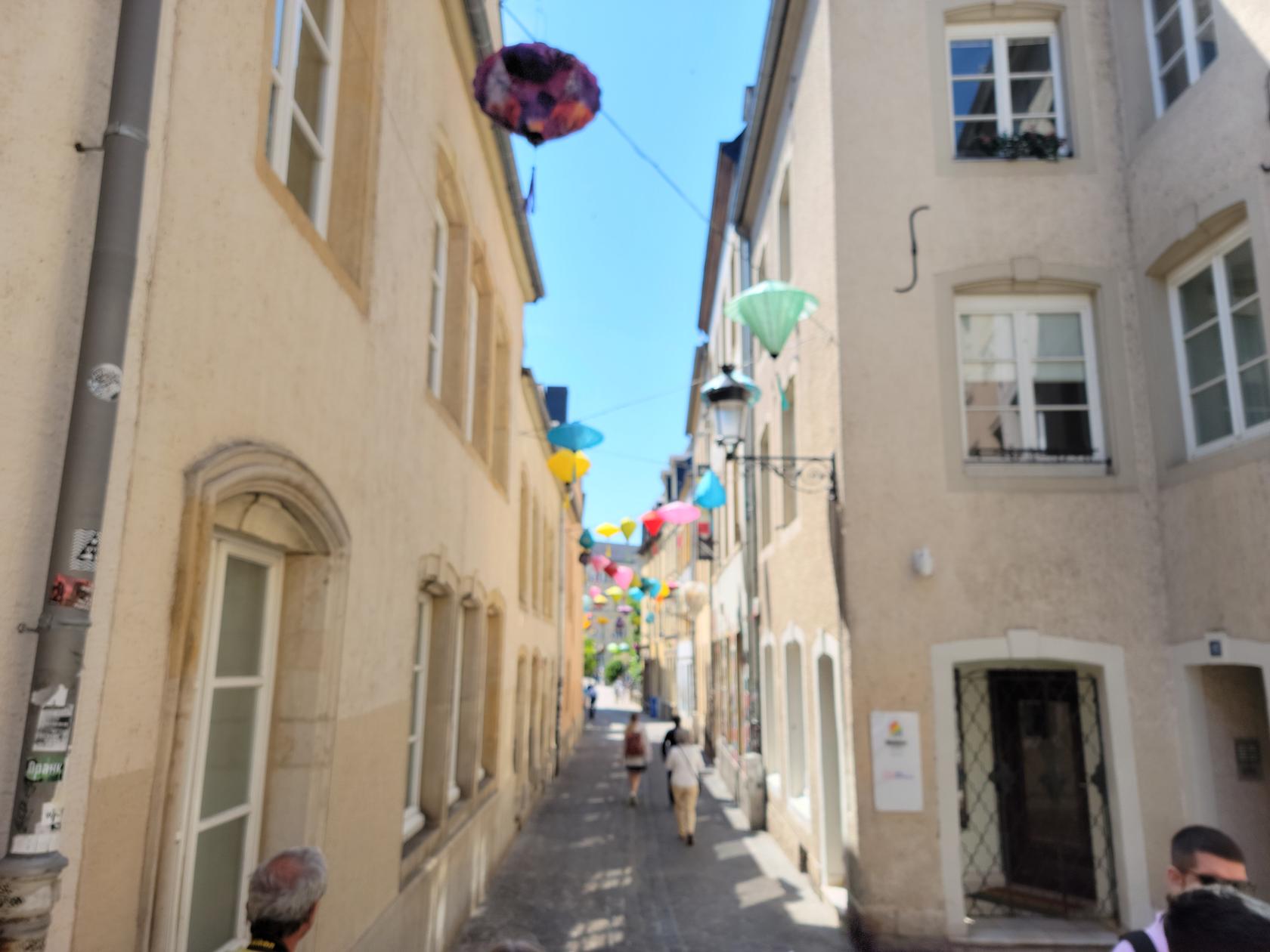
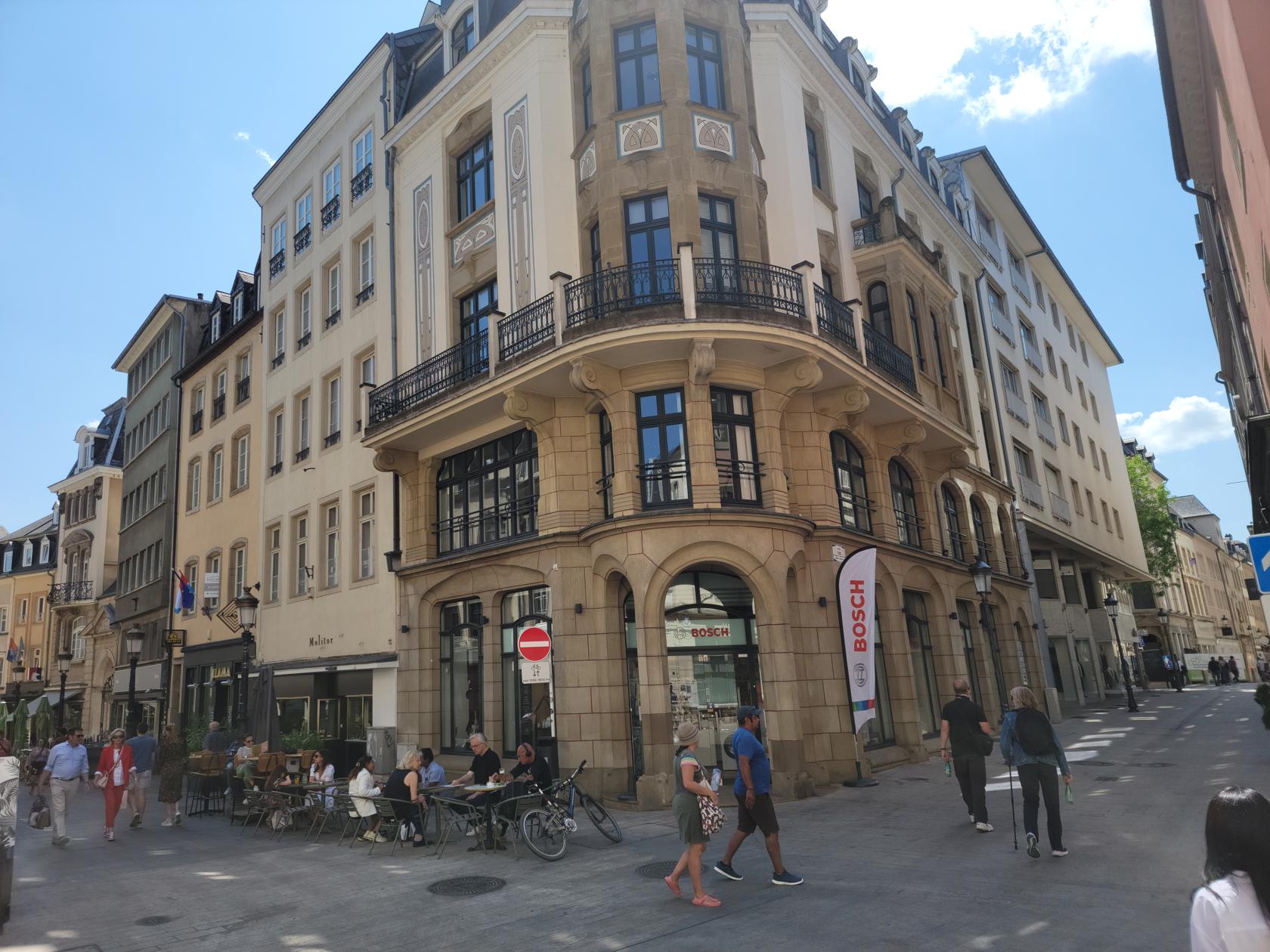
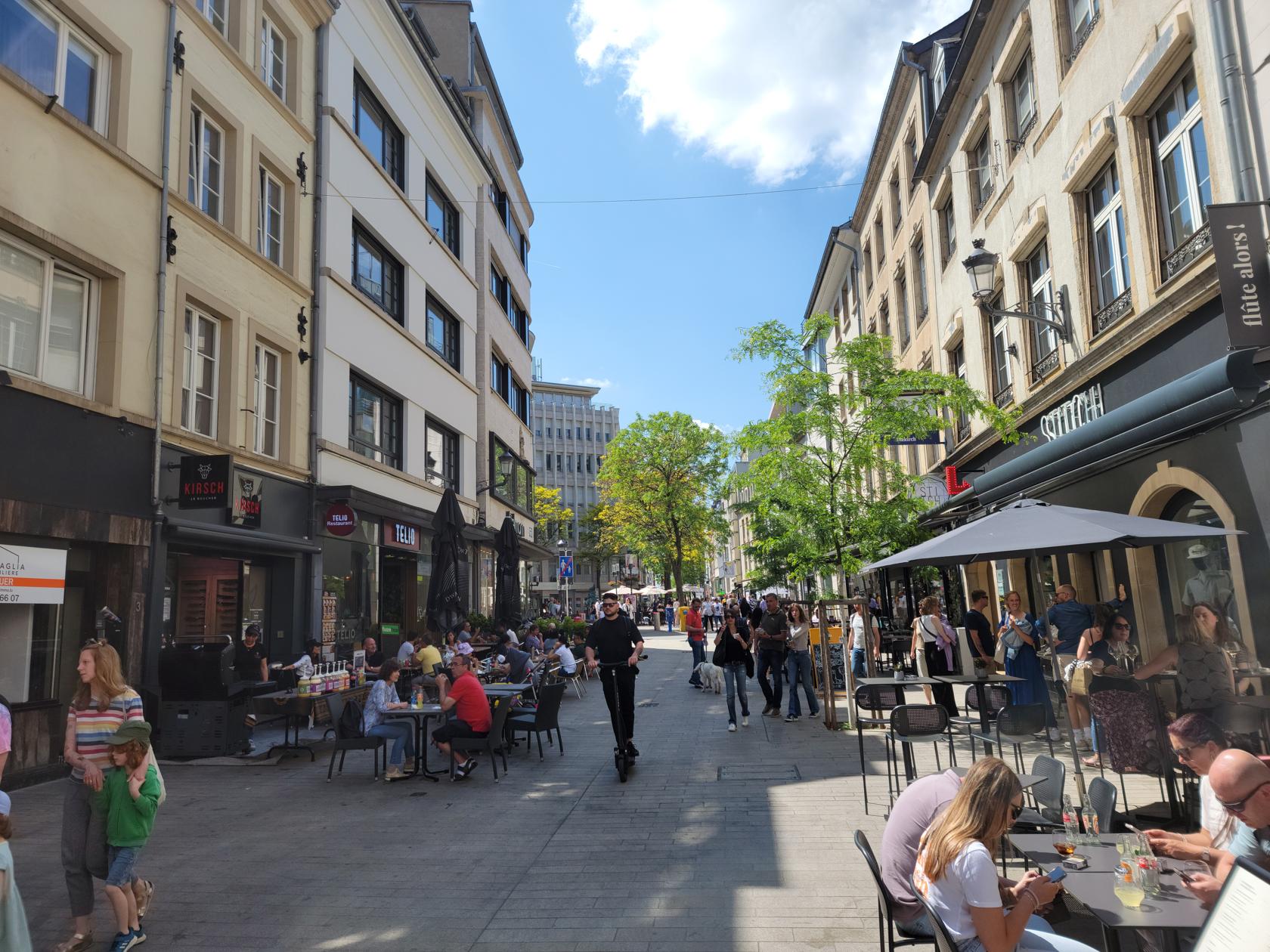
City streets – Luxemburg, Luxemburg
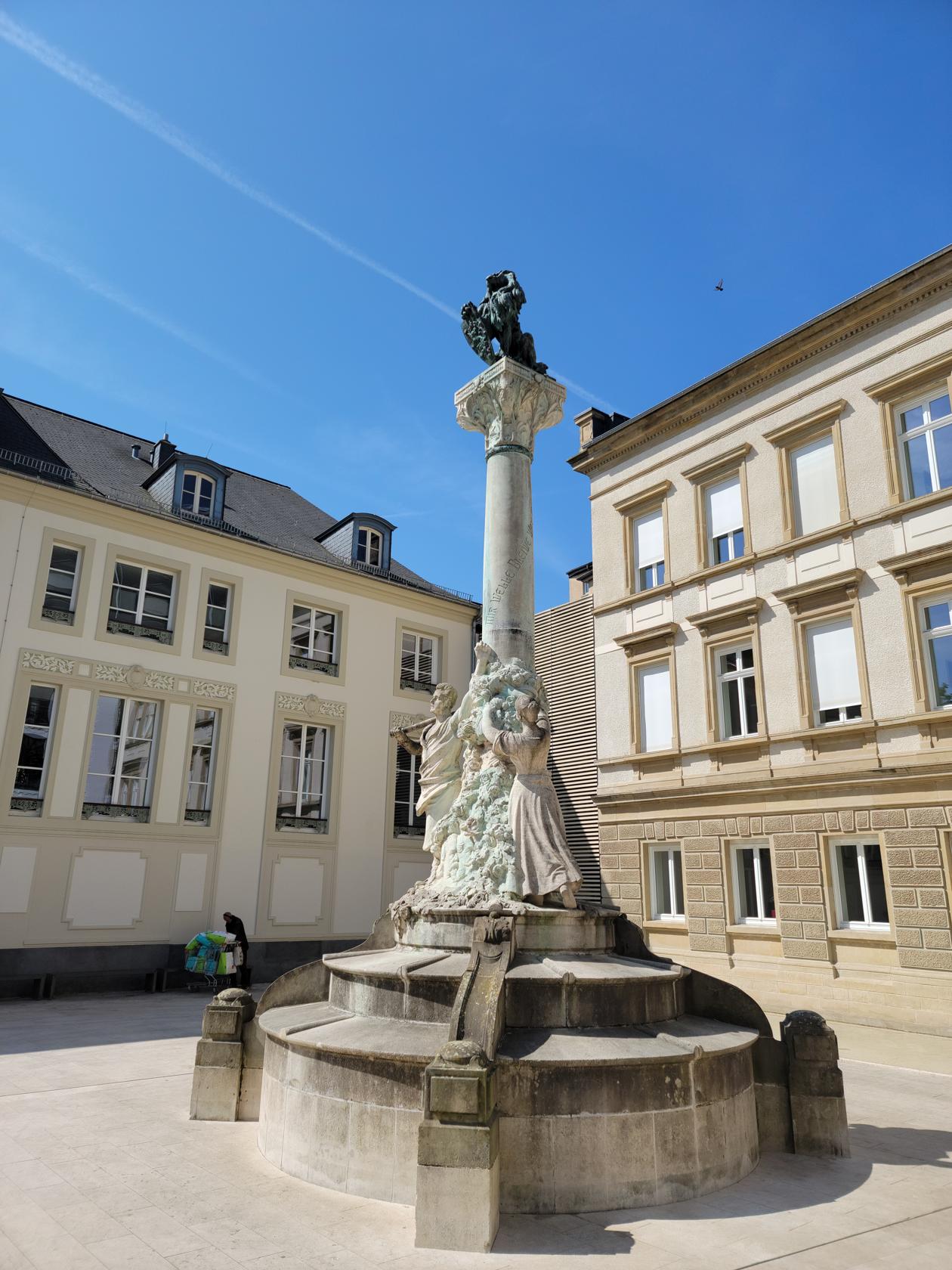
Memorial – Luxemburg, Luxemburg
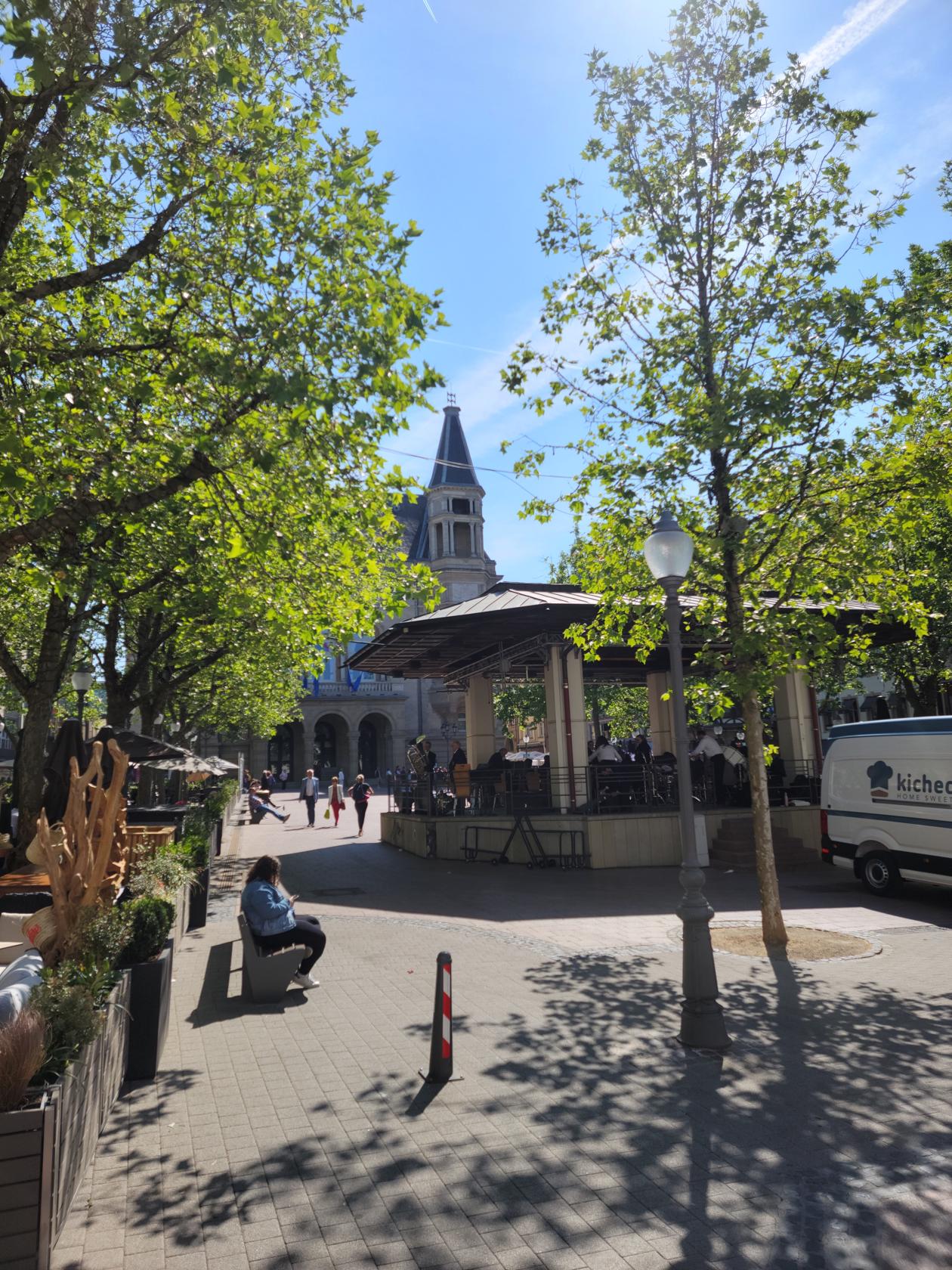
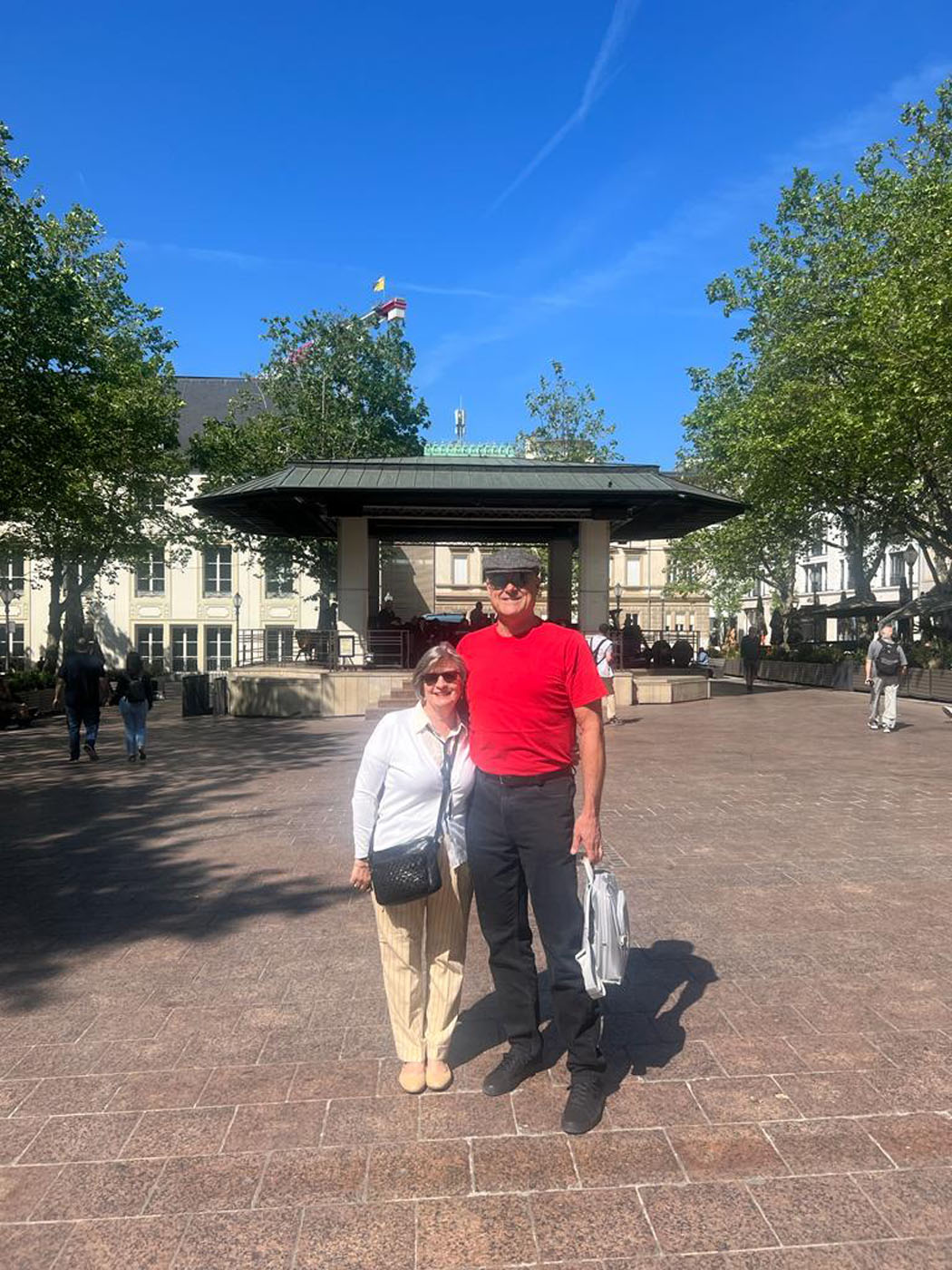
Main square and bandstand – Luxemburg, Luxemburg
City streets – Luxemburg, Luxemburg
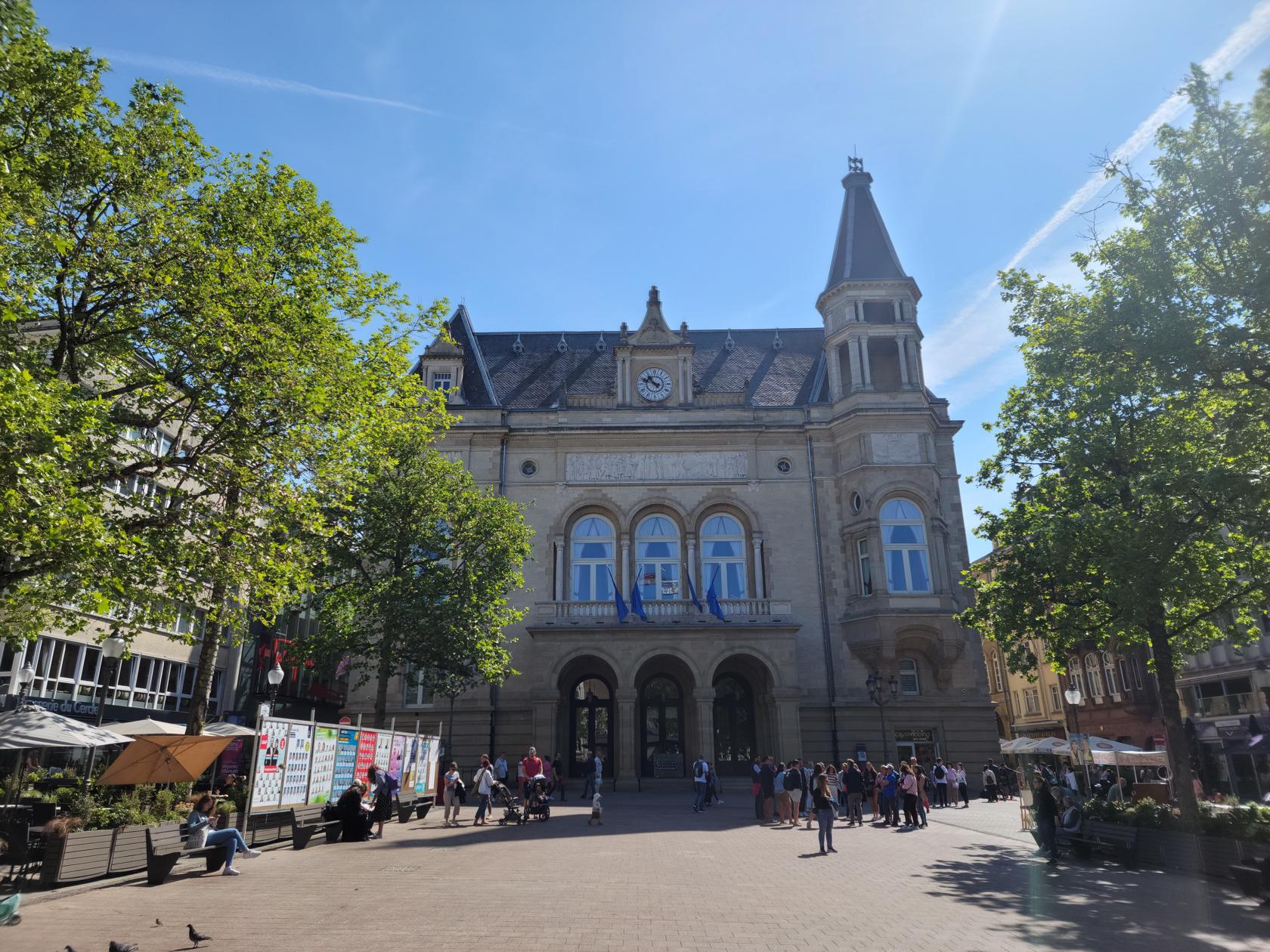
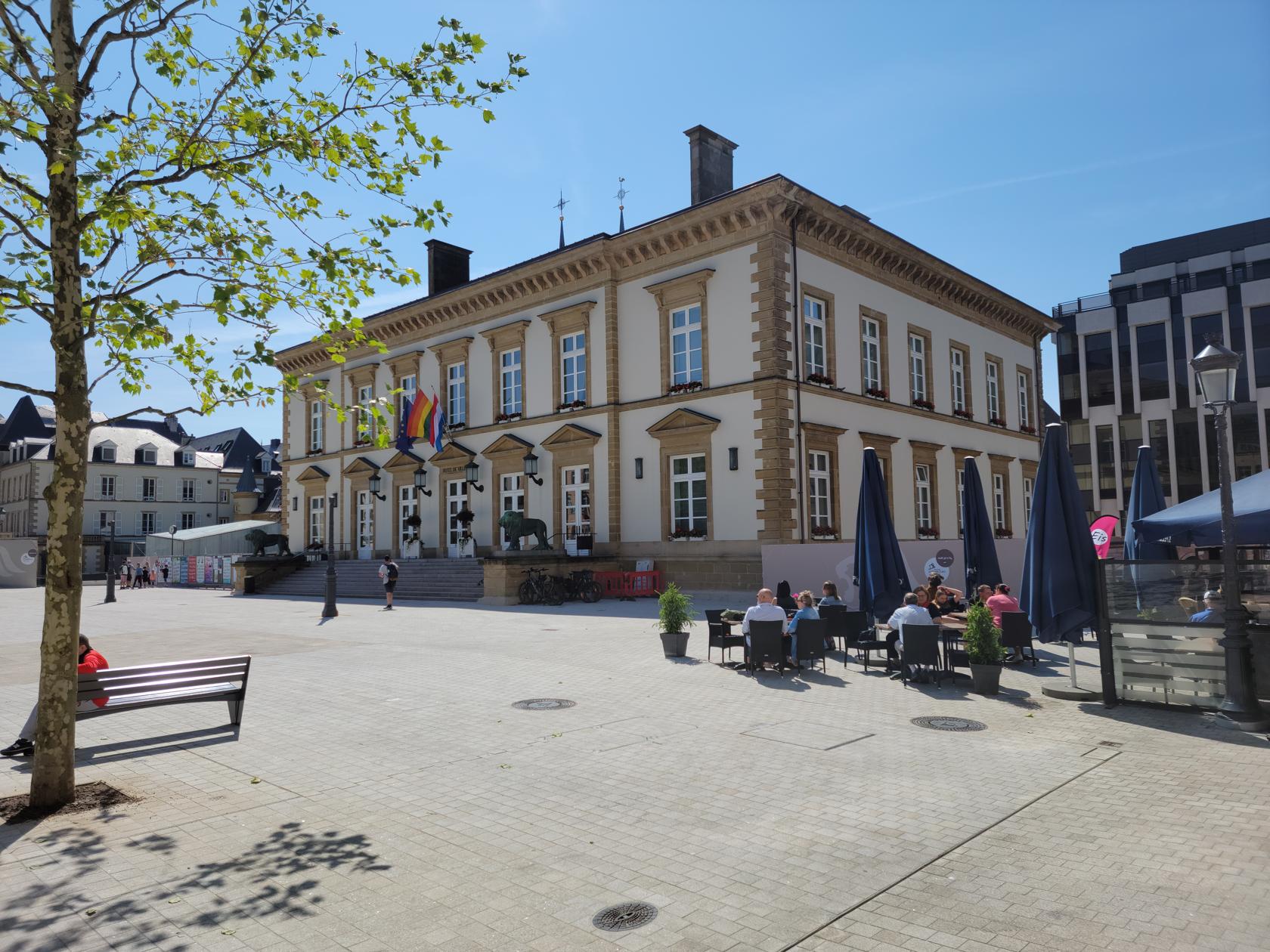
Municipal center – Luxemburg, Luxemburg
City streets – Luxemburg, Luxemburg
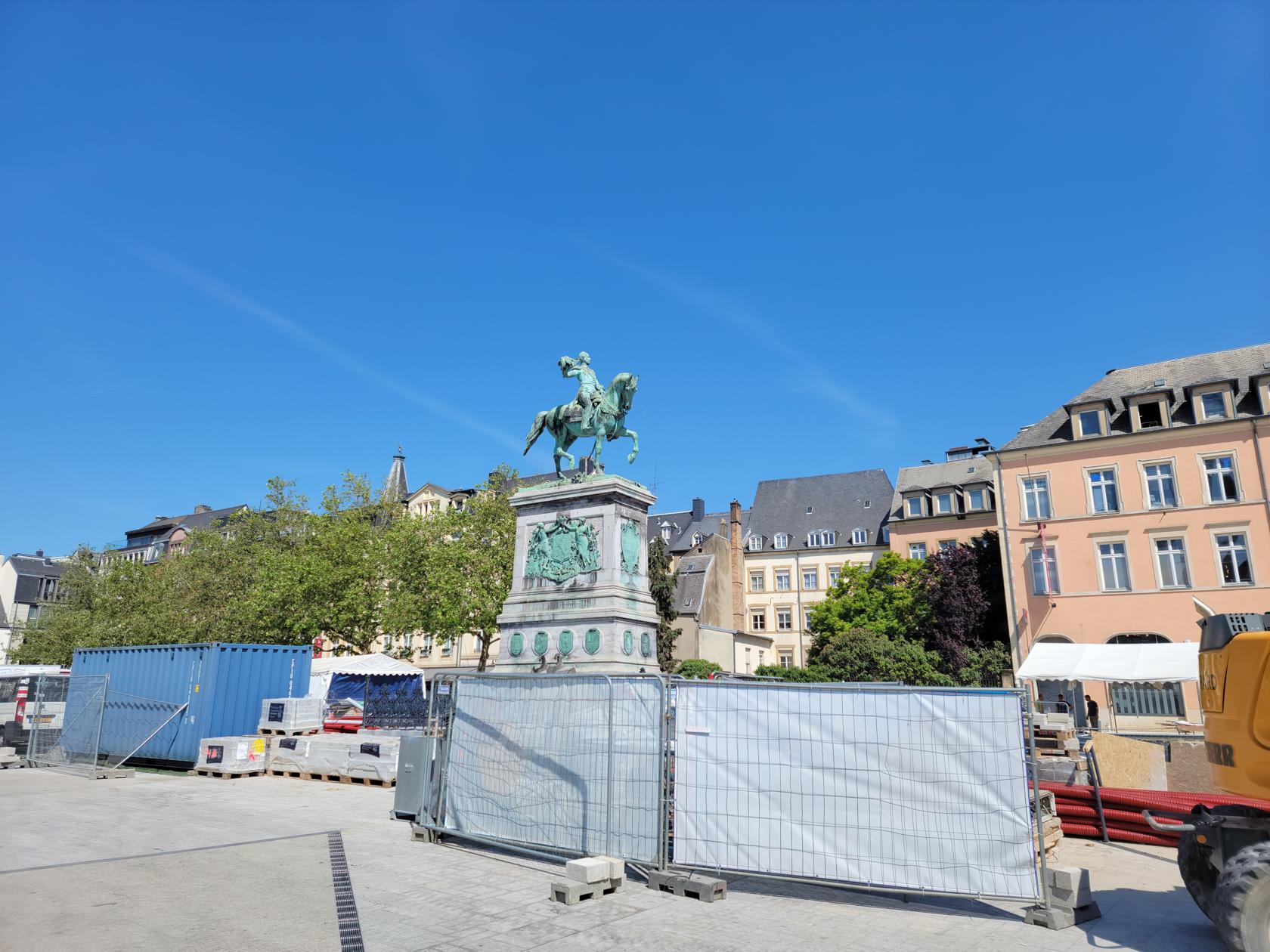
Place Guillaume II – Luxemburg, Luxemburg
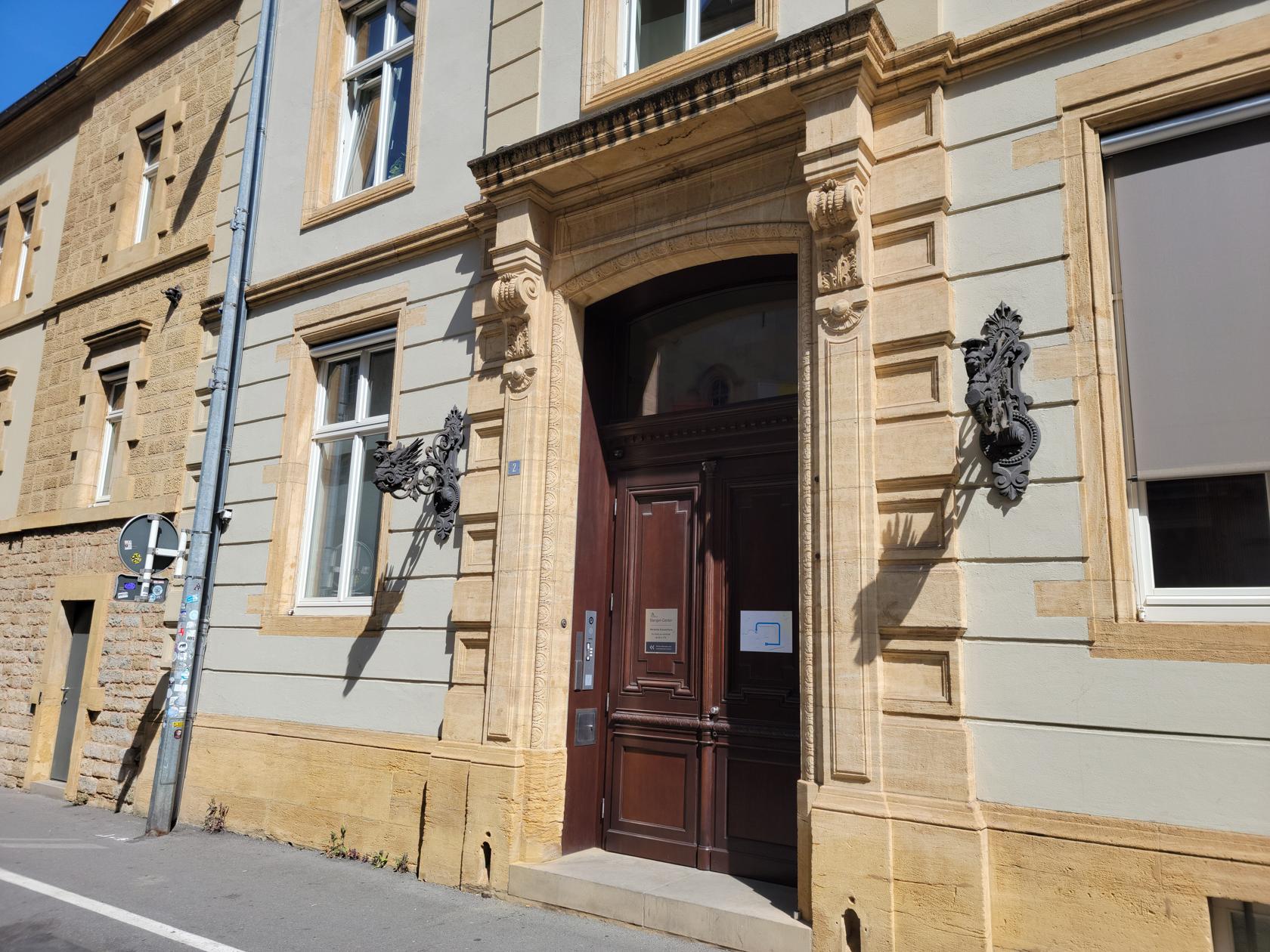
Interesting building – Luxemburg, Luxemburg
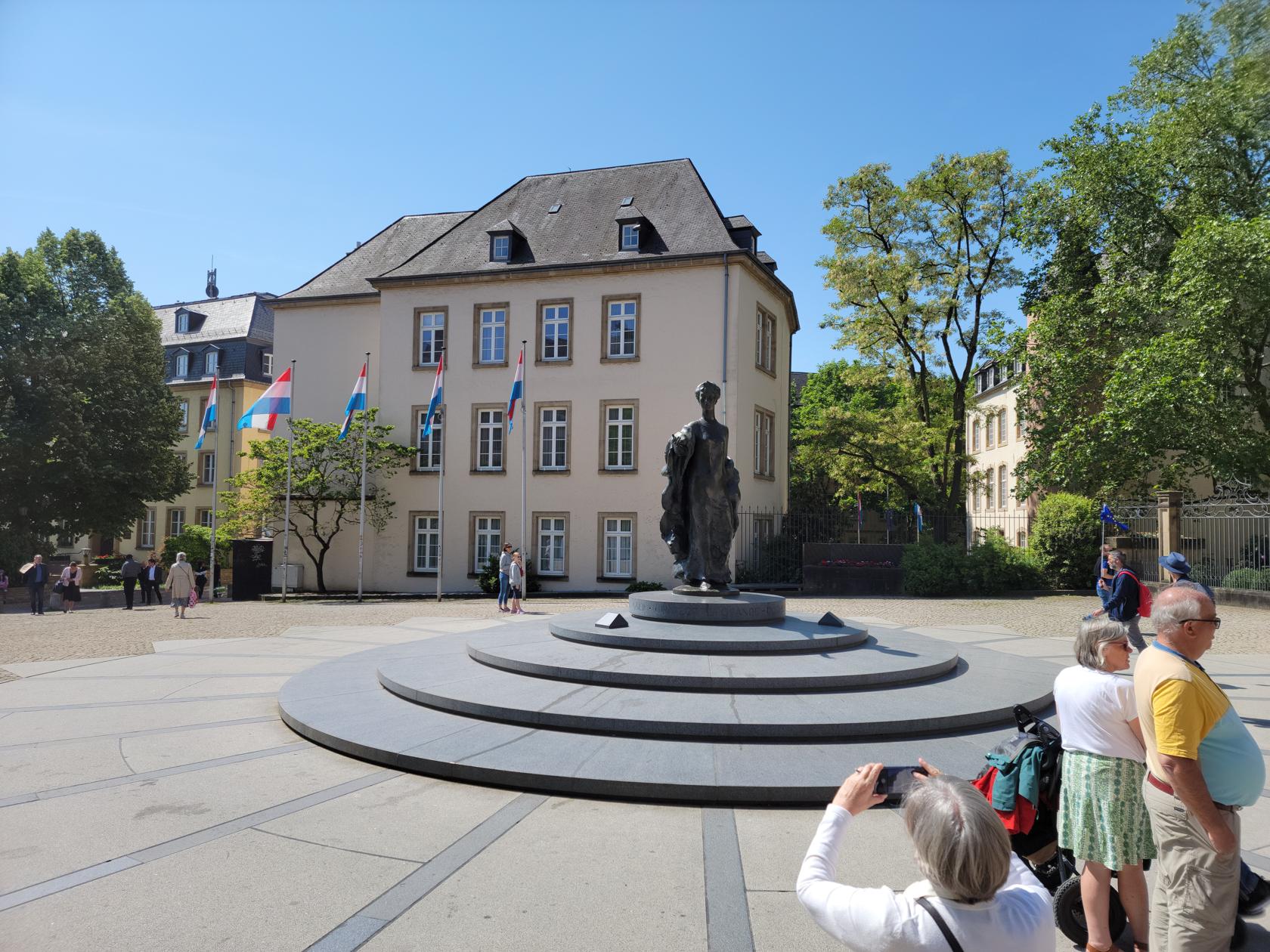
Statue of Charlotte Monument – Luxemburg, Luxemburg
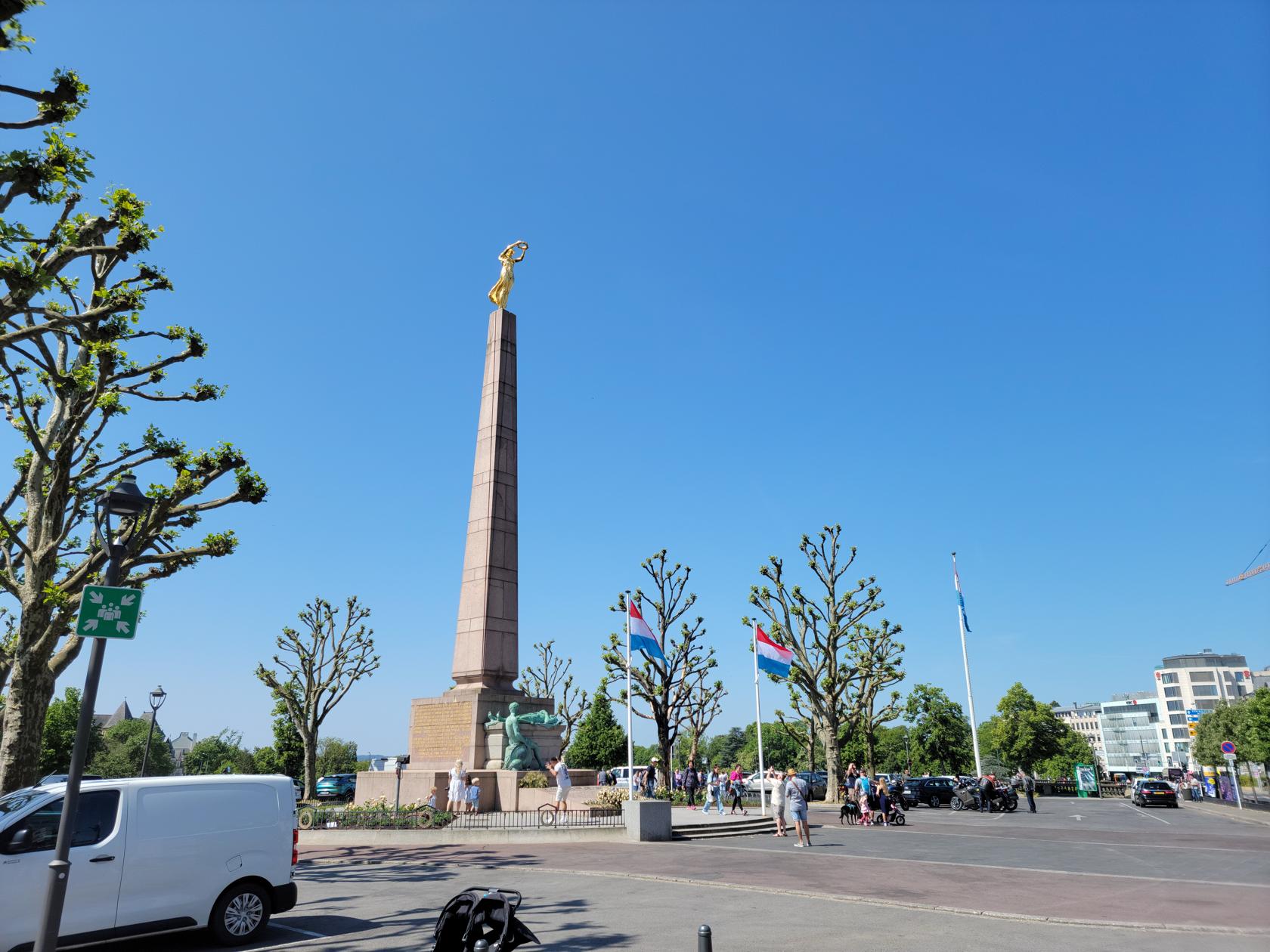
Remembrance memorial – Luxemburg, Luxemburg
Jewish Kadish monument – Luxemburg, Luxemburg
Fancy street – Luxemburg, Luxemburg
Street view – Luxemburg, Luxemburg
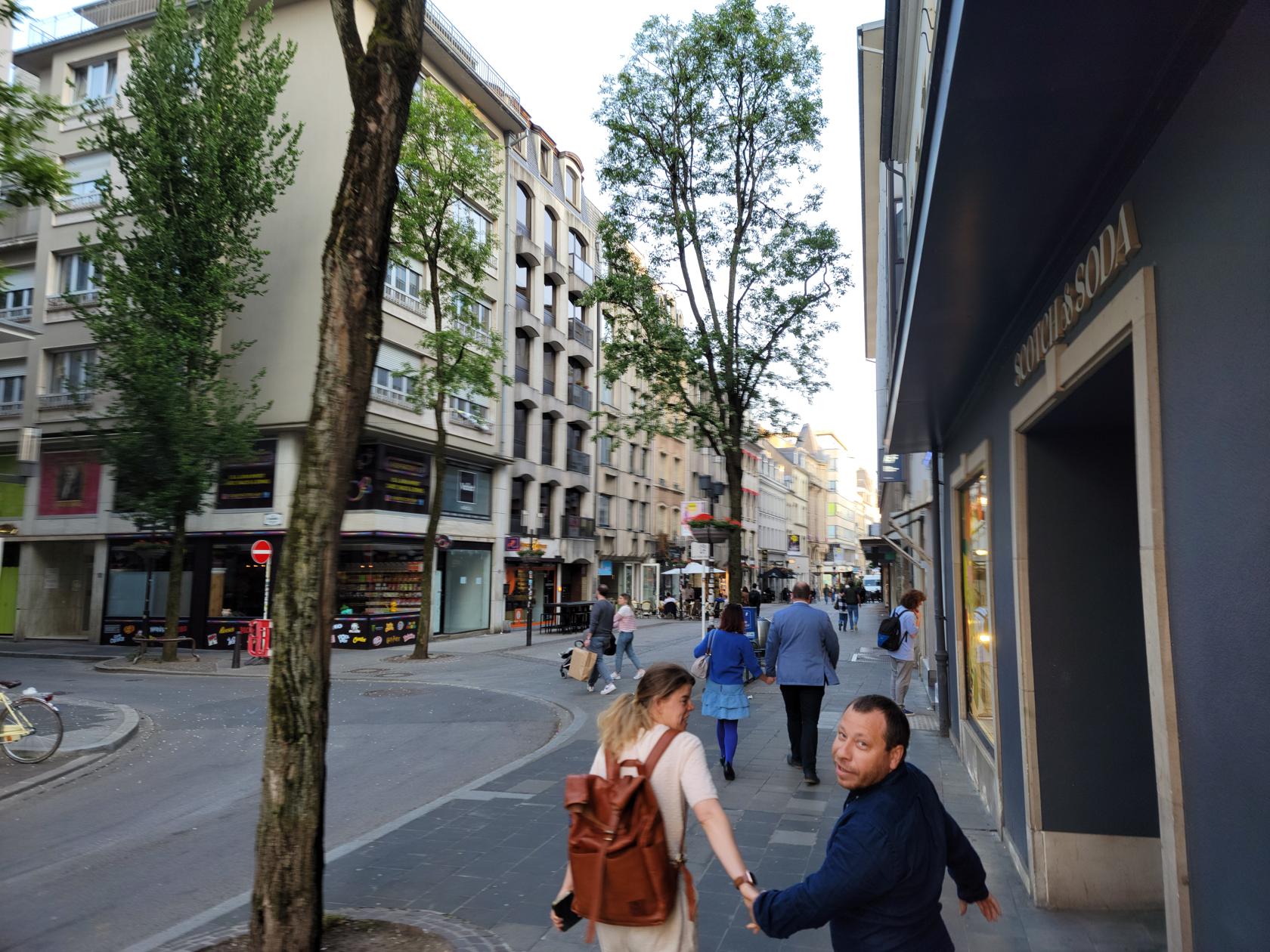
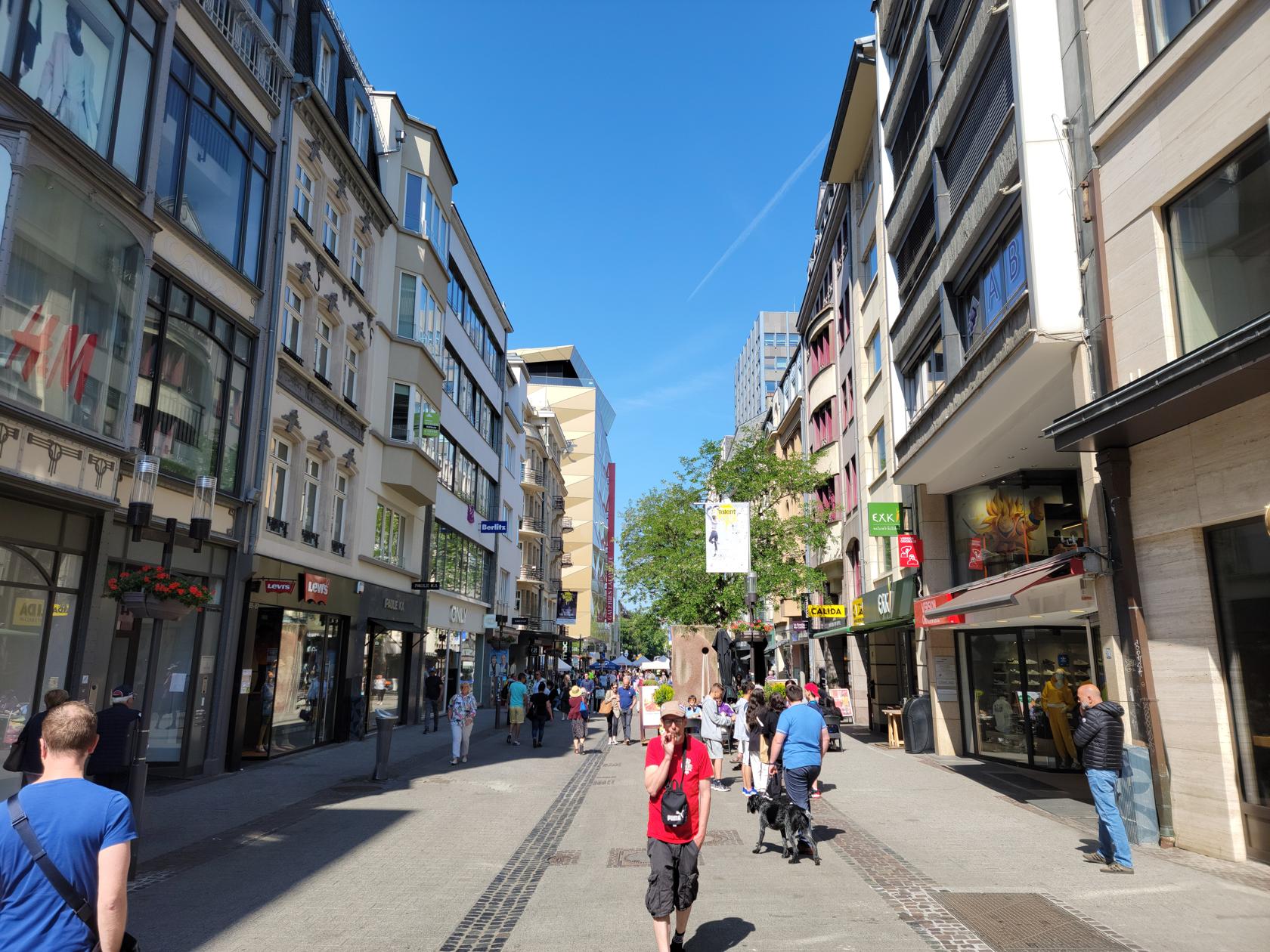
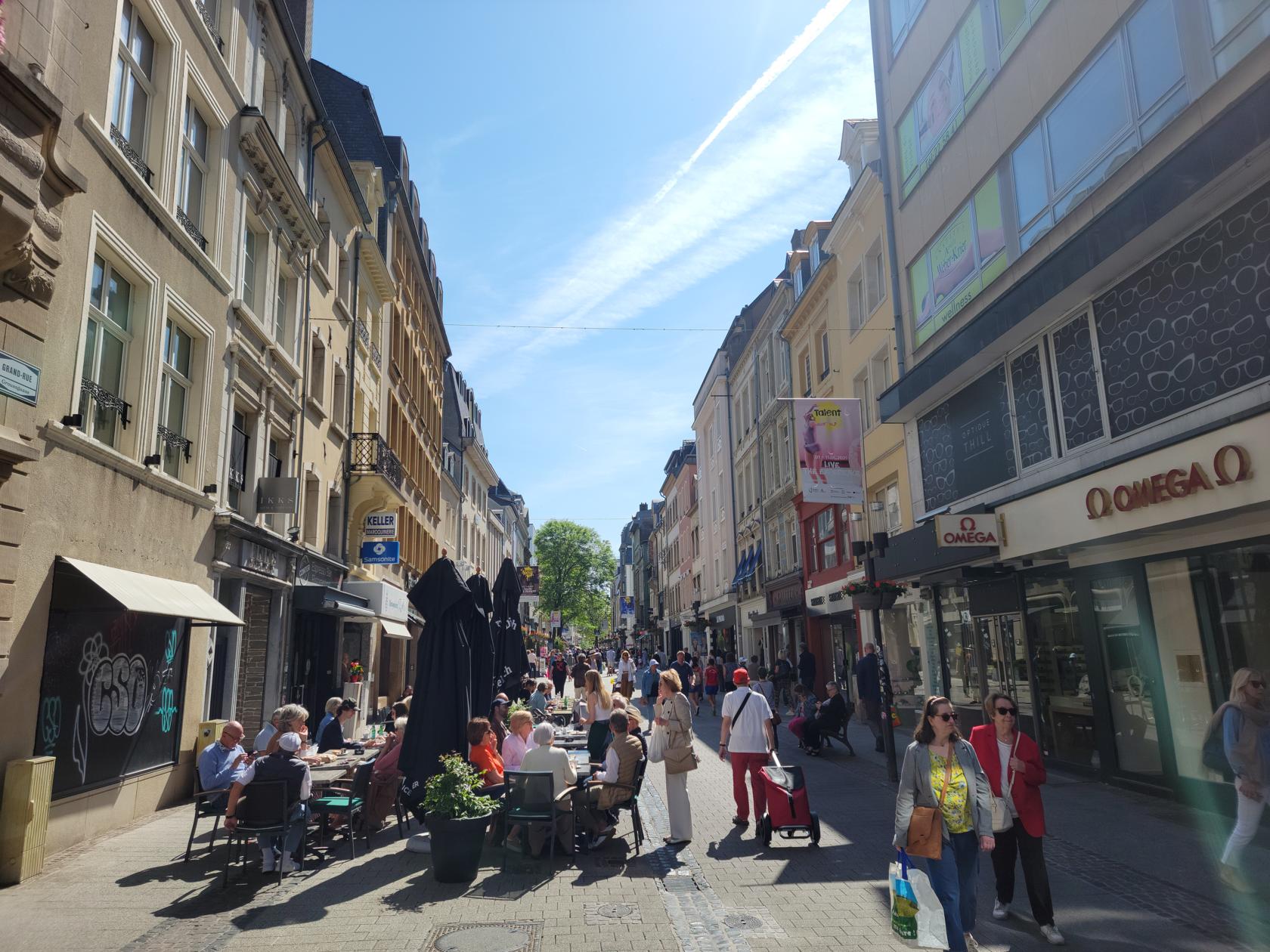
The main shopping street – Grand Rue – Luxemburg, Luxemburg
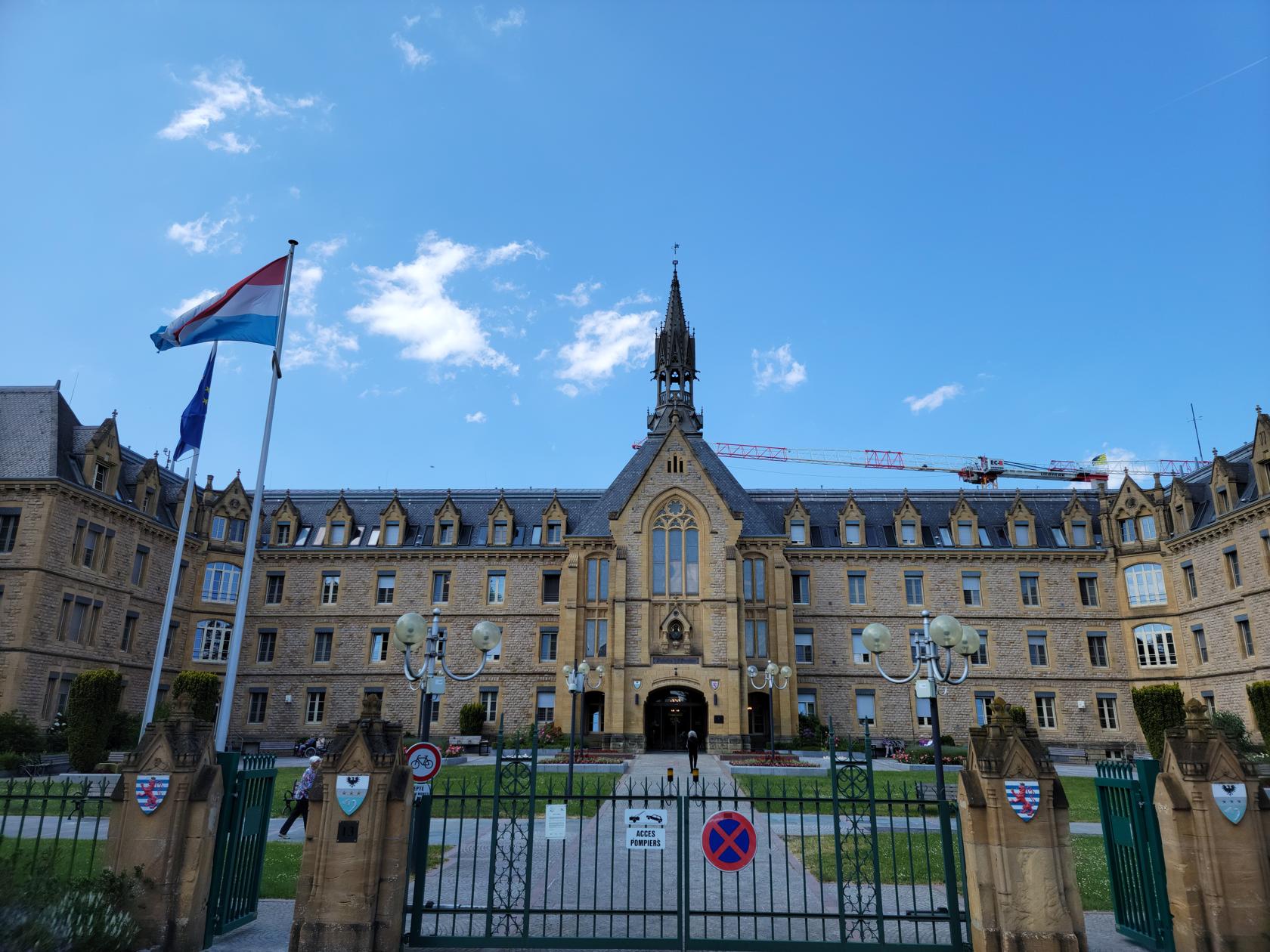
Pescatore – Retirement home – Luxemburg, Luxemburg
Roude Pëtz Square – Luxemburg, Luxemburg
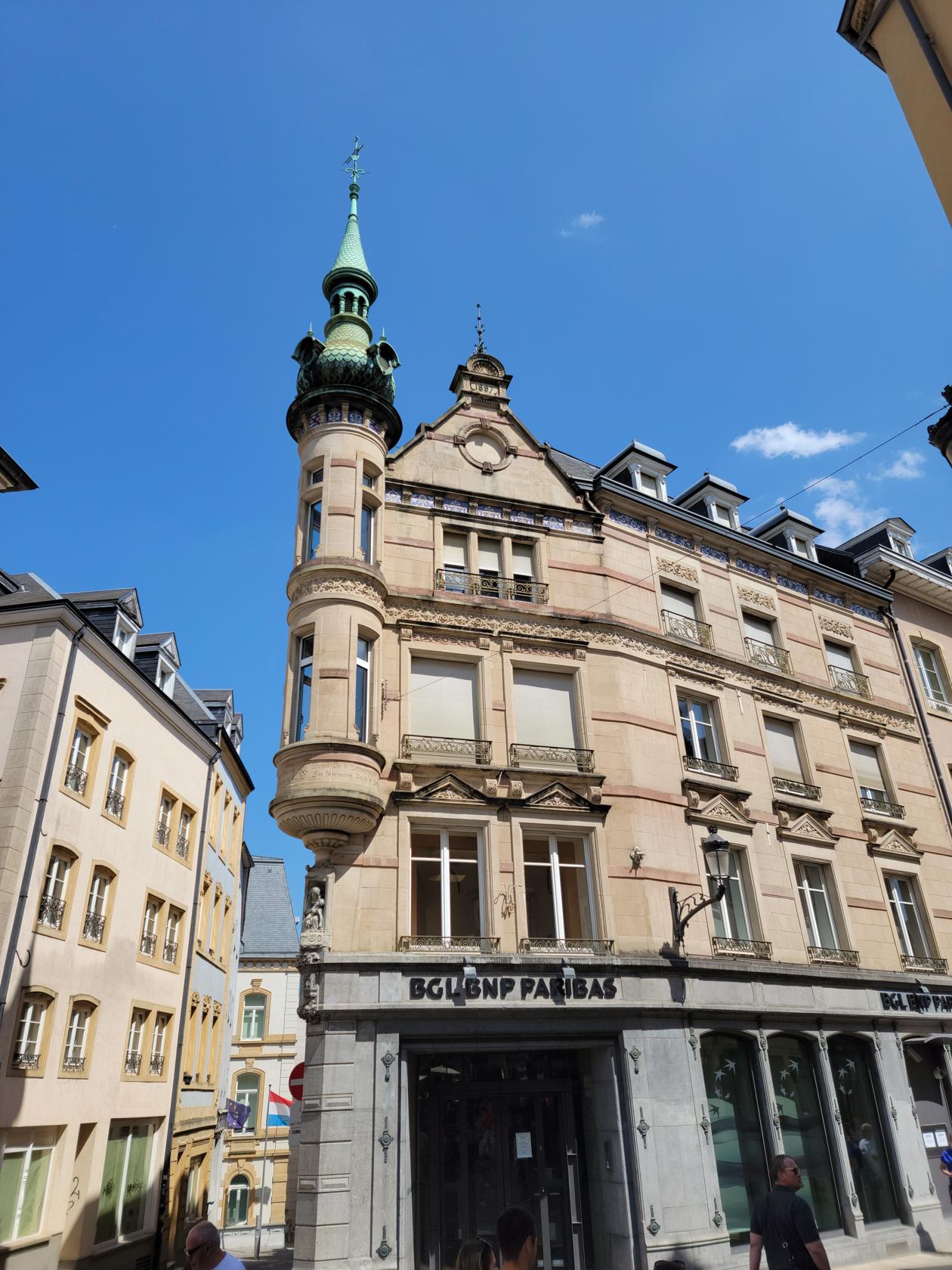
Interesting building – Grand Rue – Luxemburg, Luxemburg
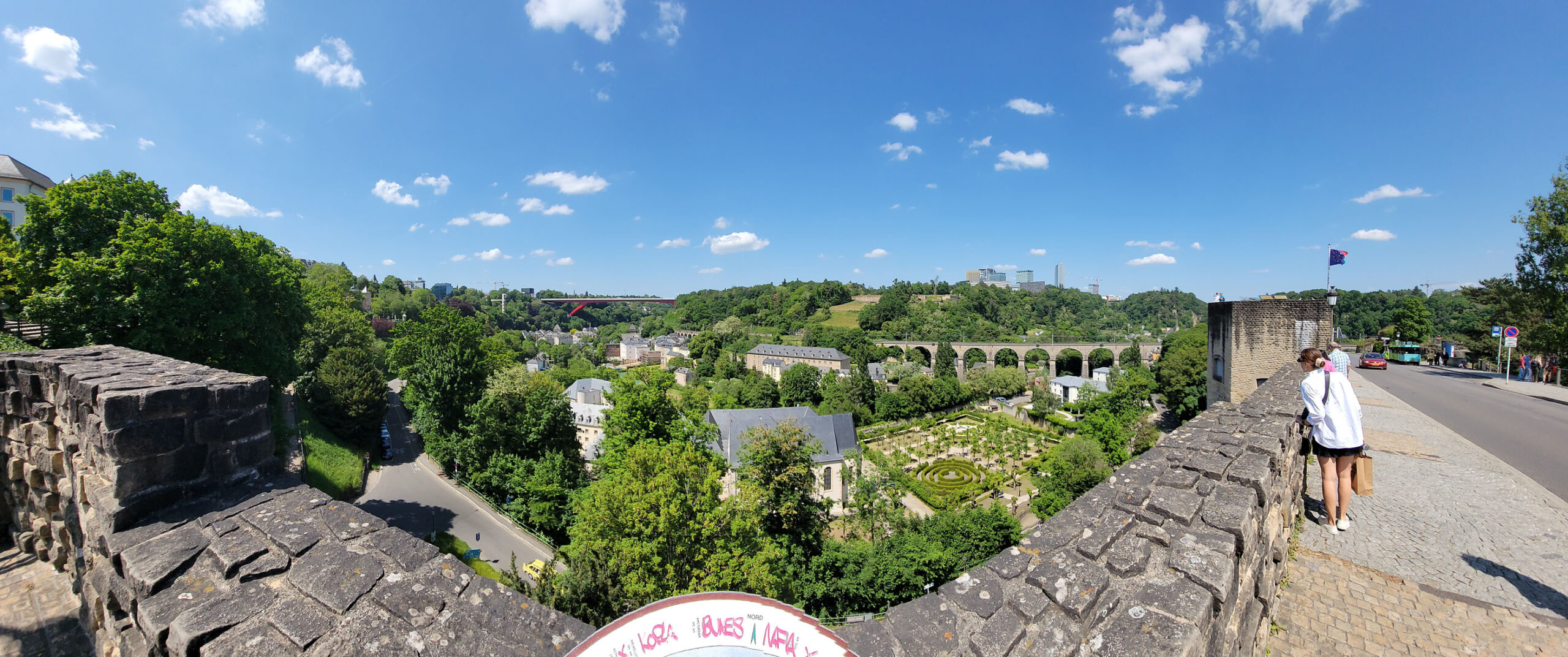
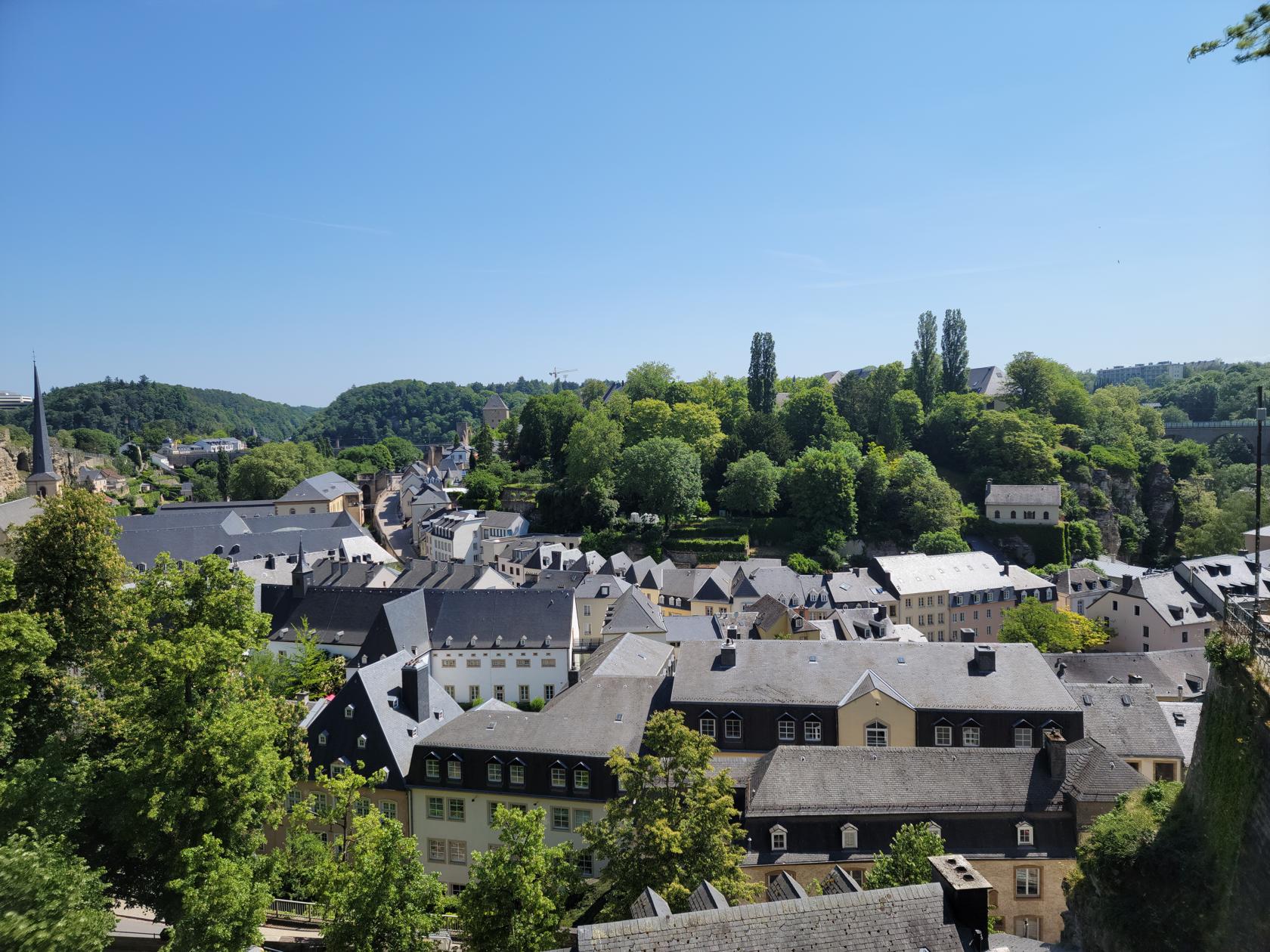
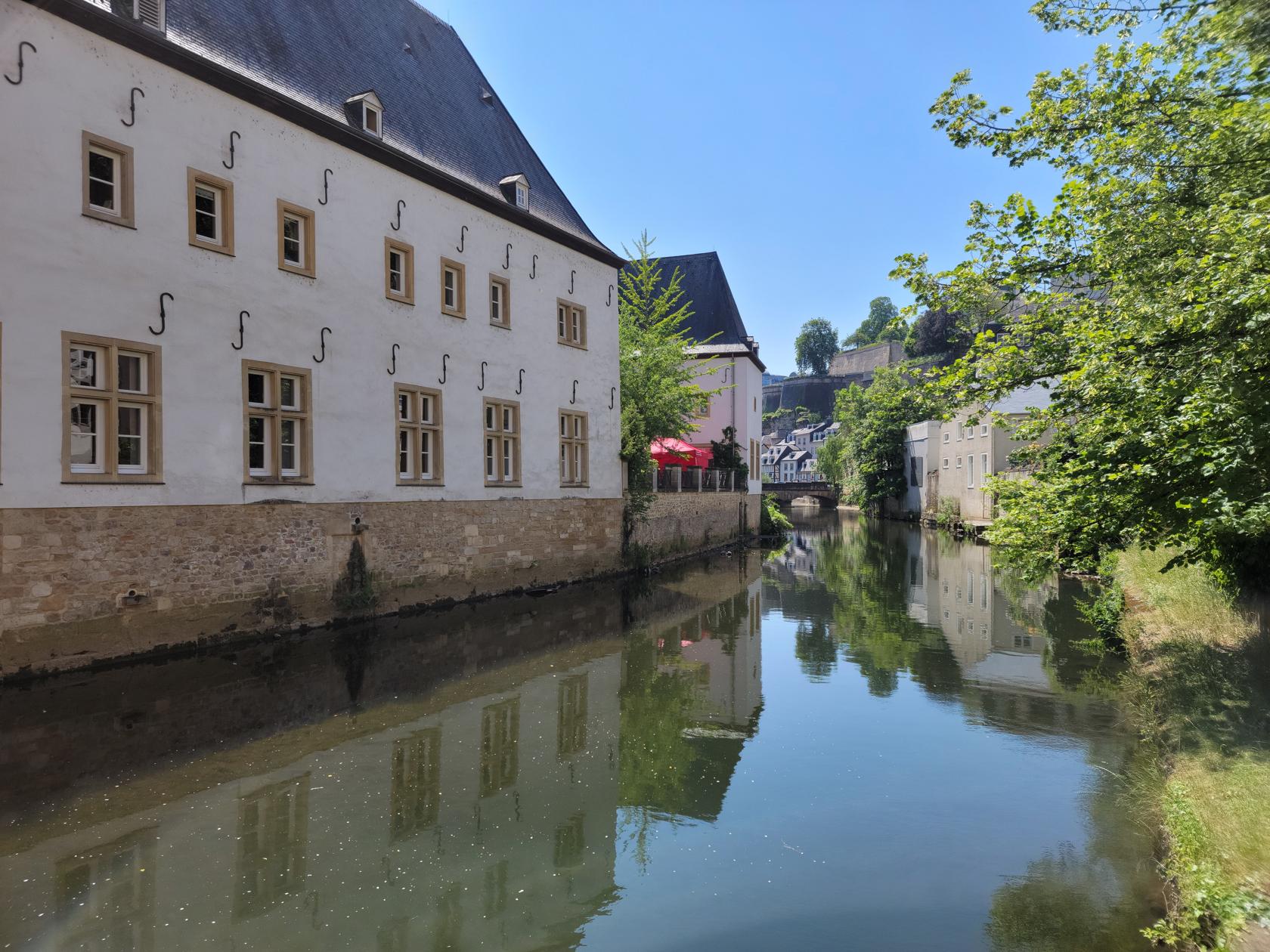
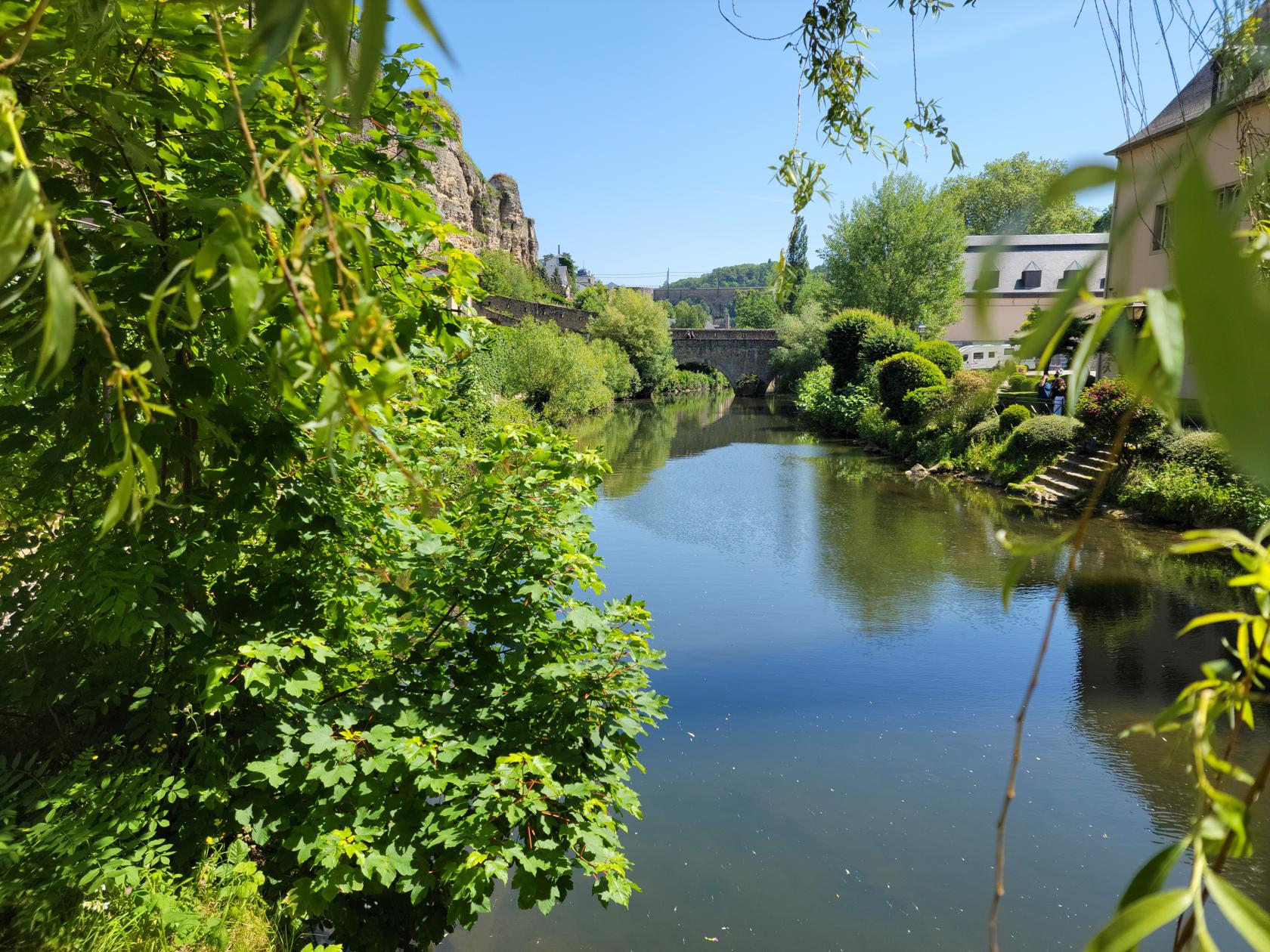
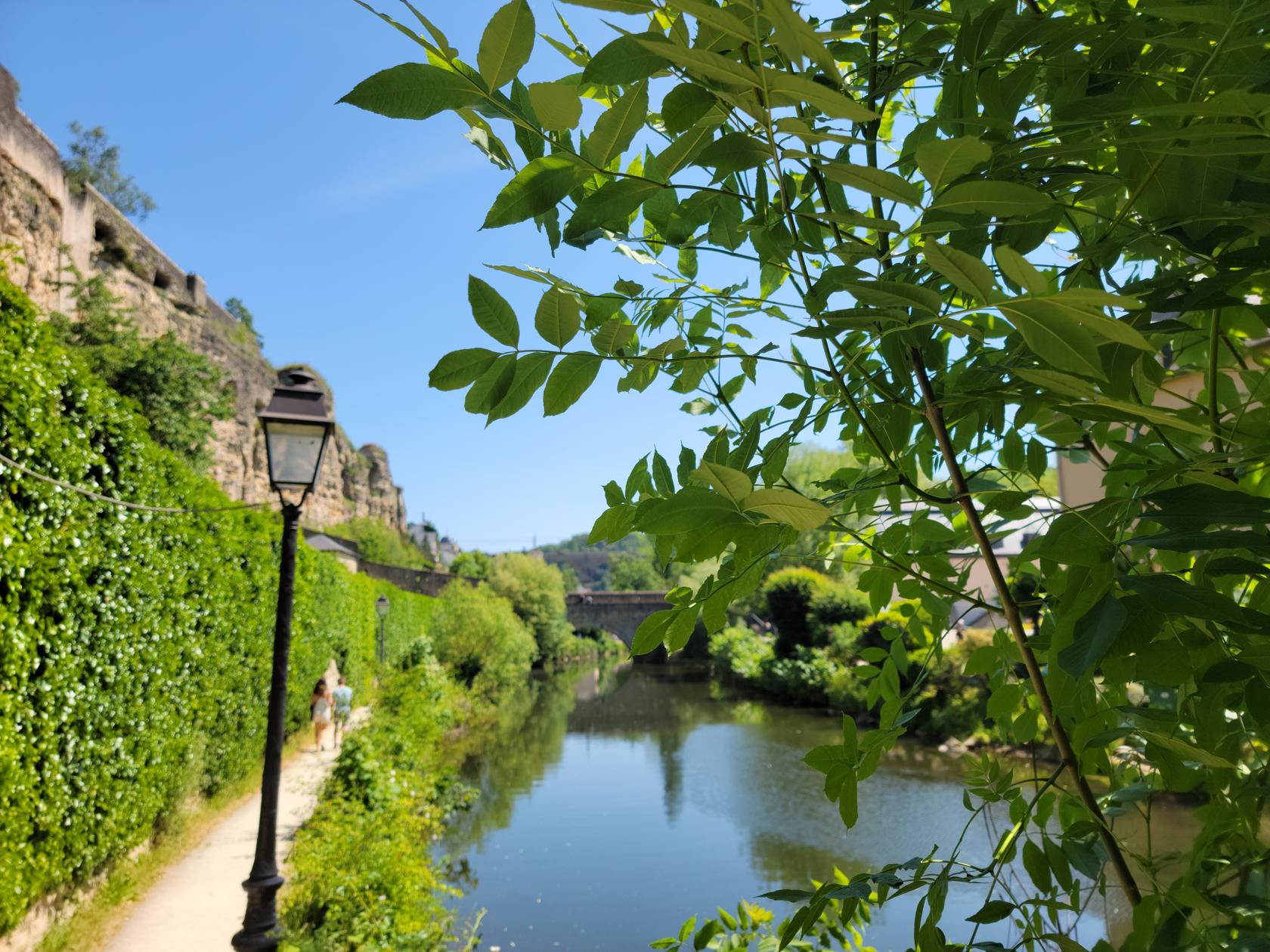
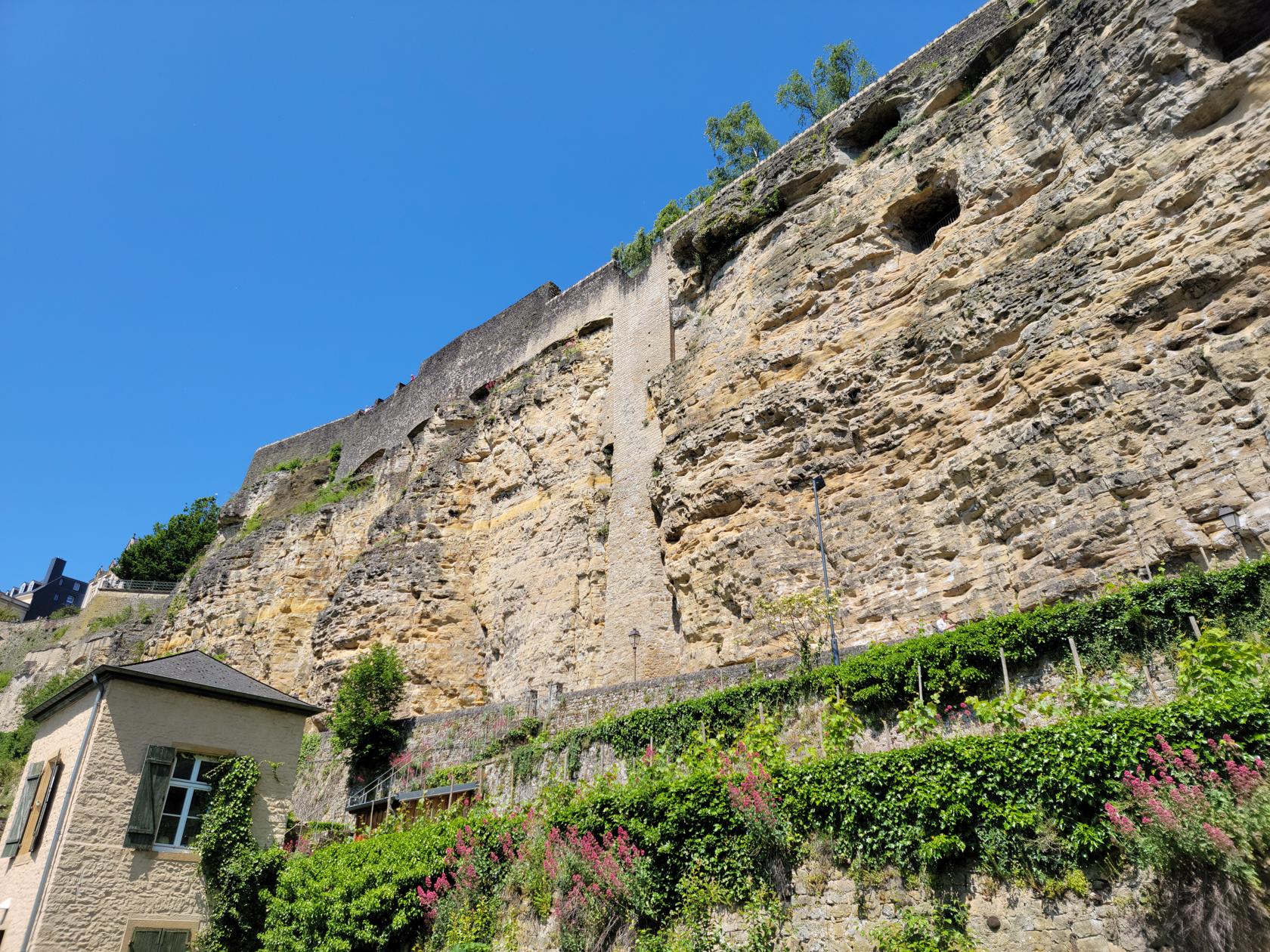
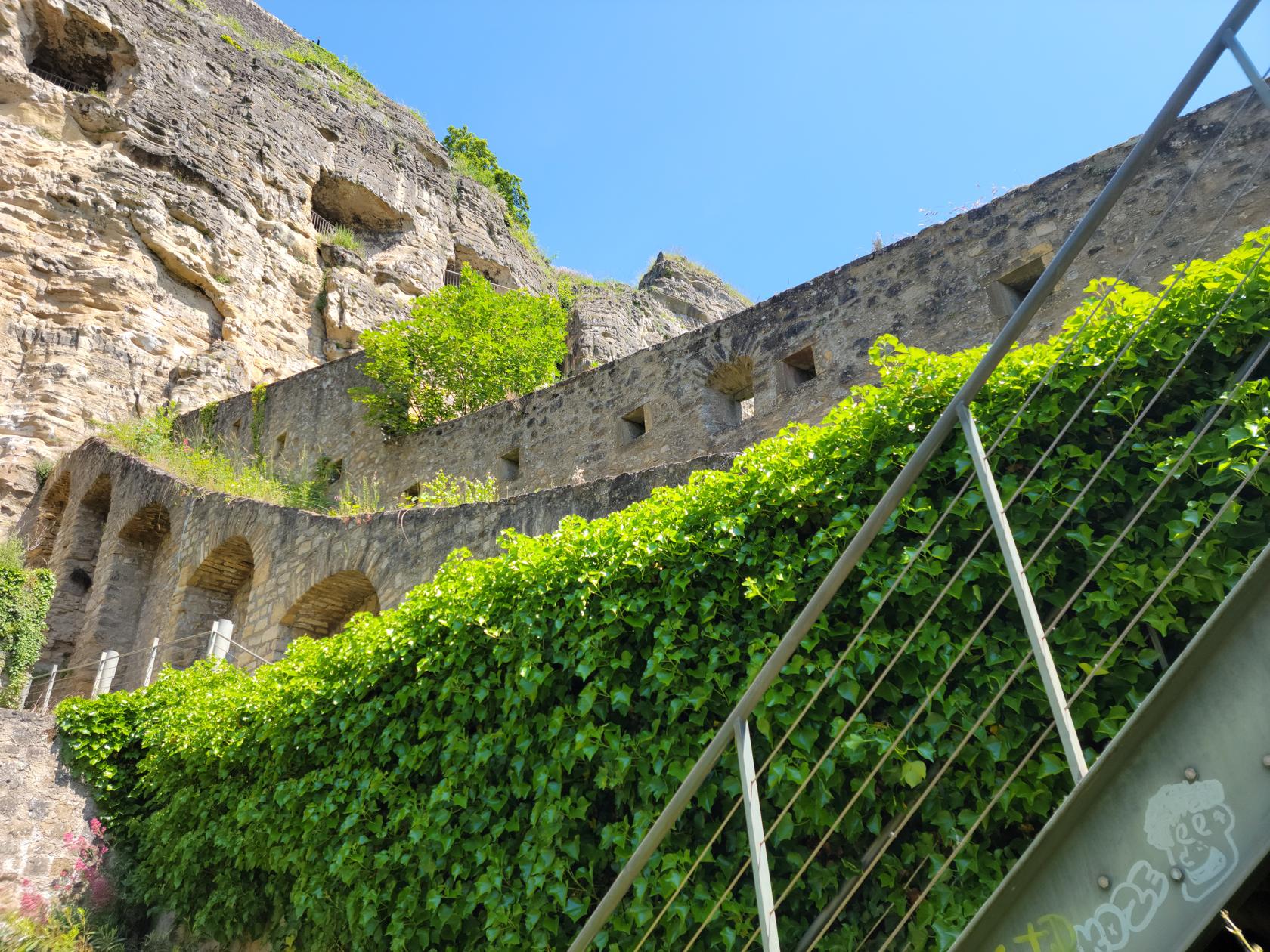
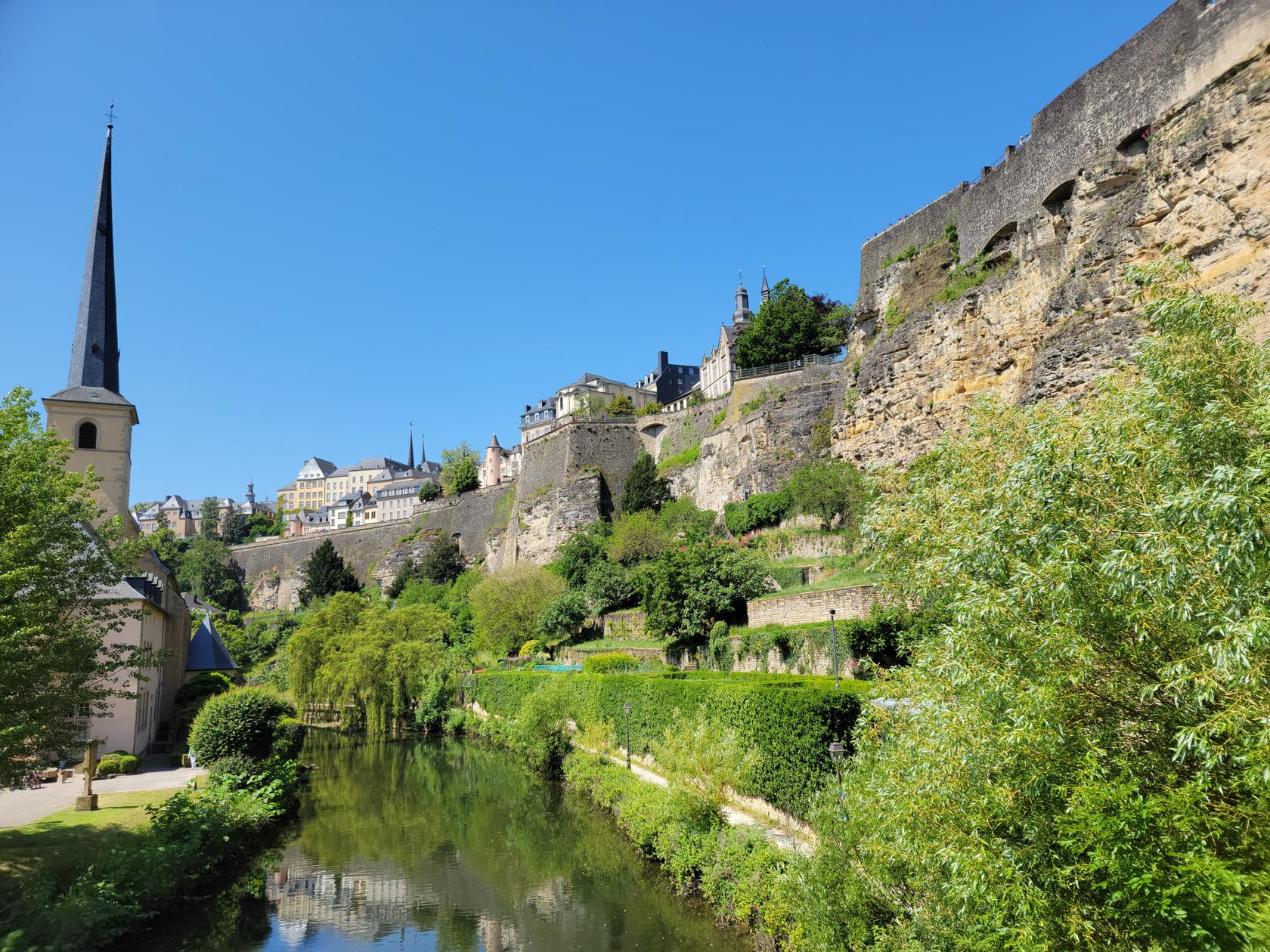
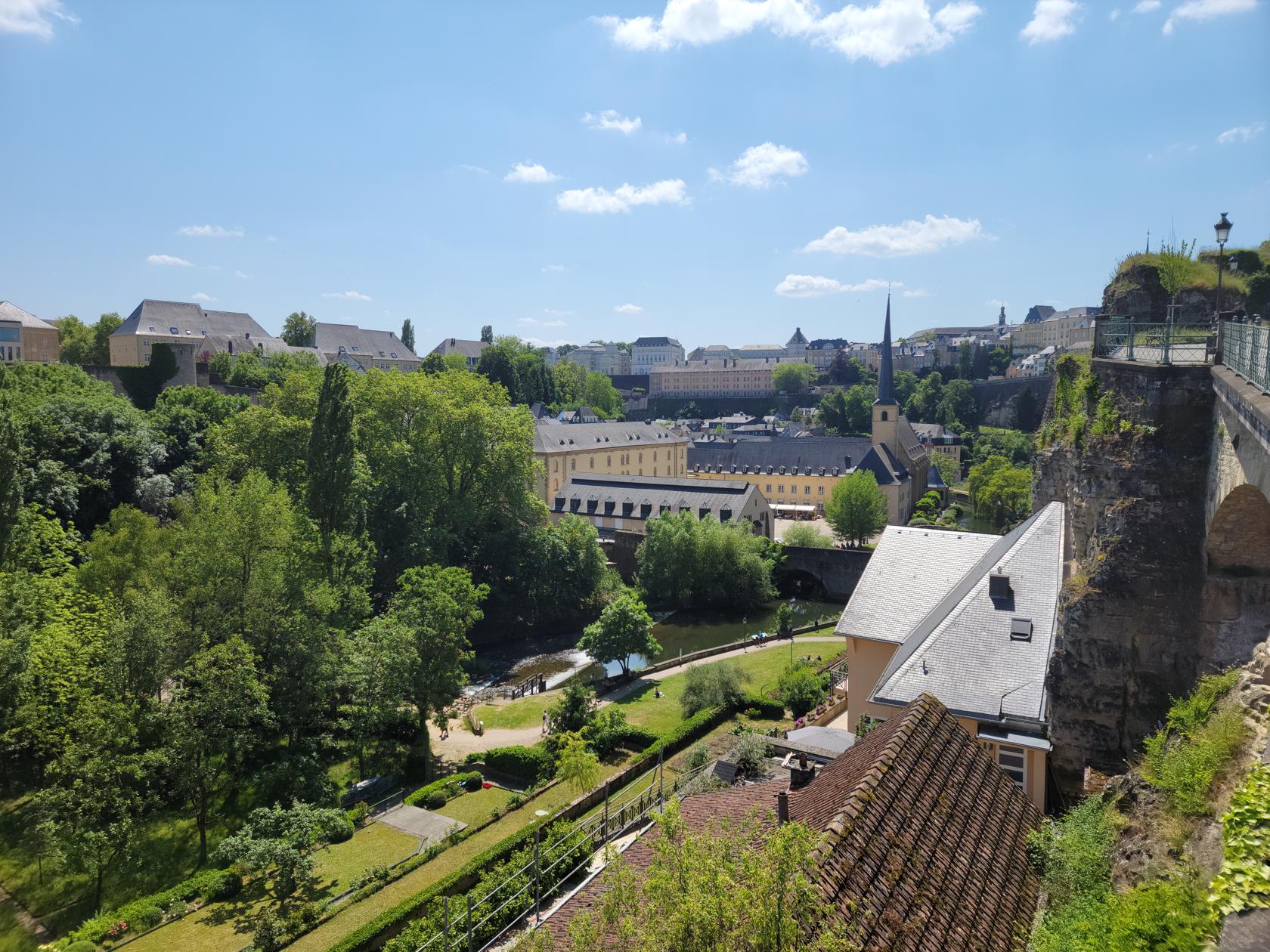
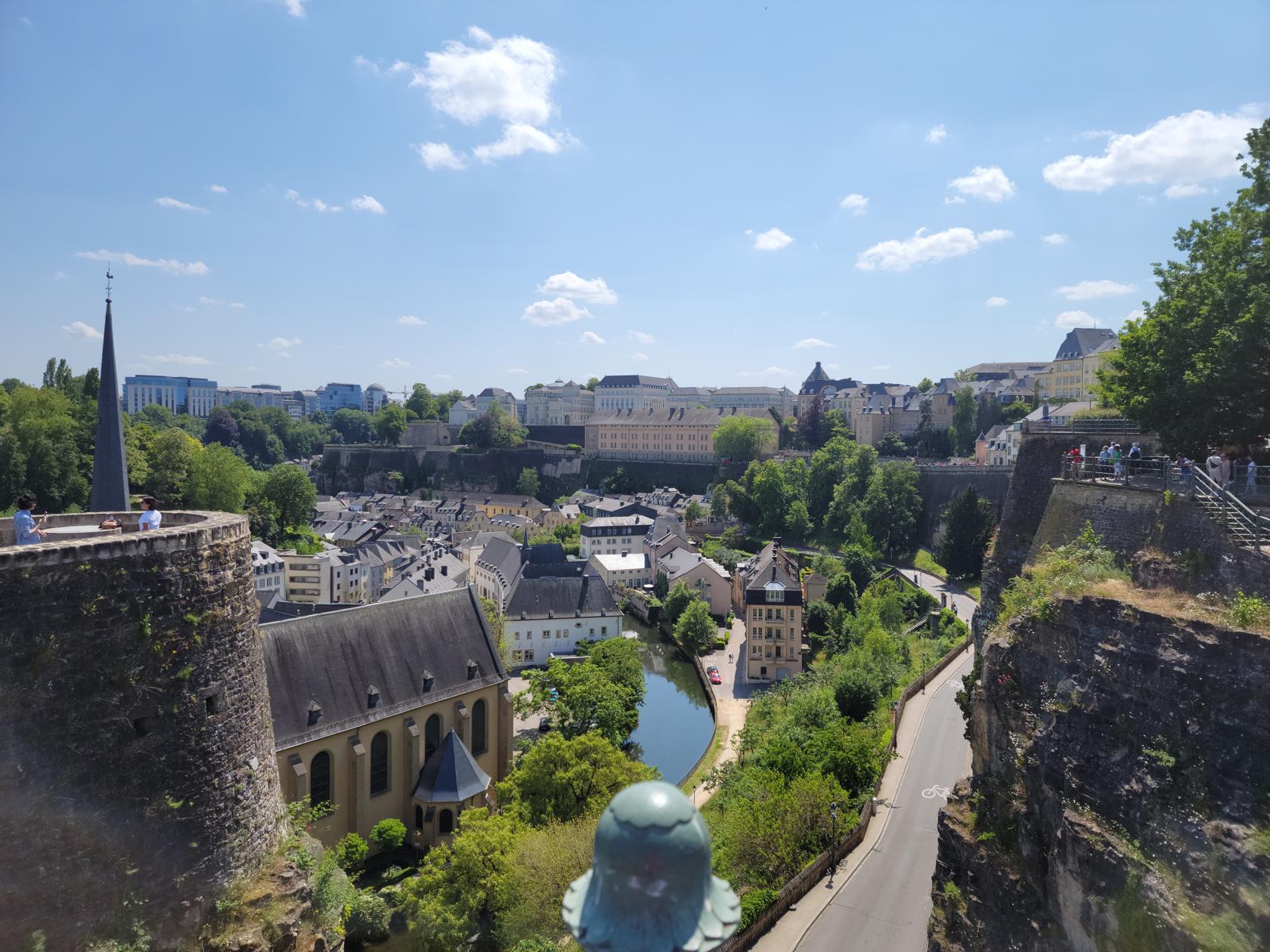
The city has fortifications and remnants of them on three sides. Some are in better condition than others, but you can at least enjoy the ones that follow the river Alzette.
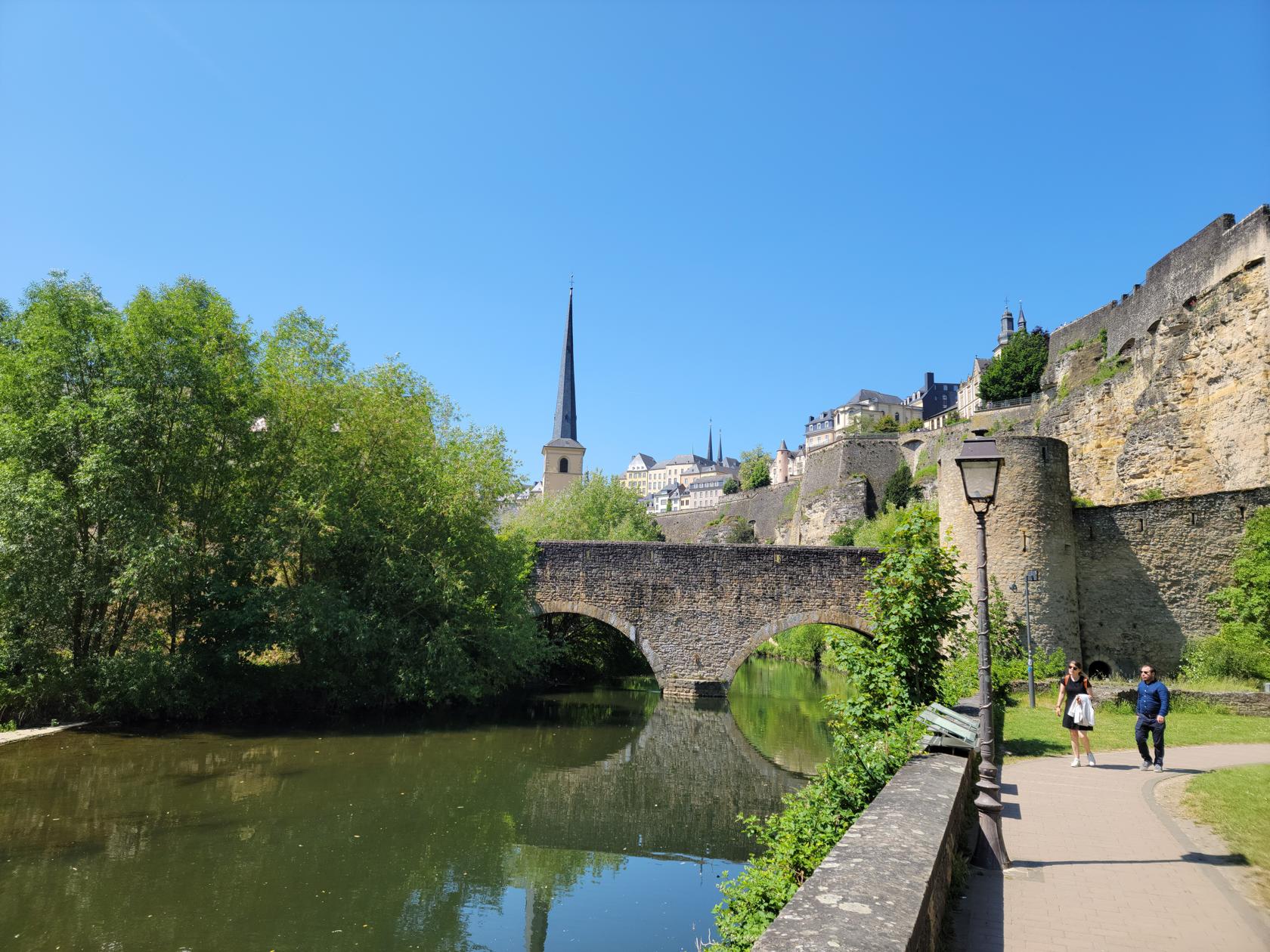
Plateau de Rham – Luxemburg, Luxemburg
Plateau de Rham – Luxemburg, Luxemburg
Alzette river – Luxemburg, Luxemburg
Alzette river – Luxemburg, Luxemburg
Alzette river – Luxemburg, Luxemburg
Cliffs of Luxemburg – Luxemburg, Luxemburg
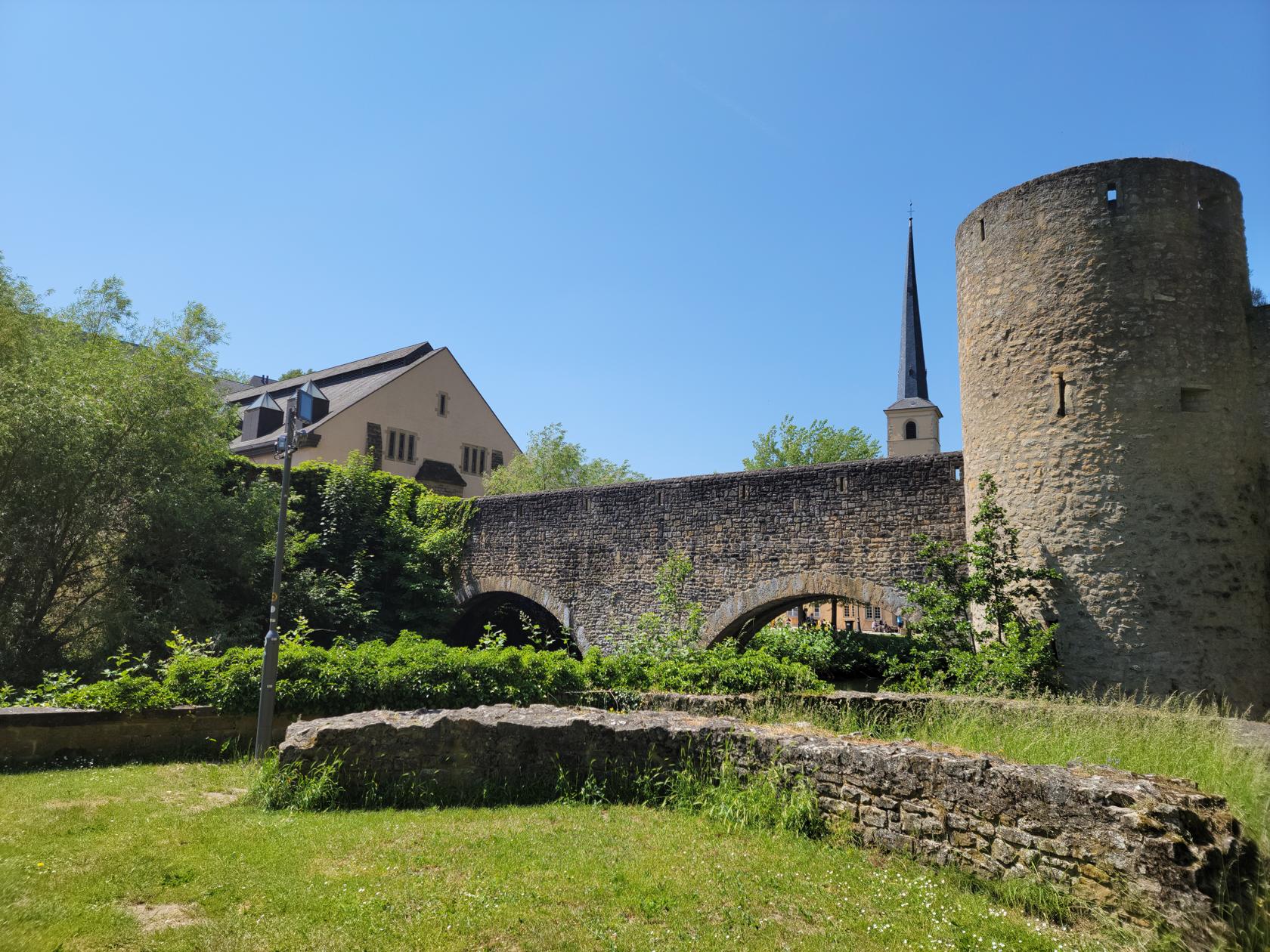
Pont du Stierchen over Alzette river – Luxemburg, Luxemburg
Cliffs of Luxemburg – Luxemburg, Luxemburg
Pont du Stierchen over Alzette river – Luxemburg, Luxemburg
Pont du Stierchen over Alzette river – Luxemburg, Luxemburg
Wier and Sleuce Gate with Pont du Stierchen over Alzette river – Luxemburg, Luxemburg
Overlook of Alzette river – Luxemburg, Luxemburg
Overlook of the river Alzette – South side – Luxemburg, Luxemburg
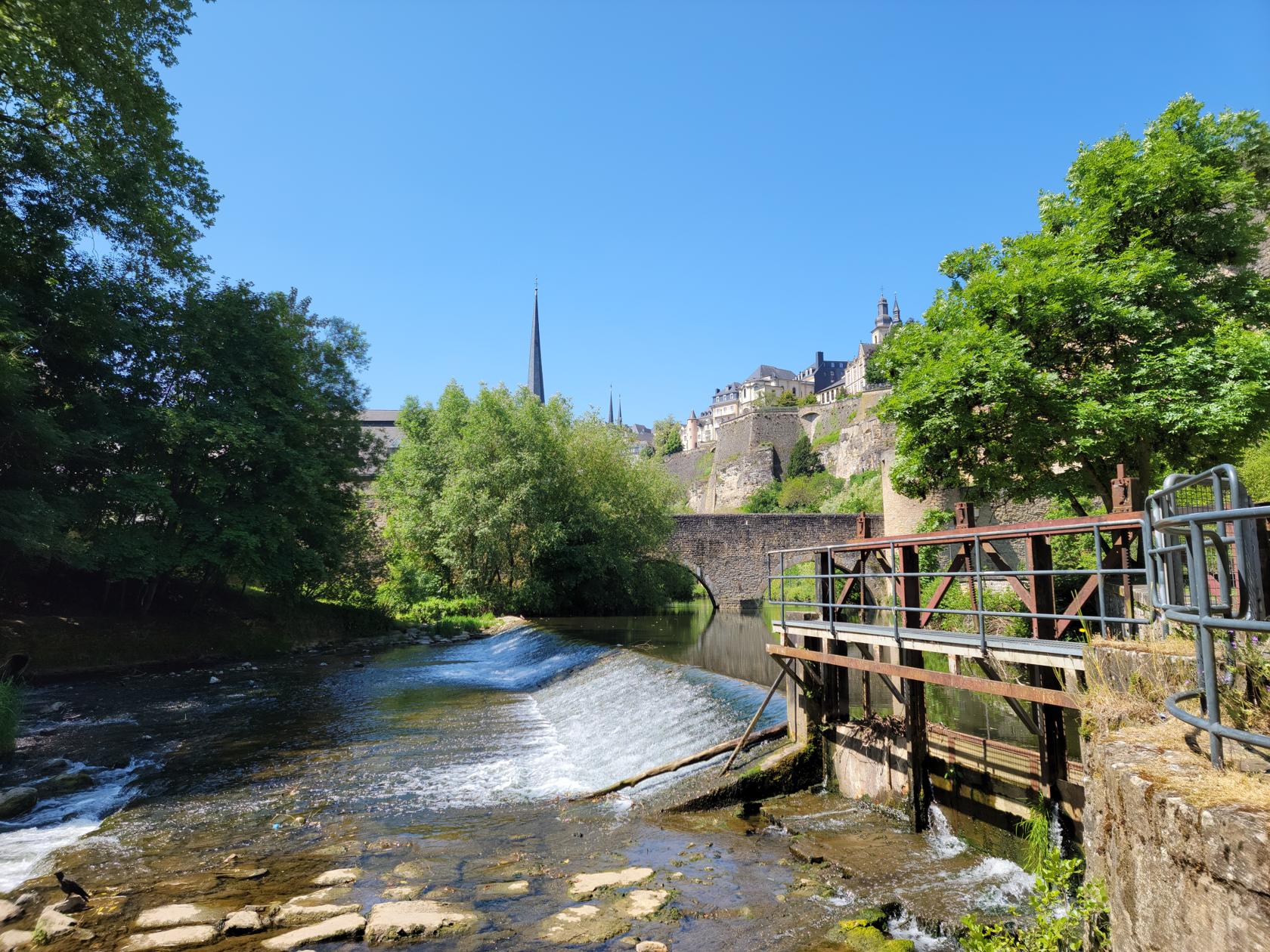
There is also a wonderful weir on the river between the Plateau du Rham and the City Center. From here the water flows over a set of rapids making for a very relaxing and shaded place to walk. There is even a bridge that crosses the river here where you may also enjoy it.
Casements of Luxemburg
The casements of Luxemburg city are underground facilities were originally built as passages and storage areas for the former castle of Luxemburg. During World War II, they were used for various purposes by both sides, including shelter during bombings. The one that was open while we were there was called Casemates de la Pétrusse, named after the river Pétrusse. Unfortunately, they were all booked the day we came for the entire weekend, so purchase your tickets early, if you want to go below and enjoy the guided tour of this unusual exhibit. It is located under the Monument of Remembrance.
Remembrance memorial – Luxemburg, Luxemburg
The other casement is Casements du Bock which currently is temporarily closed. When it opens, tickets can be purchased for a guided tour and this one is located on Mount de Clausen near the Casement Memorial.
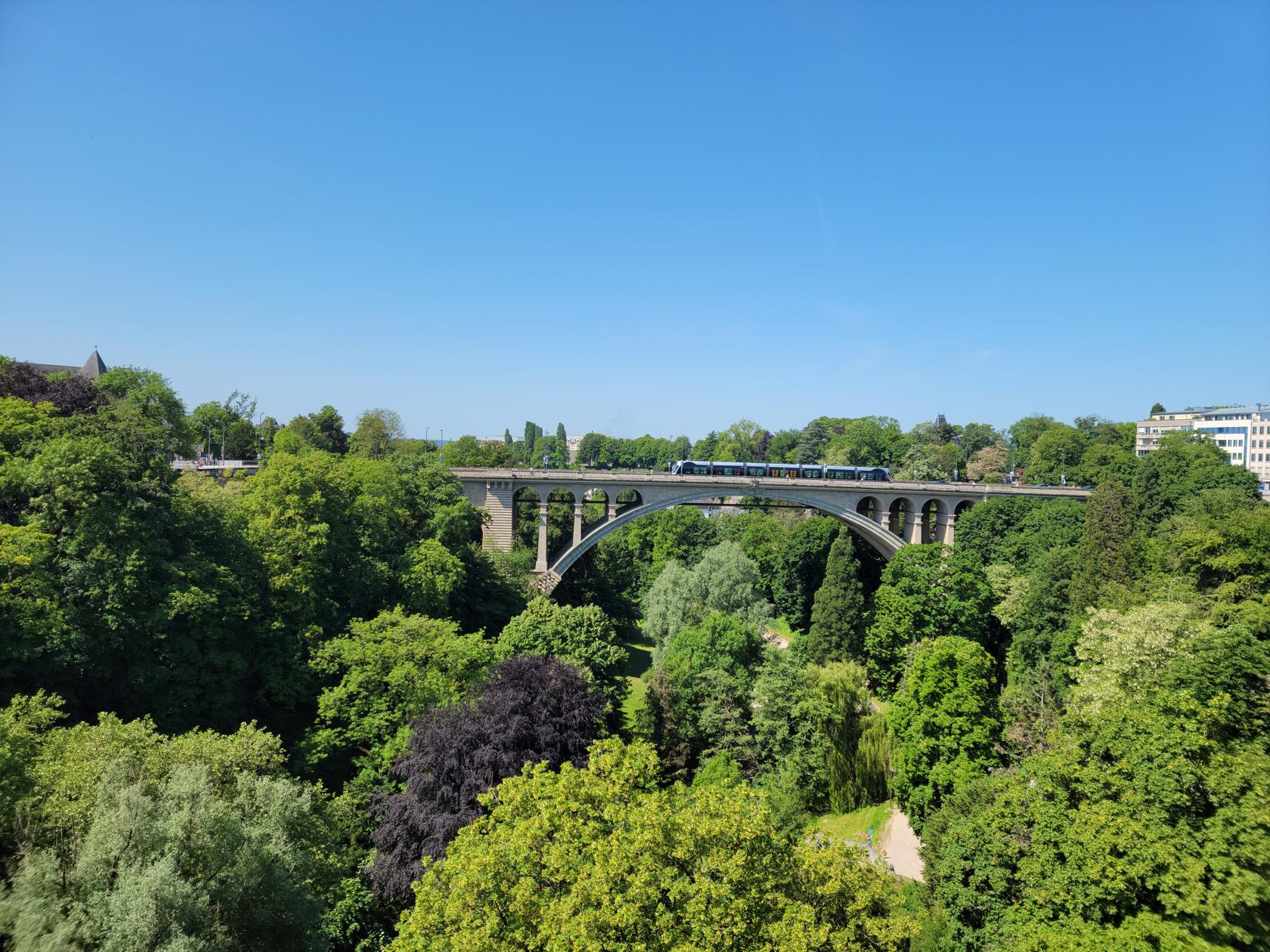
Adolphe bridge – Luxemburg, Luxemburg
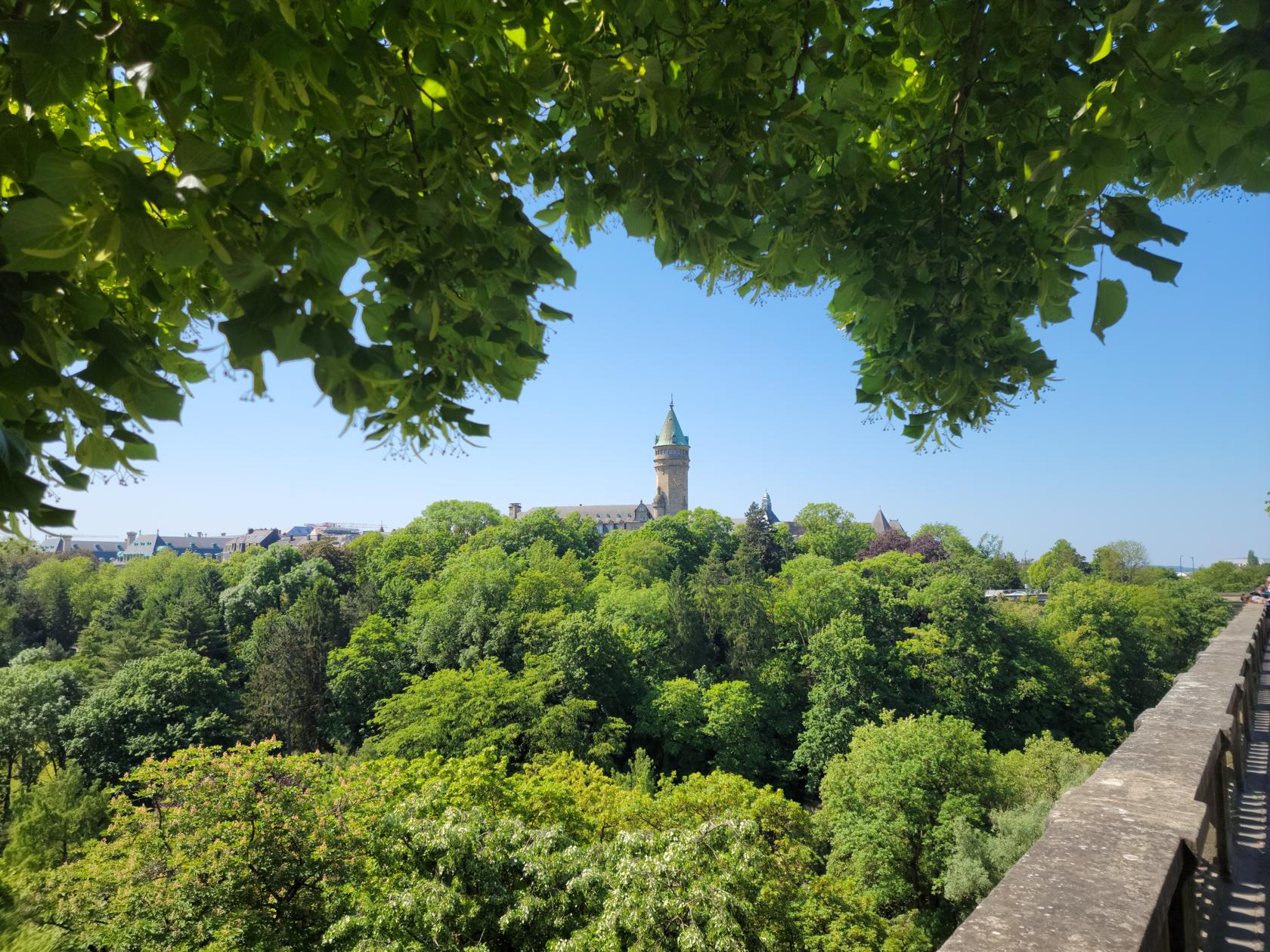
Muesee de la Banque Tower – Luxemburg, Luxemburg
Church of Saint Michael’s
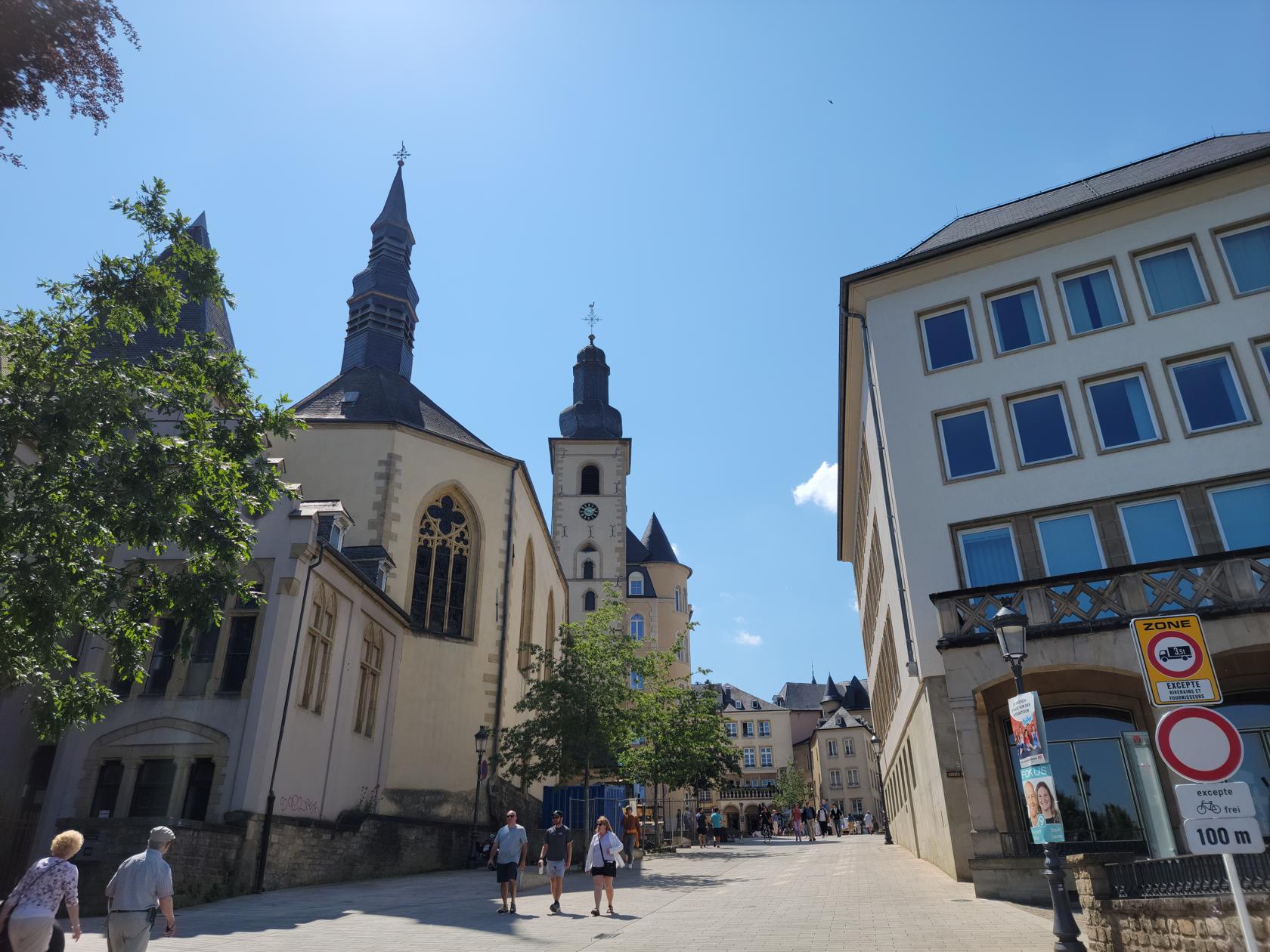
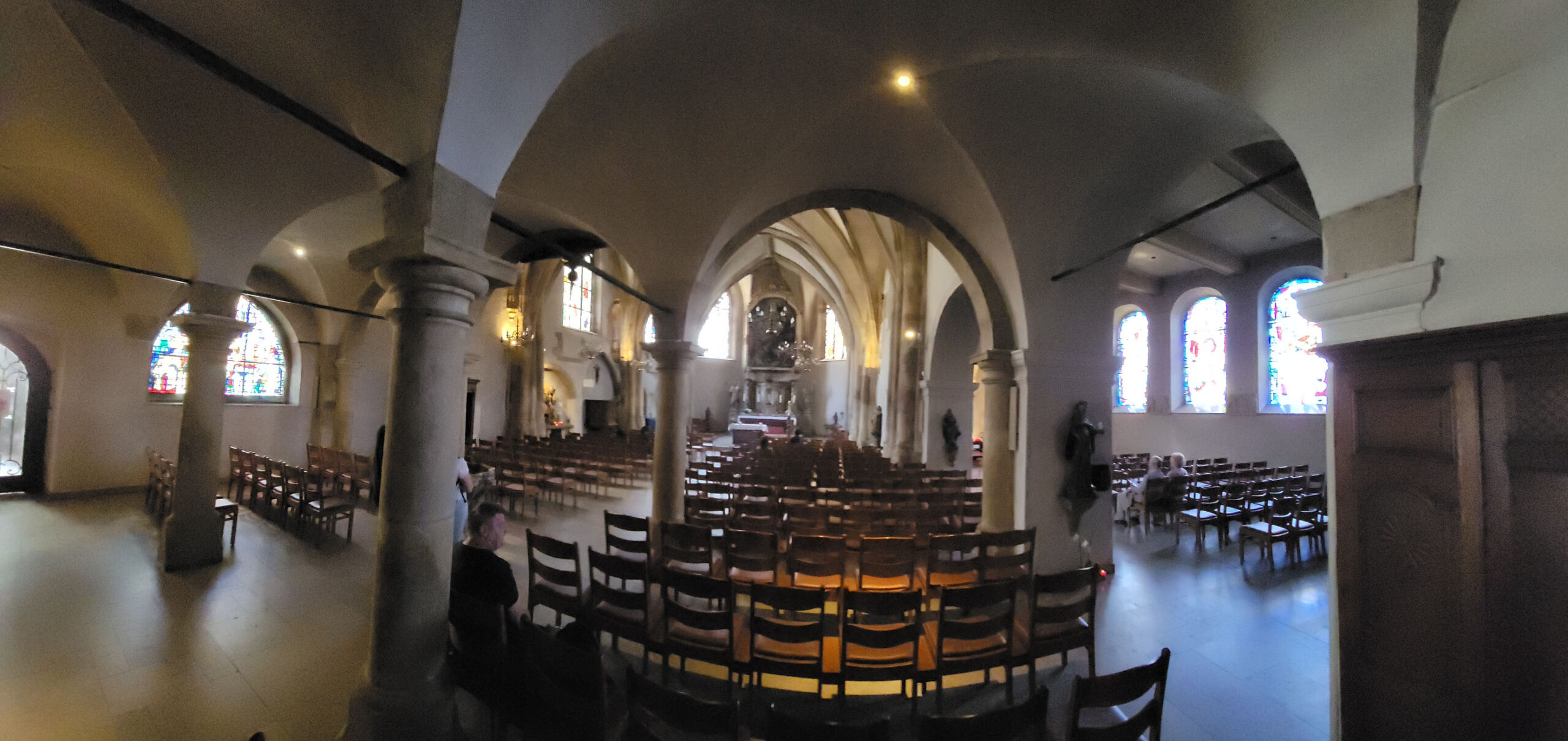
The church of Saint Michael’s has a beautiful set of windows to enjoy. Built in the tenth century and originally named Church of the Redemption, the new and colorful windows were installed after much of the city was destroyed during the war and the new church was reconsecrated as the church of Saint Michael.
Saint Michael’s church – Luxemburg, Luxemburg
Inside panorama of Saint Michael’s church – Luxemburg, Luxemburg
Stained glass – Saint Michael’s church – Luxemburg, Luxemburg
The other point of interest in this church is the old church turret clock.
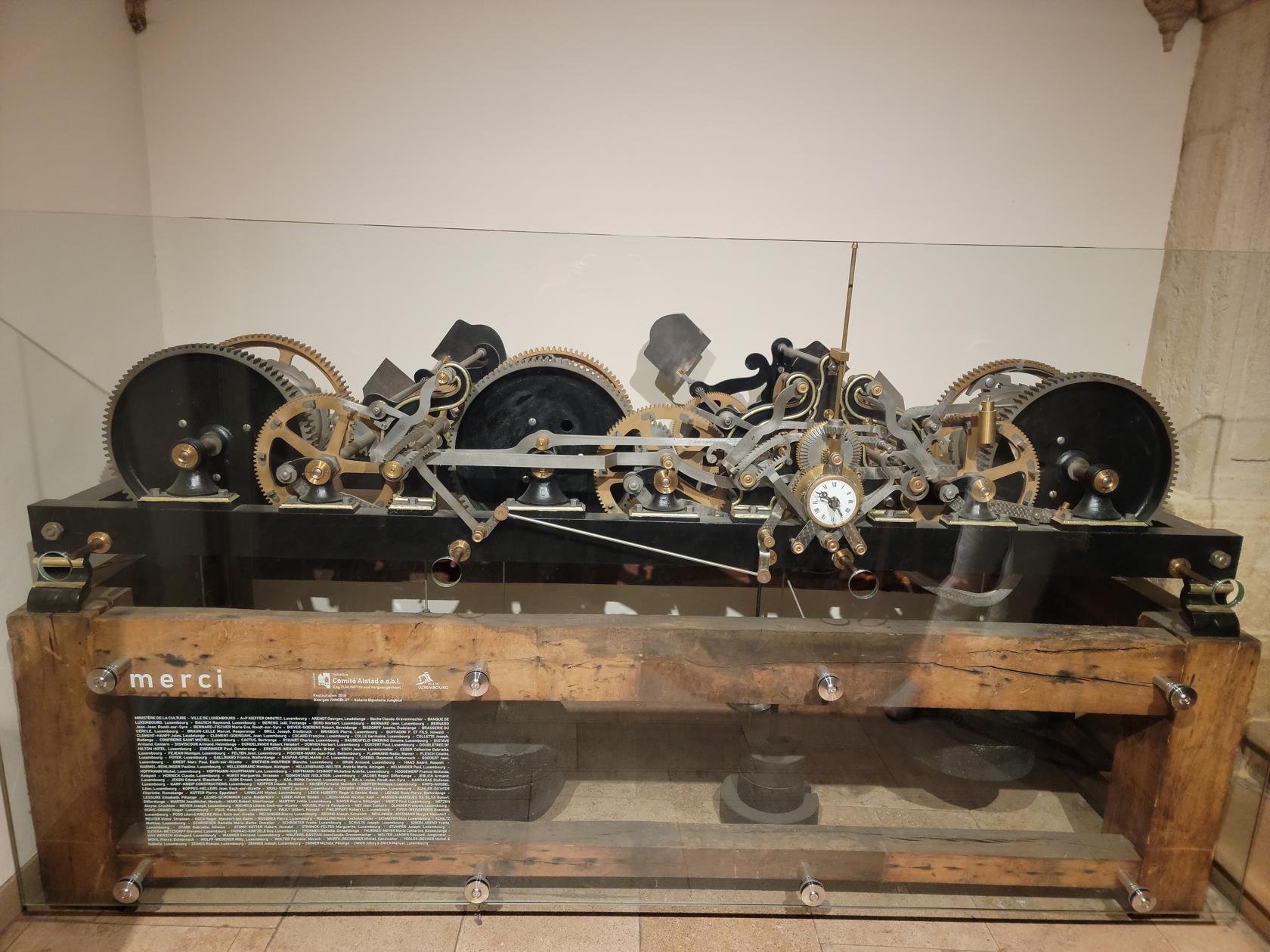
Turret clock from 1902 – Saint Michael’s church – Luxemburg, Luxemburg
The city does offer other things to see and do, for those who are so inclined. However, for a short weekend stay, I thought we enjoyed a fair amount of what the city had to offer and enjoyed ourselves immensely. The people are very friendly and fluent in many languages. The city is clean, well cared for and vibrant and there is plenty of history to be found walking among its streets. Being only a few hours drive from Frankfurt and other cities, it is well situated for a weekend trip. Going by train is a bit longer, since there is no direct route and flying is an option, though an unjustifiable cost given the destination and the amount of time one has to spend in airports these days to get anywhere.
Patti and Erick – Luxemburg, Luxemburg
Restaurants
One thing that can be said about restaurants in Luxemburg is, eating out is rather expensive. Our opinion is, it’s more in line with eating out in Switzerland or at an expensive restaurant in the United States.
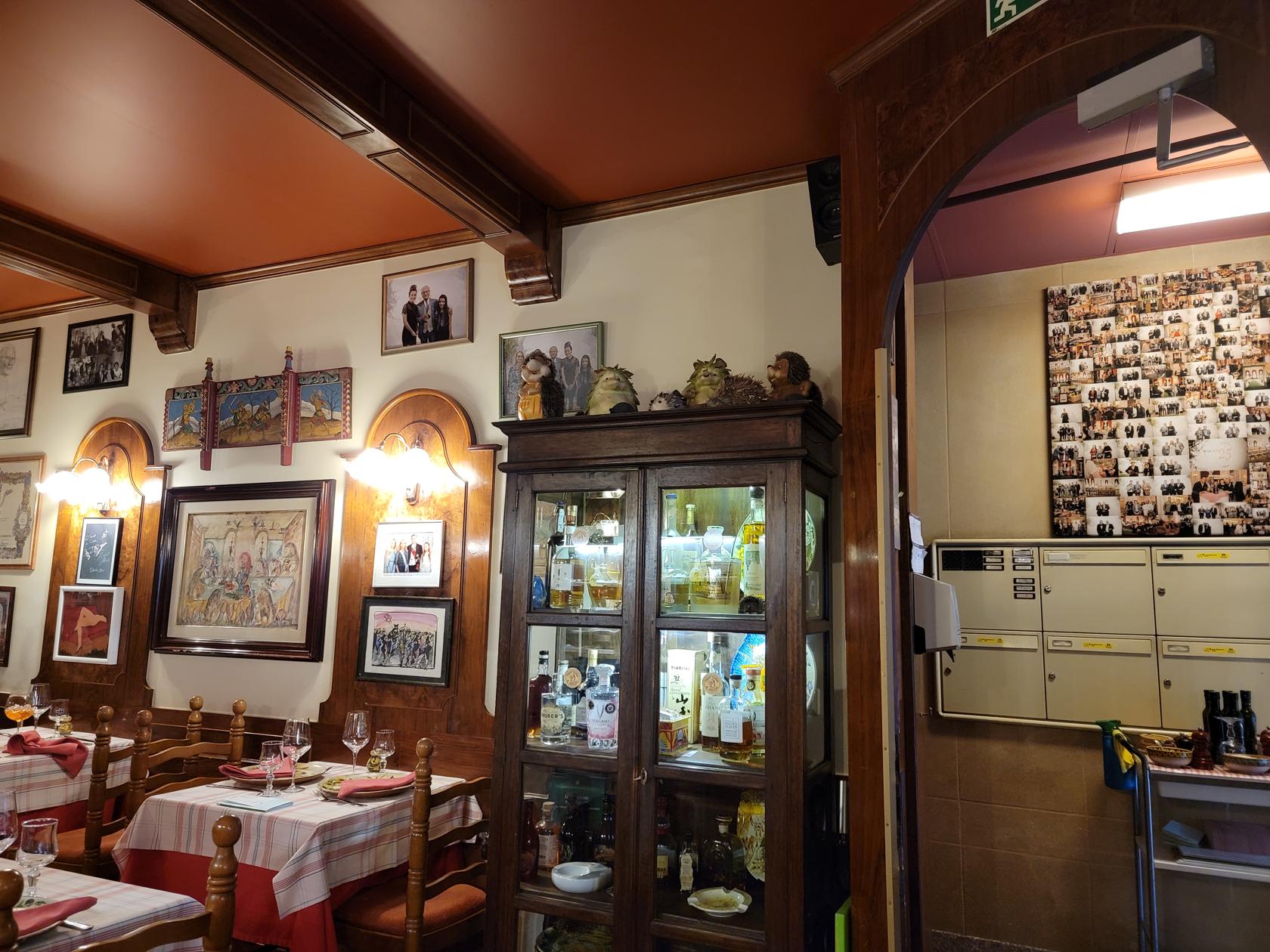
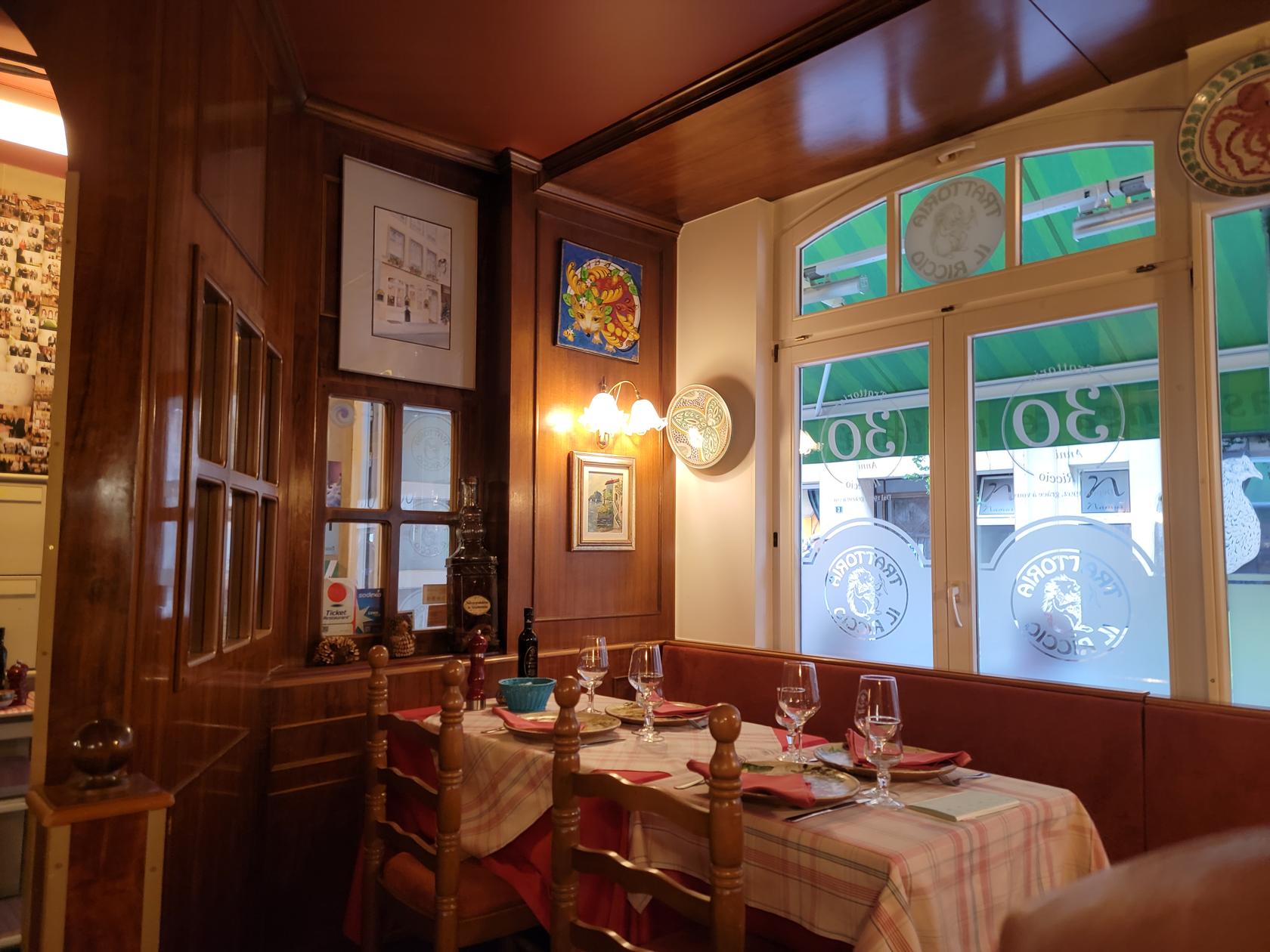
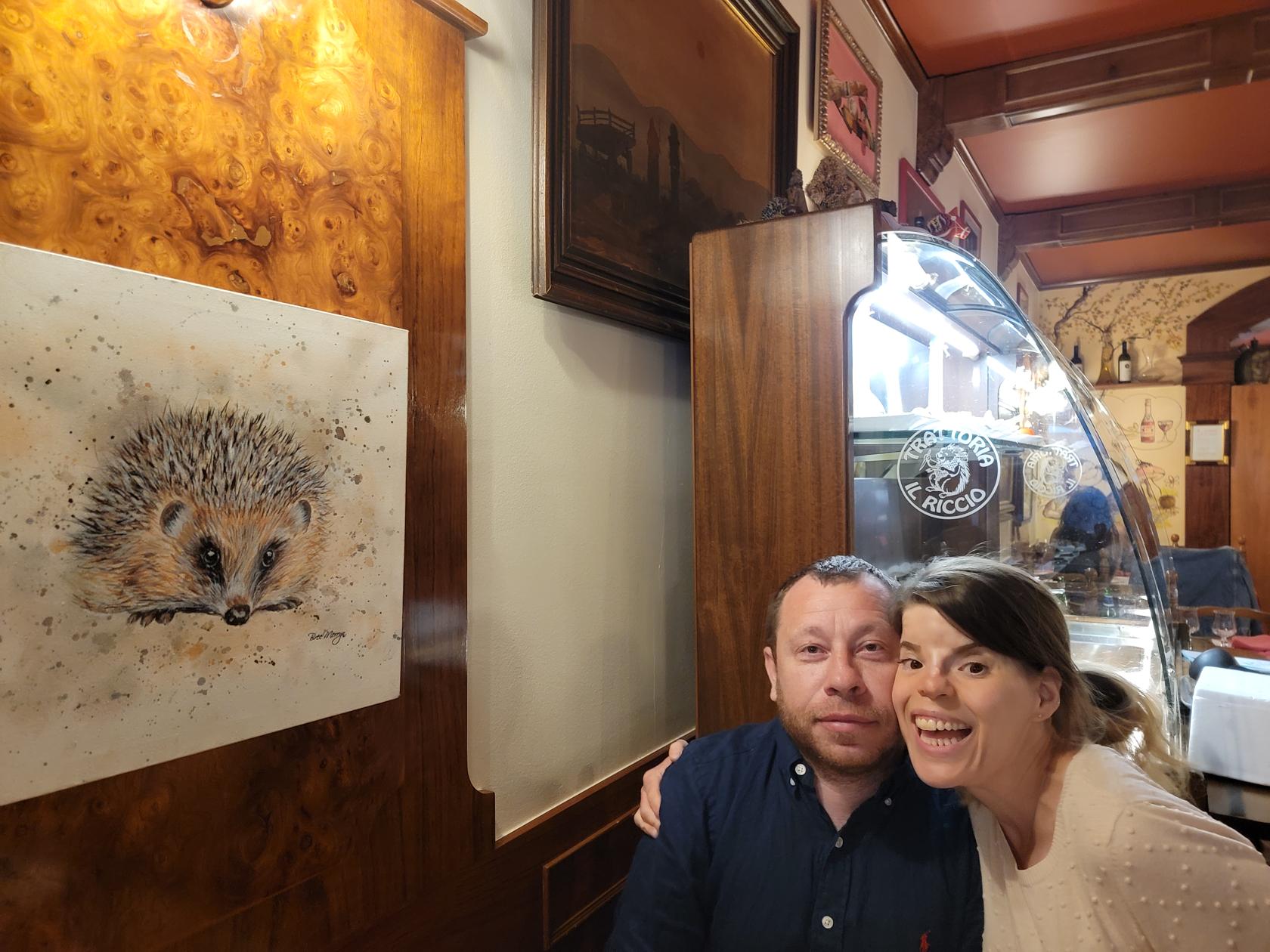
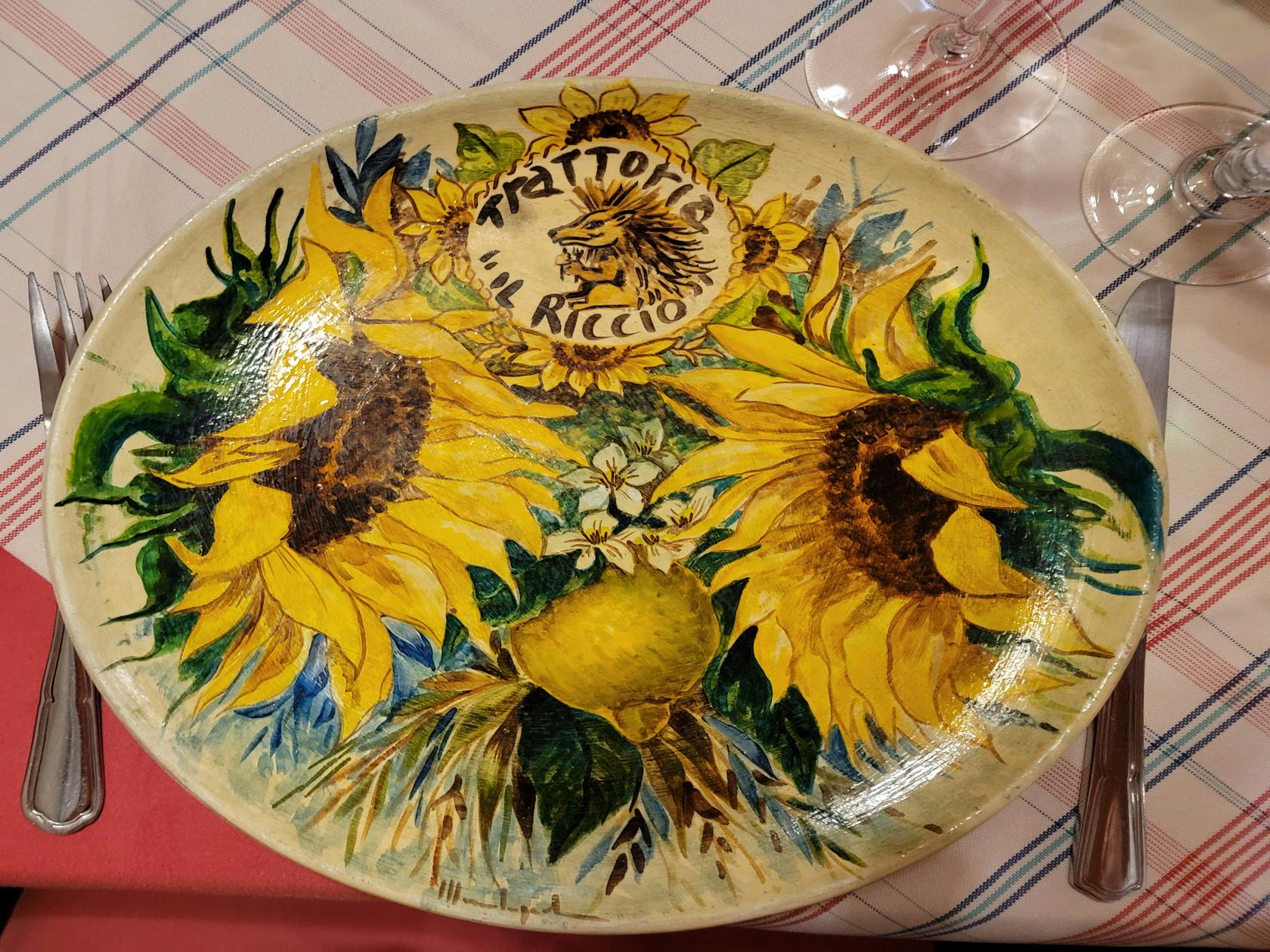
Trattoria Il Riccio
This is a cozy, but expensive little Italian gem on the Rue Beaumont.
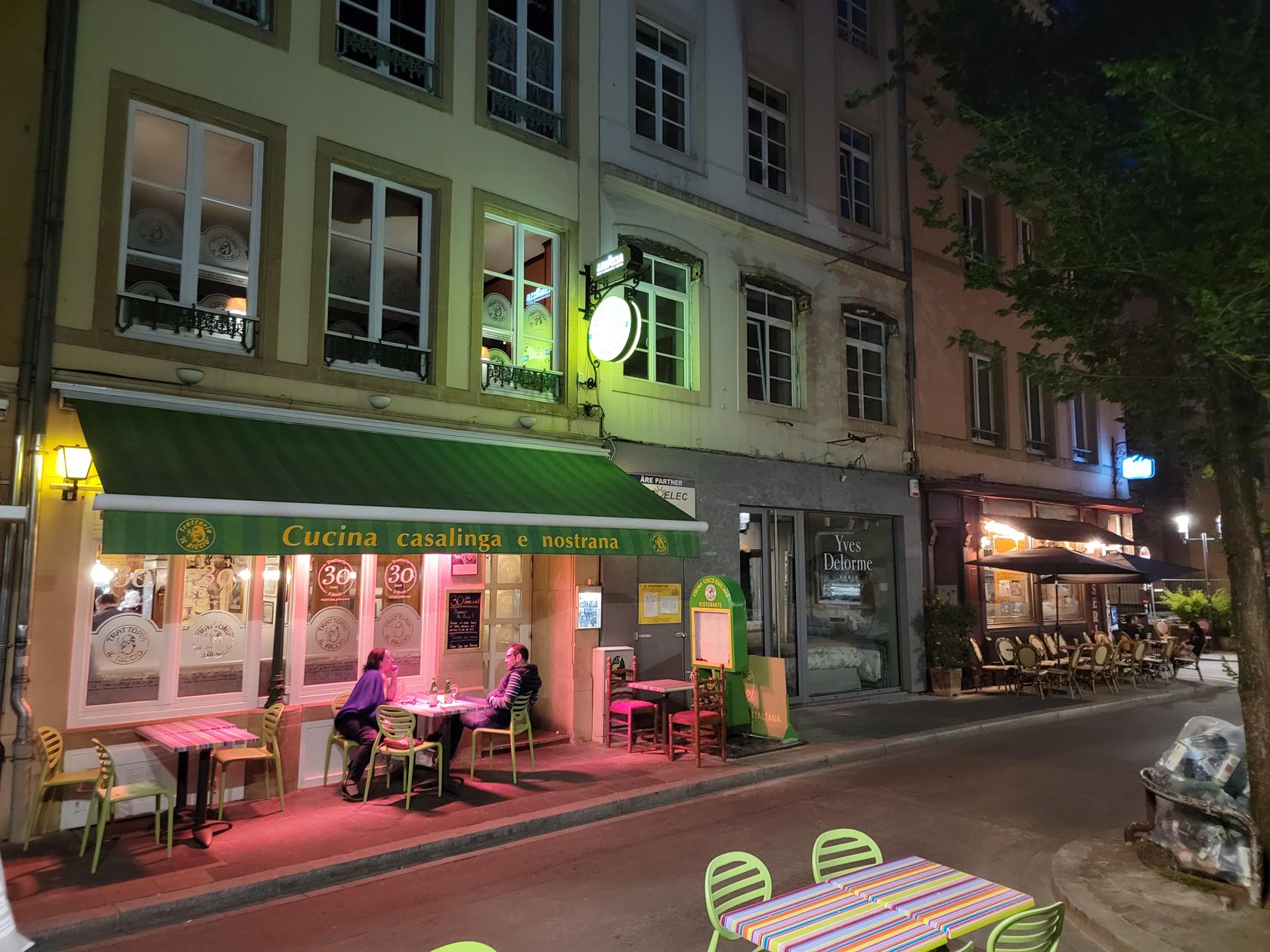
Ristorante Il Riccio – Luxemburg, Luxemburg
Ristorante Il Riccio – Luxemburg, Luxemburg
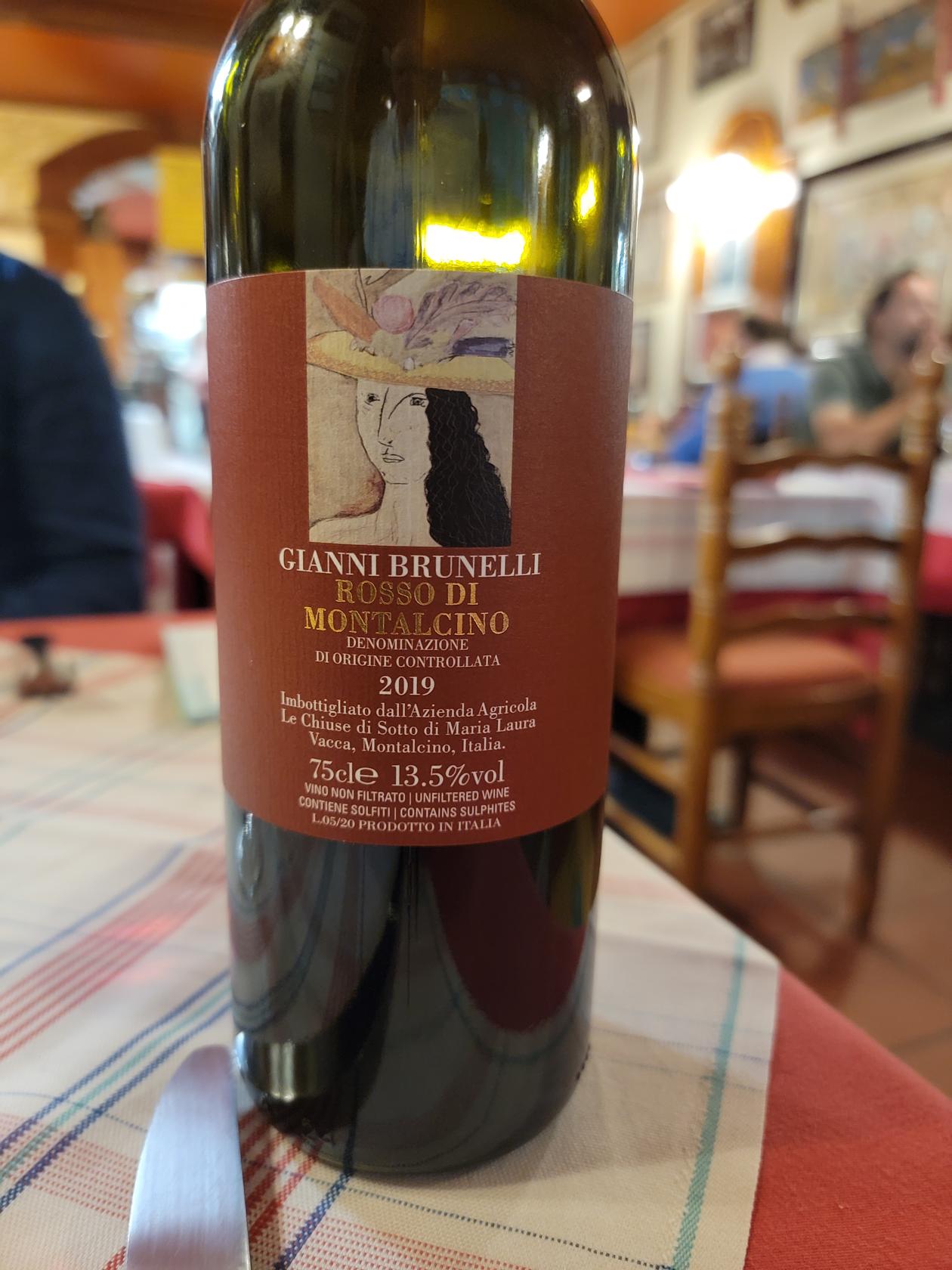
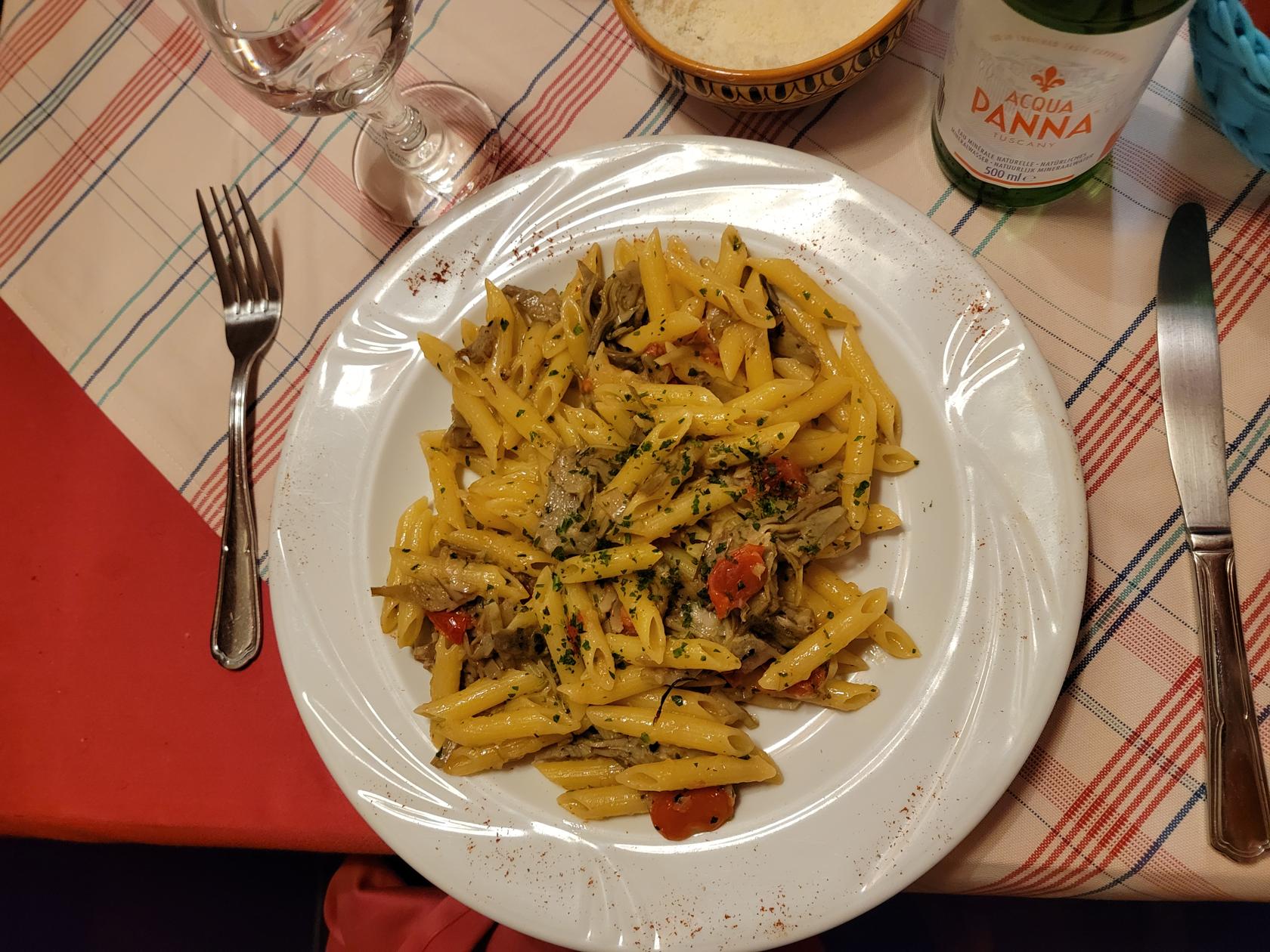
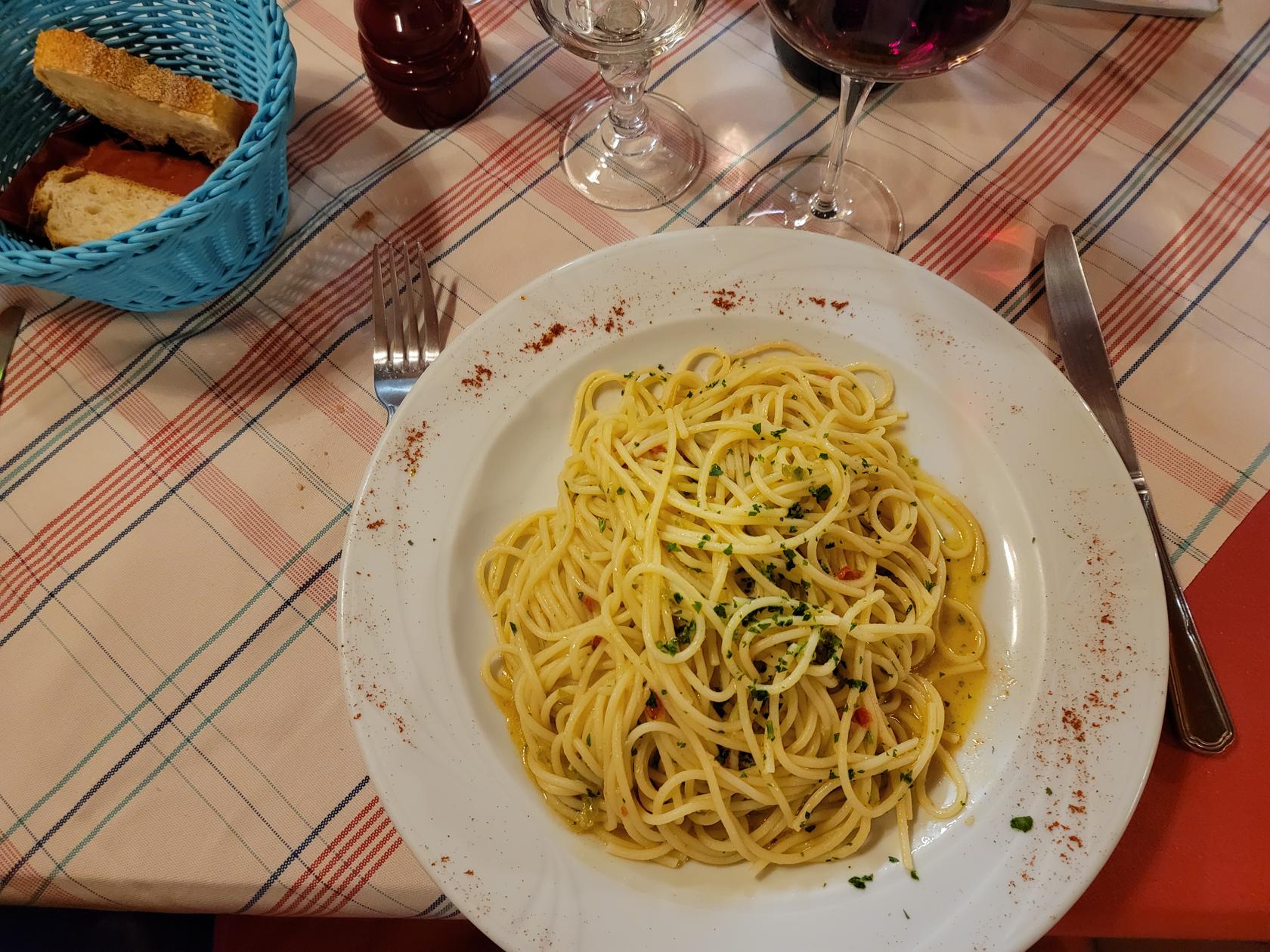
We had an excellent and delicious meal here, complete with two bottles of fairly expensive wine (56€/ea) and the total for four came to 450€. Of course, we all had an appetizer, primi and secondi.
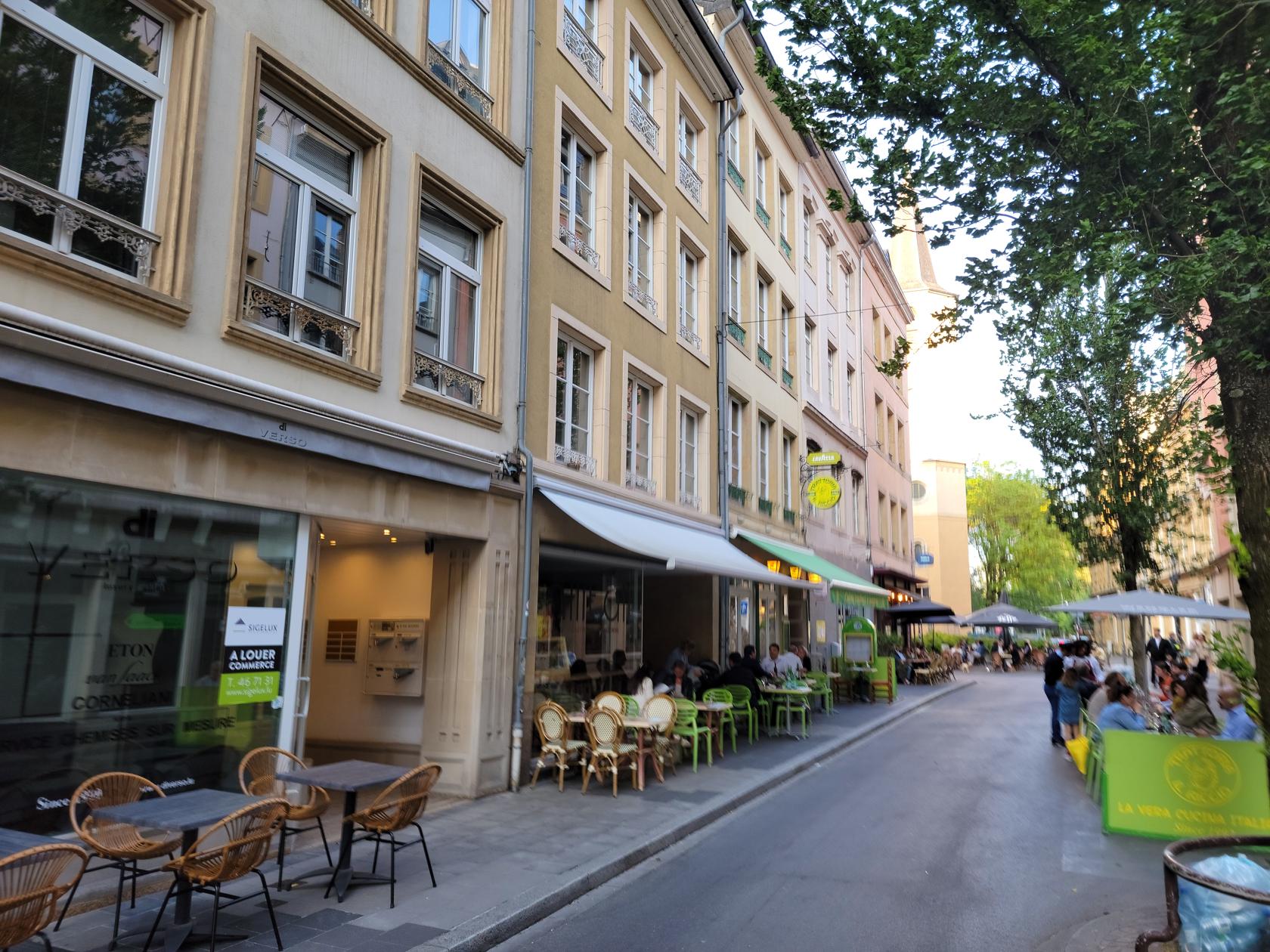
Rue Beaumont – Luxemburg, Luxemburg
Ristorante Il Riccio – Luxemburg, Luxemburg
Ristorante Il Riccio – Luxemburg, Luxemburg
Gabi and Ericka – Ristorante Il Riccio – Luxemburg, Luxemburg
Ristorante Il Riccio – Luxemburg, Luxemburg
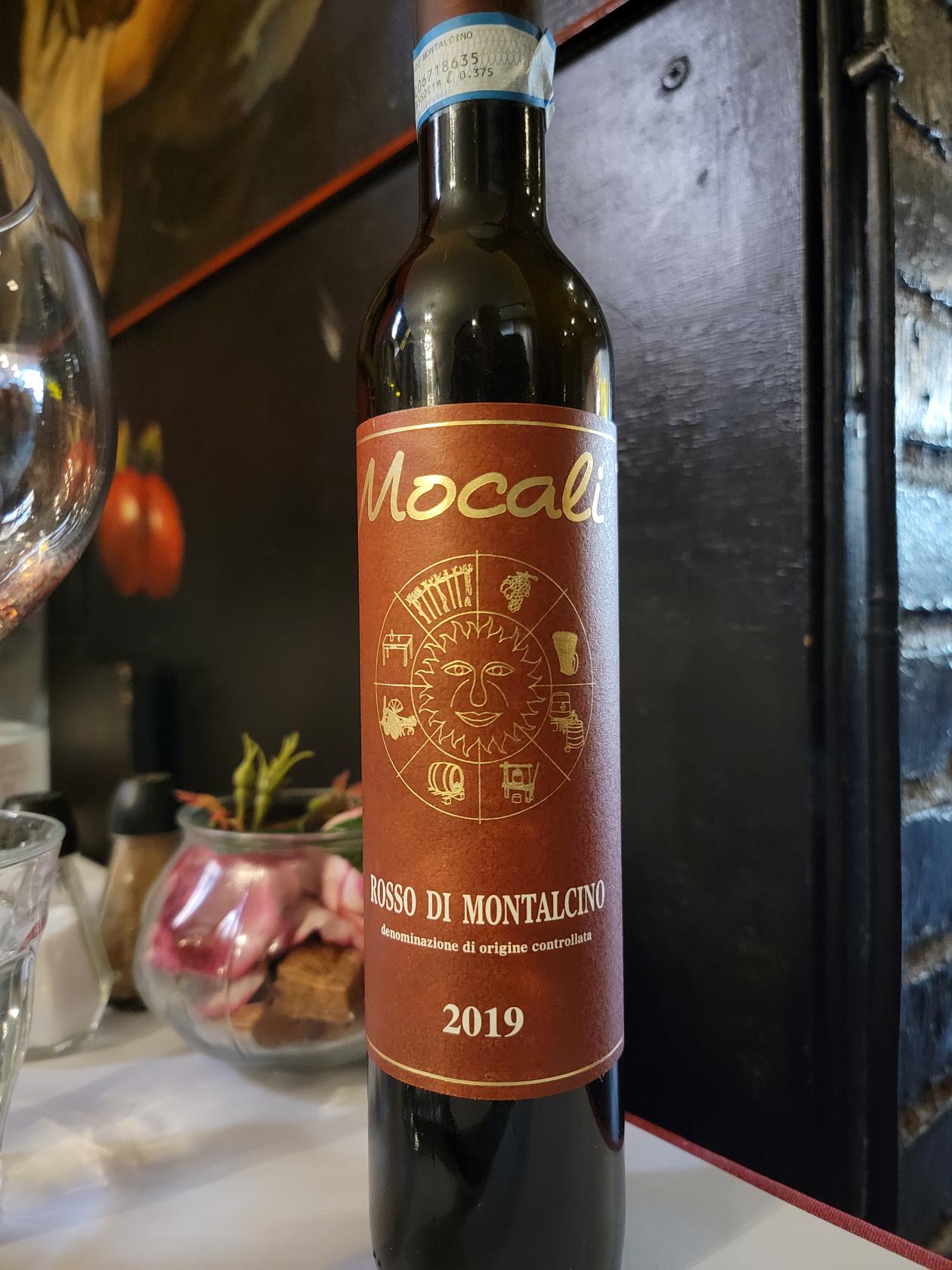
Gianni Brunelli Montalcino – Ristorante Il Riccio – Luxemburg, Luxemburg
Penne with artichokes and tomatoes – Ristorante Il Riccio – Luxemburg, Luxemburg
Spaghetti with garlic and oil- Ristorante Il Riccio – Luxemburg, Luxemburg
Diese Woche hatten wir die Gelegenheit unsere guten deutschen Freunde in Mainz zu treffen. Bevor wir unsere aktuelle Reise begannen, schickte ich meinem Freund Karl Heinz eine E-Mail, um alles zu planen. Und in den letzten Tagen haben wir uns gefreut, dass all unsere Planungen für uns geklappt haben.
Eine Kleine Reise Mit Dem Zug
Da wir eine Woche in Offenbach am Main waren, um unsere Töchter Ericka und ihren Mann Gabriel zu besuchen, mussten wir die DB S8 ab Offenbach Markplatz nehmen, die direkt zur Mainz Romisches Theater Haltestelle führt. Das bedeutete, dass wir von der Wohnung unserer Tochter in der Innenstadt laufen mussten, aber das kein Problem war, denn es dauert nur ungefahr fünfzehn Minuten.
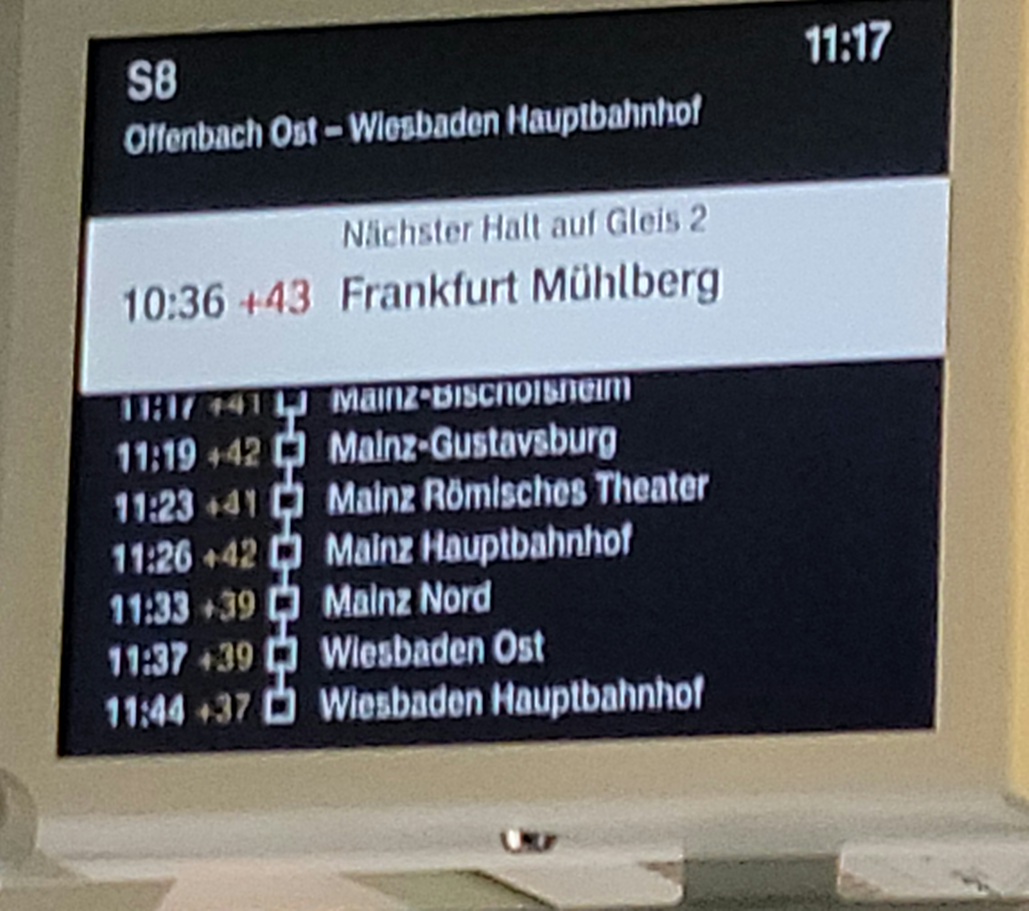
Train Status S8
Nach fast zehn Minuten des Anfangs unserer Reise gab es eine Störung, einen Gegenstand leigt auf den Gleissen und das rotes Stopplicht angeschaltet war. Es dauert 43 Minuten bevor wir unsere Reise fortfahren könnten.
Restaurants
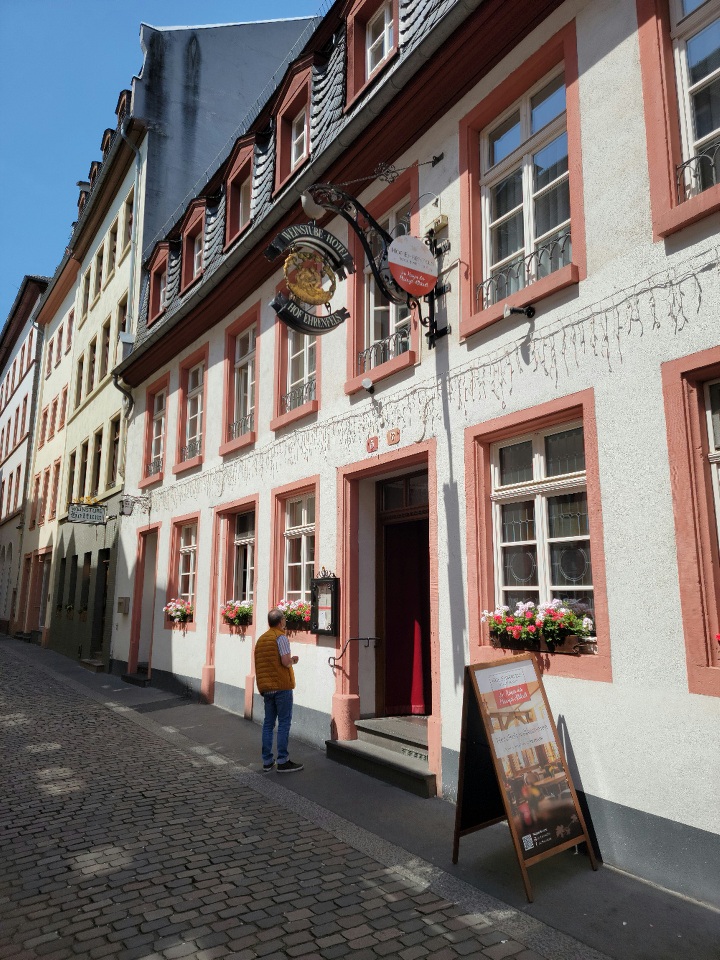
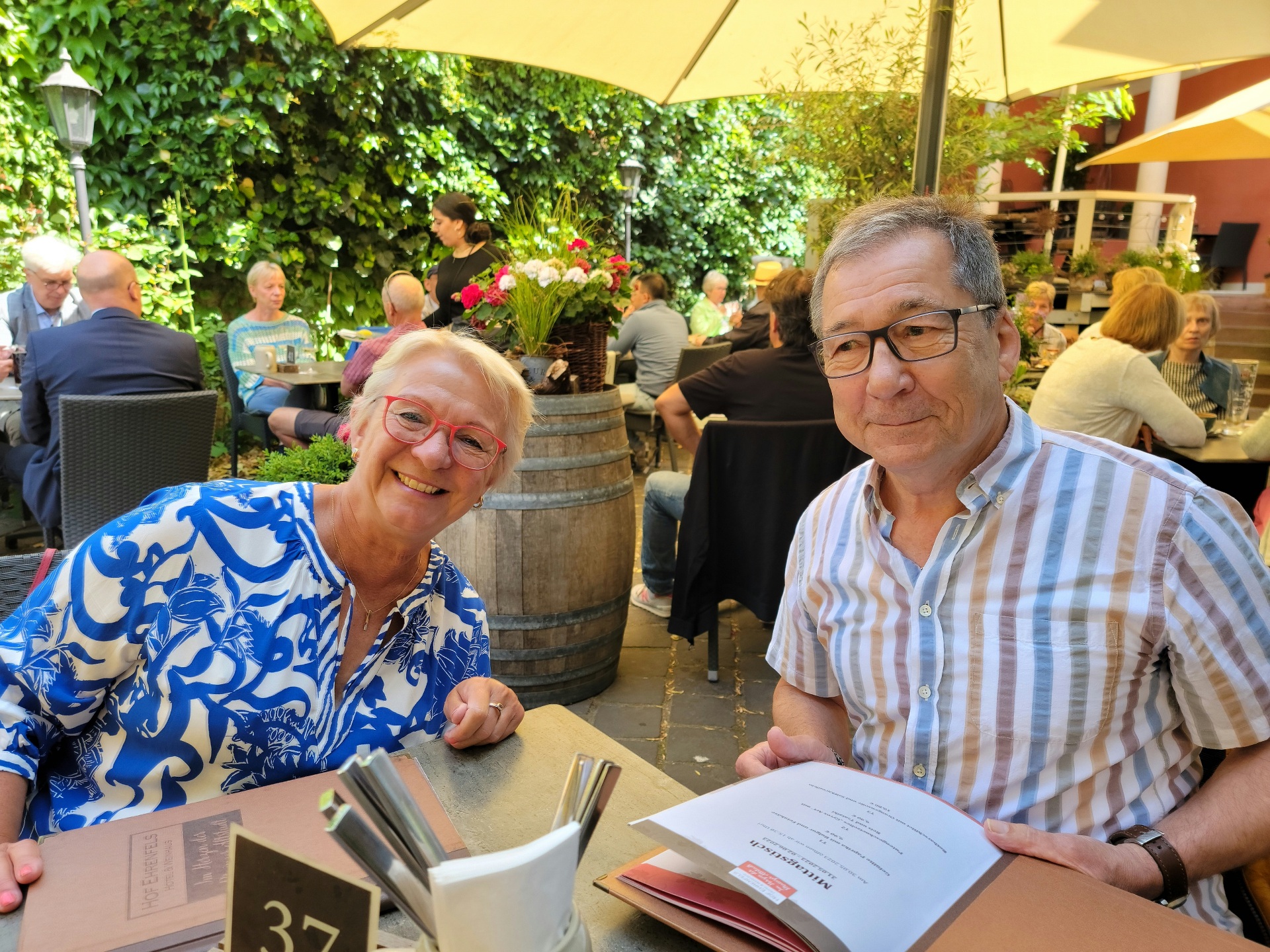
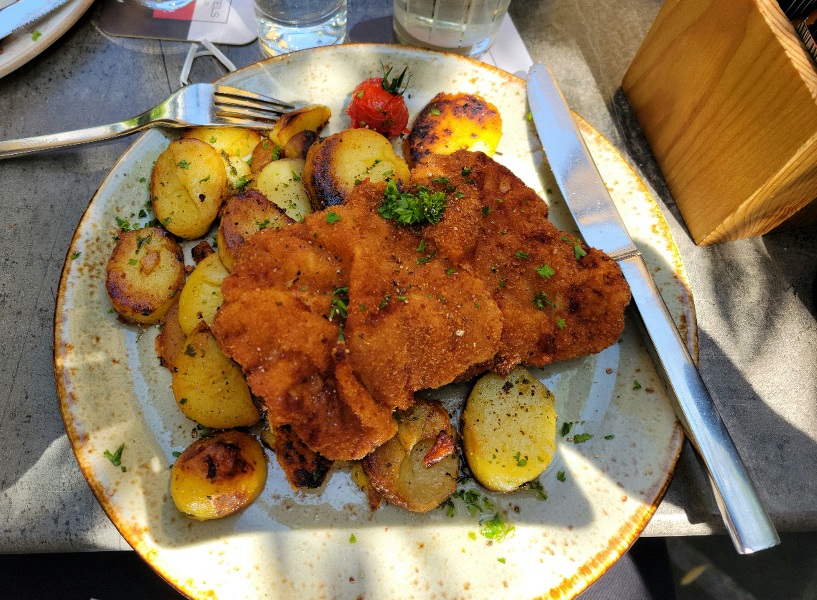
Für Mittagsessen wählten wir Hof Ehrenfels.
Hotel and Restaurant Hof Ehrenfels
Hof Ehrenfels
Dieser restaurant ist auch ein Drei-Stern-Hotel mit einem schönen Garten, den man draussen sitzen kann während man isst.