Cuneo, Italy – A Piedmont Gem

We left Turin in a rain storm, just getting into our carriage before the rain really came down hard. It poured most of the way and we saw several instances of lightning as we traveled to Cuneo, giving us the foreboding feeling that perhaps we had made a terrible mistake.

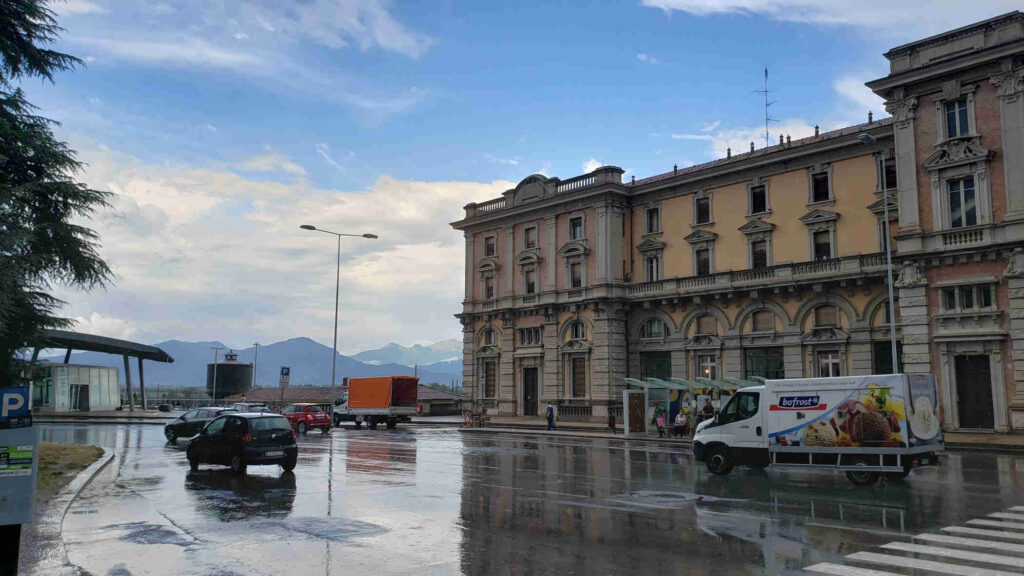
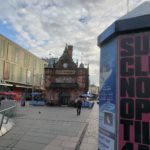
Piazzale della Liberta – Cuneo Train Station – July 2021

When we arrived, it was still raining terribly hard and we were trapped in the train station for a little over fifteen or so minutes. But I checked my phone and the weather radar application on it gave every indication it was going to pass soon, and thankfully it did, though it would continue to threaten us for the remainder of the morning.

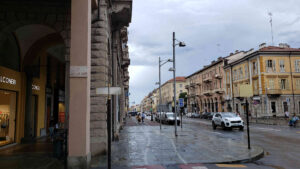
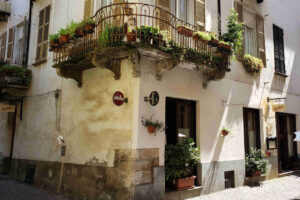
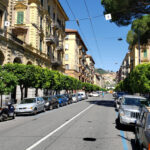
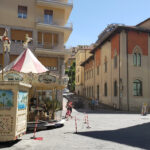
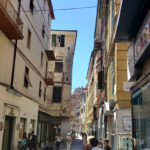
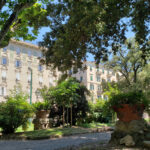
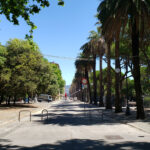
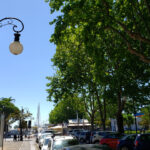
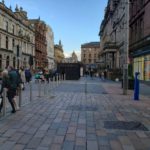
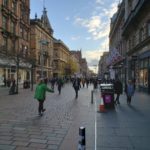
Cuneo appears at first sight to be a clean, very well kept city. In many respects, unlike its larger brother to the north Turin, it has every indication of being a very pleasant place to live. One rarely finds any graffiti and the number of animals seems much less than other cities in Italy, and Europe over all.

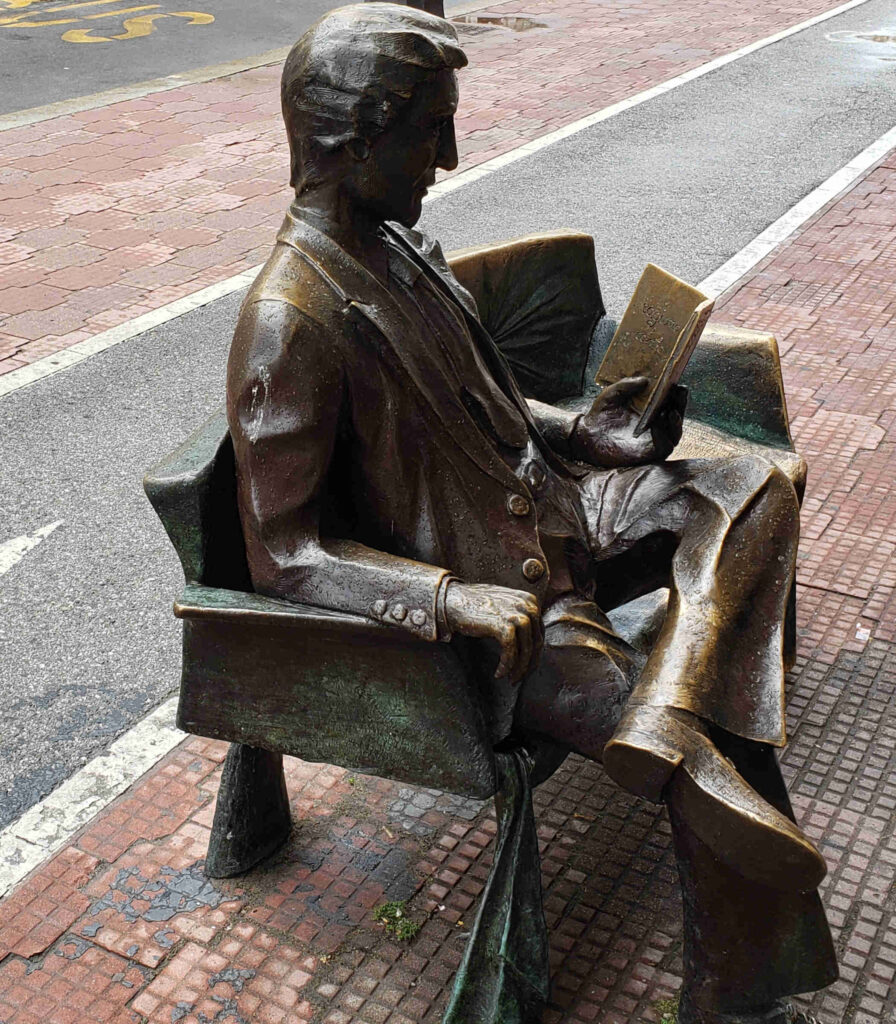
The Reading Man – Via Nizza – Cuneo – July 2021

As the man on Corso Nizza will suggest, sporting his shiny clothes and shoes, everything is just perfect in this little city.

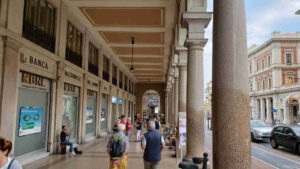
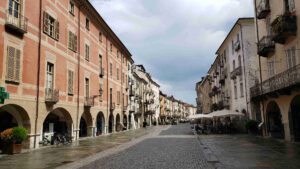
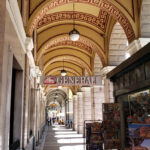
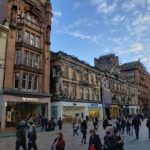
The main attraction is Corso Dante Alighieri, which after the main piazza, Piazza Galimberti, turns into via Roma. It is a traditional historic center promenade, with its wide street and classic Sampietrini, it offers a great place to walk and many places to shop and eat.

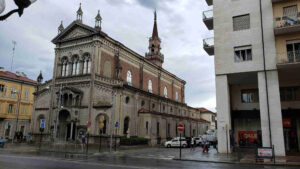
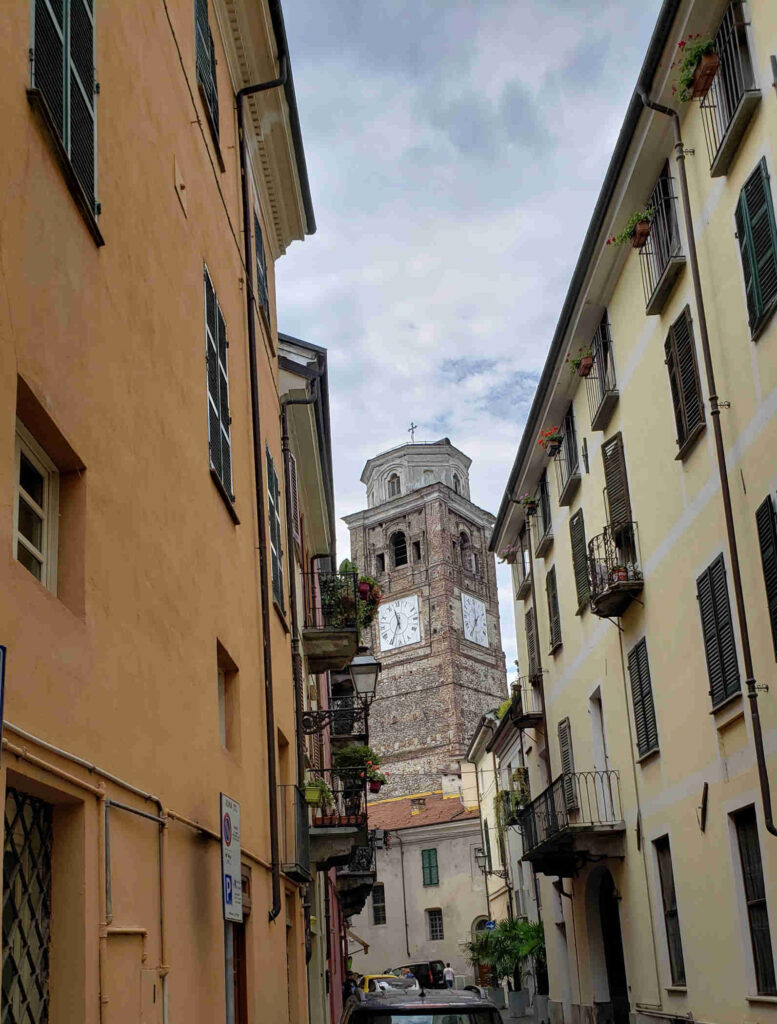
The Bell Tower of Cathedral Santa Marie Del Bosco on via Saluzzo

Having only spent the day here, we carefully chose our place to lunch, after researching several opportunities prior to leaving. Fortunately, Cuneo provides many top places to eat, most of which open at or around 12:30 and will close by 2:30 to 3:00, in traditional Italian style. 

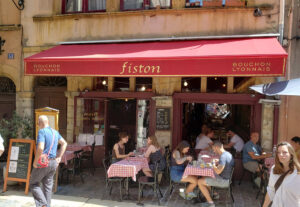
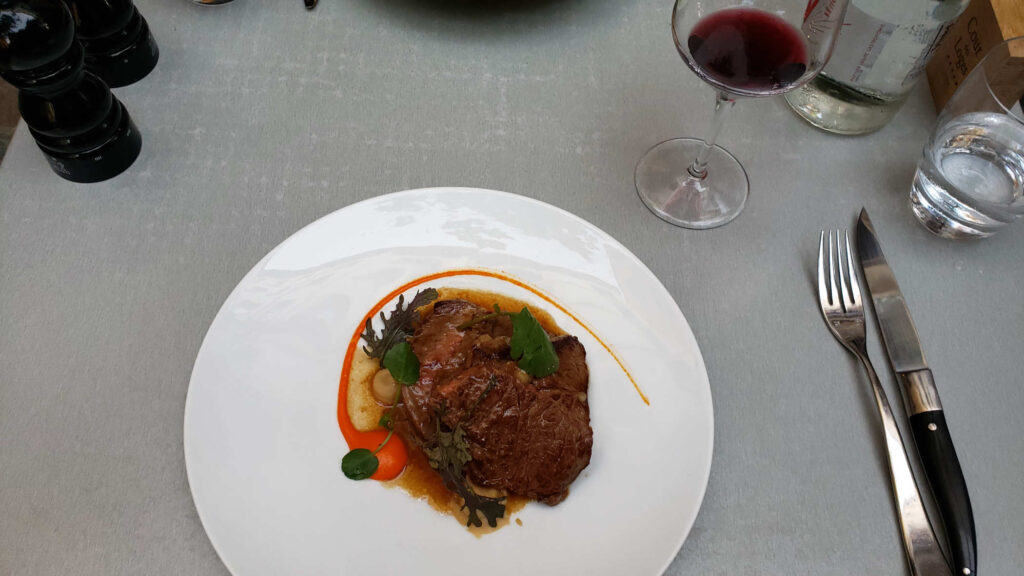
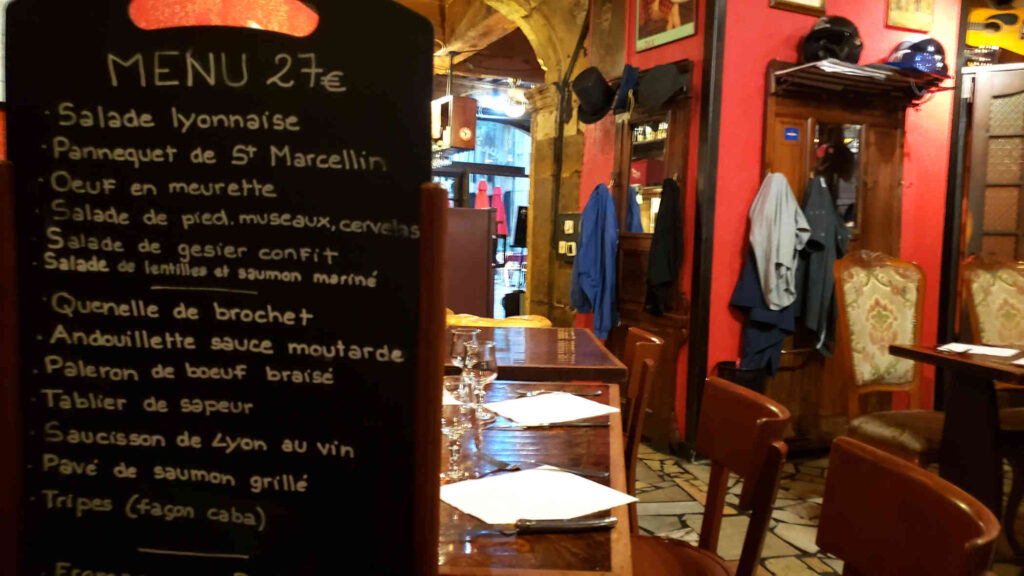
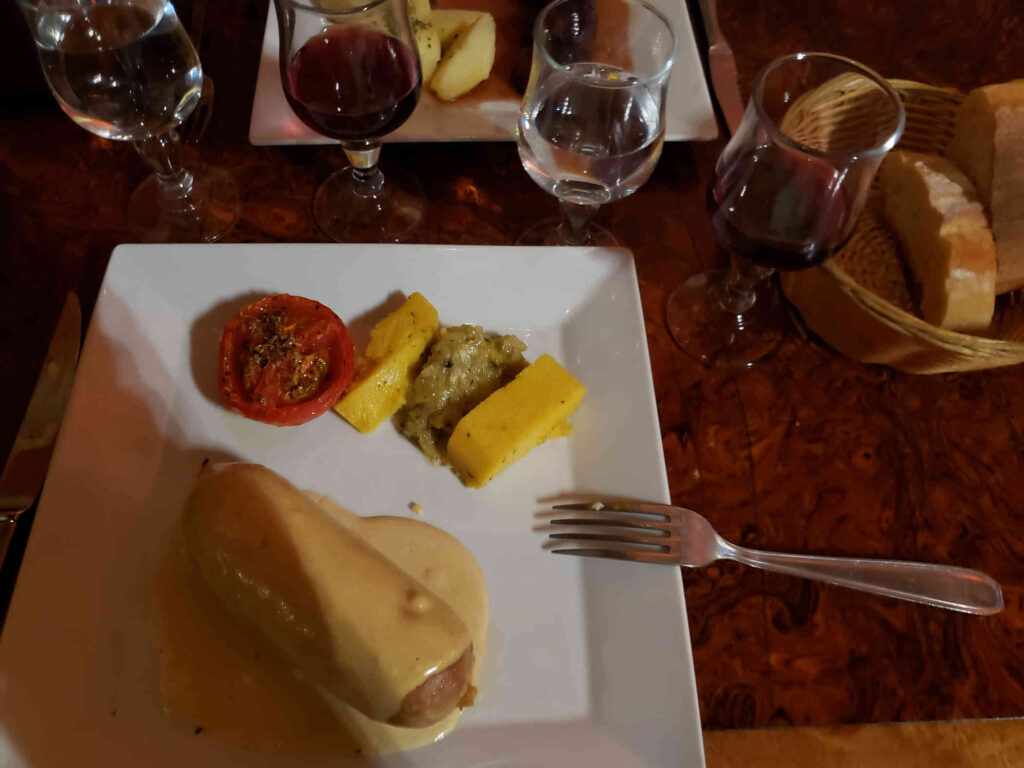
Restaurants – 4 Ciance

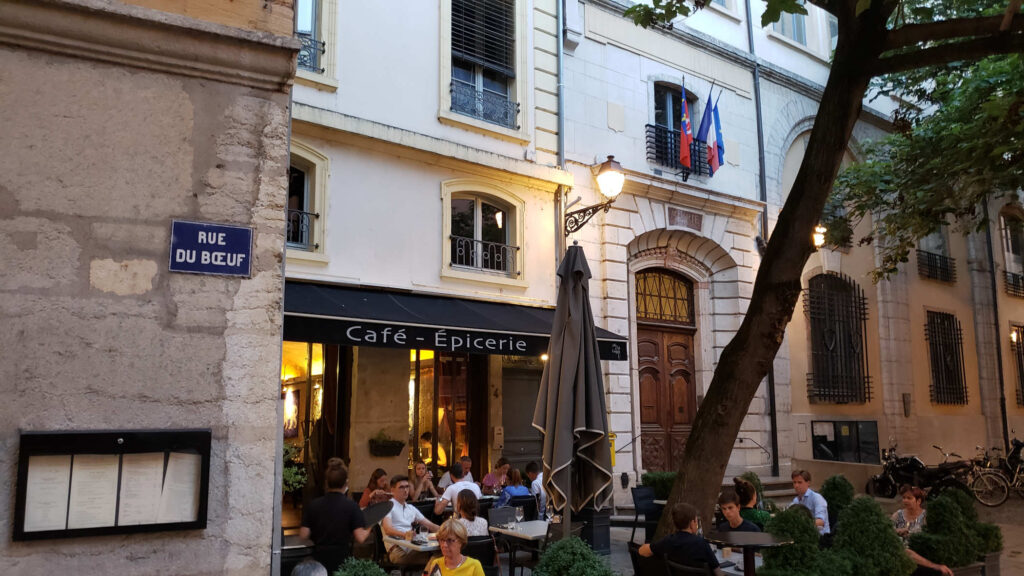
Our first choice was Osteria dei Colori, but it was no longer open for lunch. After that, it was the process of elimination and we finally ended up at 4Cinace.

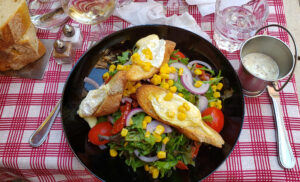
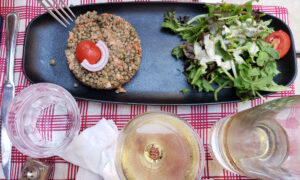
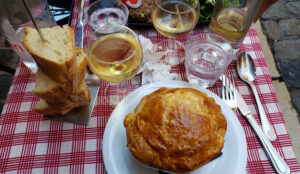
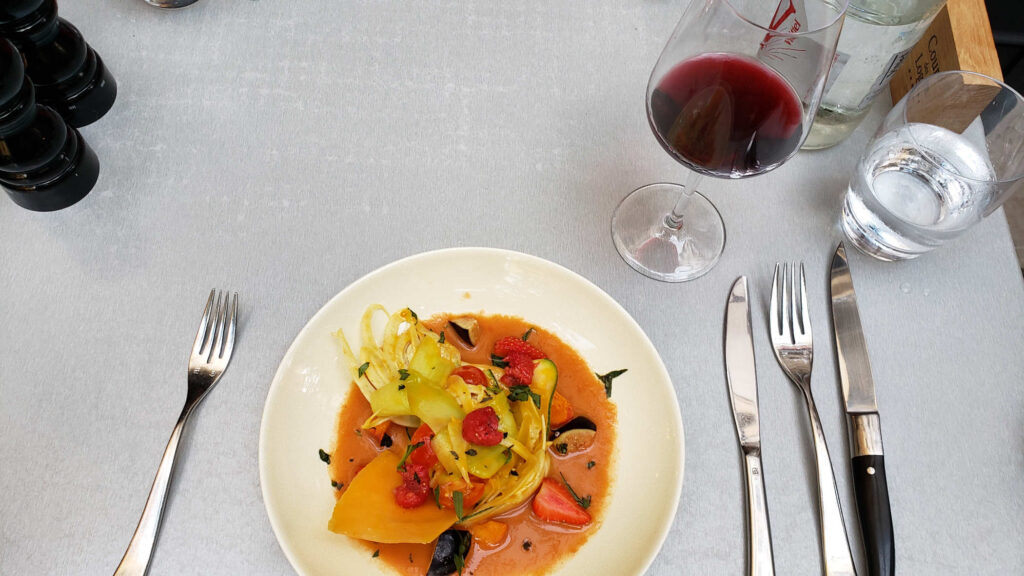
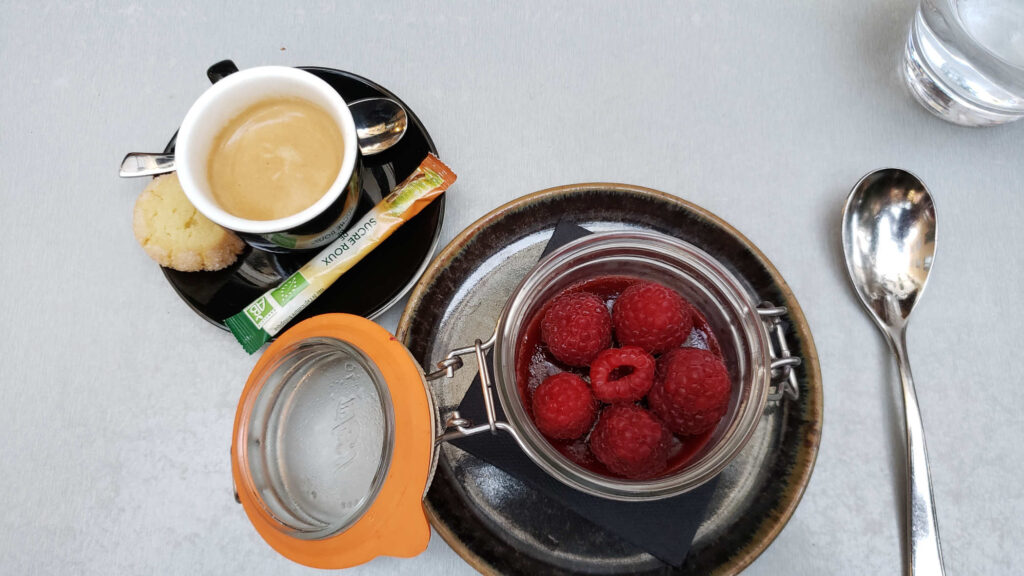
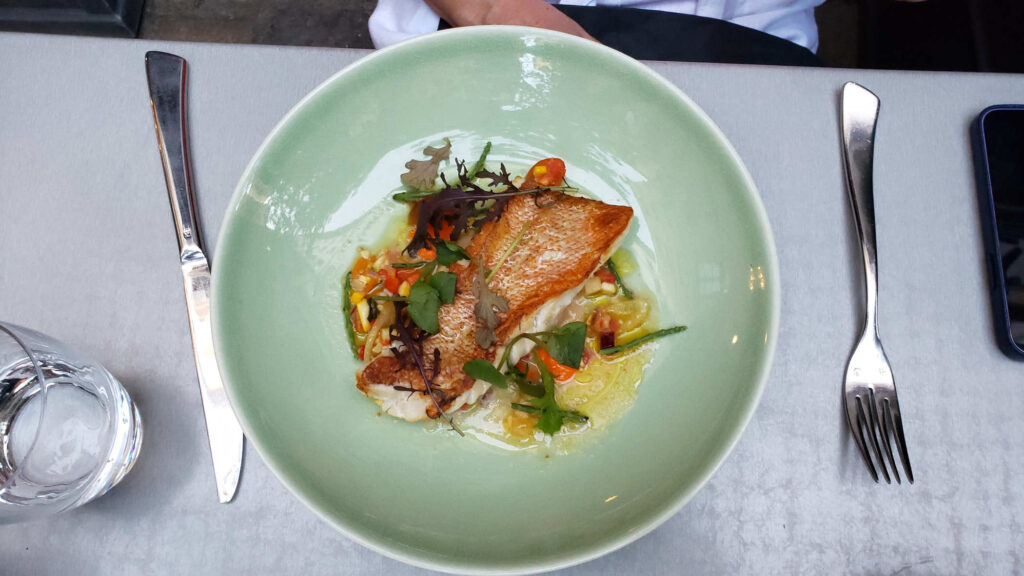
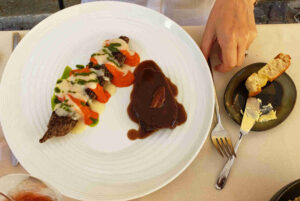
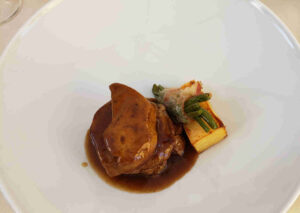
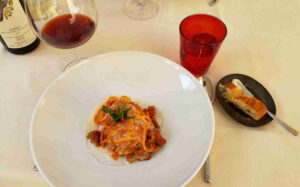
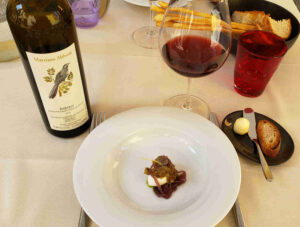
This restaurant is typical of today’s fine dining establishments, part art, part harmony, mostly excellent food. Paired with an excellent wine and you are in for a delicious time.
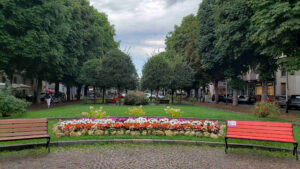
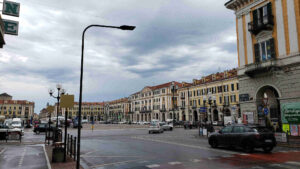
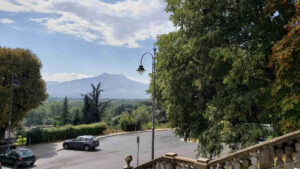
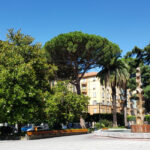
Piazza Galimberti – Panorama

Cuneo appears to be an excellent place to live. Very close to the Maritime Alps and the sea, one can easily get to the beach for a weekend get-away. Nestled close to the Alps it must be an easy drive to the mountains during winter for a quick ski holiday. Or, just stay home and enjoy the city itself, dining in one of its many excellent restaurants or Osterias.

Back in Turin

Making Our Way Back

Not to make light of the pandemic, but we have shaken off the disease for now and are finally back in Turin after nine long months of rest and relaxation in North Carolina.  Having gotten vaccinated some time ago, we booked a non-Covid flight and hoped for the best.

Leaving the States

Our flight was full and everyone thankfully wore masks.  It did however leave an hour late, because there are just some people in this world who either cannot read directions, or just live in the own alternative reality.  So, it took an hour out our lives so that the crew could find their bags and leave them behind.

So, some advice:  If you cannot, or simple do not want to follow directions, please DON’T TRAVEL!

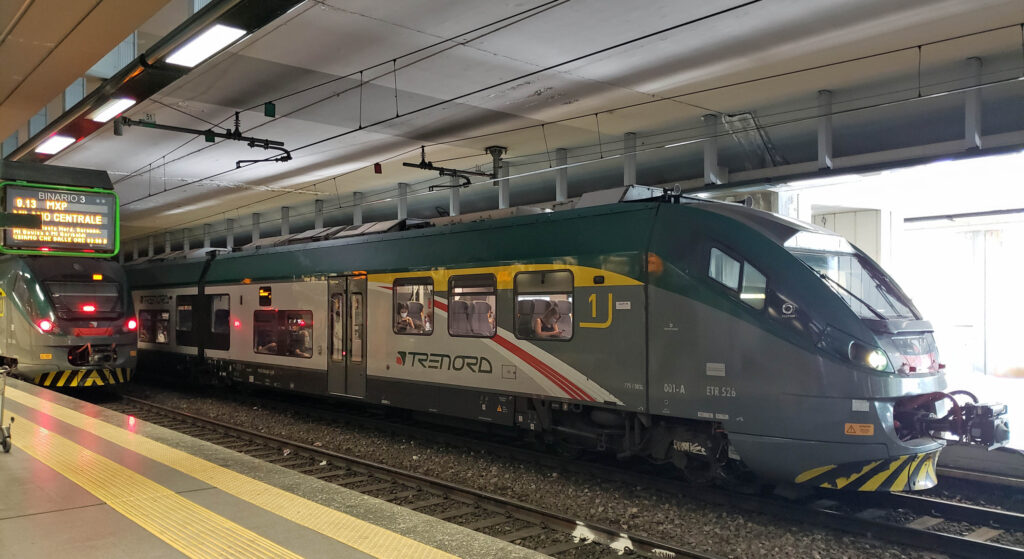
The train from the airport to Milan was about half full and it appeared that things in Italy were getting back to normal.

Standing on the platform at the airport

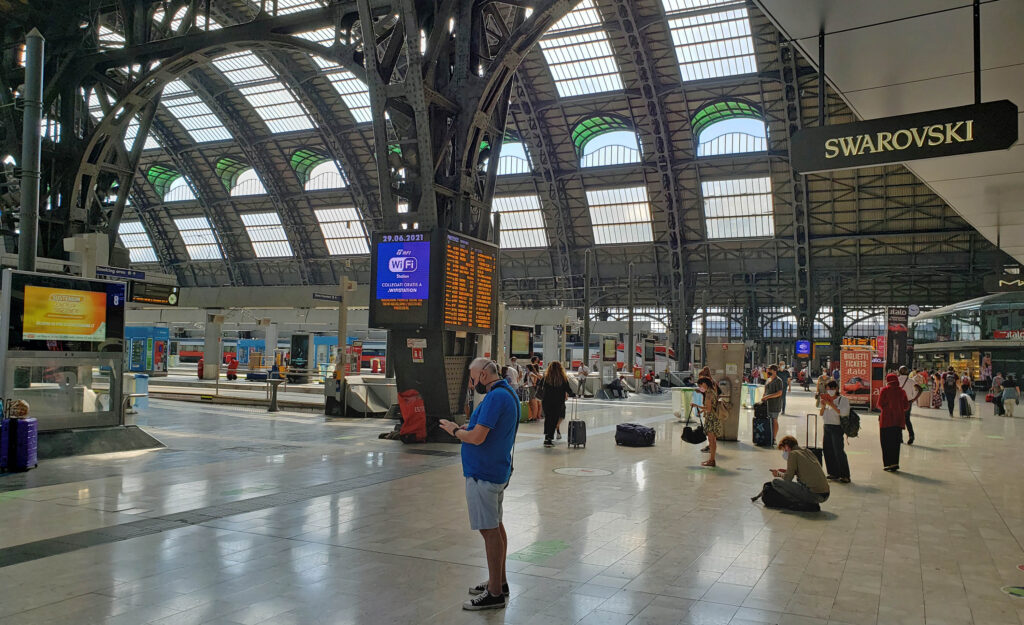
However, when we reached Milano Centrale, we discovered that this big city still suffers from post-pandemic stress.  Just the shear lack of passengers and movement within the train station, was a bit disconcerting.

Where are all the trains and passengers?

But we finally made it back to Turin and found our apartment essentially how we left it.  With a little cleaning and adjustments here and there, if anything just to knock out the dust (caused by lack of use), everything was back in good working order.

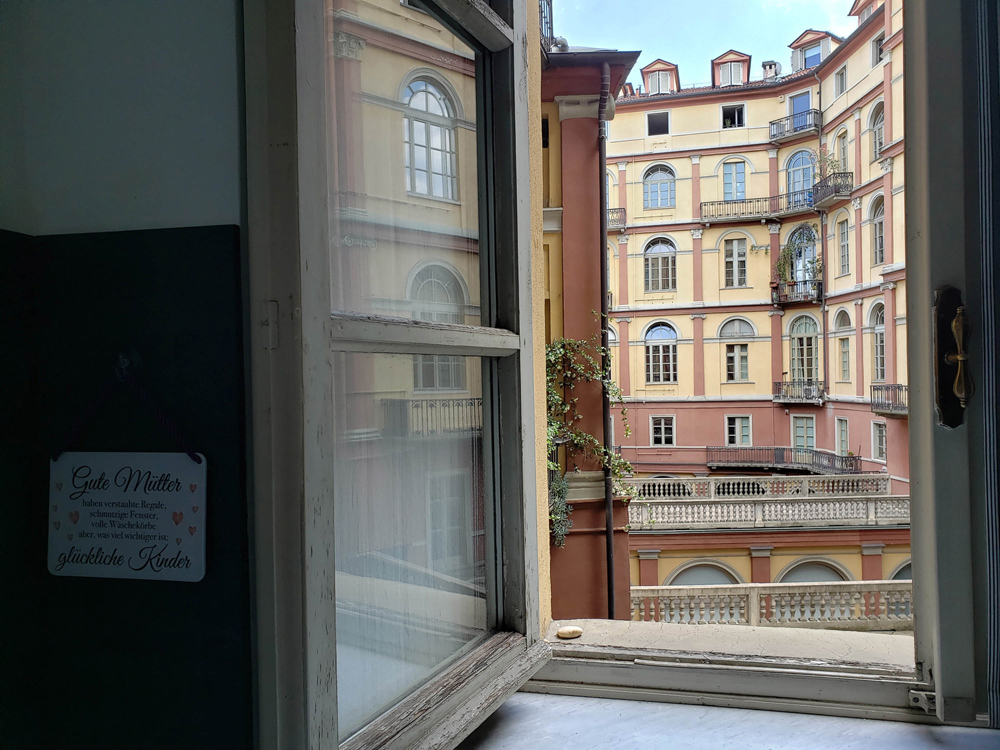
A beautiful day from our kitchen

Turin Restaurants Are Alive And Well

Luckily we found the restaurants, Osterias, Piolas and bars in Turin all open and waiting for business.  We wasted no time in sampling what we had missed for the past nine months, finding the food just as appetizing and delicious as when we left.

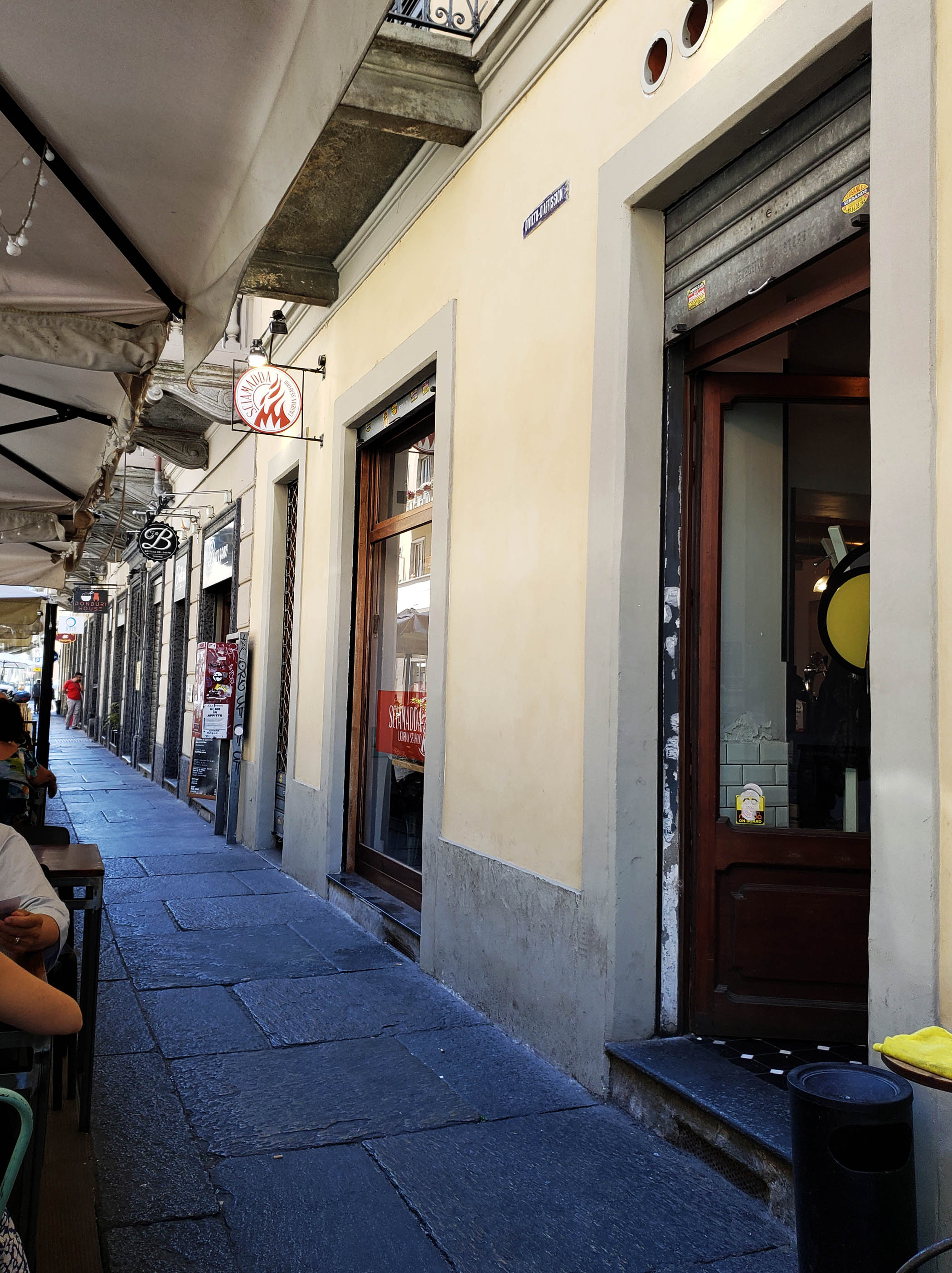
Ristoranta Sciamadda

A restaurant on our list of places to visit, the Ristorante Sciamadda is a very busy place during lunchtime in Turin.

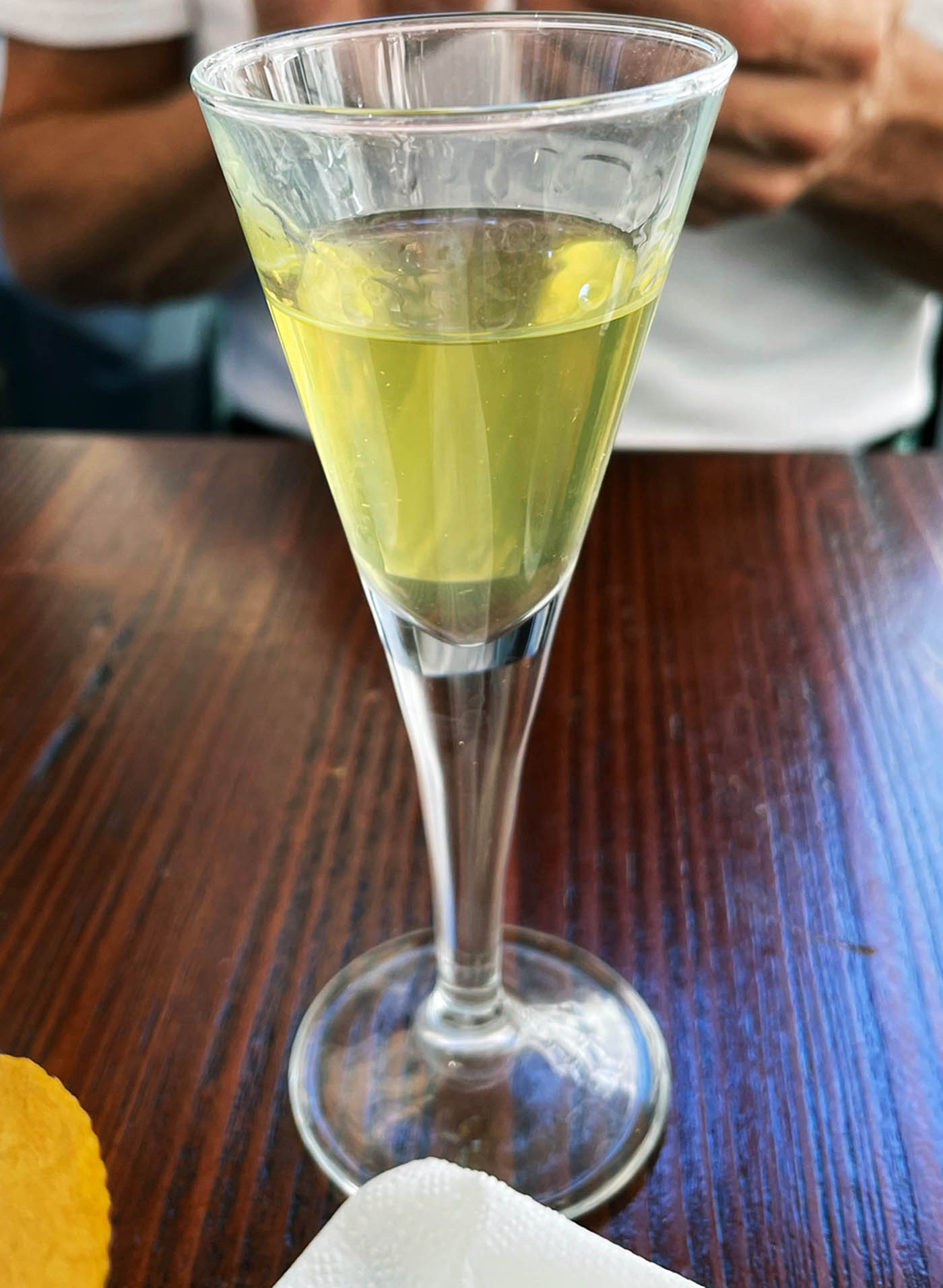
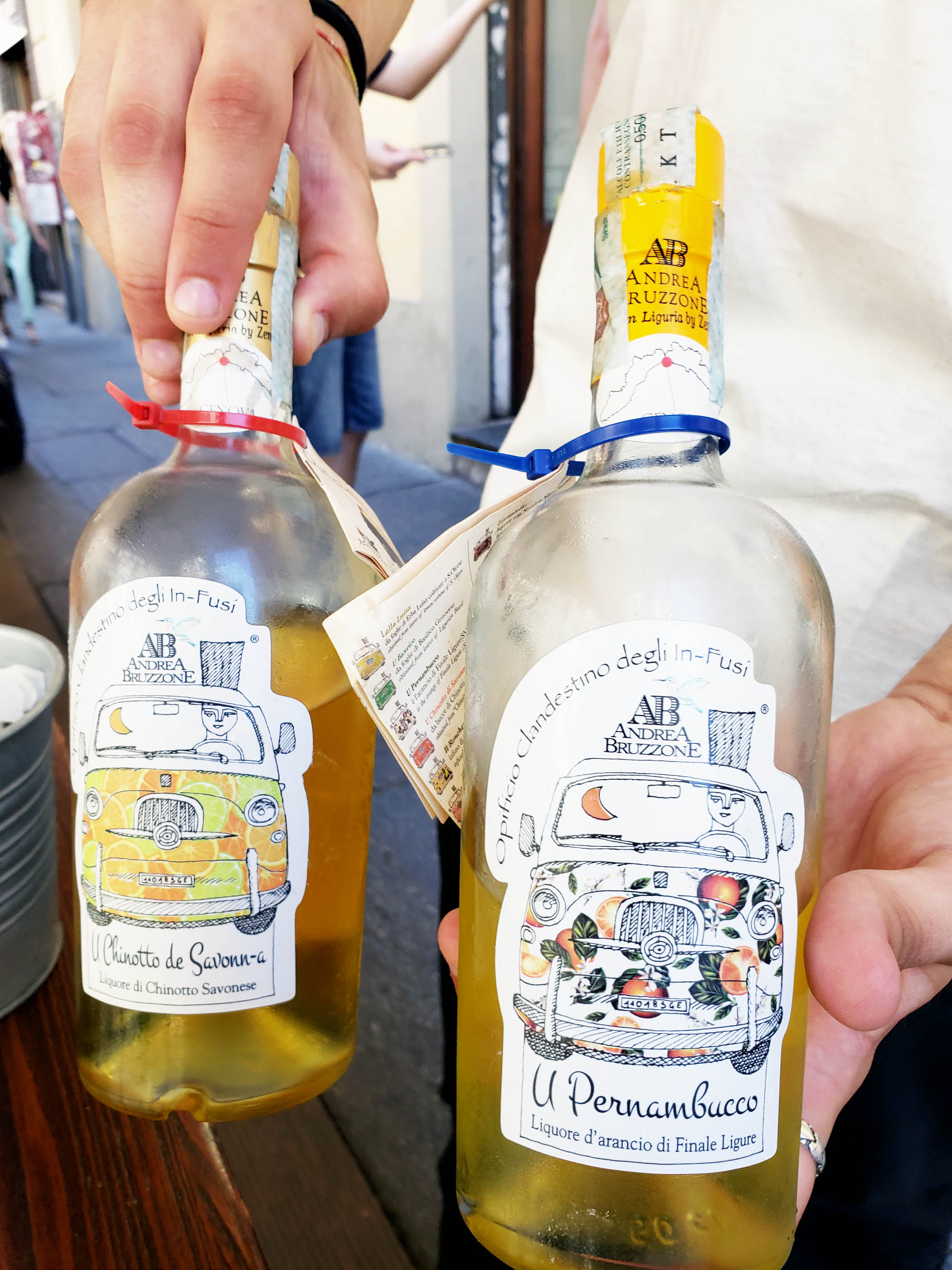
This restaurant specializes in typical Ligurian Seafood fare and at very reasonable prices.  They have a good wine list and sell wines by the glass or bottle that will match nicely with anything you pick from the menu.  Appertifs are something different though.  If you ask for a Sambuca, you will most likely be politely rebuffed and suggested to try one of the Ligurian Appertifs.  I chose the Pernambucco which was chilled and very refreshing.  Infused, I can only say that it tastes like a mixture of oranges and lemons and is quite refreshing.  So do not be dismayed, though I would not put it in my caffé!

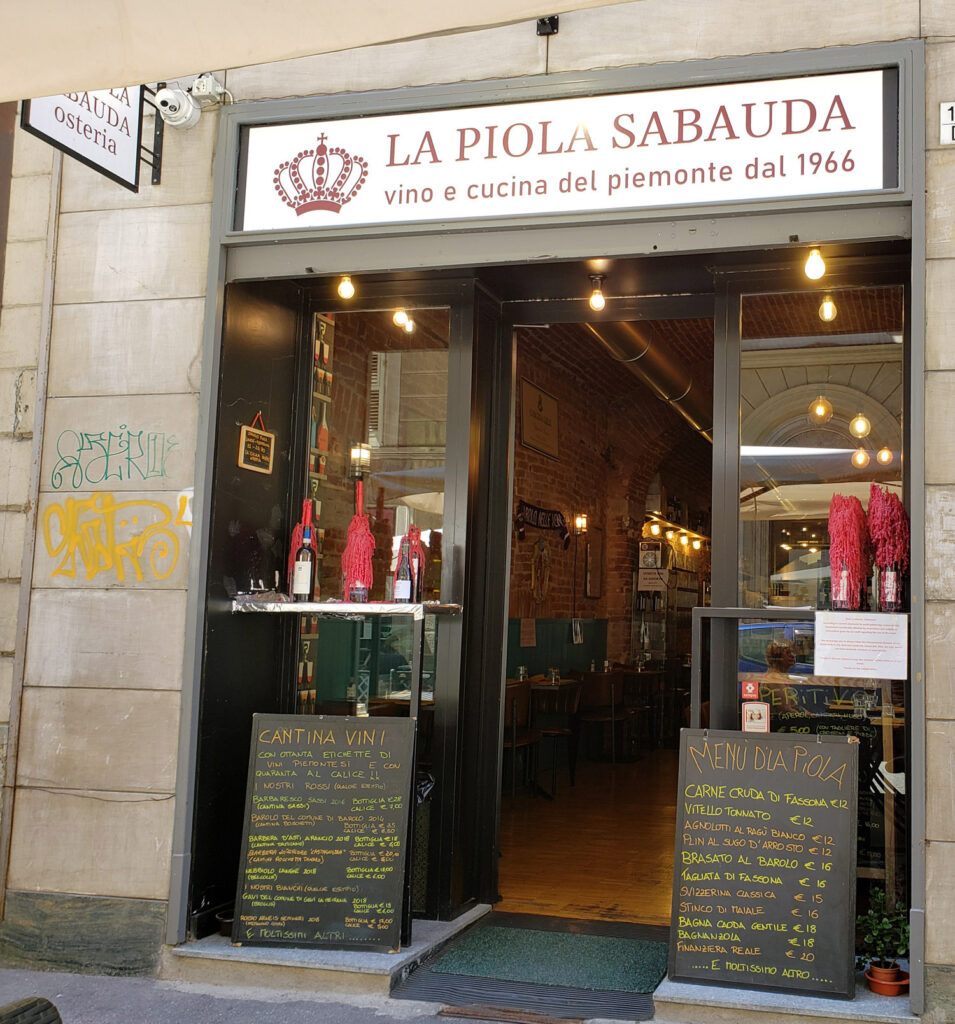
Piola Sabauda Osteria

Kind of a play on words, since Osteria and Piola actually mean the same thing.  Piola derived from the local Piedmonte dialect and Osteria a general term used in Italy to define an establishment that has homestyle cooking.  This term apparently tacked onto the end of some restaurants to attract non-native Italians and tourists familiar with that term only.

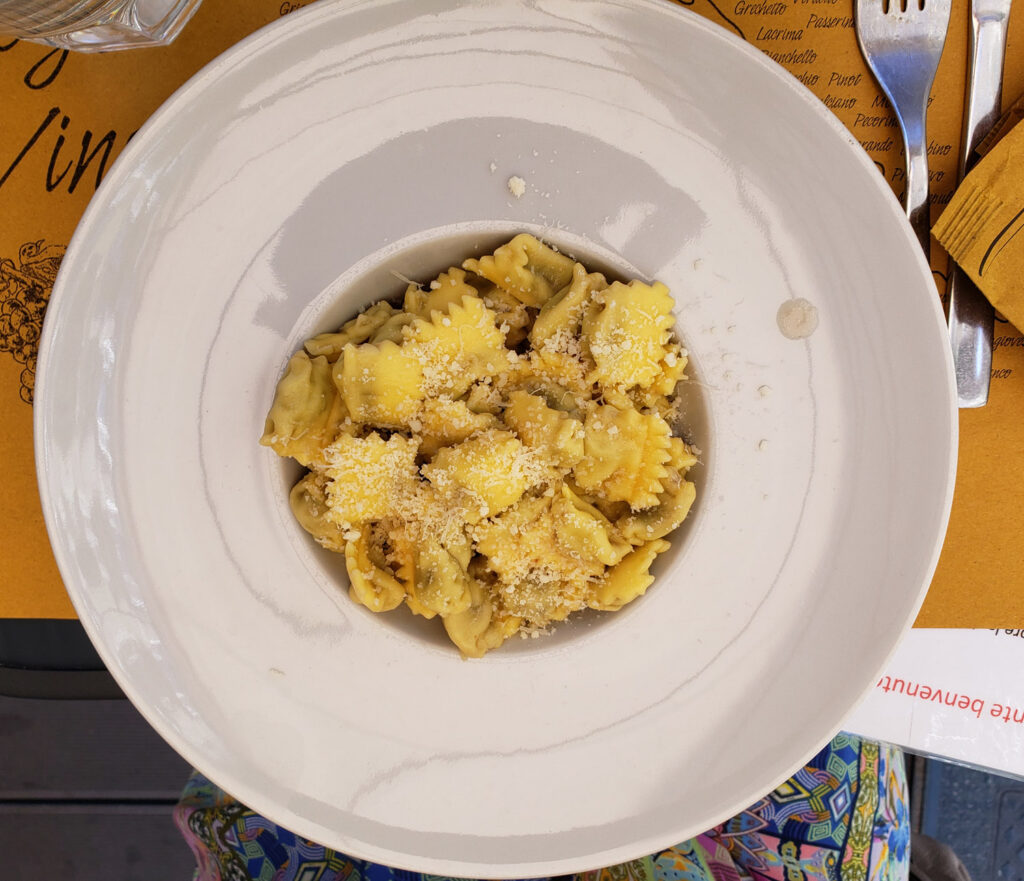
Agnolotti Al Ragu Bianco with Parmesan Cheese
Plin al Sugo D’Arrosto – Another Agnolotti
Piola Sabauda

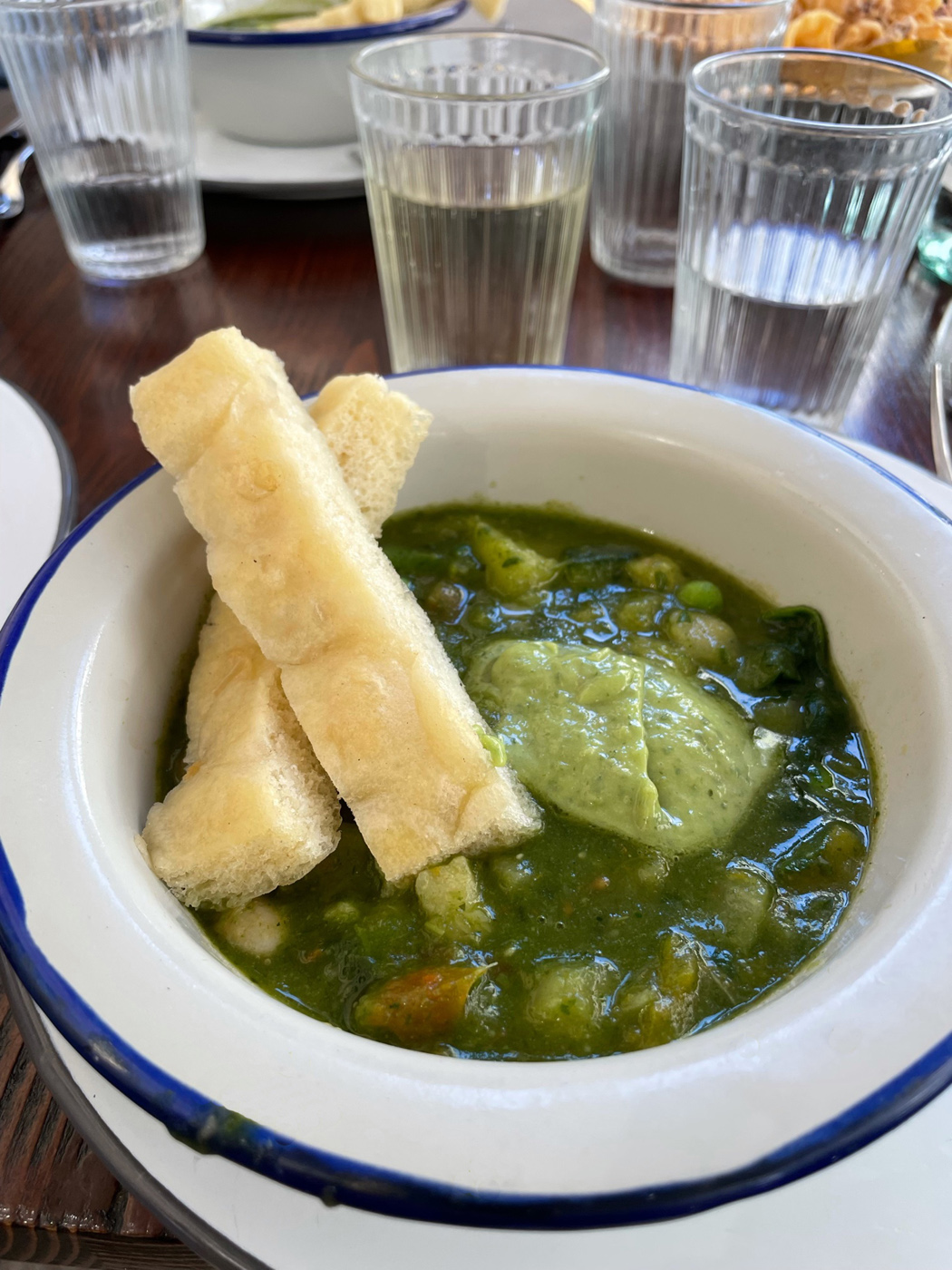
For lunch, Patti had the Plin al Sugo D’Arosto and I had the Agnolotti al Ragu Bianco.  Both were very good, well seasoned and served with a mixed salad provide a sufficient lunch for anyone.  We are going to have to stop this, or we are going to put on too much weight..!

Obertraun, Sankt Gilgen – The Better Alternatives

Having stayed in Salzburg for about three days, we were eager to explore other areas within the beautiful Austrian countryside. After discussing our options with our daughter Ericka and her boyfriend Gabi, and having heard so much about the little town of Hallstatt, we decided it might be a good idea to try and pay it a visit.

StGilgen_2
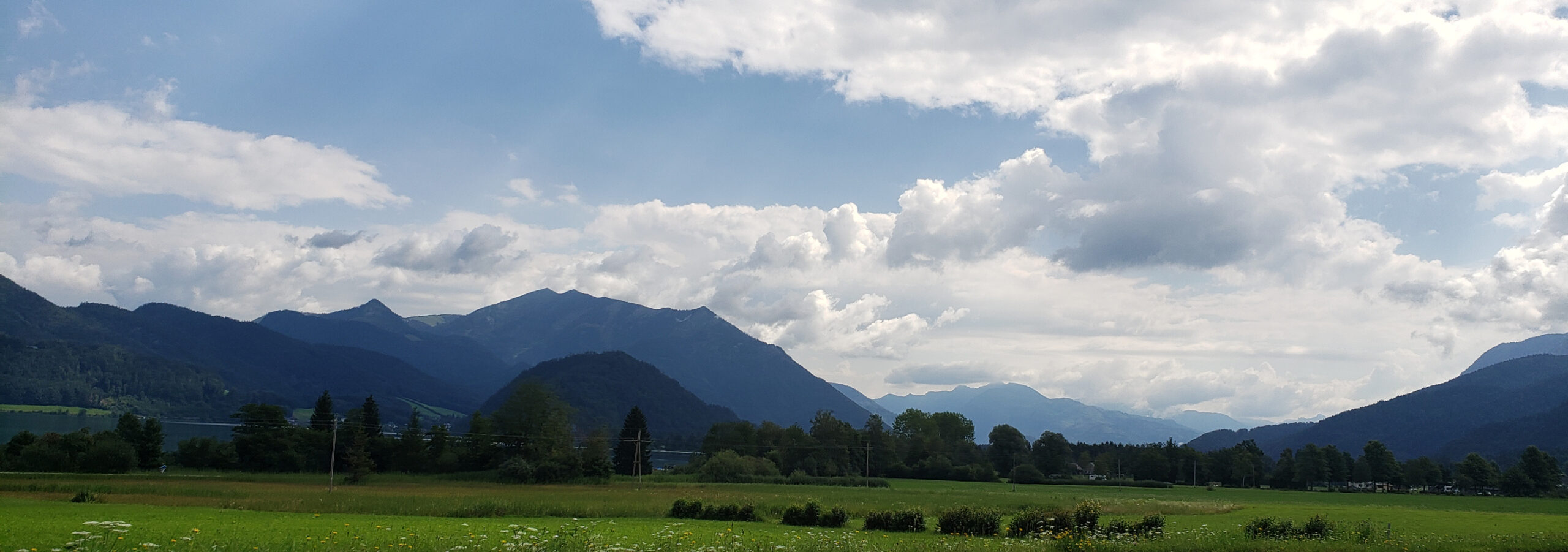
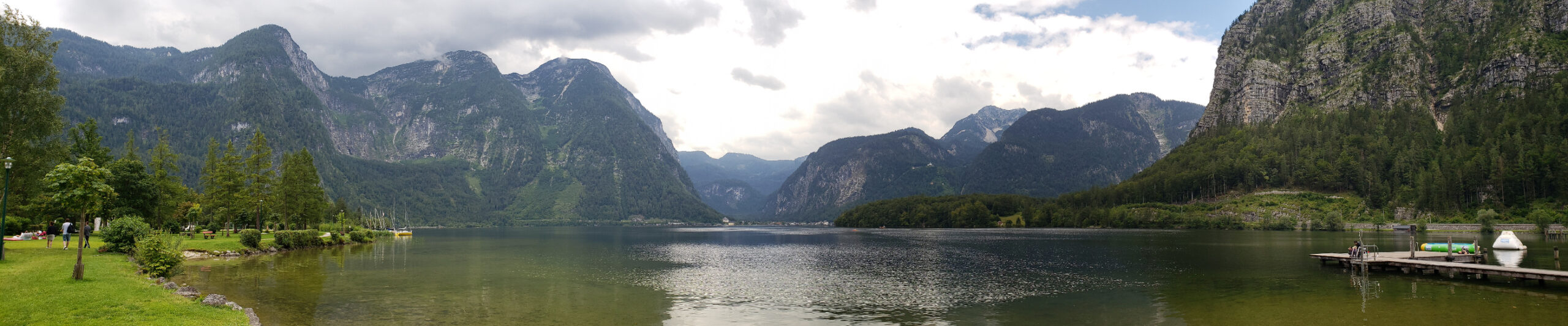
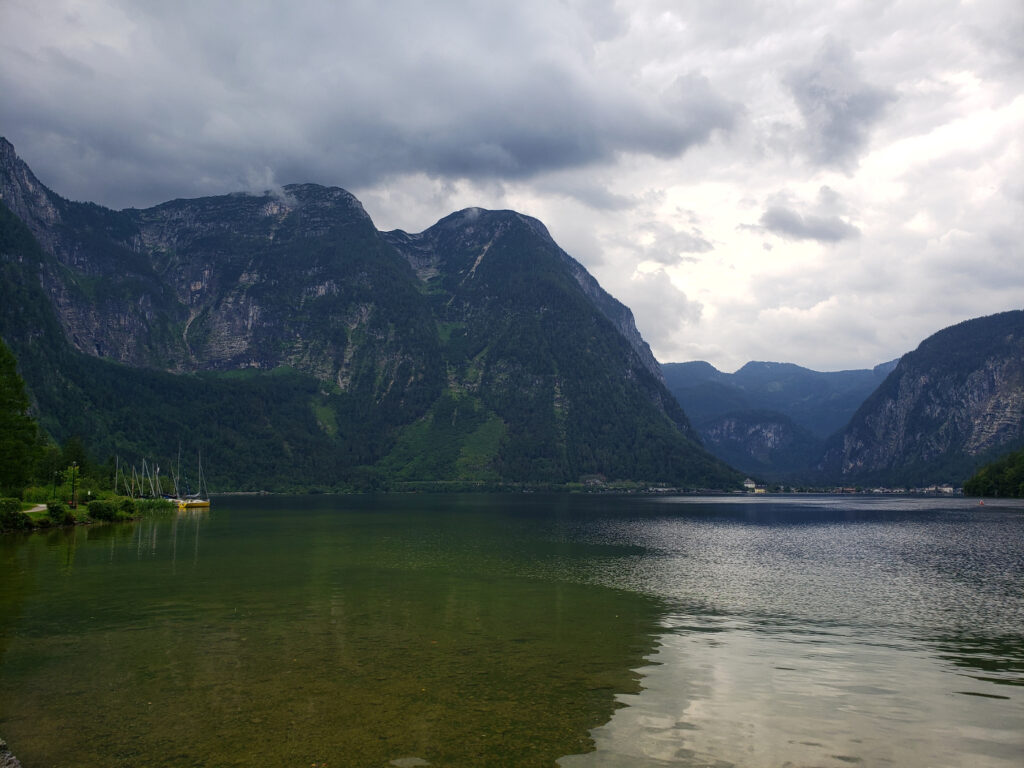
The beautiful Austrian Countryside between Wolfgangsee and Hallstattersee

Hallstatt

From Salzburg, about a hour’s drive away or so, is the tiny town of Hallstatt. Billed by Rick Steves, and many others, as the place to see in Austria, the so called quintessential Austrian town –  hemmed in by mountains on one side, the Hallstattersee on the other and a stream dividing it – it must have been, back in the day. I stress, must have been, because it is no longer, thanks to over-tourism.

Obertraun_3
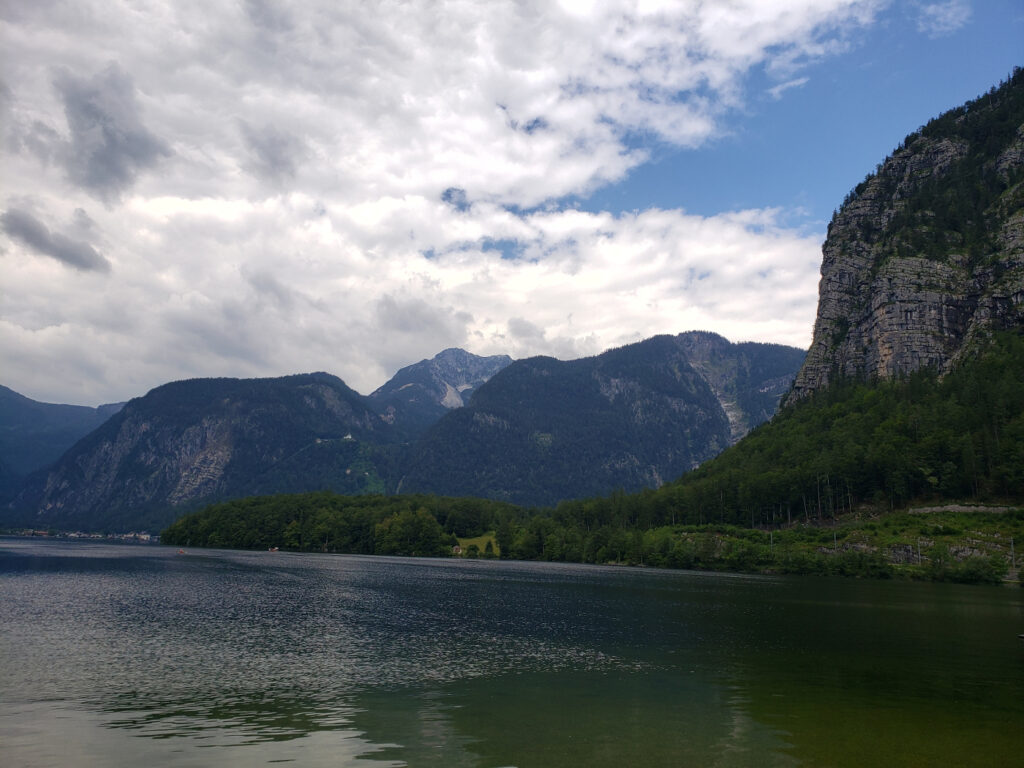
Hallstattersee and Hallstatt from Afar

It is much like Venice now, spoiled by the hords of people that descend upon it daily and ruin its quaint charm, it is nothing but a hollowed-out tourist trap. Do not bother going, unless of course you are willing to do the Covid-elbow-rub with thousands of others. It is so overrun, even in times like these, that they have parking attendants, much like they have in the US at a state fair! It is so bad, people park along the sides of the roads for kilometers and walk in, perhaps for up to an hour. Therefore, after several U-turns and mulling it over for ten minutes or so, we didn’t think it worth the risk, nor the increased burden on the town. We gladly passed it by…

Suggestion: With the exception of major cities, here is something you may want to try. If you have paid for a travel book, circle everything in it on a map, and just don’t go there. Part of traveling should be discovery, not necessarily traveling on someone else’s footsteps. Unless it’s large city, like Rome or Paris, I am sure the people in these tiny little towns – who have been targeted by the tourism industry – will thank you, if anyone still lives there.

In our travels, we have been in some seriously one horse towns, and though some may be considered down right boring, we have never regretted visiting any of them.

Obertraun

This tiny little place is not in anyone’s book and consequently, is nothing to look at, but it has fantastic views. It has a beautiful park where you can walk and enjoy the day, you can even make arrangements to go swimming, boating or paddle-boarding.

Additionally, there are ferry rides that can take you to other places along the lake. At the time we were here, they were running a reduced scheduled, so you may want to have alternate plans, if planning a visit soon.

Sankt Gilgen

Another quiet little gem is the small town of St. Gilgen, or Sankt Gilgen. It is on the road to Salzburg along the Wolfgangsee. We spent a quiet afternoon here, eating lunch, walking and talking and enjoying the town, almost tourist-free.

This little town seems to enjoy mostly local tourists, probably from the surrounding countryside, eager to get out and relax in the beautiful waters of the Wolfgangsee. There appears to be a host of things you can do on the water, as well as cycling, camping and just sunbathing.

After our initial disappointment with Hallstatt, we were glad we made the day-trip to see these two unexpected surprises in the Austrian countryside.

La Spezia – Harbors No Secrets

LaSpezia_22
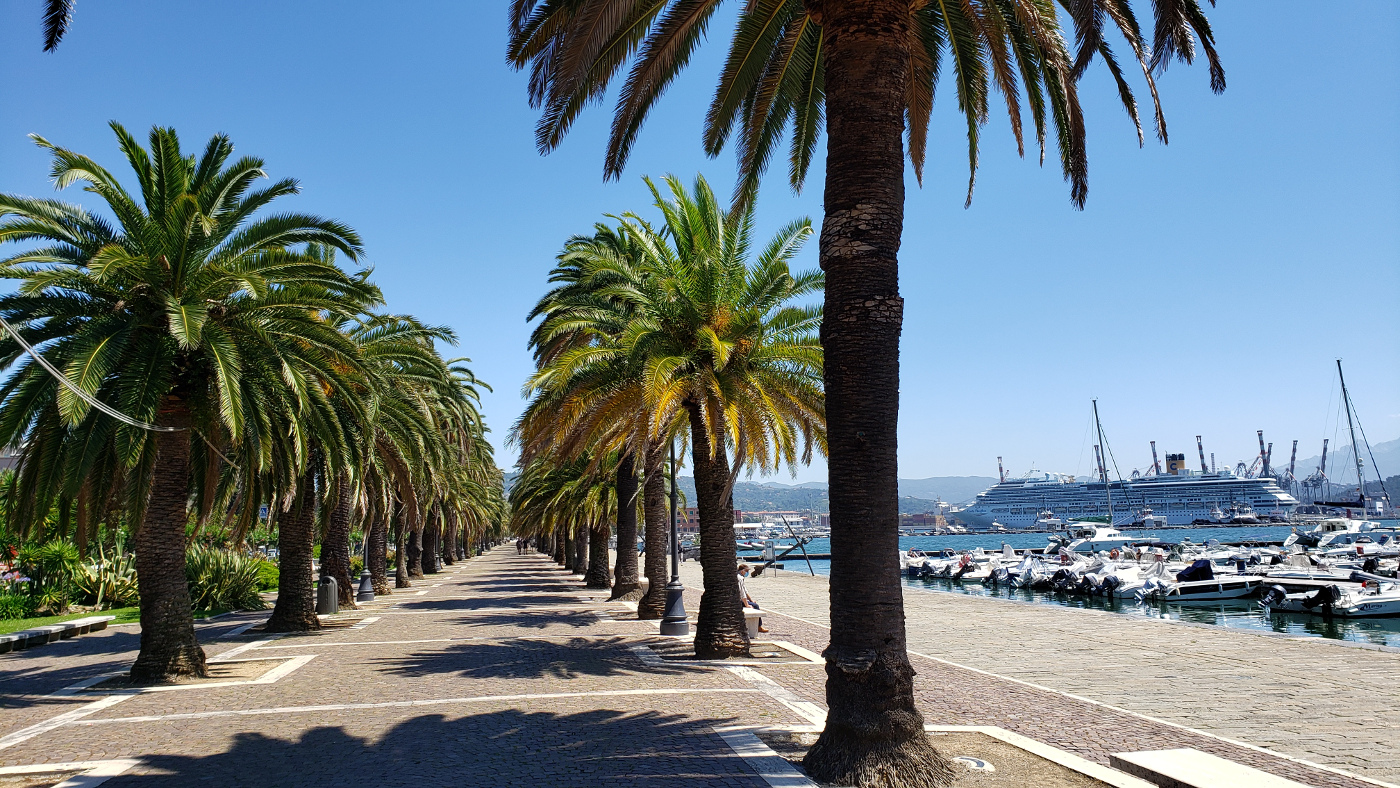
Lungomare

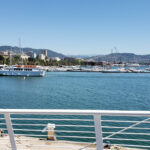
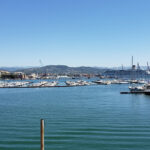
A rather active port on the Ligurian Coast is the port of La Spezia. Not typically known as a tourist hot-spot, it is noted for several museums, churches and other sites worth seeing, if you visit. With one day in our itinerary to investigate, I came away with the opinion that if you have other things in your own itinerary to see, then it’s probably not worth a stop. There are plenty of old city centers around and this one was rather unremarkable.

As can be noted by some of the photographs above, this port is heavily used by the Italian Cruise Lines and Navy. While here, we noticed several cruise ships moored, since their use is restricted during the virus outbreak. The port is also heavily used by commercial fisherman, as well as leisure craft. The city is very walkable, especially down by the water where they have a very excellent Lungomare.

That is all for La Spezia, our next stop is Rapallo, about thirty minutes North of Moneglia, via Sestri Levante. Another port town, but more for leisure craft and very close to Santa Margherita. Our Ligurian journey continues…

Pranzo Italian Style

In Italian the word for lunch is pranzo, and with no surprise, it has its etymological roots in Latin. If you walk the streets of many small towns and cities in Italy around noontime, most restaurants will have a Pranzo Menu, outlining their lunch deal for the day. It appears customary that most Italians take lunch out, giving them yet another reason to socialize and catch up on the news and opinions of the day. It is considered to be the most important meal of the day. So, on any given day most restaurants here will be a-buzz with eating and talk, as the local population descend to get their midday meal and earful.

SanCarlo_Turin_1_Mai2020
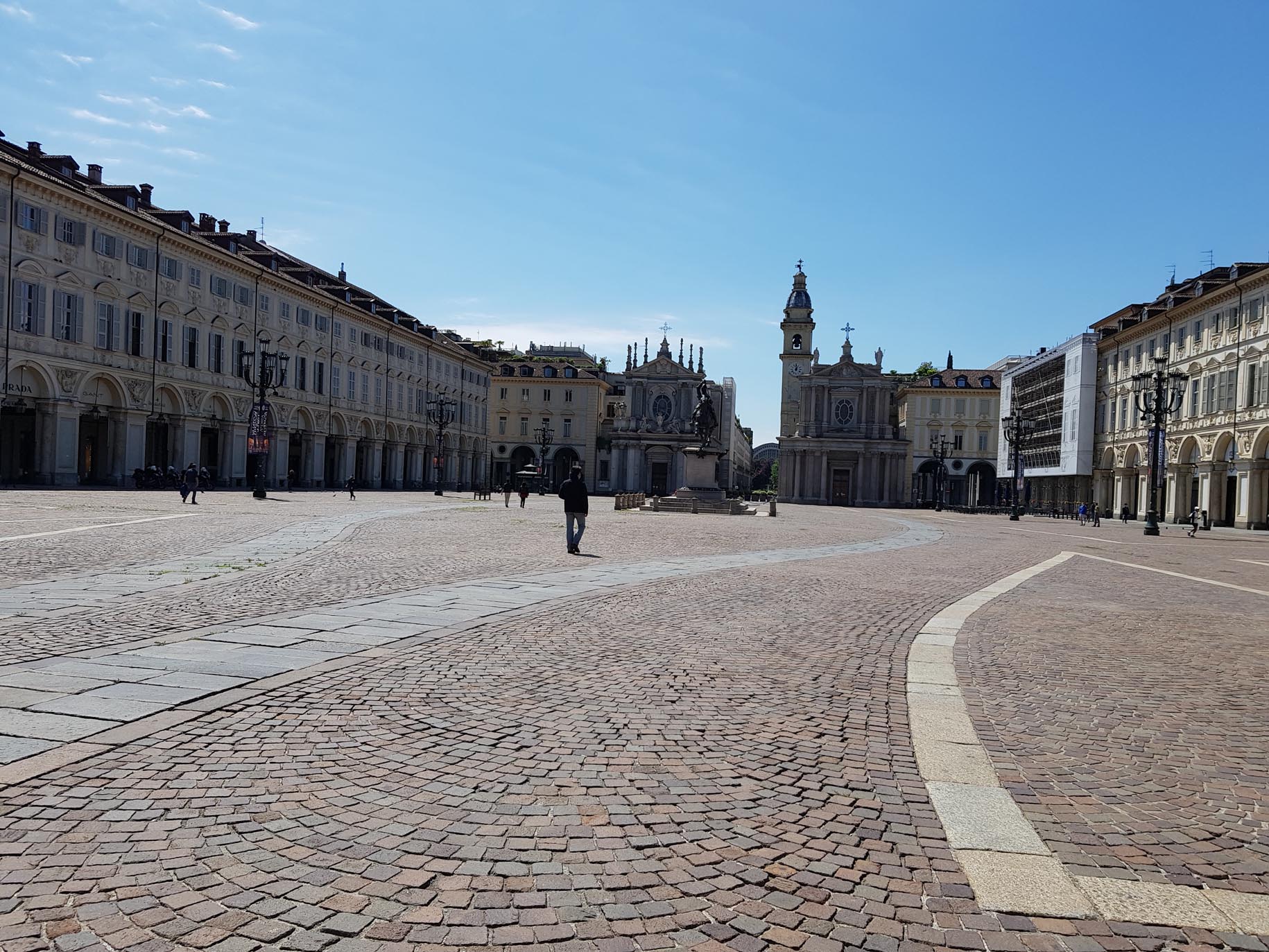
A Beautiful Spring Day In Piazza San Carlo – Torino – Virally Quiet Day

Pranzo a Torino

Since things have started to open up again, we thought a short blog on some of the restaurants we have visited, just walking the streets of Turin, was in order. They are arranged in order of price, service and quality of food, from best to better.

Ristoranti

Gastronomia Ferrero

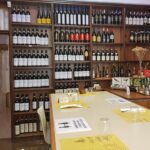
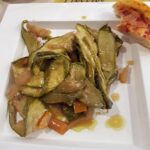
This is actually a Ristogastronomia, or what we would call a Deli-Eatery. It is a  fusion of a Delicatessen and restaurant, which also serves food for take out. Gastronomia Ferrero is located on Via Antonio Bertola, Turin and is an easy walk from the city center. To eat in, you just choose from the many fine things they have on display for a hot meal, or choose something from the deli if you are looking for something like a sandwich or panini. They have many pre-cooked foods to choose and the menu appears to change often, so going back does not necessarily mean you will get bored with the same old selection.

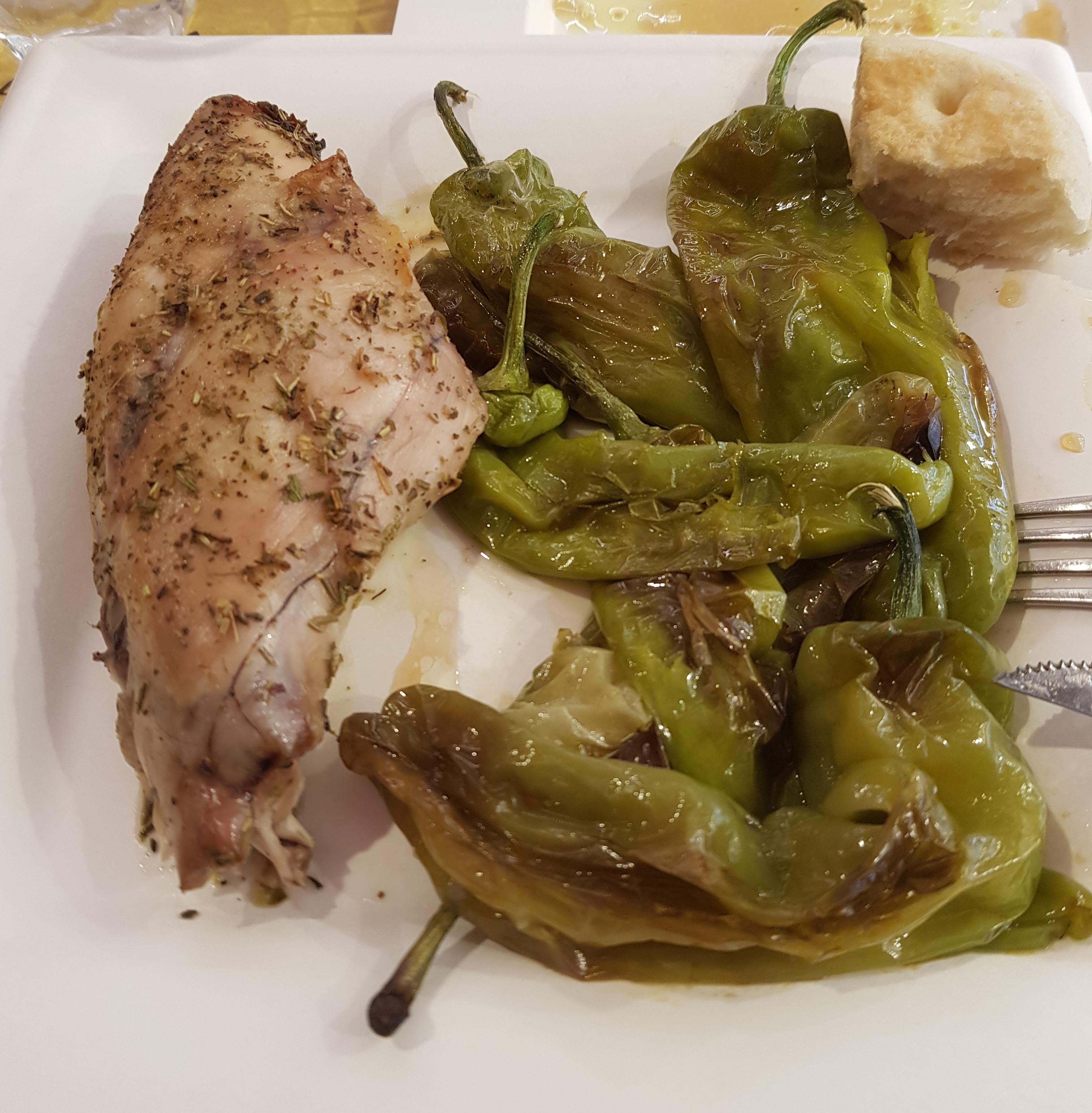
All plates are made of paper and totally recyclable. Though, if you order something more demanding like we did, they will bring out silverware so you can manage meat or other entries that stronger tools. The food is very good and the pricing a bit more on the moderate side, but well worth the visit. And yes, if you eat in, you select your food and they serve you, along with what ever beverage you had in mind.

Our meal of rabbit and a side with wine, water, coffee and an apértif, ran a bit on the high side and came to 42€. Highly recommended nonetheless.

Pizzeria La Fila

La Fila pizzeria is located just down the road from the previous restaurant at Via Principe Amedeo, 3/A, Turin; and yes, make no mistake, it is the same street. Like some southern states in the US, streets often change their names across intersections, so the traveler should be aware!

LaFila
La Fila Ristorante

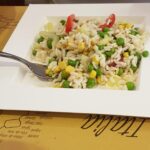
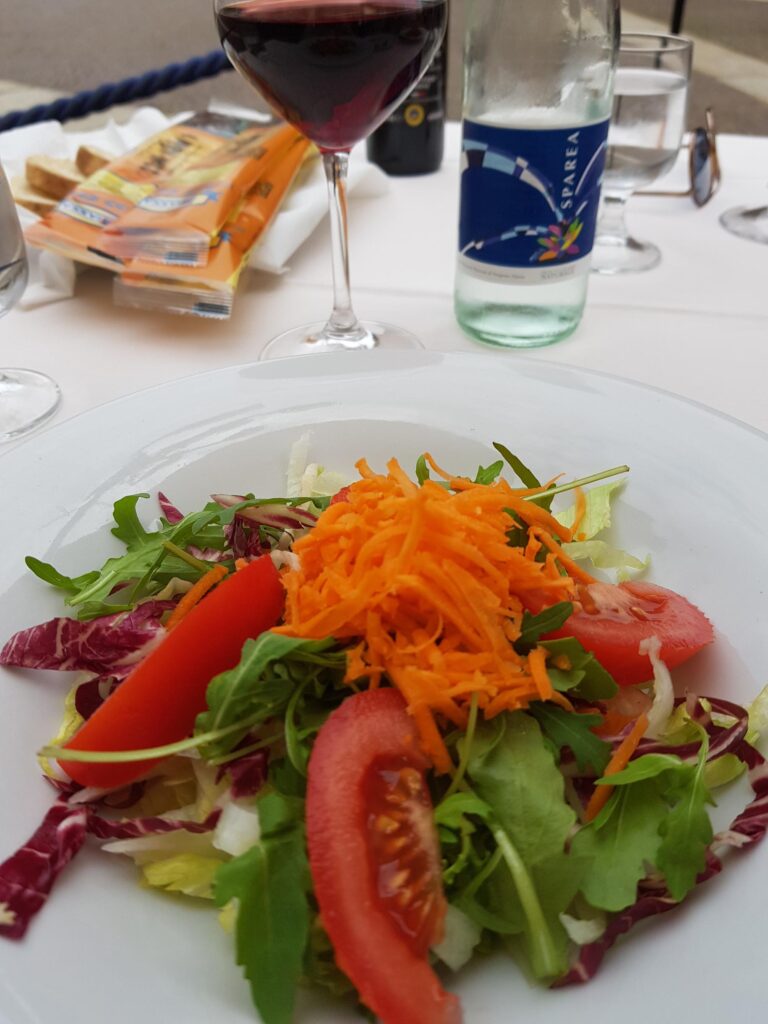
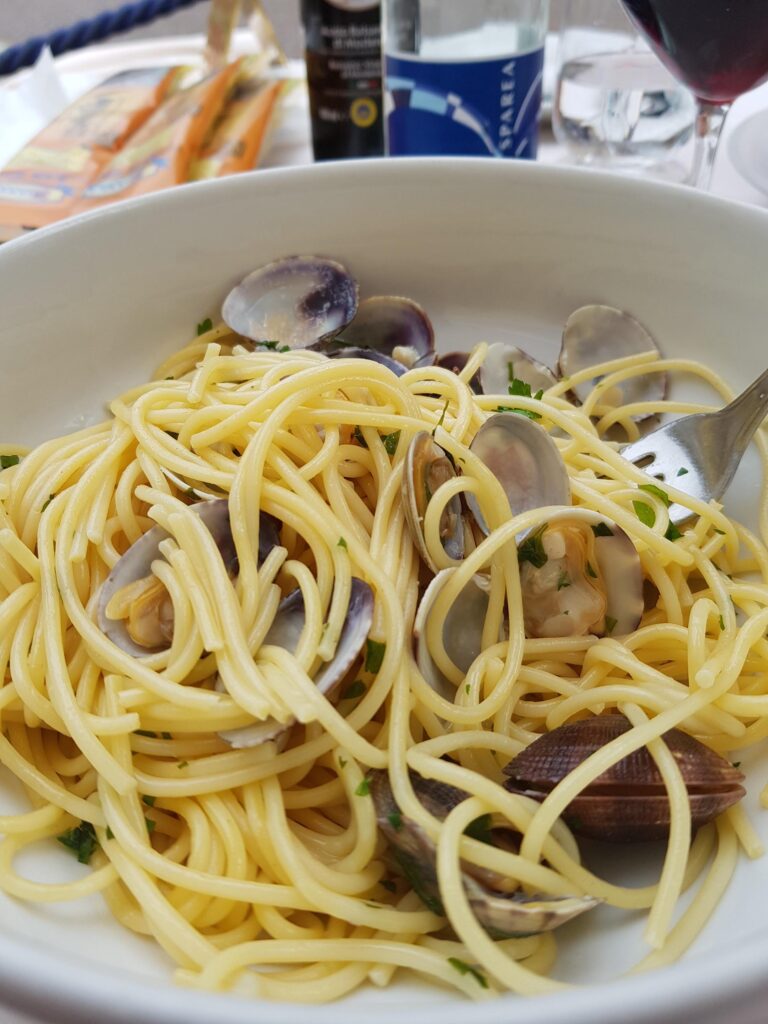
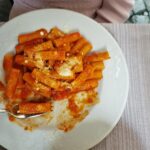
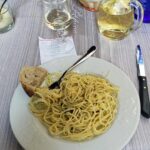
This restaurant serves traditional pizzeria fare, including pizza and other hot pasta and spaghetti dishes. It has a good wine list and there are salads and desserts one can choose to round out your meal. Though I didn’t feel like taking a photograph of my Lasagna, since I was starving, so I only took one of my salad and my wife’s Spaghetti alla Vongole.

Our meals of salad and pasta with wine, water, coffee and an apértif, was more moderatly priced and came to about 31€ and change. Very good food and service at a good price; a recommended stop if looking for open air, piazza eating.

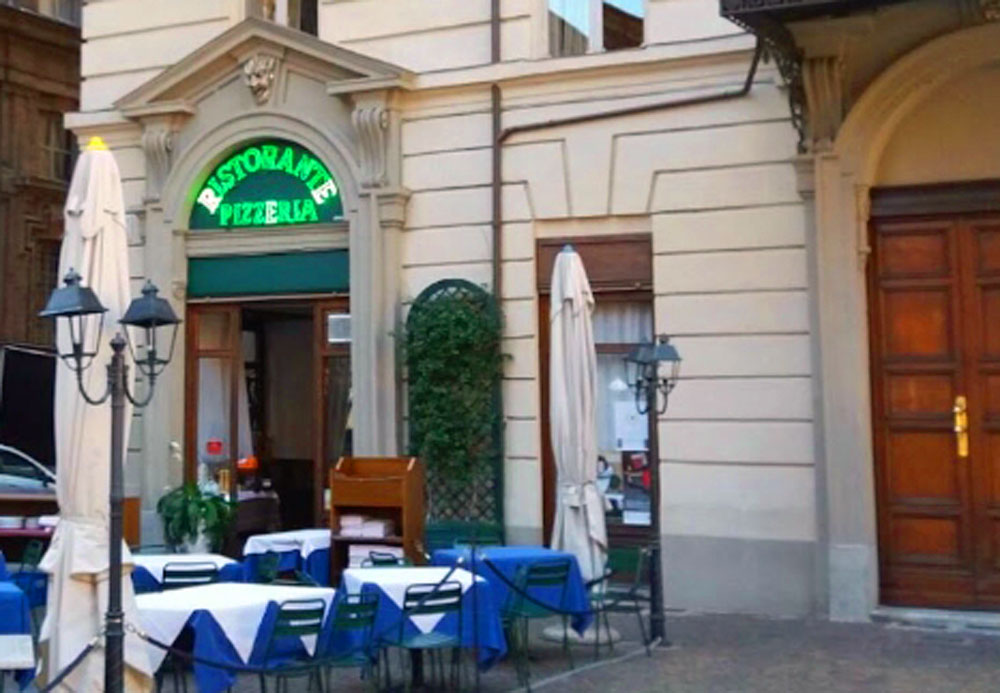
Da Peppino

This restaurant is right on the border of the old historic district and offers a fixed price lunch at very reasonable prices. So, if you are working on a very fixed budget, this could be one of your stops, while out shopping or traveling the city center or historic district. As you will see, we ate a lot of food, along with wine upgrade (a glass is included in the lunch menu), dessert, coffee and an apértif, and it all came to just 24€! Two can eat here easily for less than 20€.

Ristorante_DaPeppino_Turin_Juni2020_1_skaliert_abgeschnitten

Da Peppino is located on Via dei Mercanti 7, Turin and does not appear to have an issue attracting people to lunch, so you may want to be prompt. If you are more of the planning type, they do accept reservations.

We really enjoyed this restaurant, though the pigeons at times were a bit annoying. The service was very good and the food was simple, but very tasty. And one cannot complain about the price, enjoy!

Autumn in Turin

As an adjunct to writing about places we have visited, I thought it a good time to provide some quick thoughts on my daily experiences living here. Just random thoughts that come to mind wandering around or just opening the window in the morning. A minor part of anyone’s stay, and often overlooked, are especially the smells that one encounters, both good and bad.

Chocolate Festival

Yesterday we visited Turin’s Yearly Autumn Chocolate Festival. This event takes up an entire piazza and a fair length of via Roma. There is not only chocolate here, but other edible treats from all over Italy and nearby European Countries (e.g. Austria). Though the sites are amazing, the myriad stacks of chocolate bars, bark and balls, the smells are to die for.

From white, dark and milk chocolate, to marzipan and other delicacies; one quickly starts running short of change and hands to carry all of the boxes and bags. After someone experiences this, and then throws in the smells of cooked chestnuts and coffee on the street, a strong association is built between these, the beautiful Autumn weather, and Turin.

The Po River

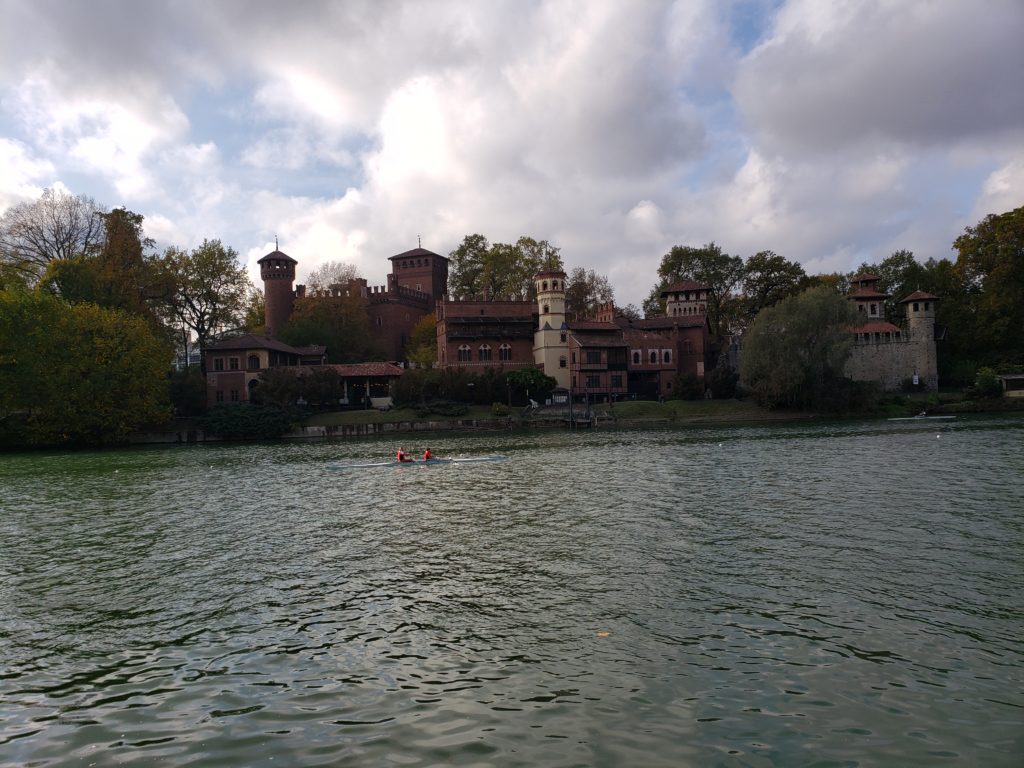
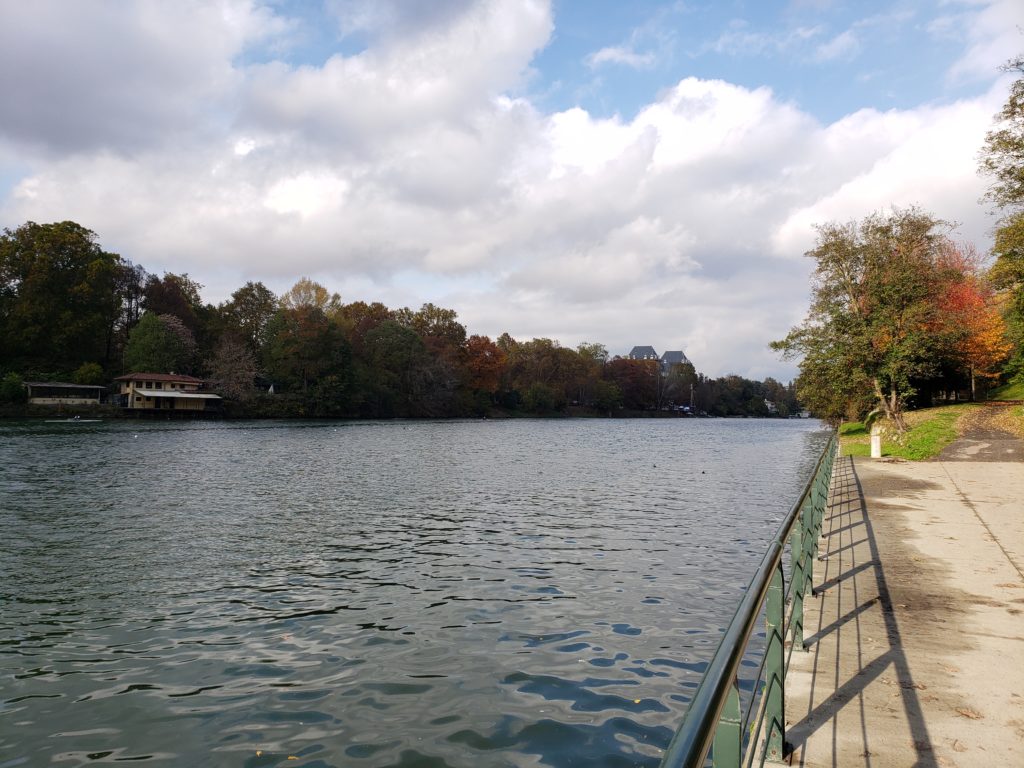
This Autumn the Po river is still swollen from a lot a rain the surrounding area received during October. This is a good thing too since this week the city was also hosting the Silver Skiff Regatta, or boat race. There are several boating clubs along the Po and you can often see the clubs practicing and exercising during the week.

The river itself is very nice and has parks lining it on both of Turin’s southern banks, so you can take a nice long walk in the leaves while hardly noticing any buildings at all. Here you get that leafy smell that everyone associates with Autumn.

20191108_140250
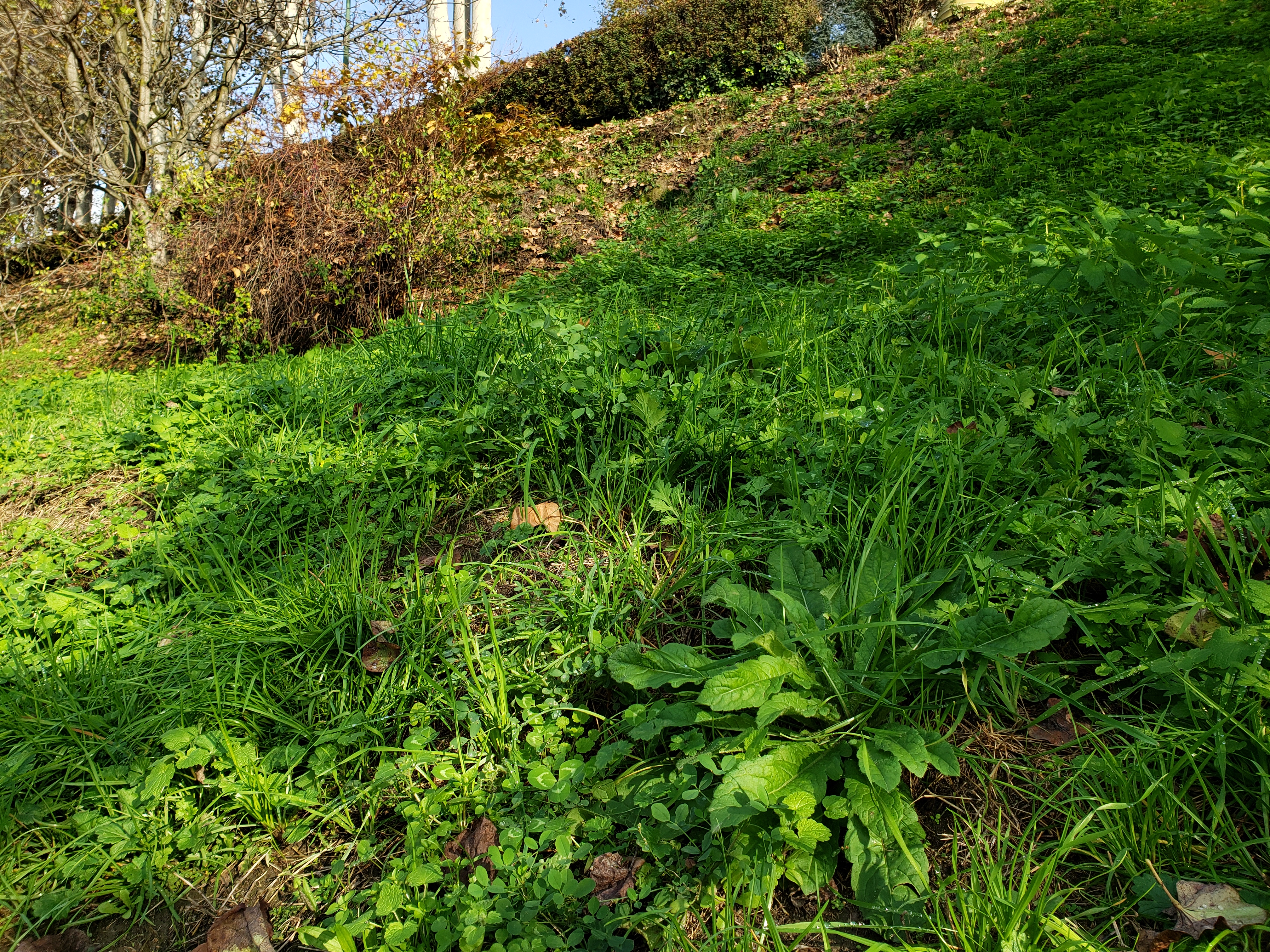
An abundance of weeds

The other thing one notices in Turin, and for the most part Italy as a whole, they do NOT use herbicides on vegetation. In some cases vegetation is actually left to grow unimpeded, leading to the thought, where did the U.S. go wrong? Why do we poison everything? What is so bad about weeds or bugs for that matter? In the photograph above an American would think, “Get out the RoundUp”, an Italian, “What can I eat?”

From An Apartment Window

From our apartment you can gauge the pulse of the city just by smelling the air. As for any typical city the quality of the air is dominated by the lack or abundance of traffic. But there are also other factors as well.

In the early morning, prior to rush hour, the clean mountain air has rushed down during the night and early morning hours to provide a respite of fresh air. If you open your shutters and windows early enough, you get to experience this pleasure. Otherwise, you are met in the morning with the pungent, often times, noxious smell of diesel and the morning rush hour. The street our windows open to, is an active bypass for those trying to hop through the piazza to the North and avoid the ZTL (zone of limited traffic), a short stretch of street that is directly in the front of our building. This last for a few hours and then one gets a treat for what ever lingers in this corridor of buildings.

Later, after the evening rush hour, you are witness to one of the few puzzling things about Turin, the smell of burning wood. As though hundreds or fireplaces have been lit at once, it wafts in around six or seven o’clock. This is not specifically for heat, but rather for the hundreds of brick ovens that have to be fired up burning oak and other woods, to cook evening pizza and focaccia. It is one of the oddities living here and one of my true favorites. Having been brought up with a fireplace my whole life, it is a booster shot for my soul.
Such are the remarkable things that anyone can enjoy when living or even visiting here, the information and experiences are out there, you just have to let them in.

Scotland – Glasgow

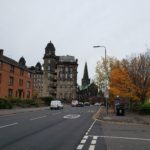
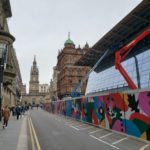
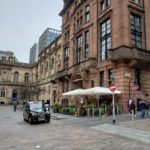
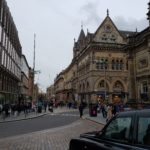
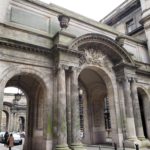
Glasgow seems a nice enough city, but it appears to have a jumble of architectural styles, like the city planners are convinced the city belongs to the future and not the past. This is evident in many structures and facilities, including the universities that exist within the city, they are very modern in appearance. However, this causes a clash with any older, existing structures that are clearly from the eighteenth and nineteeth centuries.

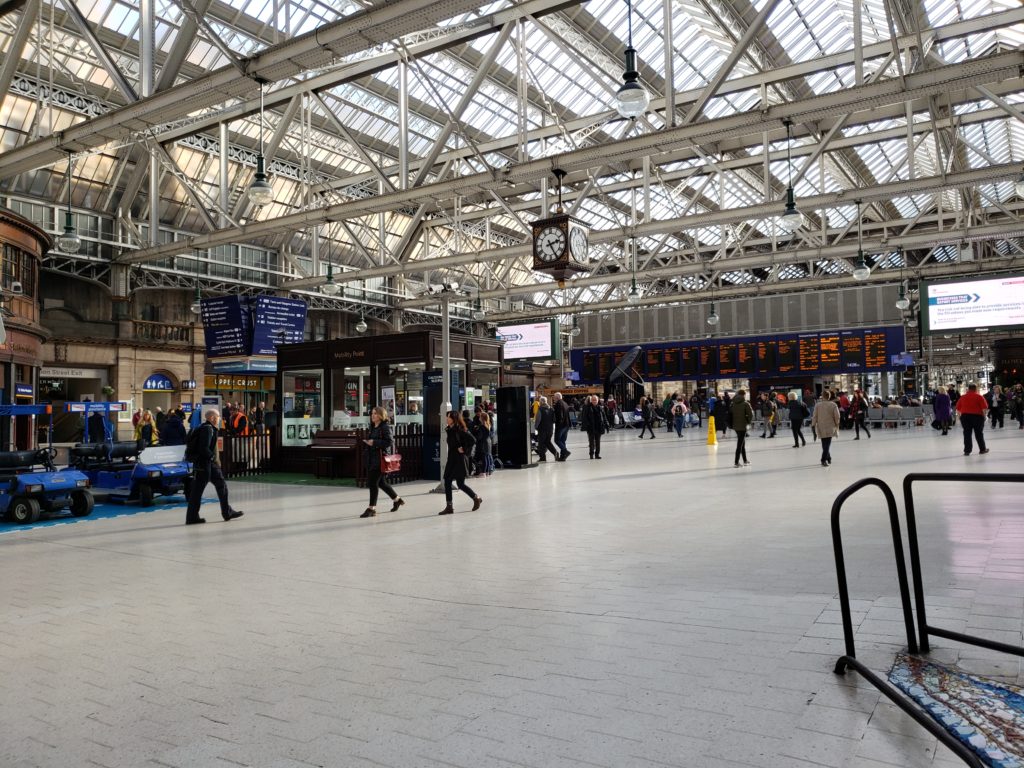
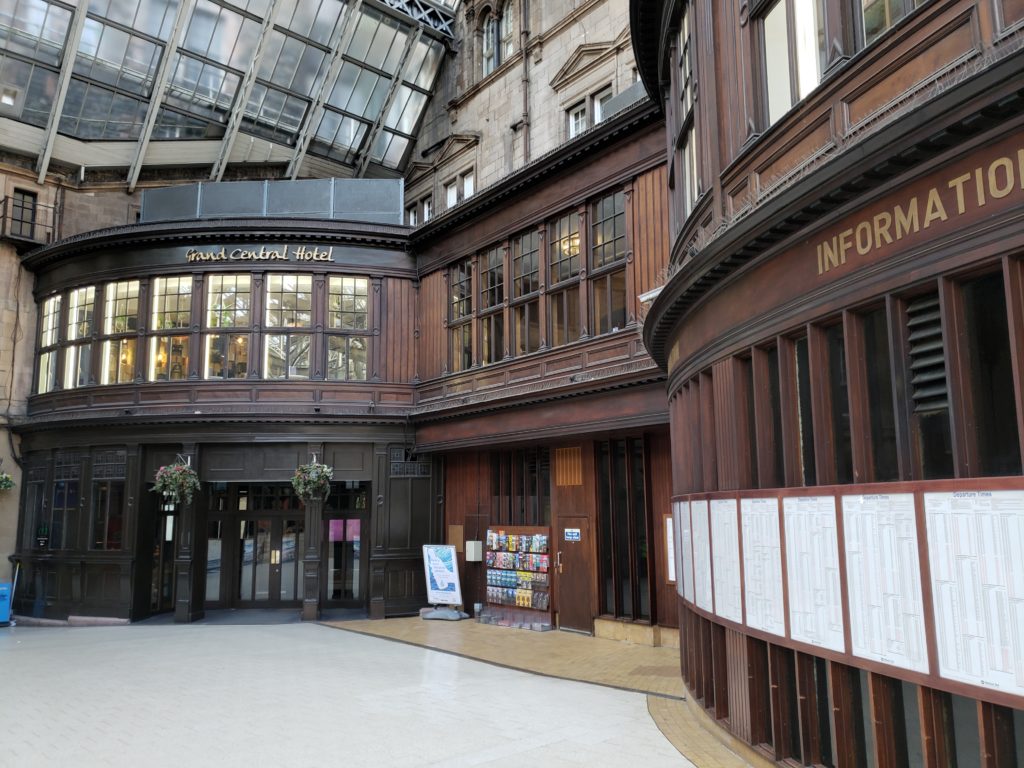
The Glasgow Central Train Station however has, in my opinion, been successful in melding the old with the new.

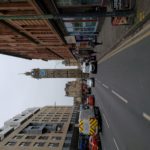
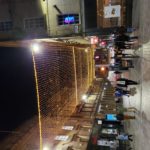
Otherwise, Glasgow is like many other European cities, with a central pedestrian street for shopping, surrounded by other ancillary avenues and alleys for other mom and pop shops to sell their wares.

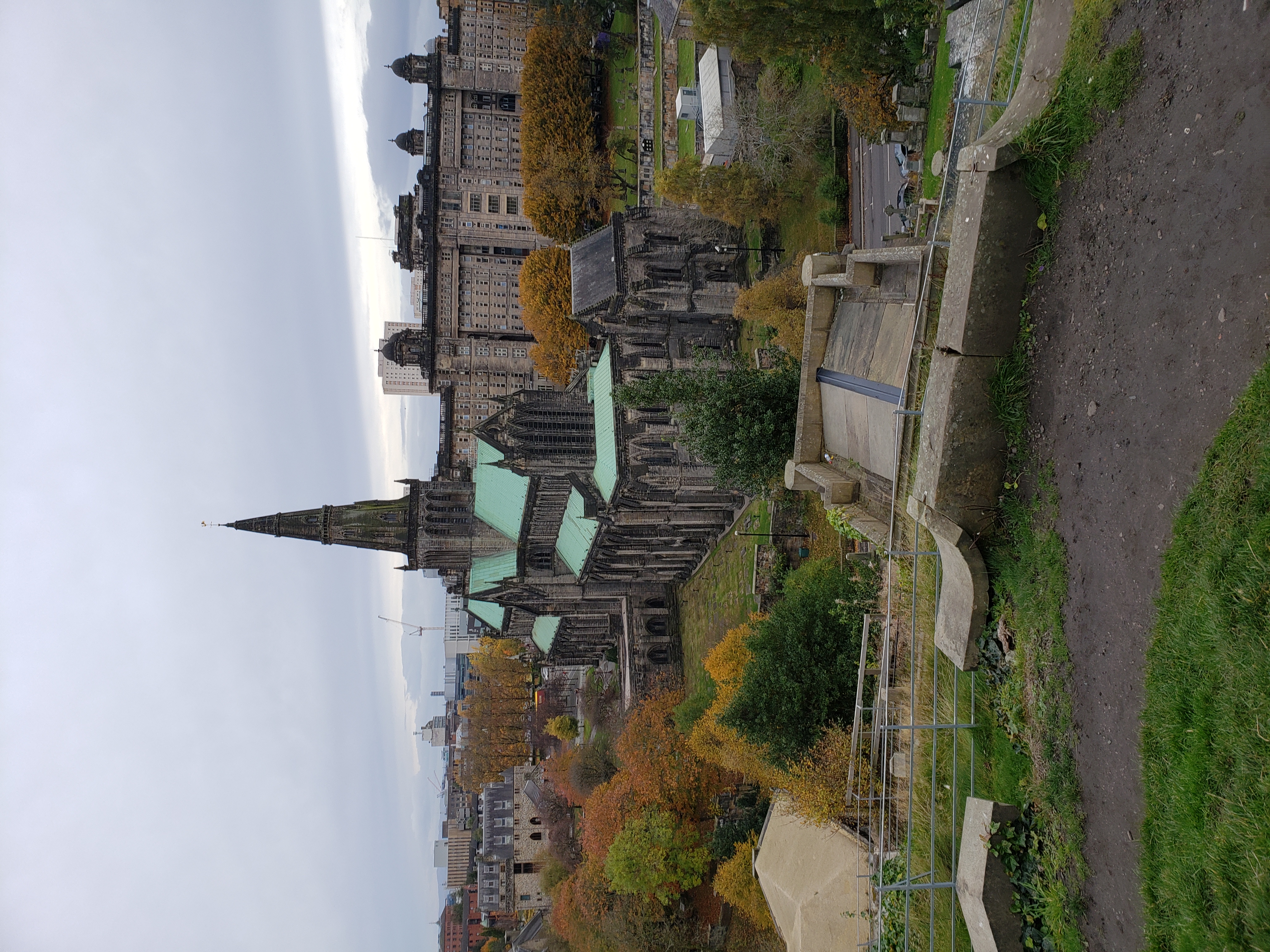
The Glasgow Cathedral

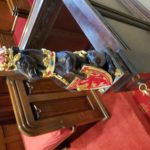
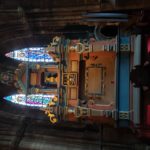
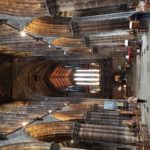
The cathedral is amazing, it is very long inside, in two sections, one with pews the other without, and free to the public.

20191025_114941
The Glasgow Cathedral

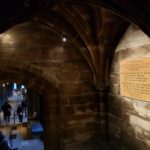
Oddly enough,  for no admission is actually has quite a lot to see. There is another section behind what we normally be the choir screen that contains additional relics and pieces that have been collection from former churchs on this site, some due to earlier renovations.

The Glasgow Necropolis

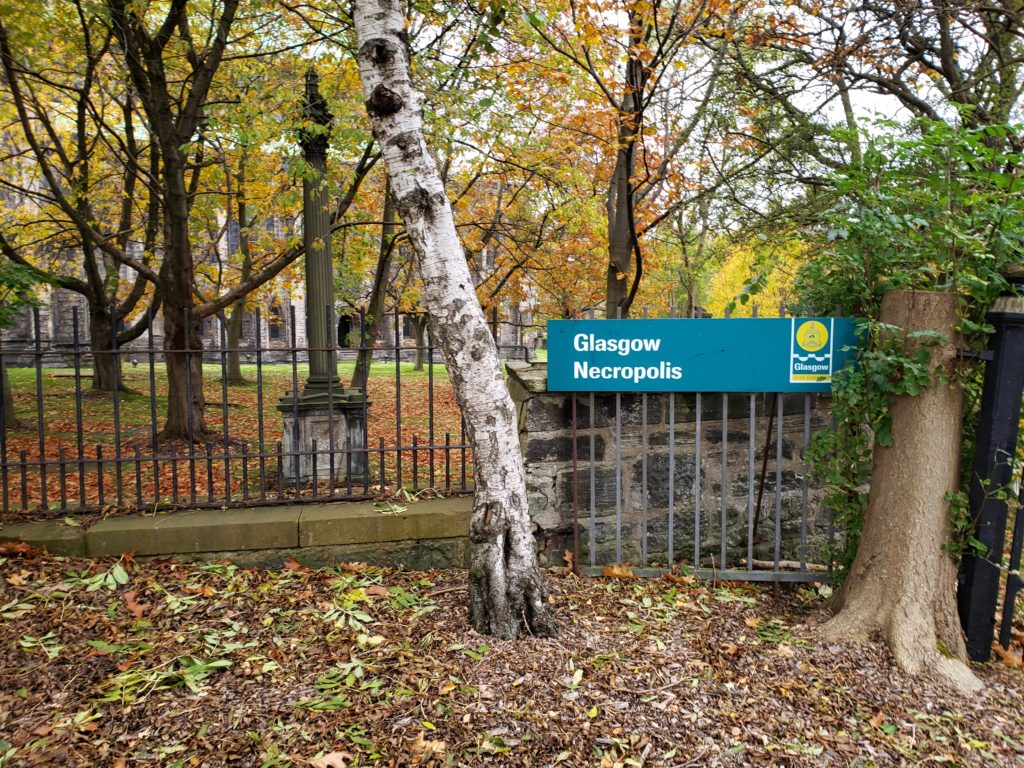
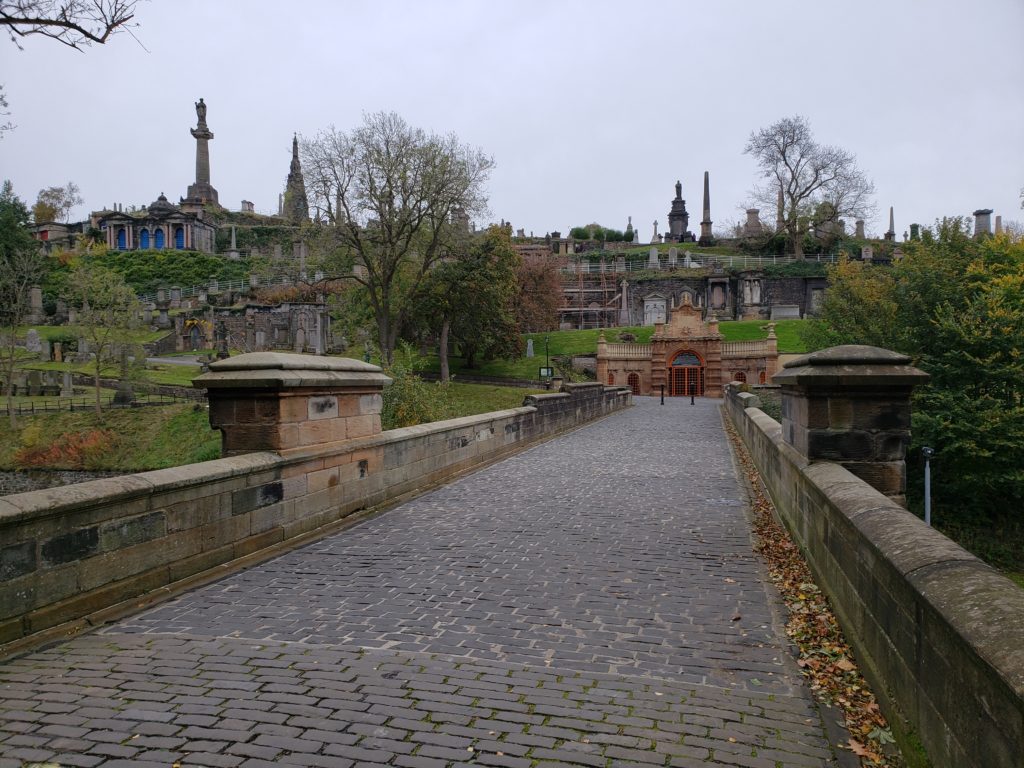
As its name would imply, there is a very large cemetery behind the cathedral, sitting atop a hill overlooking Glasgow.

Though not much to see, unless of course you majored in history, specifically Glasgow history, it is a nice place to enjoy a quiet walk on an autumn day.

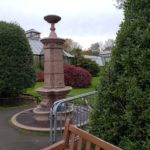
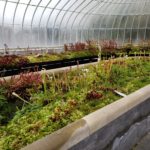
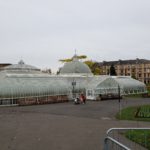
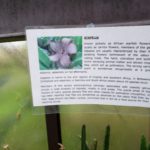
Glasgow Botanical Gardens

20191025_171421
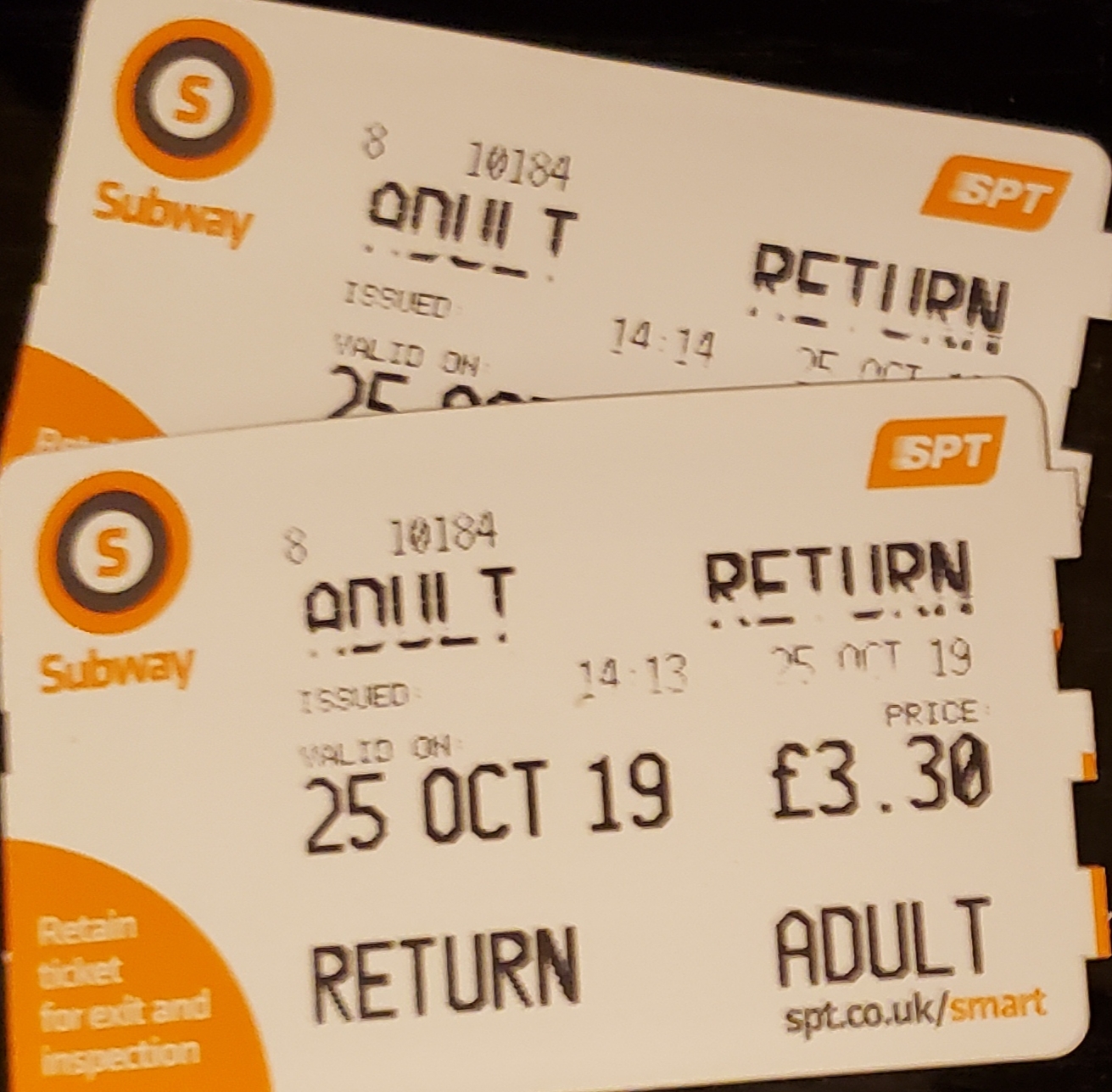
Tickets for Two – Subway to Botanical Gardens

The gardens can be reached from the city center by taking the underground or subway. By taking the inner ring you will exit about two blocks from the gardens. However, if you take the outer ring, not to worry, the subway makes a complete circle, so just by staying on you will enventually reach your destingation.

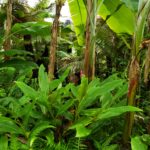
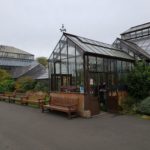
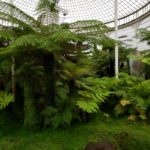
Here is a short slide show of what can be seen, without captions.


Côte d’Azur – Monaco

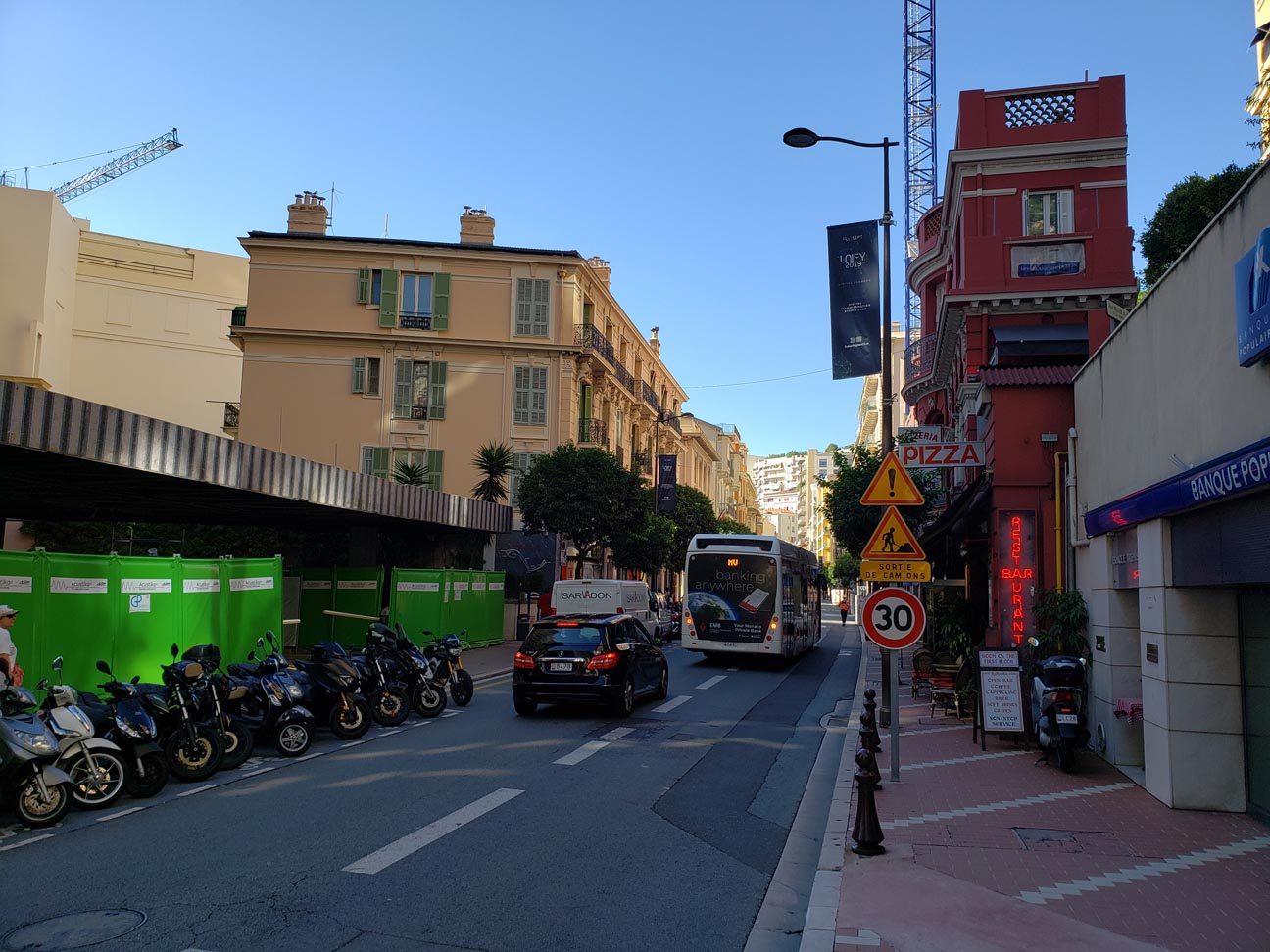
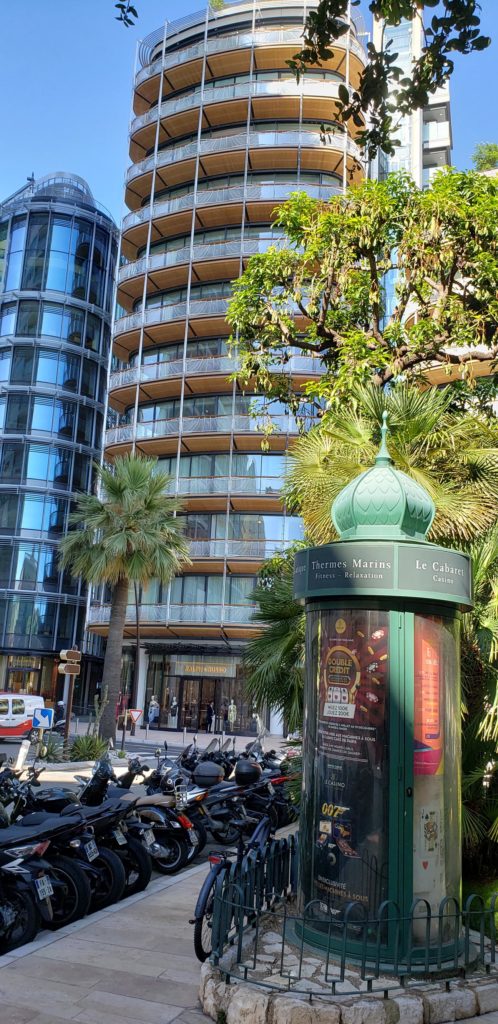
Where to start, especially when visiting the most densely populated place on Earth? I guess for us, that would be the SNCF train station, which is about a 30 minute ride from Nice. In Monaco, it drops you off in a tunnel, like other places we enjoyed in Cinque Terre, Italy. So like there, we had to walk a long tunnel and climb some stairs to finally emerge and enjoy our destination.

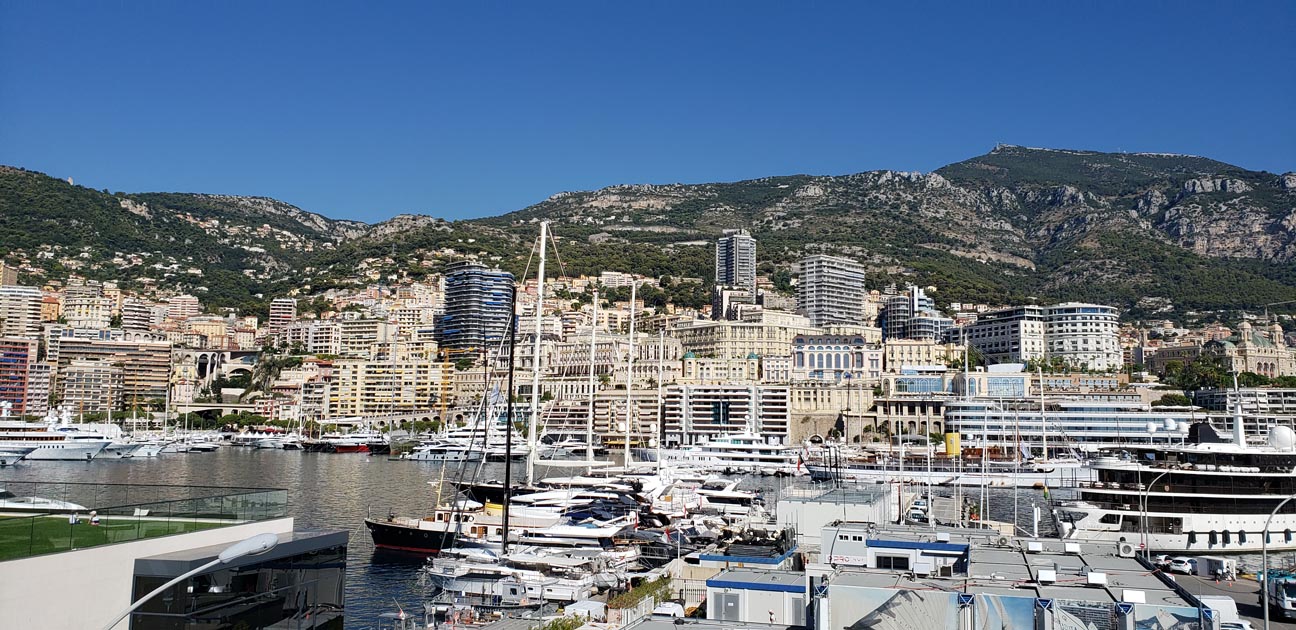
Monaco Harbor

Once you start walking, you can tell that space here is at a premium. Even the sidewalks are not as generously proportioned as other places that we have visited.
Monaco_4

Since our plan was to see the Oceanographic Institute of Monaco and the museum there, we immediately headed off in that direction.
Within ten minutes or so, we found ourselves walking along the Avenue de la Quarantaine. Viewing the port, which when compared with photographs of the 1970s, was crammed with watercraft of all sizes.

On the point where you need to take a right and walk along the coast, is a theatre called the Theatre du Fort Antoine. Though very nice, with an almost modern appeal, it is not considered a cultural spot for the city. Proceeding along the Digue de L’Avant Port, you walk directly toward the institute.


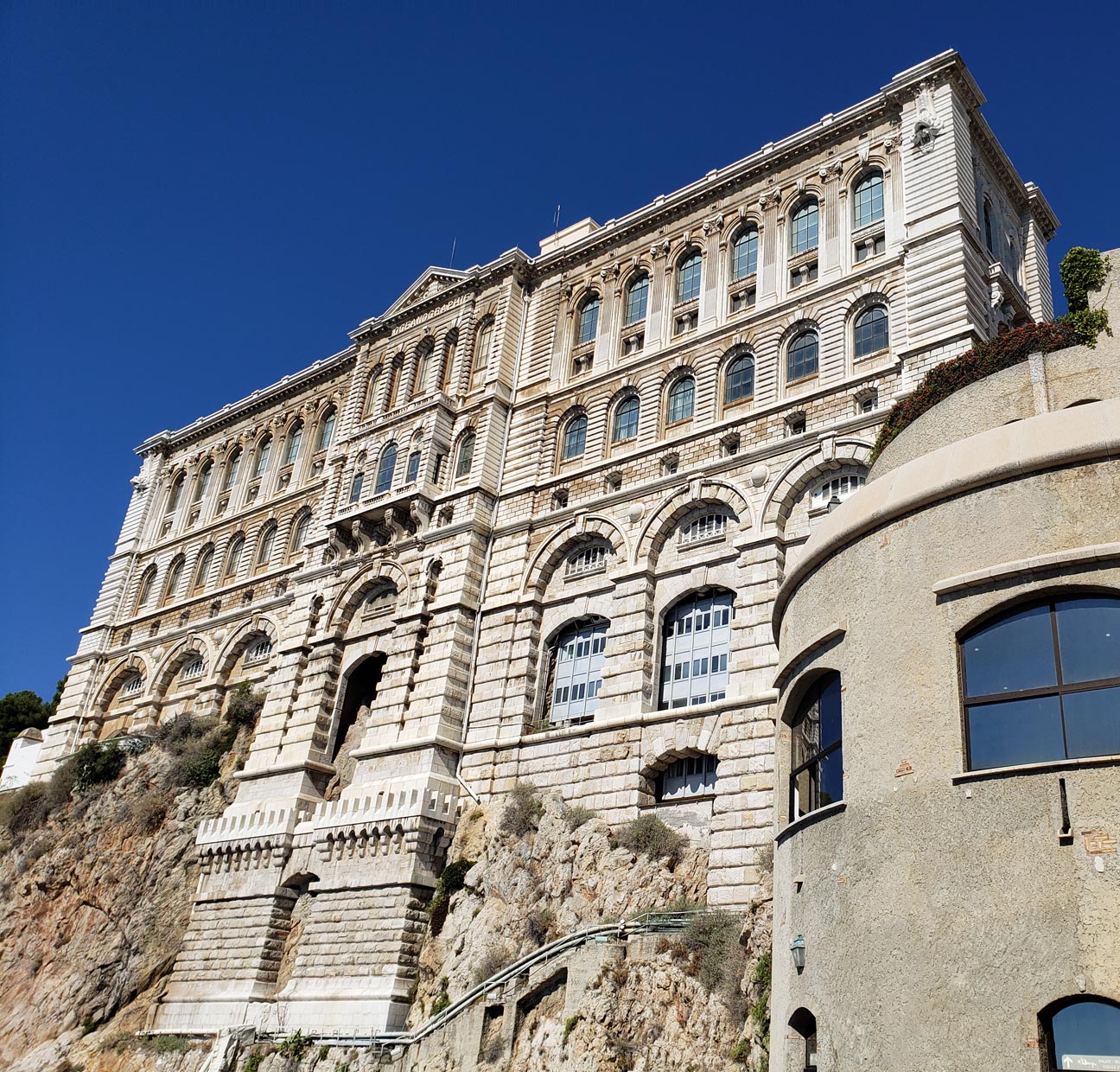
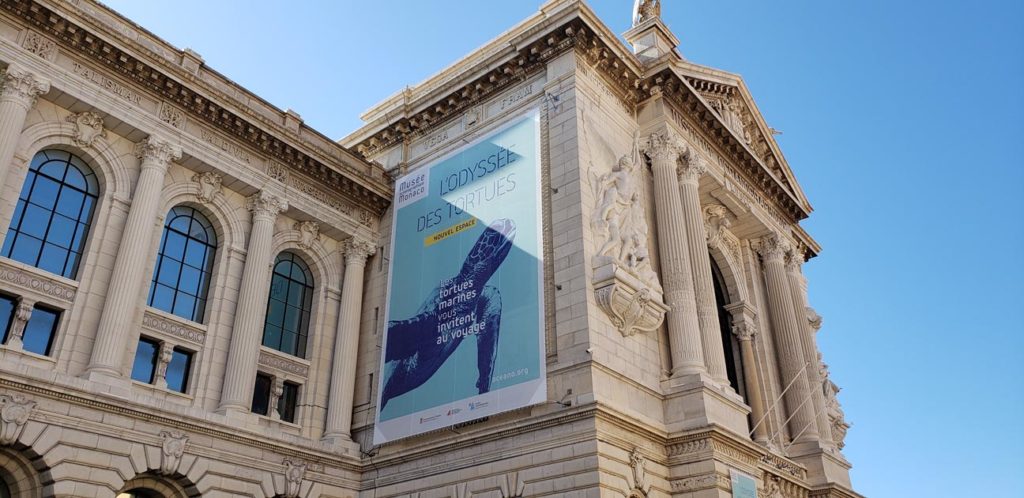
Musée Océanographique

OceanographicInstitute_1
Oceanographic Institute of Monaco – Sea View

Also known as the Oceanographic Institute of Monaco; a rather impressive building from the sea. The former study and laboratory for Jacques-Ives Cousteau and his adventures, is itself also responsible for introducing some of the invasive species now threatening the Mediterranean Sea — via the unconscionable practice of flushing unwanted biological organisms down the toilet or drain, as practiced in other developed countries as well.

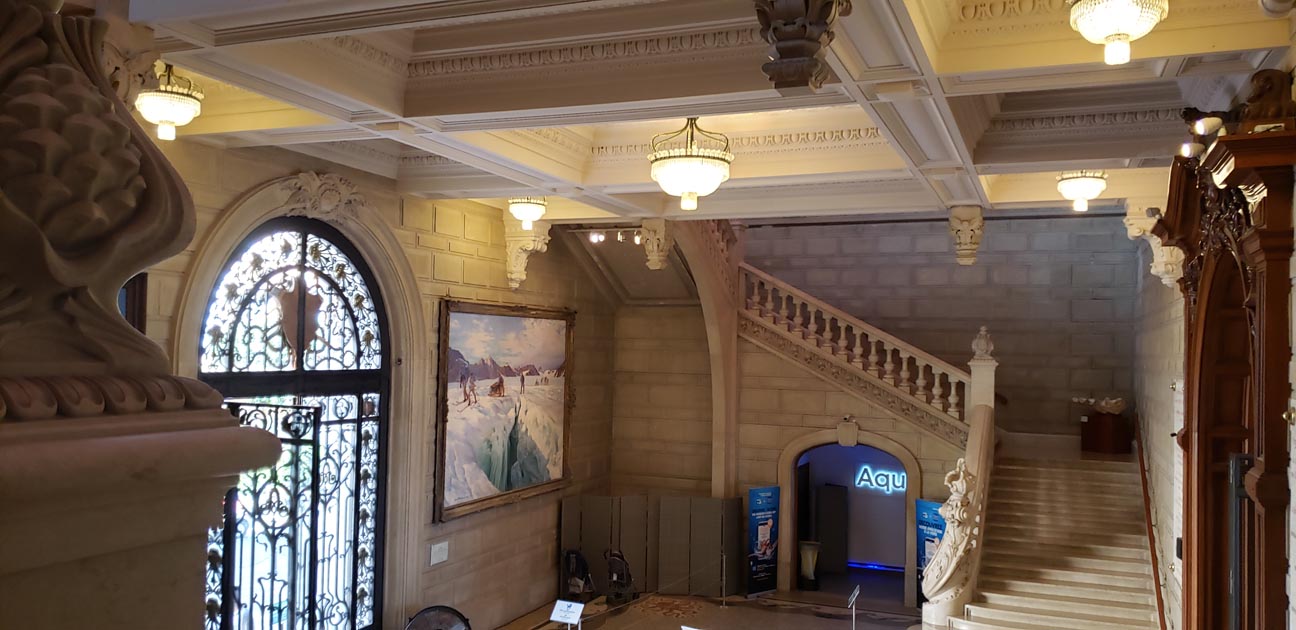
The Institute is well fitted to handle a large number of visitors with underground parking, that accommodates large buses and escalators to assist all, up to the ticket lobby. One must first pass multiple shops and other facilities, before entering the institute to enjoy the museum and/or aquarium.

OceanographicInstitute_4
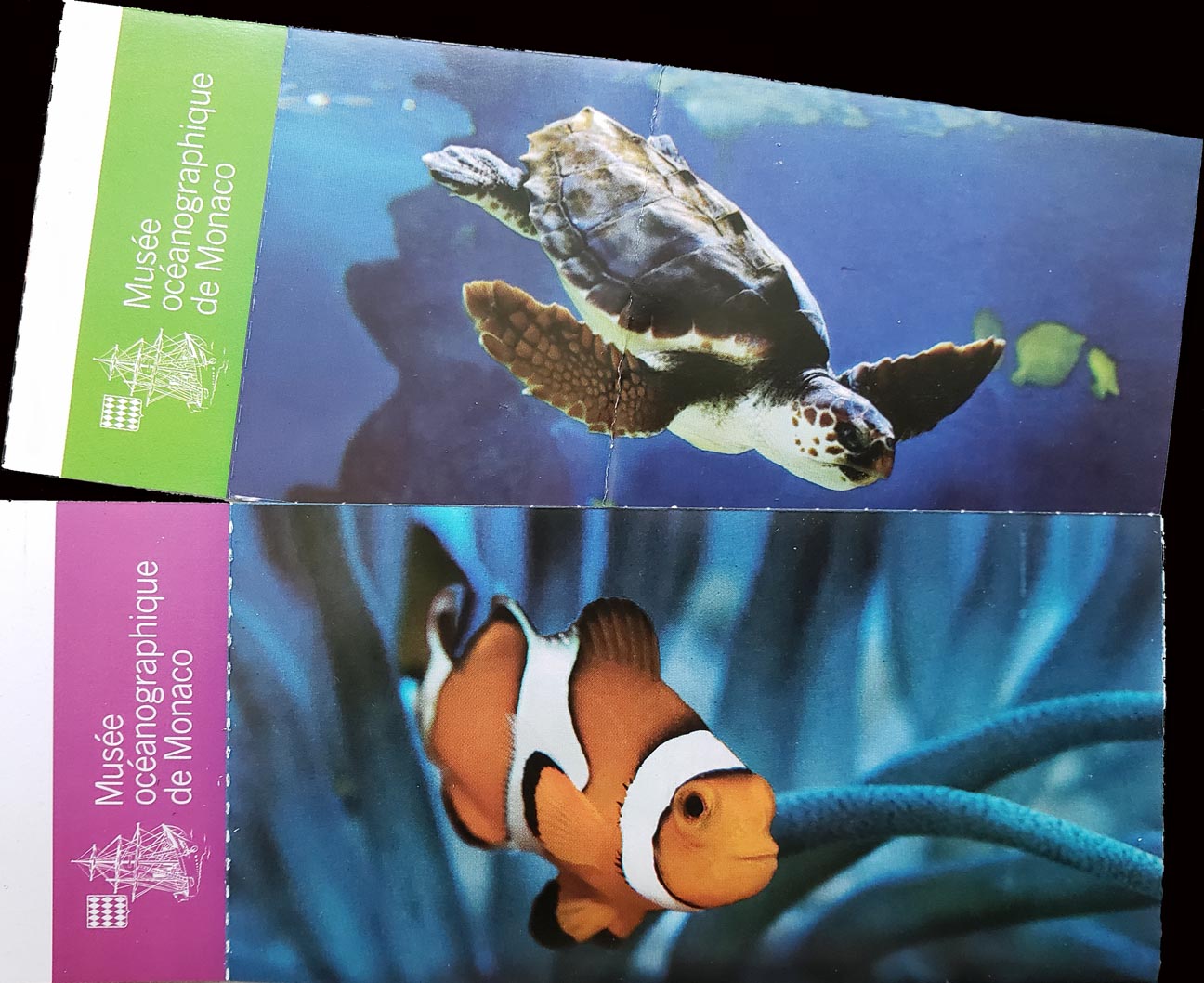
Tickets For Two

The Museum

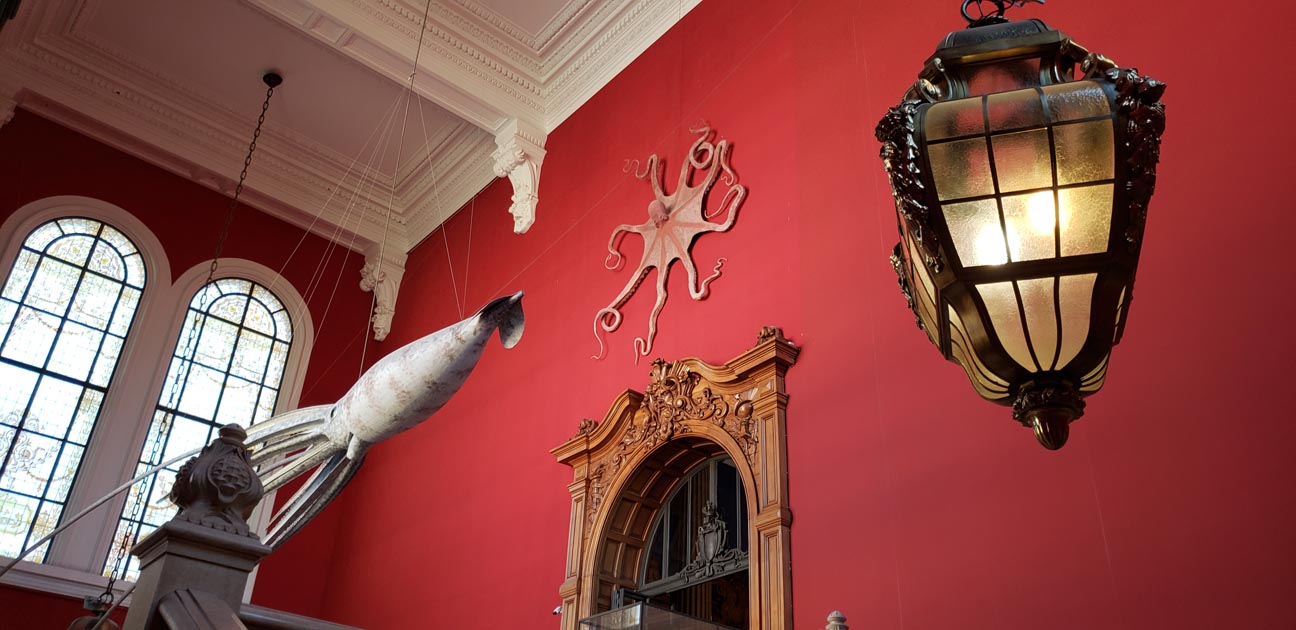
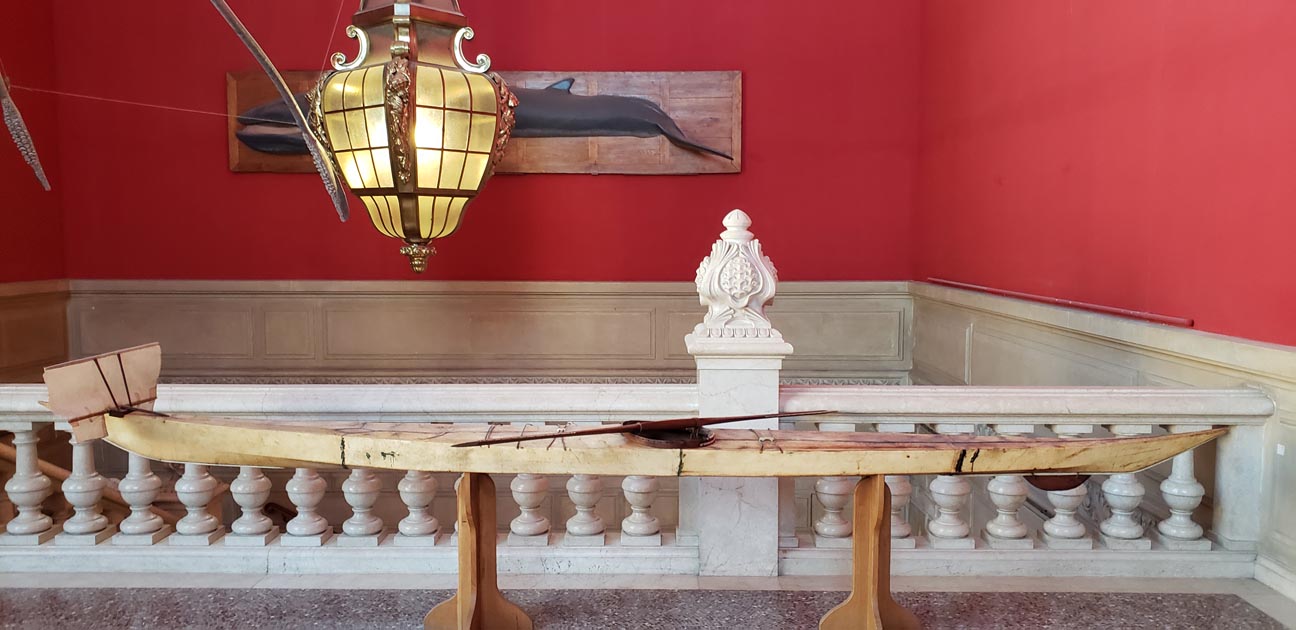
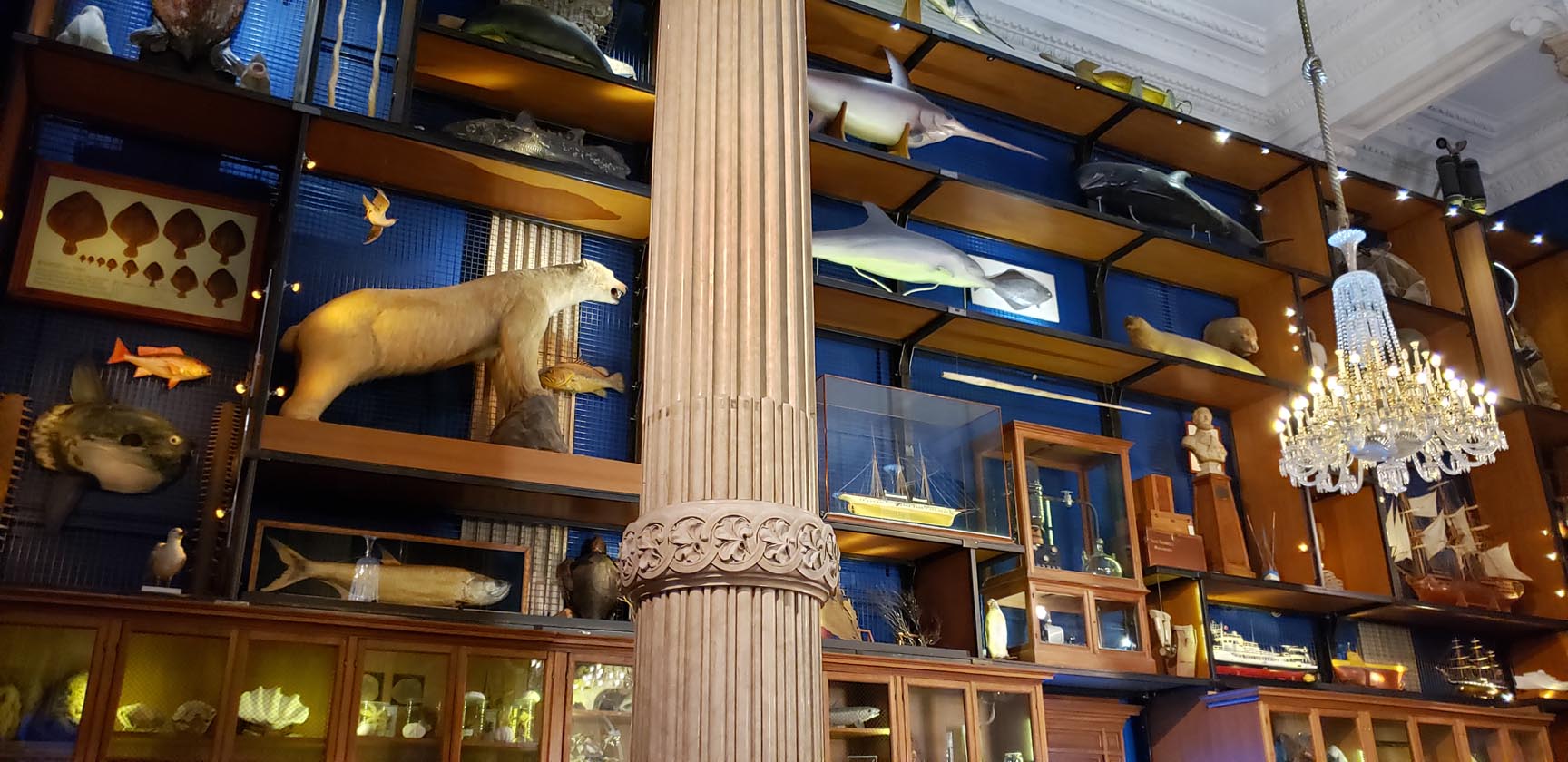
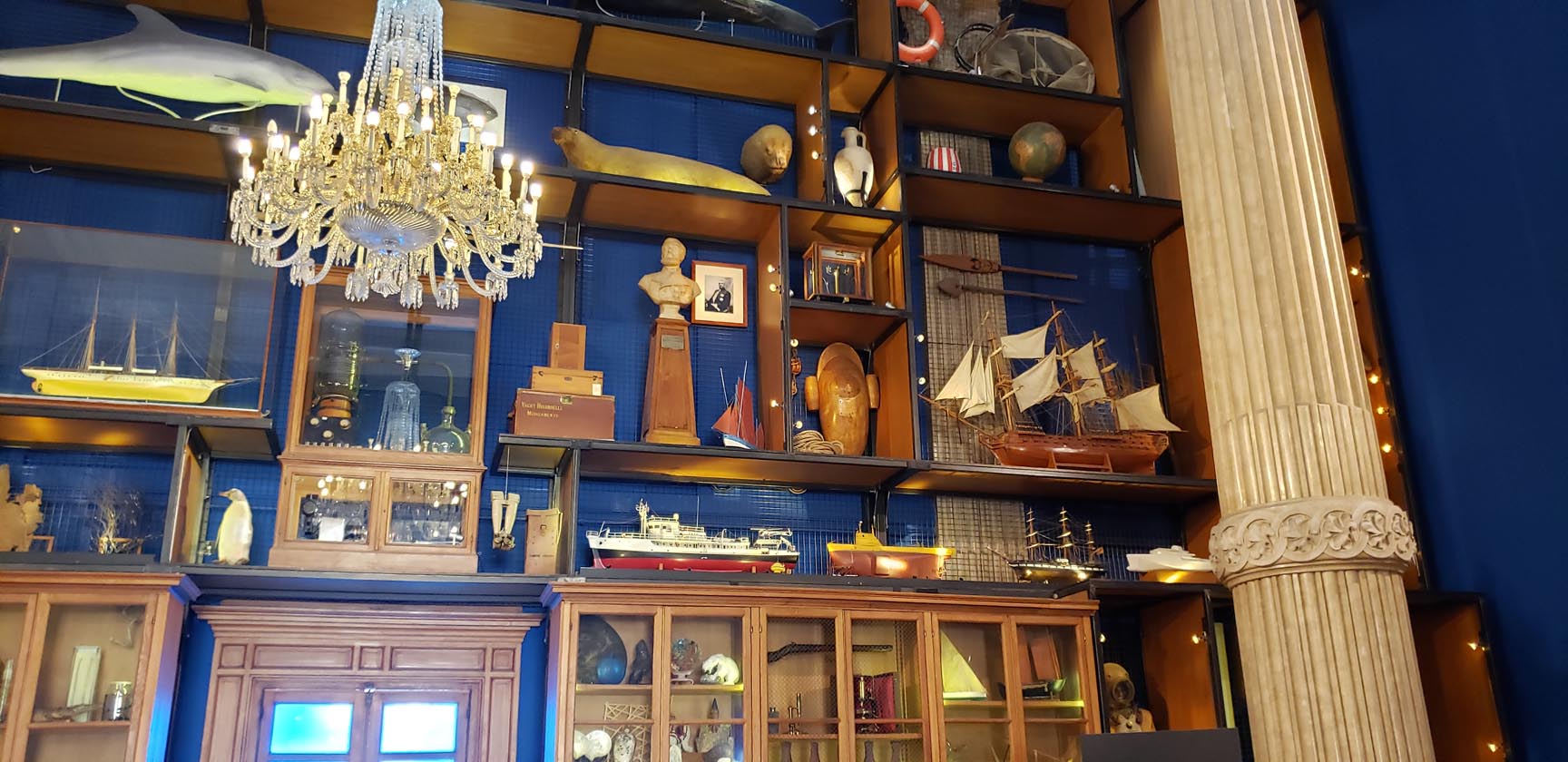
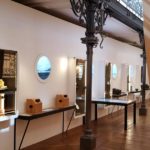
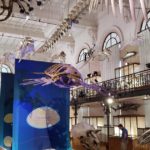
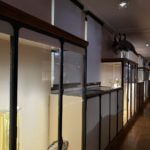
It is divided into two equally impressive multi-level rooms which contain a very large selection of specimens, stories and artifacts from the natural world, encompassing the globe.

The large main hall has a very large wall display meant to be offered as a shadowbox of significant developments in oceanography, which happily includes the Calypso.

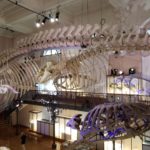
With specific emphasis on the oceans and their habitats, the collection also includes some archeological specimens in the form of fossils and replication of prehistoric animals. These are used as a pedagogical device and comparison to present day species which are on display here.

OceanographicInstitute_Museum_3
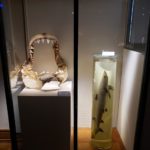
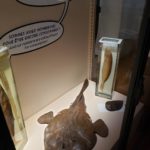
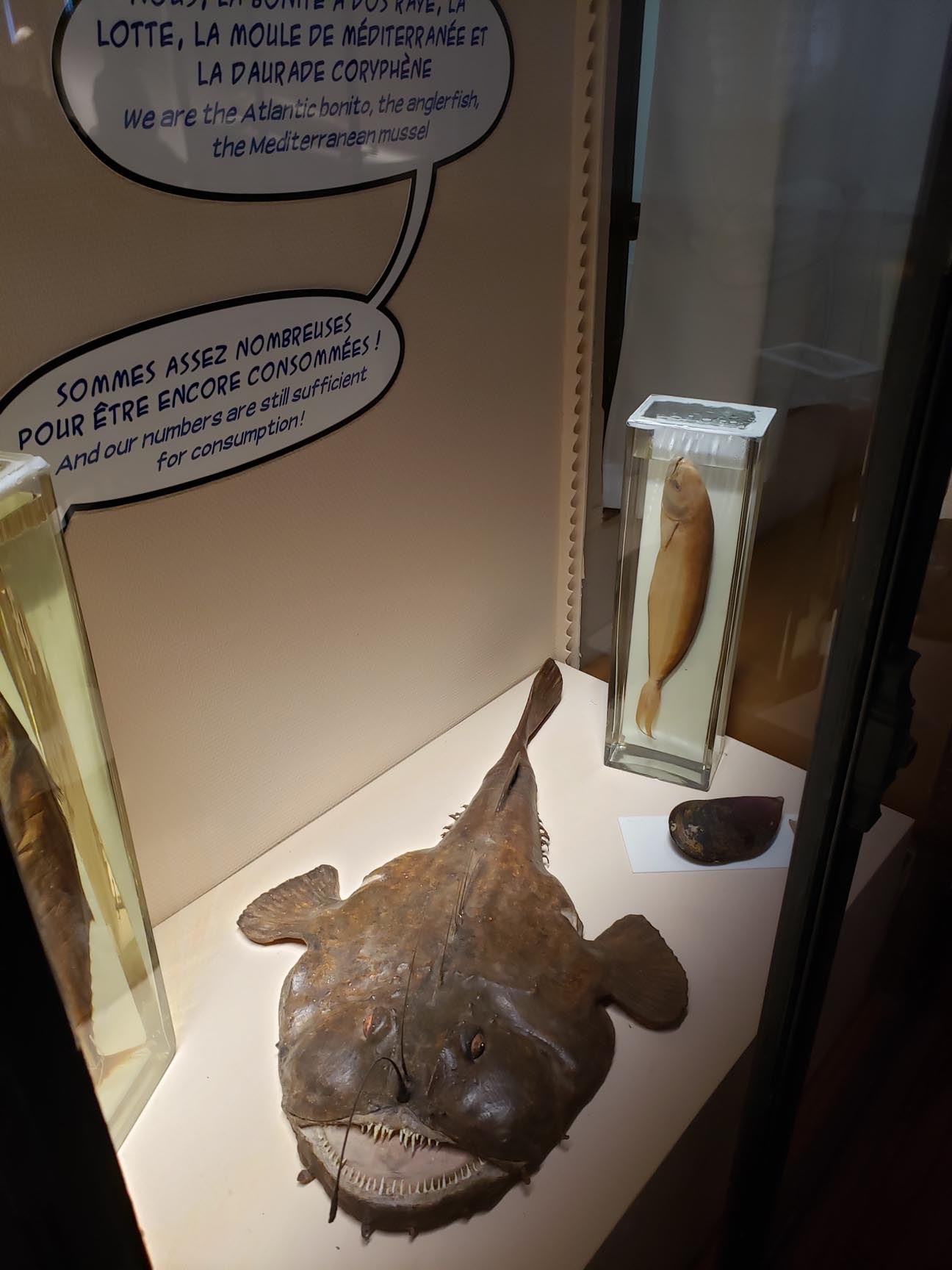
Fish from the Deep Oceans

One can find one of two displays on deep-sea creatures as well, which are interesting to see, even if it is in a petrified state.

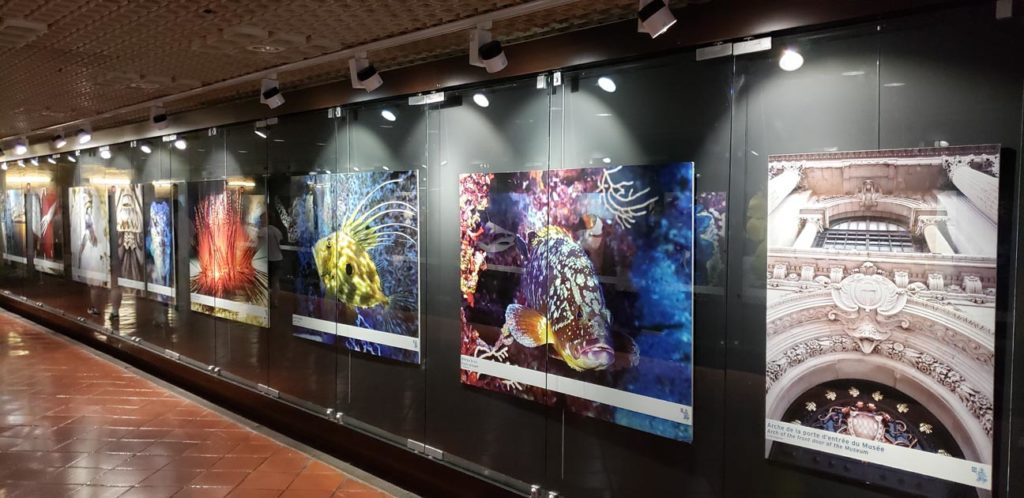
OceanographicInstitute_Museum_10OceanographicInstitute_Museum_11OceanographicInstitute_Museum_12OceanographicInstitute_Museum_22OceanographicInstitute_Museum_24

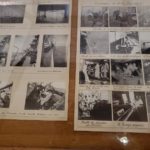
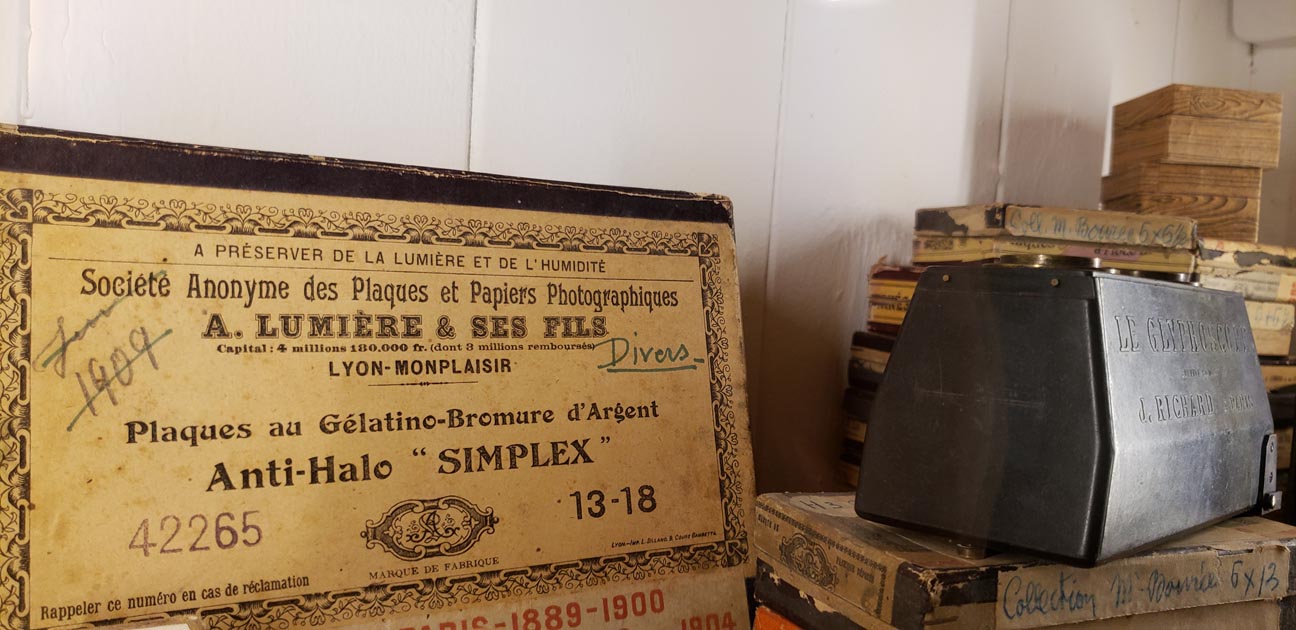
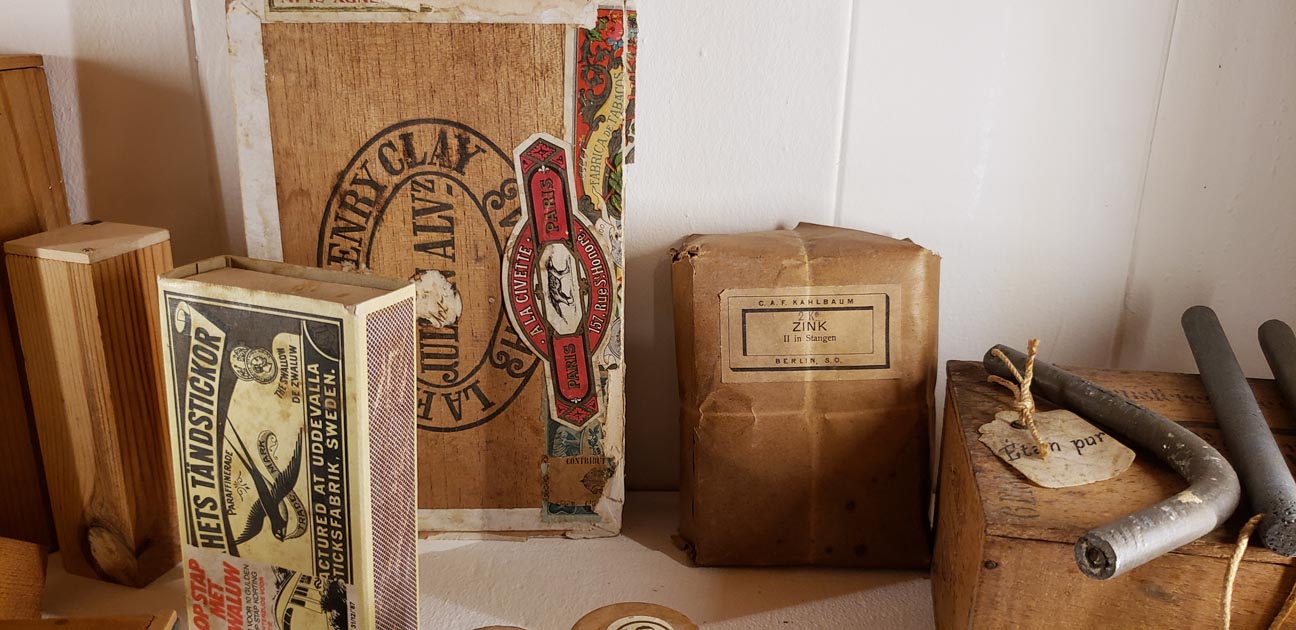
There is also a section detailing the scientific devices and methods used in the late 1800’s and early 1900’s.

OceanographicInstitute_Museum_06
One Of Cousteau’s Submarines

Outside, there is apparently the first submarine Cousteau used early in his career.

It took us a little over an hour to complete the museum, which we did before seeing the aquarium.

The Aquarium

I have been to many aquariums, but I must say this one ranks up at the top five for sure. Not only for the breath and depth of species they have, but also the specimens and facilities are very well-kept. All the animals appear quite normal in behavior and have more than sufficient space to enjoy what surroundings they have been given. 

There are a few large main tanks which host a myriad of species and most of the large predators, including sharks.

OceanographicInstitute_Aquarium_18
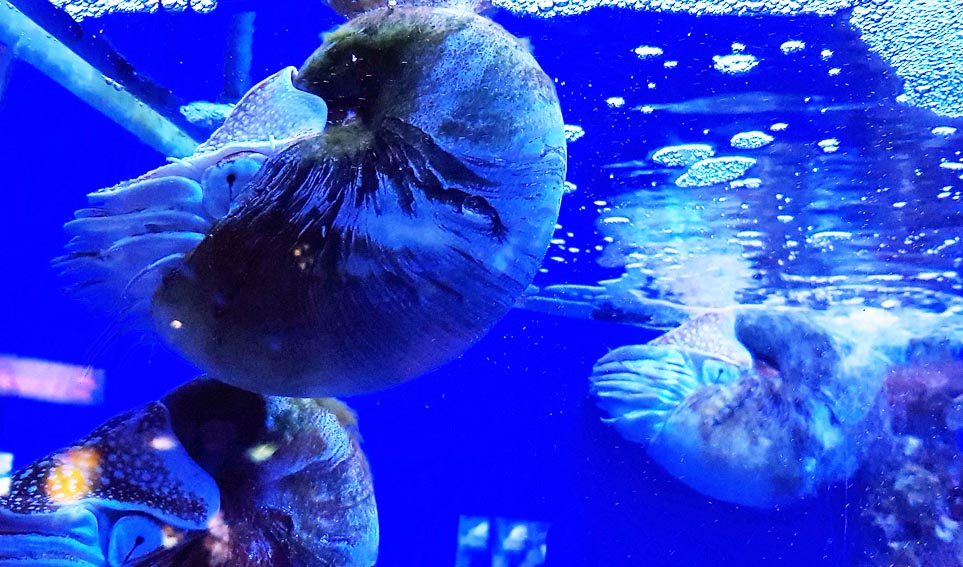
The Nautilus Tank

The rare species that they do have, include the Cuttlefish and the Nautilis. With the Cuttlefish, you definitely get the feeling that this animal is not only looking back at you, but that there is also some analysis going on as well — definitely an intelligent species.

My favorites are unfortunately the ones I used to have in fish tanks. The Emperor Angelfish, Hippo Tang and Copperbanded Butterfly fish stand out to me to be some of the most interesting and beautiful specimens.

But, the Damselfish are also great to view, with their luminescent blue and their proclivity for darting back and forth.

Even with the current onslaught against the Amazon, there are also Piranha here too. One can only wonder when this species will be threatened too, if not already.

Seahorse are one of the more popular attractions, most likely because they are so different from all of the normal or bony fishes. But then again, what is a normal fish?

Eating In Monaco

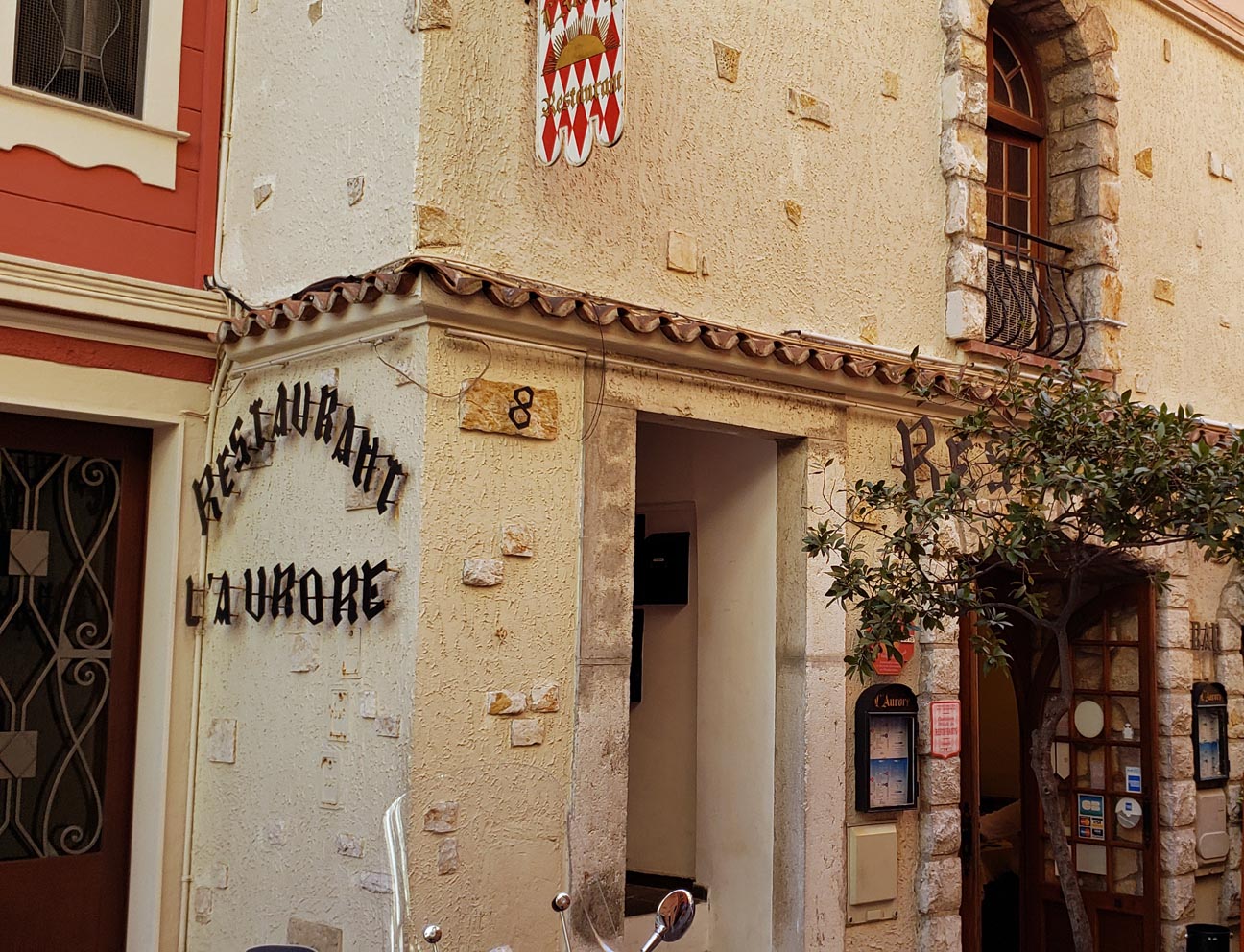
After our long visit at the institute, it was time to get something to eat. Not but a five-minute walk away, we found Restaurant L’Aurora.

Monaco_RestaurantAurore_1
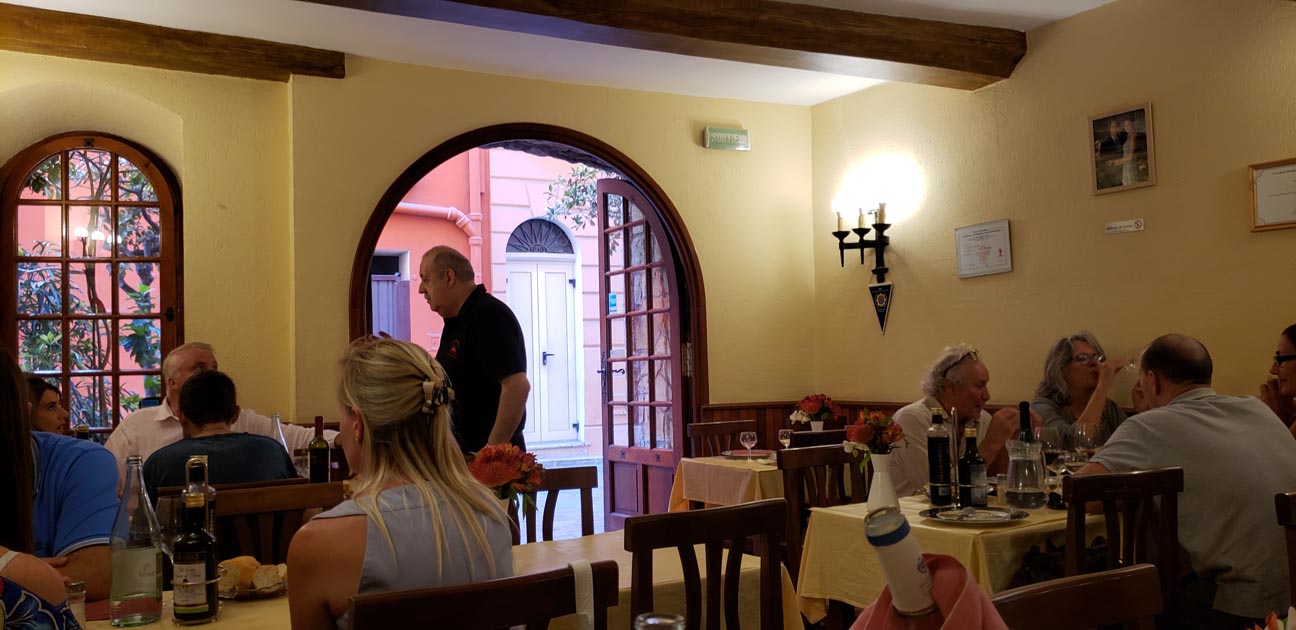
Restaurant L’Aurore – Fine Food and Good Service

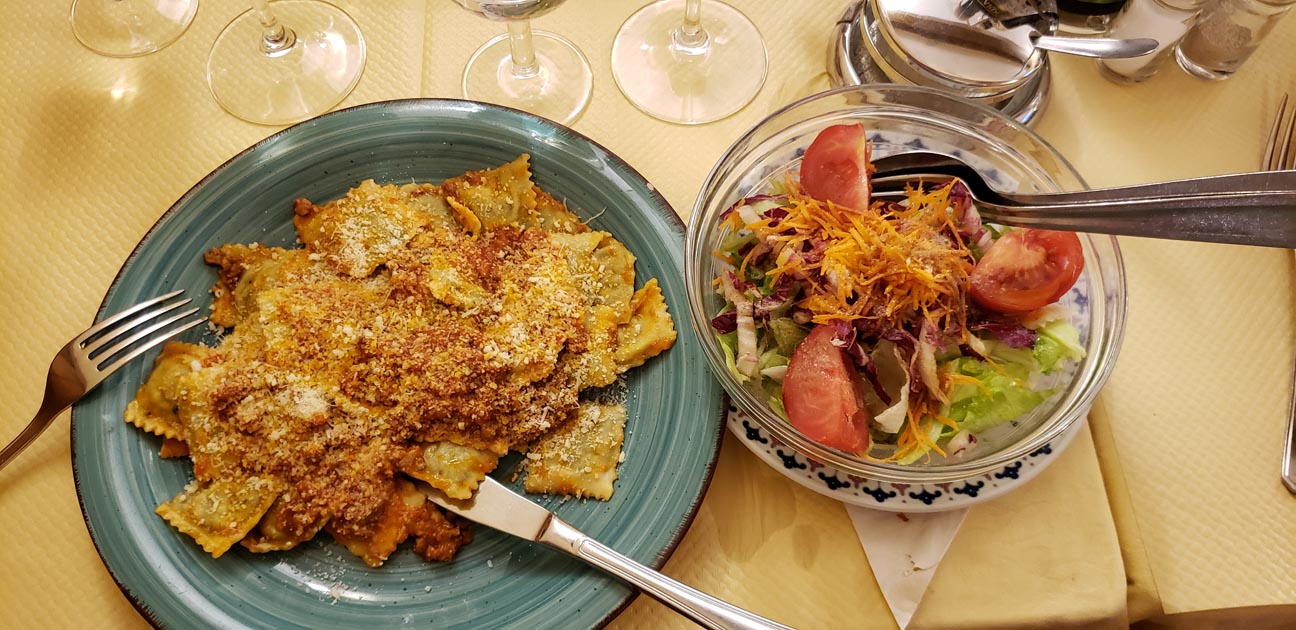
This is another restaurant that will remind those who travel along the coast of France and Italy of Niçose style. The menu offers a fusion of French and Italian dishes. It is sometimes unclear in the Côte d’Azur, if you are eating French or Italian; either will claim the dishes and cuisine are theirs! However, this is a good restaurant. The food was very good and the staff very accommodating. I had the blue plate special, just one selection of which there were many.


Monte Carlo

Not far from the train station, perhaps a 20 minute walk away, is Monte Carlo. Having come this far we pushed forward up the hill and up to Monte Carlo to see what, if anything, it was all about.

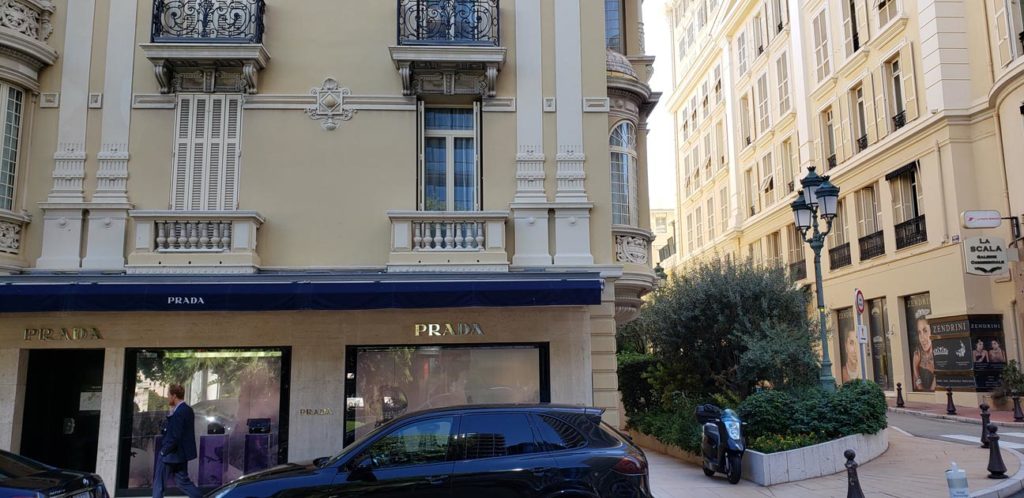
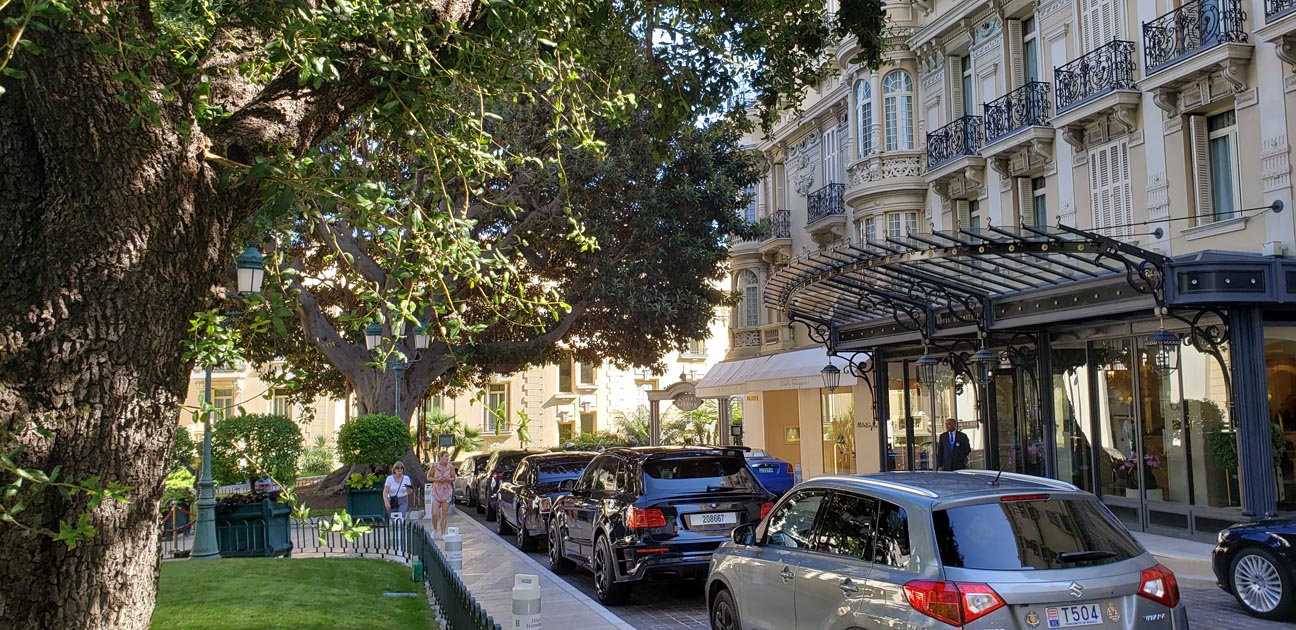
Our initial impression was no one lives here, all we saw were tourists. If one took the tourists away, then no one would be walking around. Obviously, just a playground for the filthy rich. Even the sidewalks are tiled and run perfectly to adjoin all the buildings where they meet. I saw no homeless people.
Monaco_MonteCarlo_3
Patti and Ericka – Walking in Monte Carlo

Almost every store and door has a doorman; there are security personnel walking around everywhere. You get the distinct impression that whether you live here or not, you are suspected at all times.

Monaco_MonteCarlo_4
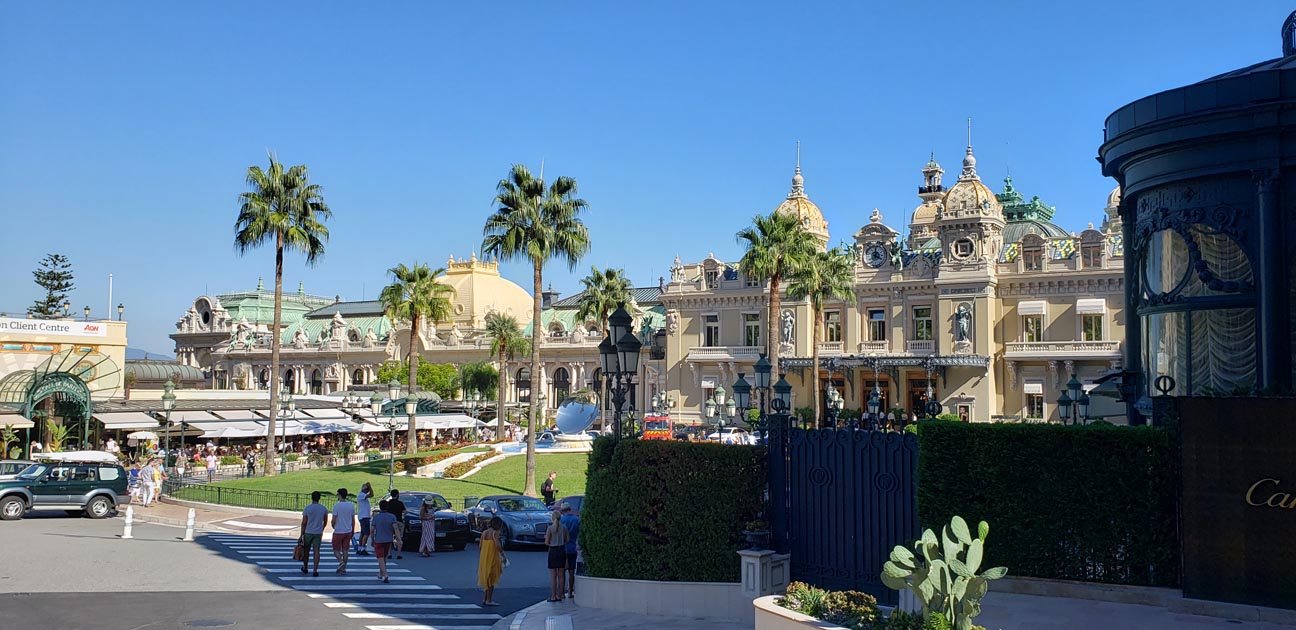
Casino de Monte Carlo

The Casino de Monte Carlo is perhaps the only architecturally significant building in this area. Though a bit ostentatious, it has a certain appeal, even for those not expecting it.


The Prince’s Palace of Monaco

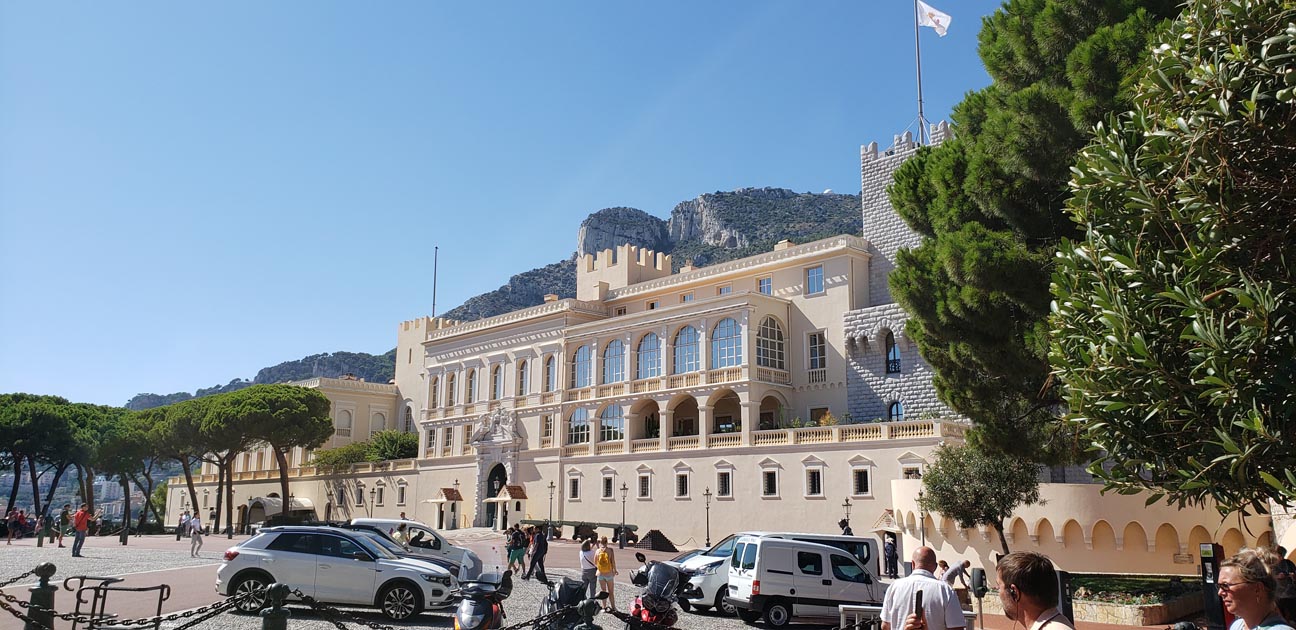
A quick detour from the Oceanographic Institute will take you to the Prince’s Palace of Monaco.

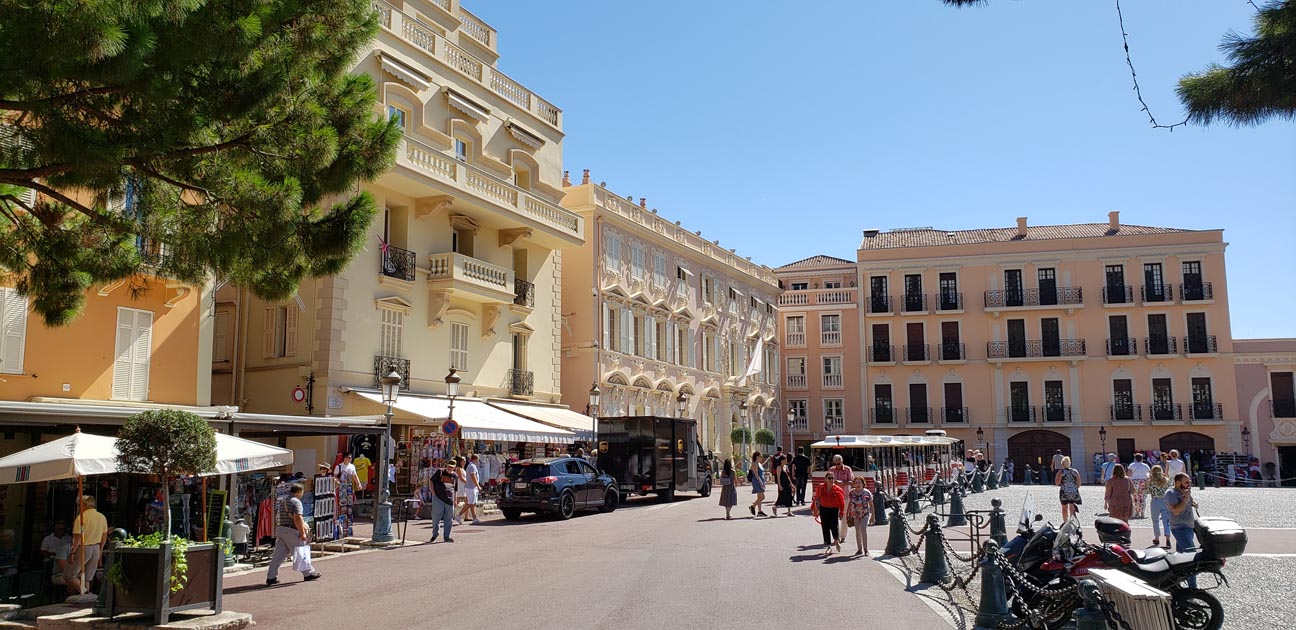
Not much to see from the outside and there is a considerable piazza outside, probably doubling as a parking lot for important occasions. Not interested in the inside, no relation of ours, we took our photographs and left for other sites.

Monaco_18
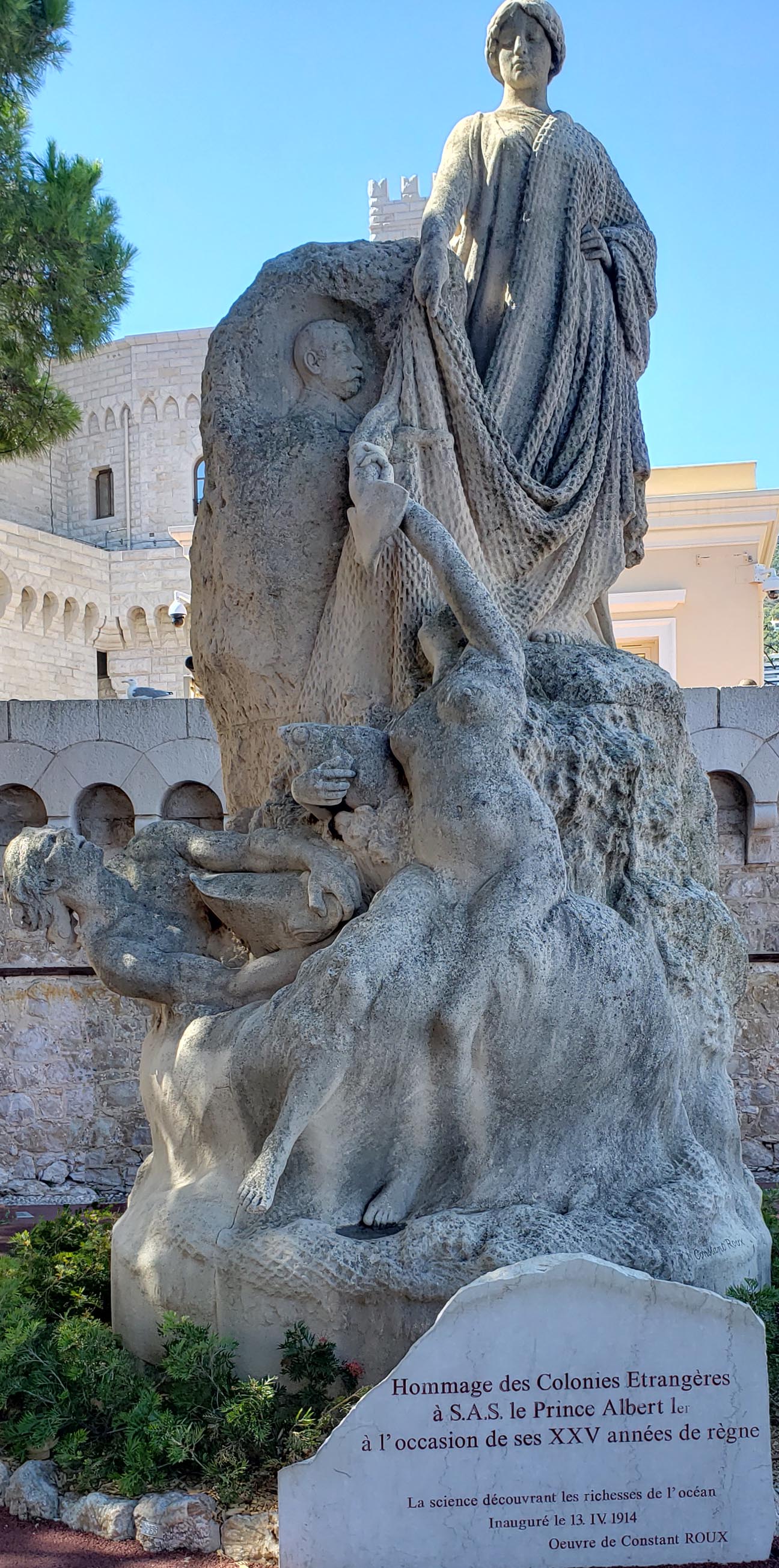
Apotheosa Monaca

Conclusion

Though I found the city-state interesting, I have no wish to live there; it appears devoid of real life.

Freiheit liebe ich und die Luft über frischer Erde; lieber noch will ich auf Ochsenhäuten schlafen, als auf ihren Würden und Achtbarkeiten.

Ich bin zu heiss und verbrannt von eigenen Gedanken: oft will es mir den Athem nehmen. Da muss ich in’s Freie und weg aus allen verstaubten Stuben.

Friedrich Nietzsche

Turin – Treats On Or Close To Our Street

Having resided in Turin now for six months we are getting more and more time to explore. Sometimes it’s a monument we haven’t seen before or a shop that looks unfamiliar. Most of which, in the past months or so, have taken quite a walk to get there and back. So we decided one day this week to have lunch and a coffee and see what we could turn up, right on or very near our own street, via Giovanni Giolitti.

Lunch

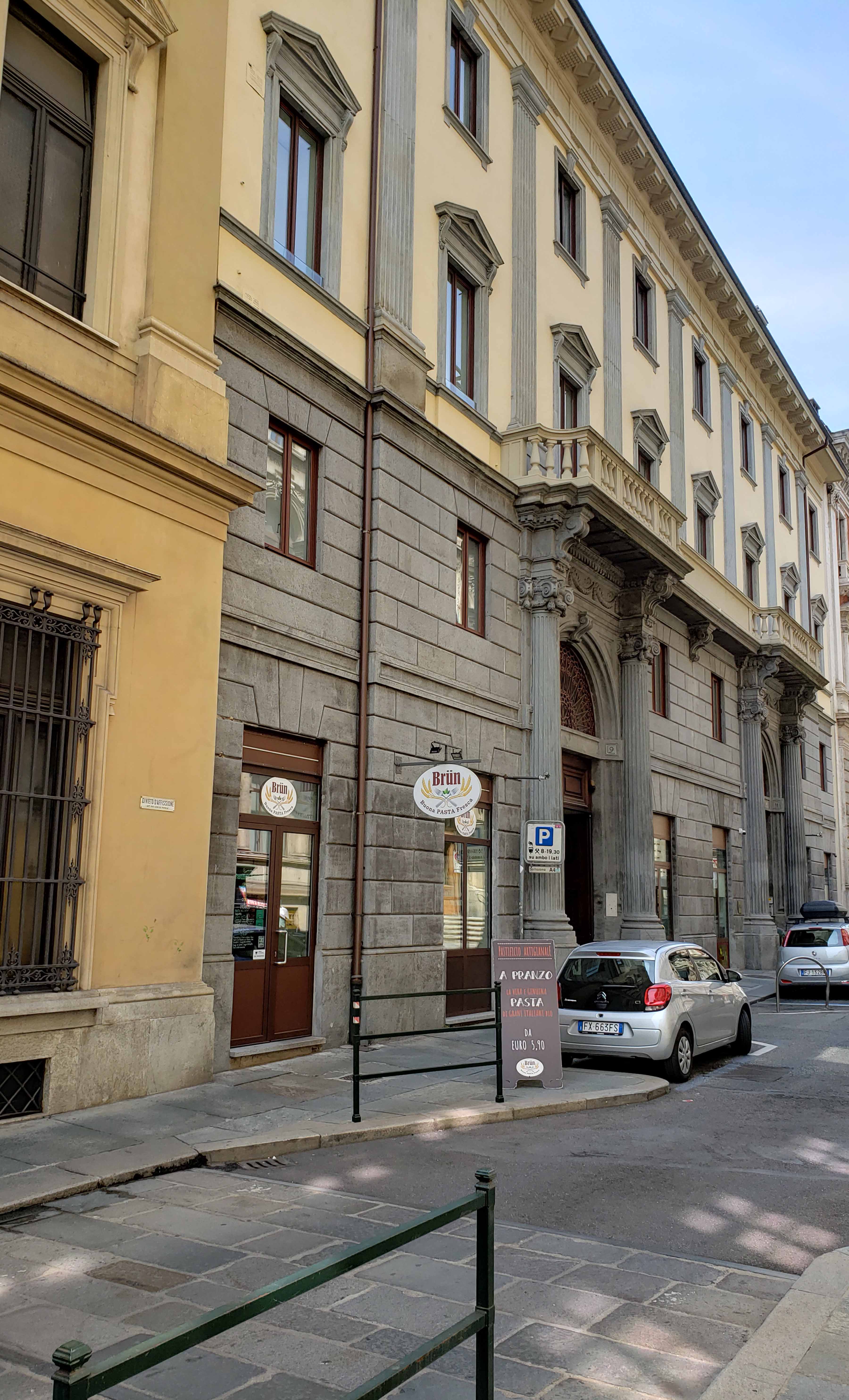
A nine or ten block walk from our apartment, past the Piazza San Carlo, is a small fresh pasta place called Brün. Actually located on via Vittorio Alfieri, which is technically one and the same with via Giovanni Giolitti since they are in fact one and the same street.

Brün_Aug2019
Brün – via Vittorio Alfieri – Pasta Fresca

Brün resides in a very clean-looking building just past the Piazza San Carlo. It’s entrance sports a business shingle at street view that is quite easy to see as you are walking.

BrünInside_Aug2019
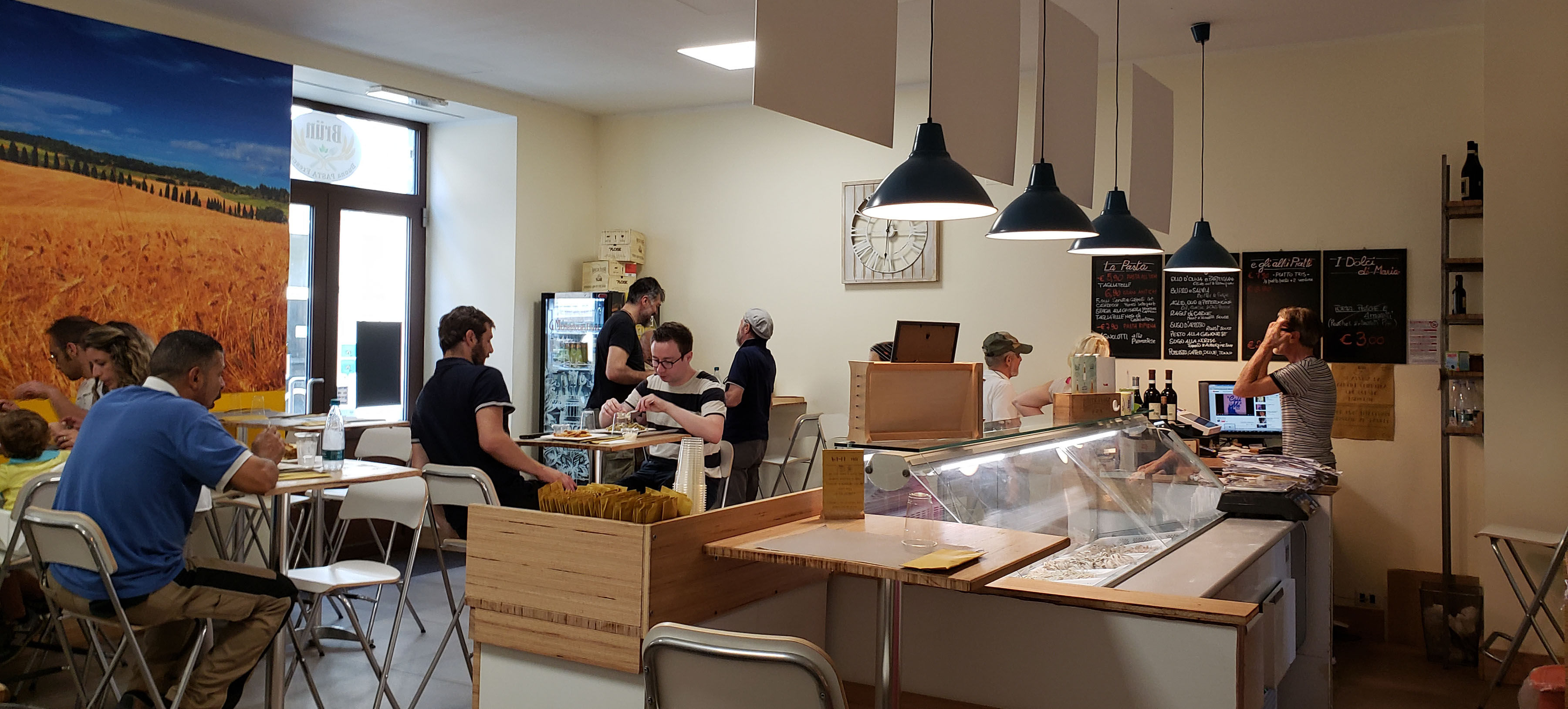
Brün – Modern Interior

Inside the owners went with a more modern and efficient layout and design than you would probably see elsewhere in Turin. Their main claim to fame here is their pasta, which is made fresh daily and comes in  three price tiers and about eight styles, from the customary Italian Tagliatelle and Spaghetti, all the way to the more expensive and delicious ravioli – Agnolotti.

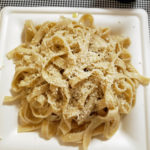
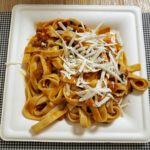
We both decided on the Tagliatelle, but served two different ways and both were absolutely delicious. The pasta was served on plates of recycled paper and the utensils were also of recycled plastics. Each plate costs less than six Euros.  Add two glasses of wine and both can eat a delicious lunch for under fifteen Euros easily!

Dessert

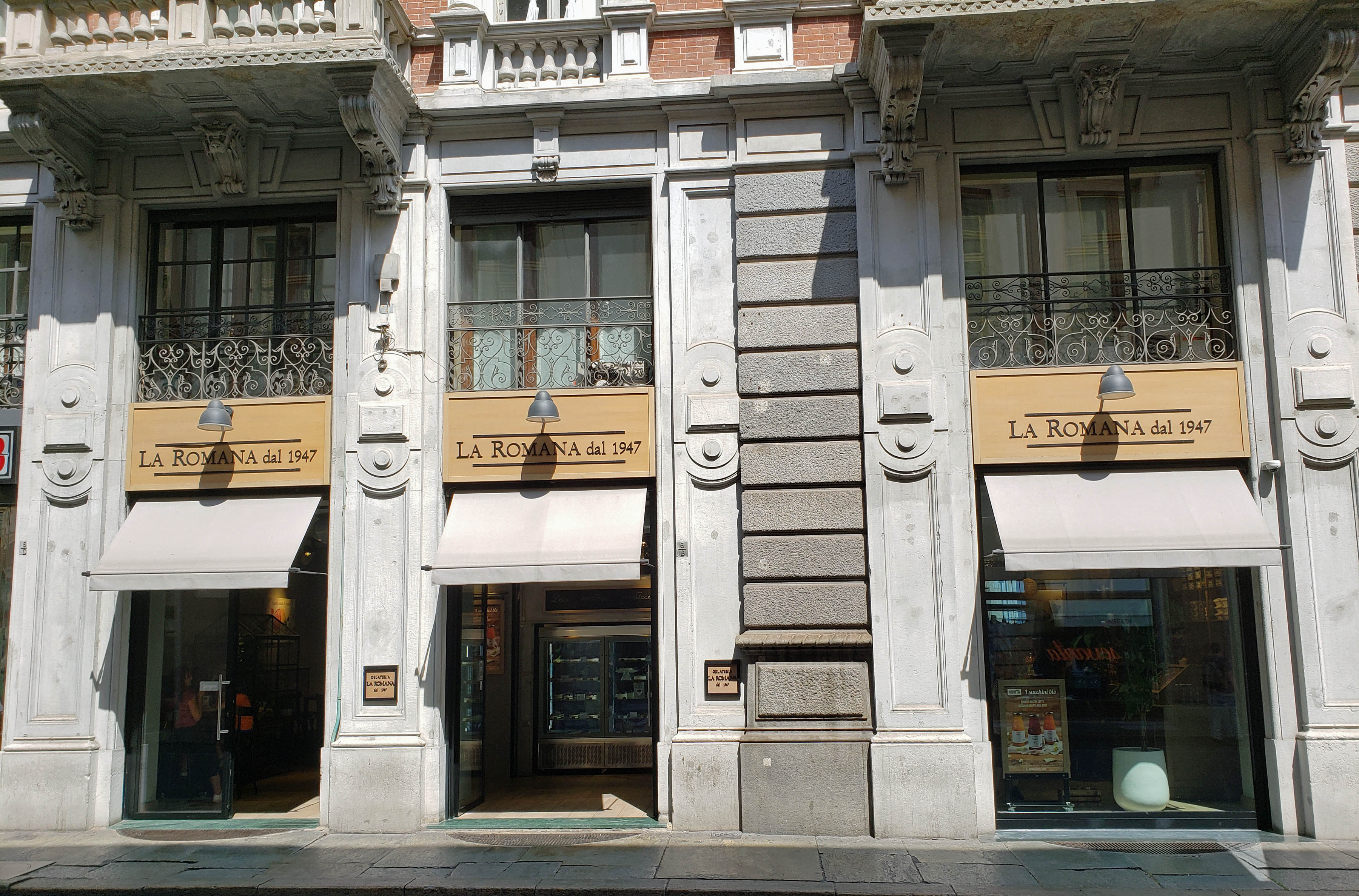
After paying for lunch we walked out of Brün only to take a short walk up via XX Settembre and around the corner to visit La Romana, located on via Santa Teresa.

LaRomanaOutside_Aug2019
La Romana – via Santa Teresa

From the outside it looks expensive, which normally in Turin still means delicious but pricey. However after looking what they had to offer we thought the pricing was more or less inline with what we would expect.

LaRomanaInside_Aug2019
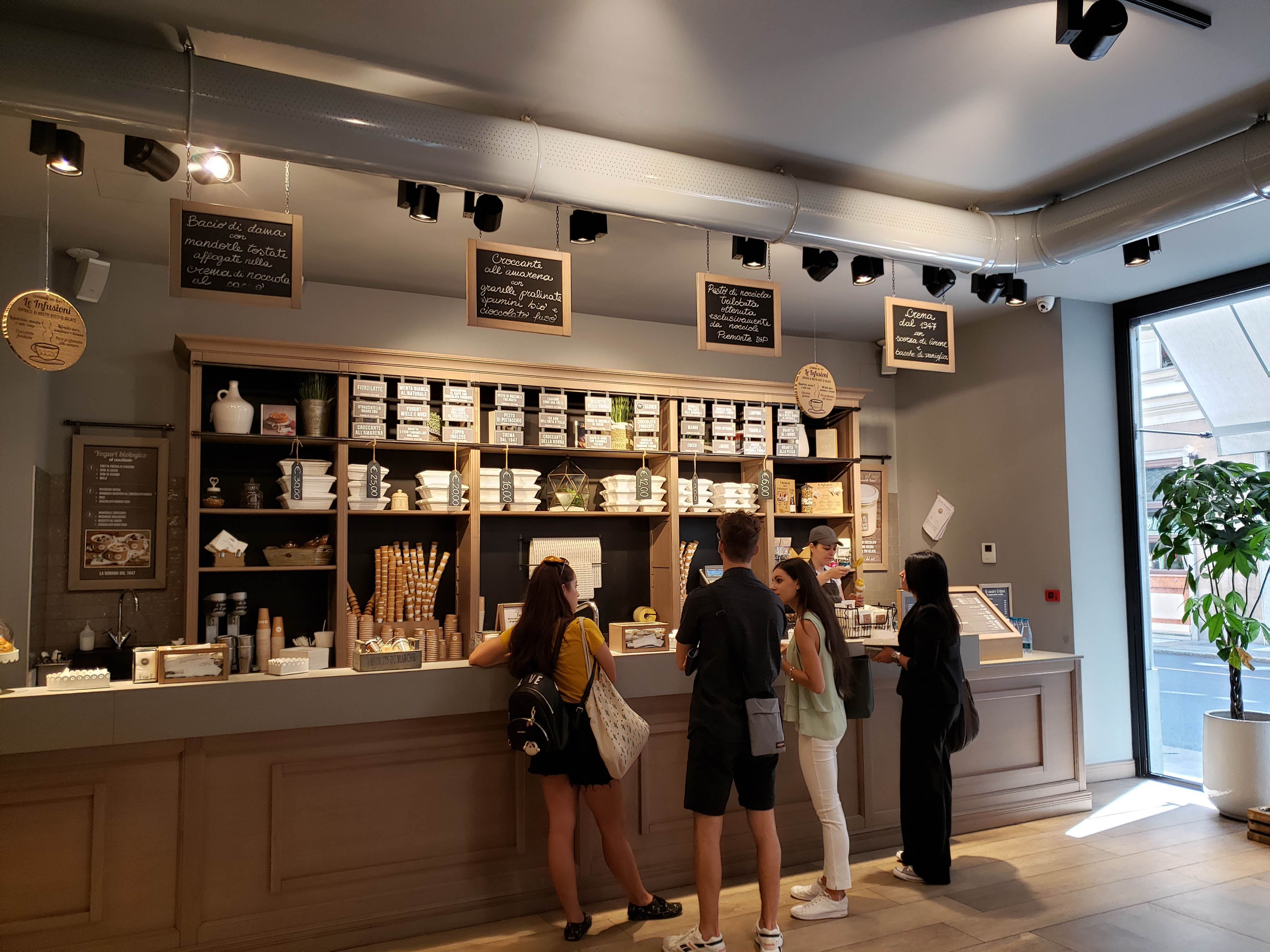
La Romana – The Coffee and Gelati Bar

The inside is a very modern decor with employees that also speak English, so you will have no problem ordering your Gelato and other desserts (there are many). We opted for the Gelato.

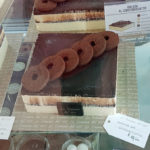
The store has much more to offer and appears to do all of their baking on site. In fact, while you are eating your gelato you can see the Baker make desserts behind a glass. The centerpiece of the store is a large glass enclosure with all of the day’s high-caloric offerings. All look very appetizing and we are definitely going back, not only for the Gelato which we think is as good as or slightly better that Fiorio and Grom, but to purchase and bring home a cake or tort.

Coffee

After dessert it was time to cap it off with an early afternoon coffee. What better place to go than down the street and around the corner to the Piazza San Carlo and Caffè Torino.

CaféTorino_Aug2019
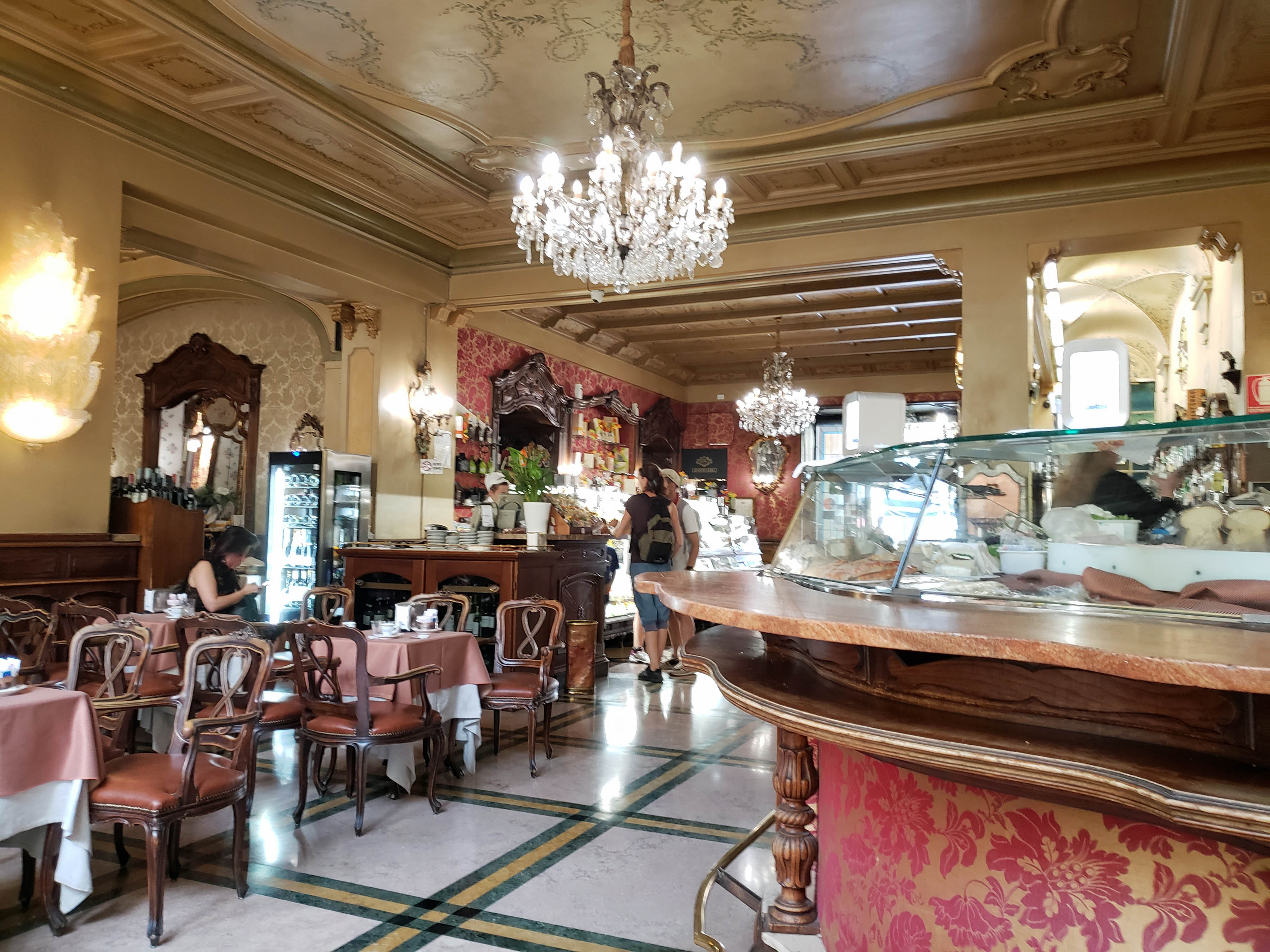
Caffè Torino – Early 20th Century Decor

Caffè Torino is one of Turin‘s hallmark coffee bars where one can enjoy a Campari or Aperol Spritz, coffee, tea or any number of tall drinks. They also serve some light fare in the event you are hungry.

Coffee_1
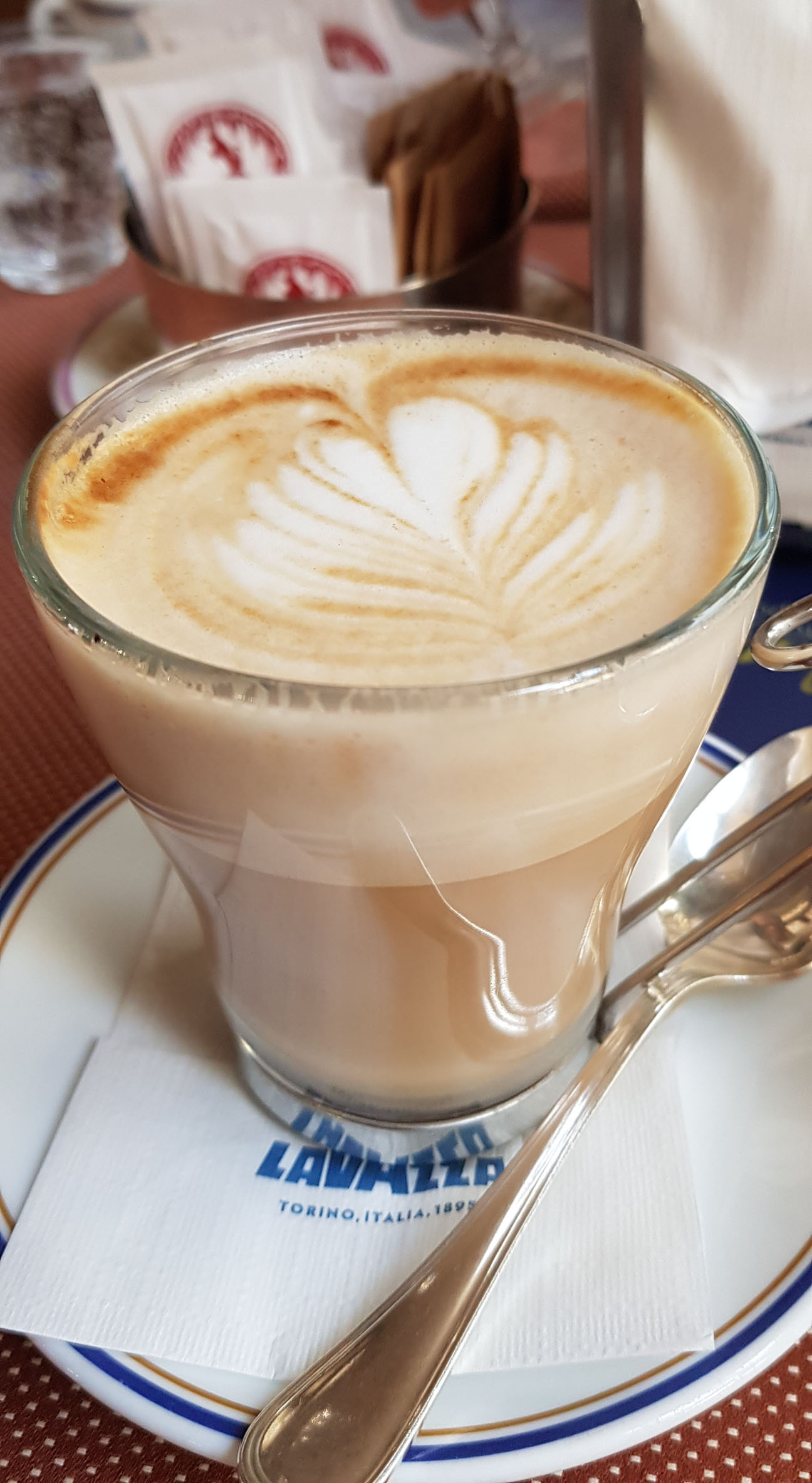
Patti’s Caffé Macchiato

Patti had the establishment’s caffè Macchiato and I had a caffè (espresso) with a shot of Sambuca. The Sambuca sweetens the espresso a bit making it a caffè corretto. Each coffee came with the customary Torinese shot of sparkling water to cleanse your mouth once finished.

Make no mistake, Caffè Torino is modestly expensive when compared to other places where you can indulge in coffee around Turin (the home of coffee in Italy). We spent more on two cups of coffee and a Sambuca then we did on our pasta lunch with wine! You are however paying for the atmosphere. Therefore, if you choose your drinks wisely (or not), you can manage a very nice experience without an enormous bite coming out of your wallet.

All in all, we had a great lunch right on our own street and just a short walk away. Bear in mind all of this did take us close to three hours, or an hour lunch-break, if you are on Italian time!

Moving to Europe – Things To Consider

Introduction

After finally moving to Turin, Italy and being here since March 2019, I thought it was a good time to reflect and write about some of the process we went through in the planning and implementation of our move. Of course for an individual or student, such a move is much easier and although we do not want to trivialize that process, older couples looking to retire or make a very large change in their life’s journey, have much more to consider. So with that it is vitally important to understand that everything you have done in the years prior to your move will directly impact whether or not you are successful or not. Planning and research are key! Without either you may not fail but you will find the problems you encounter, especially from the States, all the more daunting.

Please note: since this is to document the steps we have taken for our move, this article may be updated from time to time as I recollect additional things we may have done in preparation. So if you are at all interested you may want to check back from time to time.

Some Background

My wife, Patricia and I, had been thinking about moving and living in Europe for some time. Not to digress, but this had been a dream of ours for some time and we finally agreed some fifteen or so years ago to make it a goal. Upon doing so we have both been doing our parts, her on the citizenship side and dealing with the Italian government, and I on the financial and logistical side. Both are essential and just knowing what the process thoroughly by reading the government websites and asking questions on forums will greatly reduce your initial stress. We actually made a timeline or calendar for the first 30-60 days we were here and what we needed to get done, including a place to live. You should think of doing something similar if you are also contemplating such a move.

Preparation – The Year Before

Your House

Sometime within a year of your move you have to make decisions regarding the disposition of your home. If you are keeping it you still have some work either preparing it for rental or closing it up. In any case, some of the things we had done to sell our house may still be of consideration.

If you have decided sell your house you probably have already spent months, or years (like we did), getting rid of stuff. There are some things to consider.

First, items that you no longer need. Anything that is broken, too old to use, clutter in your attic or basement, etc. Throw it out! Don’t get sentimental about it, its junk.

Second, items that are in pretty good condition still, sell. We found that an initial purge using the yard sale to be somewhat effective for this purpose. But, yard sales are a lot of work and you rarely get enough money back for it to be worthwhile. Only use them initially for getting rid of good stuff that is bordering on junk and keep the price low, otherwise no one will buy it.

Third, use both Craigslist and eBay for high ticket items. I prefer Craigslist over the latter since there are no charges involved. Make sure you pick a good public place that is well lit and safe for deliveries, you don’t want to spend a lot of time in your car. Bring some cash for change, but not too much and don’t go back in the car for it. Use your common sense.

Fourth, for those things you are going to keep you must consider storage. Frankly, if you are selling do not expect to bring anything with you, this will complicate your move and is very costly (unless of course you can afford it and money is of no matter to you). We ended up with only a dozen or so boxes of our own for storage and the rest we stored but we gave to our children (e.g. furniture, tools and other useful items that are expensive to replace but in excellent condition). Storage for us ran around $100/mo with insurance. Since we paid for two full years we were able to secure a fairly good discount too, so look into that.

Fifth, there will always be those items you must bring with you. For us we decided we were only going to travel with one large suitcase and one carry-on item. That meant anything else had to be shipped. So any additional clothes or other items you want enclosed in a sturdy packing box. We found the small and medium storage boxes from Lowes Home Improvement to be just fine, but any double-walled packing boxes from U-Haul or other vendors would be fine. See the following section on how-to ship this stuff prior to leaving for more details.

Lastly, selling. If you are selling you may want to consider this when timing your move. For us that meant moving in early Spring. Spring and early Summer are the hottest times for house sales. Regardless of how you sell your house the chances are it will not stay on the market as long during this time period than other times during the year. Again, consider this when timing your move. The other advantage to this is weather. We moved from the southeast United States and it does get hot during the Summer, so you may want to take weather into account too. Again, this is where a timeline will help you greatly, even if its been drawn on a napkin.

In short what we actually did was from five to one year(s) prior, we got rid of items we didn’t want. Then we one year prior we sold our house in Spring, moved last items into storage and moved into a small apartment. This forced us to downsize. From there the international move was a lot easier since our lease was written to take into account all of our travel plans. It also gave us the flexibility to do other necessary things without the worry of a house or other unnecessary American luxuries.

Important Documents and Cards

Depending on what your plans are, it would be a good idea to recheck all of your important documents. Do this well in advance, you do not want to worry about this just before leaving. The list is long but it should include your Wills (including Living Wills), financial instruments (stock accounts, IRAs etc.) and other government issued cards or documents. If you have any assets at all, it’s probably a good time to talk an accountant and/or lawyer, just to make sure everything there is in order. Make sure all Passports are up to date. If you are a dual citizen this may require you to travel within the U.S. to obtain a renewal, it did for us.

To apply for residency you will probably need a long list of documents, including Birth Certificates (w/ Apostille), Marriage Certificates (w/ Apostille), and any other supporting documentation for all parties. You must research this and make sure you understand all the requirements can be met with the documentation you will be bringing. Here, you have to bring hard-copy since documents with Apostilles on them cannot be tampered with. We used a hard plastic case file folder to keep all of our documents in order, including travel insurance, etc., so you may consider purchasing one of those.

Additionally, consider getting your credit cards re-issued. This is just to make sure the expiration date is out at least a few years. This is not such a big item to worry about, but if you have time you may want to consider it. Also make sure your spouse has a card as well, especially Debit Cards, just in case one is lost or stolen.

Electronic Documents and Devices

Even if you plan on bringing a laptop, which by the way is a very good idea, I would suggest backing up any electronic data using cloud storage with encryption. You may either purchase a complete service, there are many and some are better than others, or perform your own encryption and store things on Google cloud or some other public cloud service. Just make sure what ever you do your data is encrypted using very strong encryption technology. Even if you carry this data on your cell phone, its best to back that data up in the event you lose your phone or laptop.

It is also a great idea to encrypt your phone as well as well as lock it. I use Android and they offer complete phone encryption on their later models. So, your phone should be encrypted, your SIM card locked with a pin code, and your phone locked with a pin code as well. It will make it annoying booting the phone up from time to time but this is the safest thing to do. You may also want to turn on any phone tracking, in the event you forget your phone or its taken. It will help you recover it.

The last thing I will commend is a password locker. I have used them on and off over the years, but if you plan on traveling a lot, they are indispensable. I would suggest purchasing a good one, you don’t want advertisements cluttering your life here! I use Acebit’s Password Depot, latest version. The nice thing about this application is you can install it anywhere, phone, laptop or PC. Additionally, you can store more than just passwords and use the auto-fill capabilities. You can also use it to store your SSI, foreign social security number, insurance information and other important data and numbers you want to keep secure. Also the application automatically encrypts all the data it stores, so you do not have to worry about it getting stolen on your phone, even if you phone is. I would suggest not leaving home without one. One word of caution though, once you have created your password locker and installed it on all your devices, back the file up on the cloud (you’ve been warned). Yes, this is all a big pain in the ass, but it may save you from having a very bad experience.

Survey Trip

Sometime within 90 to 120 days of your move you are going to want to take a survey trip. This will not be a vacation and you should consider it a job with real costs and daily tasks that must be accomplished. The whole point of this trip is to get a firm idea where exactly it is you want to live. In our case we were unsure whether we wanted to live in the country, the Tuscan area or a city. We had an added twist in that our son was going to travel with us for the first year, so we had to make sure there was plenty to do.

Once you have decided the variety of places you want to see its best to plot them on a map. Then determine what mode of transportation you will be using. A car of course gives you the greatest flexibility but it has drawbacks like anything else. I would suggest choosing the mode of transportation that you intend on using once you have moved. This will give you a good idea as to its capabilities, flexibility, cost and usefulness. We decided our central location for this trip had to have excellent rail service since we were not going to own a car here. That proved to be a very good decision since we had a pretty good idea within a week what we could do, the direct costs and within a month more or less rail and metro experts.

Your central base for day trips should be just that, more or less central to your points of interest. We made ours in a town we were not necessarily interested in living in. But since it had an excellent train station (access to fast rail) it turned out to be a great choice. We even toured it as well quite rigorously to make sure we had no interest really in living there.

There is the question of travel cost. Though figures here would be quite useless since it depends greatly on what you plan to use, etc., planning can be difficult. It’s probably essential to pick your mode of transport prior to trying. However, once you have done this, do not switch, since it will be difficult later to try an estimate your travel budget later (though not impossible). Also keep in mind rural locations have fewer options than cities. We picked a city and are able to choose between metro, street car, bus, local rail and fast rail, though again not all cities may have all of these options available. Again, research is key.

Shipping Items Prior To Your Leaving

For those important items you have identified that must come with you must either travel with you or be shipped. Again, we decided to simplify our travel by just bringing what we could reasonably carry to two items each. Everything else was shipped. There are several carriers to choose from that offer these services. Of course, there are FedEx and DHL, but we found them too expensive for our needs. However, a few internet searches provided a few services from which we selected after reading forums and asking some questions. We ended up going with SendMyBags. It is important to engage them months before if only to get their special shipping tags (large zip-lock plastic clear envelops) for the outside of your boxes. You can also ship luggage, so these will come in very handy with zip-ties. They will be used for the manifest (list of contents) of each box or bag. Be detailed in your description and number of items. Also adhere to any restrictions, if they say you cannot ship something, DON’T! It will save you tons of grief with customs.

In the interest of brevity that is all I will say about shipping items. If you thoroughly read the website for the service you are using you should have no problems. The carrier that is ultimately used presents your bags on behalf of you to custom officials. The bags in most cases are scanned. If they see anything that does not fit the description on the manifest or if it looks suspicious, your bag or box WILL BE OPENED. You may also be asked to pick your item up at the customs office. You want to avoid this so AGAIN, do NOT ship anything that is on their list of restricted items.

For us, we used SendMyBags, and we never had any problem. The biggest fear we had were that the bags might make it to our destination quicker than we would. However, that was not to be the case, even though it was close. Our bags and boxes arrived in two shipments within days after our arrival. No bags were opened and only one of the manifest envelopes were opened and taken. We assumed that perhaps they did something else for the other shipment or just placed it back neatly so we couldn’t notice. In any case we had a very good experience with them and would recommend their service.

The First 30 Days

Temporary Housing

You will no doubt have to find housing for the first 30 days. There are many options, none better than any other. We procured a place online for four weeks with the option of extending that period weekly for an additional three weeks if we needed. Not all landlords are willing to do this and it is best to check with them directly if they are able to offer you this option. Fortunately we did not need to use it.

The cost for housing the first 30 to 60 days will be somewhat expensive, probably higher than you would normally pay for a normal rental. Additionally depending where you planned to stay may make your apartment search easier or more difficult. Again, it is best to do some research prior to leaving just to see what’s available.

Residency

I am not going to go into depth on this subject, since it would fill a book of its own. Rather, I am going to acknowledge that before you even leave the States, you have to realize you will have to apply for residency, wherever you have chosen to live. This will require documentation and you MUST bring all the important ones with you, Birth and Marriage certificates, etc. The chances are they will all have to have an Apostille on them and in some cases the Apostille issued within the last six to nine months. In the case where you are moving to a country that has a different language, you may also have to have a translated copy of the document in question and get an Apostille for that as well.

Phones

Before you move to the continent you have to make some hard choices about your phone service. Make no mistake, if you delay this decision until you arrive and continue your state-side service it could cost you dearly. I would also suggest purchasing a new phone, or at least a reasonable upgrade. This will give you three of four years of piece of mind. If you are purchasing a new one, DO NOT do it through your current carrier. Buy one on the internet. It is very easy to find an ‘unlocked’ phone and you want it UNLOCKED. I will not go into here but its important if you are to install a foreign carrier SIM card into it that it be unlocked.

Domestic Phone Plan

If you are truly ‘cutting the cord’ so to speak, you will no longer need a domestic number. You should plan on terminating your plan so that your last month of service is STILL IN AFFECT while you are traveling. This will ensure, hopefully, that you have continued service while in airports state-side. Once you are airborne this will no longer be an issue of course. You may want to adjust your travel plans such that you don’t get ripped off too much on the last month’s bill. I would also suggest actually going into a local store to make sure there are no hidden last-minute charges, etc. This is the option we selected.

For those less willing to totally divorce themselves from domestic service, you have a few alternatives. You can continue your service and pay exorbitant rates by the likes of AT&T and Verizon, or choose a more friendly domestic carrier like T-Mobile (German based and provide much better rates than domestic only carriers). You can also choose to suspend your service. I imagine there are still other options, but since we chose the former option we will not go into them here.

International Phone Plan

Needless to say you have many options once you get here, just like in the States. However, the first thing you want to do is get a pay-as-you-go SIM card as soon as you arrive. Though they can be somewhat restrictive you should be able to find at least a 20-30GB data plan for about 30€.  This is a very attractive option for the first month or two until you are able to shop around and compare all of your local plans. This is exactly what we did until we settled on our carrier, ILIAD, which provides a very good data and voice plan for just 9.99€/m introductory and 14.99€/m after one year. This rate has probably changed since we purchased it so the above rates should just be used to compare against any existing plan you have. This carrier is able to reduce rates by offering SIM cards via a kiosk, although they do have other kiosk like stores with representatives in them that can help you.

The Next 60 Days

Housing

Finding a house or an apartment to live in will depend on the country. I can only speak for Italy, and specifically Turin. To sum it up succinctly, it’s a mess. Not only finding a specific area you would like to live in, but an apartment that is reasonably laid out, has the features you are looking for and in the price range that is acceptable to you.

We made a repeated attempts to perform this difficult task ourselves, contacting several RE/MAX agencies and other local ones. All I can say is for an American based company, RE/MAX is a waste, especially in Italy. The two establishments we visited just yes’ed us to death and never did anything. They are only interested in selling homes, not their rentals. This is probably due to several factors, none of which I will get into here. We finally contacted a private company who worked for us, that is, we paid them as well as the owner. This is a bit expensive and probably not a solution for most people. But in a large city market where location is key, for services, etc., it is key to have someone represent you. We were actually lucky to find them since it was through several people we got to know that we discovered them.

Residency

At least in Italy, you have to make sure your documents are less than six (6) months old. This means, if you have something apostilled, or from an Italian government agency, it cannot be older than six months. We are actually still waiting for residency because of some documentation that must be sent from another commune. Needless to say, Italian bureaucracy is SLOW. You are thinking snails, tortoises? These are quick compared to them! We are of the opinion that before we get our residency we will be re-applying for a permission to stay again at the police department.

Utilities

In Italy at least there are some utility advocates that work for the consumer. That is not to say that they will help you after they make a utility! Eventually after they have fulfilled their duty to get you signed up at a new utility, they slowly stop responding to your requests for help with anything. For example, bill payment or meter readings.

We are attempting to ply the Italian business waters without a Postal or Bank account. The reason is there are better EU based solutions on the internet that provide better and cheaper service. This can cause issues, so if you plan on using something exclusively like TransferWise, or something similar, you may struggle until you have figured out how to pay your utility company. Especially if you do not speak the language yet.

Again, I will be updating this, so please check back later...!