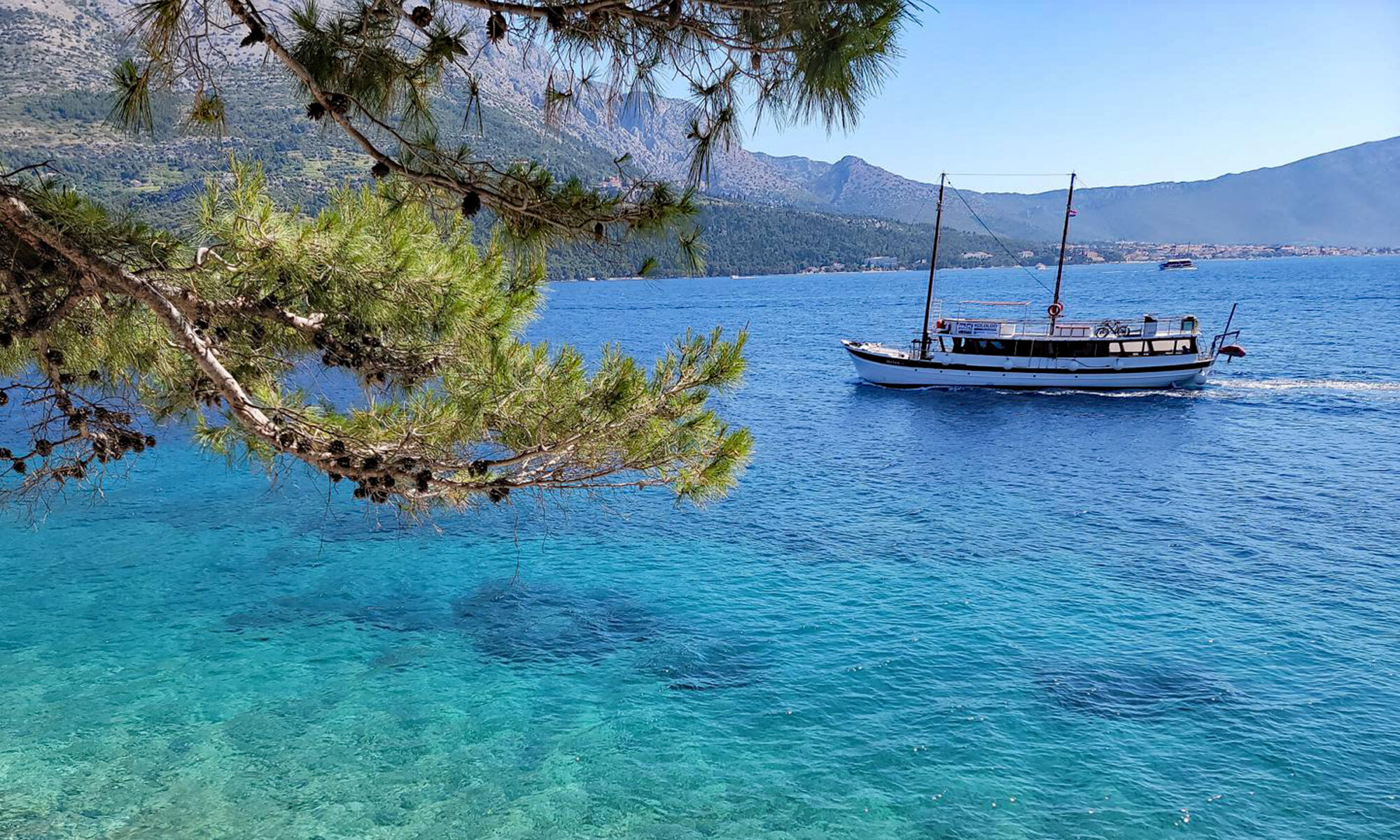
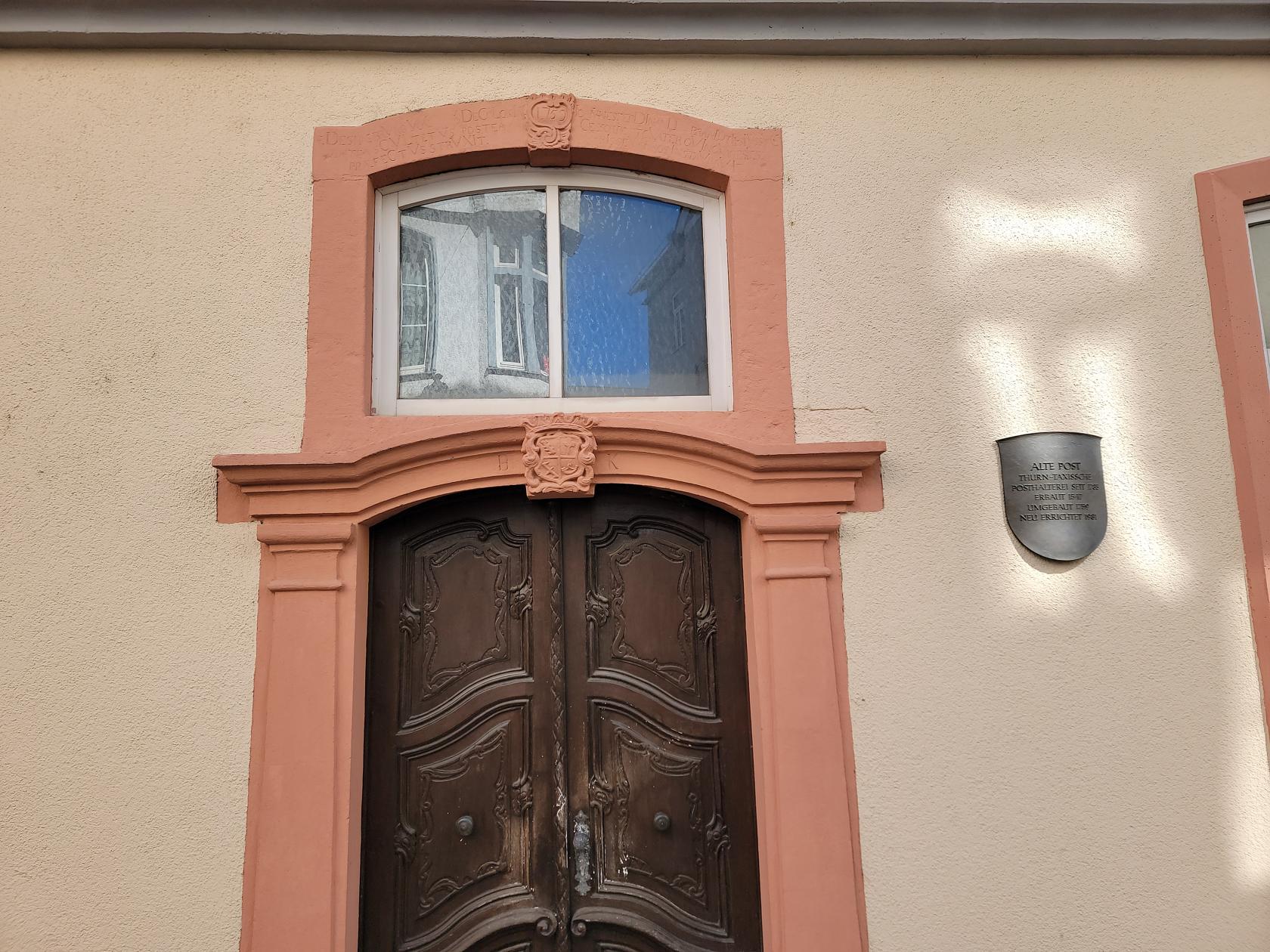
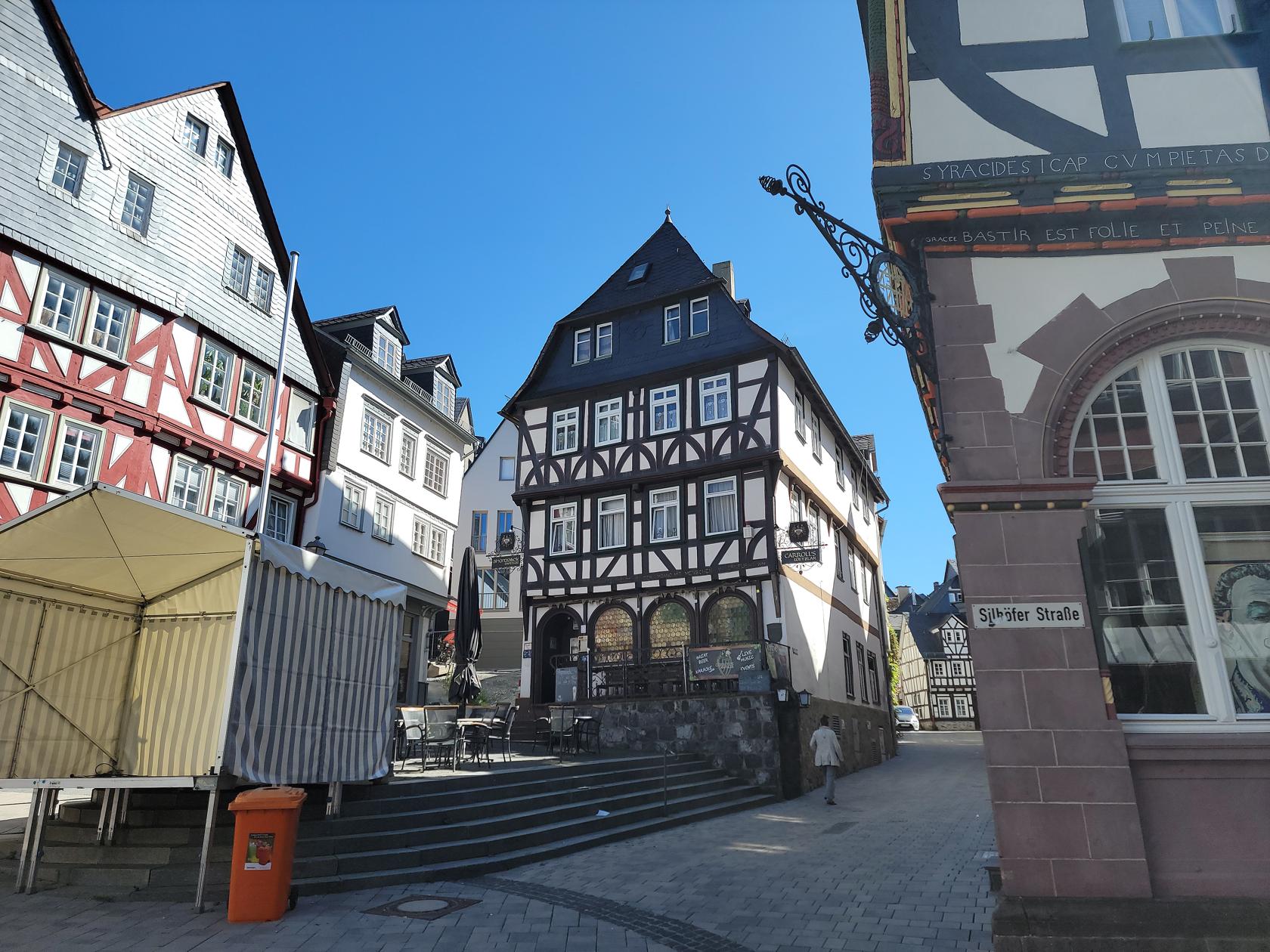
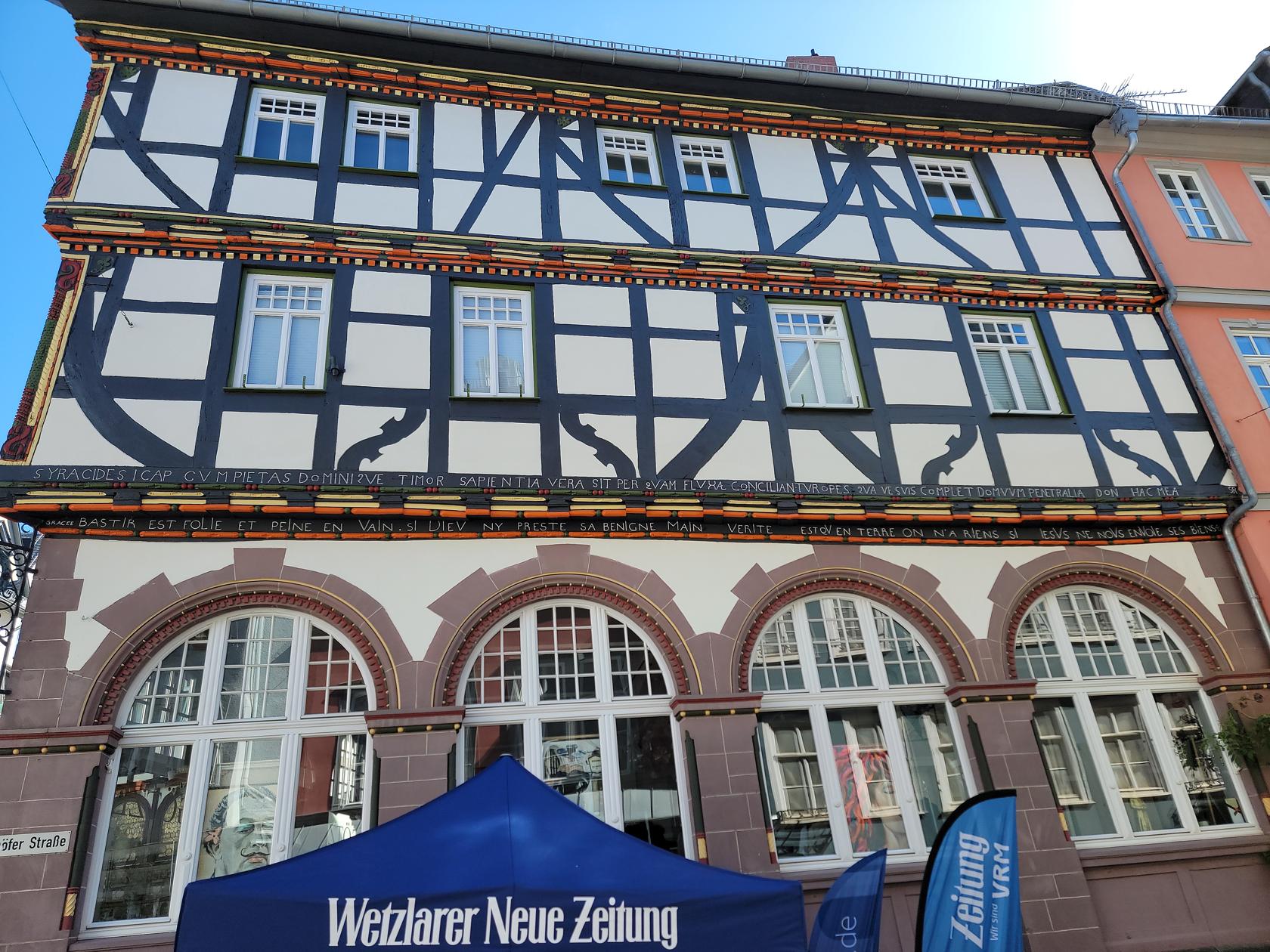
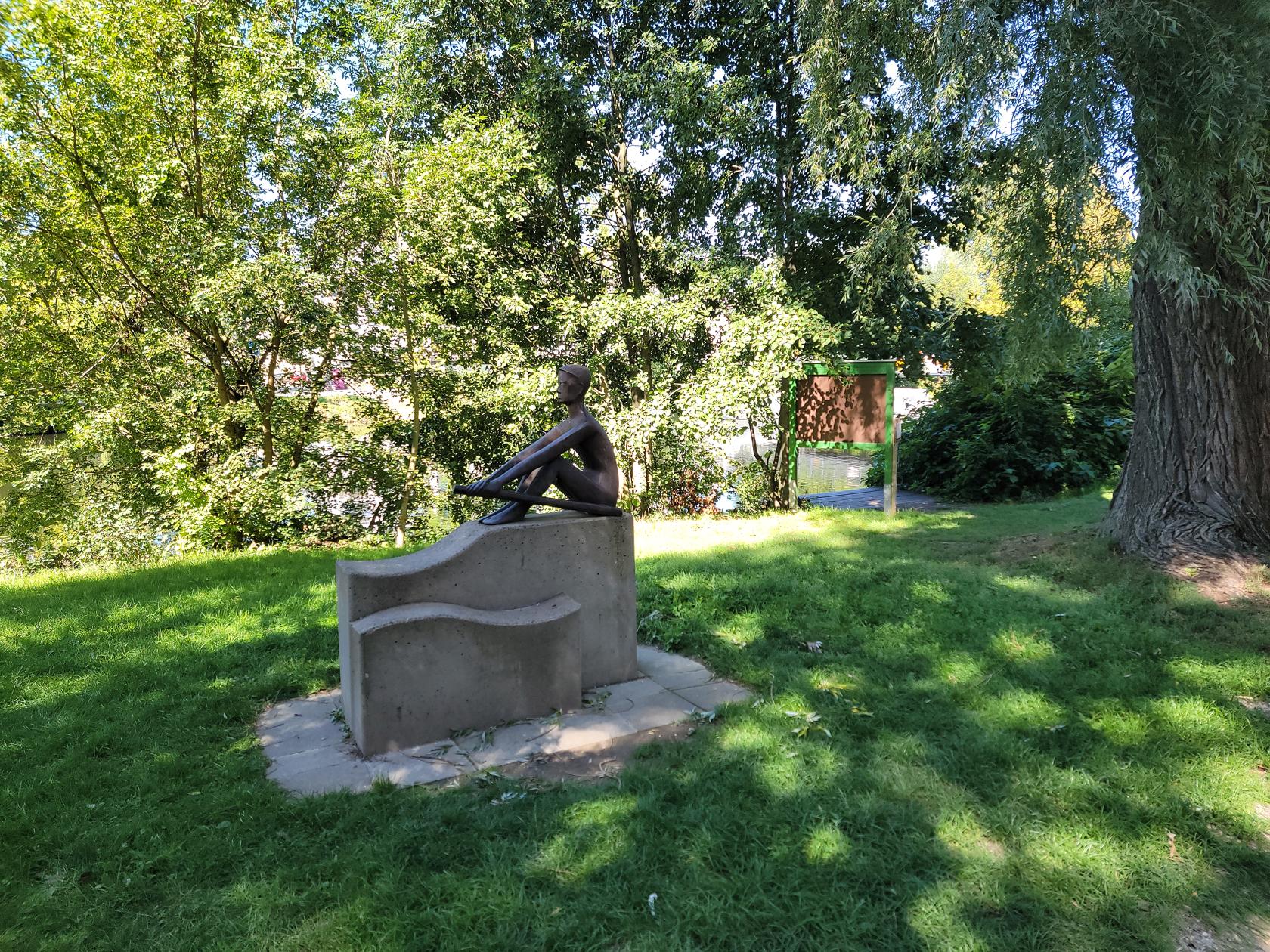
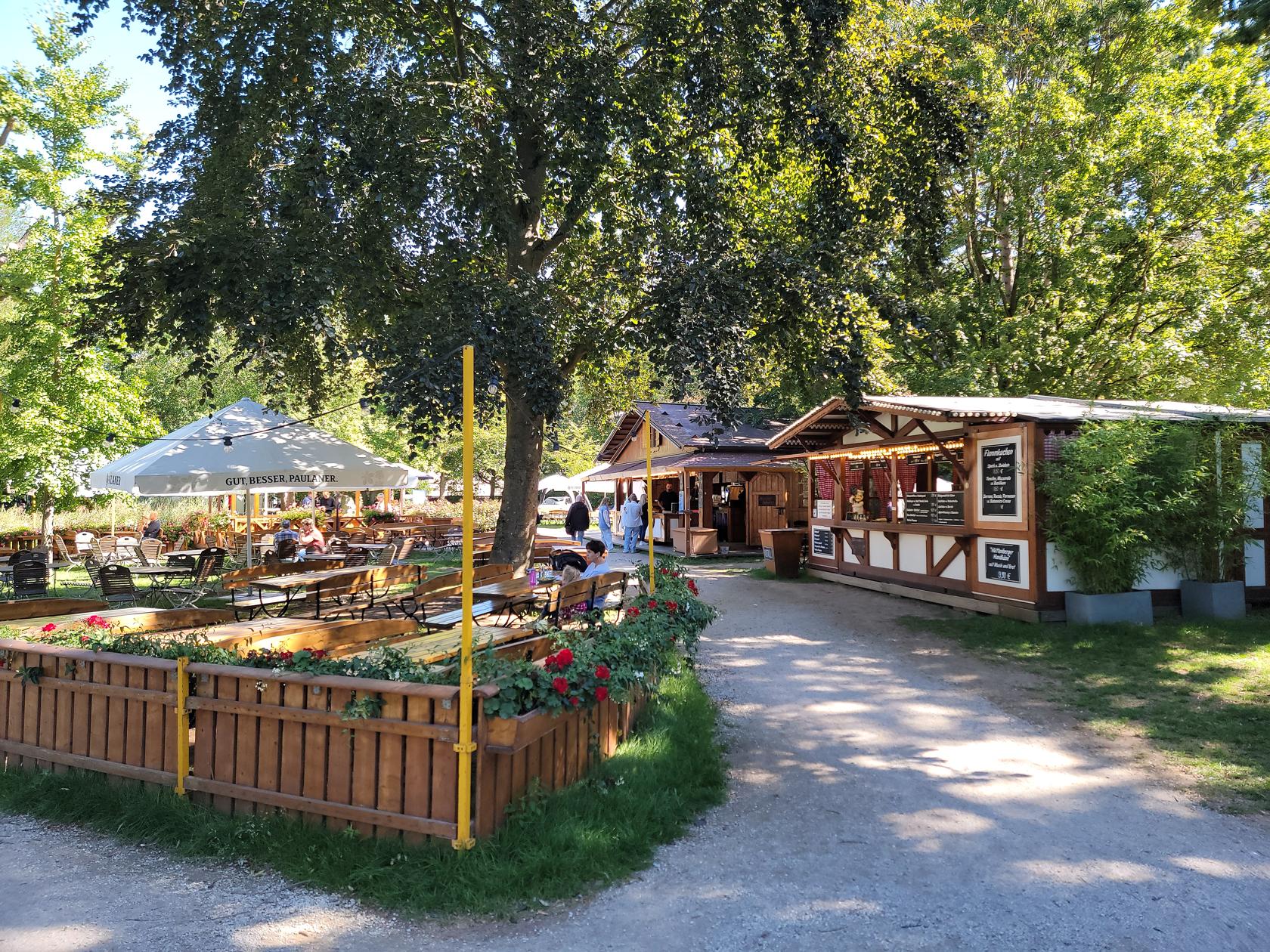
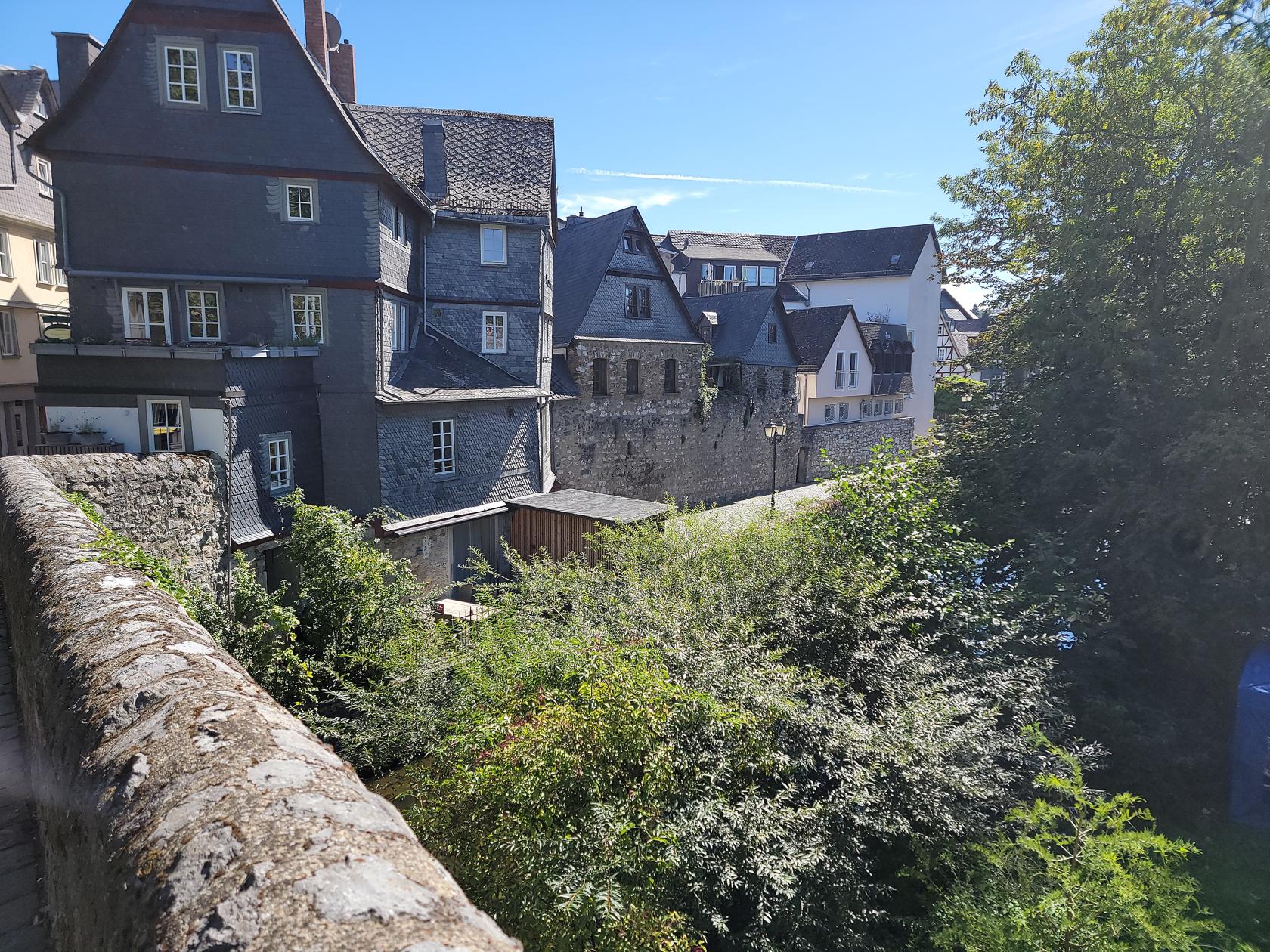
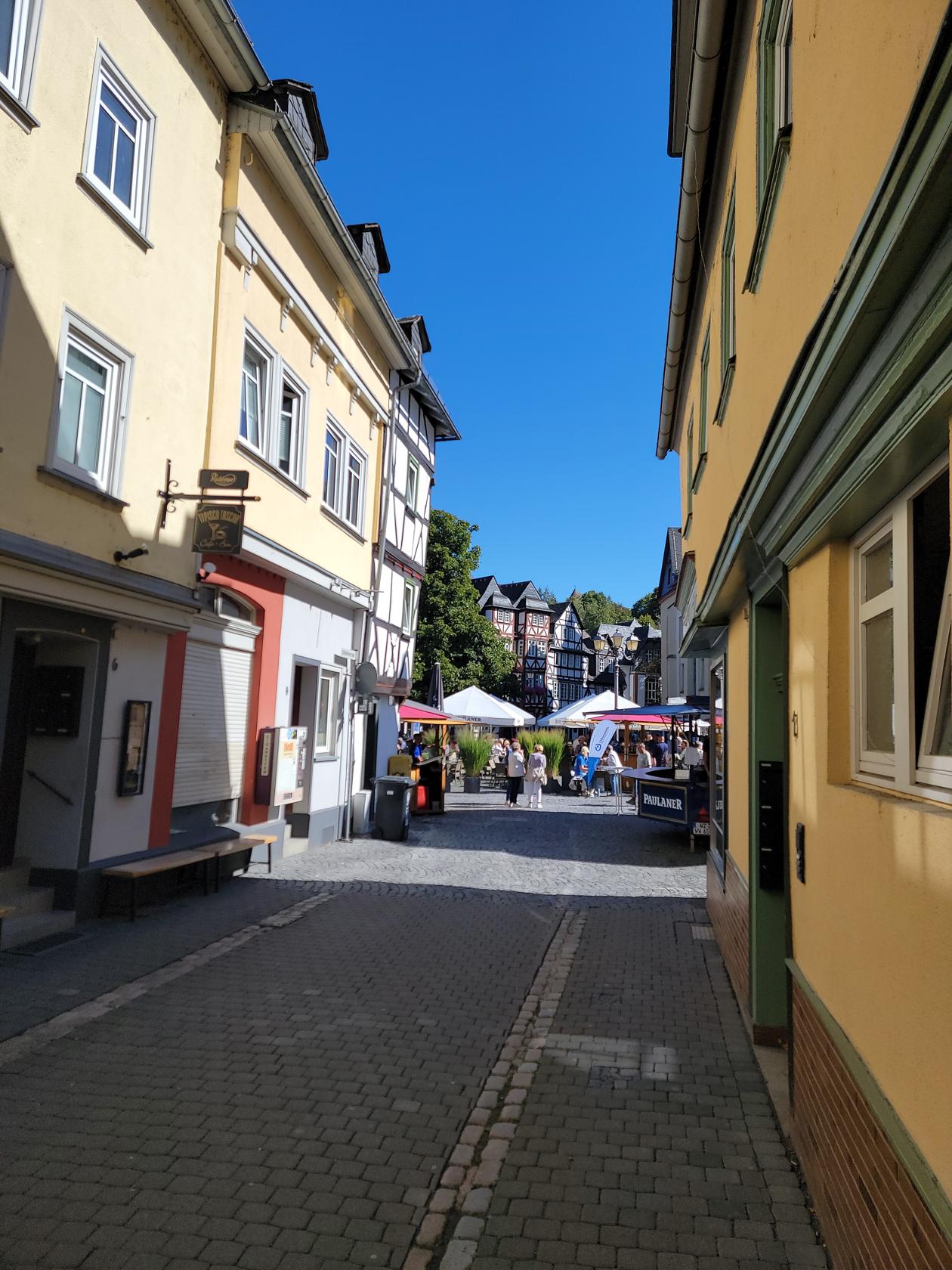
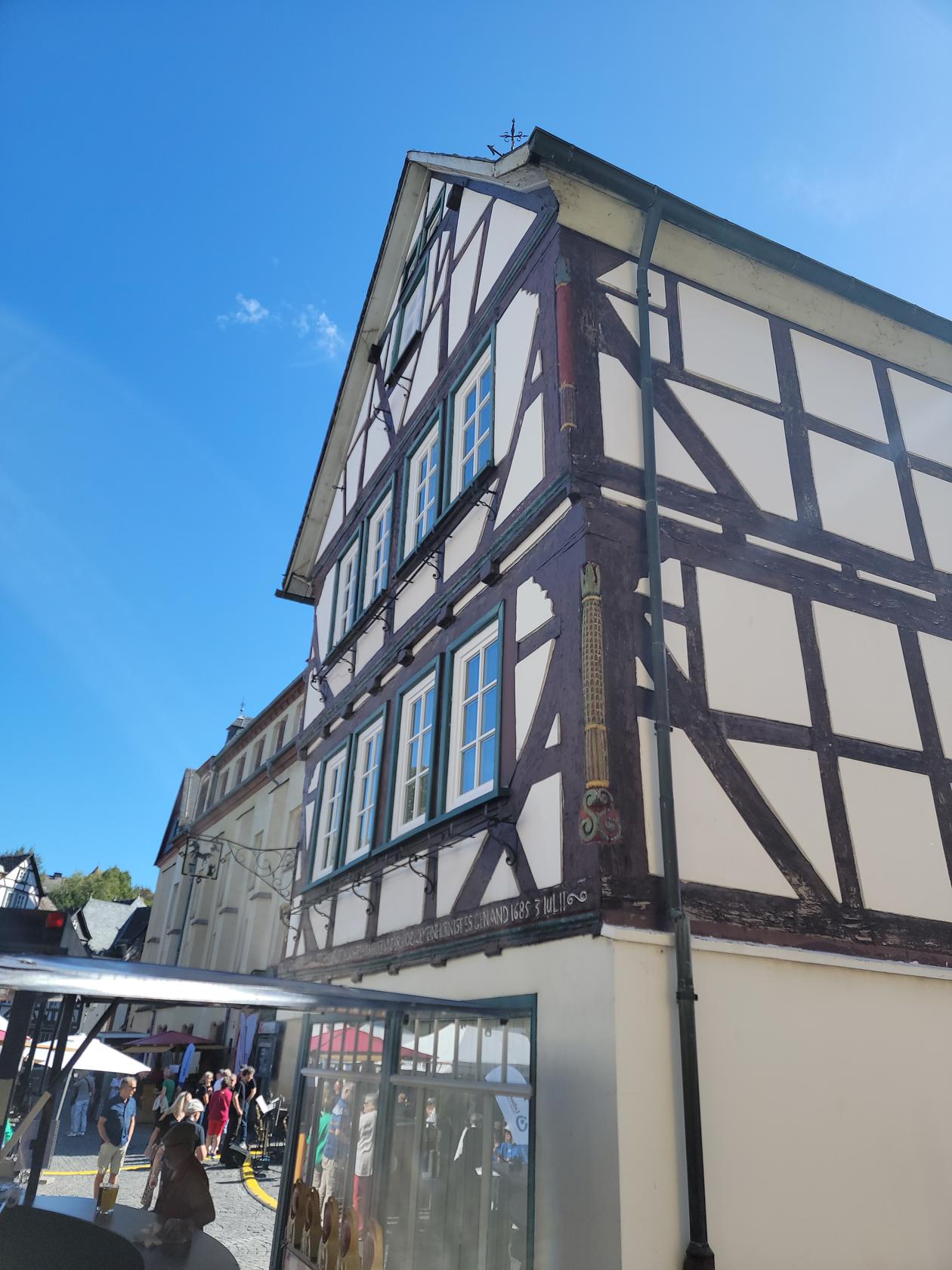
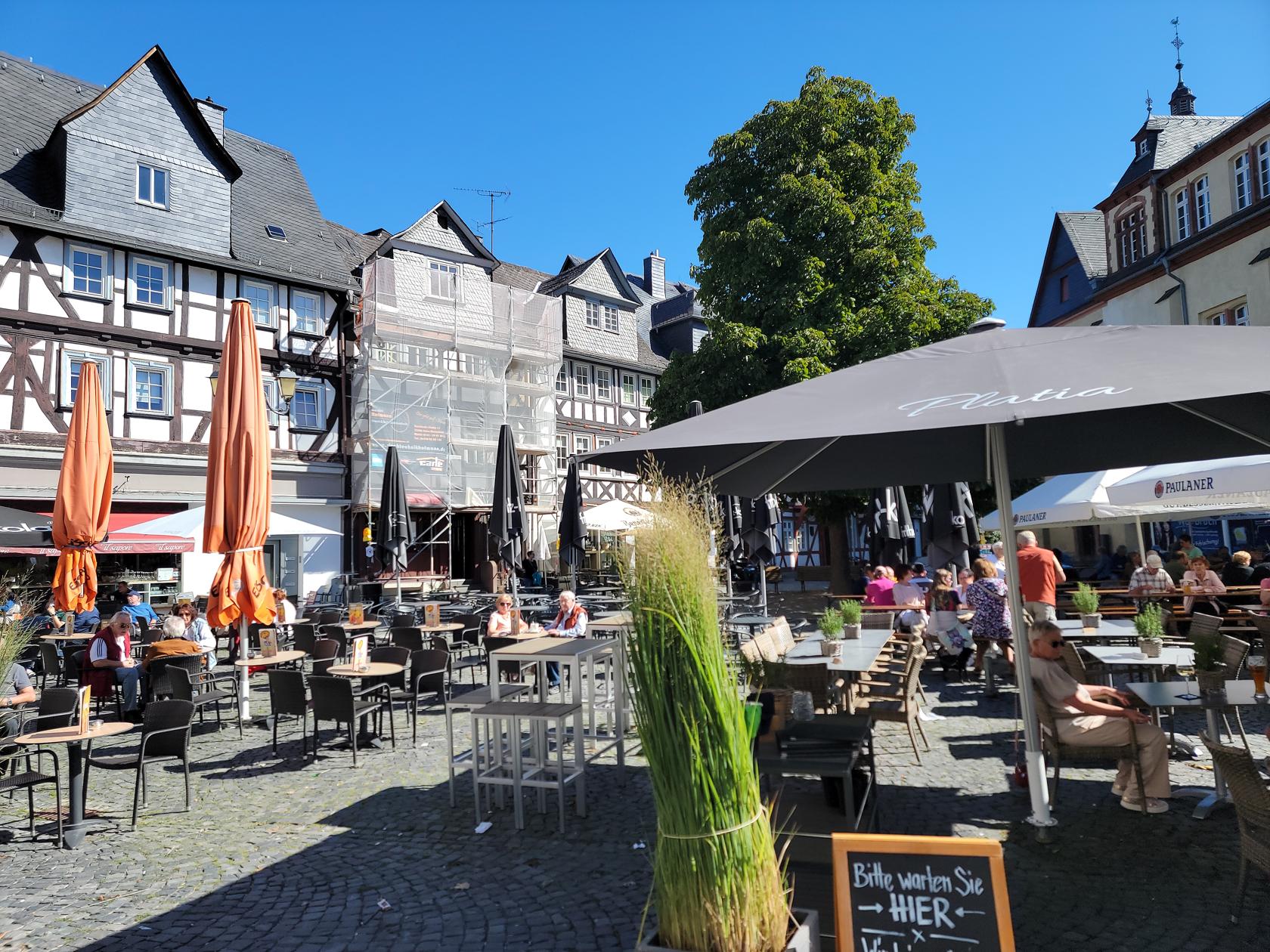
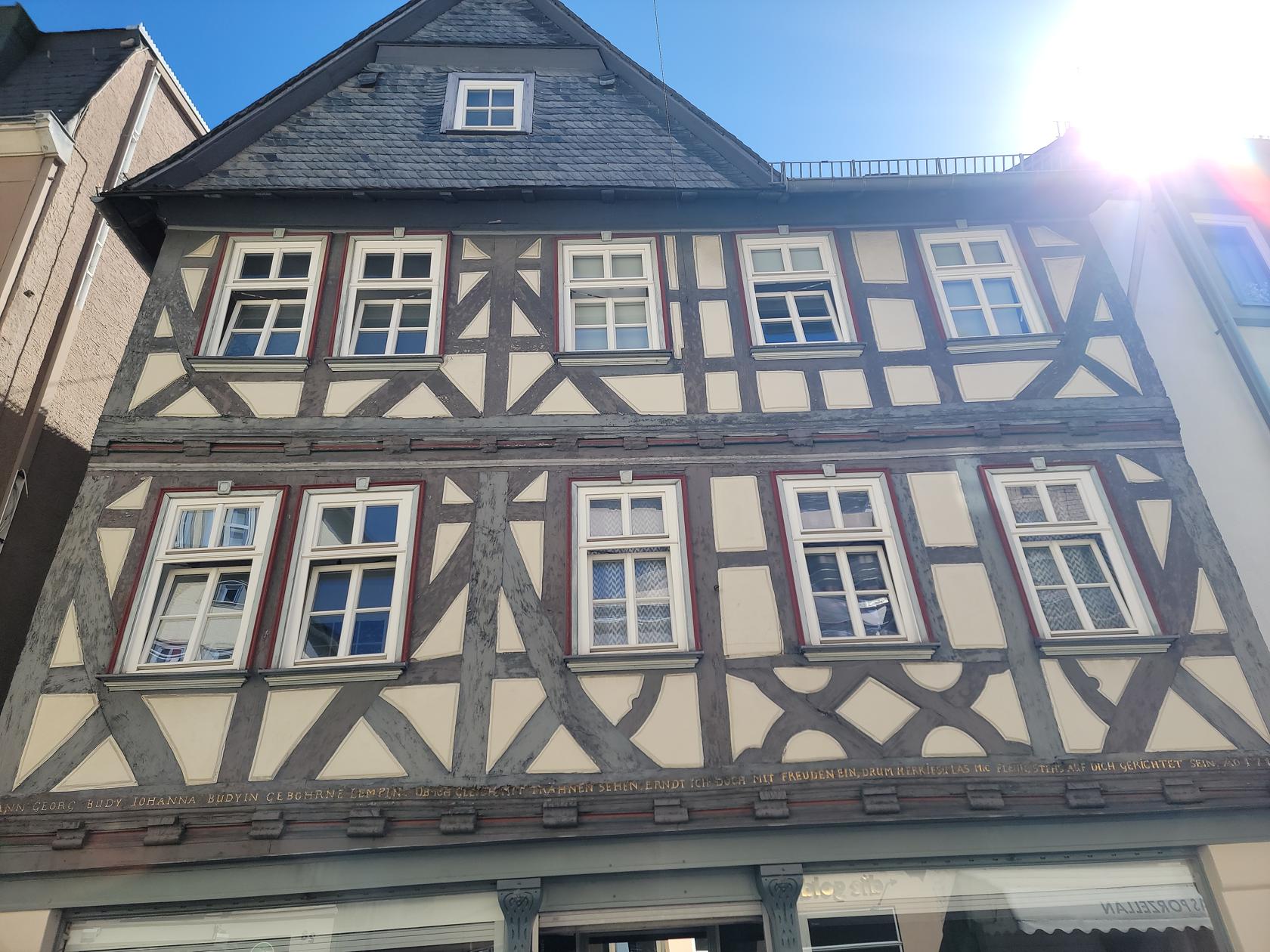
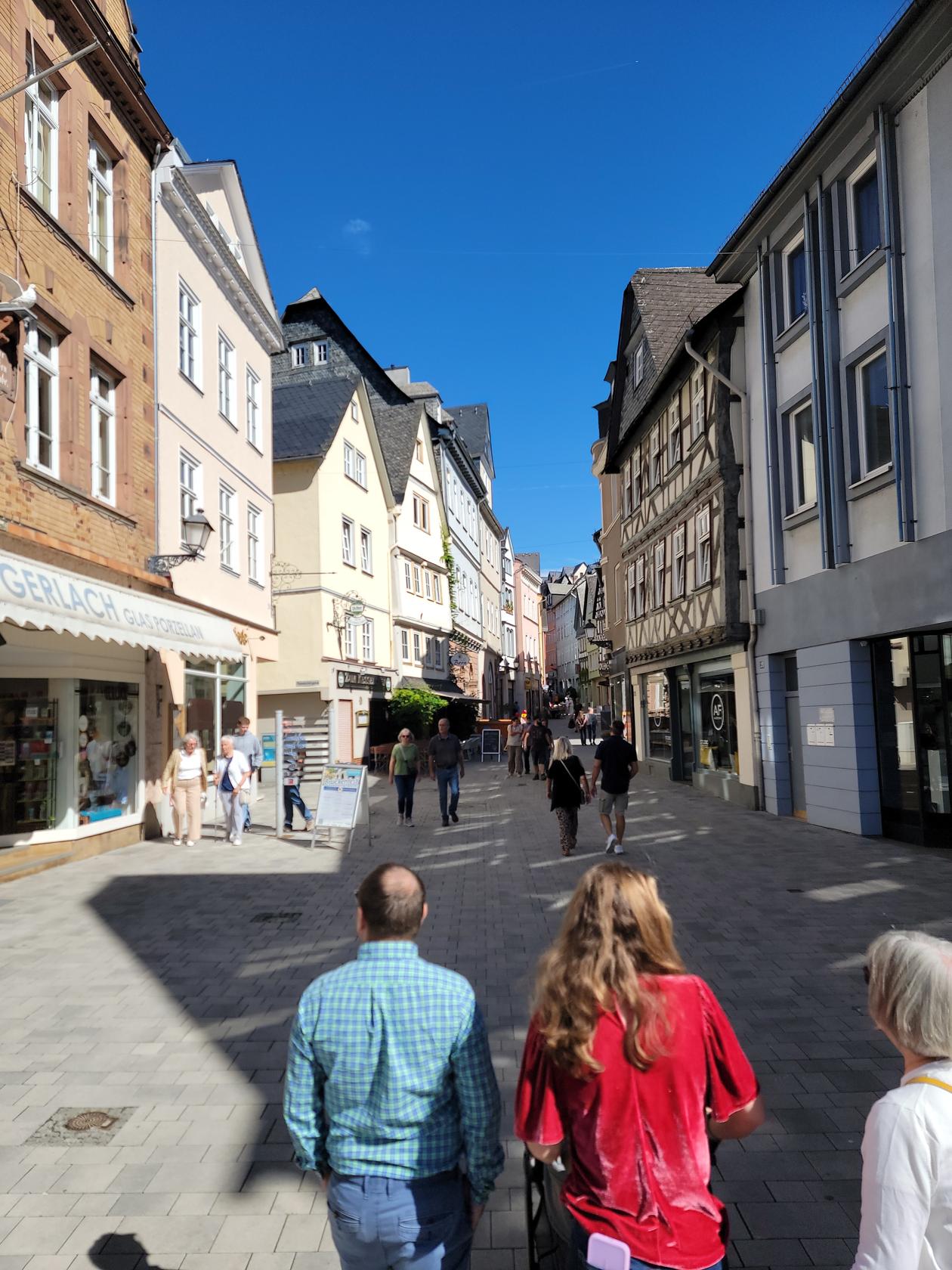
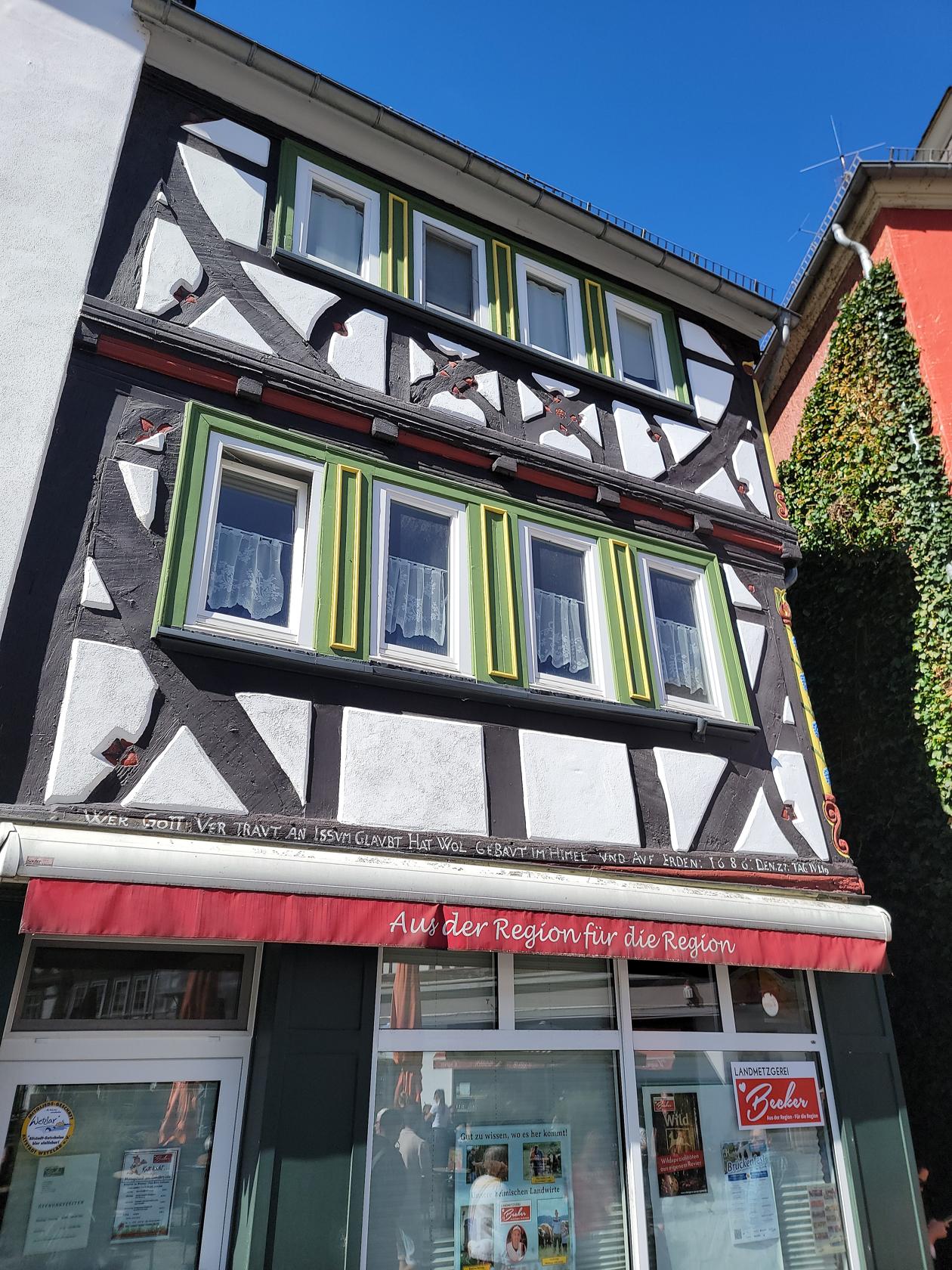
The old town of Wetzlar, Germany, is an old free imperial city whose claim to fame is the seat of the Imperial Supreme Court. It is a favorite among the locals and during this time of year they hold weekend festivities with bands and other attractions. It’s a good destination for a weekend day-trip.
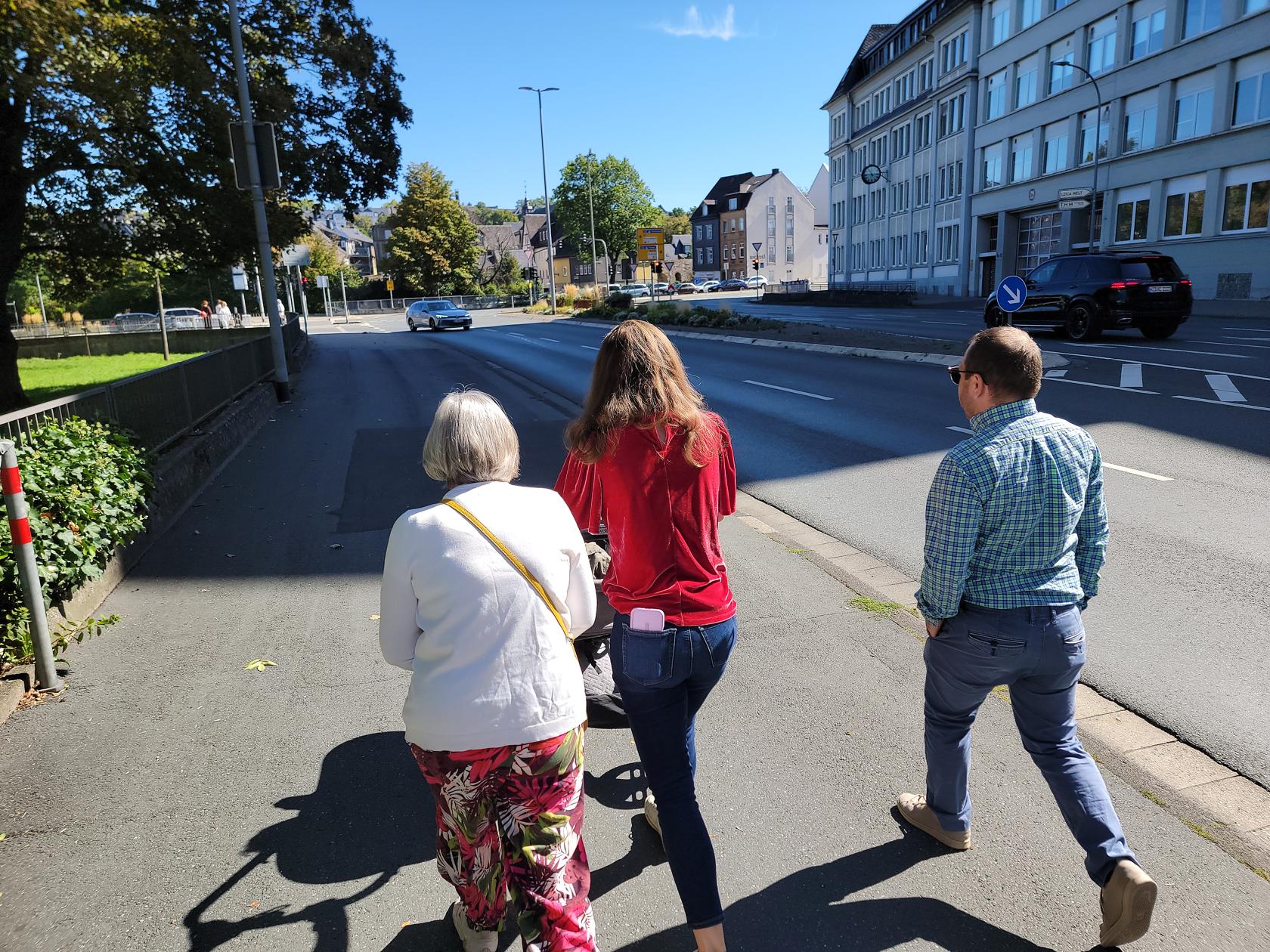
Patti, Ericka and Gabi – Going to the Altstadt – Wetzlar, Germany
Wetzlar
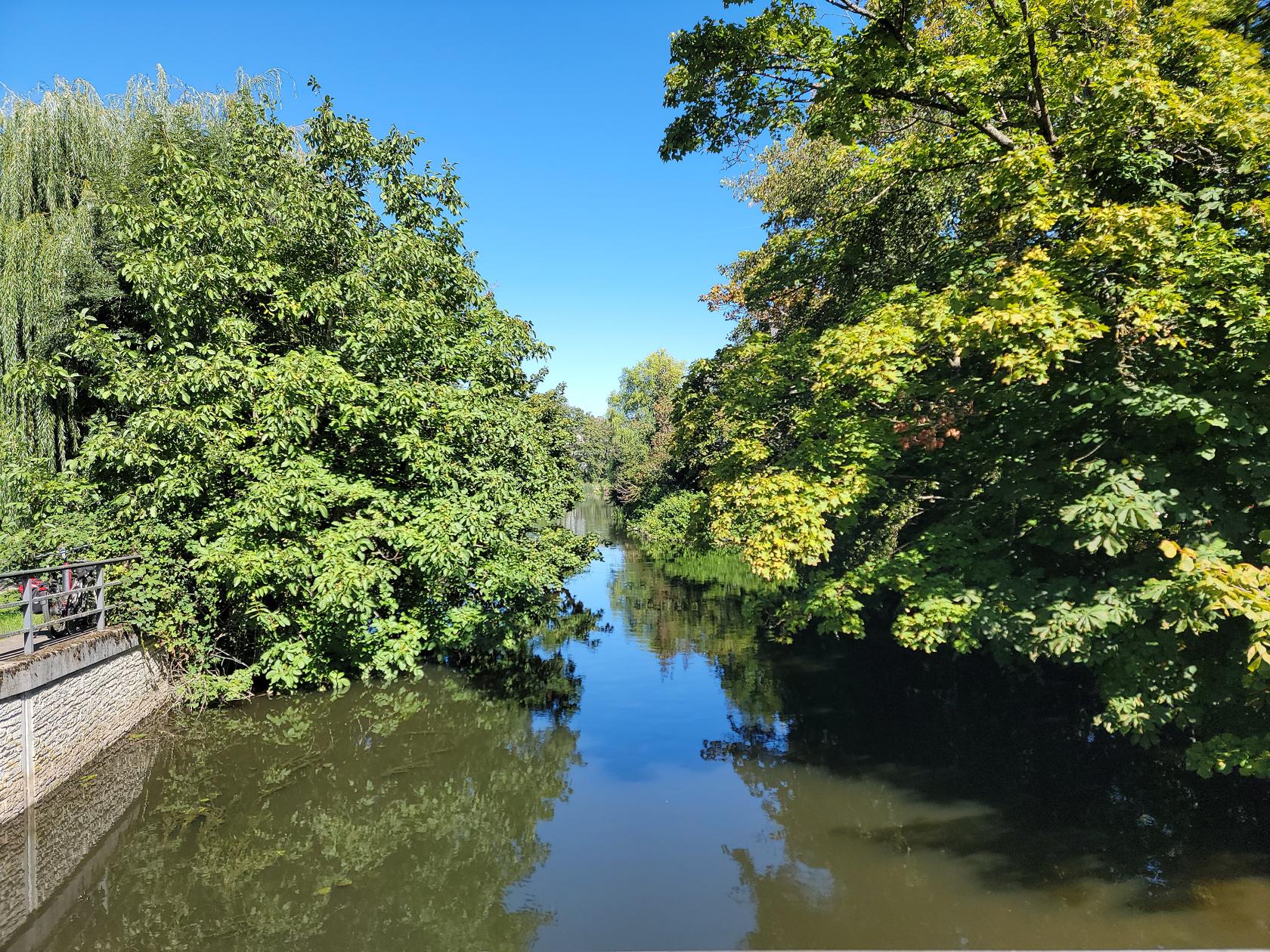
Located on the Lahn River, Wetzlar is a fan favorite for canoist, kayakers and other non-motor boat enthusiasts. The waterfront has a small boat launch that eases entry to the Lahn for people who come to enjoy the fast running white water. Rentals are available in town for those that do not own their own equipment. The town is also a mecca for cyclists and there are several places in town where bike rentals are offered.
The town itself has a few main squares that setup for weekend festivities, the Schillerplatz, the Eisenplatz and less so the Domplatz. There is also the area along the Mühlgraben that is lined with Biergarten and other stalls where food and beverages can be purchased, as you walk lazily through area along the river.
Entering Schillerplatz – Wetzlar, Germany
Schillerplatz – Wetzlar, Germany
Schillerplatz – Wetzlar, Germany
Silhöferstrasse – Wetzlar, Germany
Silhöferstrasse – Wetzlar, Germany
Schillerplatz – Wetzlar, Germany
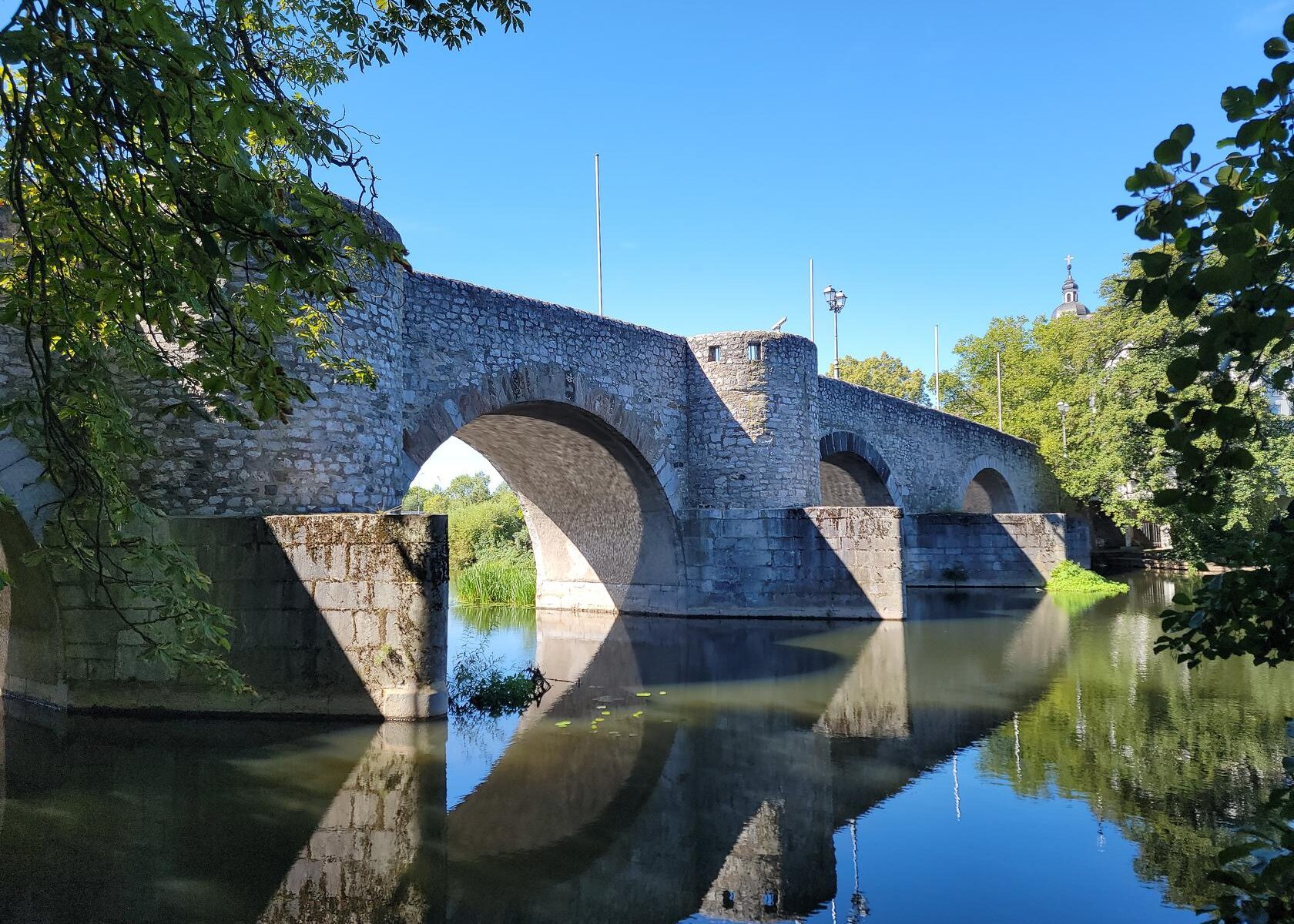
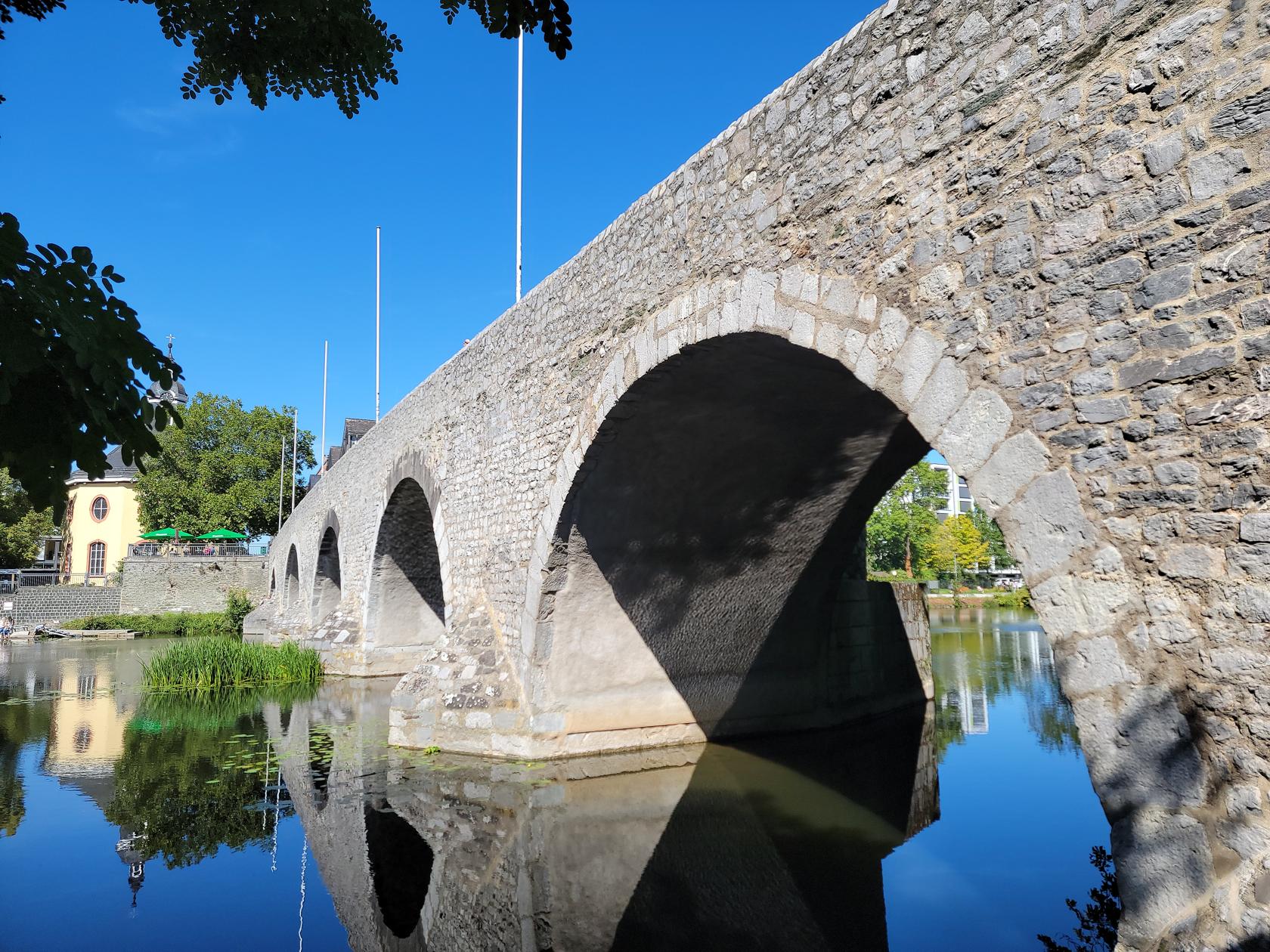
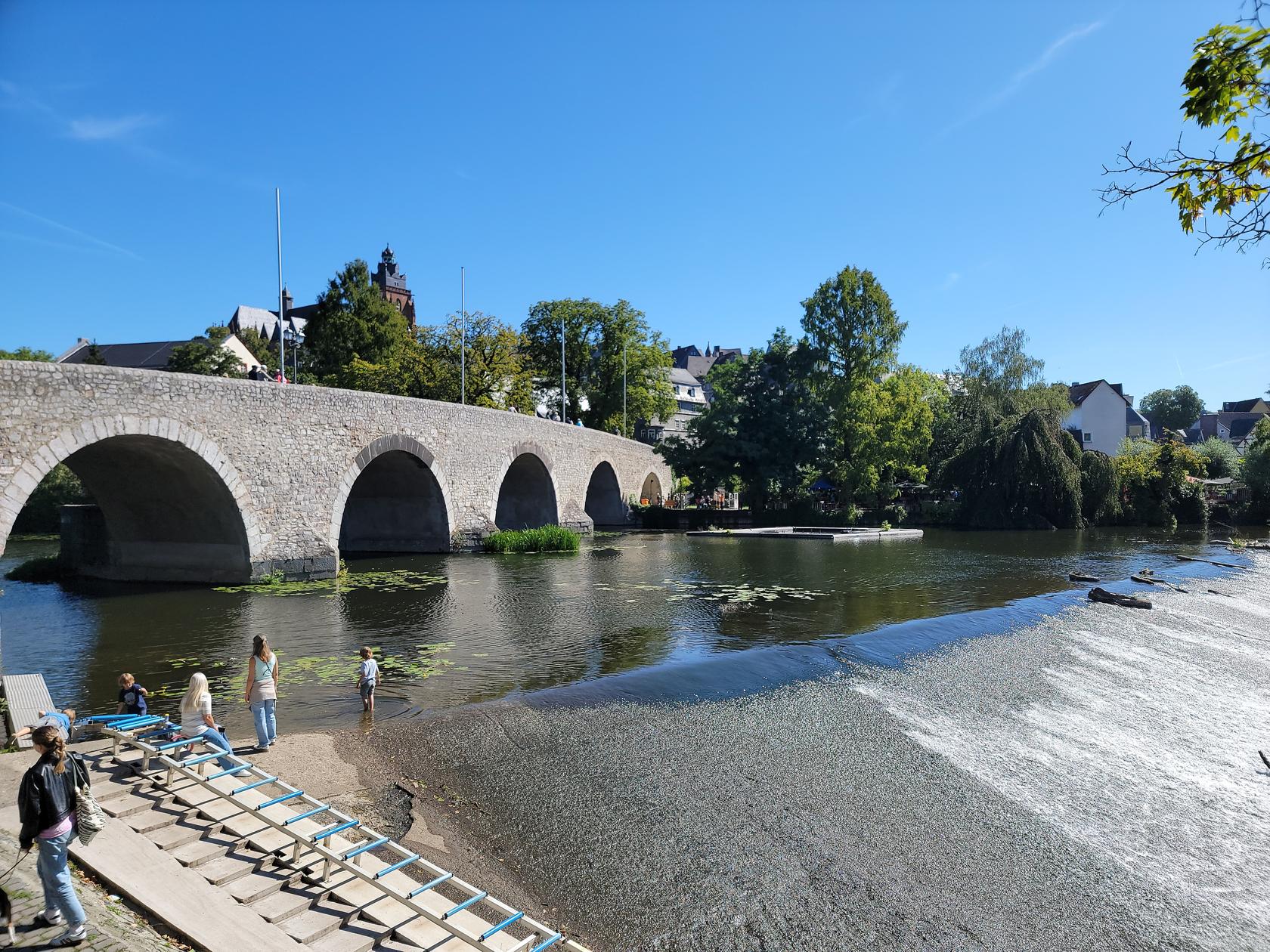
The Alte Lahnbrücke spans the Lahn River about at the midpoint of the old town, connecting the Eisenmarkt with the Neustadt on the other side of the river. Here you will also find several Biergarten, a playground for children and outside seating to enjoy the atmosphere in this lovely little town.
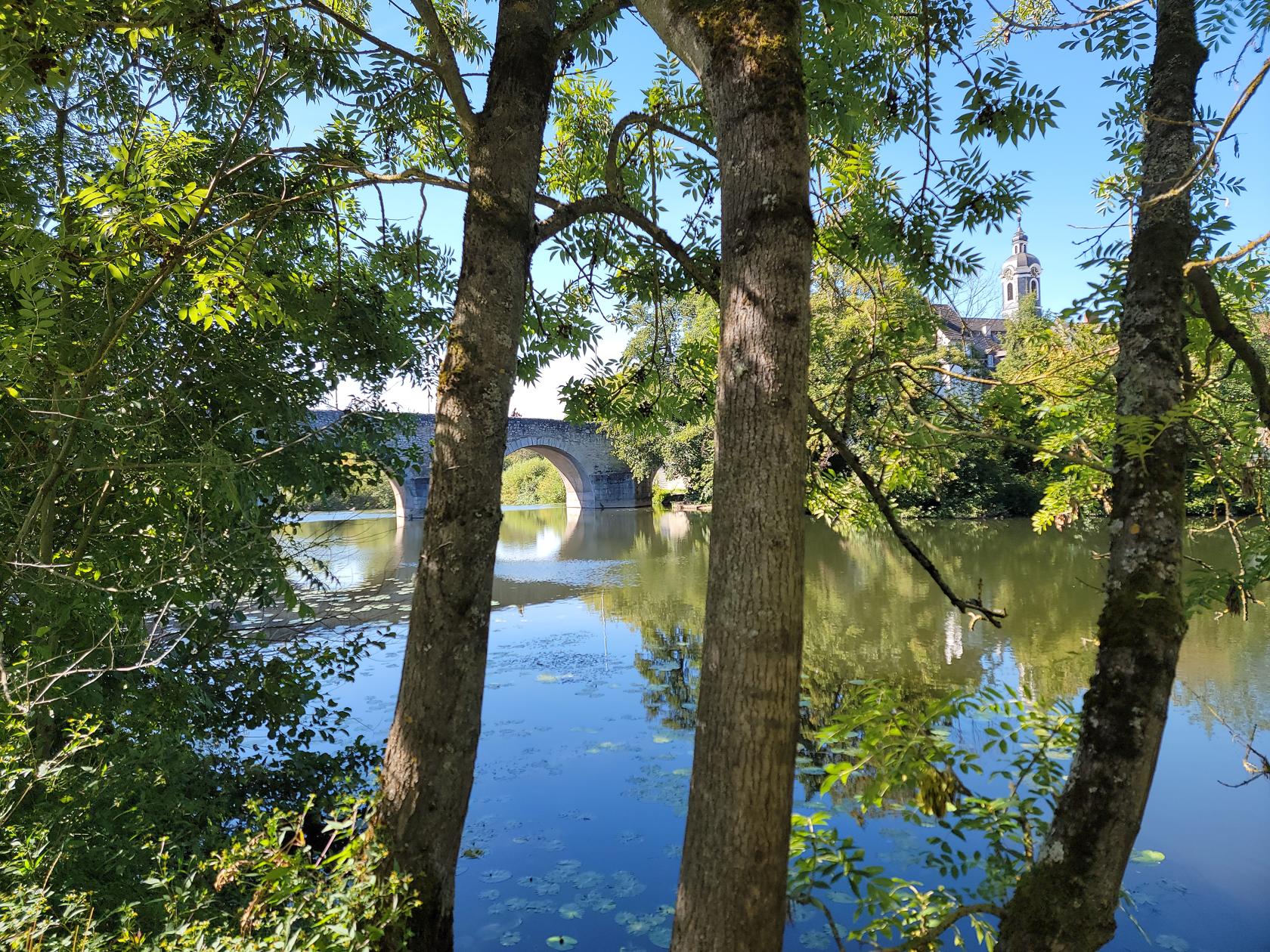
Alte Lahnbrücke – Lahn River – Wetzlar, Germany
Alte Lahnbrücke – Lahn River – Wetzlar, Germany
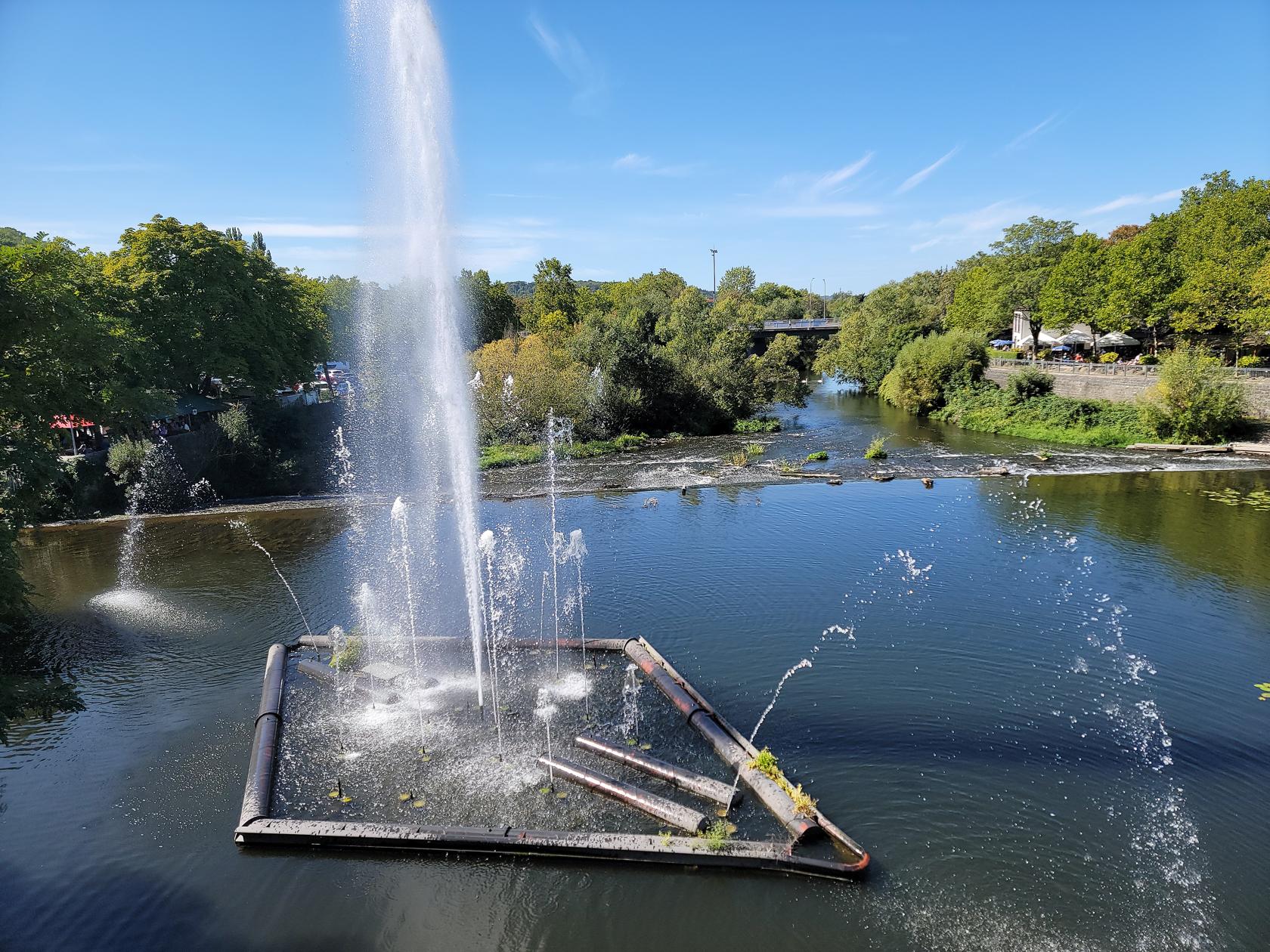
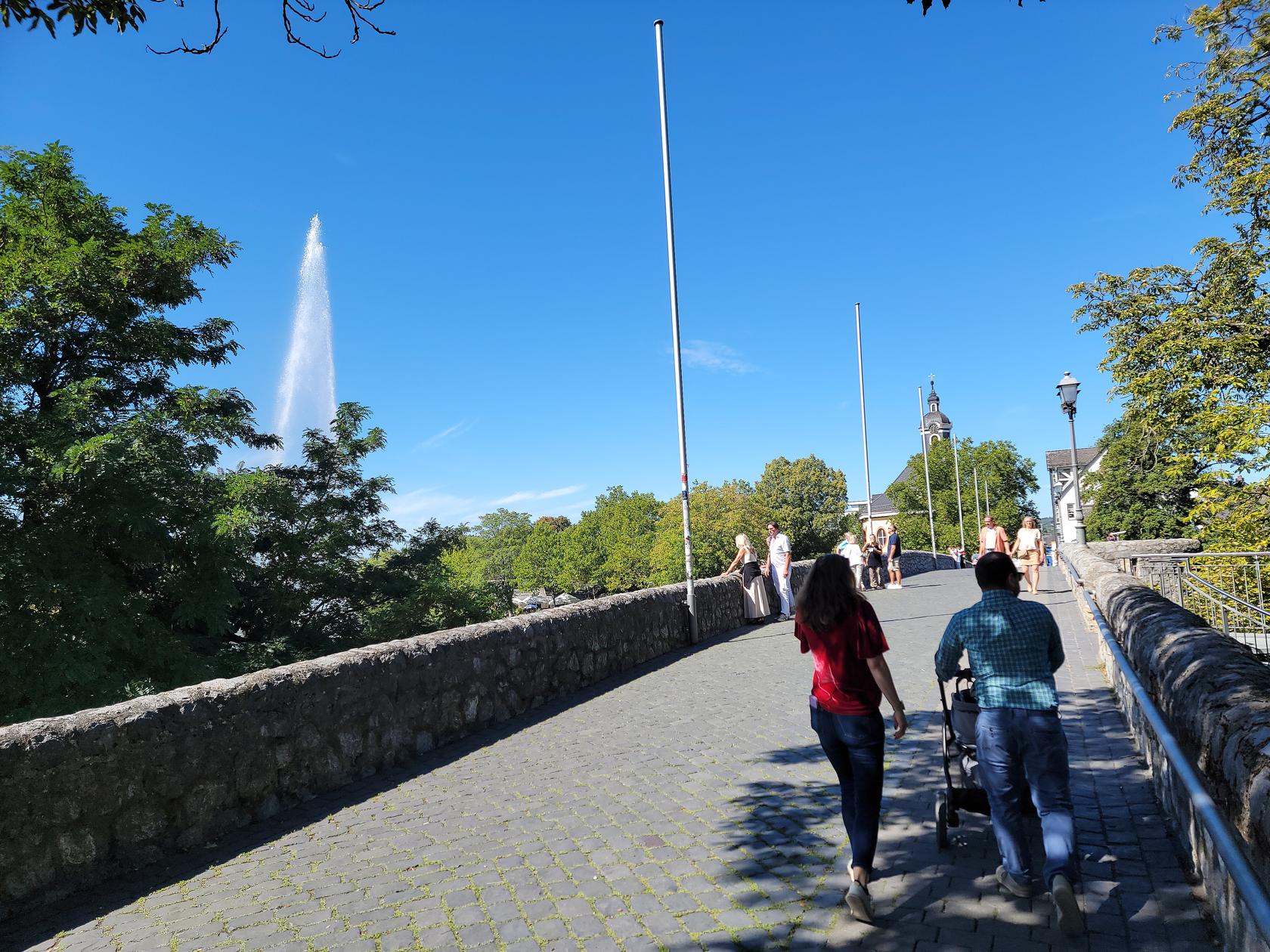
Wasserorgel – Alte Lahnbrücke – Lahn River – Wetzlar, Germany
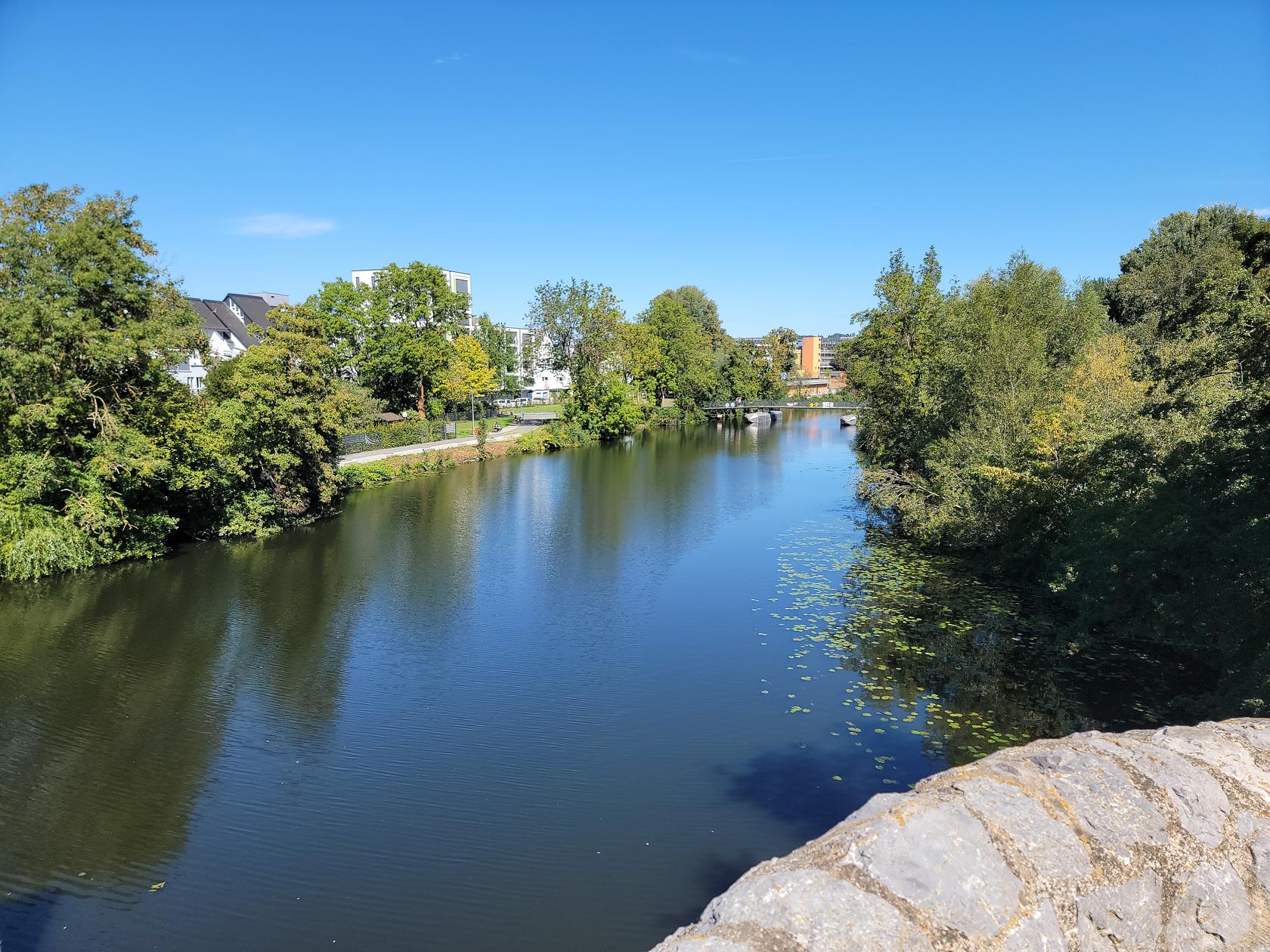
Lahn River – Wetzlar, Germany
Alte Lahnbrücke – Lahn River – Wetzlar, Germany
Alte Lahnbrücke – Lahn River – Wetzlar, Germany
Getting There
Wetzlar is about a thirty to forty minute drive north of Frankfurt am Main on the A5 and off the A45. It should be noted that at the time of this writing the A5 has some construction that will slow your travels down somewhat, but all-in-all it wasn’t too bad. The city also has a train stop, so that is always an option.
Churches And Cathedrals
Wetzlar Dom
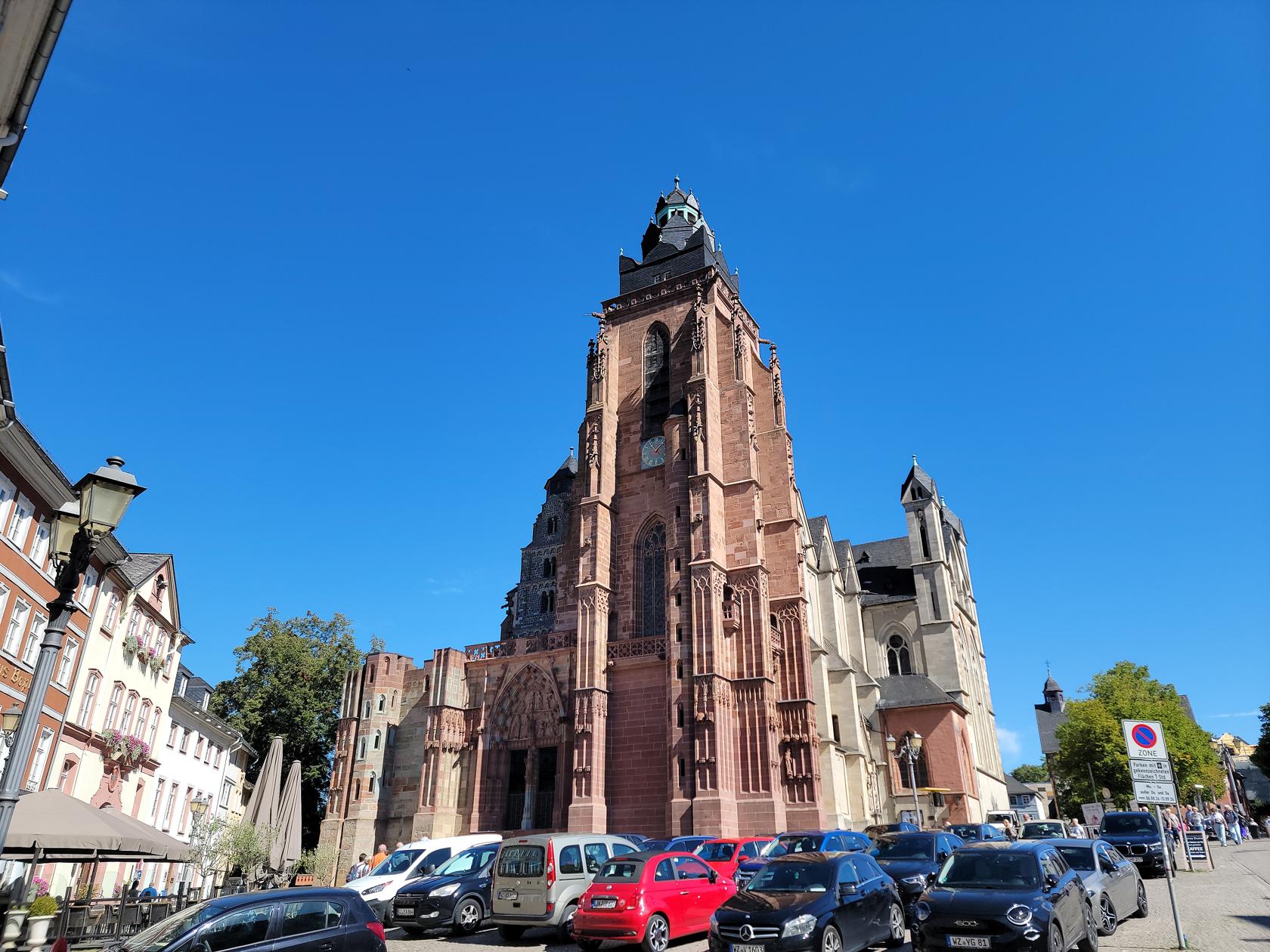
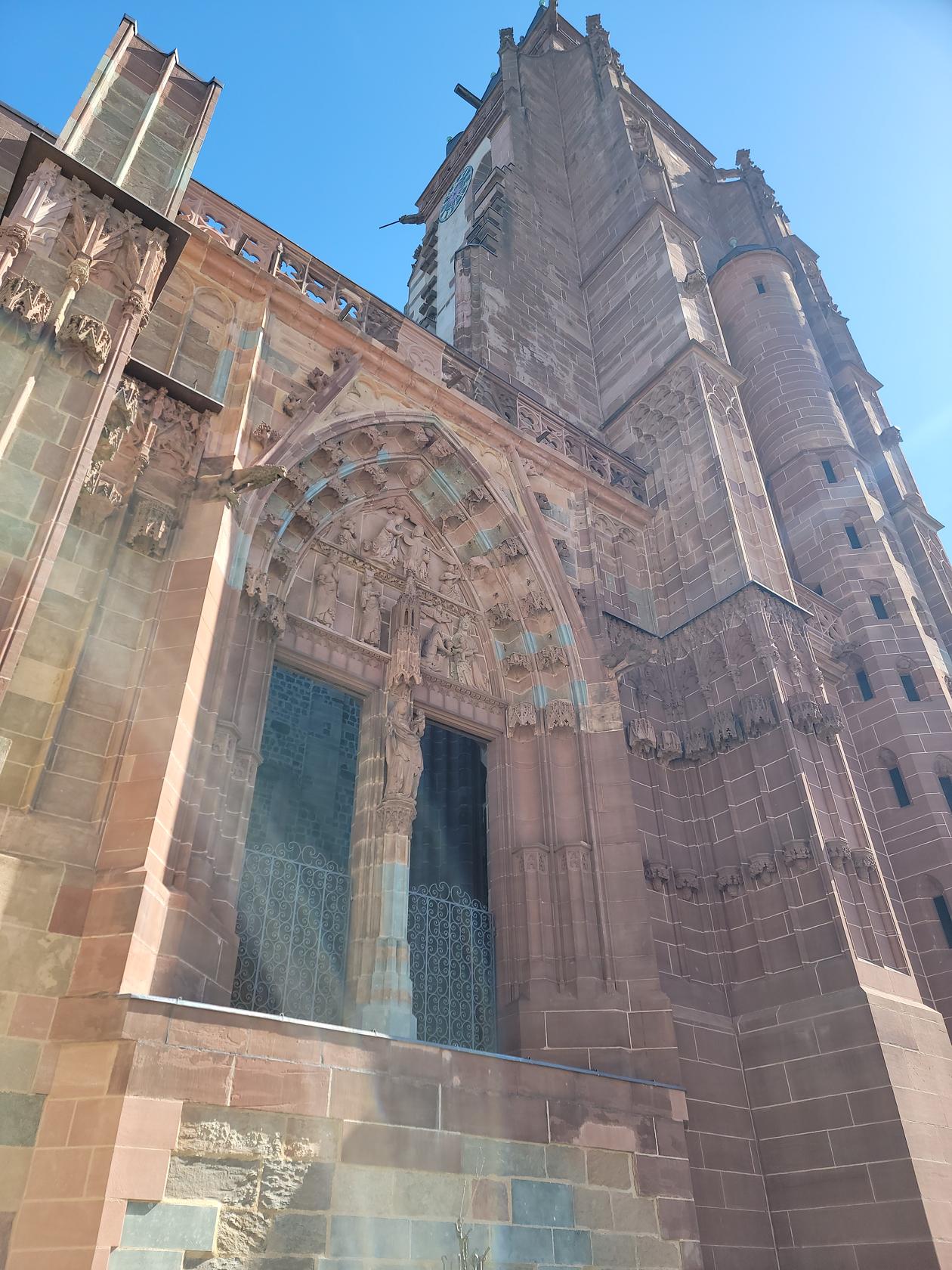
The Wetzlar Dom, or Cathedral of Saint Mary, is a shared catholic and protestant of medieval character. A mixture of Romanesque and Gothic styles, it was never finished and suffered from severe bomb damage during the last war. Several areas of the cathedral were never repaired properly, including the main entrance and the spire, which from a distance looks rather awkward.
Front – Wetzlar Dom – Wetzlar, Germany
Fake Facade and Tympanum – Wetzlar Dom – Wetzlar, Germany
Restaurants
Paulaner Wirtshaus Wetzlar
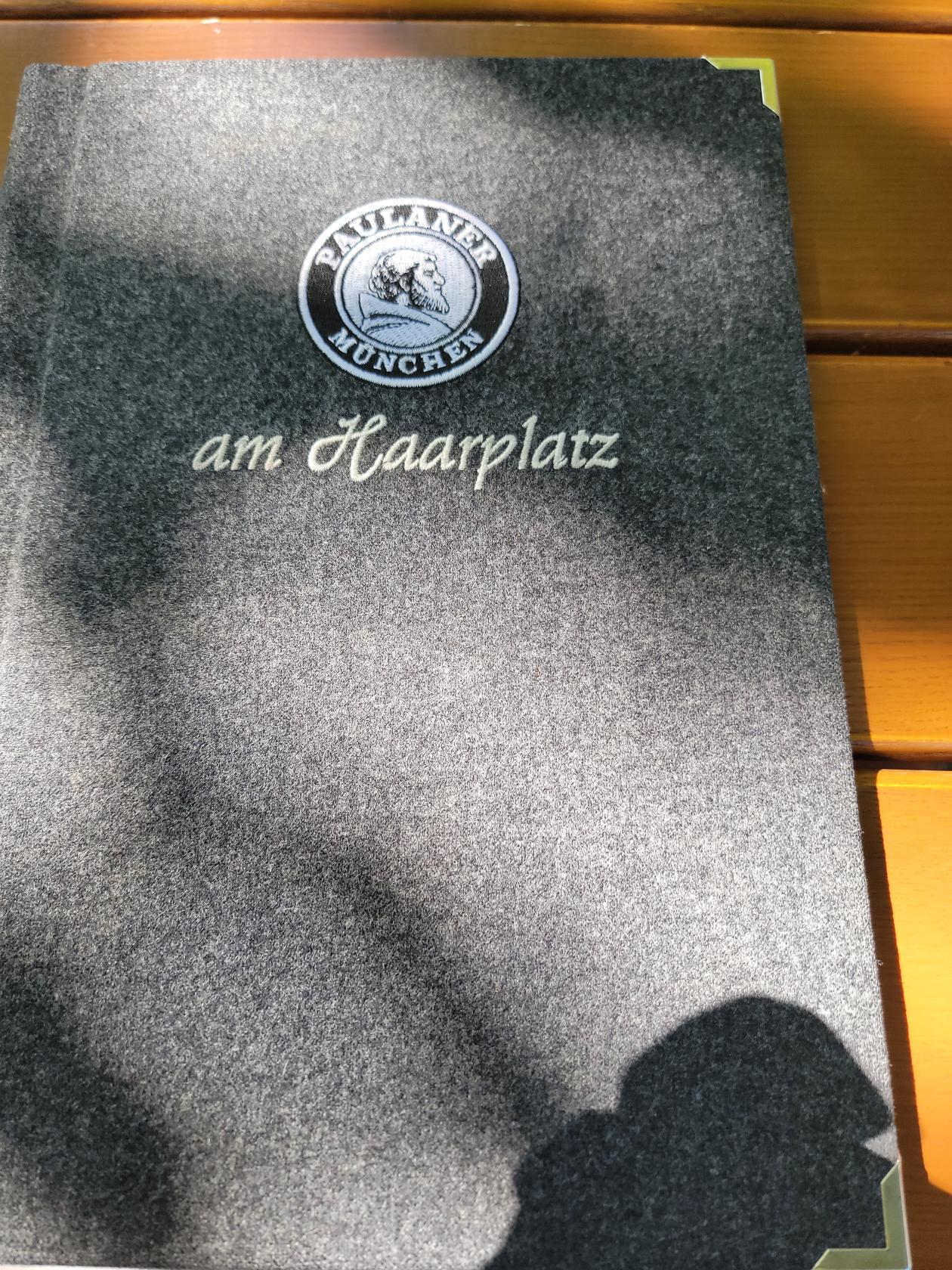
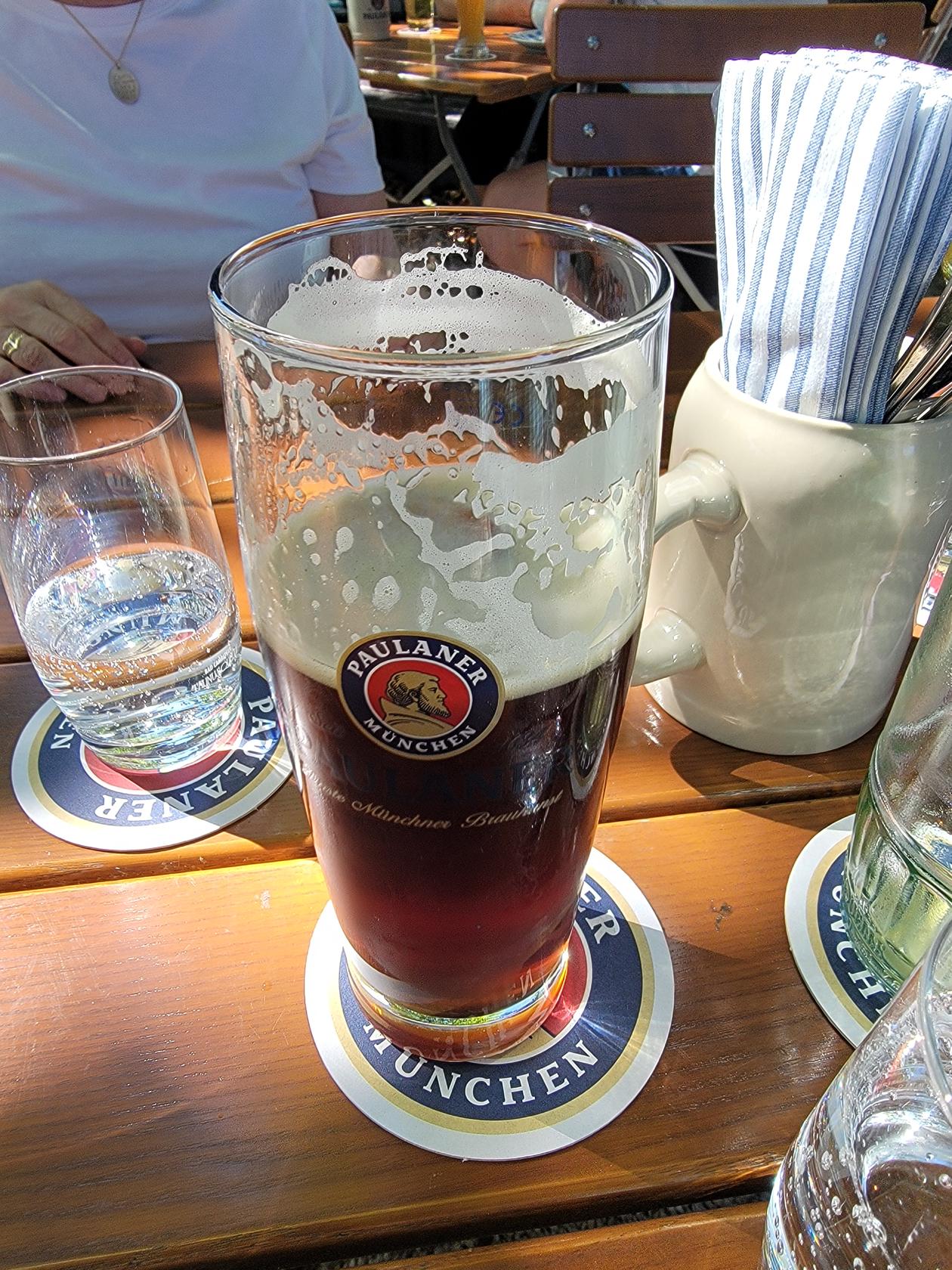
Located am Haarplatz, the Paulaner Wirtshaus Wetzlar is an excellent choice for food. Located near the Wehr on the Lahn, you can hear the rapids as you enjoy a nice glass of beer on a warm day and the food, which is a mixture of Bavarian and Swabian cuisines. You can actually order a soup with Spätzle in it!
Menu – Wirtshaus Wetzlar – Am Haarplatz – Lahn River – Wetzlar, Germany
Beer – Wirtshaus Wetzlar – Am Haarplatz – Lahn River – Wetzlar, Germany
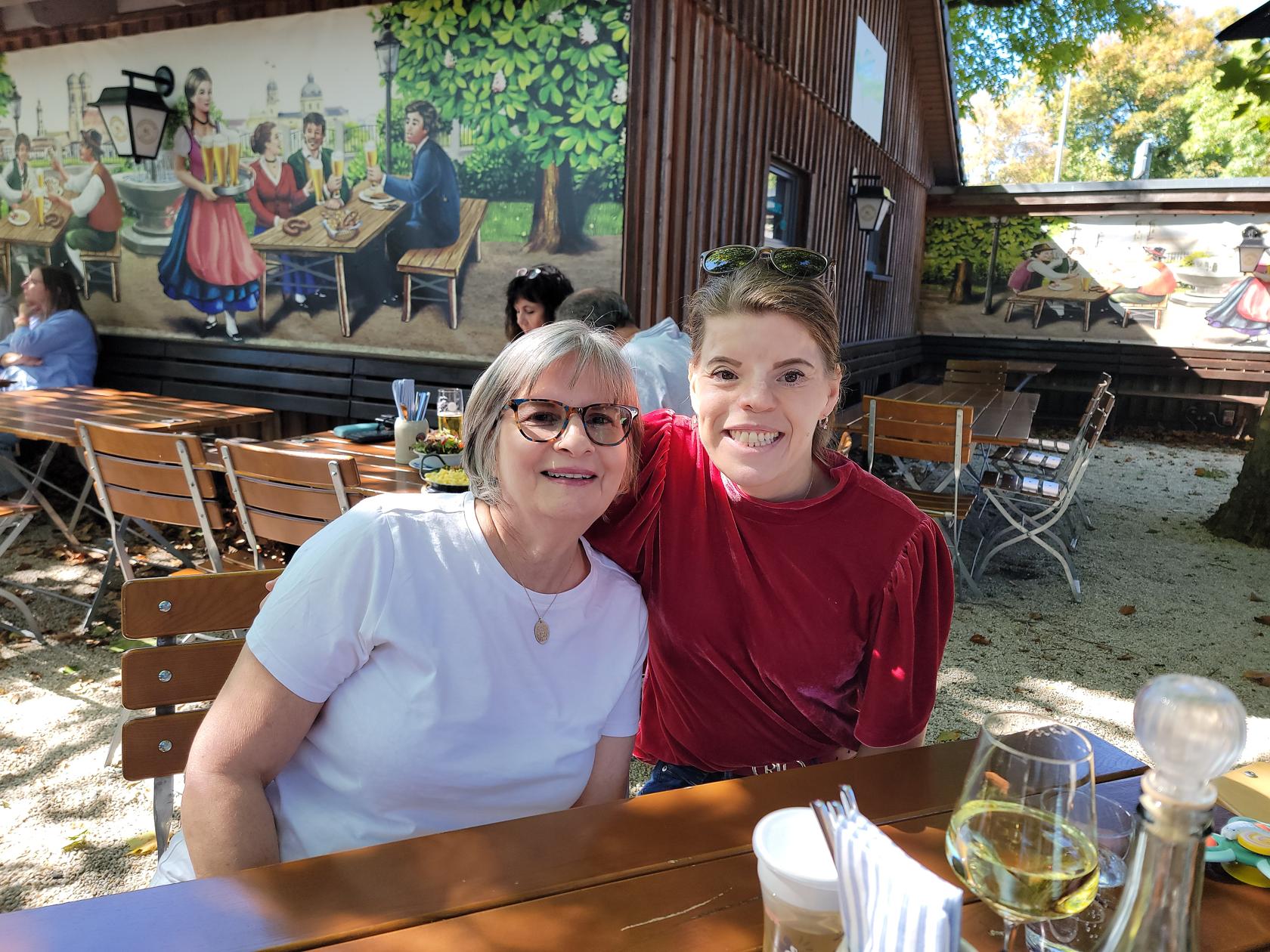
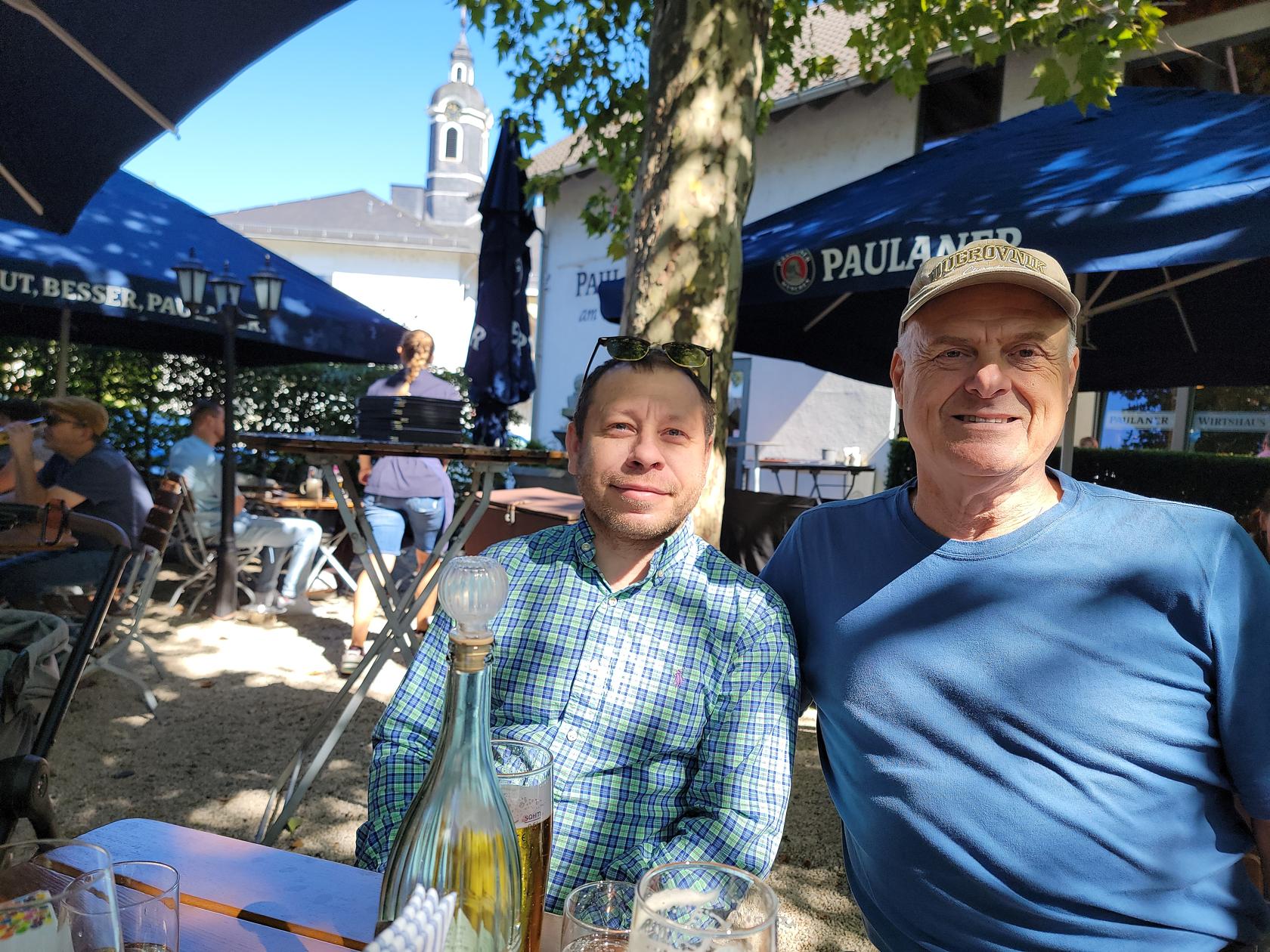
Patti and Ericka – Wirtshaus Wetzlar – Am Haarplatz – Lahn River – Wetzlar, Germany
Gabi and Erick – Wirtshaus Wetzlar – Am Haarplatz – Lahn River – Wetzlar, Germany
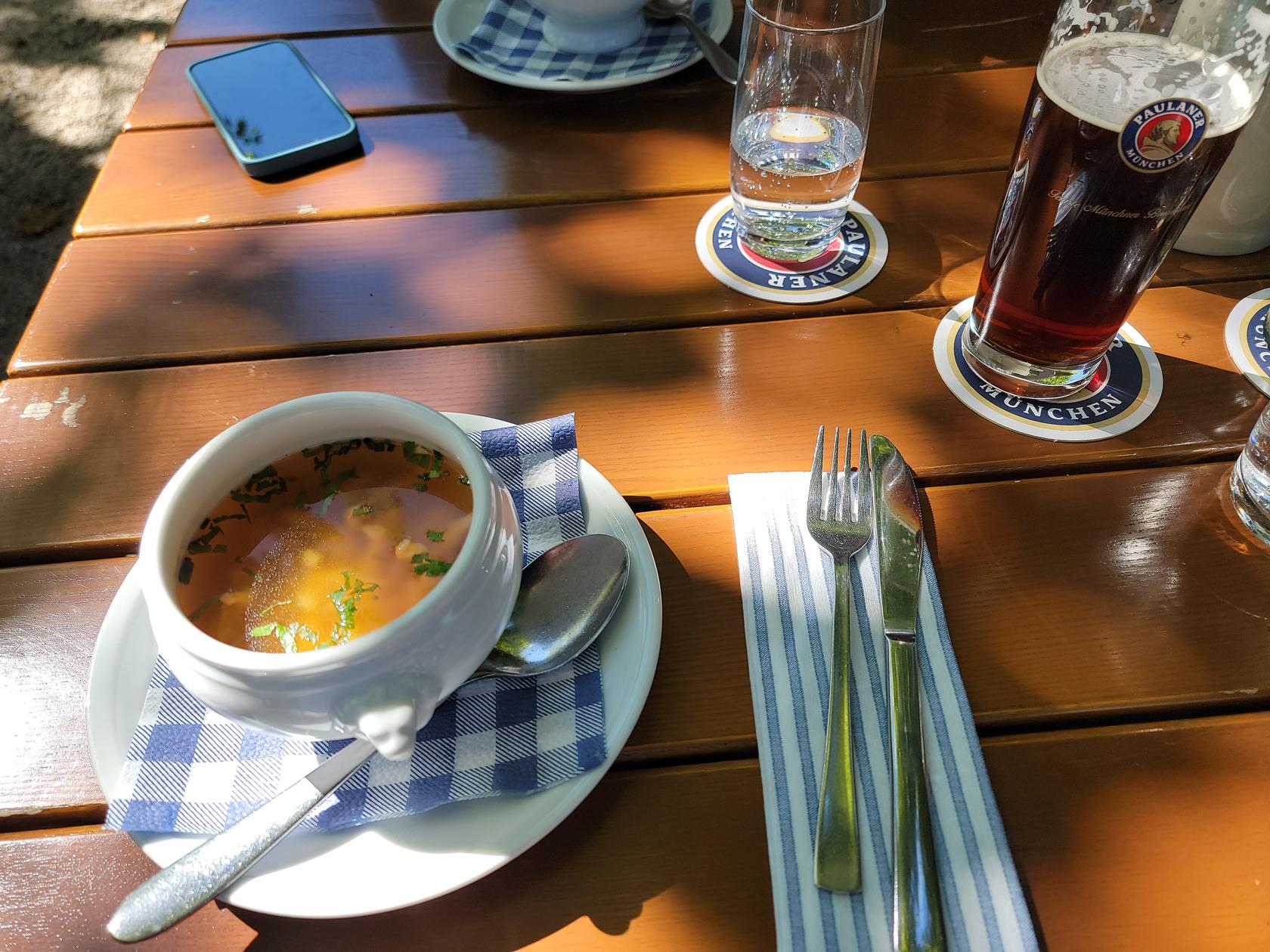
Soup with Spätzle – Wirtshaus Wetzlar – Am Haarplatz – Lahn River – Wetzlar, Germany
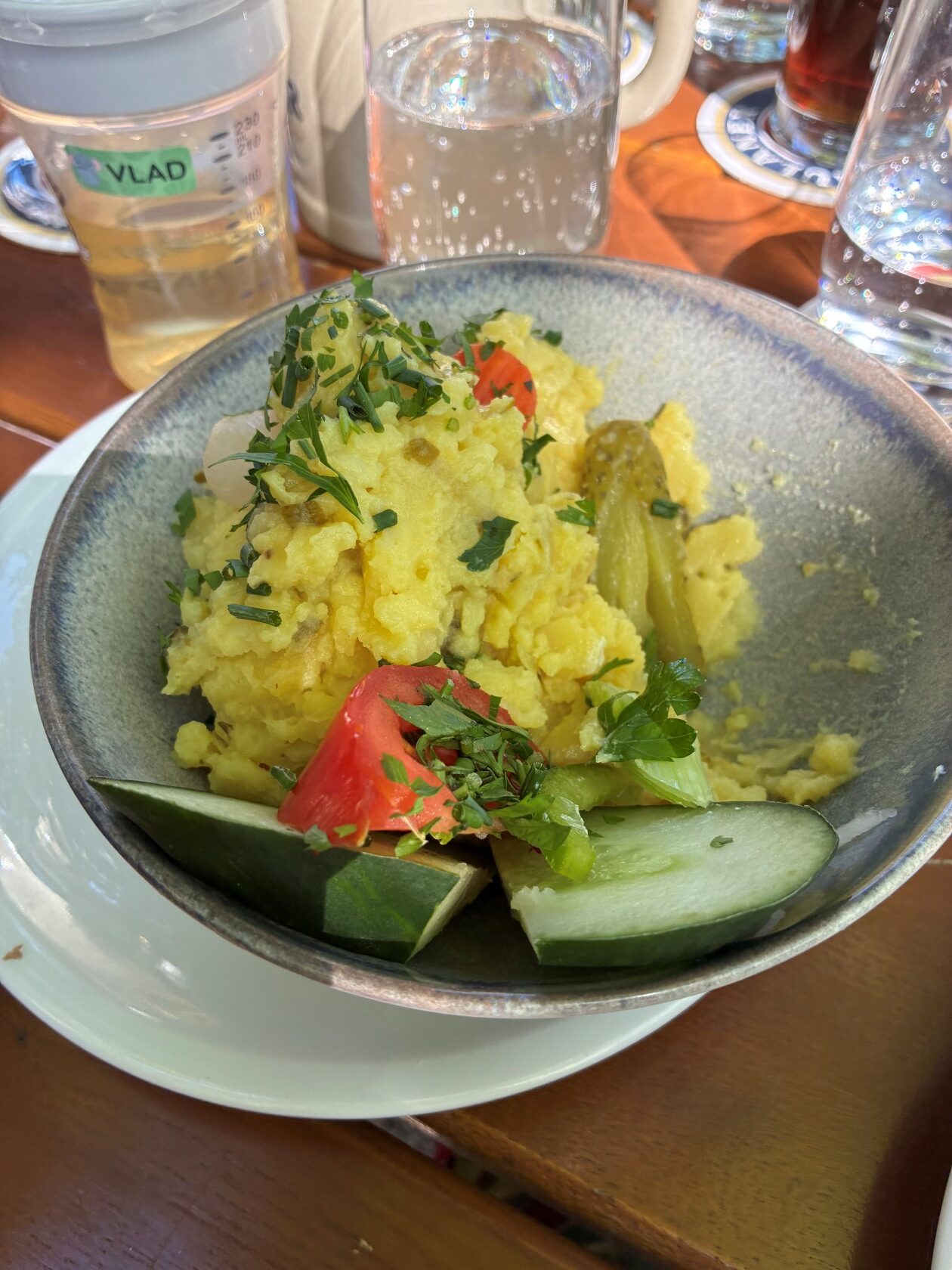
Kartoffelsalat – Wirtshaus Wetzlar – Am Haarplatz – Lahn River – Wetzlar, Germany
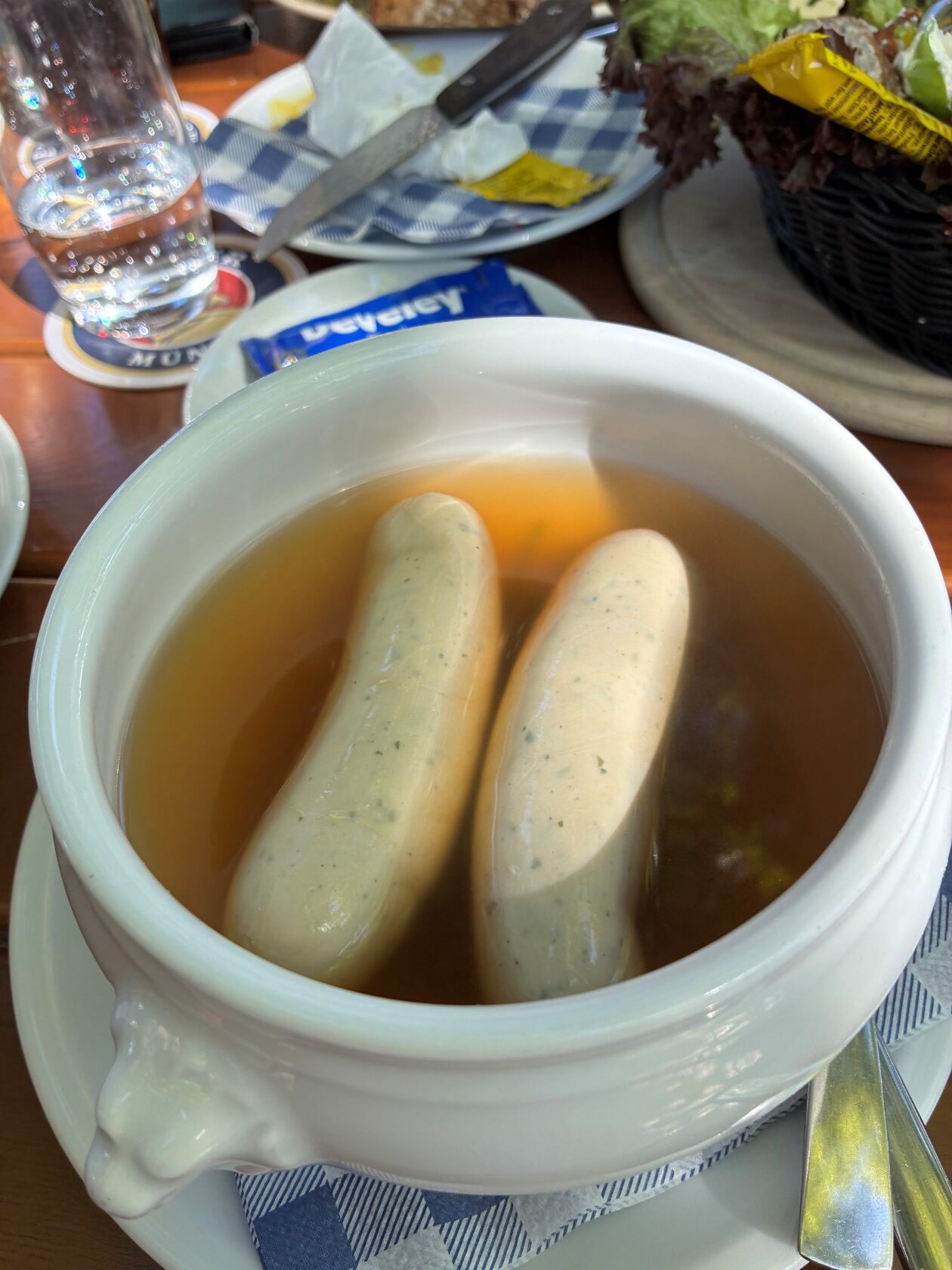
Weisswurst in Broth – Wirtshaus Wetzlar – Am Haarplatz – Lahn River – Wetzlar, Germany
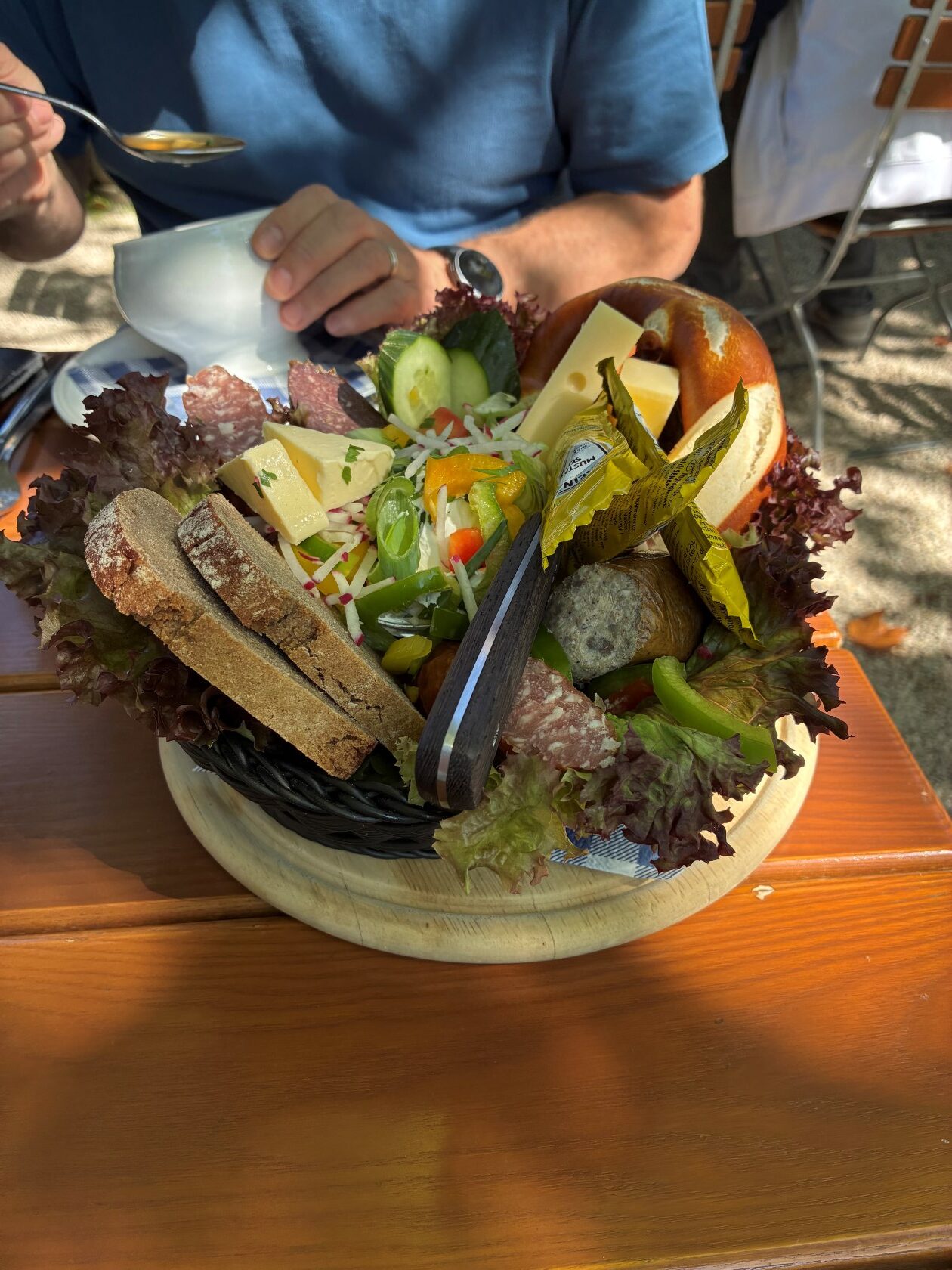
Brotkorb – Wirtshaus Wetzlar – Am Haarplatz – Lahn River – Wetzlar, Germany
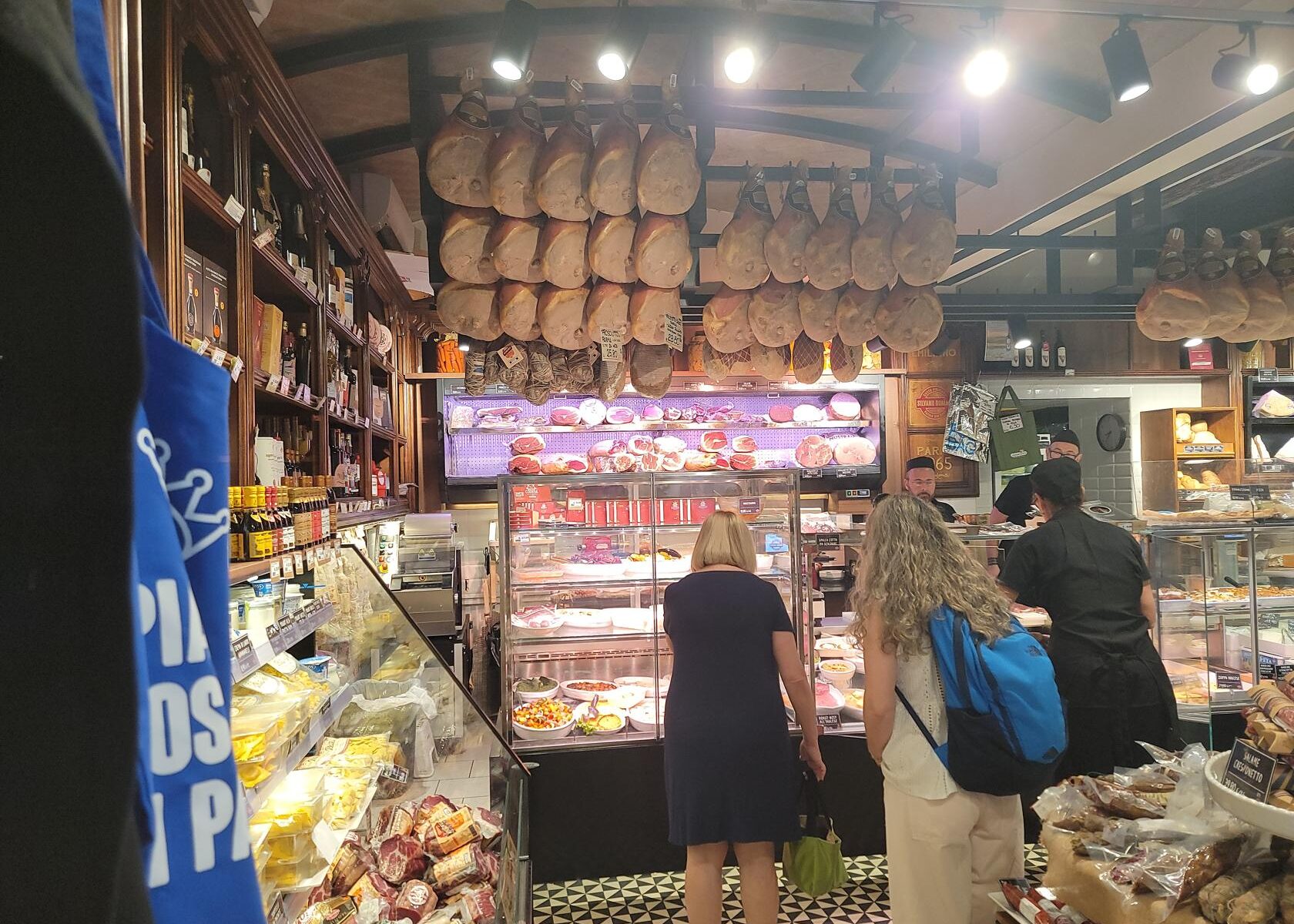
Approximately two to two and a half hours away from our place in Turin is the city of Parma. Known for ham, cheese and other delicacies in the region, we had been wanting to go there for some time. Our recent visit was for us full of surprises, including the Pilotta Museum Complex, which was a pleasure for us and central to this post.
Parma
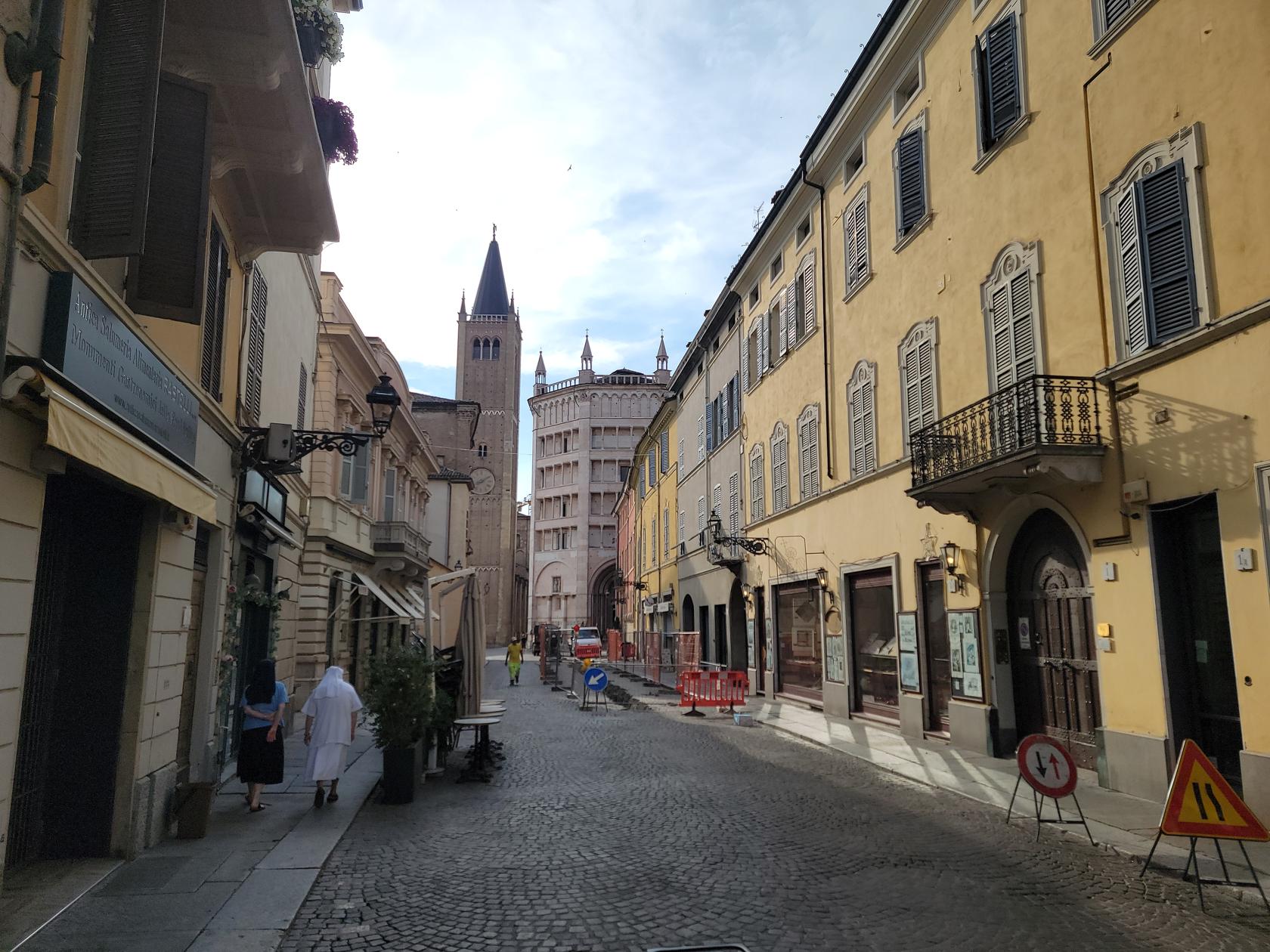
At first we were not too sure about the city. Our first impressions, and to some extent our lasting ones as well, is that it is laid out in a chaotic fashion, even for an Italian town. The mixture of new and old on the outskirts is not very pleasing to the eye and is kind of takes away from the central historic part of the city, which frankly is not very large.
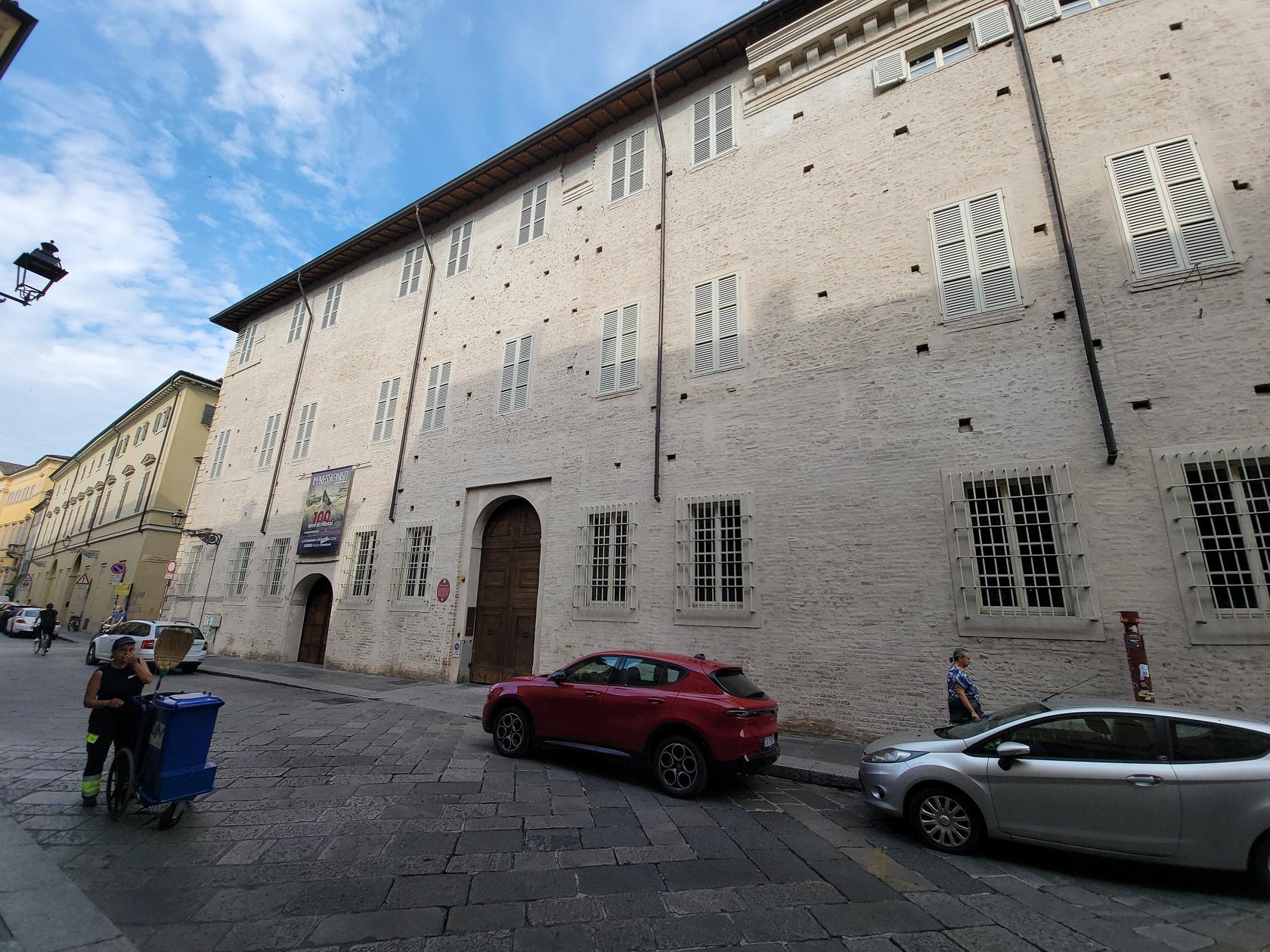
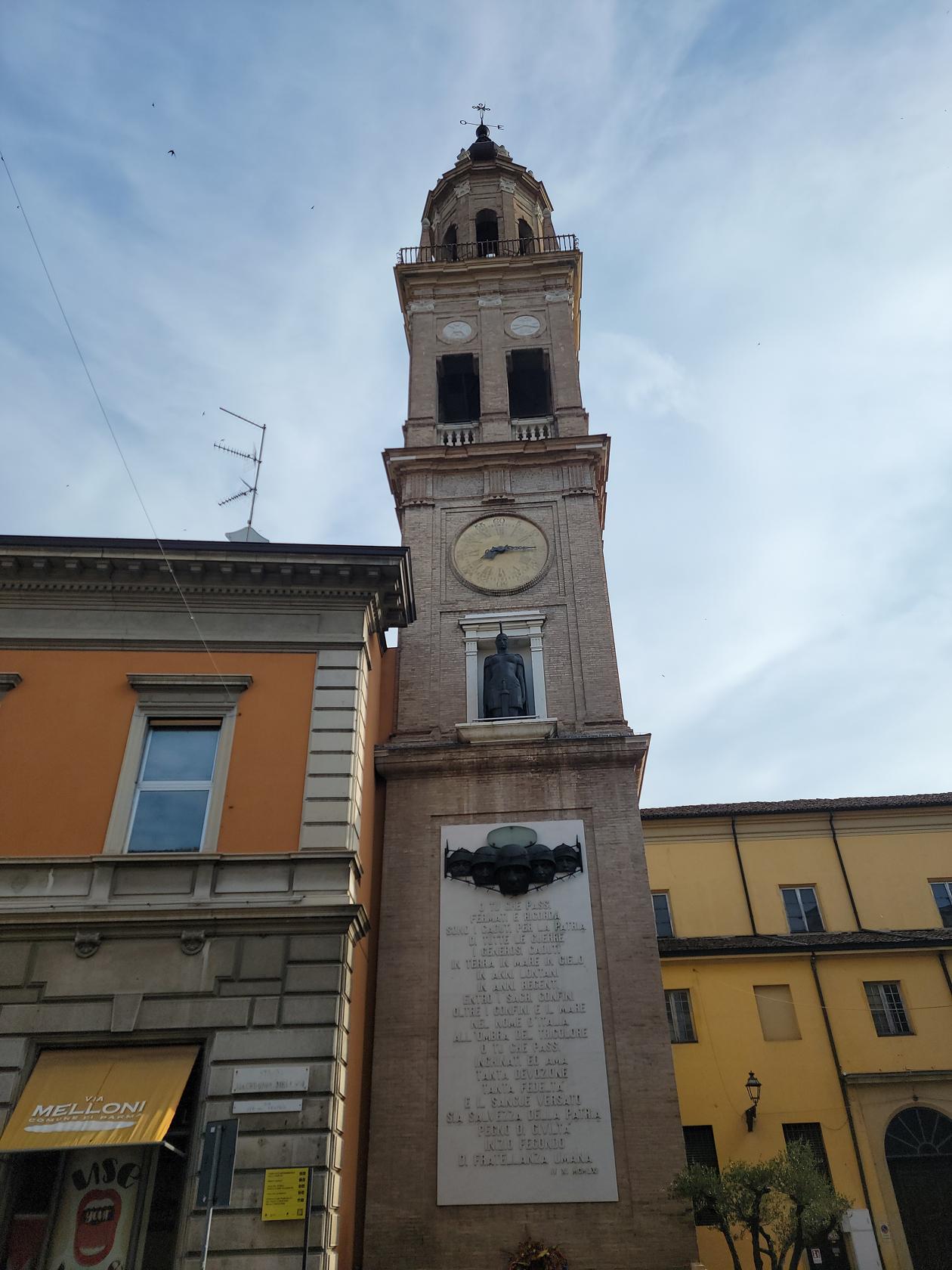
Palazzo Tarasconi – Parma, Italy
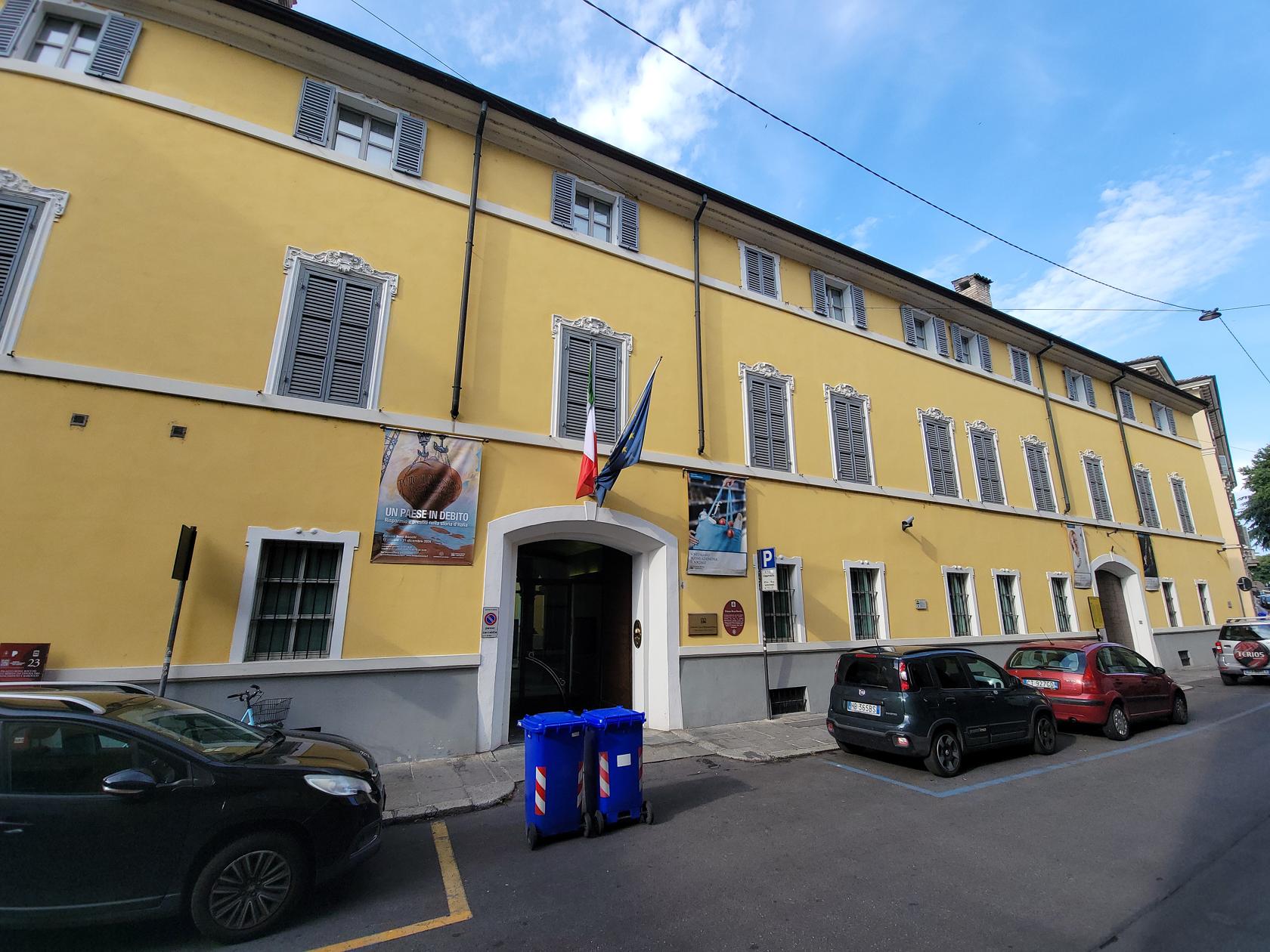
Palazzo Bossi Bocchi – Parma, Italy
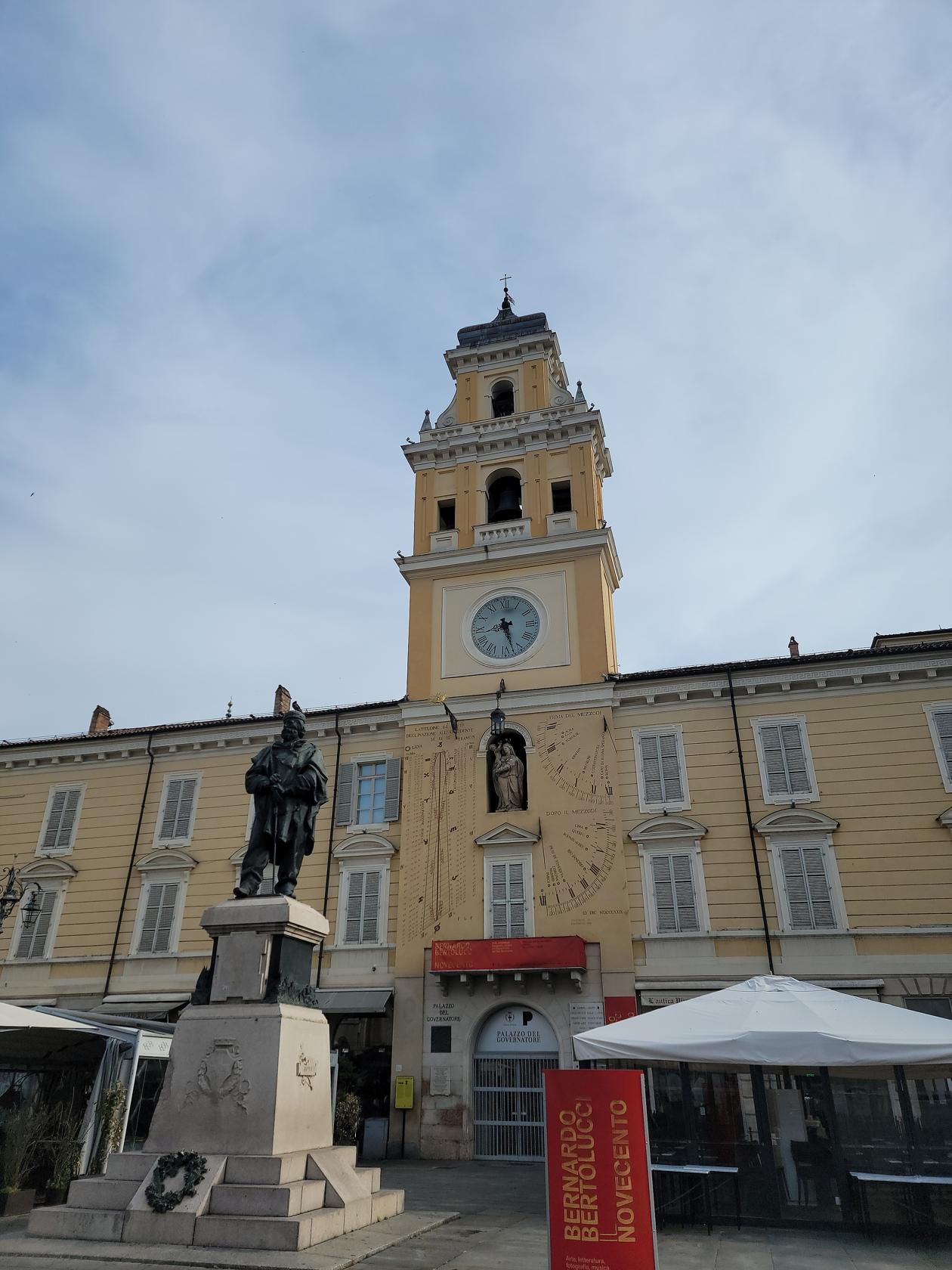
Governor’s Palace – Parma, Italy
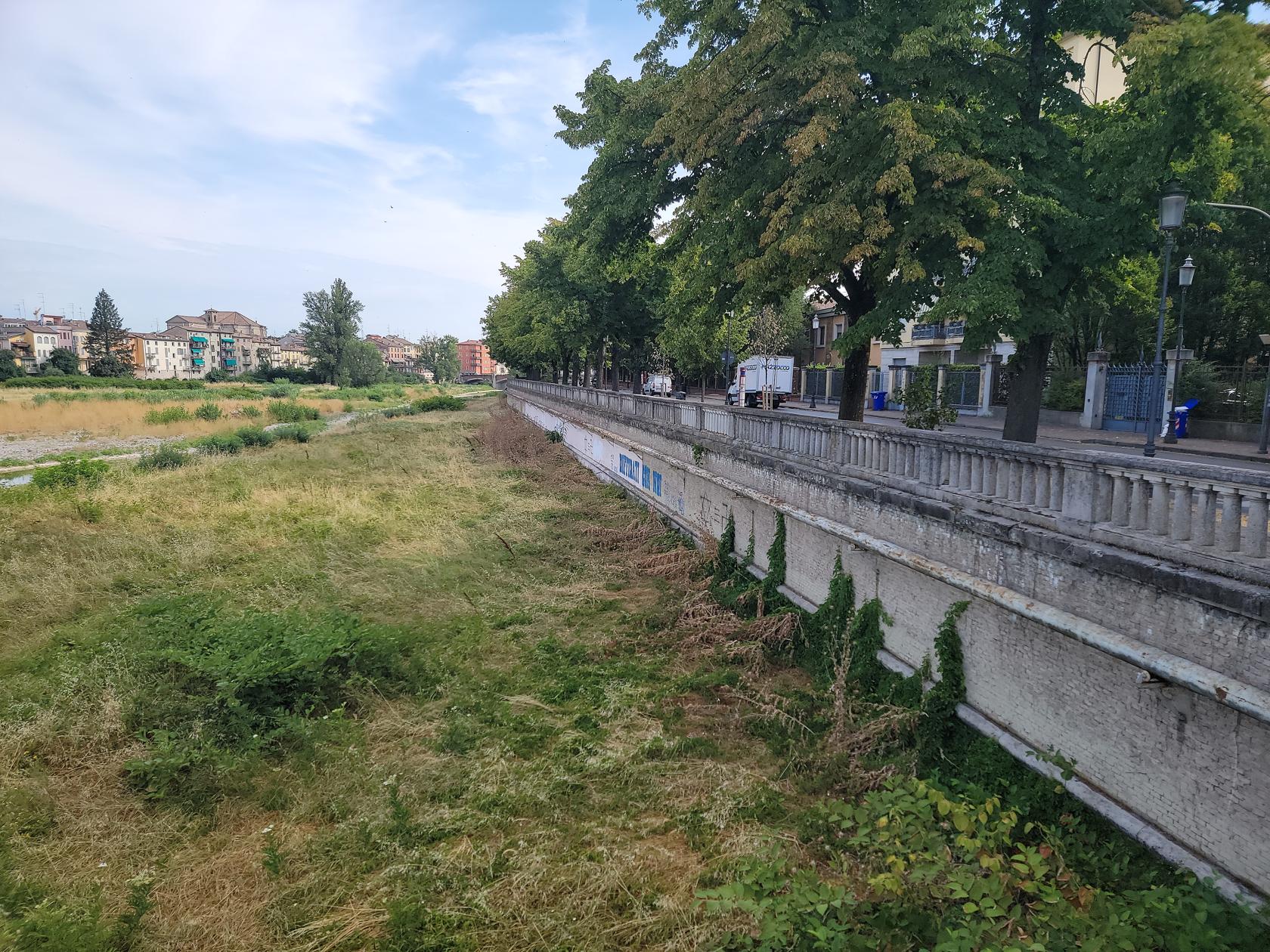
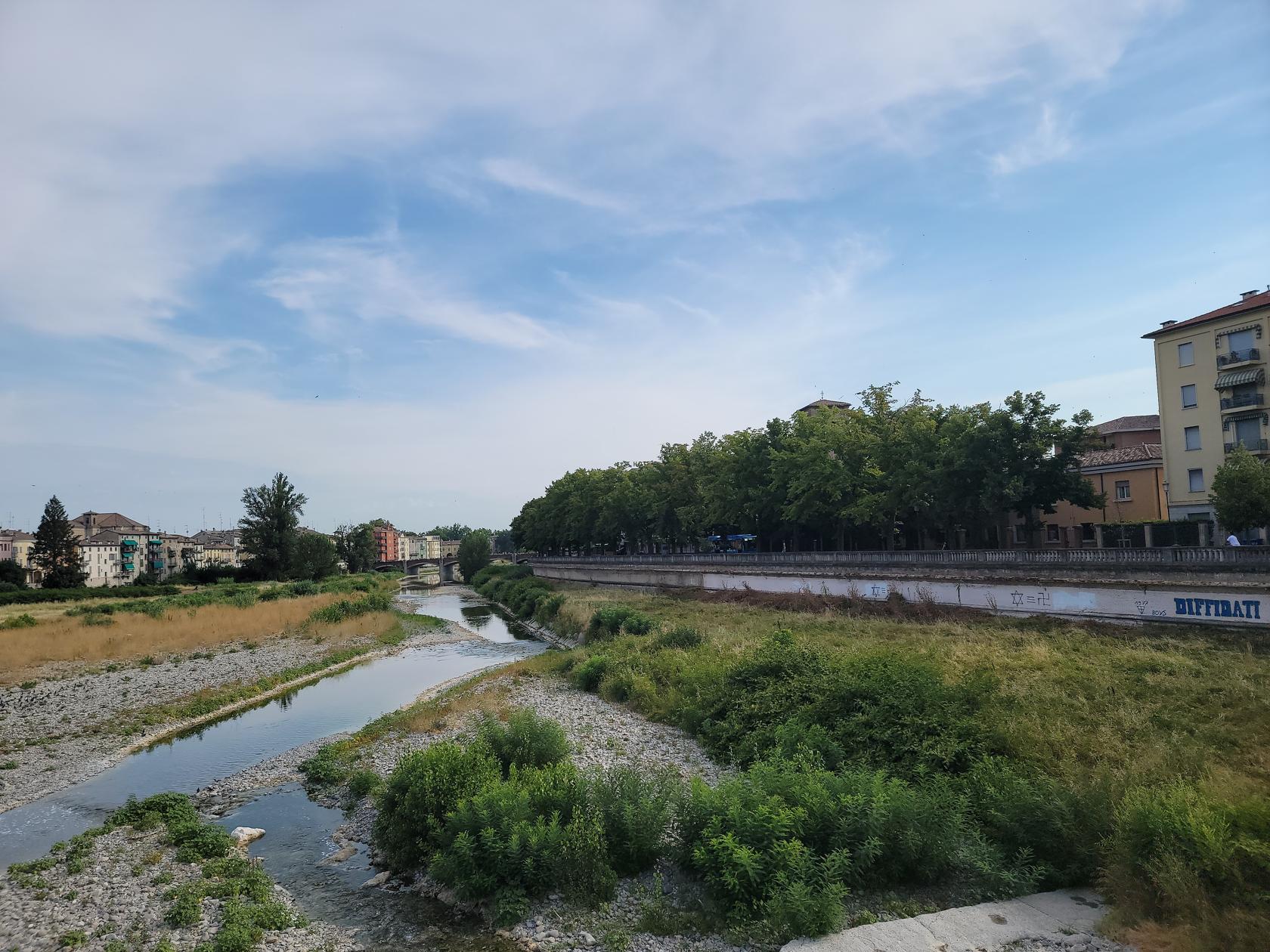
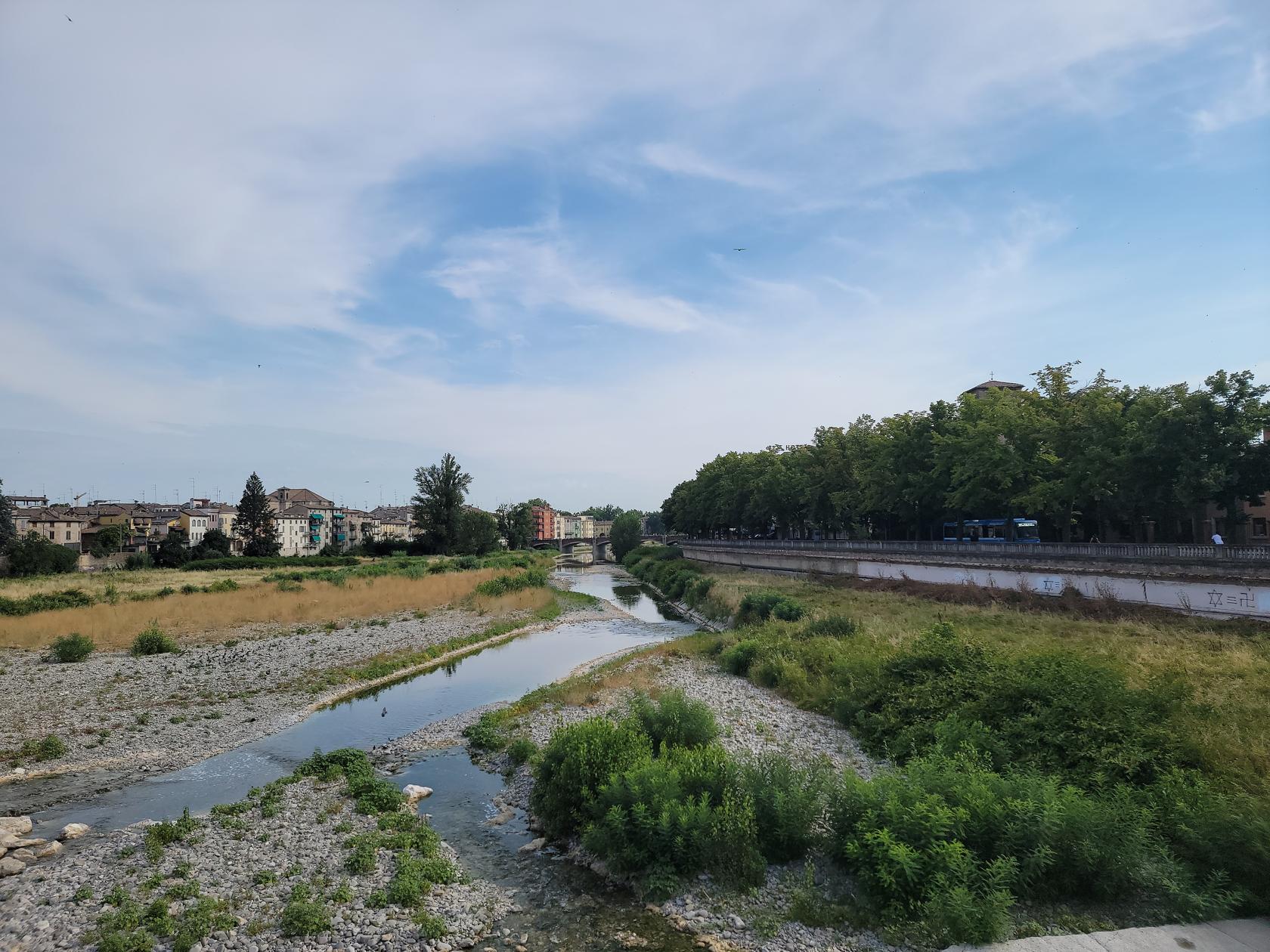
The Parma river as well, suffers from drought and over-irrigation, a mere trickle of its former self. Called a torrente in Italian, or torrent, one can only wonder when the last time the river actually enjoyed that much water.
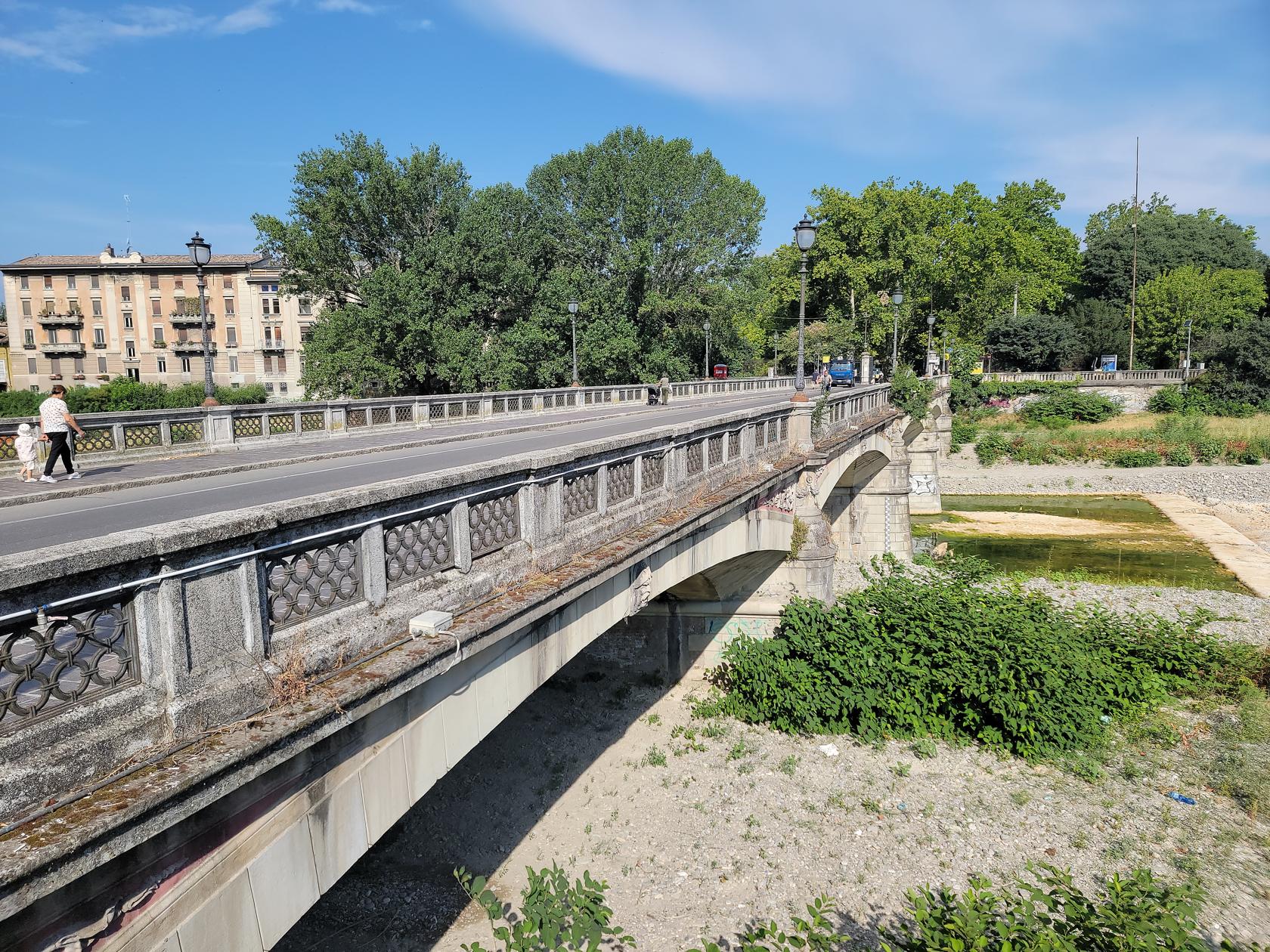
Torrente Parma – Ponte Caprazucca – Parma, Italy
Torrente Parma – Ponte Caprazucca – Parma, Italy
Torrente Parma – Ponte Caprazucca – Parma, Italy
Ponte Verdi – Parma, Italy
The city does not suffer from tourism and we found the historic parts very pleasant to walk around. There is not much to see, hence our reason for visiting the museums, which we found different and interesting.
We took the FrecciaRossa train from Turin to Milan, then the Regional from Milan to Parma. The regional trains make more stops than the high speed trains, taking an extra half hour to make the hour long trip by high speed rail. The good news is, there are options between Milan and Parma, from FrecciaRossa, Italo, TrenItalia FTP to TrenNord and perhaps more. Our selection was based on scheduling and nothing else.
Strada Cavour
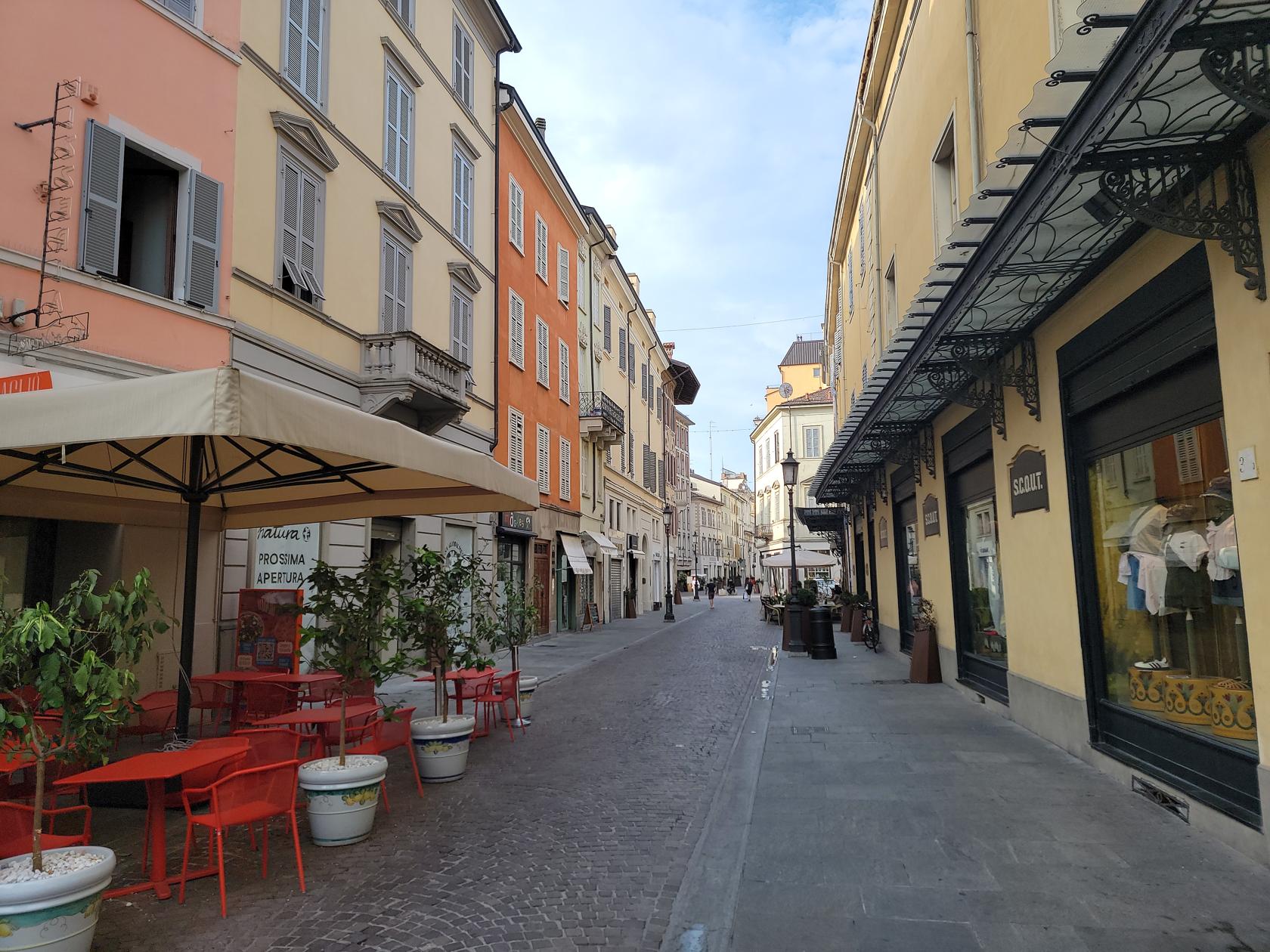
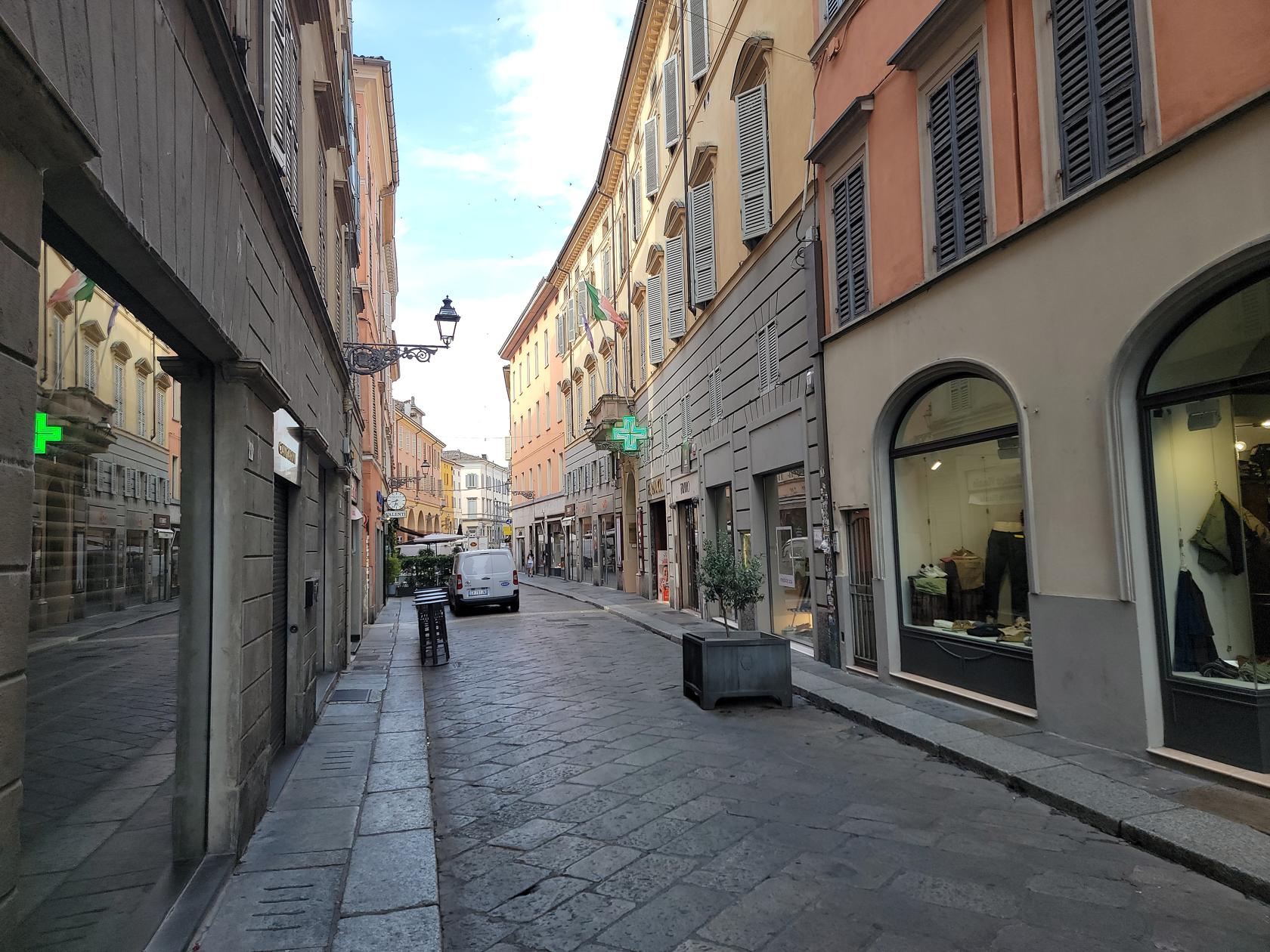
The main street for shopping in the city. It was about a ten minute walk from our hotel and winds its way through the older part of the city, though all of the businesses are modern. You will find all the modern, trendy and chain-like stores here, along with their inflated prices.
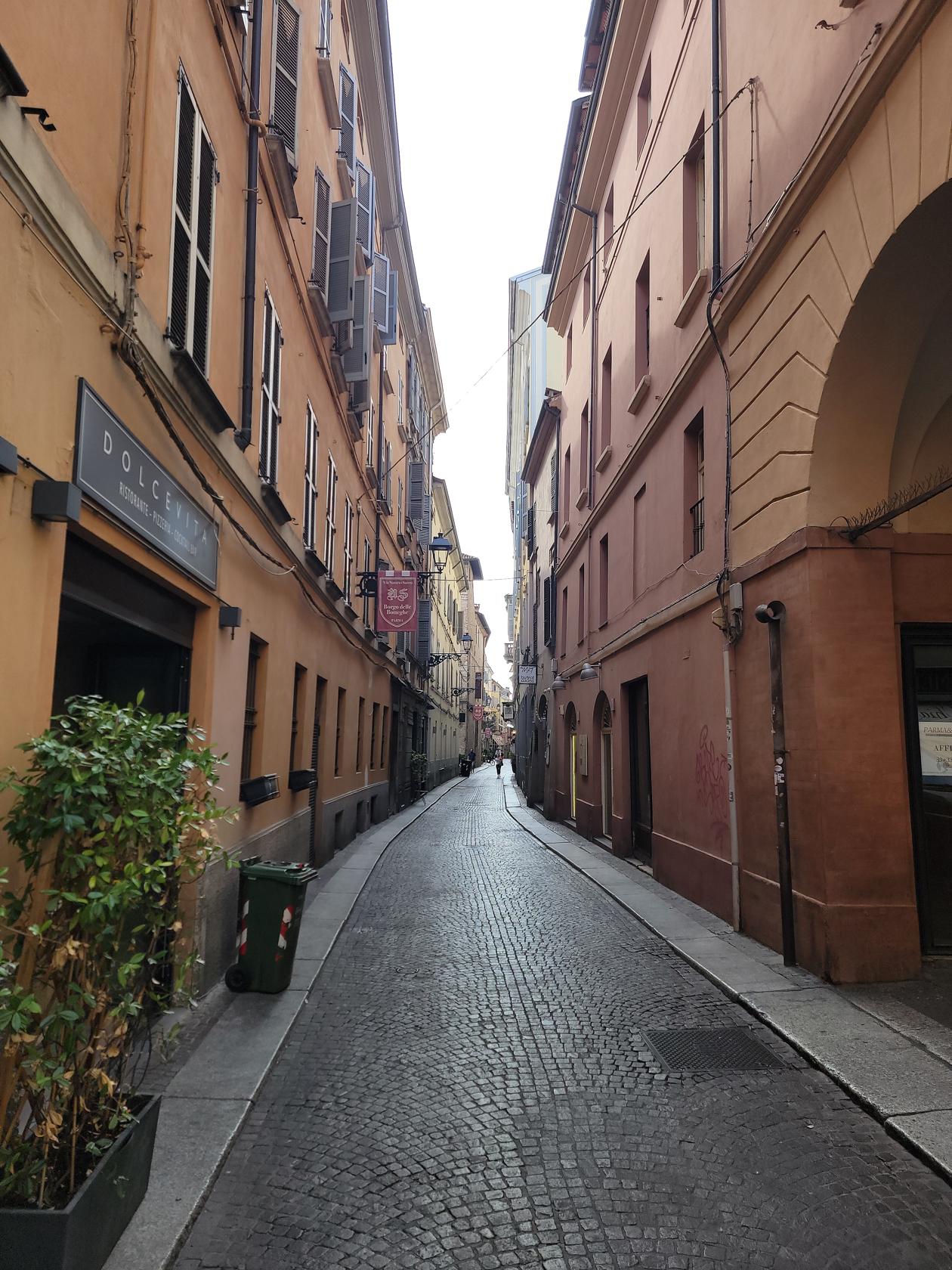
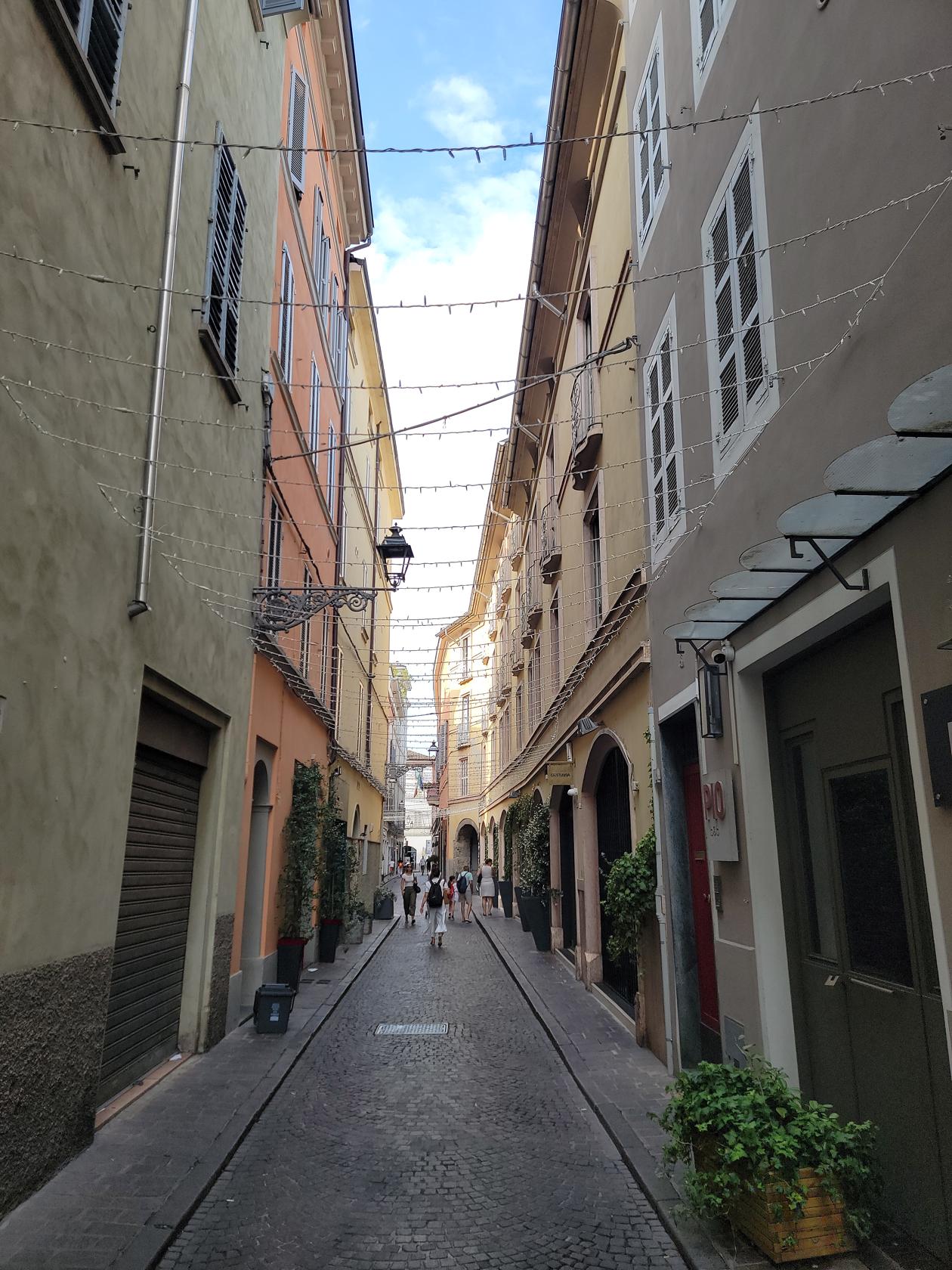
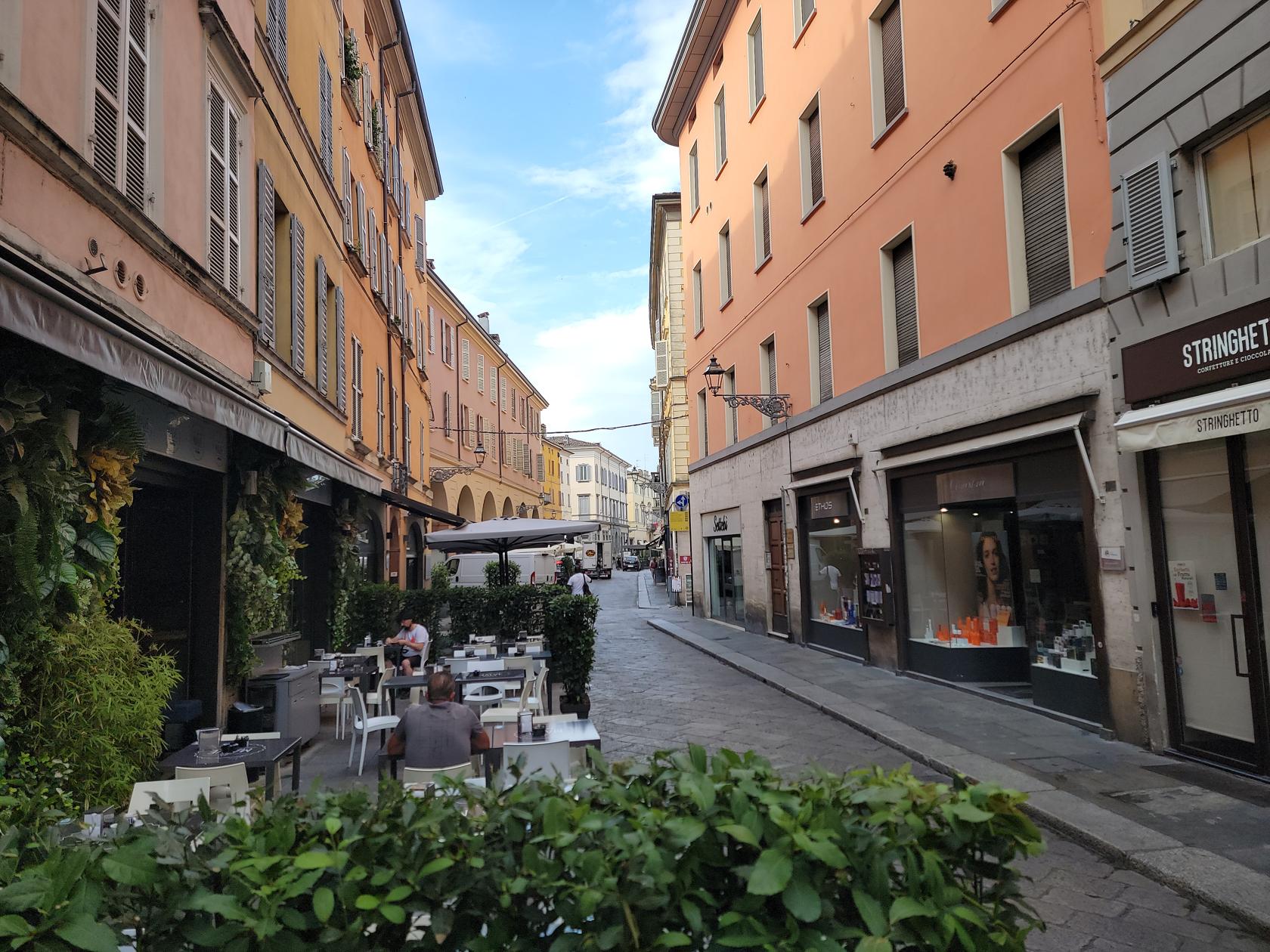
Strada Cavour – Parma, Italy
Strada Cavour – Parma, Italy
Strada Cavour – Parma, Italy
Strada Cavour – Parma, Italy
Hotel Stendhal
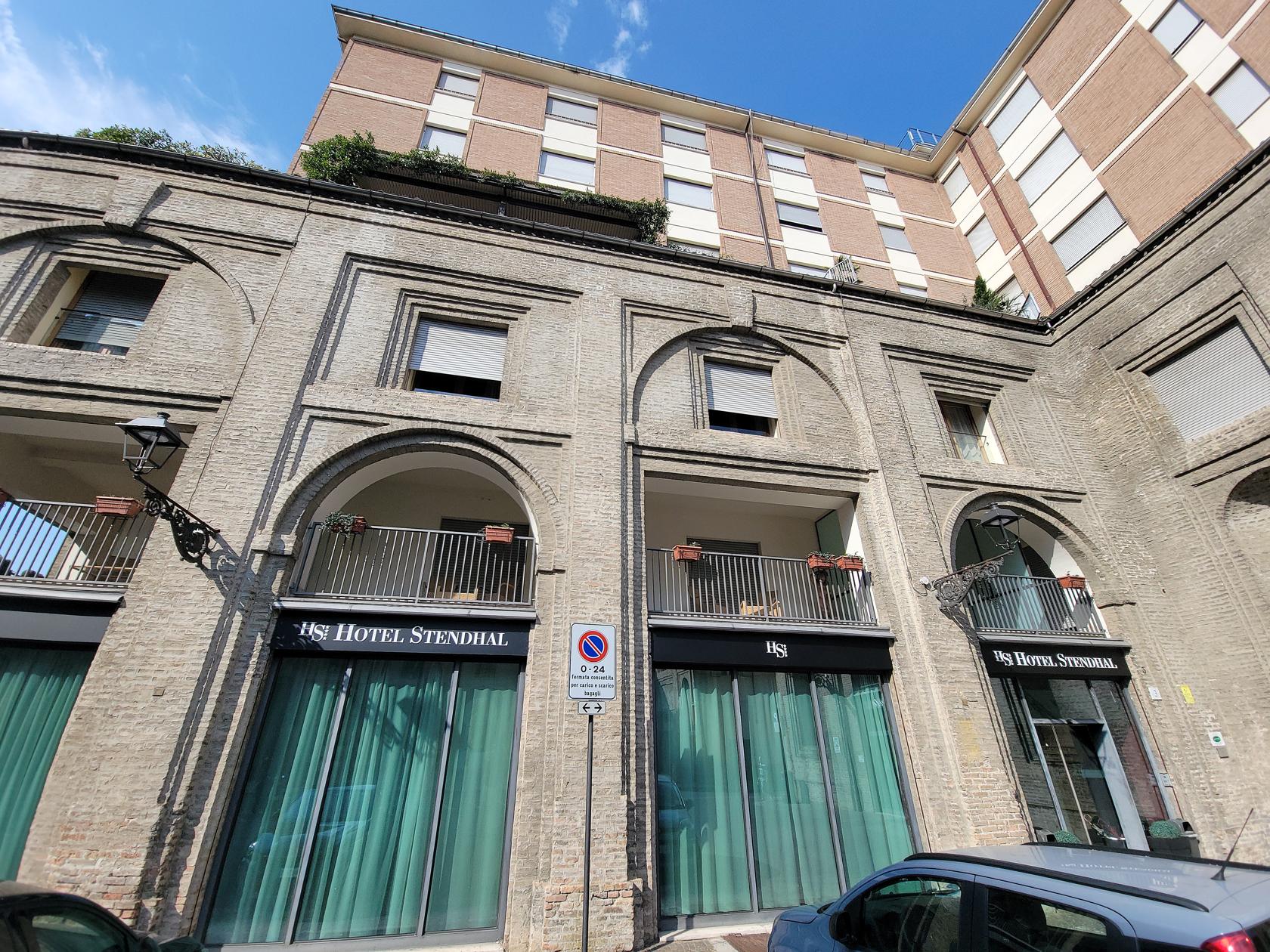
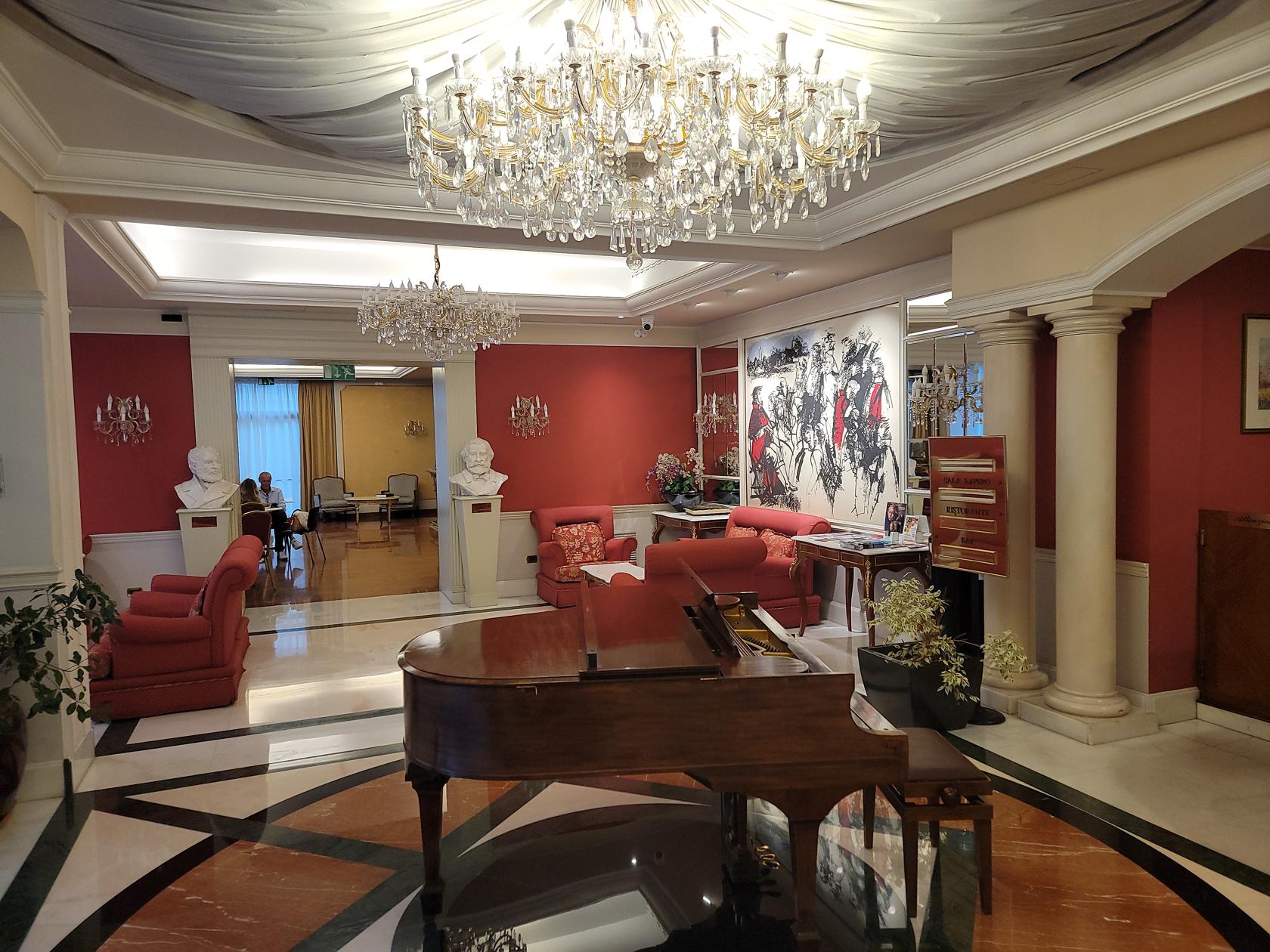
We stayed at the Hotel Stendhal, a fifteen minute direct walk from the train station. Though we read some concerning reviews on some travel sites, we did not have any issues at all and had the most enjoyable stay. The staff was great and we never had to ask for anything. We had a large superior room on the side of the hotel which was very quiet and comfortable, along with a complimentary breakfast.
Outside Our Hotel – Cortile del Guazzatoio – Parma, Italy
Entrance – Hotel Stendhal – Parma, Italy
Foyer – Hotel Stendhal – Parma, Italy
Pilotta Museum Complex
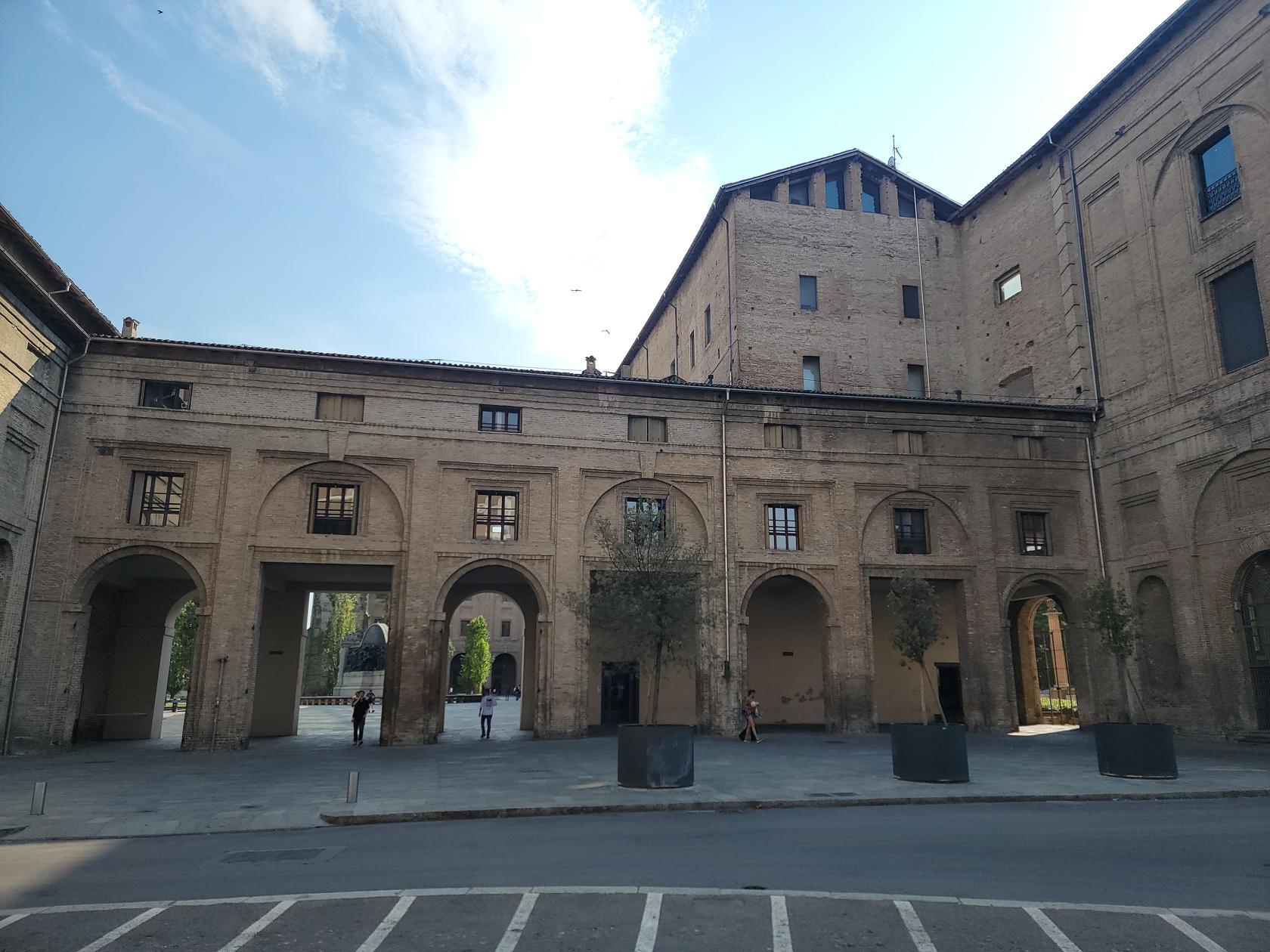
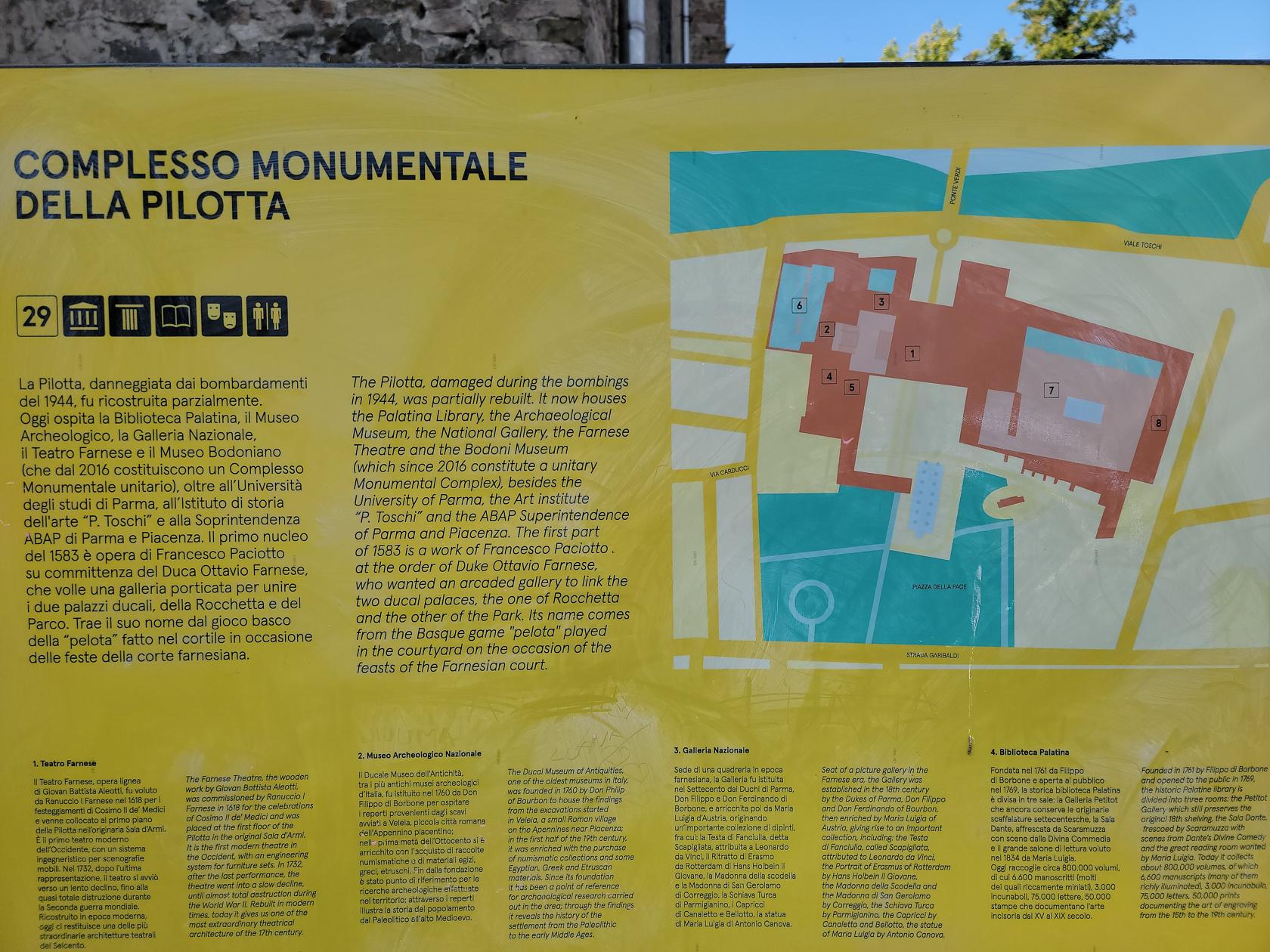
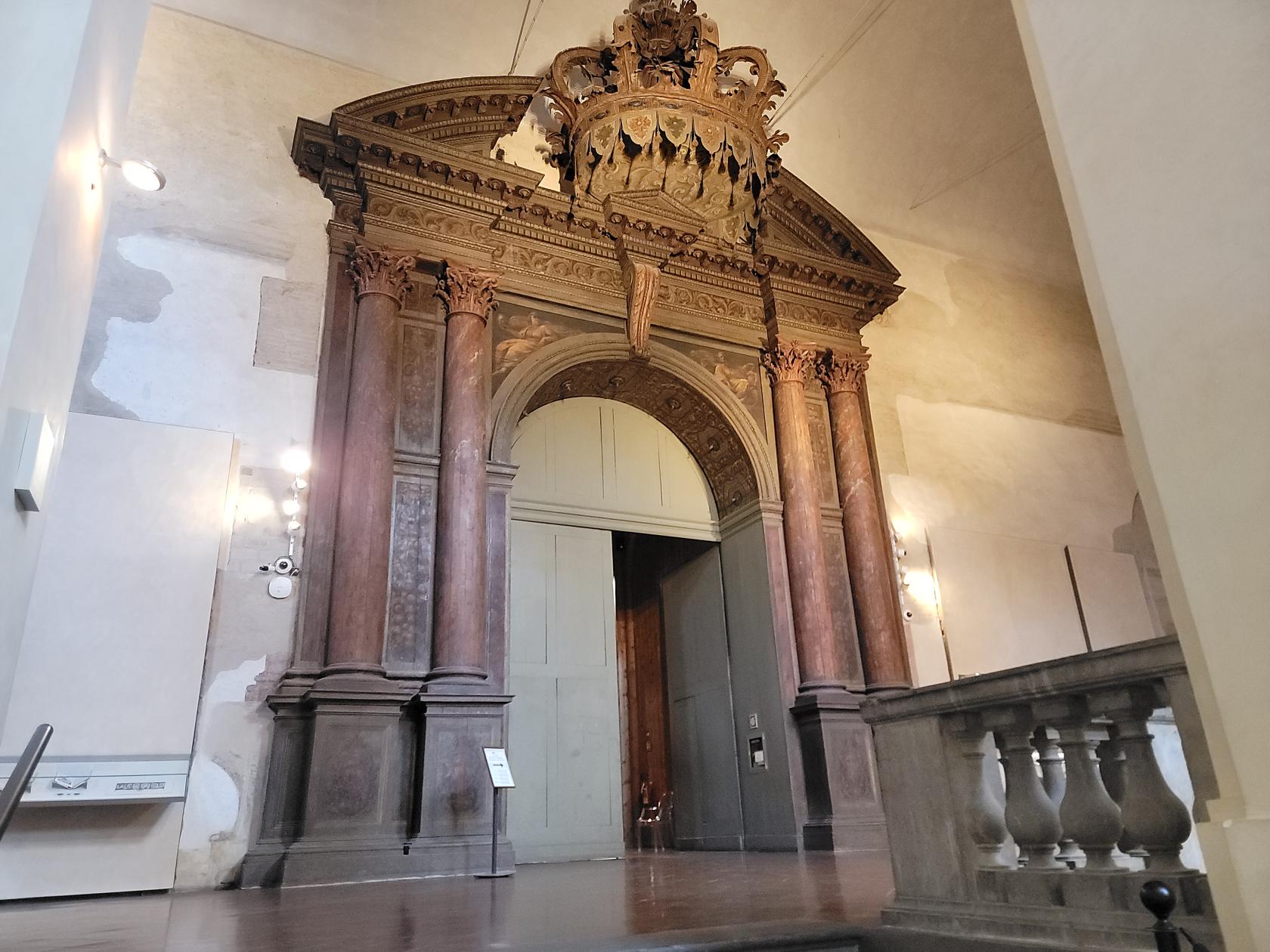
The Pilotta Museum Complex is the former Faranese Palace that now houses five or six museums, some of which were not open at the time of our visit.
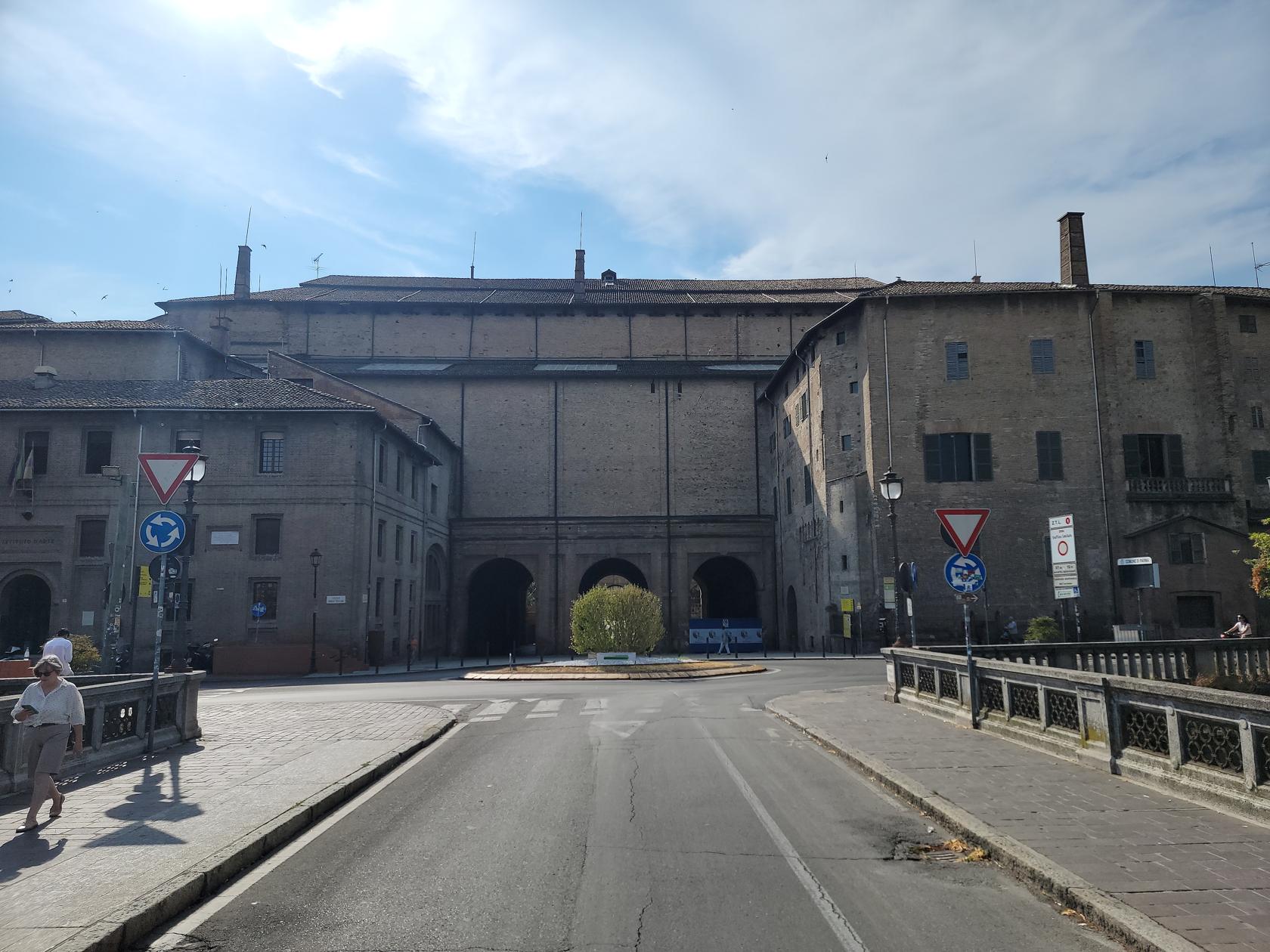
Ponte Verdi – Pillota Museum Complex – Parma, Italy
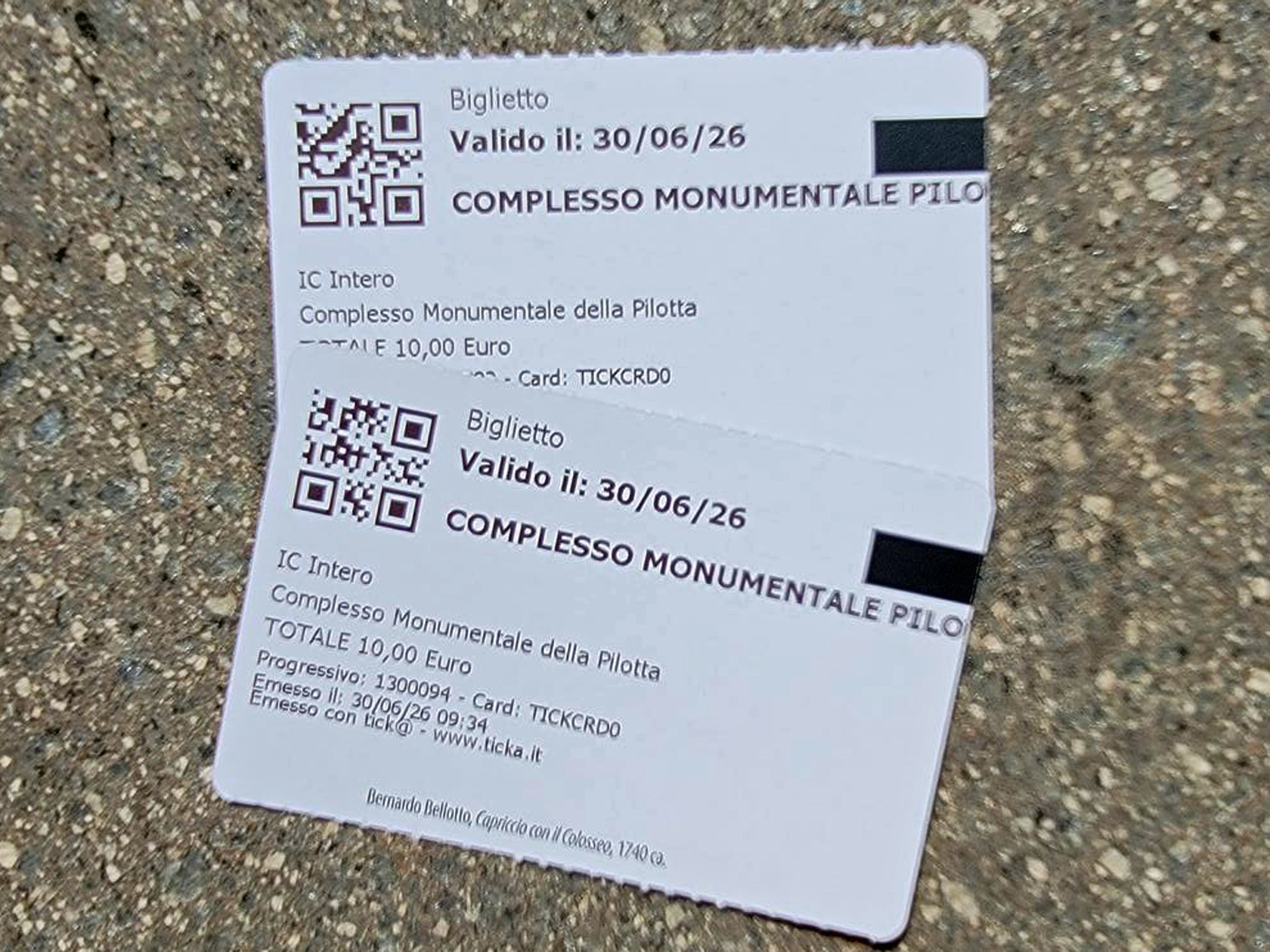
Tickets For Two – Pillota Museum Complex – Parma, Italy
Entrance – Pillota Museum Complex – Parma, Italy
Museo Archeologico Nazionale di Parma
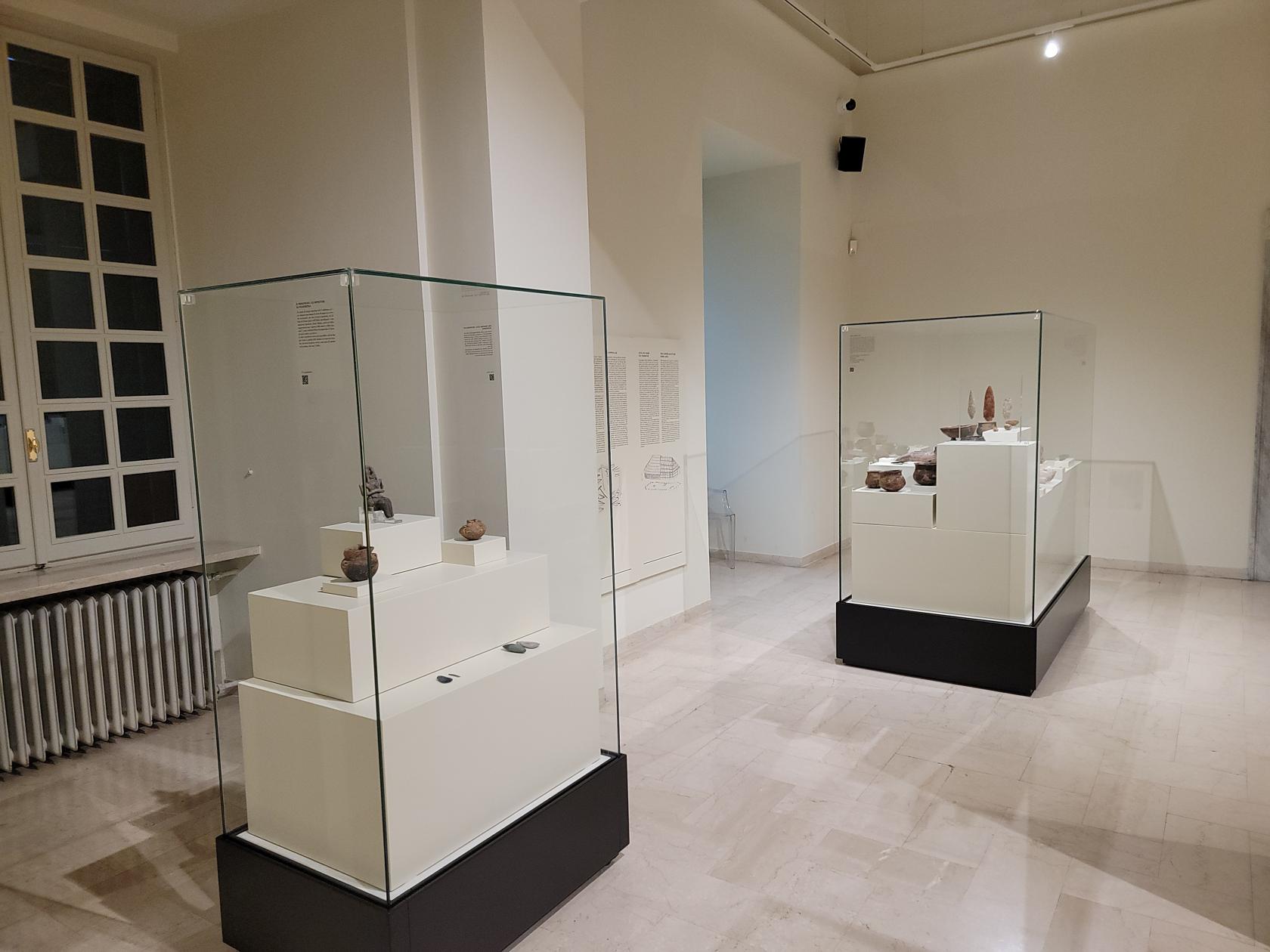
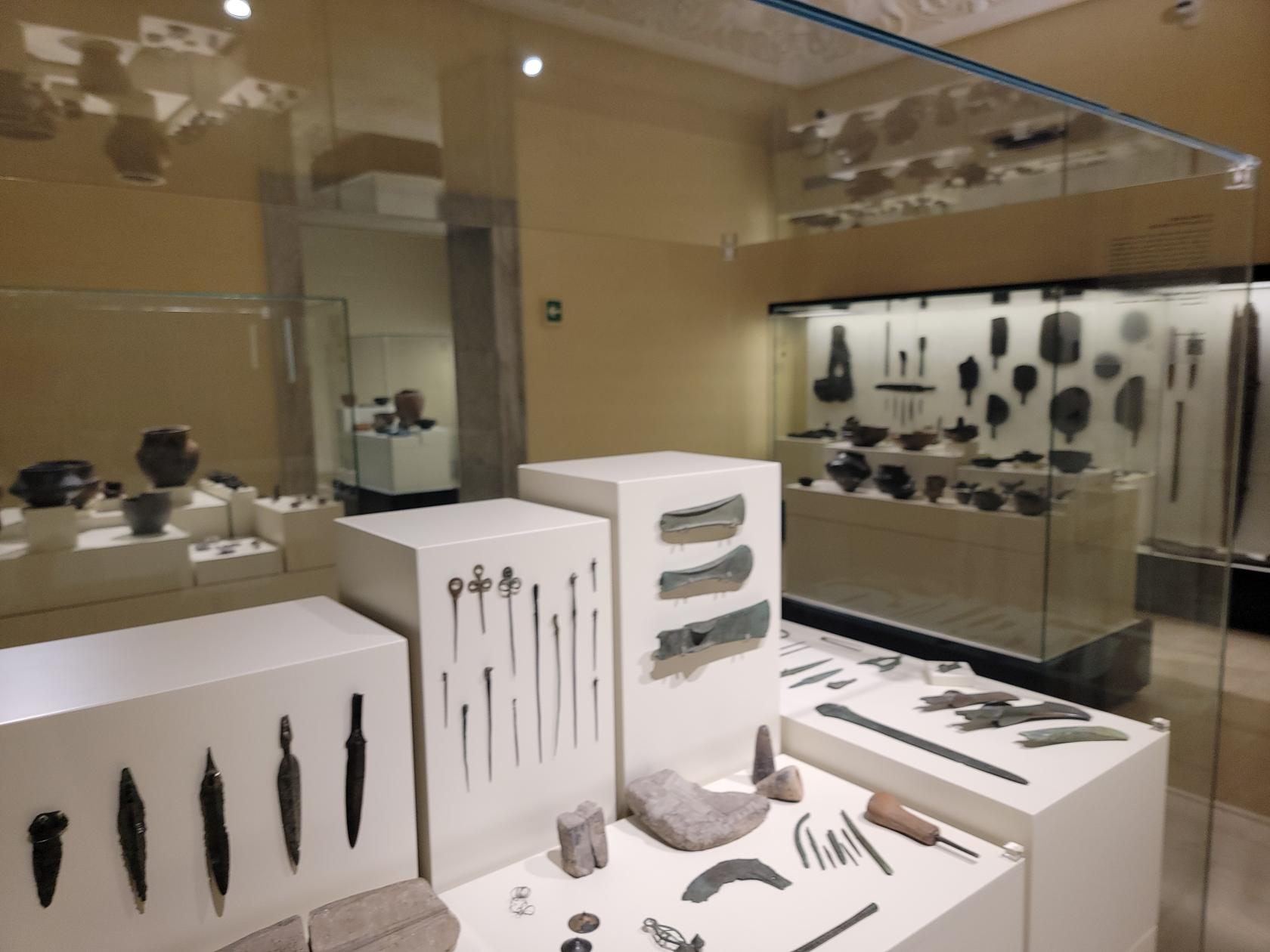
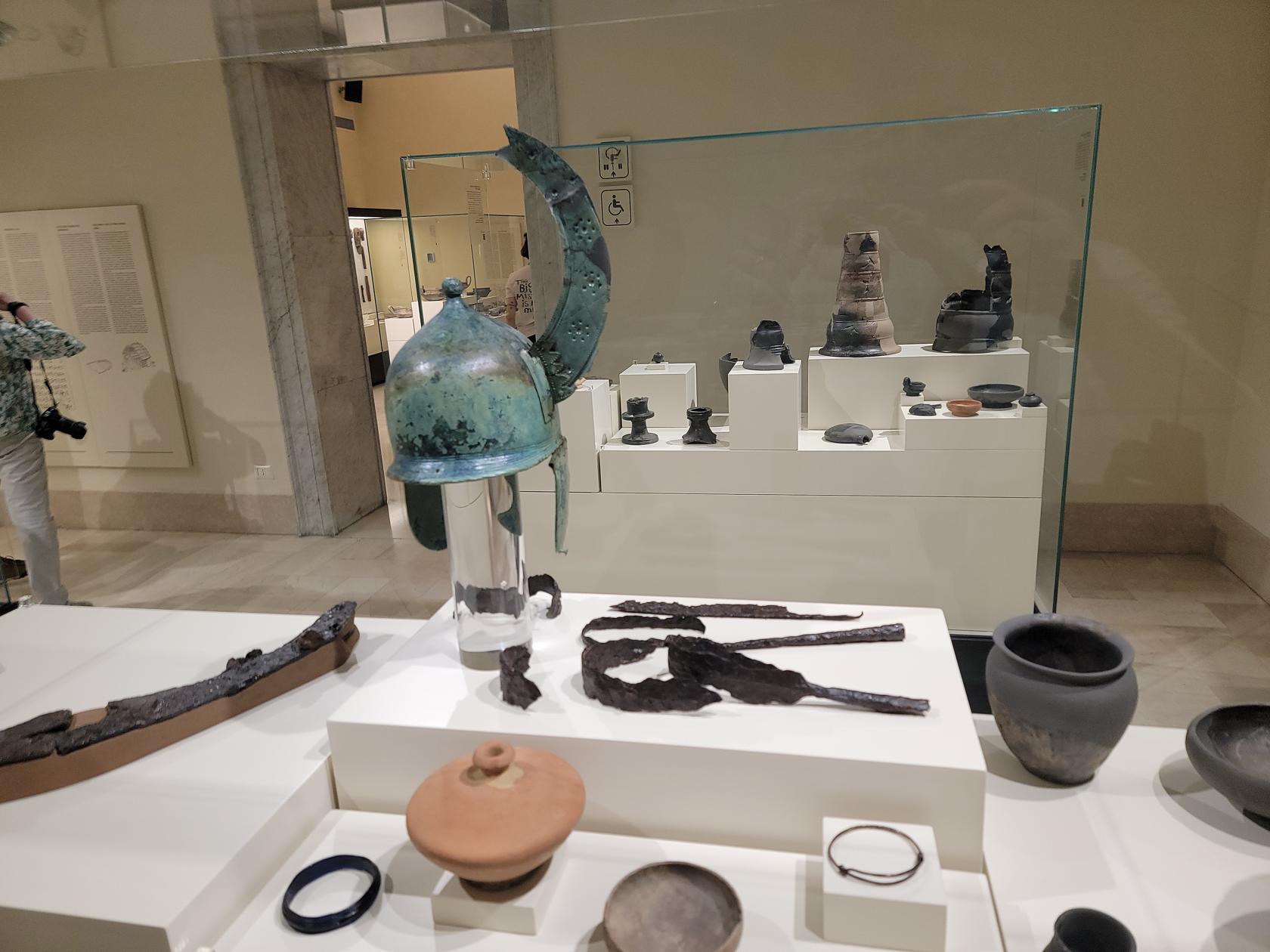
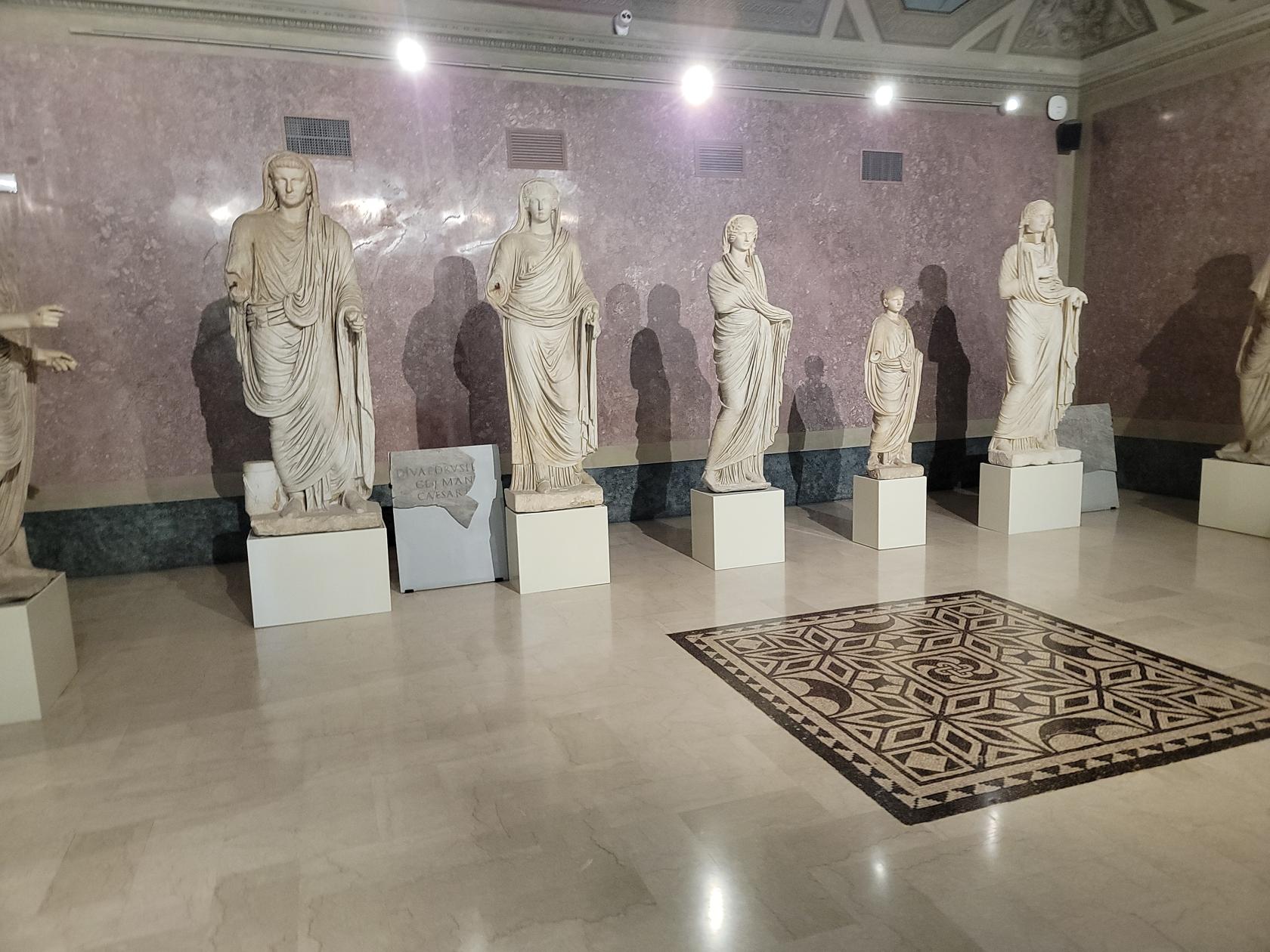
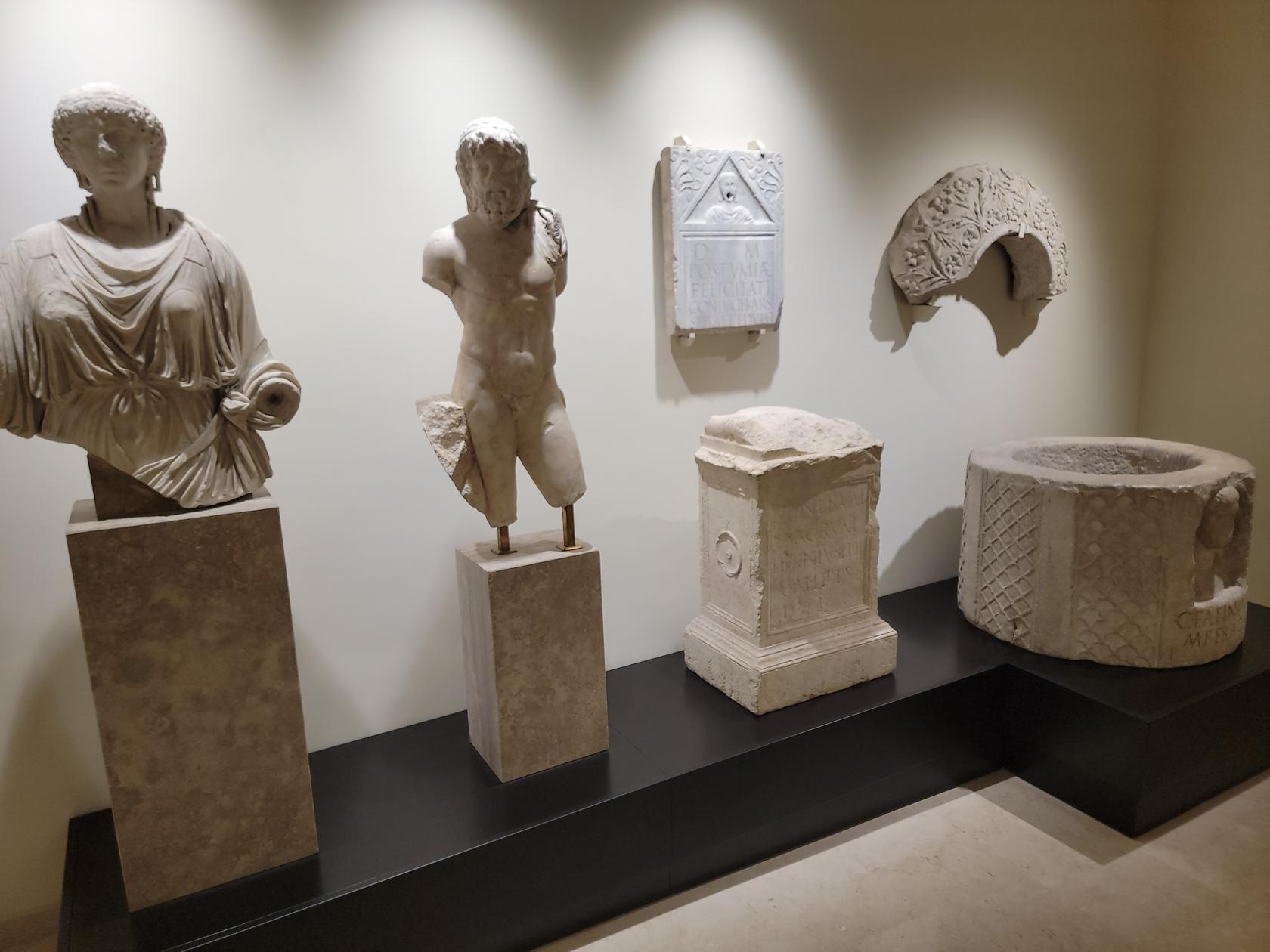
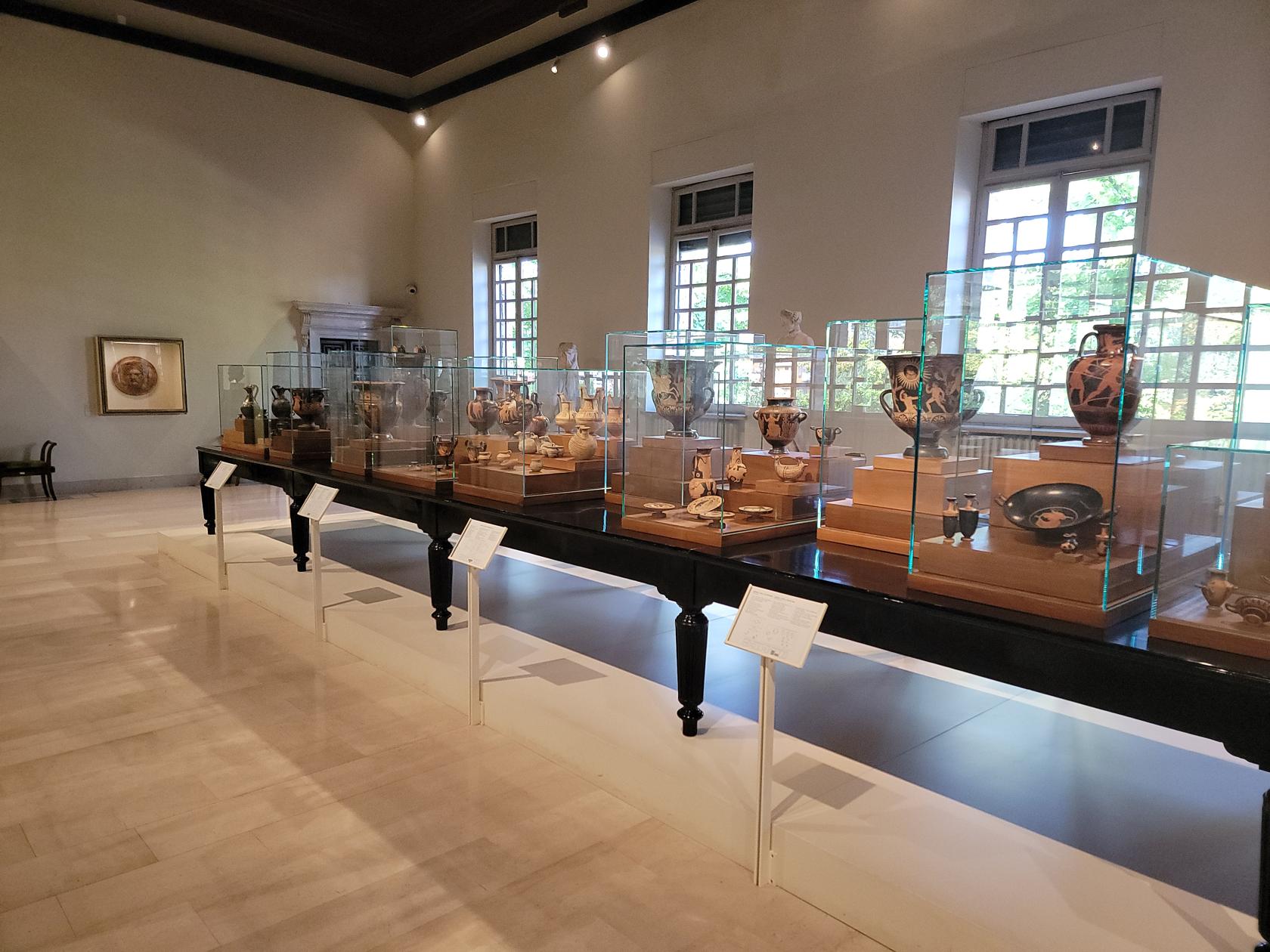
The archeological museum offers artifacts from the ancient history in and around Parma. Here are exhibits of the ancient civilizations of the Roman Empire, Greeks and Etruscans who inhabited the Po river valley and the surrounding area thousands of years ago.
Archaeological Museum – Pillota Museum Complex – Parma, Italy
Archaeological Museum – Pillota Museum Complex – Parma, Italy
Archaeological Museum – Pillota Museum Complex – Parma, Italy
Archaeological Museum – Pillota Museum Complex – Parma, Italy
Archaeological Museum – Pillota Museum Complex – Parma, Italy
Archaeological Museum – Pillota Museum Complex – Parma, Italy
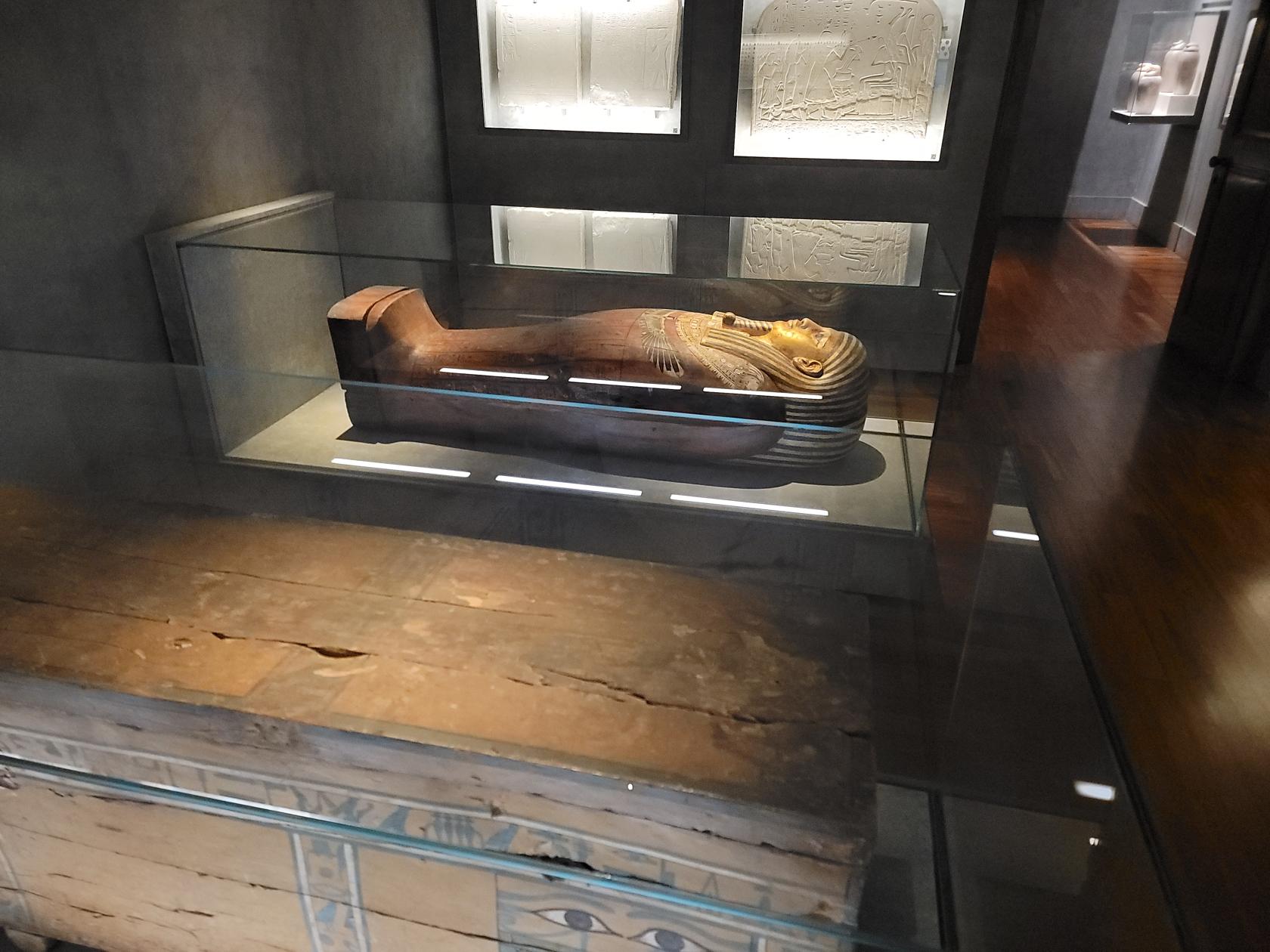
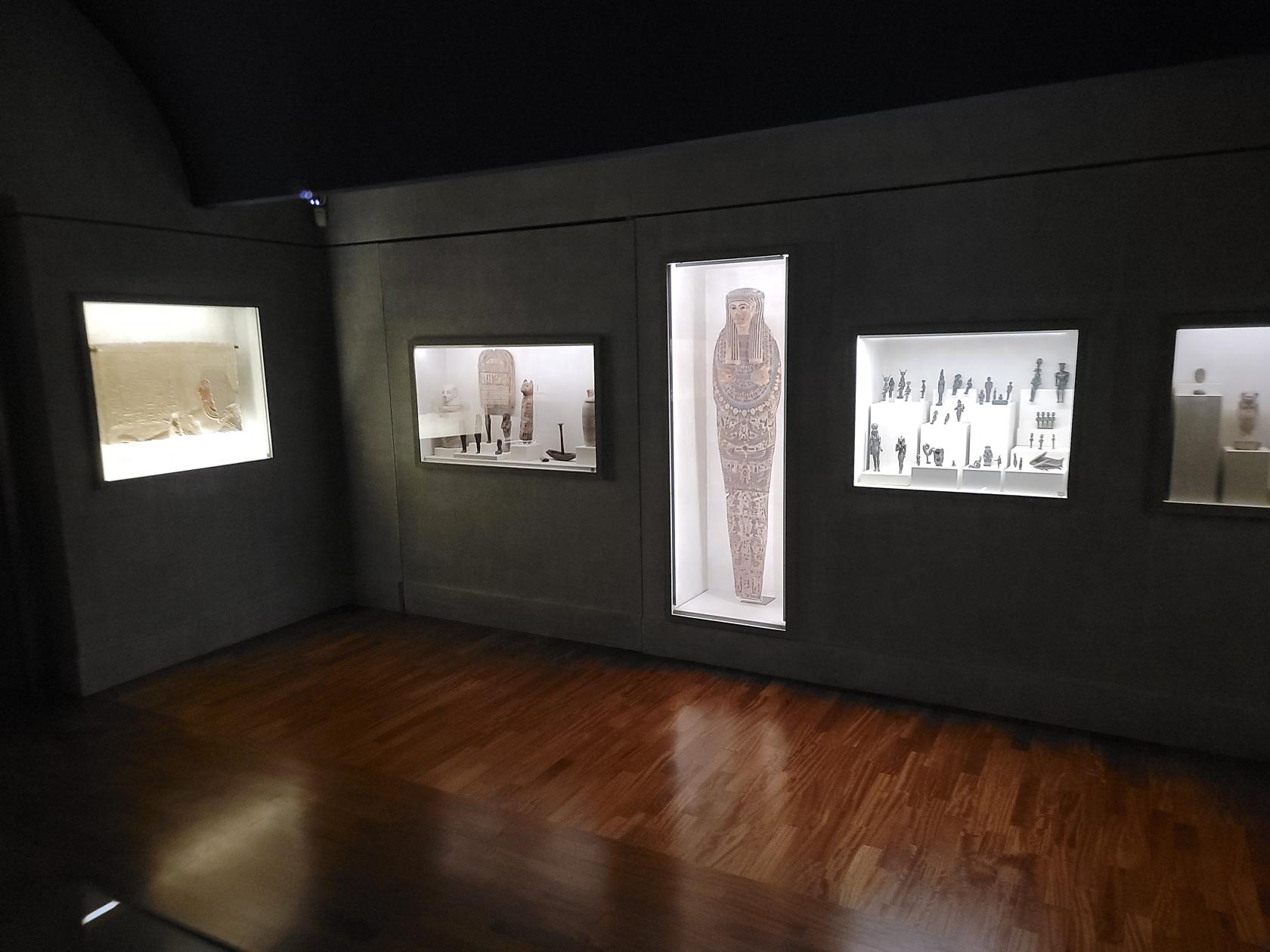
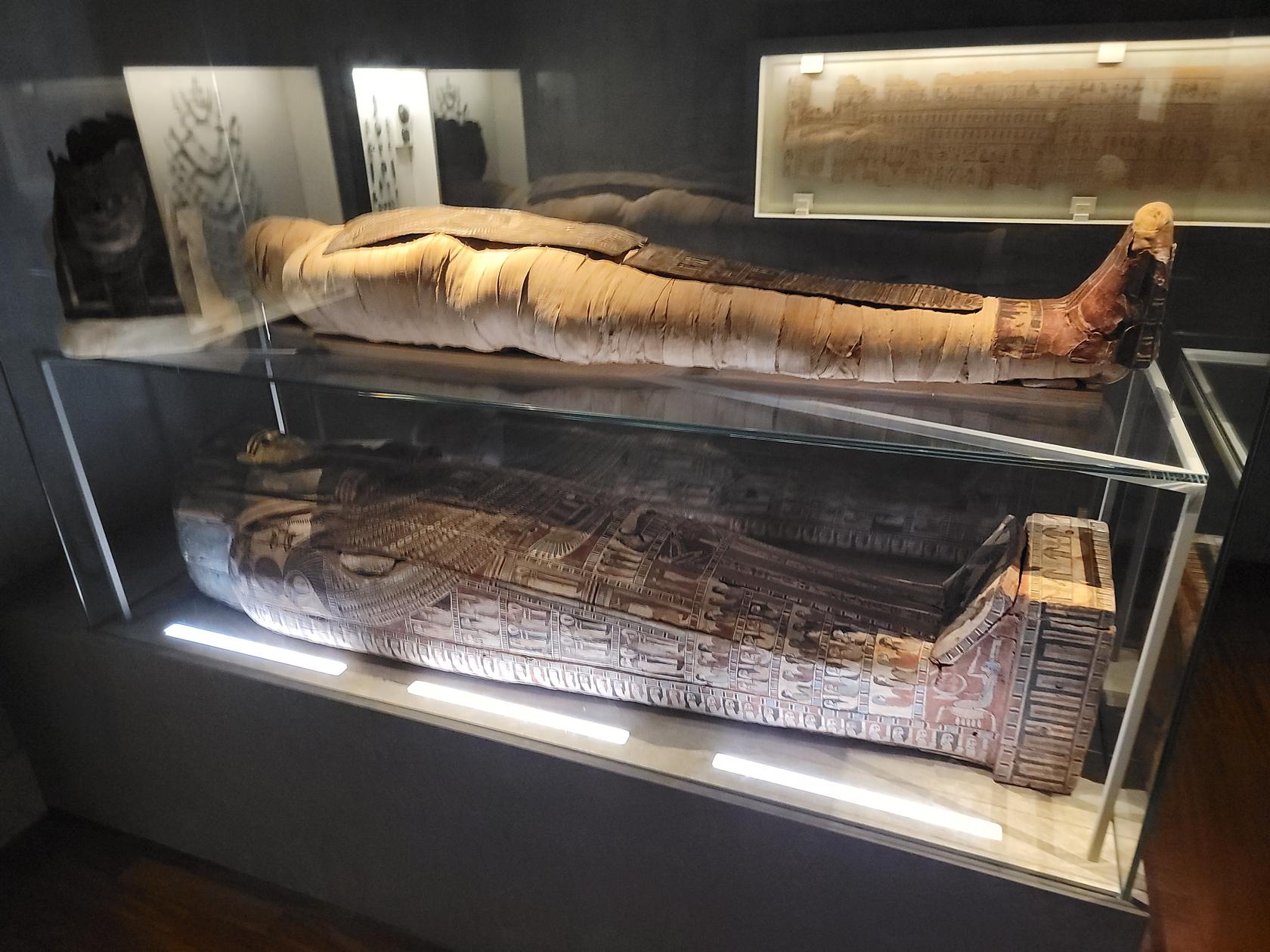
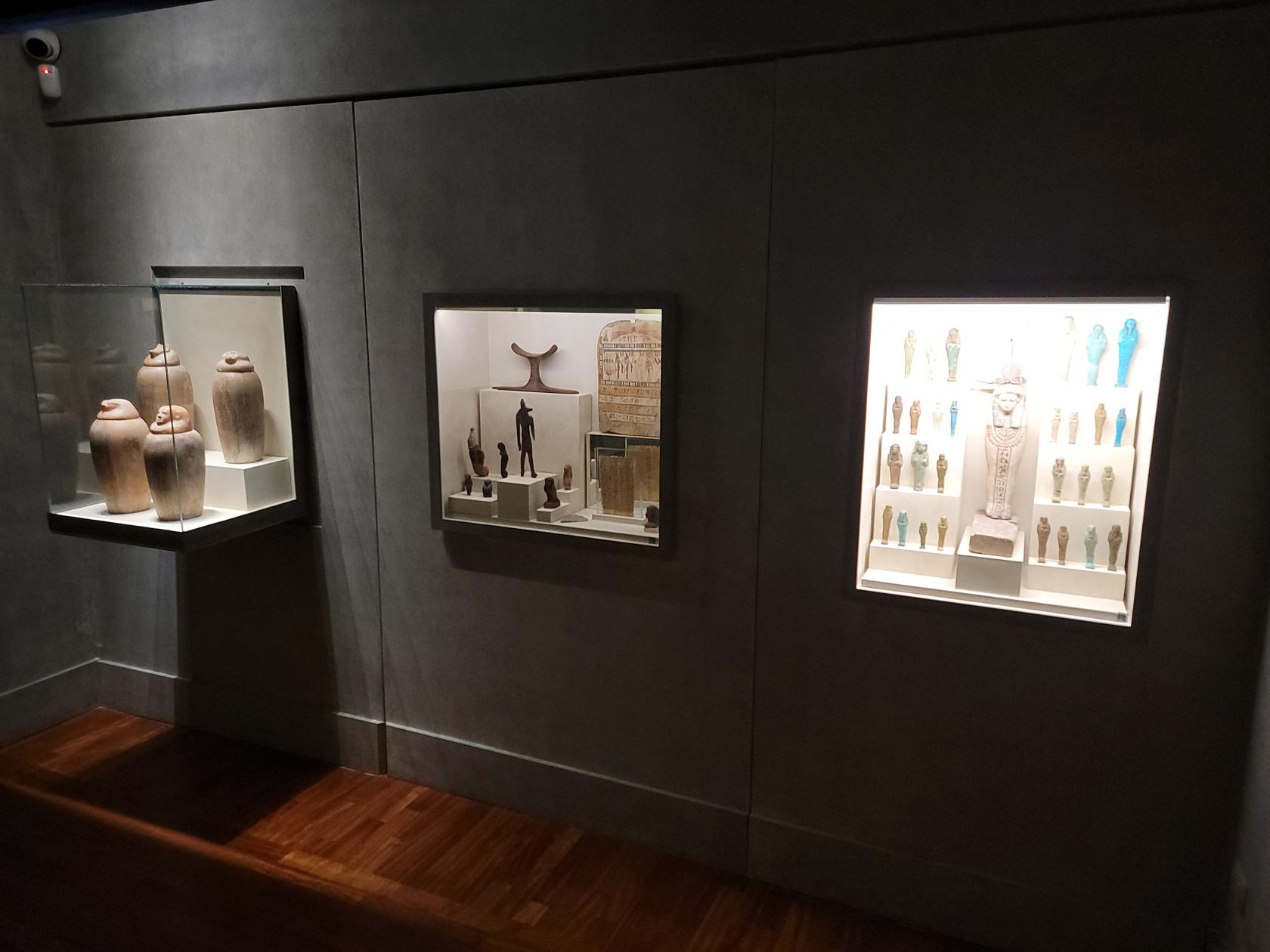
The museum also has a display of ancient Roman tombs, including sarcophogy and examples of mummified remains.
Archaeological Museum – Pillota Museum Complex – Parma, Italy
Archaeological Museum – Pillota Museum Complex – Parma, Italy
Archaeological Museum – Pillota Museum Complex – Parma, Italy
Archaeological Museum – Pillota Museum Complex – Parma, Italy
Farnese Theater
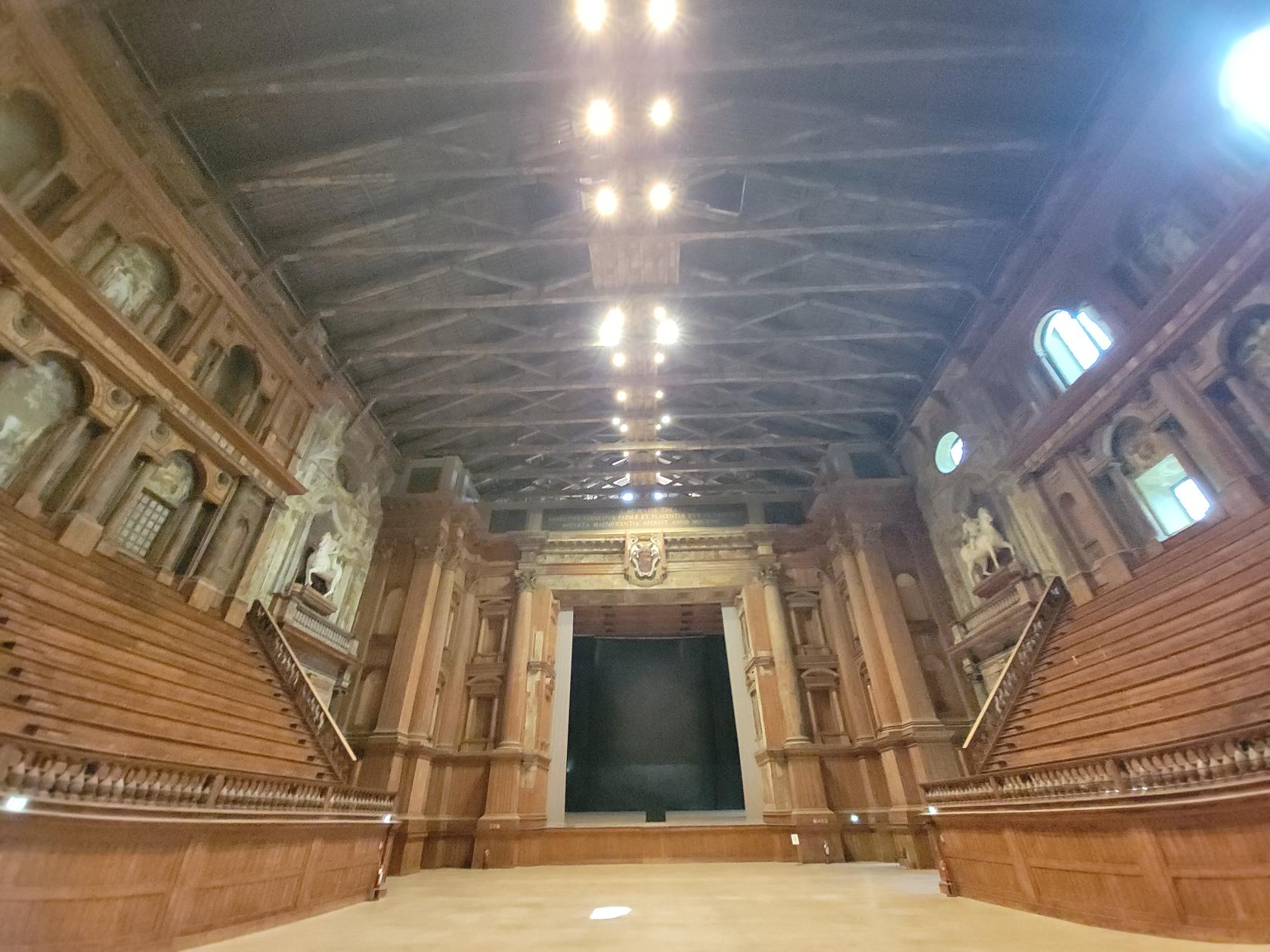
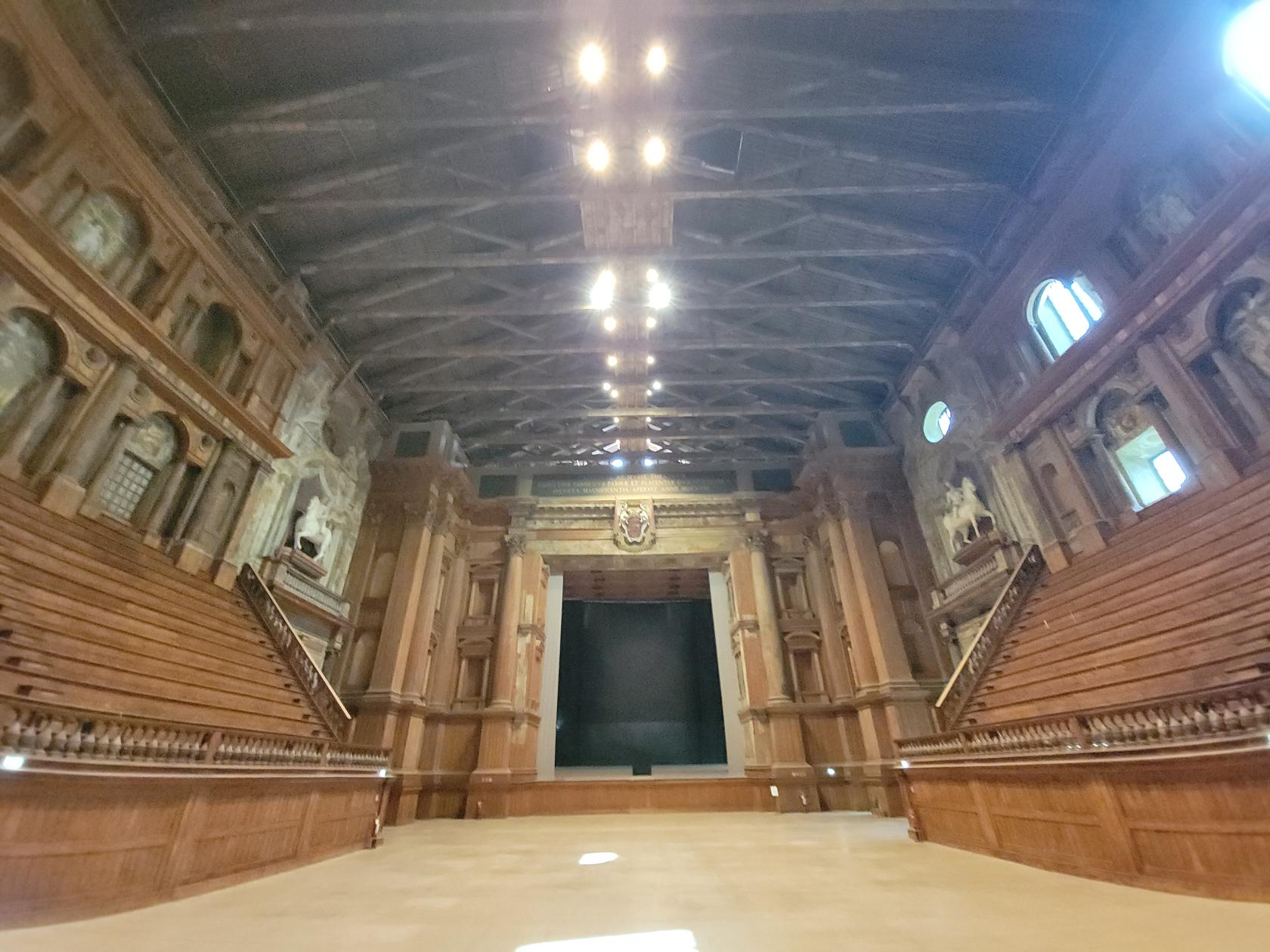
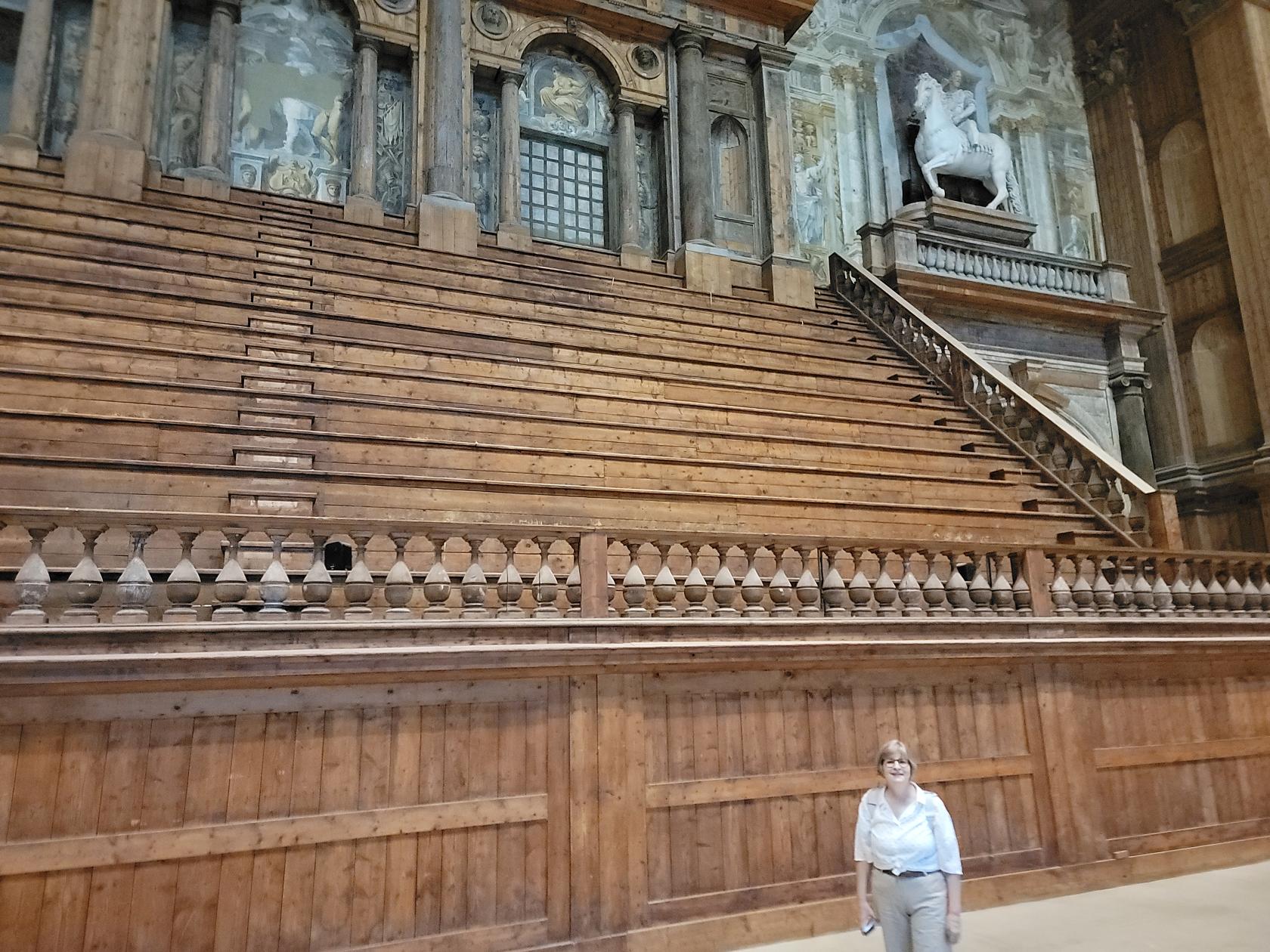
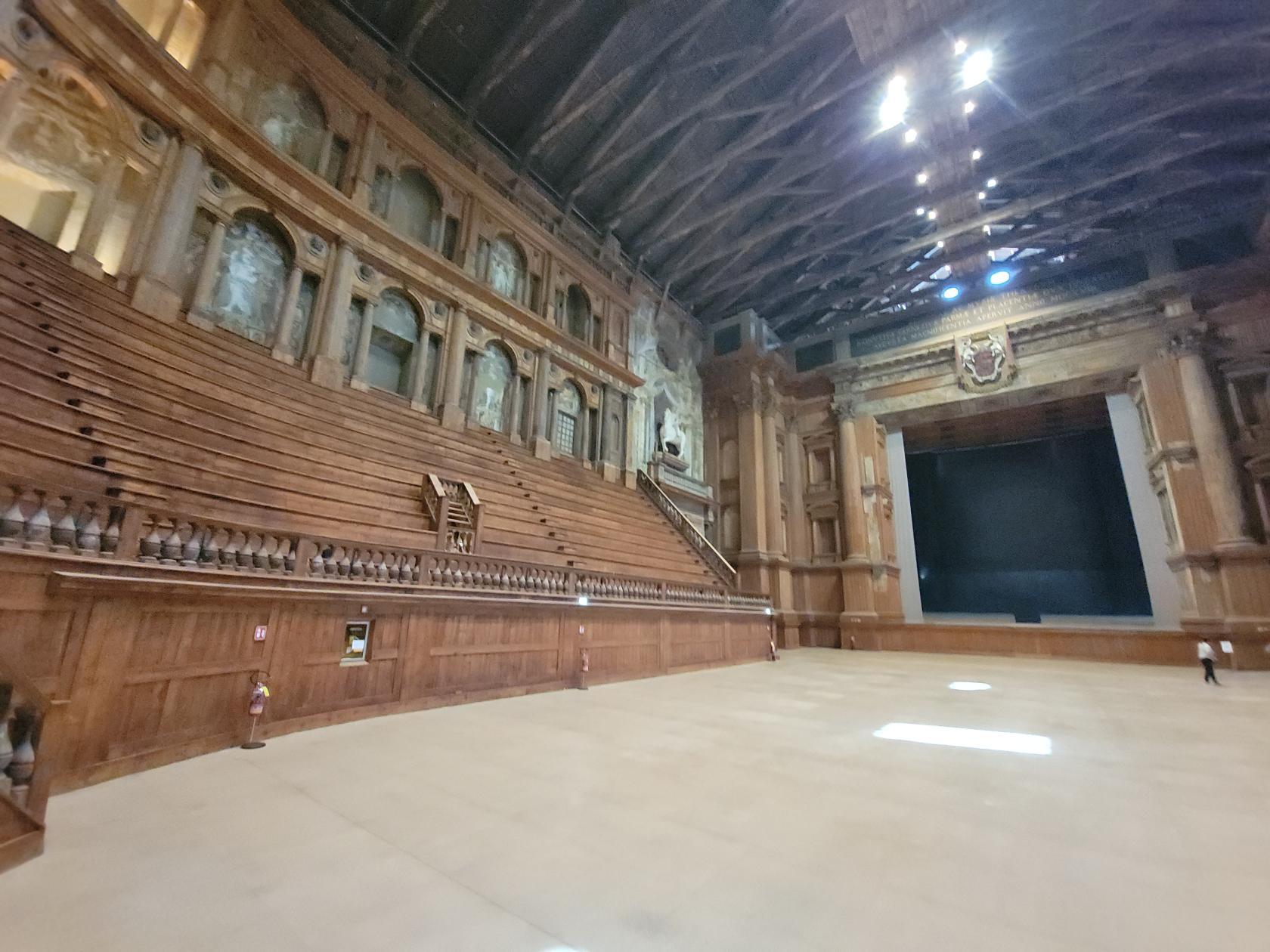
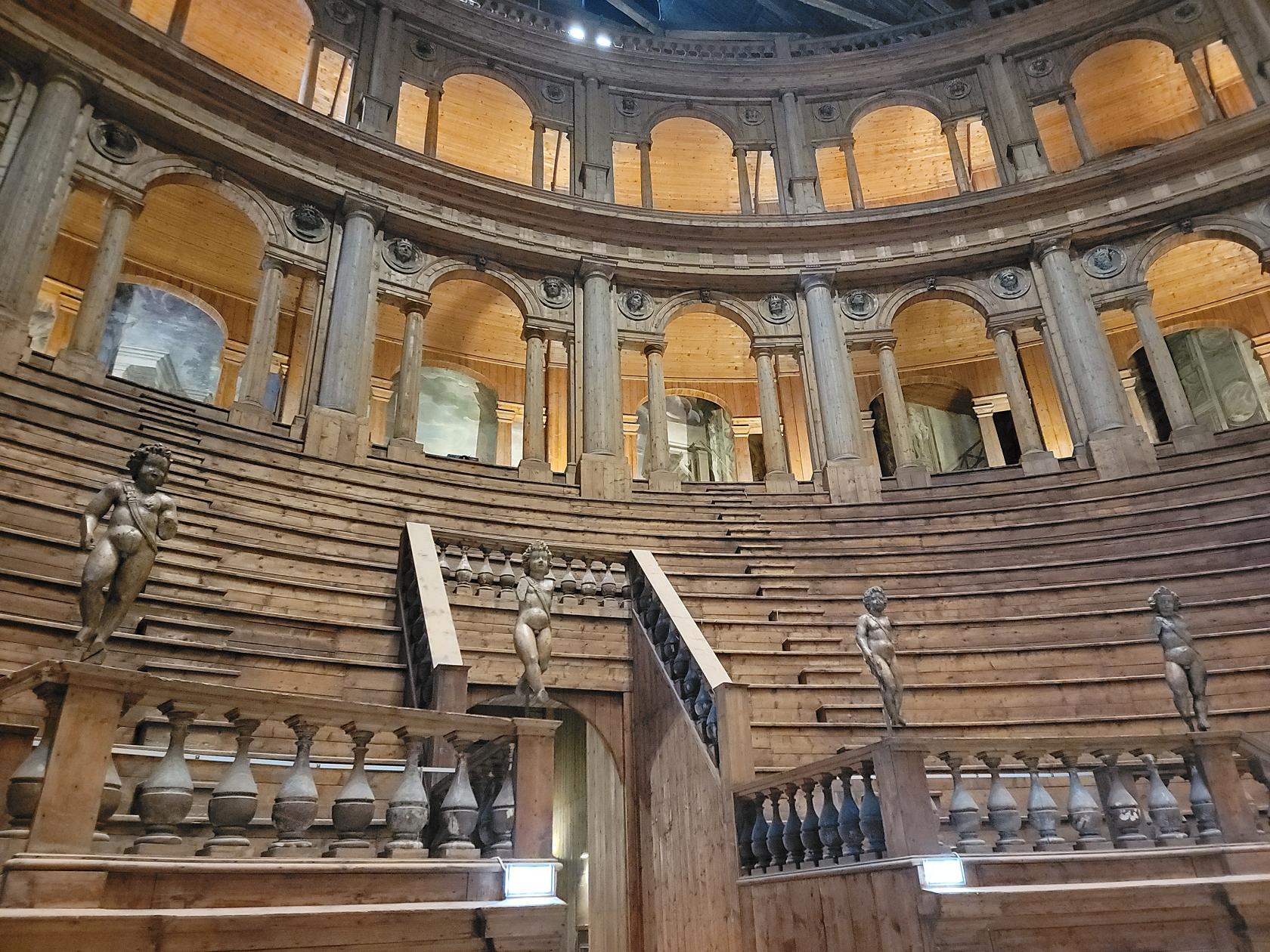
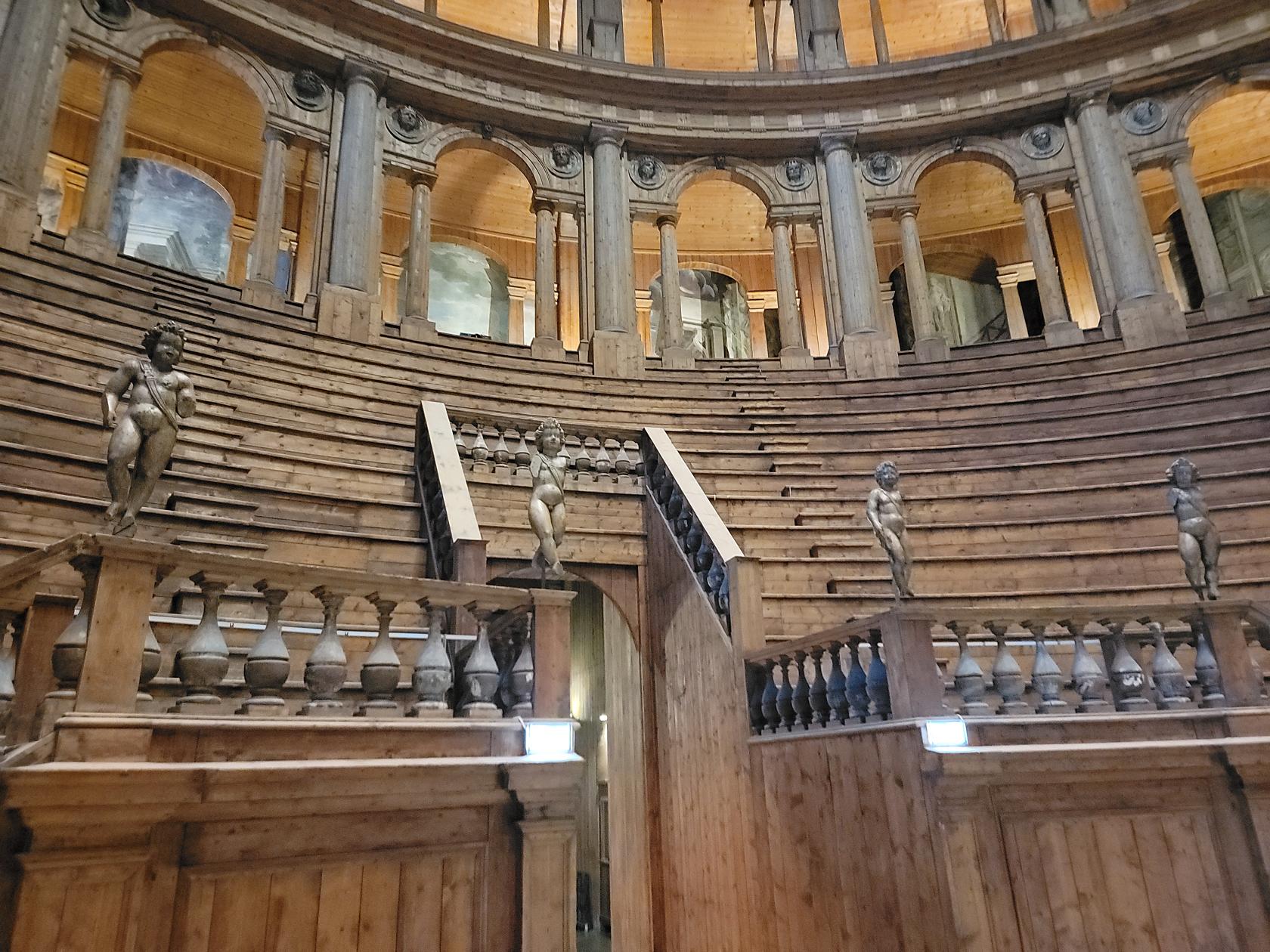
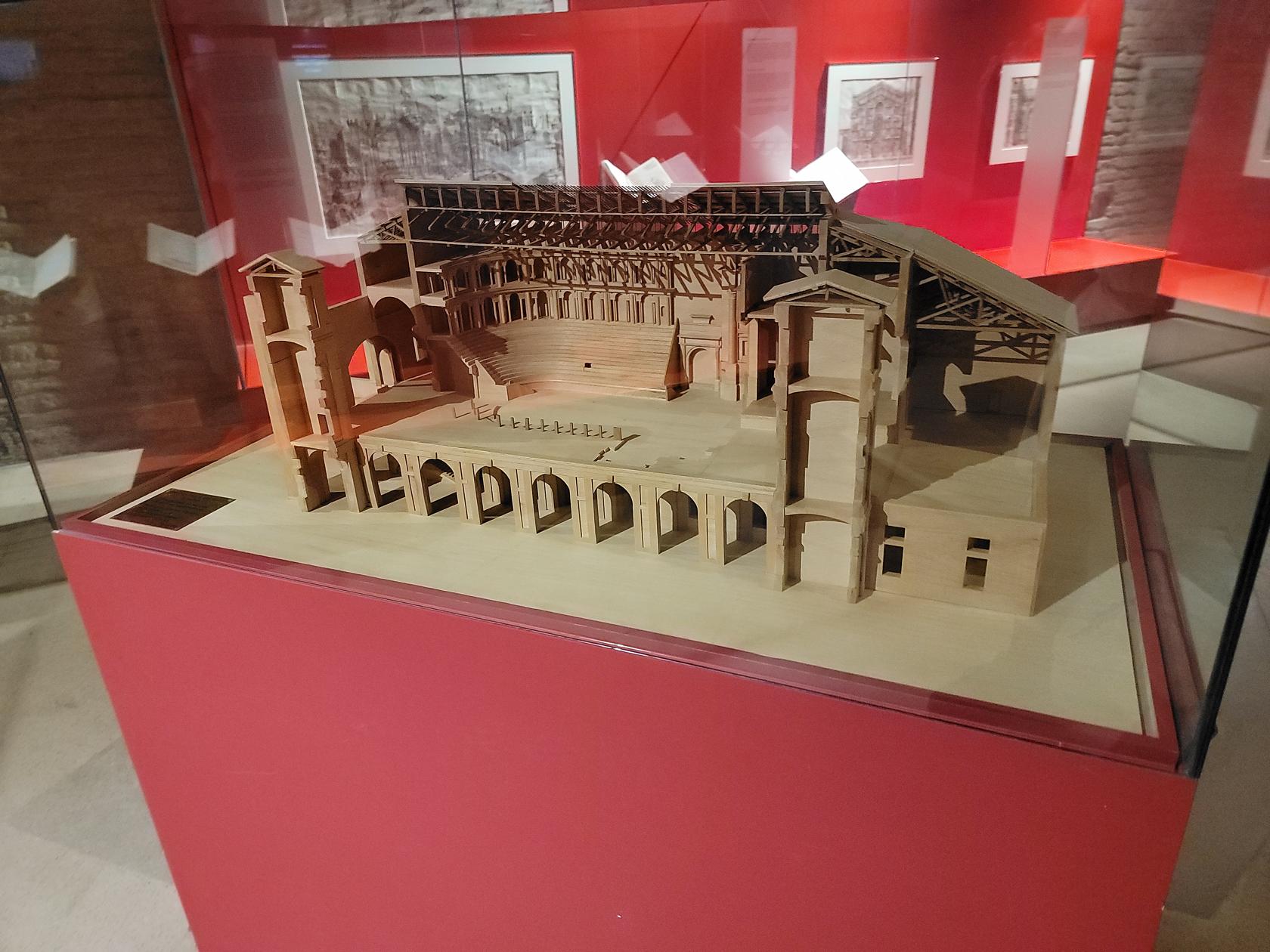
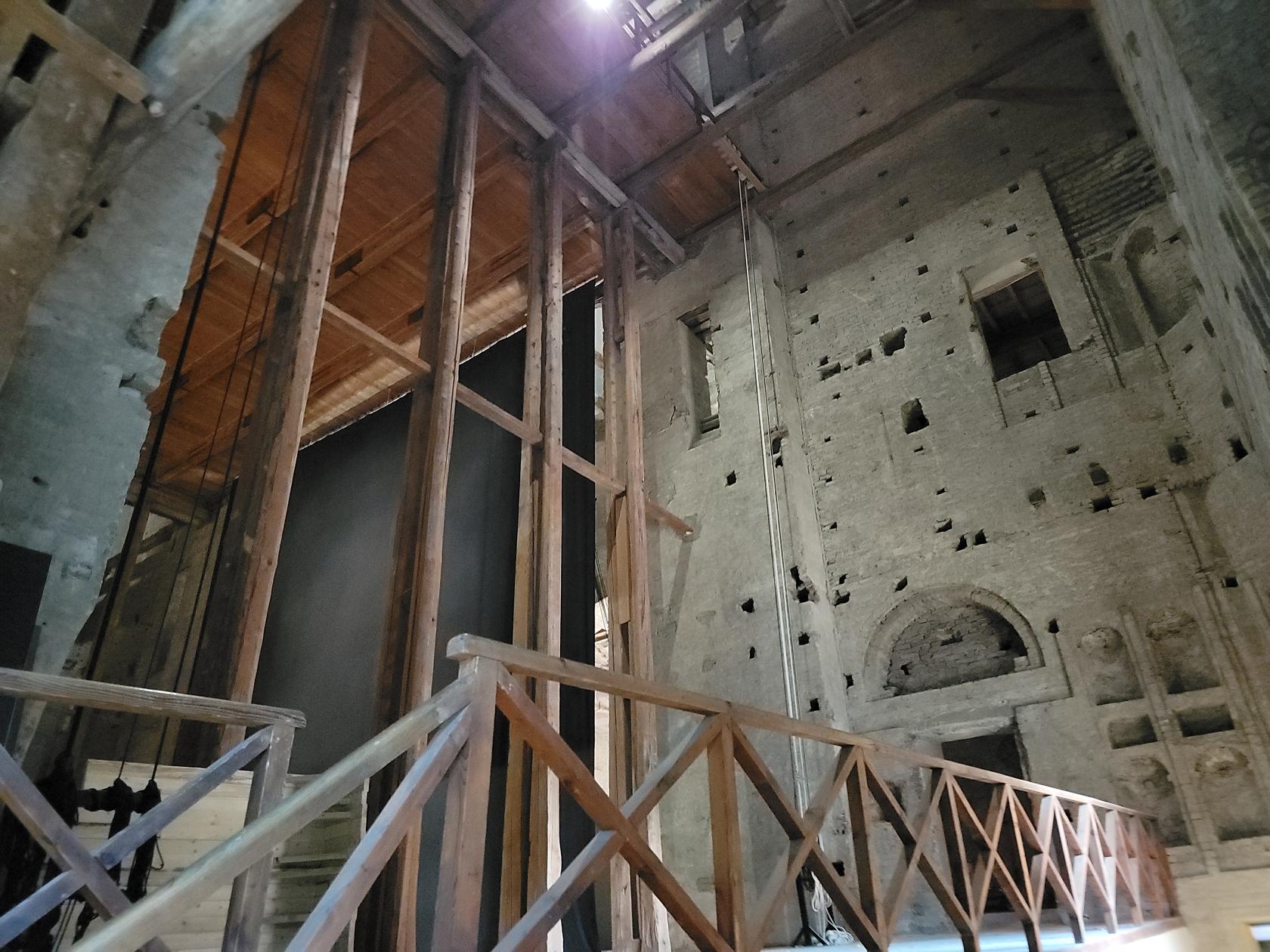
The Farnese Theater is actually a rather bizarre construction. Built within a very large room of the palace is a theater that was constructed quickly, in order to entertain some political majistrate of the Medici family. However, the event never took place and subsequent to it completion, it was only used eight or nine times.
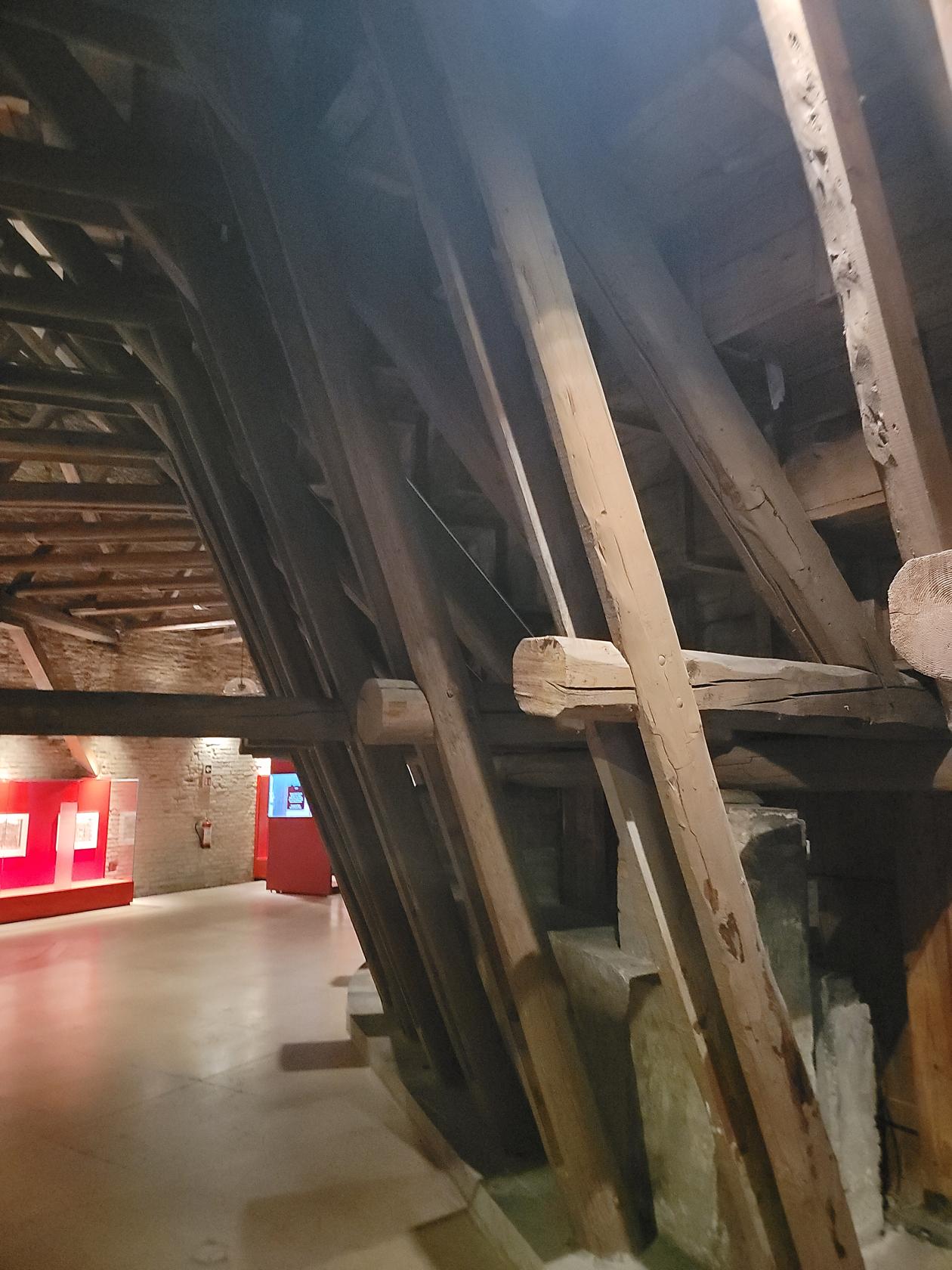
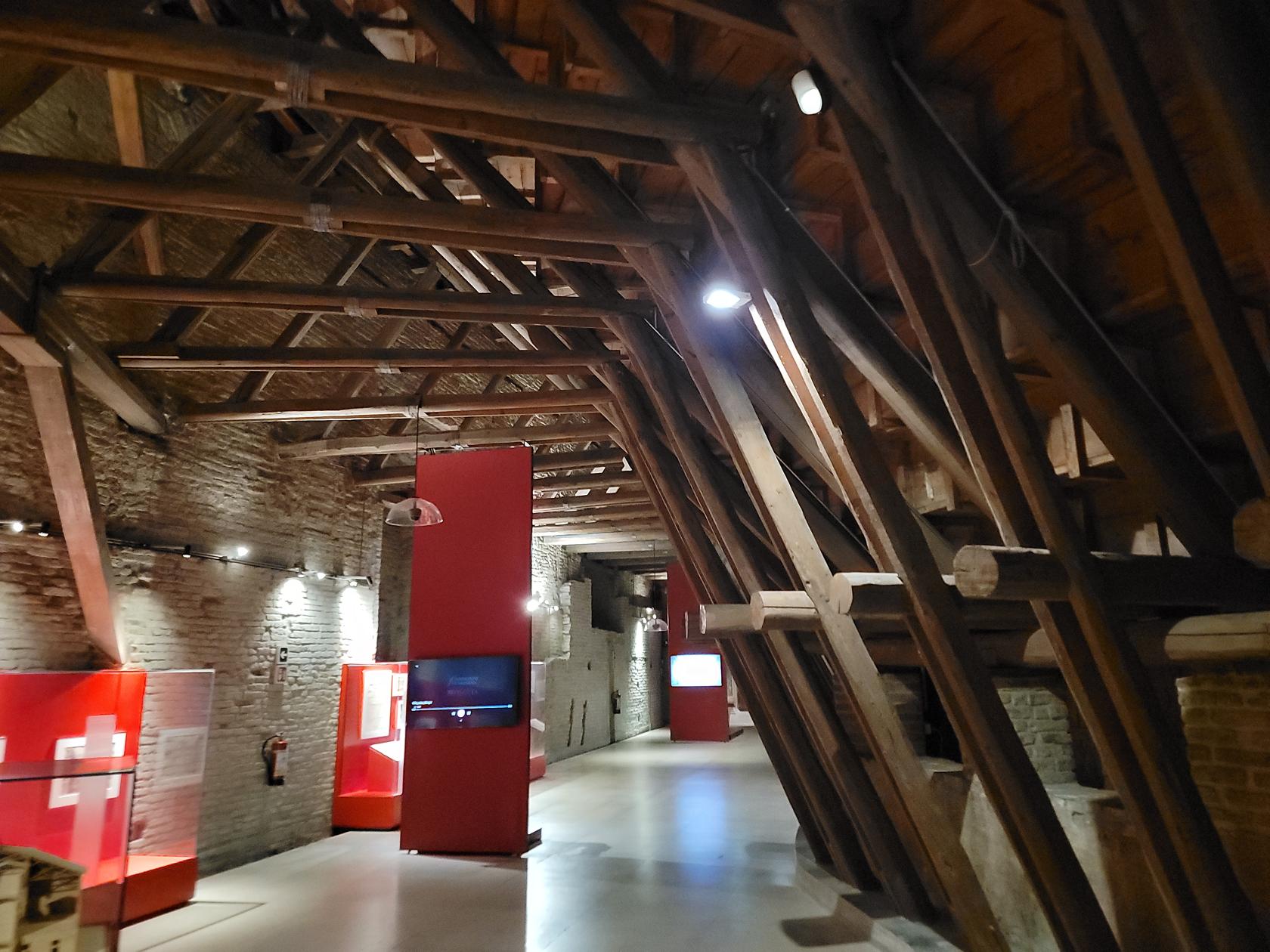
It eventually succumbed to allied bombings in the mid 1940s and was almost completely destroyed and then rebuilt later, for cultural reasons. Though none of the plaster exterior has never been replaced, as is evident by the missing ceiling, it still enjoys a woddy charm. Luckily, the old frescoes survived and can still be seen today.
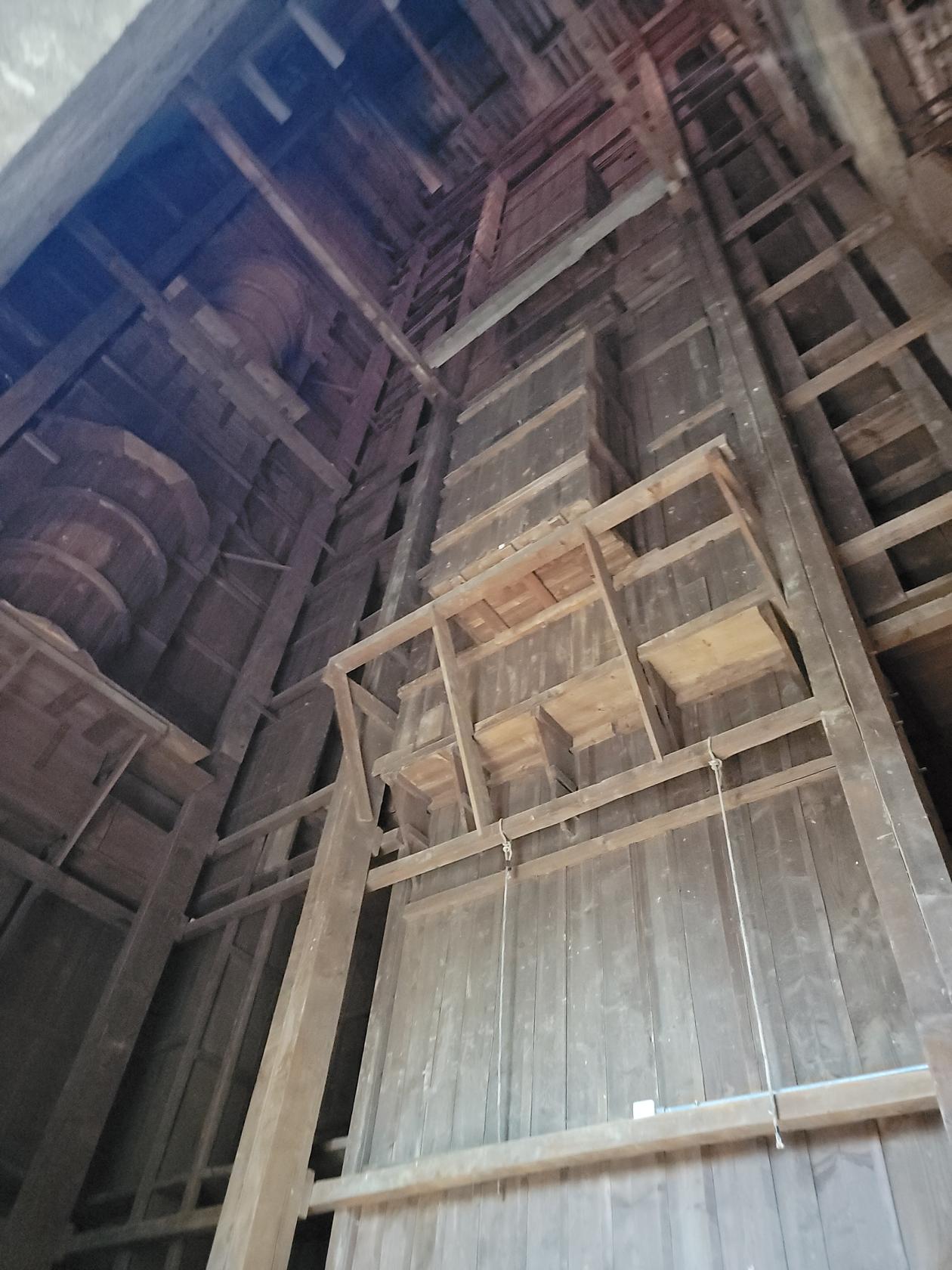
Backstage Elements – Farnese Theater – Pillota Museum Complex – Parma, Italy
Galleria Nazionale di Parma
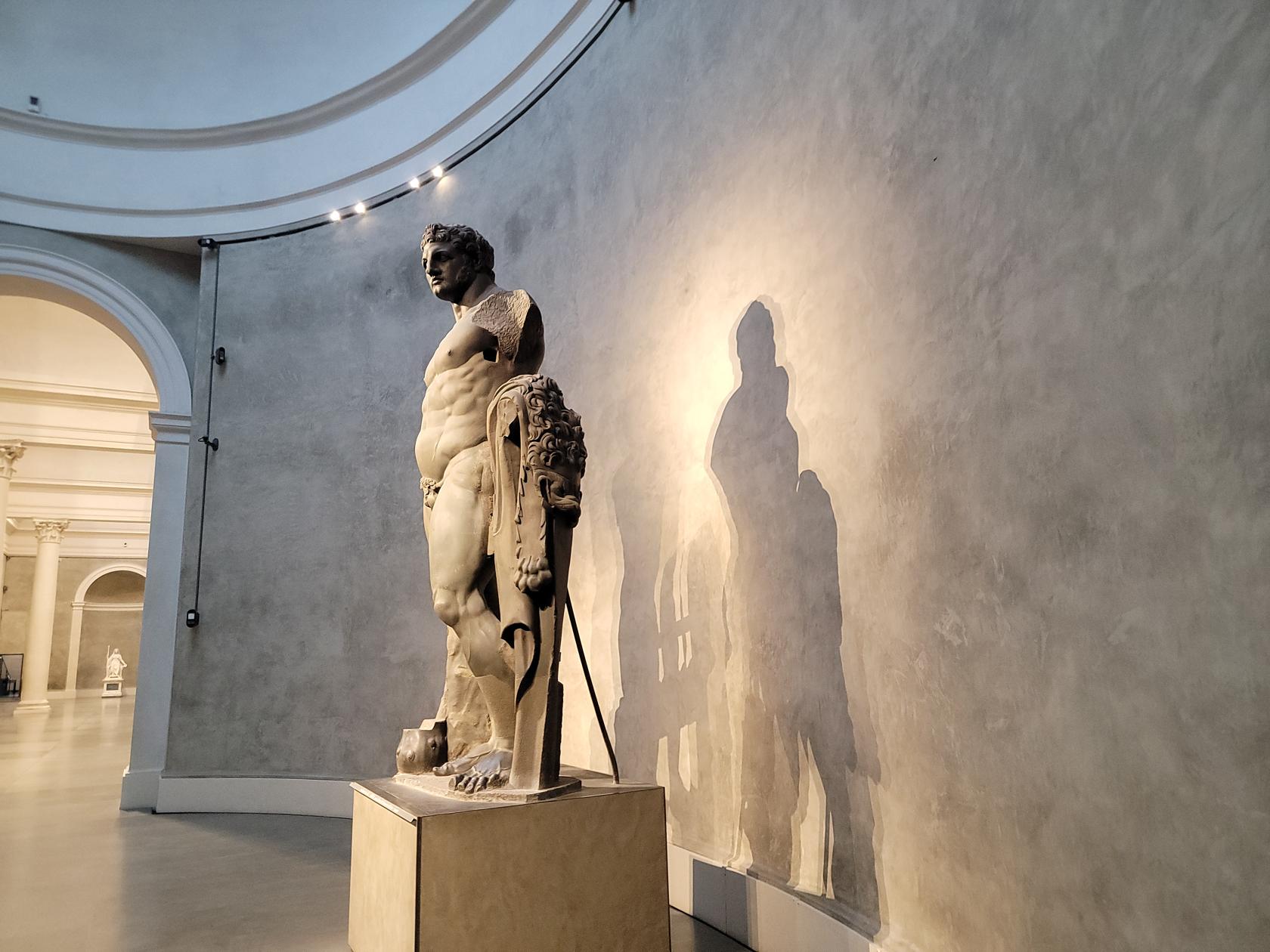
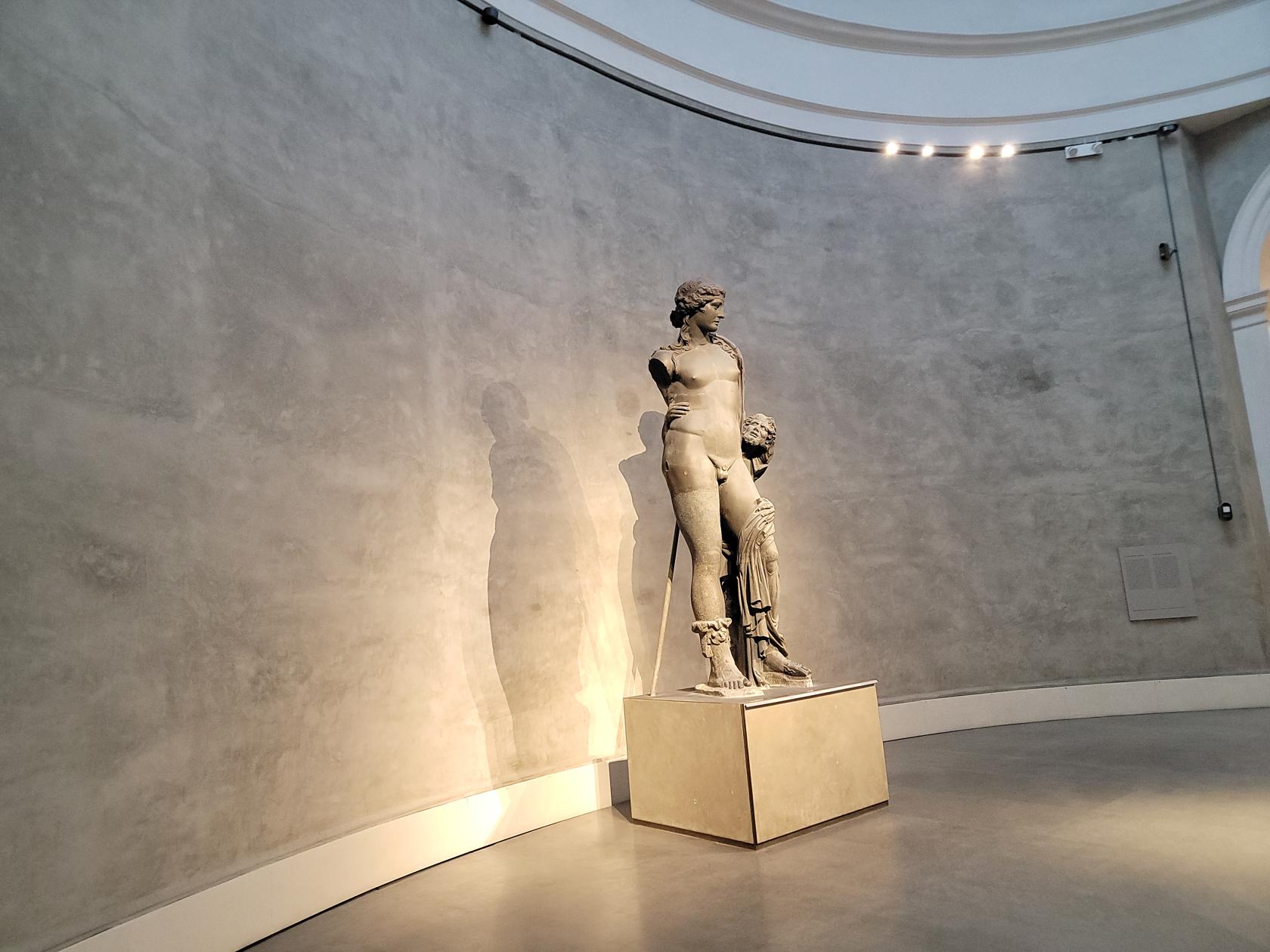
The entrance to the National Gallery is flanked by two huge statues. One of Dionysus and the other or Hercules. They are both impressive in their own right, with the one of Hercules looking like it is right on the boundary of the human anatomy.
Hercules – National Gallery – Pillota Museum Complex – Parma, Italy
Dionysus – National Gallery – Pillota Museum Complex – Parma, Italy
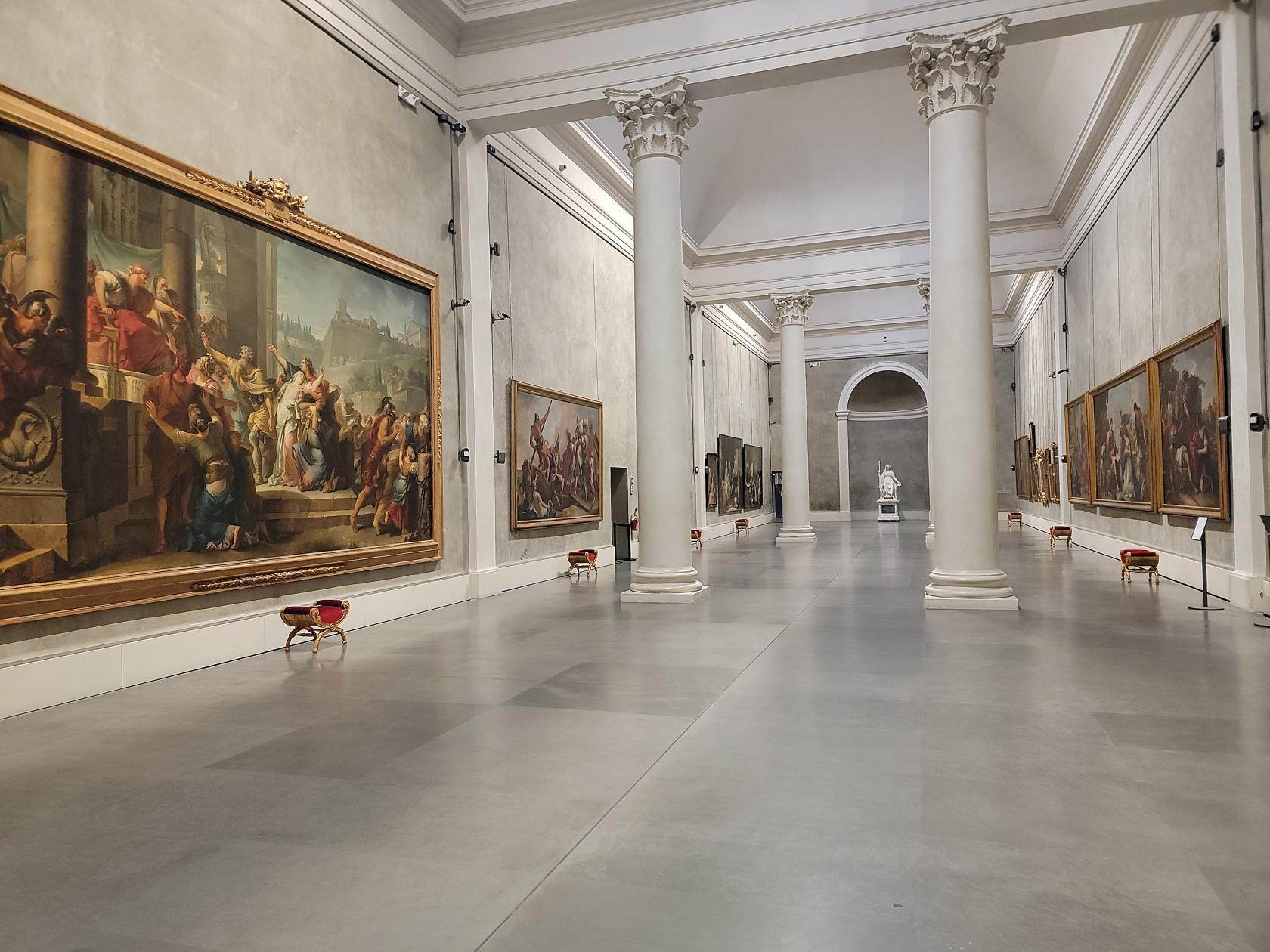
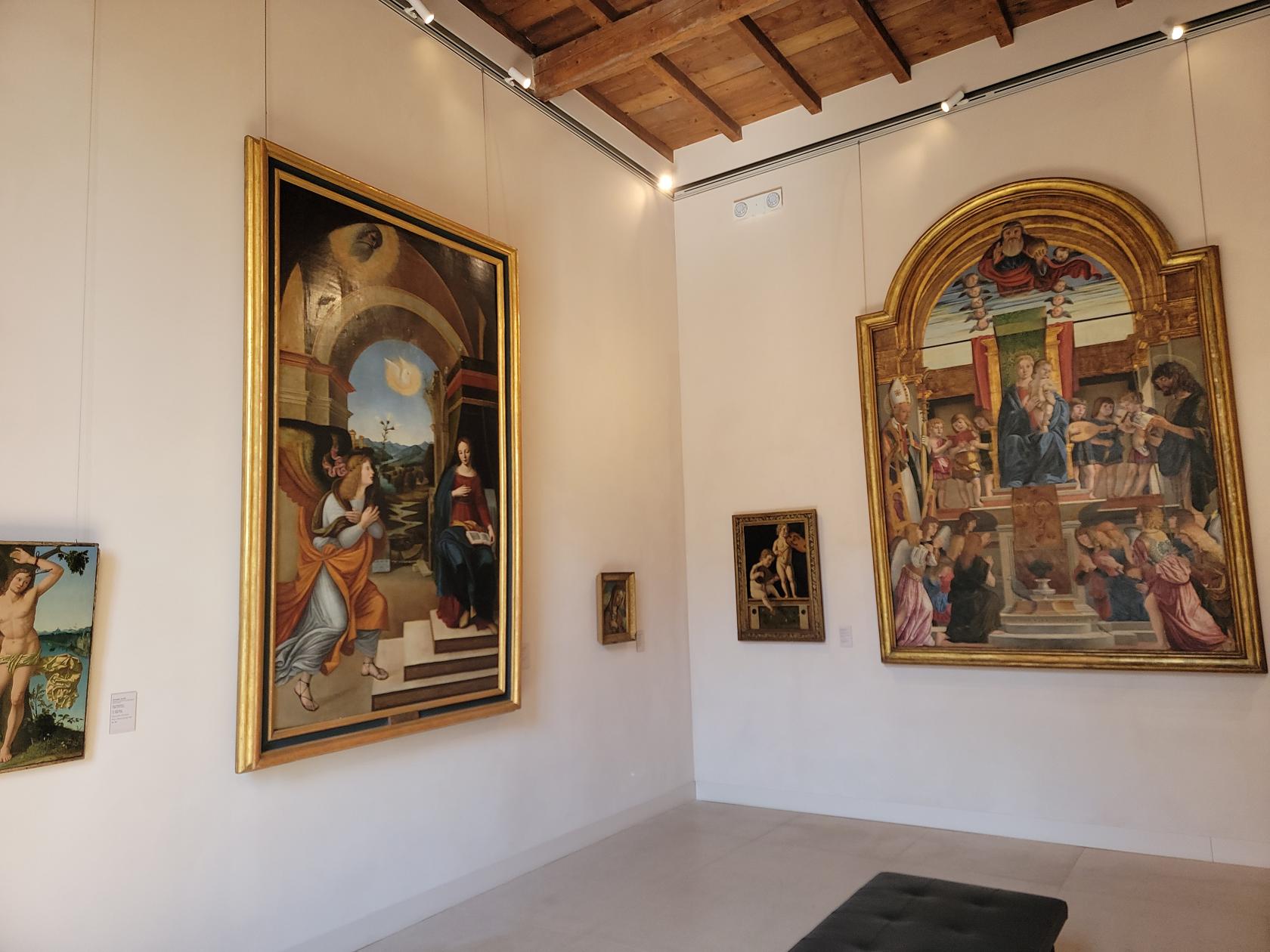
The rest of the gallery houses a myriad of large paintings in its large hall. Unfortunately there are no benches or seating to admire them, so one can only slowly walk by or stand in front of them for a bit, in order to admire them.
Main Room – National Gallery – Pillota Museum Complex – Parma, Italy
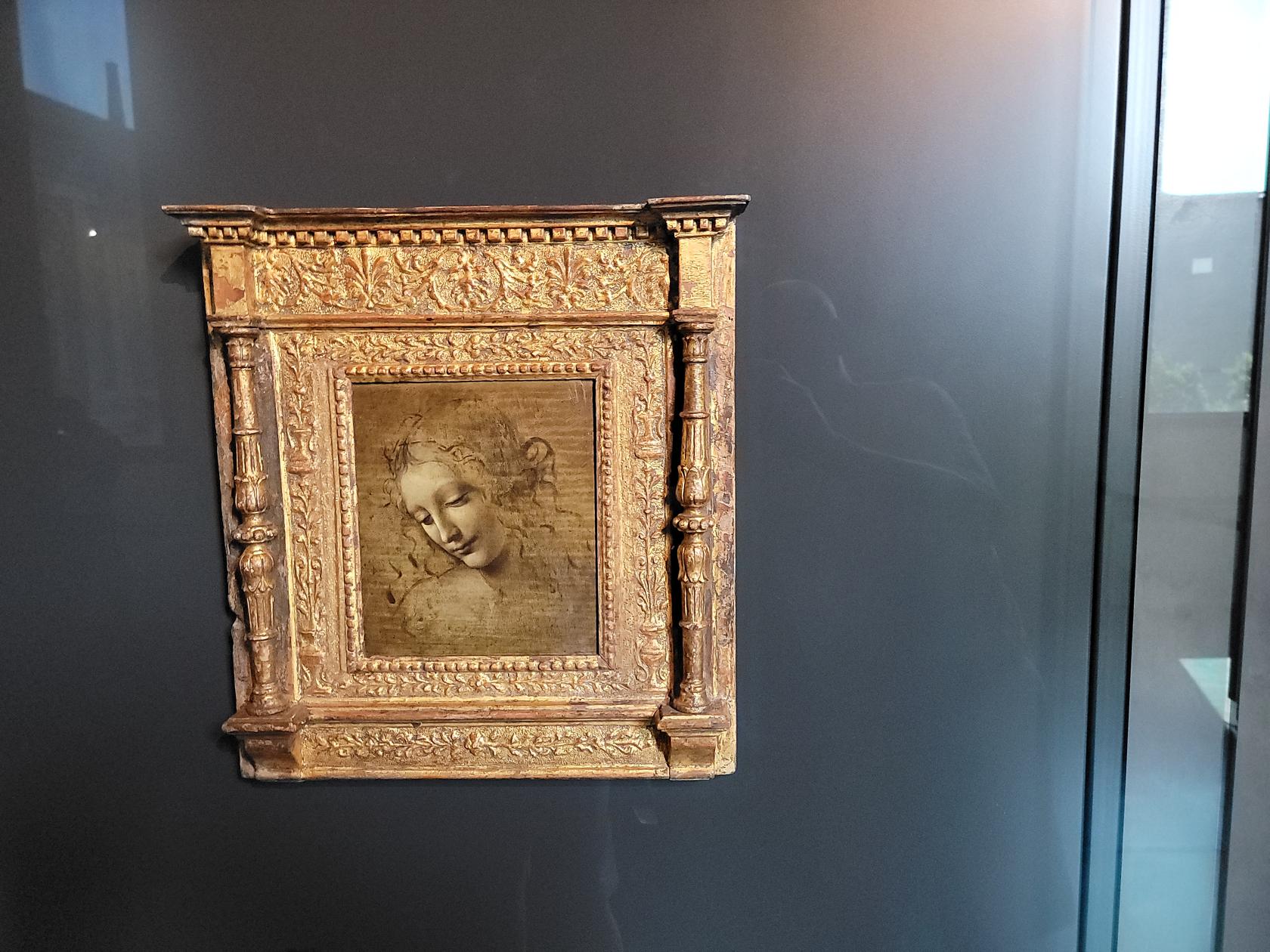
As of this writing, the back of the gallery held the real prize for a visitor, a work by Leonardo da Vinci called the head of a woman, or “La Scapiliata”. One can see similarities with her face and that of the Mona Lisa, which was painted some time after and is now in the Louvre in Paris, France.
Head of a Woman “La Scapiliata” – Leonardo da Vinci, Vinci, 1452 – National Gallery – Pillota Museum Complex – Parma, Italy
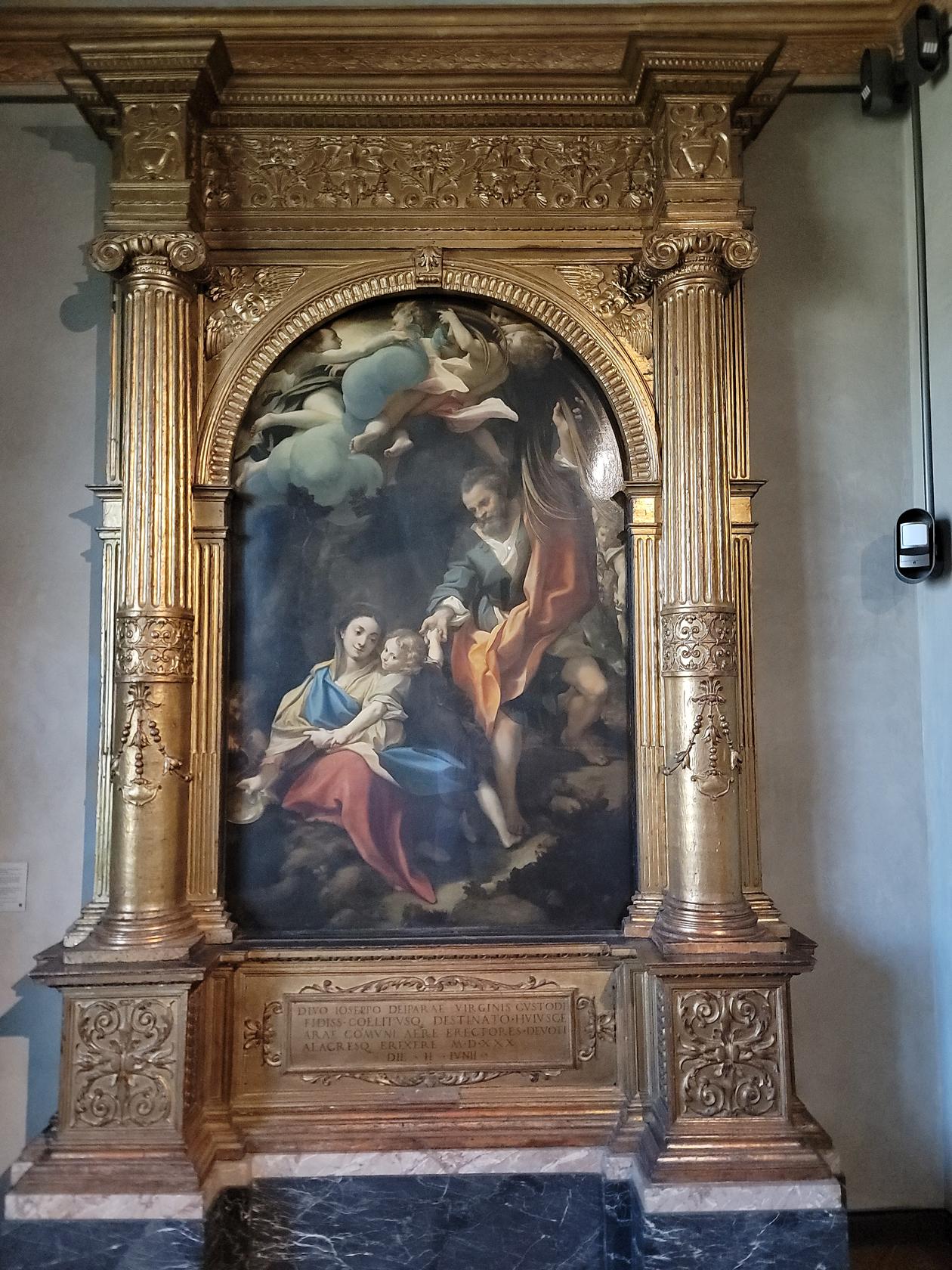
Madonna of the Bowl, Rest after the Return from Egypt – Antonio Allegri detto il Correggio, 1489 – National Gallery – Pillota Museum Complex – Parma, Italy
Palatina Library
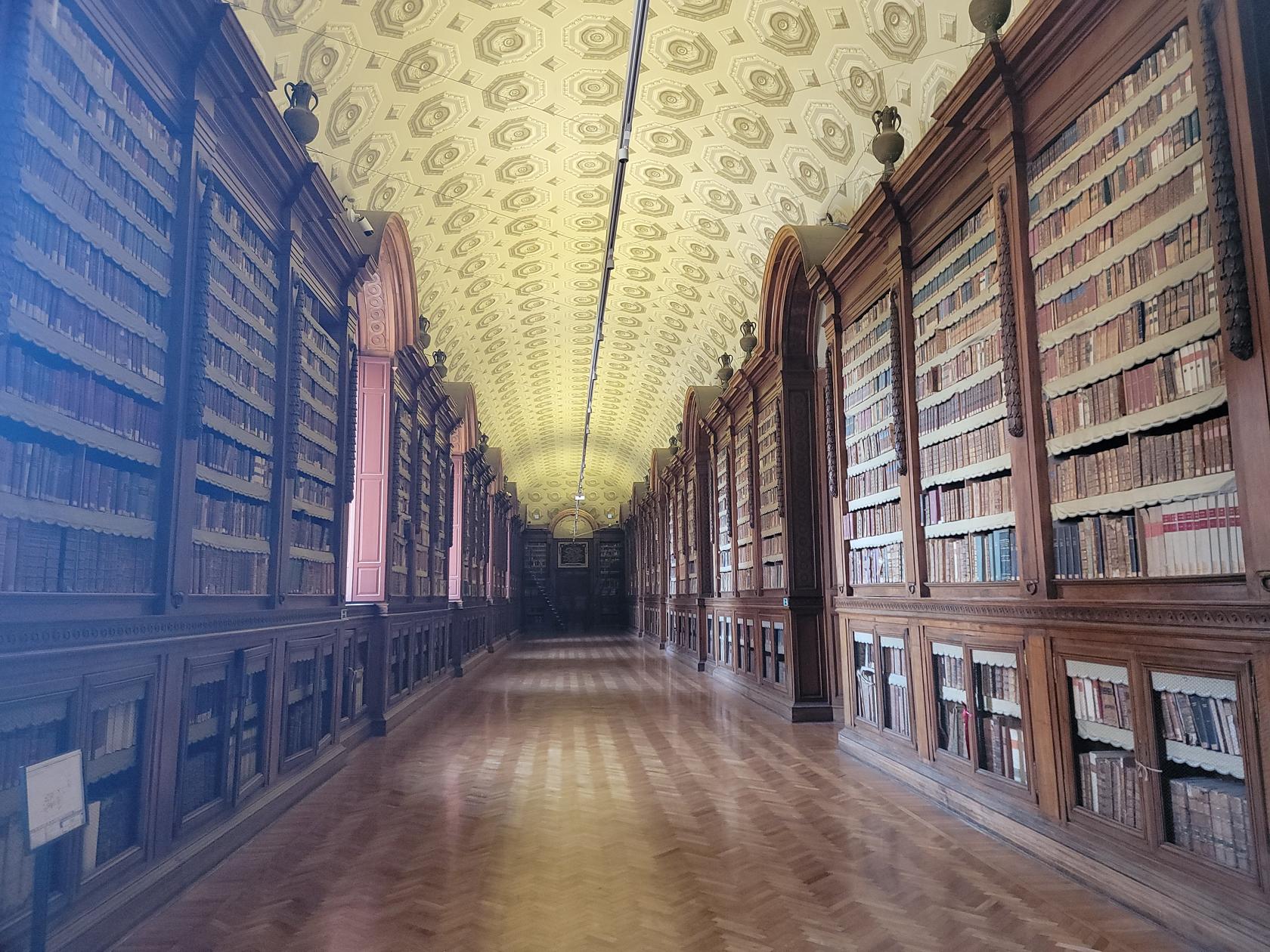
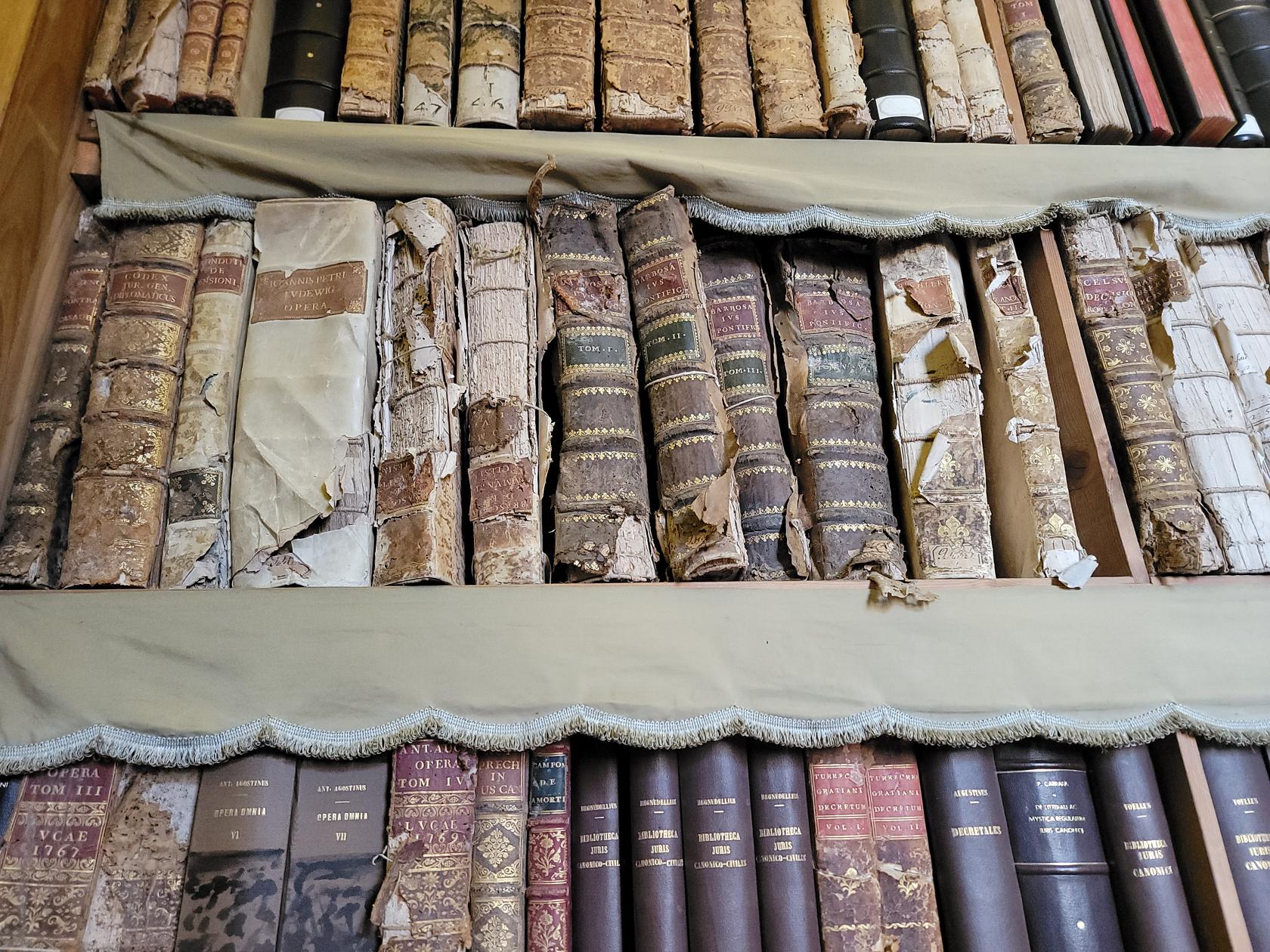
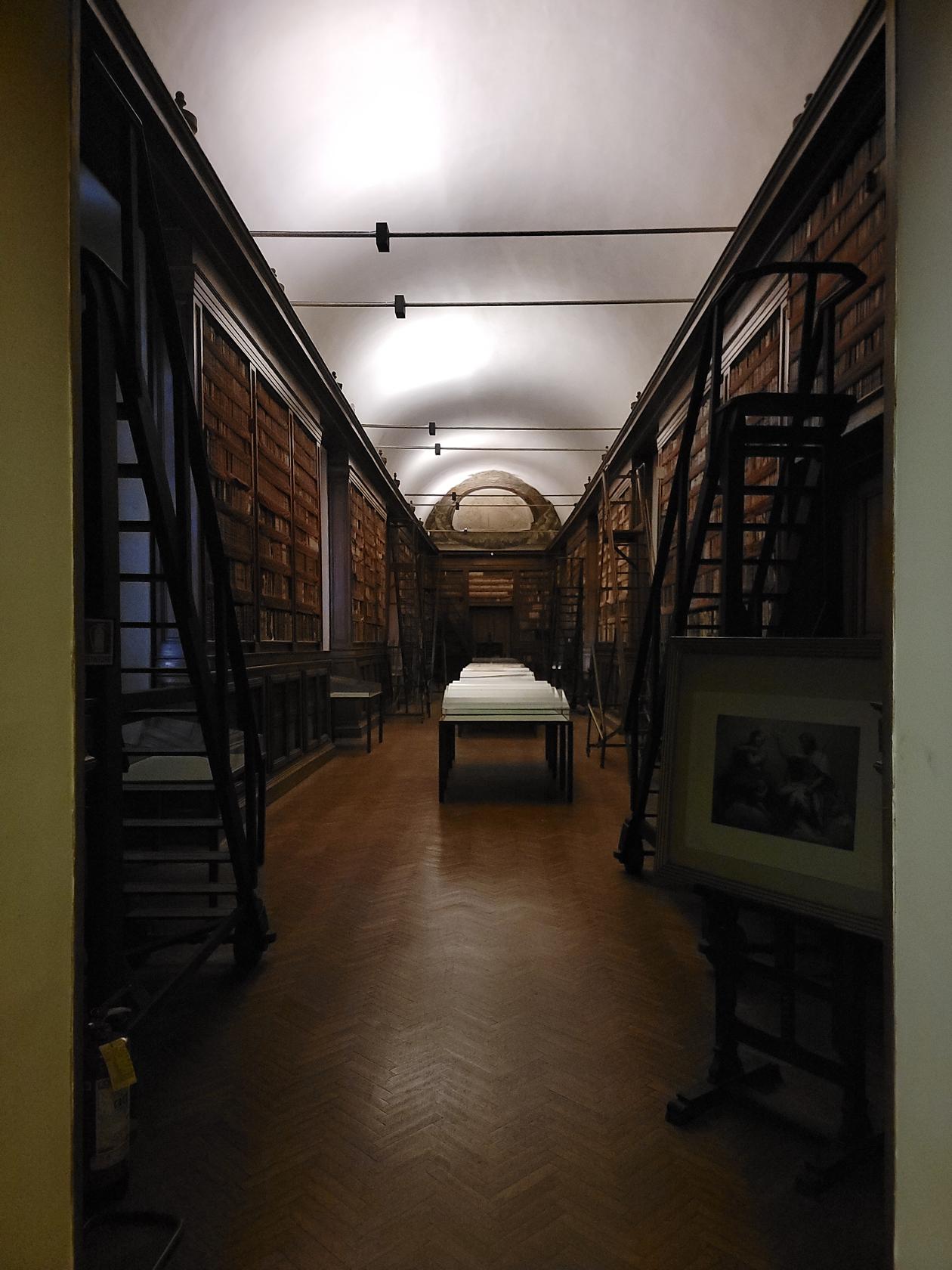
The Palatina Library is a large library that is still functioning, although for academic and research purposes only. However, the Petitot Gallery is still open to the public, where one can find a wide variety of topics, mostly in Italian of course.
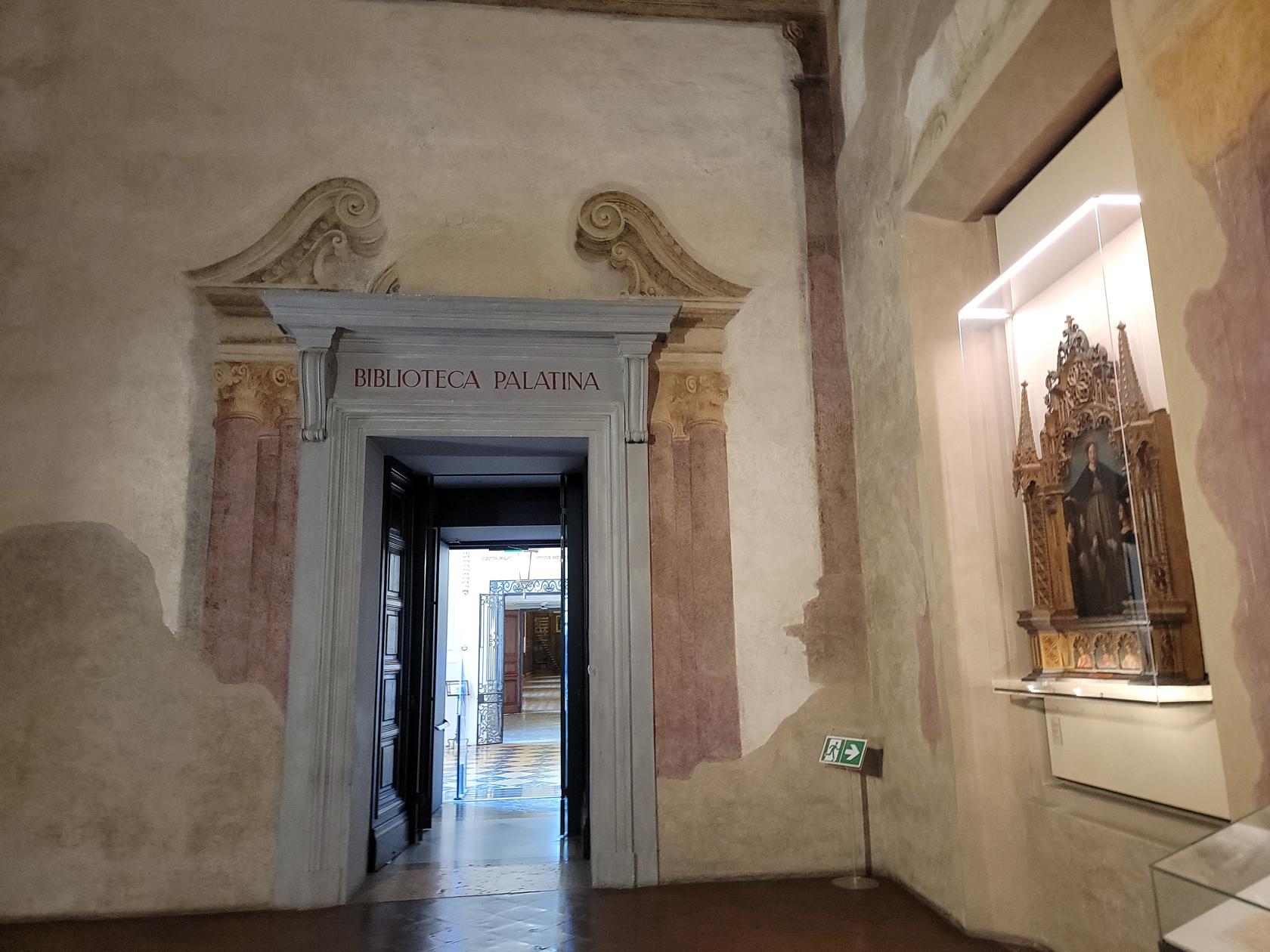
Art Exhibits in Entrance – Palatina Library – Pillota Museum Complex – Parma, Italy
One Hall – Palatina Library – Pillota Museum Complex – Parma, Italy
Old Books – Palatina Library – Pillota Museum Complex – Parma, Italy
Side Hall – Palatina Library – Pillota Museum Complex – Parma, Italy
The Bodoni Museum
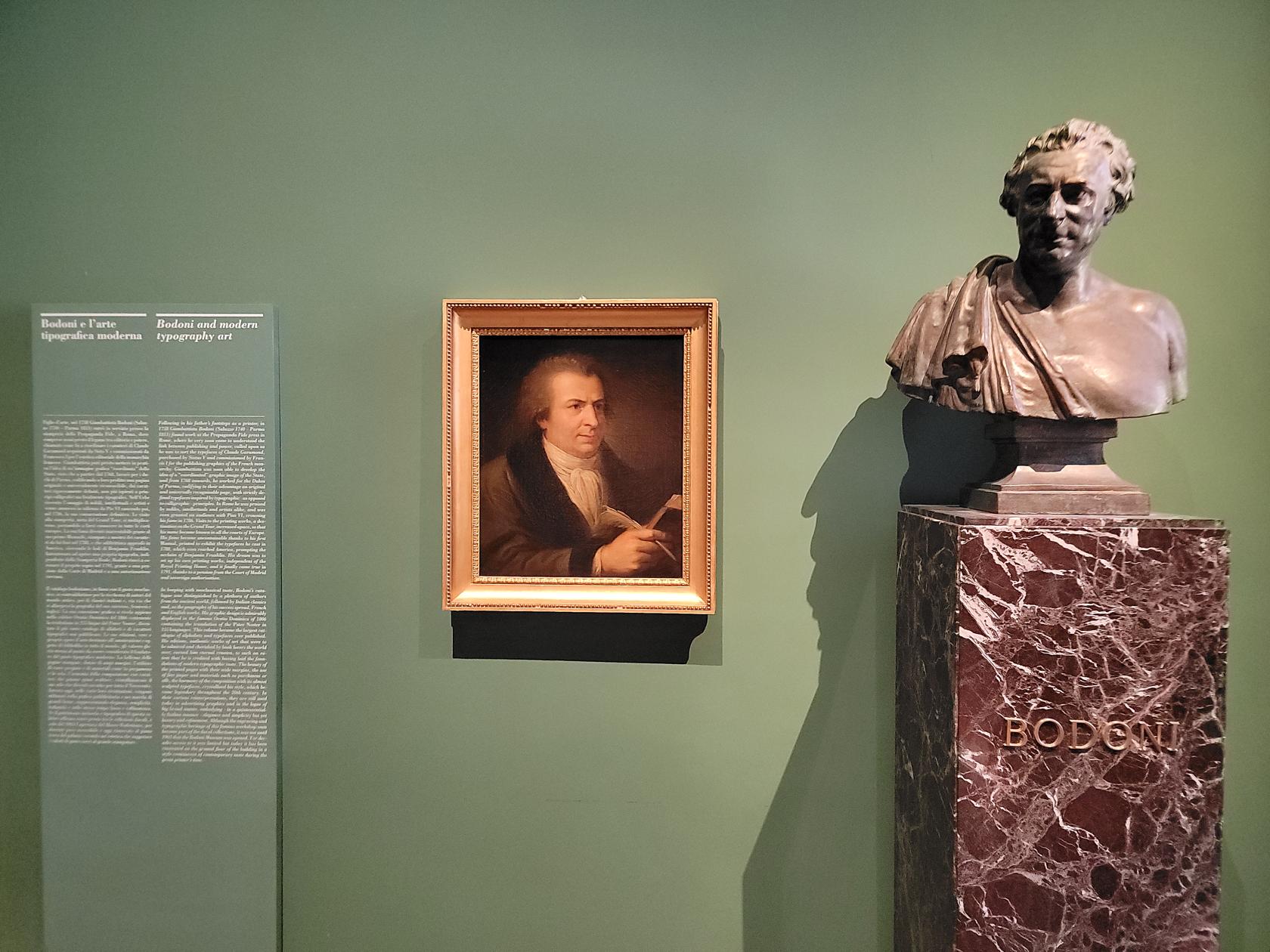
Anyone who has taken typesetting in school would enjoy the Bodoni Museum. The museum honors the famous Parma typesetter and printer, Giambattista Bodoni, and his eponymous typeface as well. The Bodoni typeface was a favorite of mine in high school, where I learned the intricacies of setting type. I loved its clean lines and serifs, using it to print a set of invitations for my mother at one time[1]To use the museum’s own words, “The severe, neoclassical imprint of the letters, characterized by the stark contrast between the thickness of the strokes and the thinness of the lines and … Continue reading.
Bodoni Bust and Painting – Bodoni Museum – Pillota Museum Complex – Parma, Italy
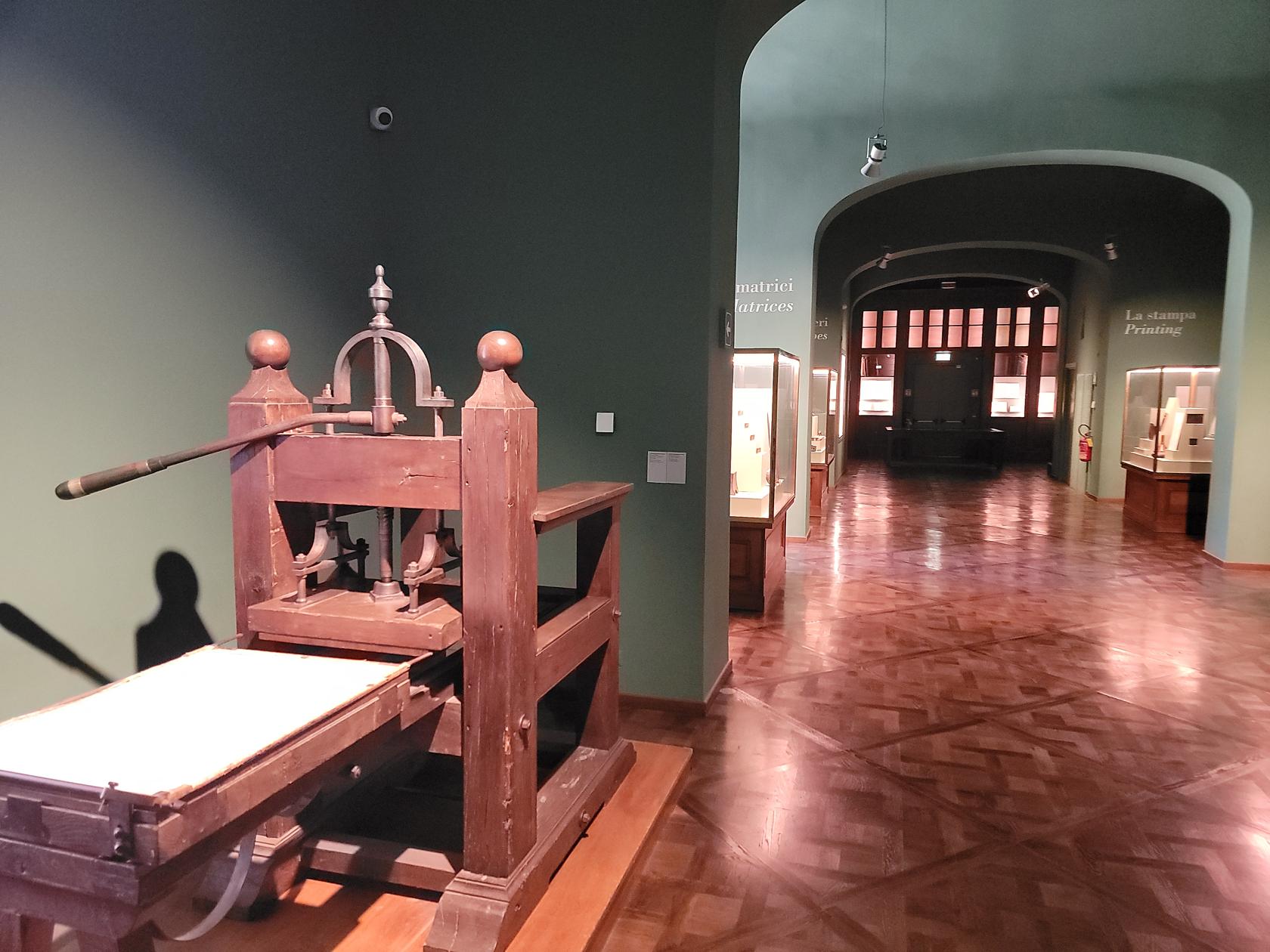
Printing Press – Bodoni Museum – Pillota Museum Complex – Parma, Italy
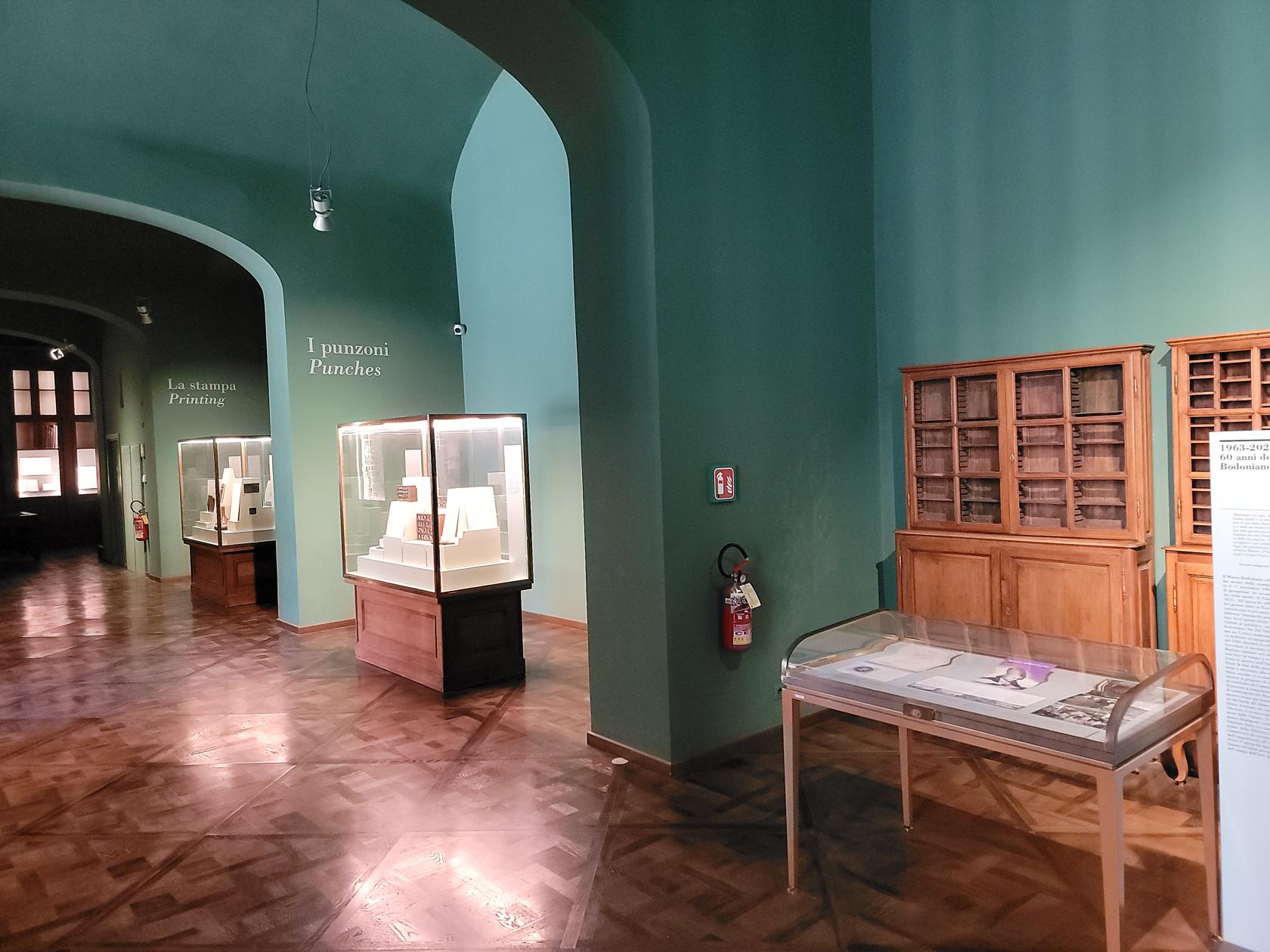
Stories of Punching and Printing – Bodoni Museum – Pillota Museum Complex – Parma, Italy
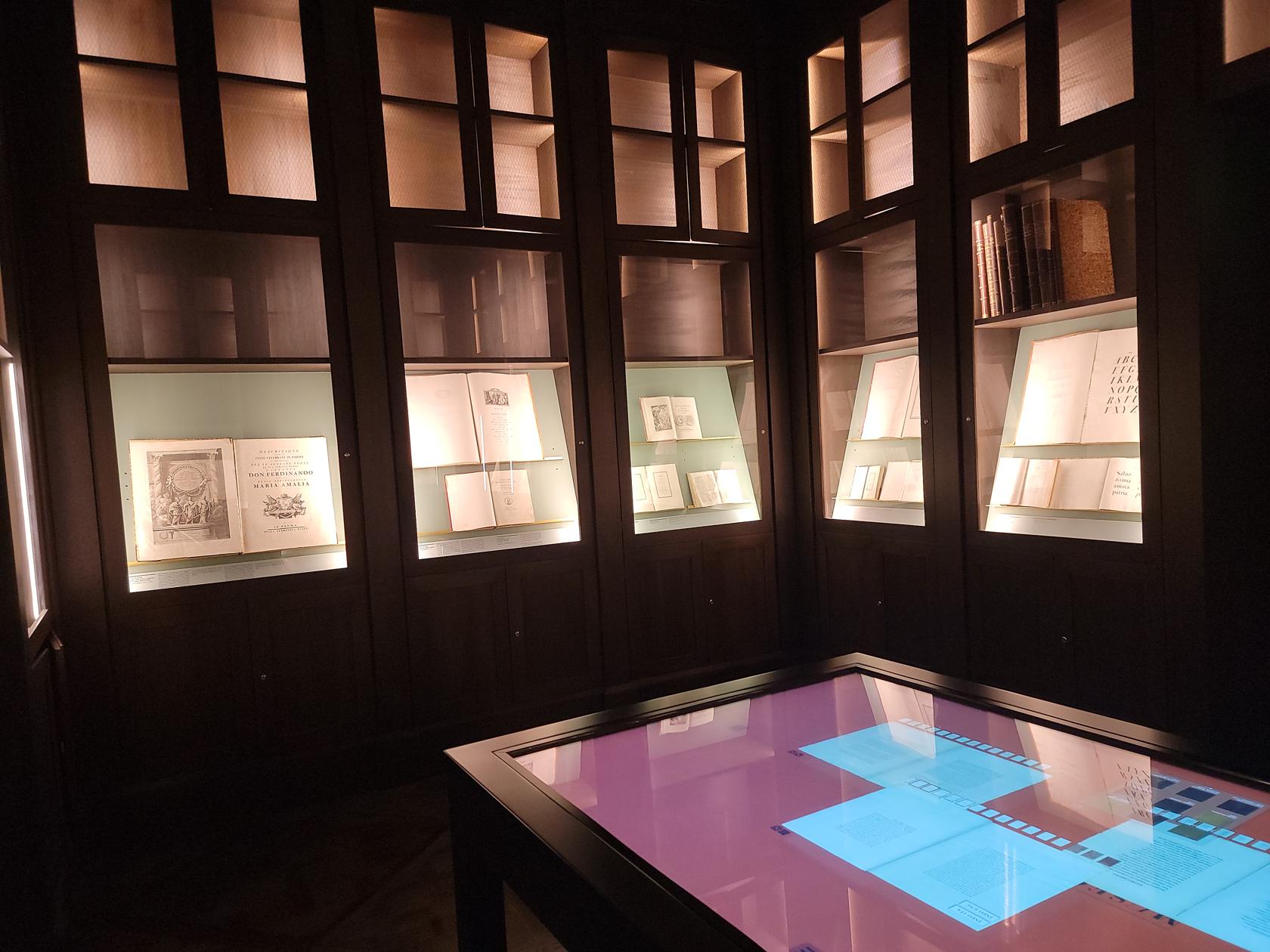
Typesetting Examples – Bodoni Museum – Pillota Museum Complex – Parma, Italy
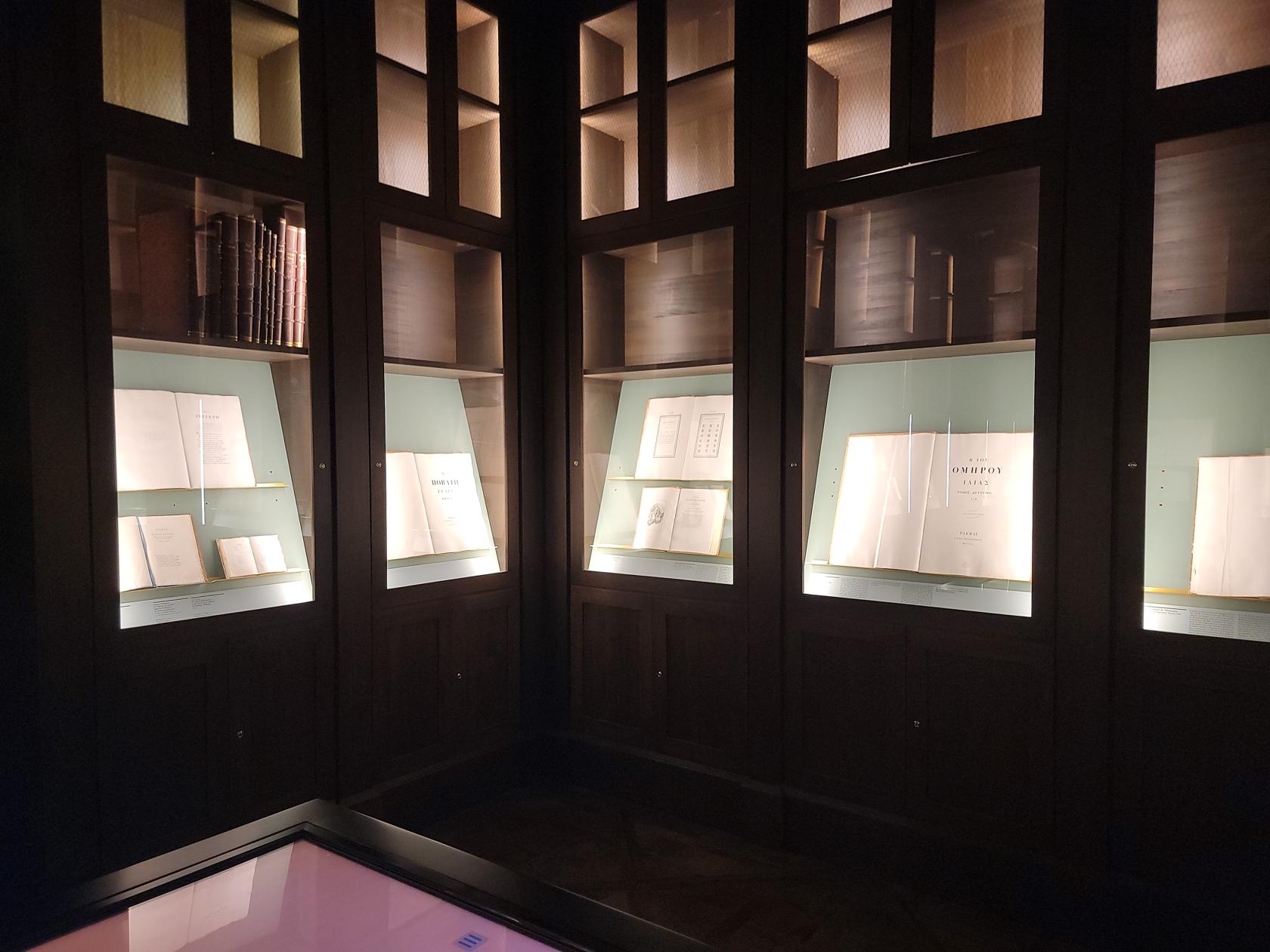
Typesetting Examples – Bodoni Museum – Pillota Museum Complex – Parma, Italy
Restaurants
You will find most of the non-industrial restaurants away from the main shopping street of Strada Cavour. Reservations are recommended, even for lunch, for these are often used by locals and the business crowd. Most of the Osterias and Trattorias serve wine by the tap in quarter, half and full liter sizes, whereas the corporate restaurants on Cavour serve only by the glass, so they can up-charge for it, like in the United States.
Osteria dei Servi
The Osteria dei Servi is actually housed under the Viale Giovanni Mariotti and has a rather odd entrance. But don’t let that fool you. The restaurant is actually quite nice inside and comfortable. The food is excellent and typical for the area.
Entrance – Osteria die Servi – Parma, Italy
Inside – Osteria die Servi – Parma, Italy
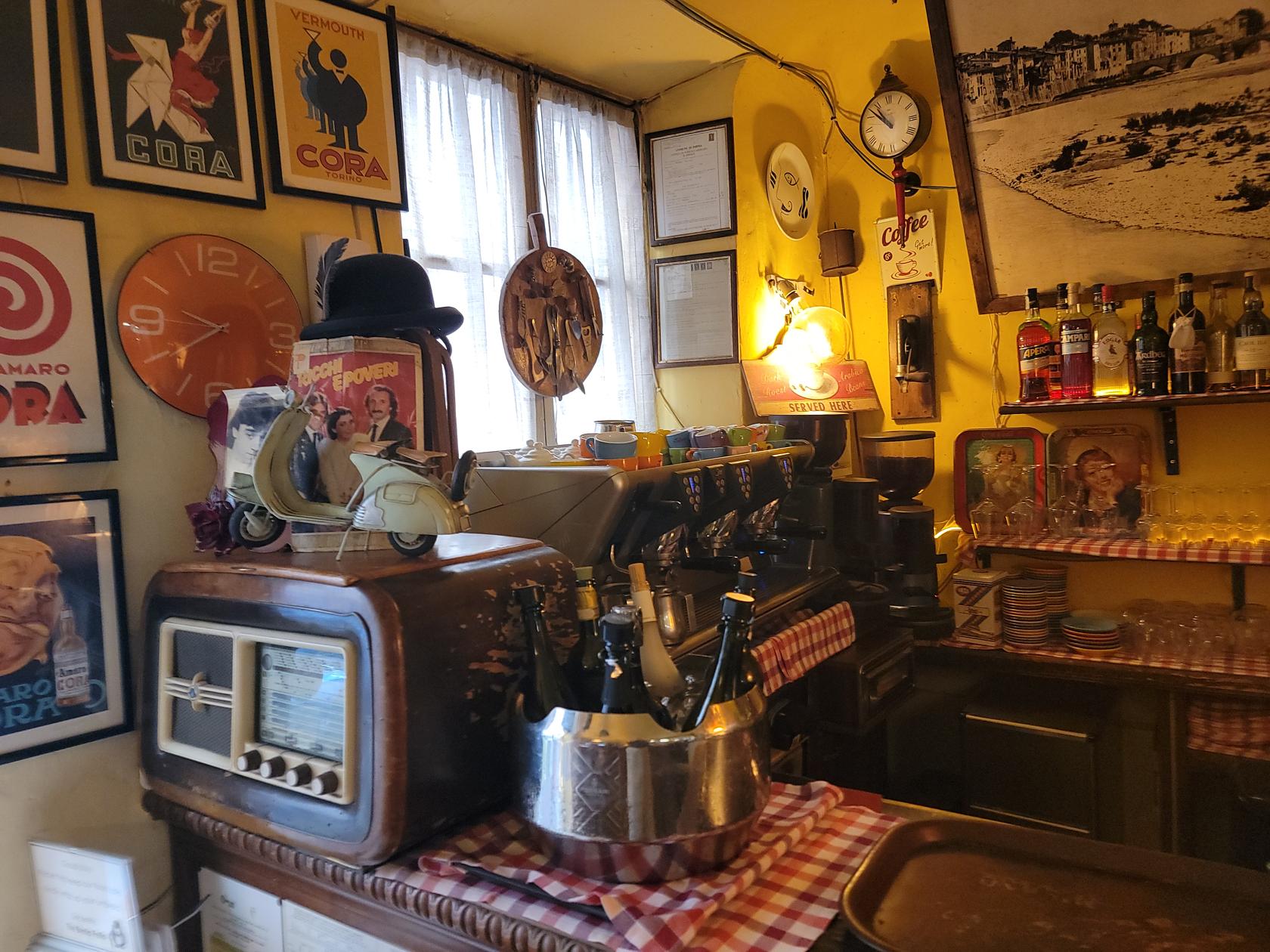
Bar – Osteria die Servi – Parma, Italy
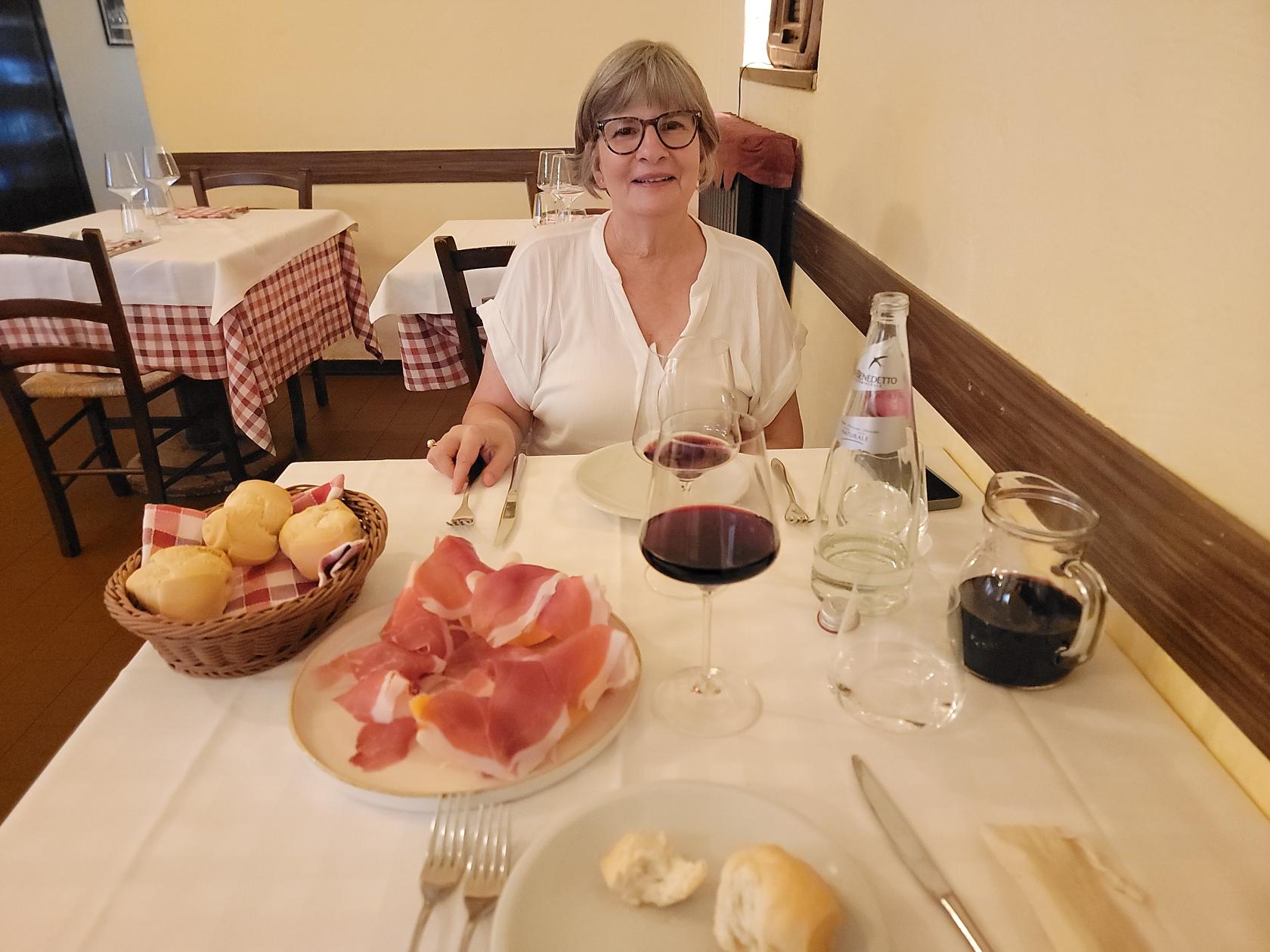
Patti – Osteria die Servi – Parma, Italy
Bread and Patti’s Dinner – Osteria die Servi – Parma, Italy
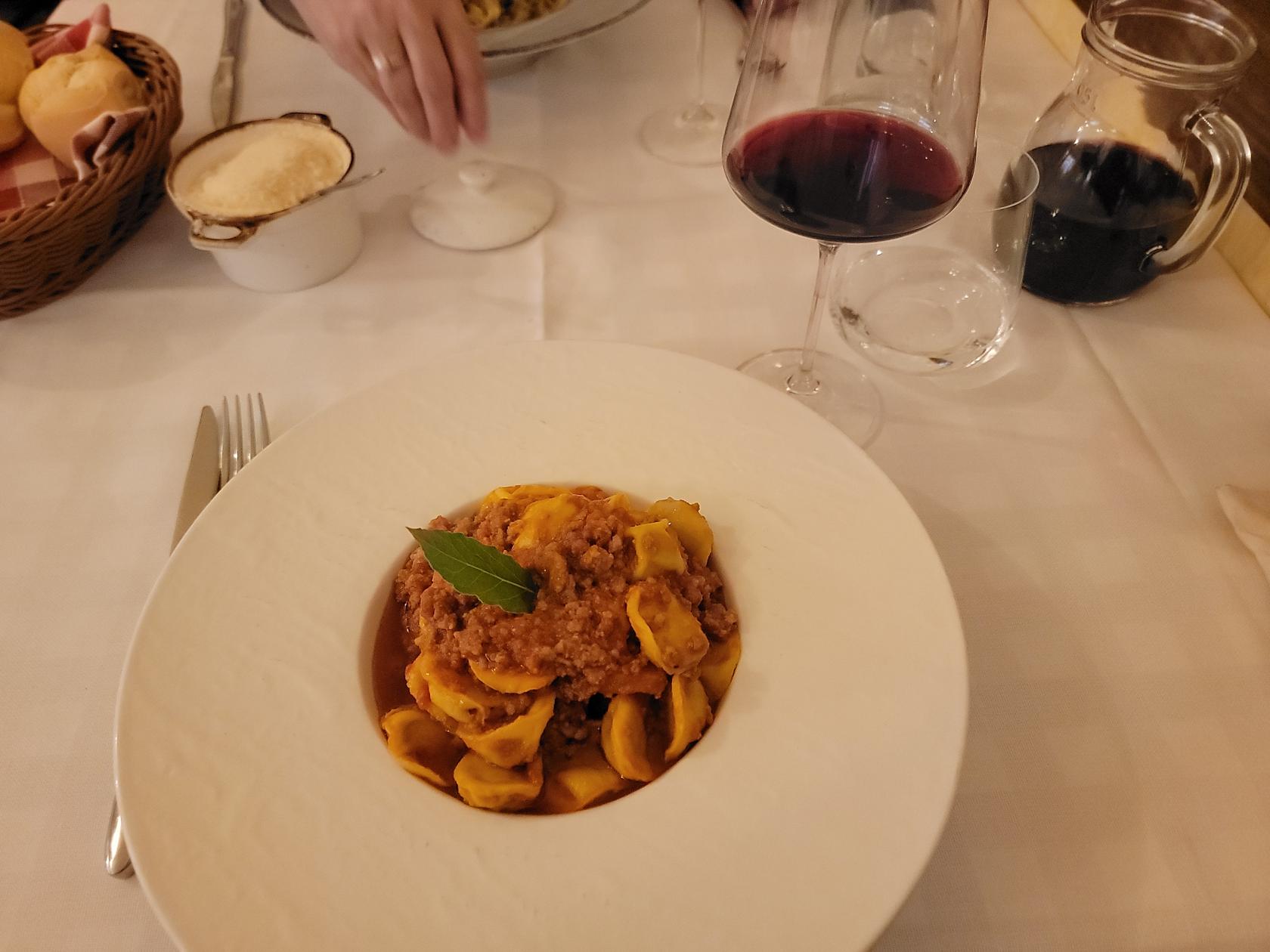
Ravioli – Osteria die Servi – Parma, Italy
Trattoria Corrieri Parma
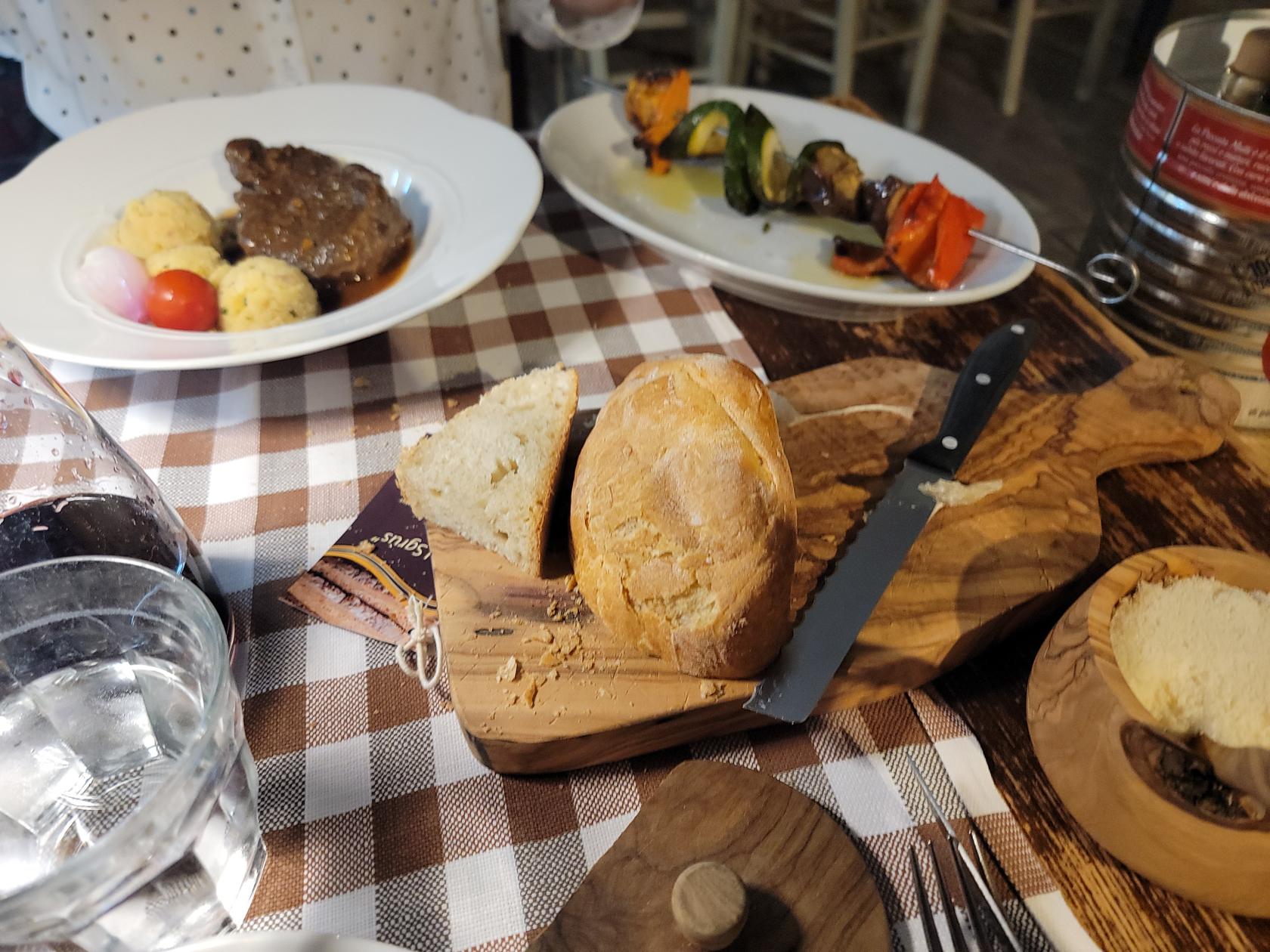
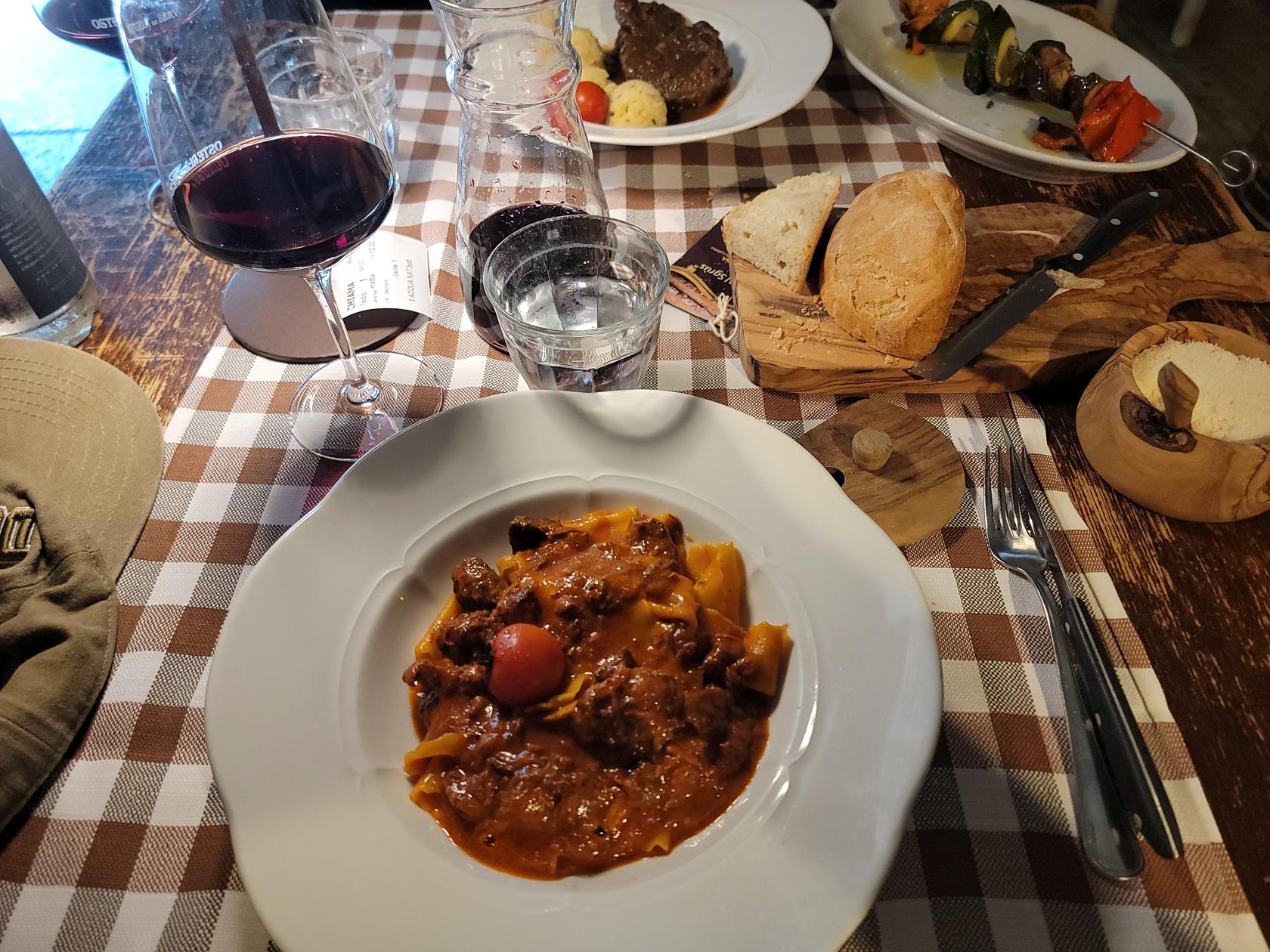
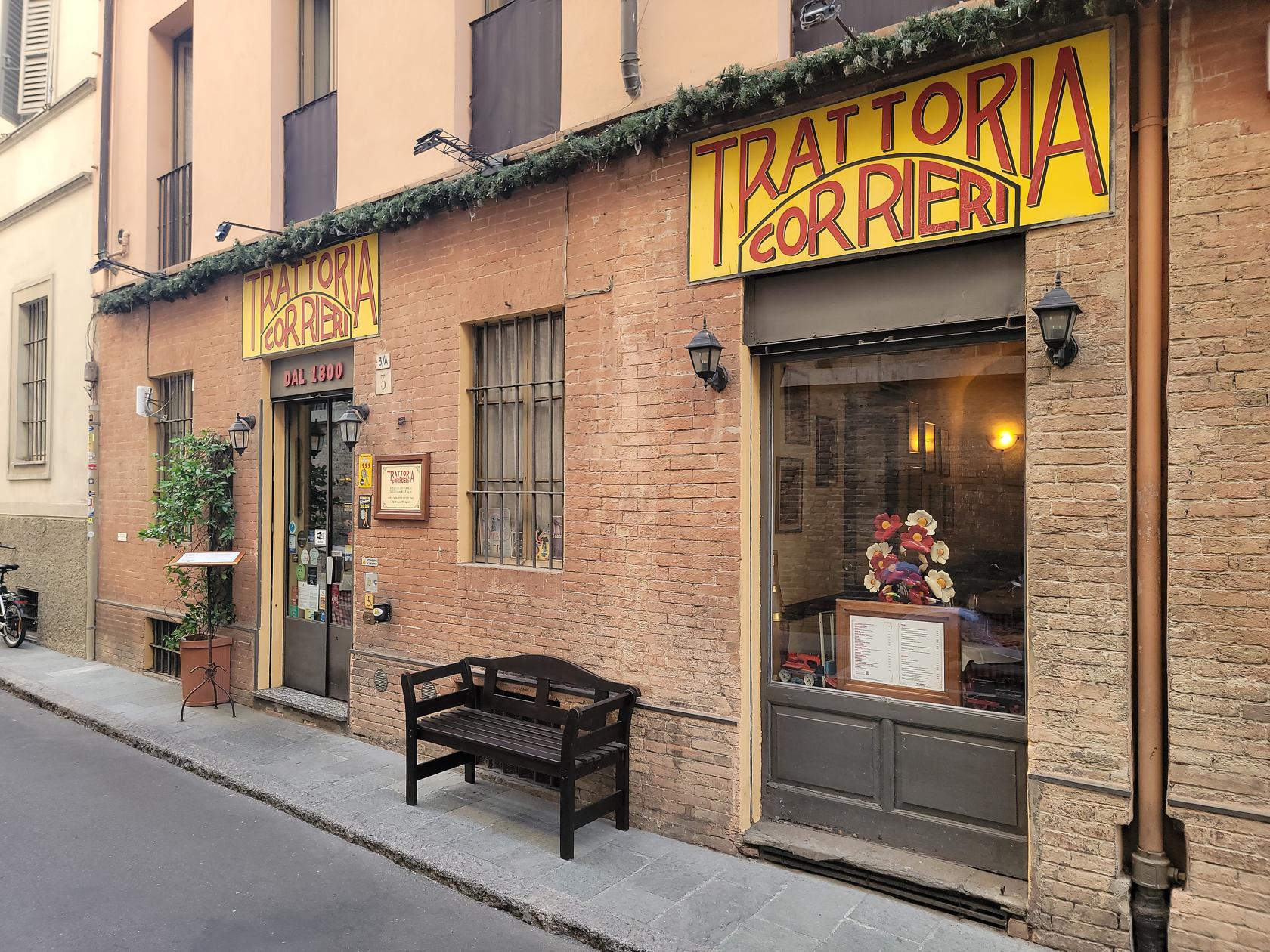
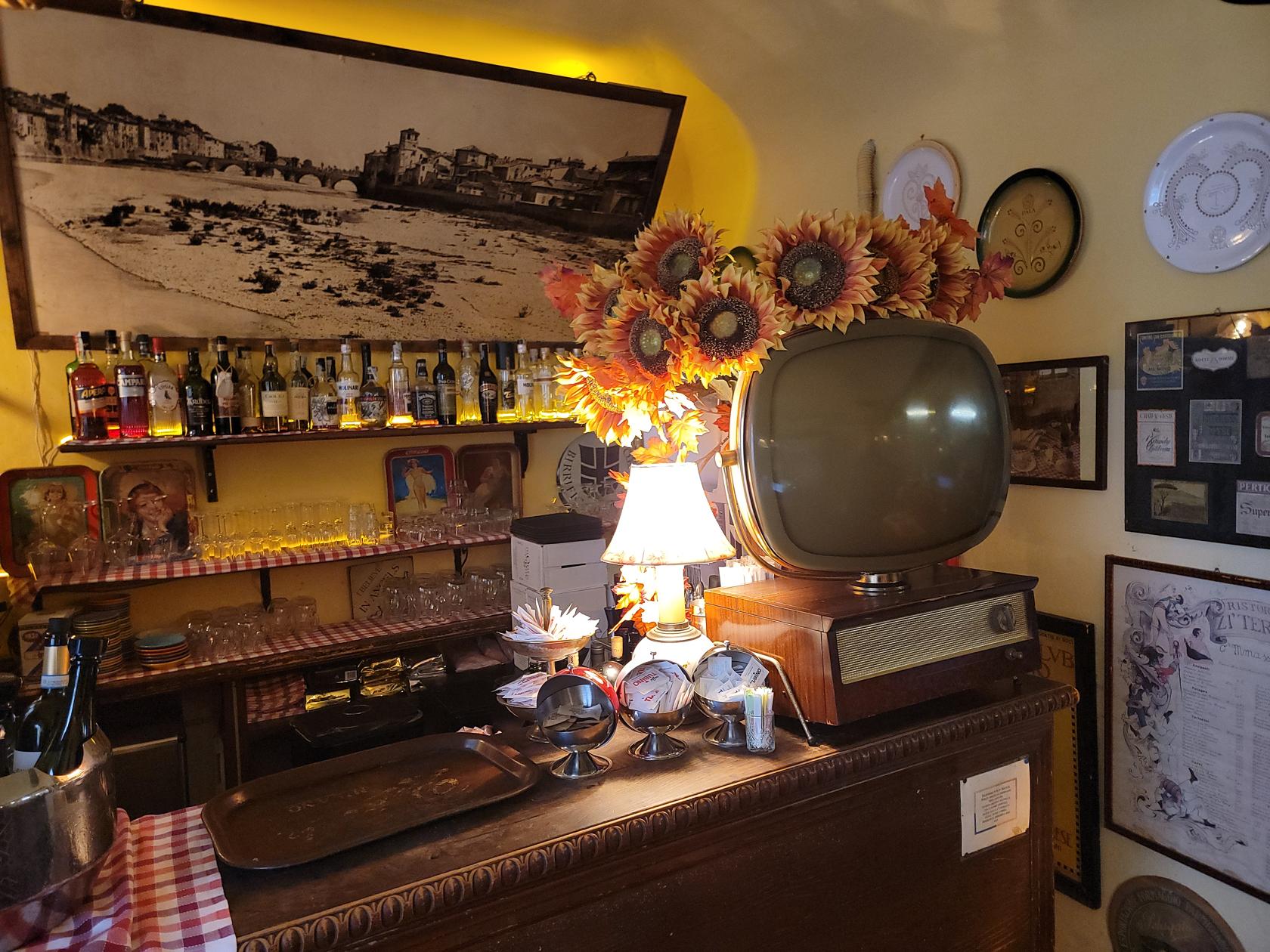
Another fine local restaurant is the Trattoria Corrieri Parma. Located further down in the city and by a Parma University building, it offers great food at even lower prices than die Servi. We found the service similar and the menu full of local dishes for us to try.
To use the museum’s own words, “The severe, neoclassical imprint of the letters, characterized by the stark contrast between the thickness of the strokes and the thinness of the lines and serifs; the stark, epigraphic composition of the title pages and dedications; the airy, correct relationship between text and images, between line and line, between light and dark make Bodoni’s page a prodigy of harmony and readability.“
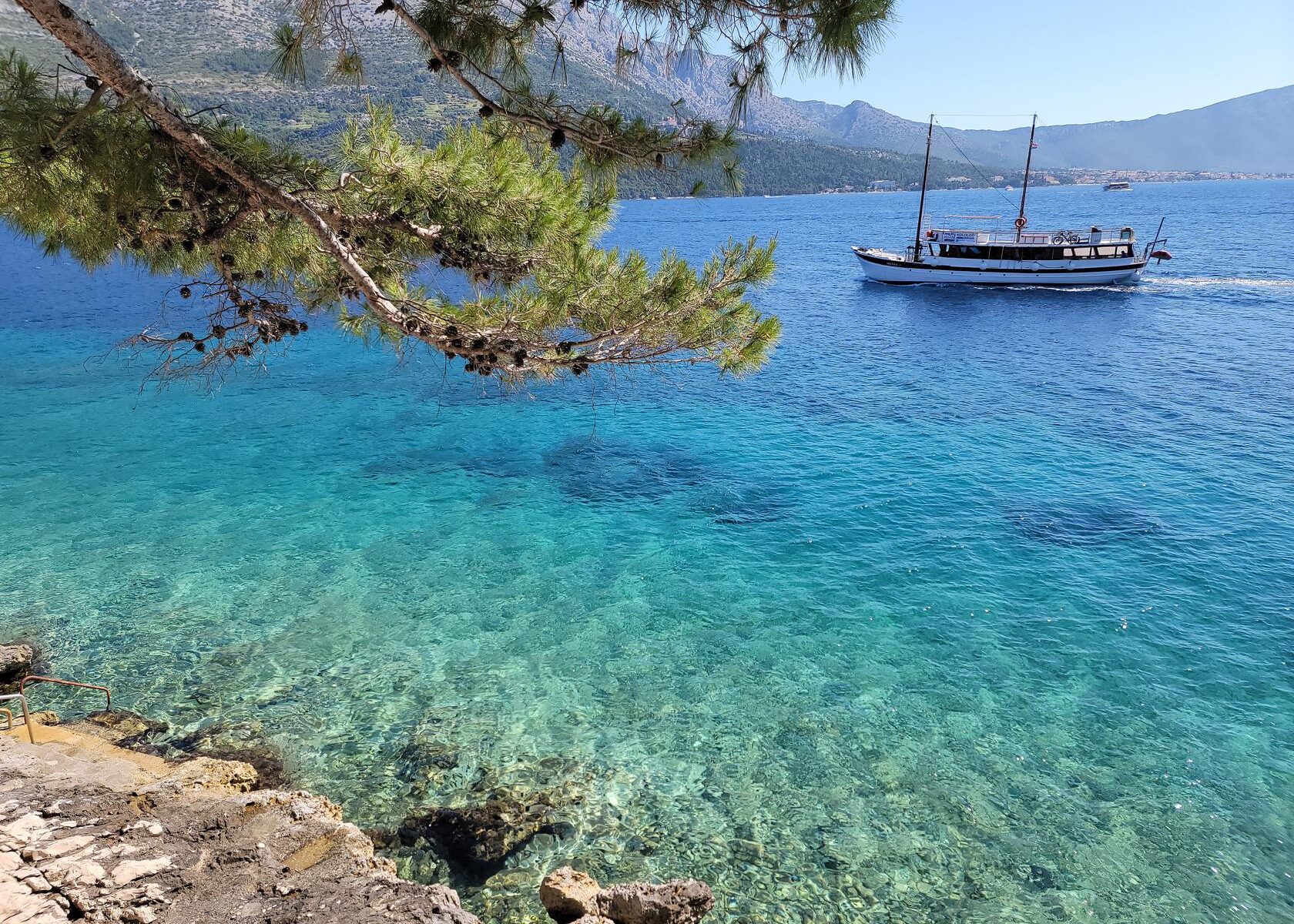
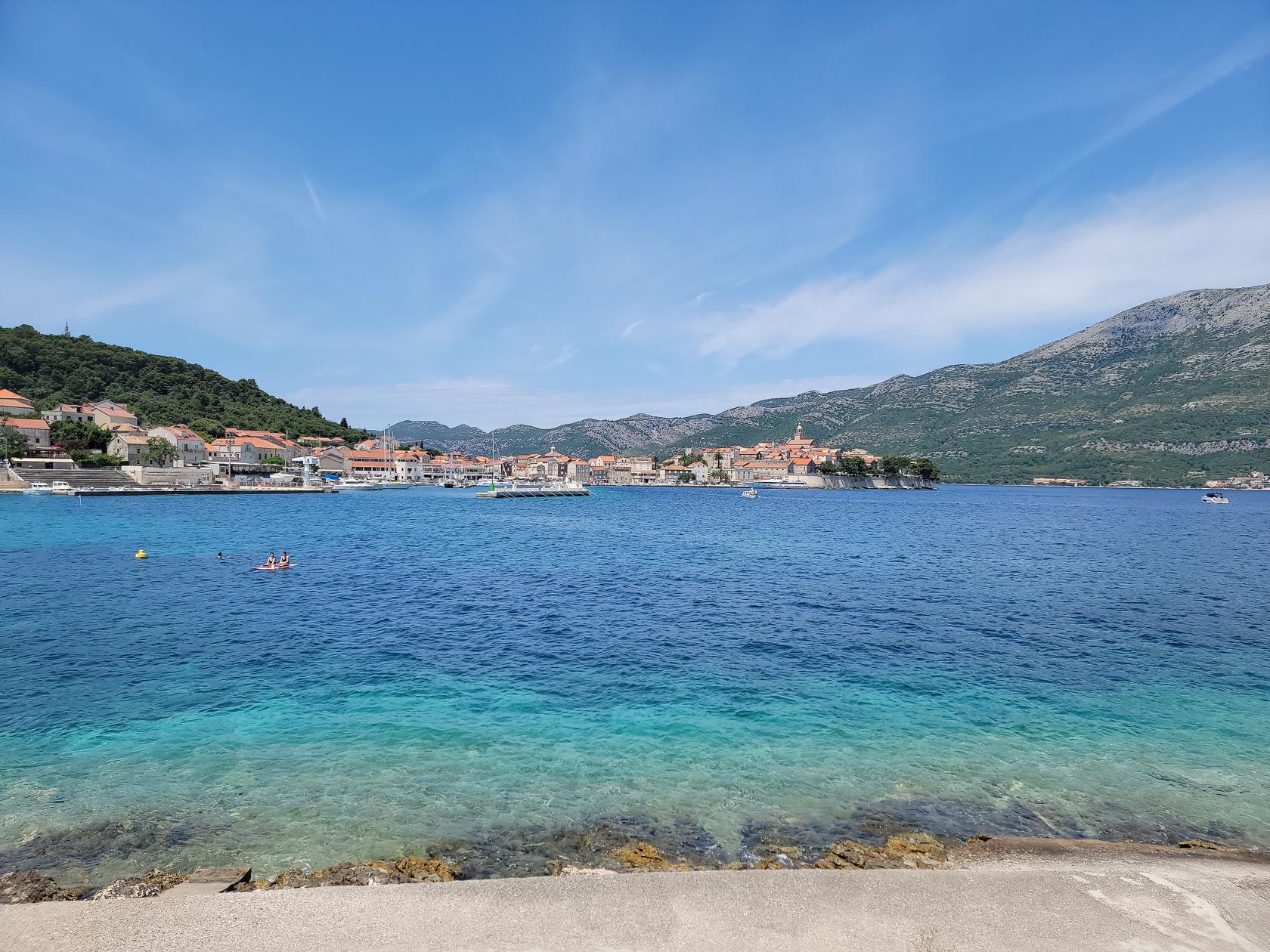
After Split, Croatia we had planned on taking a detour to one of the islands for a bit of an escape. We knew it was going to be crowded, since tourist season was upon us and we thought it would be great to also break up the distance between Split and Dubrovnik. Our choice was the town of Korčula, on the eponymous island in Croatia.
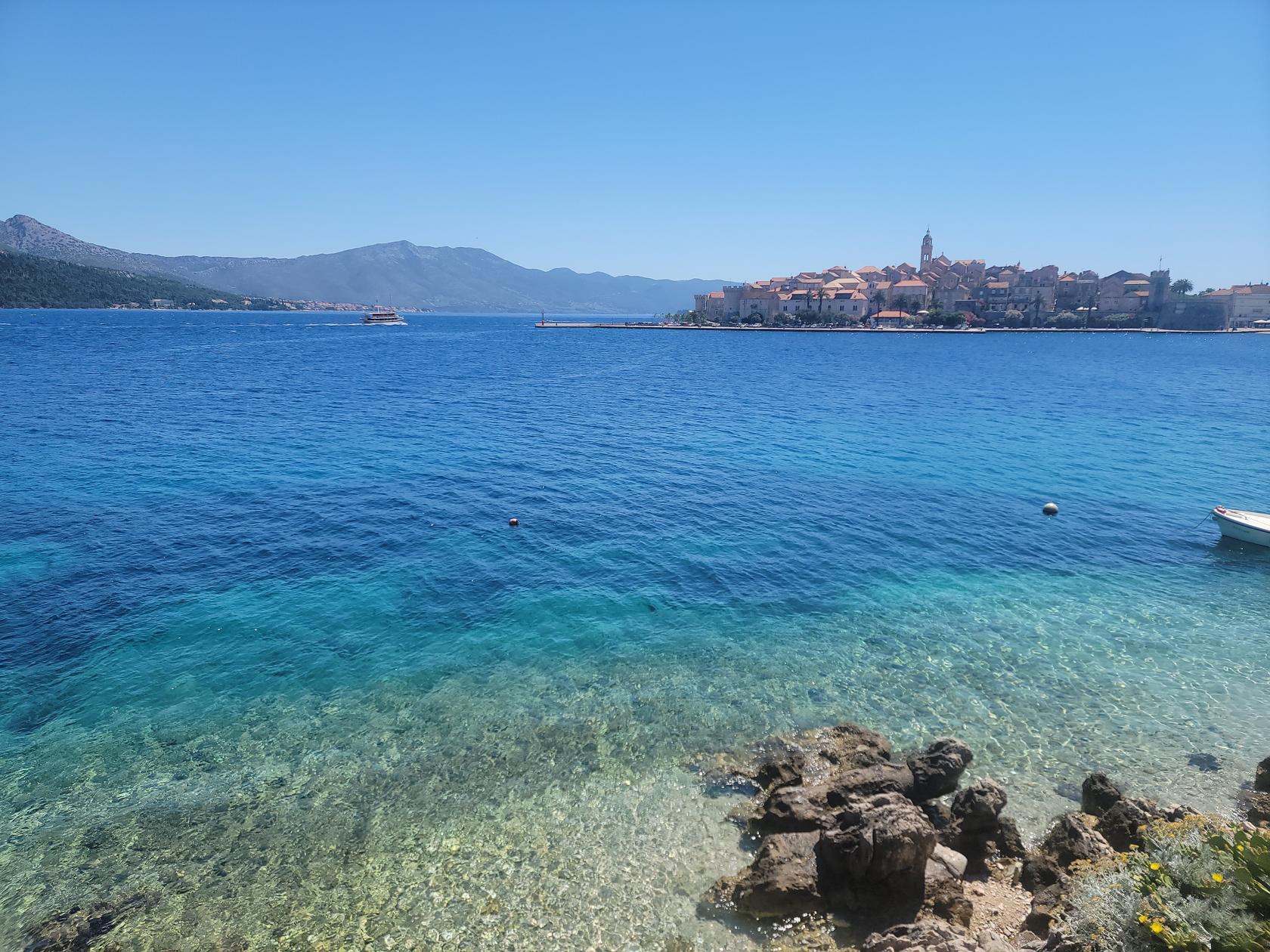
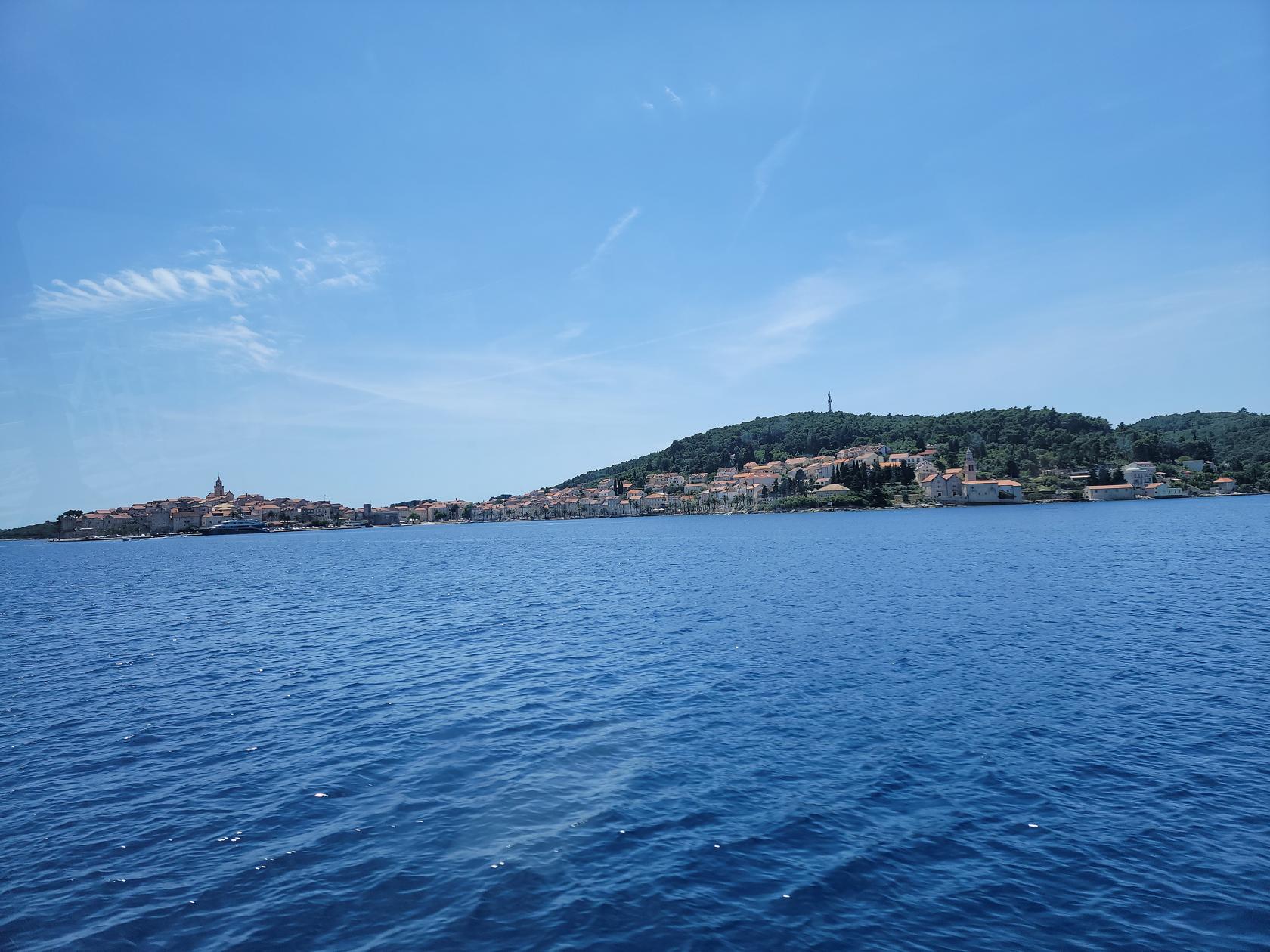
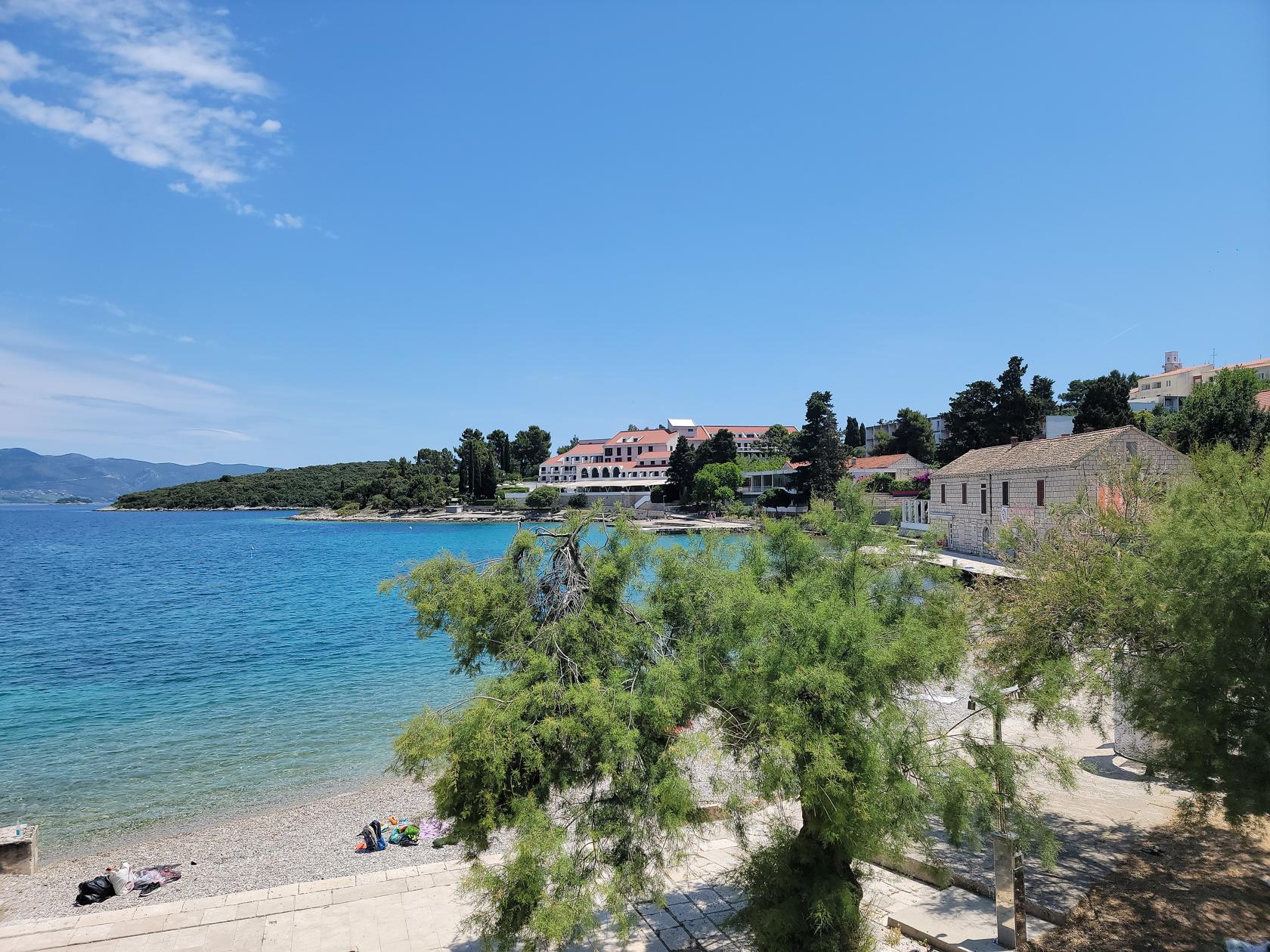
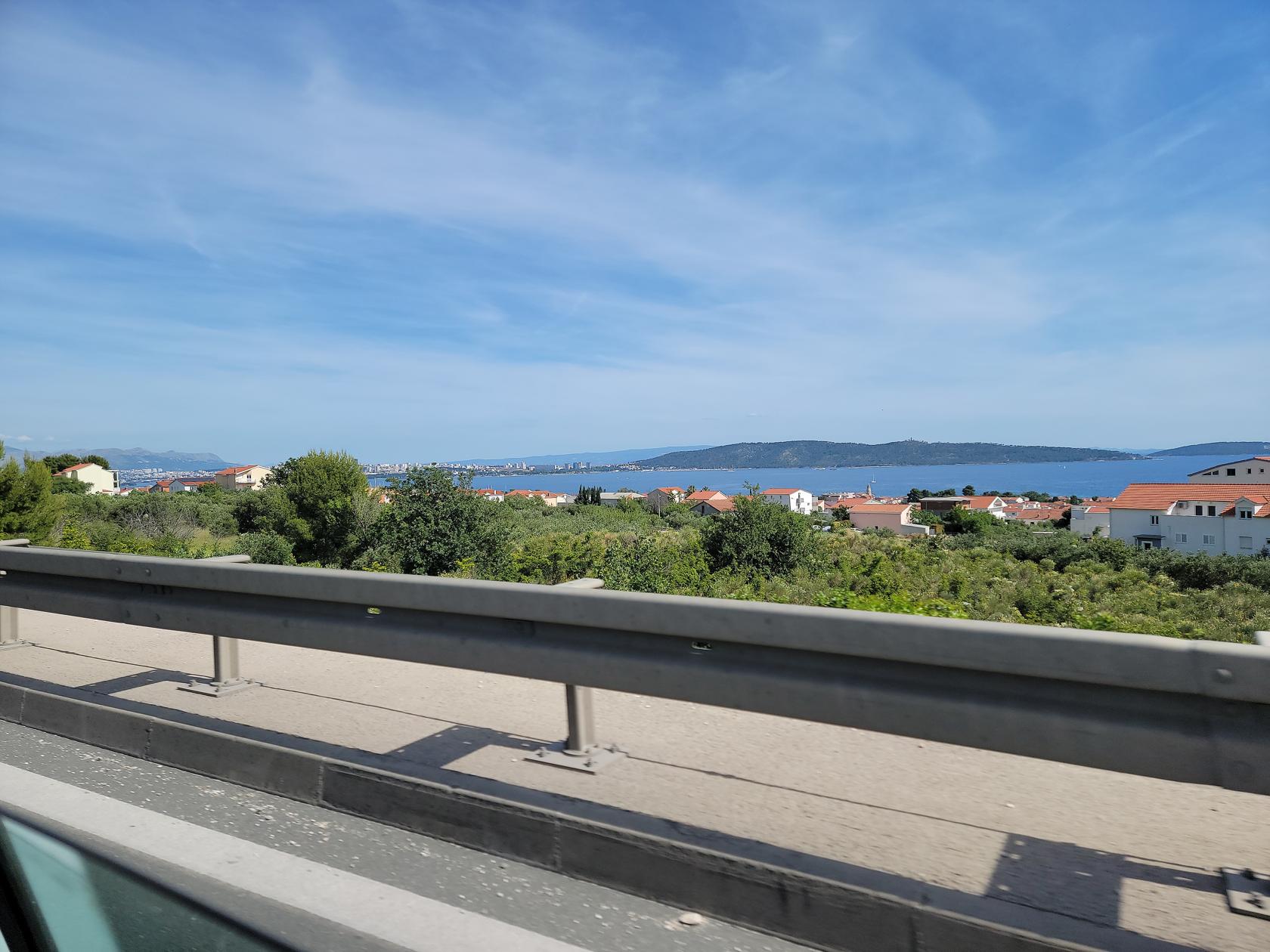
Town in the distance – Korčula, Croatia
Korčula
Is a small medieval walled town that was protected from the outside by walls. It was, in fact, not until later in the nineteenth century that citizen were allowed to build outside the walls.
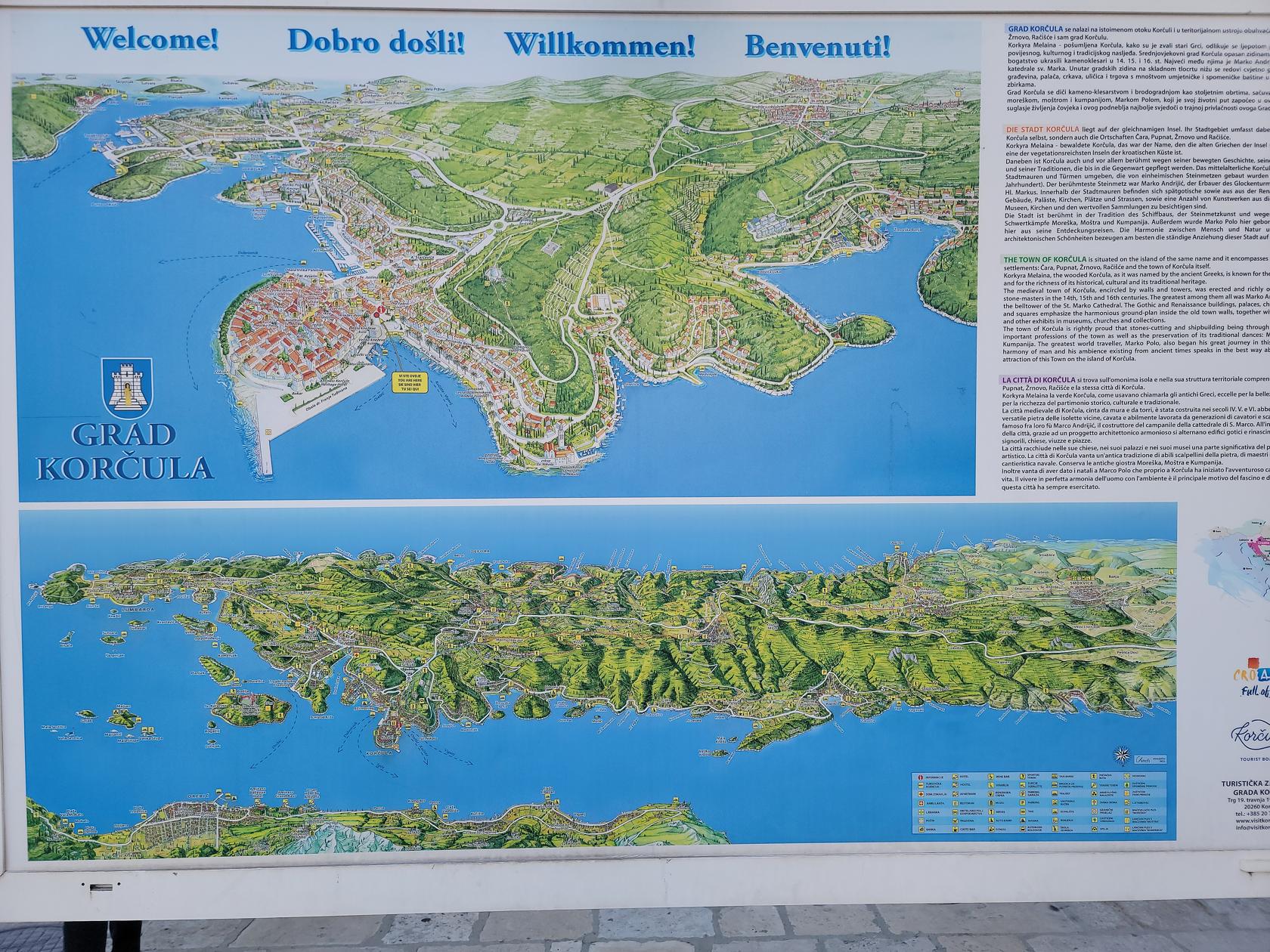
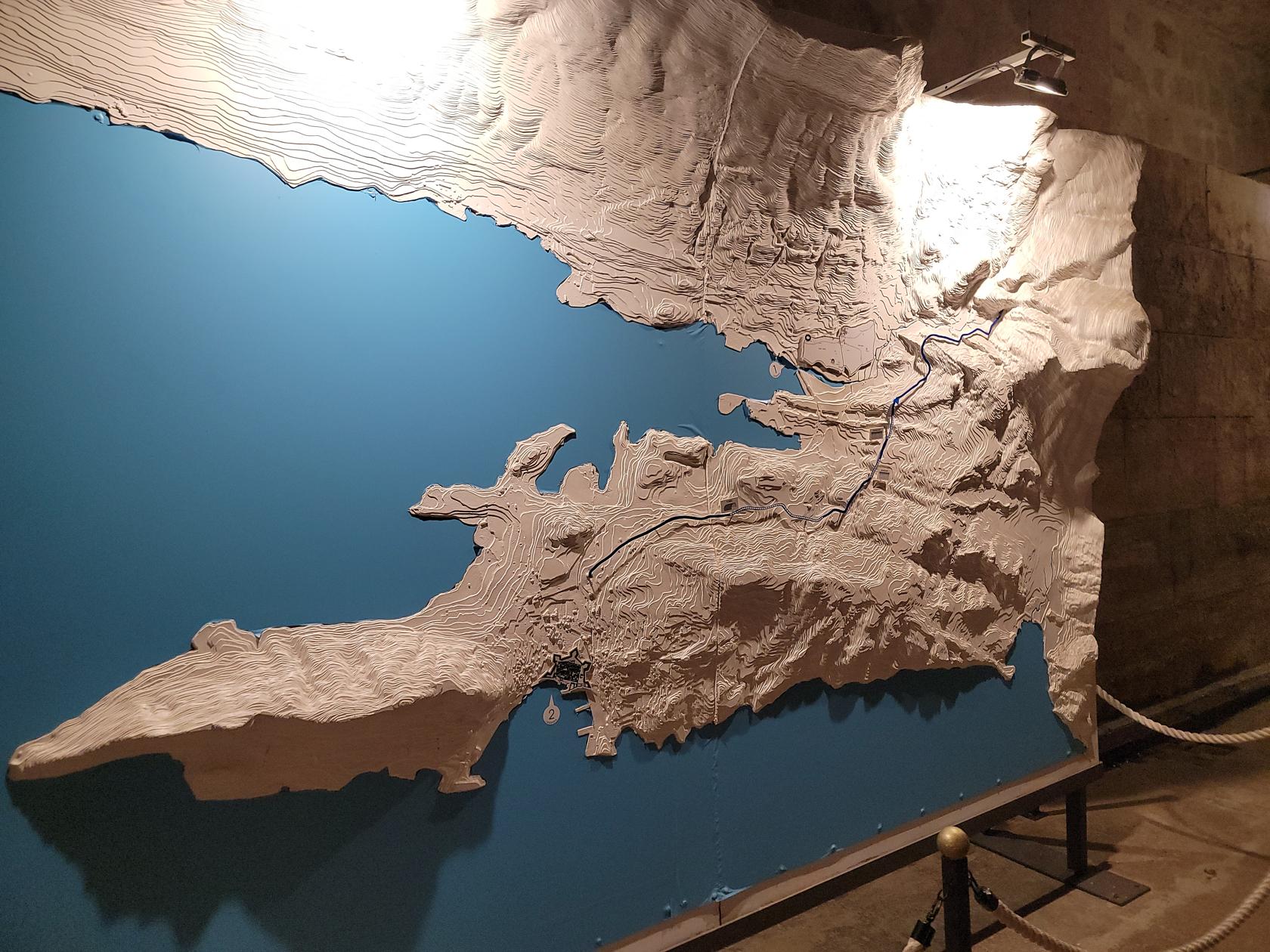
Map – Korčula, Croatia
The Town from Galerija Maksimilijana Vanka Viewpoint – Korčula, Croatia
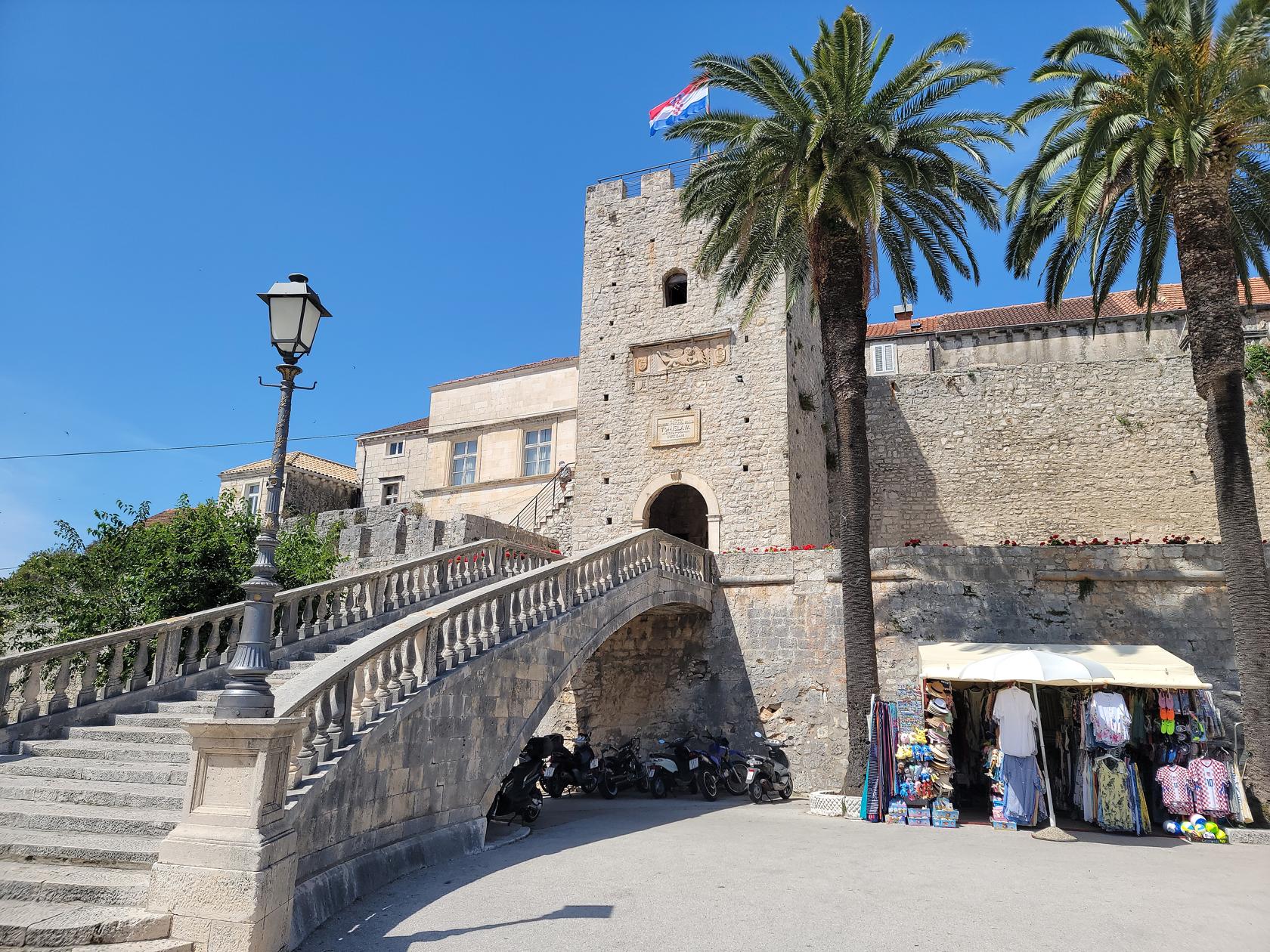
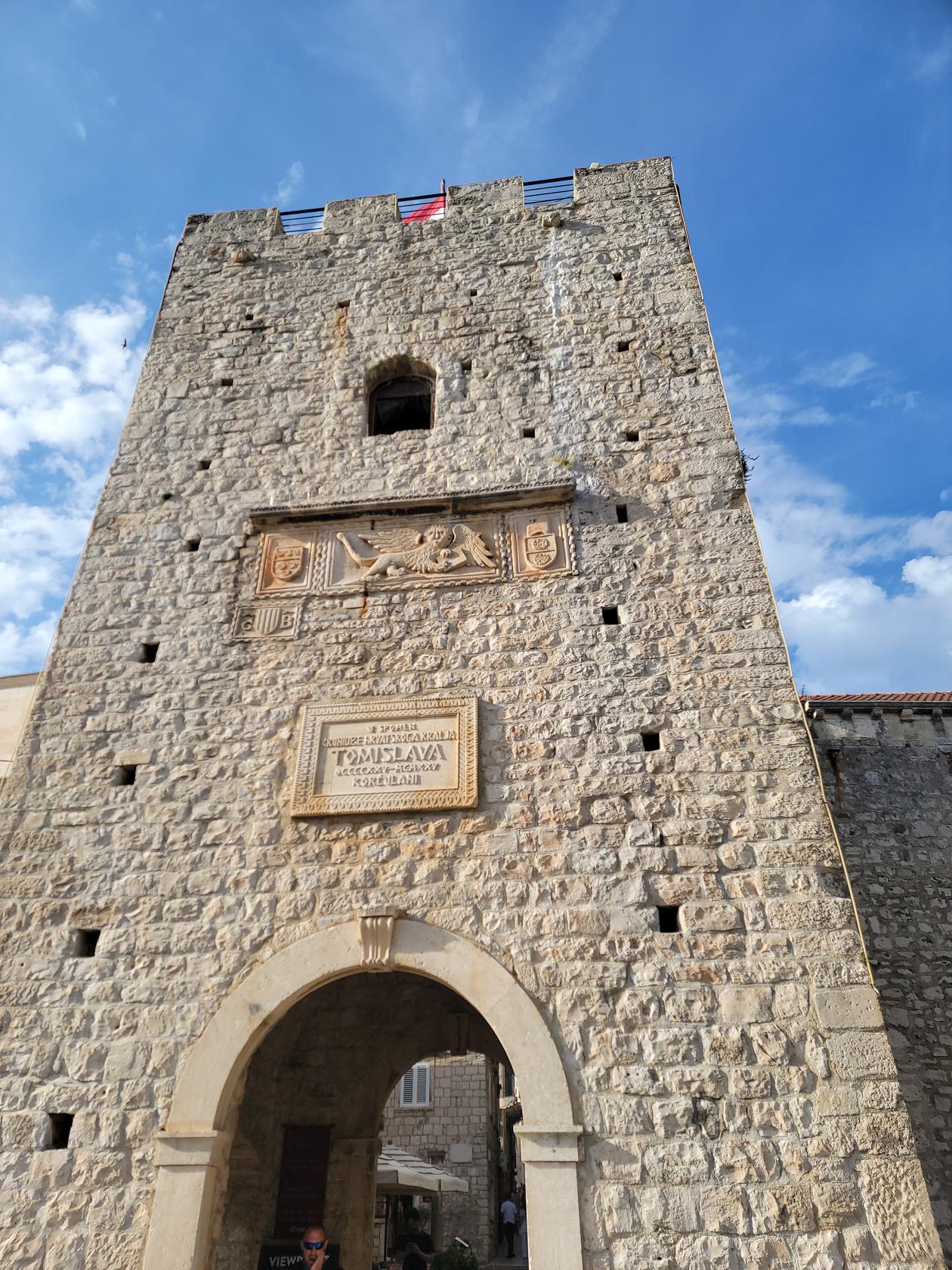
The main entrance to the town is the large main gate. Today it is left open, but before modern times it was closed at night. There is a street that encircles the entire town and is very nice for a slow walk, while you enjoy the scenery and hopefully the weather.
Main Entrance to Town – Korčula, Croatia
Main Entrance Gate – Korčula, Croatia
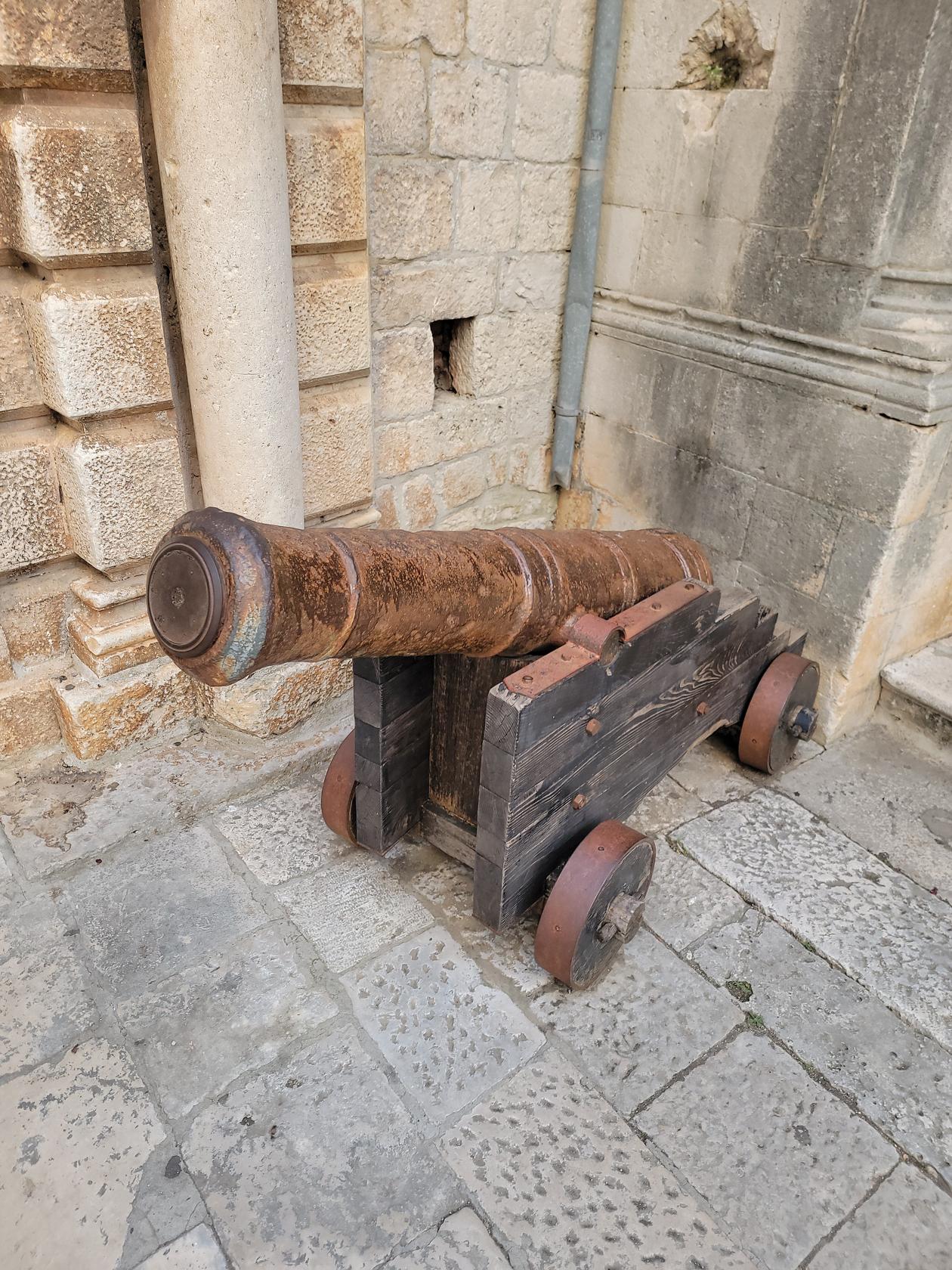
Small Canon used for defense – Main Entrance – Korčula, Croatia
The town is laid out in a herringbone or pinnate leaf pattern. This allows for better air circulation, while at the same time offering protection against the most violent of storms that come in from the sea.
Ancient Drapery Pedastels – Korčula, Croatia
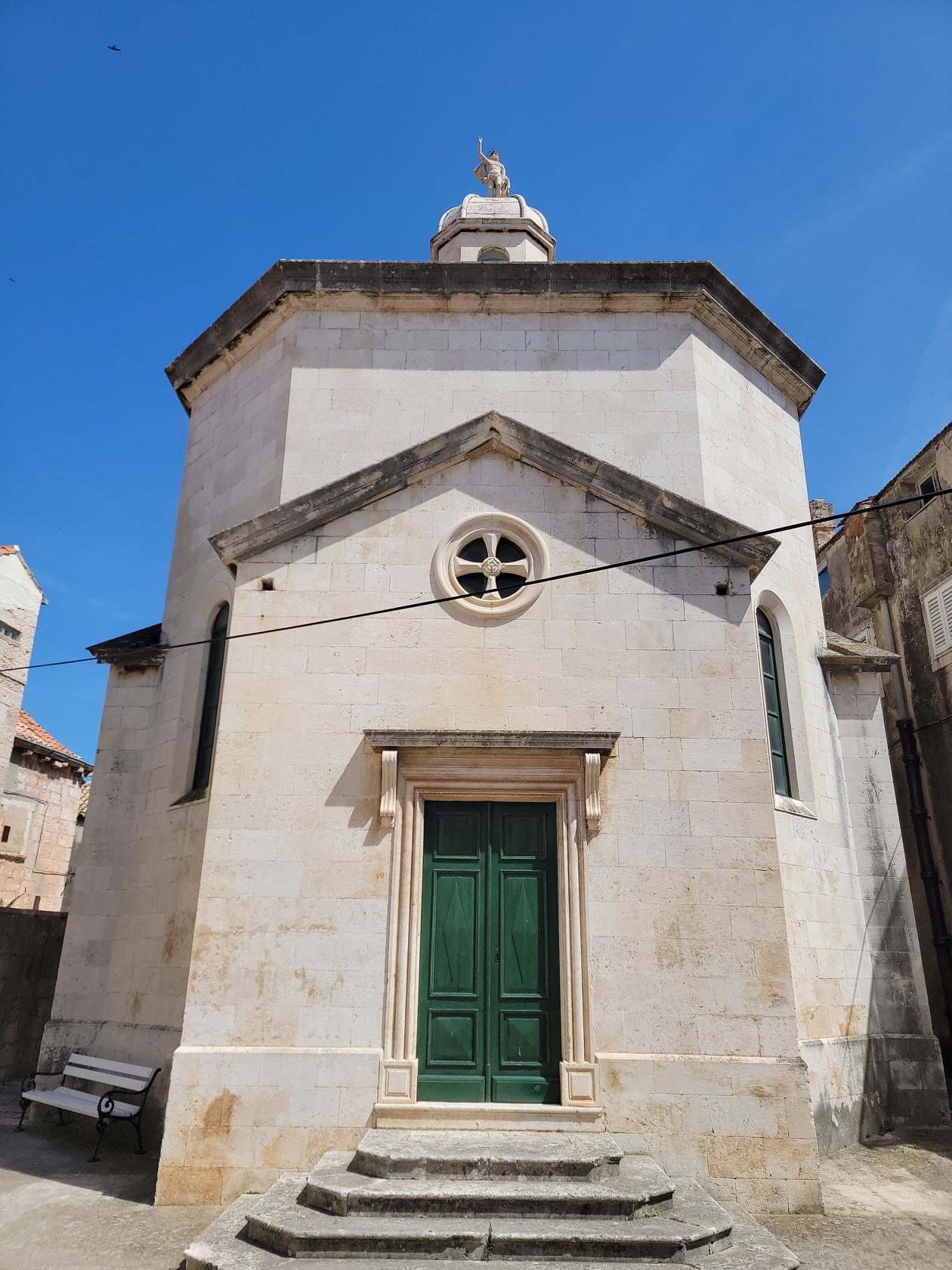
Small Chapel – Korčula, Croatia
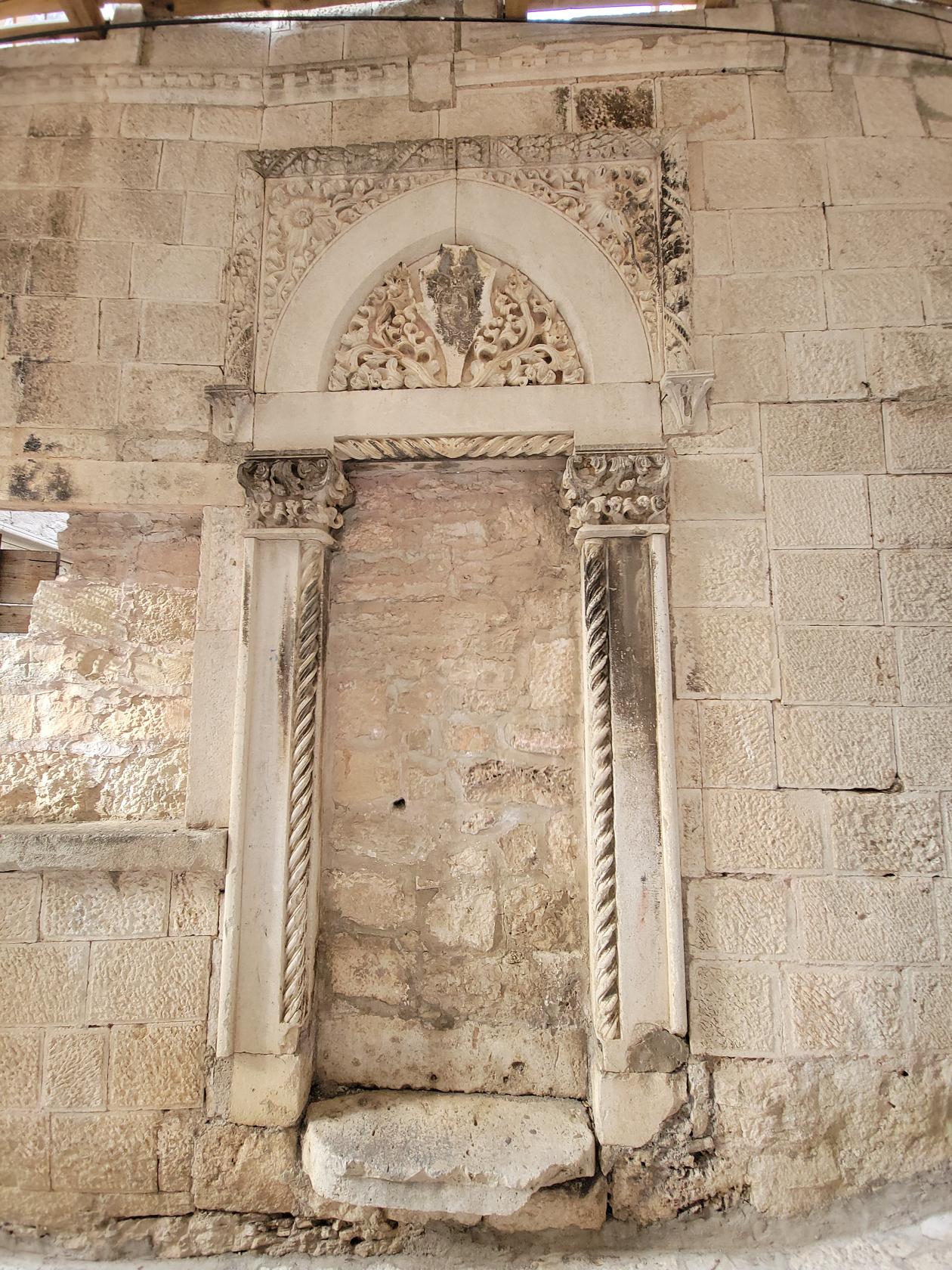
An old bricked up entrance – Korčula, Croatia
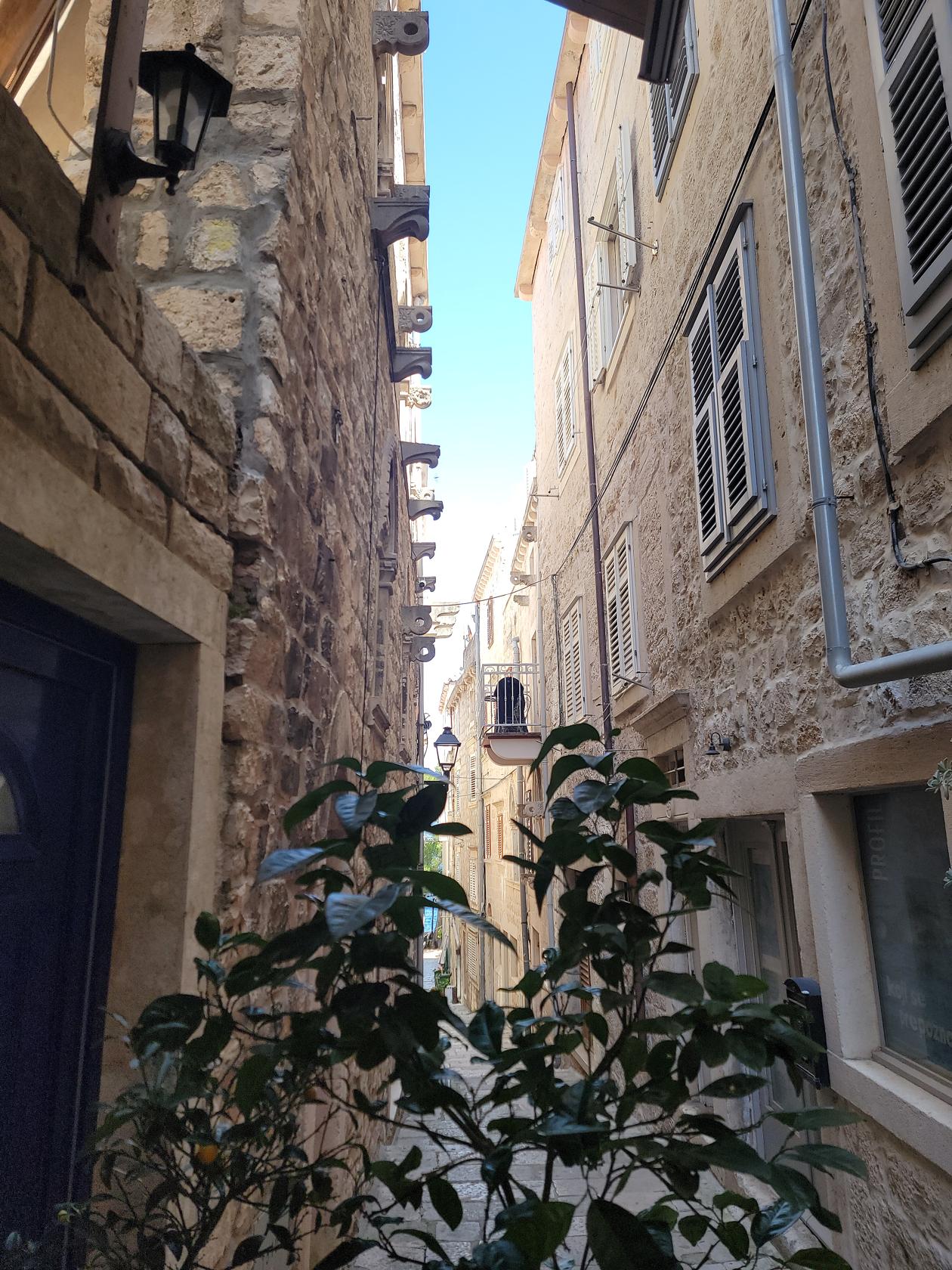
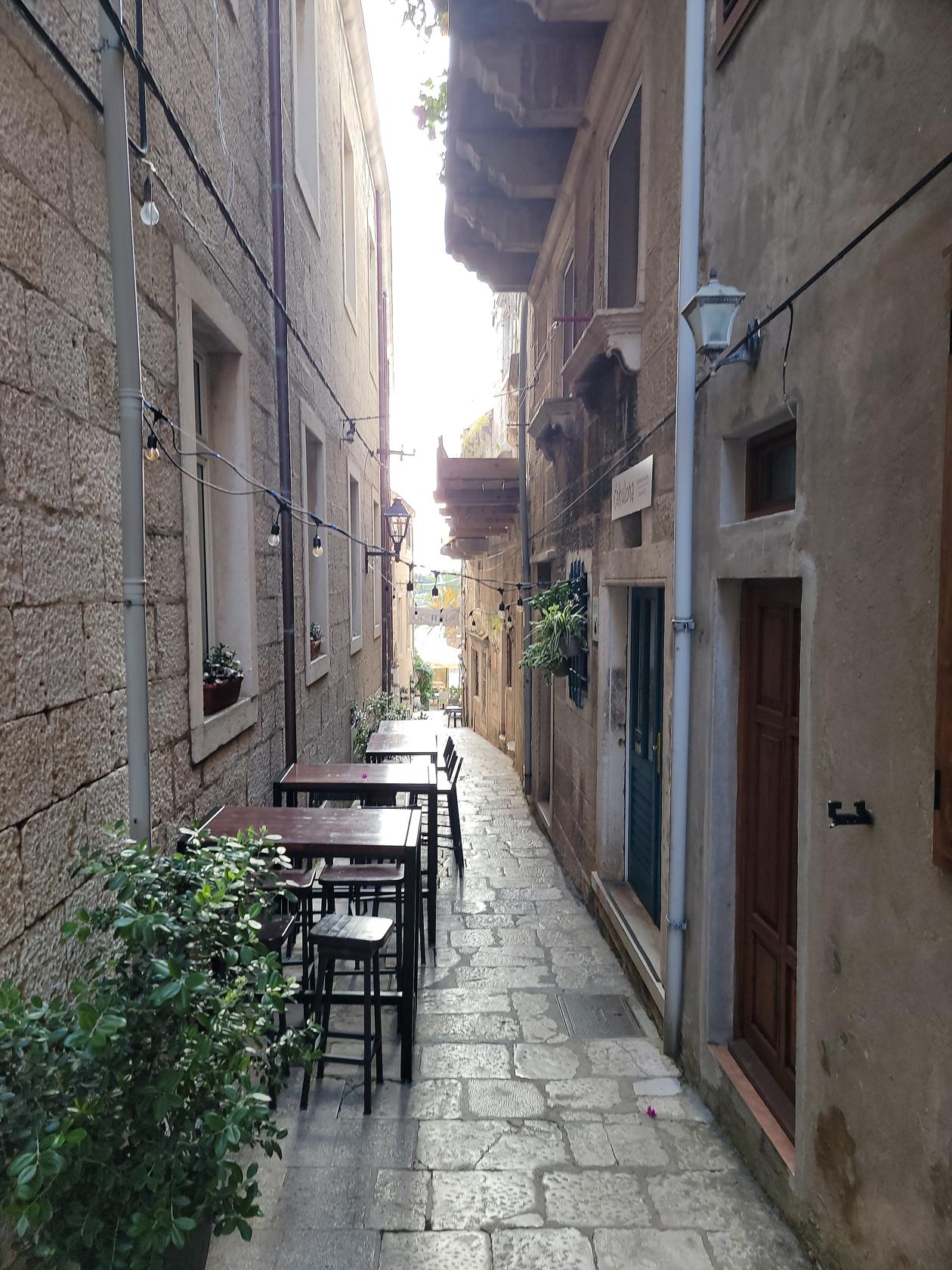
Narrow alleys – Korčula, Croatia
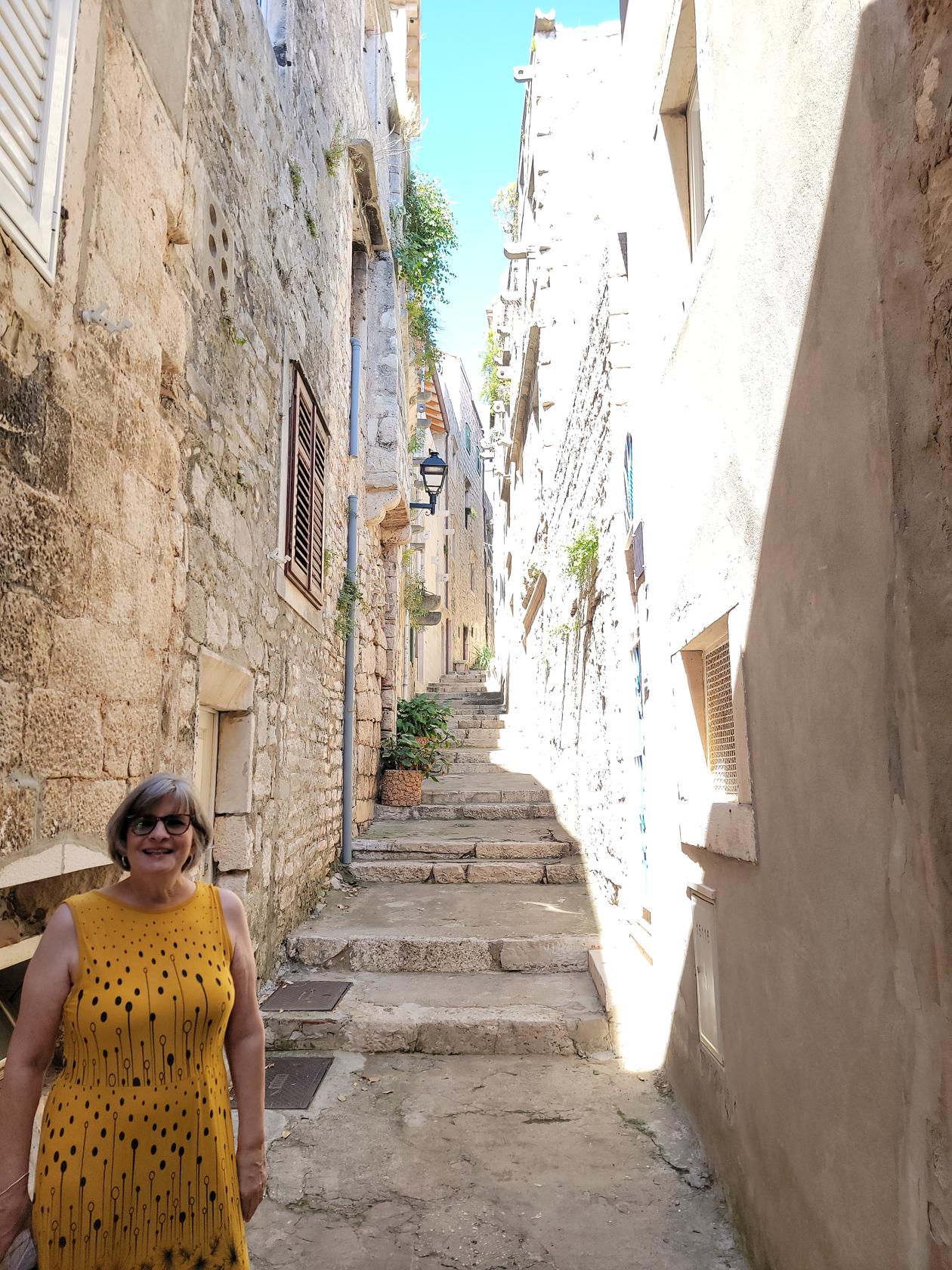
Patti by alley filled with stairs – Korčula, Croatia
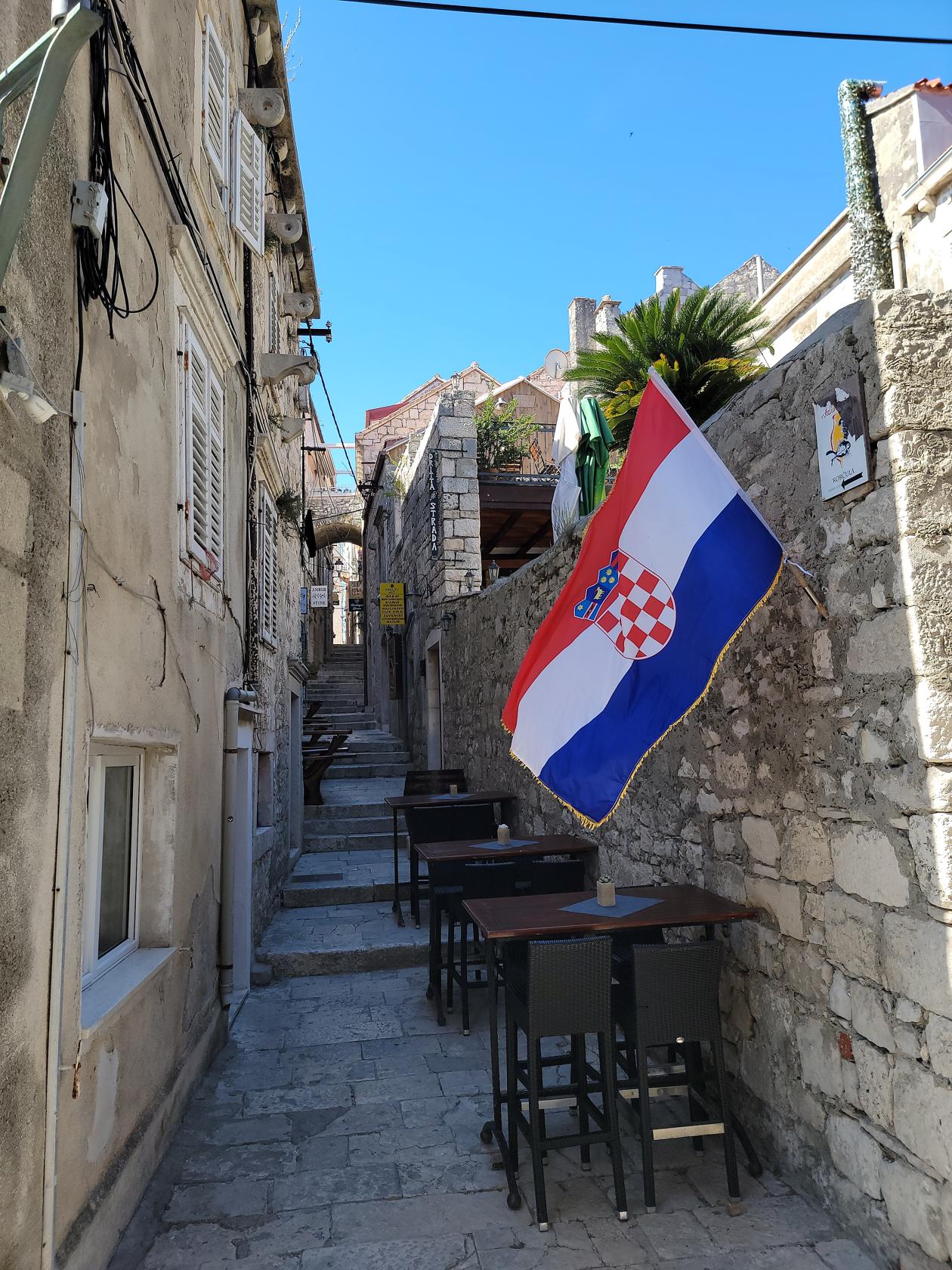
Croatian Flag and side alley – Korčula, Croatia
The name of the island and town is derived from an Illyrian-Greek word that means the rock passage. It has been inhabited for at least a few thousand years. The Greeks were frequent visitor in the 6th B.C.E., and perhaps arrived on the island even before that time. The original population were colonies of Illyrians, which have left their telltale marks throughout the island. From the early 3rd B.C.E. the Romans knew of the island and subdued it later for five hundred years. Some of the Latin that was taught in those days, still lingers in the speech of the town’s peoples.
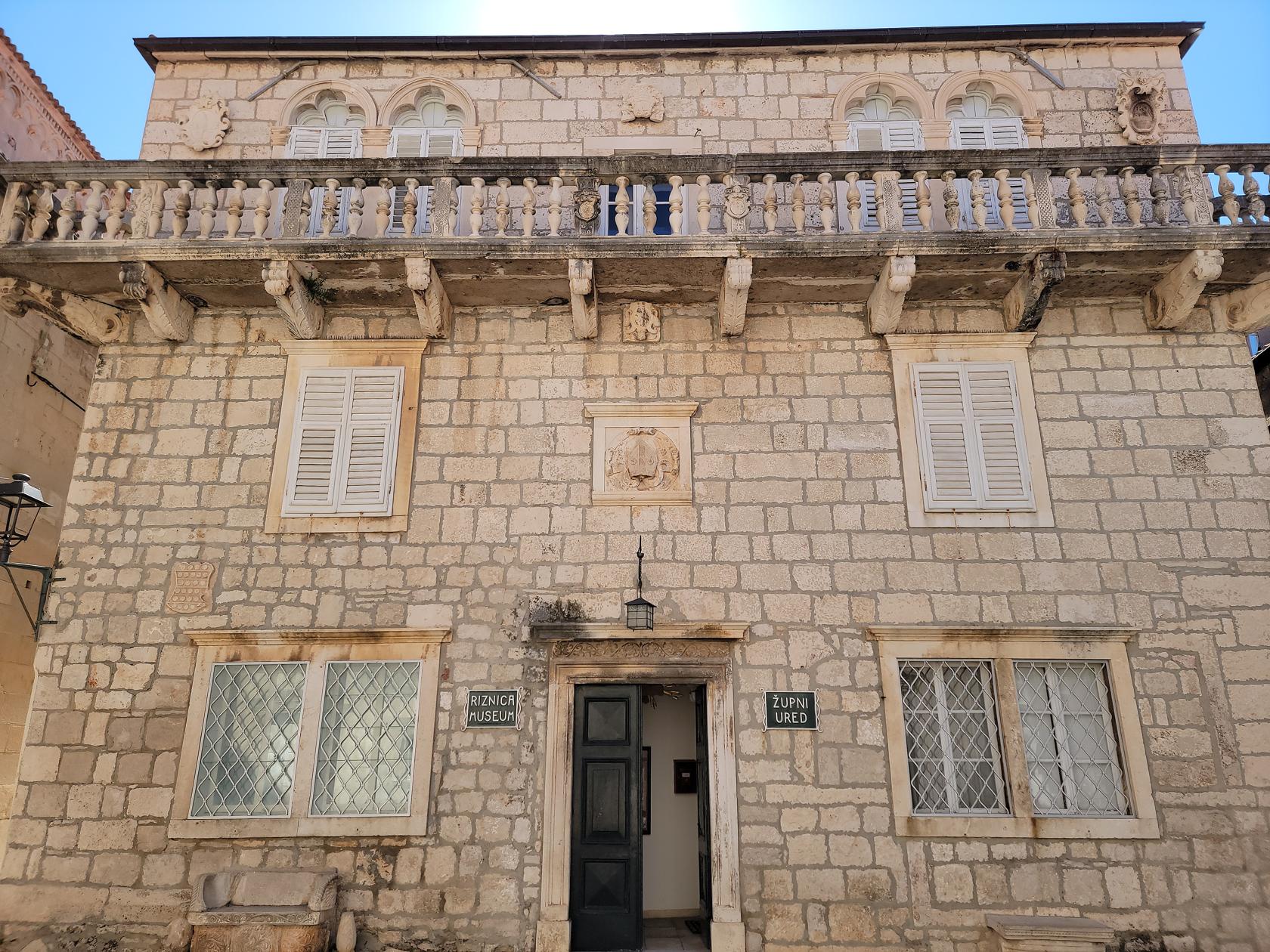
Riznica Museum – Korčula, Croatia
GettingThere
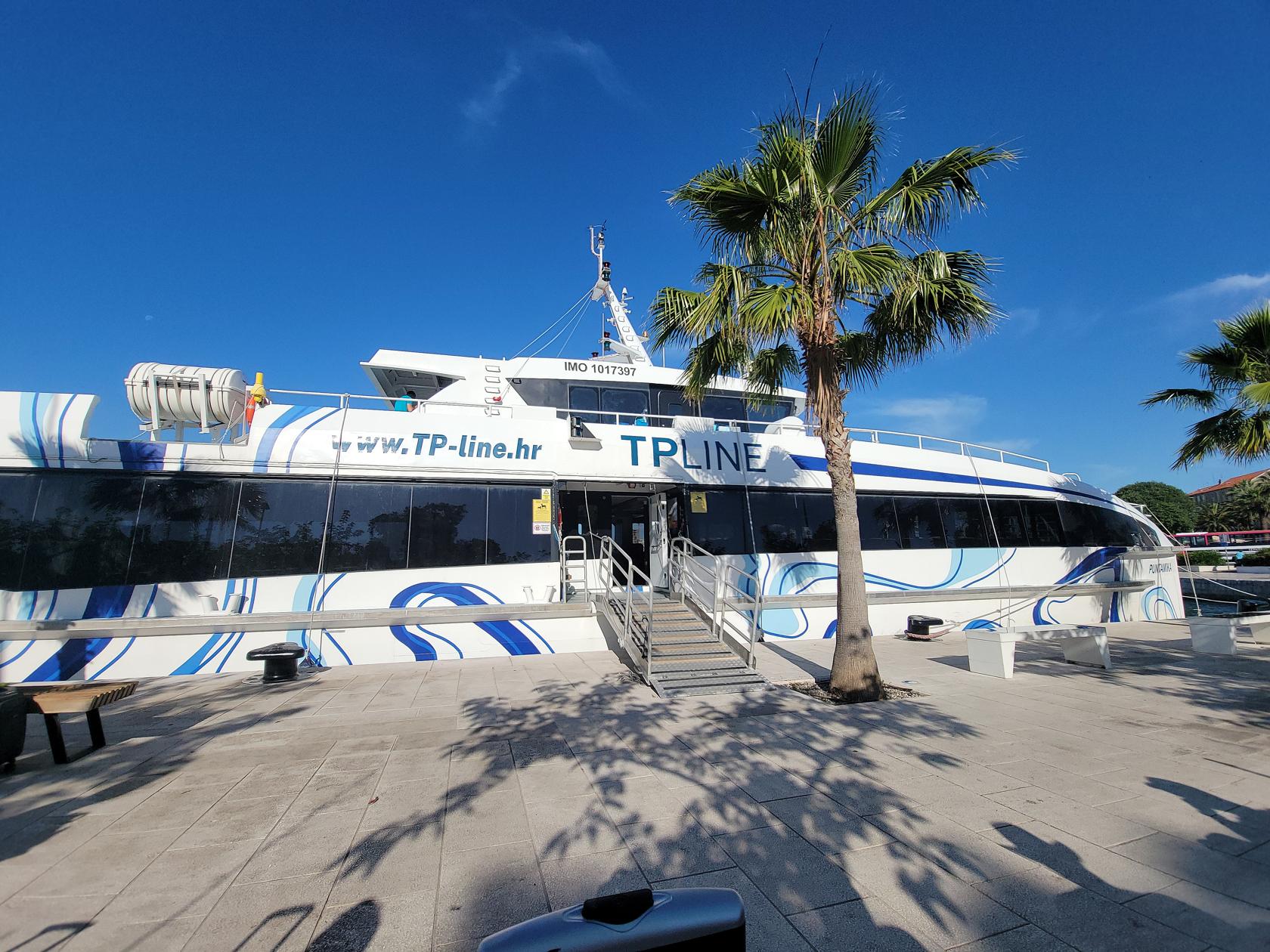
To get there, take the ferry service that runs between Split and Dubrovnik. There are several lines, unfortunately our original booking through Kapetan Luka was cancelled due to equipment issues, so we had to rebook on TPLine. It was fully booked, but very comfortable. Get in line early, because seats usually go fast.
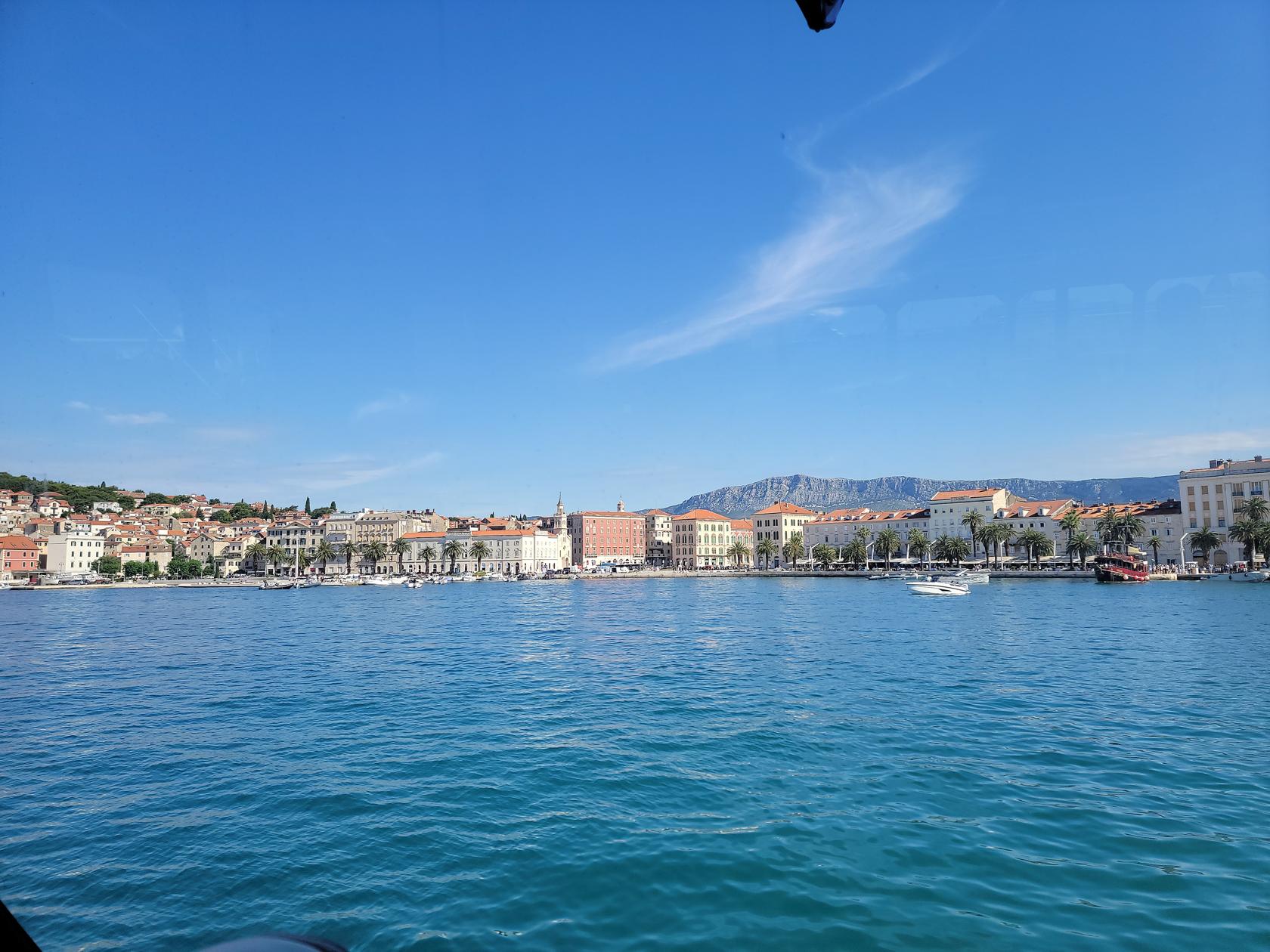
Leaving Split – Ferry Line – Korčula, Croatia
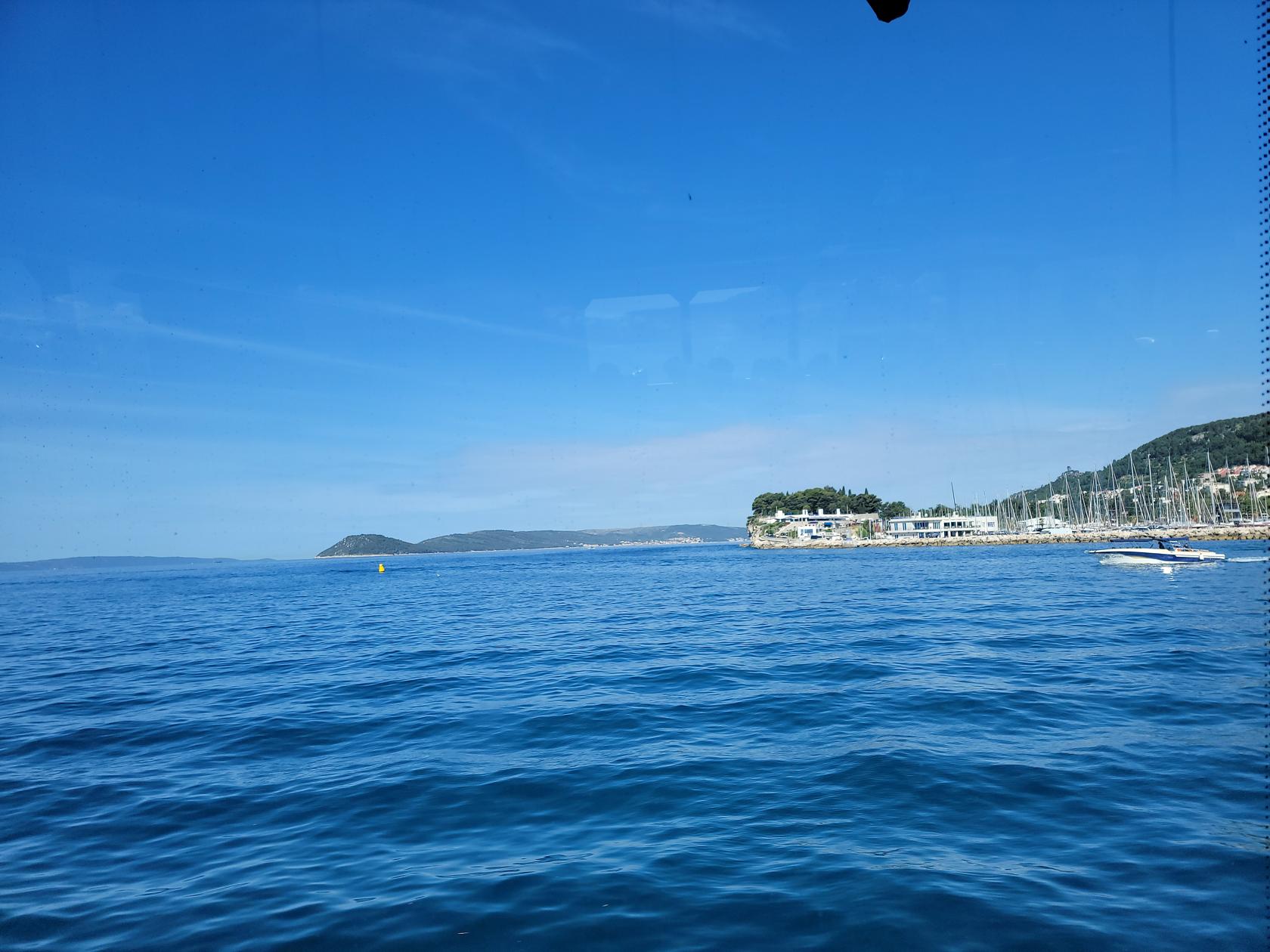
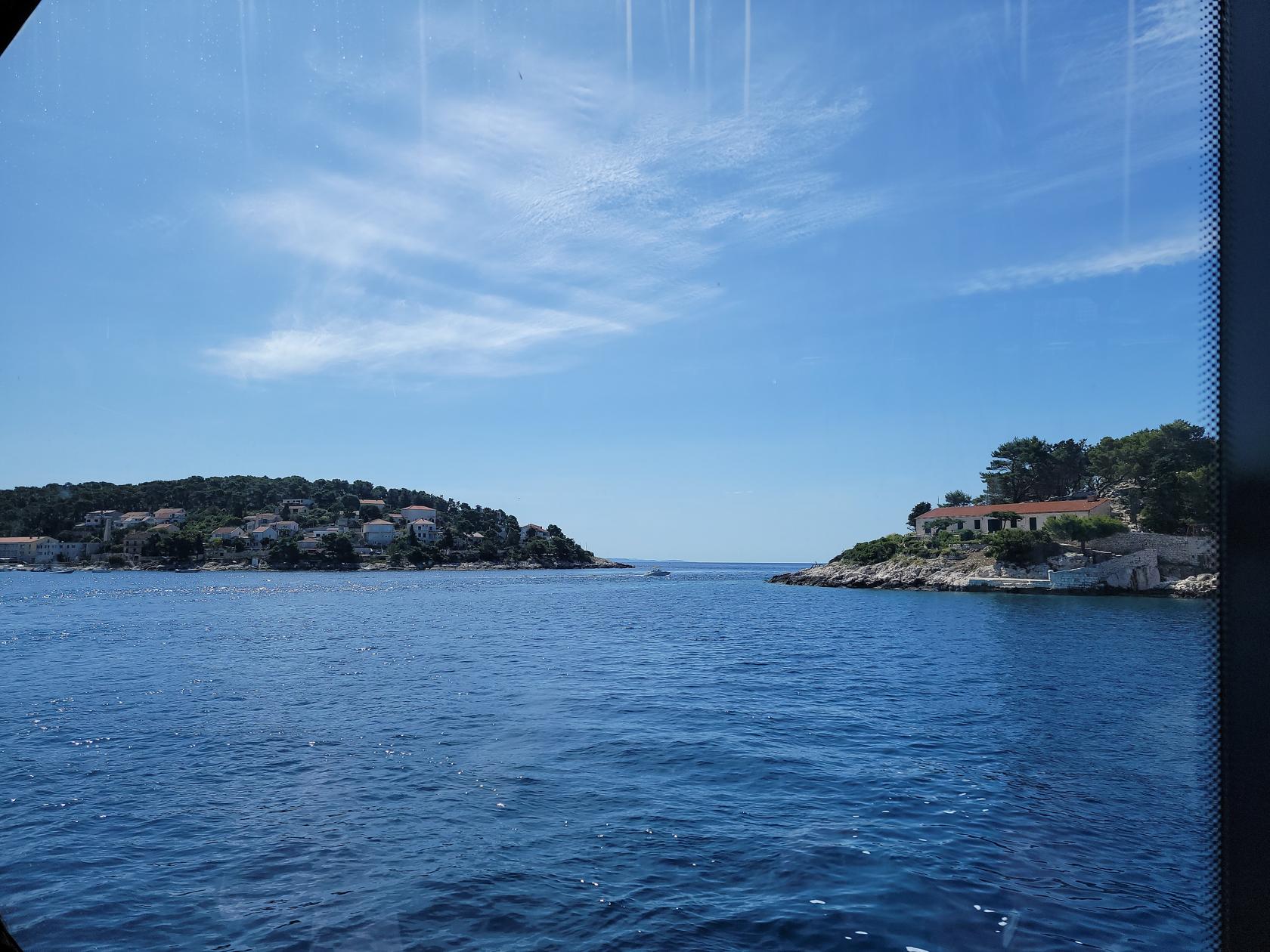
Our boat trip – Ferry Line – Korčula, Croatia
Our boat trip – Ferry Line – Korčula, Croatia
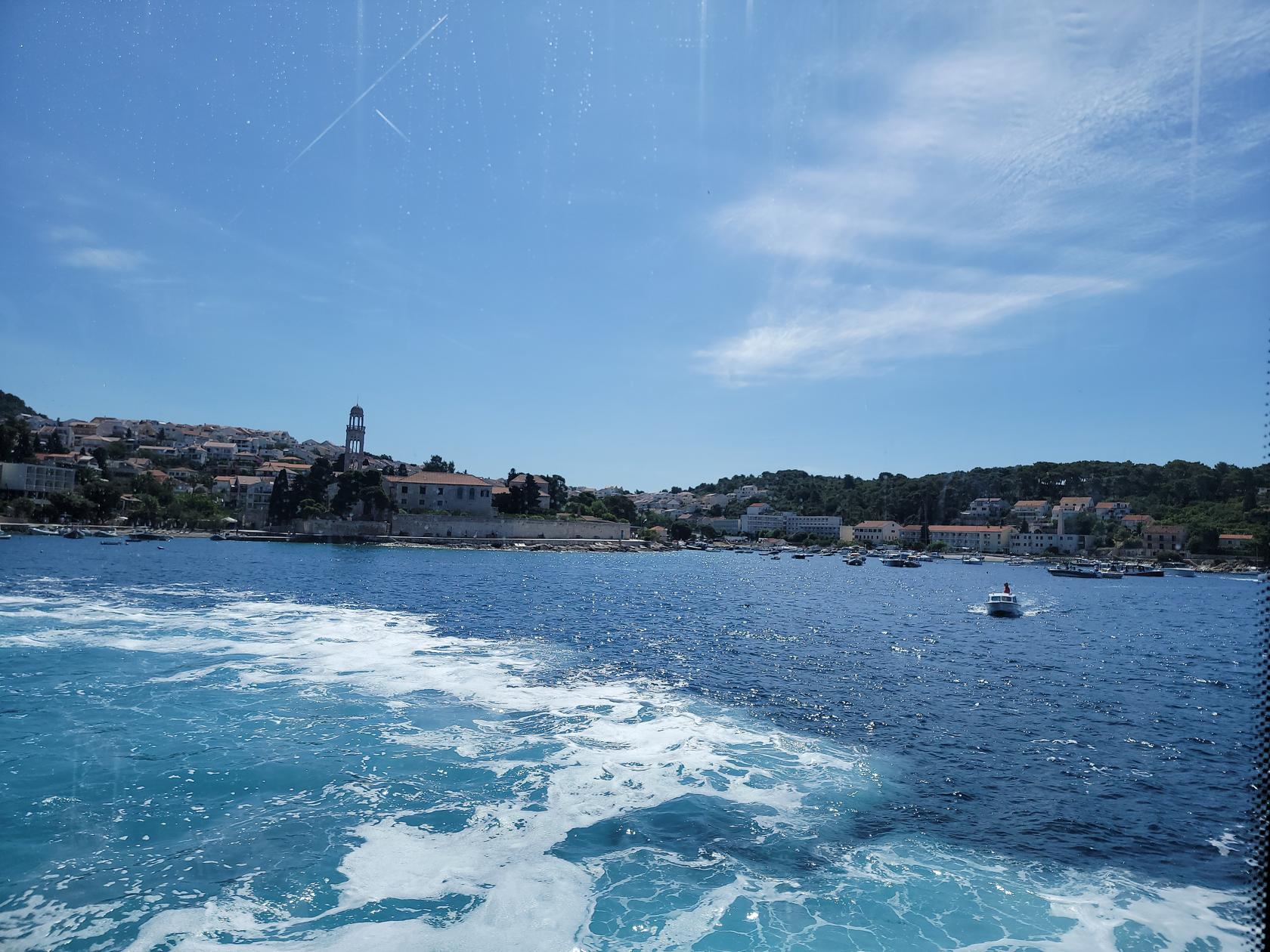
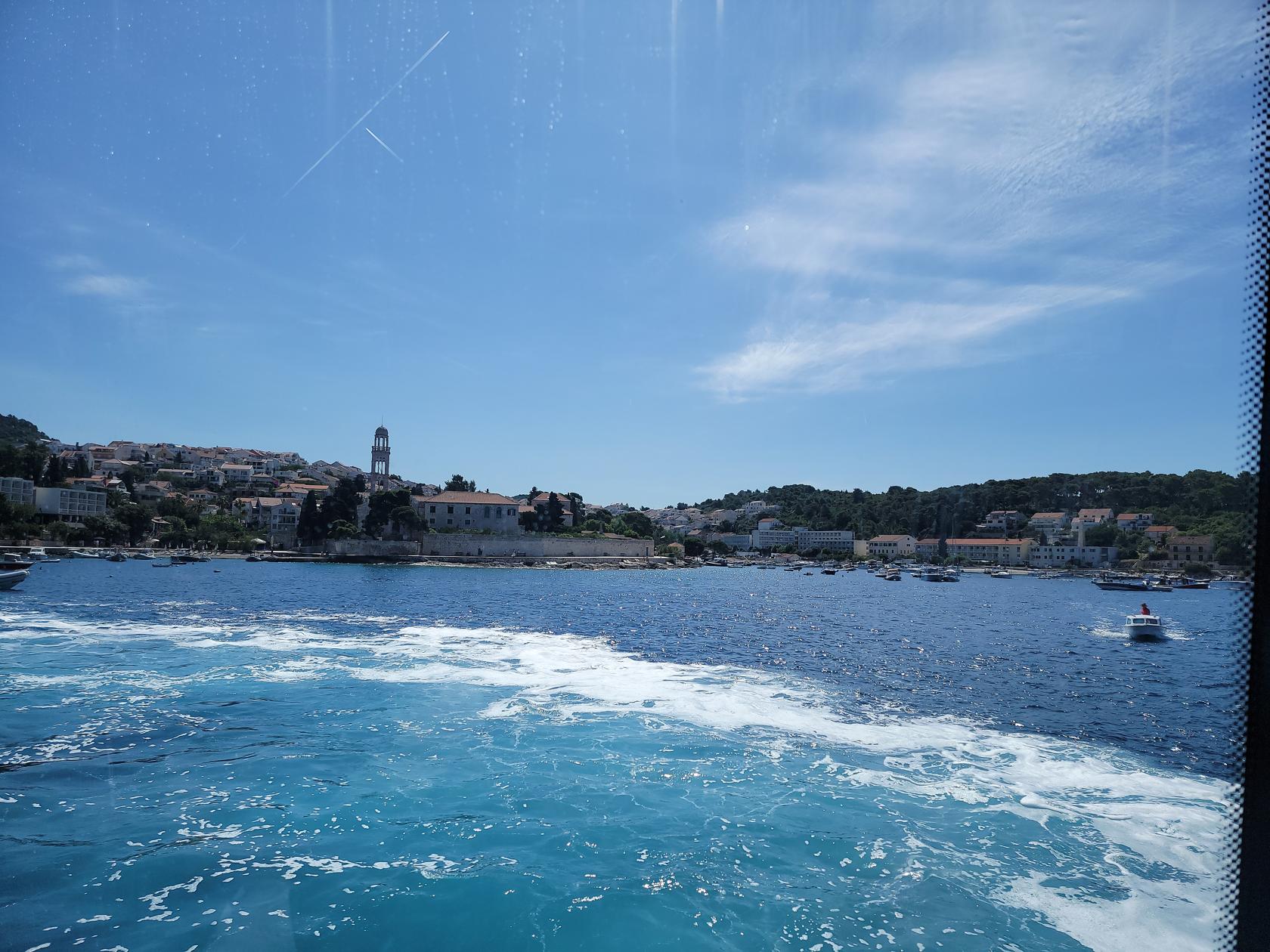
Hvar – Ferry Line – Korčula, Croatia
Hvar – Ferry Line – Korčula, Croatia
Another small town – Ferry Line – Korčula, Croatia
A Word About Ferries
Just an opinion of course, but having been on both ferry lines, I would prefer the TPLine. On TPLine, your luggage is stowed indoors with you and not outside, as with Kapetan Luka line. The latter is fine otherwise, but in the event of bad weather, it appears your luggage would be soaked upon arrival to your destination. I also found their boats to have a bit more room to get around. I felt a bit cramped on the Luka line.
Departing Split – Ferry Line – Korčula, Croatia
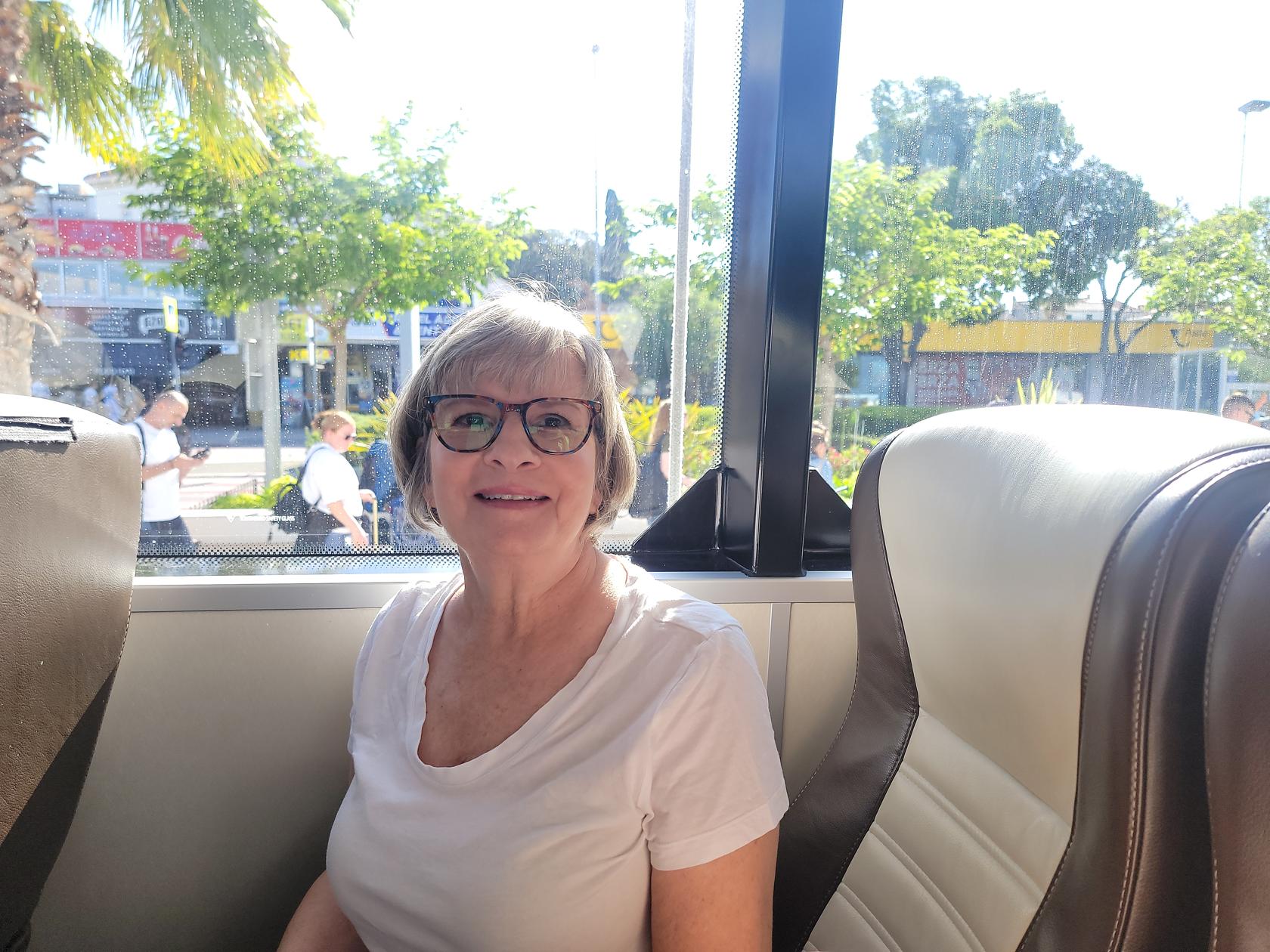
Patti on board – Ferry Line – Korčula, Croatia
Our Hotel
The Aminess Liburna
A large modern hotel on the adjacent pennisula to the town. From here it was about a fifteen to twenty minute walk to inside the town walls. However, the hotel has all the amenities, including breakfast. They also have a pool and a small seaside area for swimming. The deluxe rooms are typical and met most of our requirements.
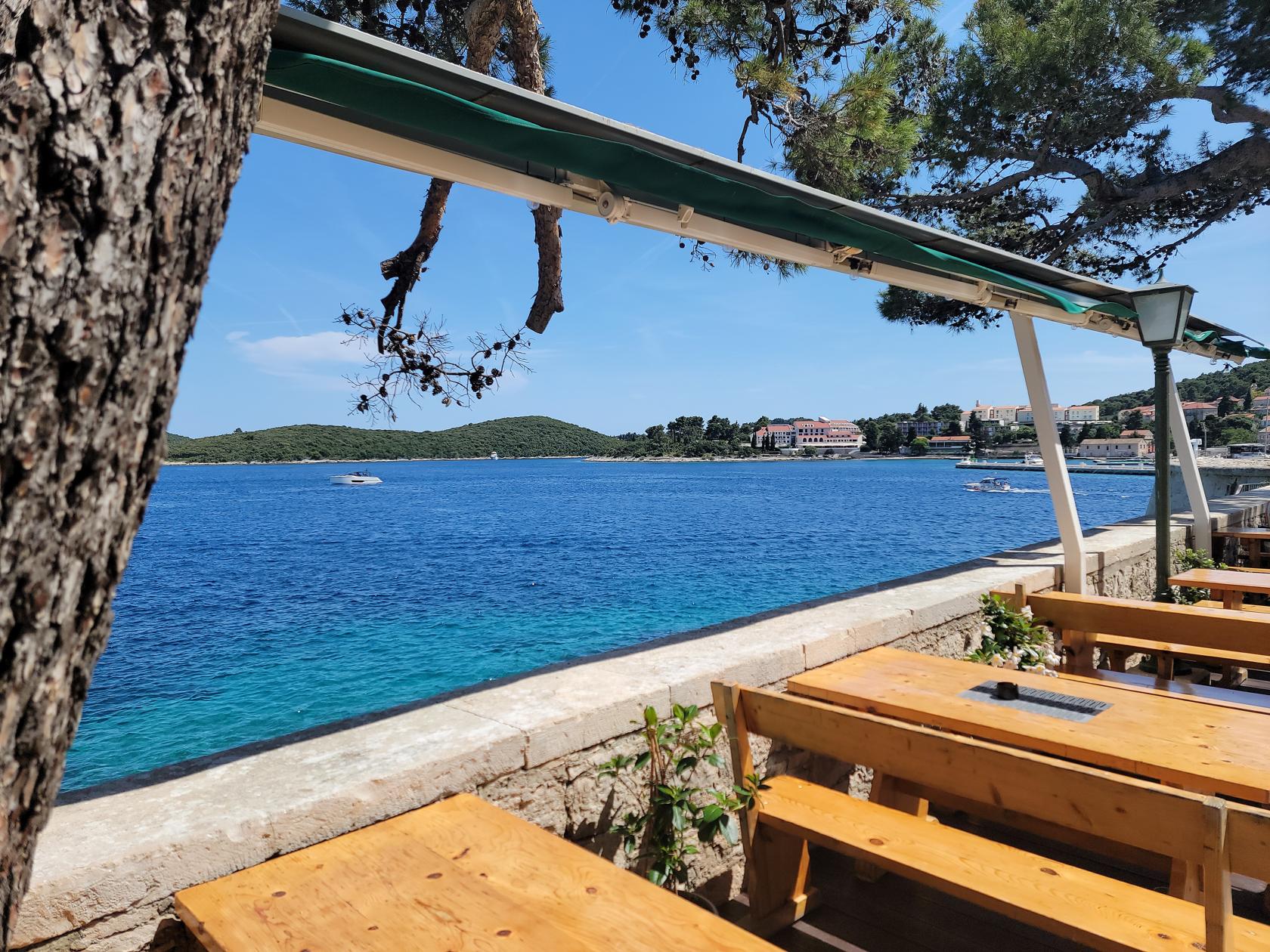
Our hotel across the inlet – Aminess Liburna Hotel – Korčula, Croatia
Aminess Liburna Hotel – Korčula, Croatia
Our hotel across the inlet – Aminess Liburna Hotel – Korčula, Croatia
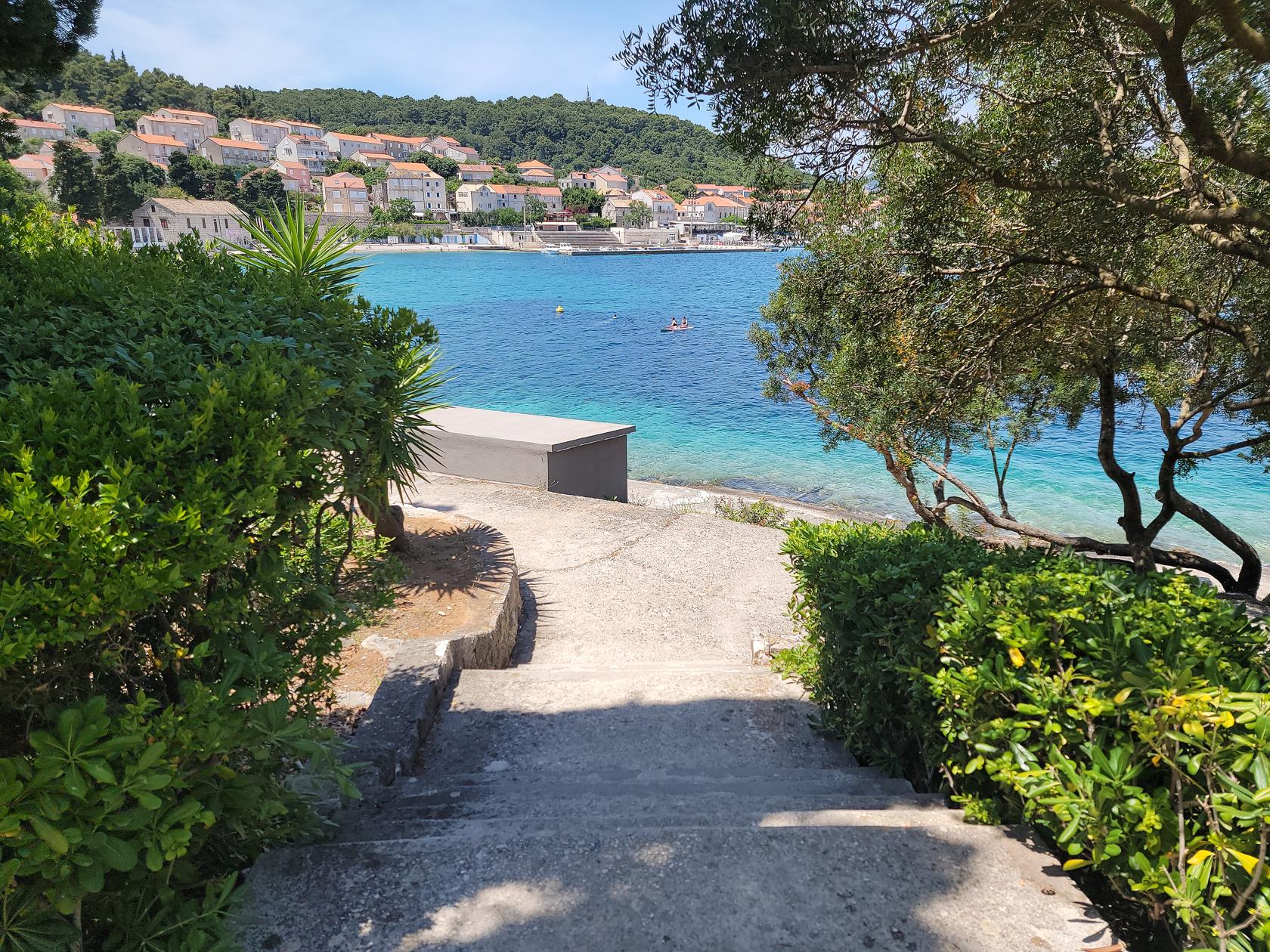
Path from our hotel to town – Korčula, Croatia
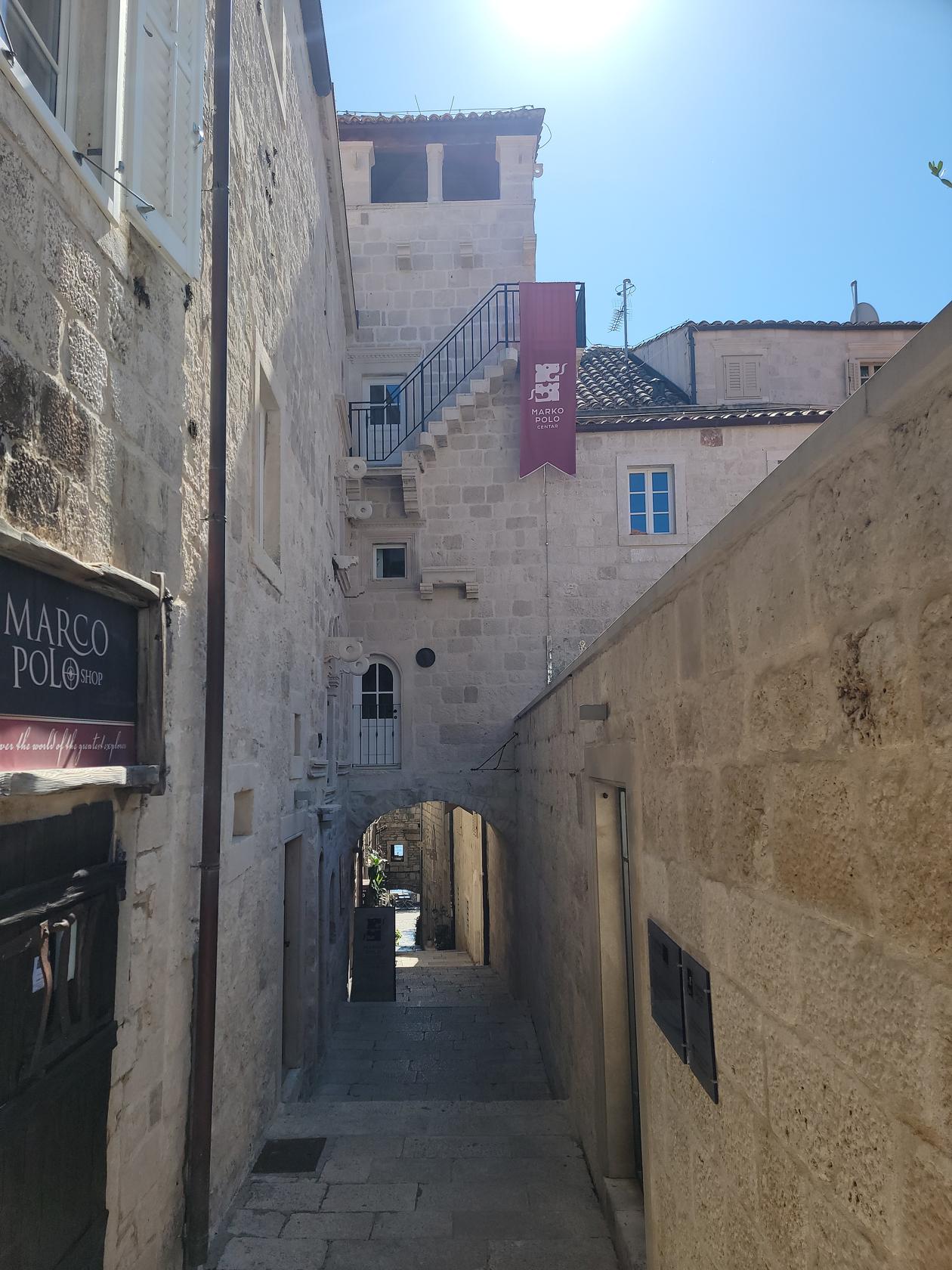
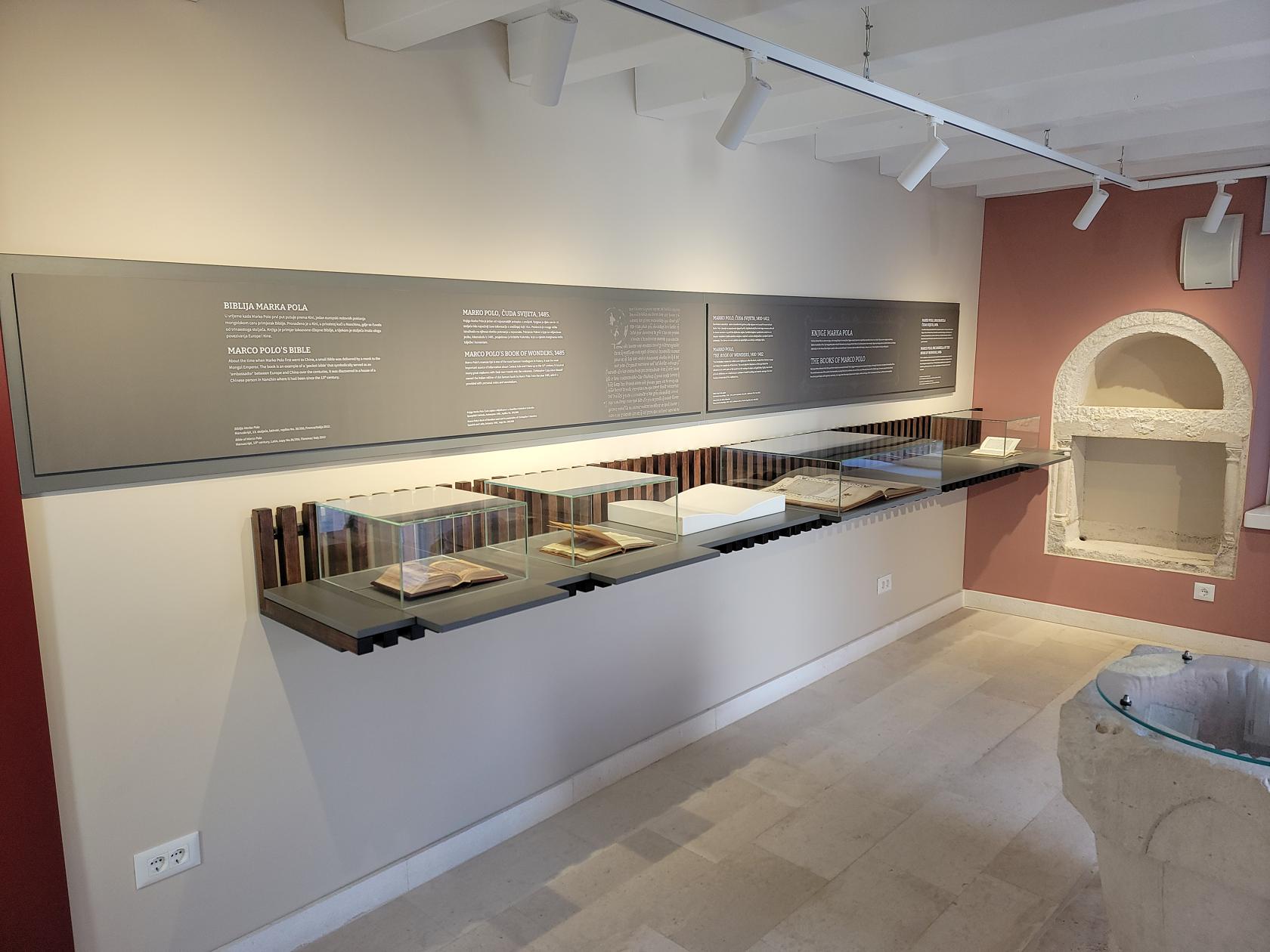
Marco Polo House
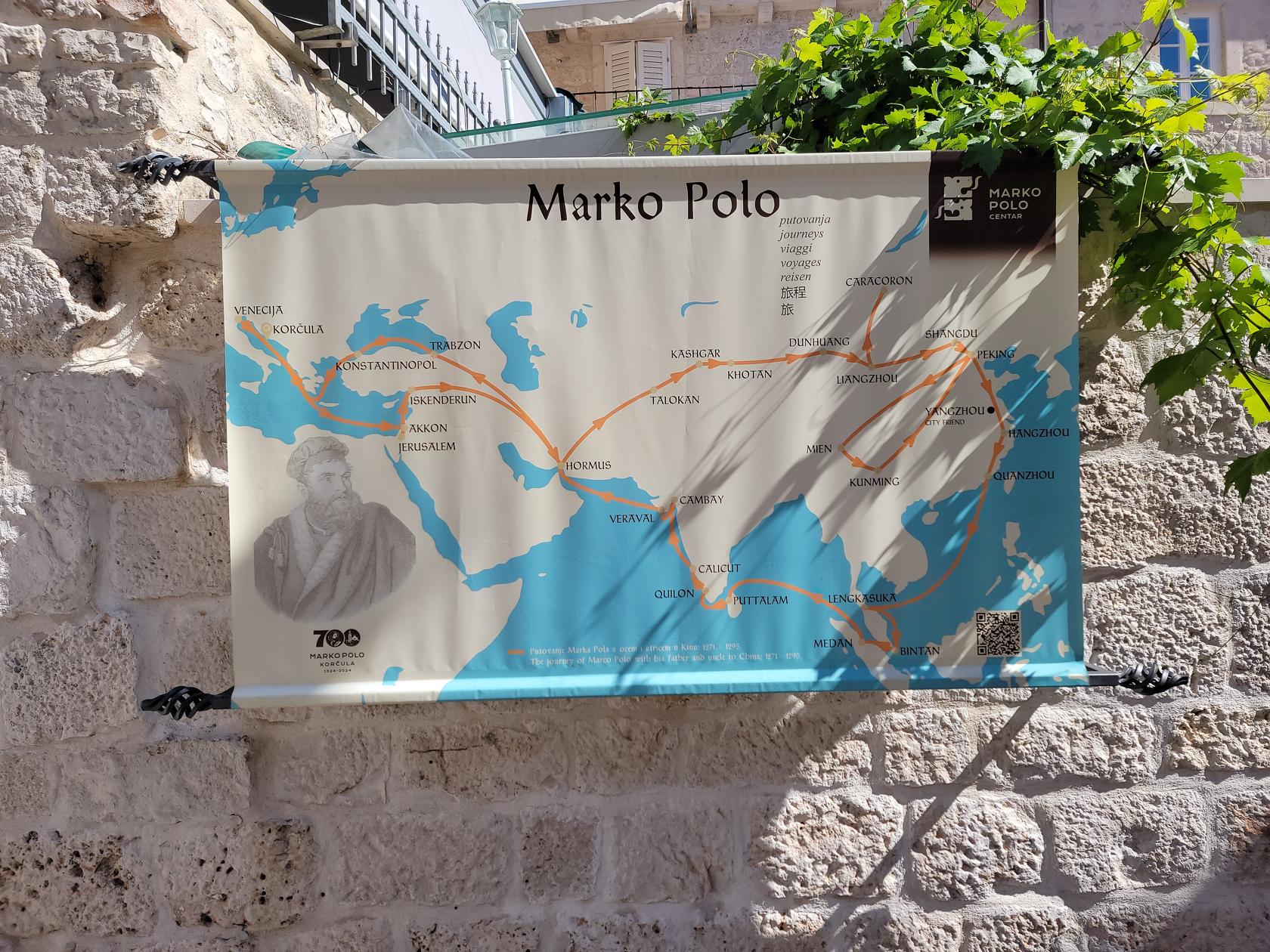
Ostensibly Marco Polo lived in the house for some time during his travels. Which travels, the museum does not elaborate on. They only conjecture that Marco was there, based on the family owning property and having other interests on the island.
Map of Marco Polo’s travels – Marco Polo House – Korčula, Croatia
Alley entrance – Marco Polo House – Korčula, Croatia
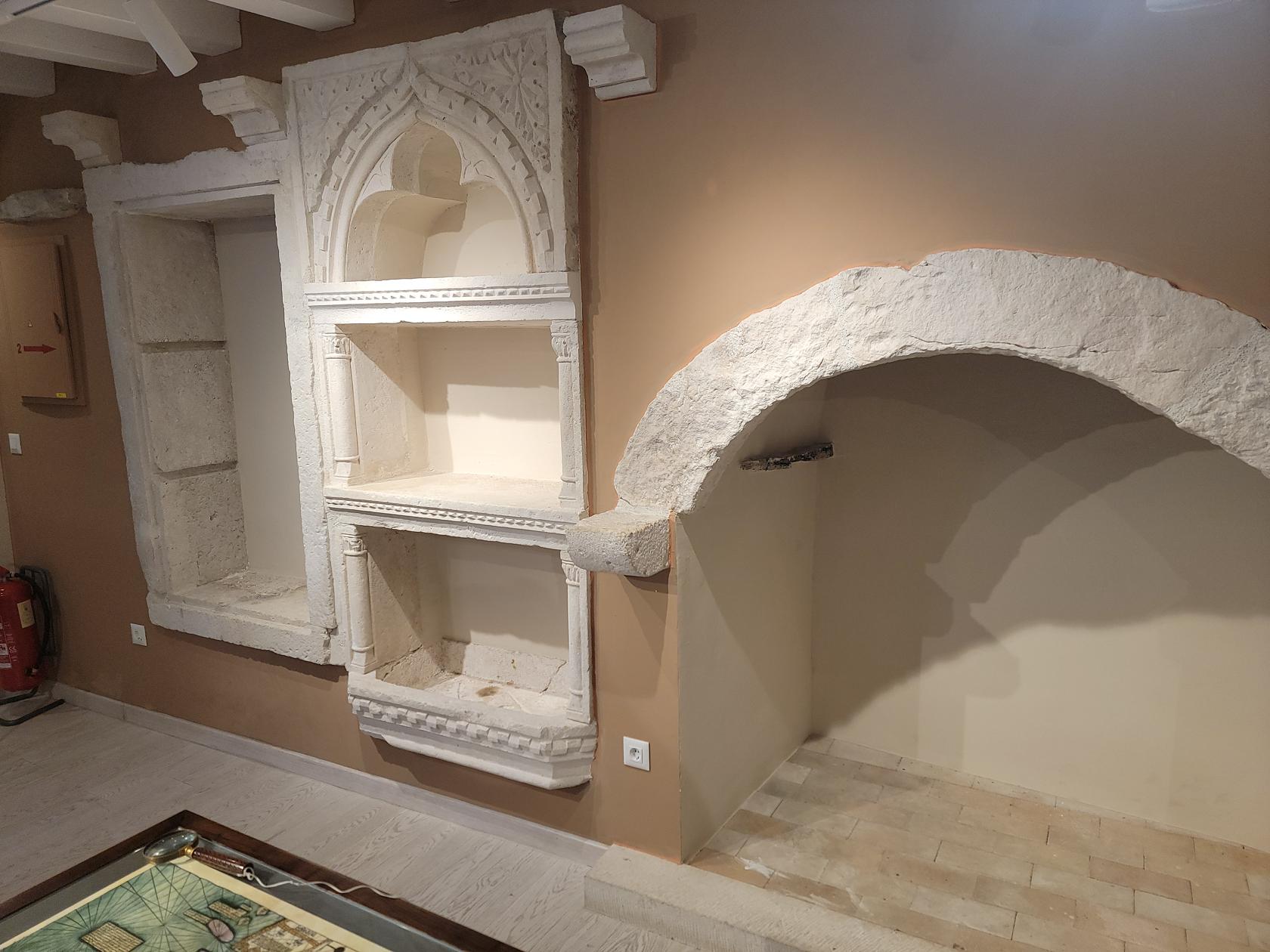
Interior – Marco Polo House – Korčula, Croatia
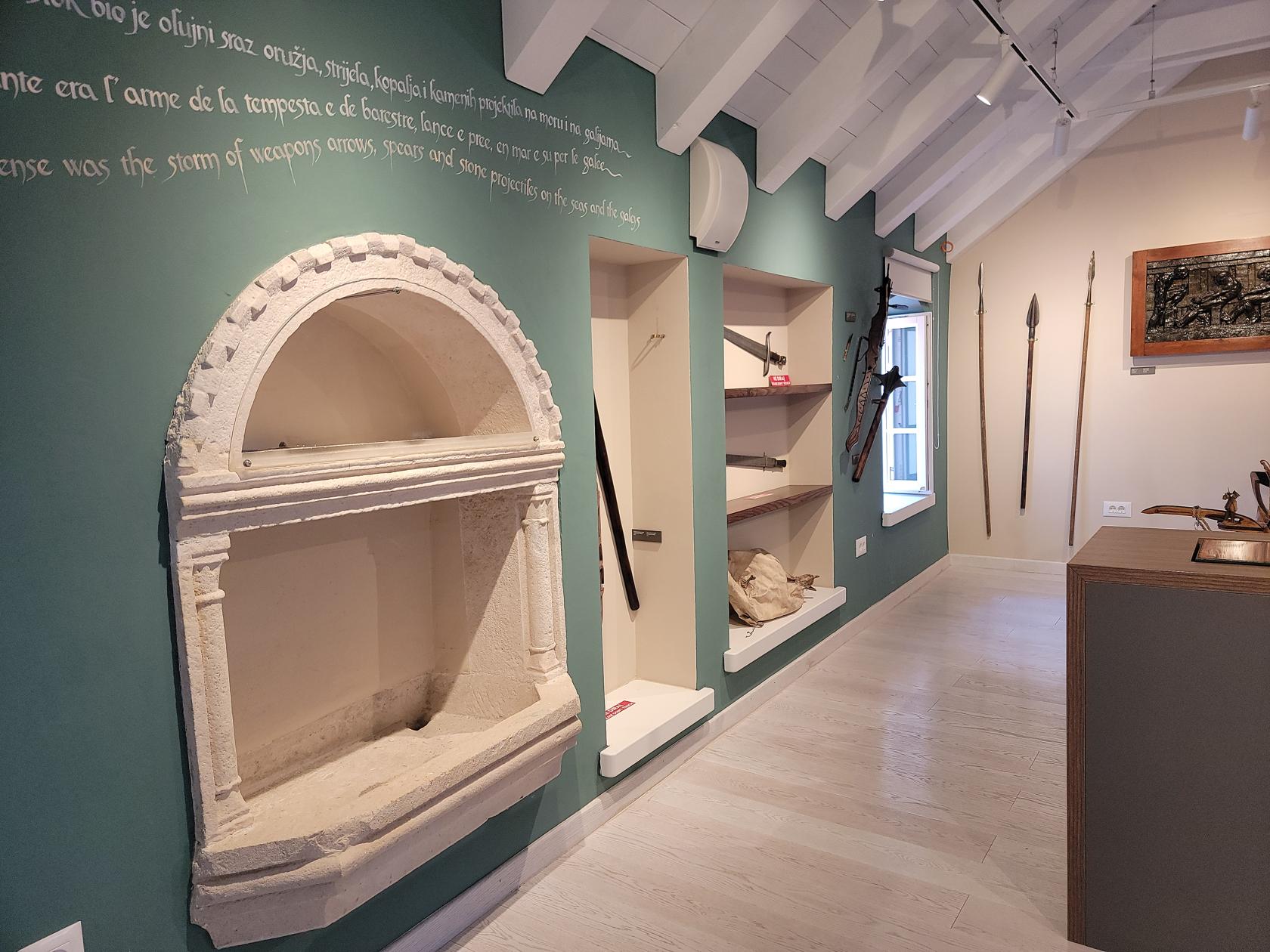
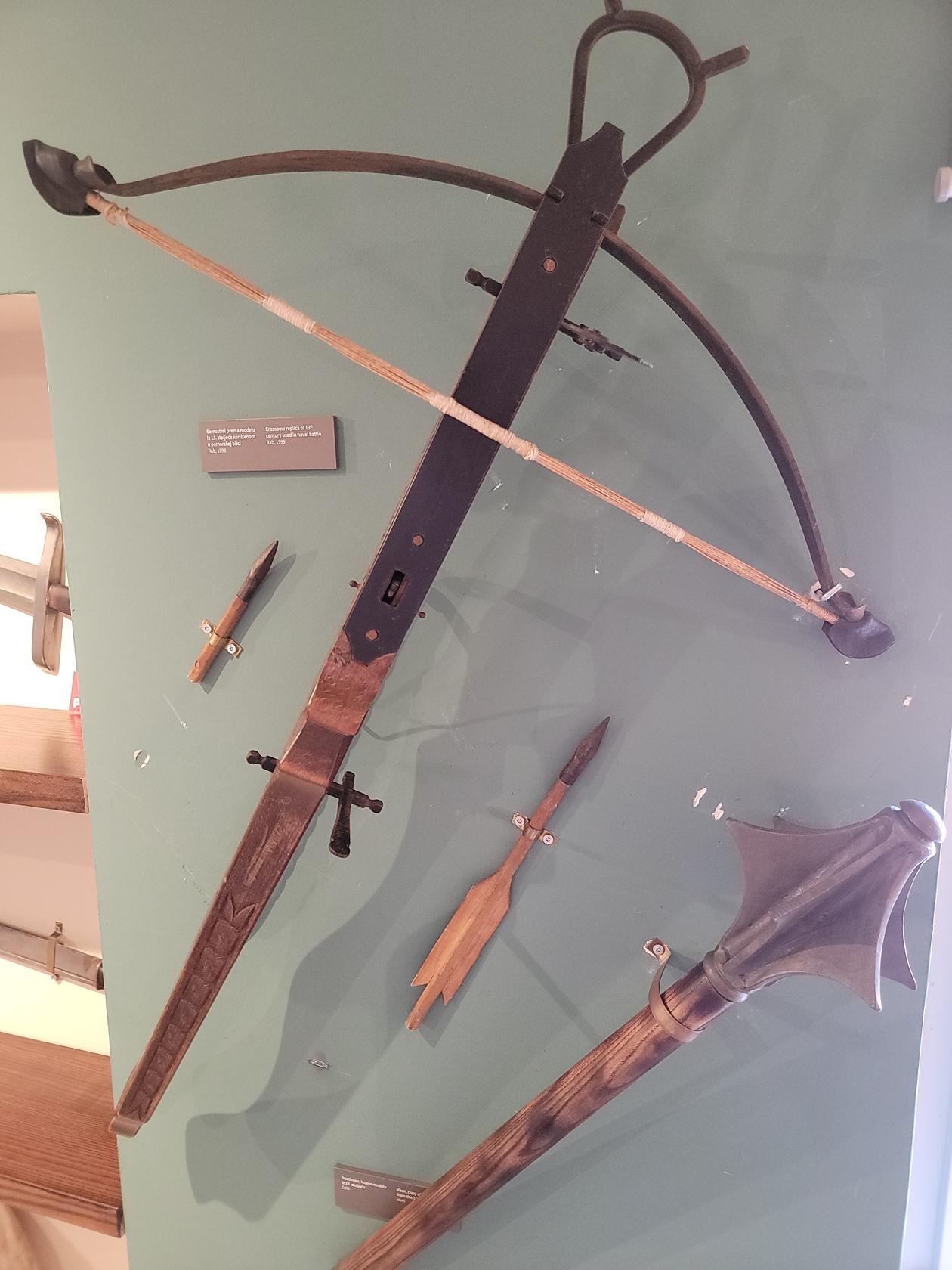
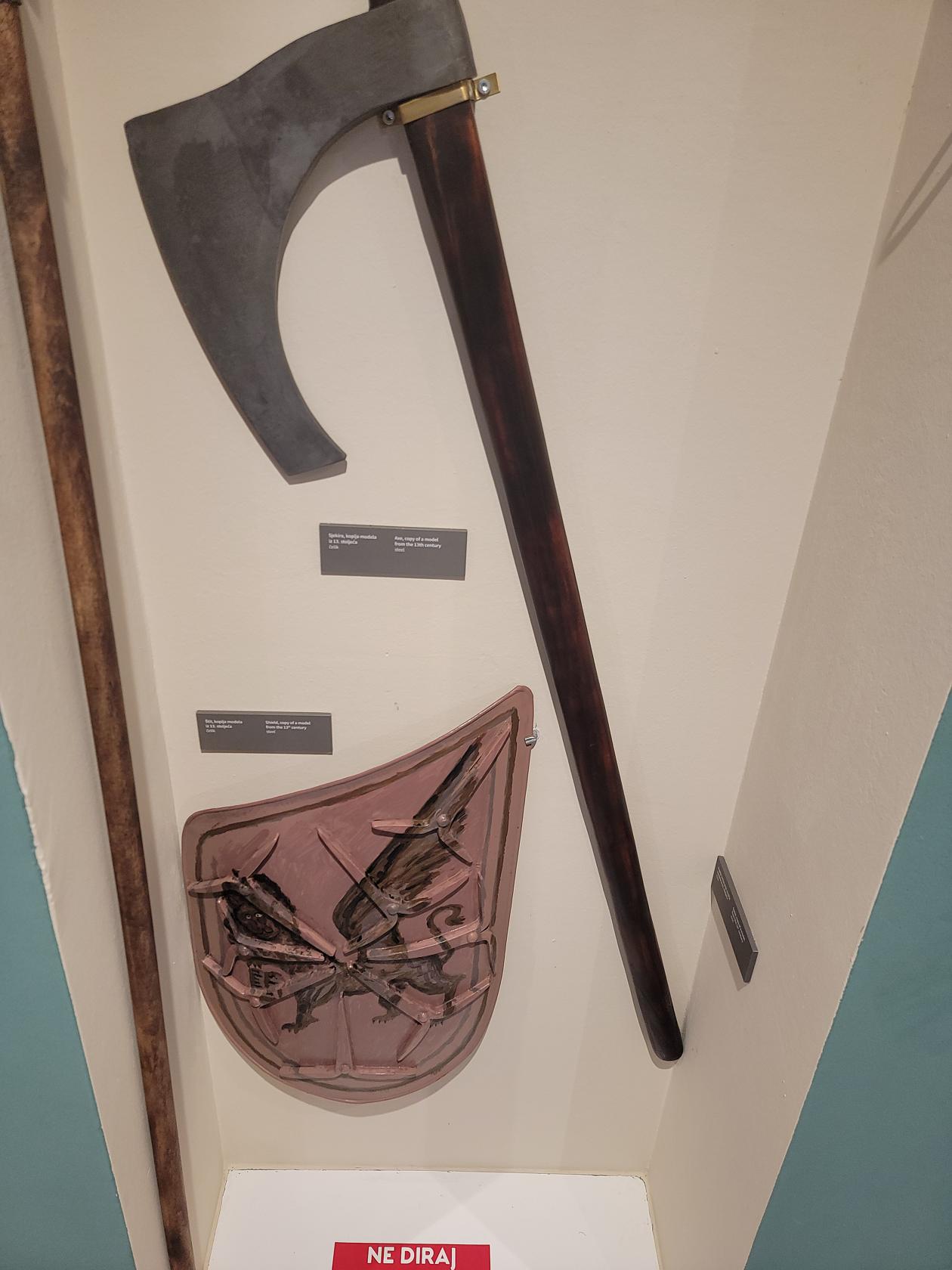
Weapons Display – Marco Polo House – Korčula, Croatia
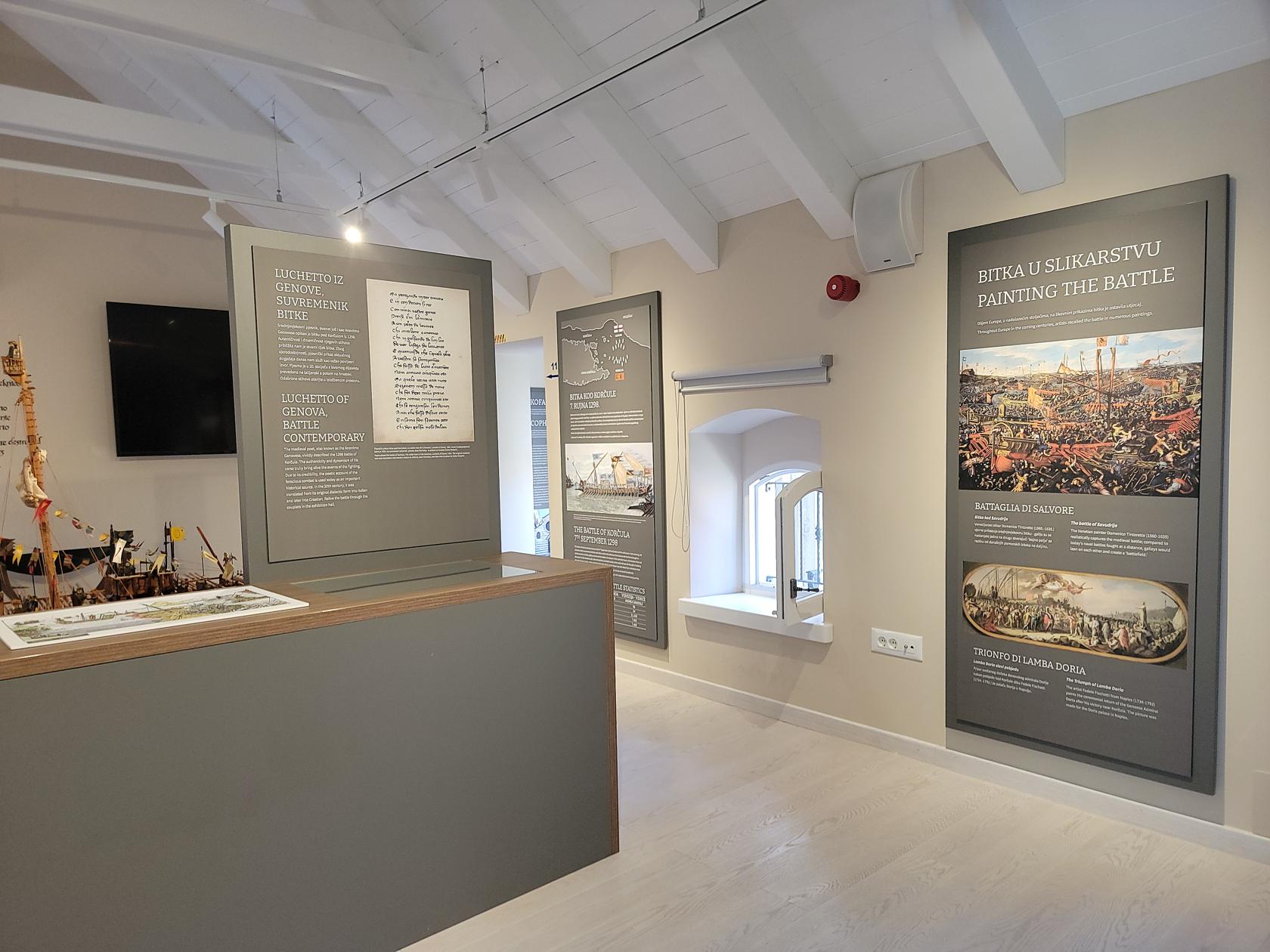
Battles – Marco Polo House – Korčula, Croatia
The Polos were based in Venice and the city and its residents had a strong influence on the island and the town.
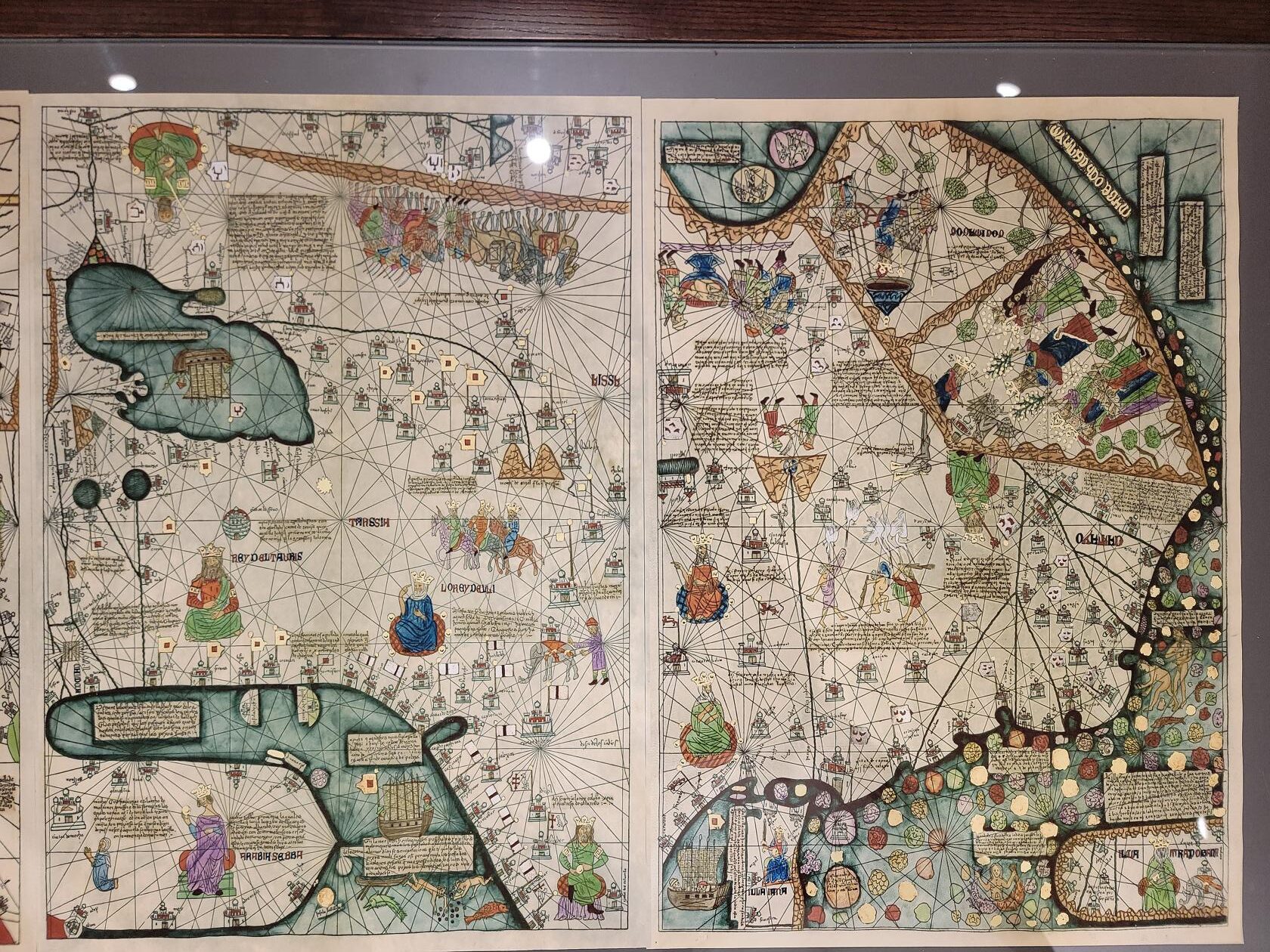
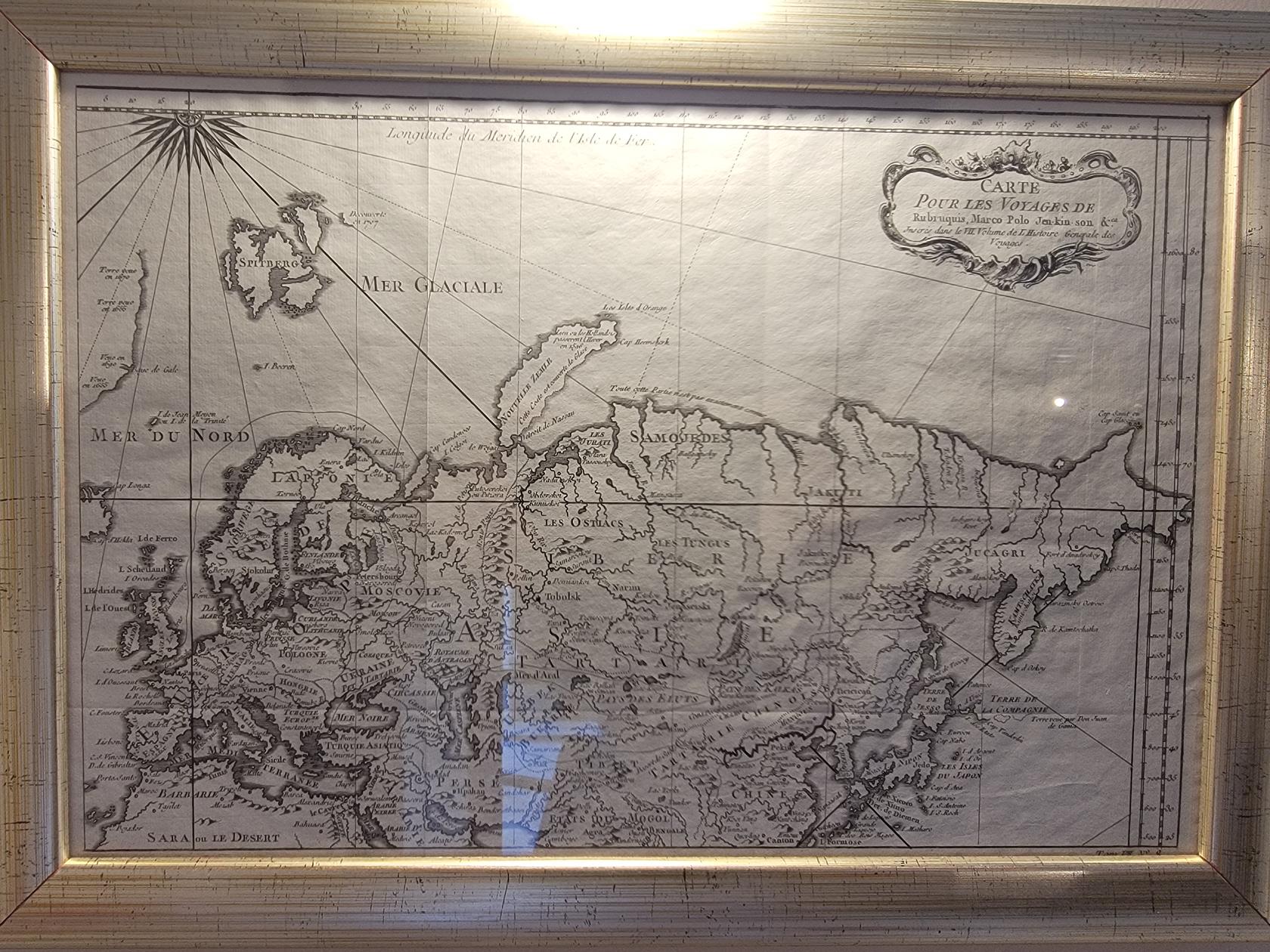
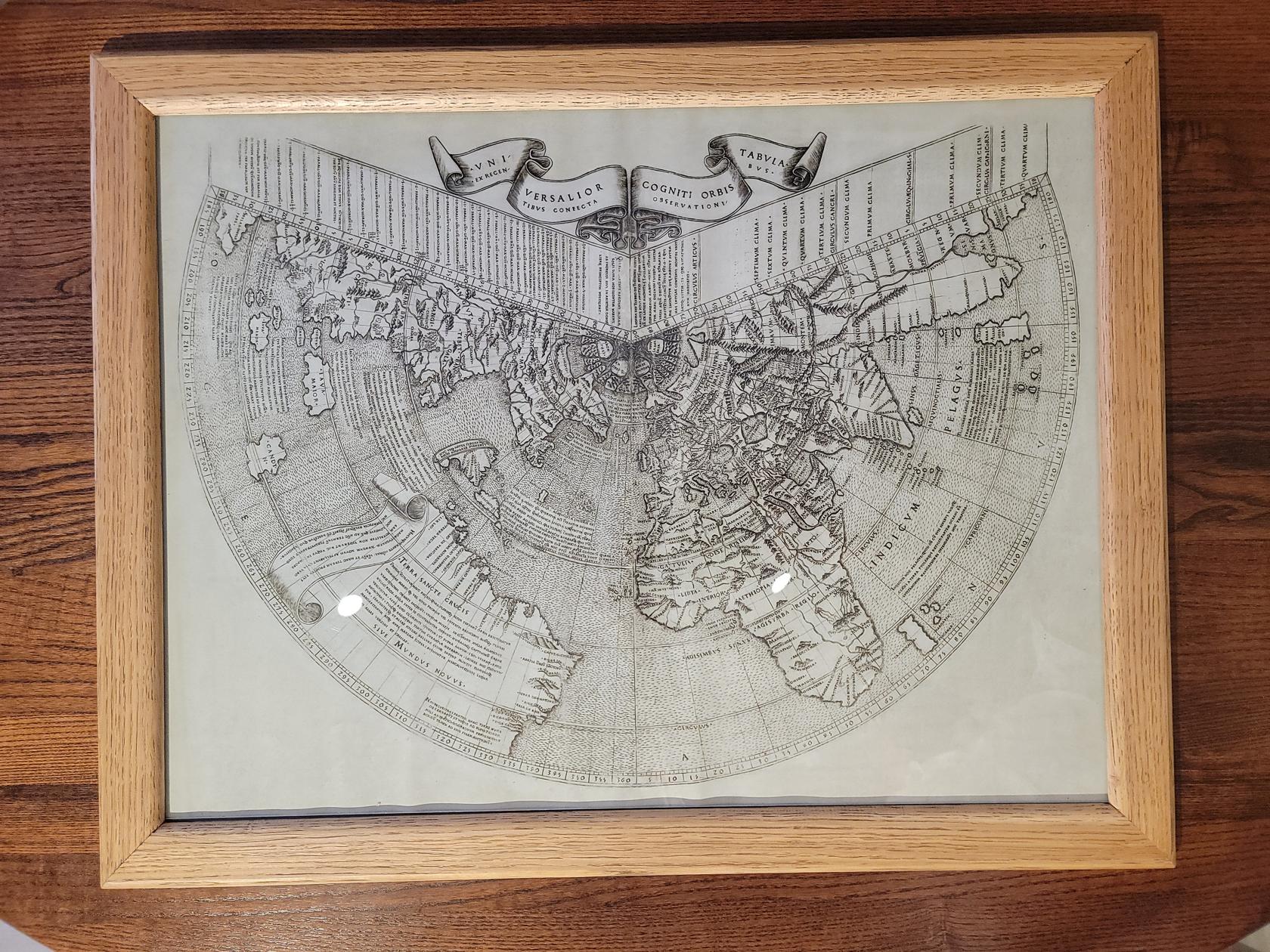
Old Maps Asia – Marco Polo House – Korčula, Croatia
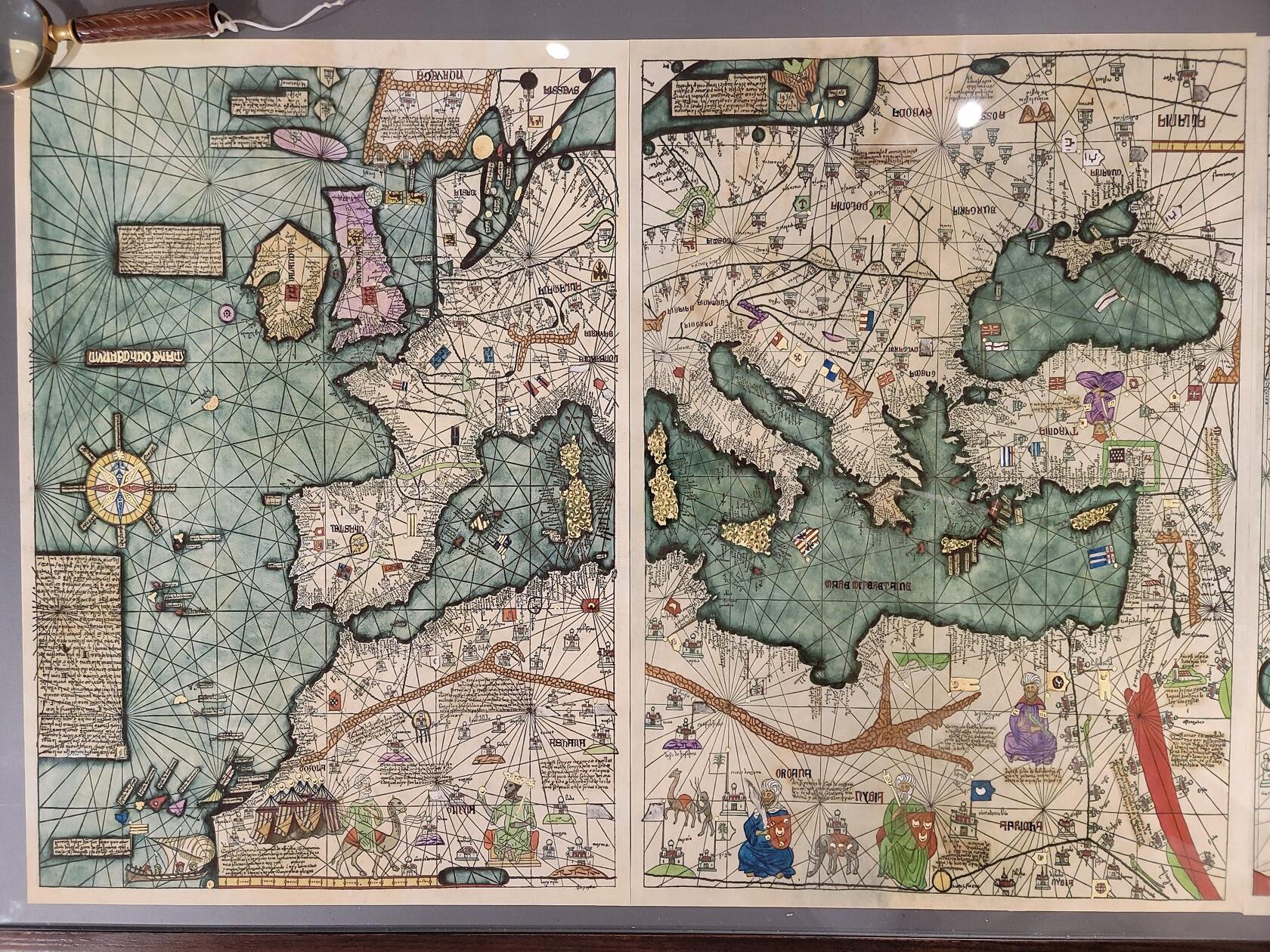
Old Maps of Europe – Marco Polo House – Korčula, Croatia
Marco Polo’s adventures and artifacts are explained and exhibited in some detail. Enough at least to enjoy the small museum that they have made in his honor.
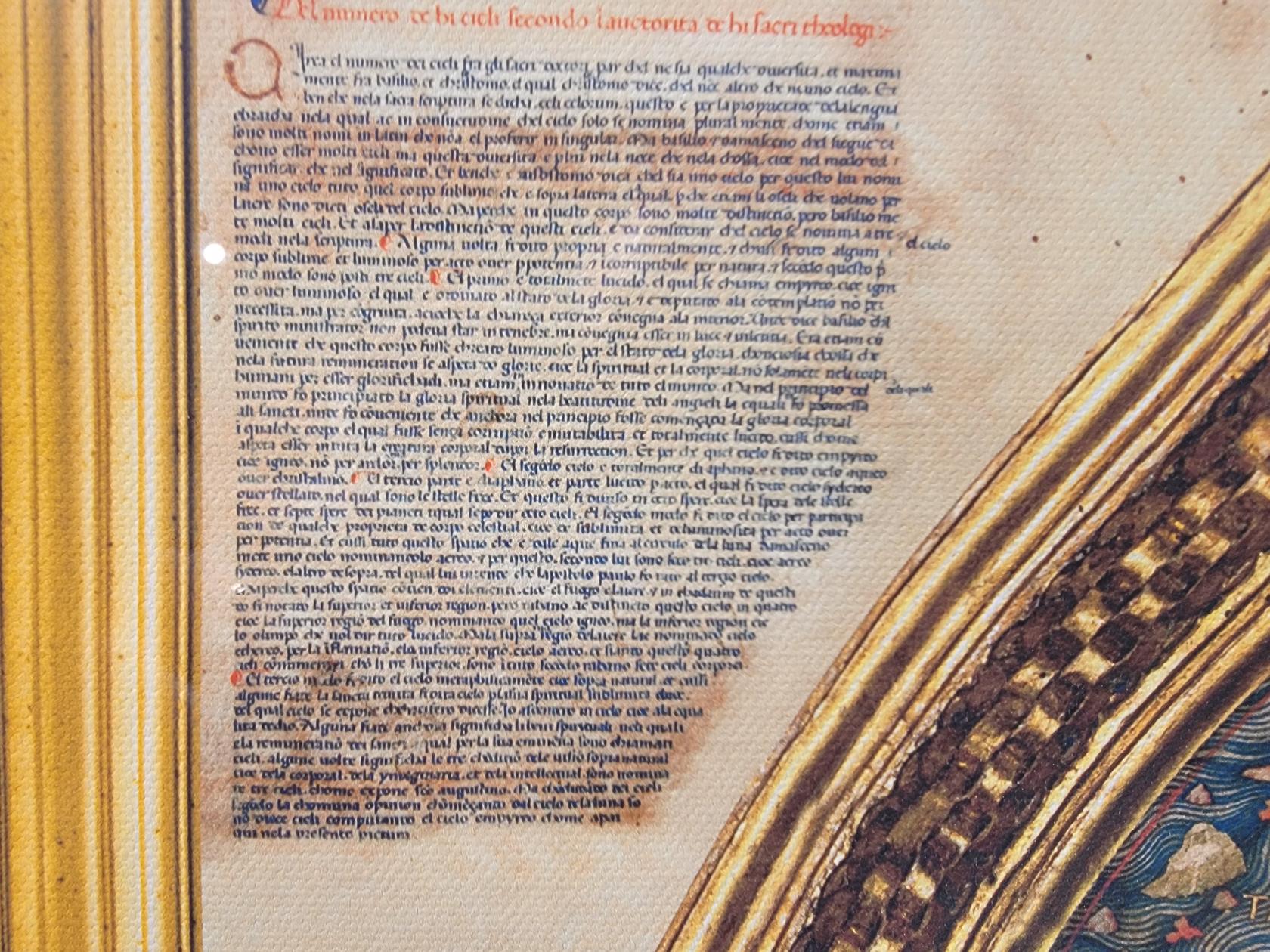
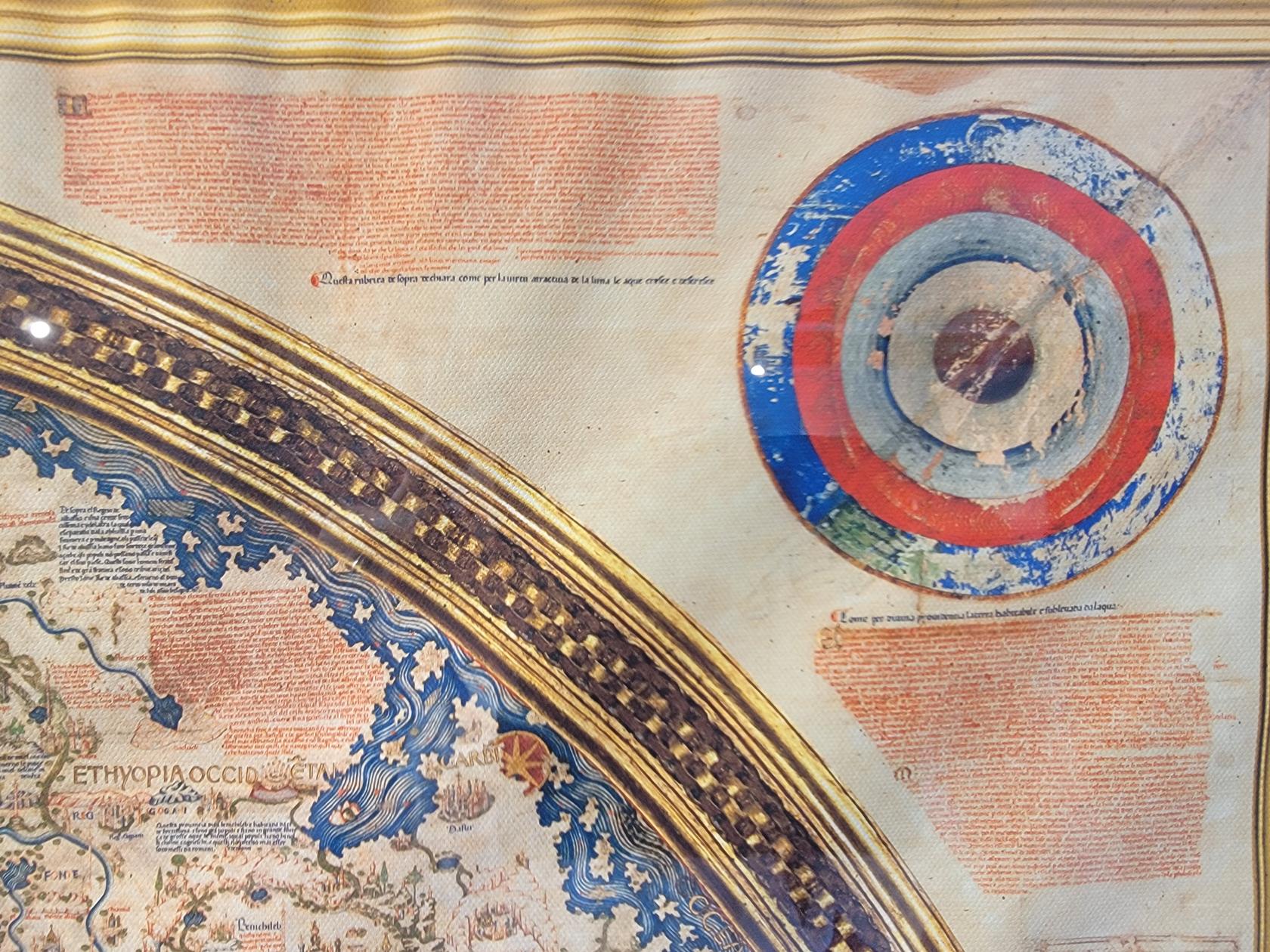
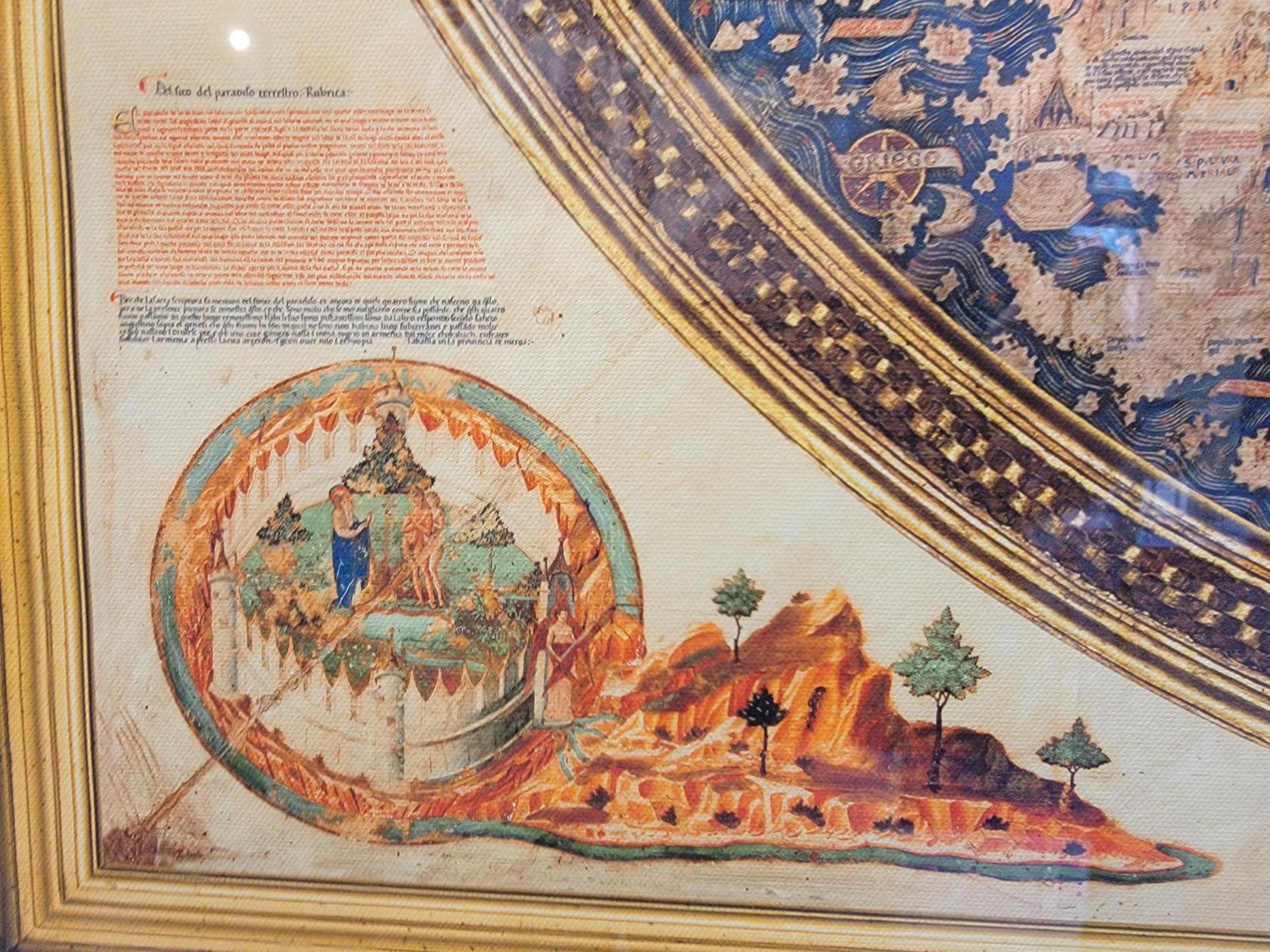
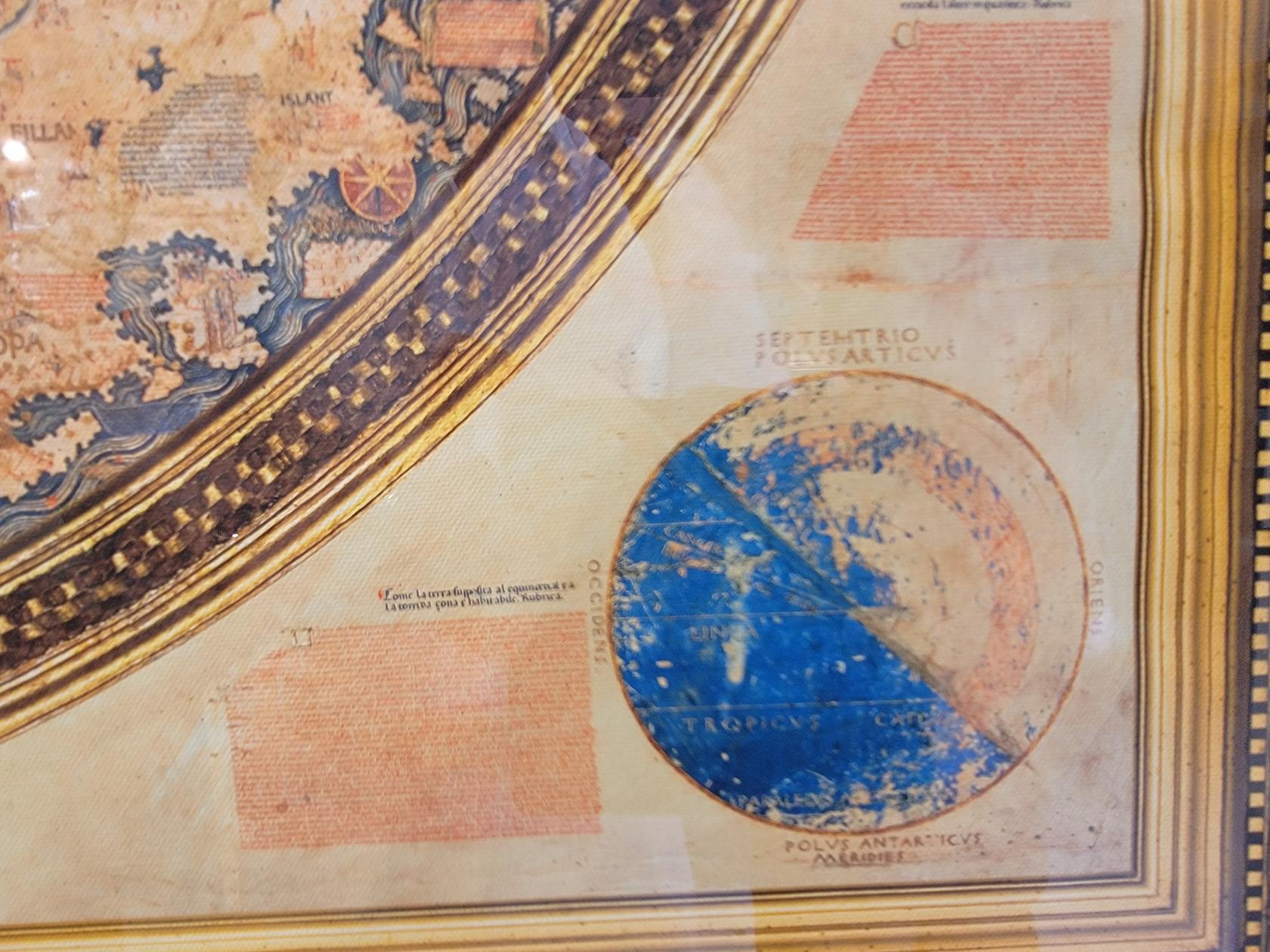
Upsidedowm Map of Europe, Middle East, Part of Africa, Asia and India subcontinent – Marco Polo House – Korčula, Croatia
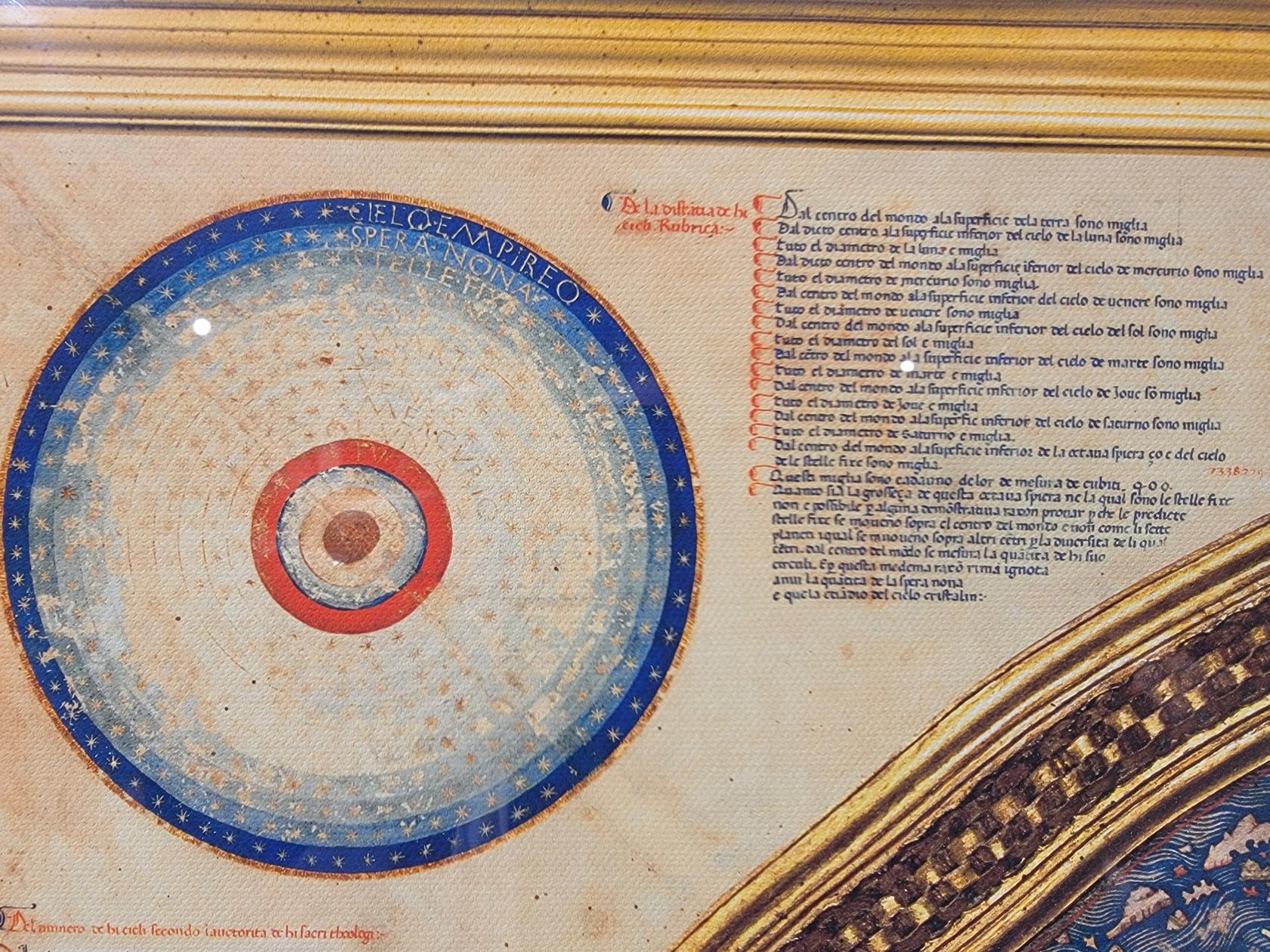
Upper Left Corner Details – Continents Map – Marco Polo House – Korčula, Croatia
Upper Left Corner Details – Continents Map – Marco Polo House – Korčula, Croatia
Upper Right Corner Details – Continents Map – Marco Polo House – Korčula, Croatia
Lower Left Corner Details – Continents Map – Marco Polo House – Korčula, Croatia
Lower Right Corner Details – Continents Map – Marco Polo House – Korčula, Croatia
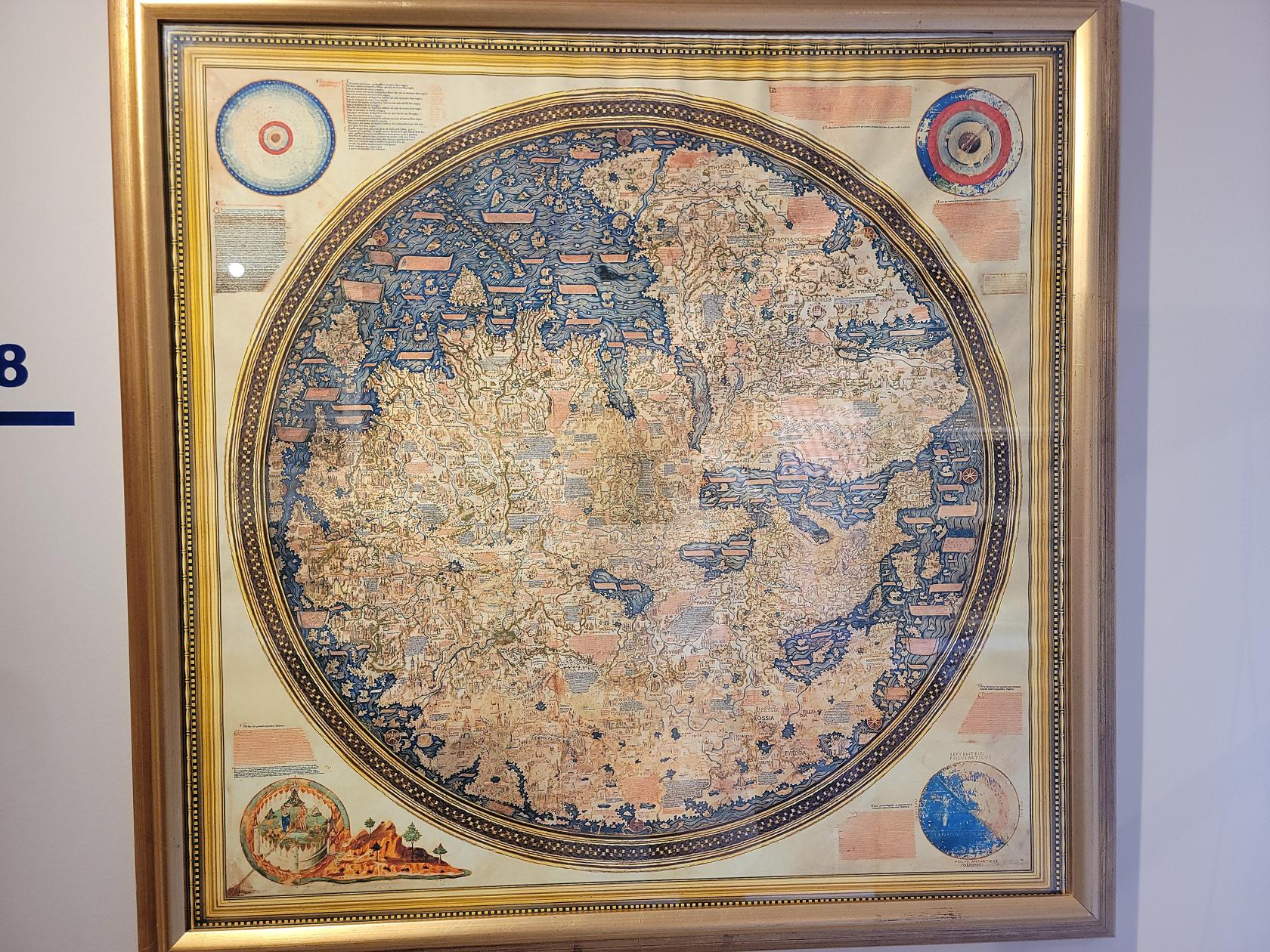
Old Map of Europe and Asia – Marco Polo House – Korčula, Croatia
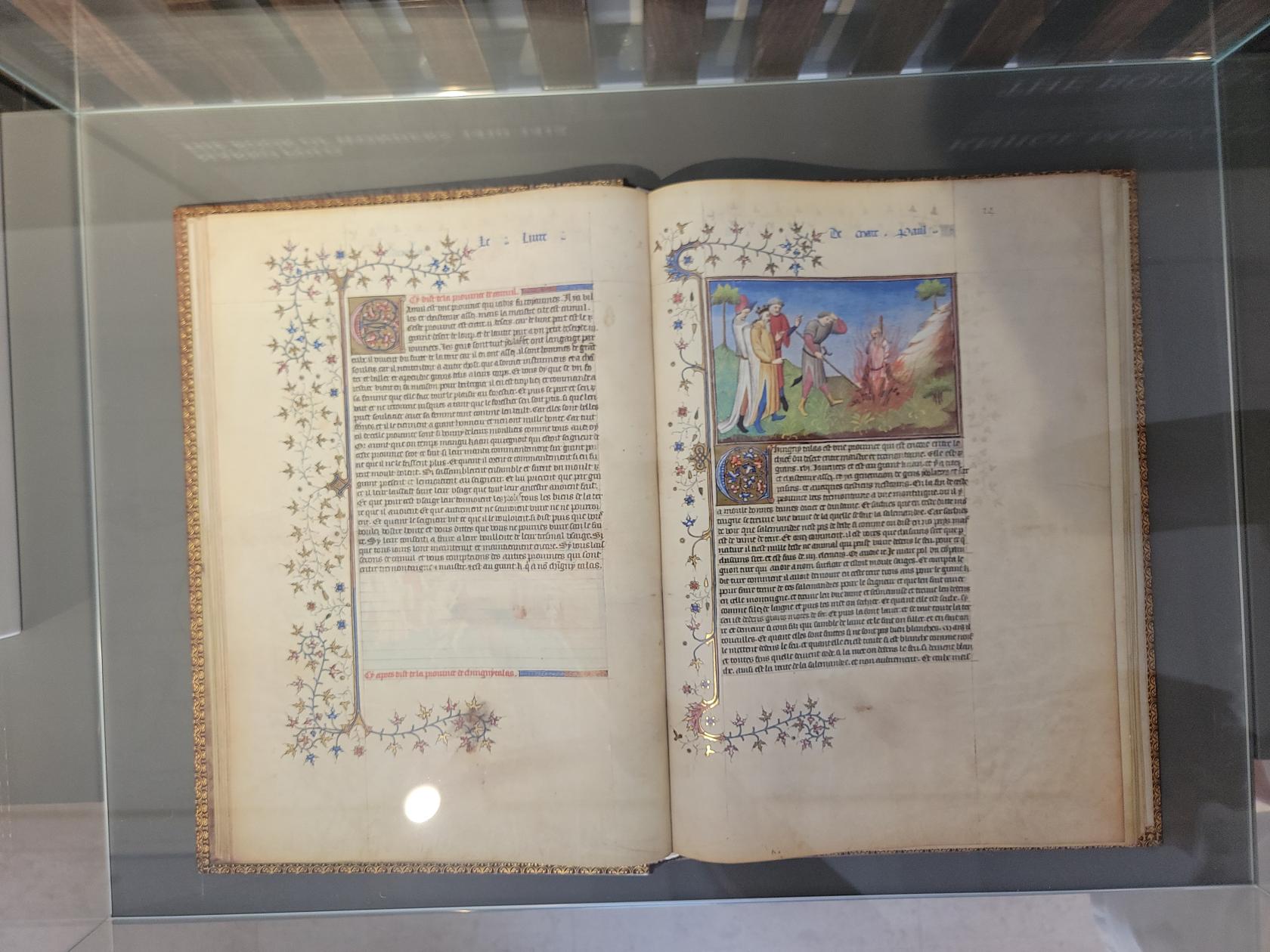
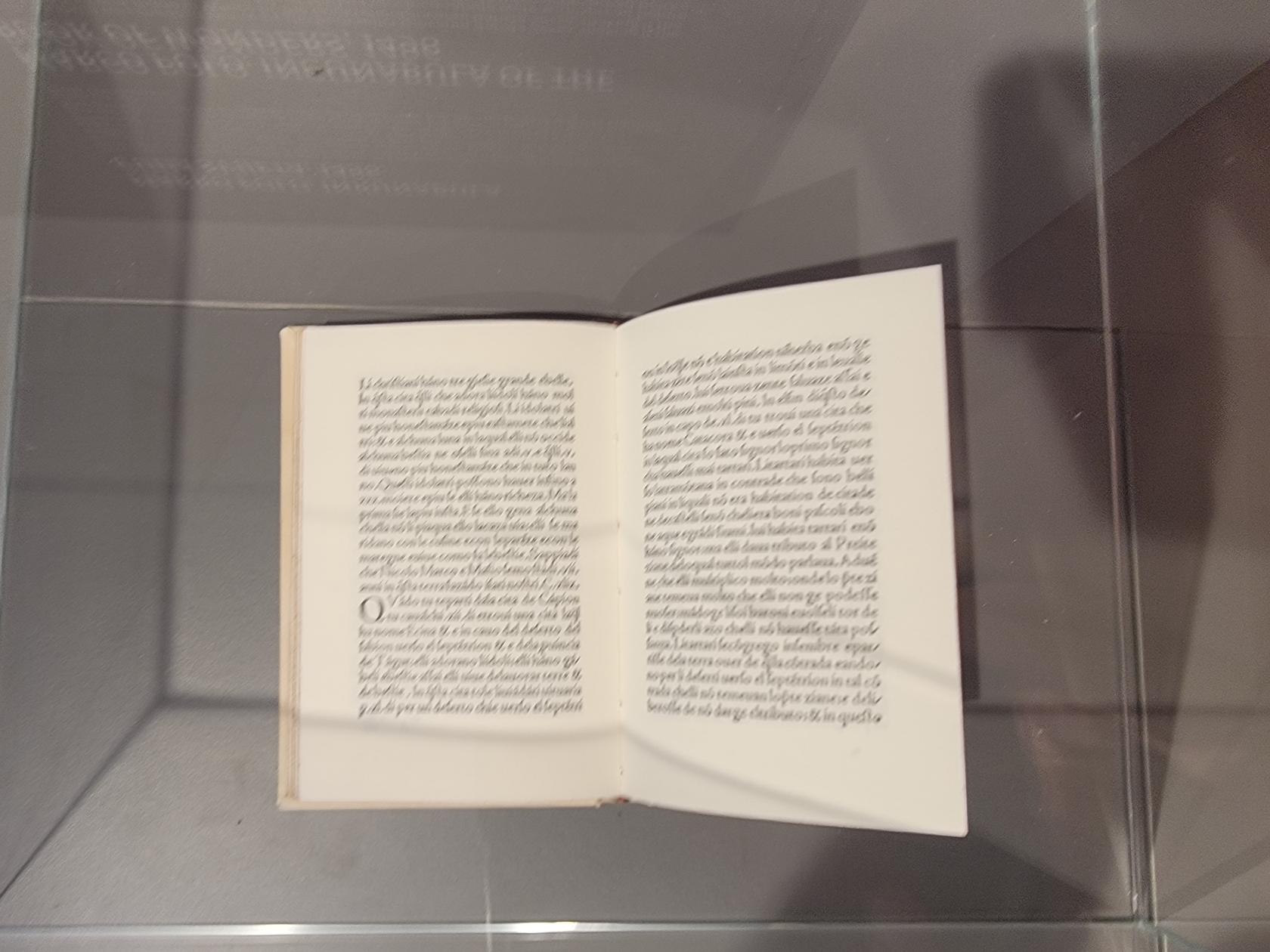
Old Book – Marco Polo House – Korčula, Croatia
Old Book – Marco Polo House – Korčula, Croatia
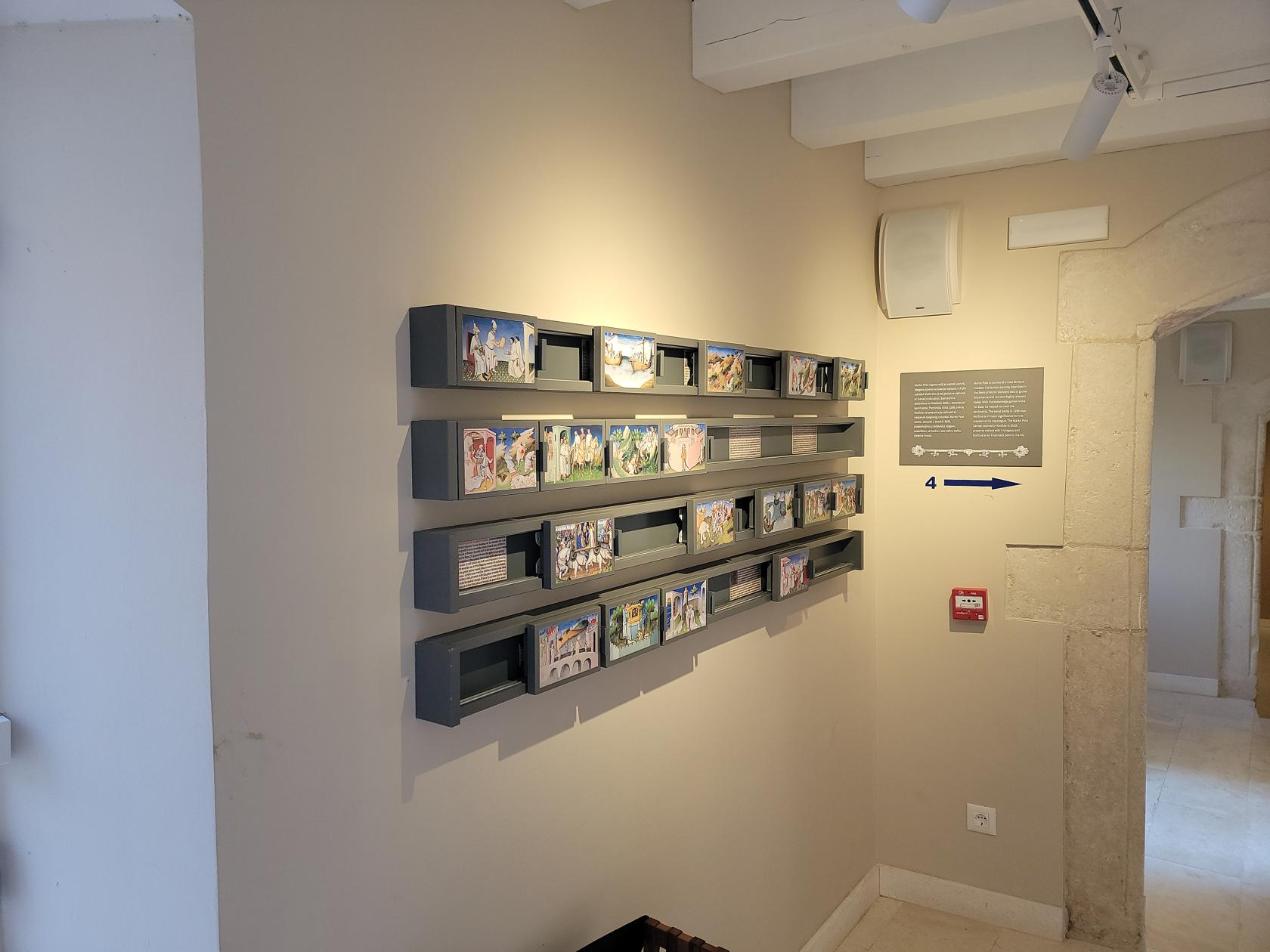
Museum learning aids – Marco Polo House – Korčula, Croatia
Old Books he owned – Marco Polo House – Korčula, Croatia
Map of Known World – Marco Polo House – Korčula, Croatia
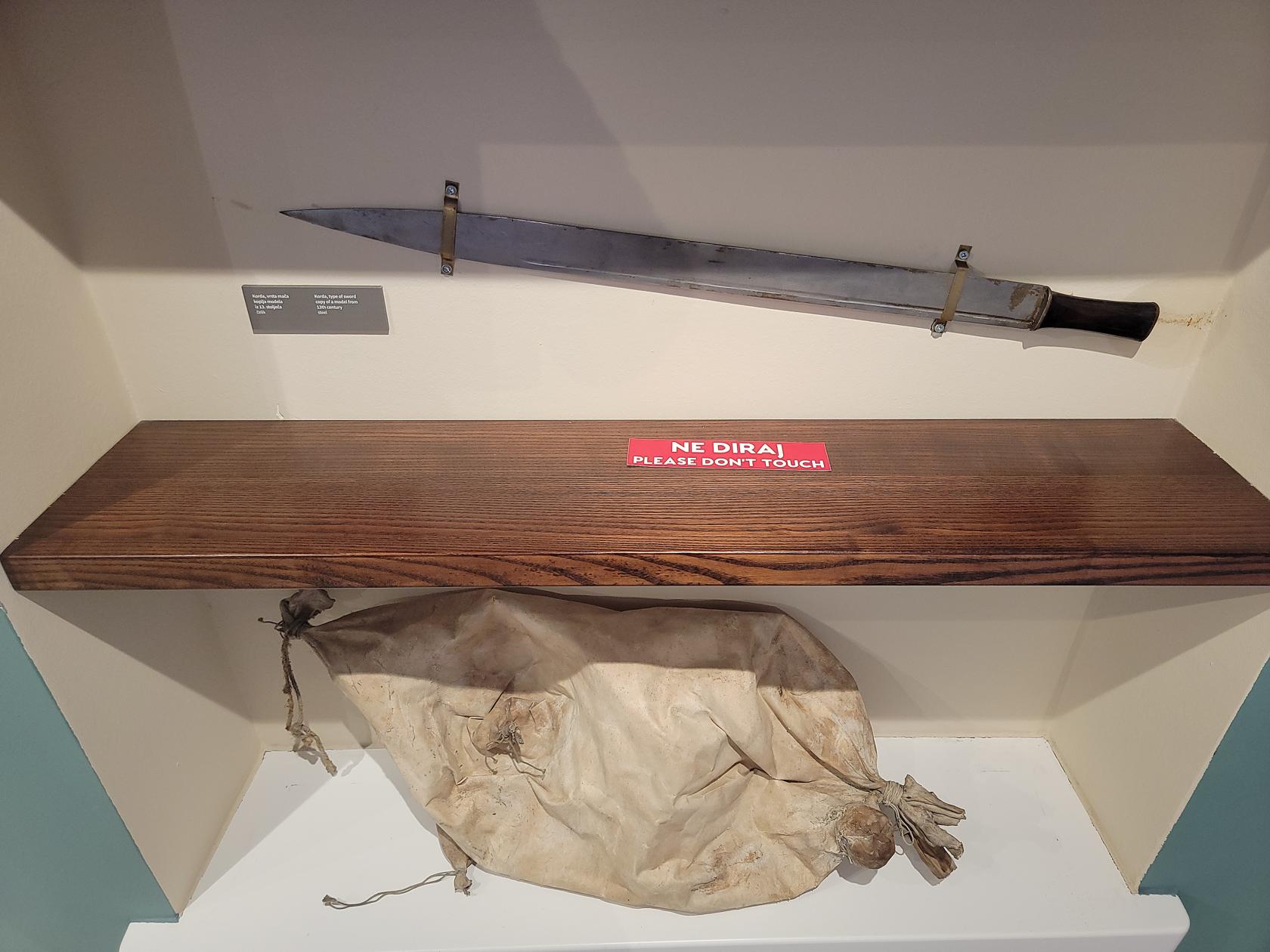
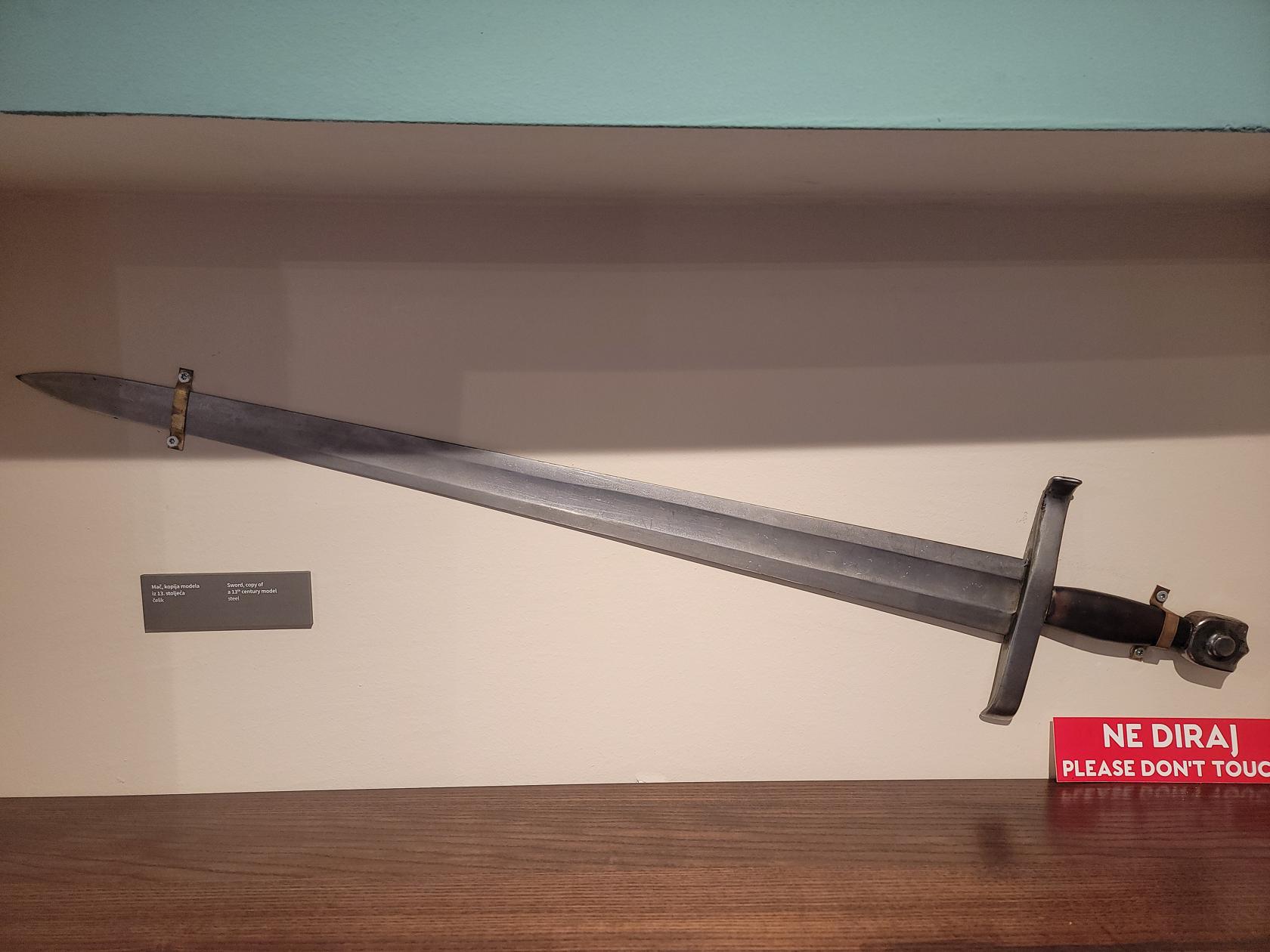
His long twenty-seven years journey into Asia is the central theme. Some of the artifacts are copies or replicas, but the genuine one are very interesting.
Weapons Display – Marco Polo House – Korčula, Croatia
Model of a 13th Century Axe – Marco Polo House – Korčula, Croatia
Model of a 13th Century Sword – Marco Polo House – Korčula, Croatia
Model of a 13th Century Sword – Marco Polo House – Korčula, Croatia
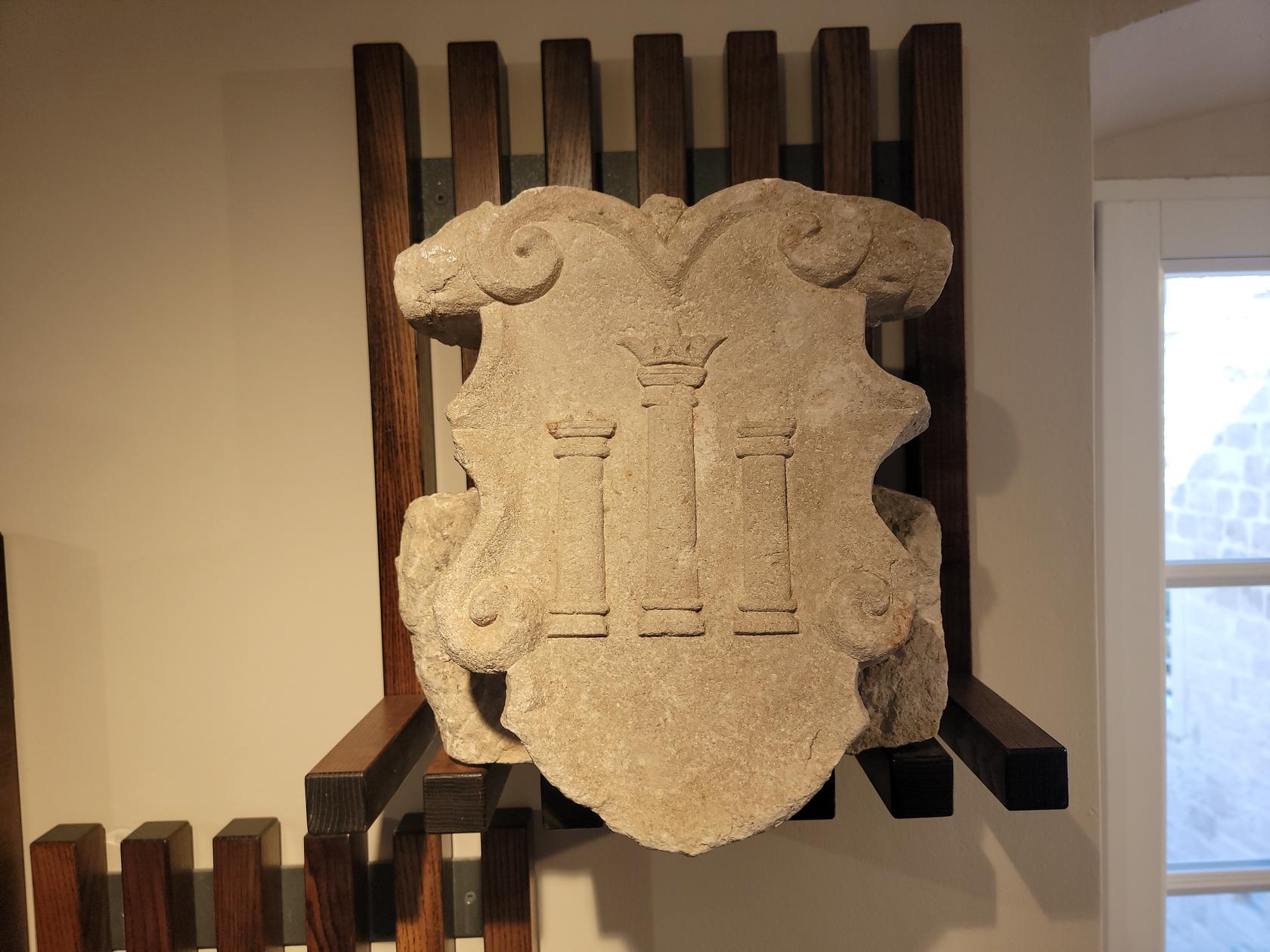
Coat of Arms – Korčula, Croatia
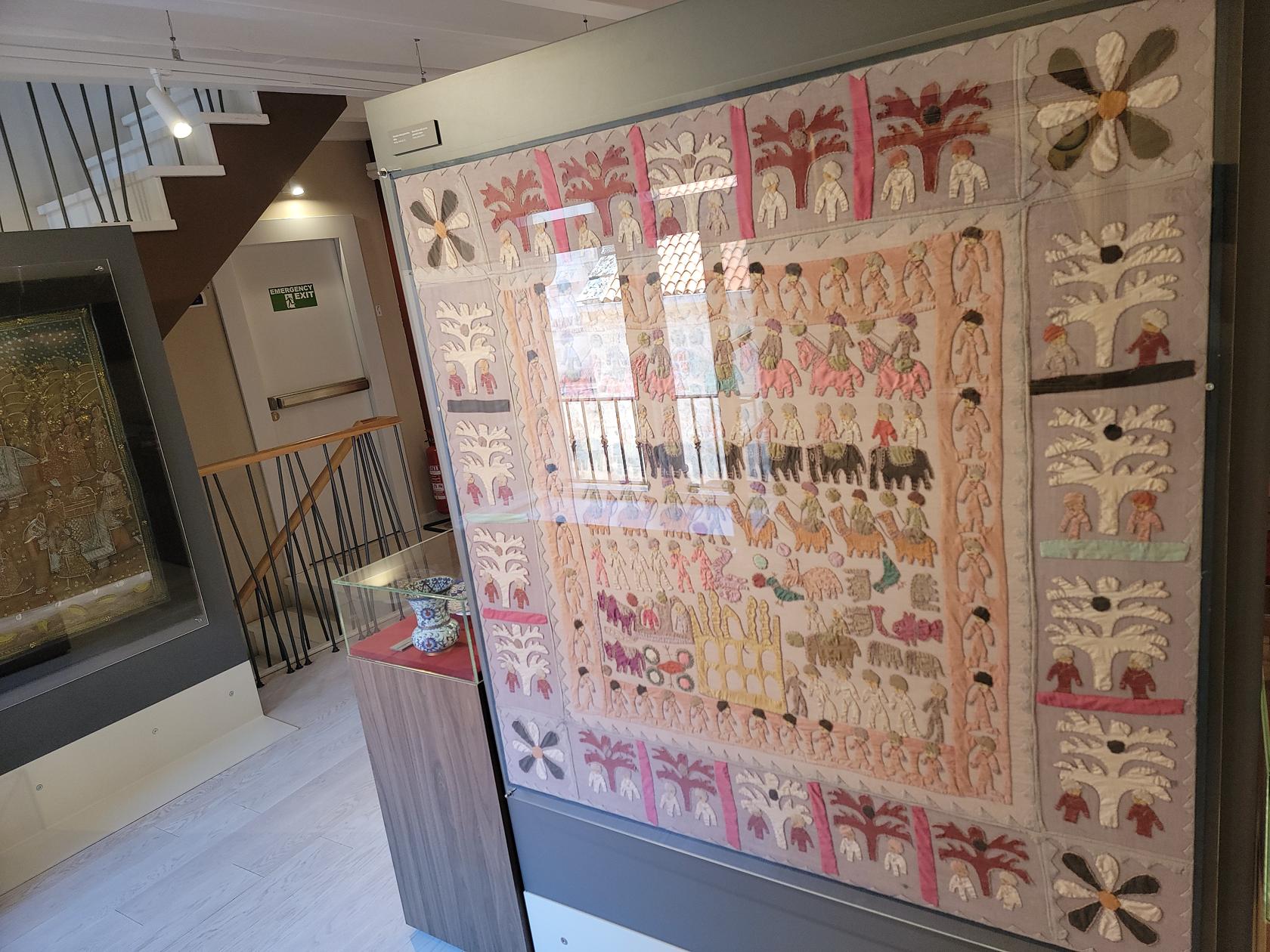
Tapestry – Marco Polo House – Korčula, Croatia
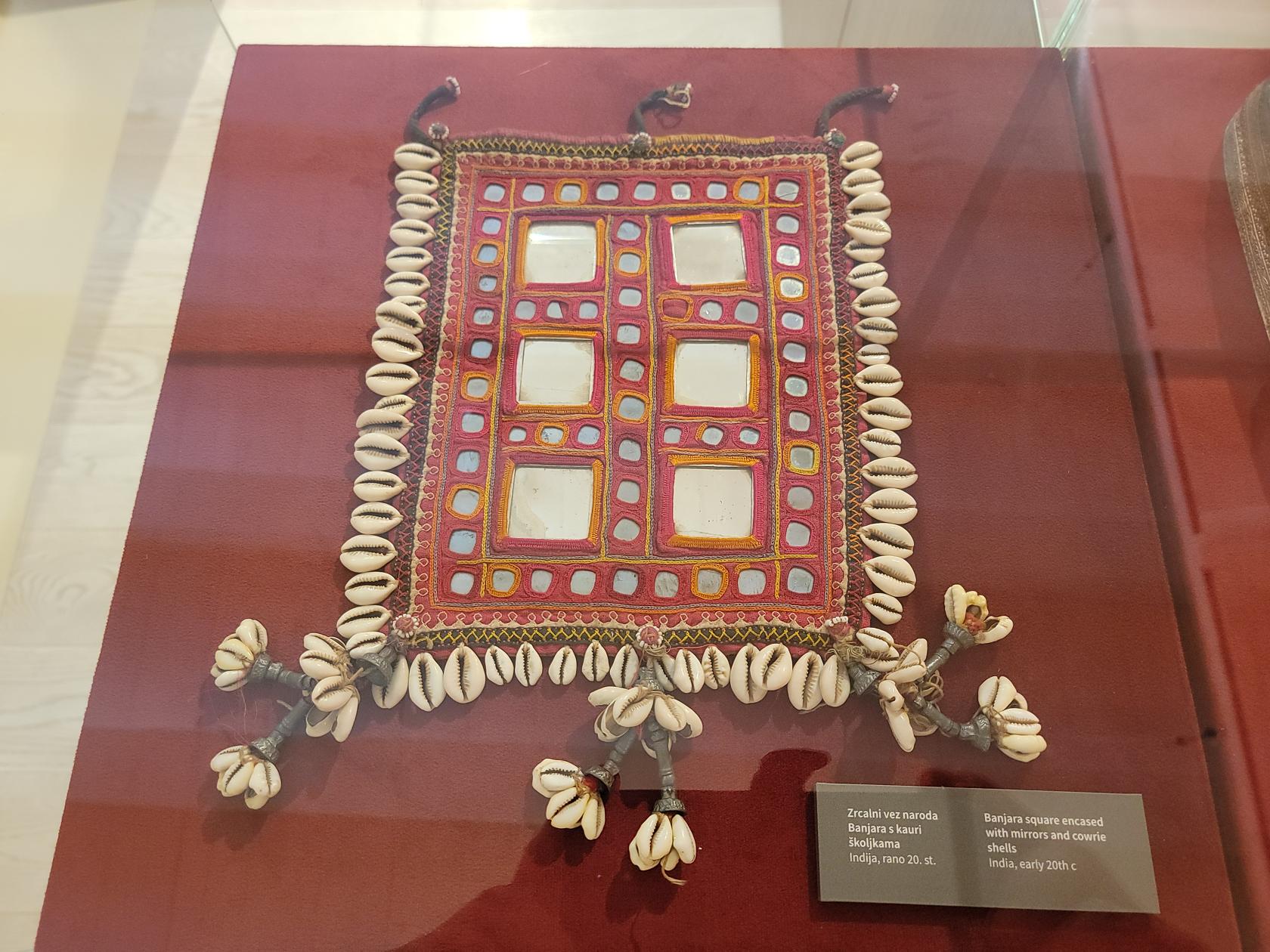
Indian Artifact – Marco Polo House – Korčula, Croatia
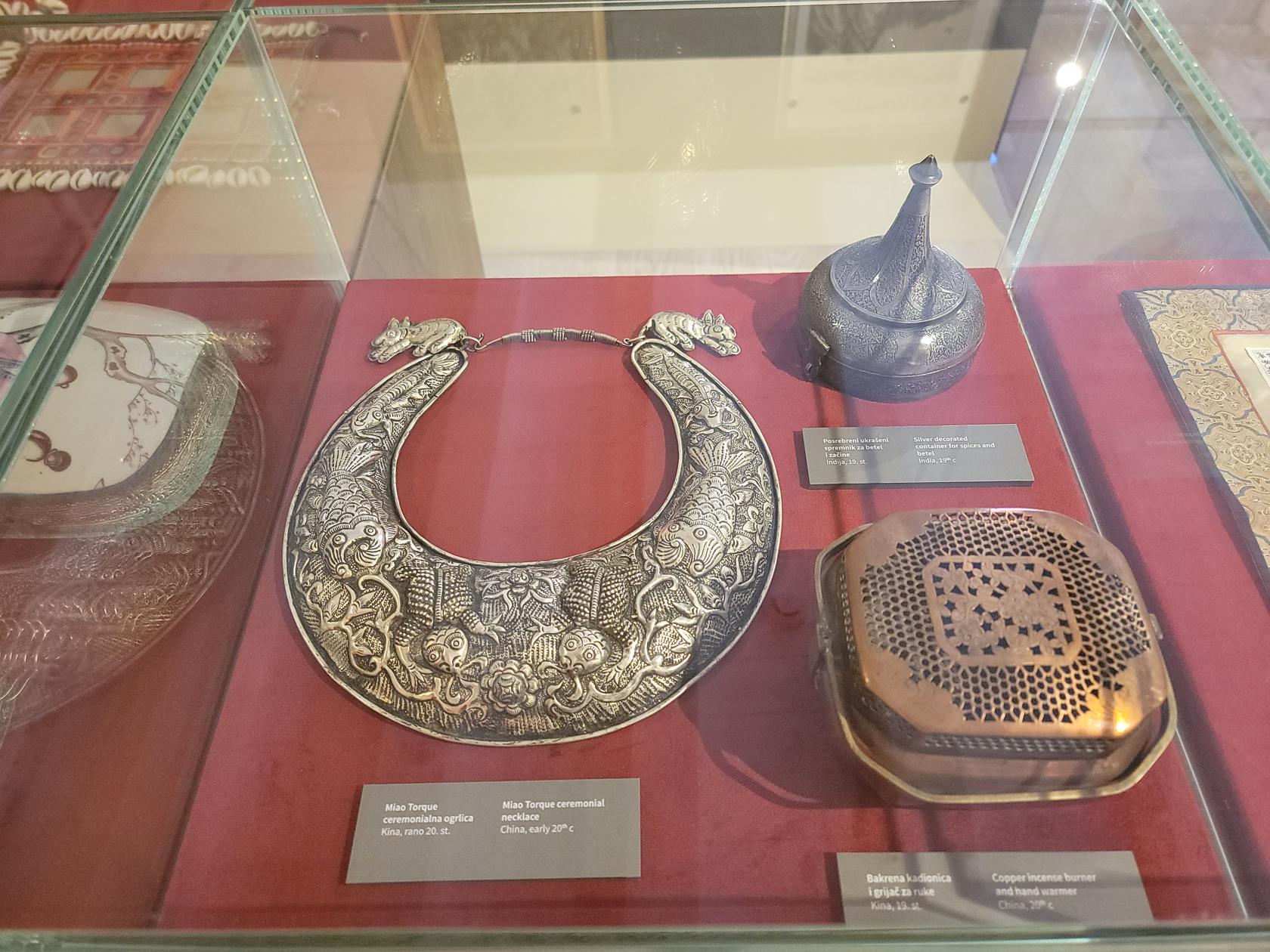
Chinese Necklace and Copper Burner, an Indian Spice Container – Marco Polo House – Korčula, Croatia
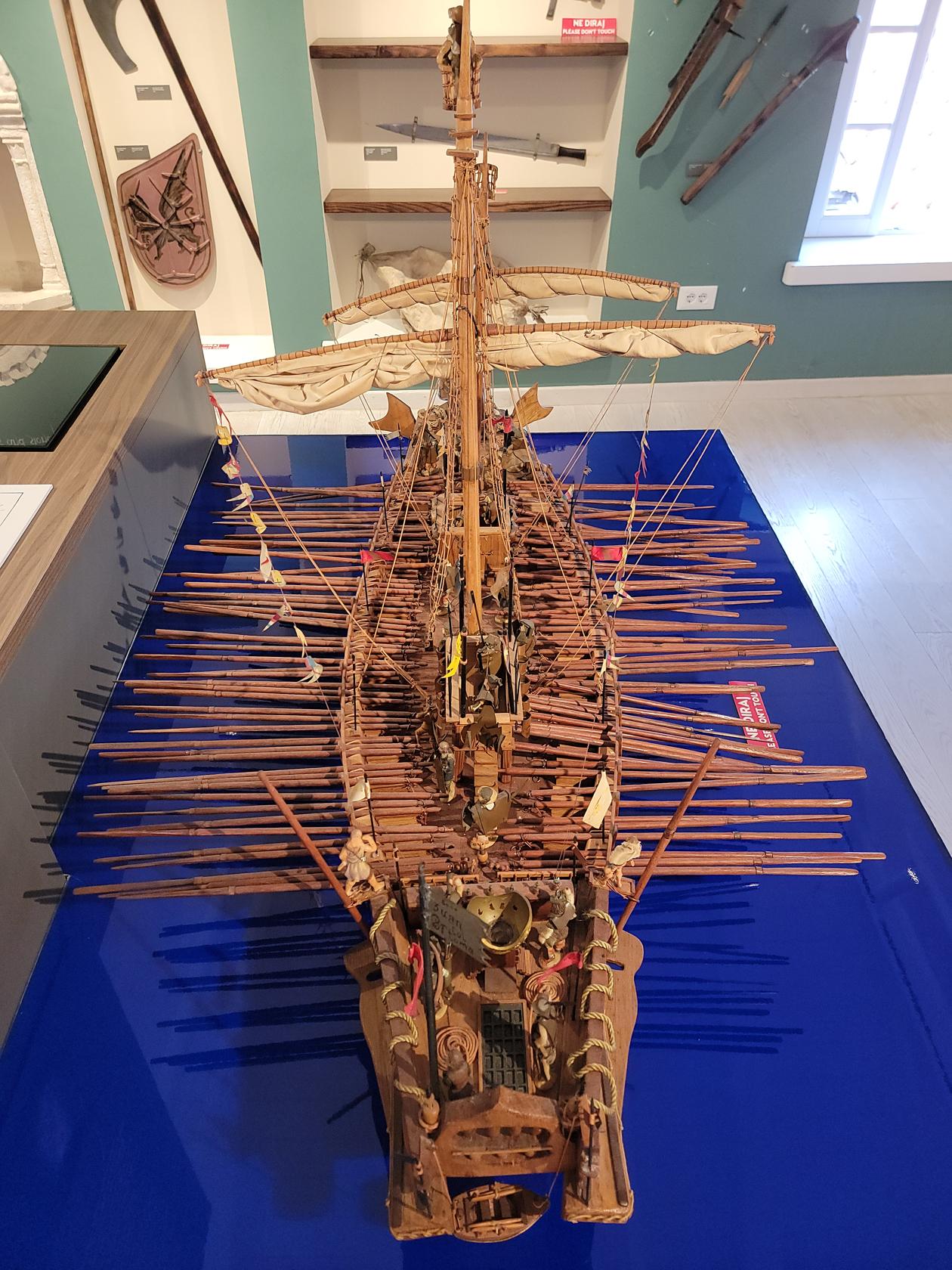
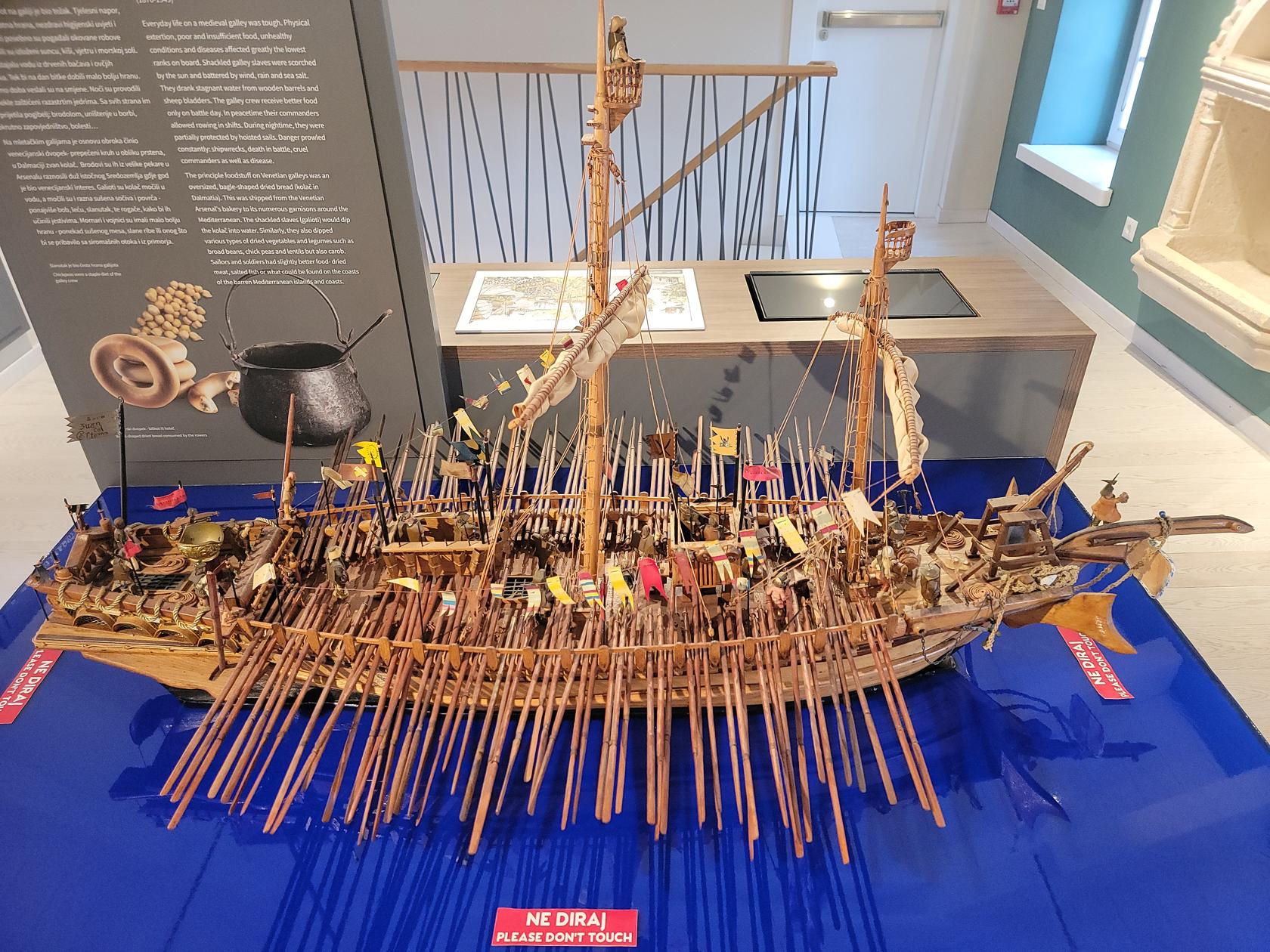
Of special interest were the model boat, a replica used in his travels, as well as assorted maps and other forms of reference used during the adventure.
Ship Model – Marco Polo House – Korčula, Croatia
Ship Model – Marco Polo House – Korčula, Croatia
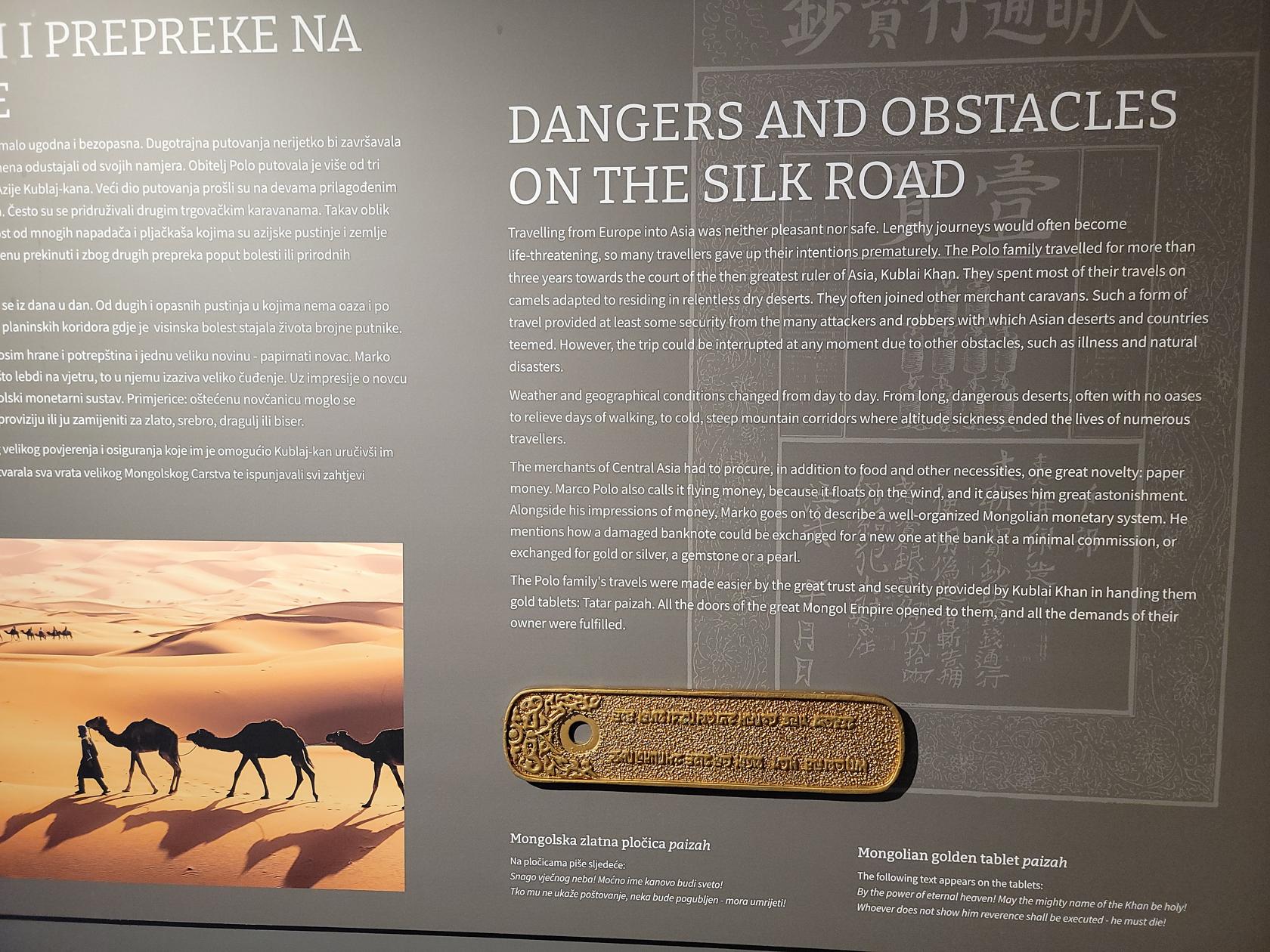
One special artifact is that of the Tablet that Kubla Khan had given his company for safe travel. It essentially gave them Carte Blanche through the countryside. Anyone interfering with them, risked Khan and his army descending upon them.
Khan’s Golden Tablet – Marco Polo House – Korčula, Croatia
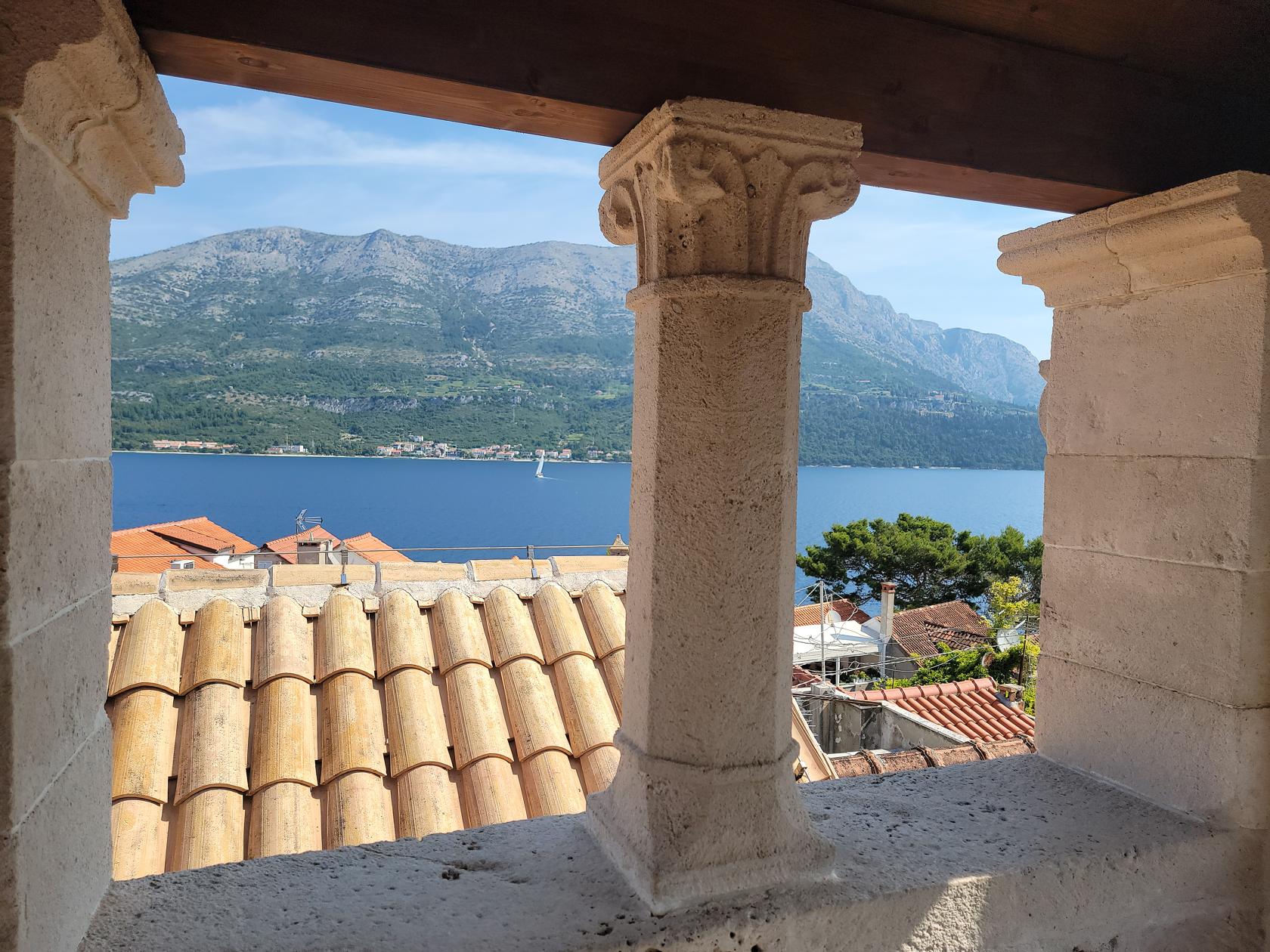
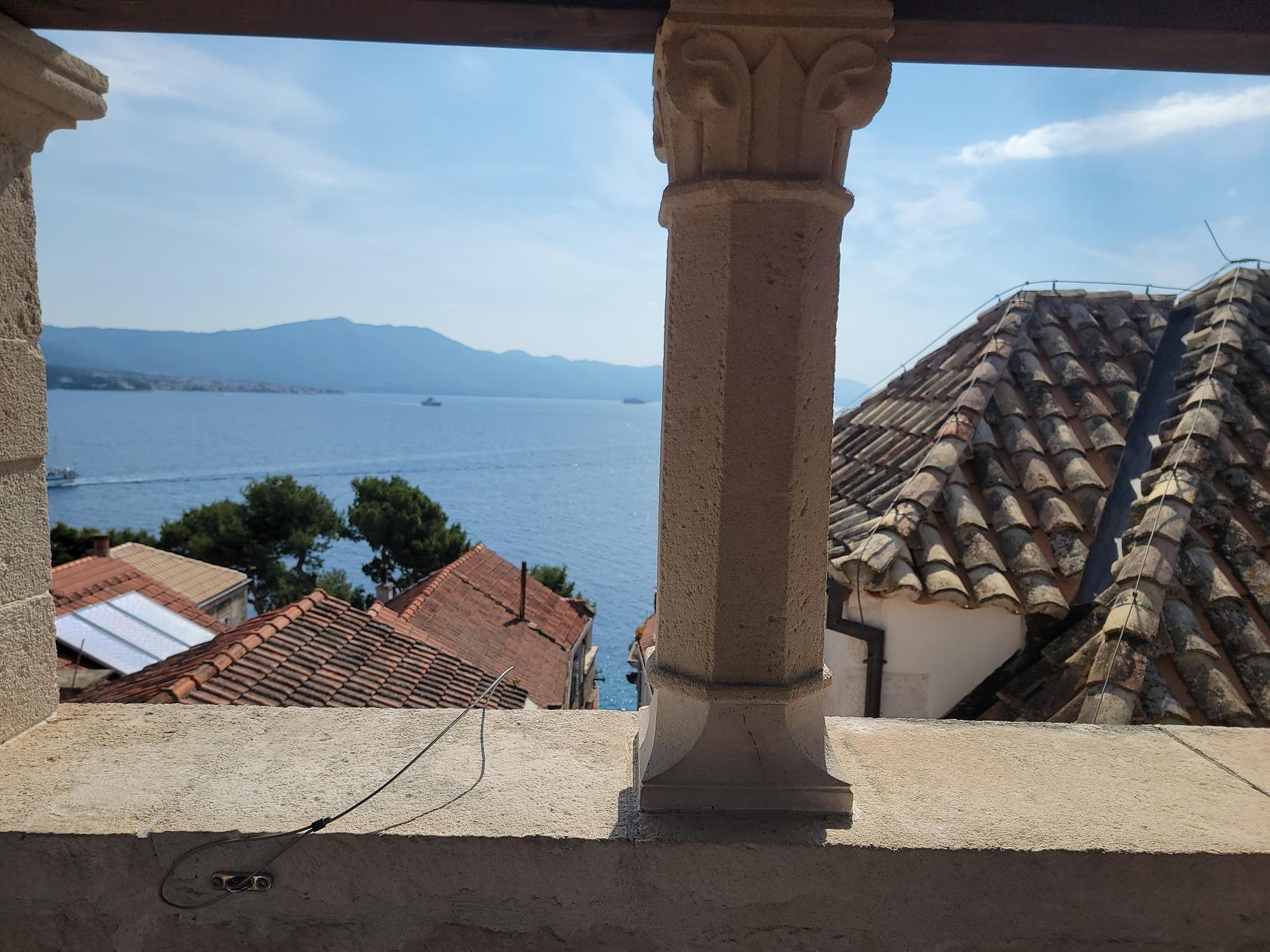
One of the last things to visit is the house tower, which commands a modest view of the surrounding area.
Entrance to Tower – Marco Polo House – Korčula, Croatia
Tower Views – Marco Polo House – Korčula, Croatia
Tower Views – Marco Polo House – Korčula, Croatia
Tower Views – Marco Polo House – Korčula, Croatia
Churches and Cathedrals
There are a few churches in the town and one cathedral of importance. The people who live in the town are very religious and masses are well attended on the weekends, especially during holidays.
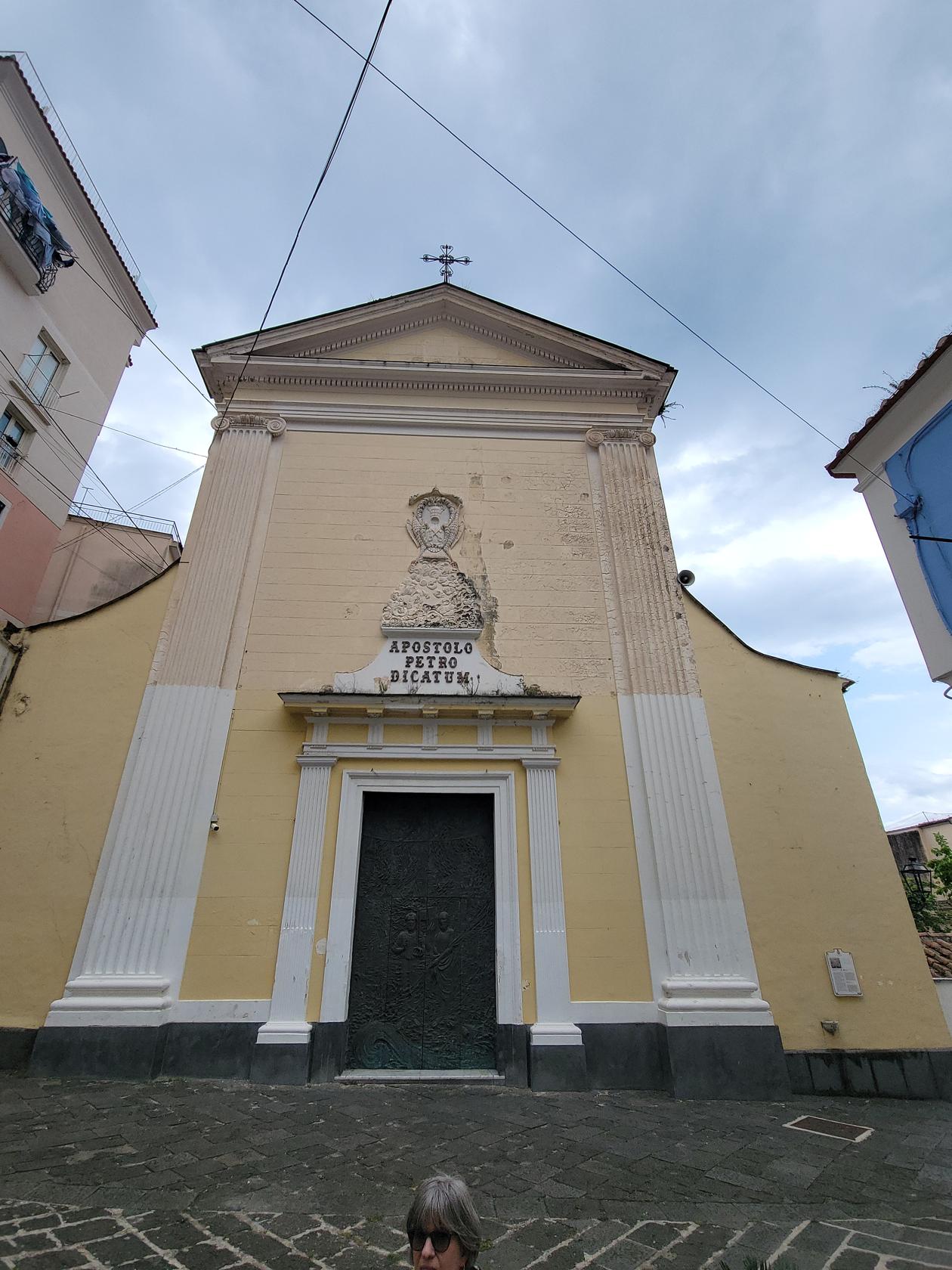
Front – Church of Saint Peter – Korčula, Croatia
Church of Saint Michael
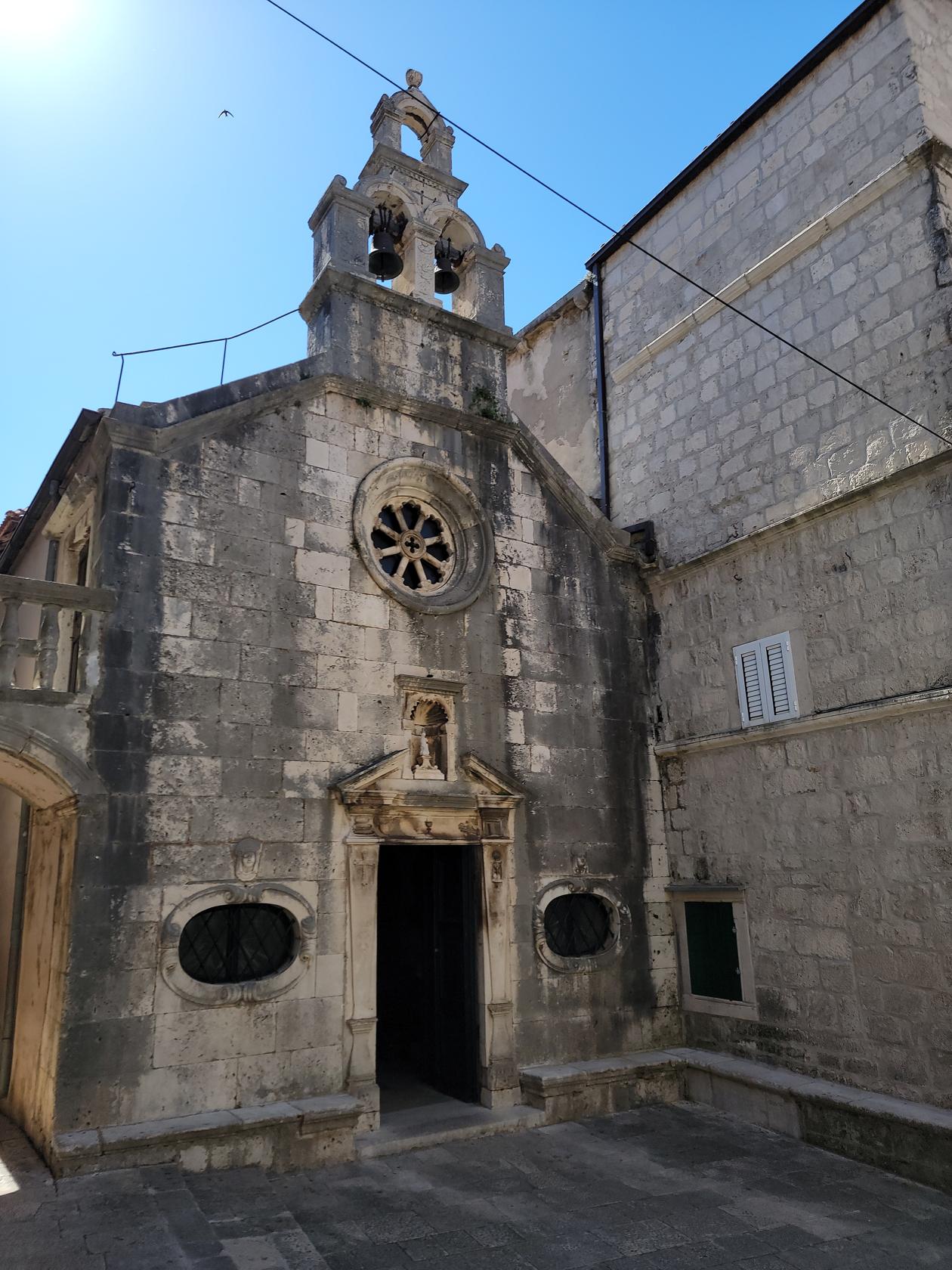
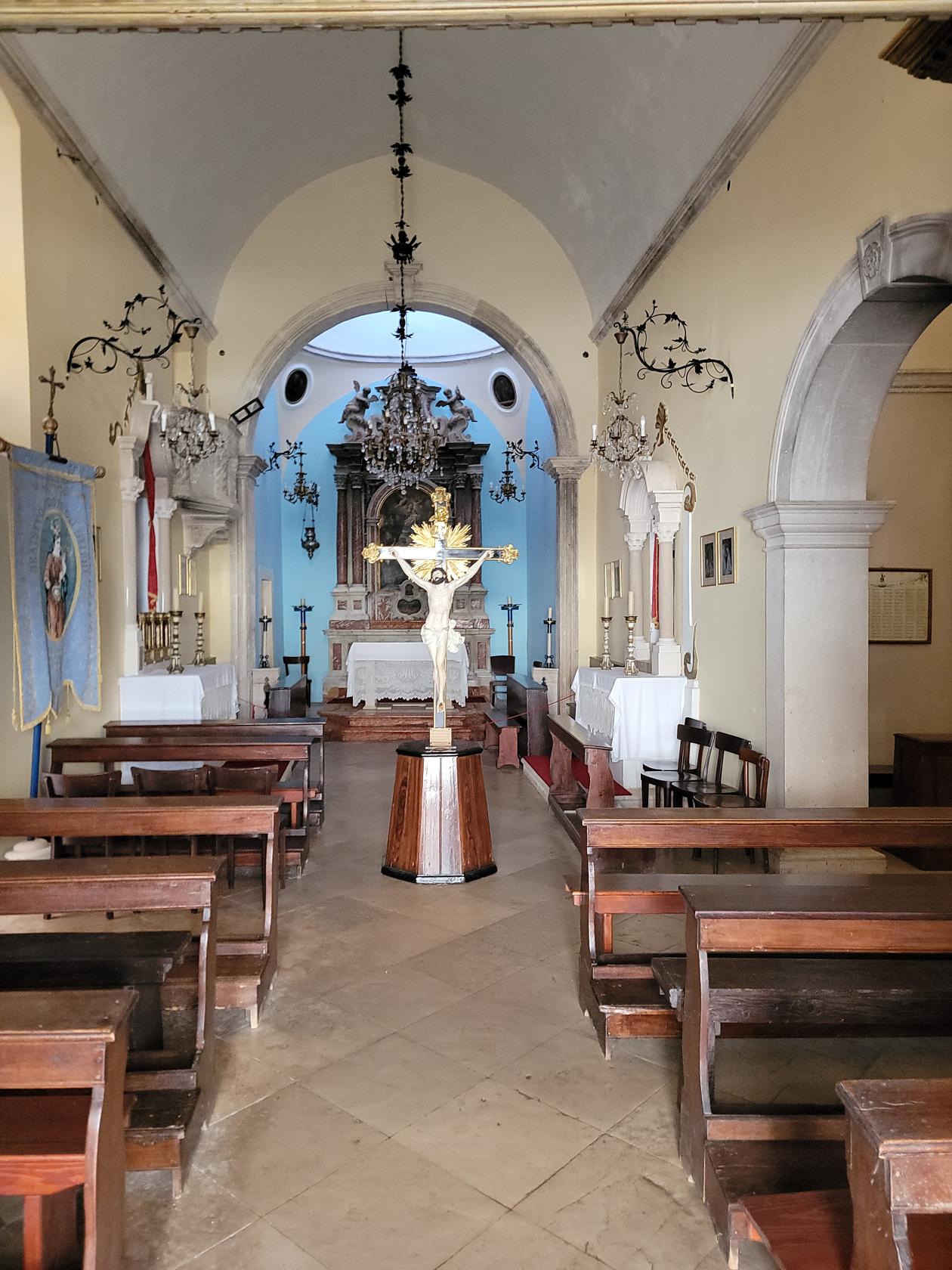
Modest from the outside and equally so inside, this church is emblematic of its worshippers’ devotion to their faith. The church’s centerpiece is Christ on the Cross.
Front – Church of Saint Michael – Korčula, Croatia
Interior – Church of Saint Michael – Korčula, Croatia
Saint Mark’s Cathedral
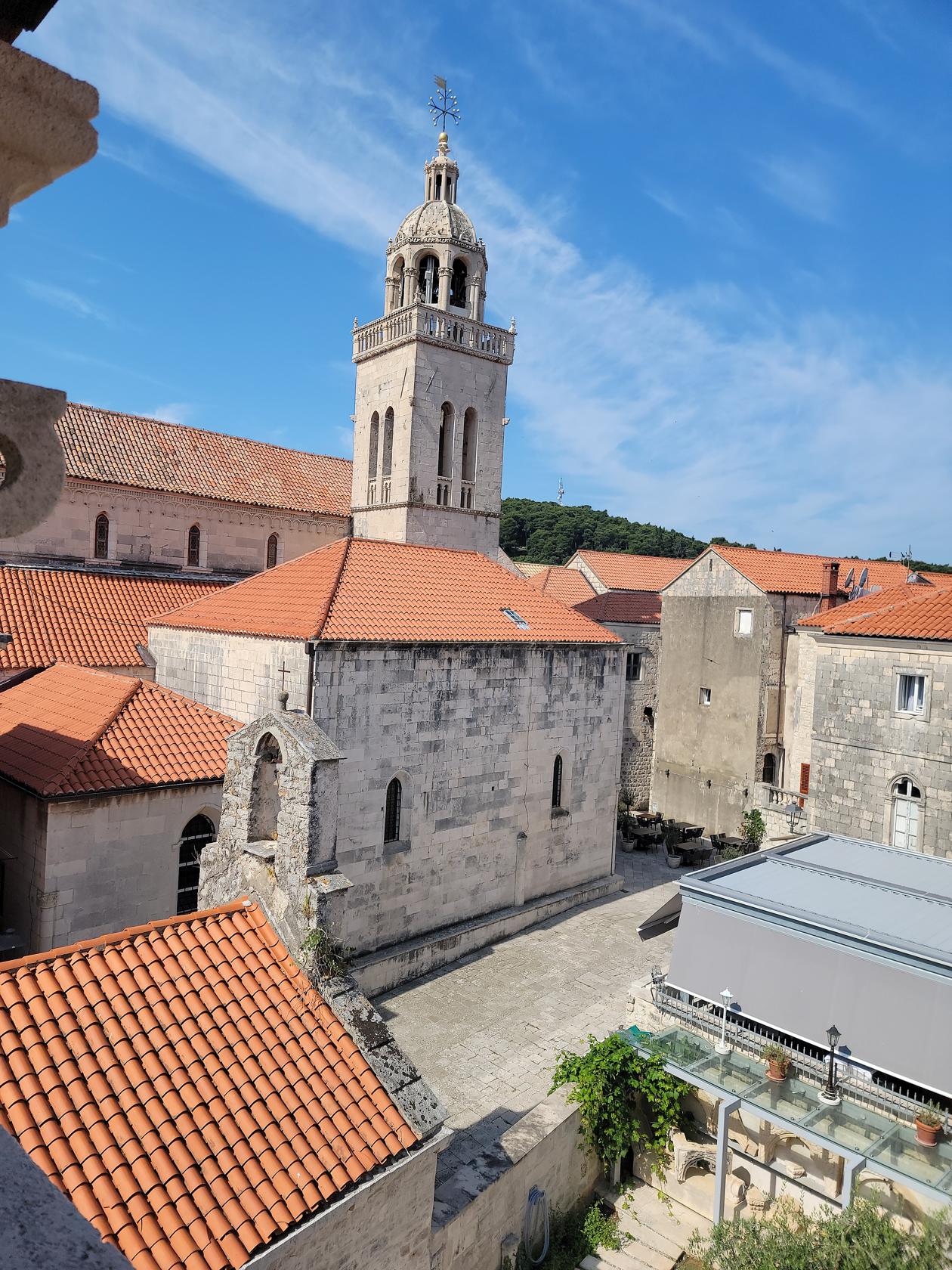
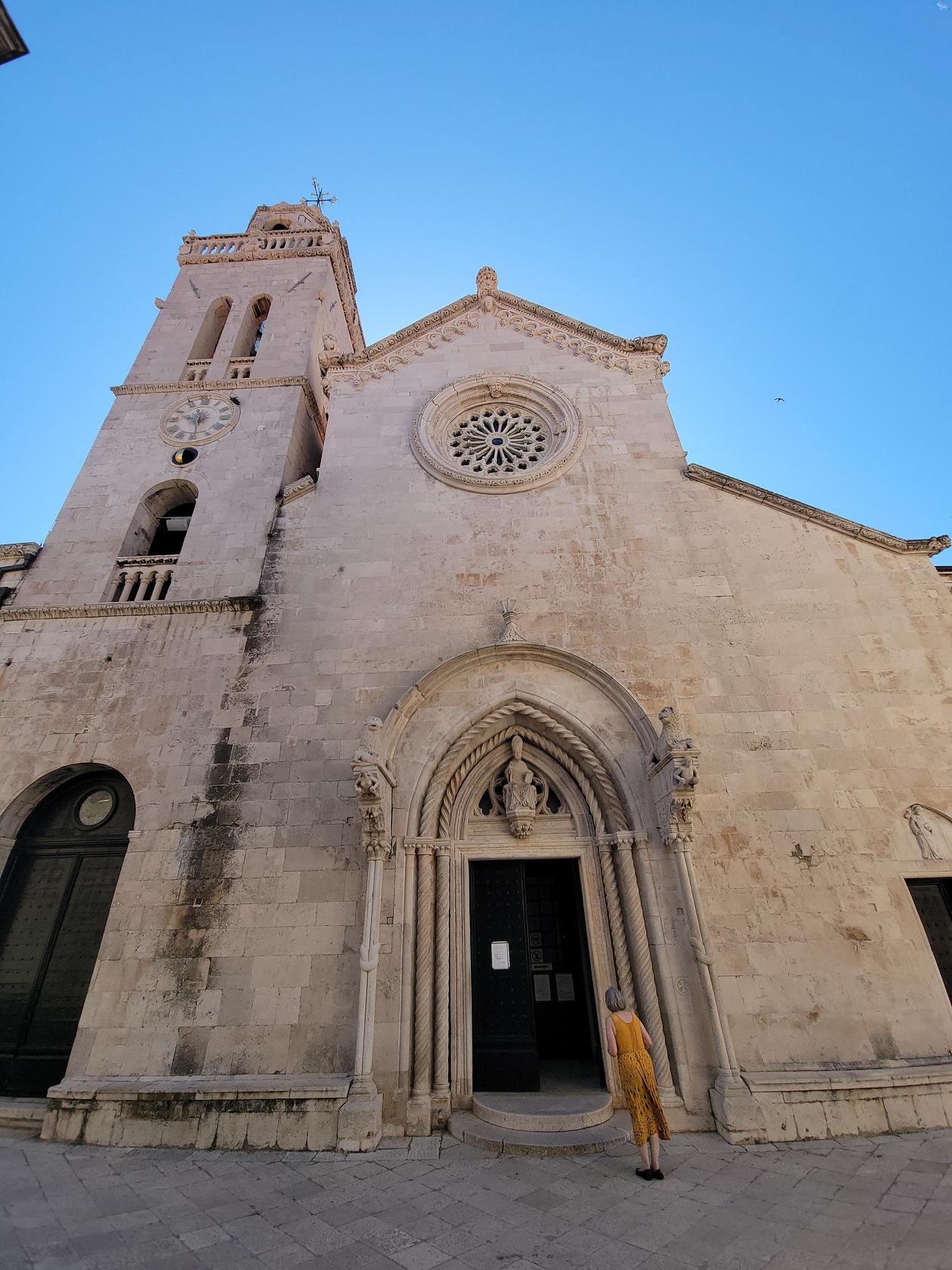
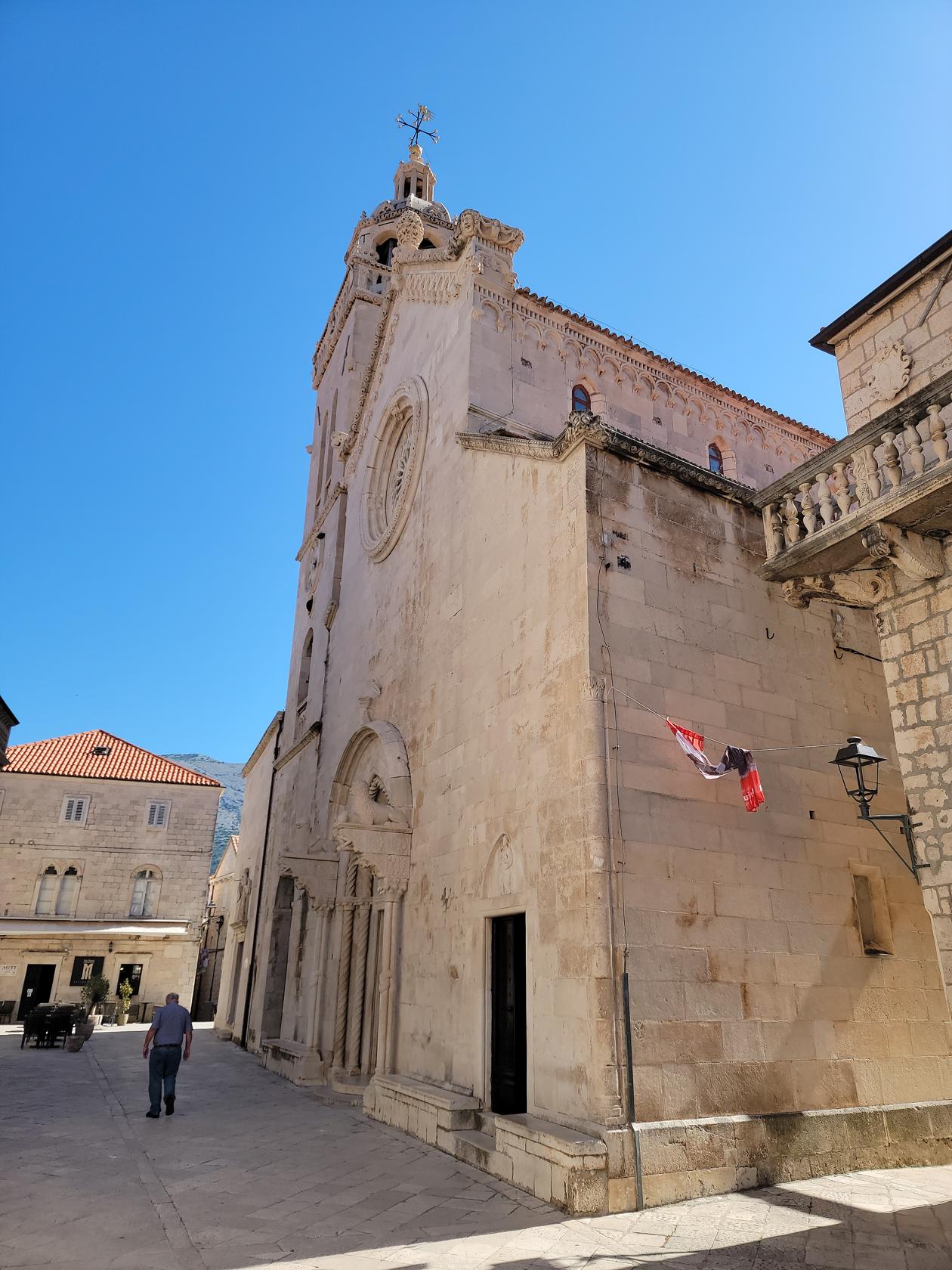
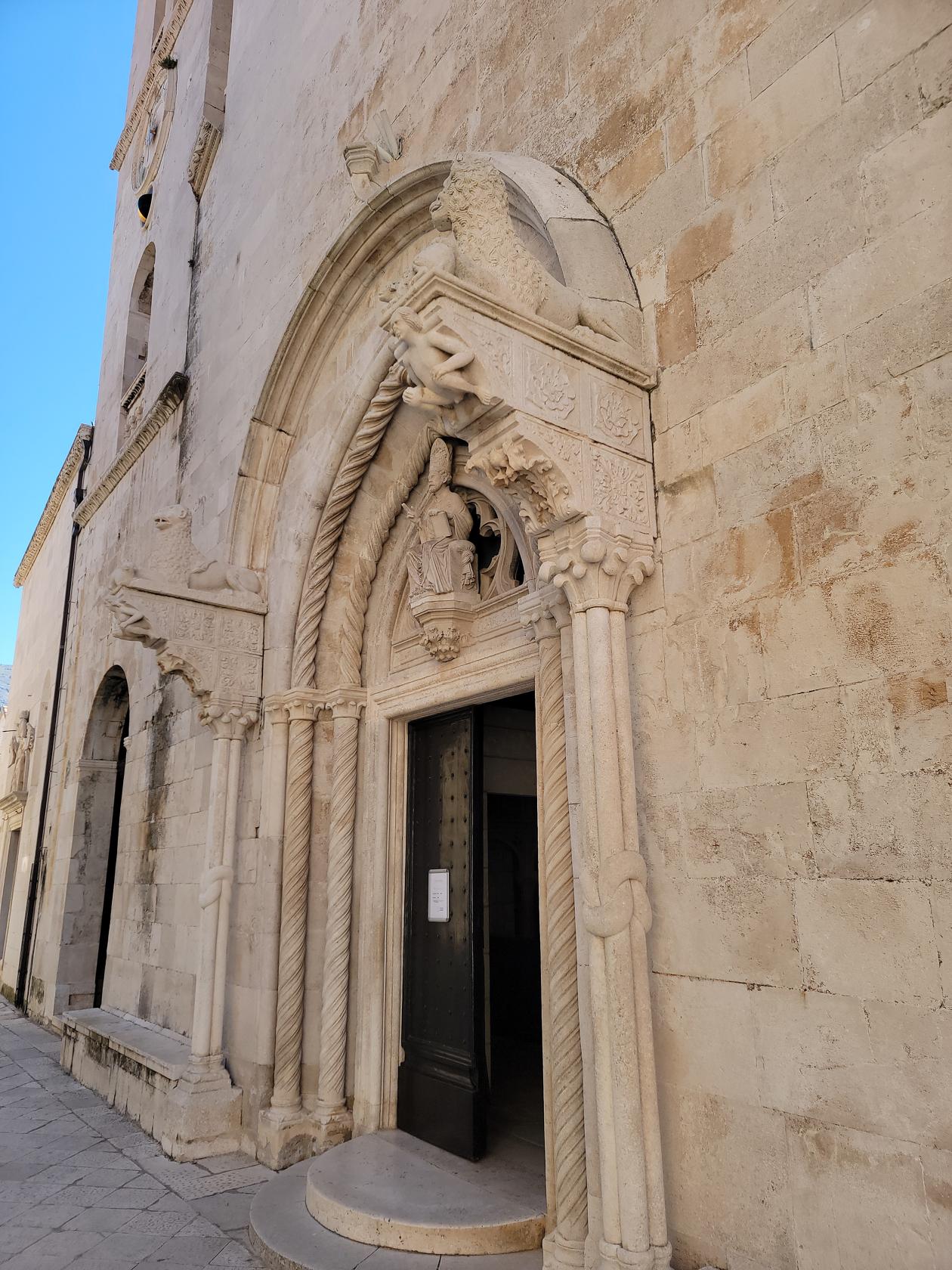
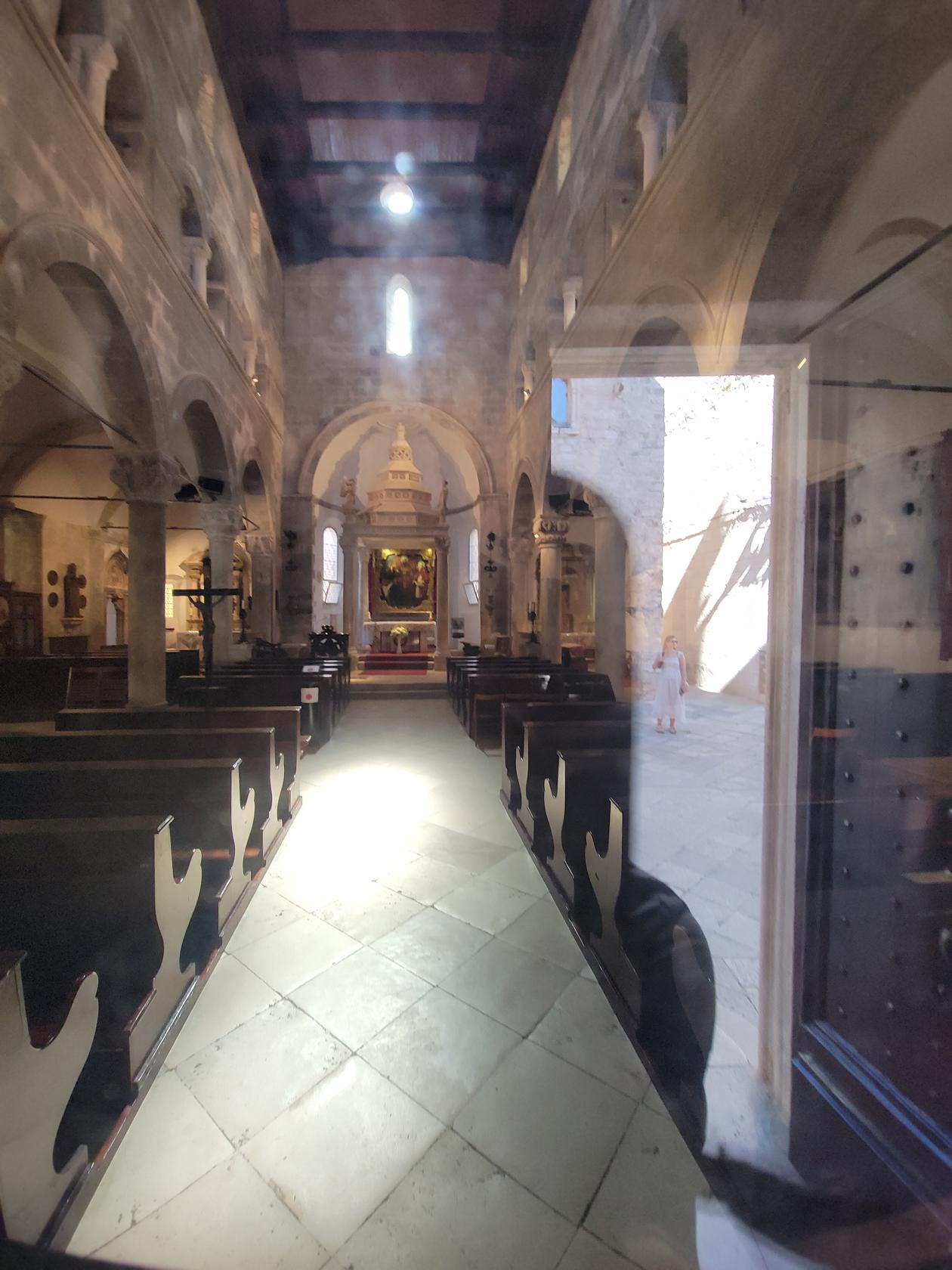
A remarkably simple example of a Romanesque-Gothic Cathedral on the small island, but no less important is Saint Mark’s. It is central to the town and is noteworthy. Visitors are required to wear respectful clothing, no shorts or inappropriate clothing is allowed, so dress accordingly.
Front Facade – Saint Mark’s Cathedral – Korčula, Croatia
Saint Mark’s Cathedral – Korčula, Croatia
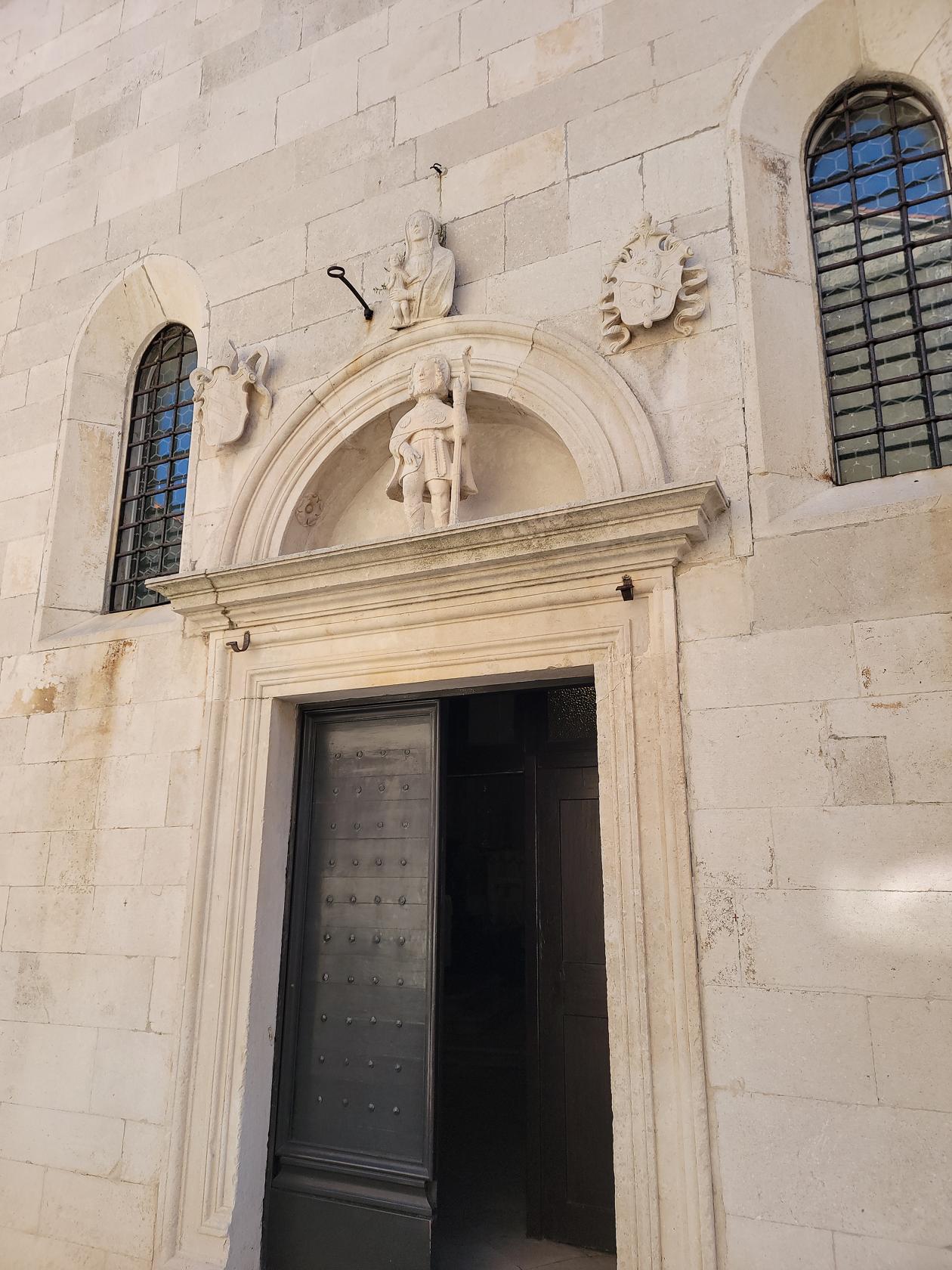
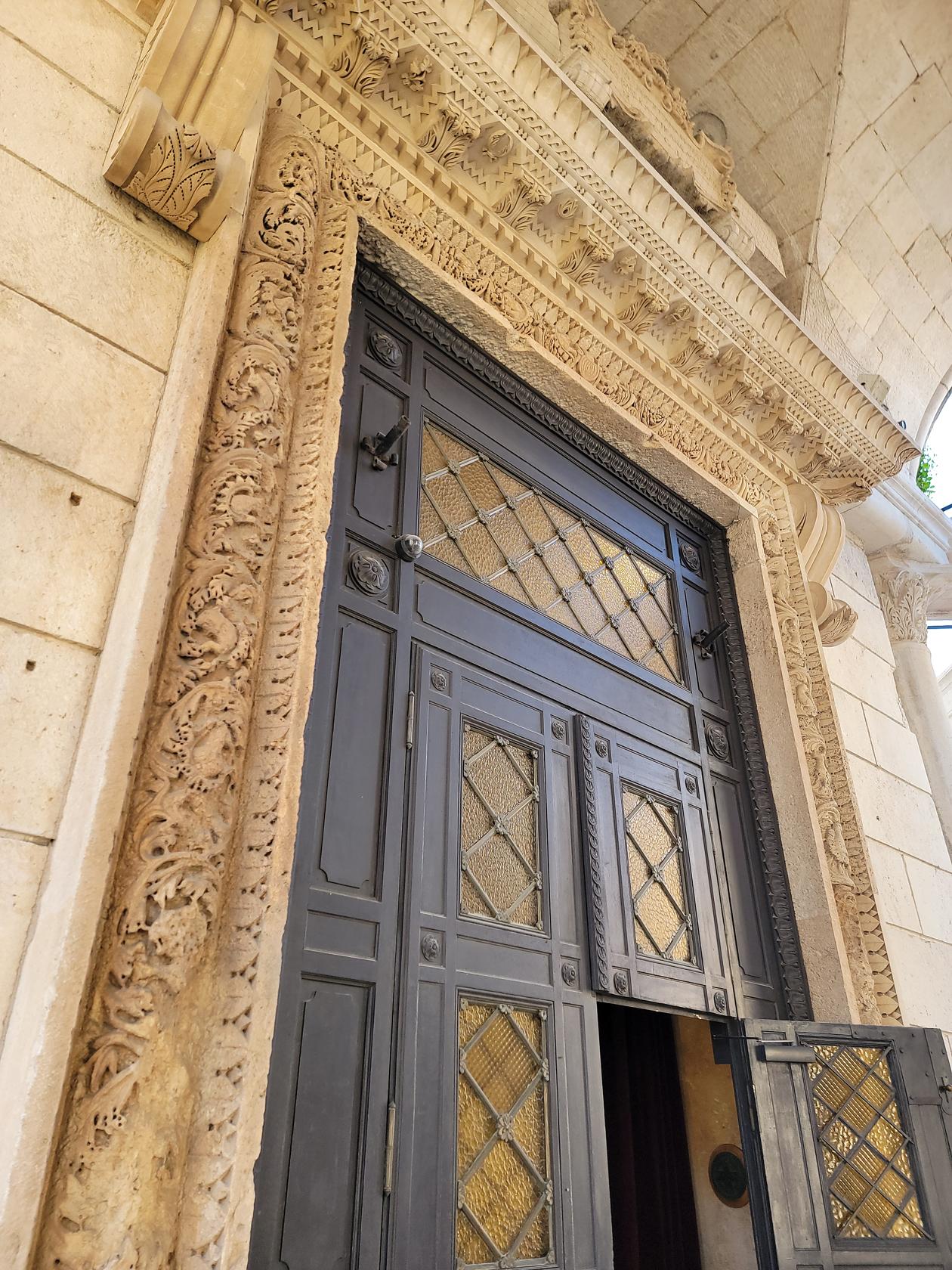
Entrance Details – Saint Mark’s Cathedral – Korčula, Croatia
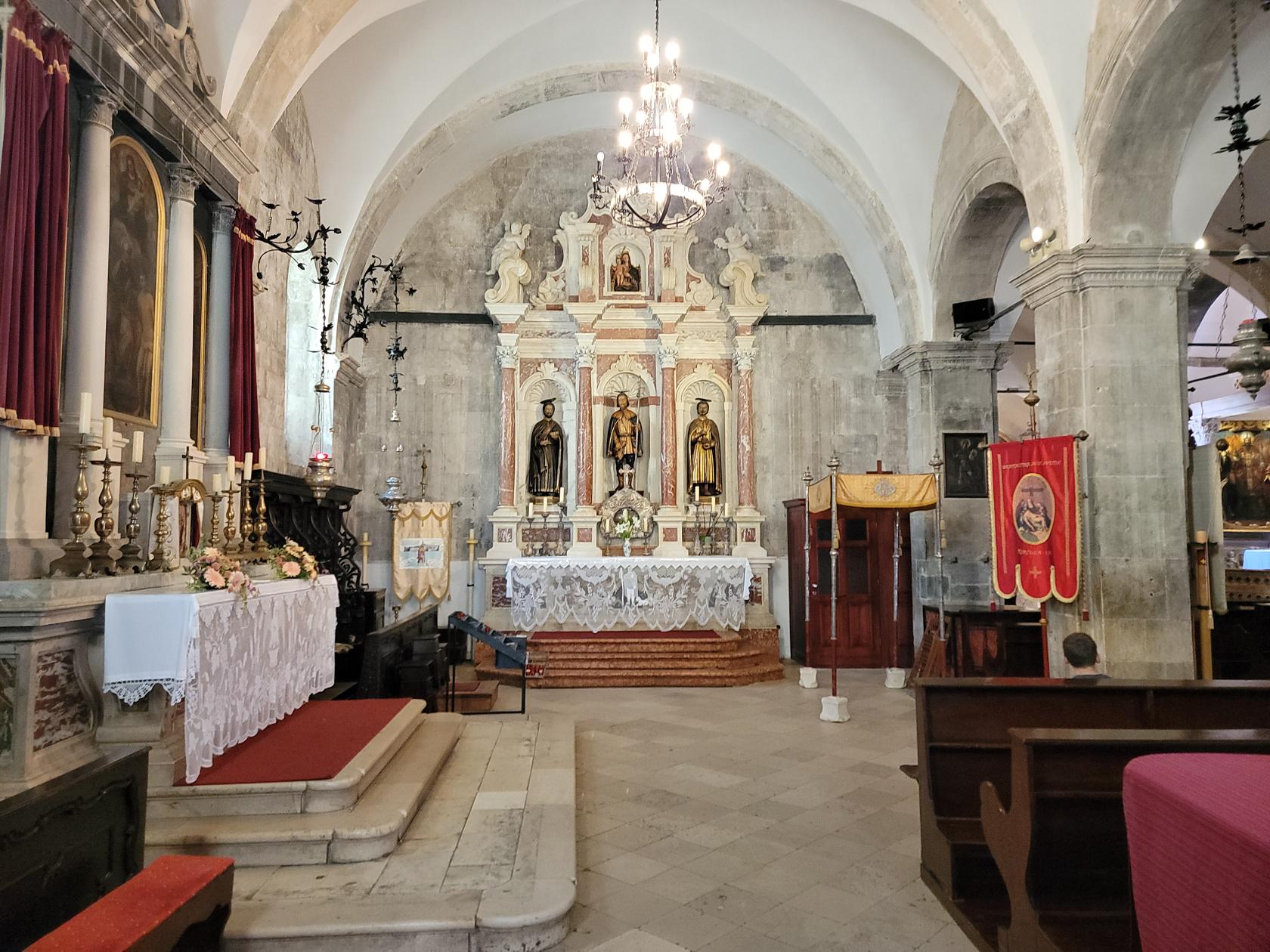
Nave – Saint Mark’s Cathedral – Korčula, Croatia
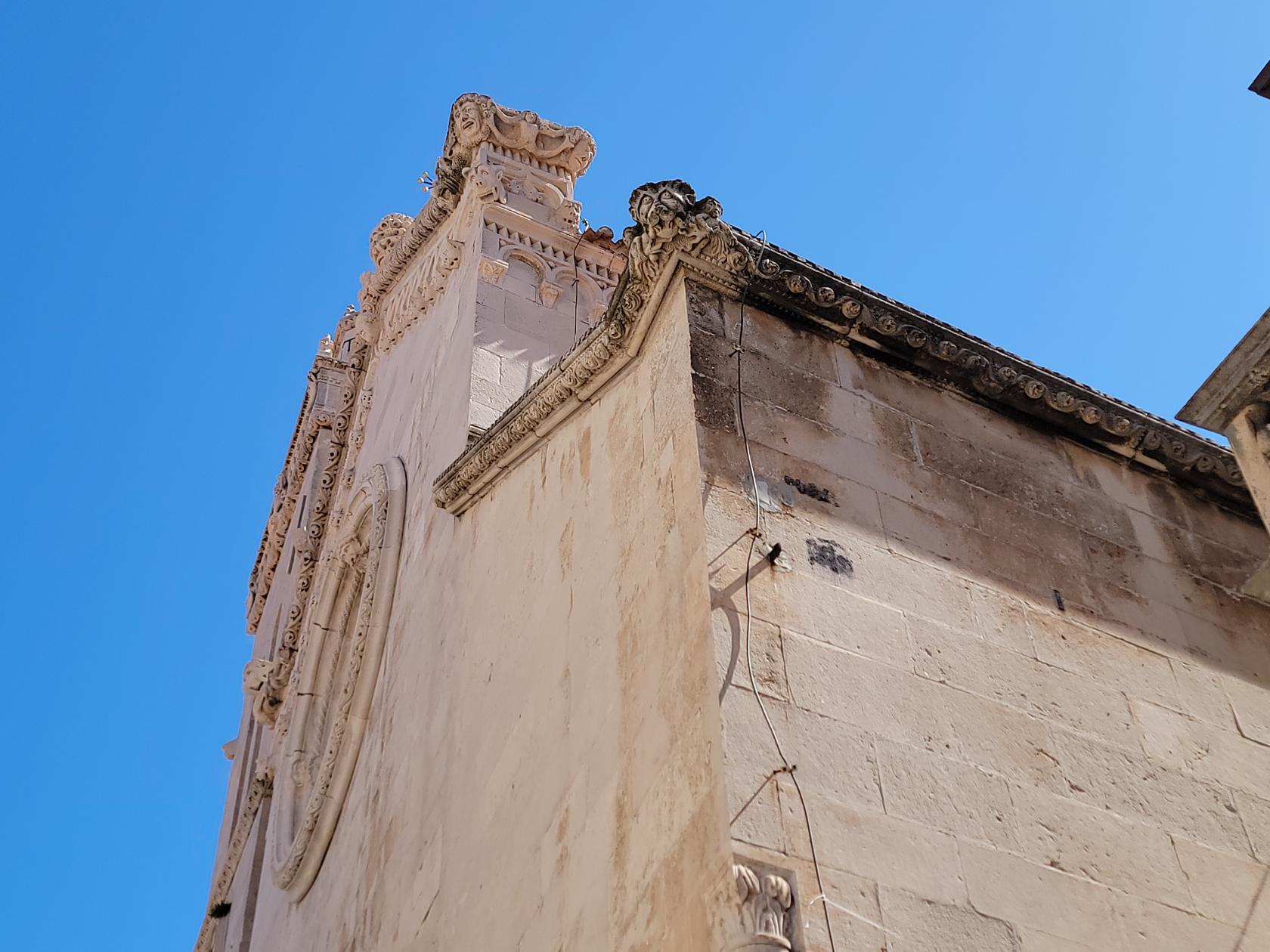
The cathedral has some very interesting eavestroughs and other architectural tidbits that any visitor, with some time on their hands, may explore. The interior layout is typical, even though a bit simple.
Eavestroughs – Saint Mark’s Cathedral – Korčula, Croatia
Attached to the left of the cathedral is a side chapel, which is a bit more elaborate than that of the cathedral itself.
Side Chapel – Saint Mark’s Cathedral – Korčula, Croatia
Side Chapel – Saint Mark’s Cathedral – Korčula, Croatia
Chapel of Our Lady of the Snows
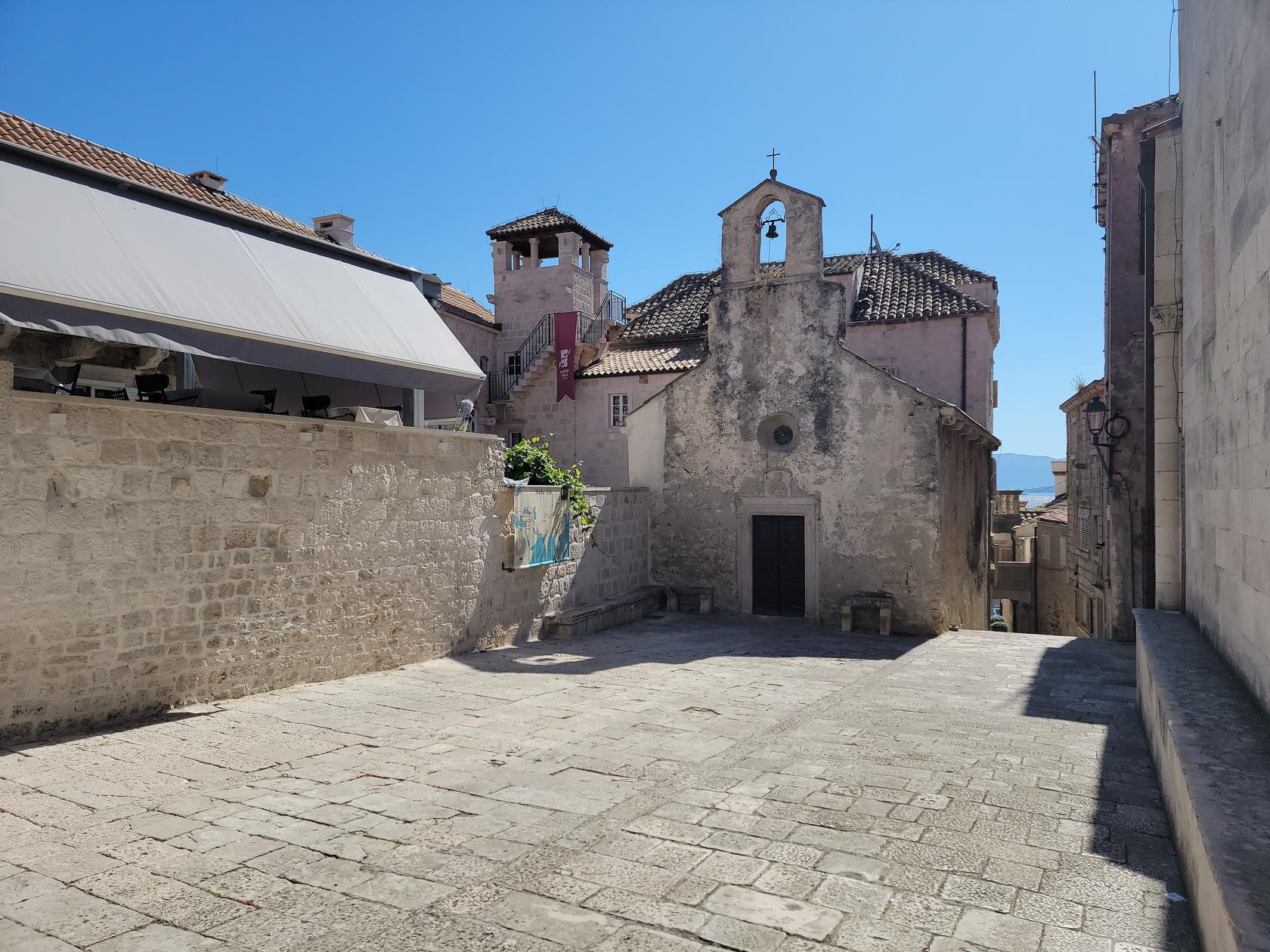
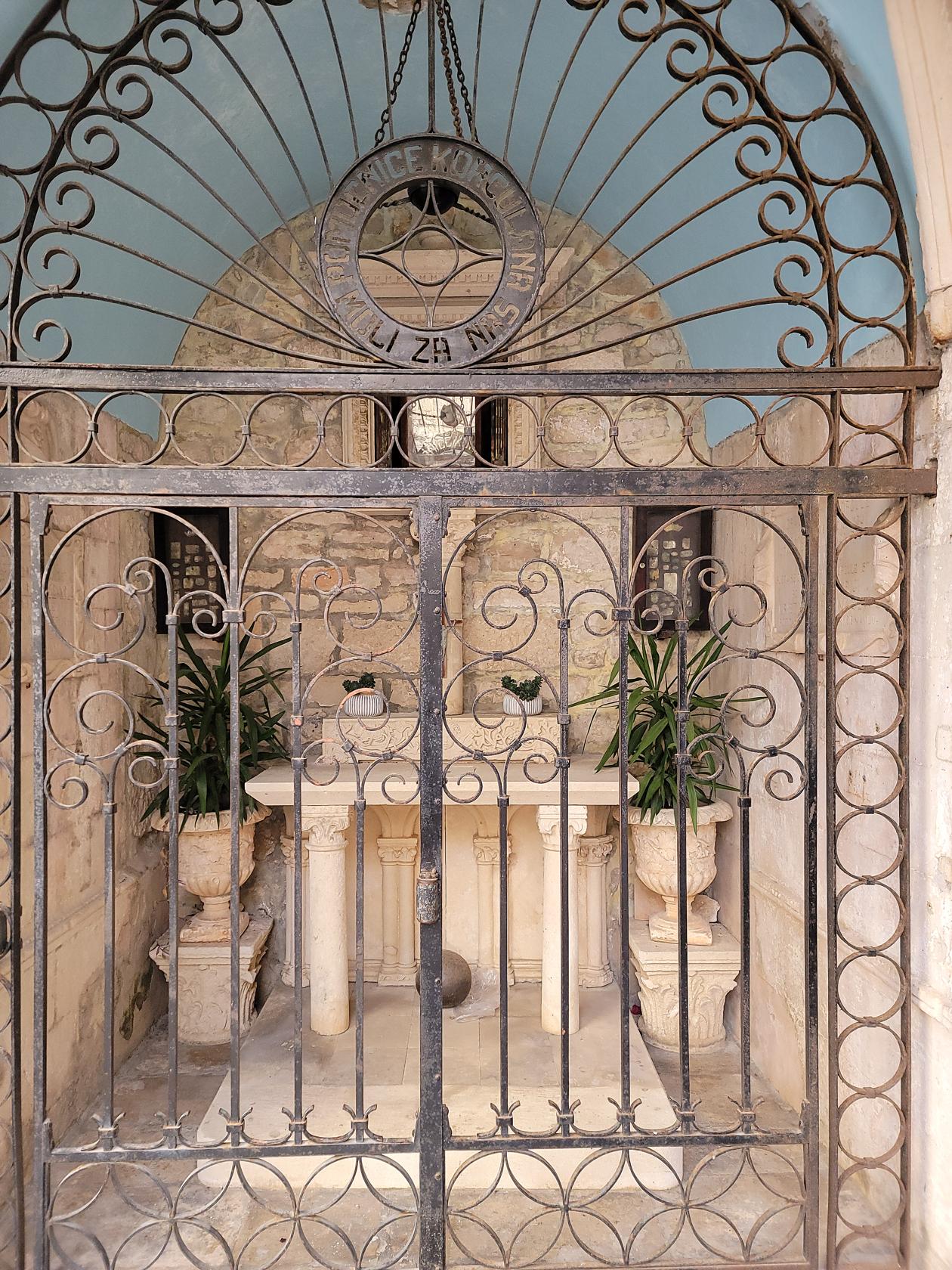
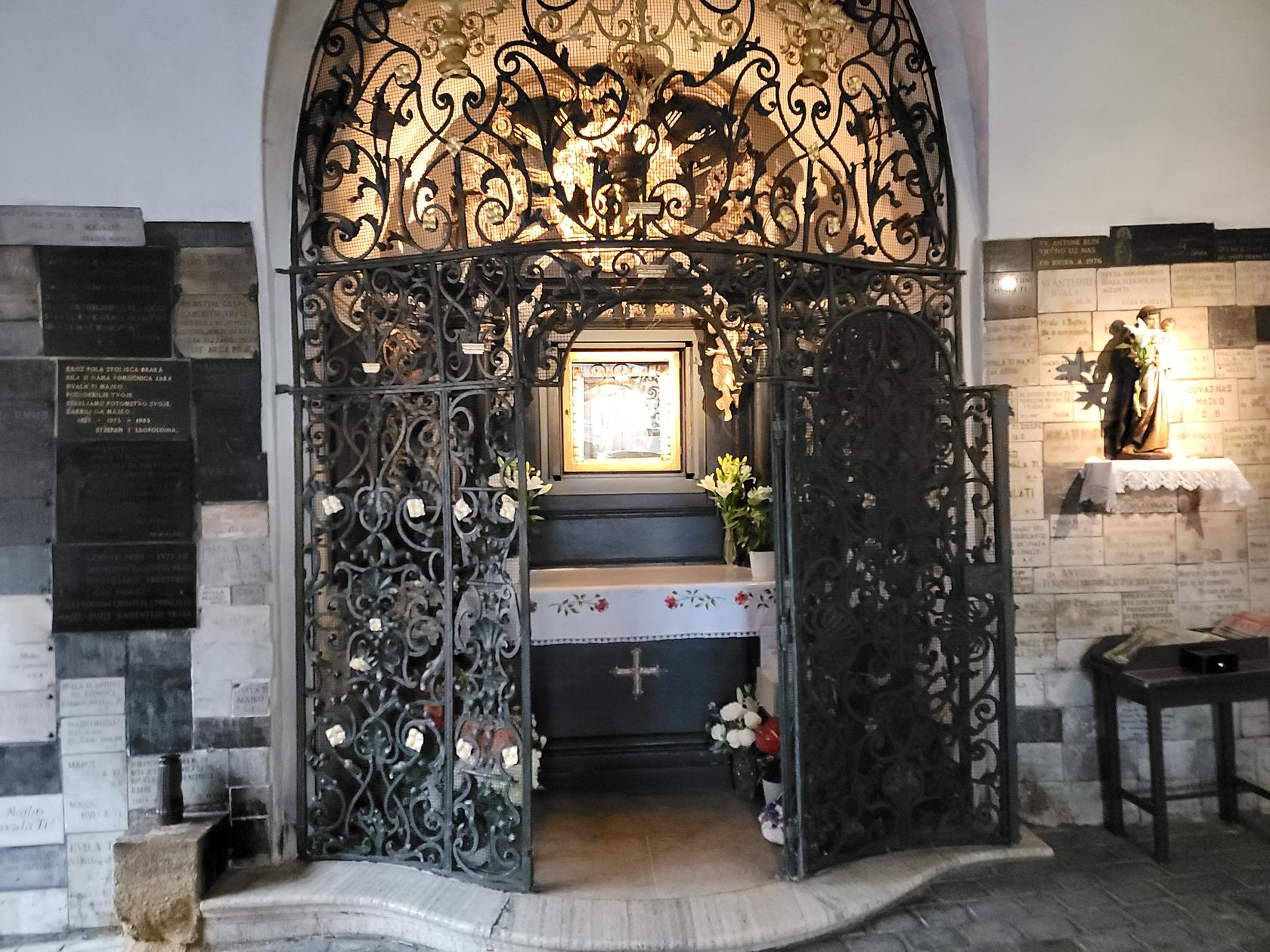
A small votive chapel directly after you enter the main gate and to the left. The Chapel of Our Lady of the Snows also commemorate Saint Bartholomew and the Battle of 1483. According to someone who transcribed the events of the battle between the Venetians and Genoese, Marco Polo was captured during the battle and later imprisoned.[1]It is actually unclear if he was captured at this battle, or a previous minor engagement at Laiazzo.
Chapel of Our Lady of the Snows – Main Entrance – Korčula, Croatia
Restaurants
In some parts of Croatia, and especially Korčula, most of the restaurants go by Konoba. This is to denote thier Dalmation or Istrian heritage and may they take the form of cellar-like tavern or other small place that serves authentic local food. Most of them we found to be reasonably priced.
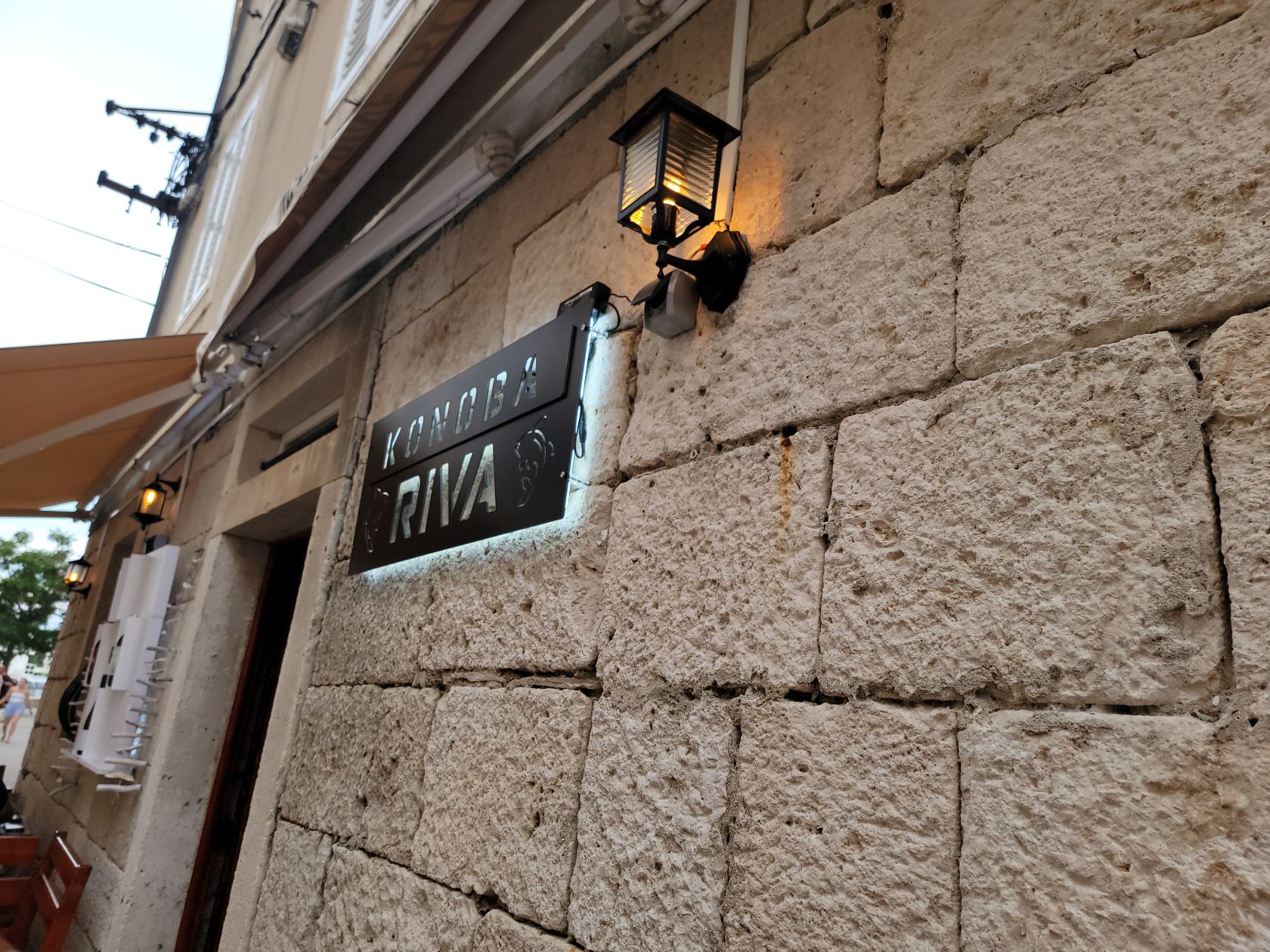
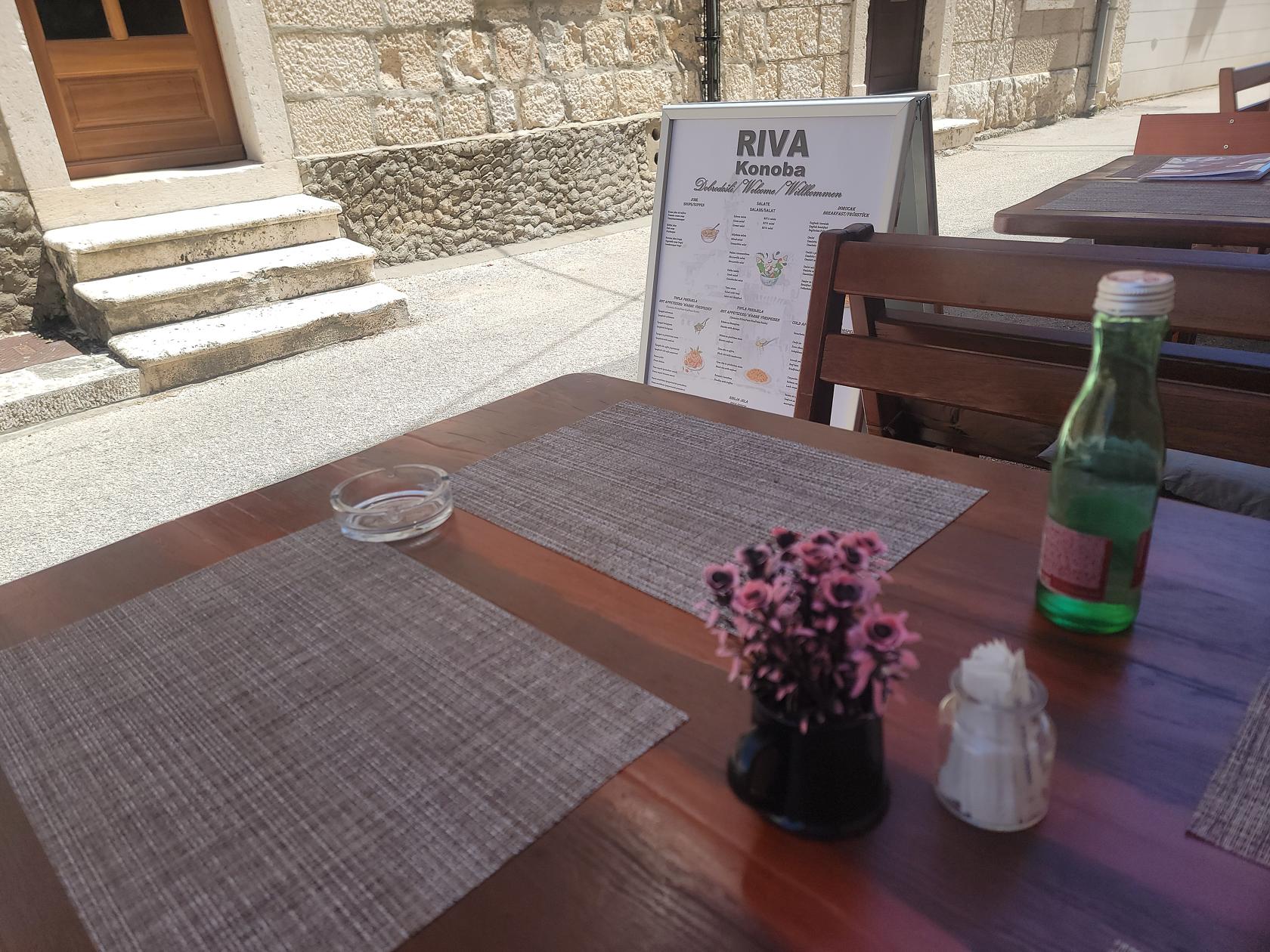
Konoba Riva
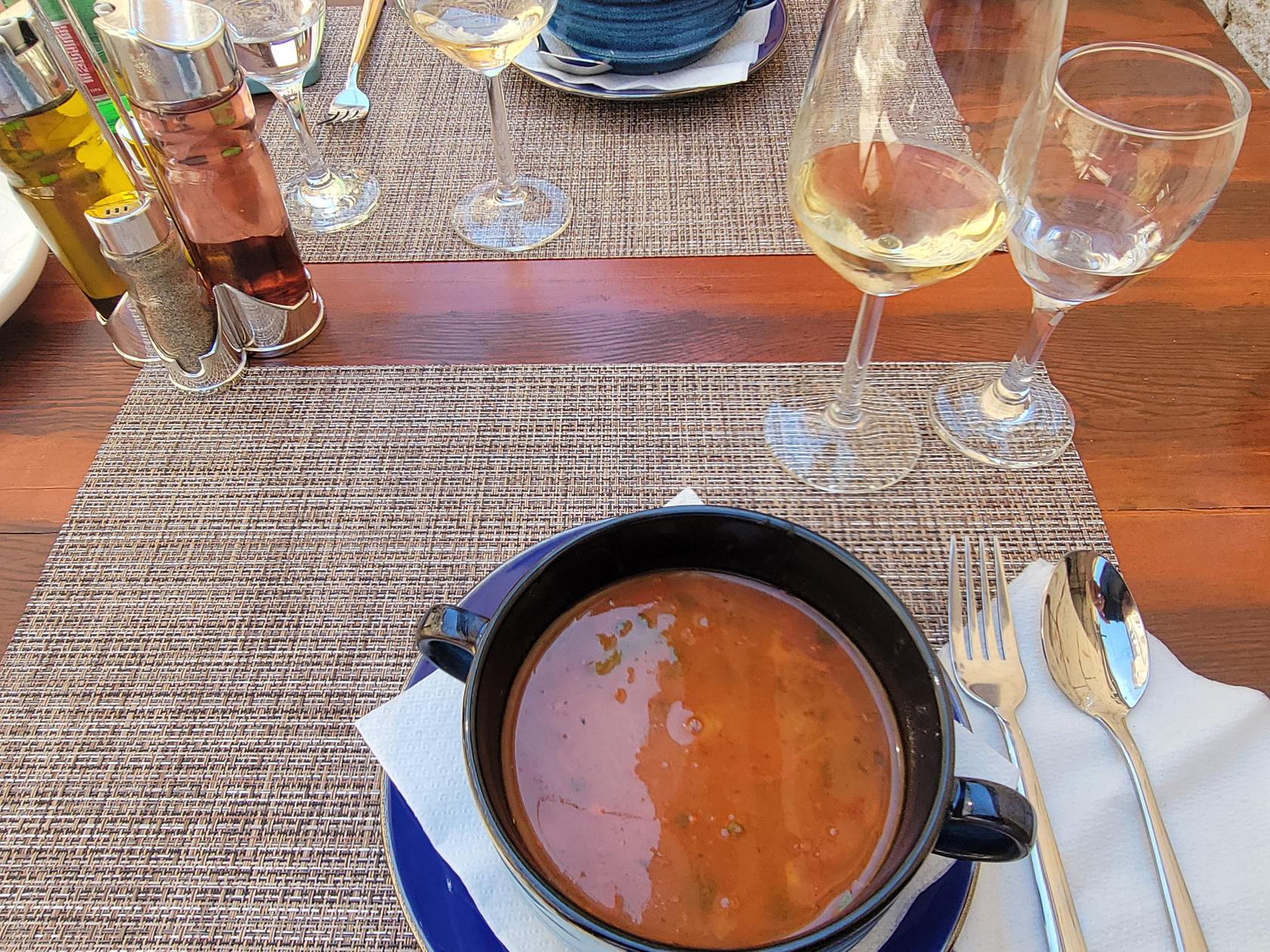
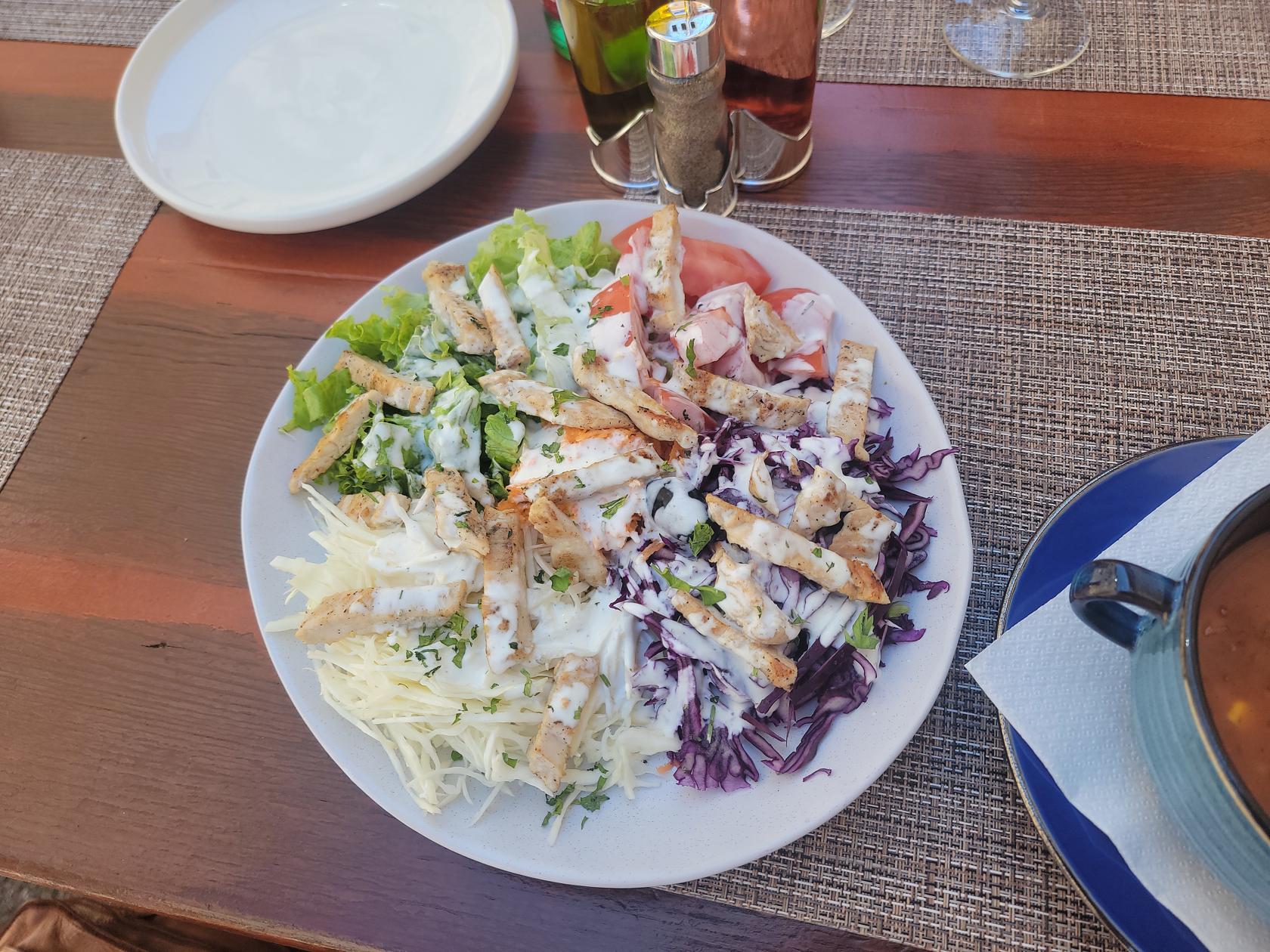
A new restaurant that open just before we arrived which offers a very delicious menu with food to match it. We ate here three times, twice for lunch and once for dinner and were never dissappointed. The food was never salty or overcooked and when it arrived, it was still hot! The service was also extremely attentive, no doubt trying to assert some sway over any reviews they would receive. It didn’t matter, it ended up as our go to place.
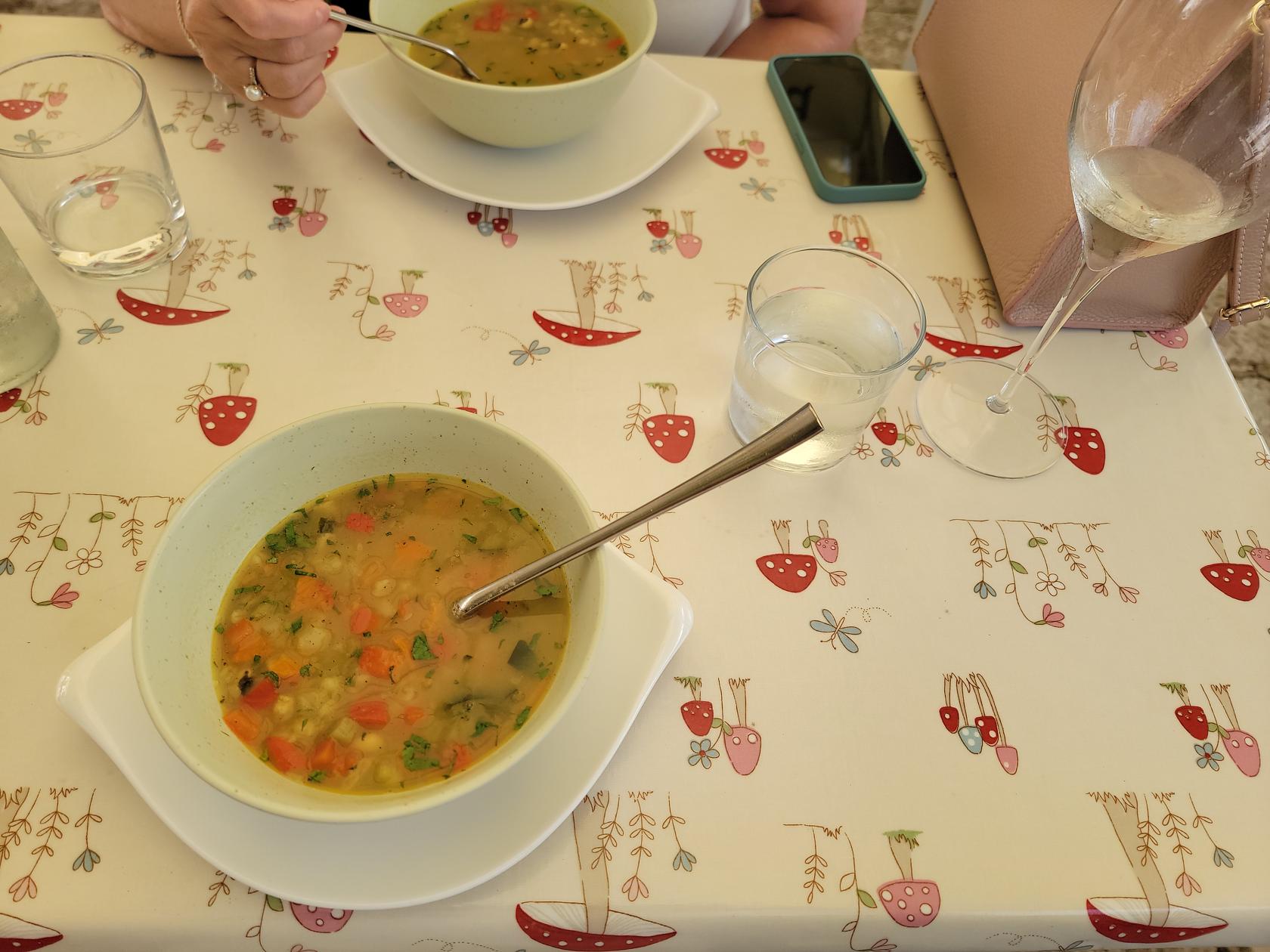
Konoba Biankura is located about three streets down in the old town on the right. It offers a wide variety of food, along with pasta and some meat dishes. The fish soup is amazing and can be commended highly.
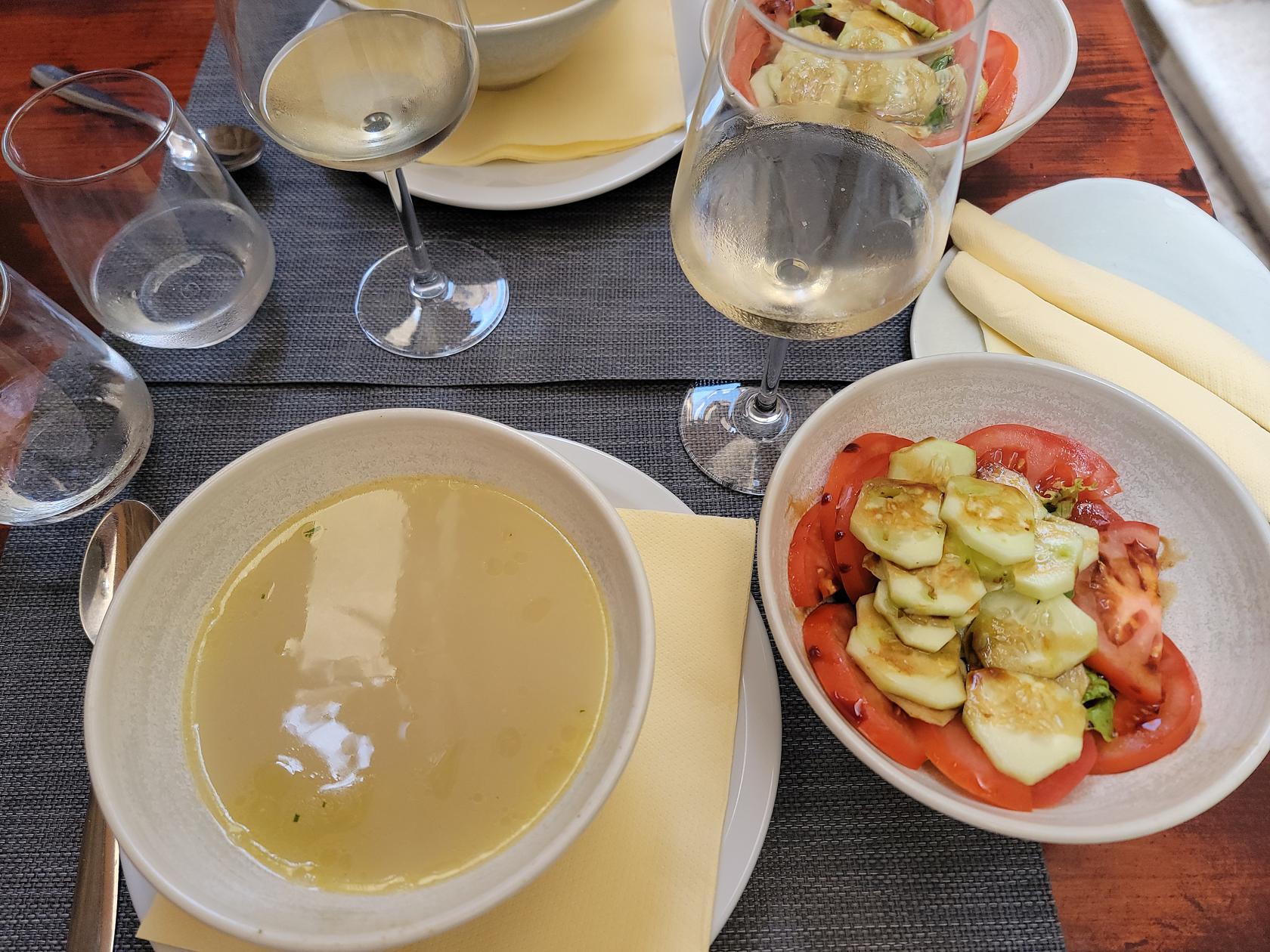
Fish Soup and Salad – Konoba Biankura – Korčula, Croatia
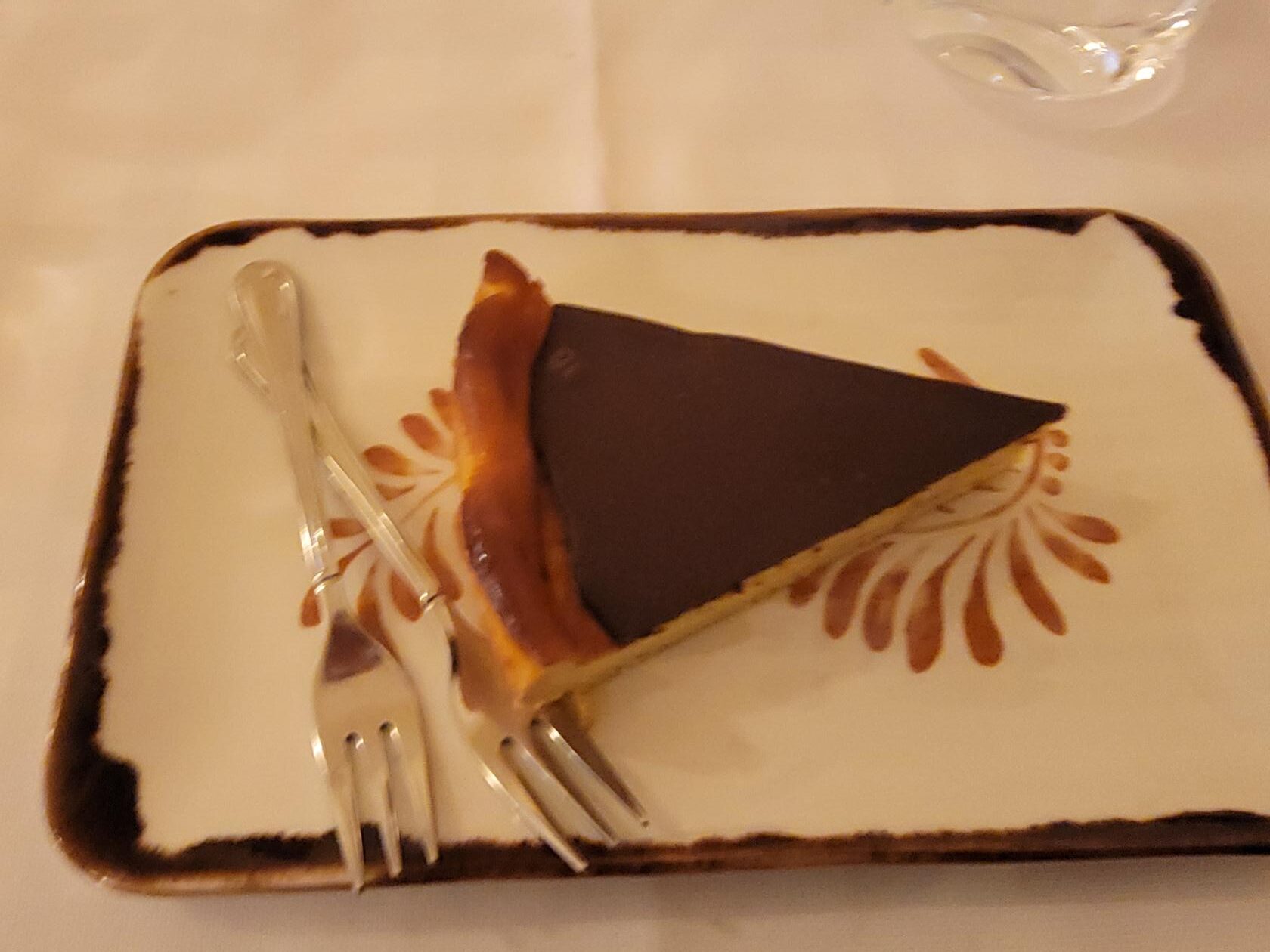
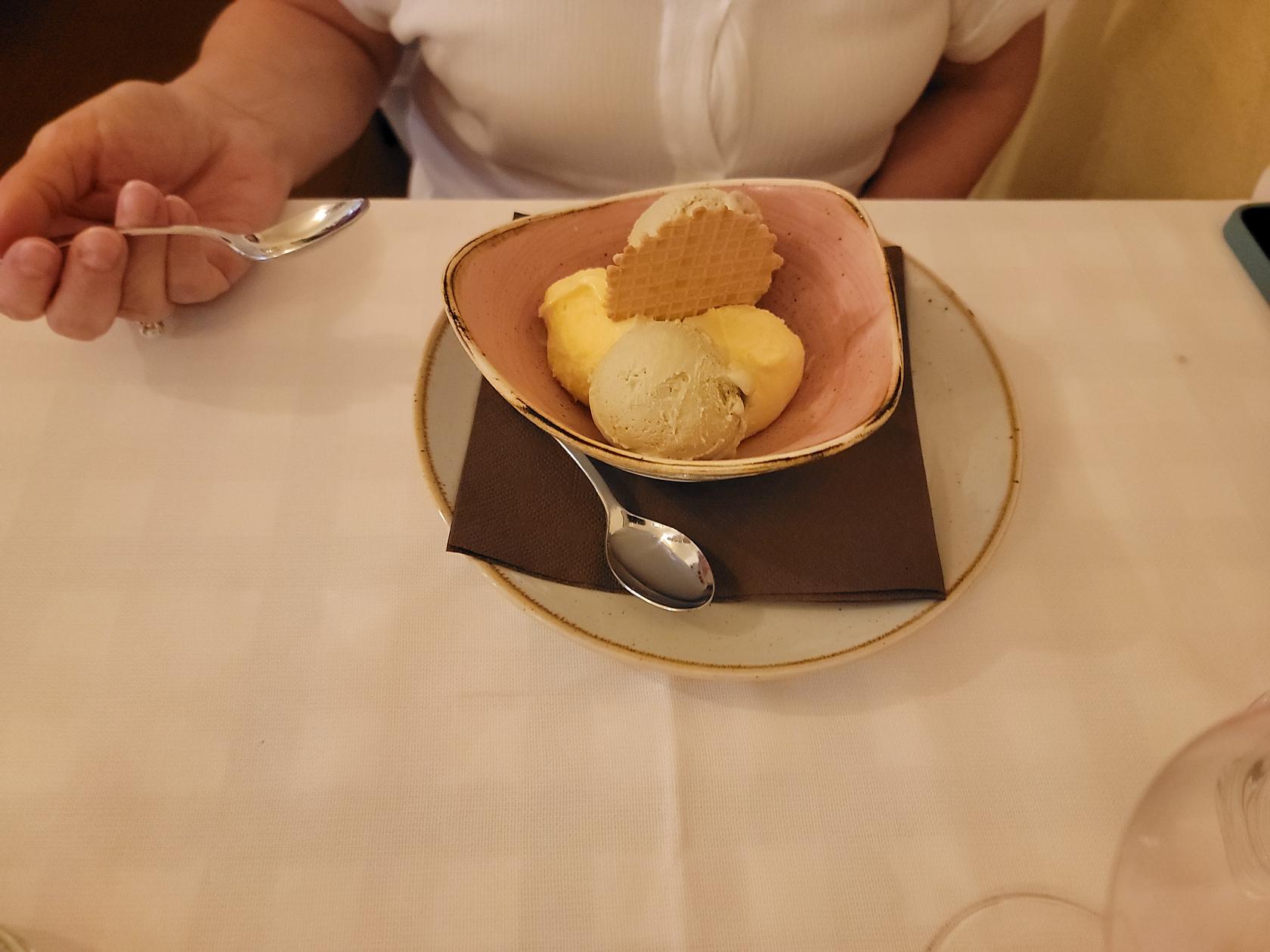
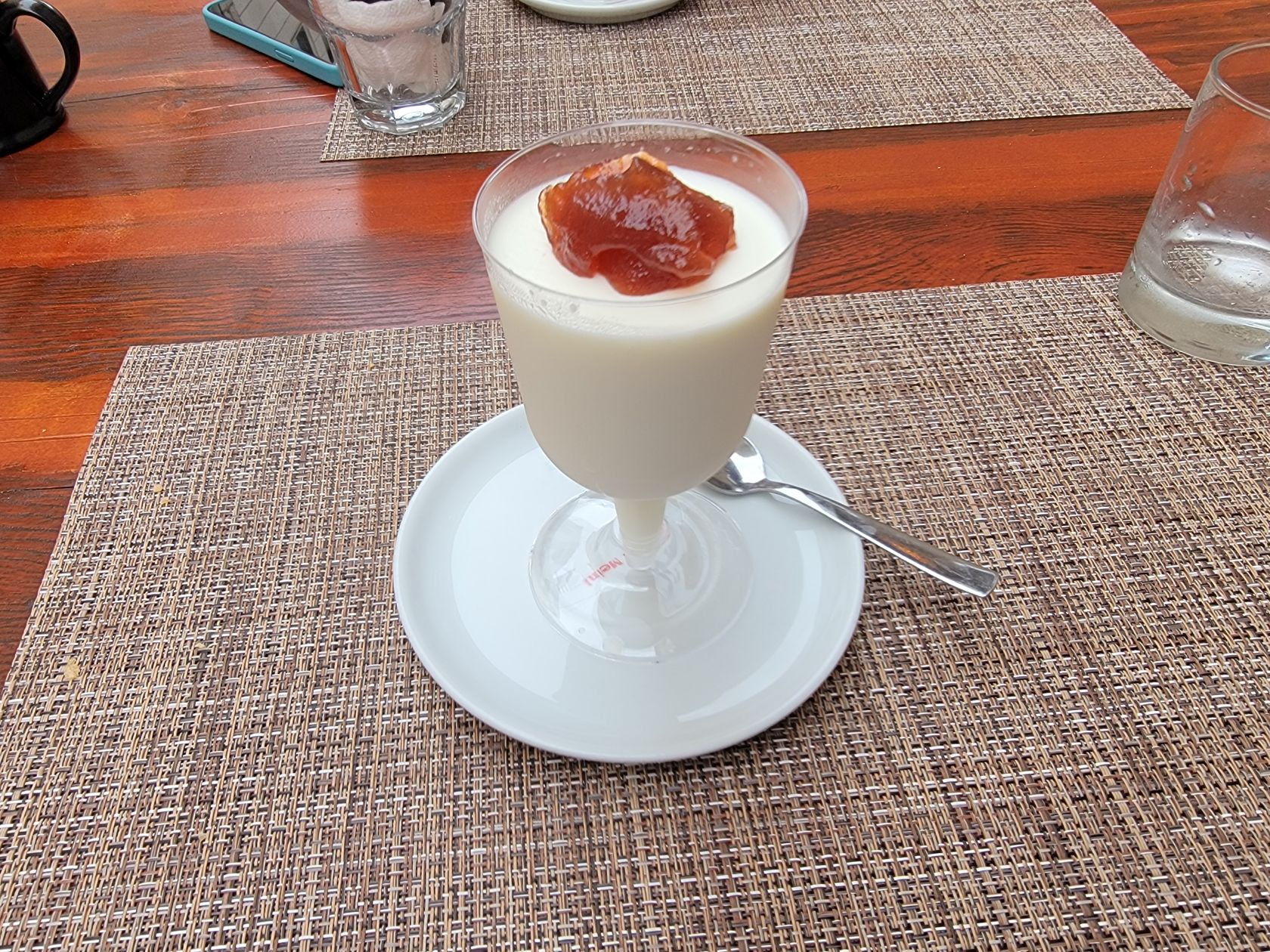
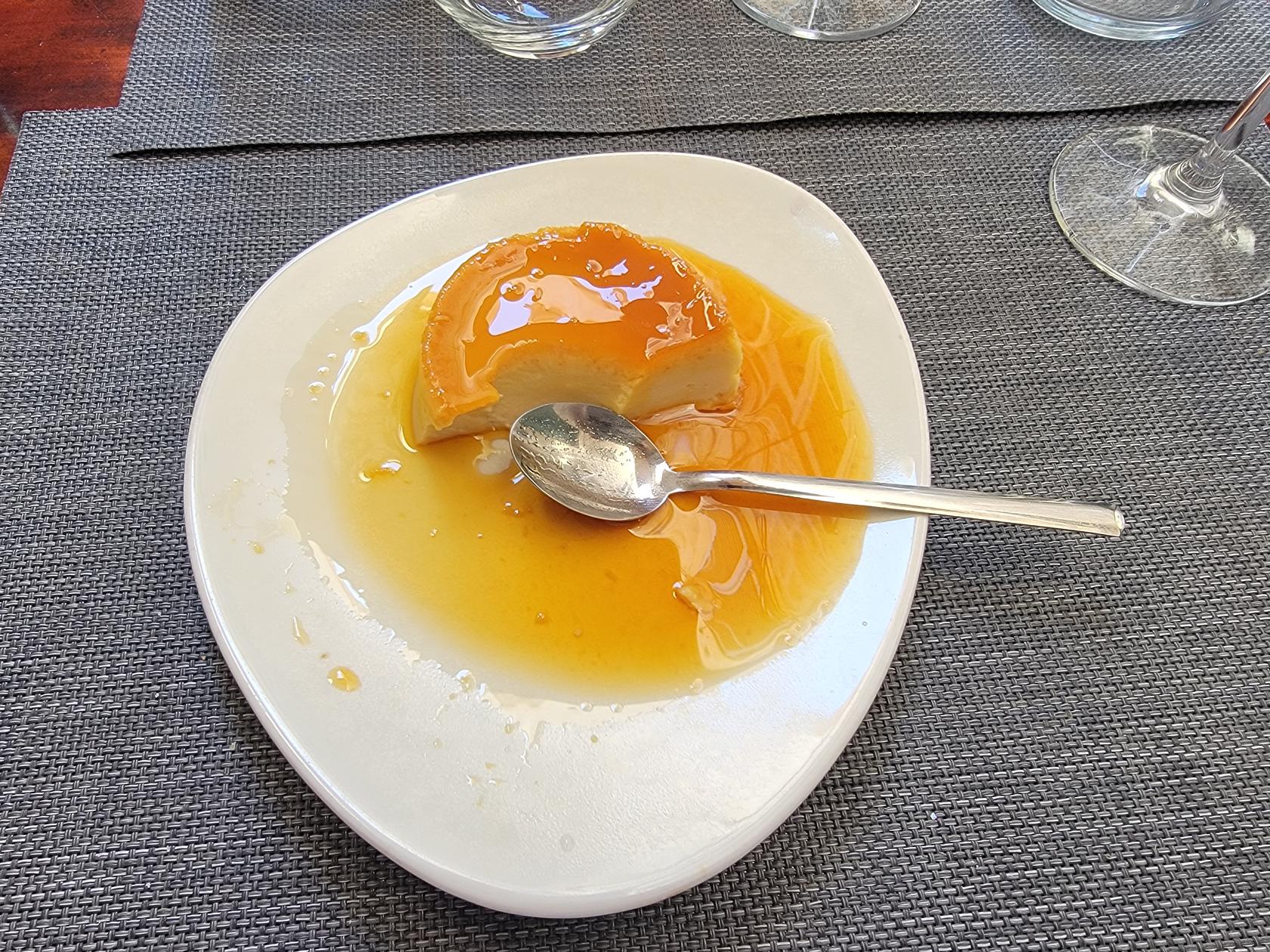
Panncotta with honey – Konoba Biankura – Korčula, Croatia
Konoba Aterina
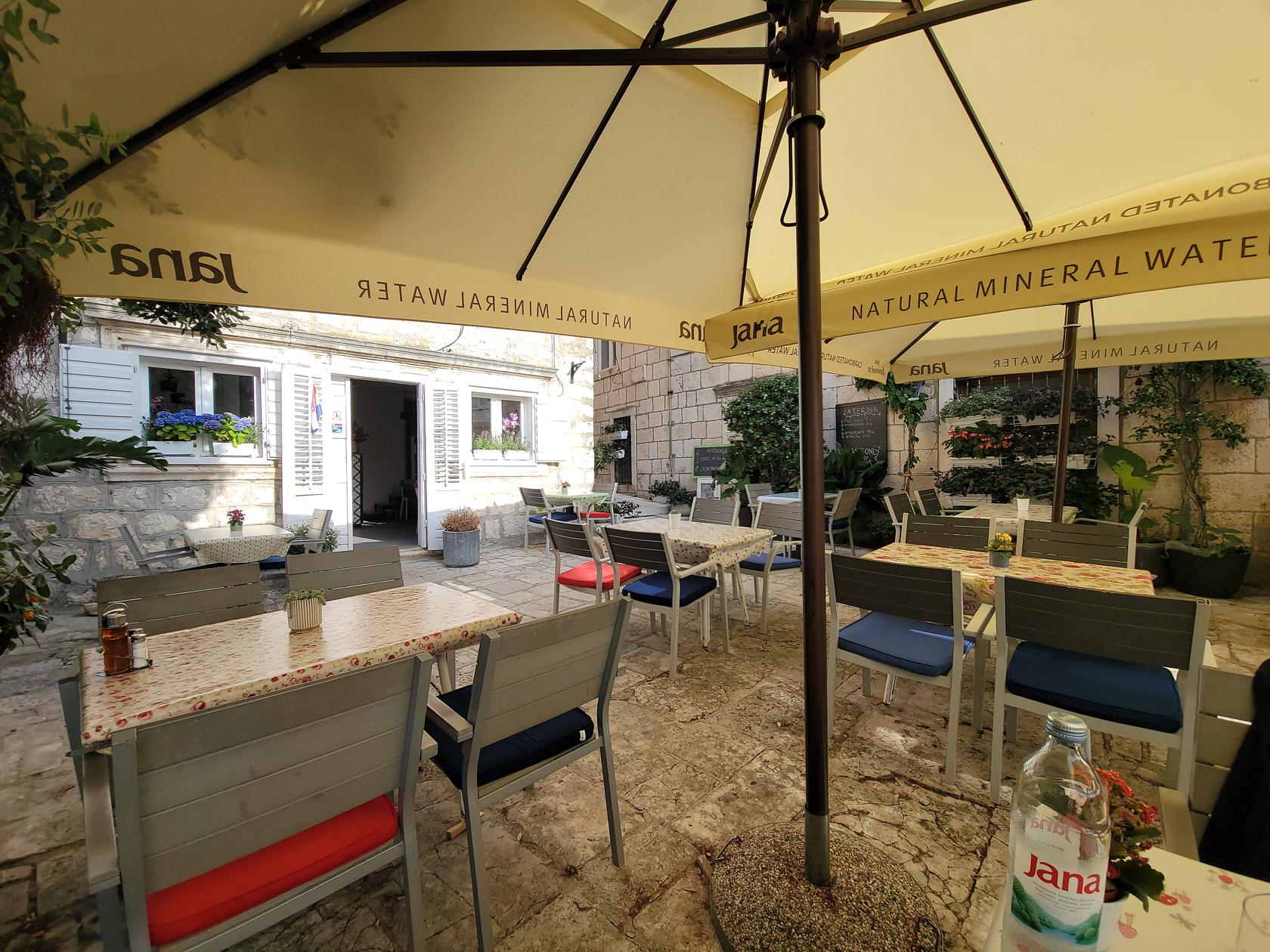
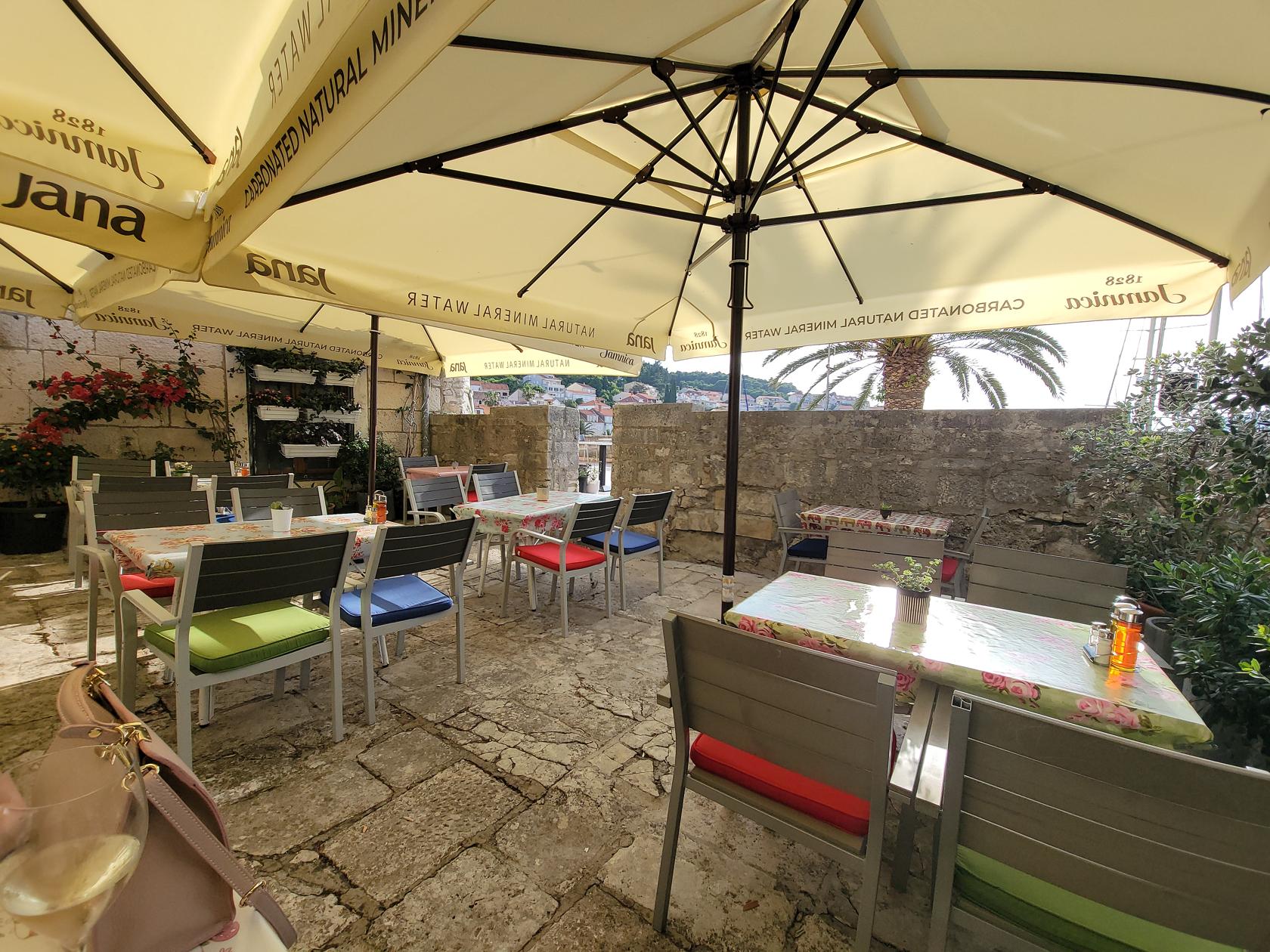
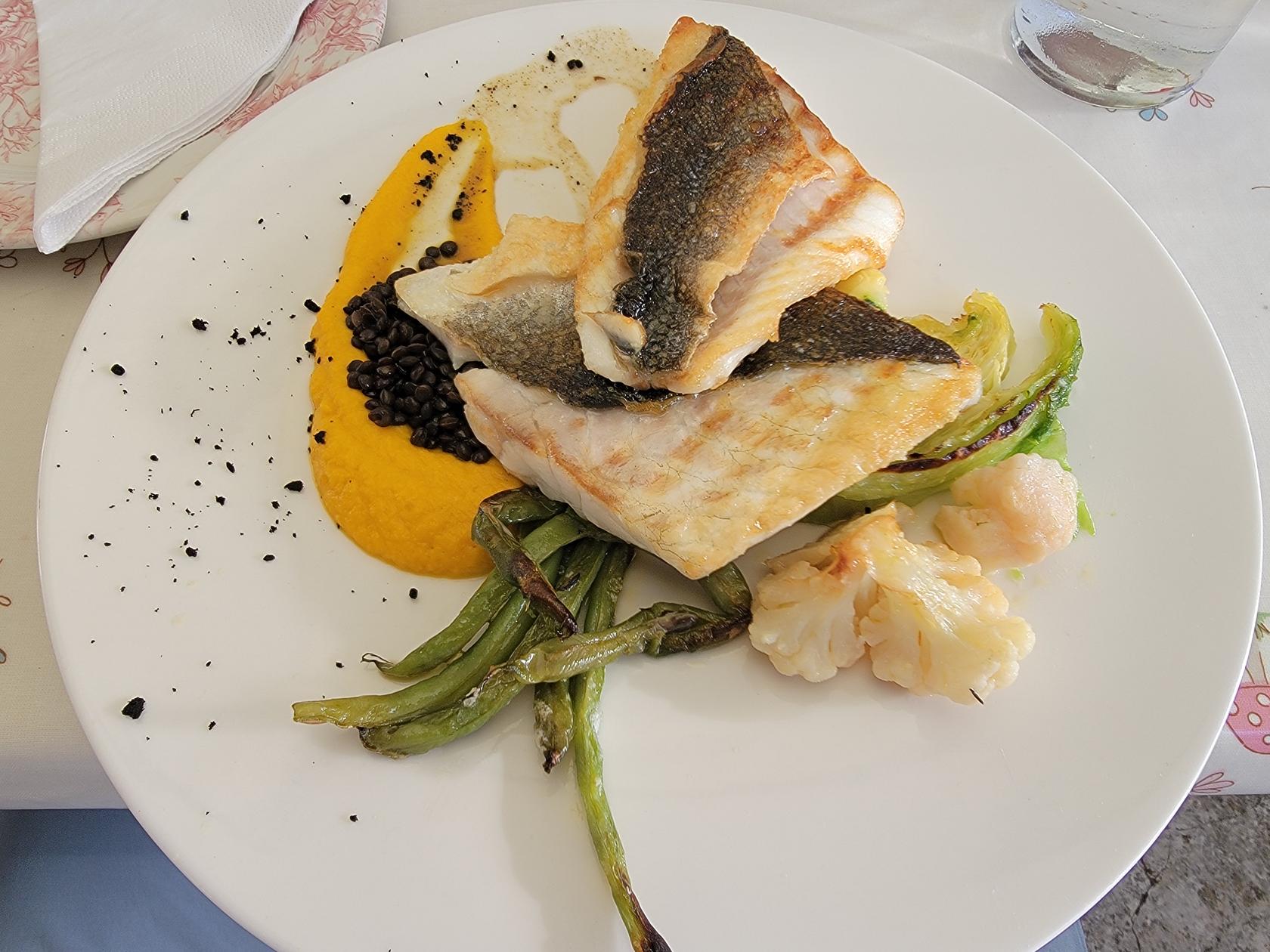
The Konoba Aterina is a restaurant in the old town. It offers a view somewhat of the sun setting and has covered terrace outside seating. The food is good, the majority of which is seafood, so a good place to scratch your fishy itch. We ordered the Sea Bass, traditionally cooked, and were not dissappointed.
About a hundred and sixty miles from Zagreb and a hundred and ten miles from the Italian coast is Croatia‘s second largest city, Split. Today it is a tourist hot-spot and destination for cruise ships, whereas two thousand years ago it was Emporer Diocletian’s retirement home and where he would repose in his declining years.
Diocletian’s Palace – Split, Croatia
Split
The old city center of Split is reminiscent of towns on the Ligurian coast of Italy, covered in bright limestone and other materials mined from quarries in the area. When the sun beats off of it, it can be blinding and almost uncomfortable hot.
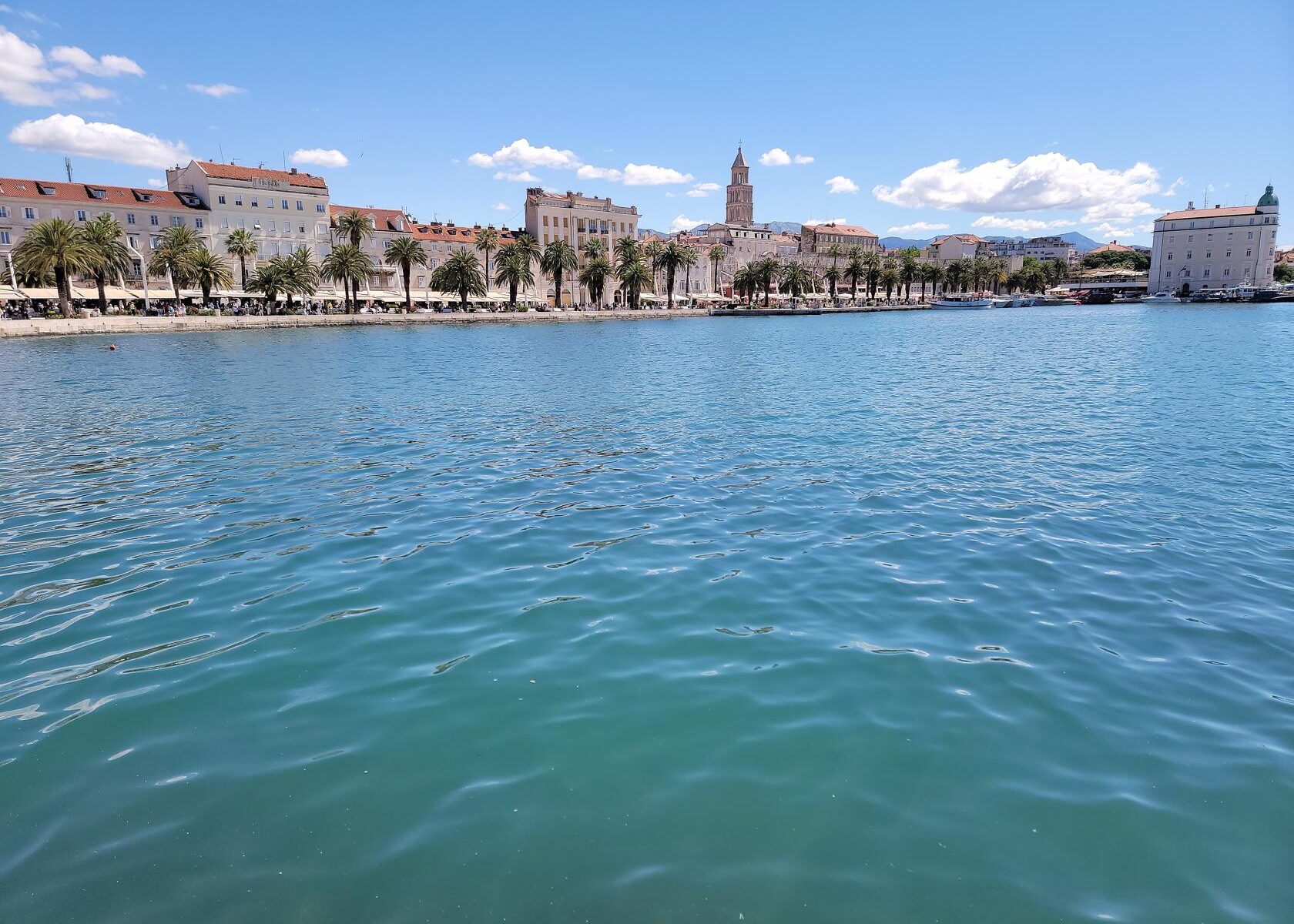
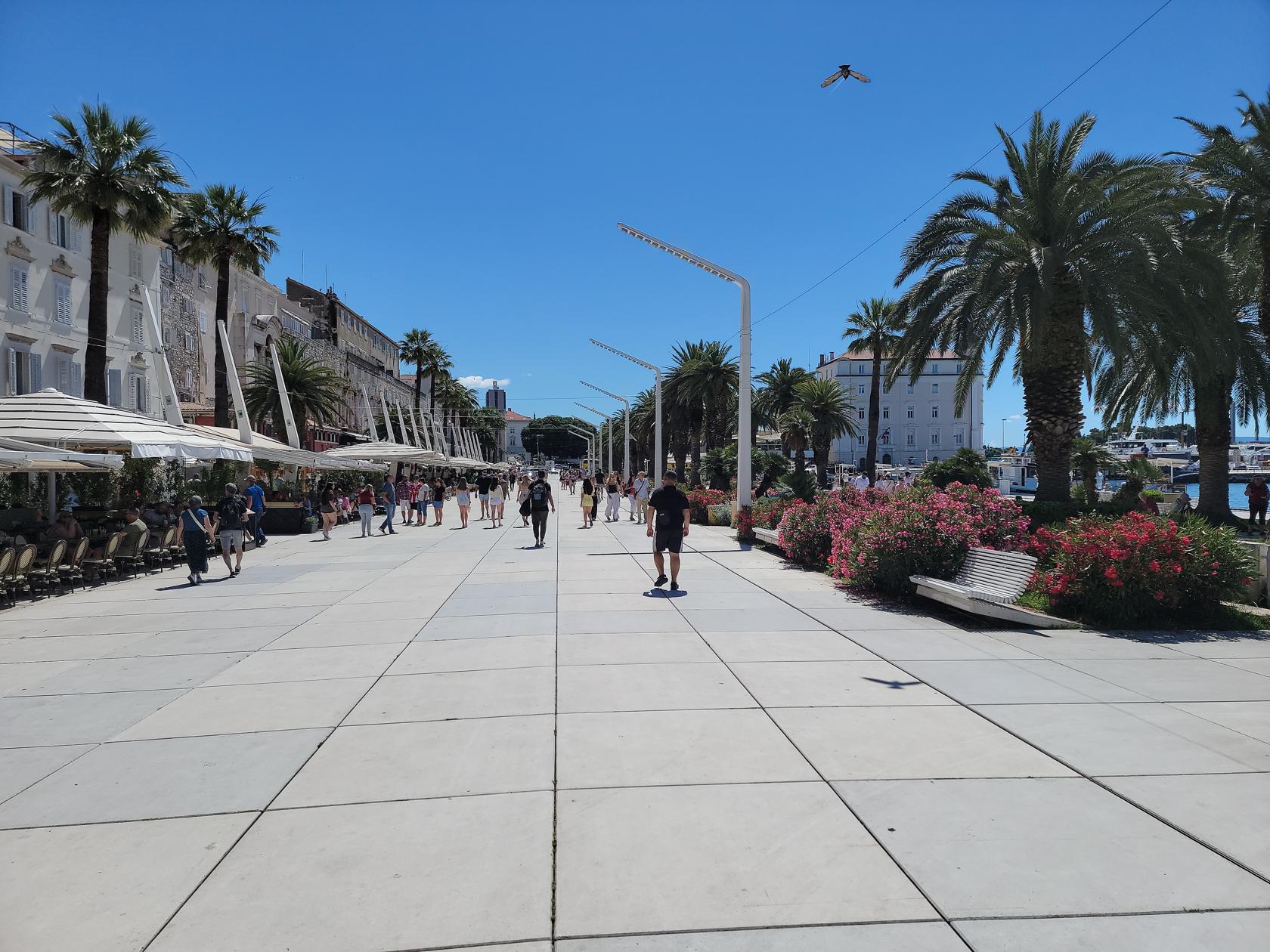
Riva – Split, Croatia
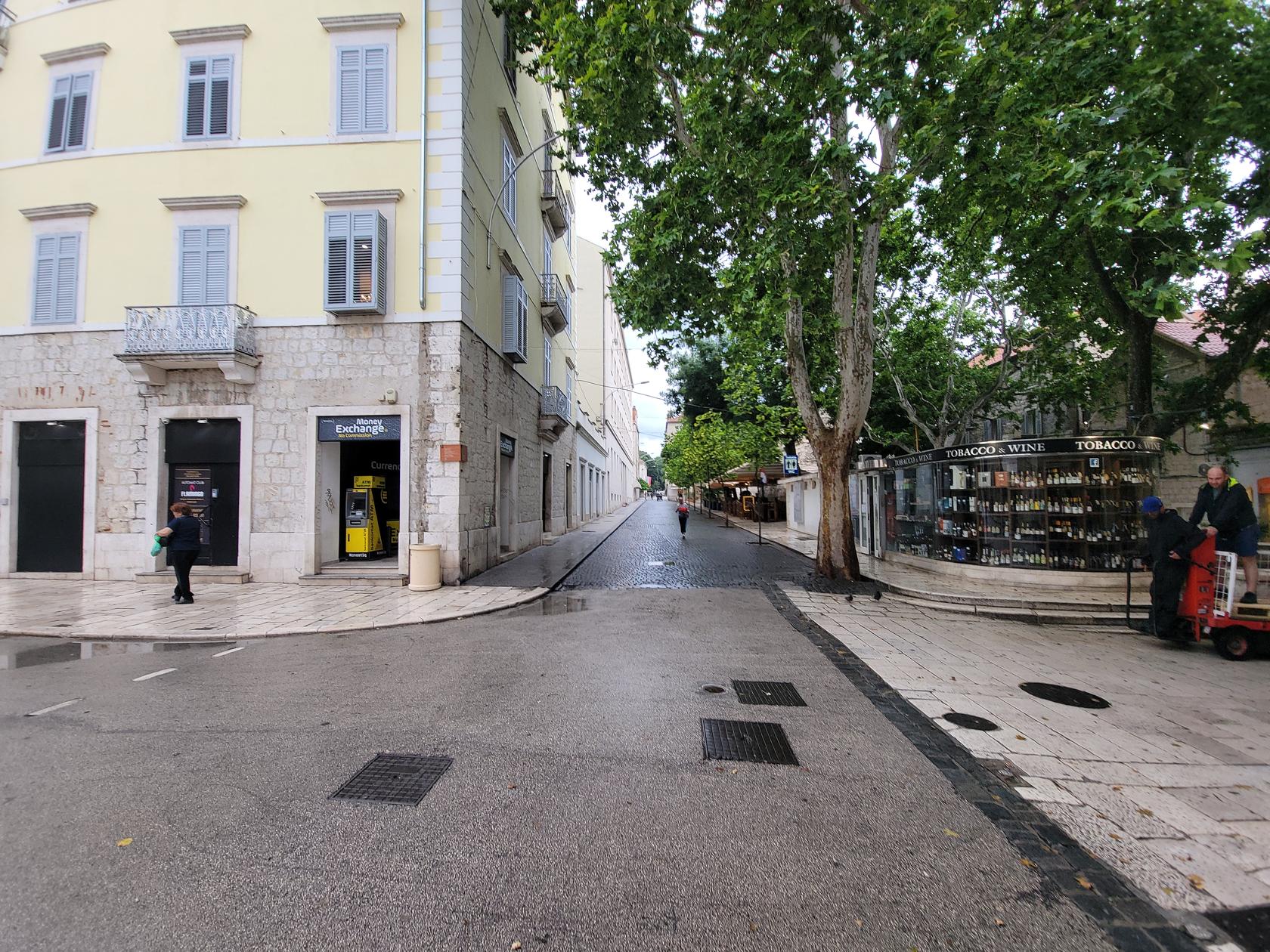
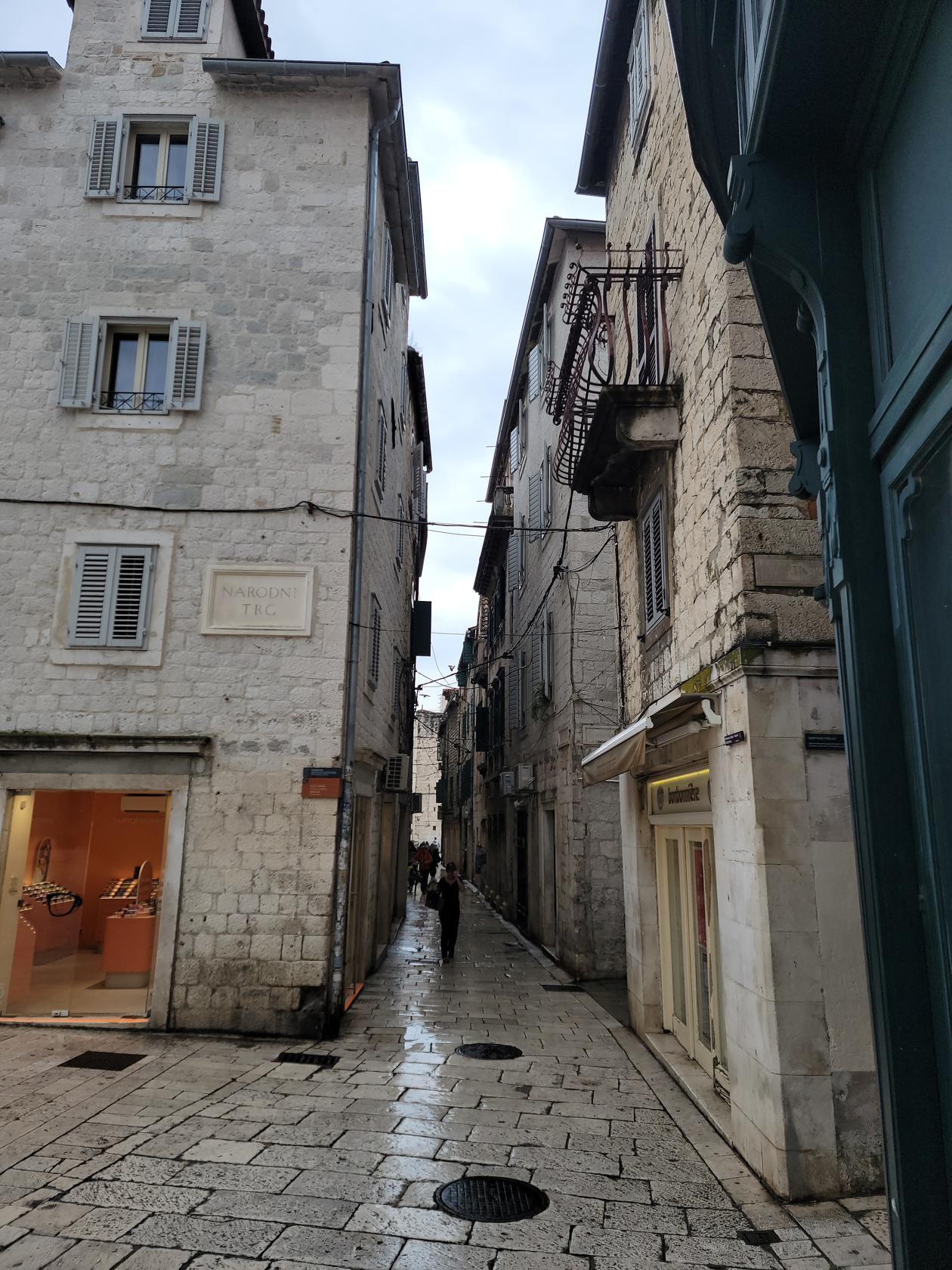
Many of the streets in town are very narrow and cannot support vehicular traffic, so walking the old town should not be an issue. Having said that, it does not discourage mopeds, so stay alert while walking in any case.
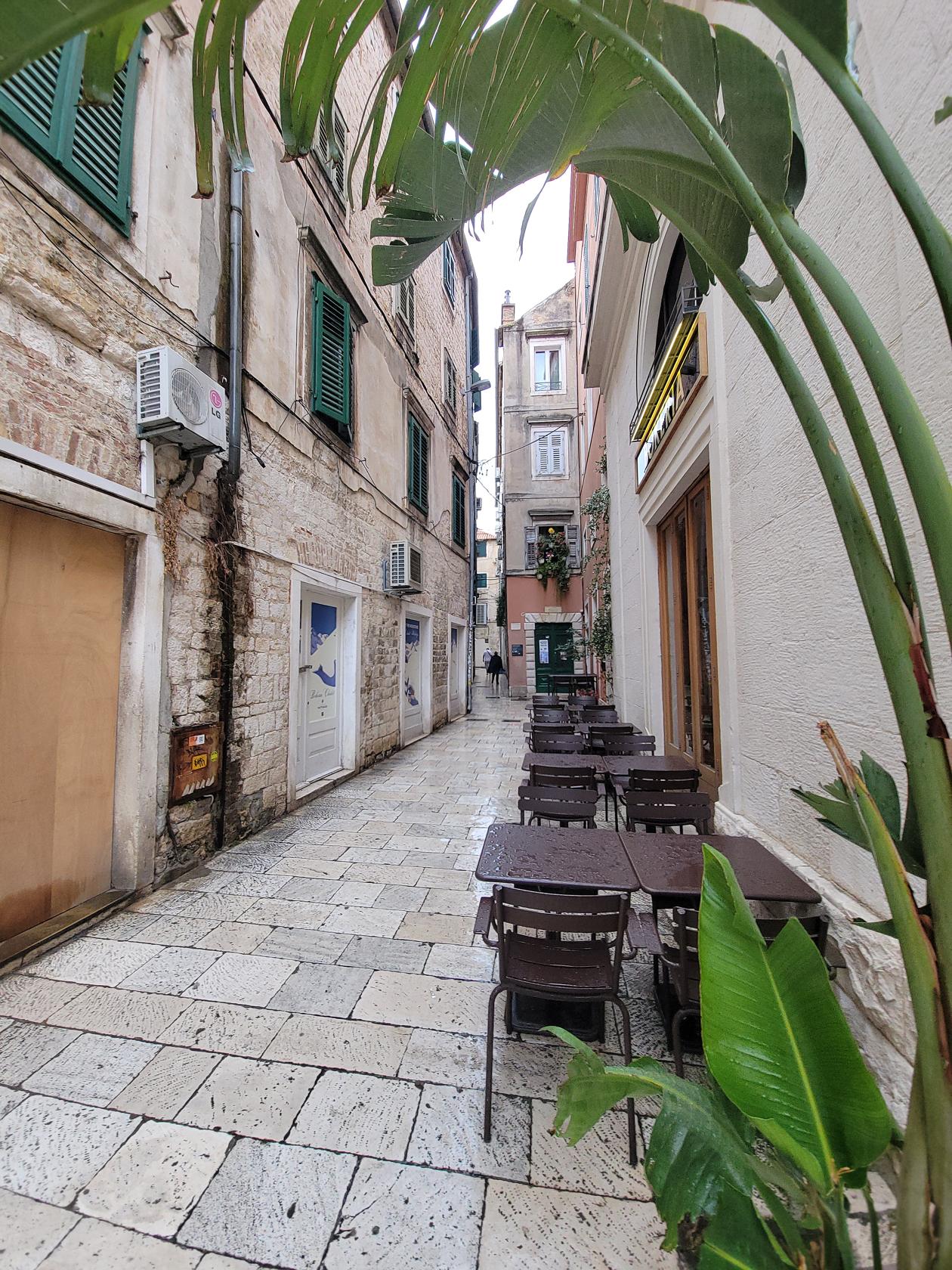
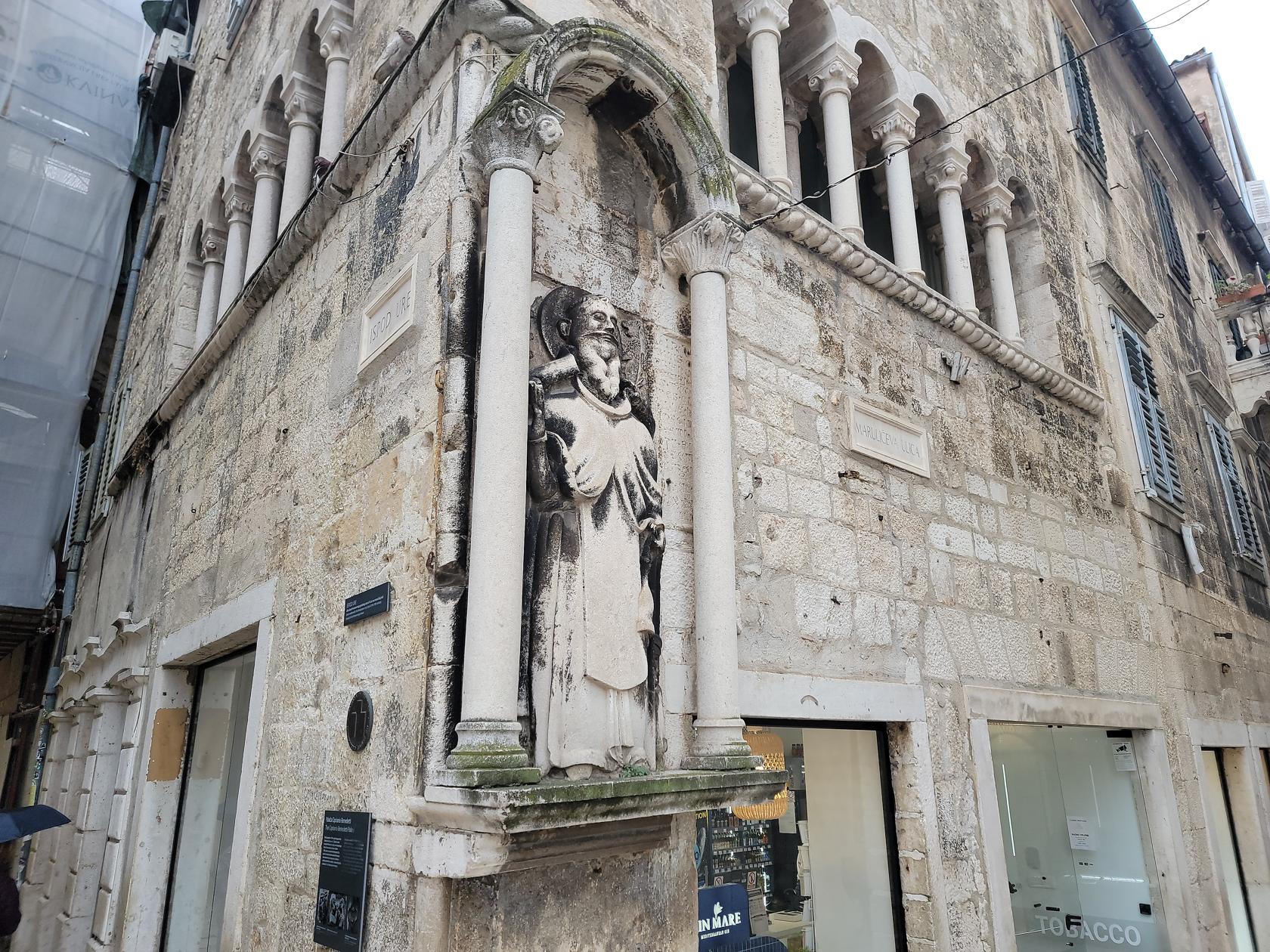
Narrow Street – Marmontova Ulica – Split, Croatia
Trogirska Street – Marmontova Ulica – Split, Croatia
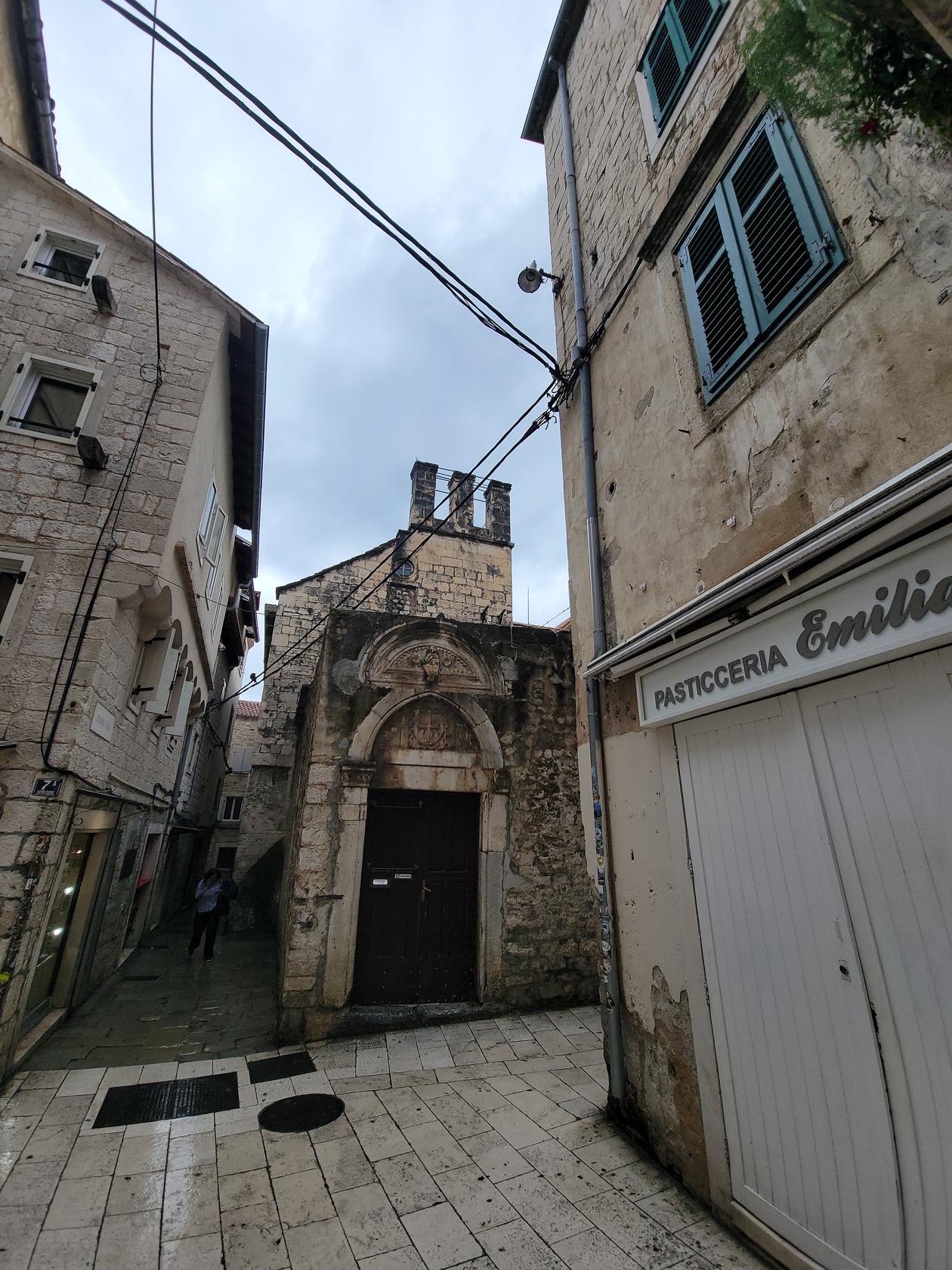
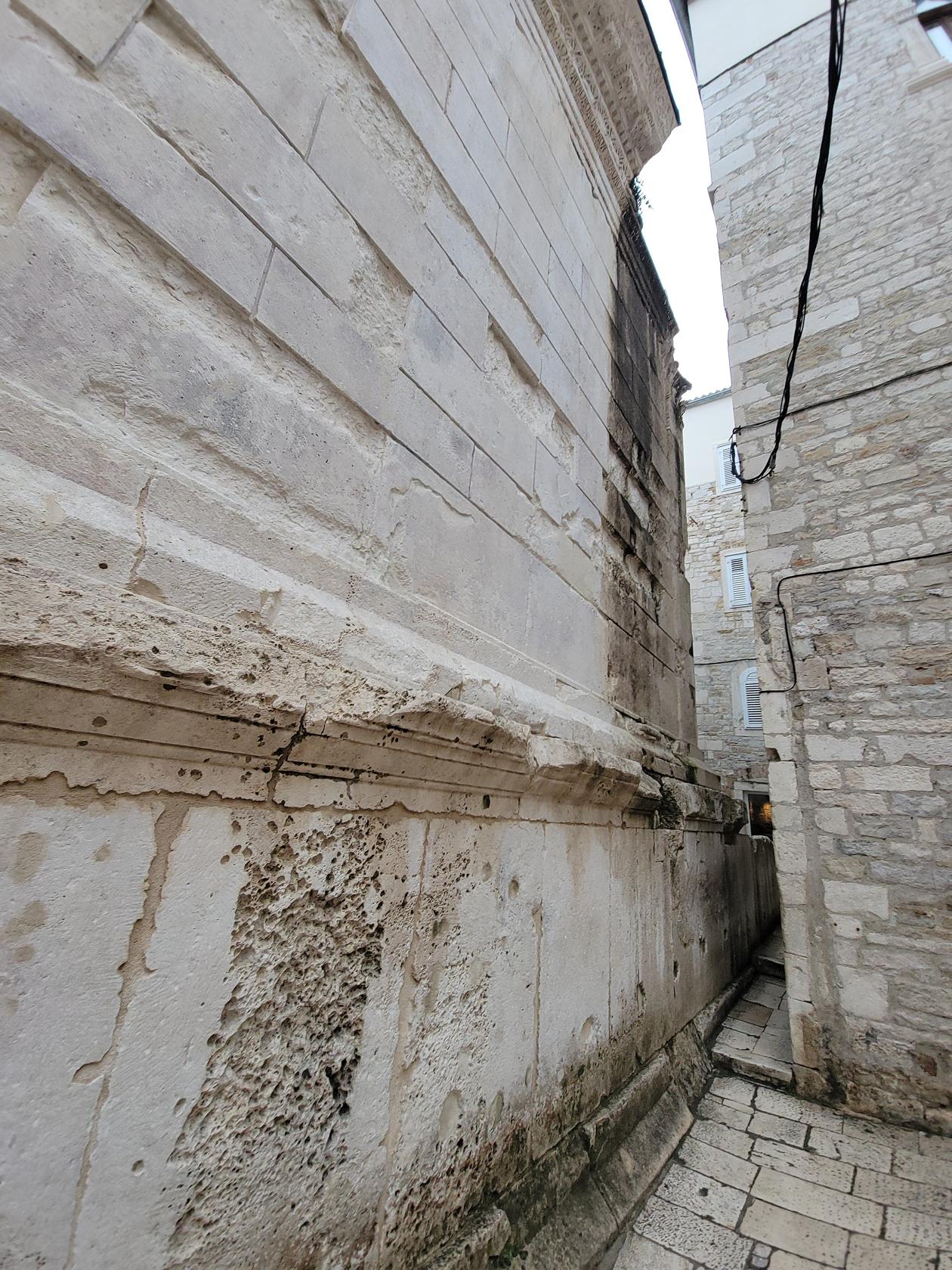
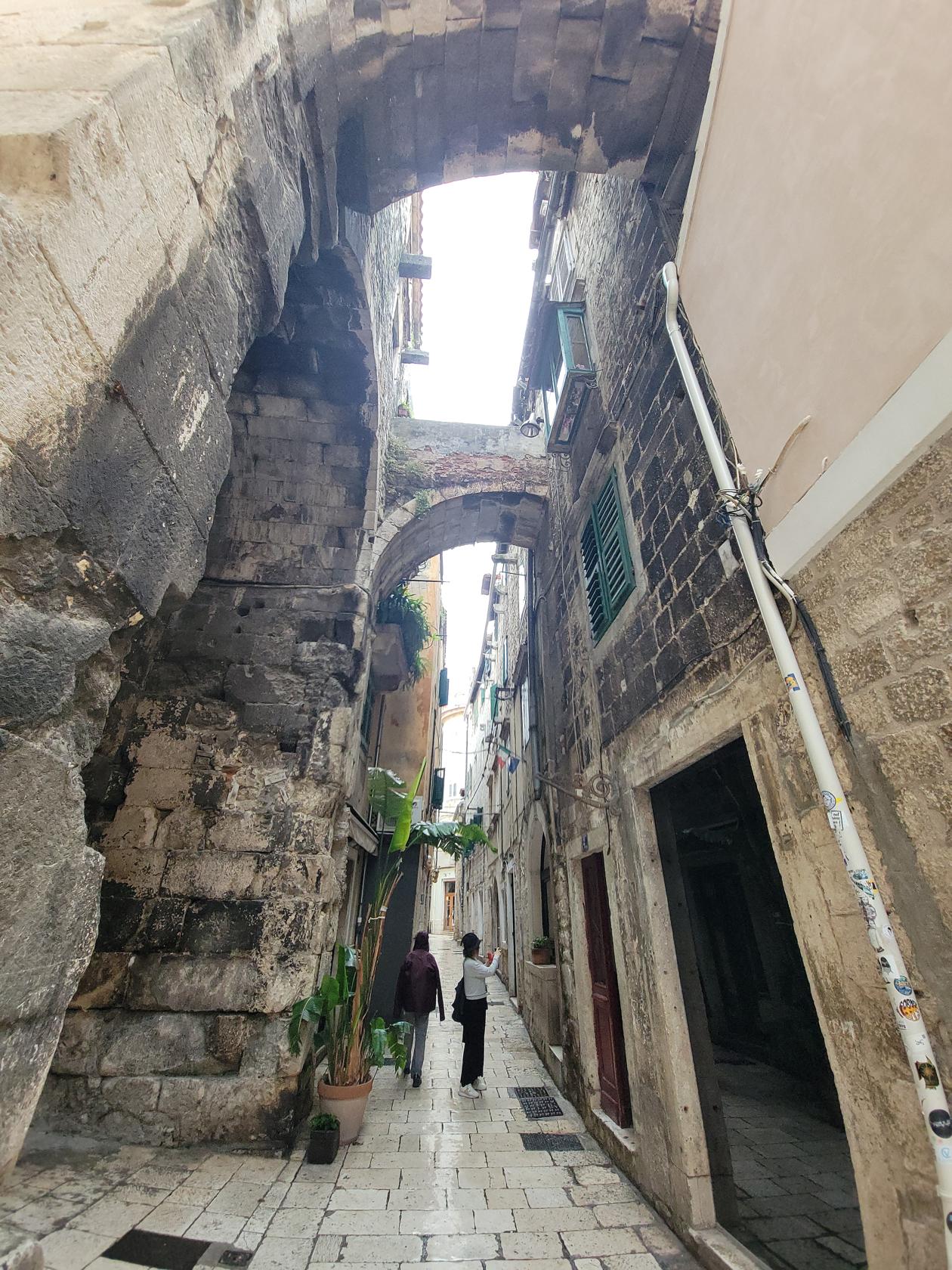
Let Me Pass Street – Very Narrow Street – Diocletian’s Palace – Split, Croatia
The city is in the province of Dalmatia, which has a very distinctive culinary culture and influence on the food. There are heavy Italian and Roman influences in the food, construction and city layout, with the central building in the area being in and around Diocletian’s Palace.
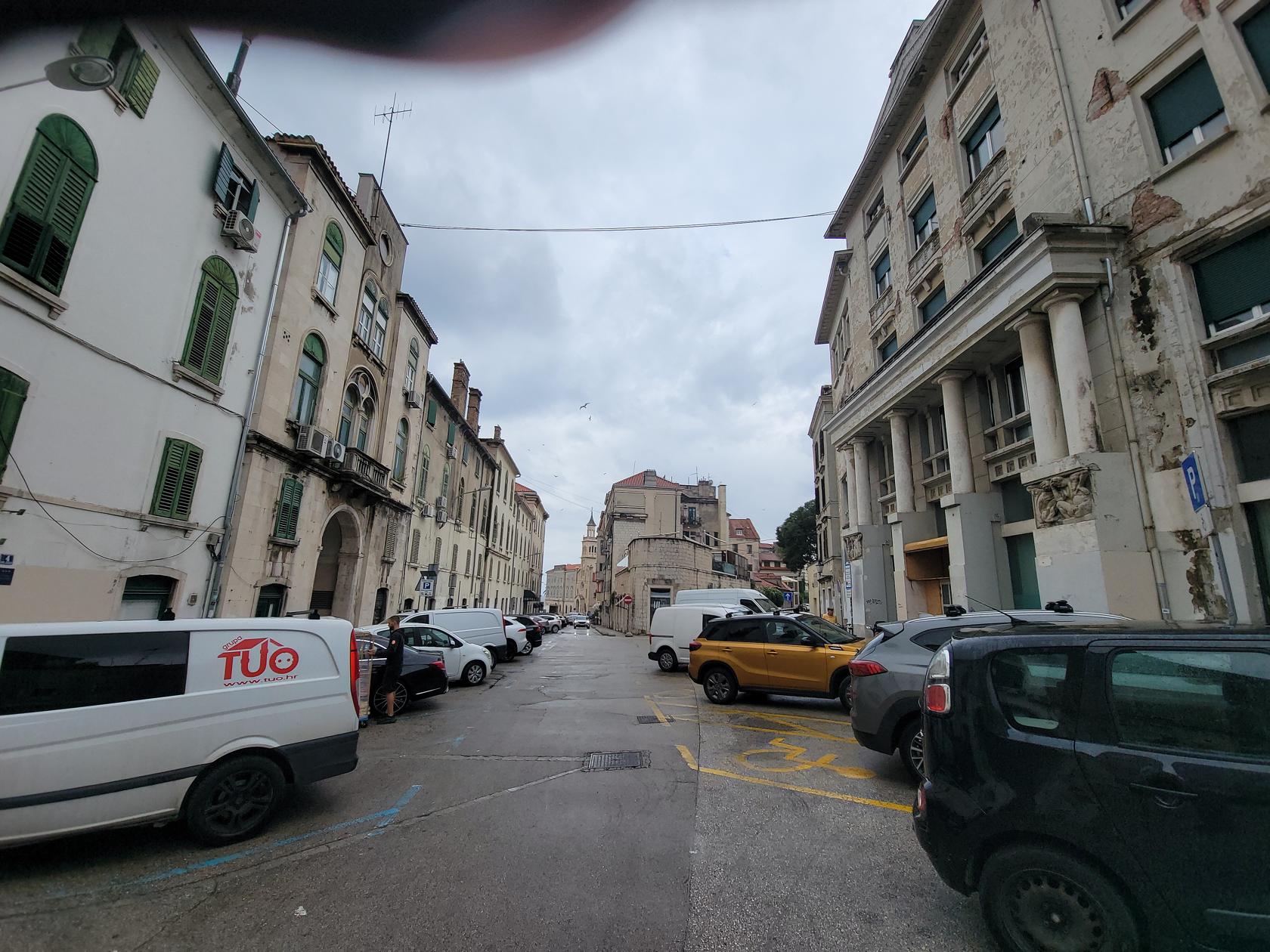
Side Street – Split, Croatia
Tomislava Street – Marmontova Ulica – Split, Croatia
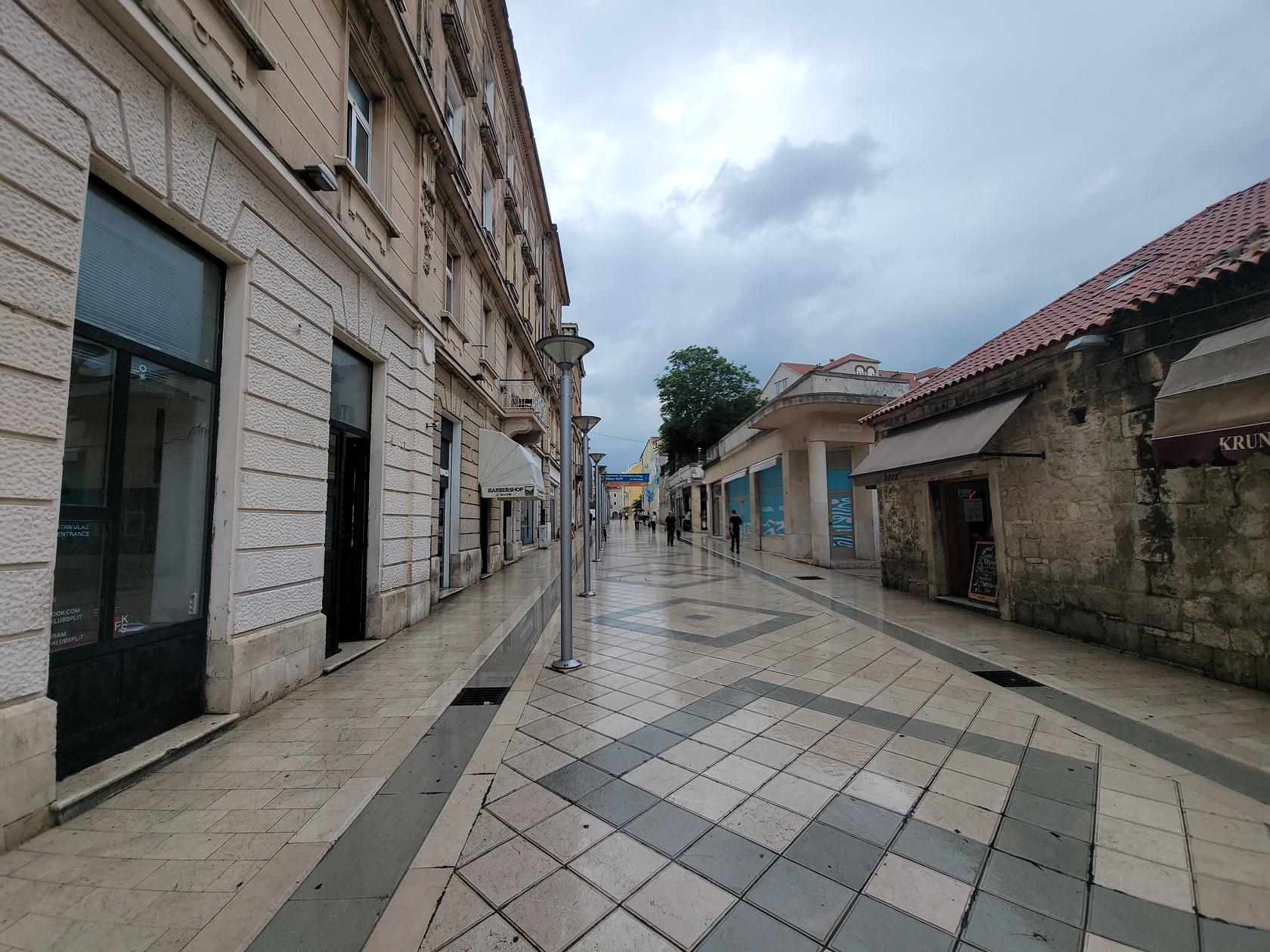
Main Shopping Street – Marmontova Ulica – Split, Croatia
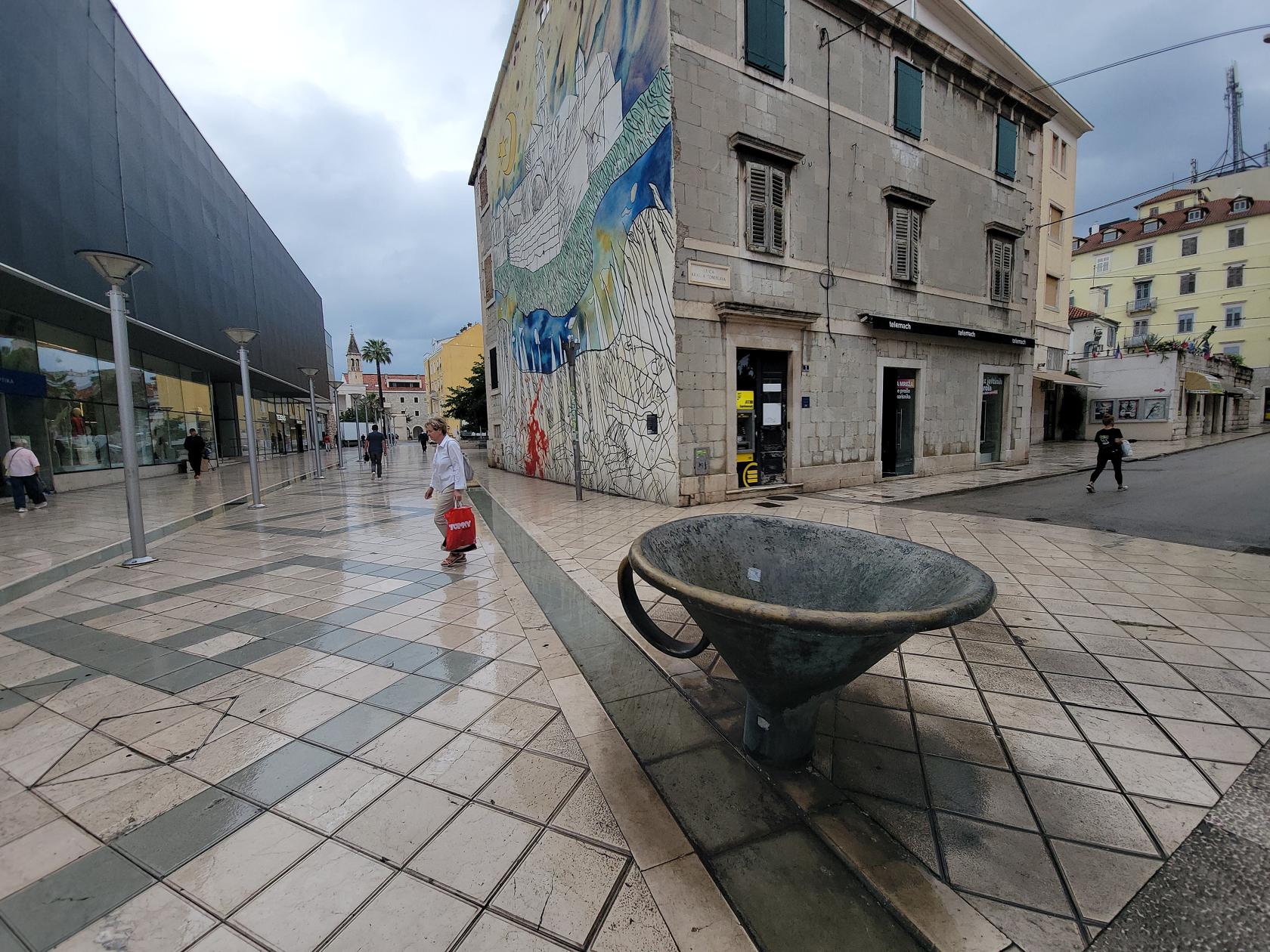
Fountain and Cup – Marmontova Ulica – Split, Croatia
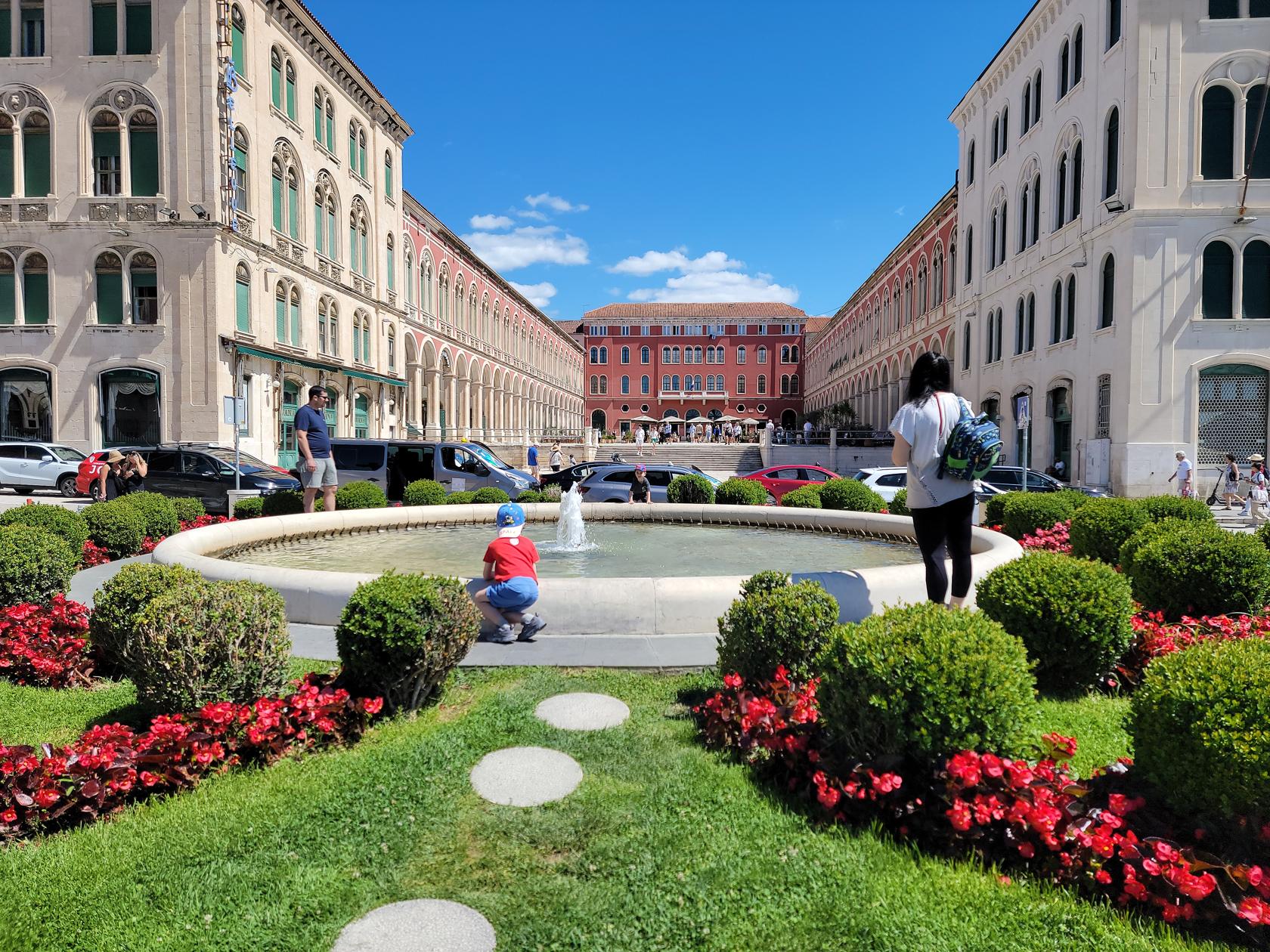
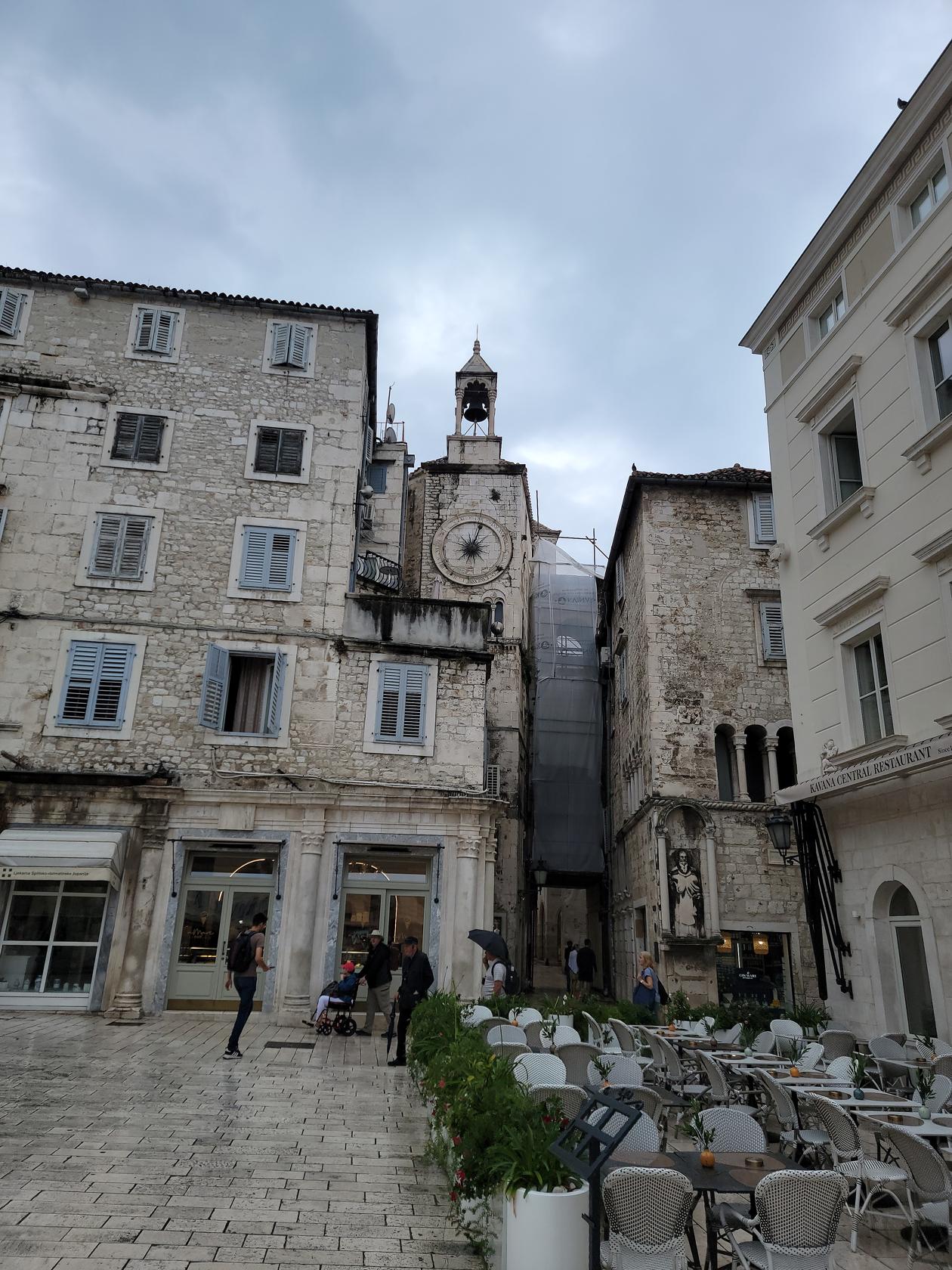
Two other noteworthy points of interest are the Republic Square and the People’s Square. One is near the water, while the other is in the middle of the city.
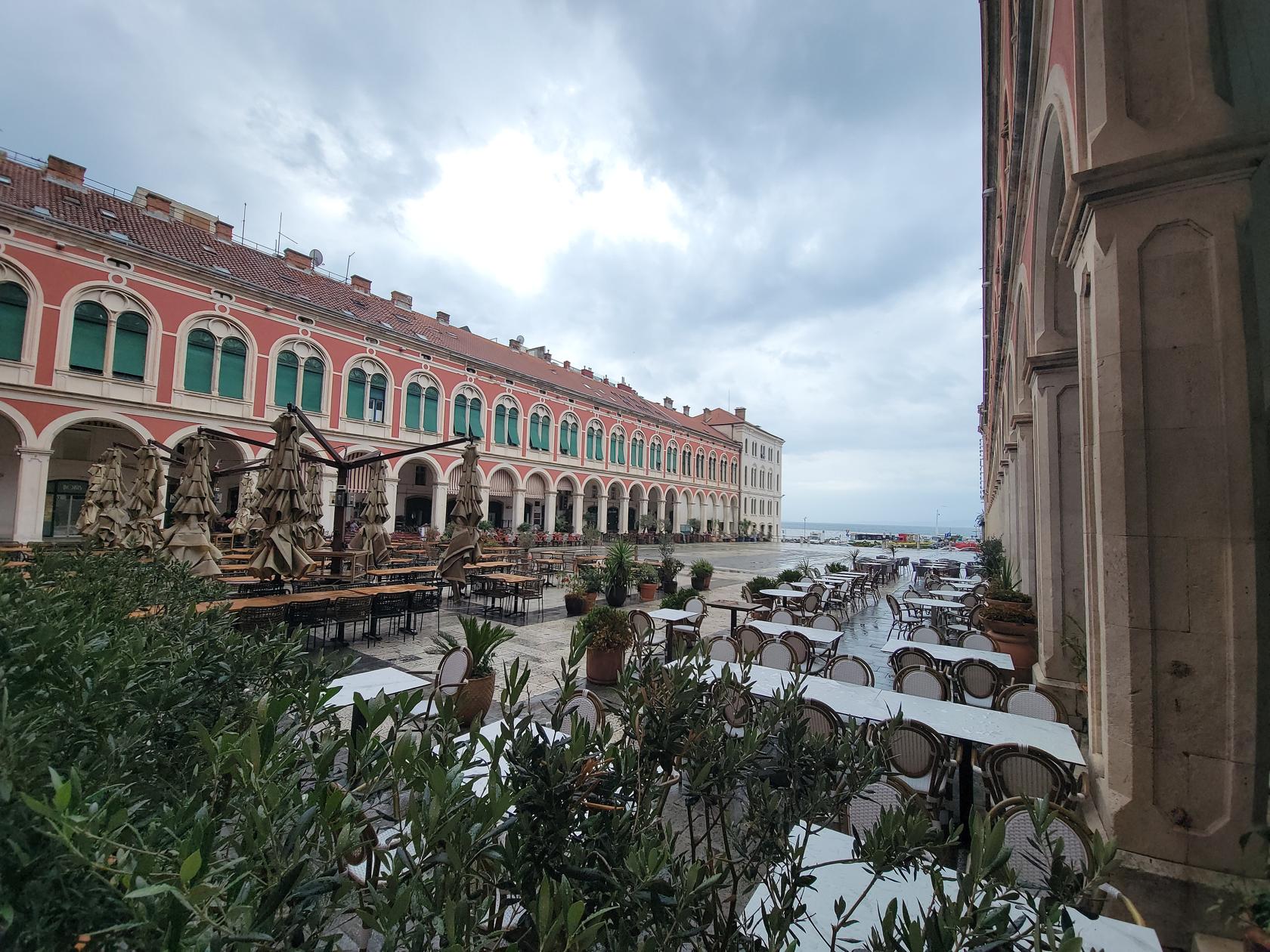
Republic Square – Split, Croatia
Republic Square – Marmontova Ulica – Split, Croatia
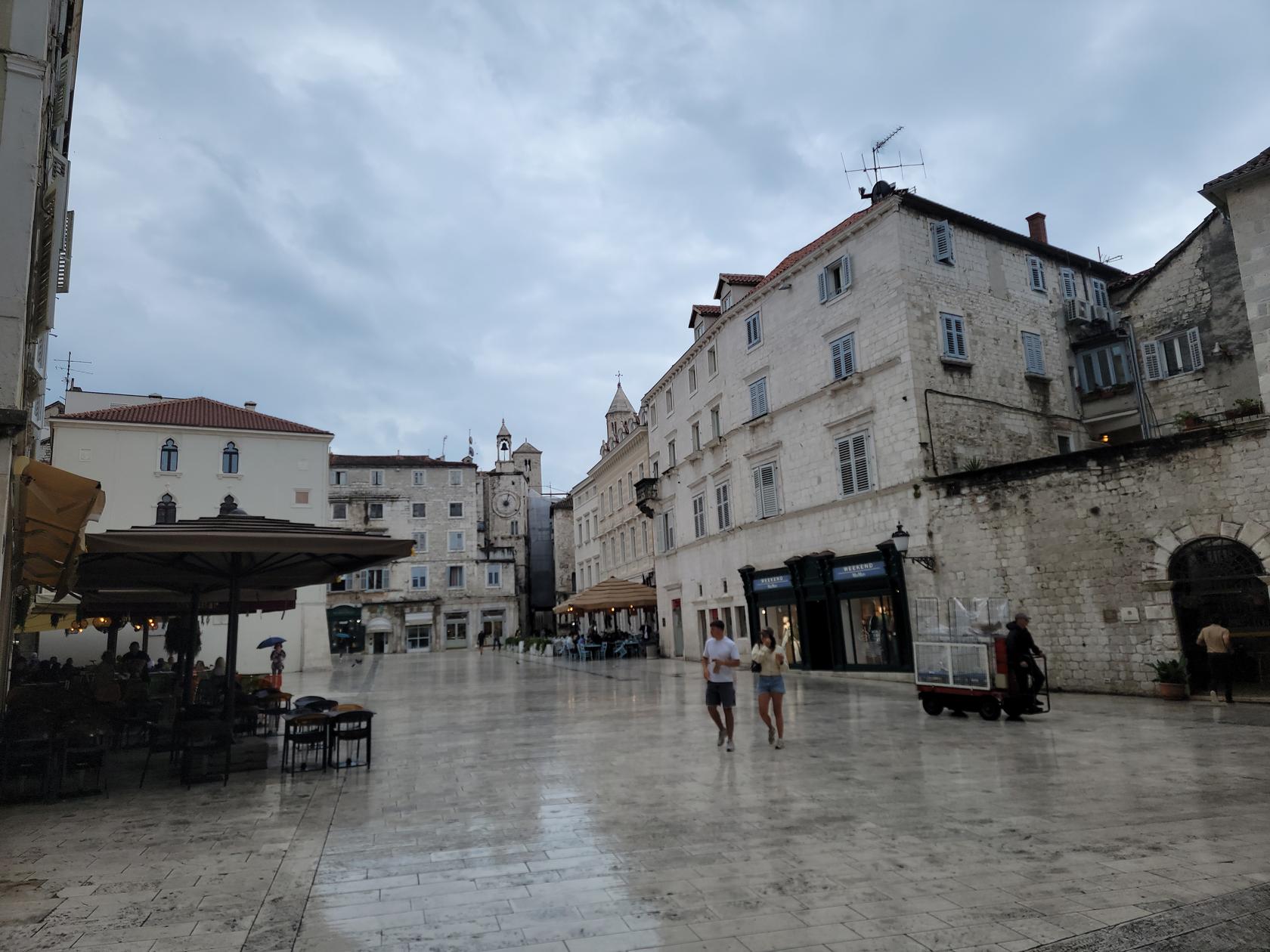
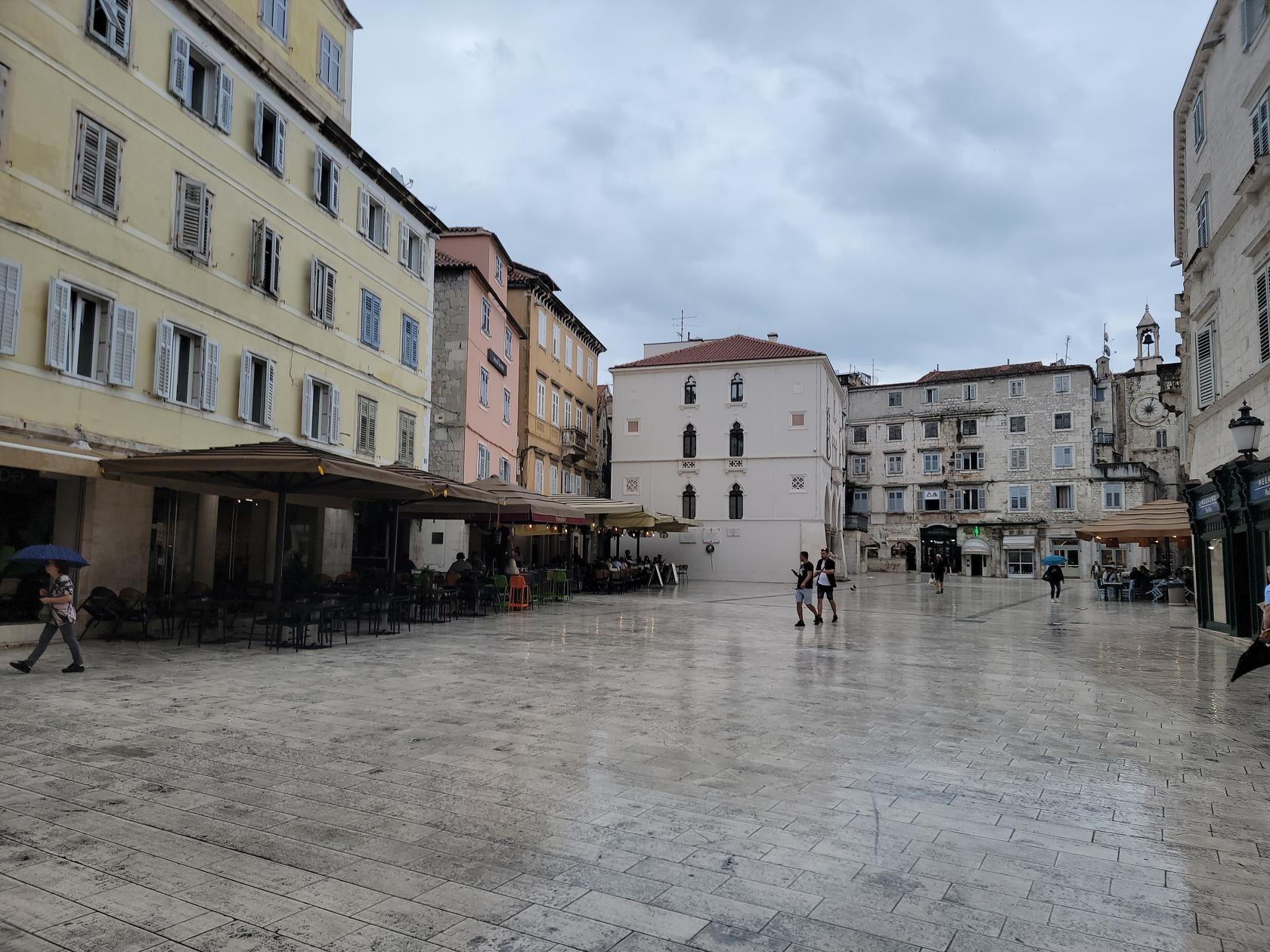
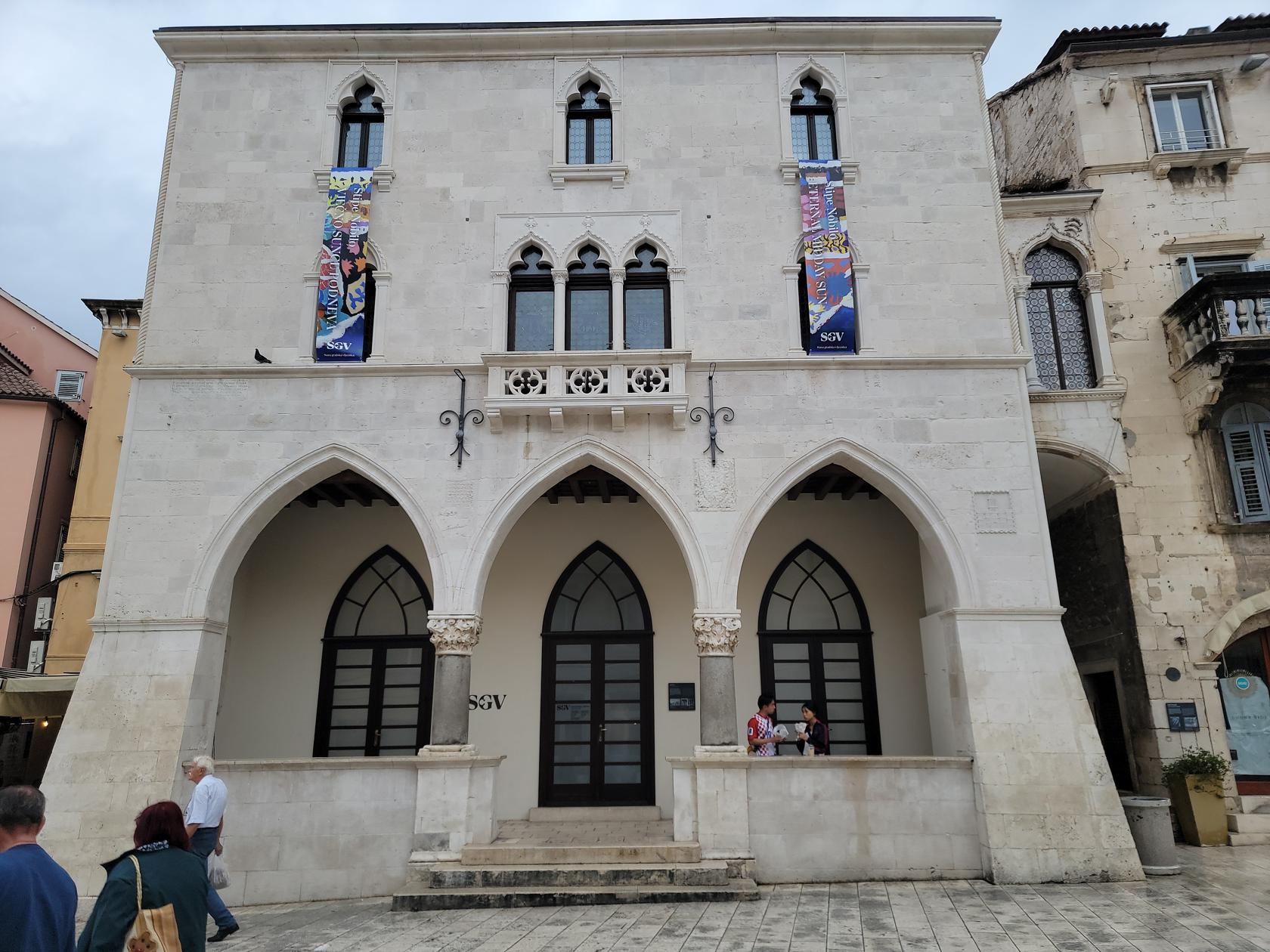
Peoples Square – Marmontova Ulica – Split, Croatia
Peoples Square – Marmontova Ulica – Split, Croatia
Peoples Square – Marmontova Ulica – Split, Croatia
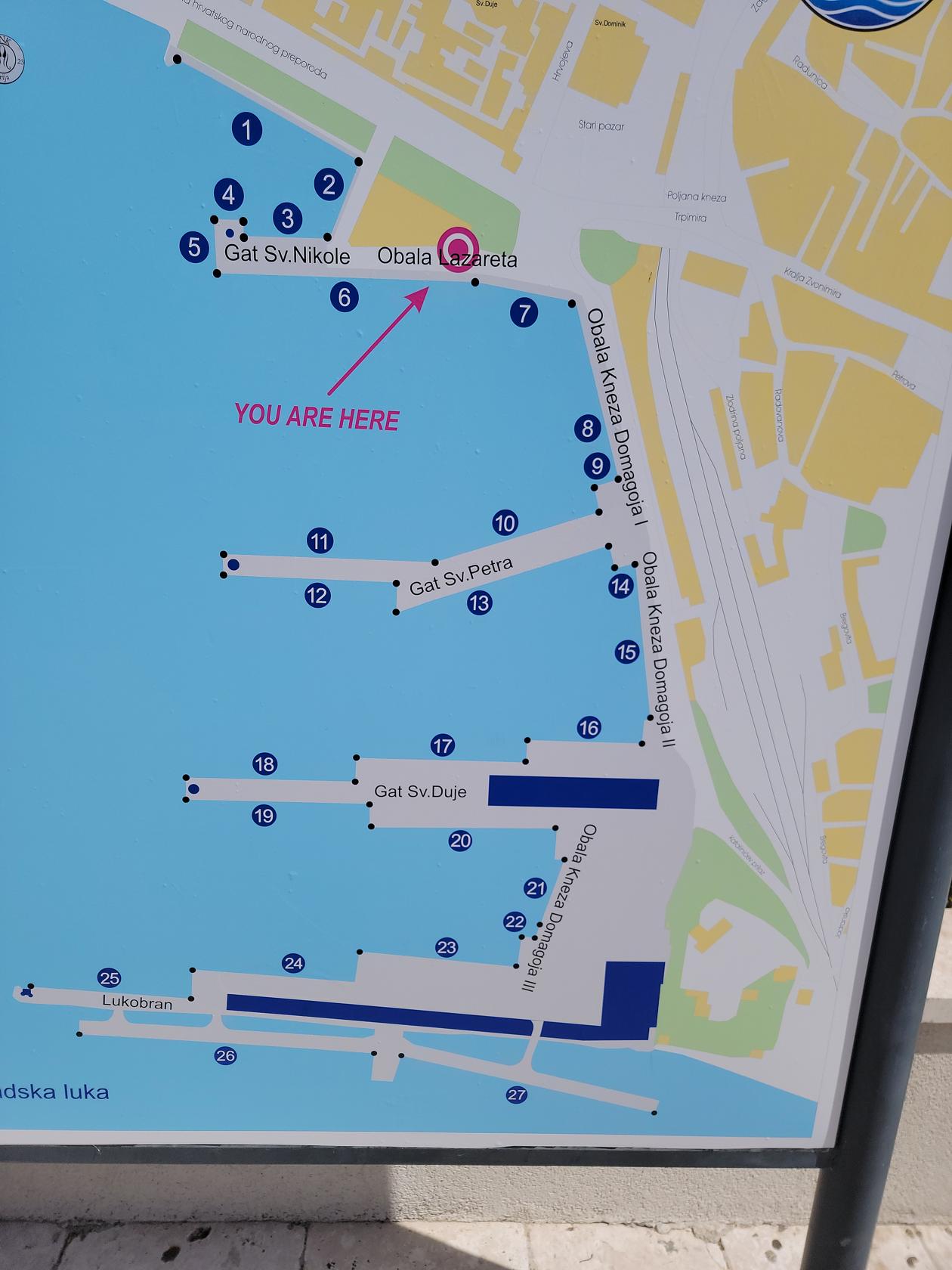
There is also a very active port area and a large number of berths for ferries, which frequent the city daily.
Ferry Piers in Split – Split, Croatia
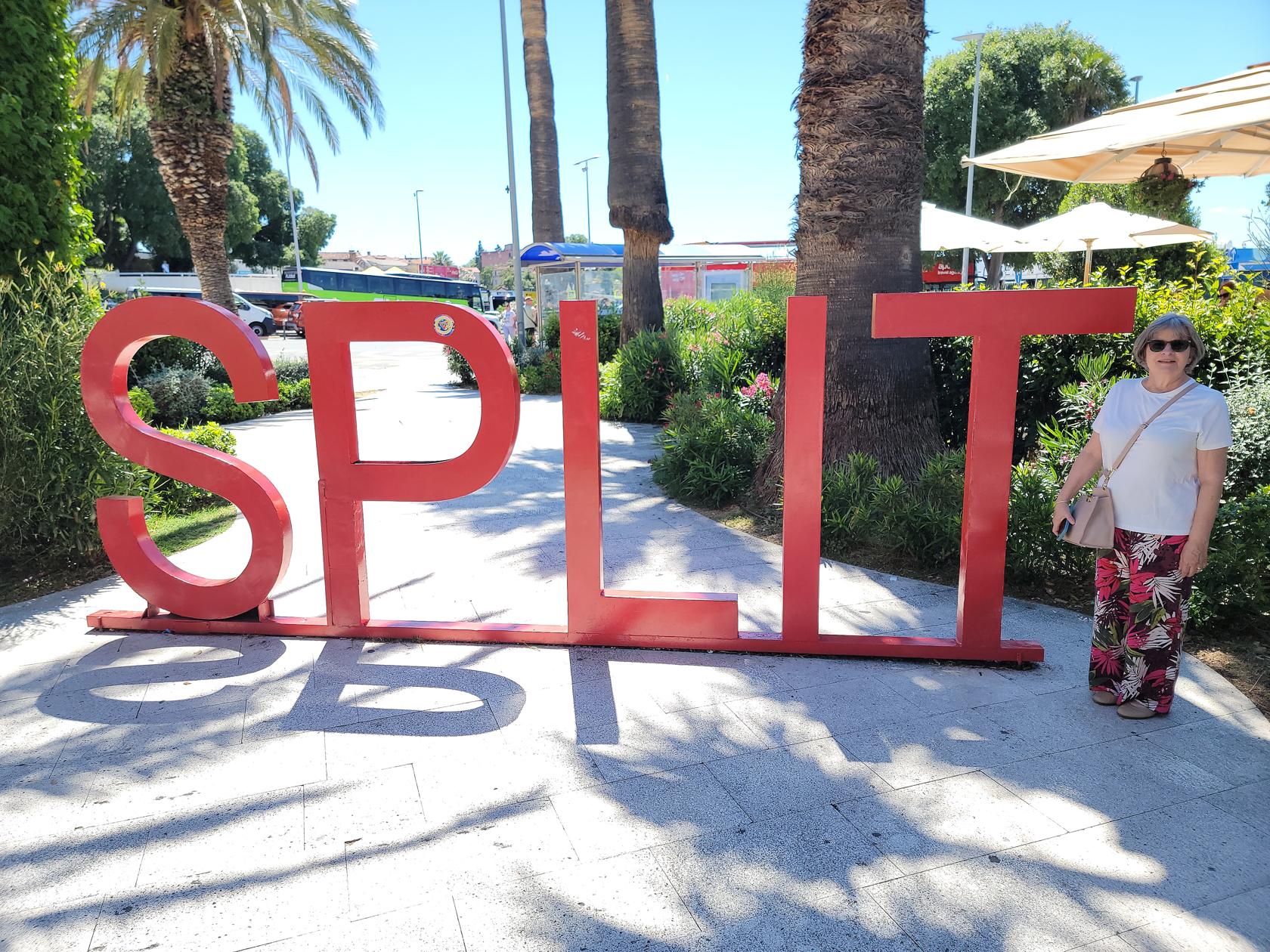
The city also has a large sign for tourist, which appears to be customary in some southern European cities. Here you can take a photograph to remember your adventure.
Patti – City Sign – Split, Croatia
Getting There
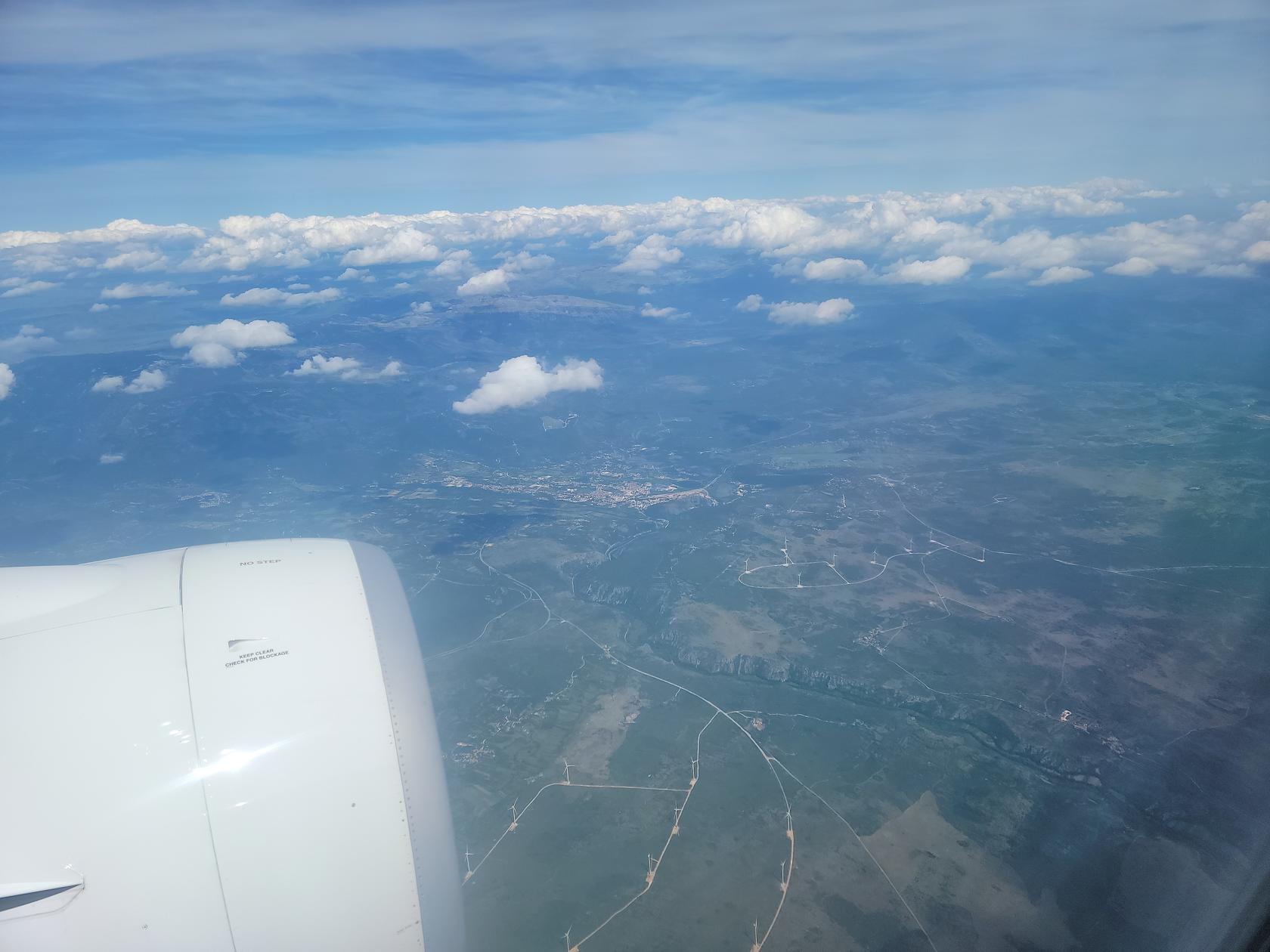
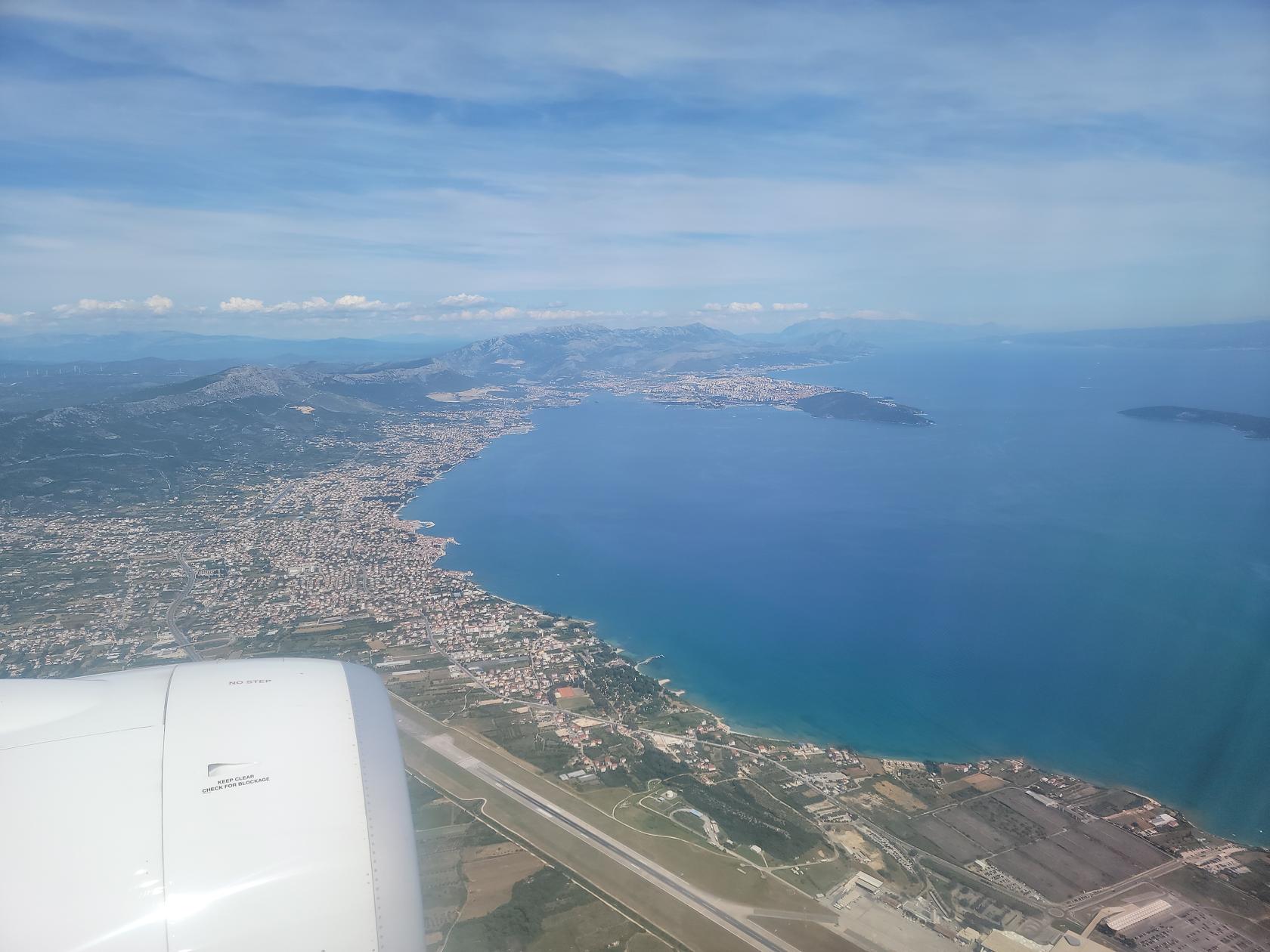
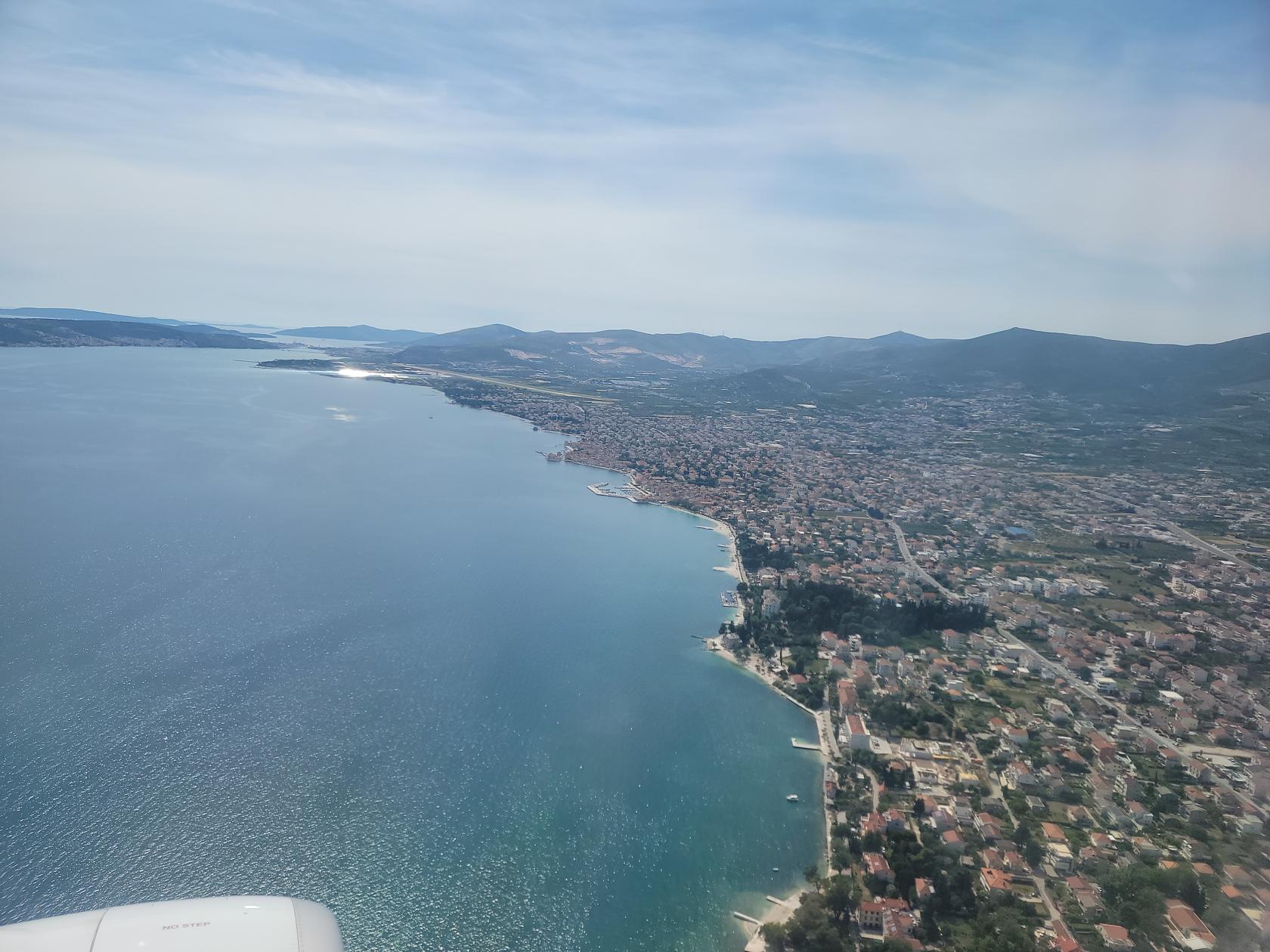
From Zagreb, we took Croatian Airlines which operates flights to Split that continue onto Rome, Italy. At forty minutes it is the fastest way to get to the coast. From the airport to the old town of Split will take on average an additional thirty to forty minutes, depending on the time of day and whether there is any construction.
Flying Over Croatia – Croatia
Coming into Split – Split, Croatia
Teardrop Landing – Split, Croatia
Split from our Lyft ride – Split, Croatia
Diocletian’s Palace
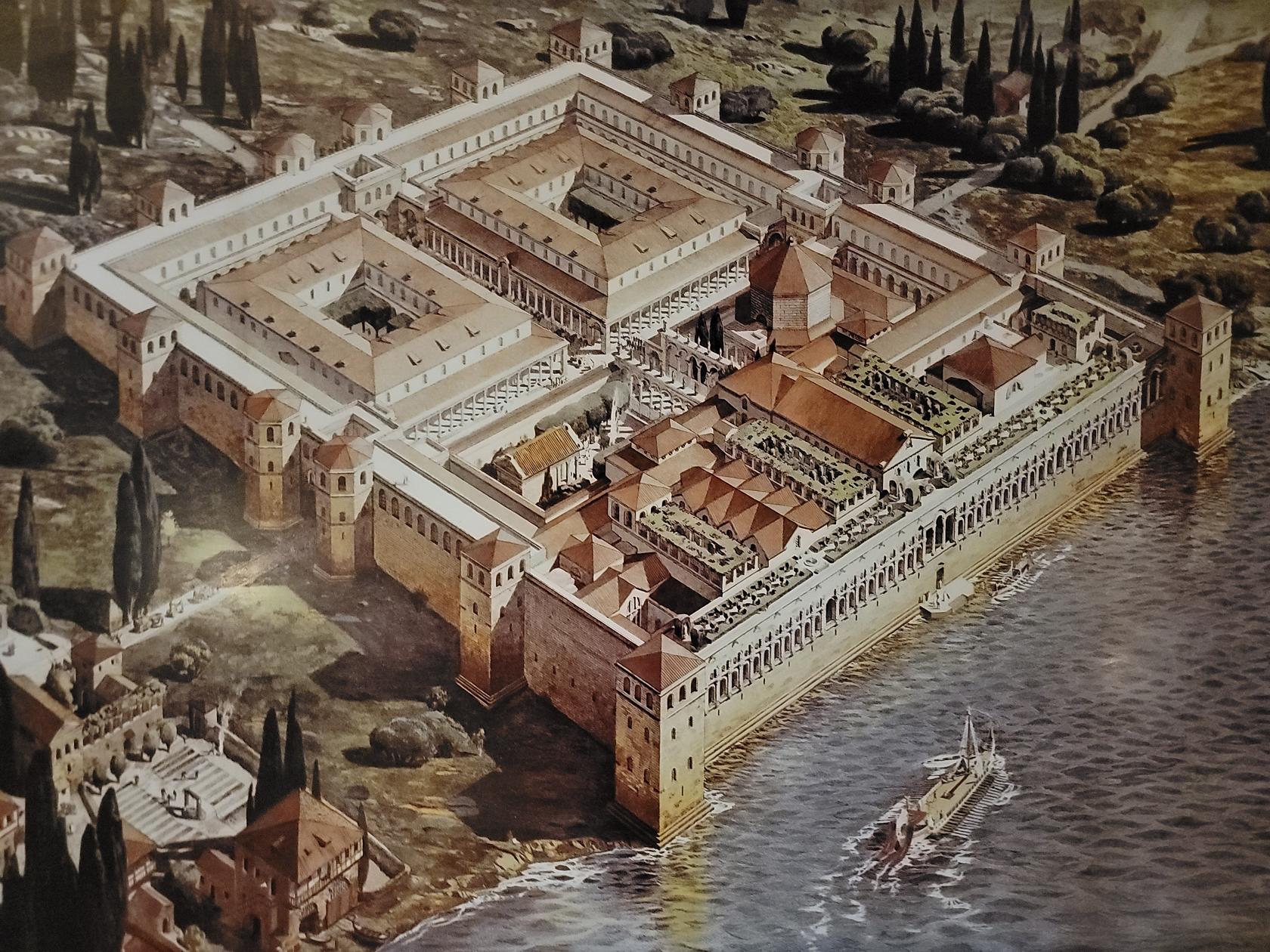
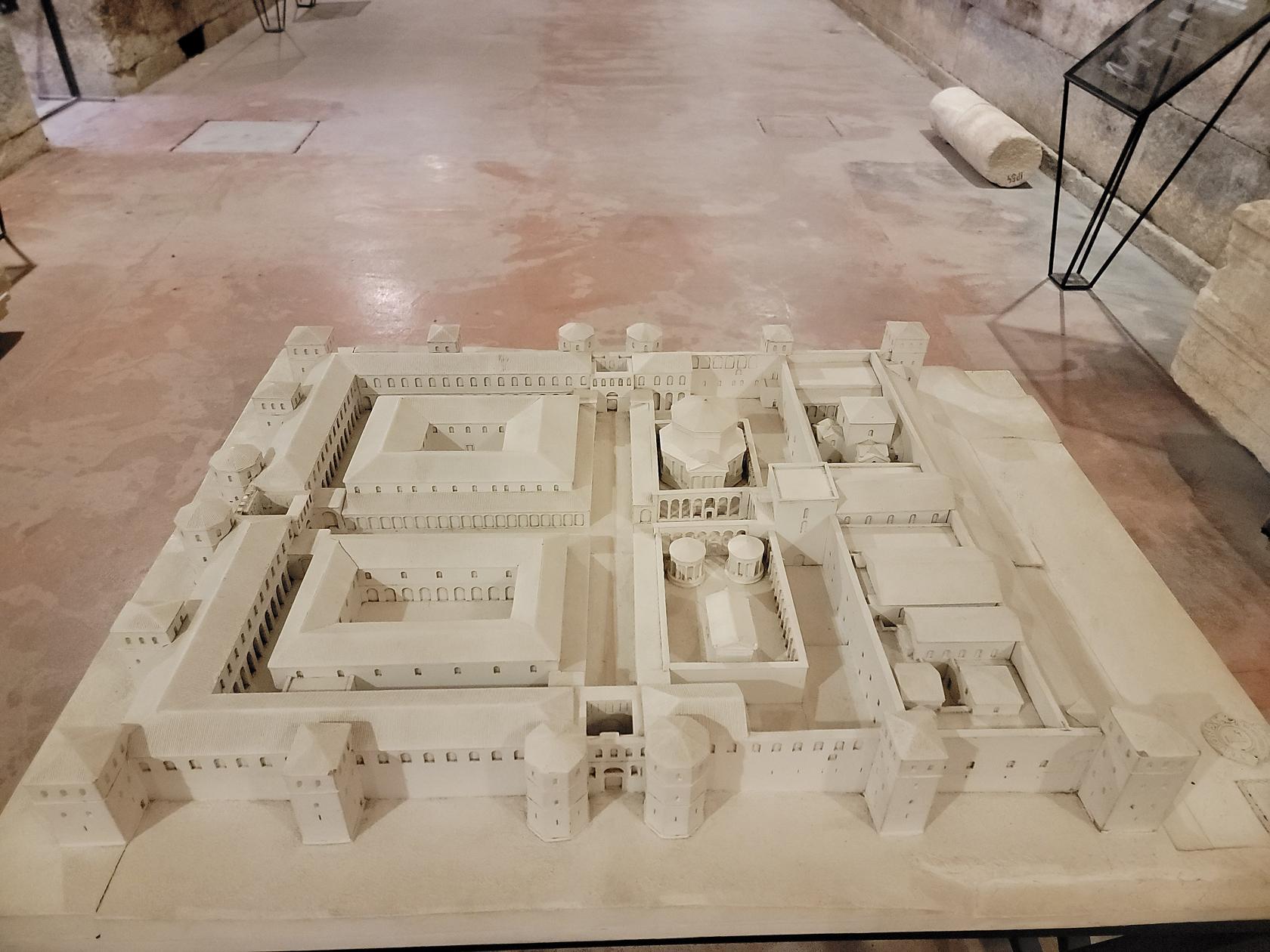
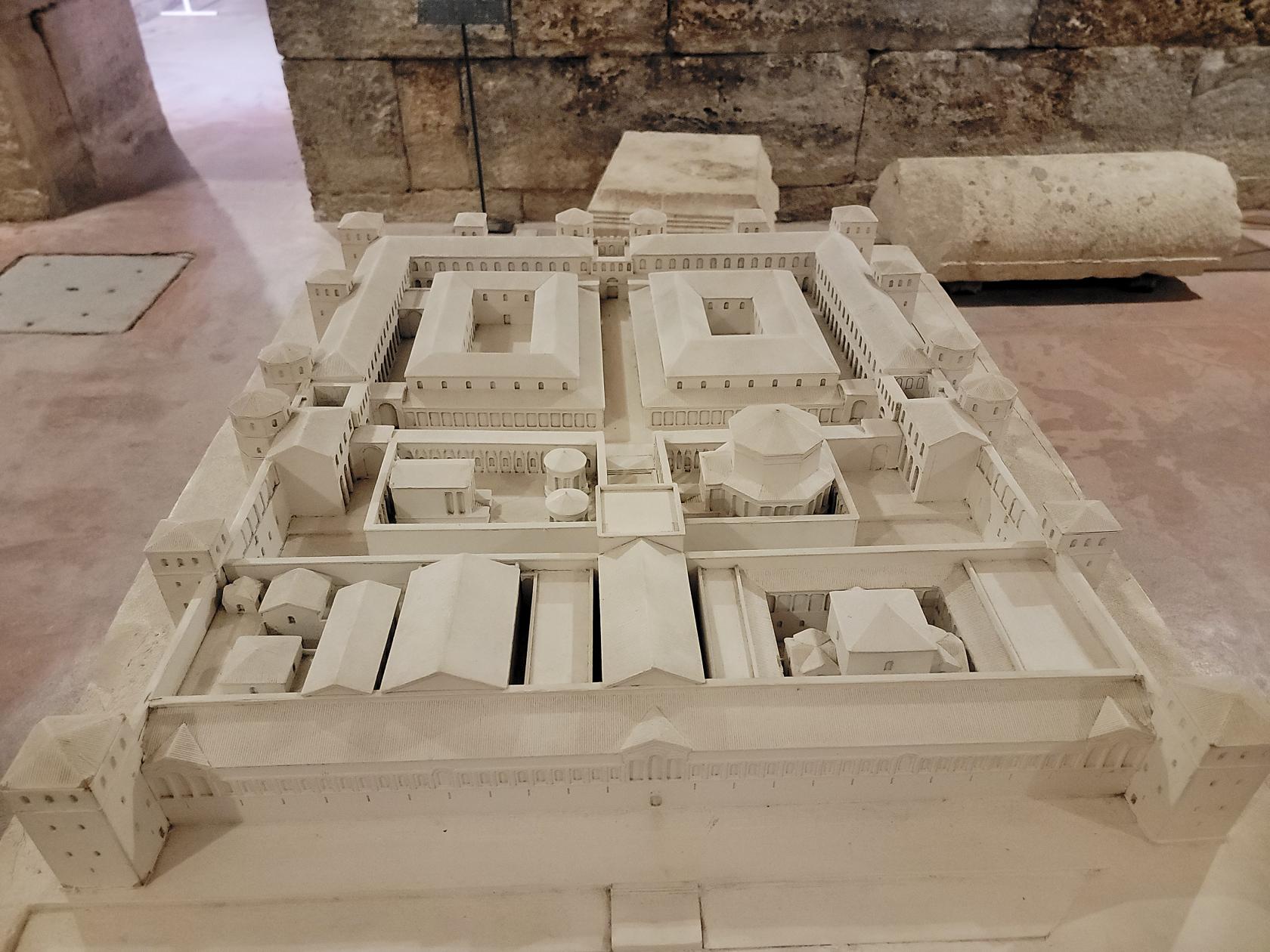
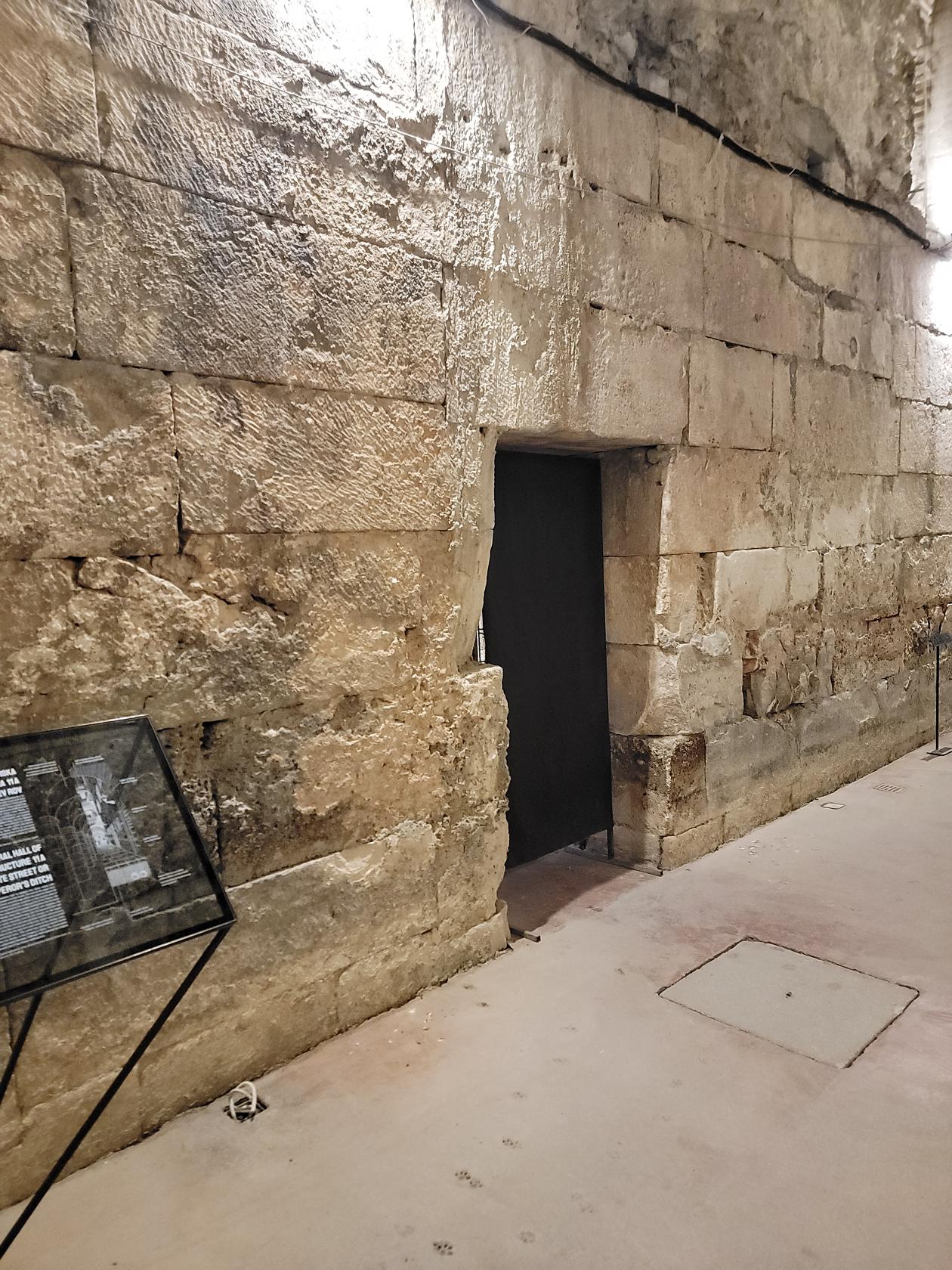
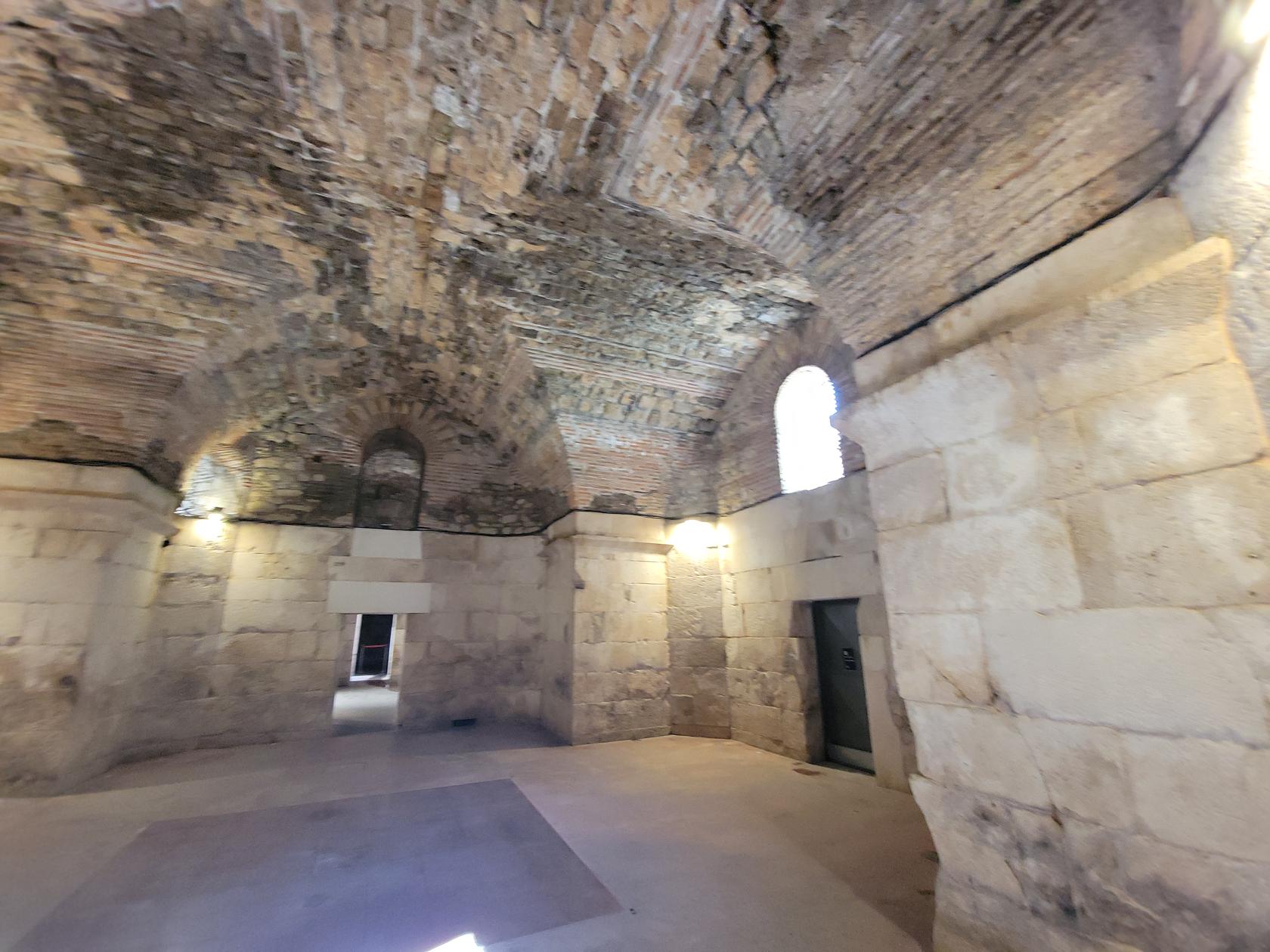
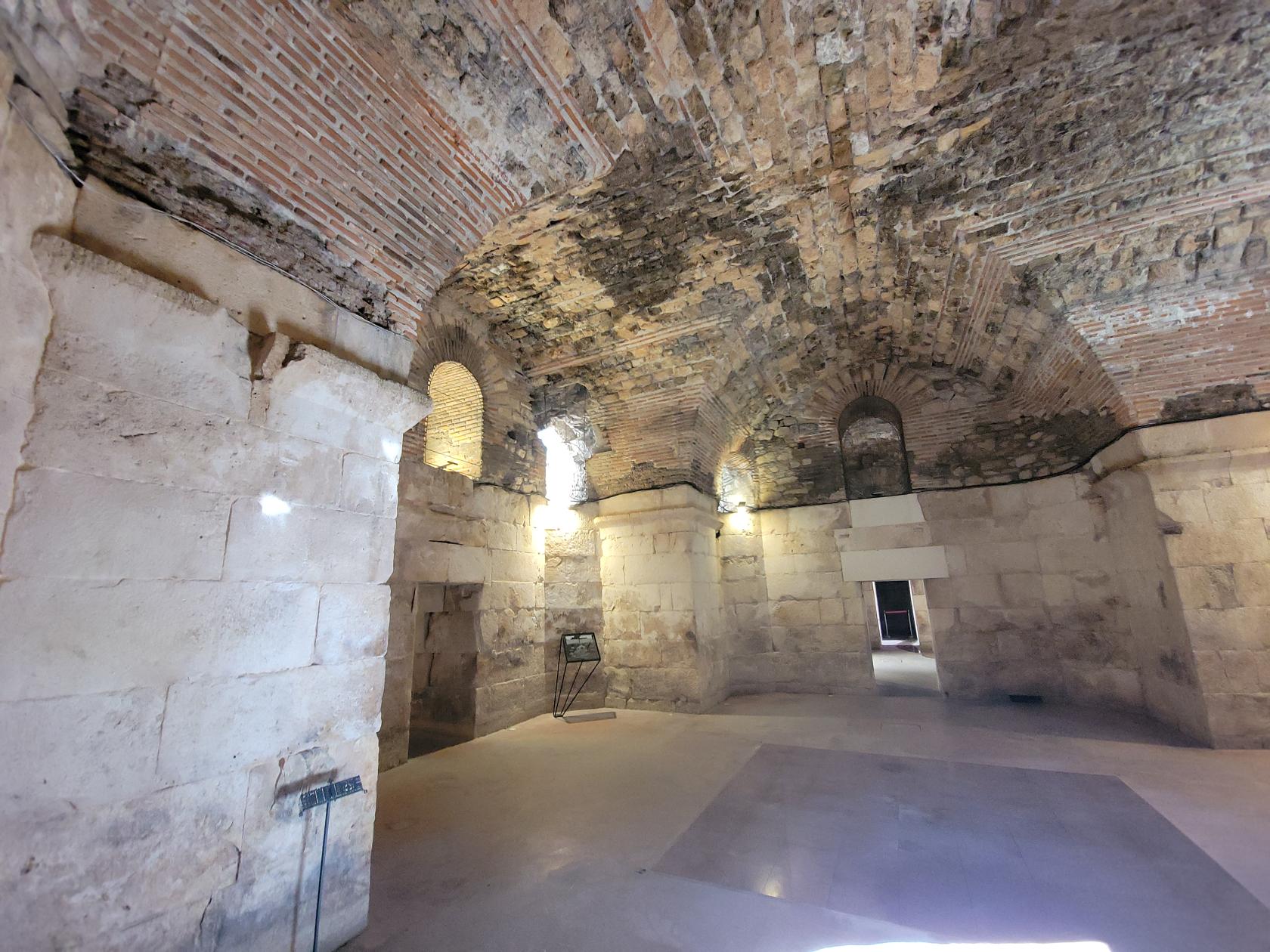
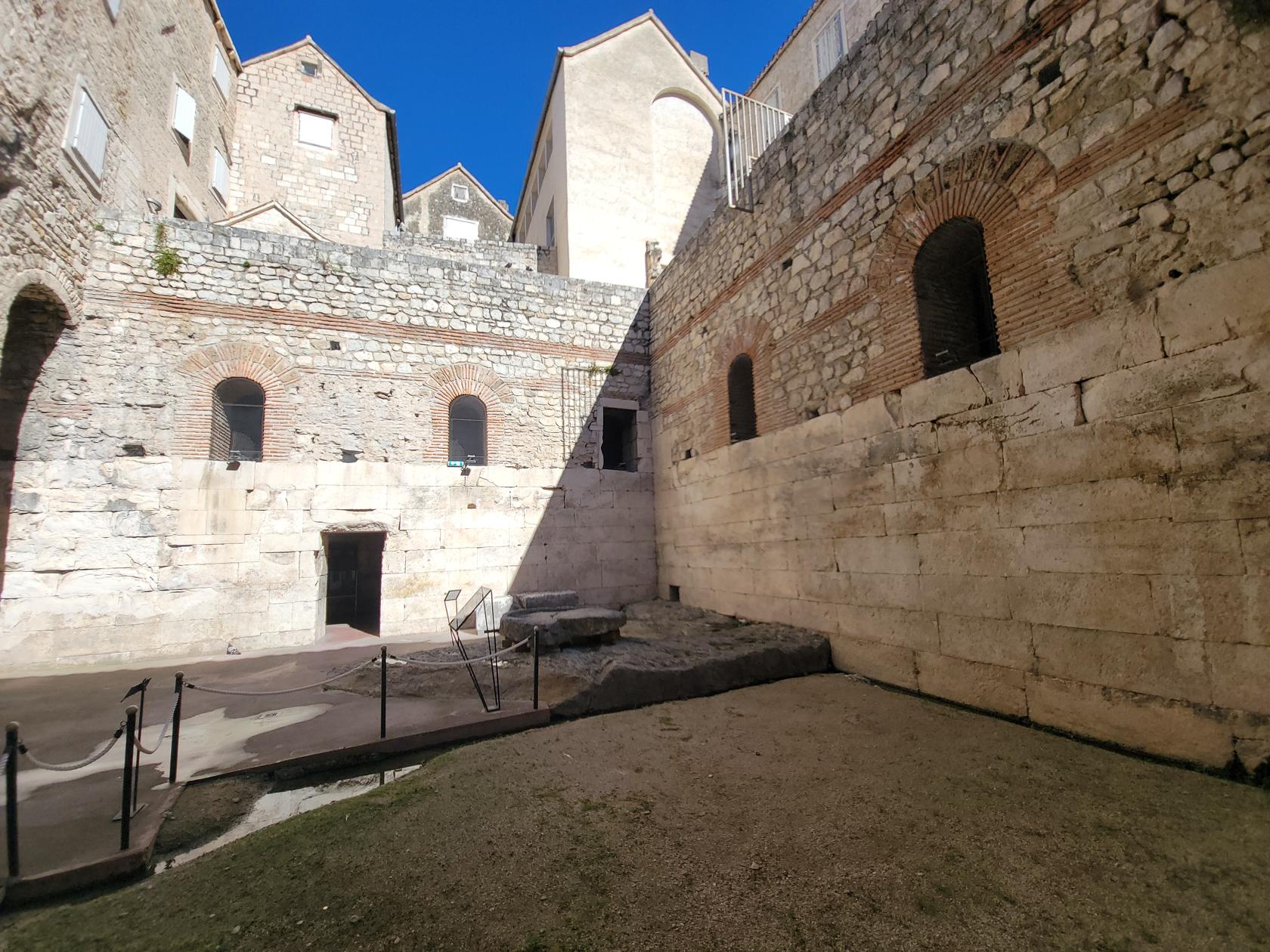
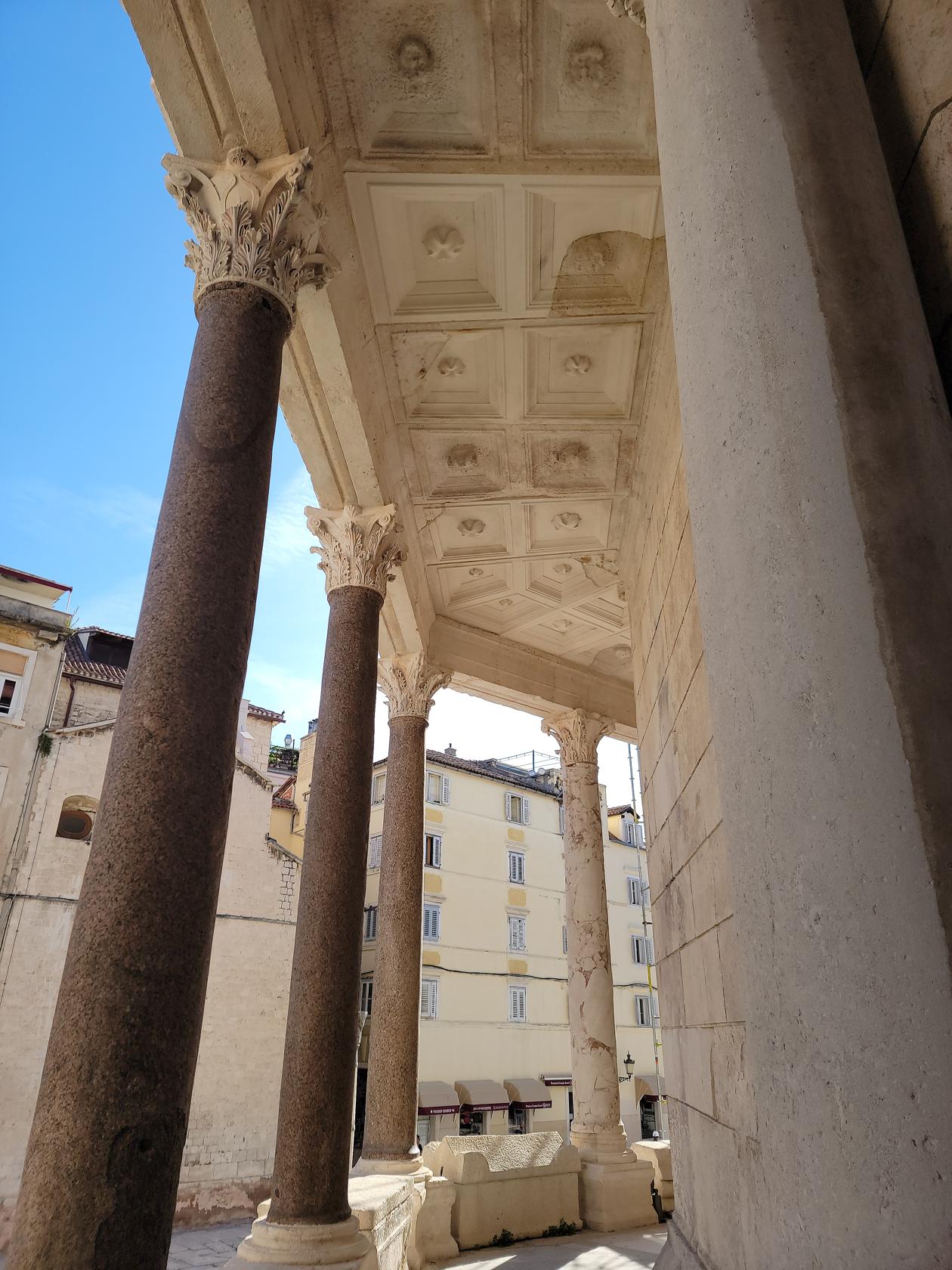
The Diocletian Palace is a large complex just off center of the old town of Split. It was to retirement home of the Roman Emperor Diocletian and was built some time around the third century CE. It is the reason that Split exists and is the ultimate destination here for those interested in Roman history.
Diocletian’s Palace – Split, Croatia
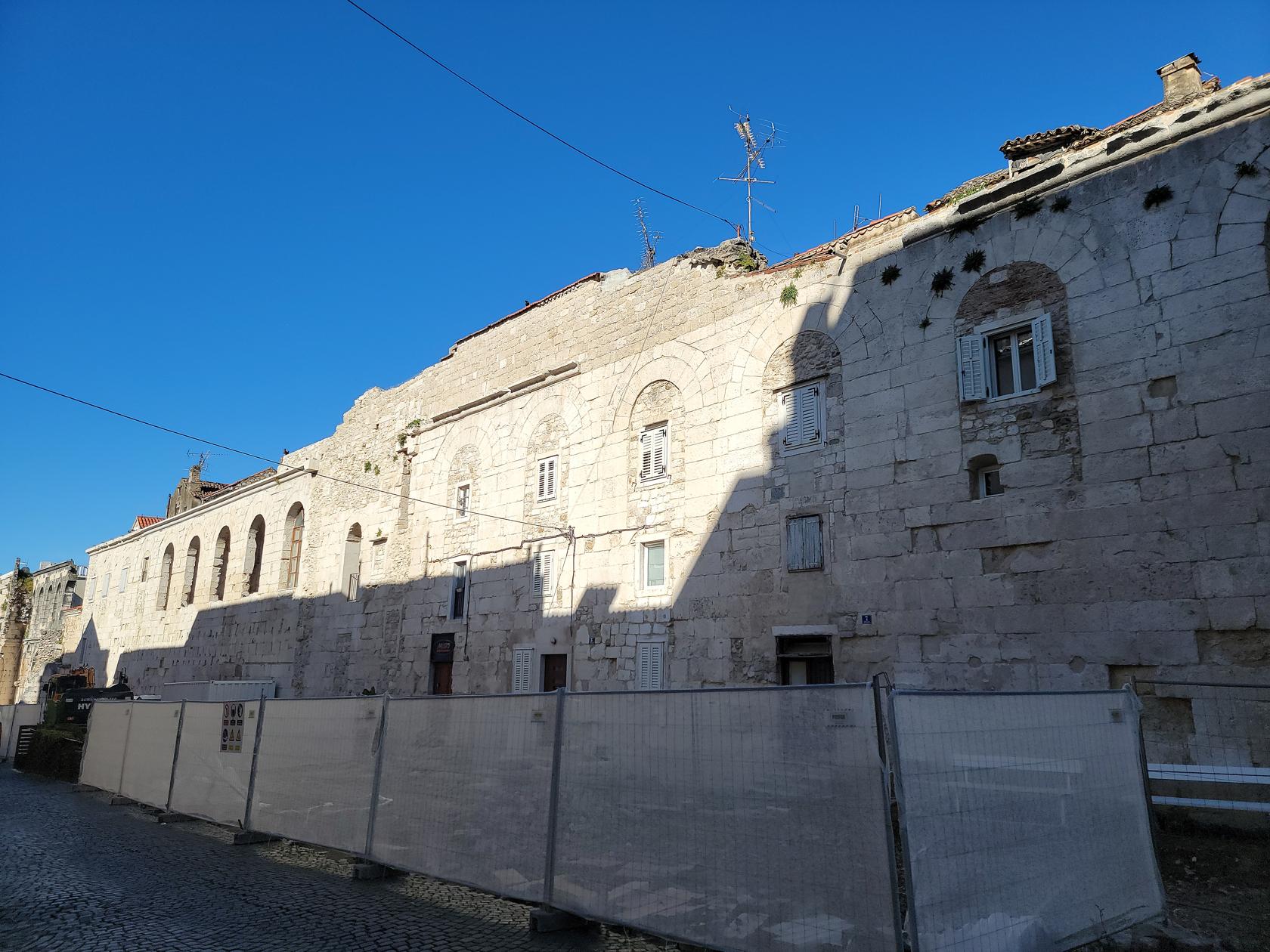
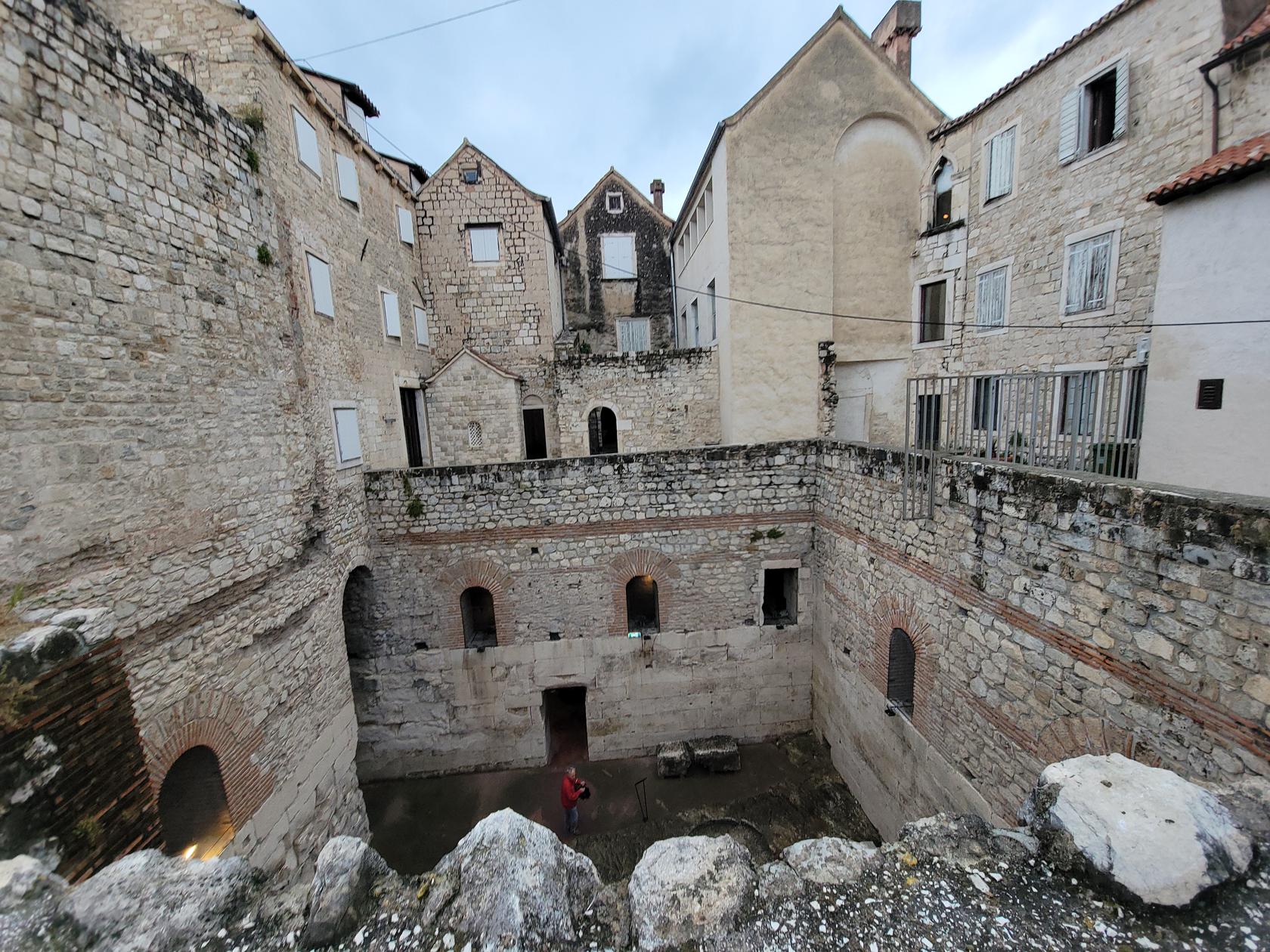
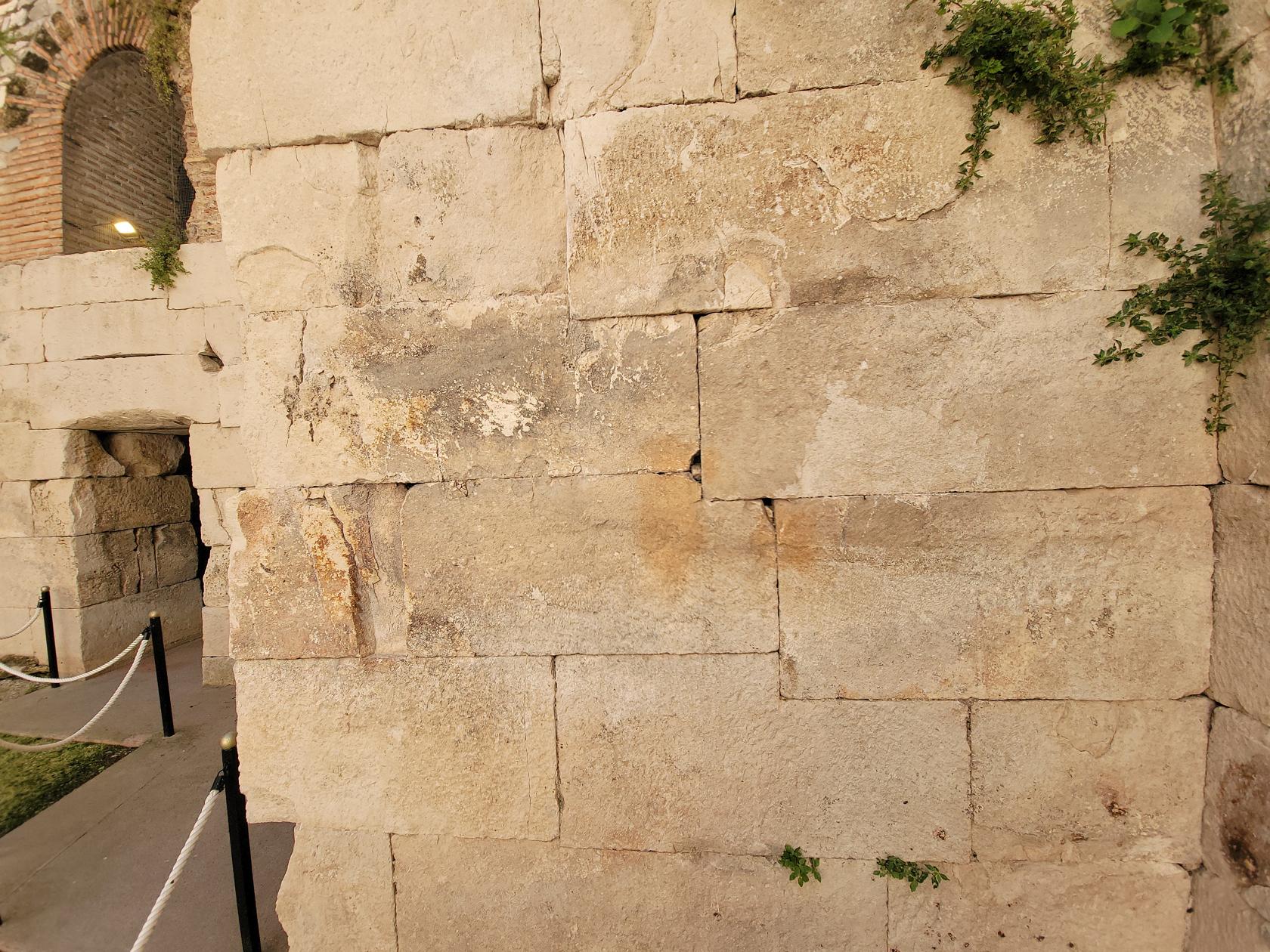
Roman Arches and Fortress Wall – Diocletian’s Palace – Split, Croatia
Triklinij – Diocletian’s Palace – Split, Croatia
Triklinij – Diocletian’s Palace – Split, Croatia
Side Street – Diocletians Palace – Split, Croatia
Another entrance – Diocletians Palace – Split, Croatia
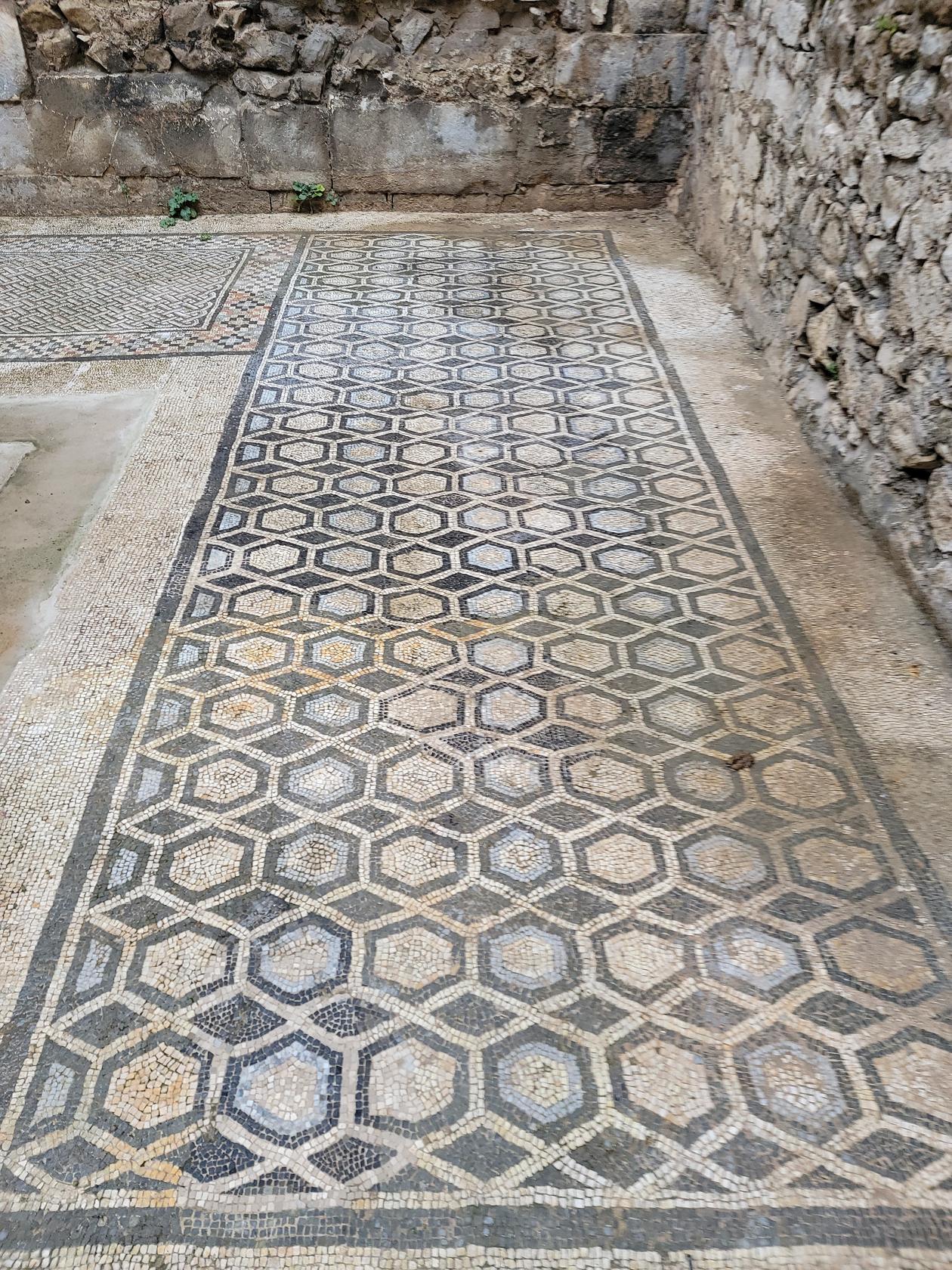
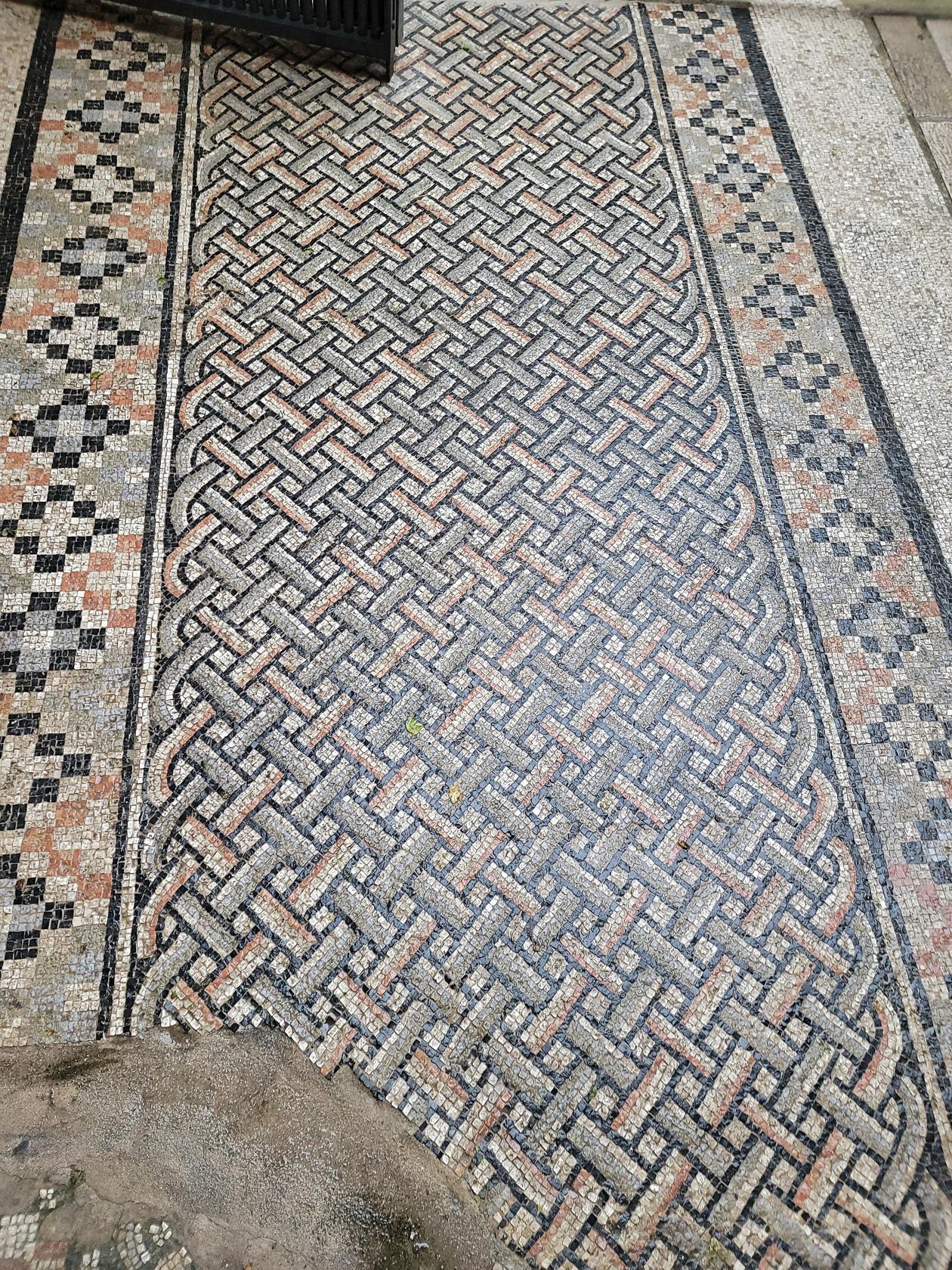
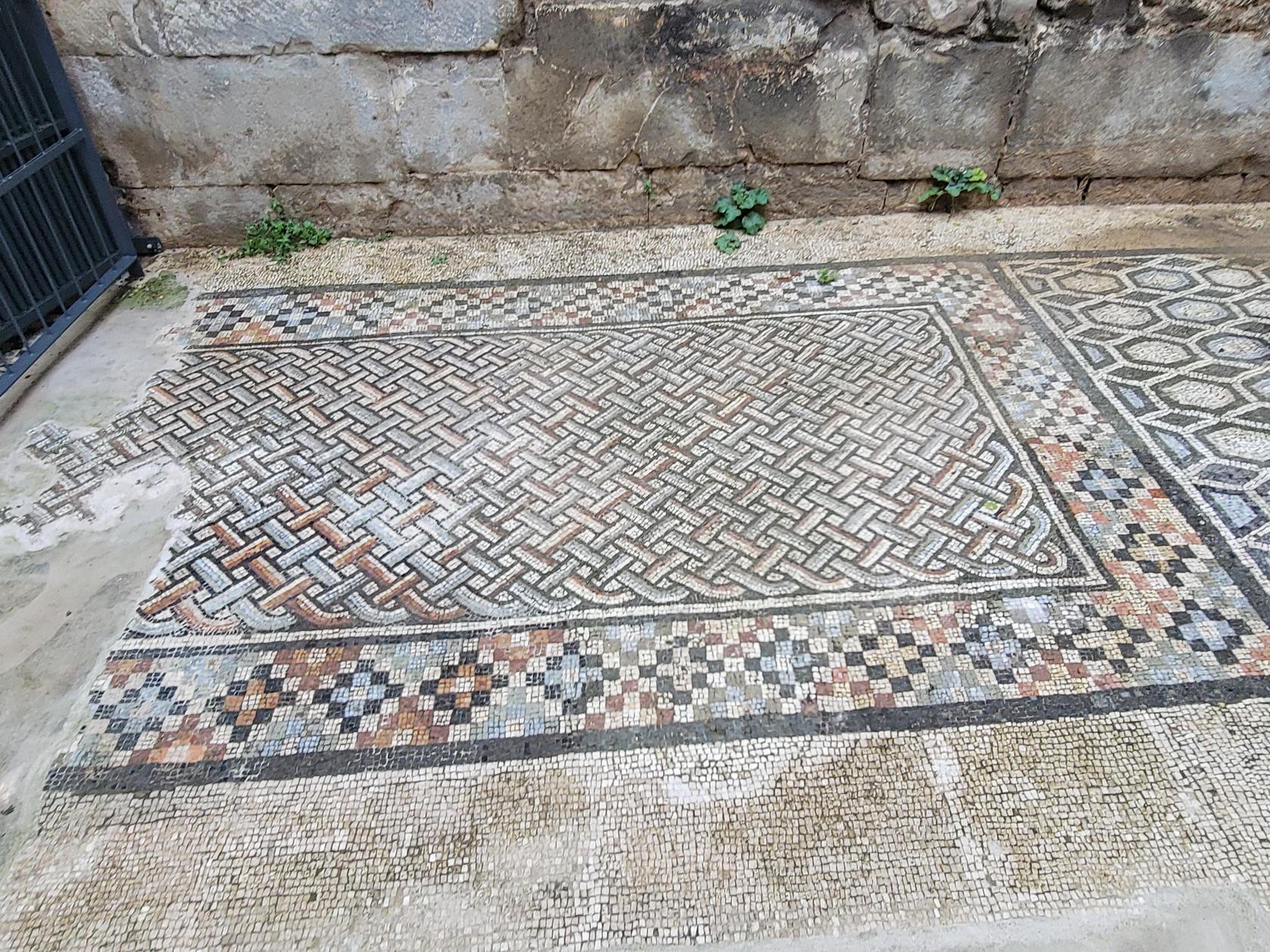
There is an excellent example of fifth century Roman mosaic tiles behind the cathedral which should draw your attention.
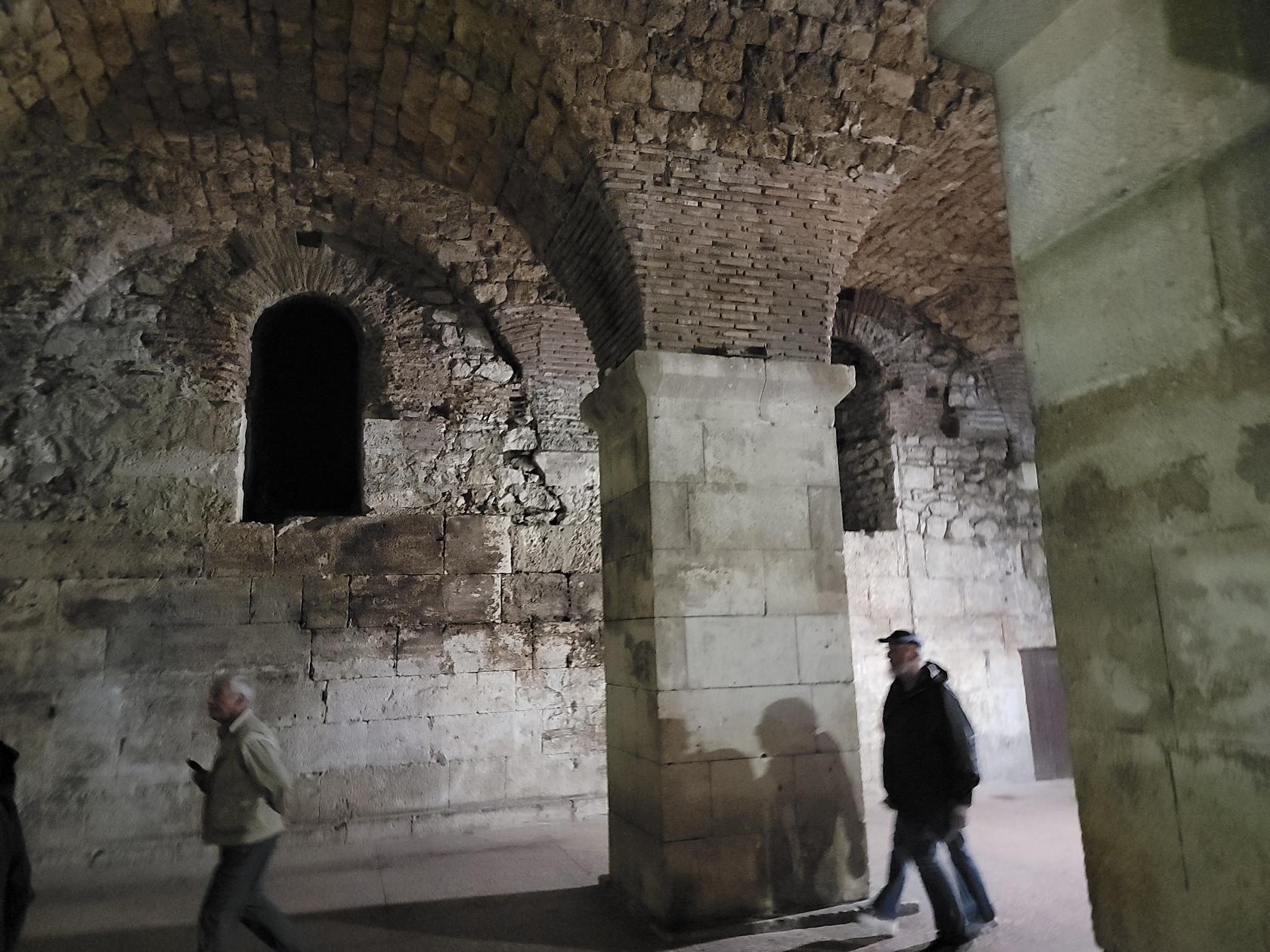
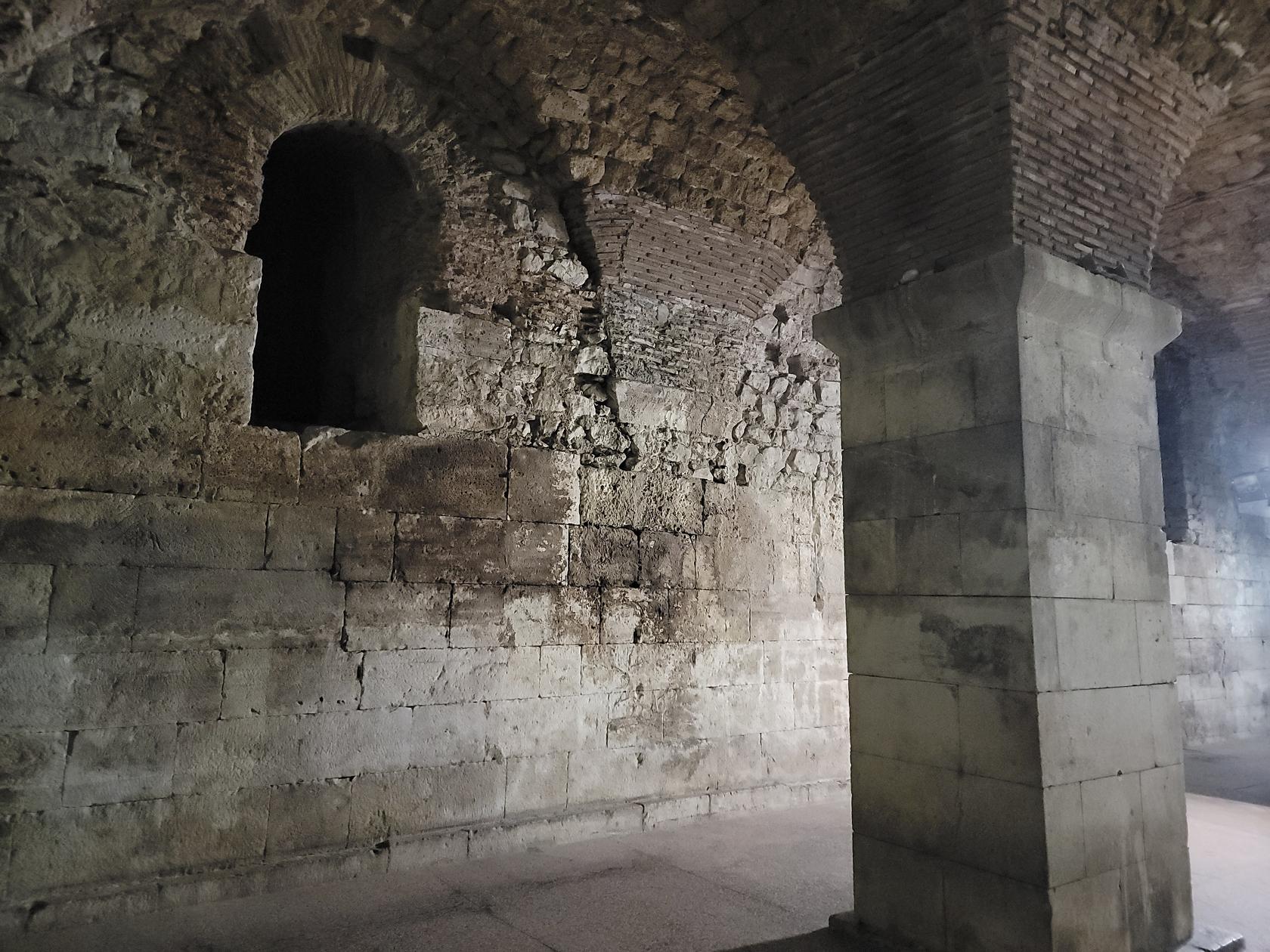
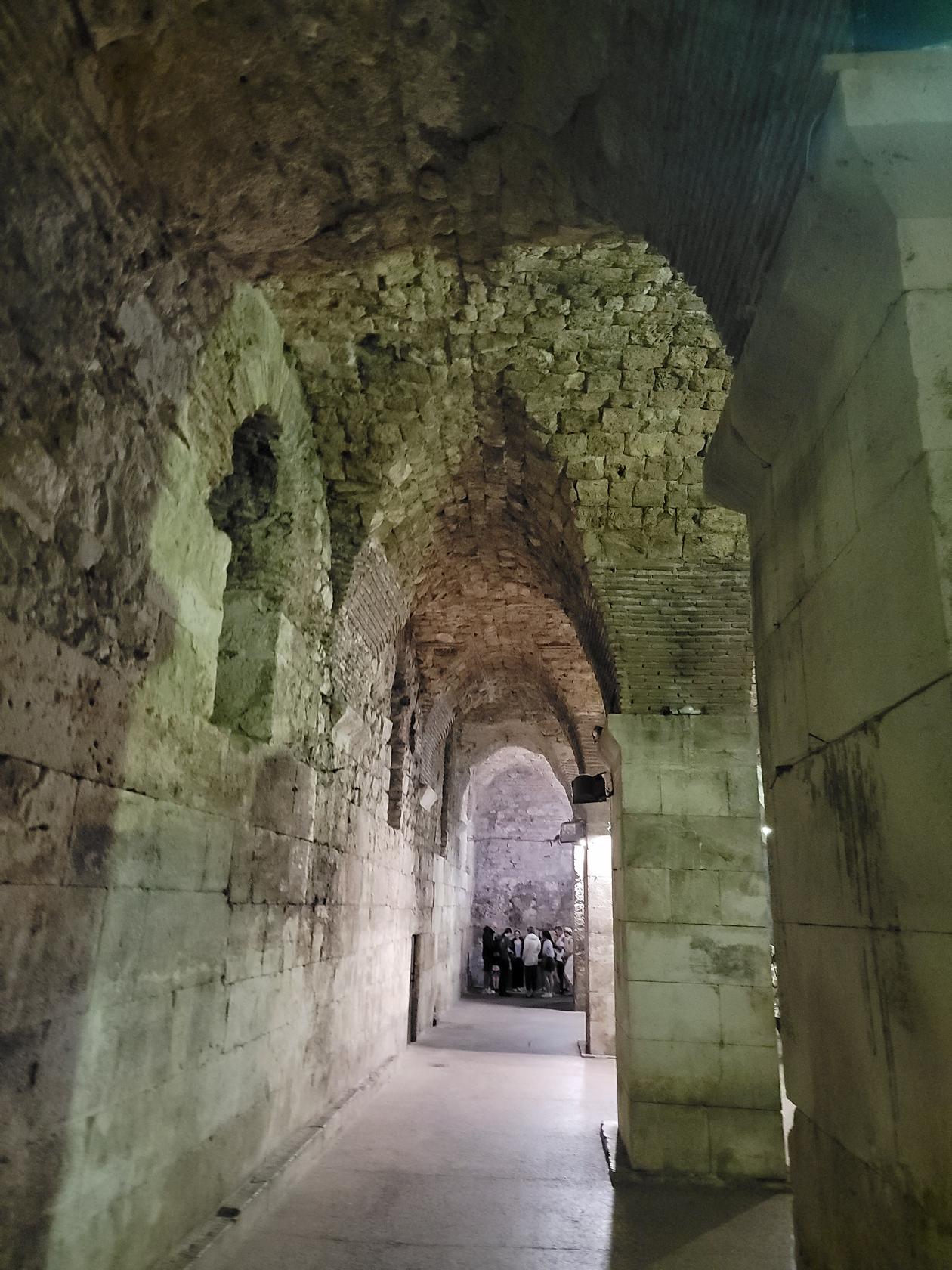
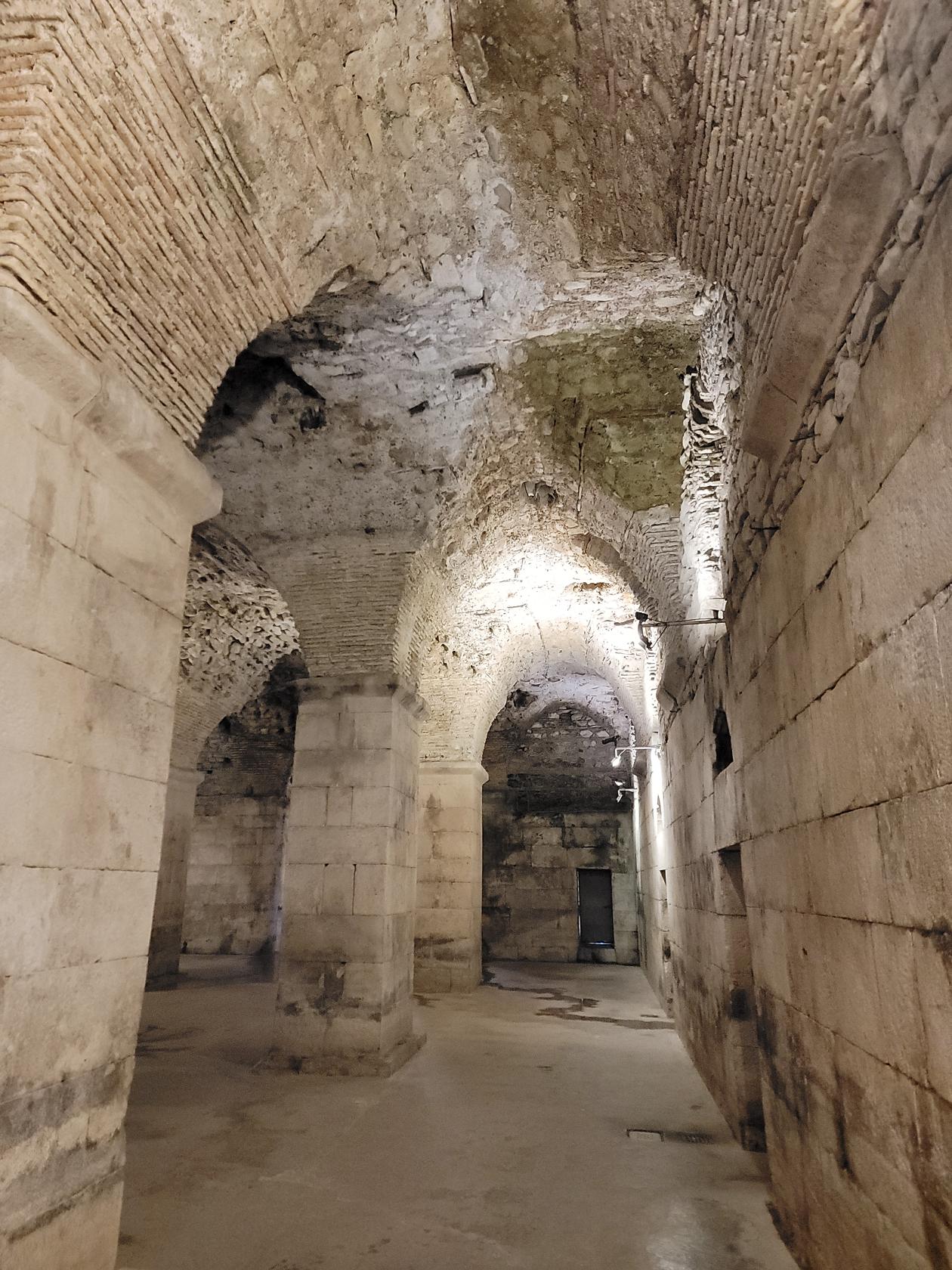
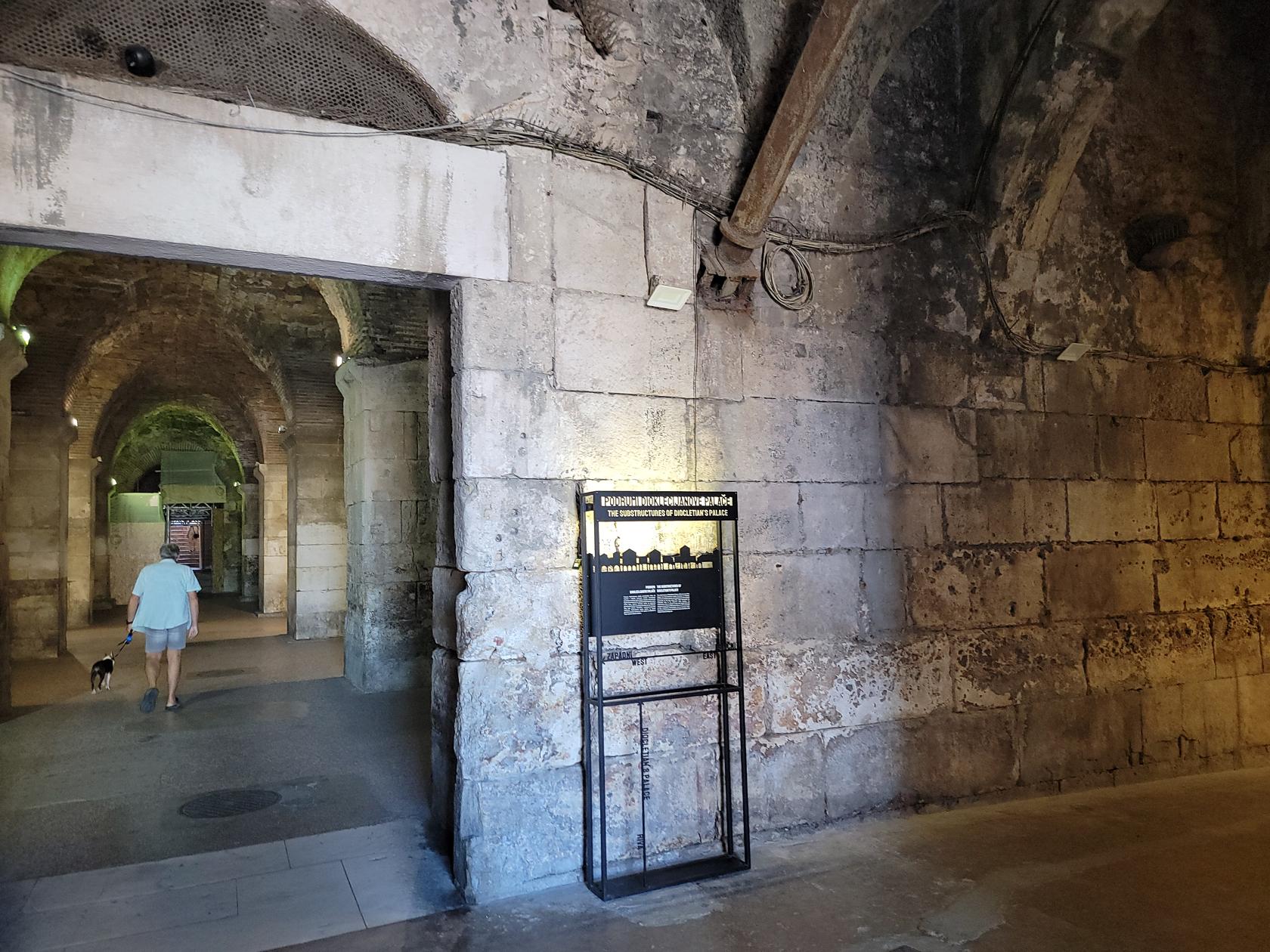
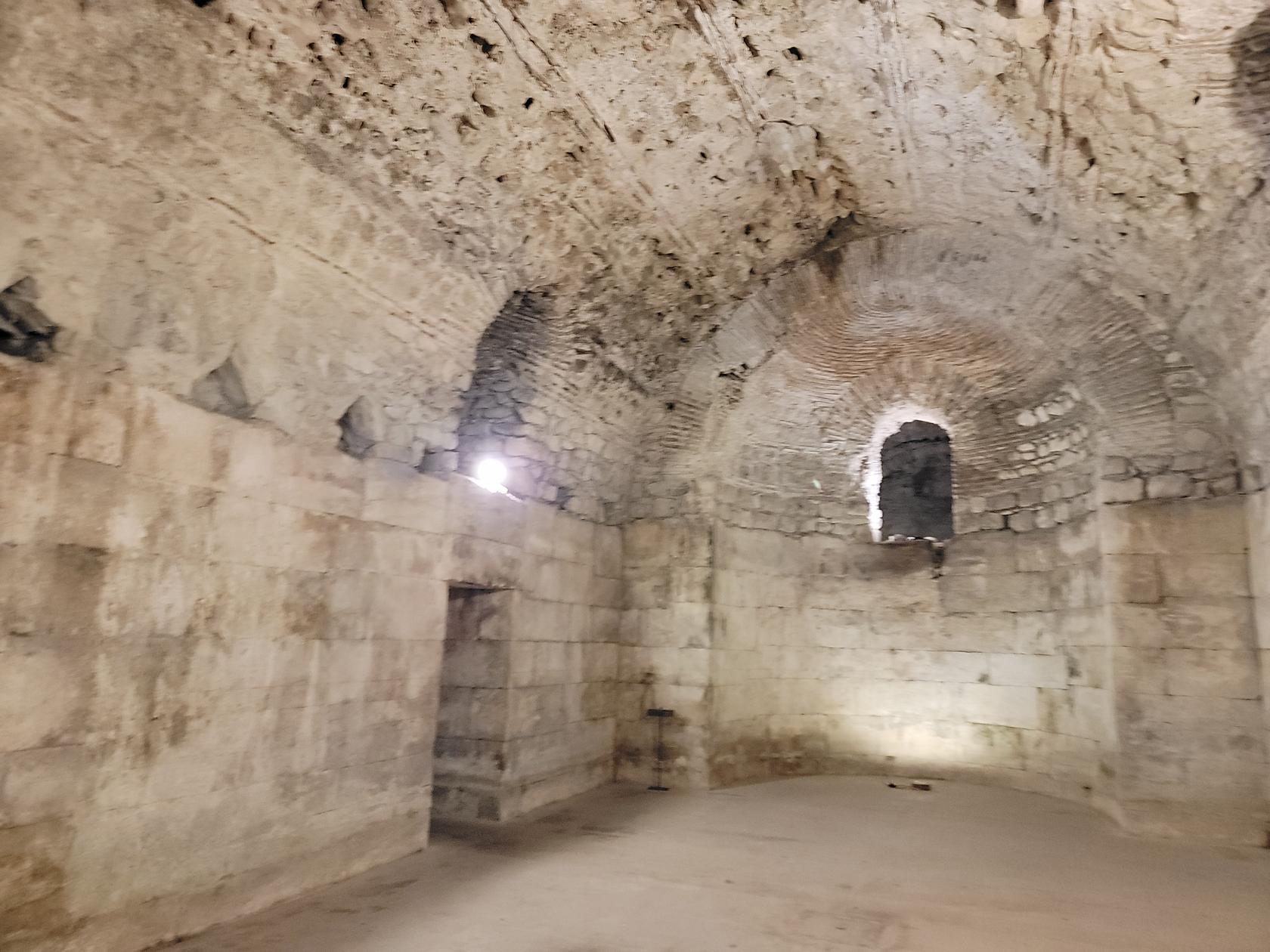
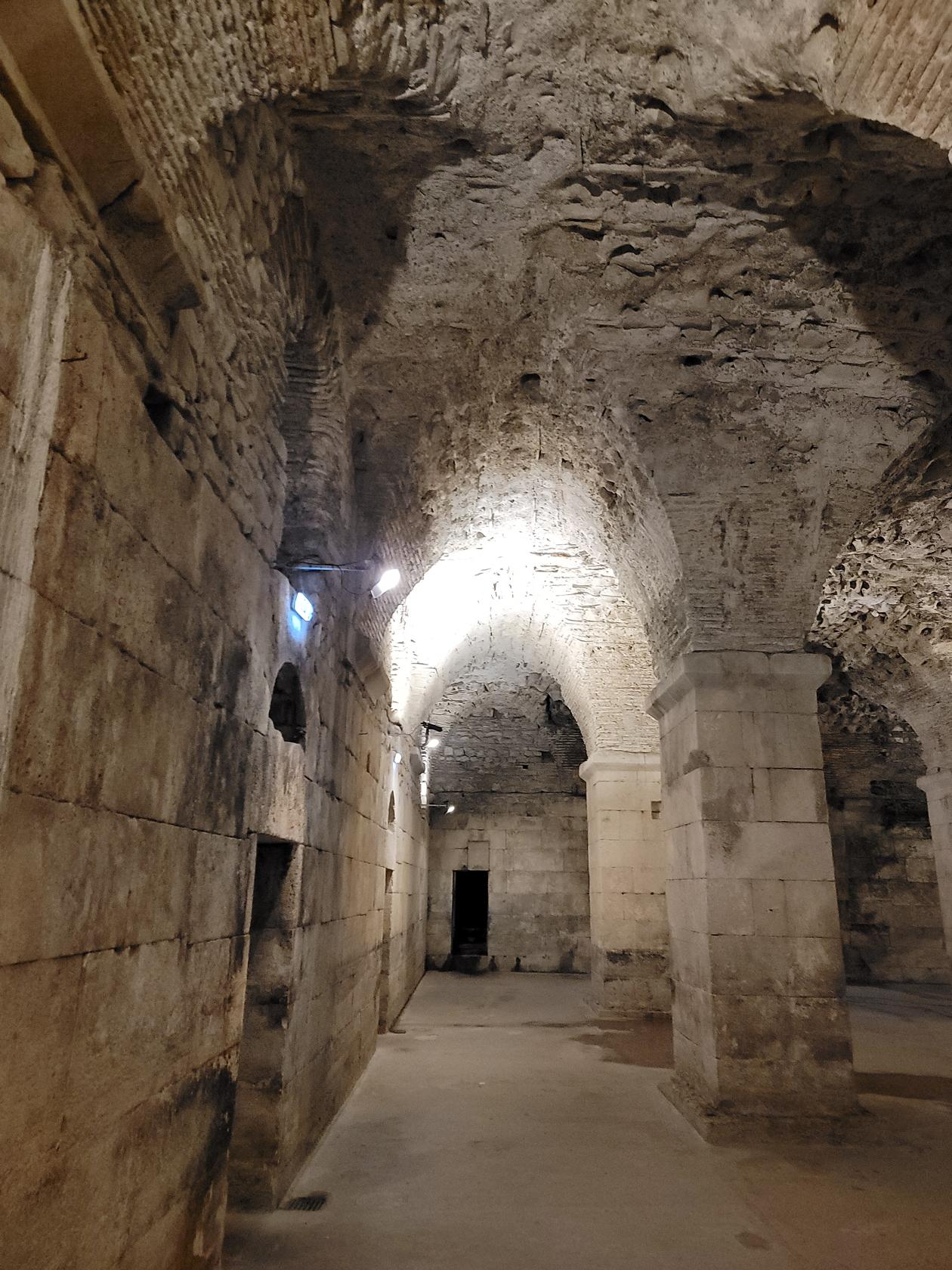
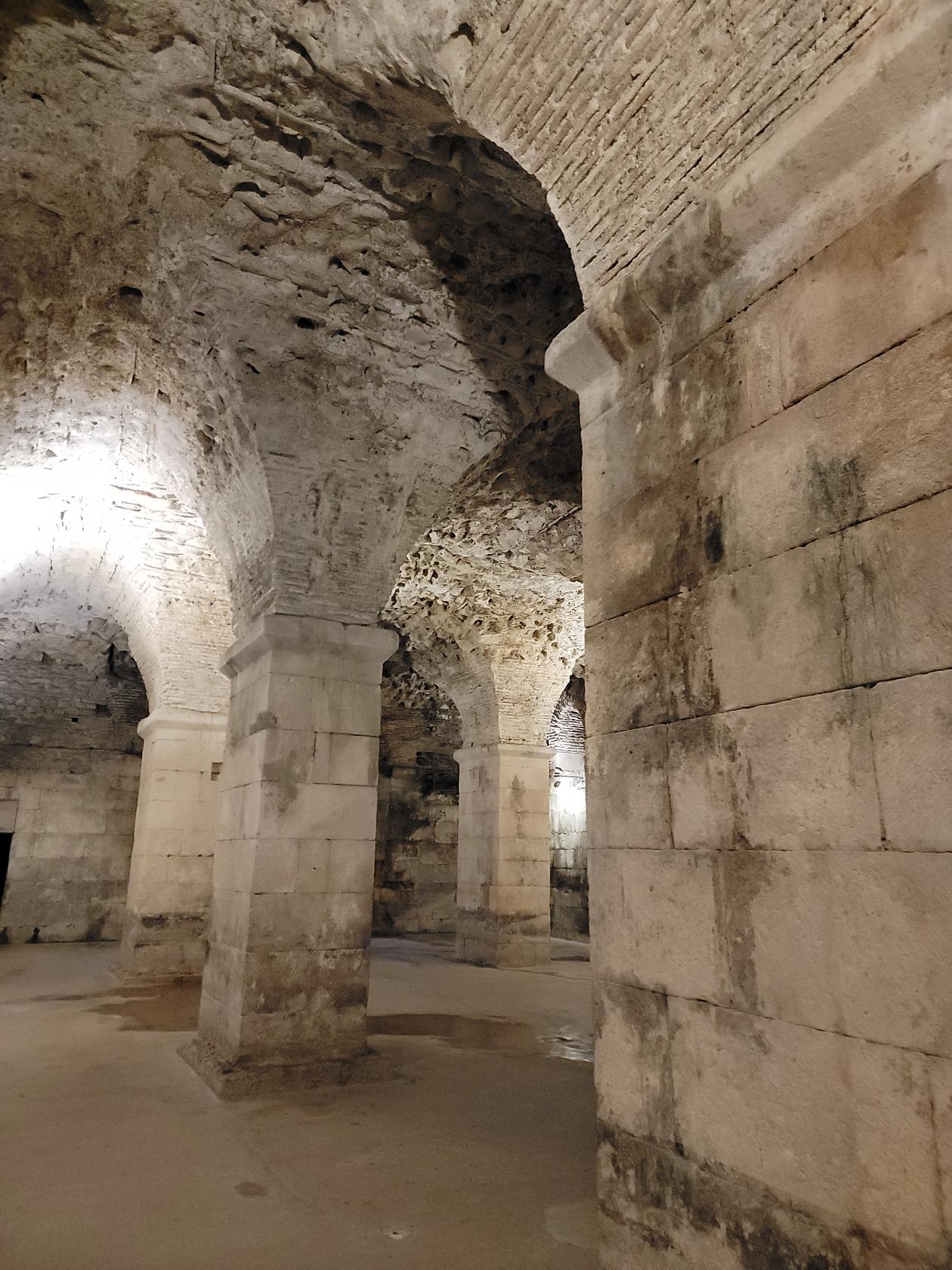
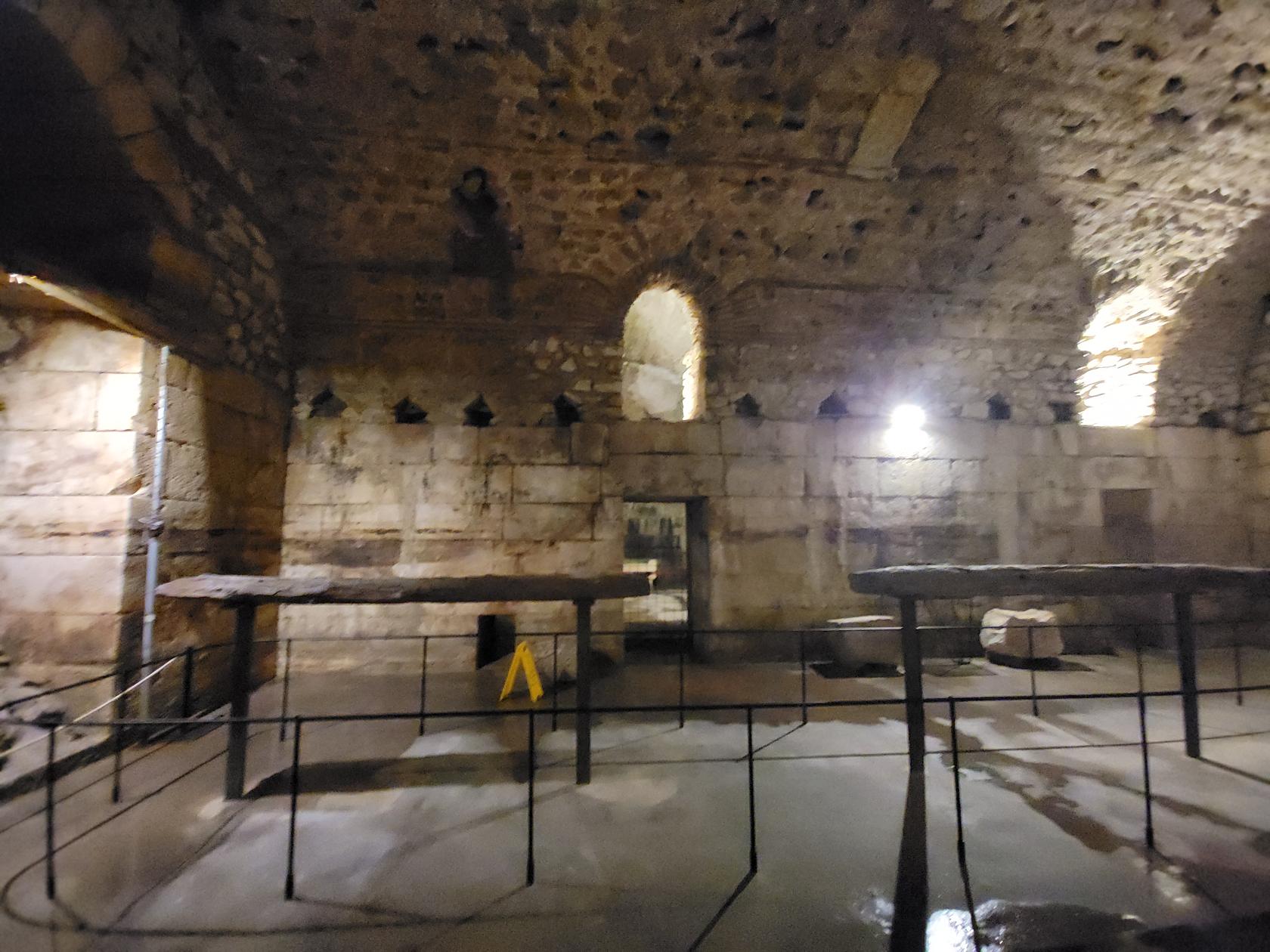
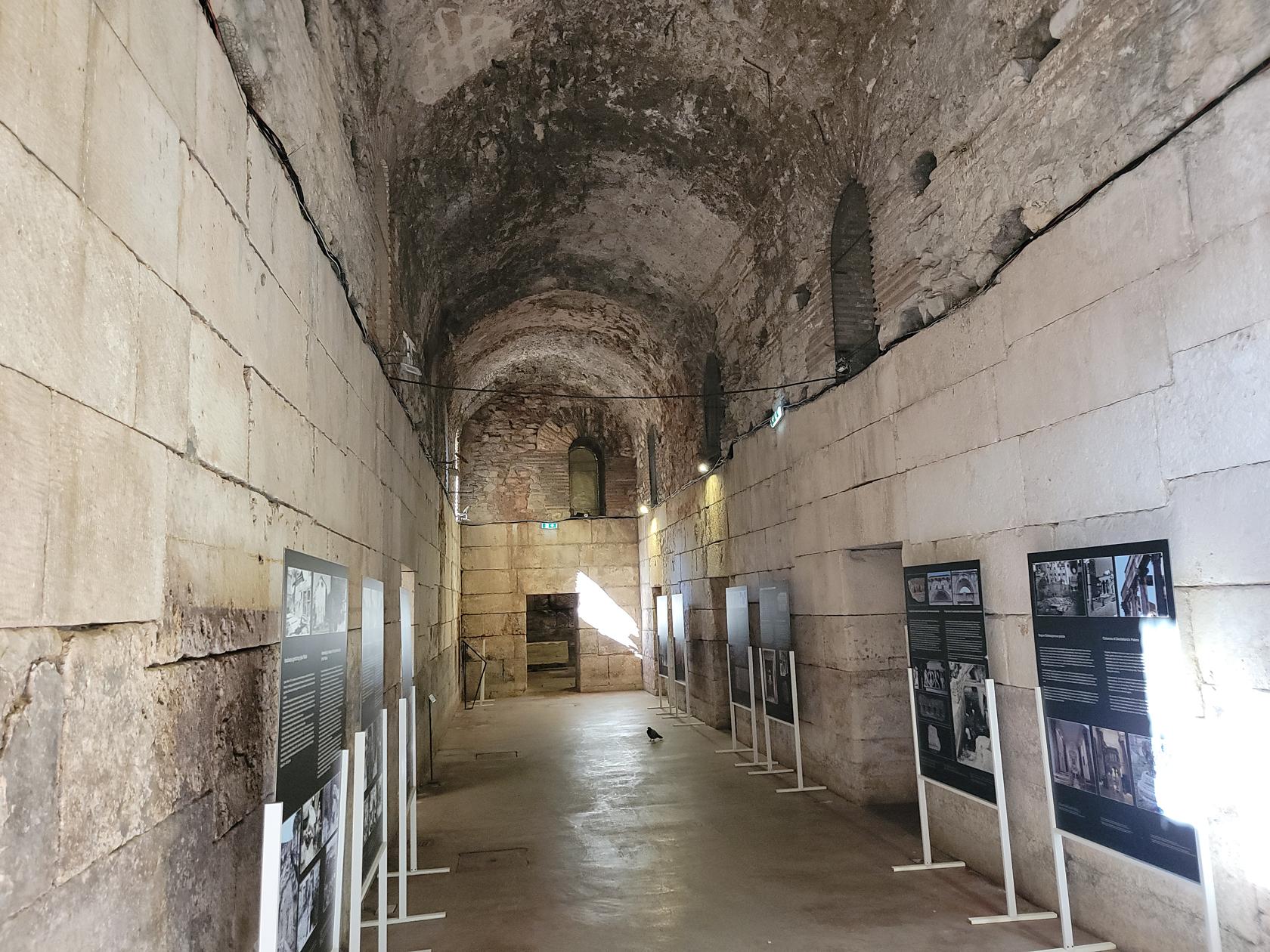
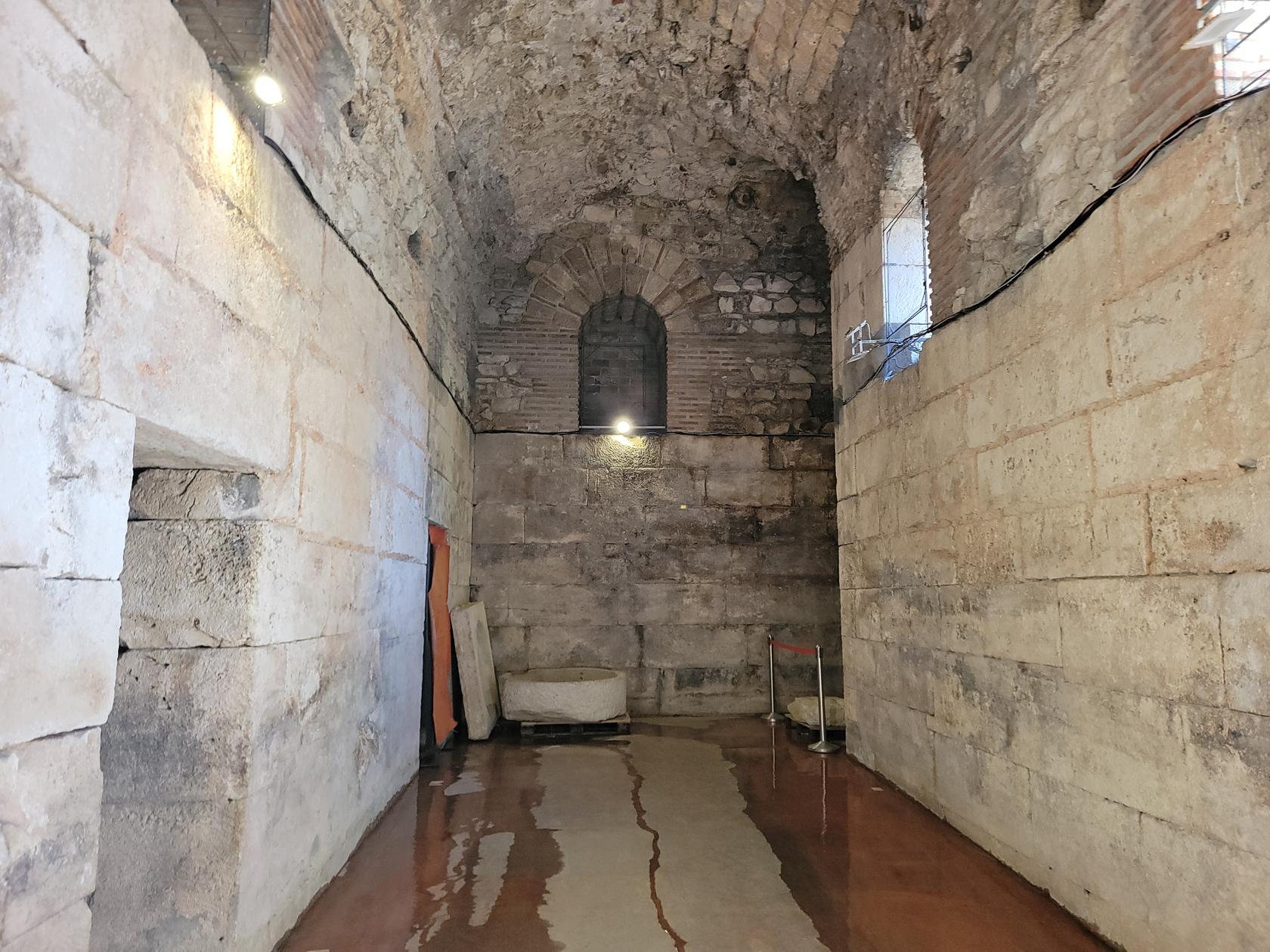
Some of the more interesting points of the complex are the cellars, where much of the work maintaining the palace was performed. These consist of a free part that provides access to the palace via the Brass Gate.
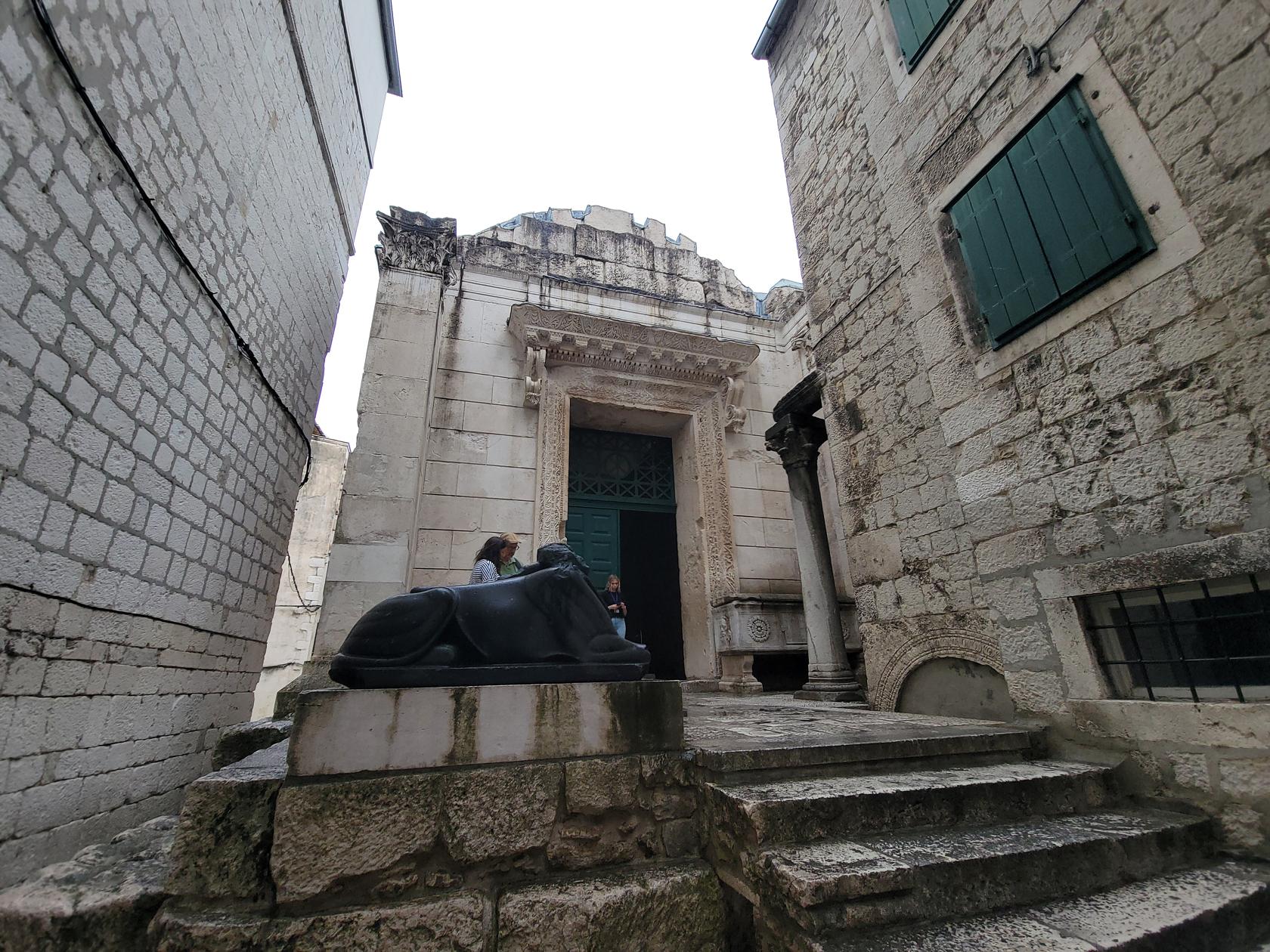
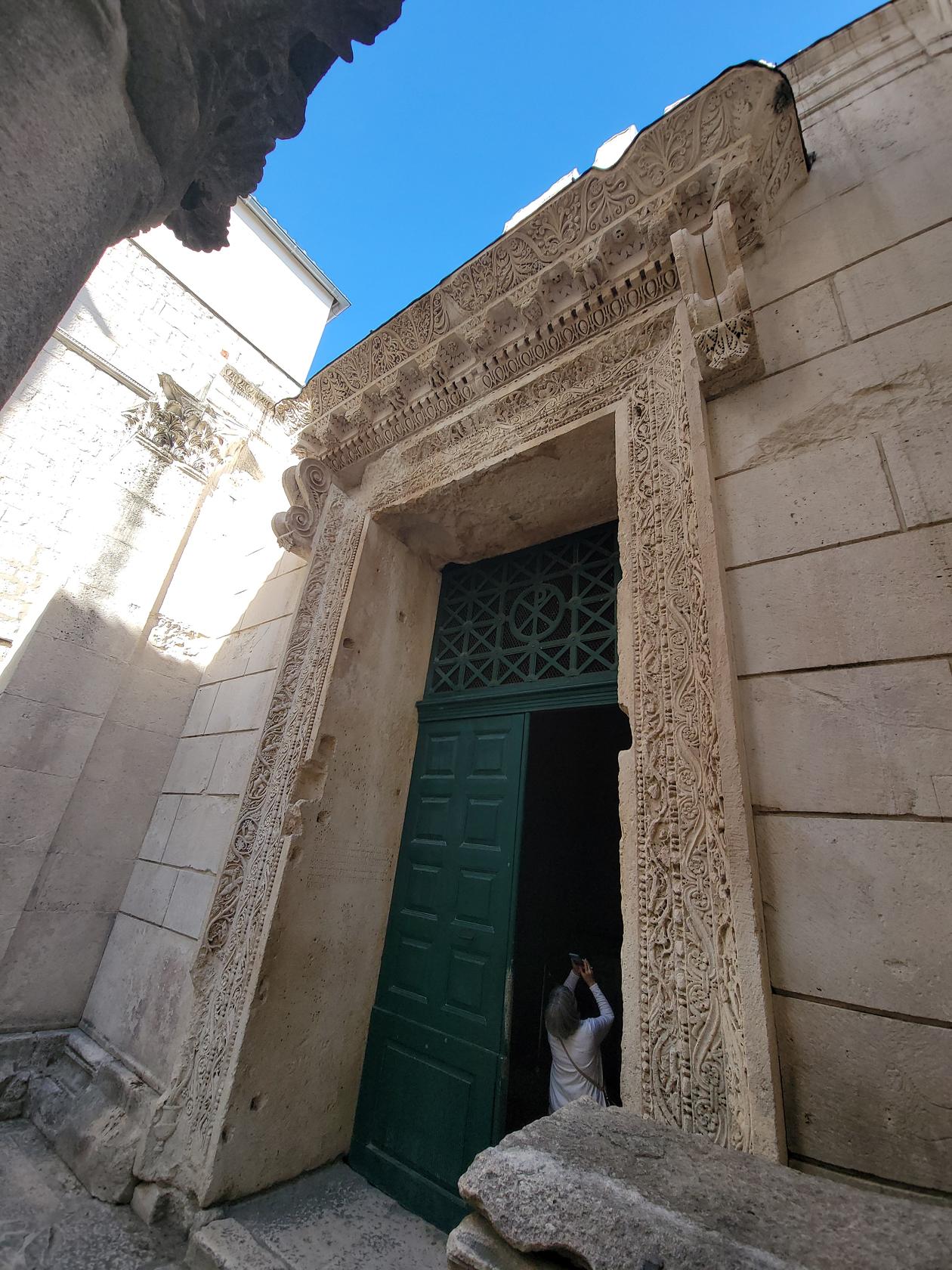
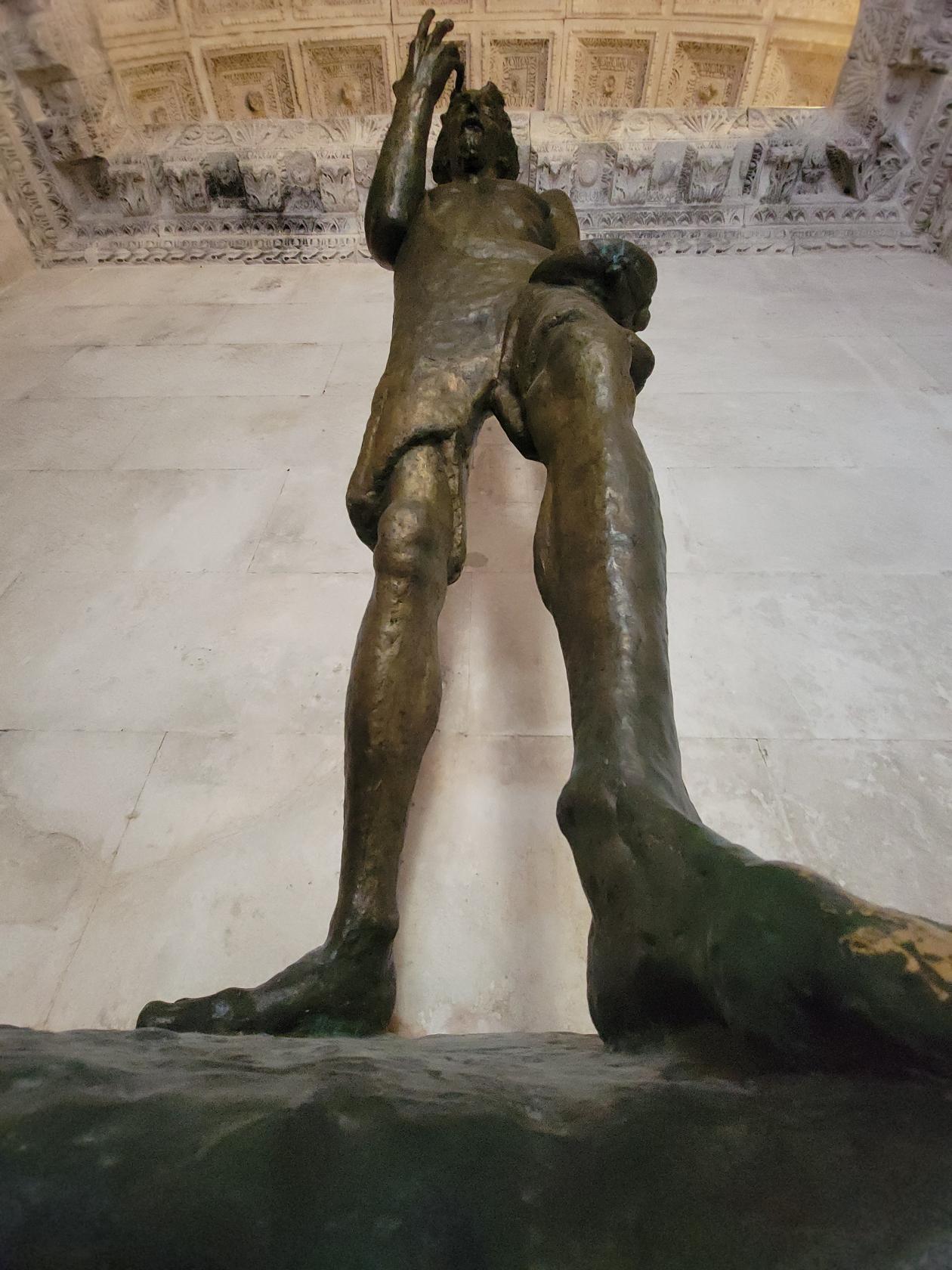
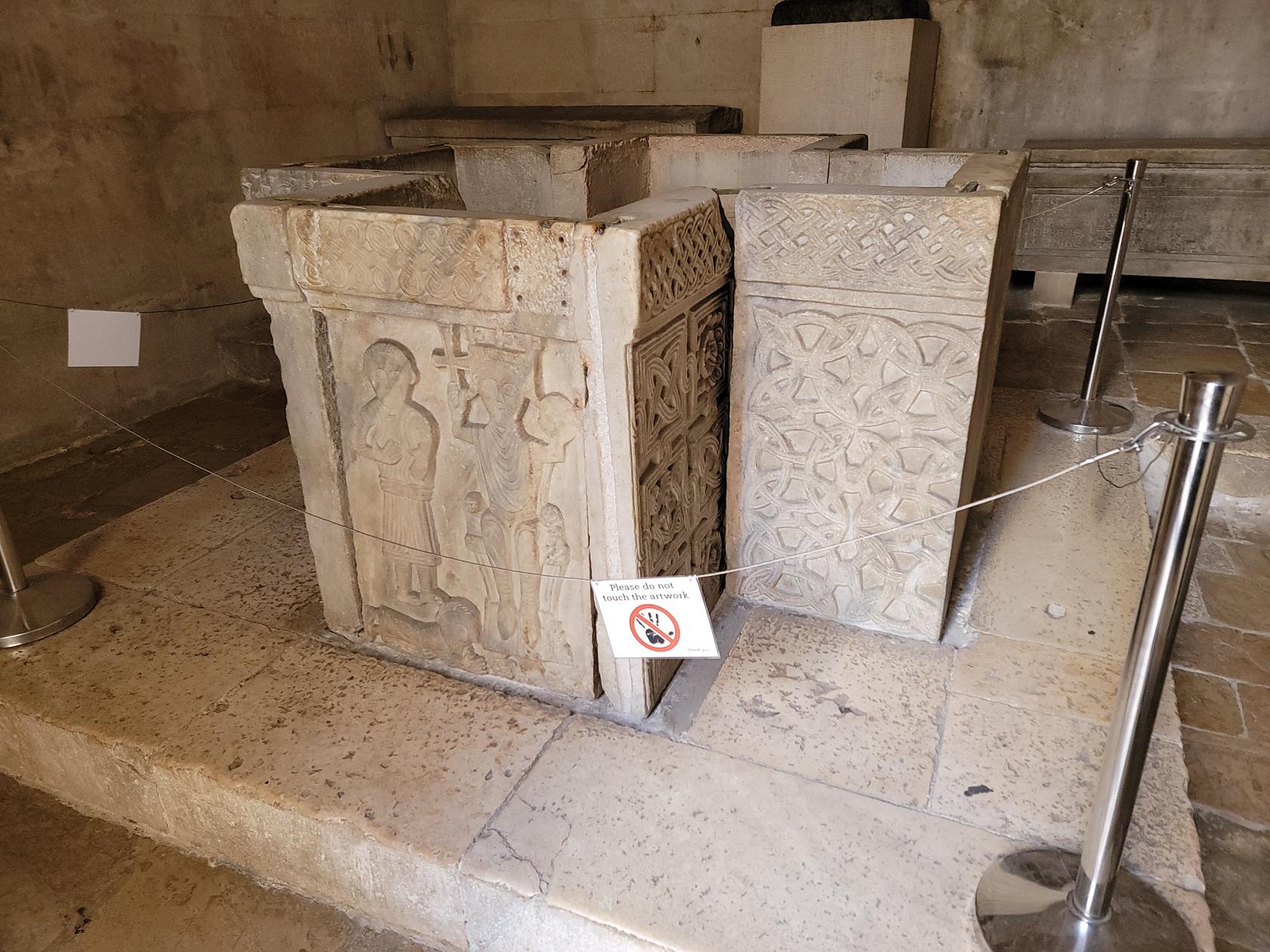
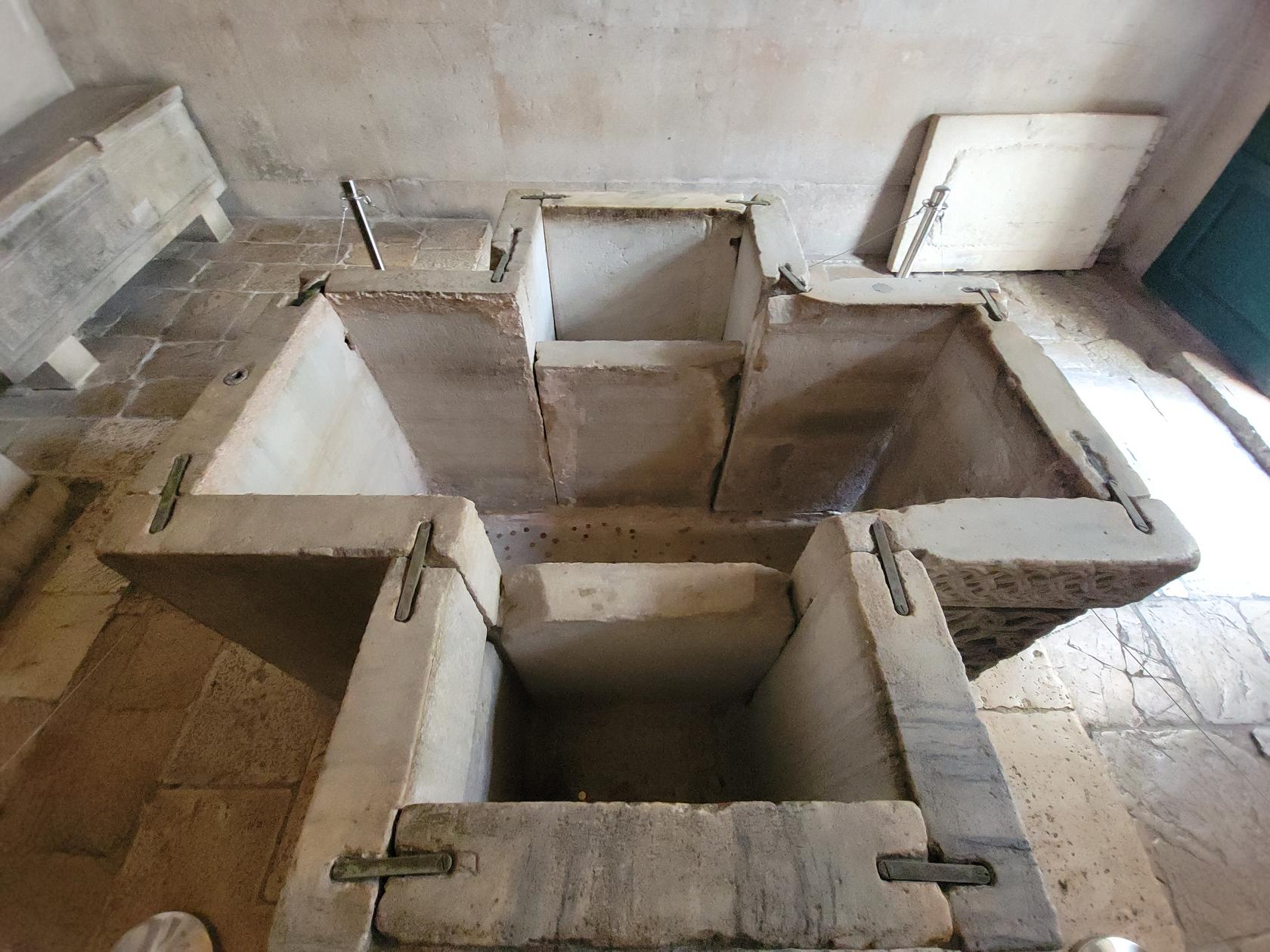
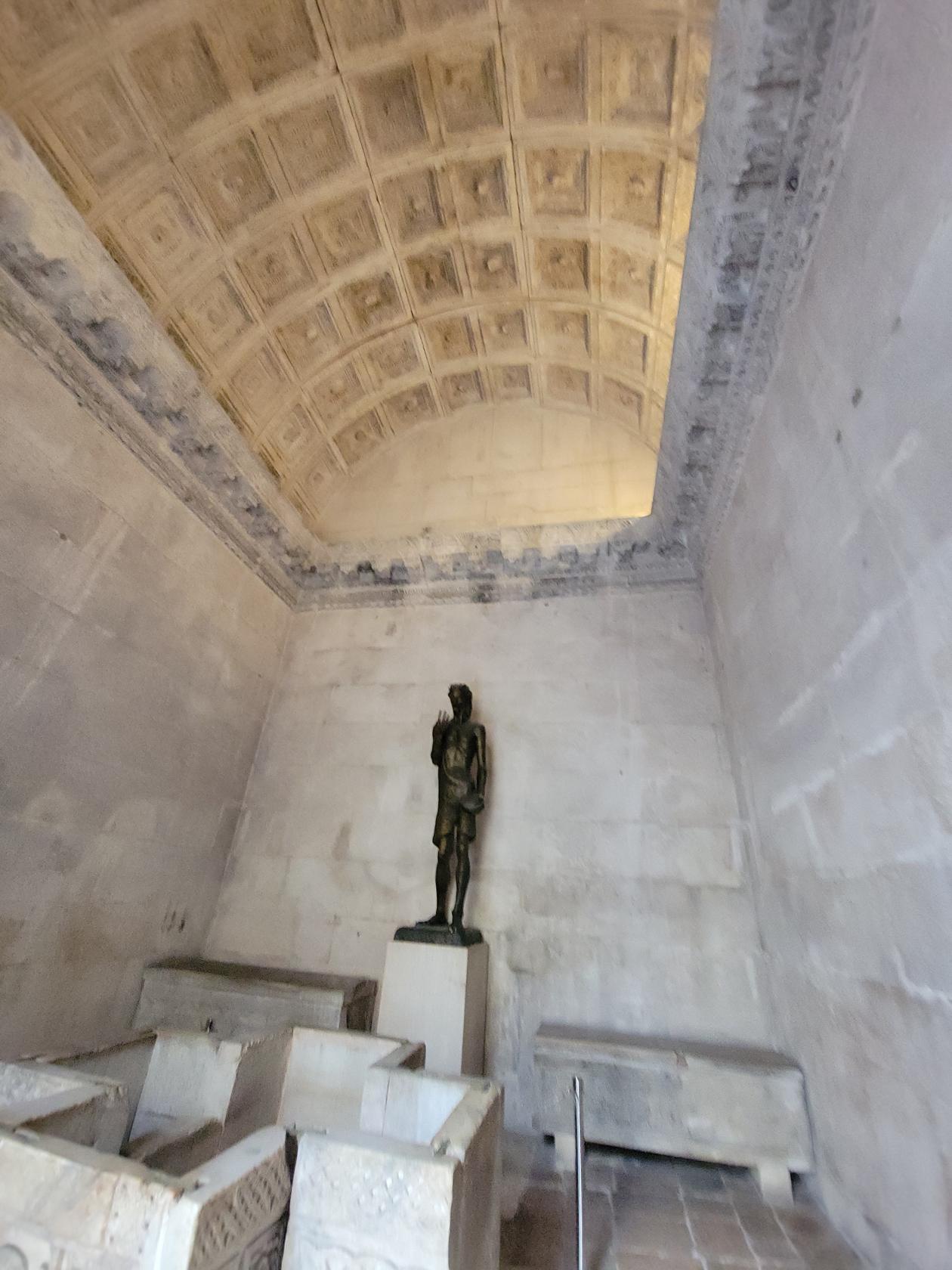
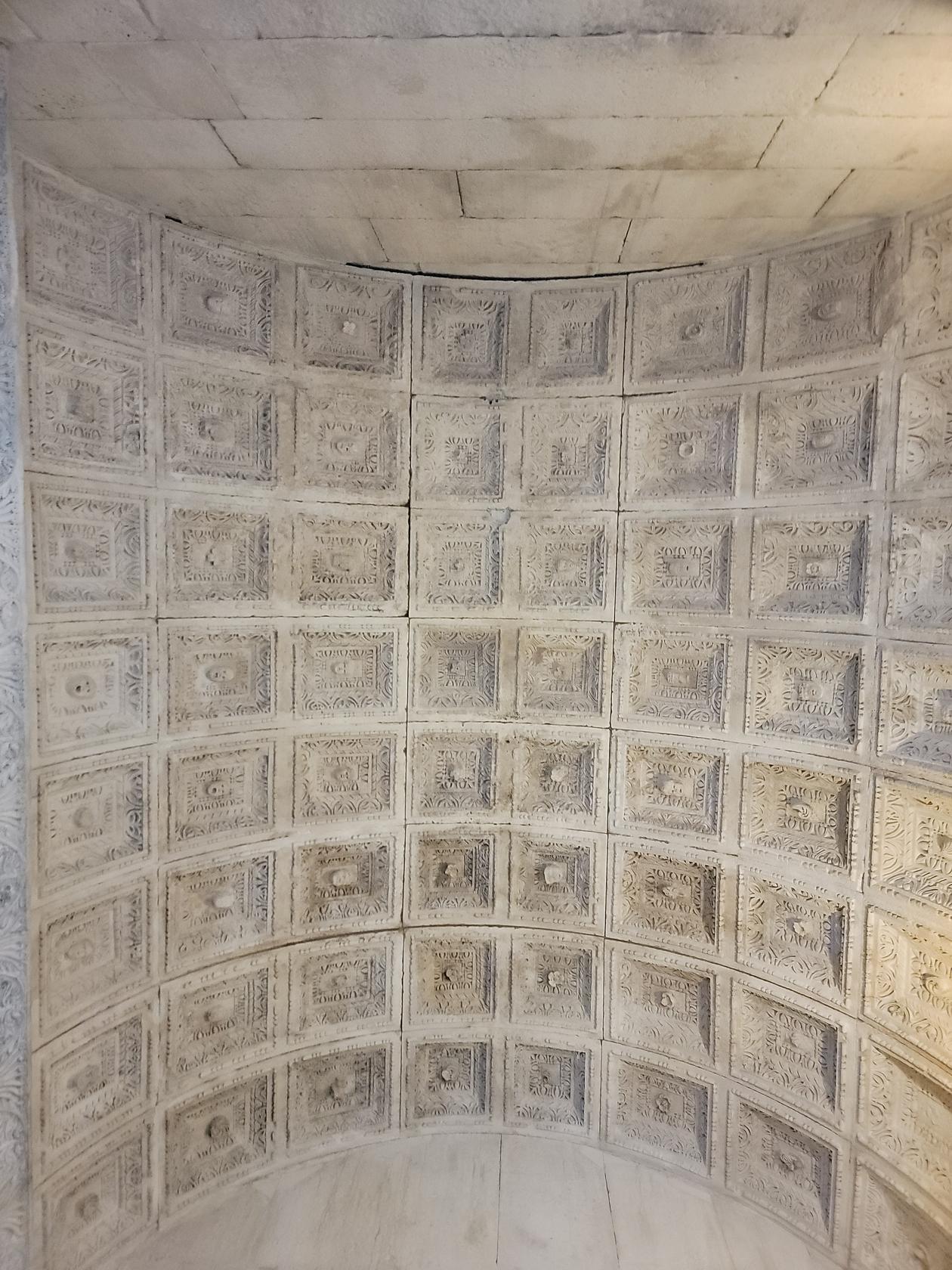
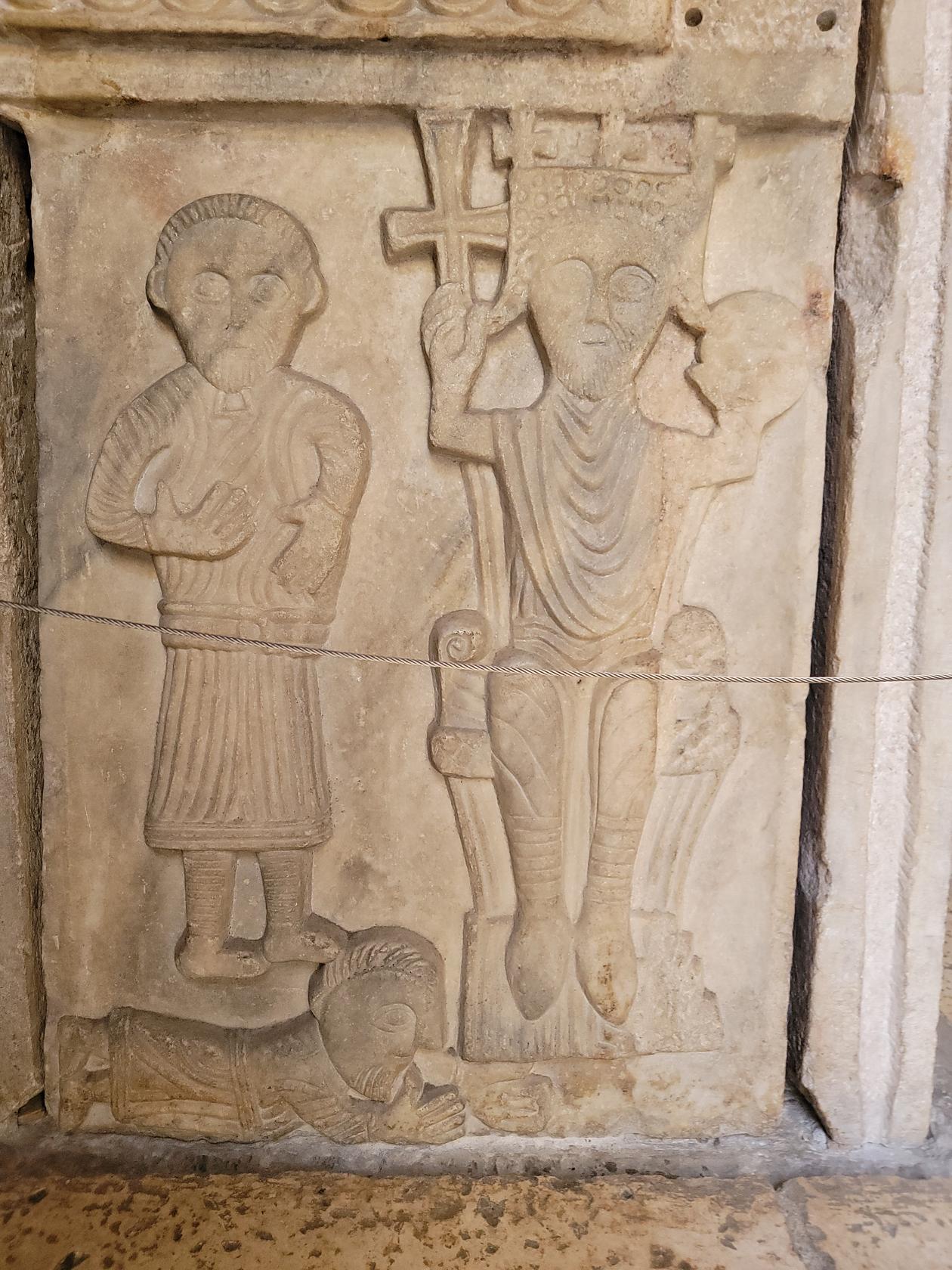
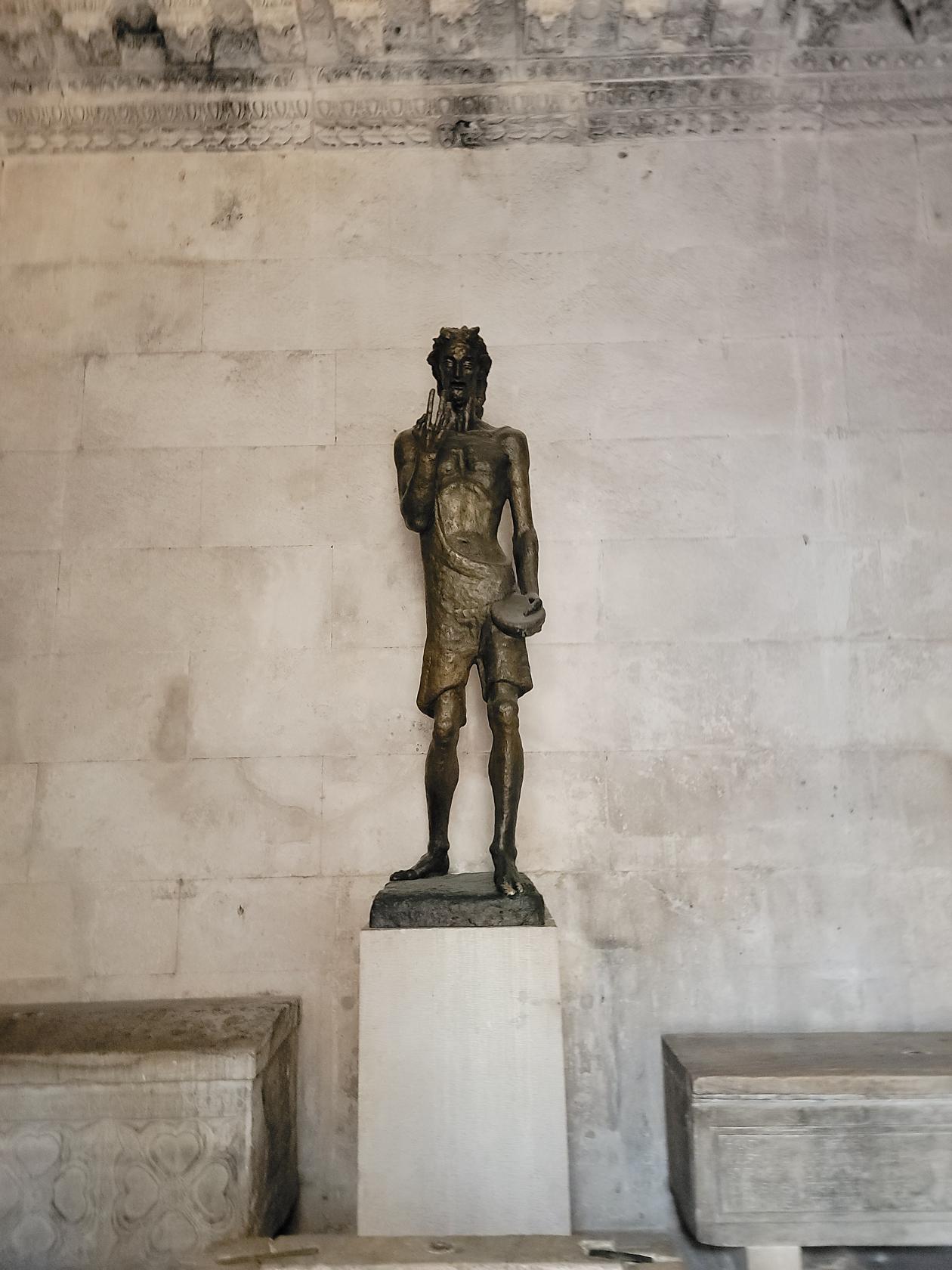
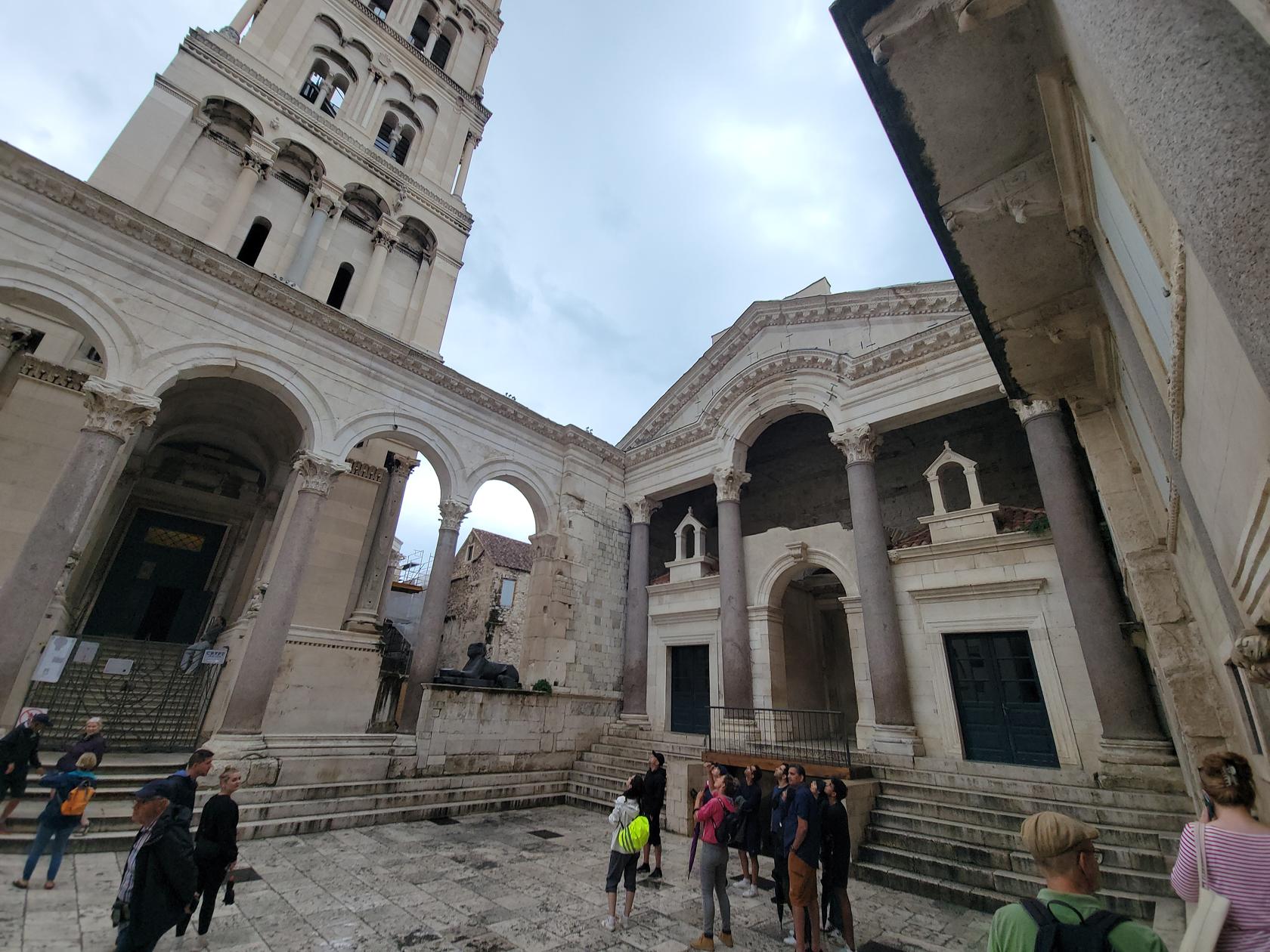
The Temple of Jupiter is in line with Saint Domnius Cathedral and its Tower, but on the other side of the Peristil. It is rather small and contains a statue of Jupiter, along with other objects on note. There is also what appears to be a font in the center of the room.
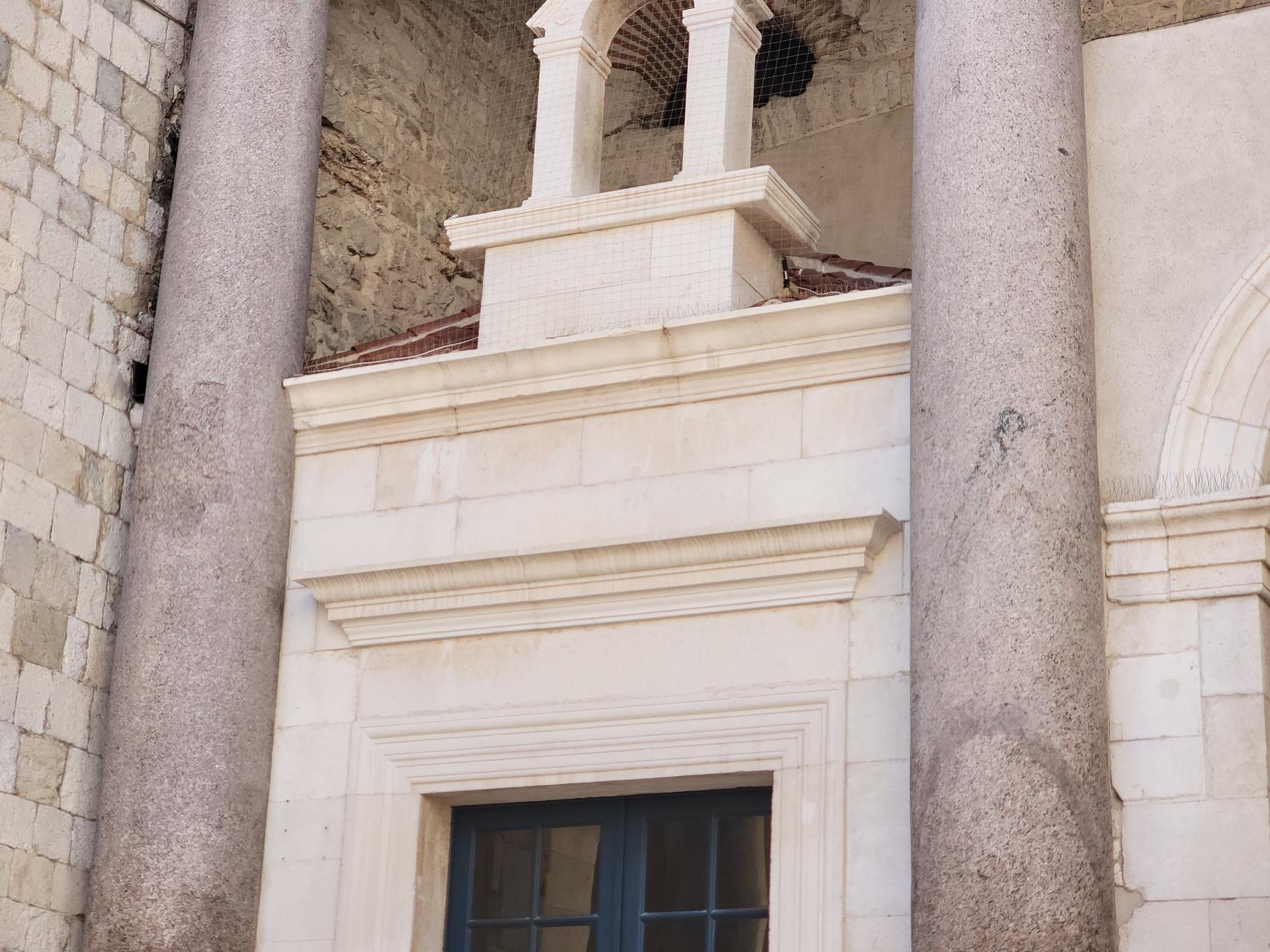
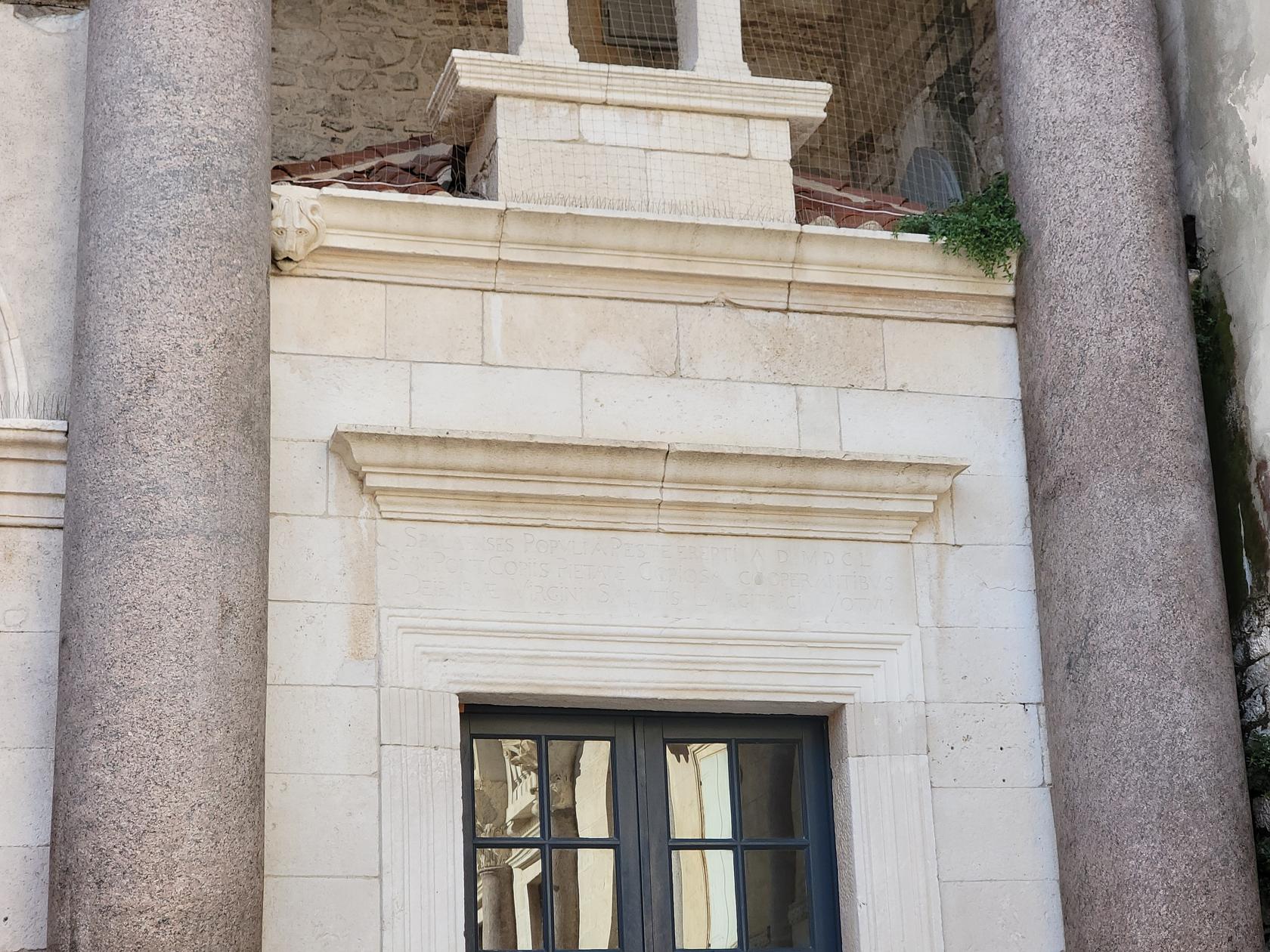
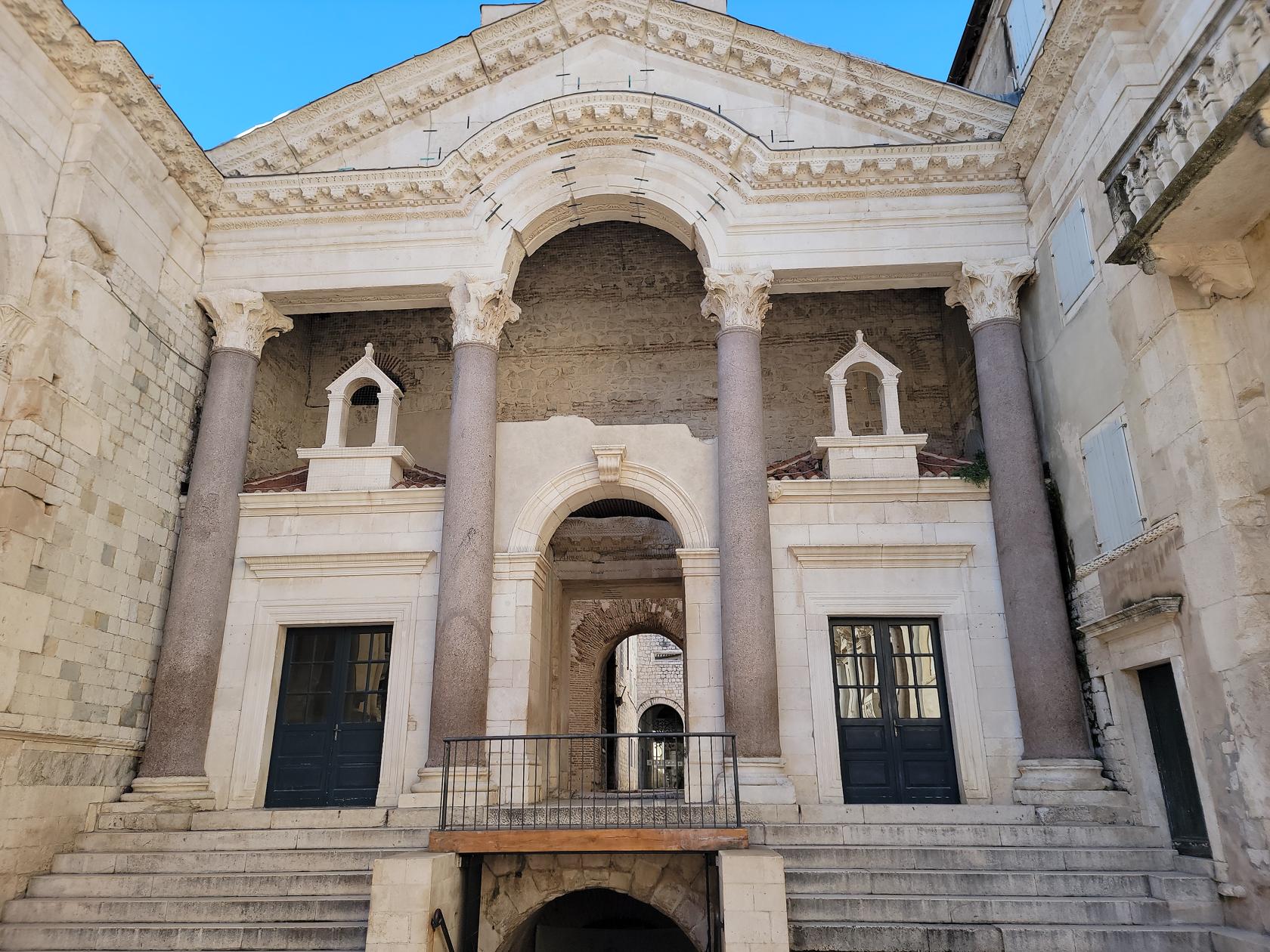
The Vestibule and the Rotunda are major open-air sites to see near the cathedral. The entrance to the vestibule contains two ancillary lintels of note, with inscriptions atop each.
Left Lintel – Vestibule – Diocletian’s Palace – Split, Croatia
Right Lintel – Vestibule – Diocletian’s Palace – Split, Croatia
Arch leading into the Vestibule – Diocletians Palace – Split, Croatia
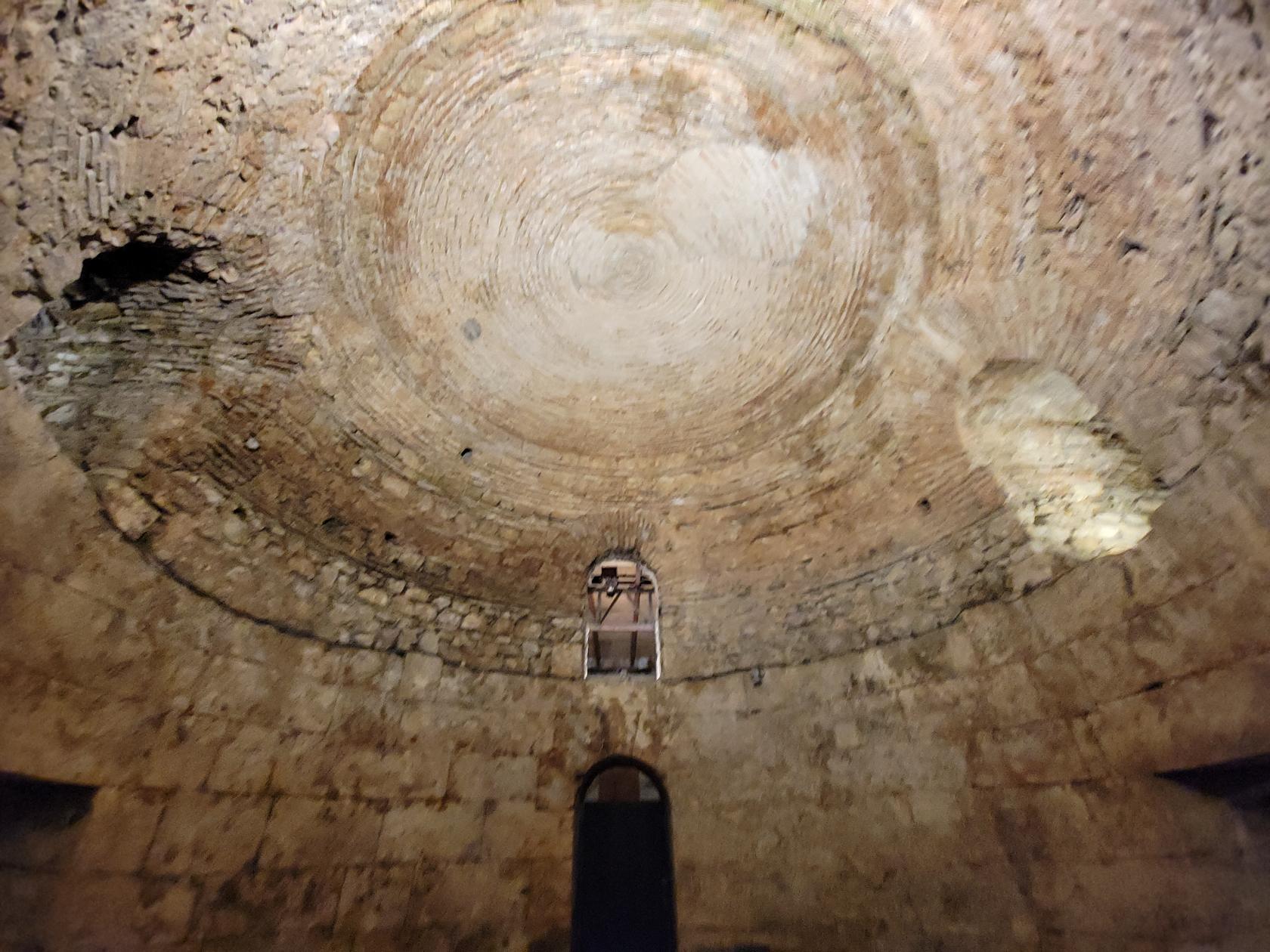
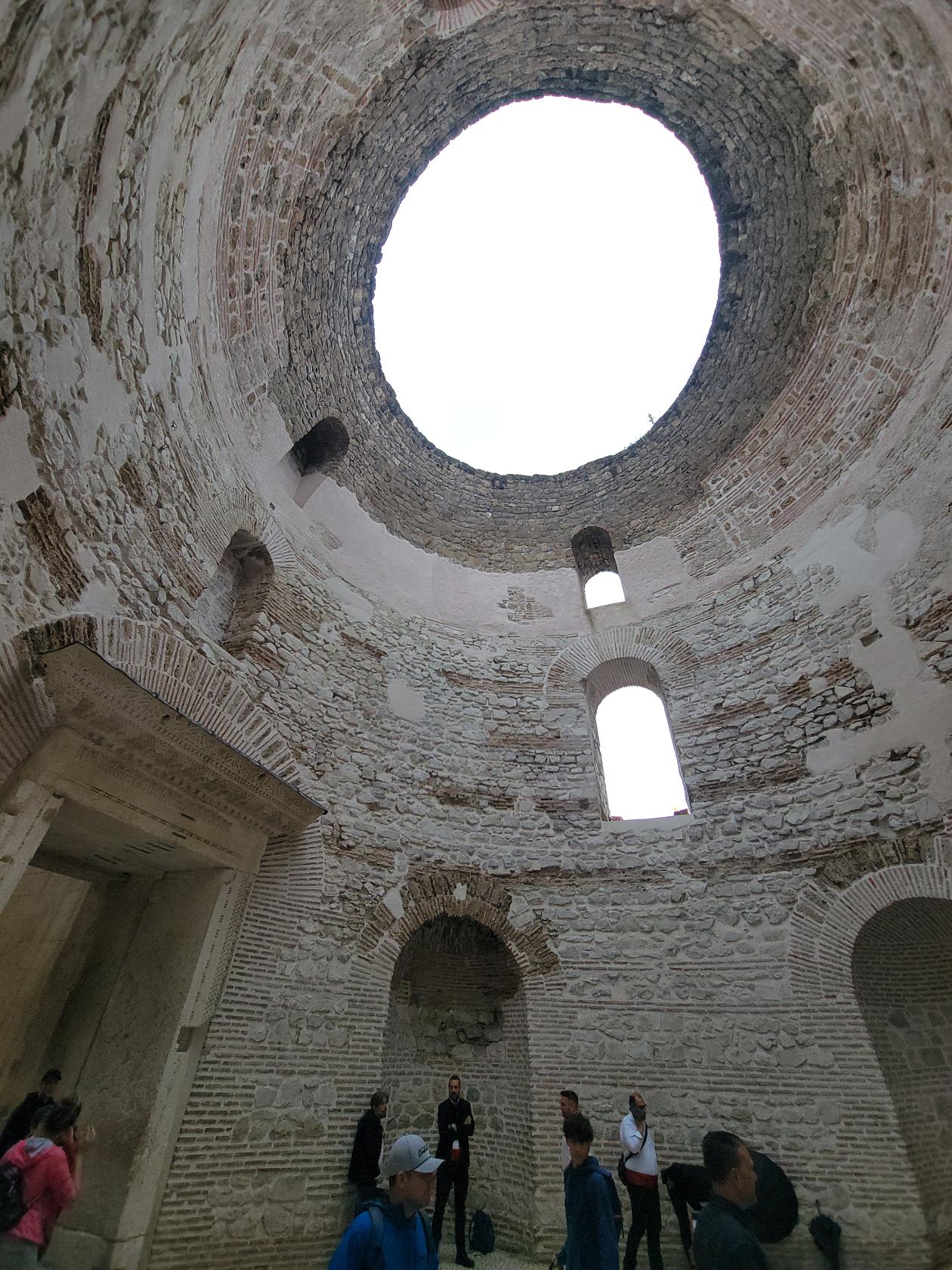
The Rotunda is a large area with a round ceiling and oculus that is very reminiscent of the Pantheon in Rome.
Vestibule – Diocletian’s Palace – Split, Croatia
Diocletian’s Fortress
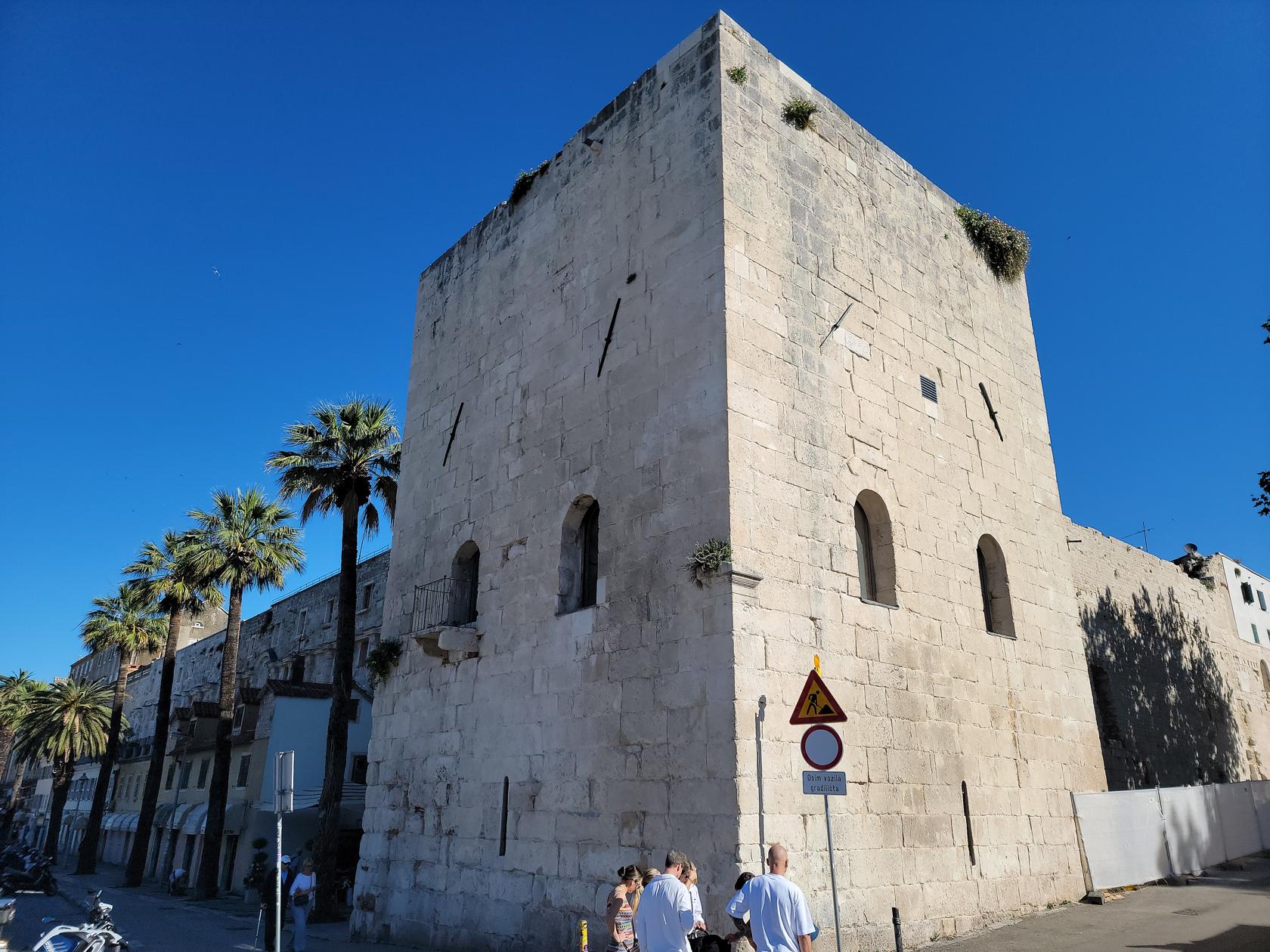
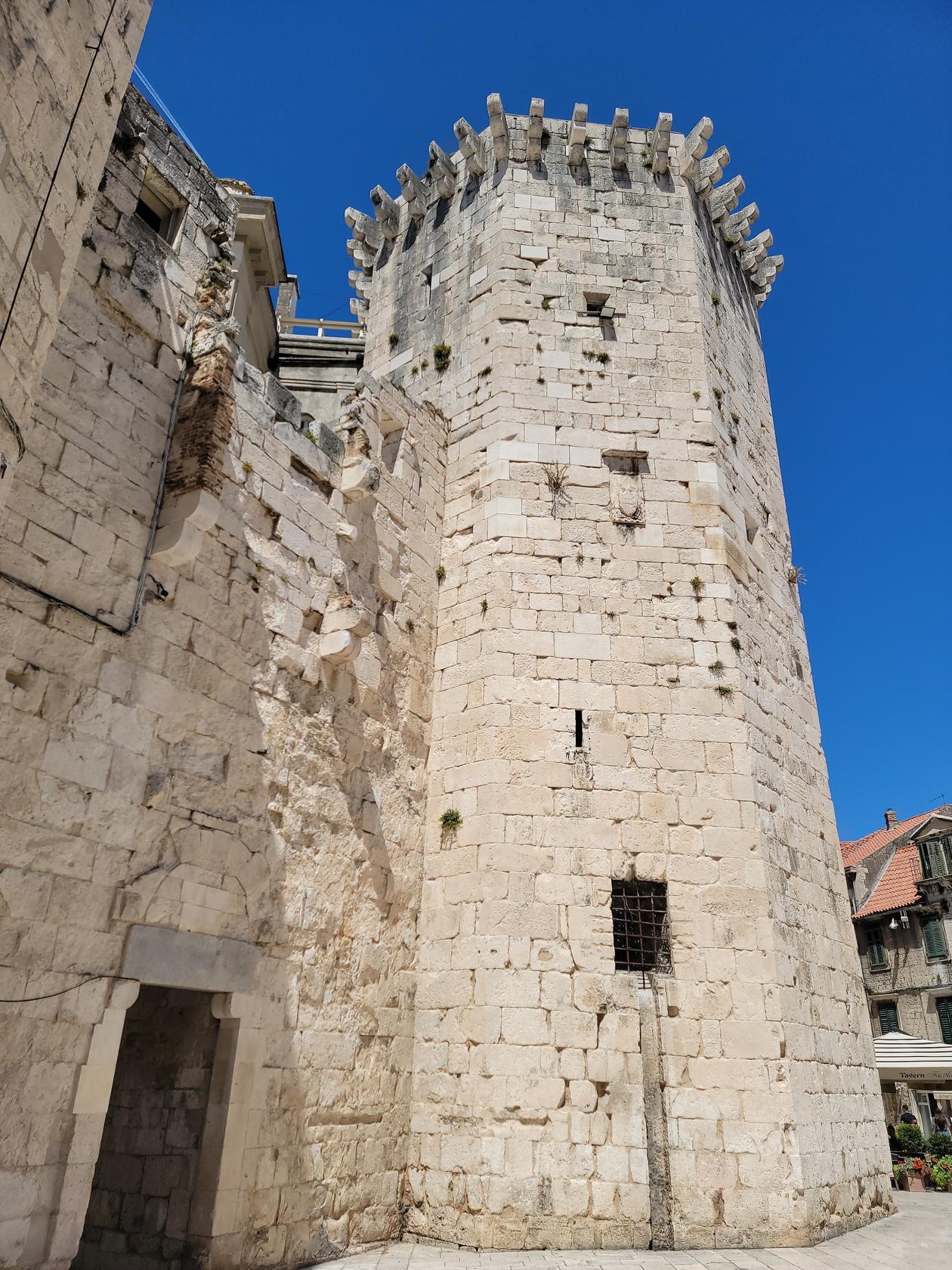
The outside fortress walls that protected the palace had four large towers on each corner, for which only few still remain.
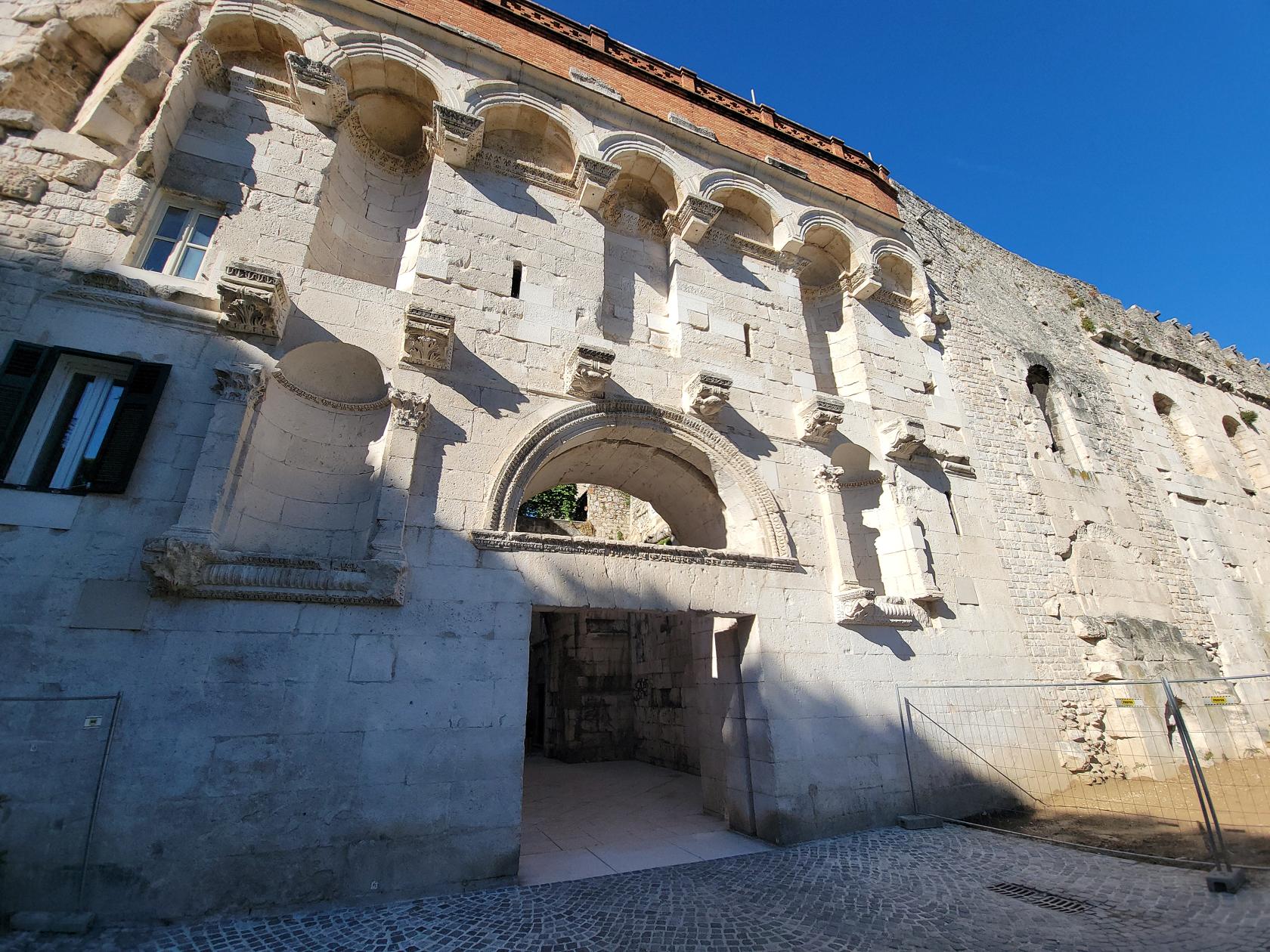
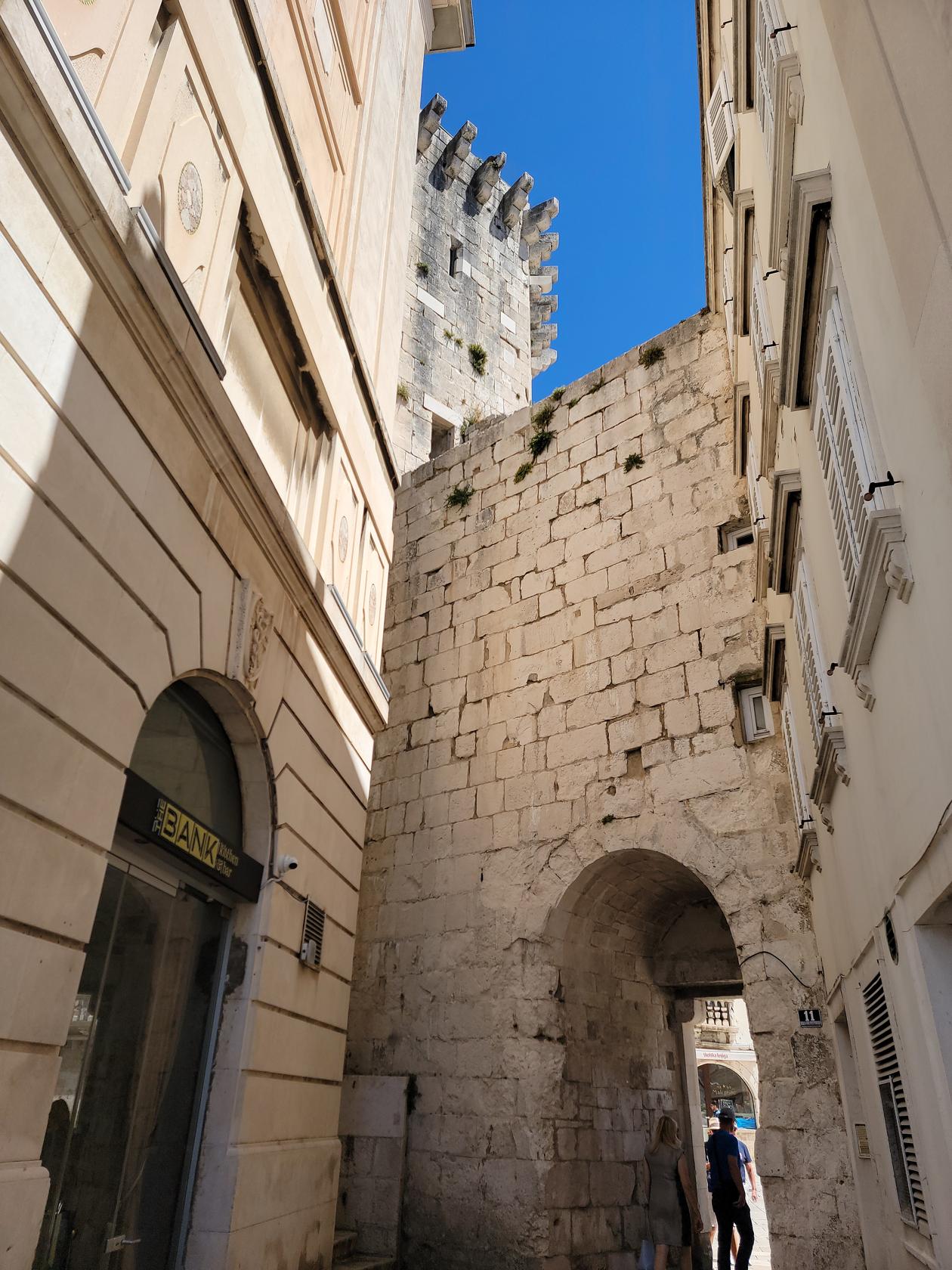
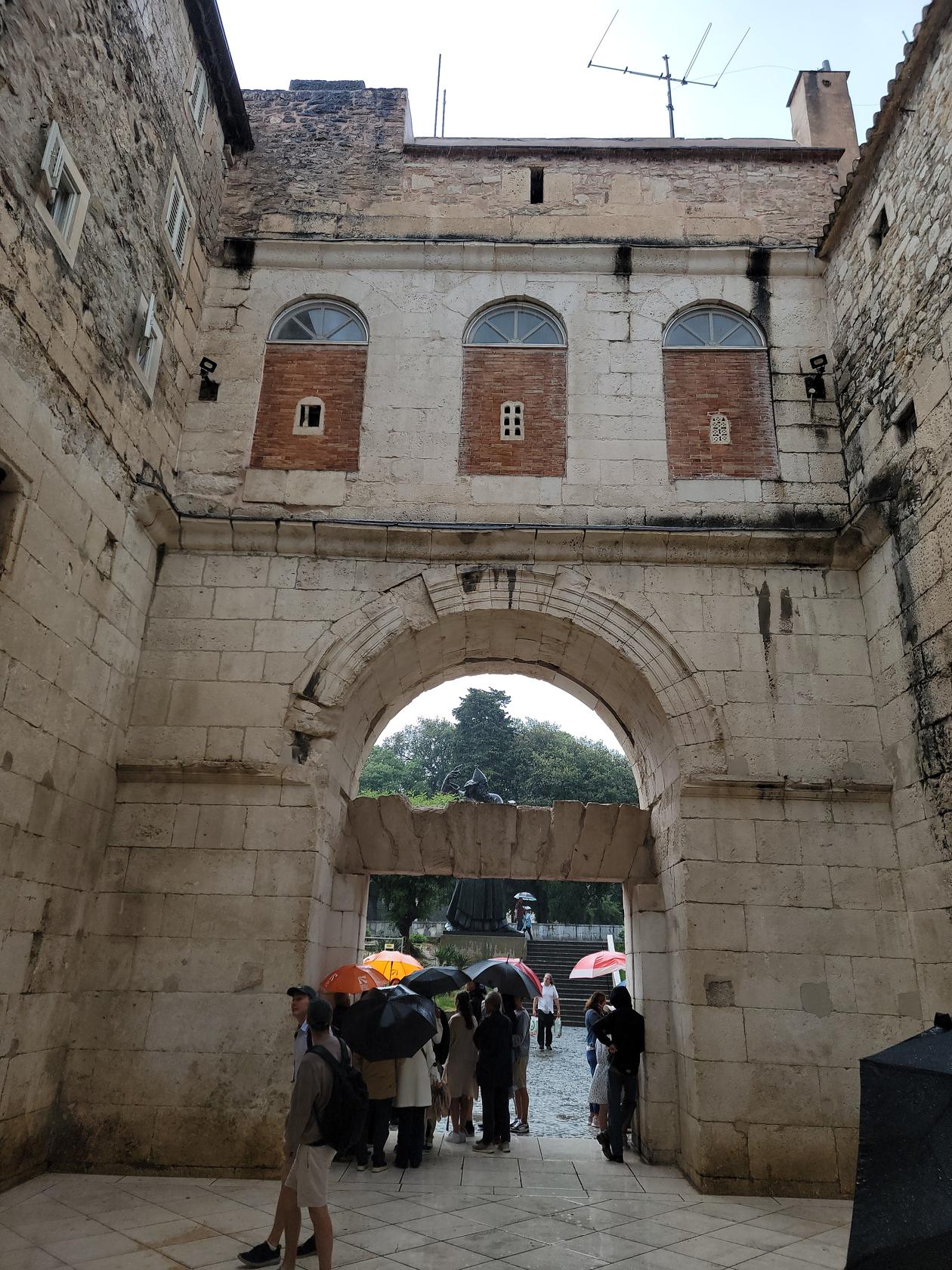
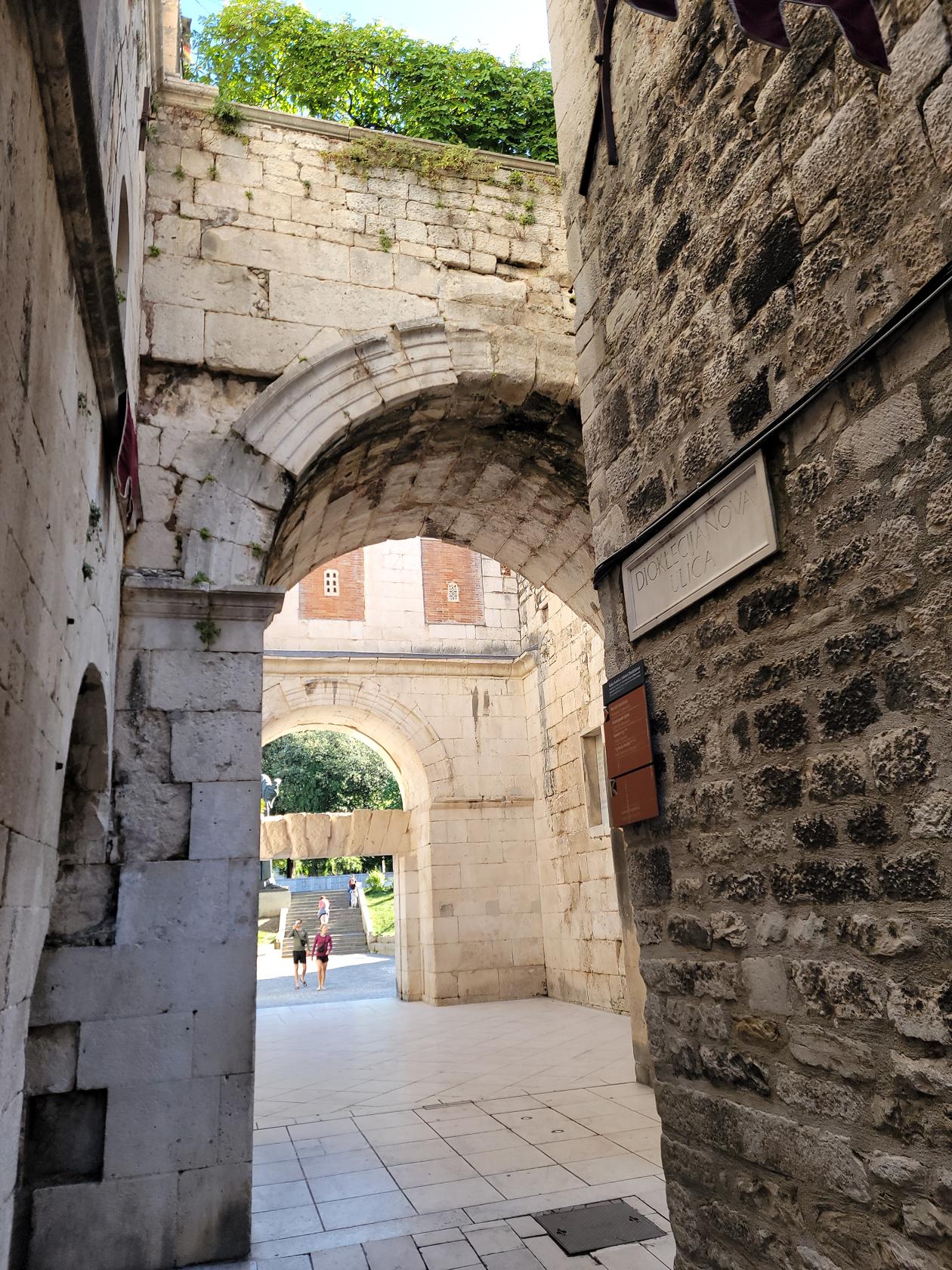
There are several gates to the palace, some of which are not so prominent as the others and a few are no longer functional. The Golden Gate is the main gate of the palace, though one could make an argument that the Brass Gate was more important since it faces the sea.
Golden Gate – Diocletian’s Palace – Split, Croatia
Golden Gate – Diocletian’s Palace – Split, Croatia
Golden Gate – Diocletians Palace – Split, Croatia
Iron Gate – Diocletian’s Palace – Split, Croatia
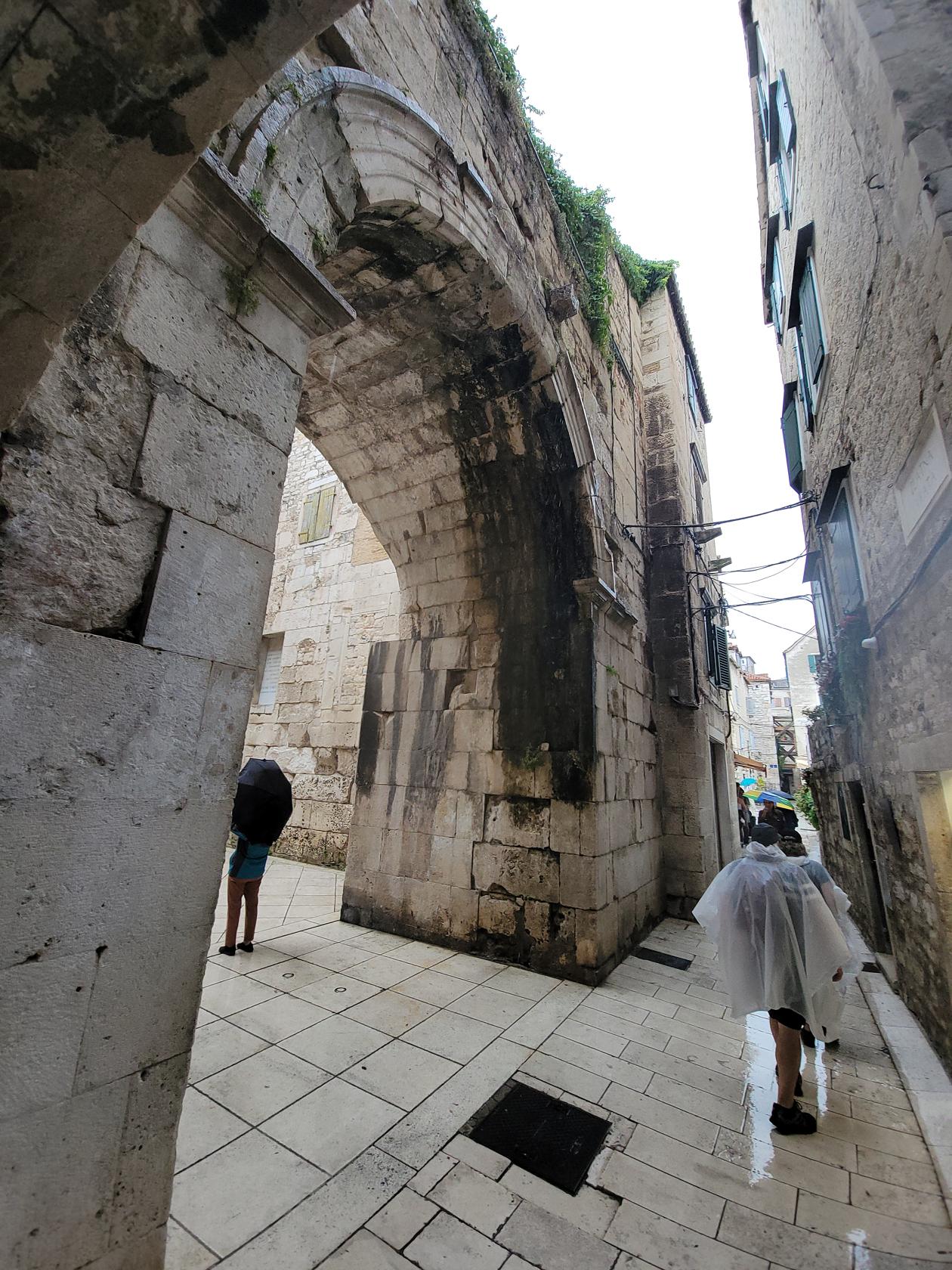
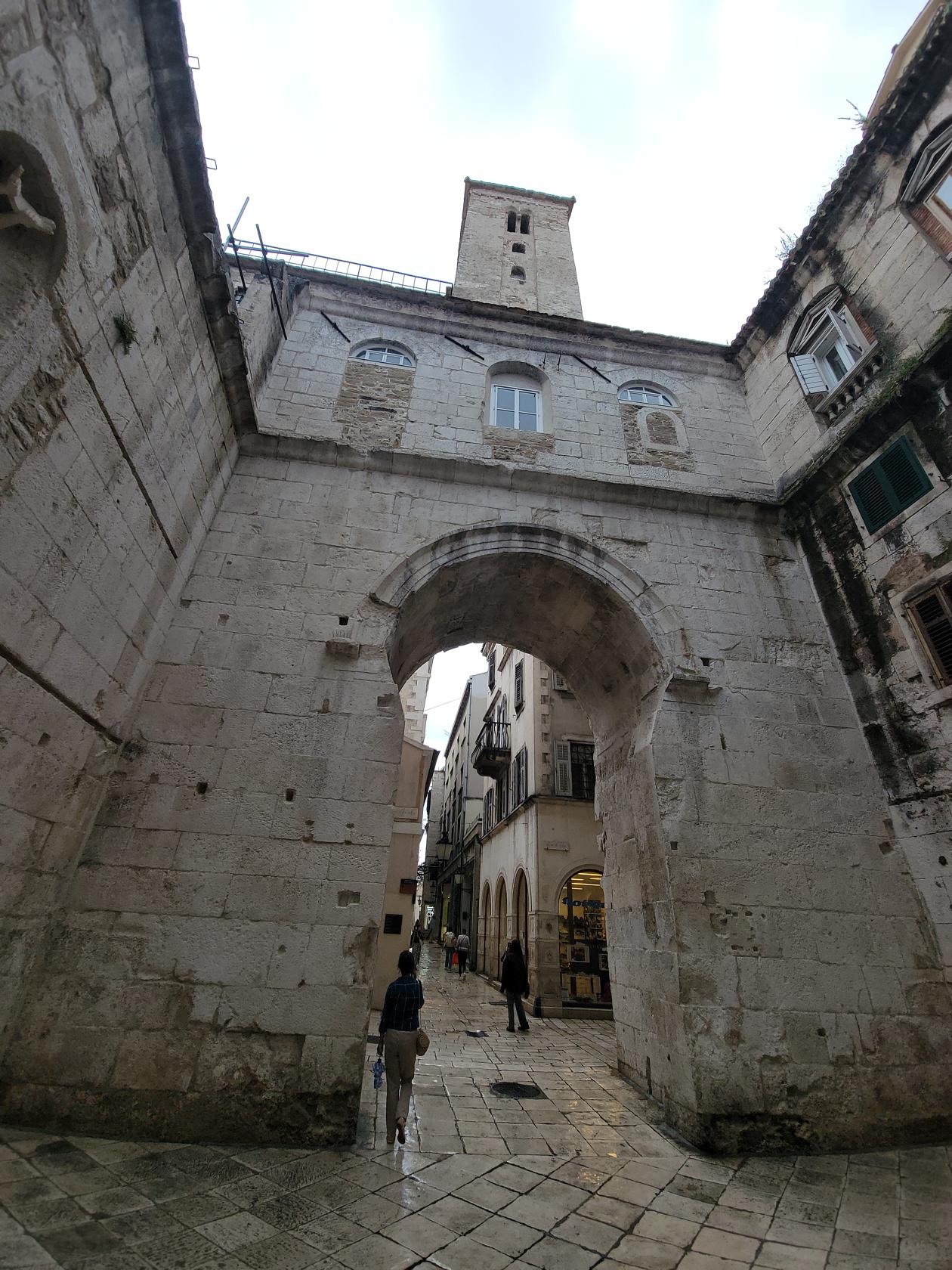
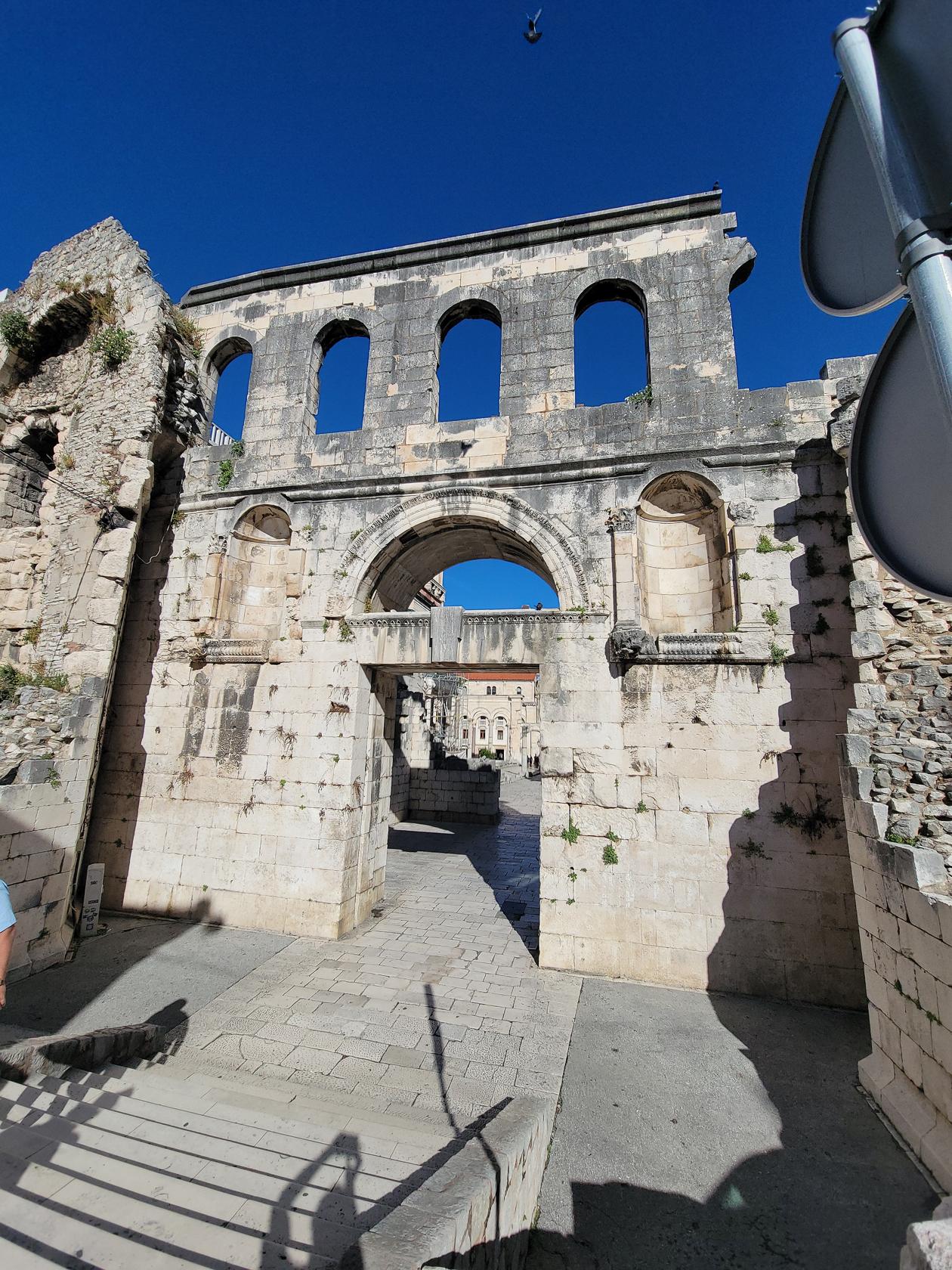
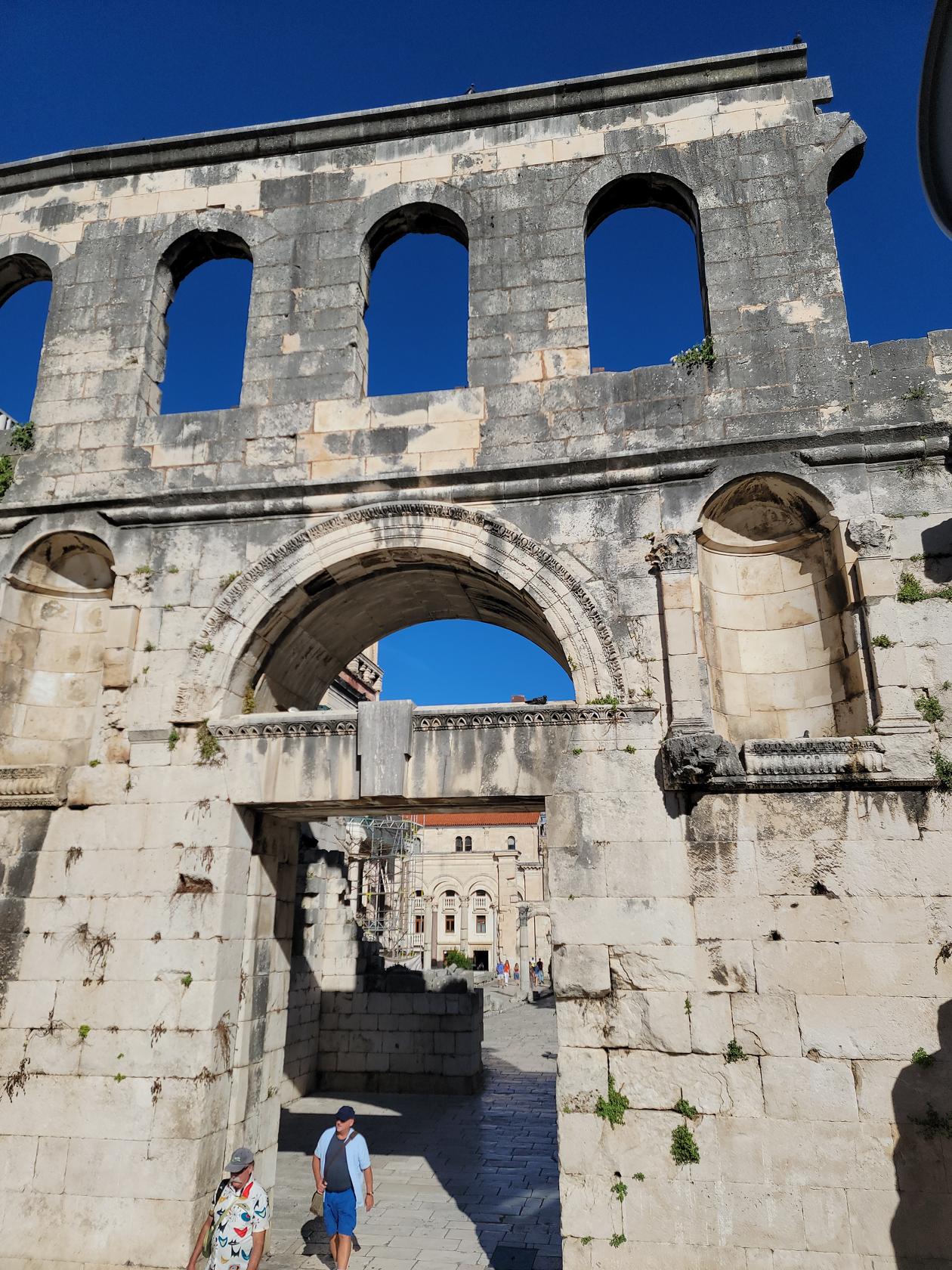
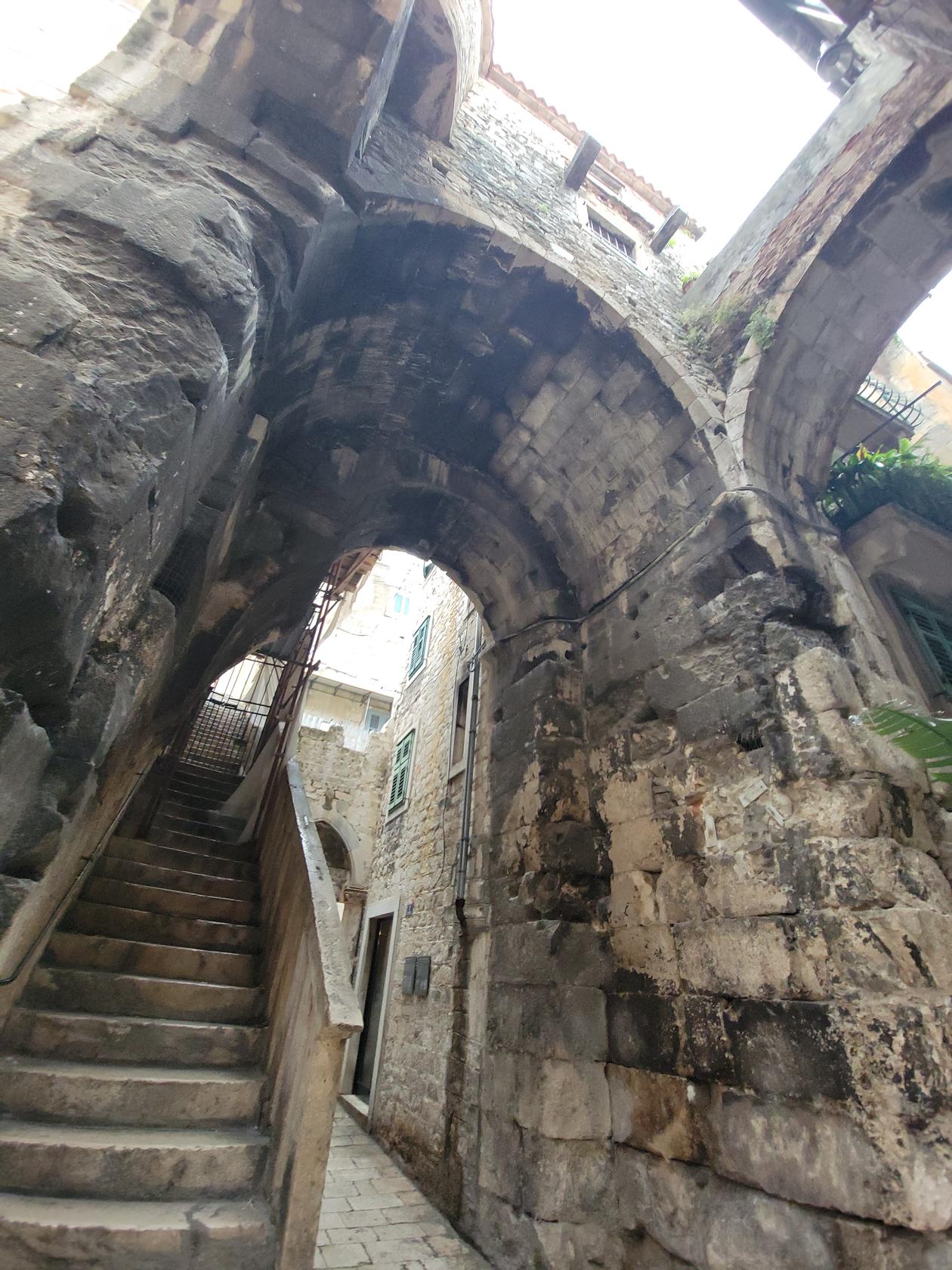
The Silver Gate faces the east and along with the Golden Gate is one of the better preserved gates to the palace. The Iron Gate is buried within the walls and narrow alleyways of Split to the west. Transformed after the emperor left and the palace fell into disrepair.
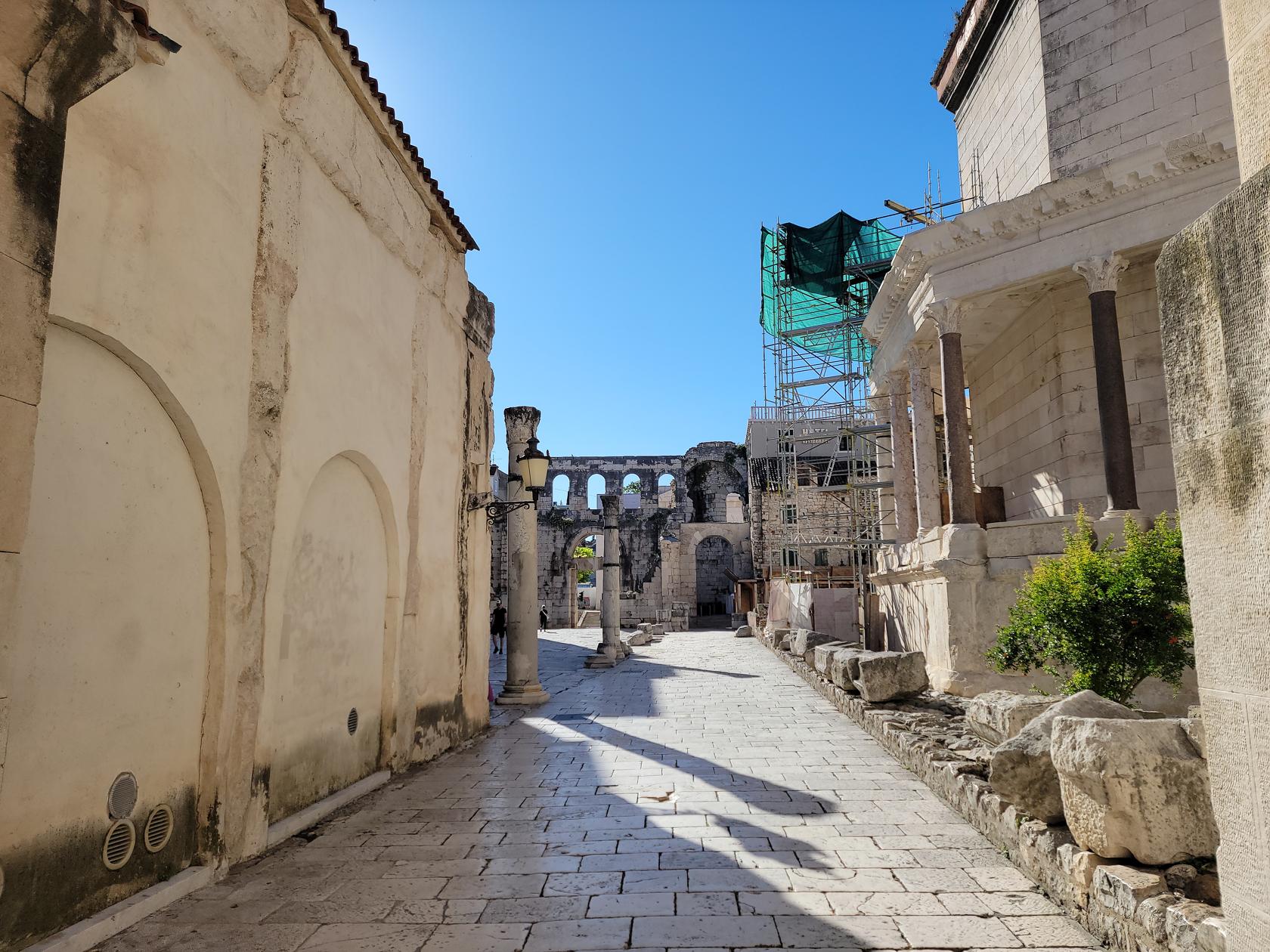
Silver Gate – Diocletians Palace – Split, Croatia
Silver Gate – Diocletians Palace – Split, Croatia
Iron Gate – Diocletian’s Palace – Split, Croatia
Iron Gate – Diocletian’s Palace – Split, Croatia
Gradski Park
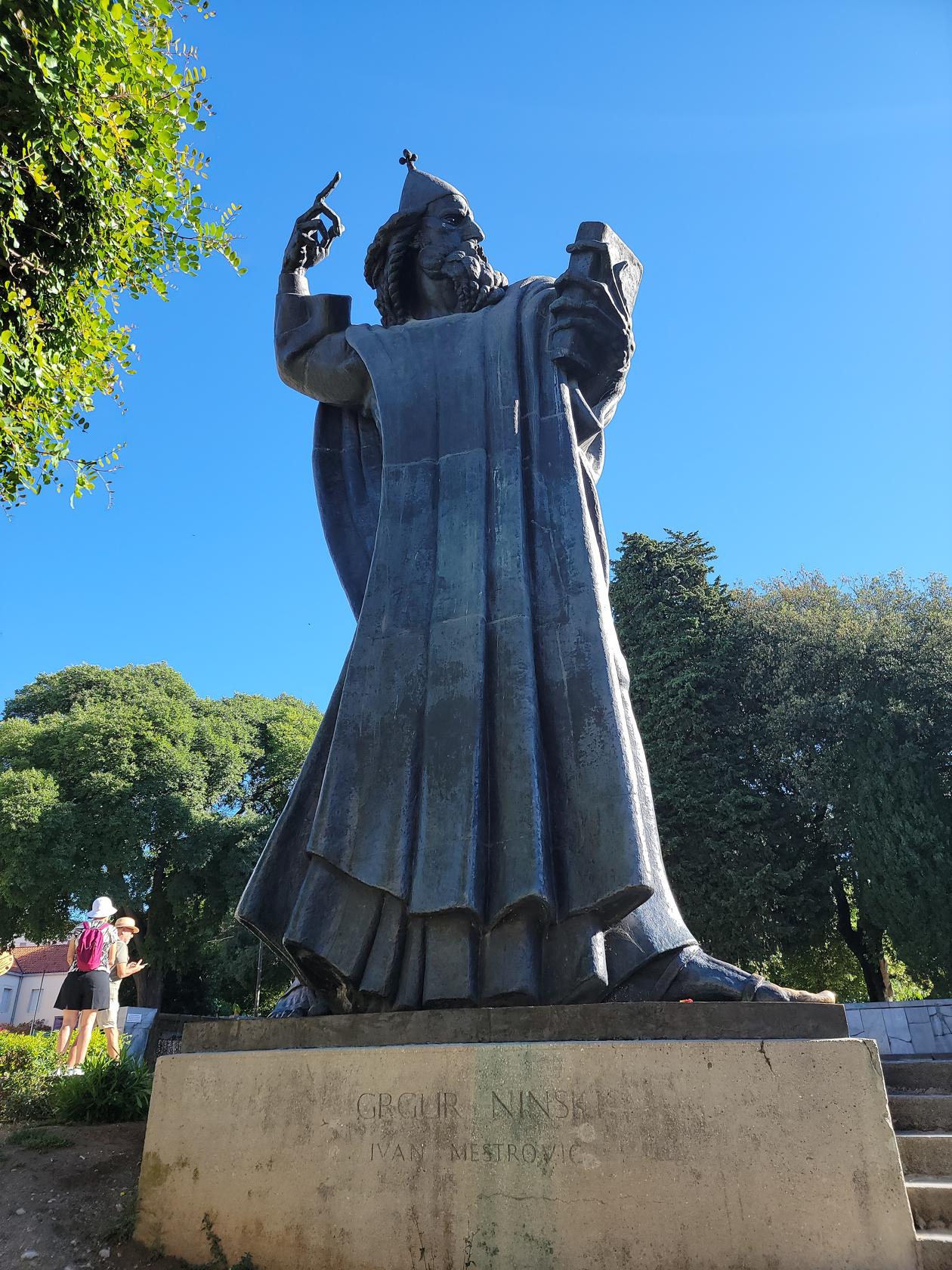
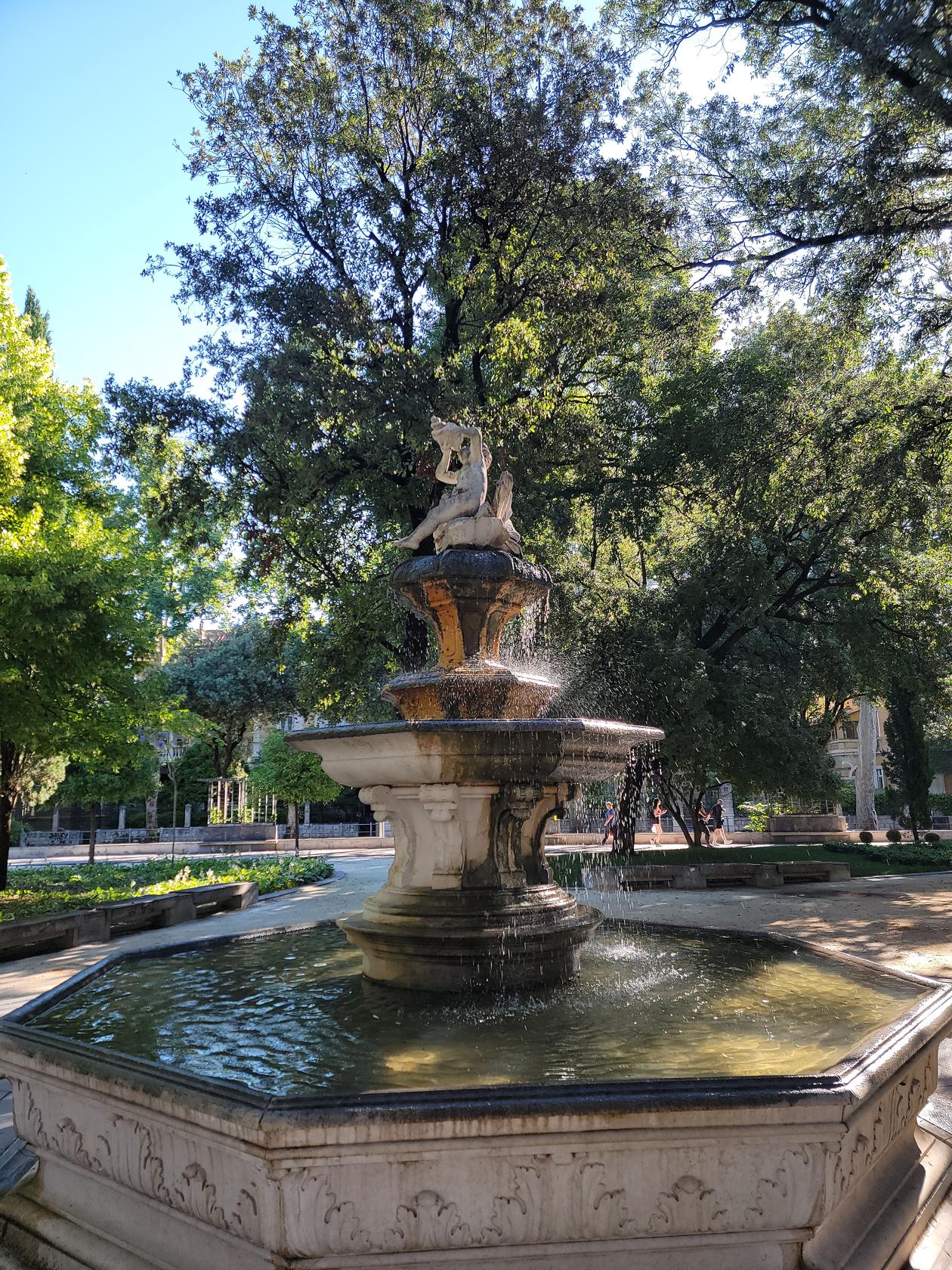
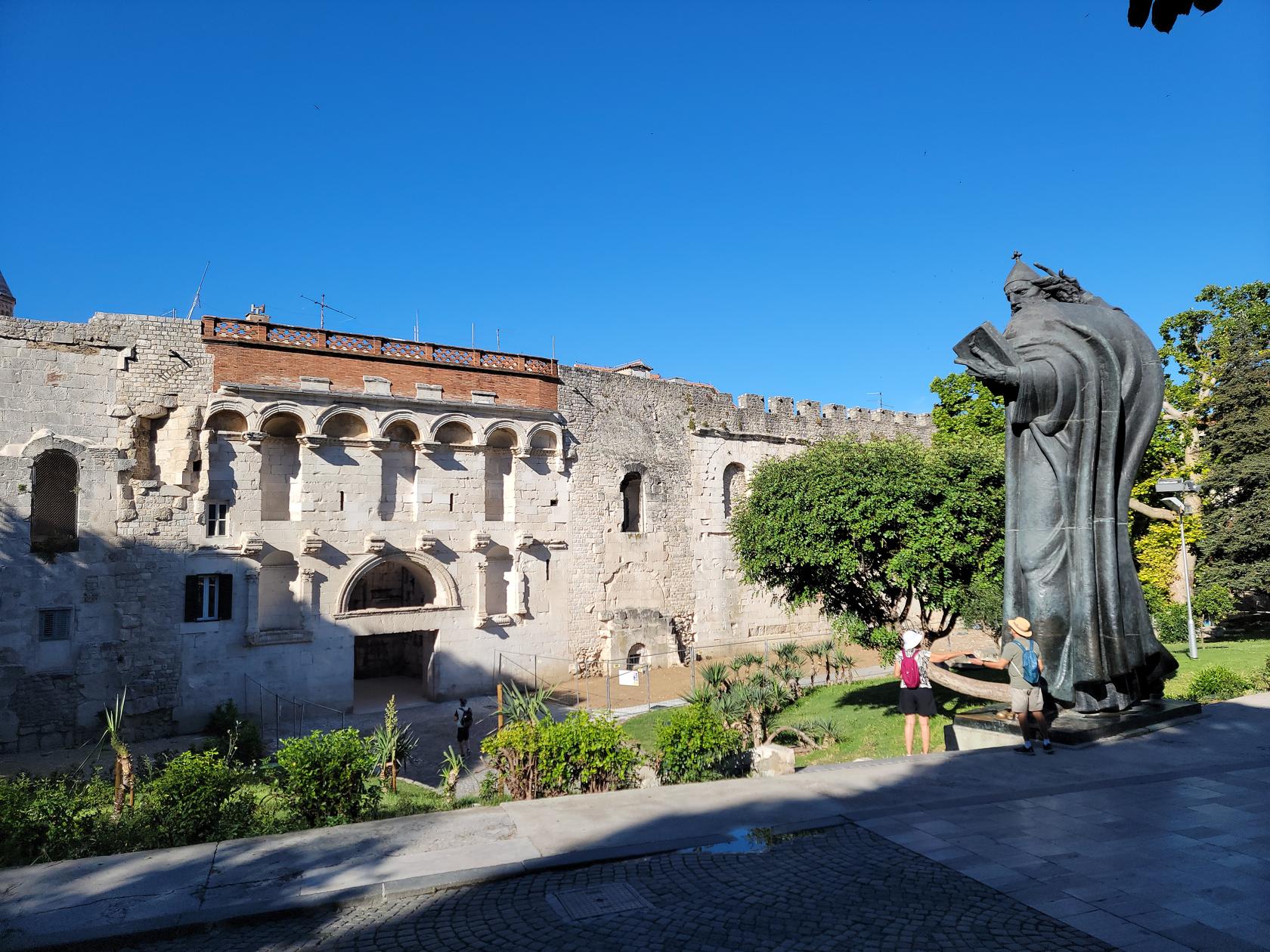
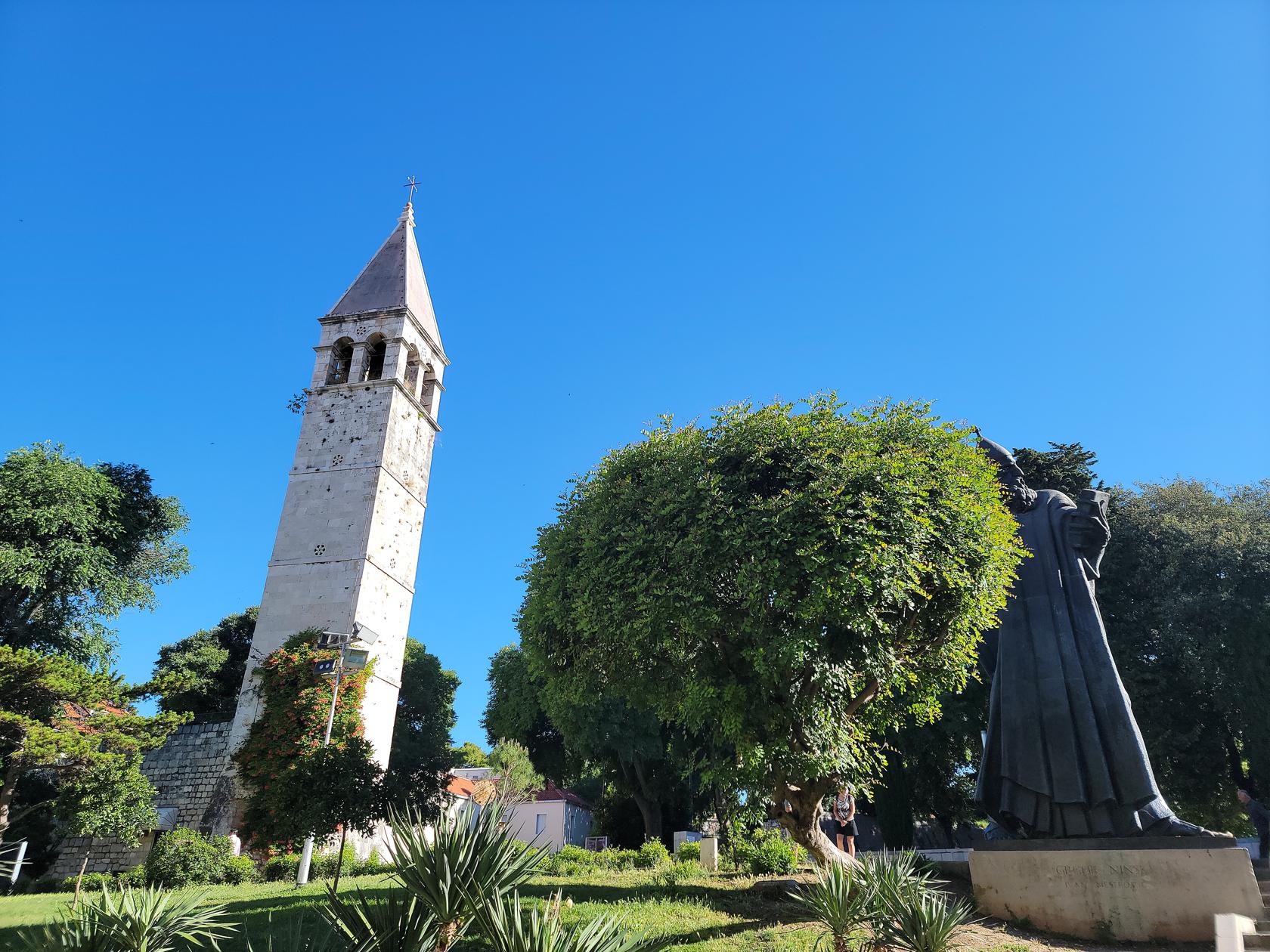
Just outside the Golden Gate is Gradski Park. Here you will find a statue from Gregory Ninskomu, a fountain and Bell Tower and Chapel of the Holy Arnir.
Gregory Ninskomu Statue – Split, Croatia
Fountain – Park Josipa Jurja Strossmayer – Split, Croatia
Gregory Ninskomu Statue – Split, Croatia
Tower of Chapel of Holy Arnir and Gregory Ninskomu Statue – Split, Croatia
Saint Domnius Cathedral
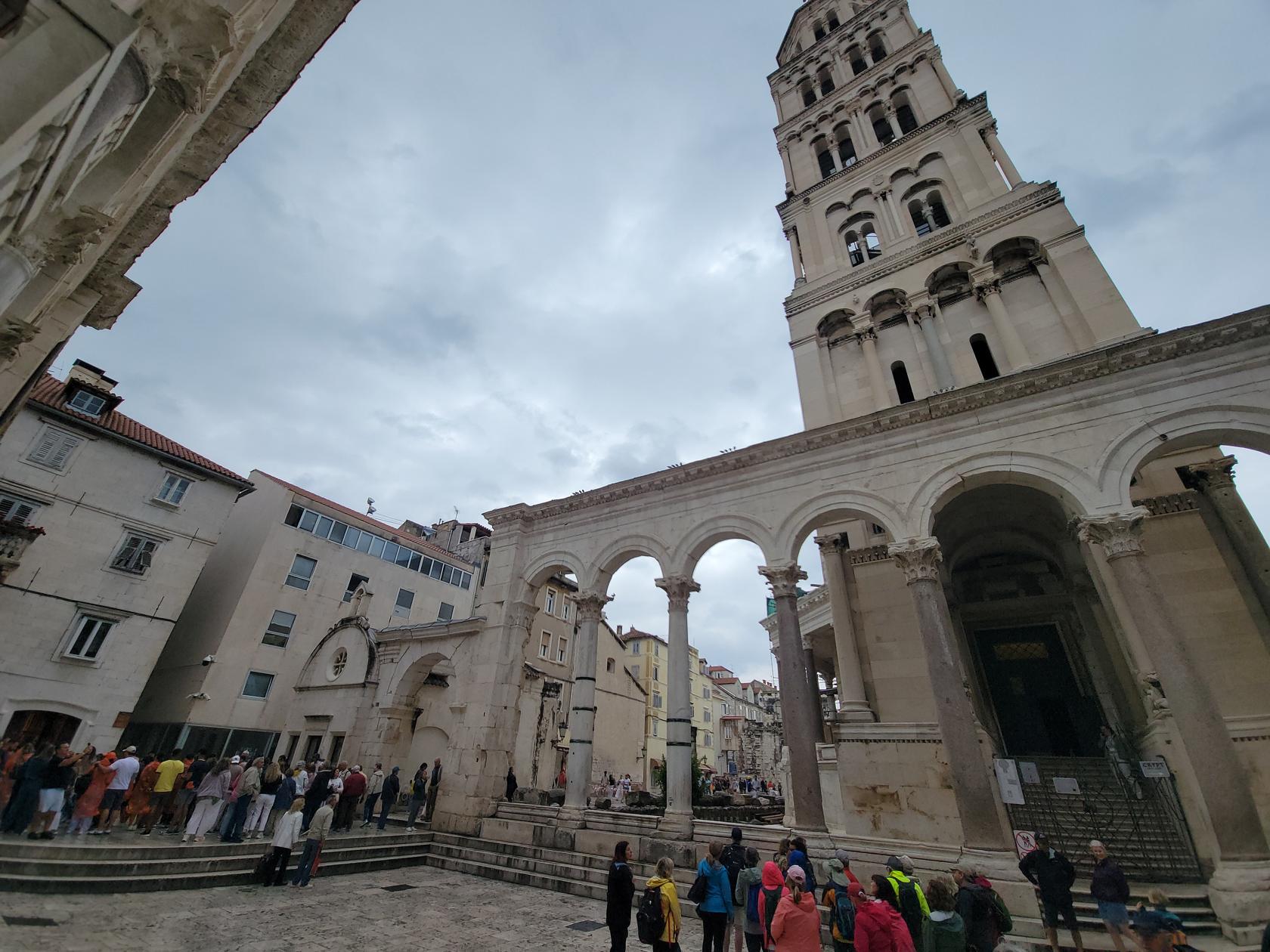
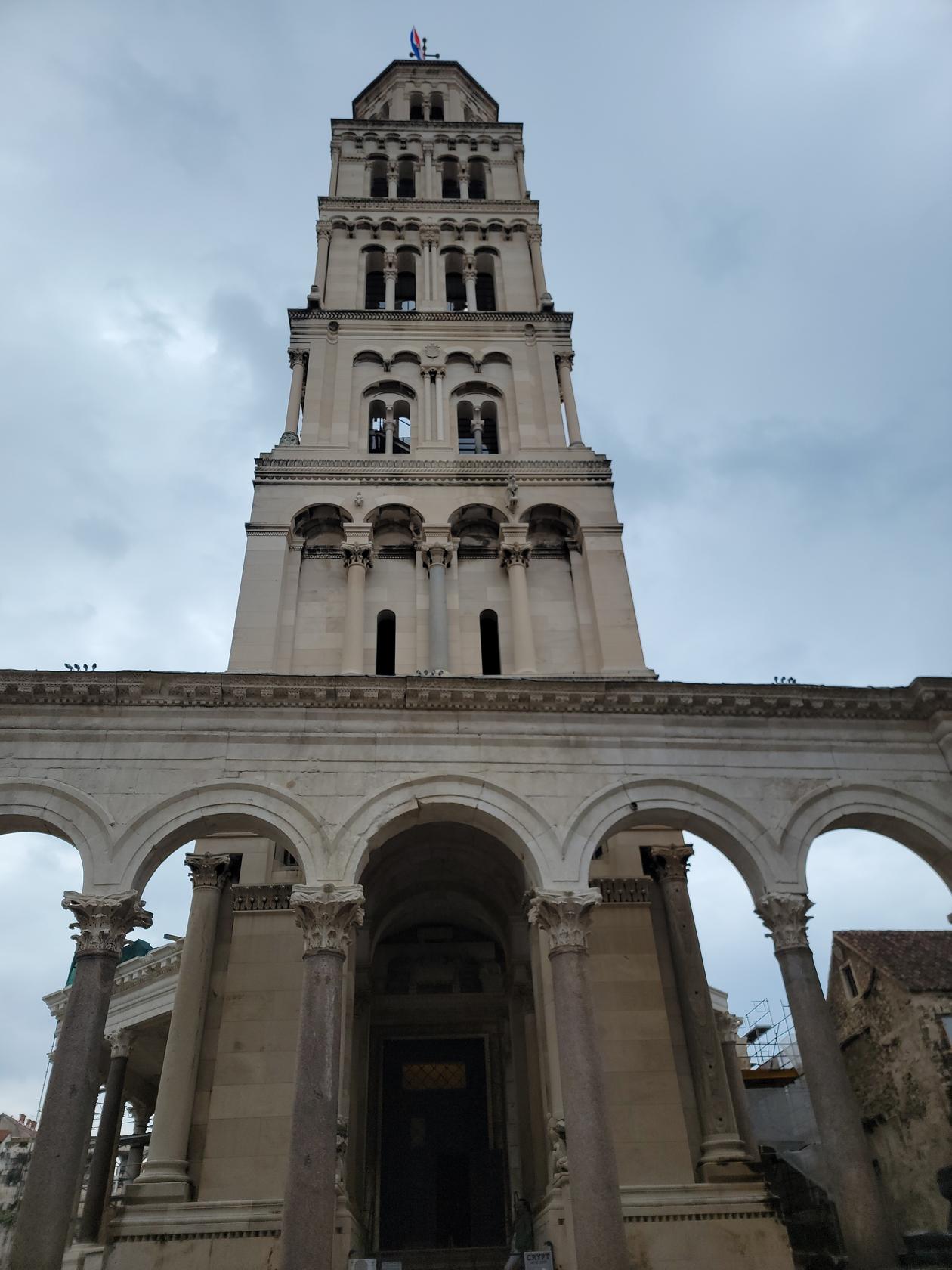
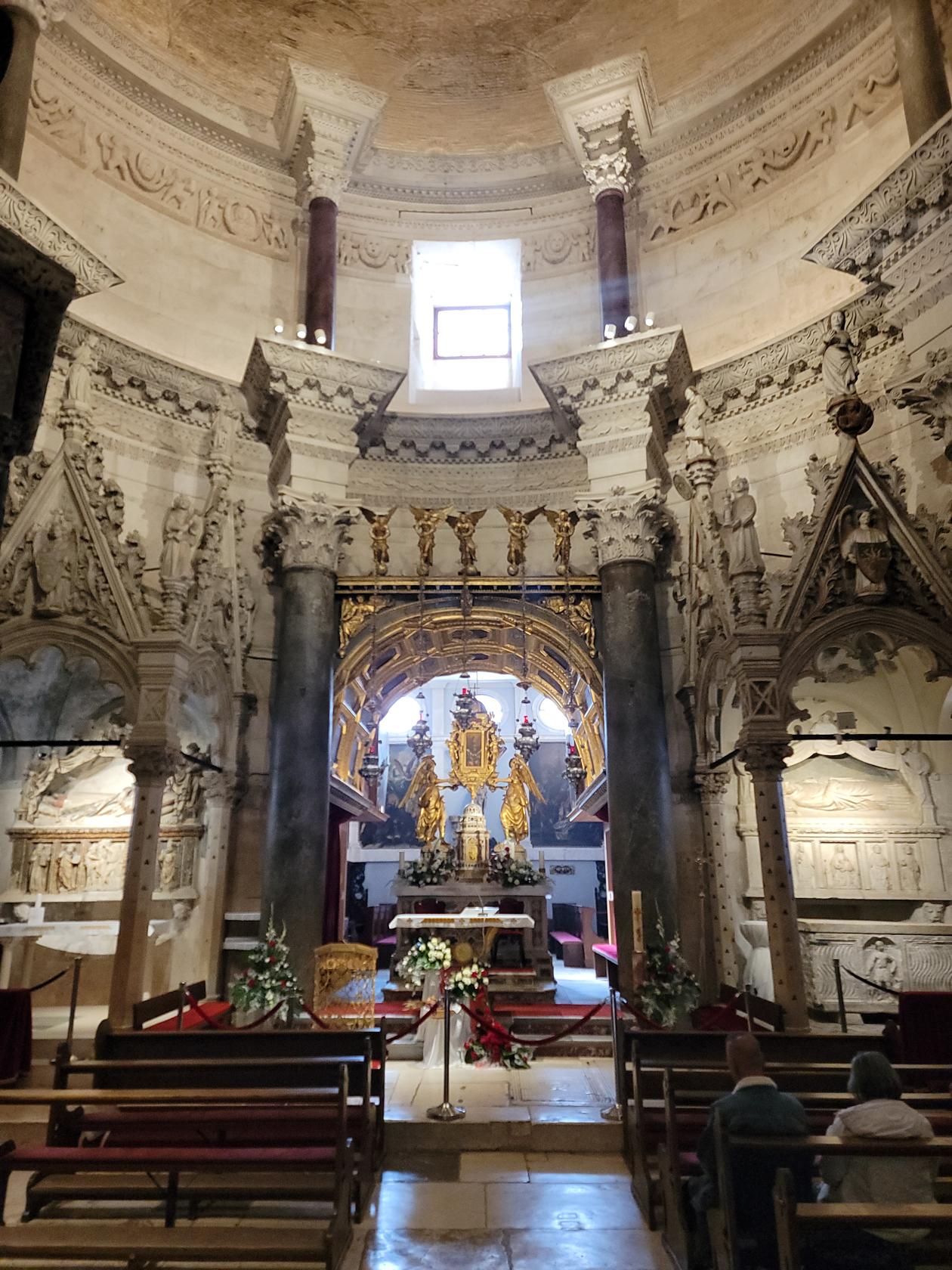
One of the main buildings within the palace is Saint Domnius Cathedral. Along with its bell tower it commands attention next to the vestibule.
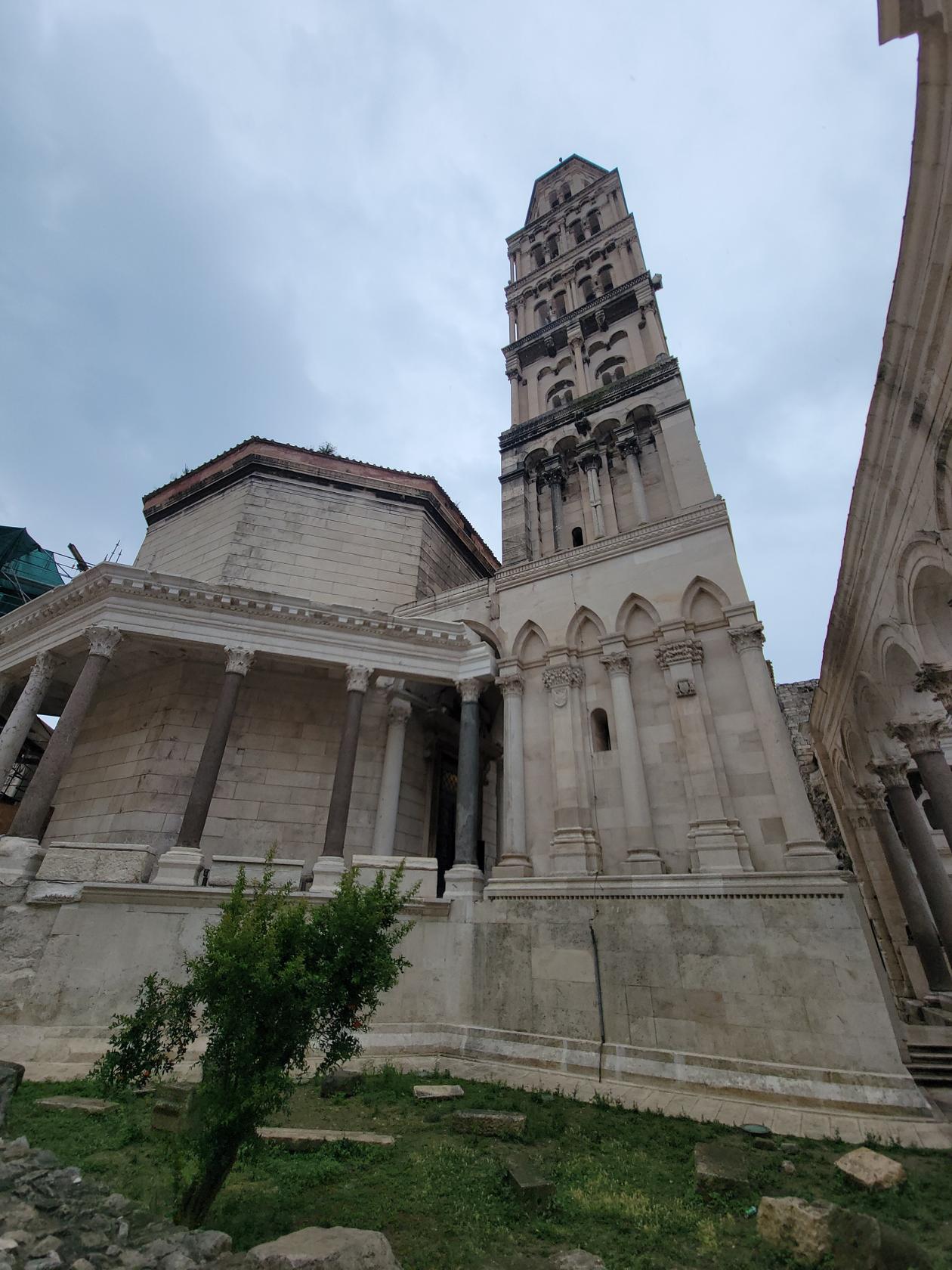
Bell Tower – Saint Domnius Cathedral – Diocletian’s Palace – Split, Croatia
Bell Tower – Saint Domnius Cathedral – Diocletian’s Palace – Split, Croatia
Bell Tower – Saint Domnius Cathedral – Diocletian’s Palace – Split, Croatia
Saint Domnius Bell Tower – Diocletian’s Palace – Split, Croatia
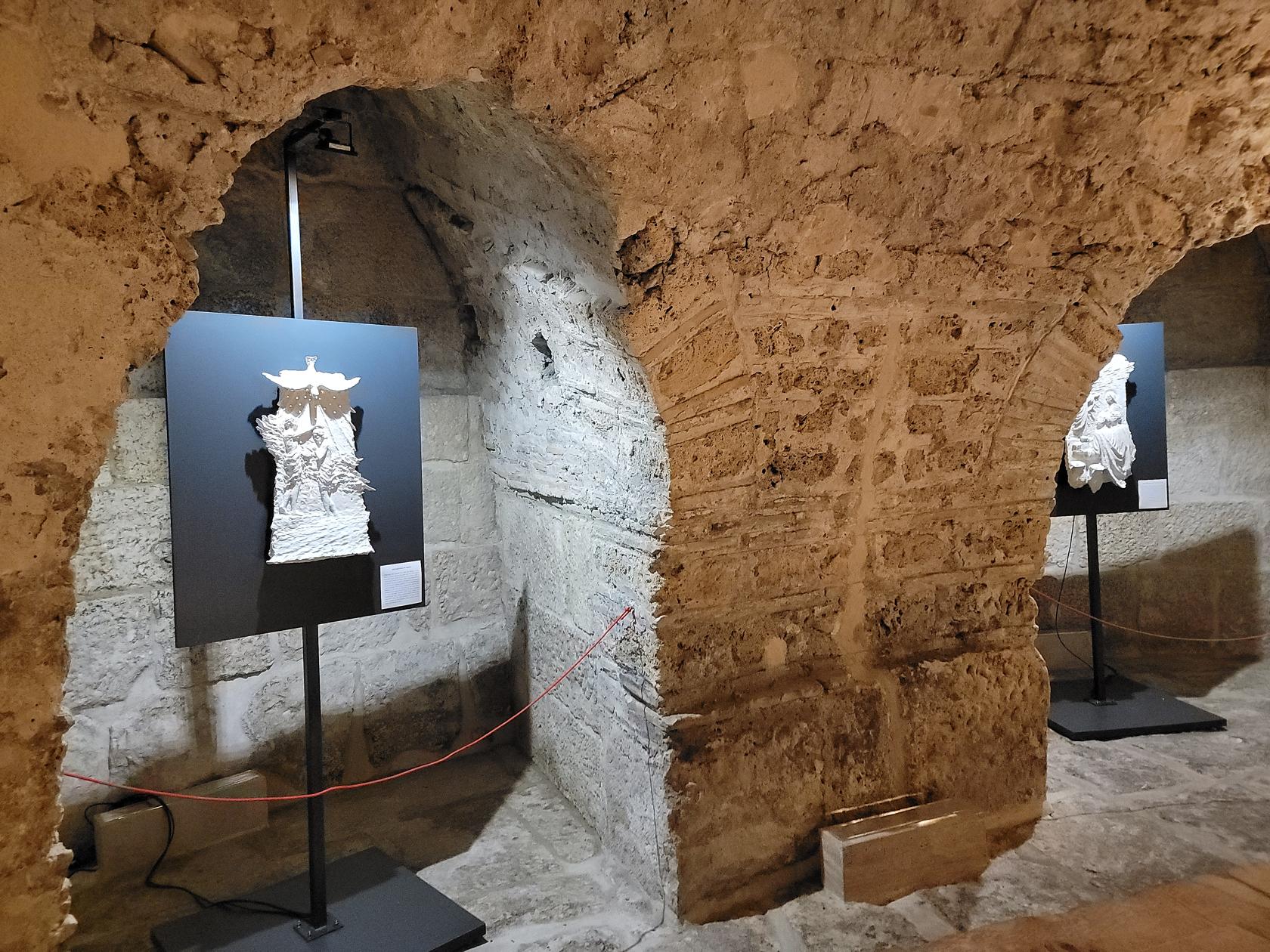
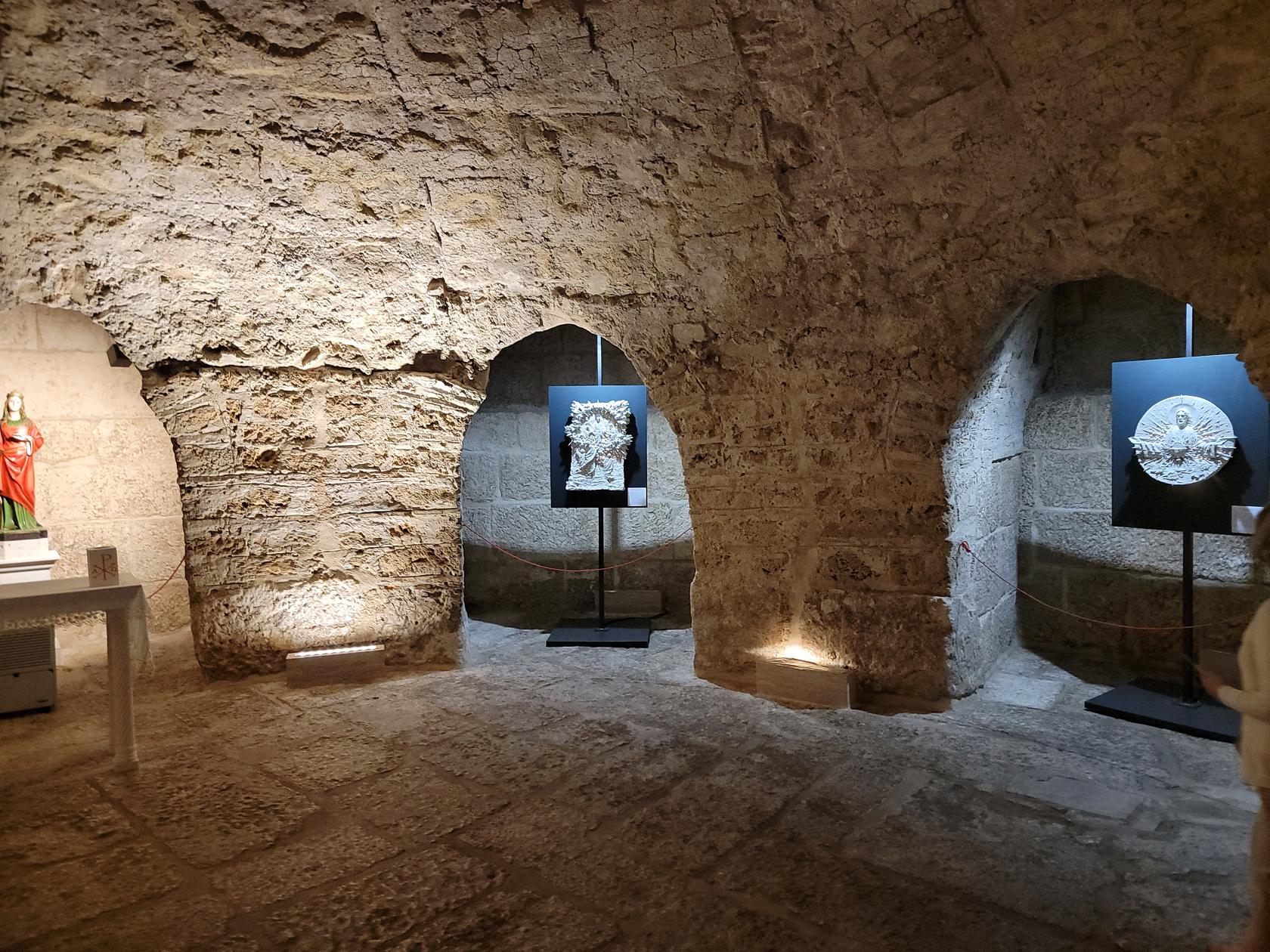
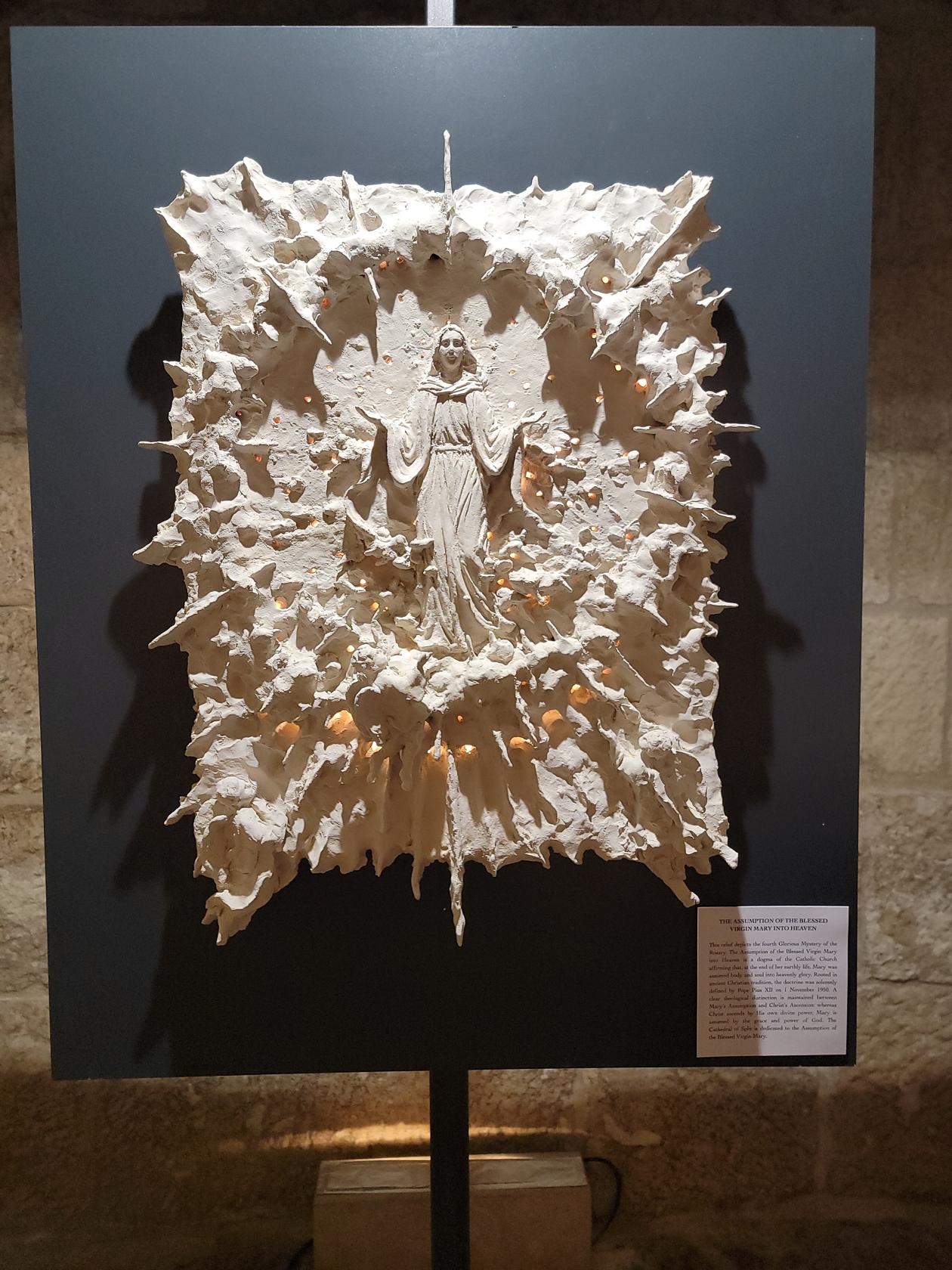
Assumption of the Blessed Virgin Mary – Saint Domnius Cathedral Crypt – Diocletian’s Palace – Split, Croatia
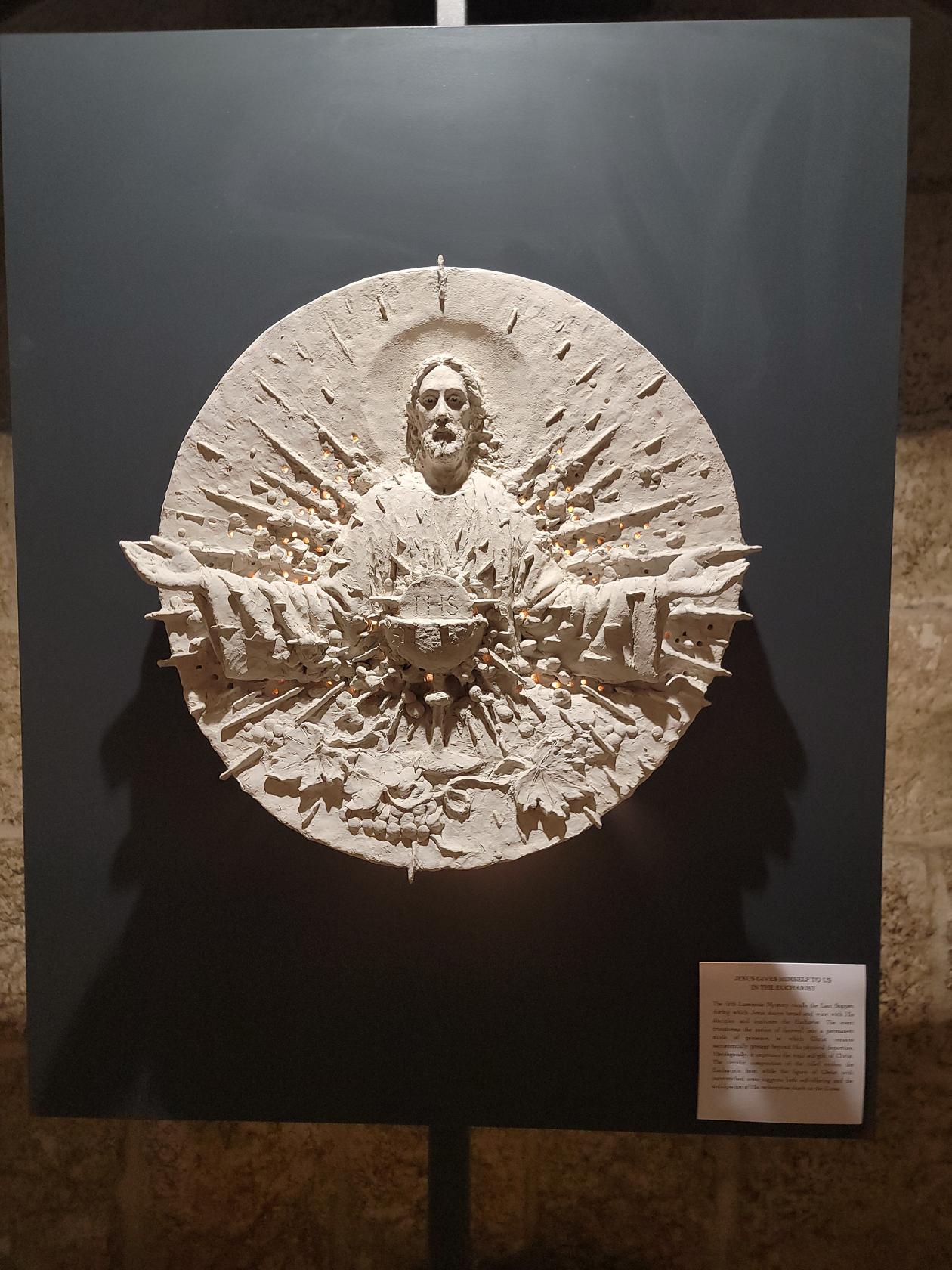
Jesus as Eucharist – Saint Domnius Cathedral Crypt – Diocletian’s Palace – Split, Croatia
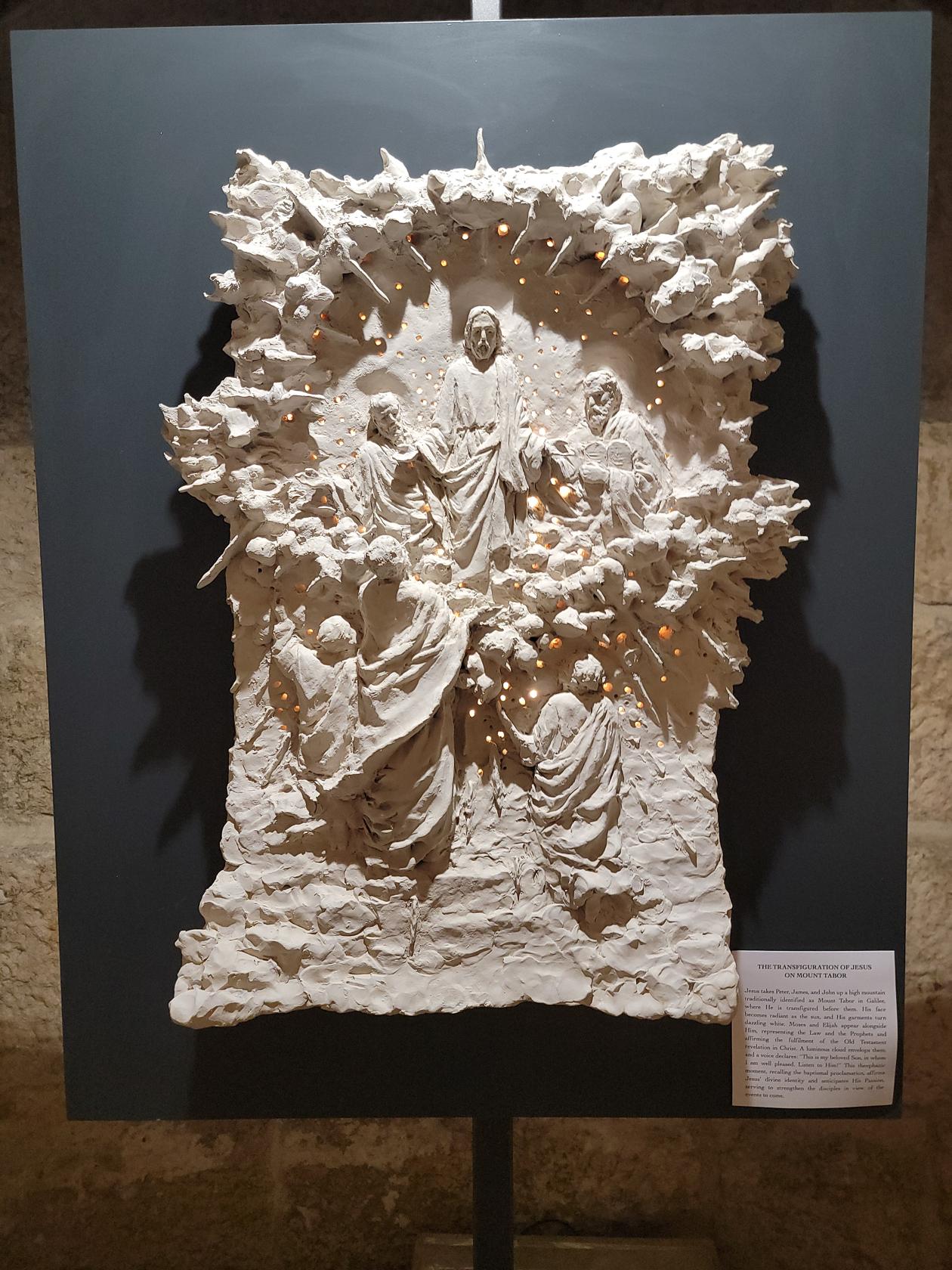
Tranfiguration of Christ on Mount Tabor – Saint Domnius Cathedral Crypt – Diocletian’s Palace – Split, Croatia
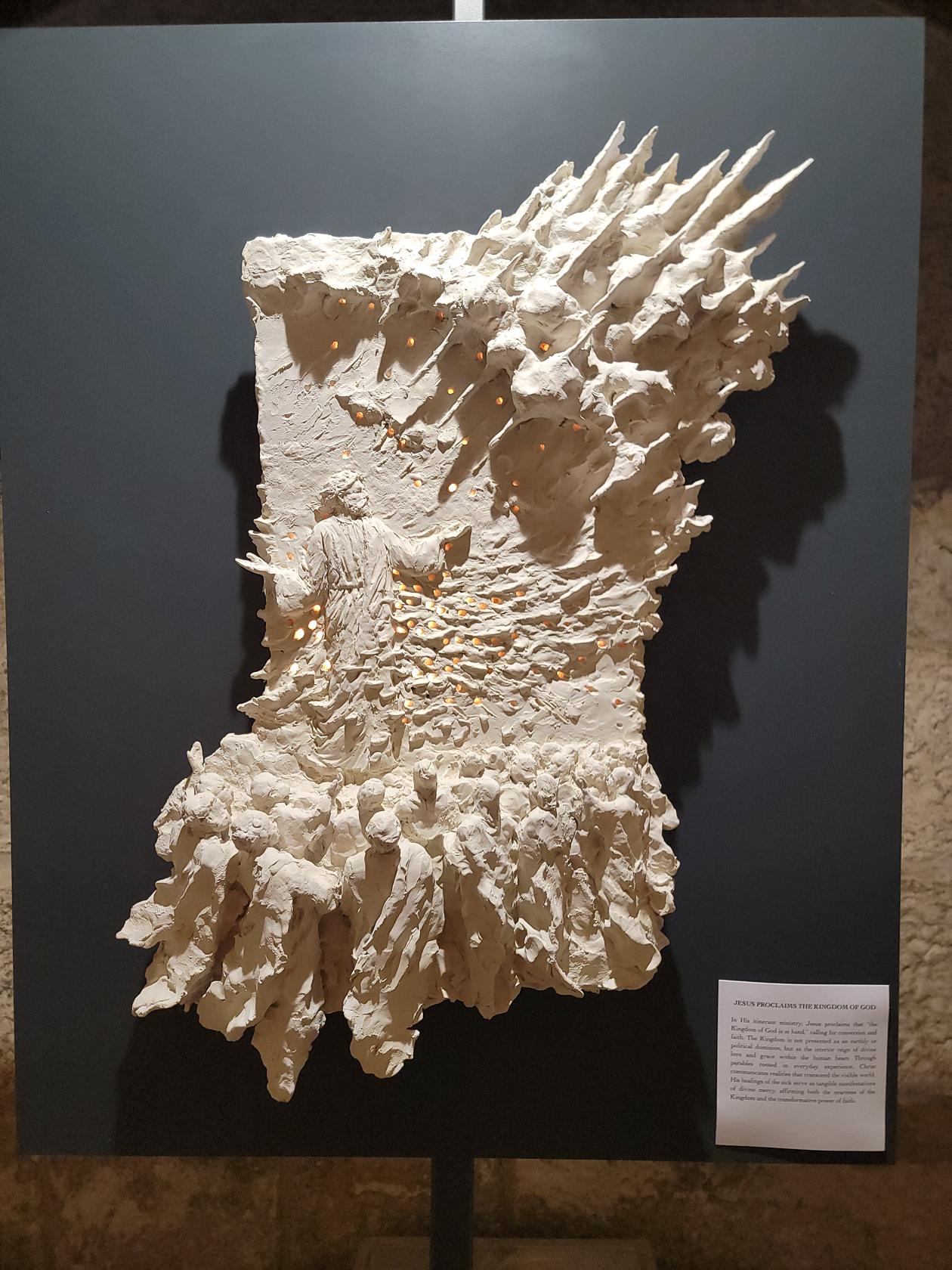
Kingdom of God Proclaimed – Saint Domnius Cathedral Crypt – Diocletian’s Palace – Split, Croatia
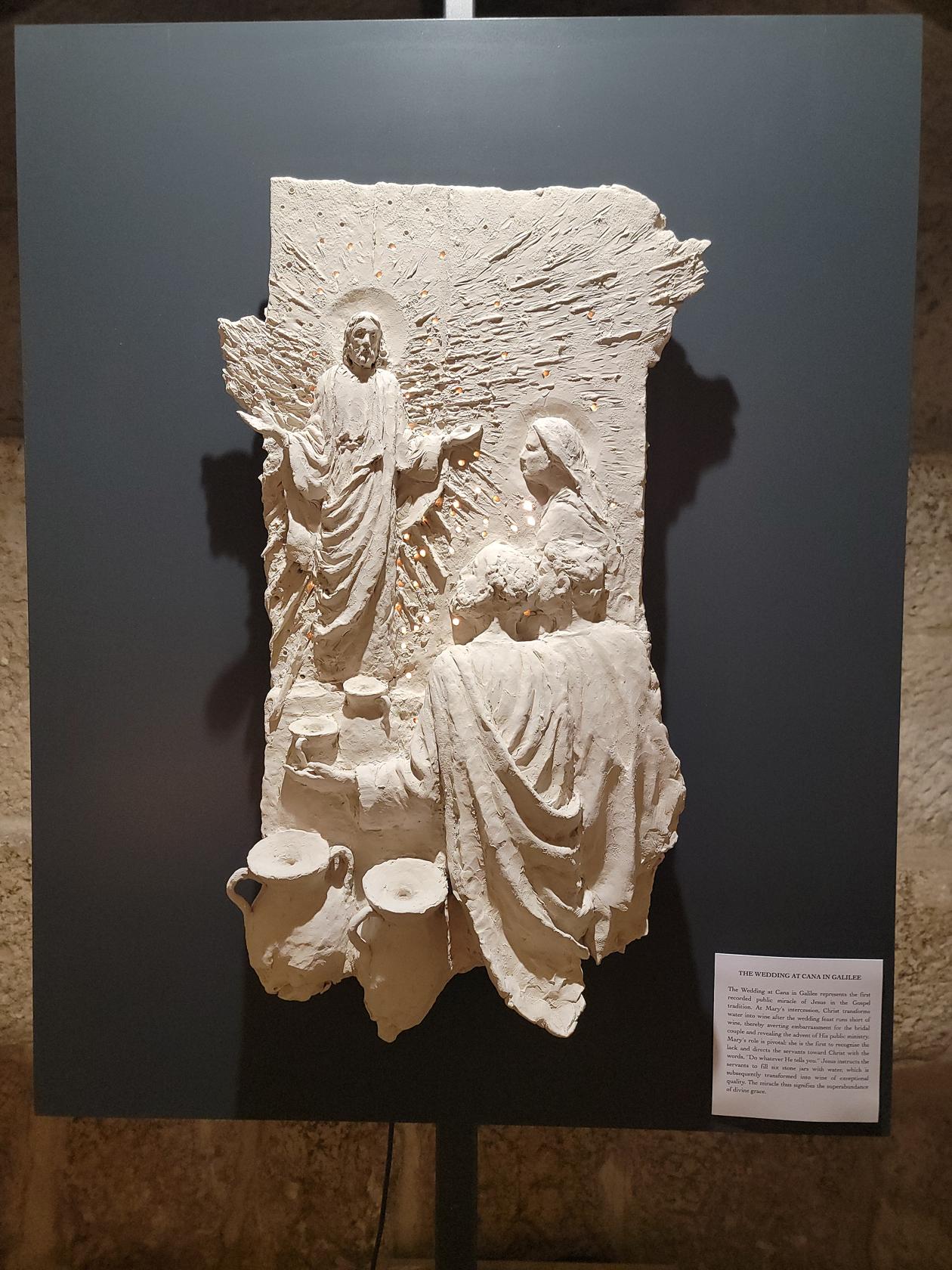
Wedding at Cana in Galilee – Saint Domnius Cathedral Crypt – Diocletian’s Palace – Split, Croatia
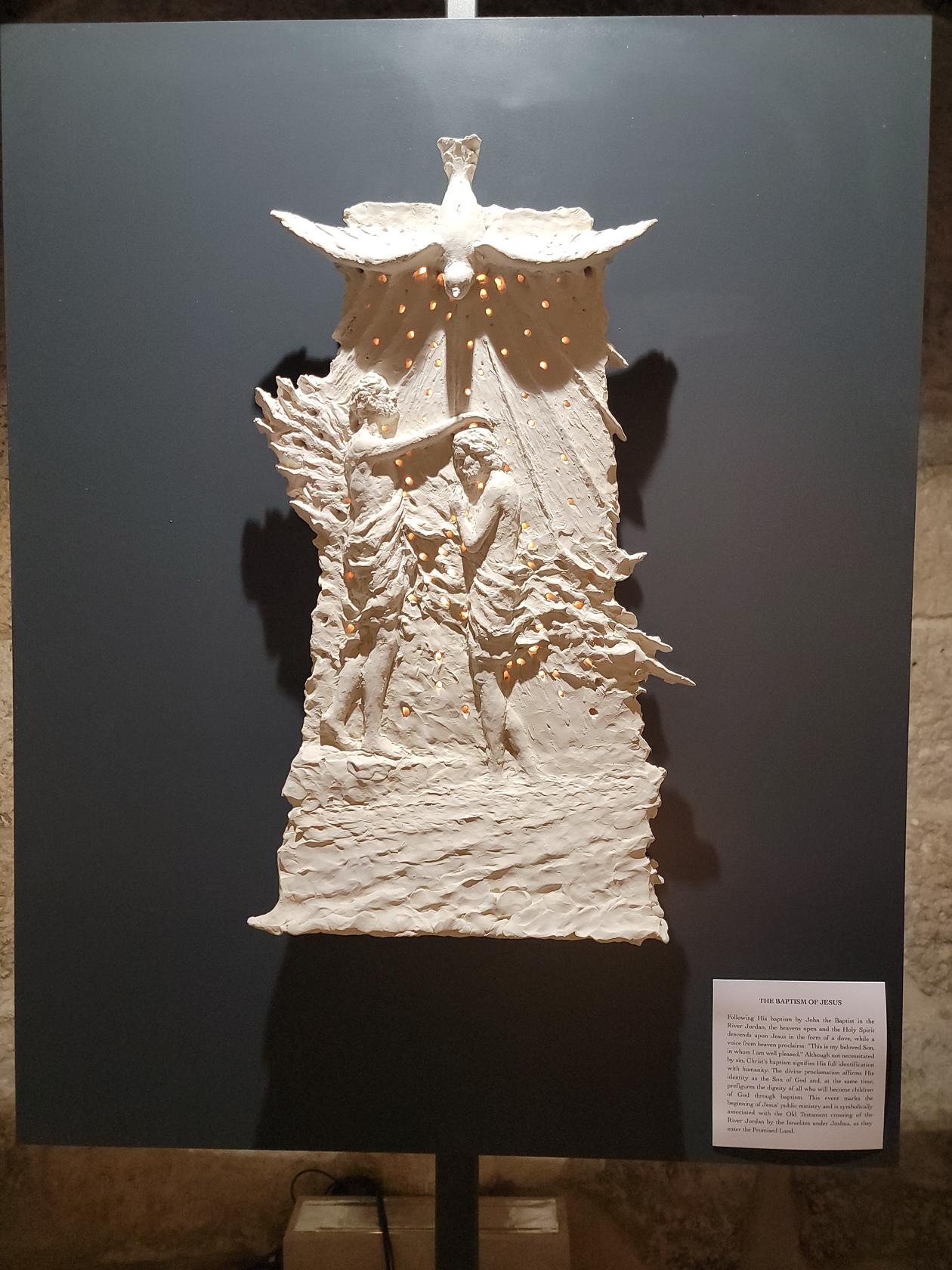
Baptism of Jesus – Saint Domnius Cathedral Crypt – Diocletian’s Palace – Split, Croatia
Marjan Hill
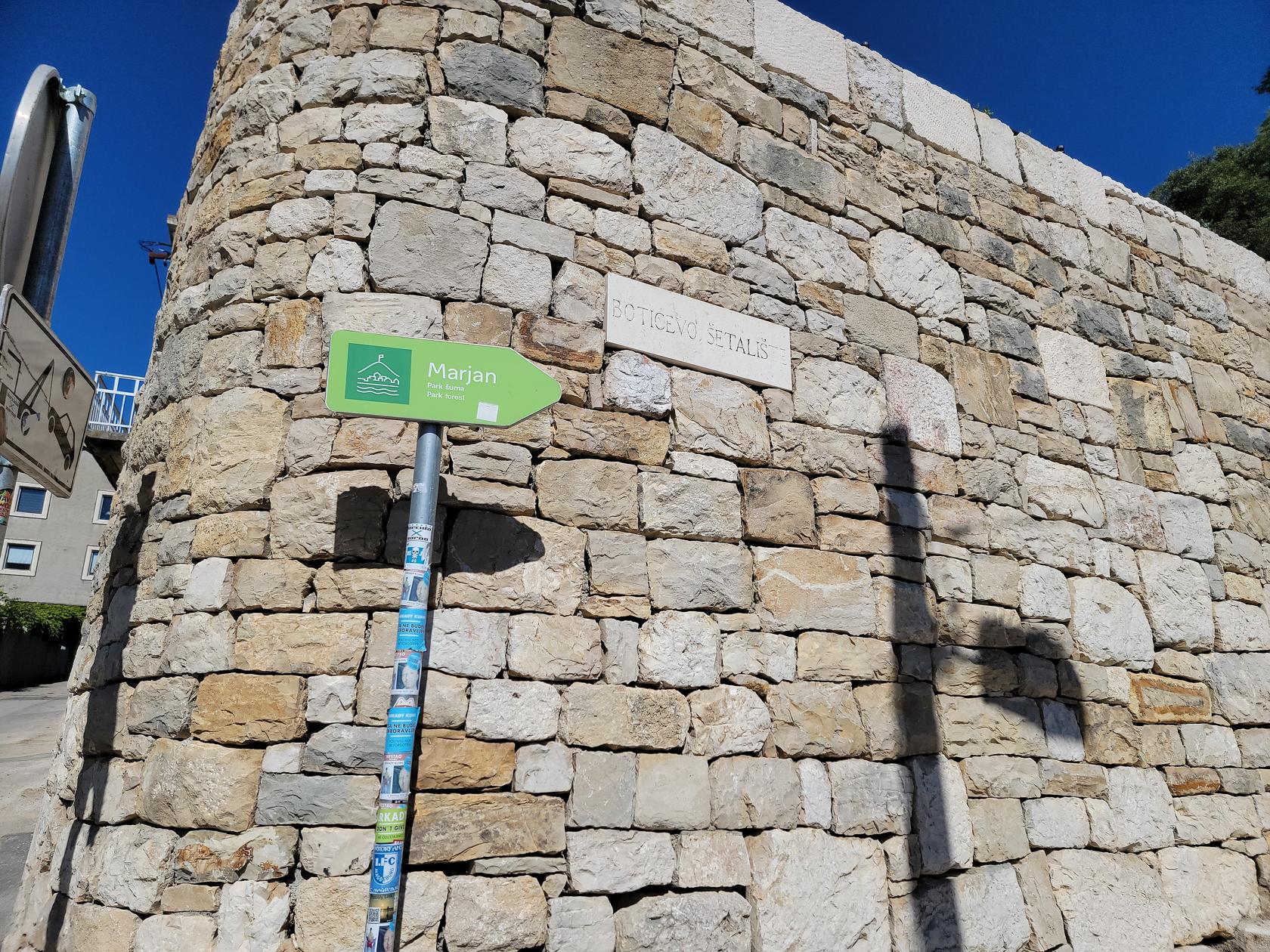
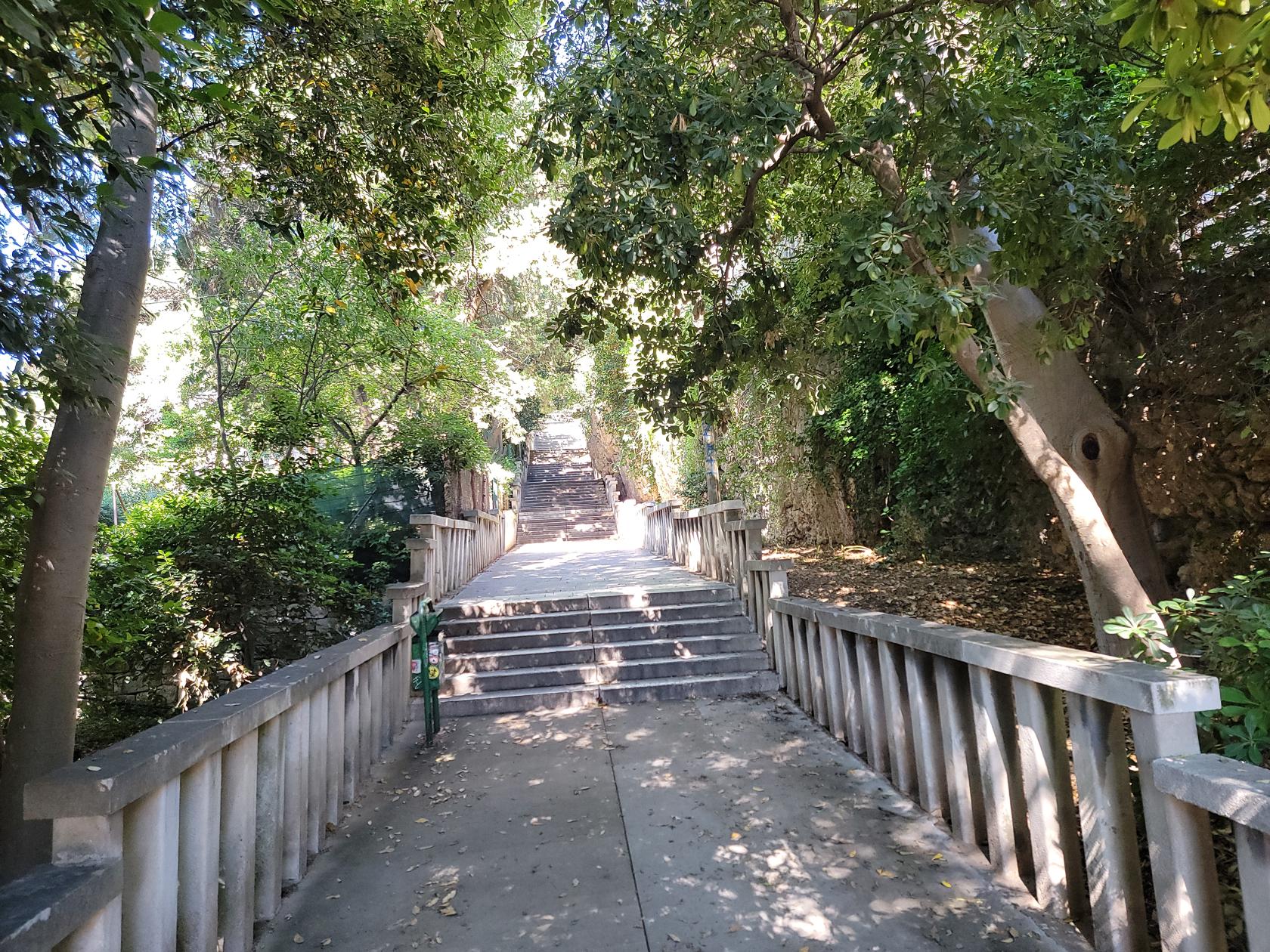
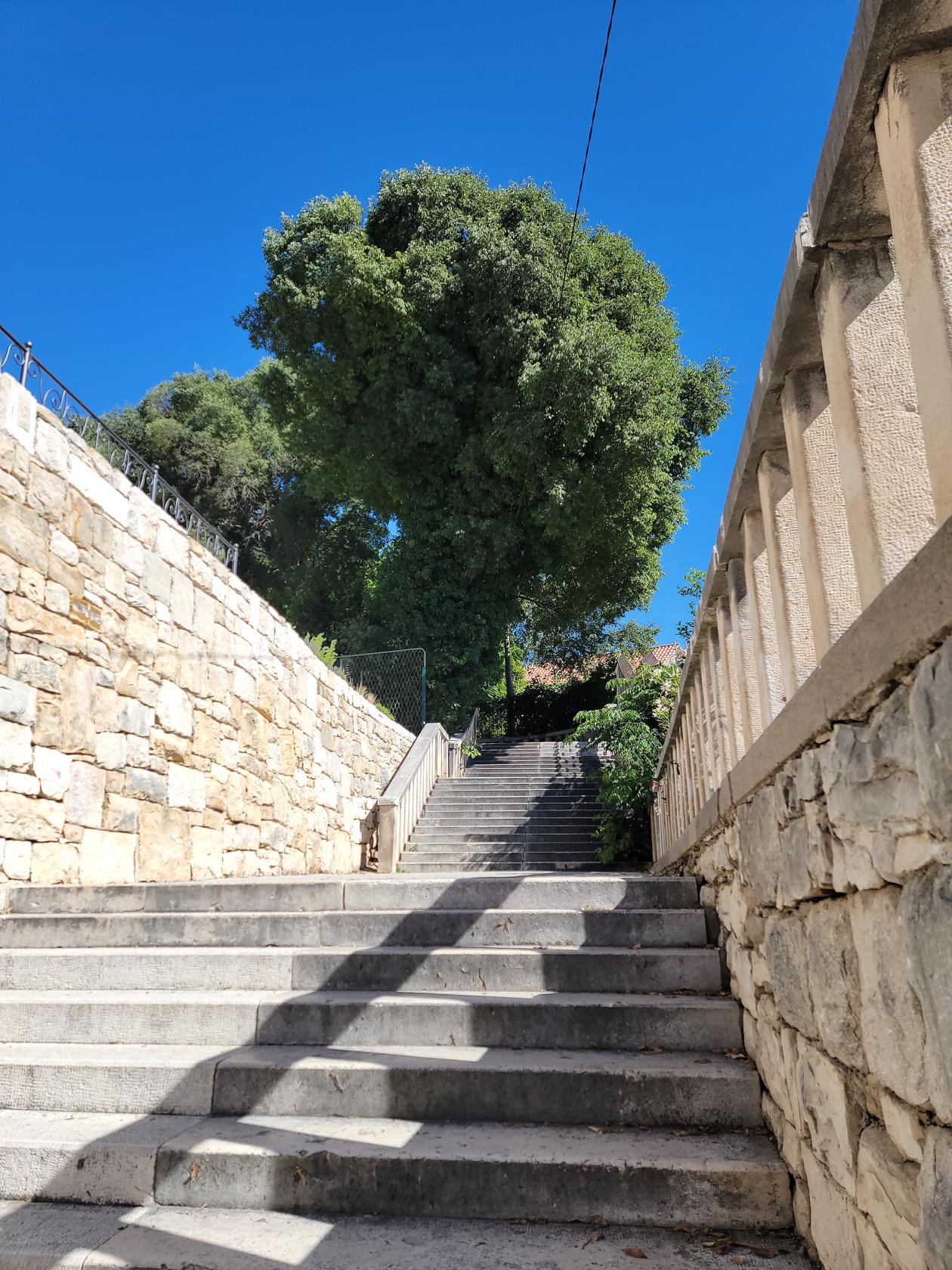
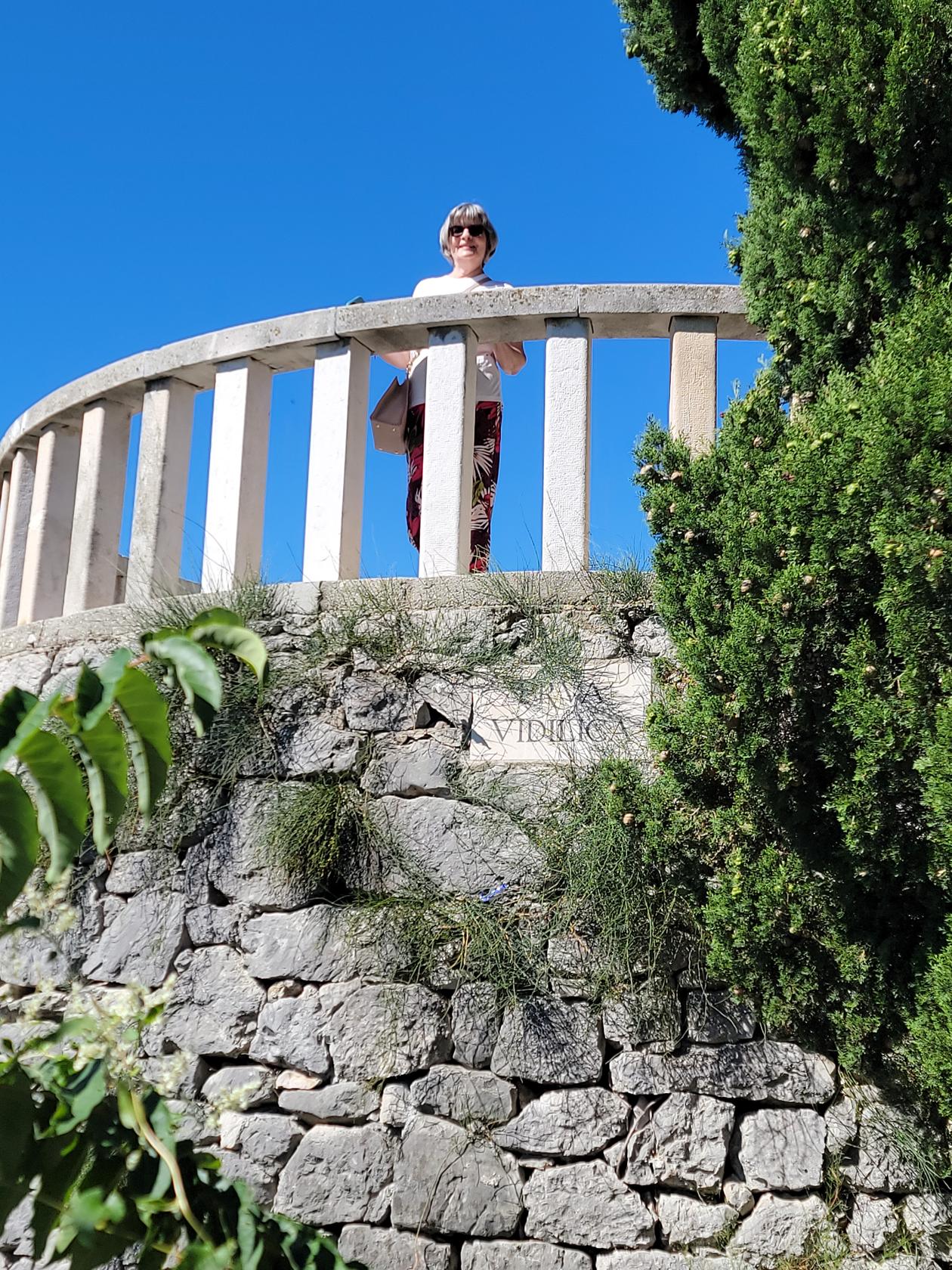
One the western part of the city is the Marjan Hill. Known locally as a hiking destination, is has several hundred steps to climb, before one gets a commanding view of the countryside.
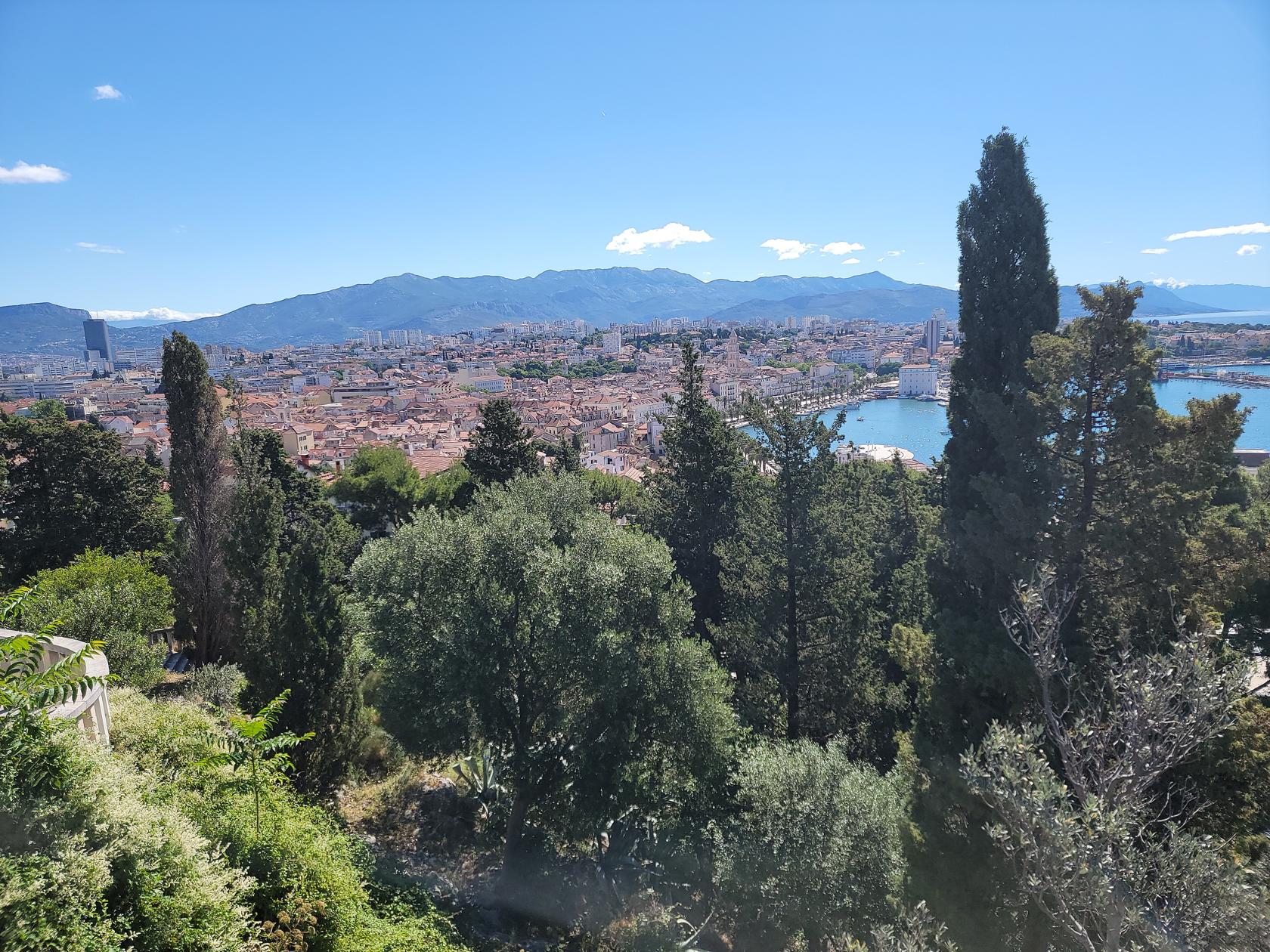
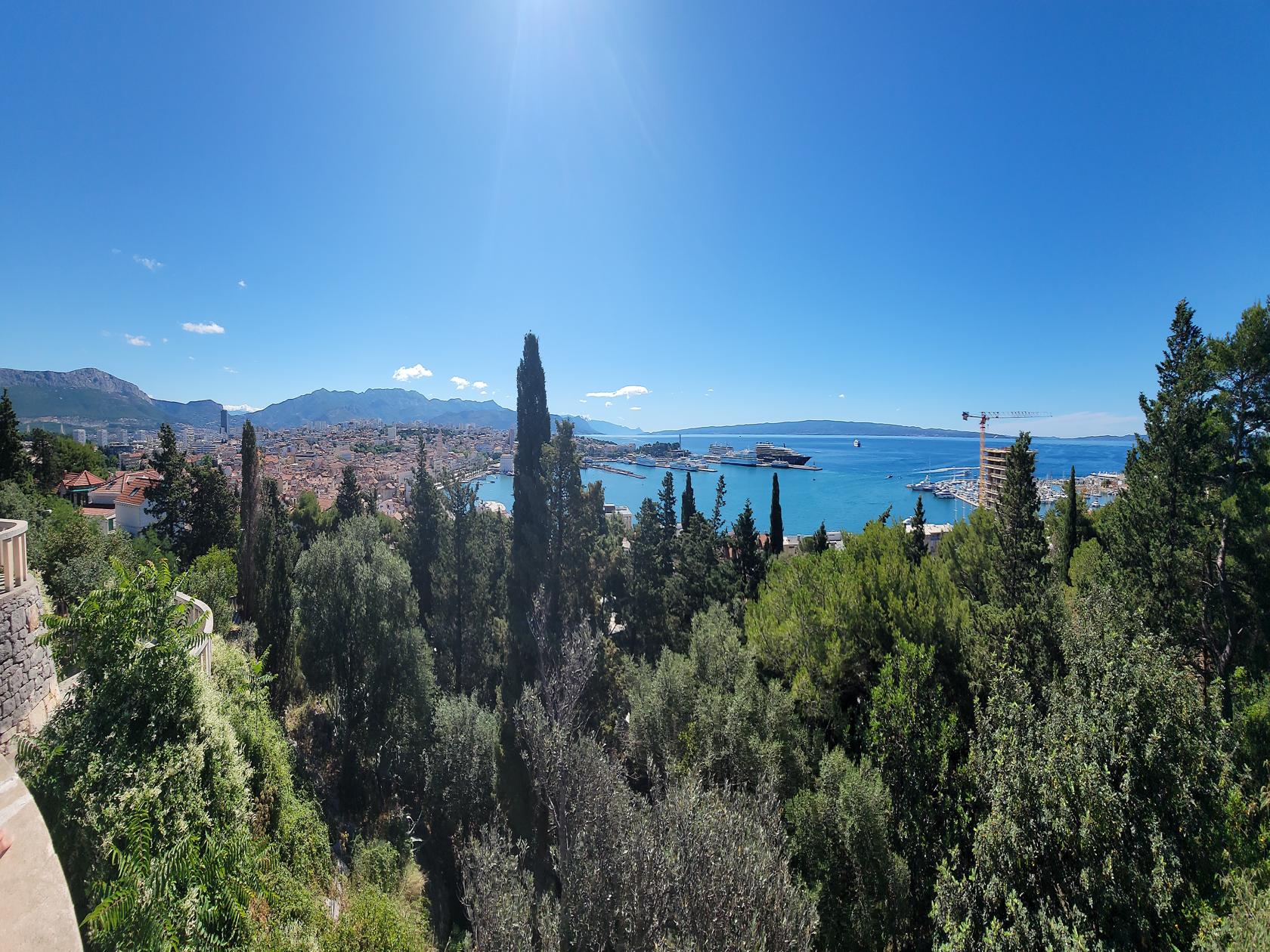
Marjan Hill – Split, Croatia
Steps – Marjan Hill – Split, Croatia
Steps – Marjan Hill – Split, Croatia
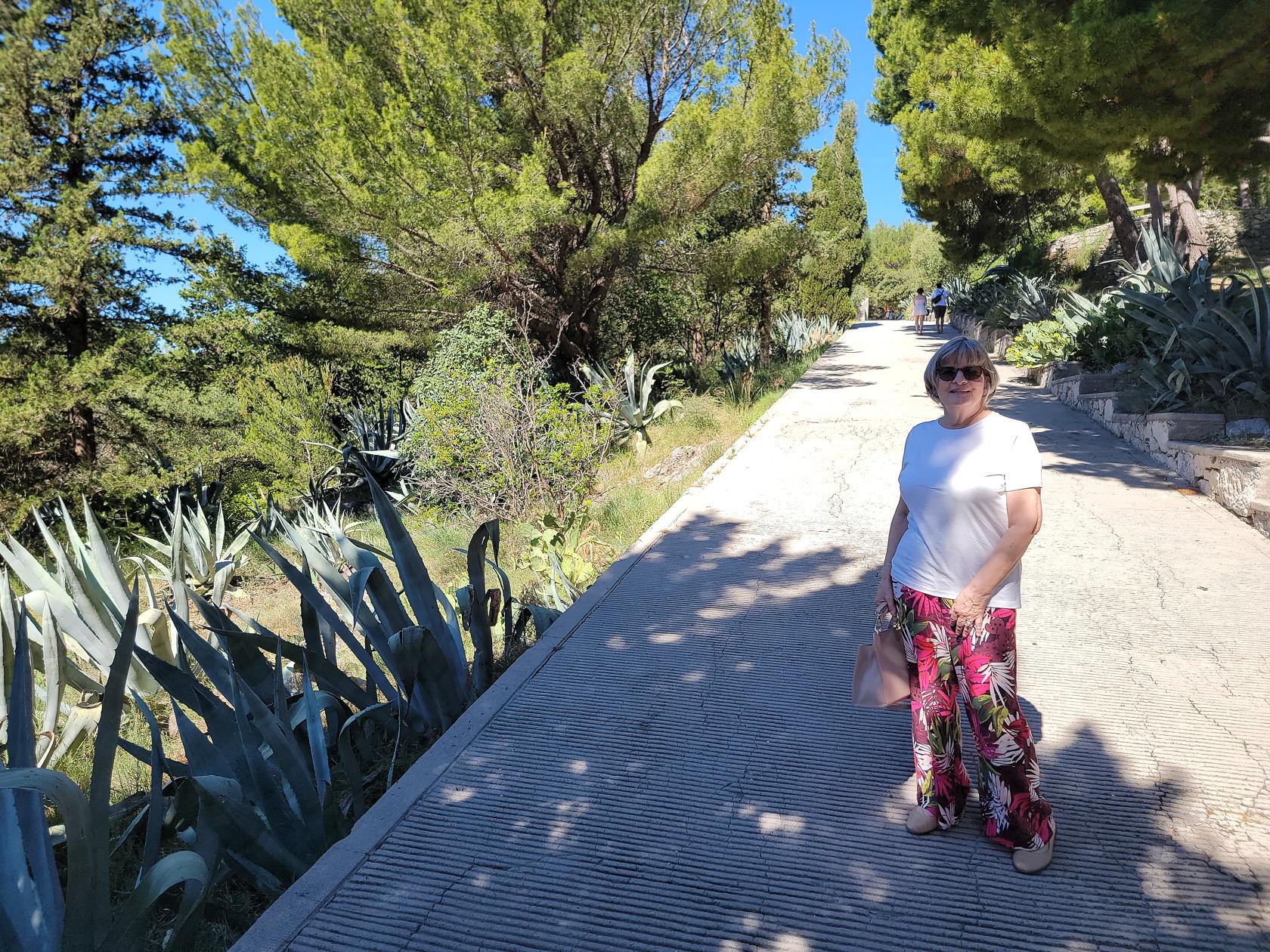
Patti – Marjan Hill – Split, Croatia
Overlook – Marjan Hill – Split, Croatia
Port – Marjan Hill – Split, Croatia
Patti – Marjan Hill – Split, Croatia
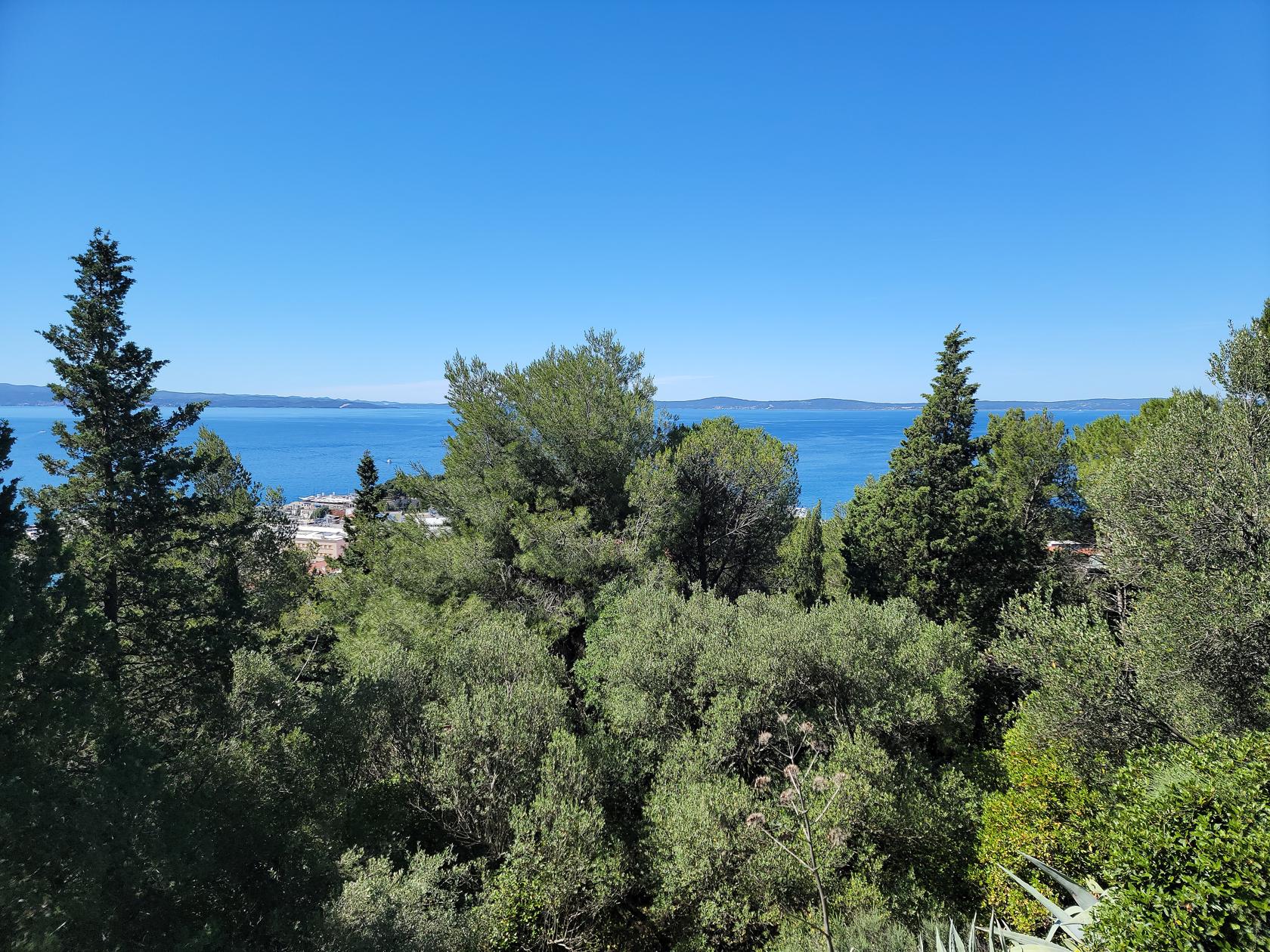
Solta Island – Marjan Hill – Split, Croatia
Church of Saint Nicholas
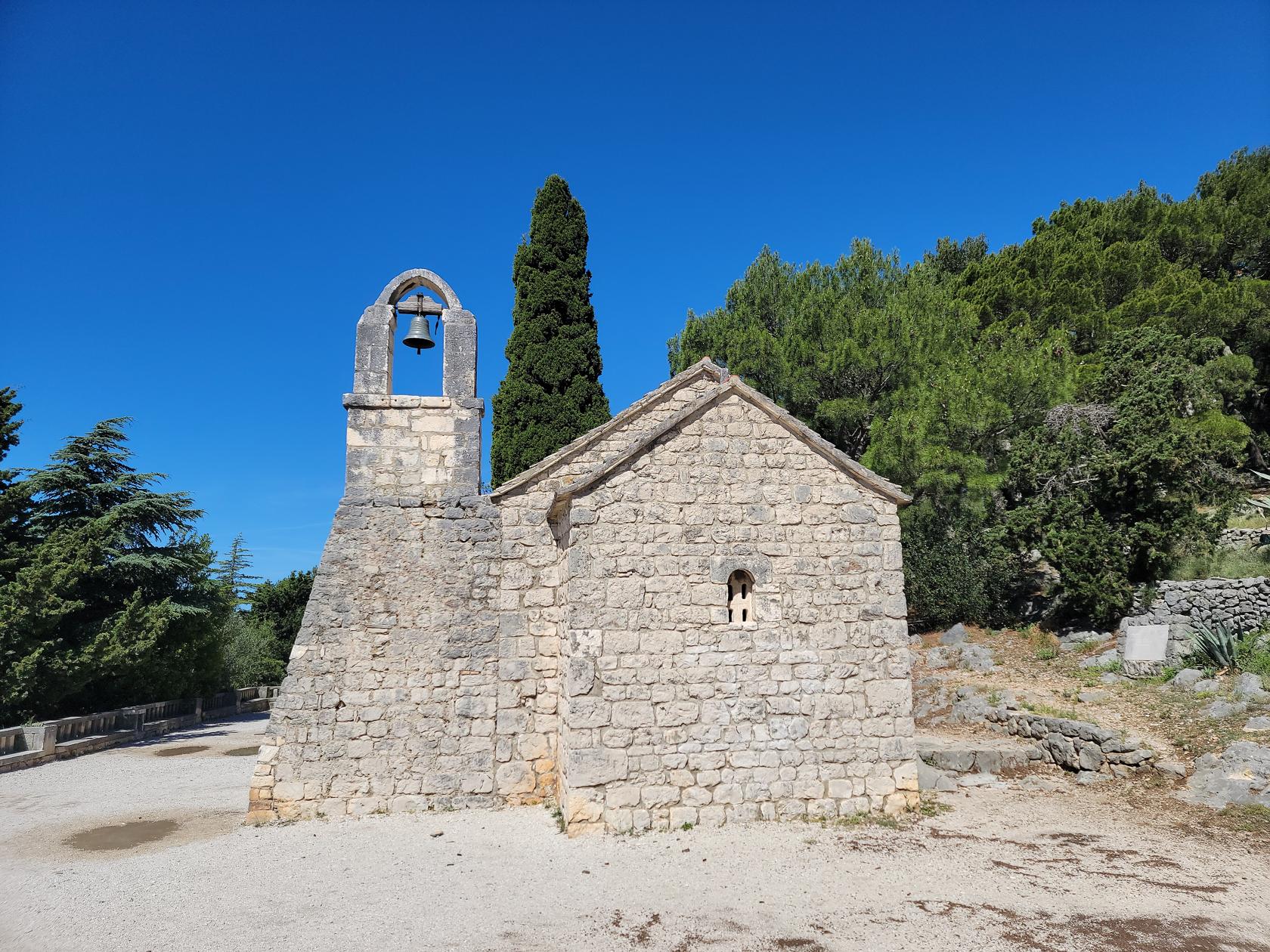
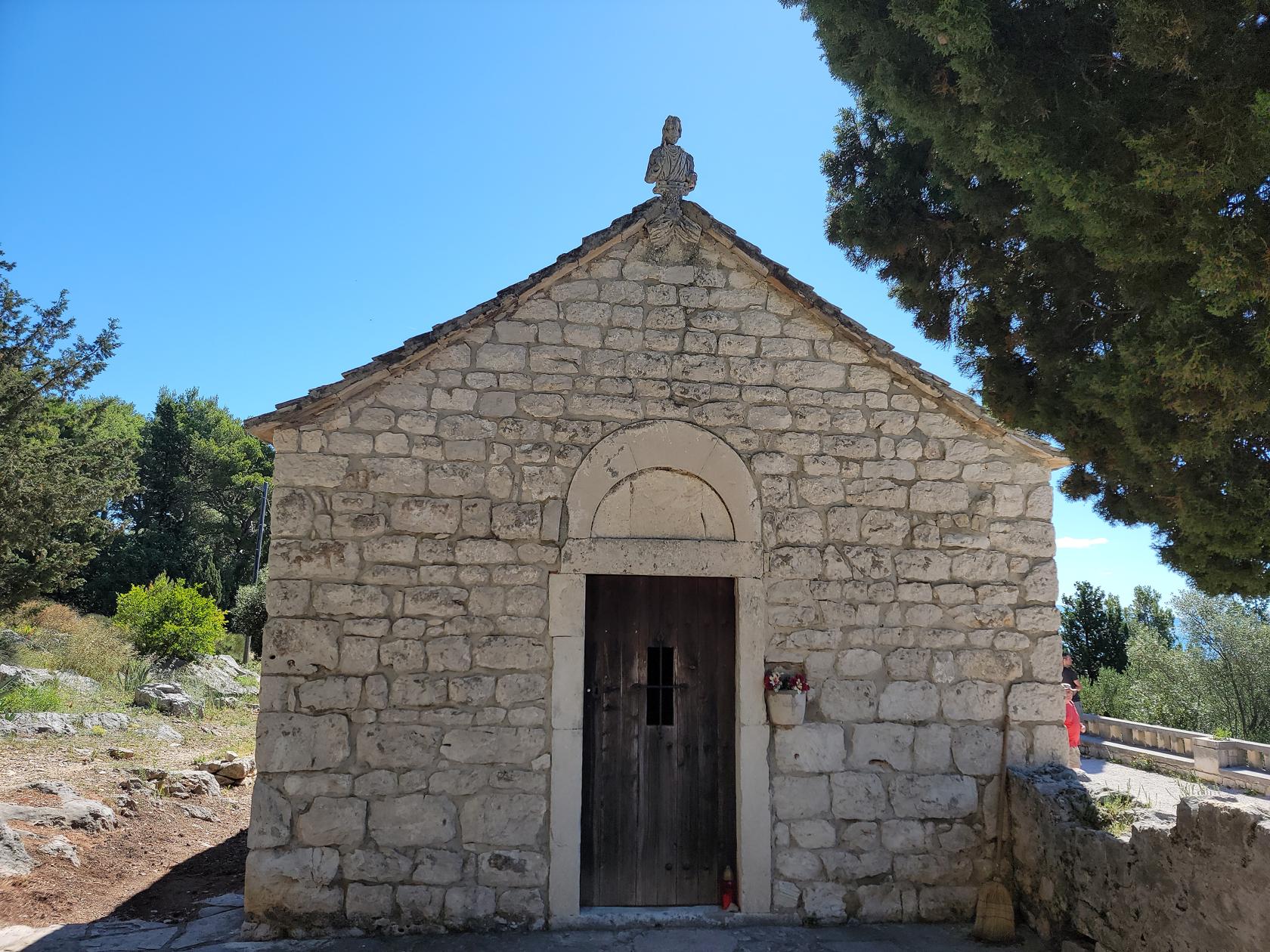
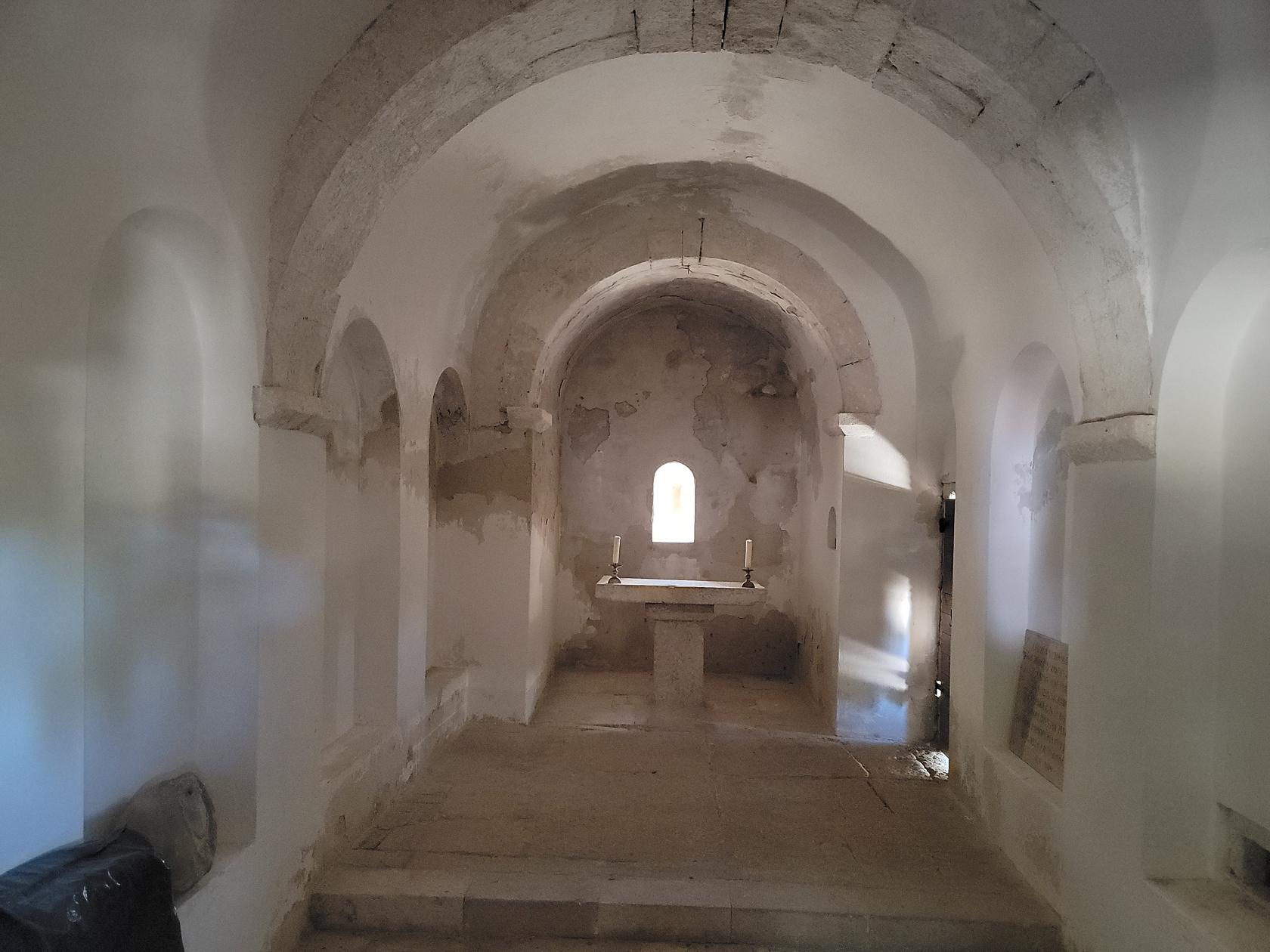
Atop the hill is the small chapel and Church of Saint Nicholas, first commissioned in 1219. It has a small Gothic-Renaissance bell tower and is still outfitted and used for mass, especially on December 6th. The Croatians are a deeply religious catholic people and you will often find attendance very high if you were to peak your head in during a Sunday Mass.
Church of Saint Nicholas and Bell – Marjan Hill – Split, Croatia
Entrance – Church of Saint Nicholas and Bell – Marjan Hill – Split, Croatia
Inside – Church of Saint Nicholas and Bell – Marjan Hill – Split, Croatia
Restaurants
Cicibela Restaurant
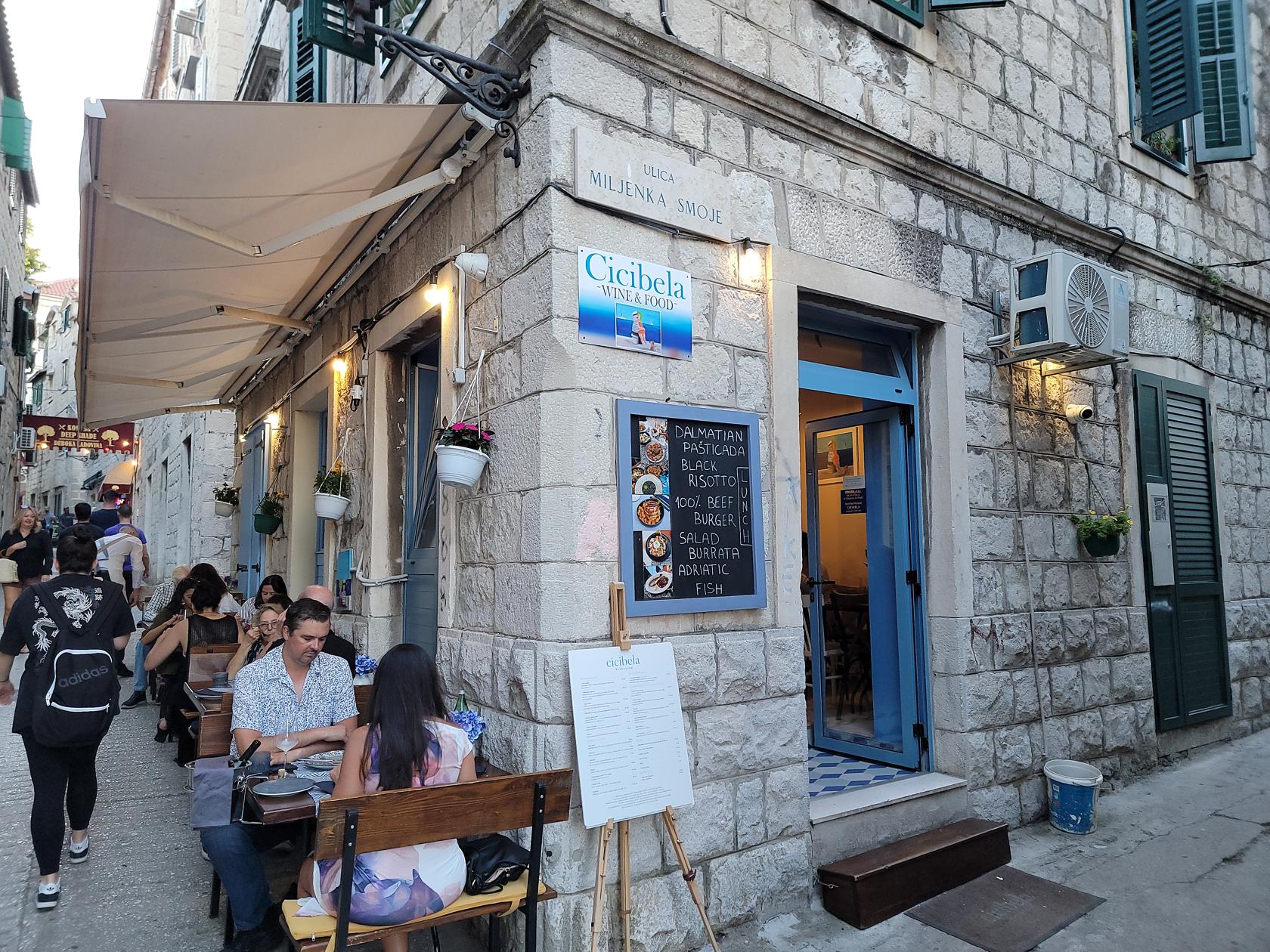
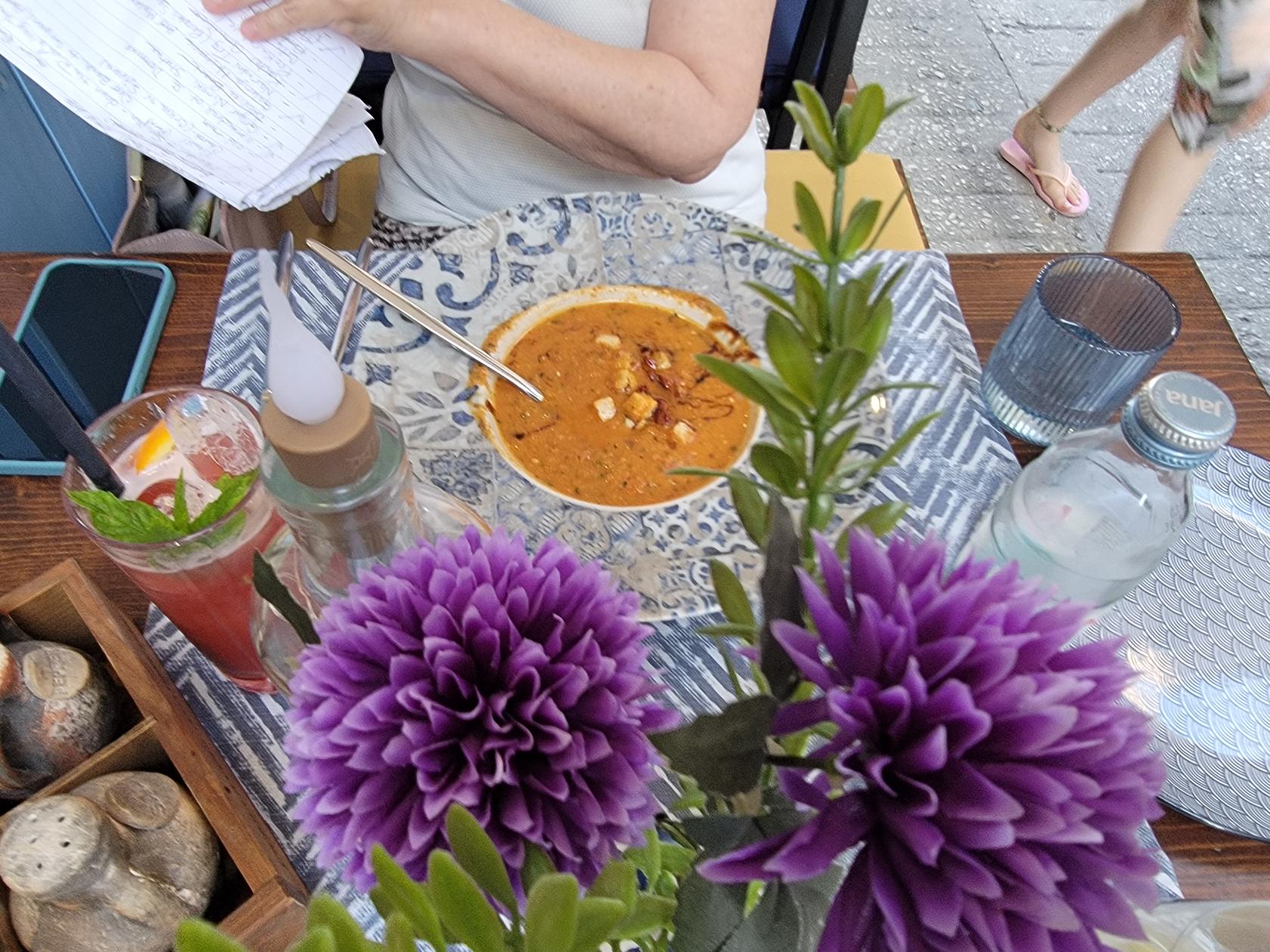
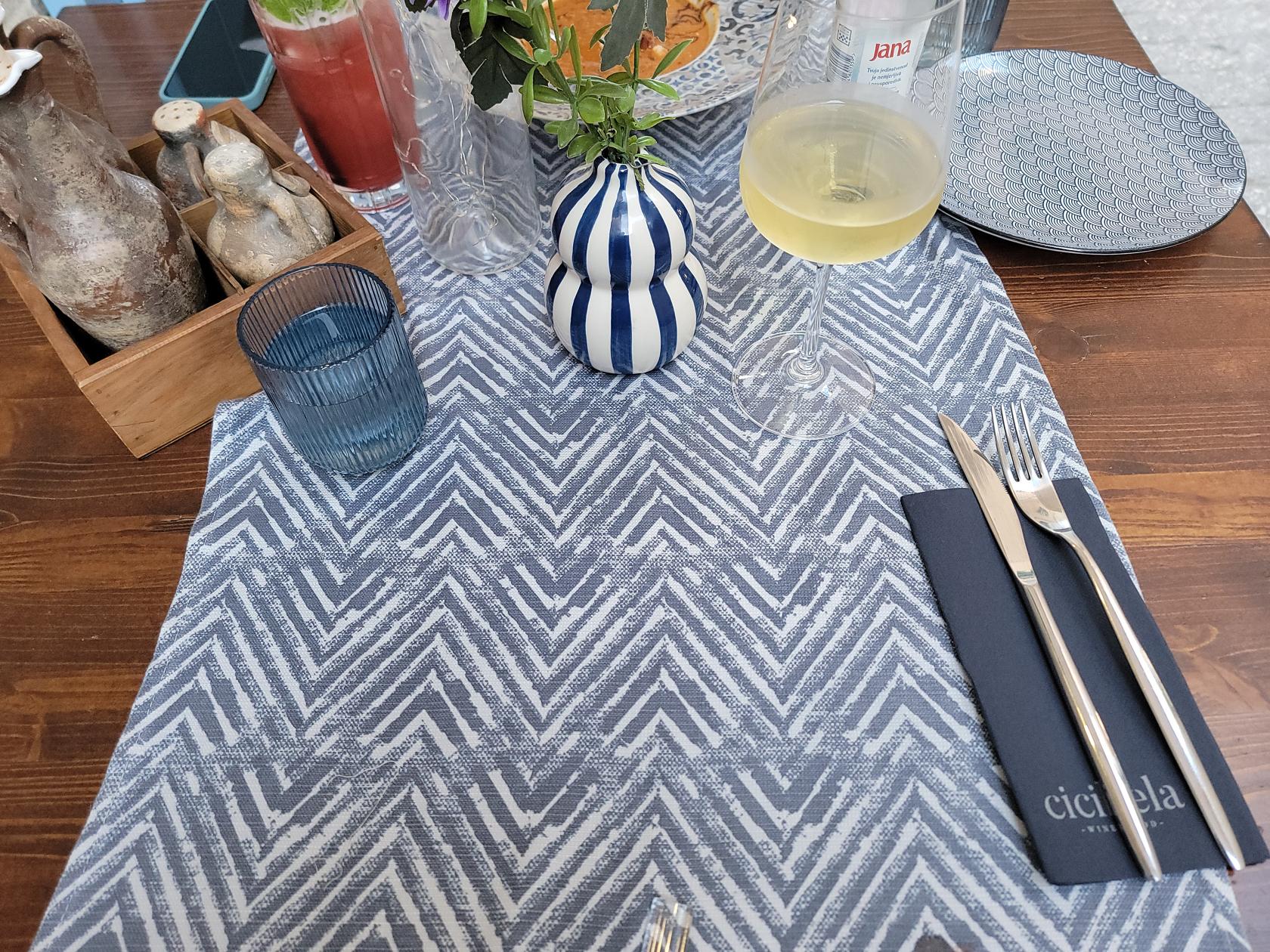
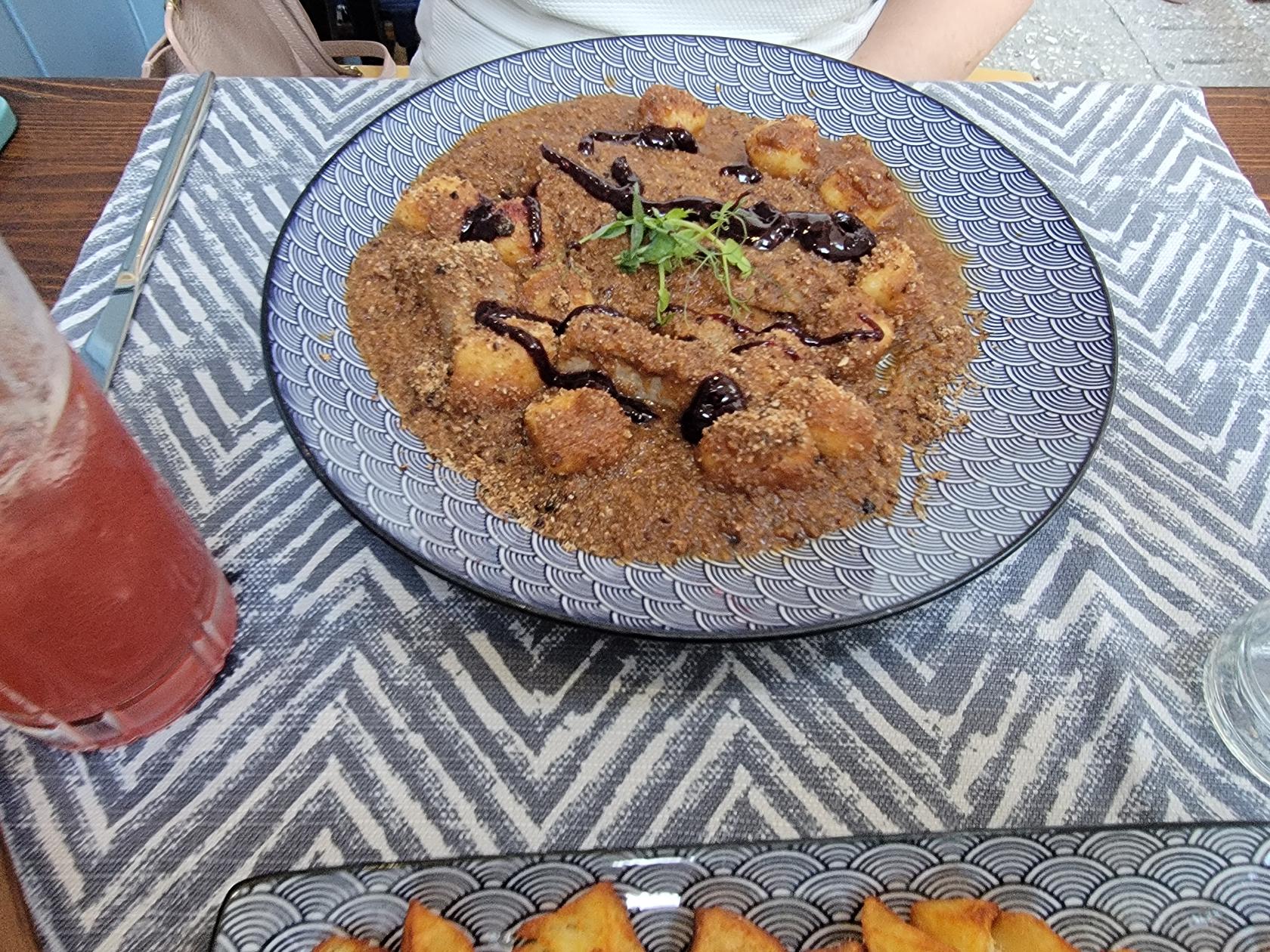
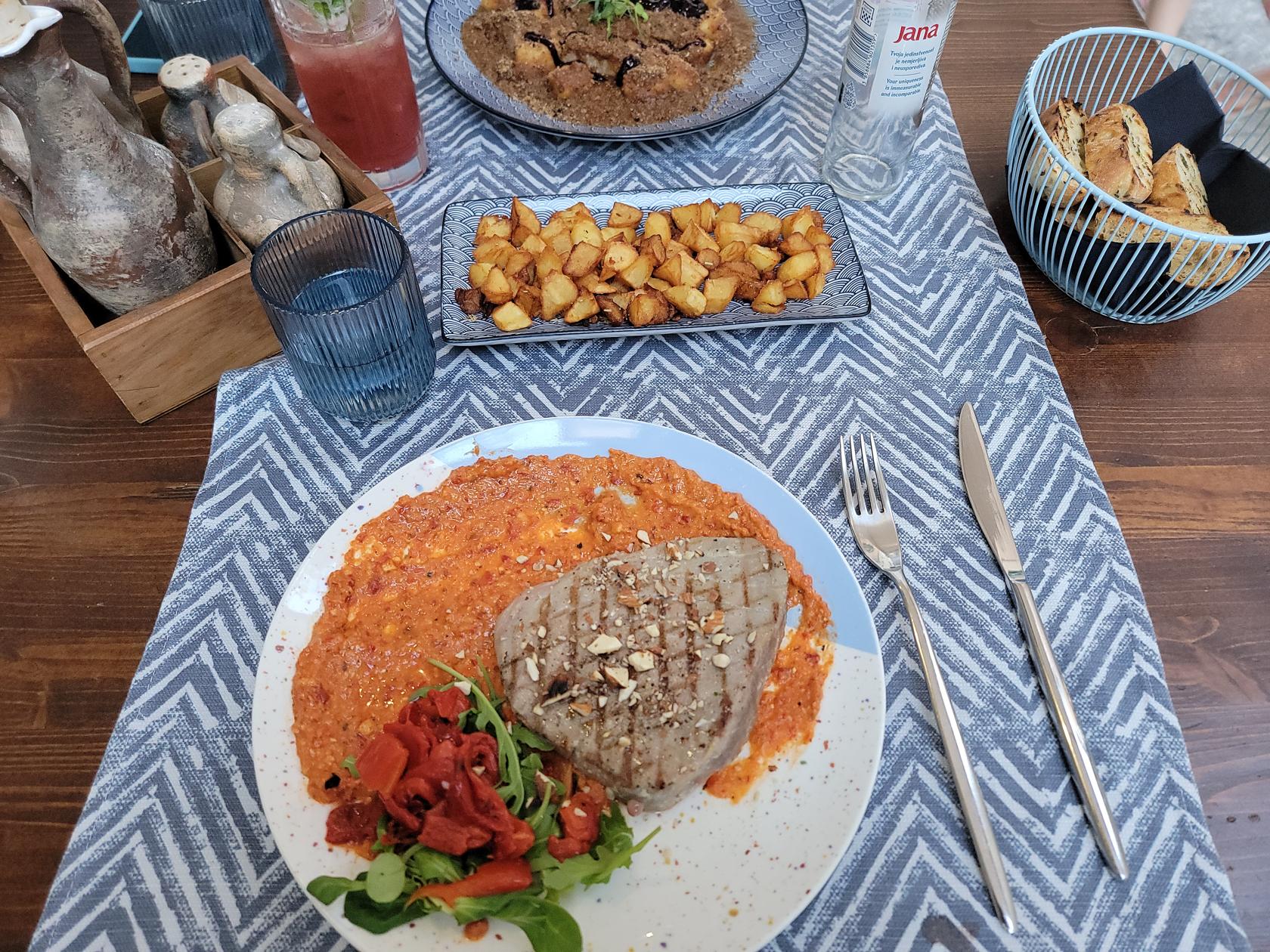
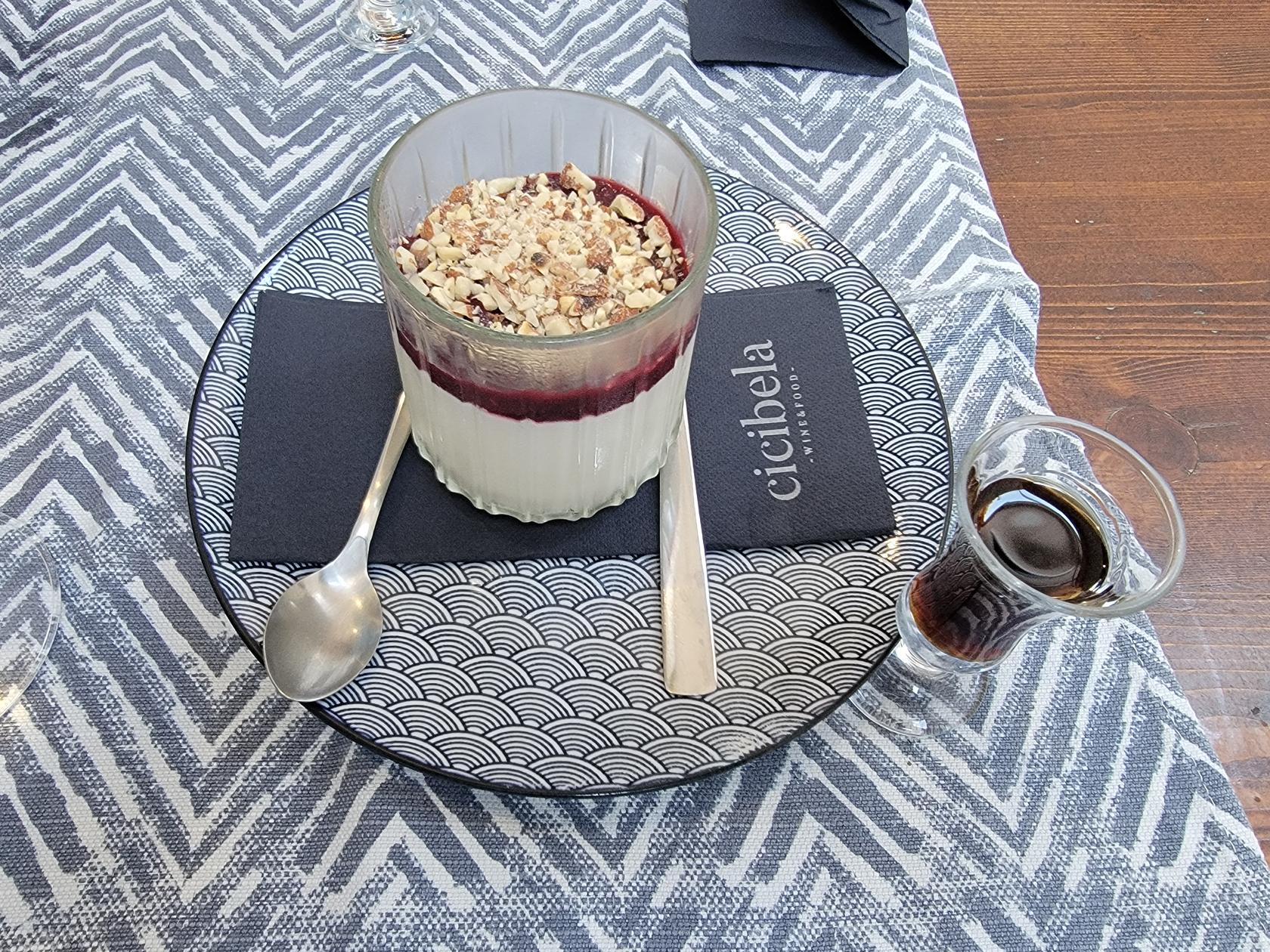
Very near our place of hotel was the Cicebela restaurant. A very good restaurant that serves traditional food, albeit at a higher price. Everything we ordered was very tasty and the service was equally responsive.
Entrance – Cicibela Restaurant – Split, Croatia
Soup – Cicibela Restaurant – Split, Croatia
Waiting – Cicibela Restaurant – Split, Croatia
Pasticada – Cicibela Restaurant – Split, Croatia
Tuna Steak – Cicibela Restaurant – Split, Croatia
Panacota and Orahovac – Cicibela Restaurant – Split, Croatia
Buffet Fife
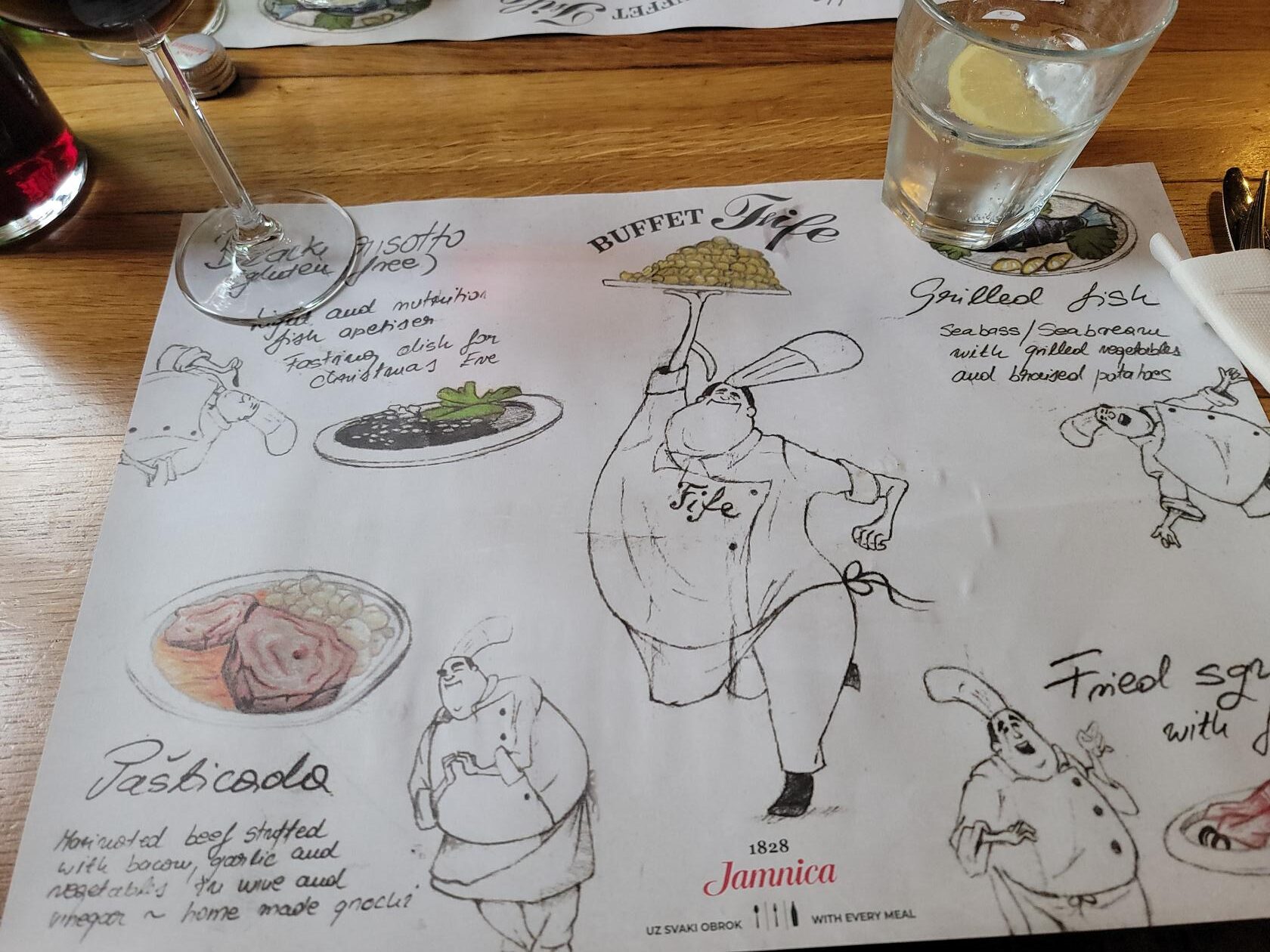
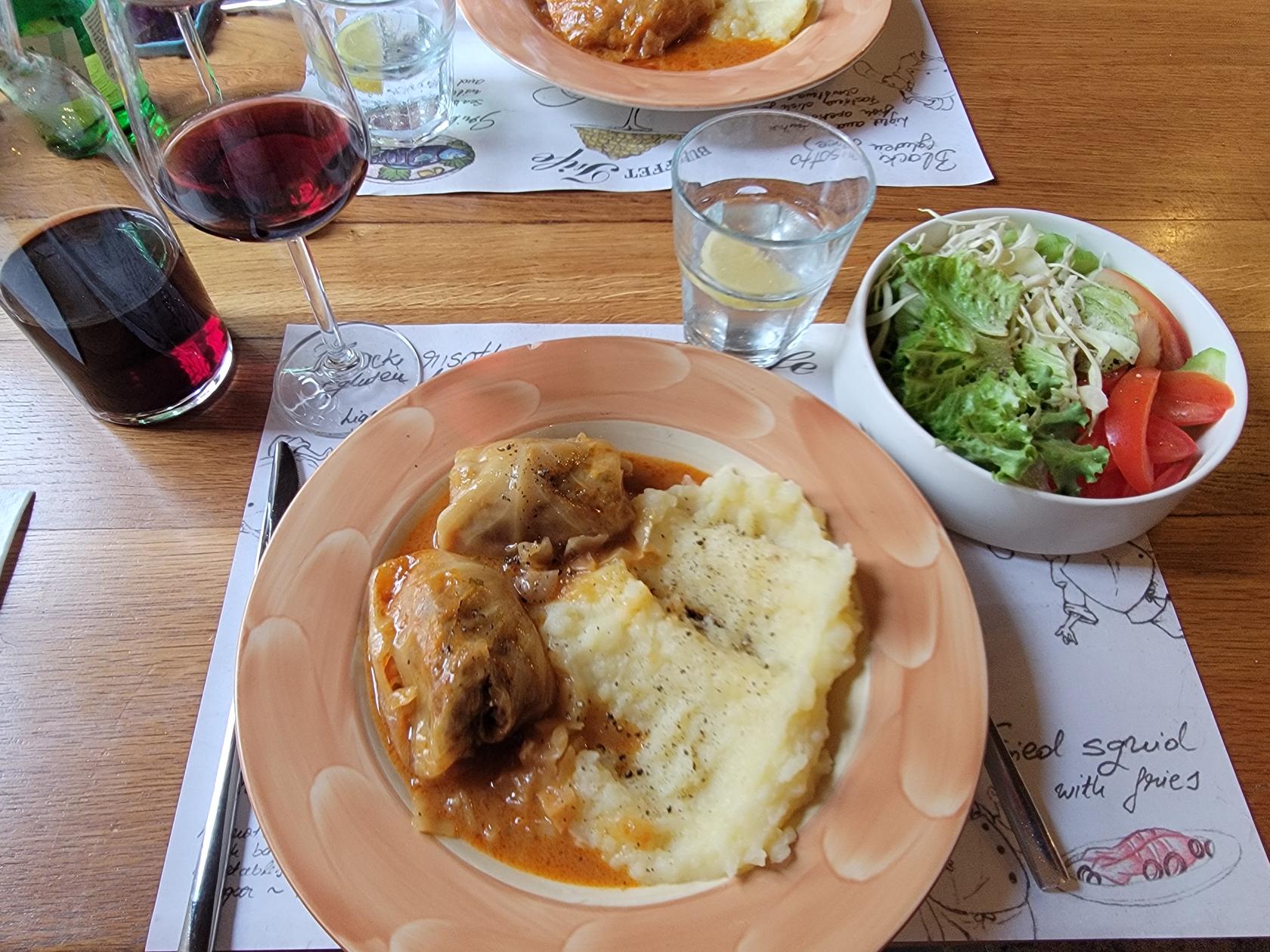
Located near the waterfront is the Buffet Fife, a local restaurant that is similar to a trattoria in Italy. Here you will find and enjoy many Croatian home-cooked dishes. We ordered the stuffed cabbage rolls in sauce with mashed potatoes, which are very similar to the Polish variety of Gołąbkis, or Galumpkis. They were delicious and come well commended.
Placemat – Buffet Fife – Split, Croatia
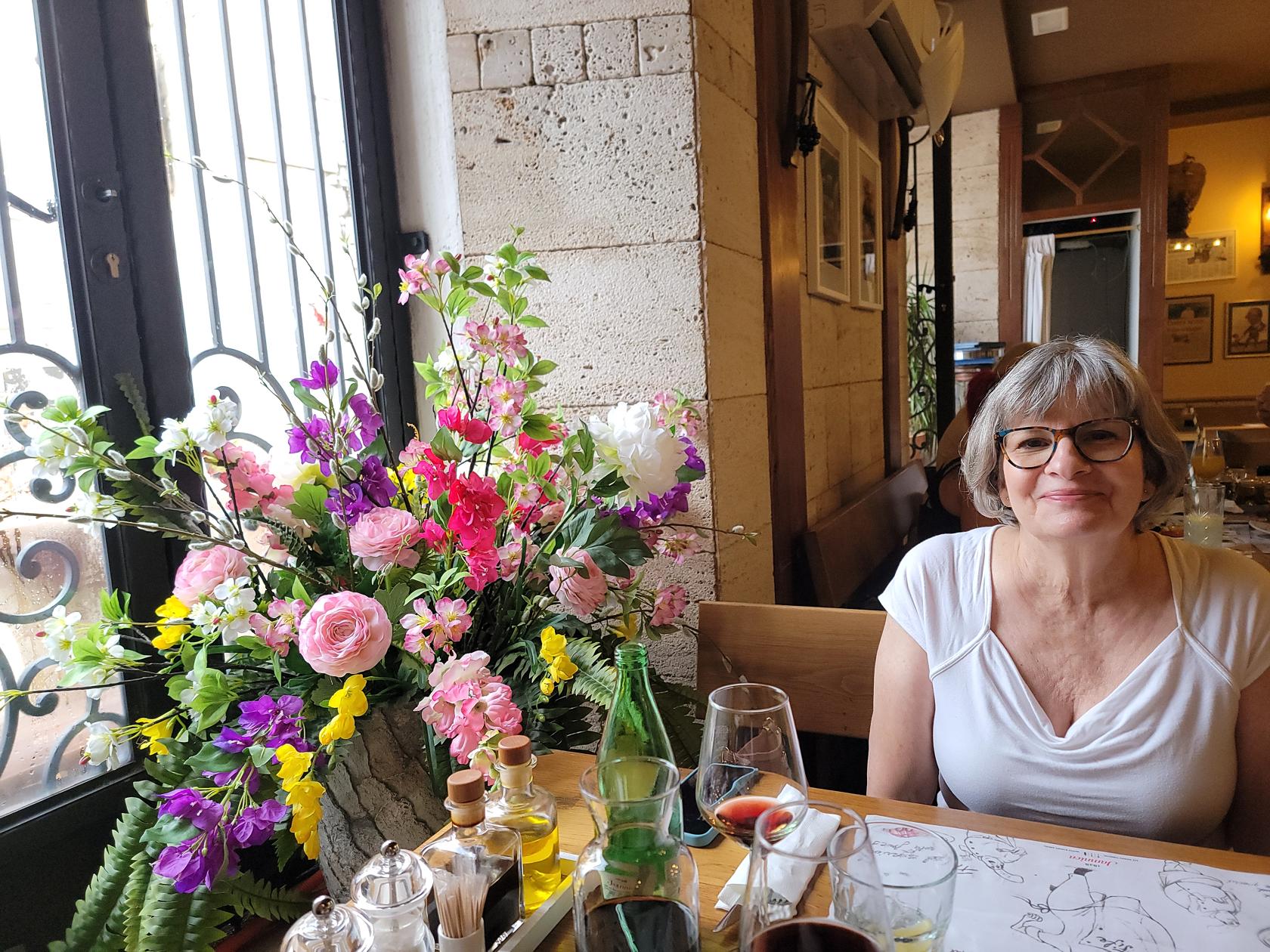
Patti waiting for dinner – Buffet Fife – Split, Croatia
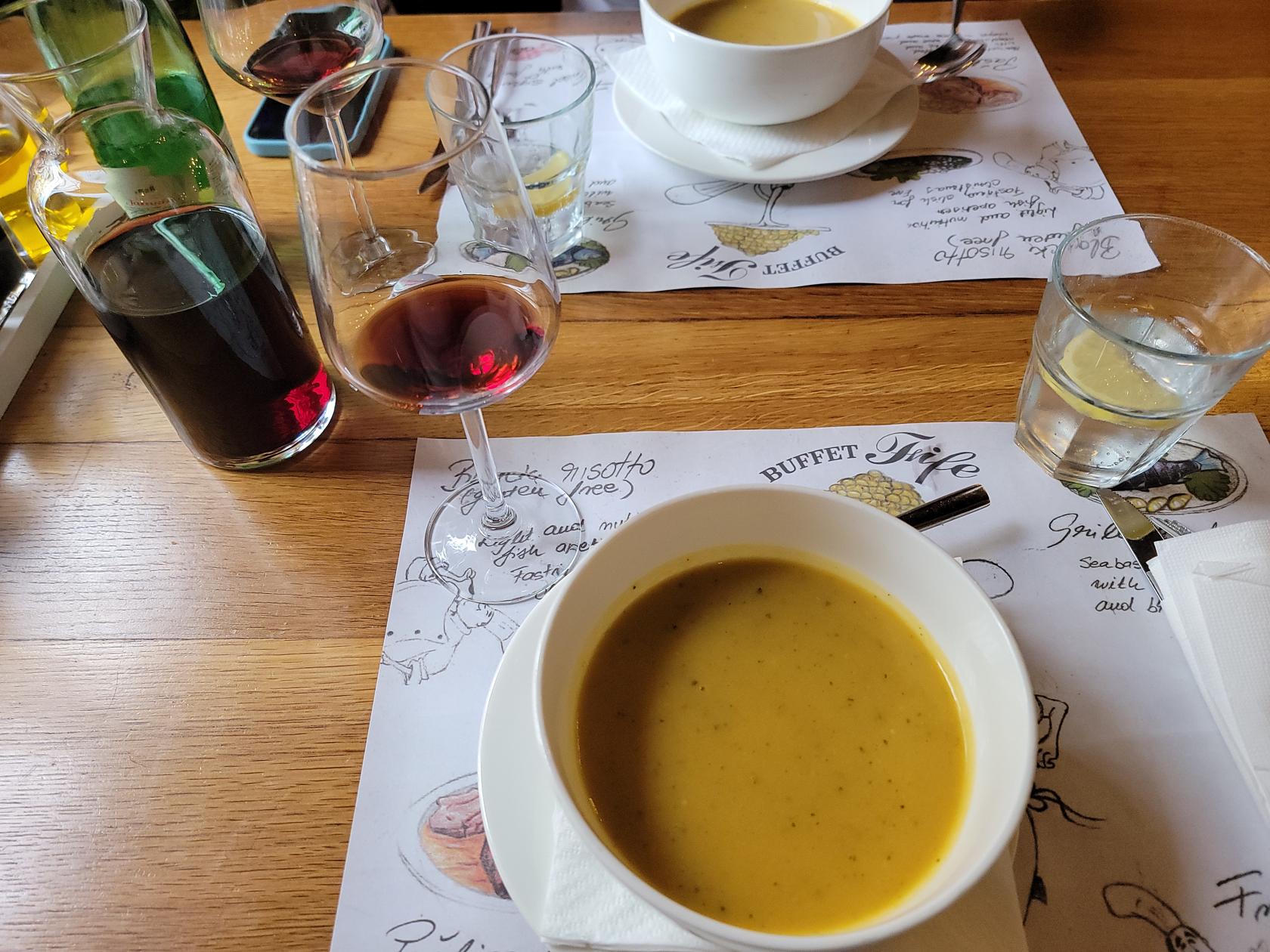
Soup – Buffet Fife – Split, Croatia
Stuffed Cabbage and Mashed Potatoes with Salad – Buffet Fife – Split, Croatia
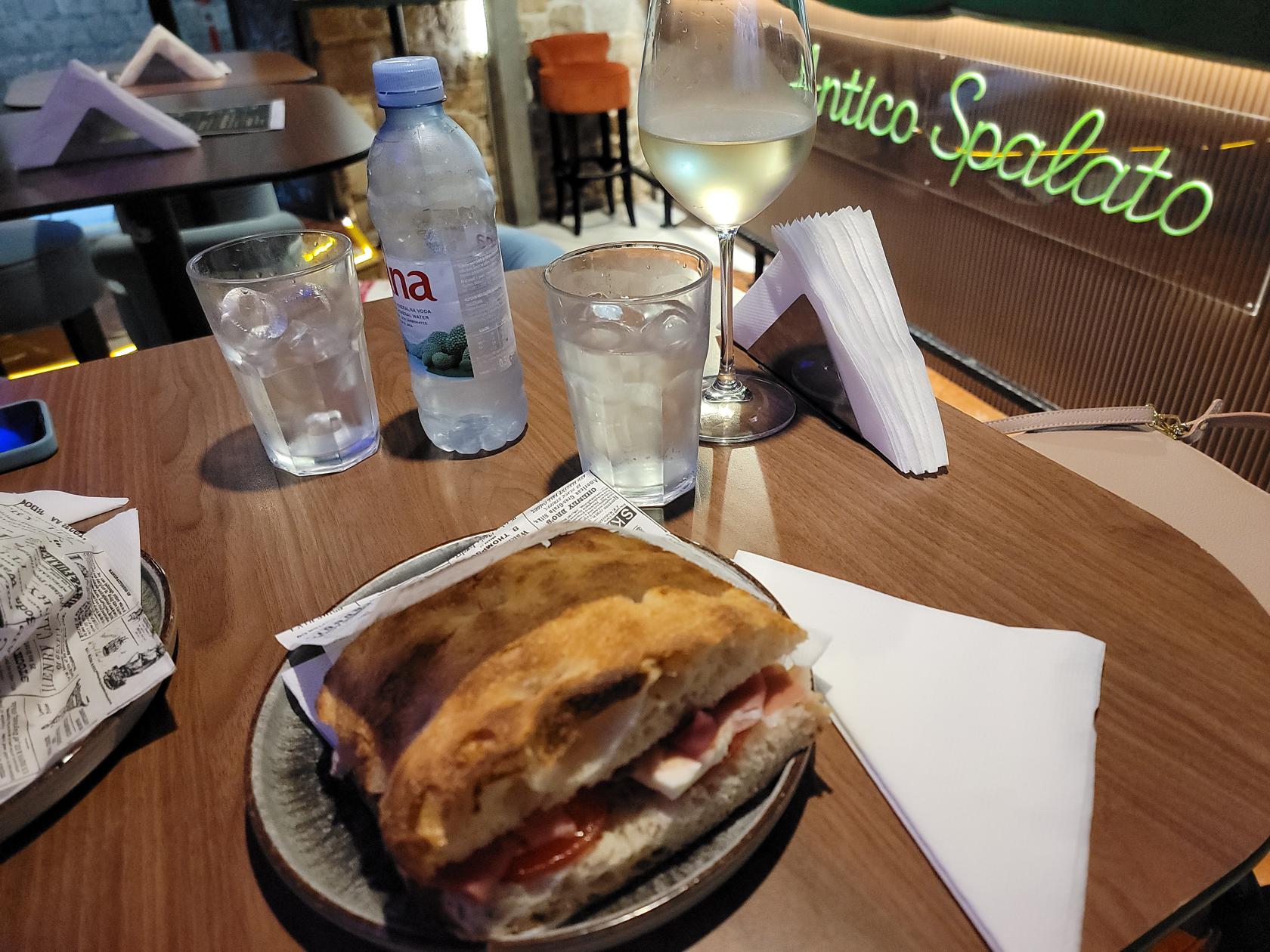
Focaccia Antico Spalato
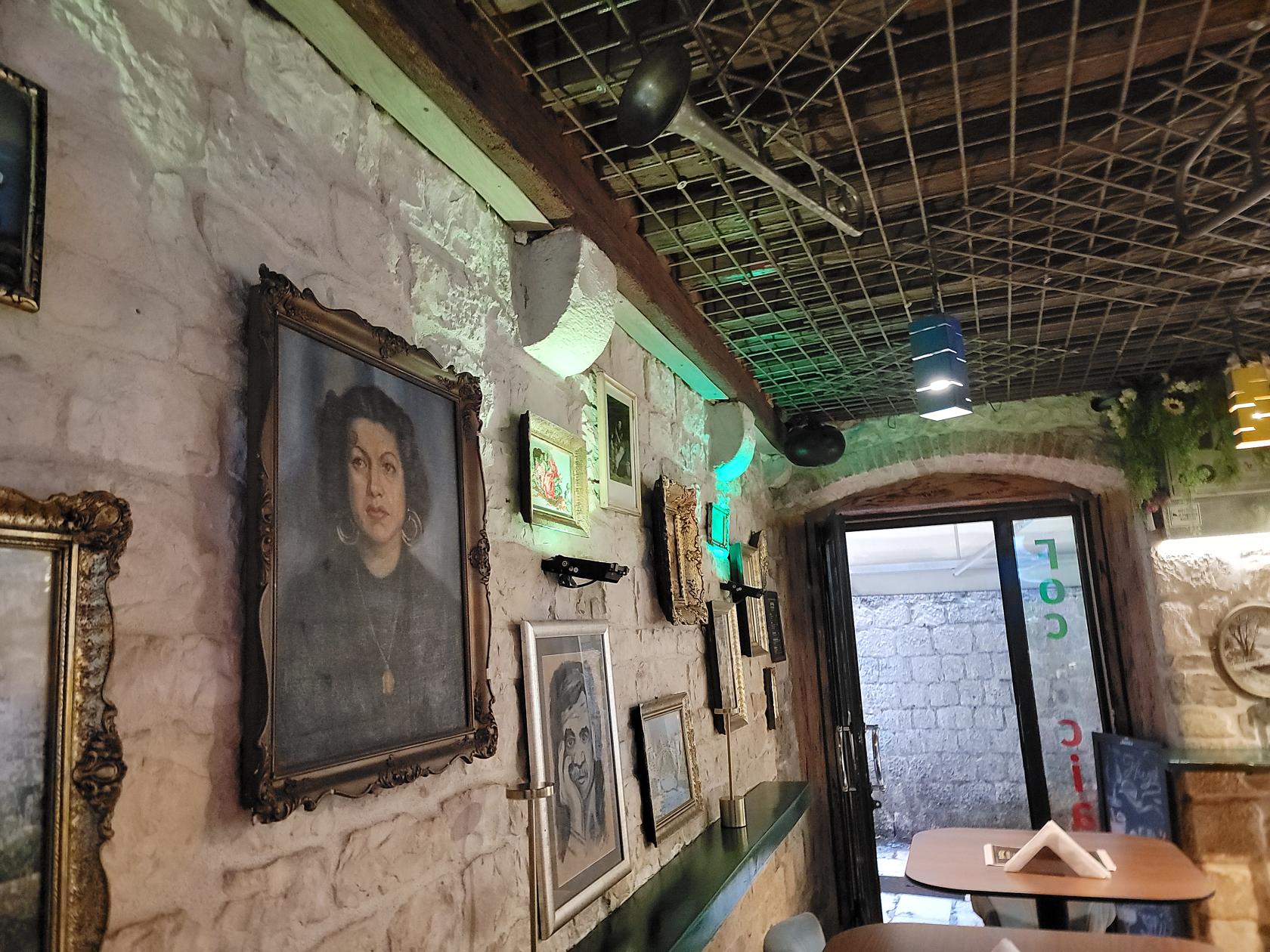
On the more modest side of things is the Focacciaria, Antico Spalato. A veritable hole-in-the-wall, we visited it while trying to stay out of the pouring rain.
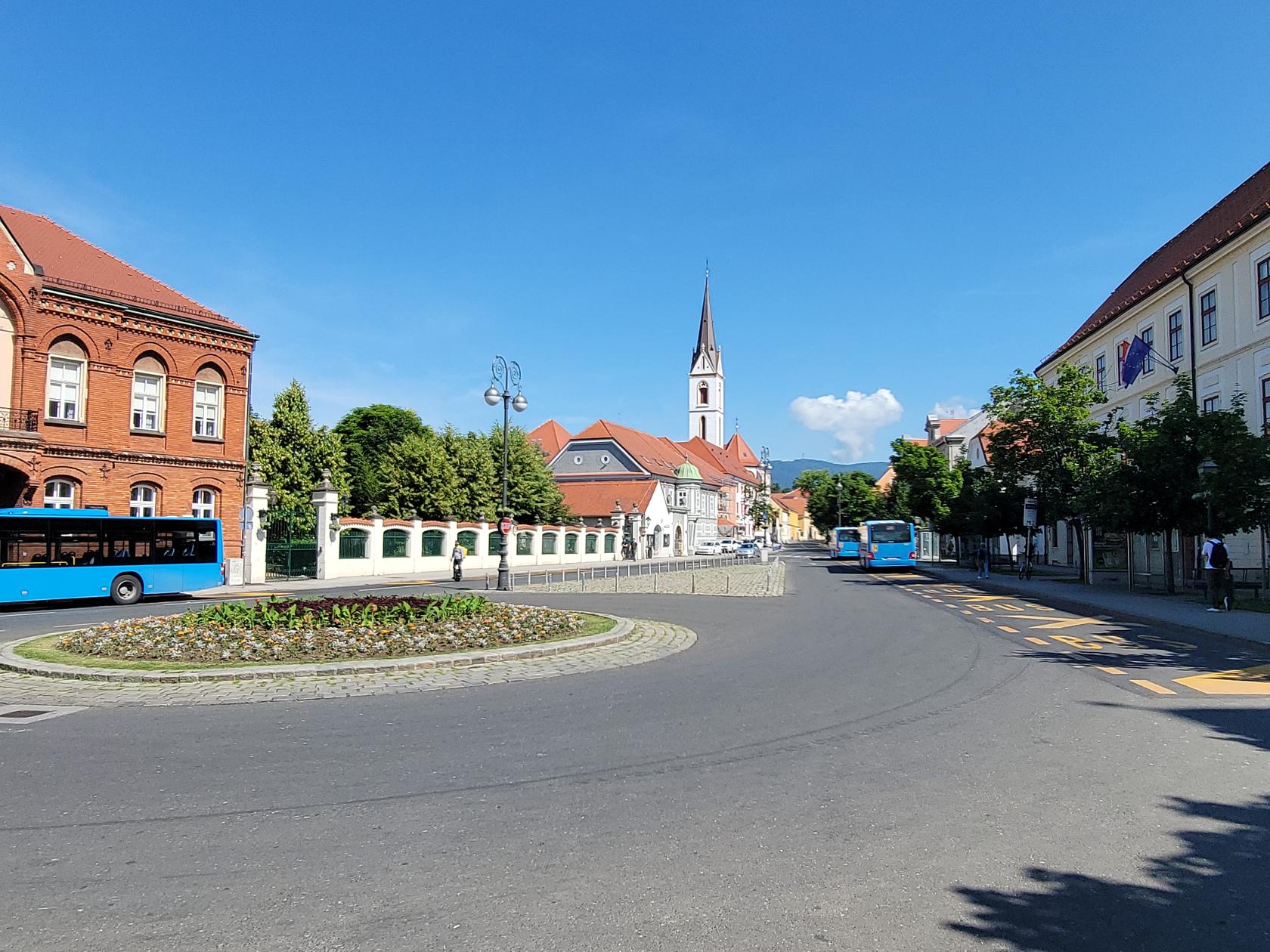
Zagreb, the etymology of the name even today is disputed, is actually composed of two historic city centers, Kaptol to the east and Gradec to the west. Today, it consists of an even larger metropolitan area, where more than a million people live.
Zagreb
On a normal day, the historic parts of the city are filled with tourists and sightseers, however the weekends can be quieter. We arrived on a Sunday and found it strangely quiescent.
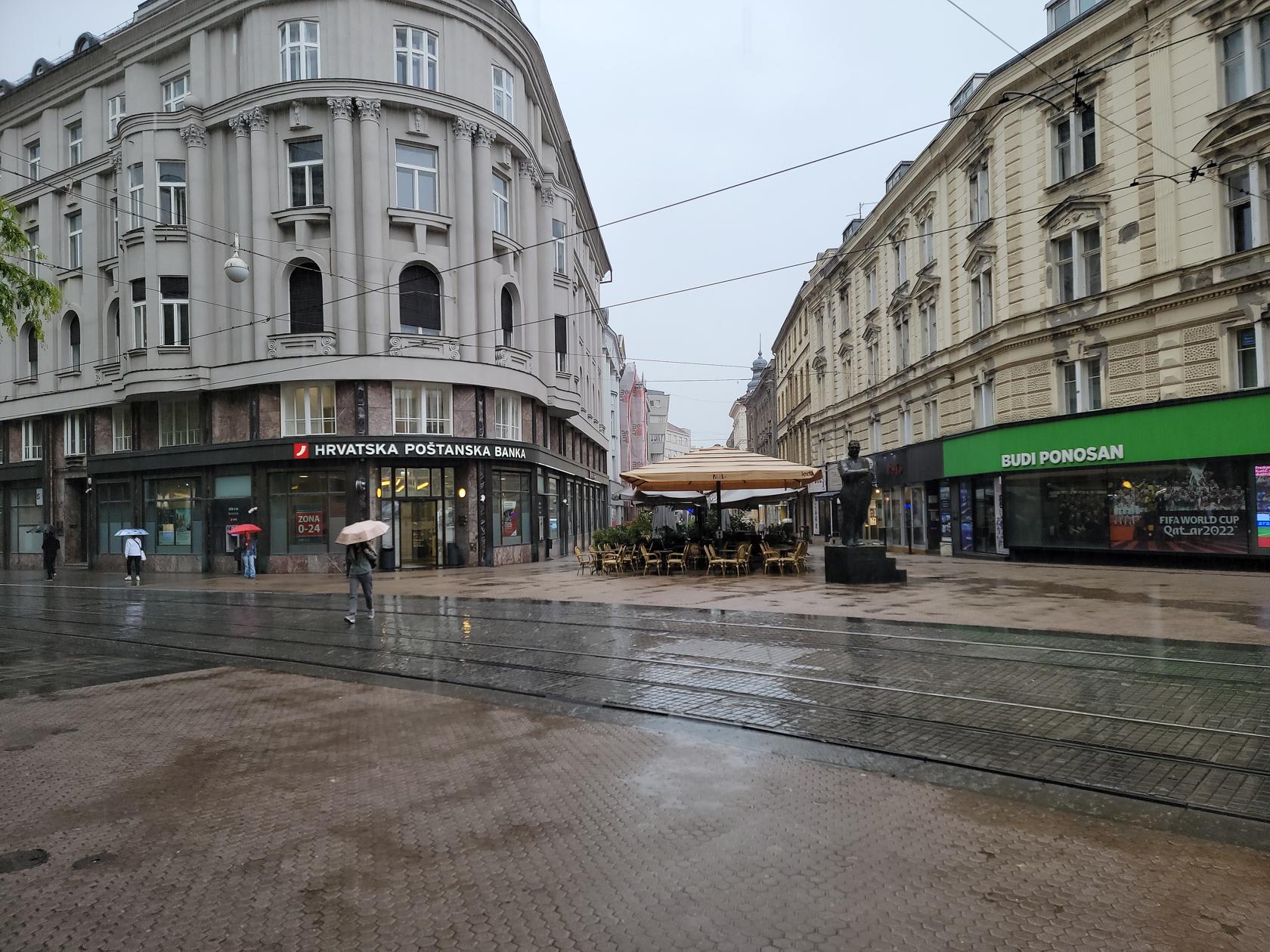
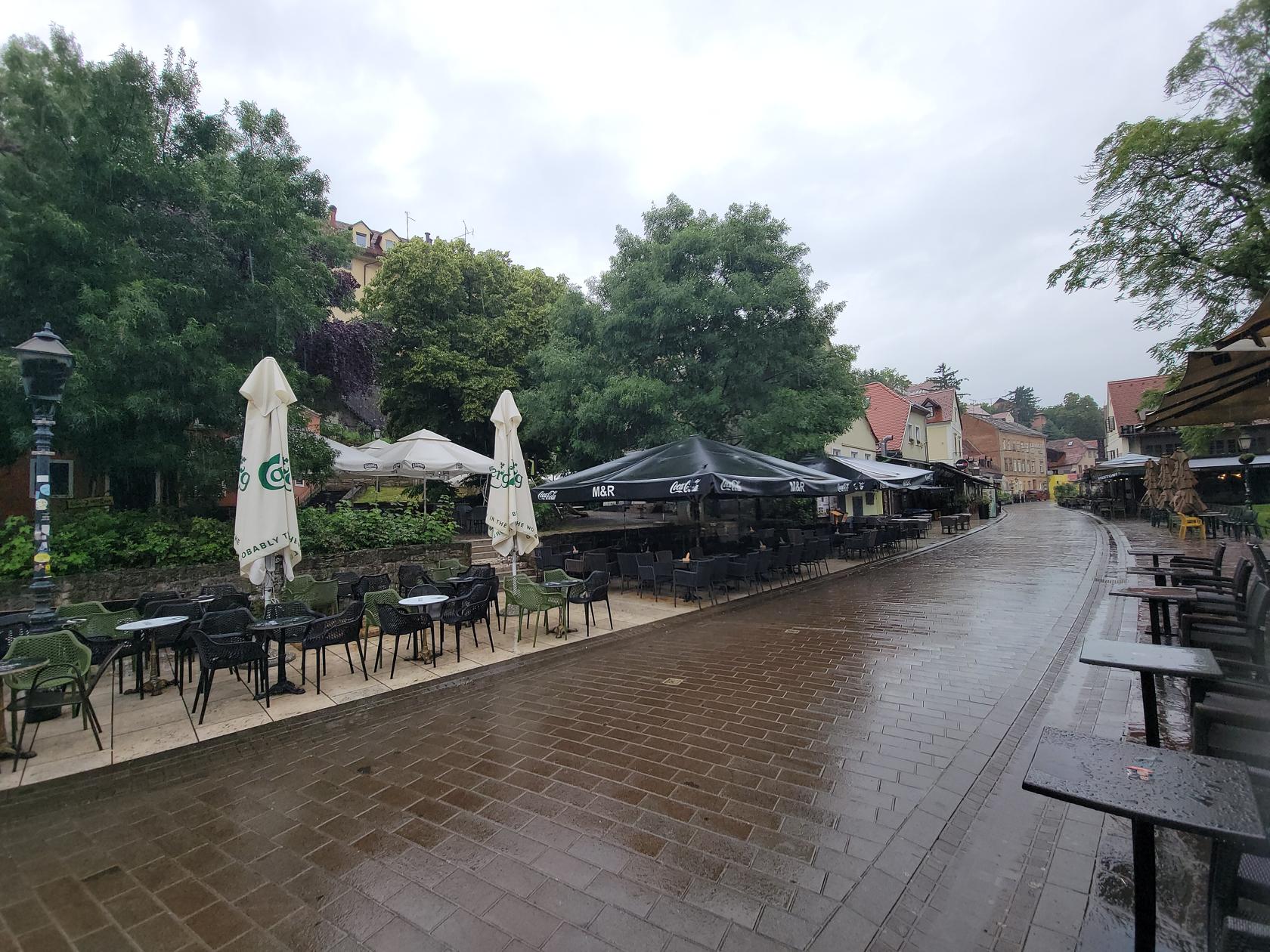
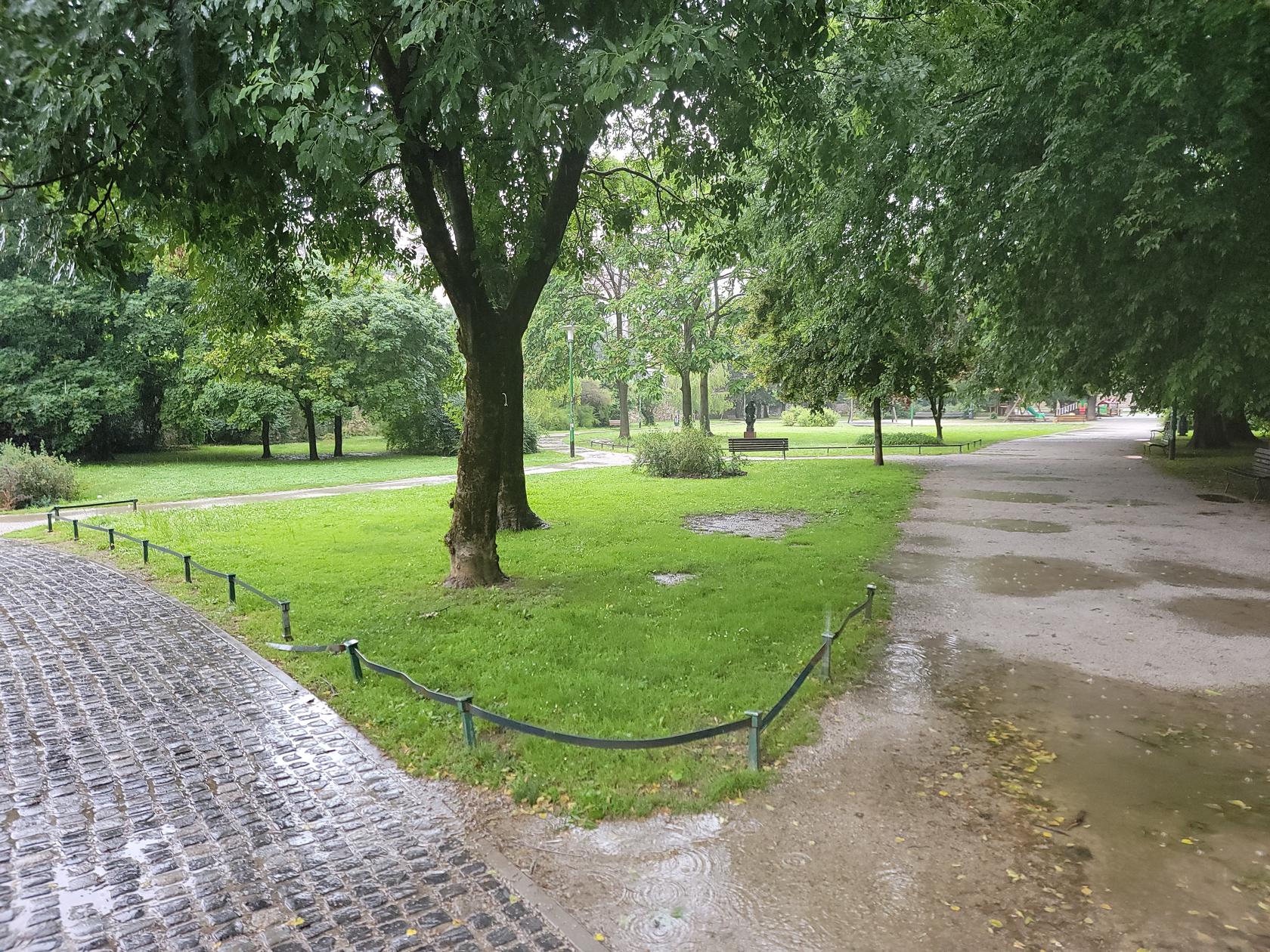
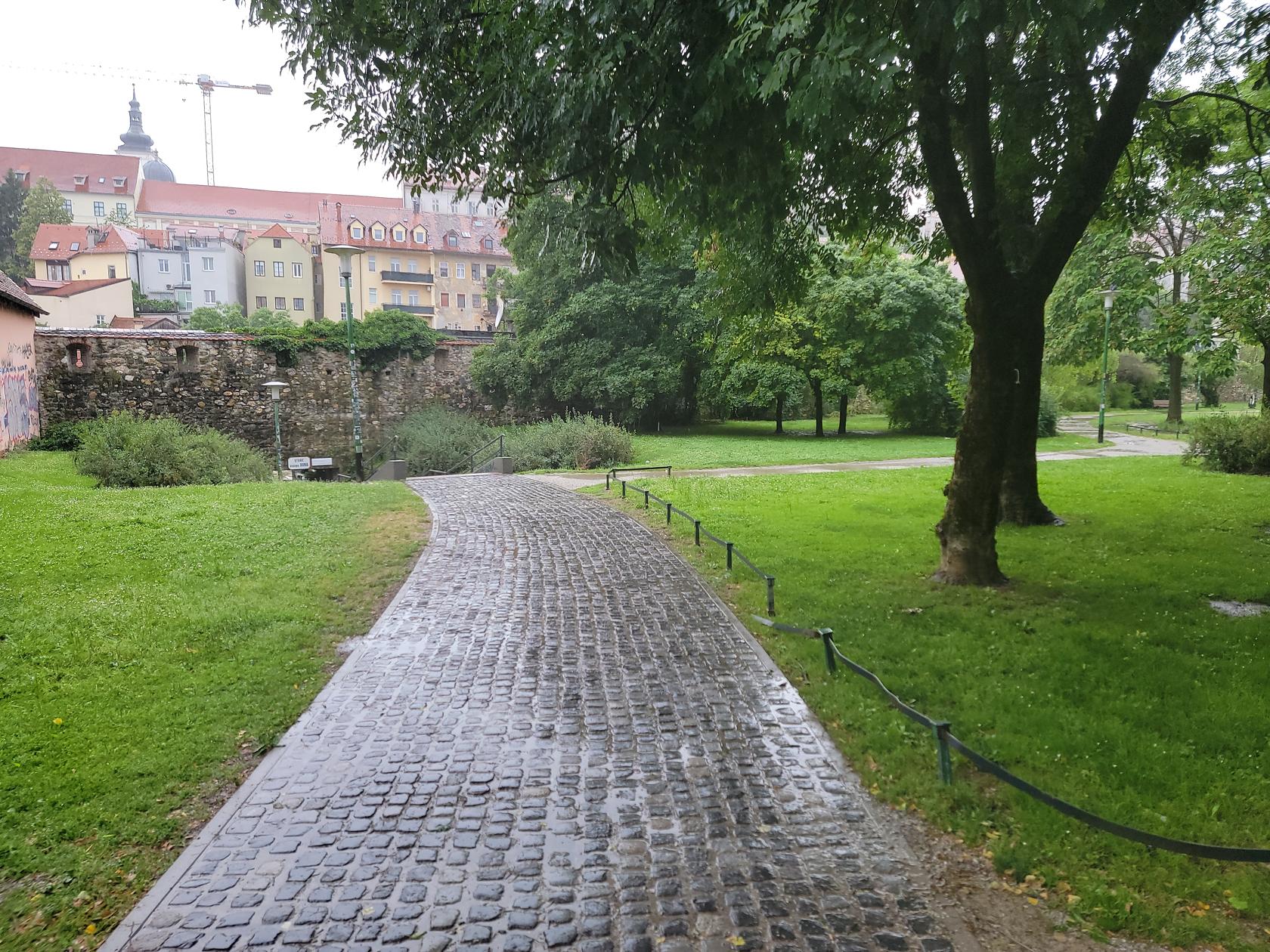
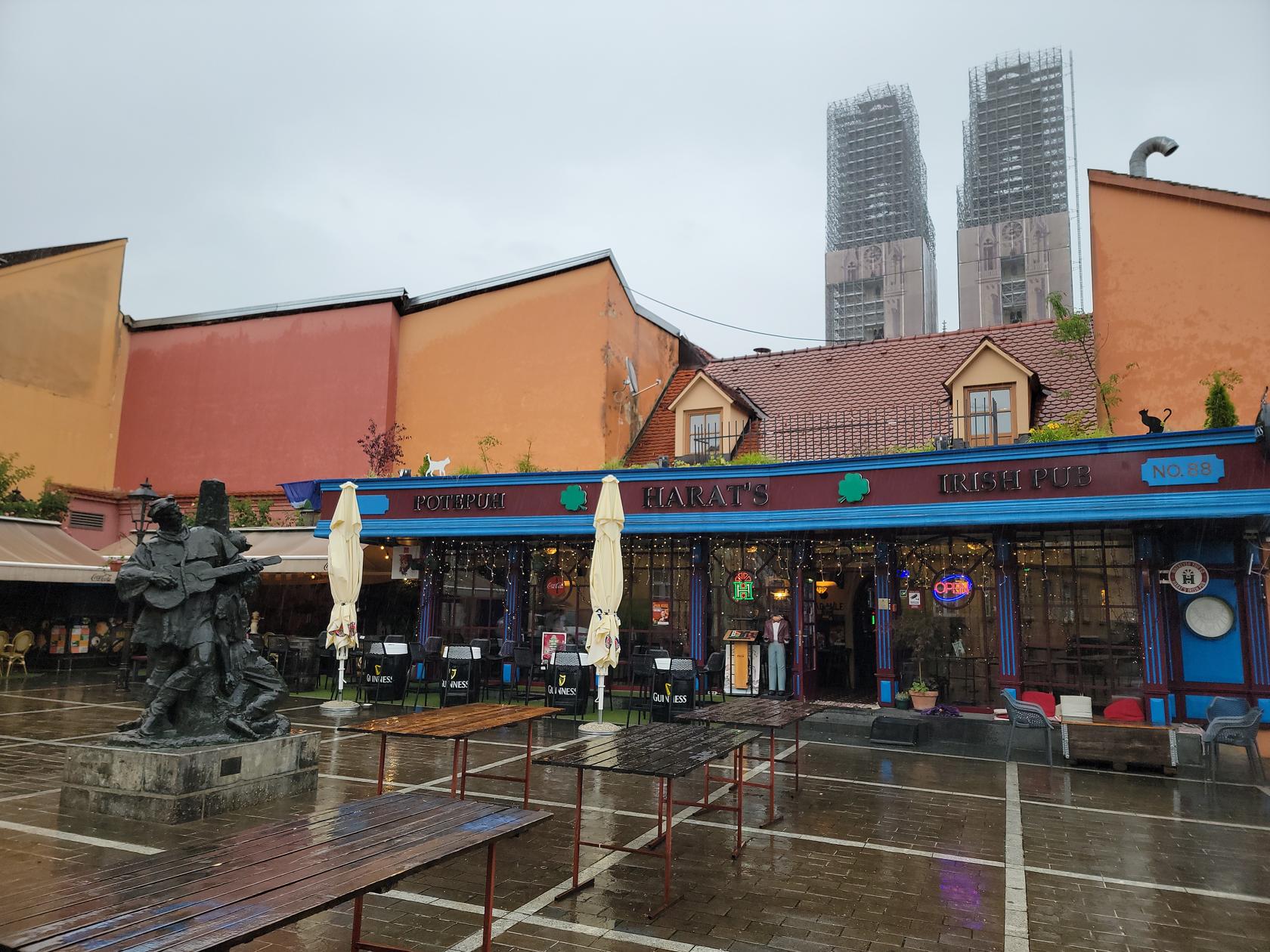
Rainy Day in Zagreb – Spomenik Stjepanu Radiću Statue – Zagreb, Croatia
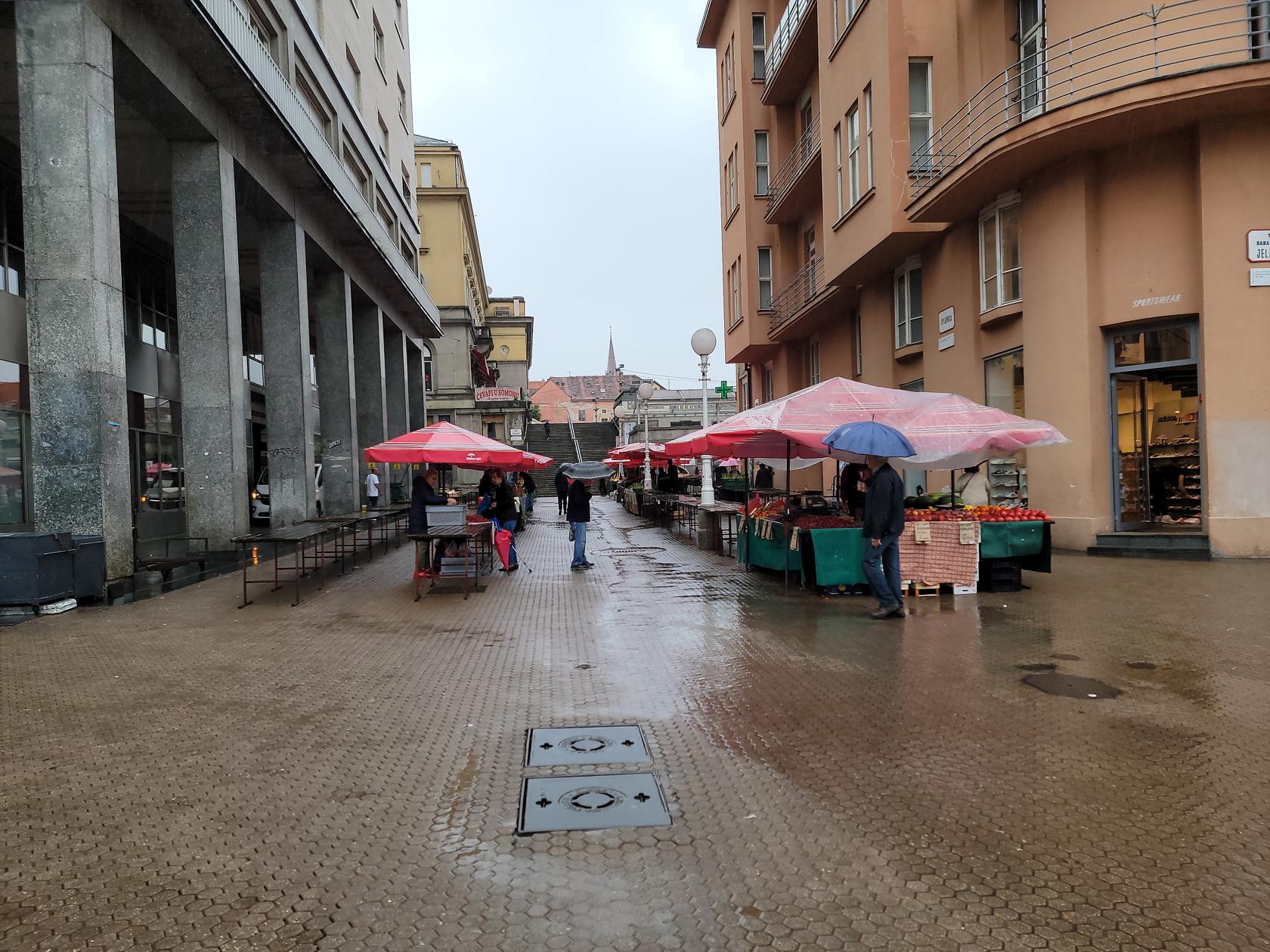
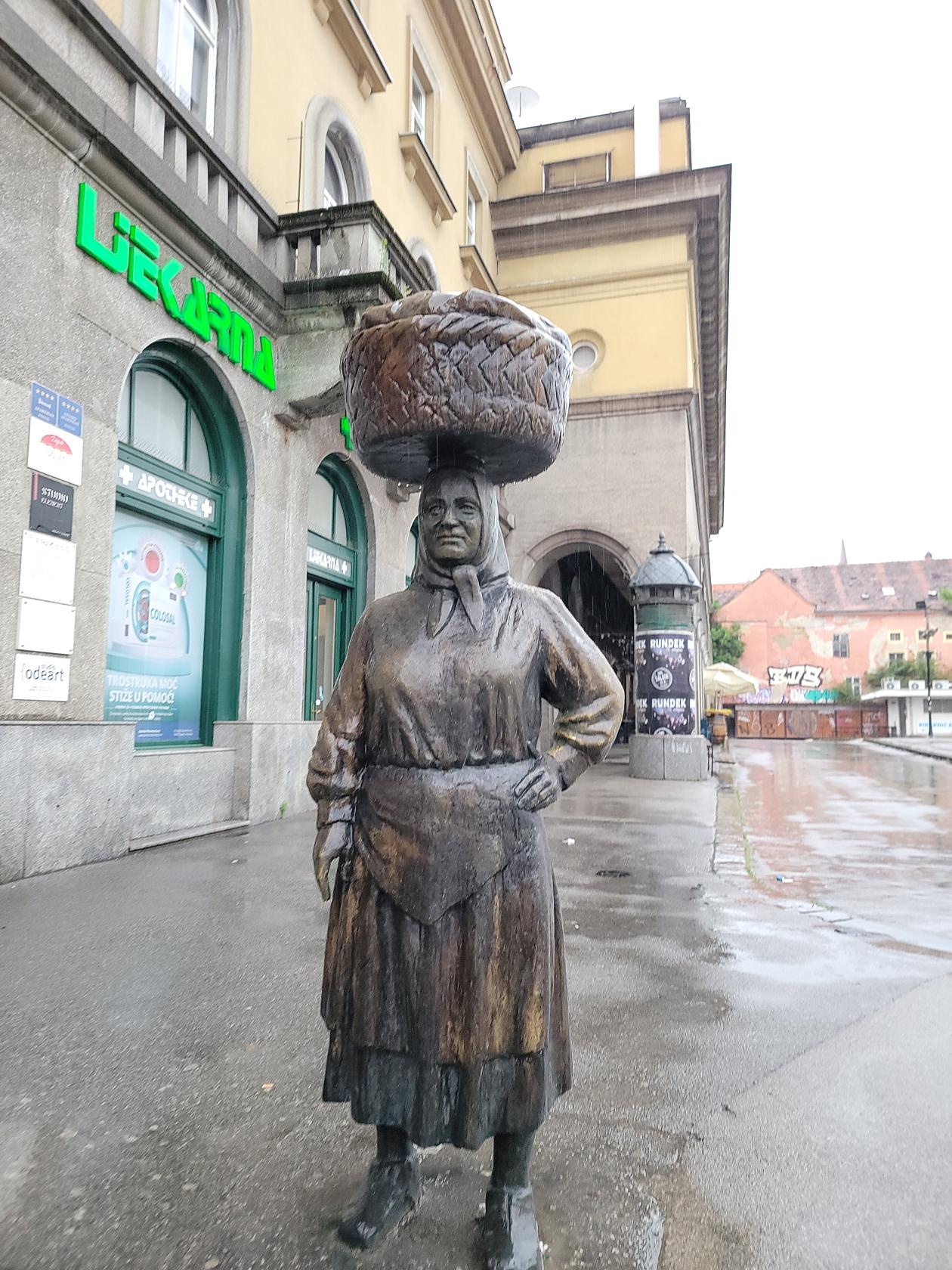
Marketplace – Zagreb, Croatia
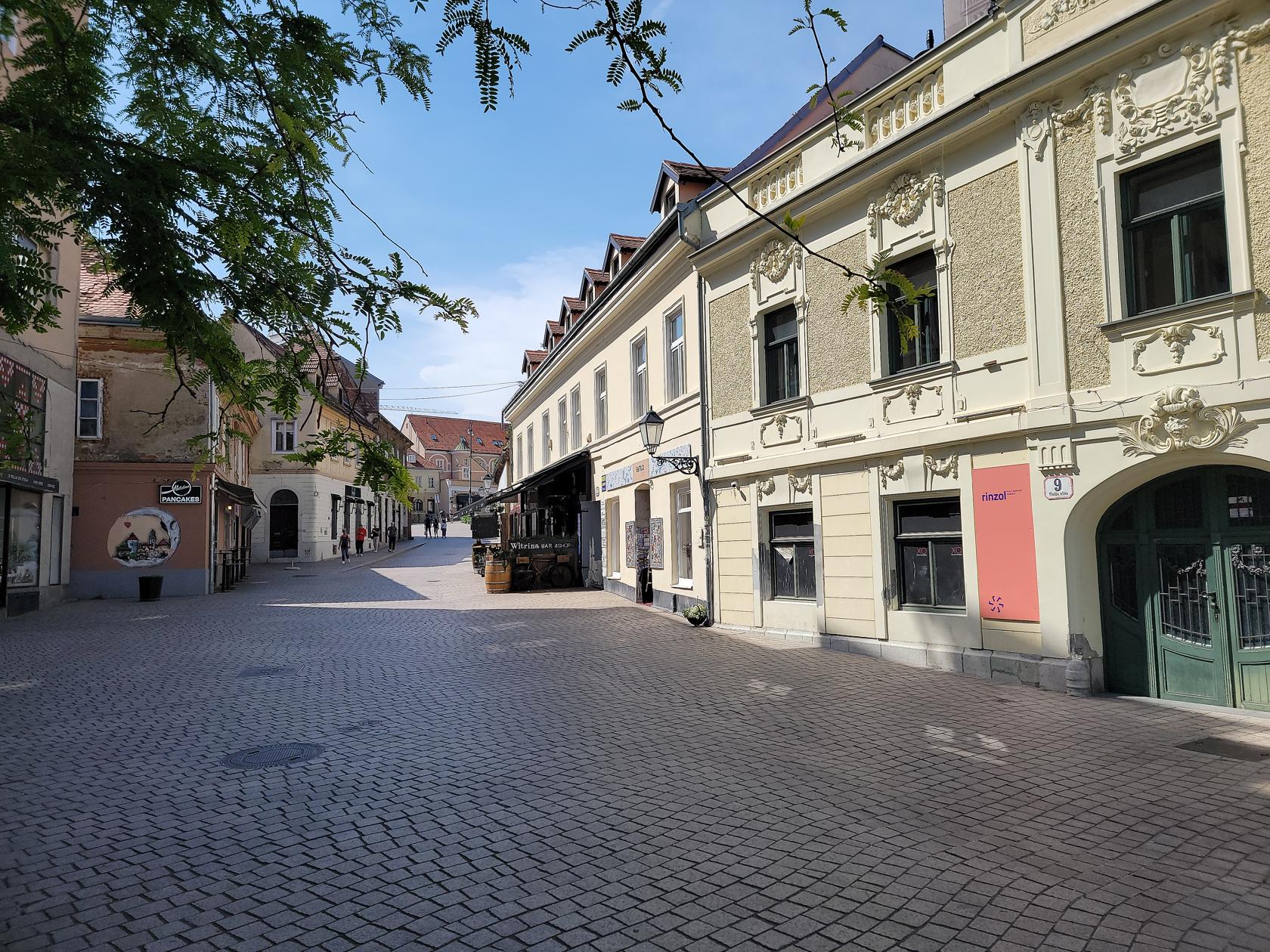
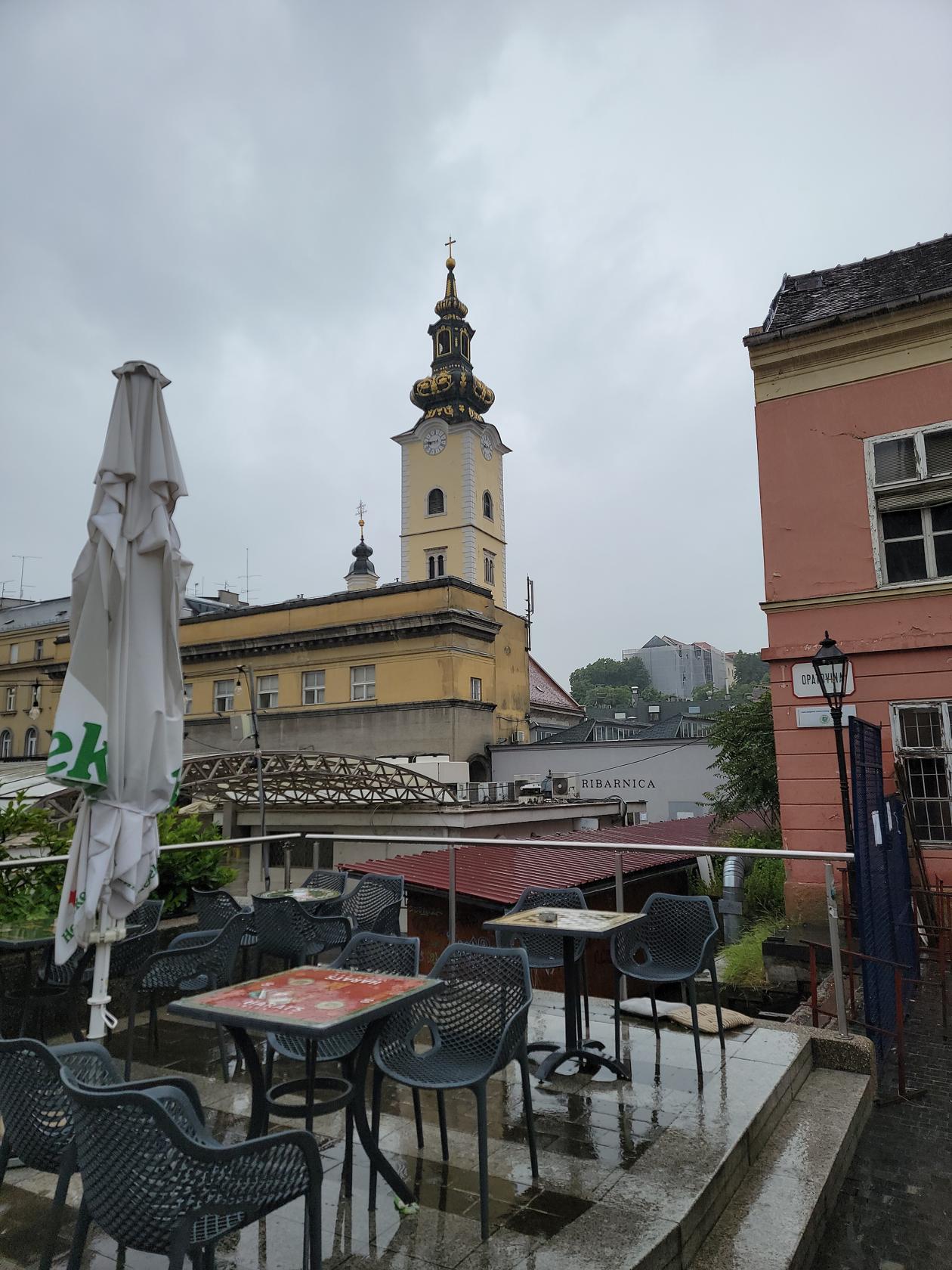
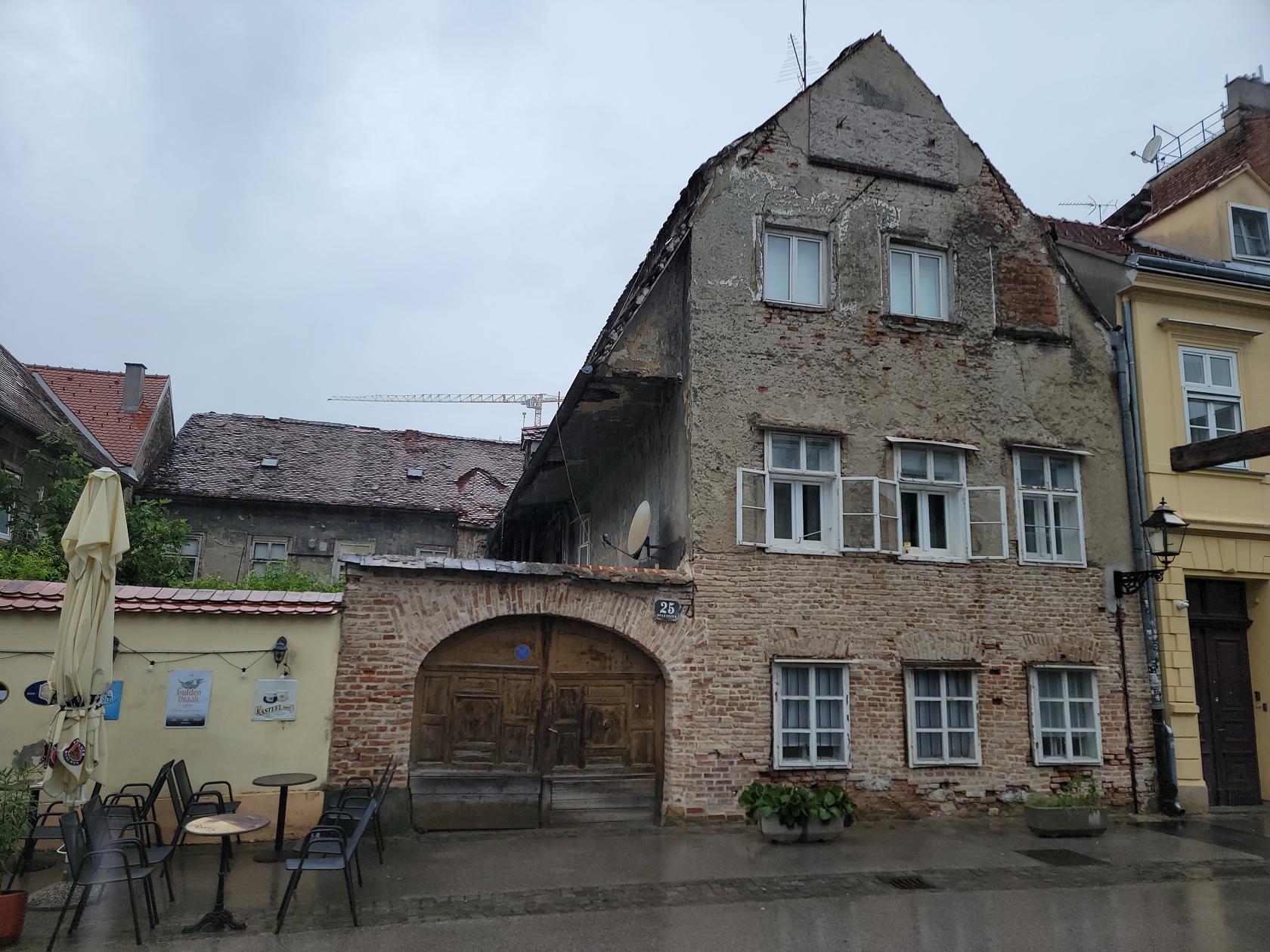
The Old Part of Town – Gradec – Zagreb, Croatia
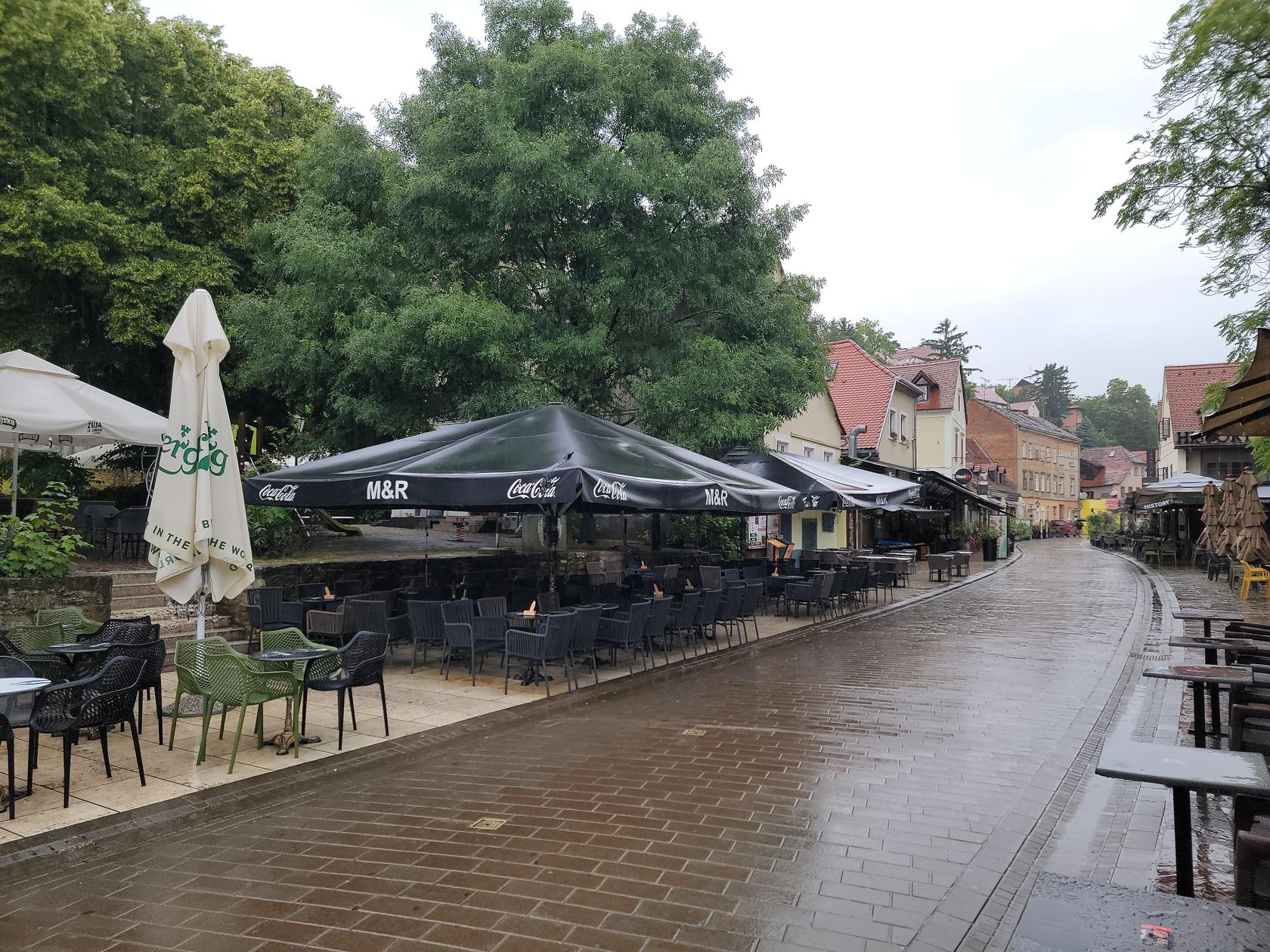
Kaptol was the first to be formally recognized as pertaining to Zagreb, followed by Gradec some time later through King Bela IV edict of the Golden Bull. They both sit upon their corresponding hills and lay alongside one another, being separated somewhat by a slight depression where the Тkalčićeva ulica street runs.
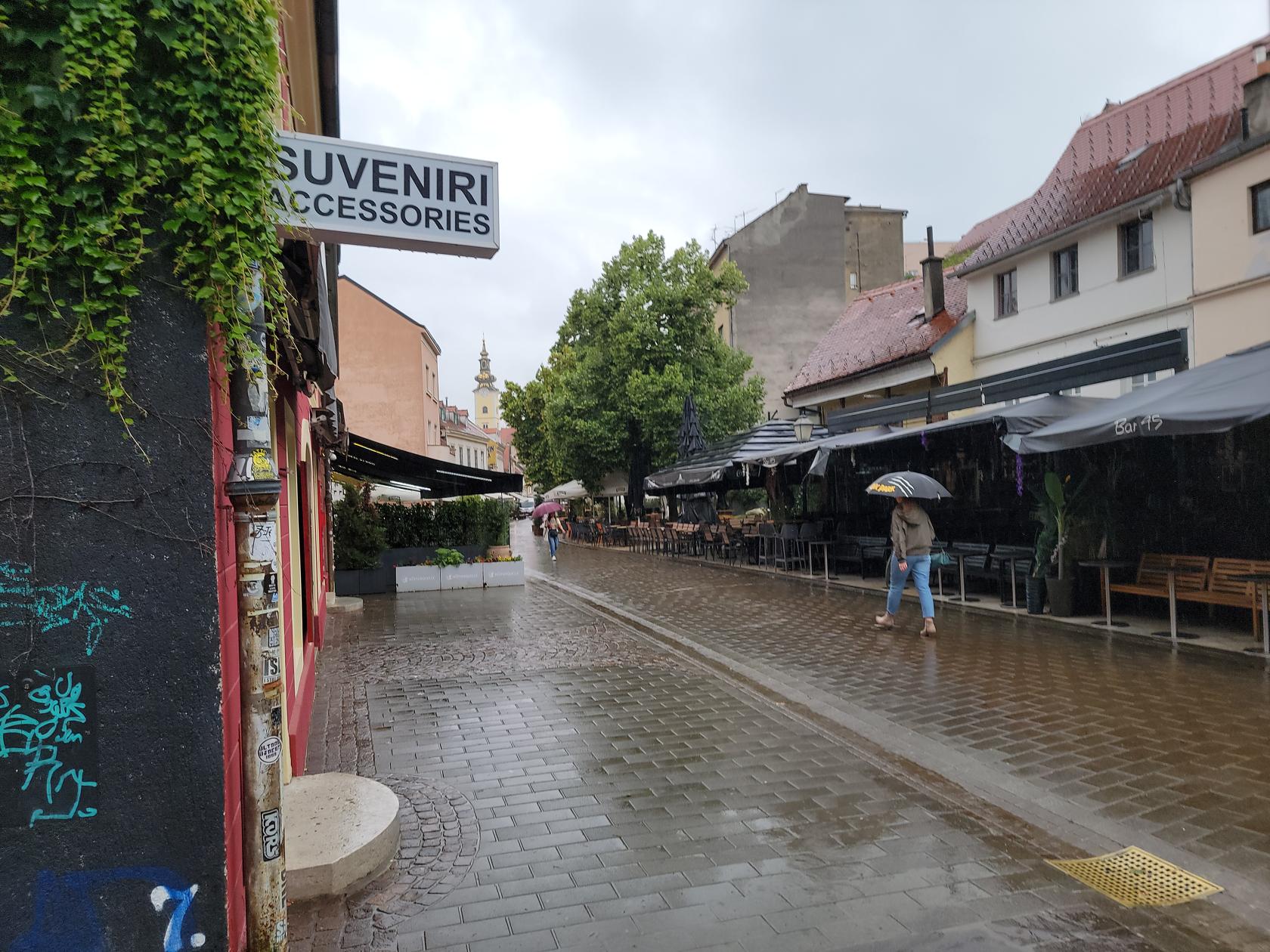
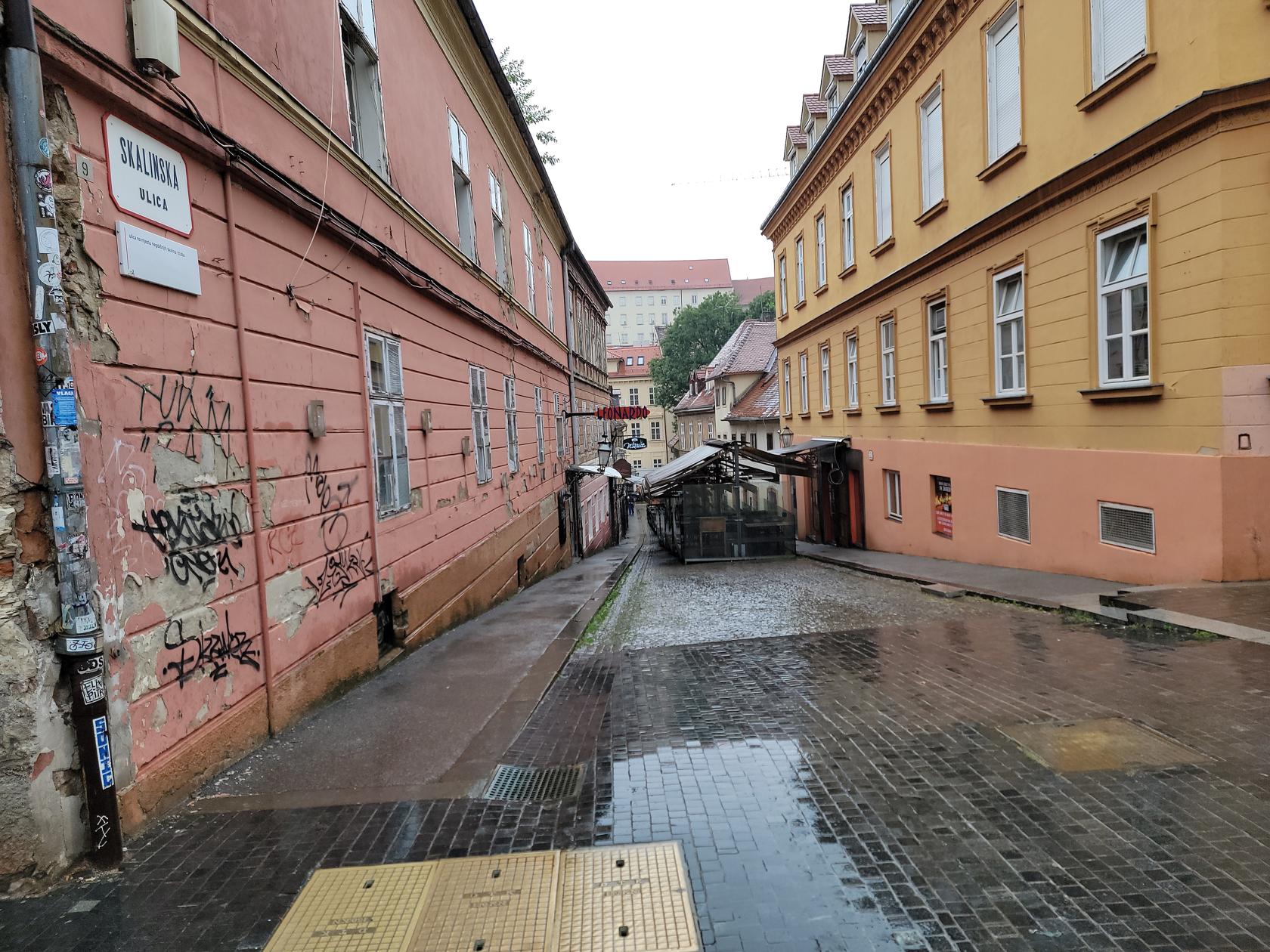
Тkalčićeva ulica Street – Zagreb, Croatia
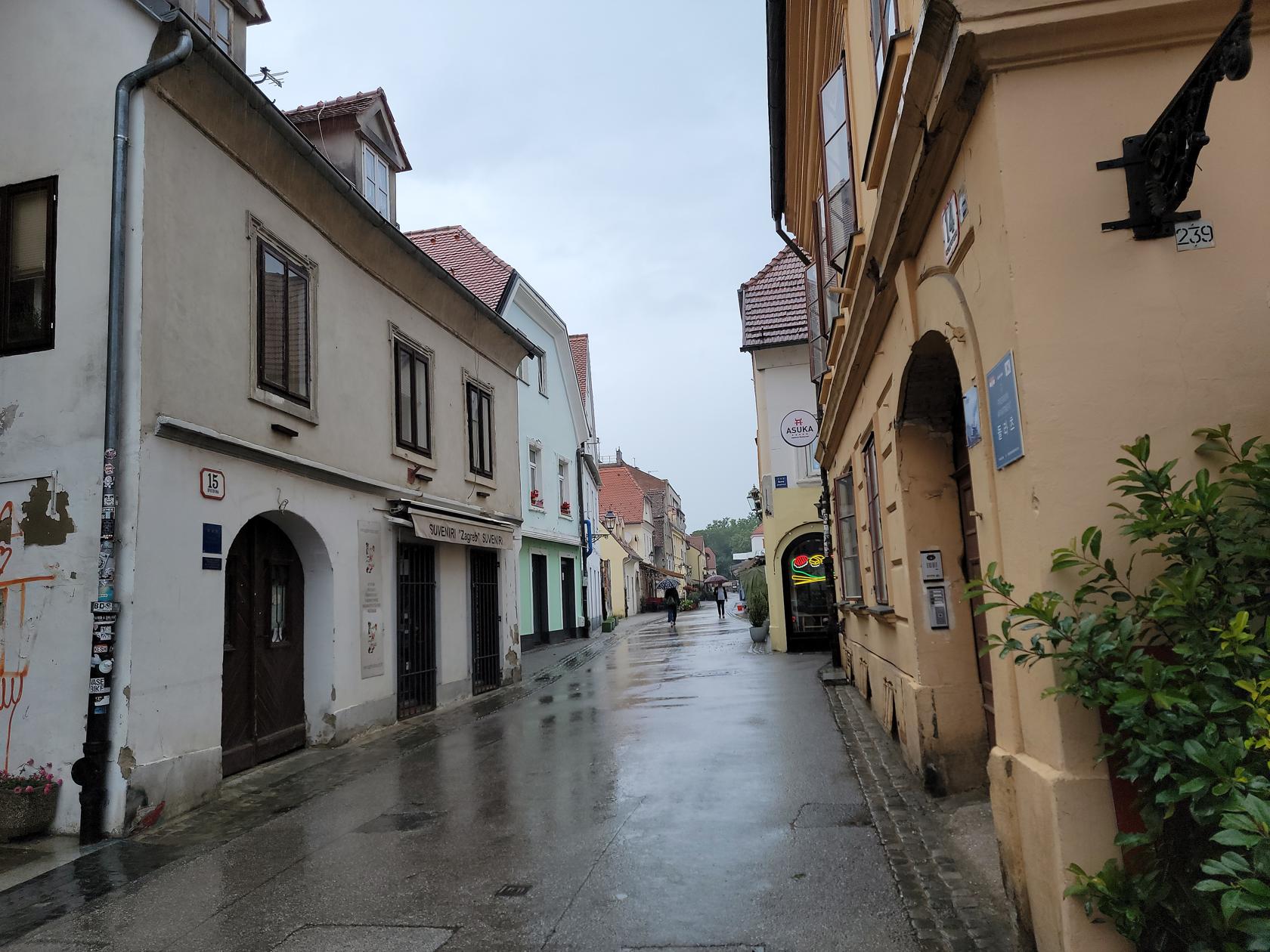
Тkalčićeva ulica Street – Zagreb, Croatia
Тkalčićeva ulica Street – Zagreb, Croatia
Getting There
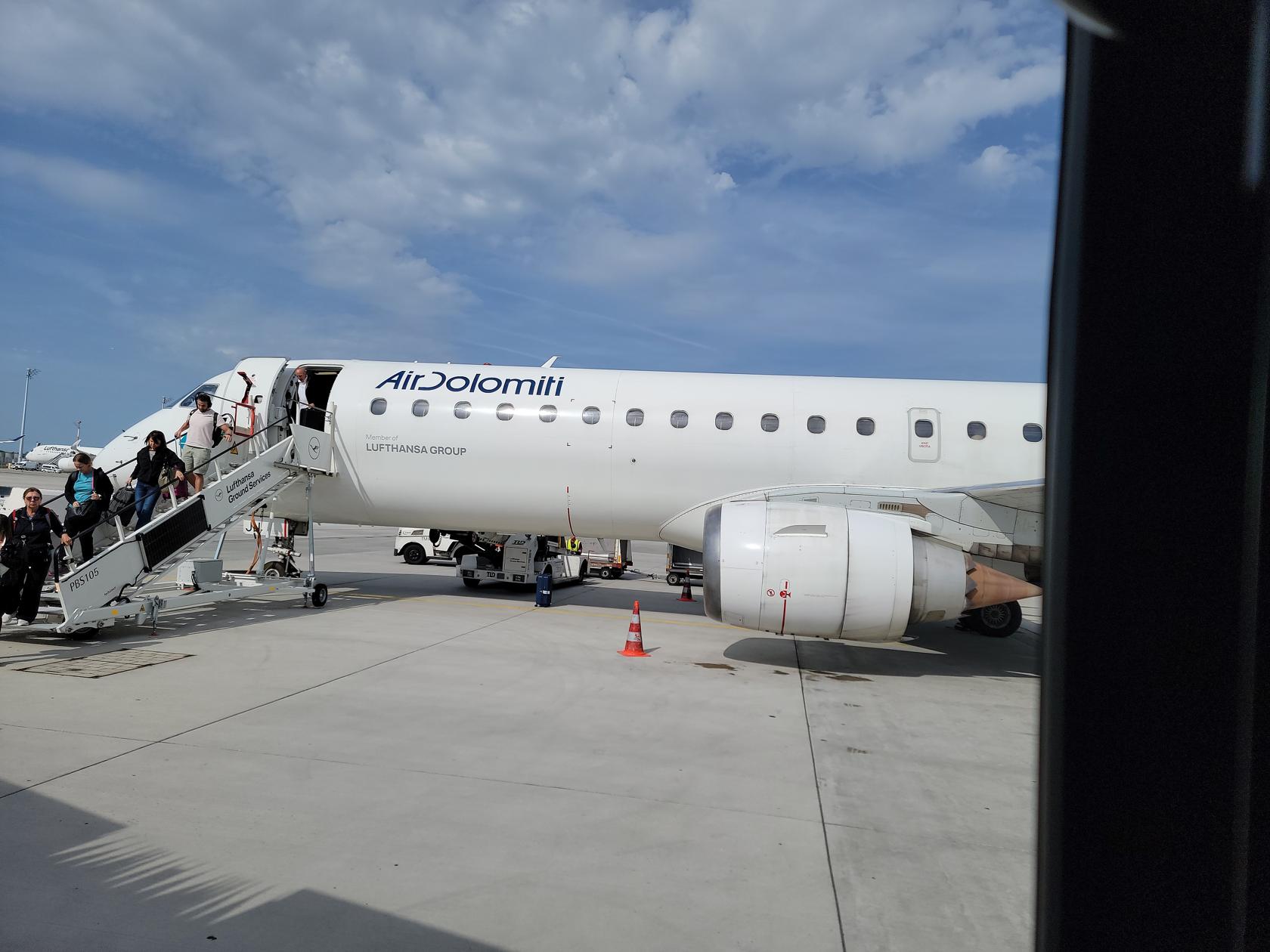
Coming from Turin we flew with Air Dolomiti to Munich and then later on to Zagreb, two short one hour flights which took us about five hours to complete with layover.
Arriving in Munich – Munich, Germany
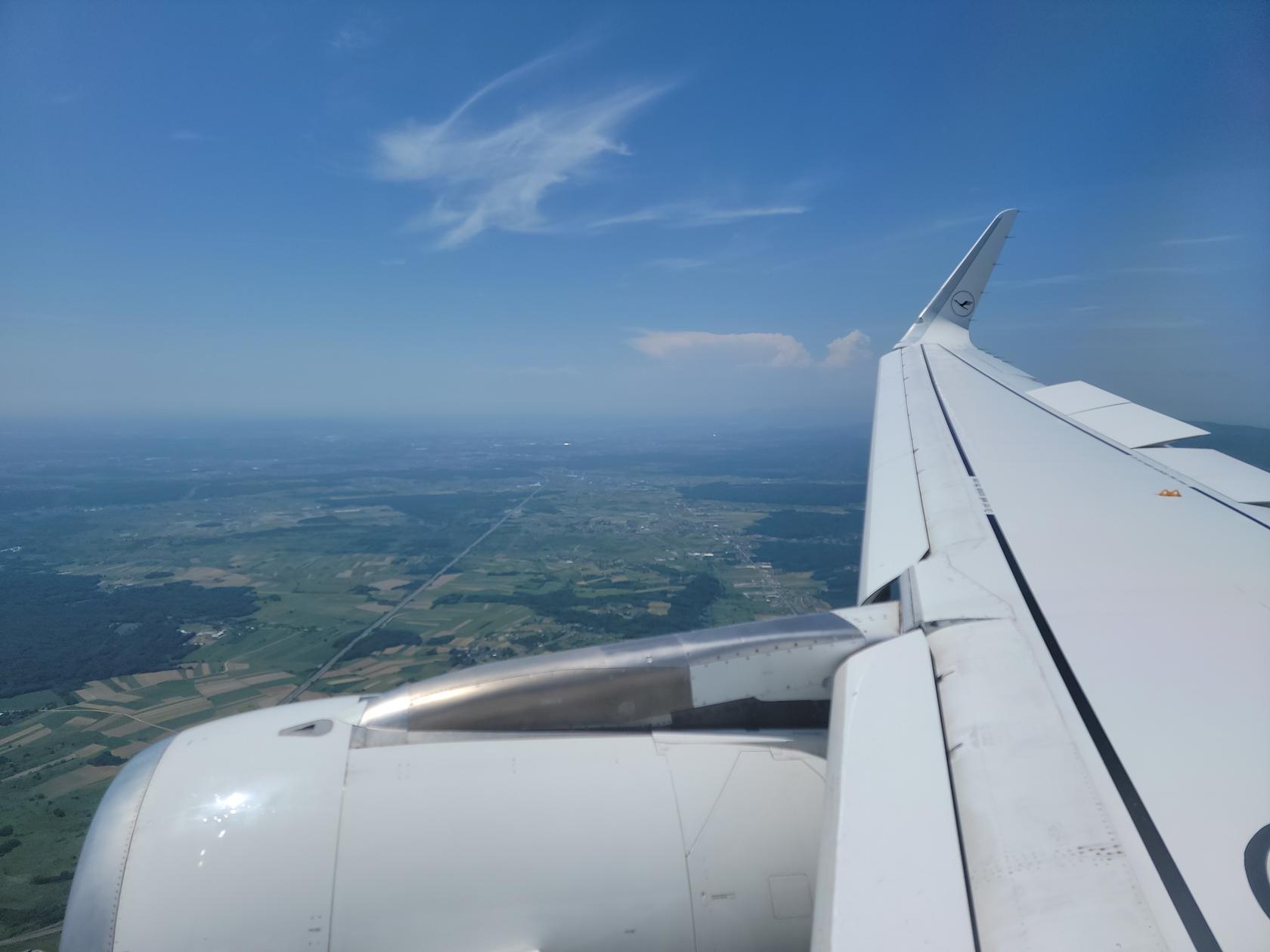
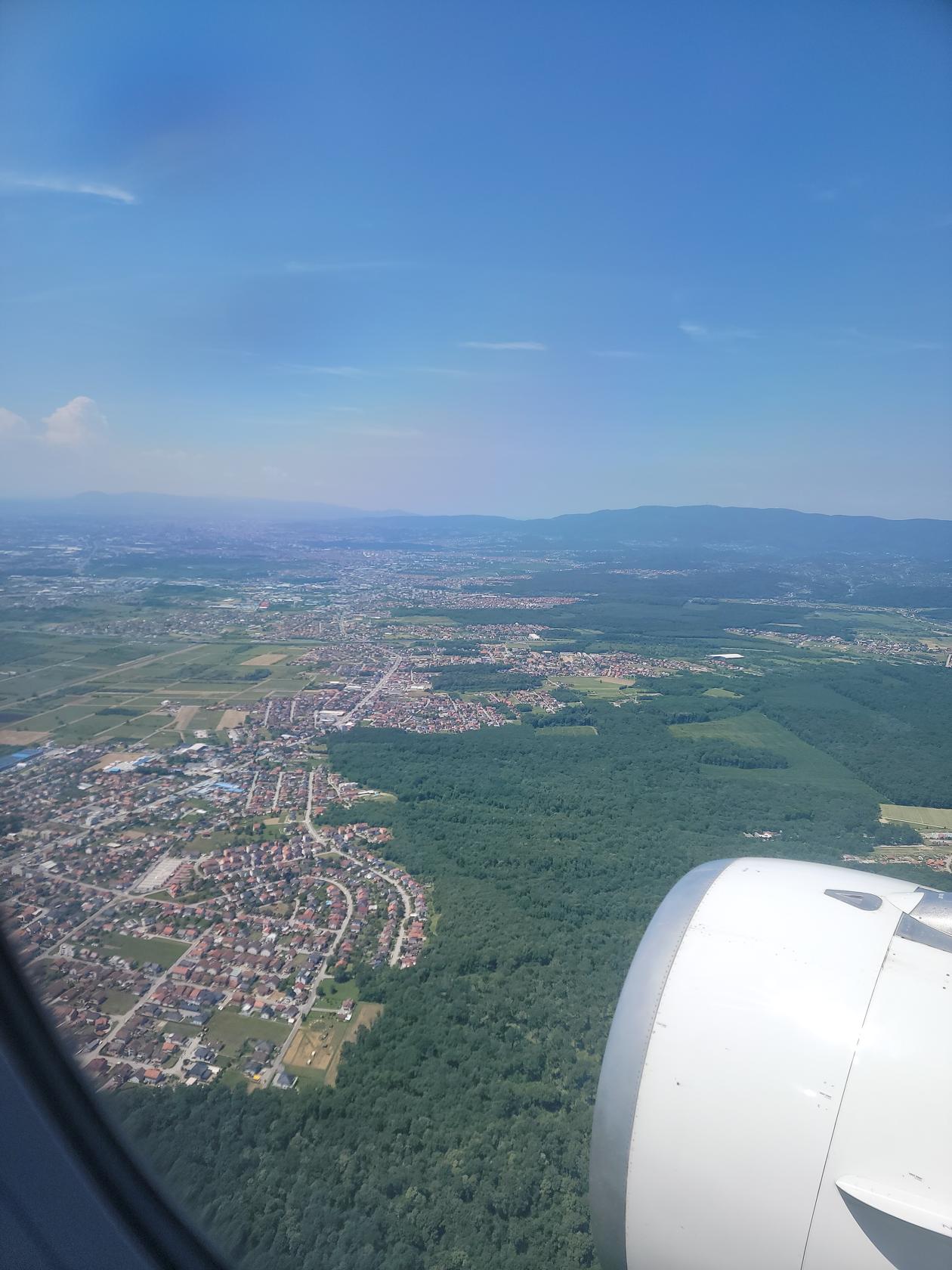
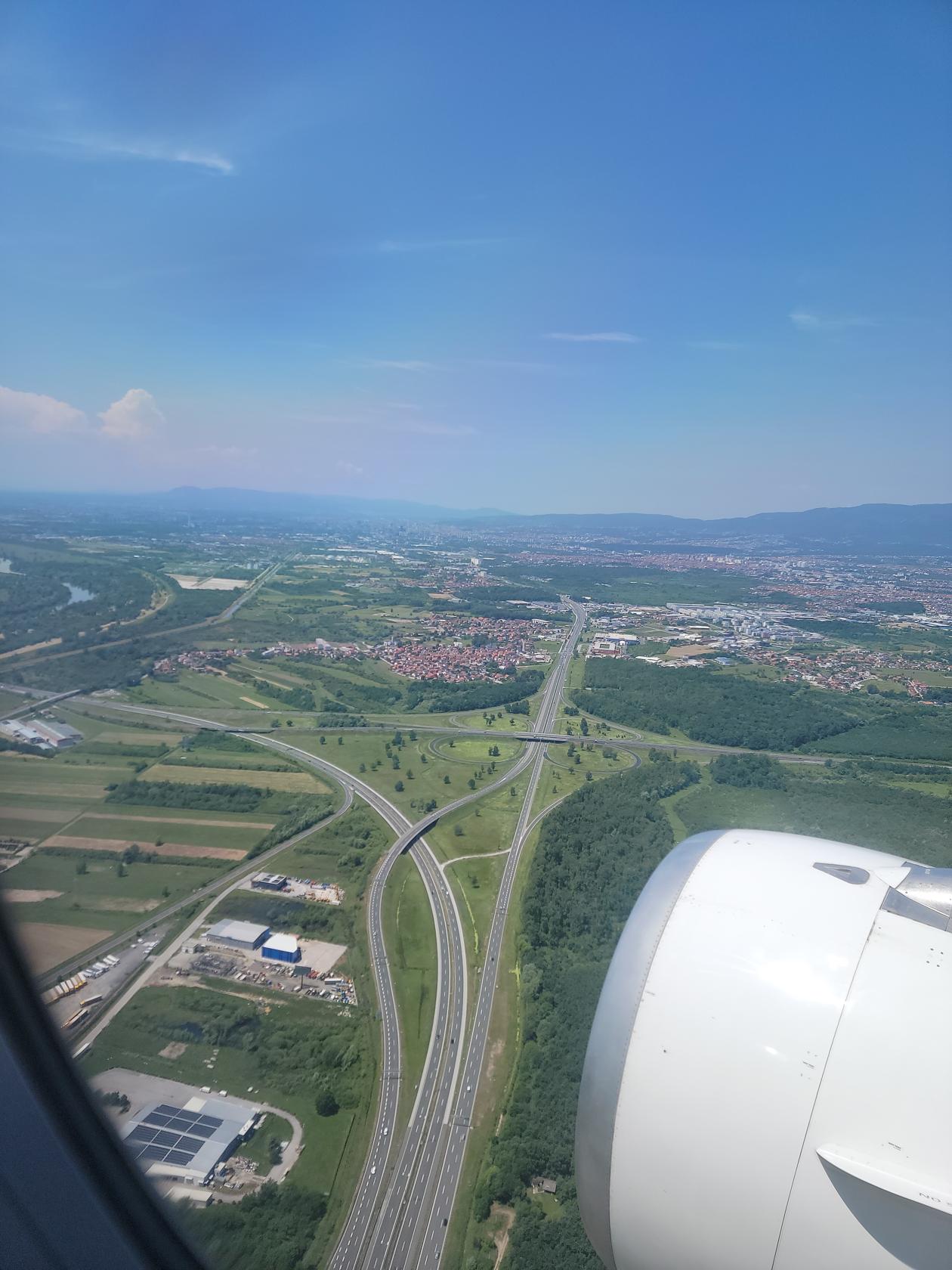
Flying over Croatia – Croatia
Landing – Zagreb, Croatia
City in the distance – Zagreb, Croatia
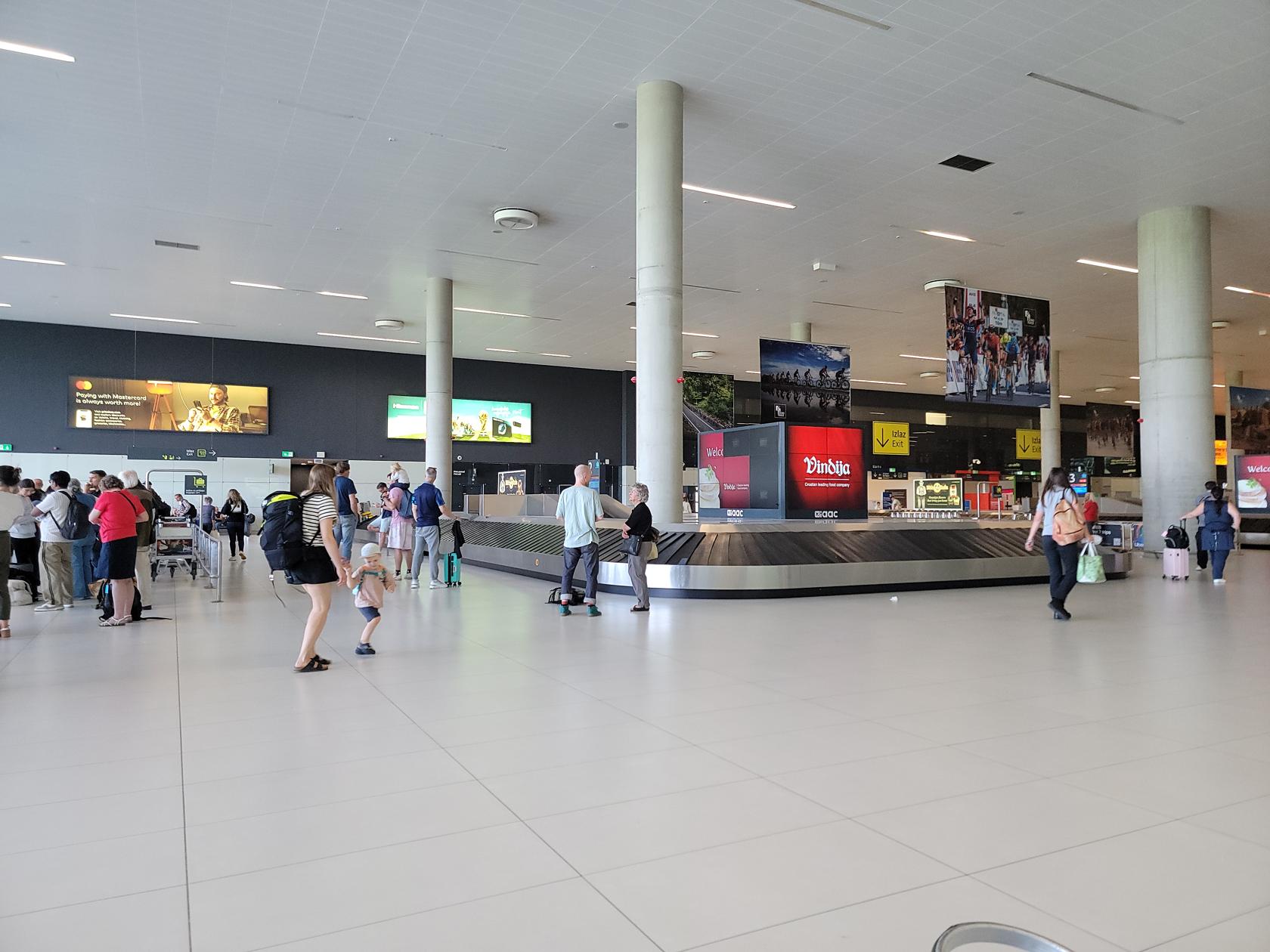
The Zagrab airport is small, perhaps smaller than most would expect. It took us approximately an hour to get our luggage, once we had left the plane. So do not expect the speedy luggage service you may enjoy elsewhere, here, things definitely move slower. In such cases, it might be good to have air-tags, just to keep an eye on where your luggage is, before getting alarmed. We got them as a gift and they really came in handy.
Airport Baggage Claim – Zagreb, Croatia
Of course you can also come by car, but from what we can see, parking is a problem and quite expensive. Train, is also an option, though we ruled it out due to scheduling issues and other considerations.
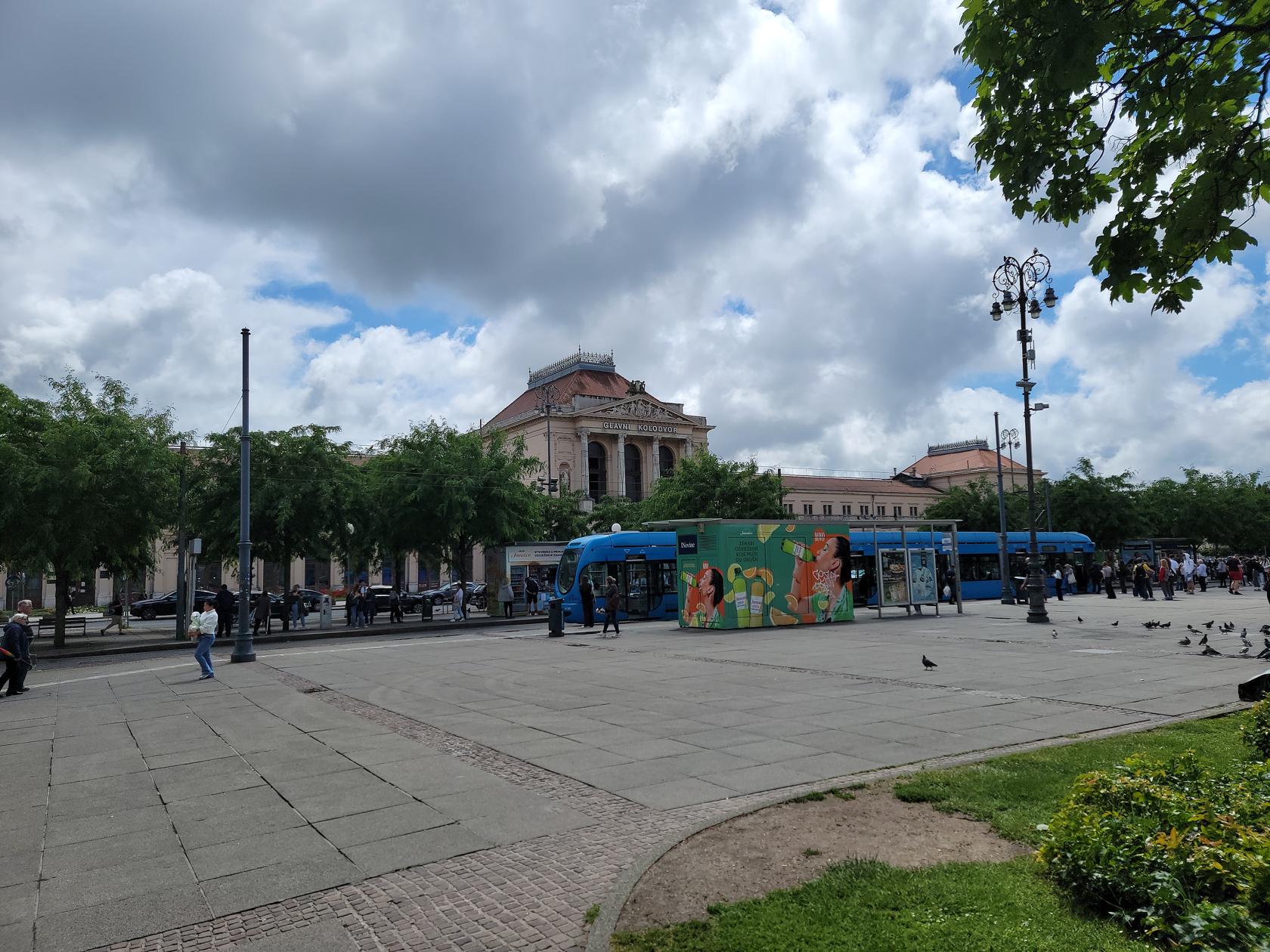
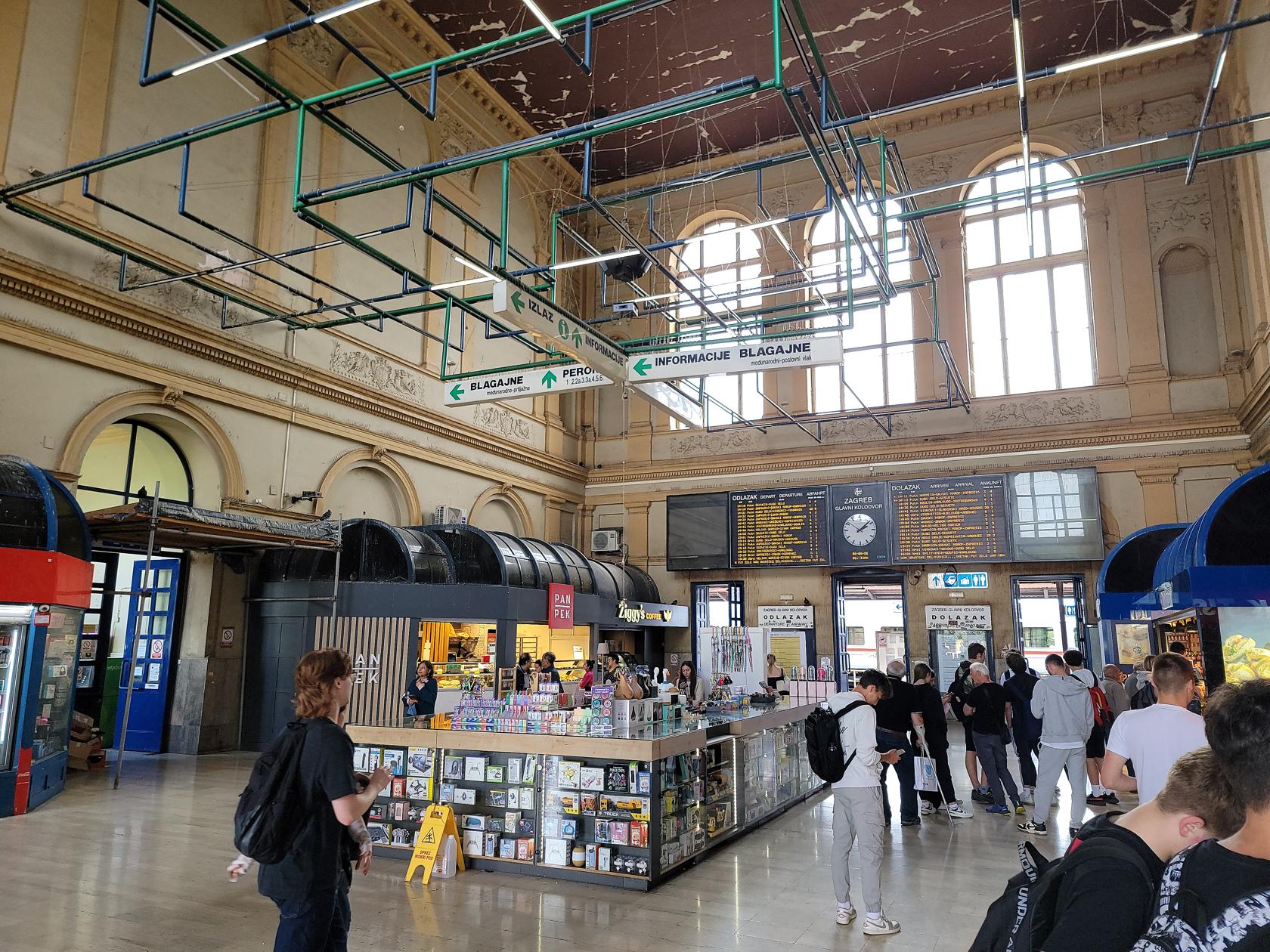
Train Station – Zagreb, Croatia
Train Station – Zagreb, Croatia
Lower Zagreb
We stayed in Lower Zagreb very close to Kaptol and the main square. From here we were able to visit most parts of the old city within a ten to fifteen minute walk.
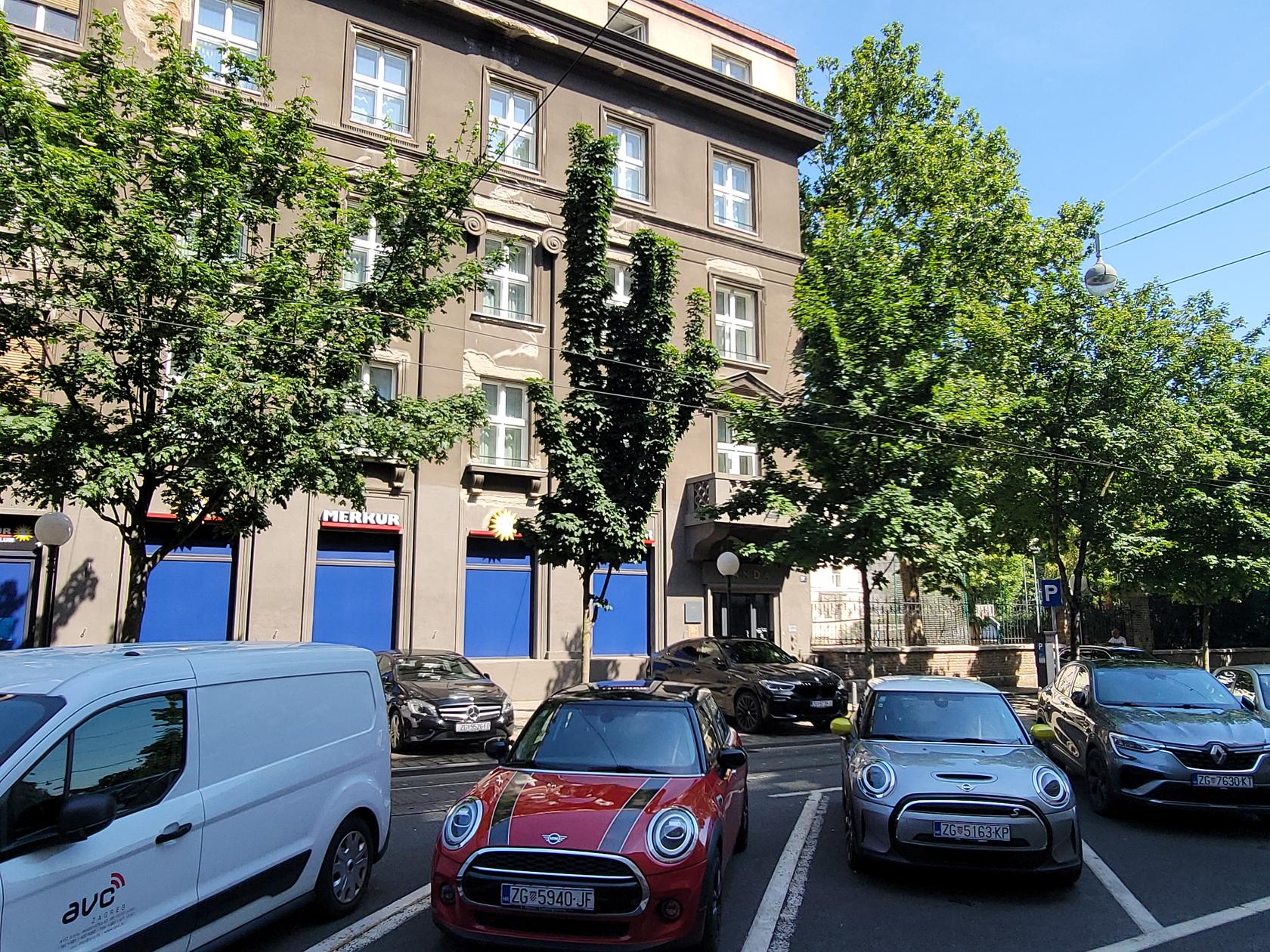
Manda Hotel – Zagreb, Croatia
Zrinjevac Park
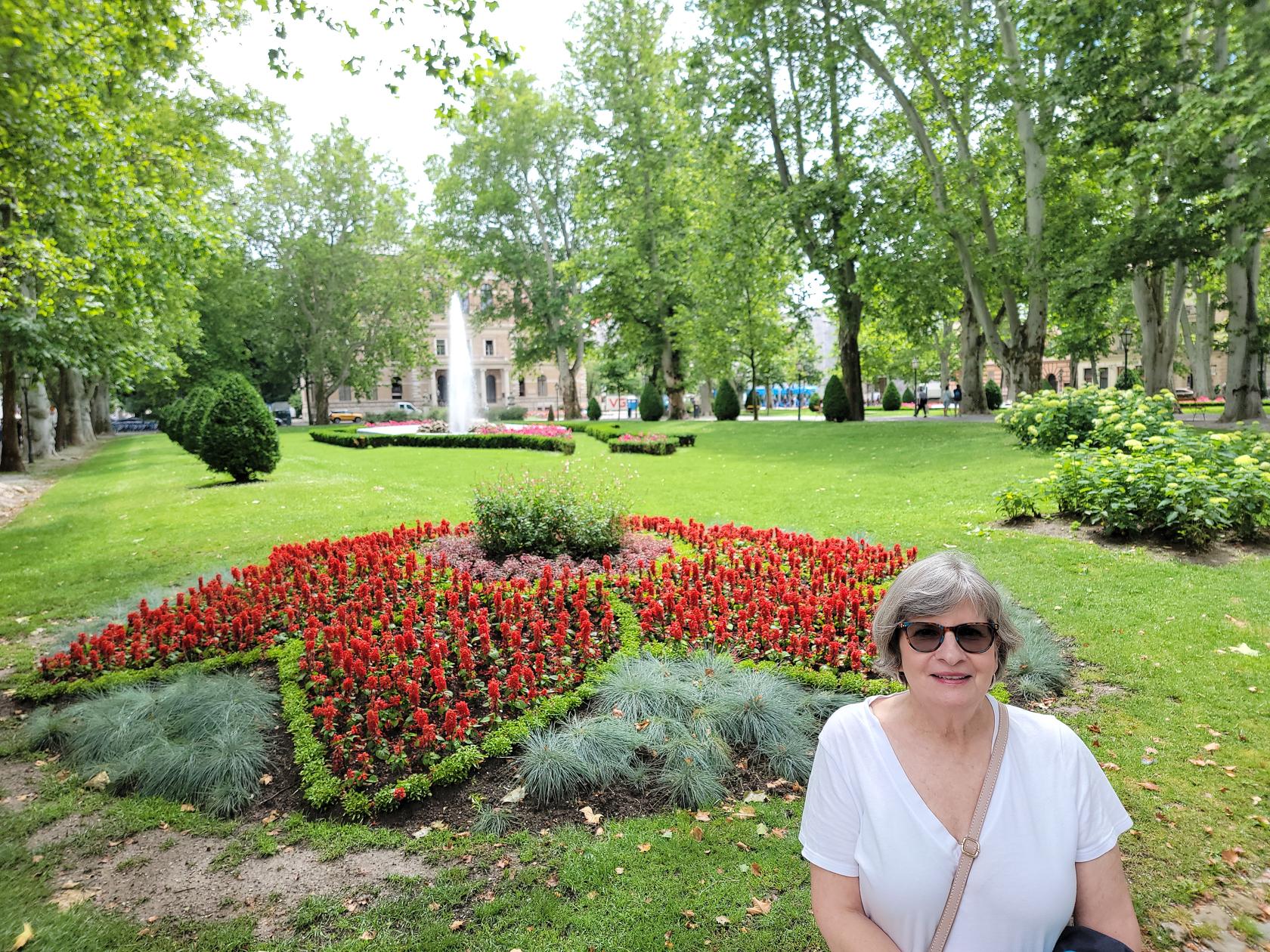
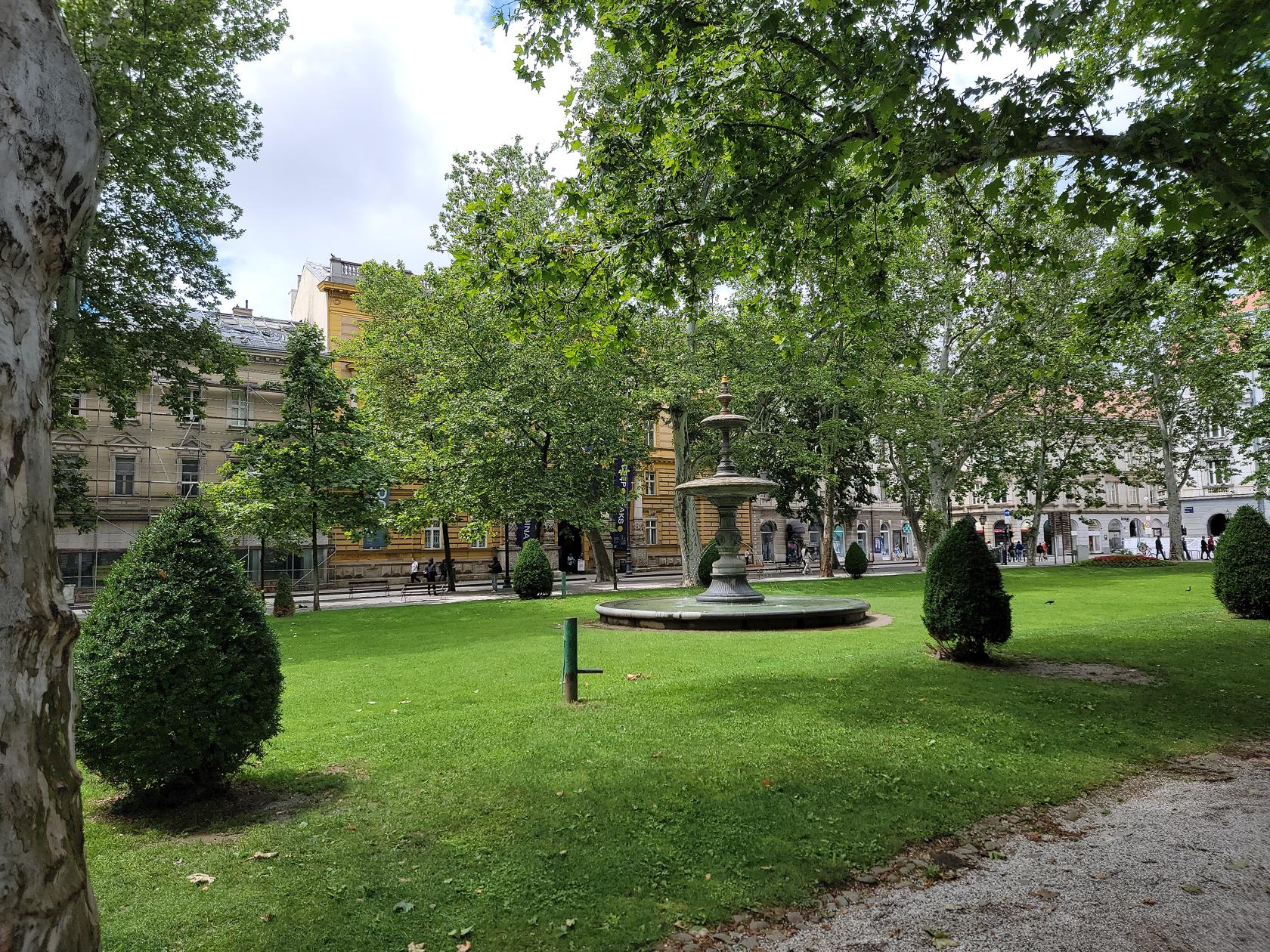
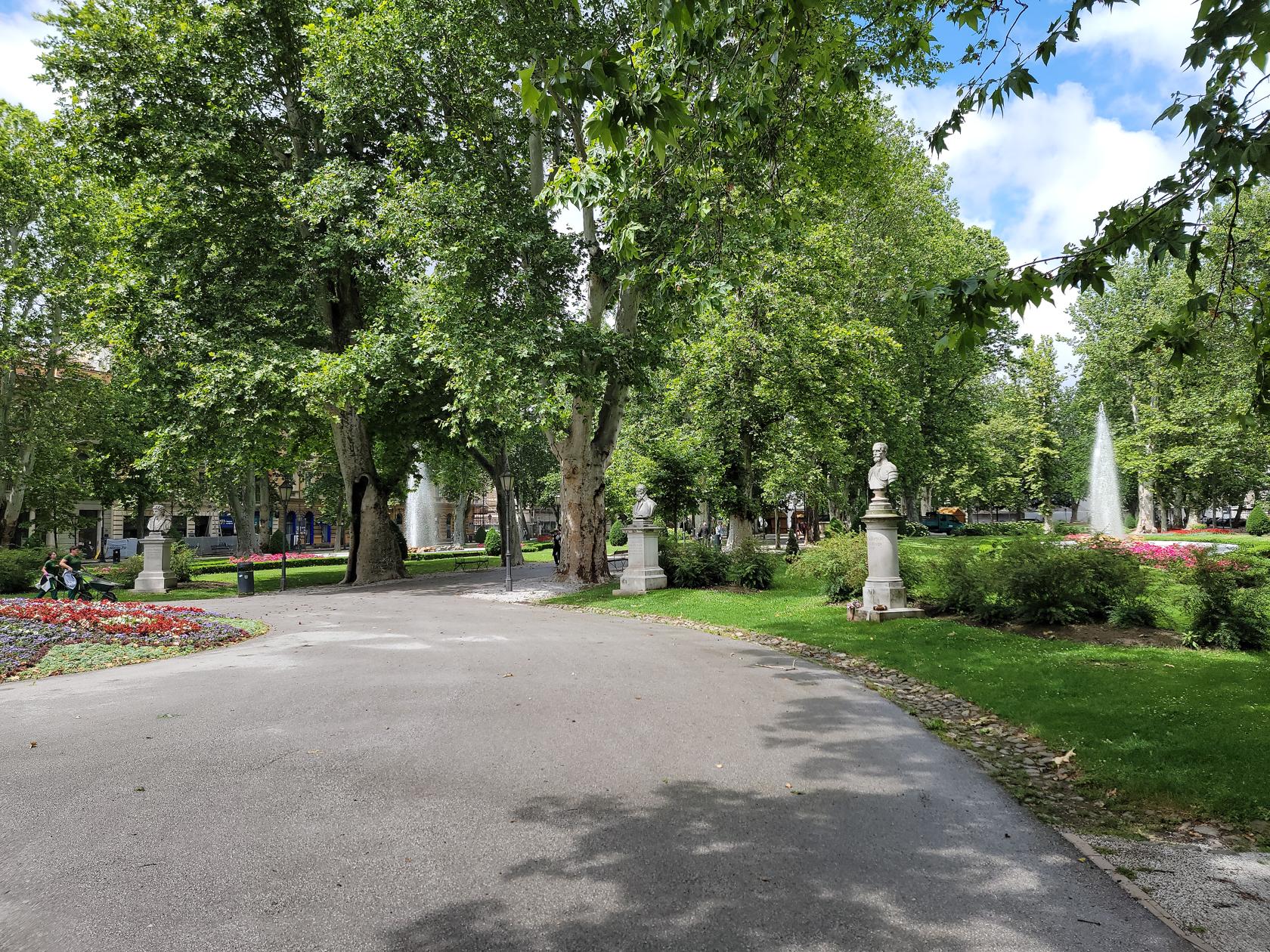
Actually many parks in tandem and tied together by several buildings and monuments. It is actually a nice place to take a stroll and enjoy the salubrious spring weather.
Patti – Trg Nikole Subica Park – Zagreb, Croatia
Trg Nikole Subica Park – Zagreb, Croatia
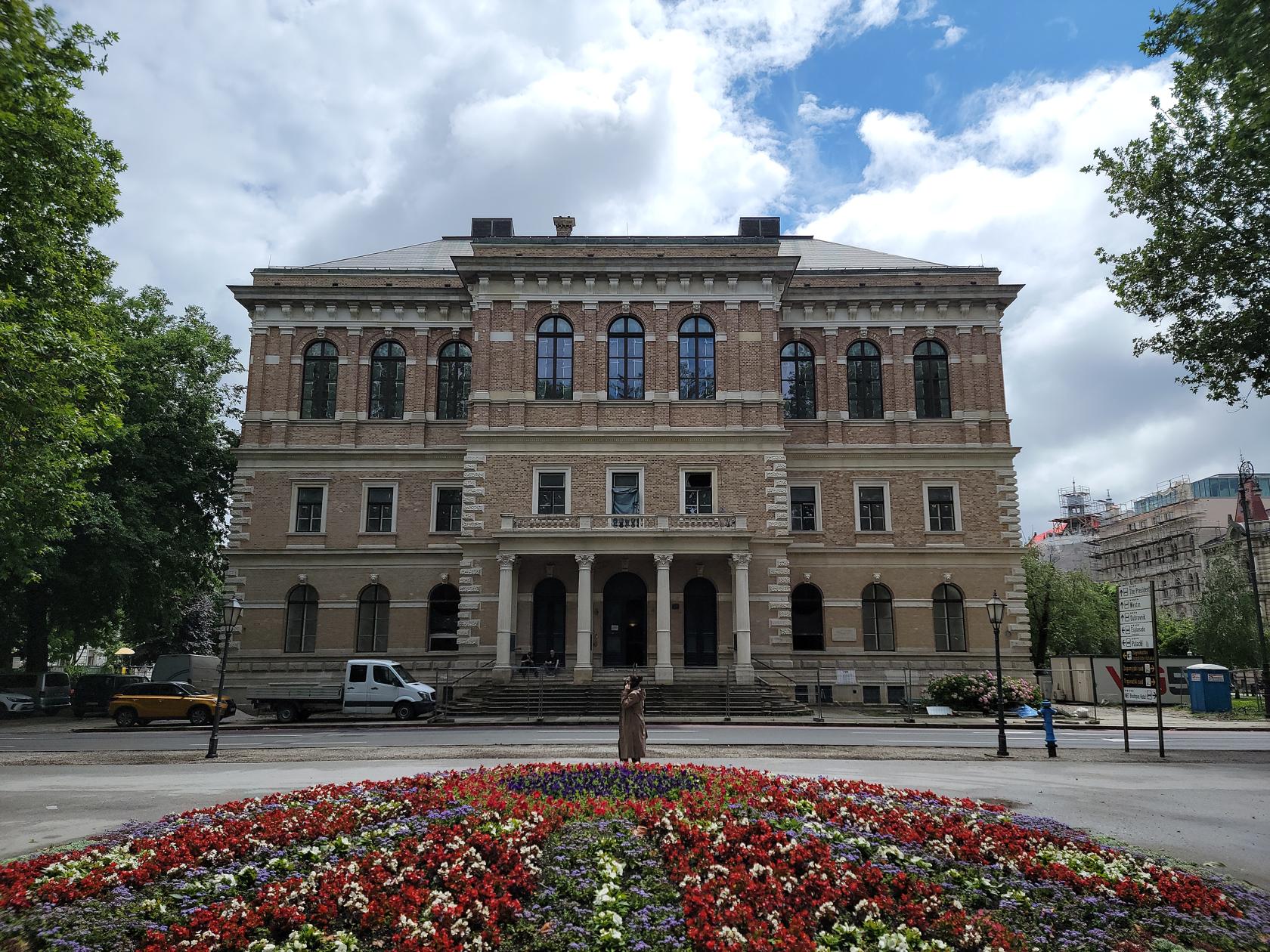
Science Musuem – Trg Nikole Subica Park – Zagreb, Croatia
Trg Nikole Subica Park – Zagreb, Croatia
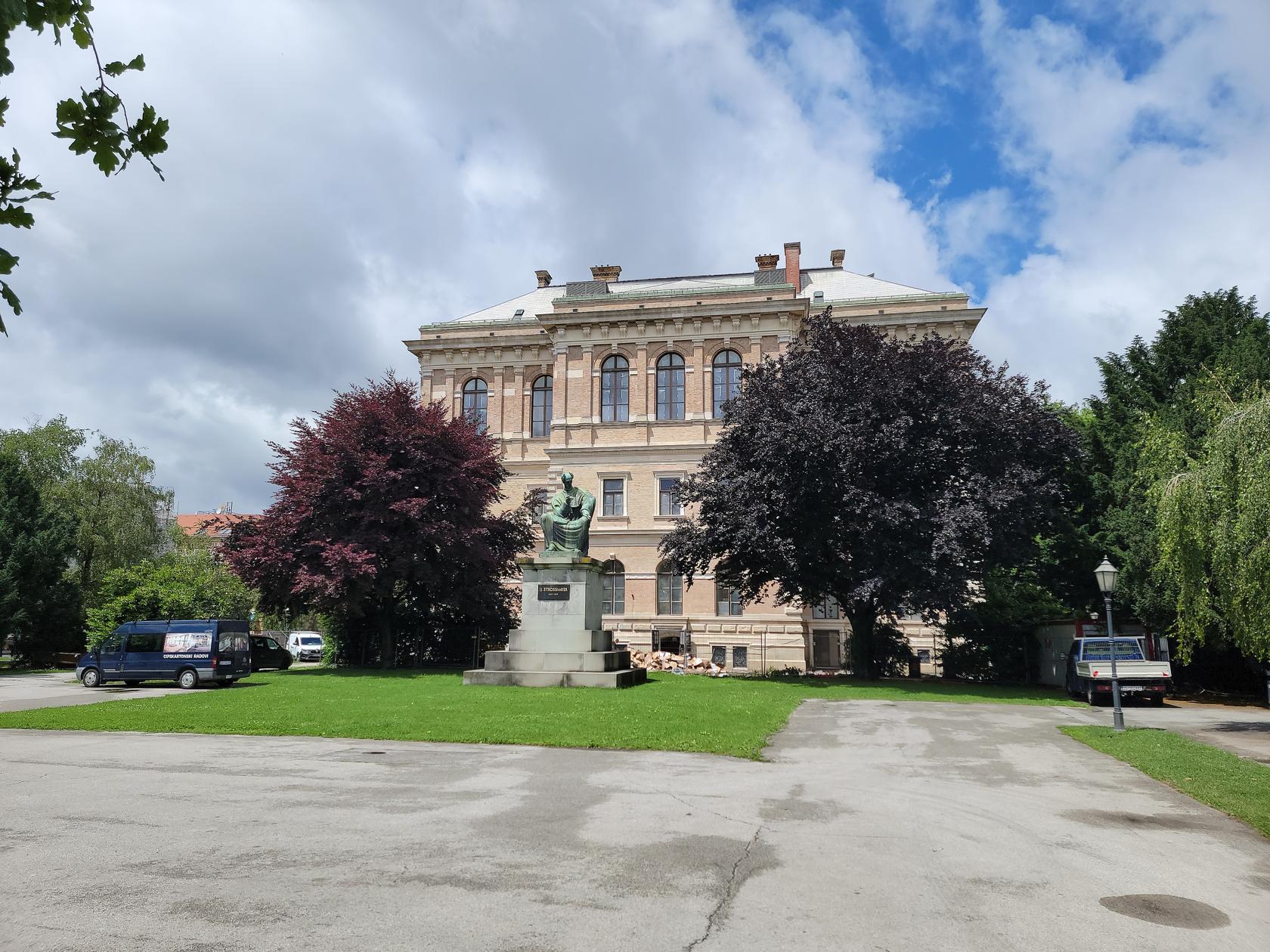
Strossmayer Stature – Trg Nikole Subica Park – Zagreb, Croatia
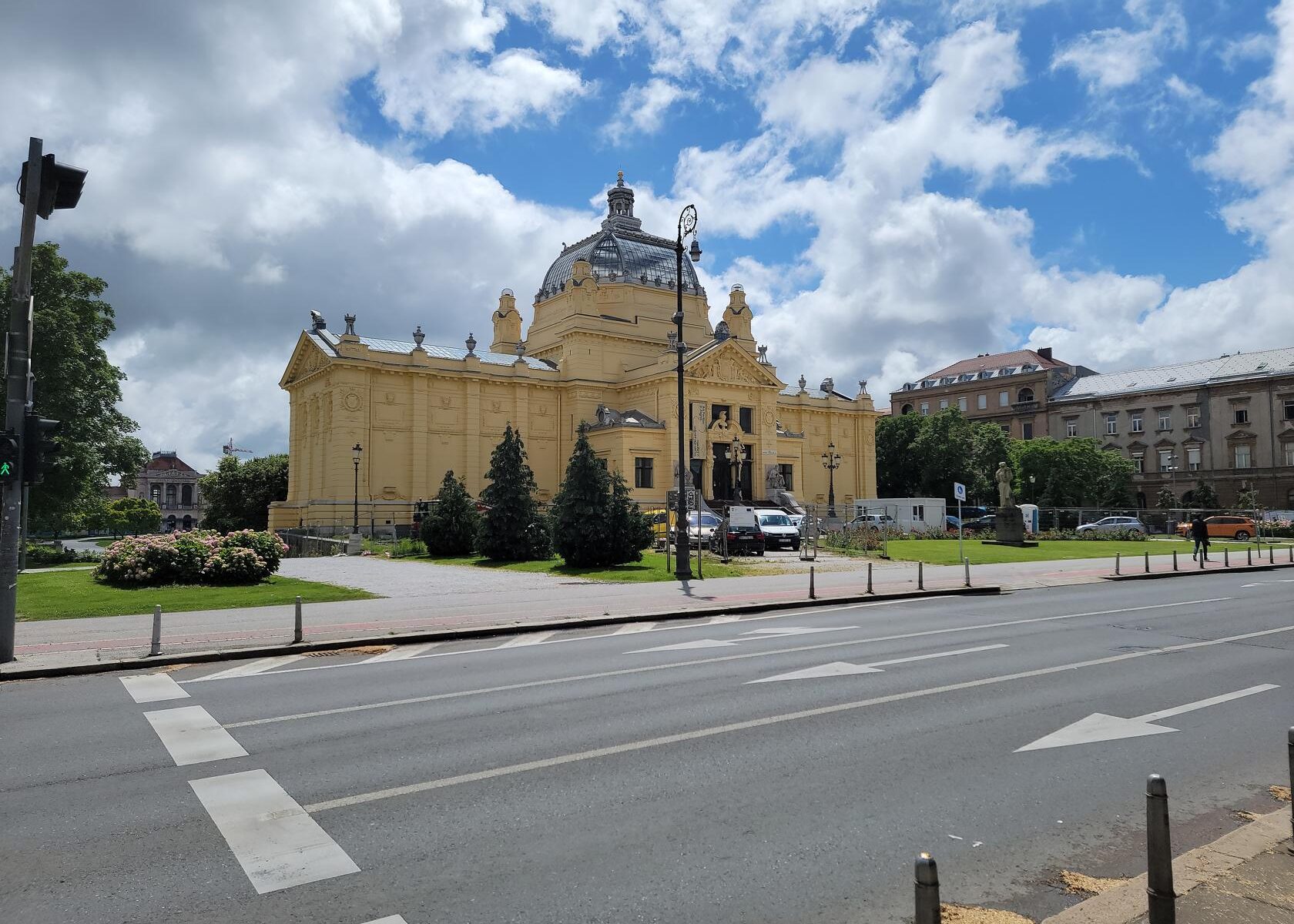
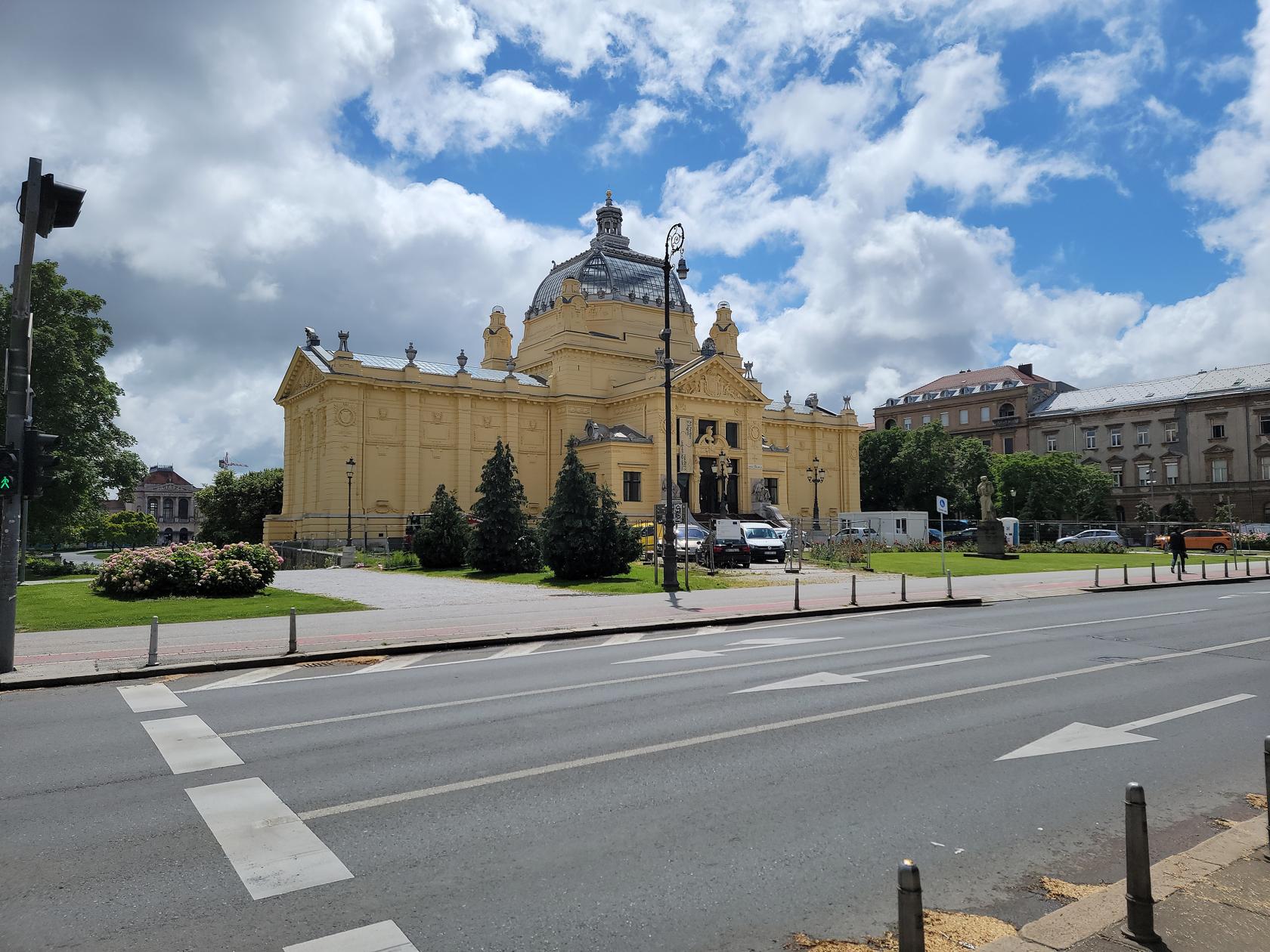
Art Pavilion – Trg Nikole Subica Park – Zagreb, Croatia
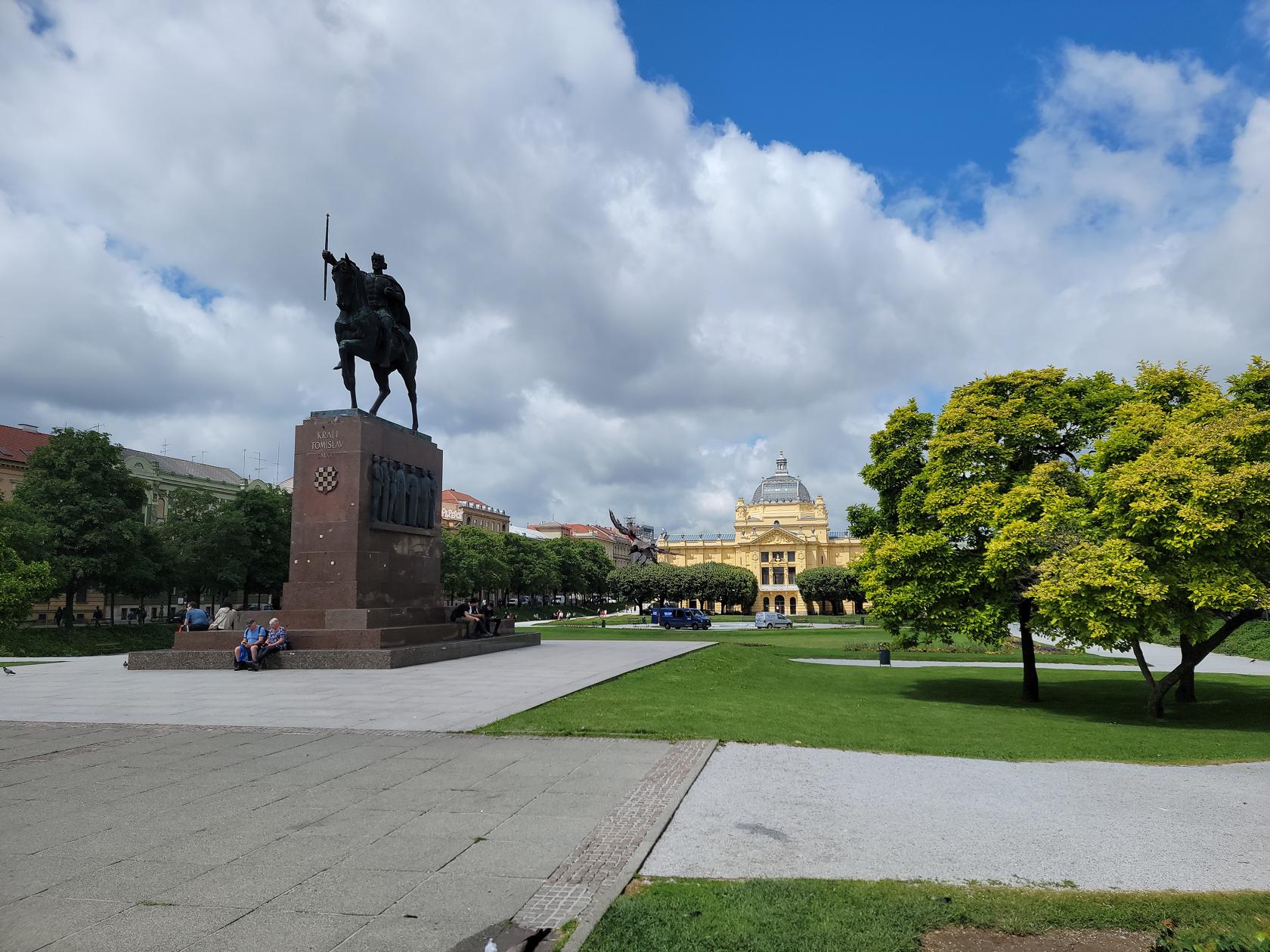
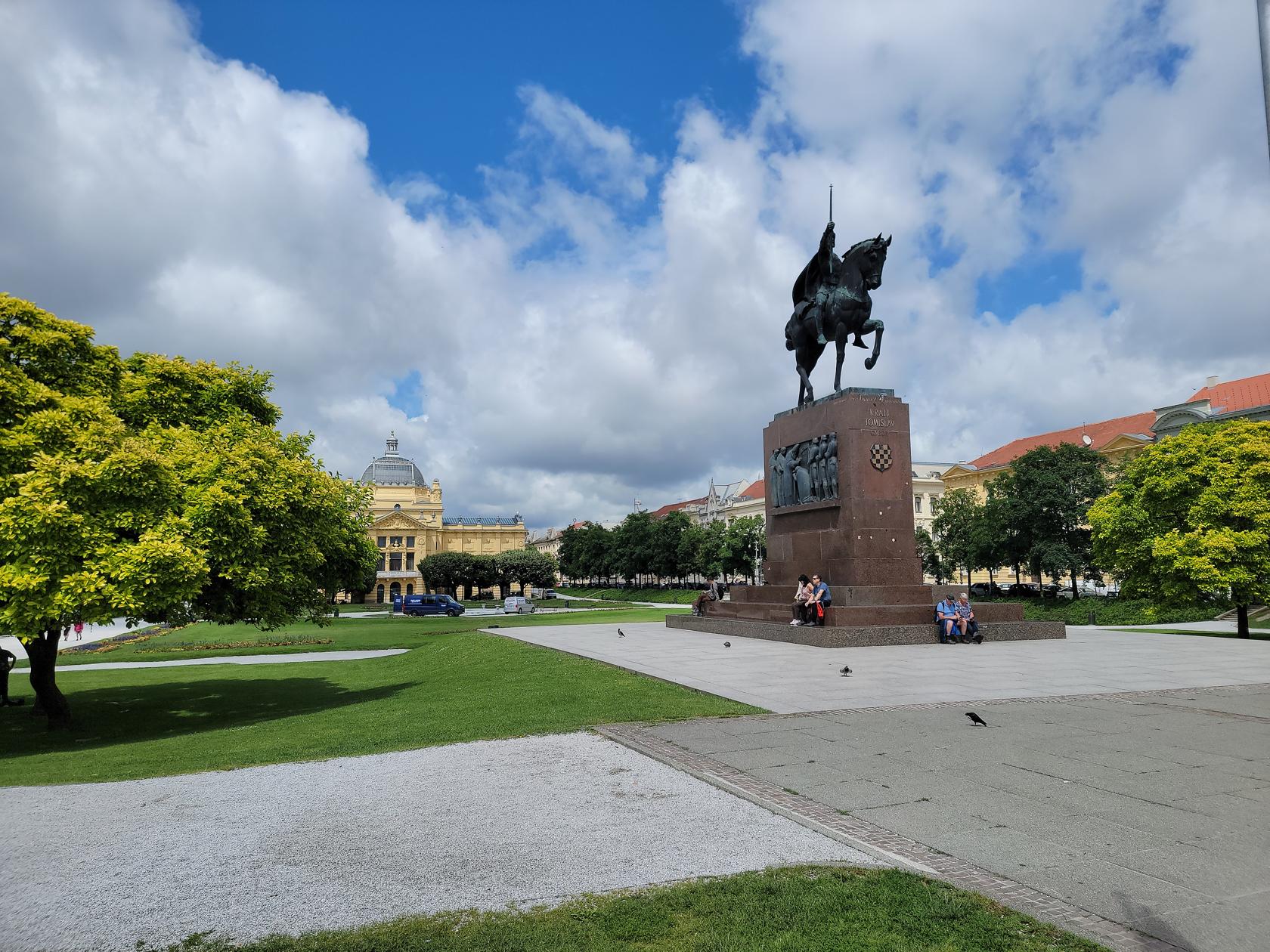
King Tomislav Monument – Trg Nikole Subica Park – Zagreb, Croatia
King Tomislav Monument – Trg Nikole Subica Park – Zagreb, Croatia
Gradec
To the west of Kaptol and across small depression represented by Pavla Radica, where you will find many bars, cafes and some restaurants, is Gradec, also referred to as Grič.
Opatovina Park – Zagreb, Croatia
Opatovina Park – Zagreb, Croatia
Opatovina Park – Zagreb, Croatia
The Stone Gate
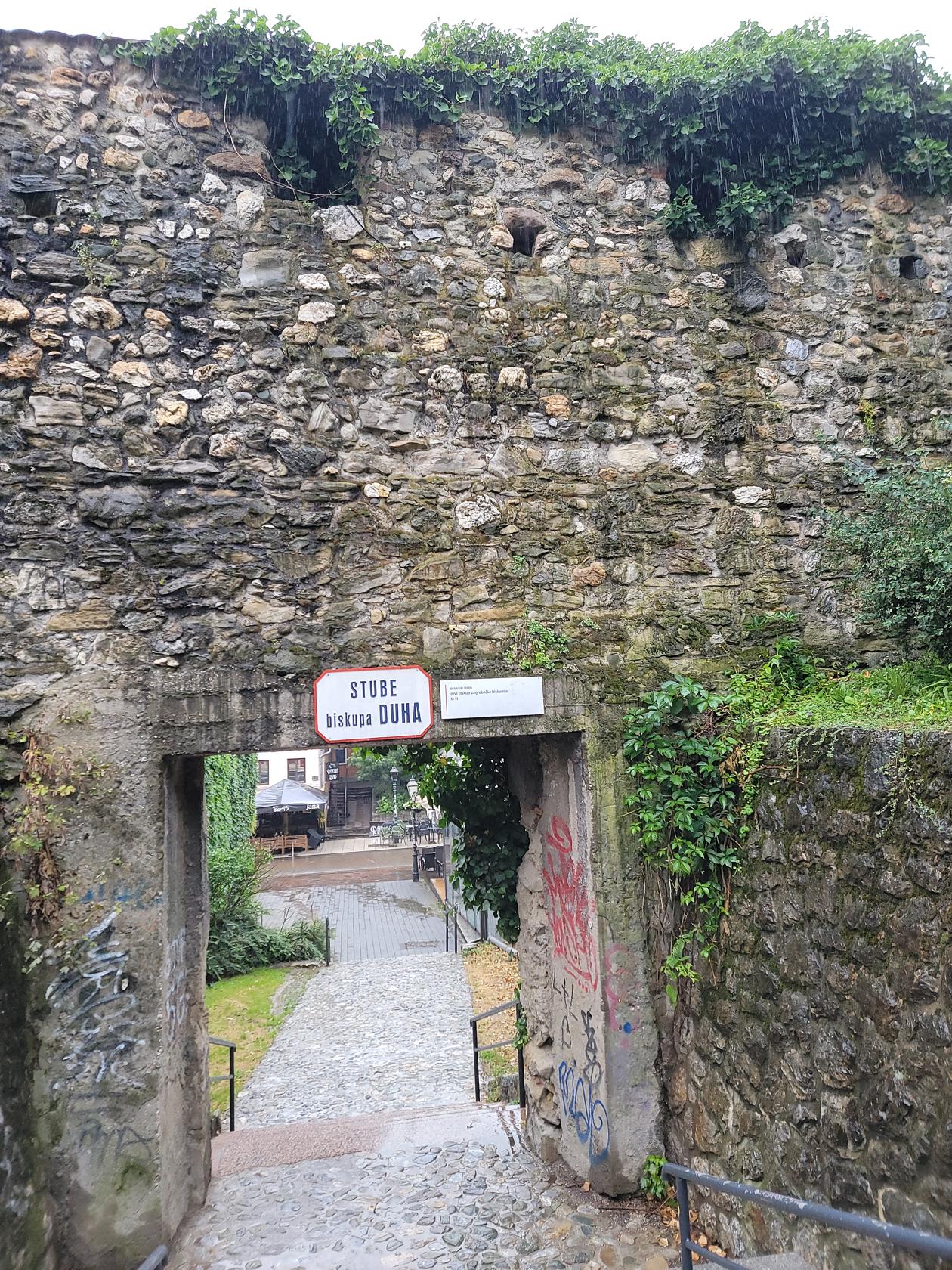
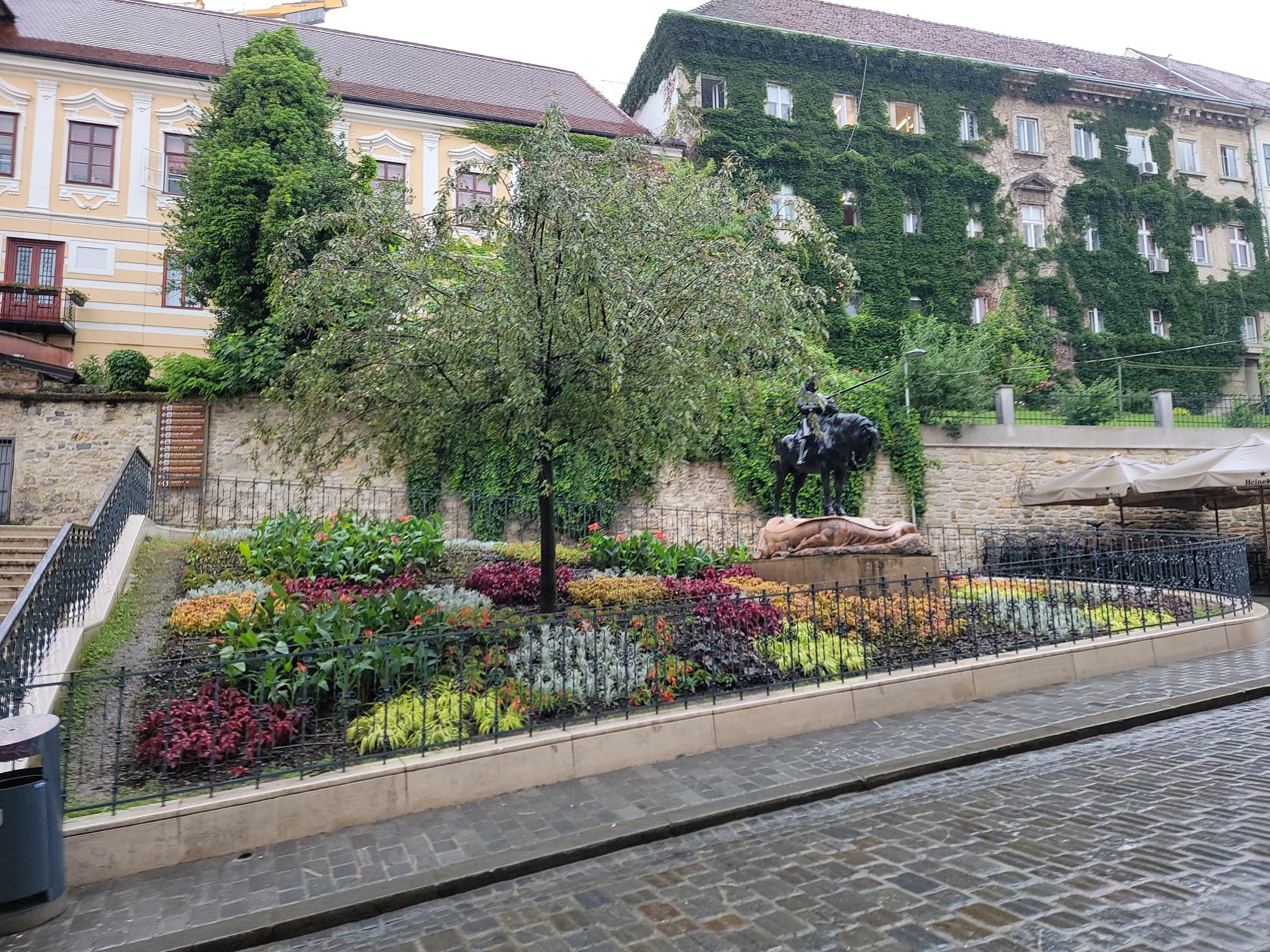
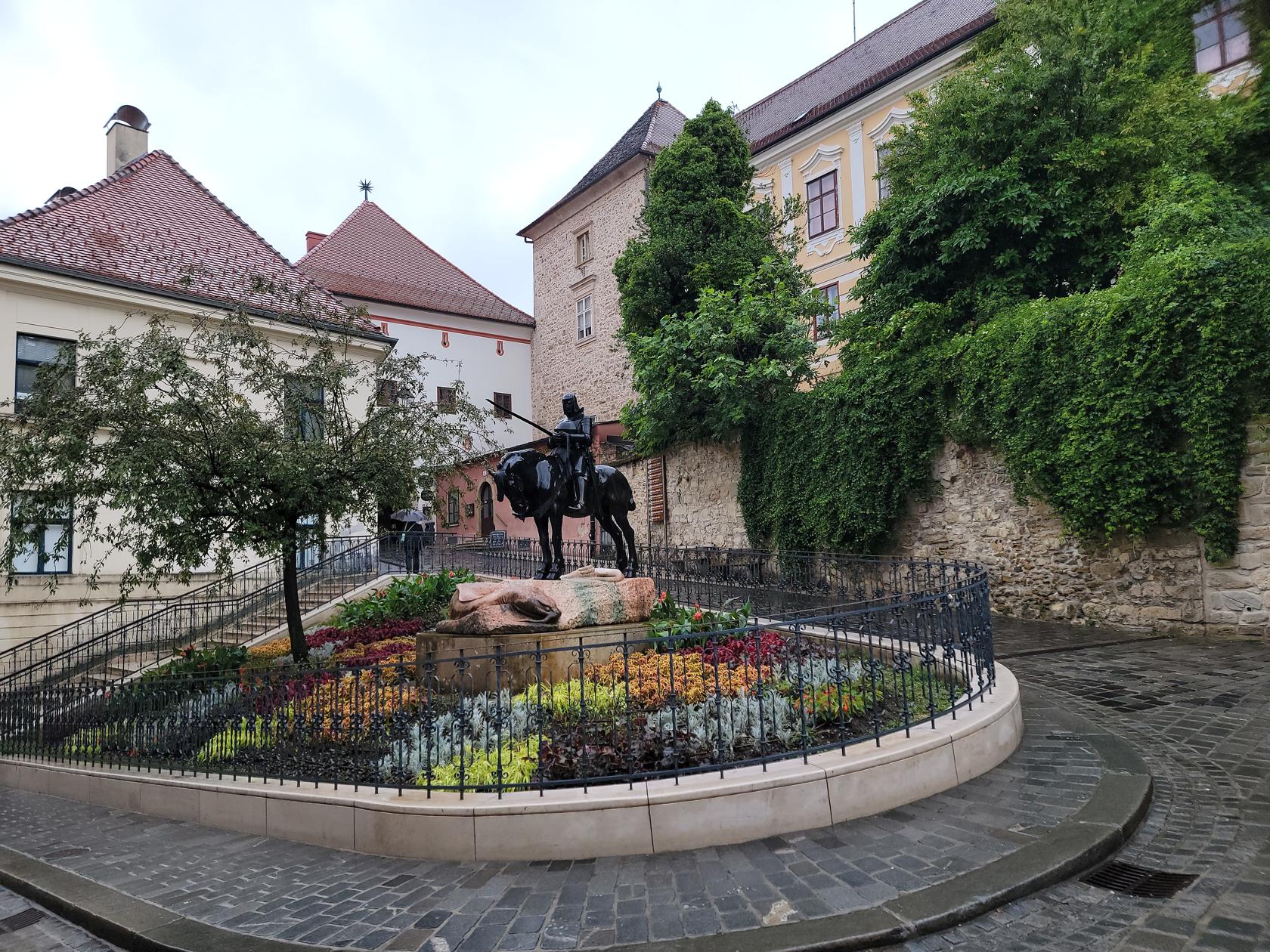
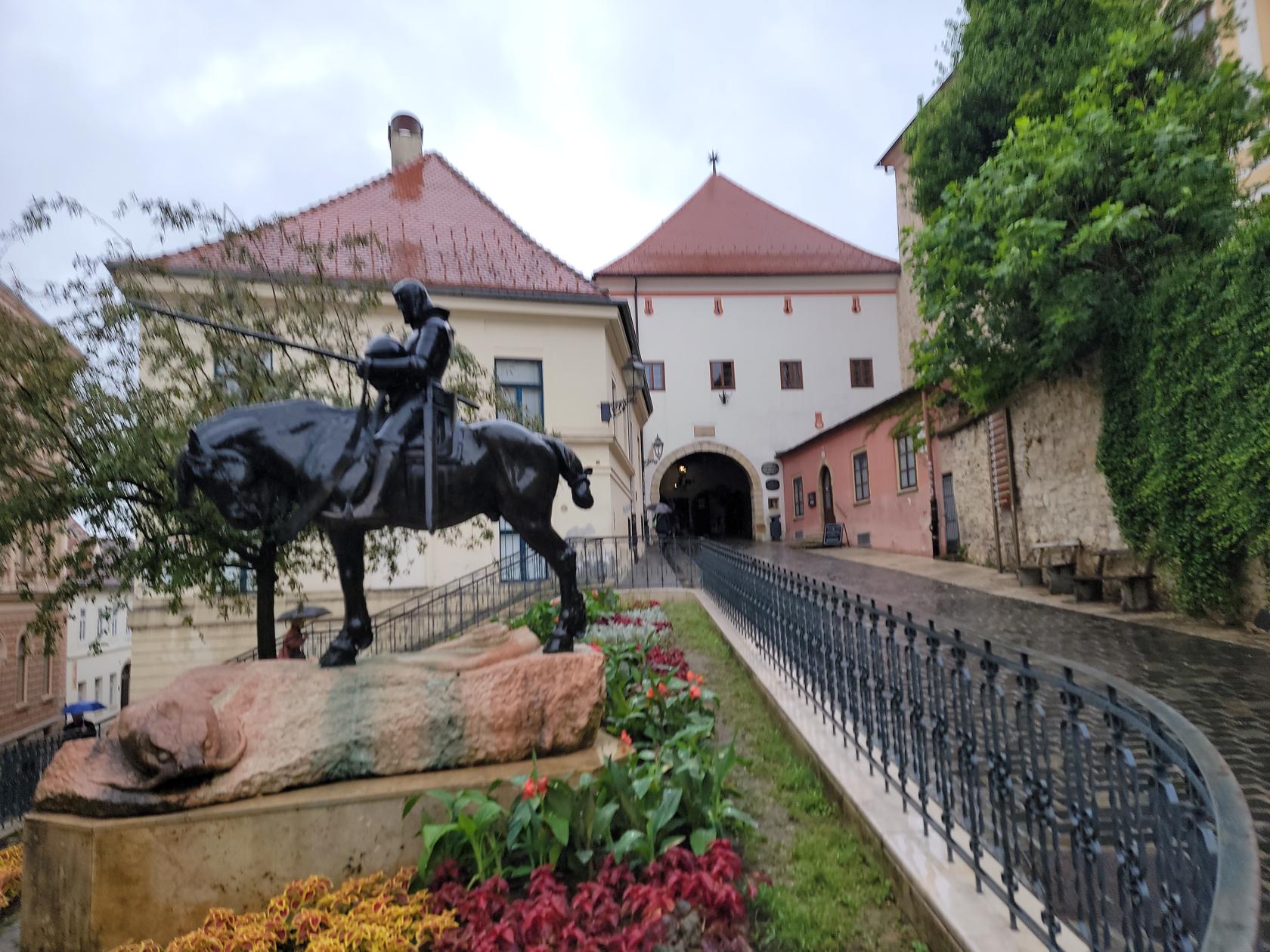
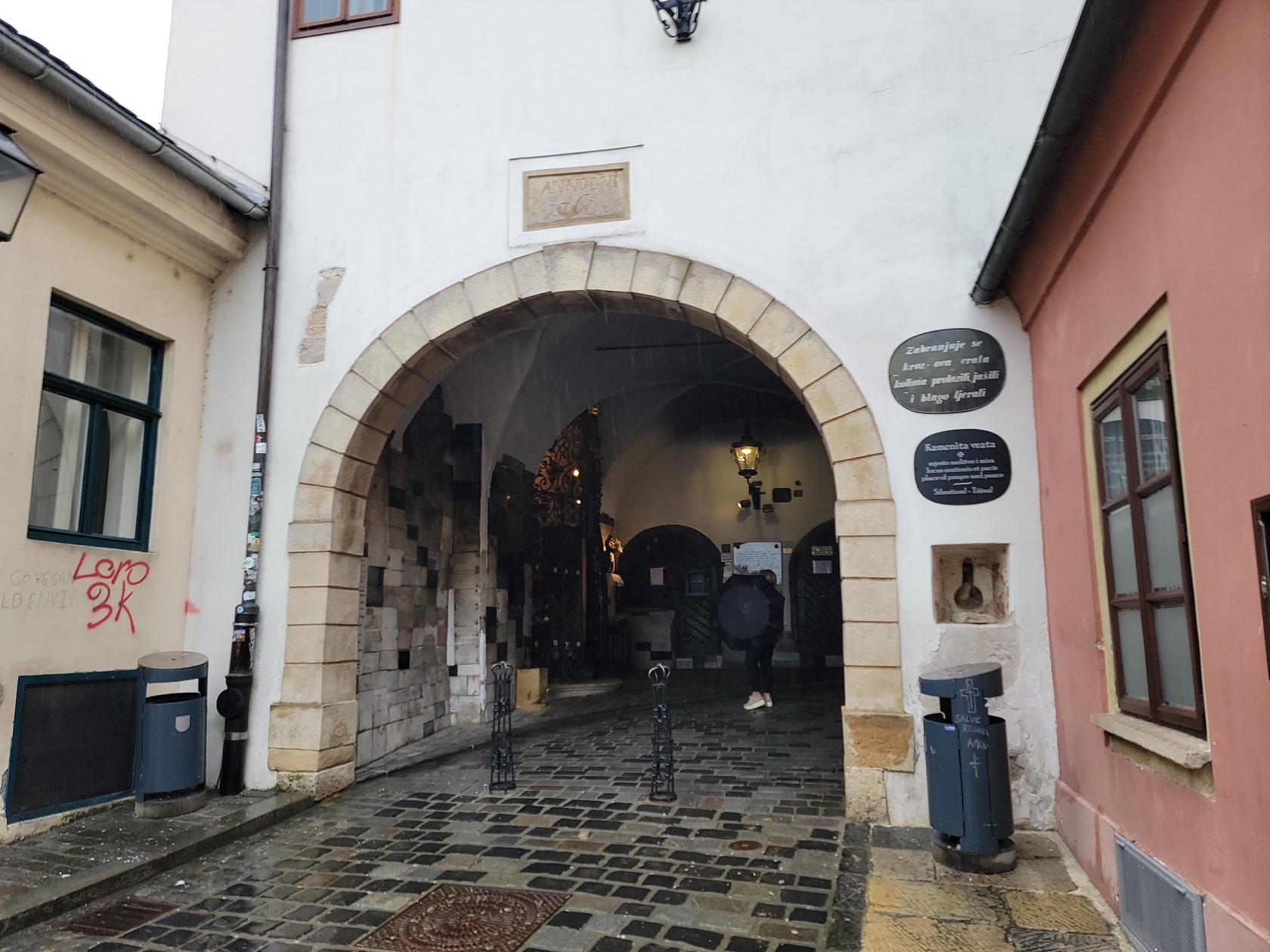
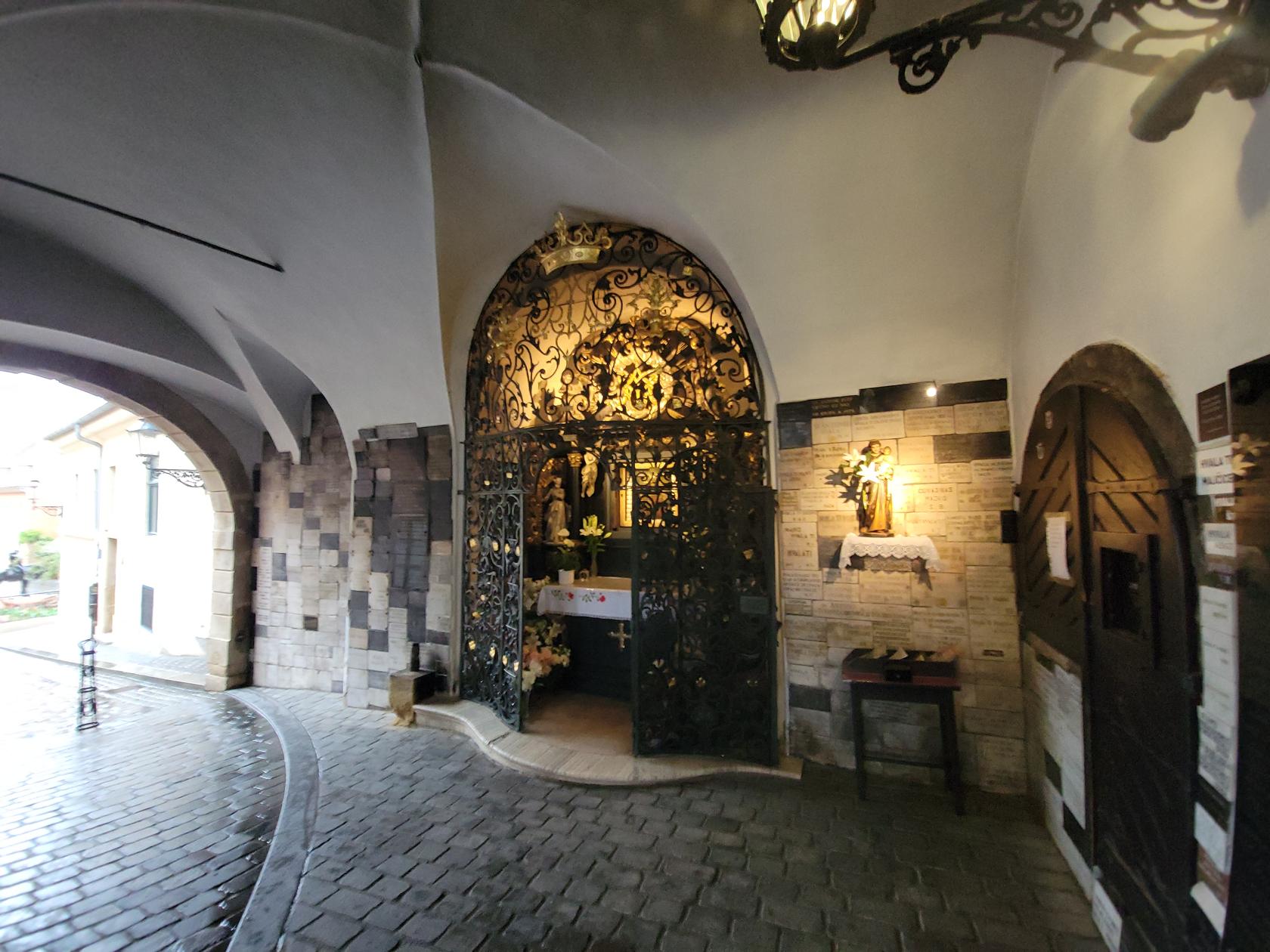
One of the entrances to Gradec is via the Stone Gate. It is adorned by a statue of Saint George before you get there and actually contains a small chapel.
Pavla Radica Street – Zagreb, Croatia
Saint George Statue – Pavla Radica Street – Zagreb, Croatia
Saint George Statue and Stone Gate – Pavla Radica Street – Zagreb, Croatia
Stone Gate – Zagreb, Croatia
Church of the Visitation of the Blessed Virgin Mary – Zagreb, Croatia
Church of the Visitation of the Blessed Virgin Mary – Zagreb, Croatia
Saint Mark’s Church
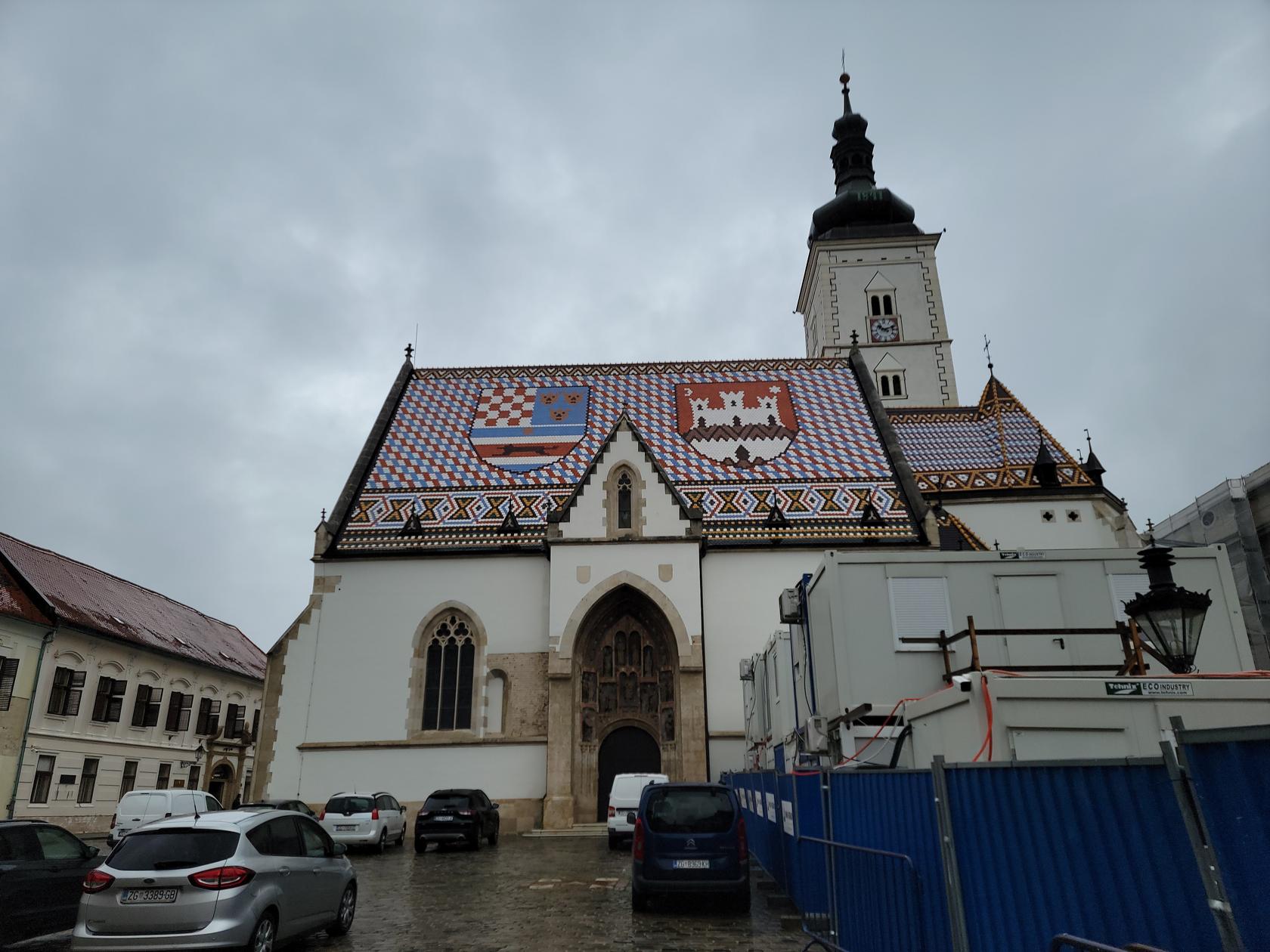
The most prominent structure here is Saint Mark’s Church. Noted for its polychrome roof tiles depicting the coats of arms of Croatia and Zagreb, it is a beautiful to see. Again, like other structures in the area, it too was damaged by the earthquake and was still undergoing renovations at the time of our visit. Therefore, we were unable to go inside or even get up close to its facade.
Church of Saint Mark – Zagreb, Croatia
Observation Tower
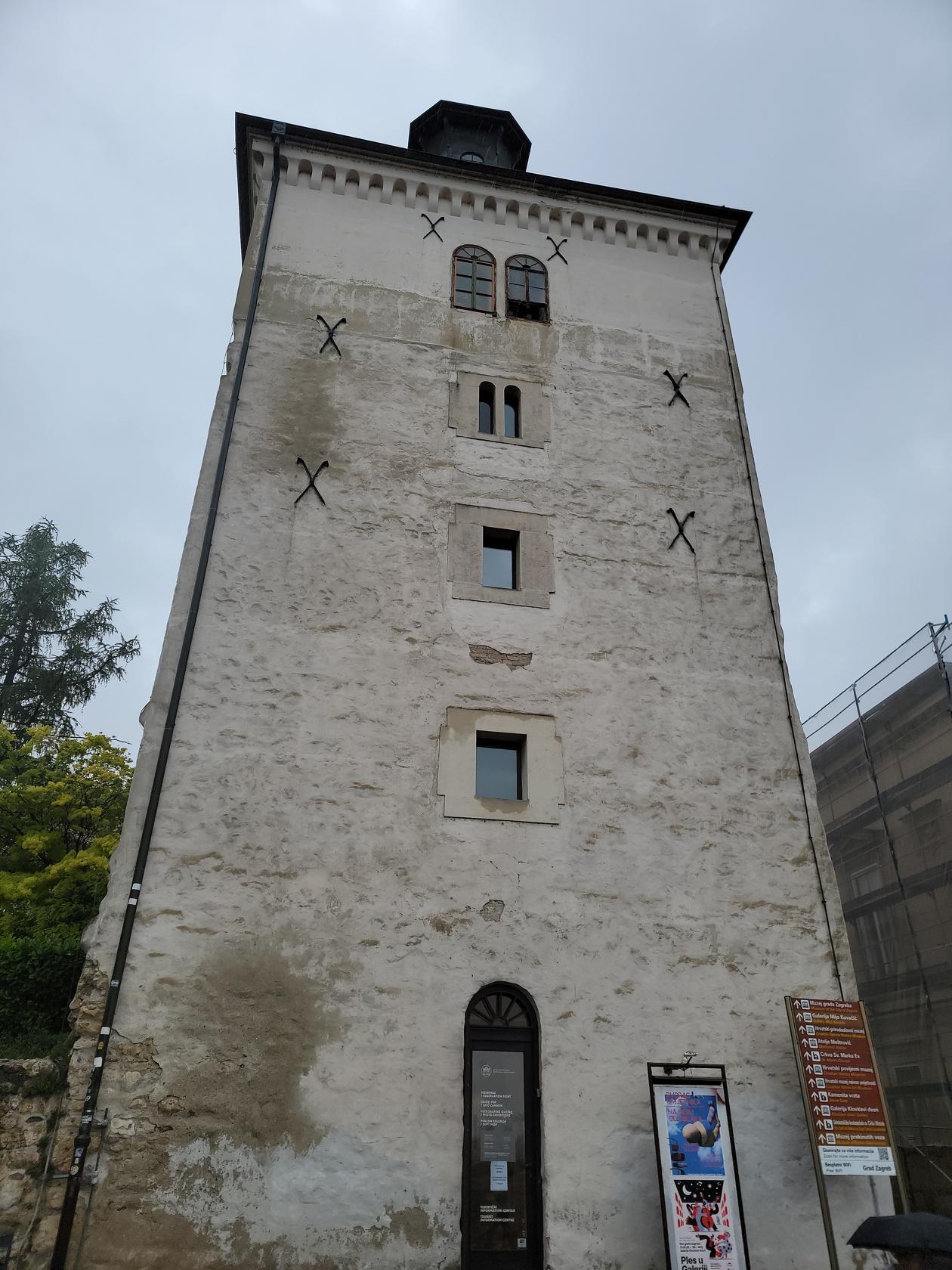
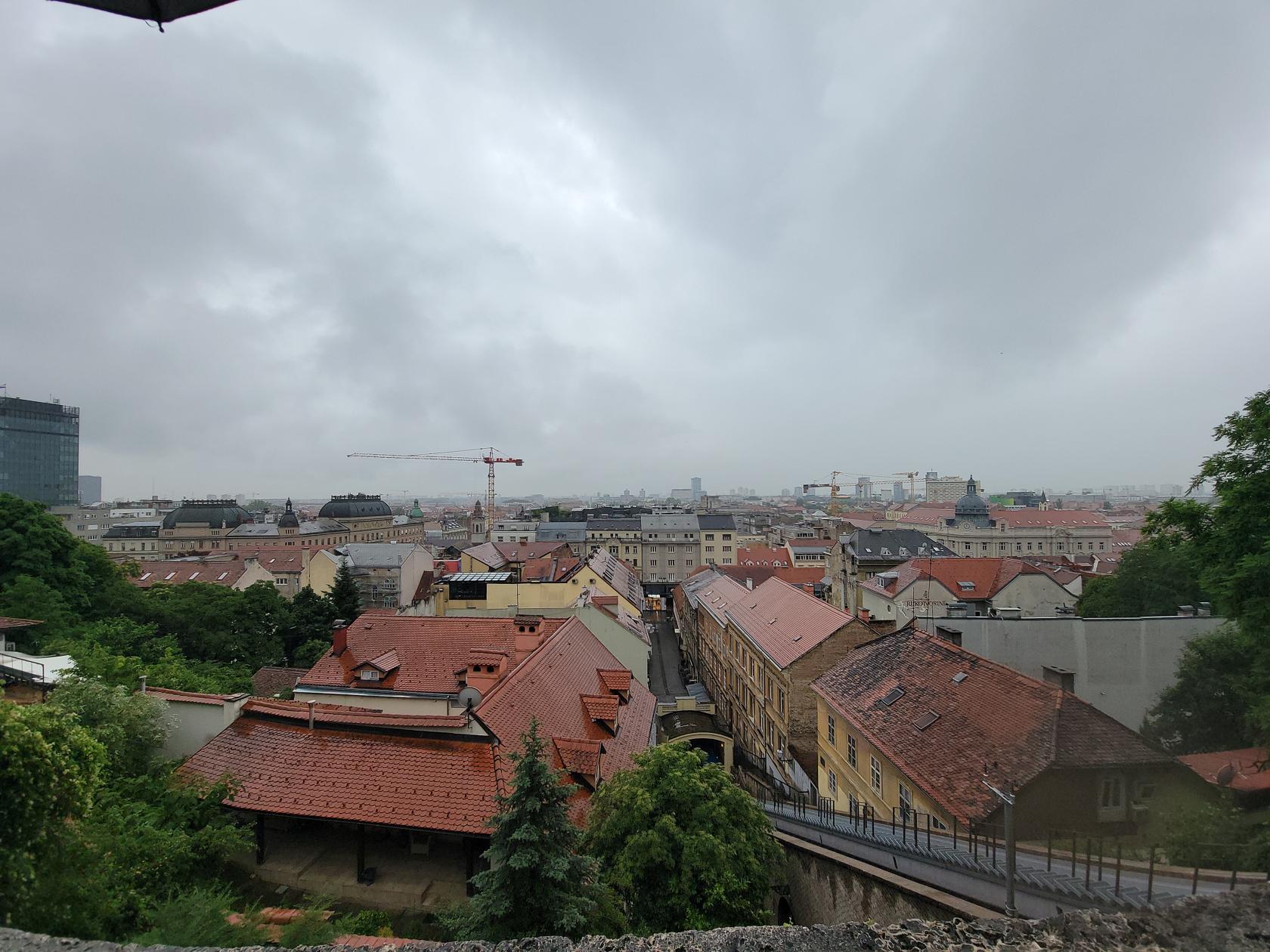
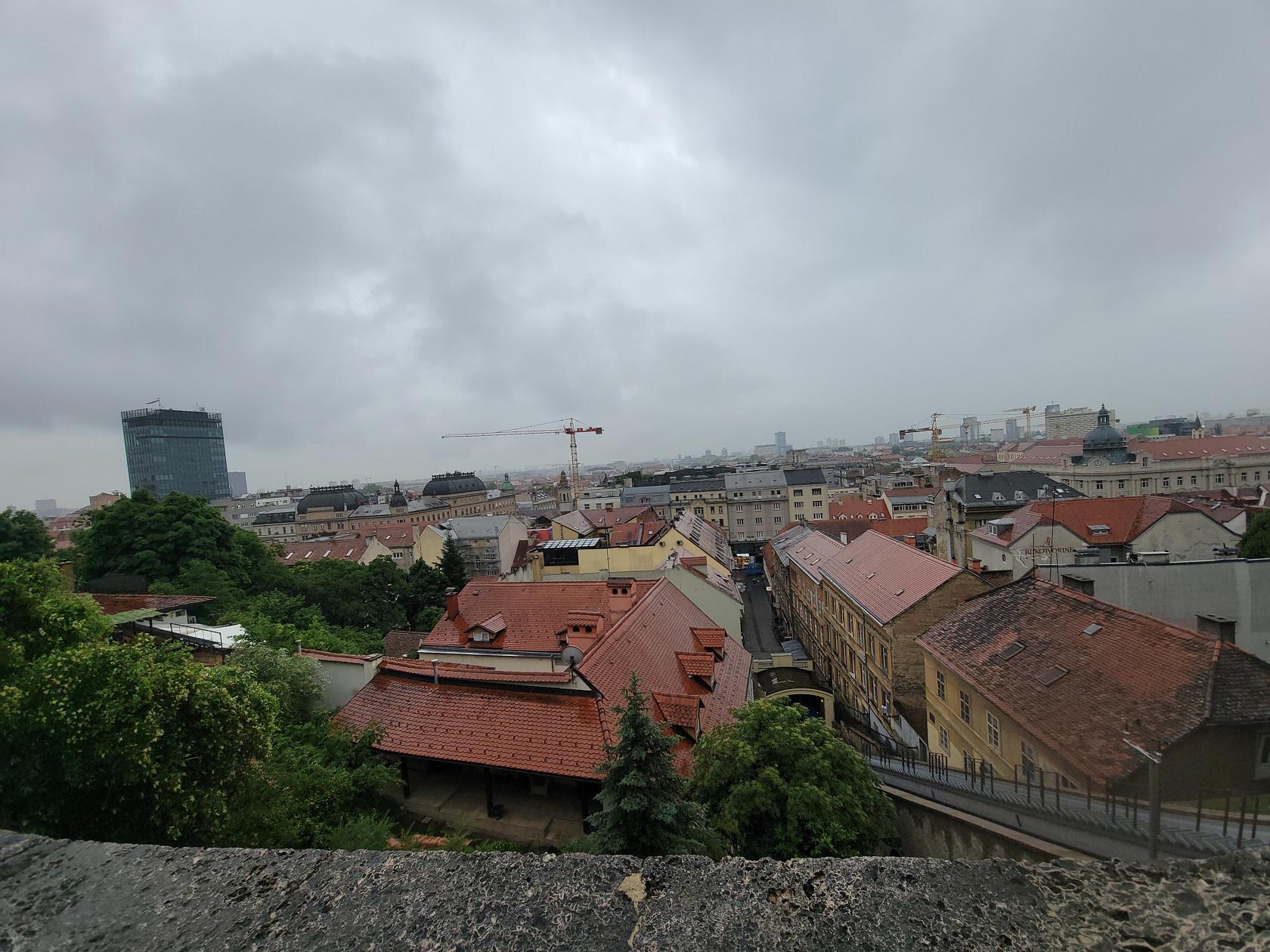
The Observation Tower, or Lotrščak Tower, can be found near Saint Mark’s Church in Gradec. It is right next to the Furnicular station to Lower Zagreb and can be ascended for a modest fee. We chose not to, since the weather was terrible and it was raining and overcast.
Lotrscak Tower – Zagreb, Croatia
Overview of Lower City and Furnicular – Zagreb, Croatia
Overview of Lower City and Furnicular – Zagreb, Croatia
Tunel Grič
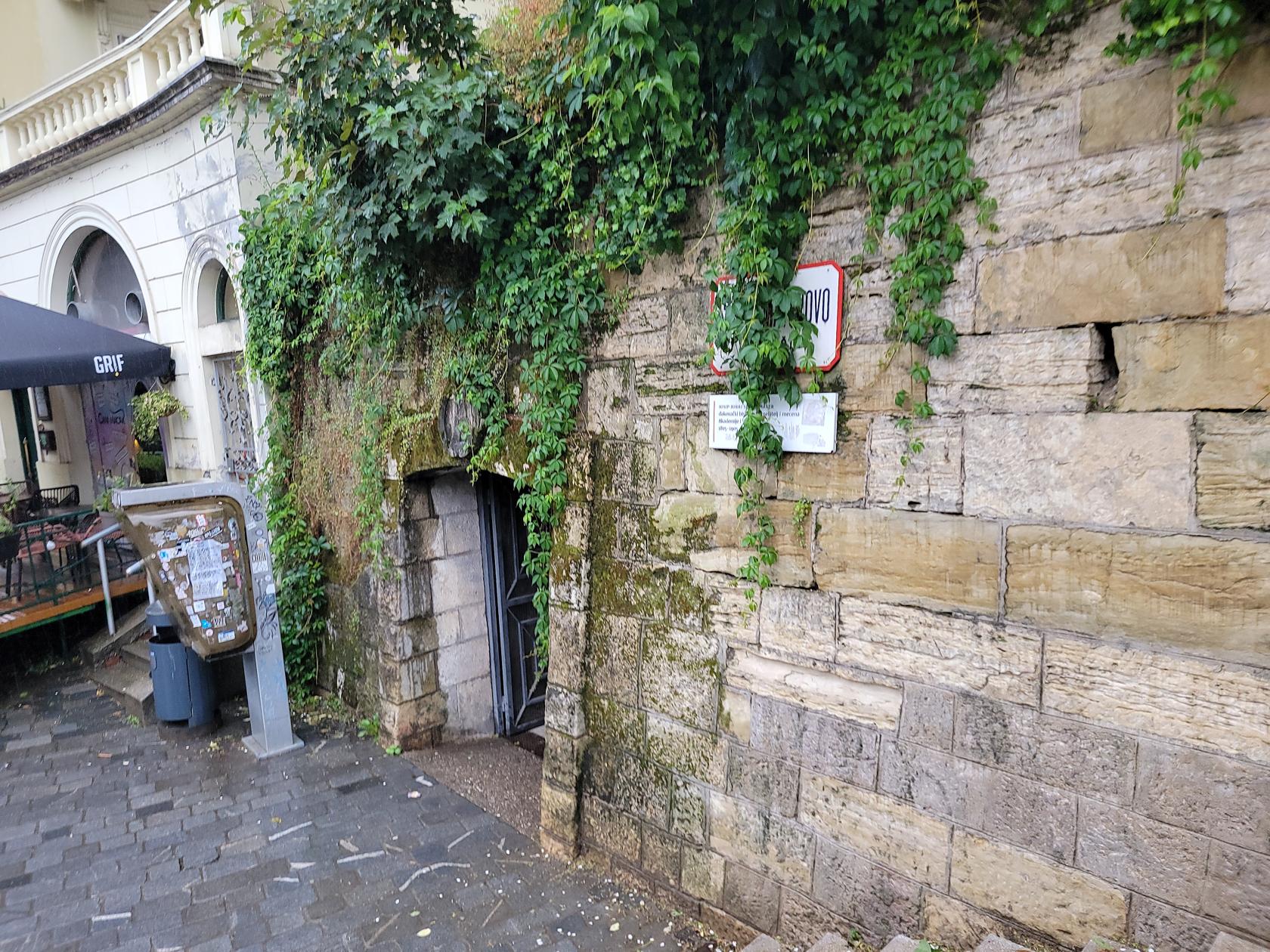
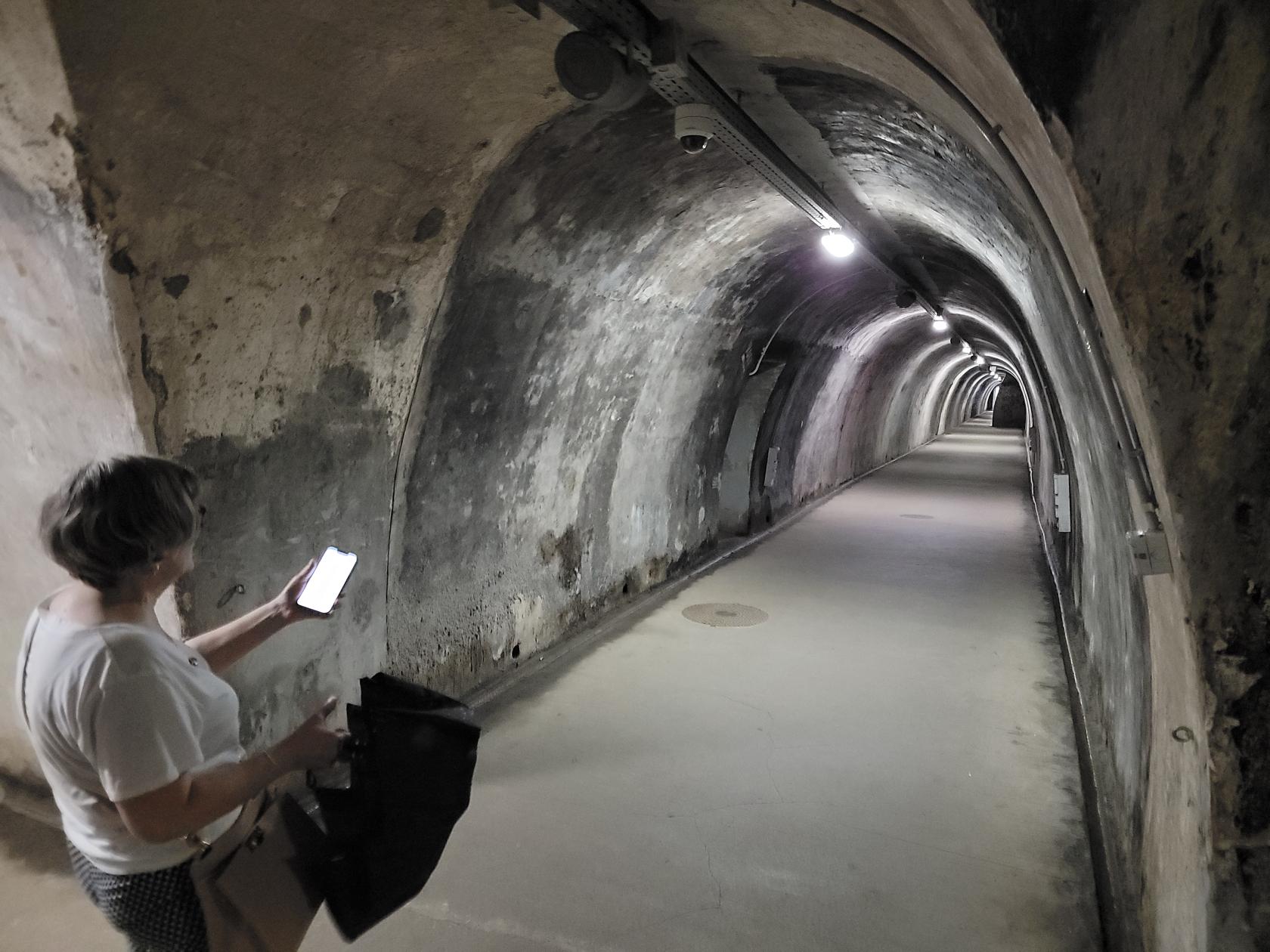
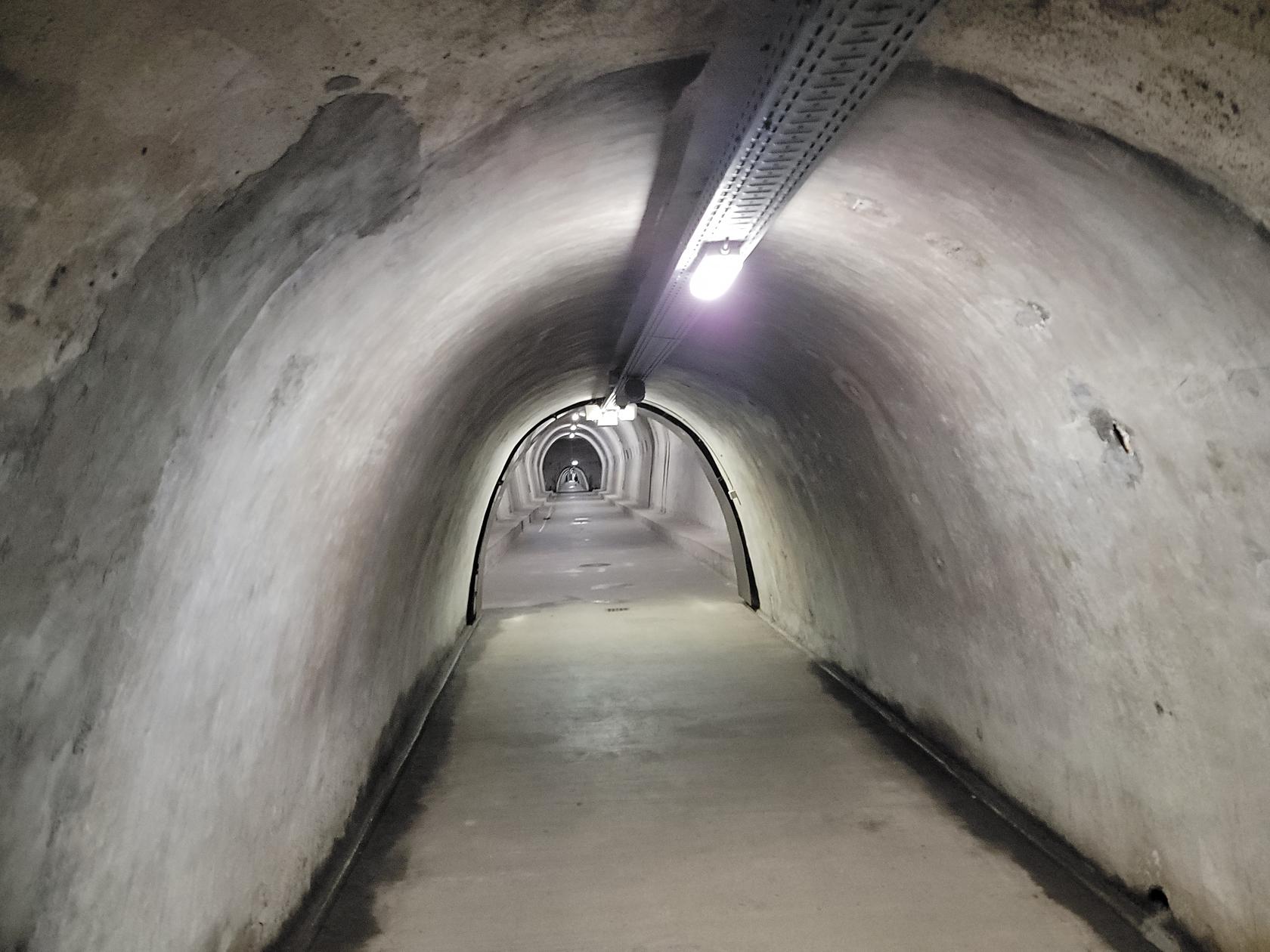
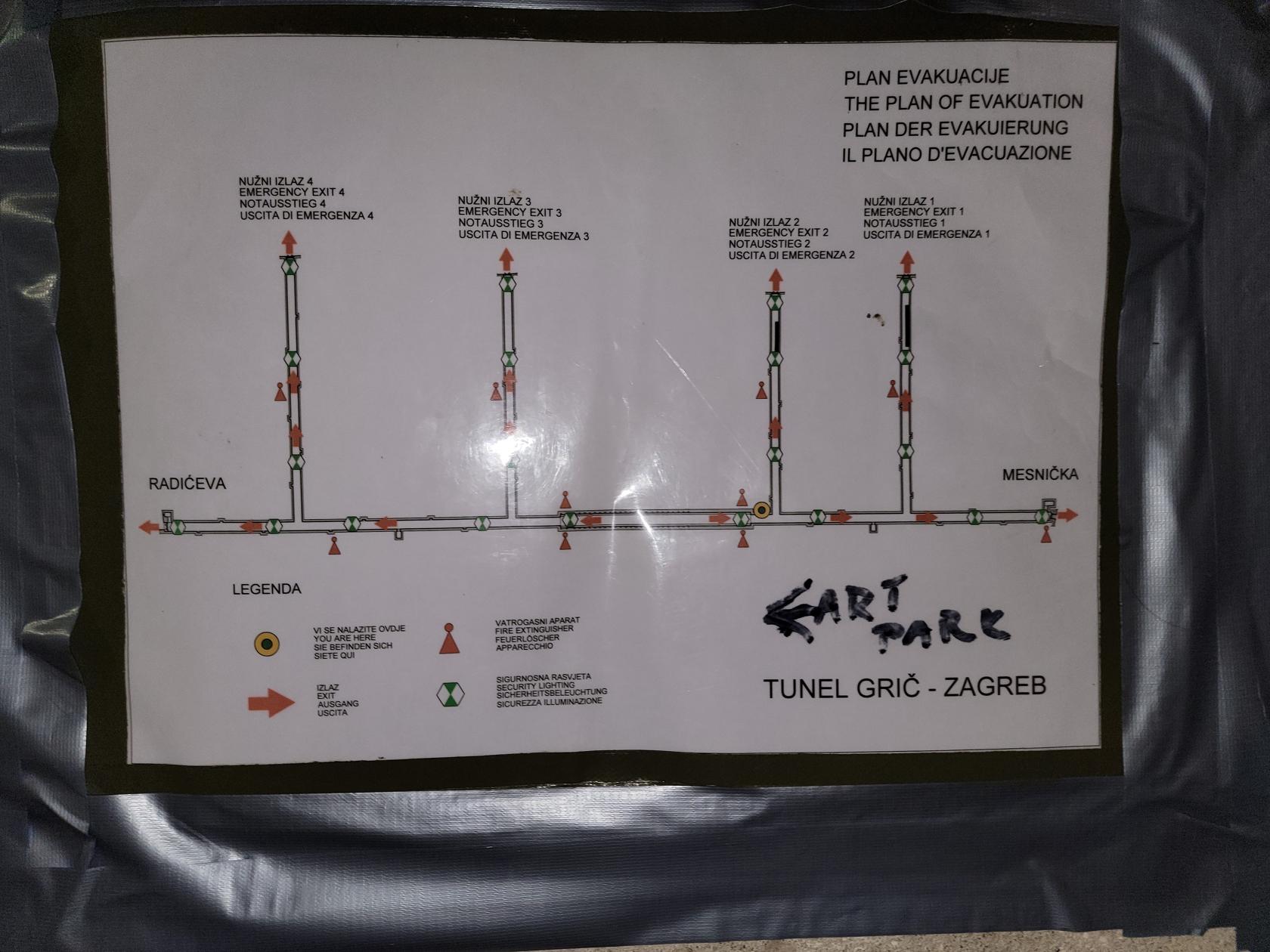
Built during World War II as a bomb shelter, the Tunel Grič, or Gric Tunnel is commonly used as a pedestrian path now, even though several sections of it are in disrepair and no longer used. The main section spans about a quarter of a mile an connects western side of Gradec with the eastern side on Pavla Radica street.
Entrance to Gric Tunnel – Strossmayer Park – Zagreb, Croatia
Gric Tunnel – Zagreb, Croatia
Gric Tunnel – Zagreb, Croatia
Gric Tunnel – Zagreb, Croatia
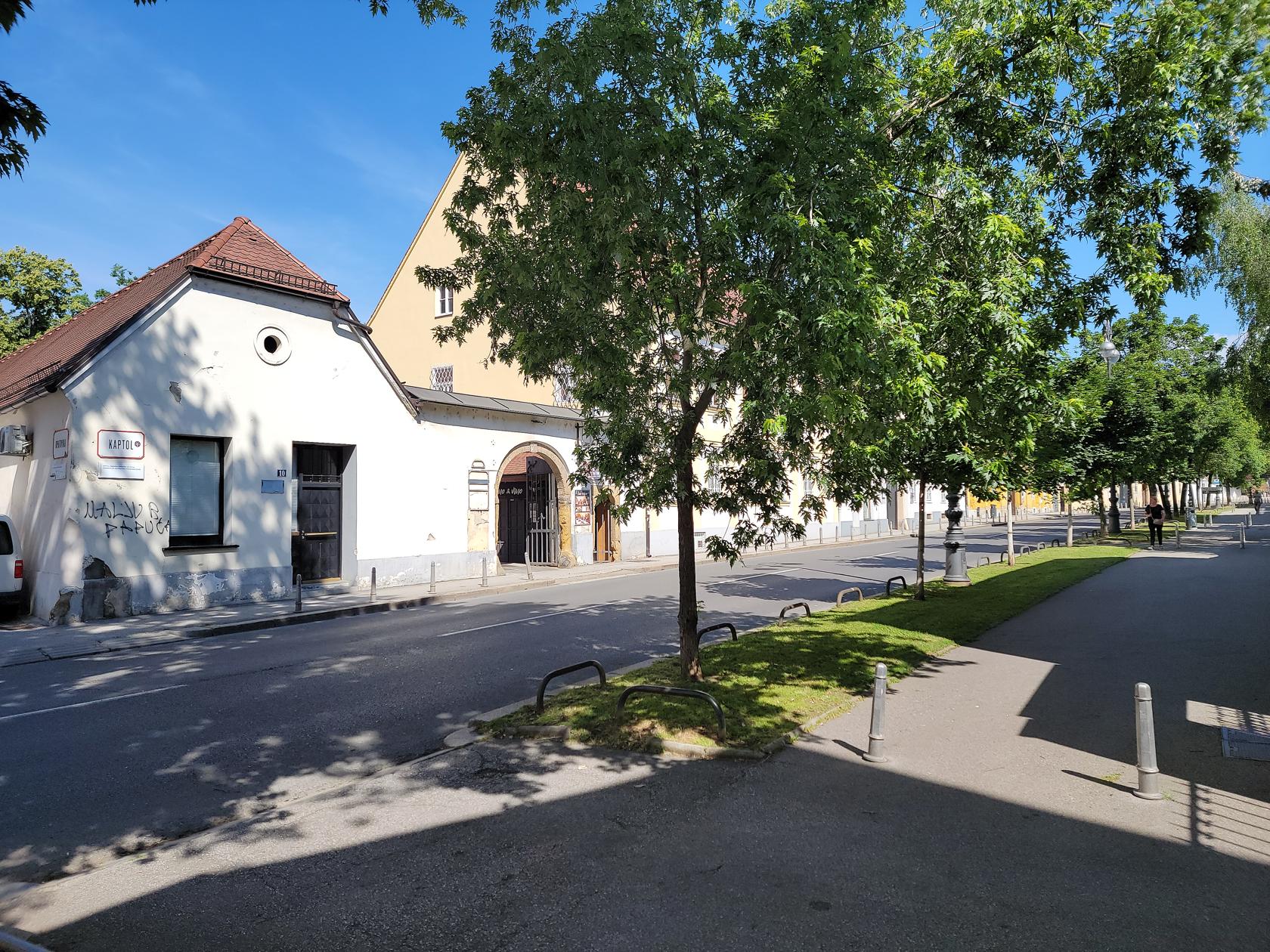
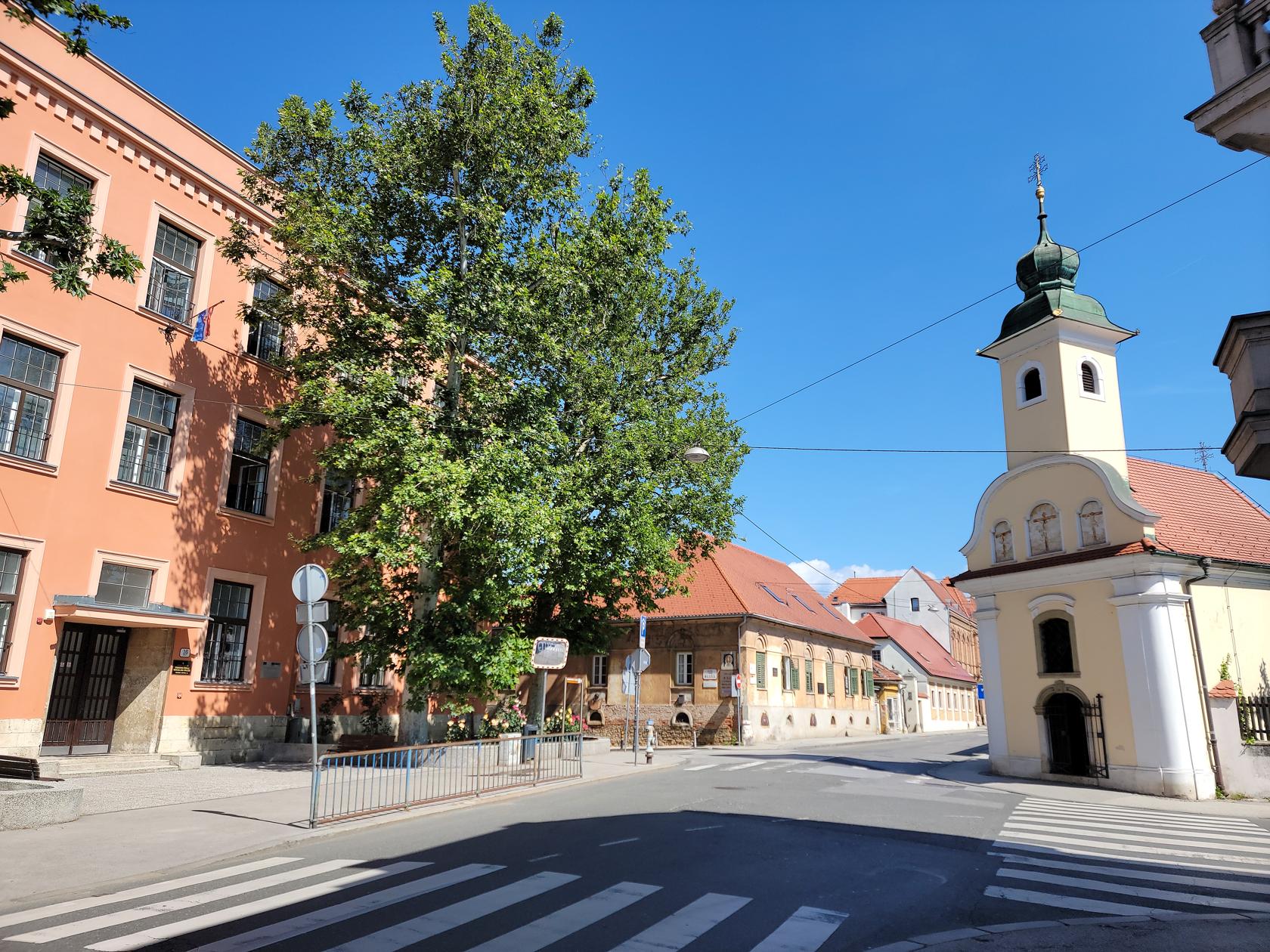
Kaptol
Even today it appears that most of the real estate here is consigned to the Roman Catholic clergy in one form or another. It is here where you will find the Cathedral of Zagreb, the seat of arch bishop.
Monument to Kumica Barica – Zagreb, Croatia
Dome of the Church of the Visitation of the Blessed Virgin Mary – Zagreb, Croatia
Cafes and Bars – Zagreb, Croatia
Typical Side Street – Zagreb, Croatia
Walking in Kaptol – Zagreb, Croatia
Old Building – Zagreb, Croatia
Walking the Kaptol street is very relaxing. All of Zagreb is rather well cared for in one repect or another, but this area even more so with its beautiful buildings and well maintained park, the Ribnjak Park.
Kaptol – Zagreb, Croatia
Kaptol – Zagreb, Croatia
Small Catholic Chapel – Kaptol – Zagreb, Croatia
Ribnjak Park – Kaptol – Zagreb, Croatia
Zagreb Cathedral
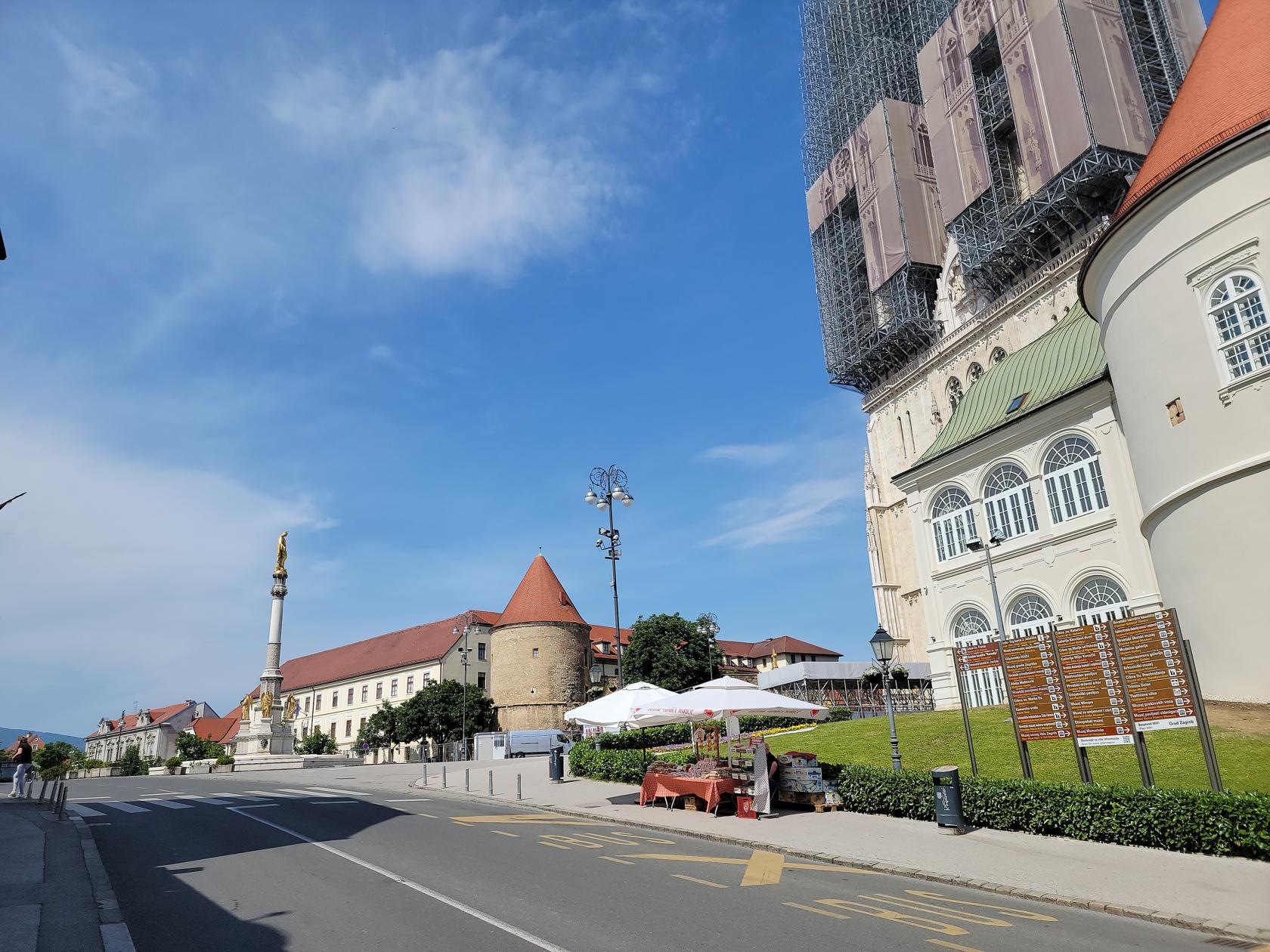
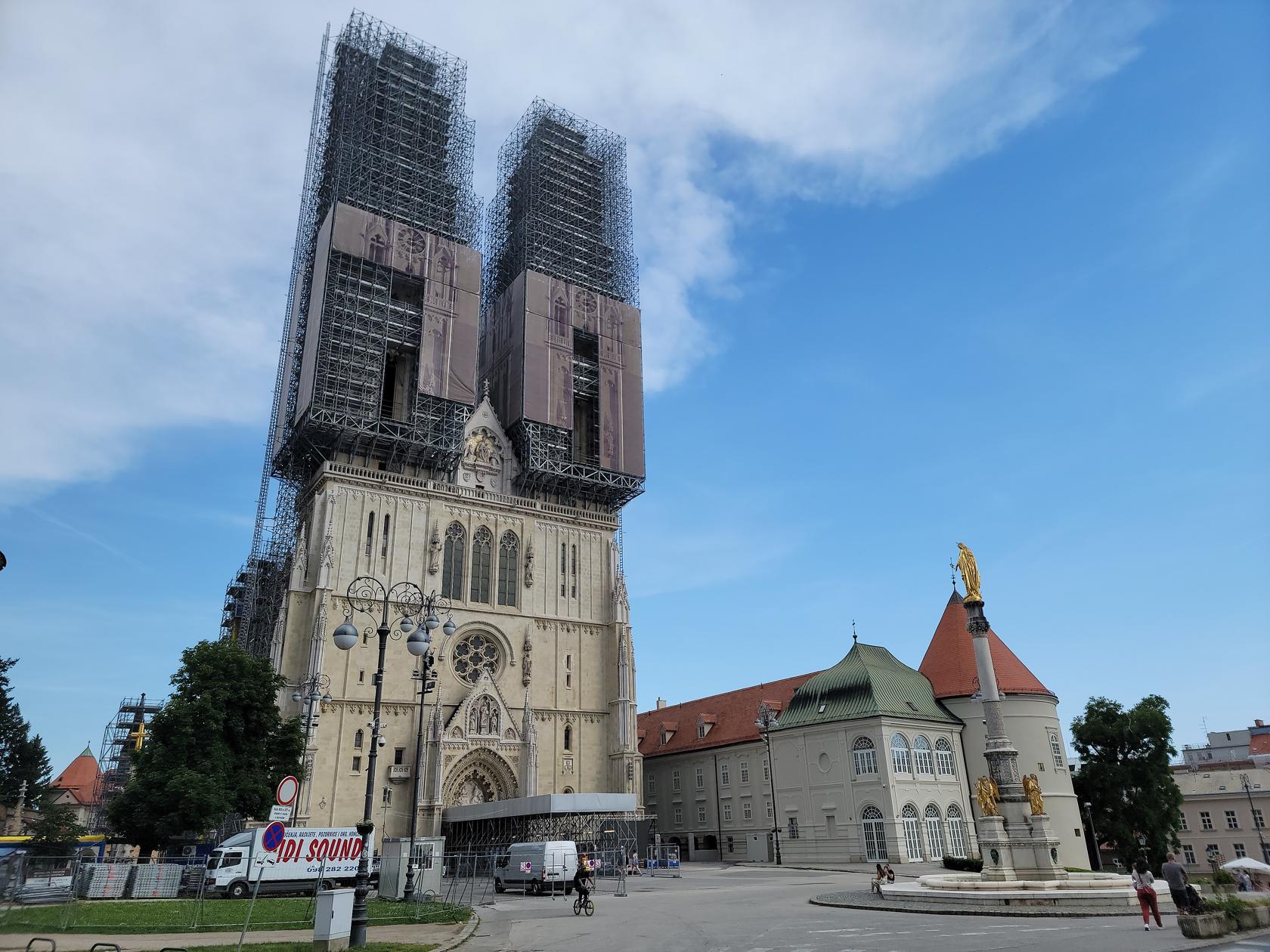
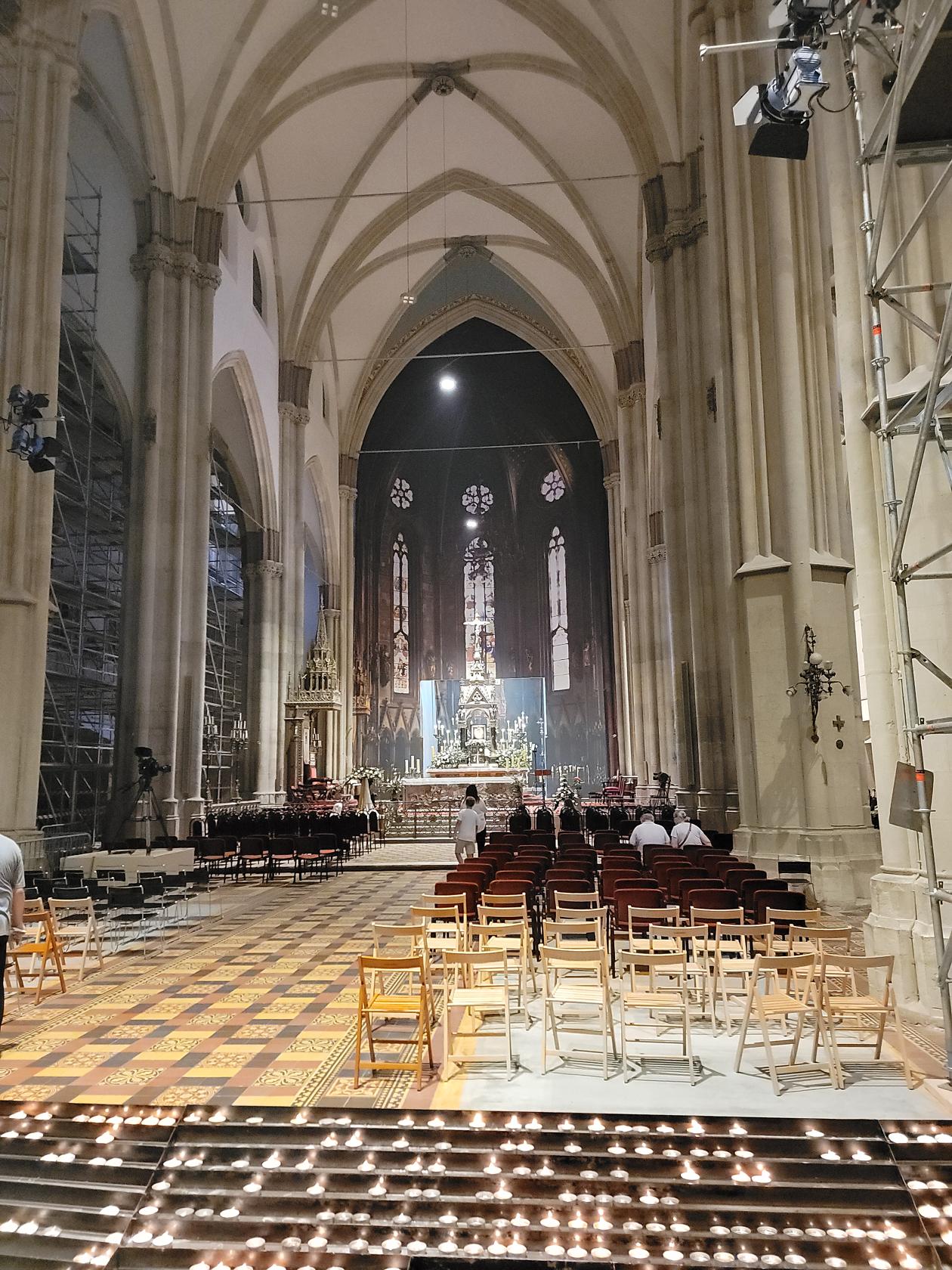
An enormous and the most prominent building in Kaptol is the Zagreb Cathedral. It is the second tallest building in Croatia and is surrounded by the Kaptol Fortress. Unfortunately at this writing, it was undergoing heavy reconstruction after the 2020 Earthquake., where most of its facade and interior are shrouded in construction scaffolding and screens.
Coming up to the Cathedral – Kaptol – Zagreb, Croatia
Zagreb Cathedral – Kaptol – Zagreb, Croatia
The southern spire had snapped off during the quake and crashed onto one of the adjacent buildings. The northern spire was later removed because it was leaning and can now be seen alongside the cathedral, waiting for its eventual return.
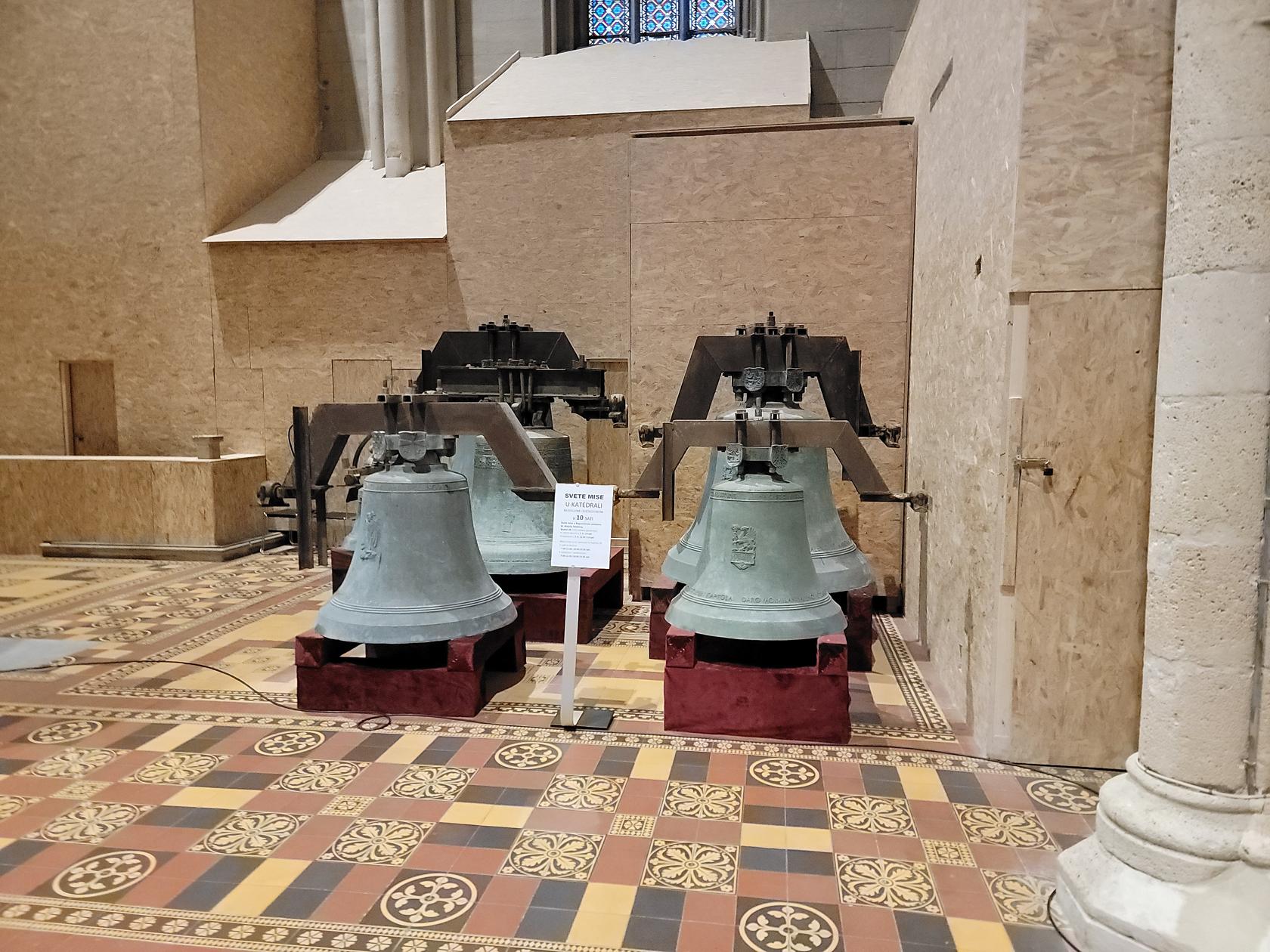
Bells – Zagreb Cathedral – Kaptol – Zagreb, Croatia
Nave – Zagreb Cathedral – Kaptol – Zagreb, Croatia
Restaurants
Gostionica Ficlek
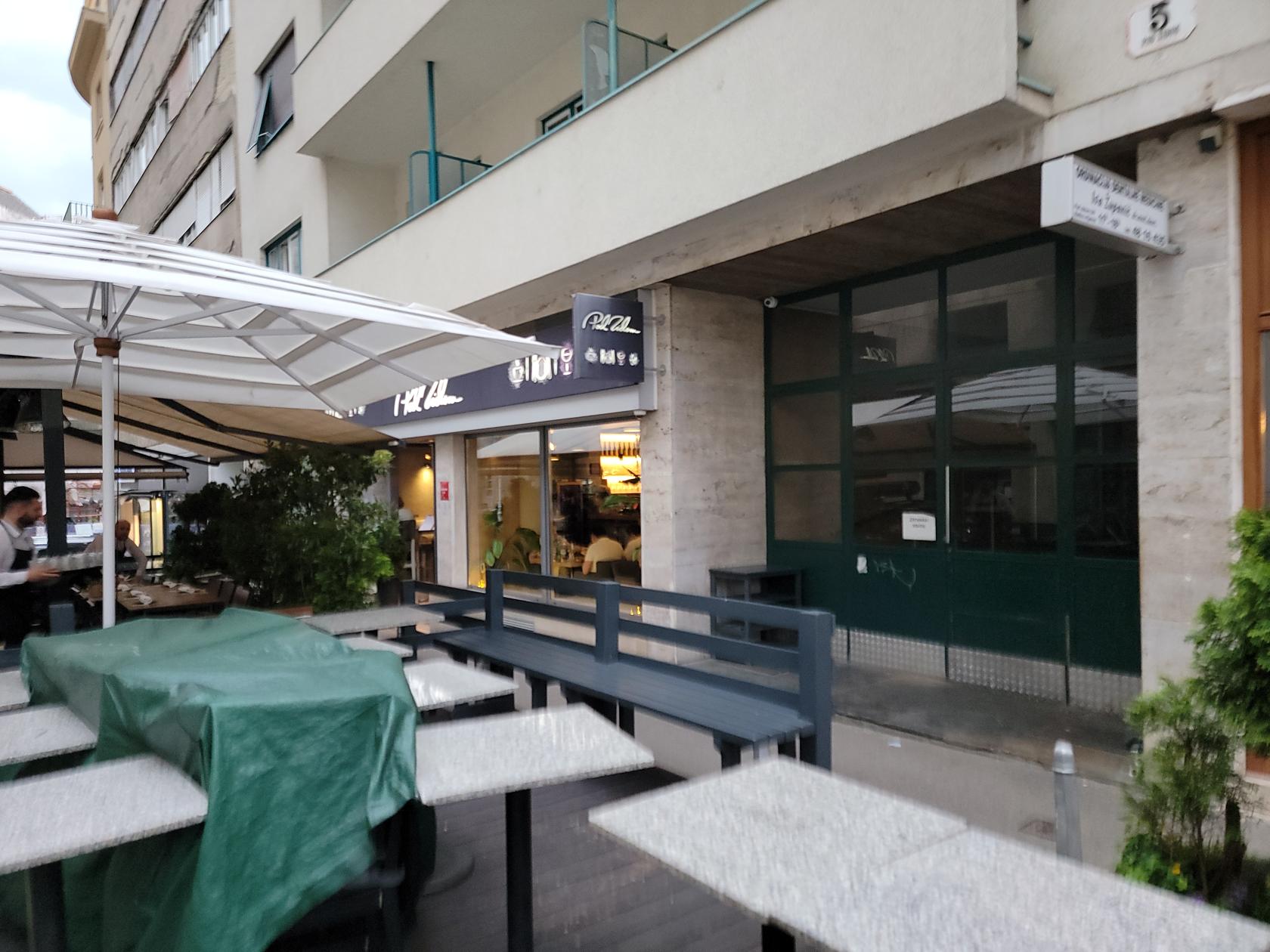
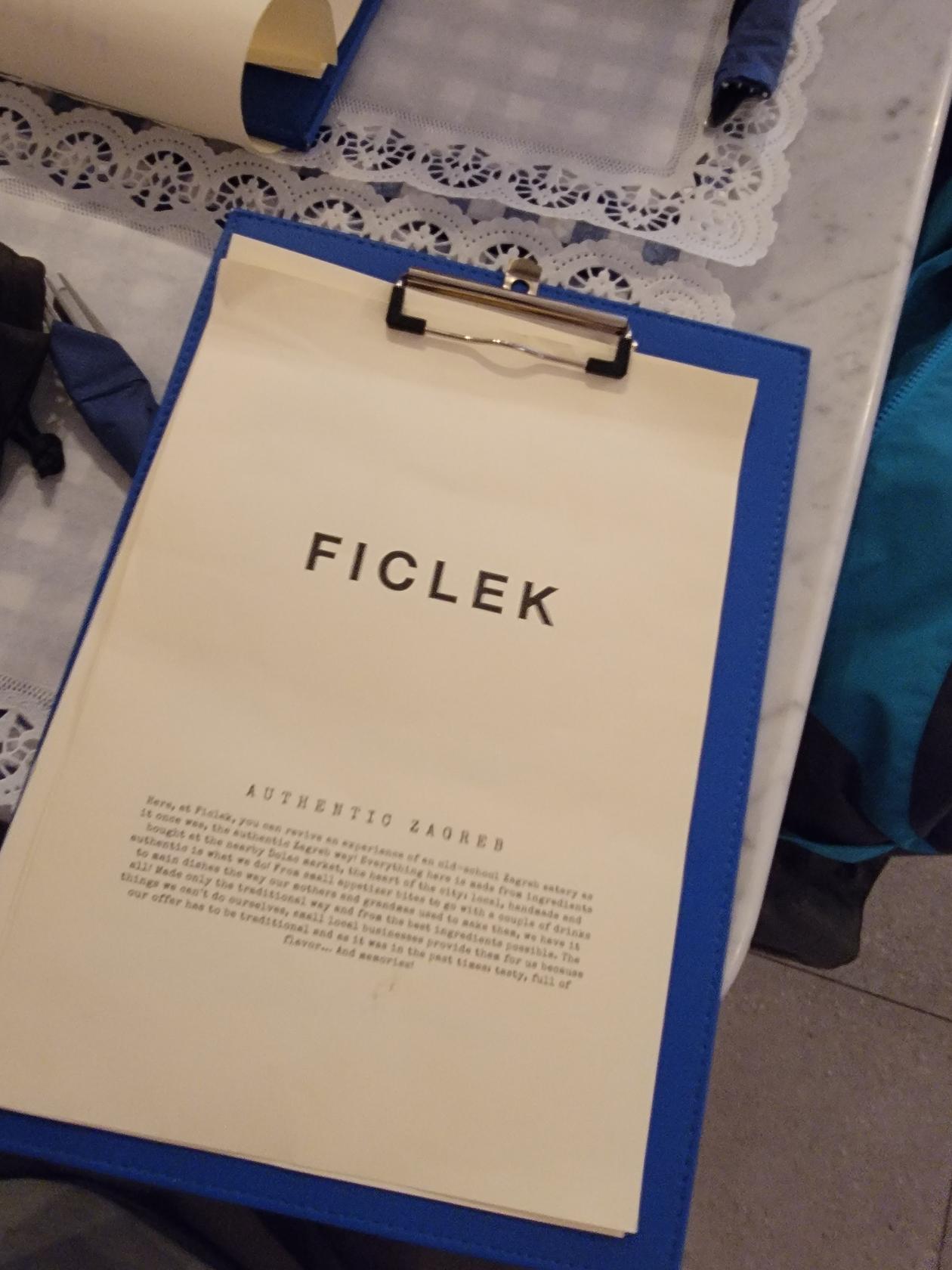
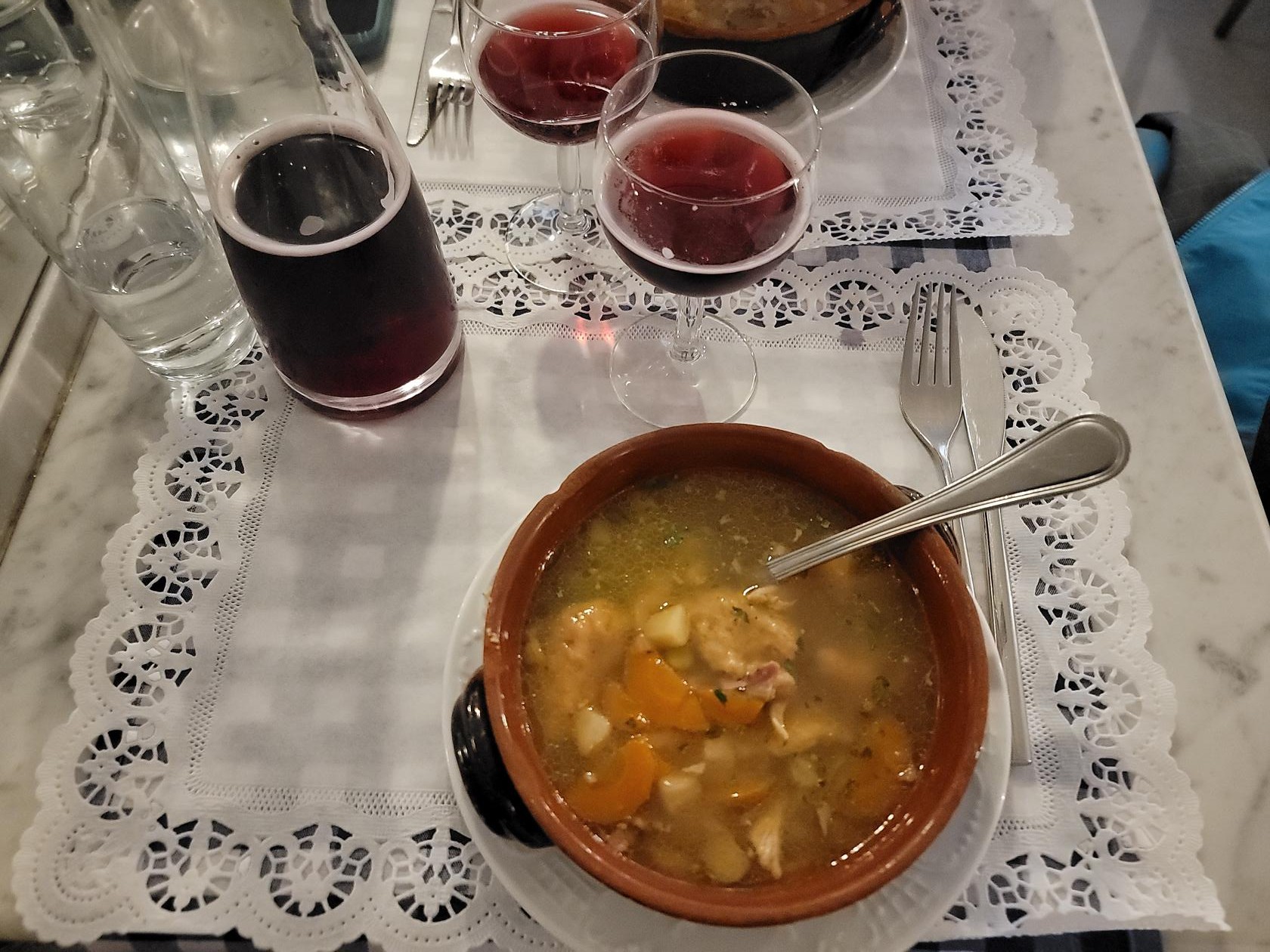
The restaurant Gostionica Ficlek is a good place to enjoy the gastronomy of Croatia and Zagreb. It has a fine collection of tasty treats on its menu that can be tried for a more than reasonable price. The traditional chicken soup tastes like a typical chicken soup, until you notice the dumplings, which just puts it over the top.
Entrance – Ficlek Restaurant – Zagreb, Croatia
Menu – Ficlek Restaurant – Zagreb, Croatia
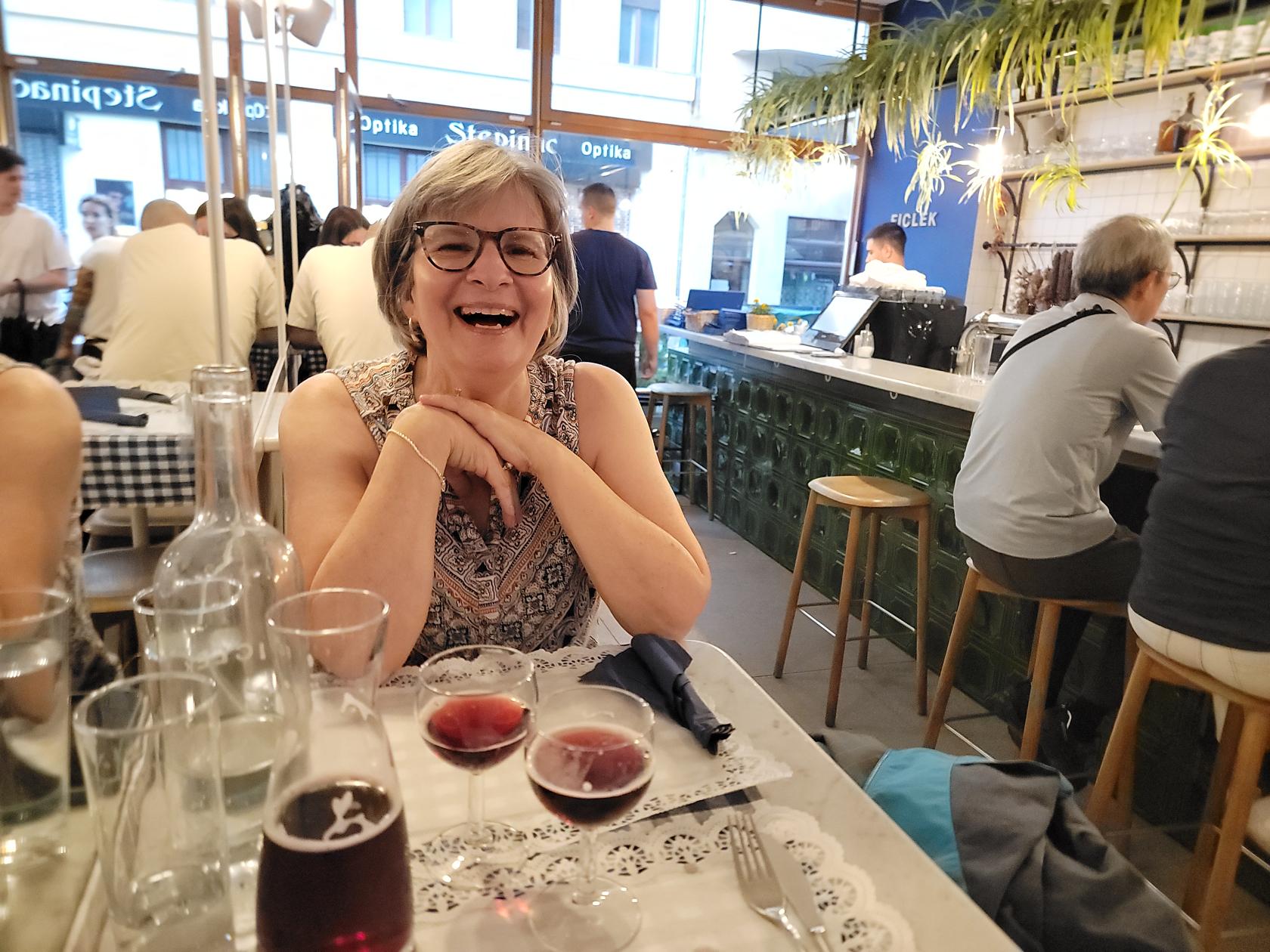
Patti – Ficlek Restaurant – Zagreb, Croatia
Ajngmahtec – Traditional Chicken Soup with Dumplings – Ficlek Restaurant – Zagreb, Croatia
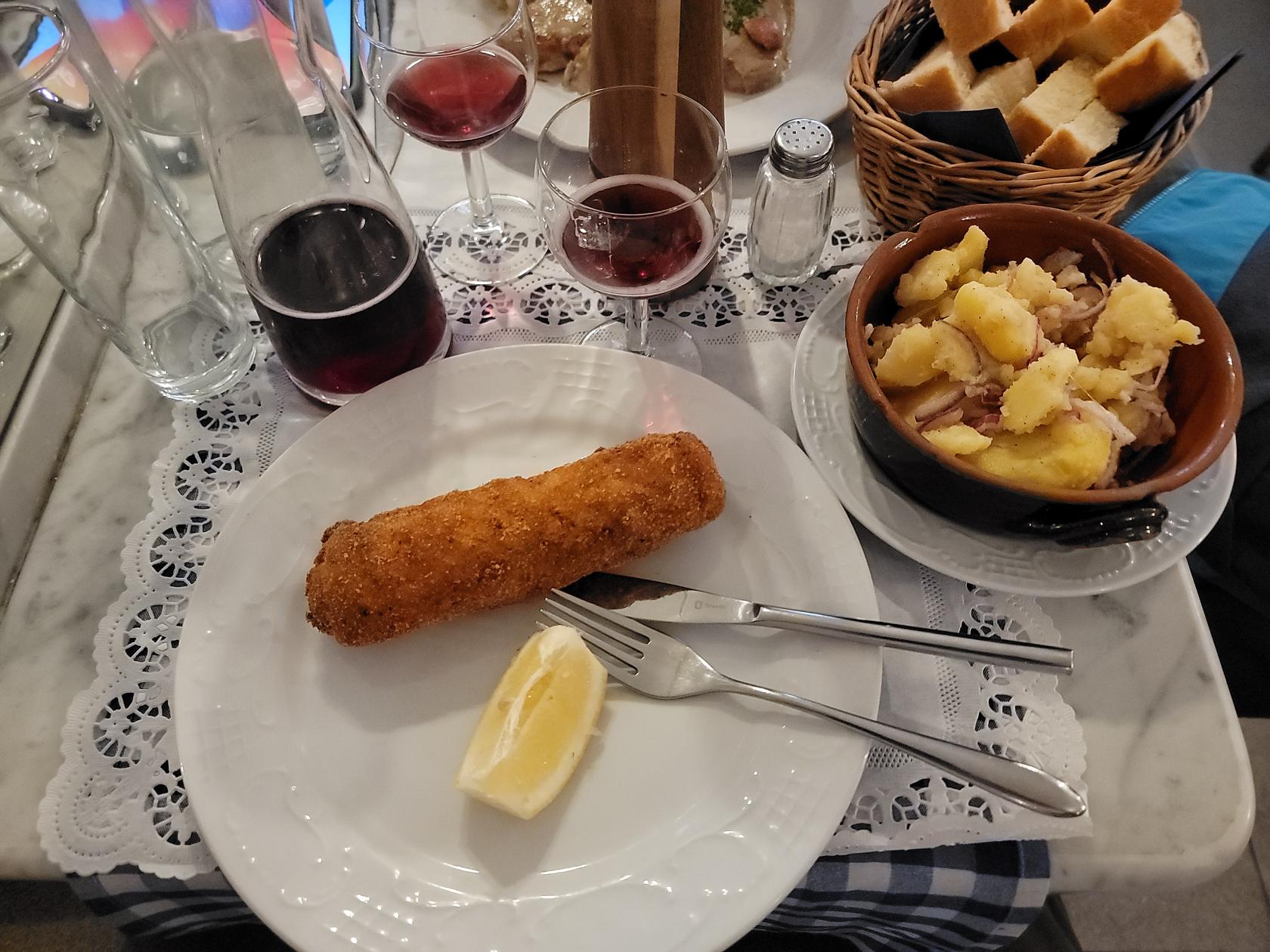
Zagrebački odreyak – Breaded Pork stuffed with Ham and Cheese, Potato Salad – Ficlek Restaurant – Zagreb, Croatia
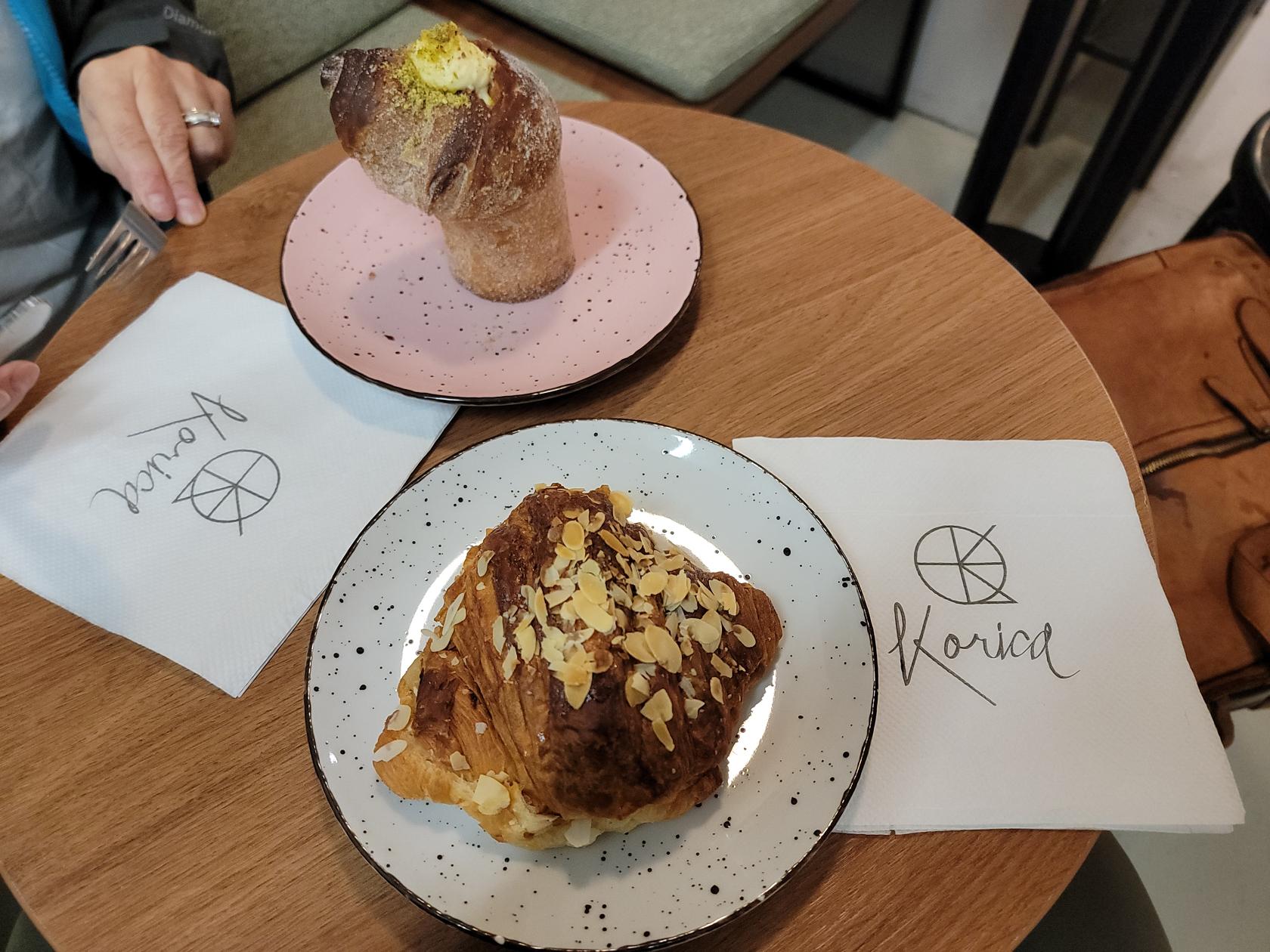
Cruffin with Vanilla Creme and Brioche with Almonds – Korica Cafe – Zagreb, Croatia
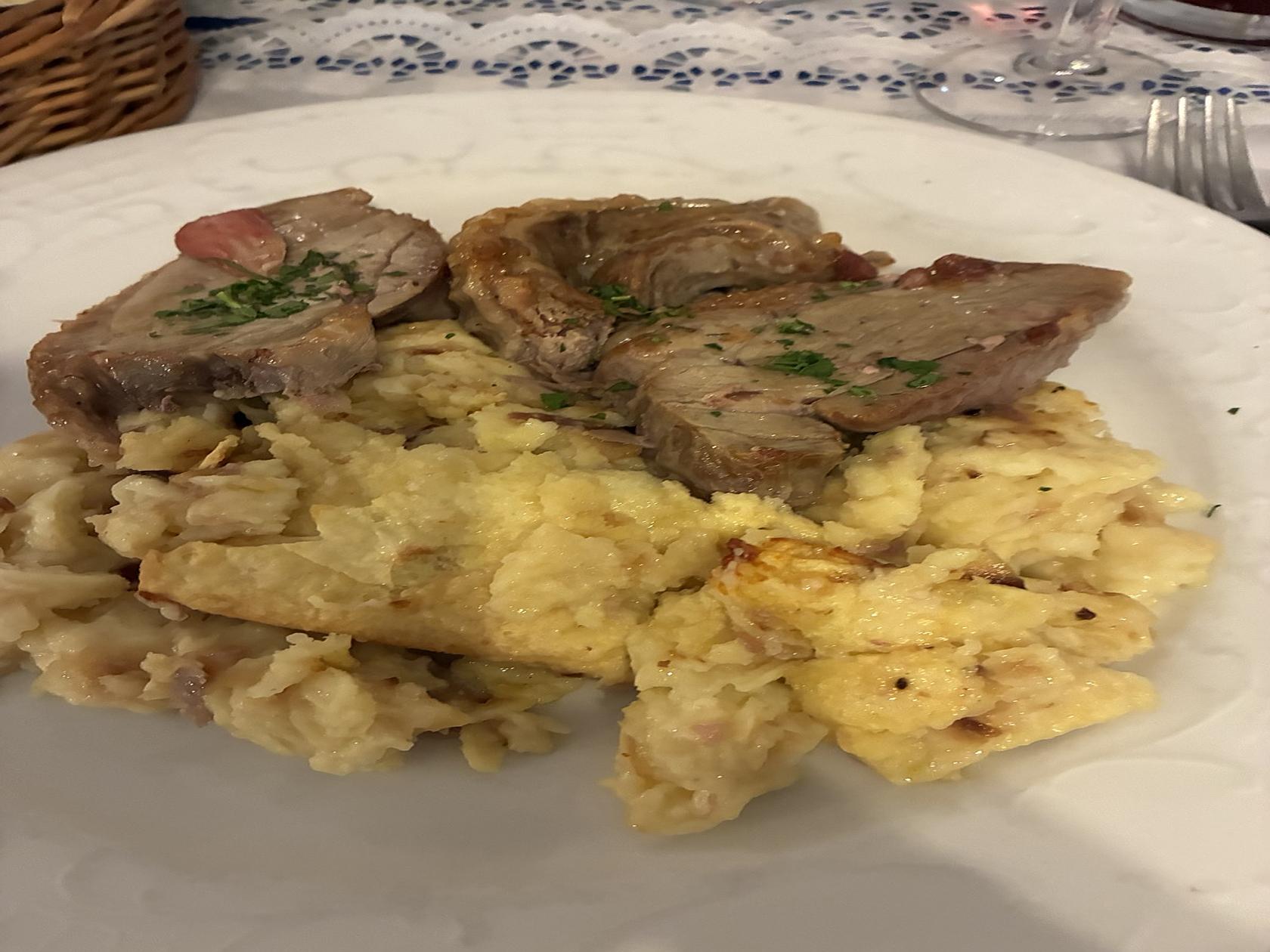
Patti’s Turkey with mlinci – Ficlek Restaurant – Zagreb, Croatia
Heritage Street Food
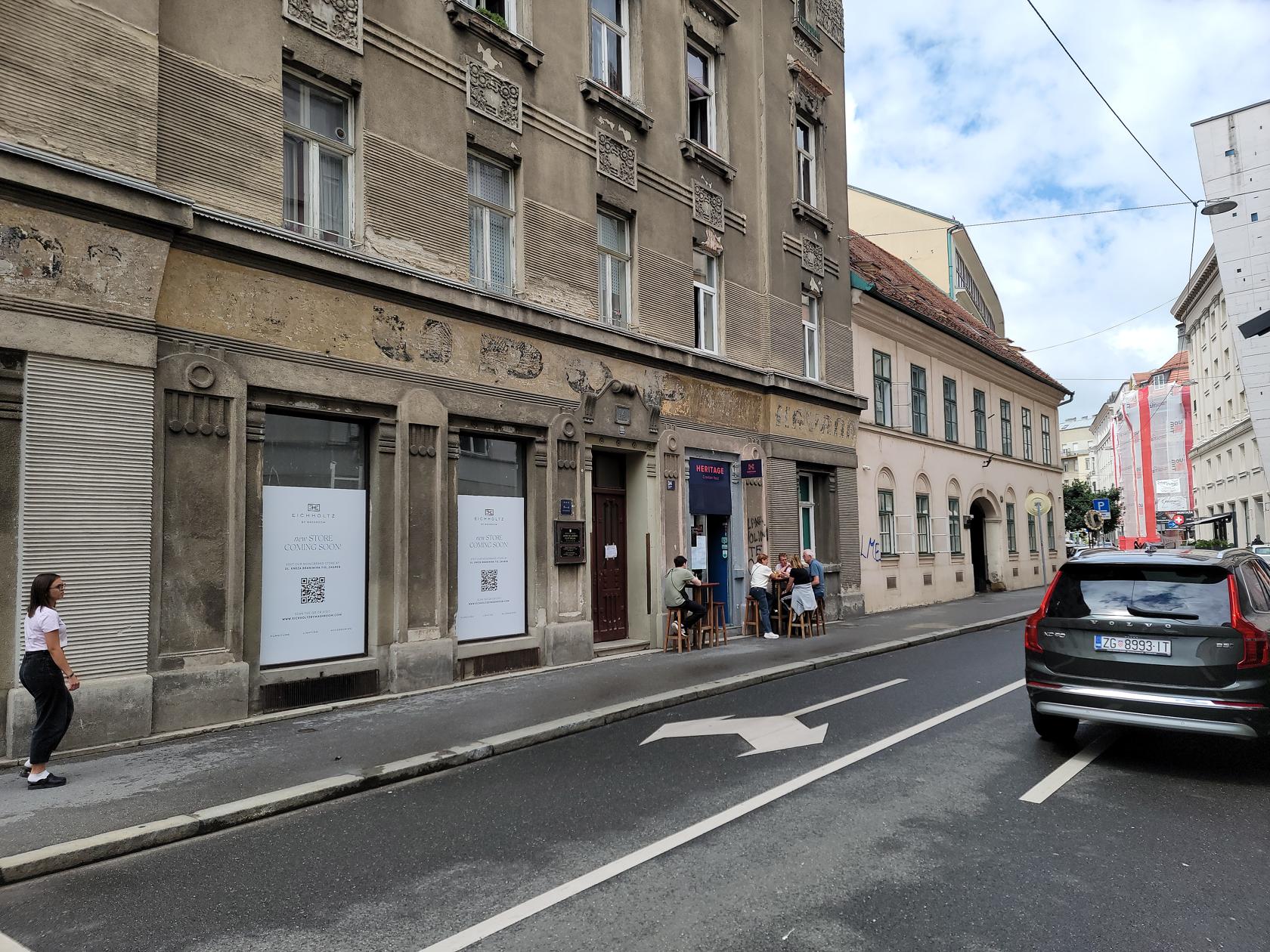
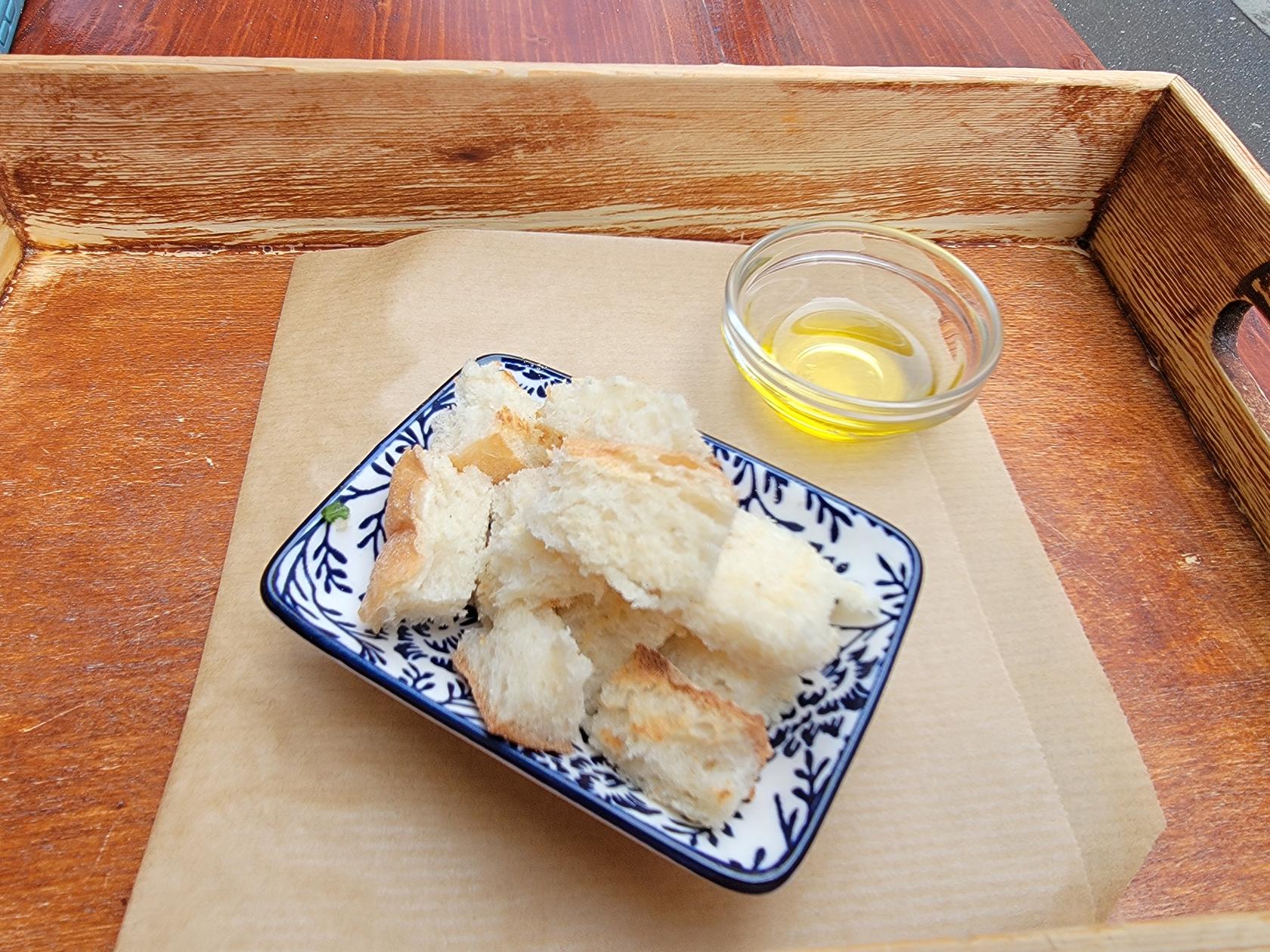
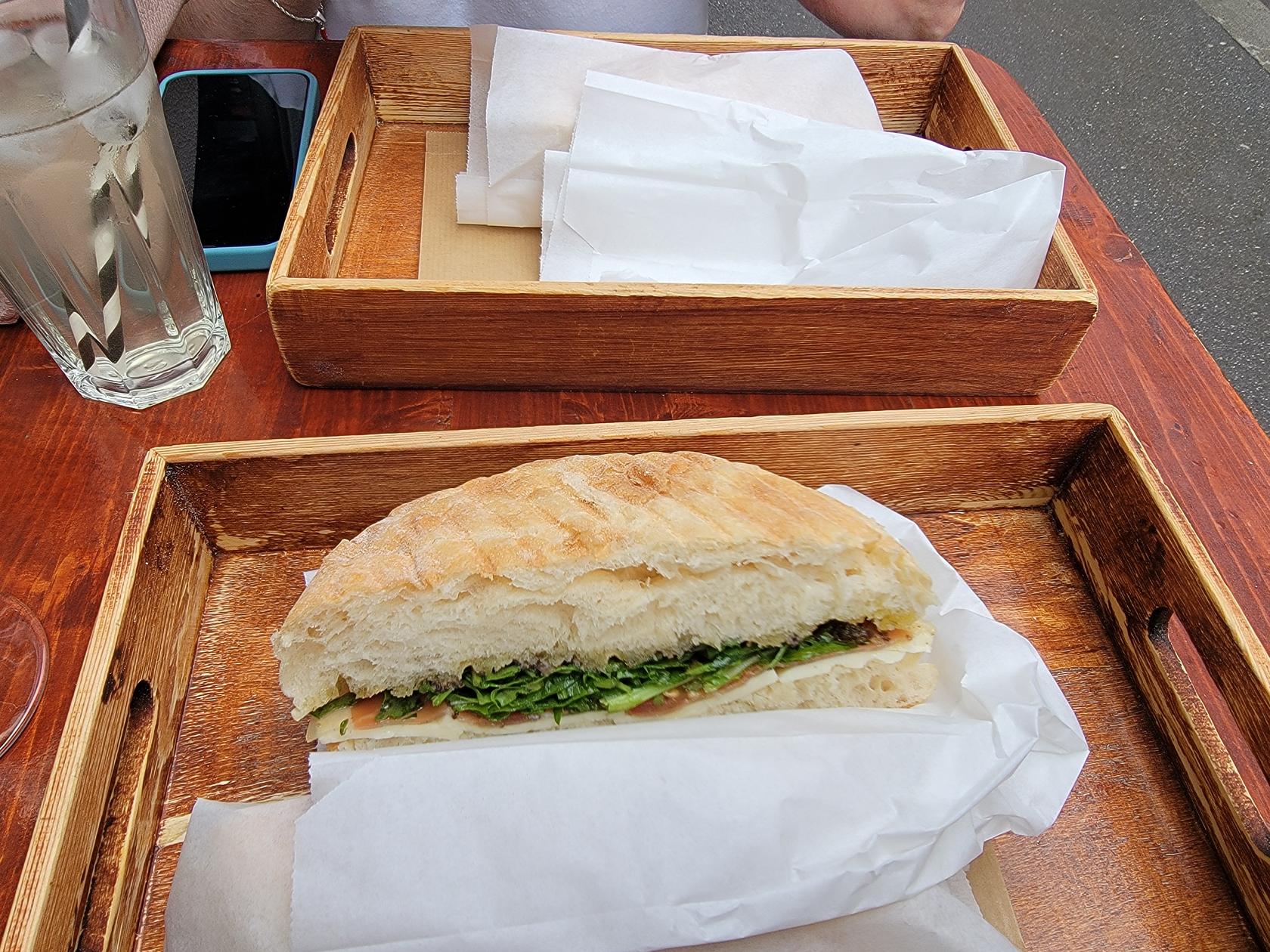
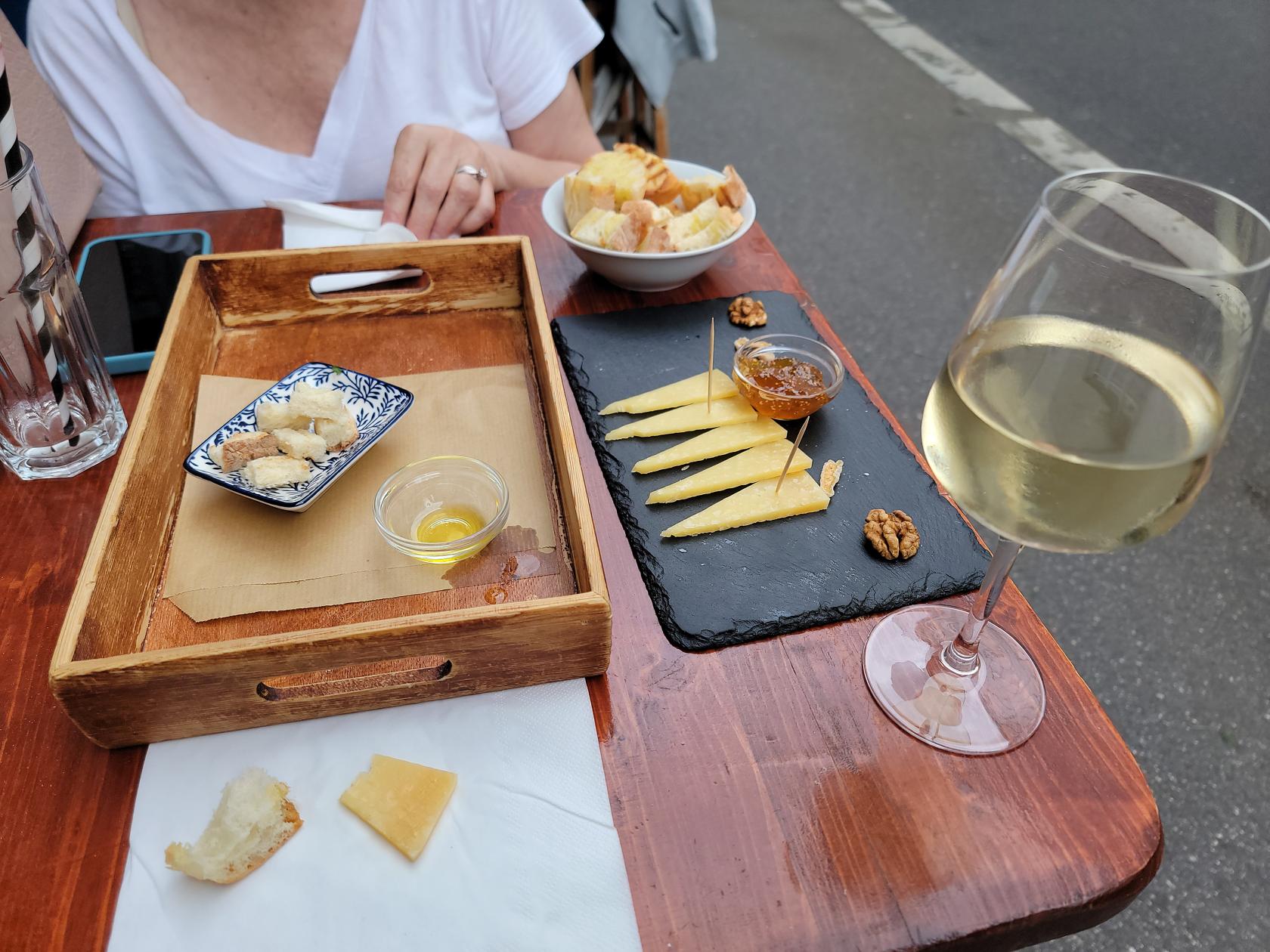
For lunch, Patti selected a tiny establishment on Petrinjska street, known as Heritage Street Food. Their concentration is on Paninis and Focaccia style sandwiches, which when combined with other delectable sides, create a truly enjoyable and tasty little adventure for your palate.
Entrance – Heritage Street Food Restaurant – Zagreb, Croatia
Bread with spicy olive oil – Heritage Street Food Restaurant – Zagreb, Croatia
Istrian Pearl Sandwich – Heritage Street Food Restaurant – Zagreb, Croatia
House Sauvignon Blanc with Gligora Cheese platter with Walnuts, Fig Jam and Figs – Heritage Street Food Restaurant – Zagreb, Croatia
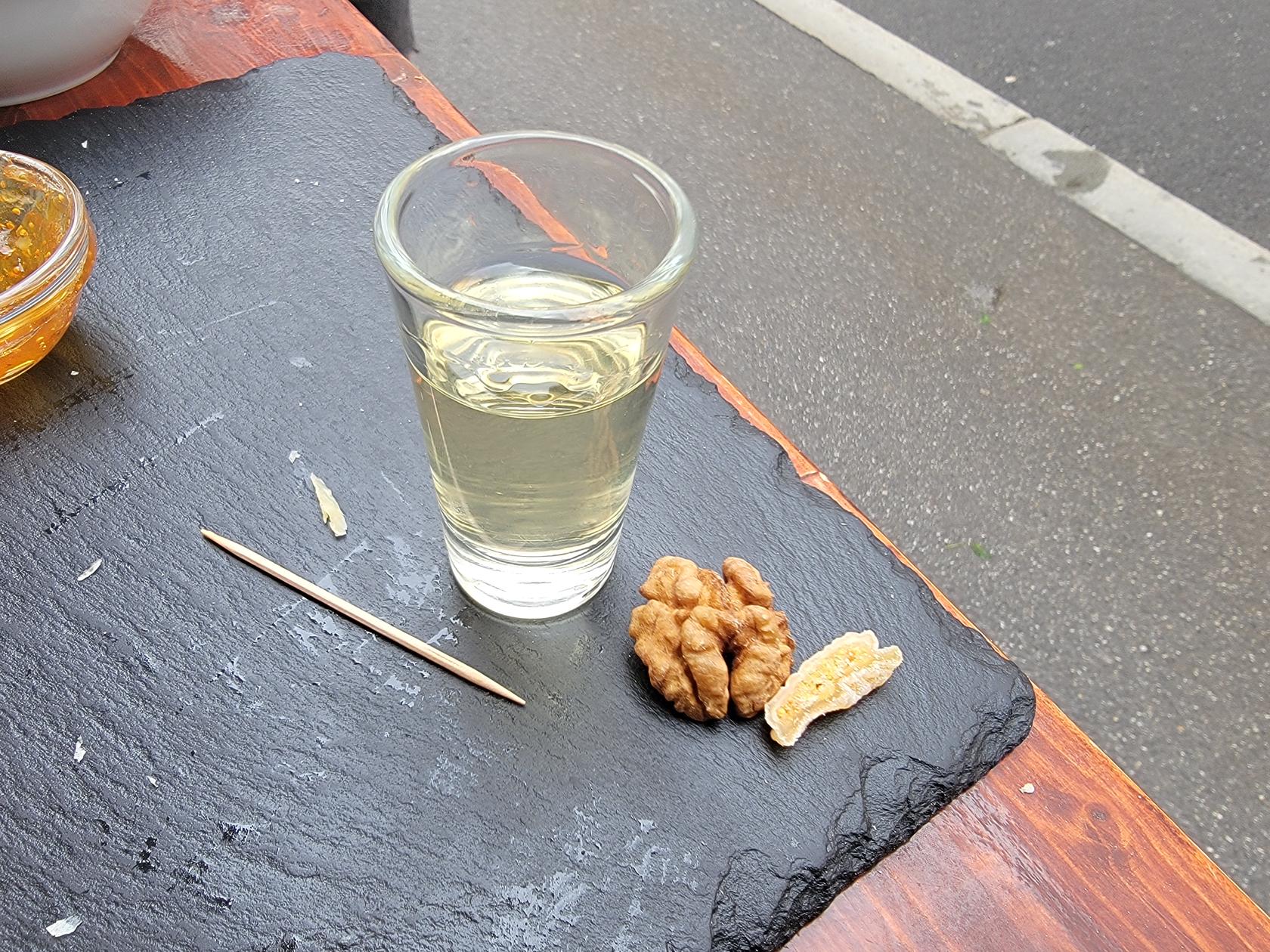
Puslek Honey Herbal Liqueur – Heritage Street Food Restaurant – Zagreb, Croatia
Caffe & Bar Jupi
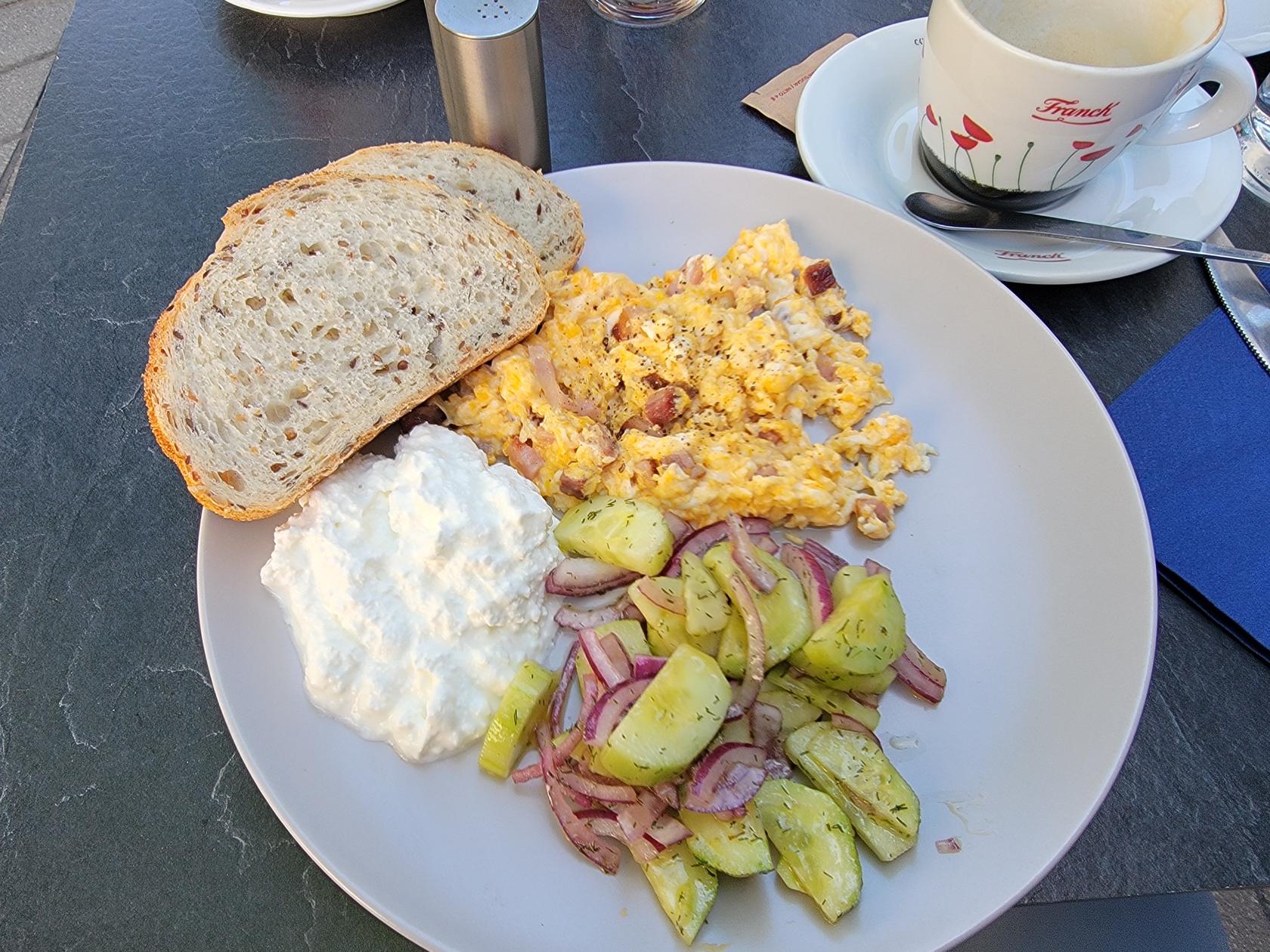
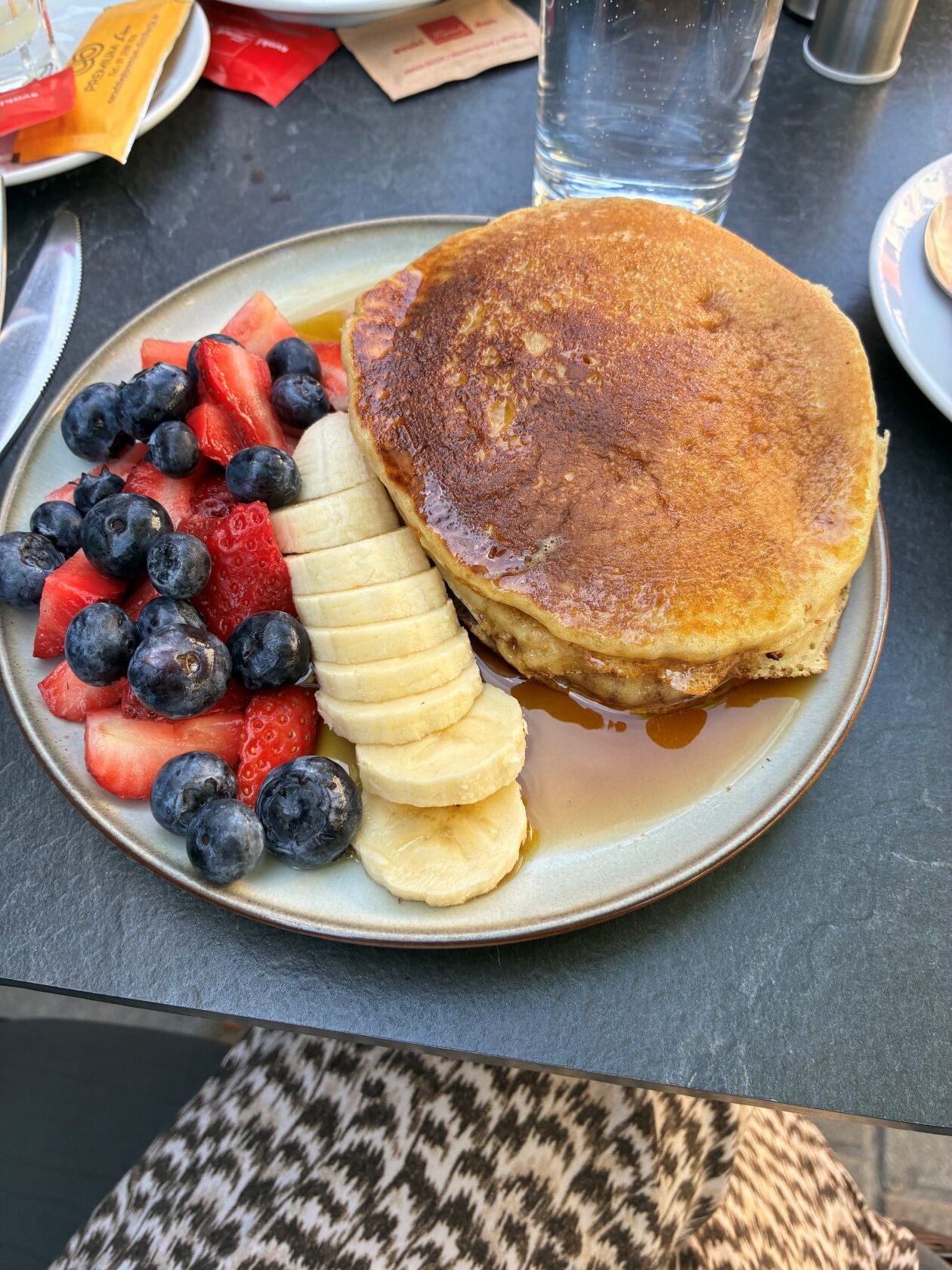
The day that we left Zagreb we visited a small cafe for breakfast called Caffe & Bar Jupi. Patti ordered the pancakes with fruit and I had the scrambled eggs. Both were delicious and hit the spot on a busy and somewhat chilly morning.
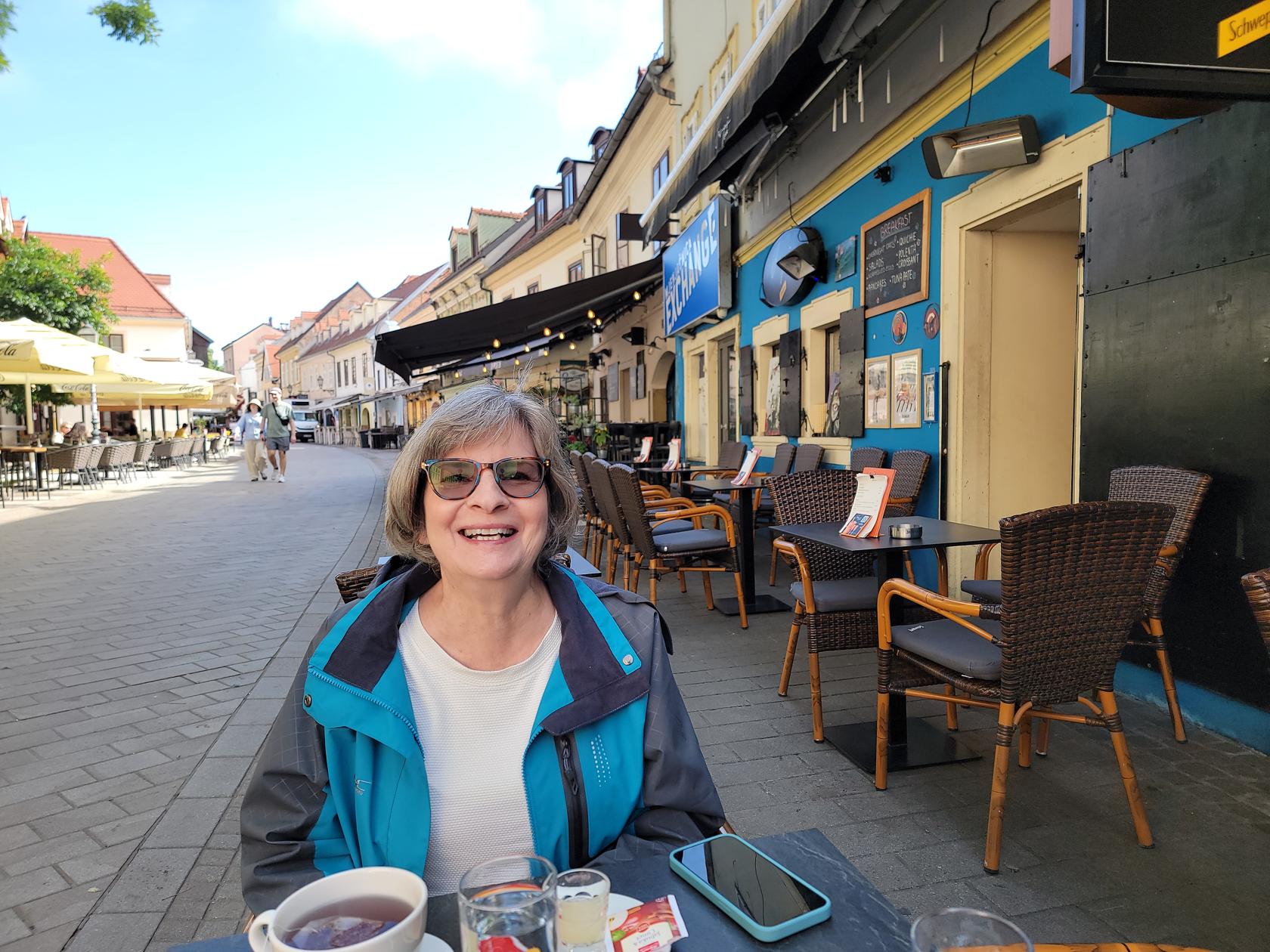
Patti – Cafe and Bar Jupi – Zagreb, Croatia
Scrambled eggs, Hüttenkäse and Cucumber salad – Cafe and Bar Jupi – Zagreb, Croatia
Pancakes with Berries – Cafe and Bar Jupi – Zagreb, Croatia
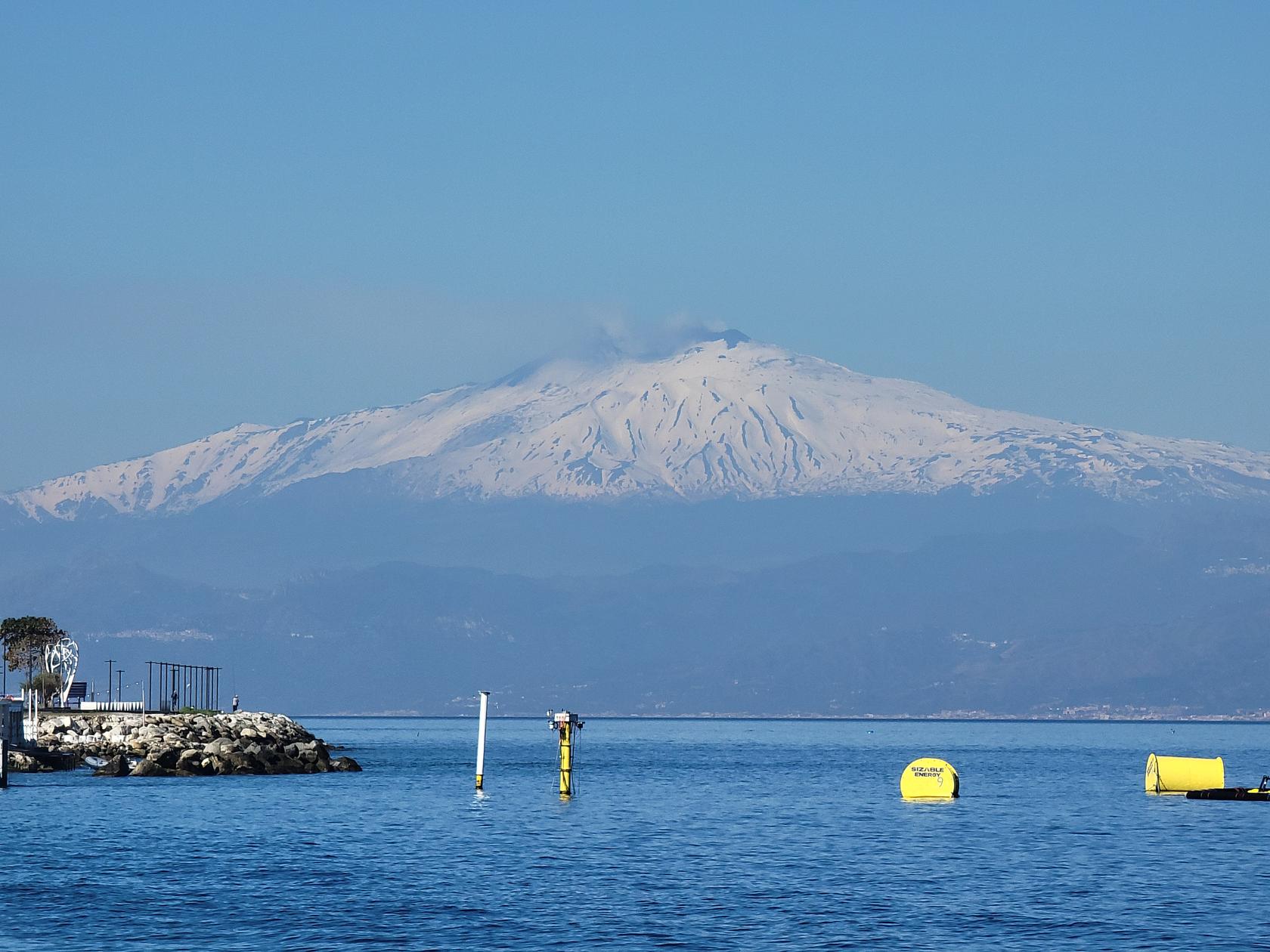
If anyone travels all the way down to the very tip of Italy they will discover Reggio Calabria, a Calabrian city with all the classic touches of Southern Italy. Offshore, you will see the ever present Mount Etna smoking in the background.
Mount Aetna – Reggio Calabria, Italy
Getting There And Back
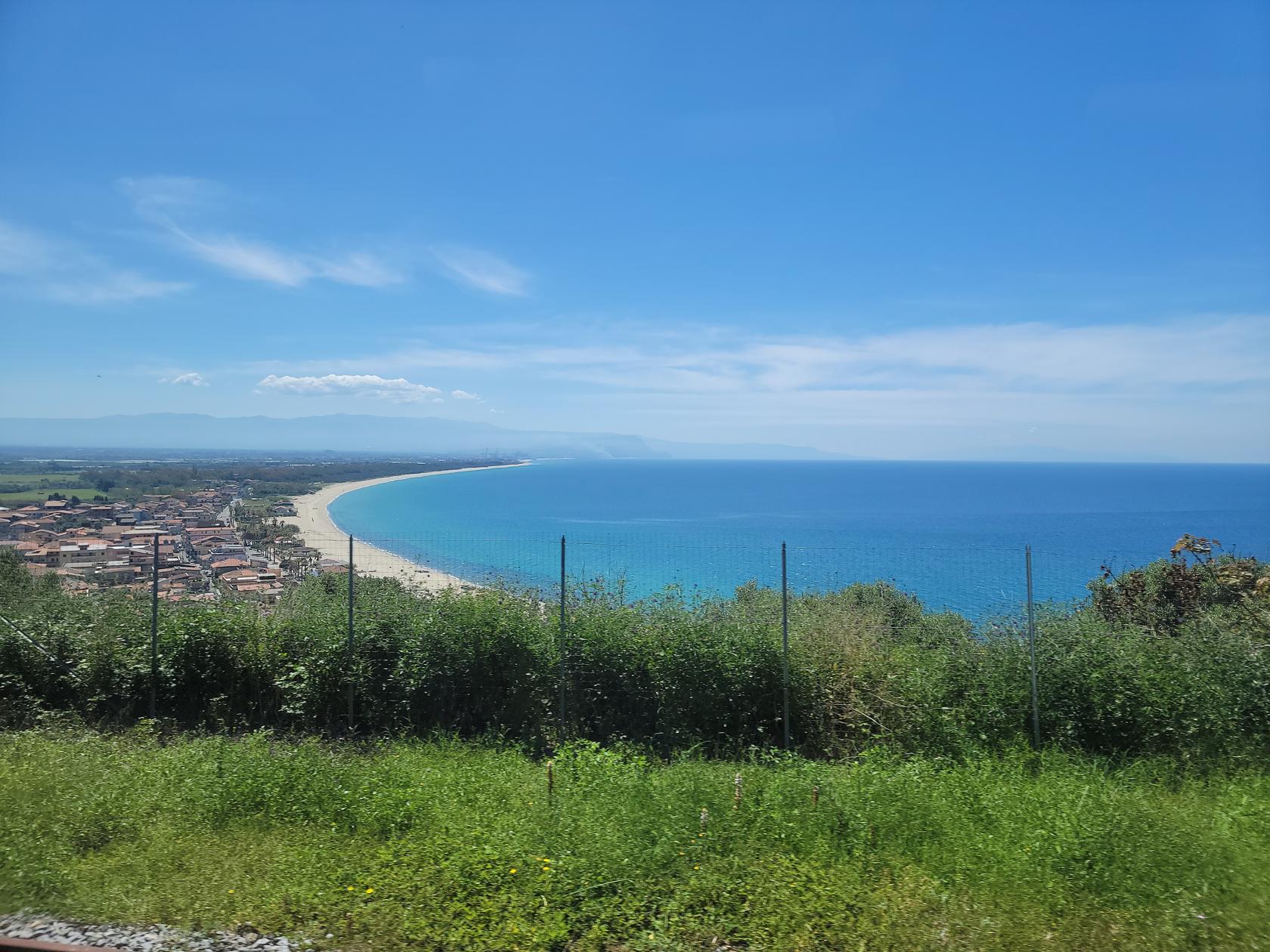
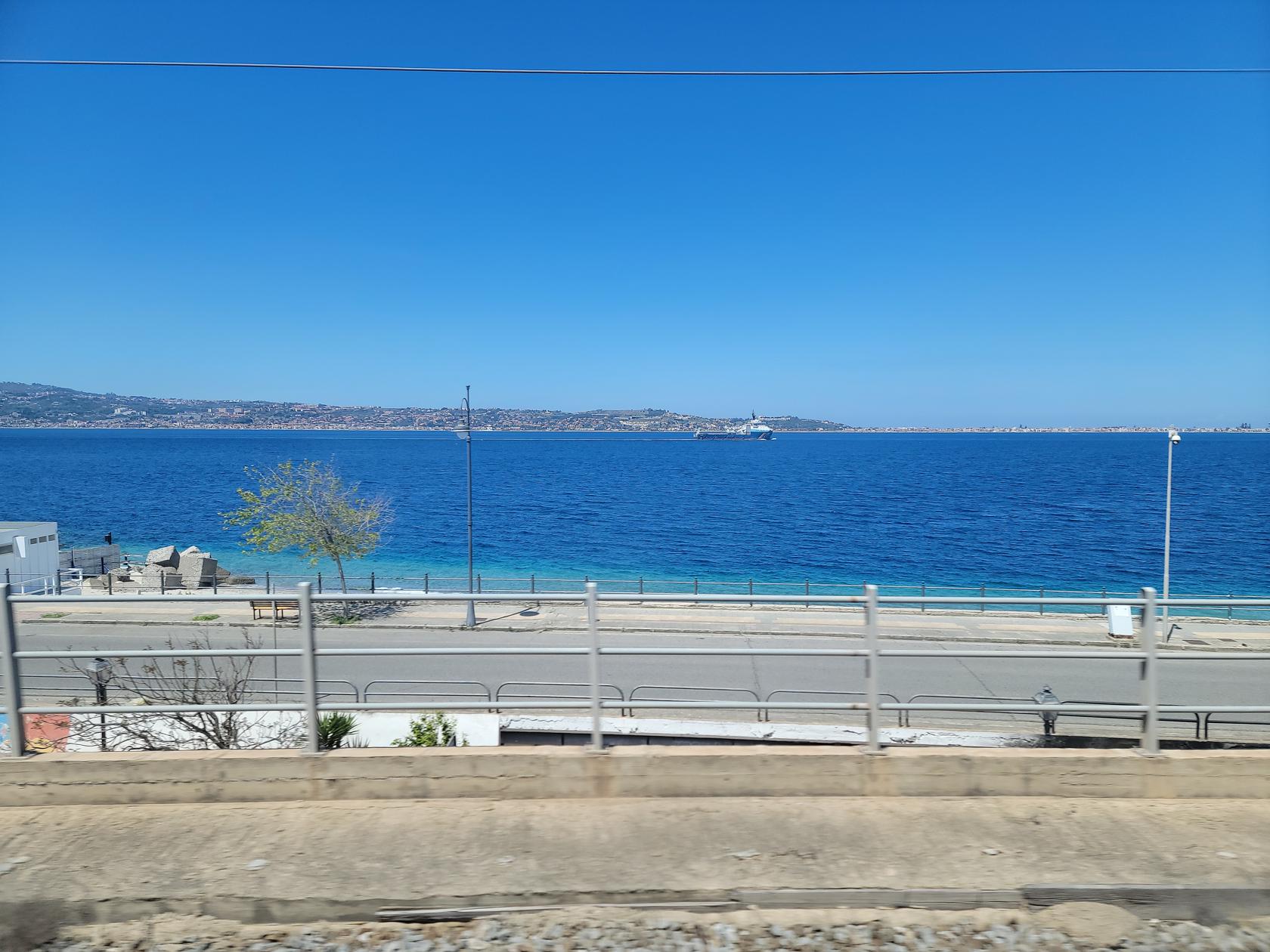
To get there we took TrennItalia’s Calabrian Regional train service from Tropea. Approximately a two hour train ride that eventually hugs the coast and offers a preview of the Italian island of Sicily.
Our First View of Sicily – Train Ride – Calabria, Italy
Messina Ferry – Train Ride – Calabria, Italy
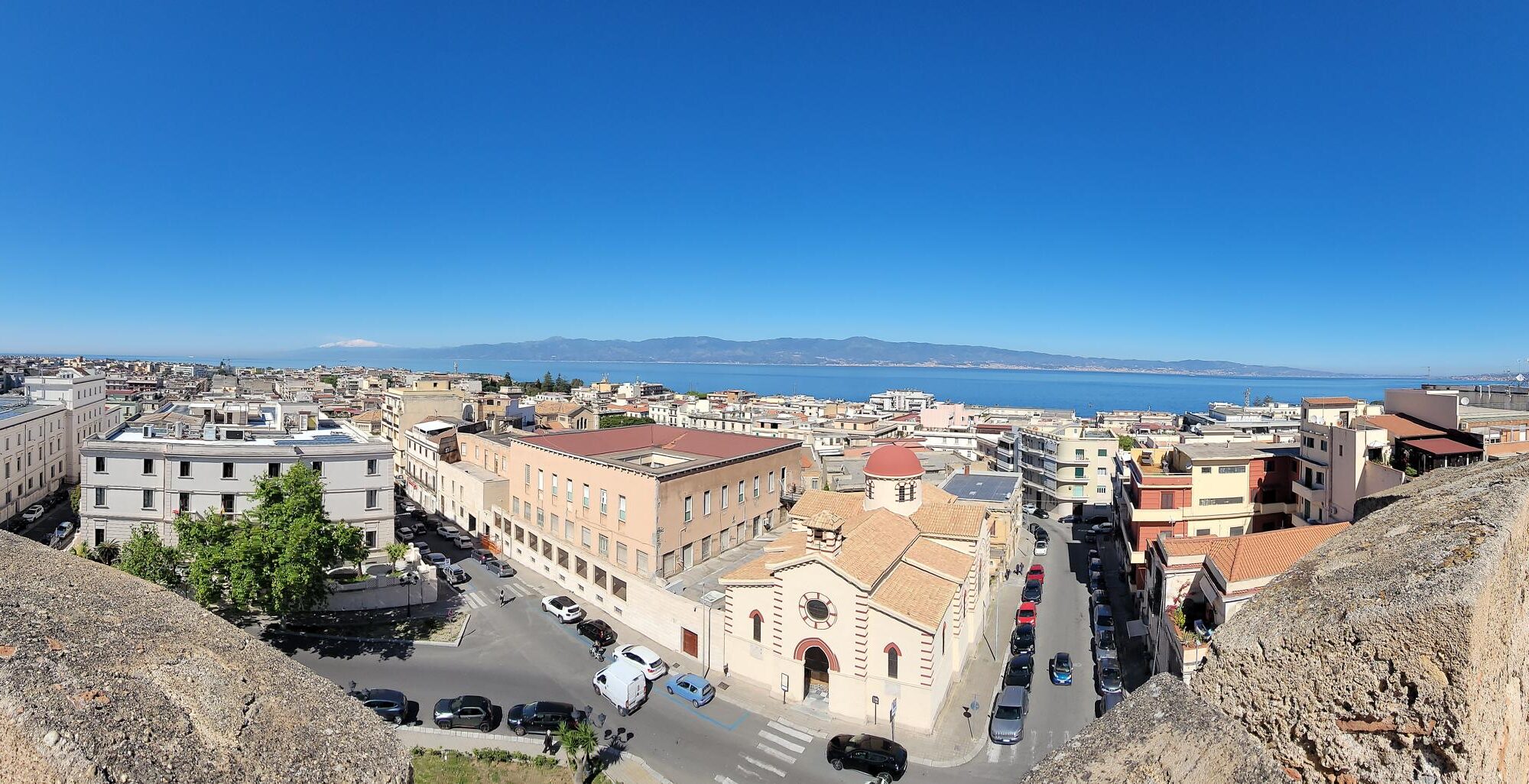
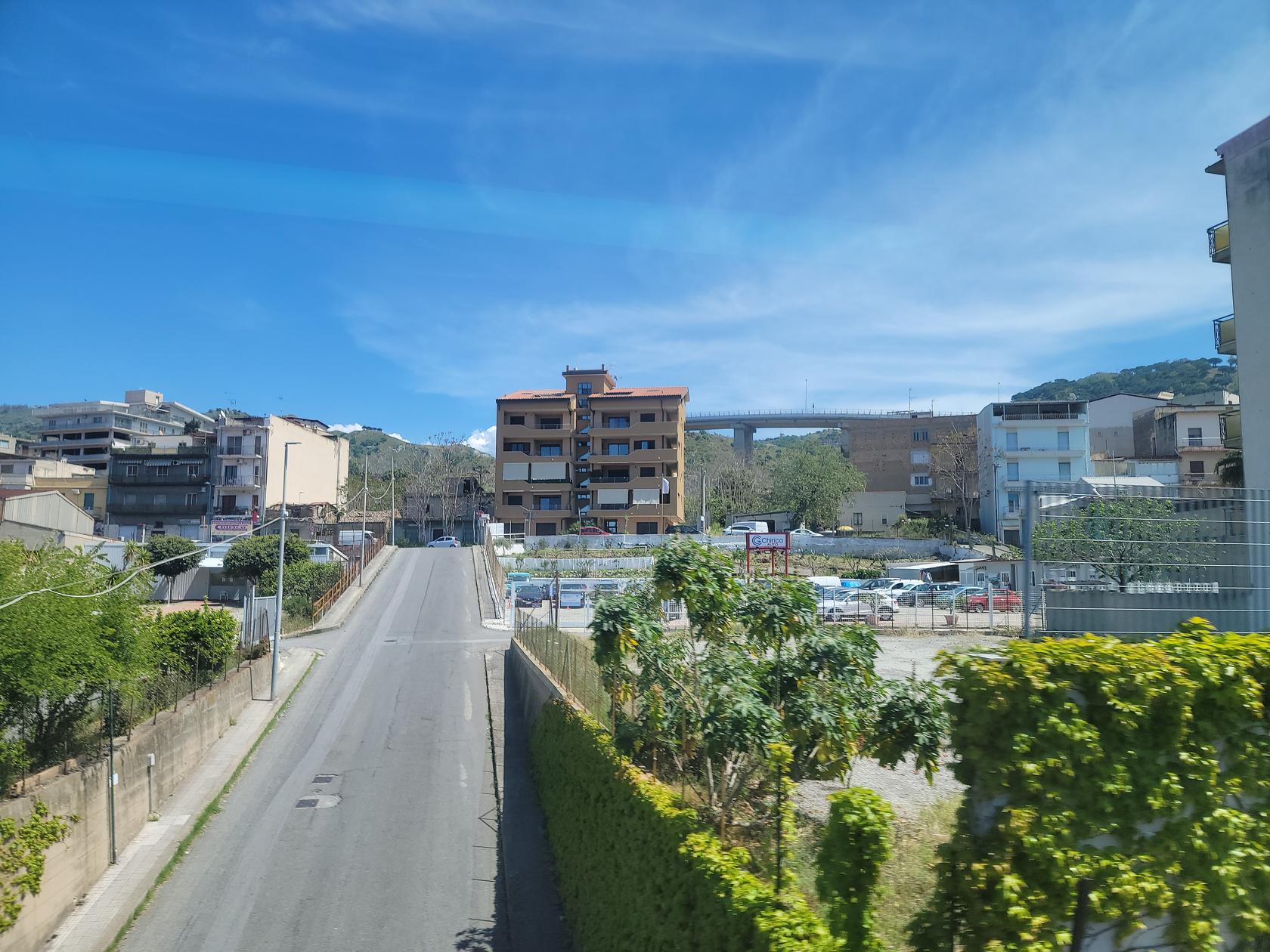
Coming Into Reggio Calabria – Train Ride – Calabria, Italy
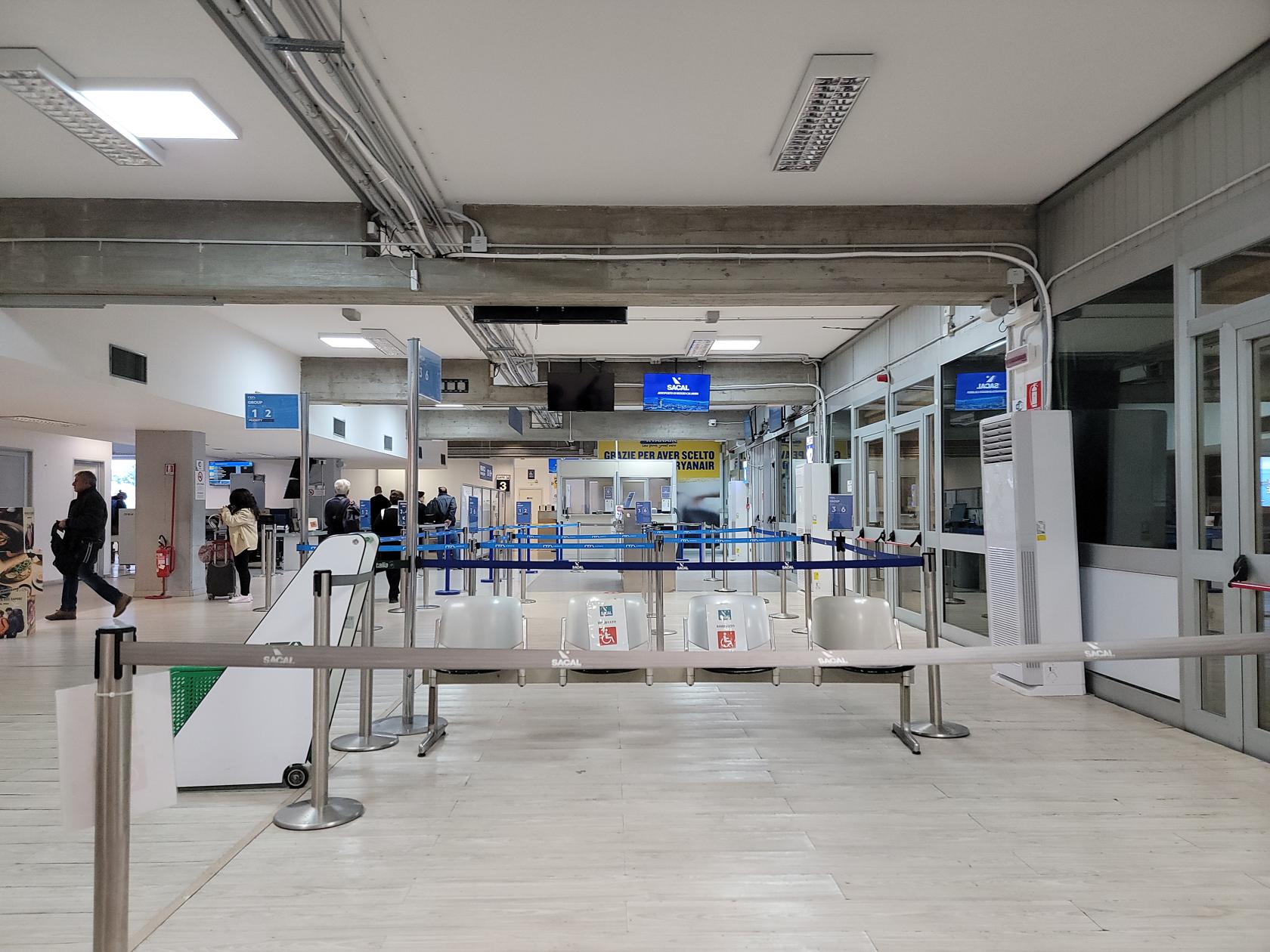
To get back we used Reggio Calabria’s airport, where RyanAir offers direct service to Turin’s Caselle Airport. Another trip just short of two hours which also hugs the coast of Italy and also offers views of Sardinia and other prominent points of interest from the air.
Reggio Calabria Airport – Reggio Calabria, Italy
Reggio Calabria
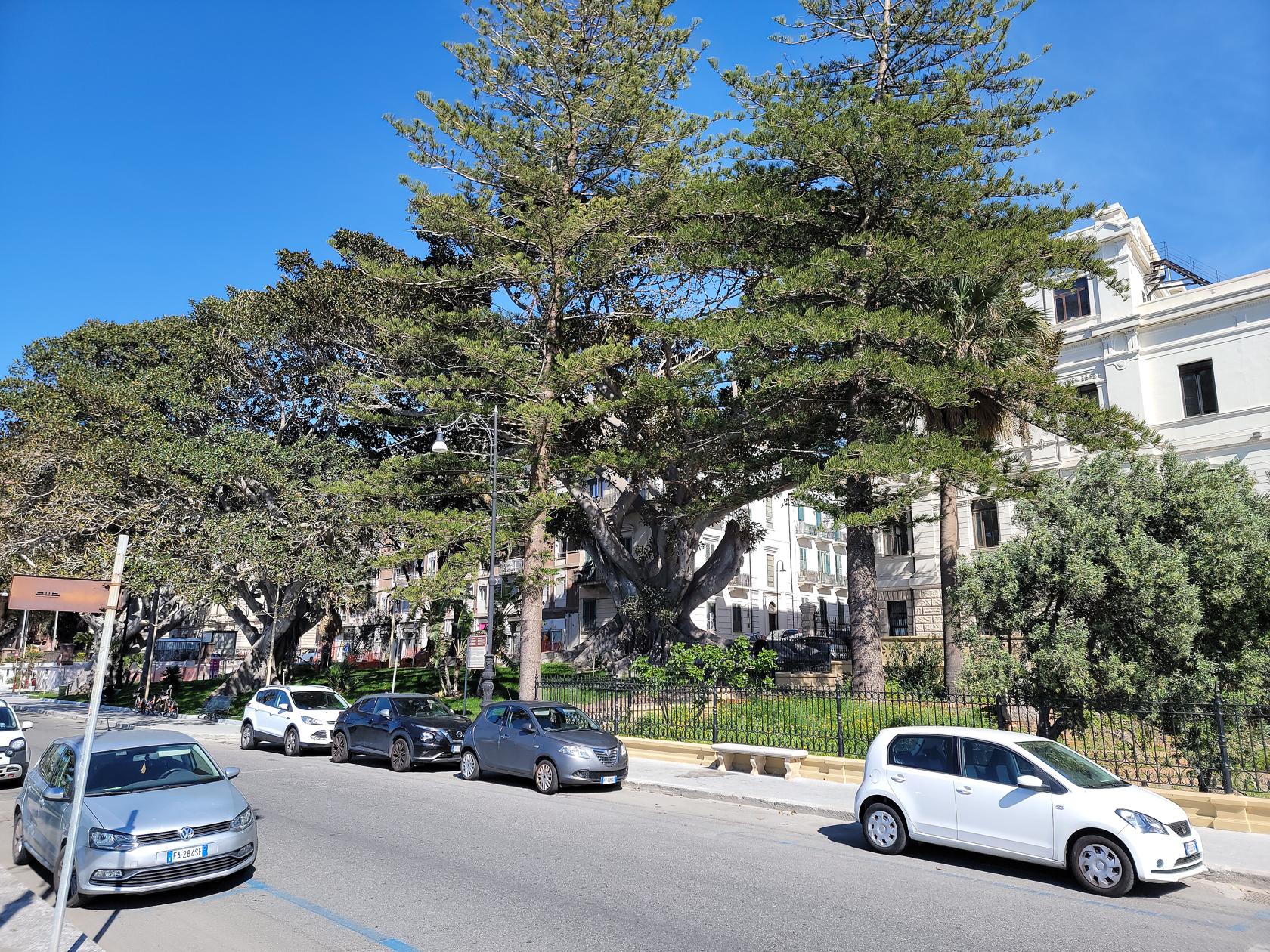
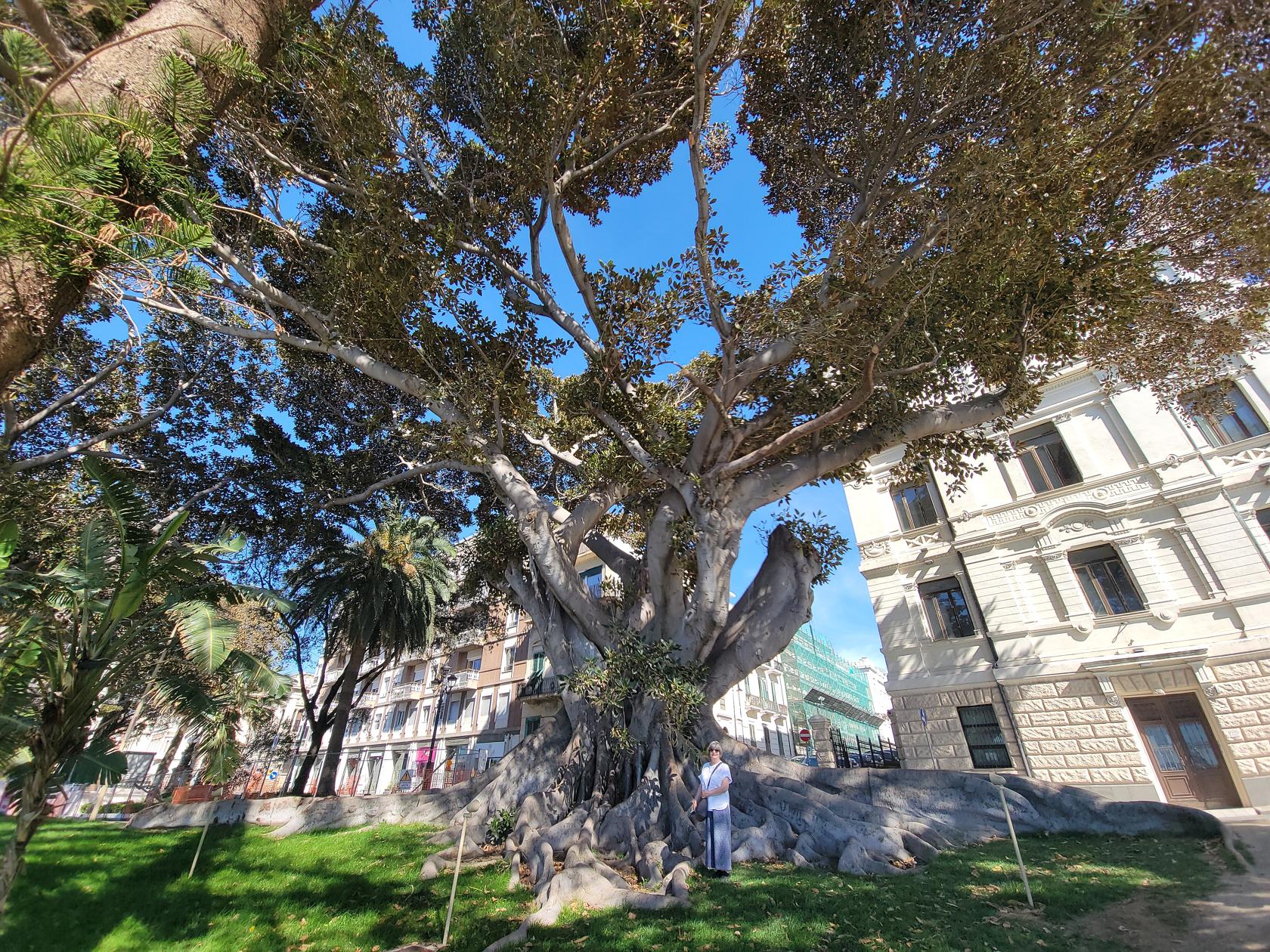
The official name for the city is Reggio Calabria, but it is also known by its traditional names of Reggio di Calabria and just plain Reggio. The city was almost completely destroyed by an earthquake in the beginning of the last century and its more hopefully robust version has new amenities the former city lacked.
Boardwalk with Large Banyan Trees – Lungomare – Reggio Calabria, Italy
Large Banyan Trees – Lungomare – Reggio Calabria, Italy
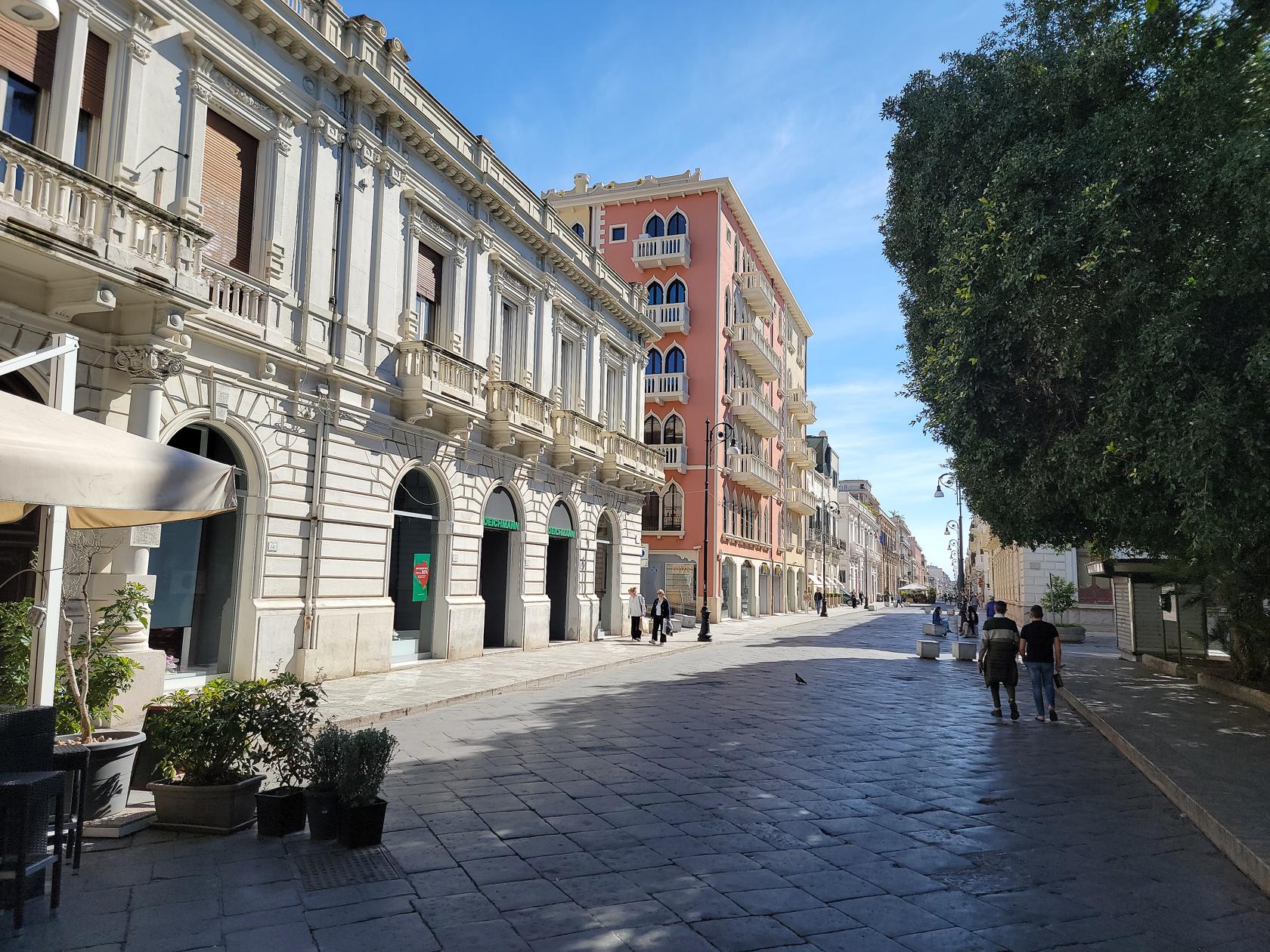
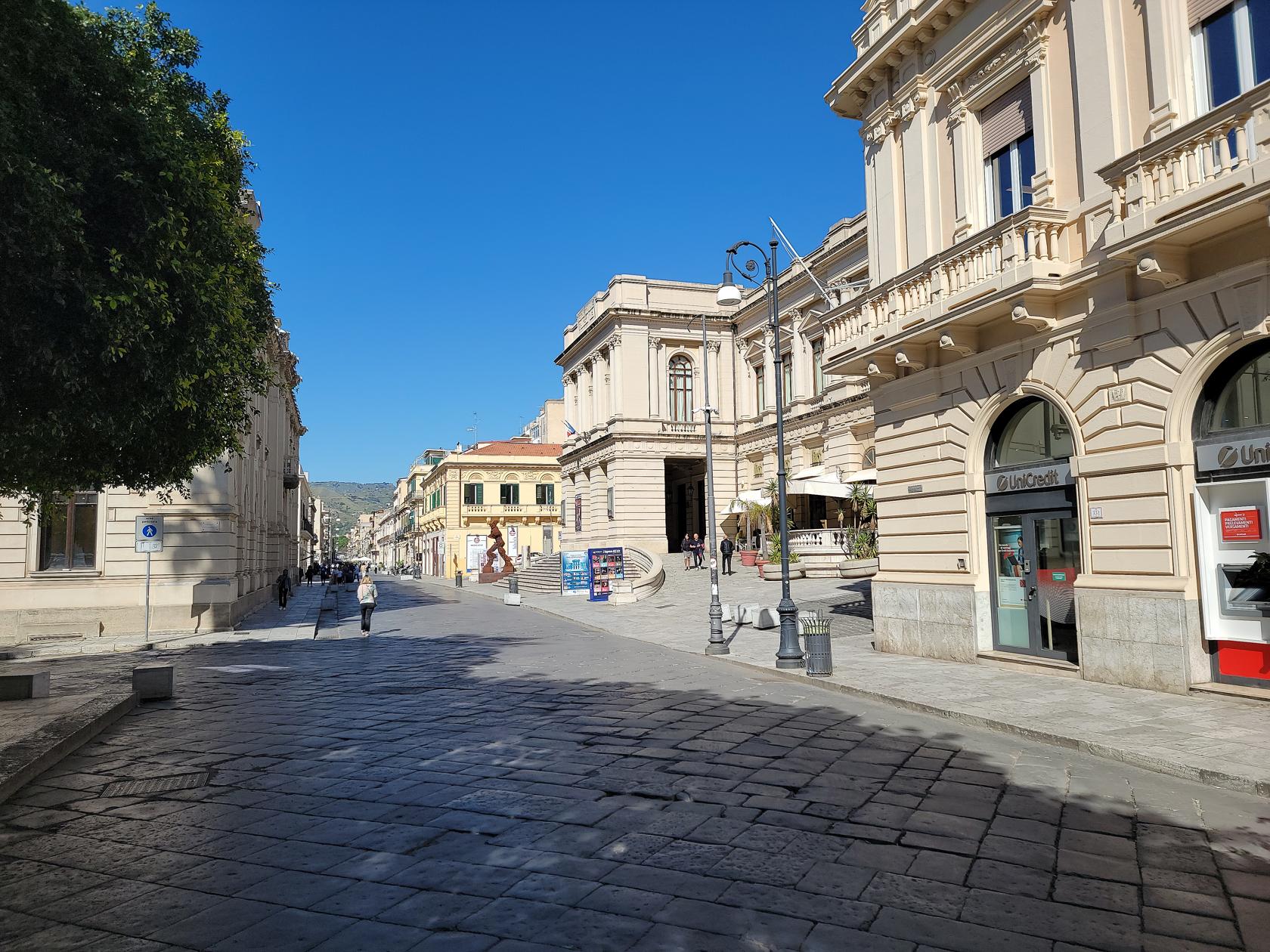
Corso Garibaldi – Reggio Calabria, Italy
Corso Garibaldi – Reggio Calabria, Italy
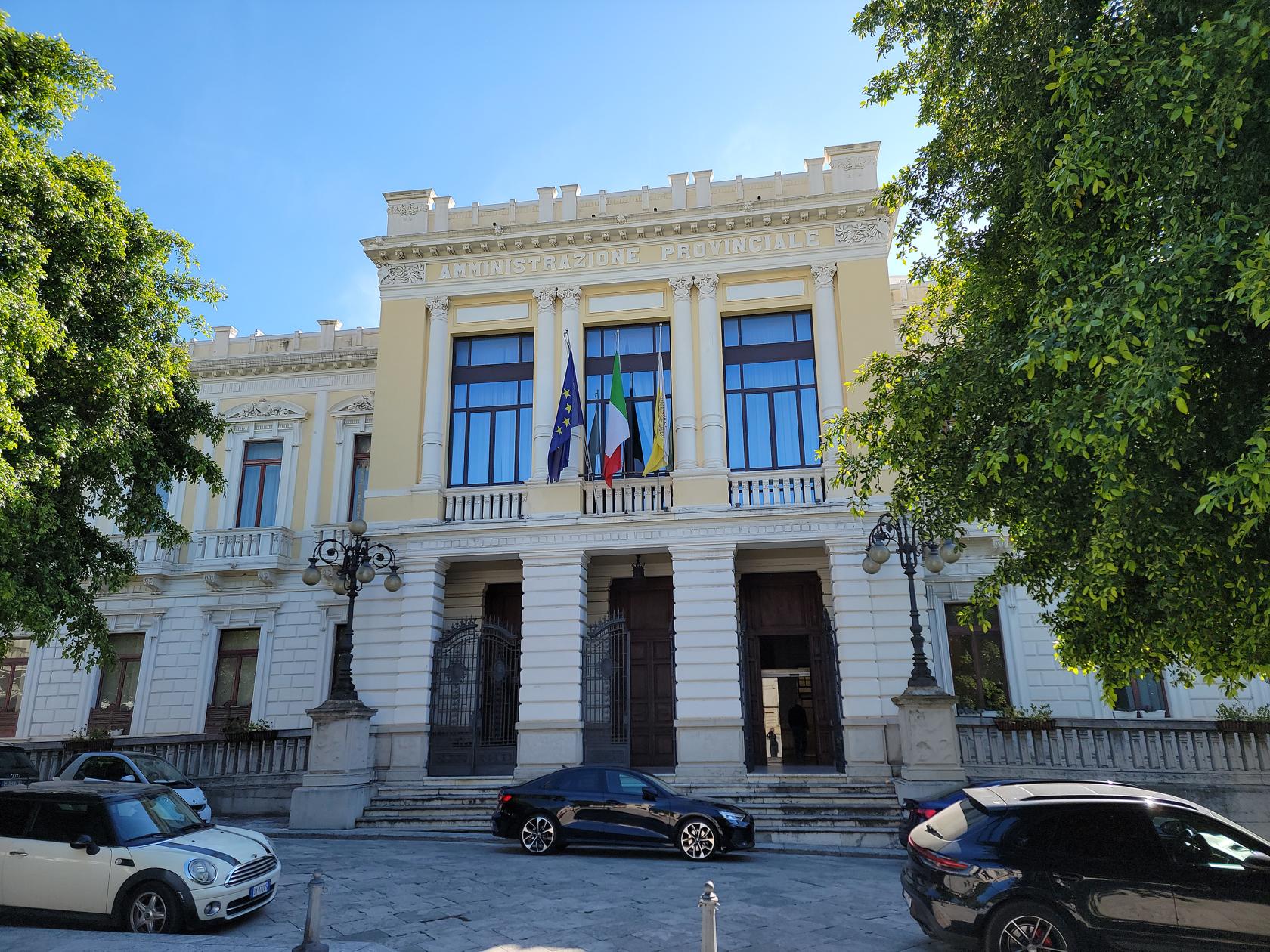
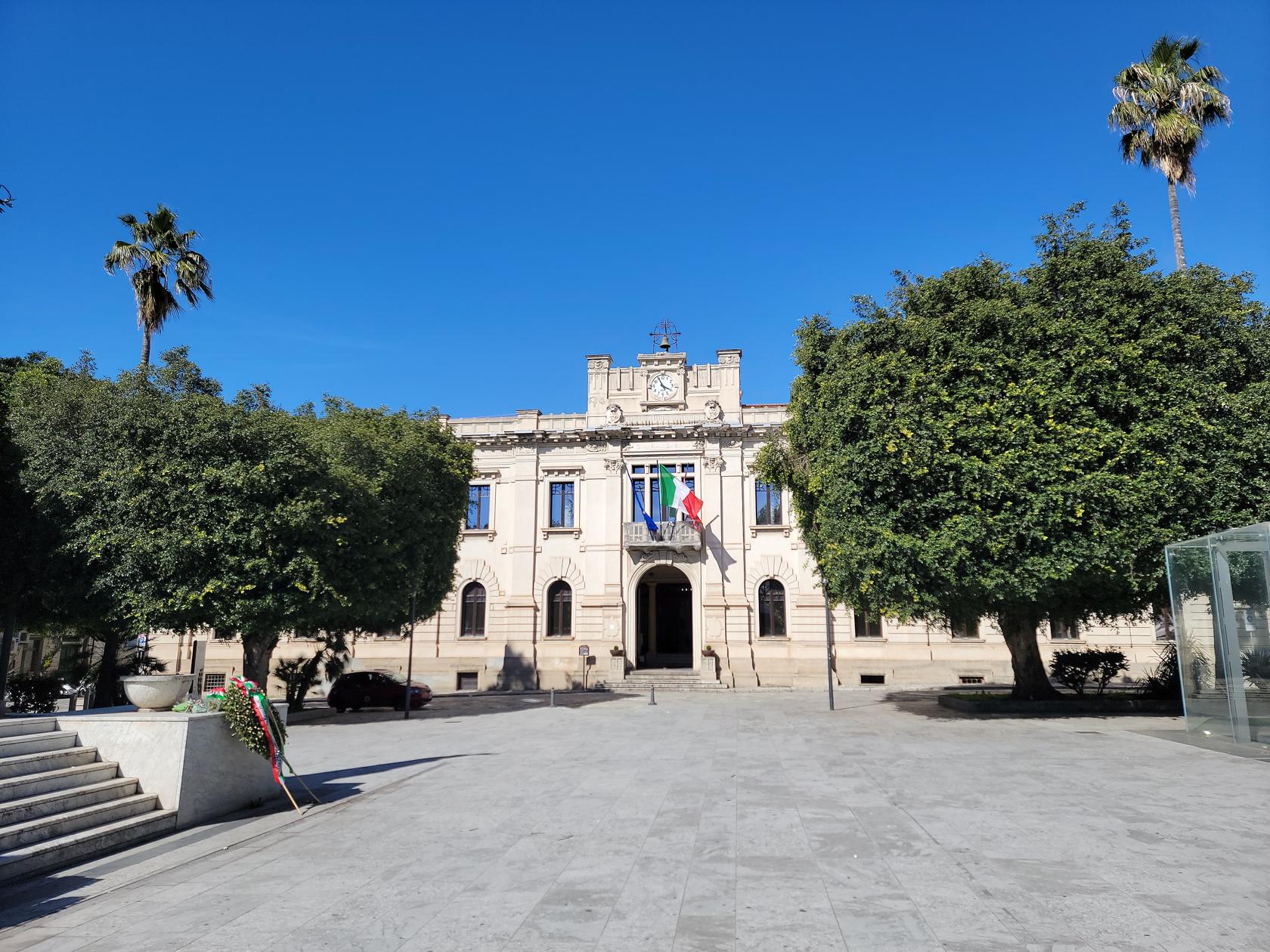
Piazza d’Italia – Reggio Calabria, Italy
Piazza d’Italia – Reggio Calabria, Italy
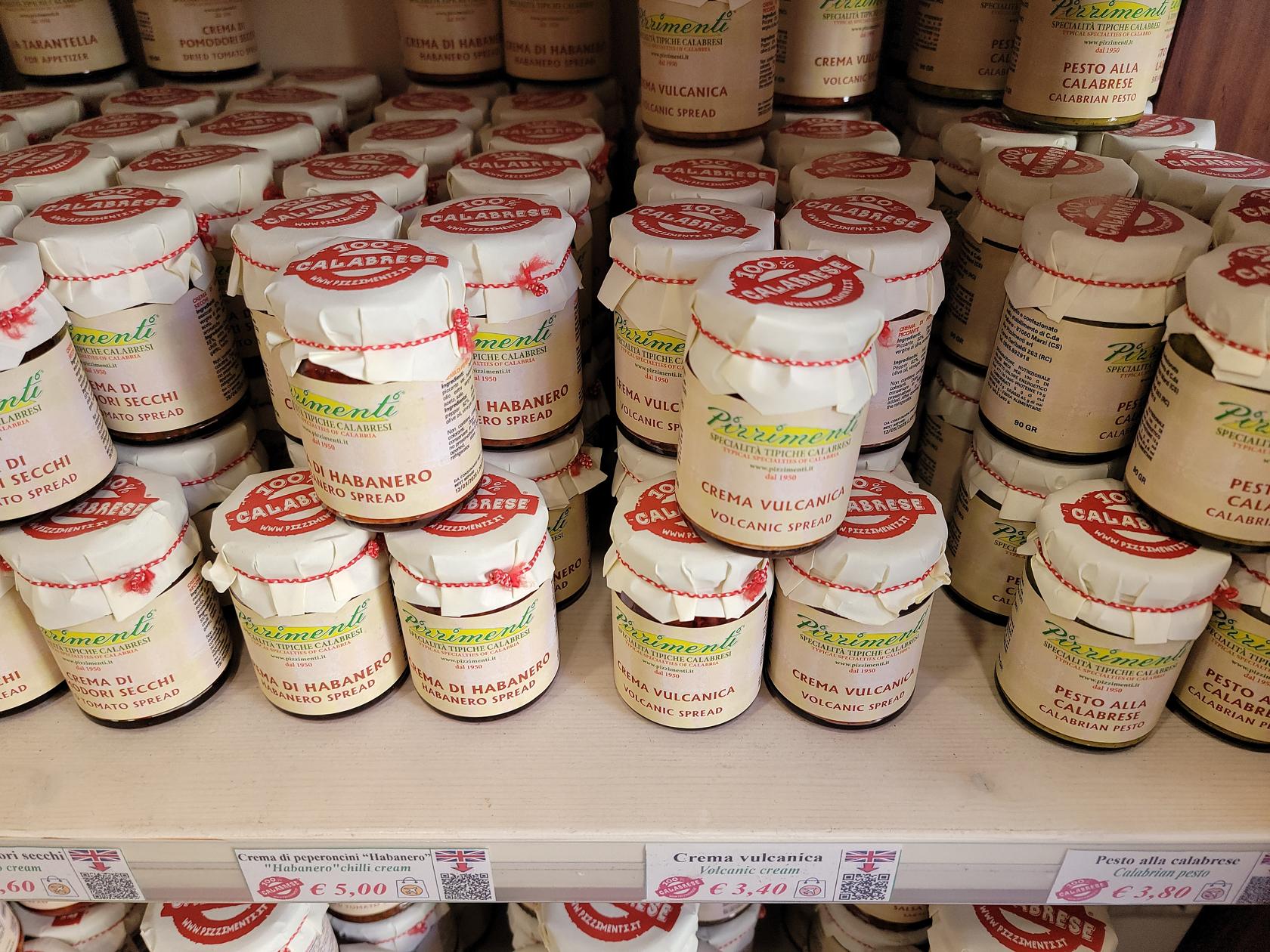
If you love food, visit the shops along Corso Garibaldi. Many have interesting and local foods that you can bring home with you to enjoy, while you reminisce about your time in Calabria.
Calabrian Volcanic Spread – Reggio Calabria, Italy
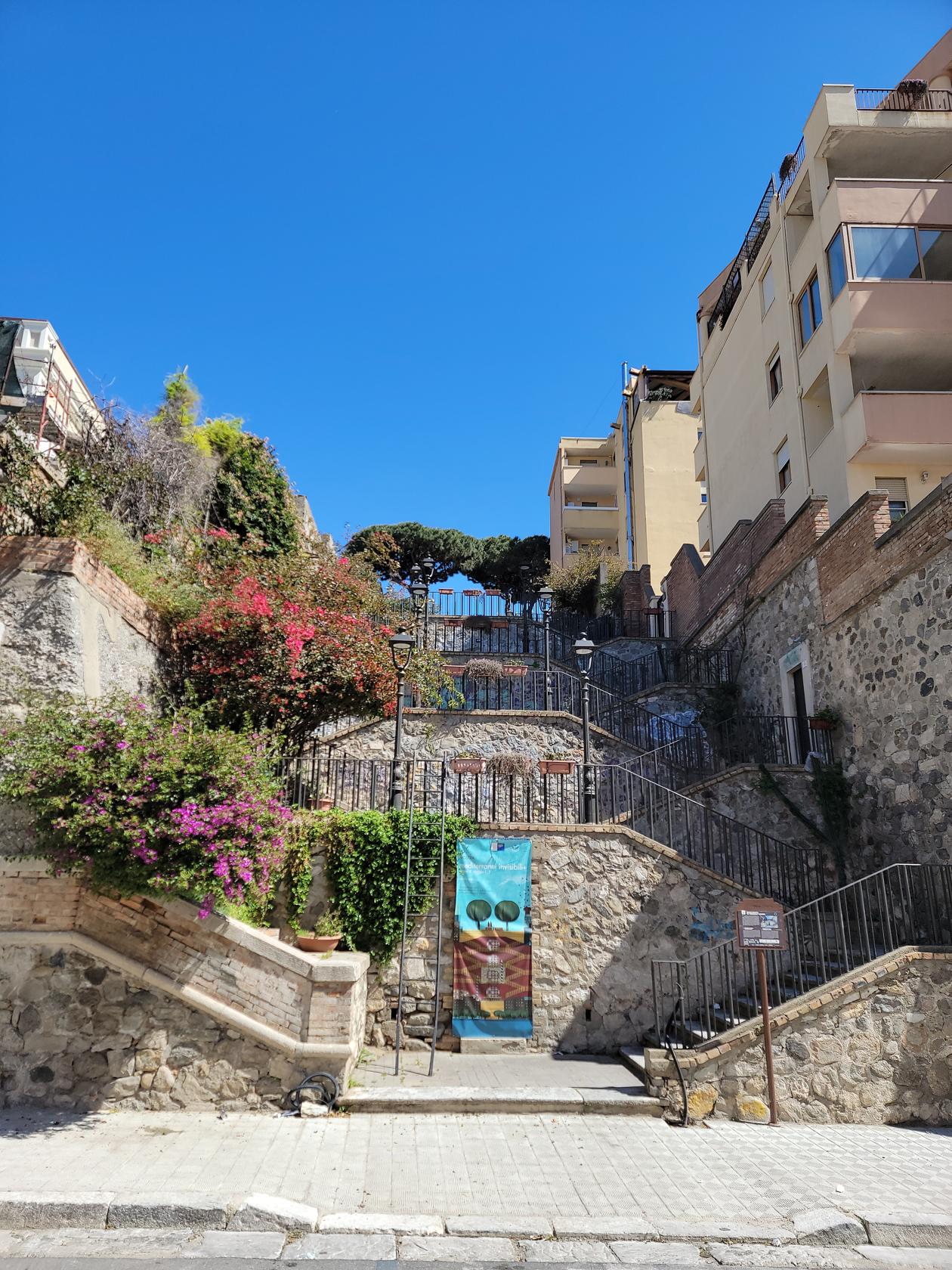
Just up from our hotel and on the transformed via Giudecca street, is the eponymous stairway.
Giudecca Stairway – Reggio Calabria, Italy
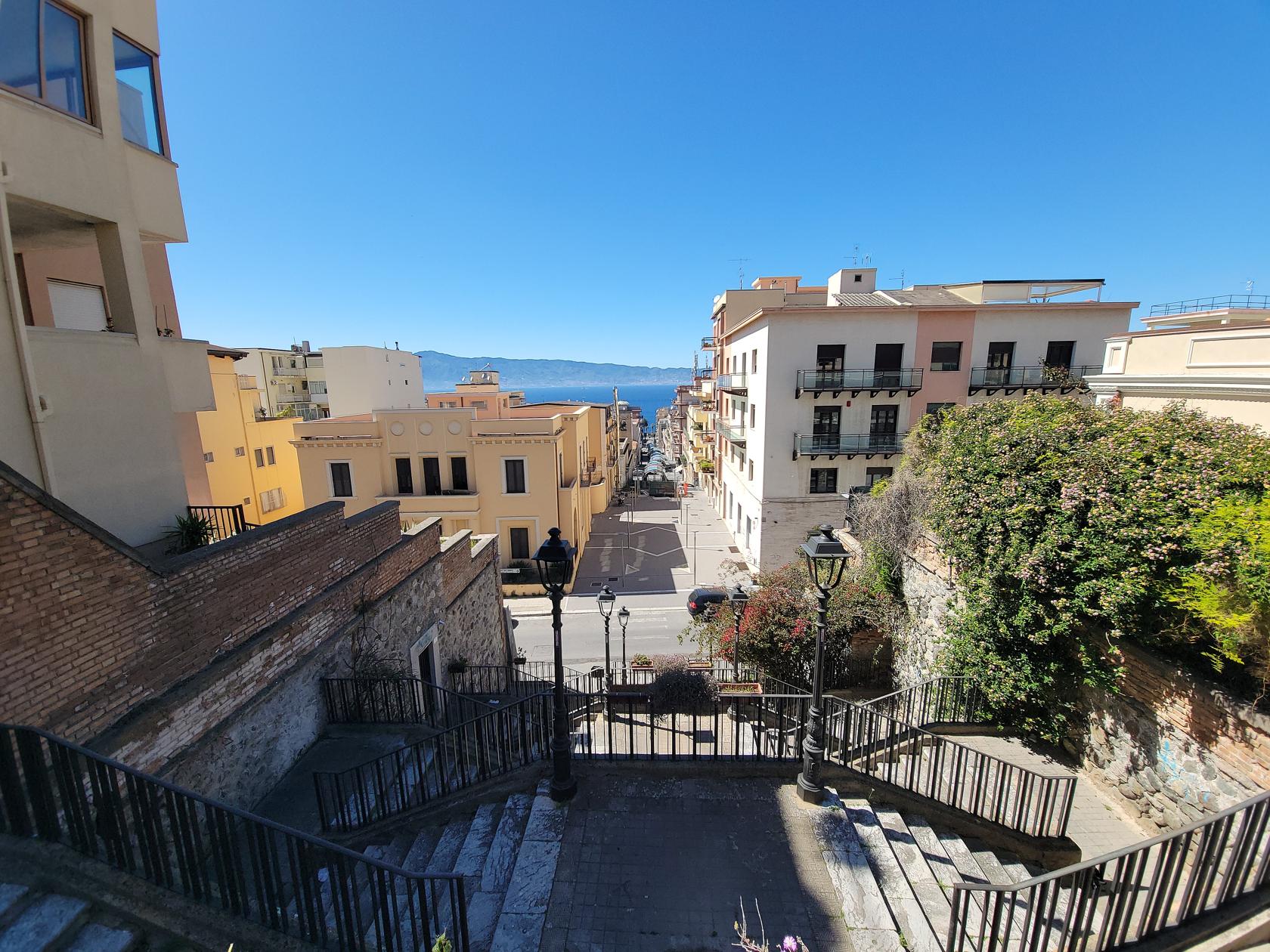
Giudecca Stairway – Reggio Calabria, Italy
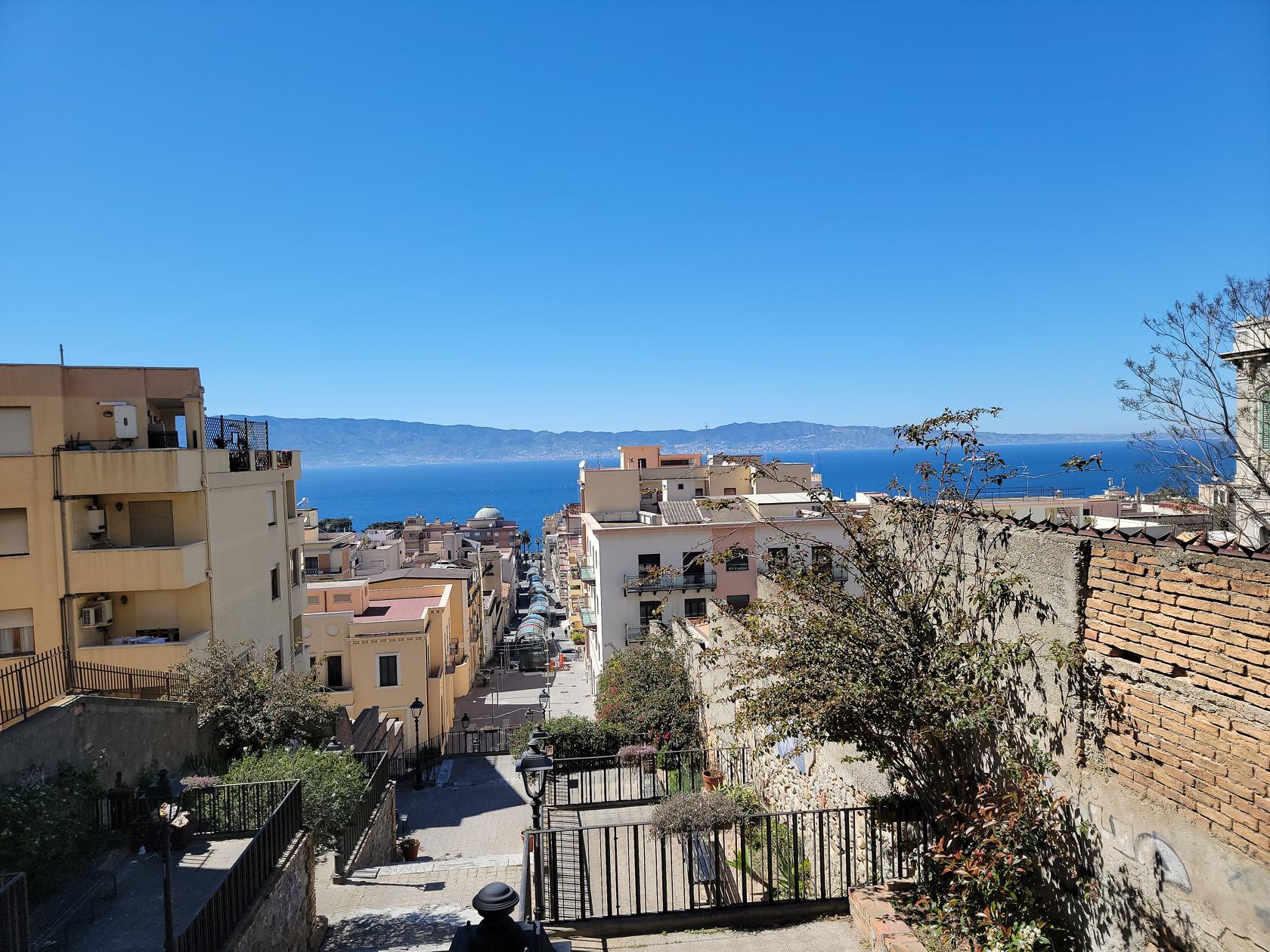
Giudecca Stairway – Reggio Calabria, Italy
Torrine Hotel
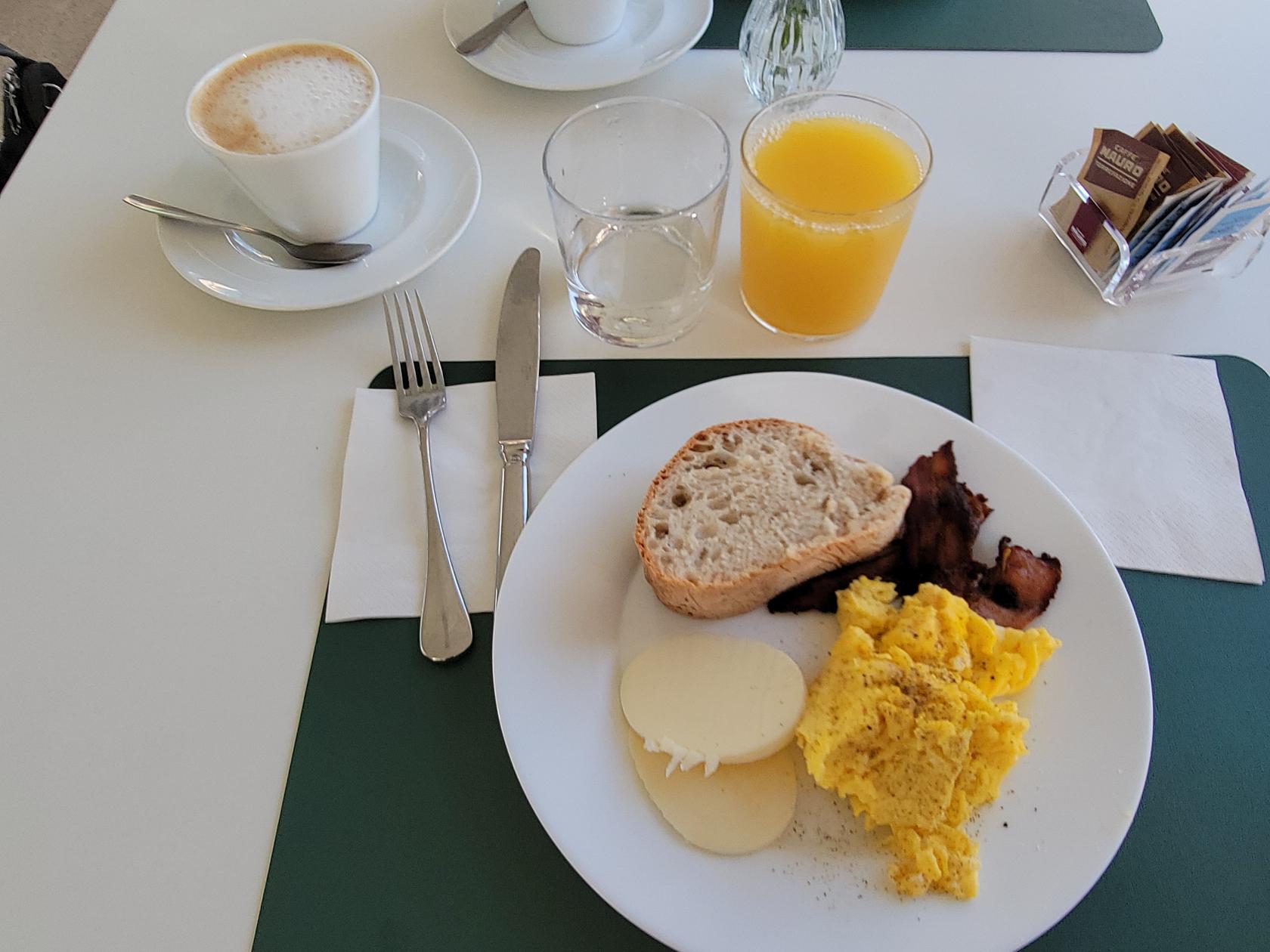
On the edge of the older and more vibrant part of the city, the Torrine Hotel is about four blocks from the waterfront. This is just as well, since it provides a quieter place to stay, with the exception being rush hour; it is located on a busy one-way thoroughfare through the city that buses frequent. Our room came with breakfast, a mixture of continental with some warm food thrown in.
Breakfast – Hotel Torrione – Reggio Calabria, Italy
Lungomare
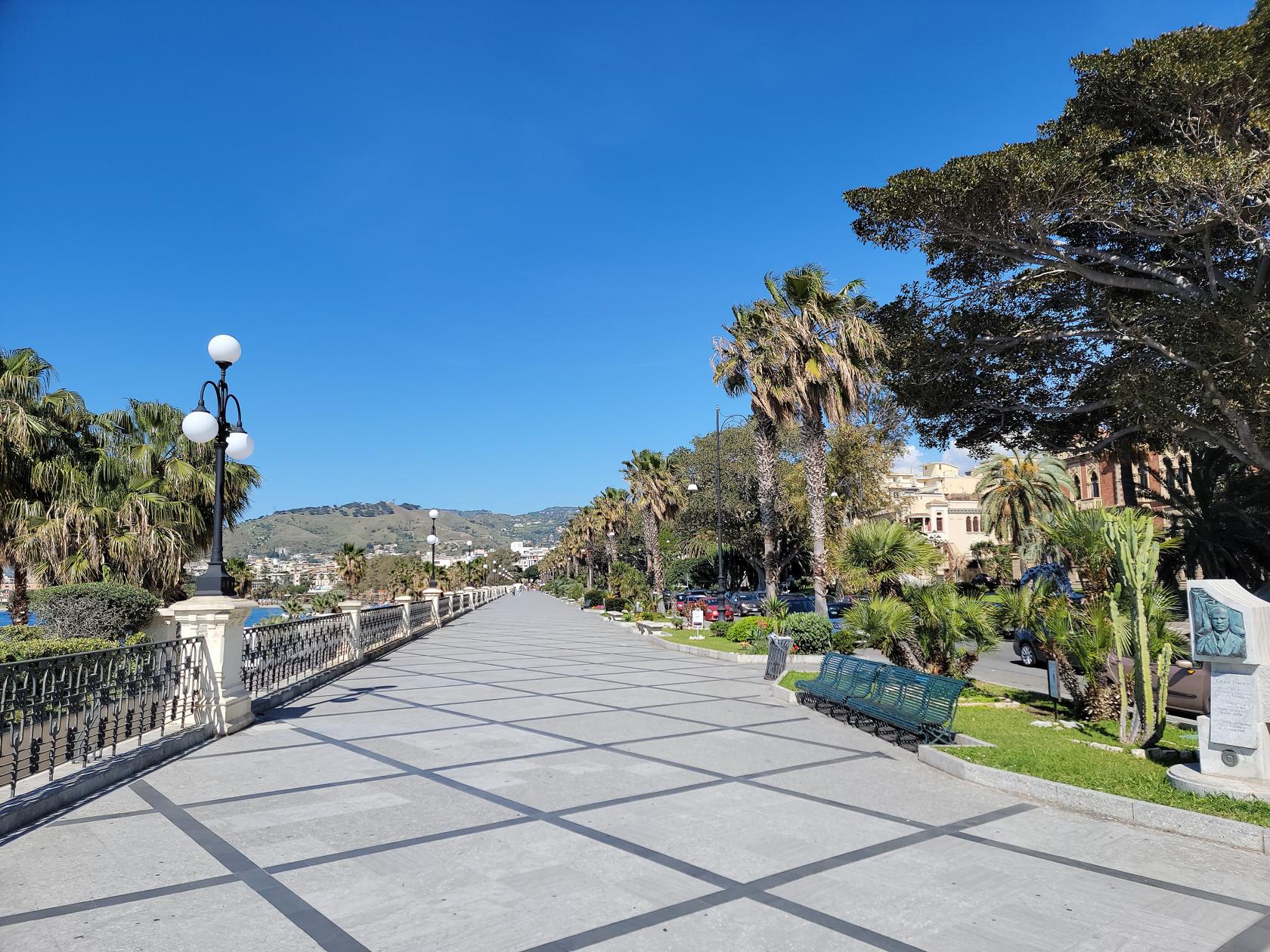
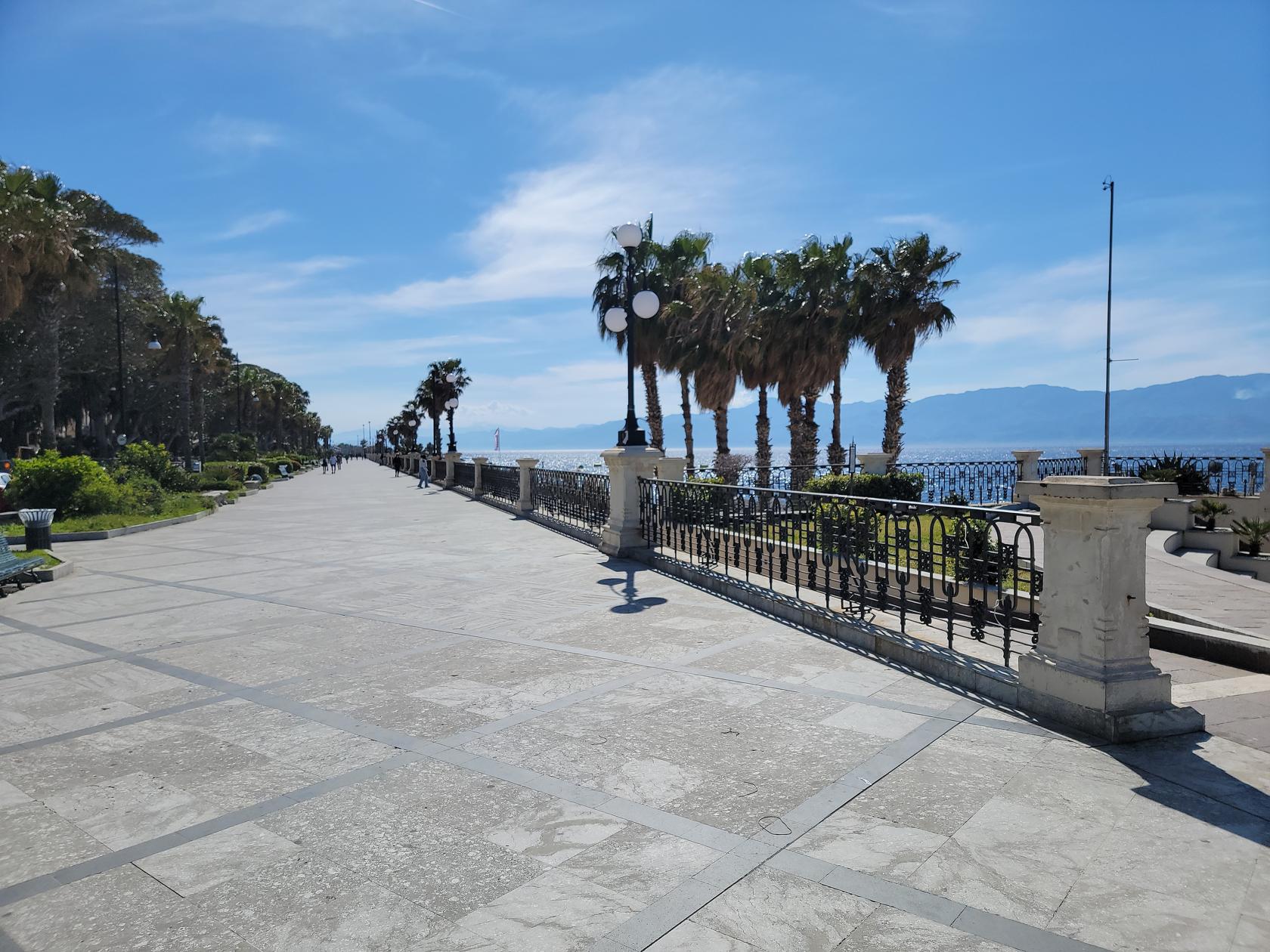
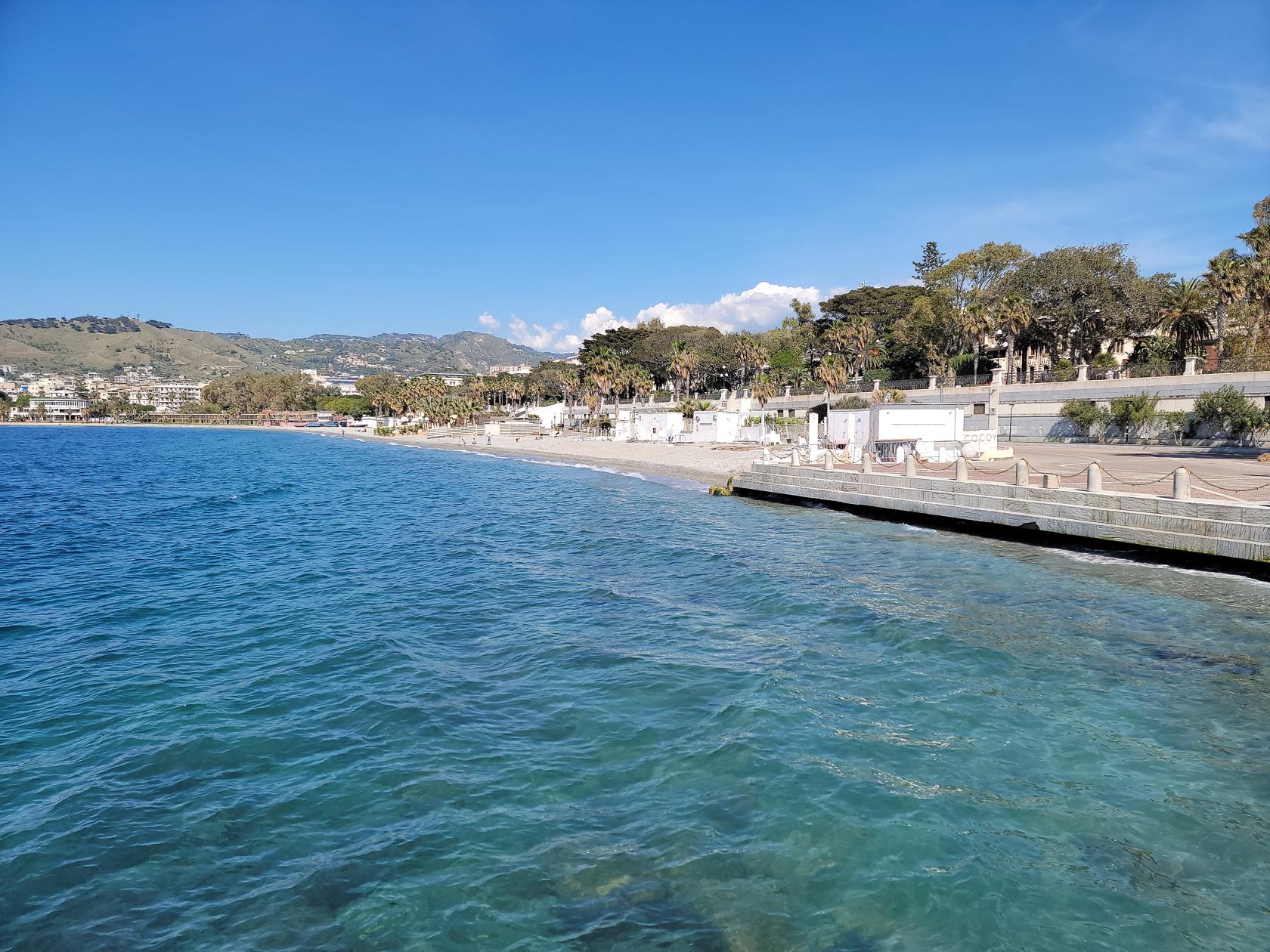
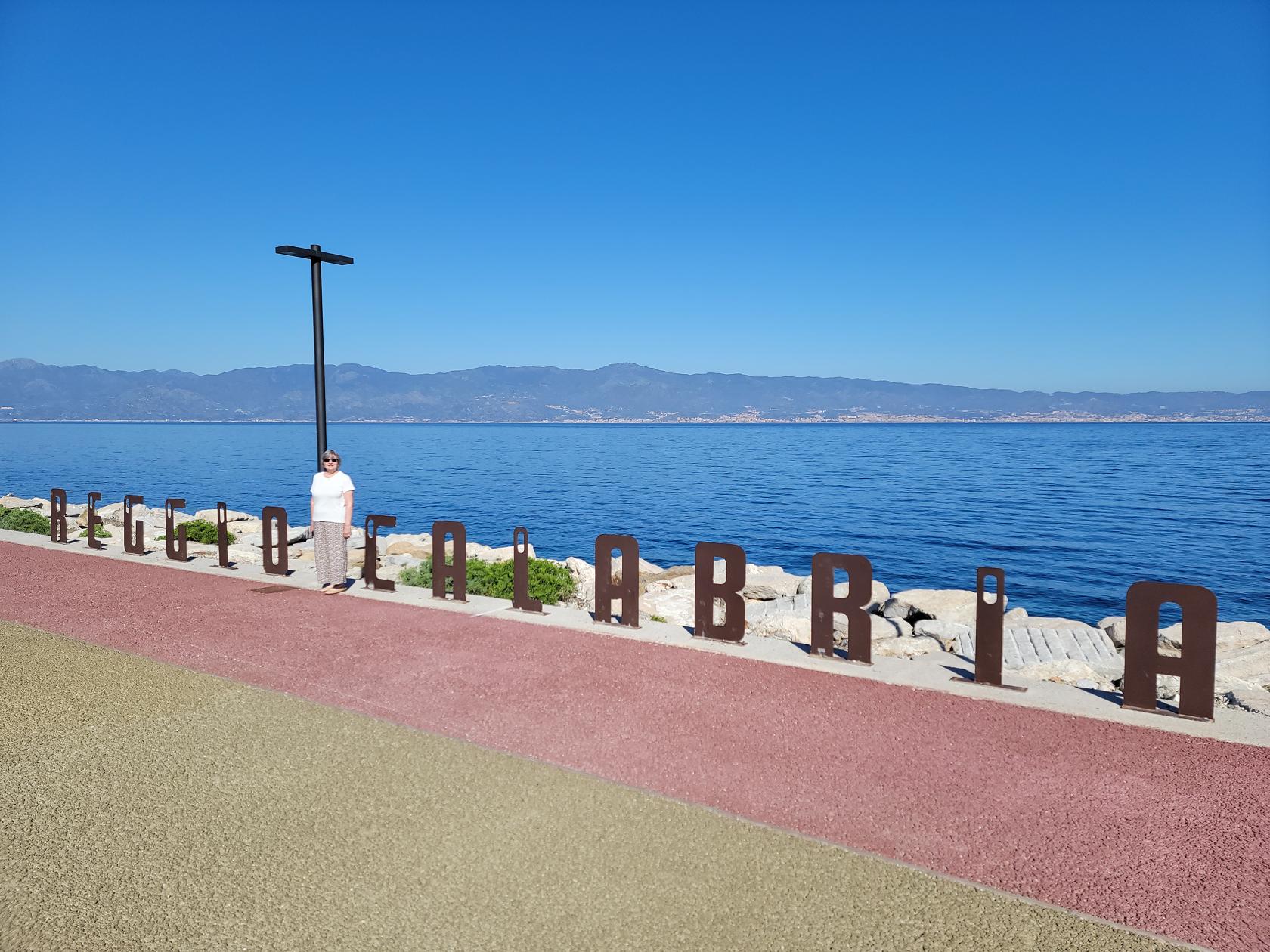
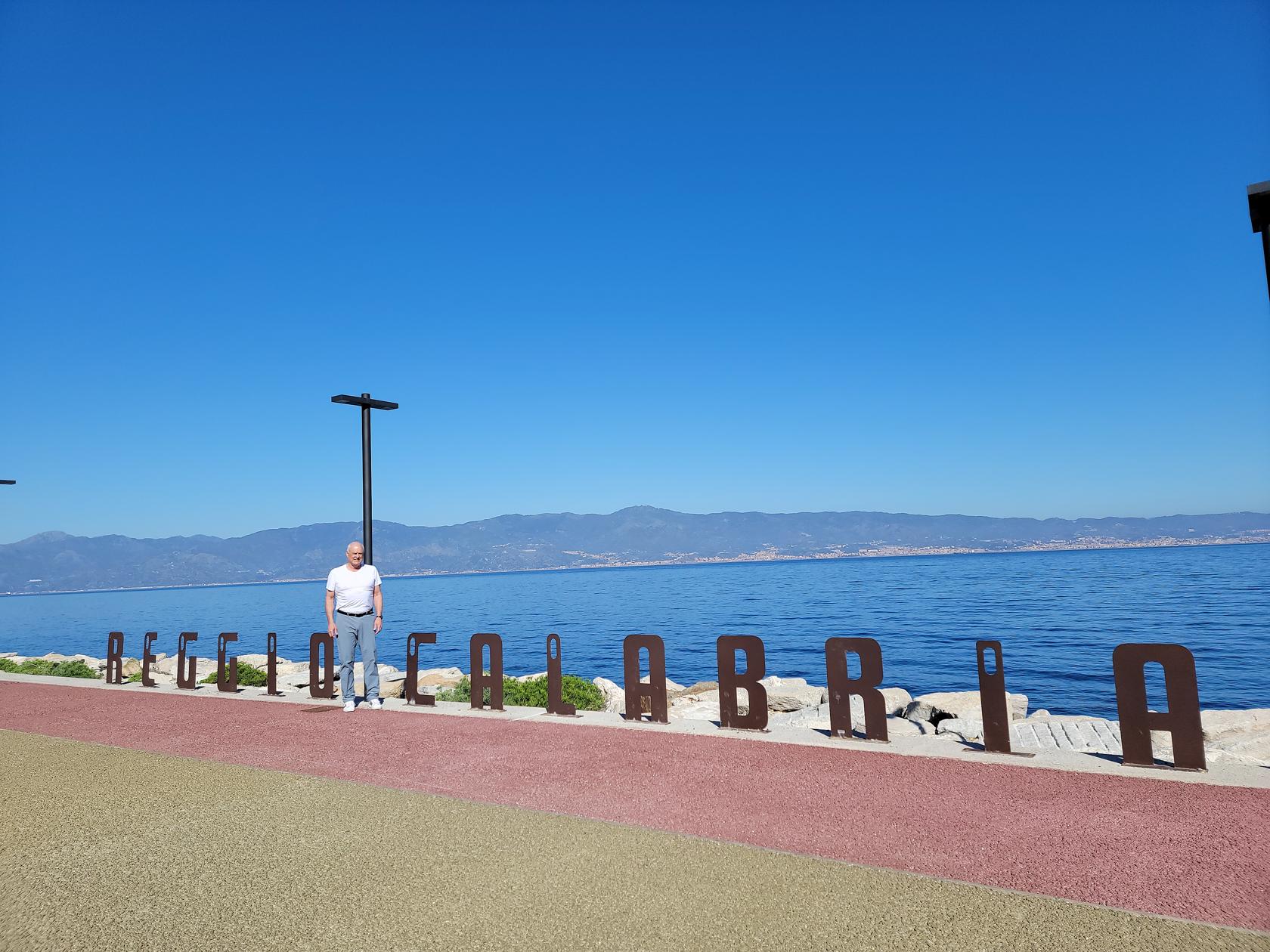
The city has an extensive waterfront and a beautiful Lungomare to go with it. Near the end of it, in the urban park, you will find a nice long sign with the city’s name where you can take memorable photographs.
Boardwalk – Lungomare – Reggio Calabria, Italy
Boardwalk – Lungomare – Reggio Calabria, Italy
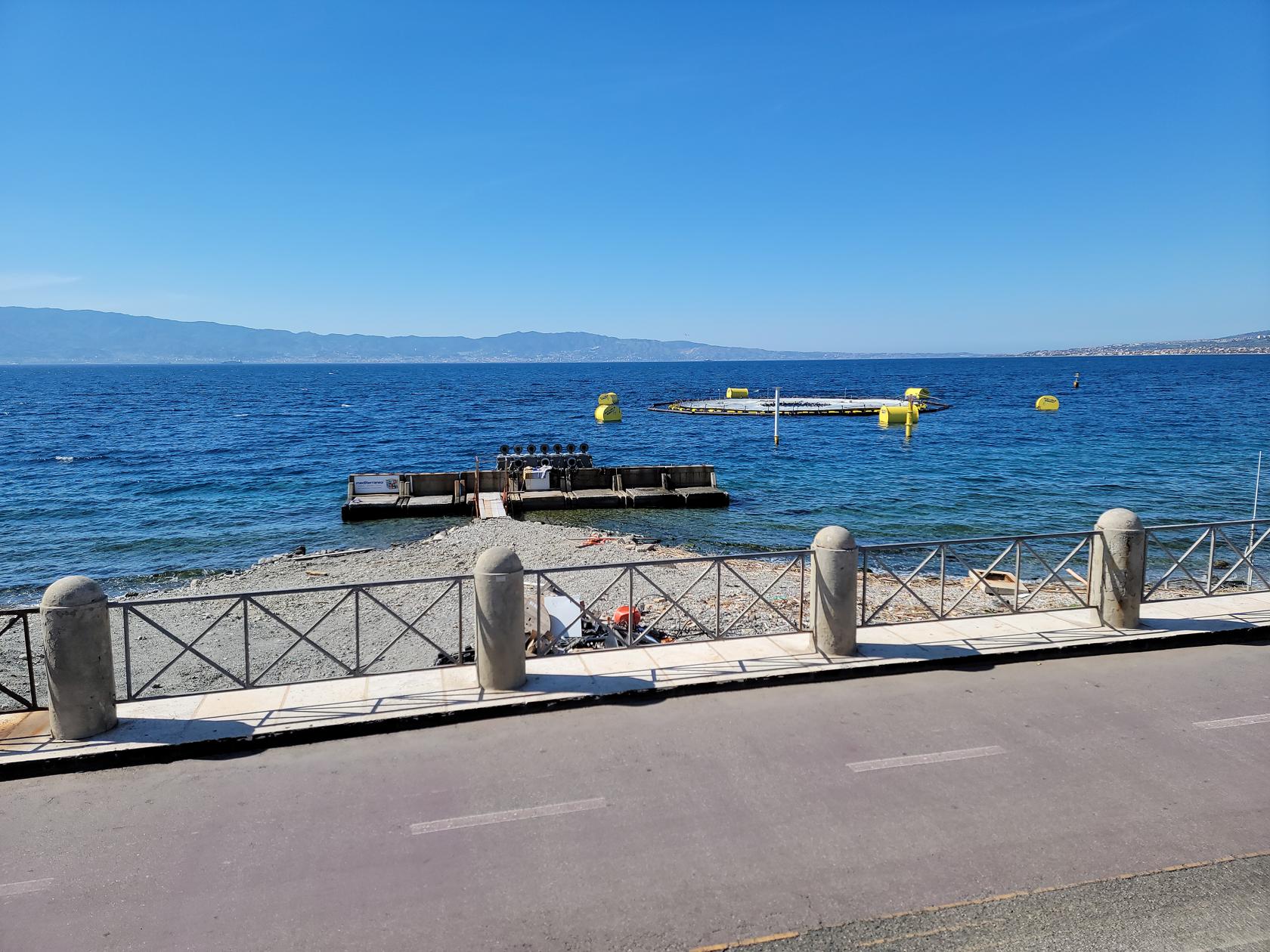
Beach – Lungomare – Reggio Calabria, Italy
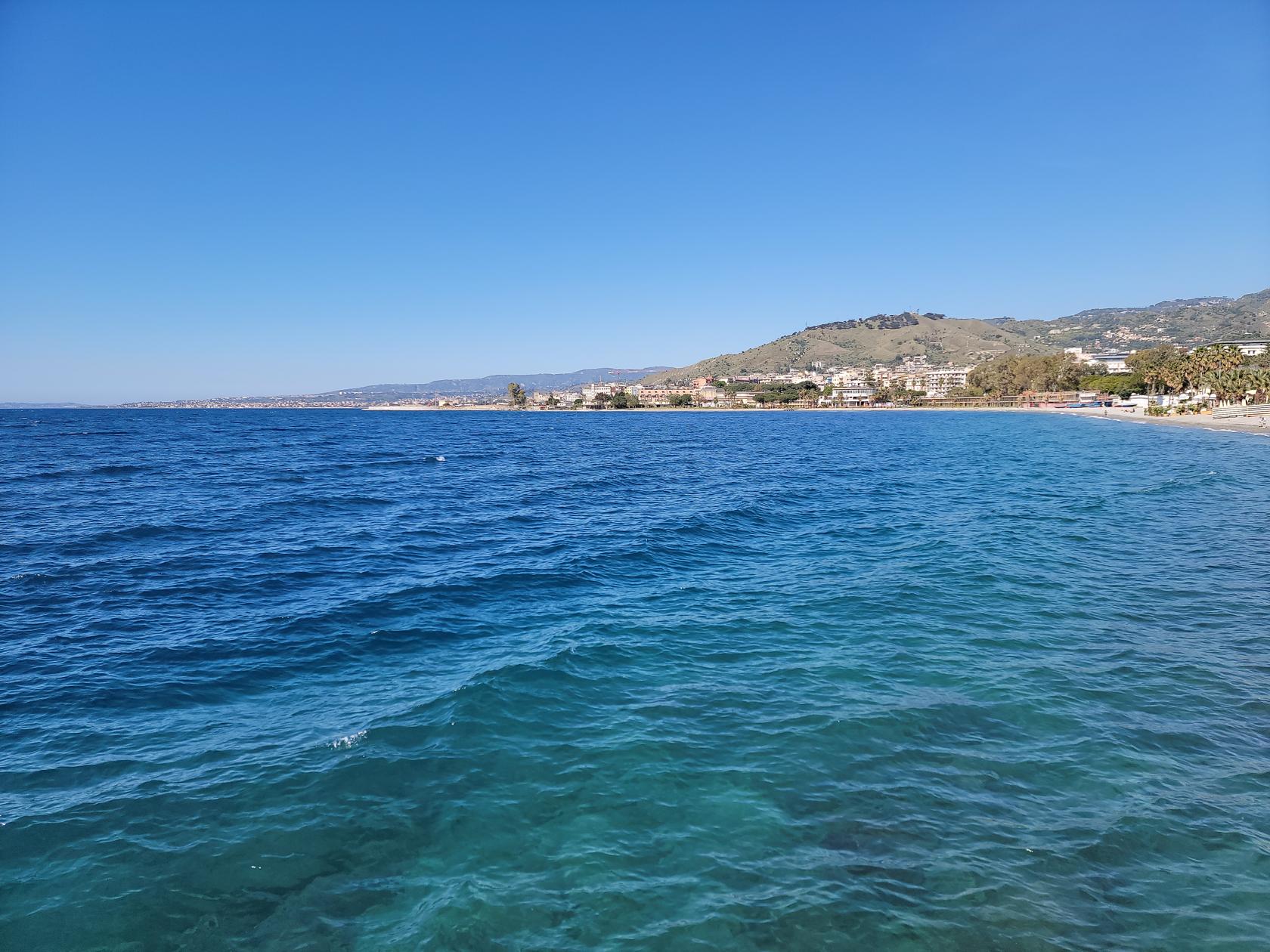
Looking North – Lungomare – Reggio Calabria, Italy
Patti by City Sign – Lungomare – Reggio Calabria, Italy
Erick by City Sign – Lungomare – Reggio Calabria, Italy
There are several points of interest along the boardwalk and a leisurely stroll along it will eventually bring you to all of them.
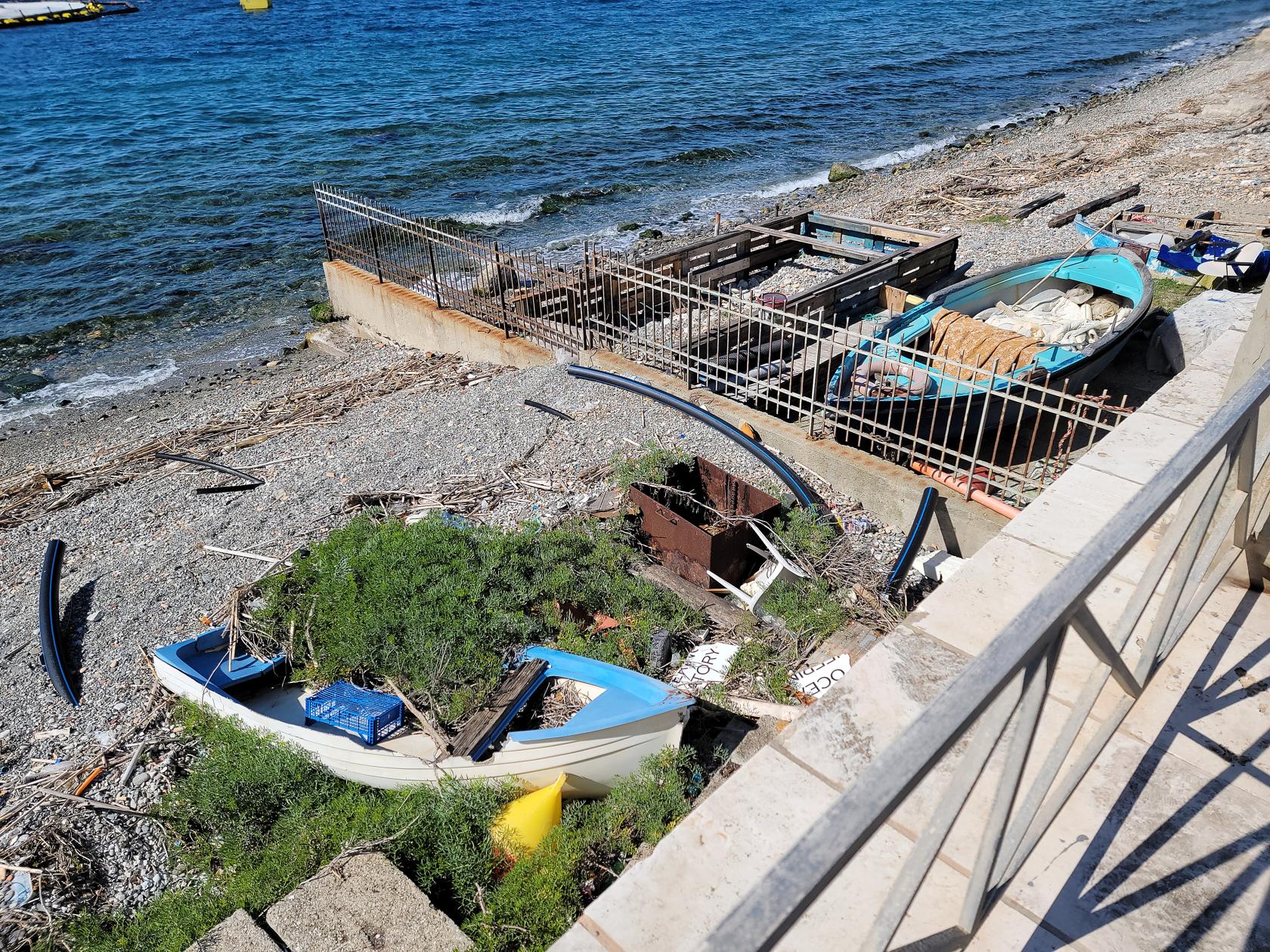
Abandoned Boats – Lungomare – Reggio Calabria, Italy
Wave Science Experiment – Lungomare – Reggio Calabria, Italy
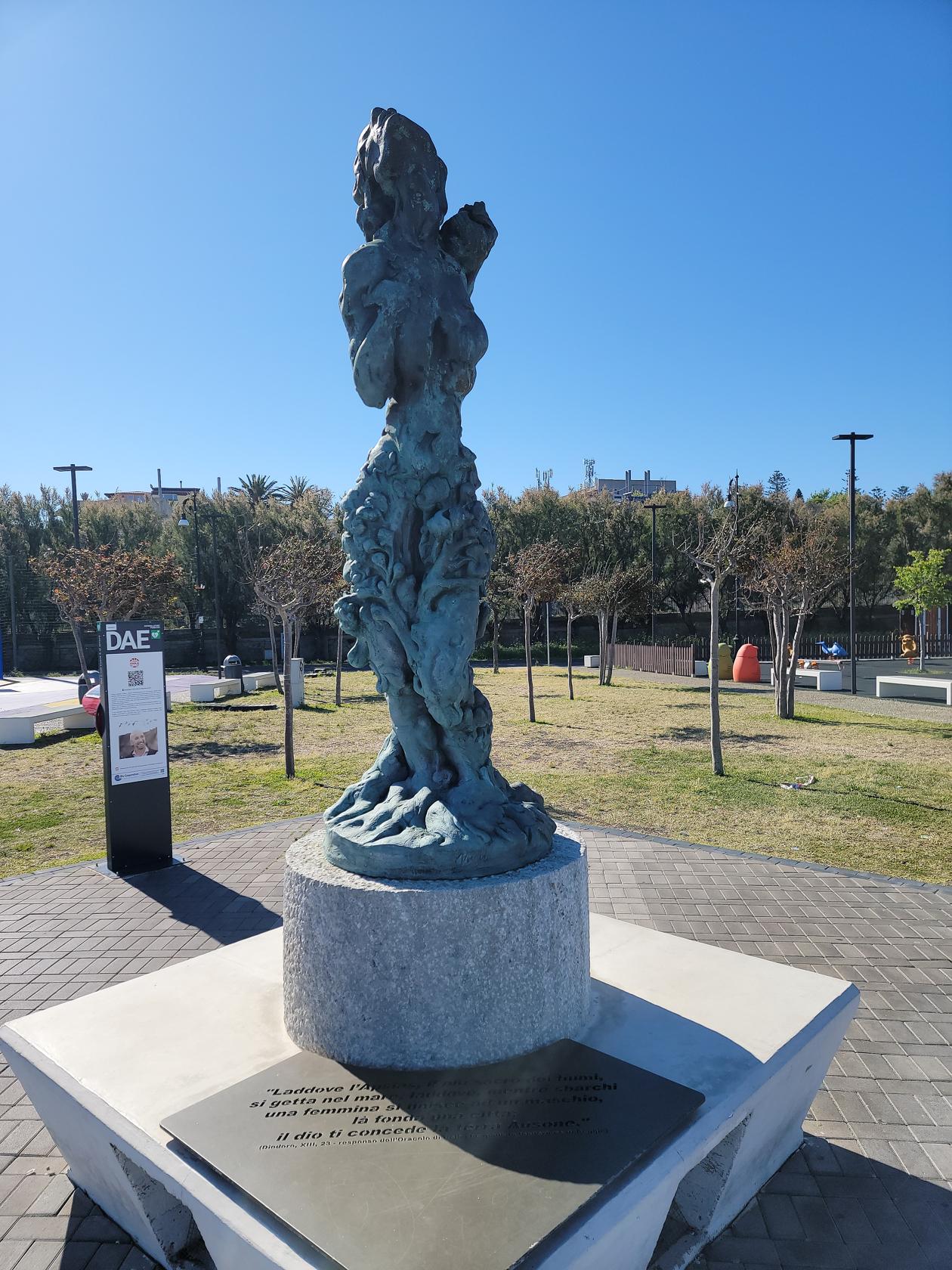
Unknown Statue – Lungomare – Reggio Calabria, Italy
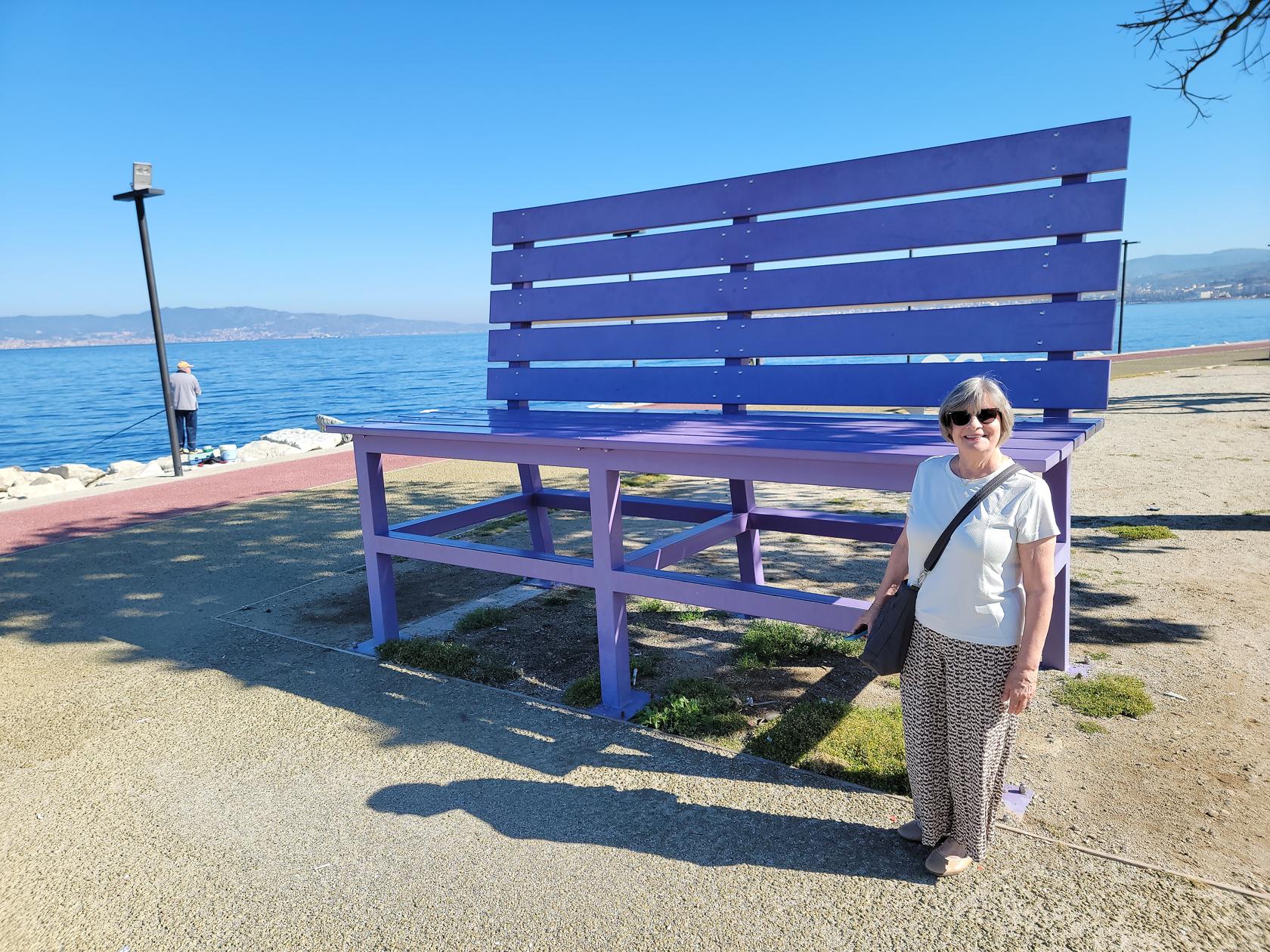
Somewhere near the end, down by the Roman Baths, Patti found the Big Bench. Apparently just installed, since it had no placename on it yet.
Patti finds the Big Bench – Lungomare – Reggio Calabria, Italy
Monumento Della Vittoria
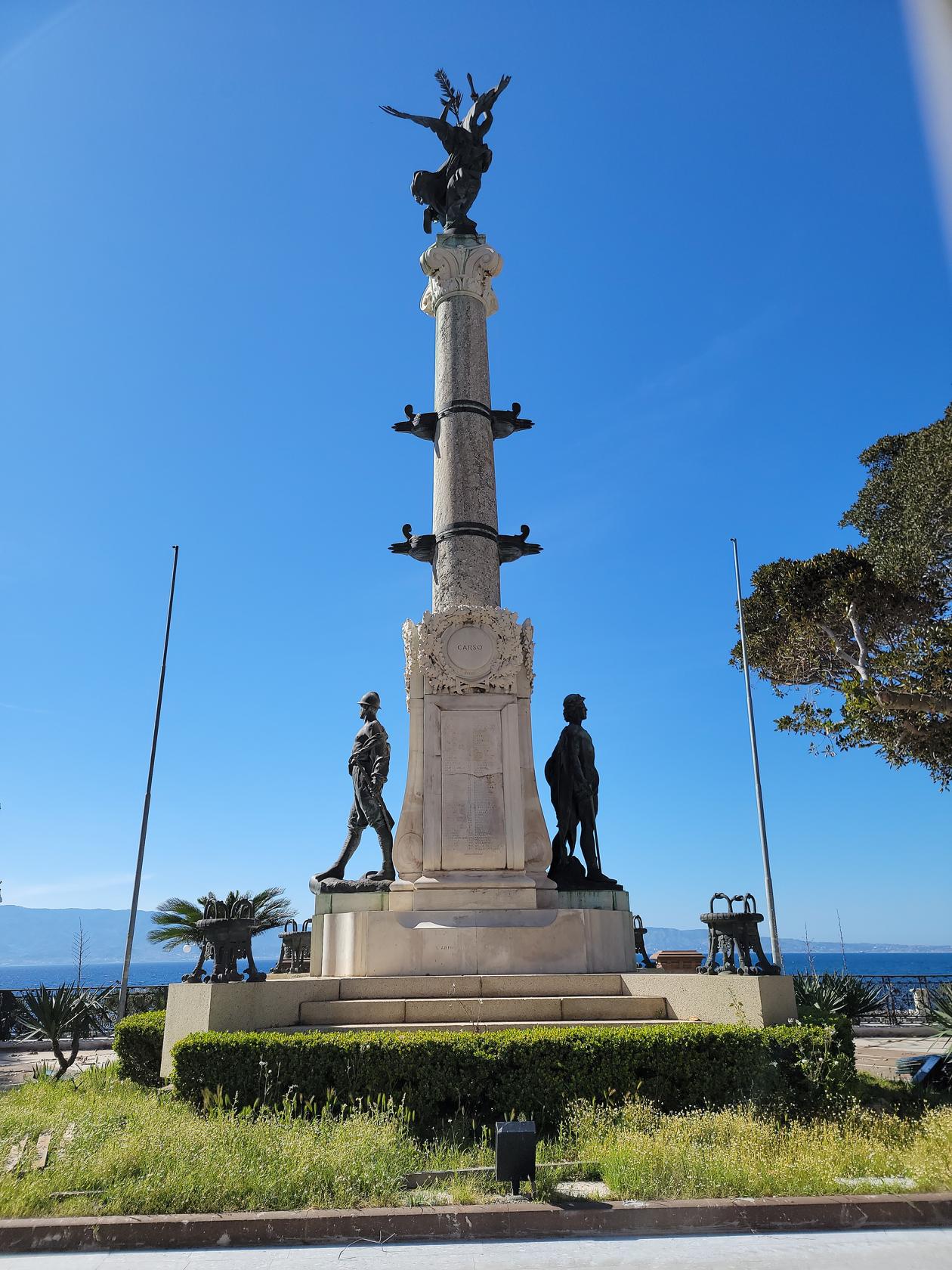
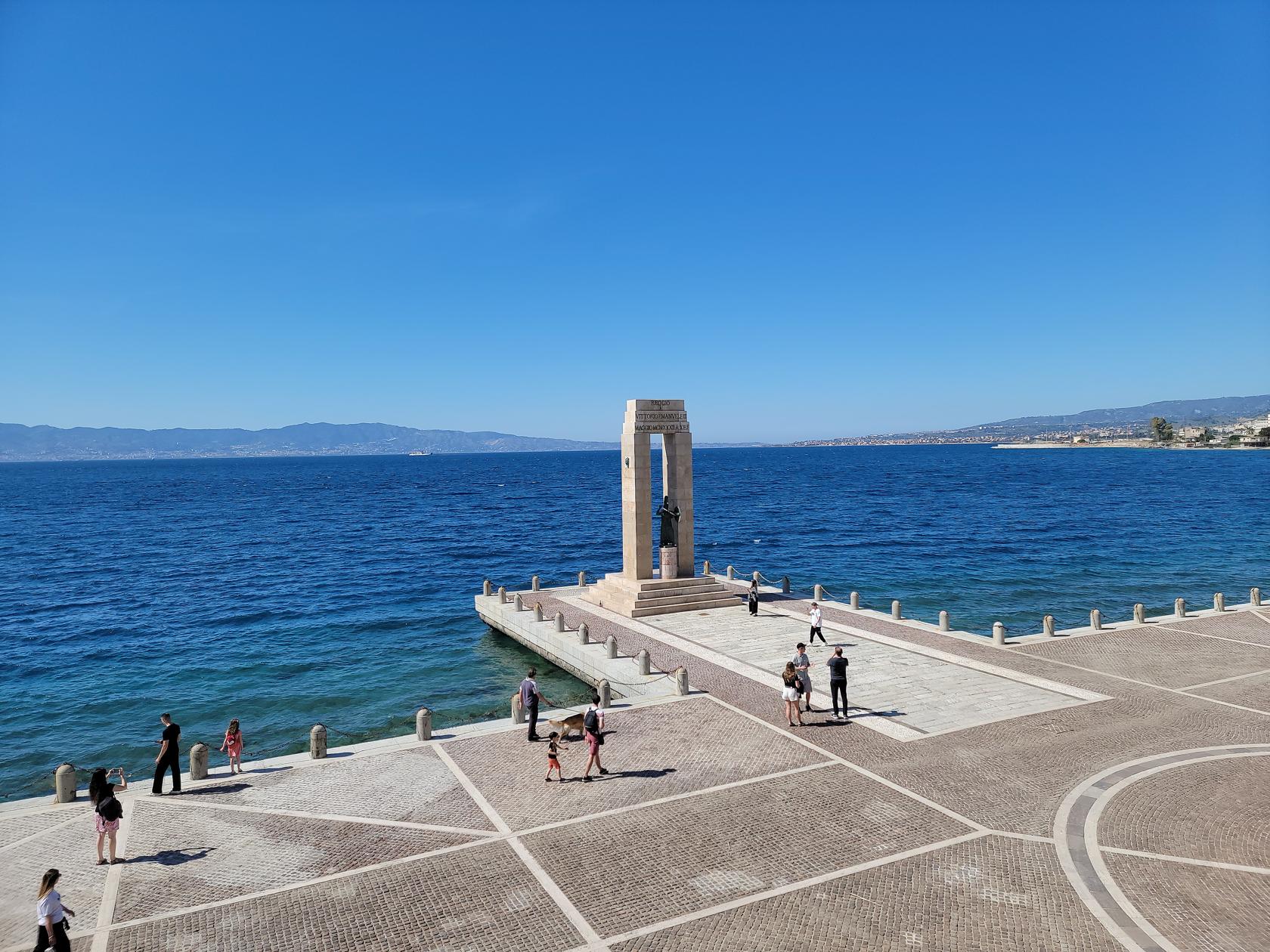
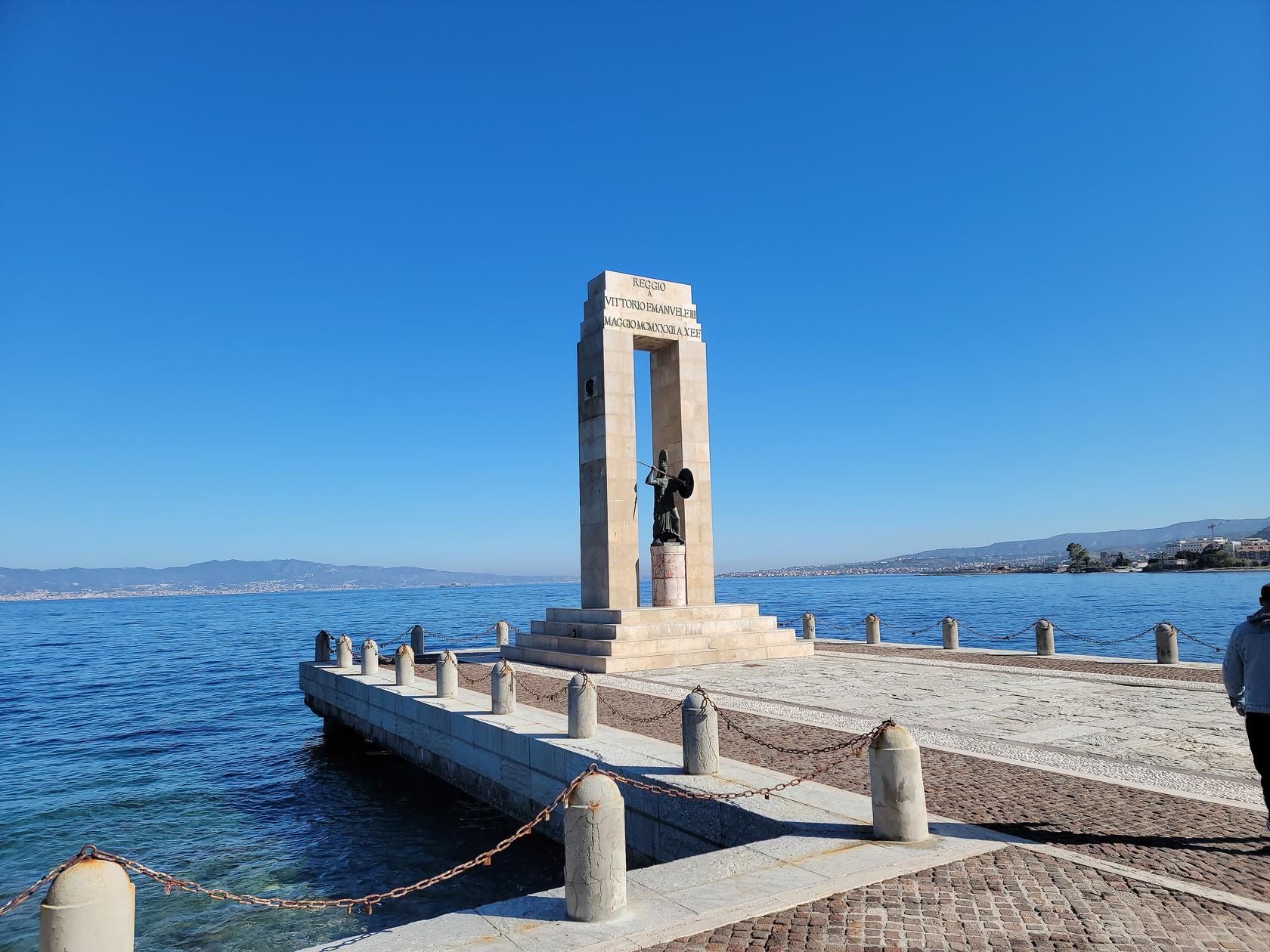
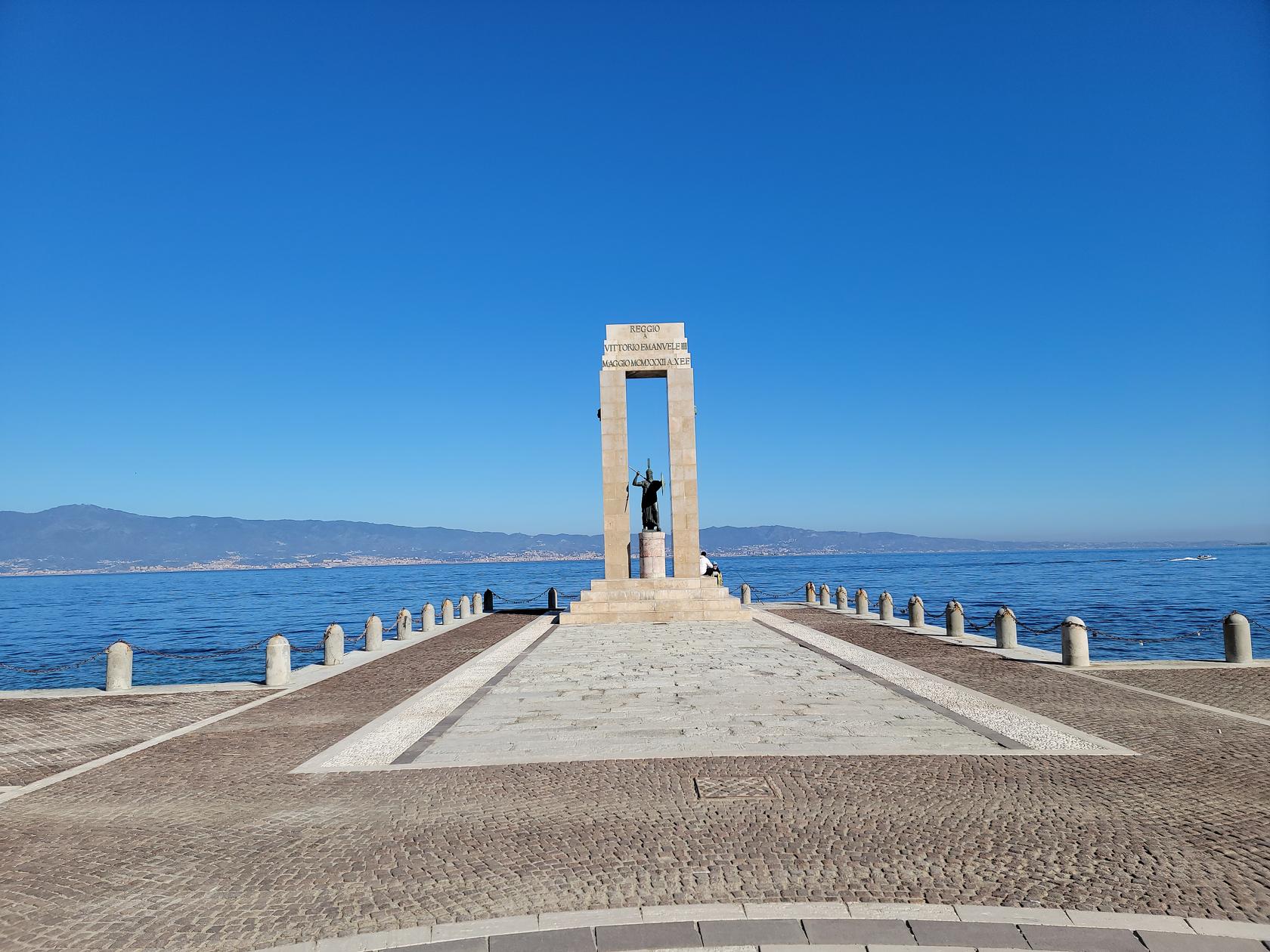
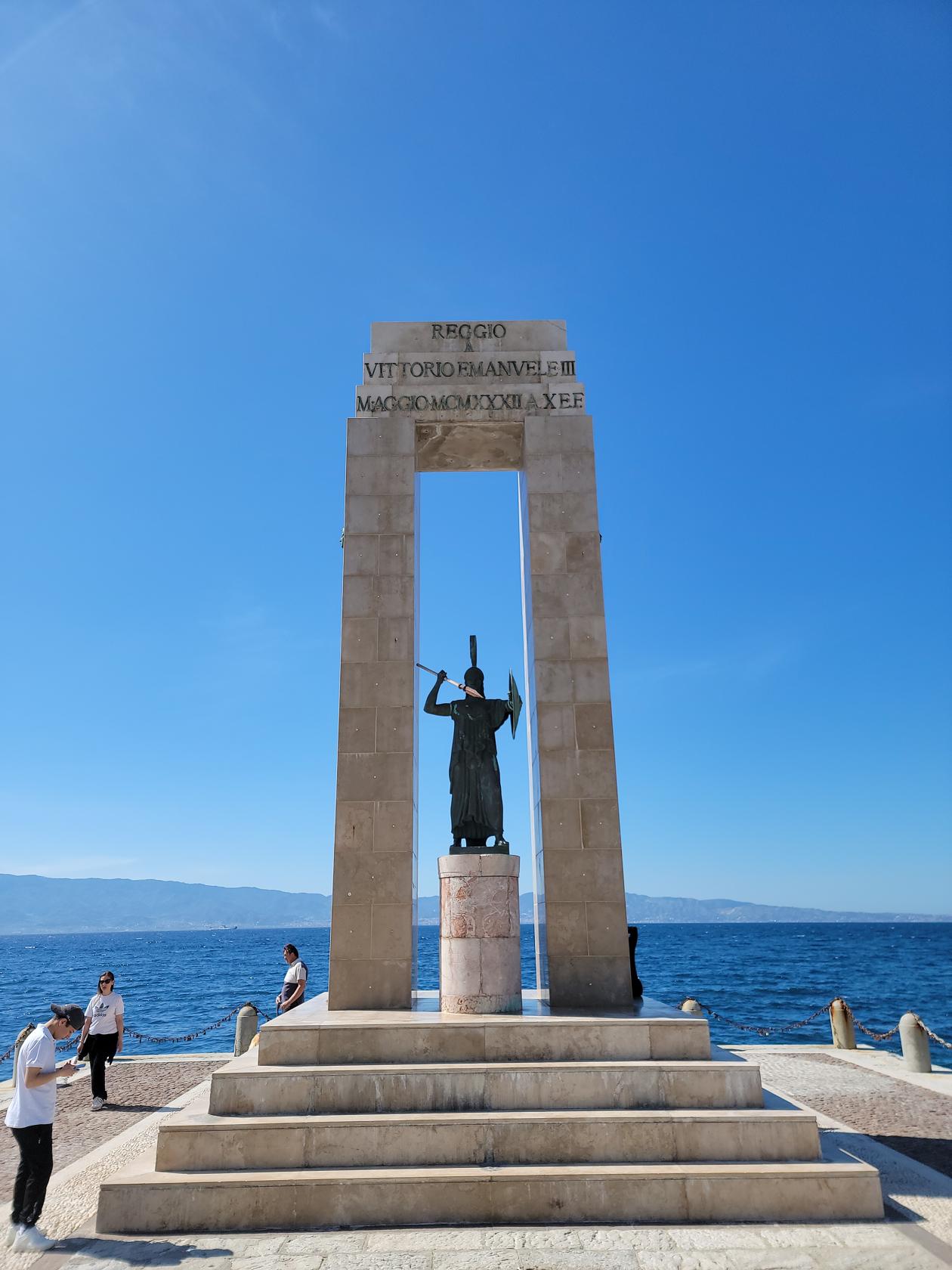
From our hotel on Via Giula, almost directly down the street and on the waterfront and Lungomare, is the Monumento della Vittoria. It is a monument erected for Italy’s World War I victory and Victor Emmanuele III, which also has replica of the Statue of Athena Promachos inside it.
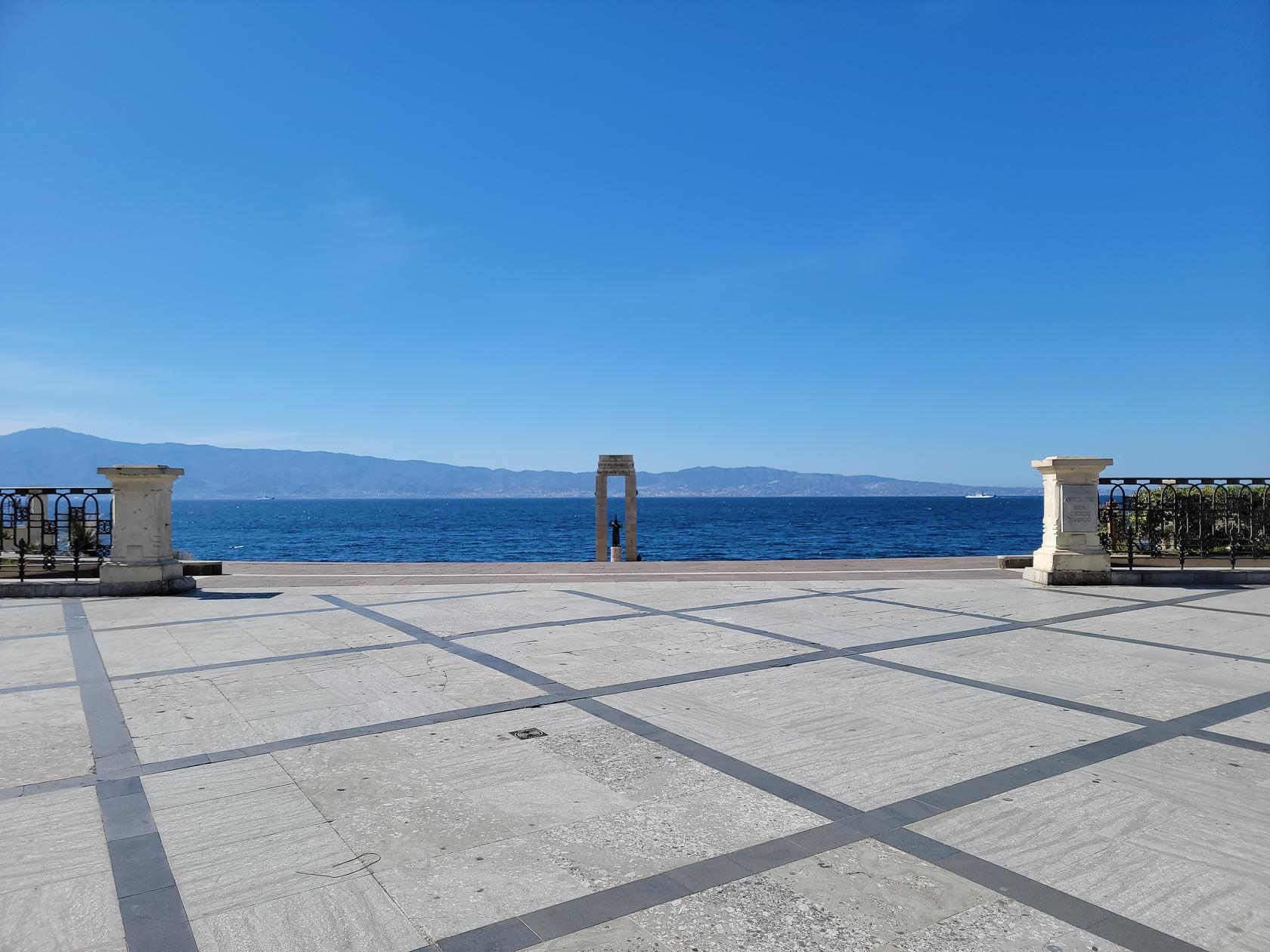
Monumento della Vittoria – Lungomare – Reggio Calabria, Italy
Monumento della Vittoria – Lungomare – Reggio Calabria, Italy
Monumento della Vittoria – Lungomare – Reggio Calabria, Italy
Monumento della Vittoria – Lungomare – Reggio Calabria, Italy
Monumento della Vittoria – Lungomare – Reggio Calabria, Italy
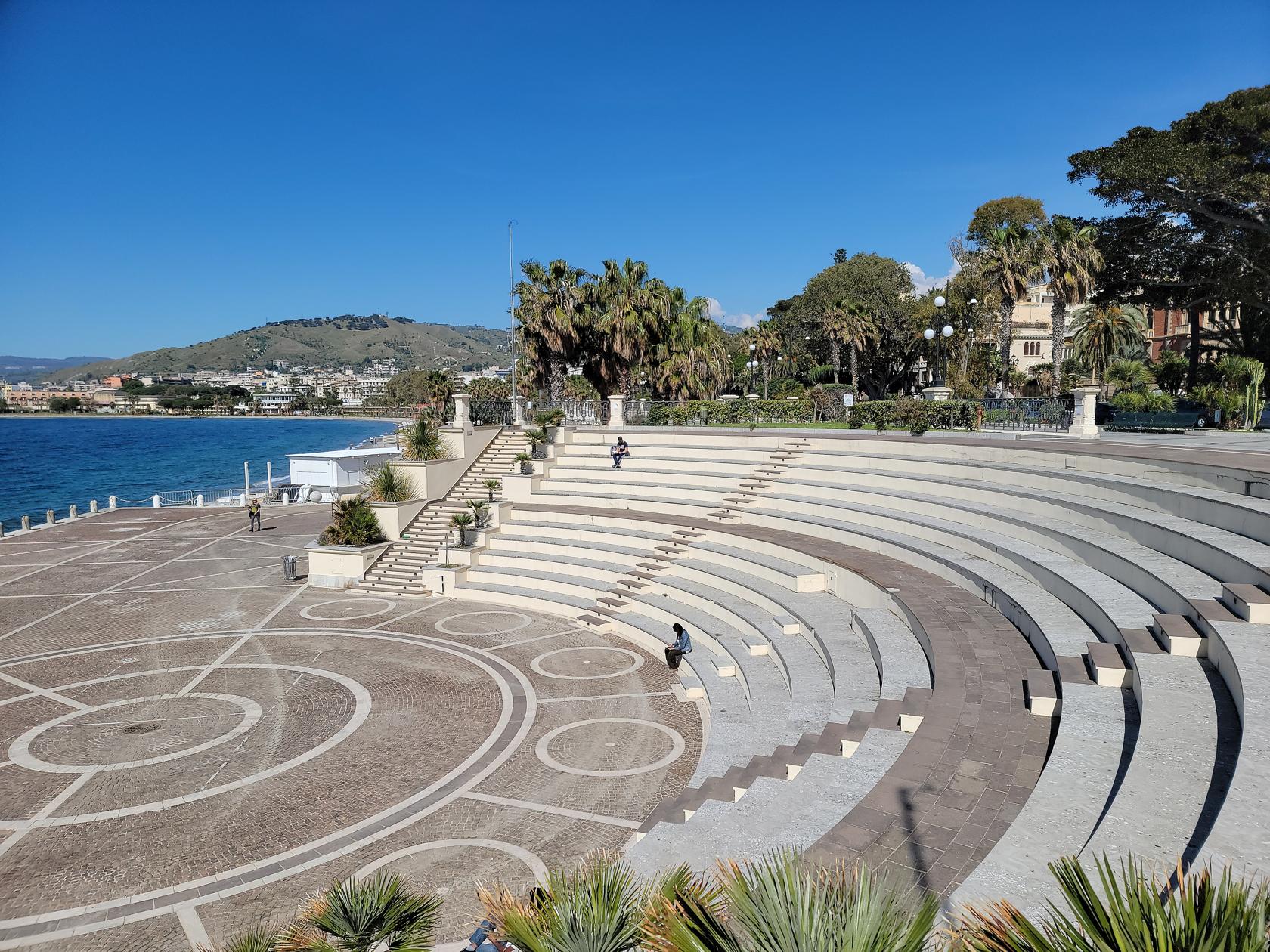
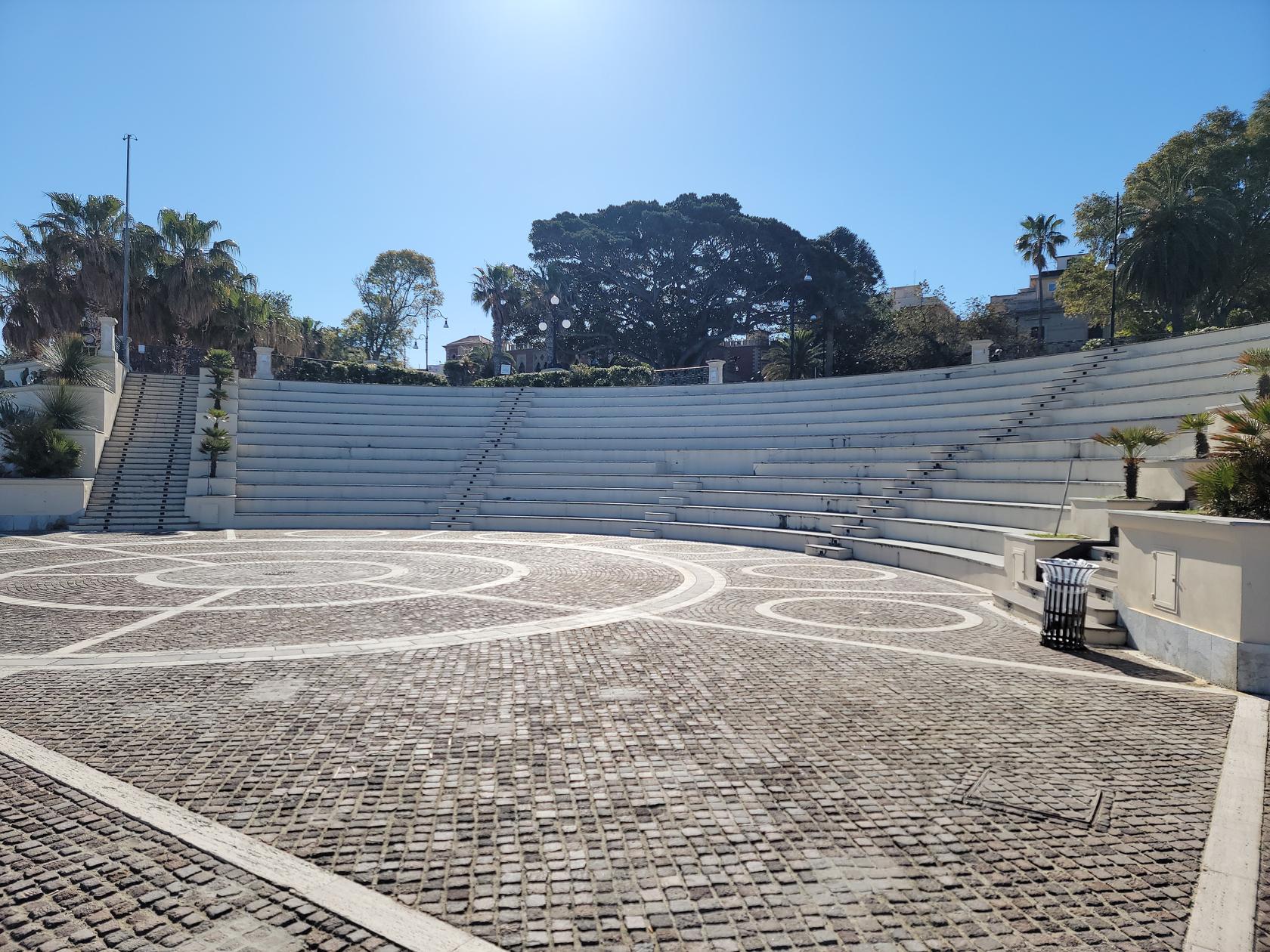
Arena del Stretto – Lungomare – Reggio Calabria, Italy
Arena del Stretto – Lungomare – Reggio Calabria, Italy
Roman Baths
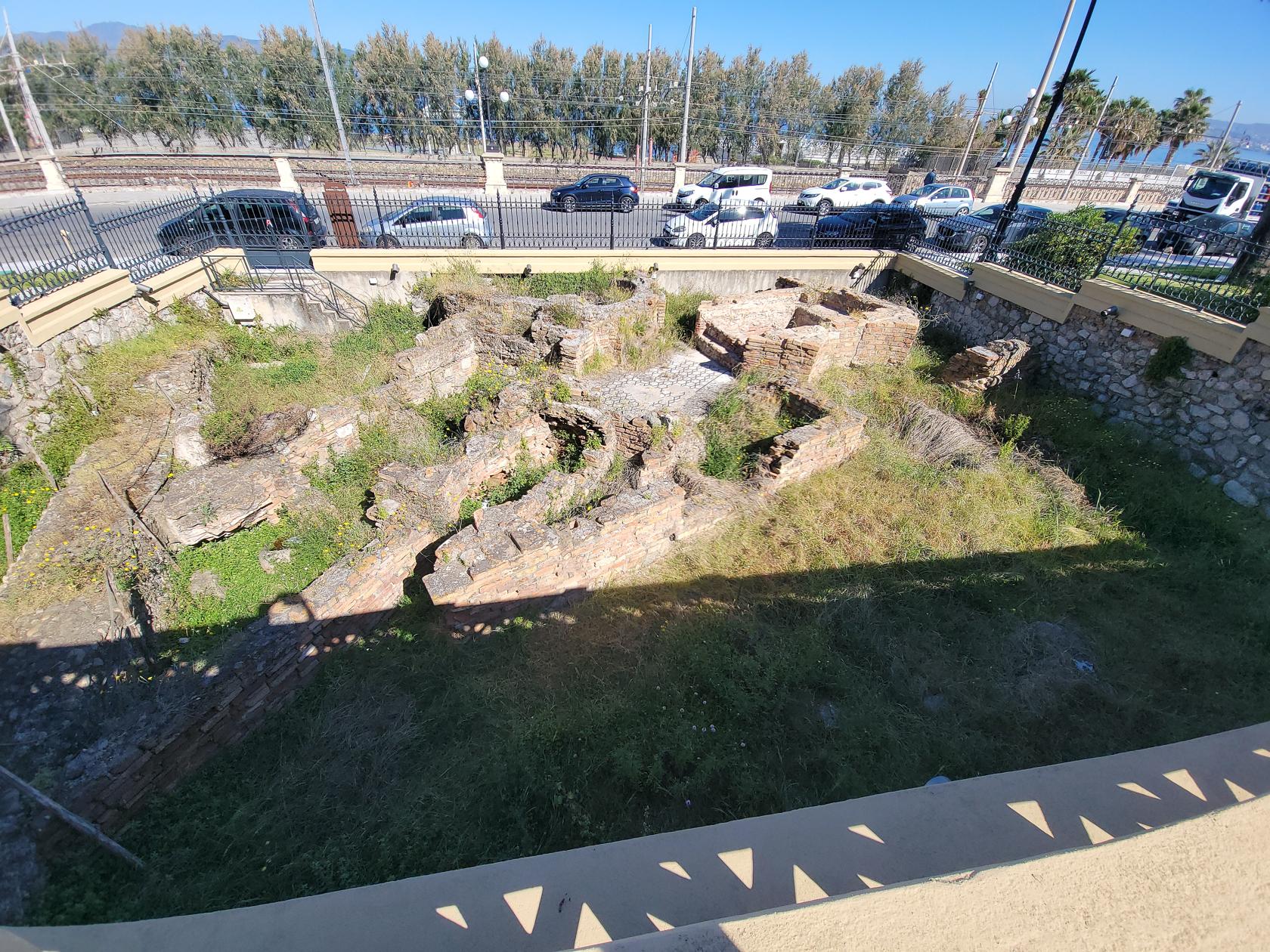
Along the Lungomare is a site of old Roman baths from antiquity.
Roman Baths Site – Reggio Calabria, Italy
Basilica di Maria Santissima Assunta in Cielo
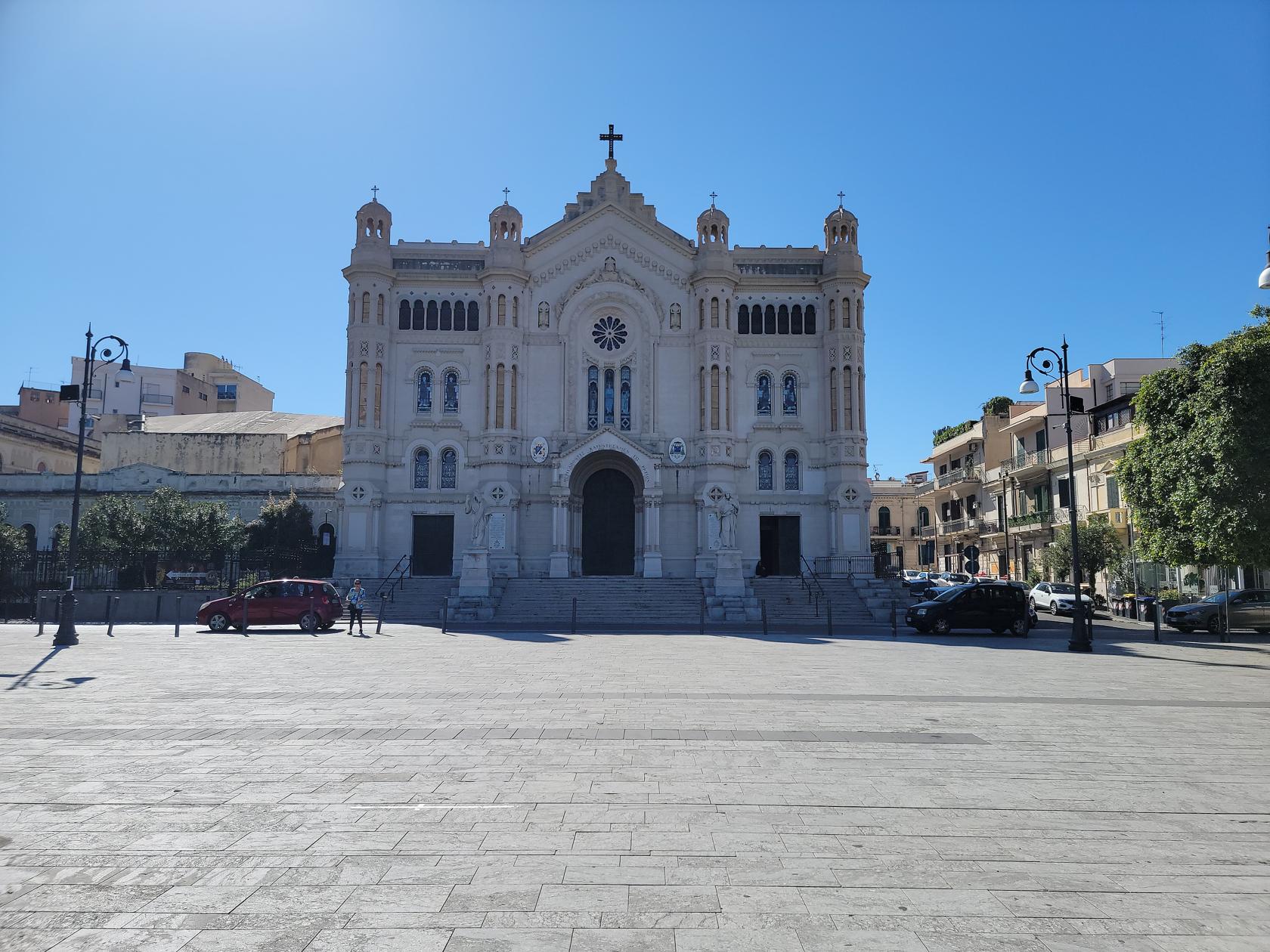
A large cathedral in the Piazza Duomo is the Basilica di Maria Santissima Assunta in Cielo. It was partially destroyed in the 1908 earthquake and rebuilt with a fusion of Romanesque and Gothic styles.
Basilica di Maria Santissima Assunta in Cielo – Piazza Duomo – Reggio Calabria, Italy
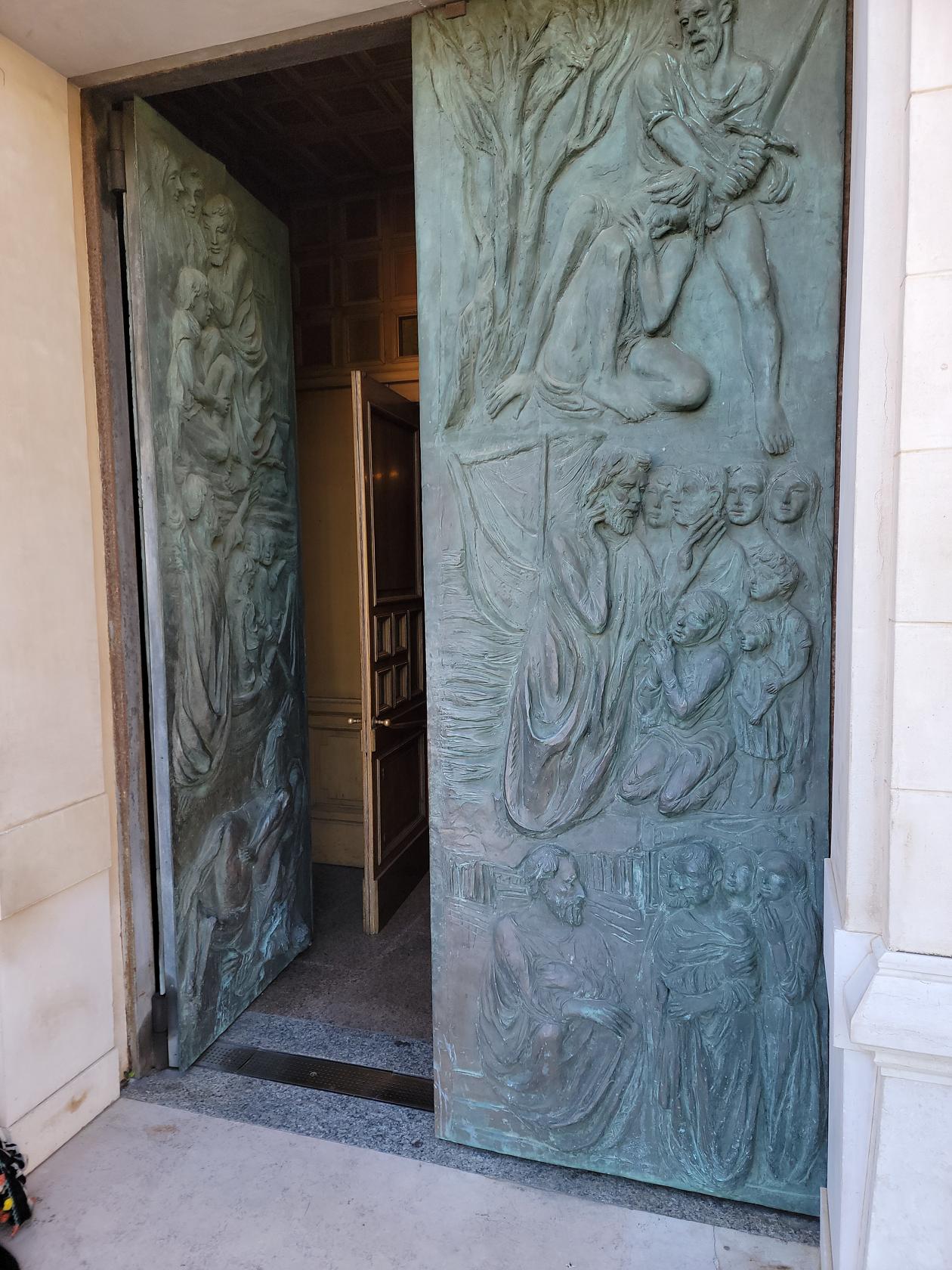
Bronze Doors – Basilica di Maria Santissima Assunta in Cielo – Piazza Duomo – Reggio Calabria, Italy
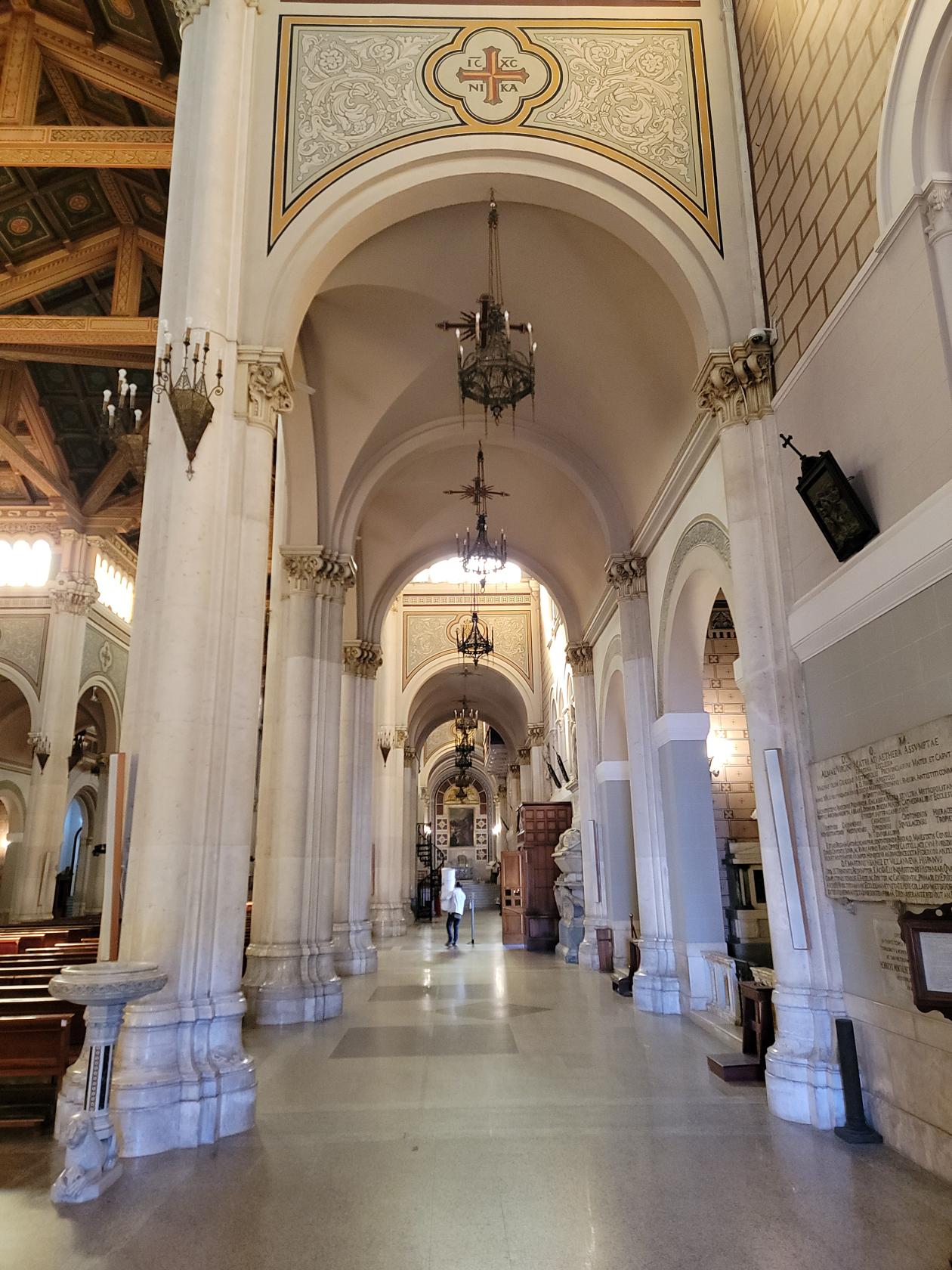
Aisle – Basilica di Maria Santissima Assunta in Cielo – Piazza Duomo – Reggio Calabria, Italy
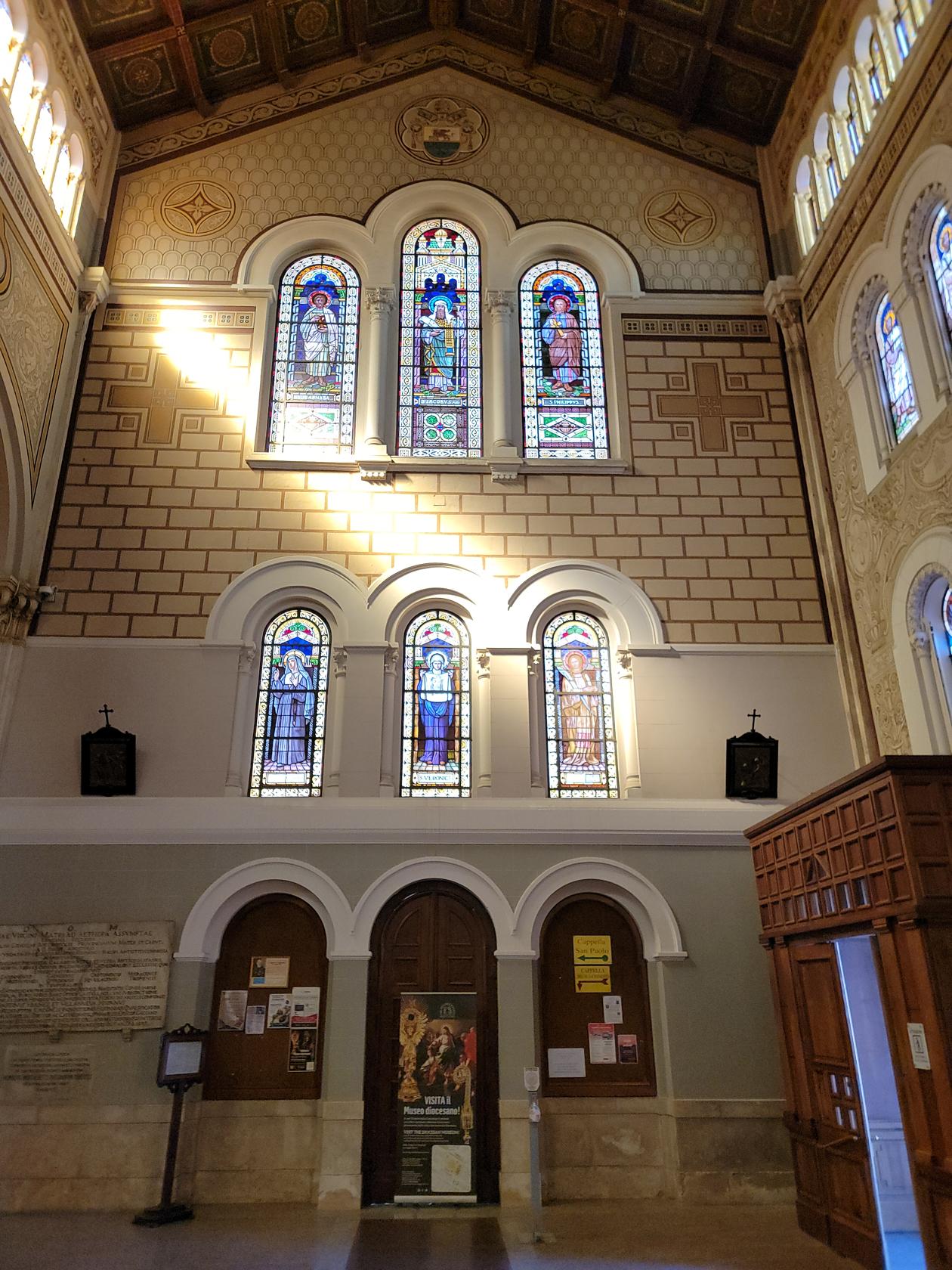
Clerestory by Entry – Basilica di Maria Santissima Assunta in Cielo – Piazza Duomo – Reggio Calabria, Italy
Clerestory by Entry – Basilica di Maria Santissima Assunta in Cielo – Piazza Duomo – Reggio Calabria, Italy
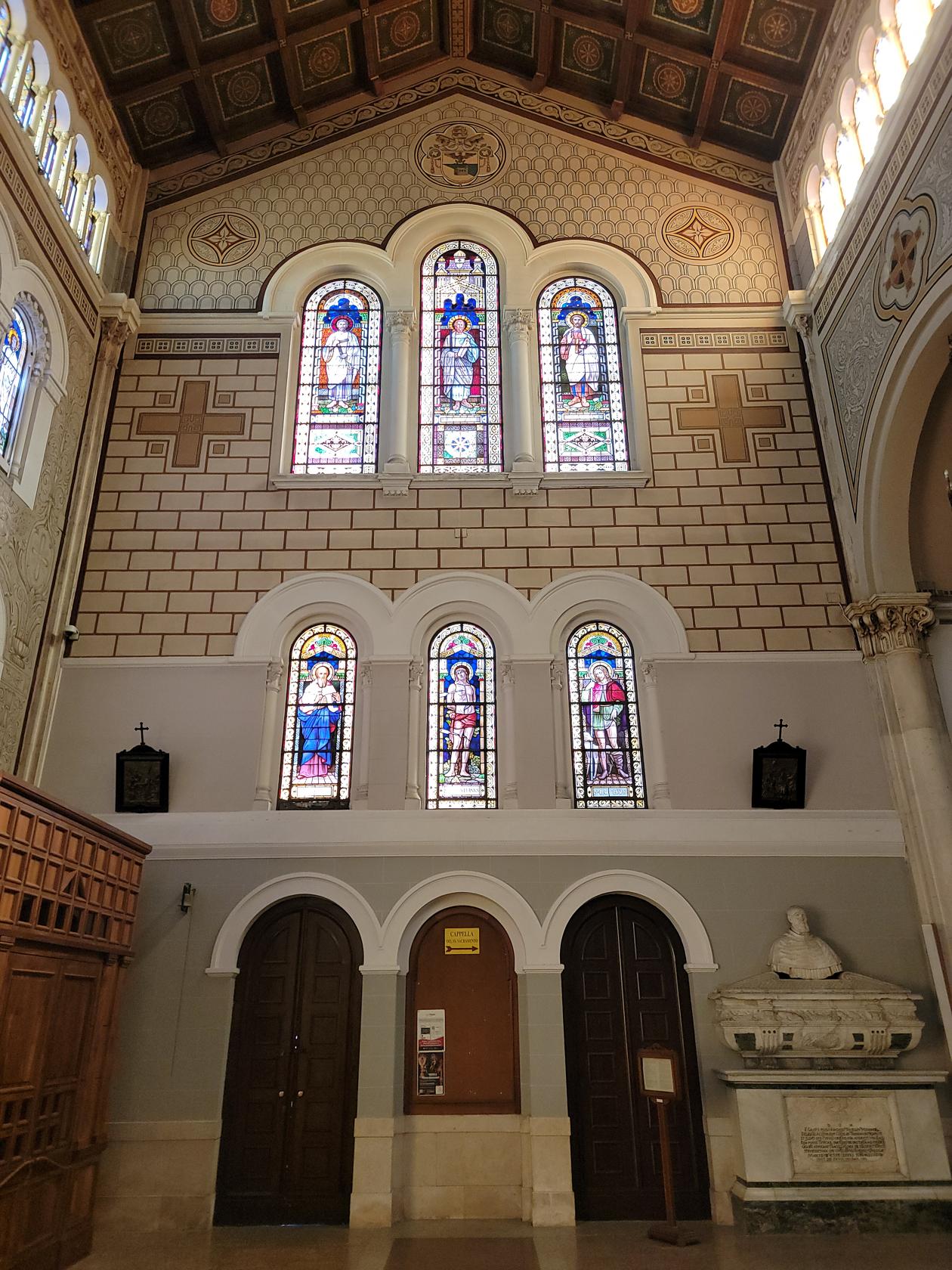
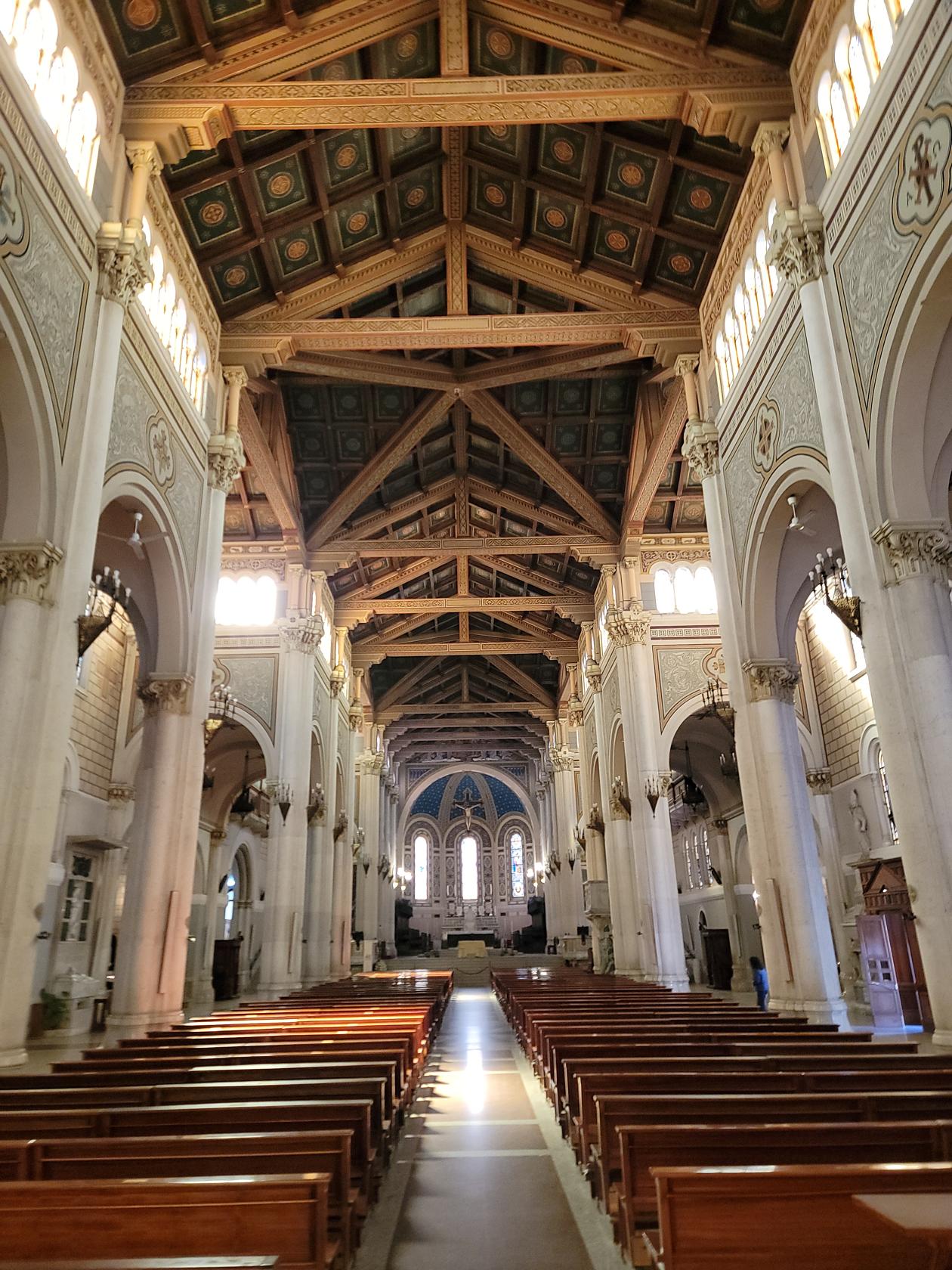
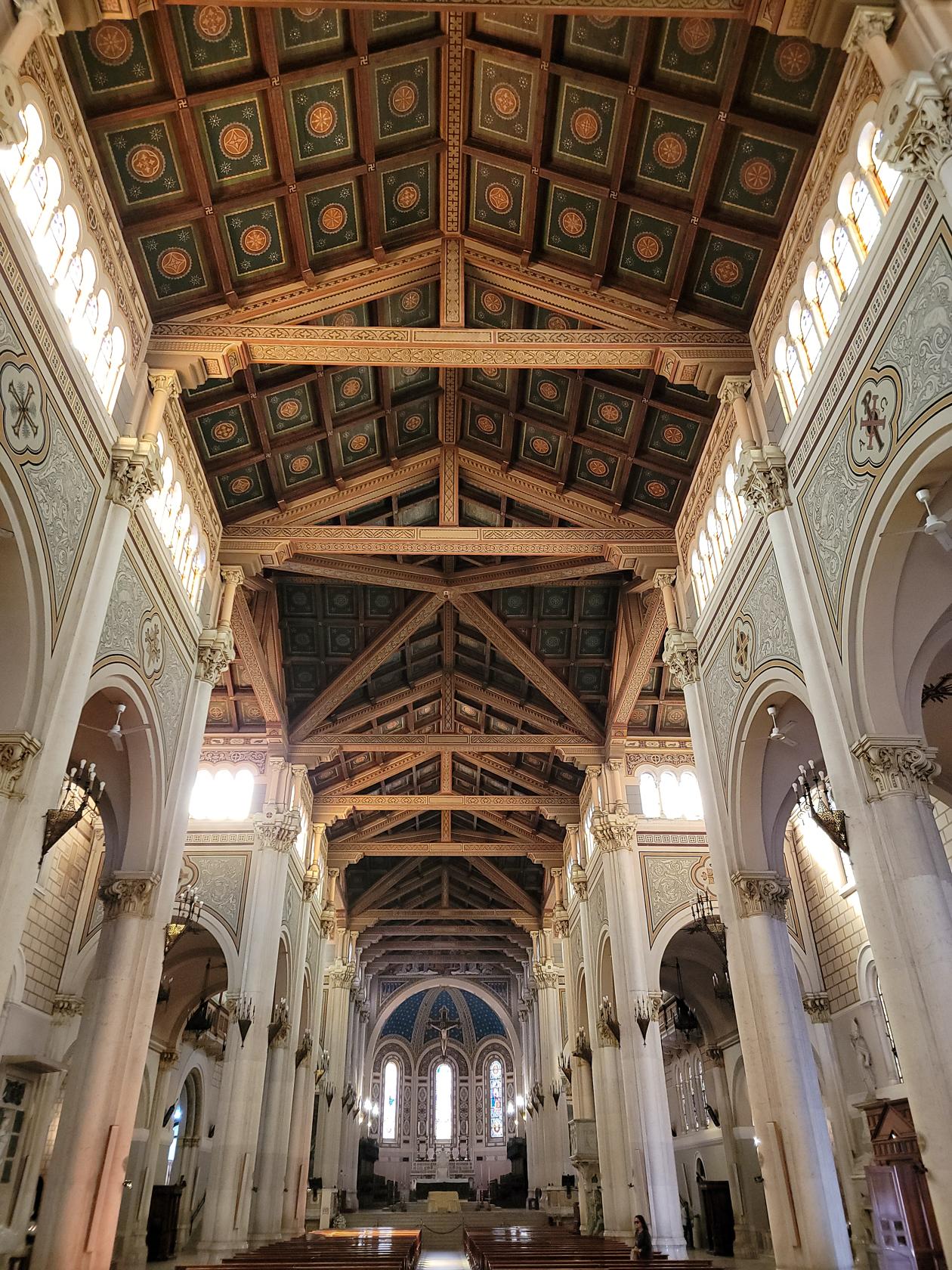
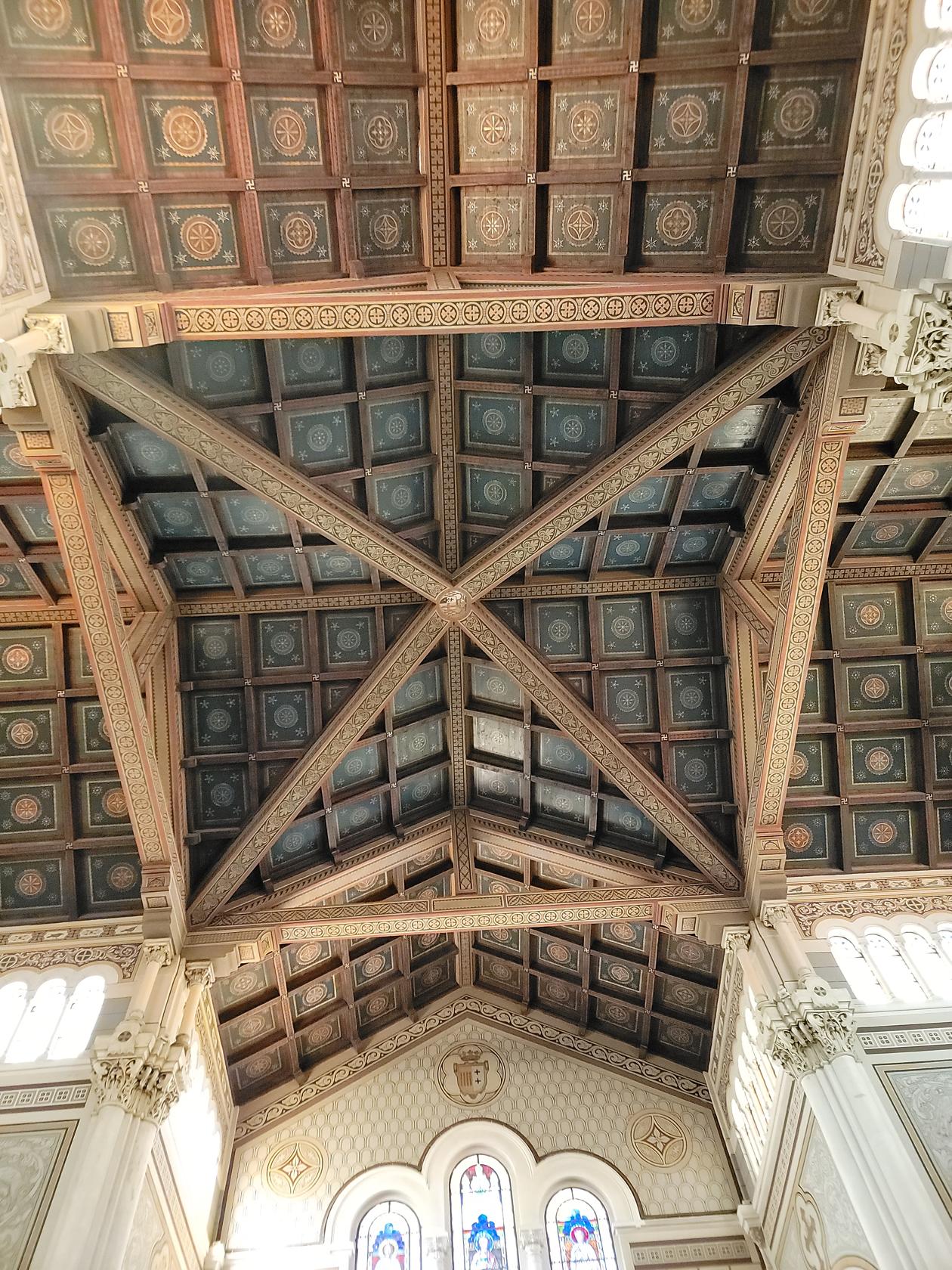
The most interesting interior element of the cathedral is its ceiling. A timbered edifice that is remarqued and painted in a most interesting style, including pagan elements which appear to be handpainted.
Nave – Basilica di Maria Santissima Assunta in Cielo – Piazza Duomo – Reggio Calabria, Italy
Nave’s Ceiling – Basilica di Maria Santissima Assunta in Cielo – Piazza Duomo – Reggio Calabria, Italy
Crossing – Basilica di Maria Santissima Assunta in Cielo – Piazza Duomo – Reggio Calabria, Italy
Urn – Basilica di Maria Santissima Assunta in Cielo – Piazza Duomo – Reggio Calabria, Italy
Altar and Apse – Basilica di Maria Santissima Assunta in Cielo – Piazza Duomo – Reggio Calabria, Italy
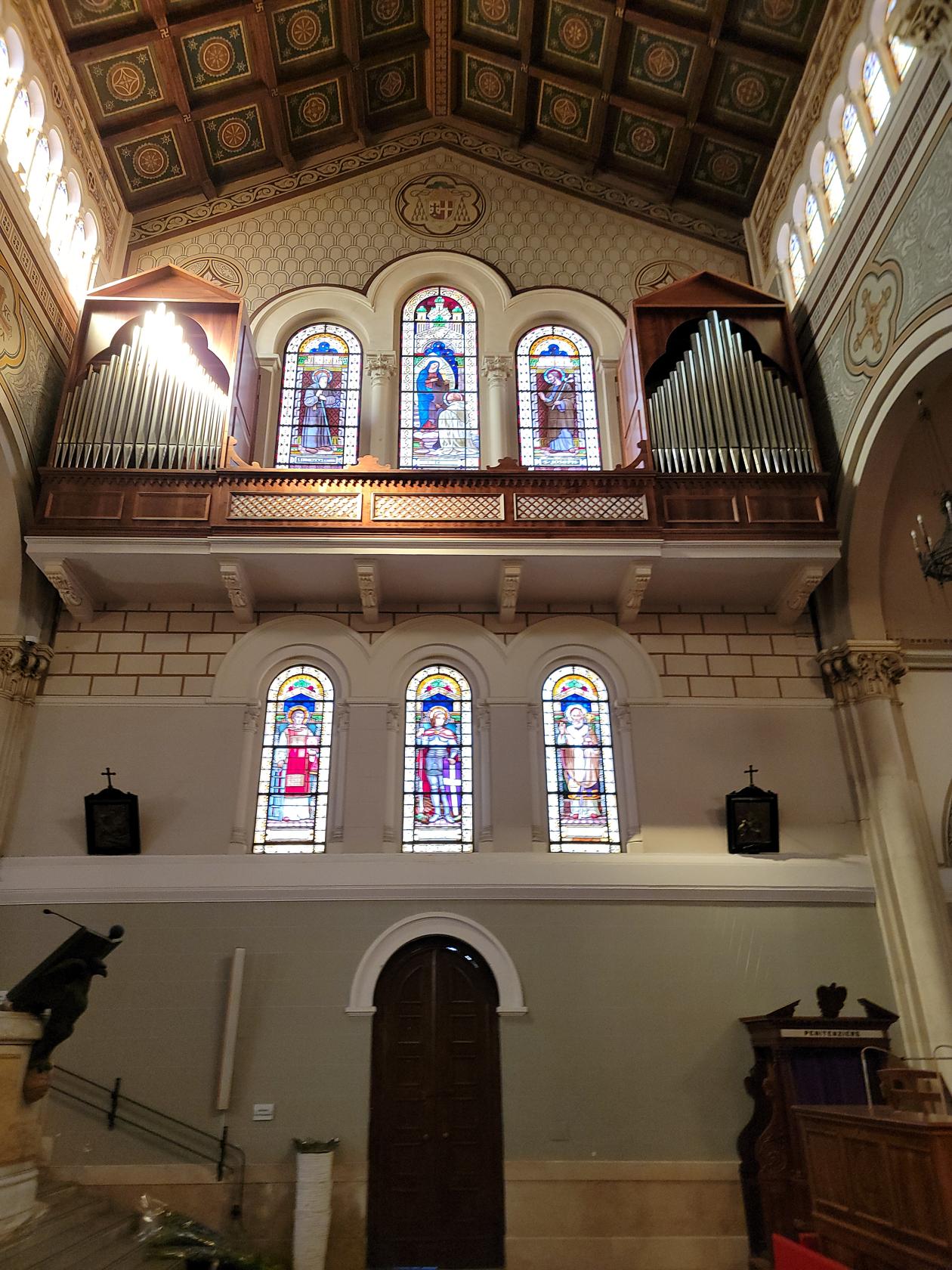
Organ in Transept – Basilica di Maria Santissima Assunta in Cielo – Piazza Duomo – Reggio Calabria, Italy
Side Chapel – Basilica di Maria Santissima Assunta in Cielo – Piazza Duomo – Reggio Calabria, Italy
Organ in Transept – Basilica di Maria Santissima Assunta in Cielo – Piazza Duomo – Reggio Calabria, Italy
Castello Aragonese
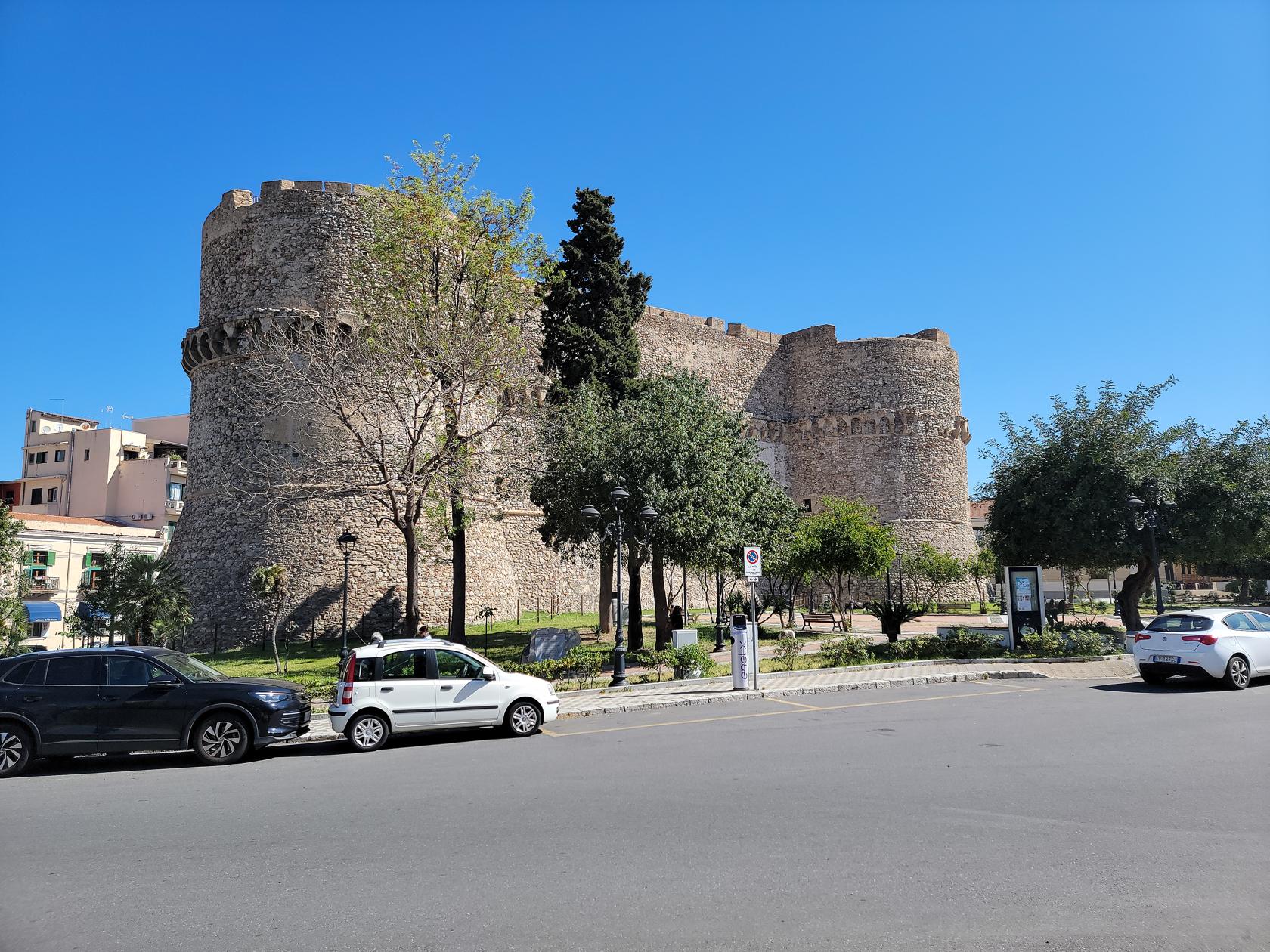
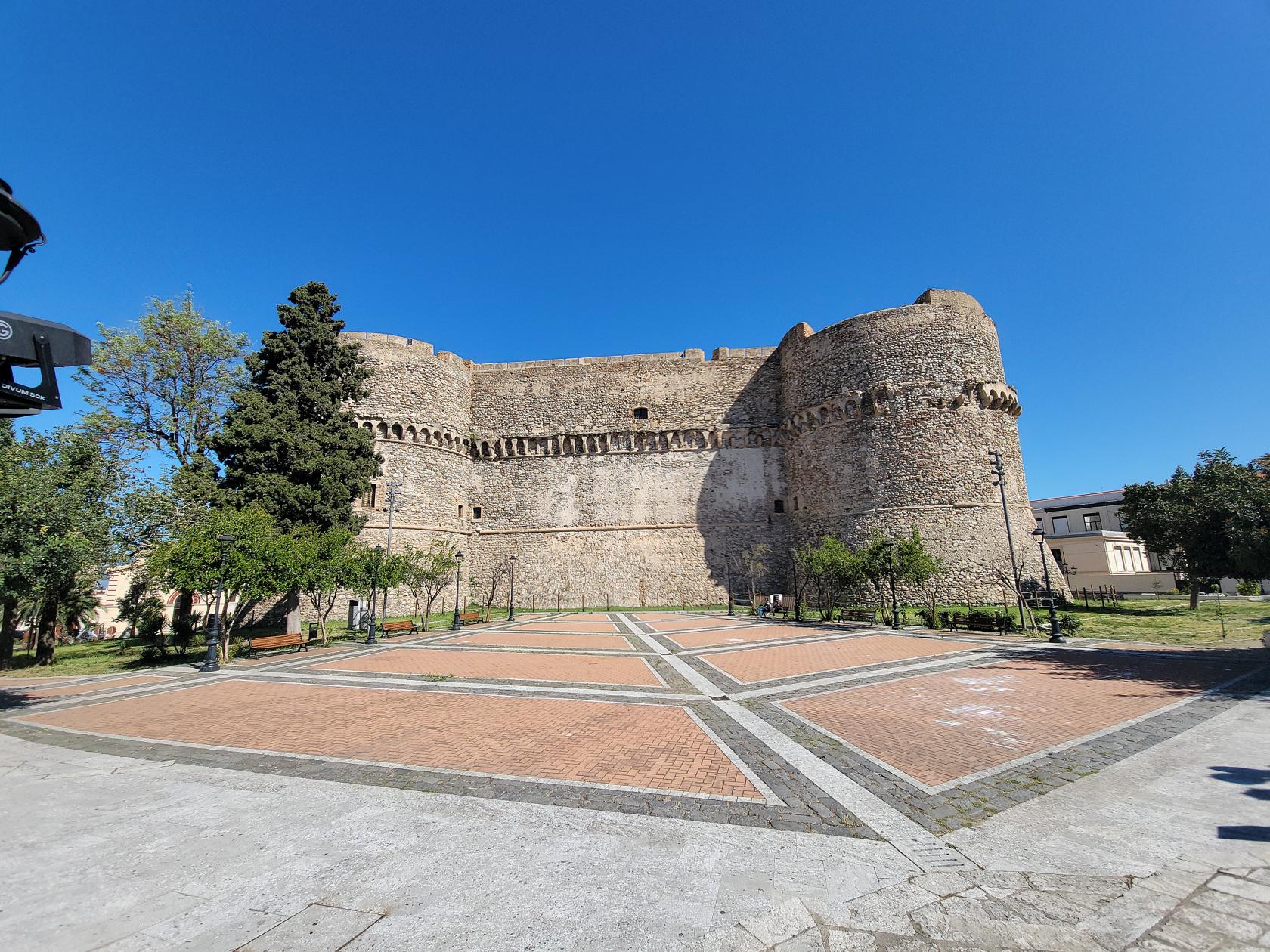
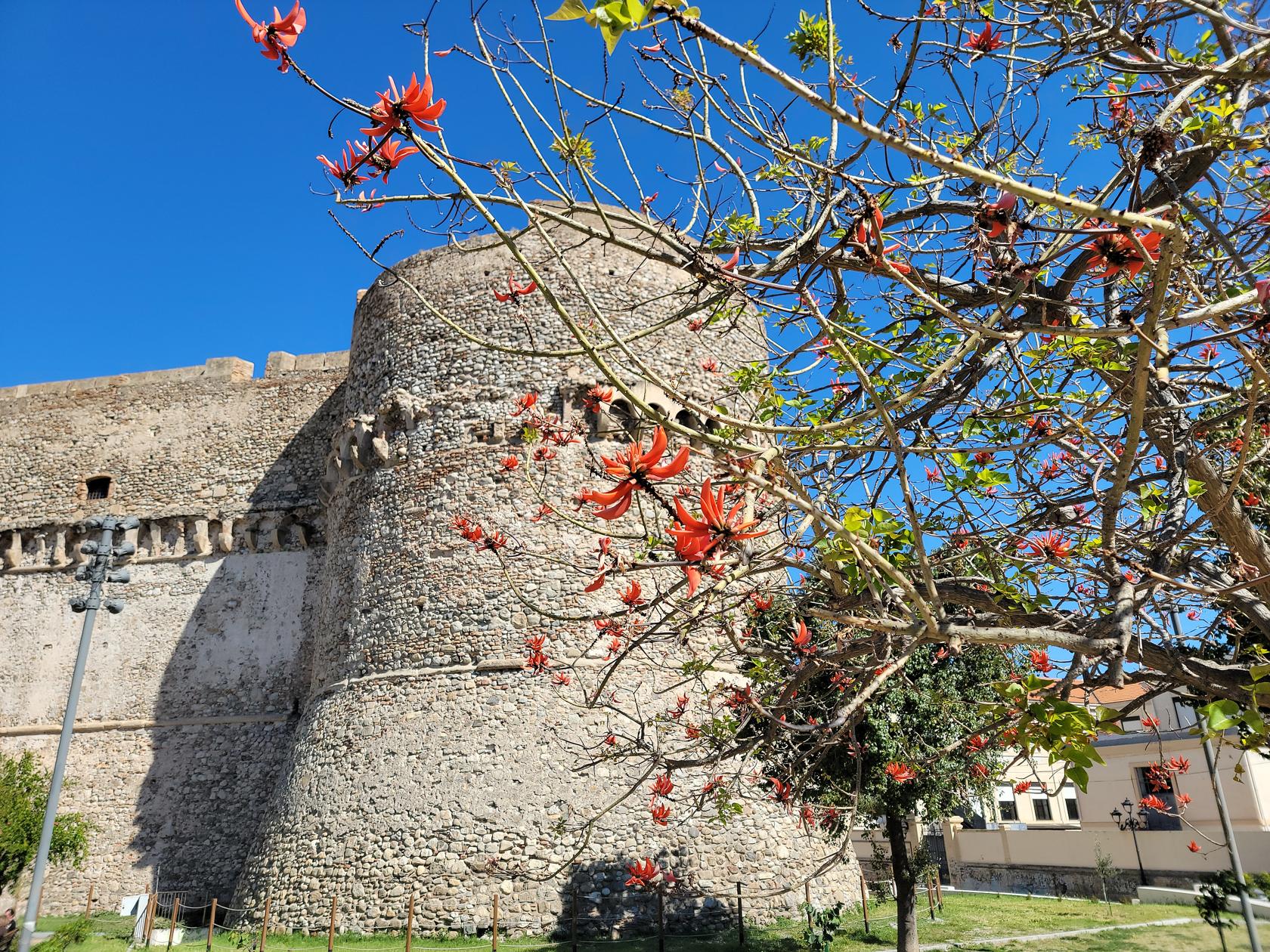
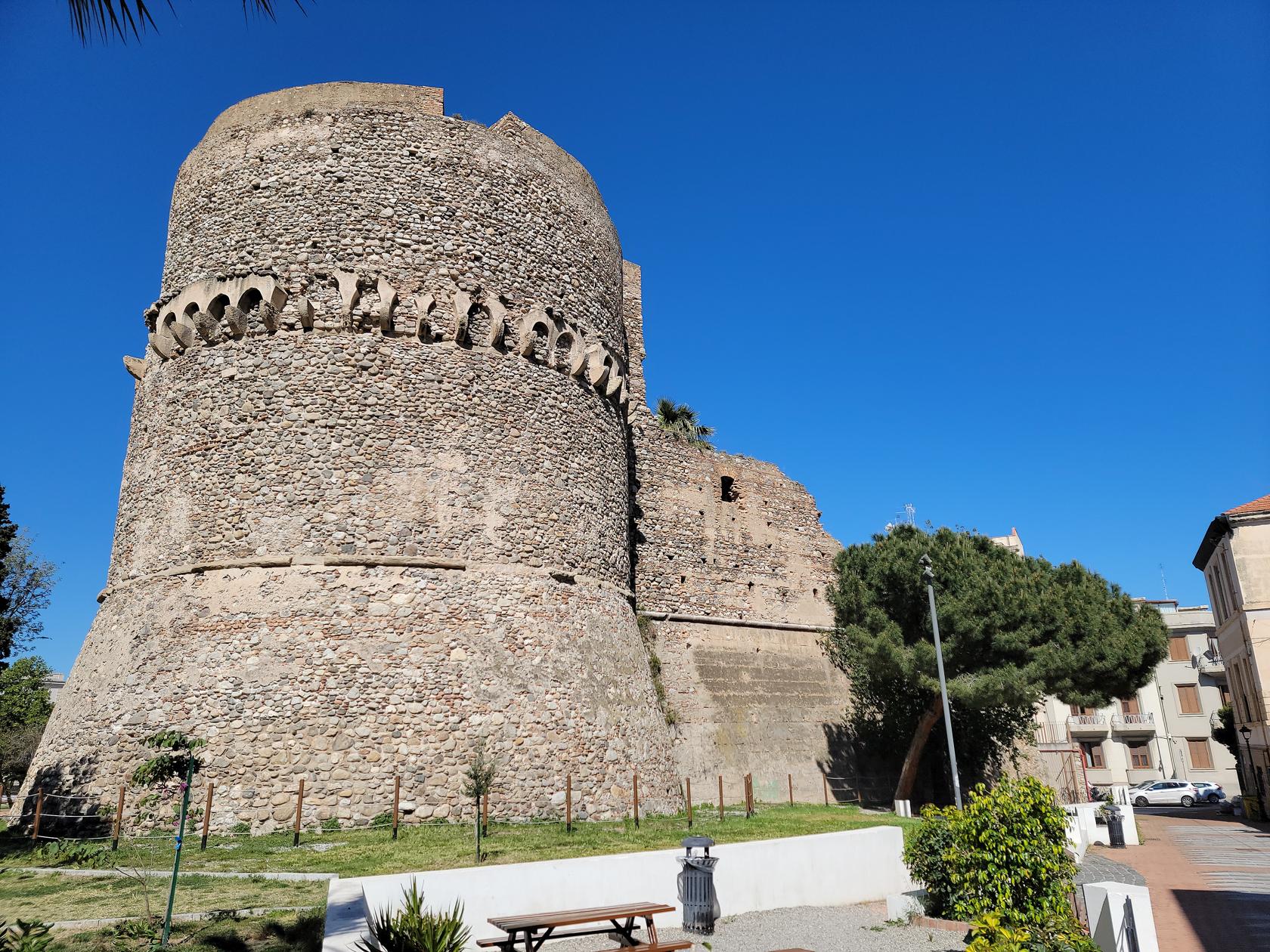
The Castle Aragonese no longer functions as a castle and has been renovated into something more useful, an art museum. Here for a small fee you are able to enjoy two galleries, one in each tower.
Castello Aragonese – Piazza Castello – Reggio Calabria, Italy
Castello Aragonese – Piazza Castello – Reggio Calabria, Italy
Castello Aragonese – Piazza Castello – Reggio Calabria, Italy
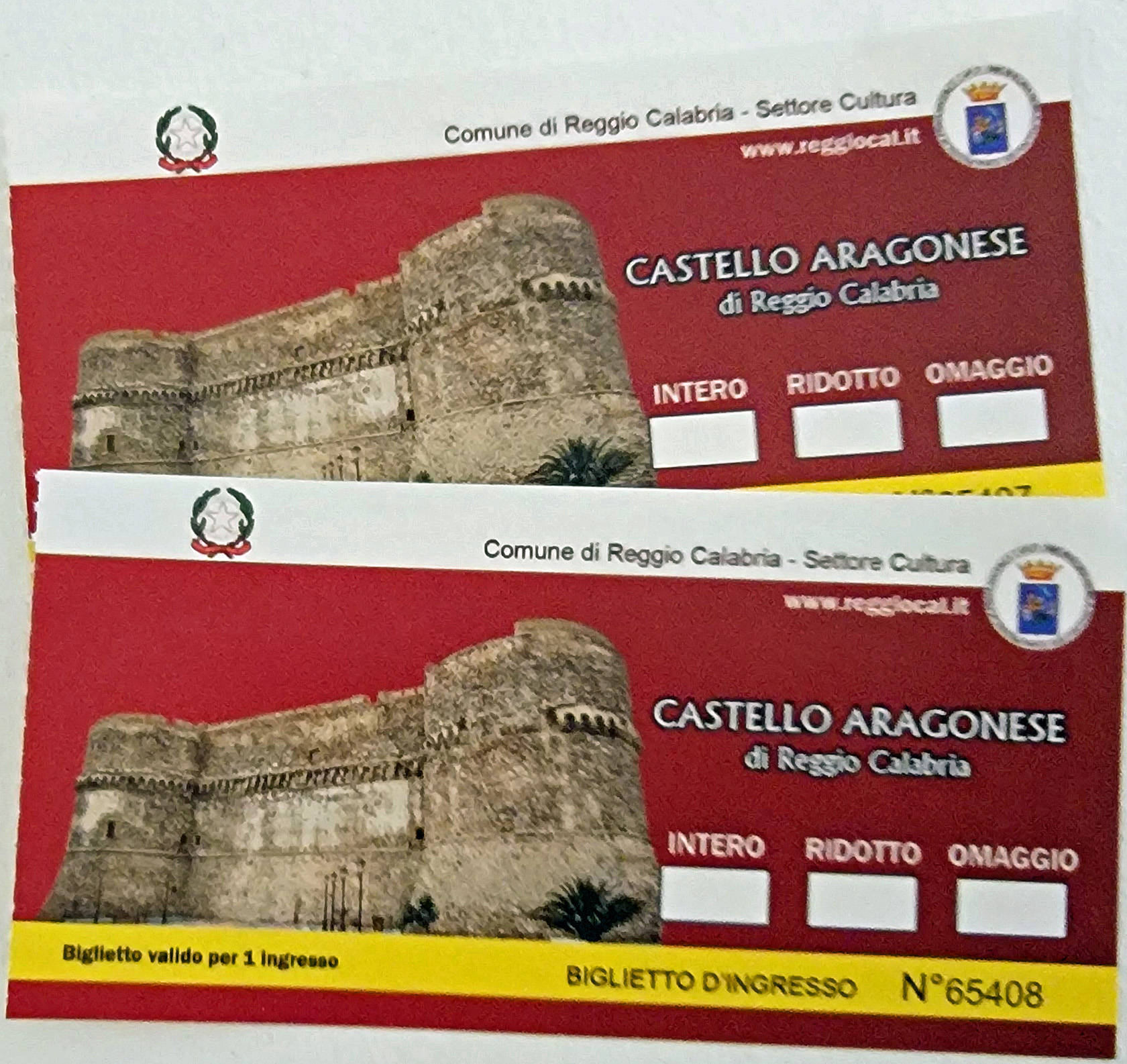
Tickets For Two – Entry to Art Collection – Castello Aragonese – Piazza Castello – Reggio Calabria, Italy
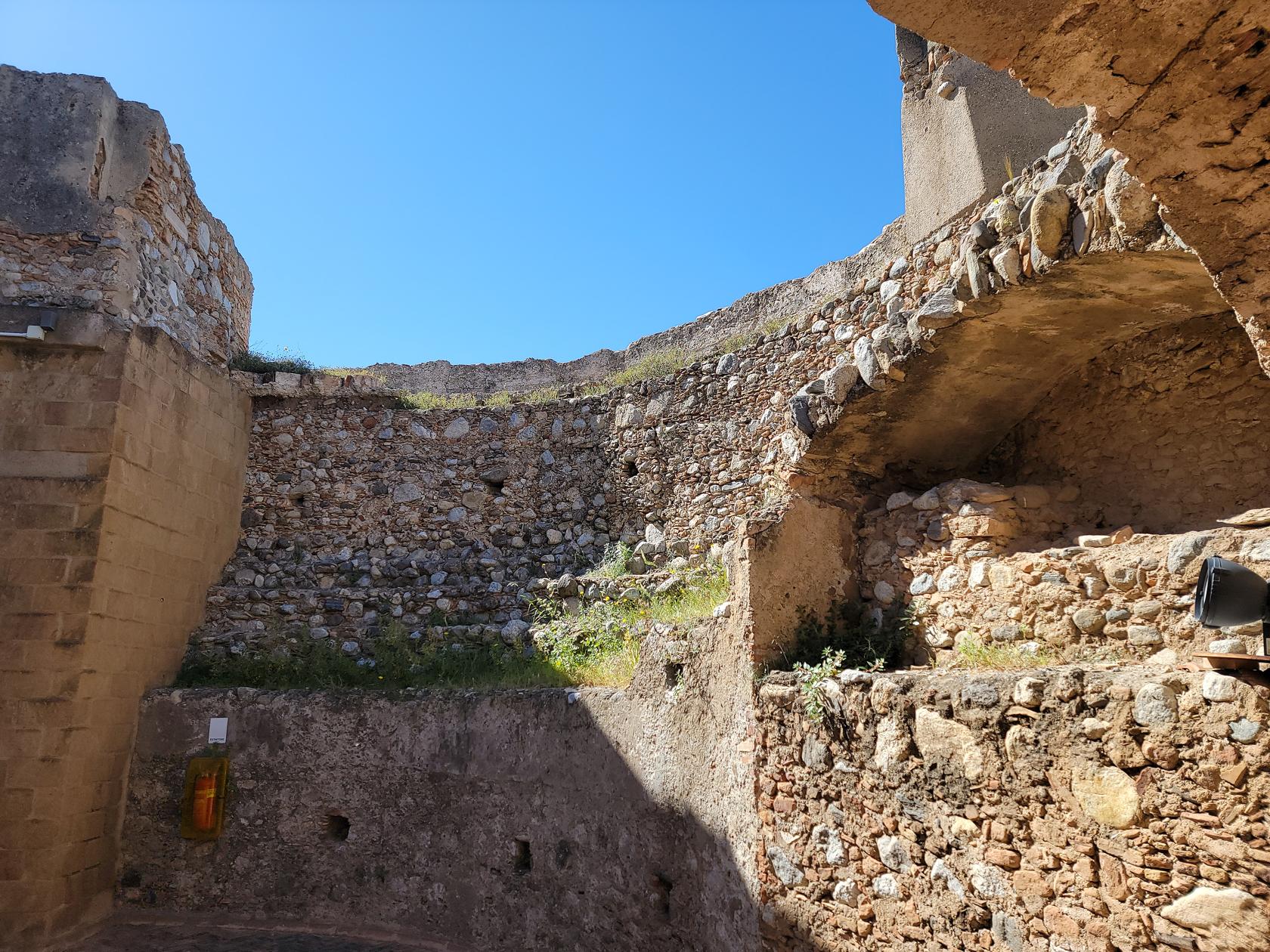
North Tower – Castello Aragonese – Piazza Castello – Reggio Calabria, Italy
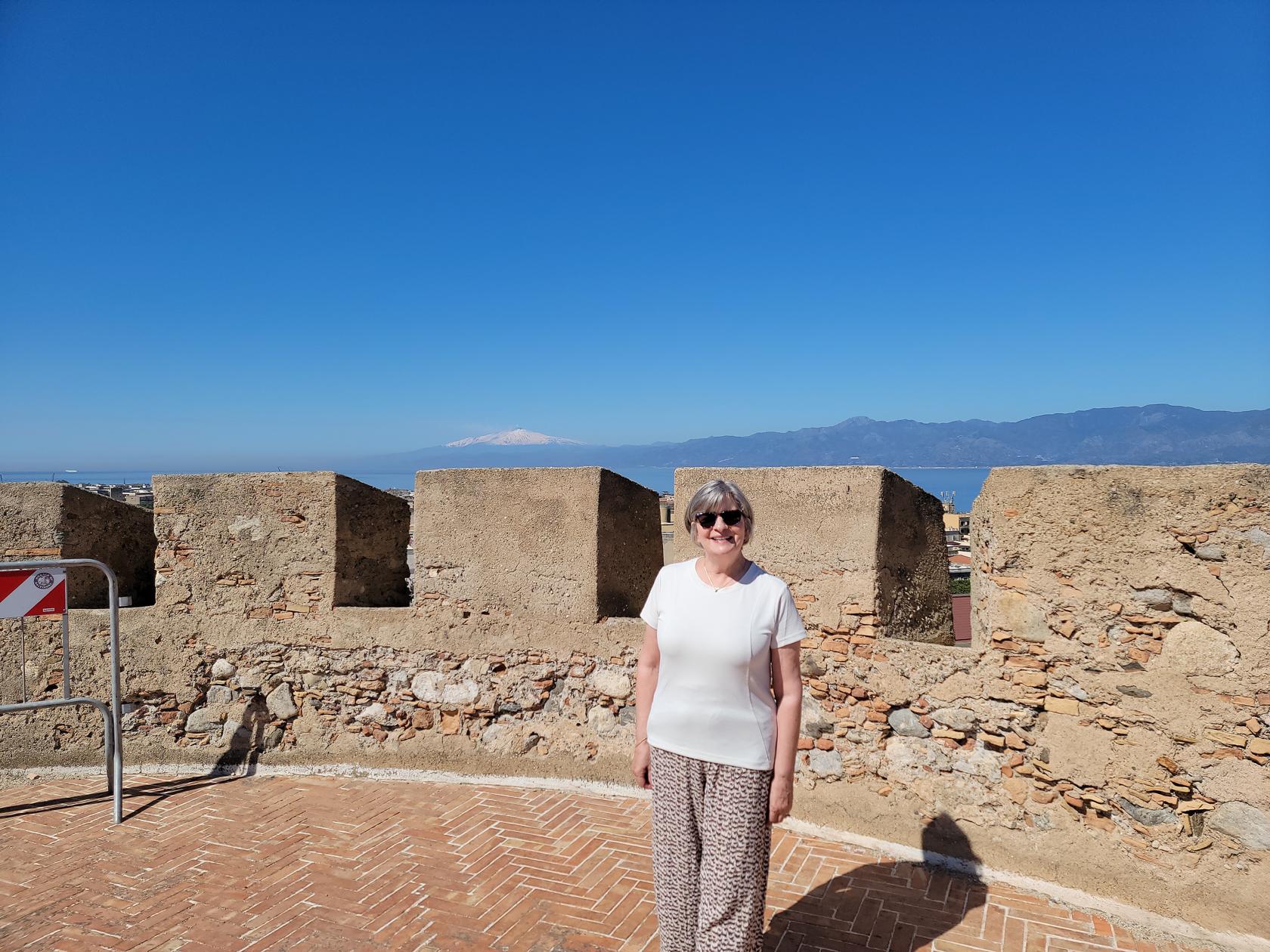
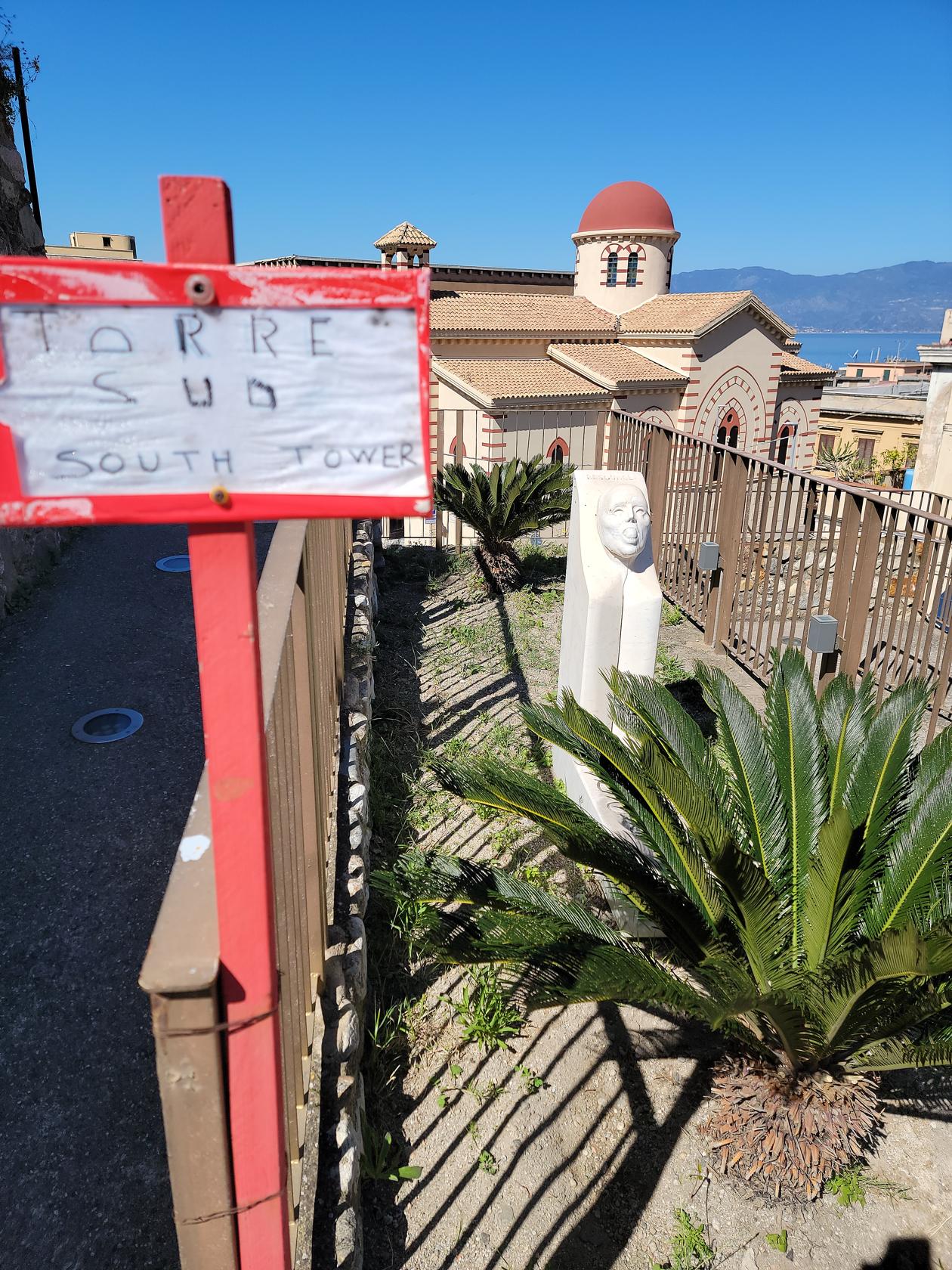
Patti on South Tower – Castello Aragonese – Piazza Castello – Reggio Calabria, Italy
South Tower – Castello Aragonese – Piazza Castello – Reggio Calabria, Italy
North Tower – Castello Aragonese – Piazza Castello – Reggio Calabria, Italy
North Tower Gallery
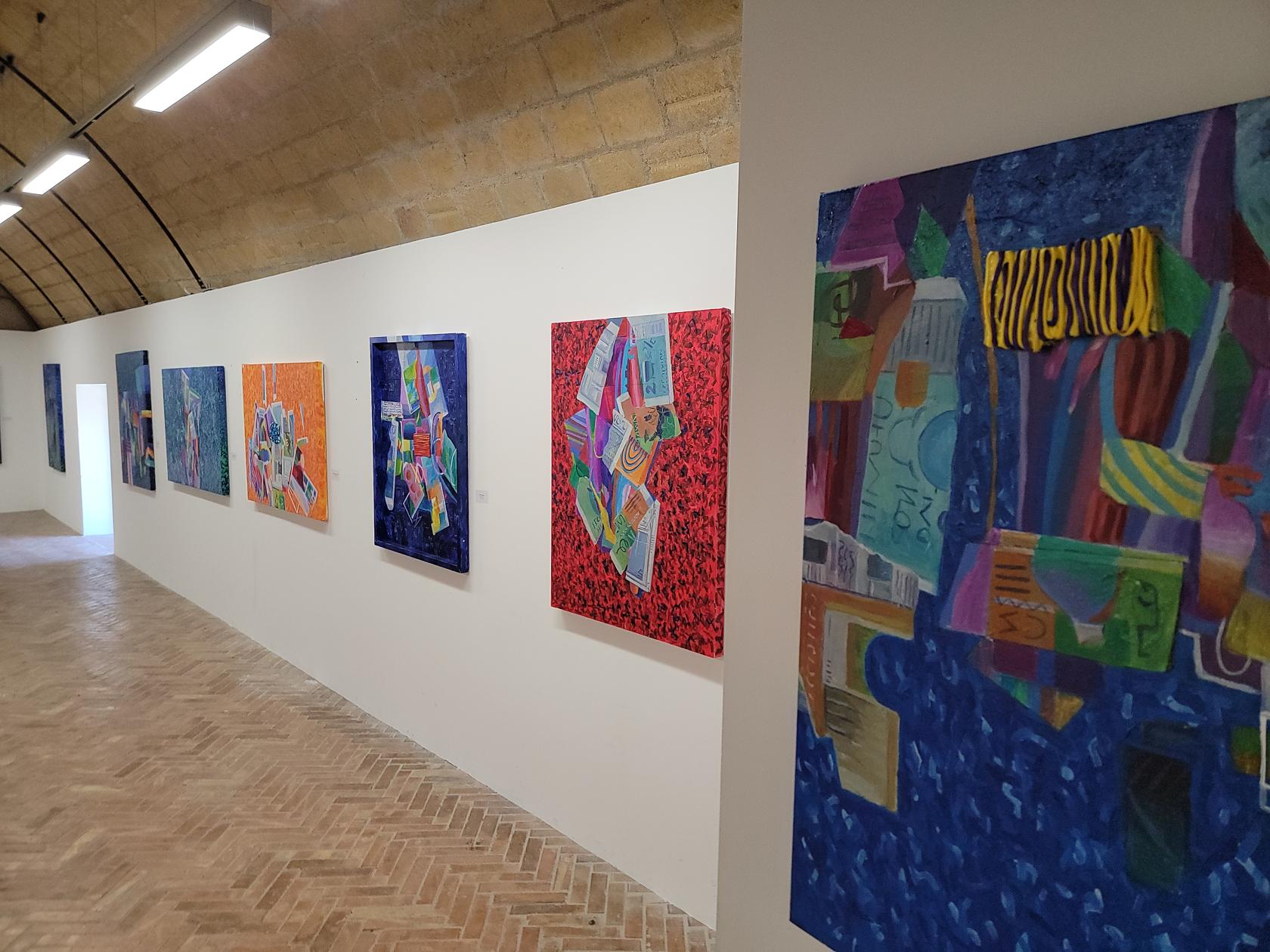
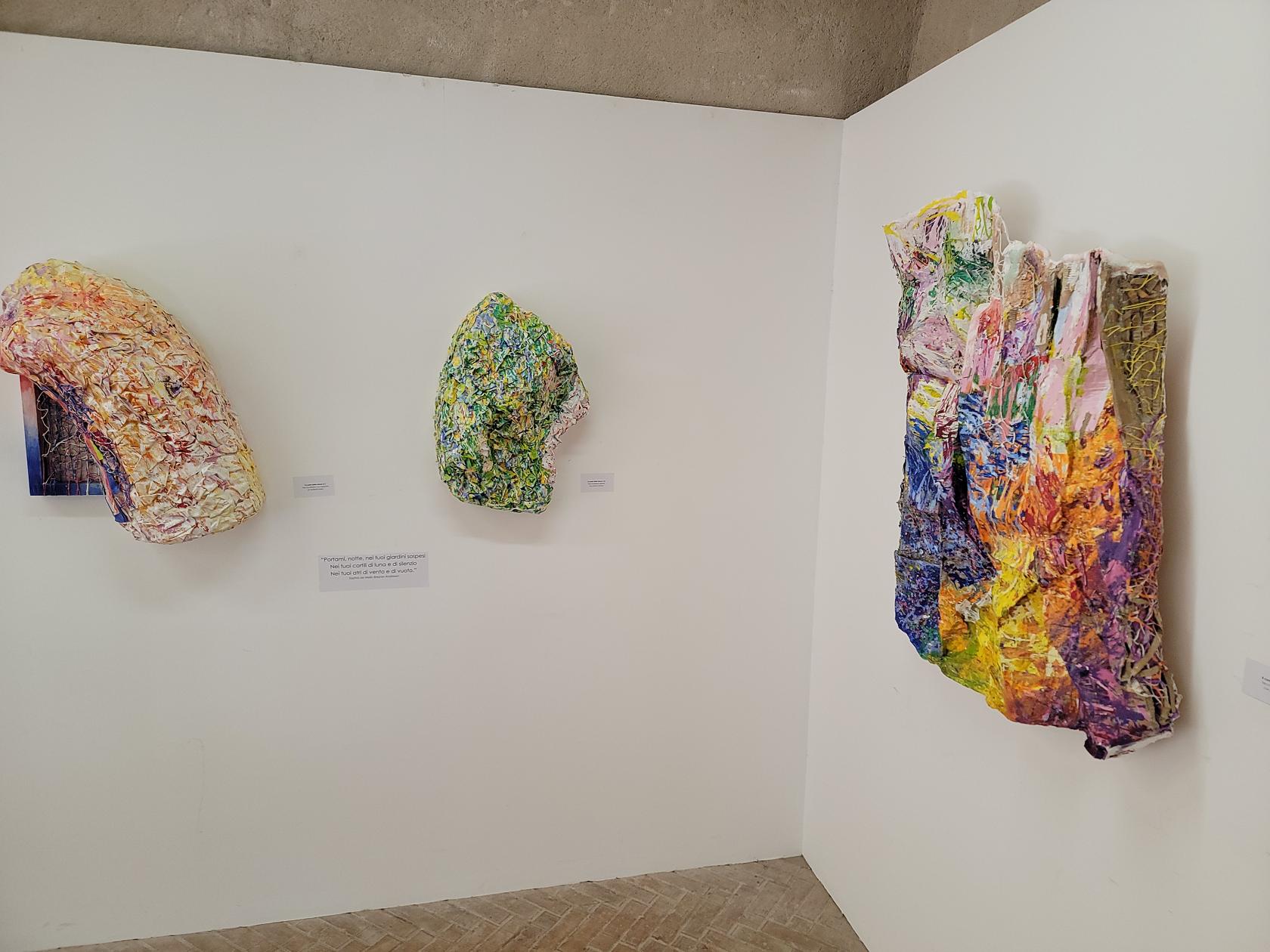
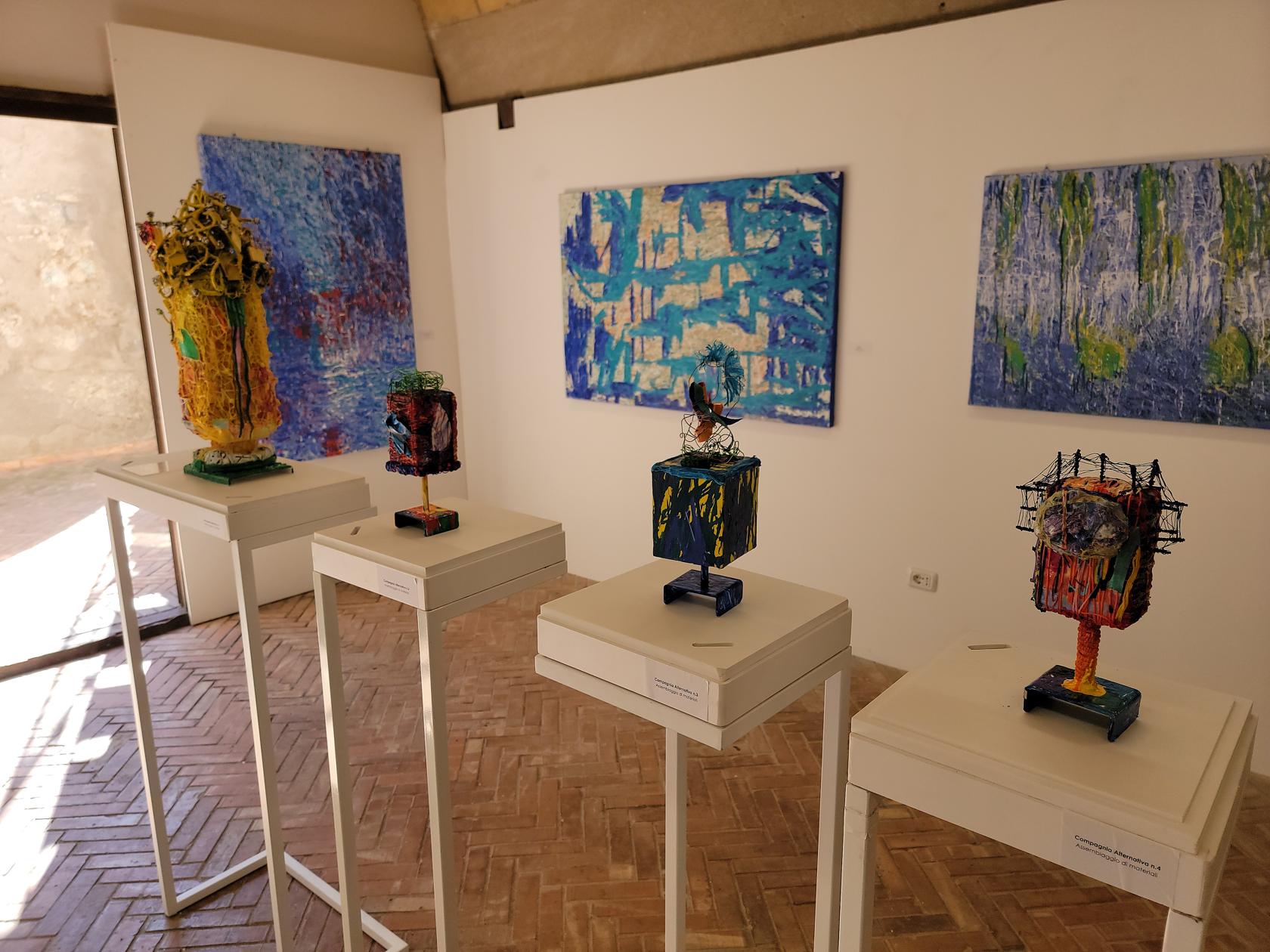
During our visit this gallery had an exhibit of modern paintings, most of which bright colors were used in an almost three dimensional approach.
Art Collection – Castello Aragonese – Piazza Castello – Reggio Calabria, Italy
Art Collection – Castello Aragonese – Piazza Castello – Reggio Calabria, Italy
Art Collection – Castello Aragonese – Piazza Castello – Reggio Calabria, Italy
Art Collection – Castello Aragonese – Piazza Castello – Reggio Calabria, Italy
South Tower Gallery
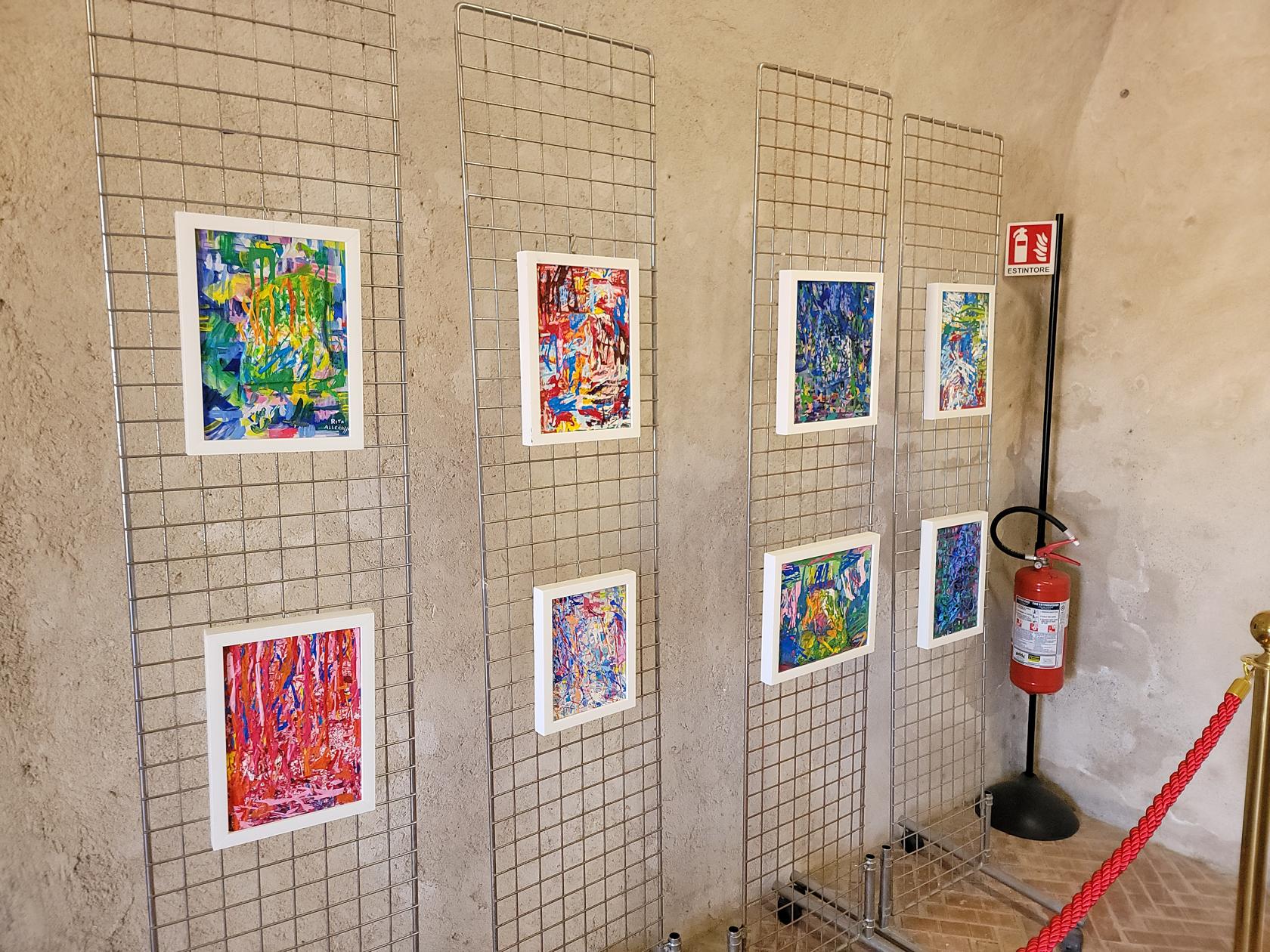
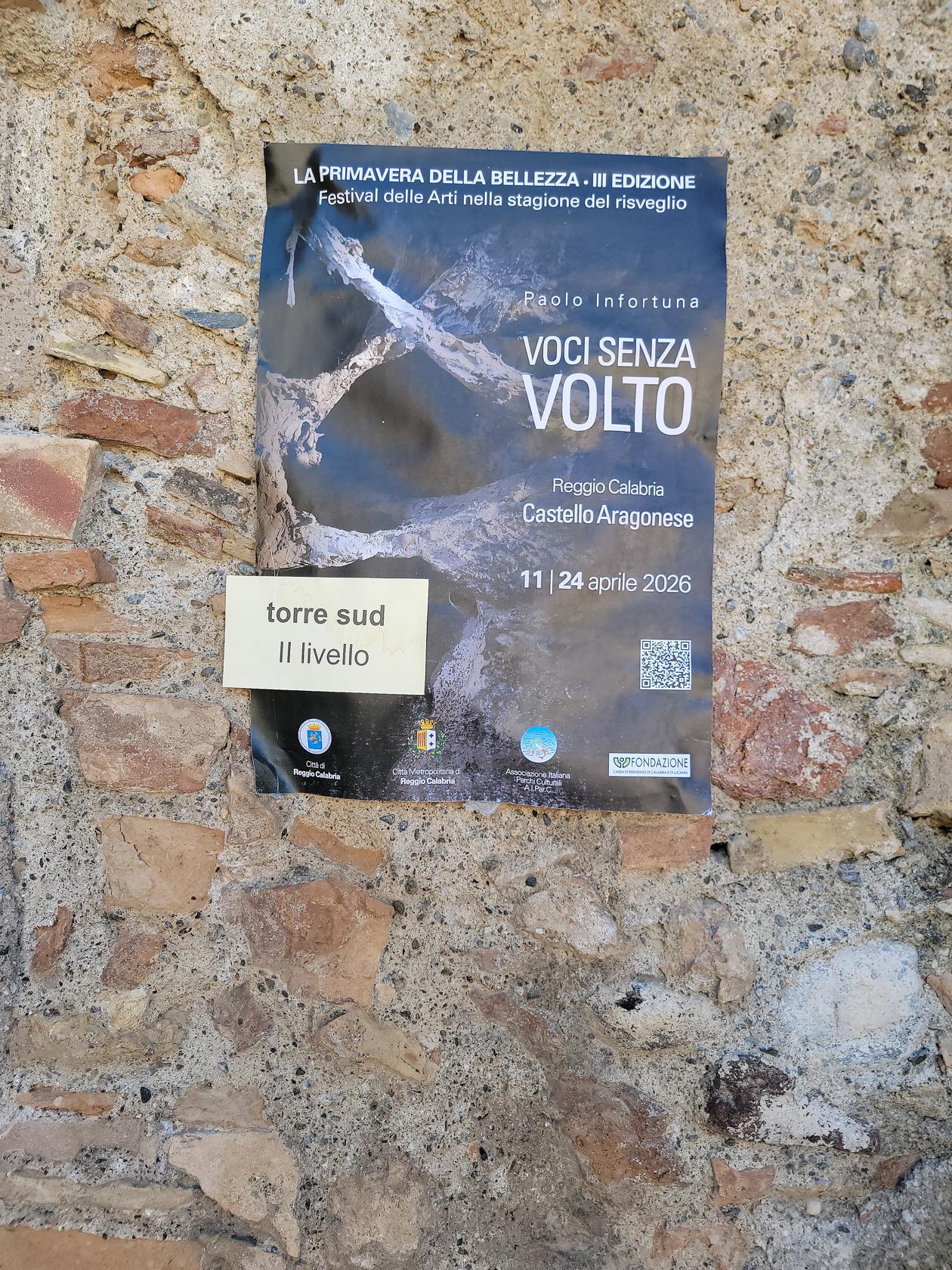
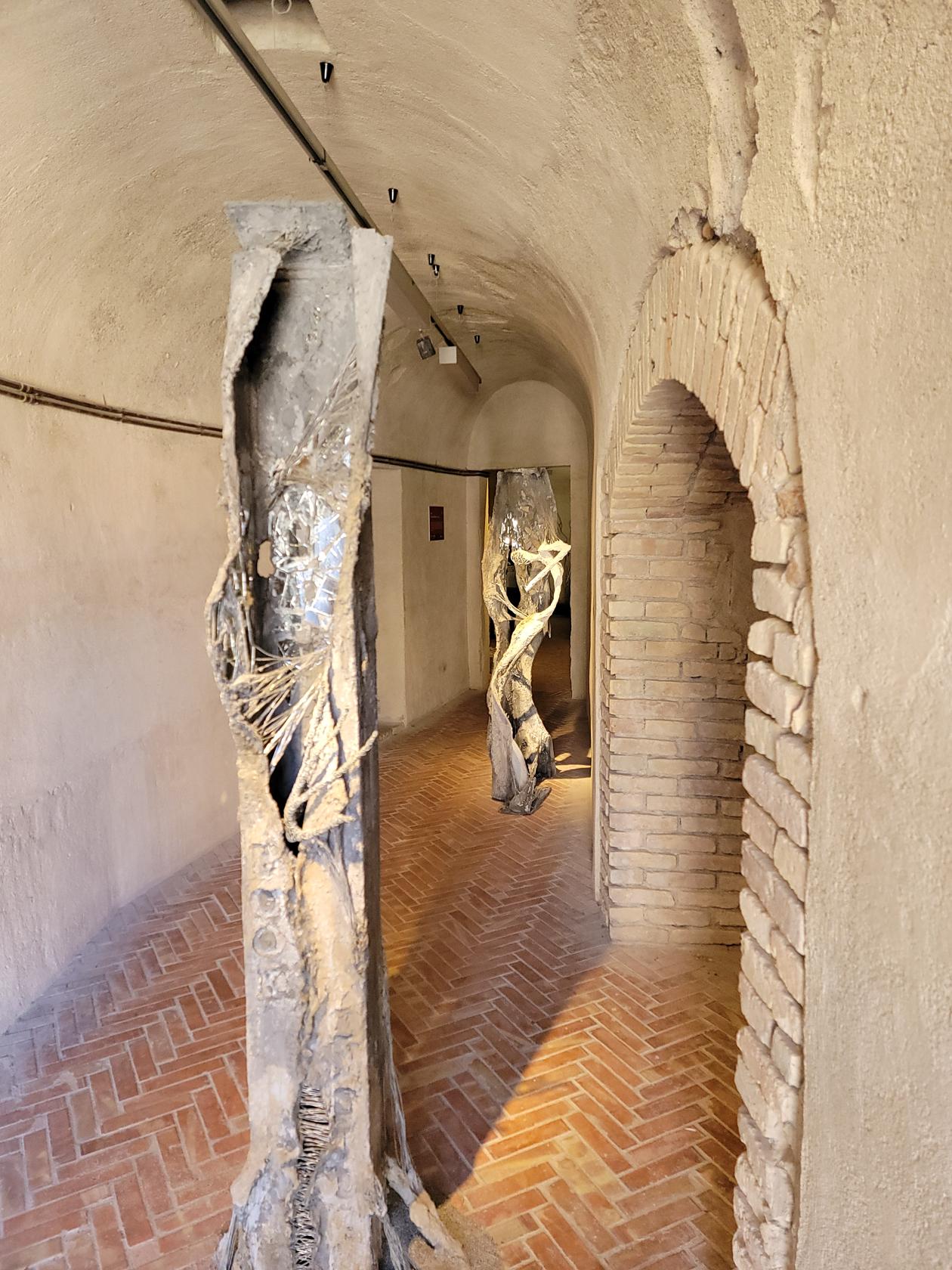
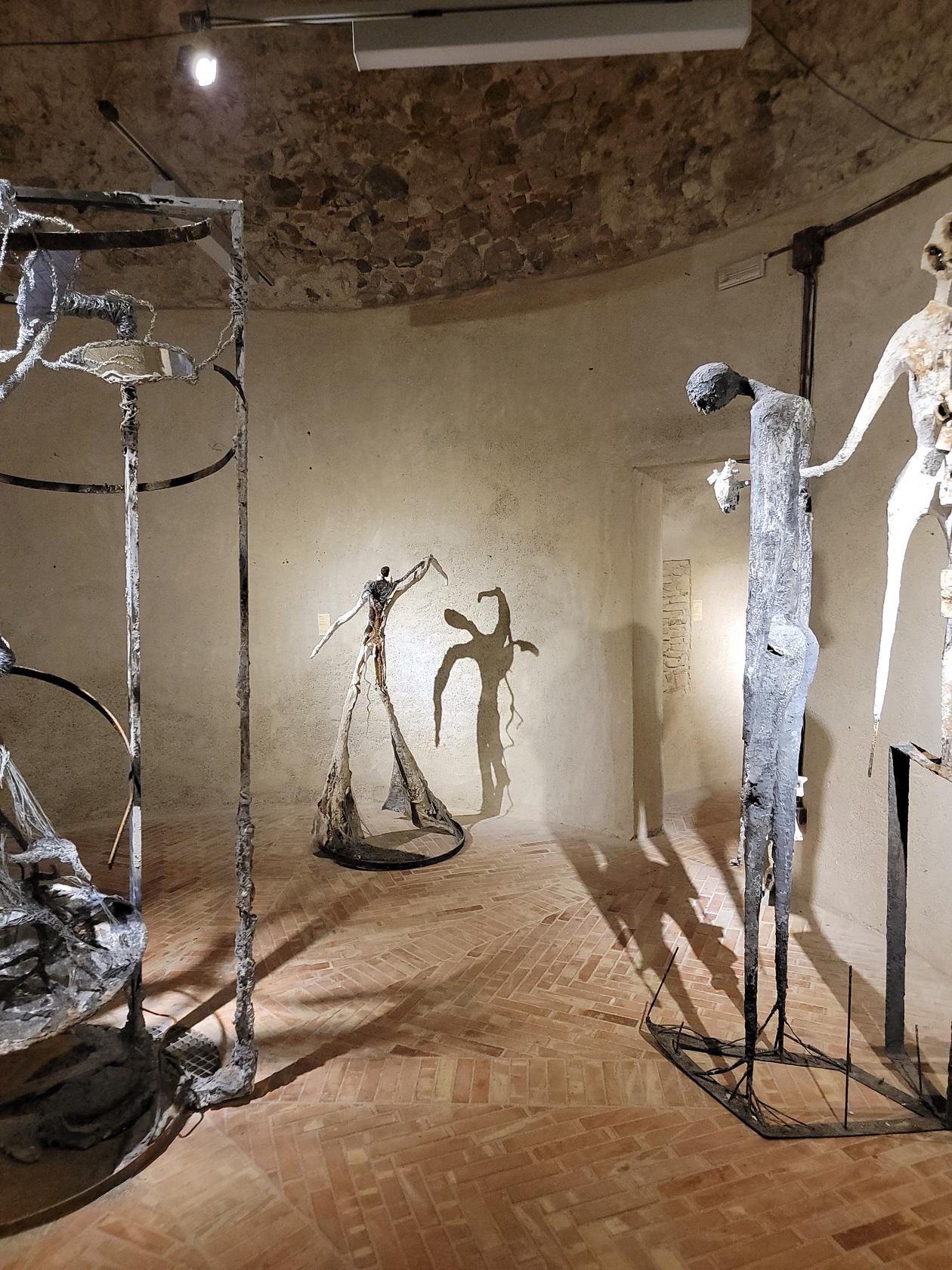
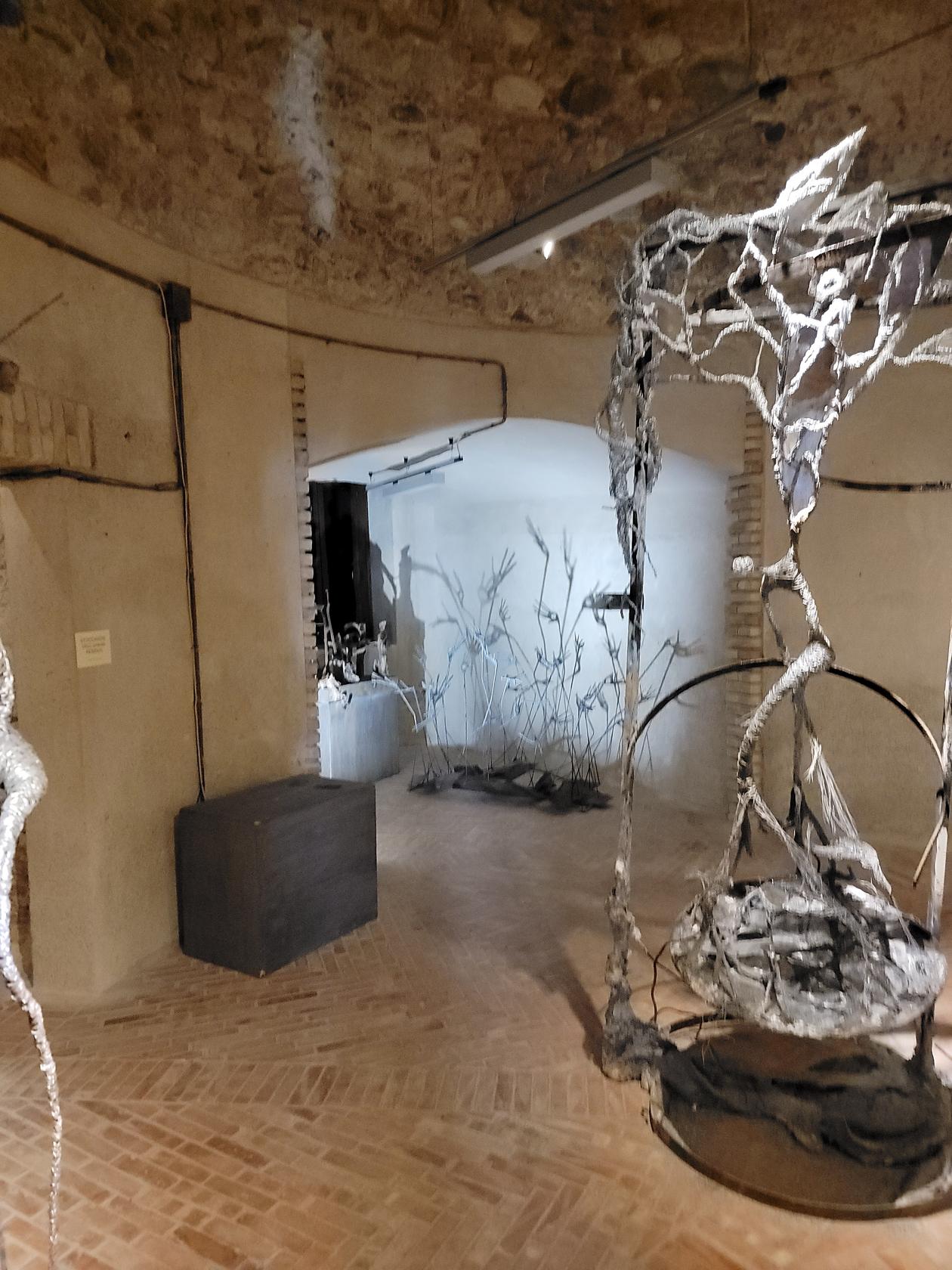
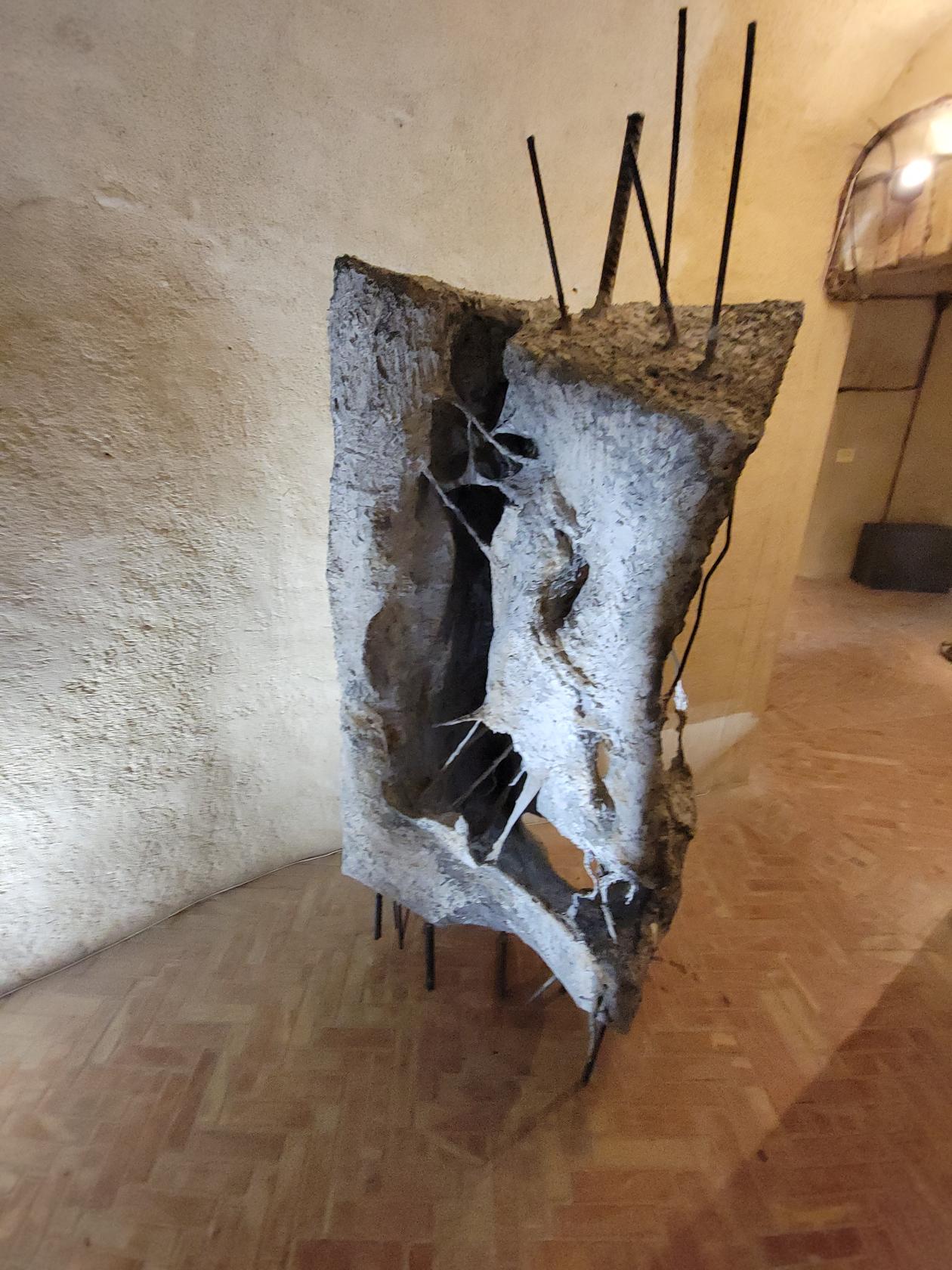
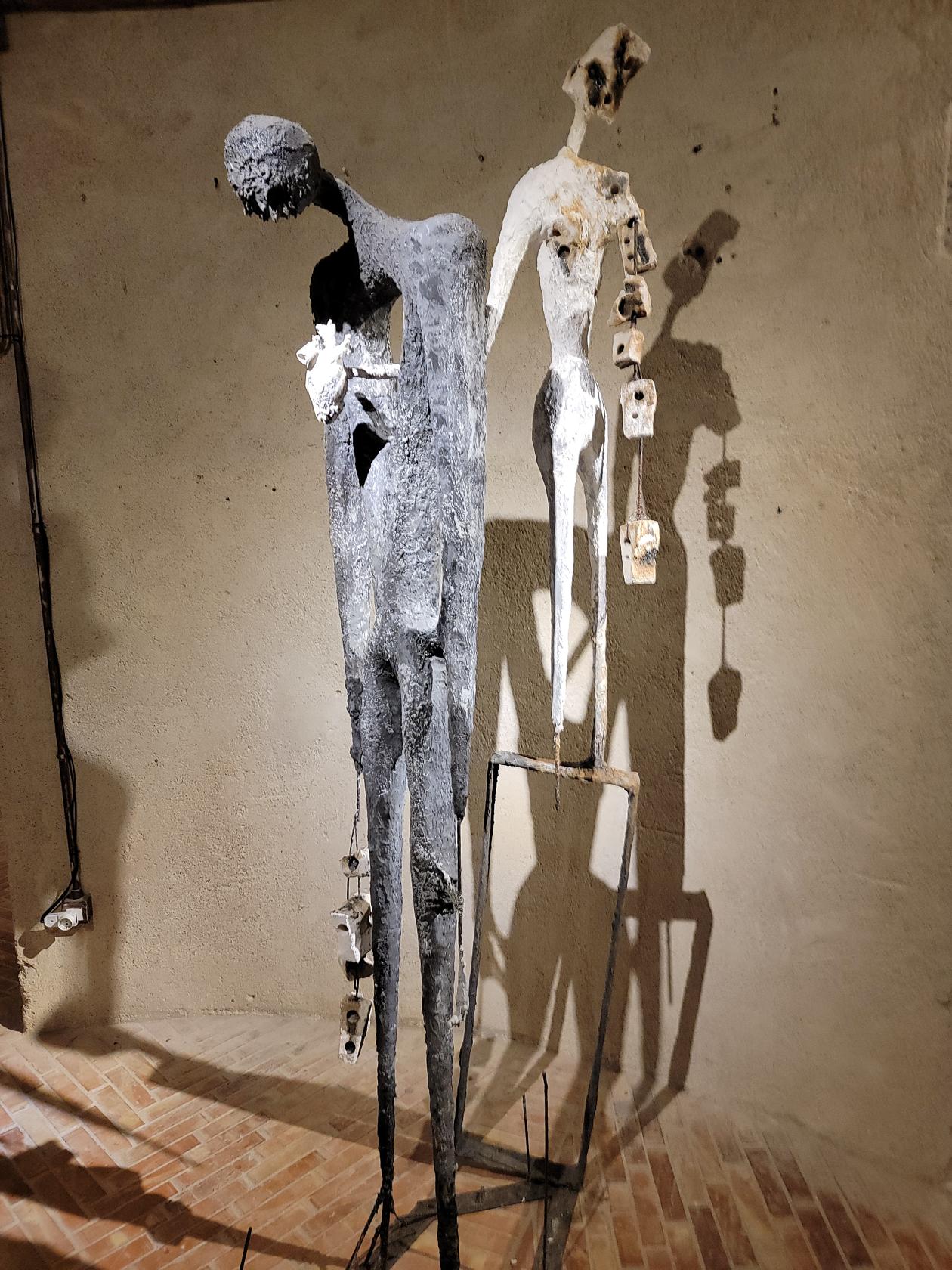
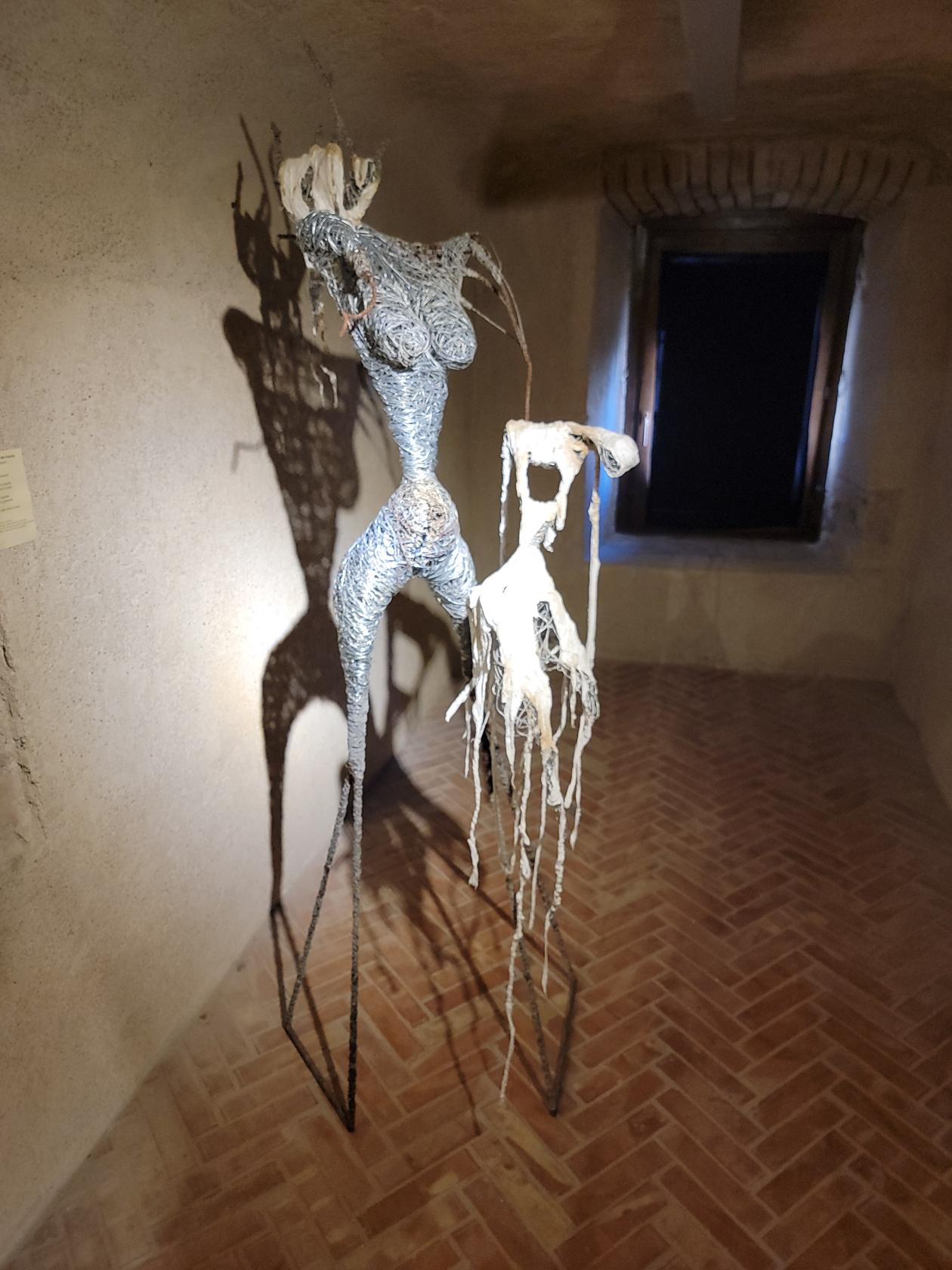
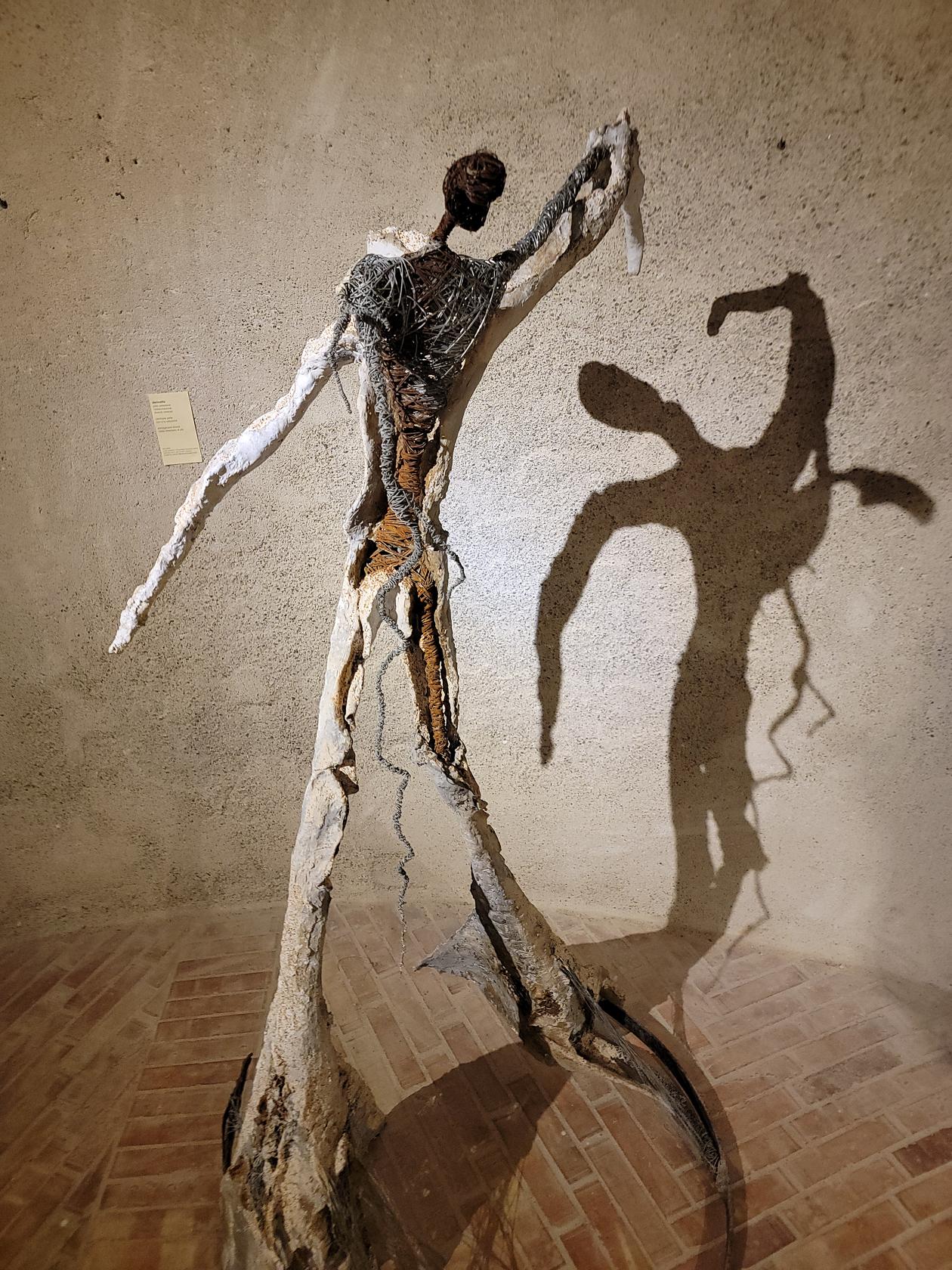
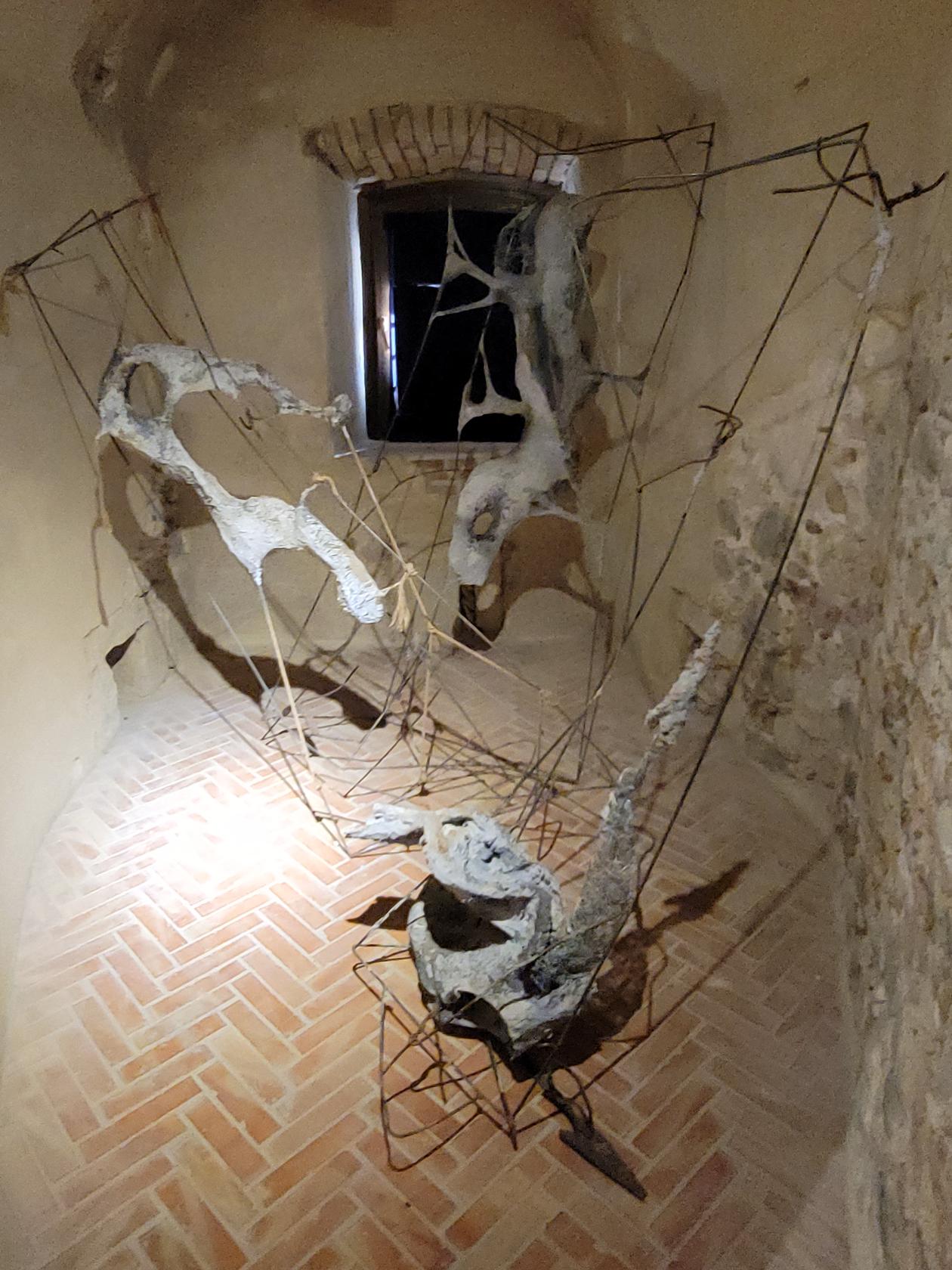
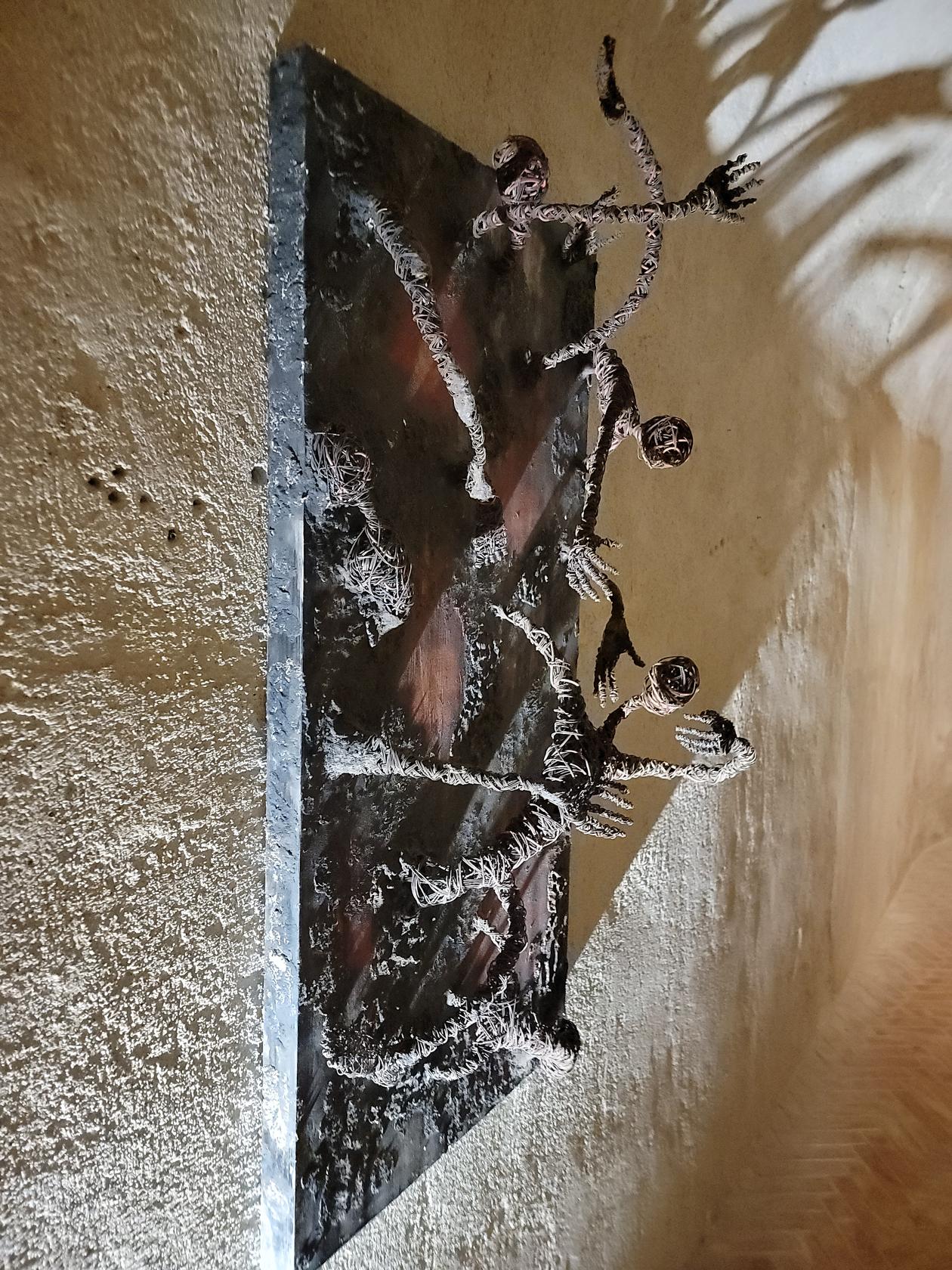
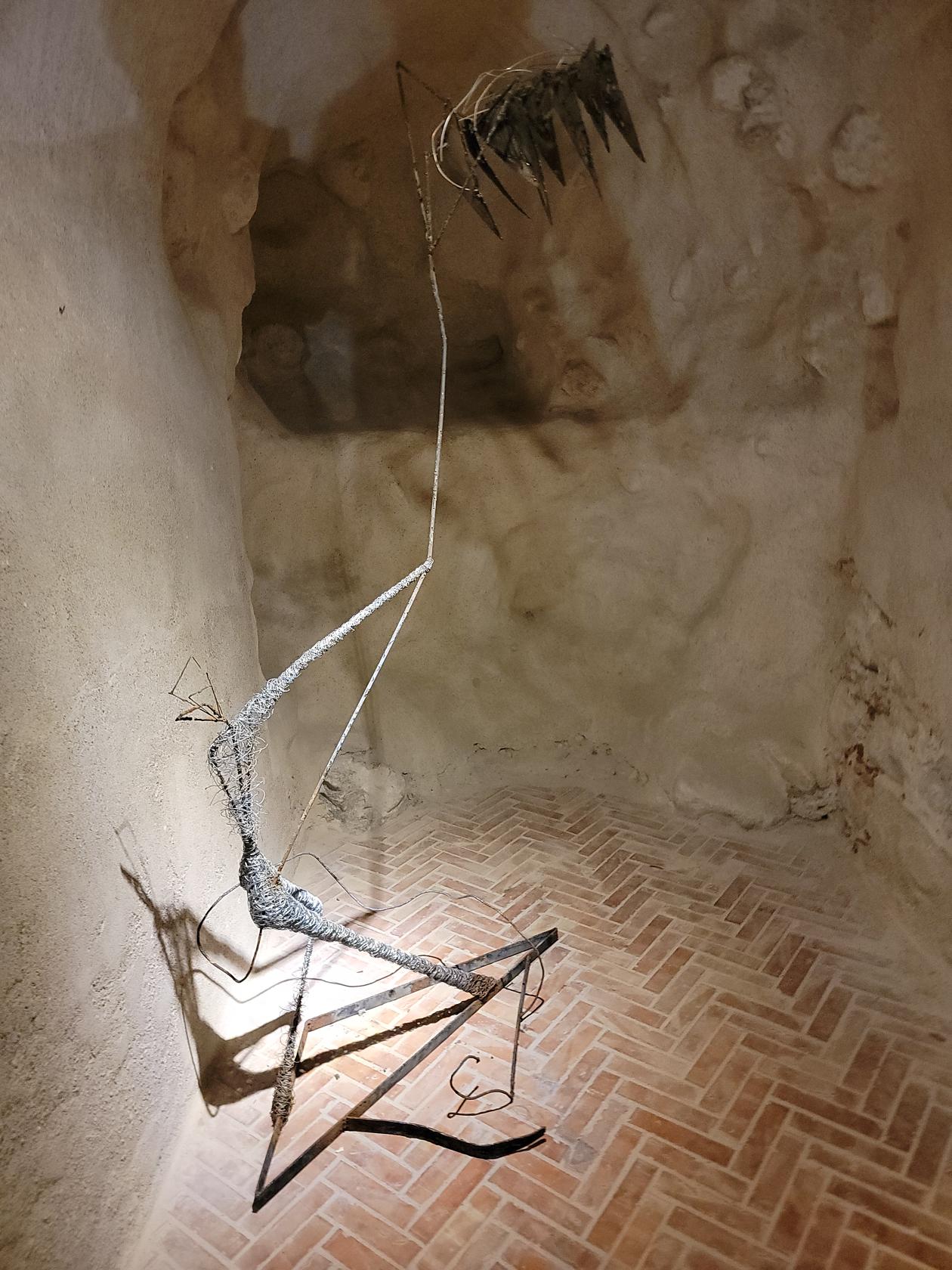
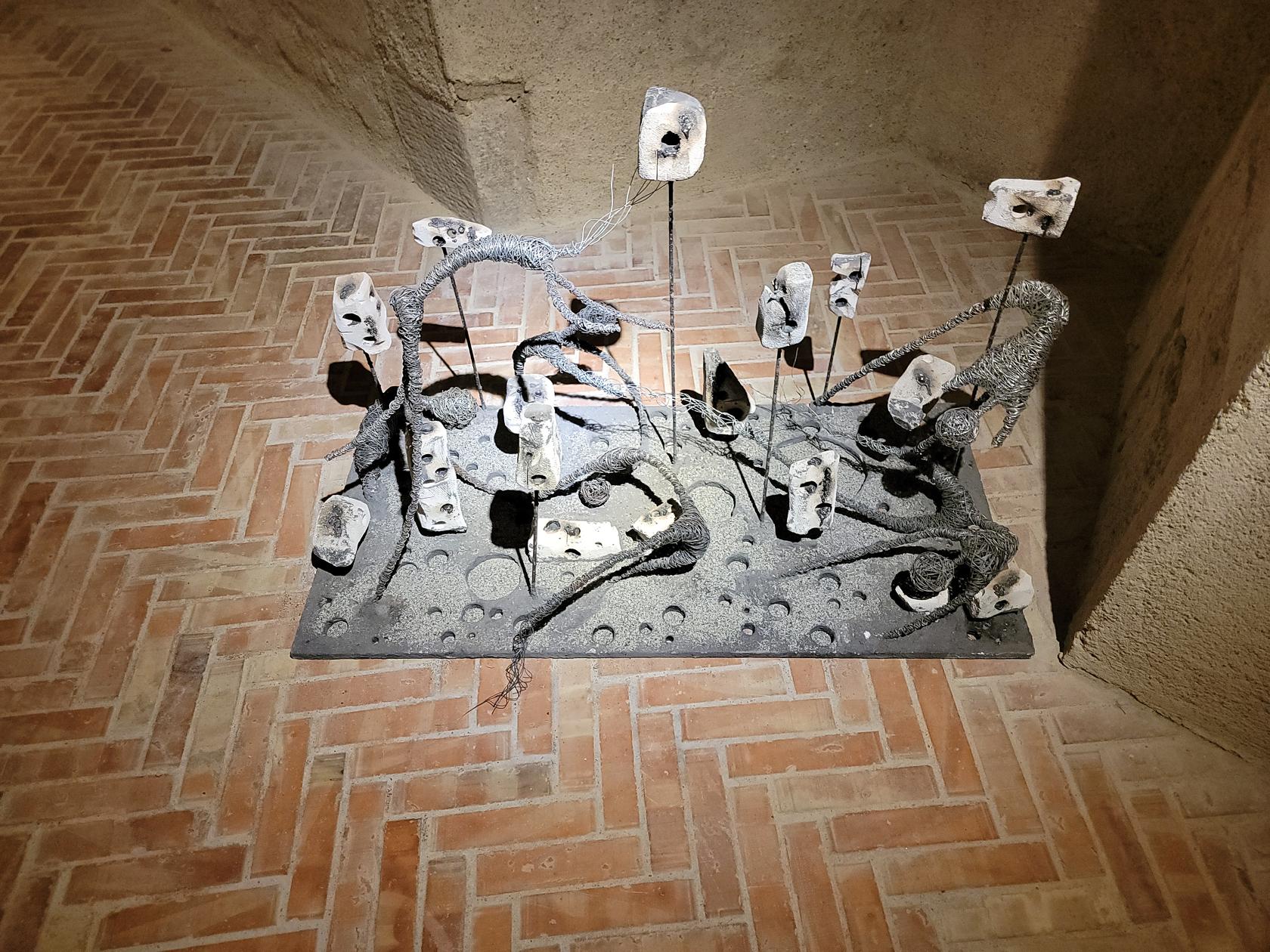
While we were visiting this tower housed a collection of art known as Voci senza Volto, or Voices without a Face. An effective and provocitive collection of art, which appears part surreal and part dystopian and gets the viewer to think about signs of struggle, longing and hardship. This was the high point of the trip for me.
South Tower – Castello Aragonese – Piazza Castello – Reggio Calabria, Italy
Voci senza Volto Art Exhibit – South Tower – Castello Aragonese – Piazza Castello – Reggio Calabria, Italy
Voci senza Volto Art Exhibit – South Tower – Castello Aragonese – Piazza Castello – Reggio Calabria, Italy
Voci senza Volto Art Exhibit – South Tower – Castello Aragonese – Piazza Castello – Reggio Calabria, Italy
Voci senza Volto Art Exhibit – South Tower – Castello Aragonese – Piazza Castello – Reggio Calabria, Italy
Being Neutral Serves No One – Voci senza Volto Art Exhibit – South Tower – Castello Aragonese – Piazza Castello – Reggio Calabria, Italy
Voci senza Volto Art Exhibit – South Tower – Castello Aragonese – Piazza Castello – Reggio Calabria, Italy
Voci senza Volto Art Exhibit – South Tower – Castello Aragonese – Piazza Castello – Reggio Calabria, Italy
Voci senza Volto Art Exhibit – South Tower – Castello Aragonese – Piazza Castello – Reggio Calabria, Italy
Voci senza Volto Art Exhibit – South Tower – Castello Aragonese – Piazza Castello – Reggio Calabria, Italy
Voci senza Volto Art Exhibit – South Tower – Castello Aragonese – Piazza Castello – Reggio Calabria, Italy
Voci senza Volto Art Exhibit – South Tower – Castello Aragonese – Piazza Castello – Reggio Calabria, Italy
Voci senza Volto Art Exhibit – South Tower – Castello Aragonese – Piazza Castello – Reggio Calabria, Italy
Villas And Palazzos
There are a few villas and palazzos of import in the city.
Villa Genoese Zerbi
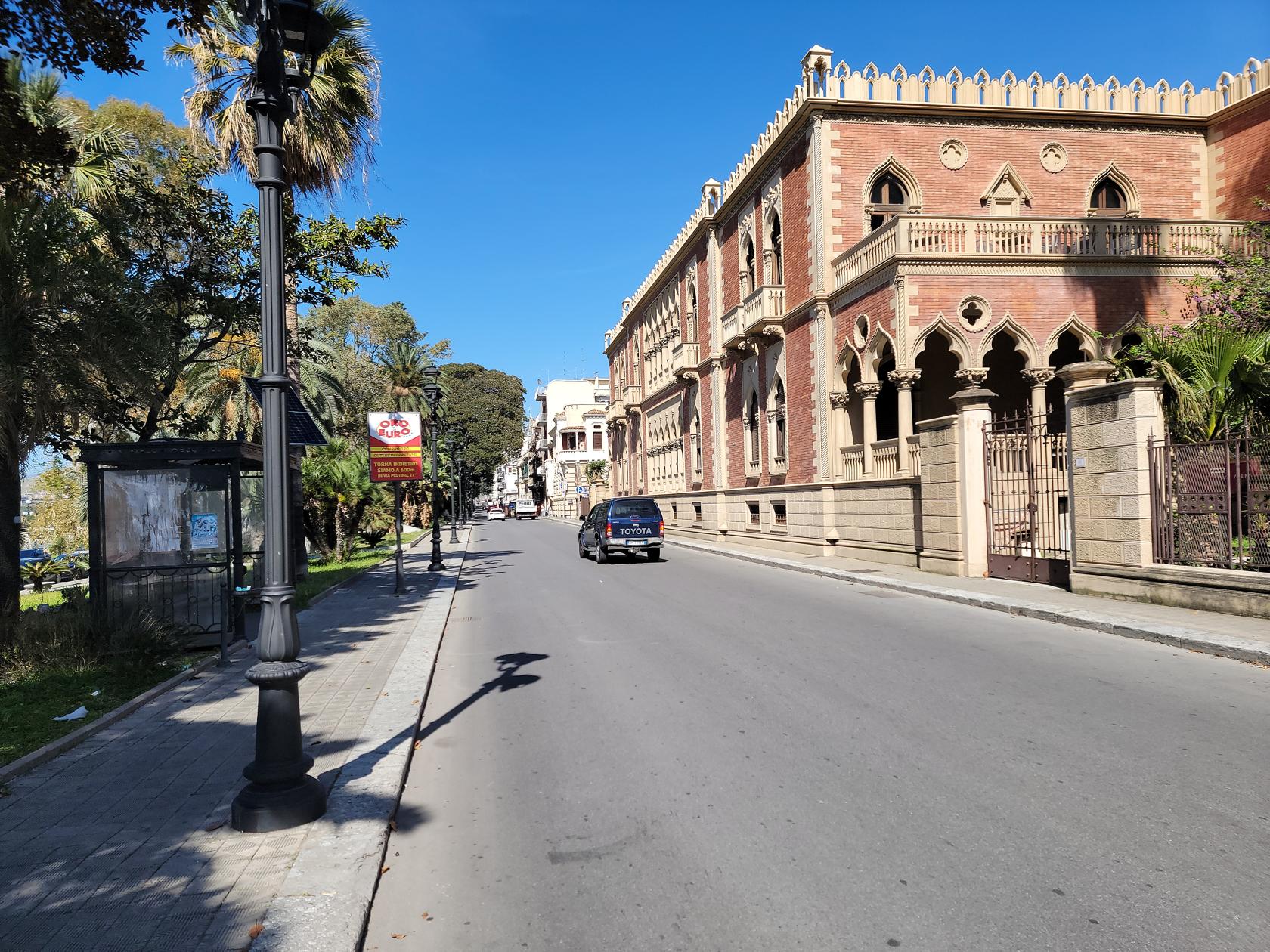
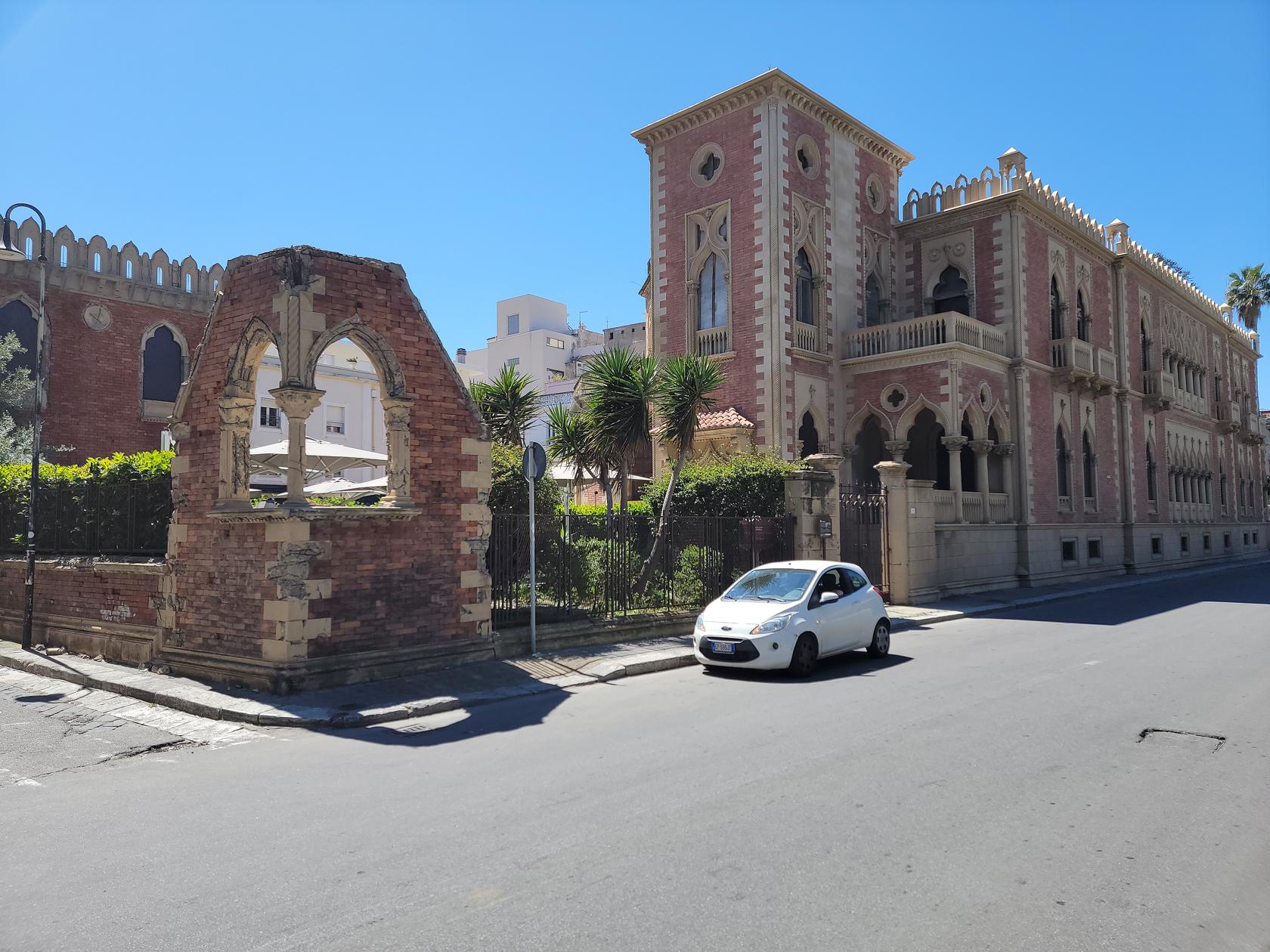
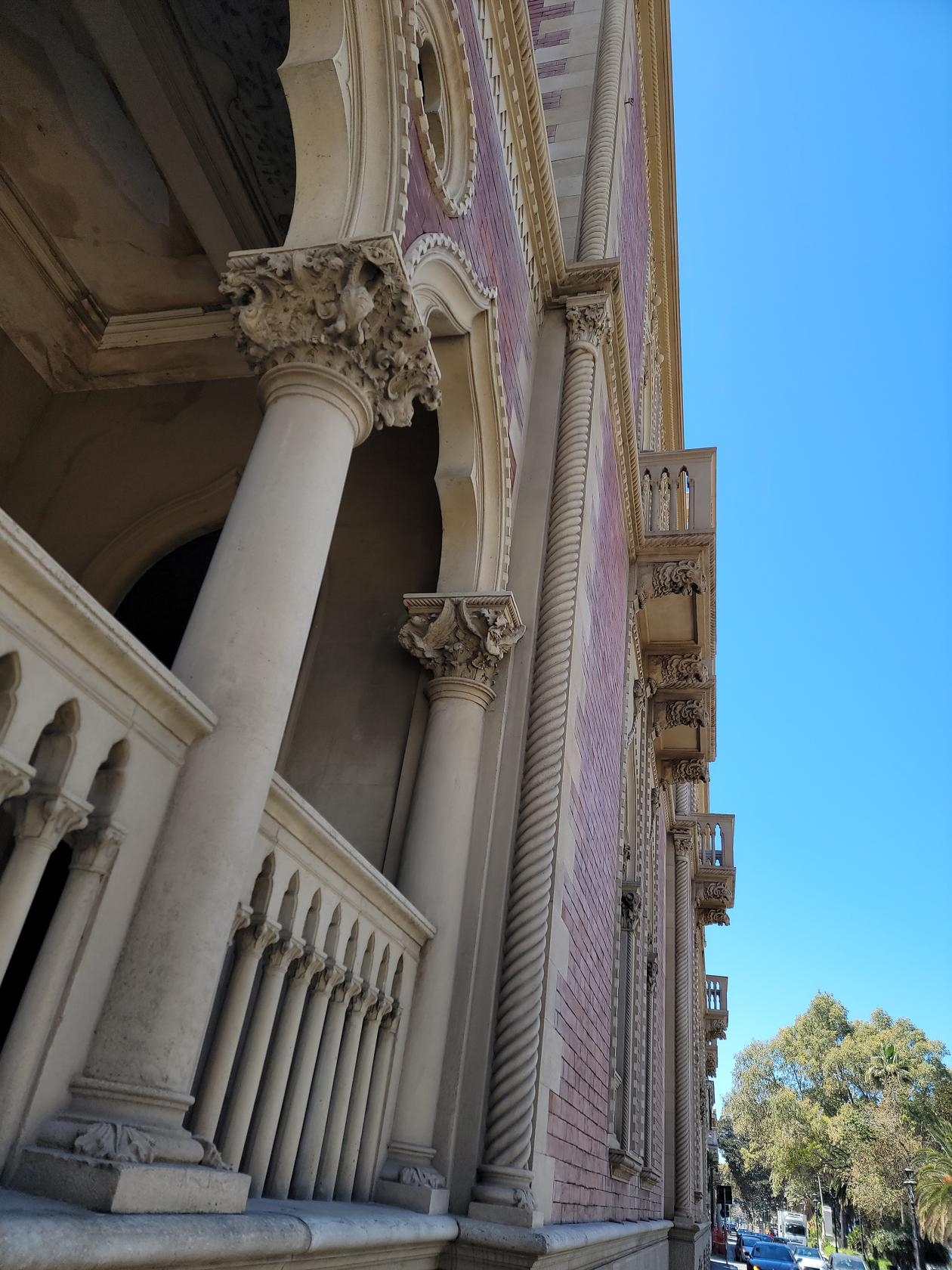
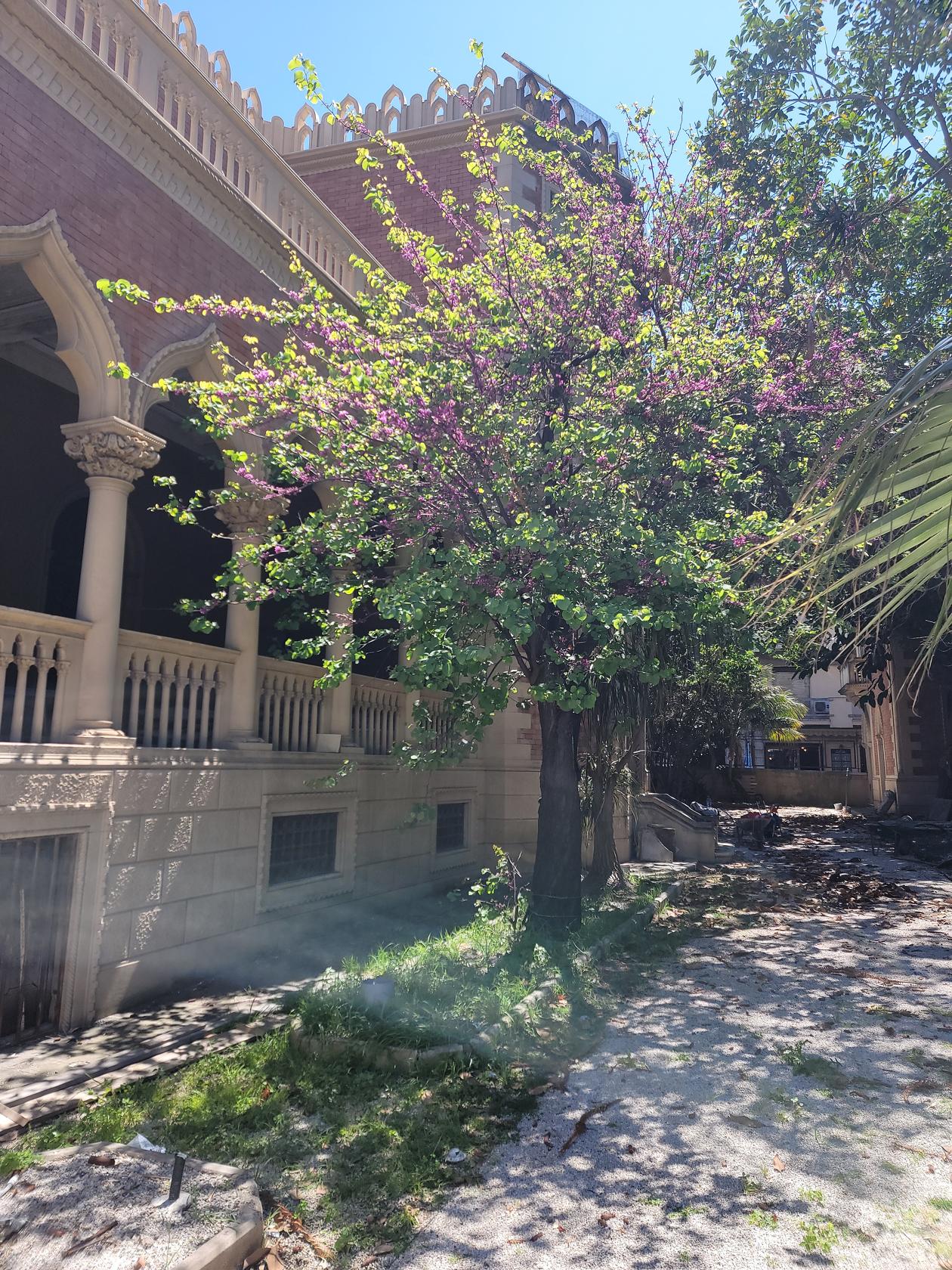
A beautiful Venetian Art Nouveau style building on the Corso Emanuele is the villa of Genoese Zerbi. The original was destroyed in the great quake, but it was completely restored and now is one of the main charms of the city.
Villa Genoese Zerbi – Reggio Calabria, Italy
Villa Genoese Zerbi – Reggio Calabria, Italy
Villa Genoese Zerbi – Reggio Calabria, Italy
Villa Genoese Zerbi – Reggio Calabria, Italy
Palazzos Spinelli and Giuffrè
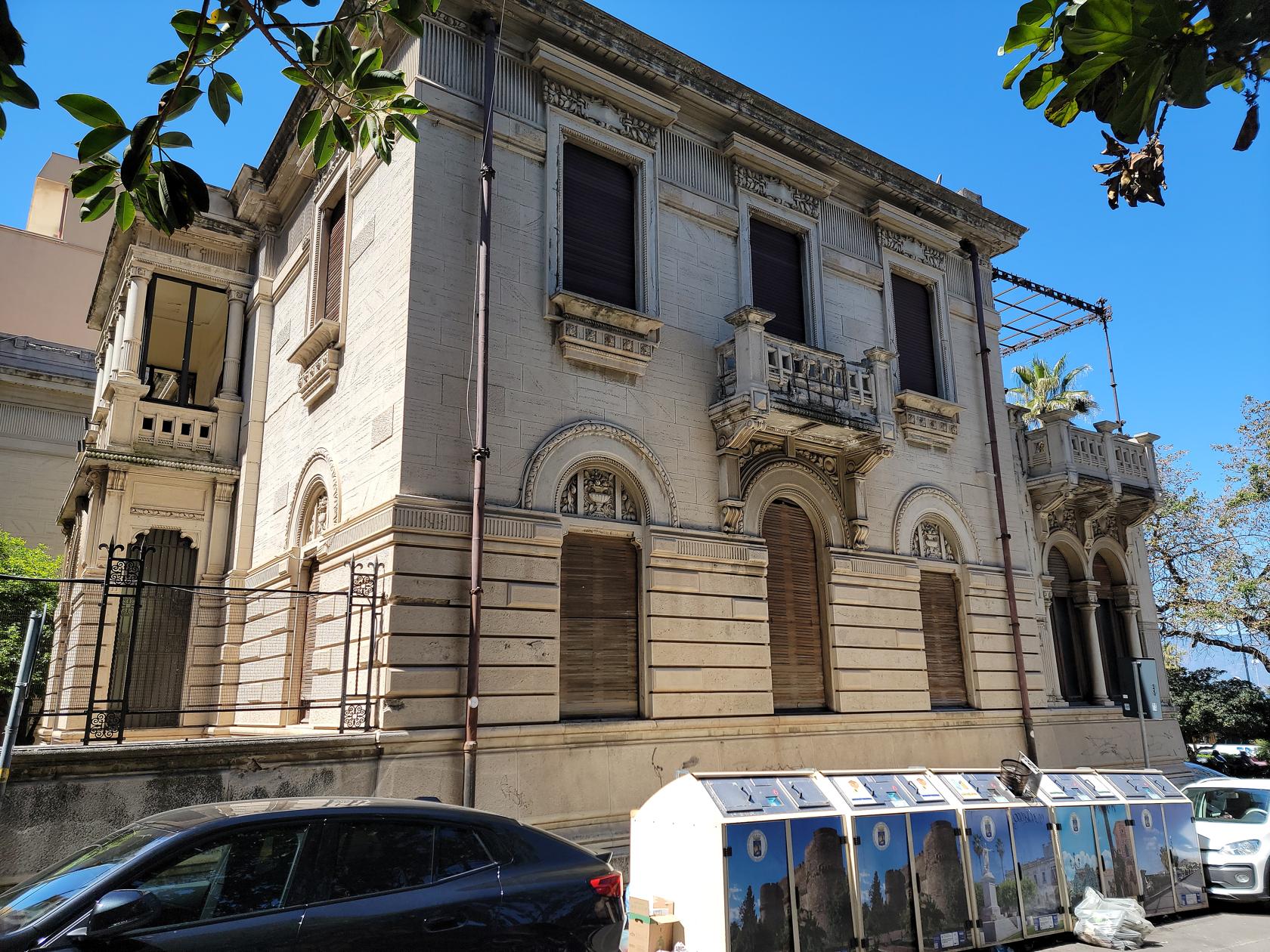
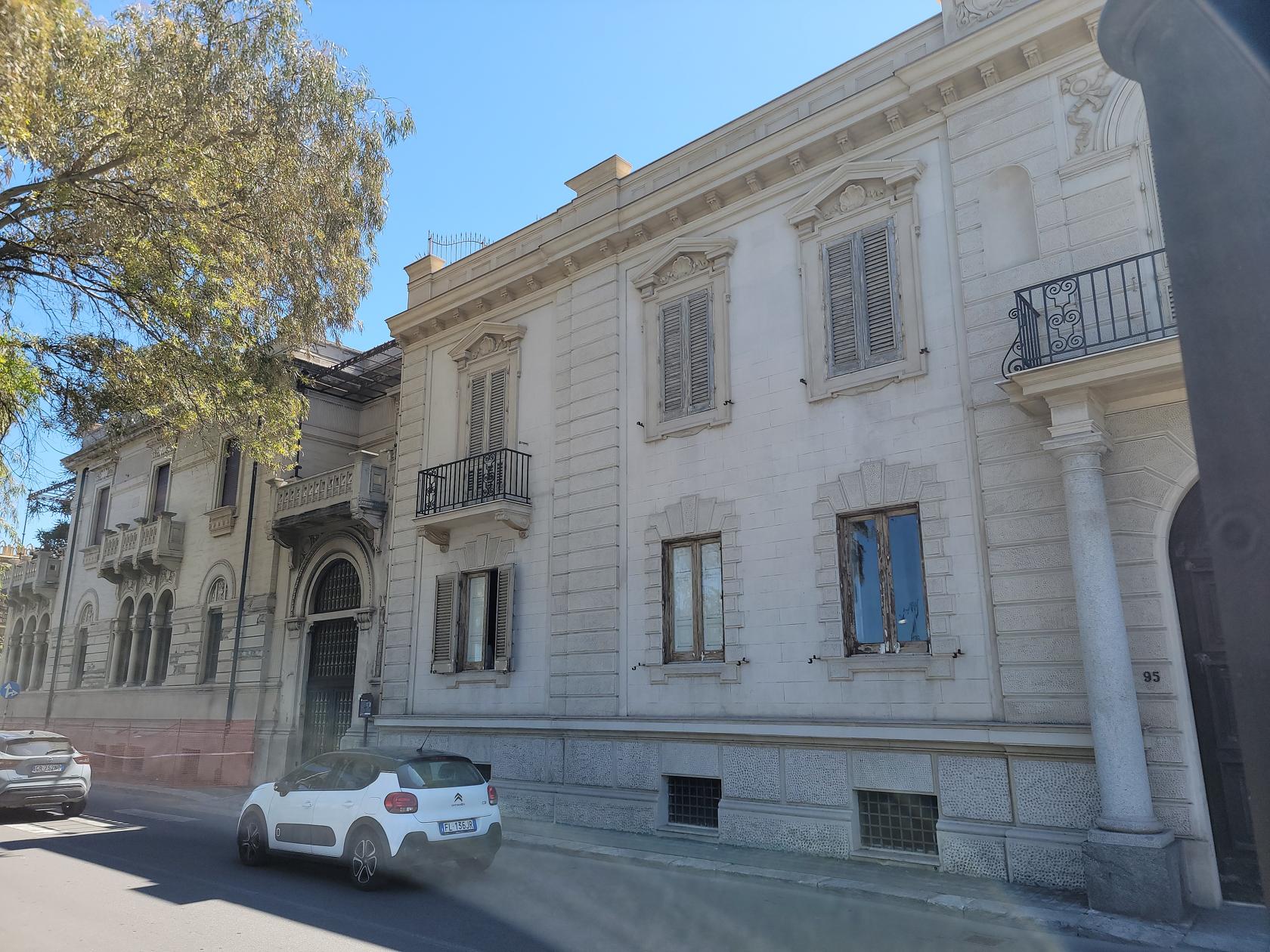
These two palazzos are side by side on the Corso Emanuele by the waterfront. Both appear to need some work. Palazzo Spinelli offers a great example of Calabrian architecture and Art Nouveau, or the liberty style.
Palazzo Spinelli – Reggio Calabria, Italy
Palazzo Giuffrè on the other hand offers a more mundane example, and is reminiscent of other buildings you will find in other large Italian cities.
Palazzo Giuffri – Reggio Calabria, Italy
Restaurants
Drogheria Culinaria
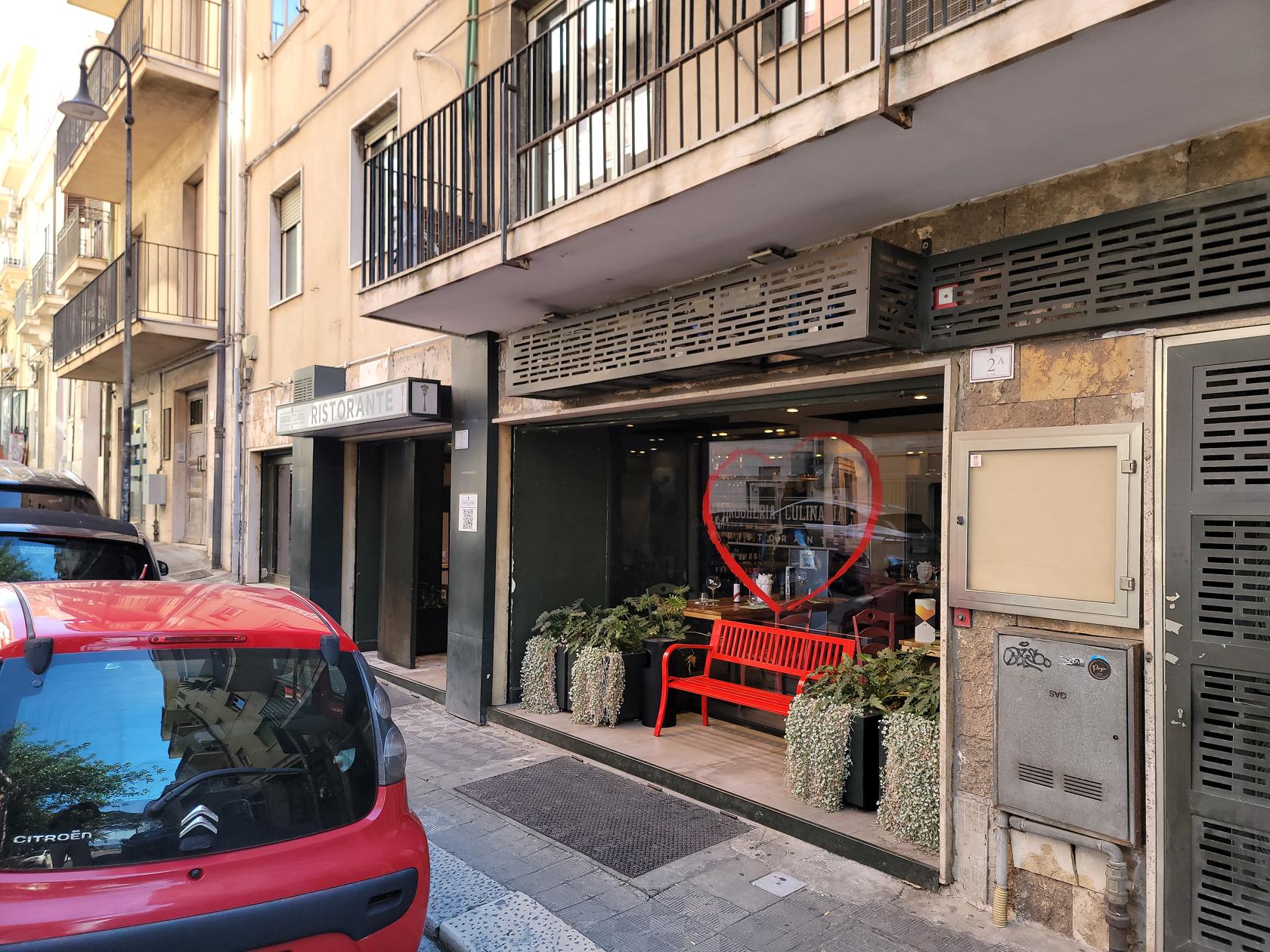
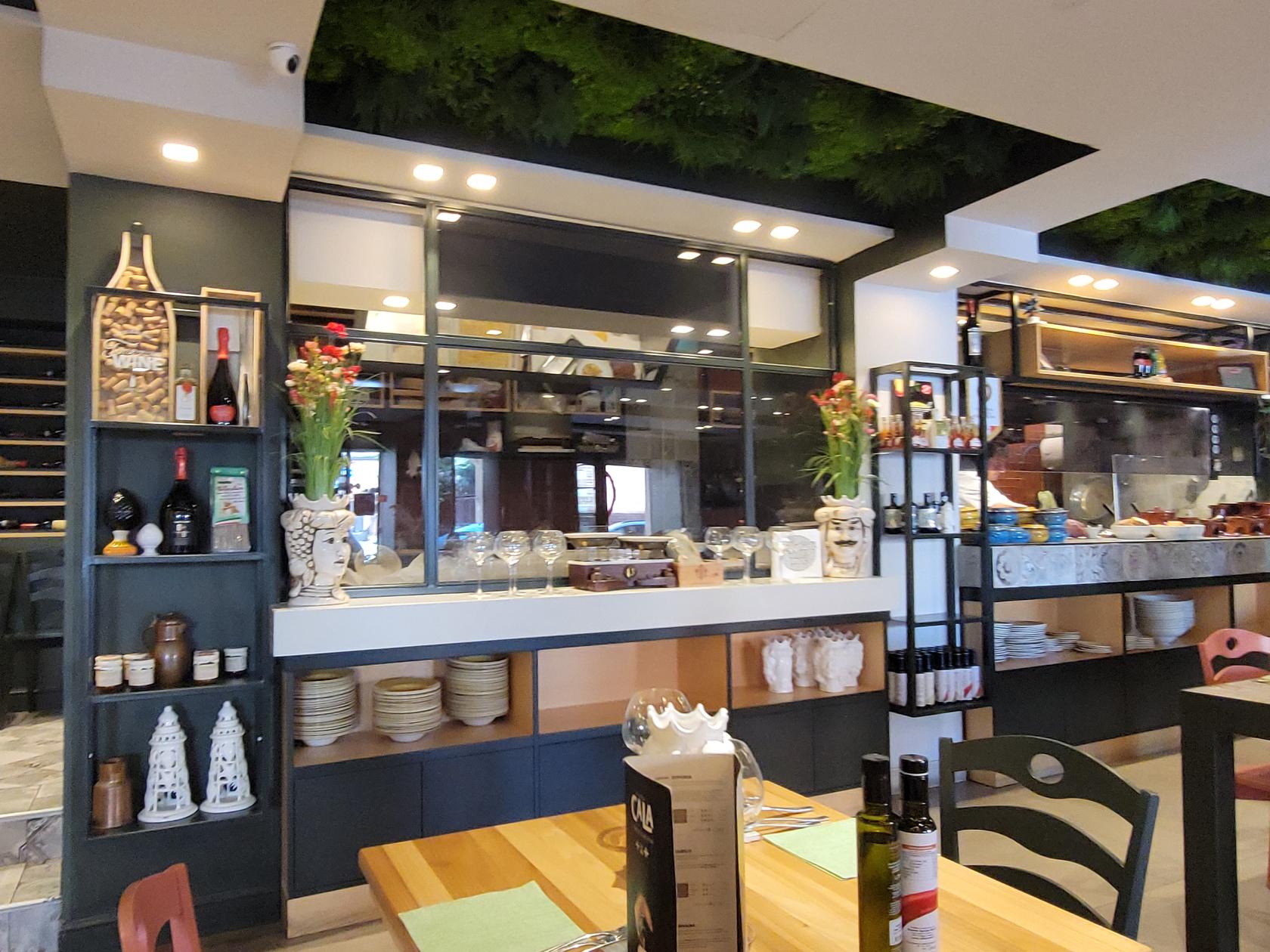
Using its former name for the grocery store the family used to own, it now serves food and drinks. It has a decent wine list, with several good varietals by the glass.
Entrance – Drogheria Culinaria Ristorante – Reggio Calabria, Italy
Inside – Drogheria Culinaria Ristorante – Reggio Calabria, Italy
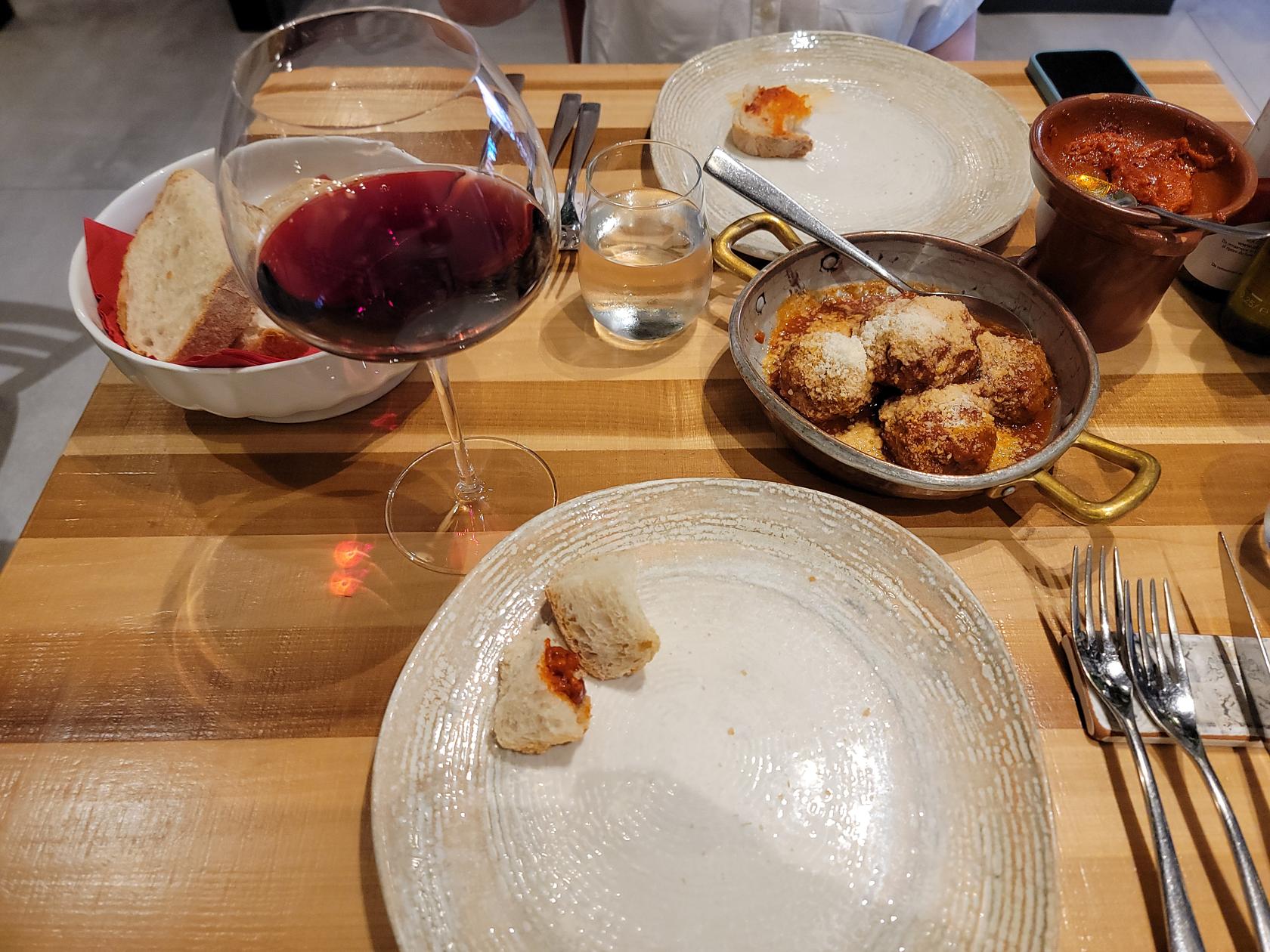
The food is also pretty good and you will definitely be able to find something to slake your appetite at this establishment.
Meatballs, Bread with Hot ‘Nduja and Wine – Drogheria Culinaria Ristorante – Reggio Calabria, Italy
Pat’s Spaghettone and Erick’s Tagliotella, both with Pork Ragú sauce – Drogheria Culinaria Ristorante – Reggio Calabria, Italy
Le Vie Del Gusto Ristorante
One of the restaurants in the area that is highly recommended for local Calabrian dishes is the Le Vie Del Gusto Ristorante. Located on via Reggio Campi and via II Dezembre, this small little restaurants attacts all the locals, so have your reservation in hand before leaving your hotel or place of stay.
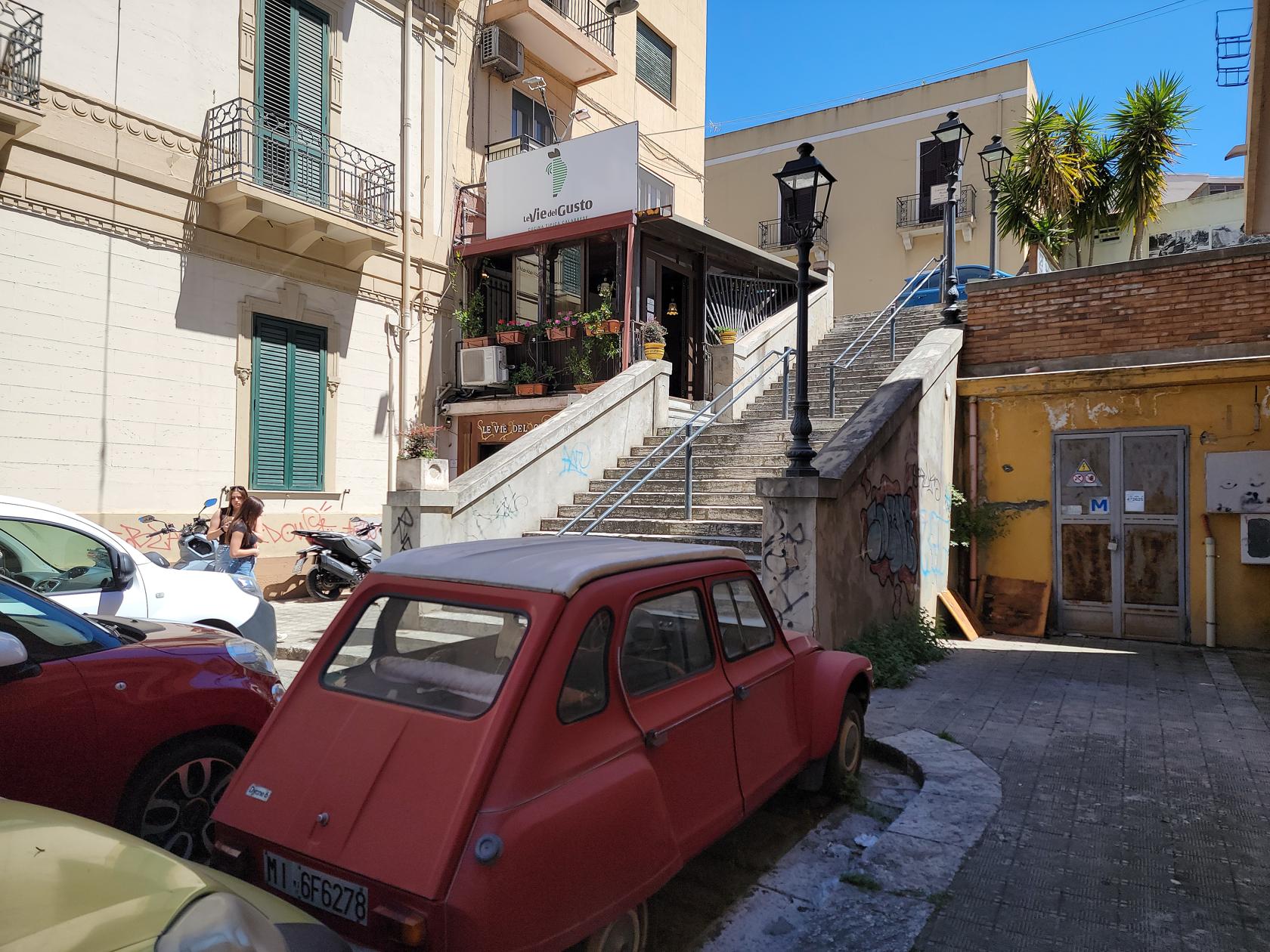
Entrance – Le Vie del Gusto Ristorante – Reggio Calabria, Italy
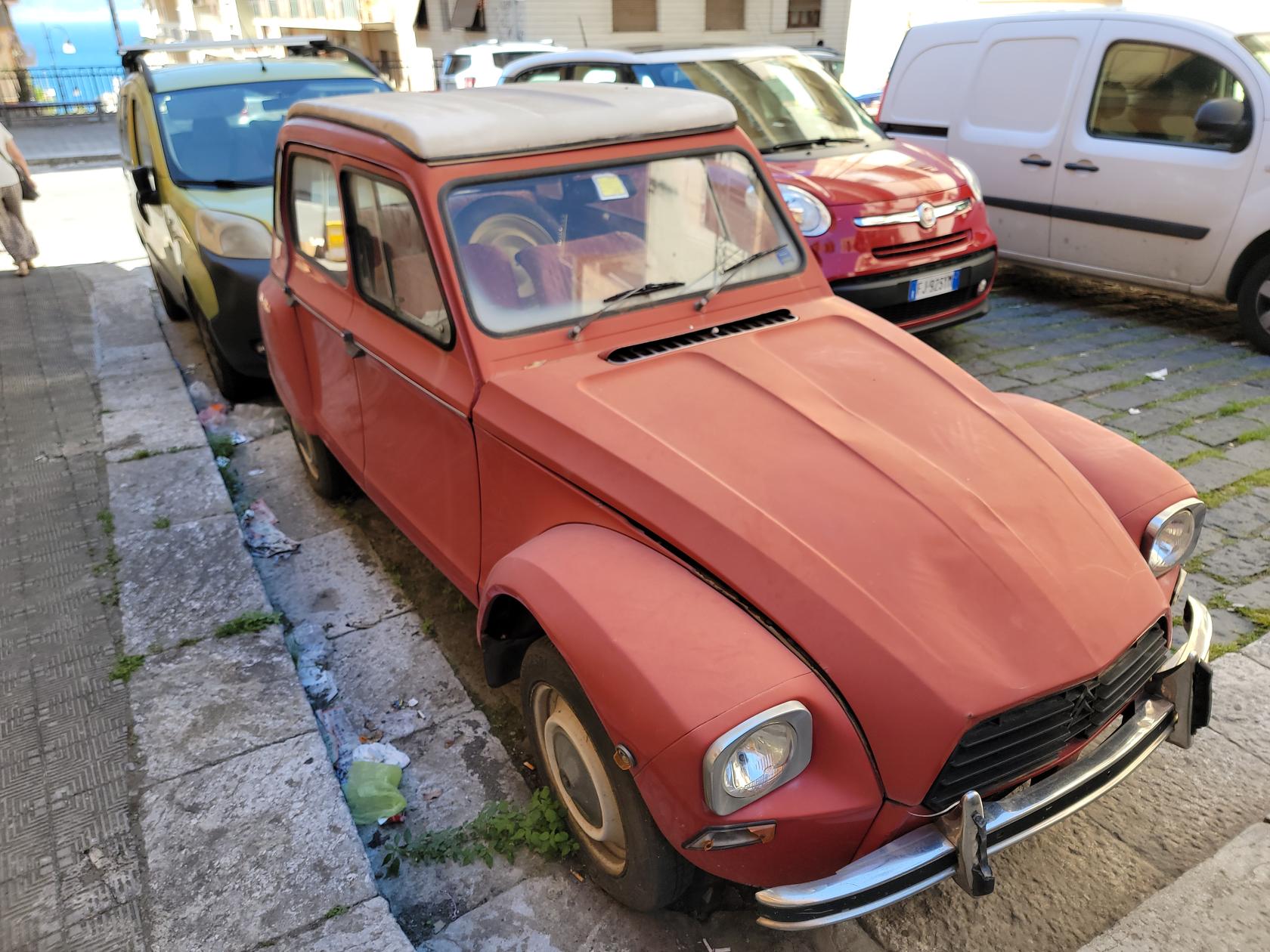
Old Citroen – Le Vie del Gusto Ristorante – Reggio Calabria, Italy
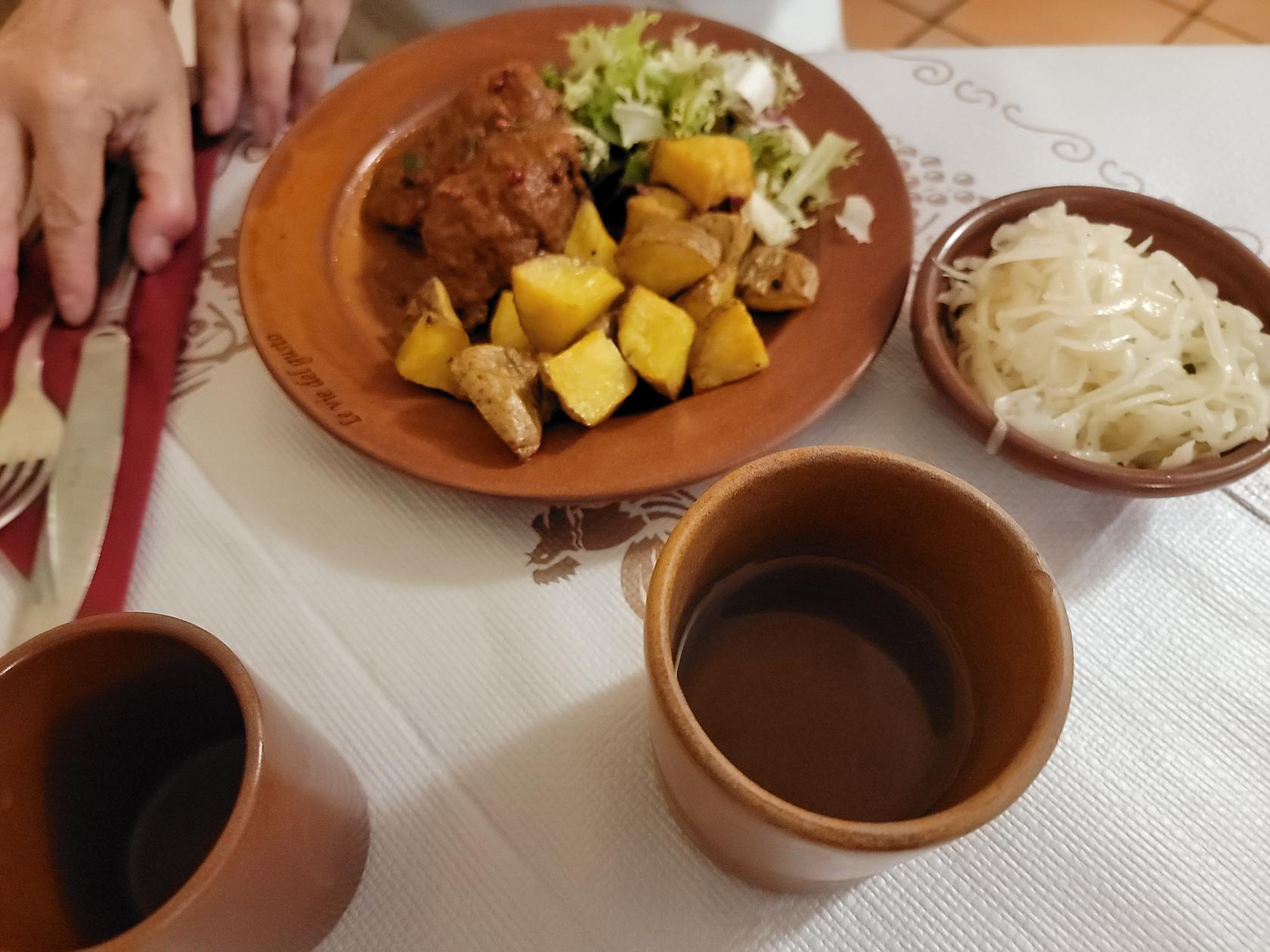
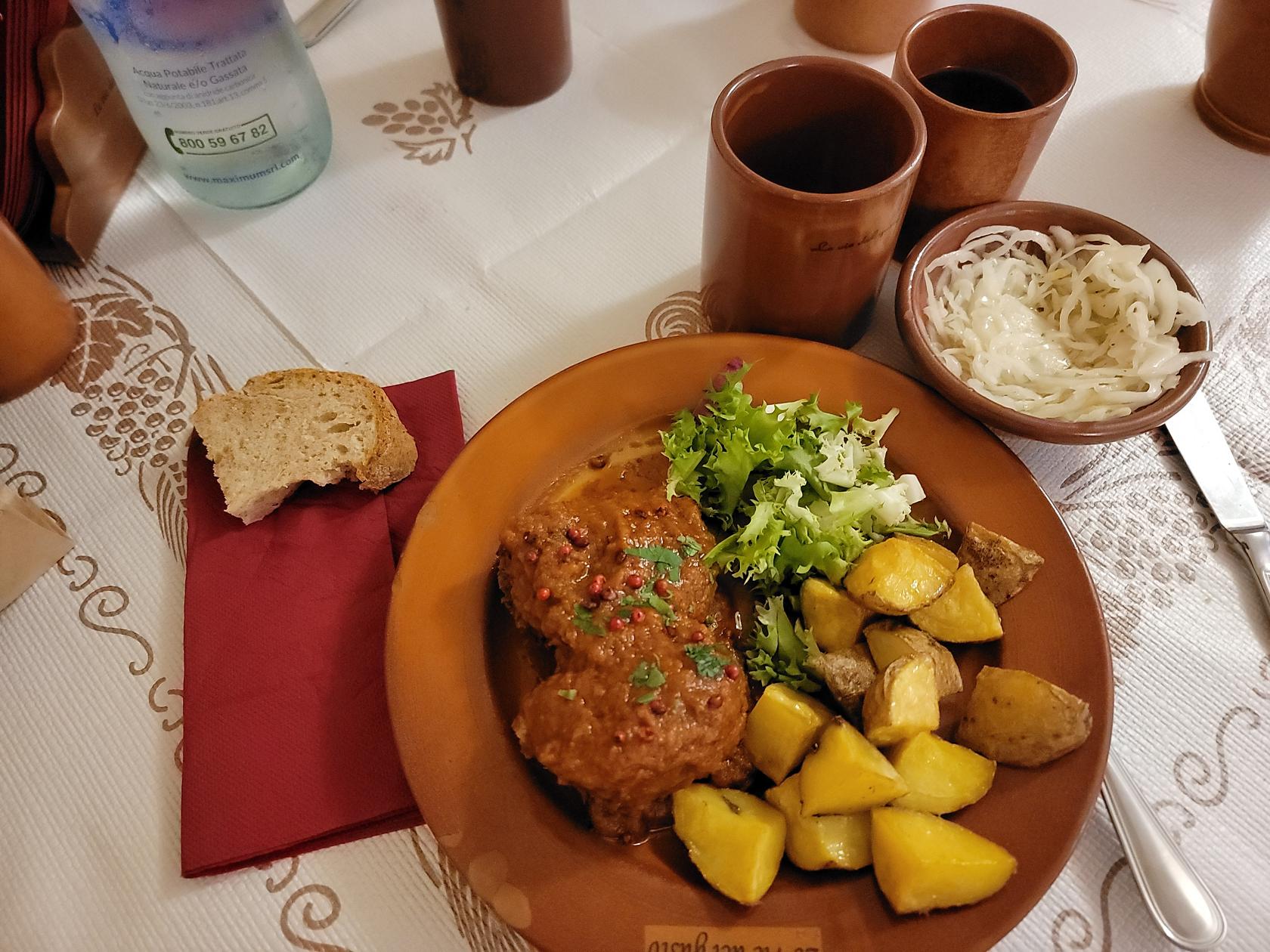
Everything we tried had that home cooking taste without any loss to attention to detail. The Stufato is highly recommended and will melt in your mouth.
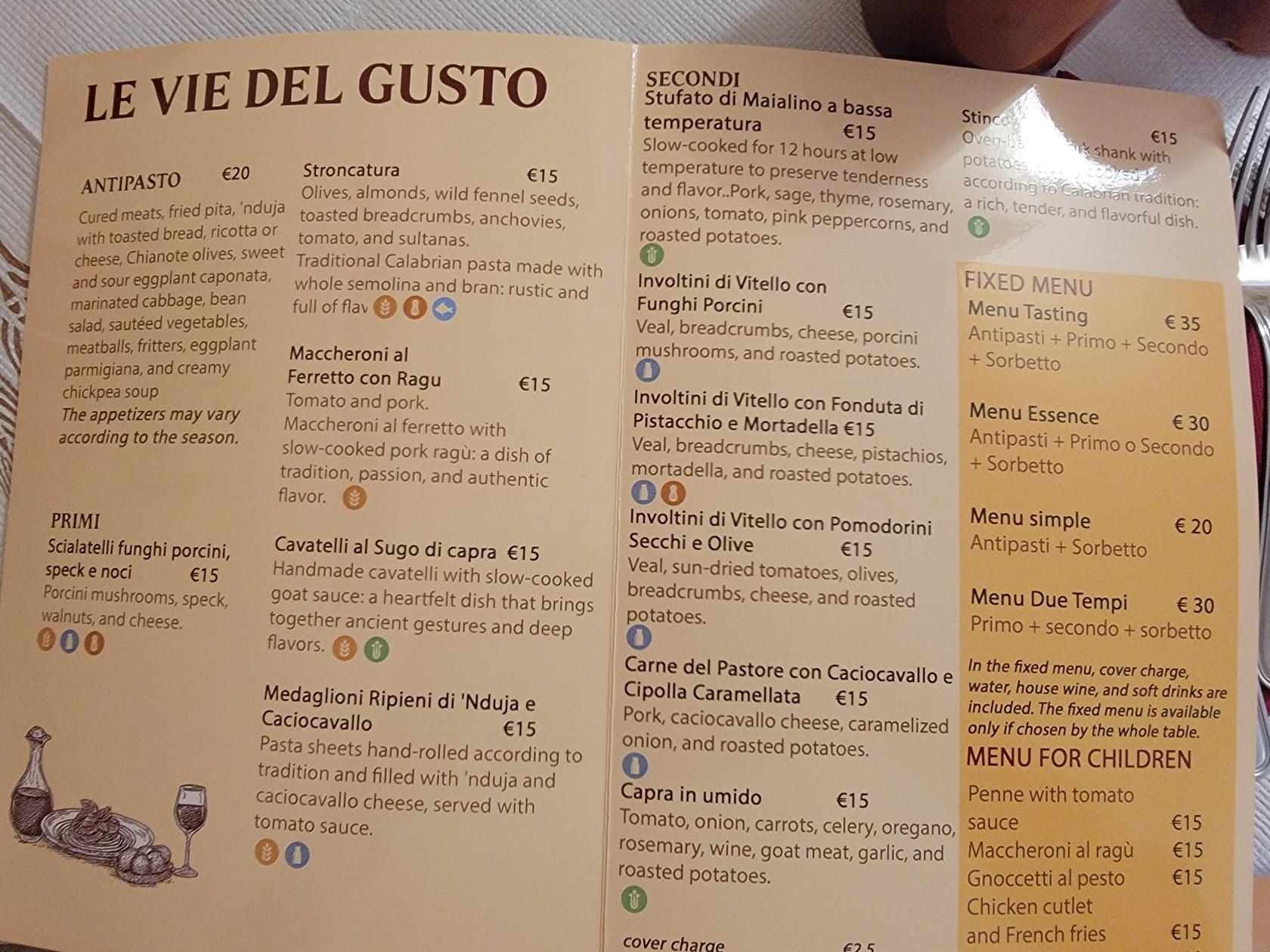
Menu – Le Vie del Gusto Ristorante – Reggio Calabria, Italy
Stufato di Maialino a bassa Temperatura with Coleslaw – Le Vie del Gusto Ristorante – Reggio Calabria, Italy
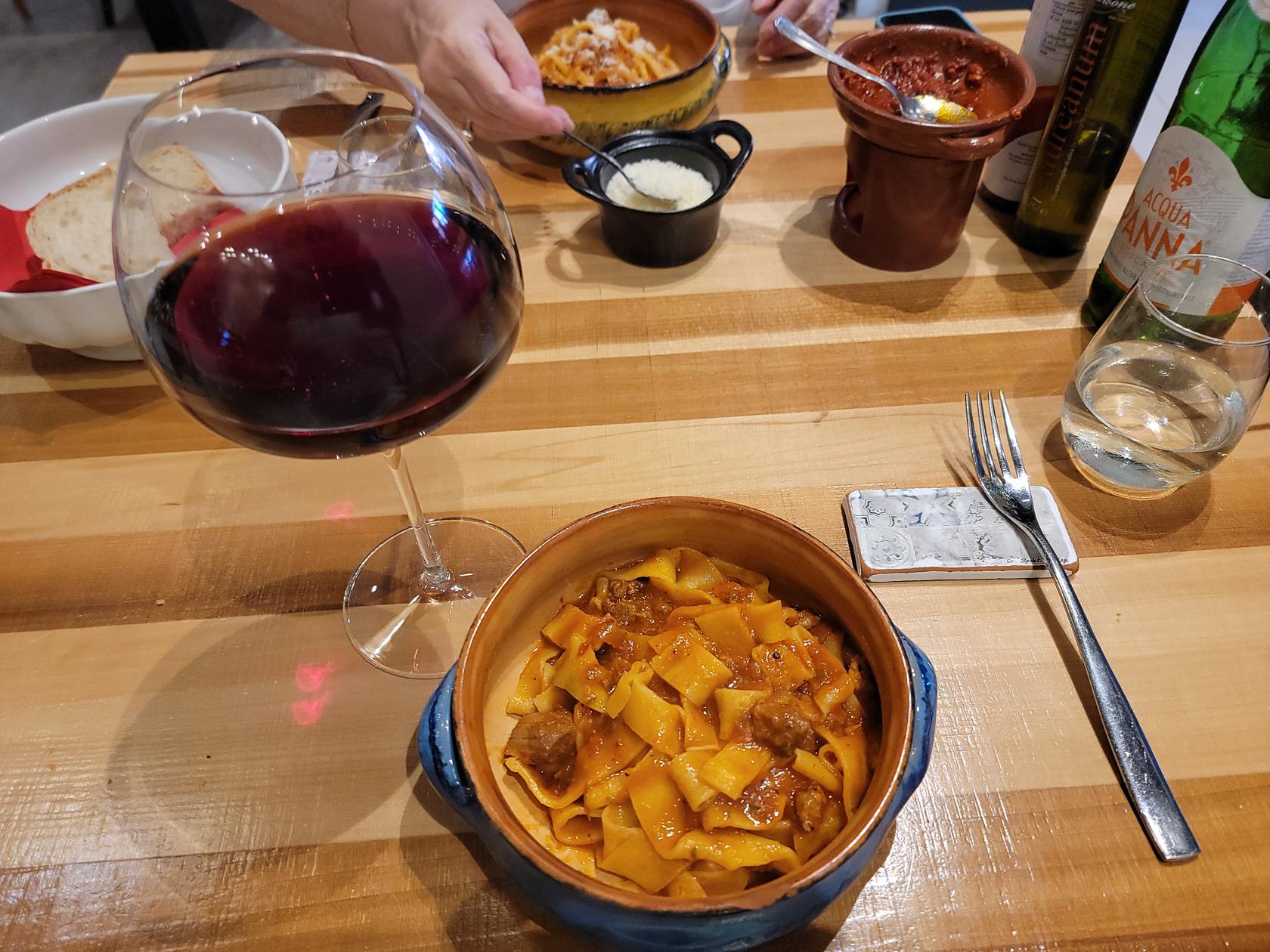
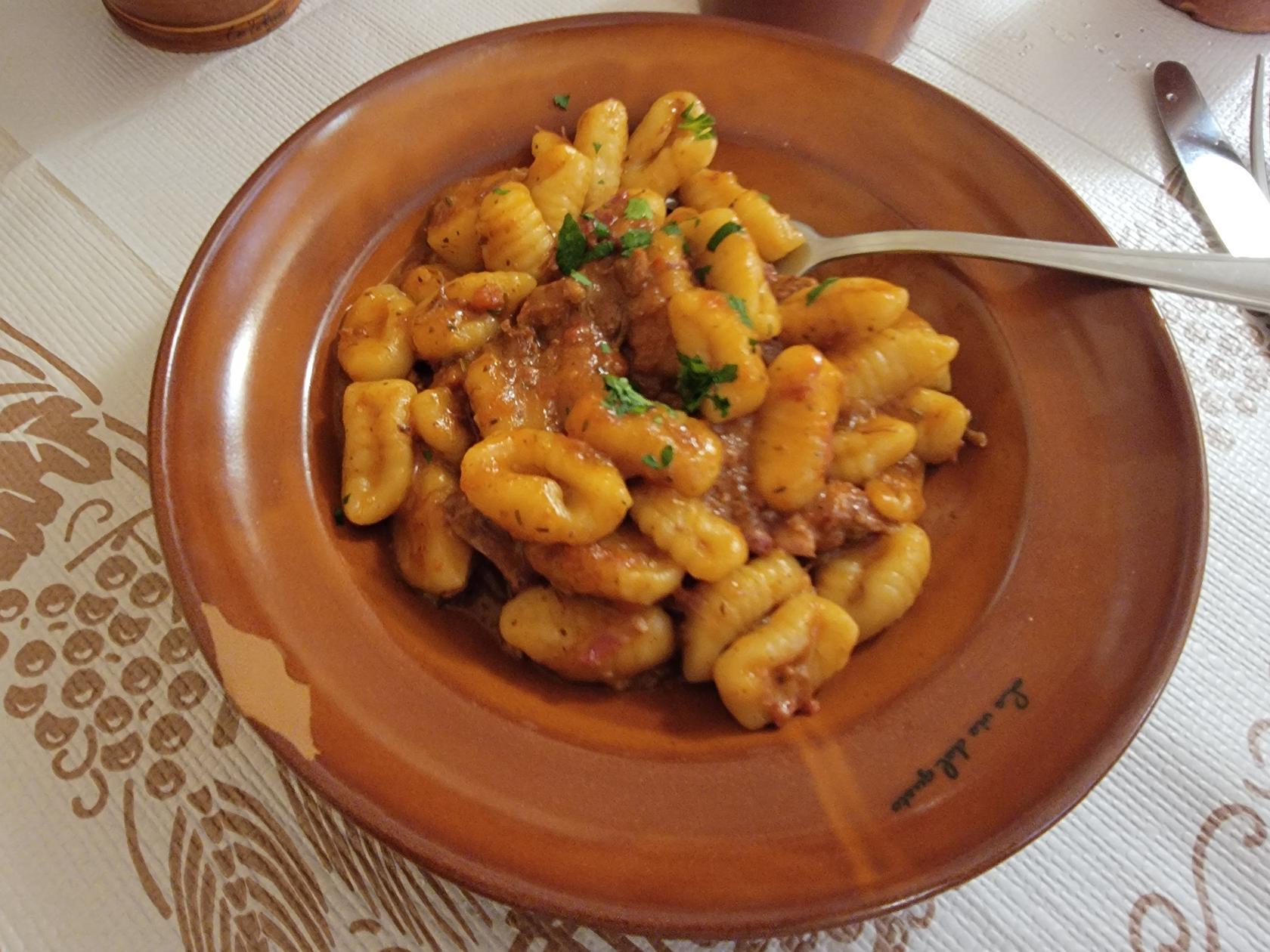
Cavatelli al Sugo di Capra – Le Vie del Gusto Ristorante – Reggio Calabria, Italy
Stufato di Maialino a bassa Temperatura – Le Vie del Gusto Ristorante – Reggio Calabria, Italy
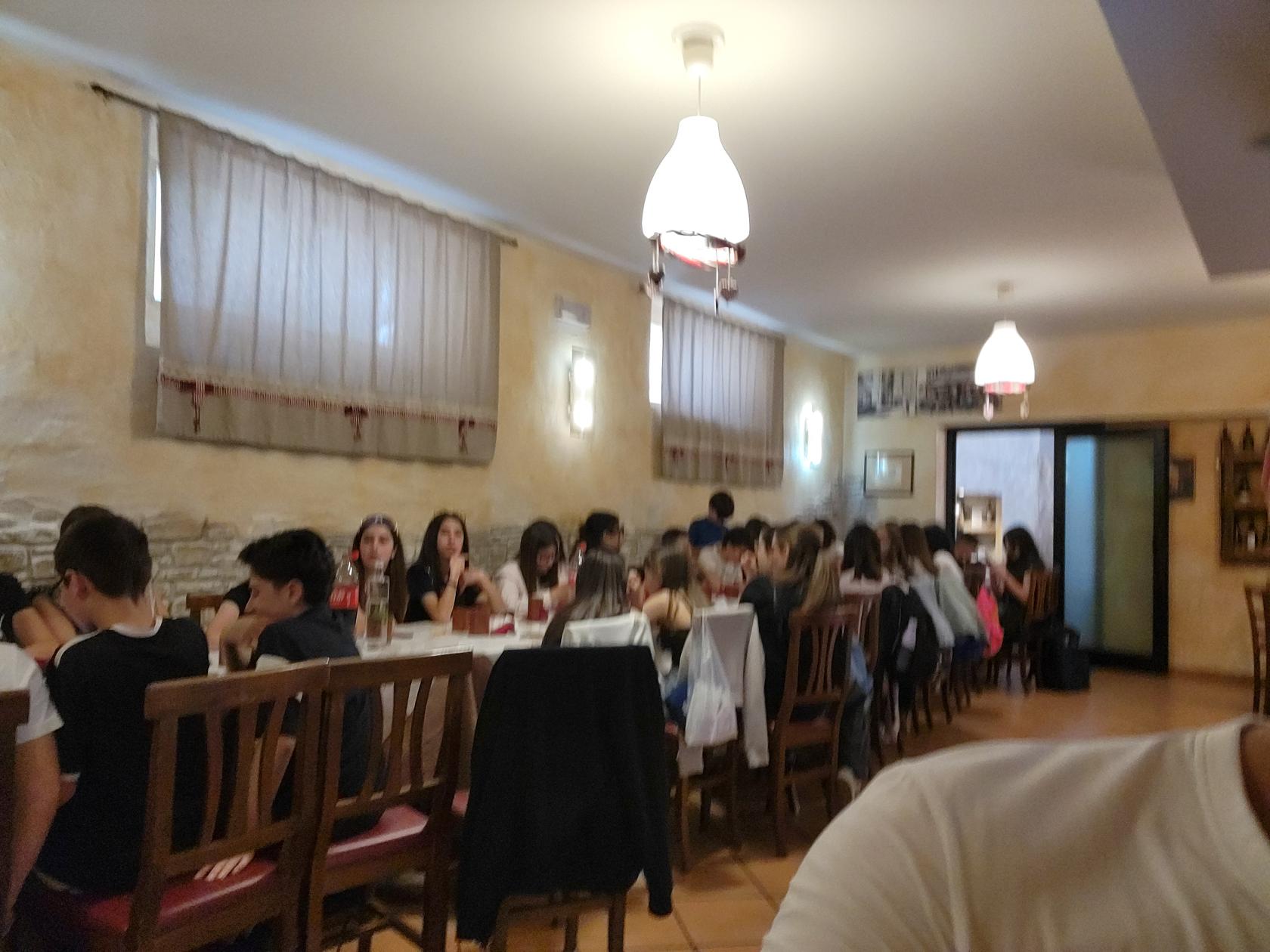
While we were there a local class was having their end of year party, so noise levels were through the roof. However, it was still enjoyable, especially watching the children eating all that food. Made me remember how hungry I used to be as a school kid.
End of Year Lunch for Children – Le Vie del Gusto Ristorante – Reggio Calabria, Italy
Fennel Aperativo with Expresso – Le Vie del Gusto Ristorante – Reggio Calabria, Italy
Tartufo – Le Vie del Gusto Ristorante – Reggio Calabria, Italy
On our second and final day to the Amalfi Coast, we were fortunate enough to enjoy a lemon experience near Tramonti. After our tour and lunch, we visited the other smaller Amalfi towns of Maiori, Minori and finally Cetara. There is not much to see in any of them and may be skipped. Except perhaps for Minori, which if you are looking for a beach spot along the coast, may offer the best option.
Getting There
On our second day we had arranged for the same tour guide that we had the previous day, Mind The Nap tours[1]If you would like to find them, they are on one of the more frequently used social media applications.. Therefore, we took a hired vehicle from Naples to drive once again over the Anti Appenine mountains, via SP2a, to Tramonti and then to the other coastal towns. Returning along the coastal road via Vietri sul Mare and A3.
Coming Into Tramonti – Tramonti, Italy
Tramonti
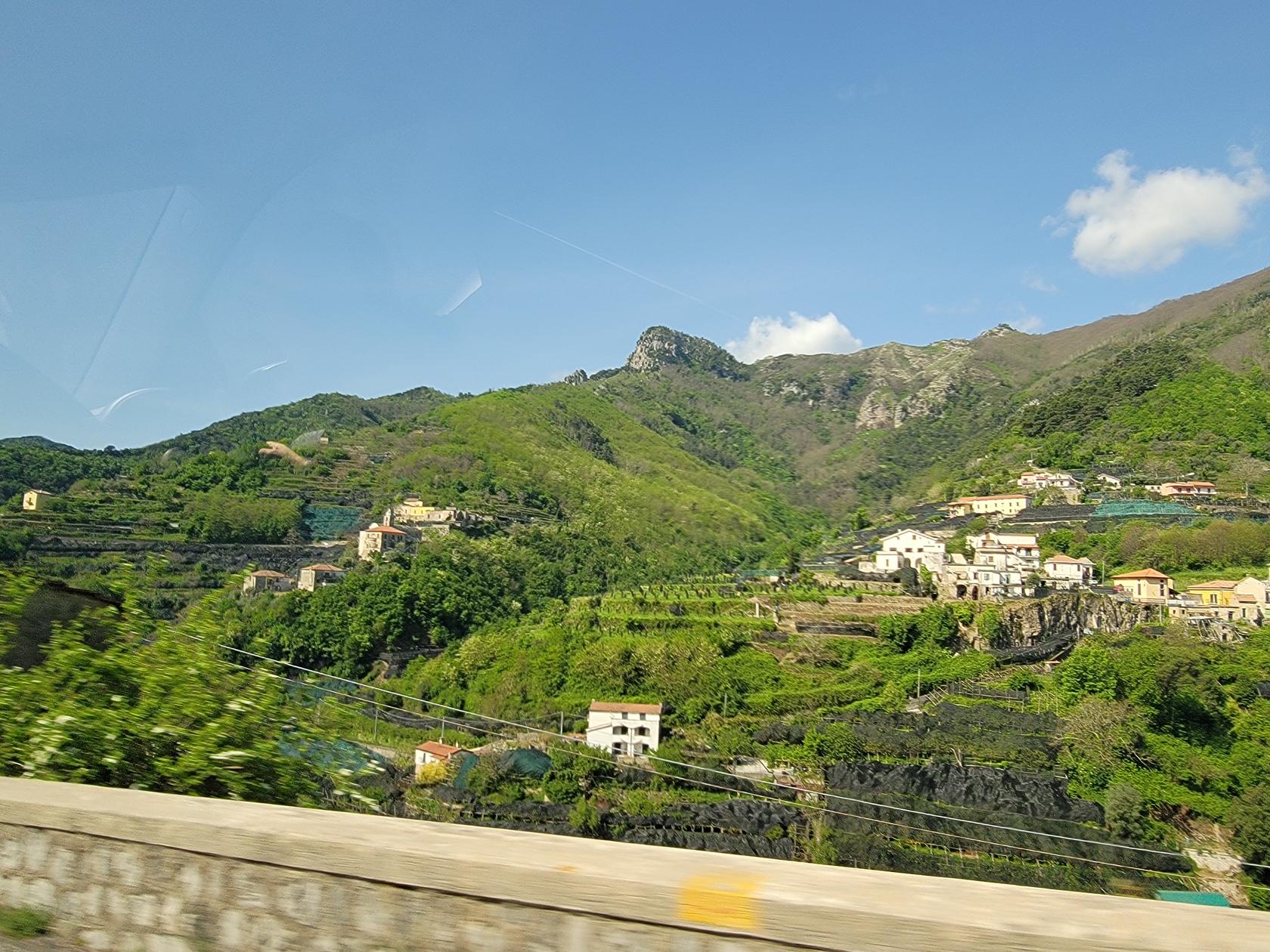
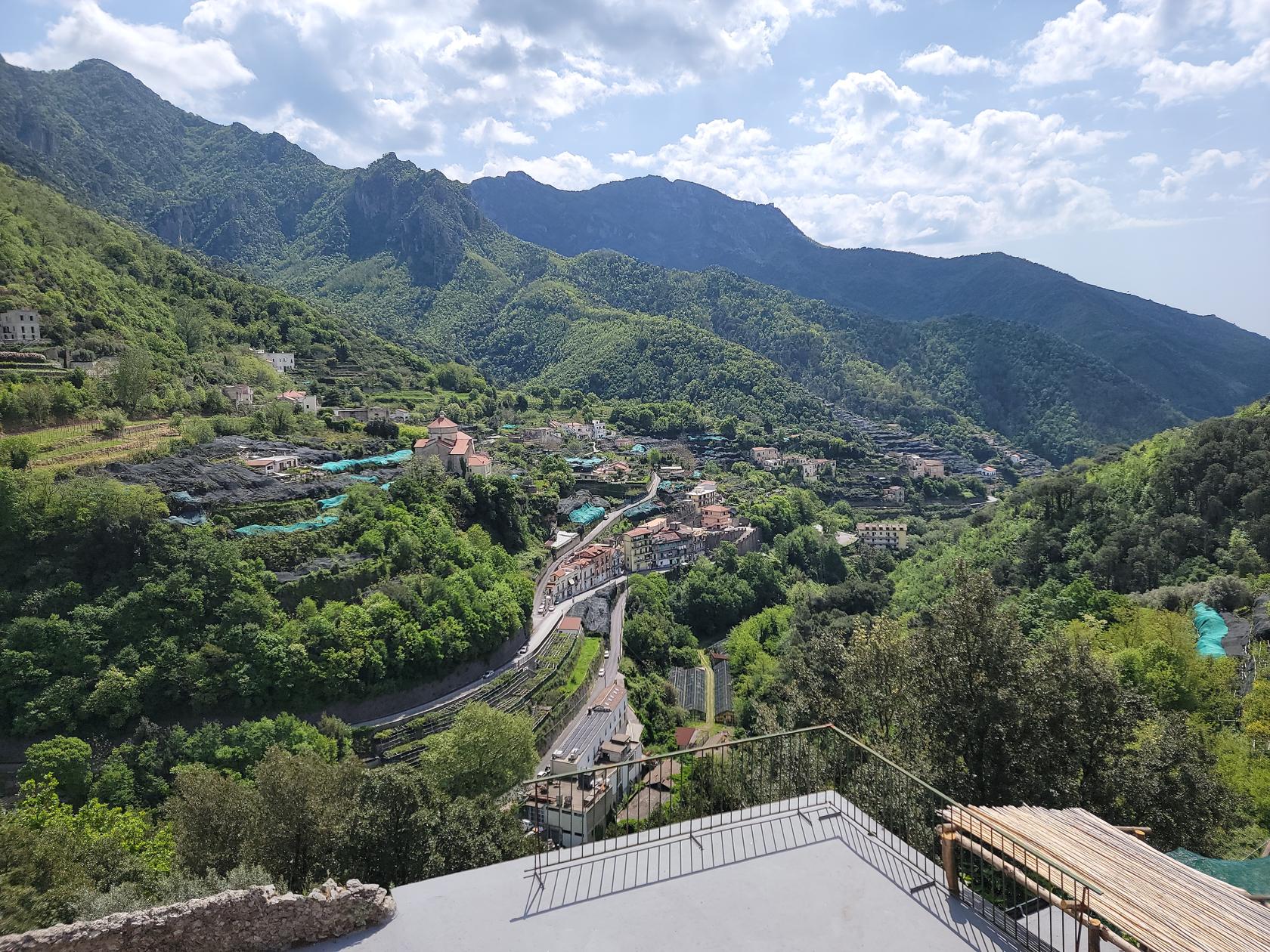
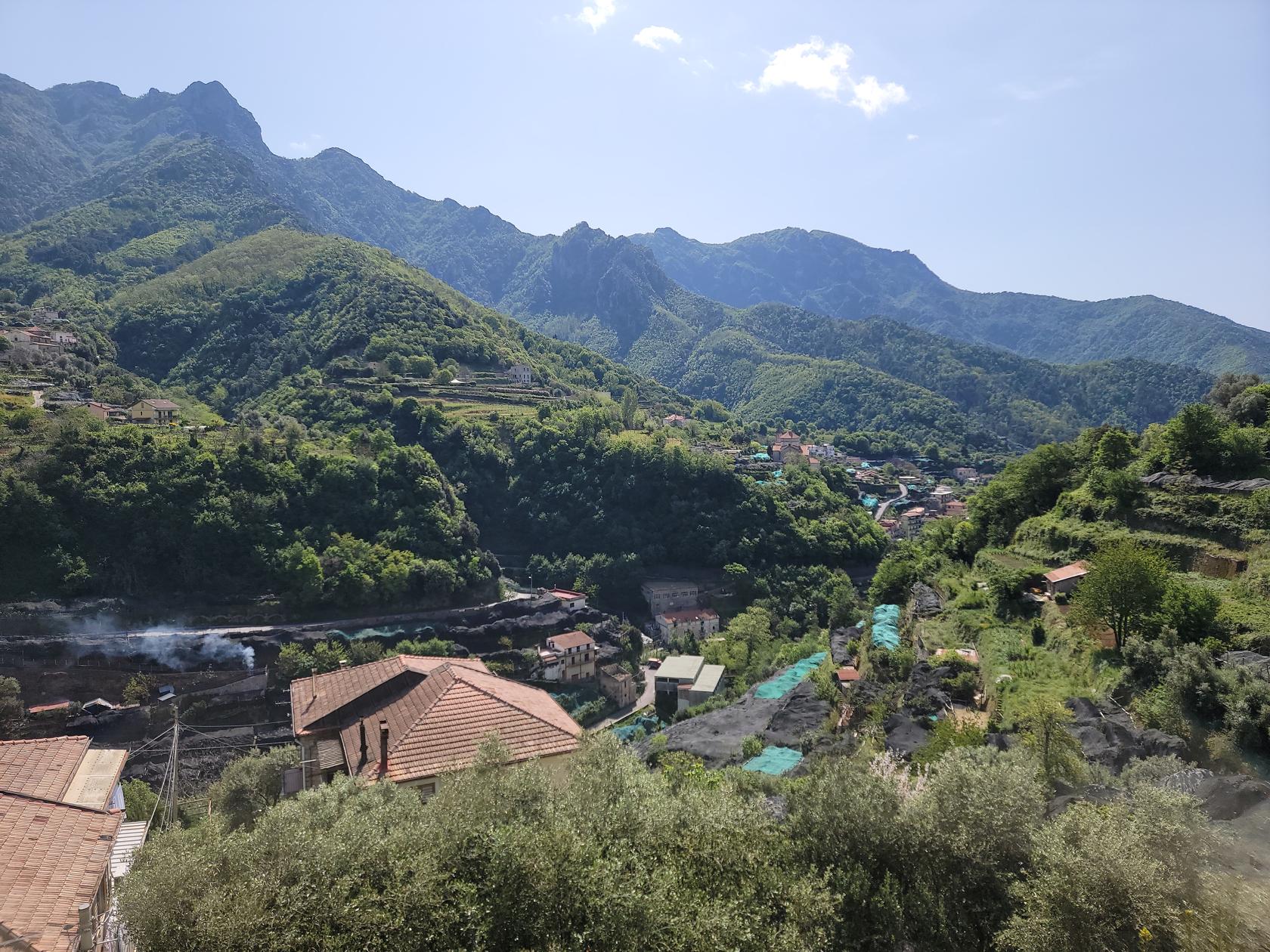
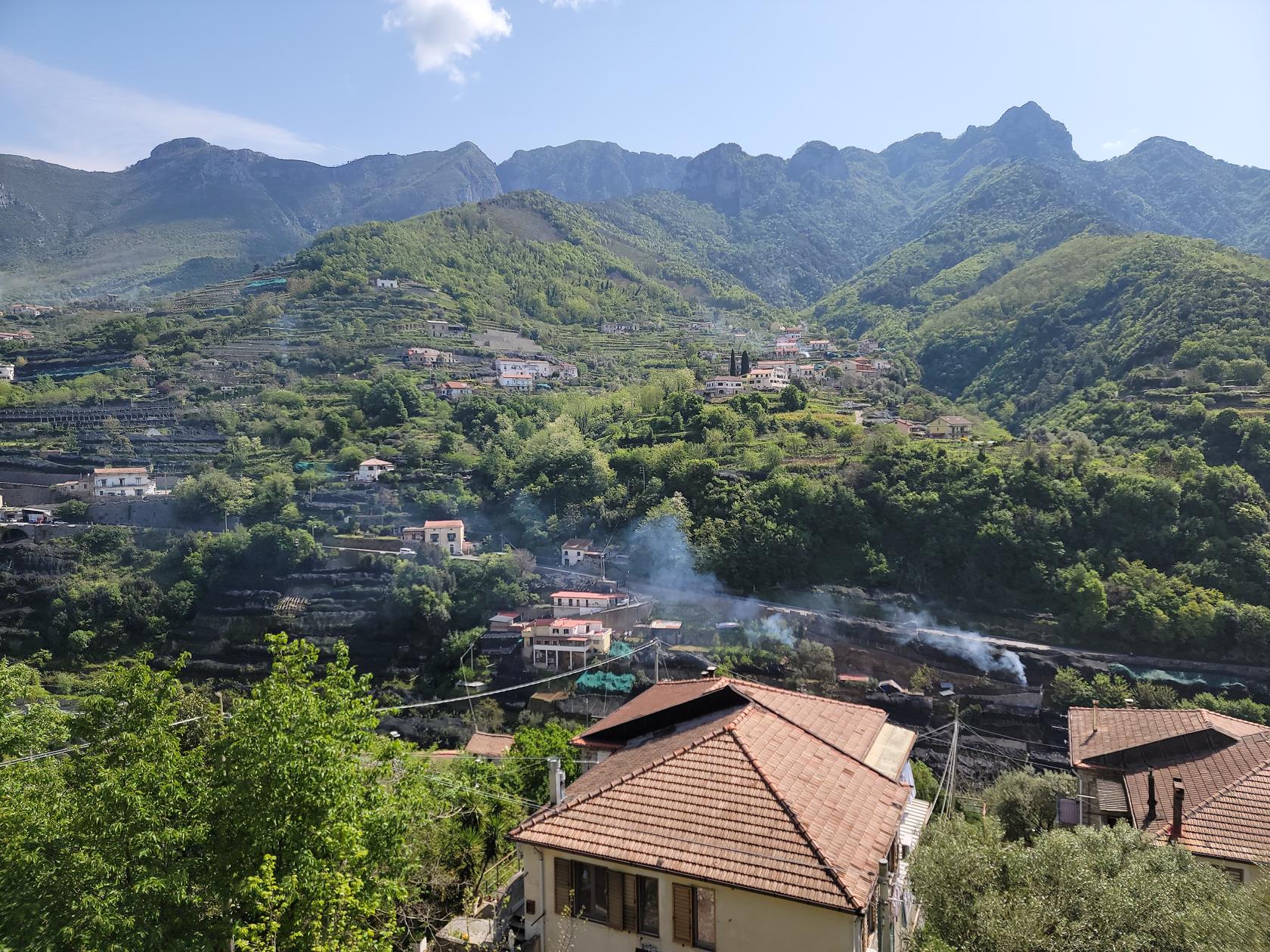
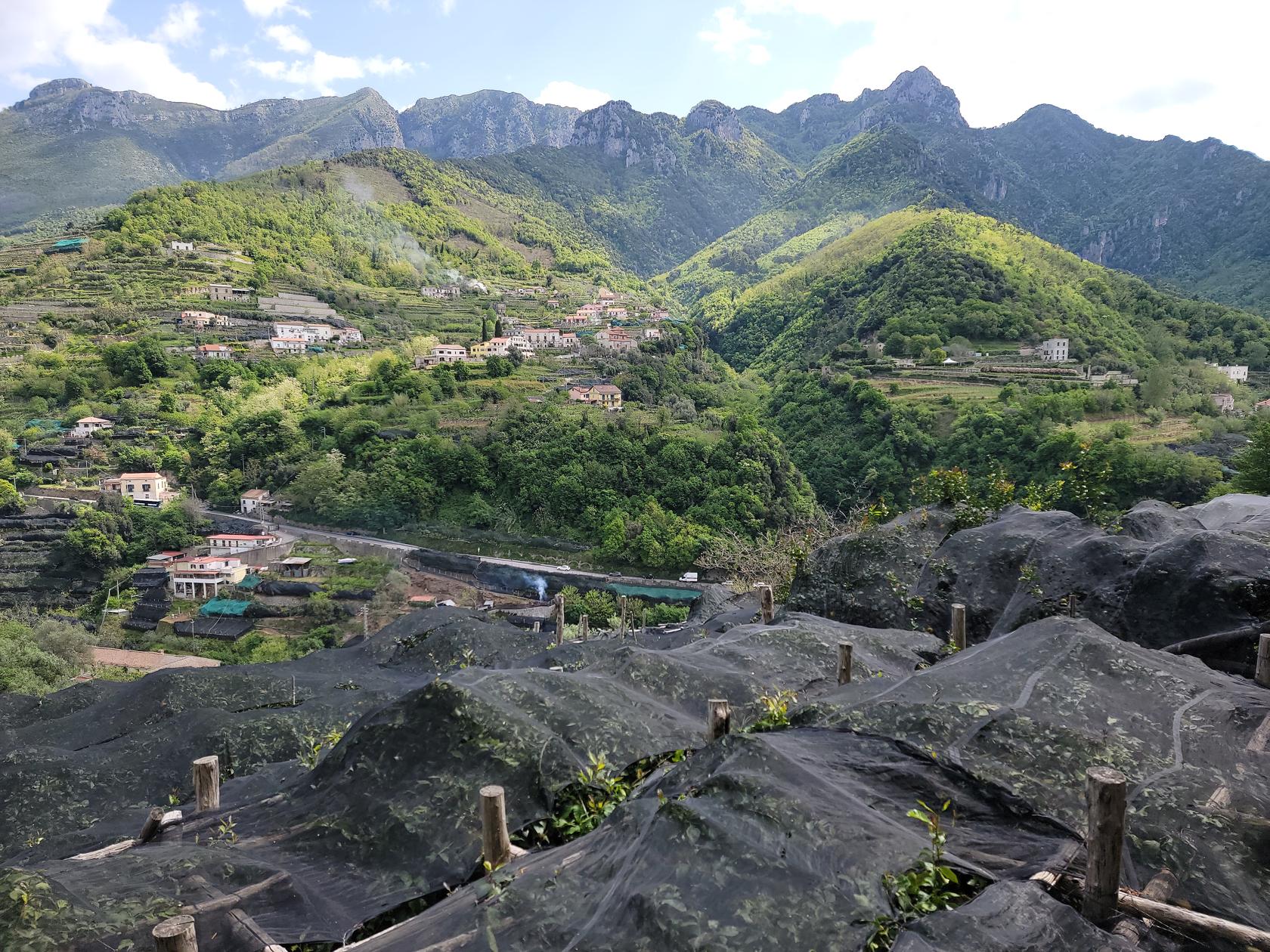
The term for this comune and town literaly means, in between the mountains. As we can attest with the photographs that we took, it definitely is in between the mountains. Our guide explained that the mixture of sun, heat and moisture is excellent for growing lemons in the area and some varieties of grapes.
Azienda Agricola Lemon Experience
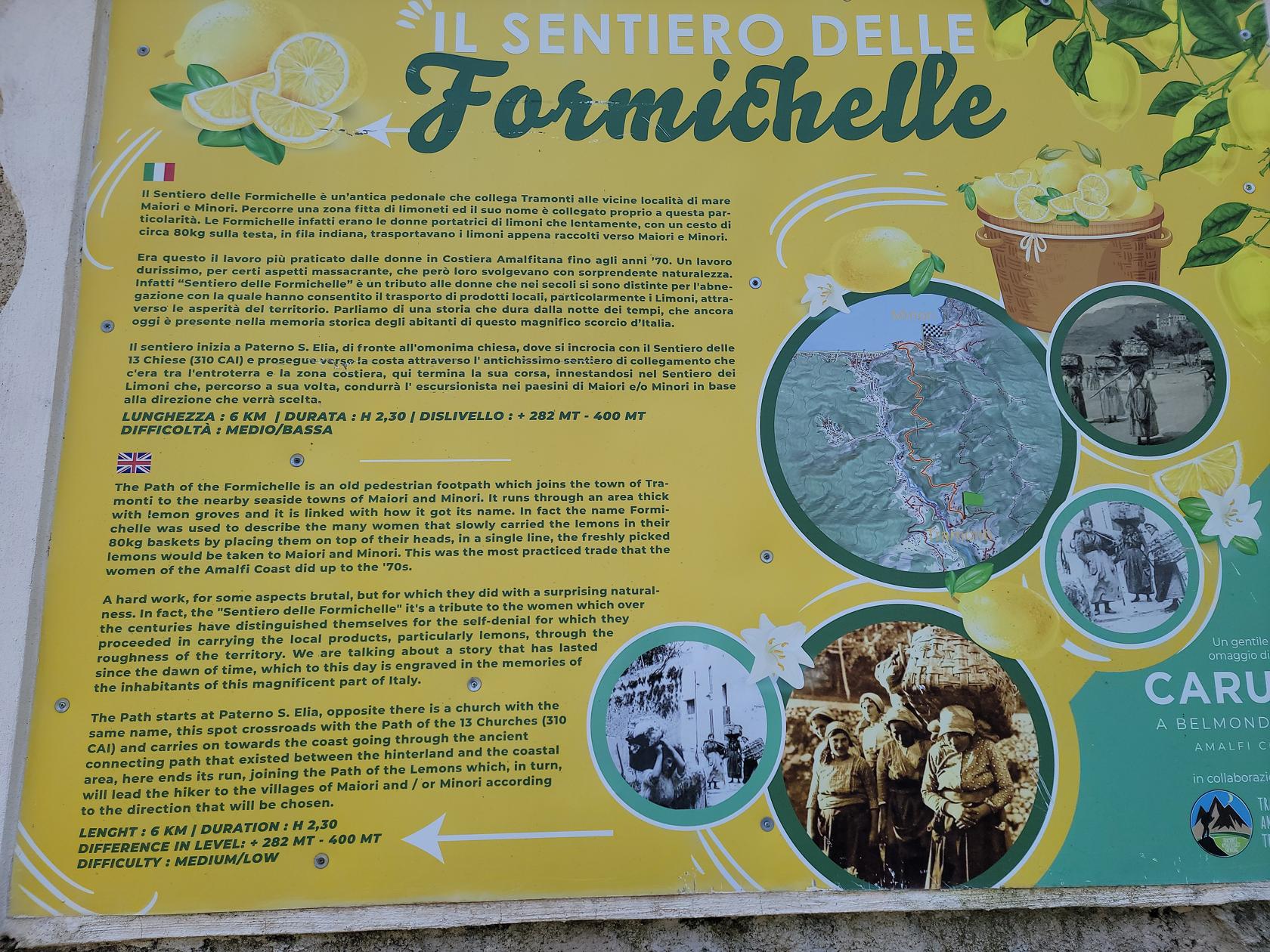
Azienda Agricola Le Formichelle can provide a lemon experience. It is part guided tour, part lunch, with the most complete explanation of lemons you will probably ever experience.
Azienda Agricola Le Formichelle – Tramonti, Italy
Lemon Experience Tour
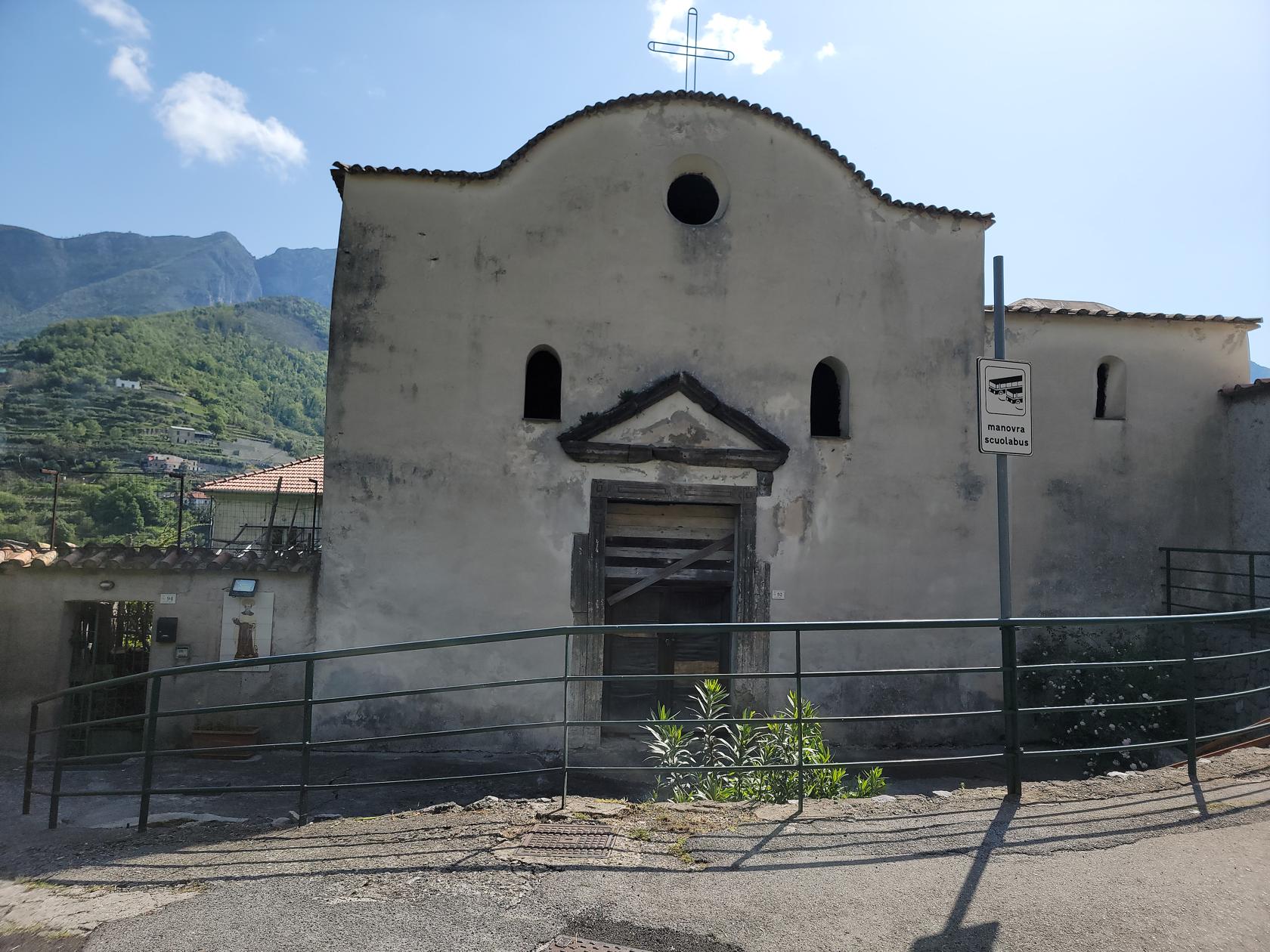
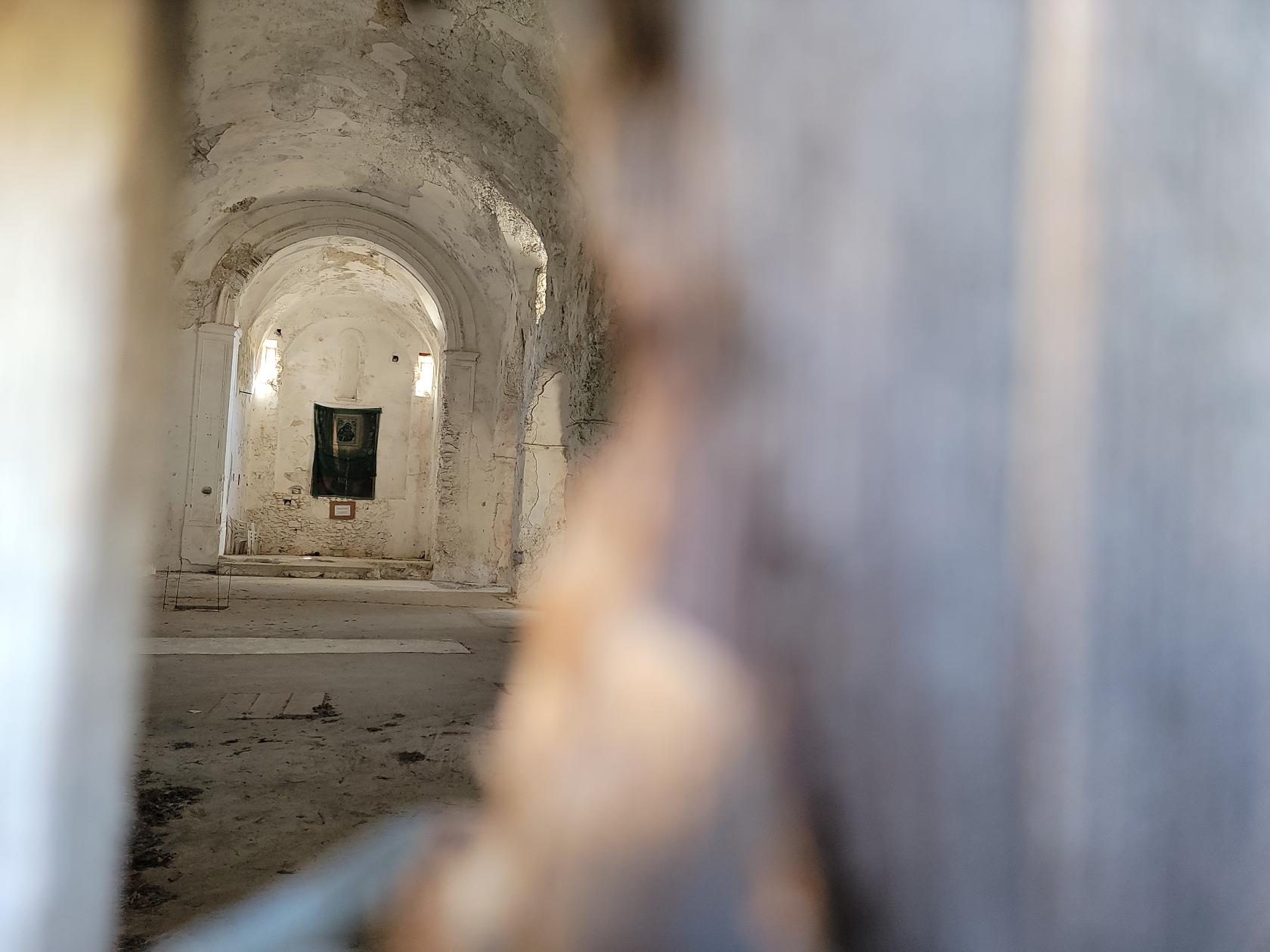
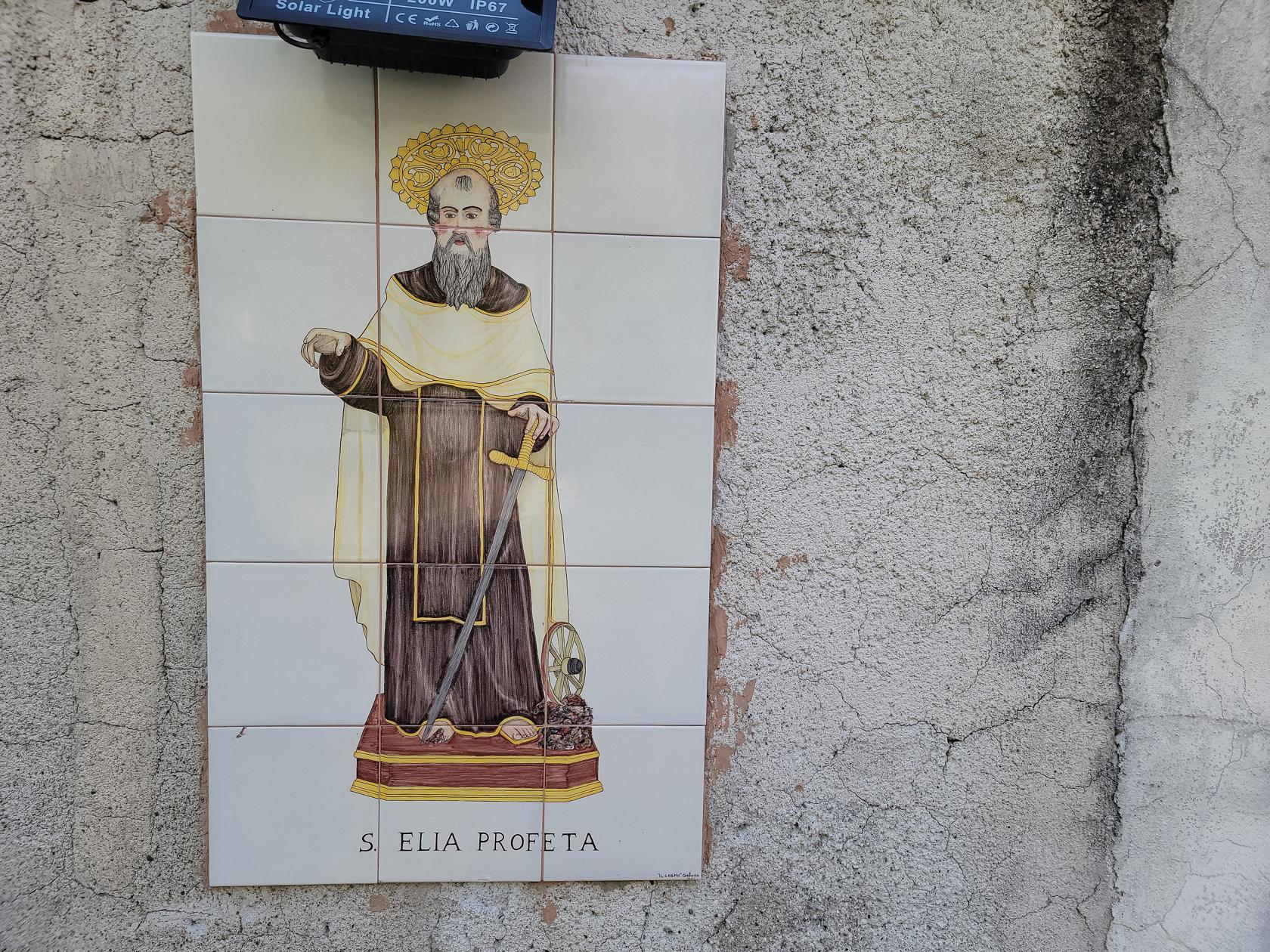
Our tour started out where are tour guide dropped us off, near the small abandoned church of Chiesa parrocchiale S. Elia Profeta in Ferriera, Tramonti.
The Parochial Church Of Saint Elia Profeta – Tramonti, Italy
The Parochial Church Of Saint Elia Profeta – Tramonti, Italy
The Parochial Church Of Saint Elia Profeta – Tramonti, Italy
The Parochial Church Of Saint Elia Profeta – Tramonti, Italy
The Parochial Church Of Saint Elia Profeta – Tramonti, Italy
Courtyard – The Parochial Church Of Saint Elia Profeta – Tramonti, Italy
Here our young guide explained in english all the geological, climate and other aspects of lemon growing, while pointing our specific areas between the mountains we were in.
The Surrounding Countryside – Azienda Agricola Le Formichelle – Tramonti, Italy
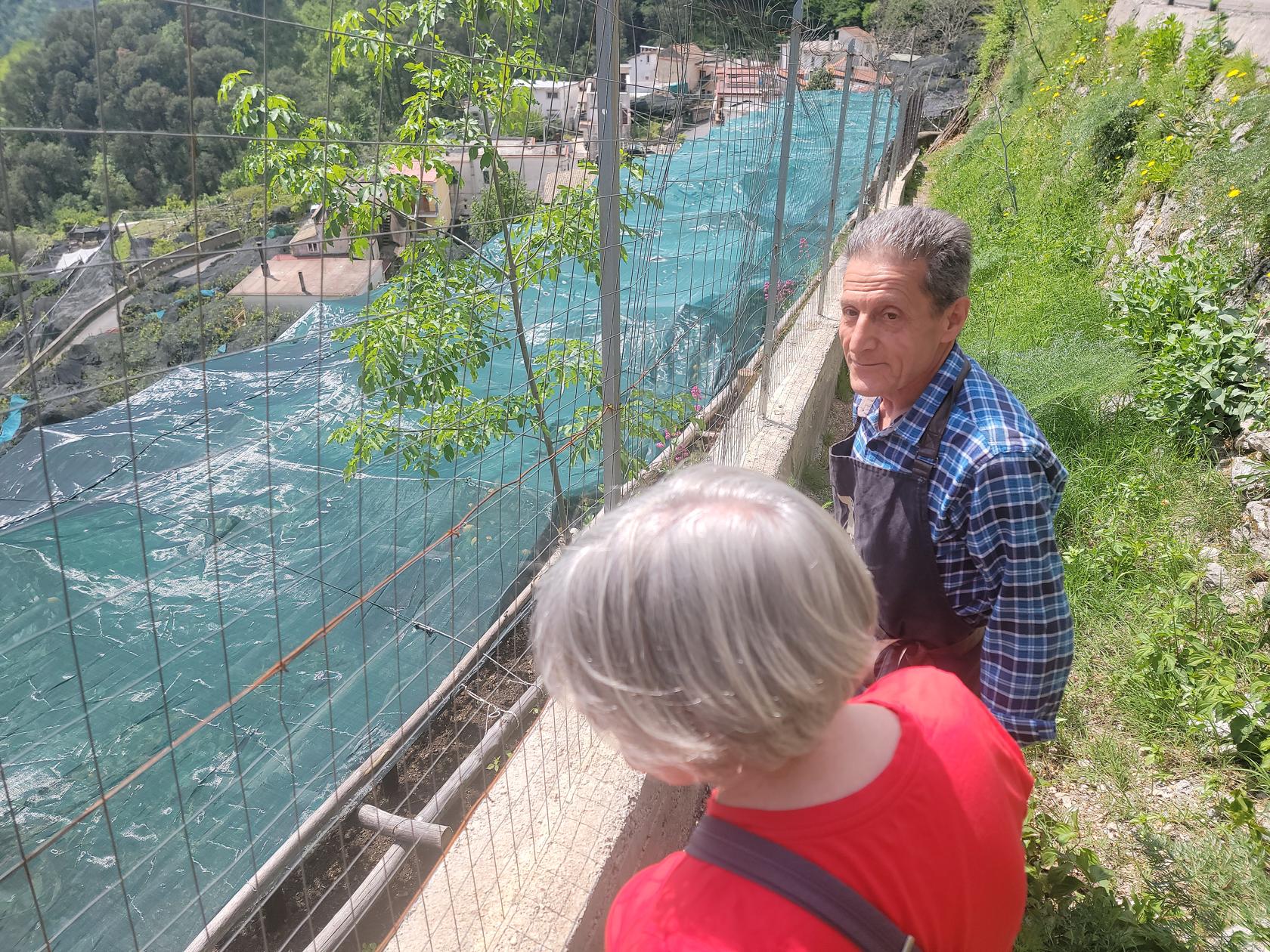
Patti and Ruben – Azienda Agricola Le Formichelle – Tramonti, Italy
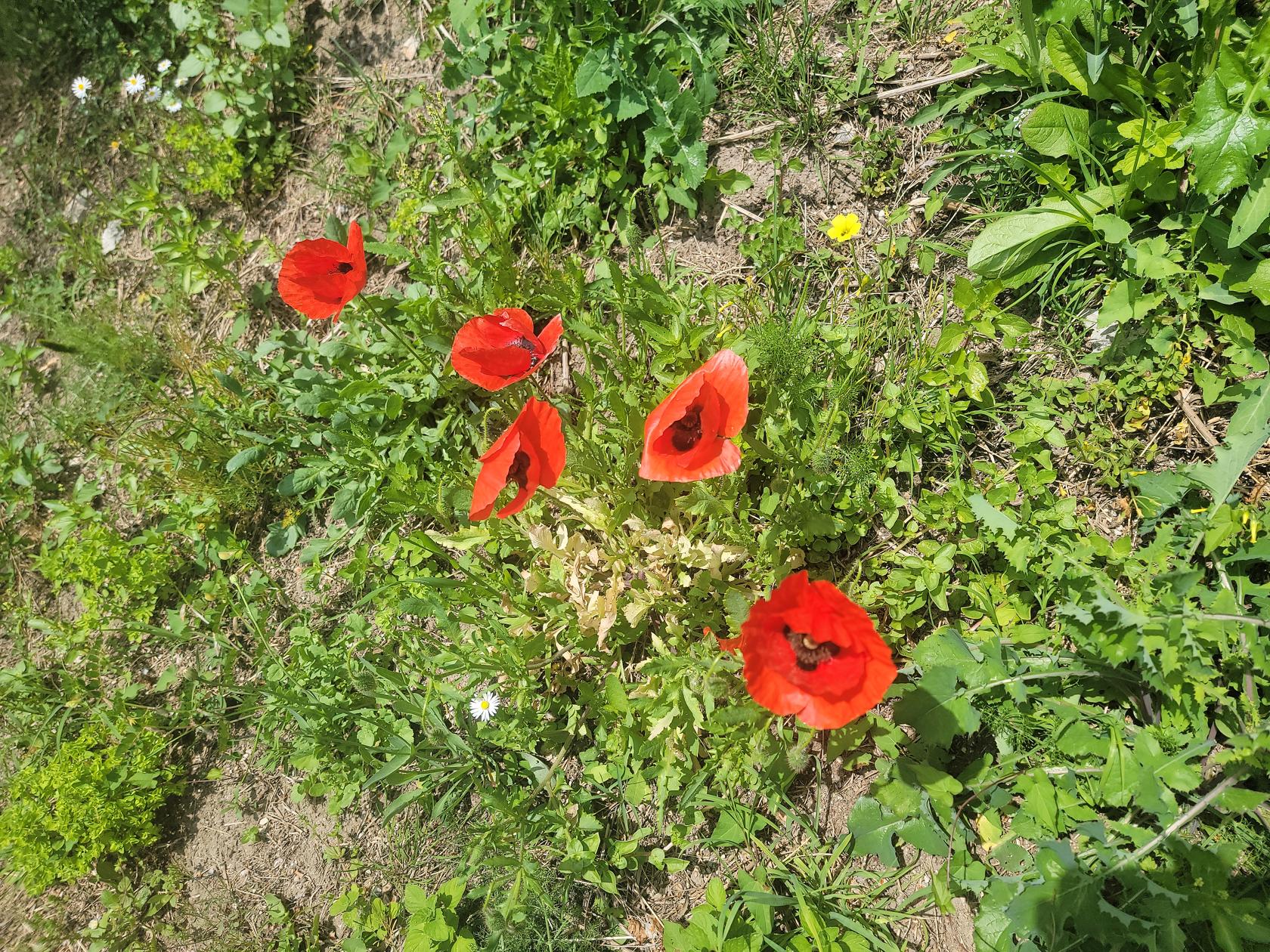
Poppies – Azienda Agricola Le Formichelle – Tramonti, Italy
Alessandro and Patti – Azienda Agricola Le Formichelle – Tramonti, Italy
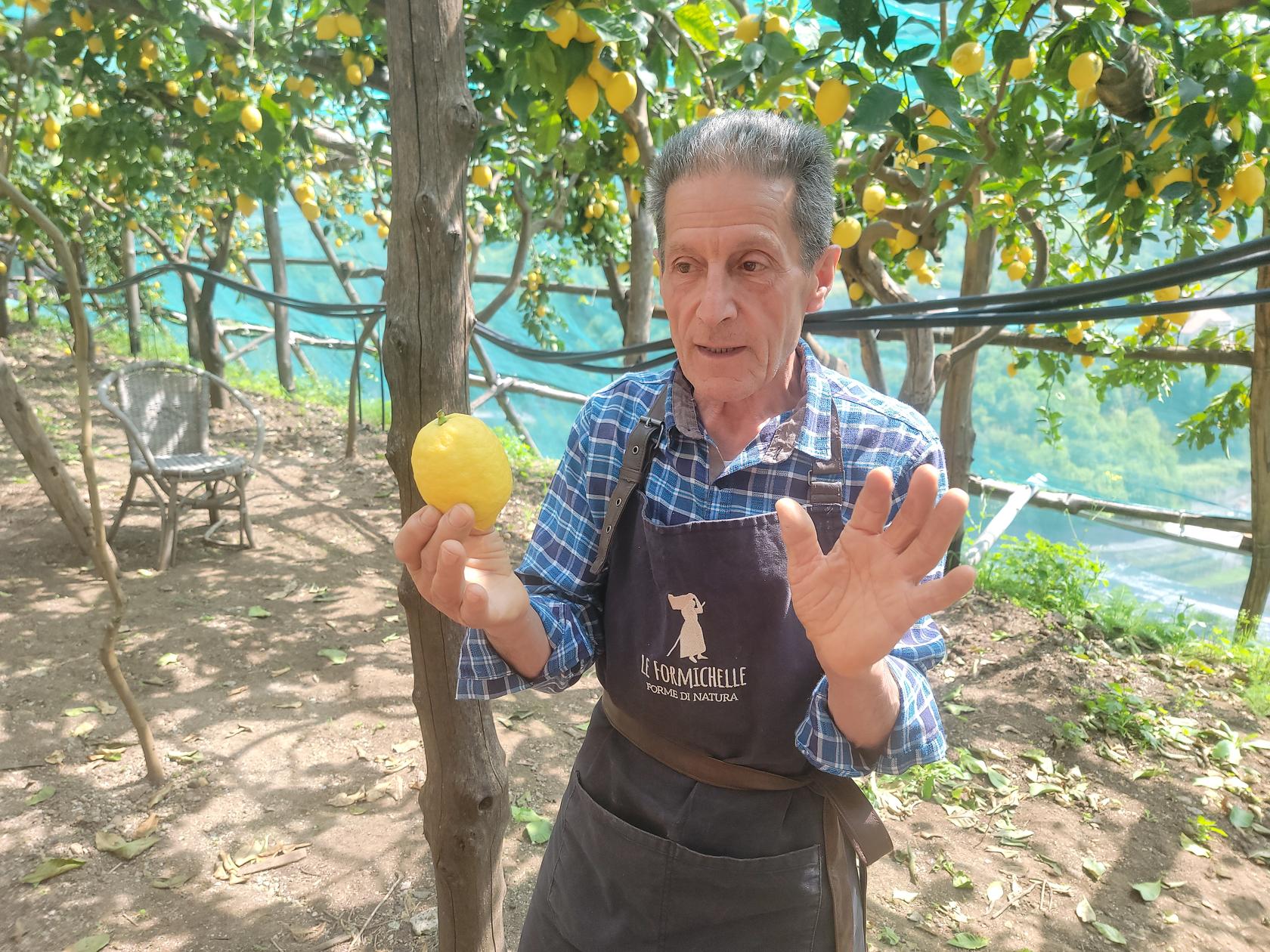
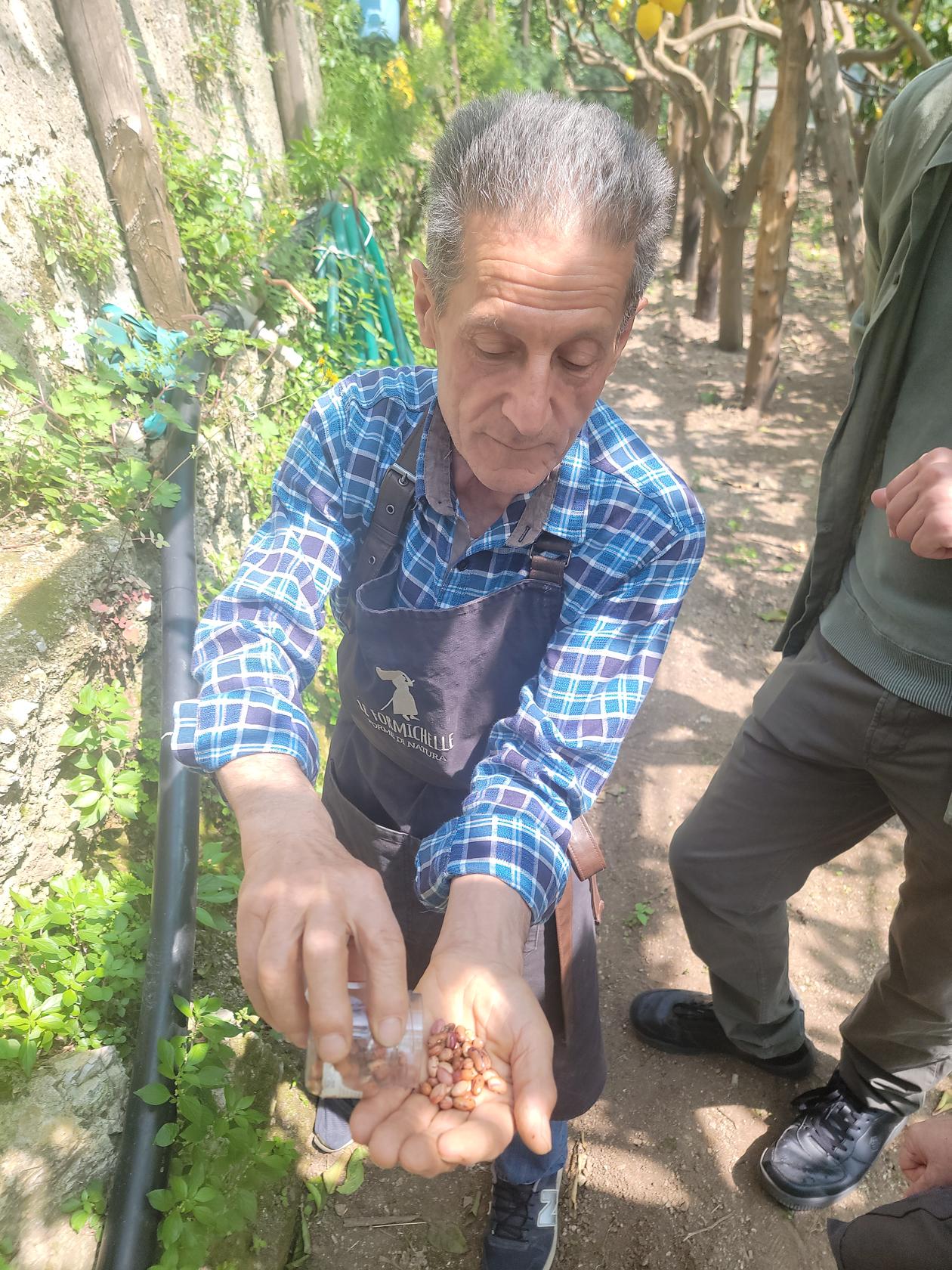
Then he took us to an old man named Ruben, definitely not an Italian name, who explained the horticulture of lemon trees. He showed us how he dries out different kind of seeds from fruit and vegetables that he has raised since he was a child with his father. He is seventy-four years old and does not look a day over sixty.
Ruben Explaining Lemons and Lemon Growing – Azienda Agricola Le Formichelle – Tramonti, Italy
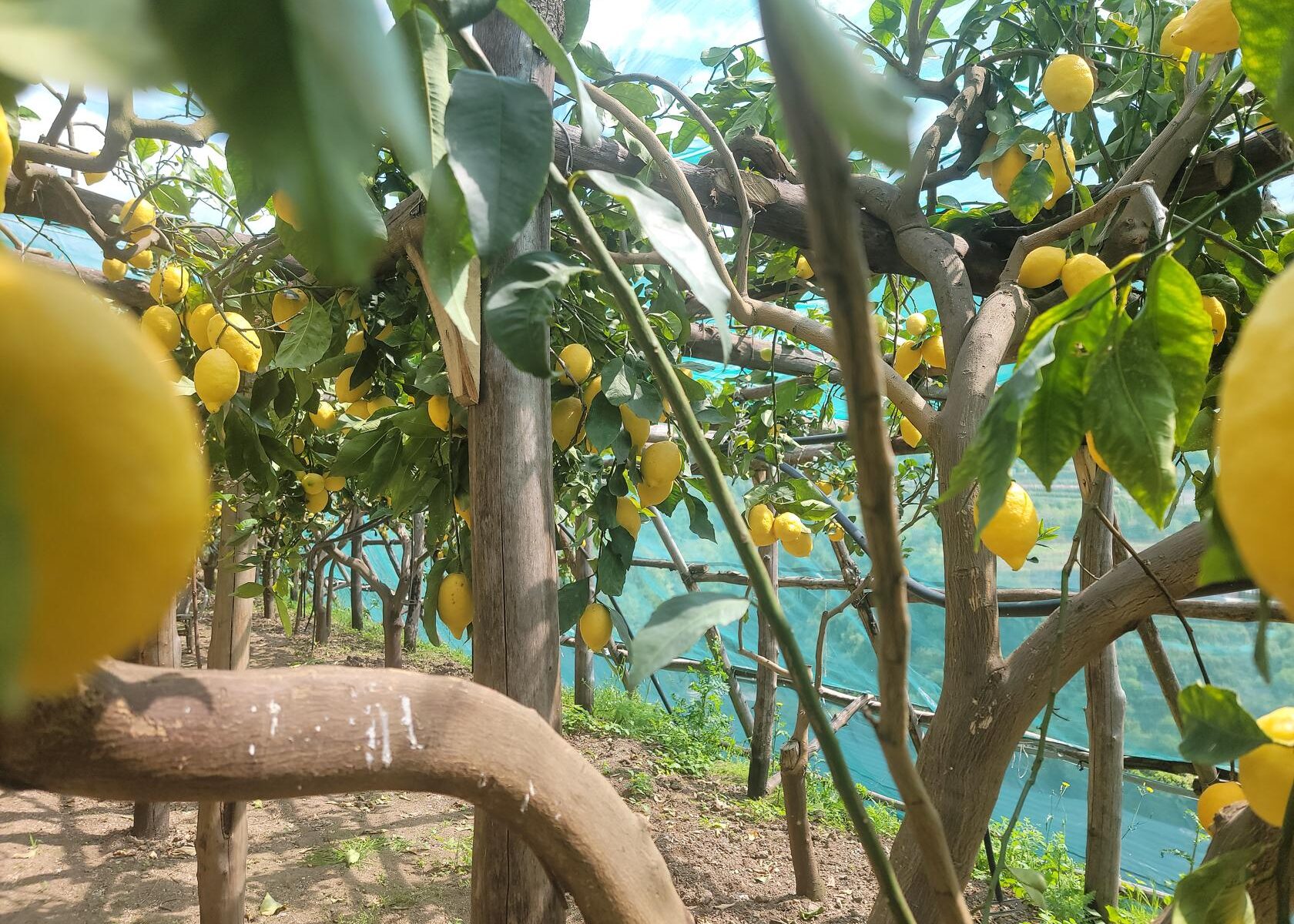
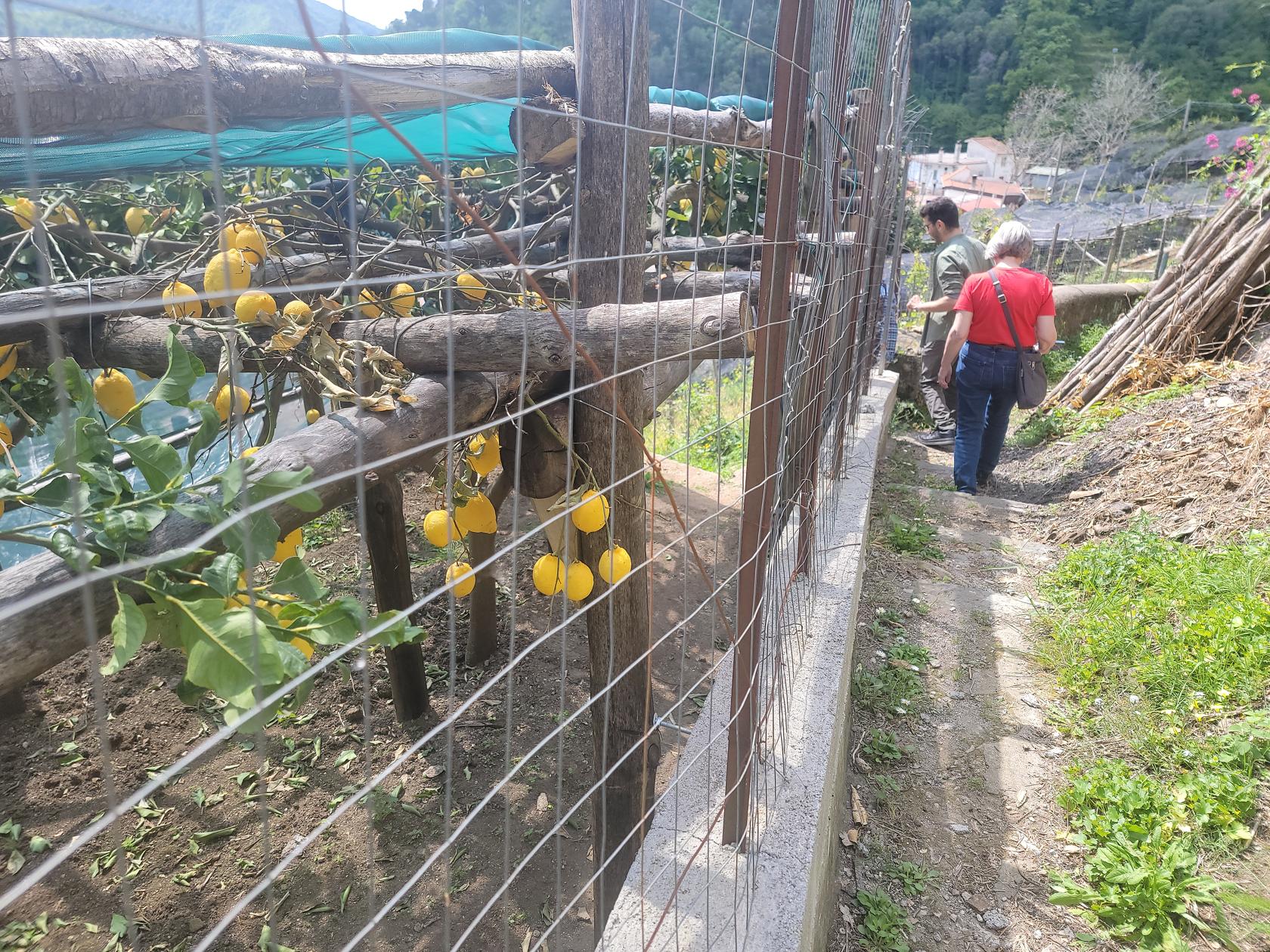
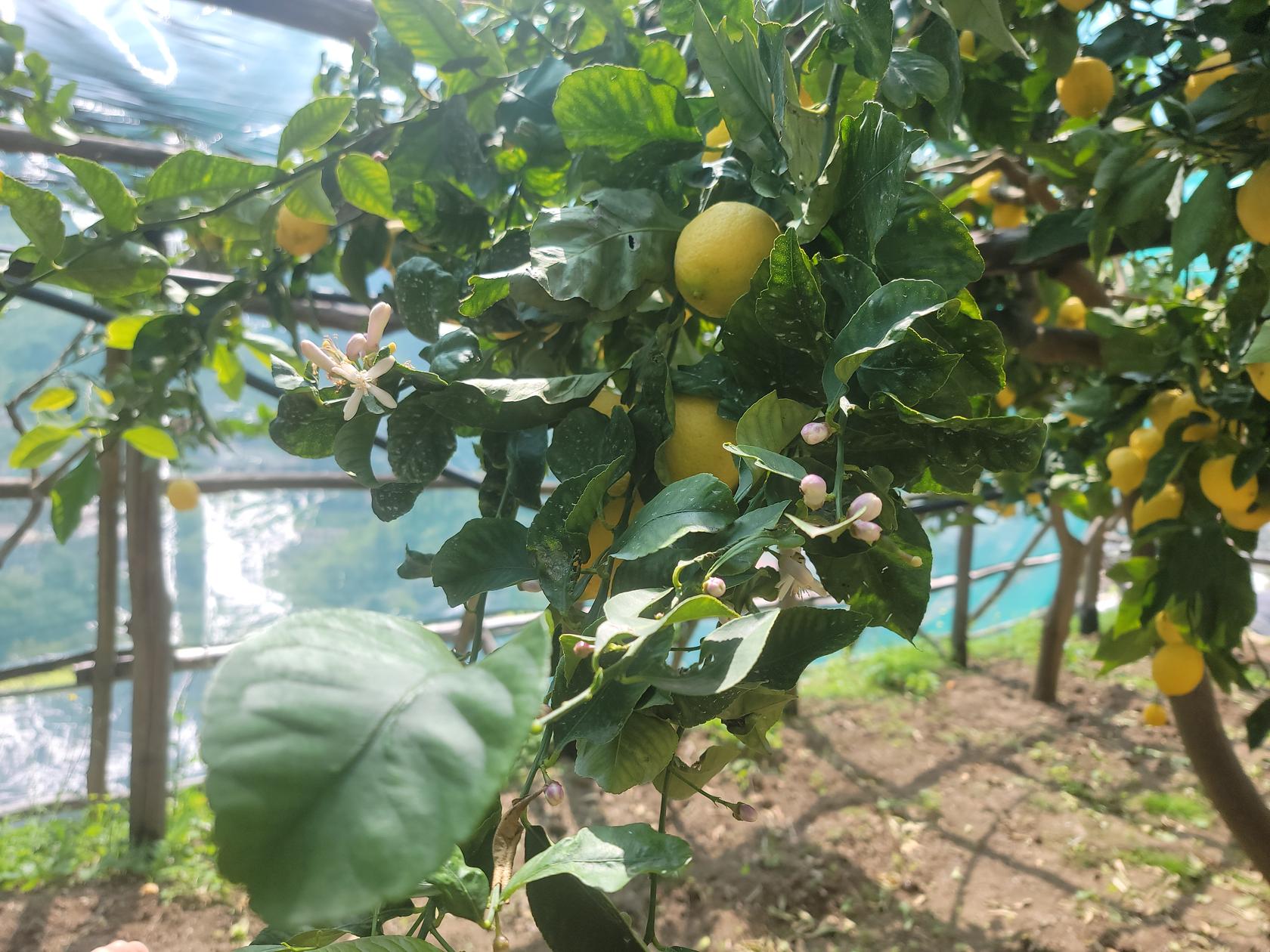
Blossoms, Unripe and Ripe Lemons All On The Same Tree – Azienda Agricola Le Formichelle – Tramonti, Italy
Ruben Seed Drying, The Old Fashion Way – Azienda Agricola Le Formichelle – Tramonti, Italy
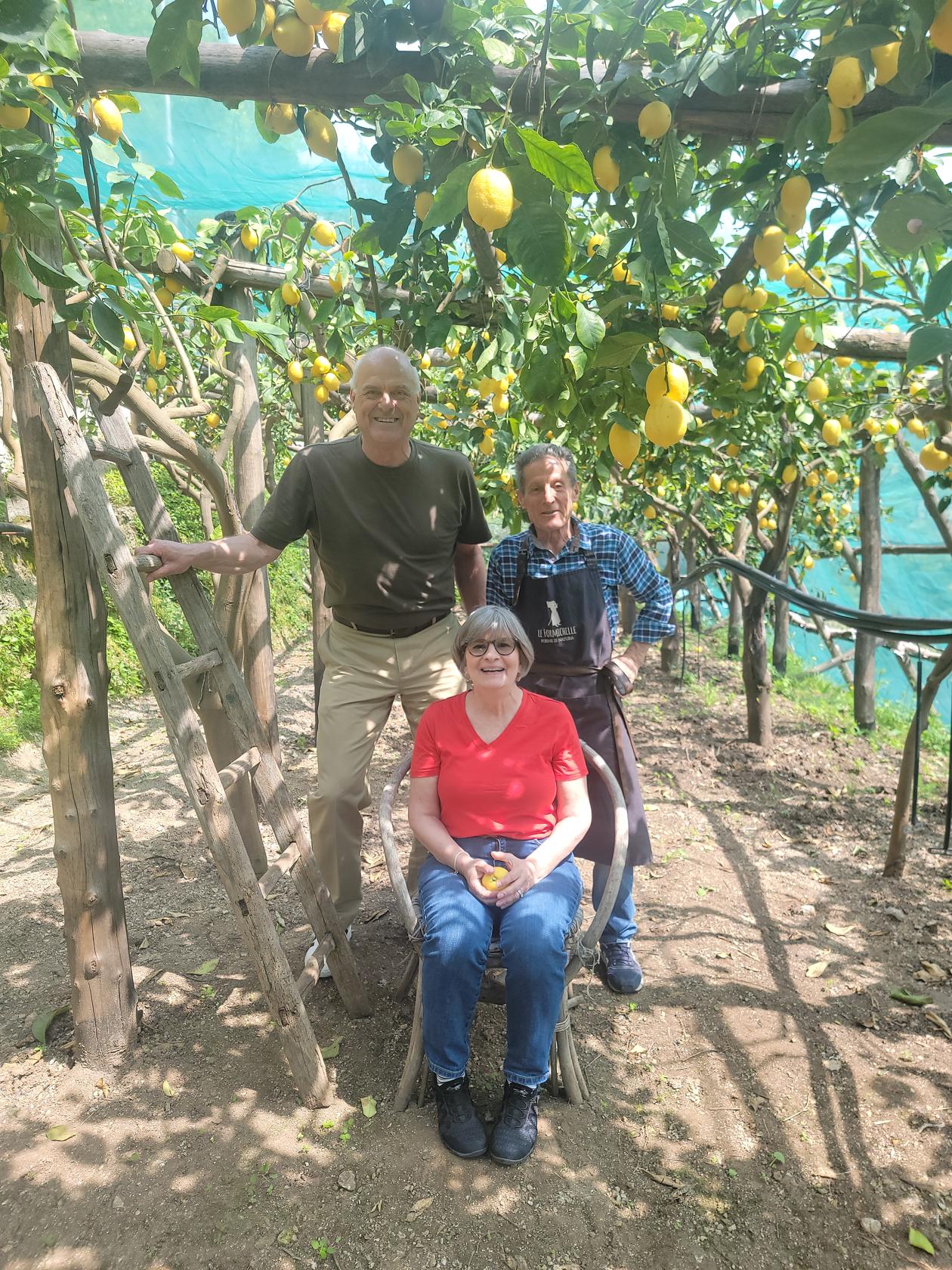
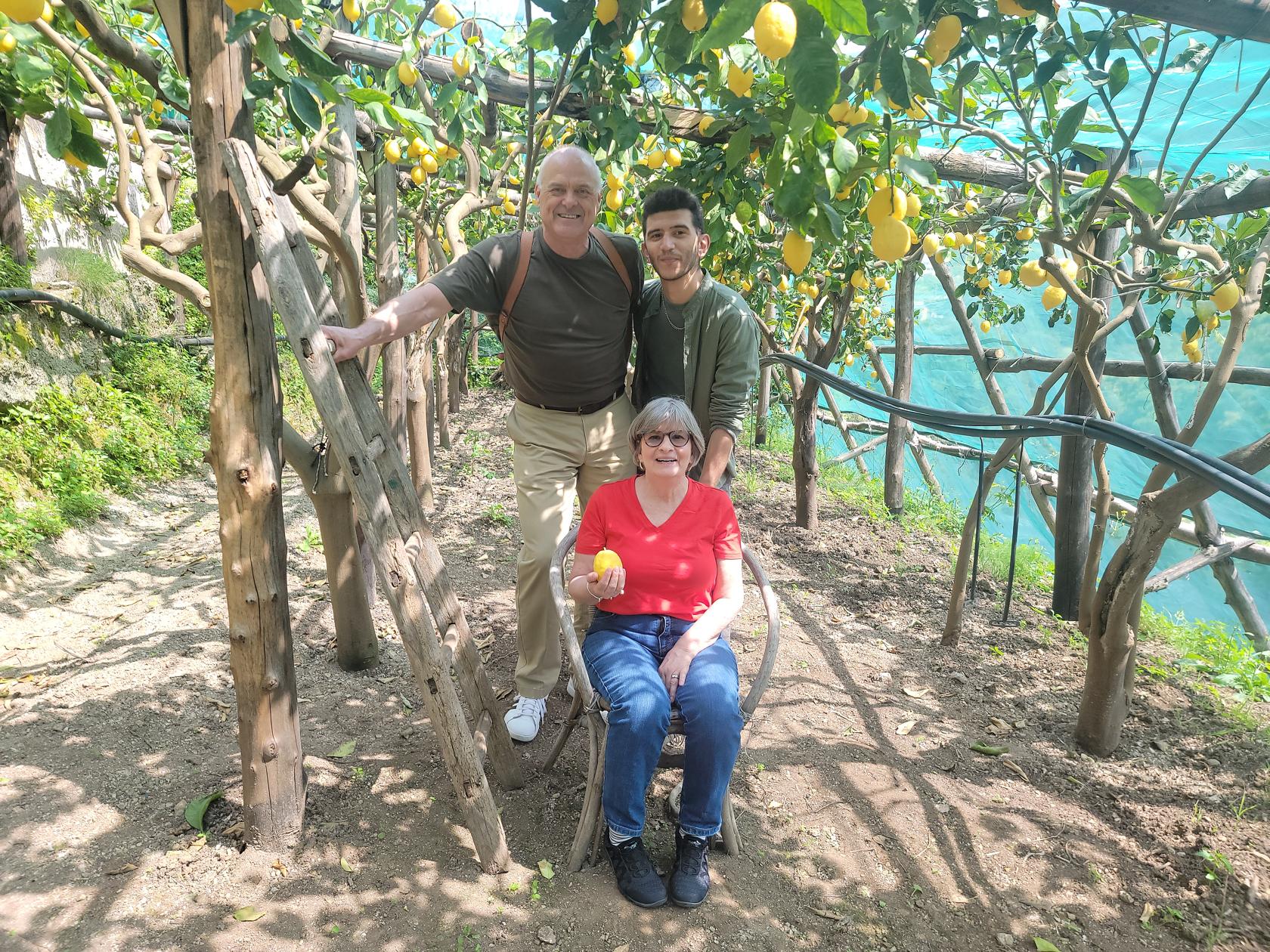
Then we had a cute little photograph session, where he had a small chair strategically placed within his one lemon grove.
Patti, Erick and Ruben – Azienda Agricola Le Formichelle – Tramonti, Italy
Patti, Erick and Alessandro – Azienda Agricola Le Formichelle – Tramonti, Italy
Lemon Experience Luncheon
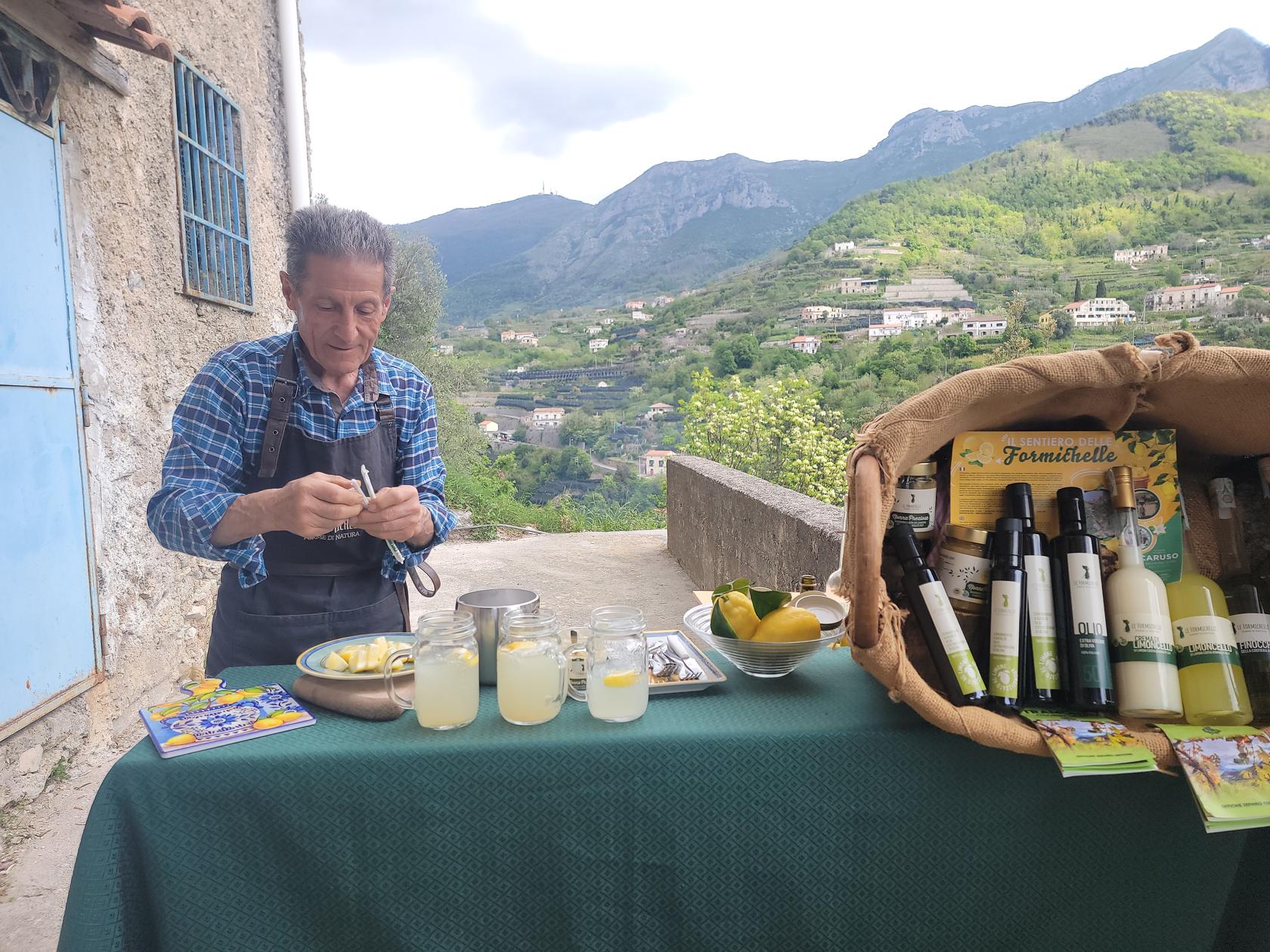
The luncheon was prepared by Ruben’s wife, Luisa. While she cooked inside their small garden house, Ruben prepared for us a Limoncello Spritz for each of us. It was delicious, as well as all the food that was served.
Ruben Making Limoncello Spritz – Azienda Agricola Le Formichelle – Tramonti, Italy
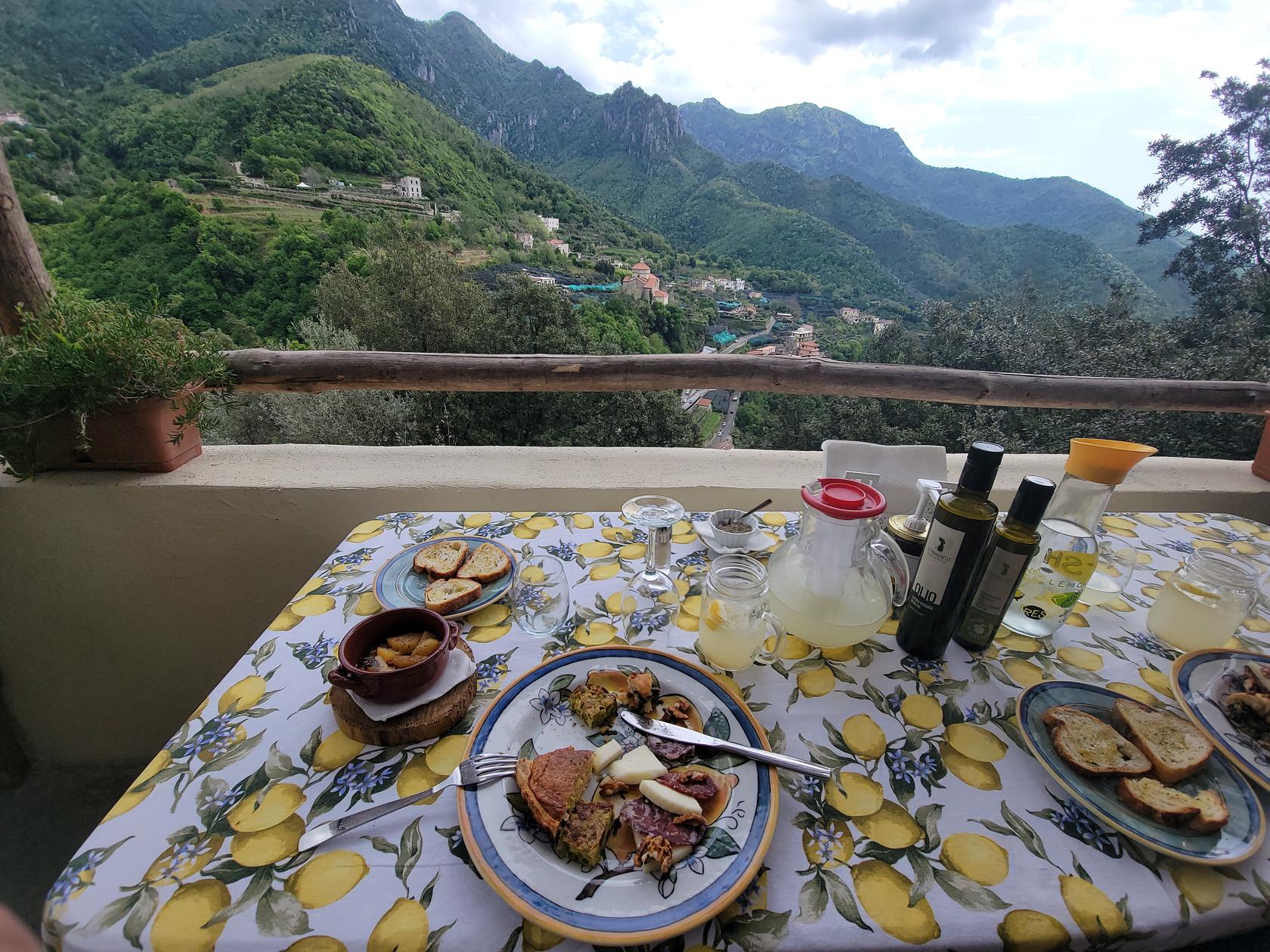
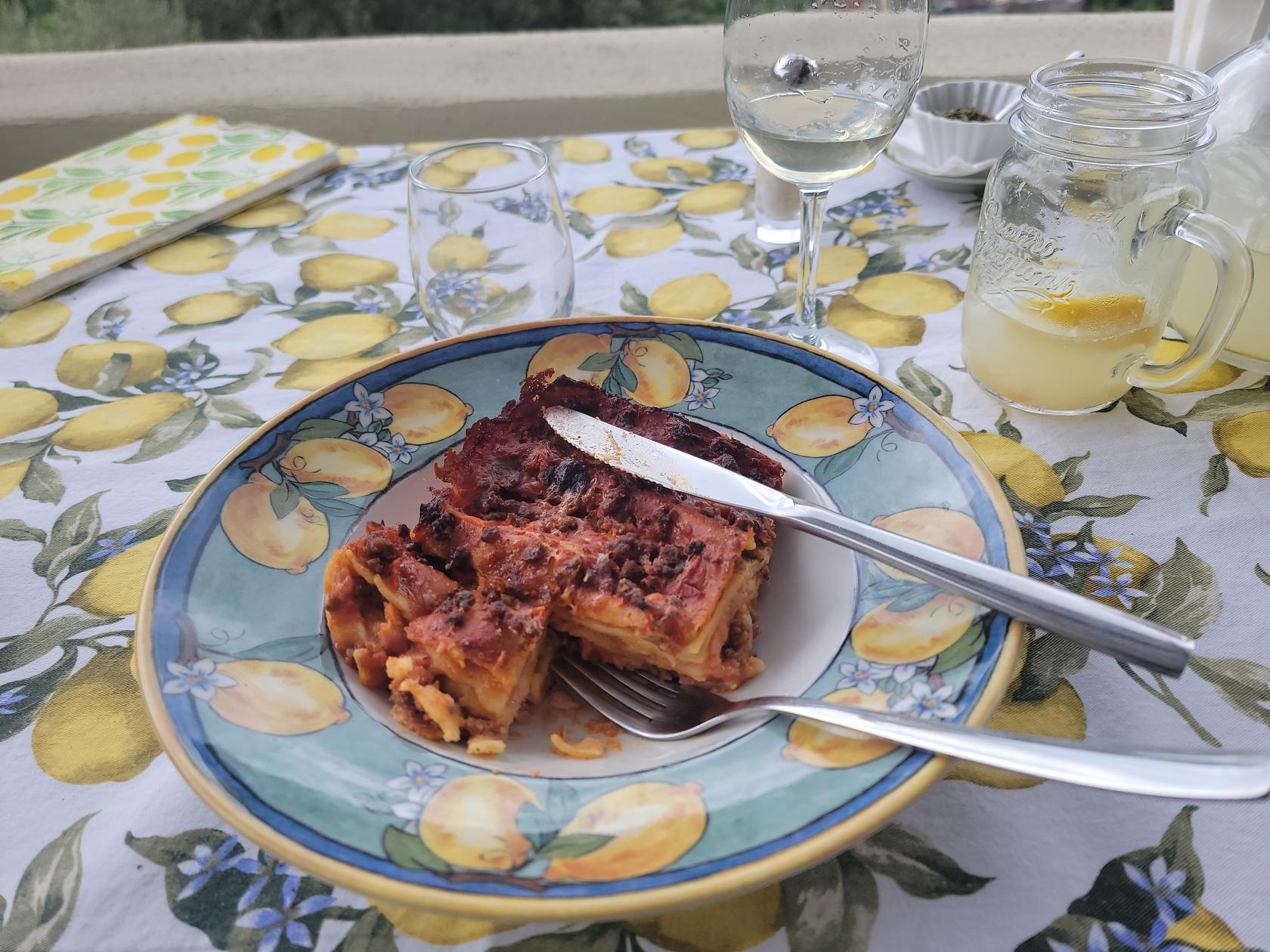
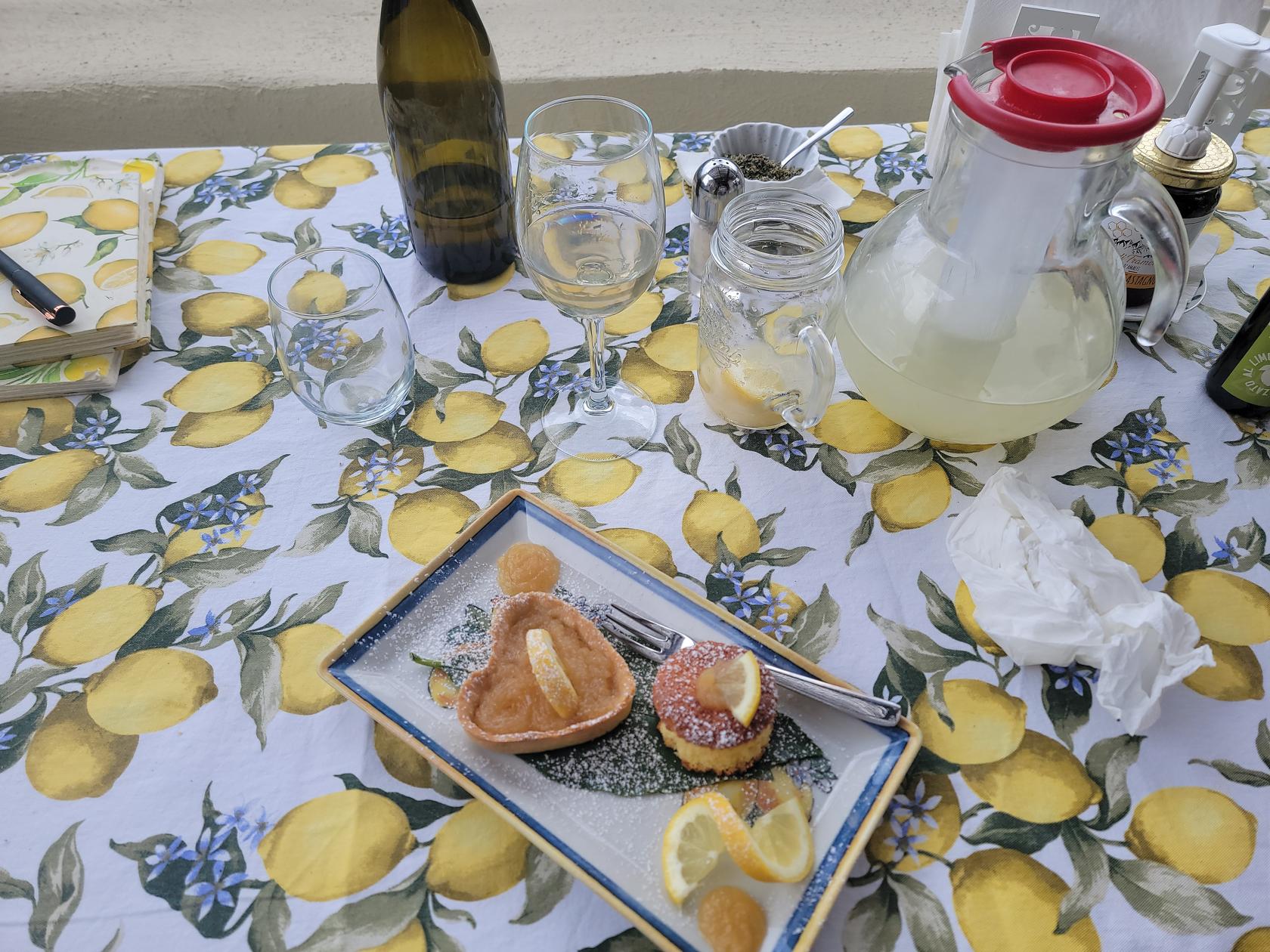
Once we started drinking that, which was made using his own Limoncello, the food started coming out. First the appetizers, then more plentiful food and last a portion of Lasagna.
Real Baked Italian Lasagna With Pancetta – Azienda Agricola Le Formichelle – Tramonti, Italy
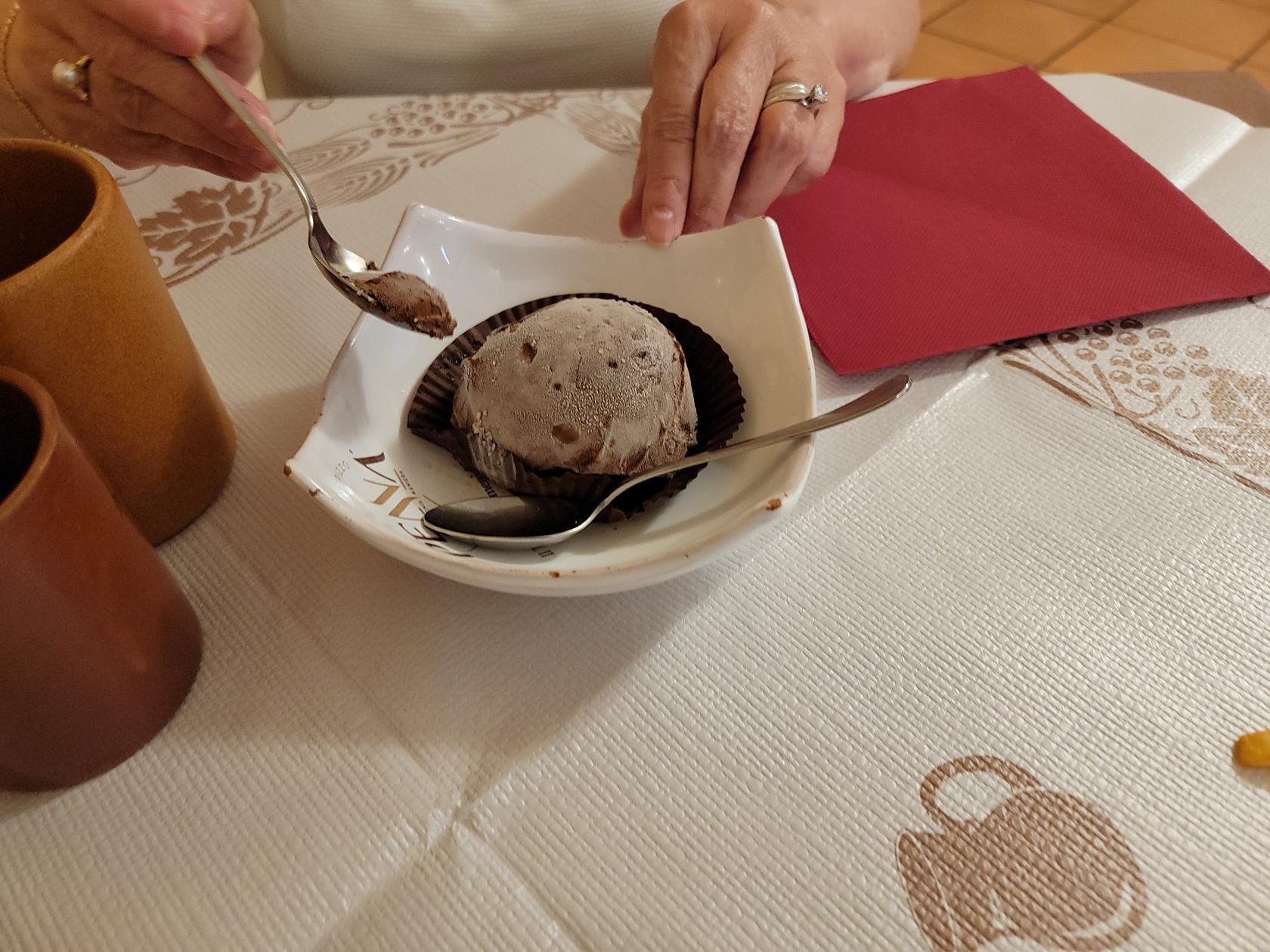
Dolci – Azienda Agricola Le Formichelle – Tramonti, Italy
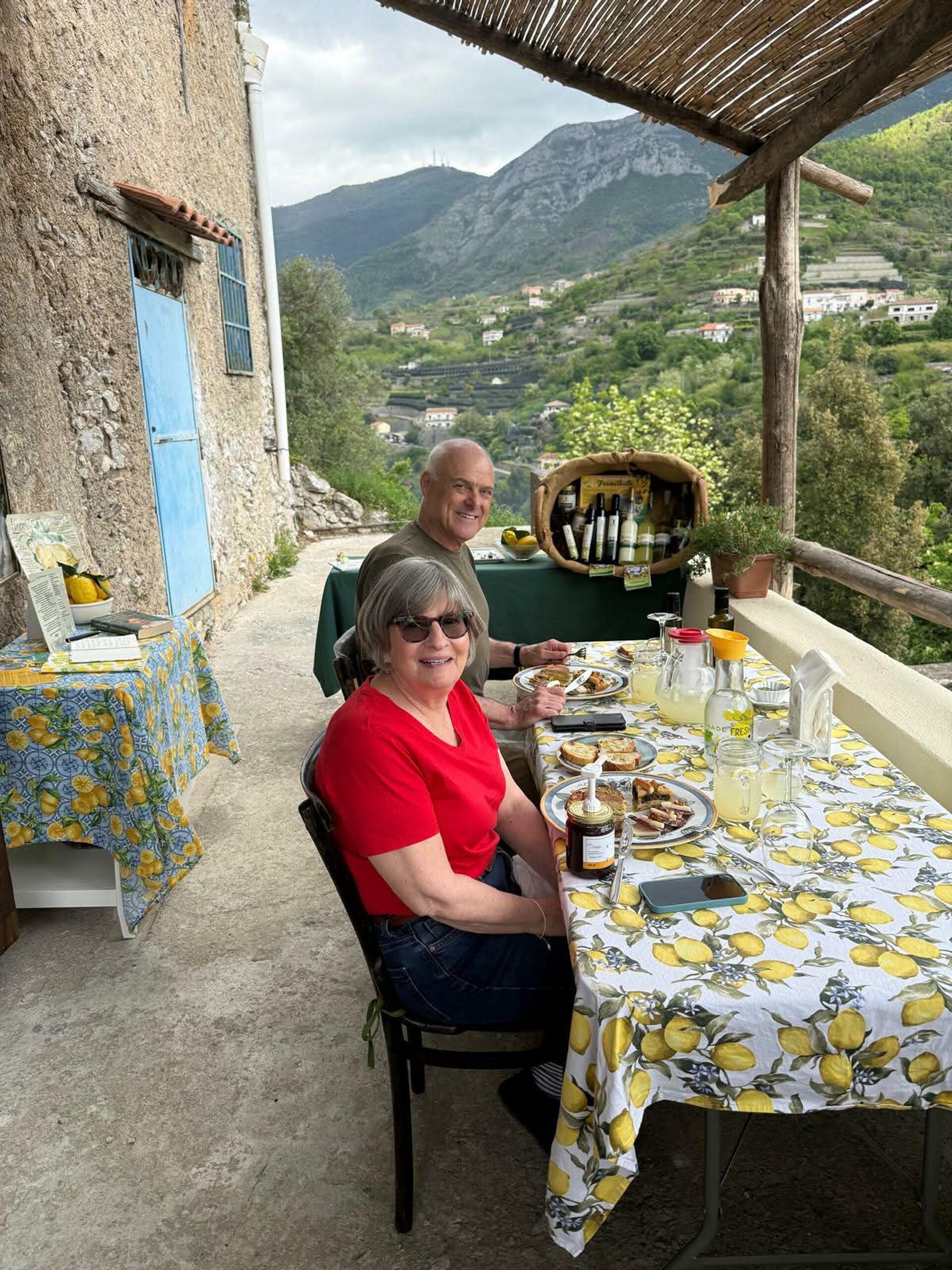
Patti and Erick Enjoying Lunch – Azienda Agricola Le Formichelle – Tramonti, Italy
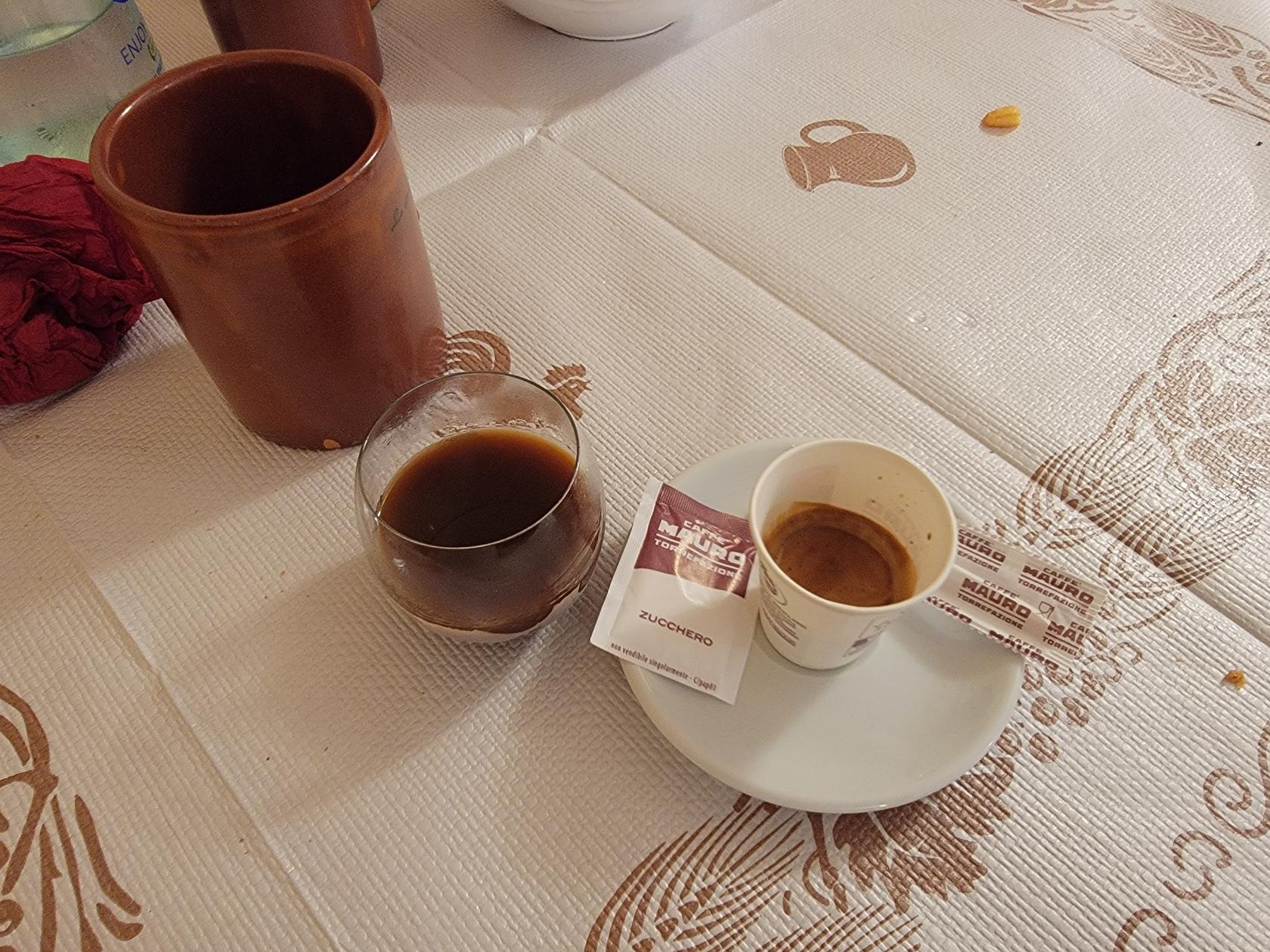
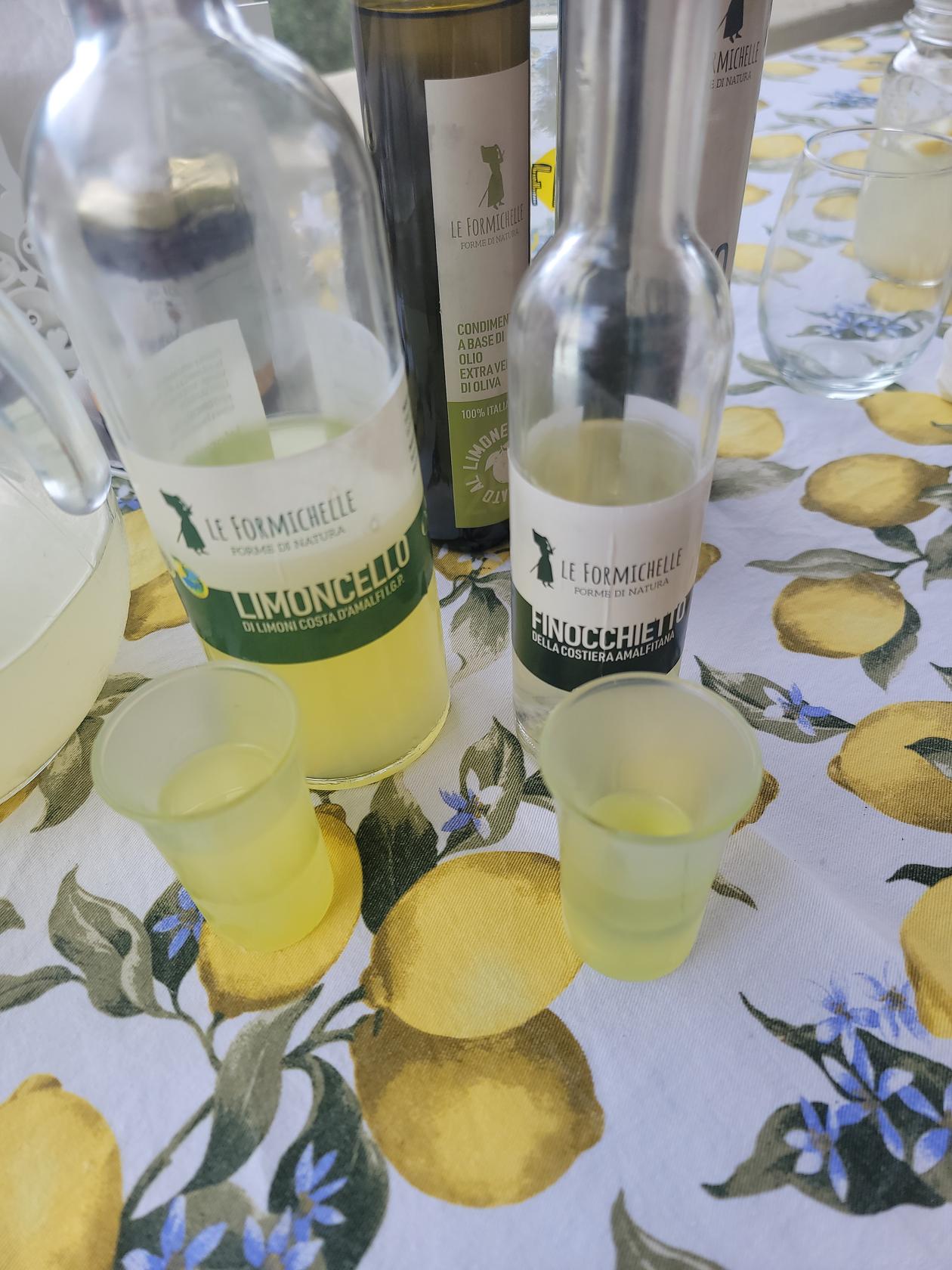
Le Formichelle Limoncello – Azienda Agricola Le Formichelle – Tramonti, Italy
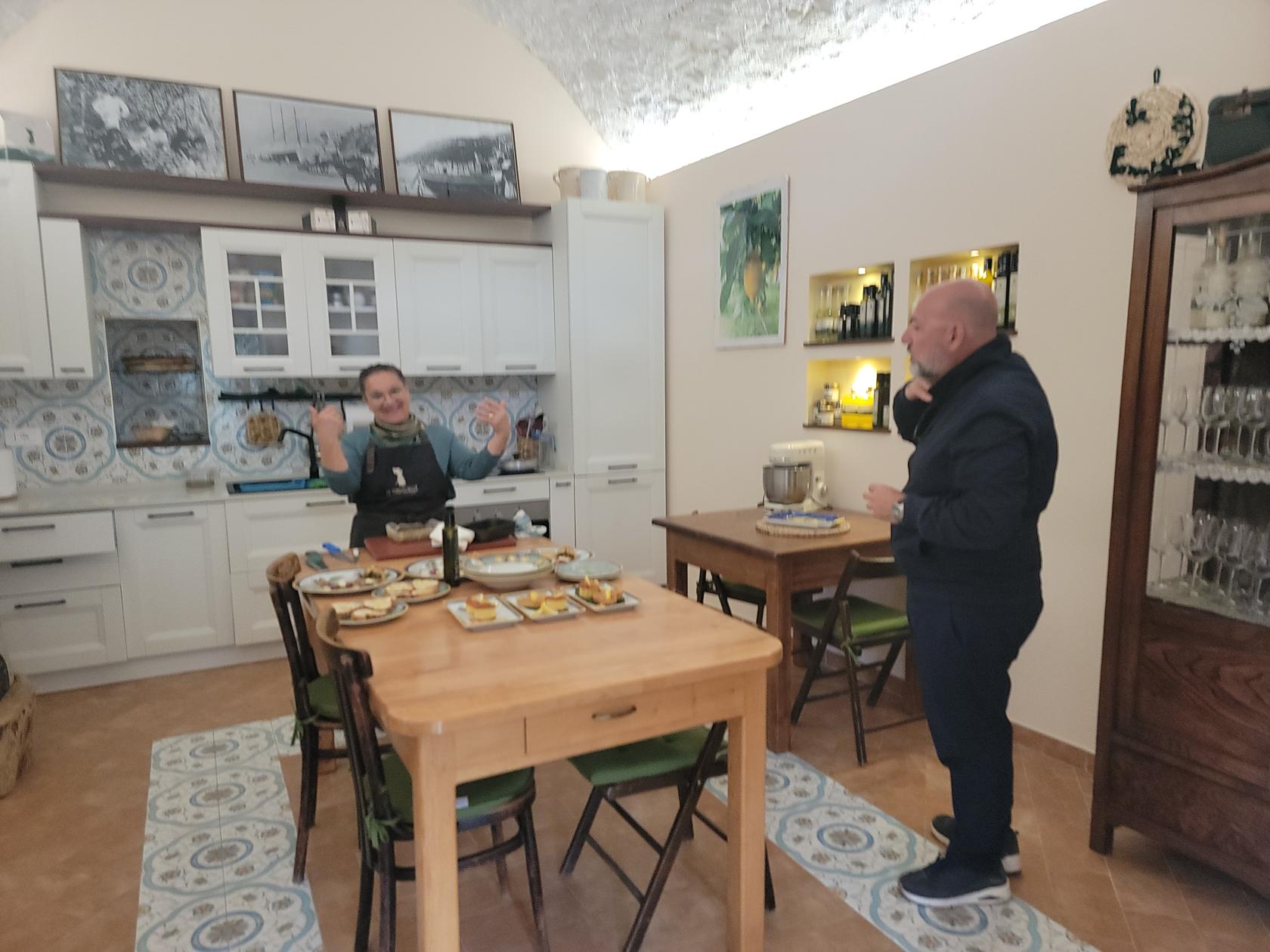
Luisa And Pasqual In The Kitchen – Azienda Agricola Le Formichelle – Tramonti, Italy
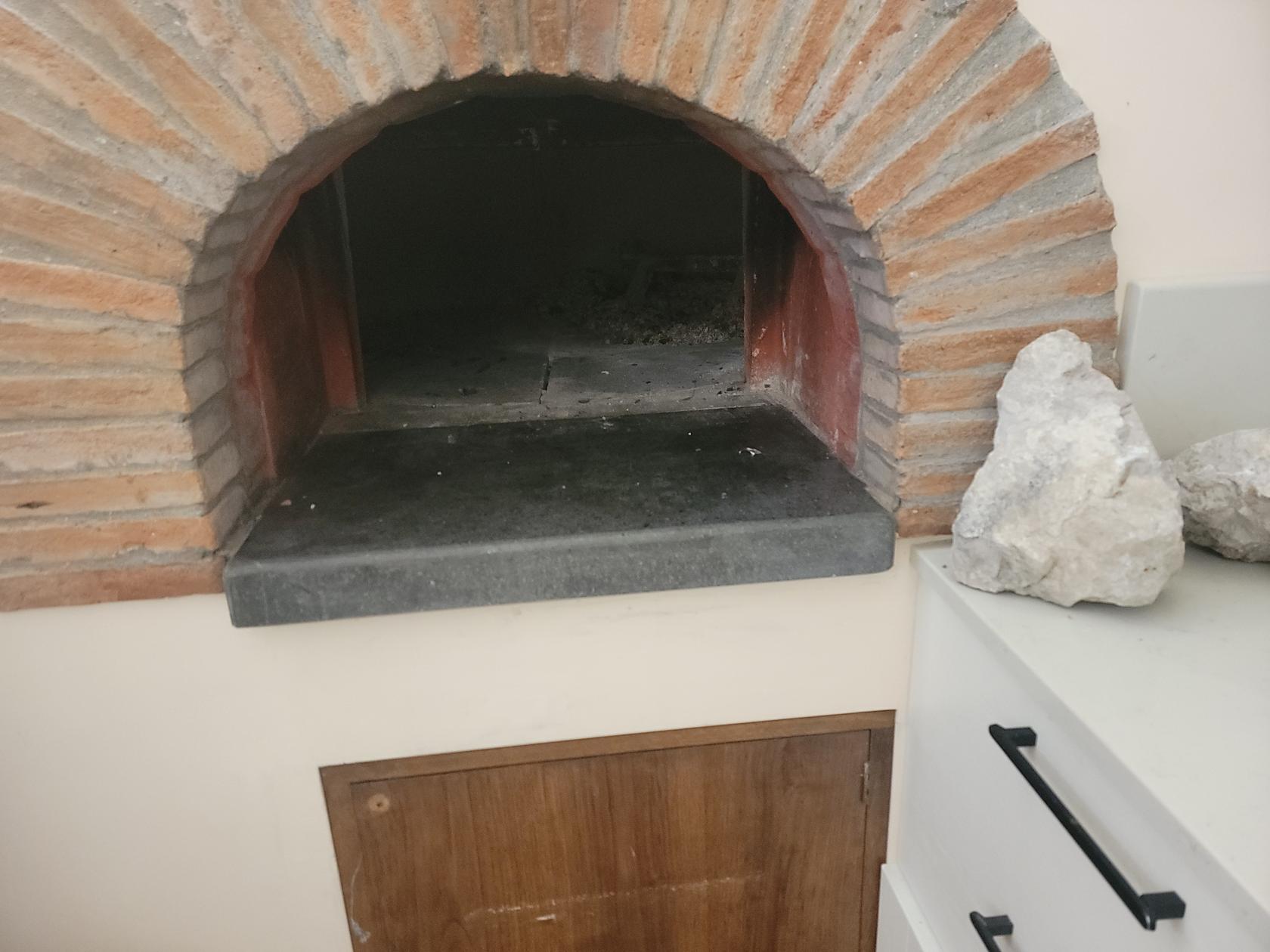
Their Brick Oven – Azienda Agricola Le Formichelle – Tramonti, Italy
Maiori
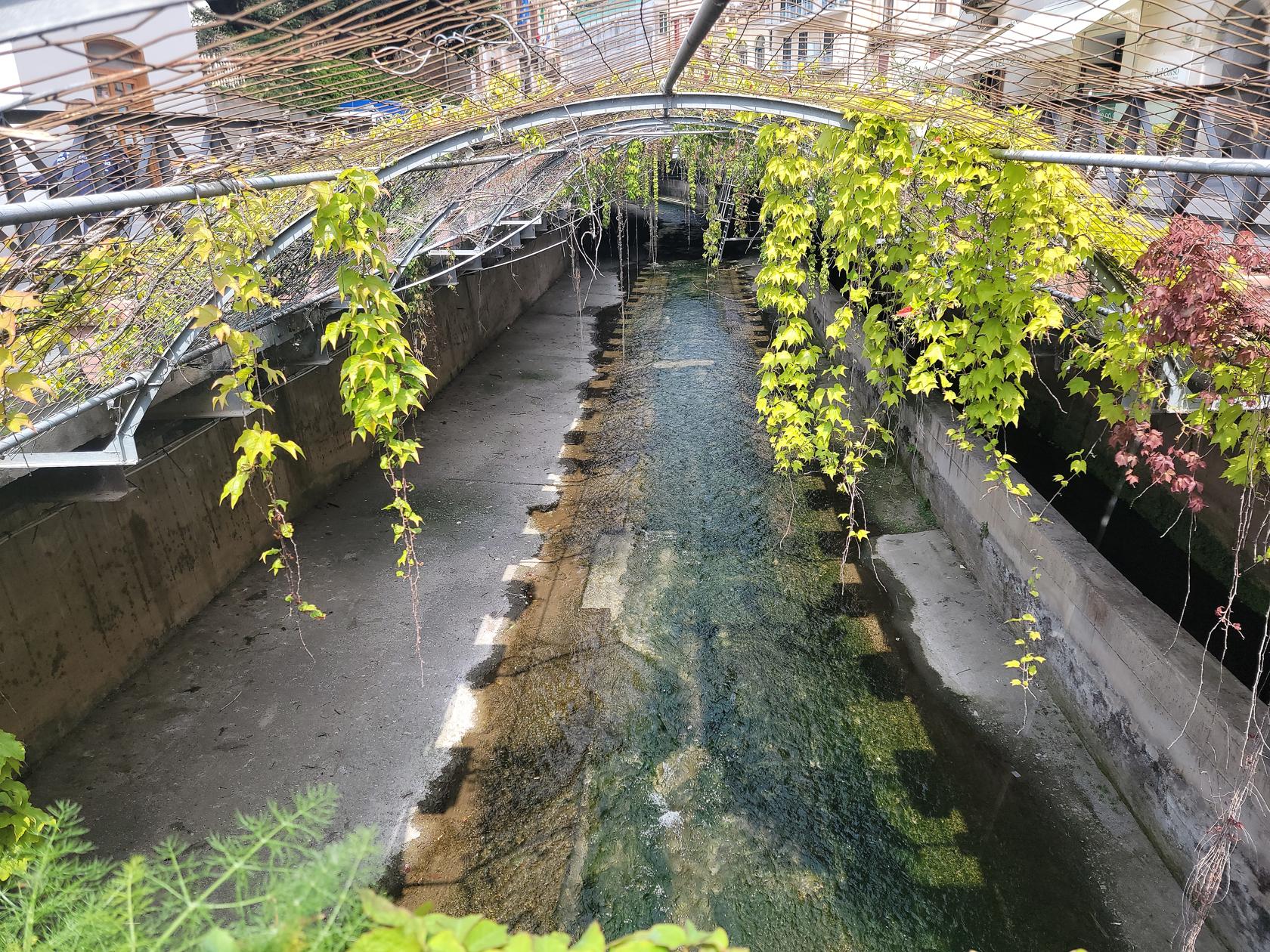
The town of Maiori literally means “major”, after the river which now flows under the Corso Reginna, the river Reghinna Maiori. It has over the years been abbreviated to just Maiori. First founded by the Etruscans, it was later conquered by the Romans, like the rest of Italy.
Saint Mary of the Sea – Maiori, Italy
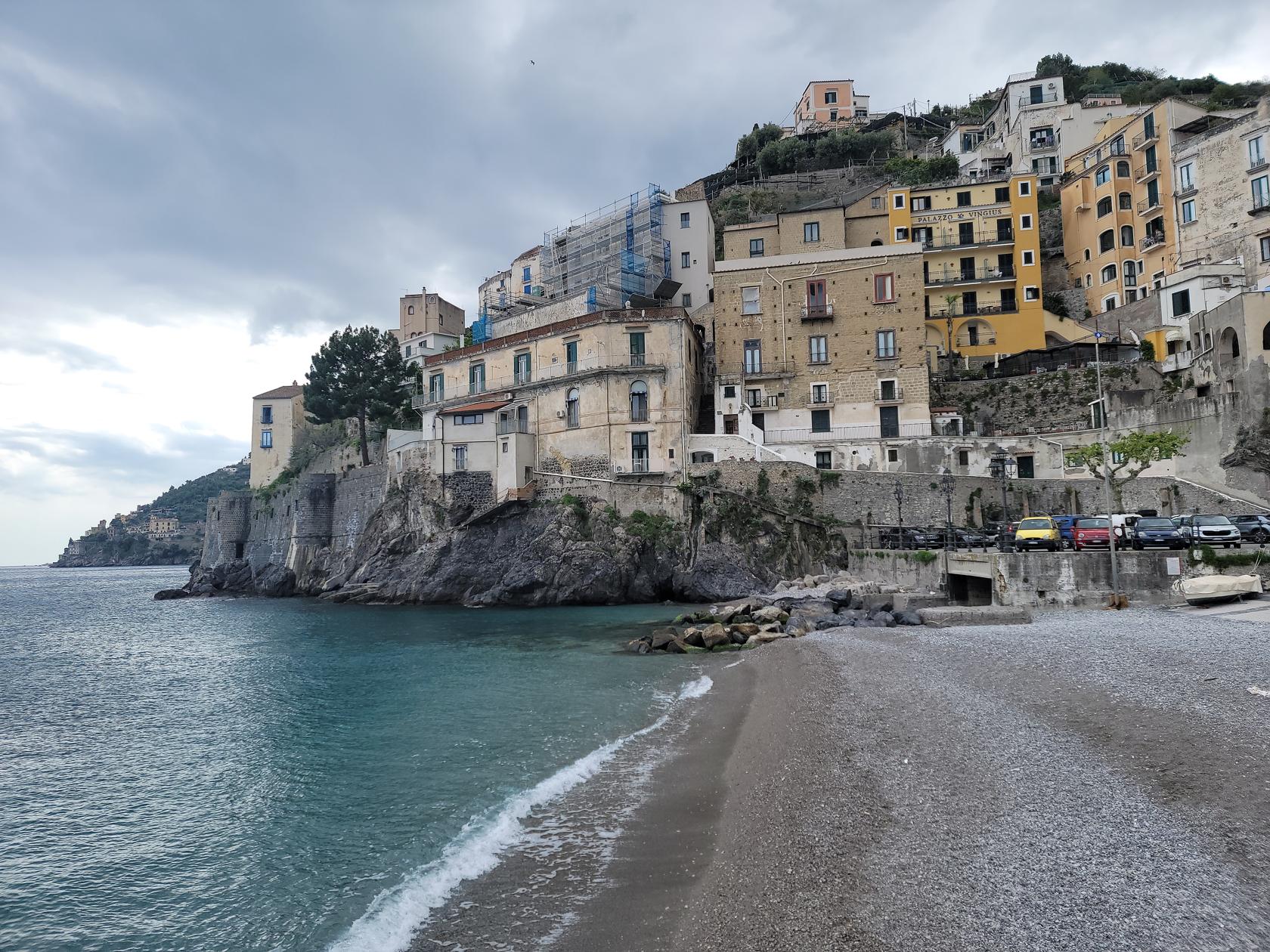
Town From Beachside – Maiori, Italy
The Beach – Maiori, Italy
The Beach – Maiori, Italy
Corso Reginna – Maiori, Italy
Corso Reginna – Maiori, Italy
Palazzo Mezzacapo
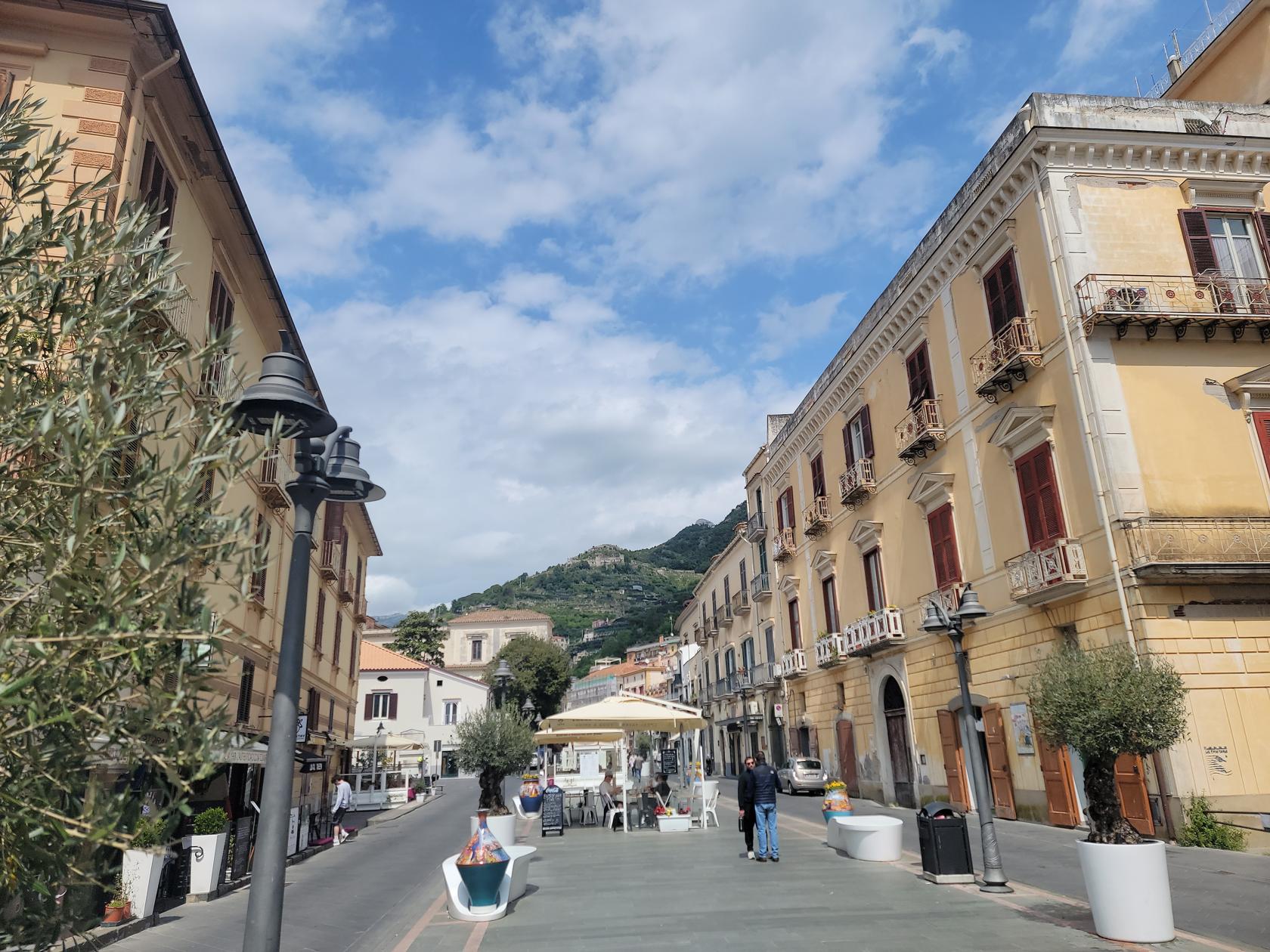
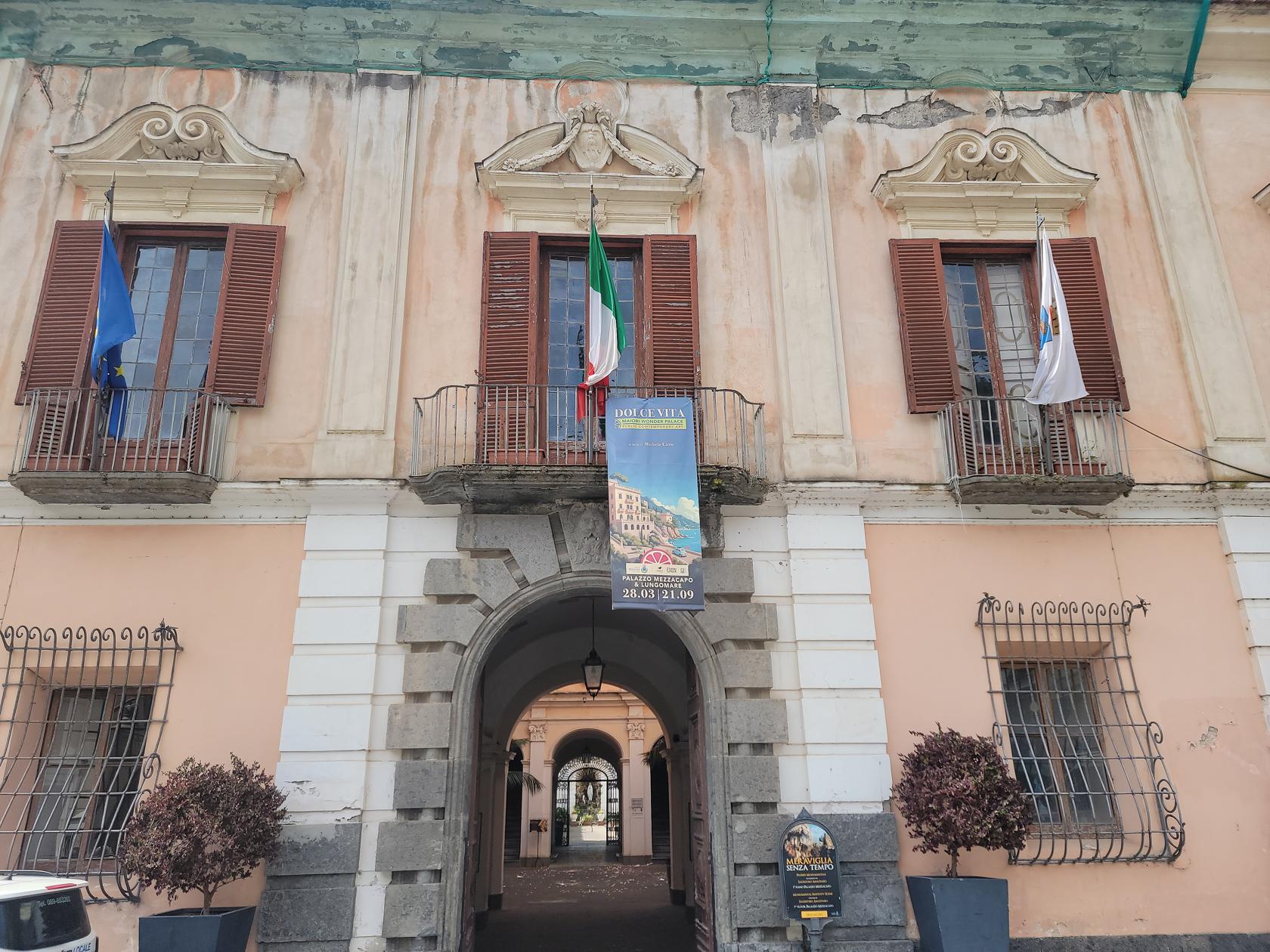
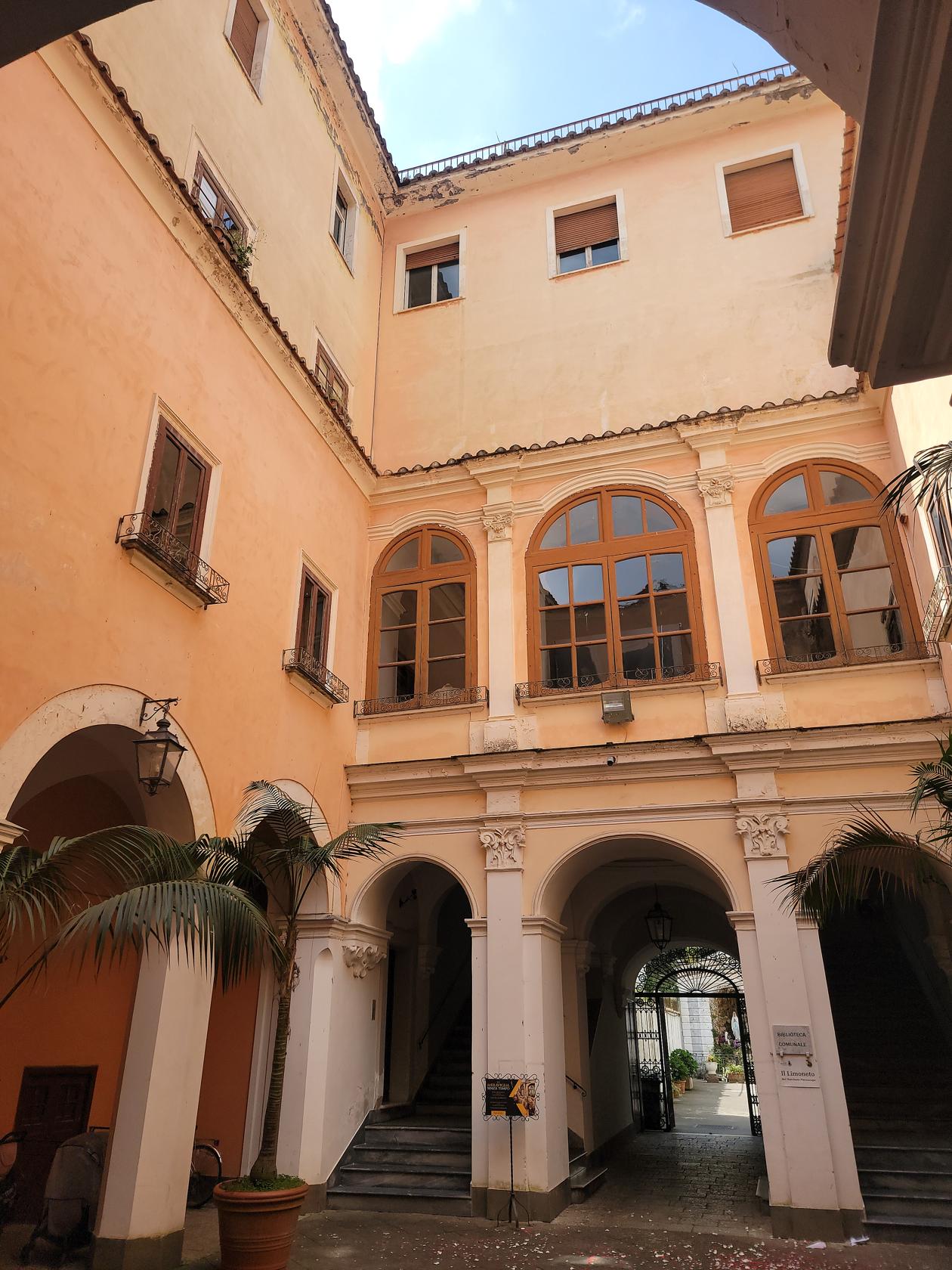
One specific spot to visit would be the Palazzo Mezzacapo, which is situated just off the Corso Reginna in town. It has an very interesting garden with underground vaulted wells.
Palazzo Mezzacapo – Maiori, Italy
Palazzo Mezzacapo – Maiori, Italy
Palazzo Mezzacapo – Maiori, Italy
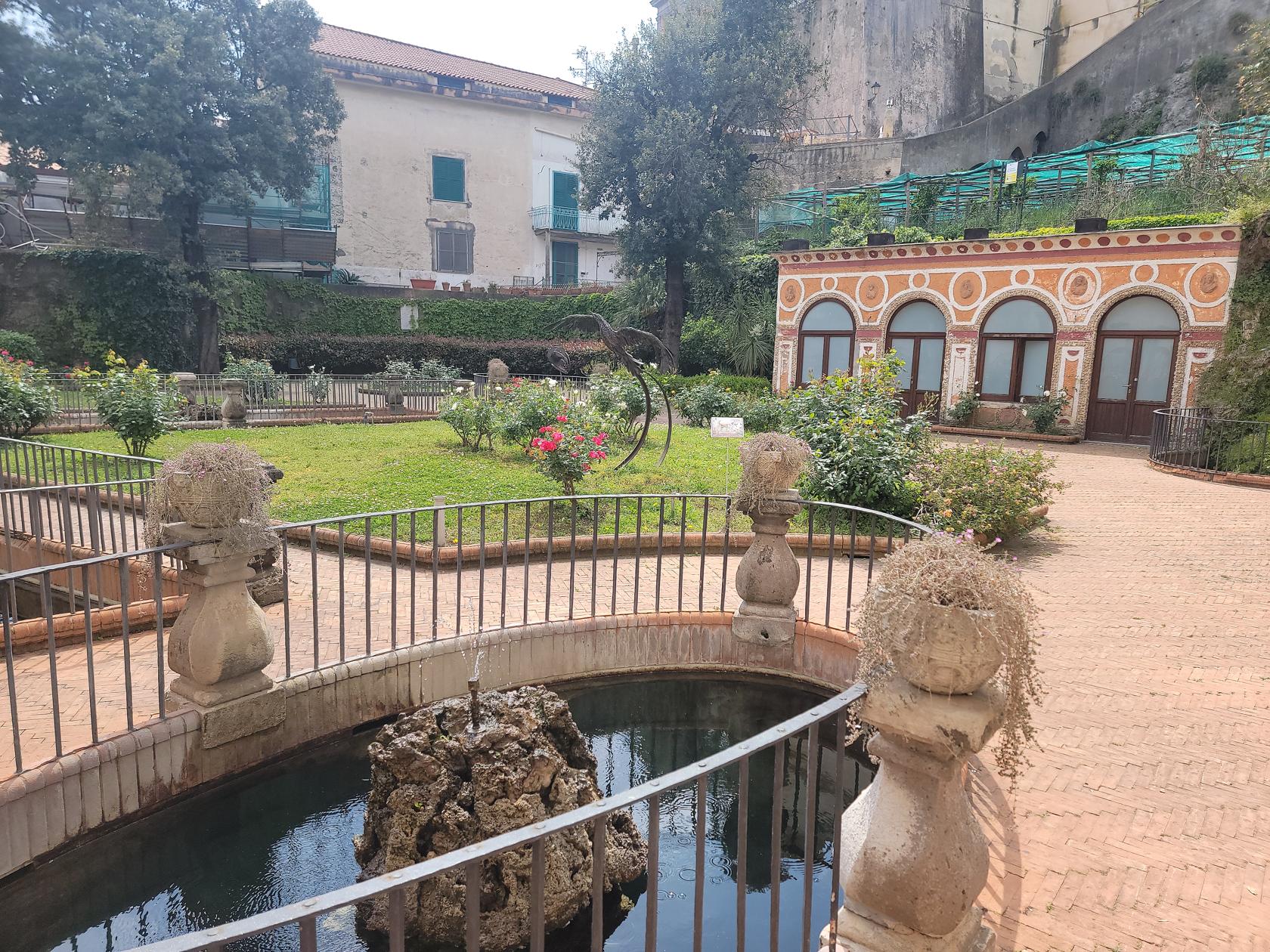
Palazzo Mezzacapo – Gardens – Maiori, Italy
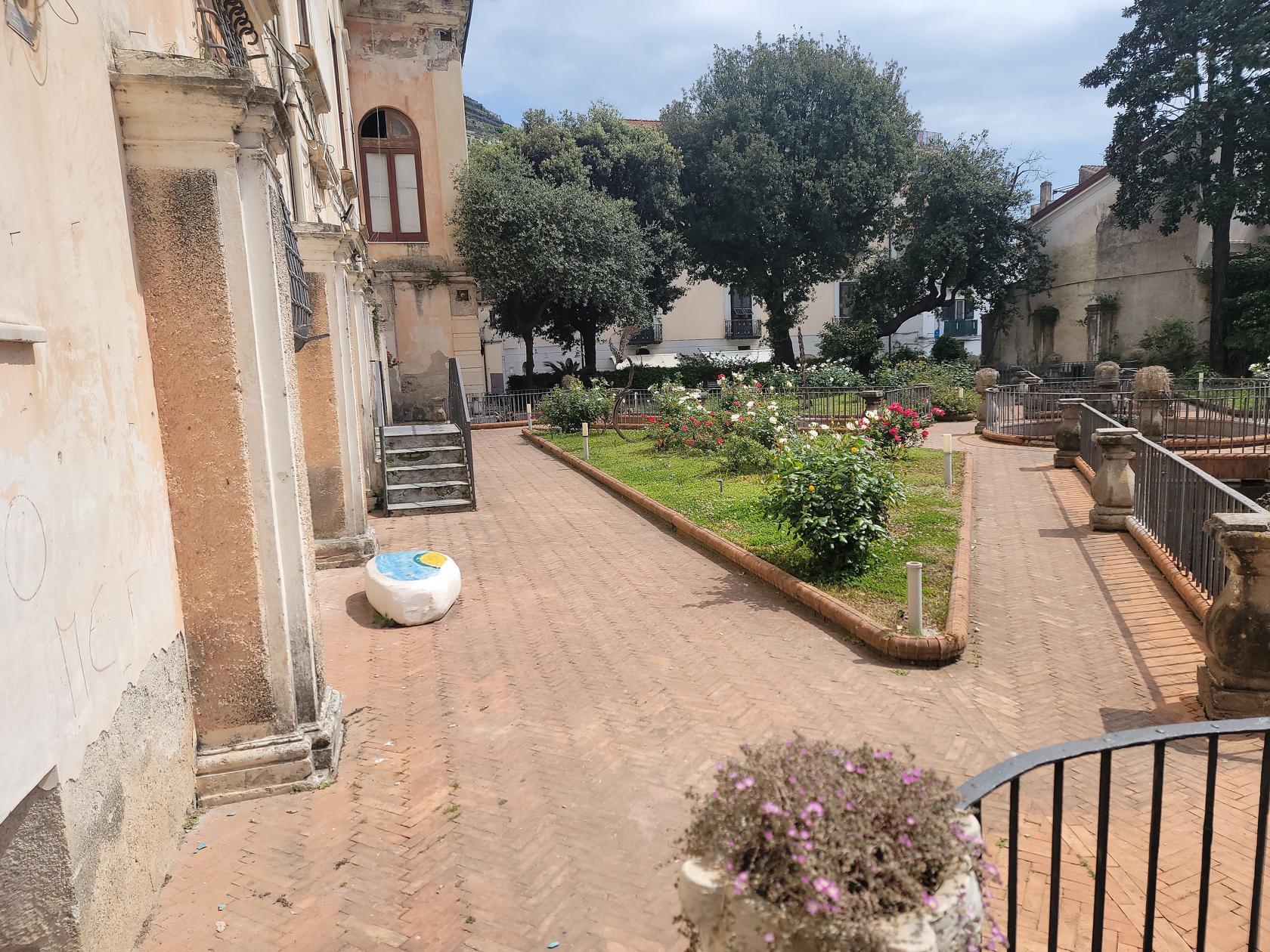
Palazzo Mezzacapo – Gardens – Maiori, Italy
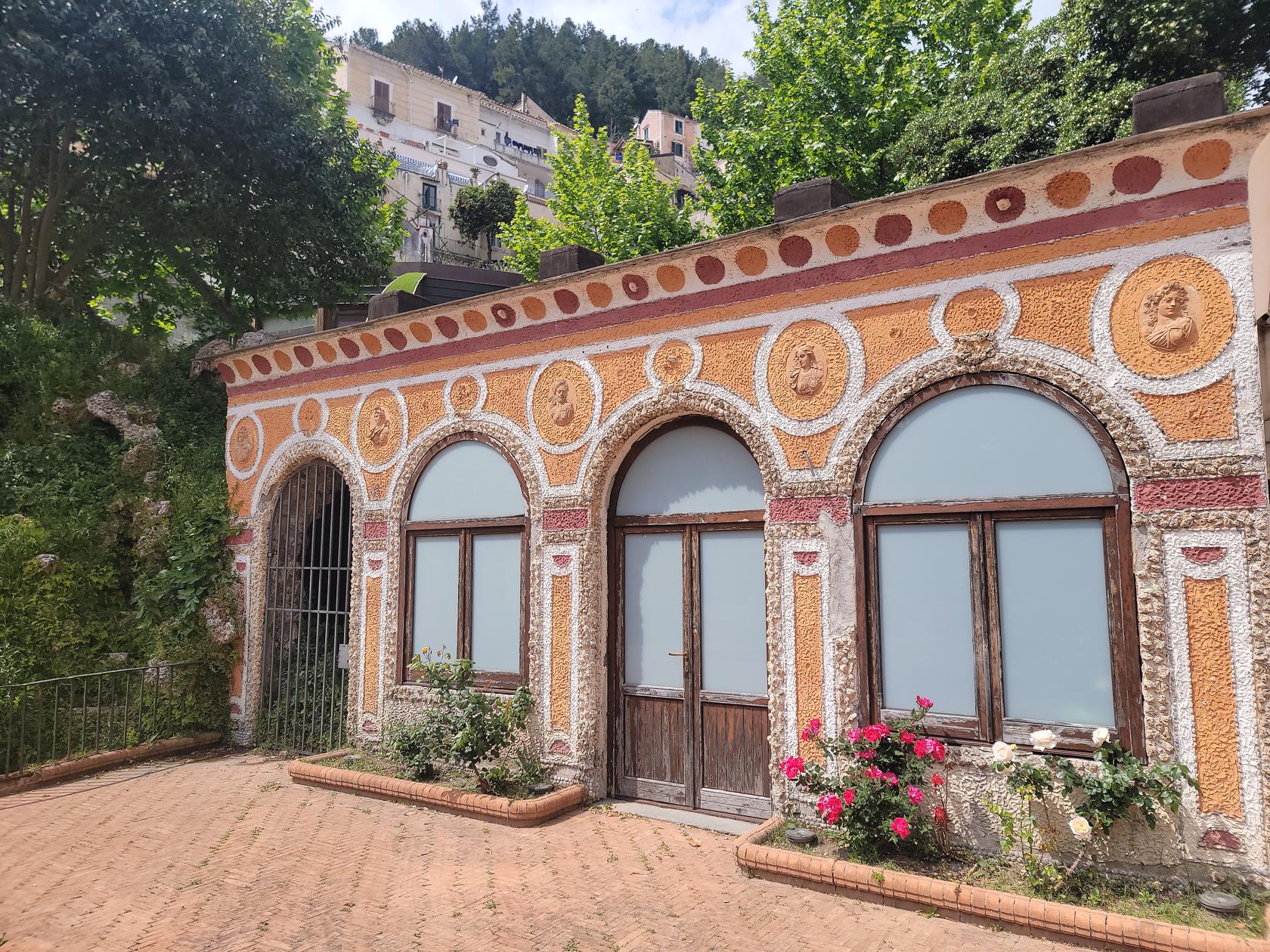
Palazzo Mezzacapo – Gardens – Maiori, Italy
Palazzo Mezzacapo – Gardens – Maiori, Italy
Palazzo Mezzacapo – Gardens – Maiori, Italy
Palazzo Mezzacapo – Gardens – Maiori, Italy
Minori
The same is true for the town of Minori, which literally means “minor”, after the river which now flows through it, the Reghinna Minori. The town’s name over the years been abbreviated to just Minori. It’s claim to fame is was used by the Roman high society as a seaside resort. It does have the longest and widest swath of beach on the coast.
Entering Town – Minori, Italy
Main Street SS163 – Minori, Italy
Narrow Alleys – Minori, Italy
Narrow Alleys – Minori, Italy
Typical Small Town Alley – Minori, Italy
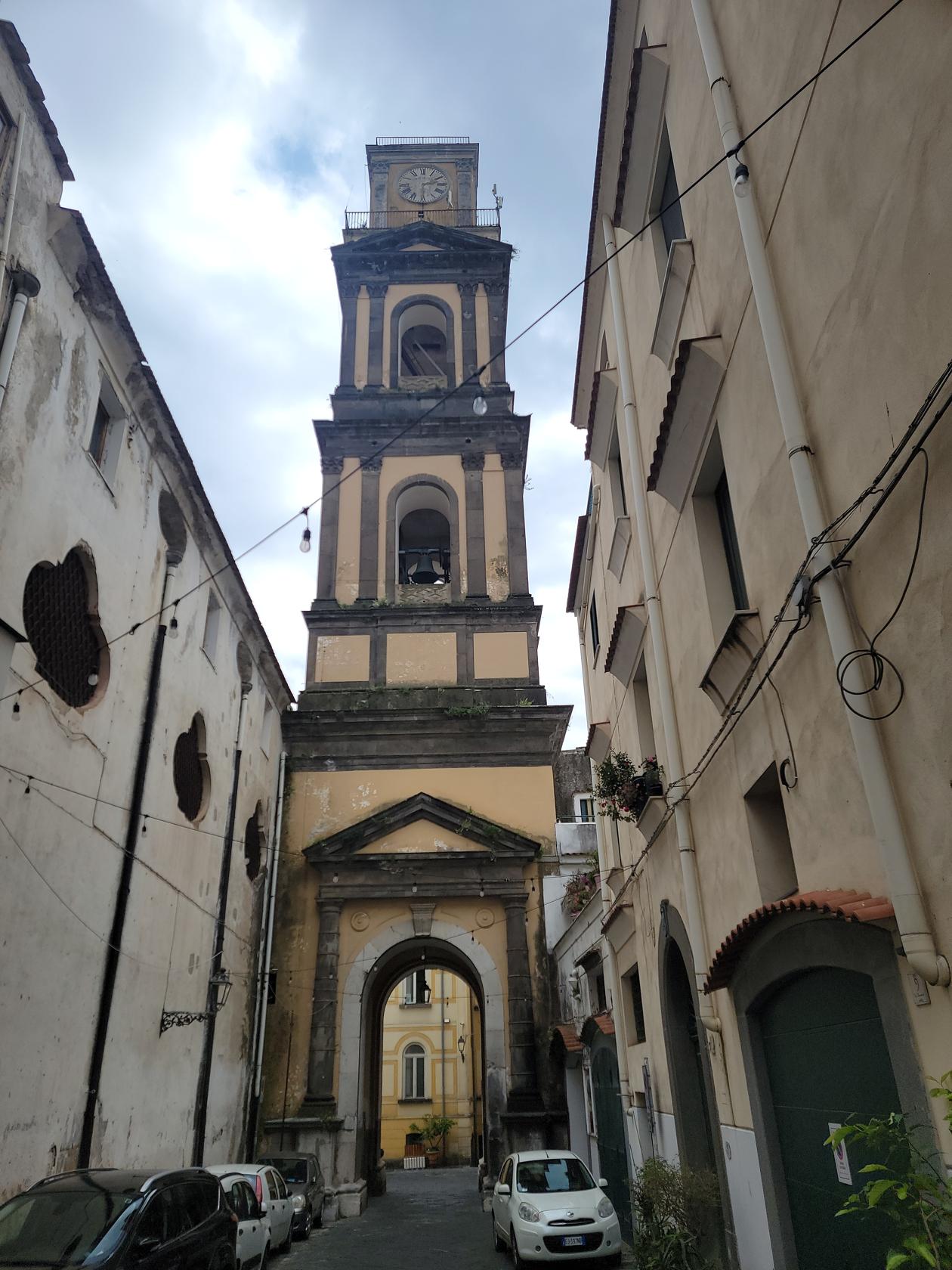
Clock Tower – Minori, Italy
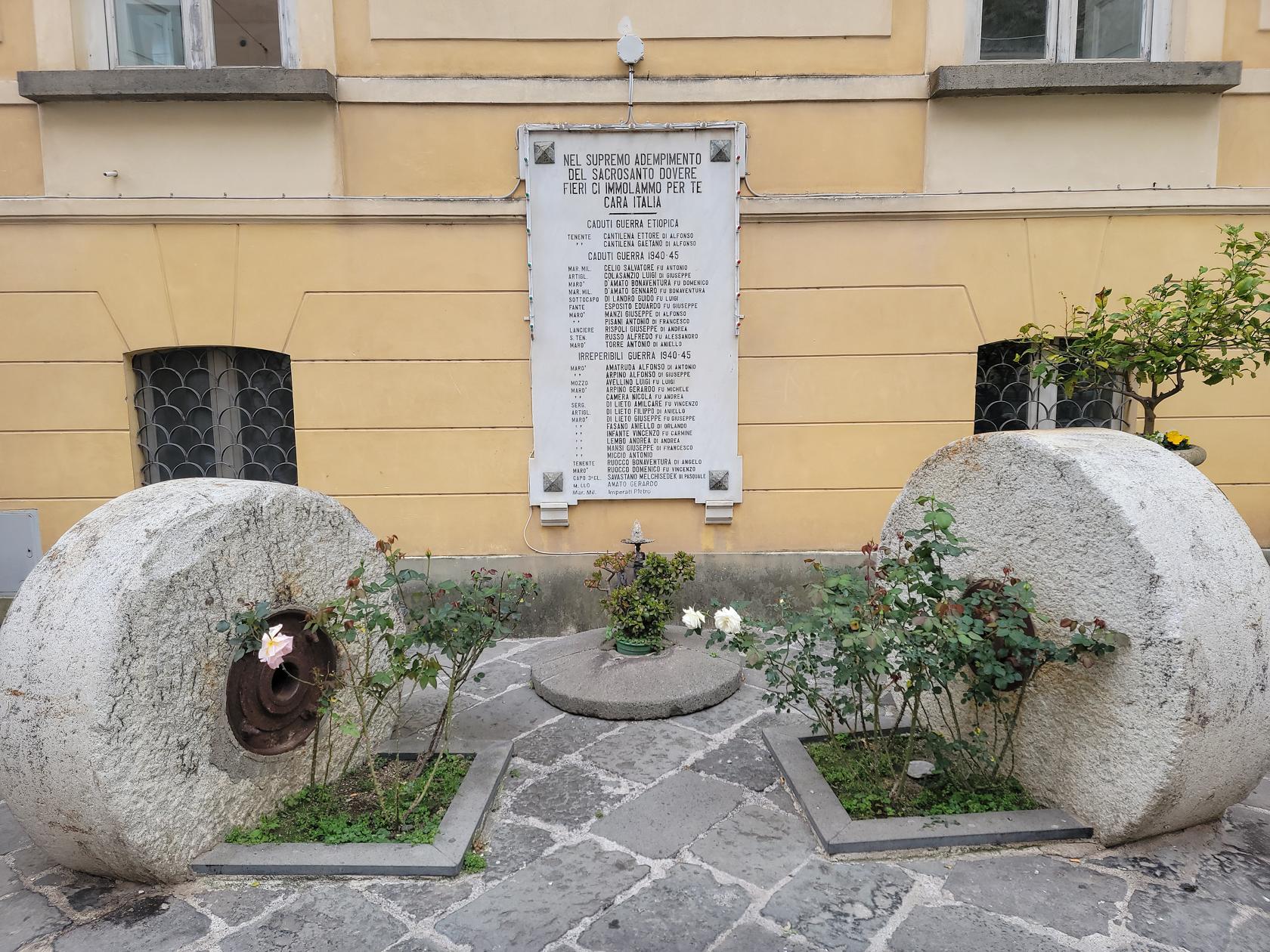
Old Millstones – Minori, Italy
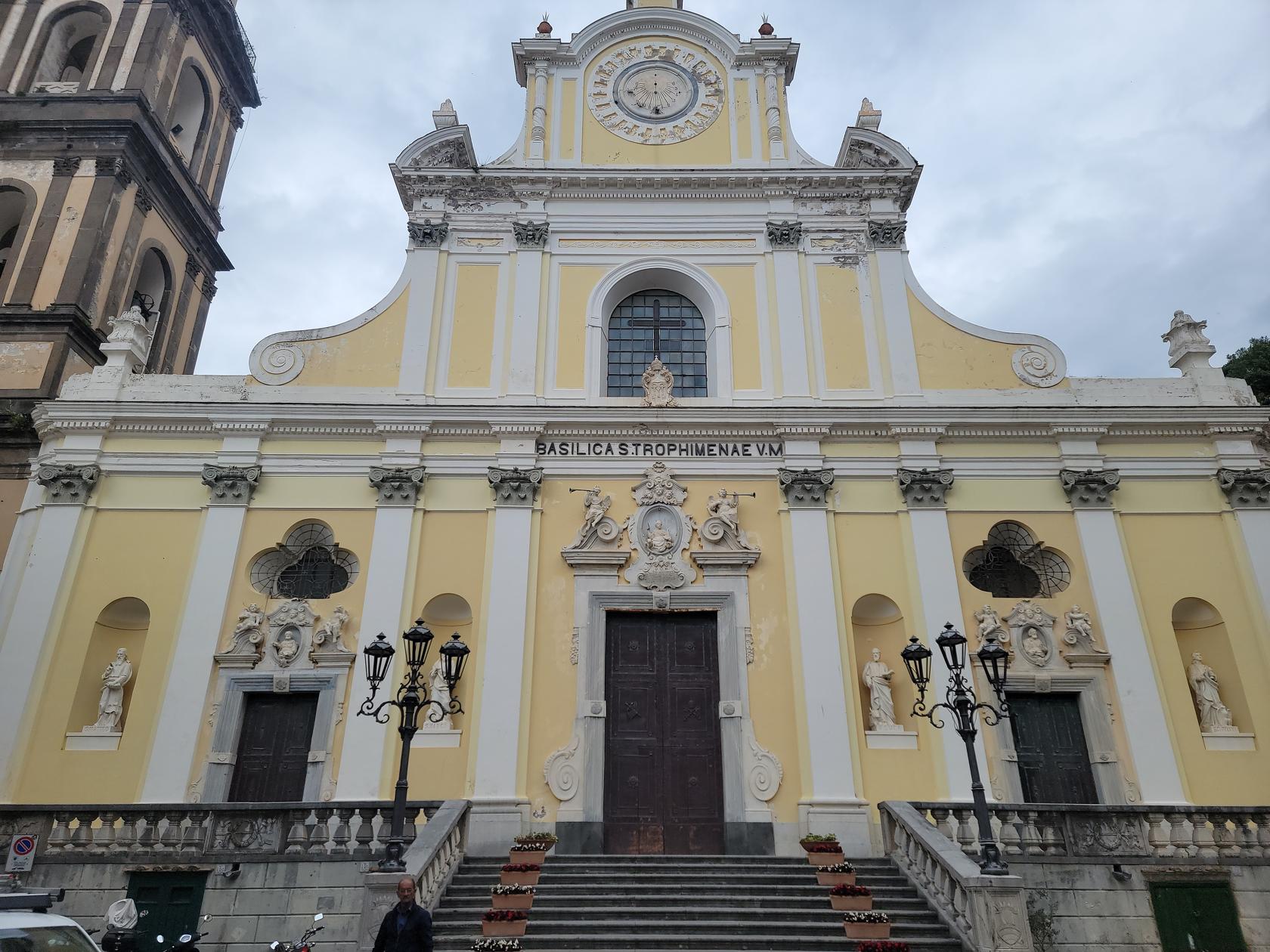
Basilica Saint Trofimena – Minori, Italy
Basilica Saint Trofimena – Minori, Italy
Main Shopping Street – Minori, Italy
Lion Fountain – Minori, Italy
Beachfront – Minori, Italy
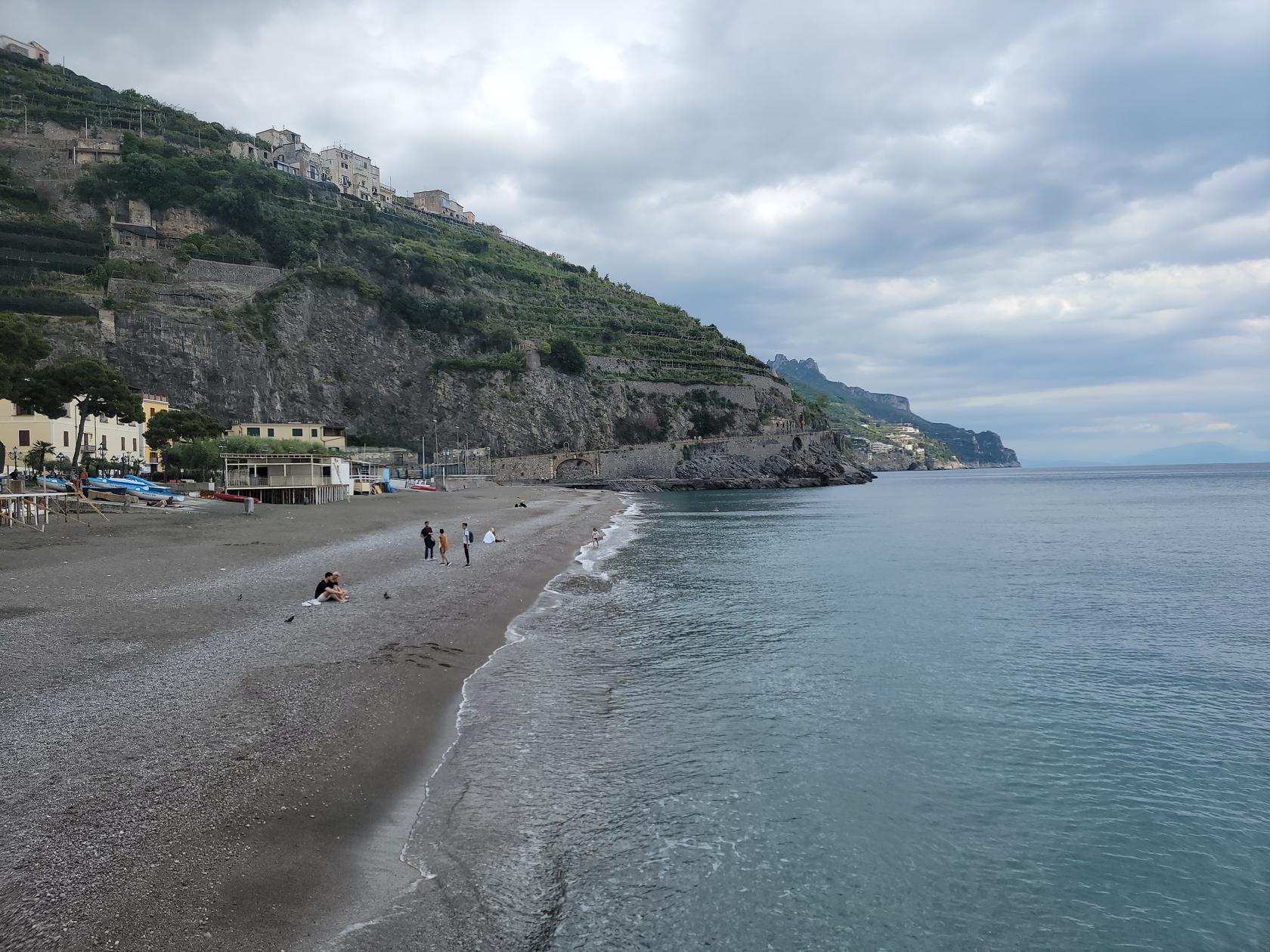
Beach – Minori, Italy
Beach – Minori, Italy
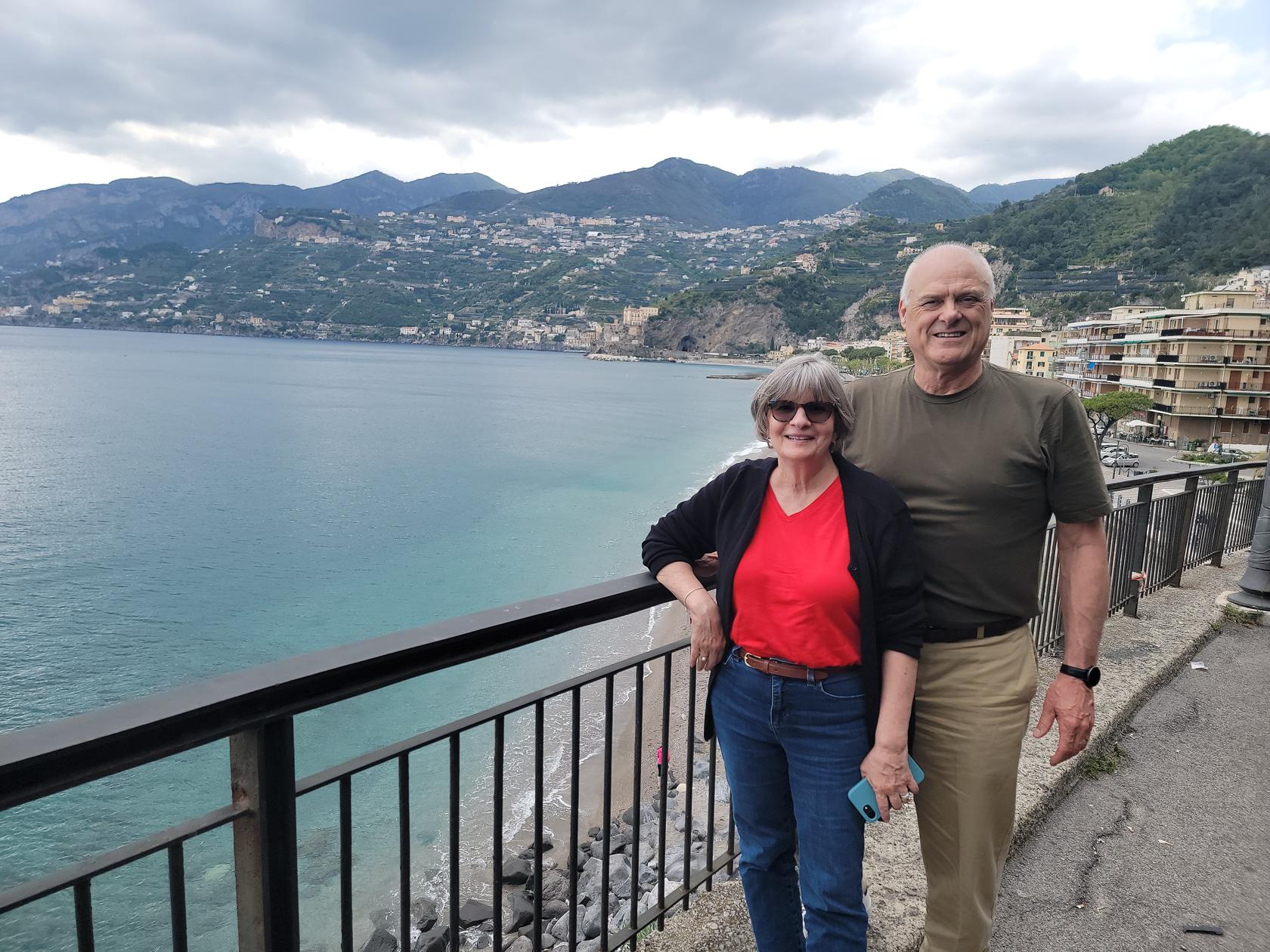
Patti and Erick – Leaving Minori – Minori, Italy
Beach – Minori, Italy
Cetera
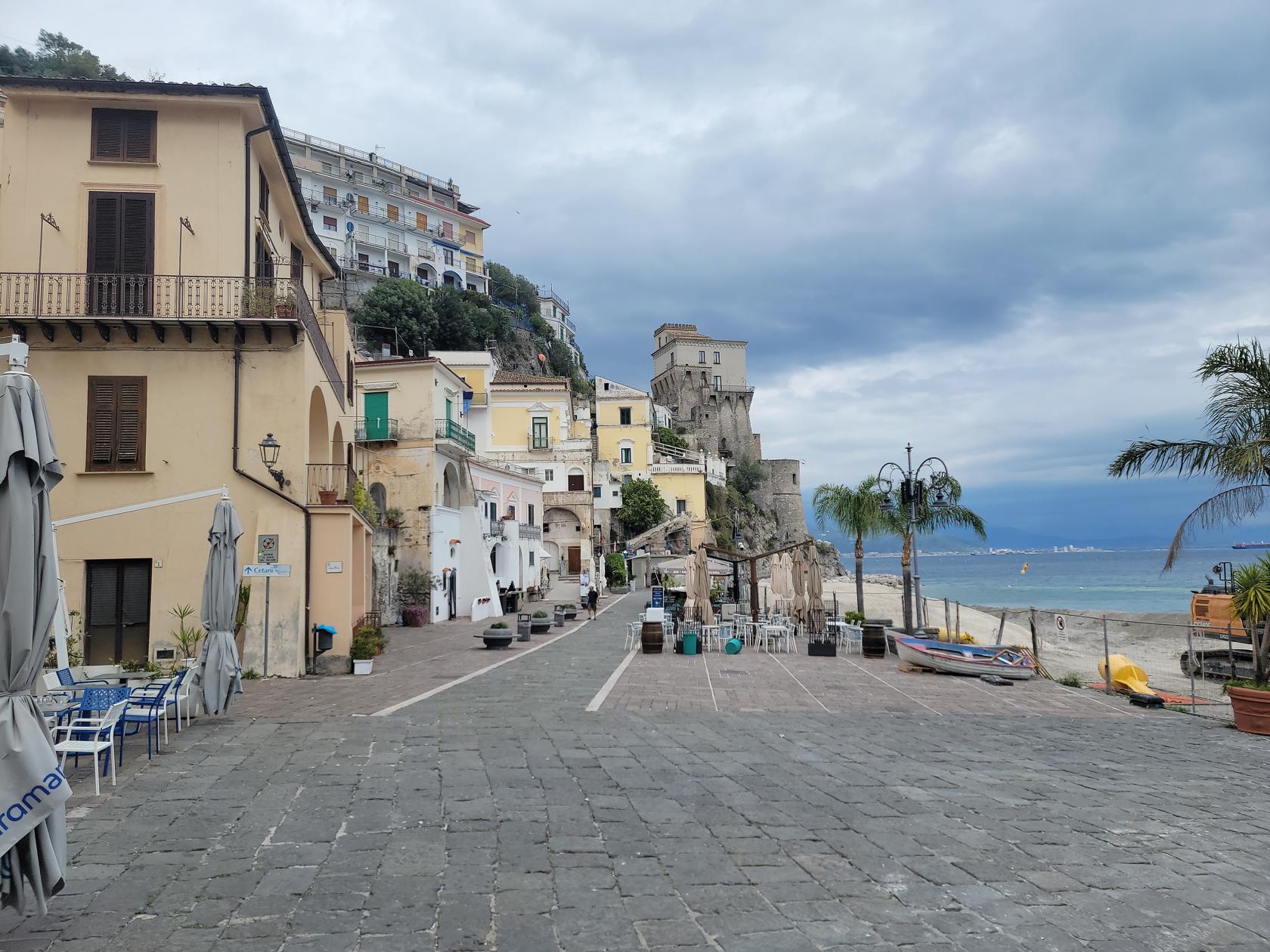
This small town was most likely named after the tuna fishermen that used to live there, as well as the fishmongers, or cetari. Its most important feature is one of the larger Amalfi Coast towers, which dot the coastline and were once used for protection by the Amalfi Federation, or Duchy of Amalfi.
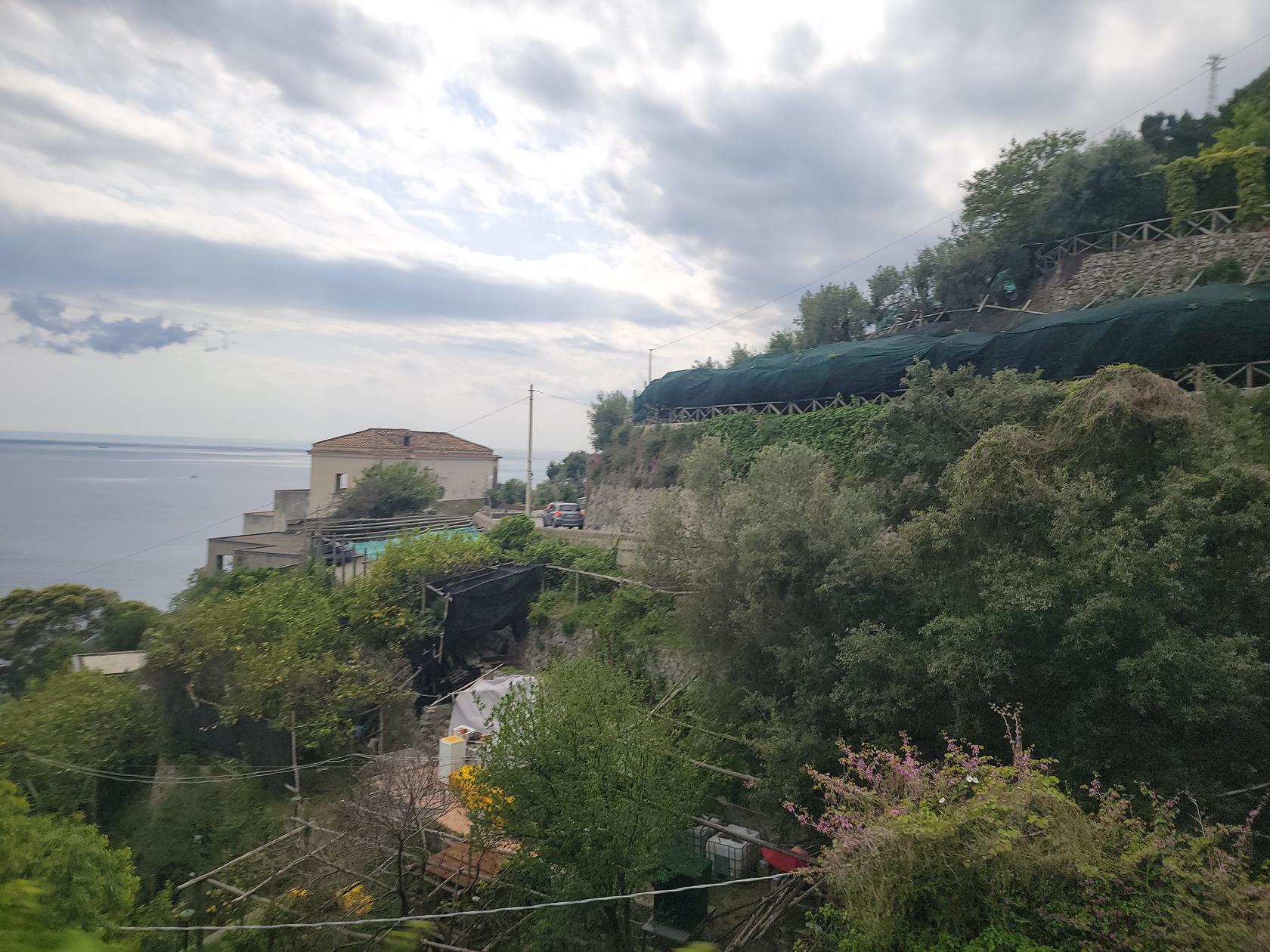
Weather Moving In – Cetara, Italy
Lemon Groves – Cetara, Italy
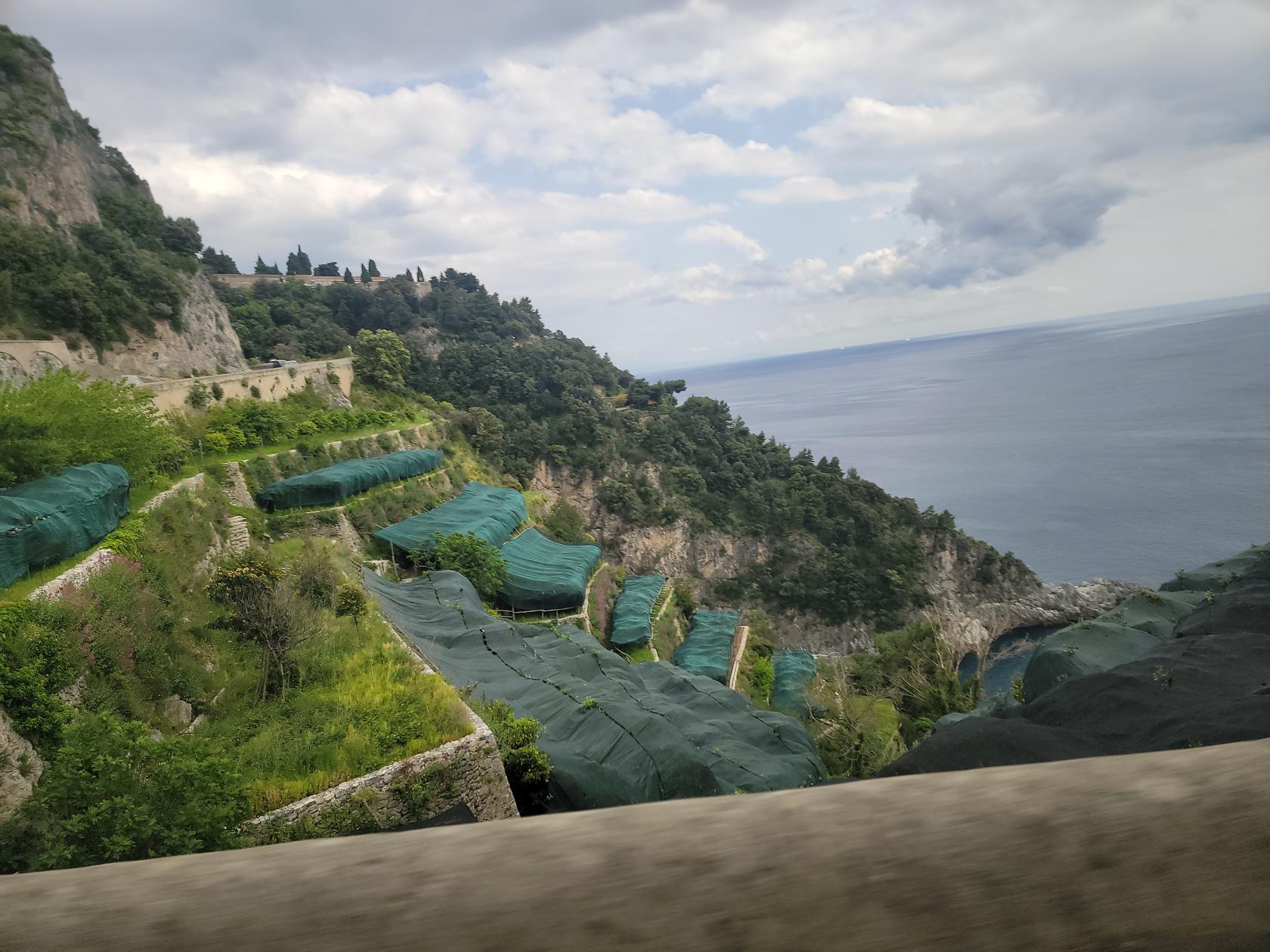
More Lemon Groves – Cetara, Italy
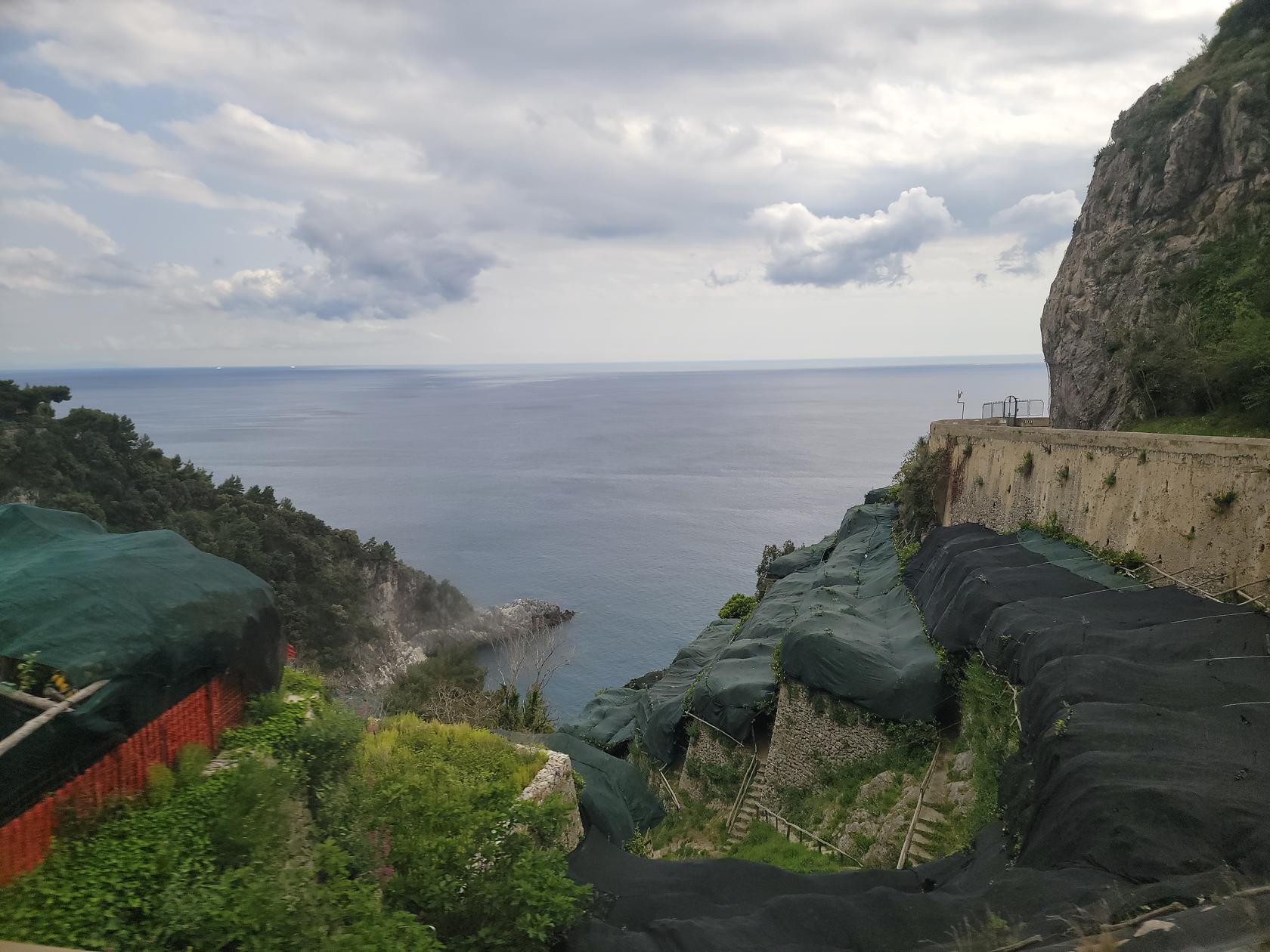
Covered Lemon Trees – Cetara, Italy
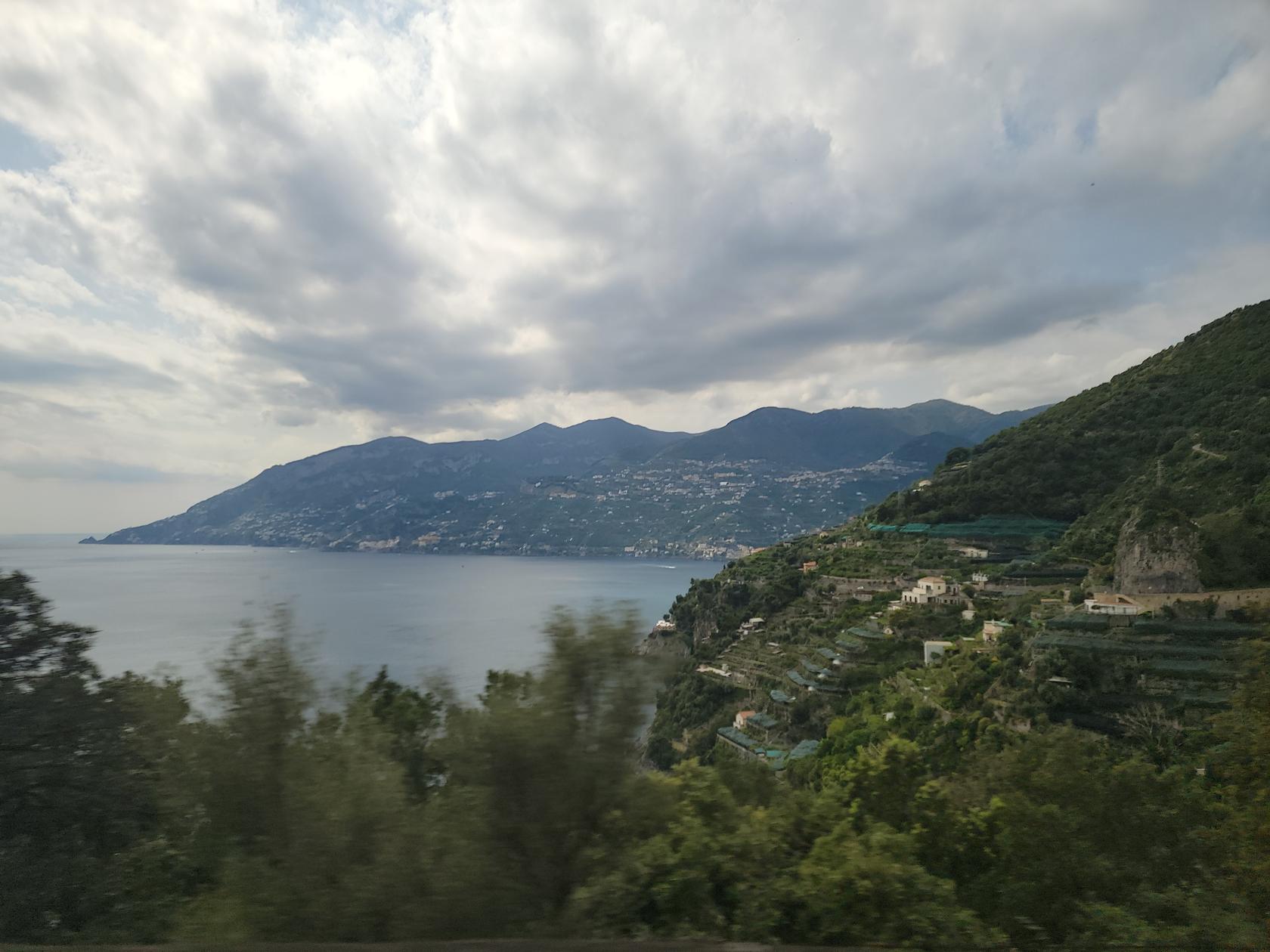
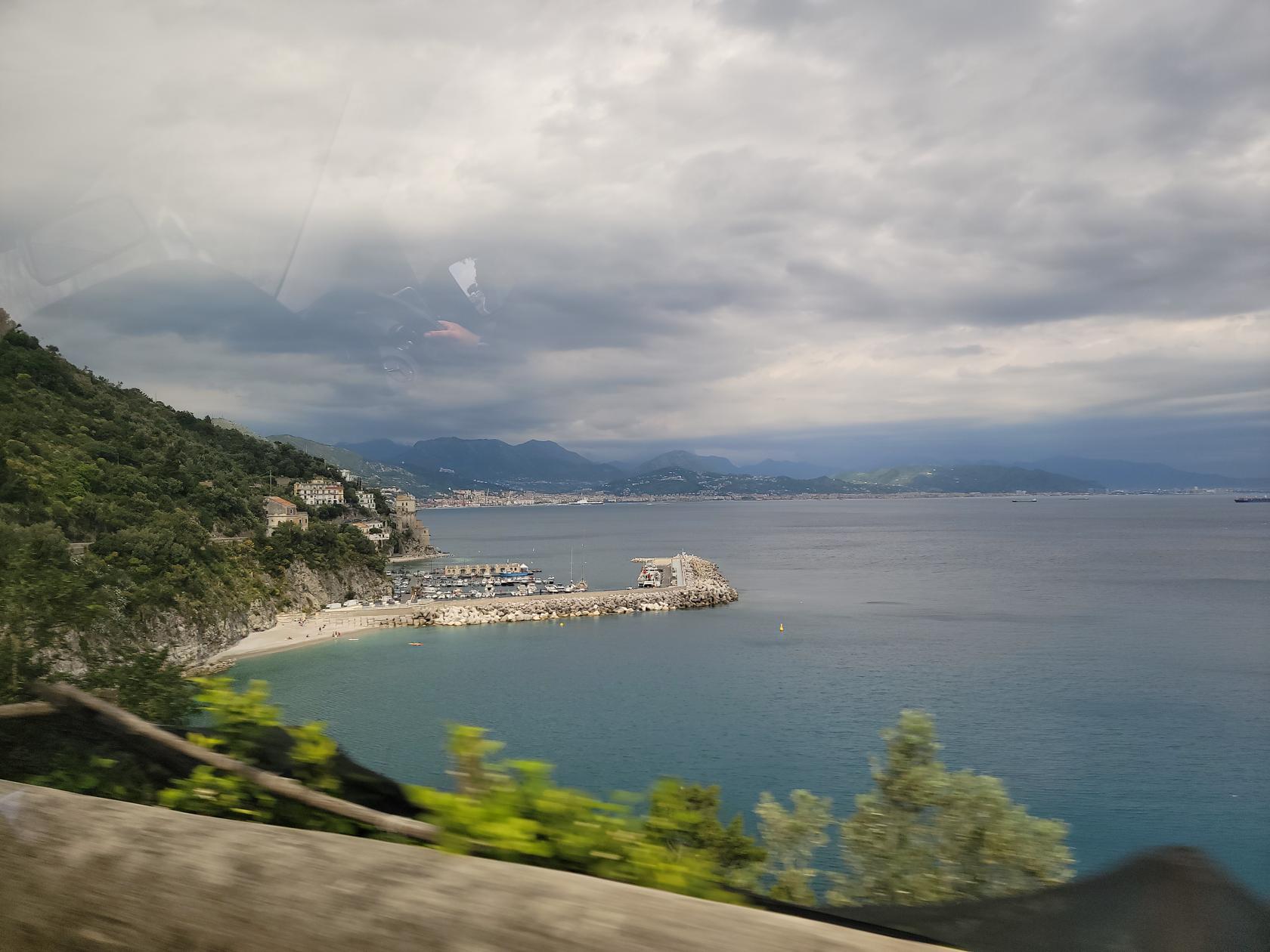
Amalfi Coastline – Cetara, Italy
Amalfi Coast – Cetara, Italy
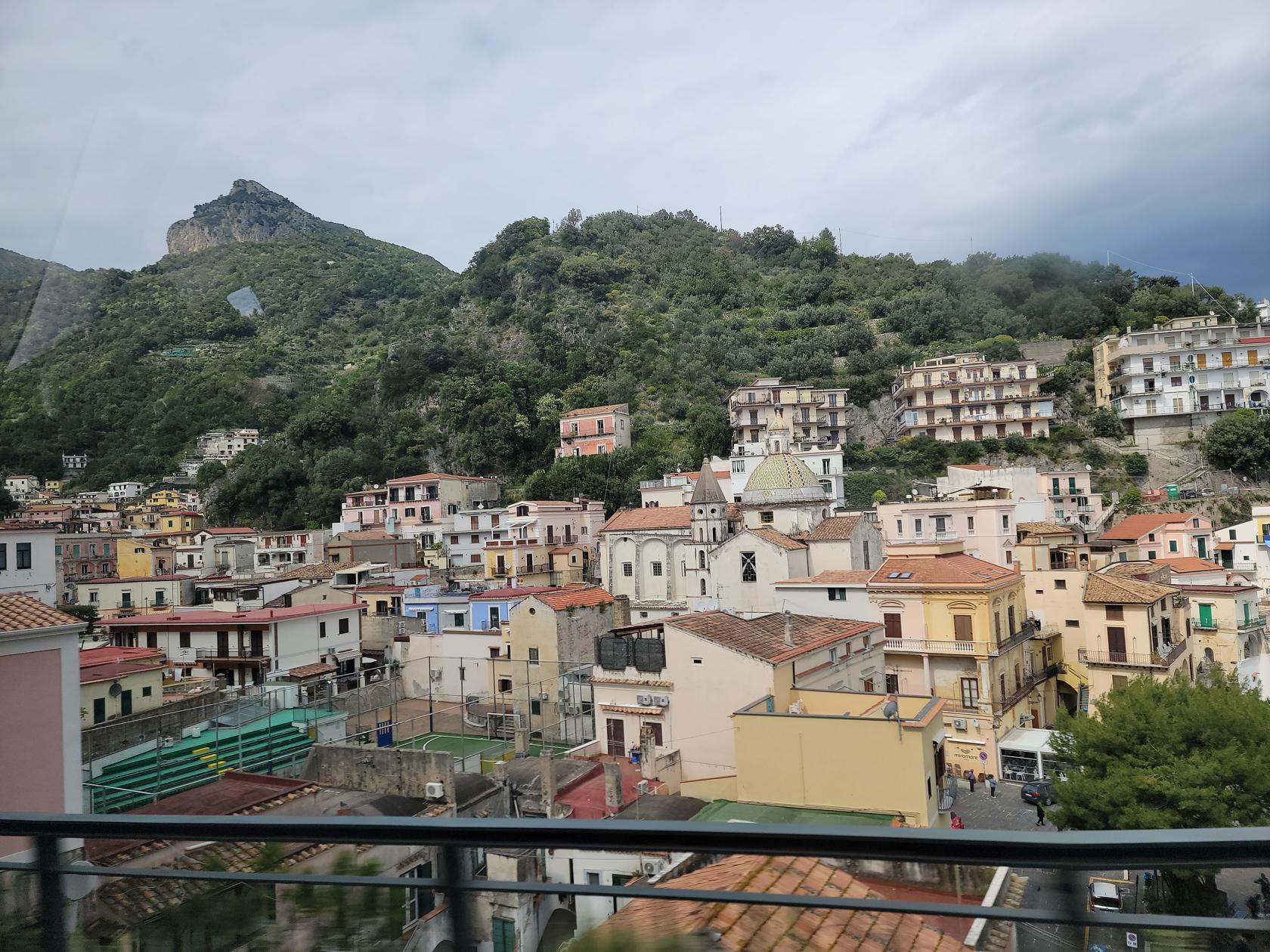
Coming Into Town – Cetara, Italy
Dome Of Saint Peter – Cetara, Italy
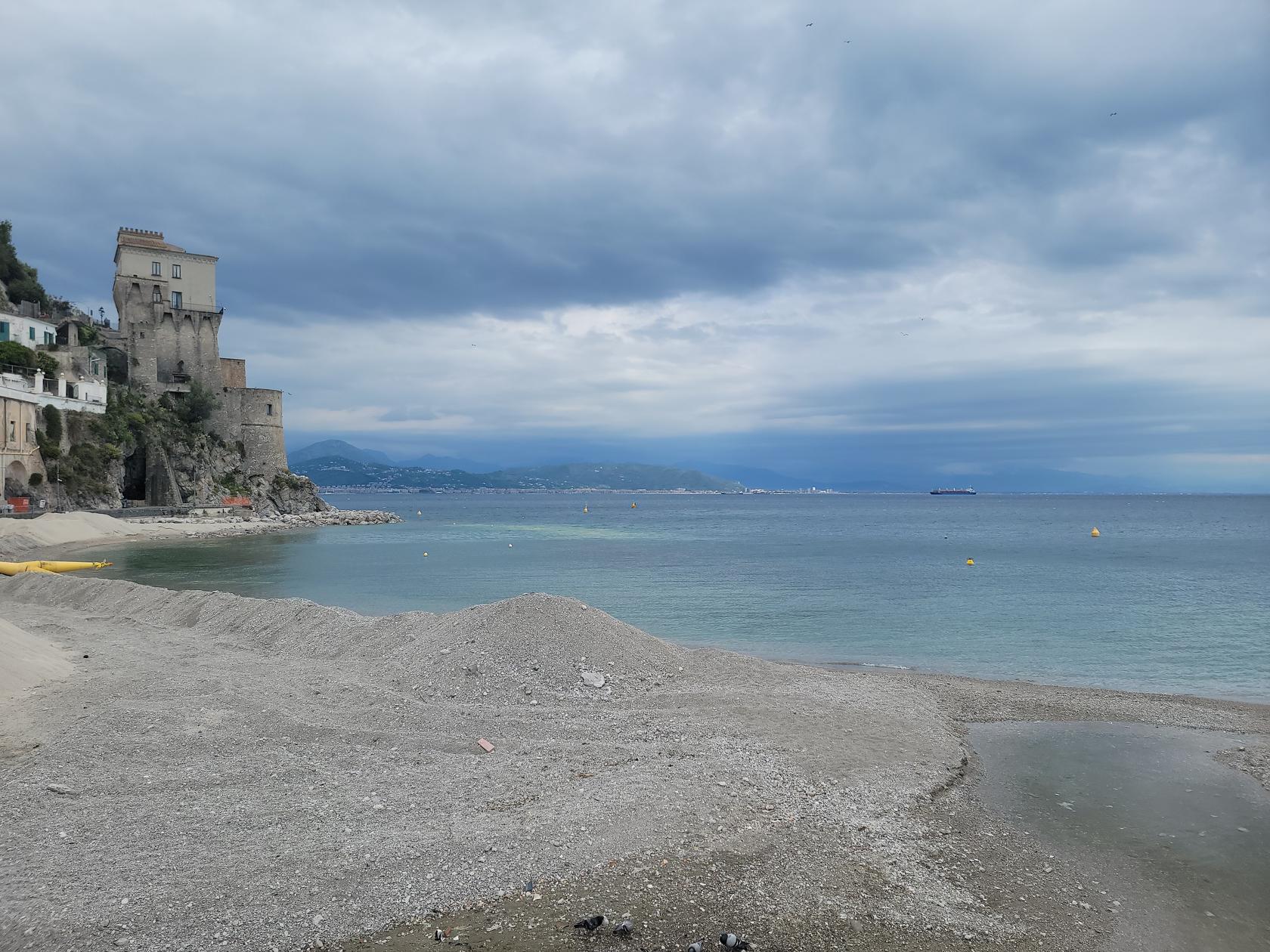
Beach and Tower of Cetara – Cetara, Italy
Beach Restoration – Cetara, Italy
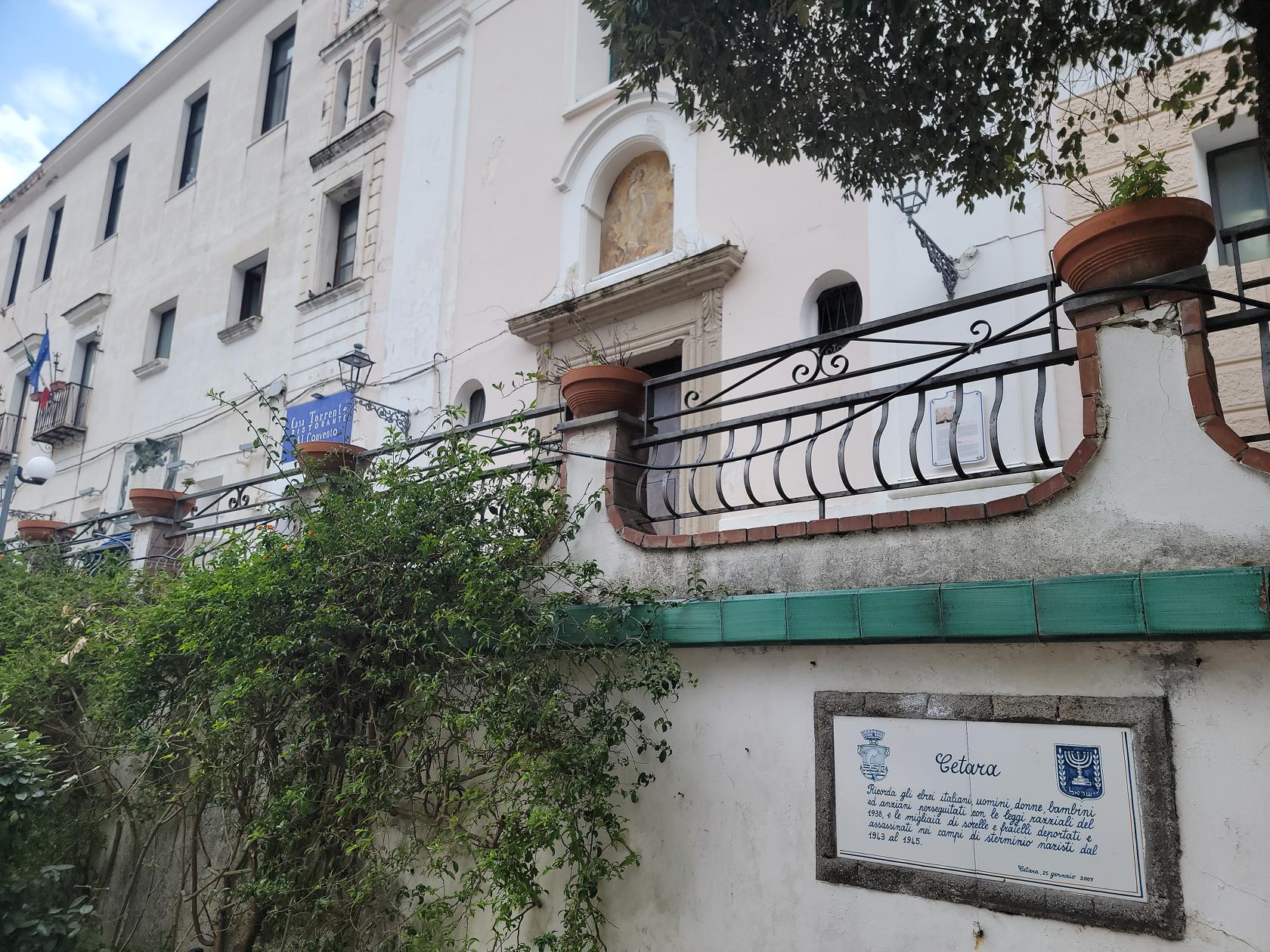
Town Sign – Cetara, Italy
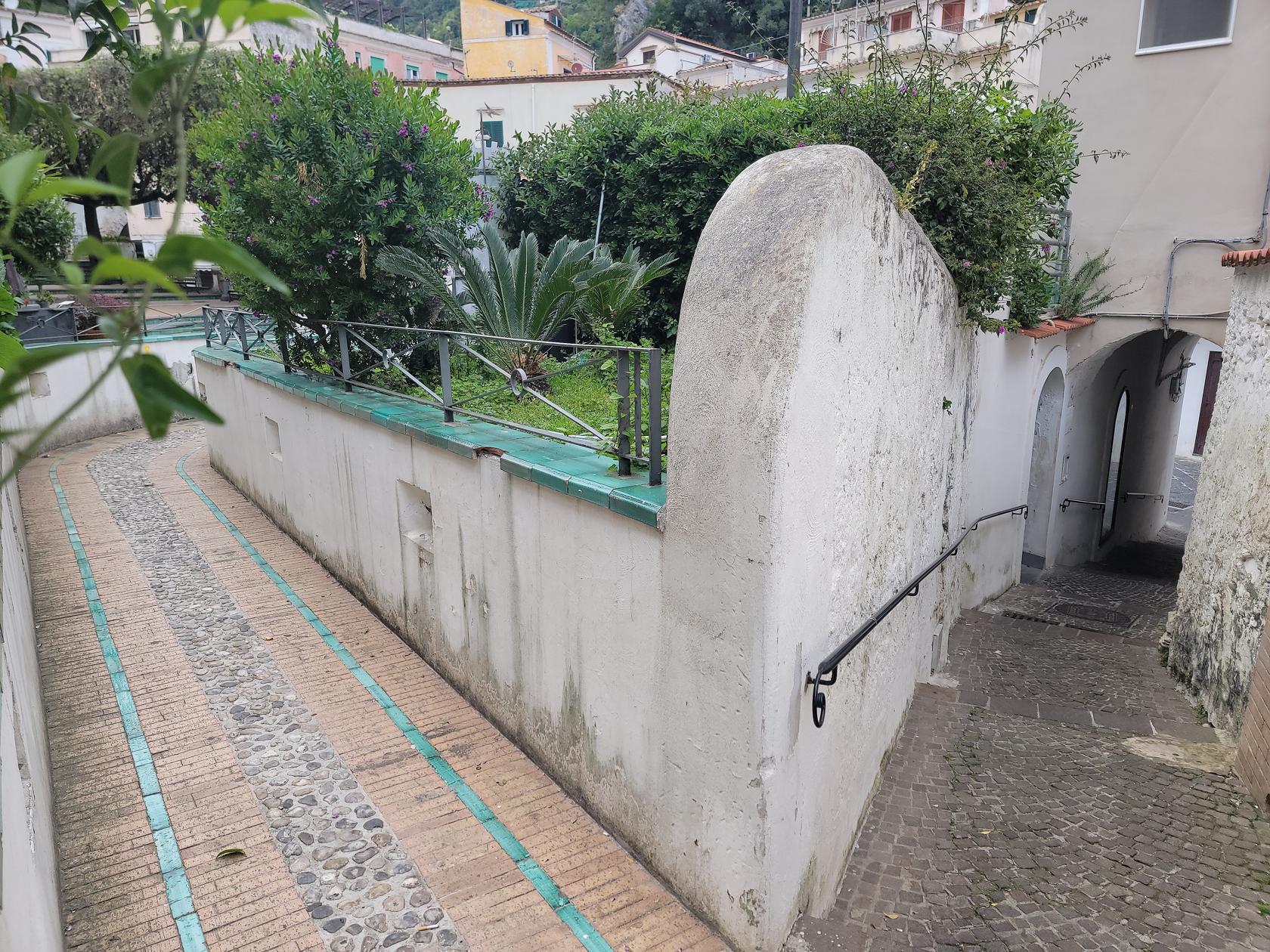
Narrow Walkways – Cetara, Italy
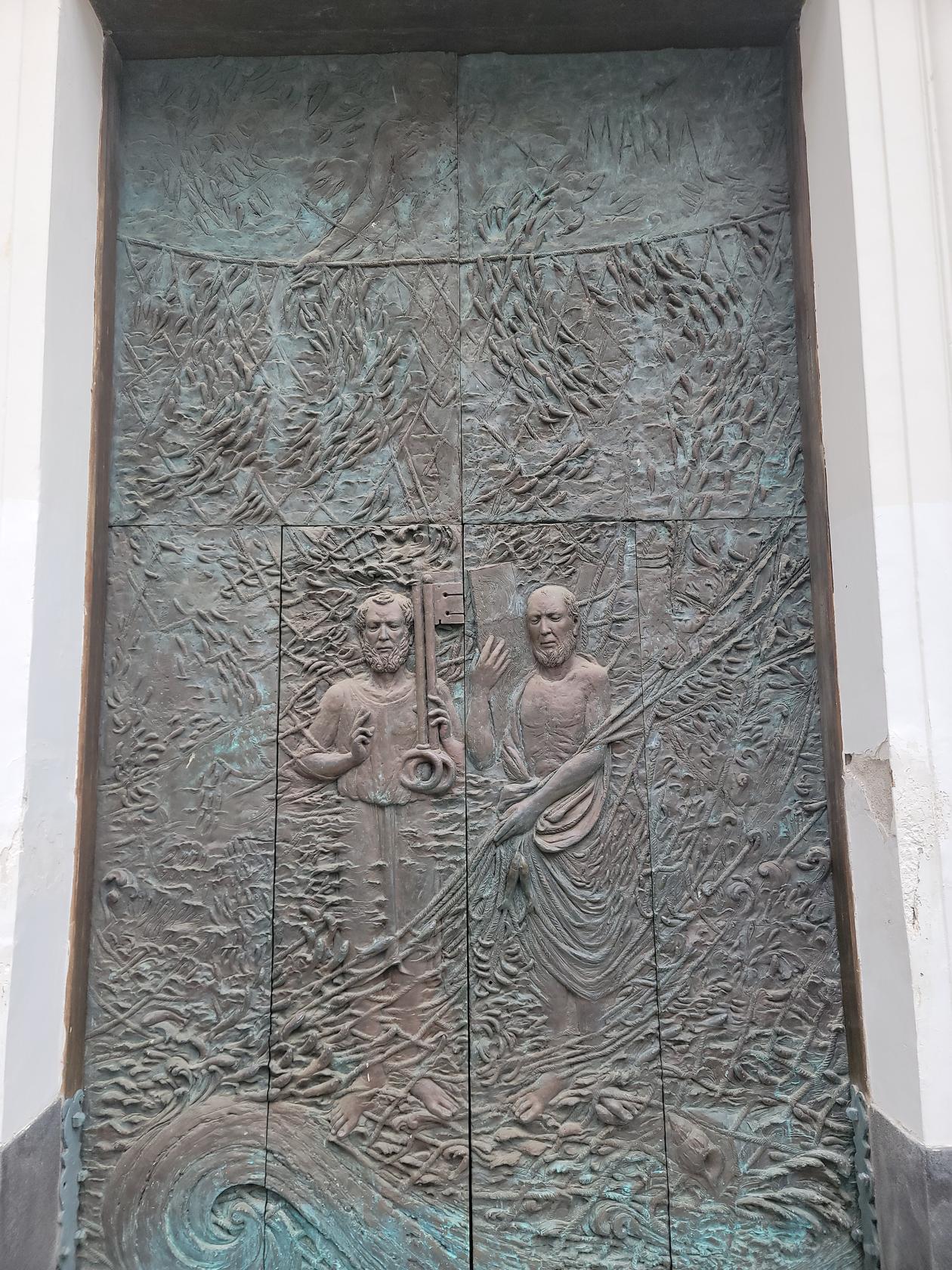
Bronze Doors – Parochial Church of Saint Peter – Cetara, Italy
Entrance – Parochial Church of Saint Peter – Cetara, Italy
In Conclusion
We enjoyed our trip to the Amalfi Coast, overall it was a worthwhile experience. Though I would caution, for me, it did not live up to all of the hype and hyperbole surrounding it as a destination. With some of the towns entertaining cruise ships during the tourist season, it truly could turn into one of the more exasperating places to visit at the wrong time of the calendar year.
Lemon Groves – Tramonti, Italy
Lemon Groves – Tramonti, Italy
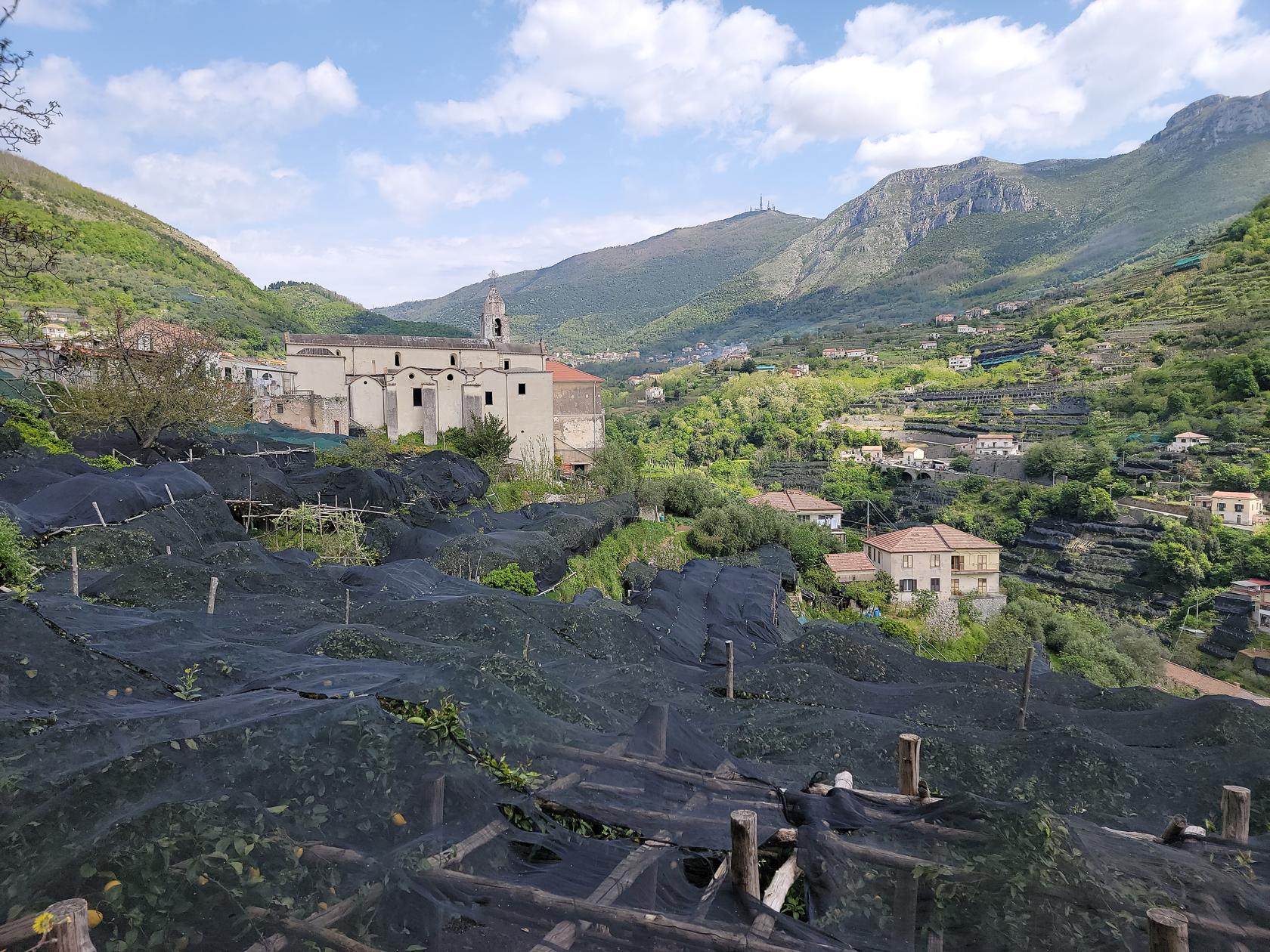
The Lemon Groves – The Parochial Church Of Saint Elia Profeta – Tramonti, Italy
In Between Mountains – The Parochial Church Of Saint Elia Profeta – Tramonti, Italy
However, we had amazing weather, perfect temperatures and manageable numbers of tourist. Though some places were not available to us at this time, since they open up in the later May and June timeframes for peak season; this was not a problem for us, since we are not big shoppers. In any case, we would commend a tour, or private tour if you can afford it. Removing the need to drive the winding roads, was alone a big plus for us.
Recently we made a decision to return to Naples, if only to use it as a launch point to visit the Amalfi Coast. It was a brief return to enjoy the food and some of the sites we fell in love with four years ago.
Naples
When we travel to Naples, we usually stay in Chiaia. It is an upscale and slightly newer part of Naples that offers a bit more quiet and relief from the tourist activity in the center. It also offers a furnicular to Vomero, which can be used to hop over to the Spanish Quarter, as well as great metro and regional train service.
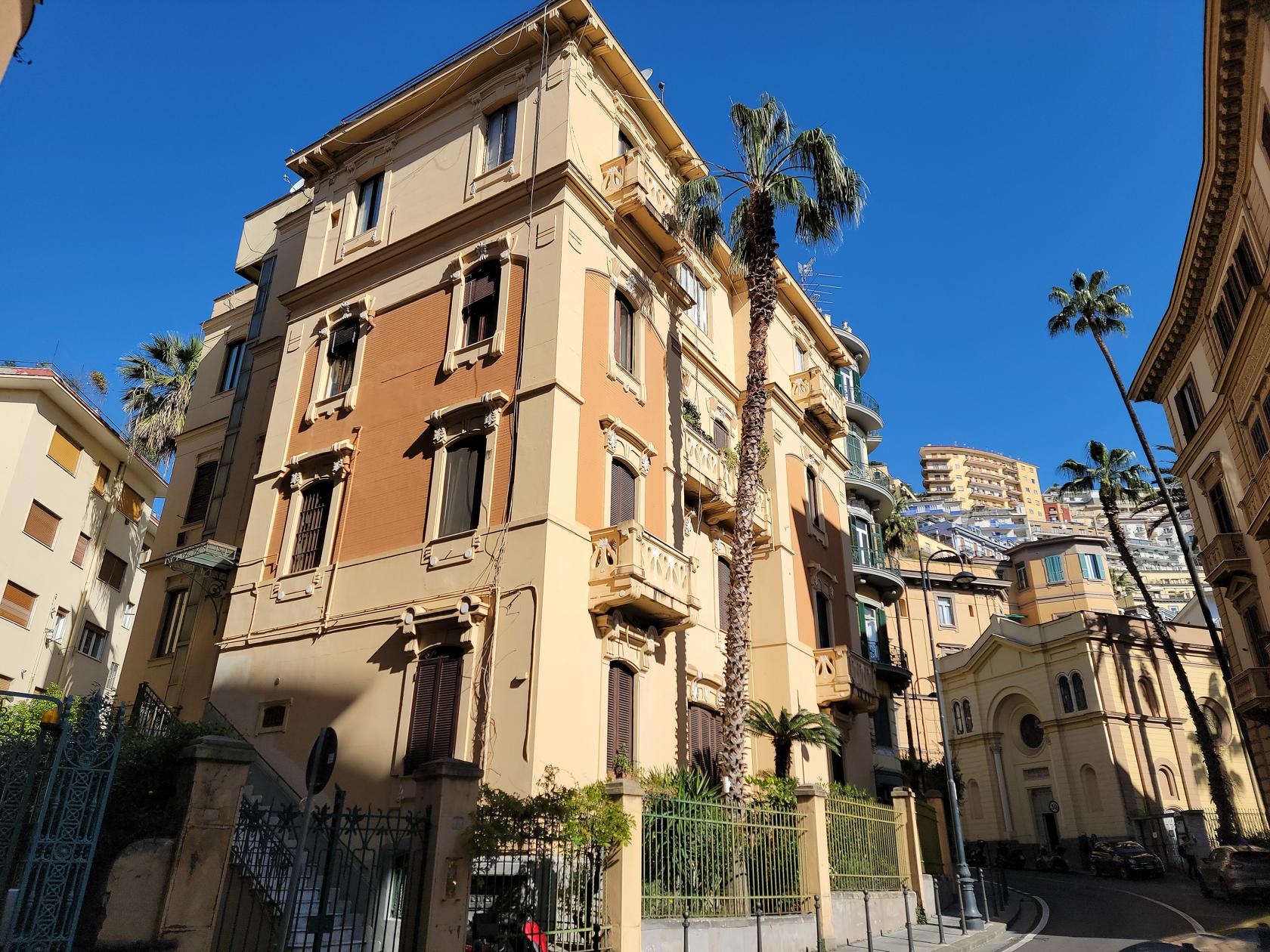
Chiaia – Naples, Italy
Chiaia – Naples, Italy
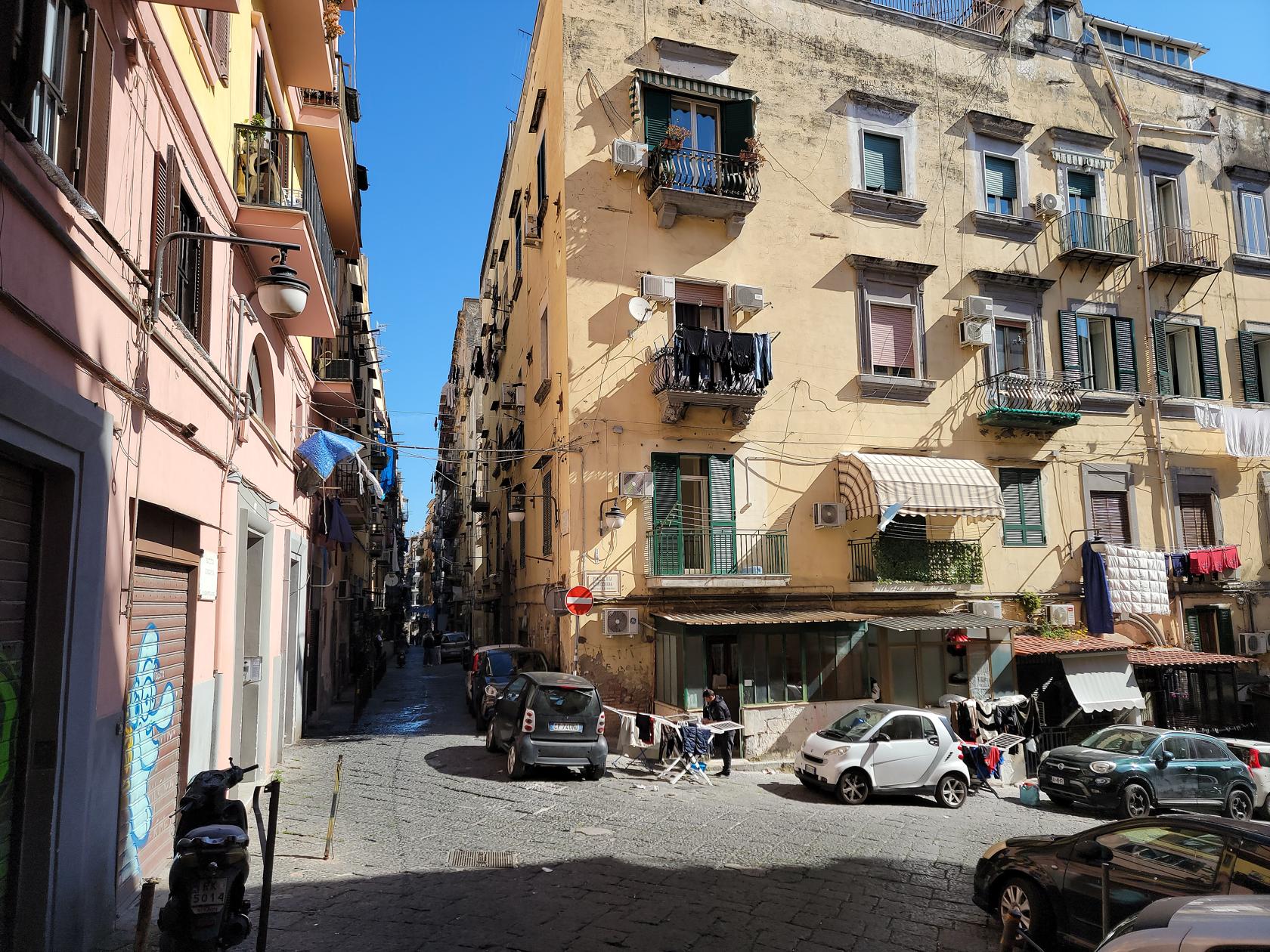
Coming into Spanish Quarter – Naples, Italy
Chiaia – Naples, Italy
Getting There
We took the FrecciaRossa TrenItalia service from Torino’s Porta Nuova. It takes about six hours and makes about just as many stops along the way. We normally purchase or make sandwiches for such trips, so that we may enjoy the trip without getting overly hungry.
Coming into Naples – Naples, Italy
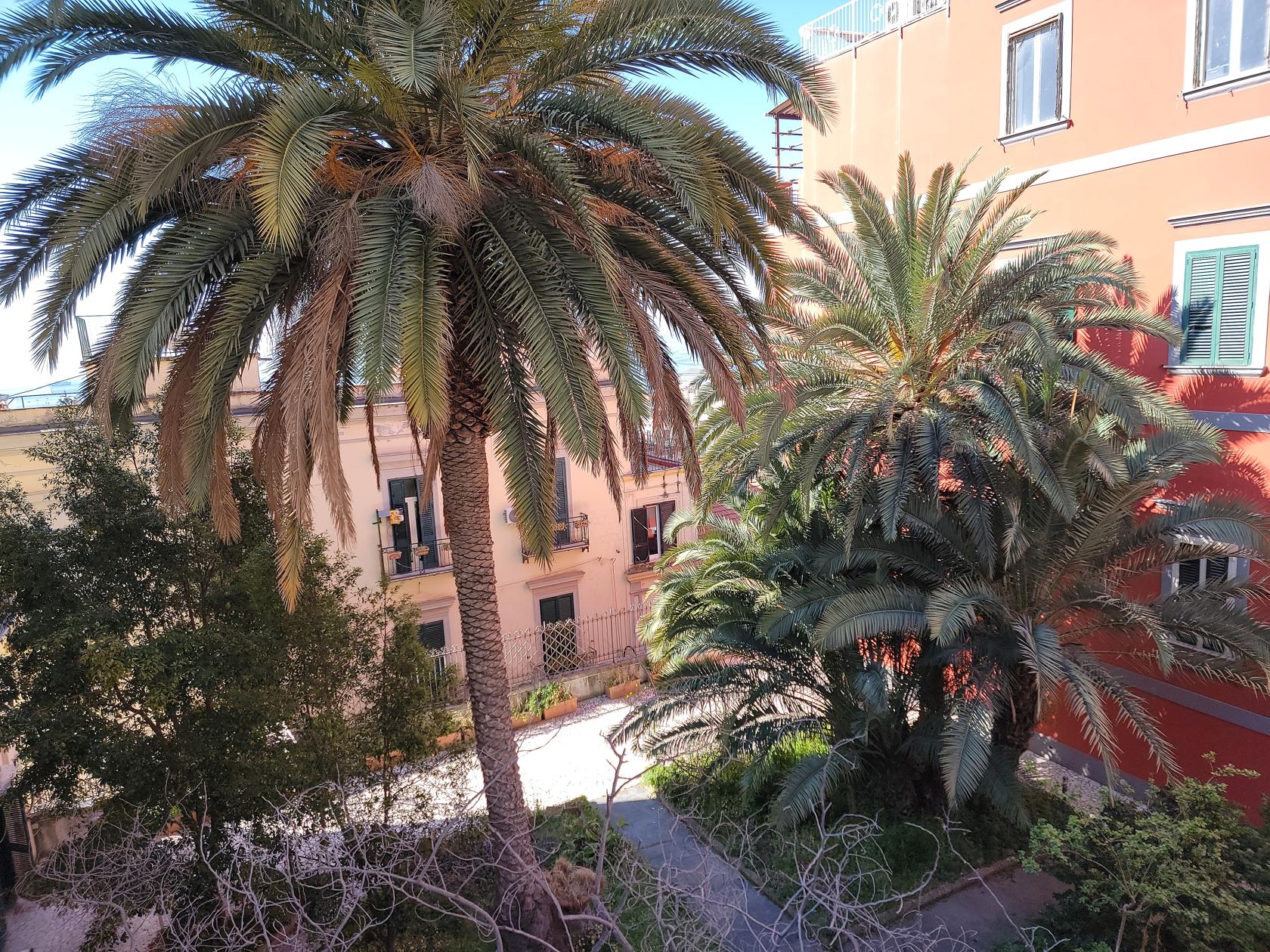
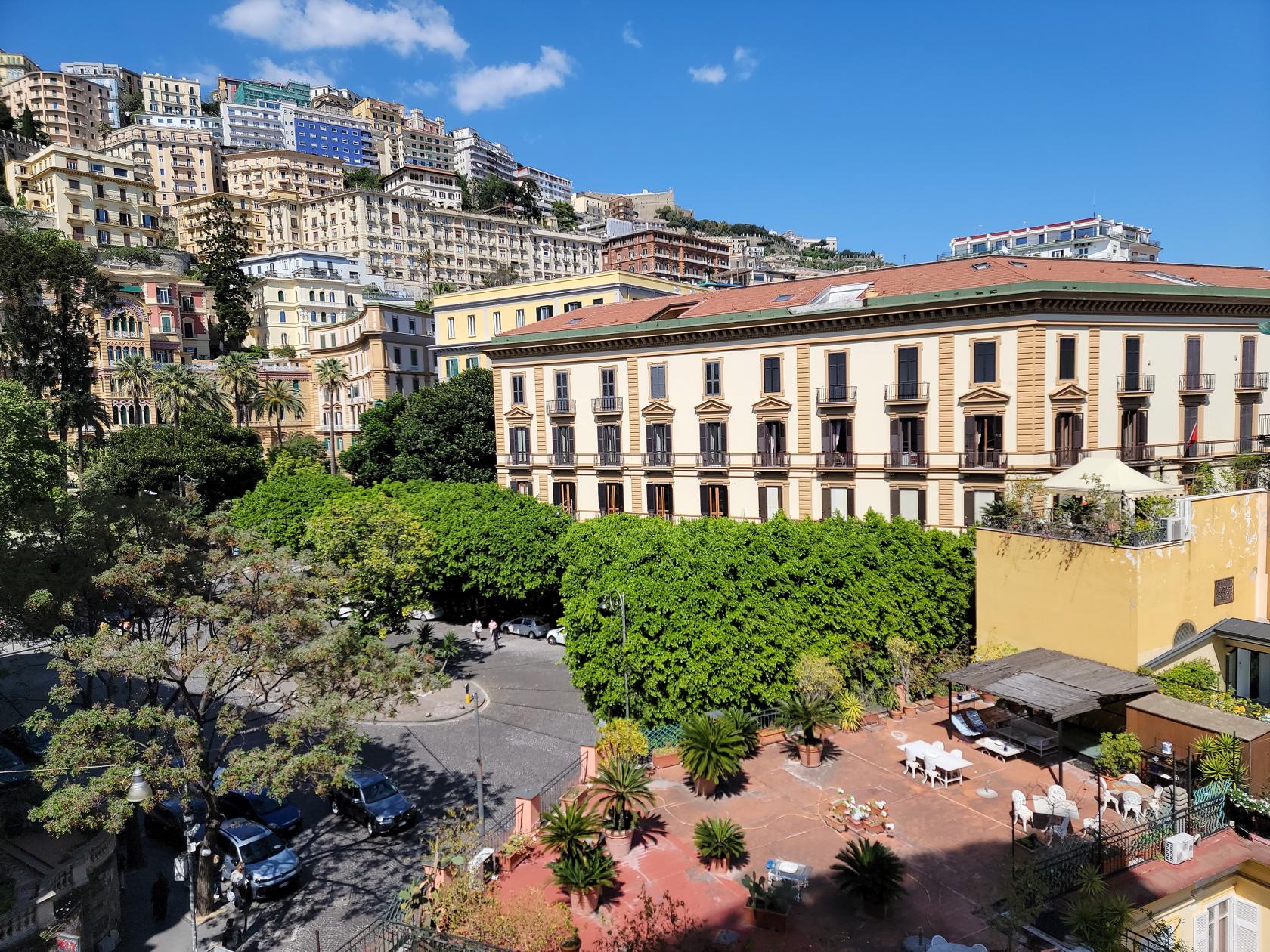
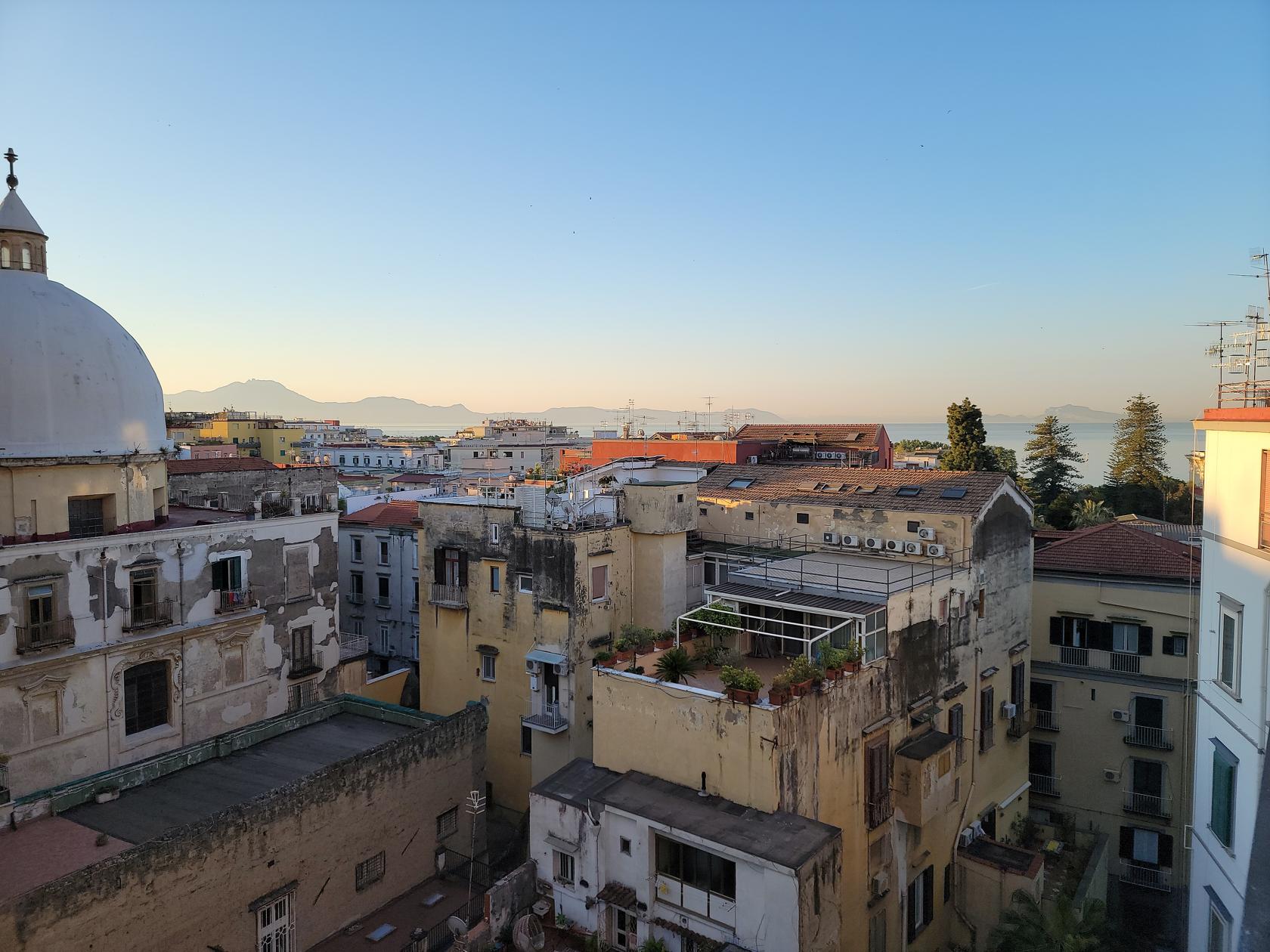
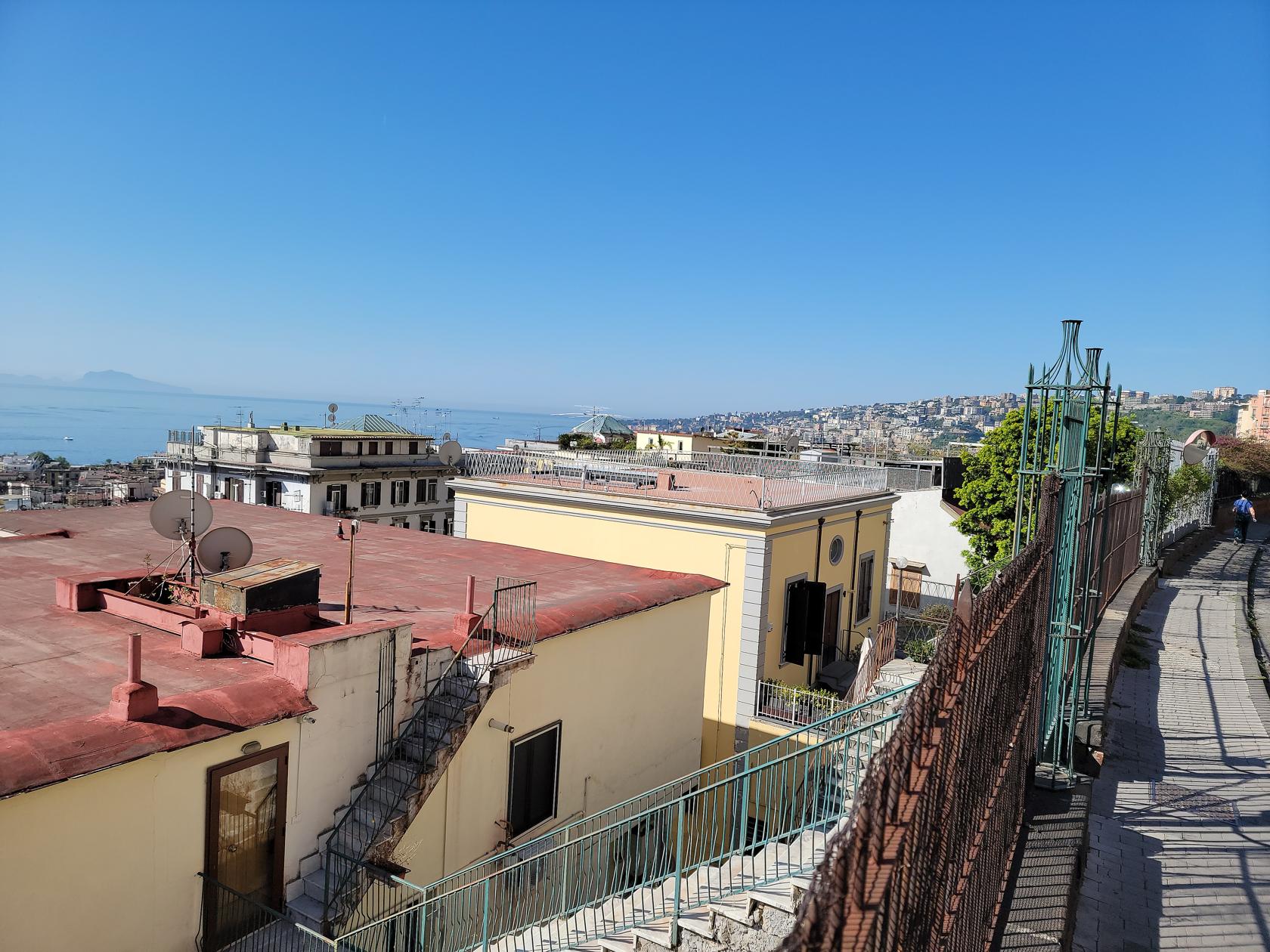
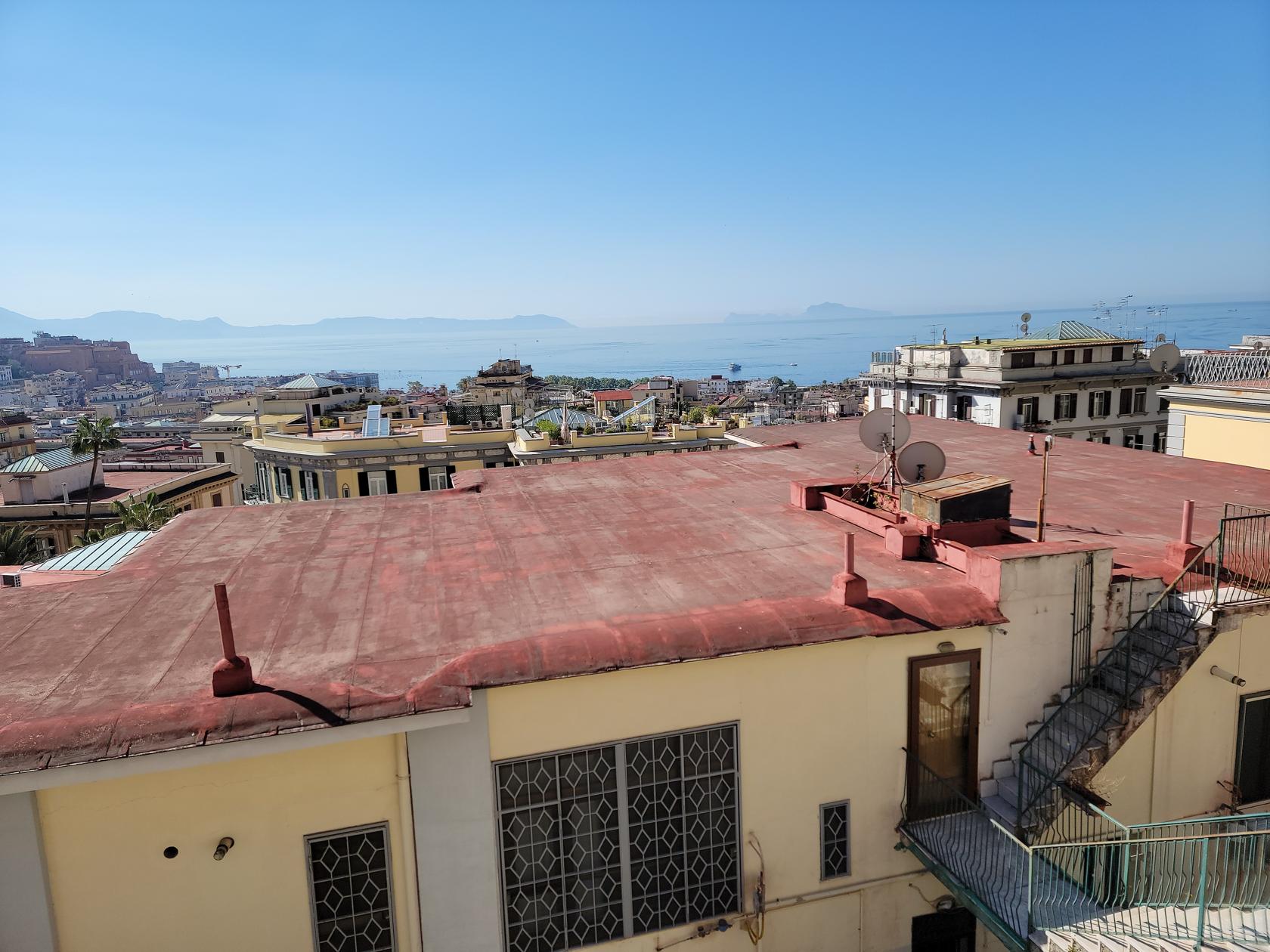
View from our hotel – Pinto Storey – Chiaia – Naples, Italy
View from our hotel – Pinto Storey – Chiaia – Naples, Italy
Hotel Pinto Storey
Again, we booked the Pinto Storey hotel in Chiaia. A simple, quiet three star hotel occupying one floor by the Piazza Amadeo. It is a very convenient place to stay, because there is the metro and regional train stop in the Piazza, which gives you quick access to the entire city and beyond.
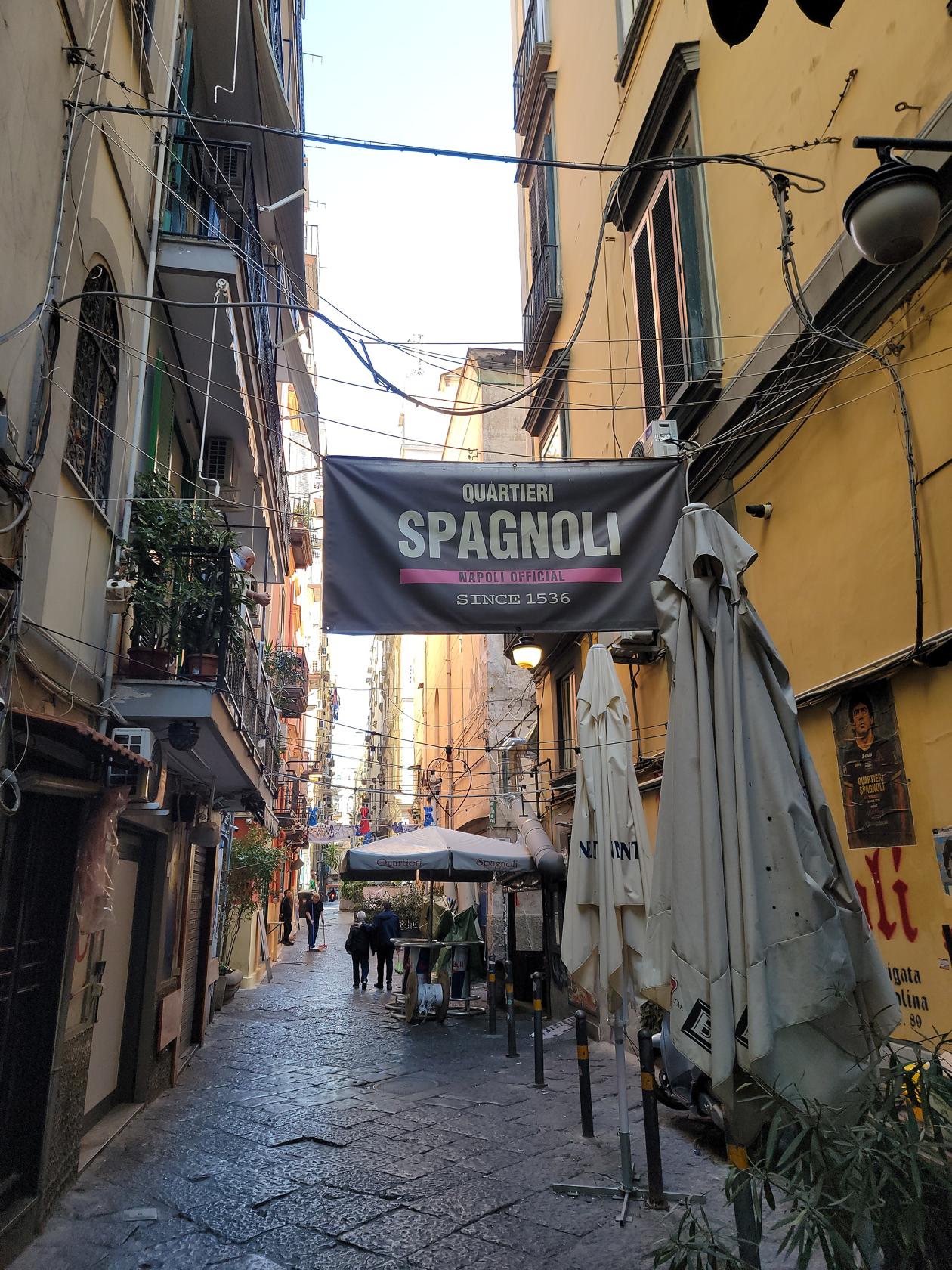
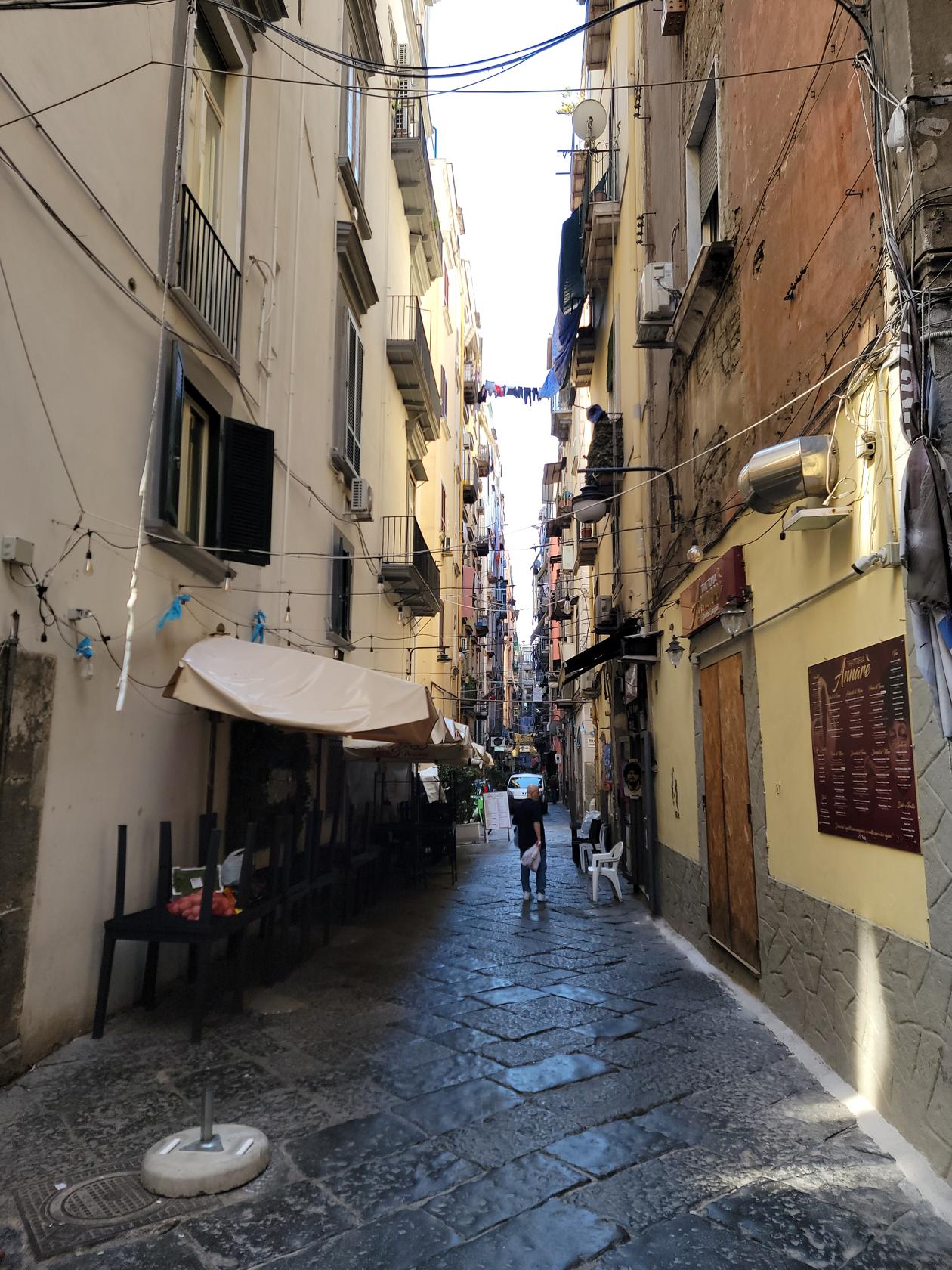
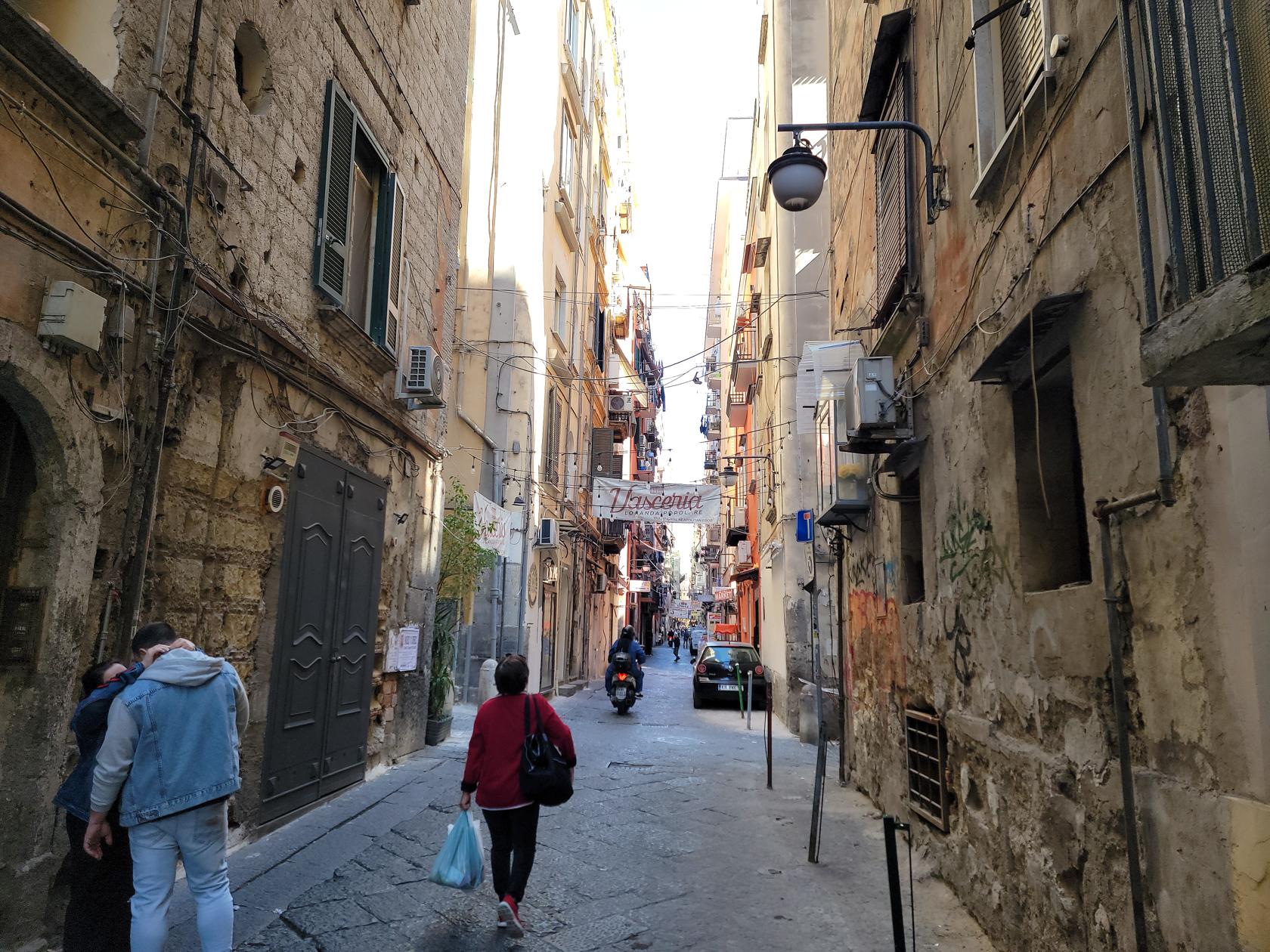
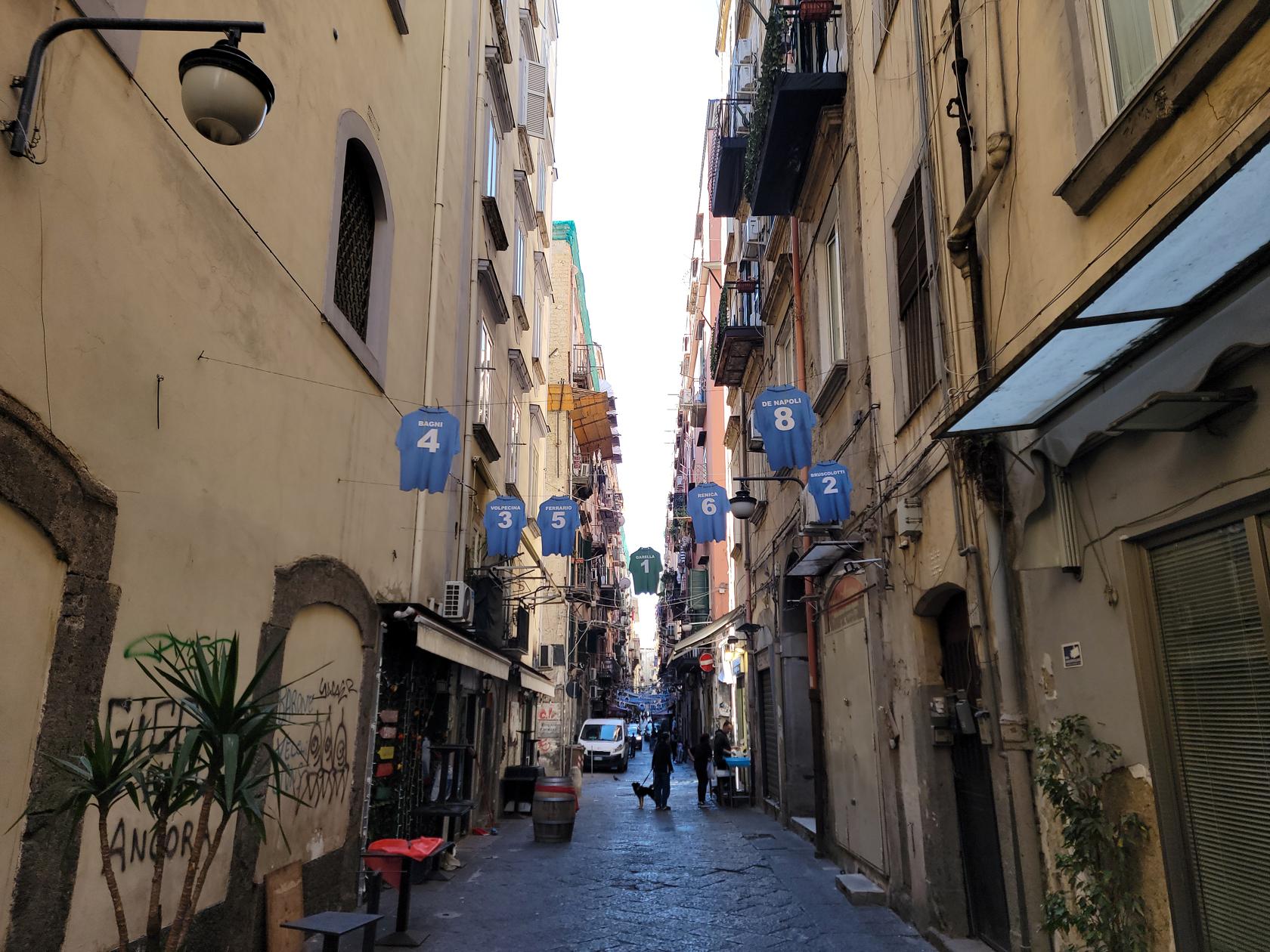
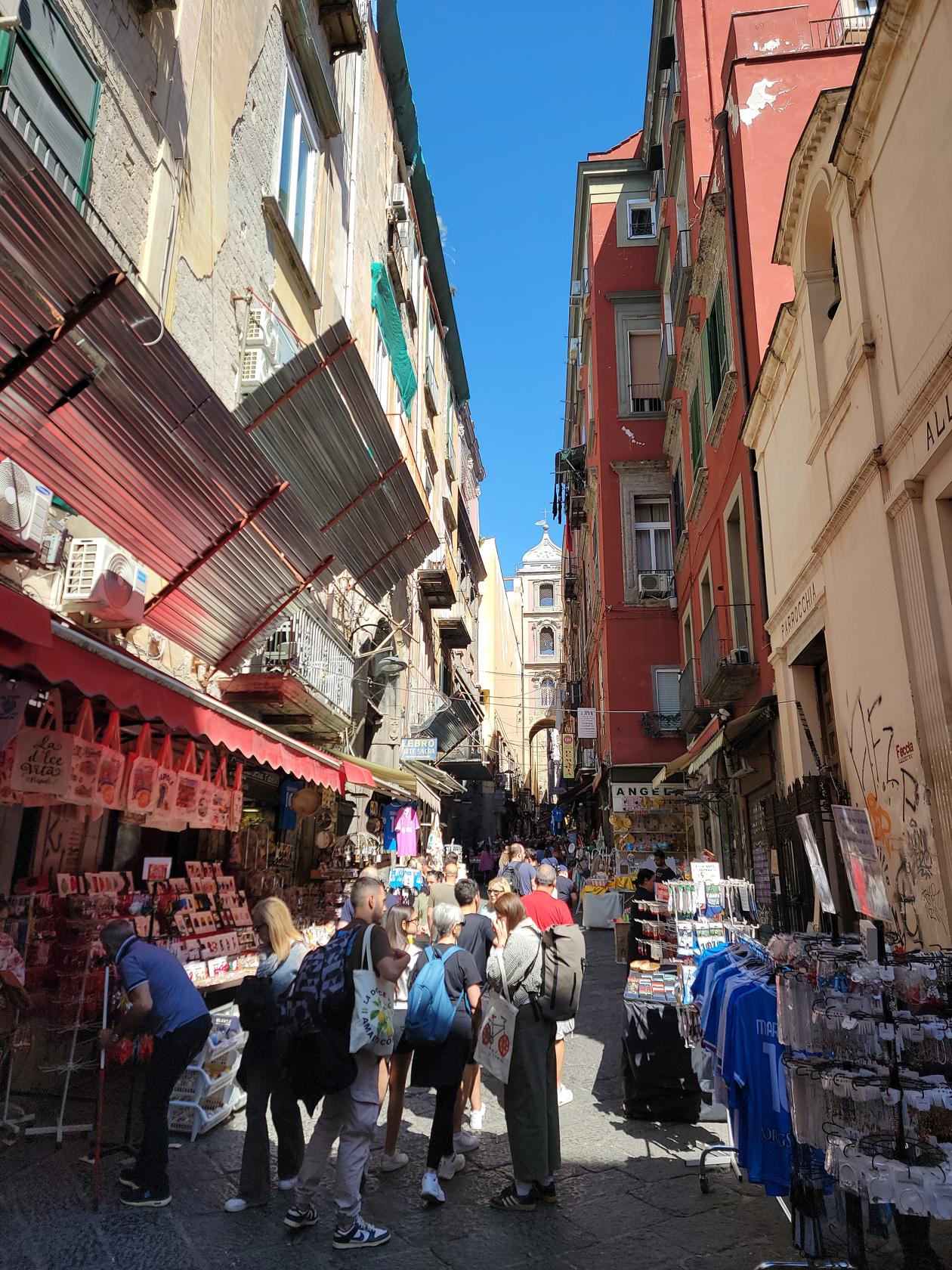
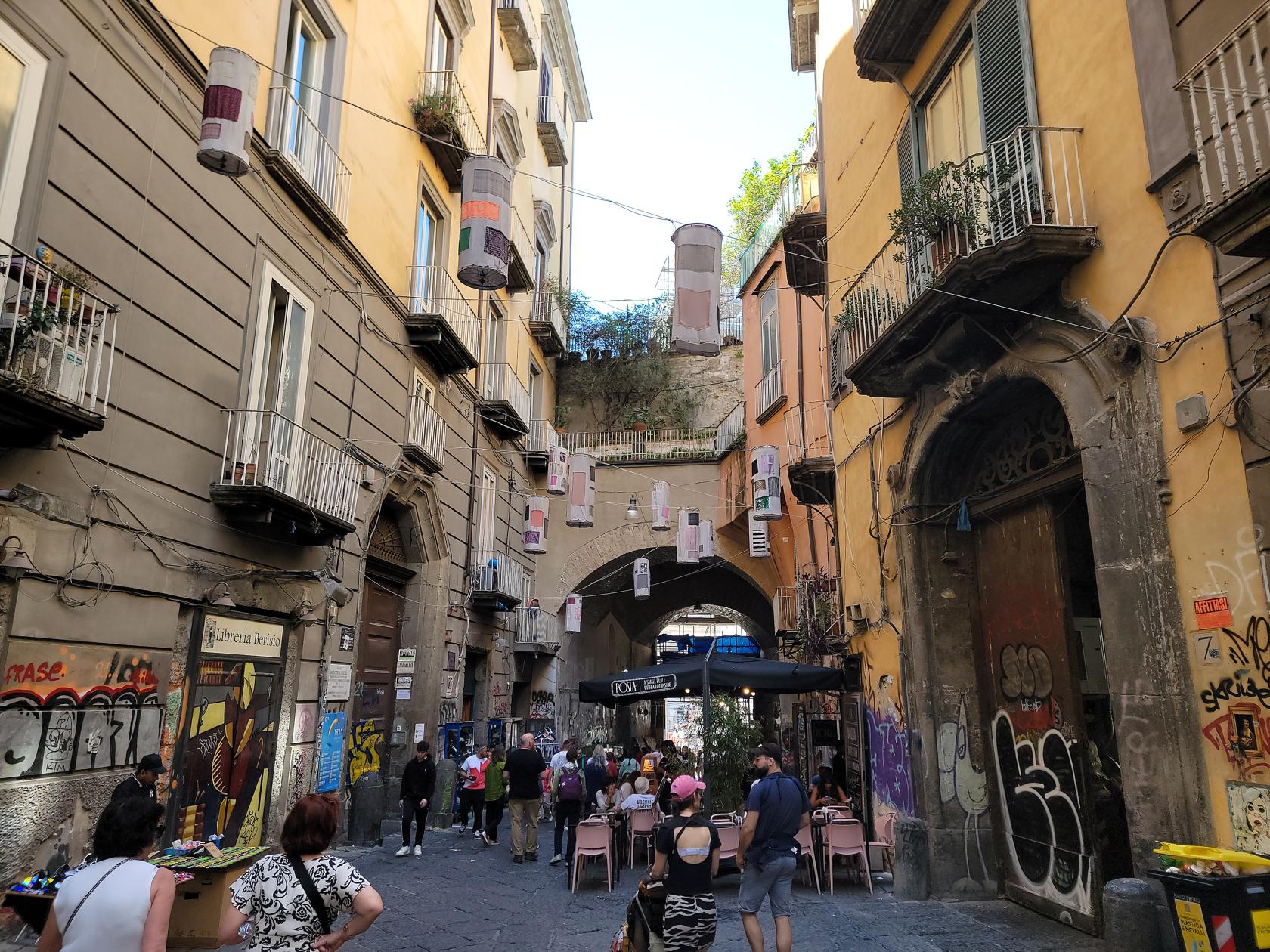
We visited the Spanish Quarter before and see that there is much more activity here now, since we were last here at the end of the pandemic. It is worth a walk through if you have never been here and there seem to be several streets now that have active stores and street vendors on them.
Spanish Quarter – Naples, Italy
Spanish Quarter – Naples, Italy
Spanish Quarter – Naples, Italy
Spanish Quarter – Naples, Italy
Spanish Quarter – Naples, Italy
Spanish Quarter – Naples, Italy
Spanish Quarter – Naples, Italy
Spanish Quarter – Naples, Italy
Centro
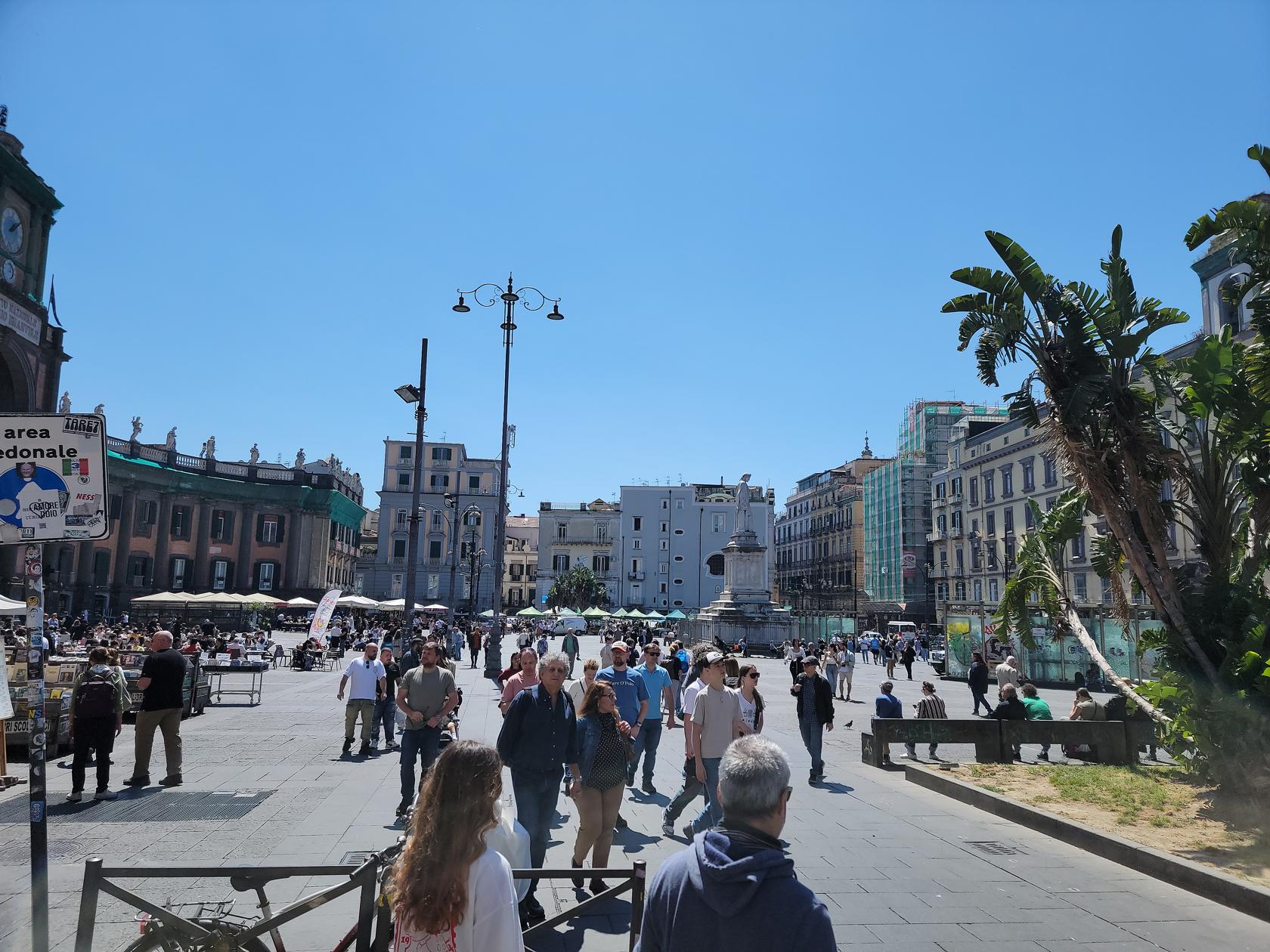
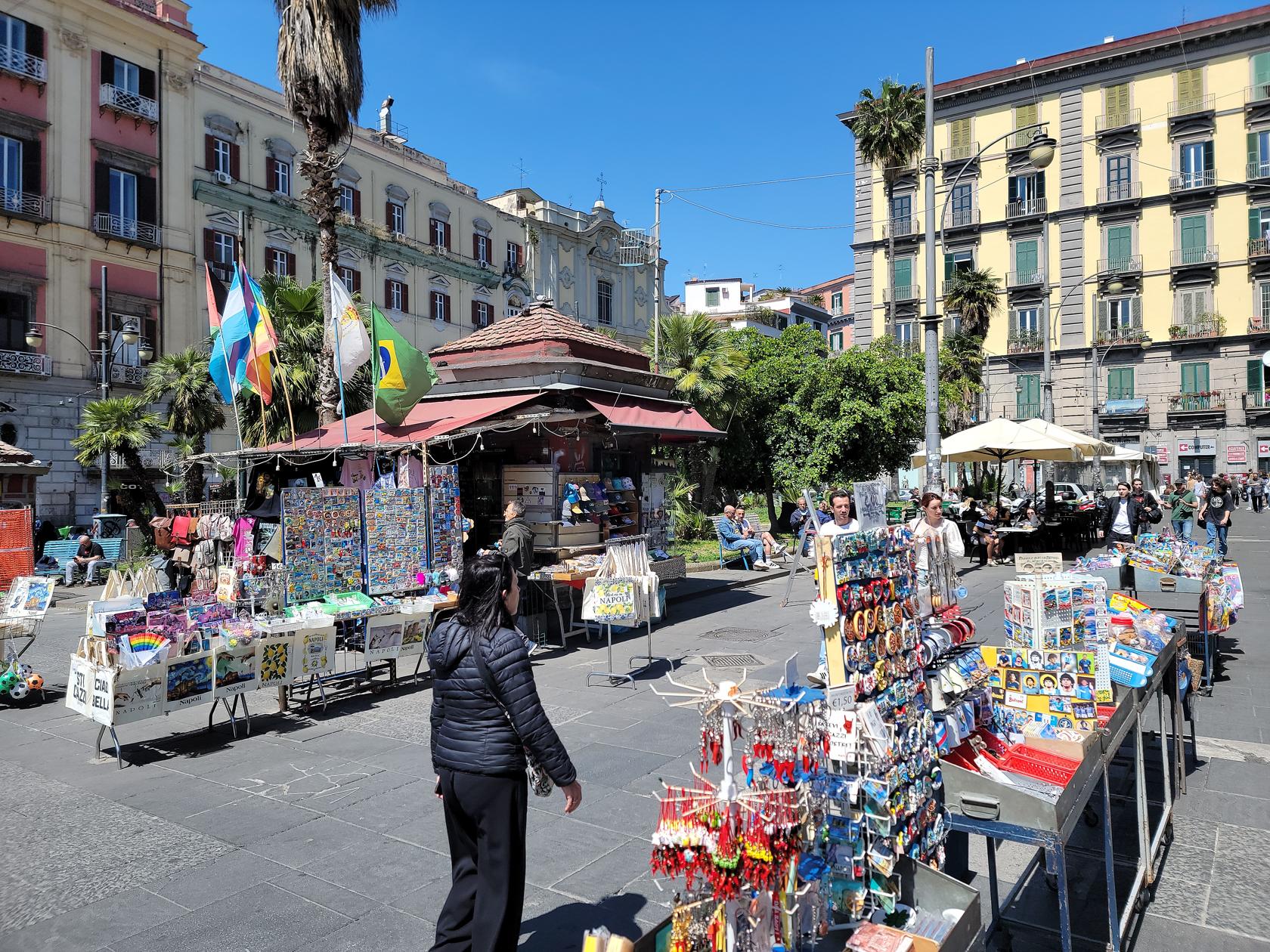
The center part of the city has not changed a bit. The central shopping street is just a busy as when we were here last time. A stroll up the christmas street is also a must if you come for a visit.
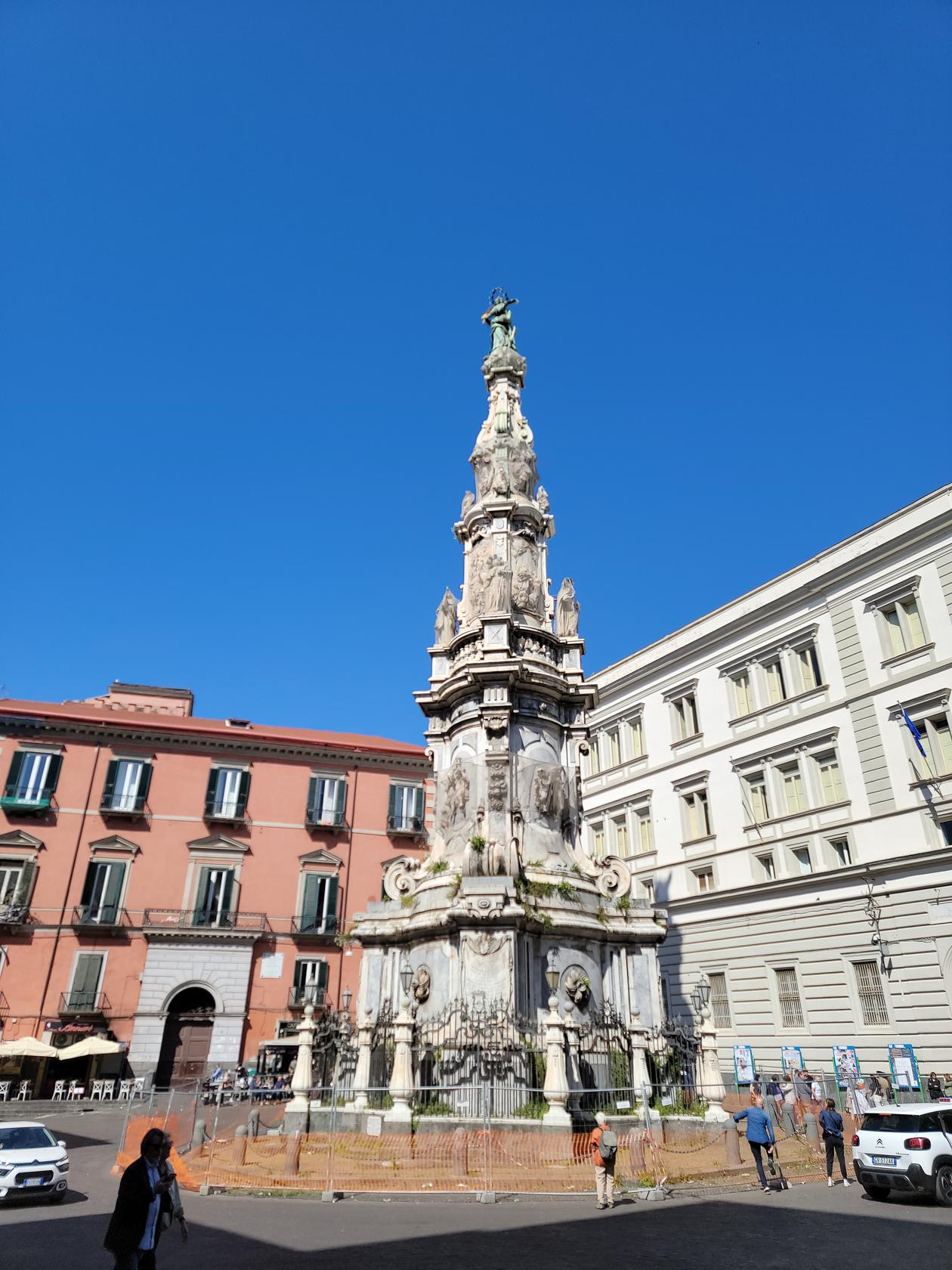
Obelisk San Domenico – Naples, Italy
Via Vicaria Vecchia – Naples, Italy
Porta d’Alba – Naples, Italy
Piazza Dante – Naples, Italy
Piazza Dante – Naples, Italy
Voremo
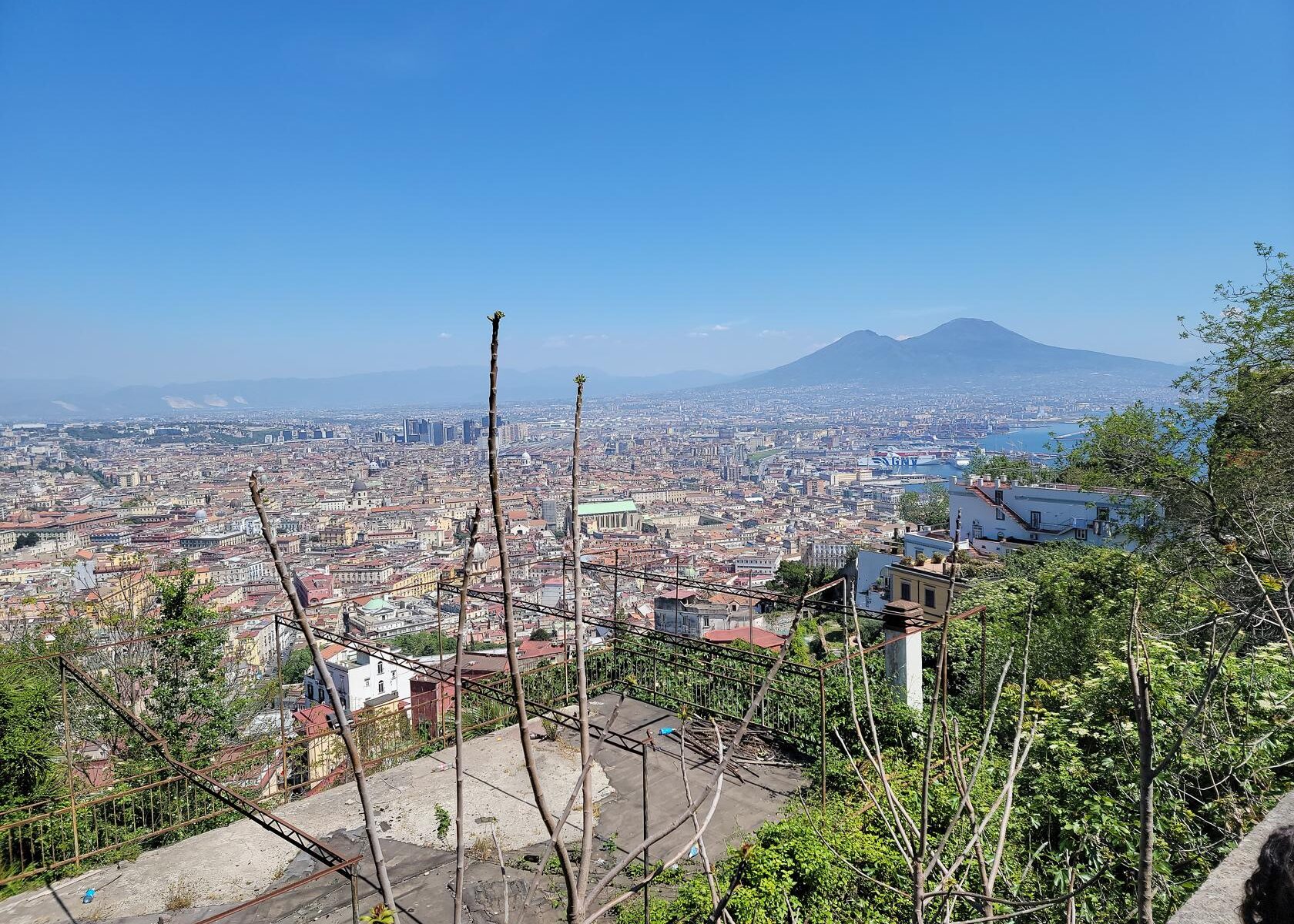
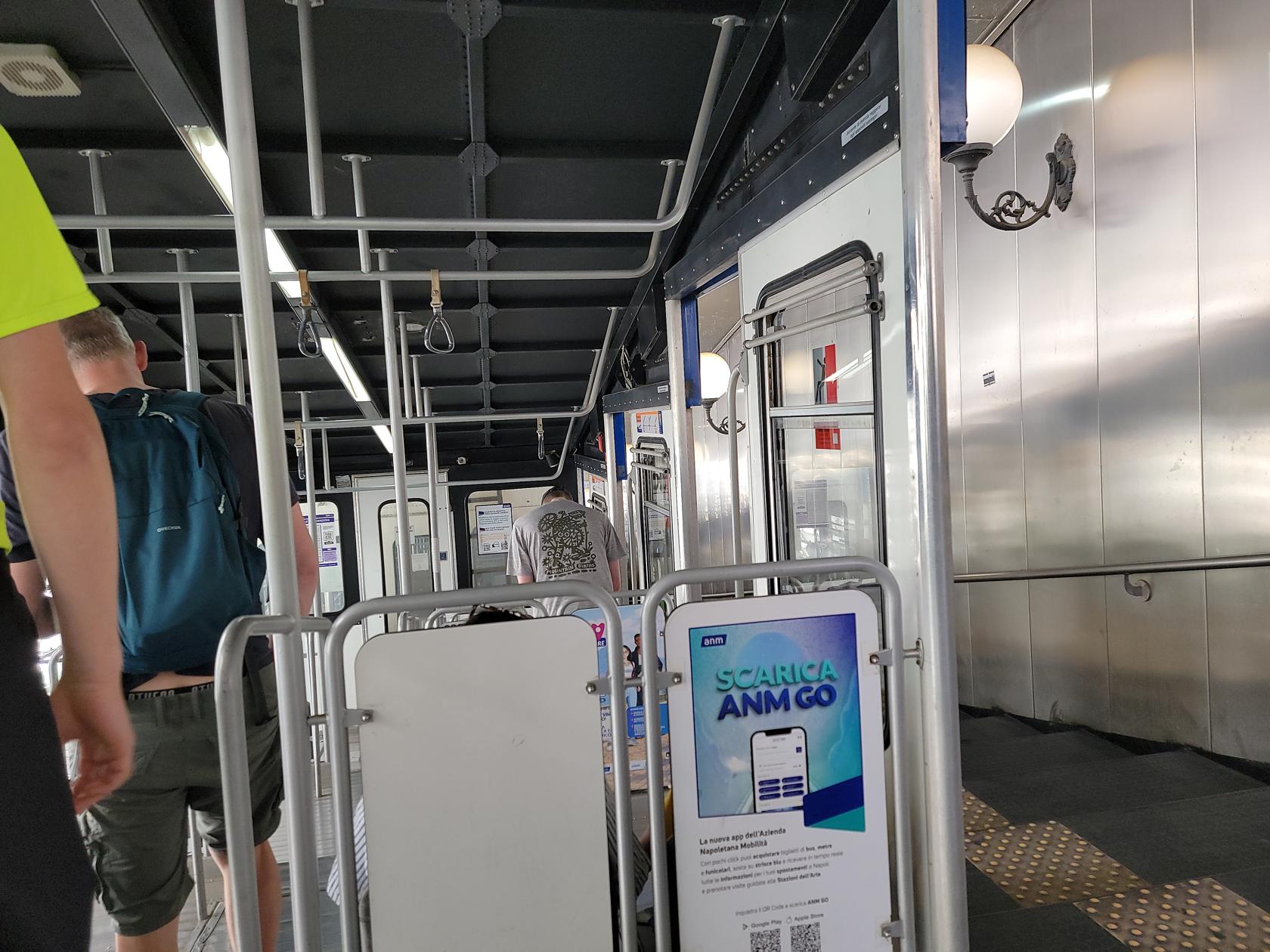
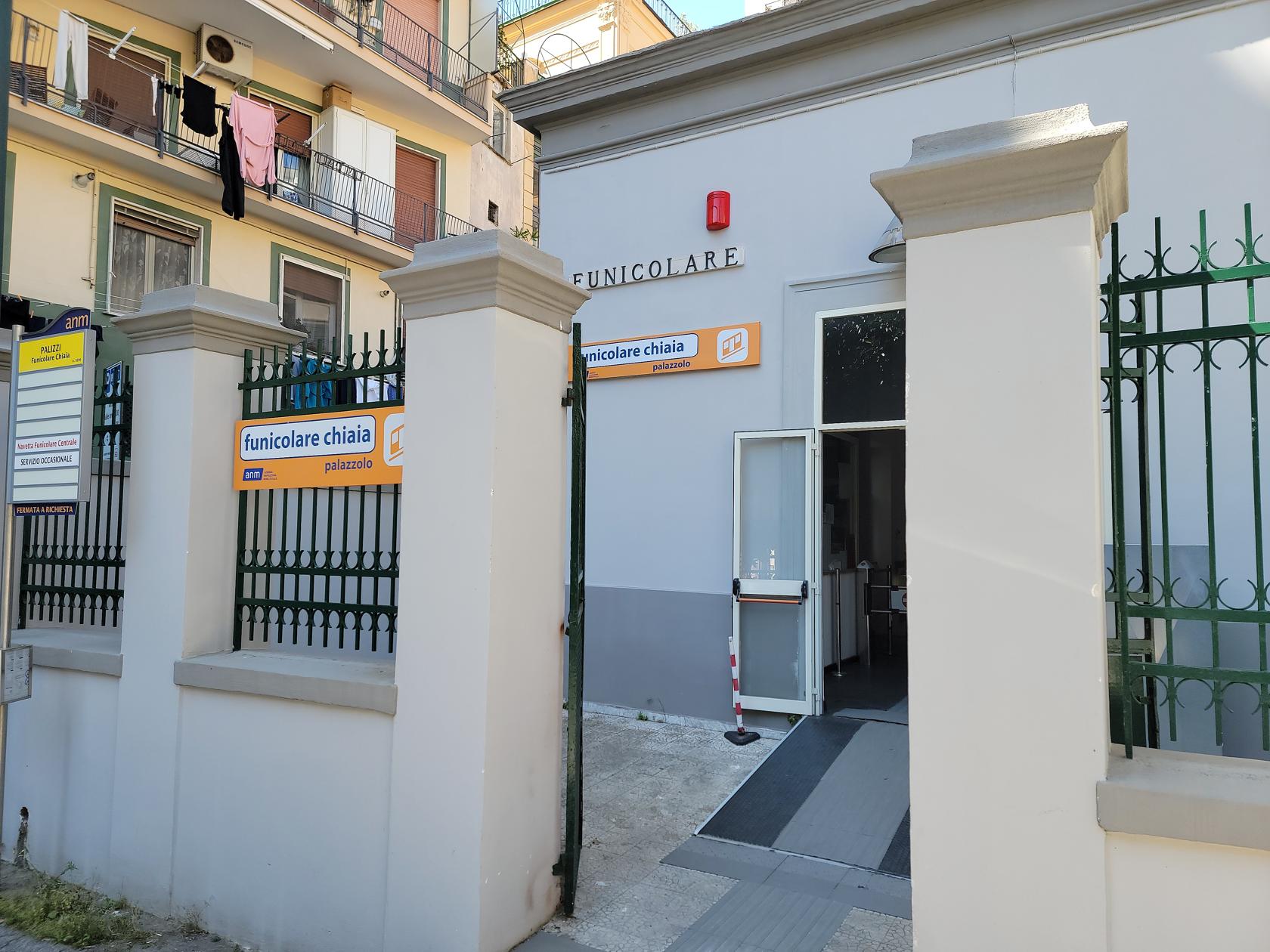
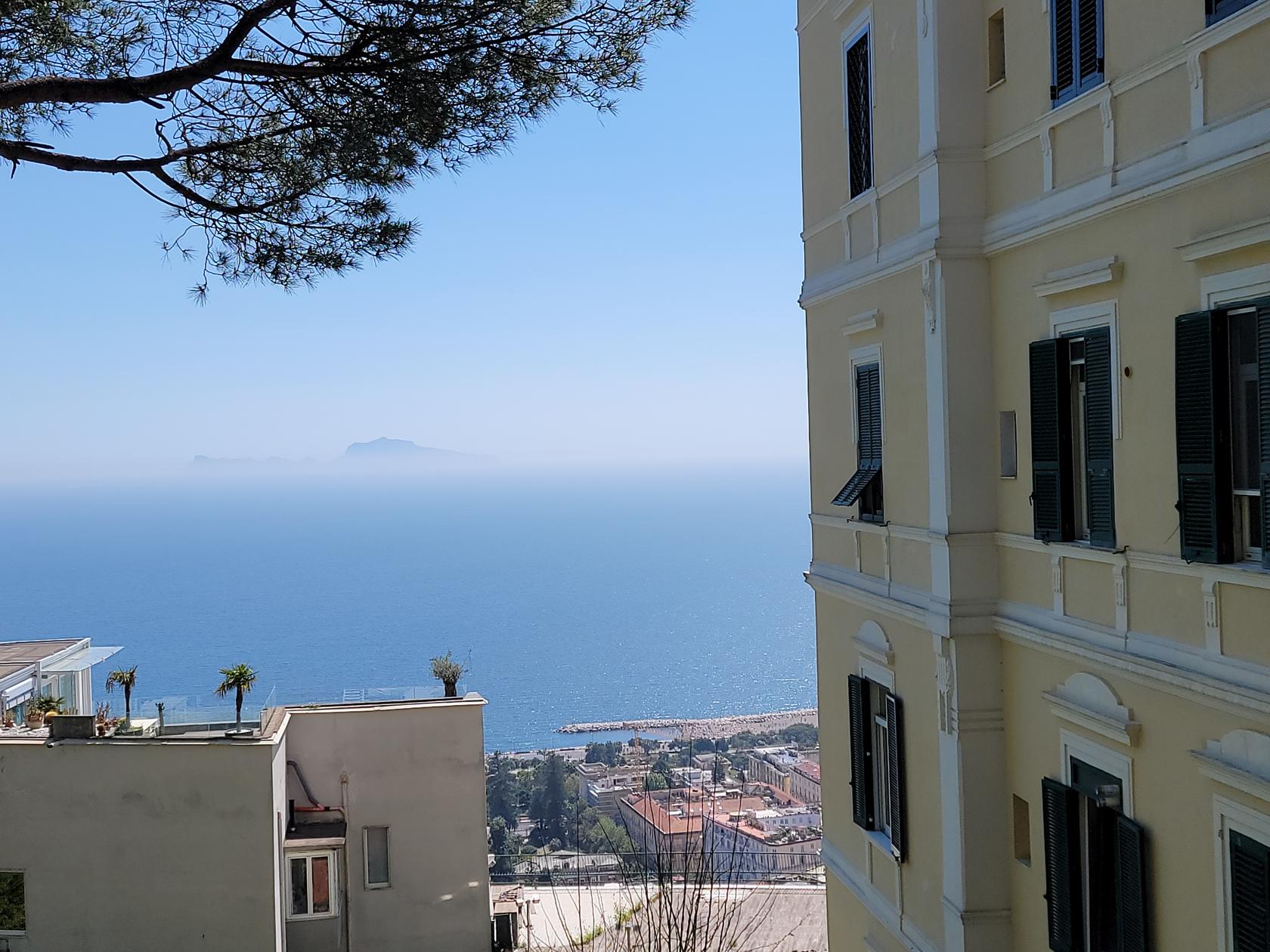
One our way back to Chiaia we took the furnicular up to Voremo to get a few photographs of Monte Somma and Vesuvius. They do not cost much and provide an easy means for getting around the more difficult parts of the city.
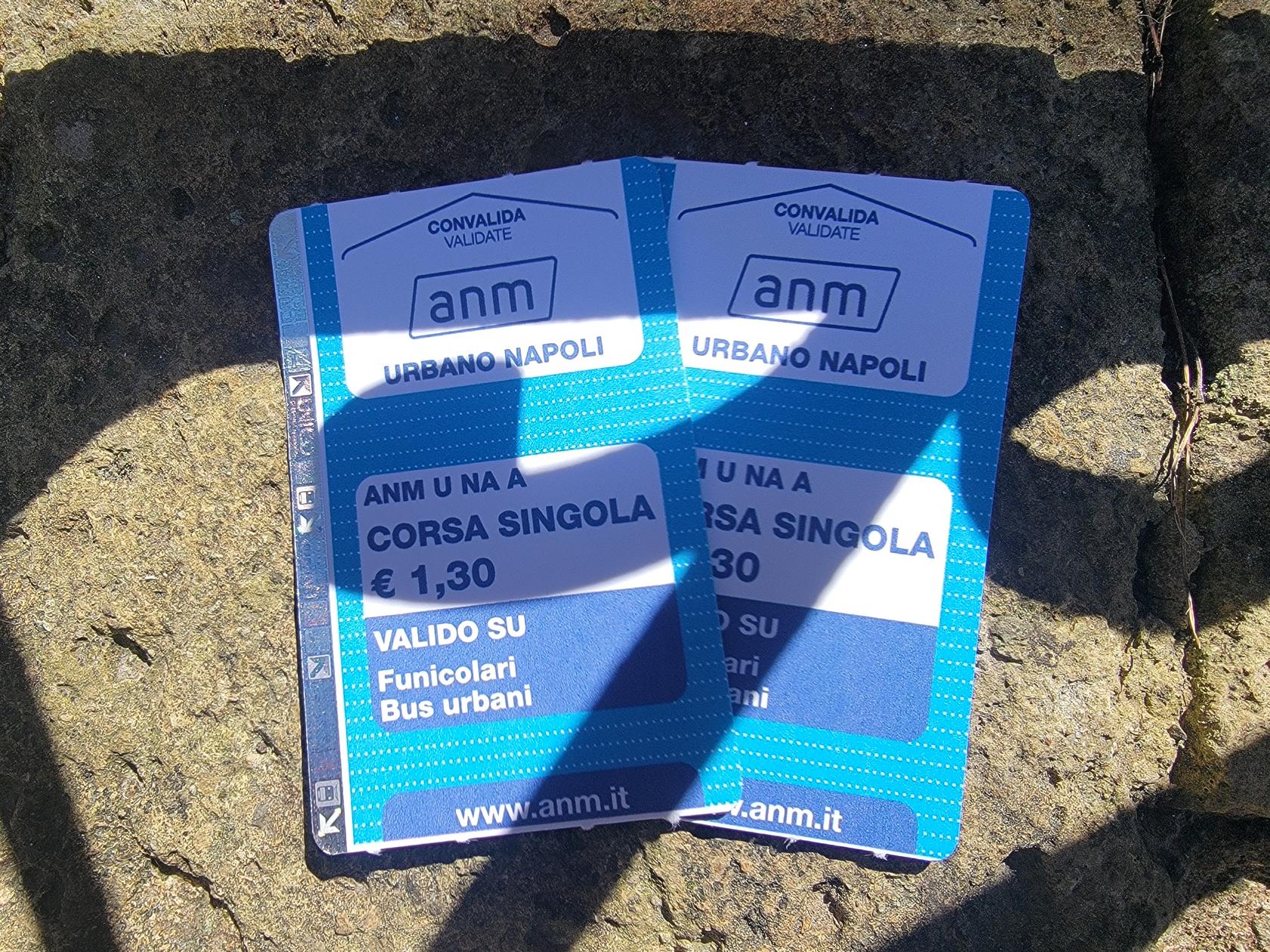
Tickets for Two – Vomero – Naples, Italy
Furnicular – Vomero – Naples, Italy
Furnicular – Vomero – Naples, Italy
Capri – Vomero – Naples, Italy
Restaurants
We came to Naples having only one restaurant on our list of places we wanted to visit. Any others were based on proximity or a quick search for a place to eat. However, half of the time we were here, we didn’t even eat dinner. Preferring rather to enjoy a large lunch at our day trip destinations instead.
Osteria Pignatelli
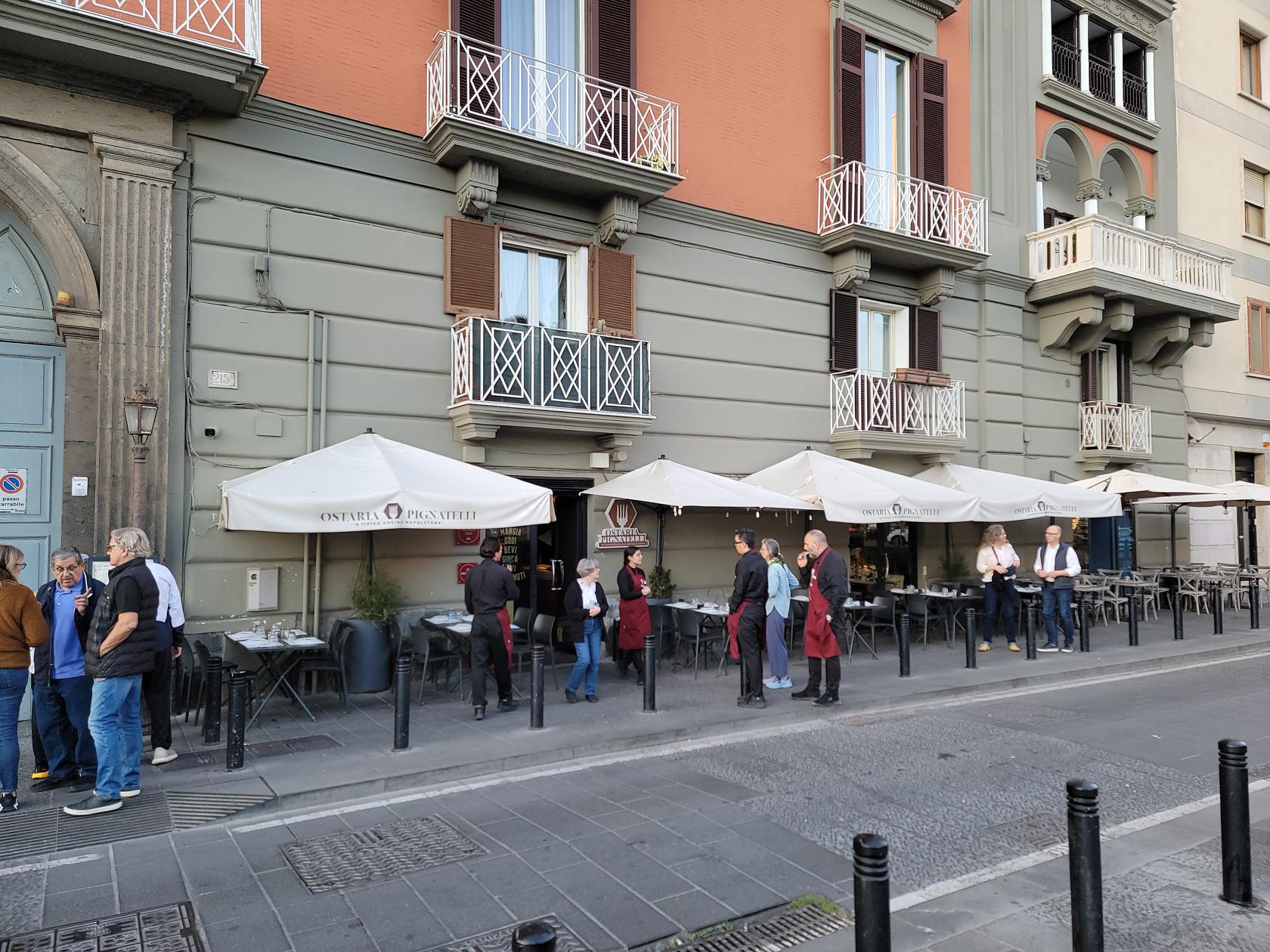
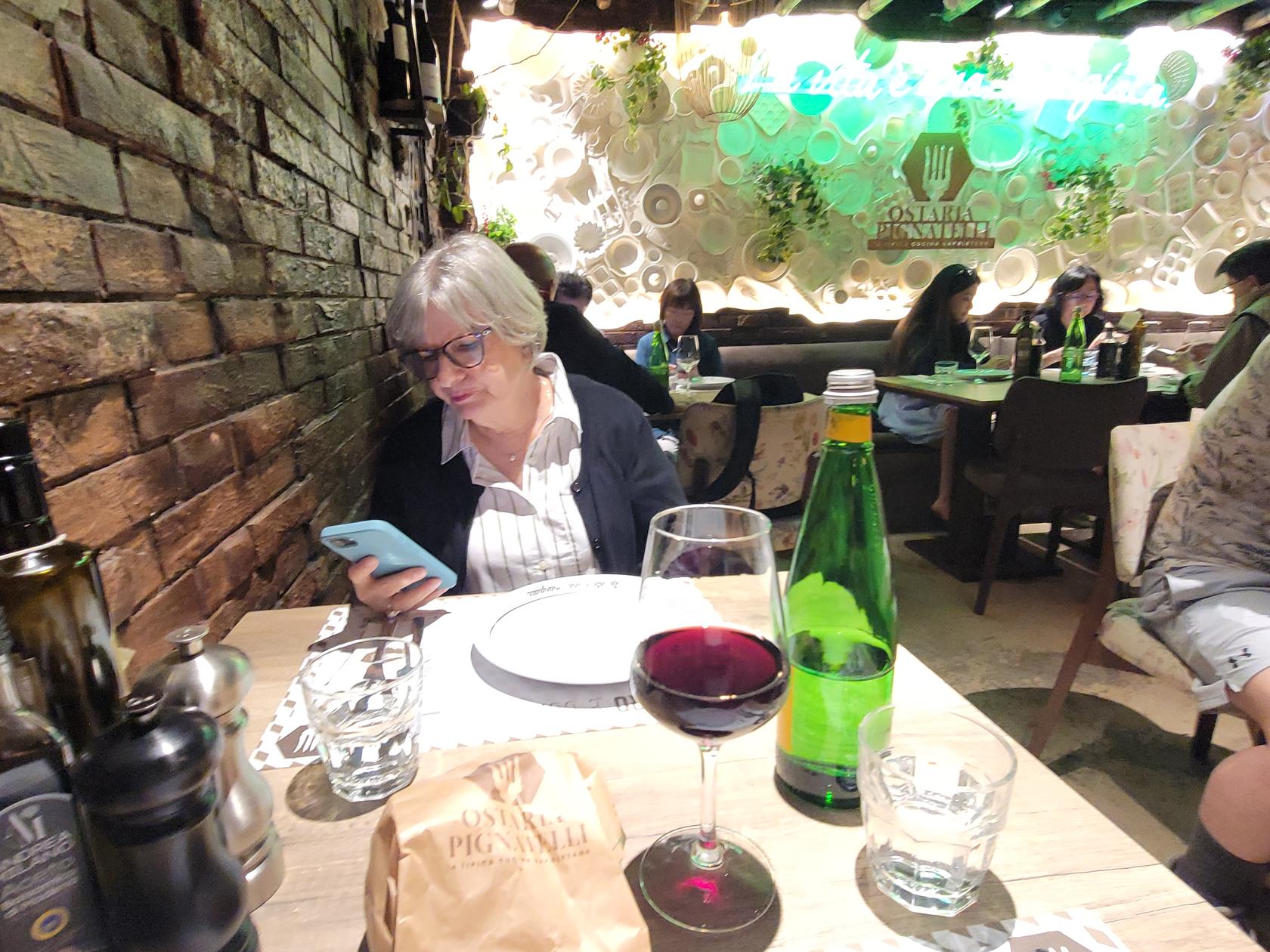
A highly rated restaurant, that for all intents and purposes you should call for a reservation, since it tends to get very busy. The interior is appealing and fairly modern. The food is very good as well. Perhaps not the best I have had in Naples, but equal to the Michelin stars they have earned.
Front – Osteria Pignatelli – Chiaia – Naples, Italy
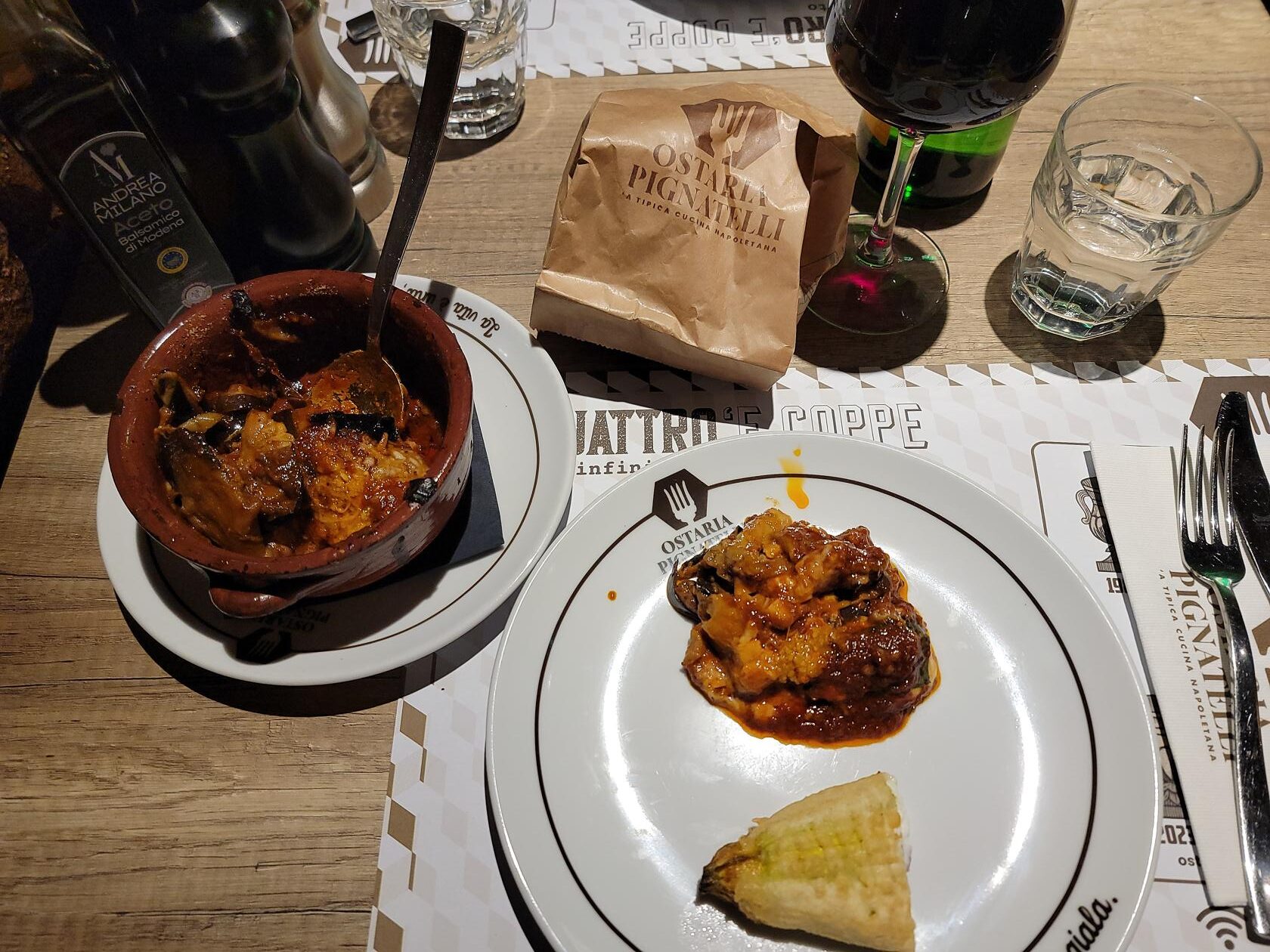
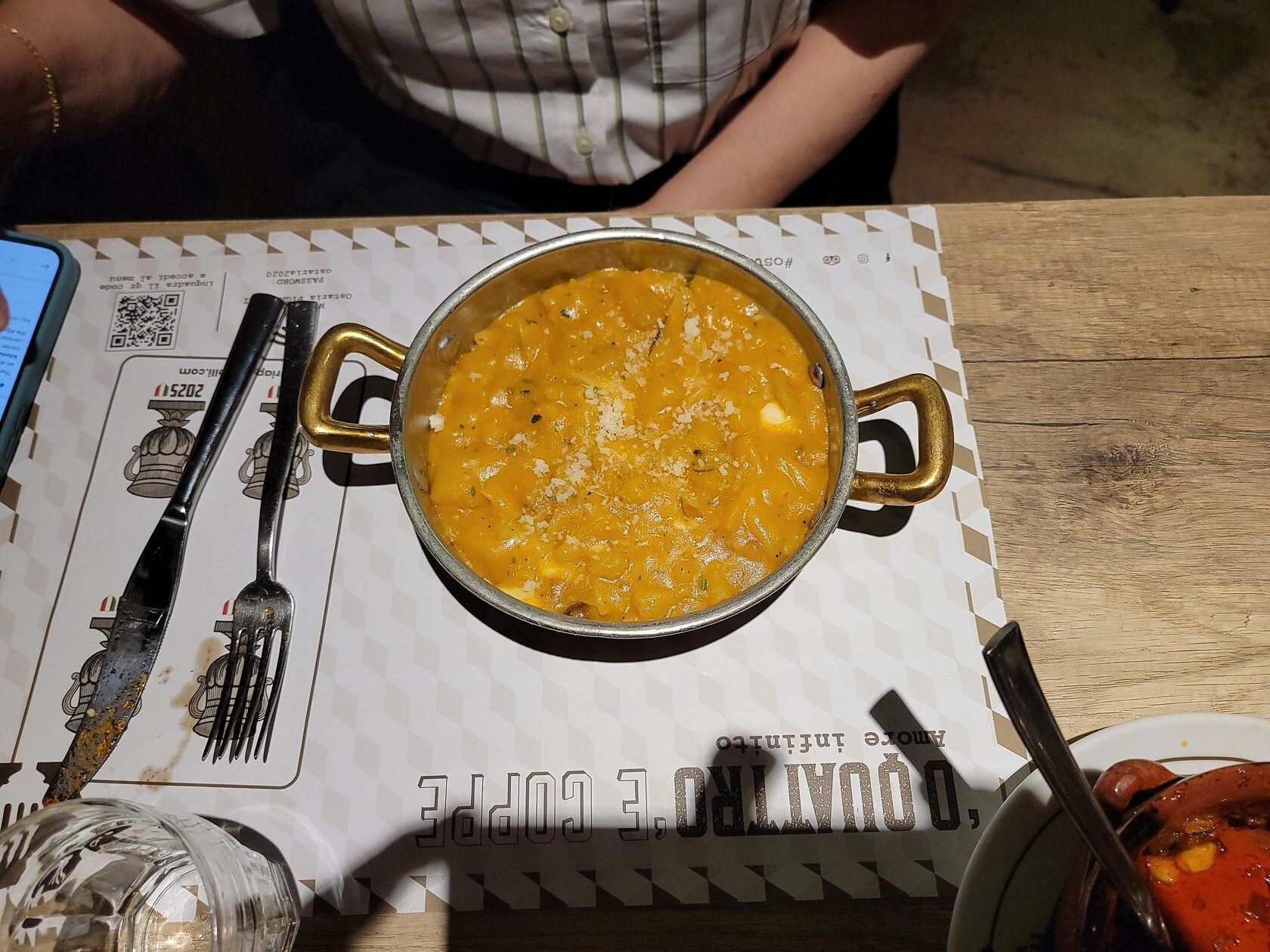
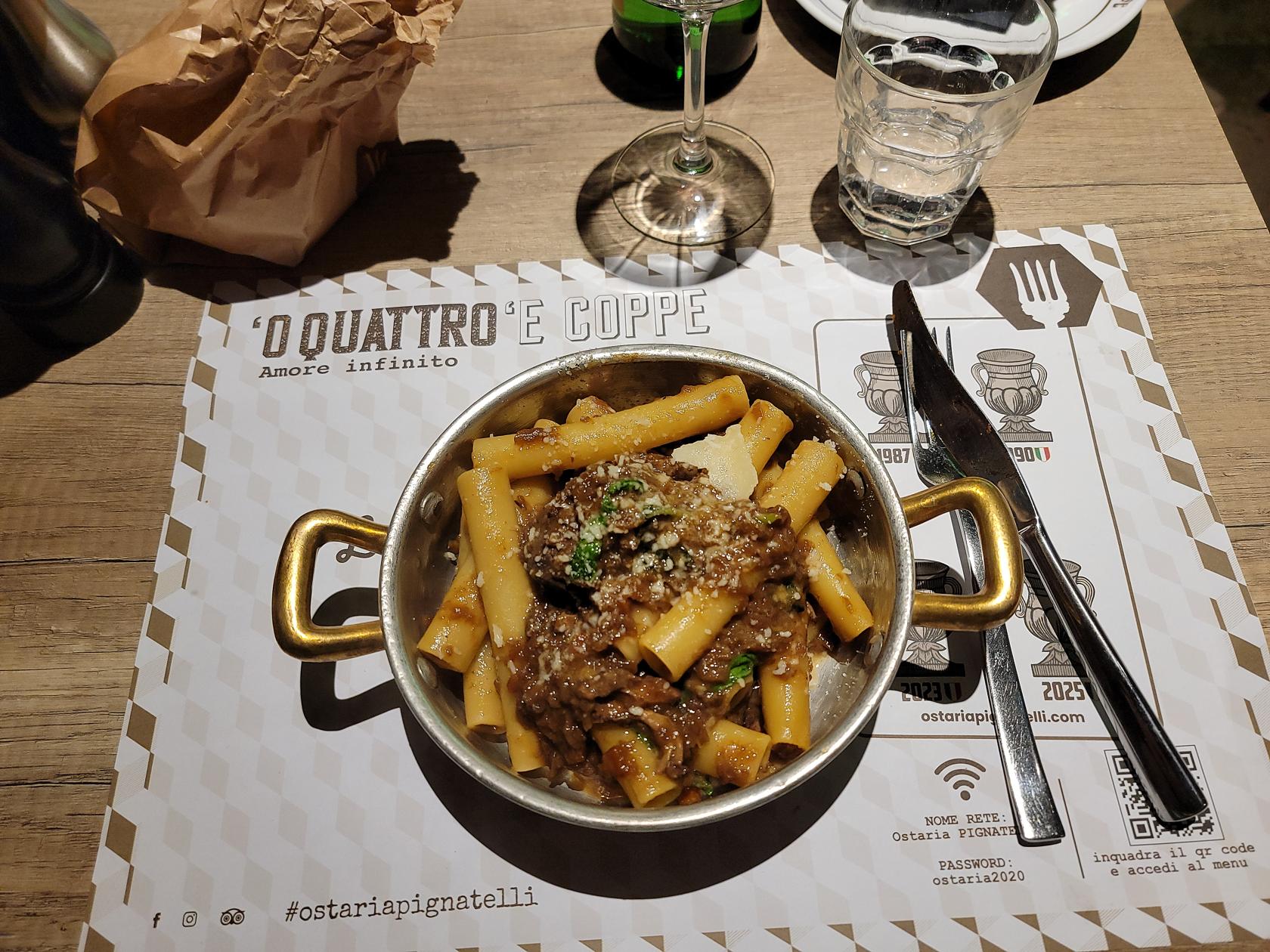
Pasta Genovese – Osteria Pignatelli – Chiaia – Naples, Italy
Portico Pizzeria é Trattoria
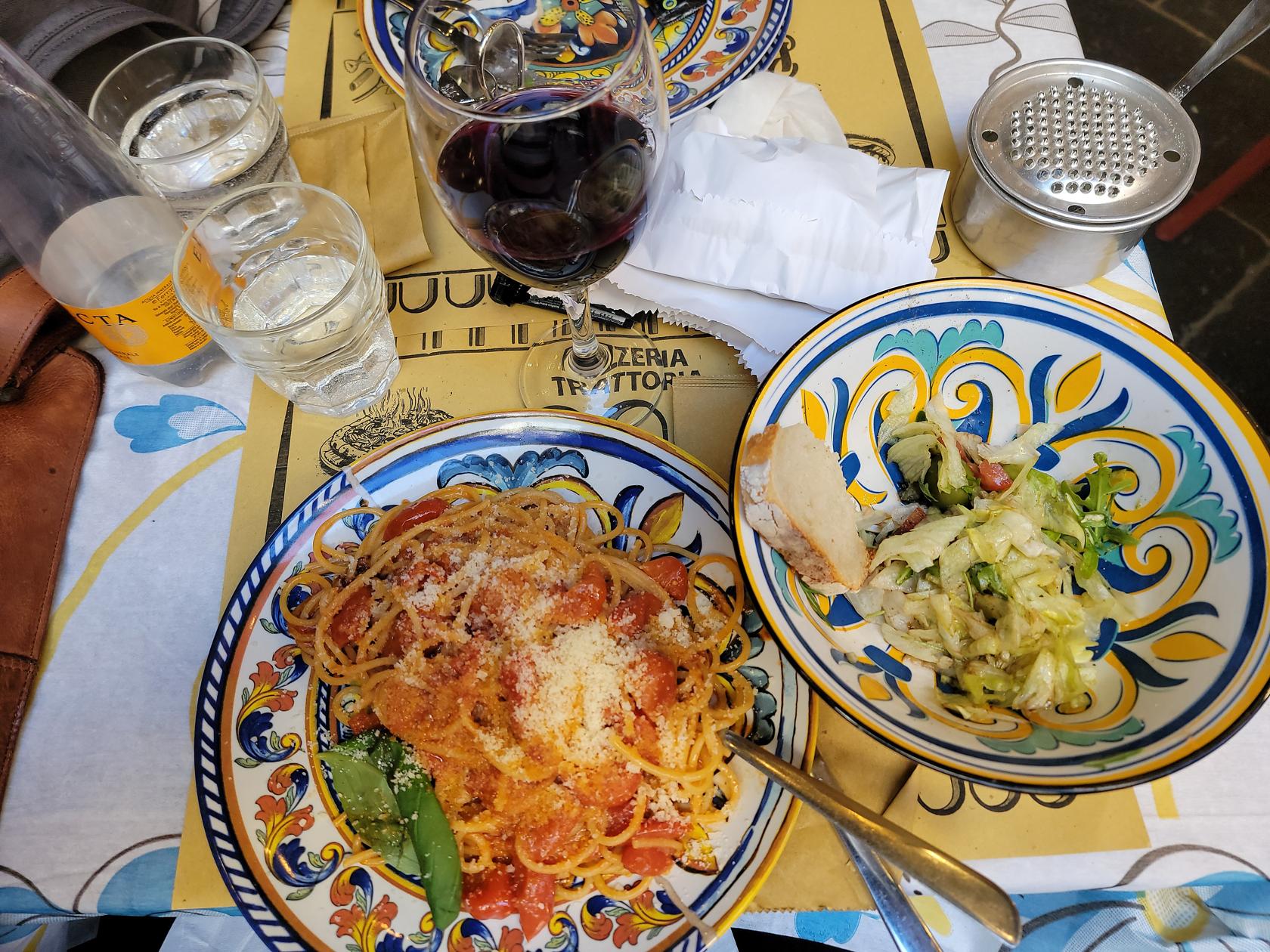
On Via dei Tribunali is the Portico Pizzeria é Trattoria. We stopped here for lunch and enjoyed a nice meal at surprisingly reasonable prices for this part of the city. The service was timely and the food was very good, so it is commendable.
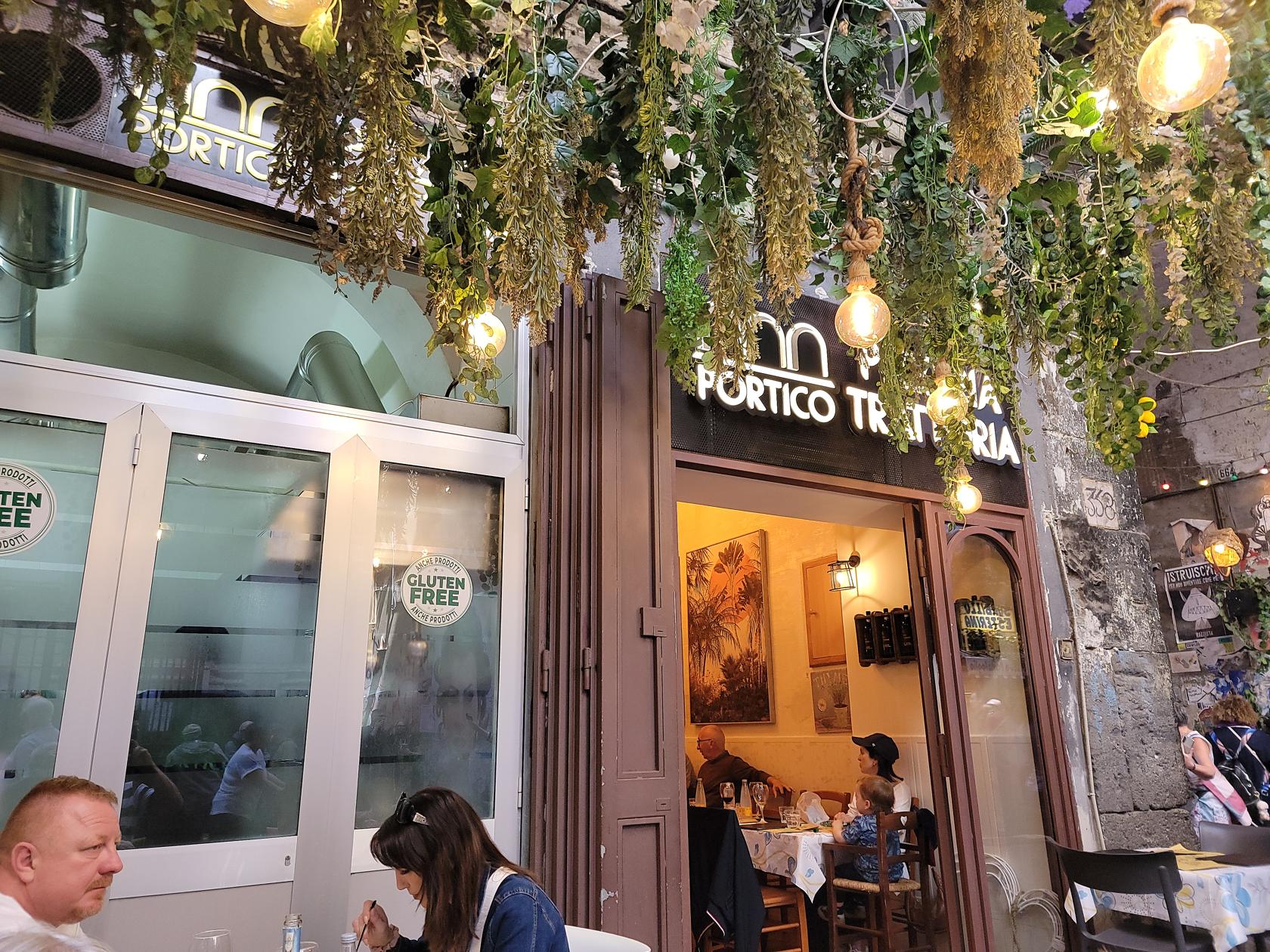
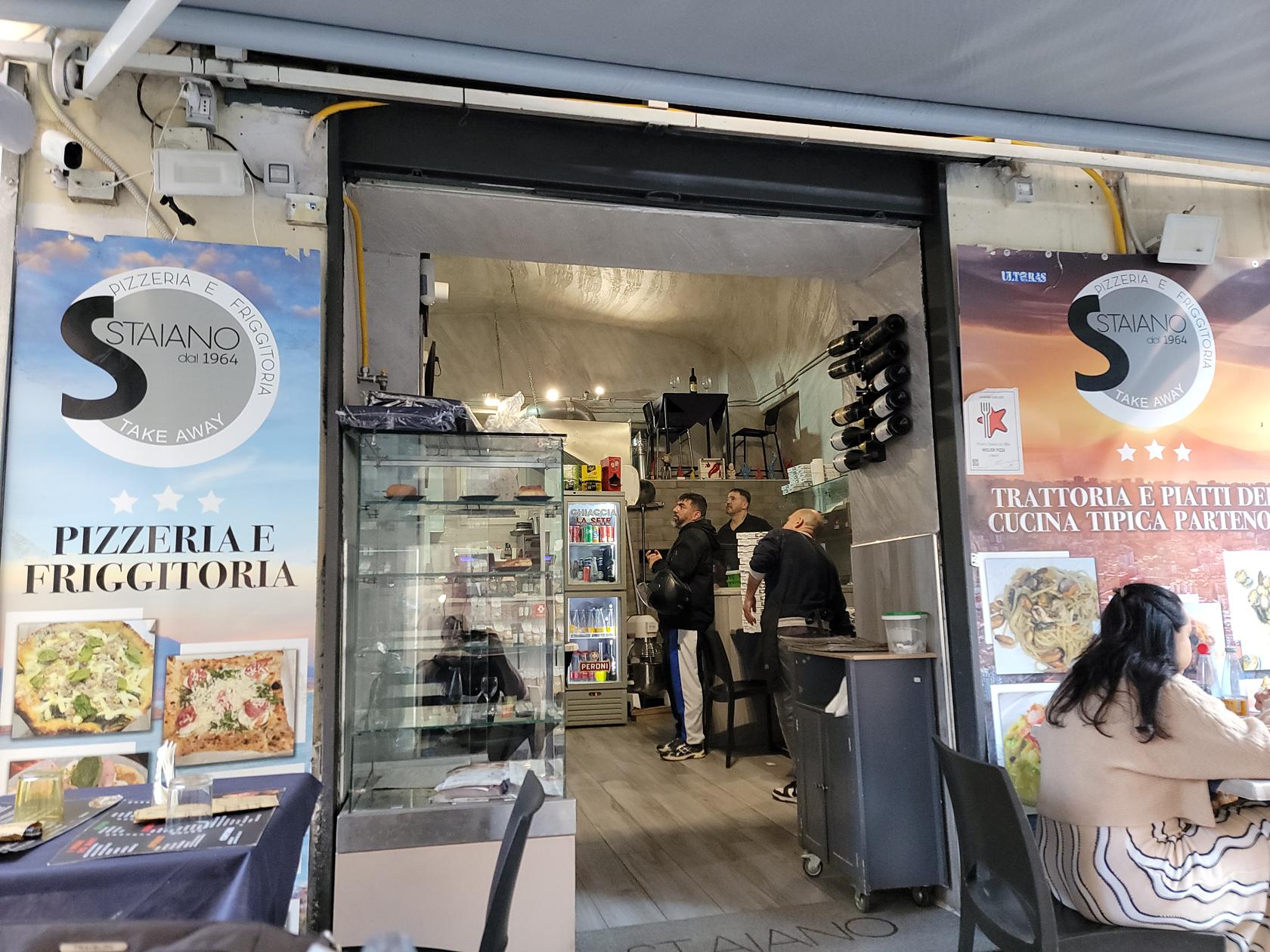
Entrance – Portico Pizzeria e Trattoria – Naples, Italy
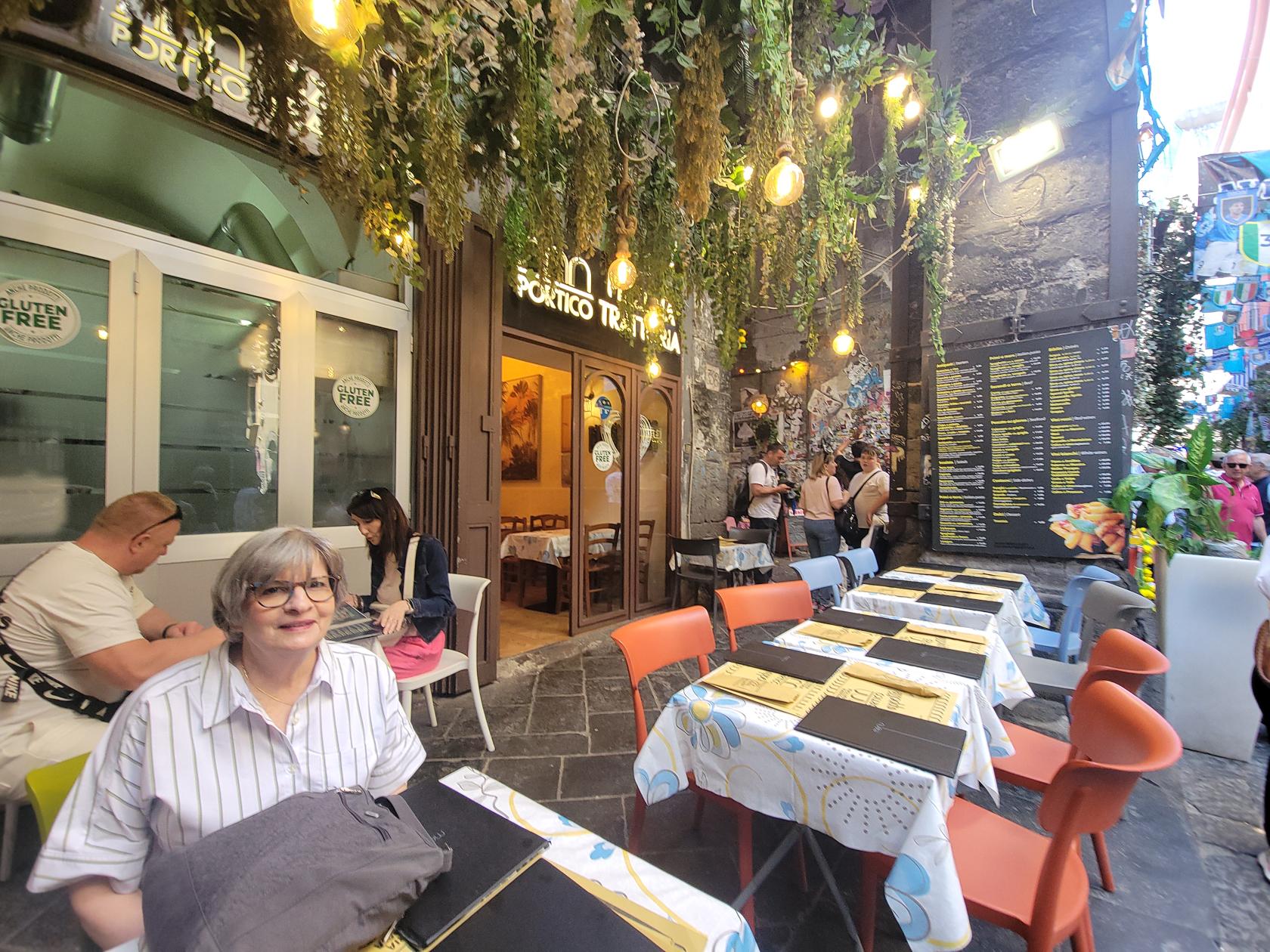
Patti – Portico Pizzeria e Trattoria – Naples, Italy
Pasta Fresca and Insalata Mista – Portico Pizzeria e Trattoria – Naples, Italy
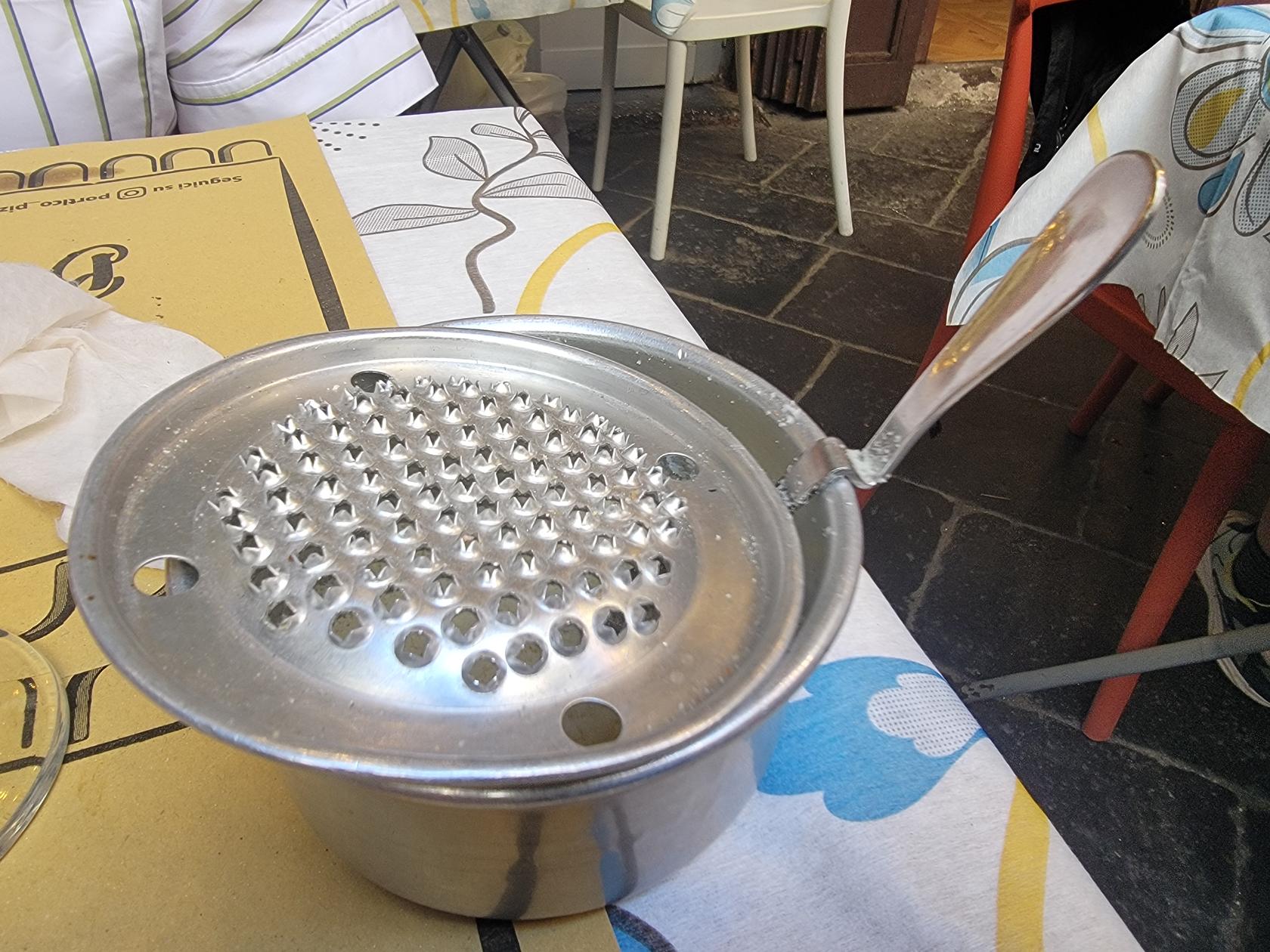
Mozzarella Spoon – Portico Pizzeria e Trattoria – Naples, Italy
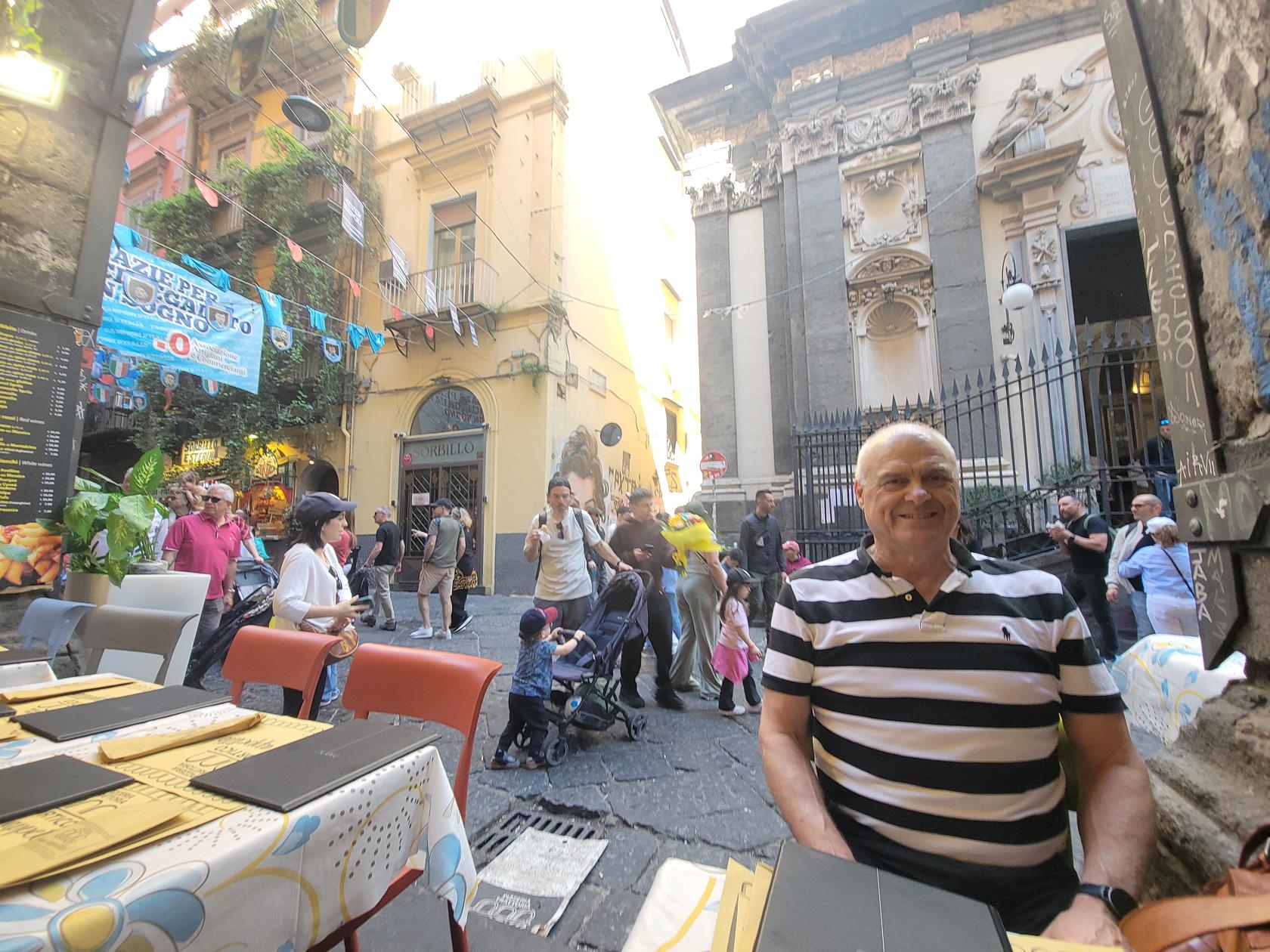
Erick – Portico Pizzeria e Trattoria – Naples, Italy
Pizzeria Staiano Dal 1964
This is a small family own trattoria that specializes in pizza. They also have a menu that changes each day, which contains a nice selection of local specialities.
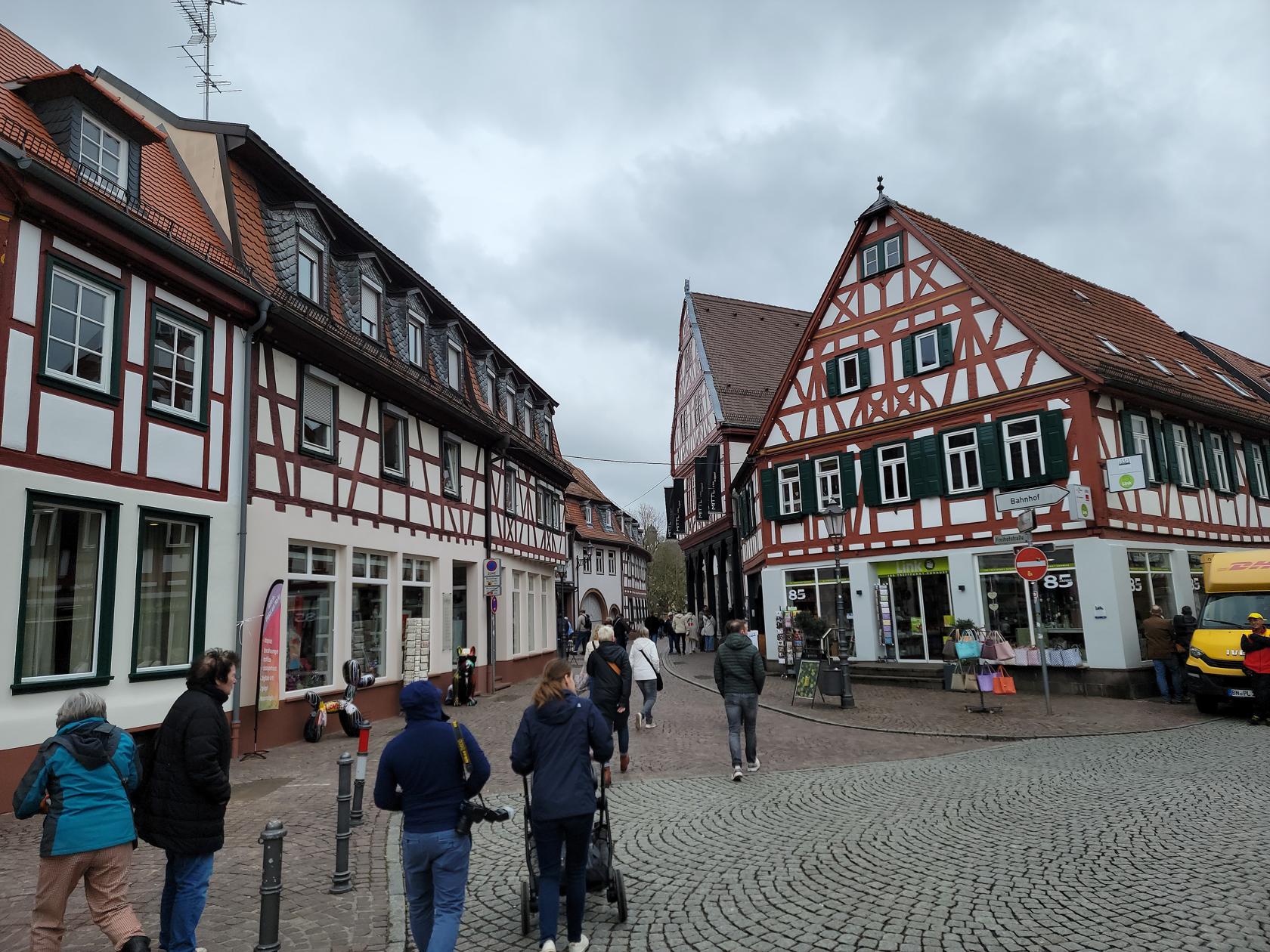
Built around the ancient remains of an old RomanCastrum, Seligenstadt is one of Germany’s oldest towns. The Romans established a fortified encampment around the second century and maintained it for over a hundred and fifty years. Some time in the mid third century the germanic tribes repeatedly attacked the castrum, forcing the Romans to withdraw across the Rhine river, leaving a pile of rubble behind. Some time afterwards it was known as Obermühlheim and some of the earliest buildings in Seligenstadt are dated to the seventh century and are still standing.
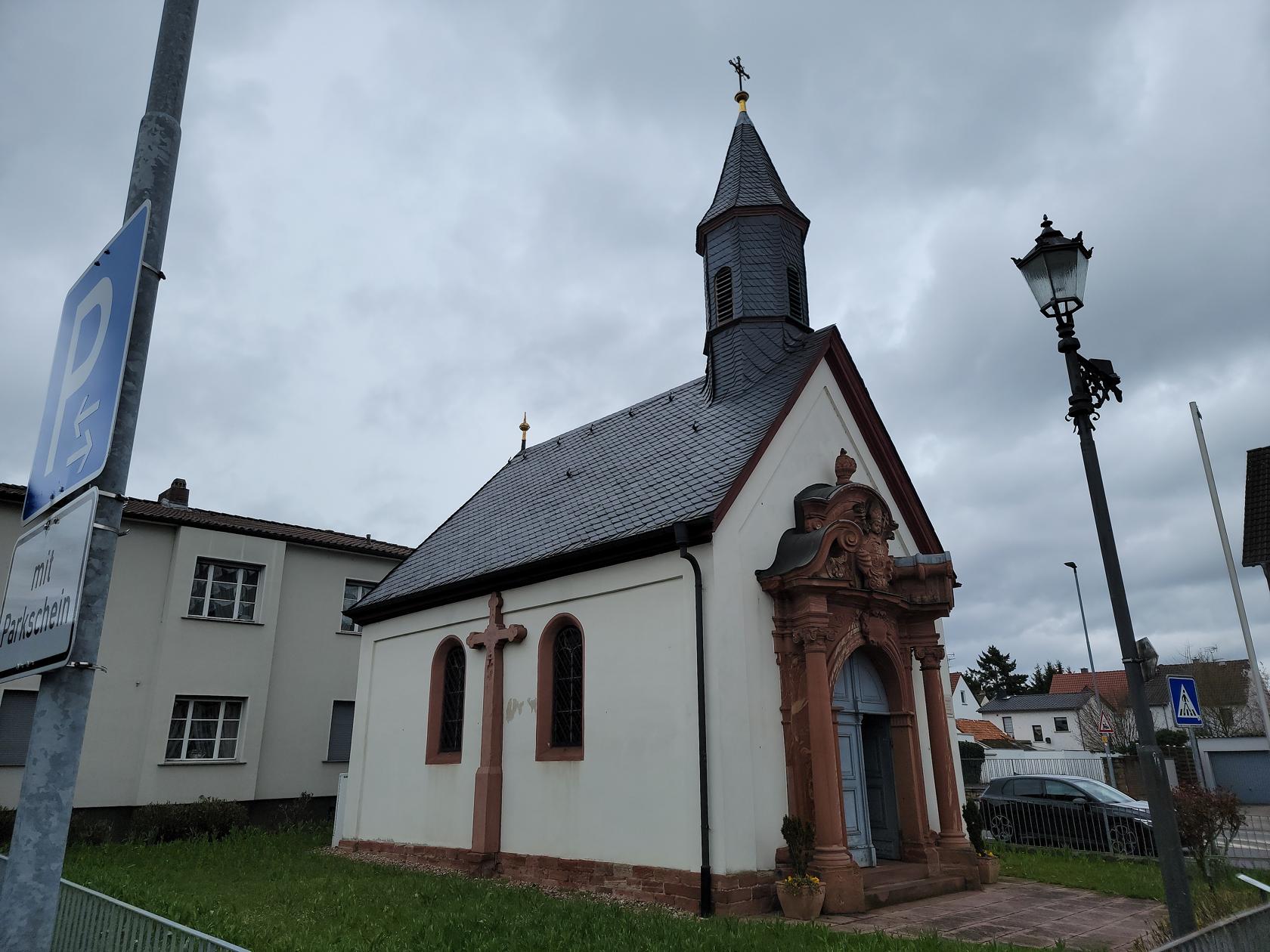
Wendelinuskapelle – Seligenstadt, Germany
A stone’s throw from one of the public parking places is the Wendelinuskapelle. A small chapel honoring Saint Wendel, patron saint of farmers and shepards. Built in the late 1800s it stands on the place of a former Heiligenhäuschen. The Baroque doorway is some 160 years older than the chapel itself and was taken from the west portal of the Seligenstadt Basilica, when it was renovated in 1868. The inside is rather plain and in need of some repair.
Seligenstadt
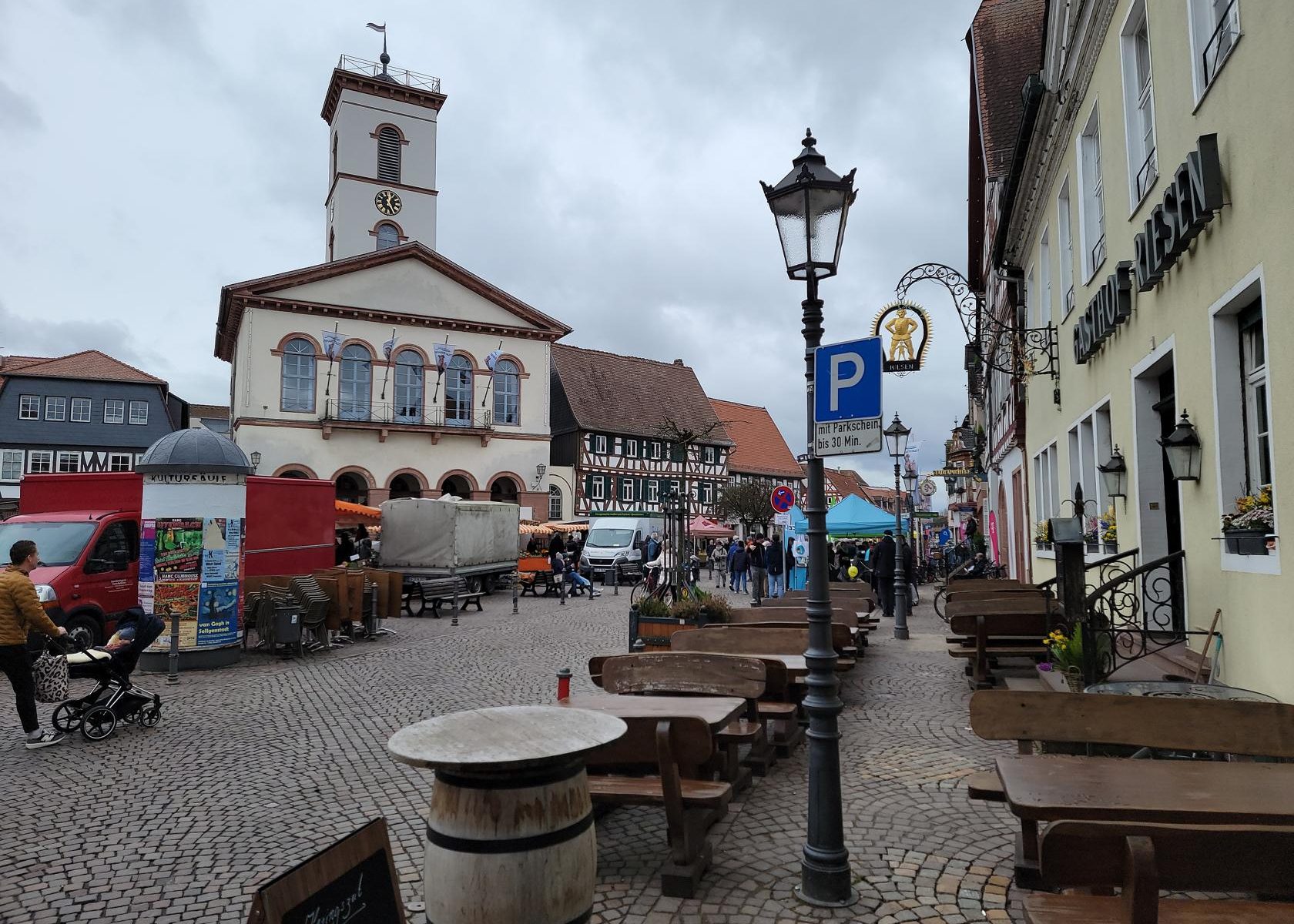
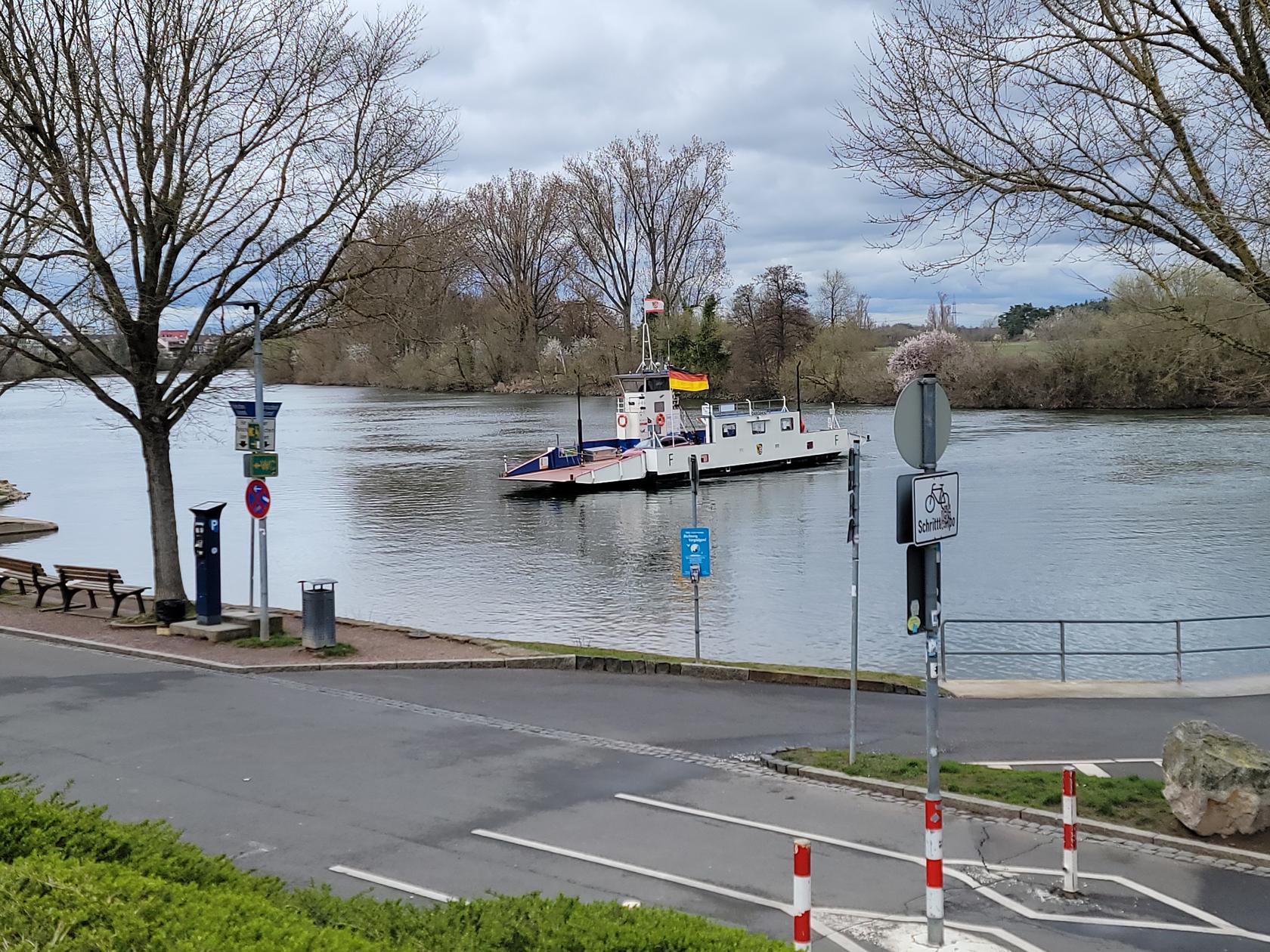
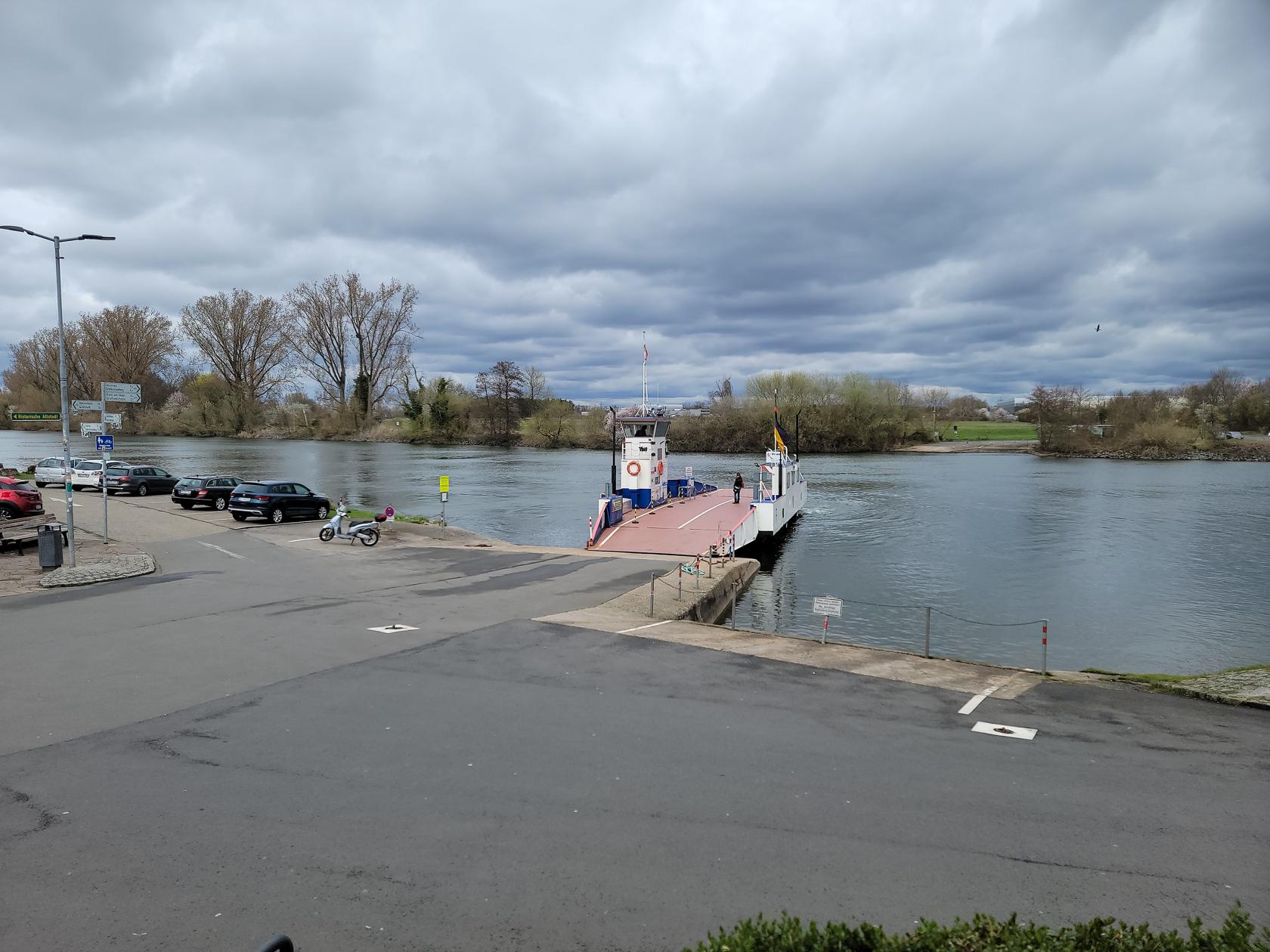
The three main attractions in this town are the Benedictine Monastery, the Einhard-Basilika and the town’s Marktplatz, or marketplace. One can also find along the Große Maingasse a ferry crossing that crosses the Main river, which separates Hesse from Bavaria.
Mainfähre – Seligenstadt, Germany
Mainfähre – Seligenstadt, Germany
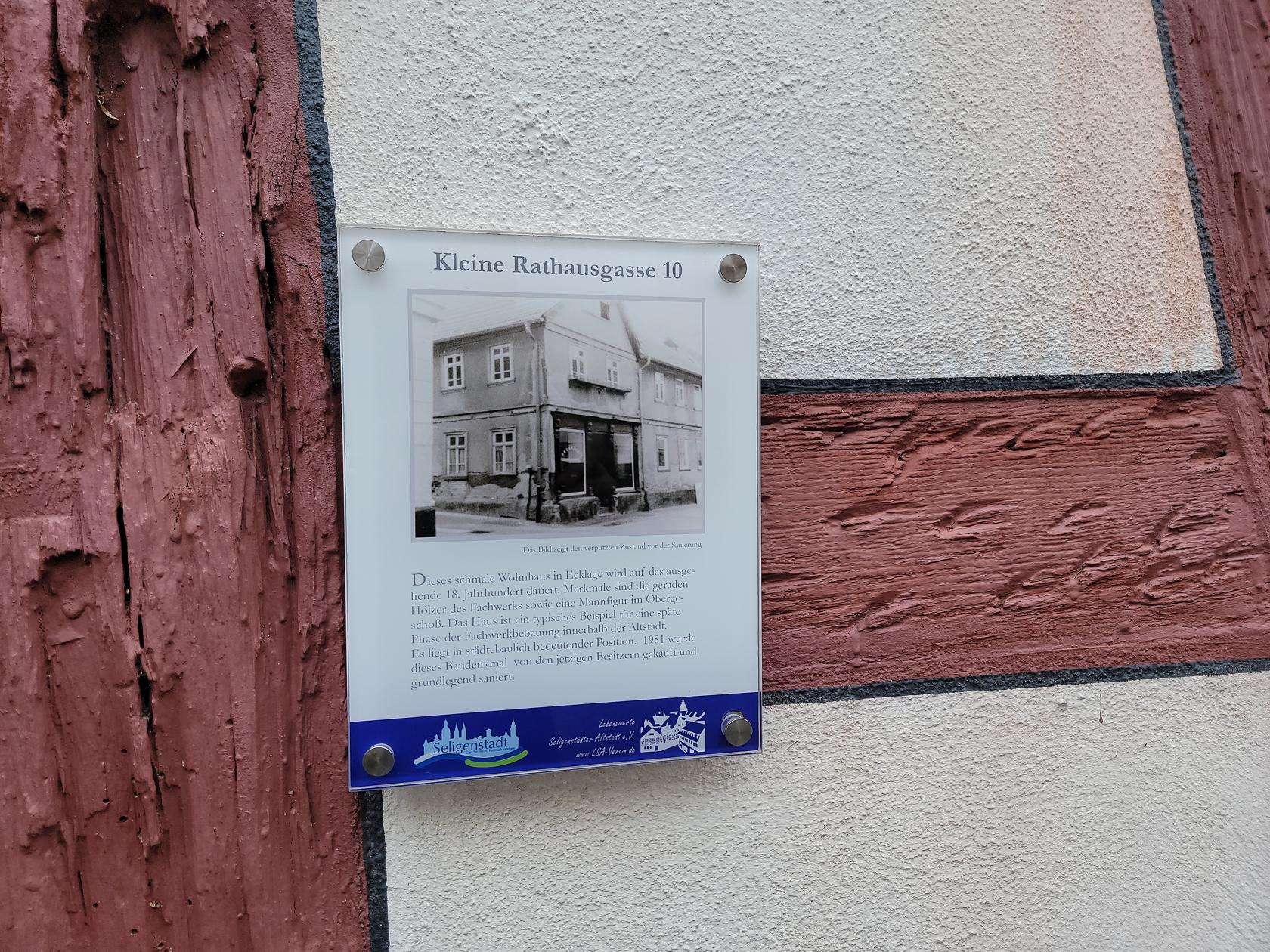
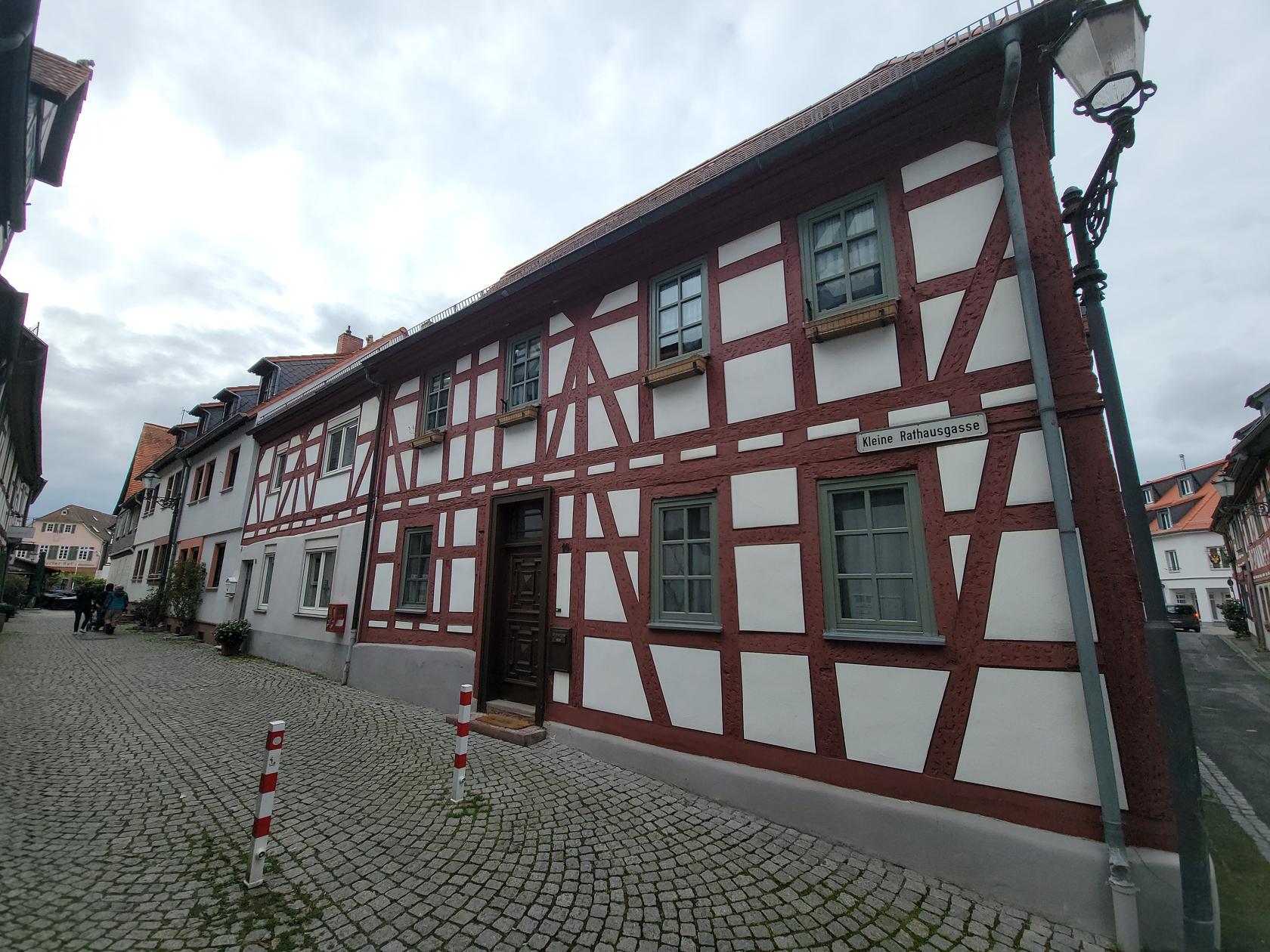
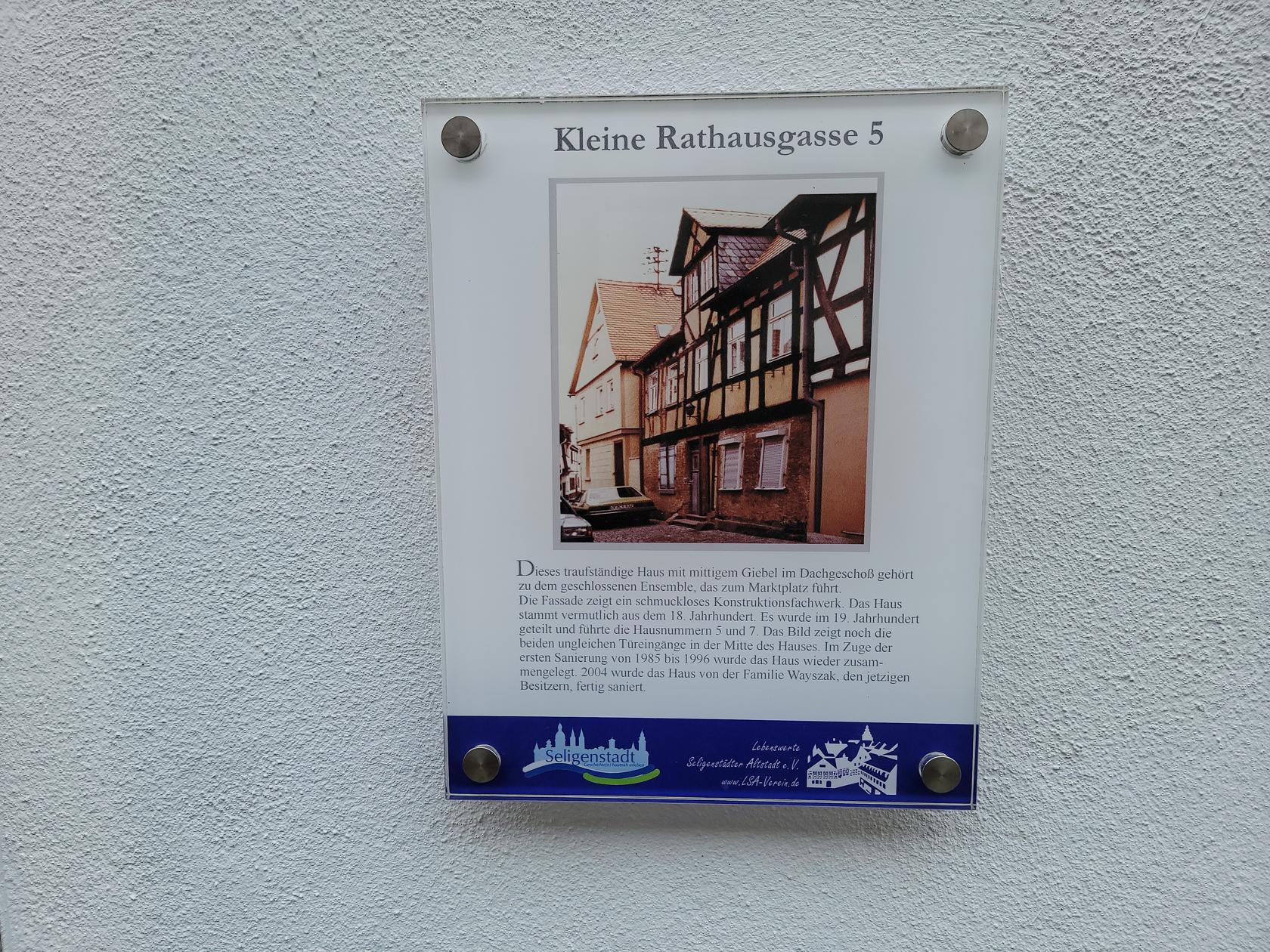
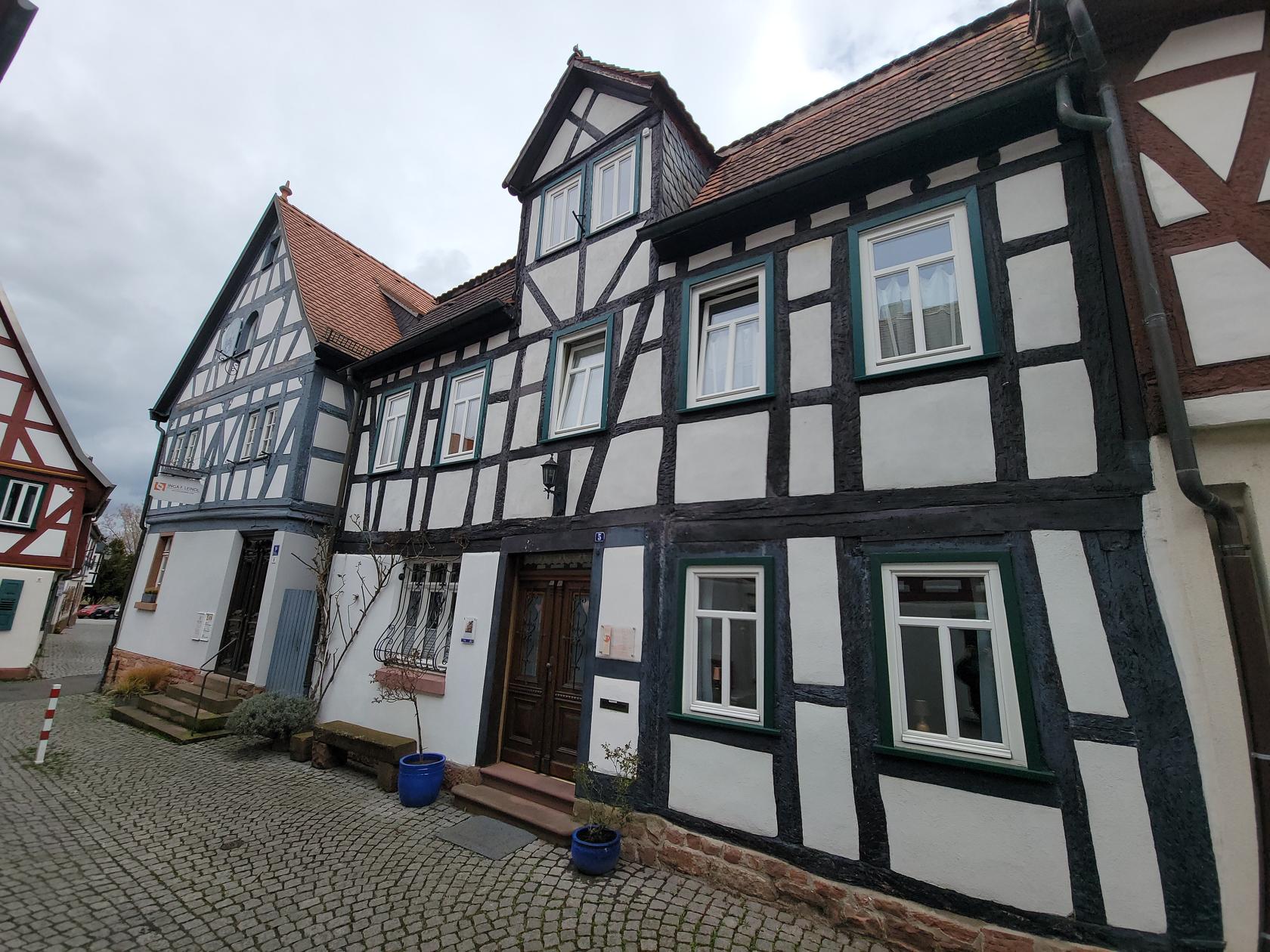
For the most part the town appears to have been saved from the ravages of war. Many of the original timber houses still stand and many have historical markers on them, giving the passer-by a brief history of the structure before them.
Timber Houses – Kleine Rathausgasse 10 – Seligenstadt, Germany
Timber Houses – Kleine Rathausgasse 10 – Seligenstadt, Germany
Timber Houses – Kleine Rathausgasse 5 – Seligenstadt, Germany
Timber Houses – Kleine Rathausgasse 5 – Seligenstadt, Germany
Benedictine Monastery
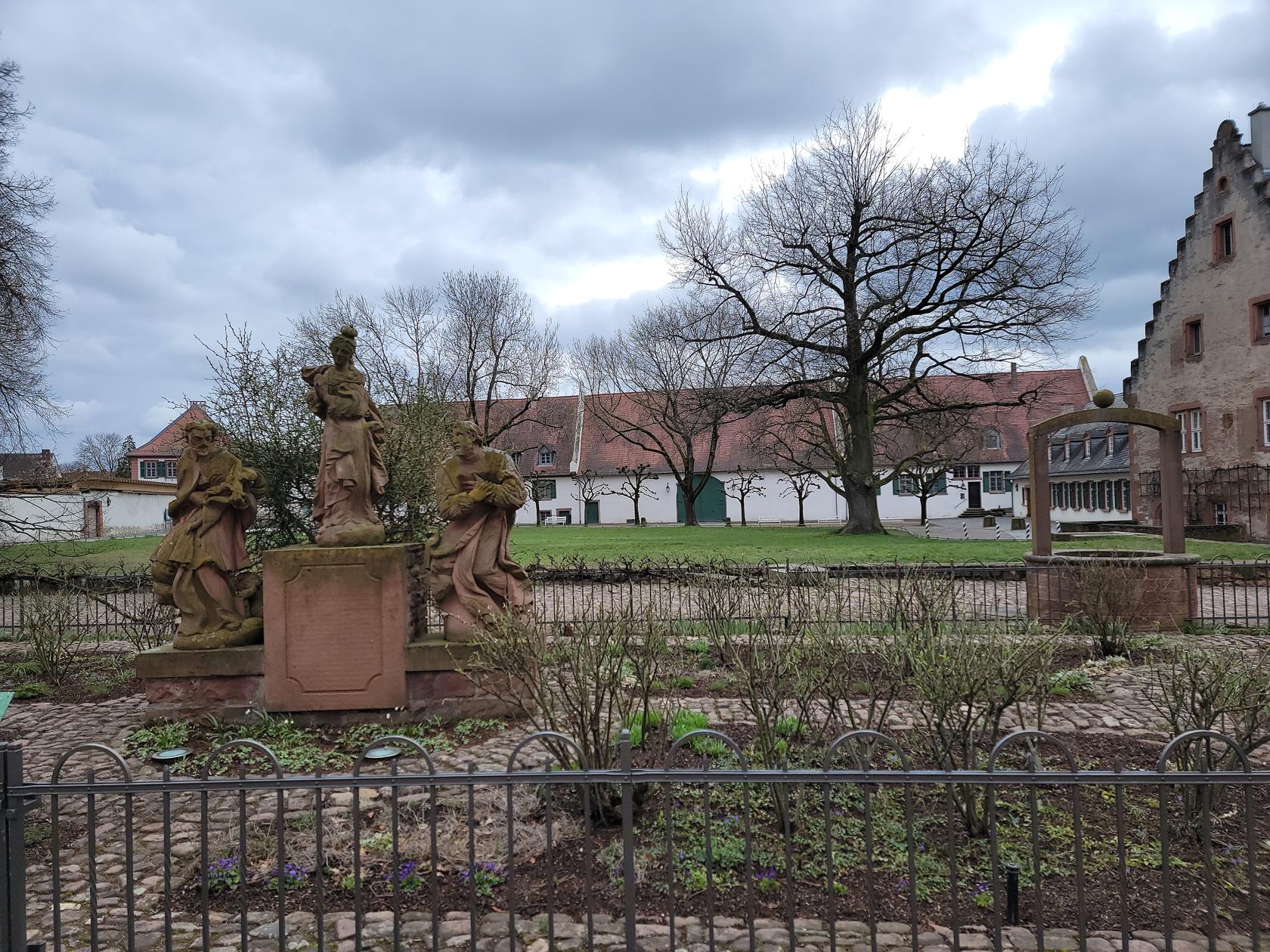
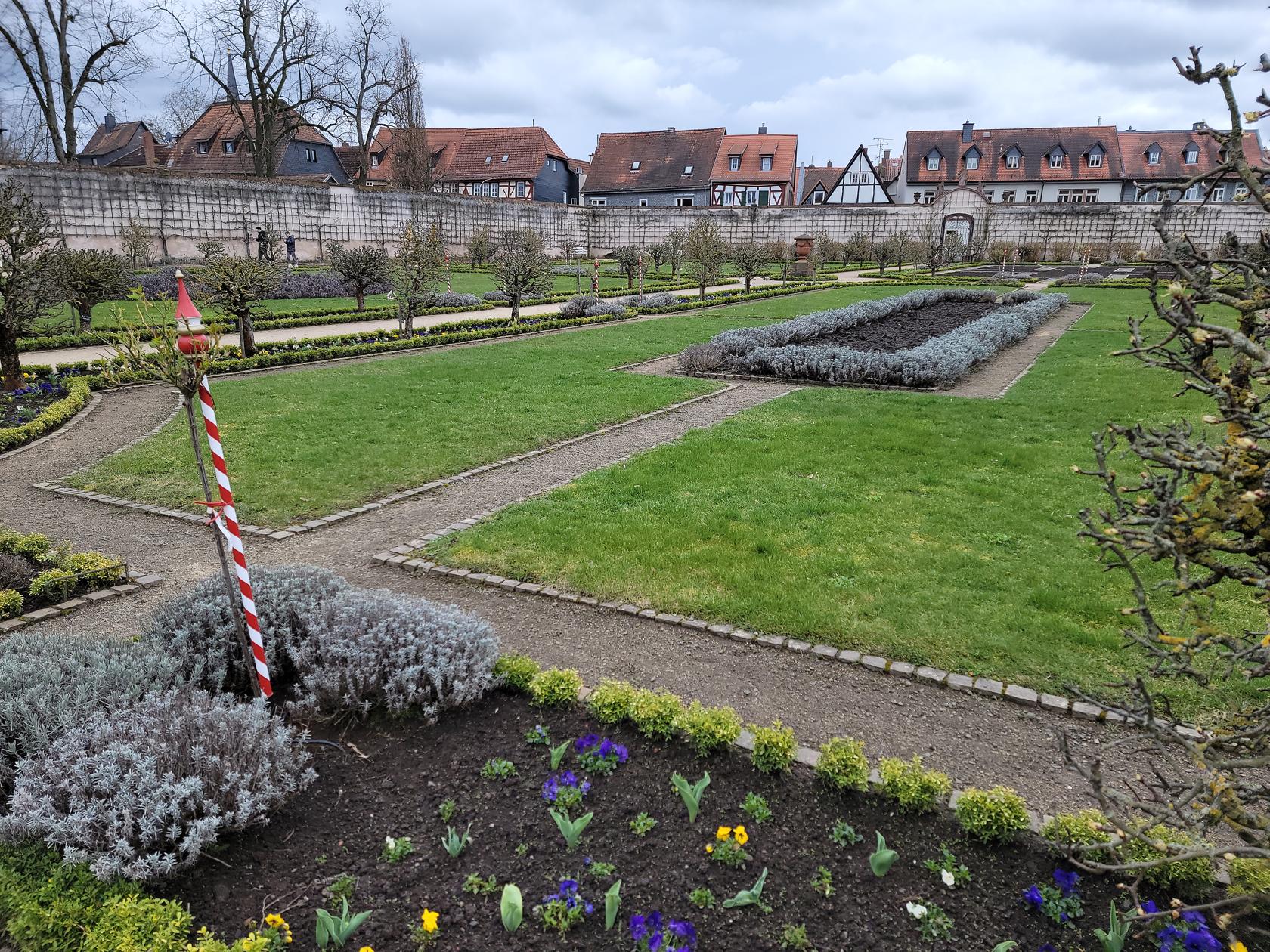
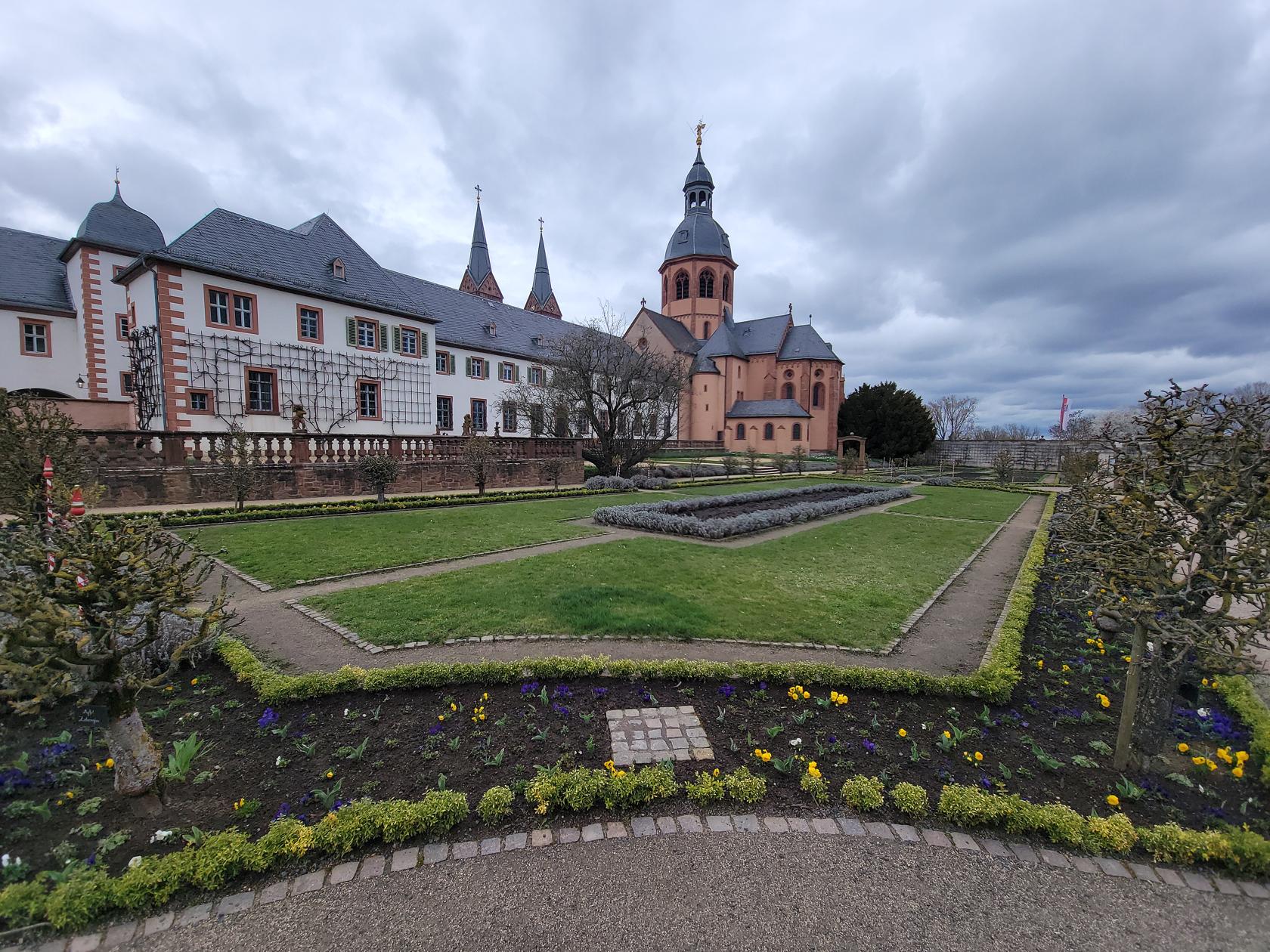
The monastery, which was established by the Benedictines in 815, houses a museum now and a beautifully maintained garden overlooking the Main river.
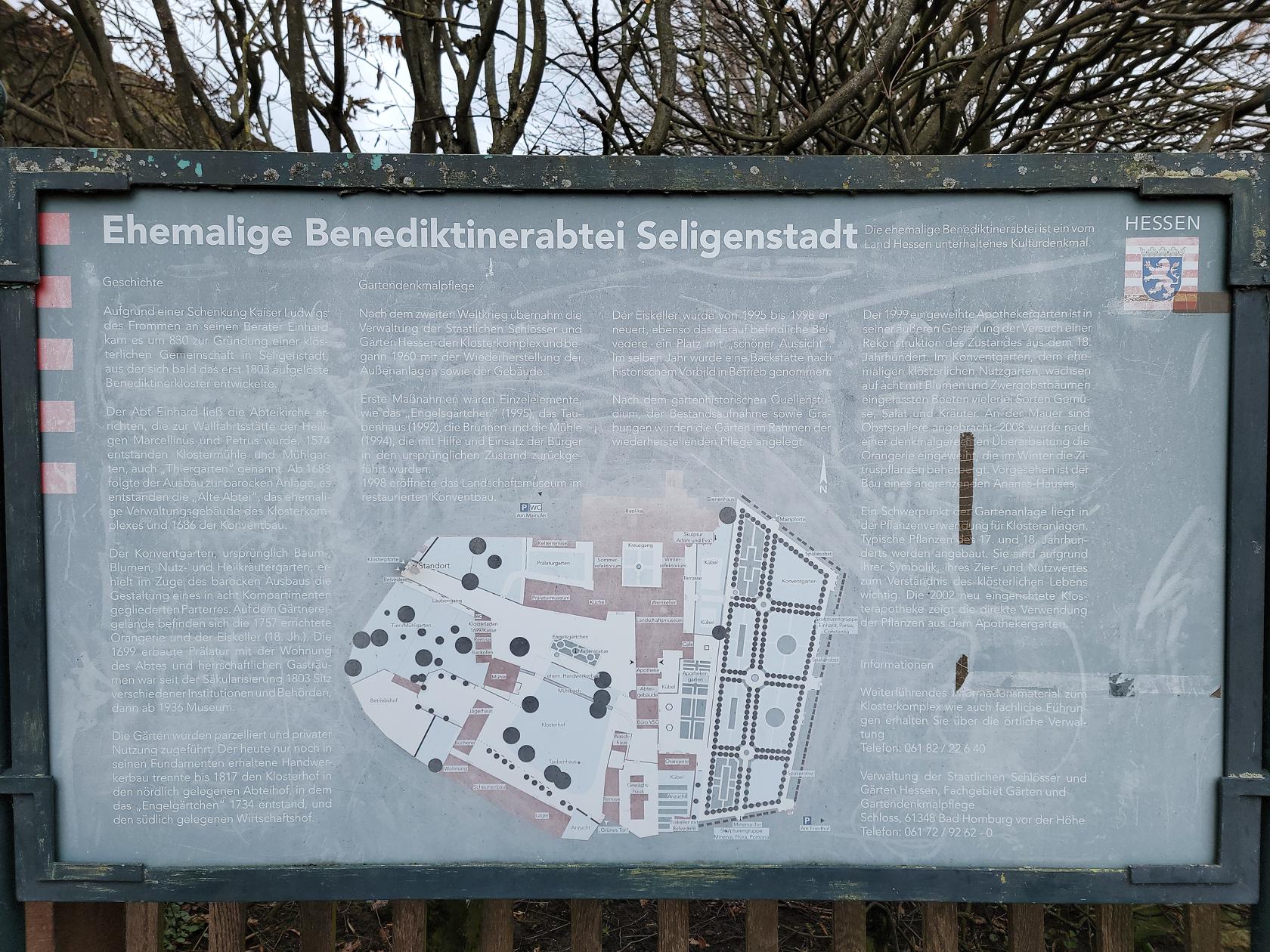
Former Benedictine Abbey – History – Seligenstadt, Germany
Former Benedictine Abbey – Entrance – Seligenstadt, Germany
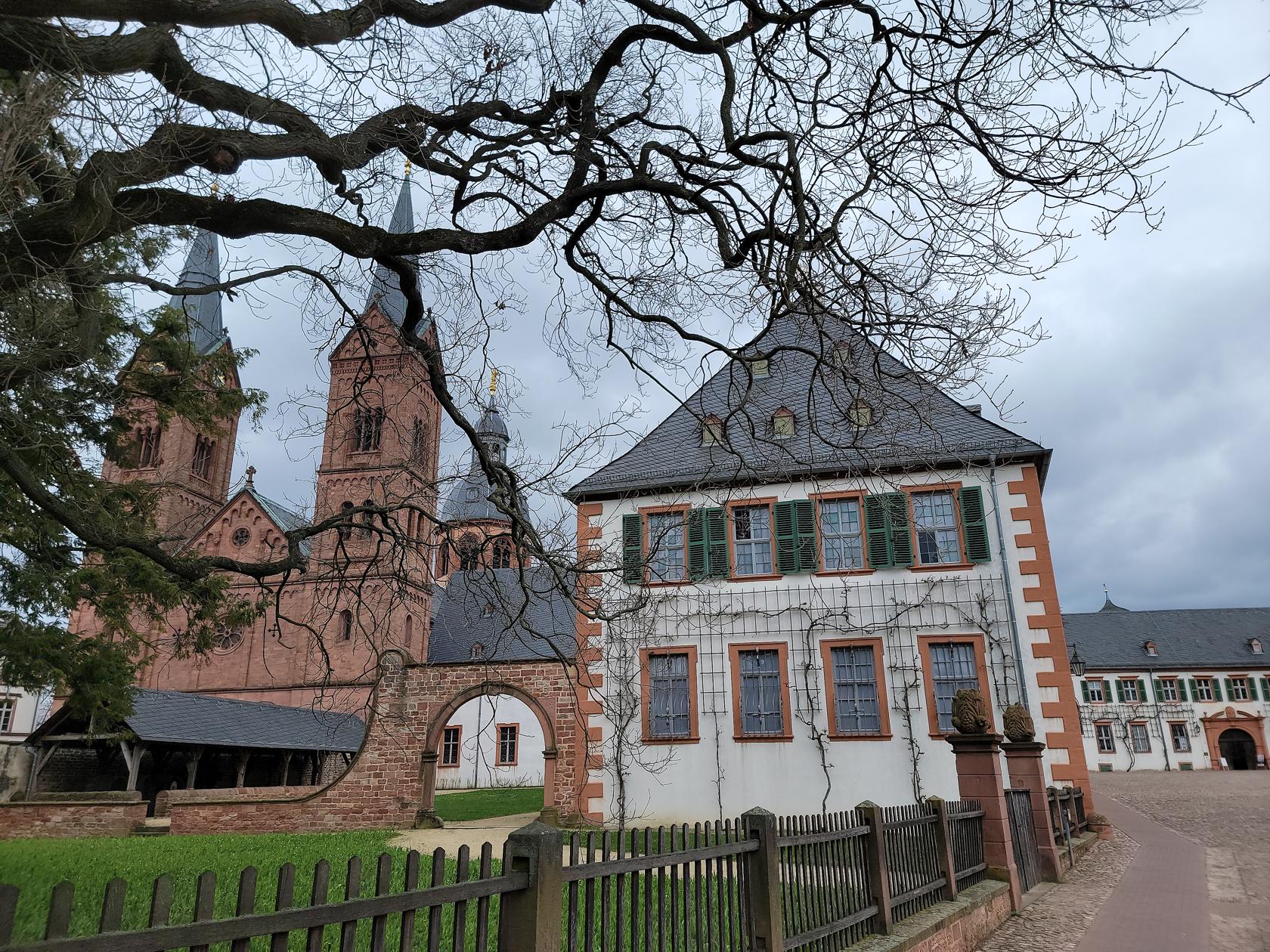
Former Benedictine Abbey – Gardens – Seligenstadt, Germany
Former Benedictine Abbey – Gardens and Church – Seligenstadt, Germany
Einhard-Basilika
Though started in the early ninth century as the Saint Marcellinus and Petrus church, it is currently known as the basilica of Einhard, who was one of Charlemagne’s closest friends and advisors. The facade of the church is neo-roman, though there are several other styles of note, including early gothic.
Einhard-Basilika and former Benedictine Abbey – Entrance – Seligenstadt, Germany
Marktplatz
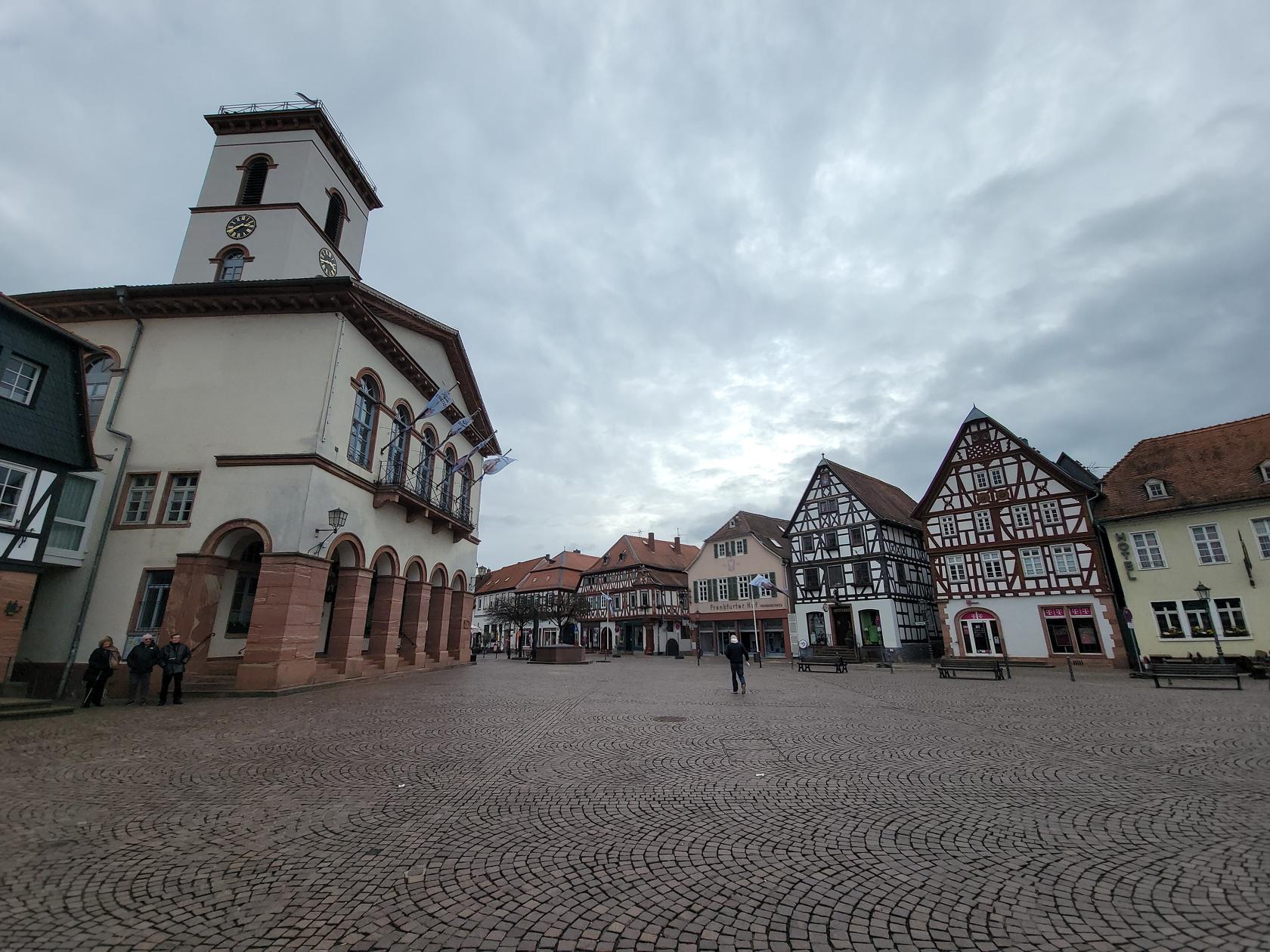
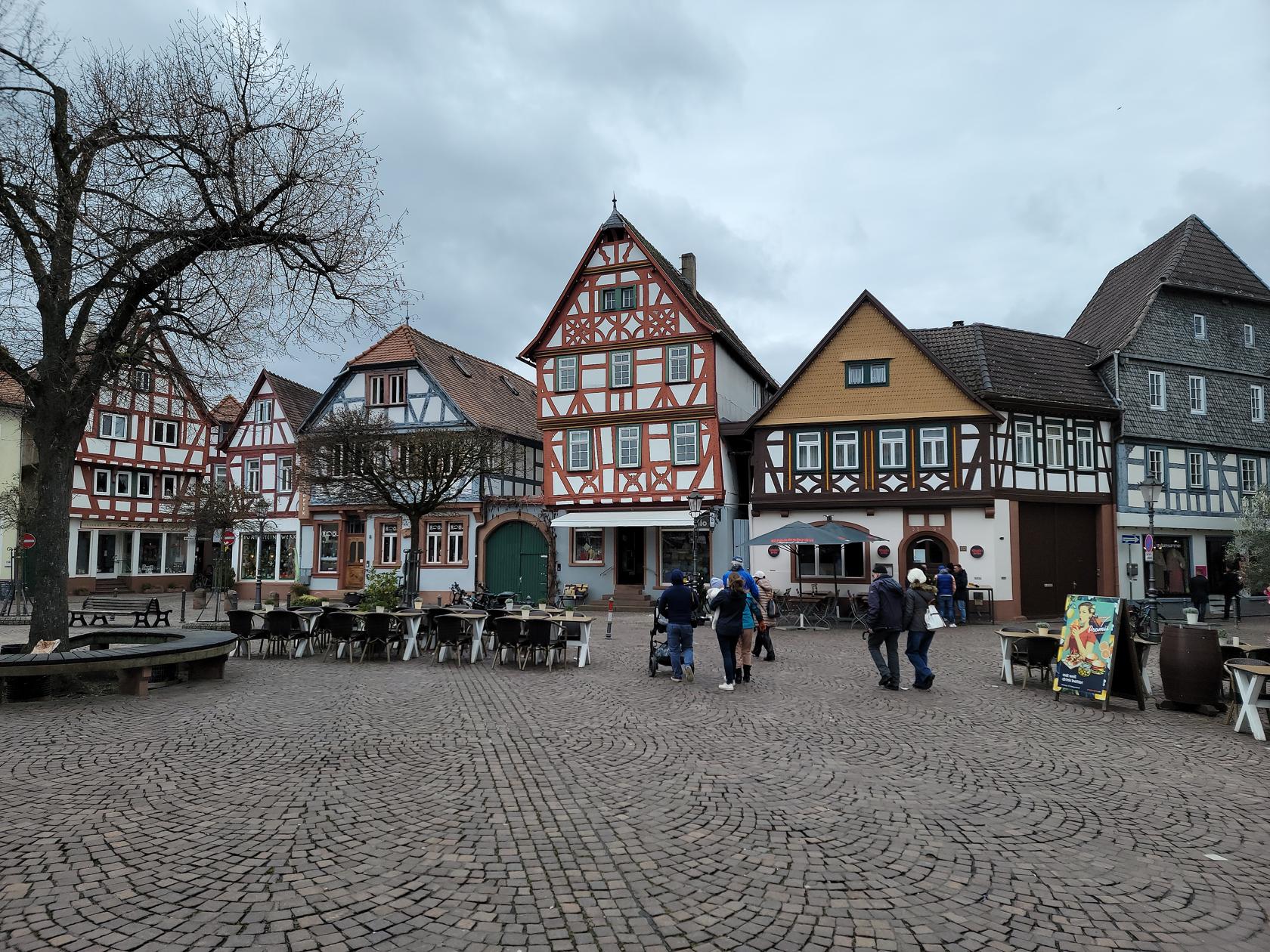
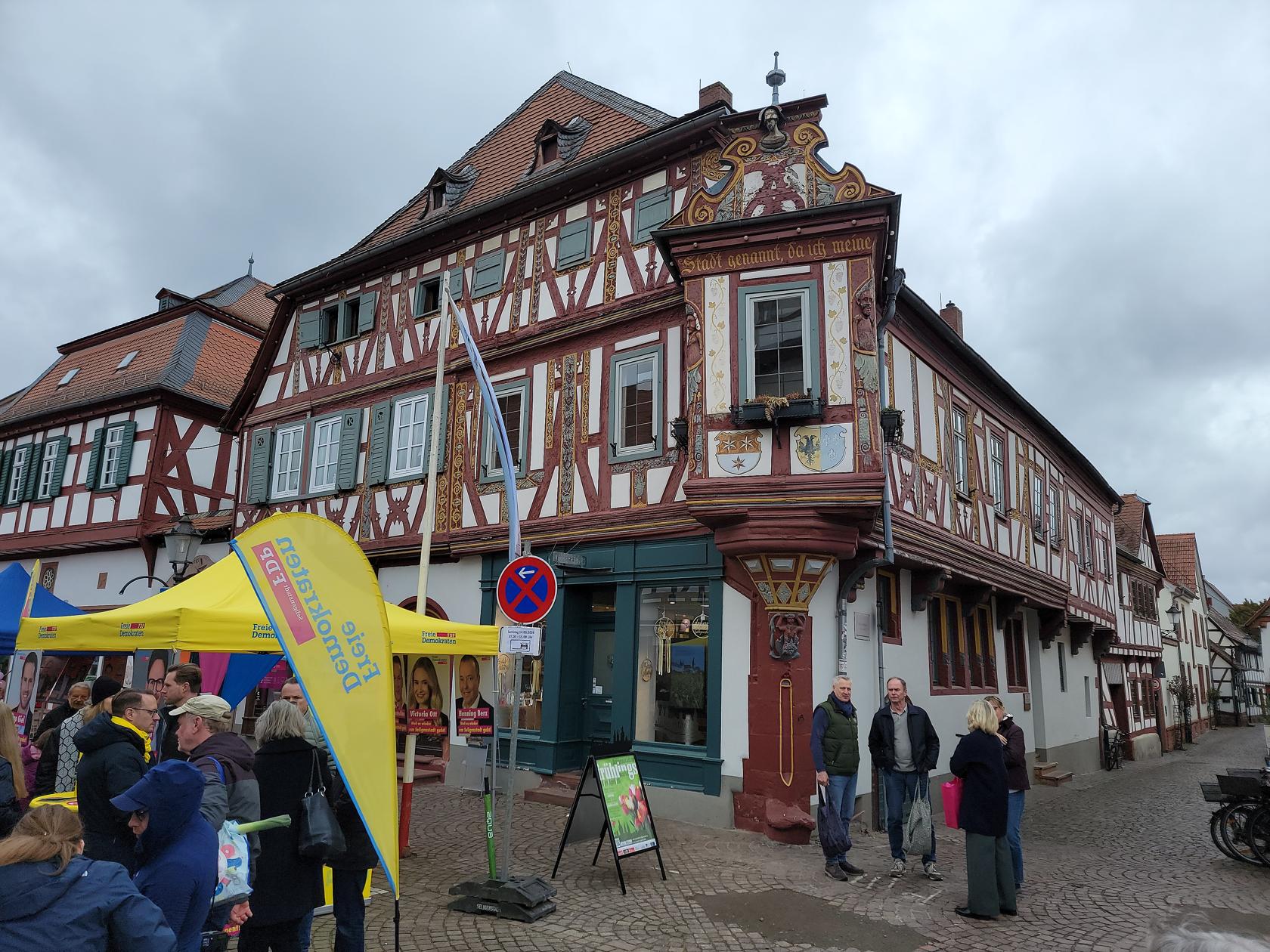
While we were visiting, a political infomation event was being held in the marketplace, which includes the Rathaus. The area is surrounded by quaint little shops, cafes and government buildings.
Marketplace – Seligenstadt, Germany
Marketplace – Seligenstadt, Germany
Marktplatz – Seligenstadt, Germany
Marktplatz – Seligenstadt, Germany
Restaurants
The weather was cold, cloudy and wet, typical for this time of year. So, when it was time it was essential to find a warm place with good food, so Italian with a pizza oven sounded about right.
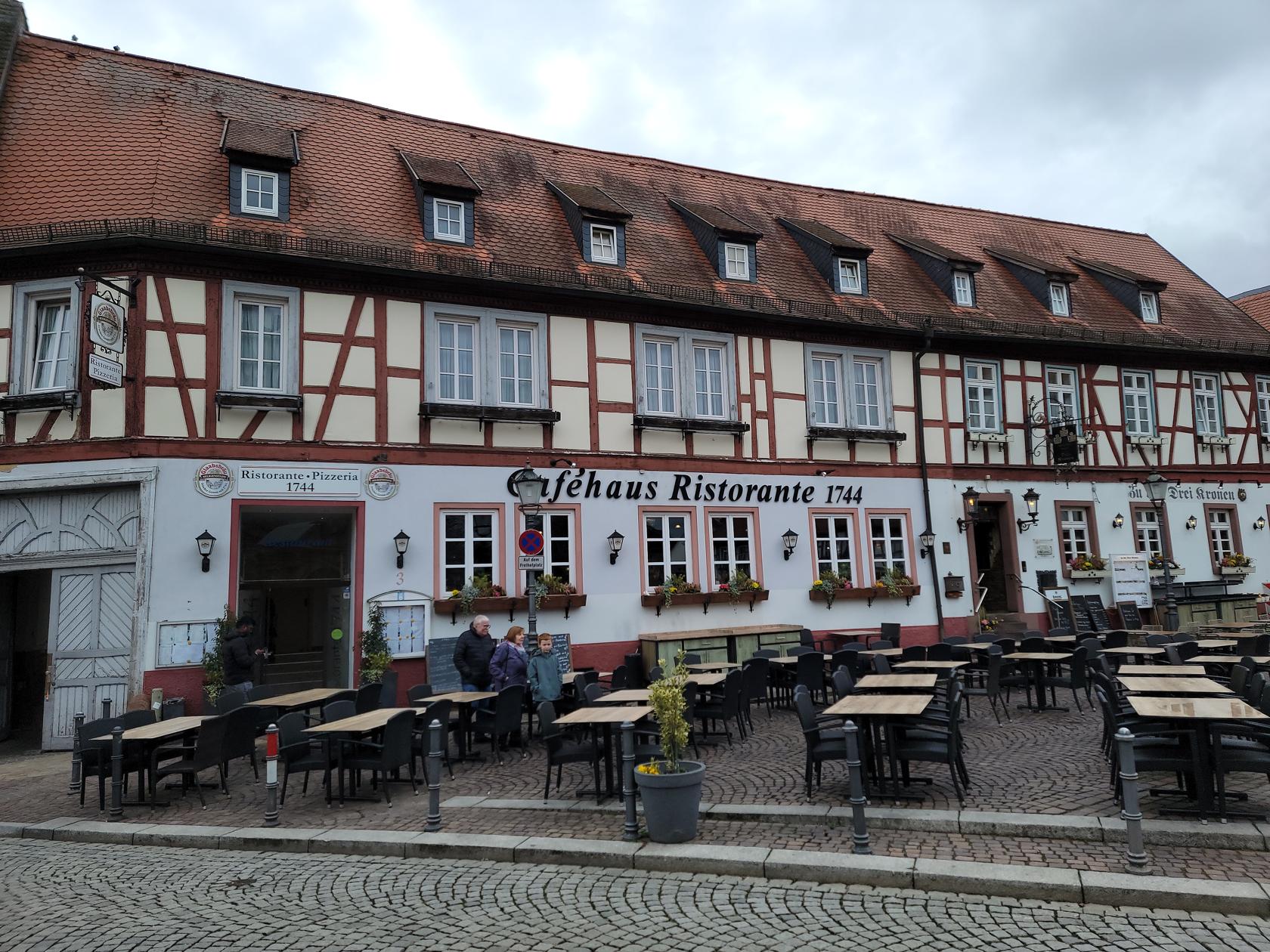
Ristorante & Pizzeria 1744
A modern restaurant with a surprisingly large staff was able to accomodate us for lunch. I would expect that during busier times, reservations might be recommended.
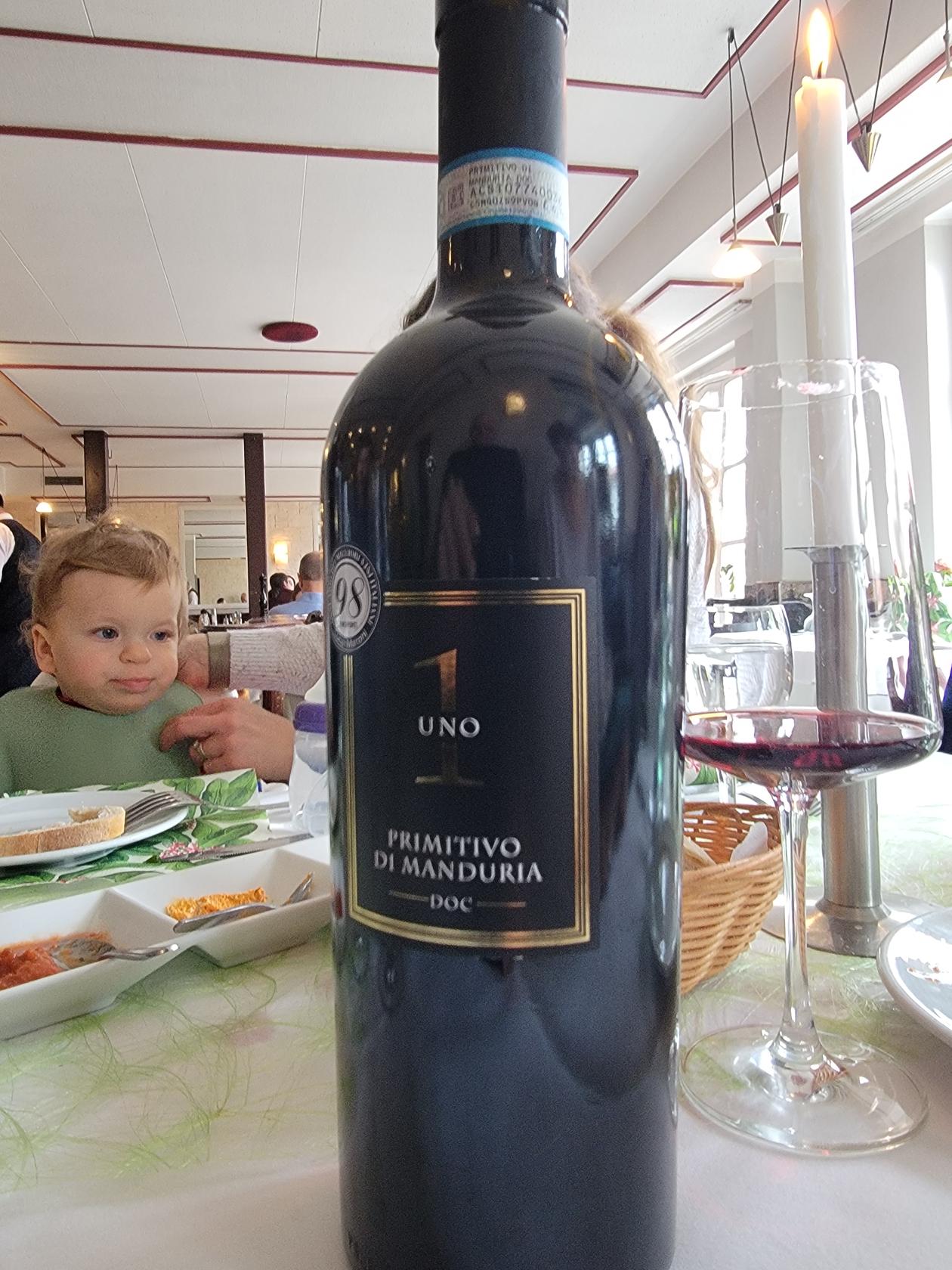
The food was excellent. We tried the soups and main pasta dishes, which most people around us seem to favor; so we cannot really speak about the quality of the pizza. They also have traditional italian coffee and other after dinner amenities.
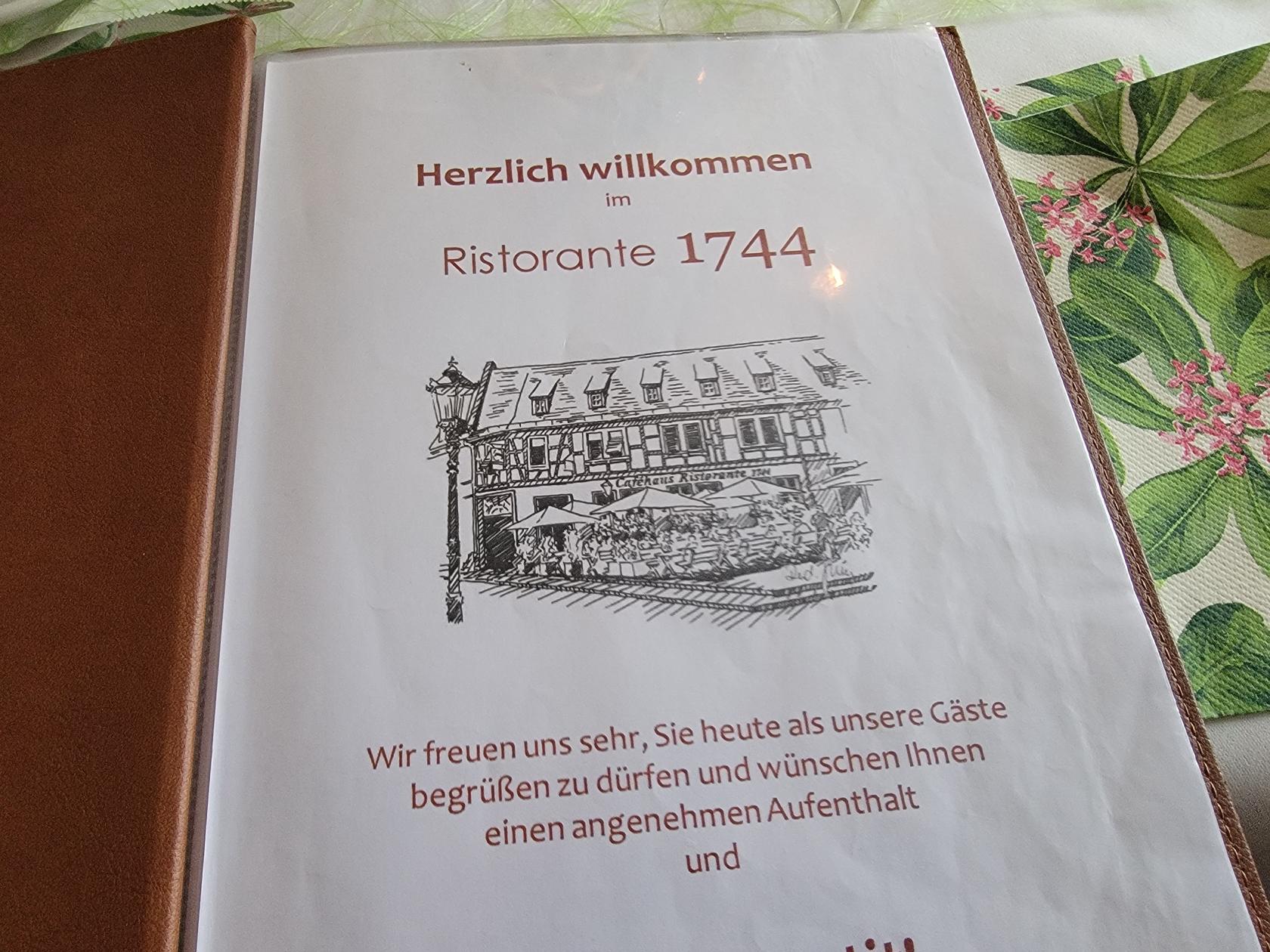
Ristorante & Pizzeria 1744 – Menu – Seligenstadt, Germany
We recently spent two weeks in the Frankfurt area with family. While we were there, we had the good fortune to visit a few new restaurants and a couple of old favorites.
Restaurants In Frankfurt
Lokal Bahnhof
Though we did eat at the Lokal Bahnhof in Frankfurt Süd, Darmstädter Landstraße 14, it was not remarkable enough to take any photographs. A nice enough place to eat for lunch, but aside from a quick bite, nothing special.
Restaurants In Offenbach
Papi Original Italian Ristorante
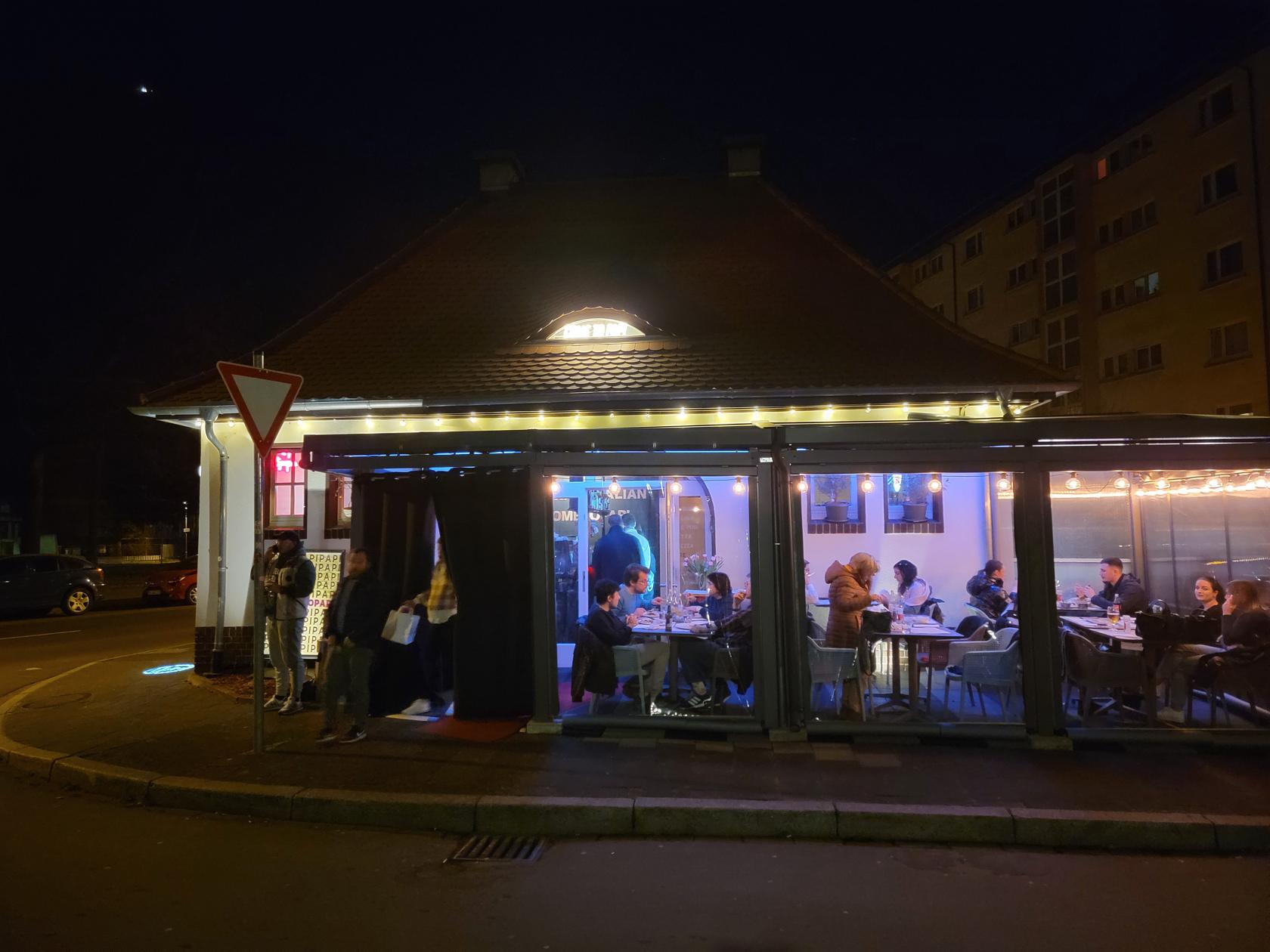
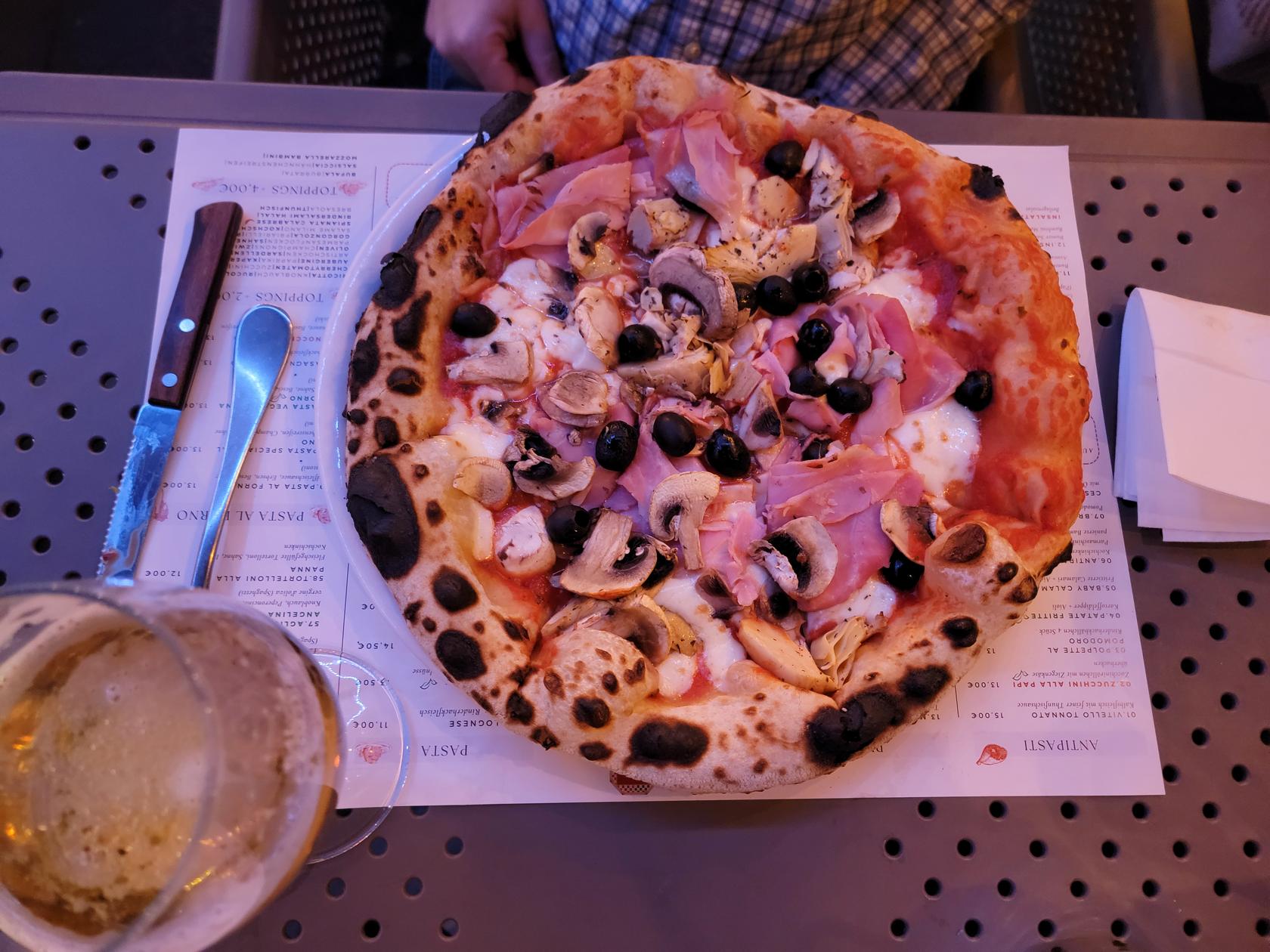
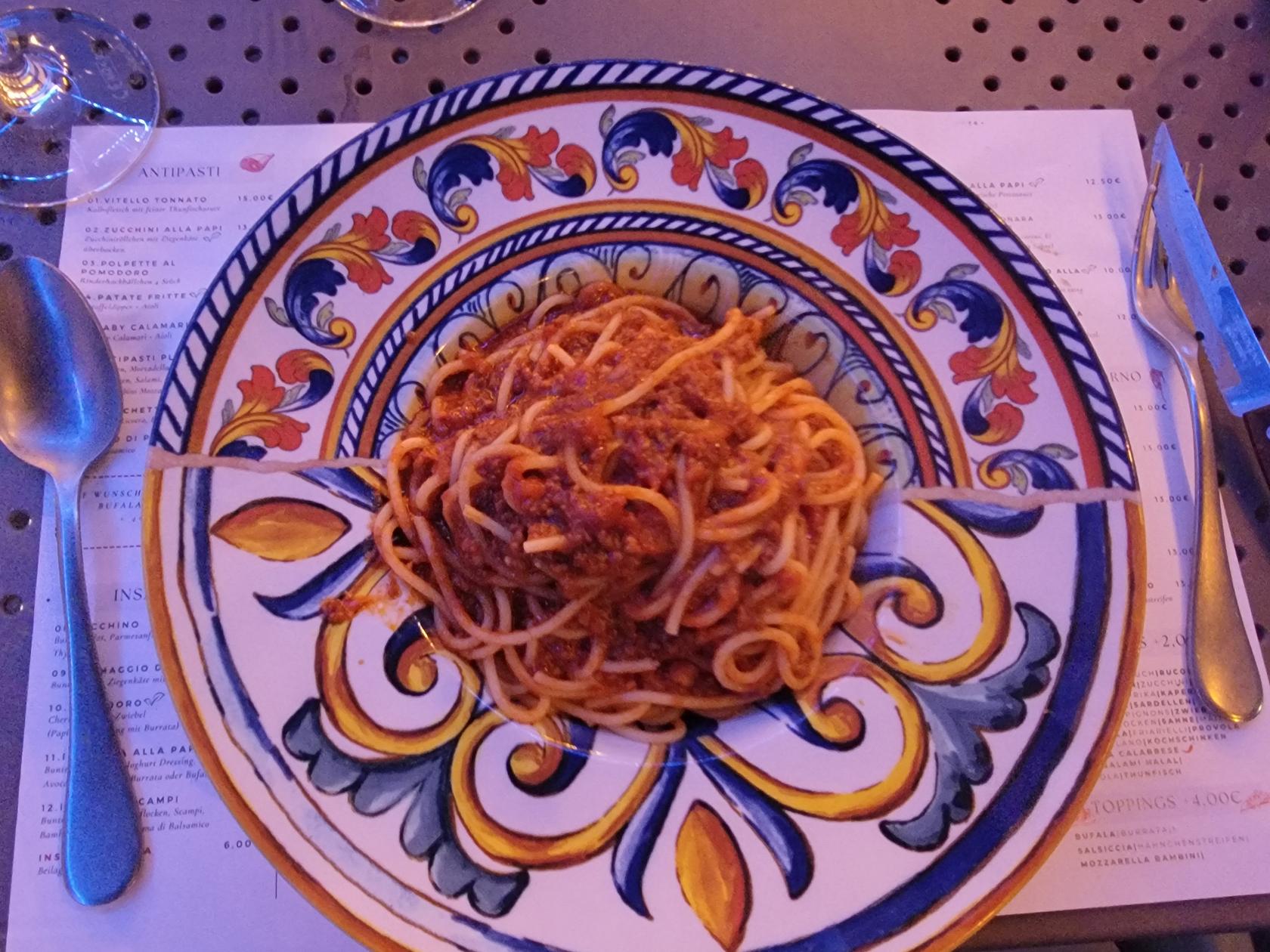
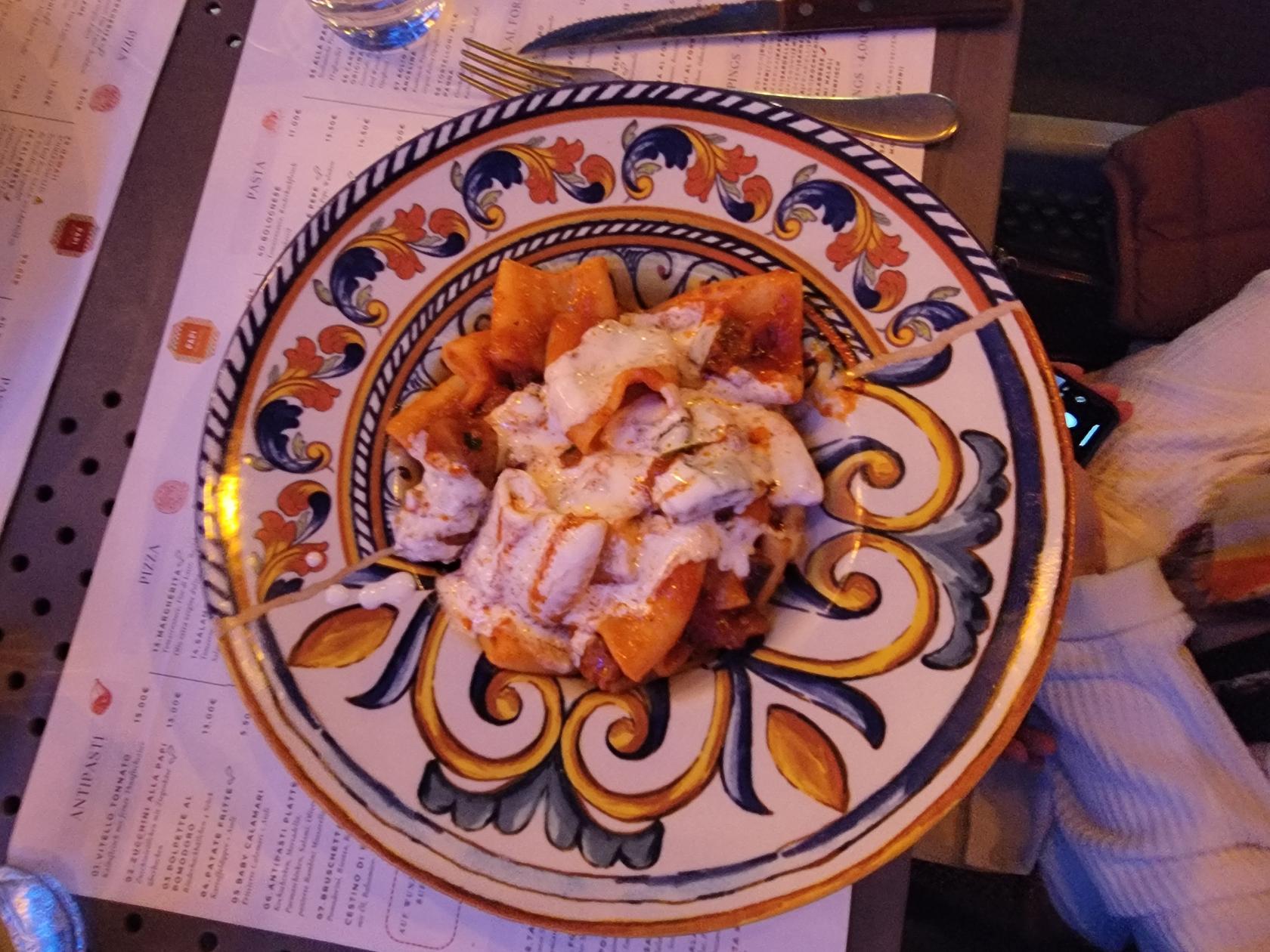
Located in Offenbach, at Friedrichsring 39, is an excellent place for an evening meal called Papi Original Italian. A favorite of our’s when we are in the area, it had good service and very good food. The menu has very good southern Italian dishes and pizza, so something for everyone.
Papis Original Italian Restaurant – Main Entrance – Offenbach, Germany
Papis Original Italian Restaurant – Pizza – Offenbach, Germany
Papis Original Italian Restaurant – Spaghetti Bolognese – Offenbach, Germany
Papis Original Italian Restaurant – Pasta Bolognese – Offenbach, Germany
Restaurants In Dreieich
Since we were staying in Dreieich, most of the restaurants we visited were in this small, quaint little town.
China Restaurant Hong Kong
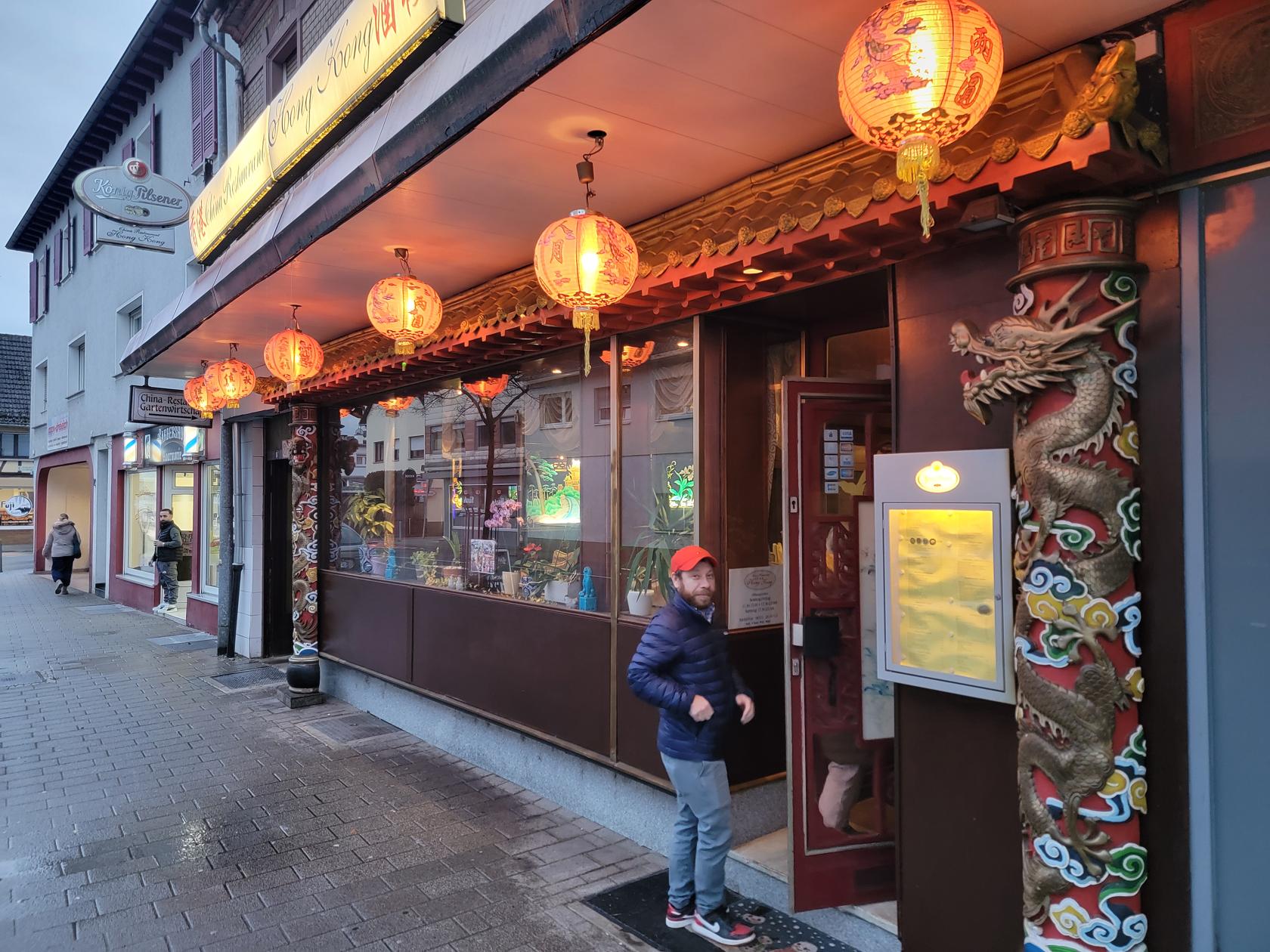
The China Restaurant Hong Kong is located on Hauptstraße 8 on the main avenue of town. It has laterns outside, so is easily visible from your car as you drive passed it. However, it is also an easy walk from some of the nearby parking locations.
China Restaurant Hong Kong – Gabi at Main Entrance – Dreieich, Germany
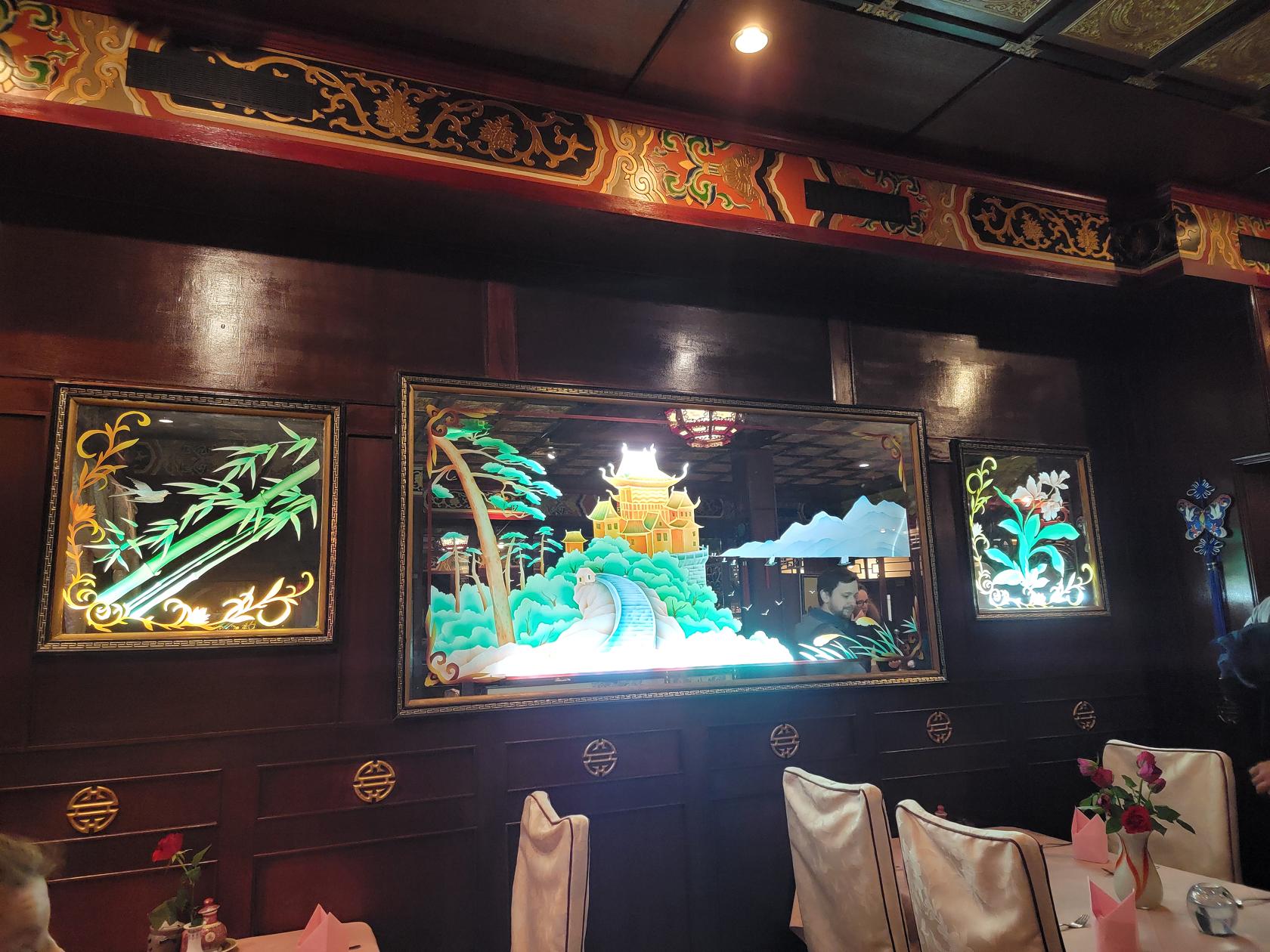
China Restaurant Hong Kong – Inside Decor – Dreieich, Germany
The food is good and they have a good variety on the menu, including Thai and some Vietnamese dishes.
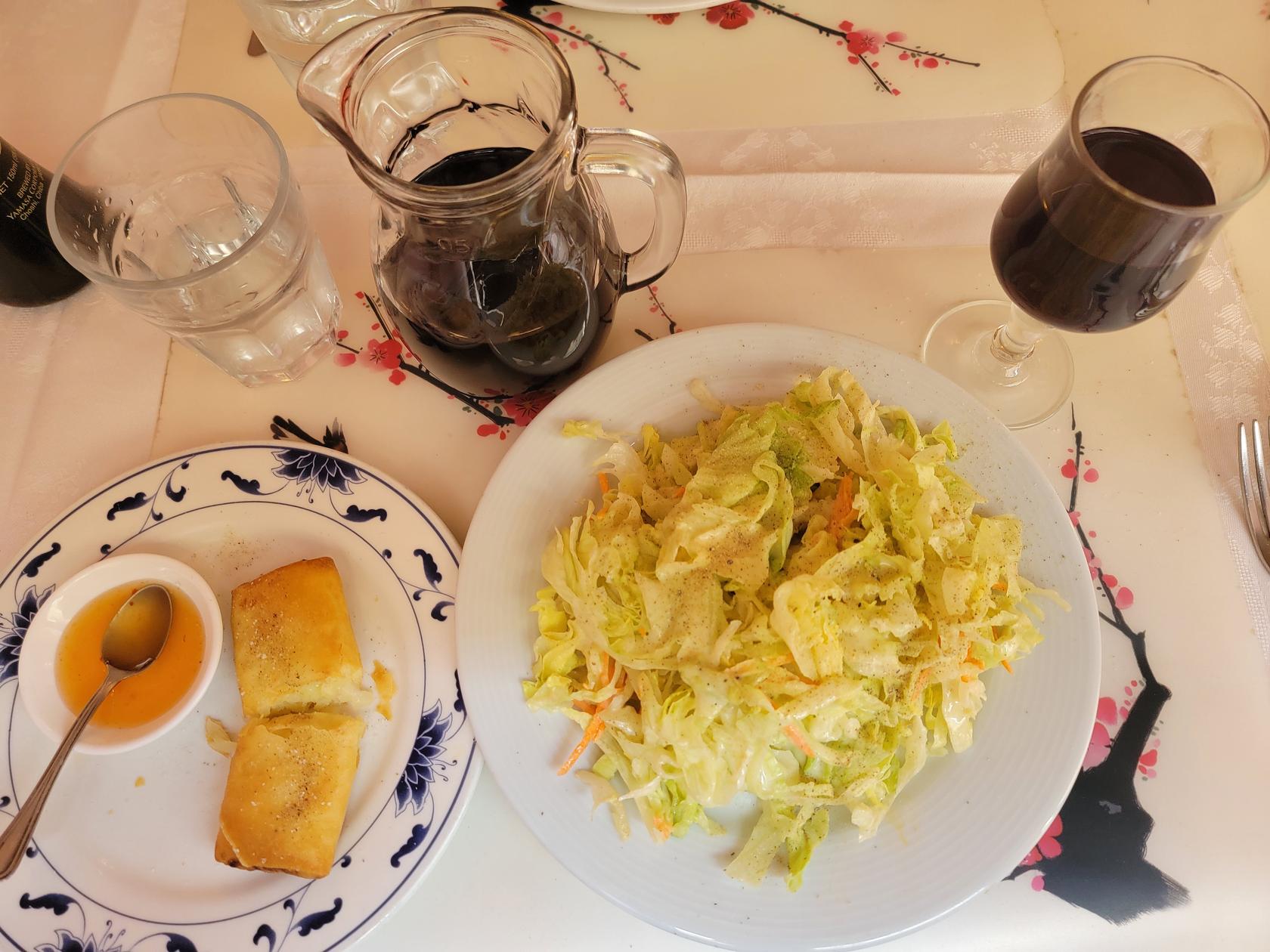
China Restaurant Hong Kong – Mixed Salad, Spring Roll – Dreieich, Germany
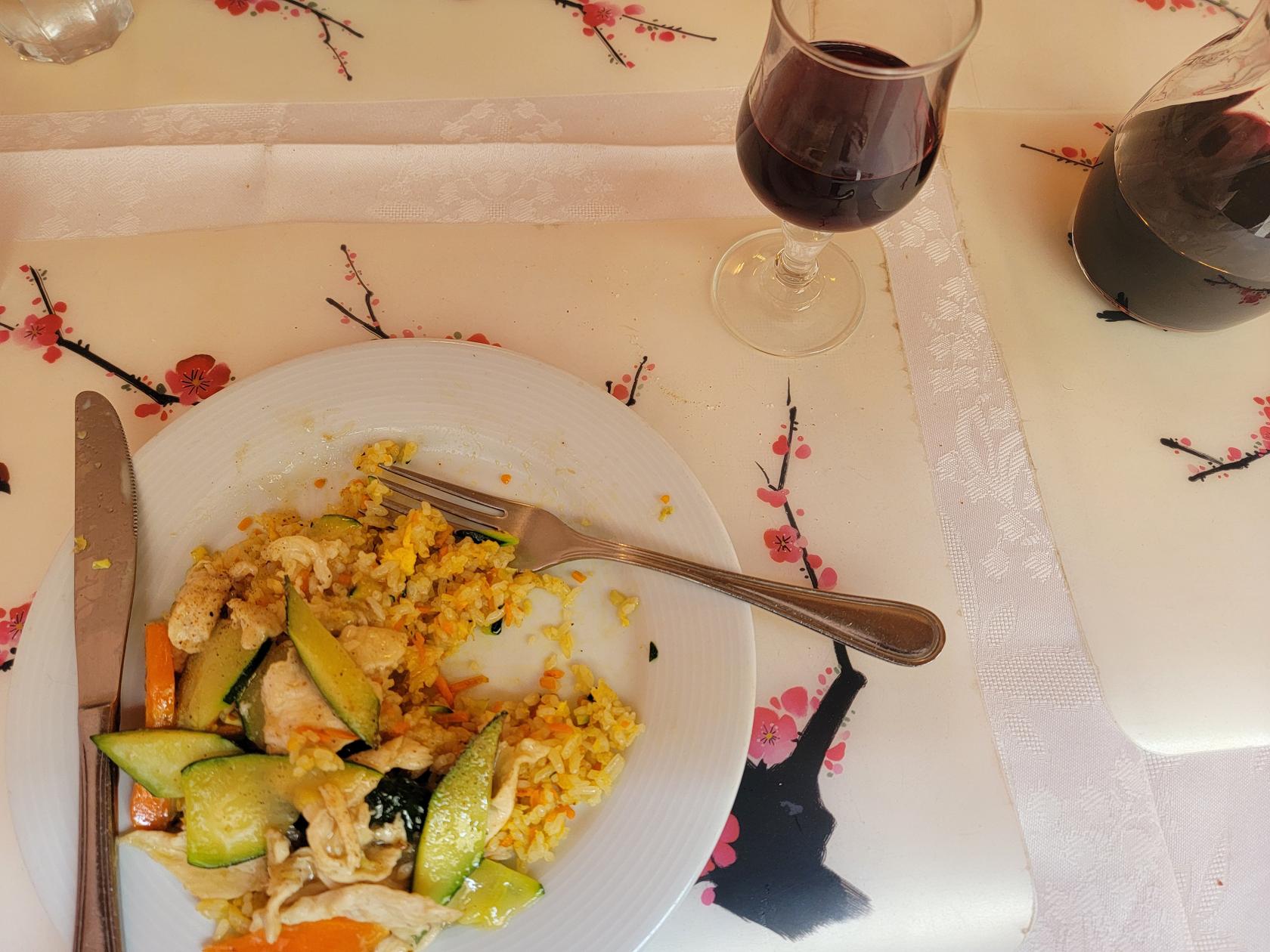
China Restaurant Hong Kong – Fried Rice with Vegetables – Dreieich, Germany
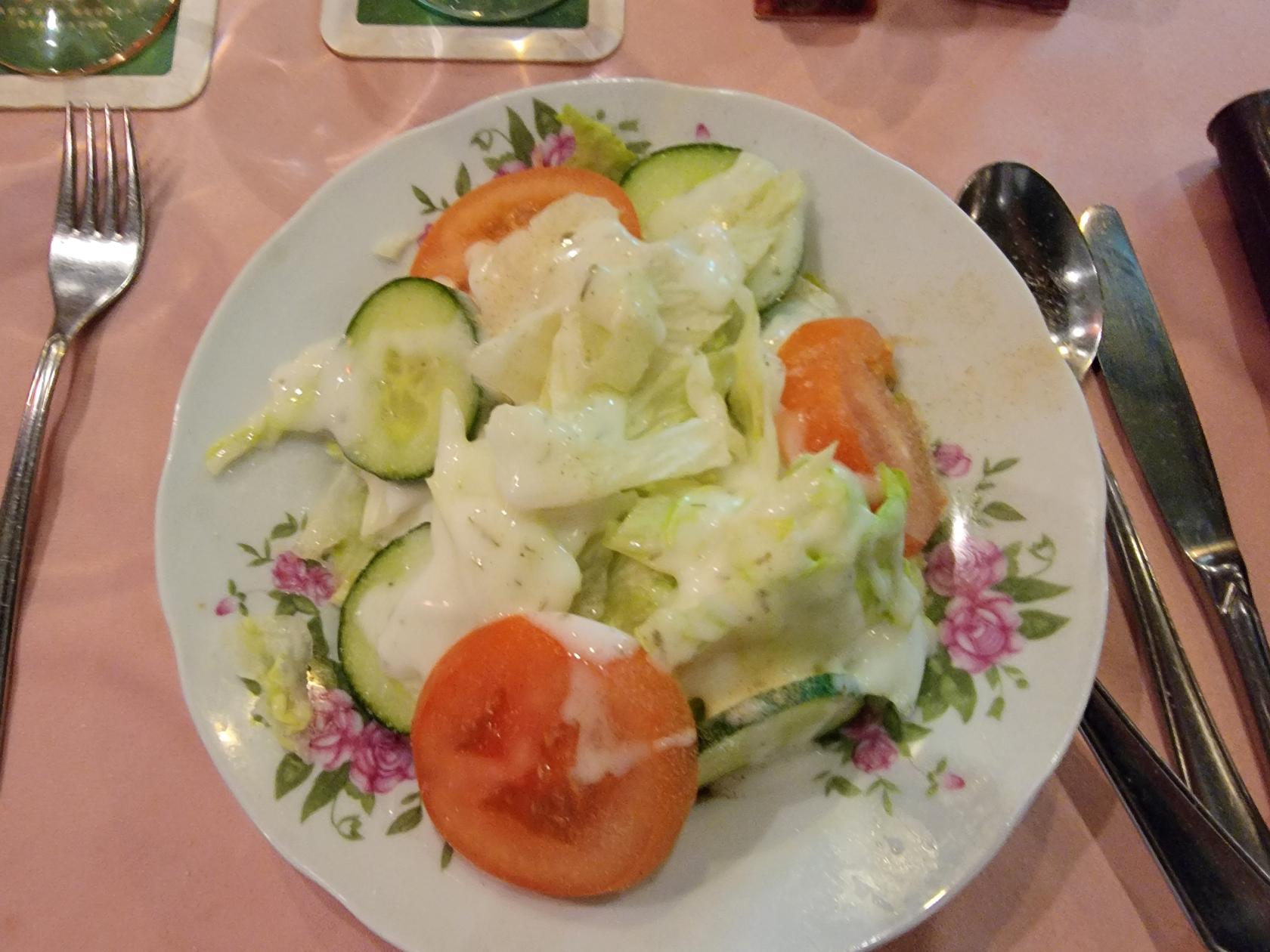
China Restaurant Hong Kong – Mixed Salad – Dreieich, Germany
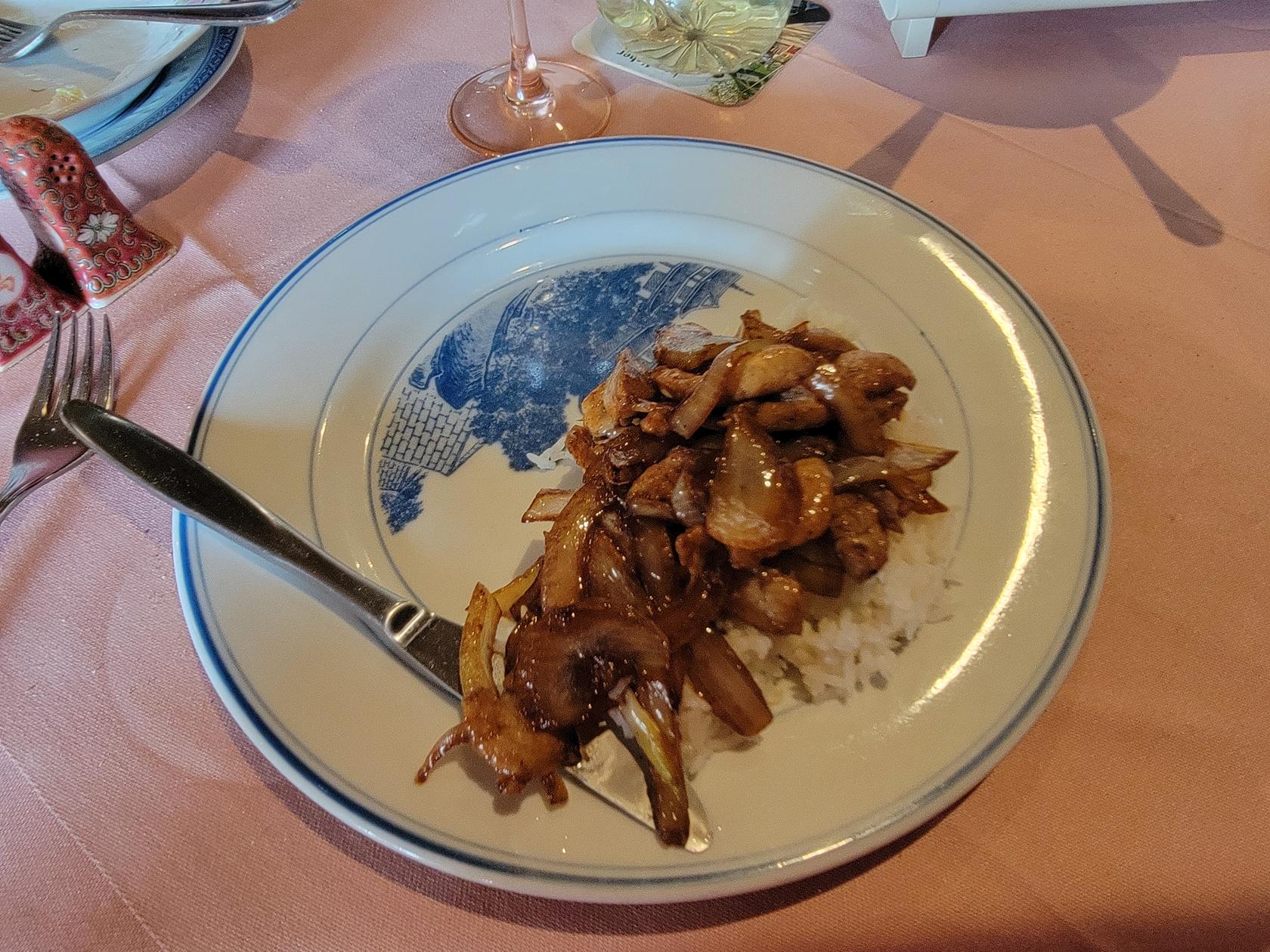
China Restaurant Hong Kong – Pork and Onion over Rice – Dreieich, Germany
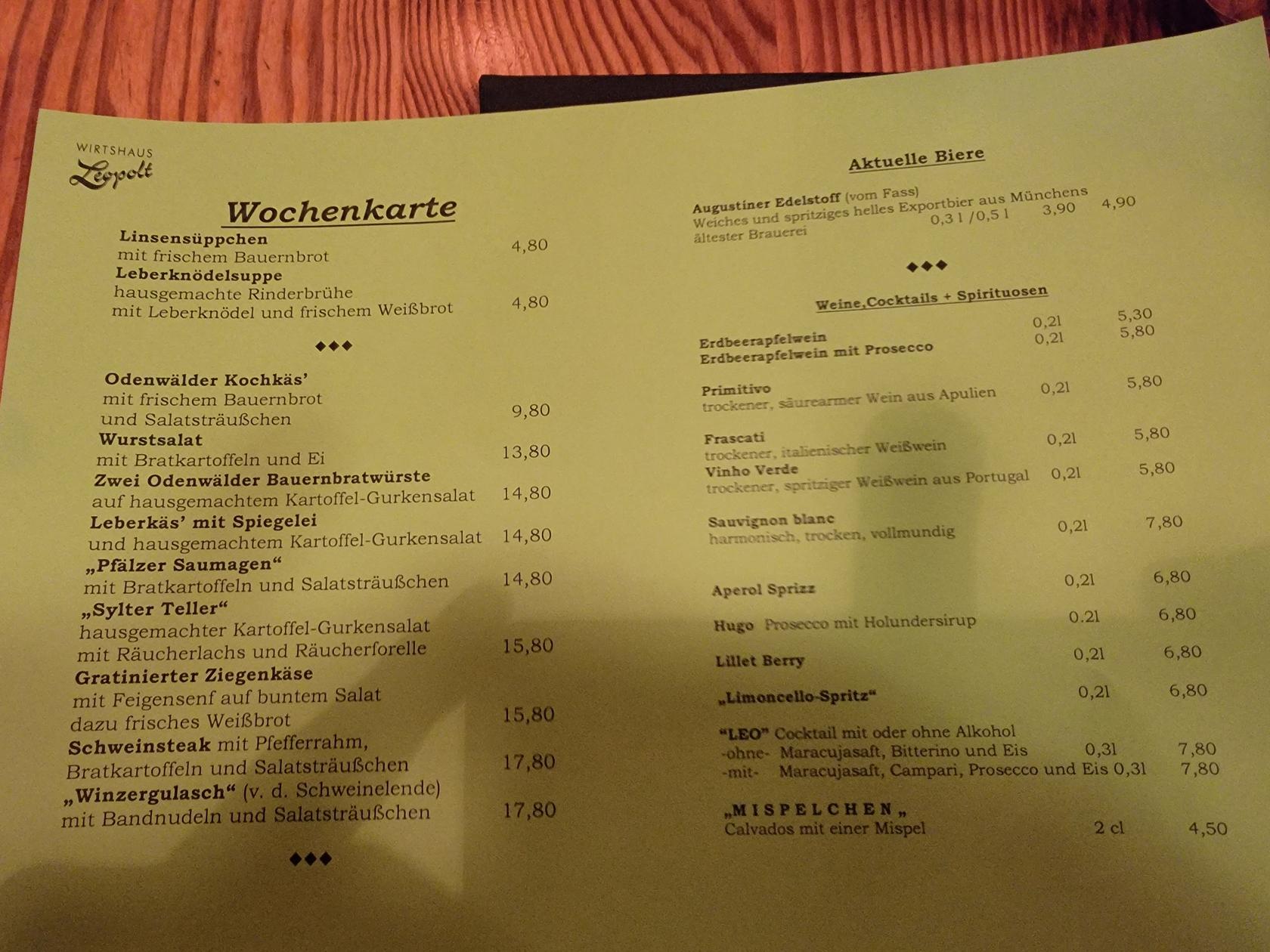
Wirsthaus Leopolt
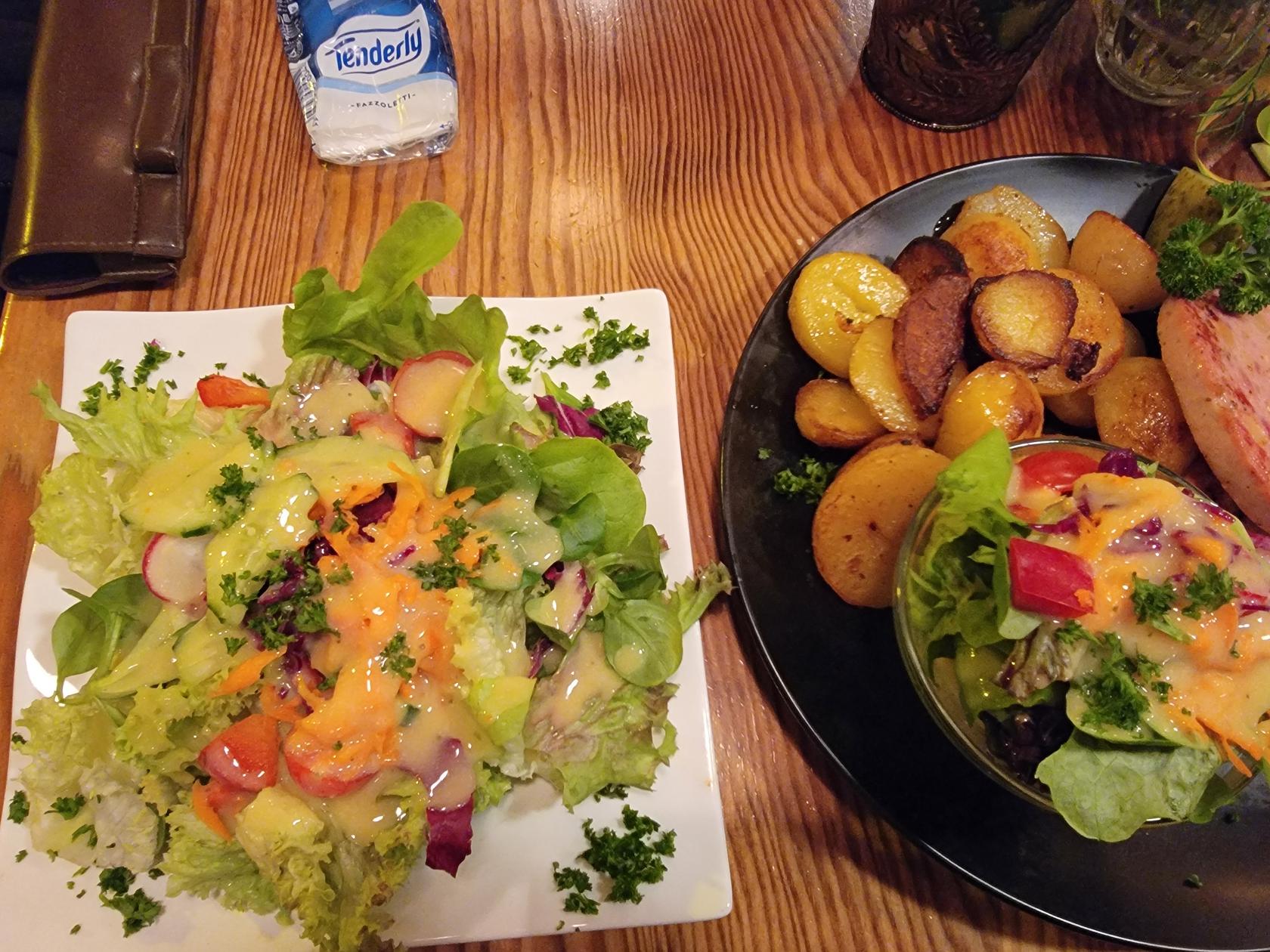
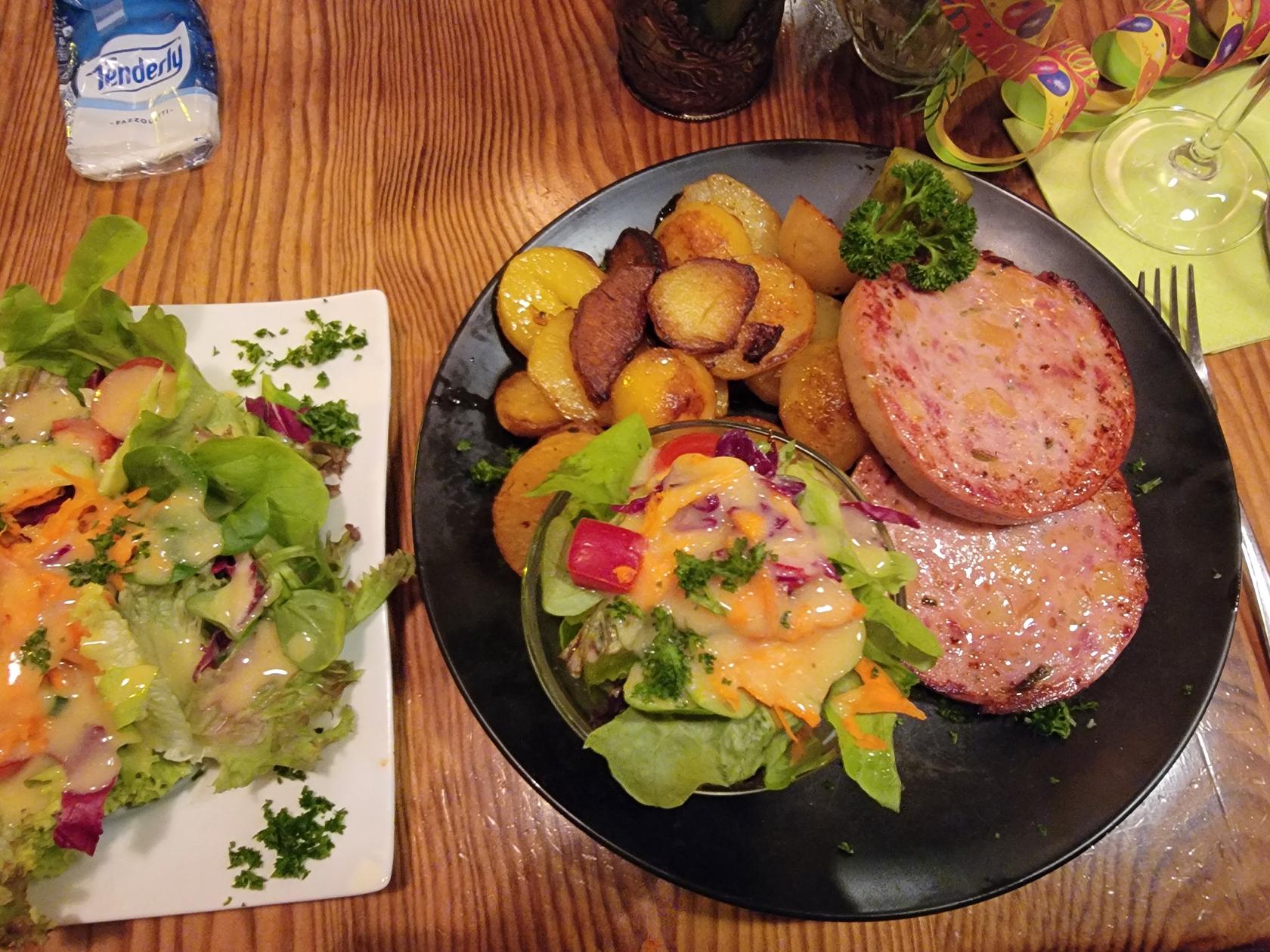
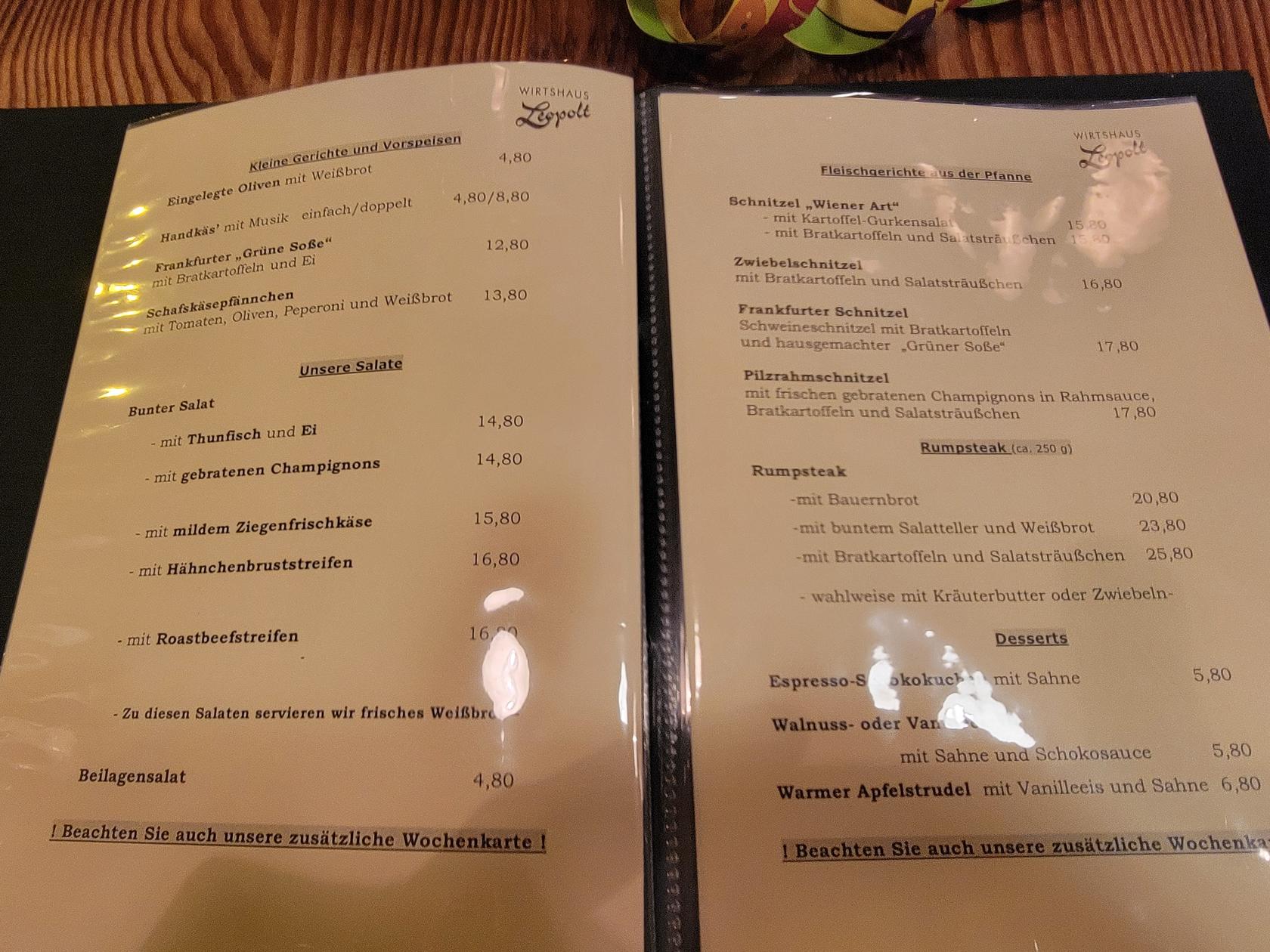
If you are actually looking for German food, look no further than Leopolt’s. They have weekly specials, as well as all the favorites and a variety of other dishes. It is also located in town at Hauptstraße 20.
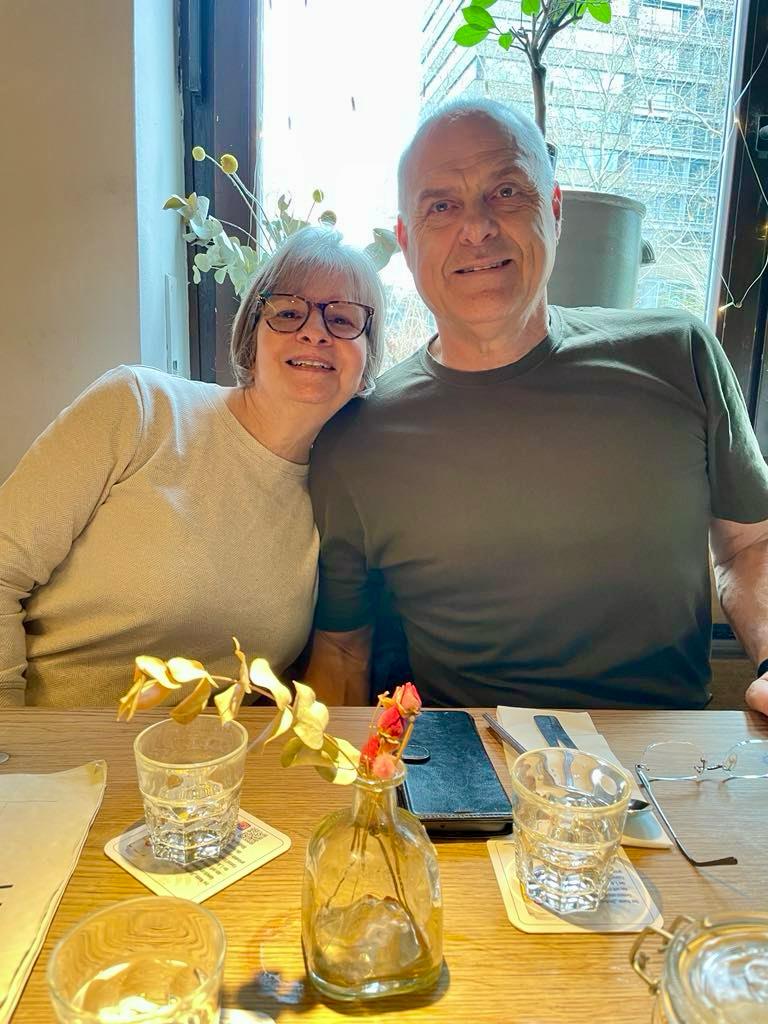
Wirsthaus Leopolt – Patti and Erick – Dreieich, Germany
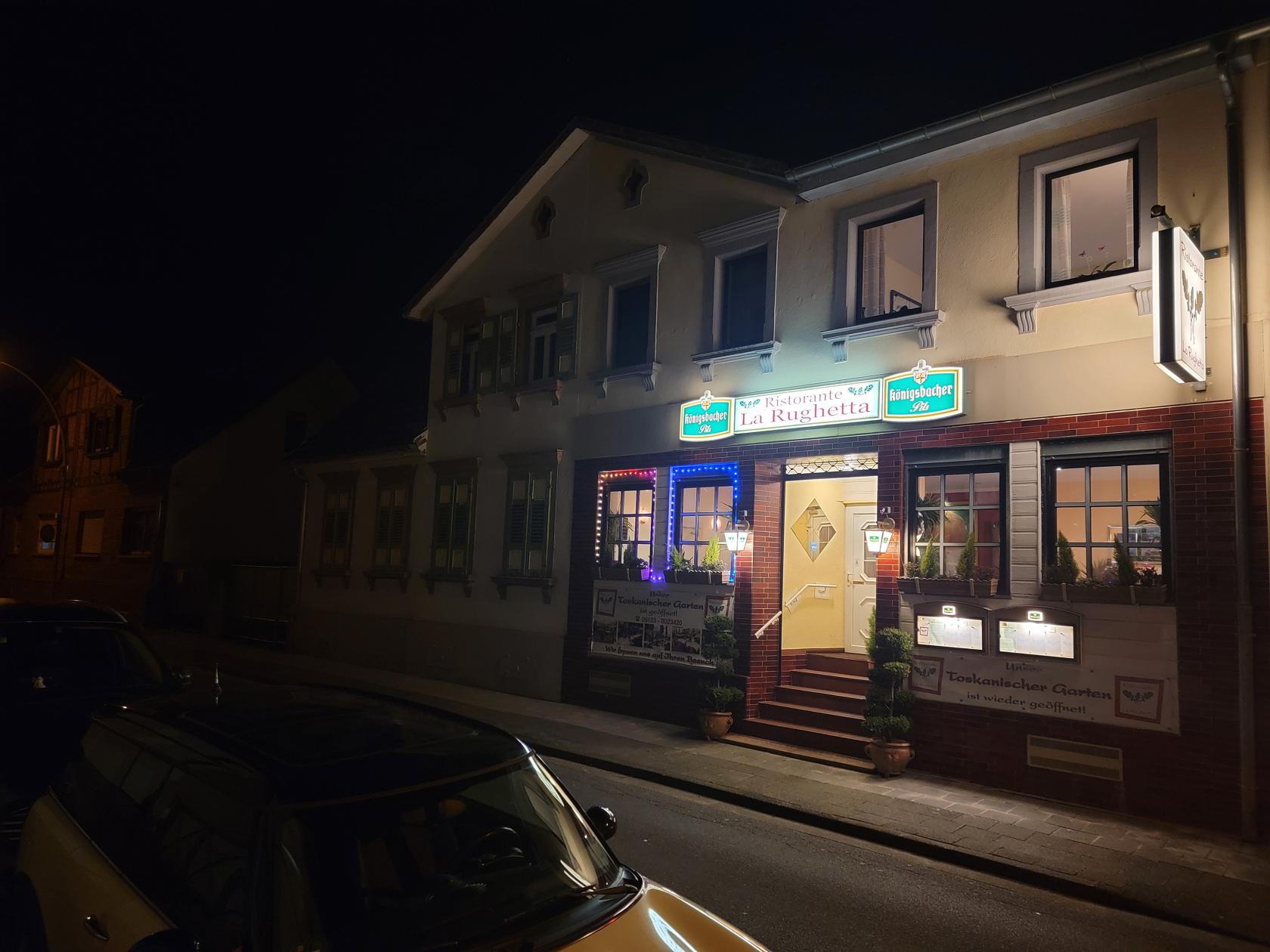
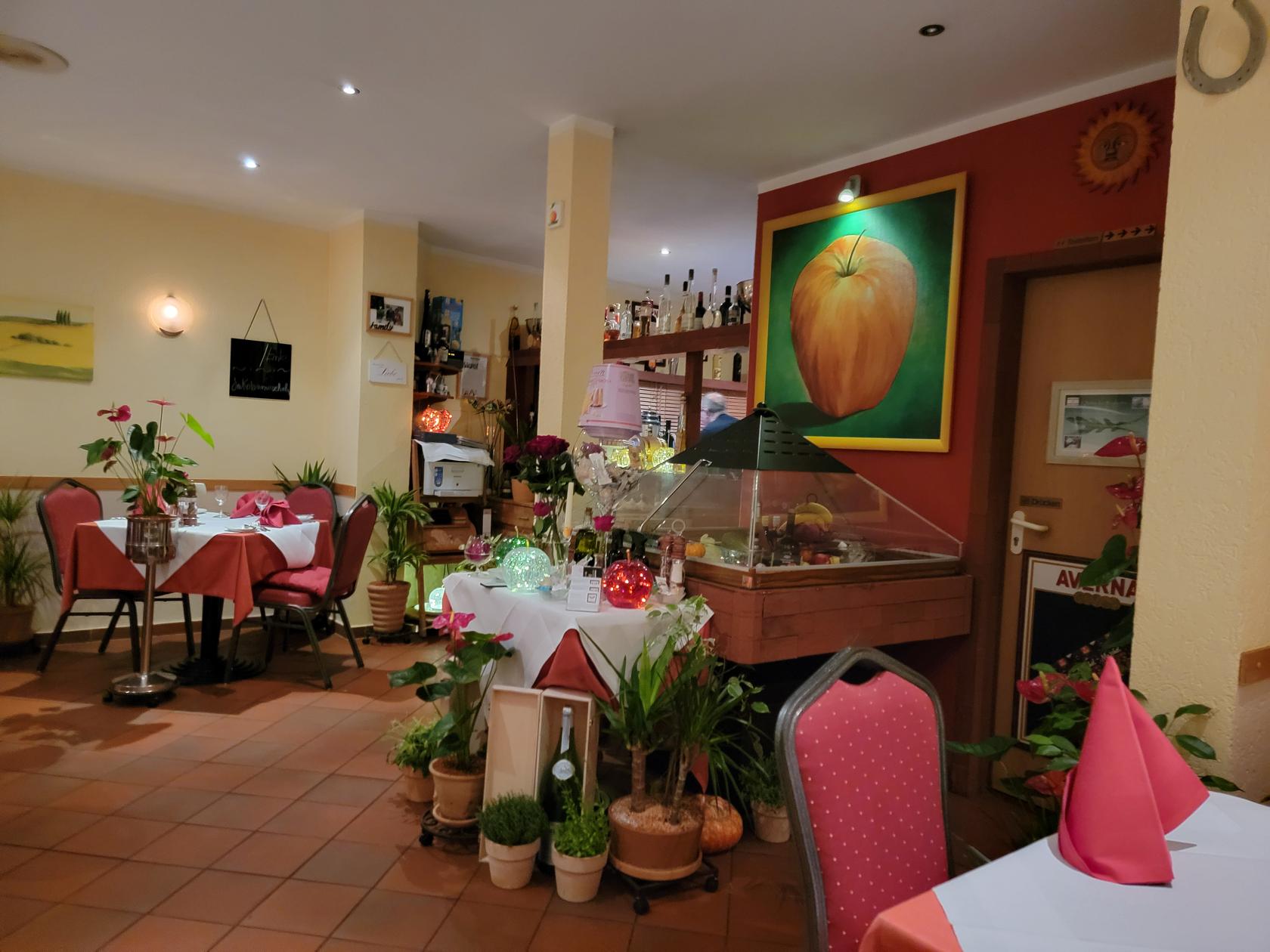
On Eisenbahnstraße 38 is the Italian restaurant La Rughetta. A smaller establishment than the others, it has a small, comfortable atmosphere with a family cooking feel. The menu has your typical items on it and the food is very good, though you may have to wait some time before it appears, so bring your patience.
Ristorante La Rughetta – Main Entrance – Dreieich, Germany
Ristorante La Rughetta – Inside – Dreieich, Germany
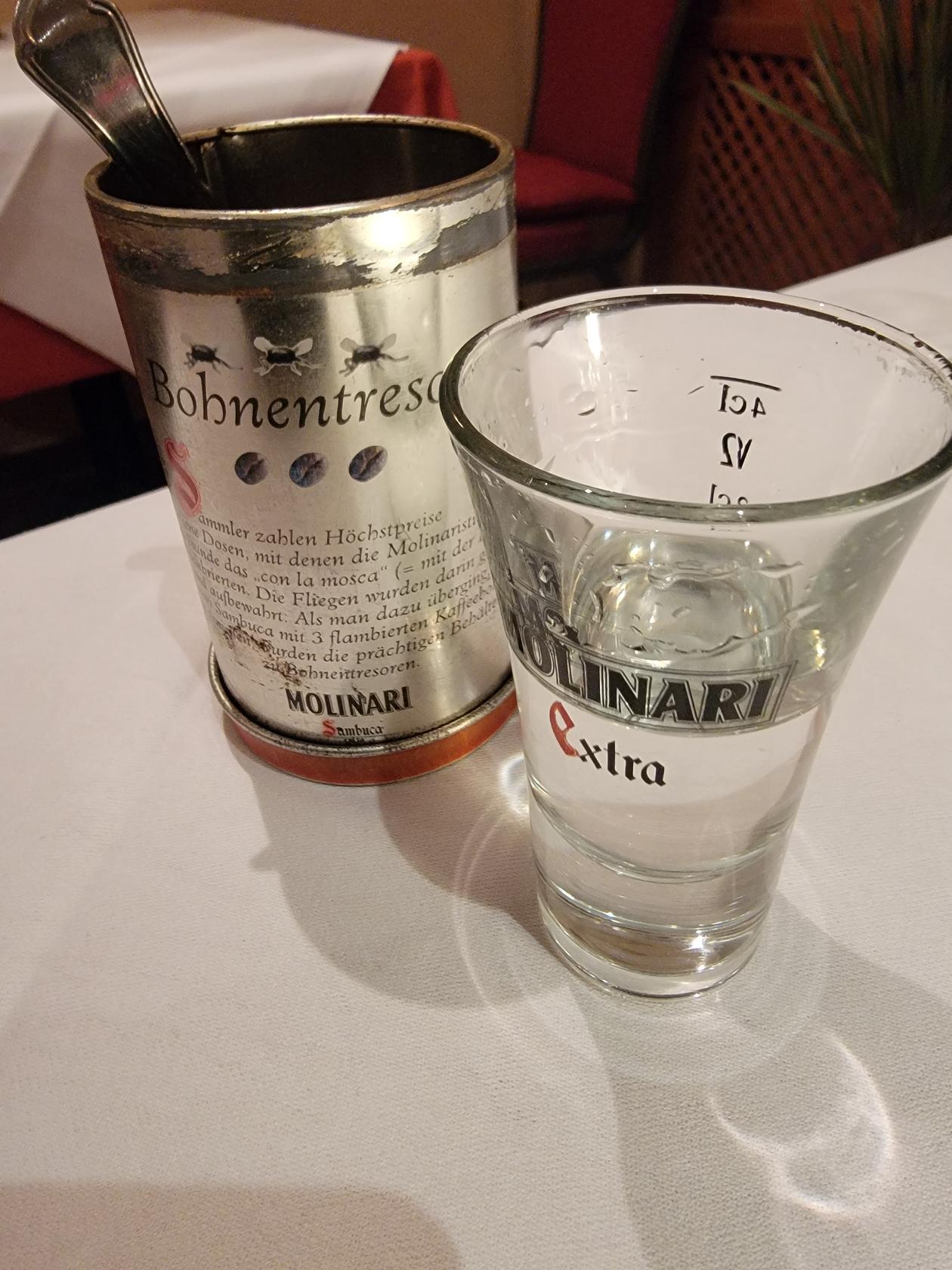
Ristorante La Rughetta – Molinari and Coffee Beans – Dreieich, Germany
La Faggio
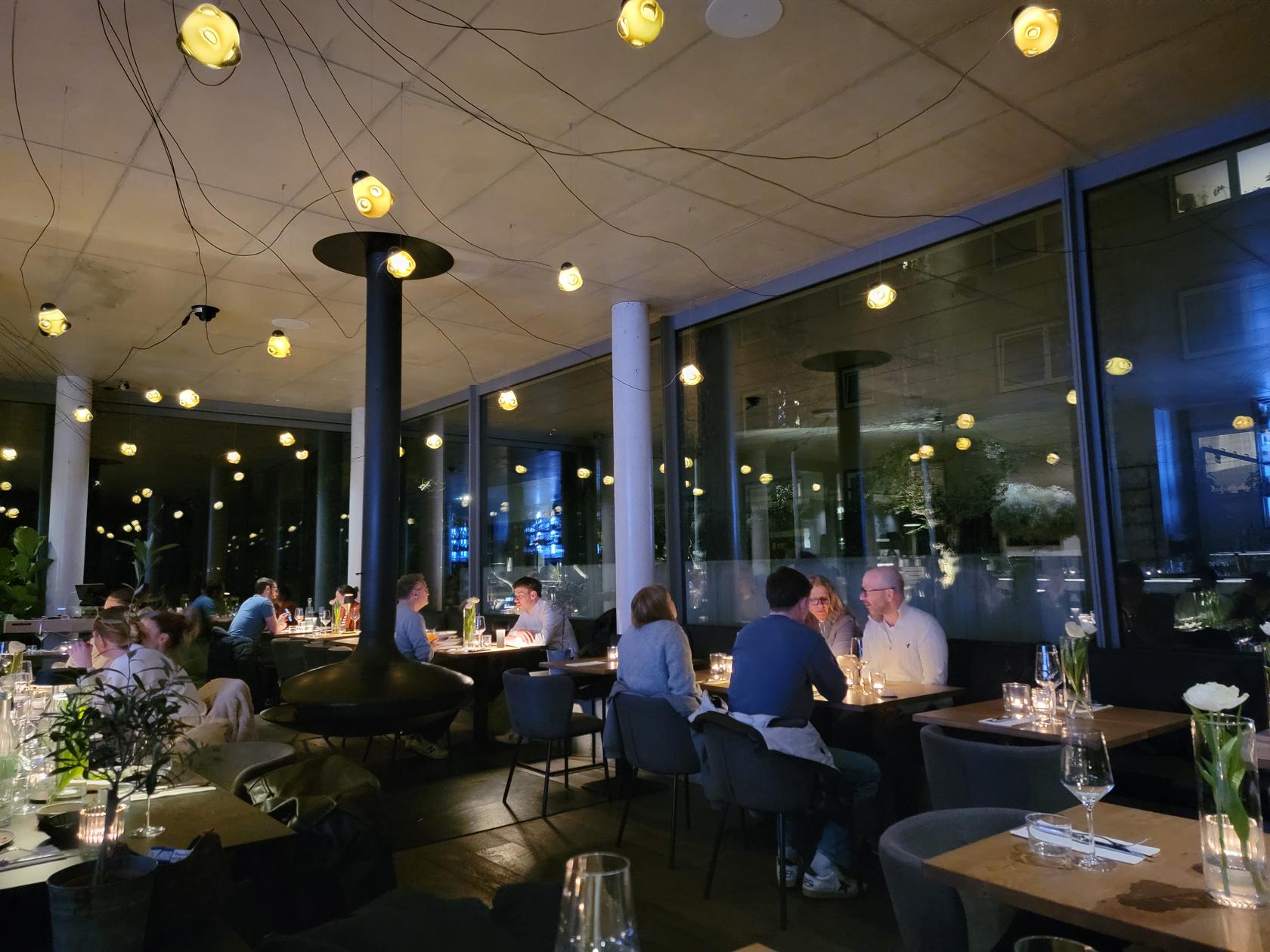
A newer, more upscale place to eat, that has the appearance of one of the in-places to go is La Faggio, located closer to the train station at Buchschlager Allee 19. Though the eating area is rather spacious, we had the impression there were not enough servers to adequately attend to everyone in a timely manner; so be prepared to wait longer, even to order.
Ristorante La Faggio – Main Dining Area – Dreieich, Germany
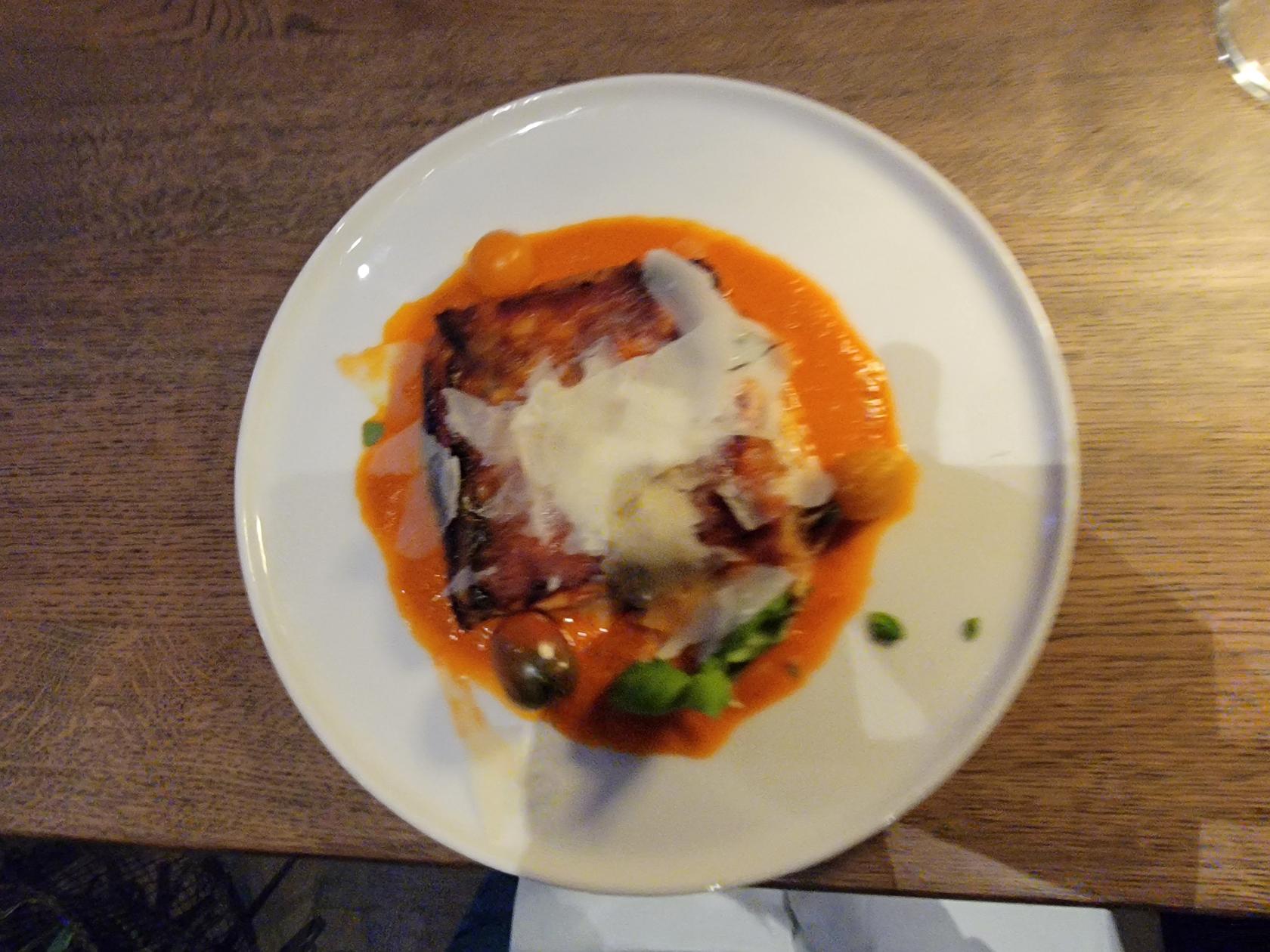
Ristorante La Faggio – Eggplant Parmigiano – Dreieich, Germany
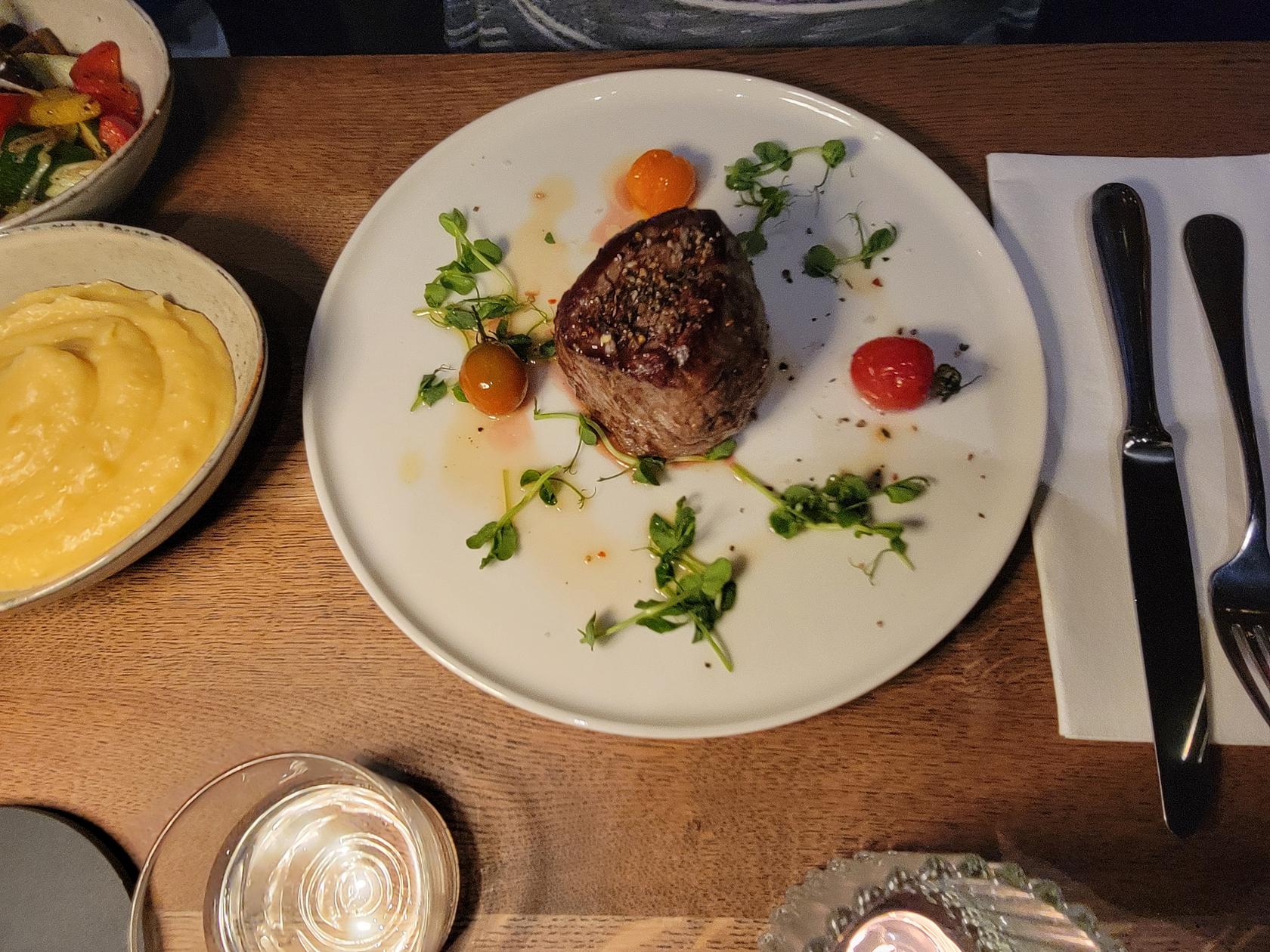
Ristorante La Faggio – Filet Mignon – Dreieich, Germany
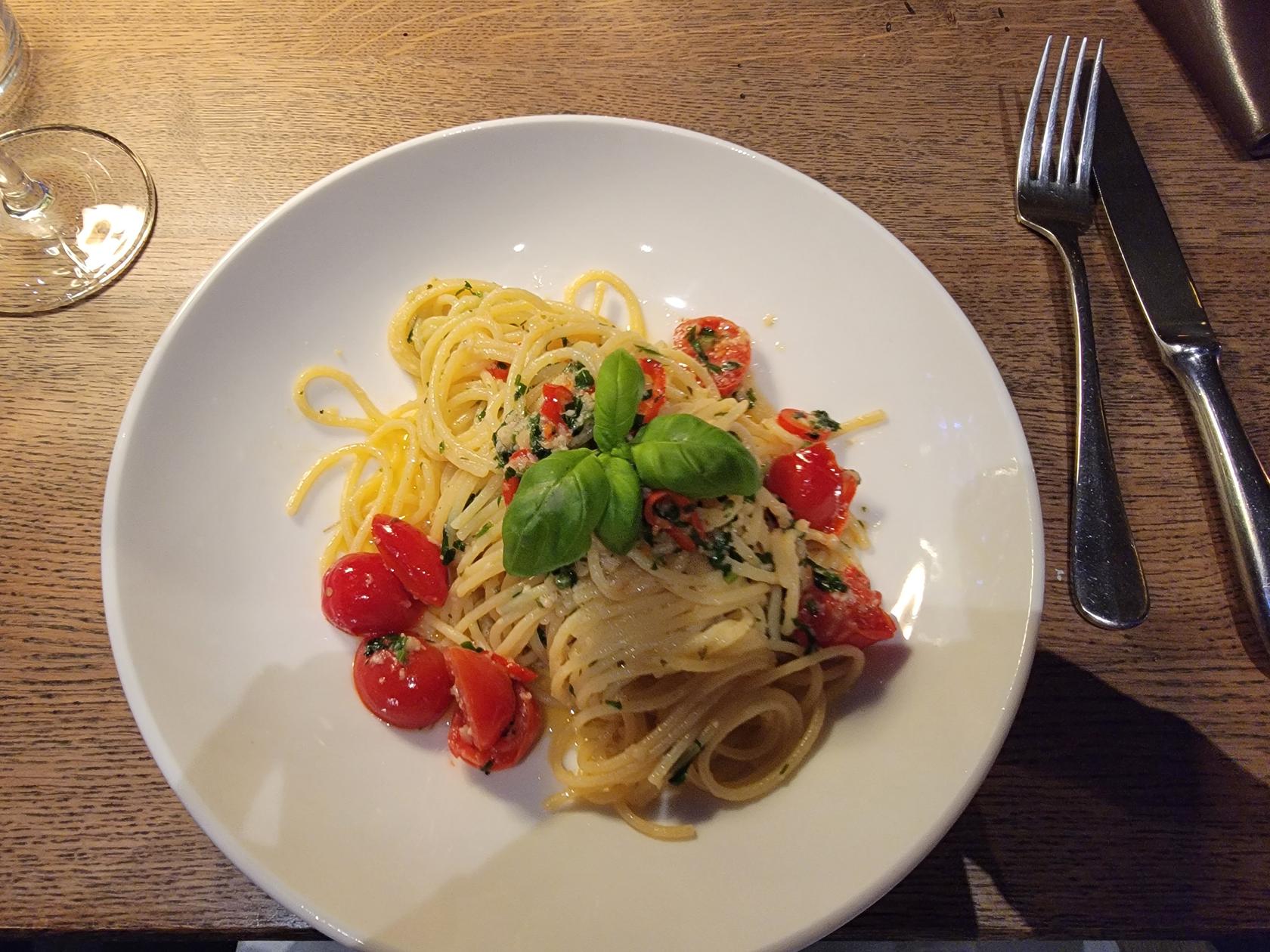
Ristorante La Faggio – Spaghetti and Tomatoes with Oil and Garlic – Dreieich, Germany
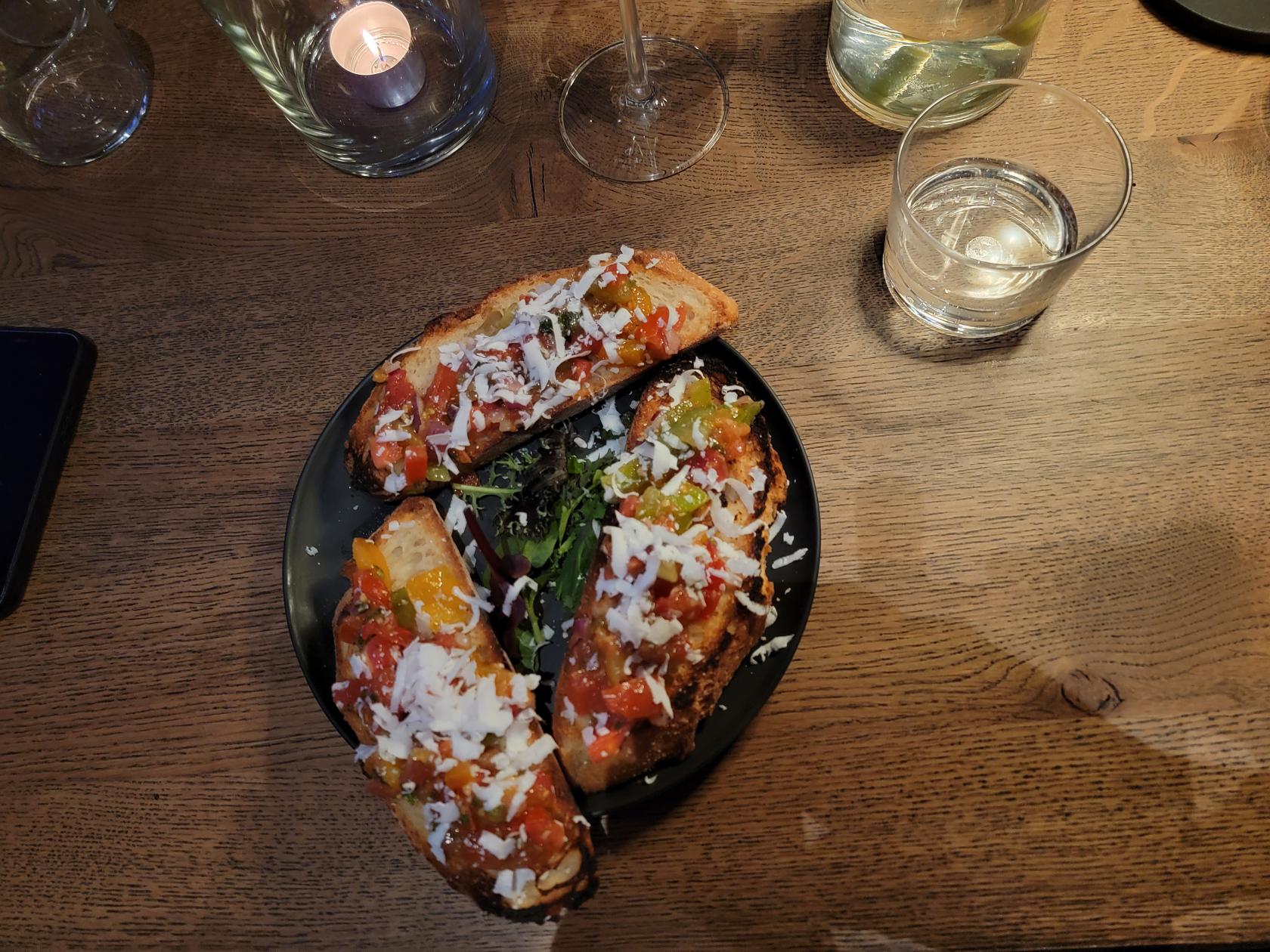
Ristorante La Faggio – Bruschetta – Dreieich, Germany
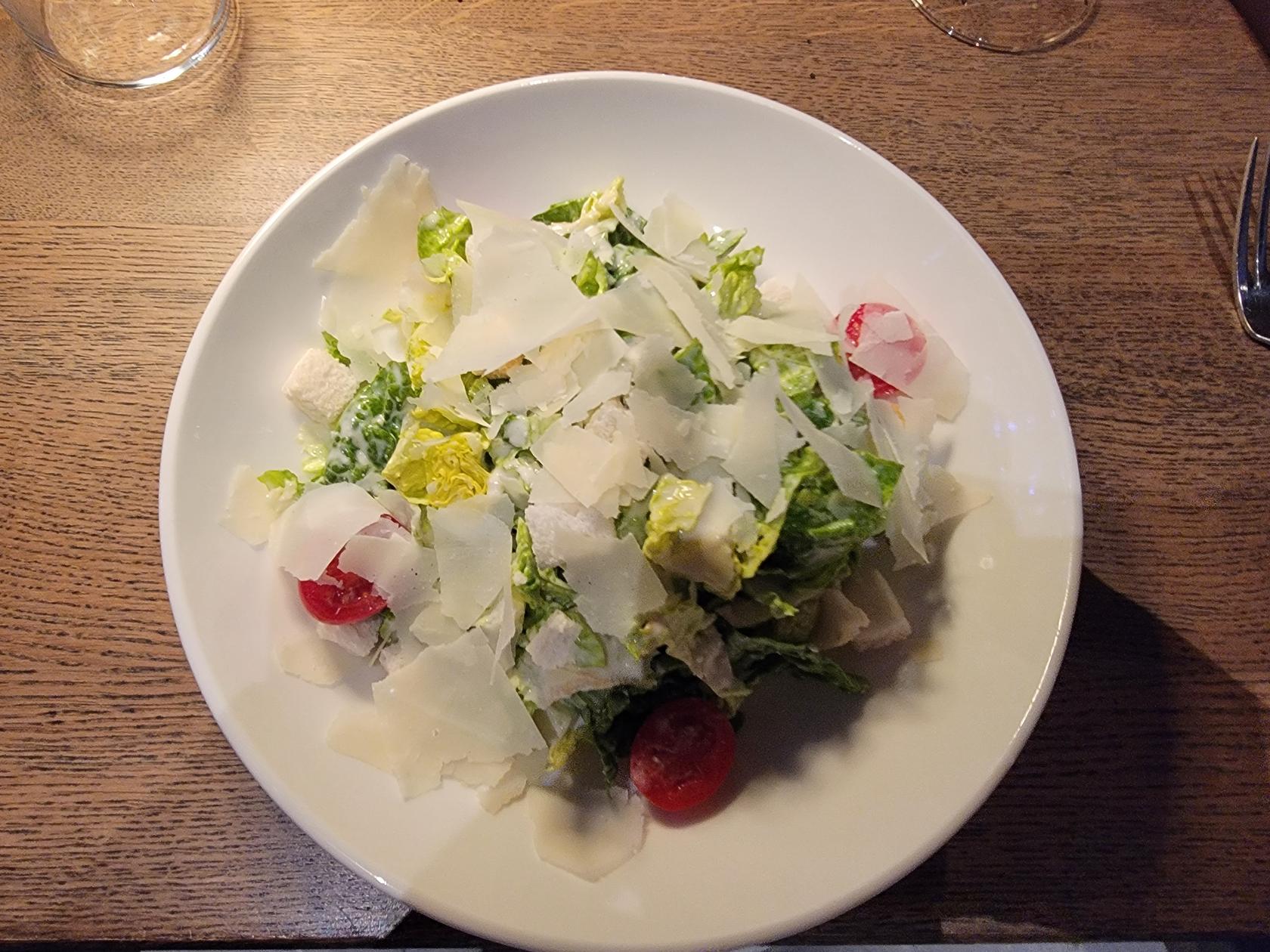
Ristorante La Faggio – Mixed Salad – Dreieich, Germany
Al Dente da Pino Ristorante
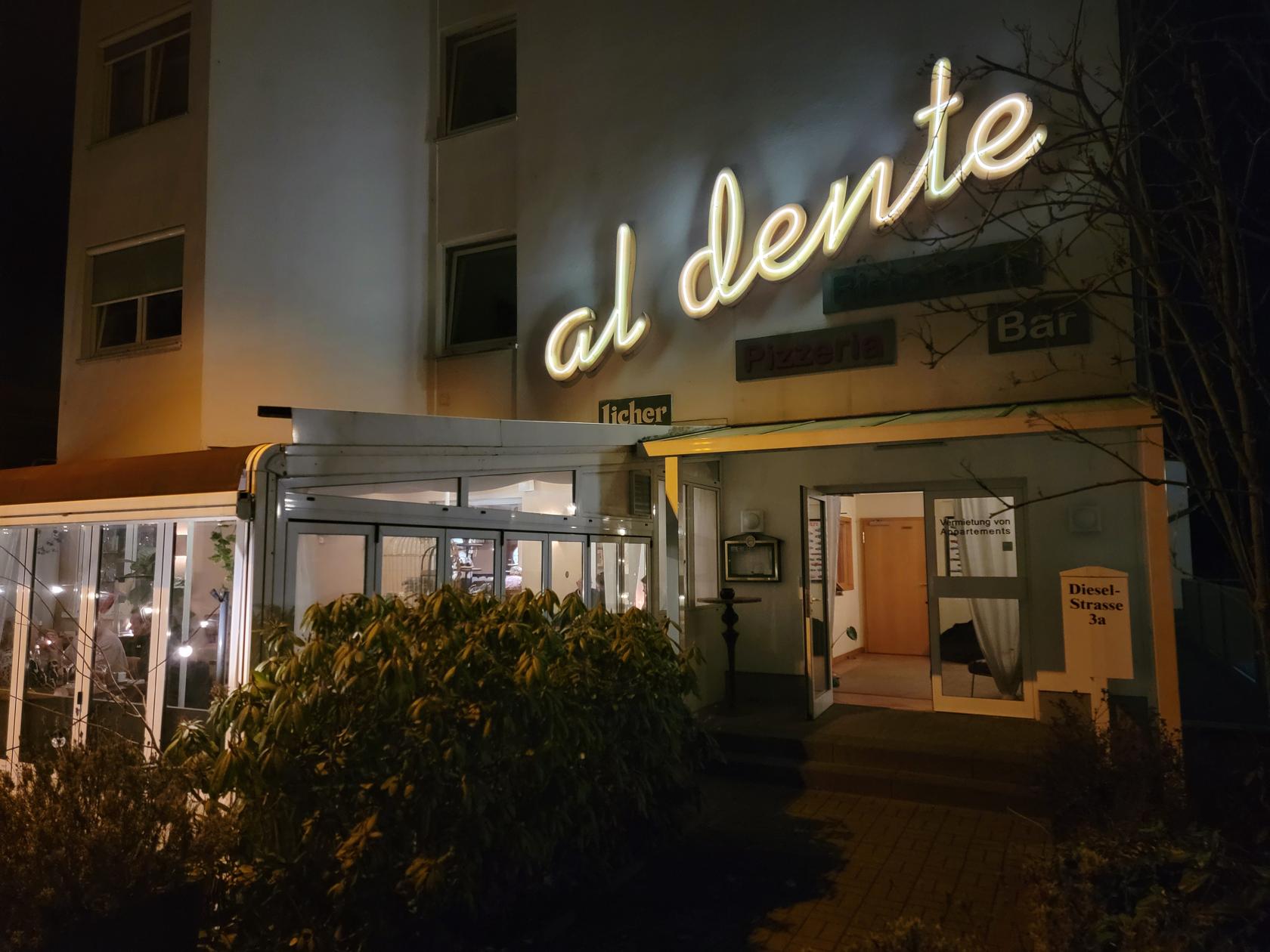
At the other end of town is Al Dente da Pino Ristorante at Dieselstraße 3. Again, an Italian restaurant with a friendly charm and comfortable atmosphere. The food is very good and the service prompt and friendly. Probably one of the better places in town to eat.
Ristorante Al Dente da Pino – Entrance – Dreieich, Germany
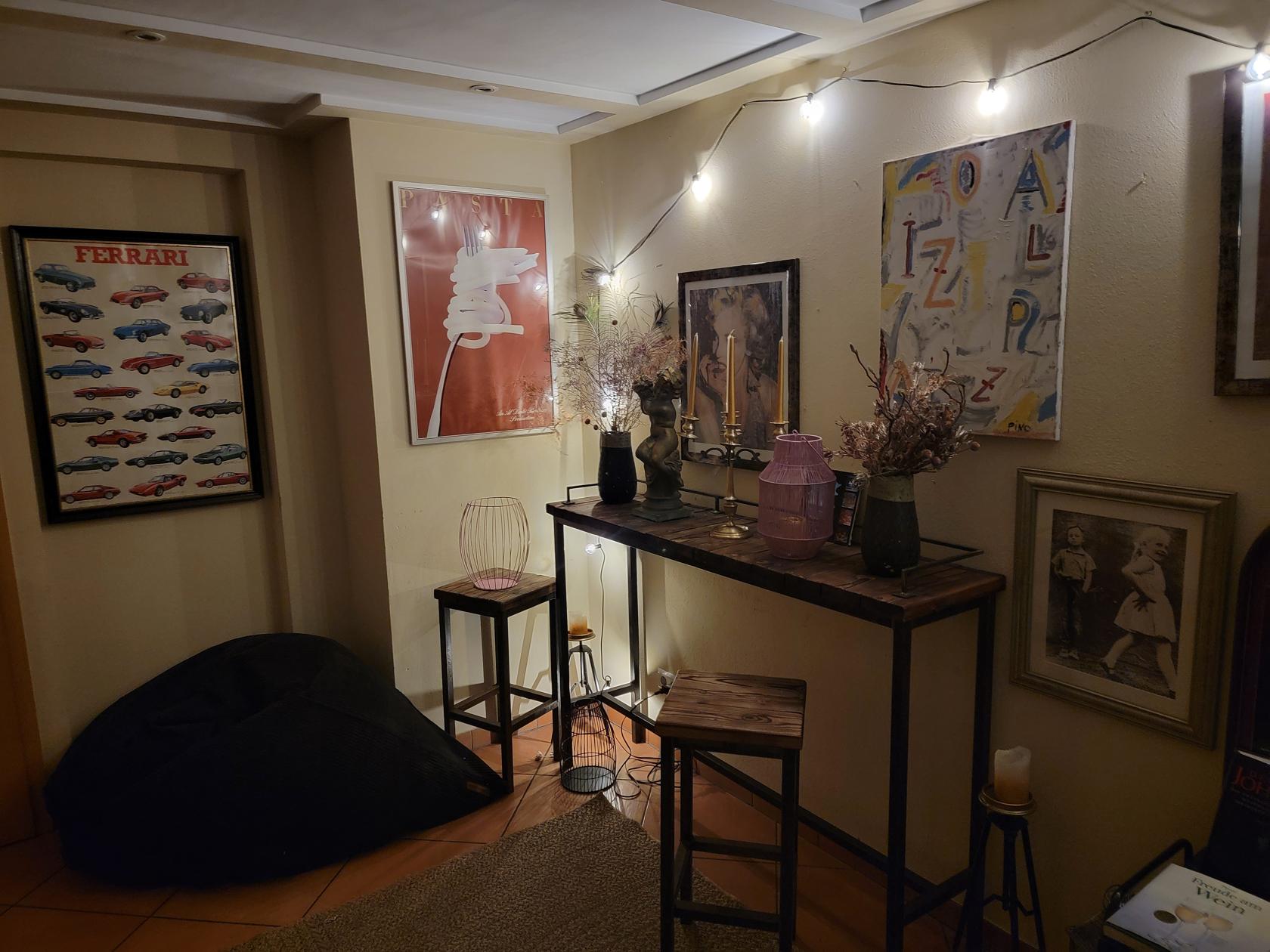
Ristorante Al Dente da Pino – Artwork – Dreieich, Germany
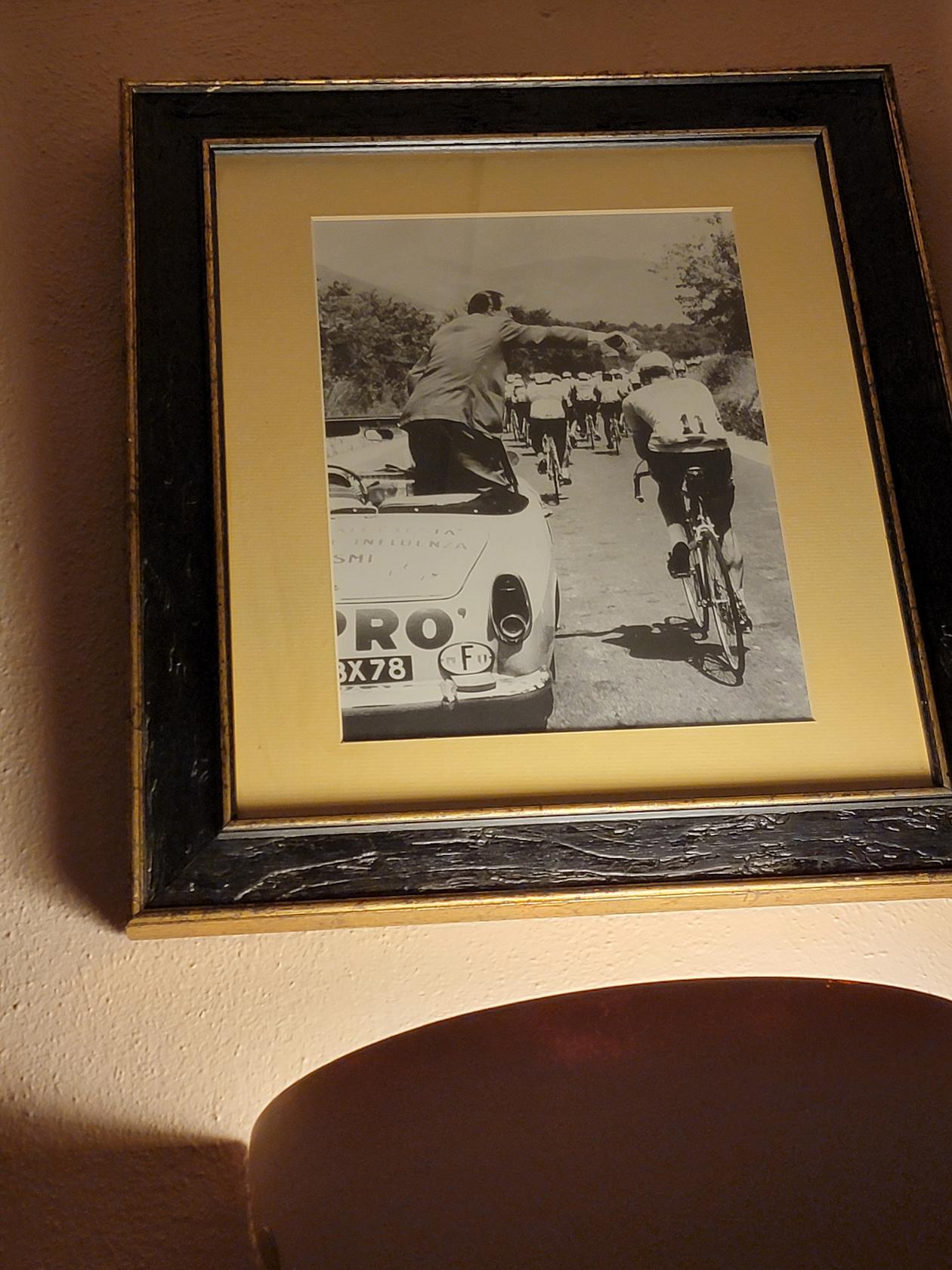
Ristorante Al Dente da Pino – Photographs – Dreieich, Germany
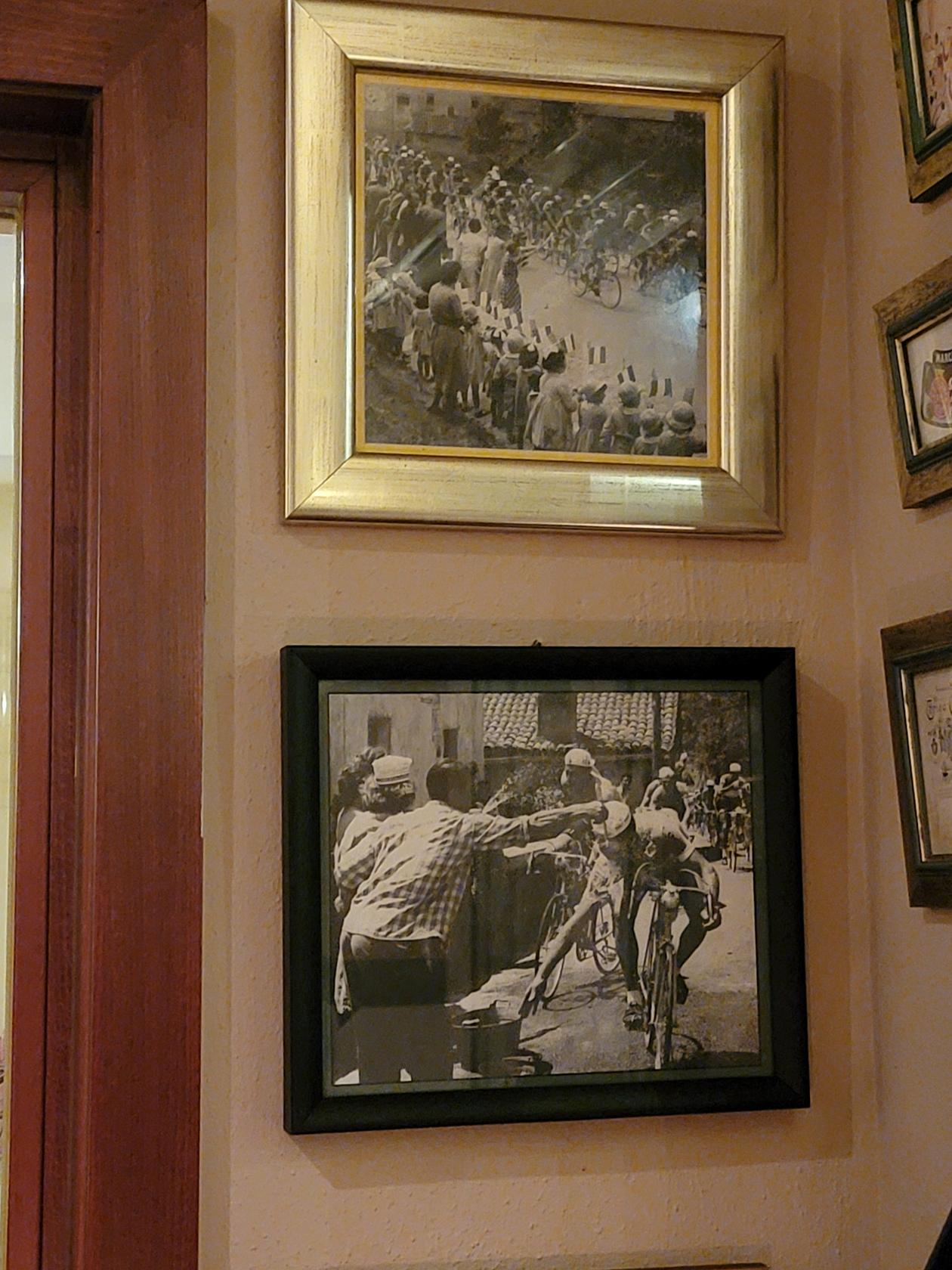
Ristorante Al Dente da Pino – Photographs – Dreieich, Germany
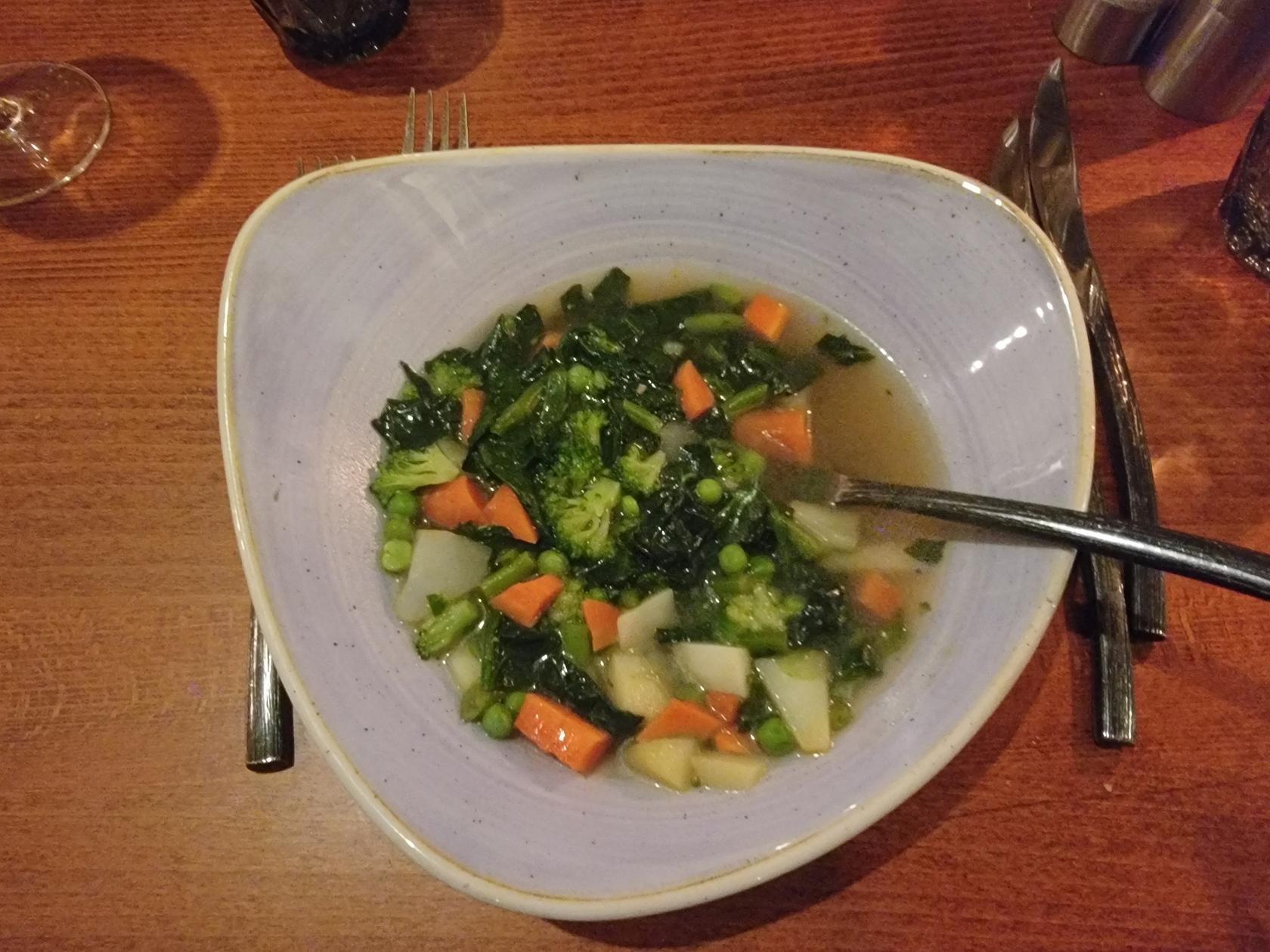
Ristorante Al Dente da Pino – Minestrone – Dreieich, Germany
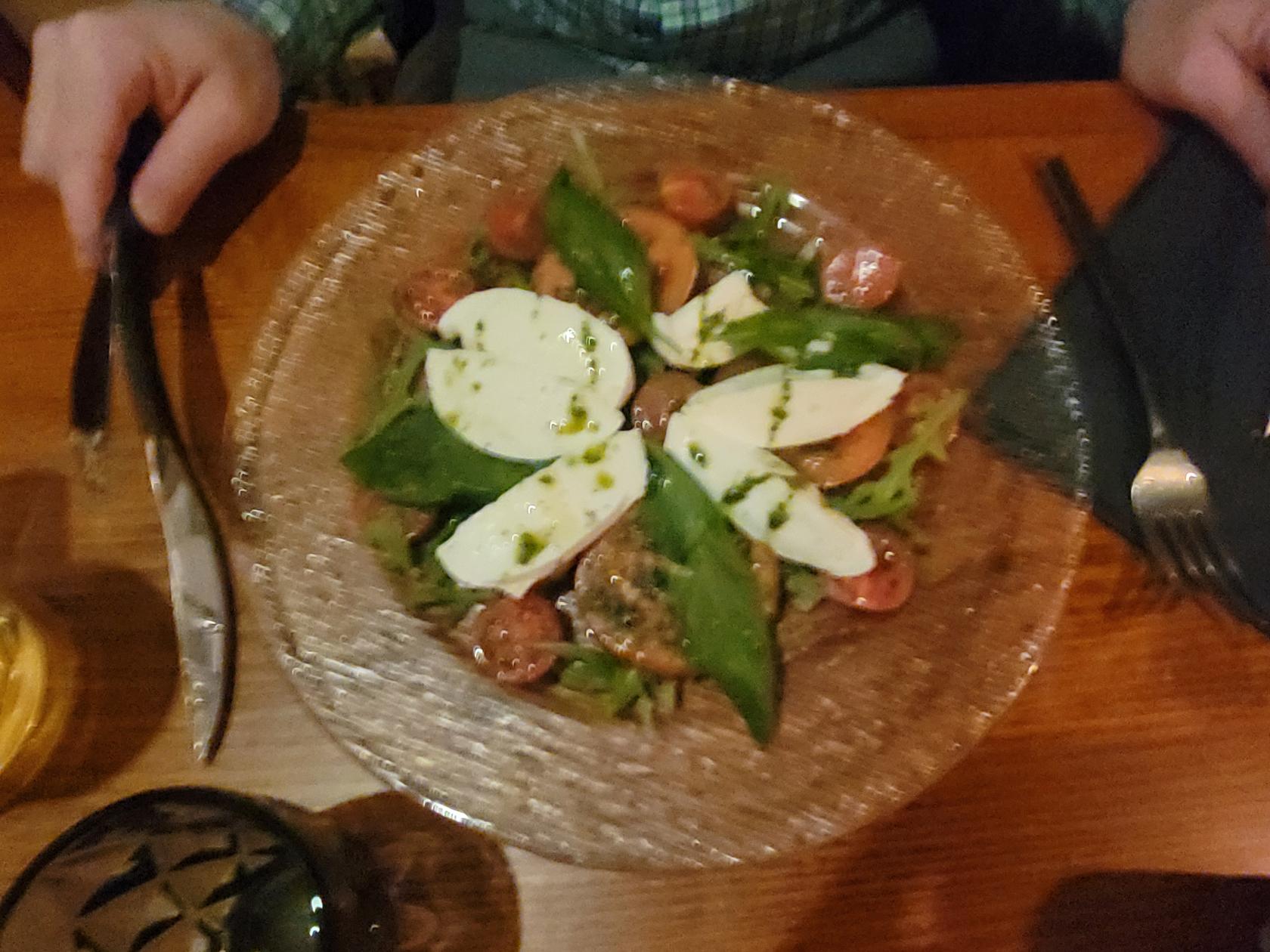
Ristorante Al Dente da Pino – Caprese Salad – Dreieich, Germany
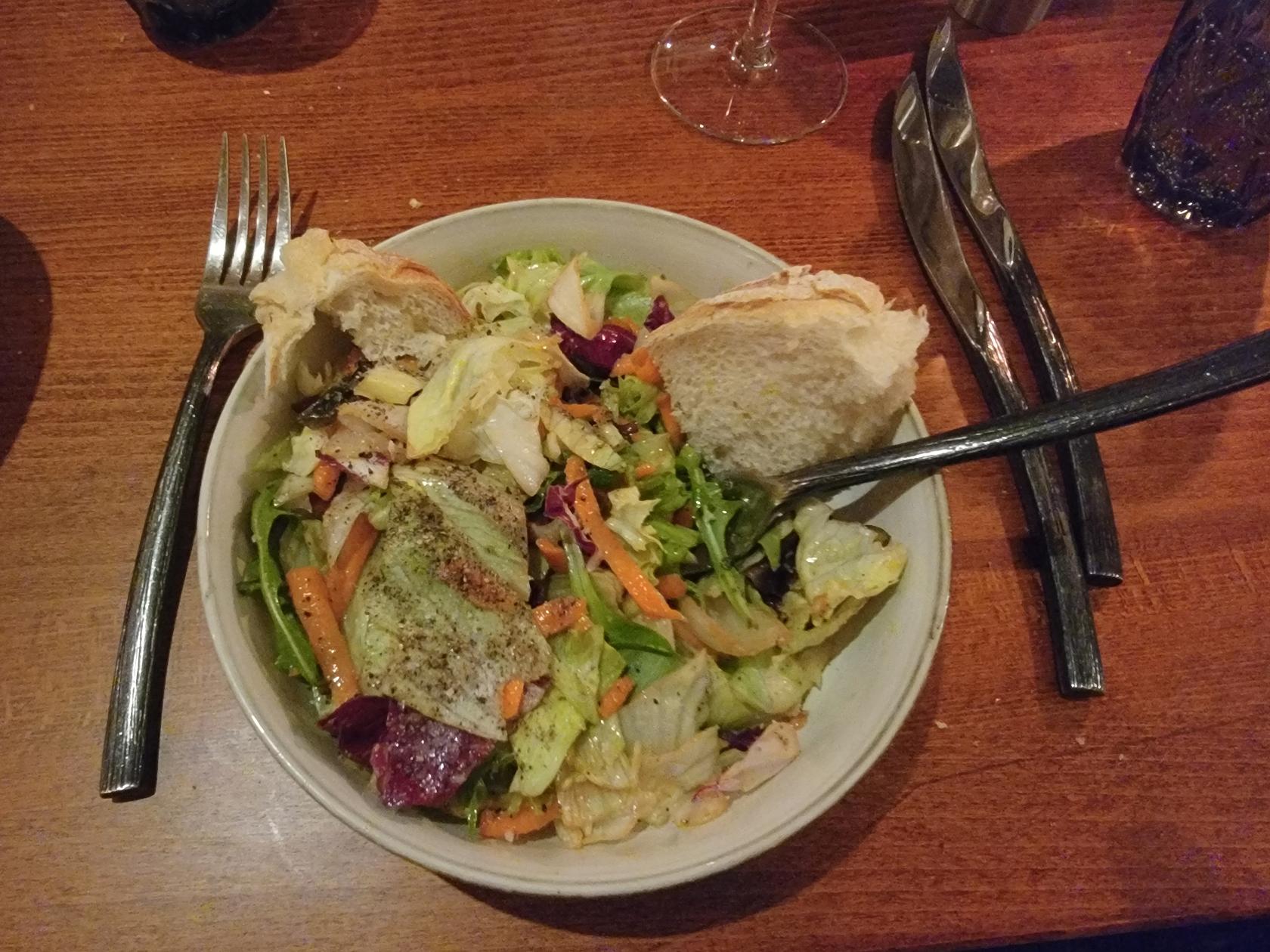
Ristorante Al Dente da Pino – Mixed Salad – Dreieich, Germany
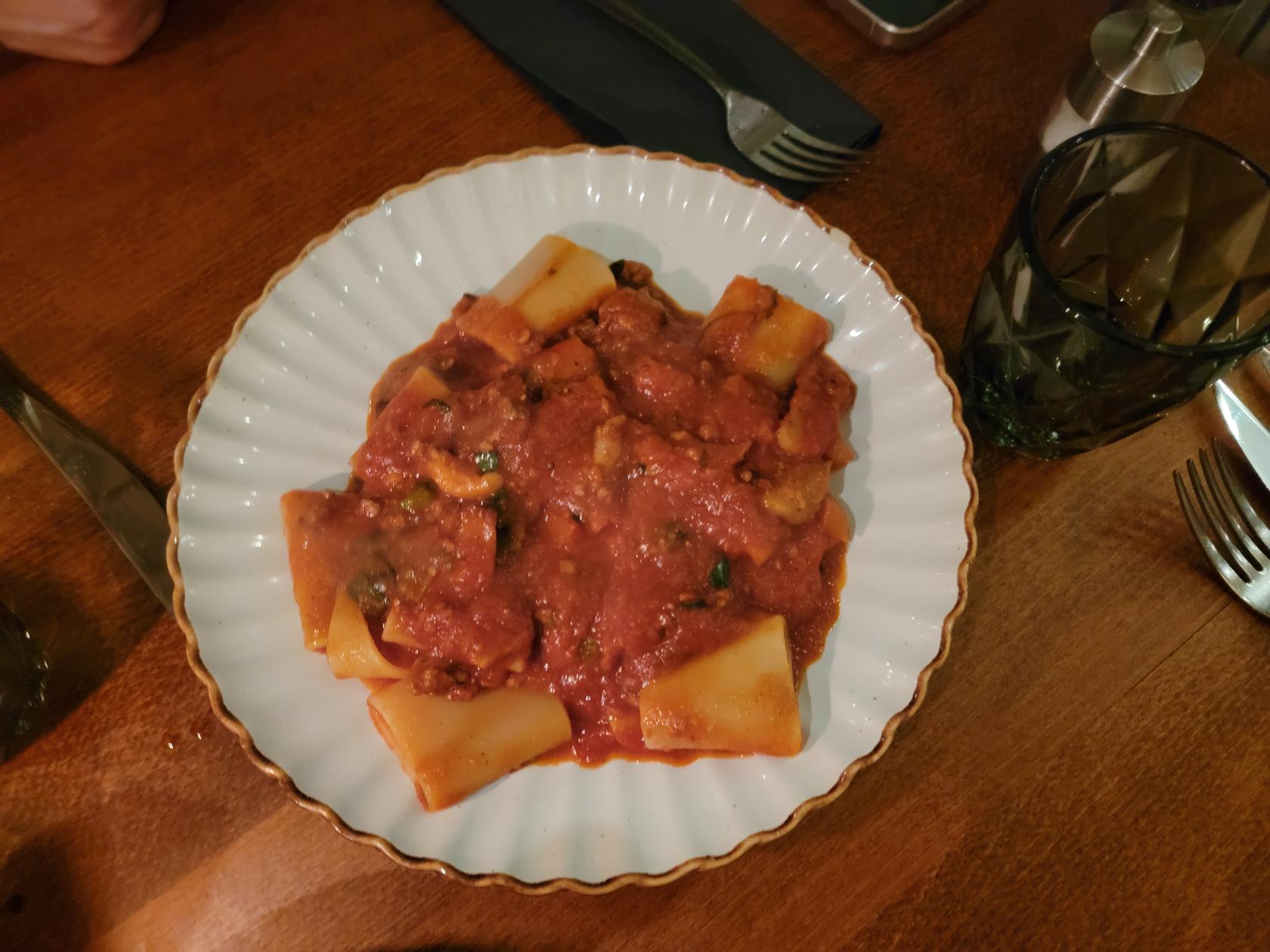
Ristorante Al Dente da Pino – Pasta Bolognese – Dreieich, Germany
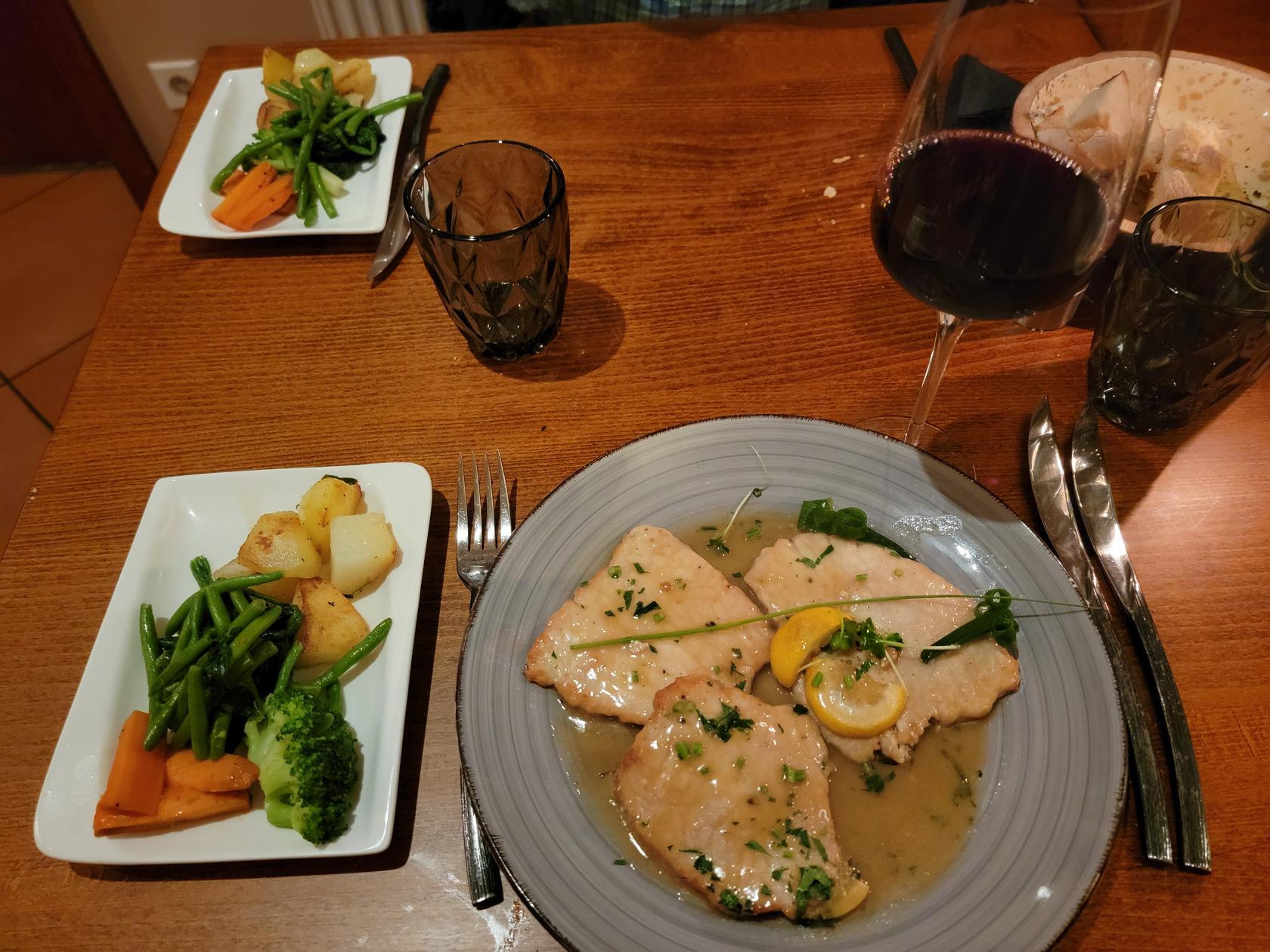
Ristorante Al Dente da Pino – Pork Piccata – Dreieich, Germany
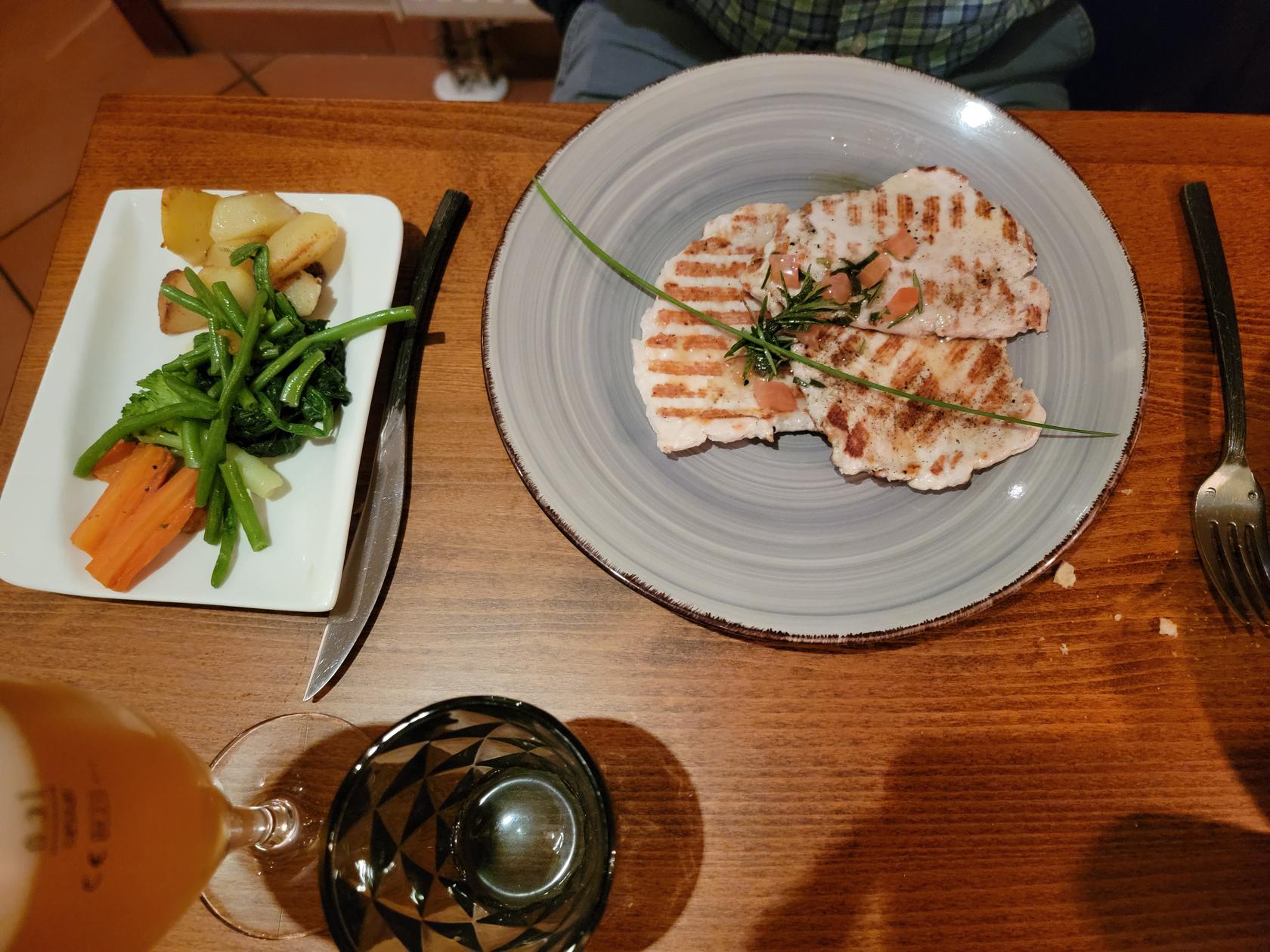
Ristorante Al Dente da Pino – Braised Pork – Dreieich, Germany
Restaurants In Dreieichenhain
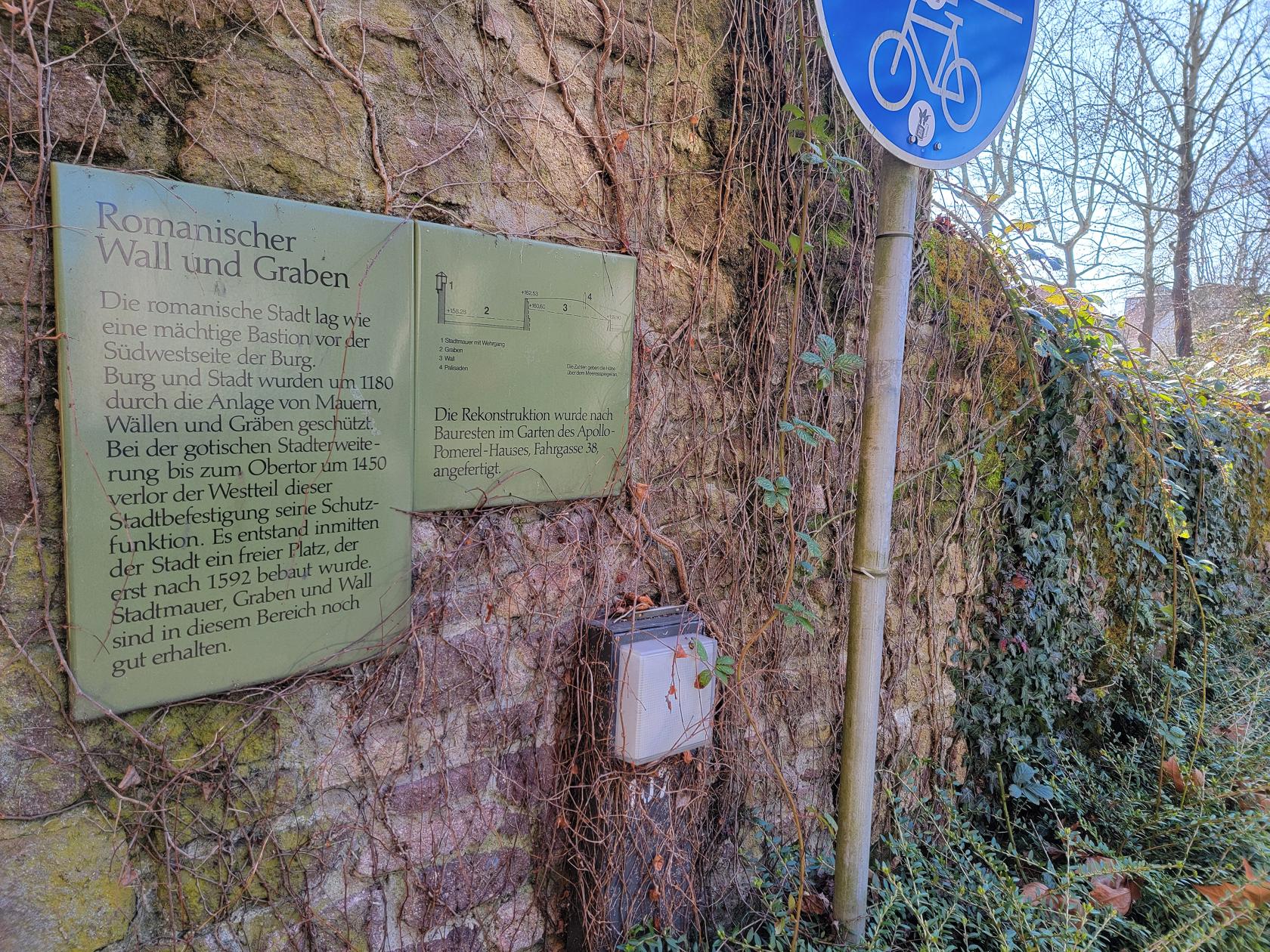
A short stone’s throw away from Dreieich is Dreieichenhain, a medieval little touristy like town with a Roman Wall and Clock Tower Gate. We have been here several times and try a different place to eat, each time we visit. On the day of our visit it was for a small brunch.
Old Roman Wall – Dreieichenhain, Germany
Cafe Cult
A small cafe kind of in the middle of town. Modern, friendly and quick, they have something for most everyone. Including very good coffee and other drinks. The desserts look amazing, though we did not try any. The bagels are bread type bagels, not traditional jewish bagels, but sufficient for bagel sandwiches, which were very tasty.
Cafe Cult – Egg with Avocado on a Bagel – Dreieichenhain, Germany