Anyone walking through the idealic and picturesque city of Colmar, France will notice the abundance of timber and sandstone used in it’s buildings. From simple timber framed houses, to large churches built almost entirely of sandstone.
Colmar
The city of Colmar has benefited from both French and German influences, especially with it’s architecture. This is what makes it such an interesting place to visit. Not only have many of the structures survived the many wars between the two countries, the population has seemed to have taken care of them down through the centuries.
Getting There
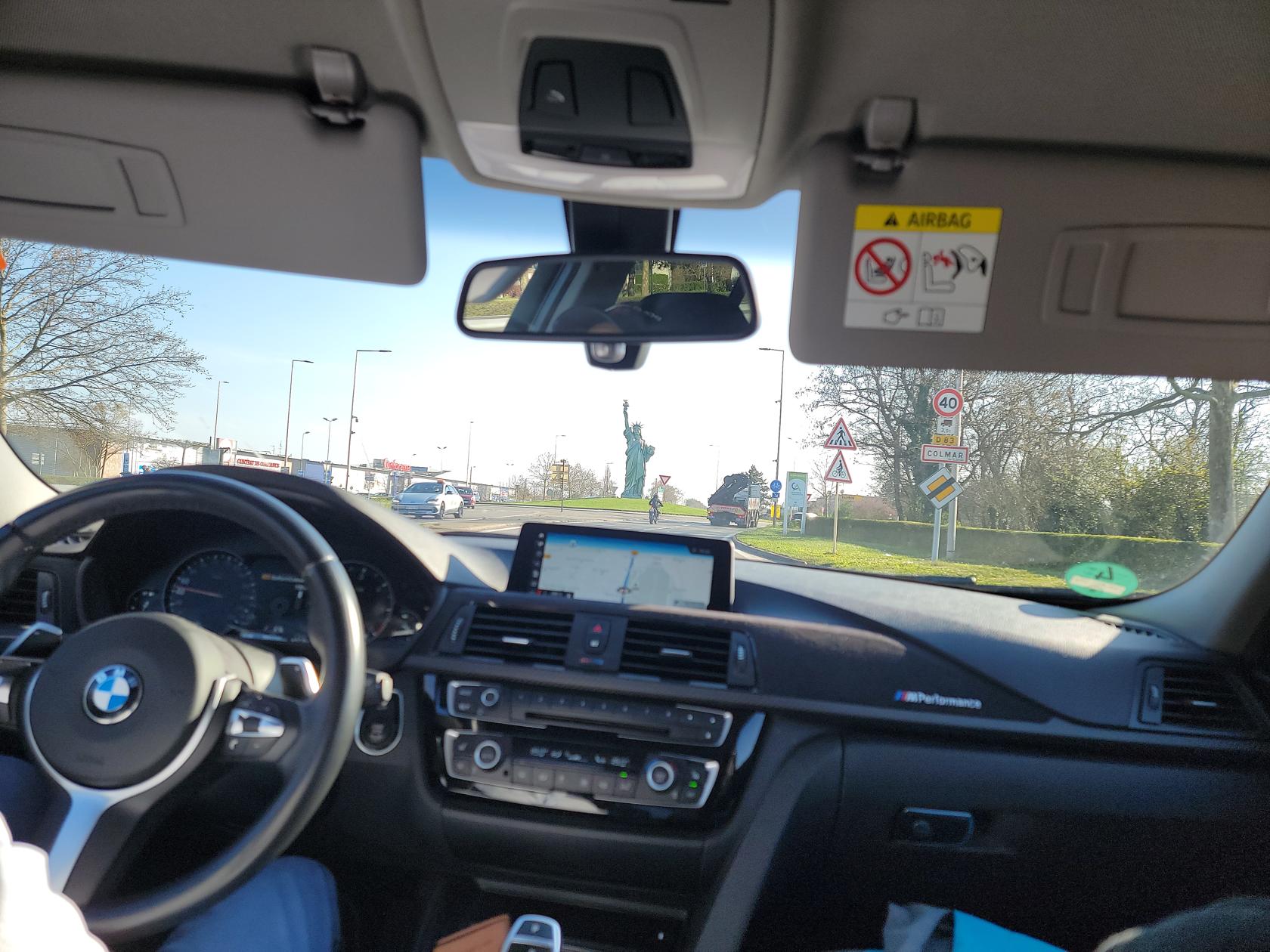
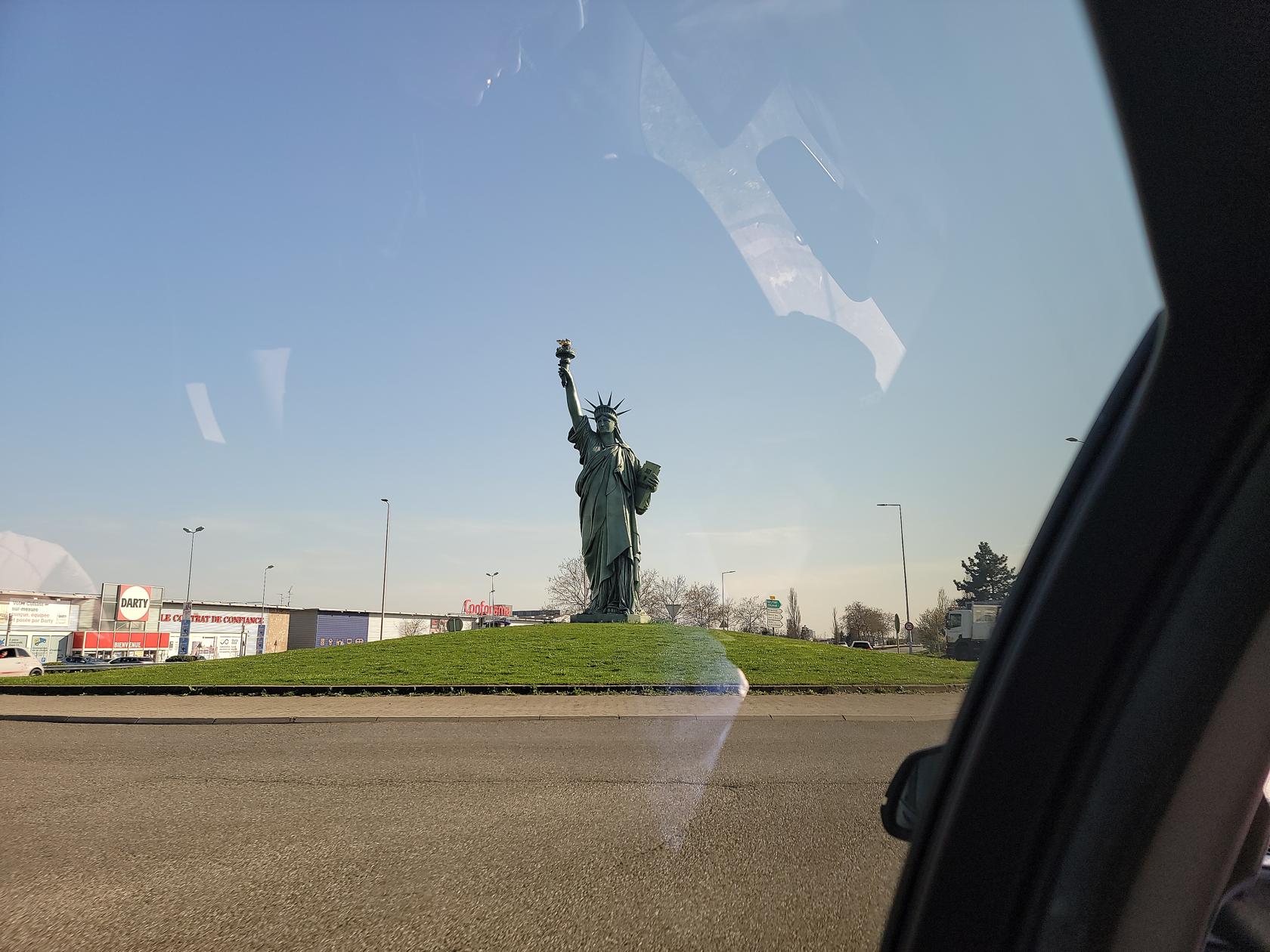
From Frankfurt you can the A5, which I believe is only designated a 5 now. We took it and then cut over to France at Strasbourg and took the A35 down. If you take that route you get to enjoy the Statue of Liberty.
Timber Houses
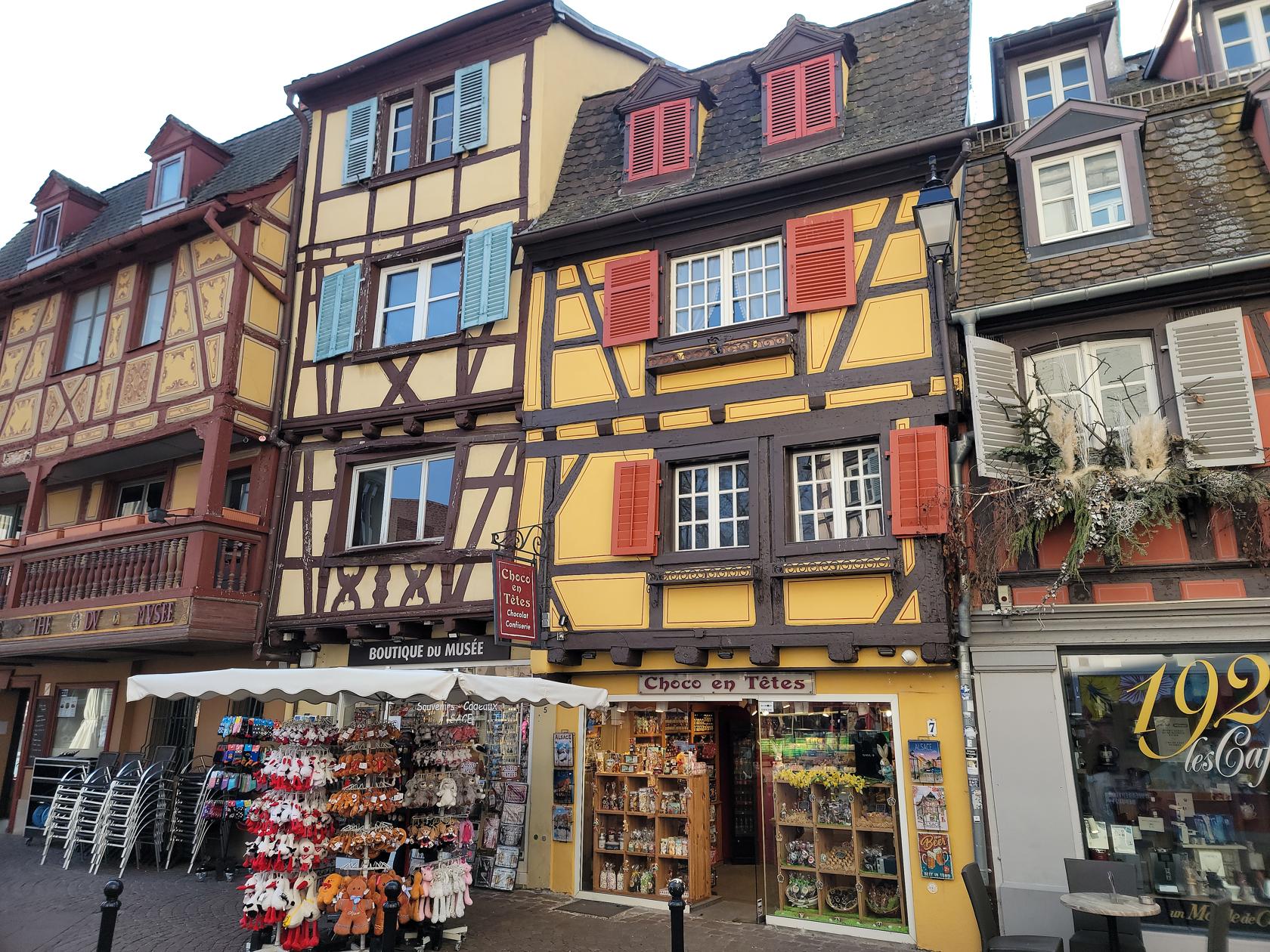
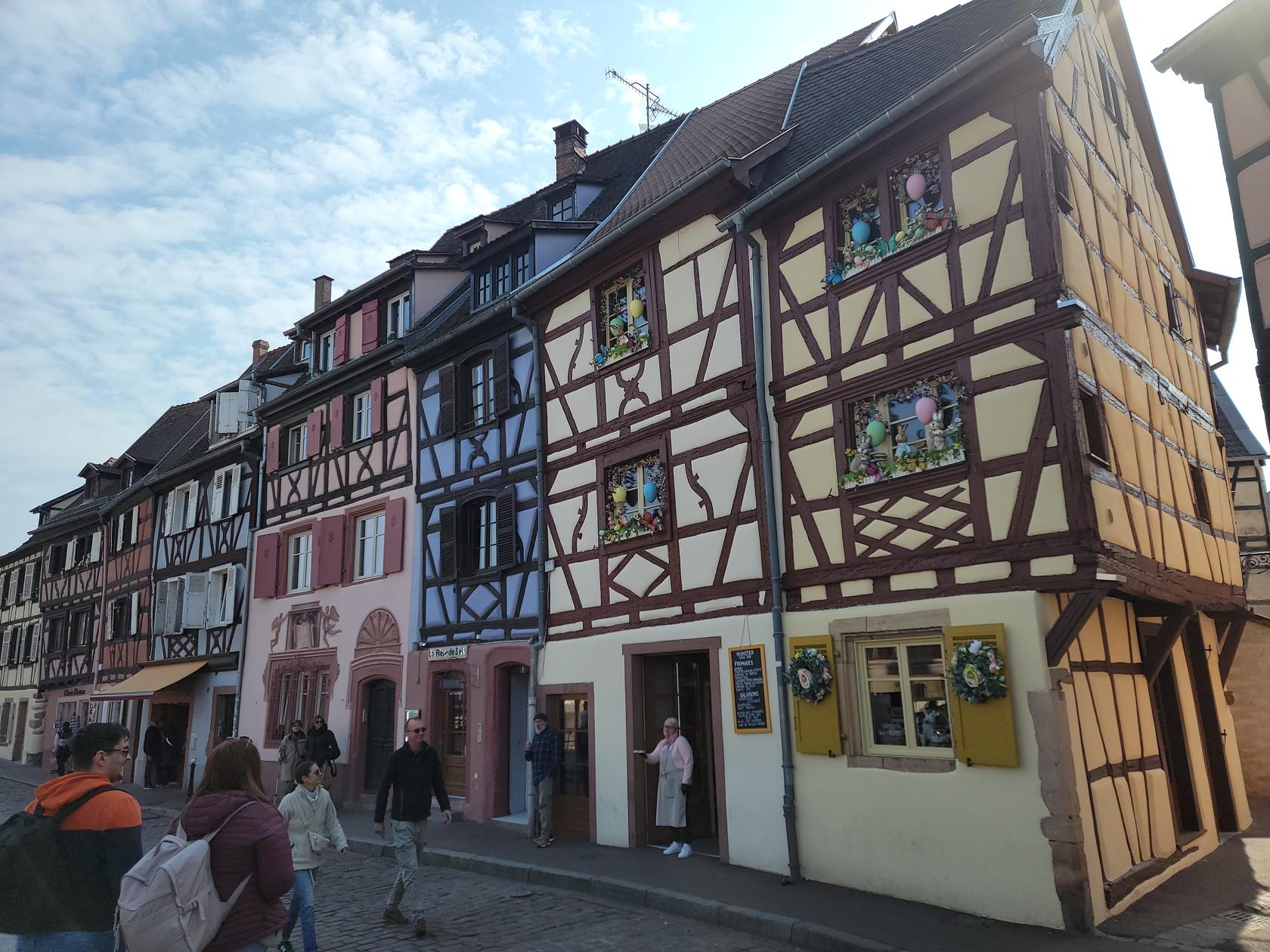
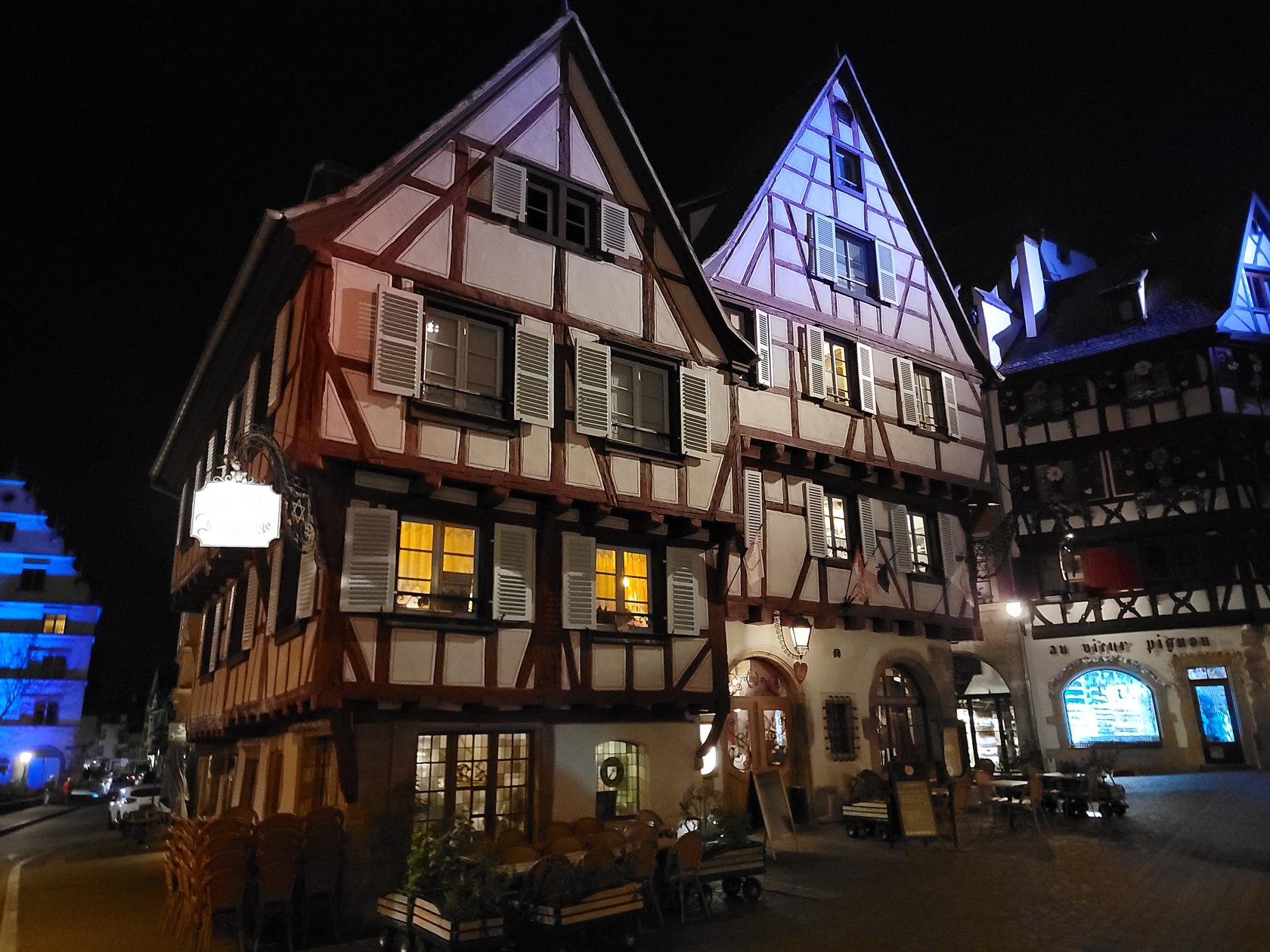
The city is repleat with Fachwerkhäuser, or timber houses. Many dating back many centuries and showing their age.
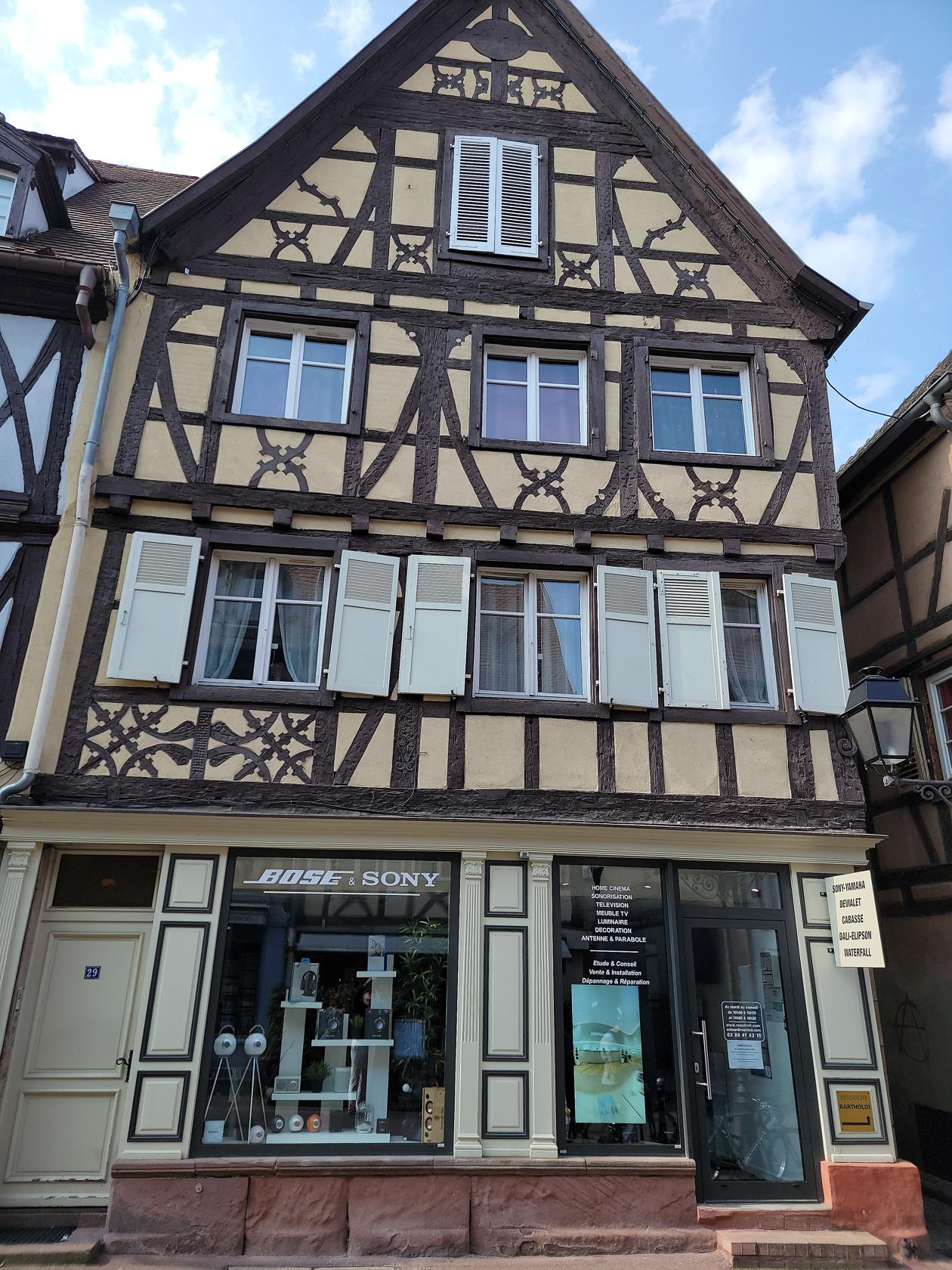
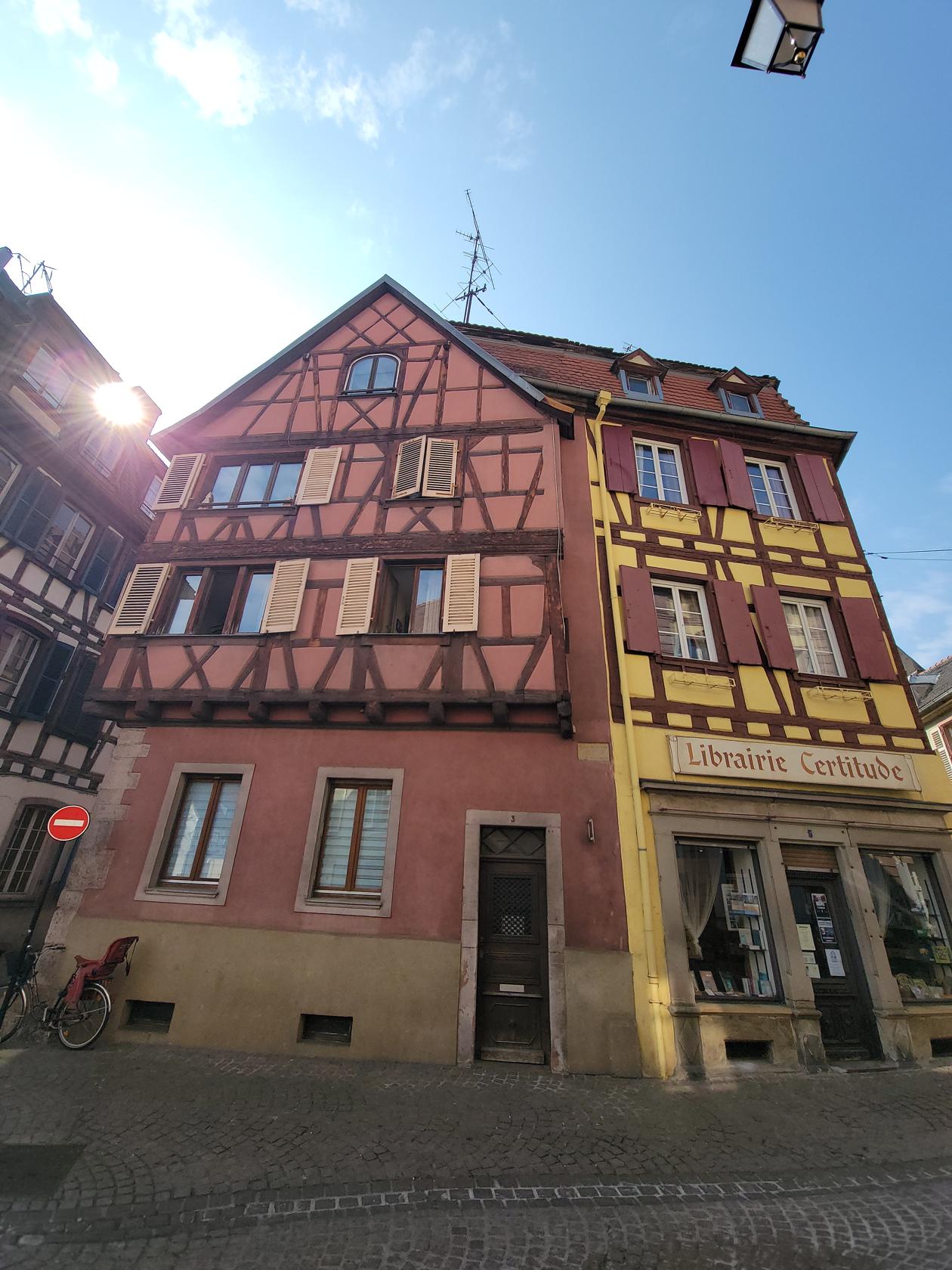
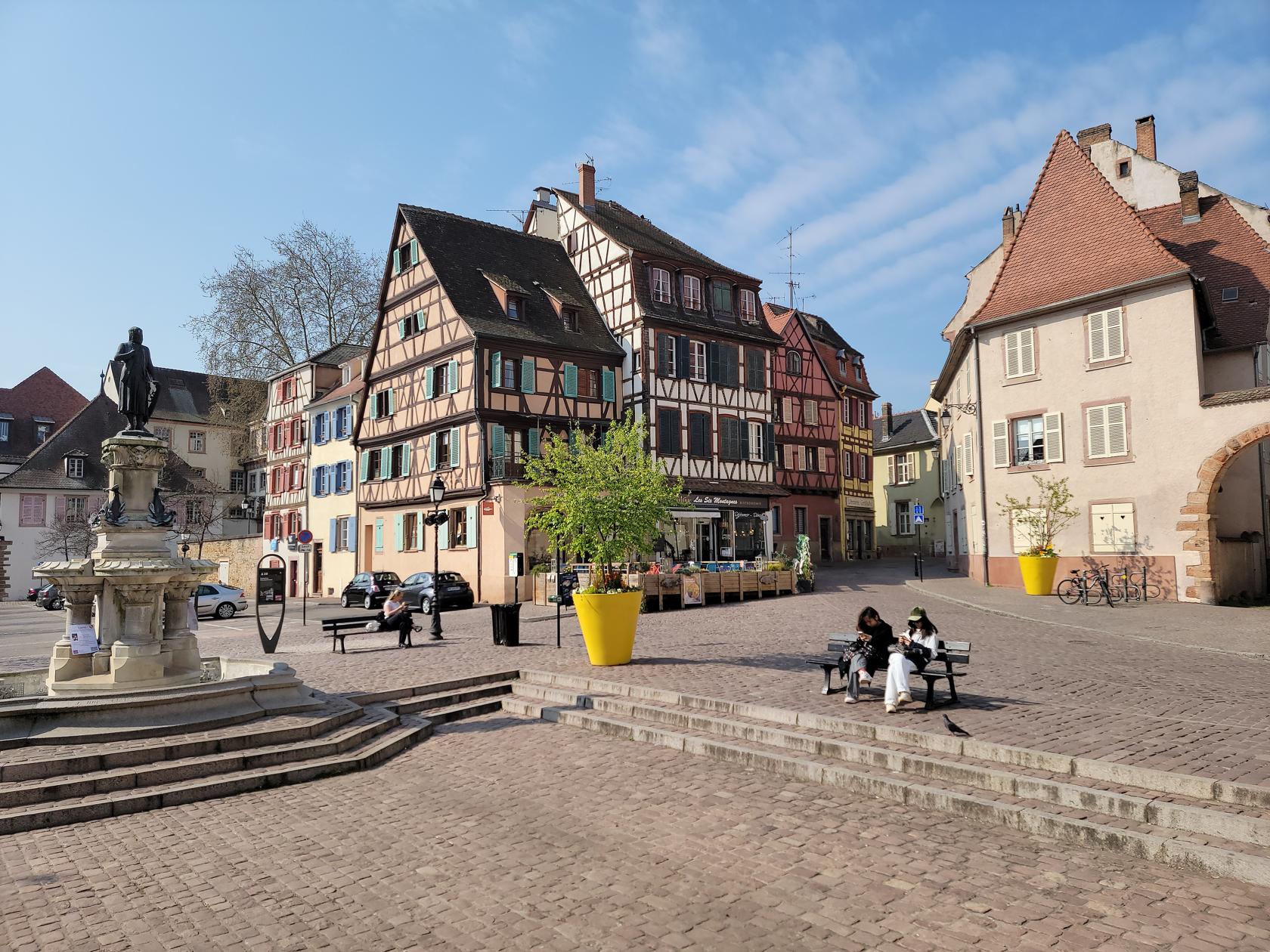
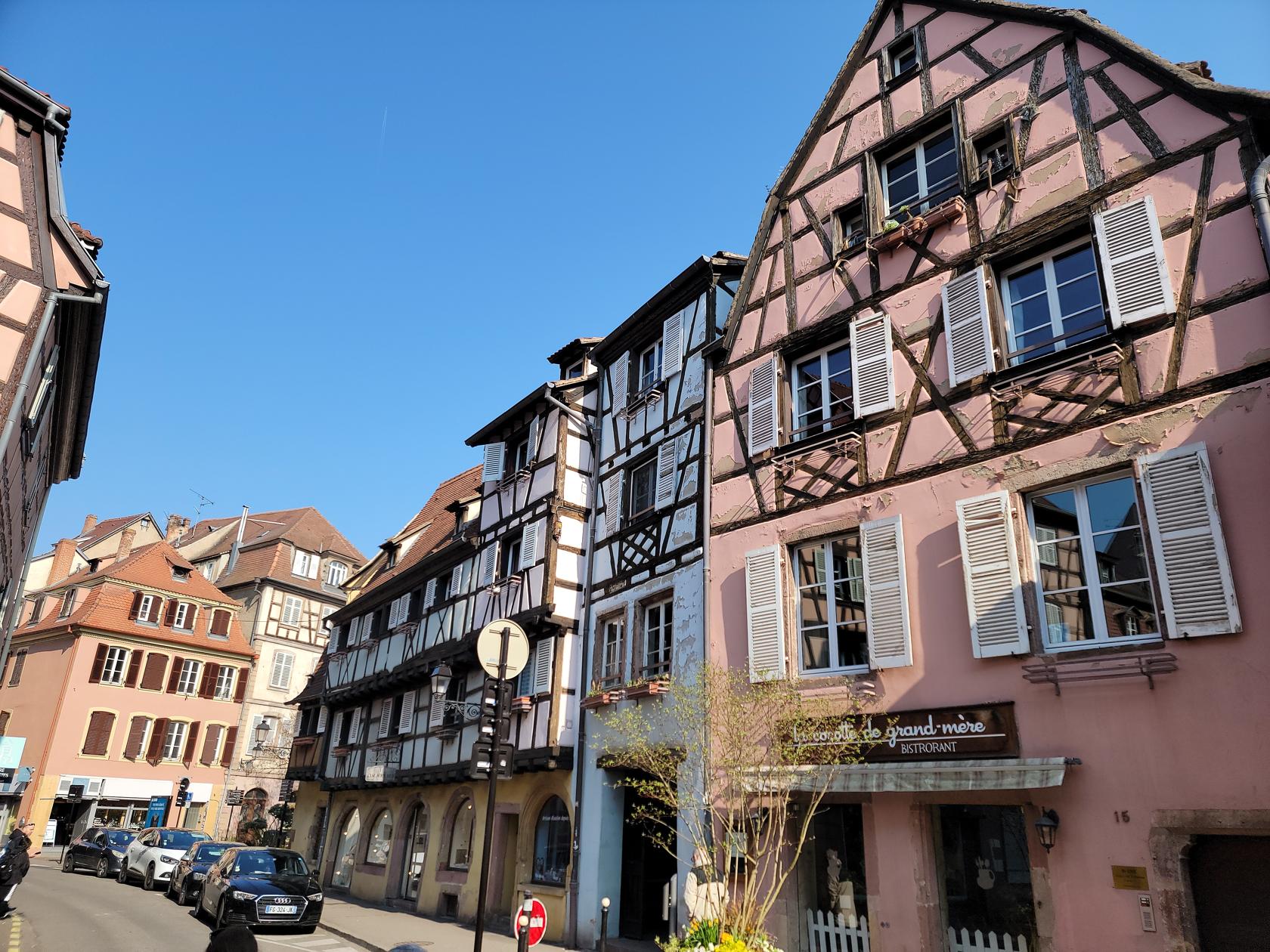
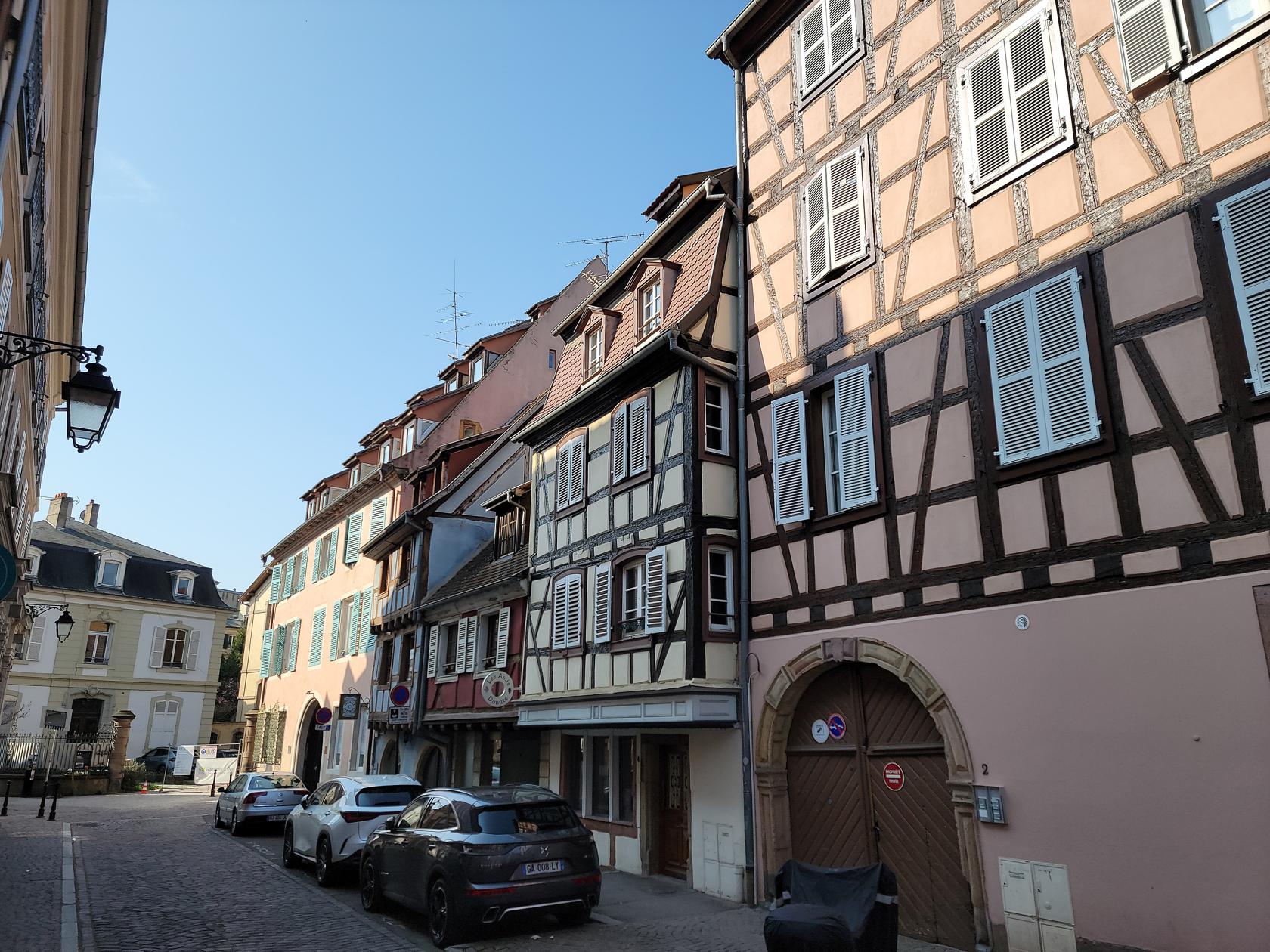
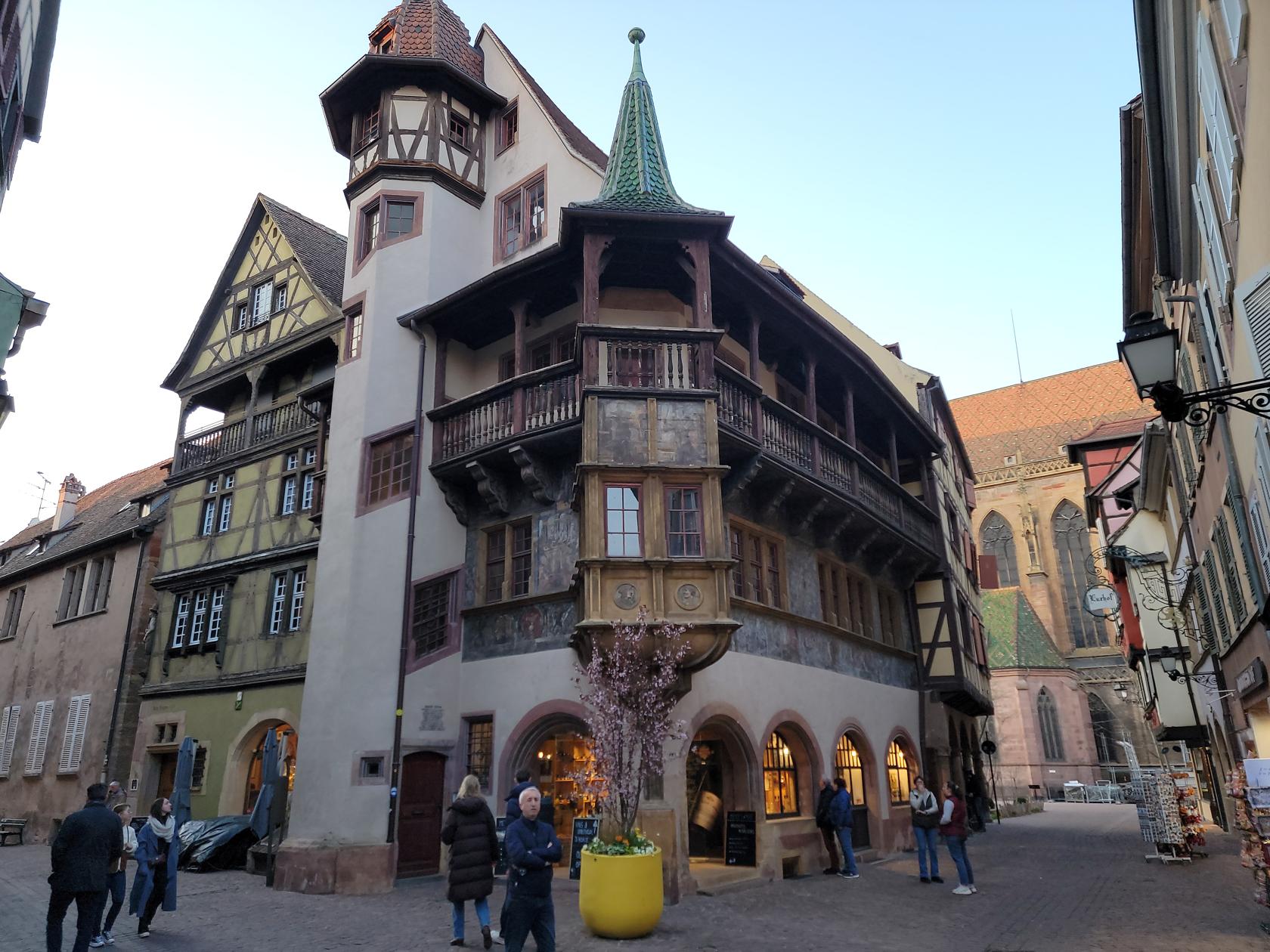
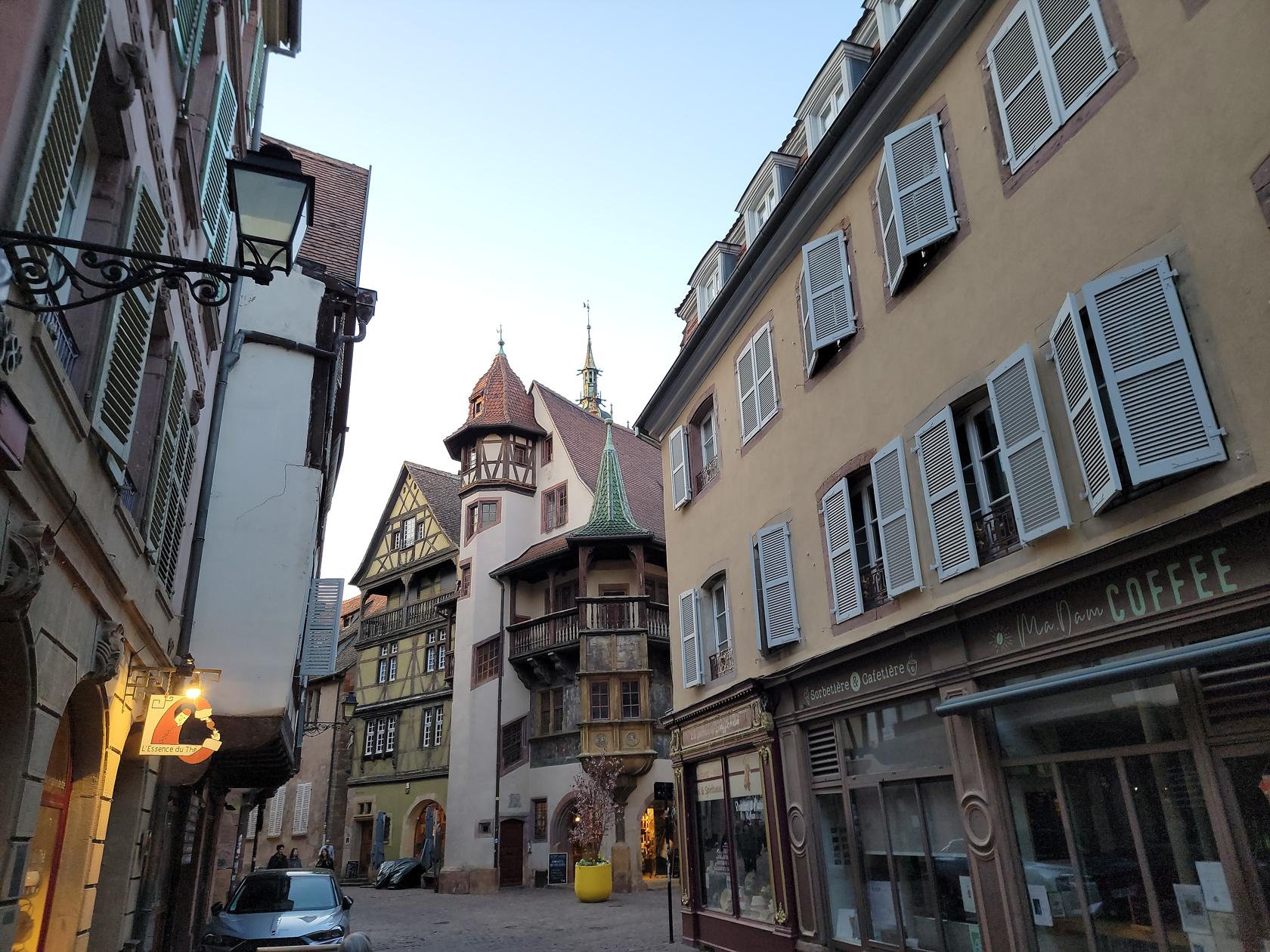
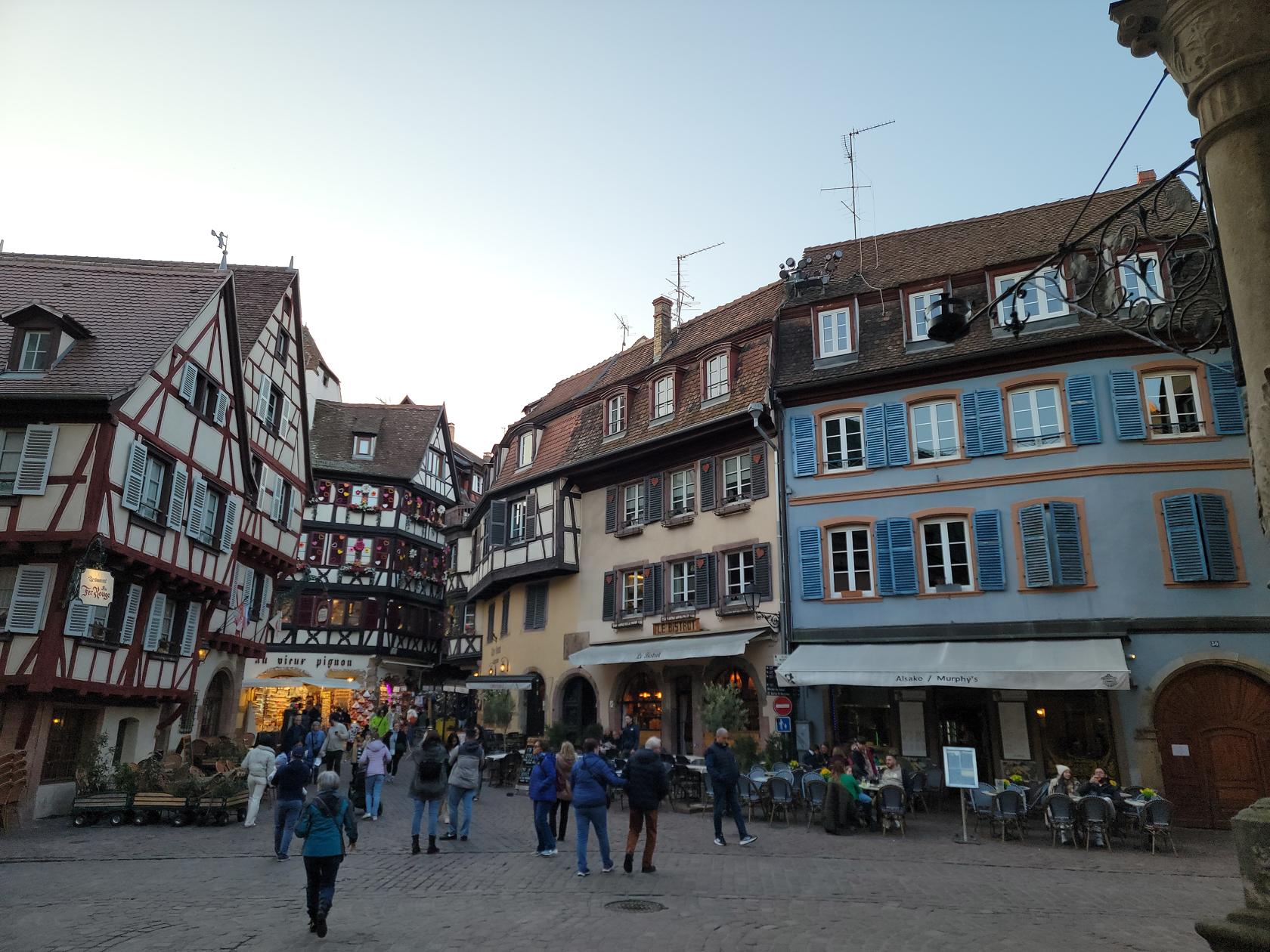
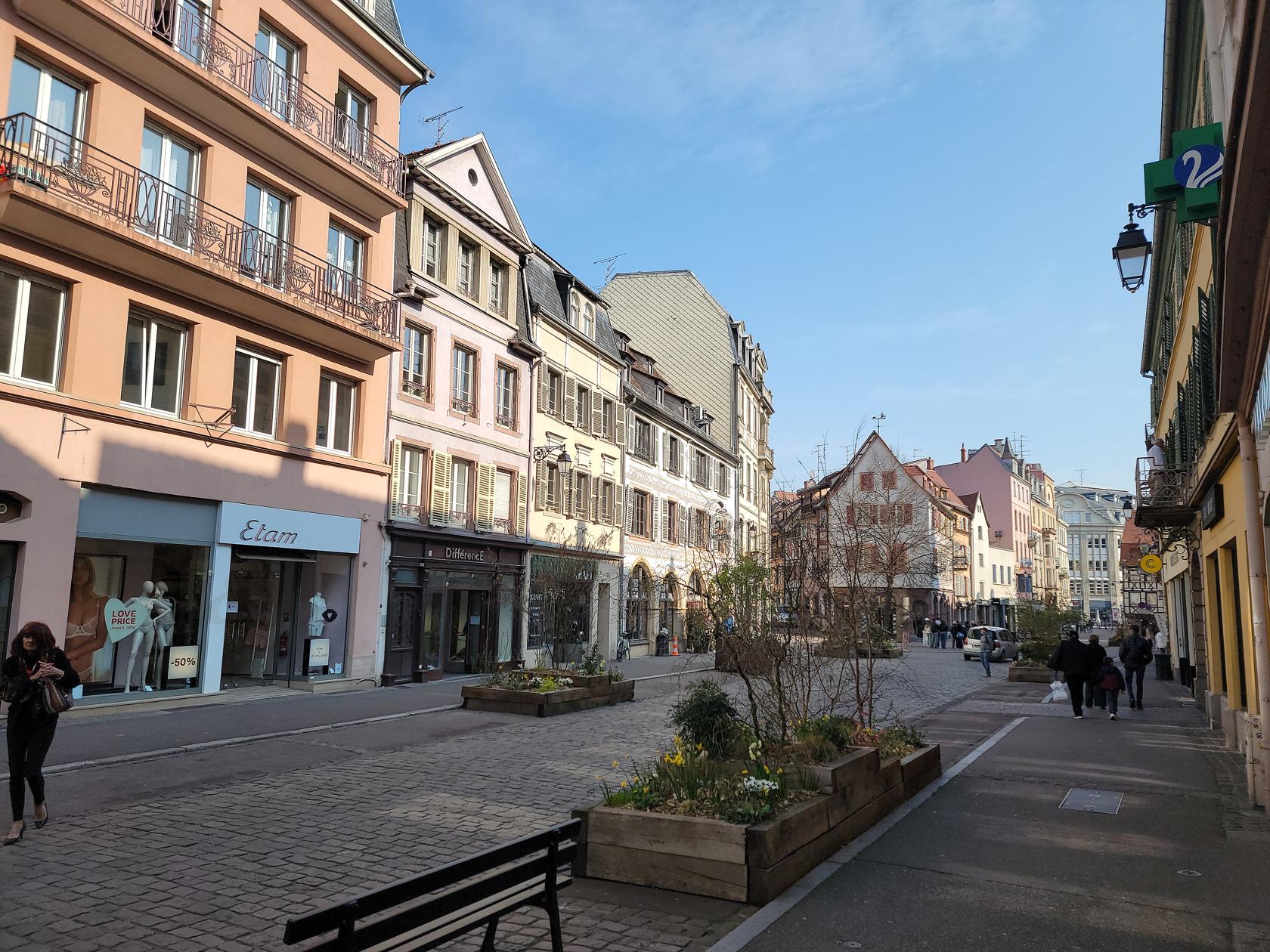
It is essential to visit the Grand Rue, which is the main shopping street of the city. Here you can shop and dine and explore the many facets of Colmar.
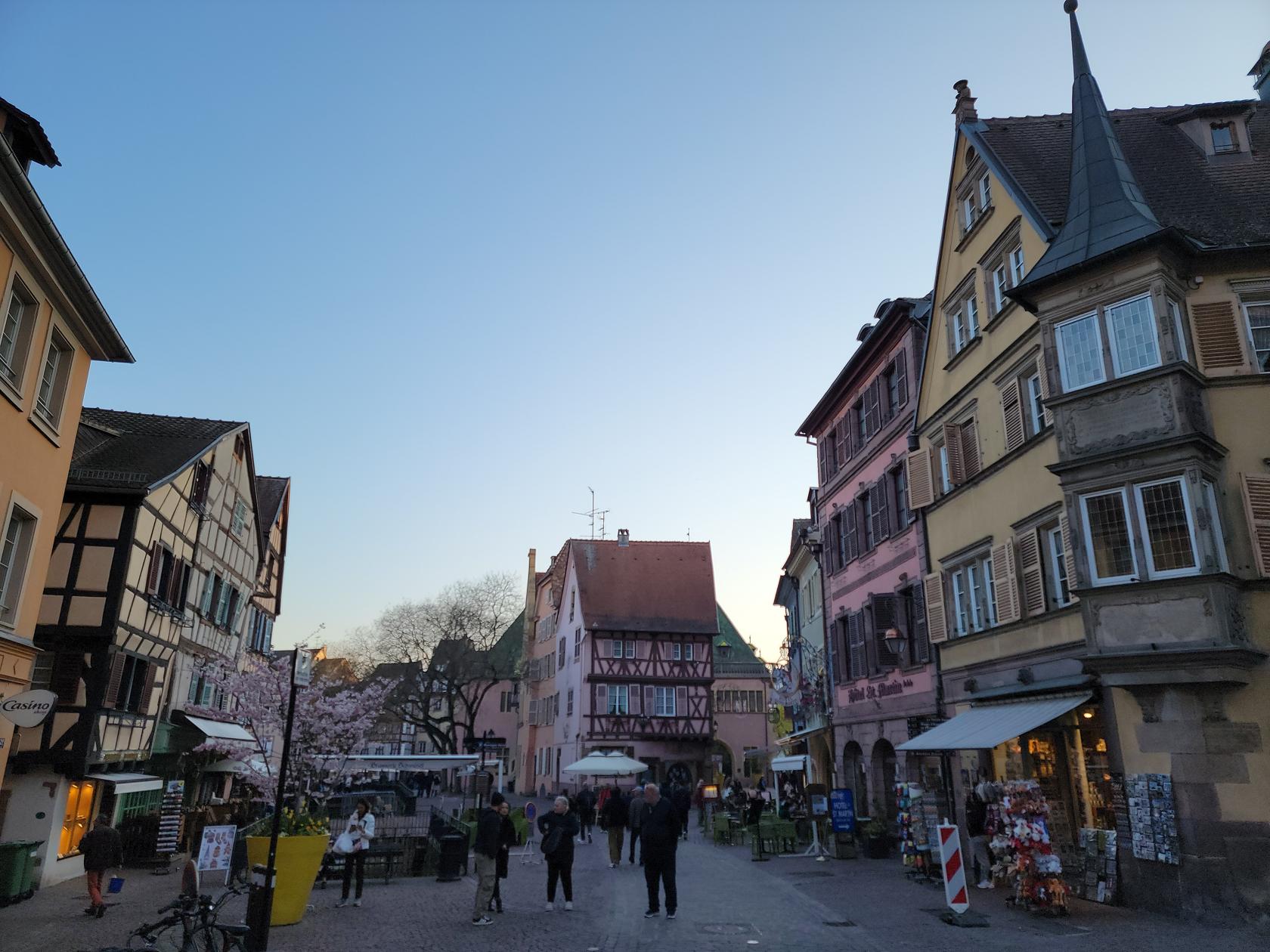
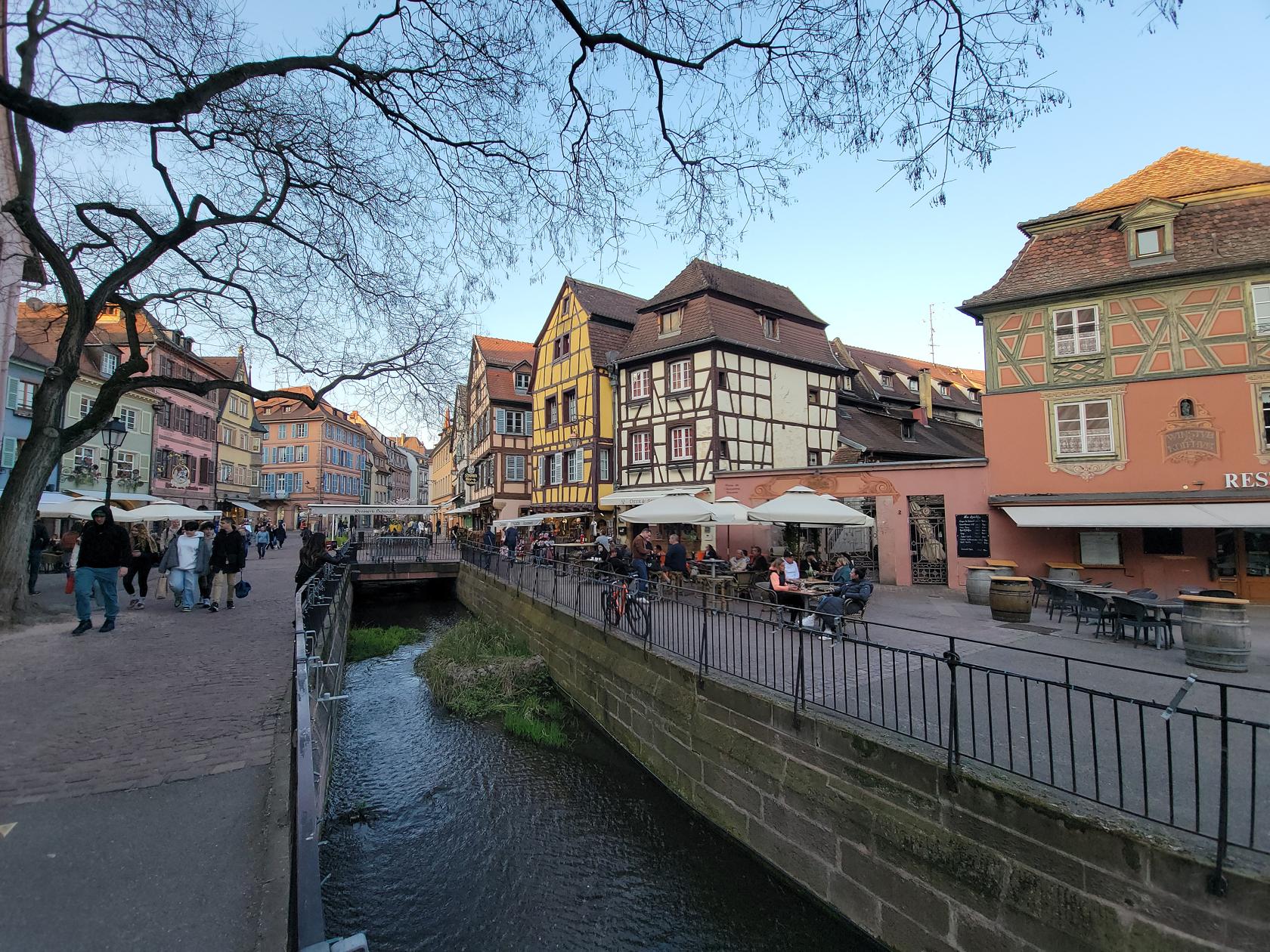
The Rue Vauban is also an important thoroughfare to visit and is itself decorated with many of the timber houses that adorn other parts of the city.
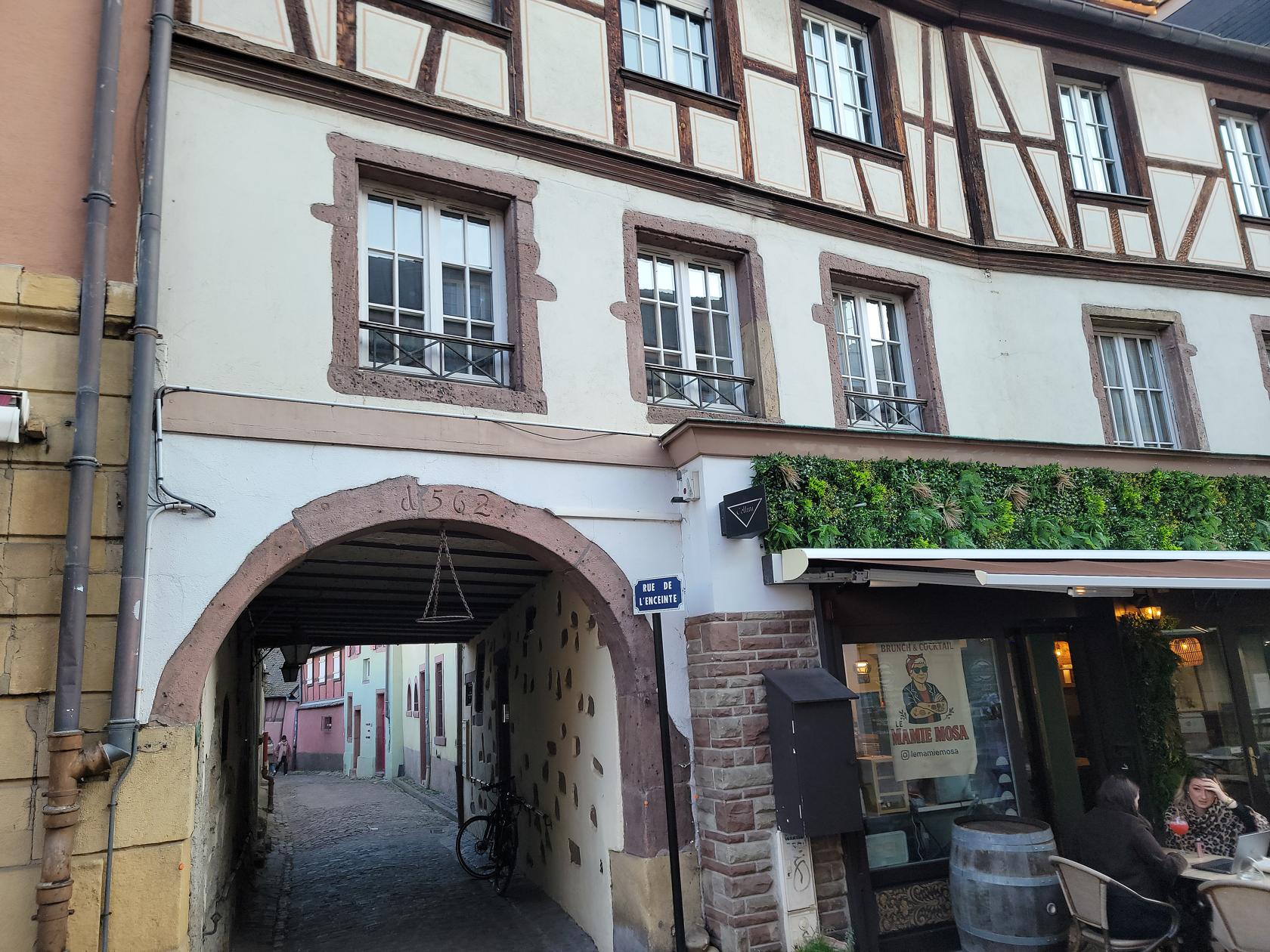
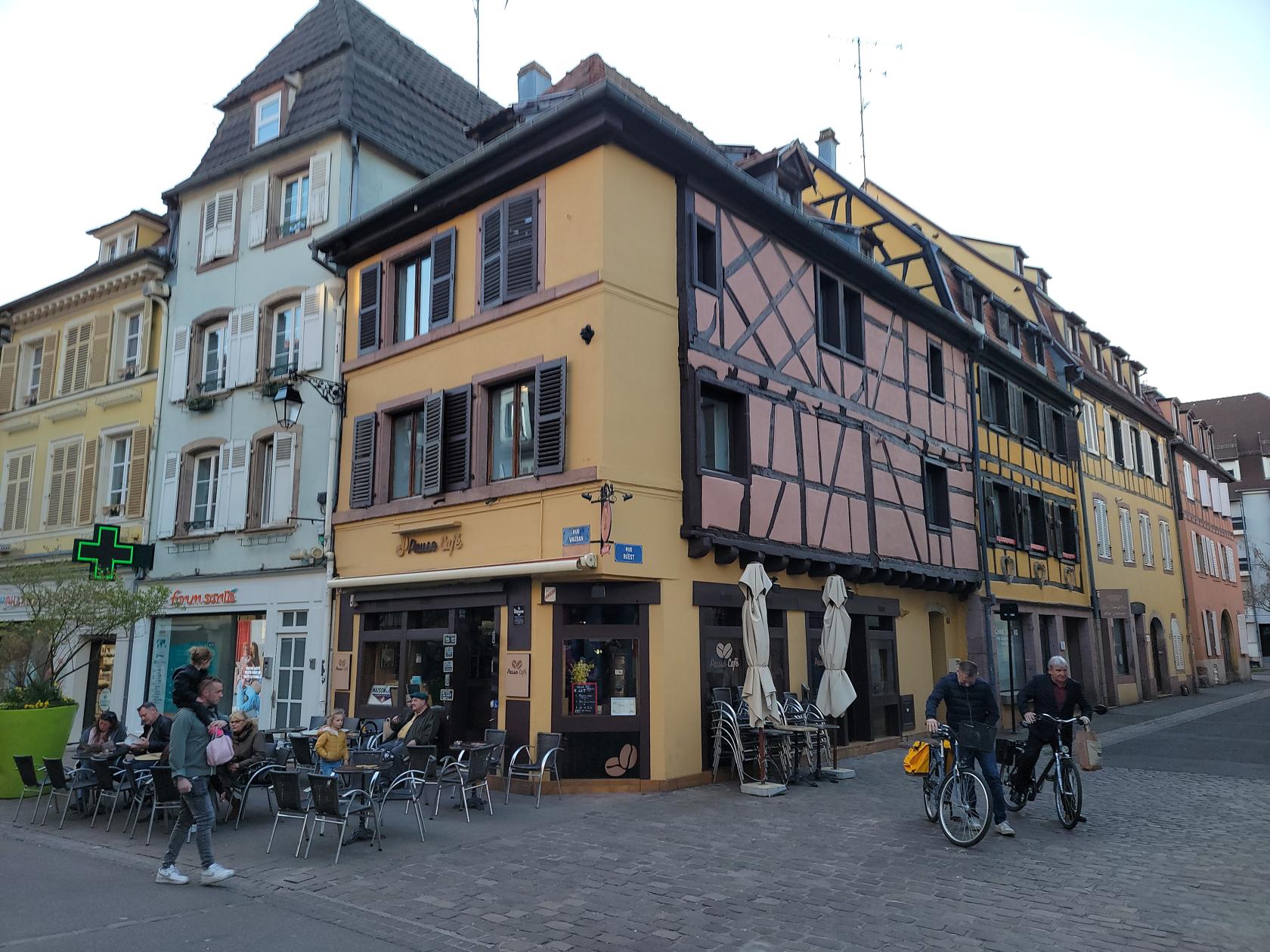
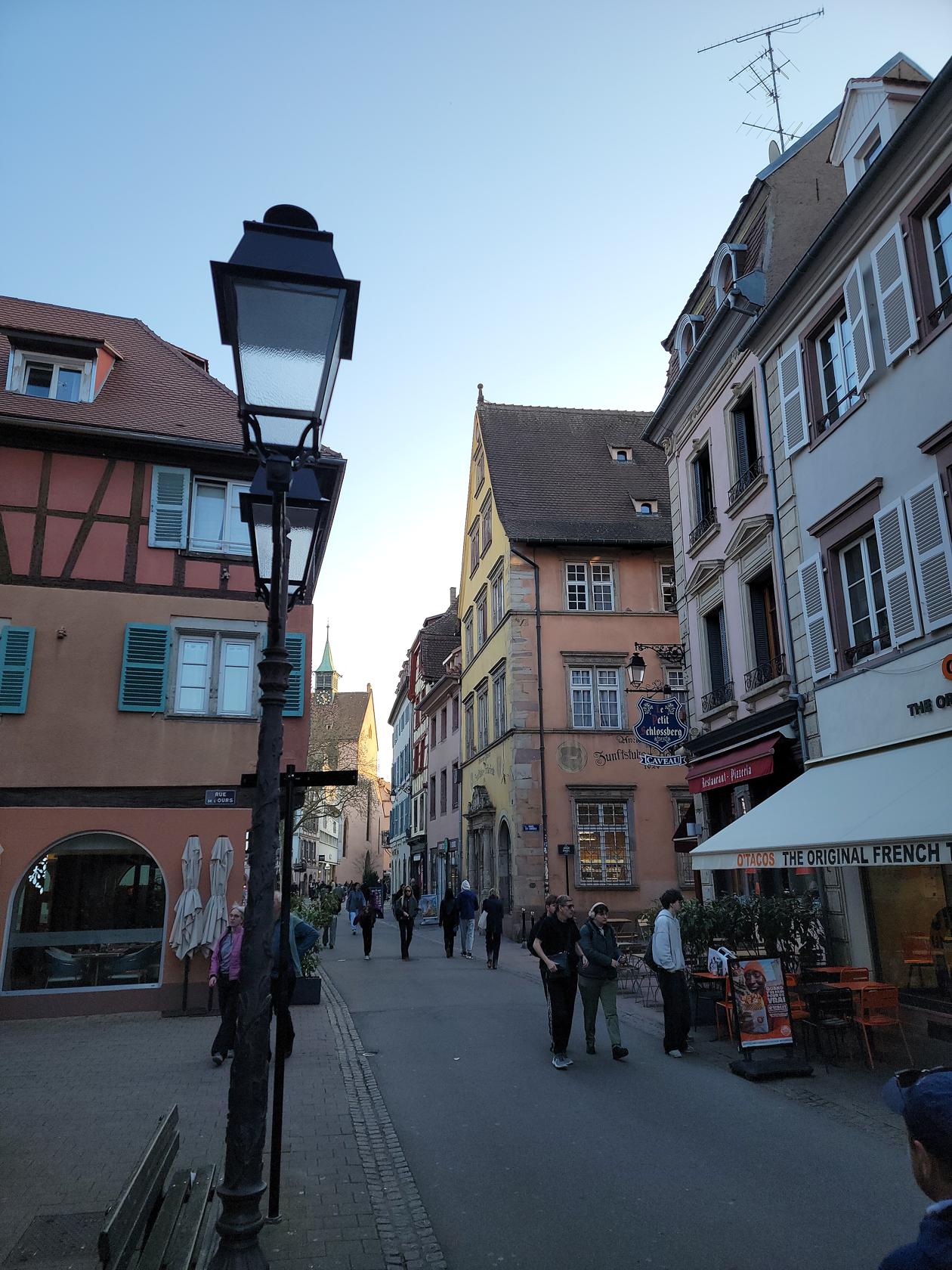
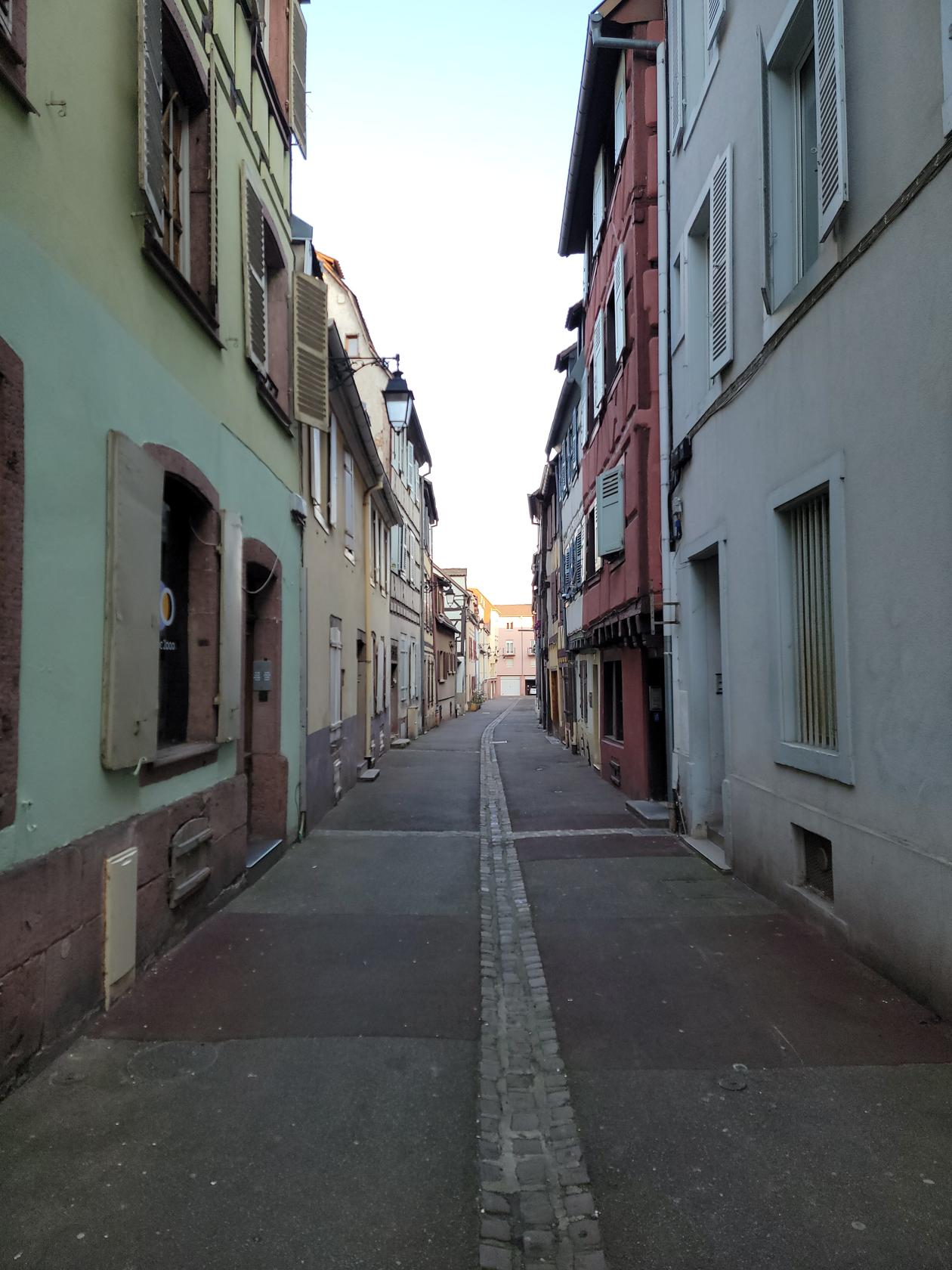
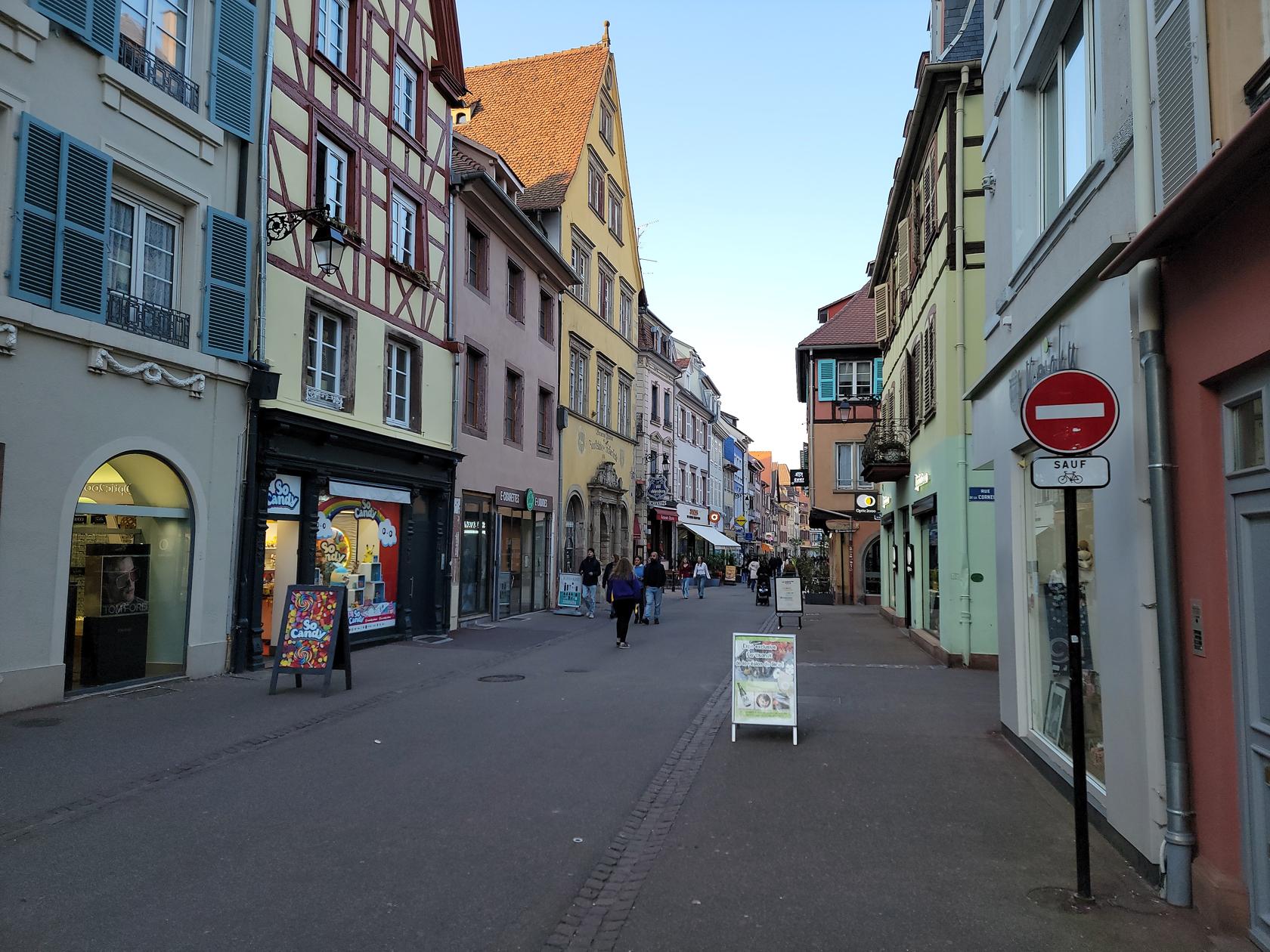
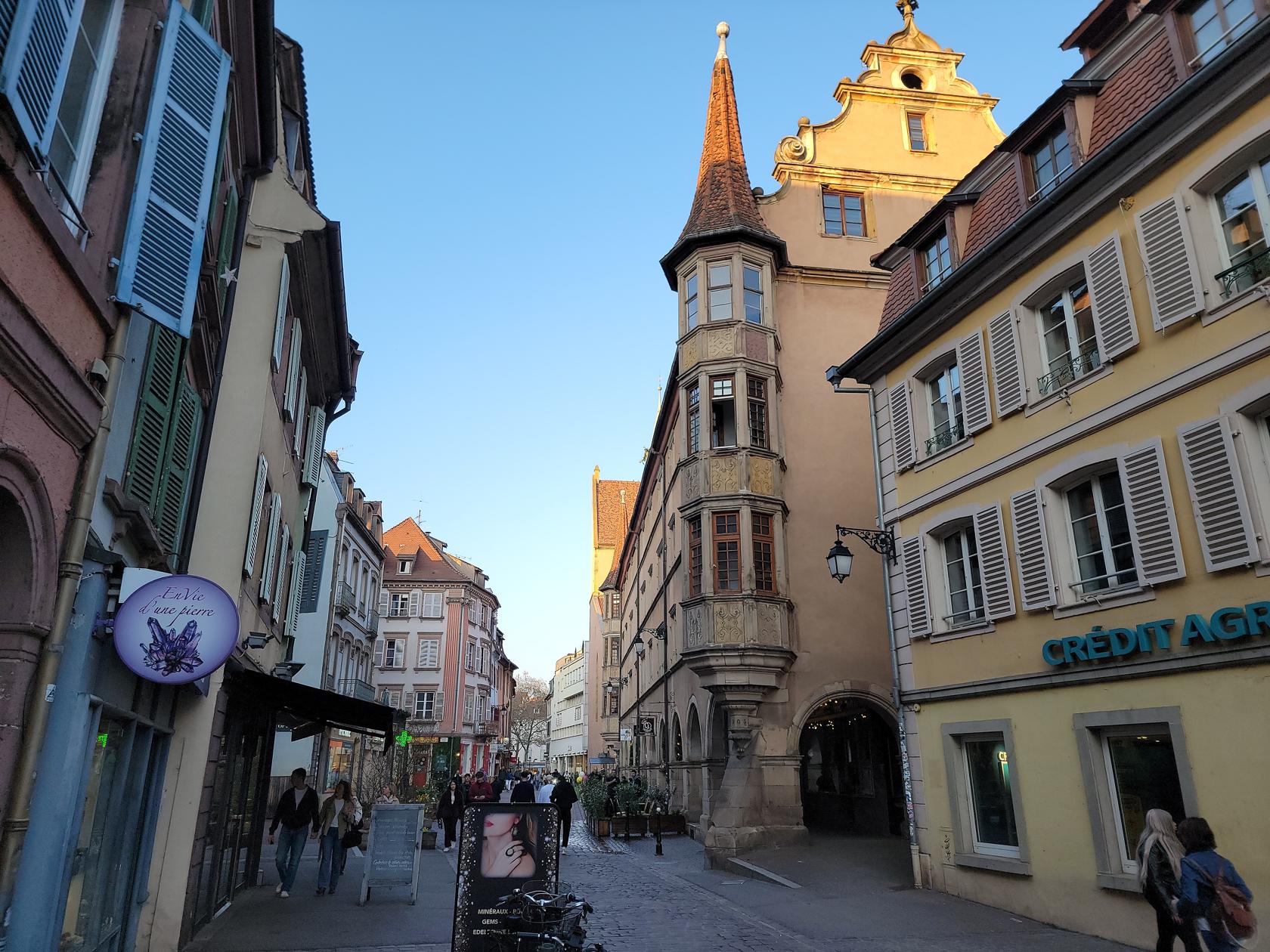
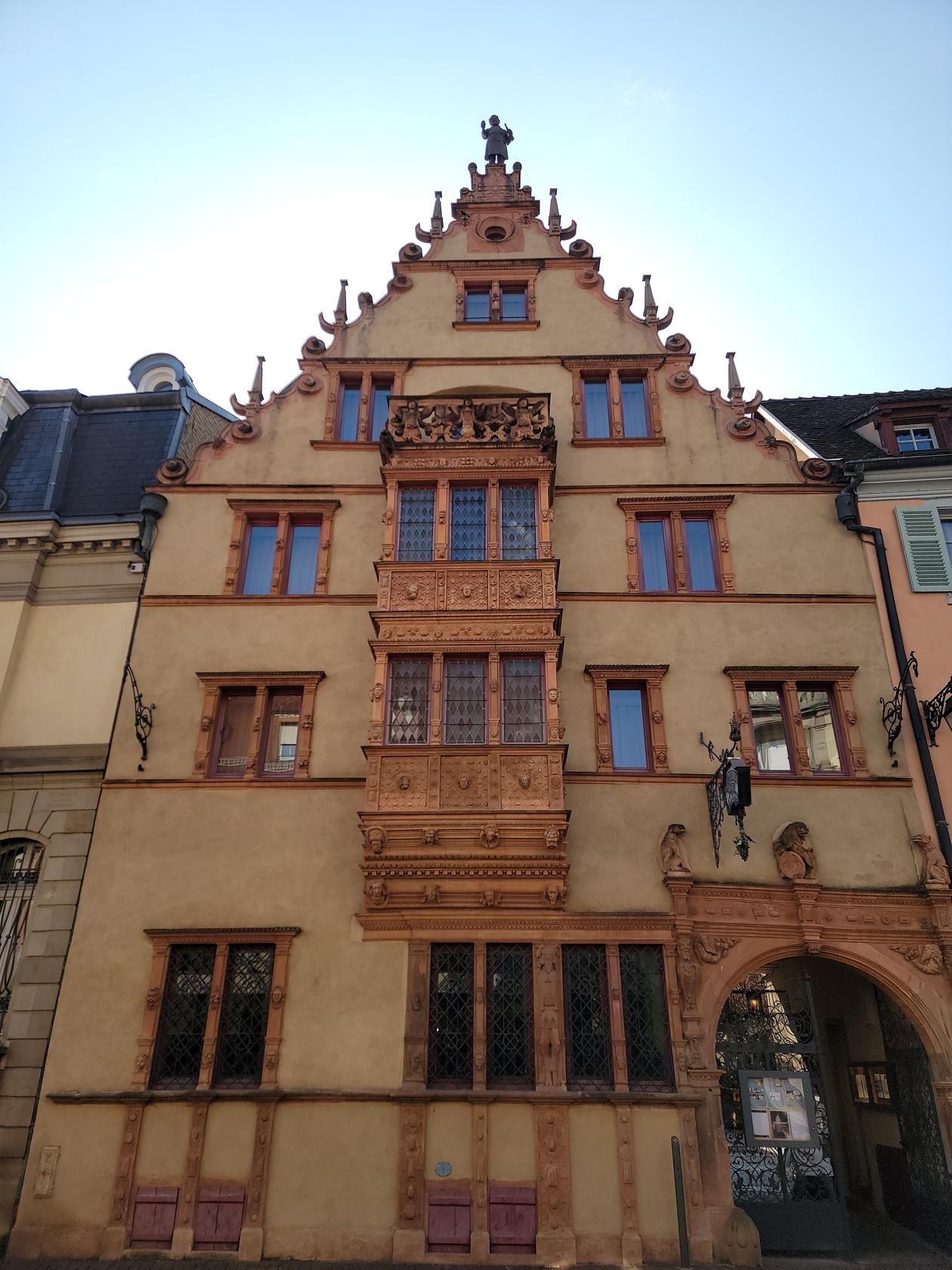
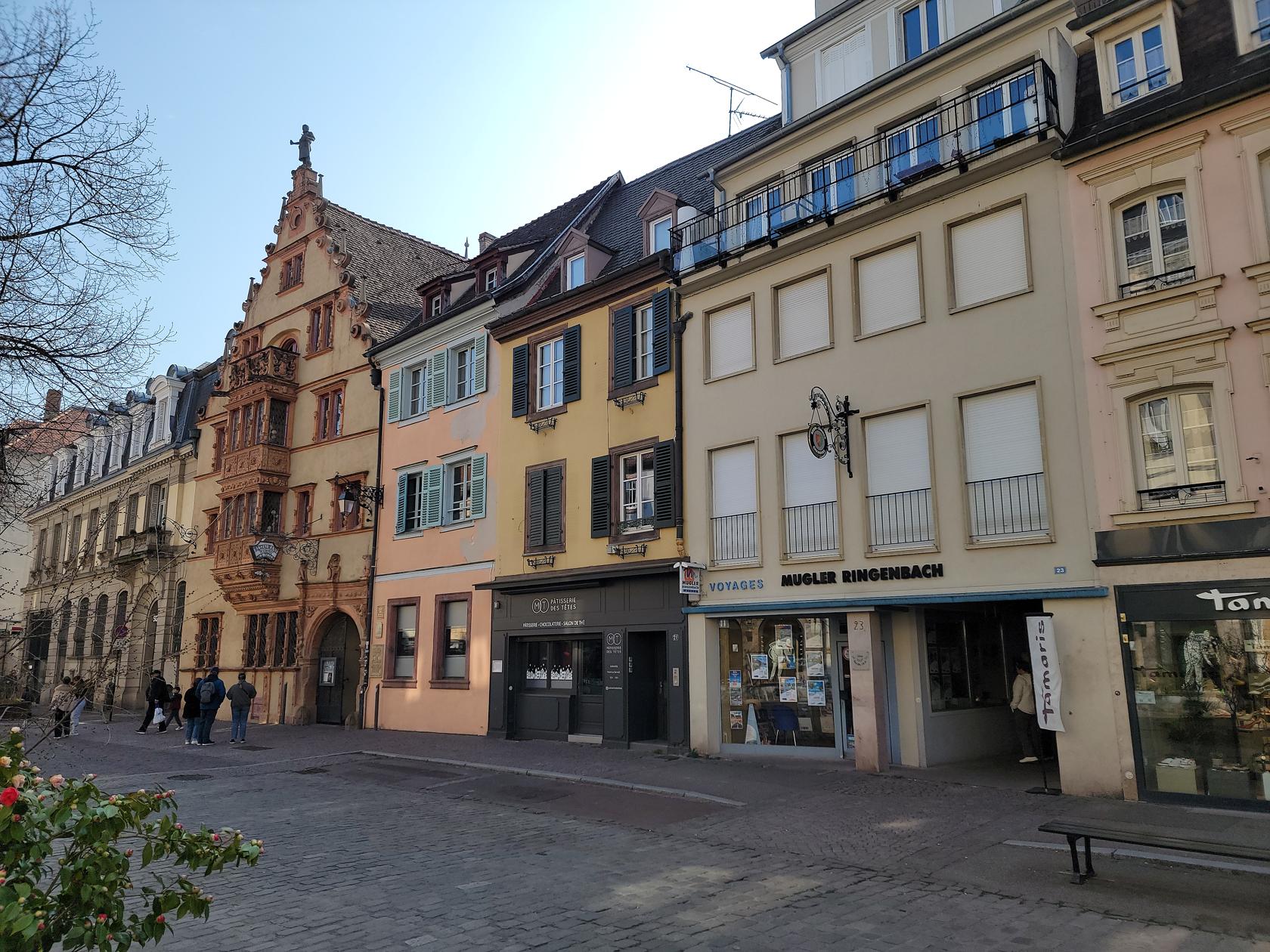
Another must-see street is the Rue de Tetes. Here you can find the Maison des Tetes which was built in 1609 by Anton Burger, who later became the mayor of the city. The building owes its name to the many masks and grimacing faces that adorn its exterior. The figure on the top of the three-story oriel is of the twentieth century barrel-maker Auguste Bartholdi, at which time the building was used as a wine exchange.
La Petite Venise
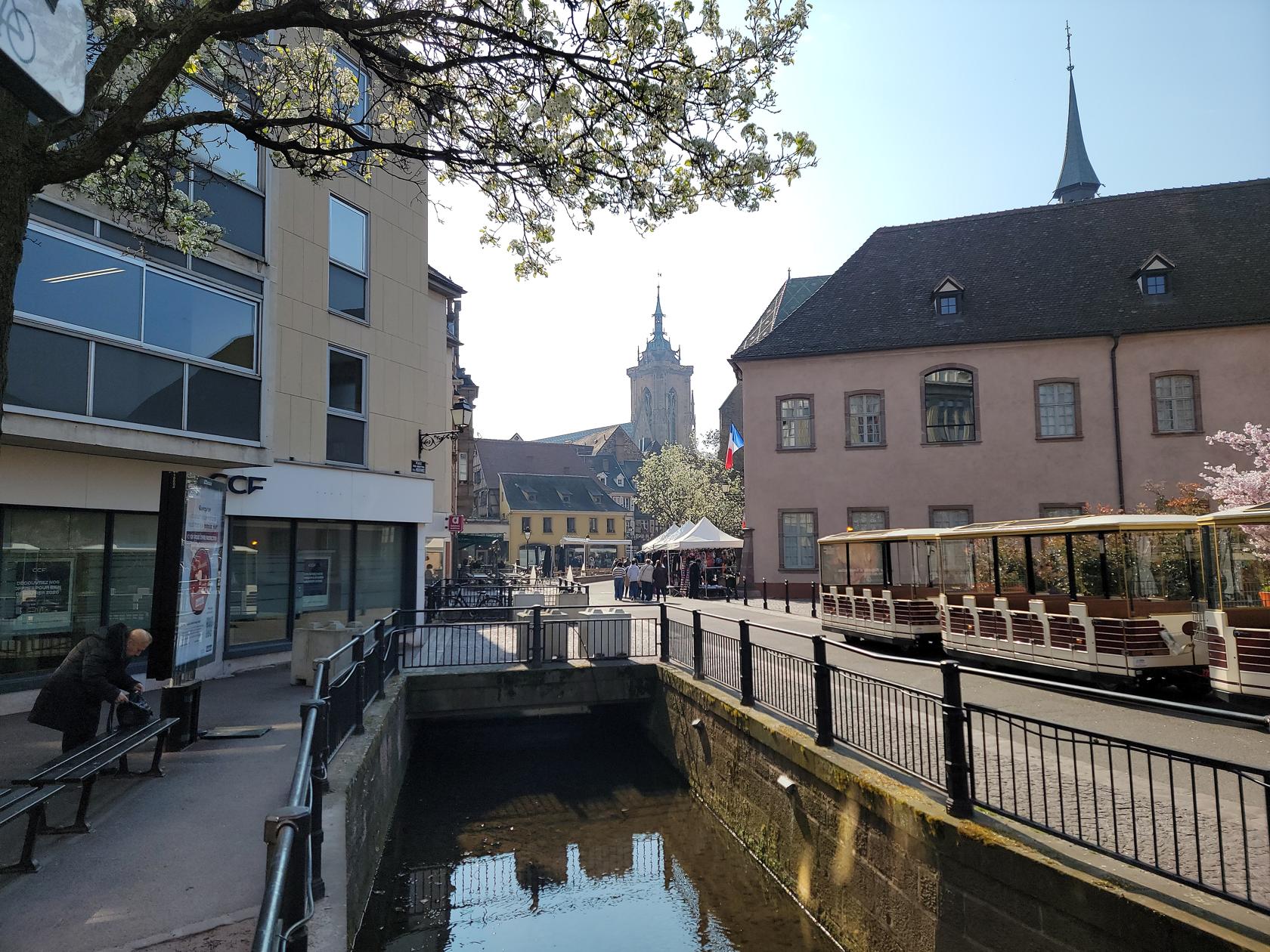
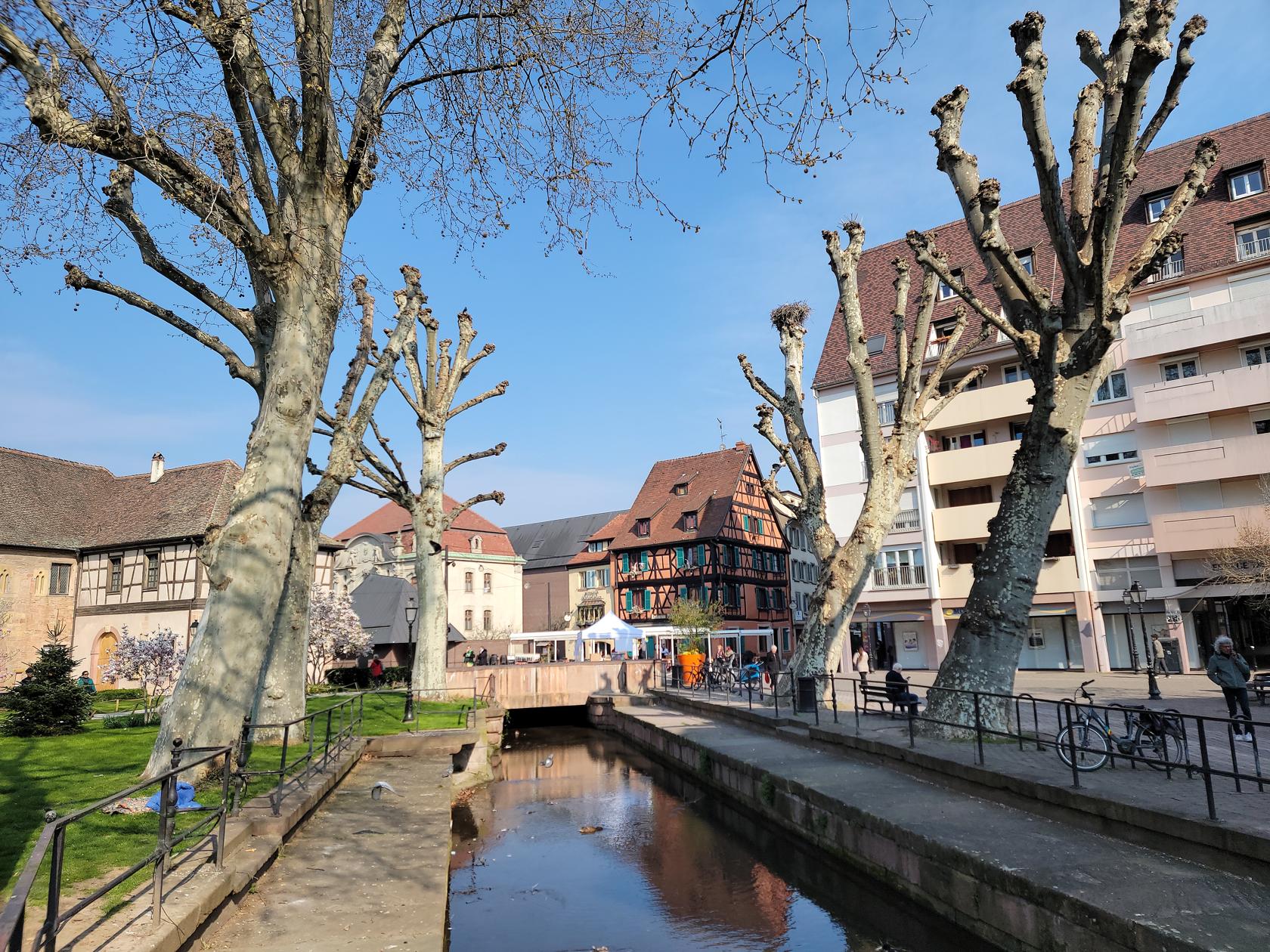
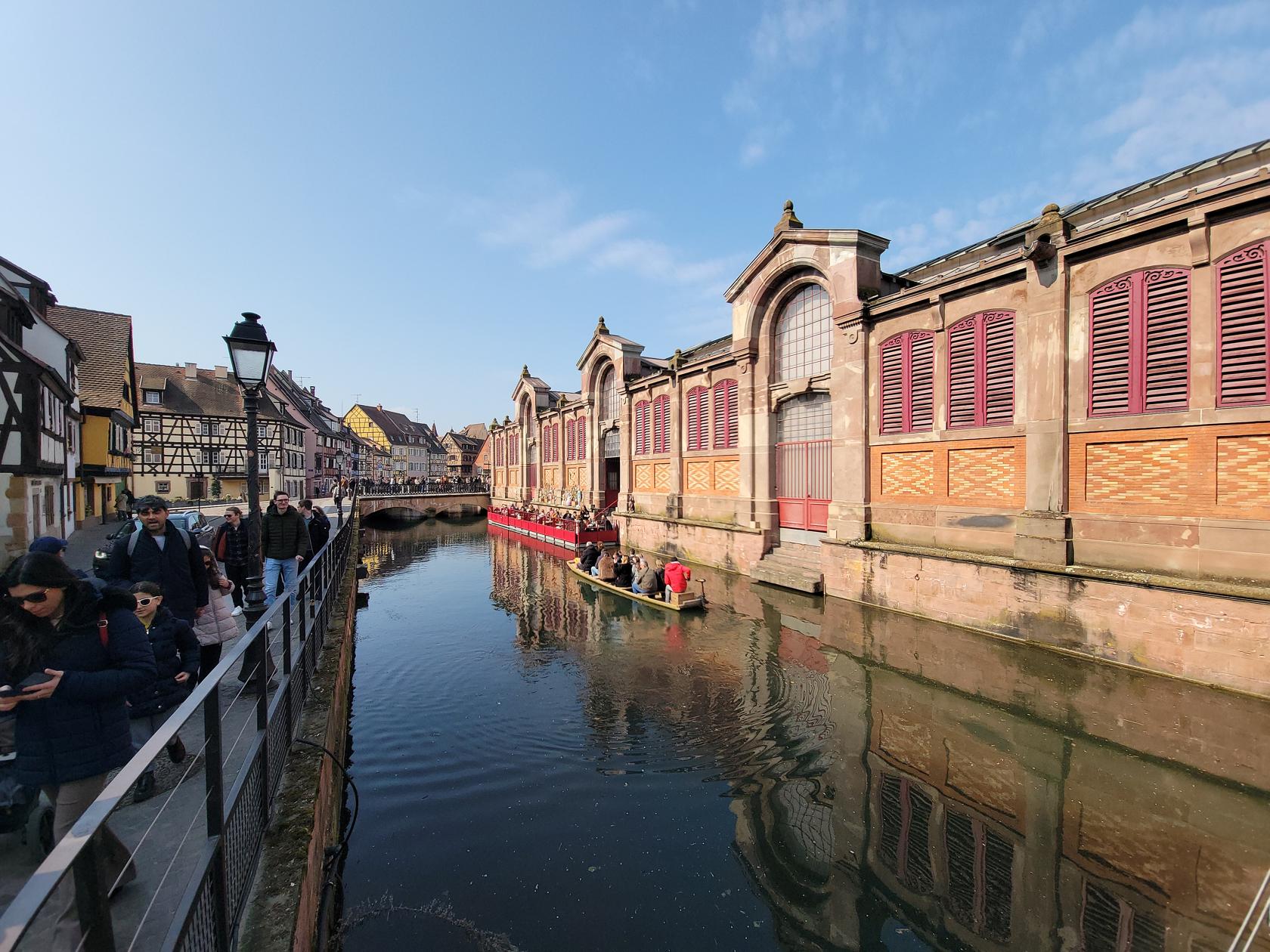
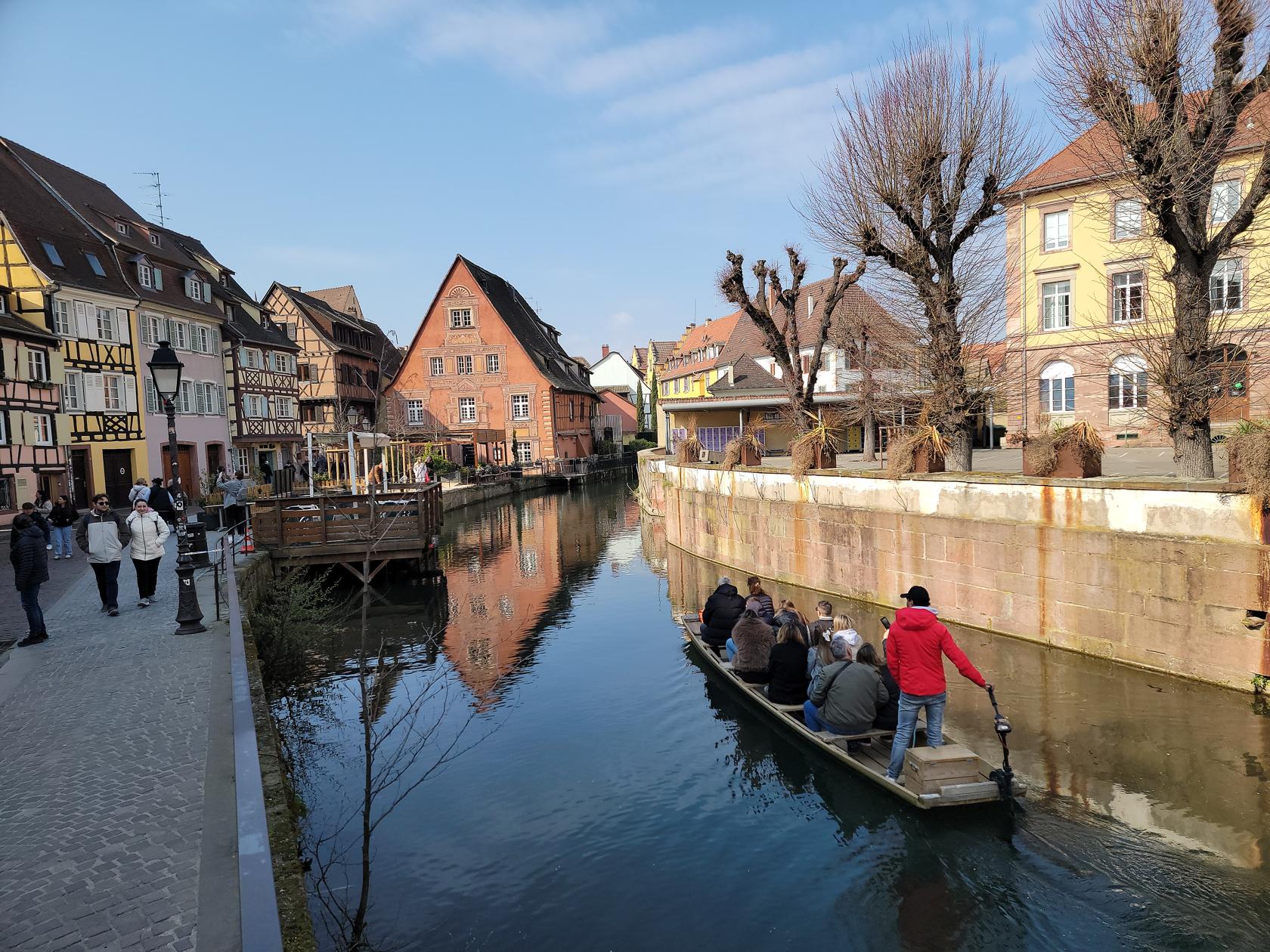
They call it the small Venice, but not really, it’s just one canal and it only goes about one block. It is a very pretty area and is worth a stop if you are in the area.
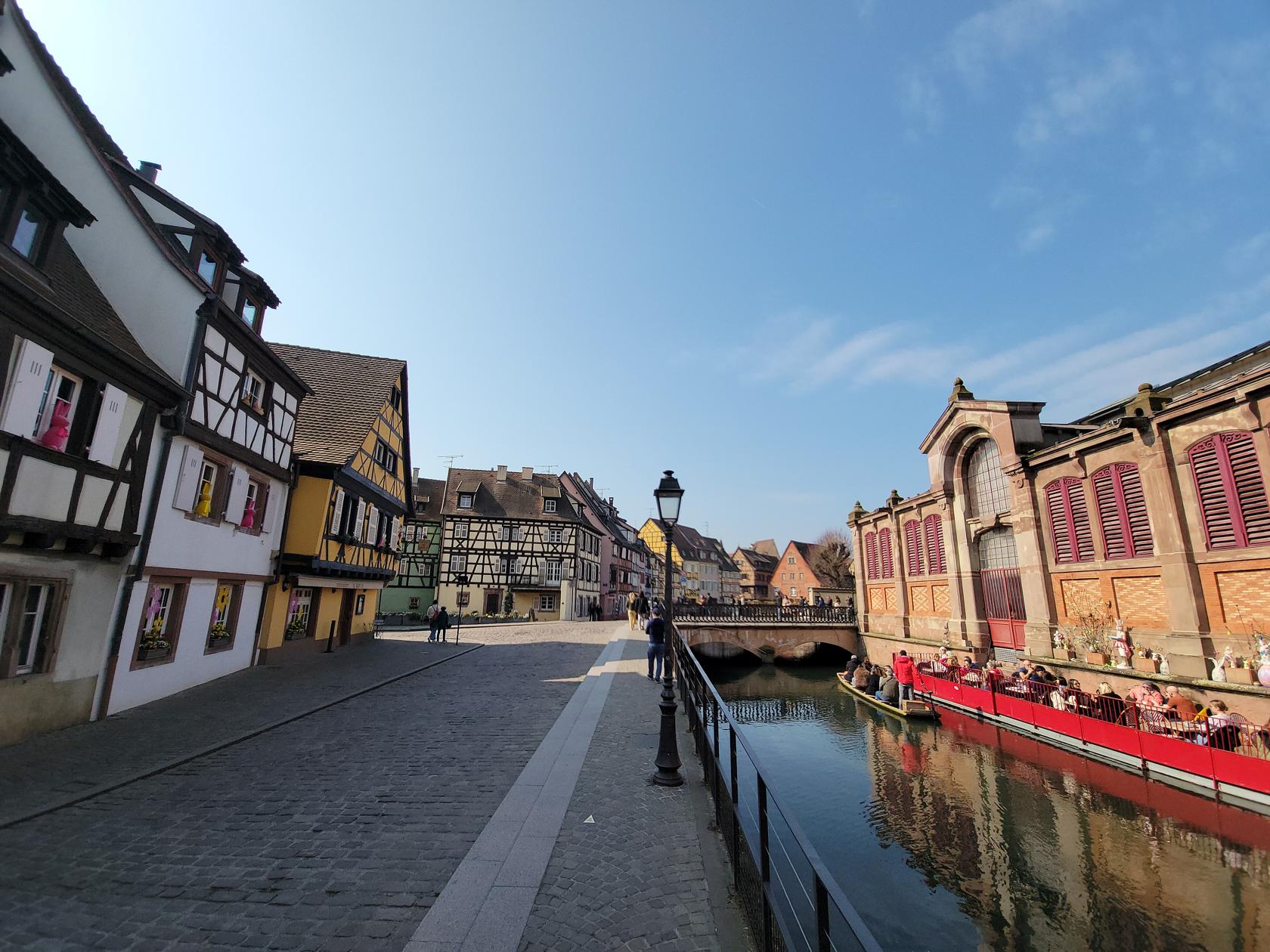
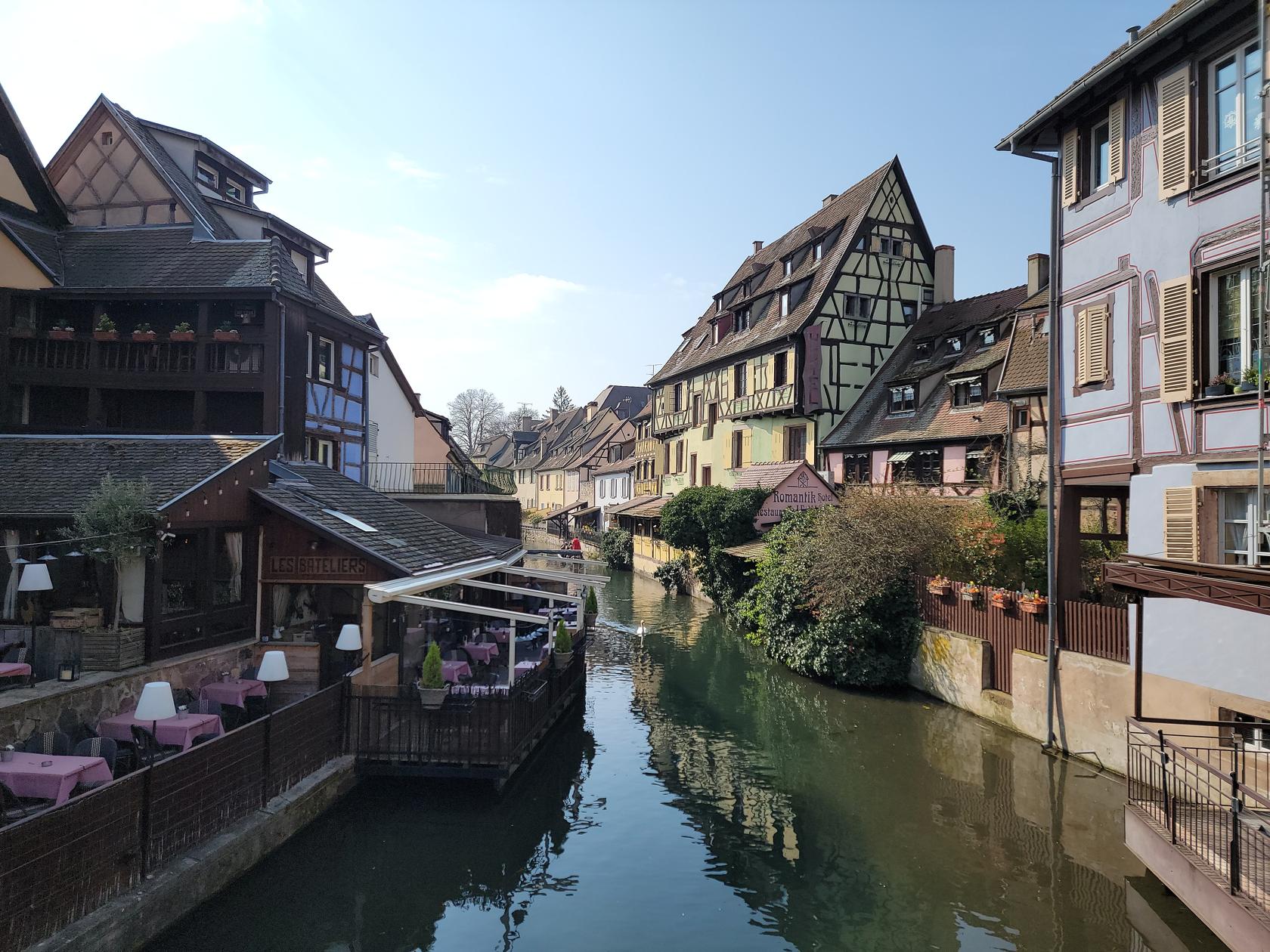
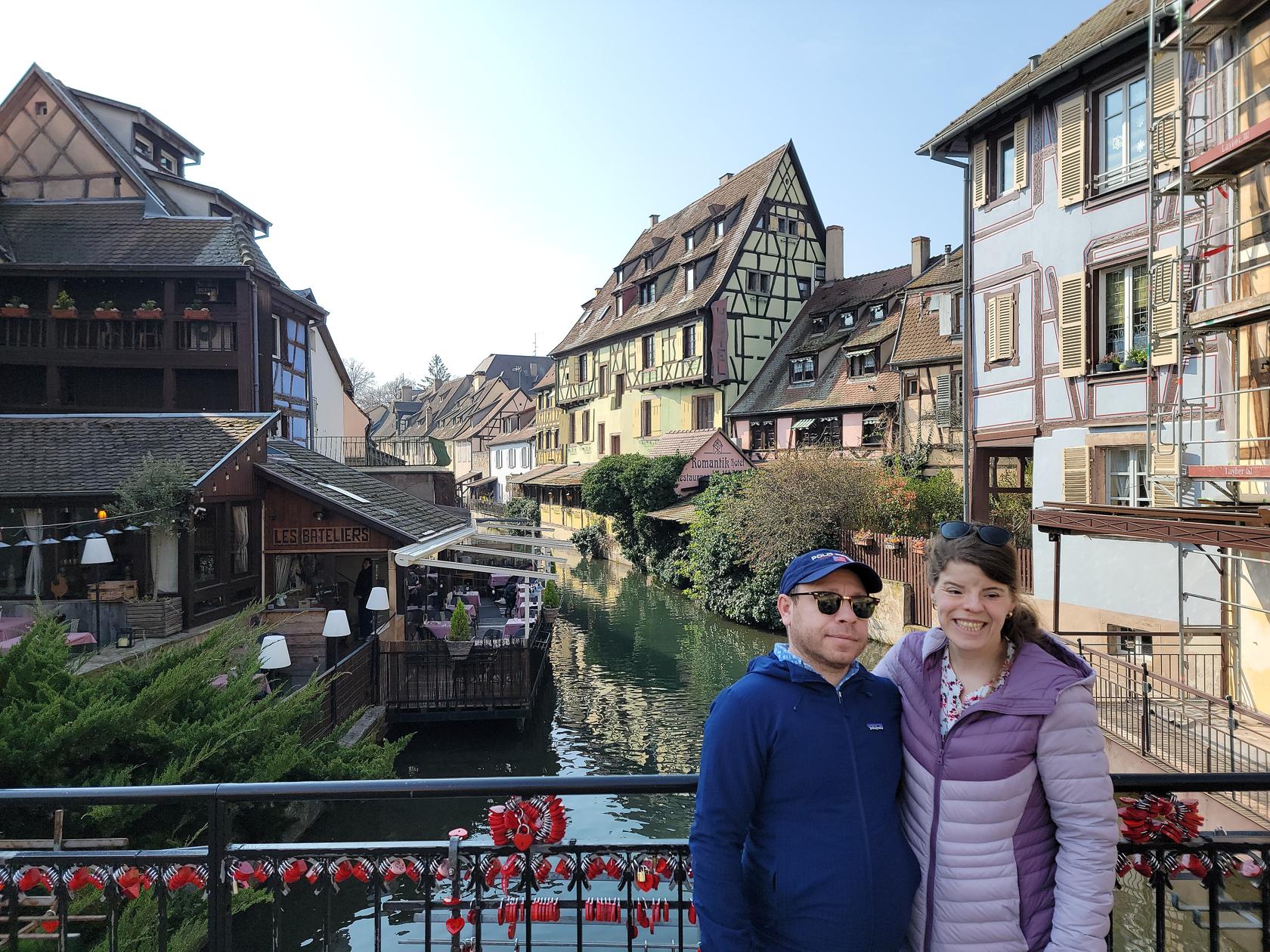
There is a gondala ride you can take, if you cannot enjoy the real thing.
Collégiale Saint-Martin
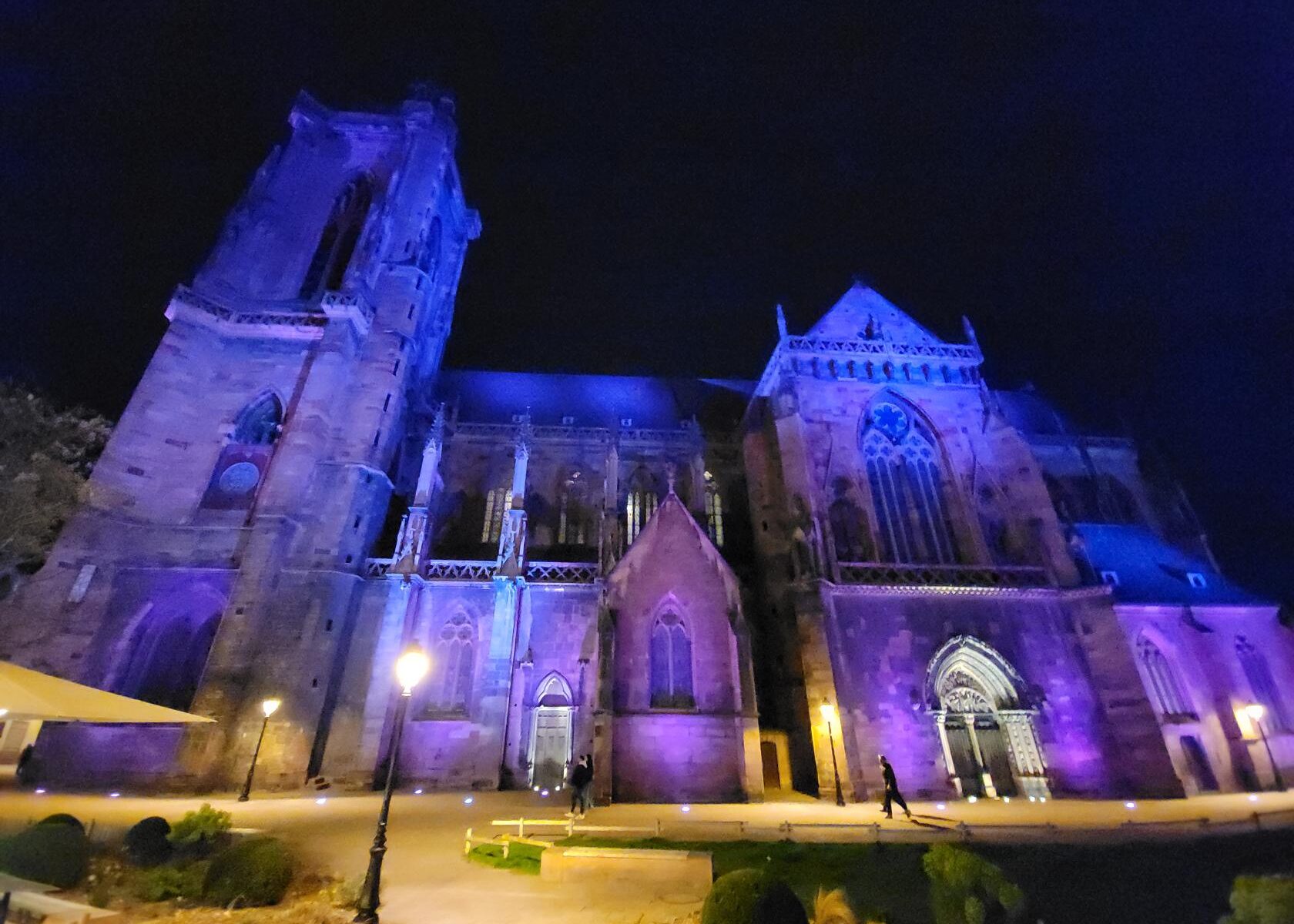
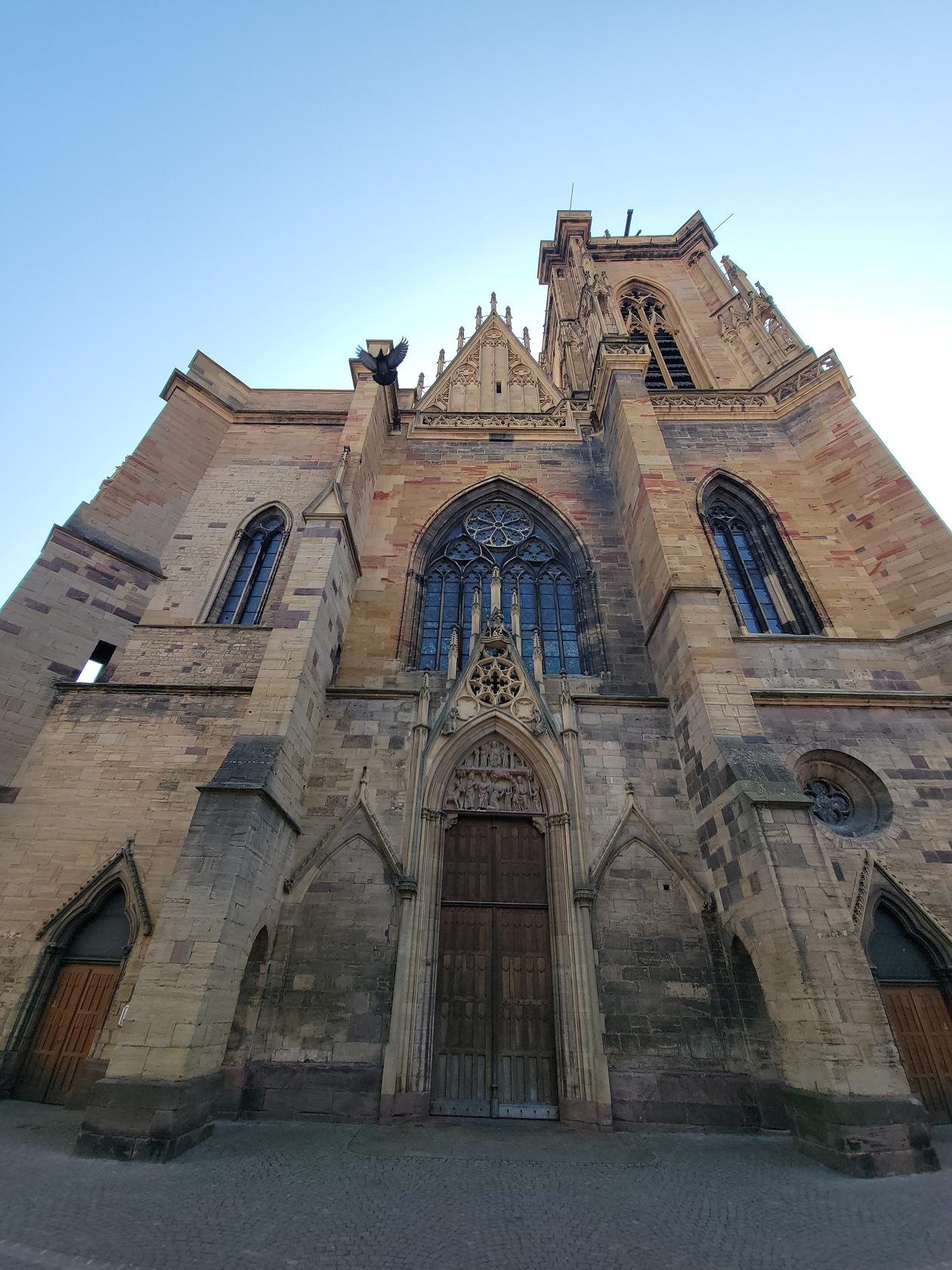
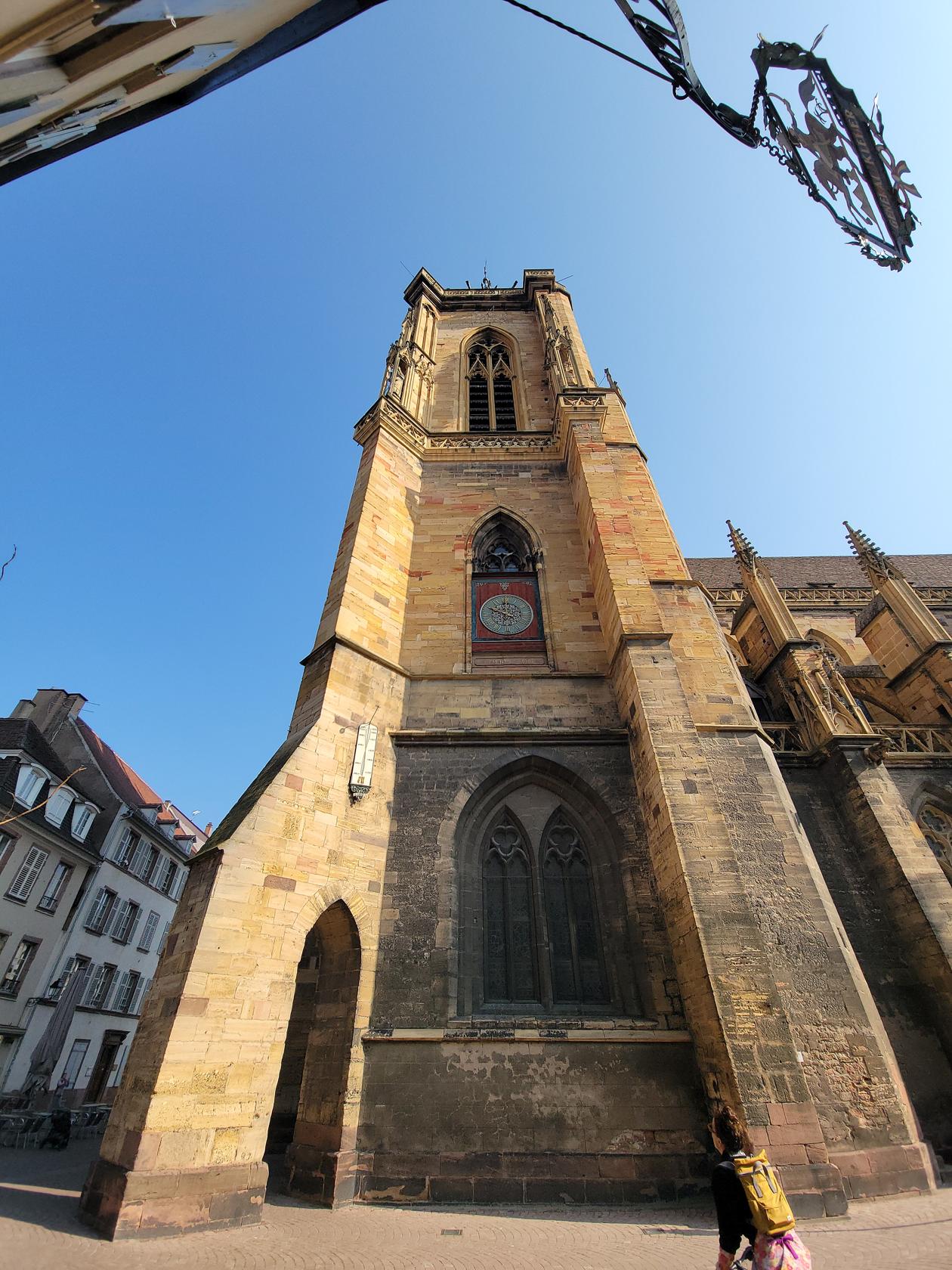
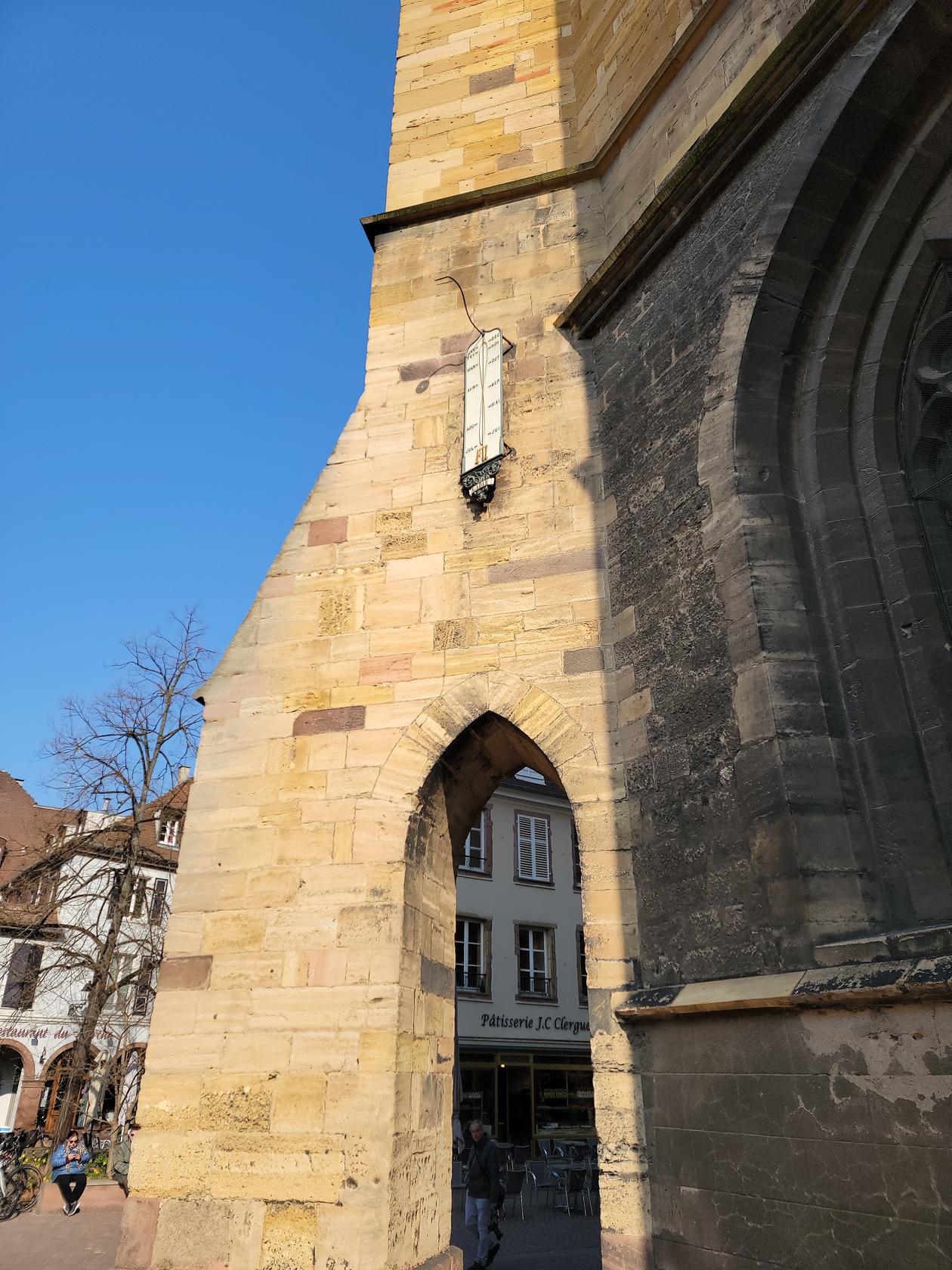
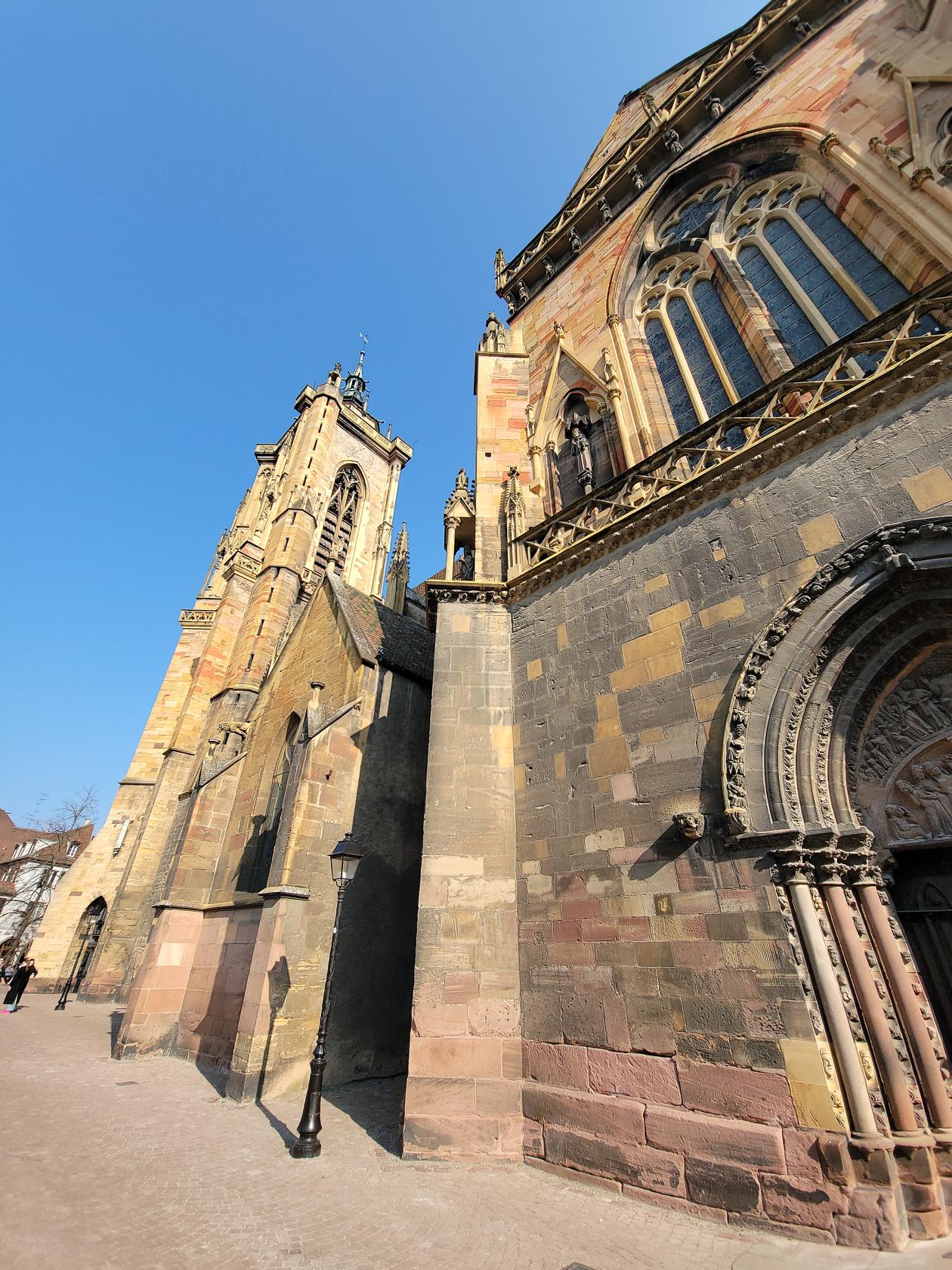
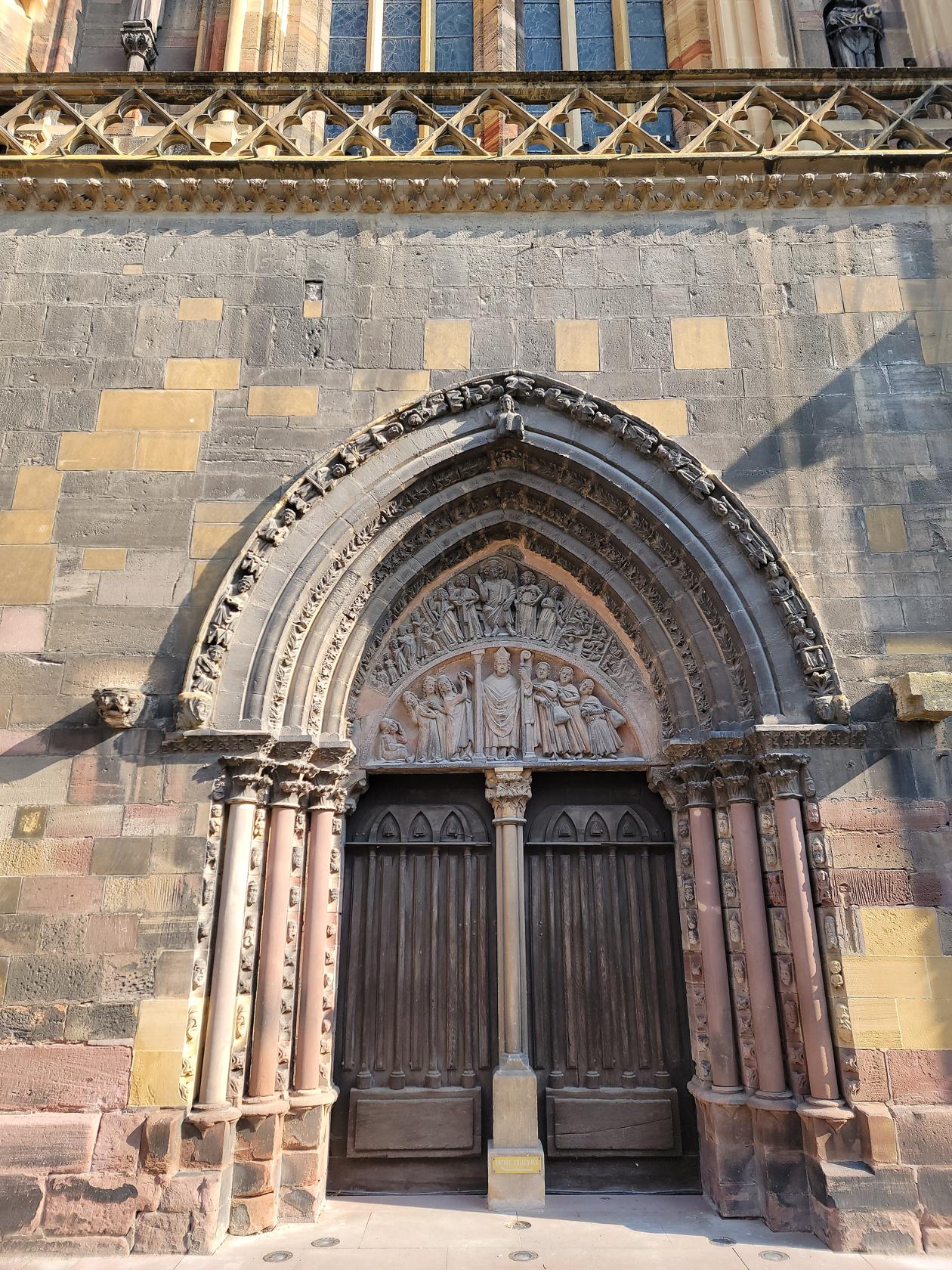
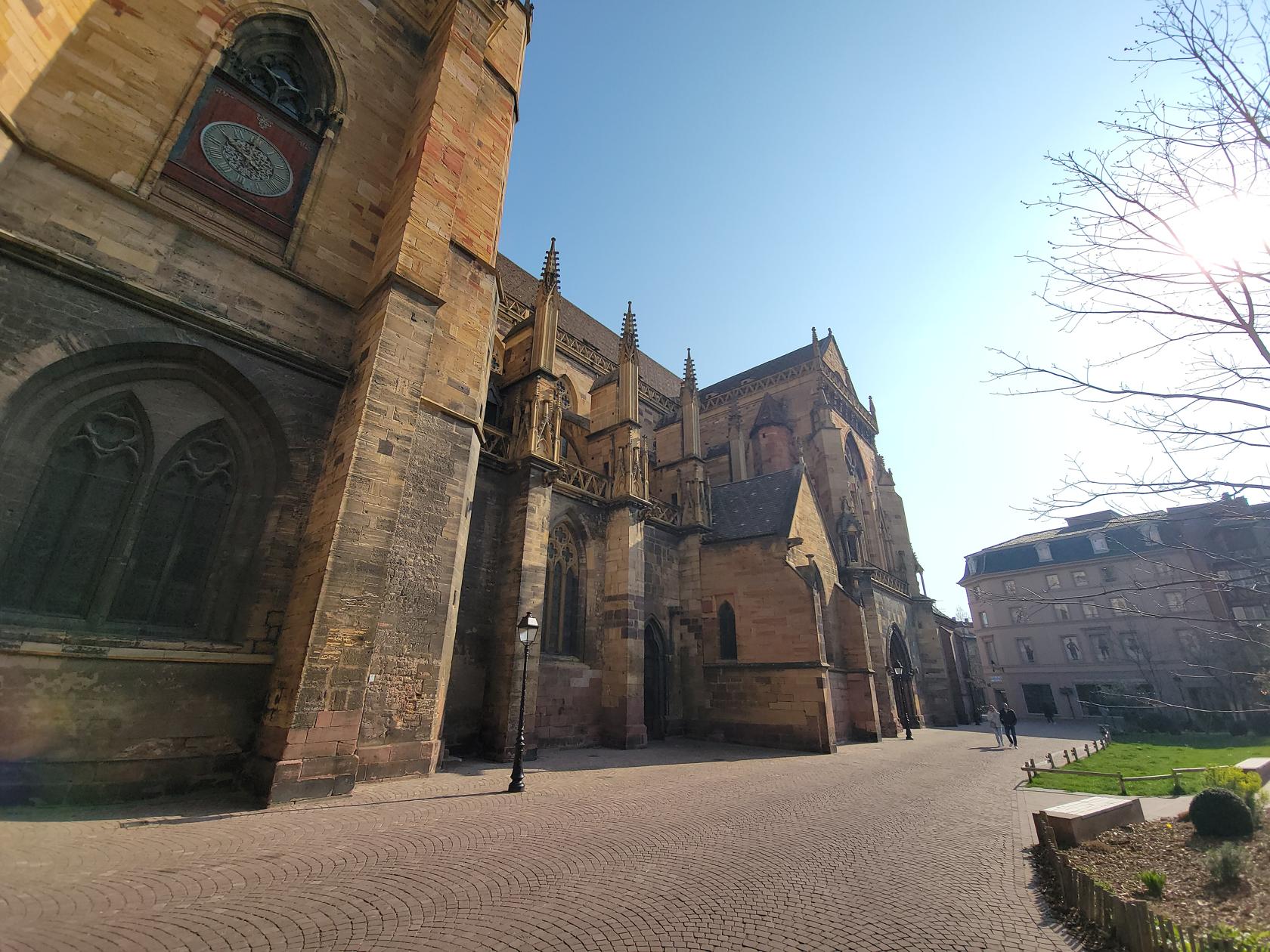
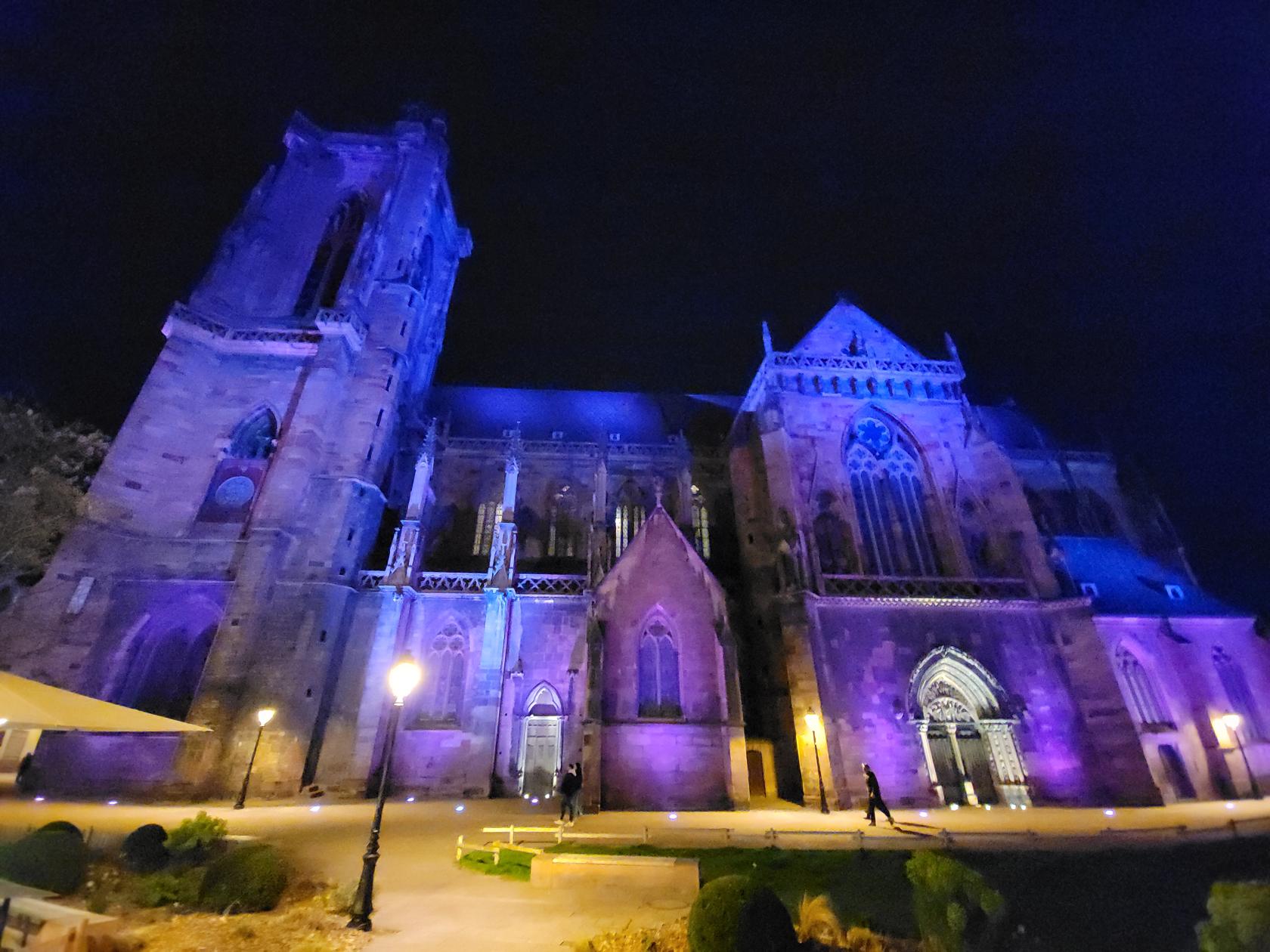
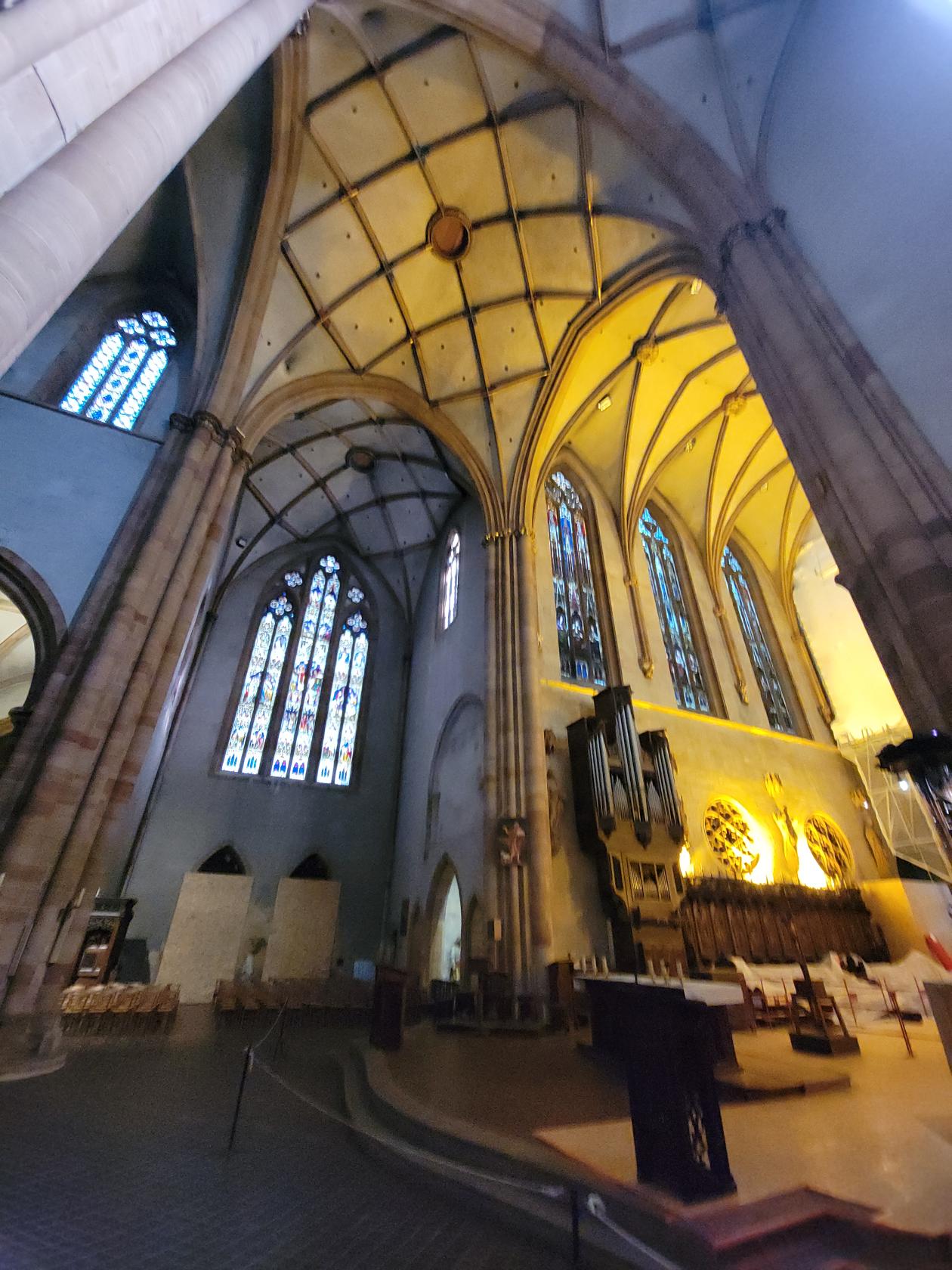
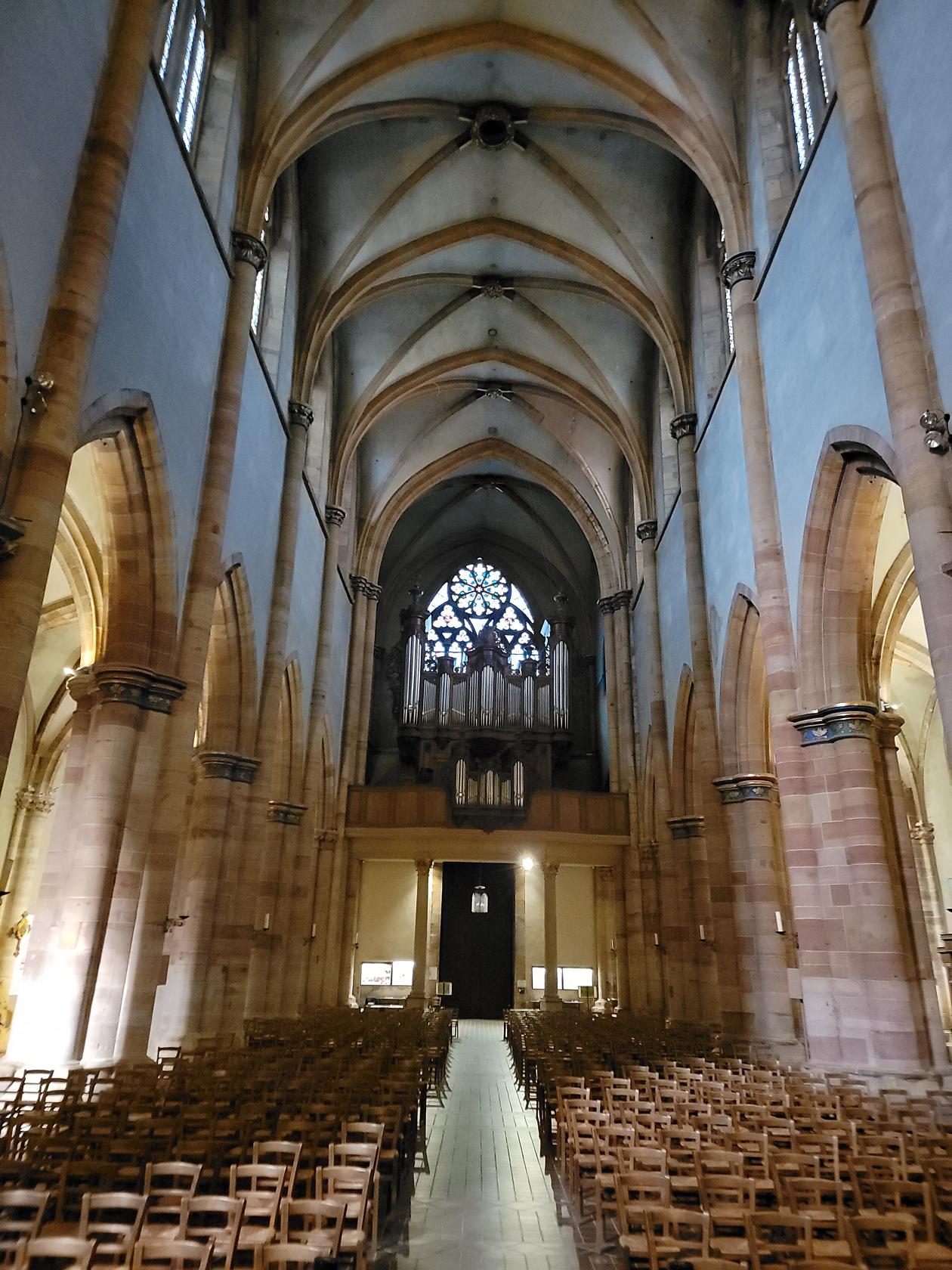
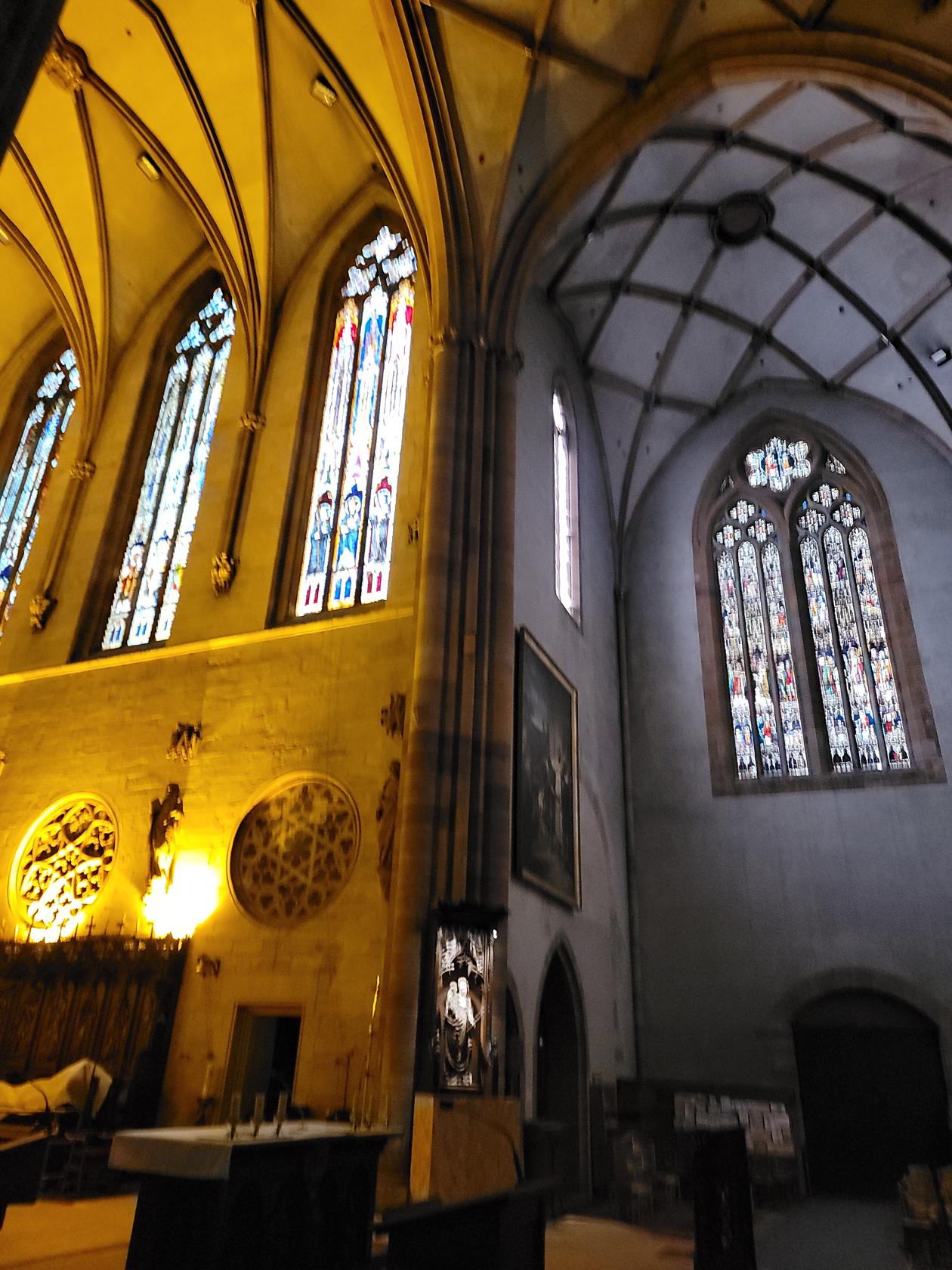
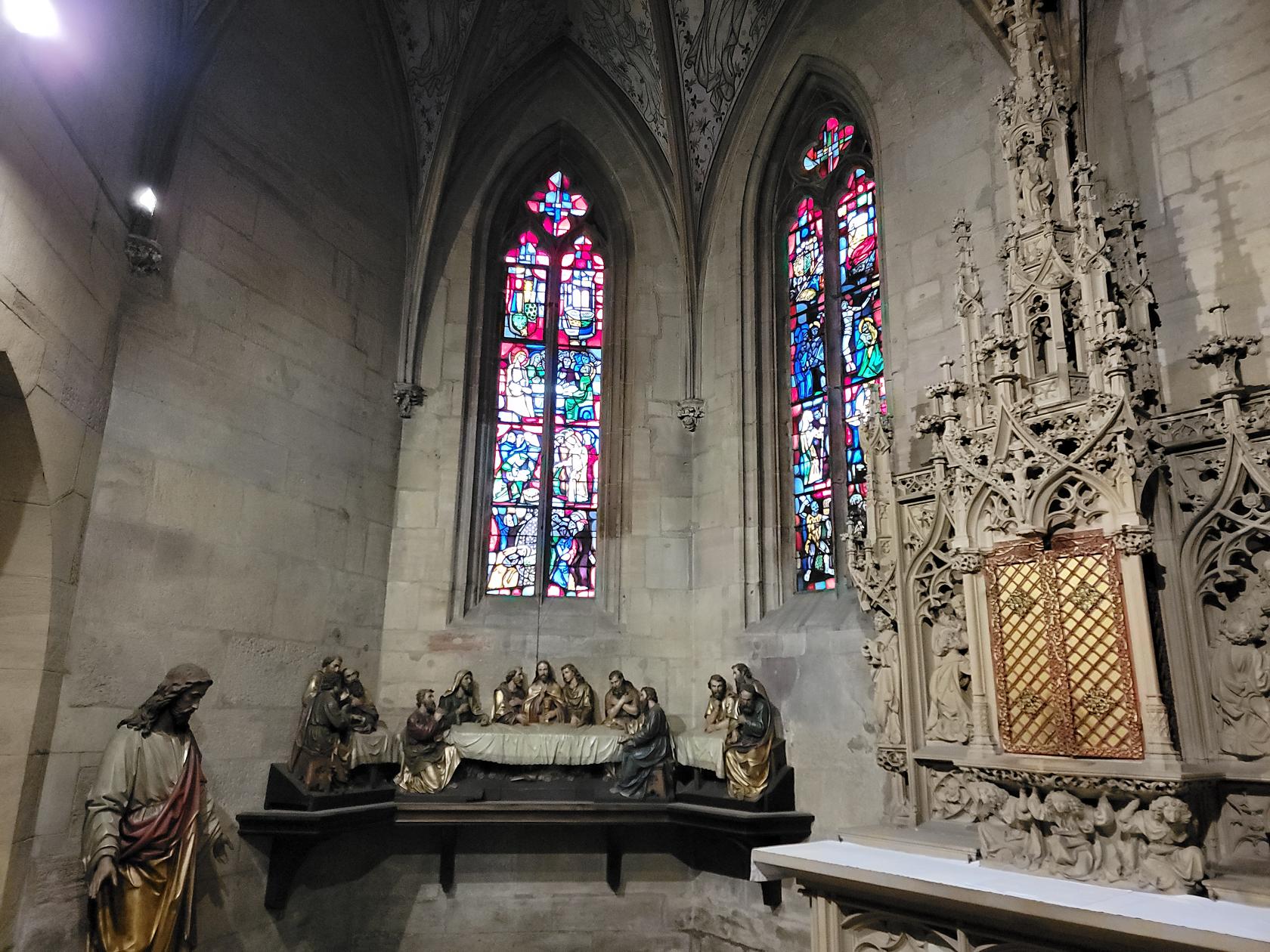
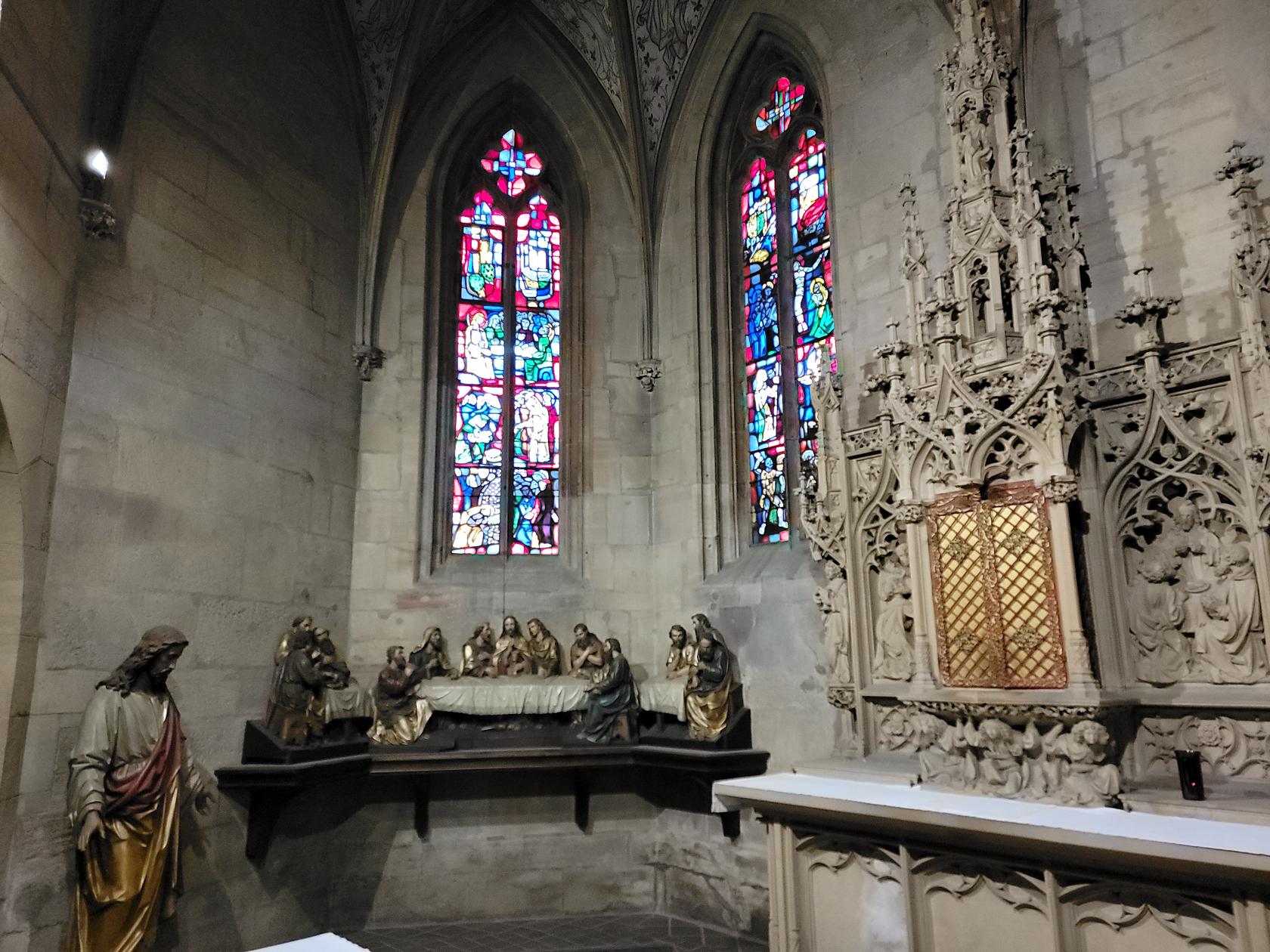
The Collégiale Saint-Martin is a church that is run by a secular group of clergy, that are responsible for the church’s administration as well as several aspects of the attached college. There were at least two churches on the same site, dating back to the eleventh century. The current church grew out of a set of buildings that started the early thirteenth century.
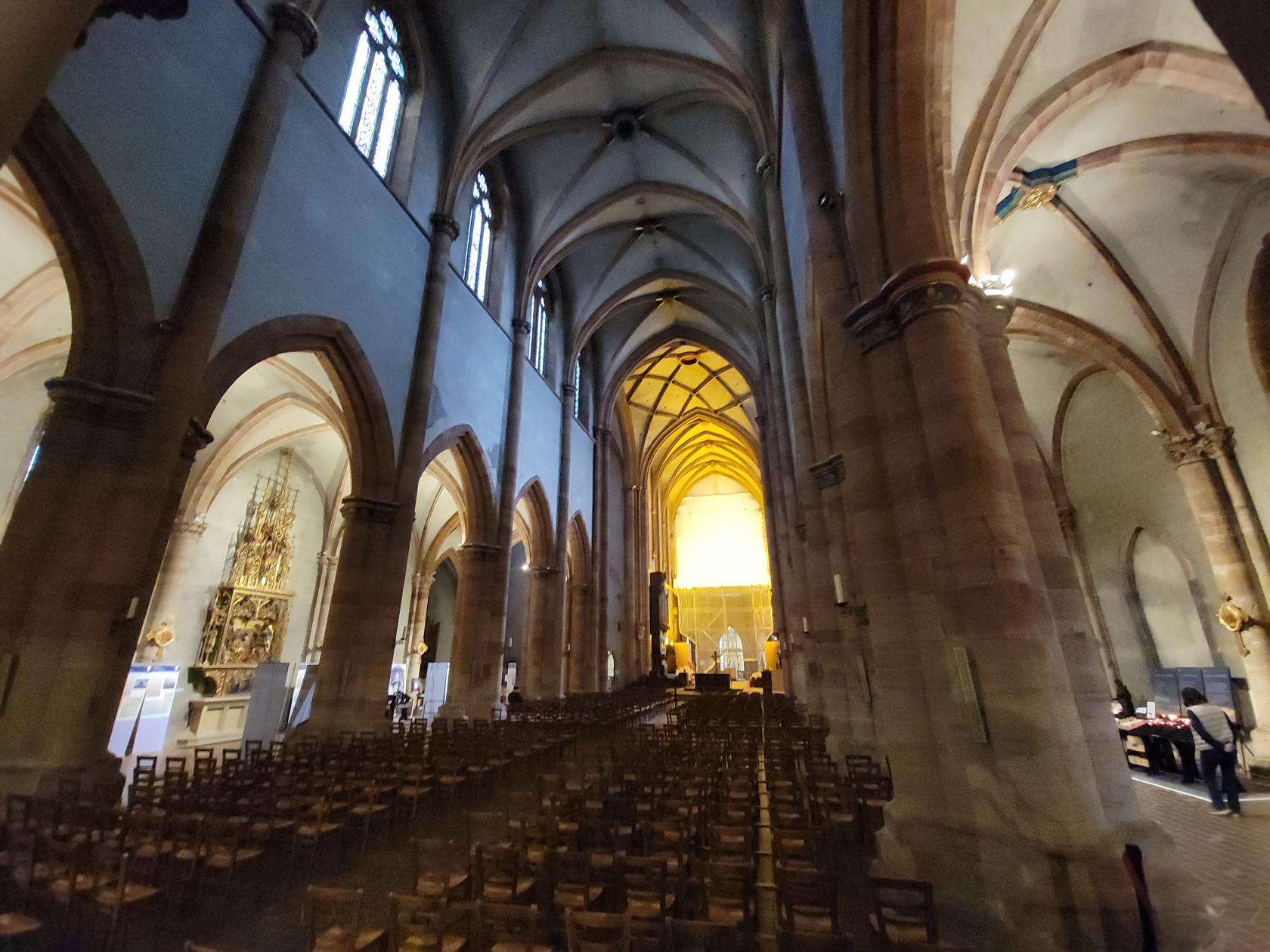
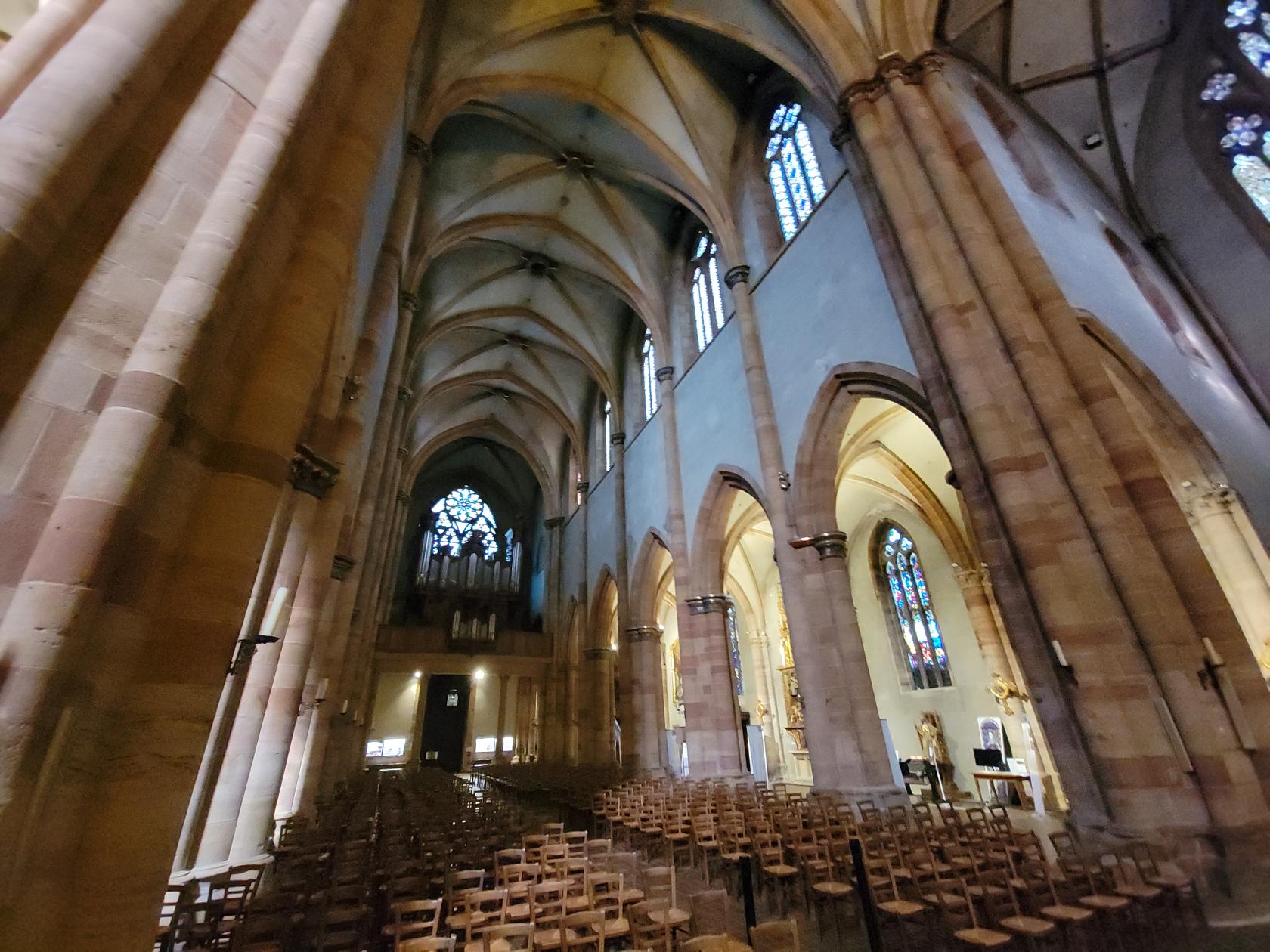
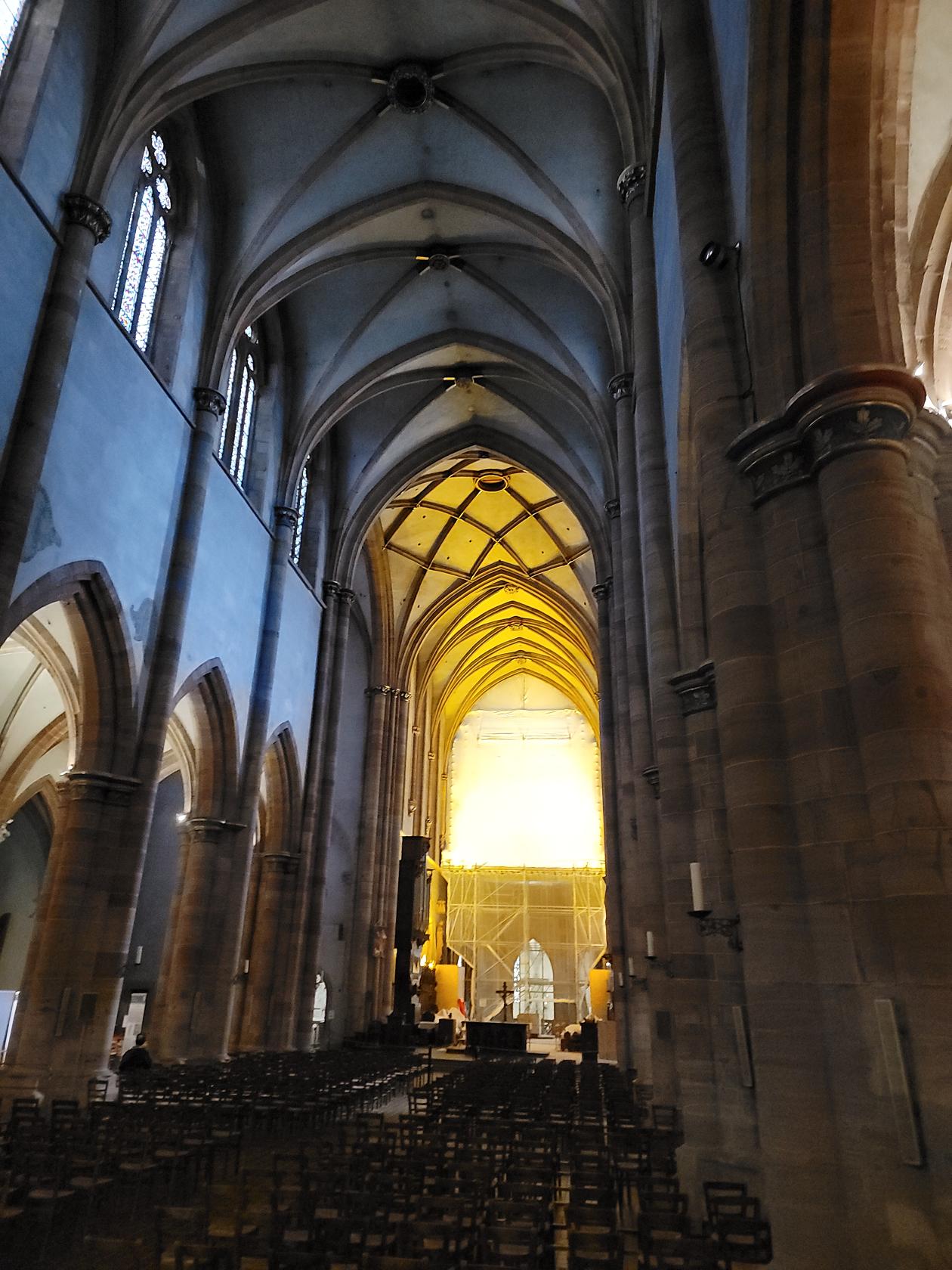
The interior is spacious and maintains a typical cathedral design, with an apse, altar and transept. Over the entrance is located a very large organ, which is accessed by a spiral staircase located in one of the corners.
Restaurants
Colmar has numerous restaurants and cafes catering to most tastes. However, we would recommend trying the alsatian food, an interesting mixture of french and german cuisine.
Le Fer Rouge
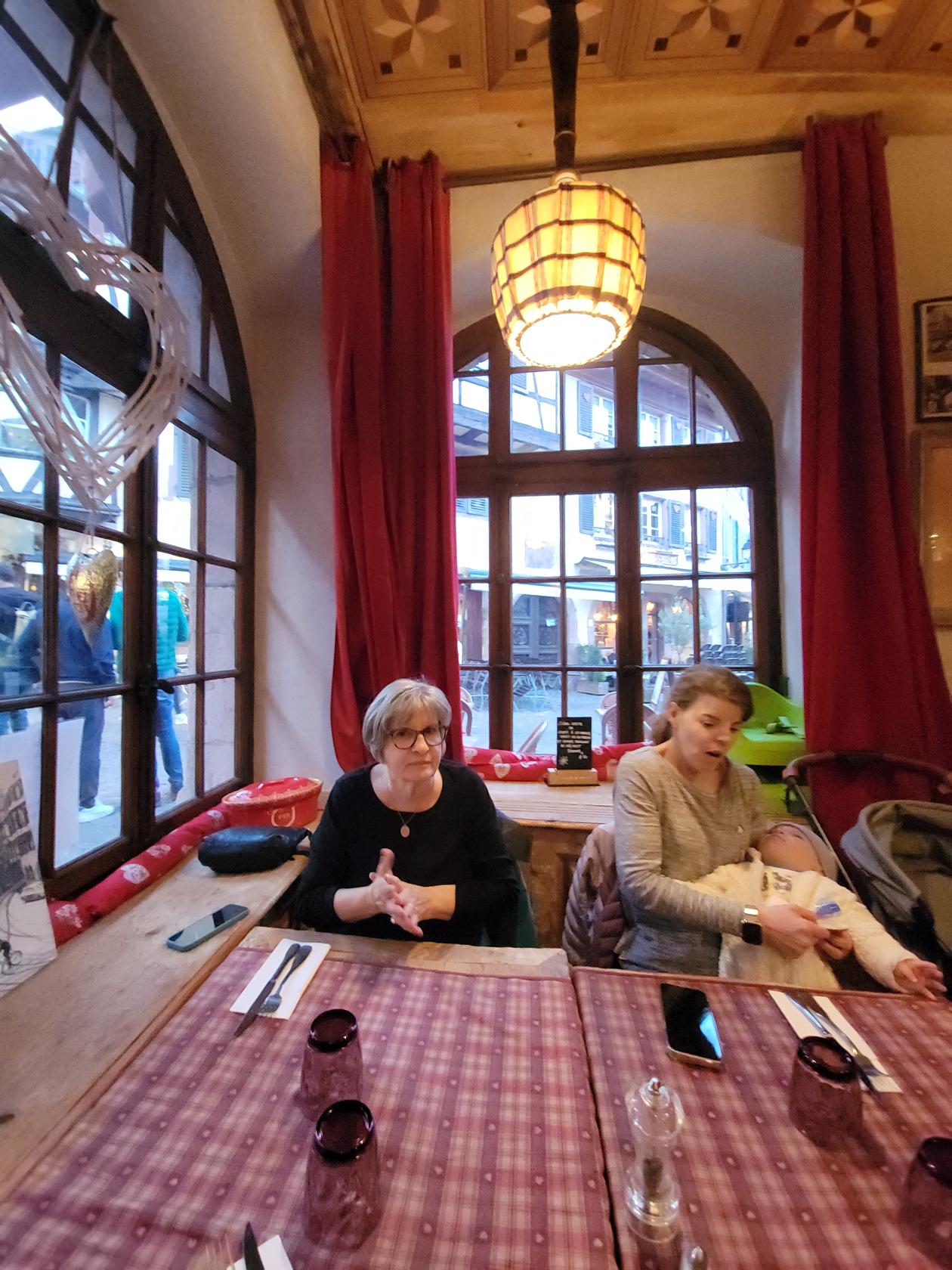
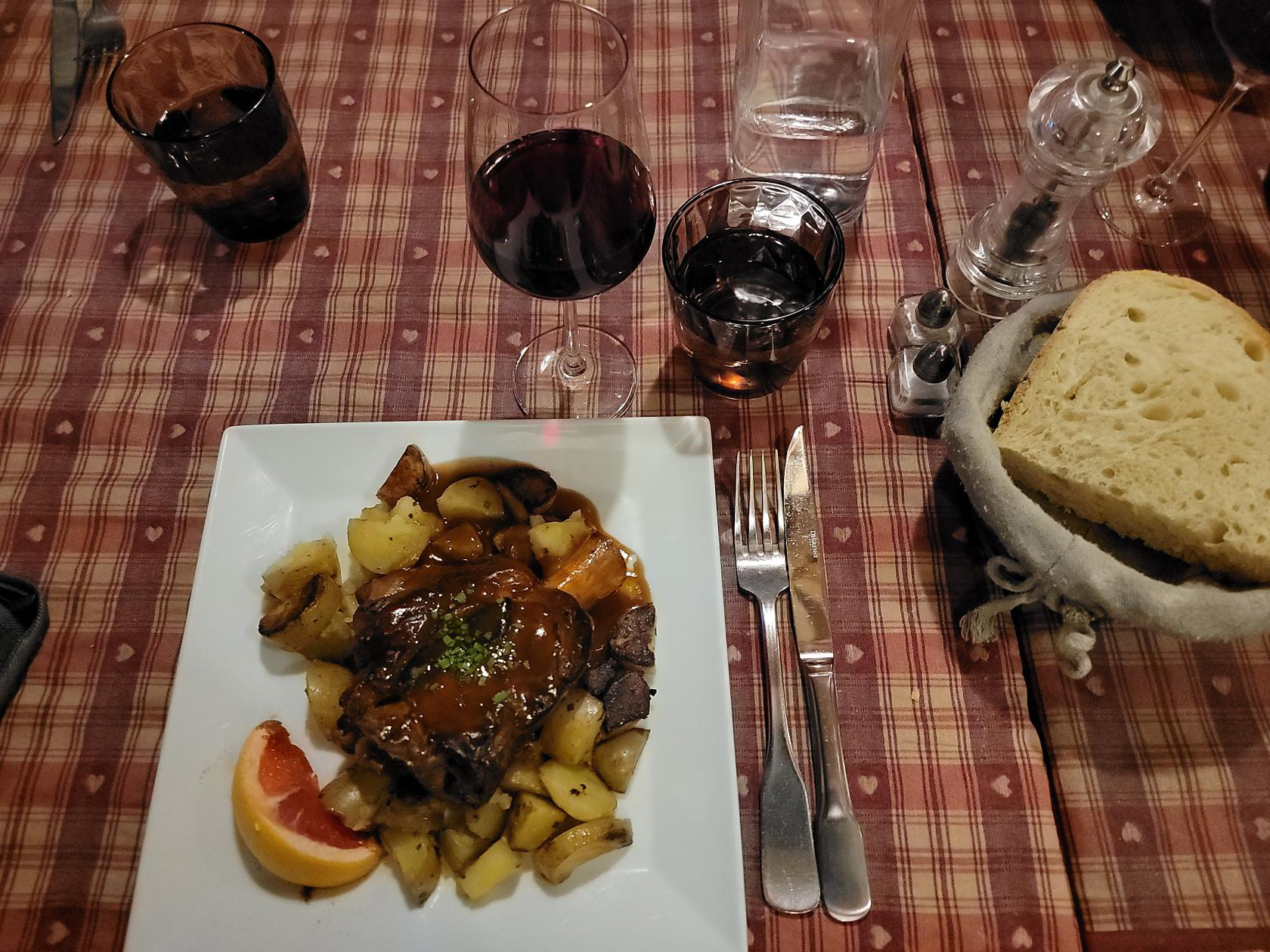
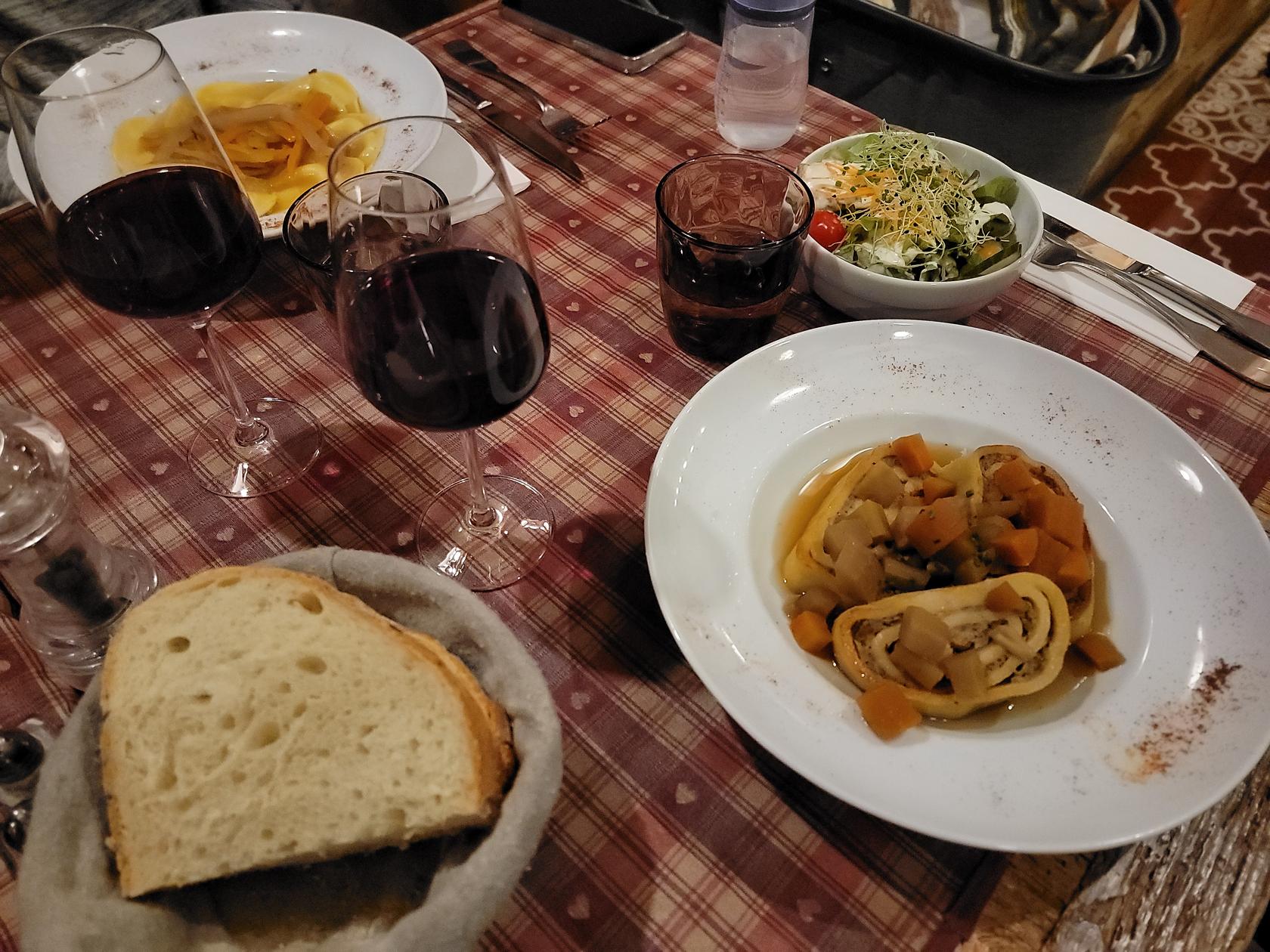
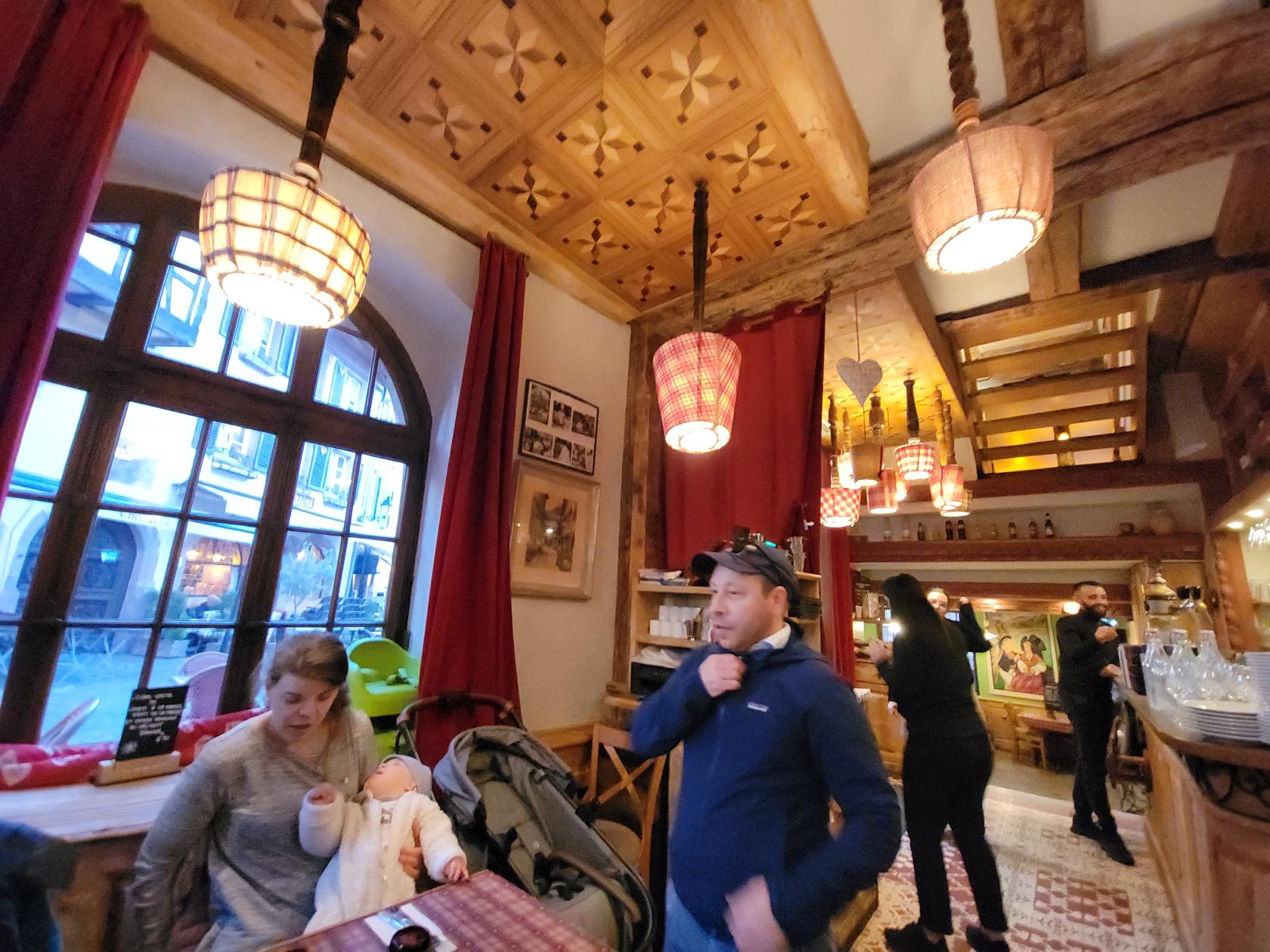
Le Fer Rouge is a true alsatian restaurant and serves good food. This was our first food stop in Colmar and we thoroughly enjoyed it.
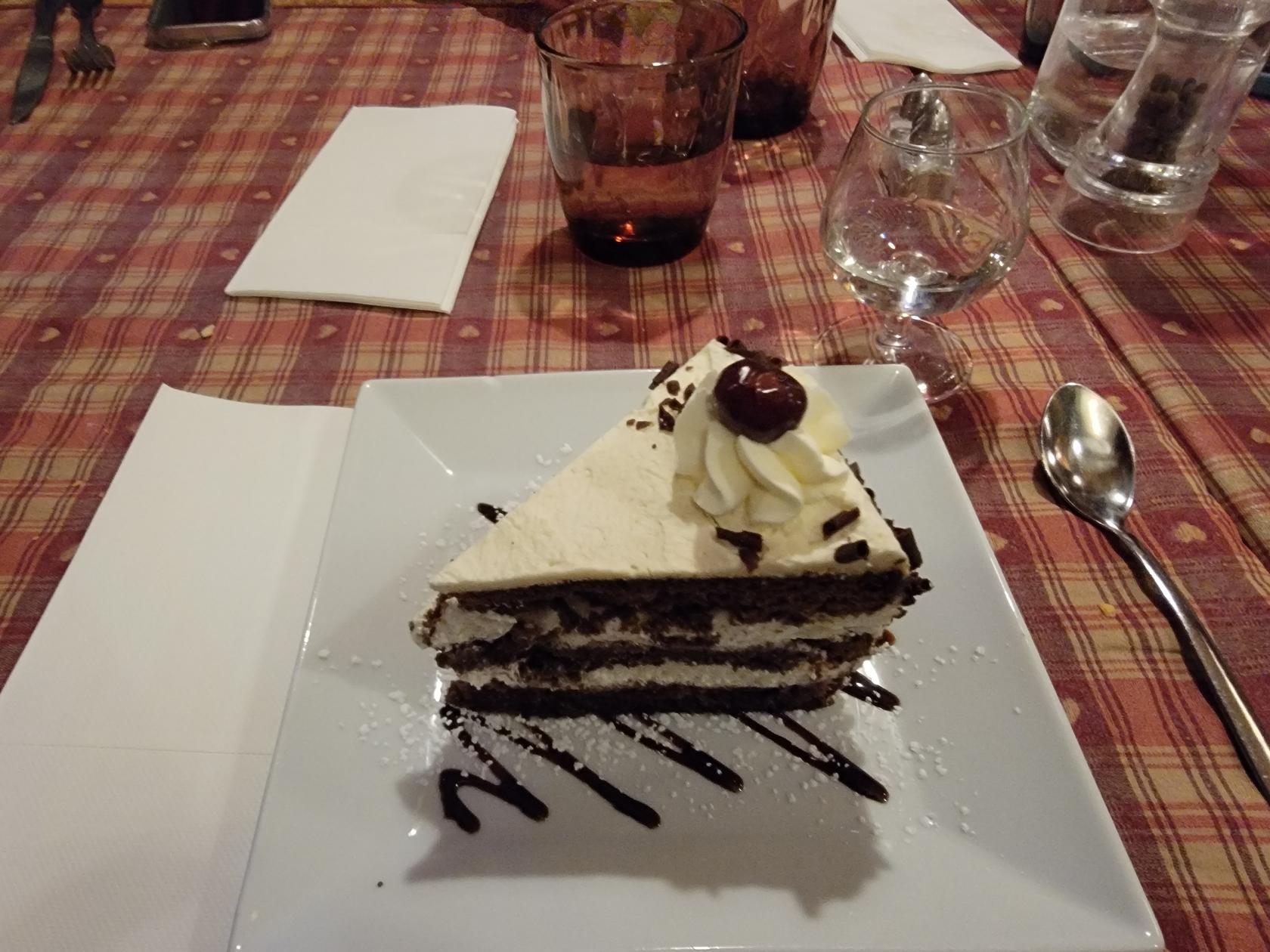
I ordered the Schweinhaxen, or roasted pig shank, and it was delicious. It was marinated in a semi-sweet french sauce that was just outstanding. The Schwarzwälderkirchetorte, or Black Forest Cake, however was not that good. The creme was a bit stiff and the cherries lacked a rich taste, one expects from this dessert; a true dissappointment.
Brasserie Chez Hansi
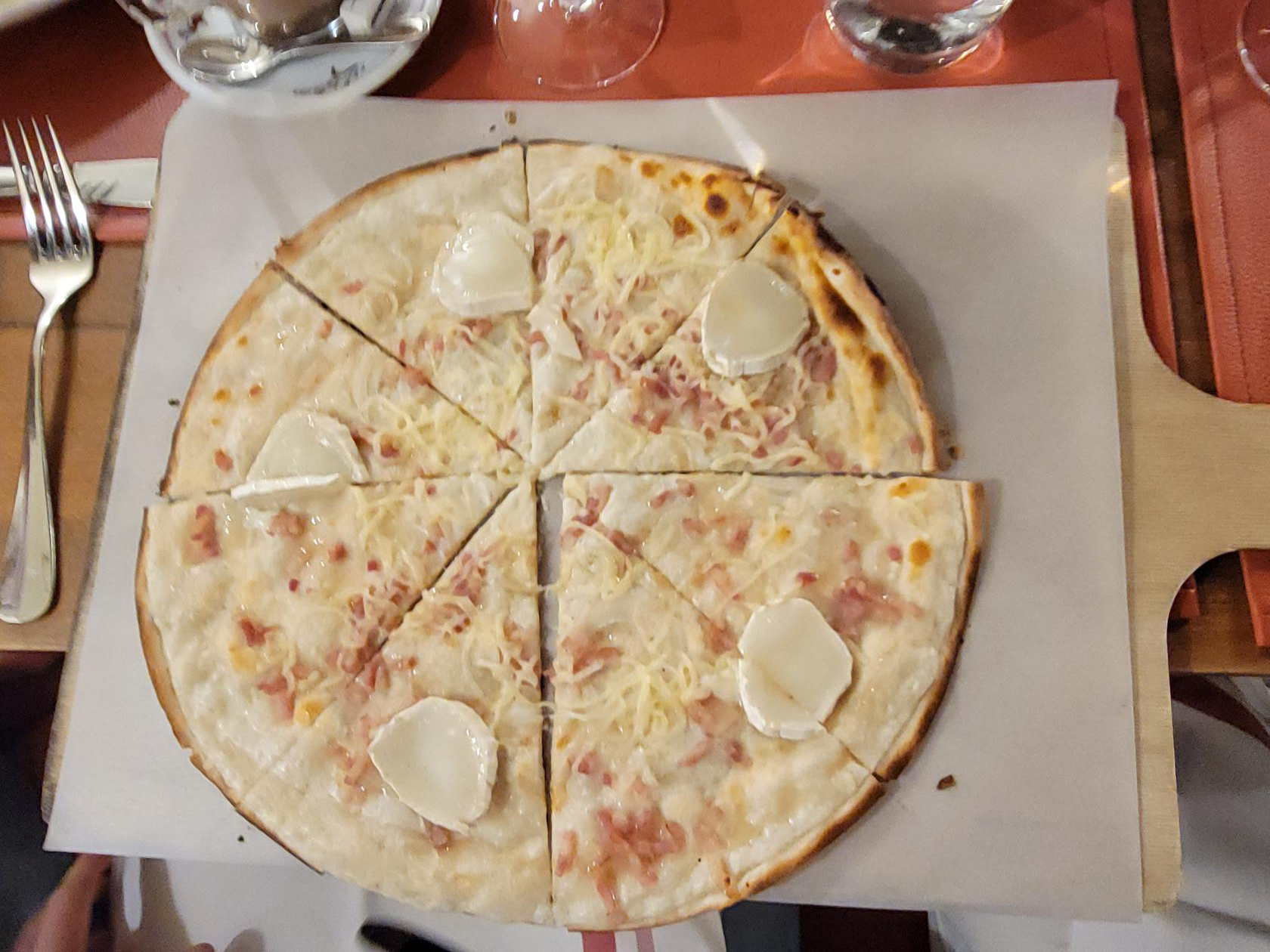
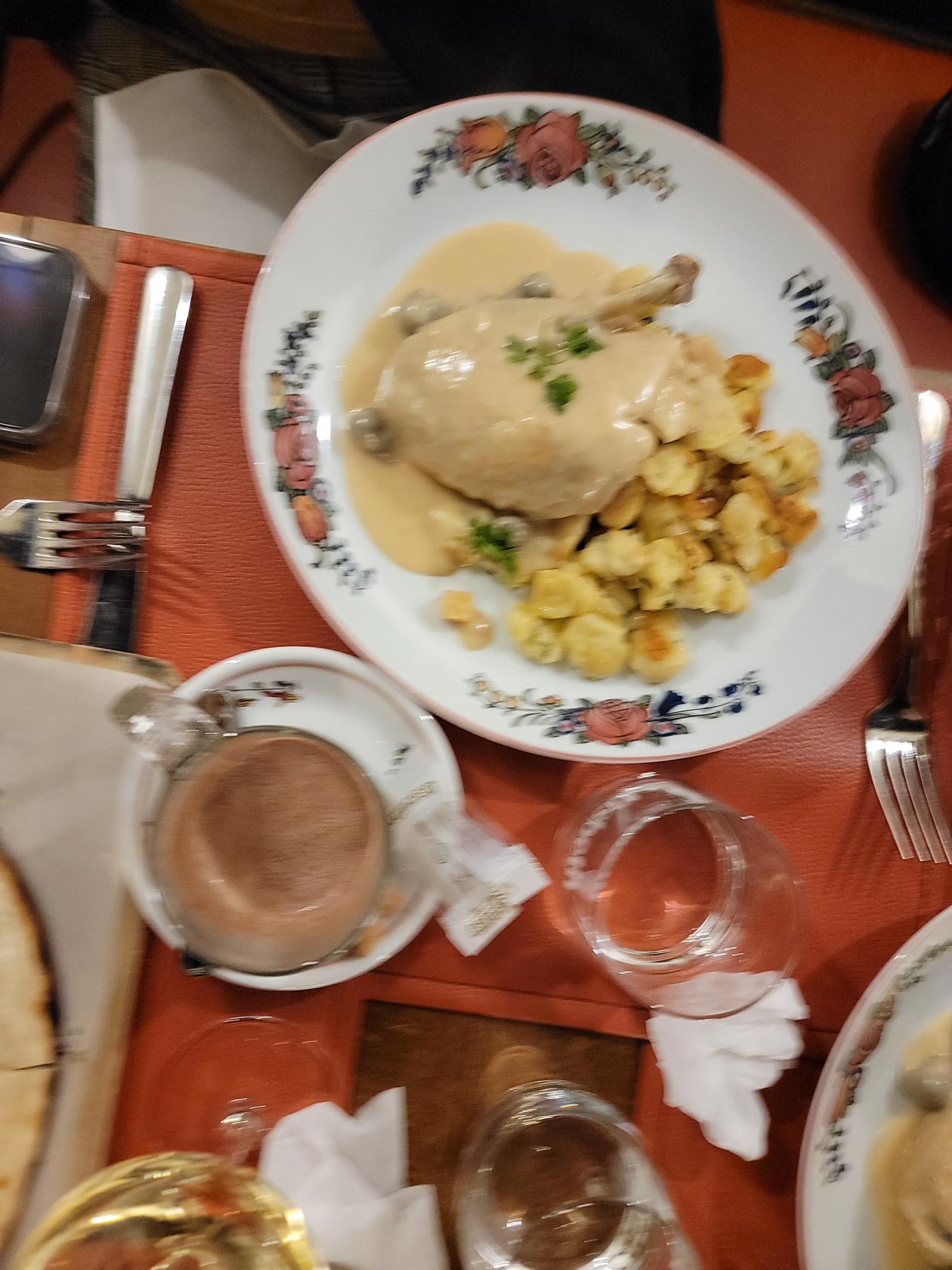
The Brasserie Chez Hansi is another alsatian restaurant with a simple atmosphere.
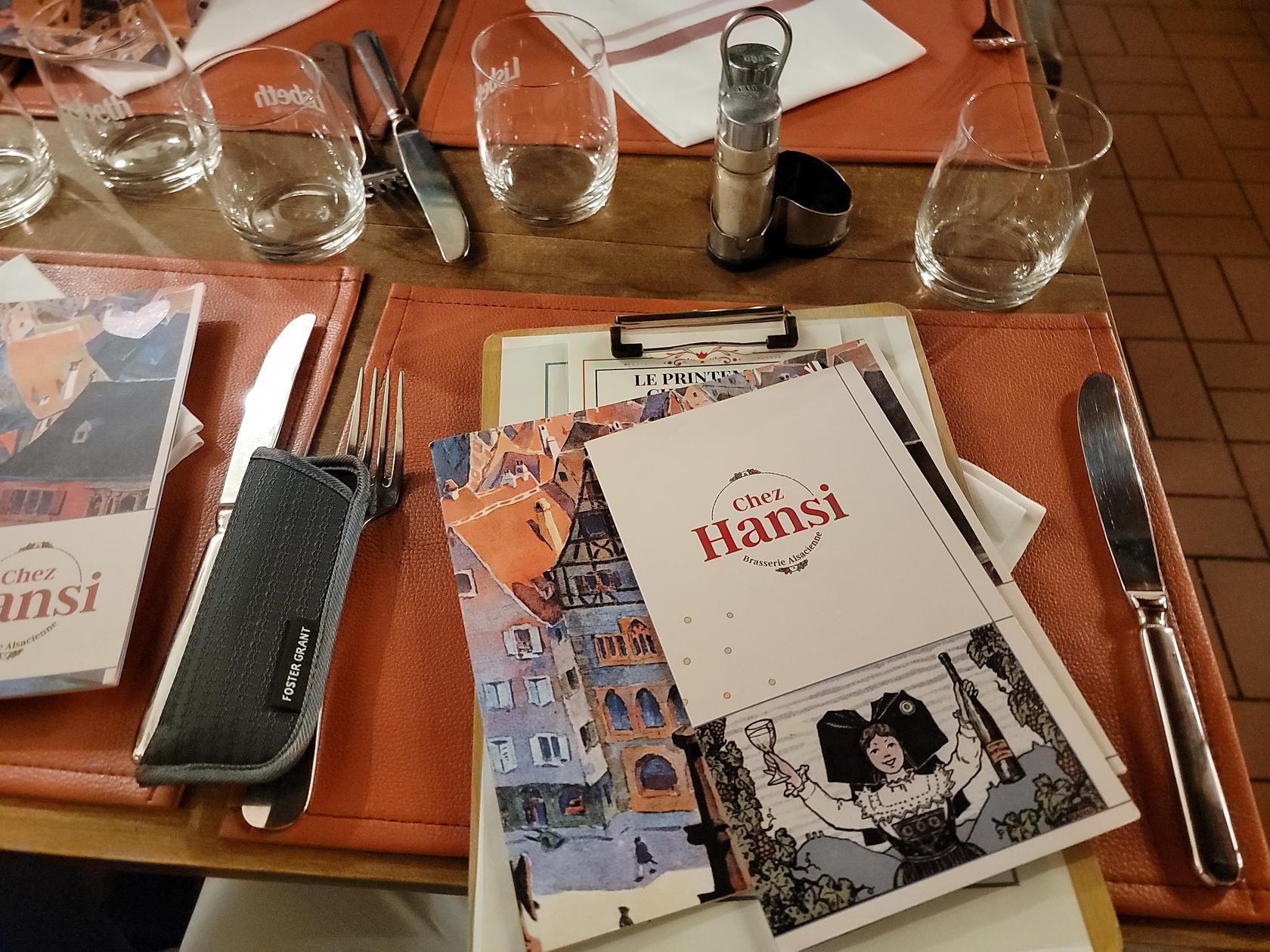
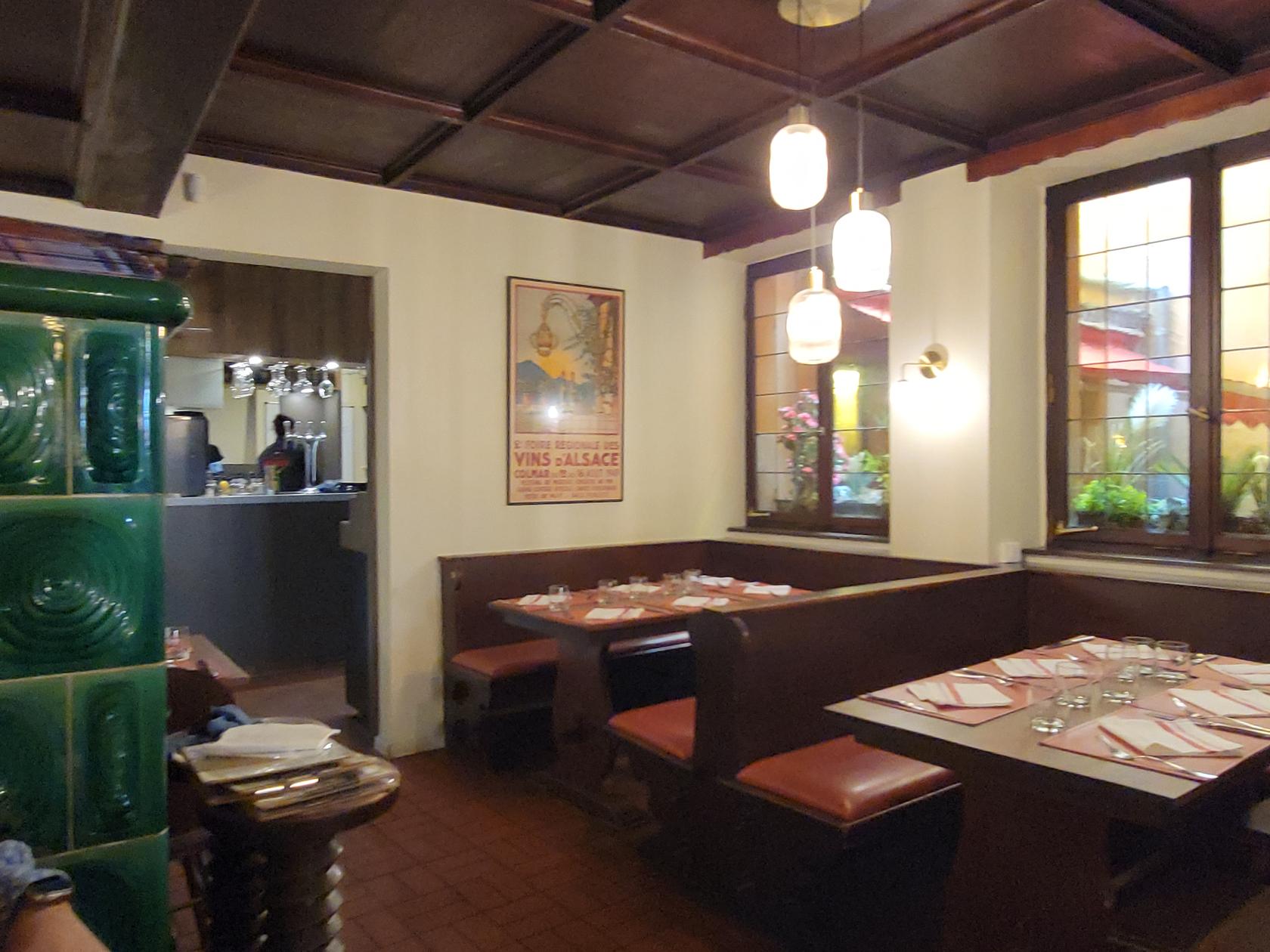
The menu is easy to intepret and there appears to be something for everyone’s taste. I would commend however the Sauerkraut and Würste platter, it was excellent.
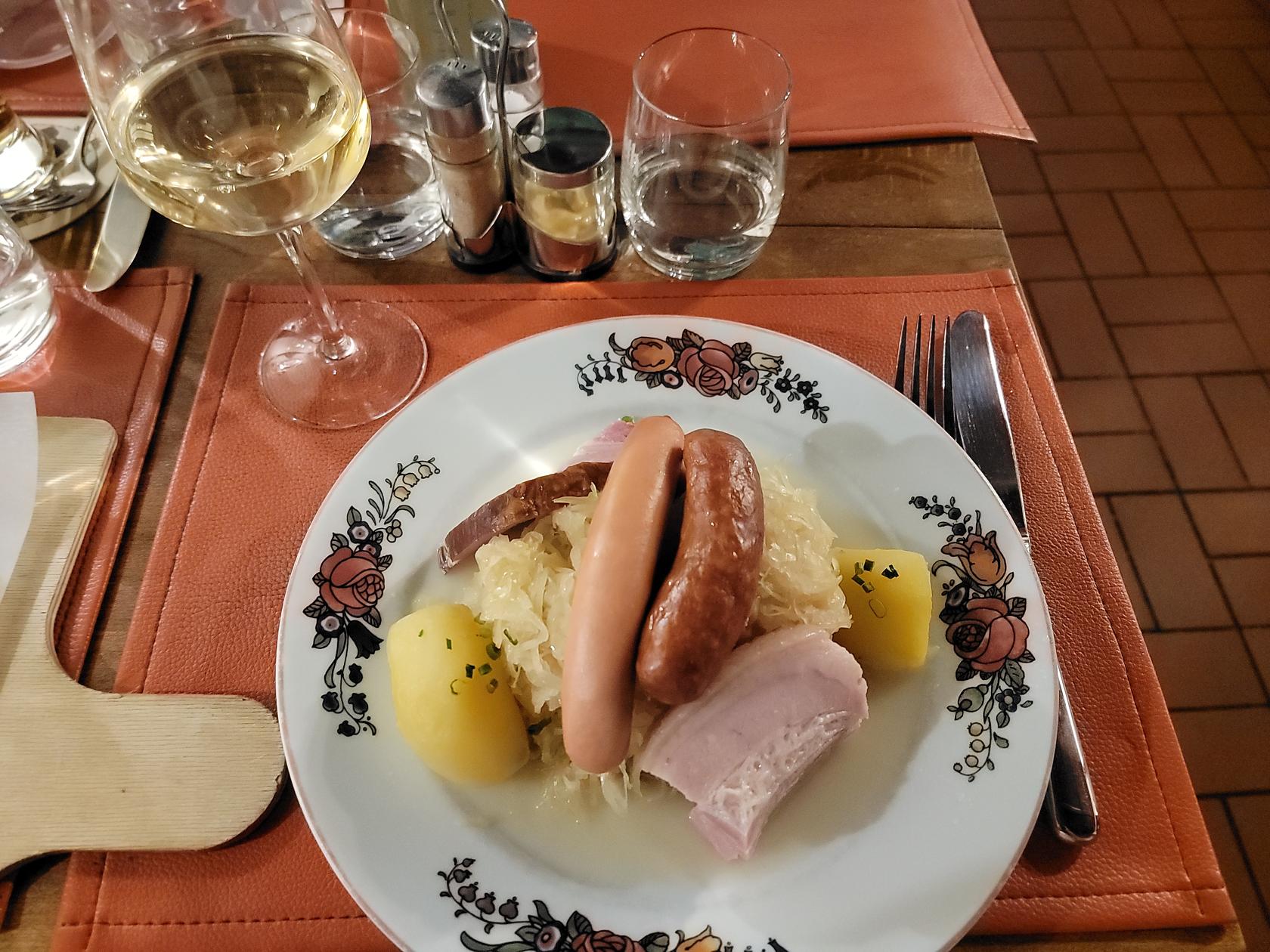
Le Bistrot des Copains
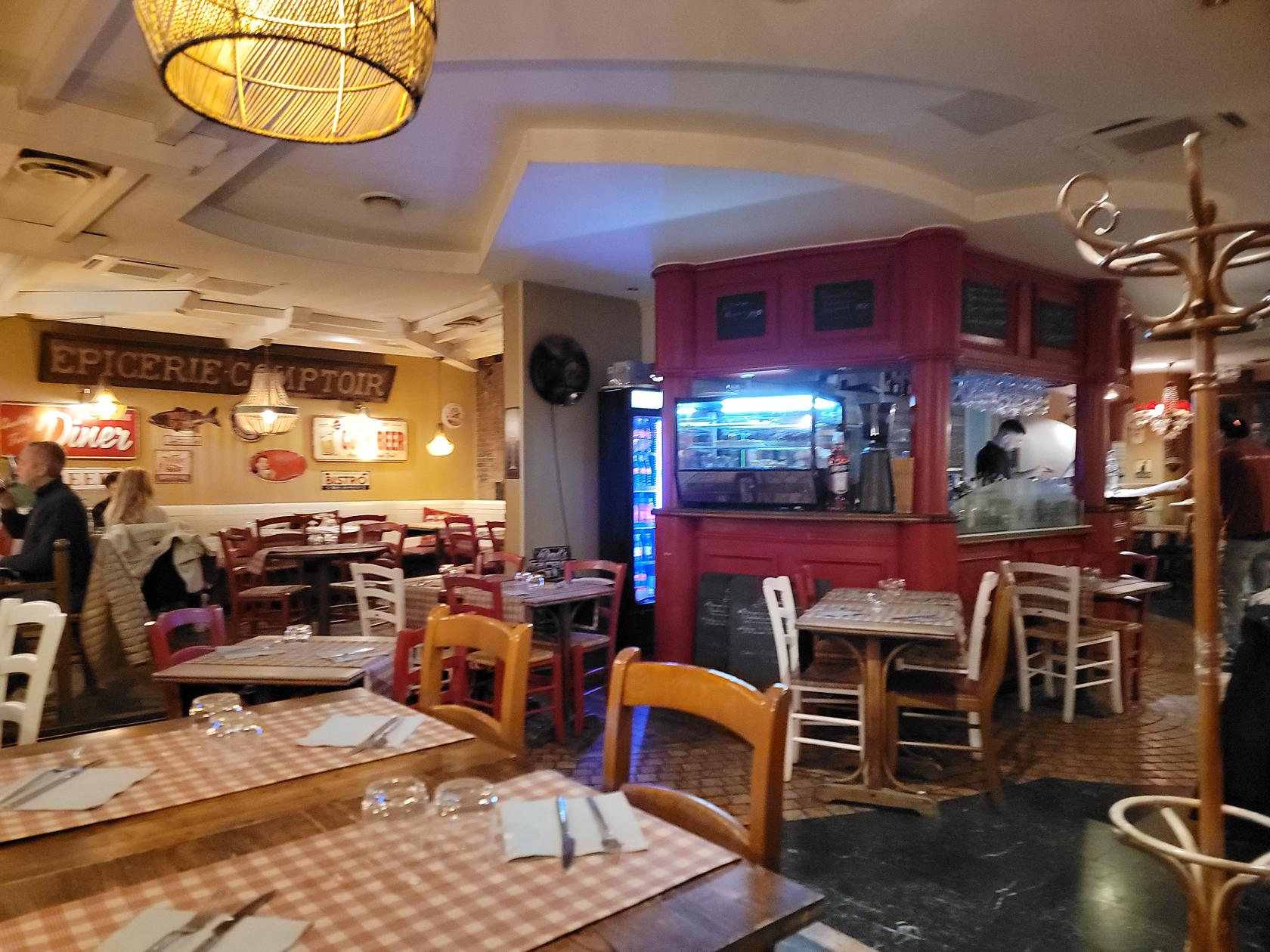
Last, and definitely least, is the Le Bistrot des Copains. It has a very average rating and you will find it is well deserved. The food is okay, nothing to write home about for sure. The service is adequate and they do try to help you with any requests. This restaurant would fall into the tourist trap category, if such a thing exists. It is well attended, but it perplexes me why.