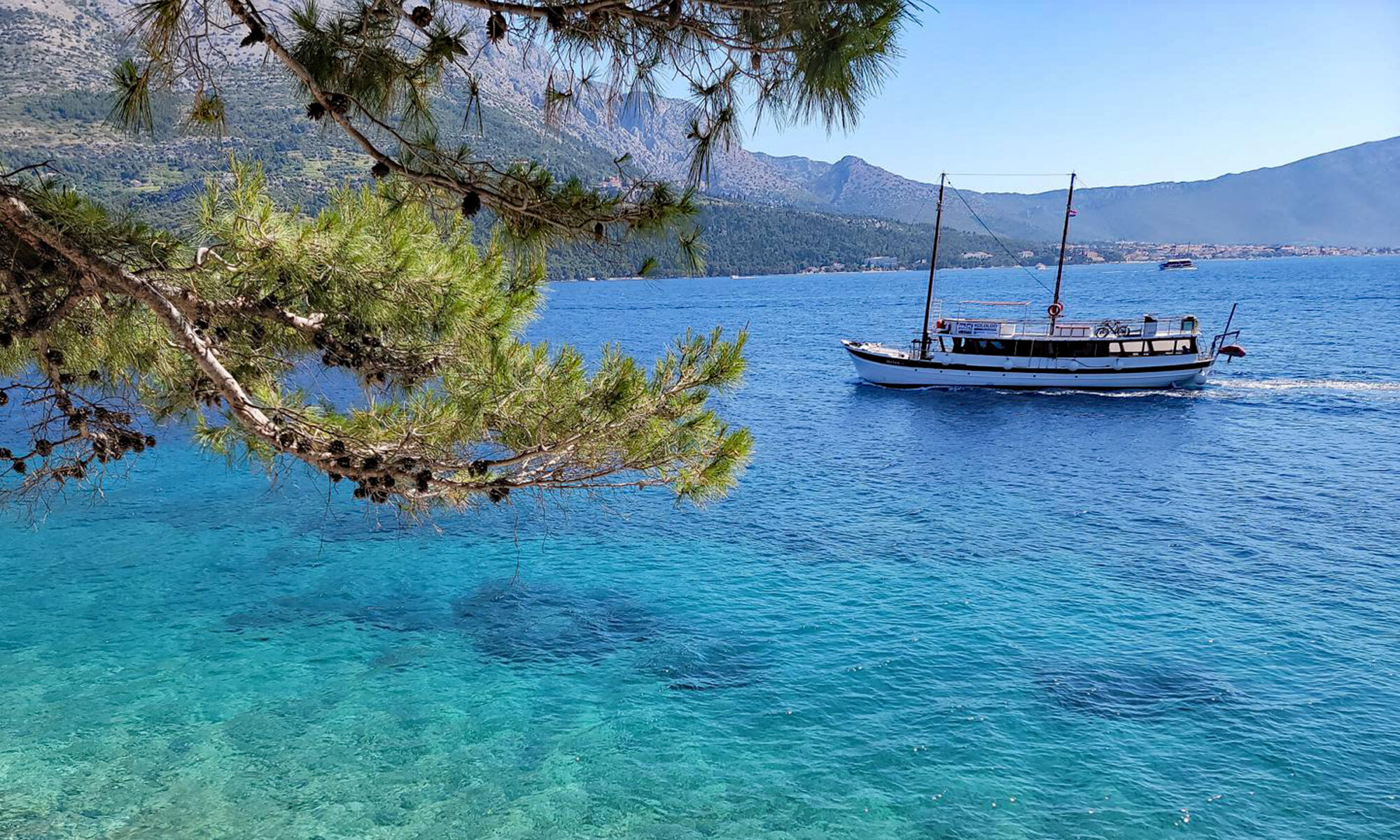
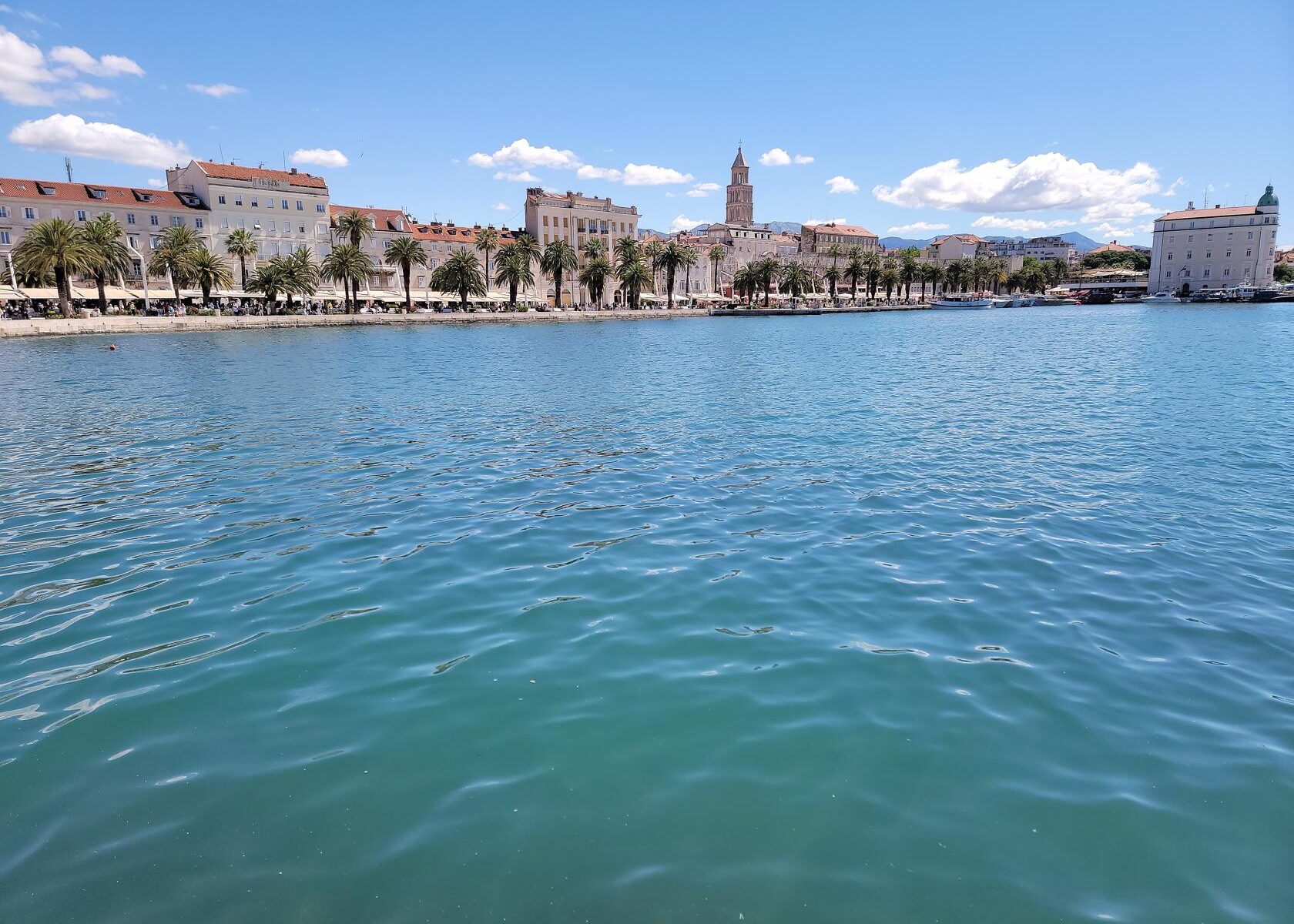
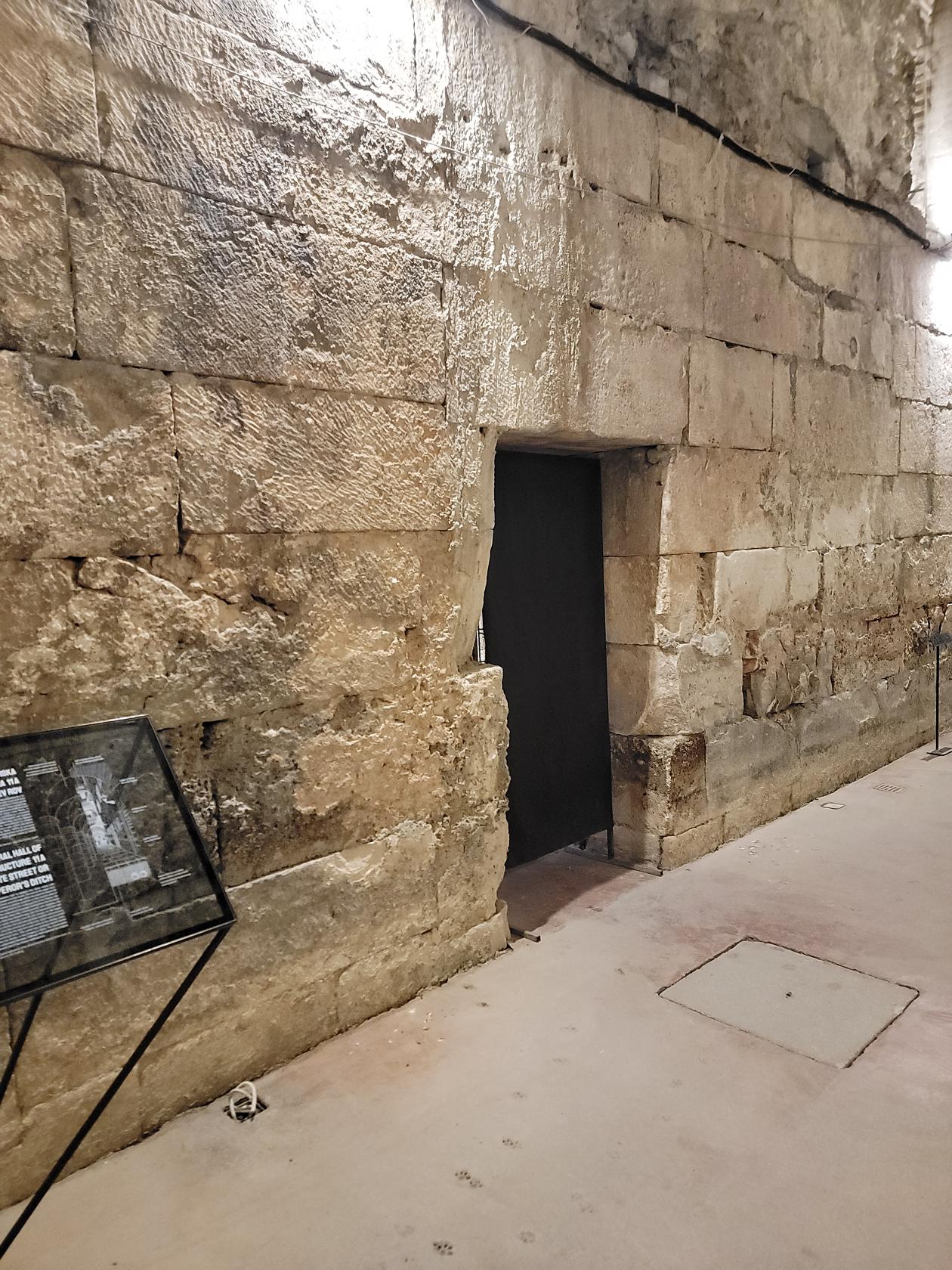
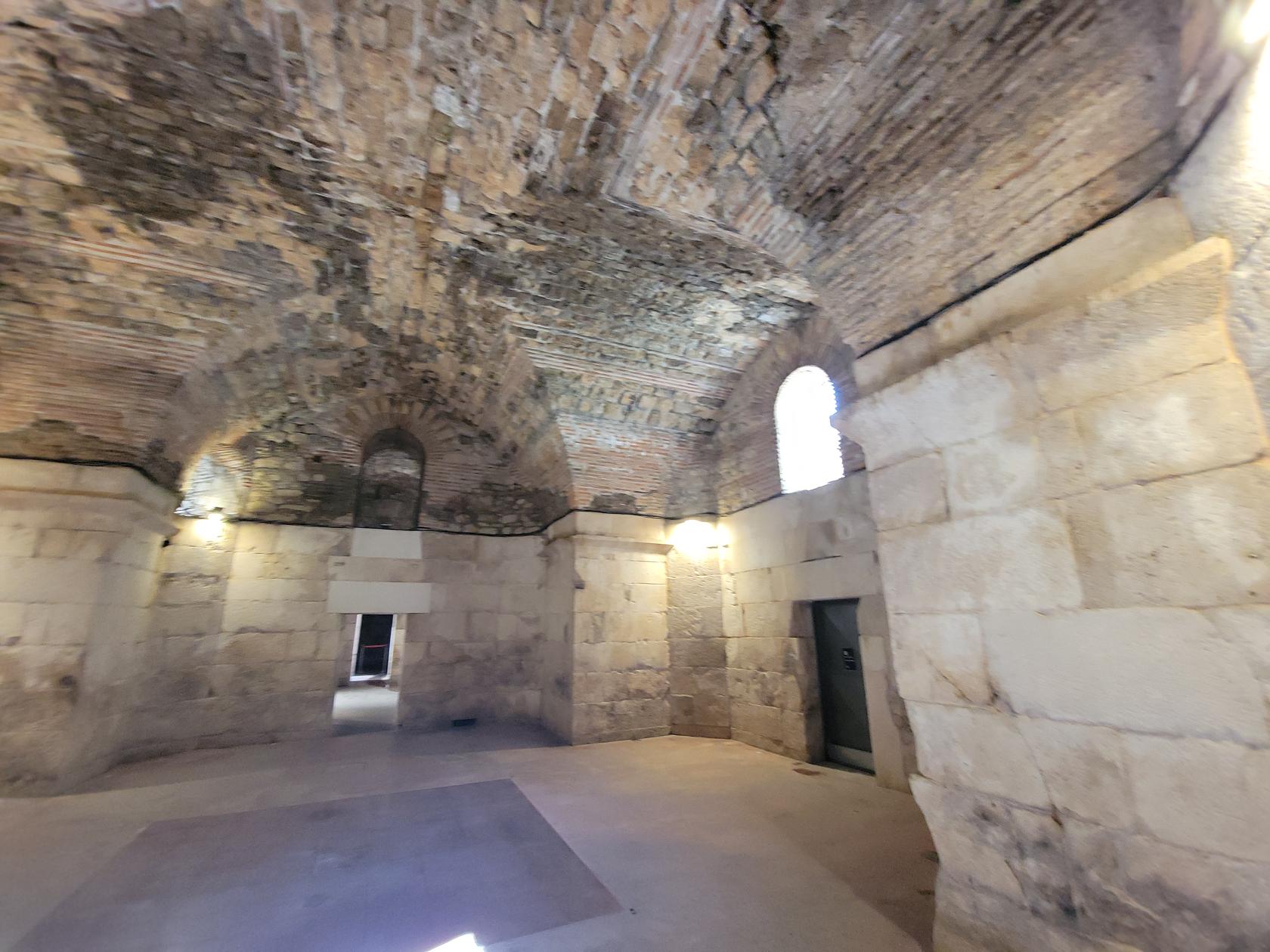
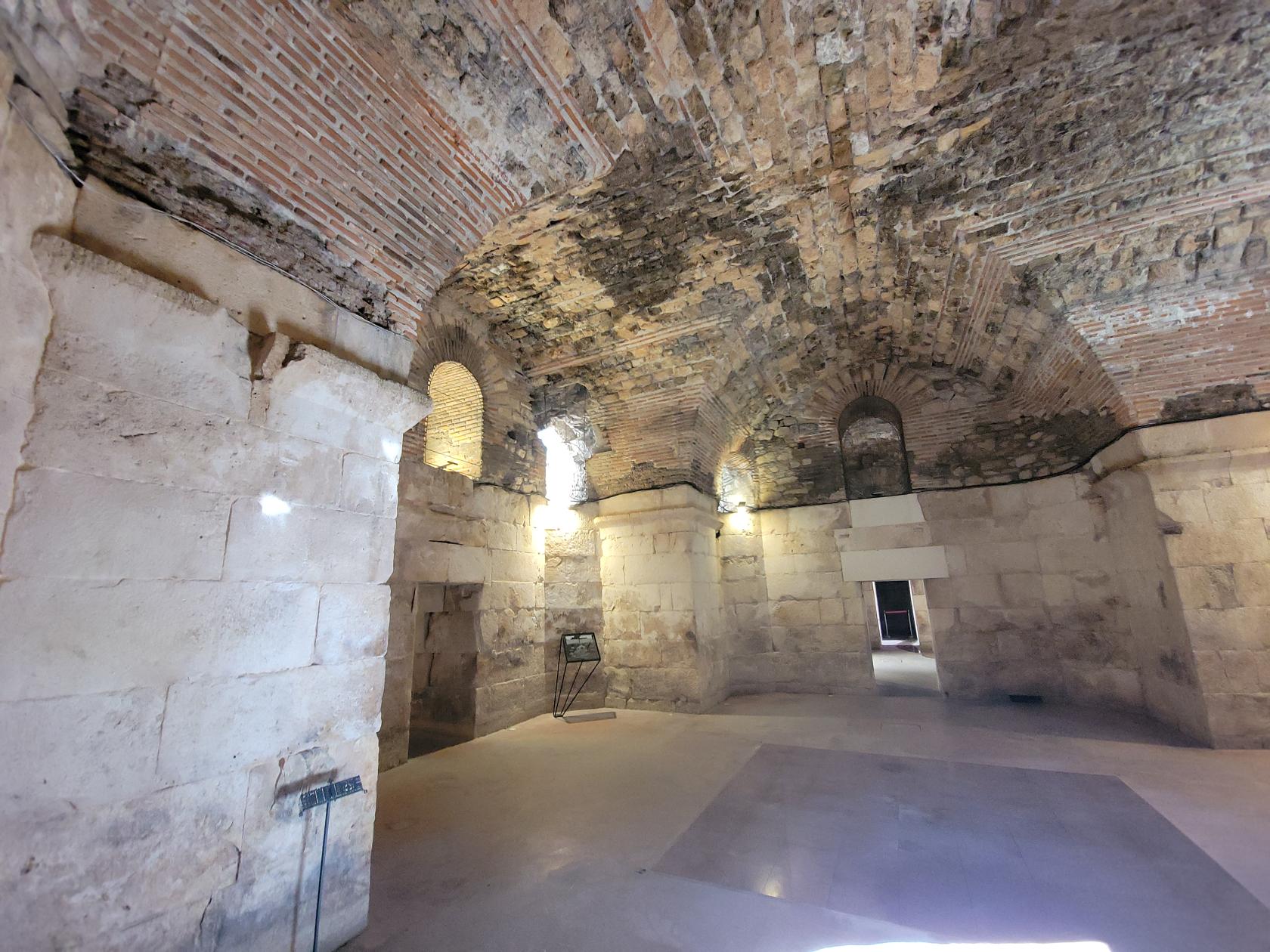
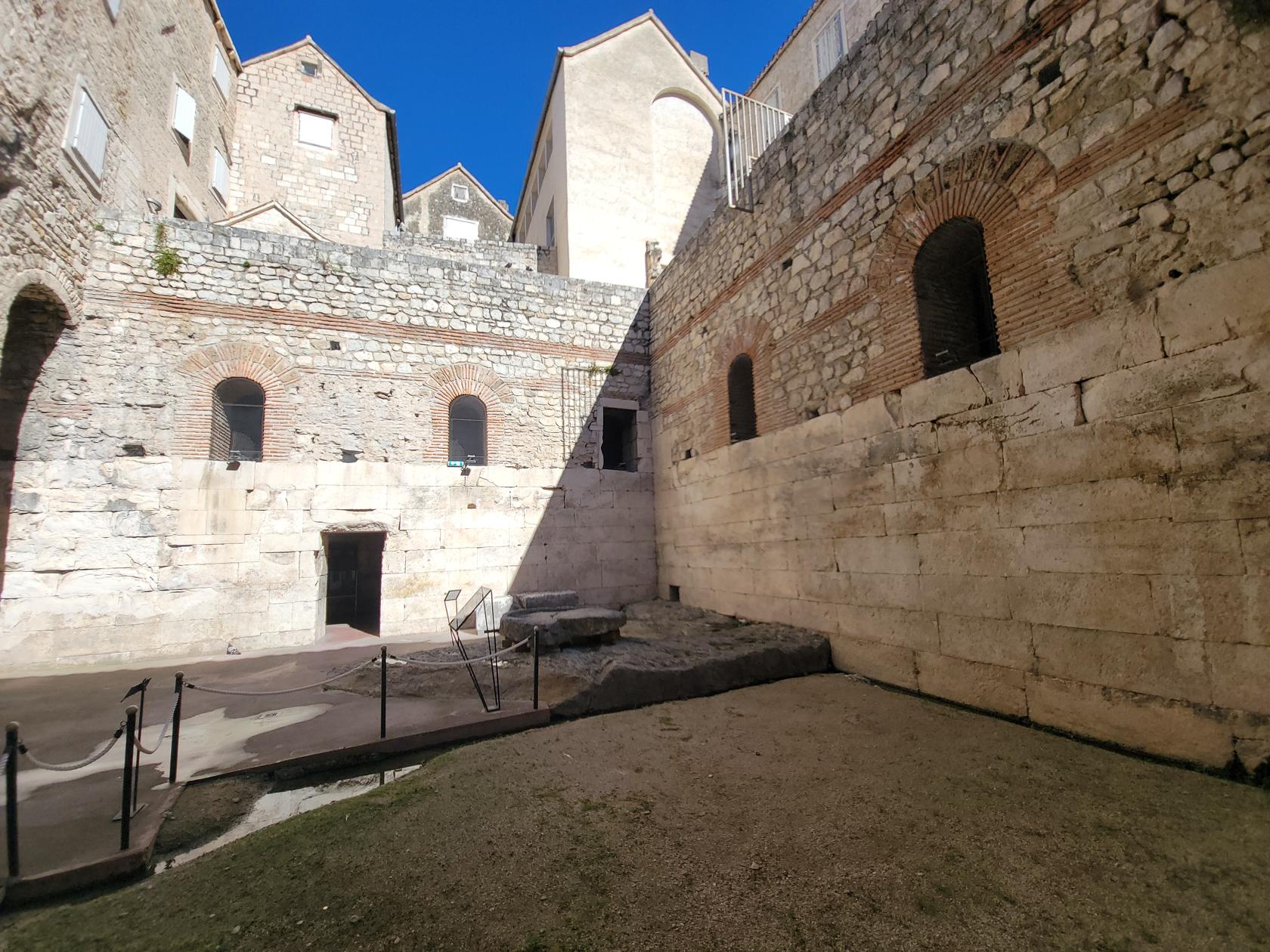
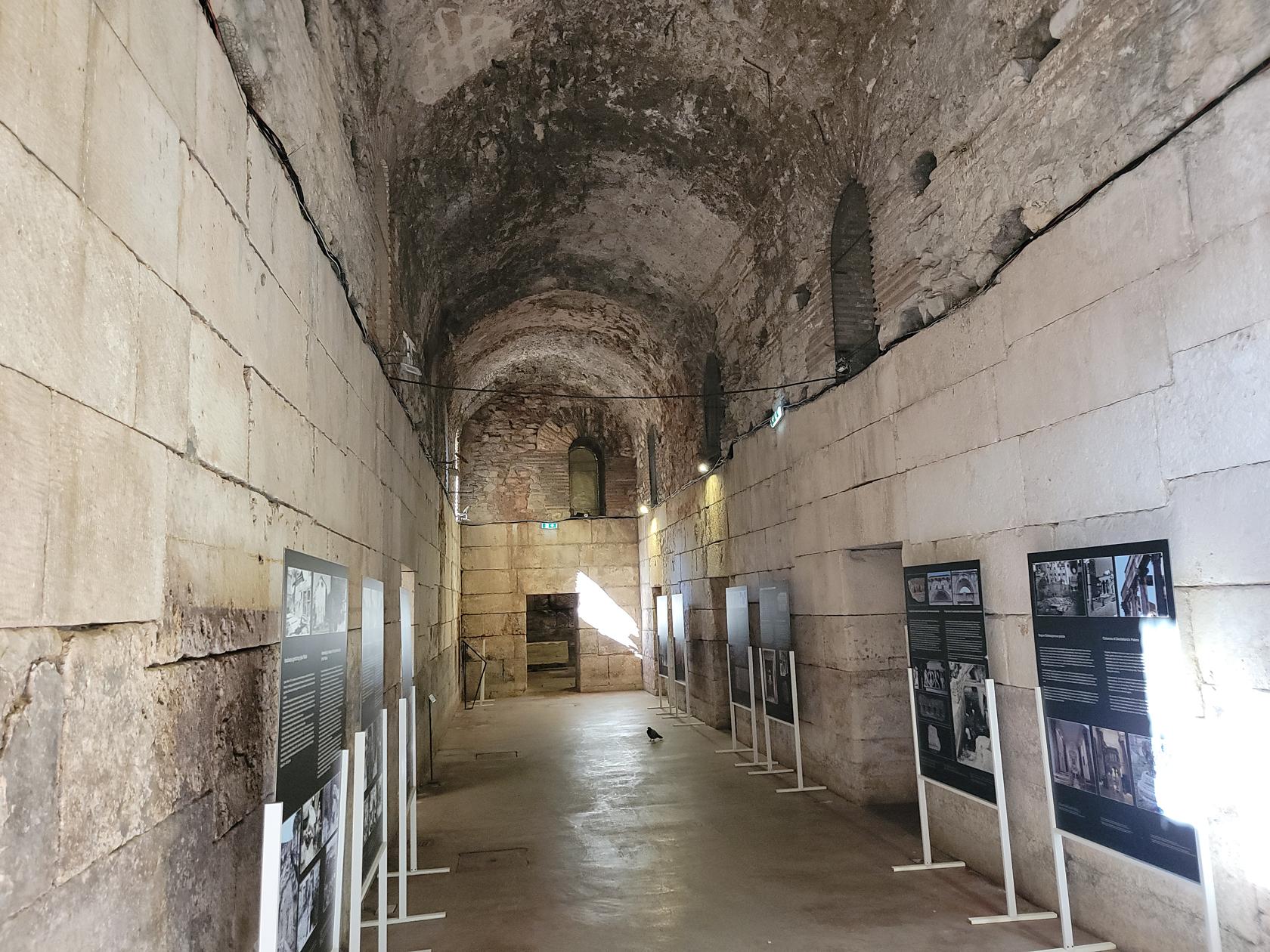
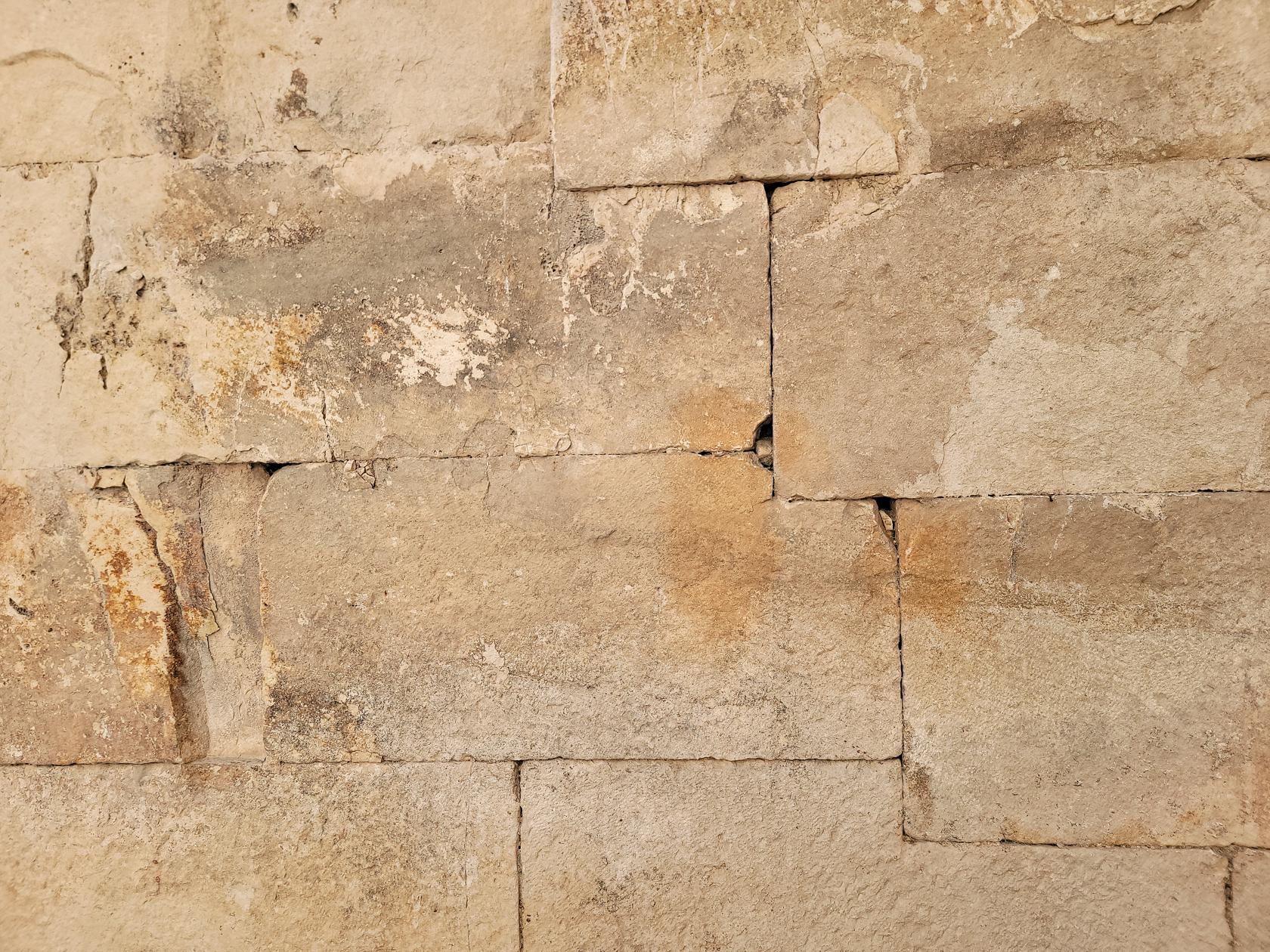
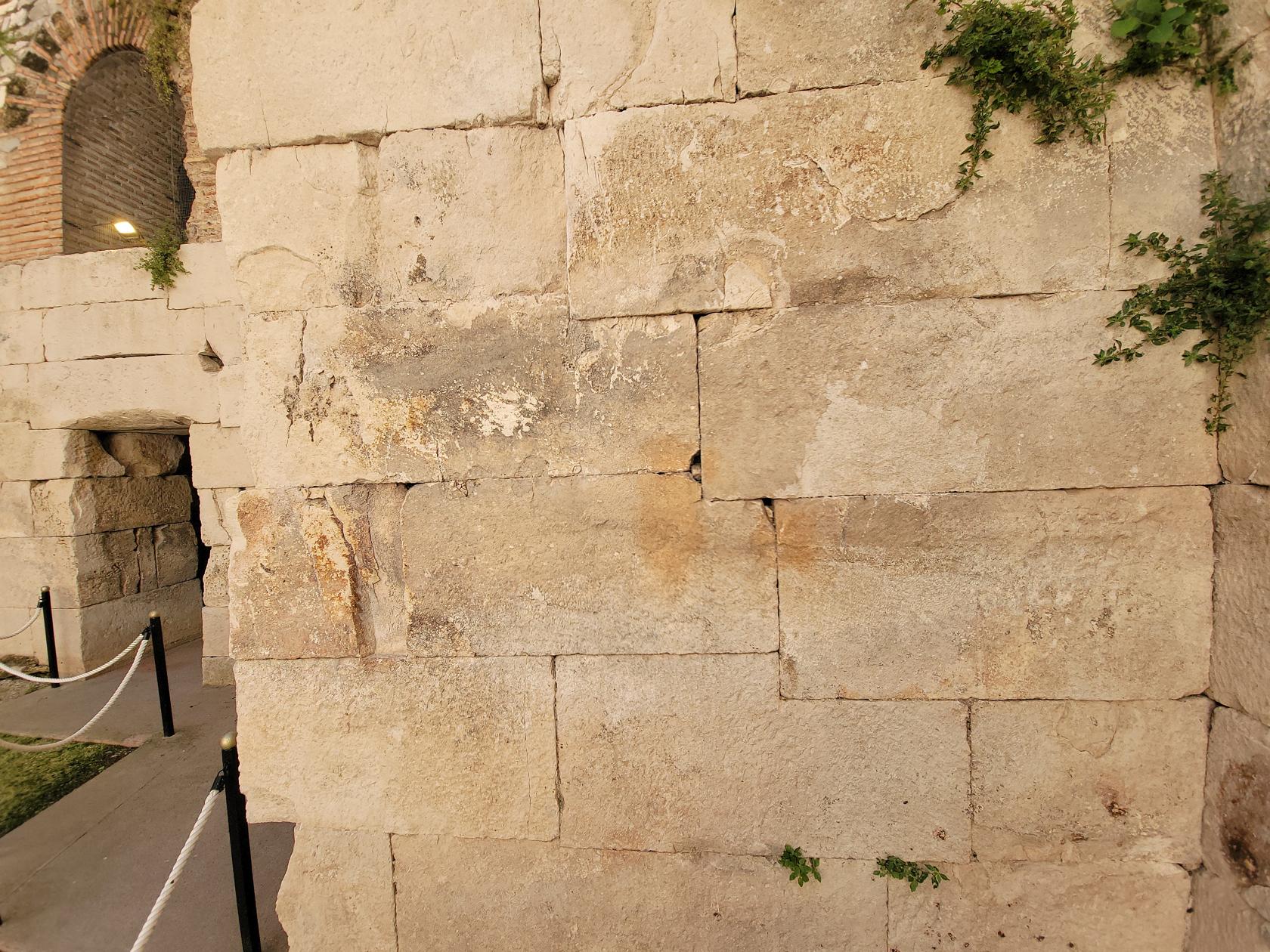
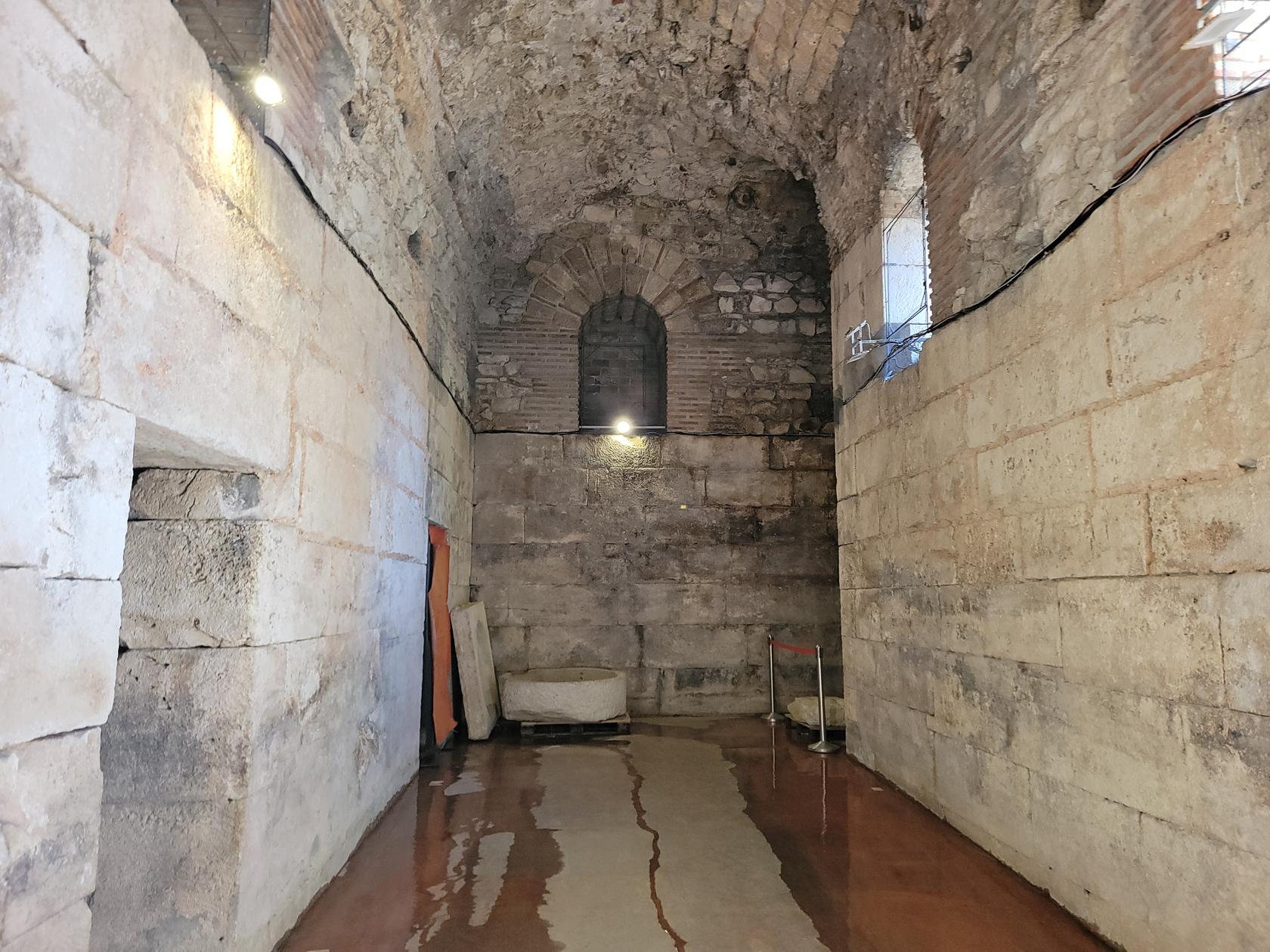
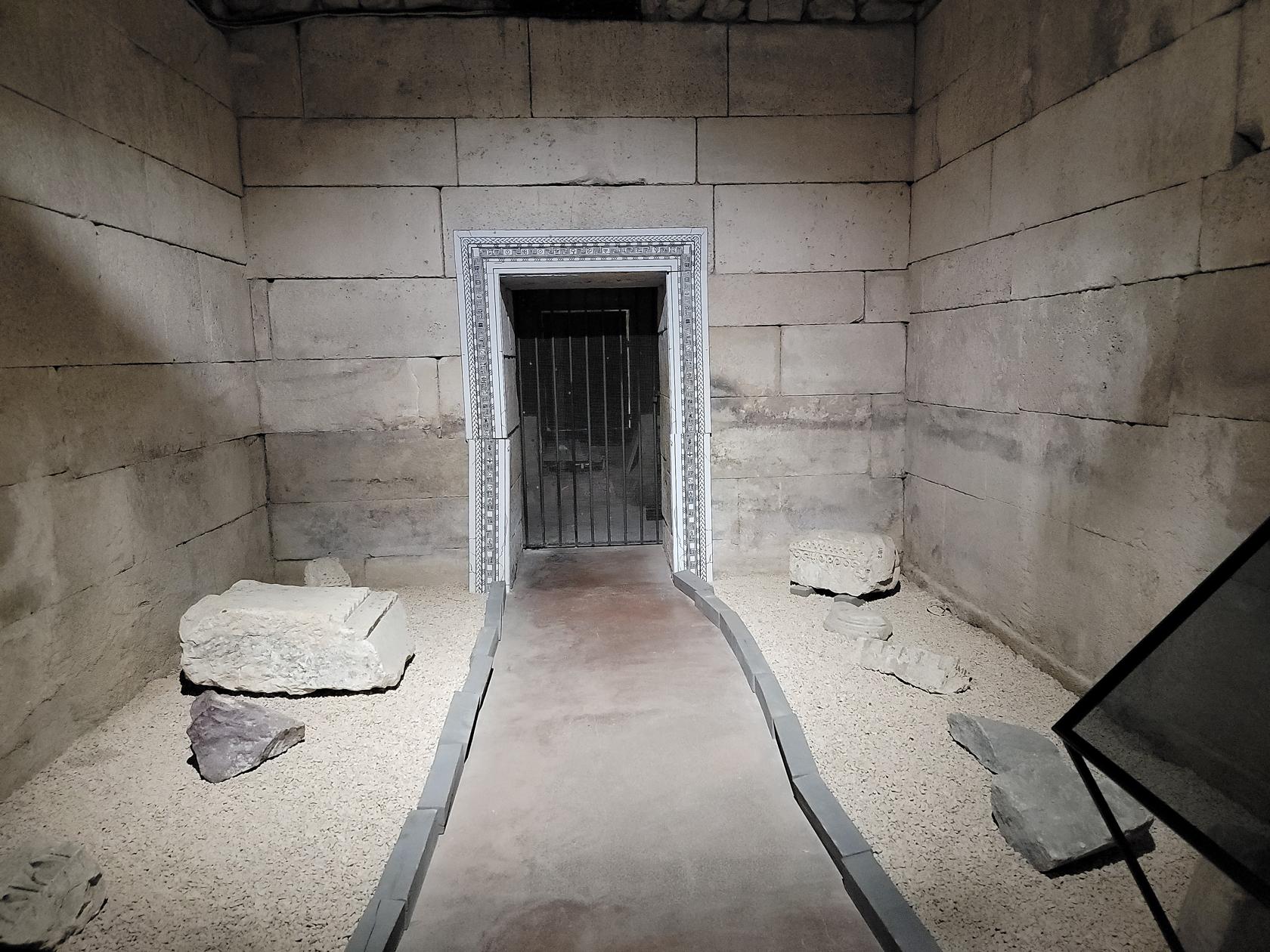
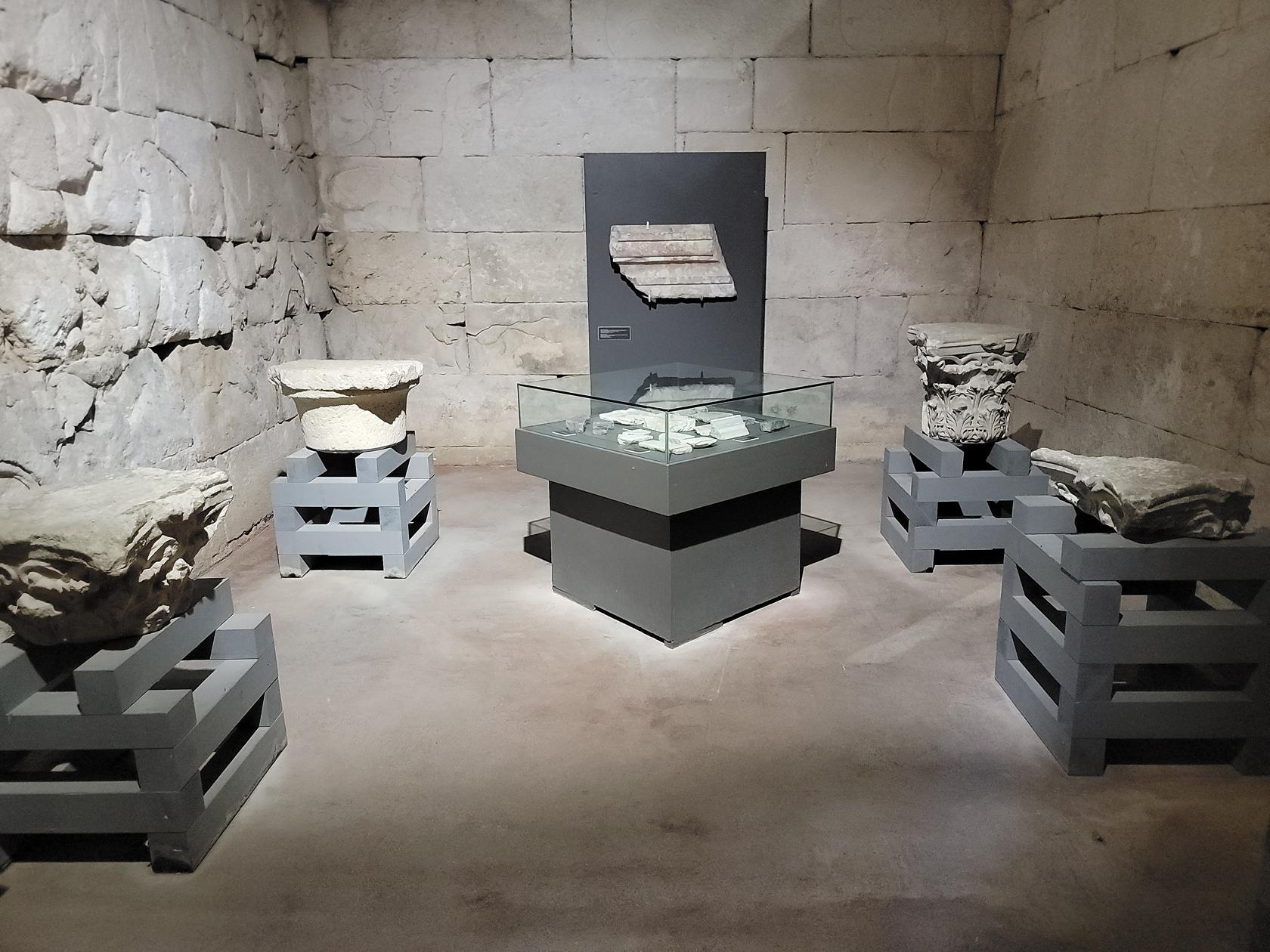
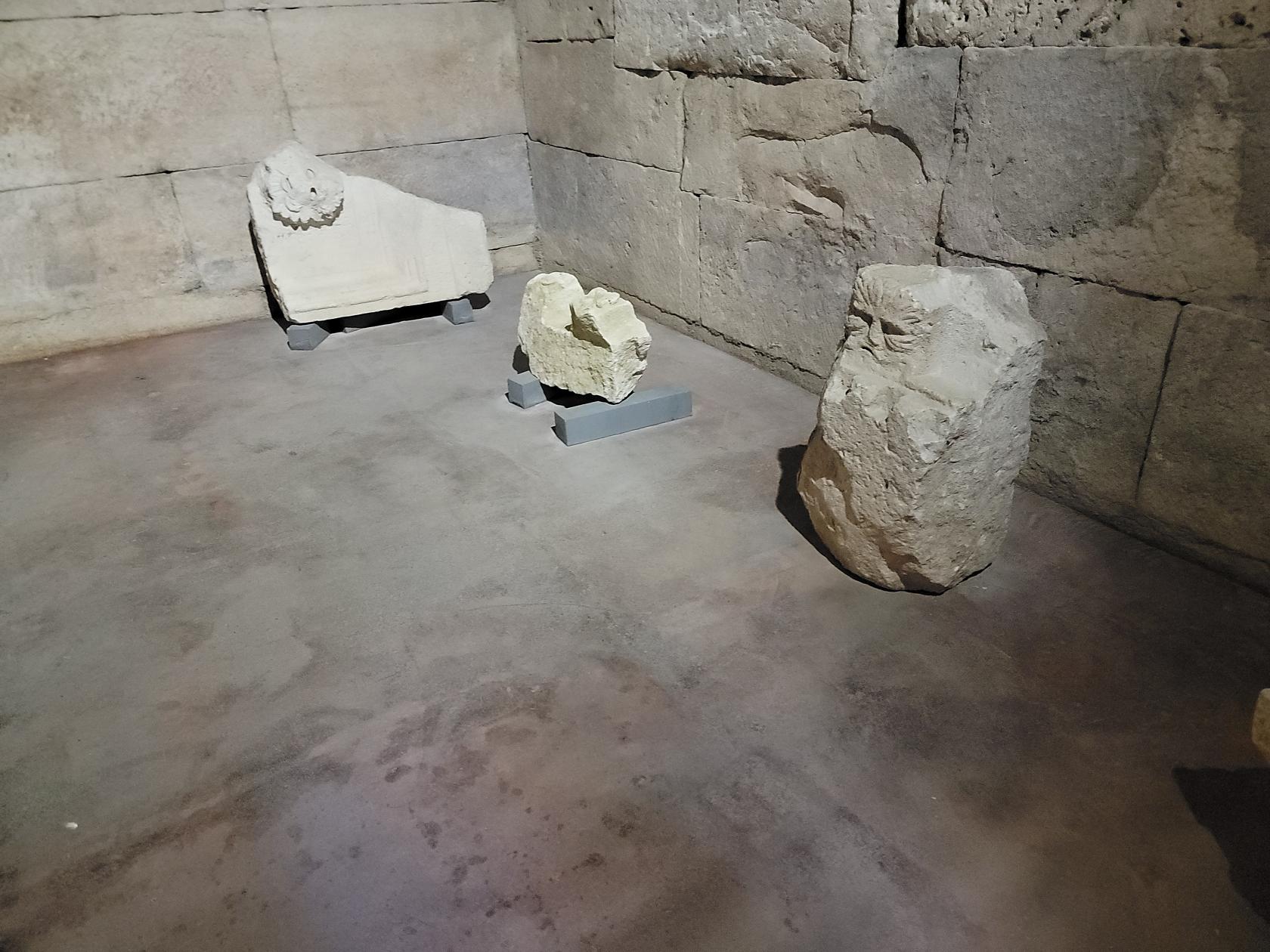
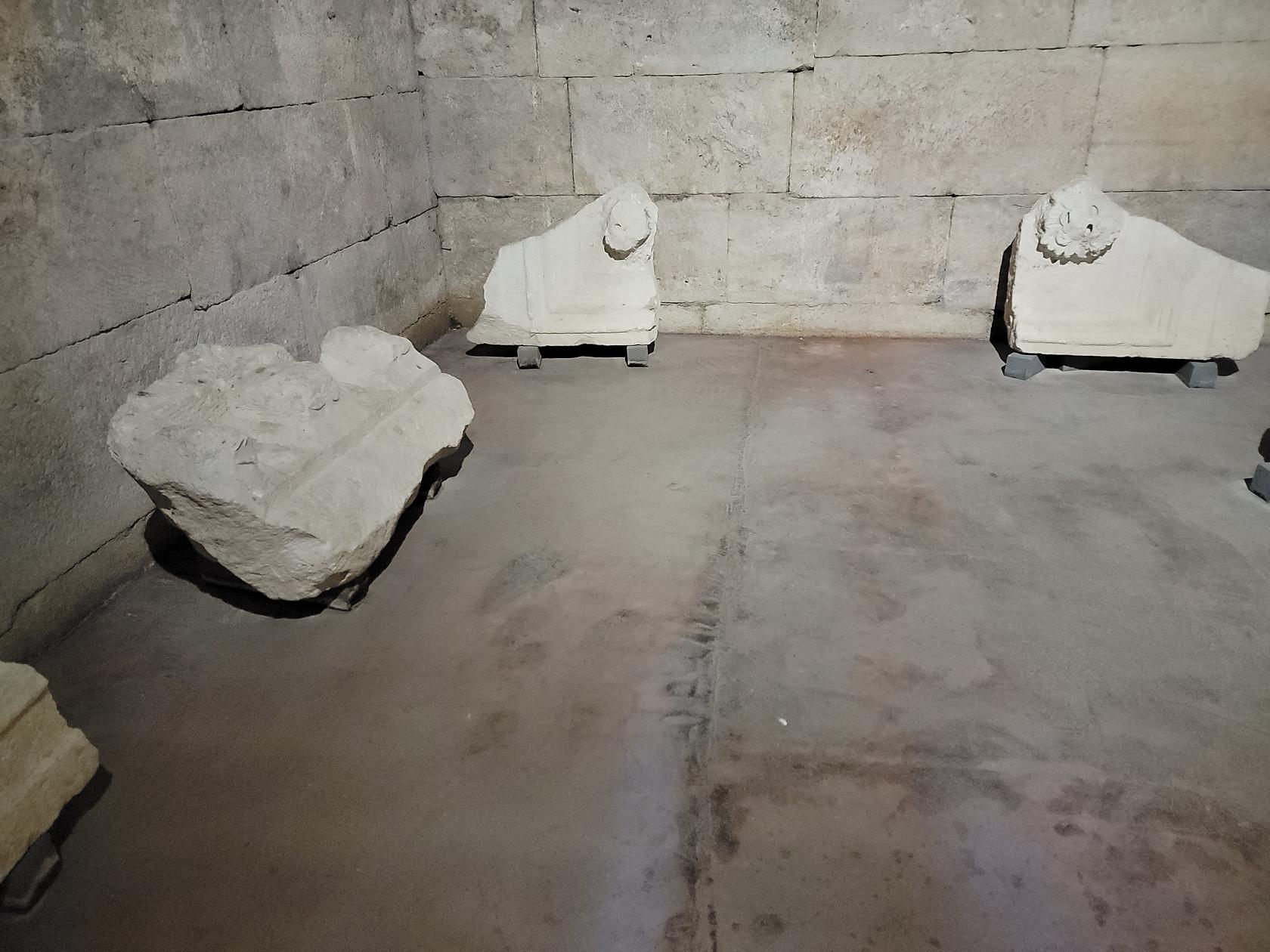
About a hundred and sixty miles from Zagreb and a hundred and ten miles from the Italian coast is Croatia‘s second largest city, Split. Today it is a tourist hot-spot and destination for cruise ships, whereas two thousand years ago it was Emporer Diocletian’s retirement home and where he would repose in his declining years.
Diocletian’s Palace – Split, Croatia
Split
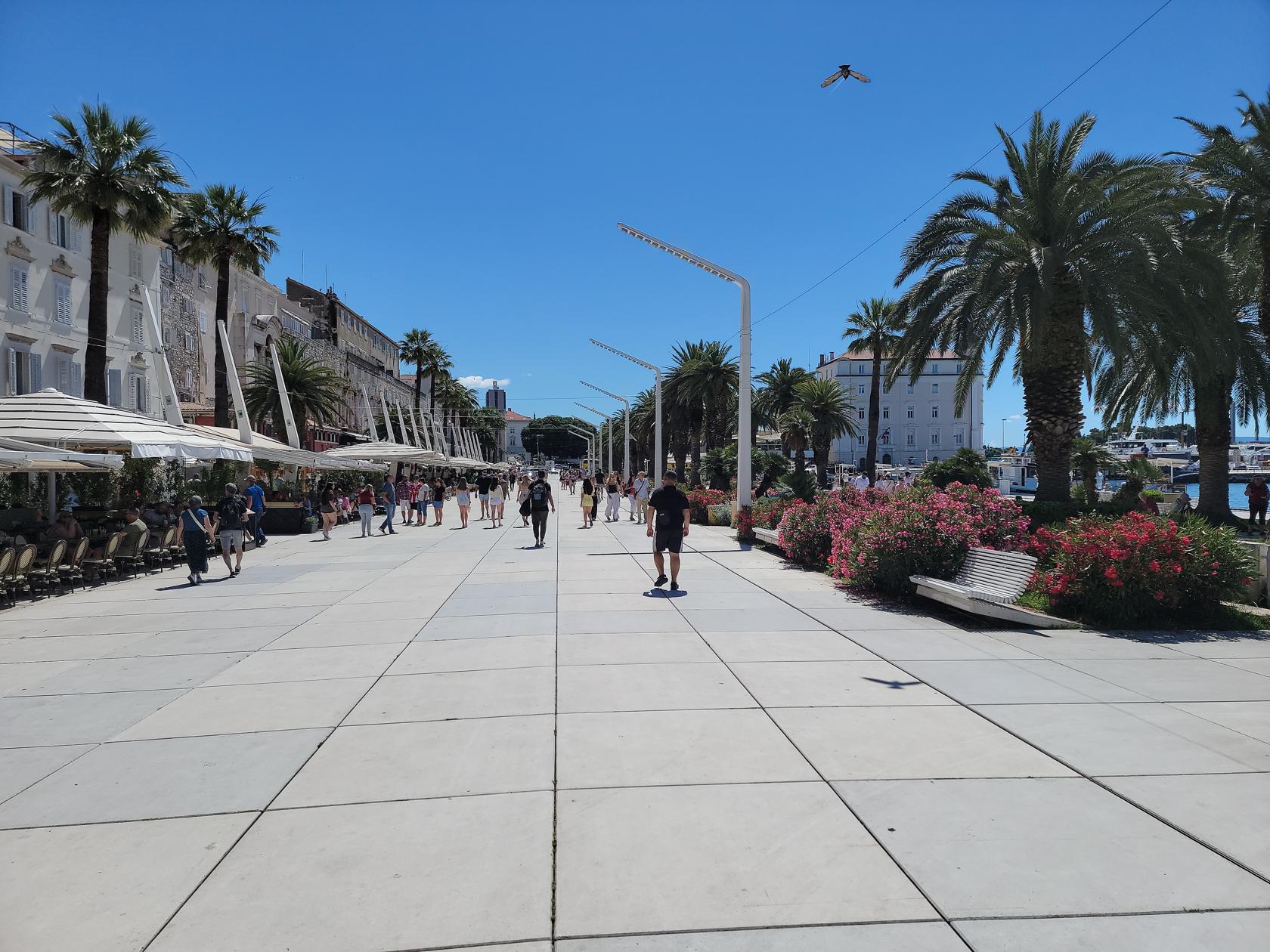
The old city center of Split is reminiscent of towns on the Ligurian coast of Italy, covered in bright limestone and other materials mined from quarries in the area. When the sun beats off of it, it can be blinding and almost uncomfortable hot.
Riva – Split, Croatia
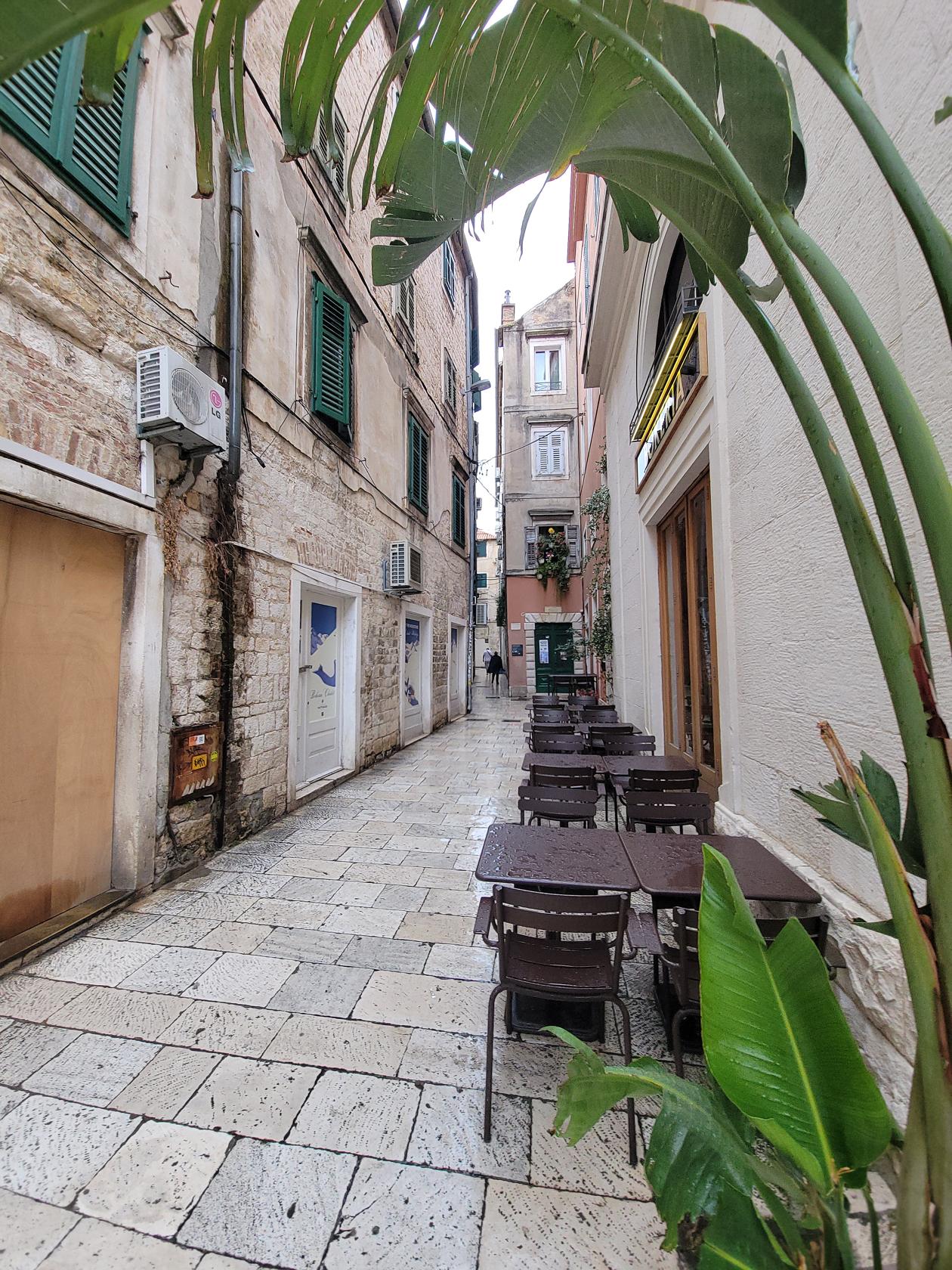
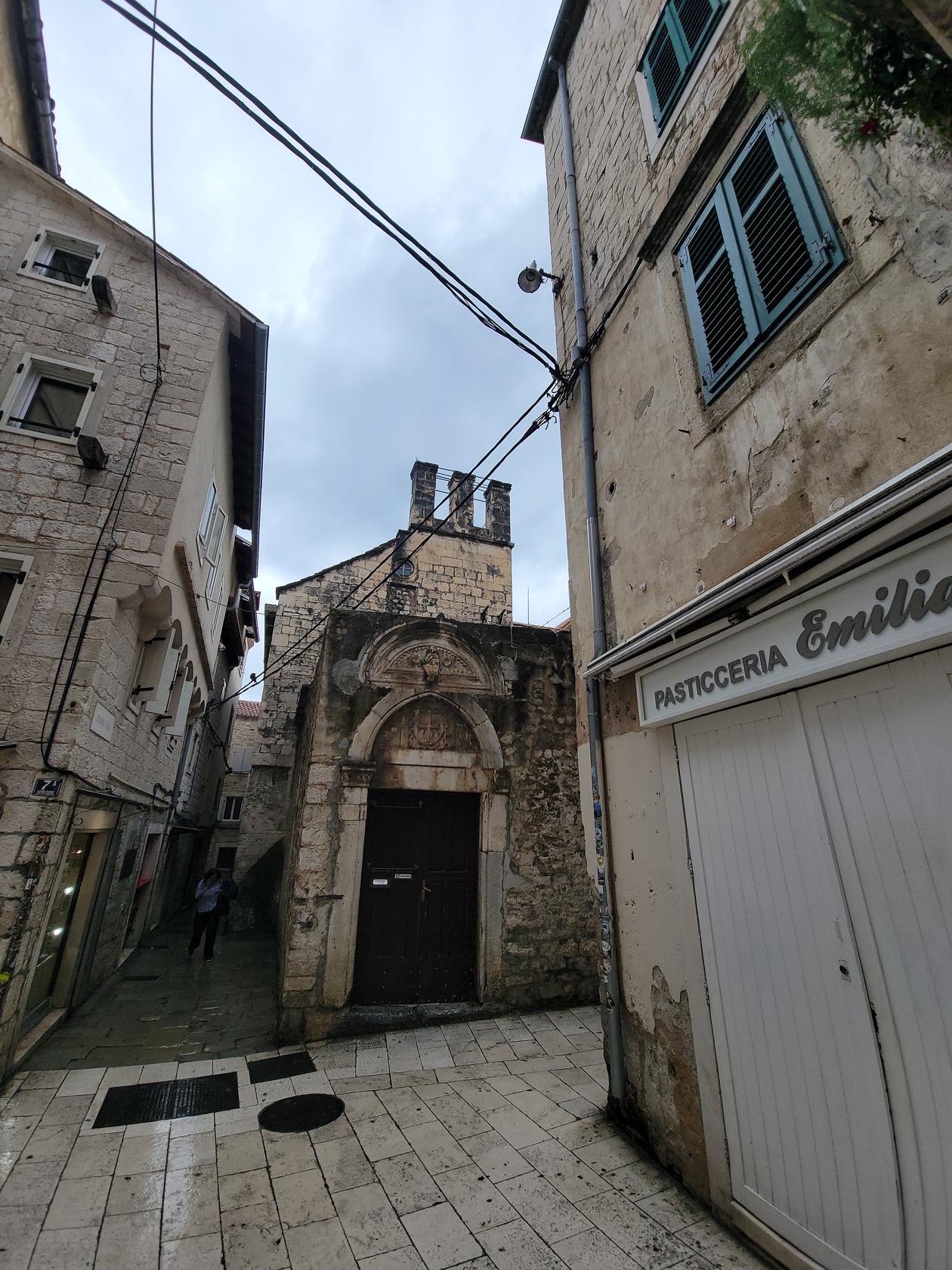
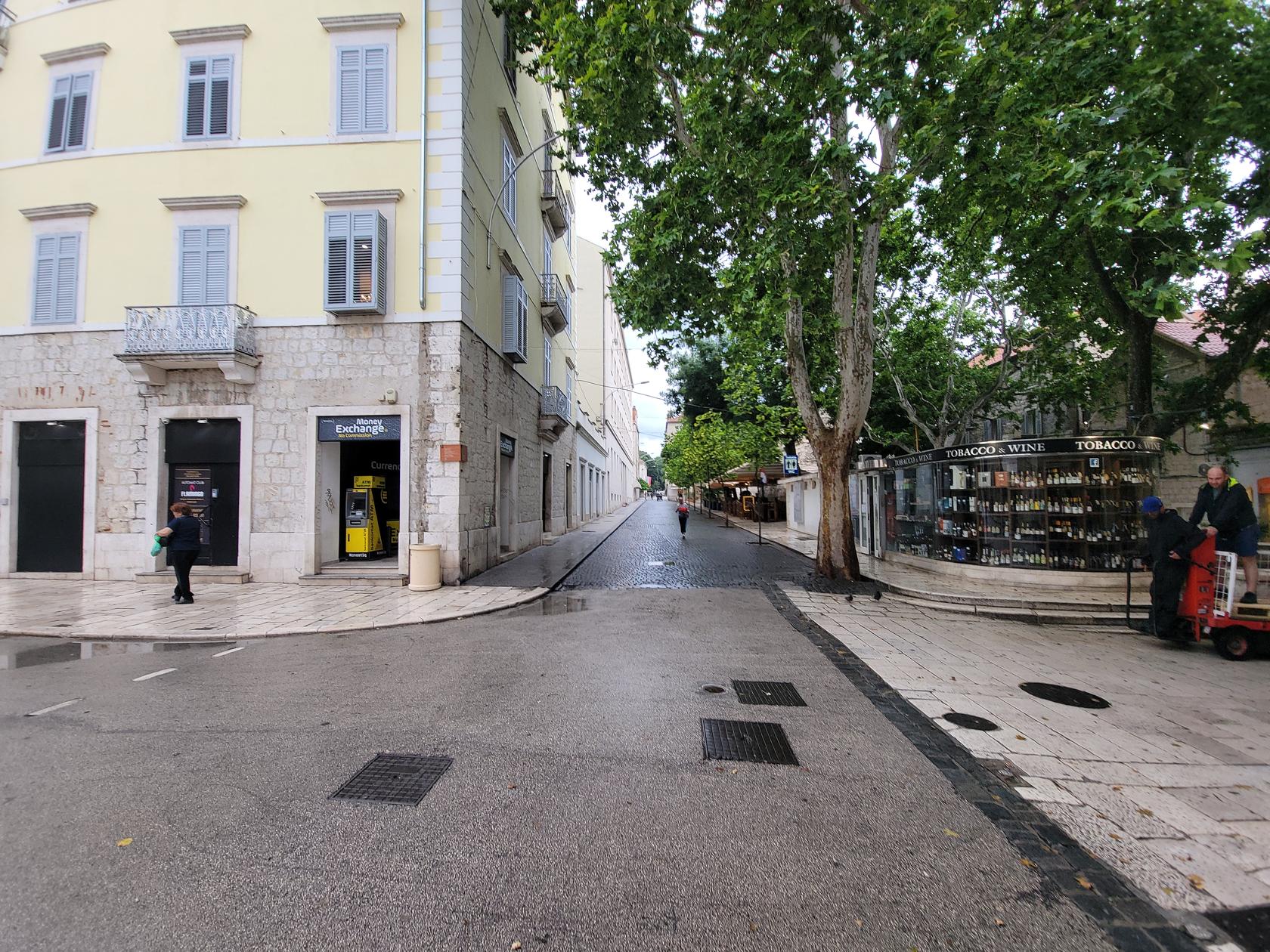
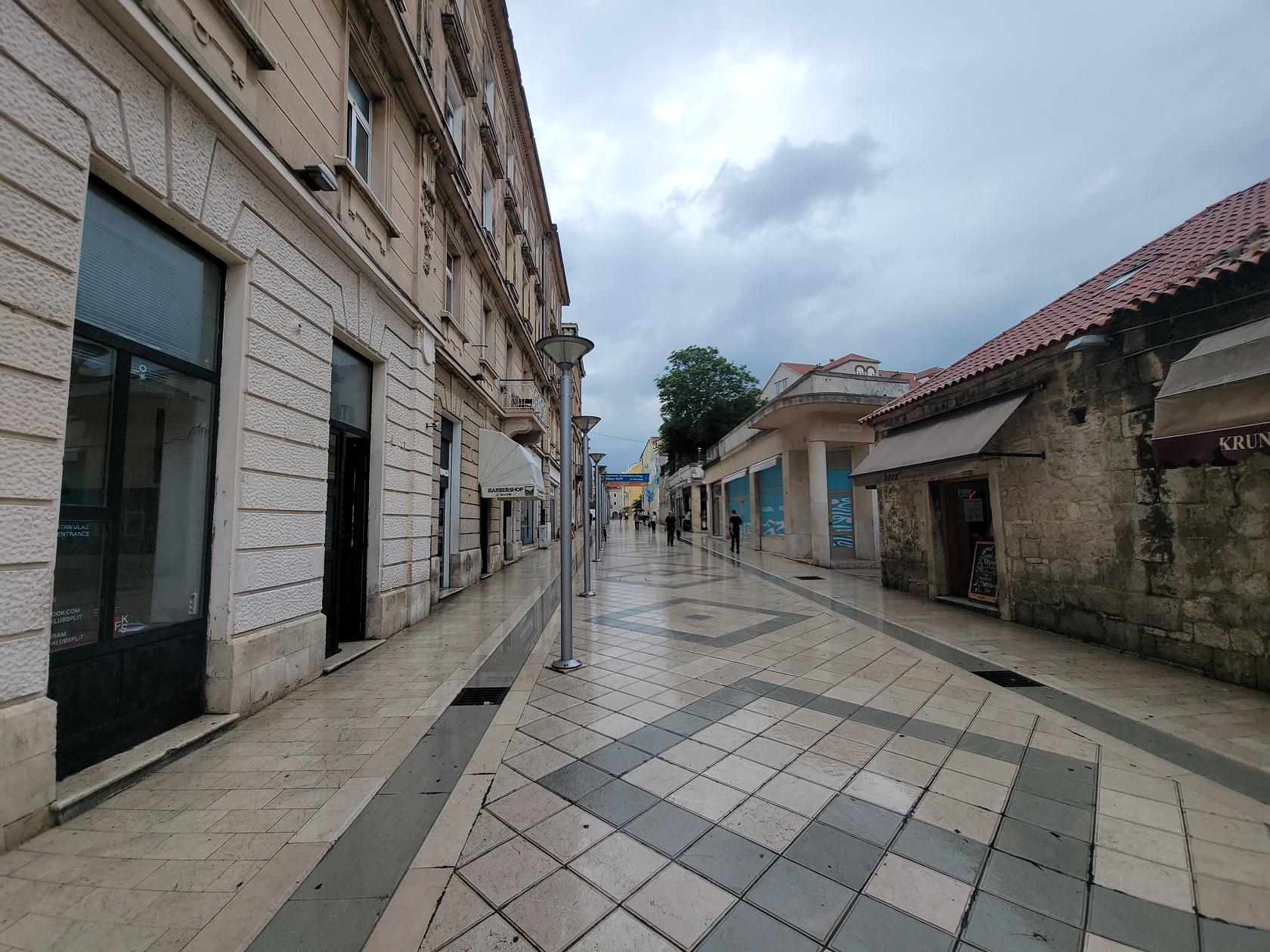
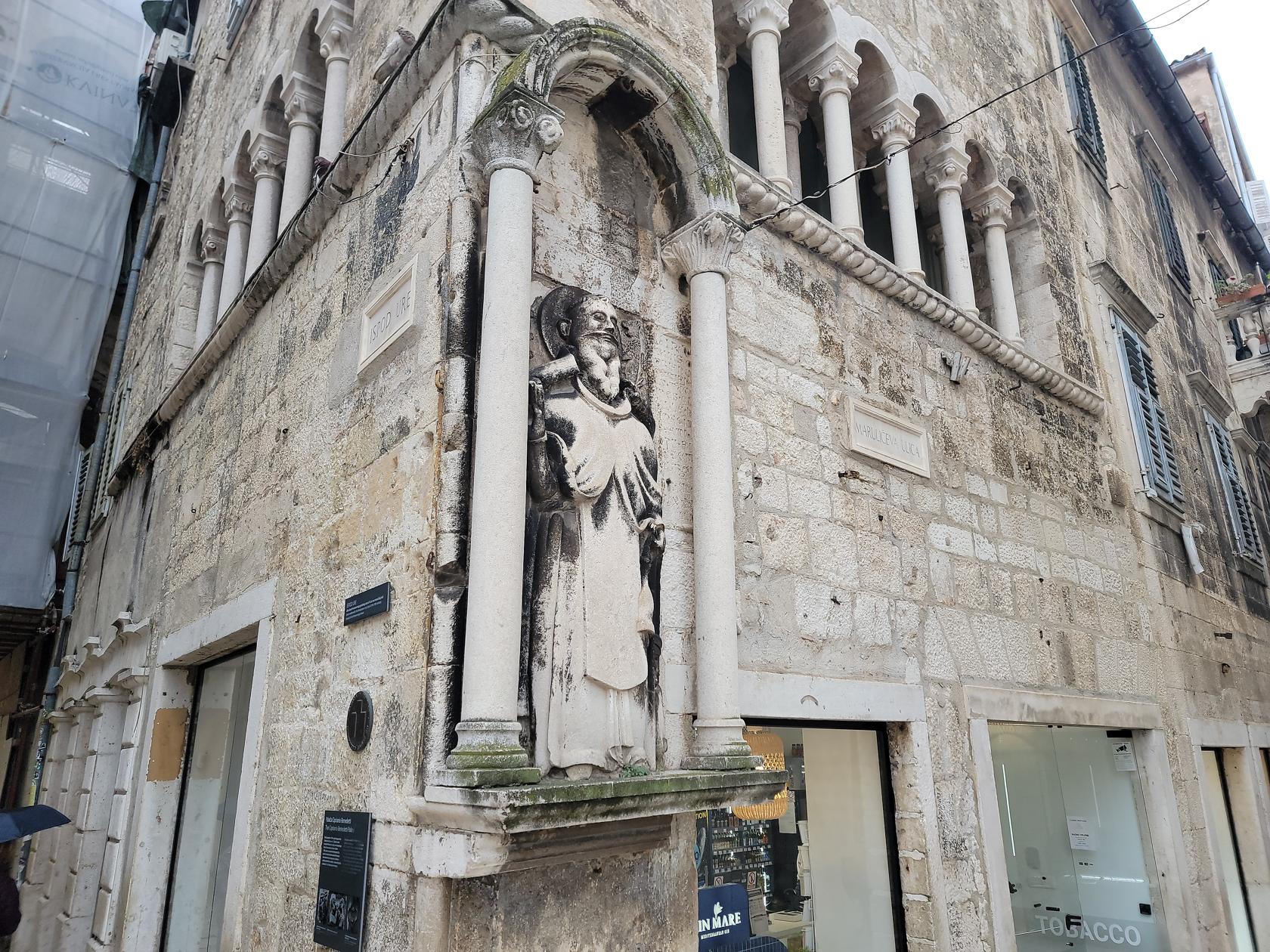
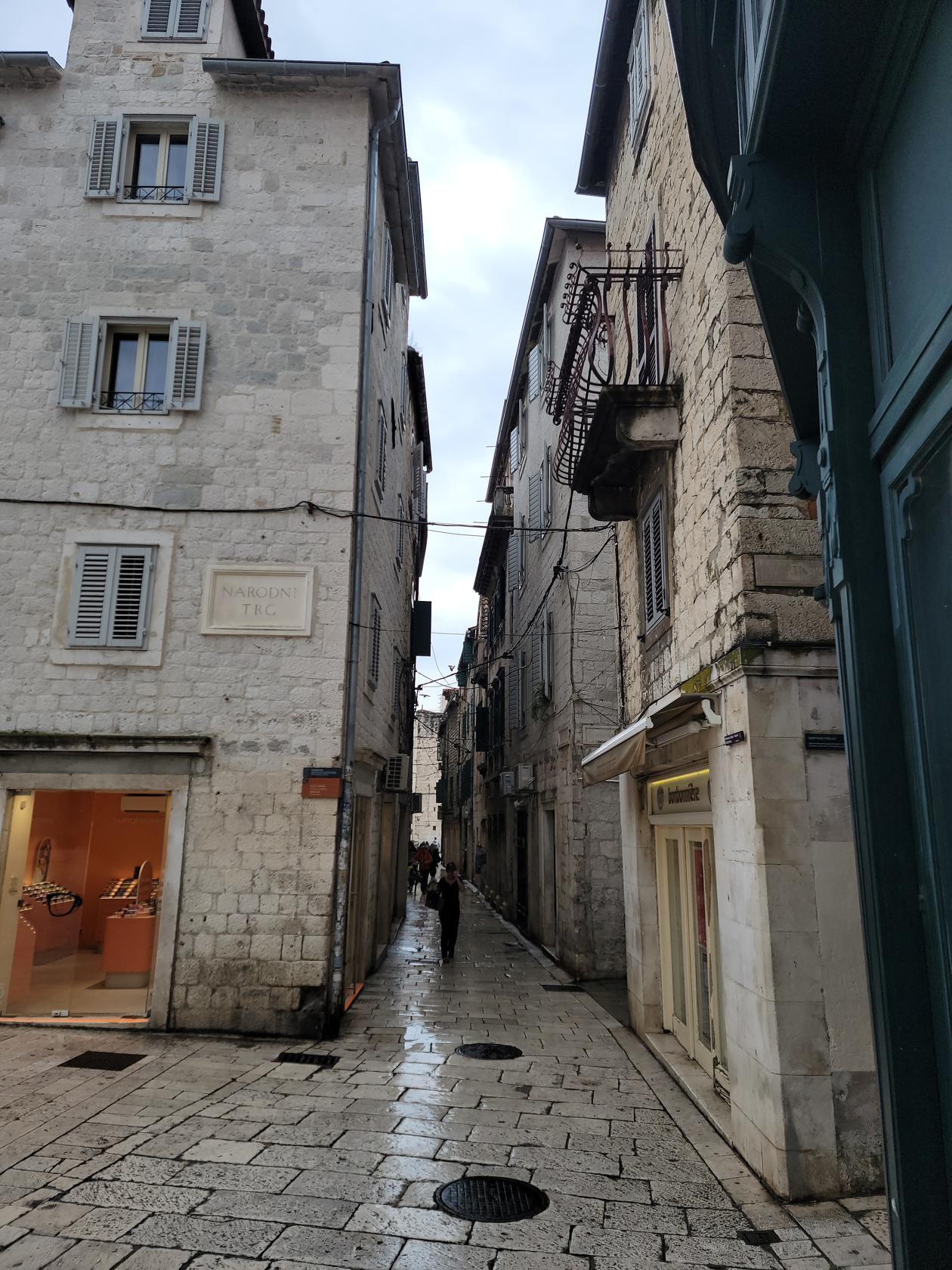
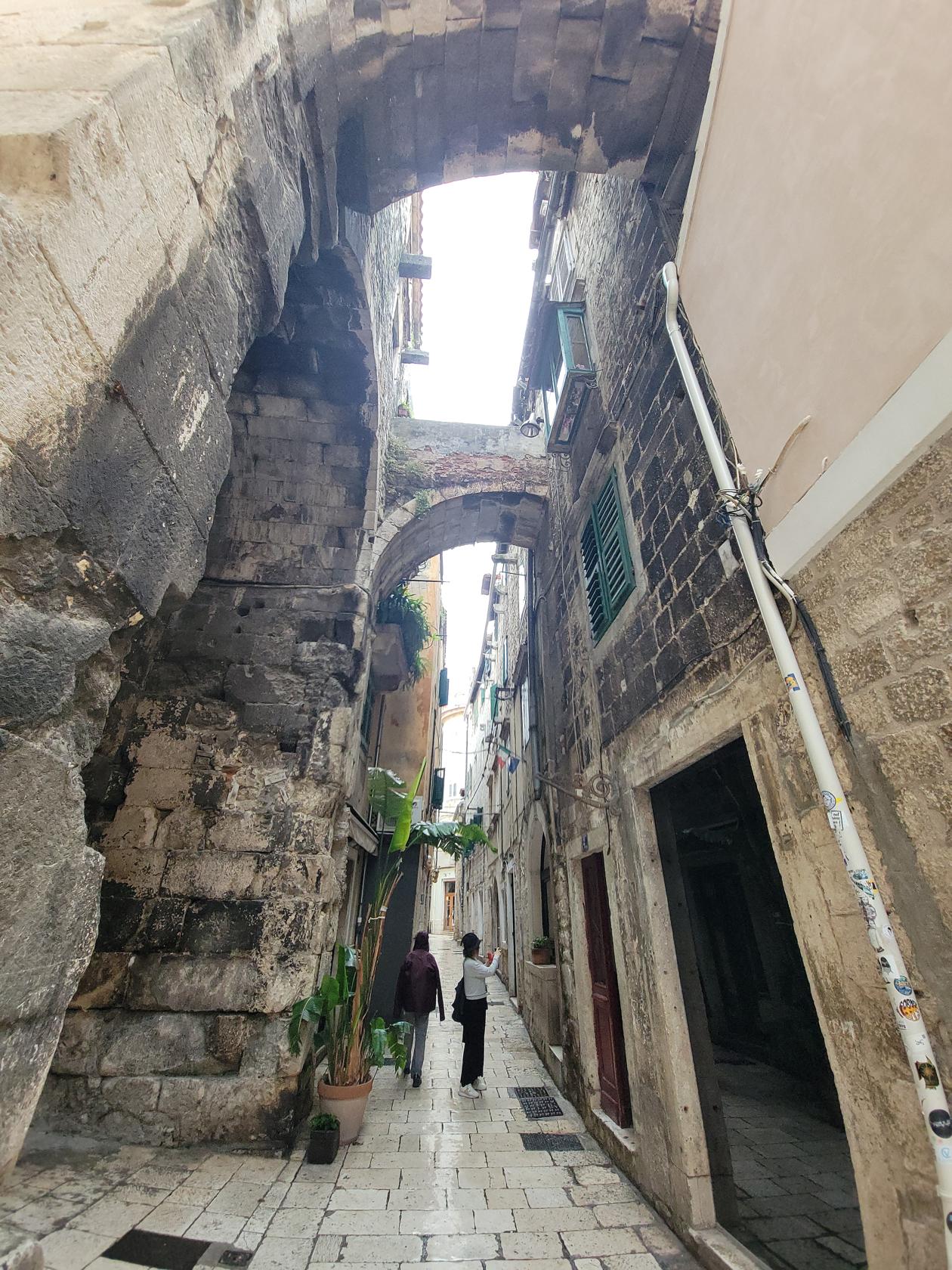
Many of the streets in town are very narrow and cannot support vehicular traffic, so walking the old town should not be an issue. Having said that, it does not discourage mopeds, so stay alert while walking in any case.
Narrow Street – Marmontova Ulica – Split, Croatia
Trogirska Street – Marmontova Ulica – Split, Croatia
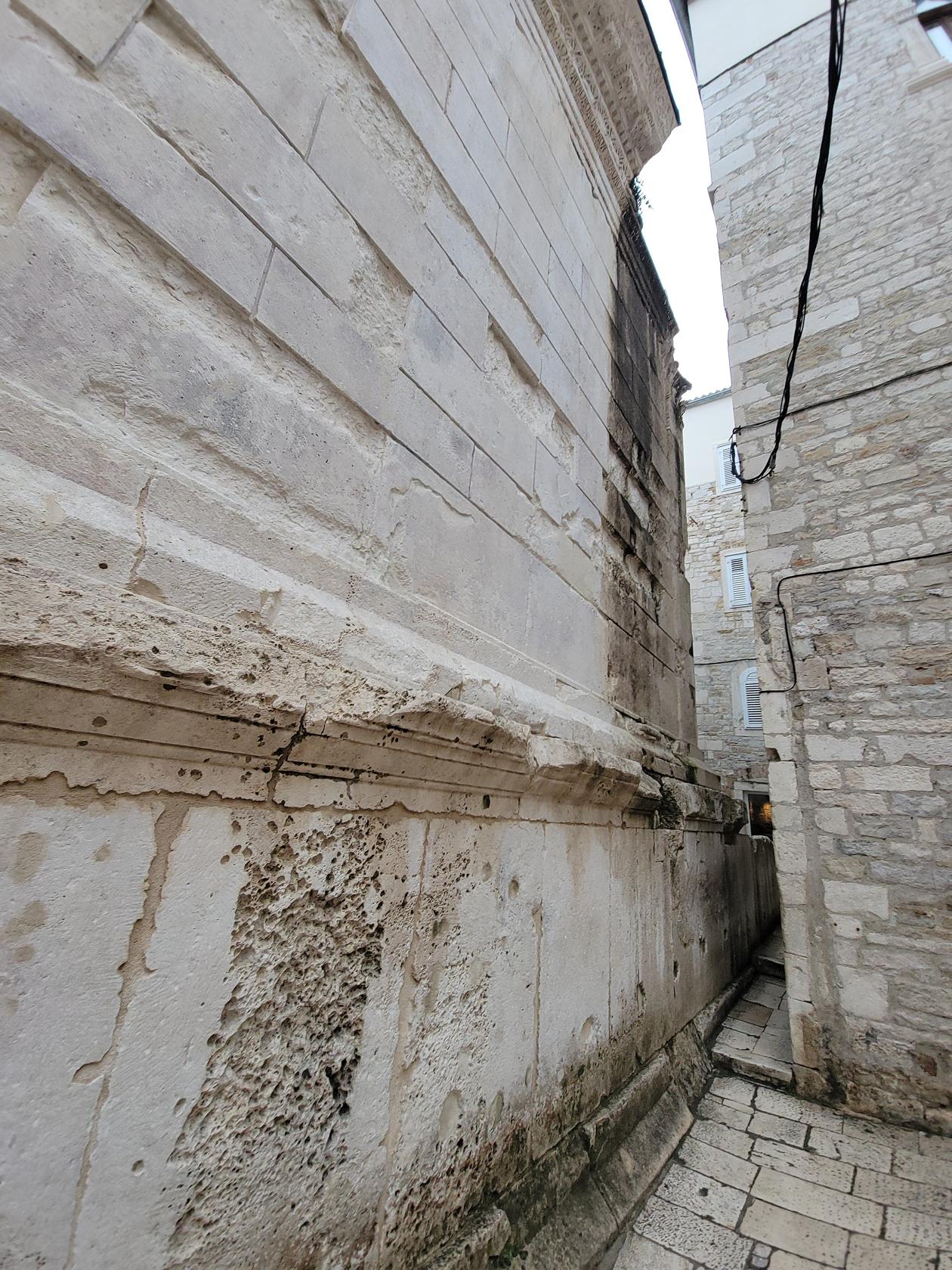
Let Me Pass Street – Very Narrow Street – Diocletian’s Palace – Split, Croatia
The city is in the province of Dalmatia, which has a very distinctive culinary culture and influence on the food. There are heavy Italian and Roman influences in the food, construction and city layout, with the central building in the area being in and around Diocletian’s Palace.
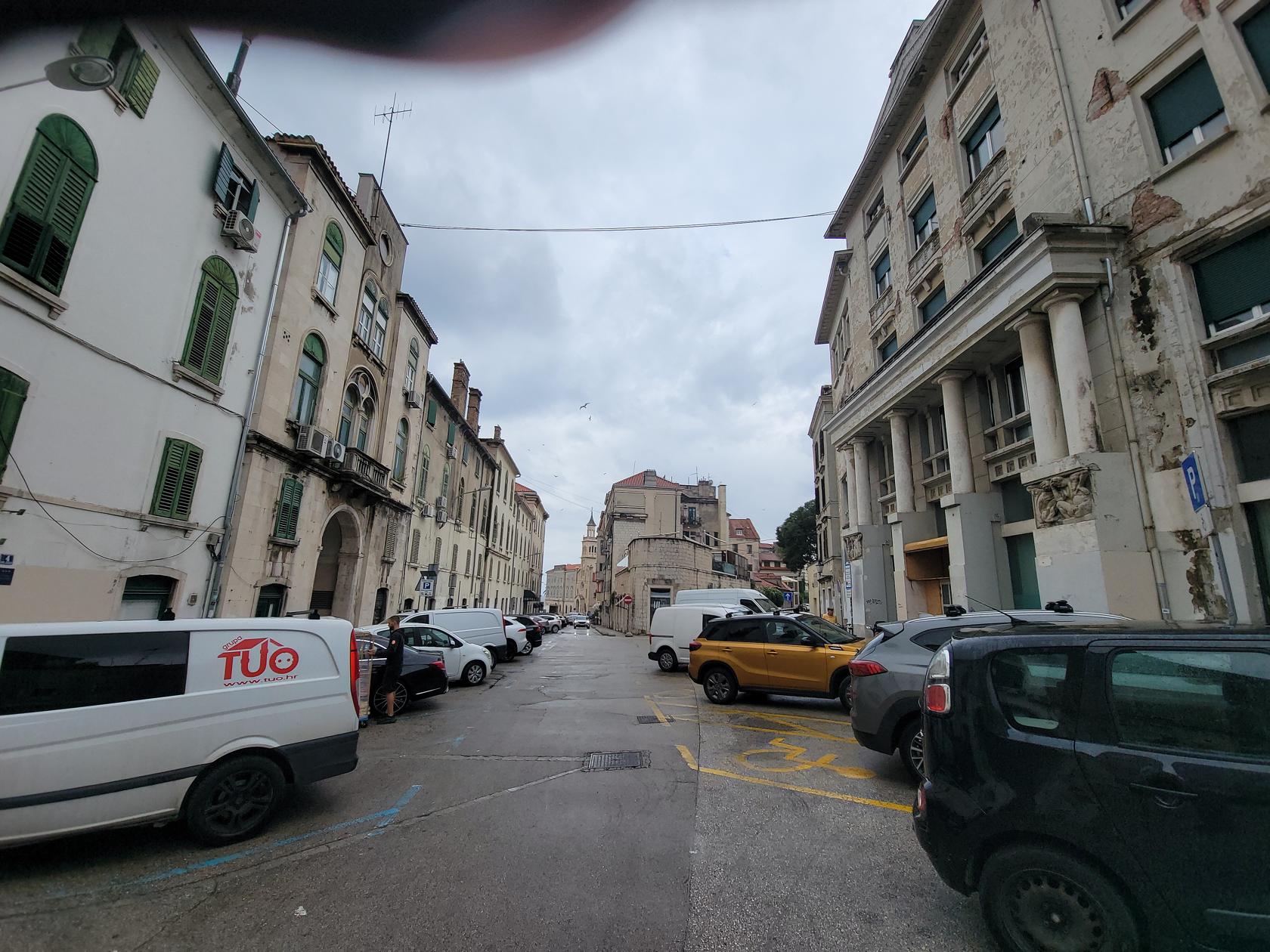
Side Street – Split, Croatia
Tomislava Street – Marmontova Ulica – Split, Croatia
Main Shopping Street – Marmontova Ulica – Split, Croatia
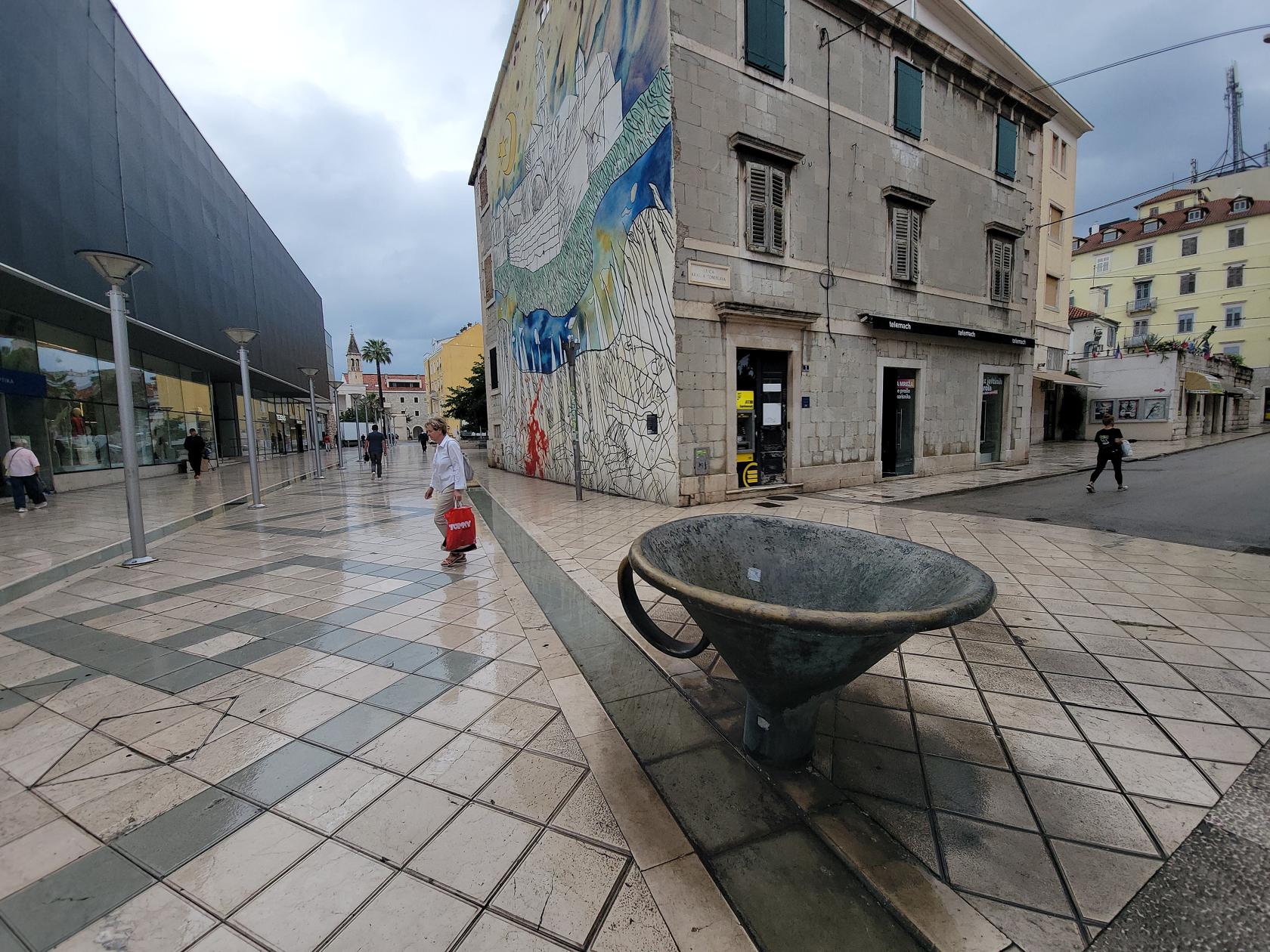
Fountain and Cup – Marmontova Ulica – Split, Croatia
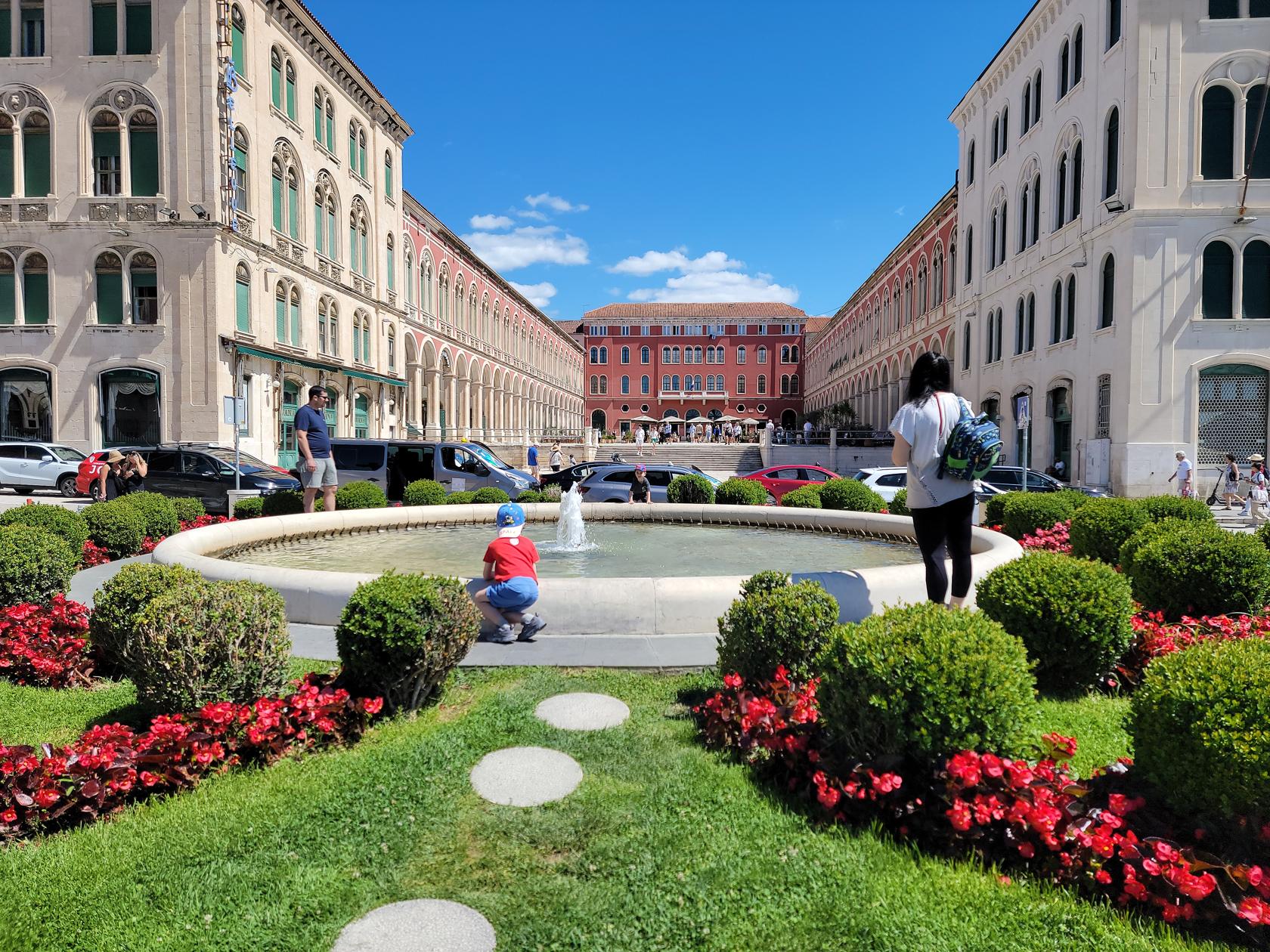
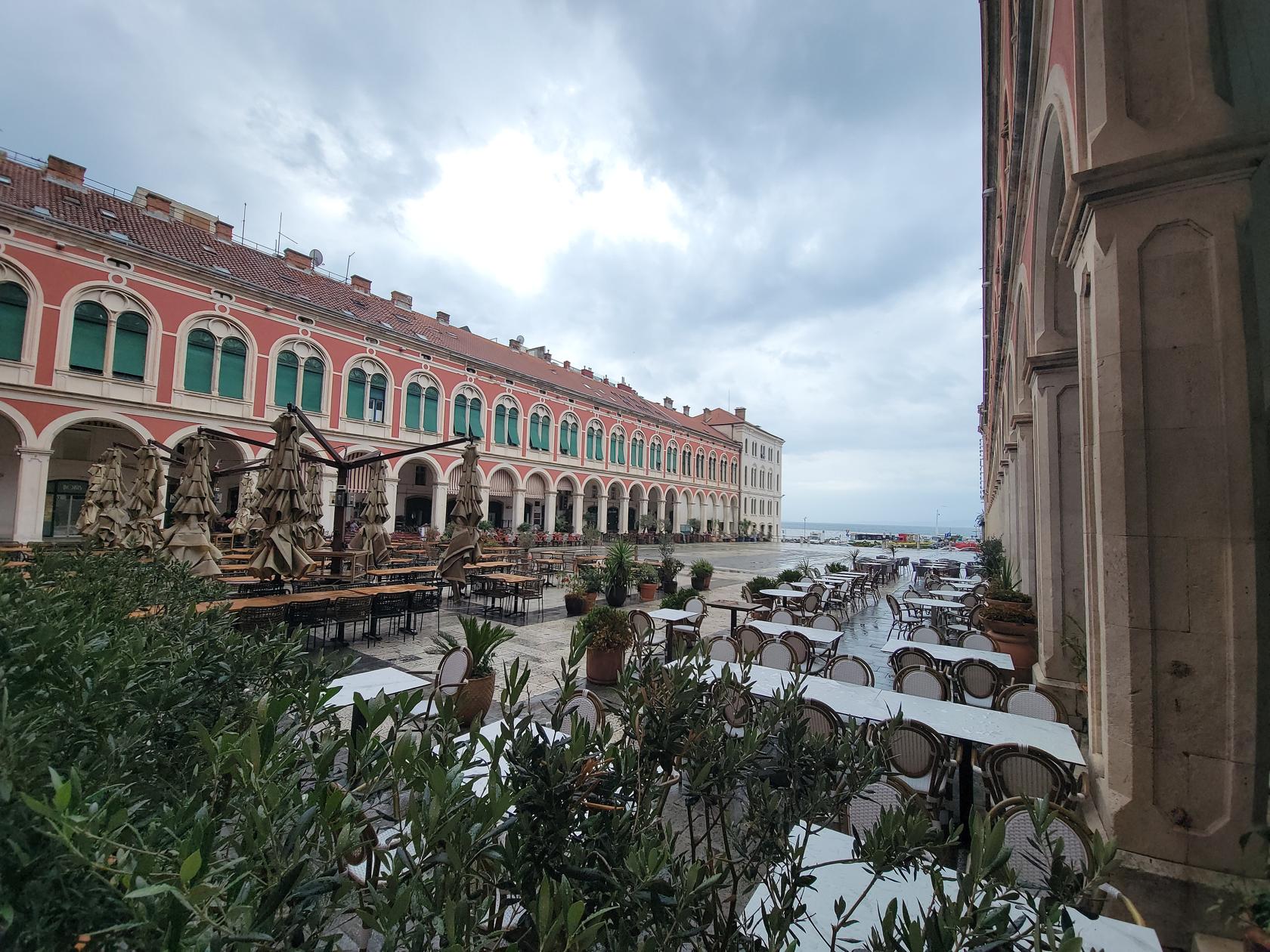
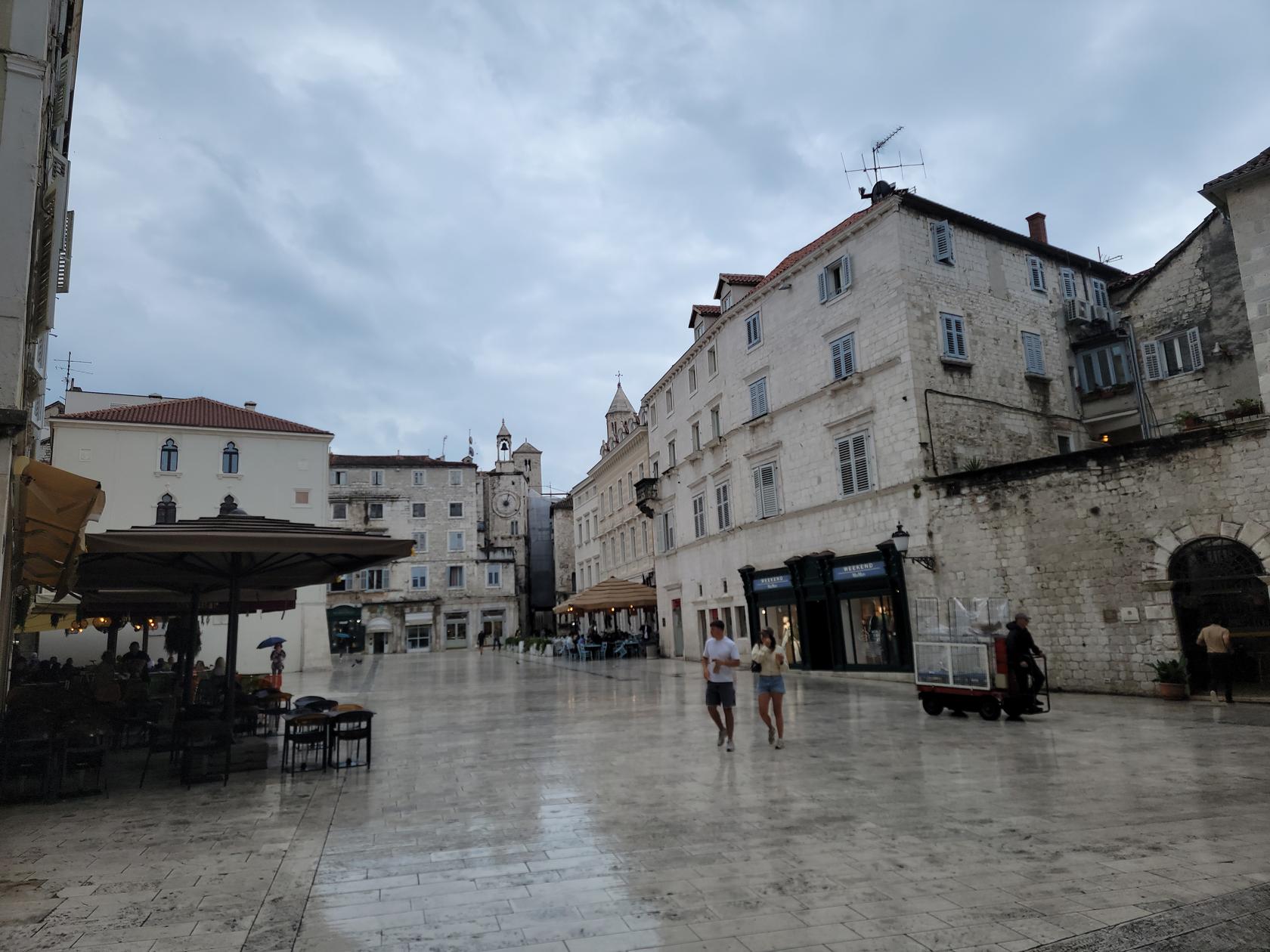
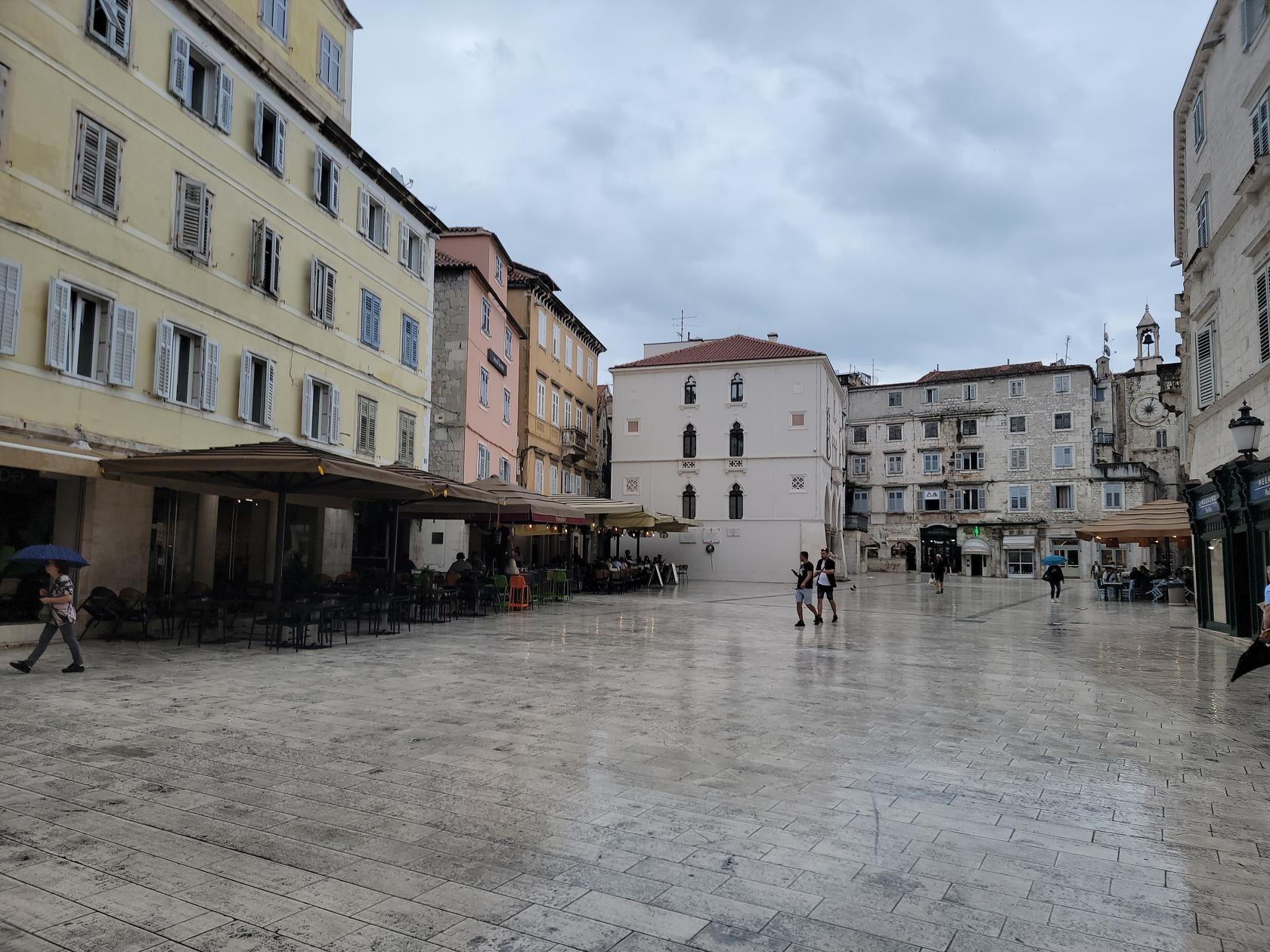
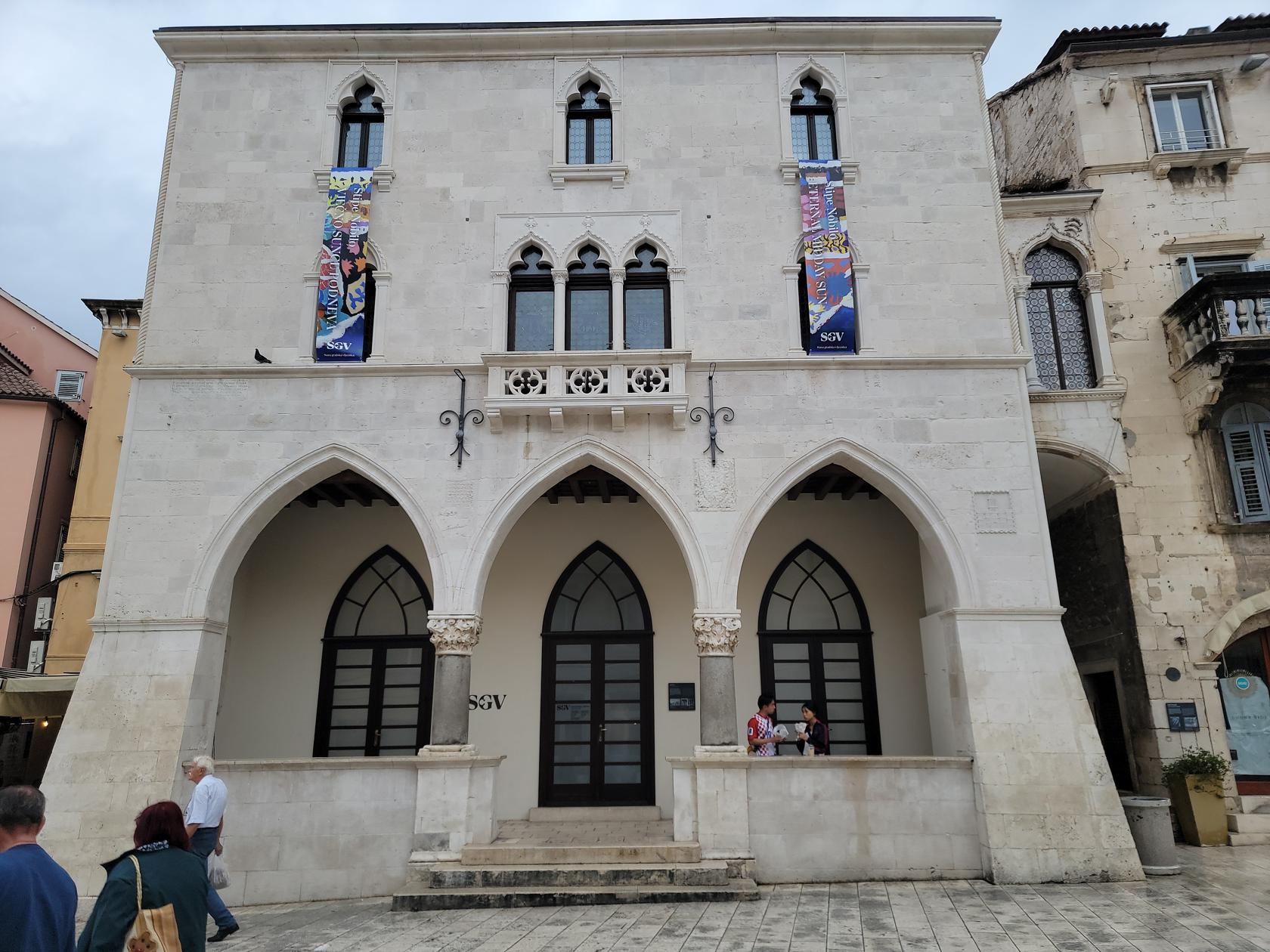
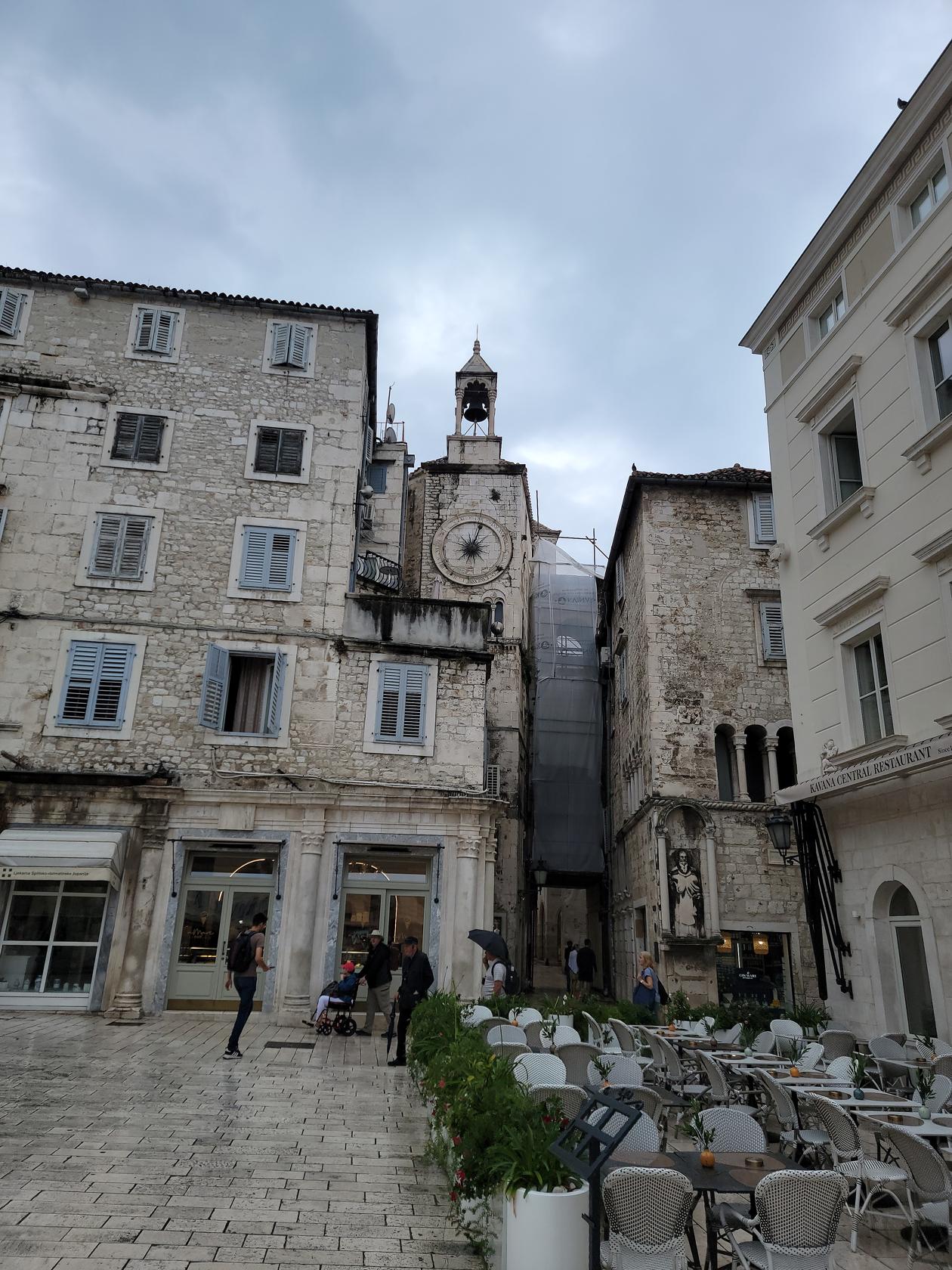
Two other noteworthy points of interest are the Republic Square and the People’s Square. One is near the water, while the other is in the middle of the city.
Republic Square – Split, Croatia
Republic Square – Marmontova Ulica – Split, Croatia
Peoples Square – Marmontova Ulica – Split, Croatia
Peoples Square – Marmontova Ulica – Split, Croatia
Peoples Square – Marmontova Ulica – Split, Croatia
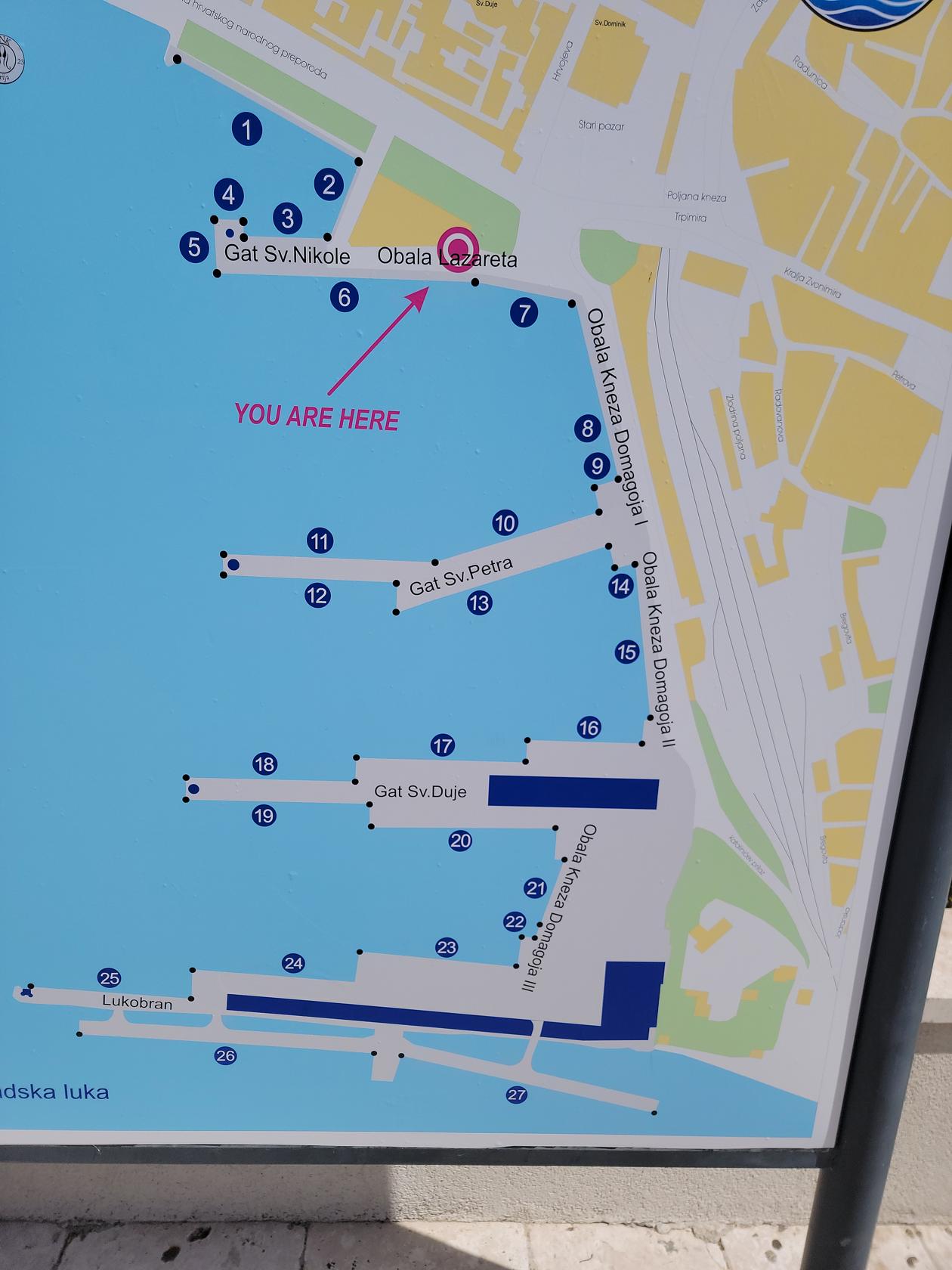
There is also a very active port area and a large number of berths for ferries, which frequent the city daily.
Ferry Piers in Split – Split, Croatia
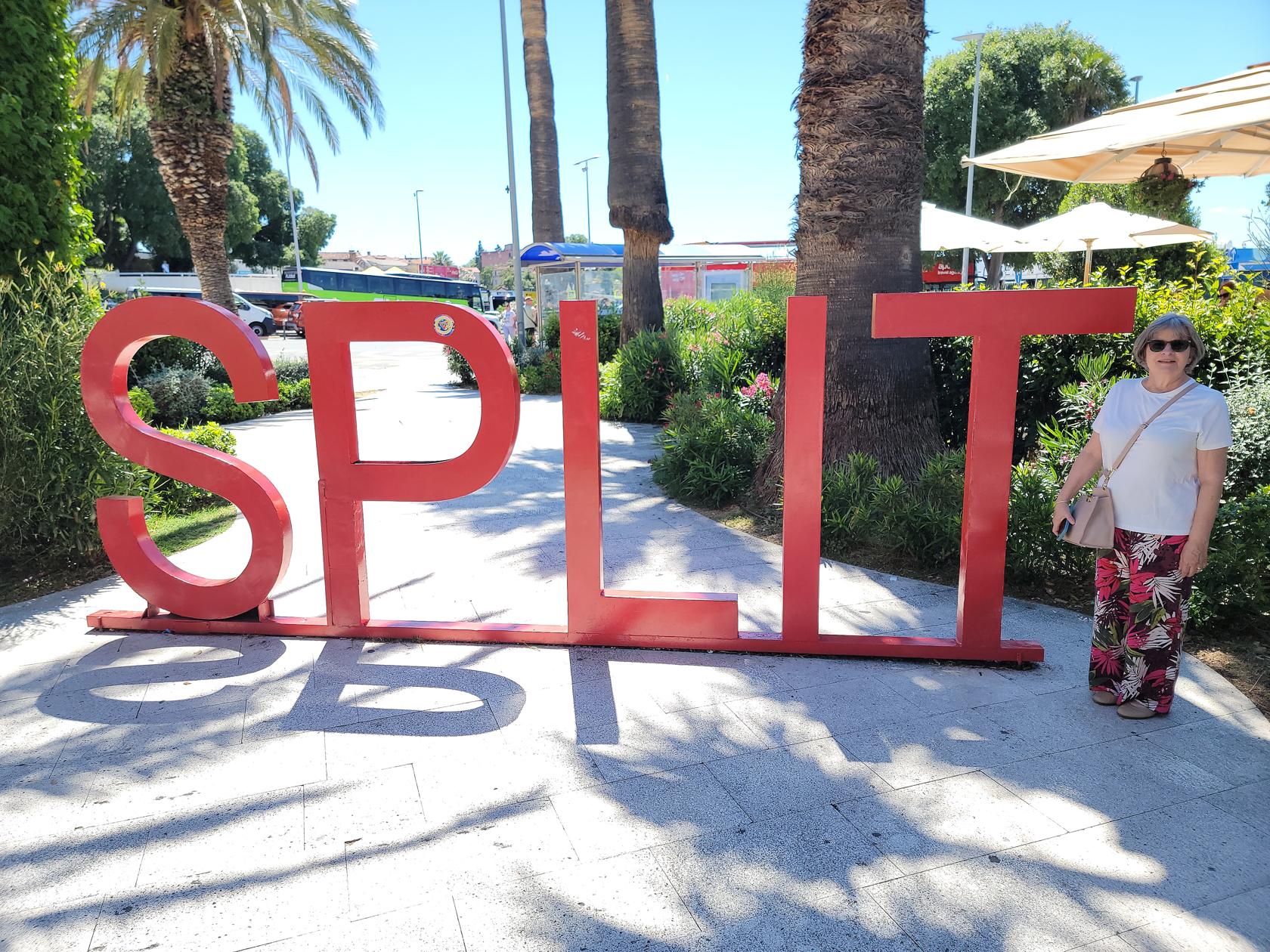
The city also has a large sign for tourist, which appears to be customary in some southern European cities. Here you can take a photograph to remember your adventure.
Patti – City Sign – Split, Croatia
Getting There
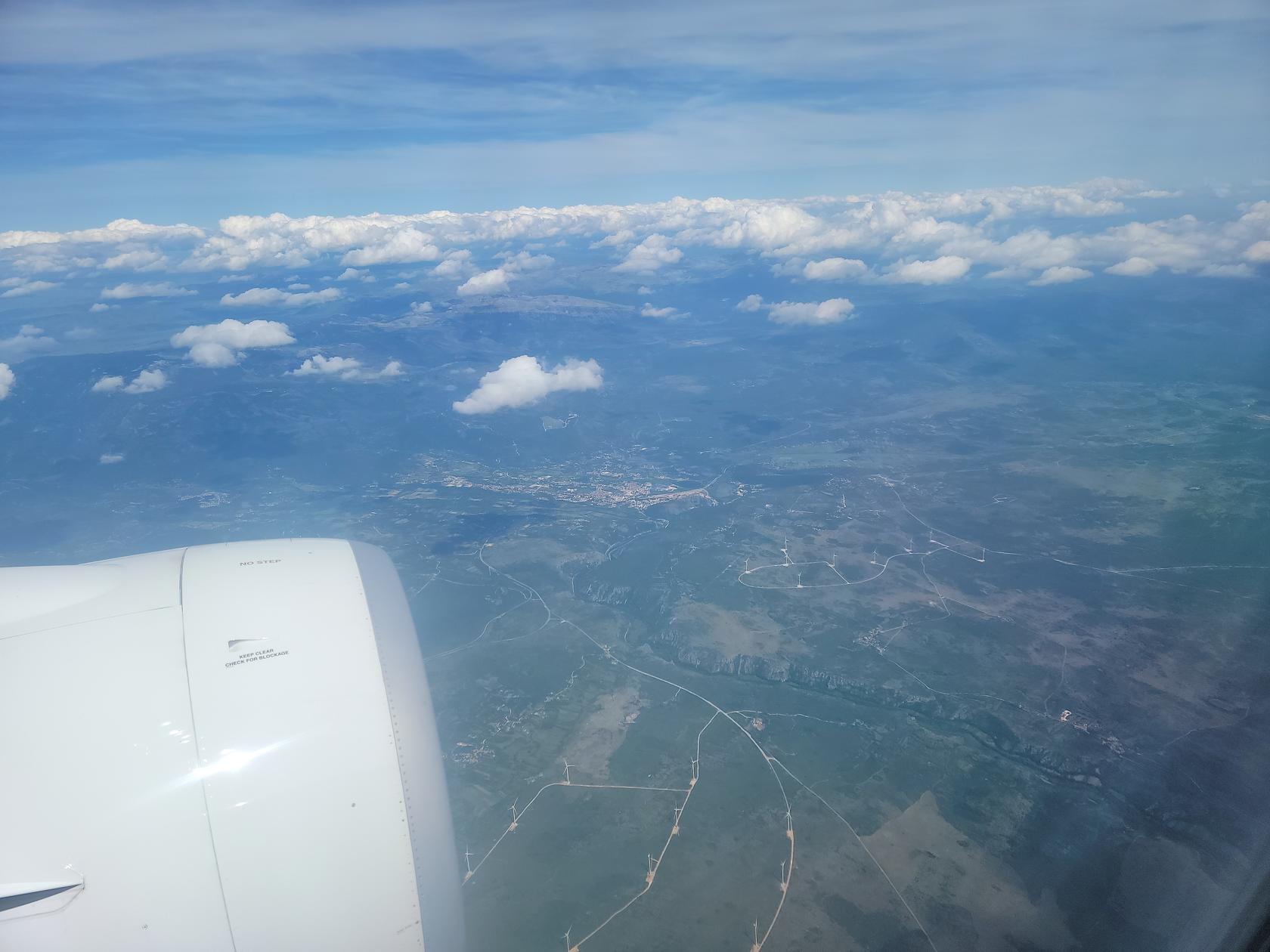
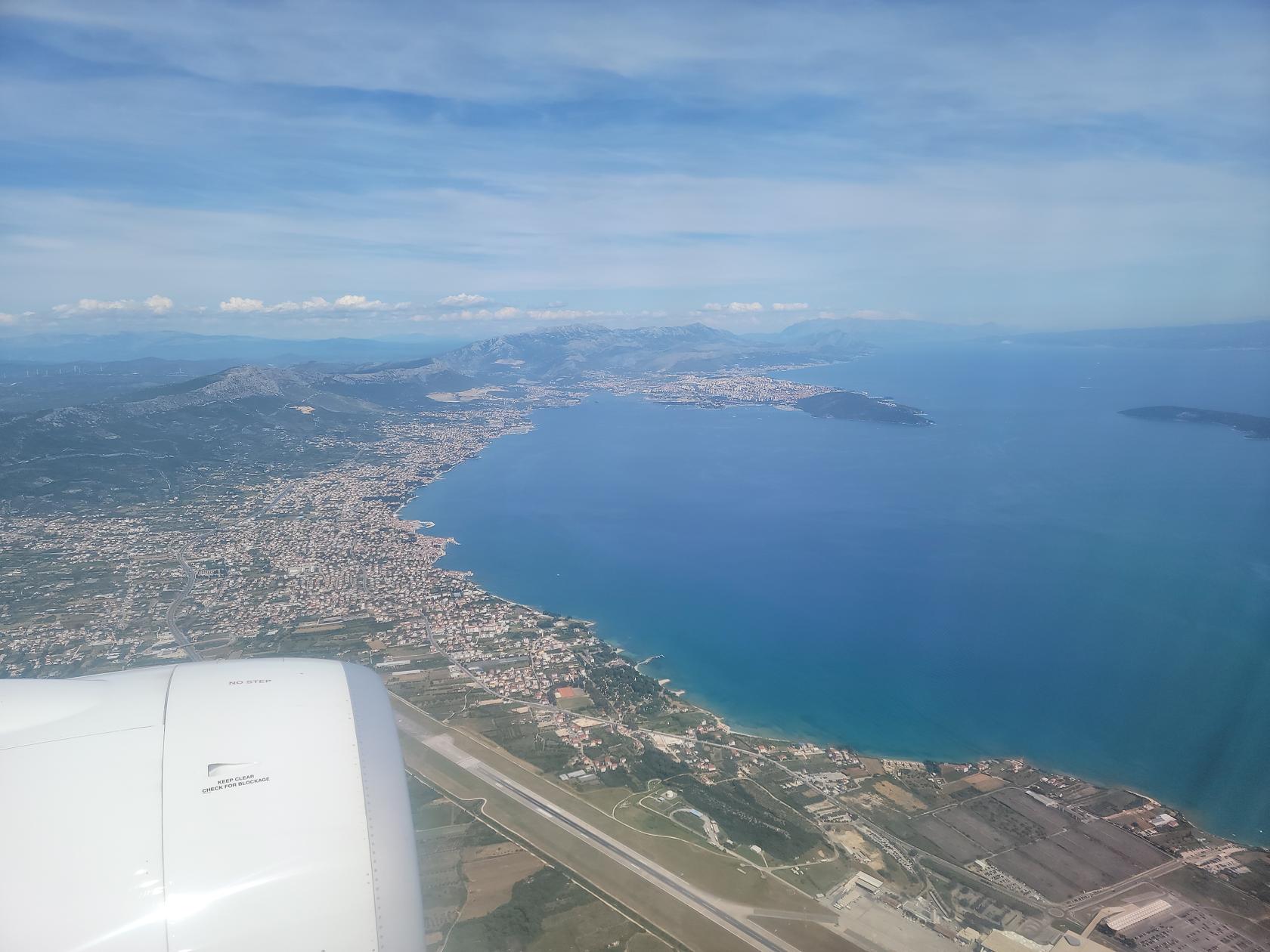
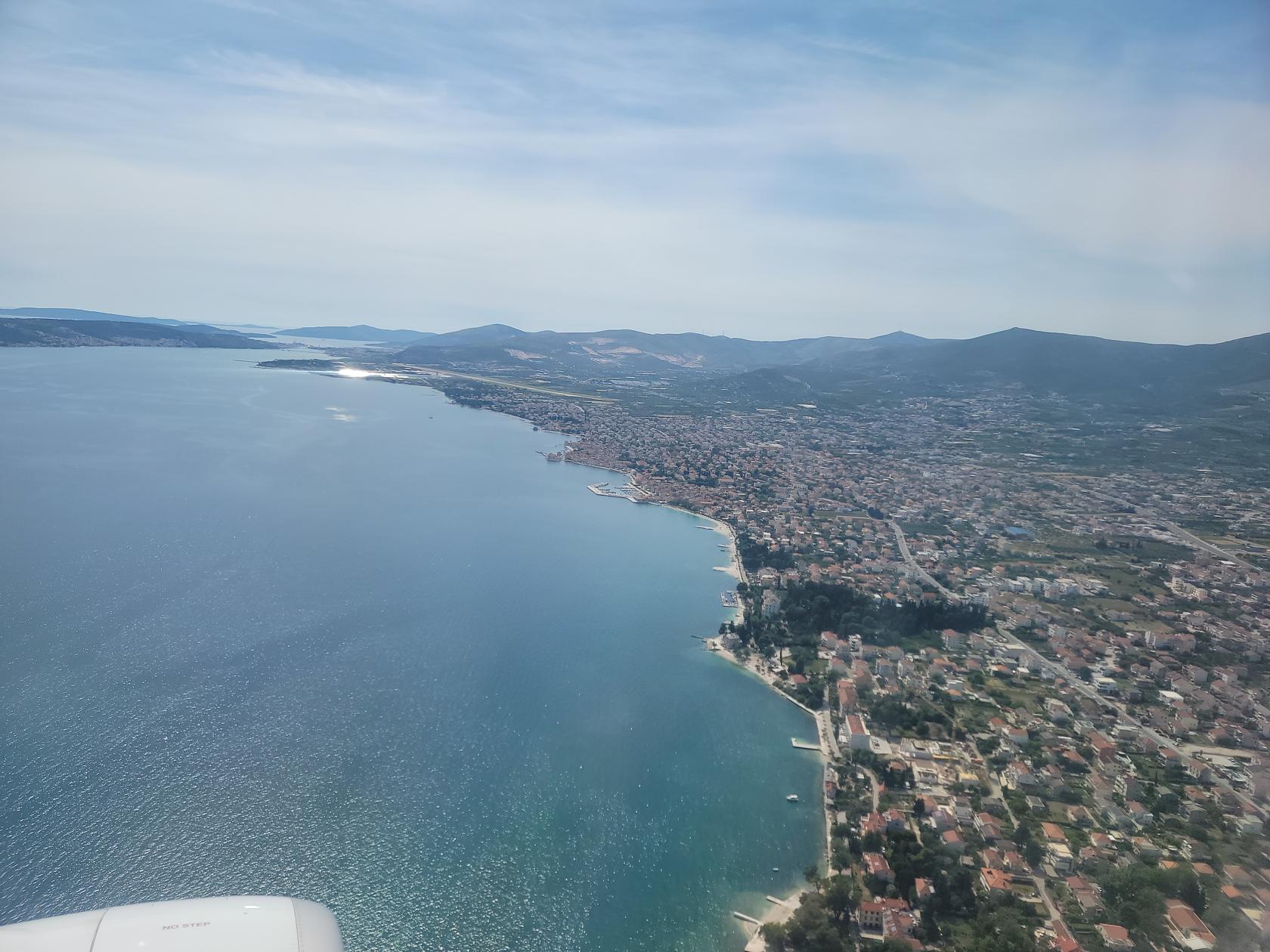
From Zagreb, we took Croatian Airlines which operates flights to Split that continue onto Rome, Italy. At forty minutes it is the fastest way to get to the coast. From the airport to the old town of Split will take on average an additional thirty to forty minutes, depending on the time of day and whether there is any construction.
Flying Over Croatia – Croatia
Coming into Split – Split, Croatia
Teardrop Landing – Split, Croatia
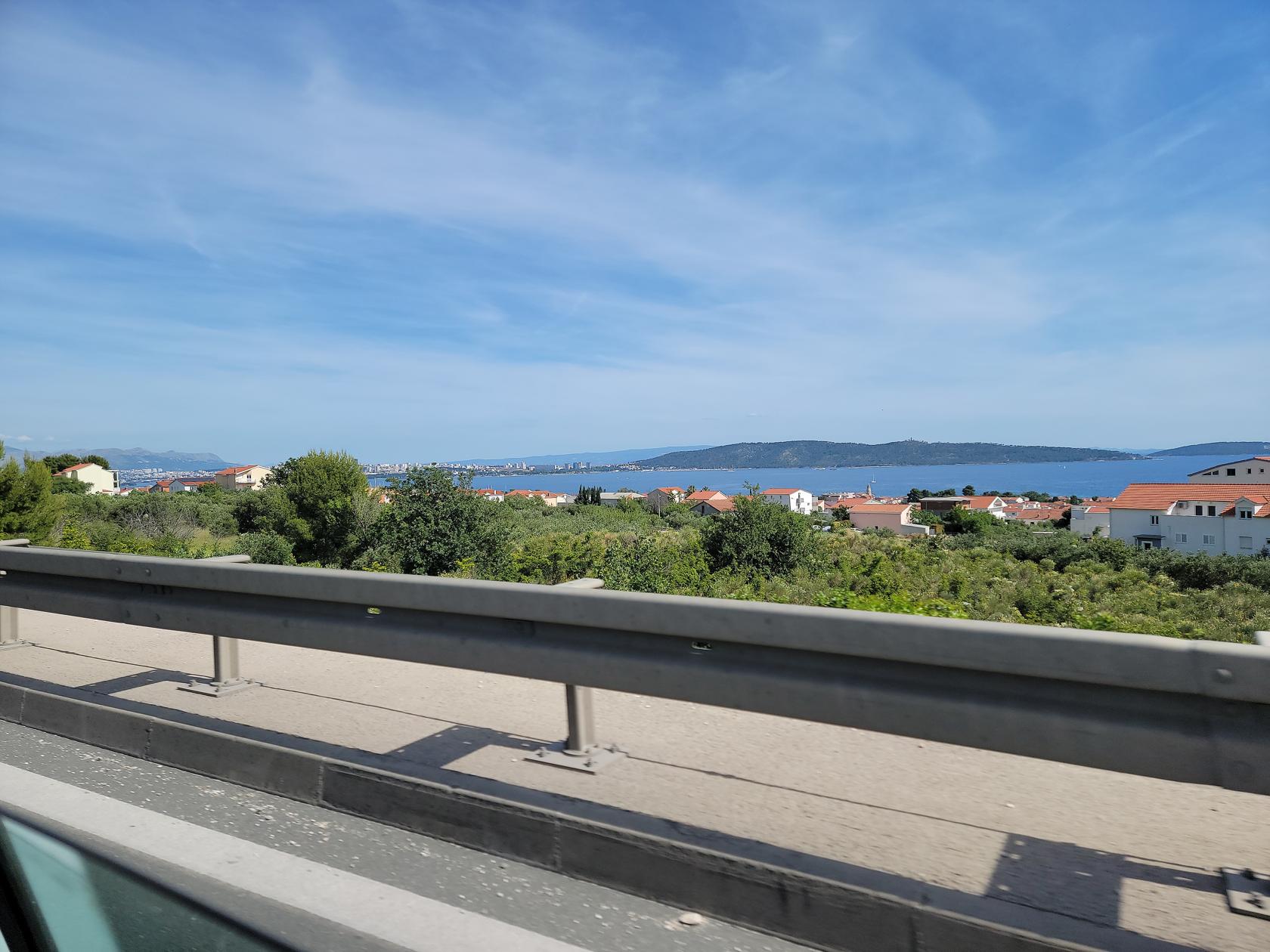
Split from our Lyft ride – Split, Croatia
Diocletian’s Palace
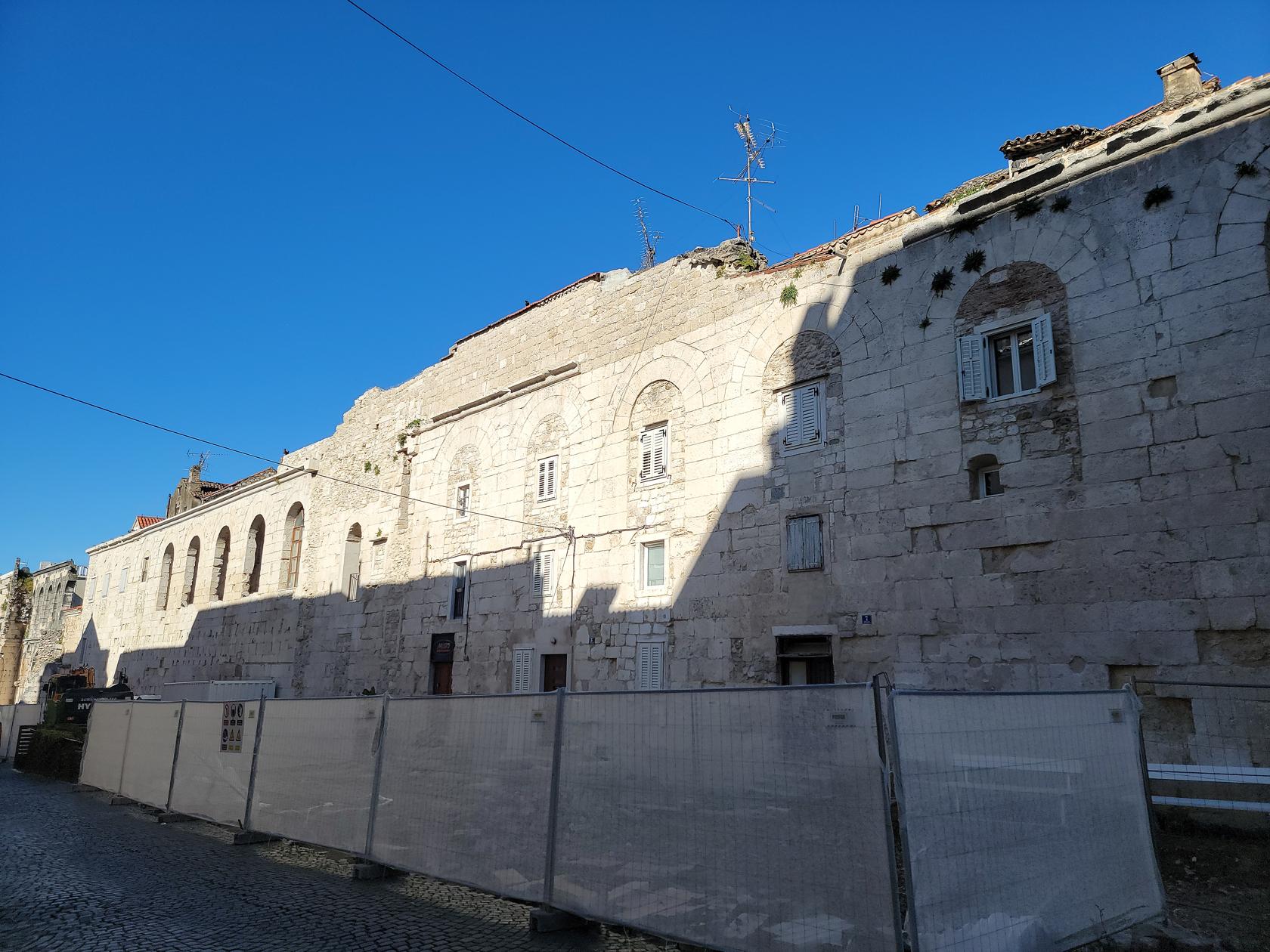
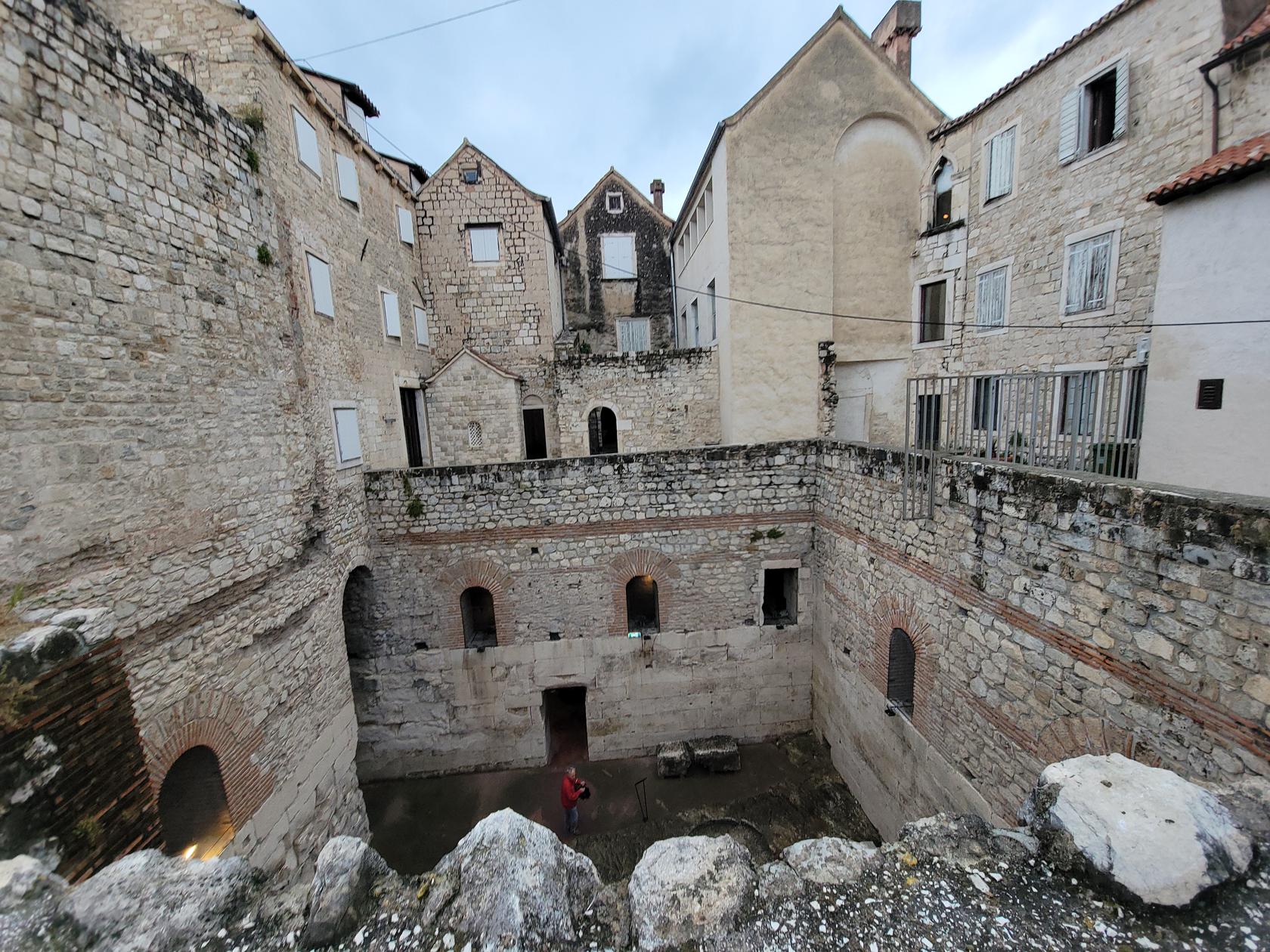
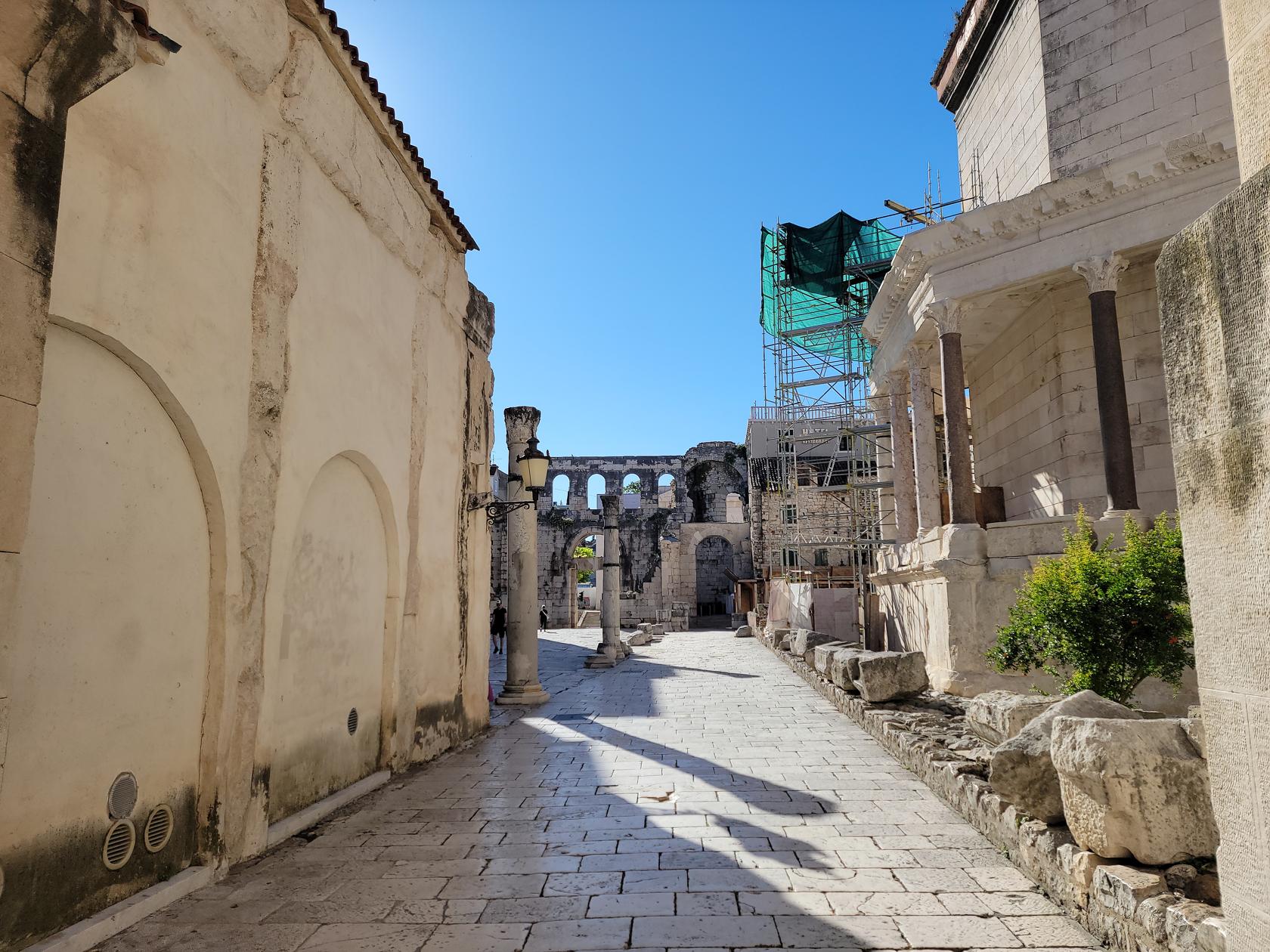
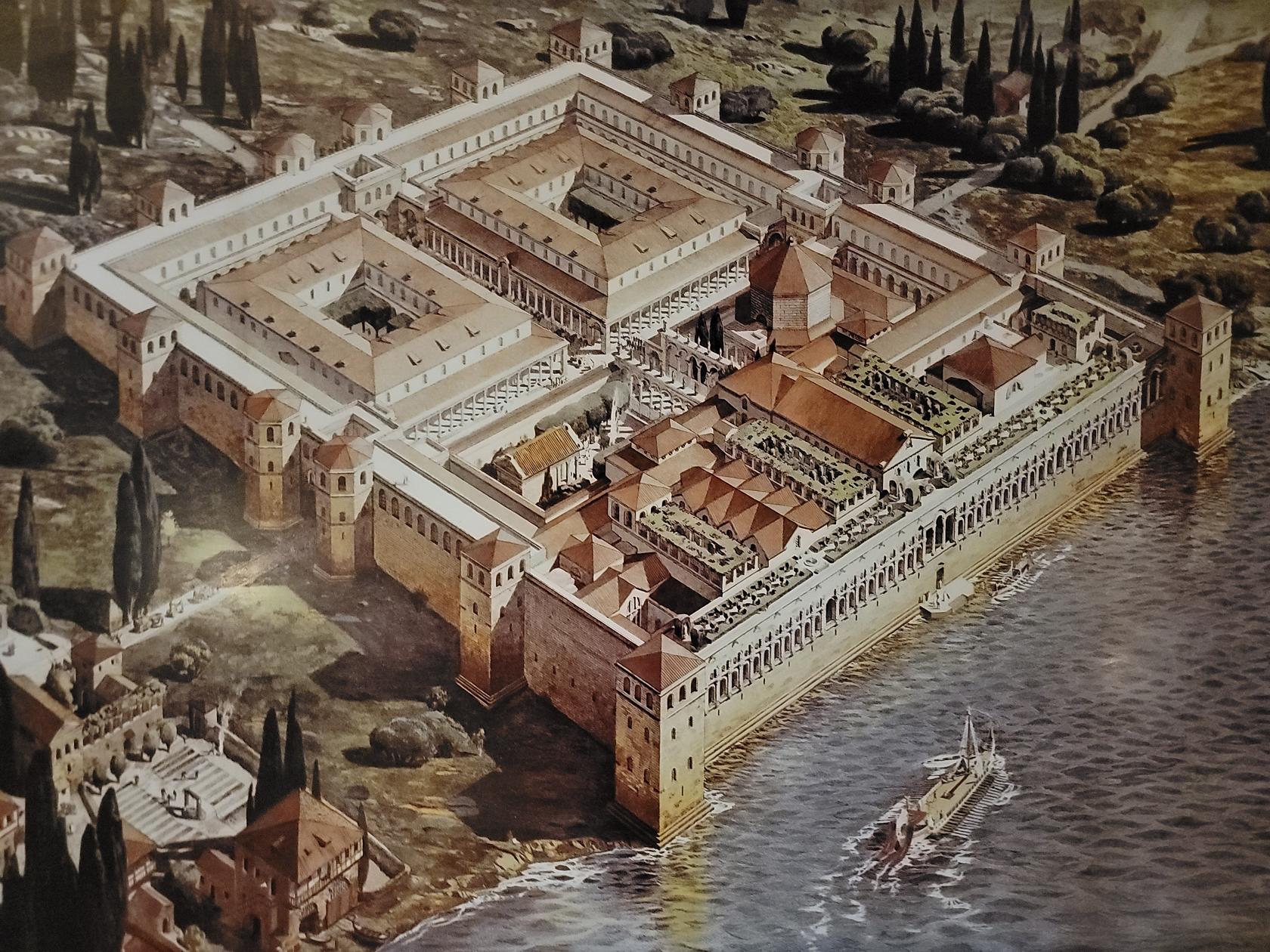
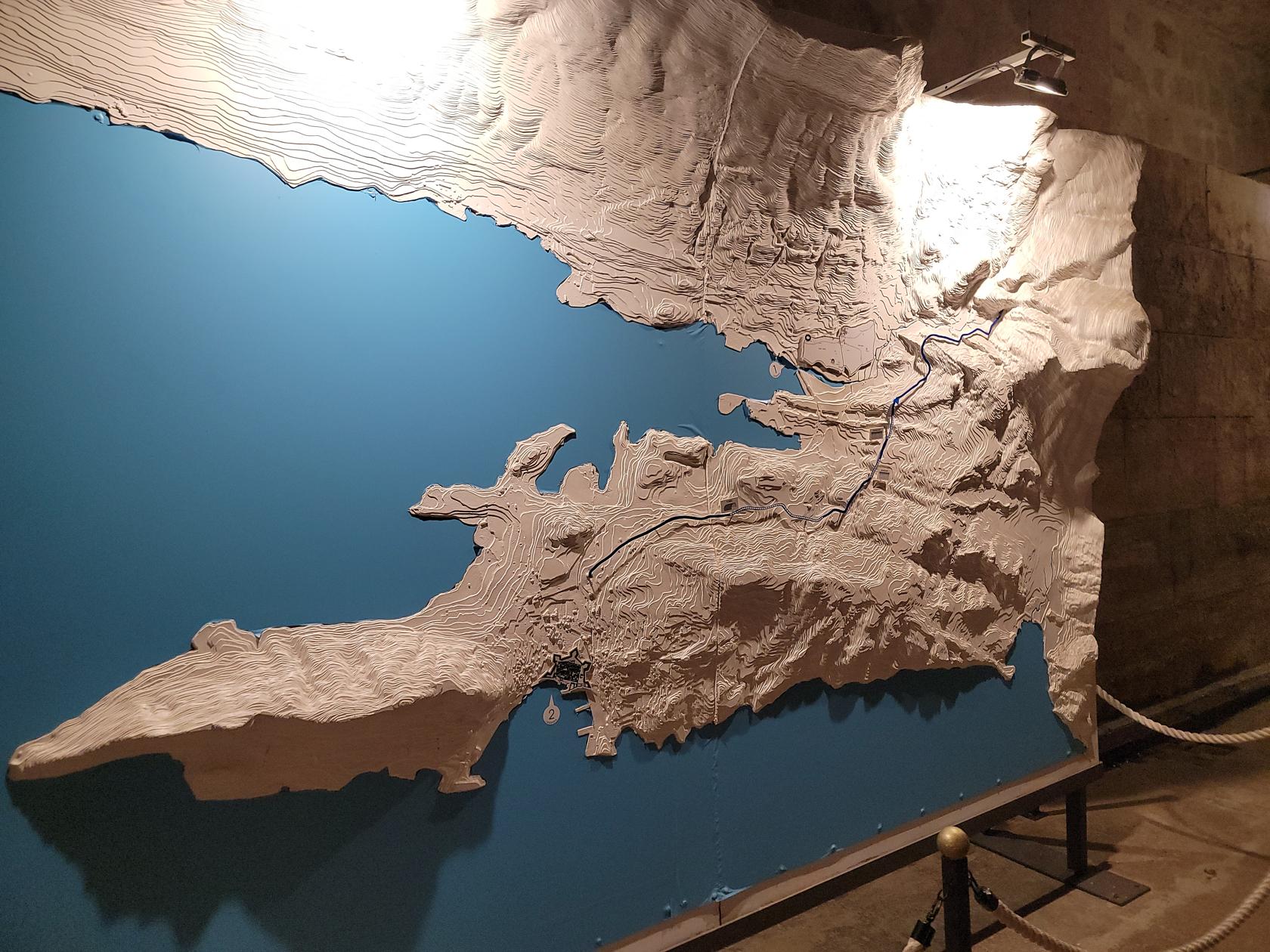
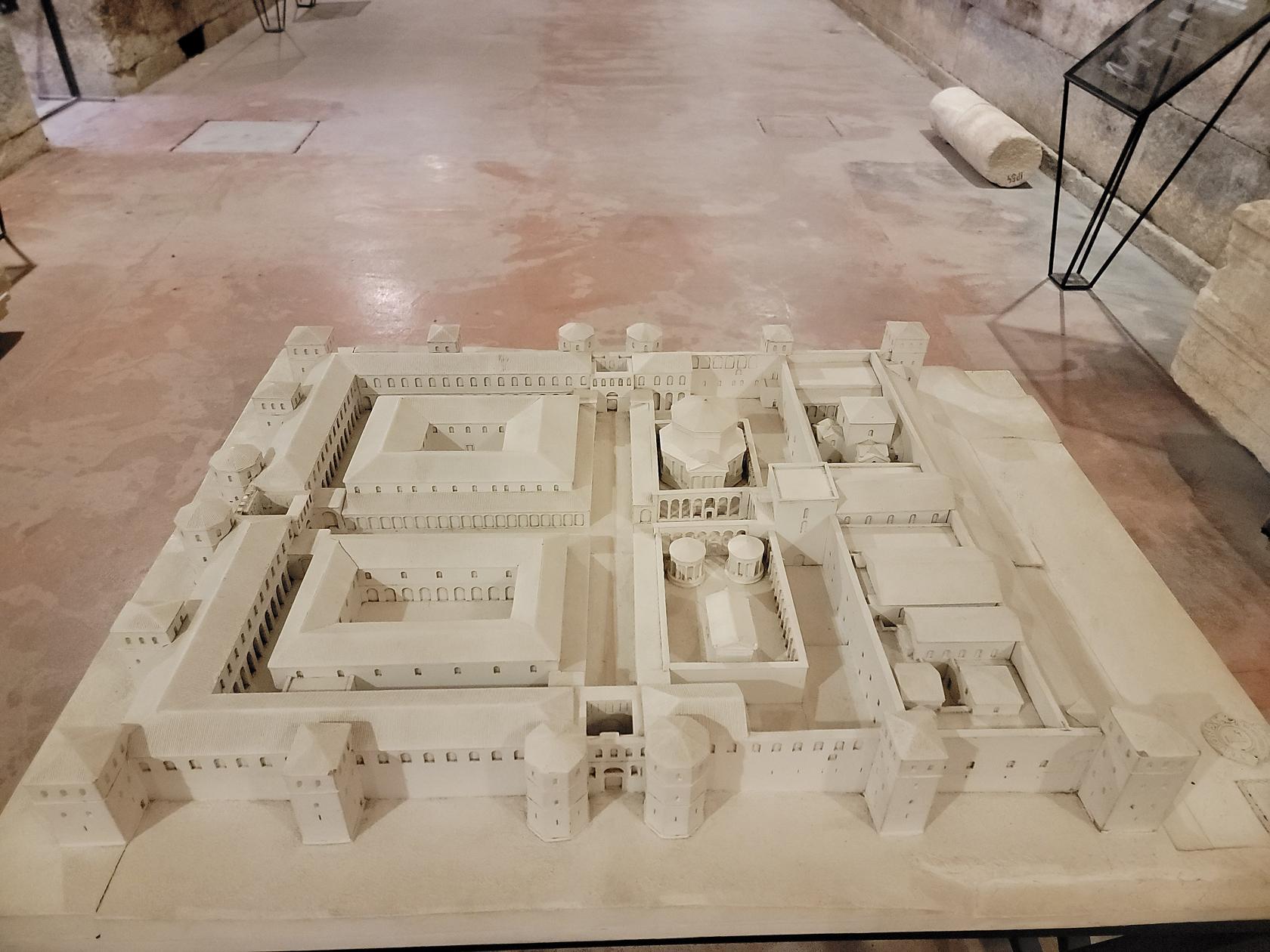
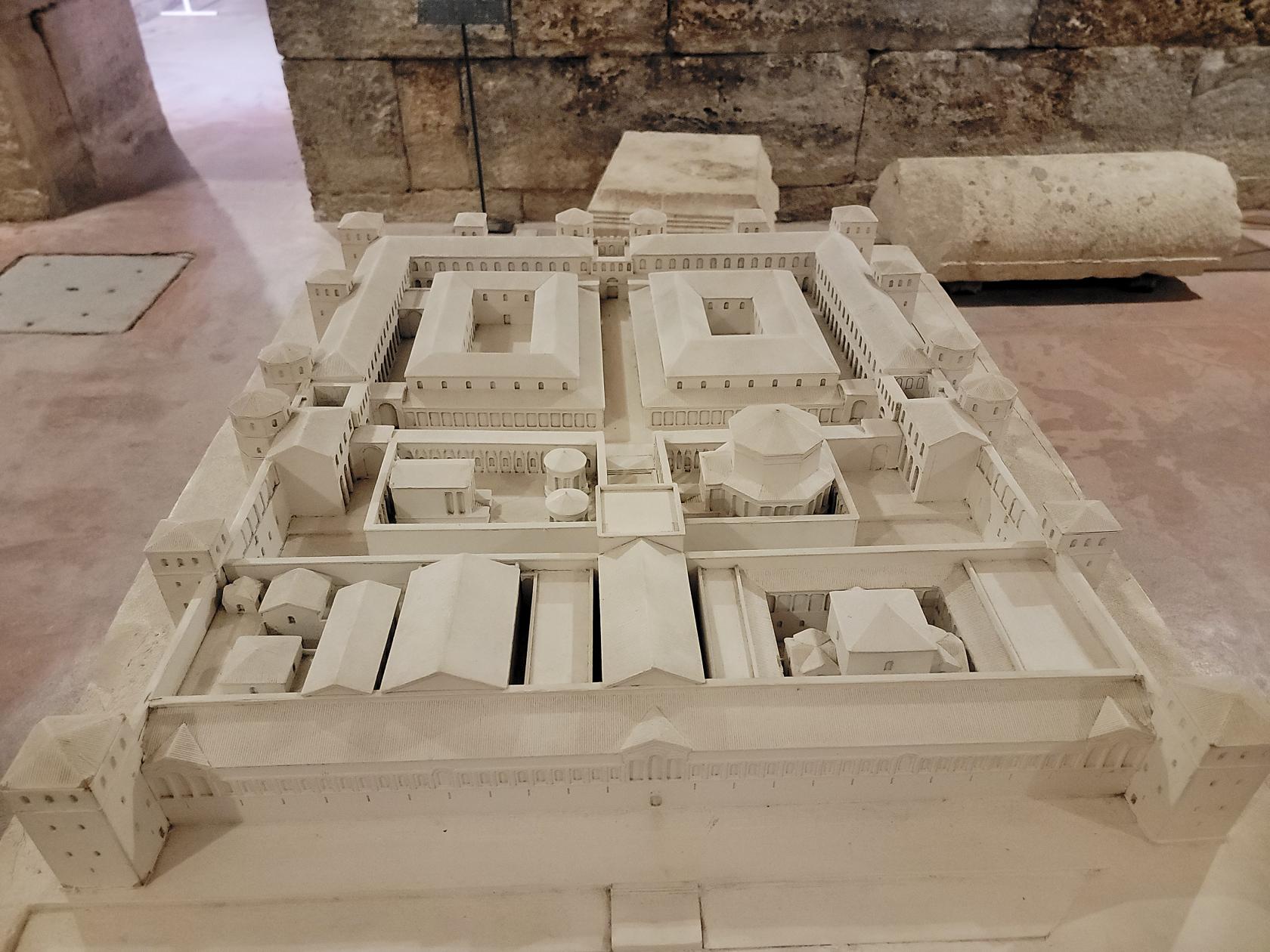
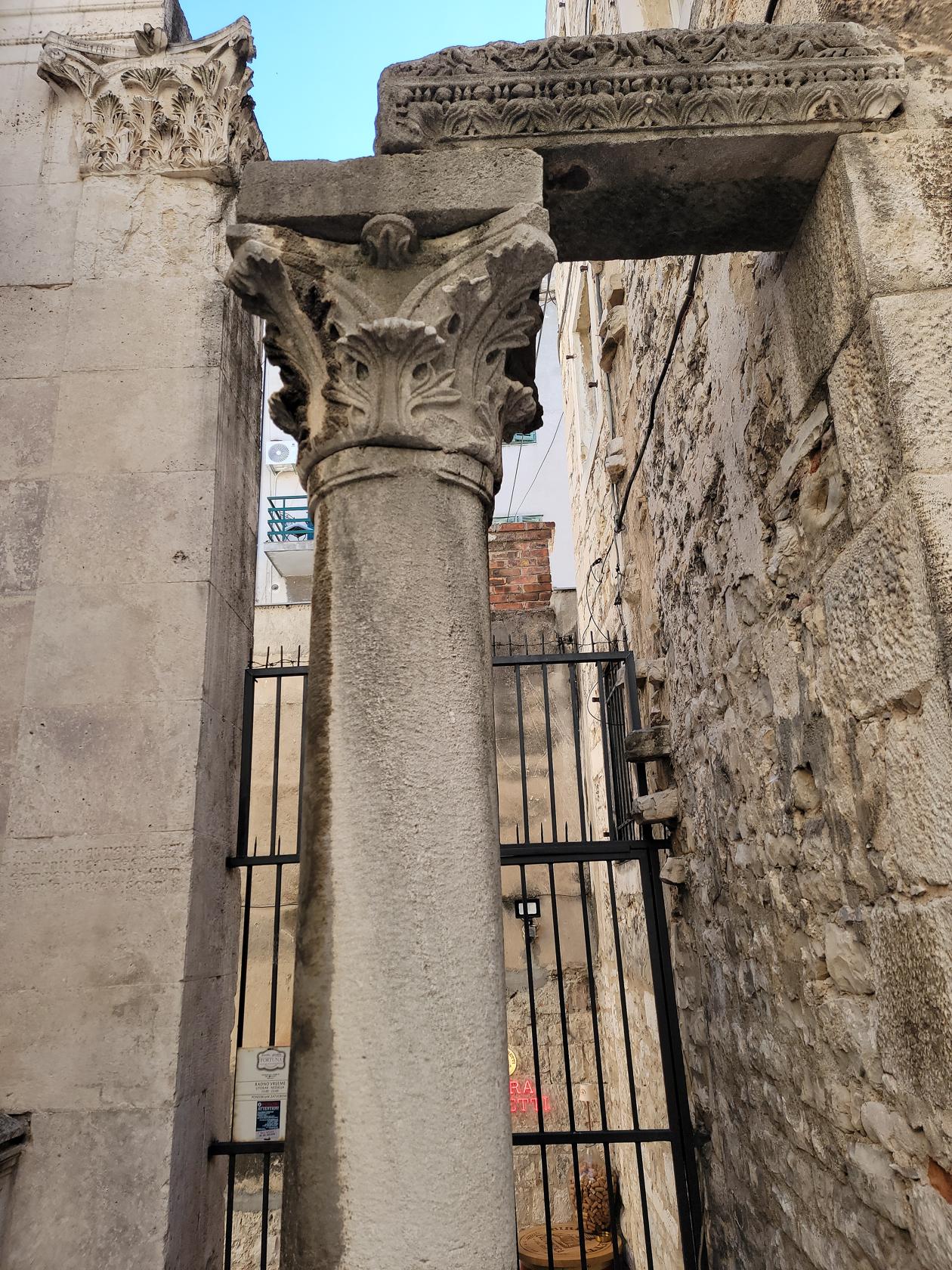
The Diocletian Palace is a large complex just off center of the old town of Split. It was to retirement home of the Roman Emperor Diocletian and was built some time around the third century CE. It is the reason that Split exists and is the ultimate destination here for those interested in Roman history.
Diocletian’s Palace – Split, Croatia
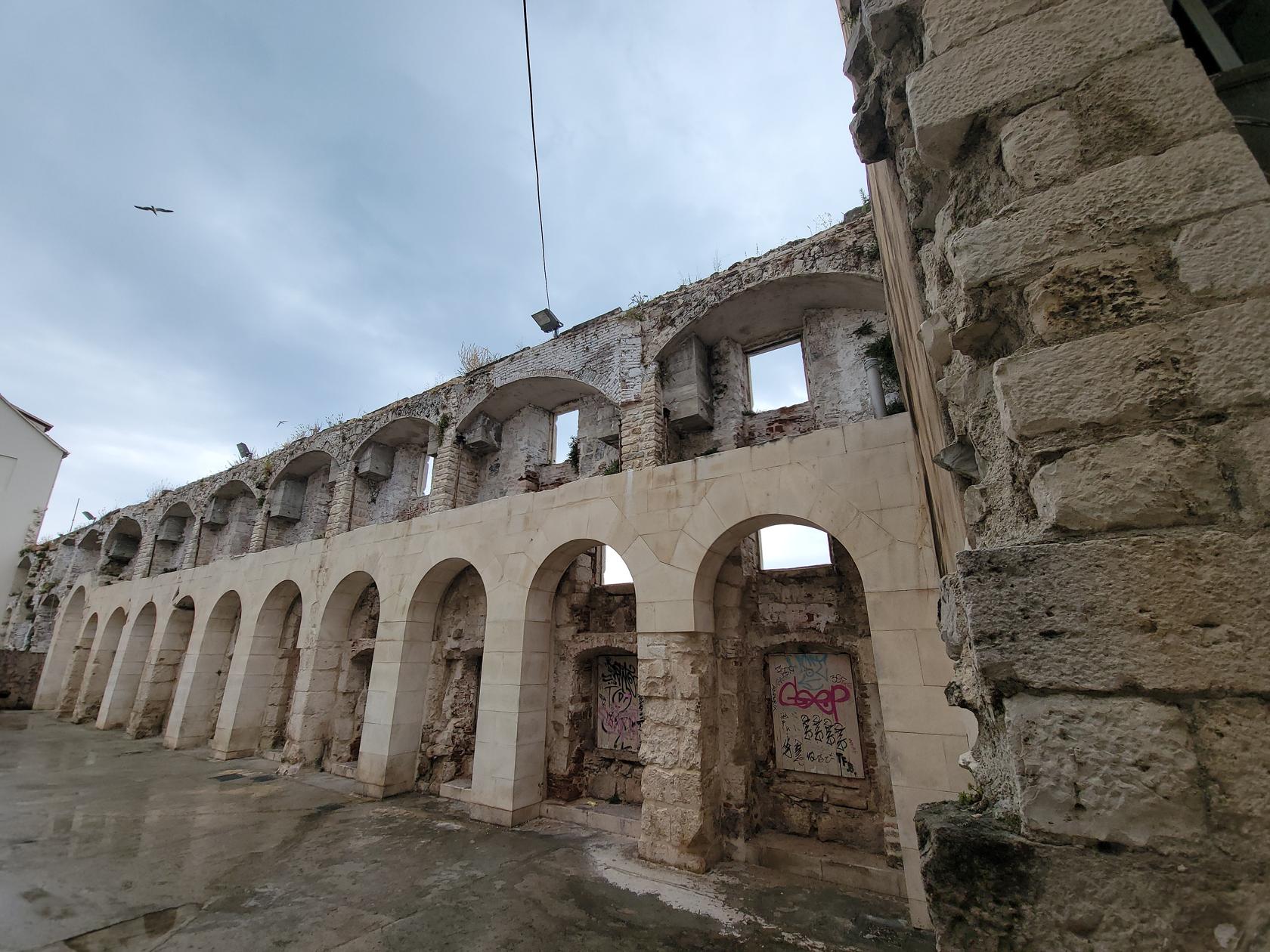
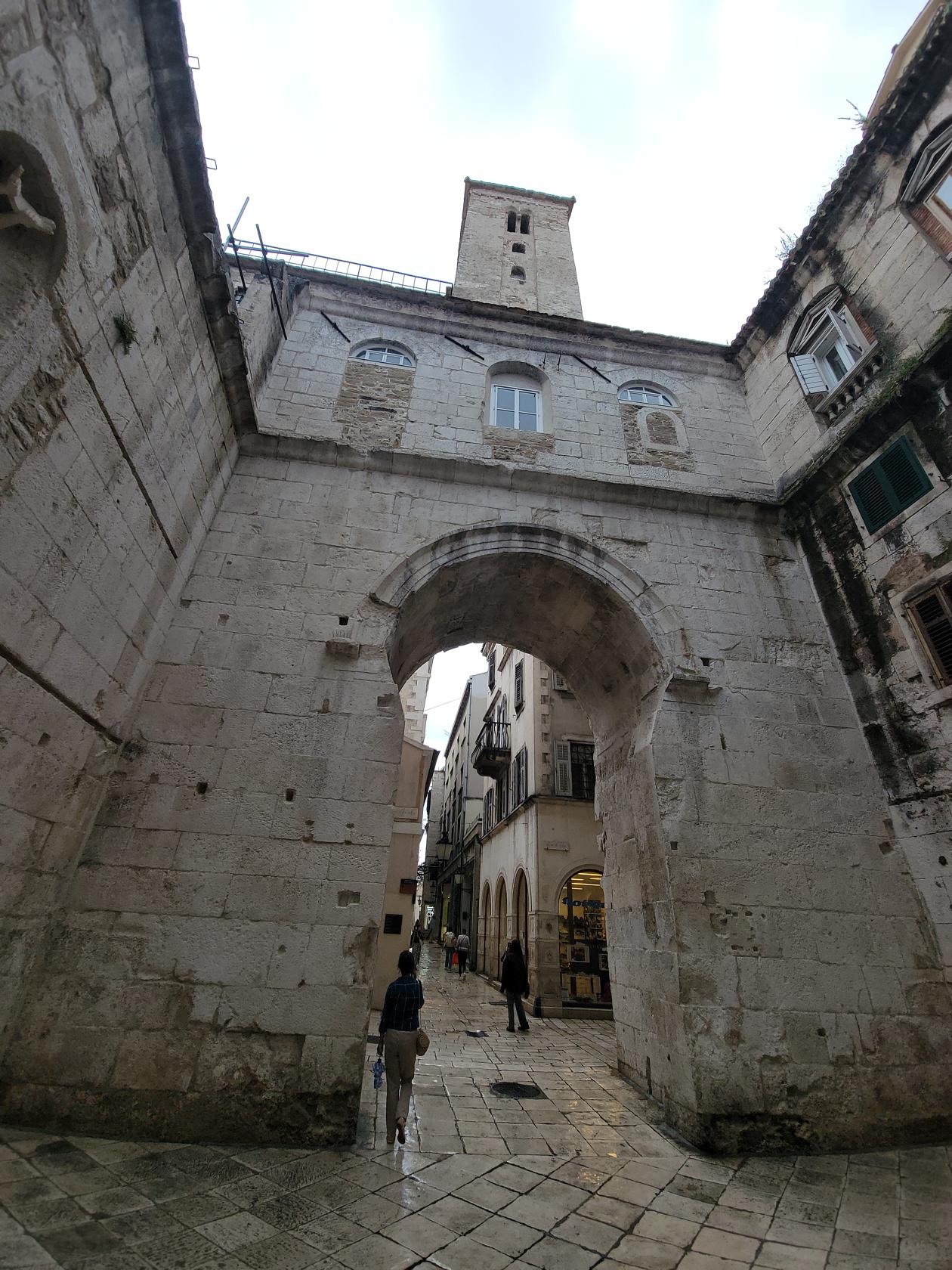
Roman Arches and Fortress Wall – Diocletian’s Palace – Split, Croatia
Triklinij – Diocletian’s Palace – Split, Croatia
Triklinij – Diocletian’s Palace – Split, Croatia
Side Street – Diocletians Palace – Split, Croatia
Another entrance – Diocletians Palace – Split, Croatia
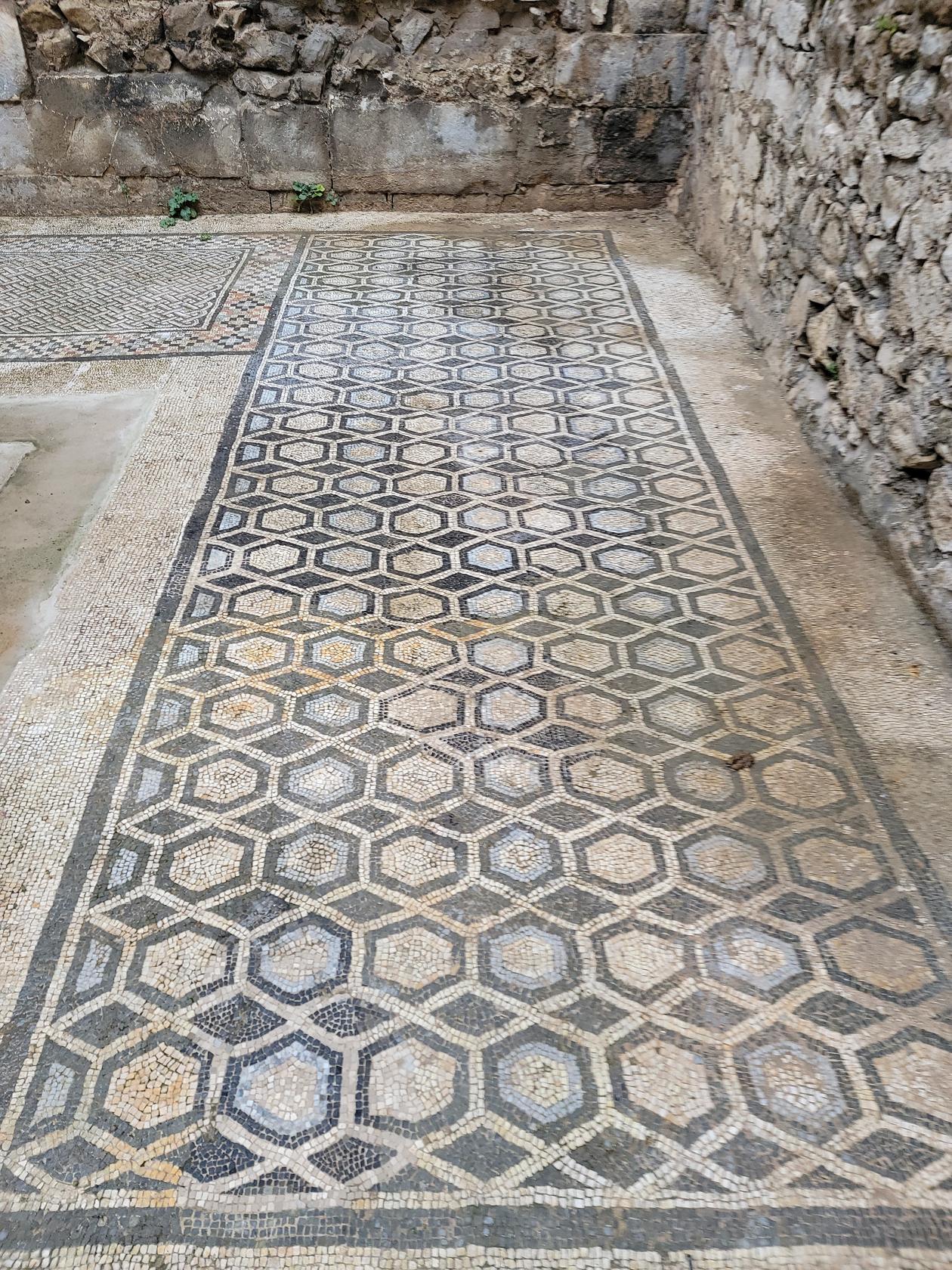
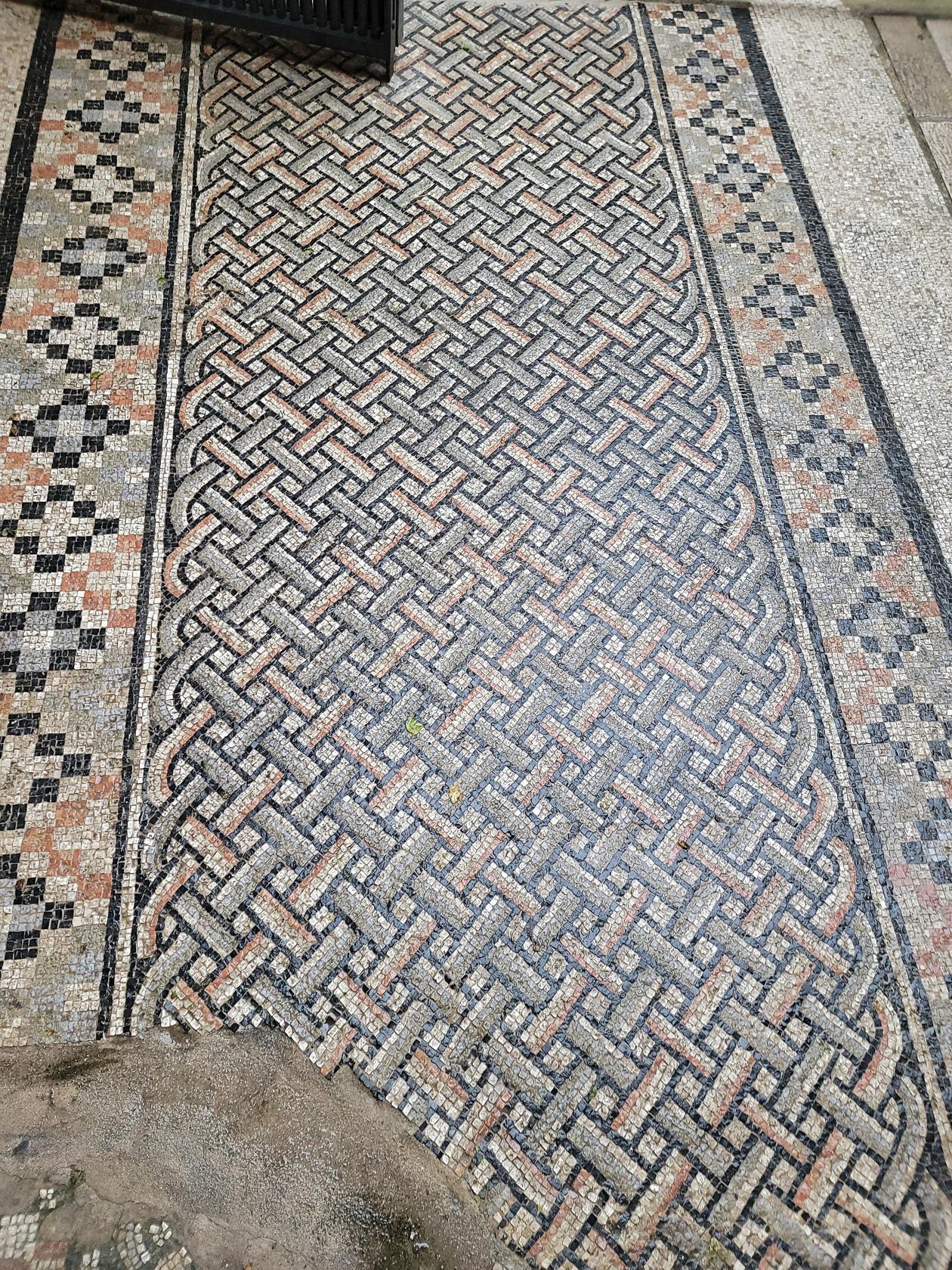
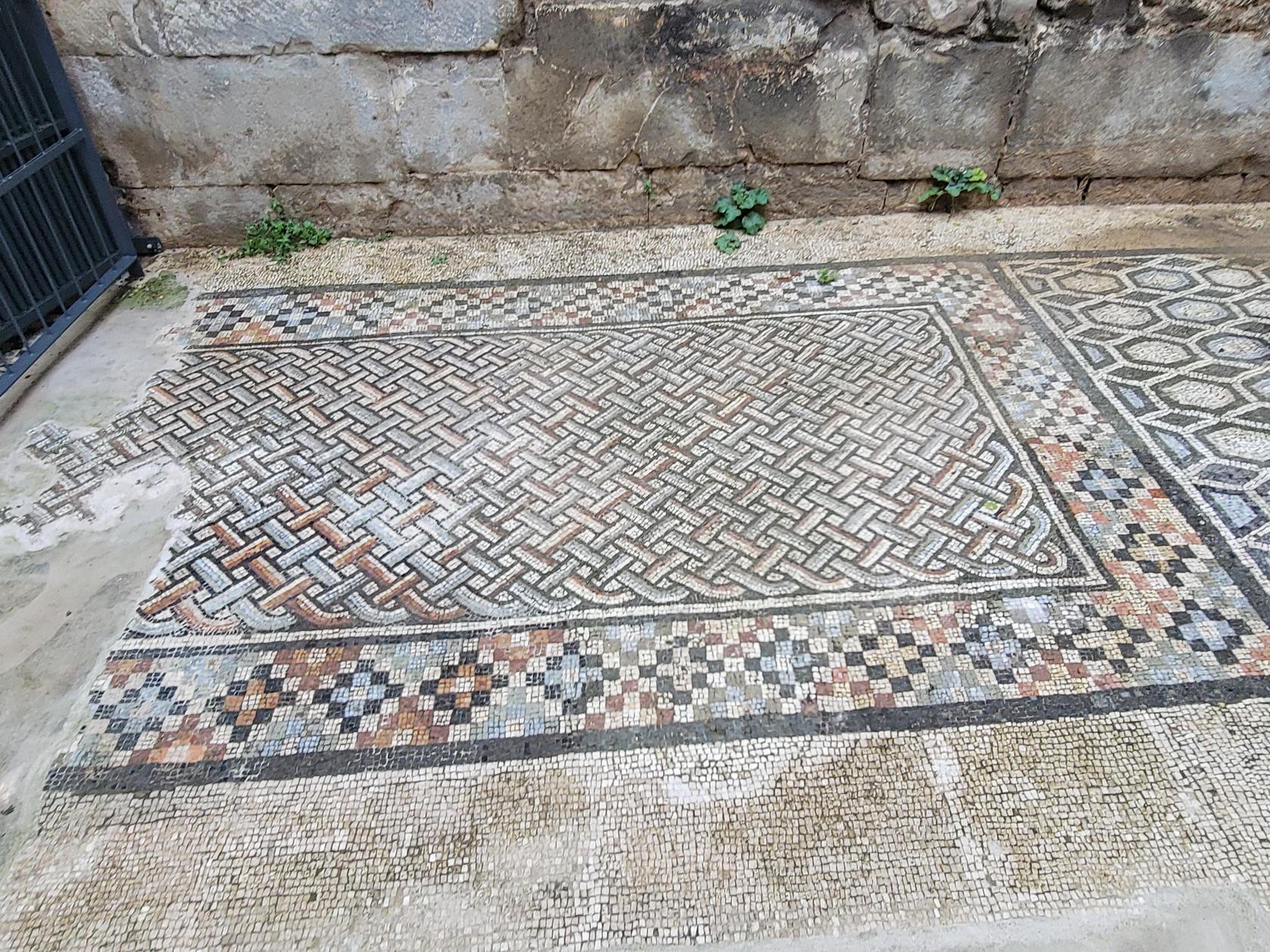
There is an excellent example of fifth century Roman mosaic tiles behind the cathedral which should draw your attention.
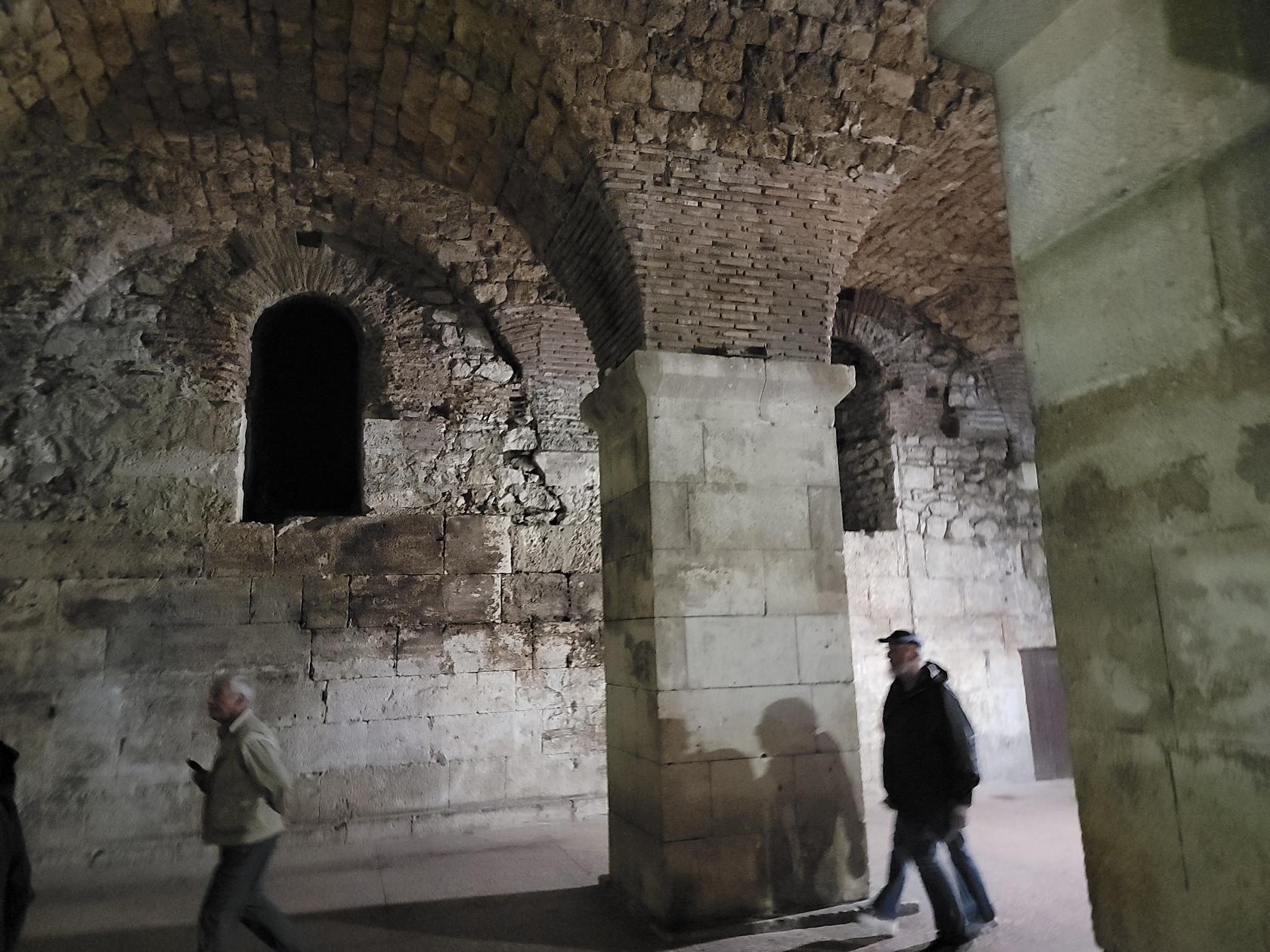
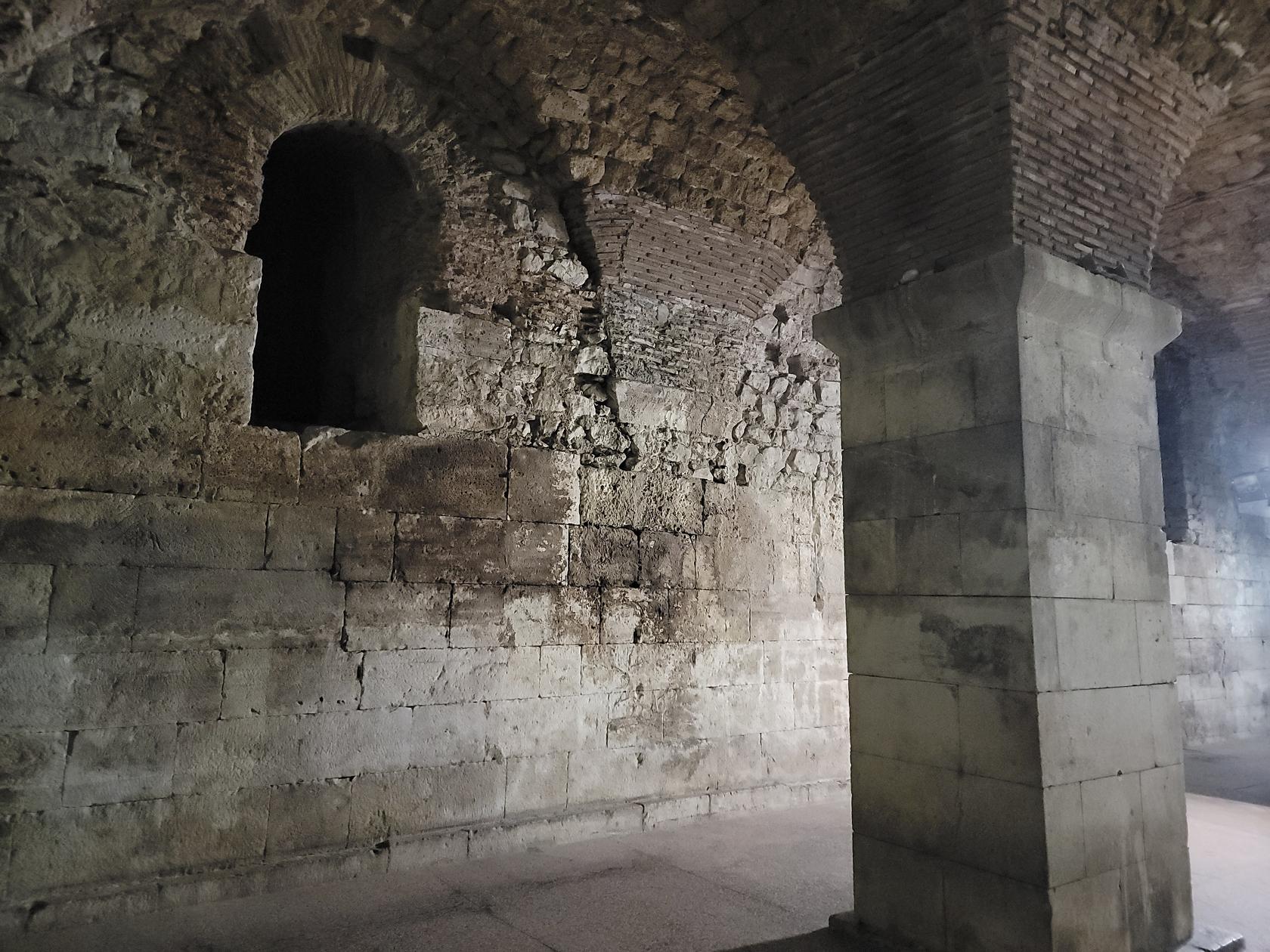
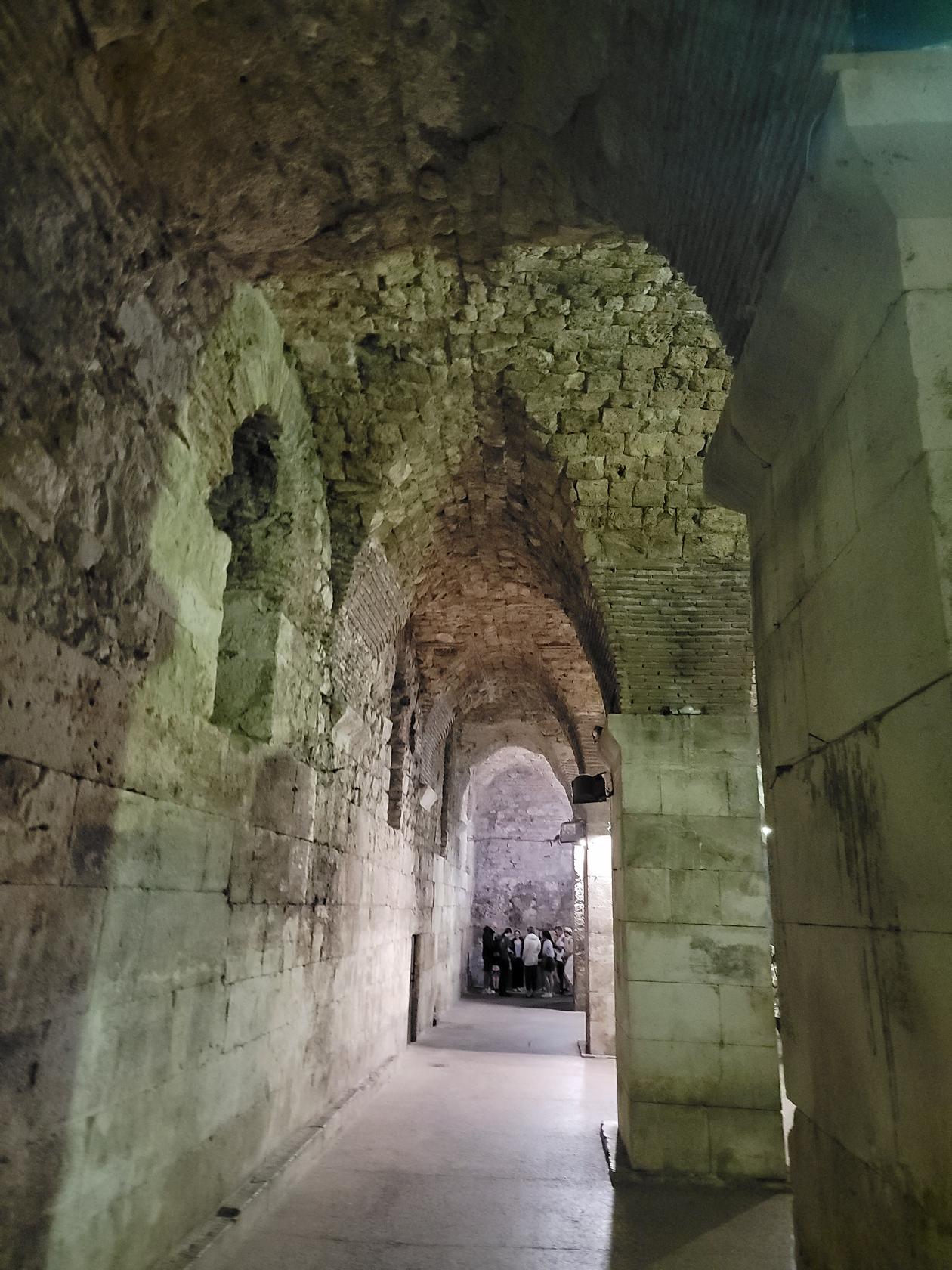
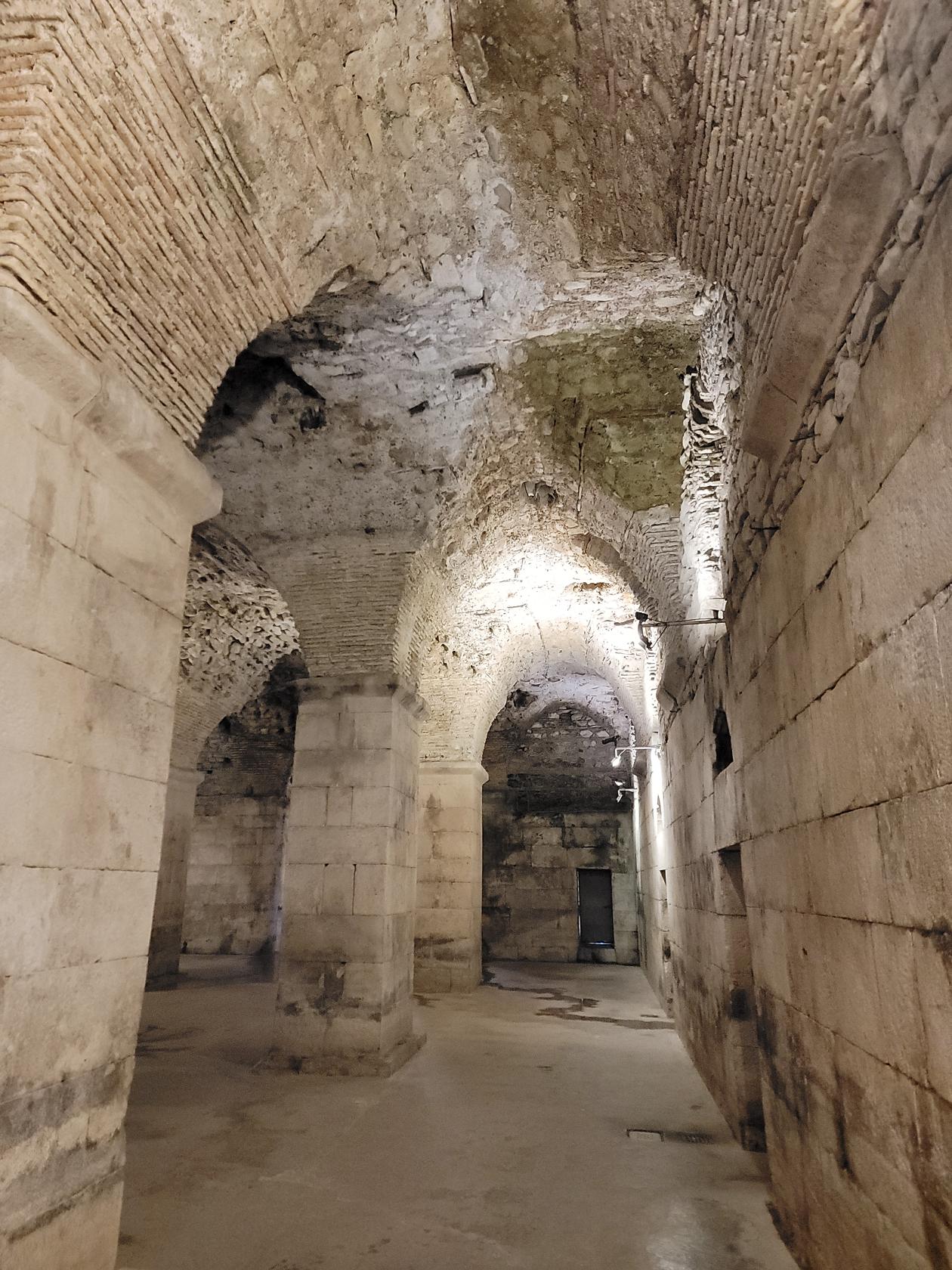
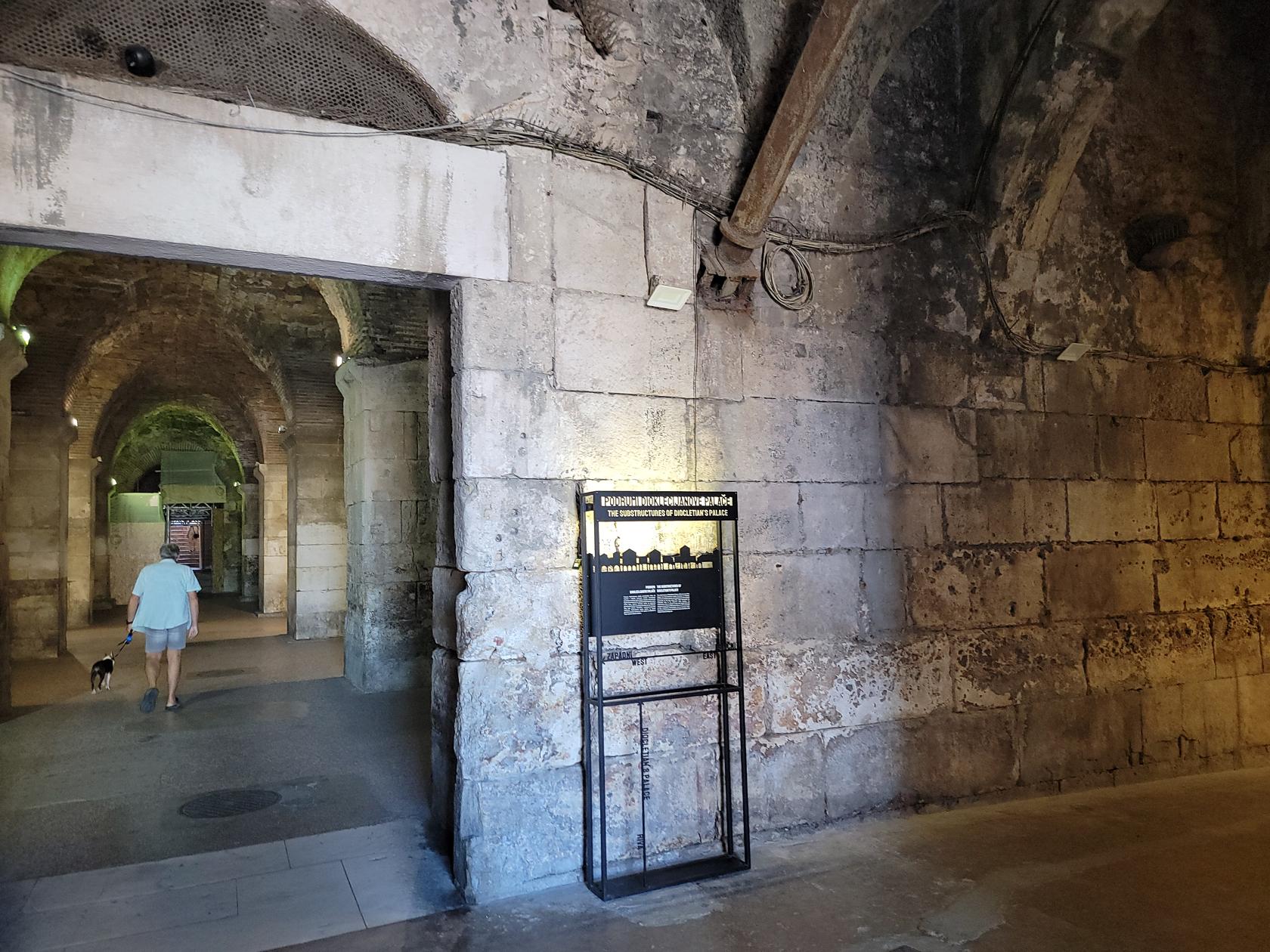
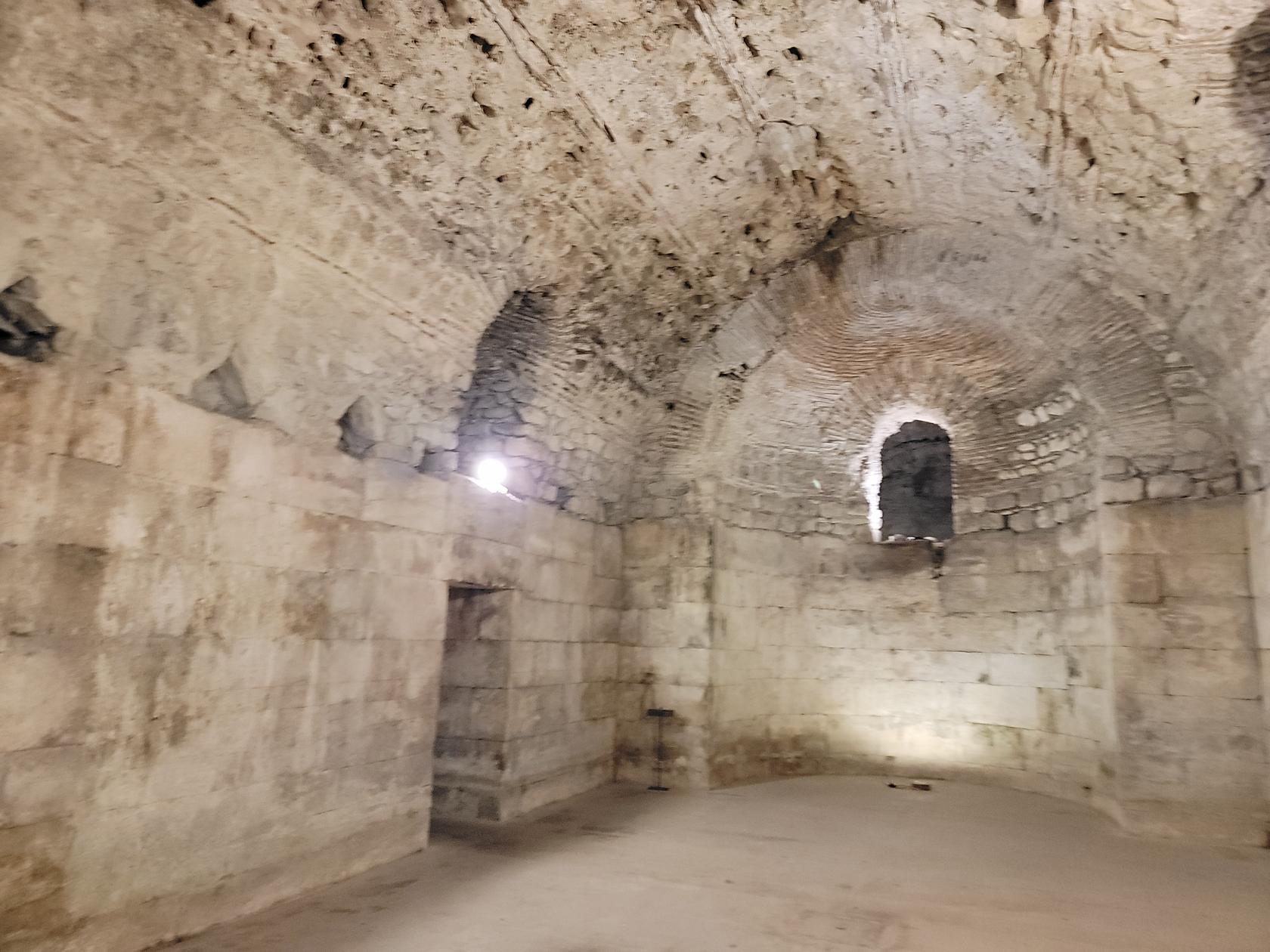
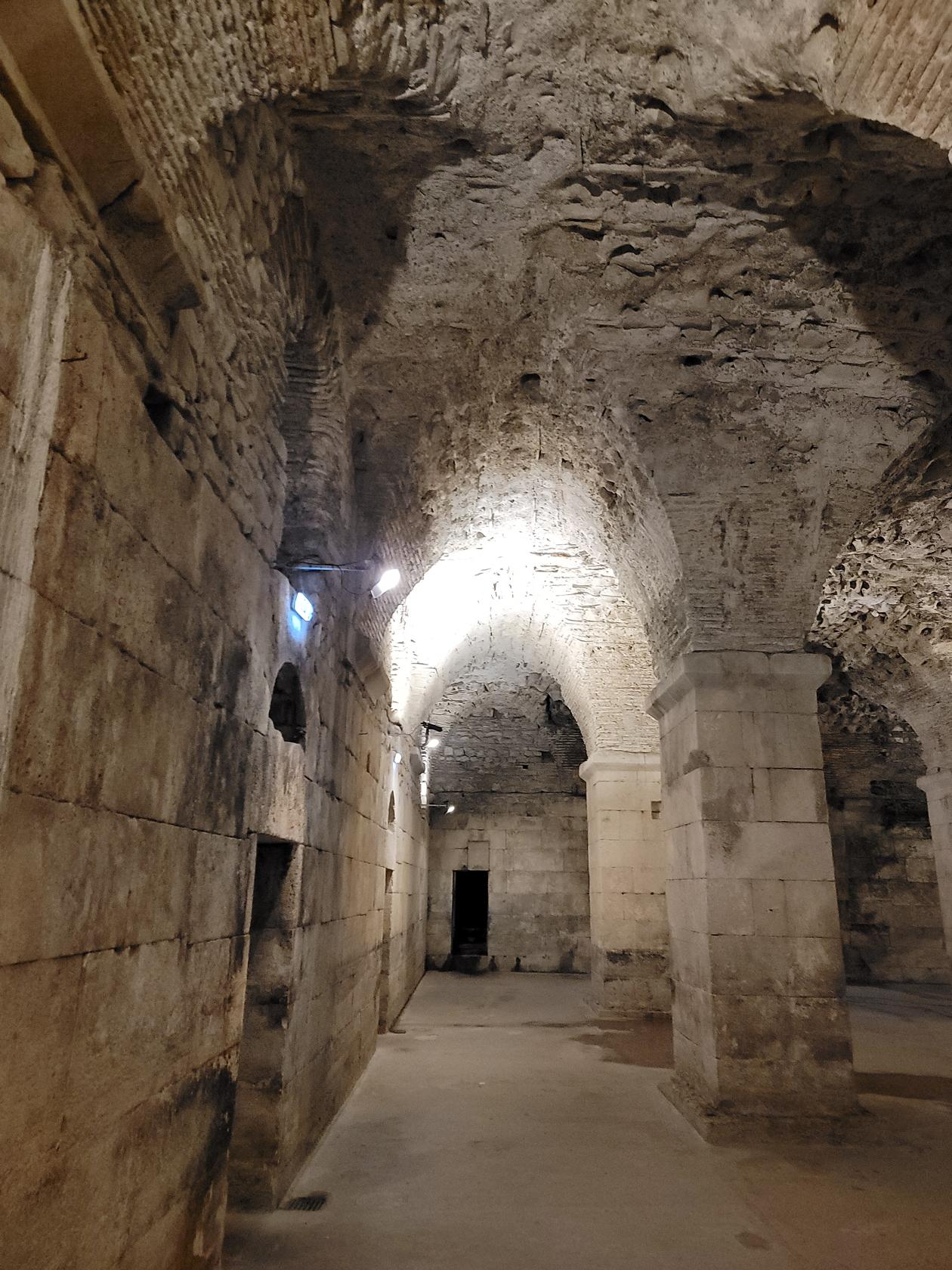
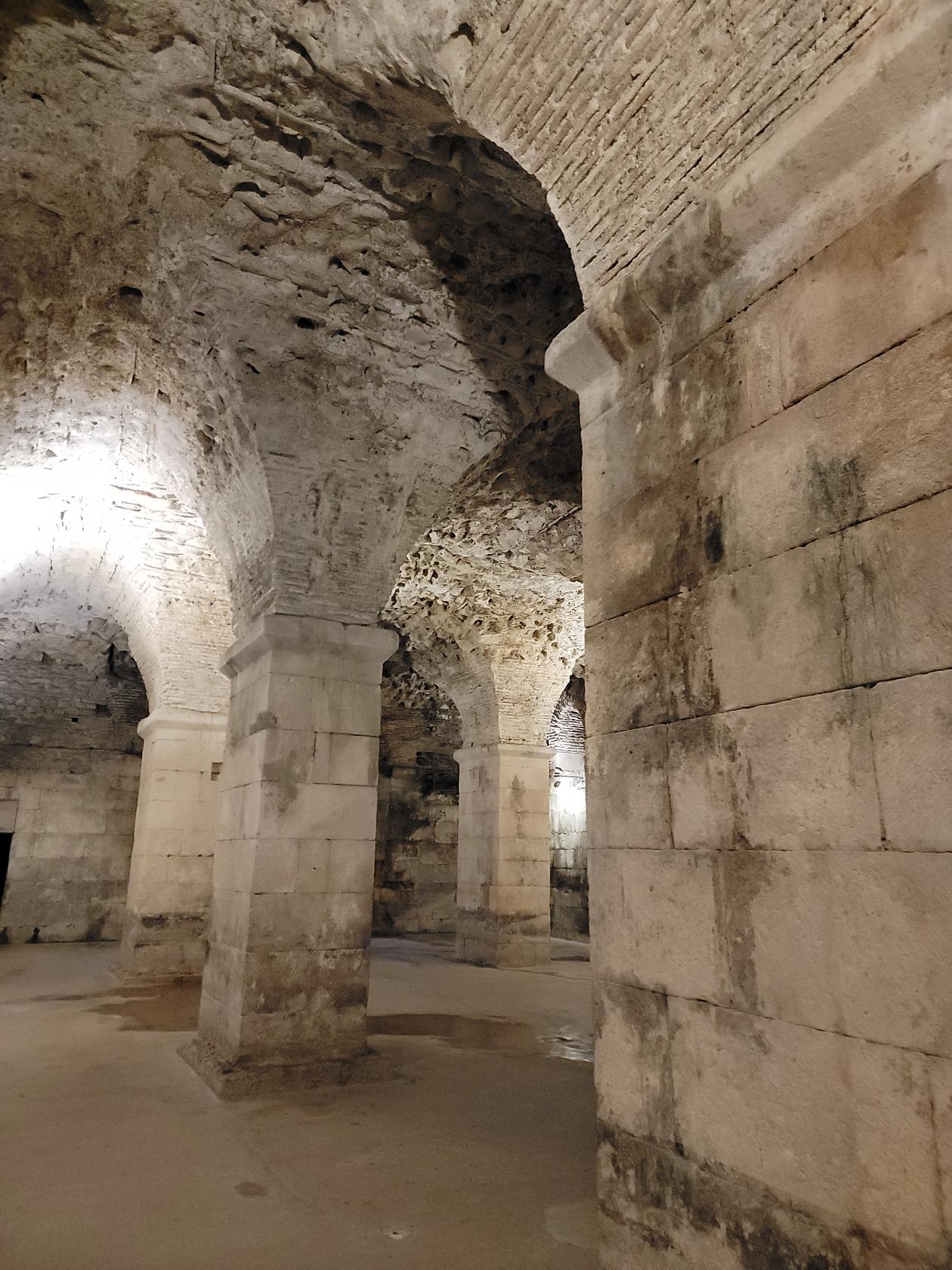
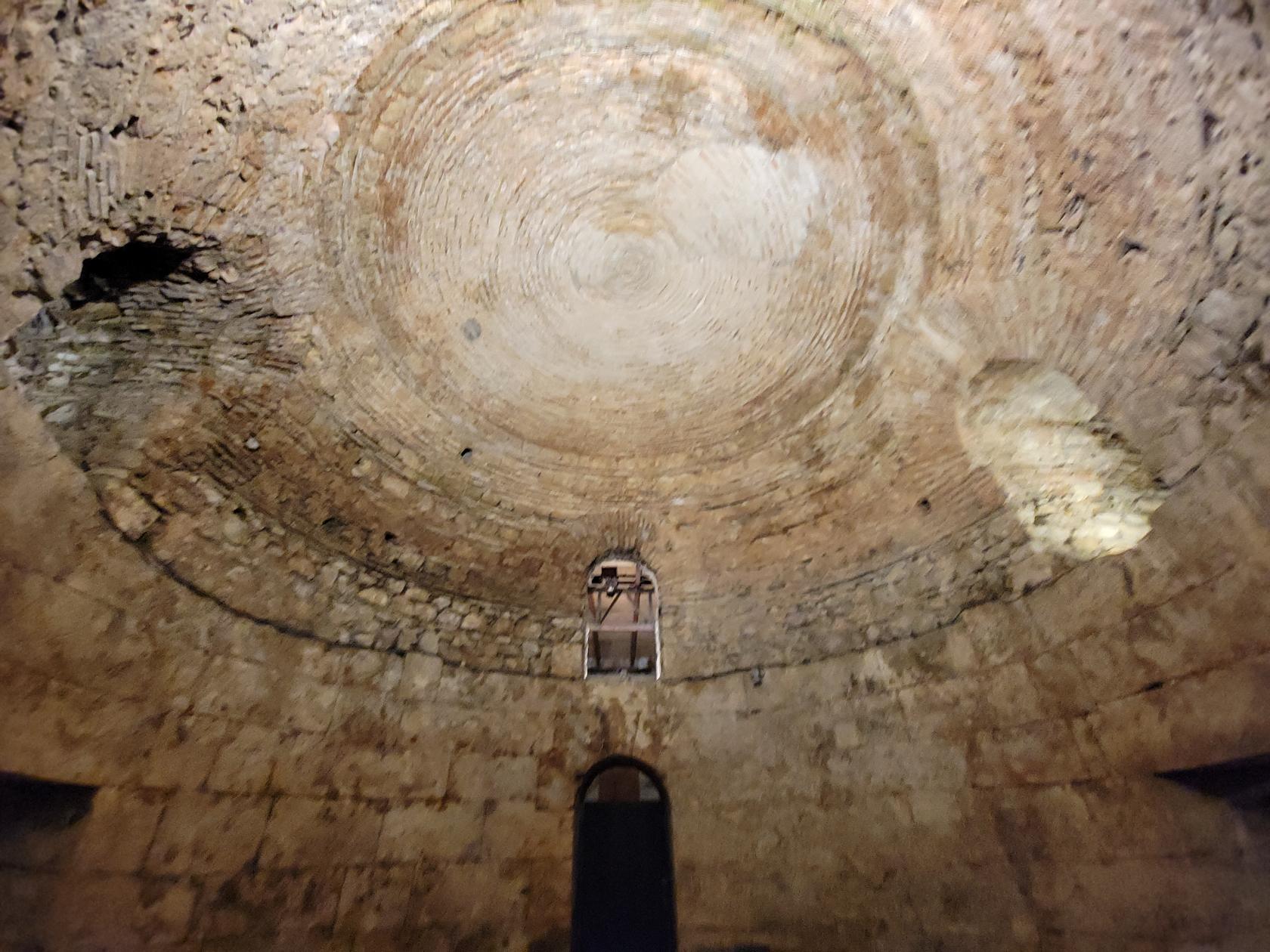
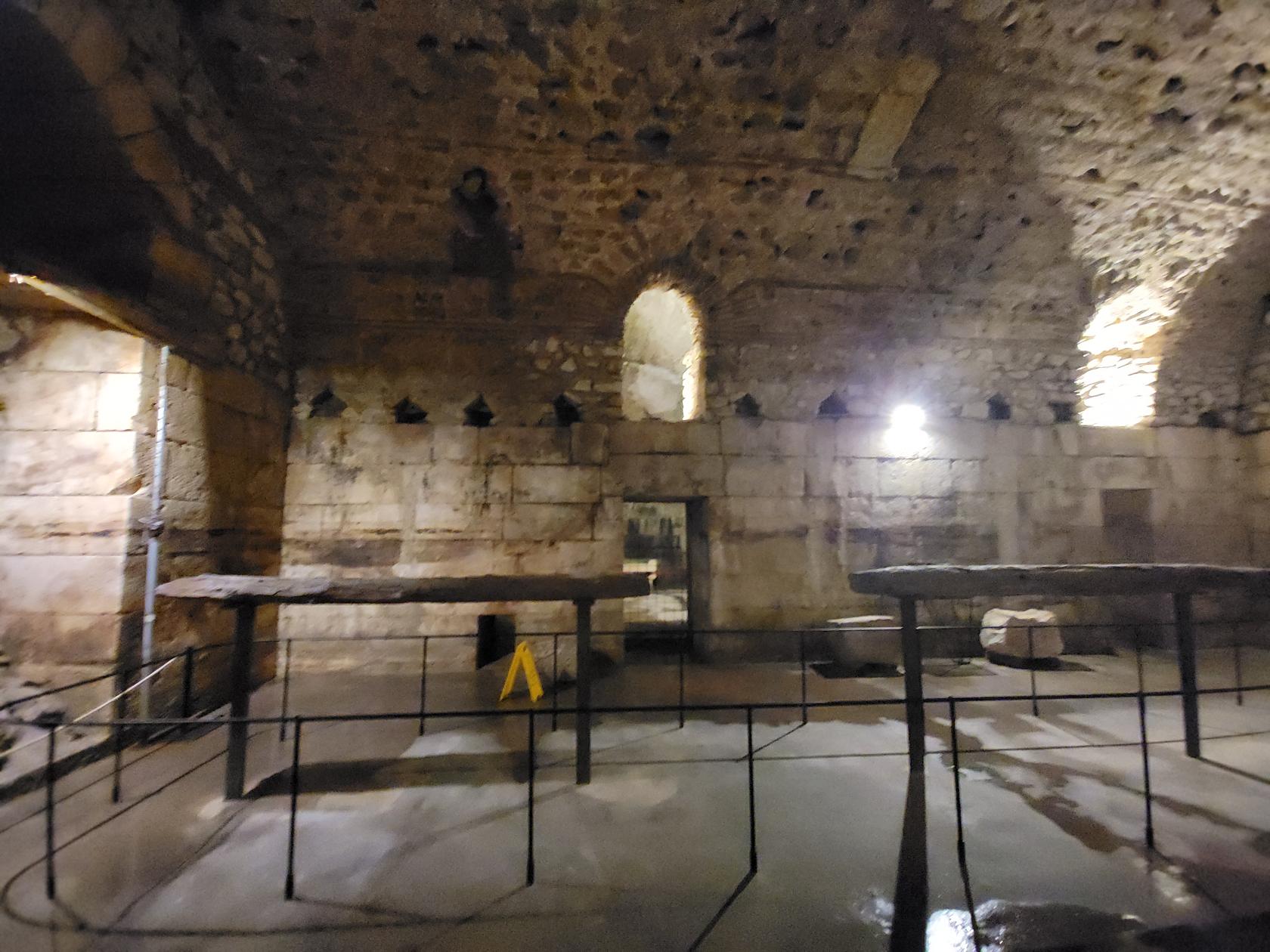
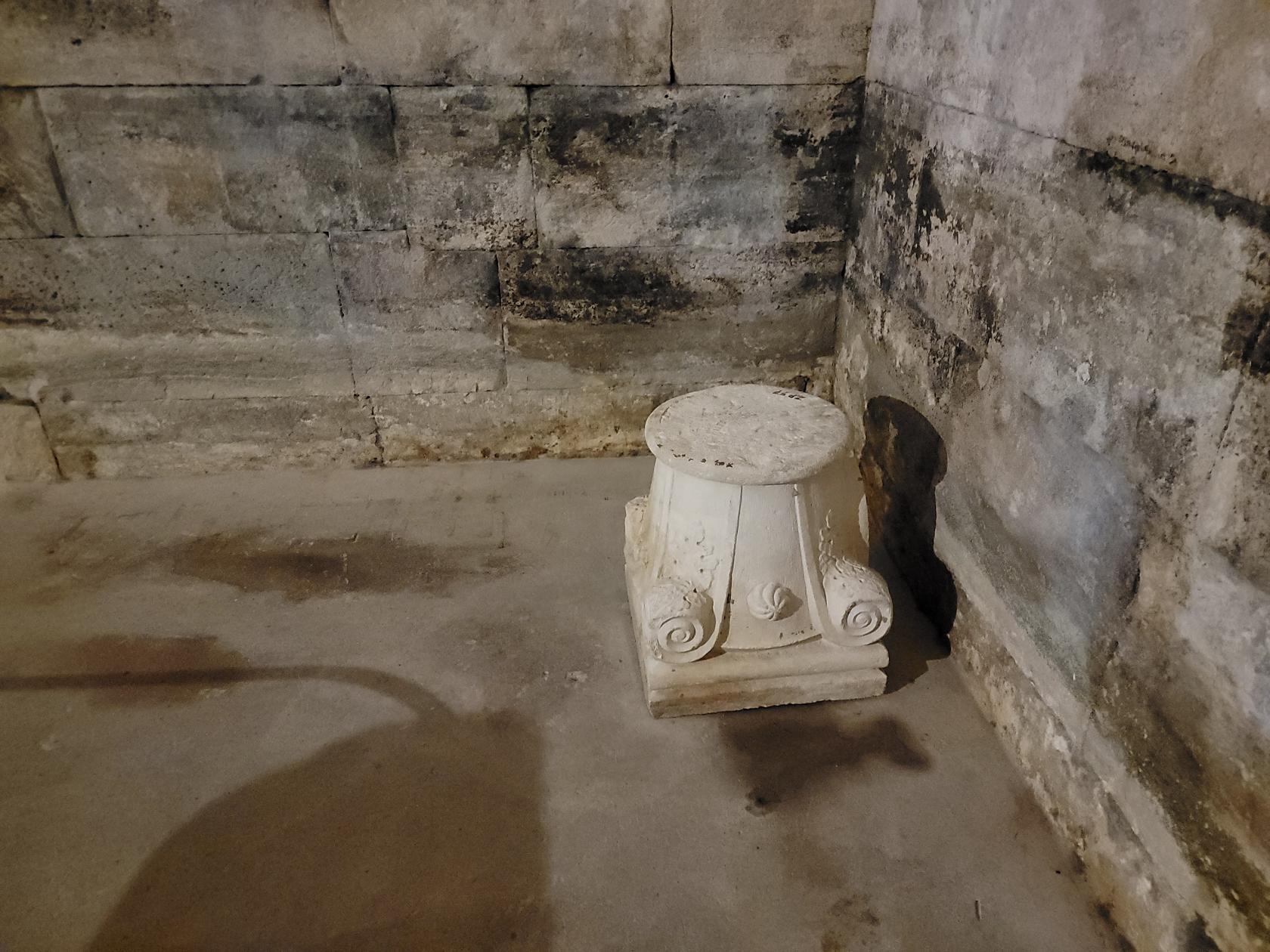
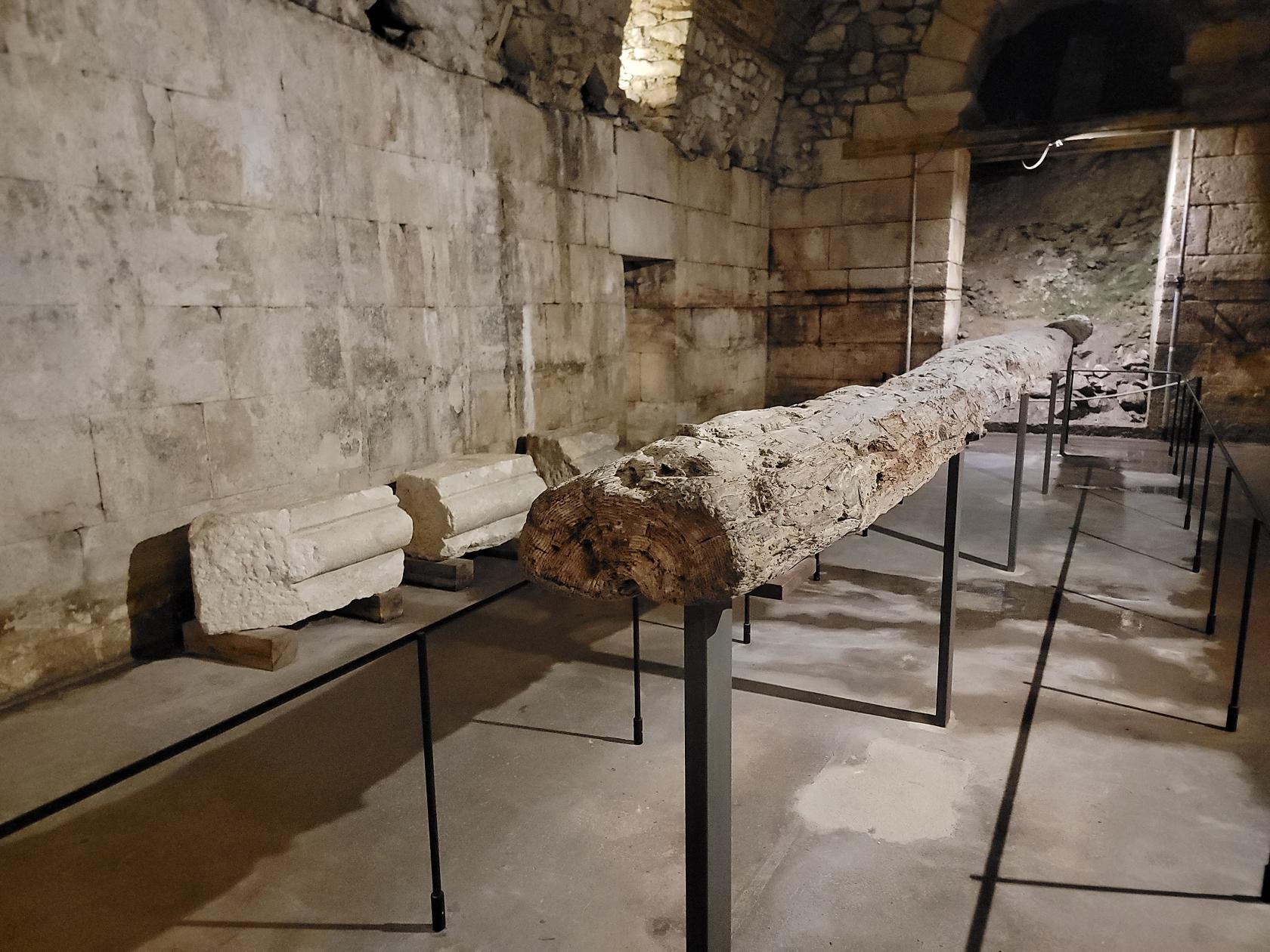
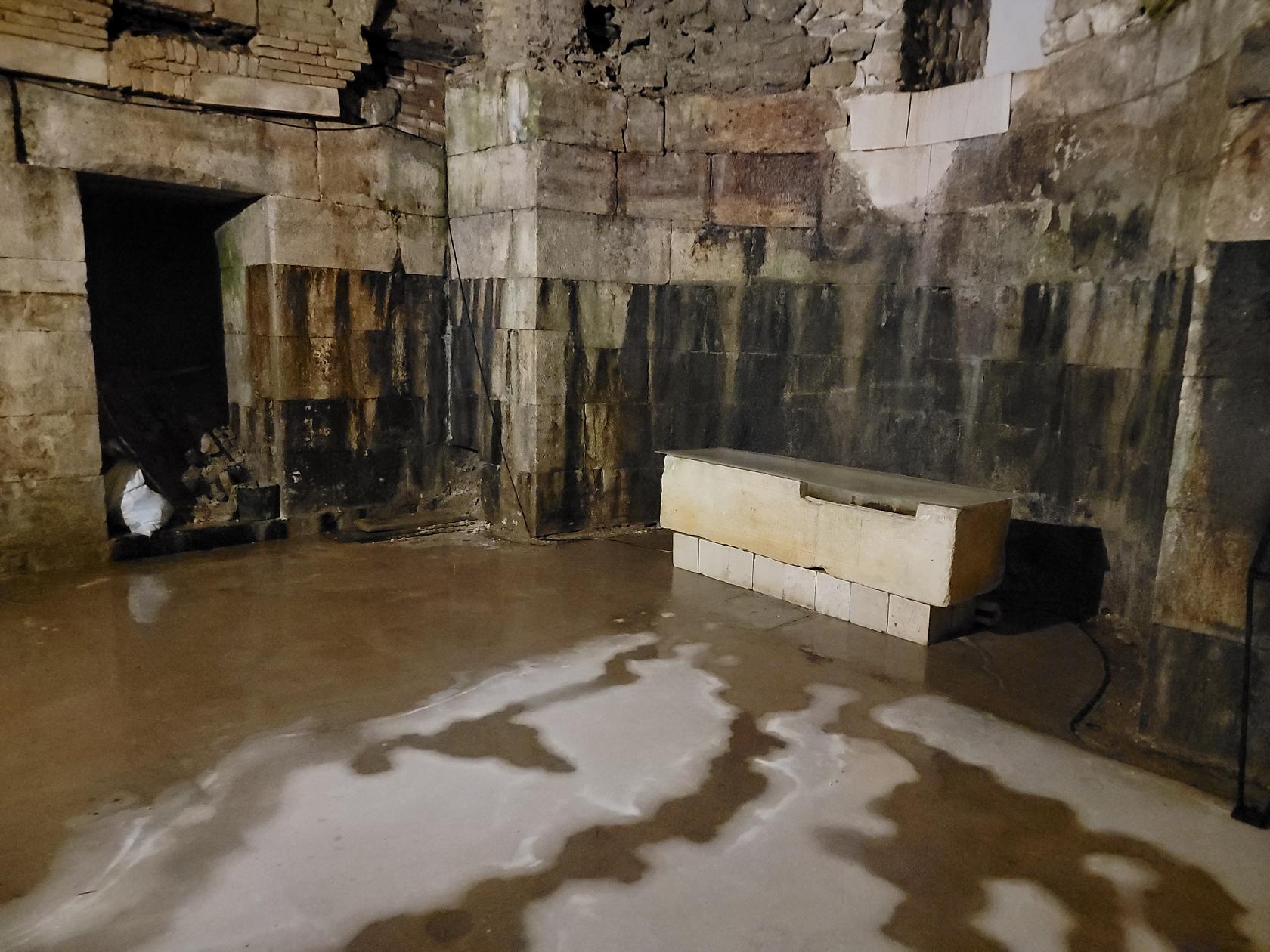
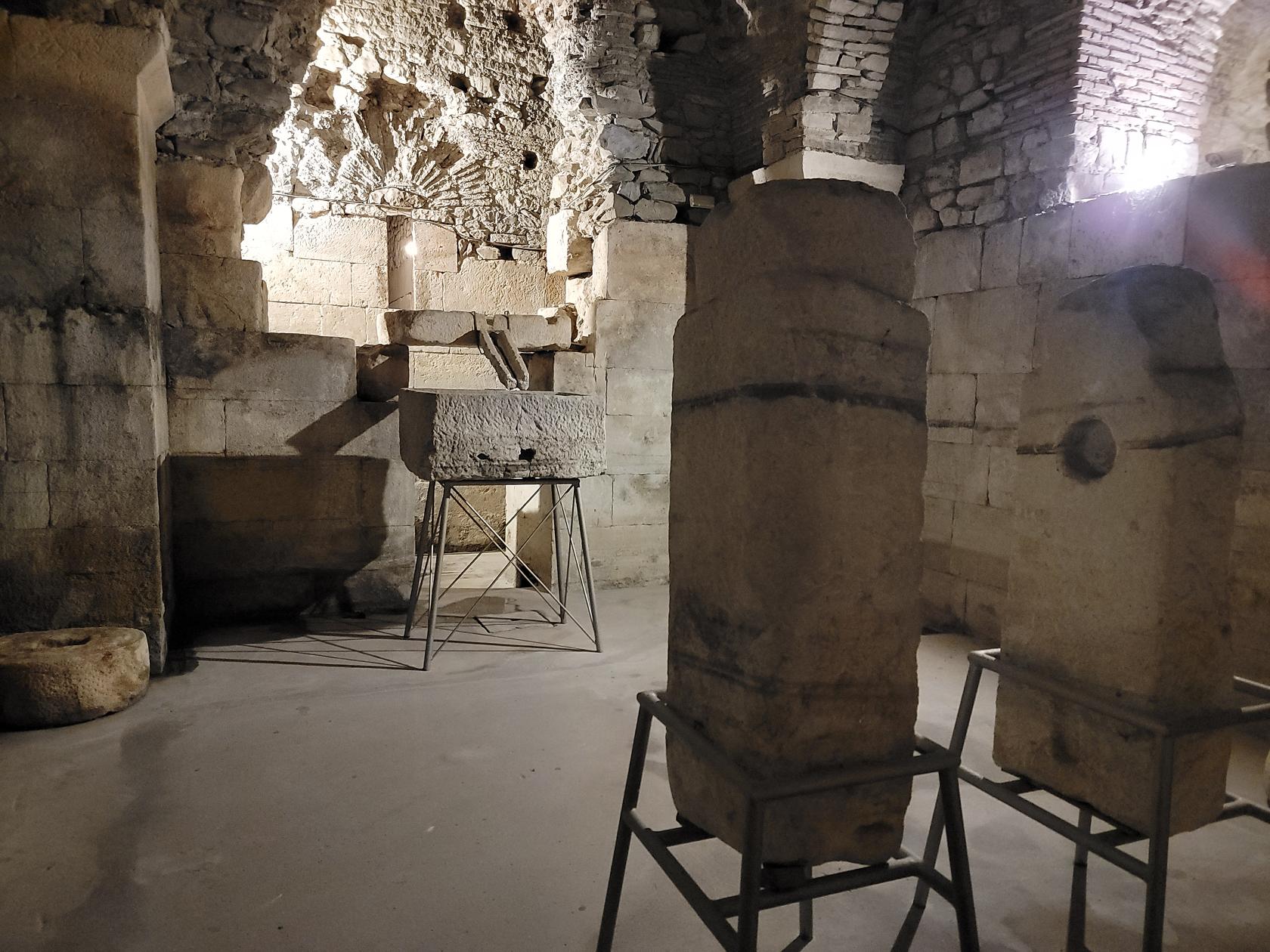
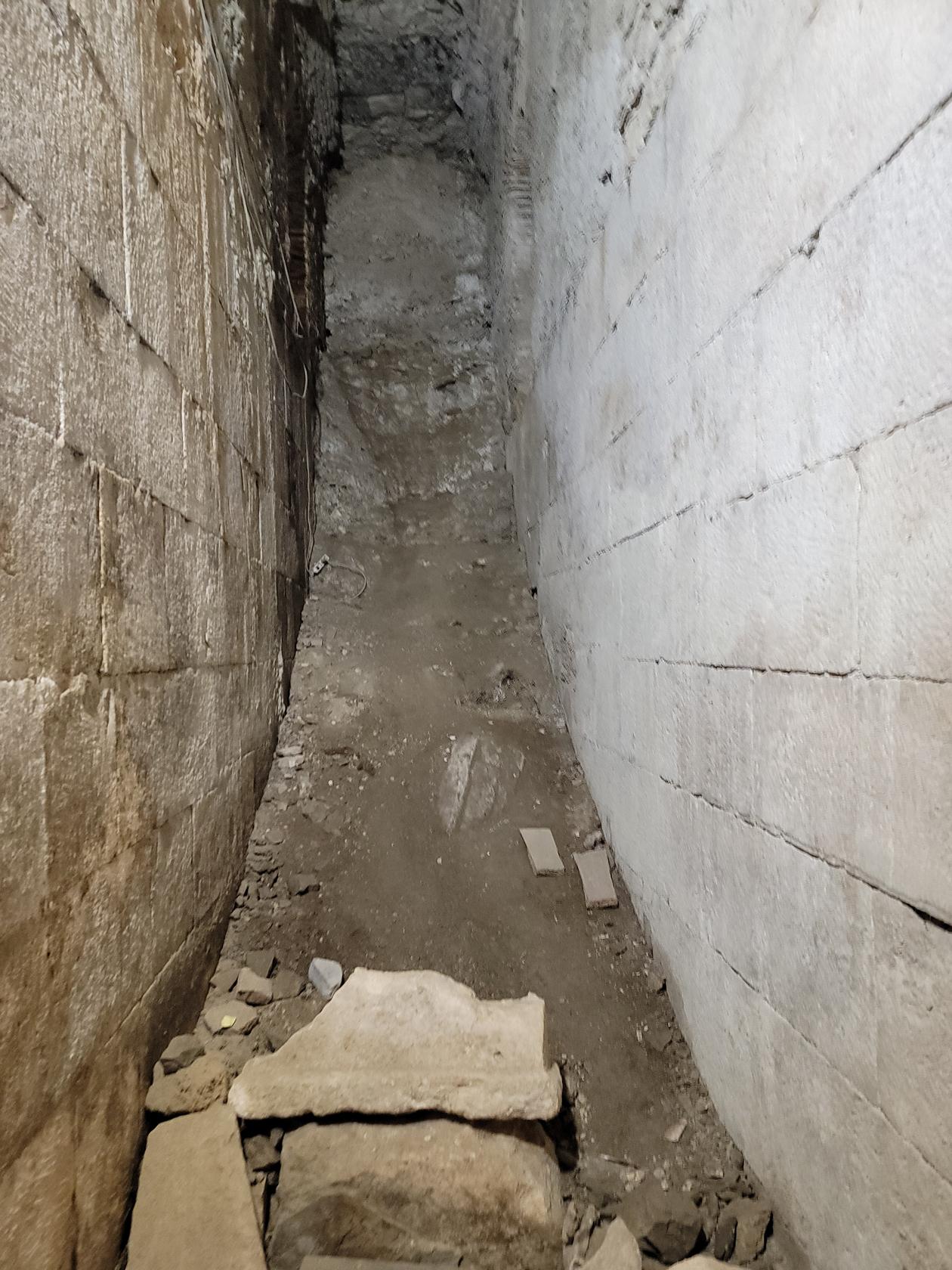
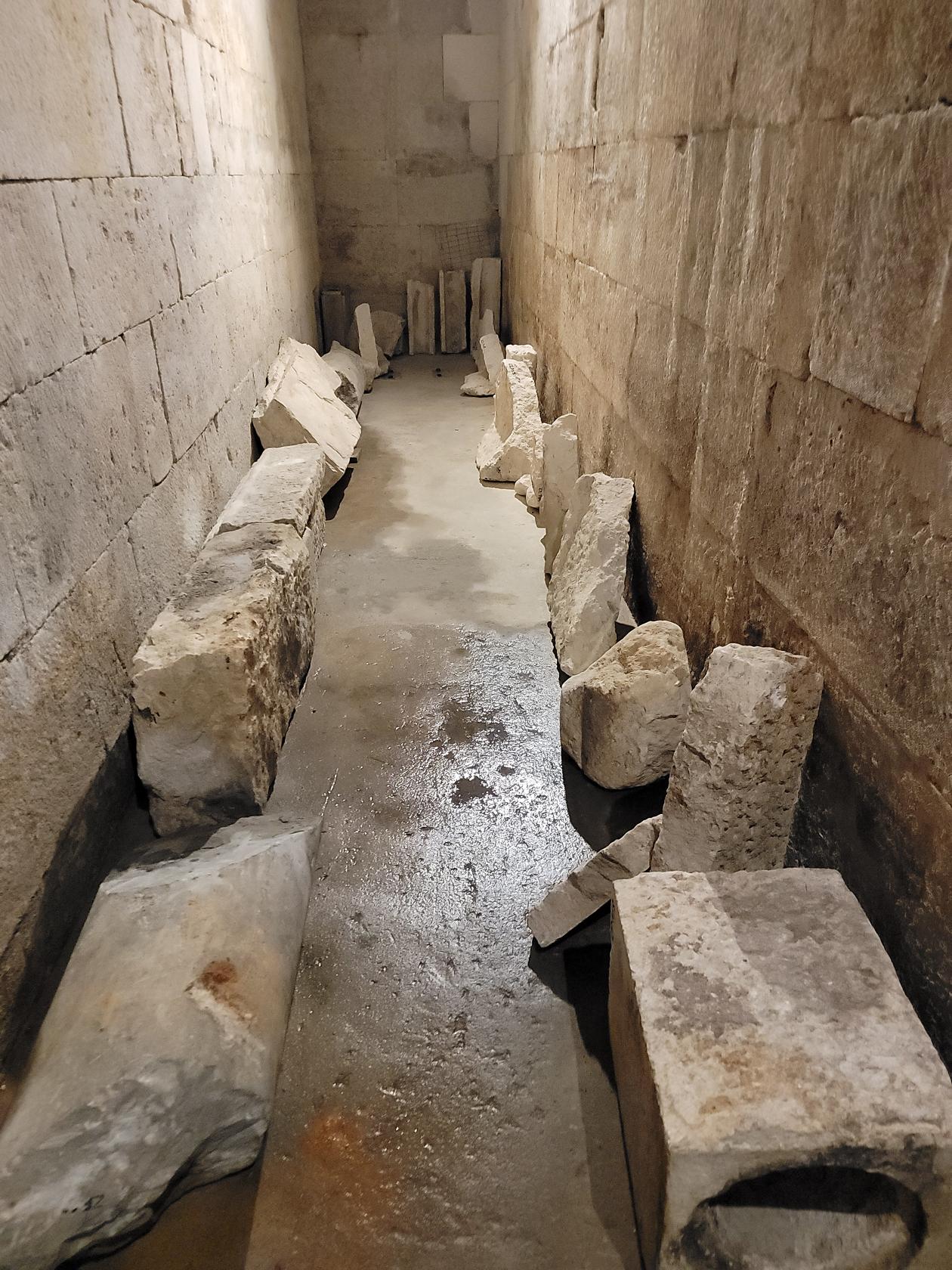
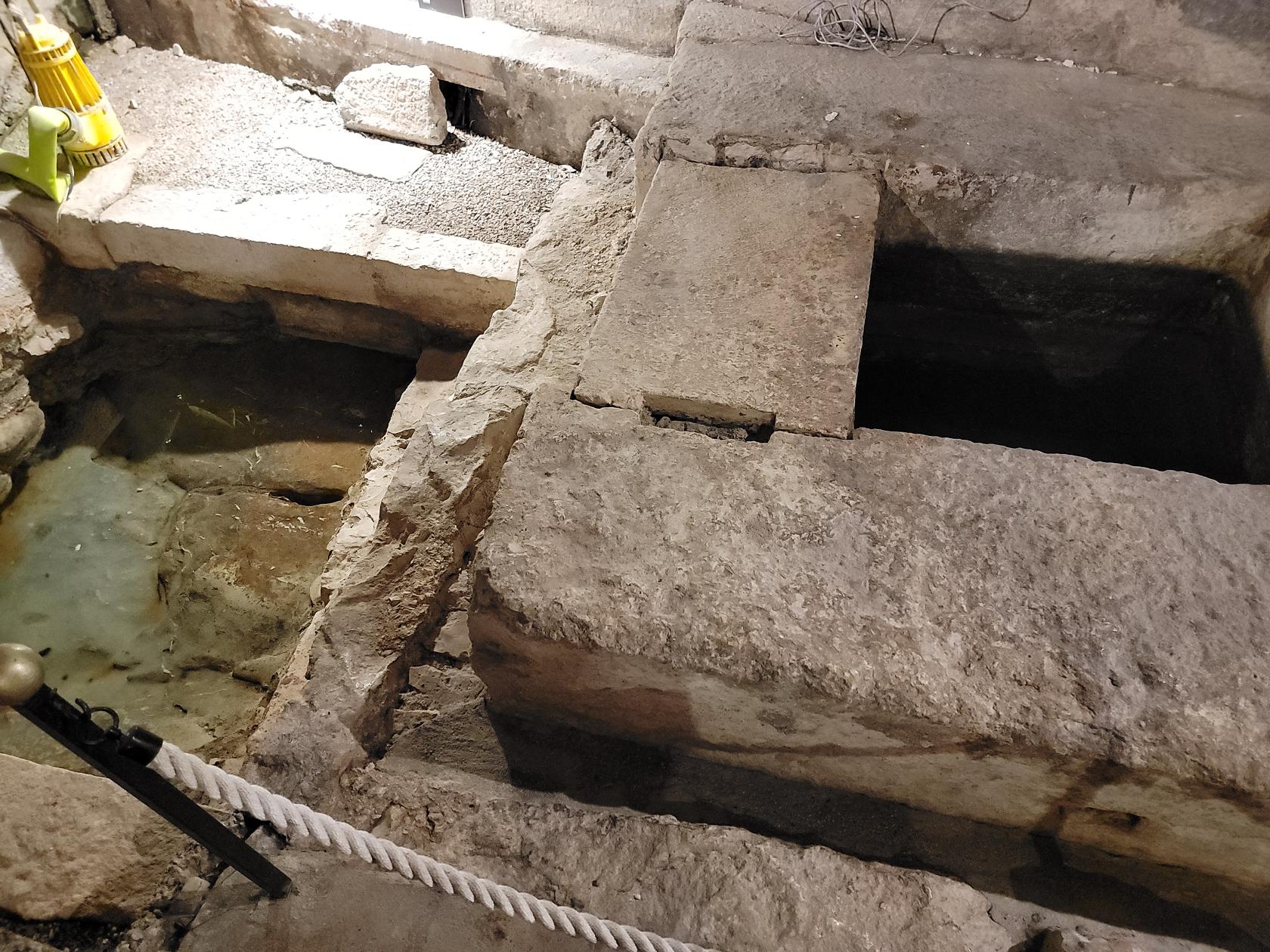
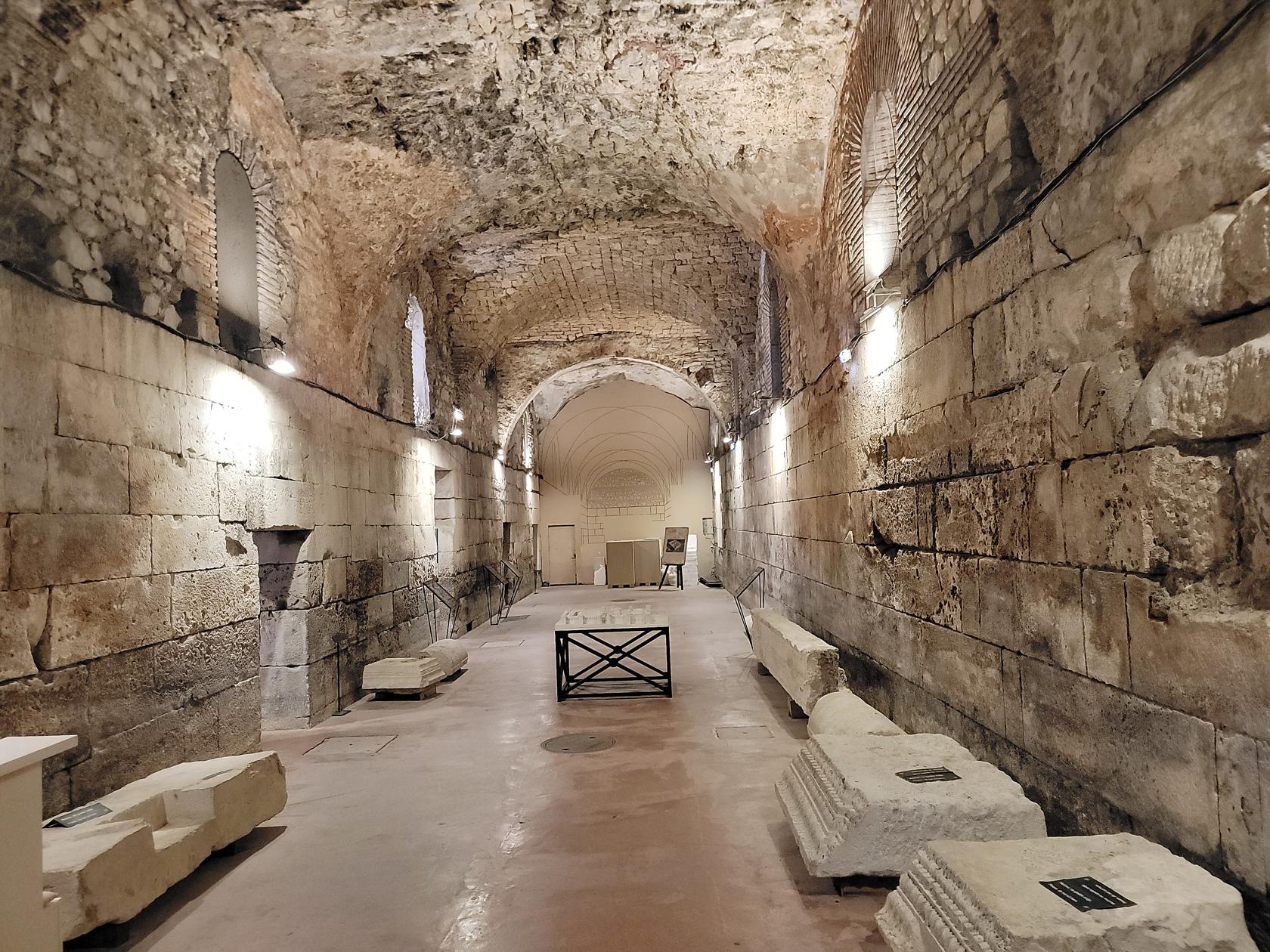
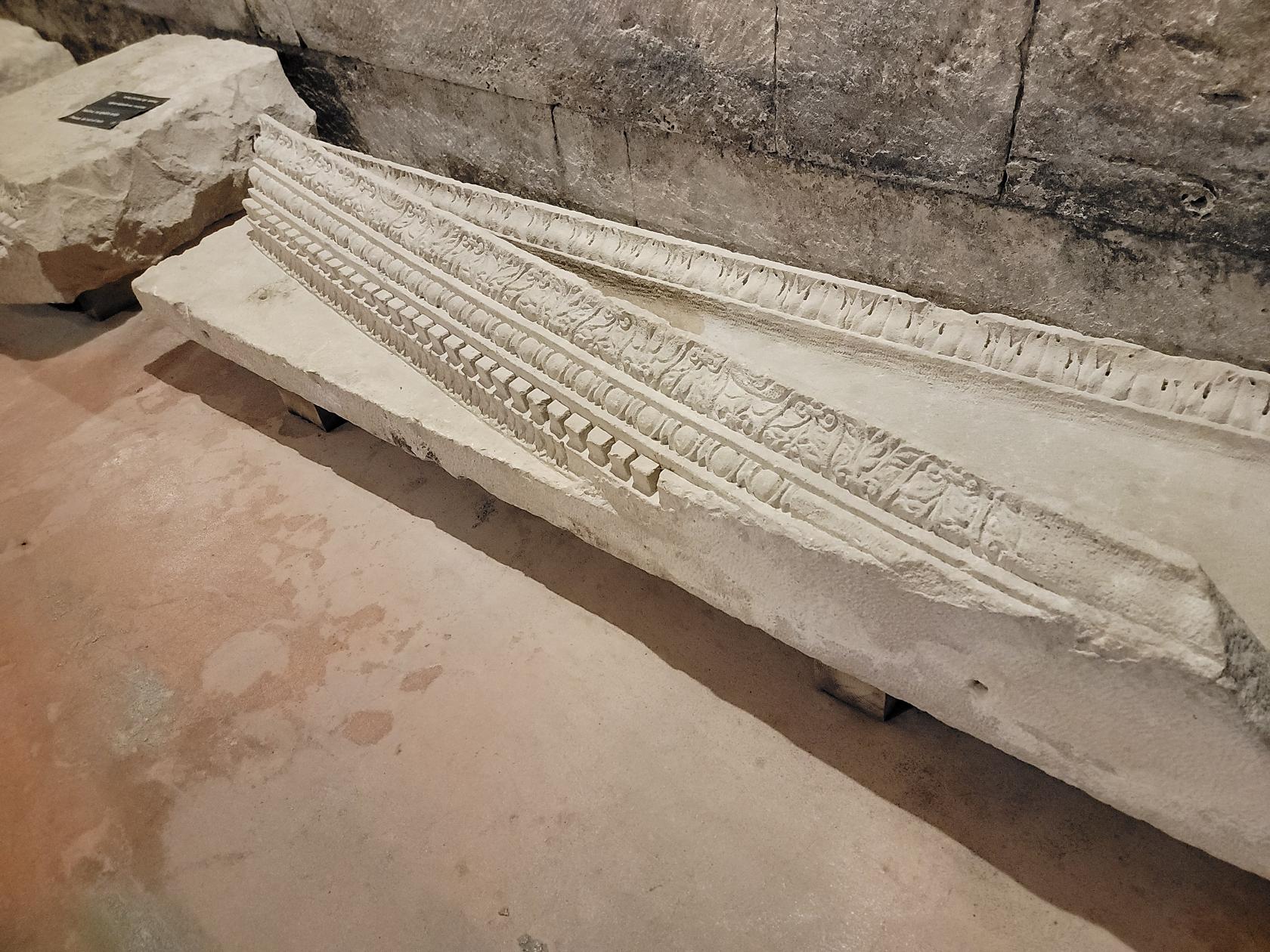
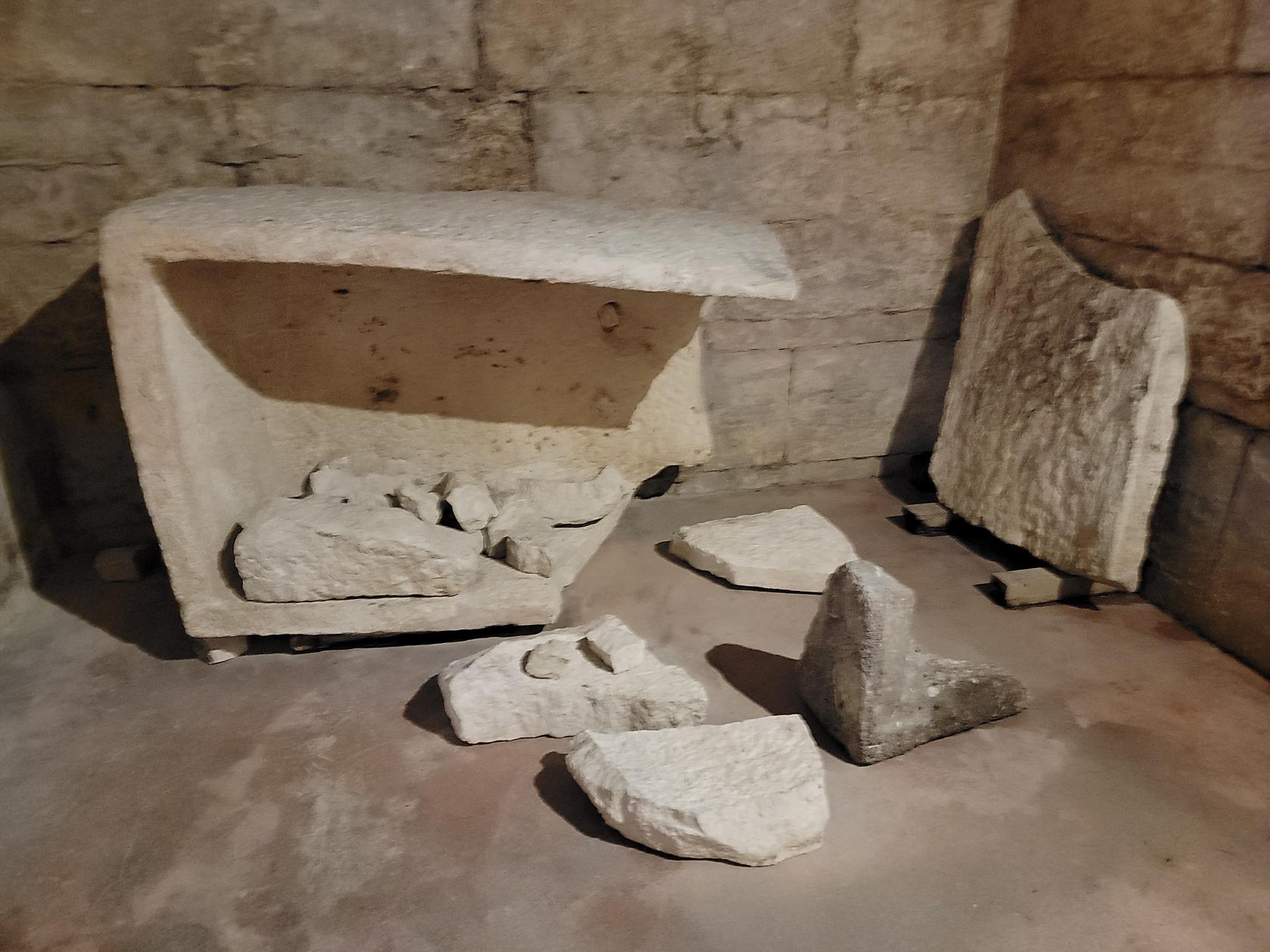
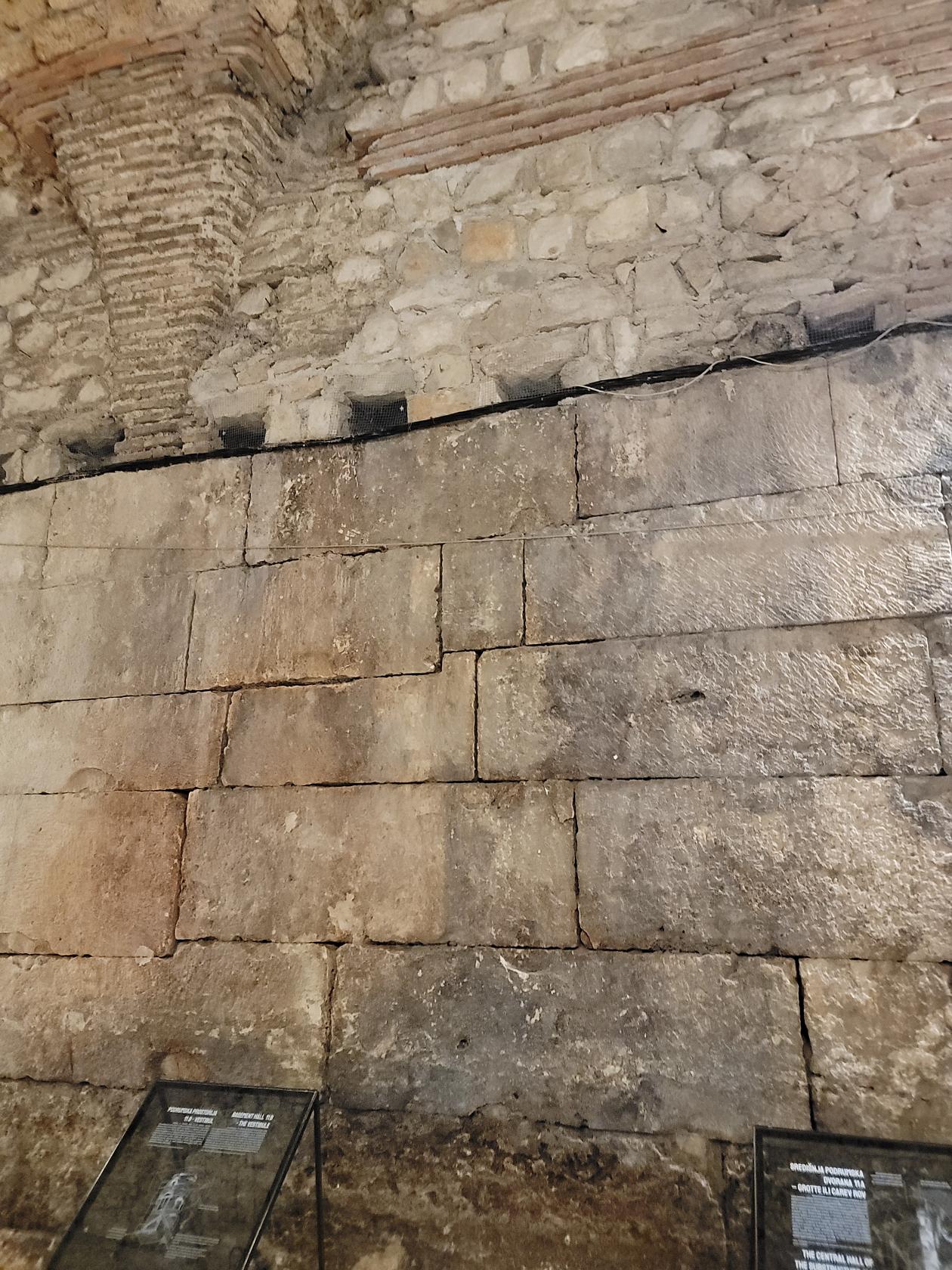
Some of the more interesting points of the complex are the cellars, where much of the work maintaining the palace was performed. These consist of a free part that provides access to the palace via the Brass Gate.
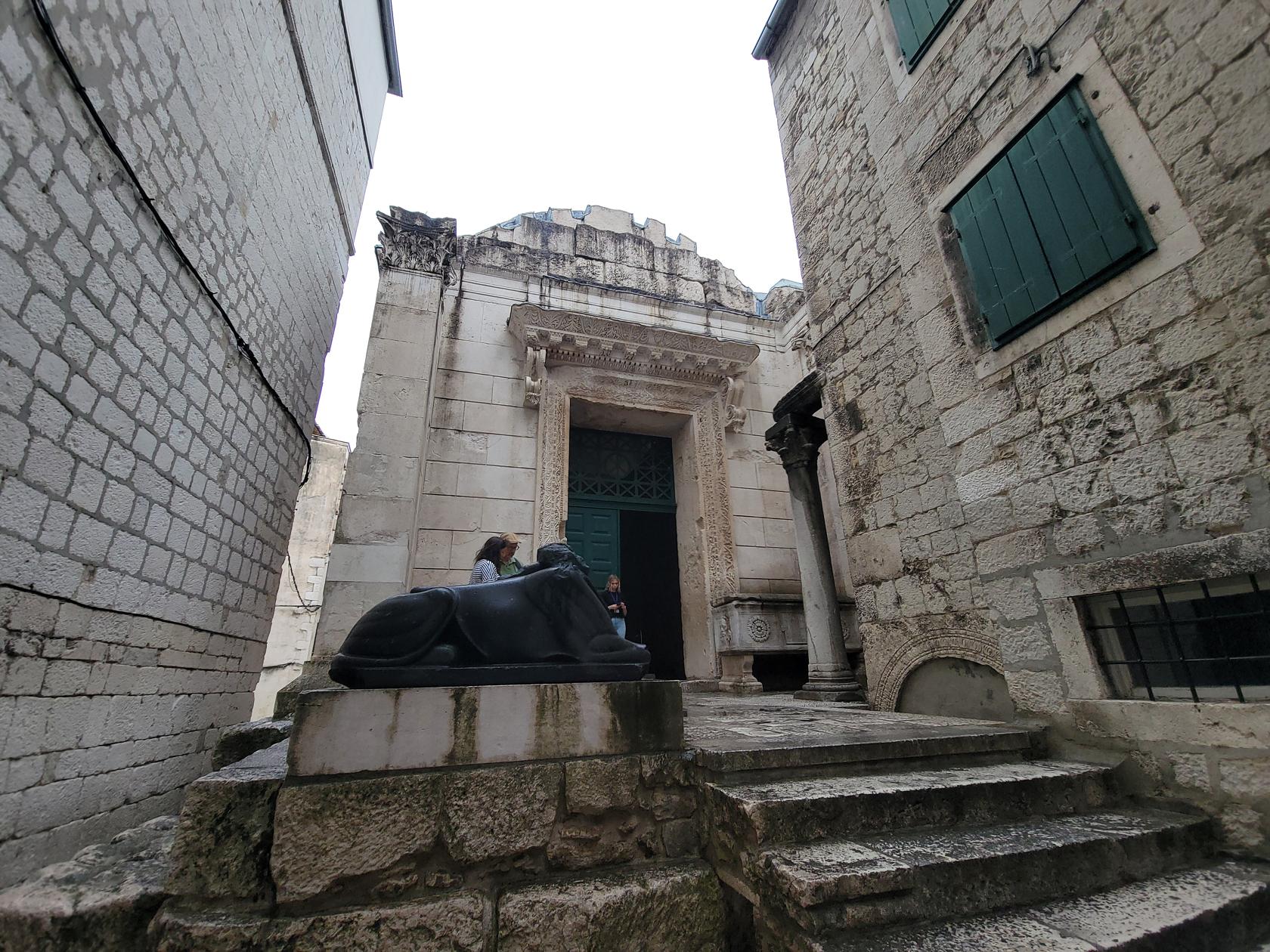
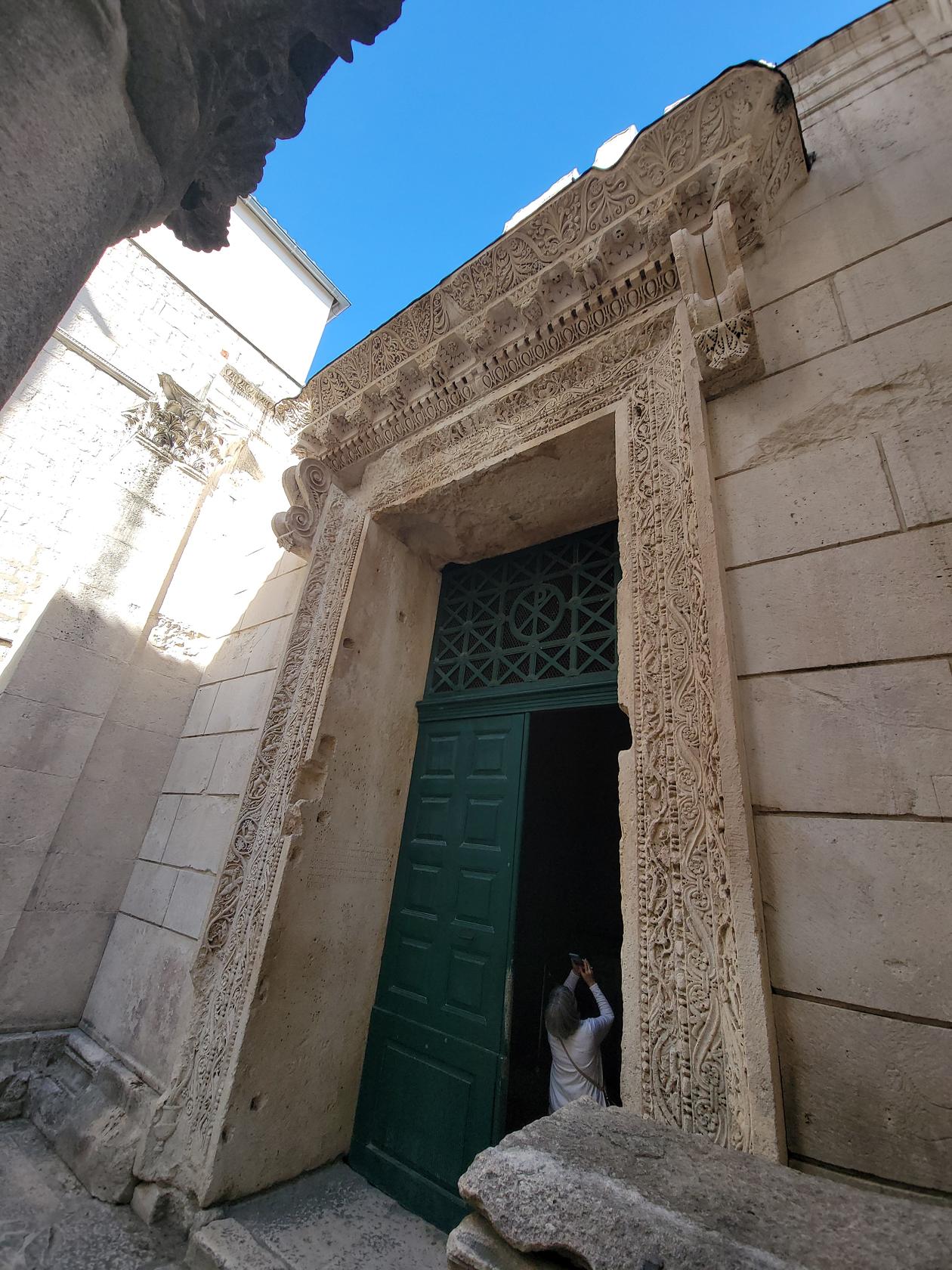
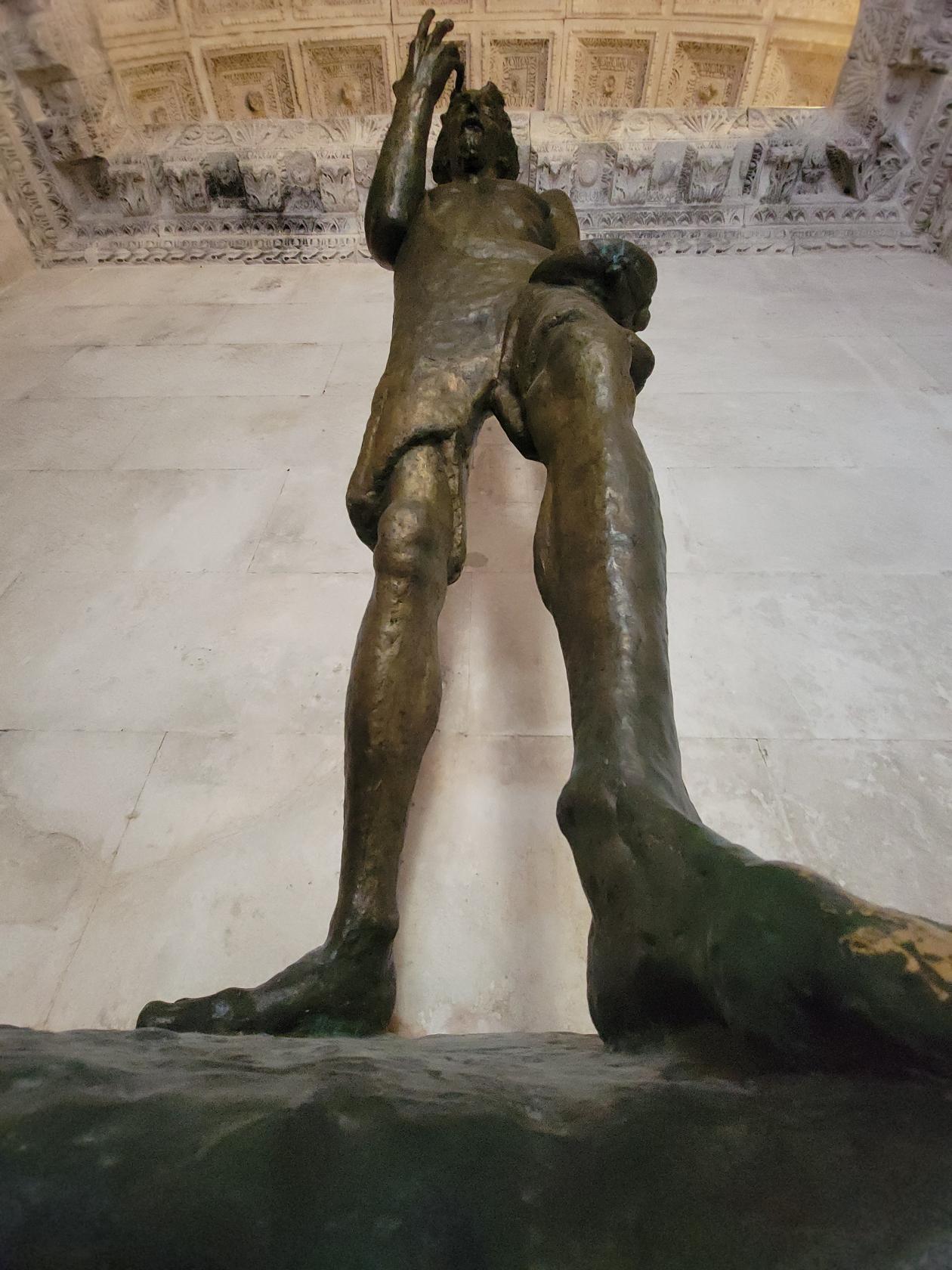
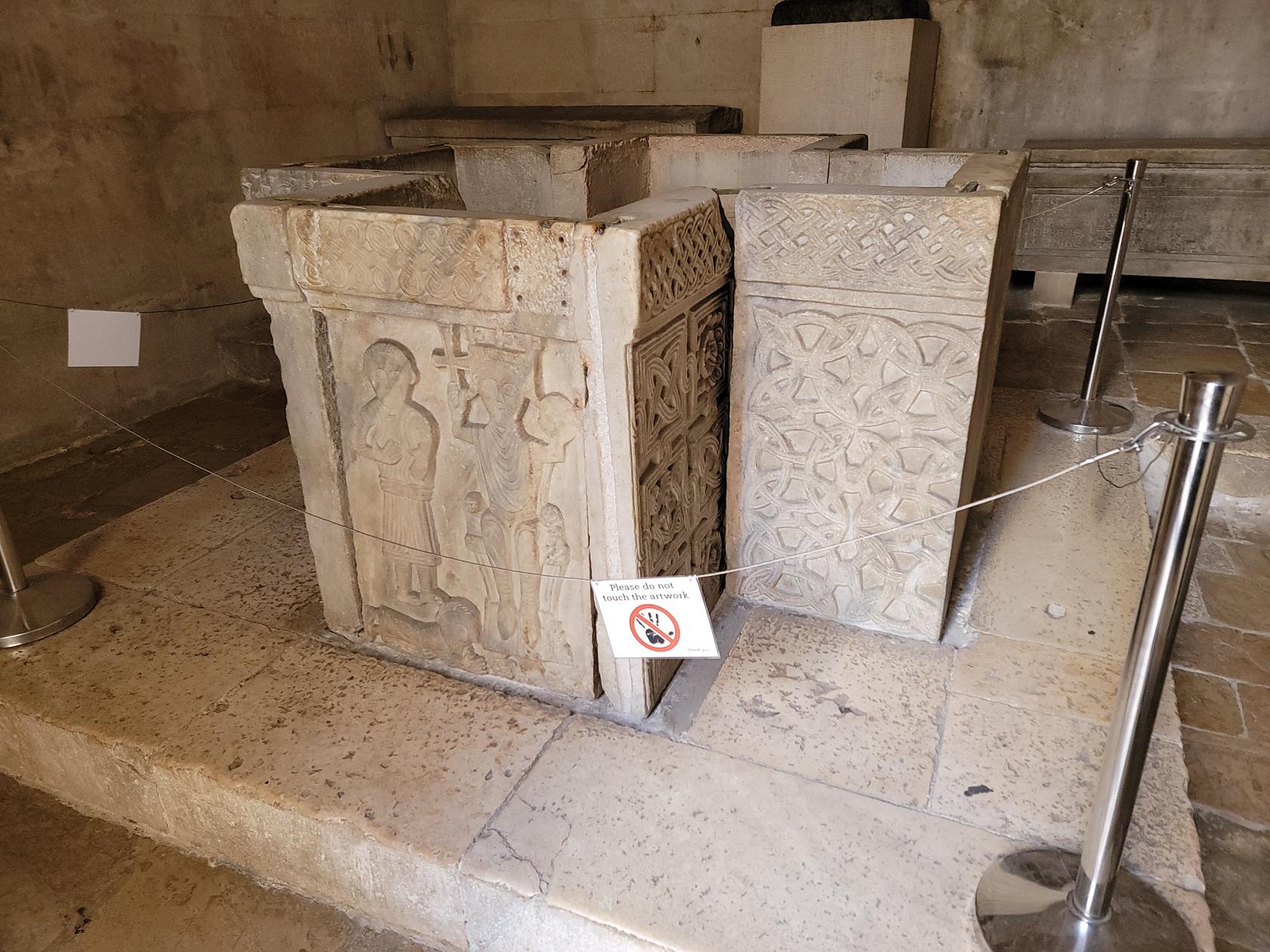
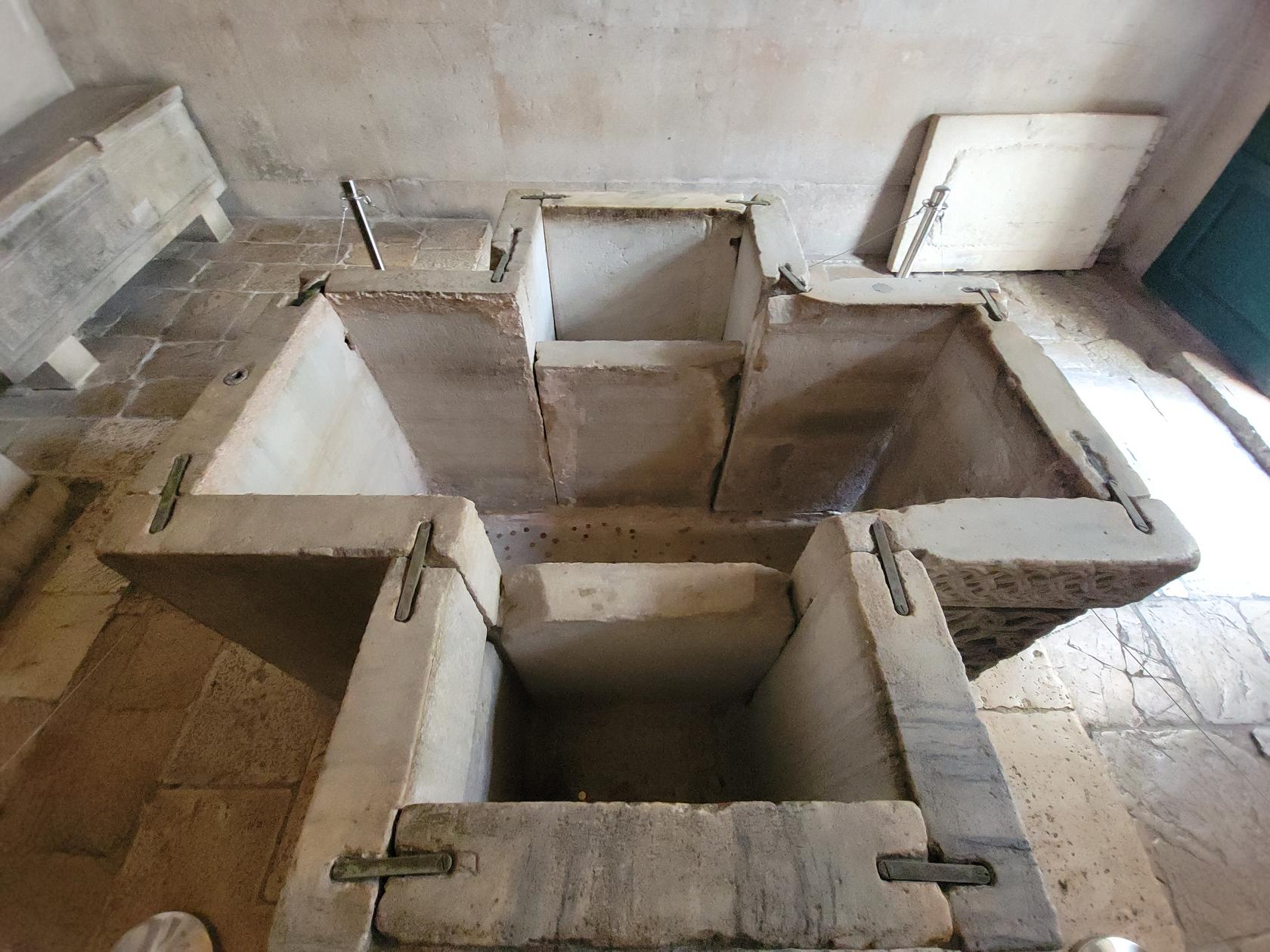
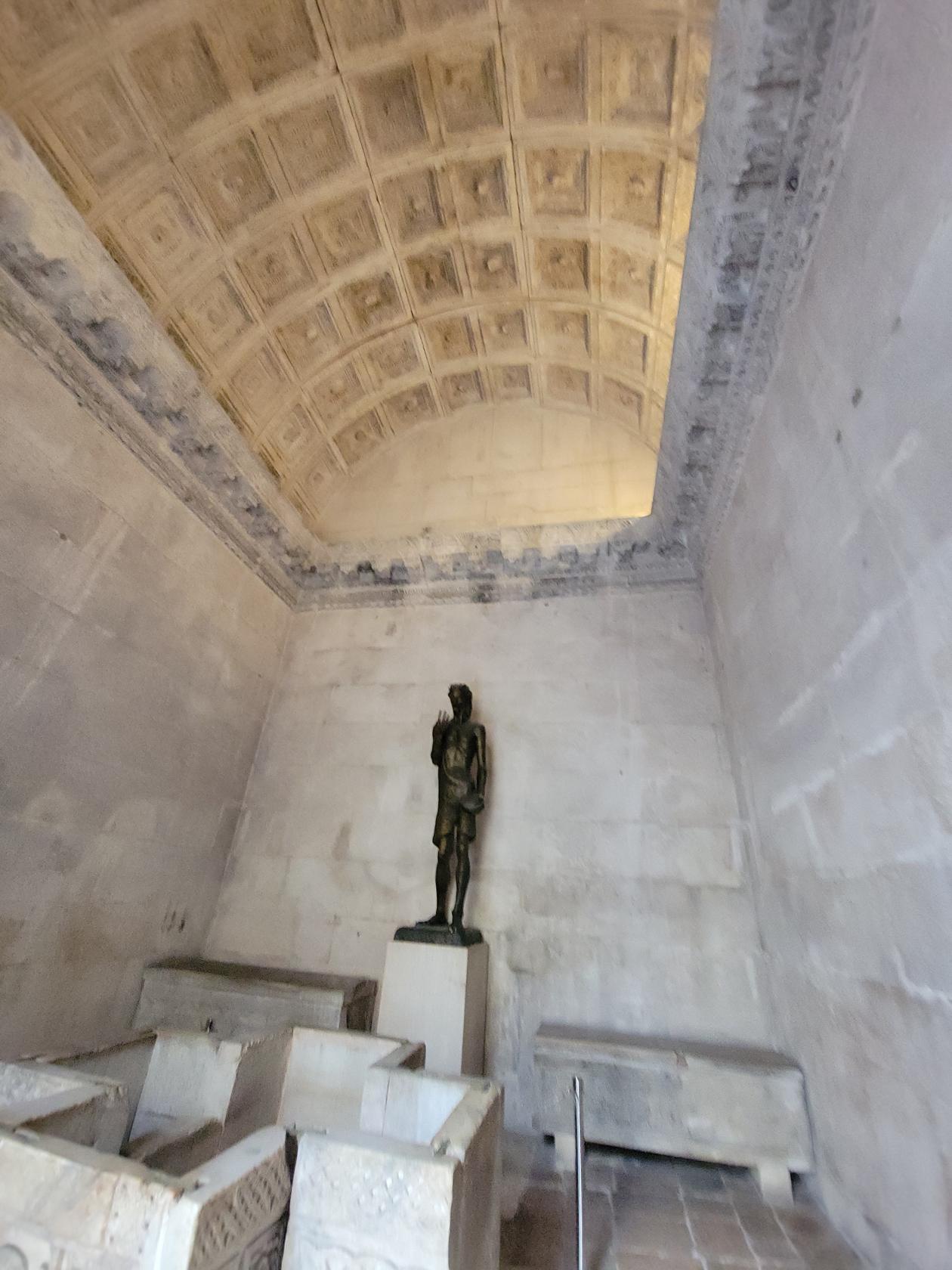
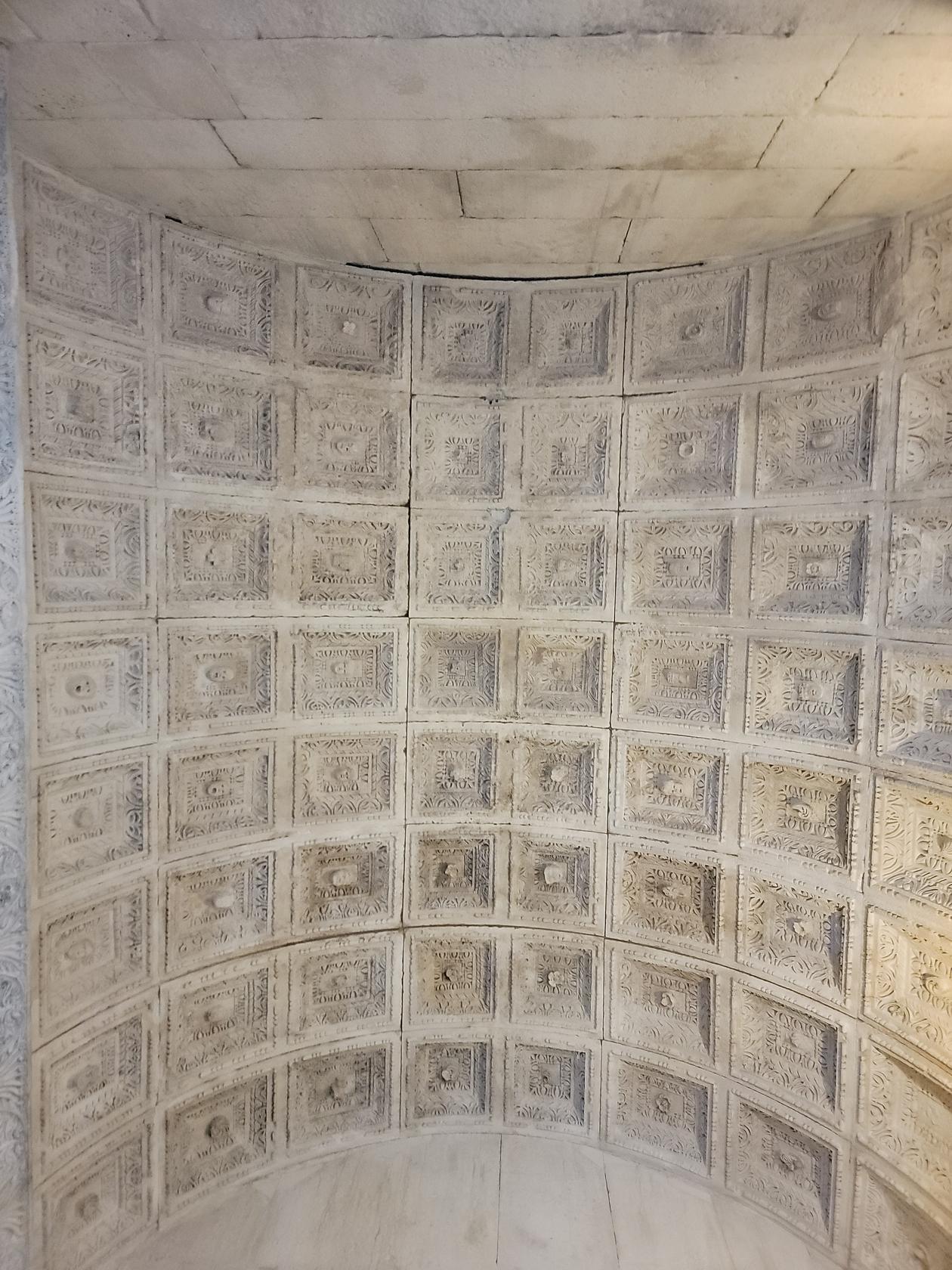
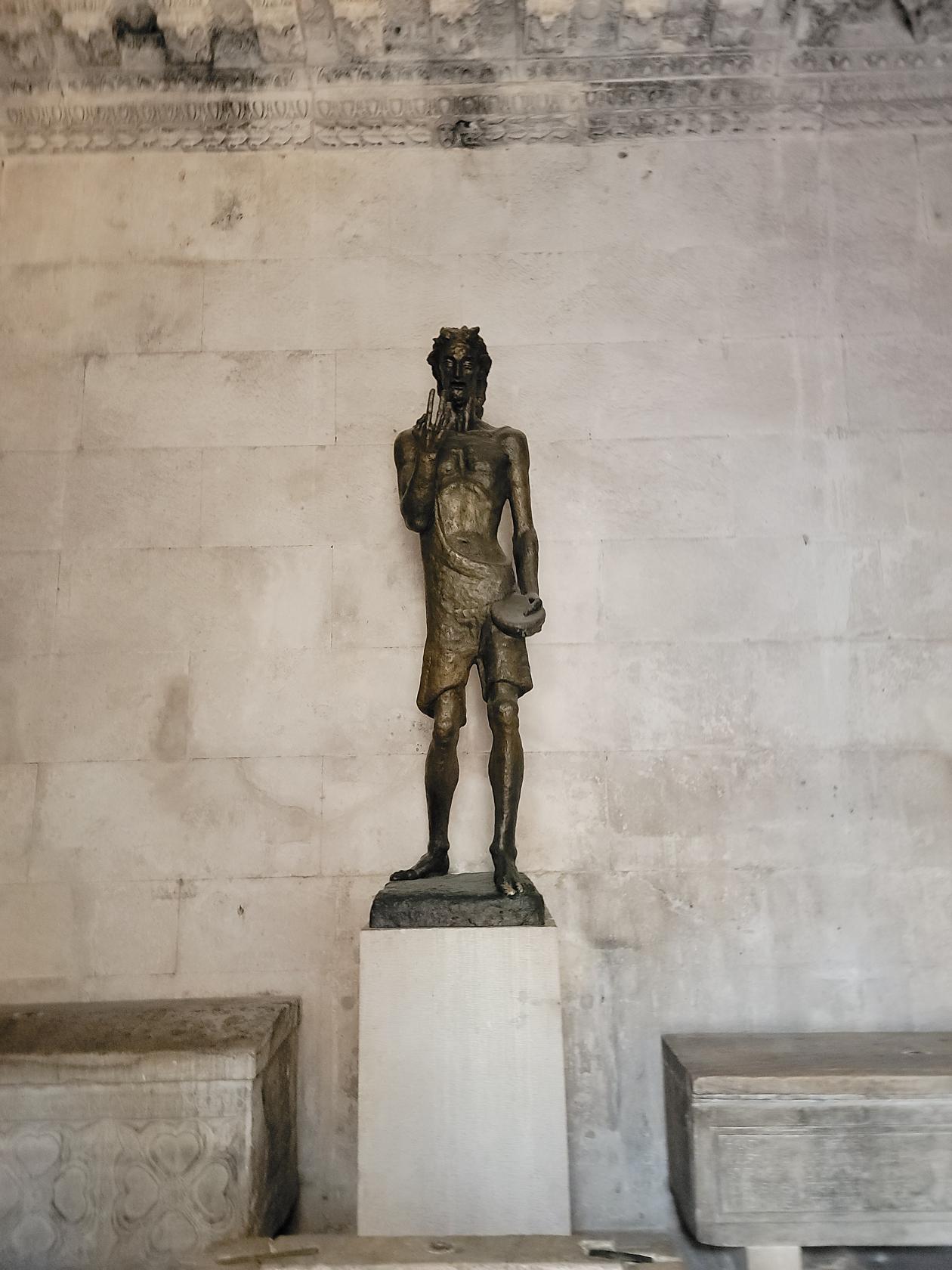
The Temple of Jupiter is in line with Saint Domnius Cathedral and its Tower, but on the other side of the Peristil. It is rather small and contains a statue of Jupiter, along with other objects on note. There is also what appears to be a font in the center of the room.
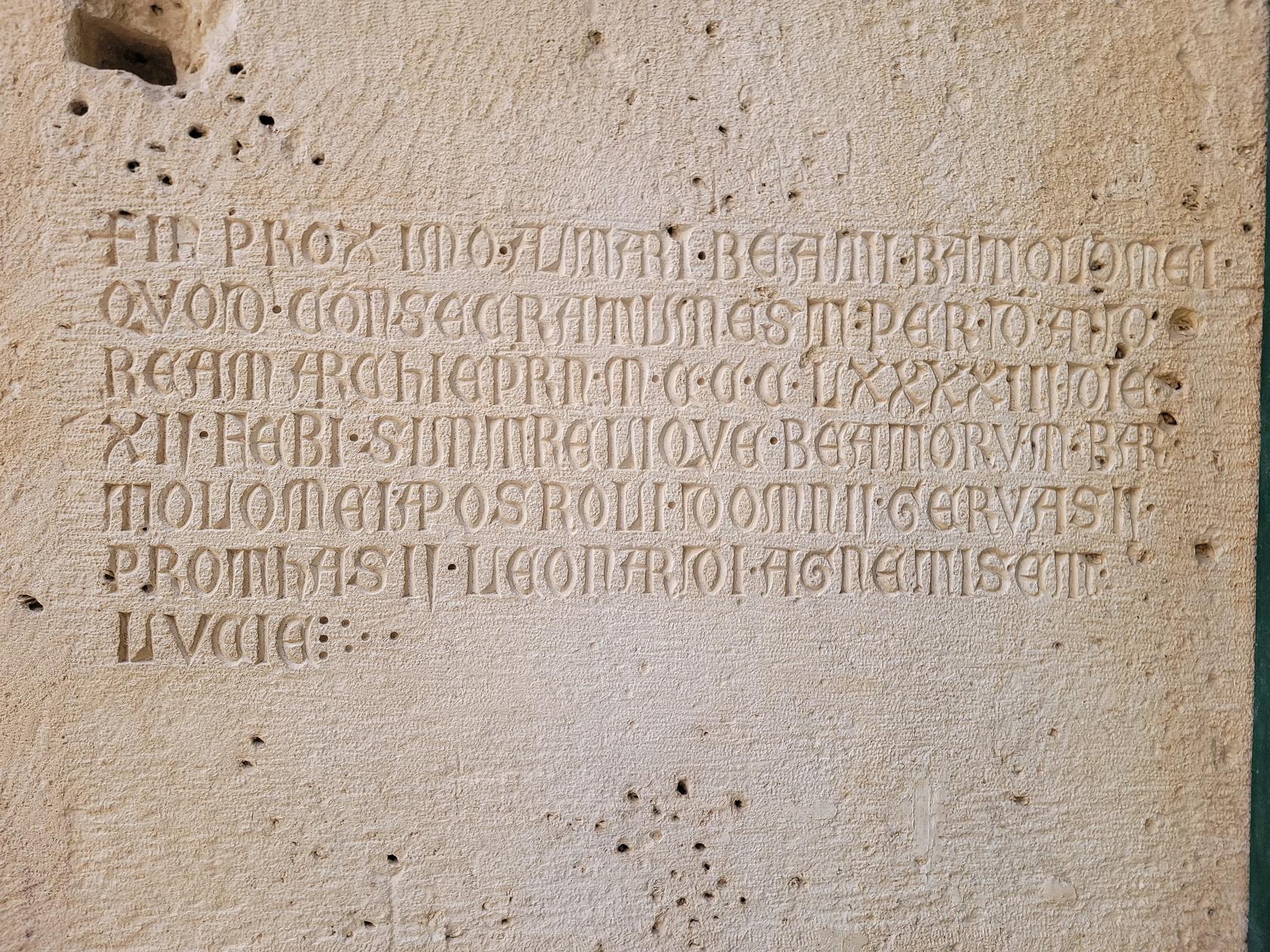
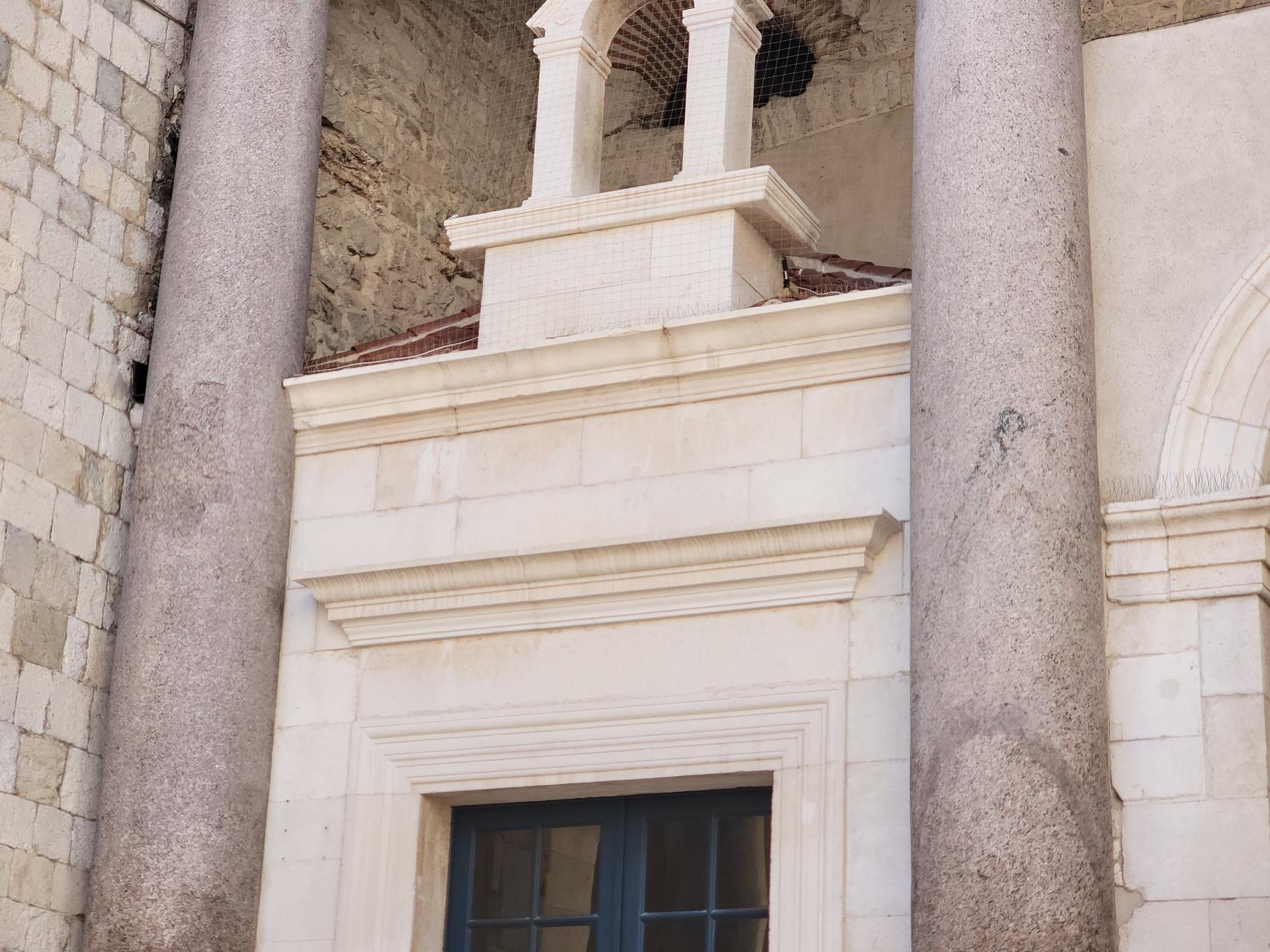
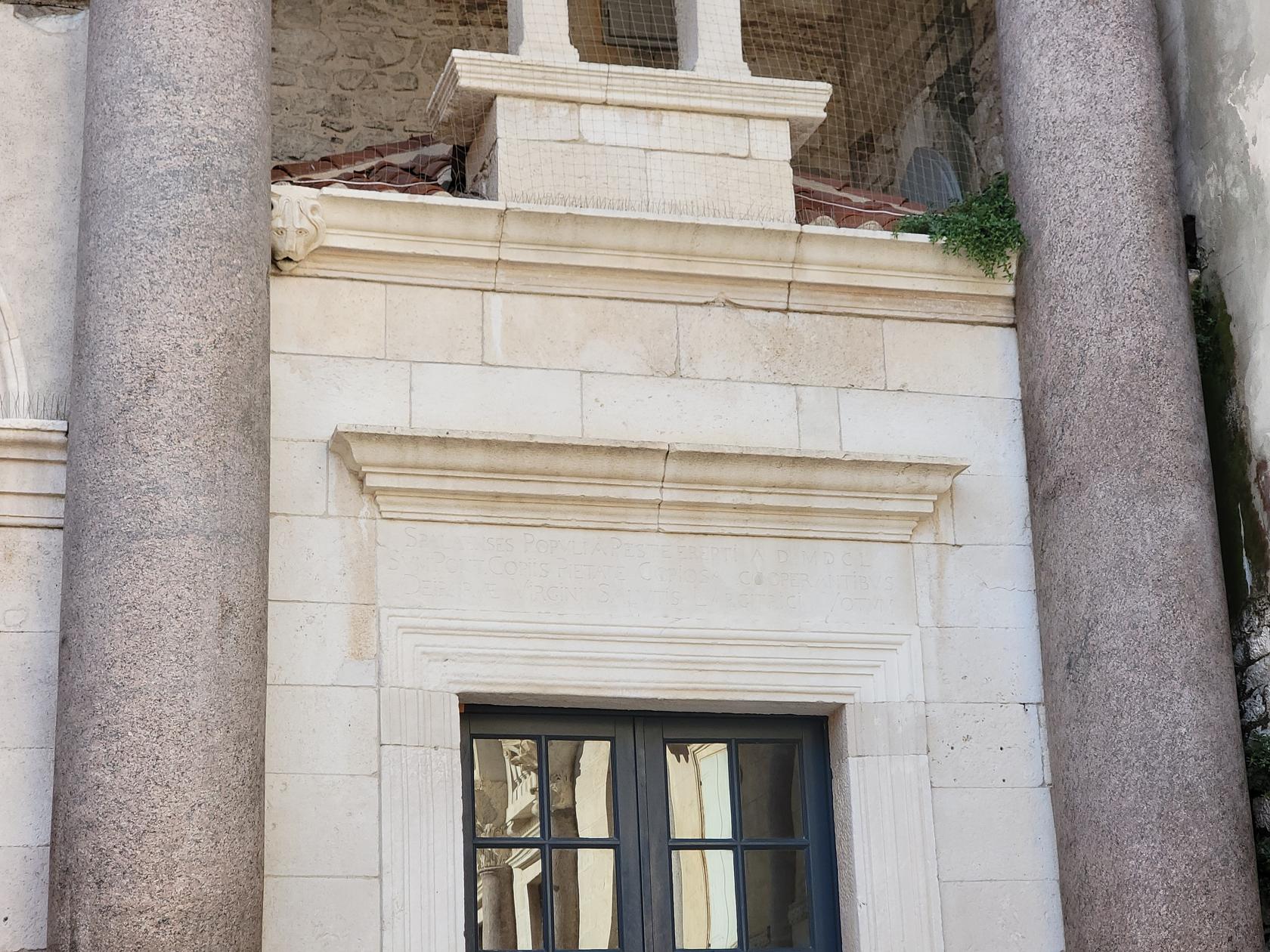
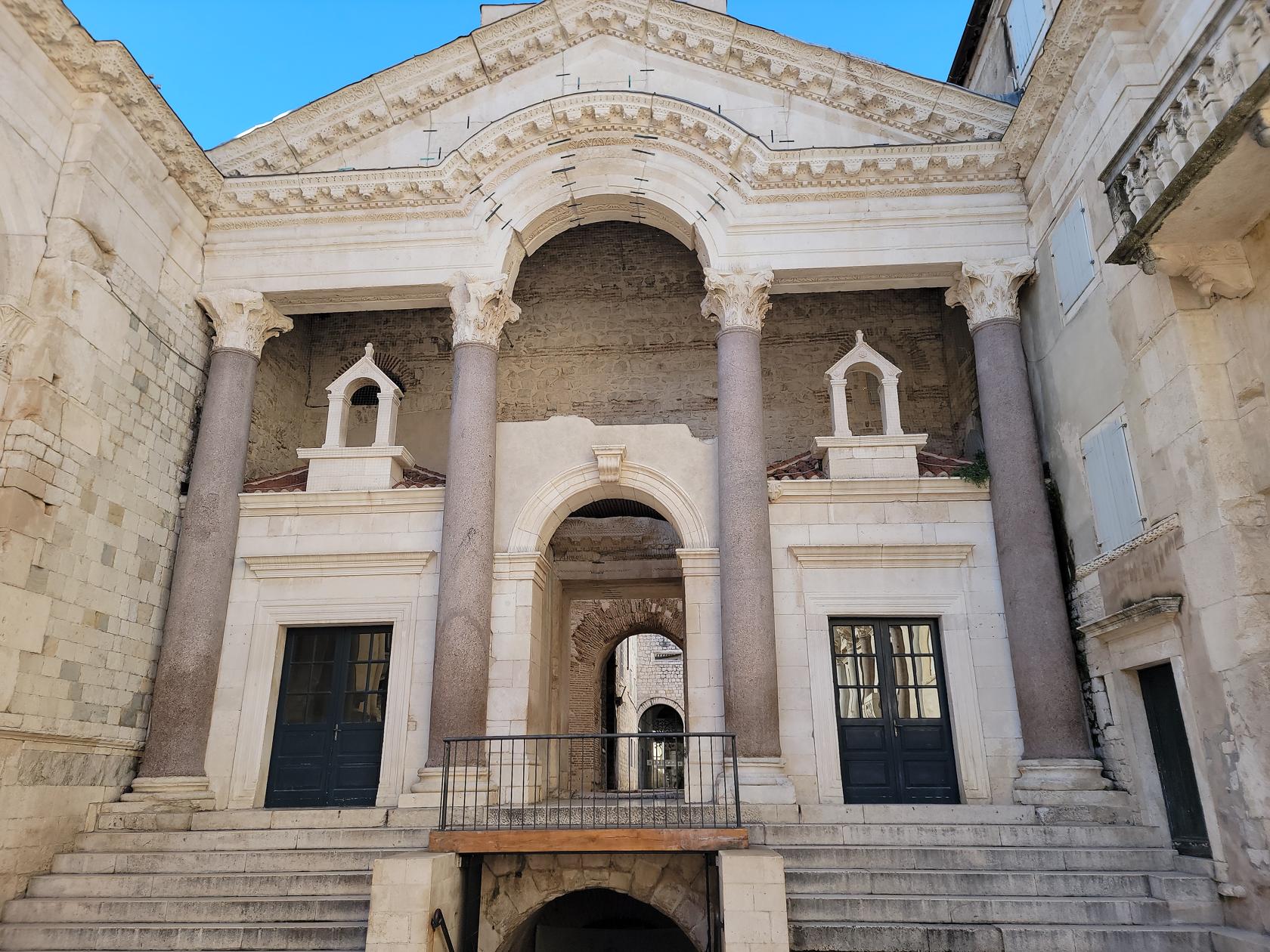
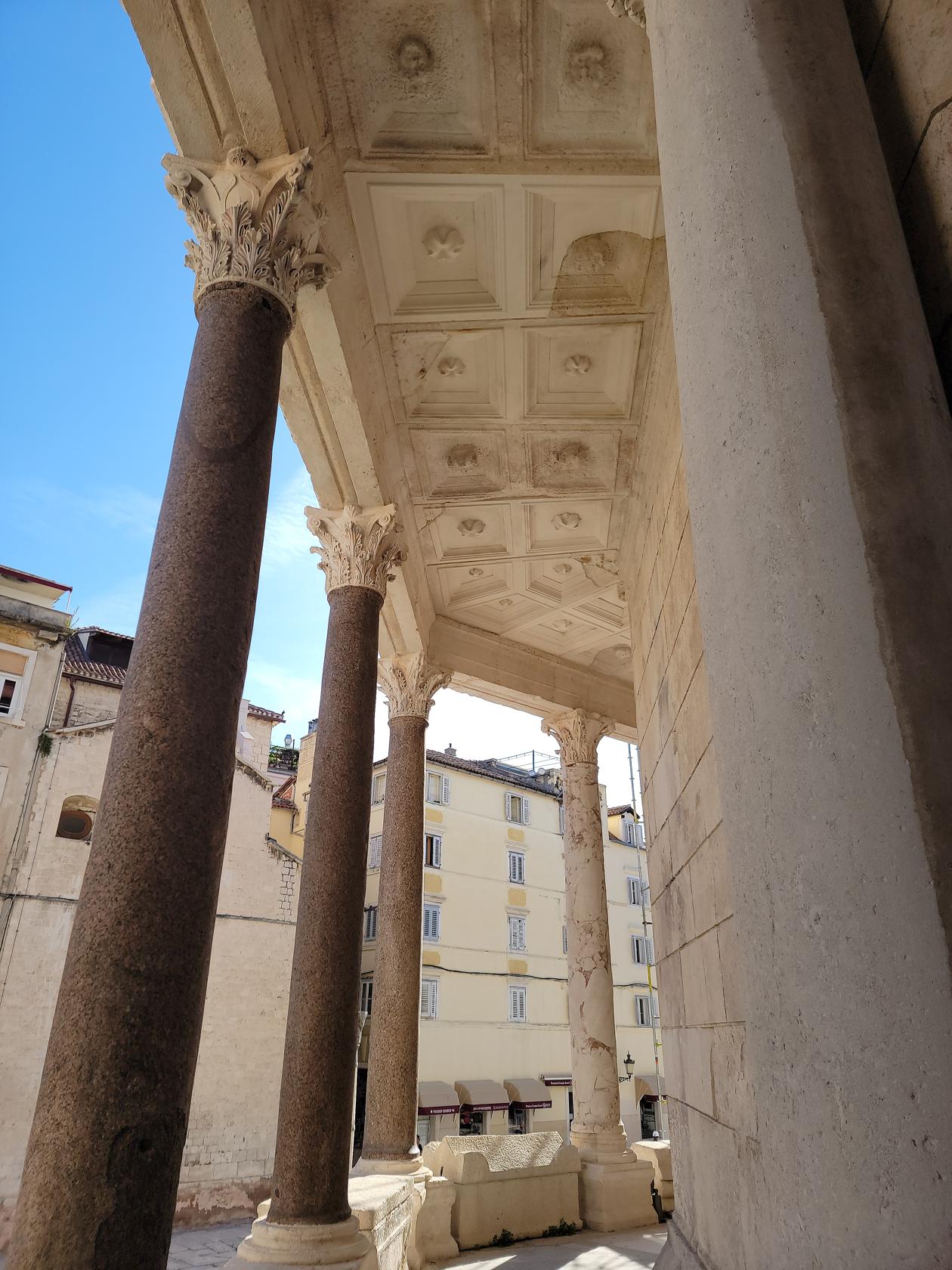
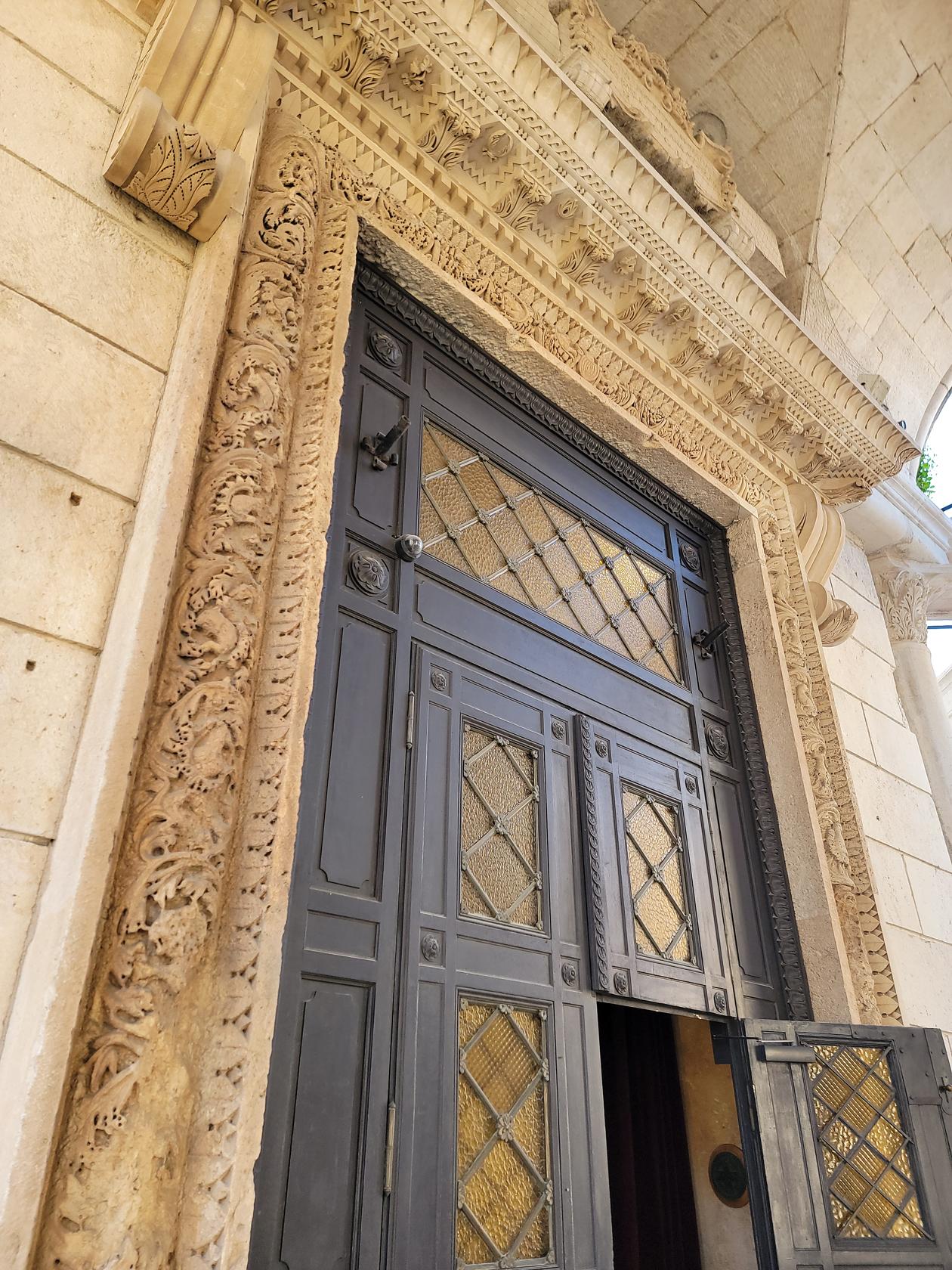
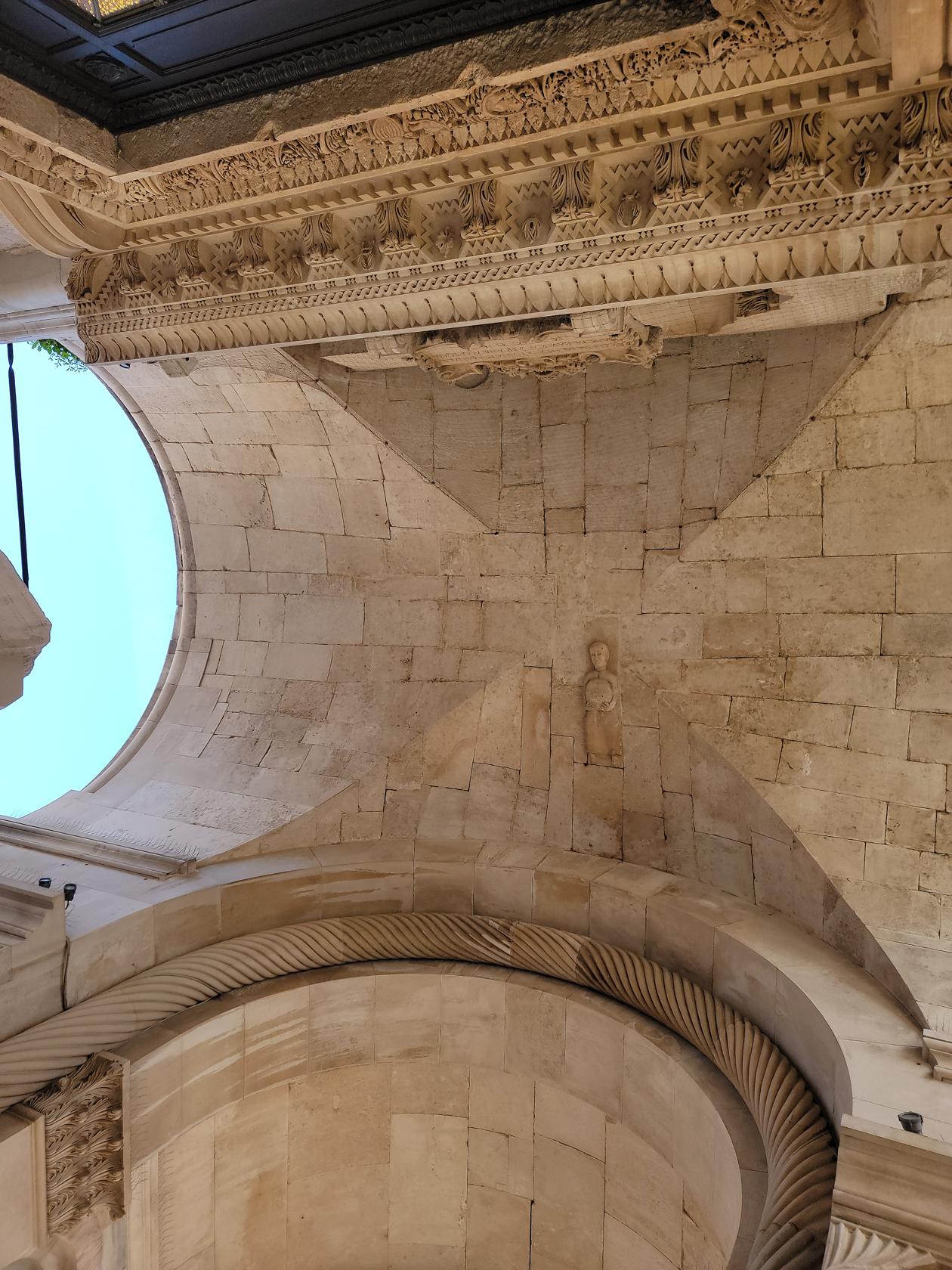
The Vestibule and the Rotunda are major open-air sites to see near the cathedral. The entrance to the vestibule contains two ancillary lintels of note, with inscriptions atop each.
Left Lintel – Vestibule – Diocletian’s Palace – Split, Croatia
Right Lintel – Vestibule – Diocletian’s Palace – Split, Croatia
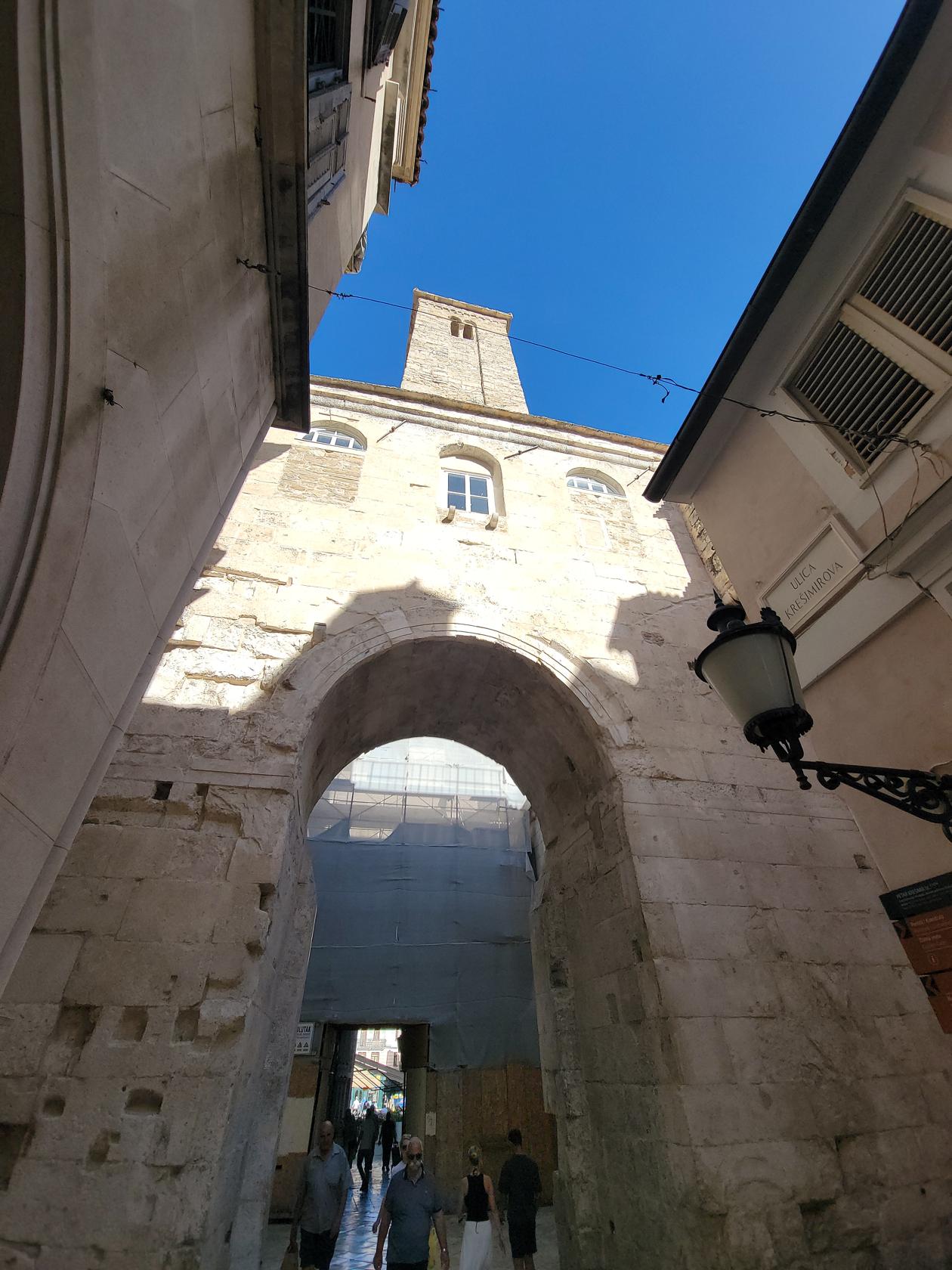
Arch leading into the Vestibule – Diocletians Palace – Split, Croatia
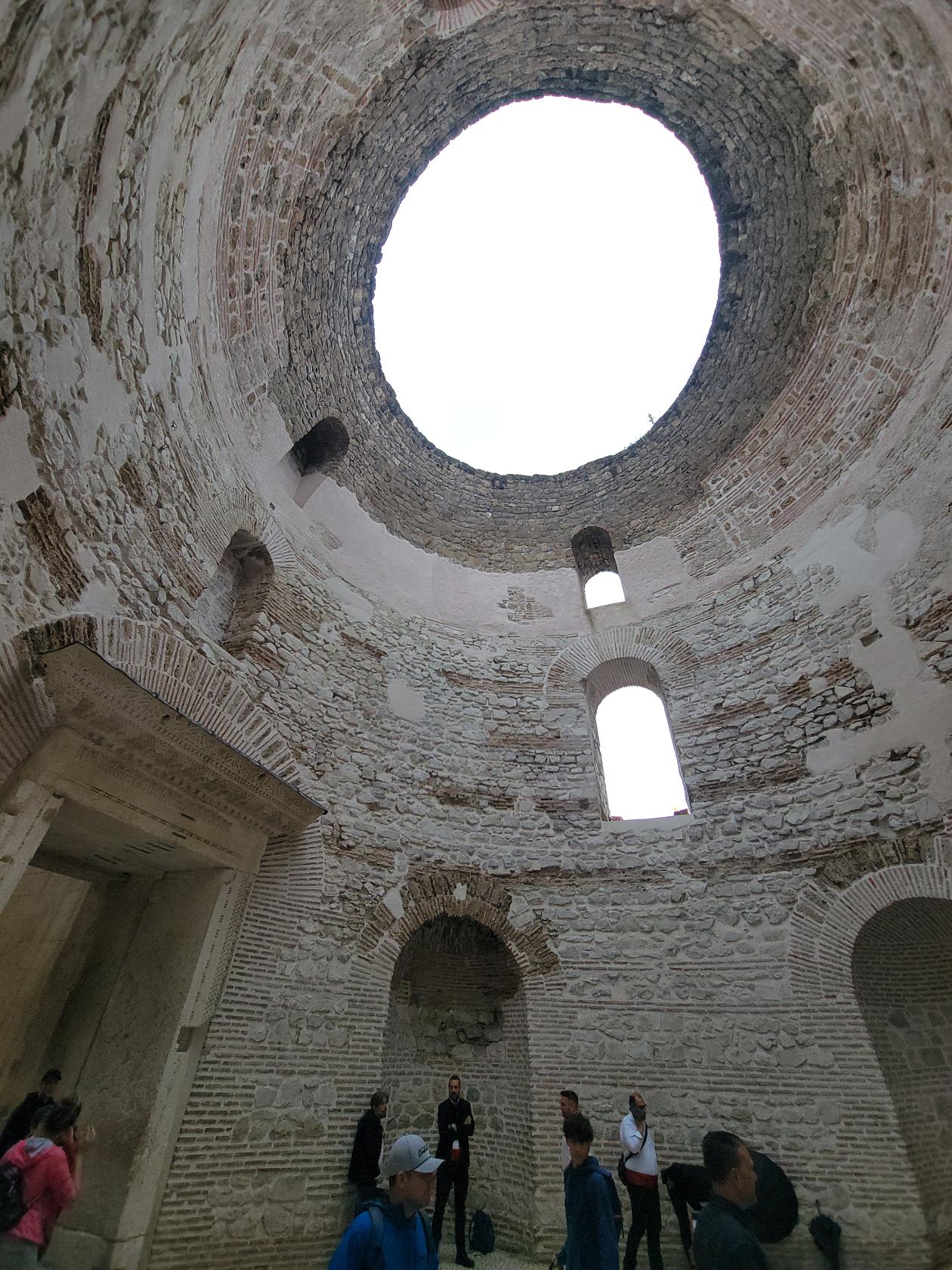
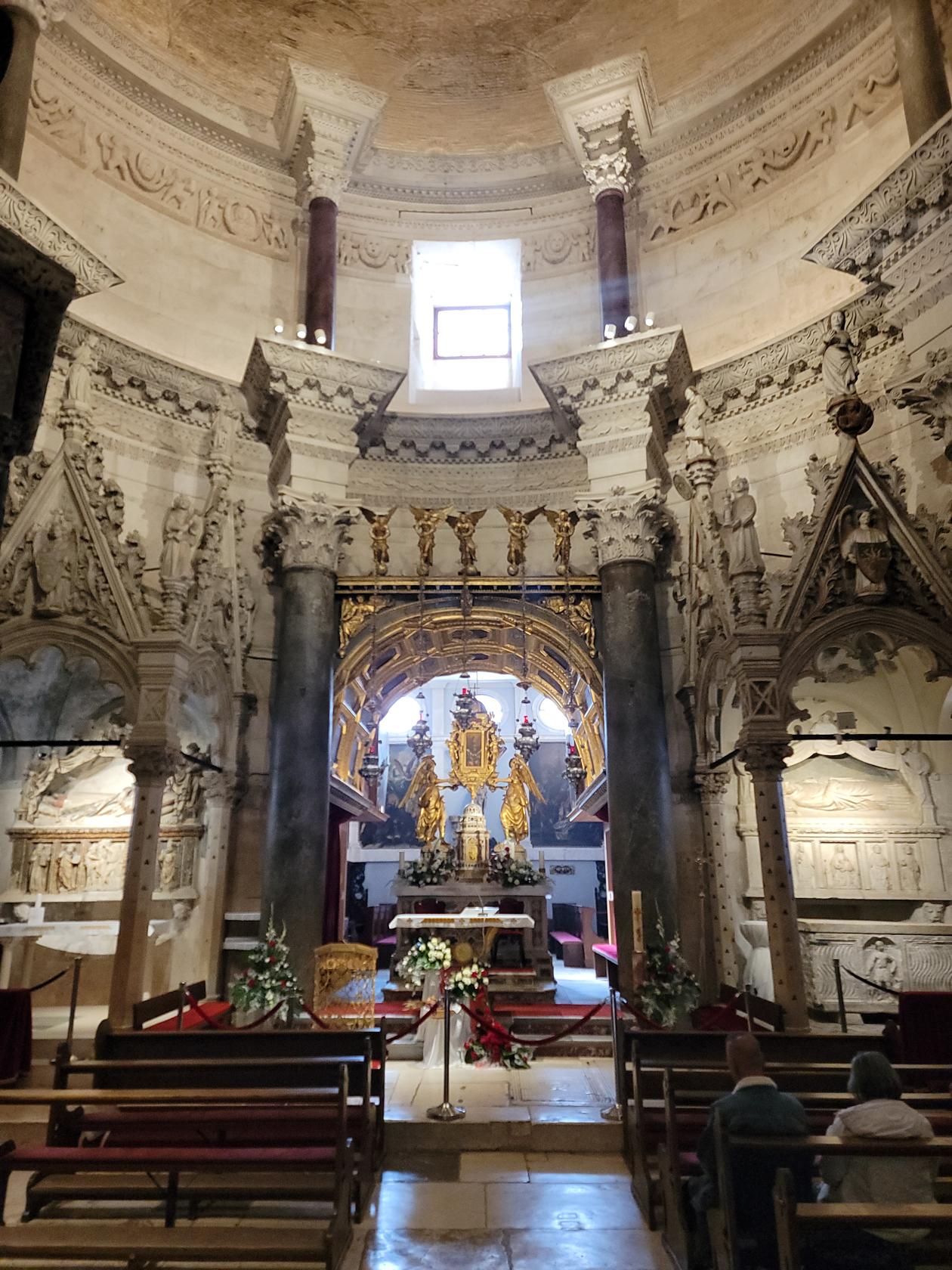
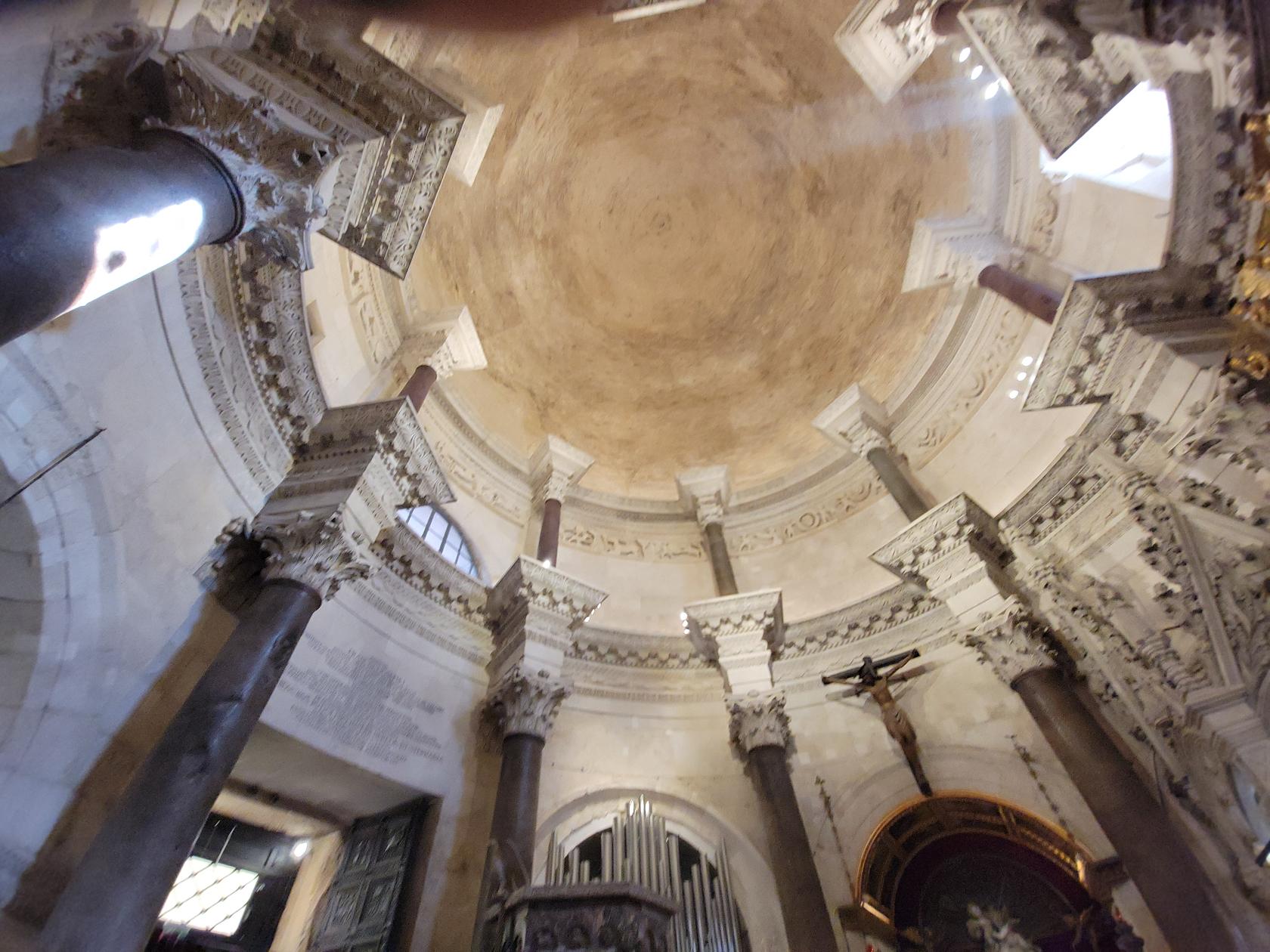
The Rotunda is a large area with a round ceiling and oculus that is very reminiscent of the Pantheon in Rome.
Vestibule – Diocletian’s Palace – Split, Croatia
Diocletian’s Fortress
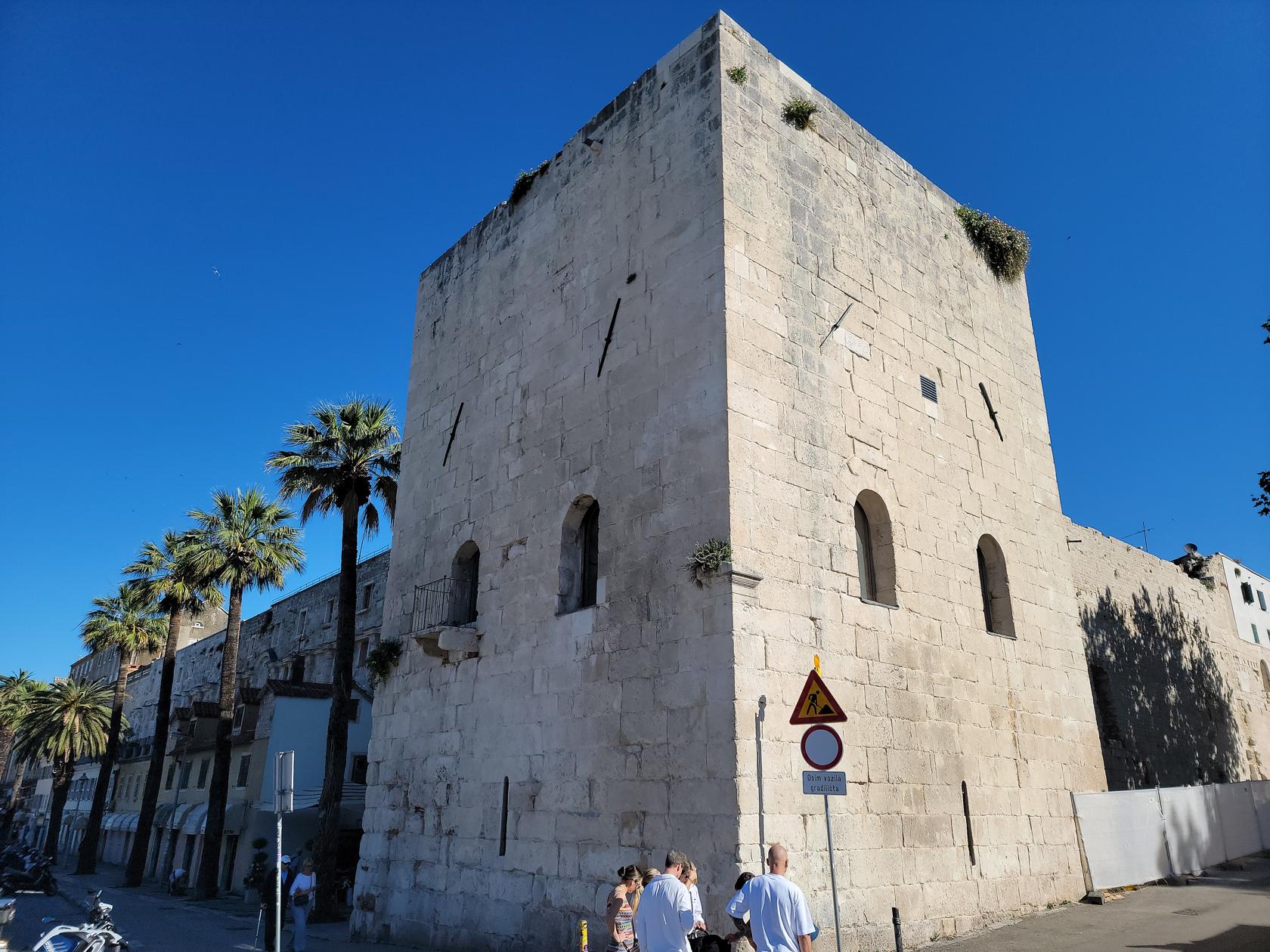
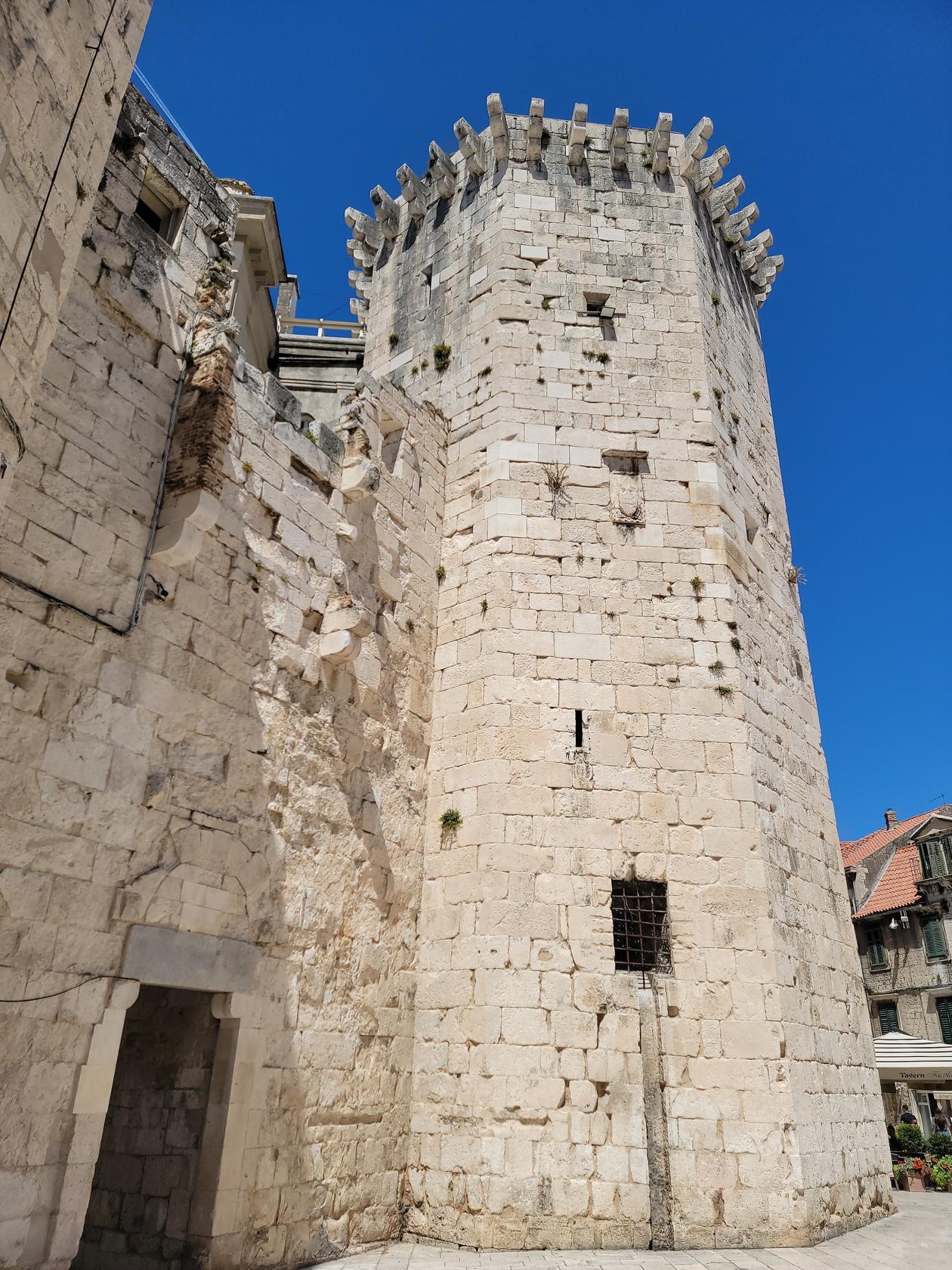
The outside fortress walls that protected the palace had four large towers on each corner, for which only few still remain.
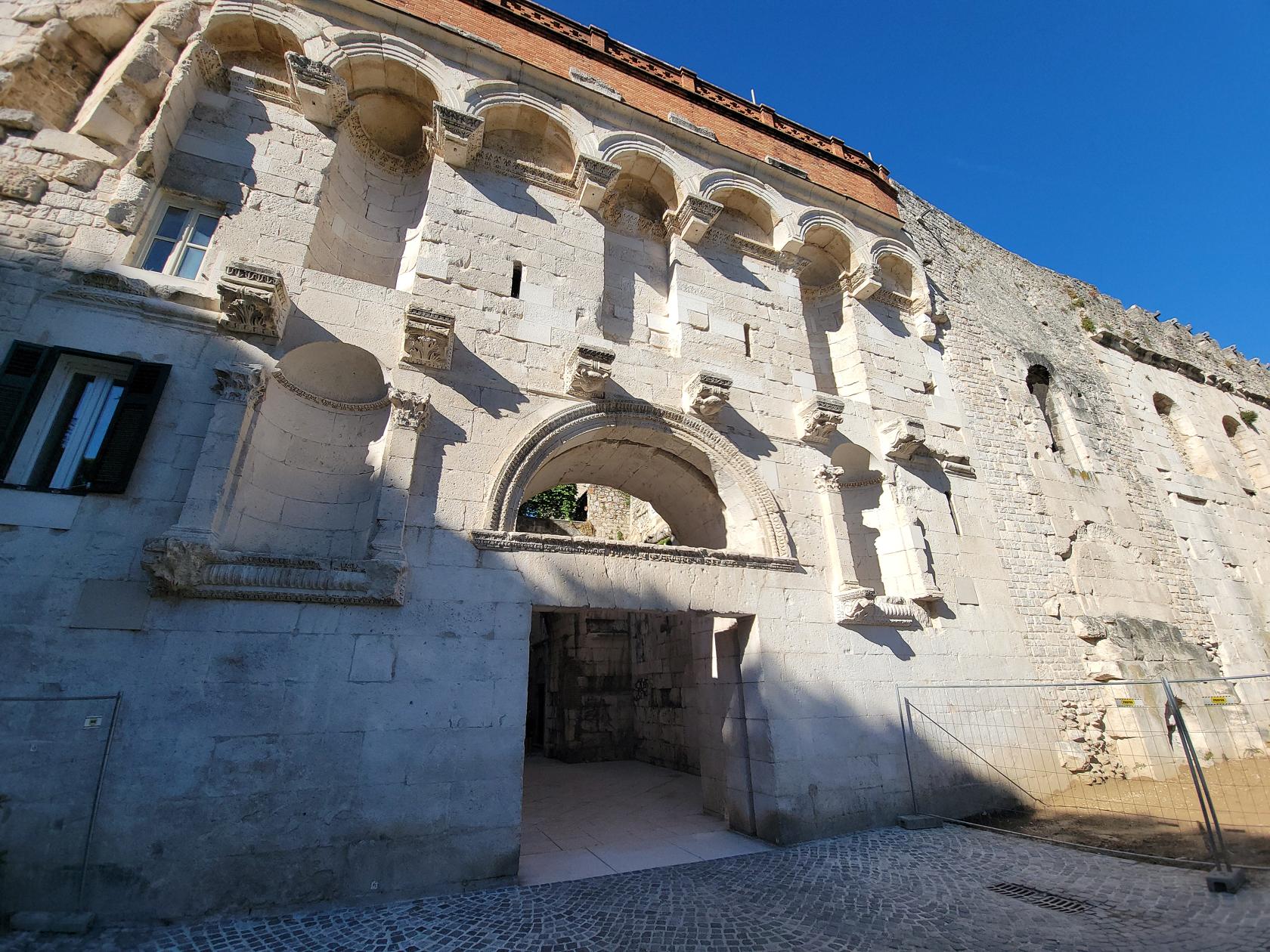
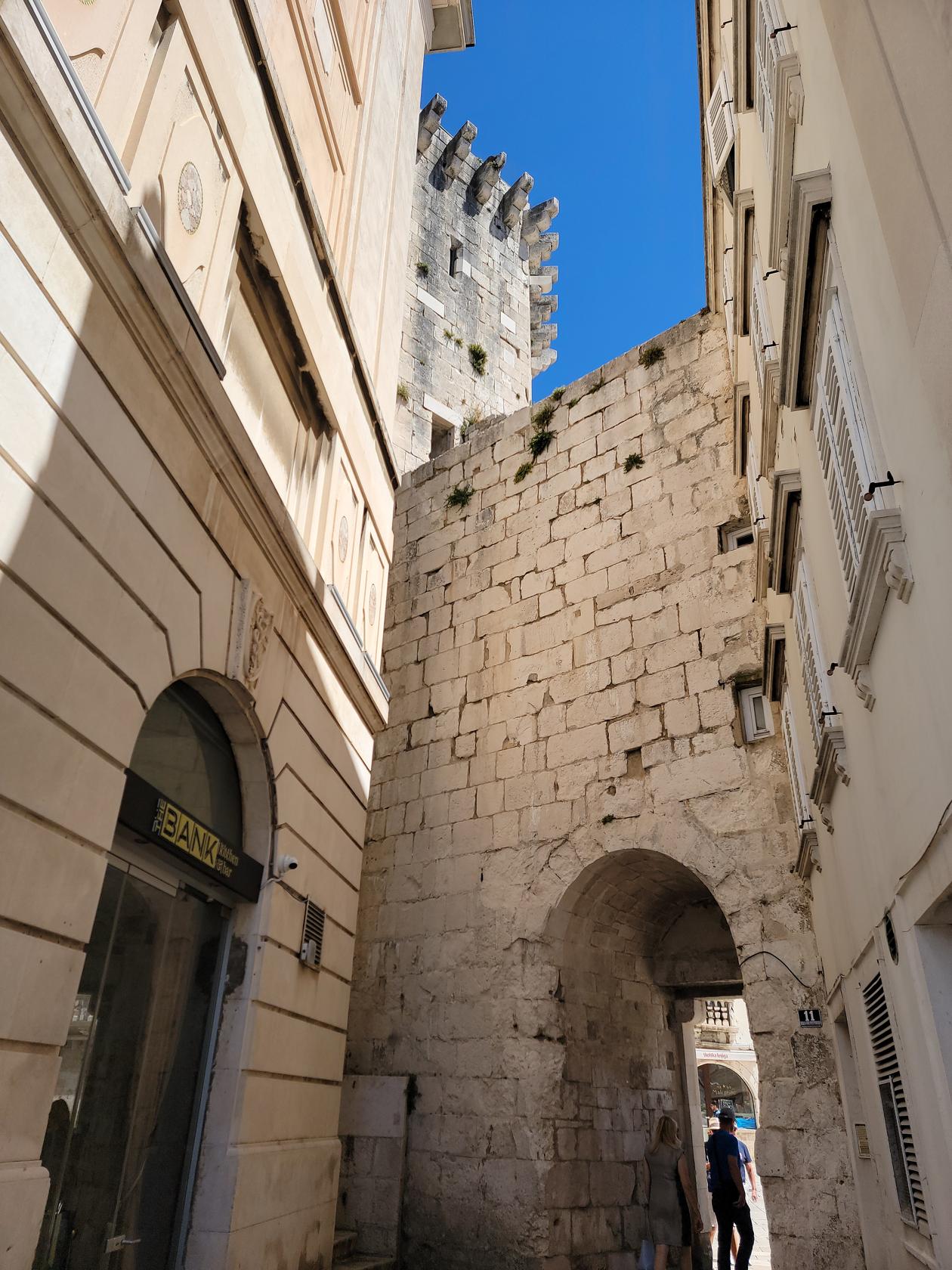
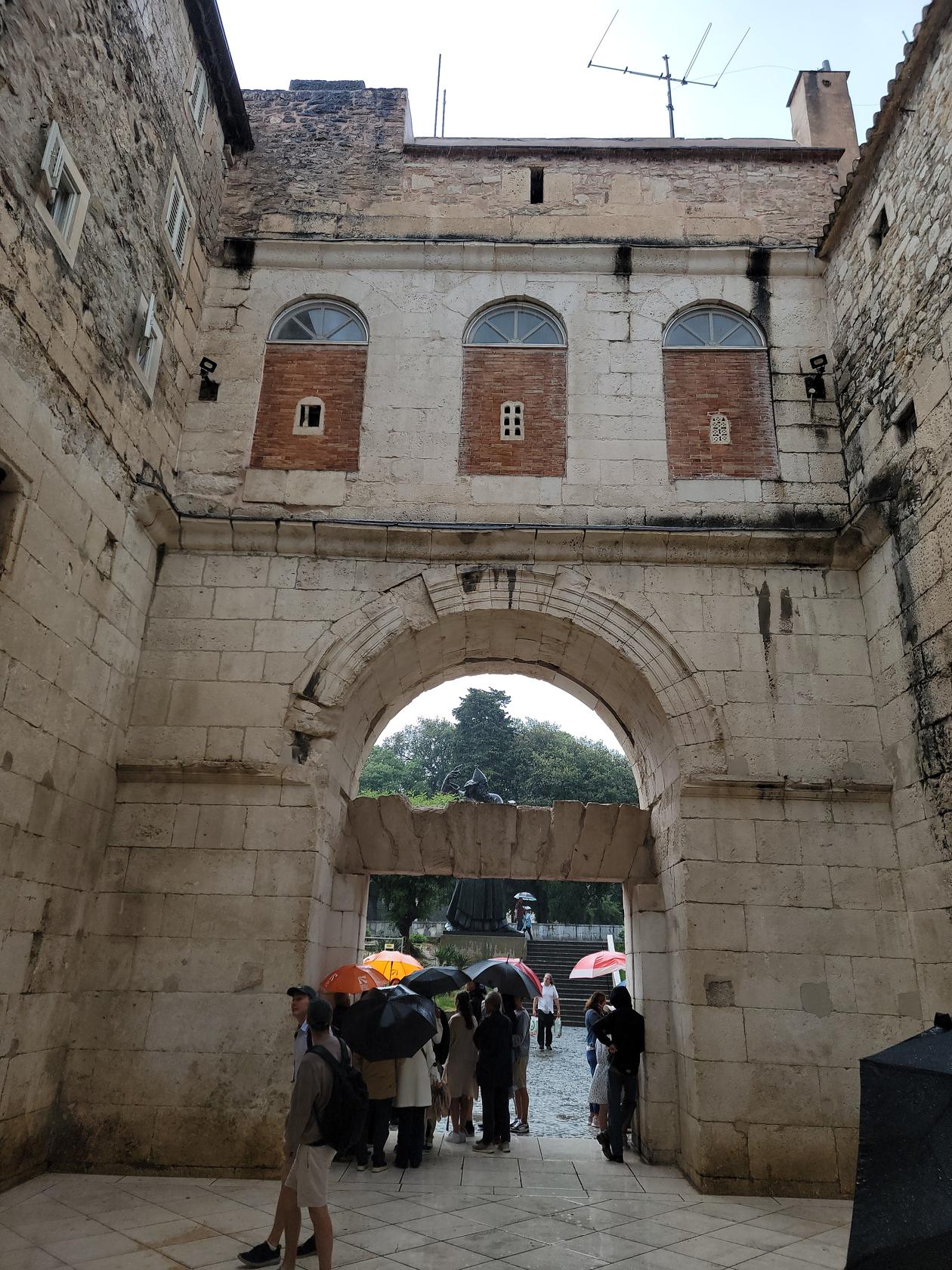
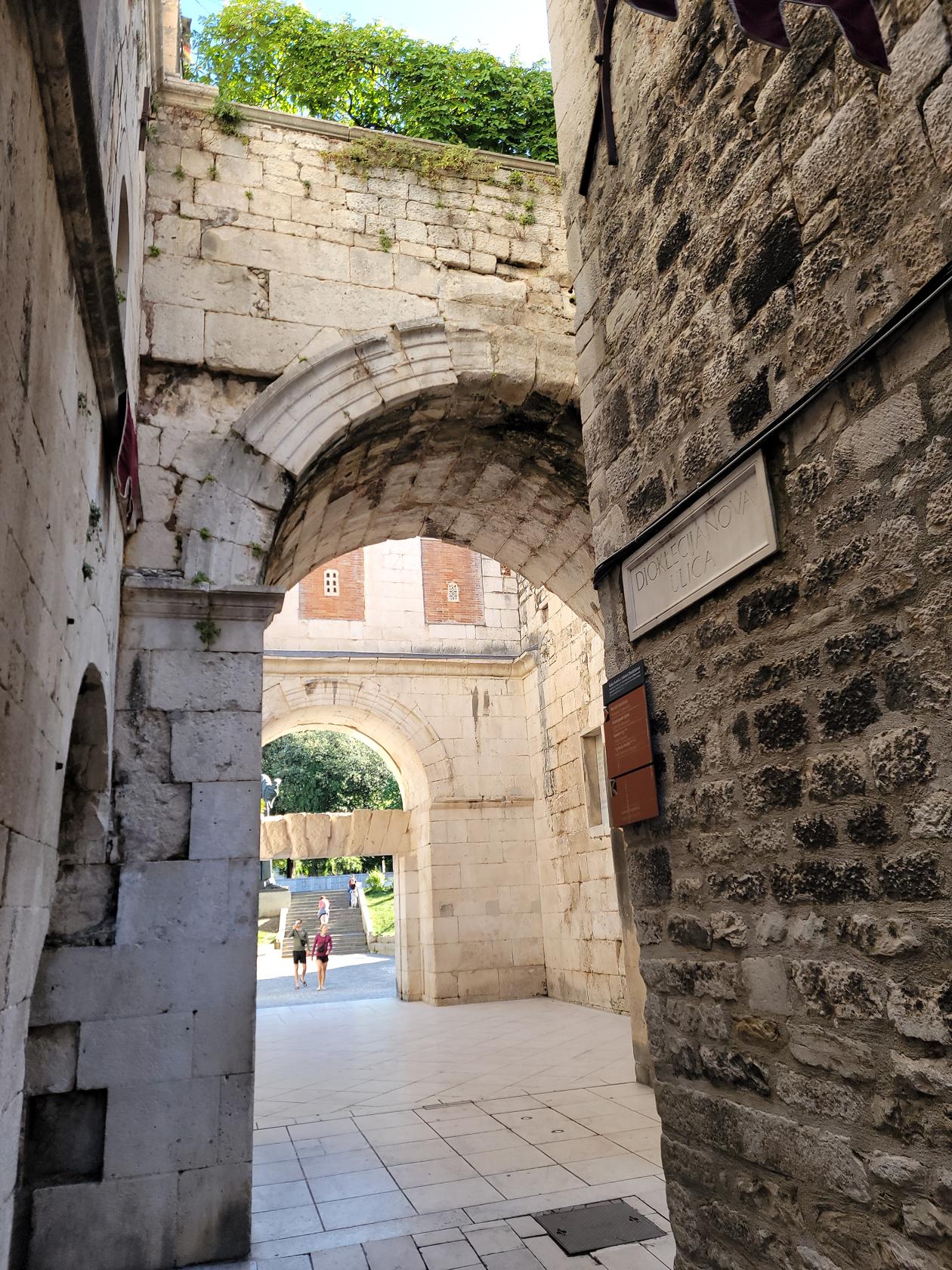
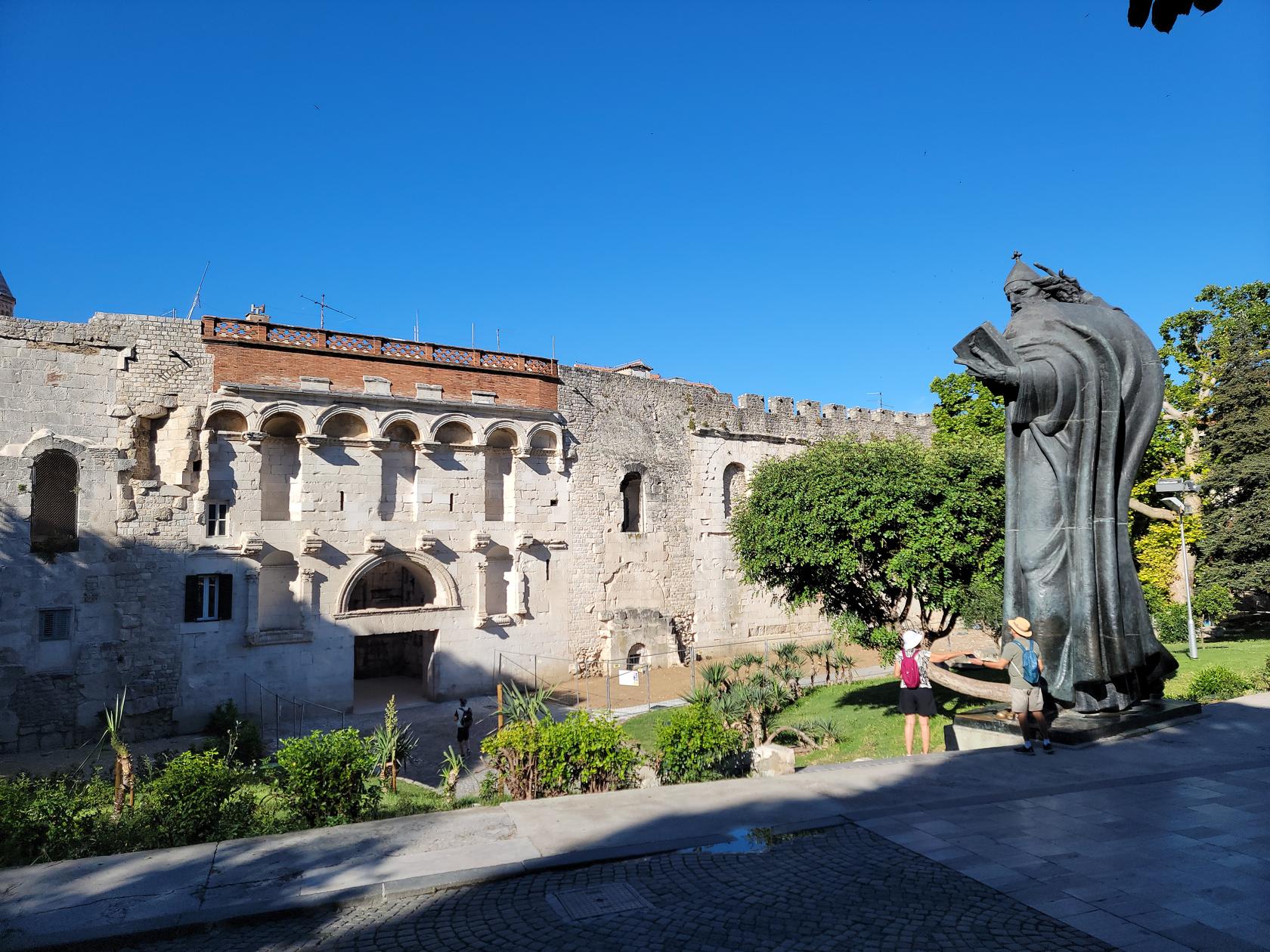
There are several gates to the palace, some of which are not so prominent as the others and a few are no longer functional. The Golden Gate is the main gate of the palace, though one could make an argument that the Brass Gate was more important since it faces the sea.
Golden Gate – Diocletian’s Palace – Split, Croatia
Golden Gate – Diocletian’s Palace – Split, Croatia
Golden Gate – Diocletians Palace – Split, Croatia
Iron Gate – Diocletian’s Palace – Split, Croatia
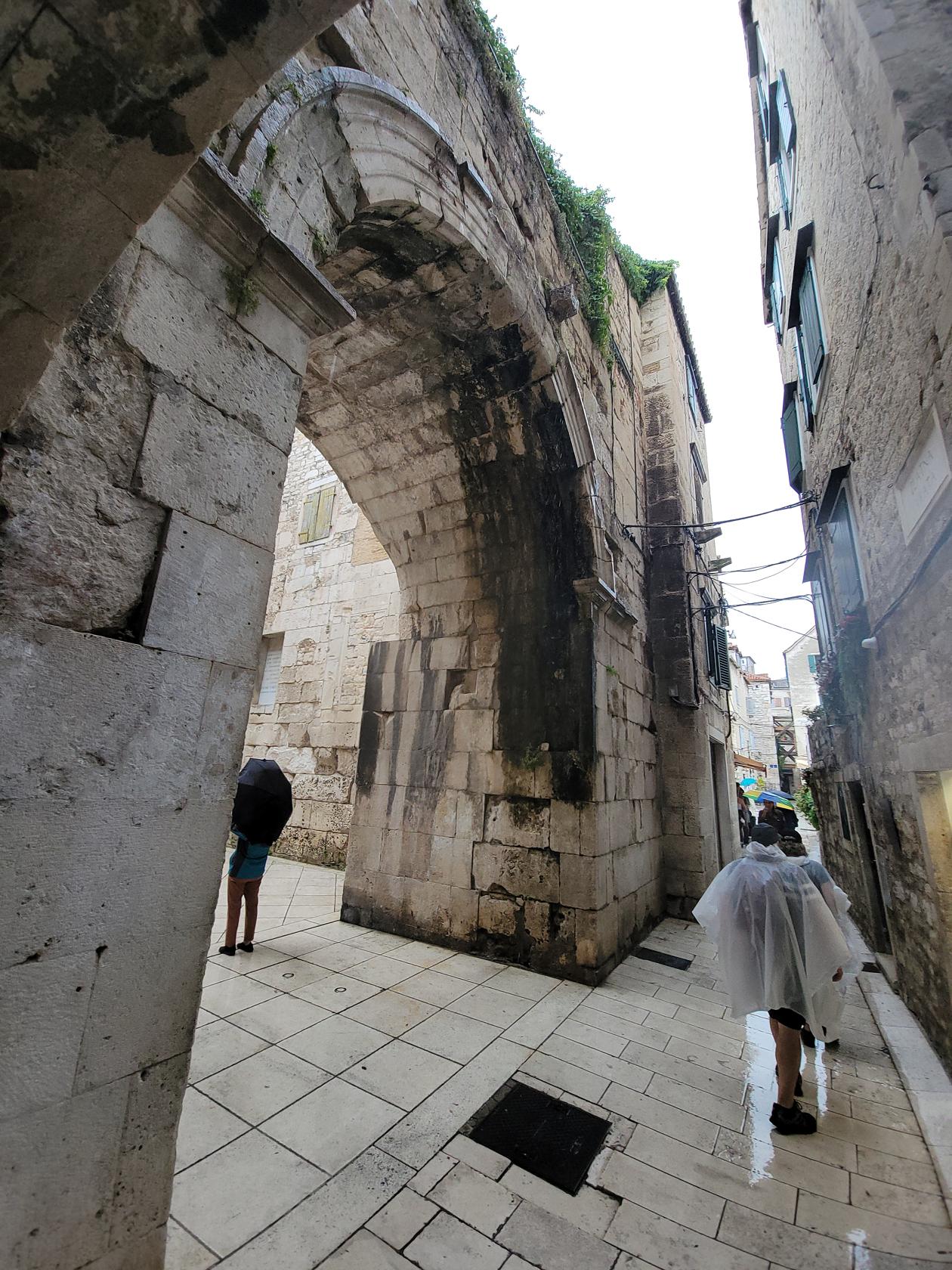
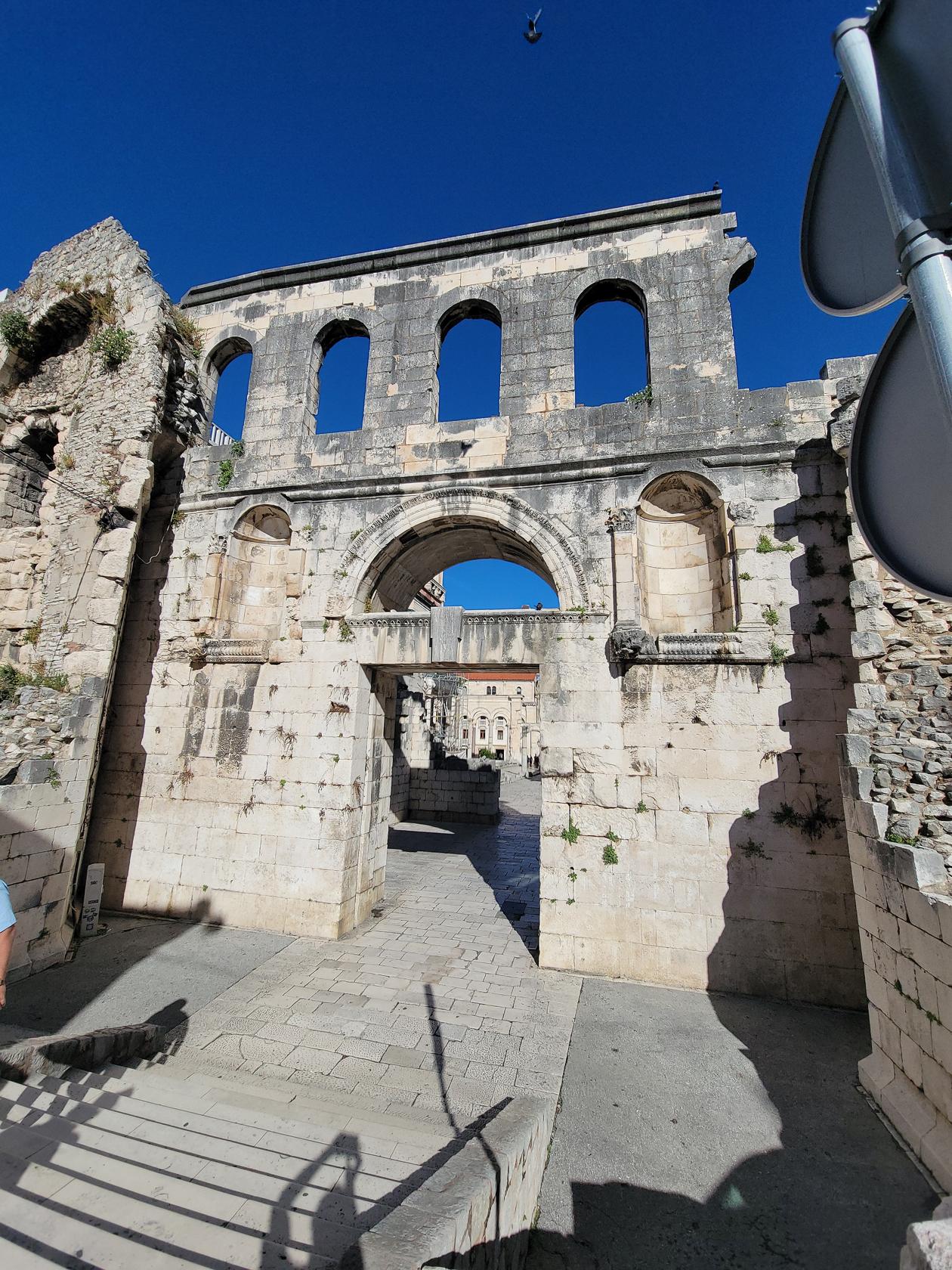
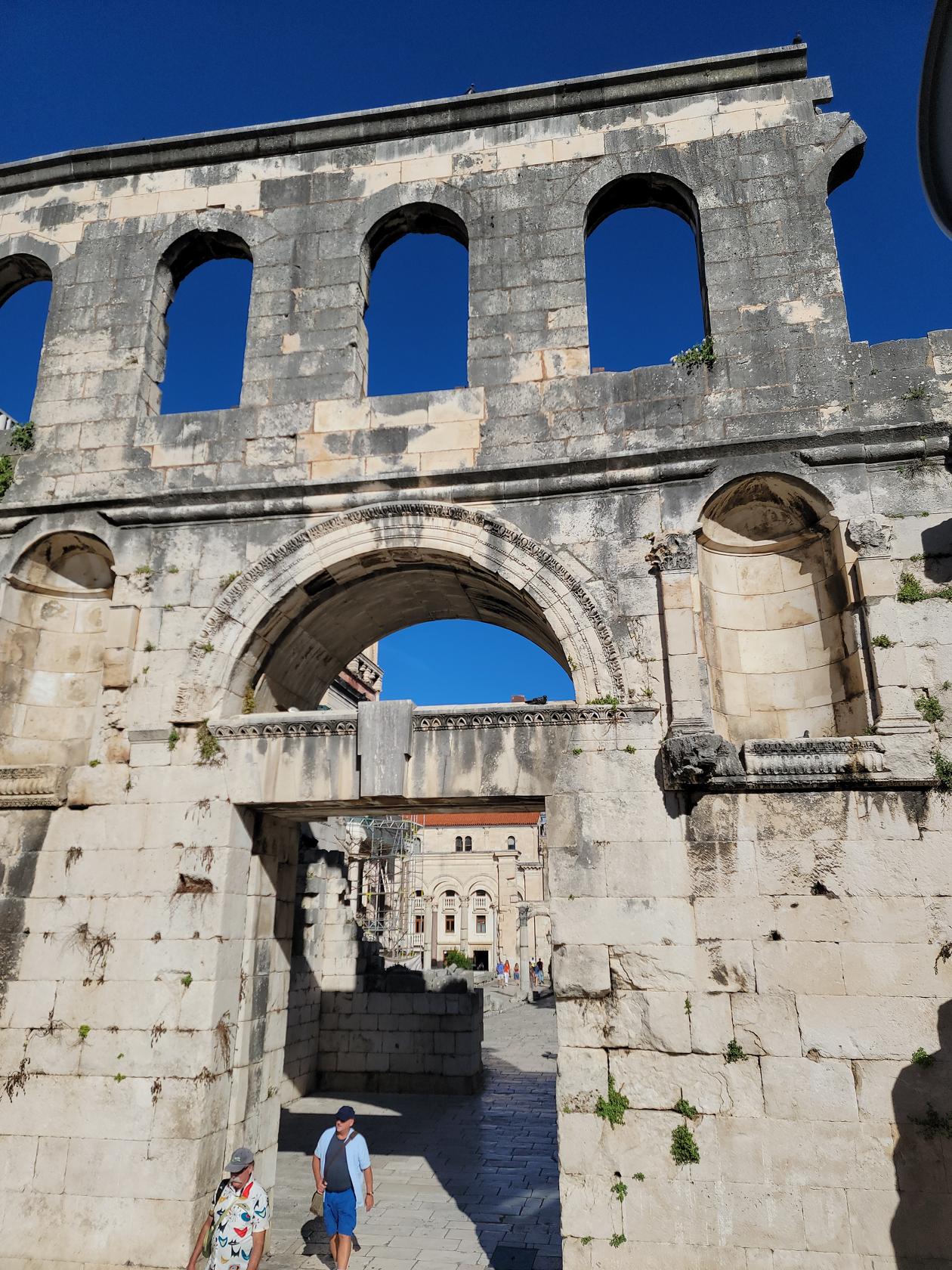
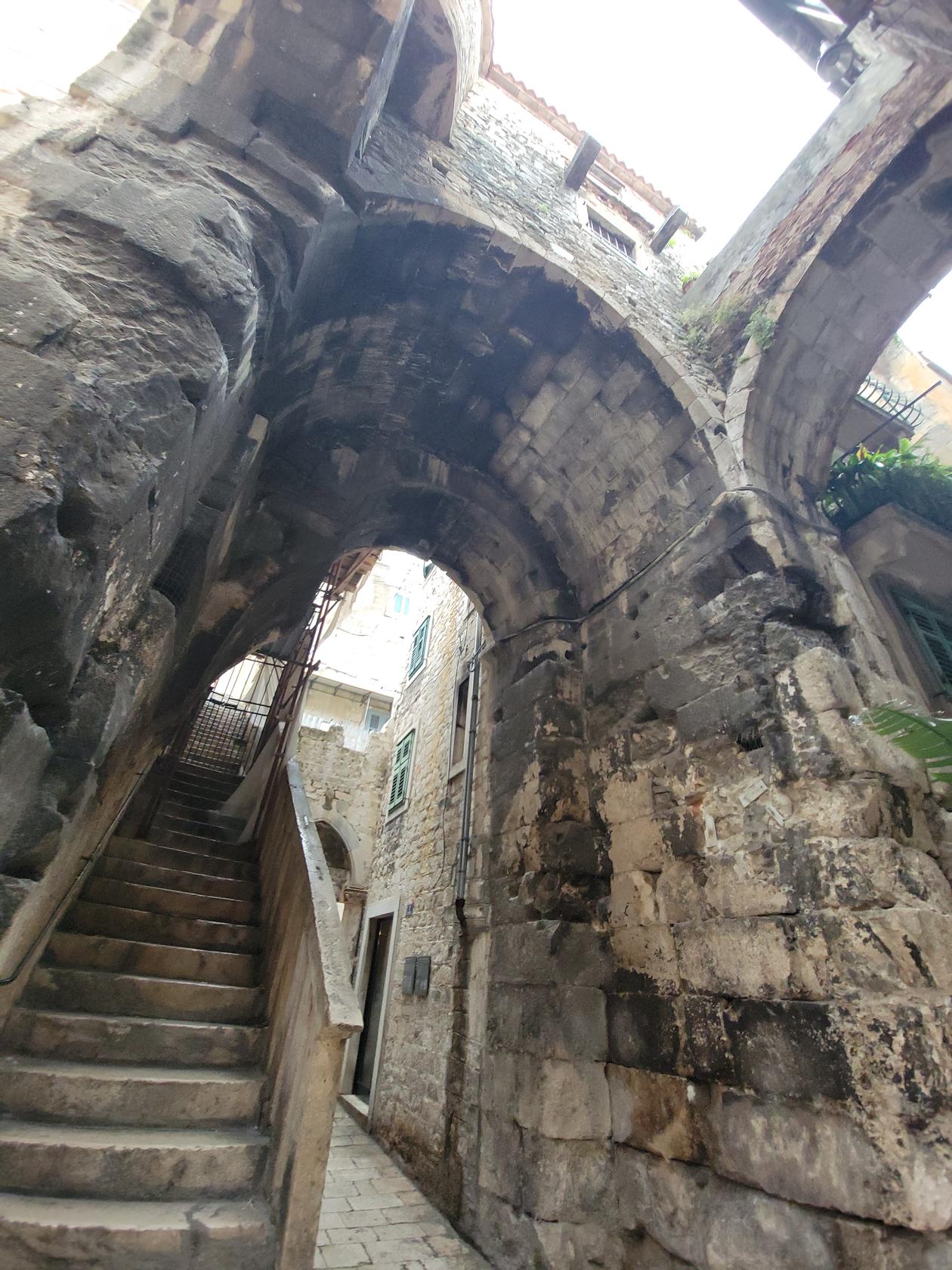
The Silver Gate faces the east and along with the Golden Gate is one of the better preserved gates to the palace. The Iron Gate is buried within the walls and narrow alleyways of Split to the west. Transformed after the emperor left and the palace fell into disrepair.
Silver Gate – Diocletians Palace – Split, Croatia
Silver Gate – Diocletians Palace – Split, Croatia
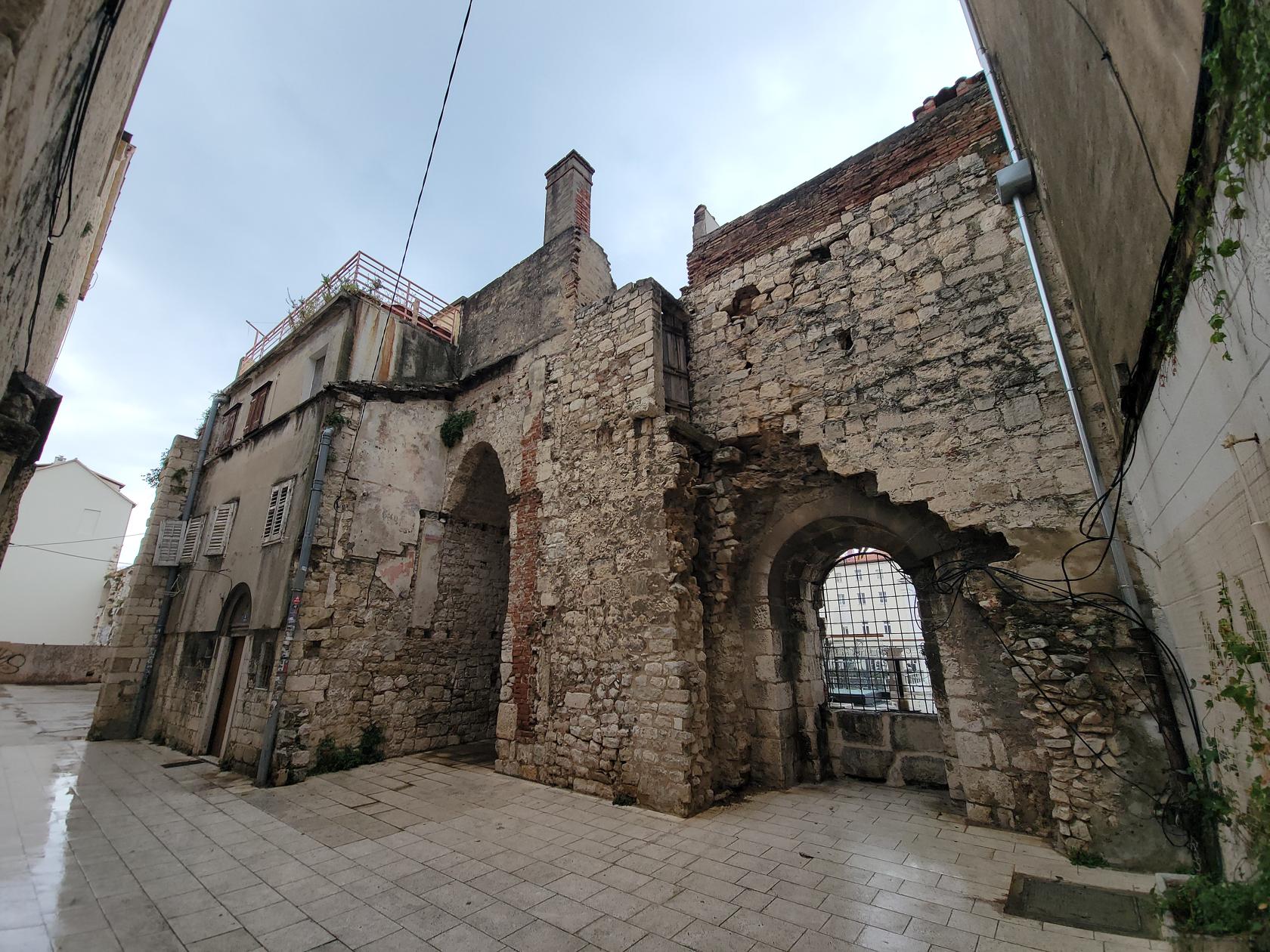
Iron Gate – Diocletian’s Palace – Split, Croatia
Iron Gate – Diocletian’s Palace – Split, Croatia
Gradski Park
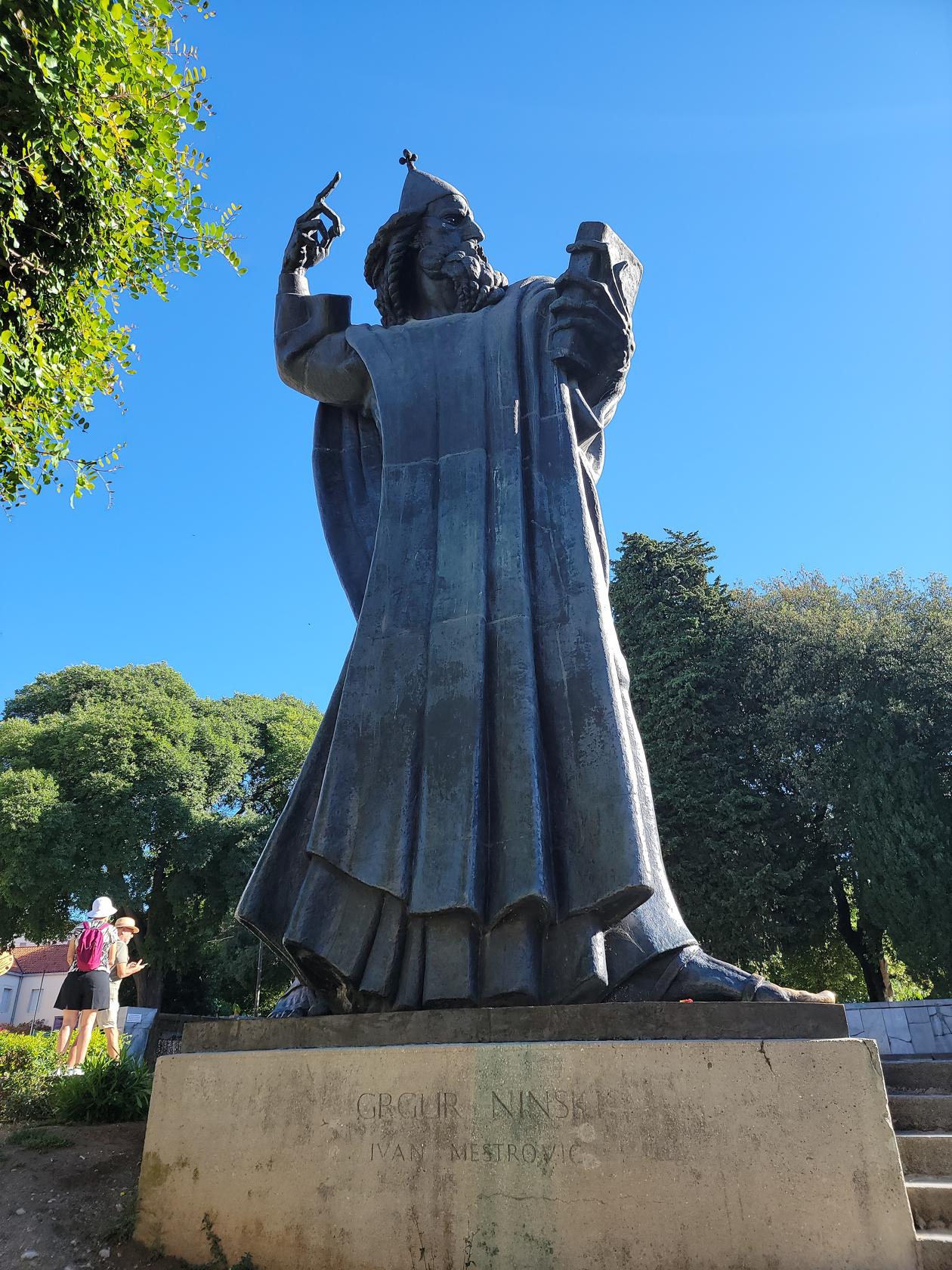
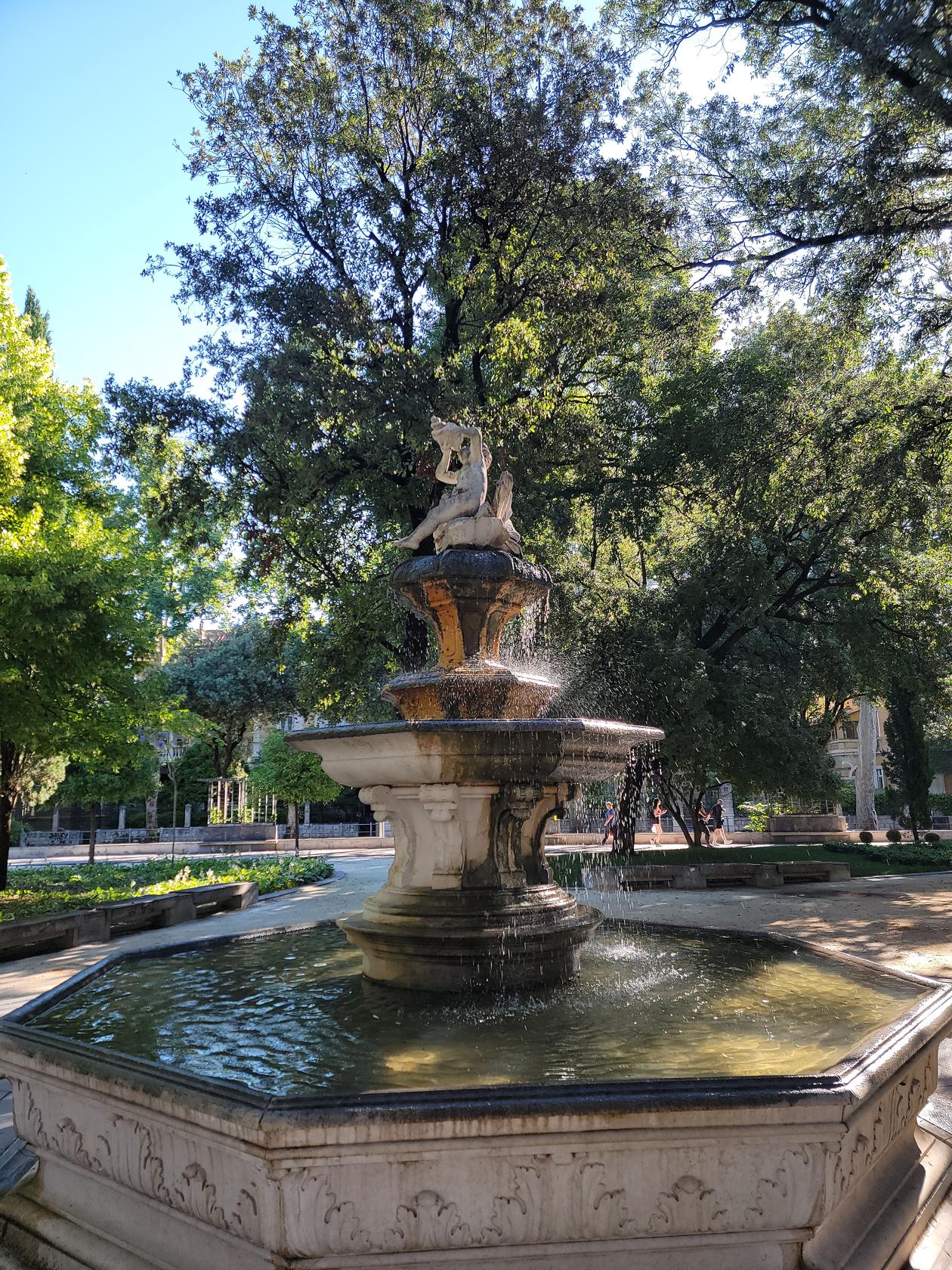
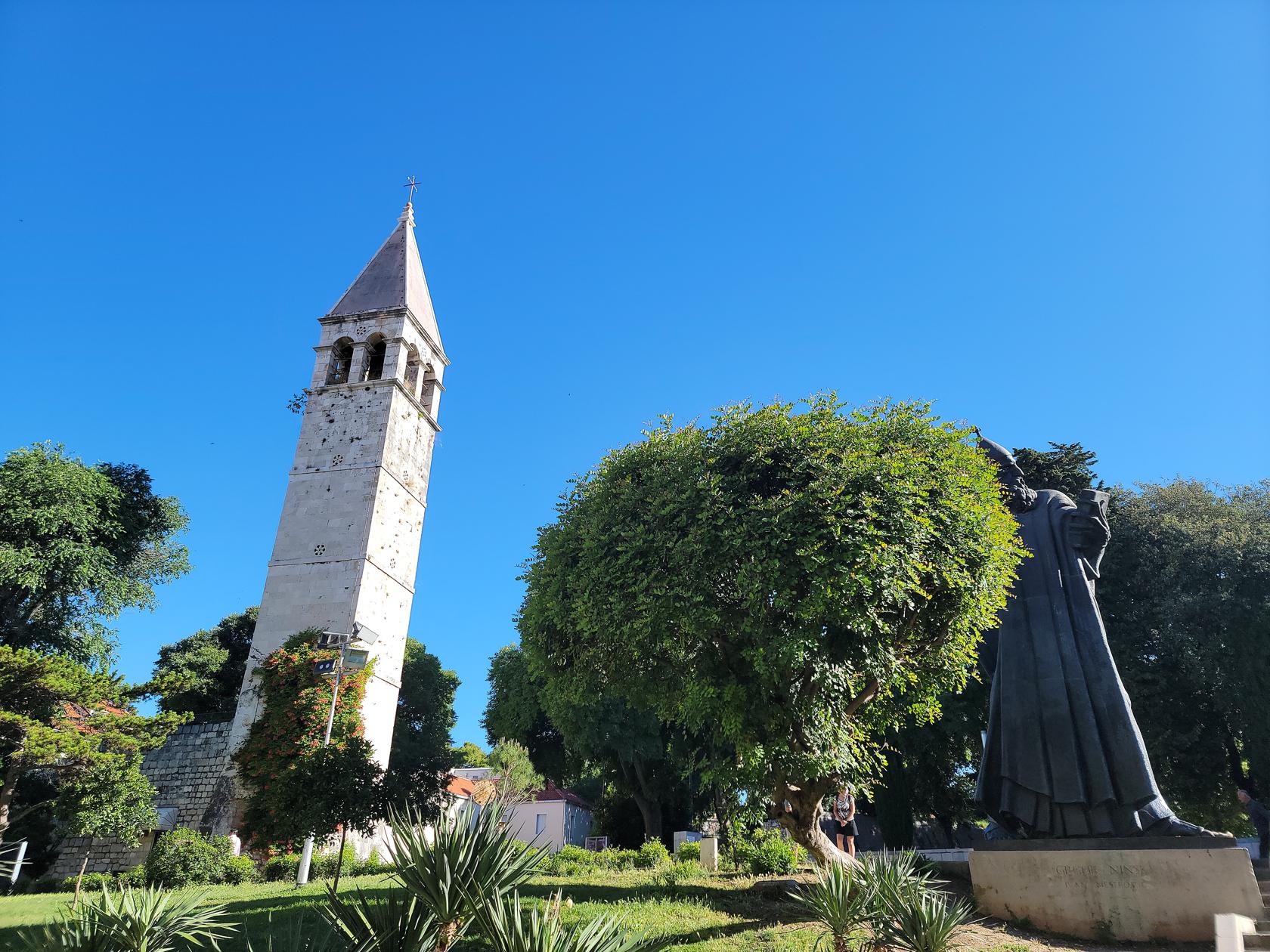
Just outside the Golden Gate is Gradski Park. Here you will find a statue from Gregory Ninskomu, a fountain and Bell Tower and Chapel of the Holy Arnir.
Gregory Ninskomu Statue – Split, Croatia
Fountain – Park Josipa Jurja Strossmayer – Split, Croatia
Gregory Ninskomu Statue – Split, Croatia
Tower of Chapel of Holy Arnir and Gregory Ninskomu Statue – Split, Croatia
Saint Domnius Cathedral
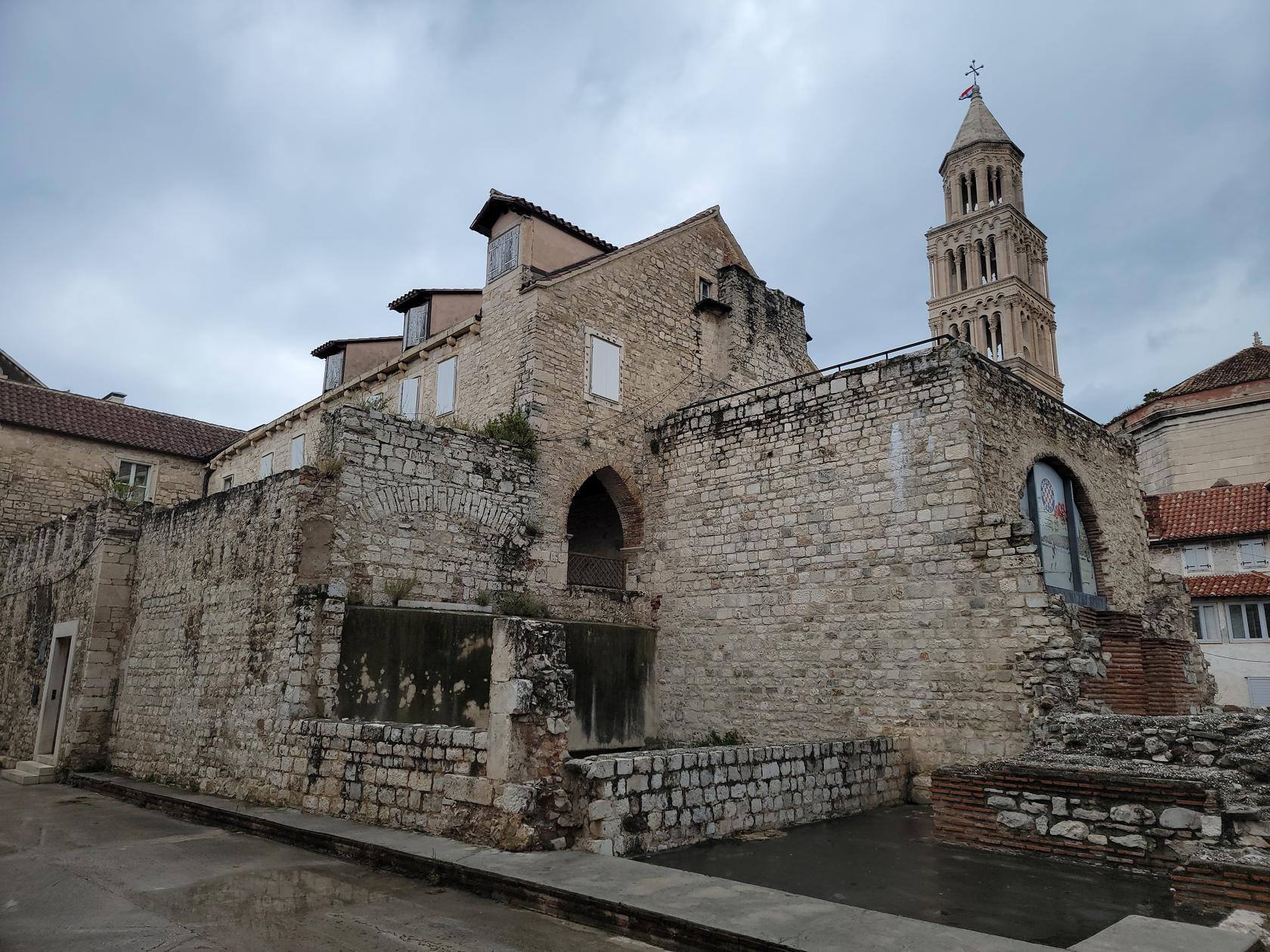
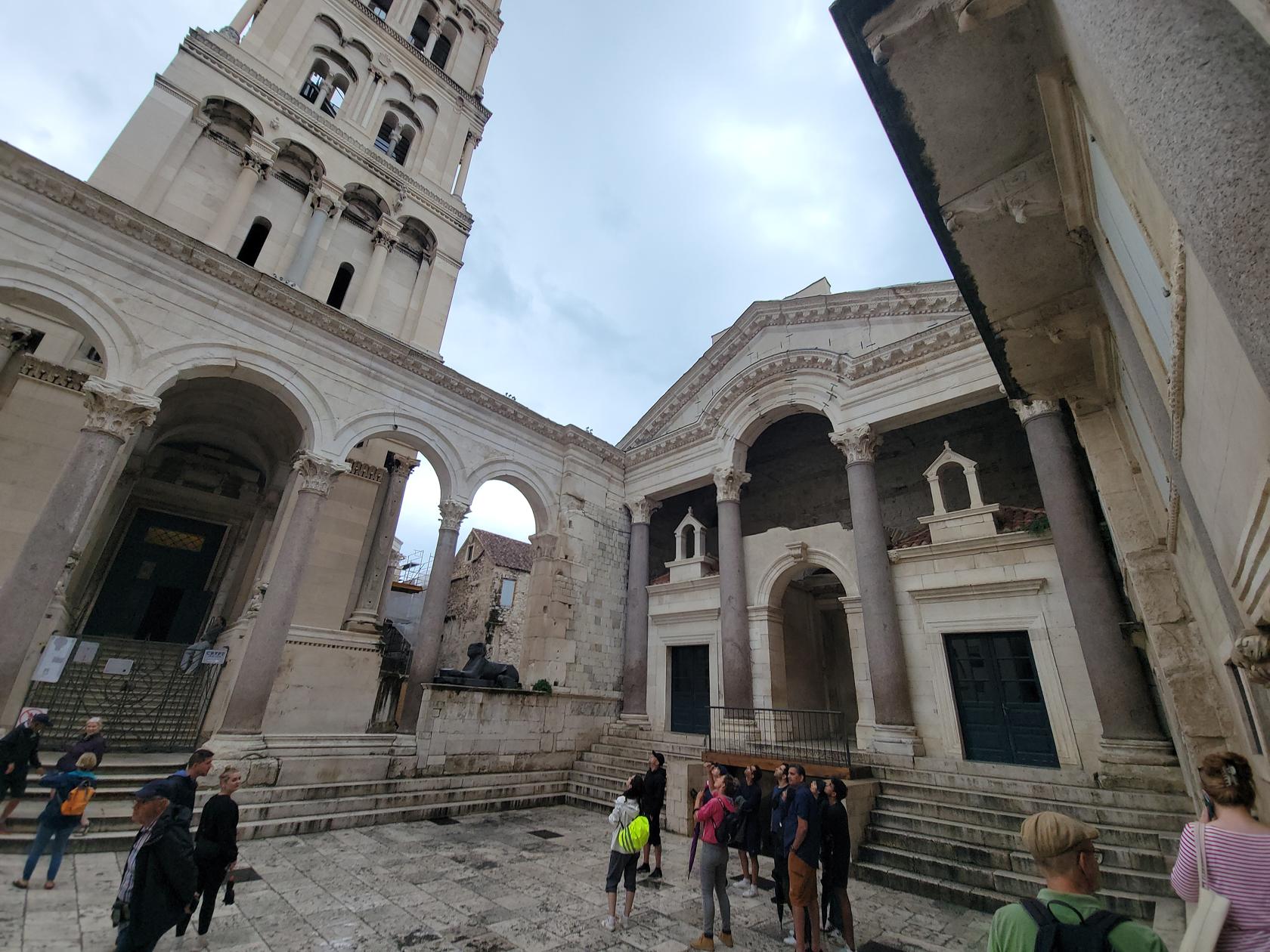
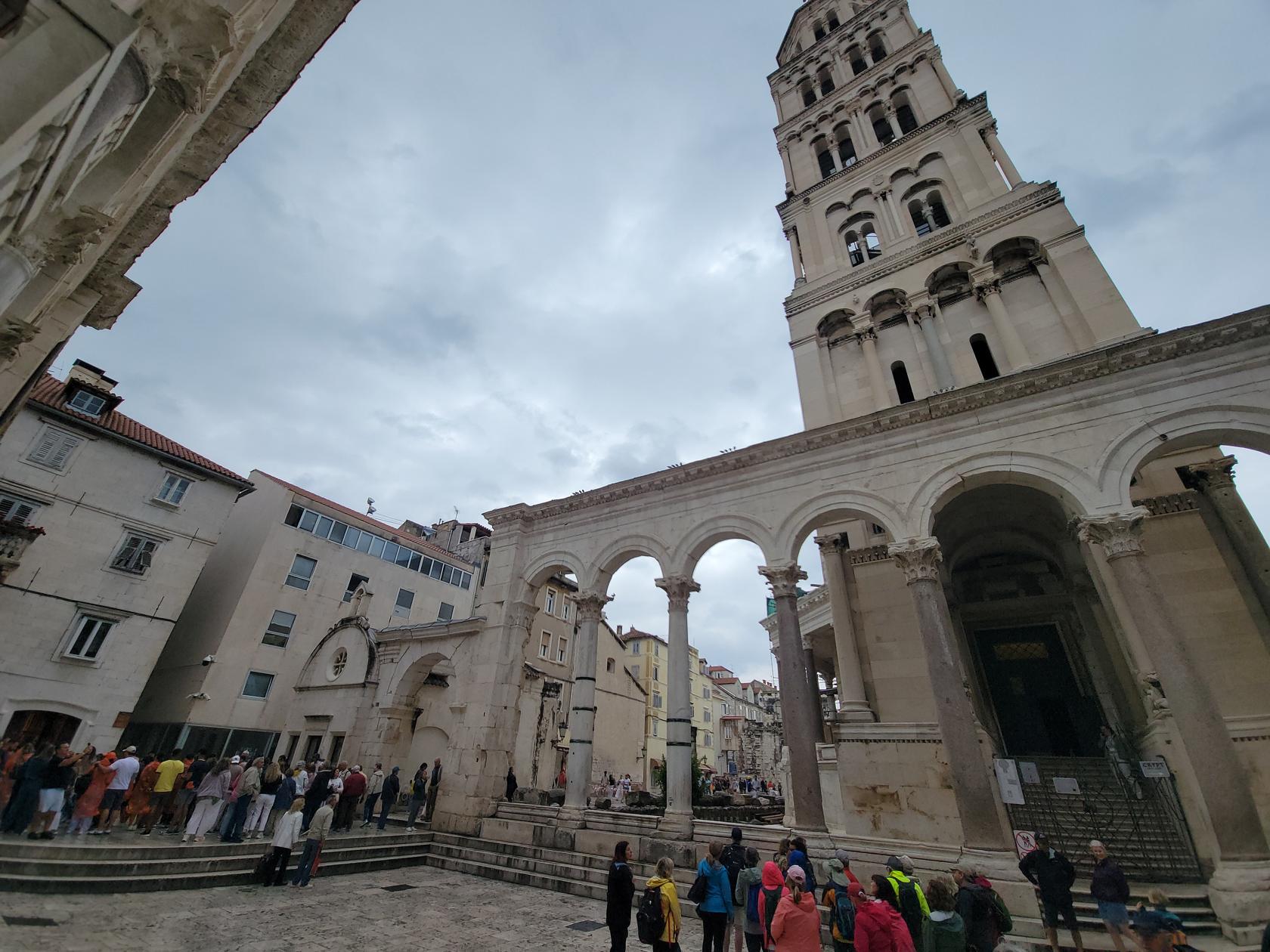
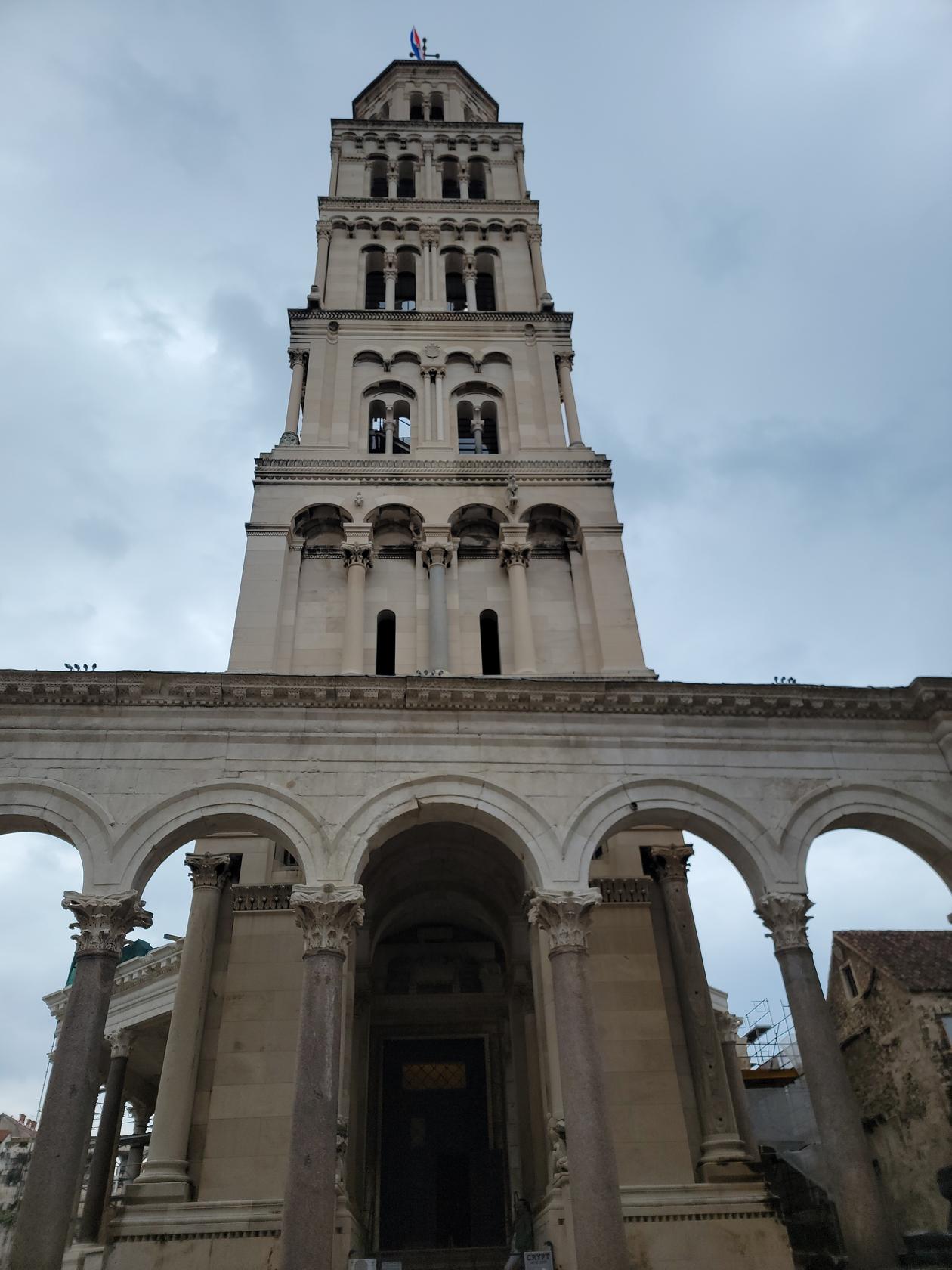
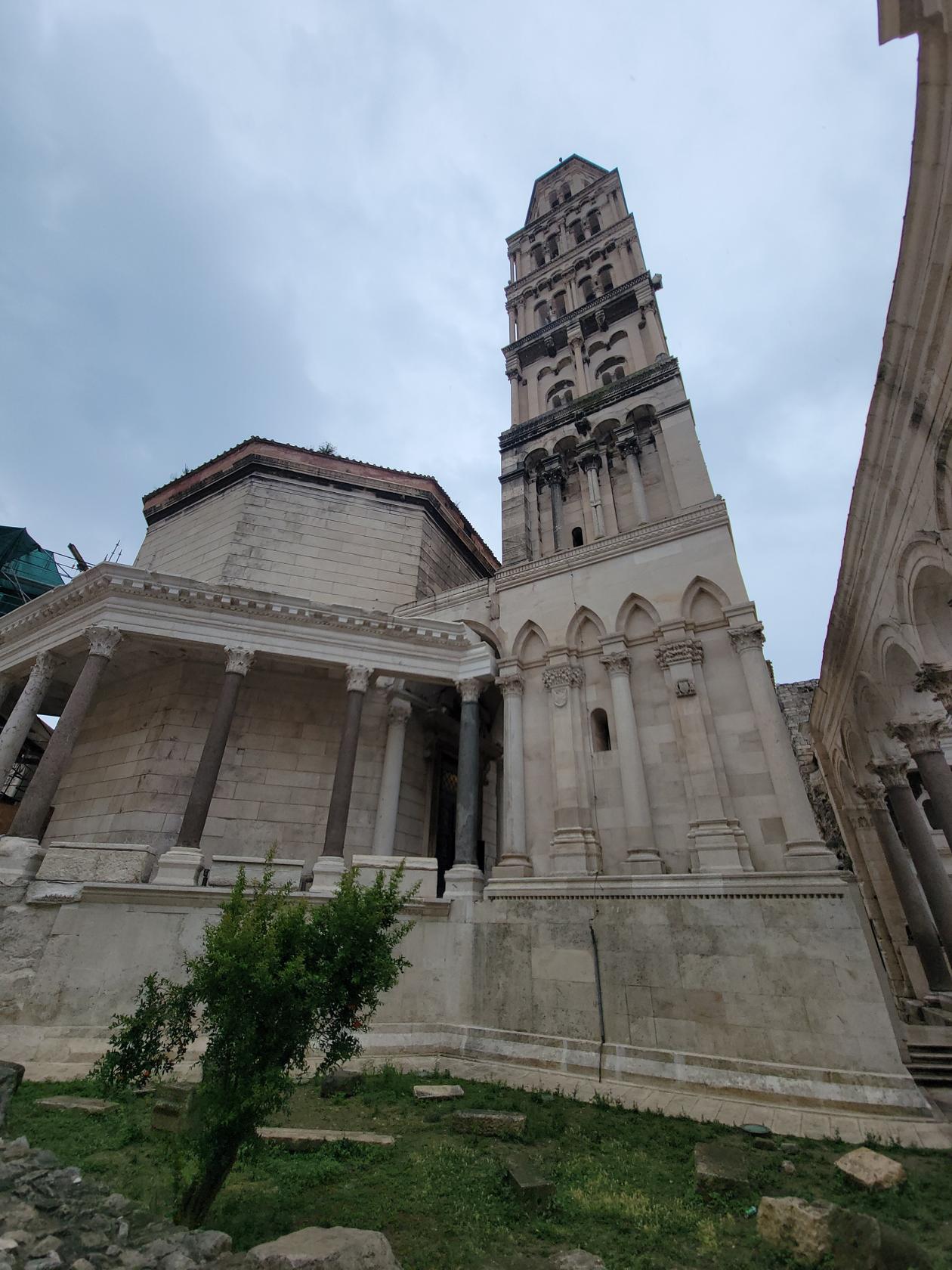
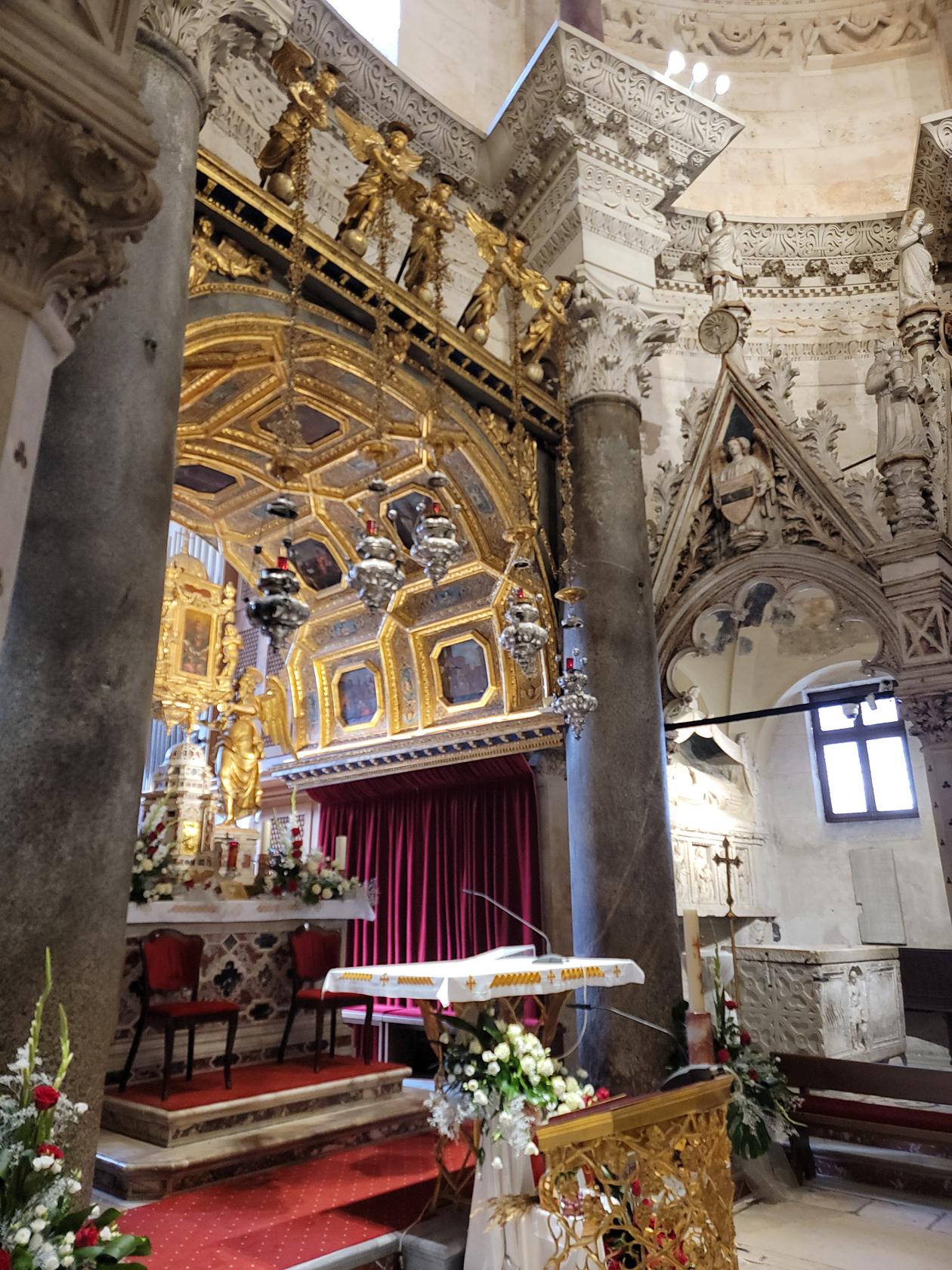
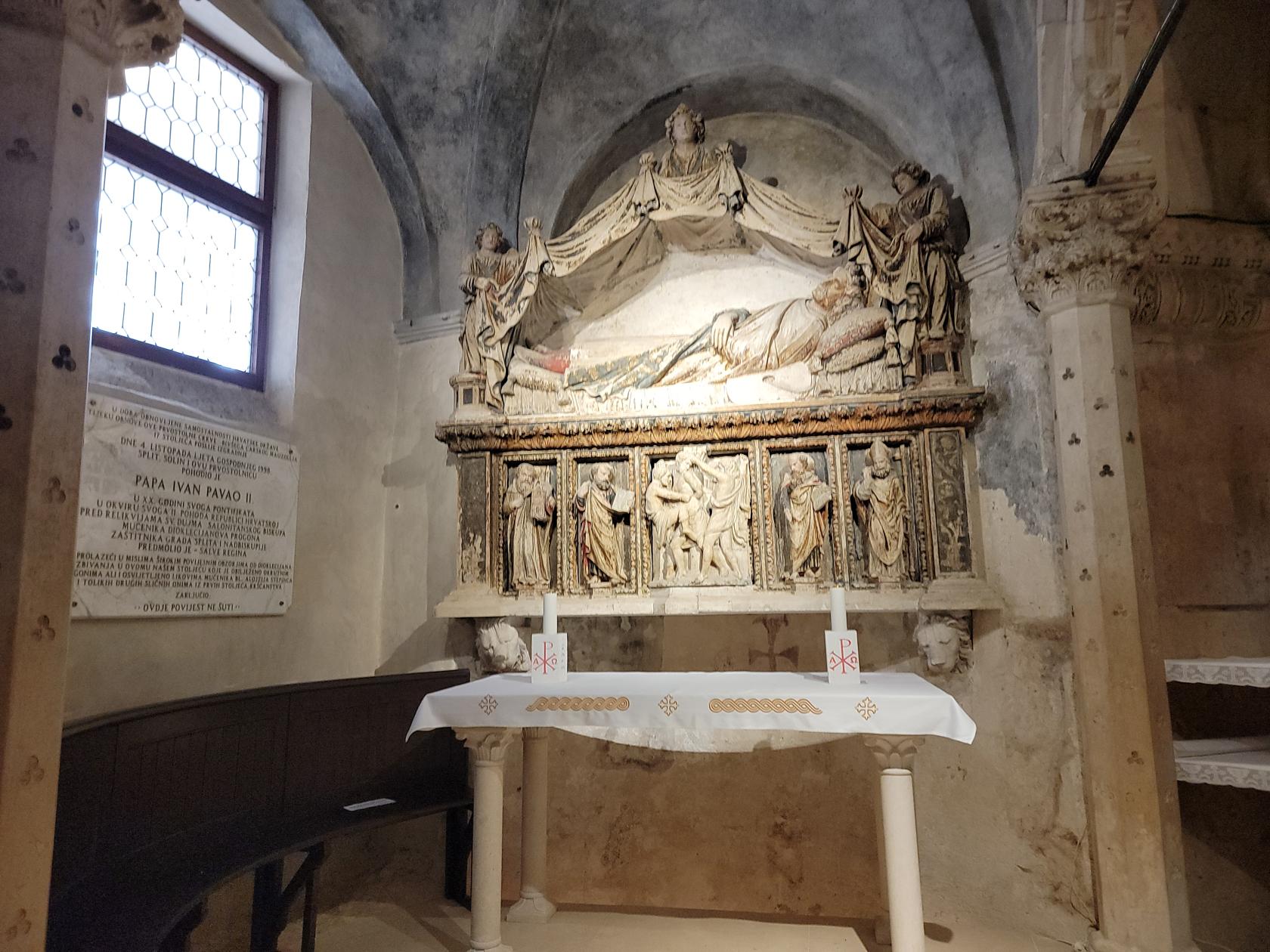
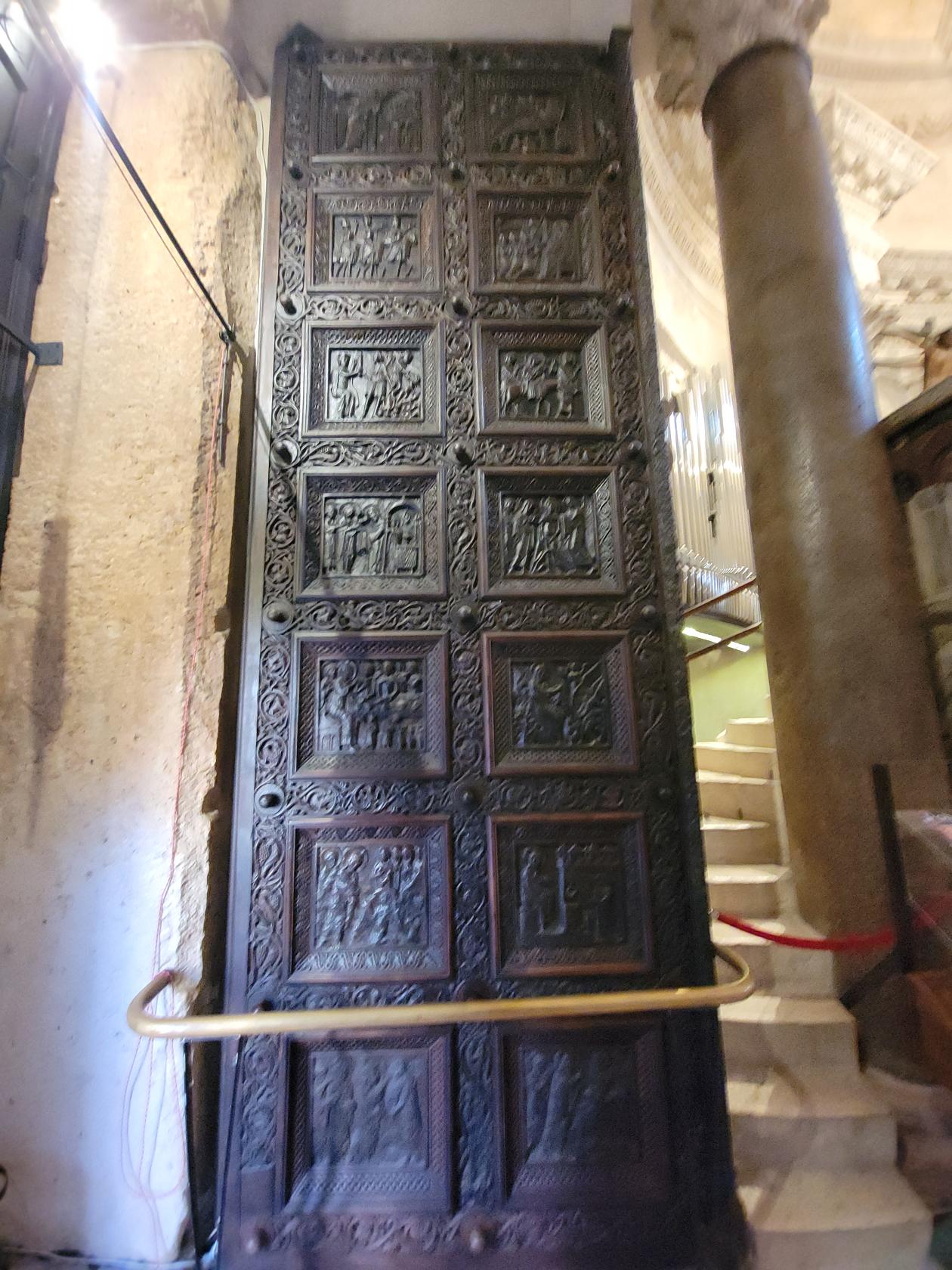
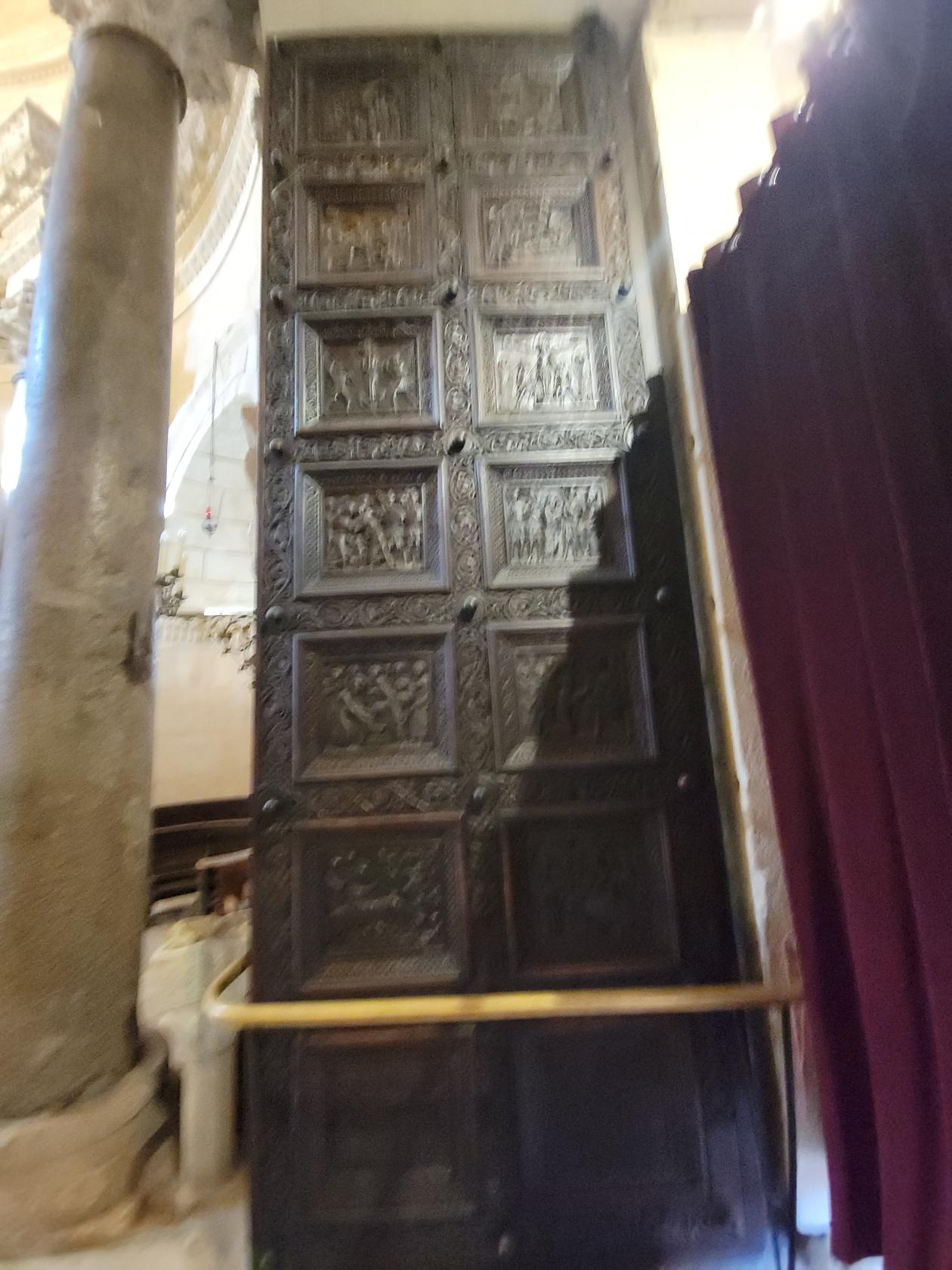
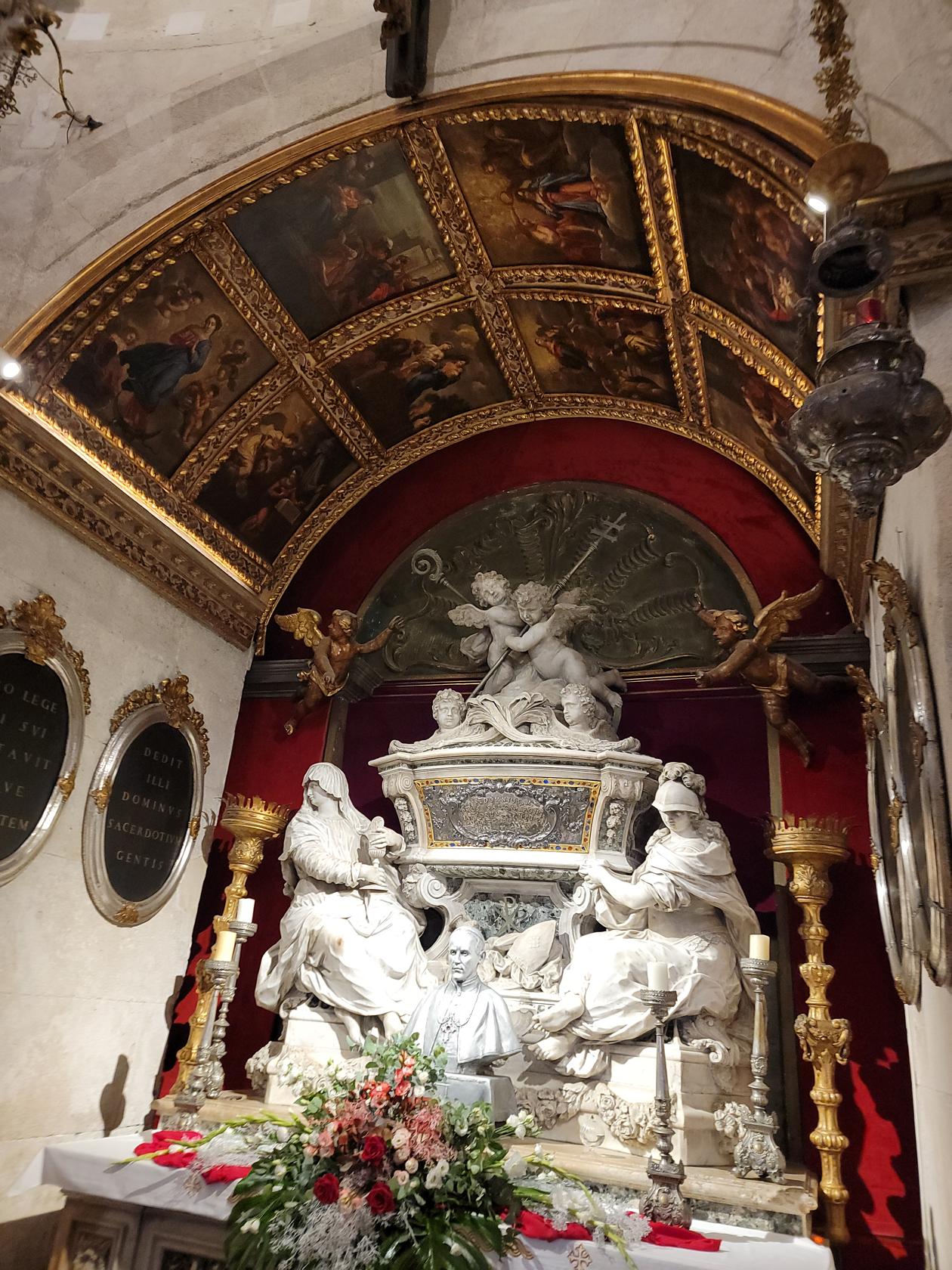
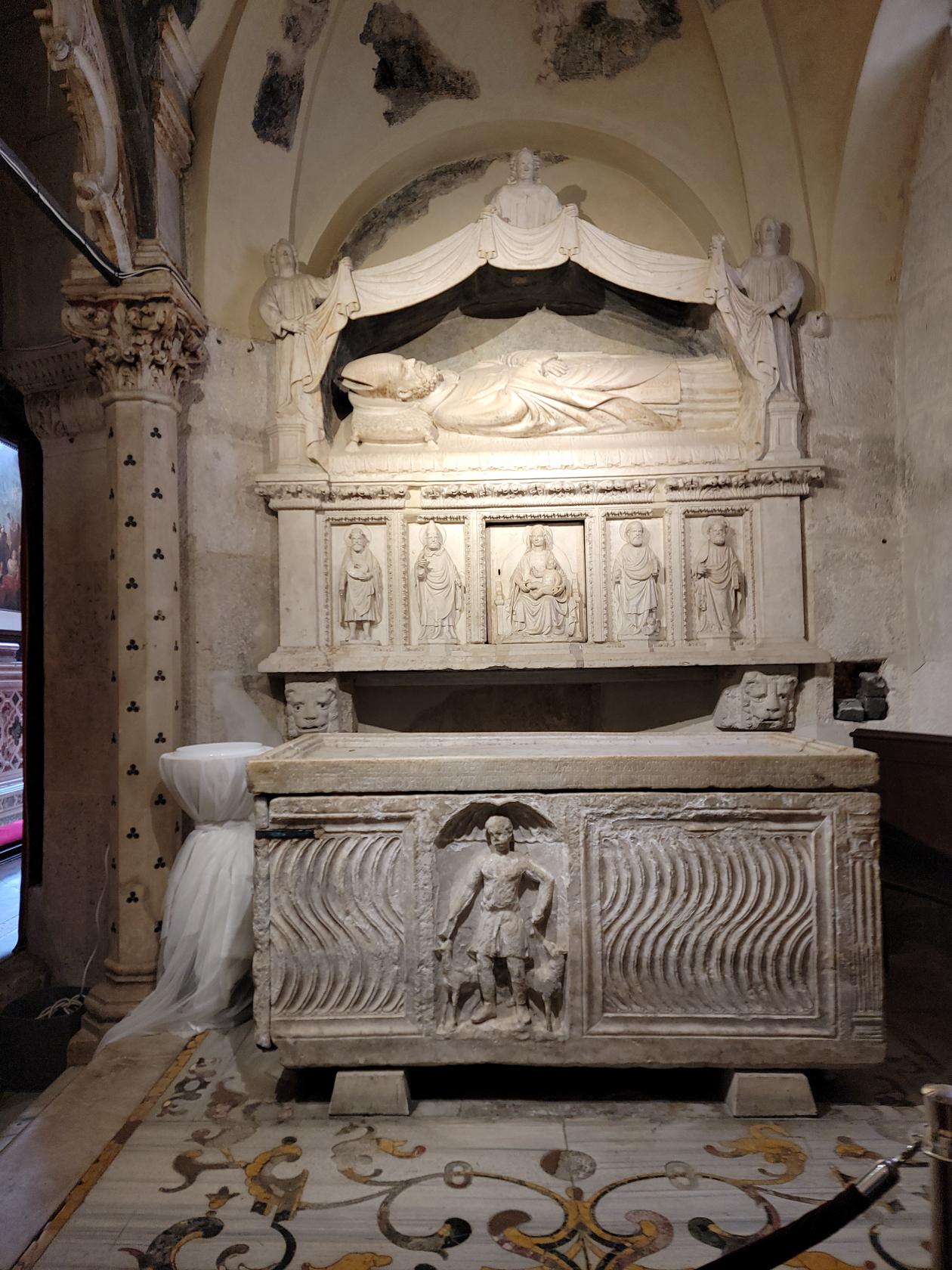
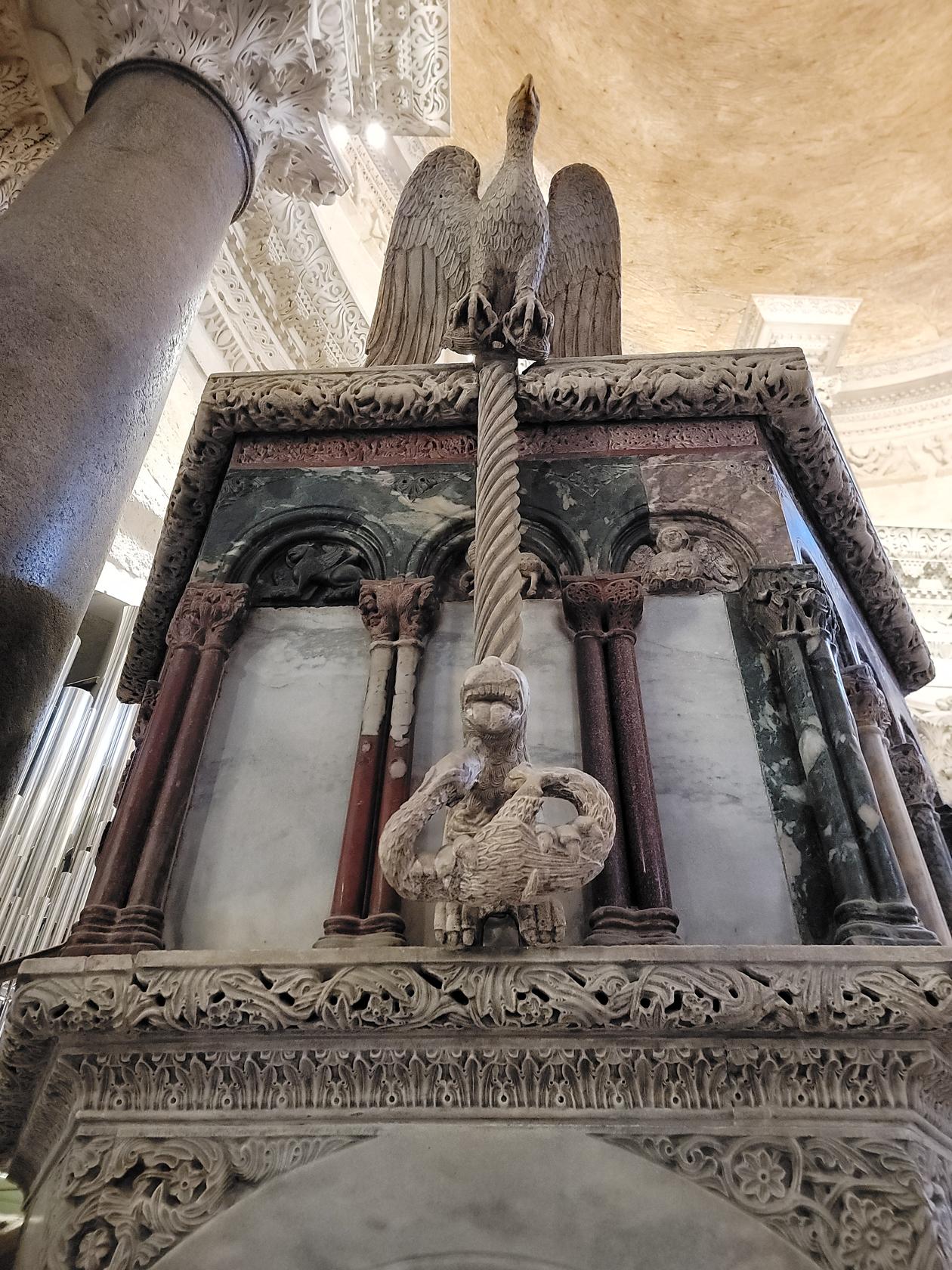
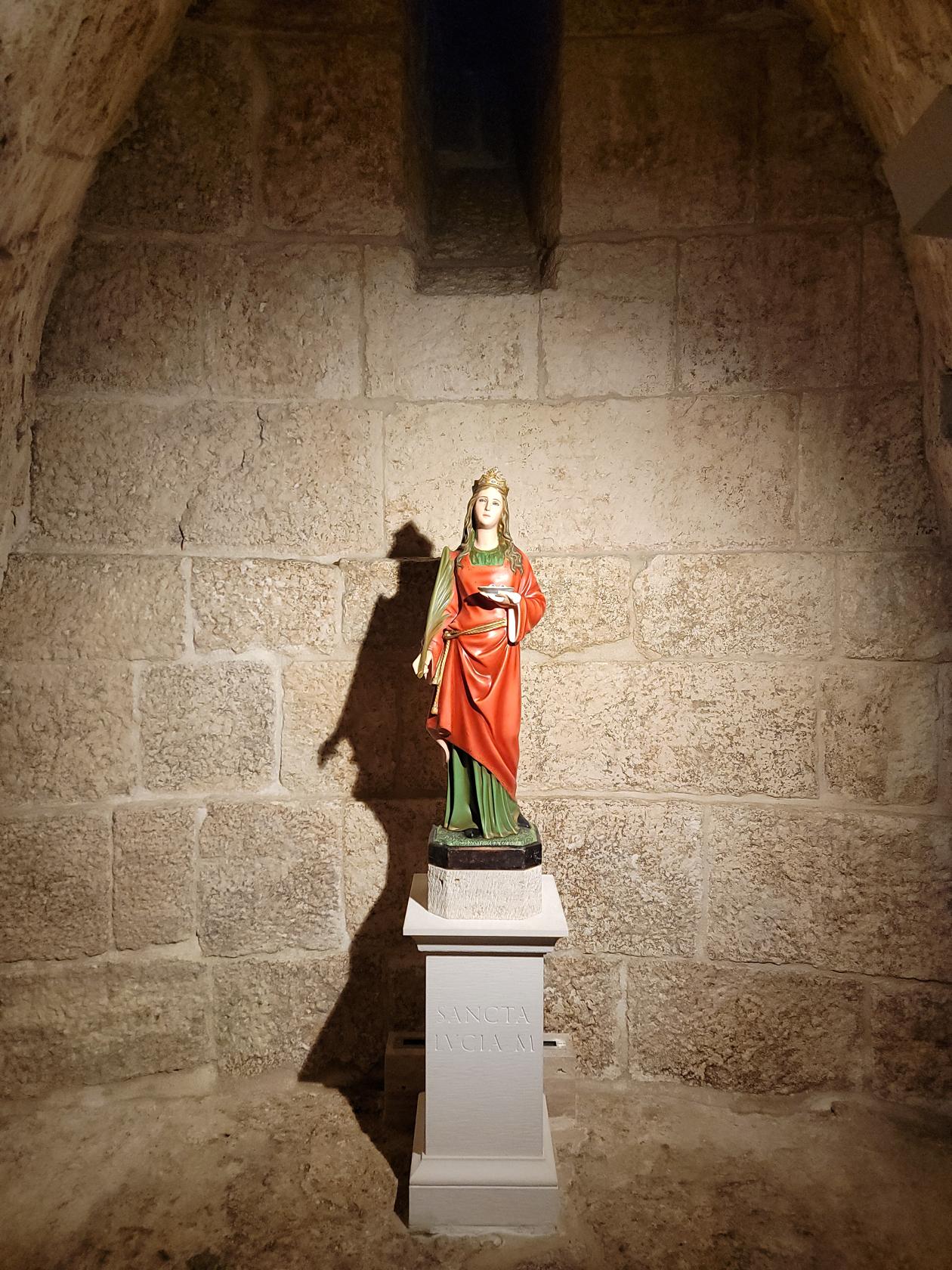
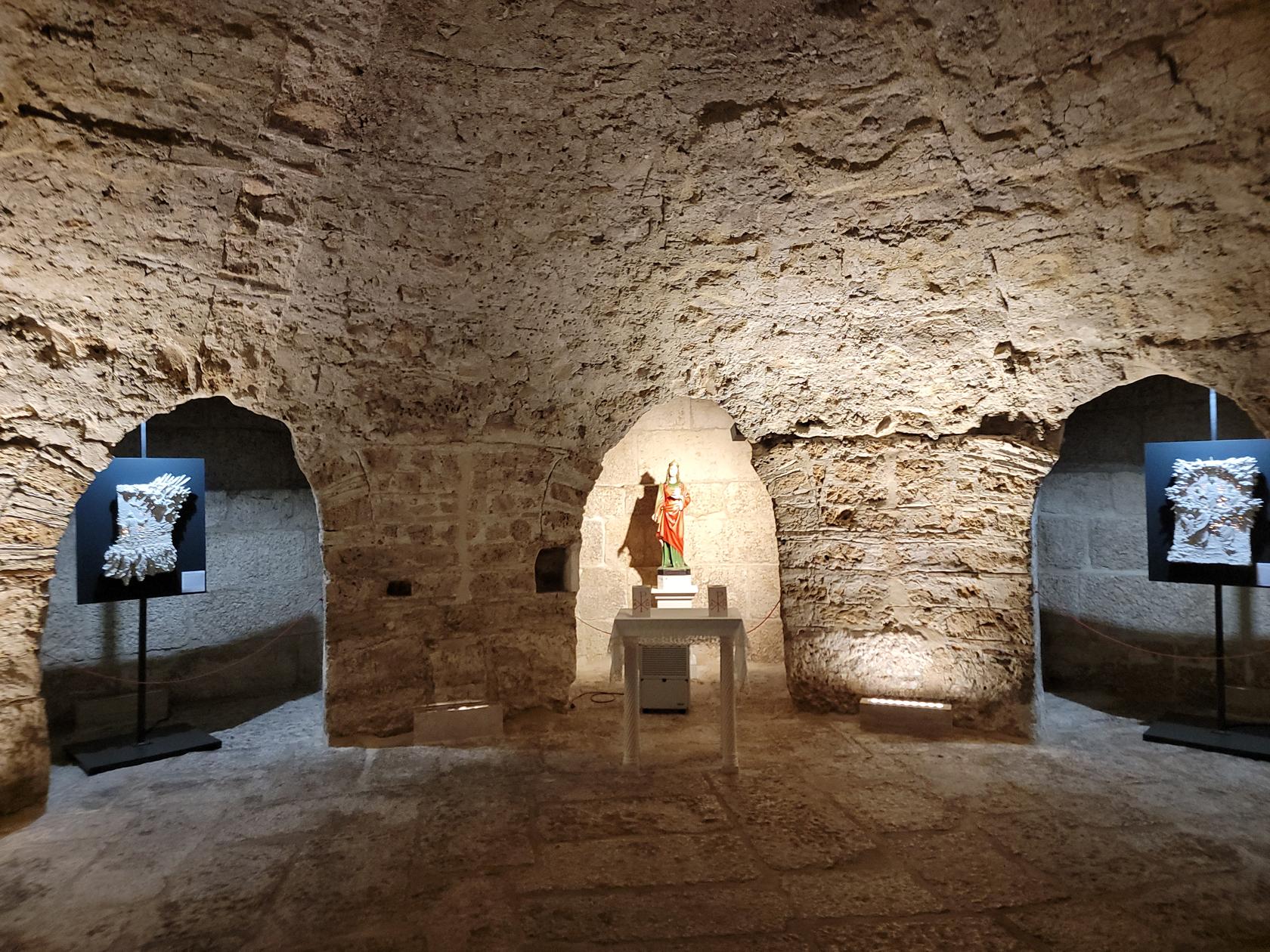
One of the main buildings within the palace is Saint Domnius Cathedral. Along with its bell tower it commands attention next to the vestibule.
Bell Tower – Saint Domnius Cathedral – Diocletian’s Palace – Split, Croatia
Bell Tower – Saint Domnius Cathedral – Diocletian’s Palace – Split, Croatia
Bell Tower – Saint Domnius Cathedral – Diocletian’s Palace – Split, Croatia
Saint Domnius Bell Tower – Diocletian’s Palace – Split, Croatia
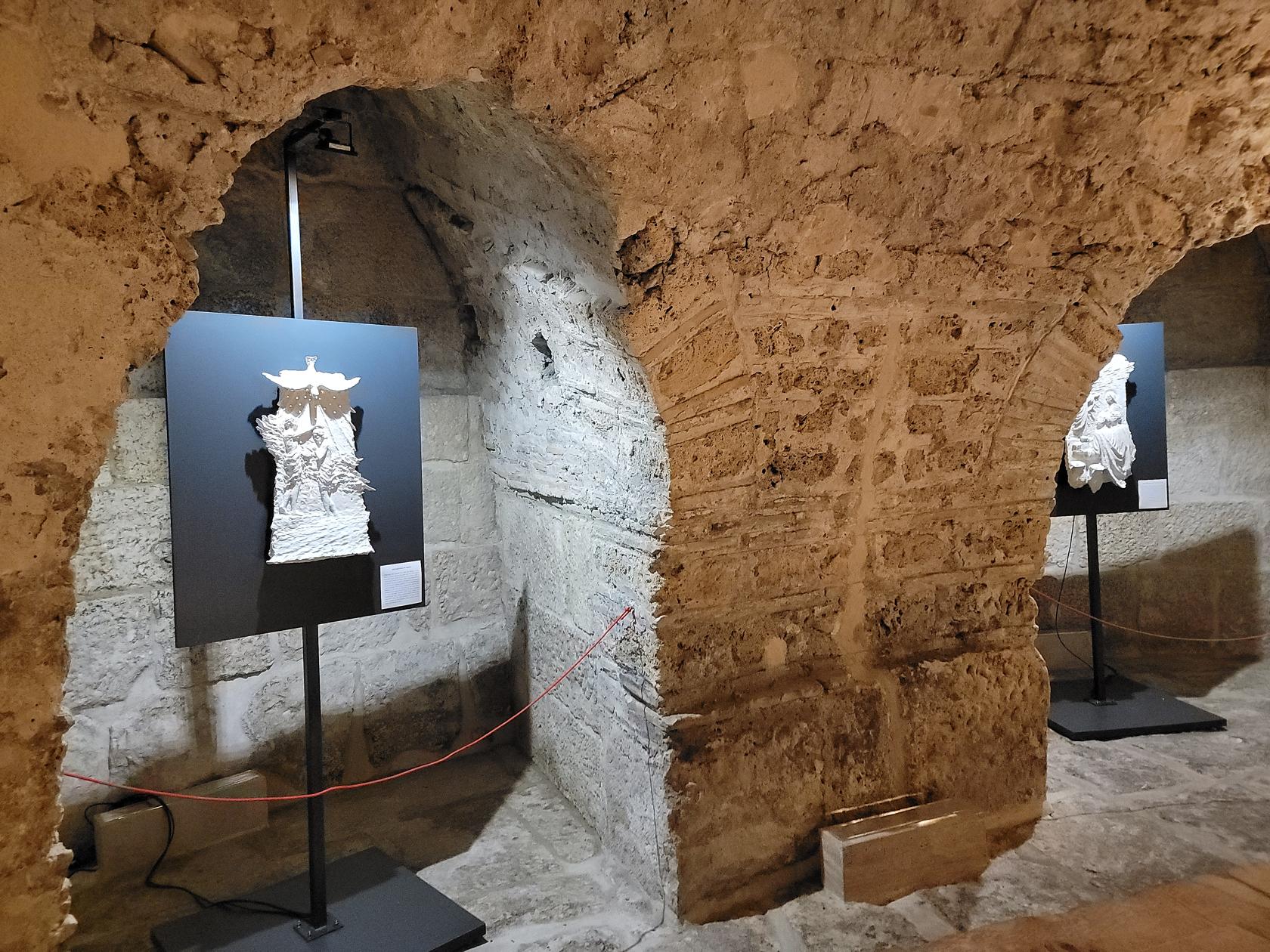
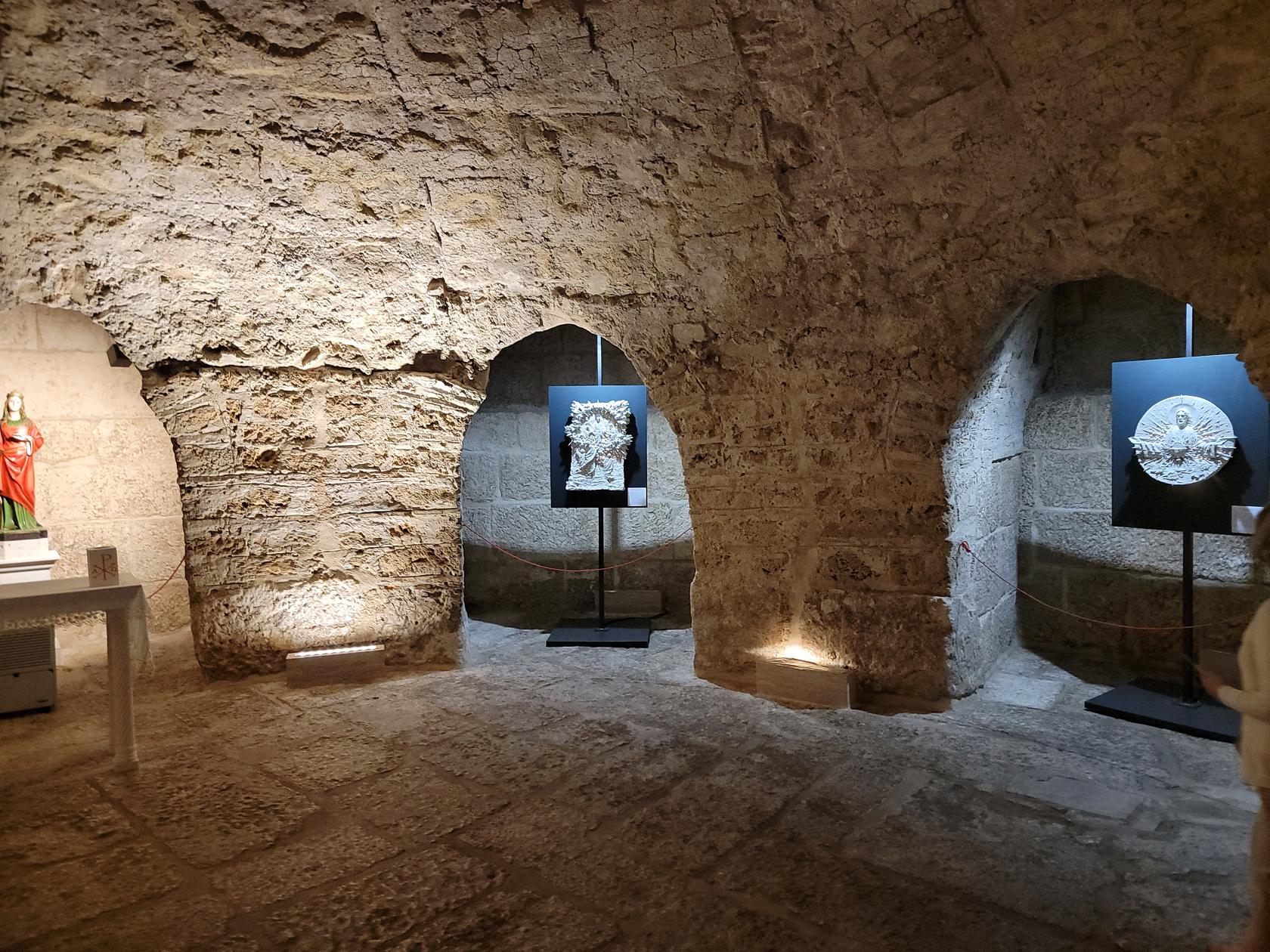
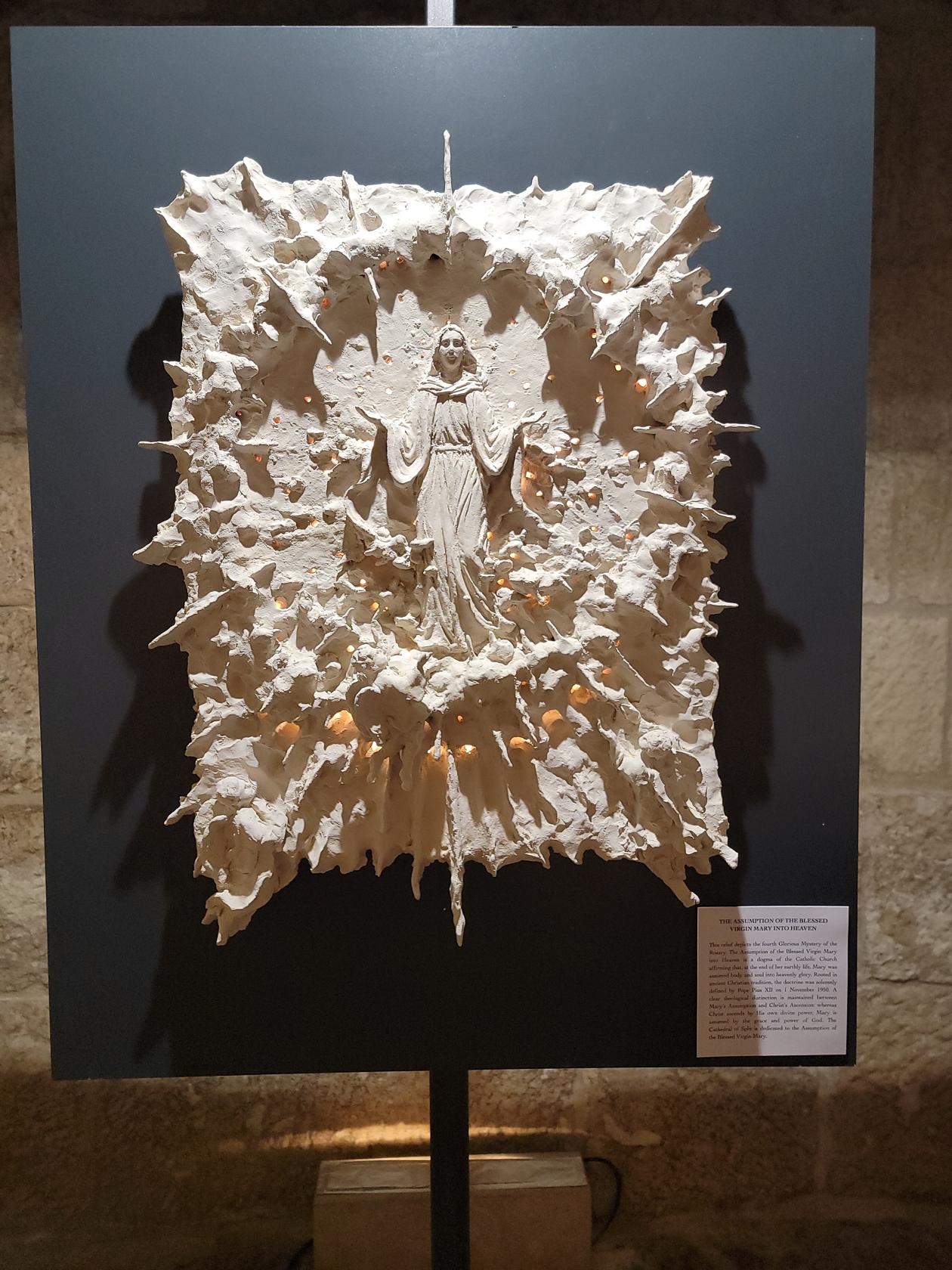
Assumption of the Blessed Virgin Mary – Saint Domnius Cathedral Crypt – Diocletian’s Palace – Split, Croatia
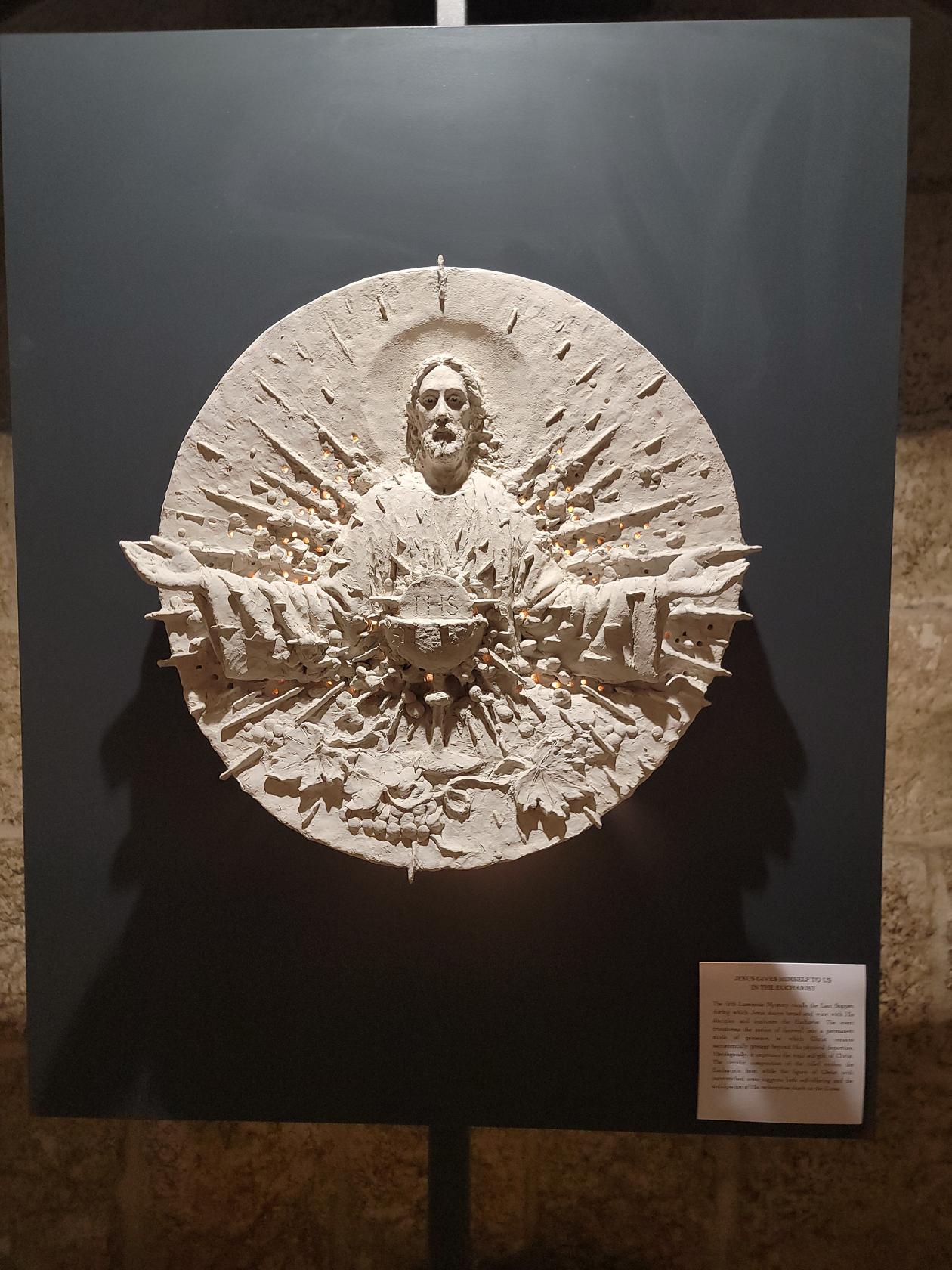
Jesus as Eucharist – Saint Domnius Cathedral Crypt – Diocletian’s Palace – Split, Croatia
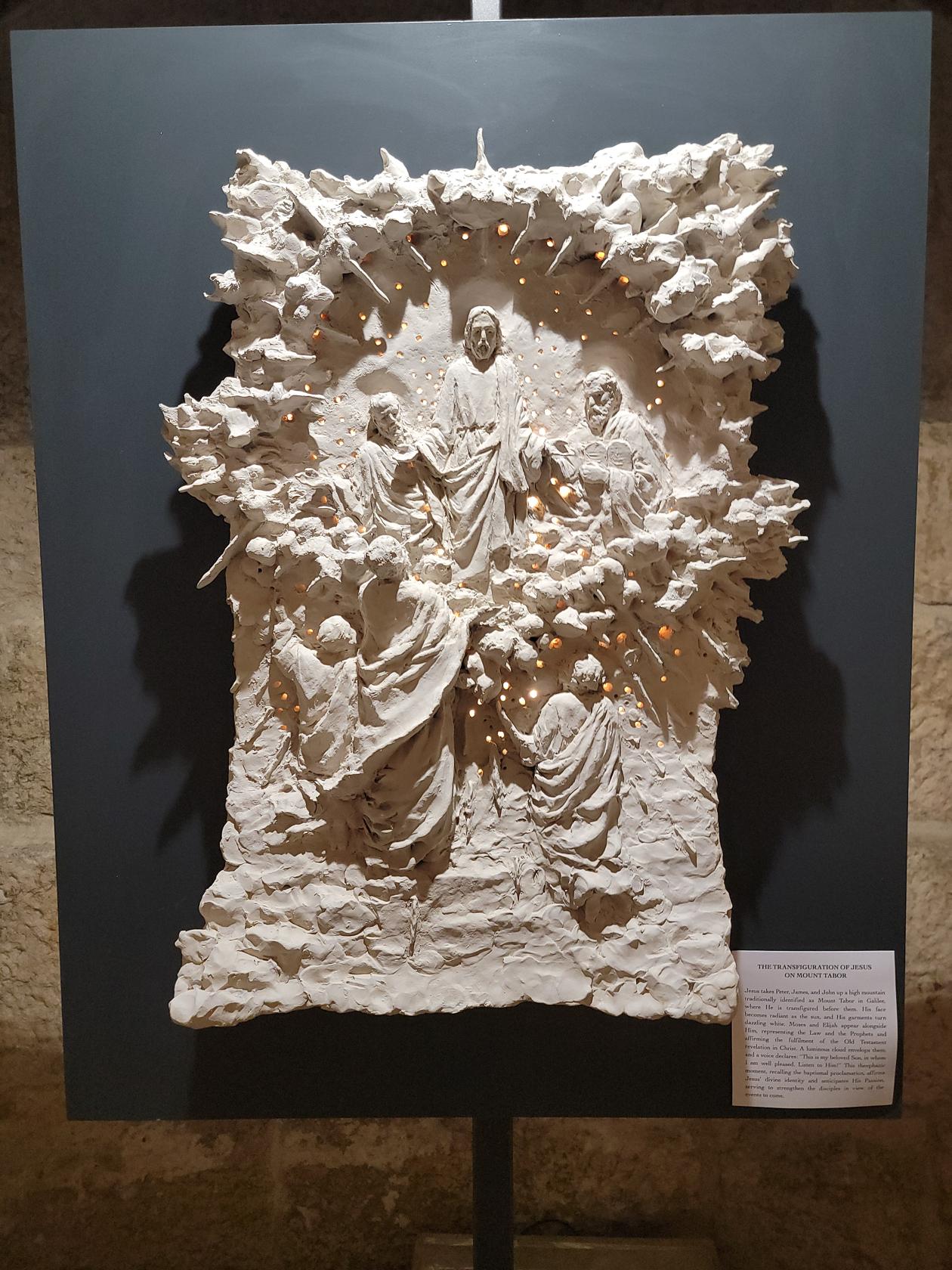
Tranfiguration of Christ on Mount Tabor – Saint Domnius Cathedral Crypt – Diocletian’s Palace – Split, Croatia
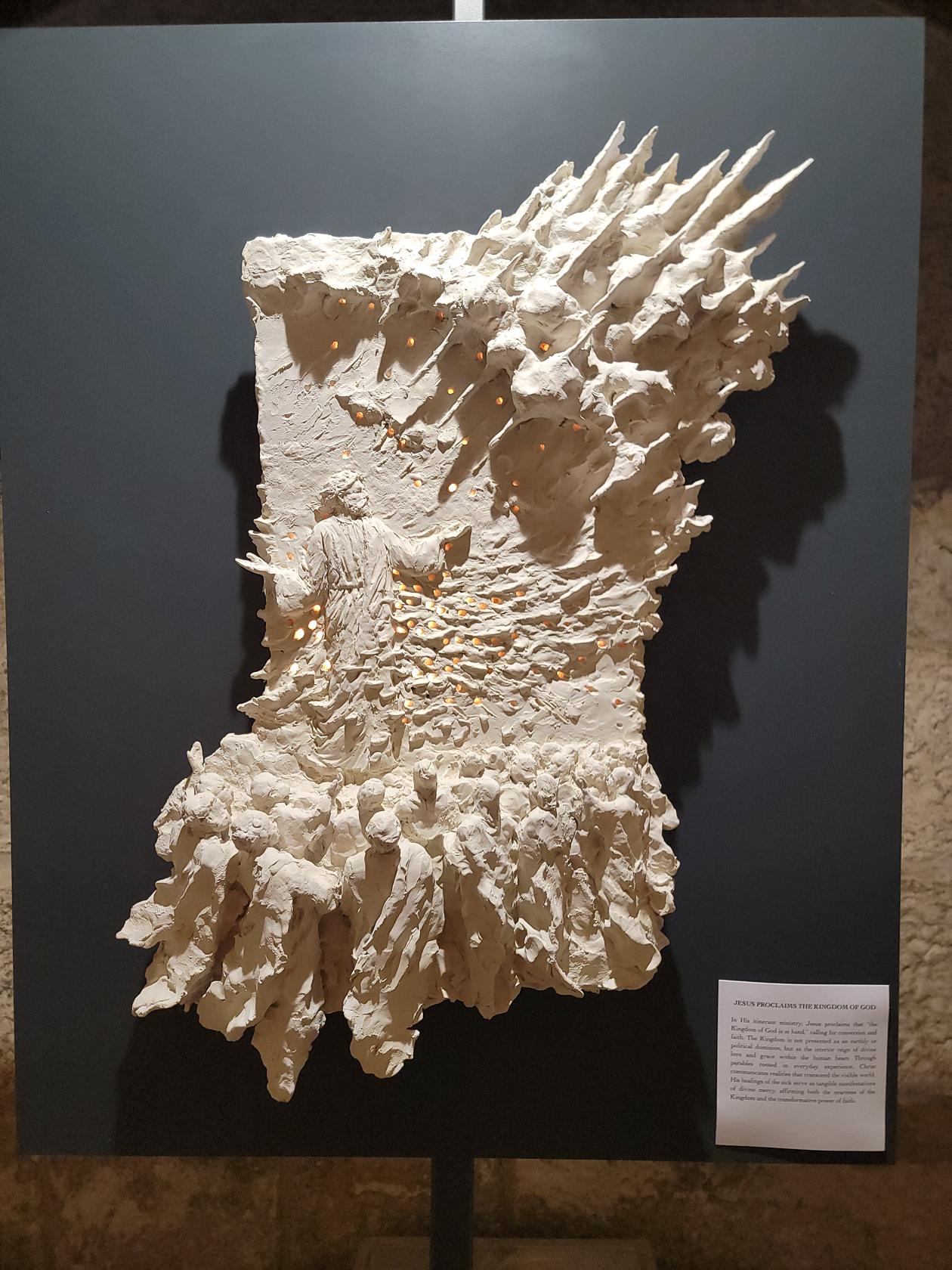
Kingdom of God Proclaimed – Saint Domnius Cathedral Crypt – Diocletian’s Palace – Split, Croatia
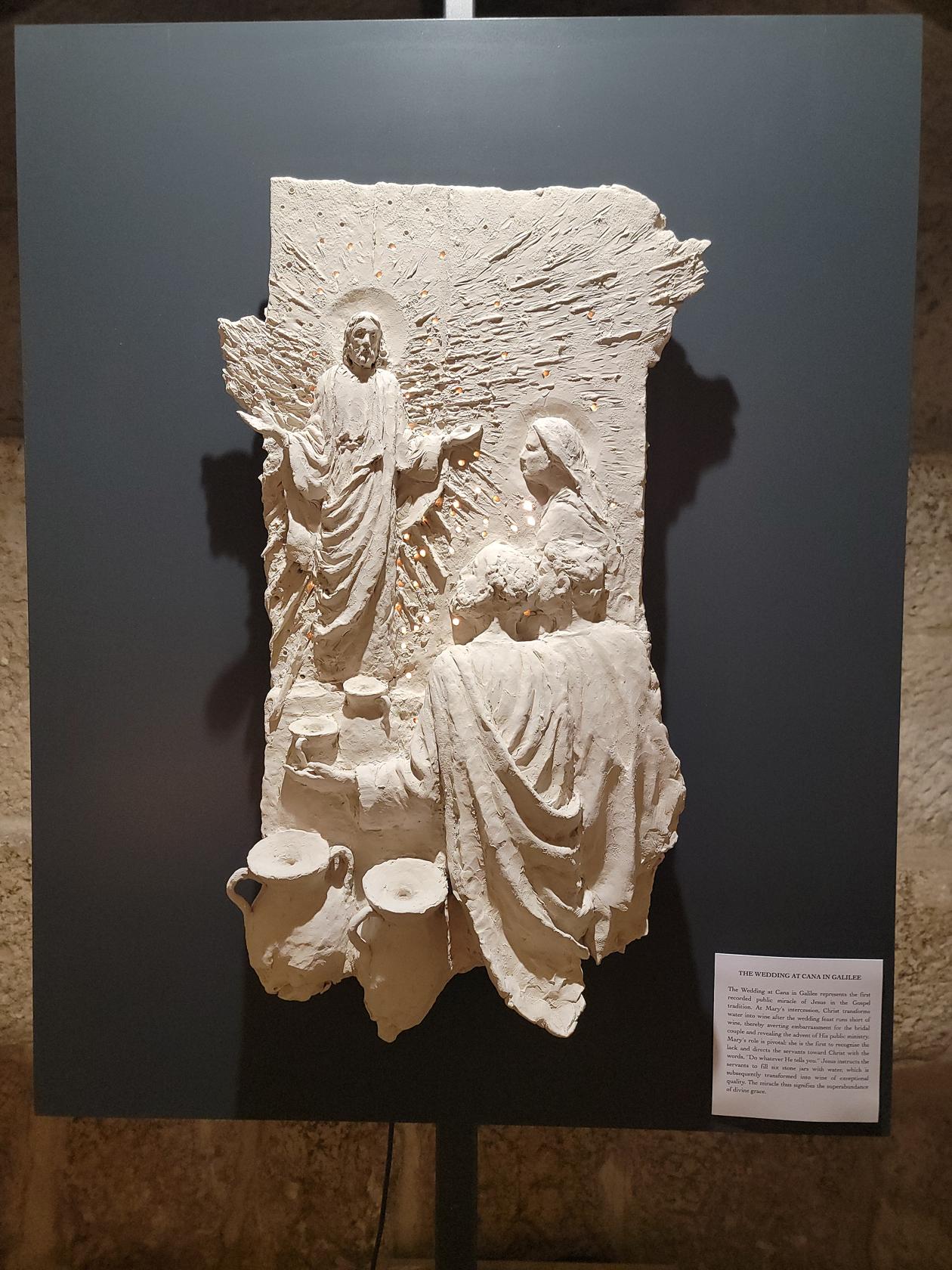
Wedding at Cana in Galilee – Saint Domnius Cathedral Crypt – Diocletian’s Palace – Split, Croatia
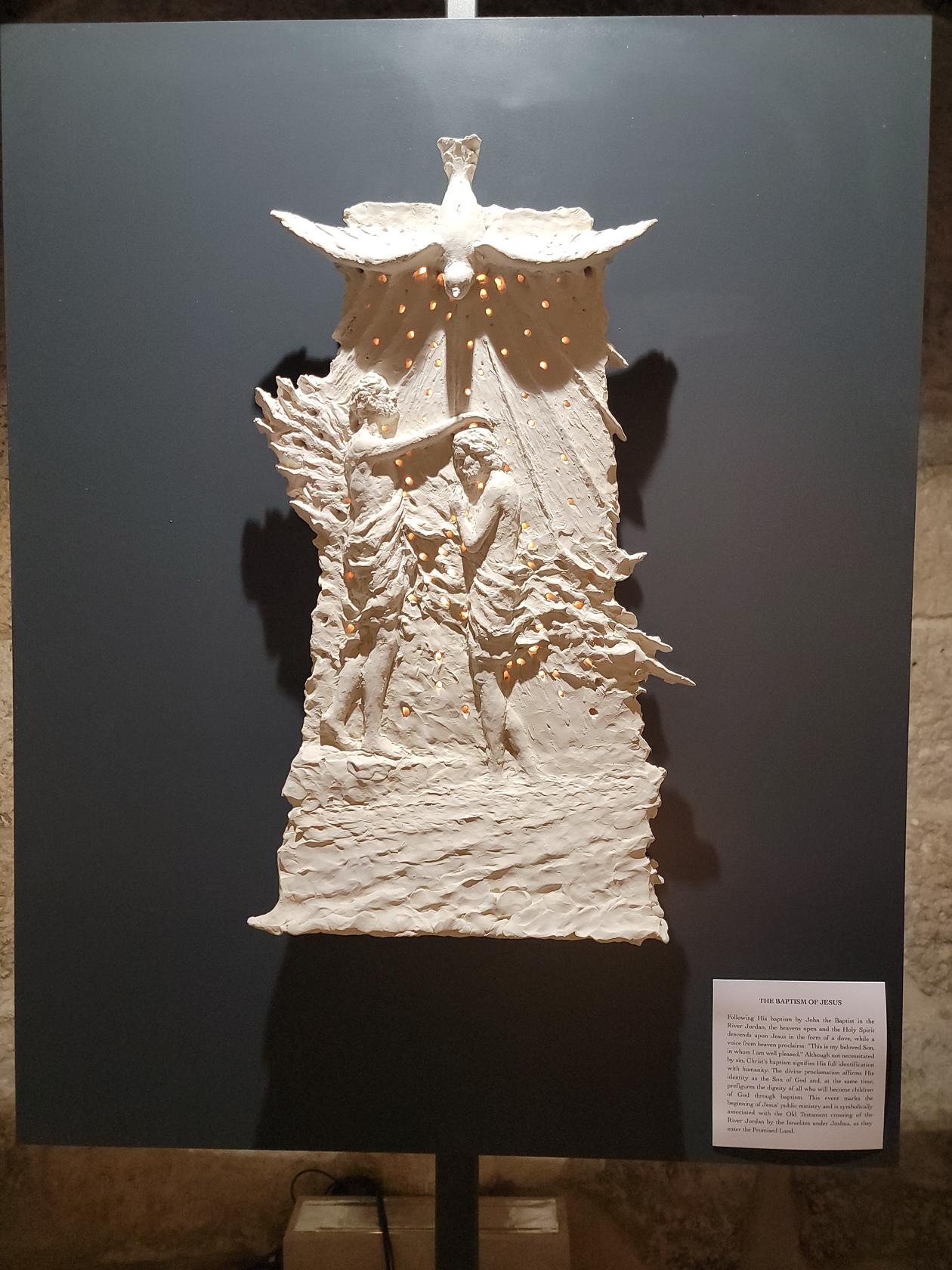
Baptism of Jesus – Saint Domnius Cathedral Crypt – Diocletian’s Palace – Split, Croatia
Marjan Hill
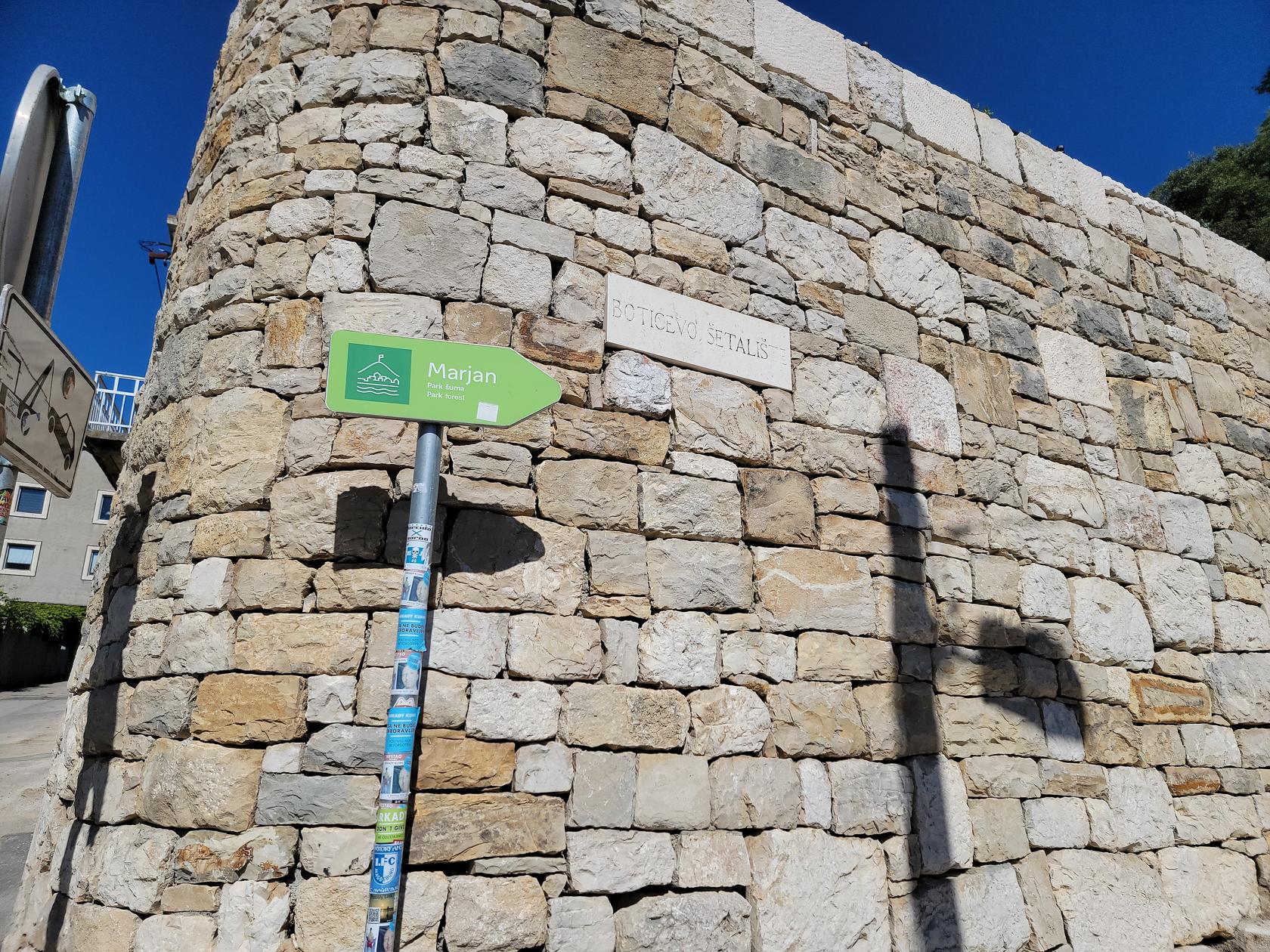
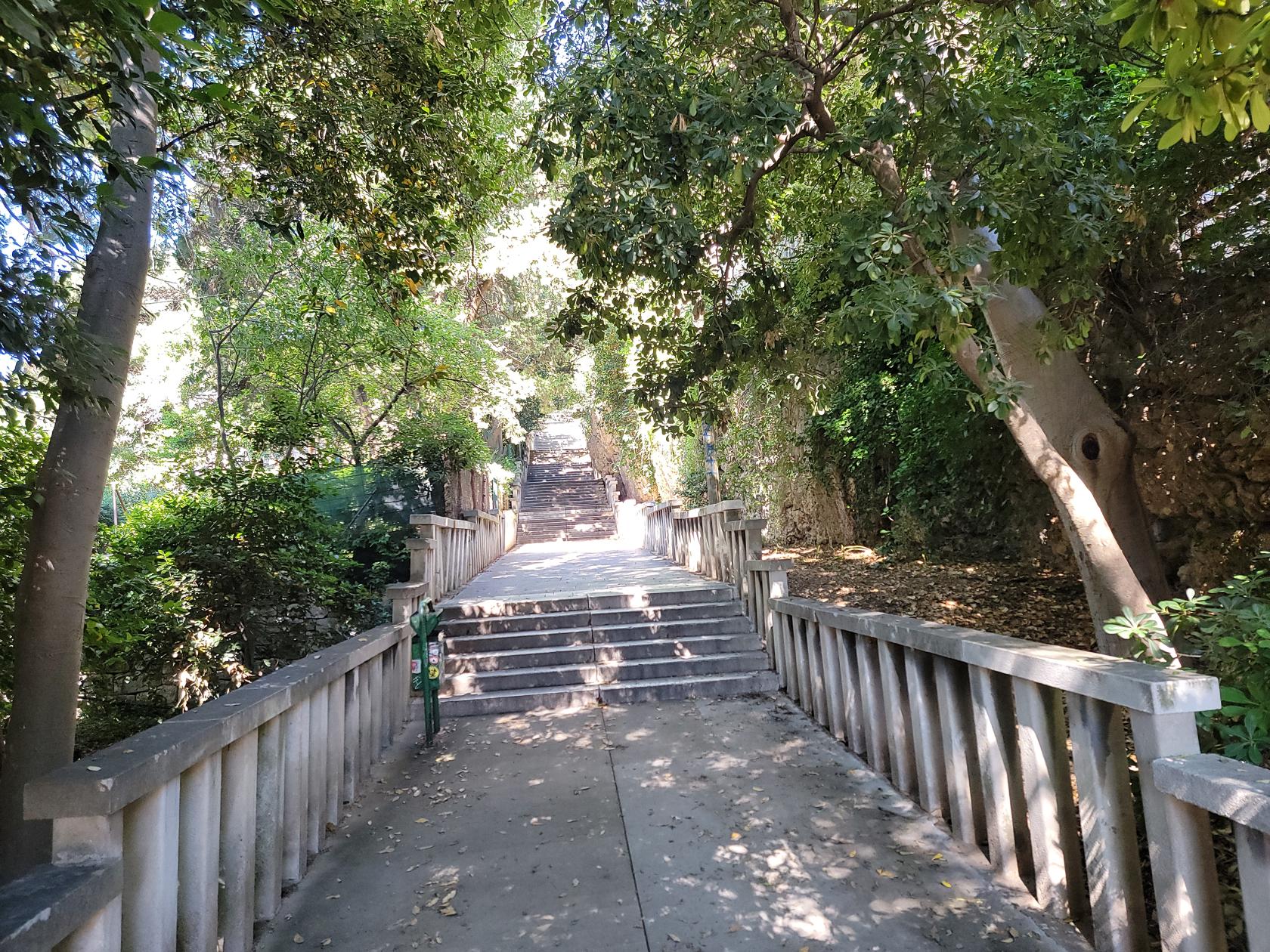
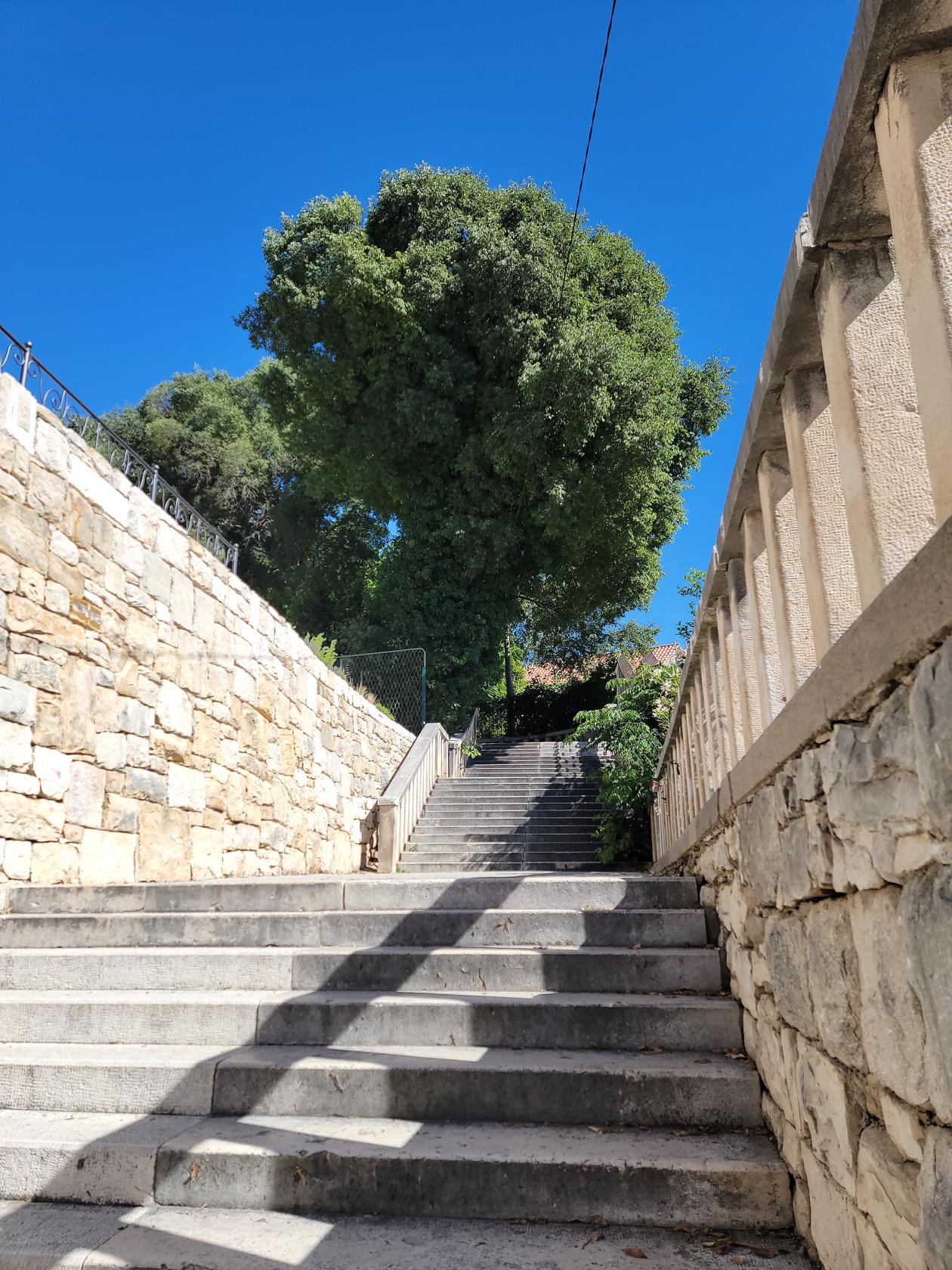
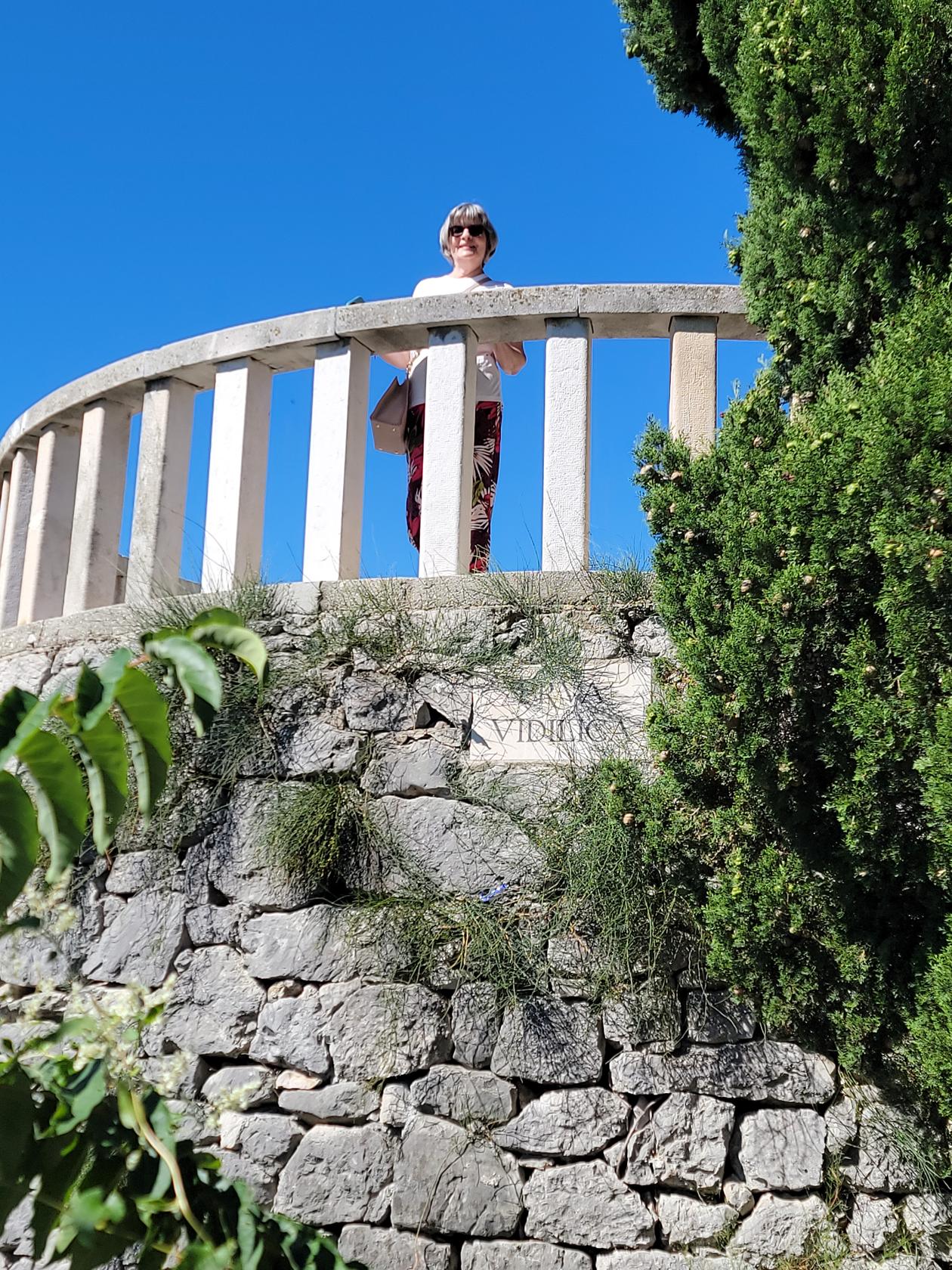
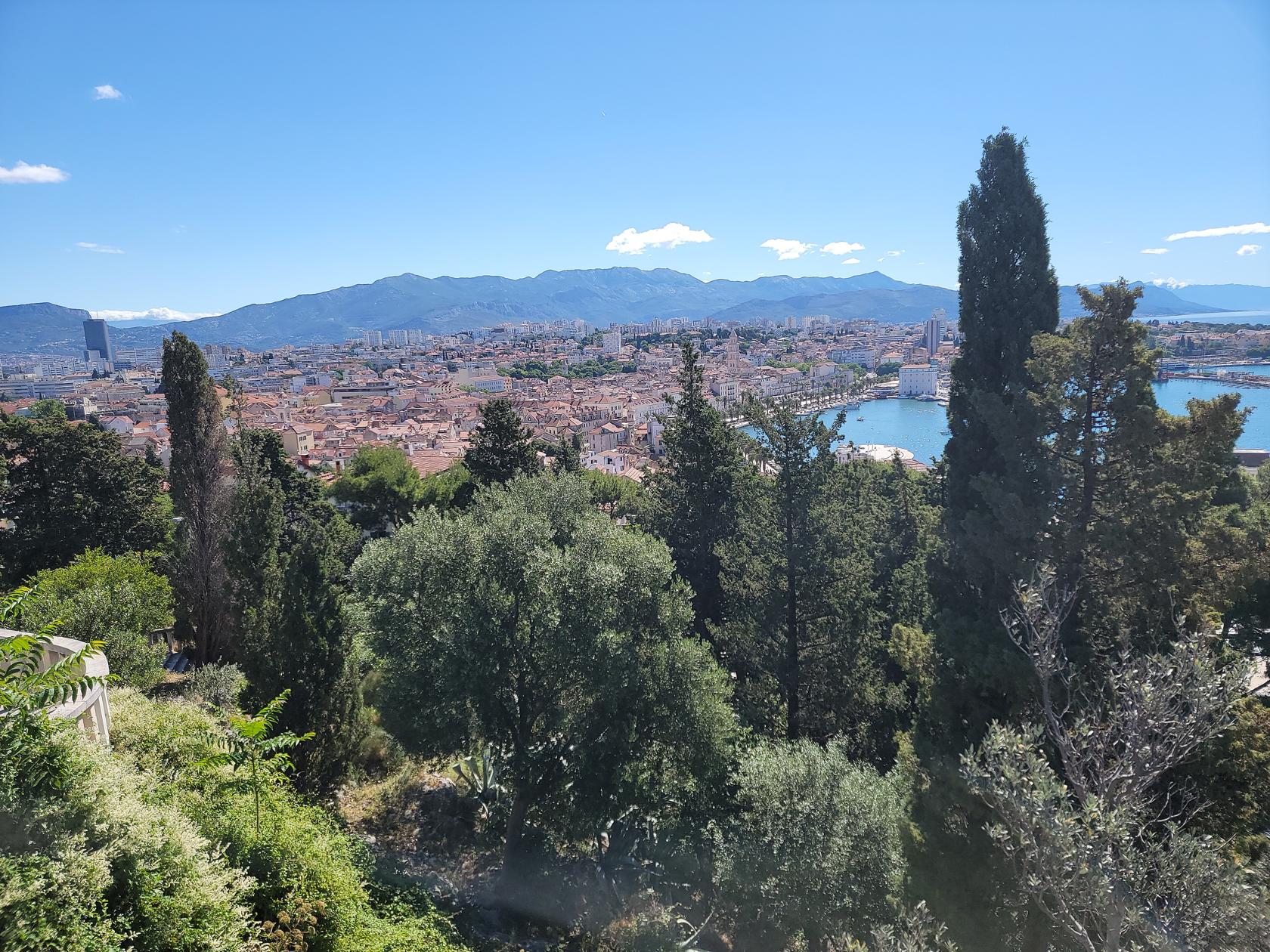
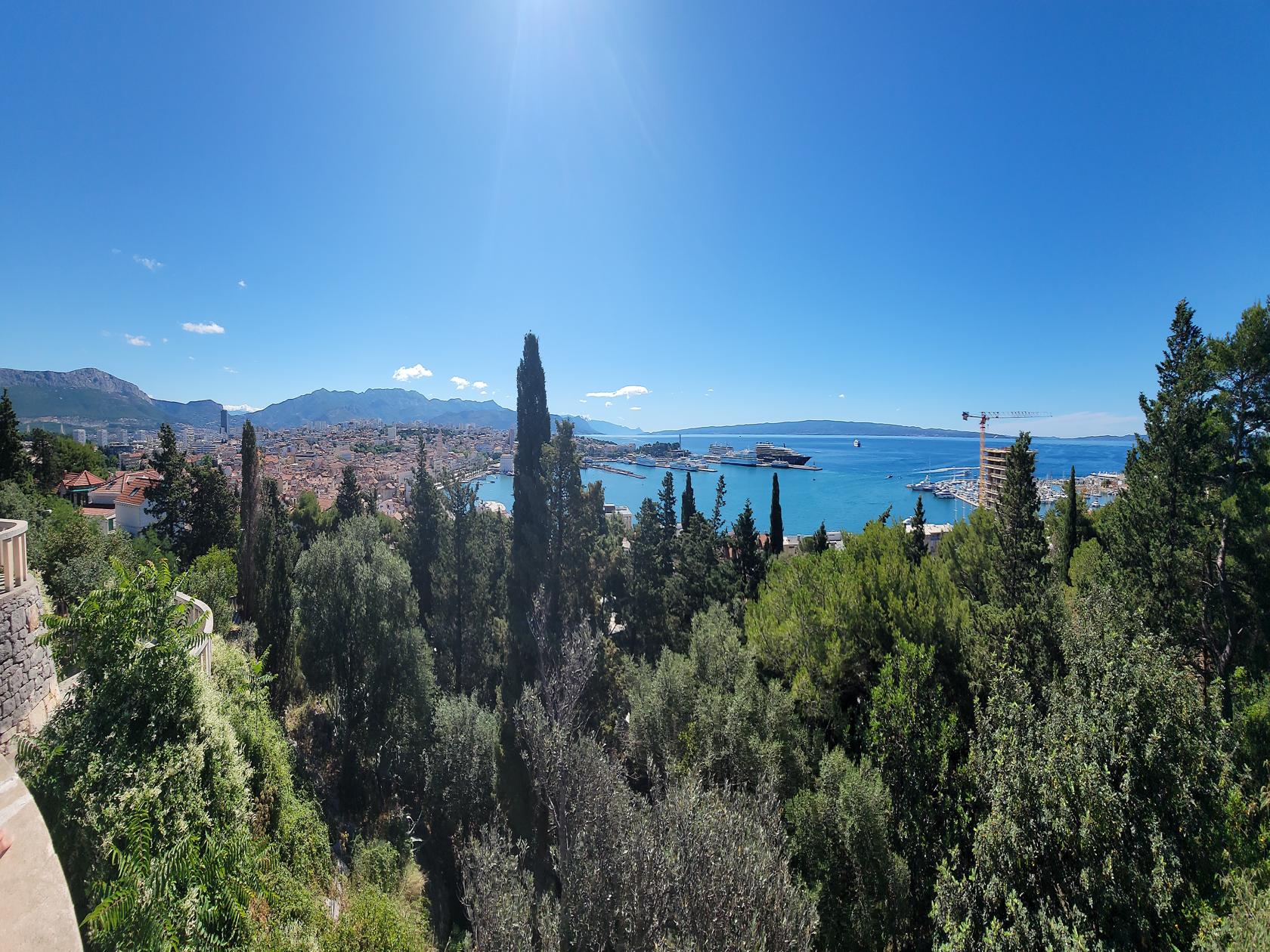
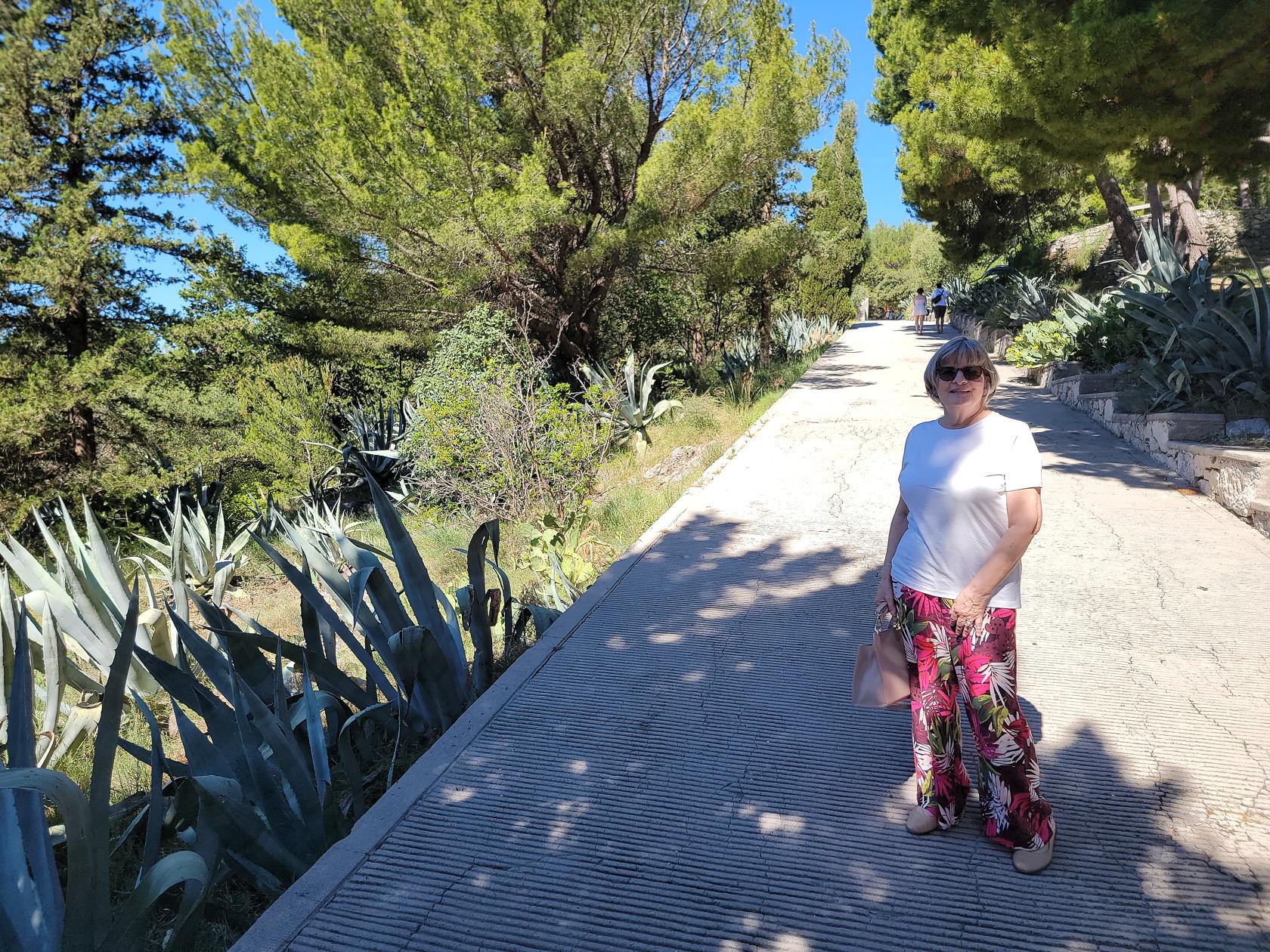
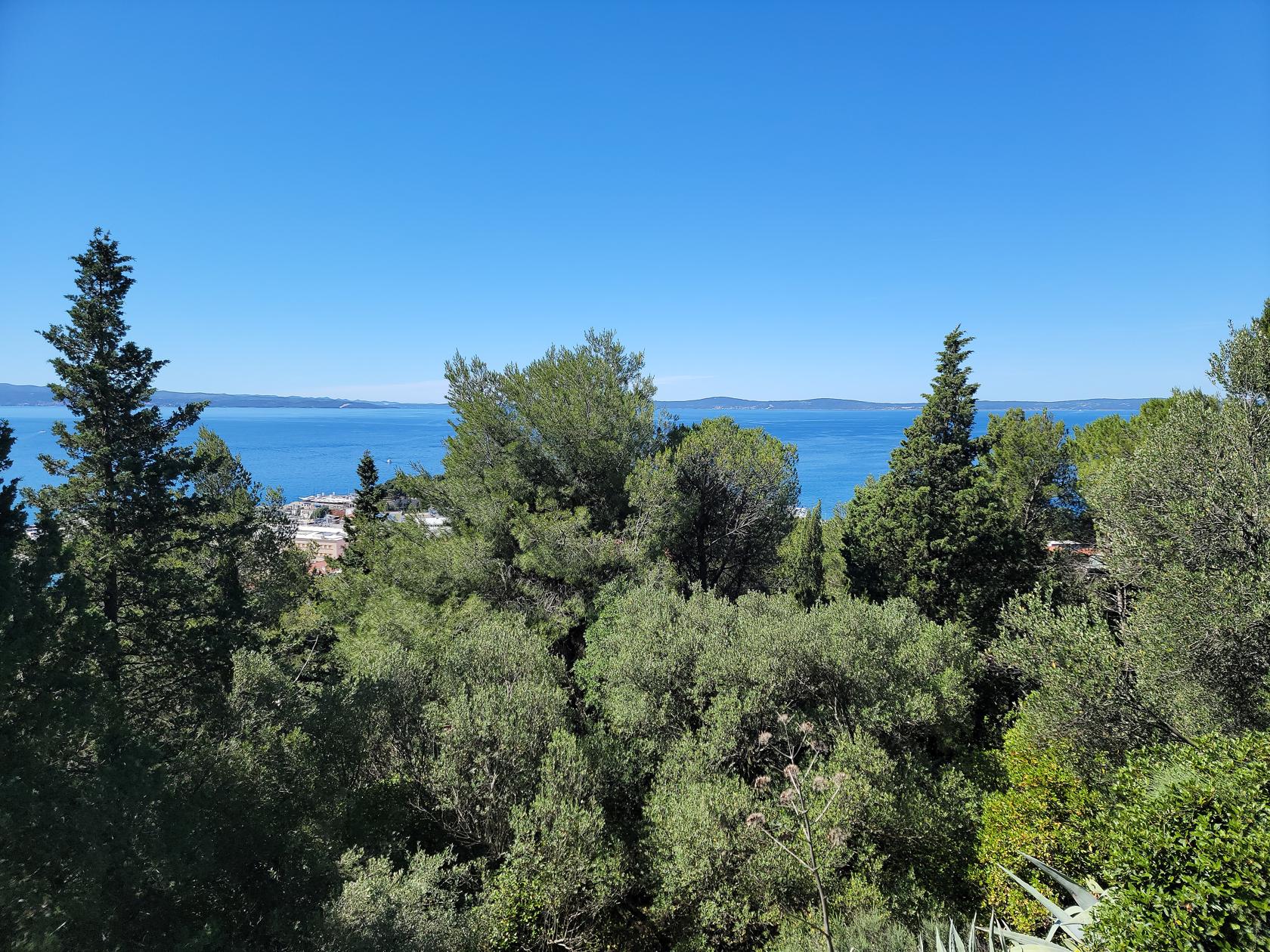
One the western part of the city is the Marjan Hill. Known locally as a hiking destination, is has several hundred steps to climb, before one gets a commanding view of the countryside.
Marjan Hill – Split, Croatia
Steps – Marjan Hill – Split, Croatia
Steps – Marjan Hill – Split, Croatia
Patti – Marjan Hill – Split, Croatia
Overlook – Marjan Hill – Split, Croatia
Port – Marjan Hill – Split, Croatia
Patti – Marjan Hill – Split, Croatia
Solta Island – Marjan Hill – Split, Croatia
Church of Saint Nicholas
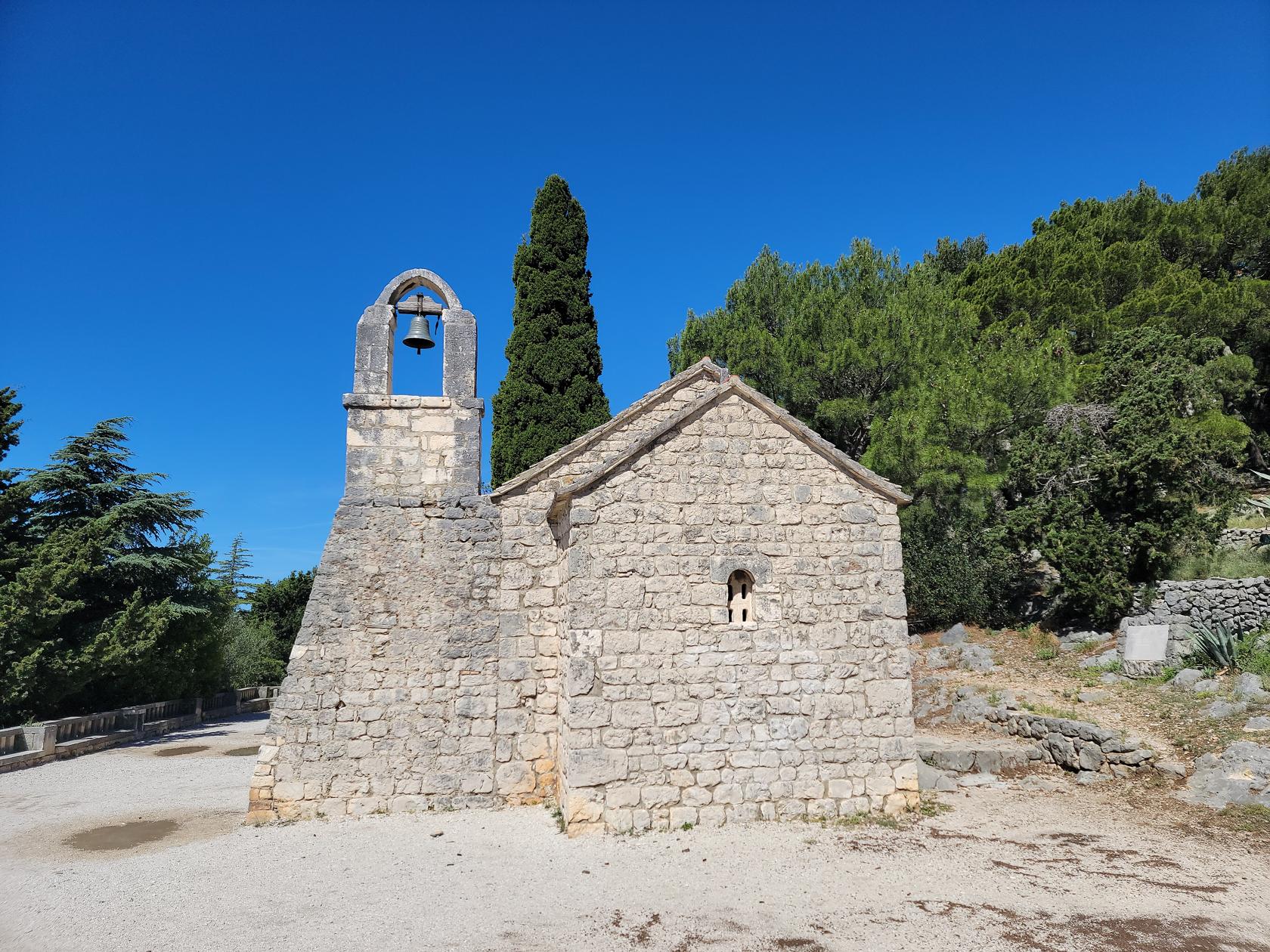
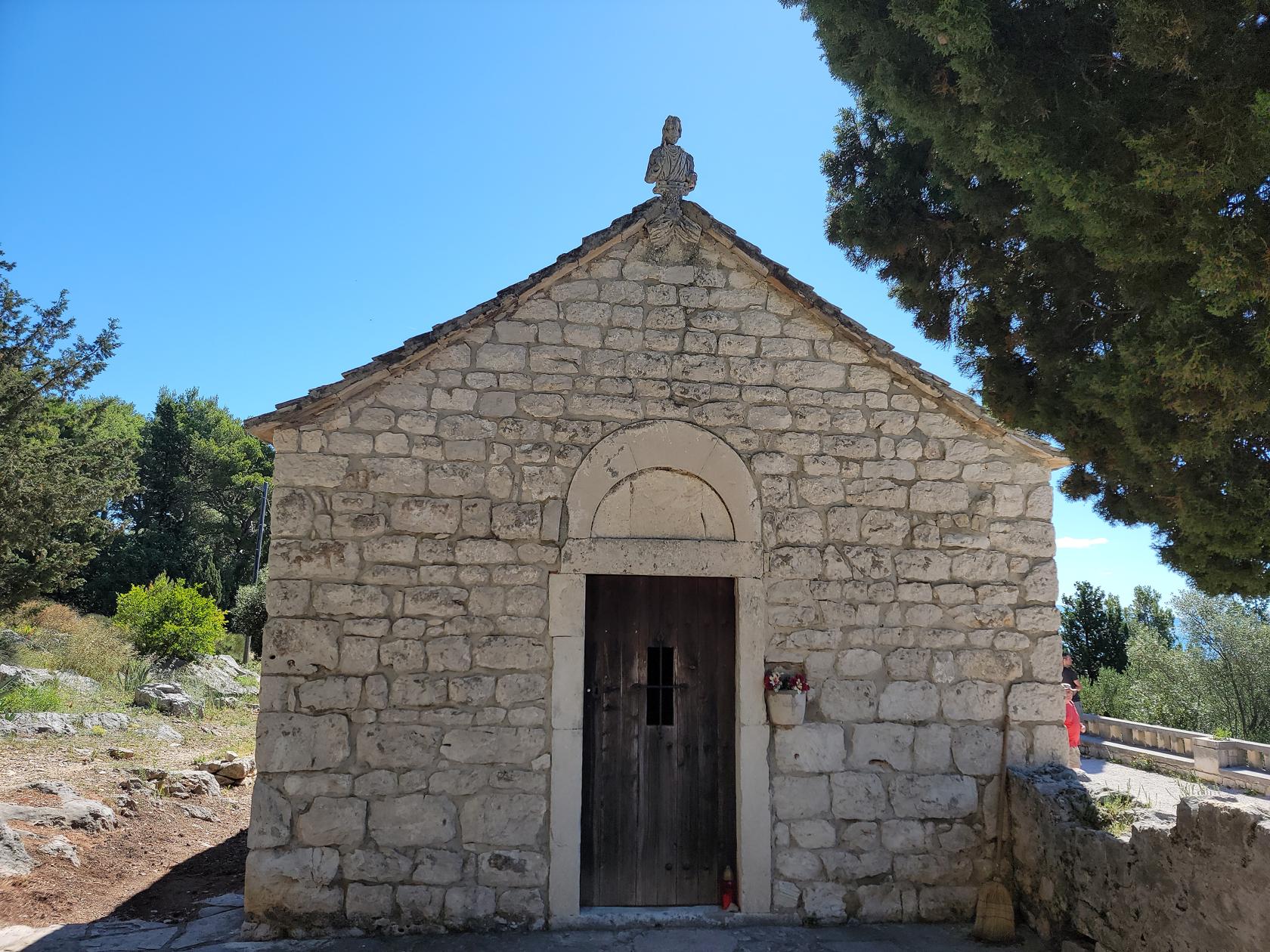
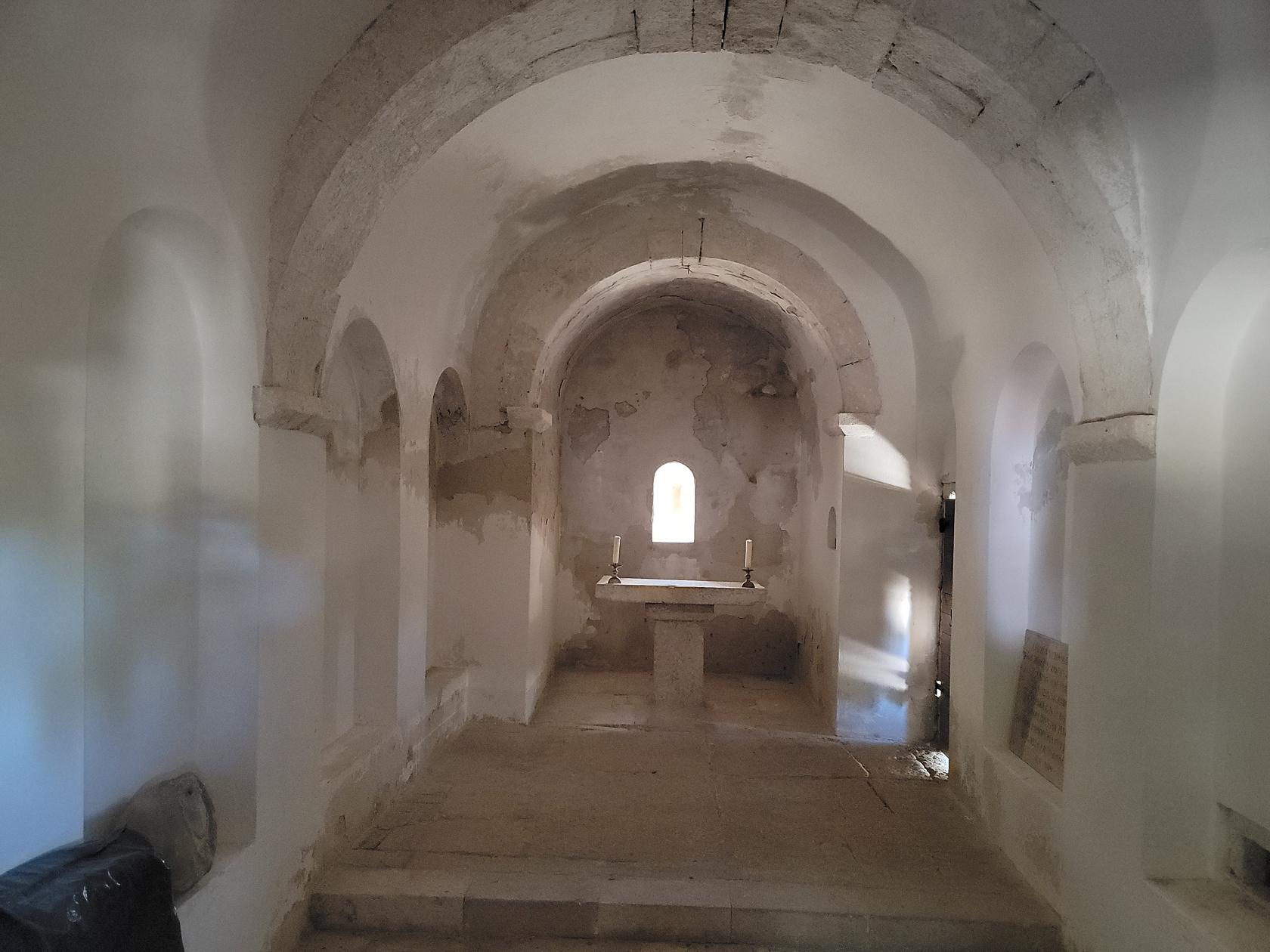
Atop the hill is the small chapel and Church of Saint Nicholas, first commissioned in 1219. It has a small Gothic-Renaissance bell tower and is still outfitted and used for mass, especially on December 6th. The Croatians are a deeply religious catholic people and you will often find attendance very high if you were to peak your head in during a Sunday Mass.
Church of Saint Nicholas and Bell – Marjan Hill – Split, Croatia
Entrance – Church of Saint Nicholas and Bell – Marjan Hill – Split, Croatia
Inside – Church of Saint Nicholas and Bell – Marjan Hill – Split, Croatia
Restaurants
Cicibela Restaurant
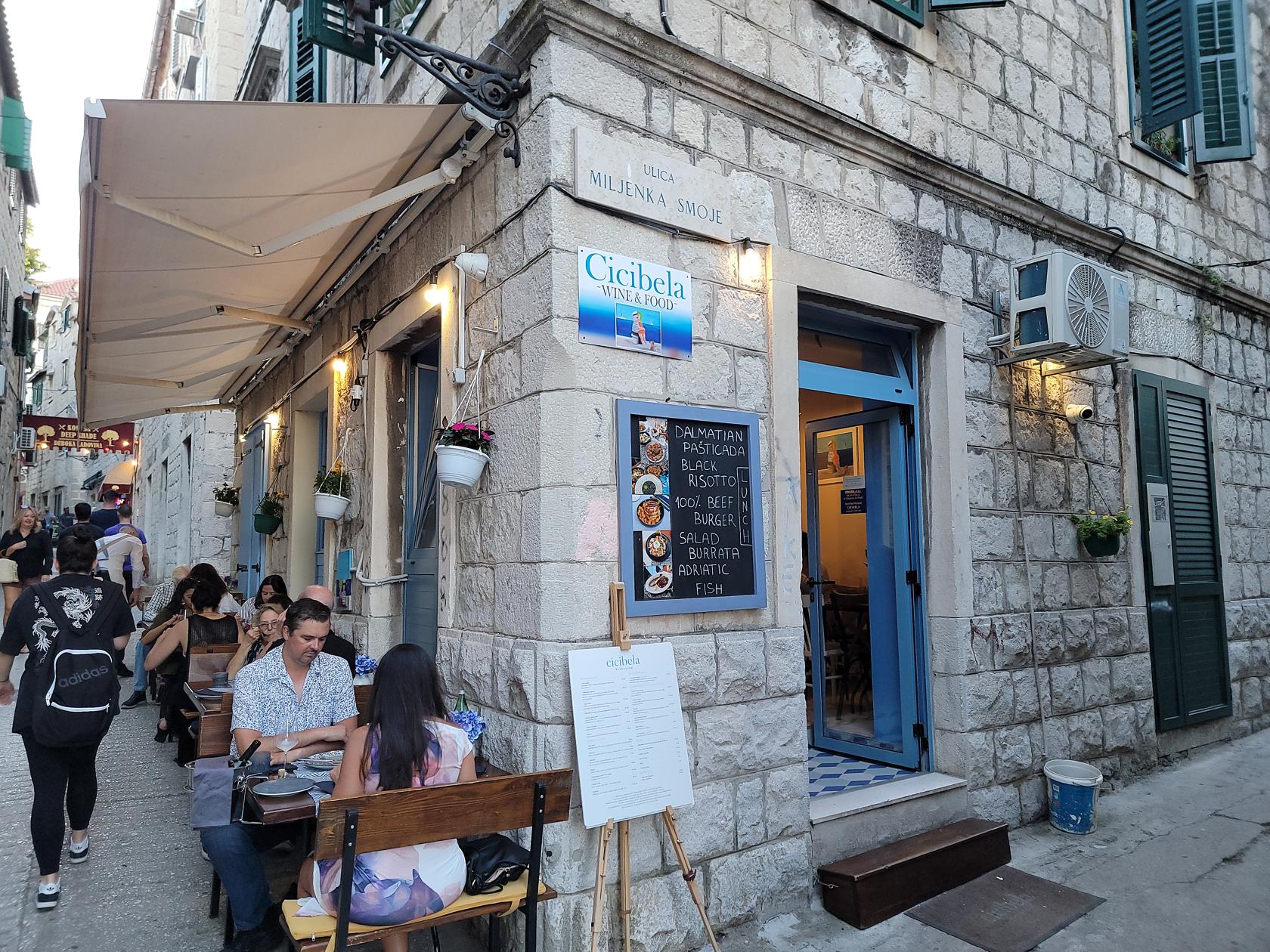
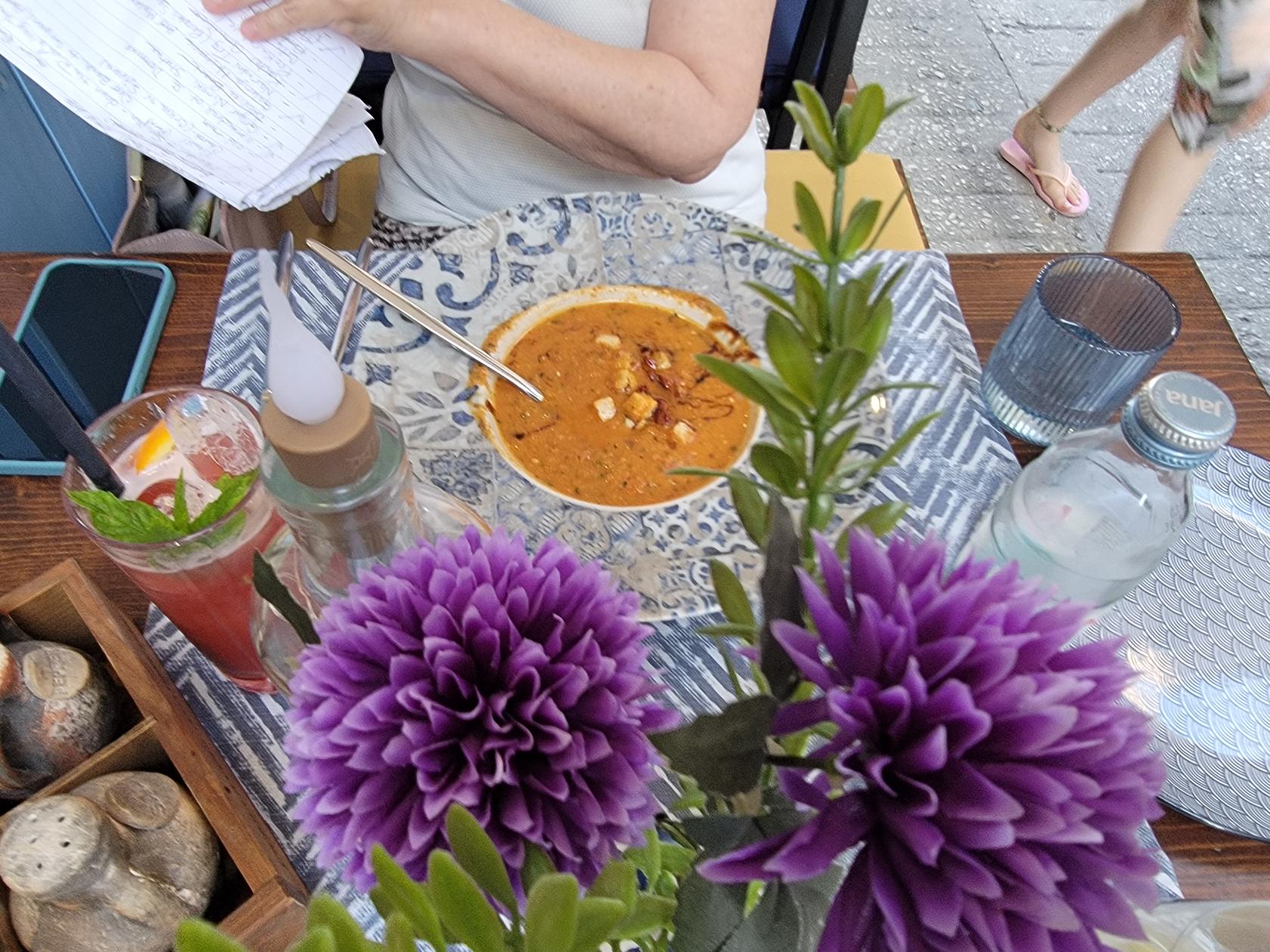
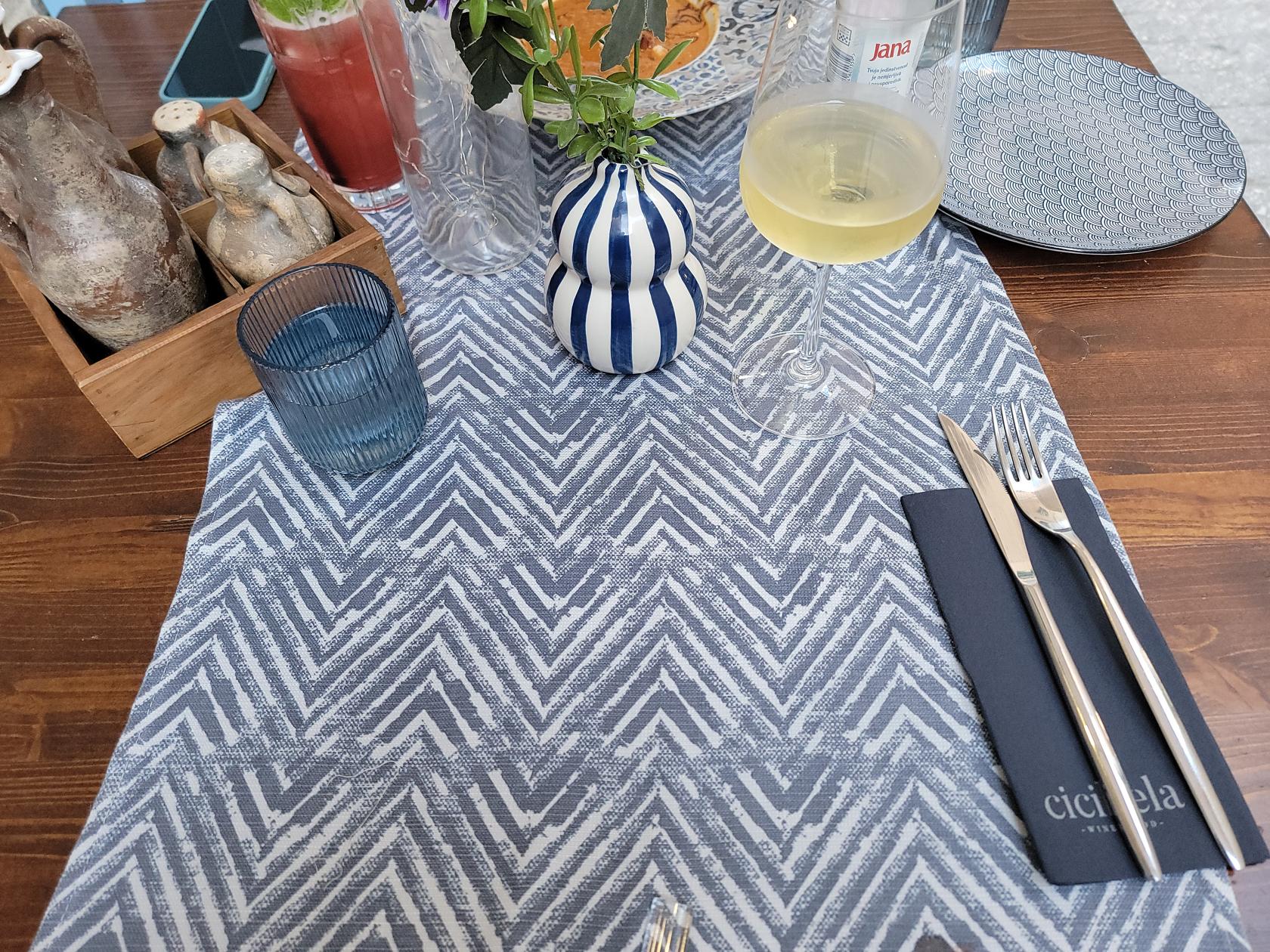
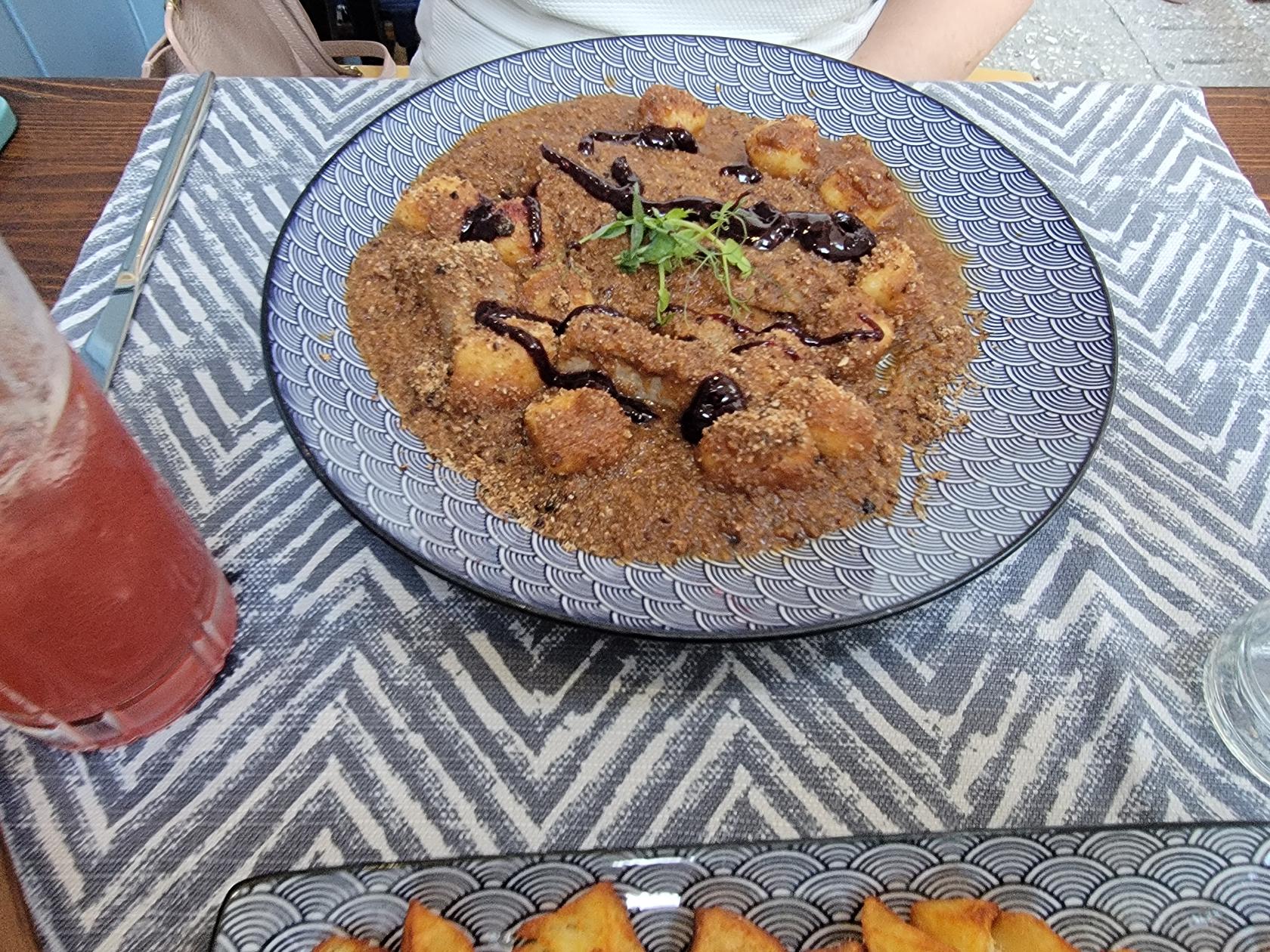
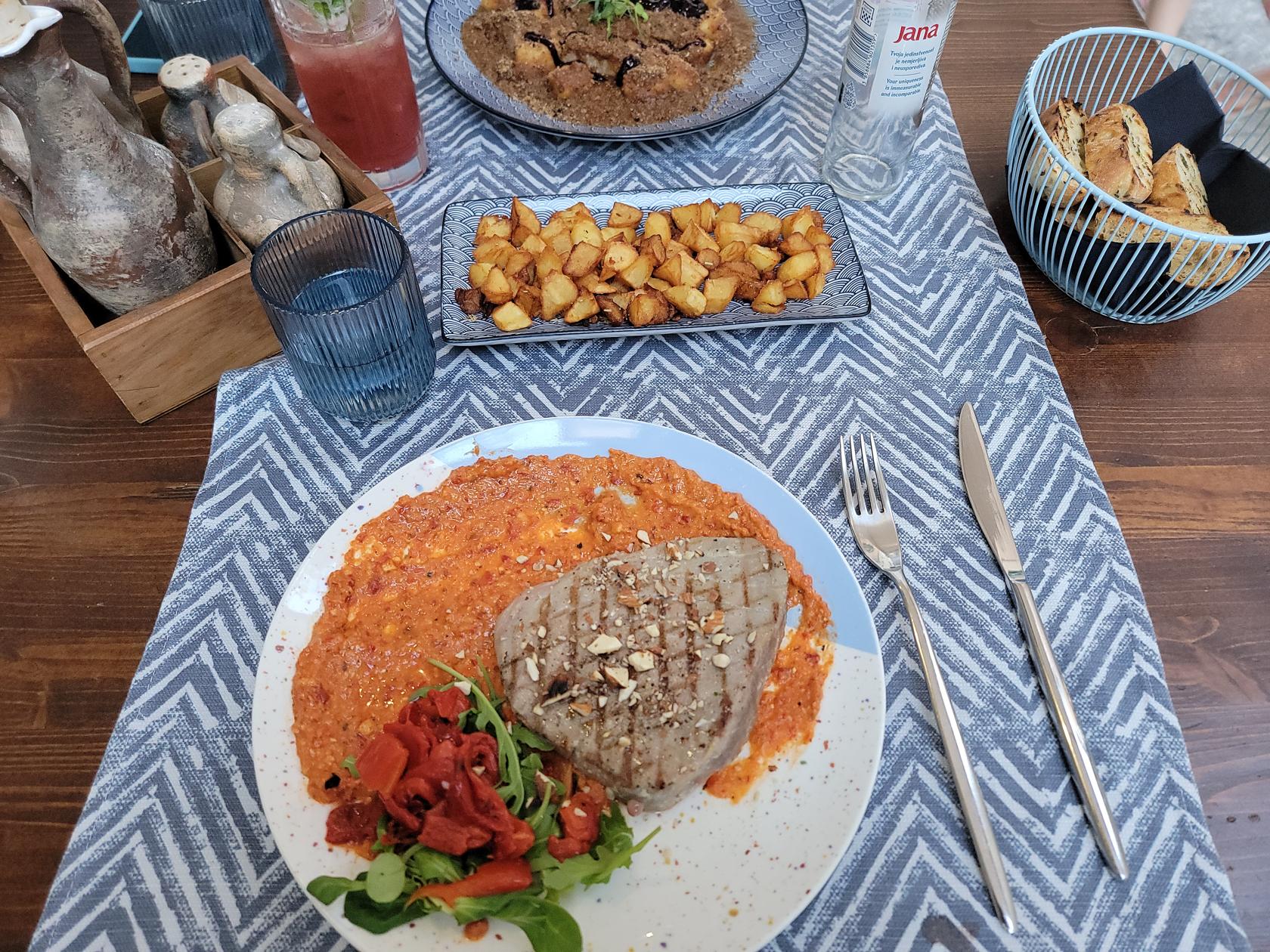
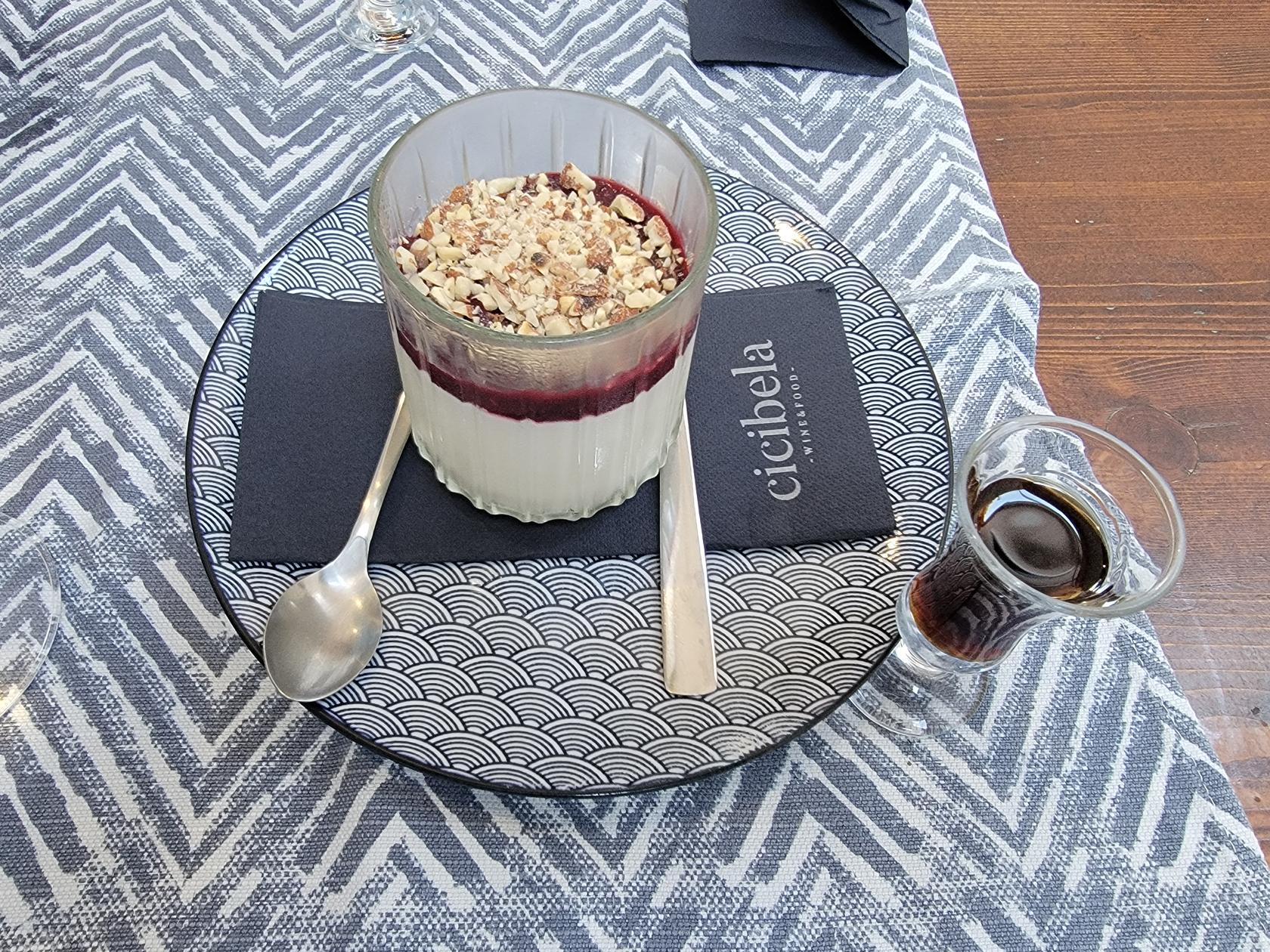
Very near our place of hotel was the Cicebela restaurant. A very good restaurant that serves traditional food, albeit at a higher price. Everything we ordered was very tasty and the service was equally responsive.
Entrance – Cicibela Restaurant – Split, Croatia
Soup – Cicibela Restaurant – Split, Croatia
Waiting – Cicibela Restaurant – Split, Croatia
Pasticada – Cicibela Restaurant – Split, Croatia
Tuna Steak – Cicibela Restaurant – Split, Croatia
Panacota and Orahovac – Cicibela Restaurant – Split, Croatia
Buffet Fife
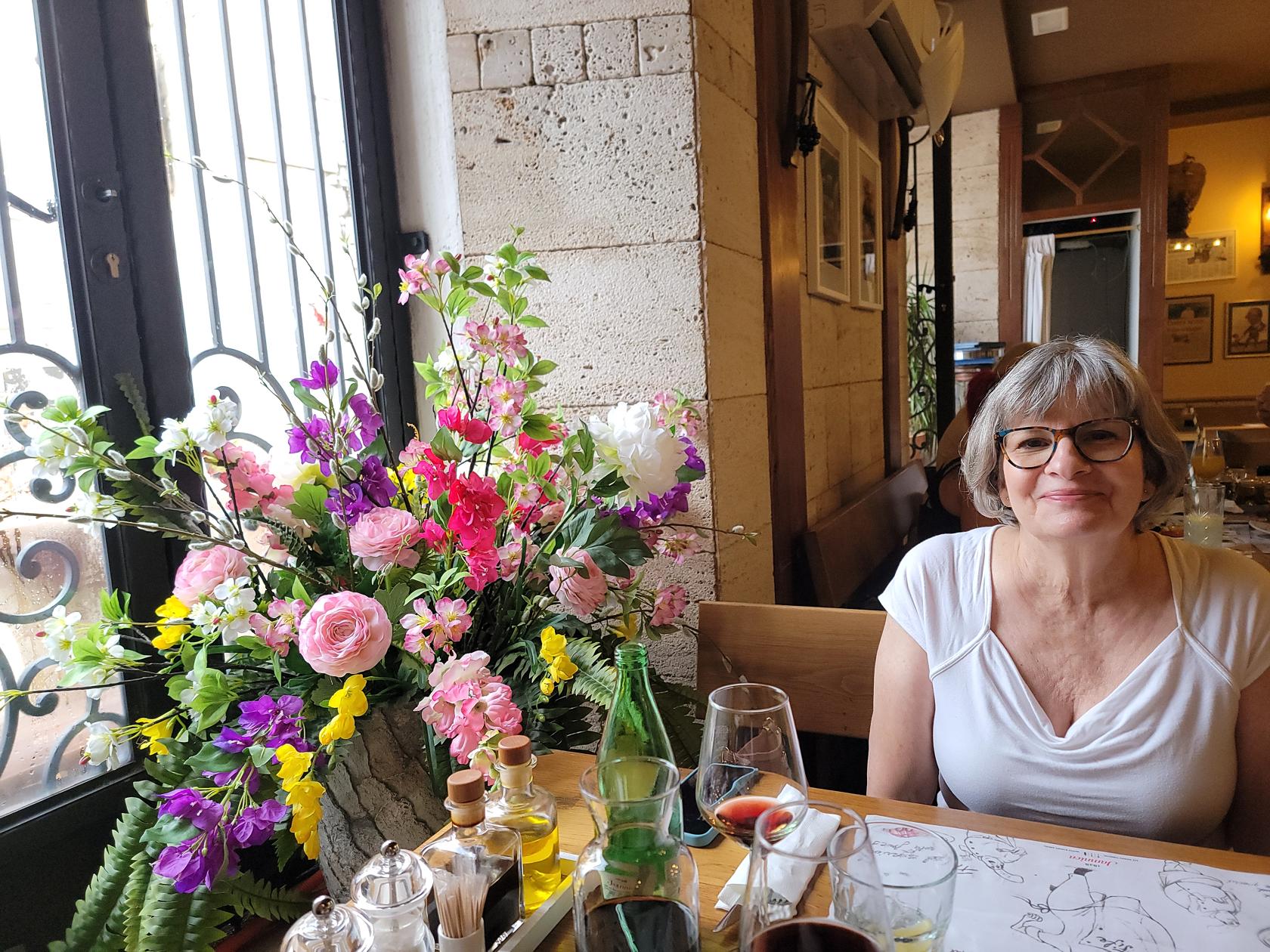
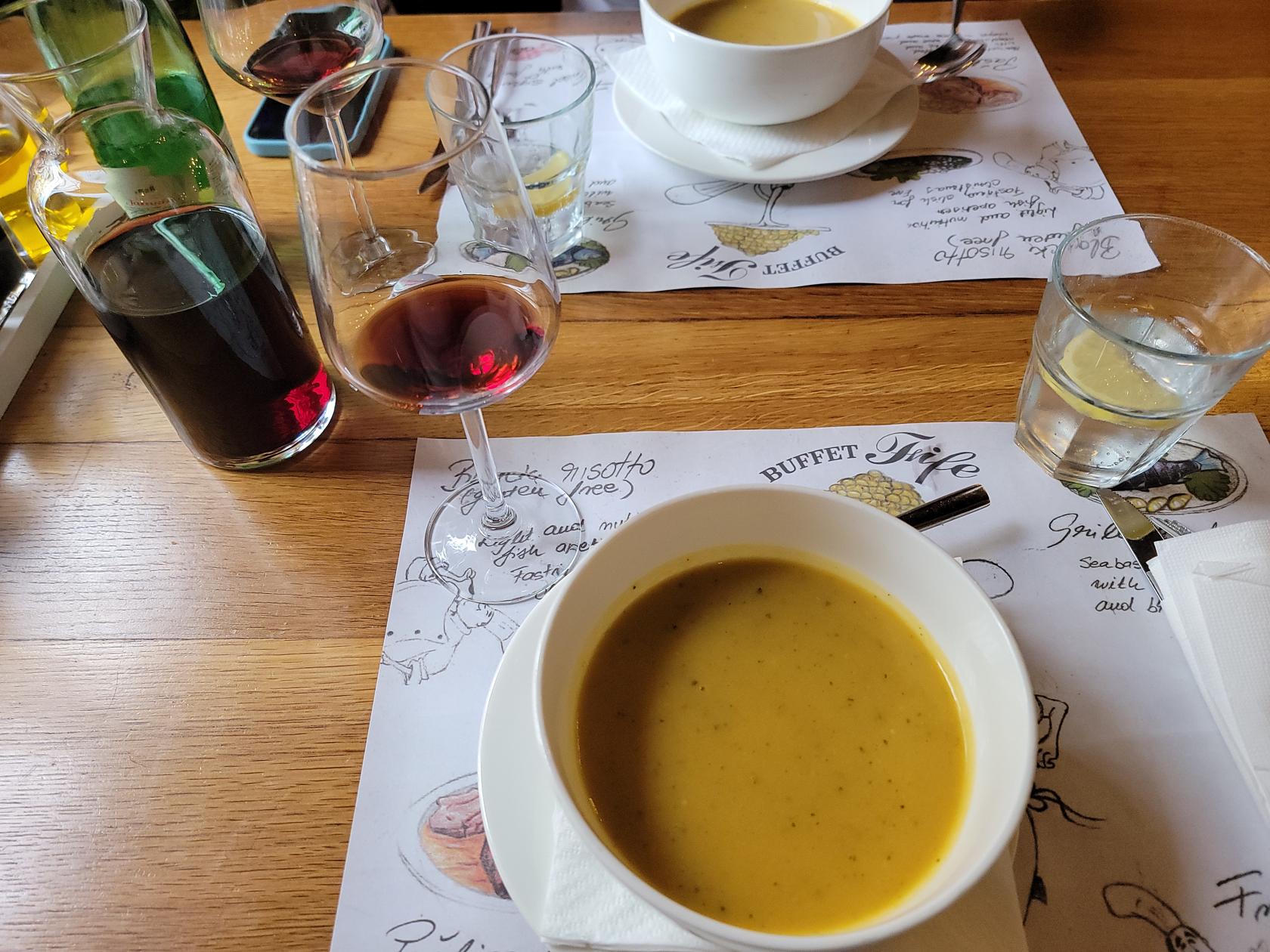
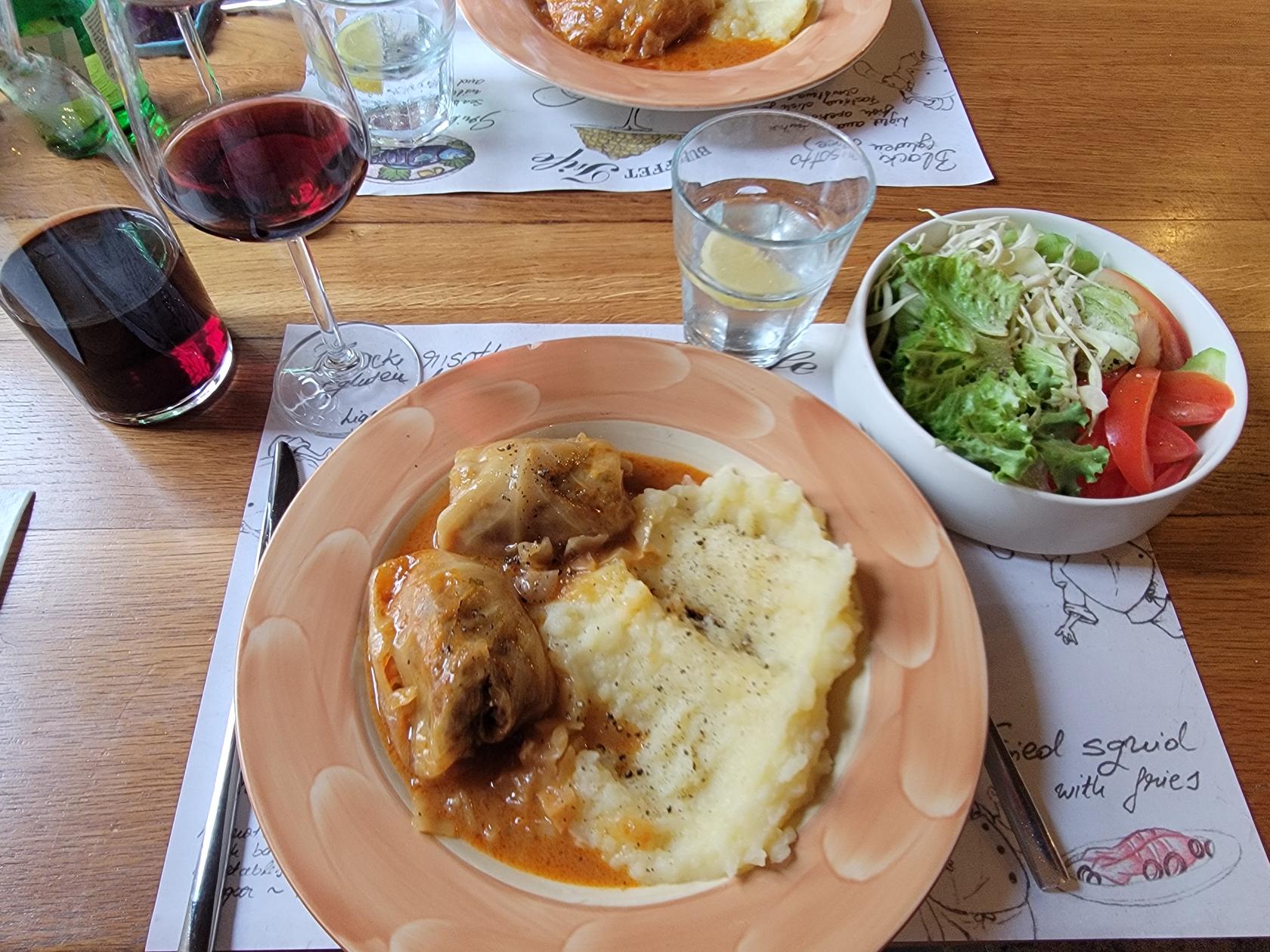
Located near the waterfront is the Buffet Fife, a local restaurant that is similar to a trattoria in Italy. Here you will find and enjoy many Croatian home-cooked dishes. We ordered the stuffed cabbage rolls in sauce with mashed potatoes, which are very similar to the Polish variety of Gołąbkis, or Galumpkis. They were delicious and come well commended.
Placemat – Buffet Fife – Split, Croatia
Patti waiting for dinner – Buffet Fife – Split, Croatia
Soup – Buffet Fife – Split, Croatia
Stuffed Cabbage and Mashed Potatoes with Salad – Buffet Fife – Split, Croatia
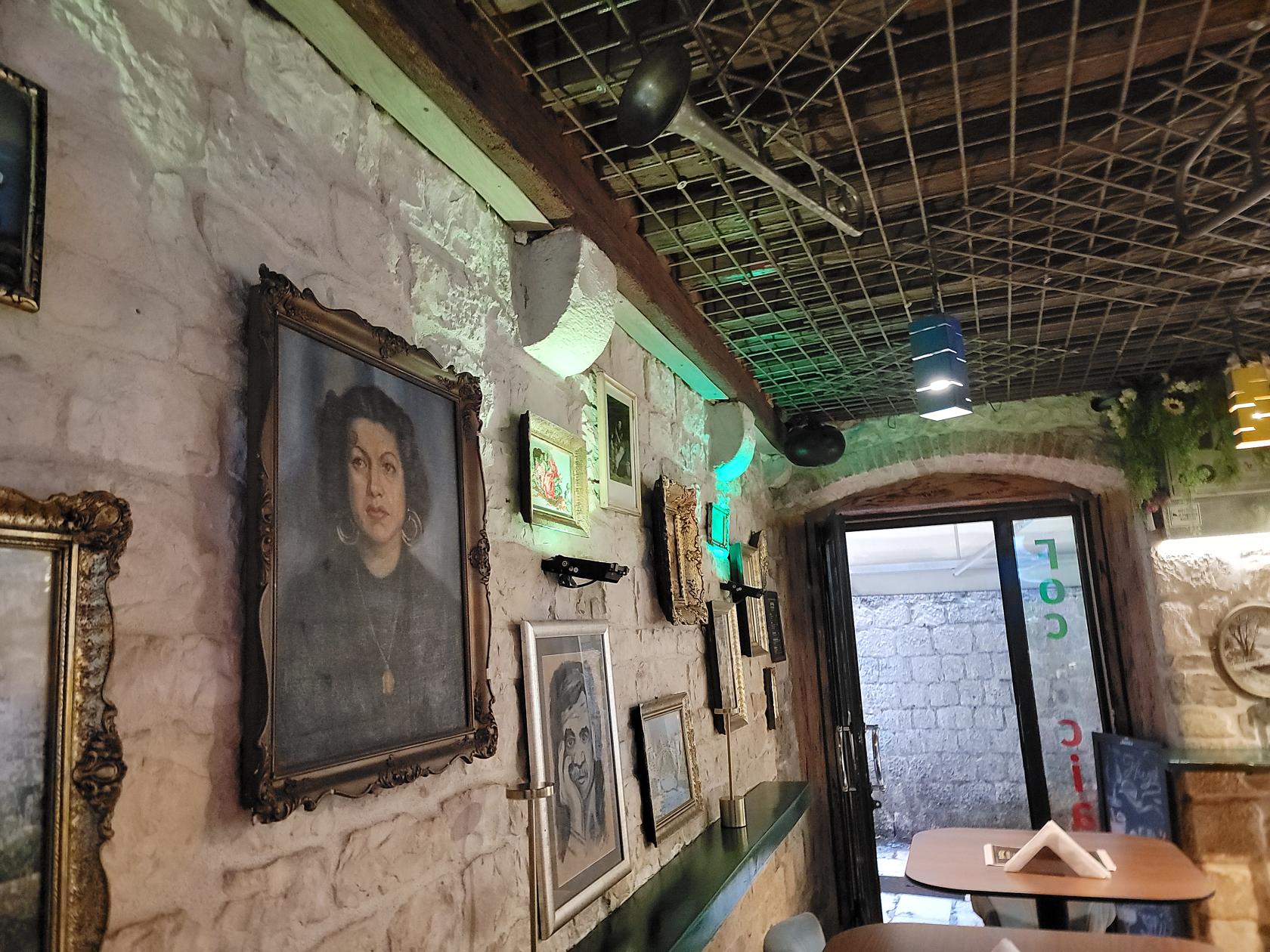
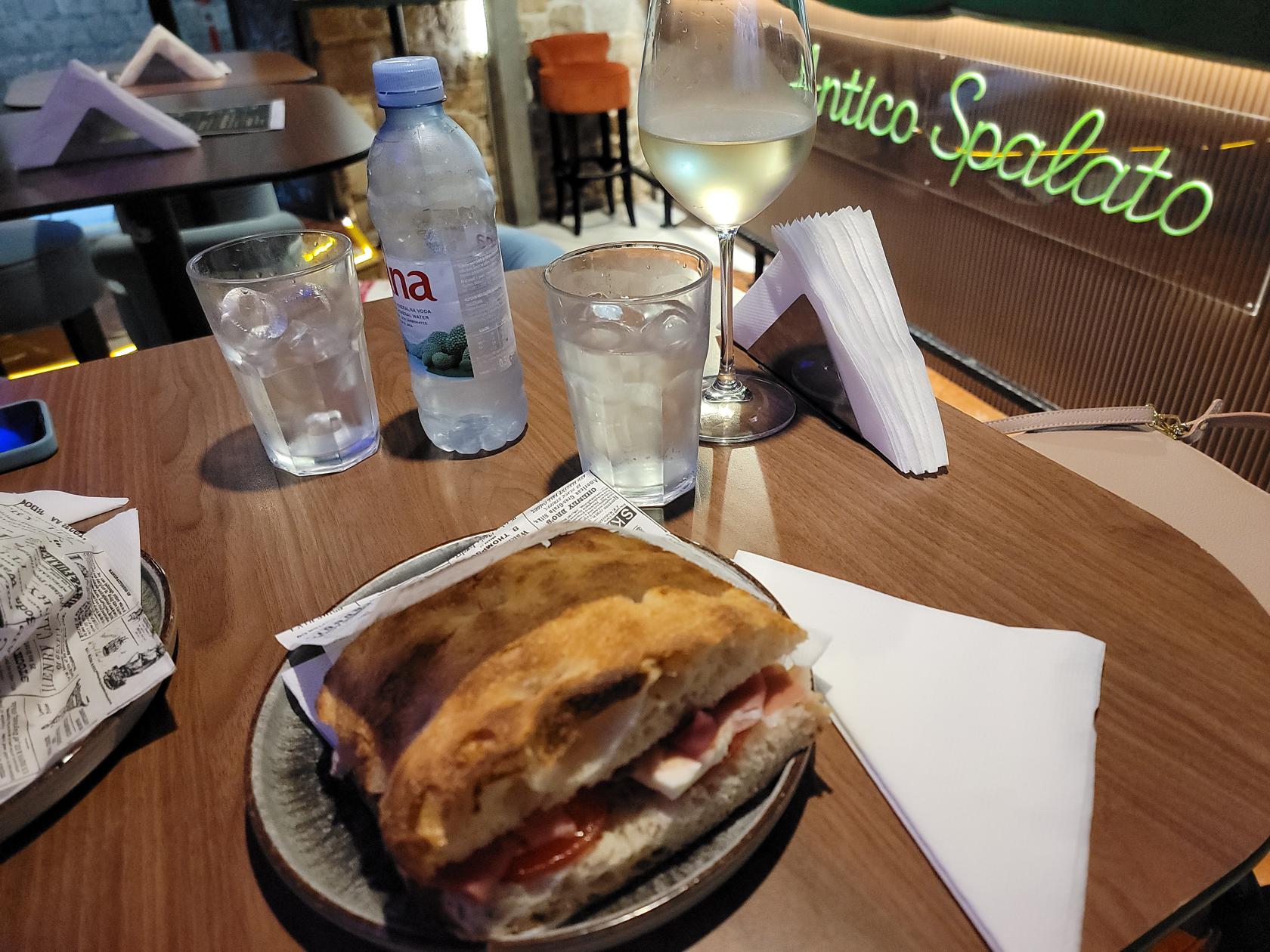
Focaccia Antico Spalato
On the more modest side of things is the Focacciaria, Antico Spalato. A veritable hole-in-the-wall, we visited it while trying to stay out of the pouring rain.