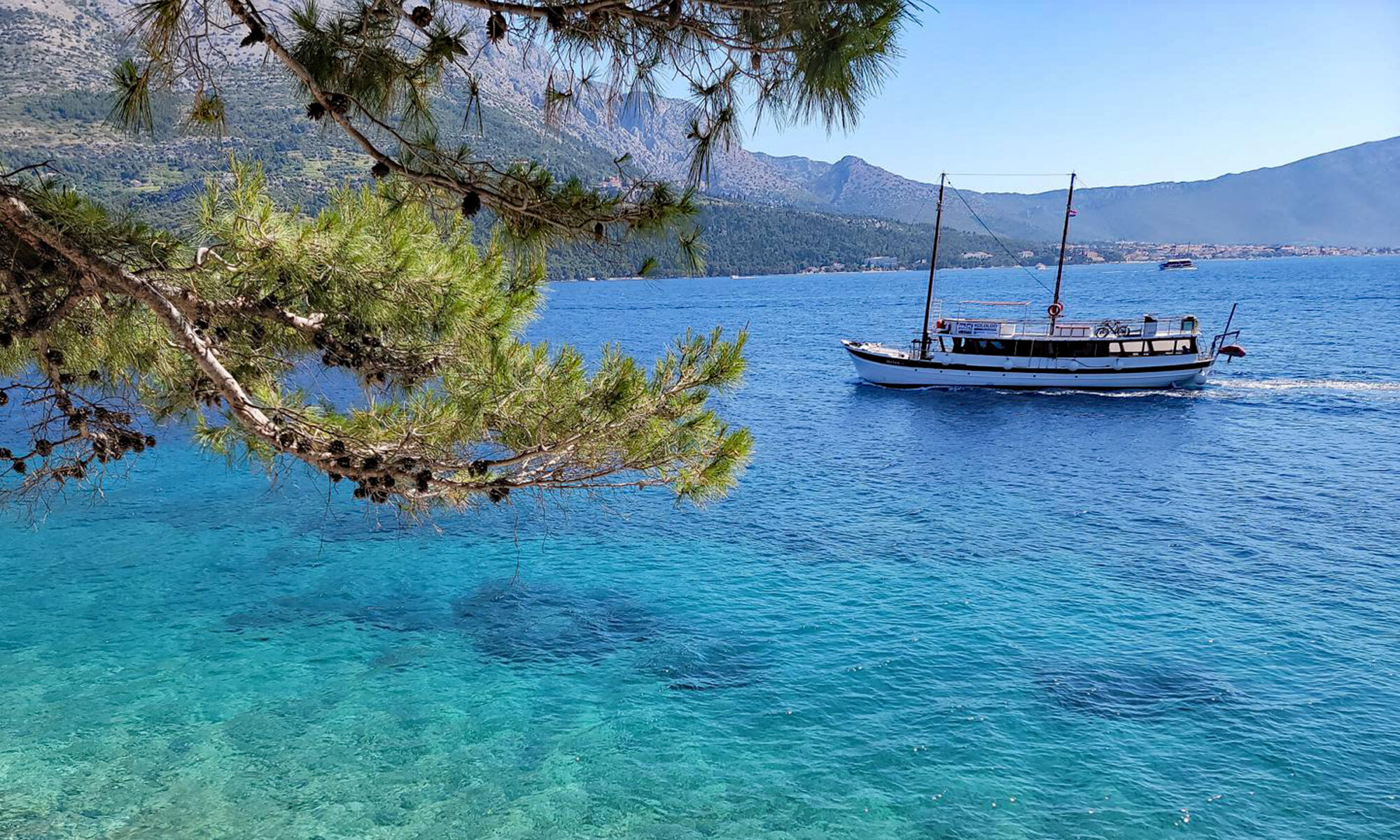
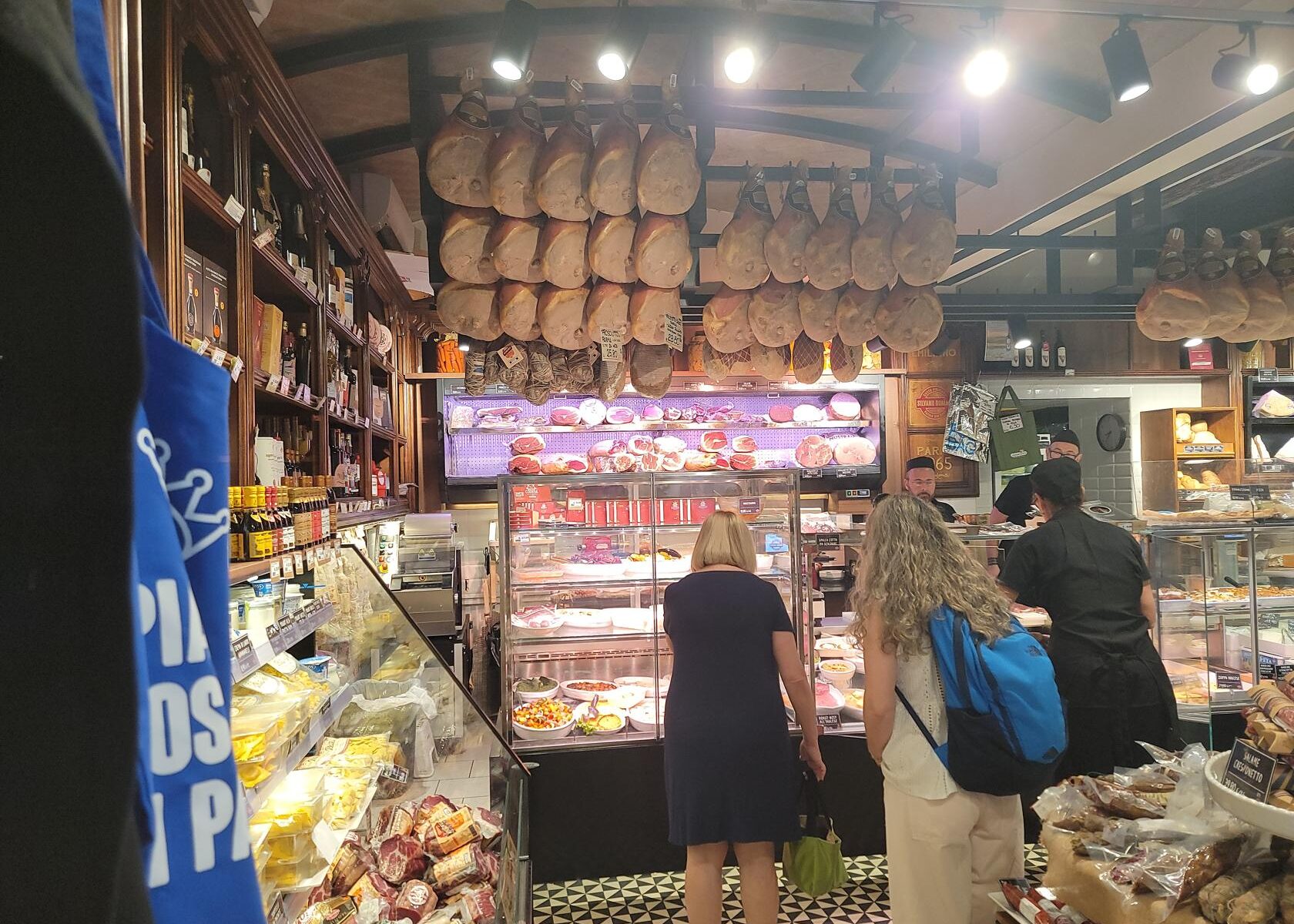
Approximately two to two and a half hours away from our place in Turin is the city of Parma. Known for ham, cheese and other delicacies in the region, we had been wanting to go there for some time. Our recent visit was for us full of surprises, including the Pilotta Museum Complex, which was a pleasure for us and central to this post.
Parma
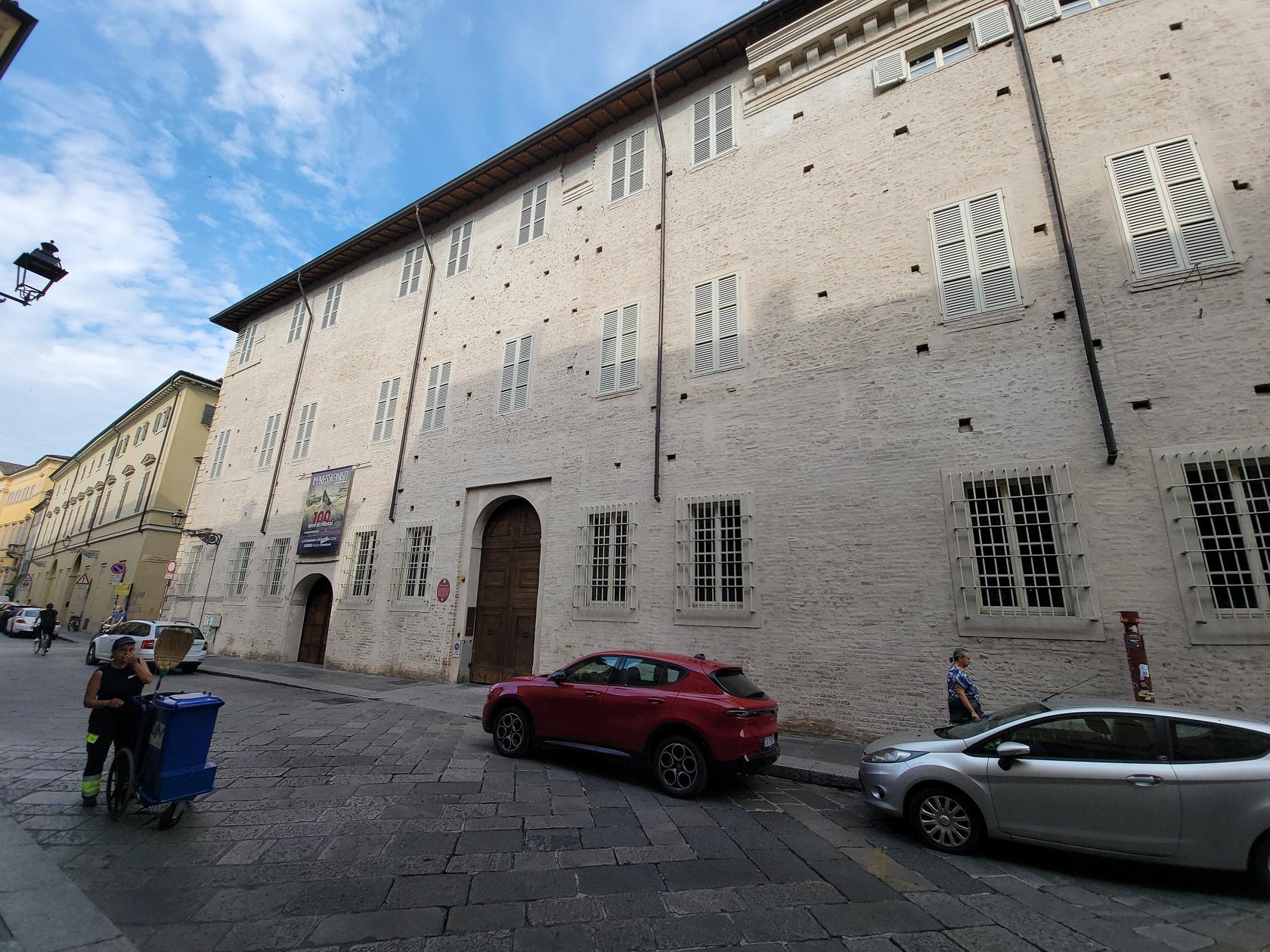
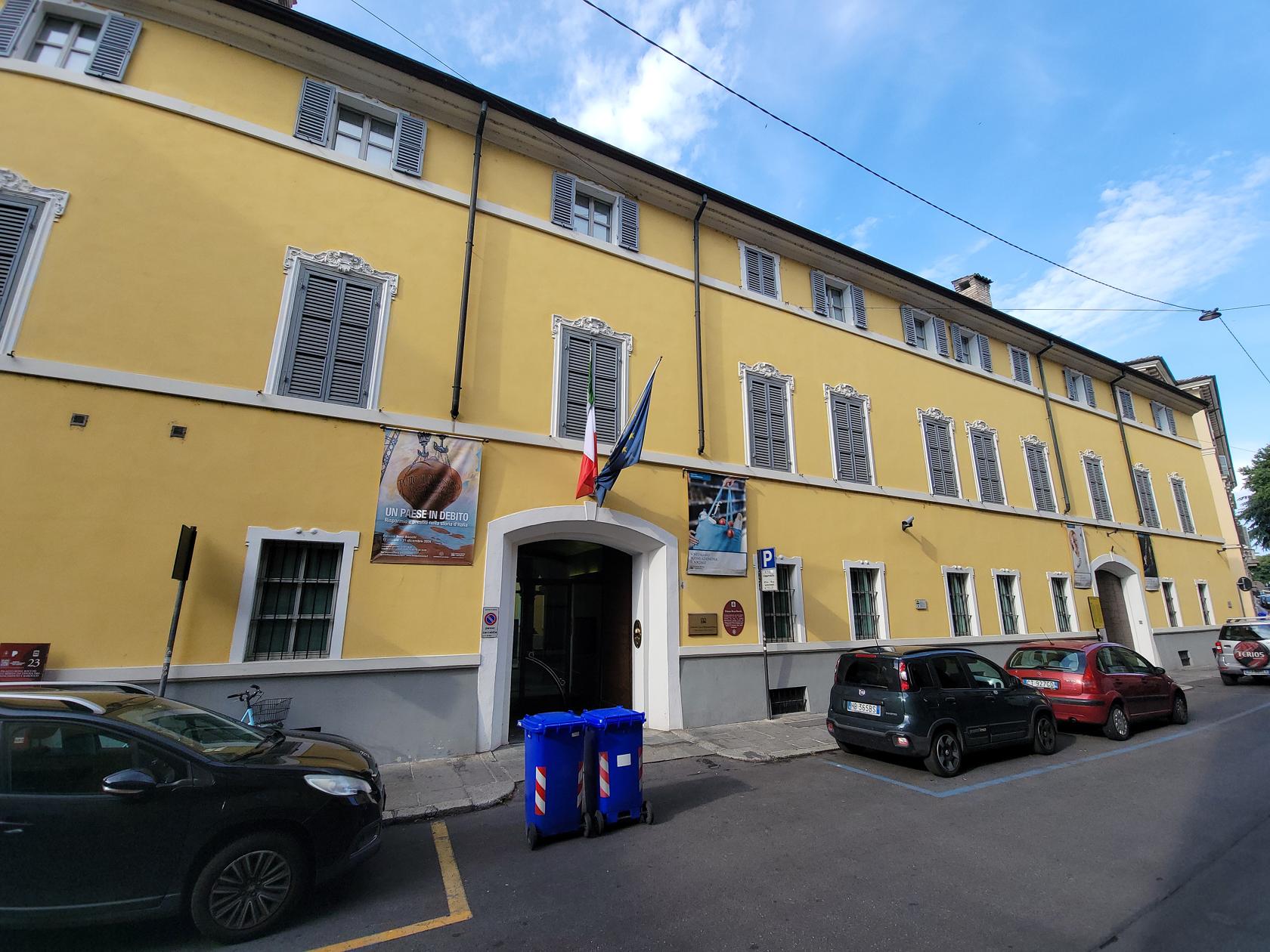
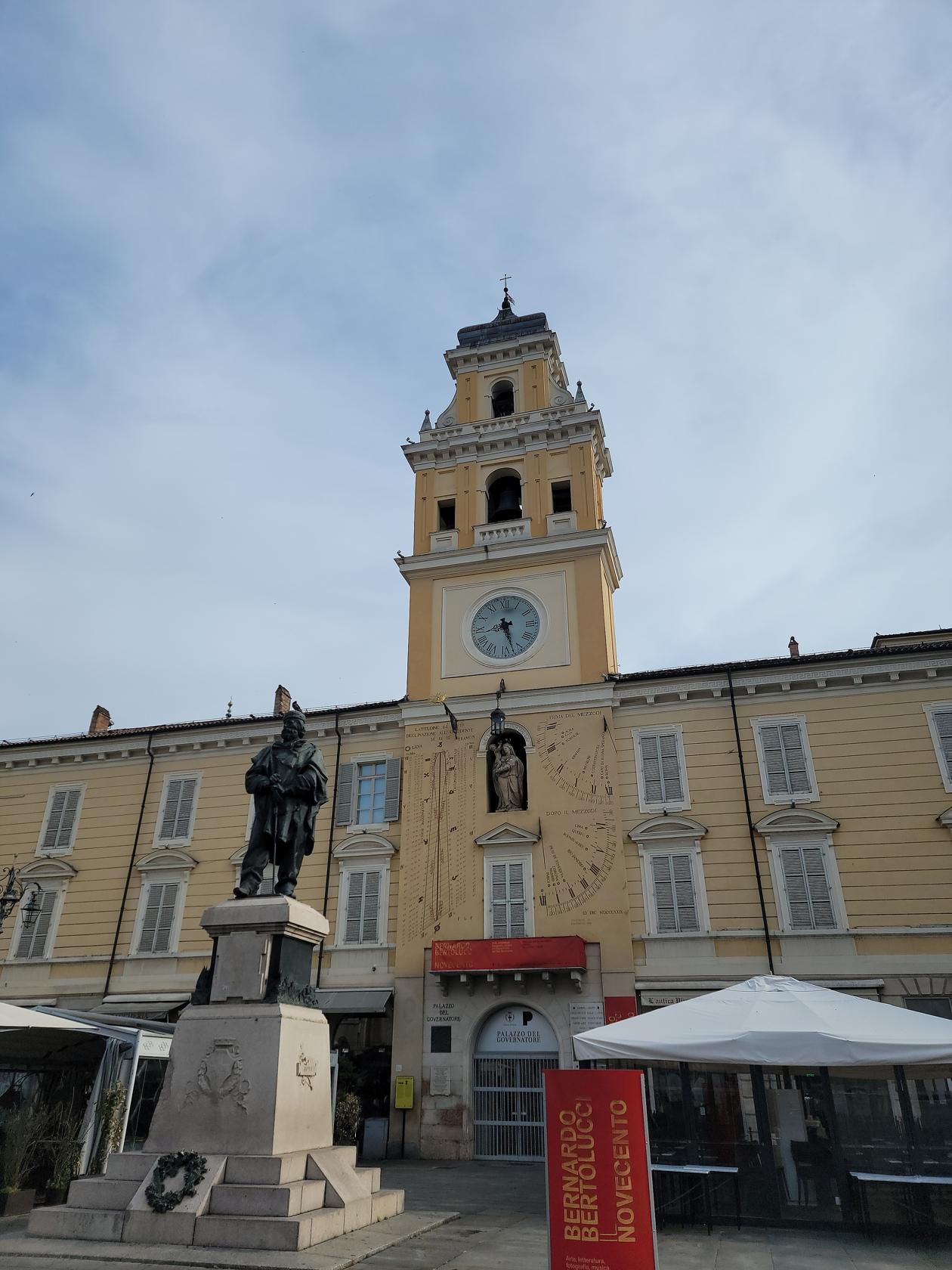
At first we were not too sure about the city. Our first impressions, and to some extent our lasting ones as well, is that it is laid out in a chaotic fashion, even for an Italian town. The mixture of new and old on the outskirts is not very pleasing to the eye and is kind of takes away from the central historic part of the city, which frankly is not very large.
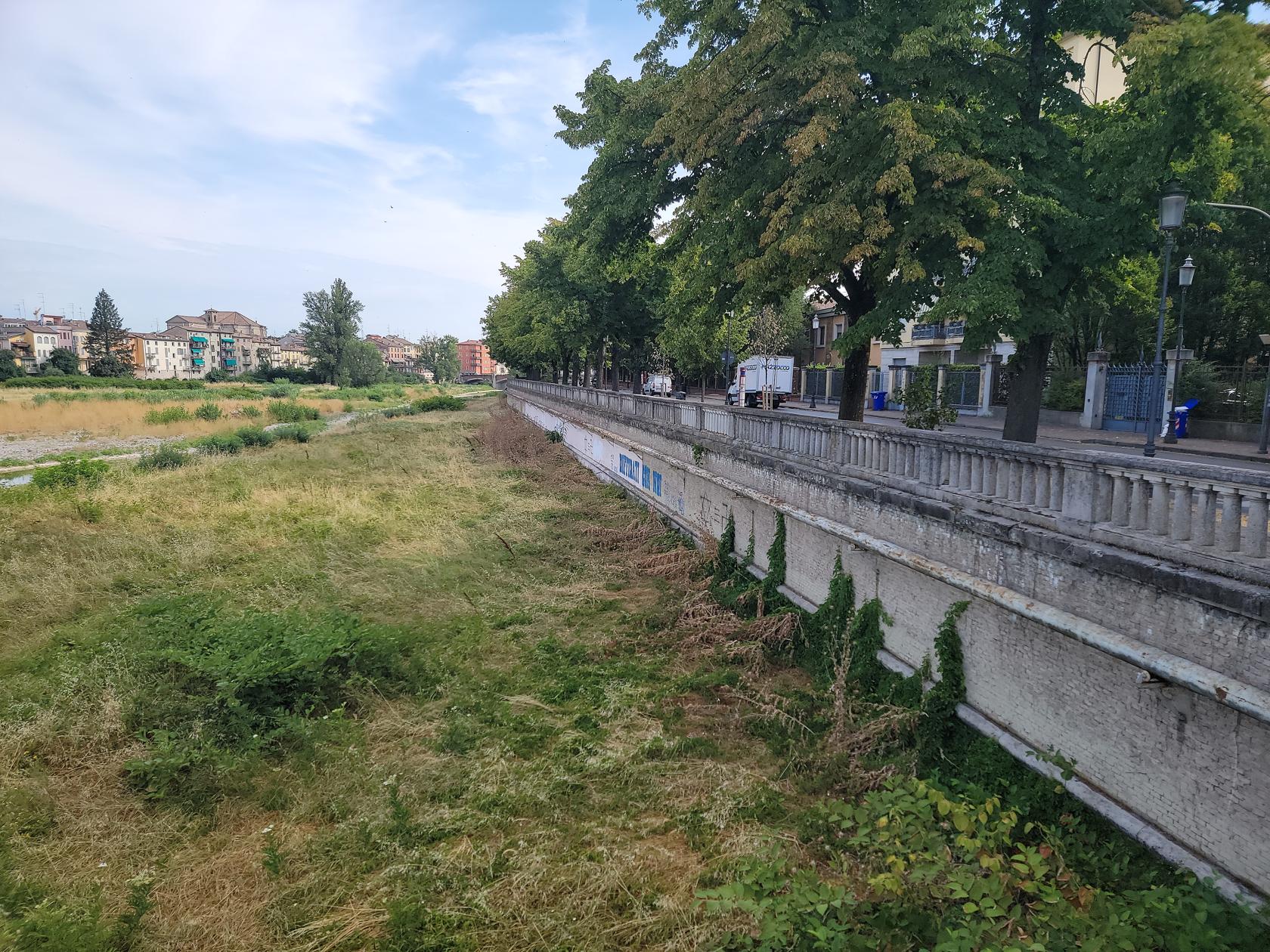
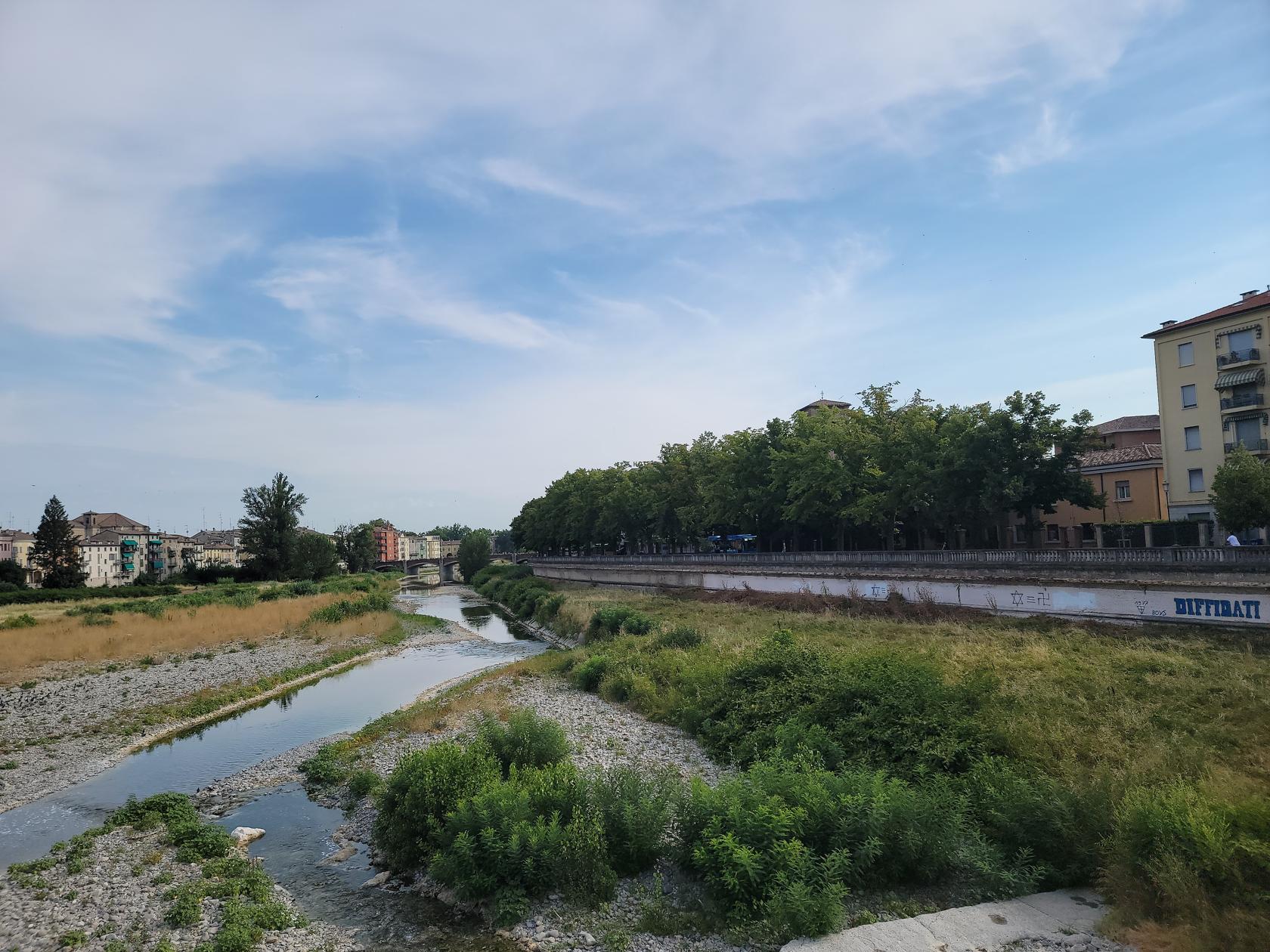
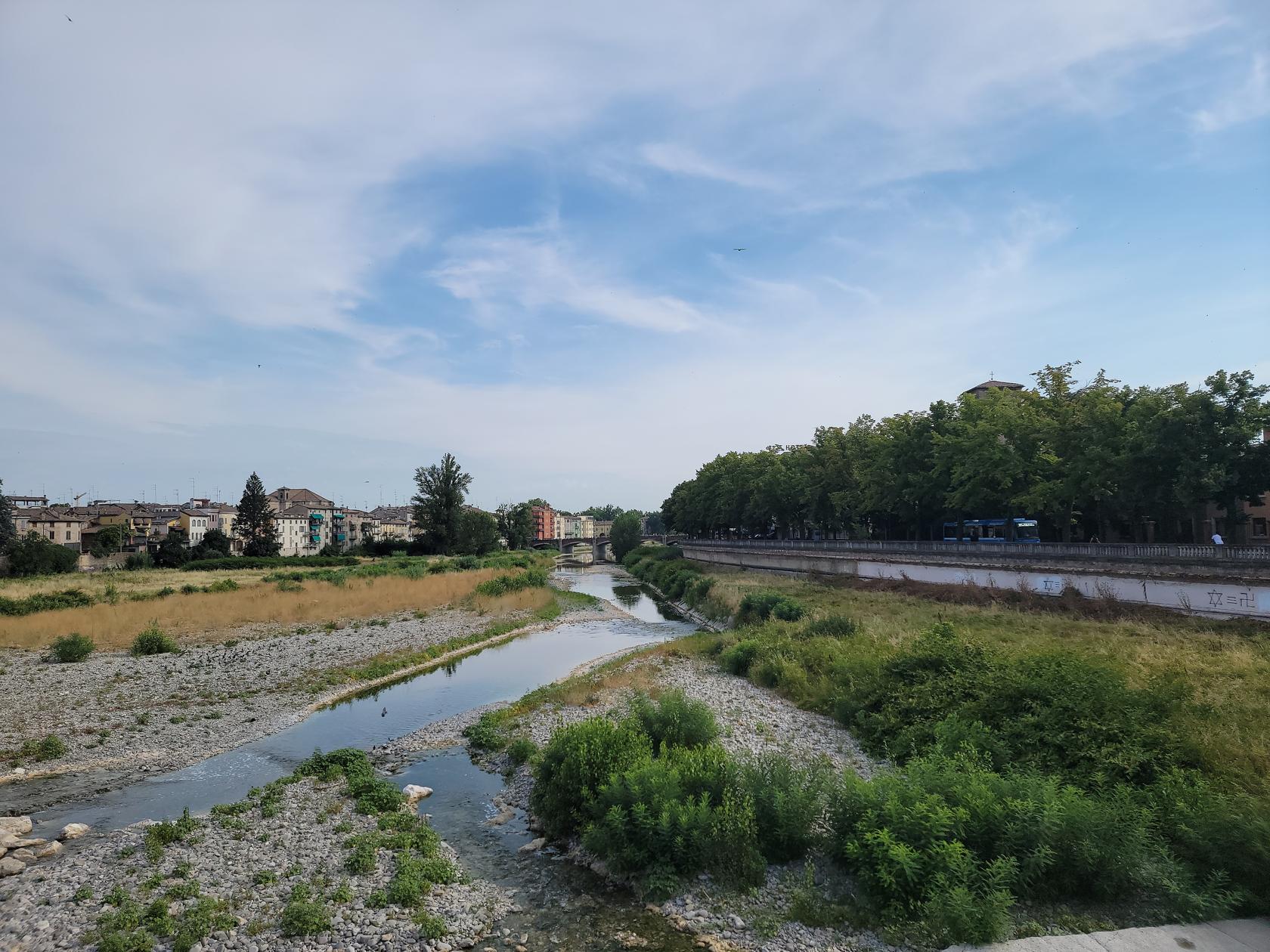
The Parma river as well, suffers from drought and over-irrigation, a mere trickle of its former self. Called a torrente in Italian, or torrent, one can only wonder when the last time the river actually enjoyed that much water.
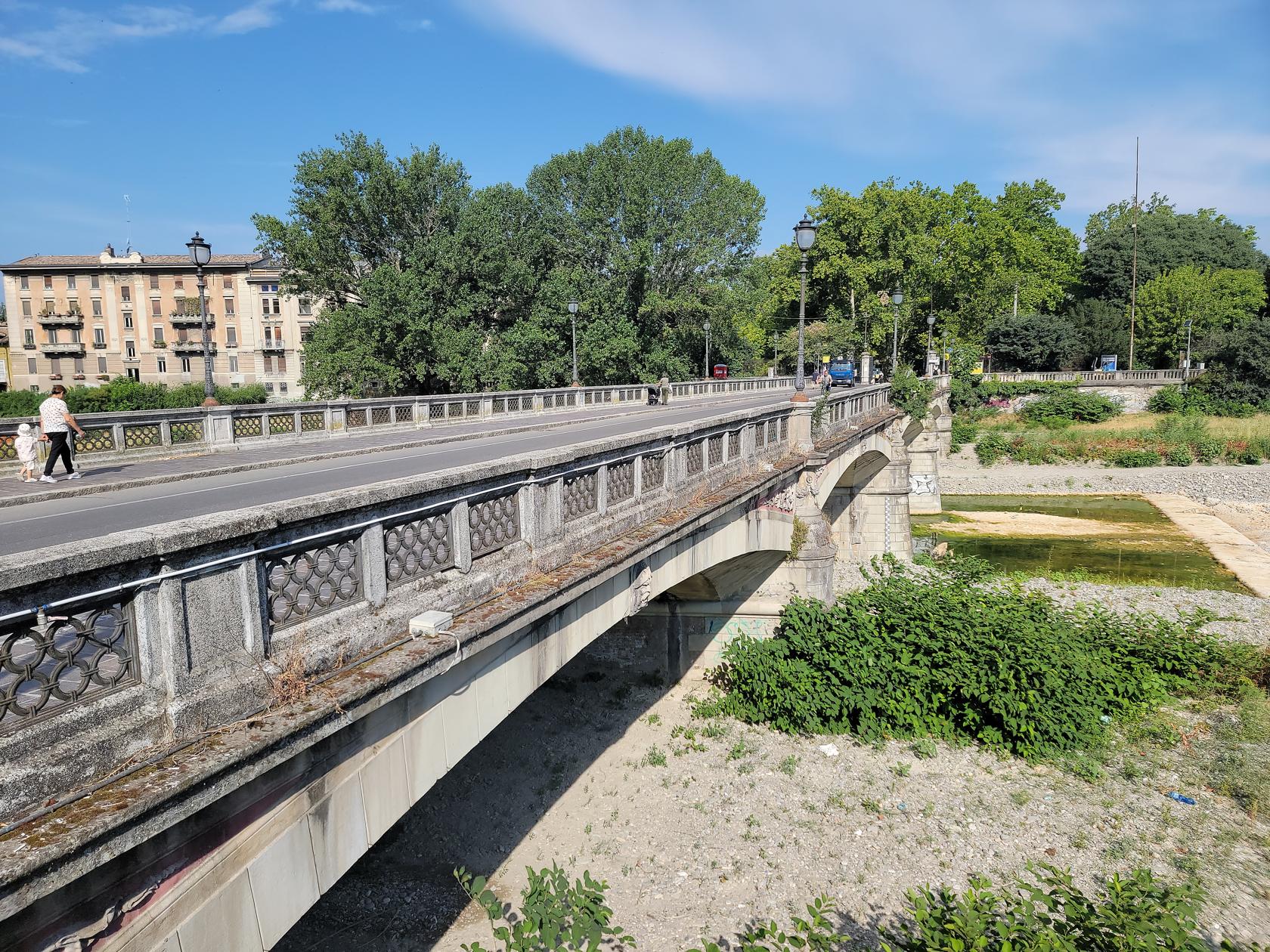
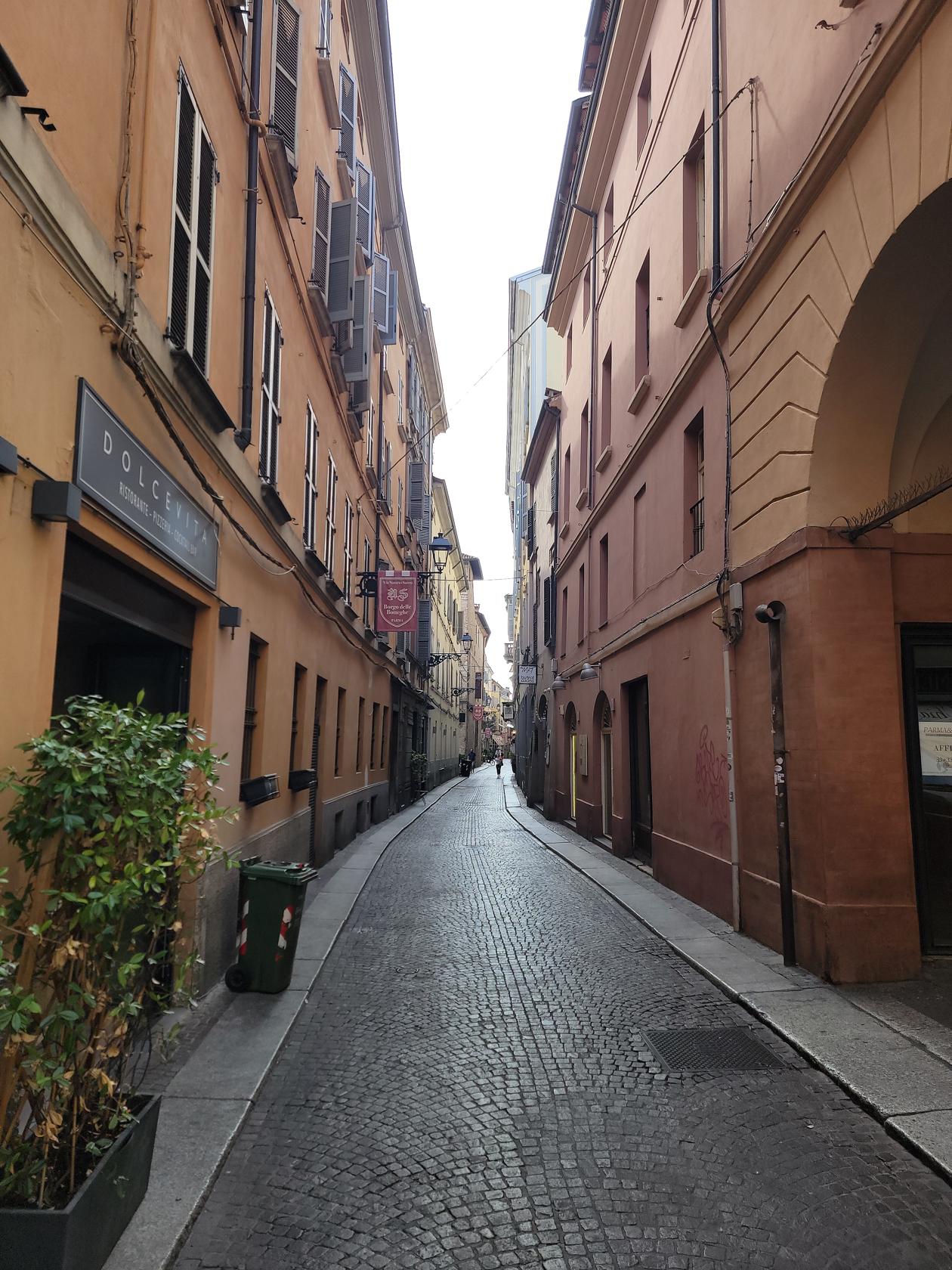
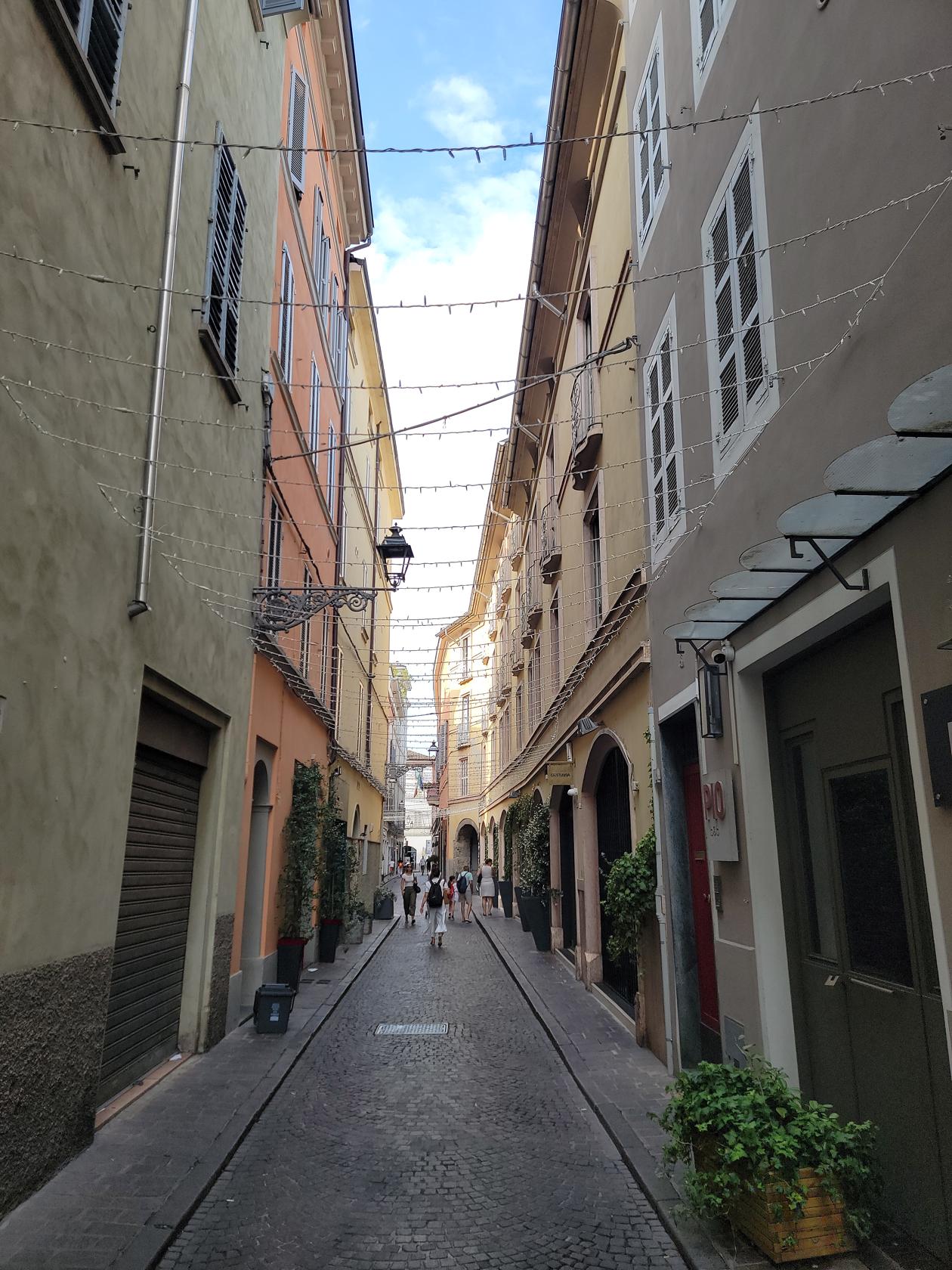
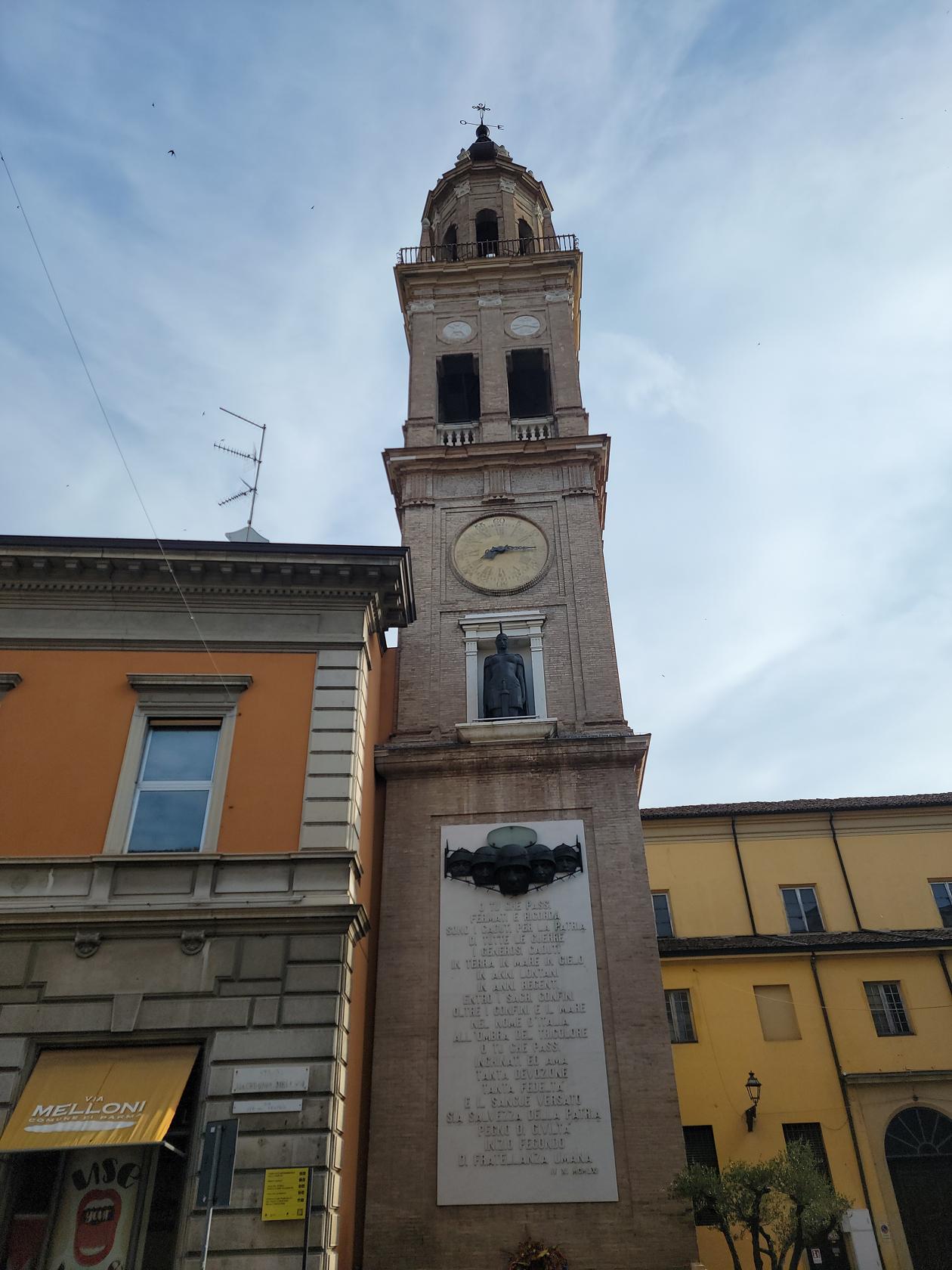
The city does not suffer from tourism and we found the historic parts very pleasant to walk around. There is not much to see, hence our reason for visiting the museums, which we found different and interesting.
Getting There
We took the FrecciaRossa train from Turin to Milan, then the Regional from Milan to Parma. The regional trains make more stops than the high speed trains, taking an extra half hour to make the hour long trip by high speed rail. The good news is, there are options between Milan and Parma, from FrecciaRossa, Italo, TrenItalia FTP to TrenNord and perhaps more. Our selection was based on scheduling and nothing else.
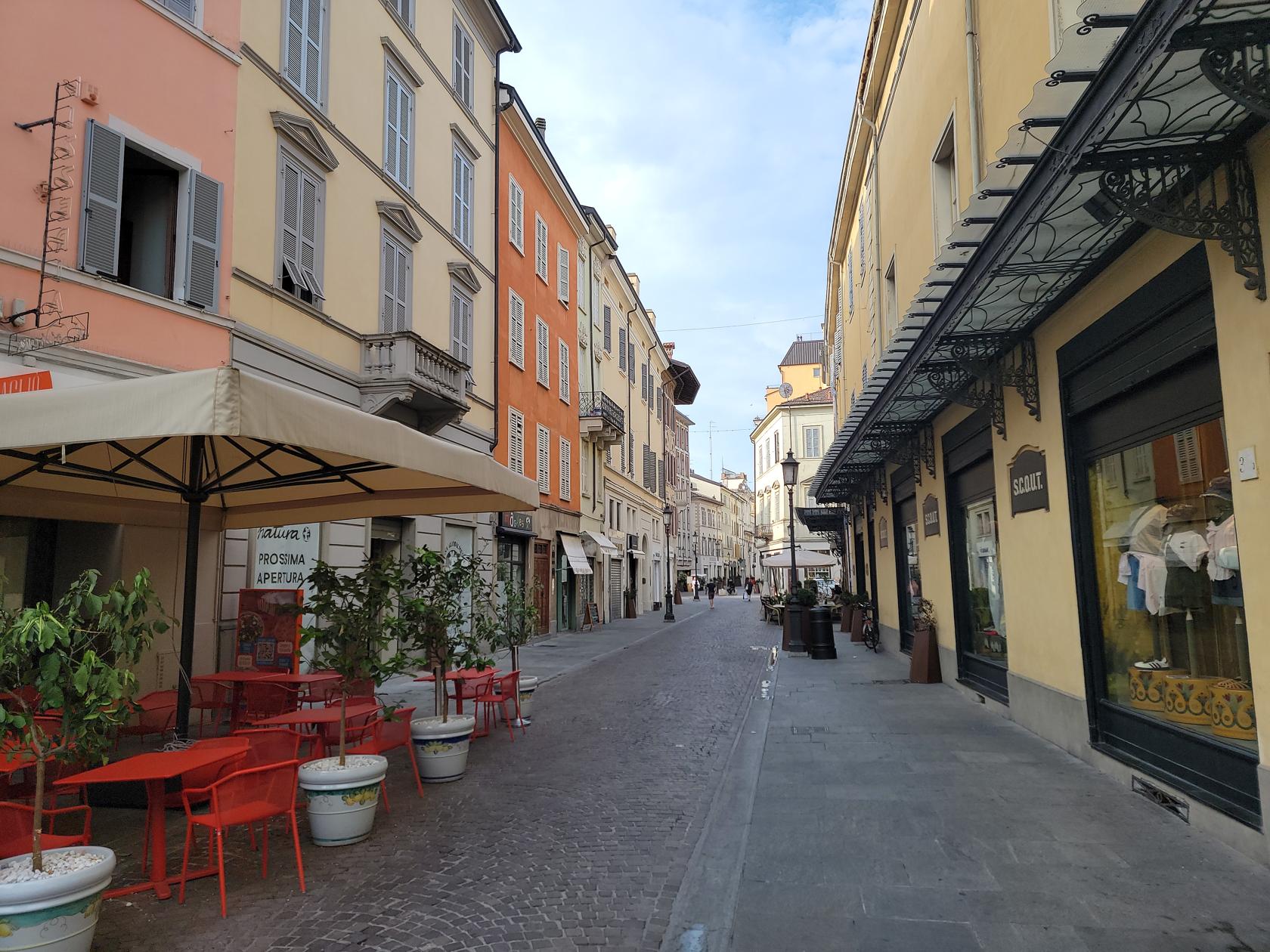
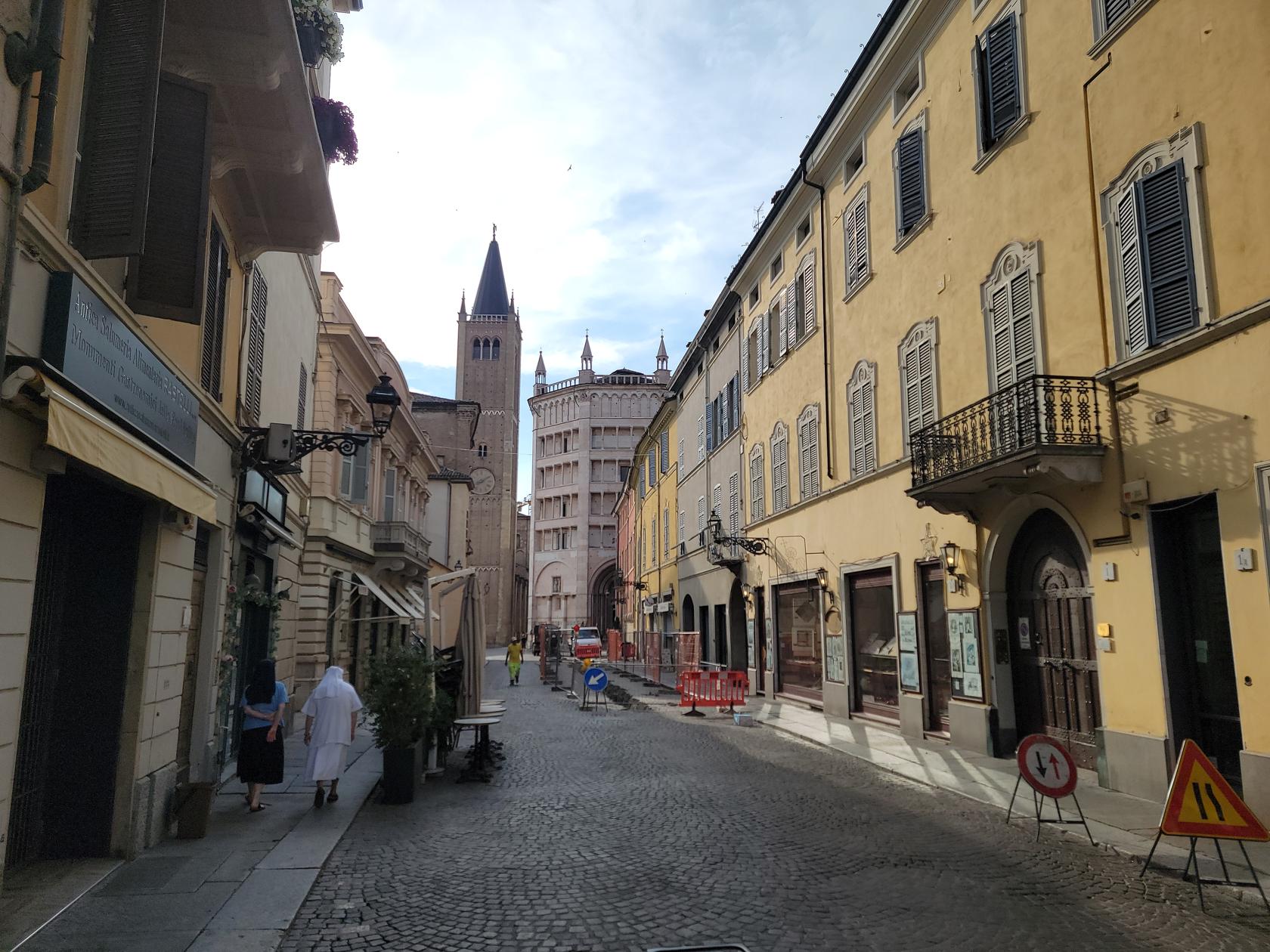
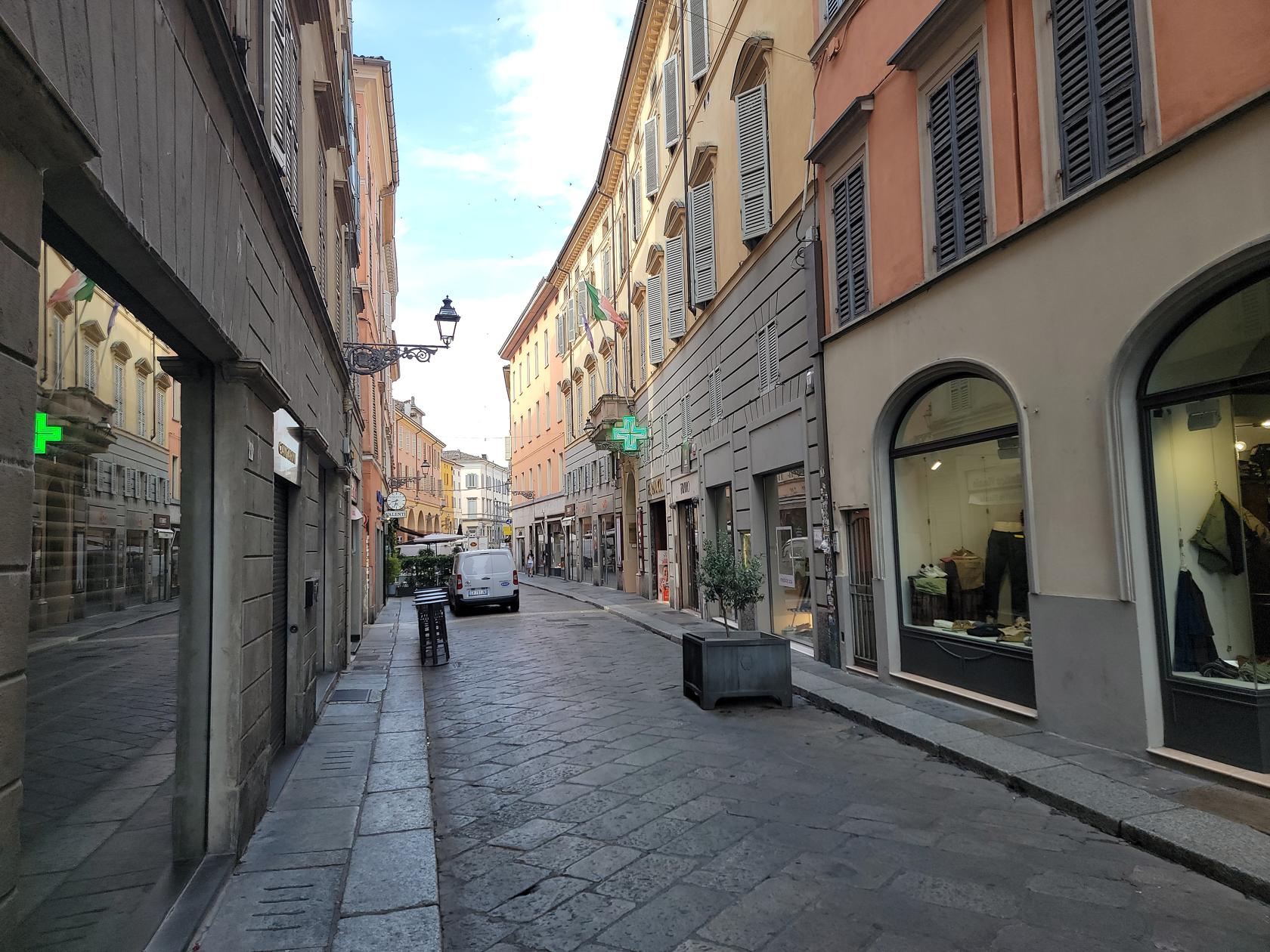
Strada Cavour
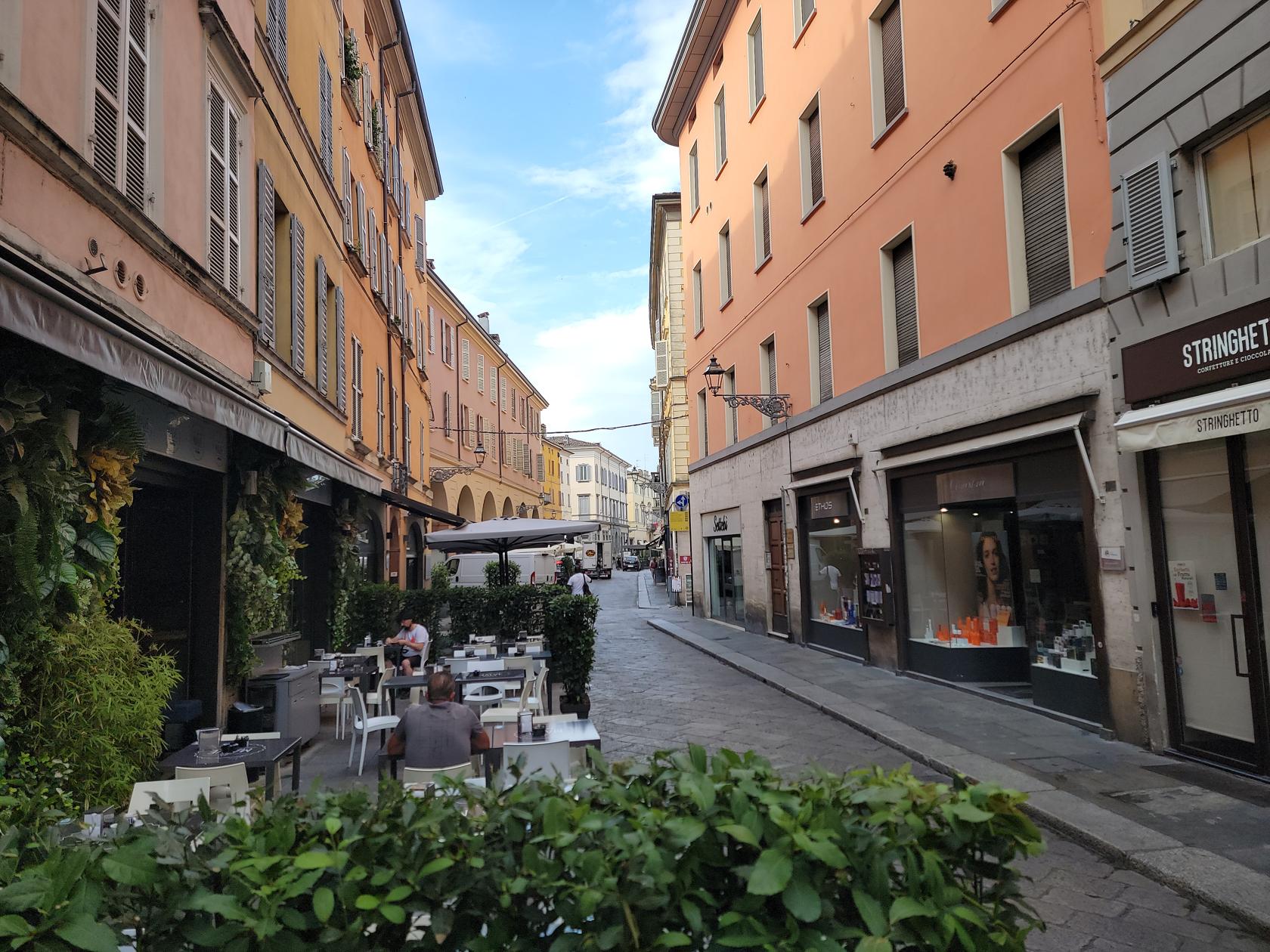
The main street for shopping in the city. It was about a ten minute walk from our hotel and winds its way through the older part of the city, though all of the businesses are modern. You will find all the modern, trendy and chain-like stores here, along with their inflated prices.
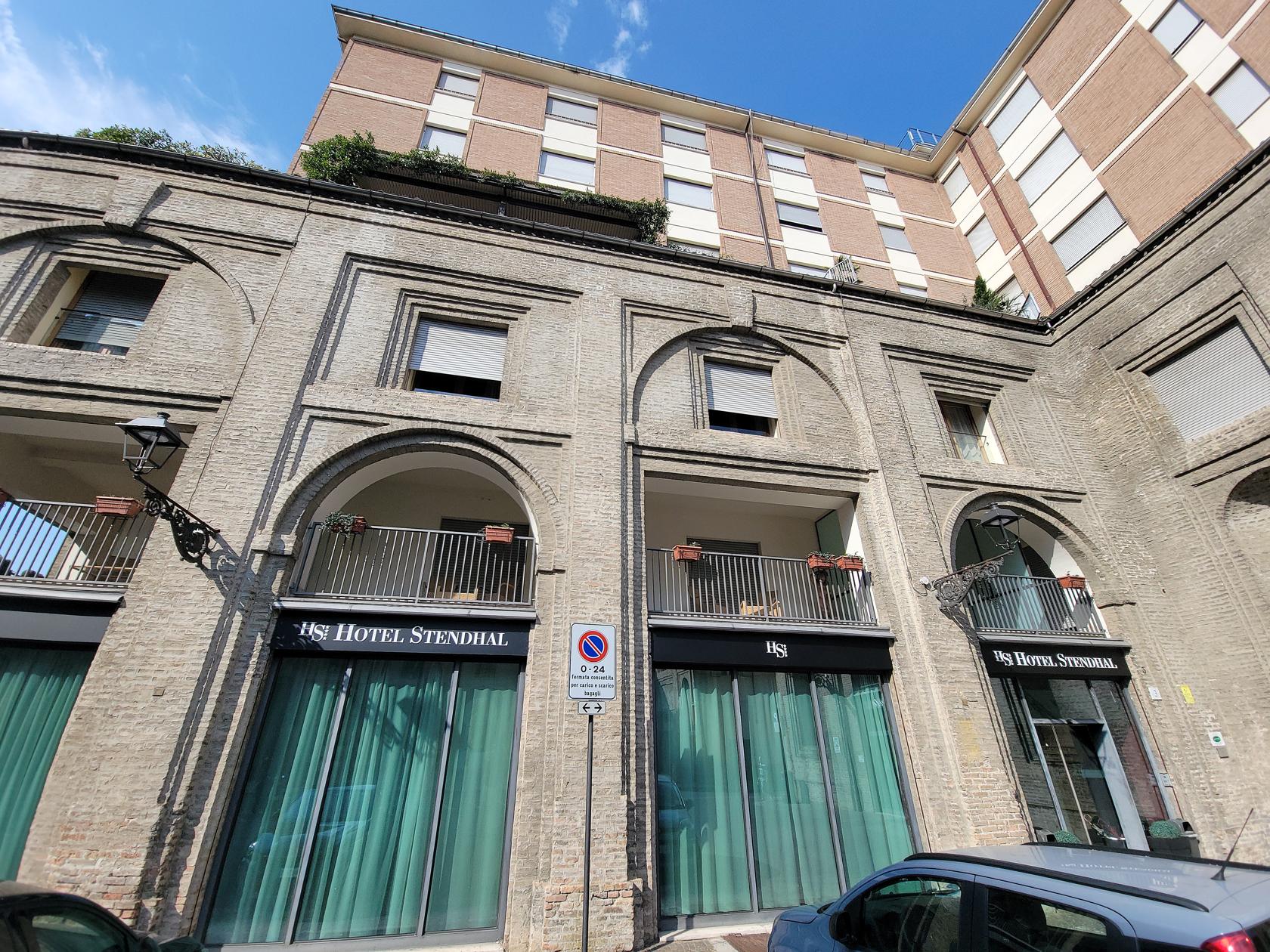
Hotel Stendhal
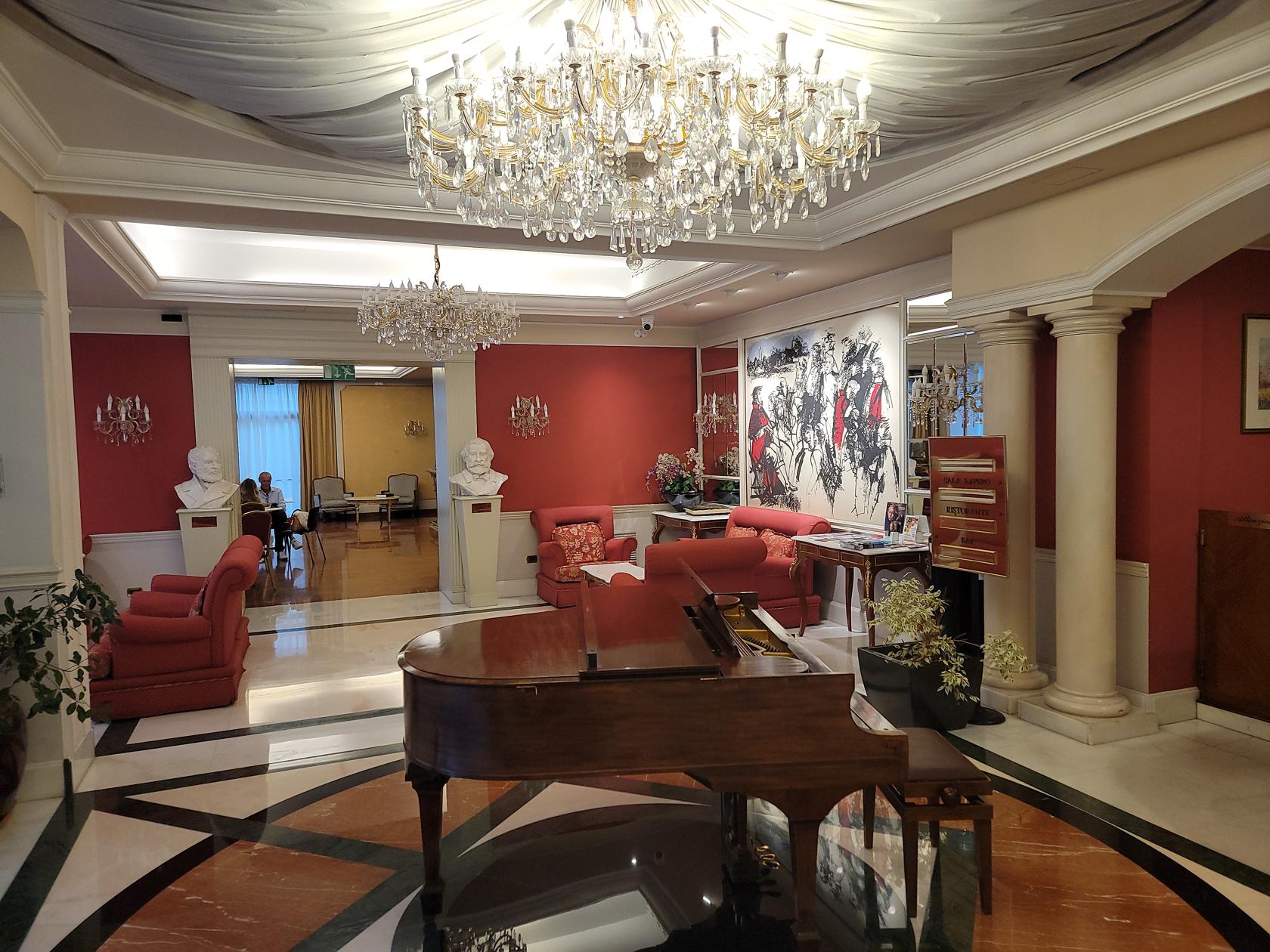
We stayed at the Hotel Stendhal, a fifteen minute direct walk from the train station. Though we read some concerning reviews on some travel sites, we did not have any issues at all and had the most enjoyable stay. The staff was great and we never had to ask for anything. We had a large superior room on the side of the hotel which was very quiet and comfortable, along with a complimentary breakfast.
Pilotta Museum Complex
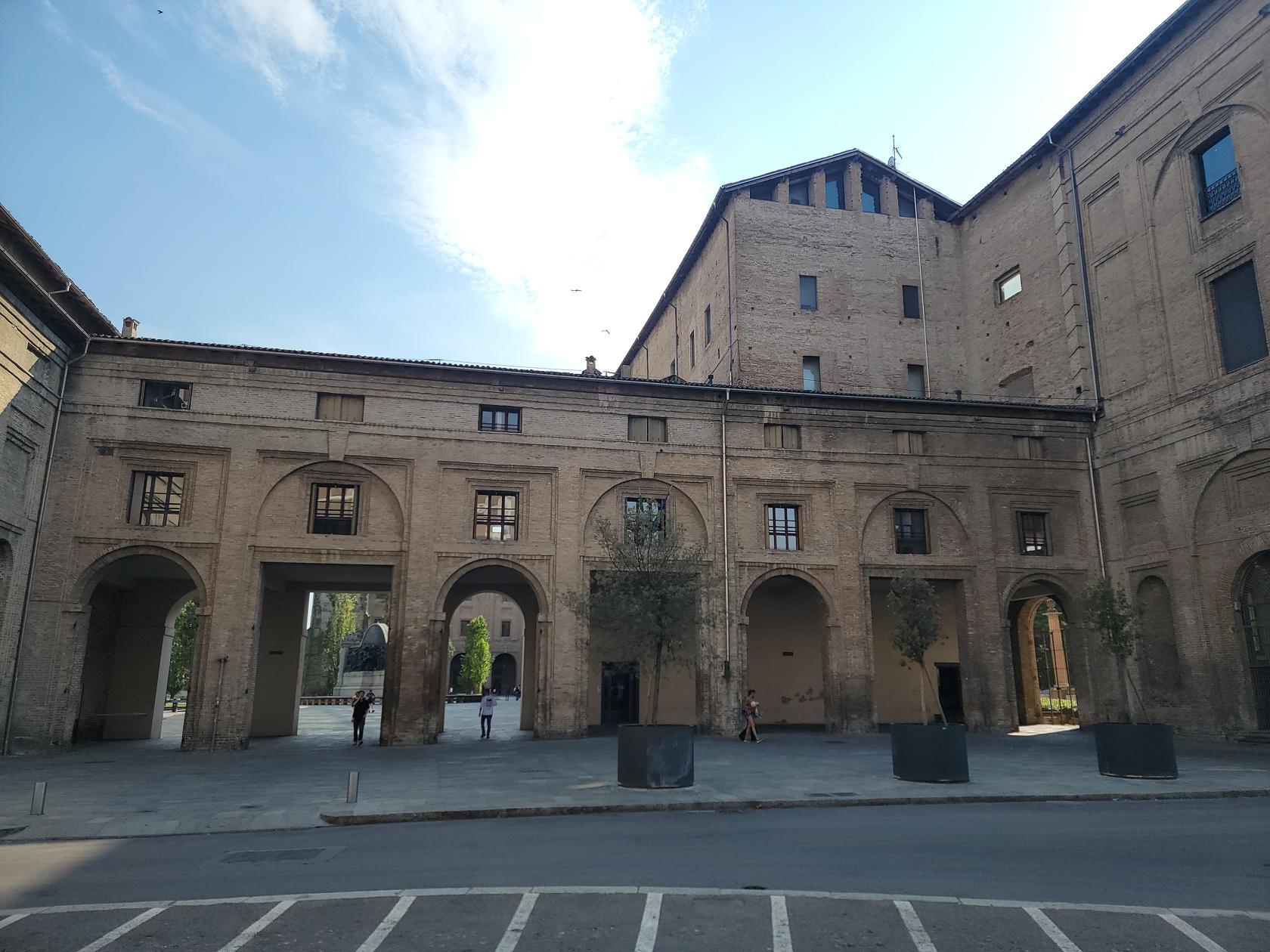
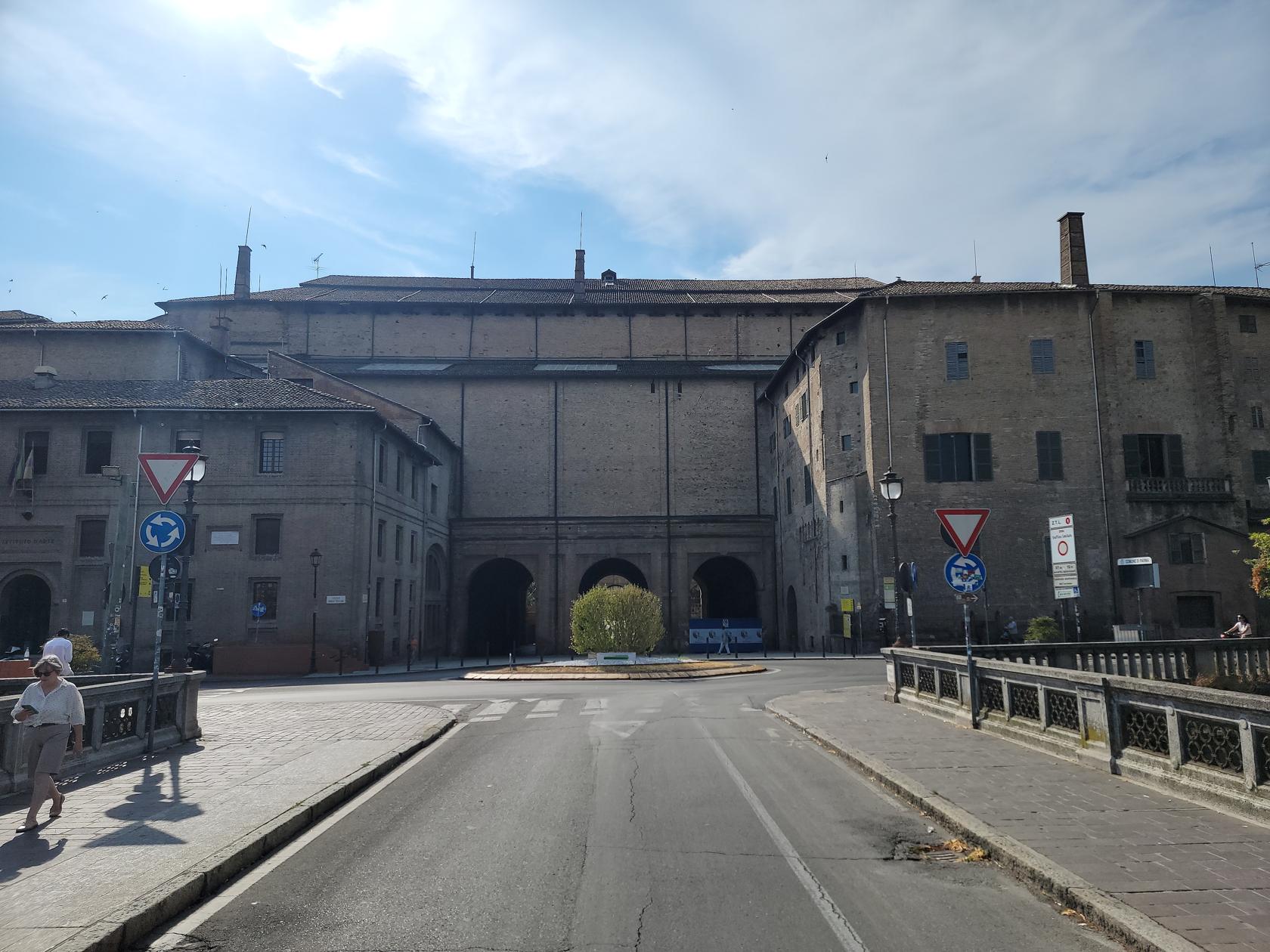
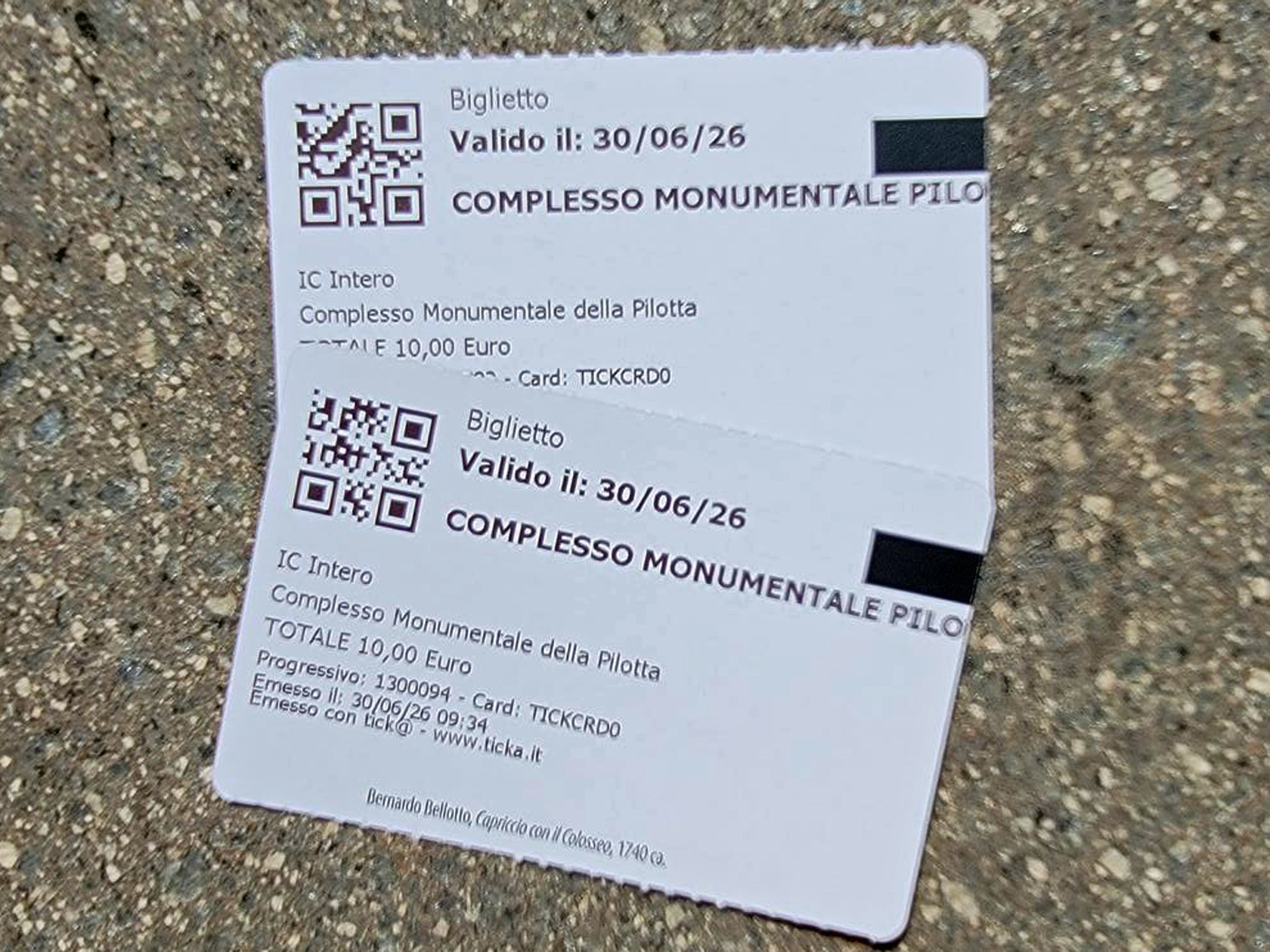
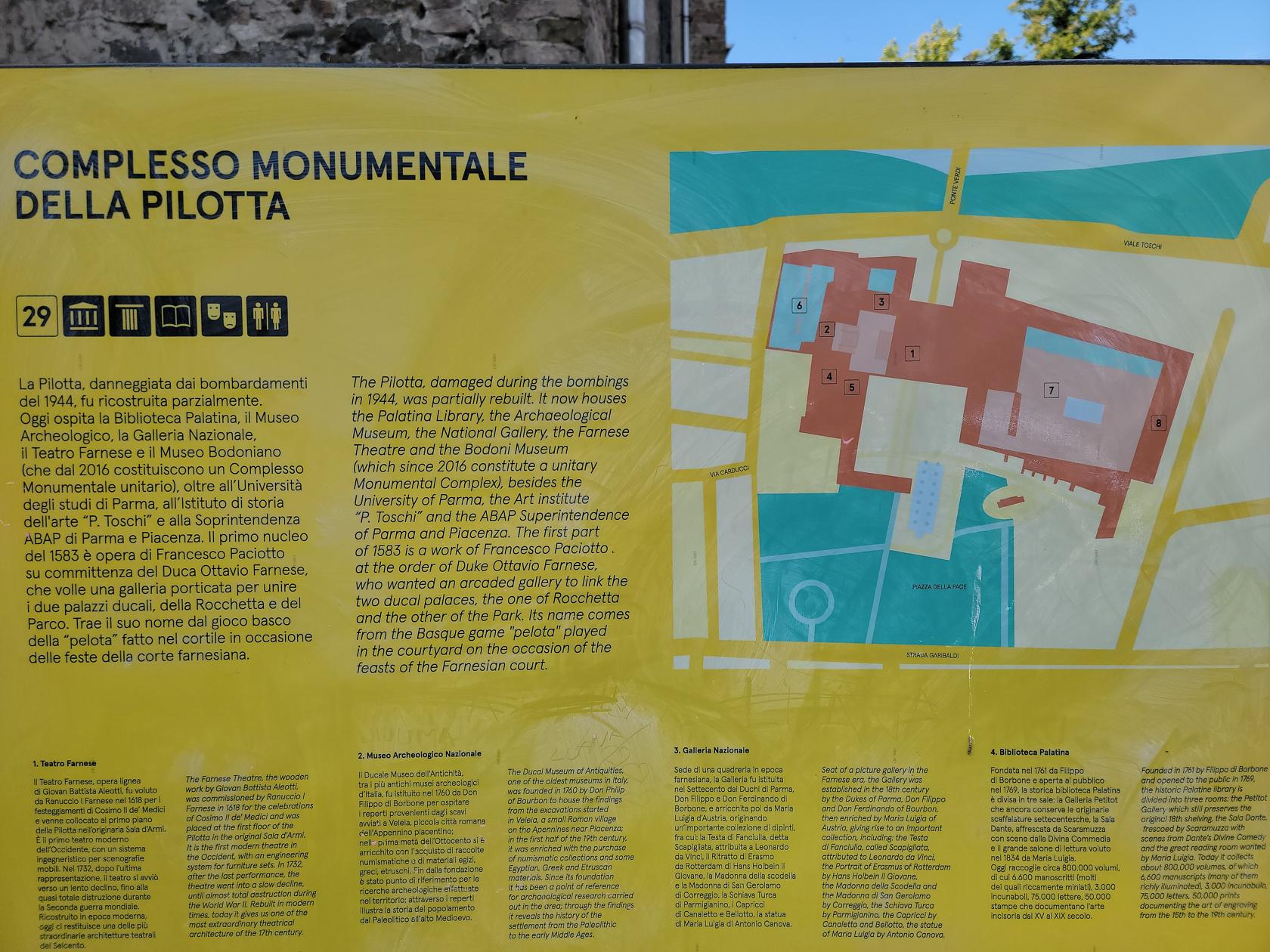
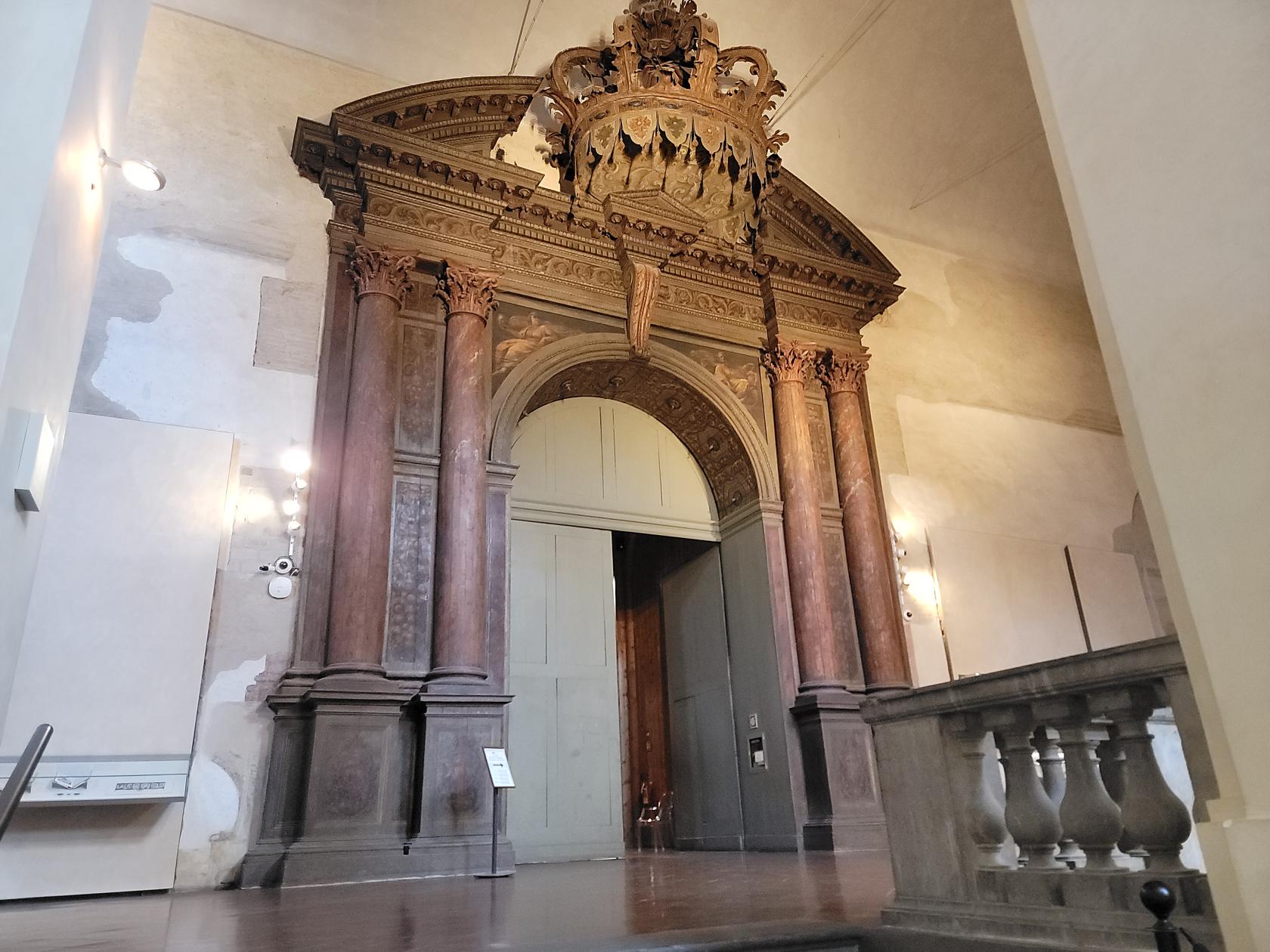
The Pilotta Museum Complex is the former Faranese Palace that now houses five or six museums, some of which were not open at the time of our visit.
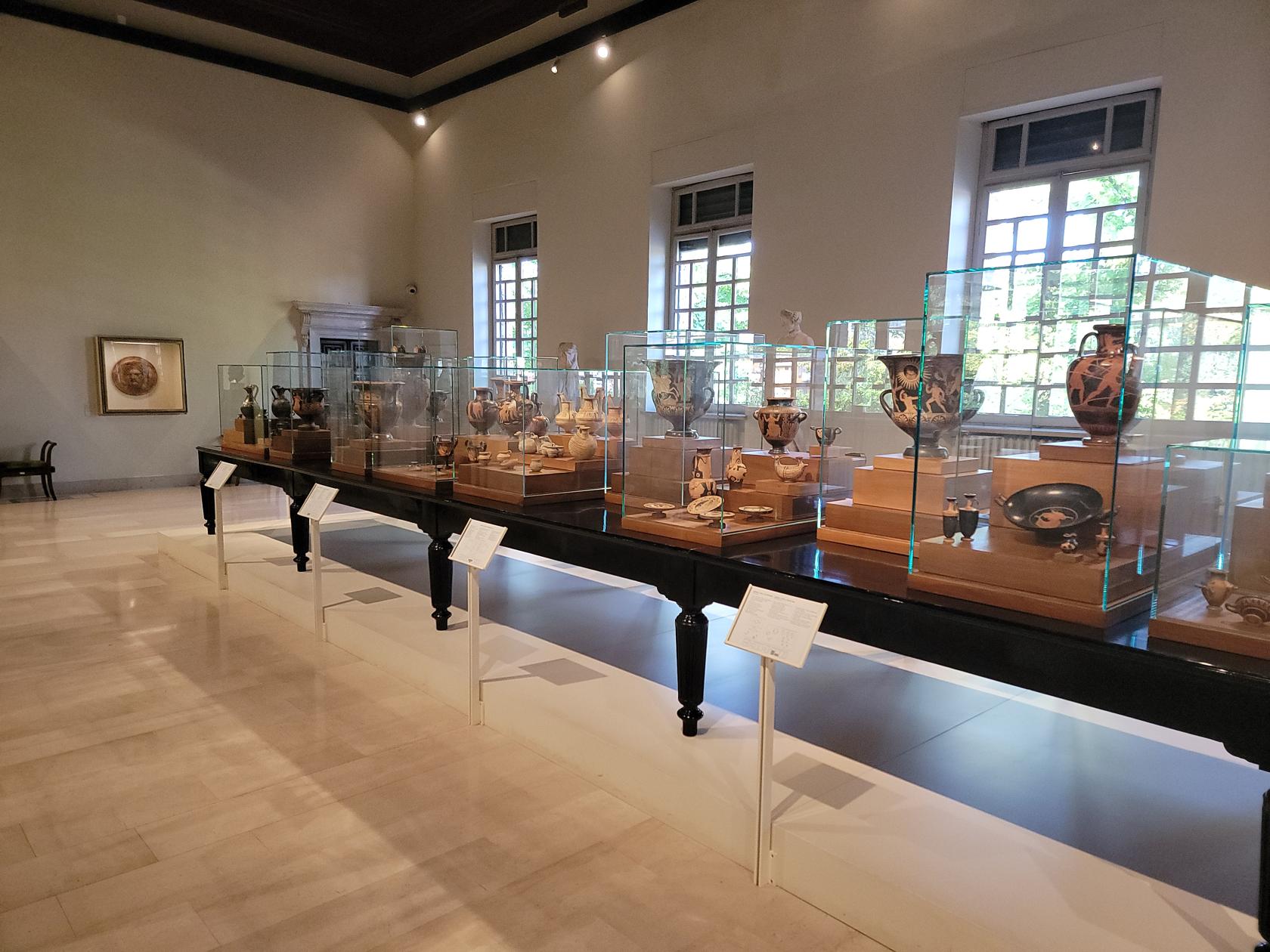
Museo Archeologico Nazionale di Parma
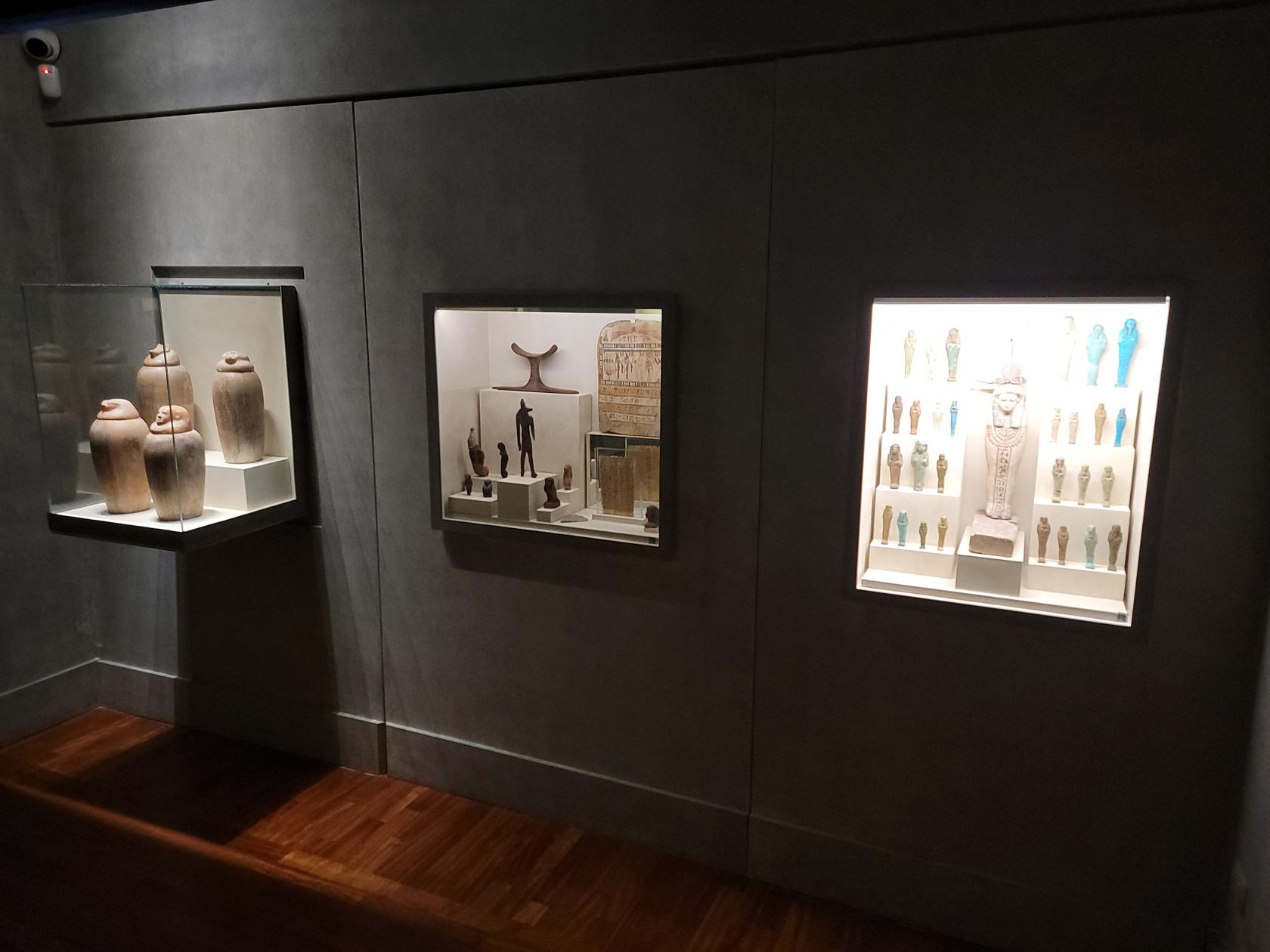
The archeological museum offers artifacts from the ancient history in and around Parma. Here are exhibits of the ancient civilizations of the Roman Empire, Greeks and Etruscans who inhabited the Po river valley and the surrounding area thousands of years ago.
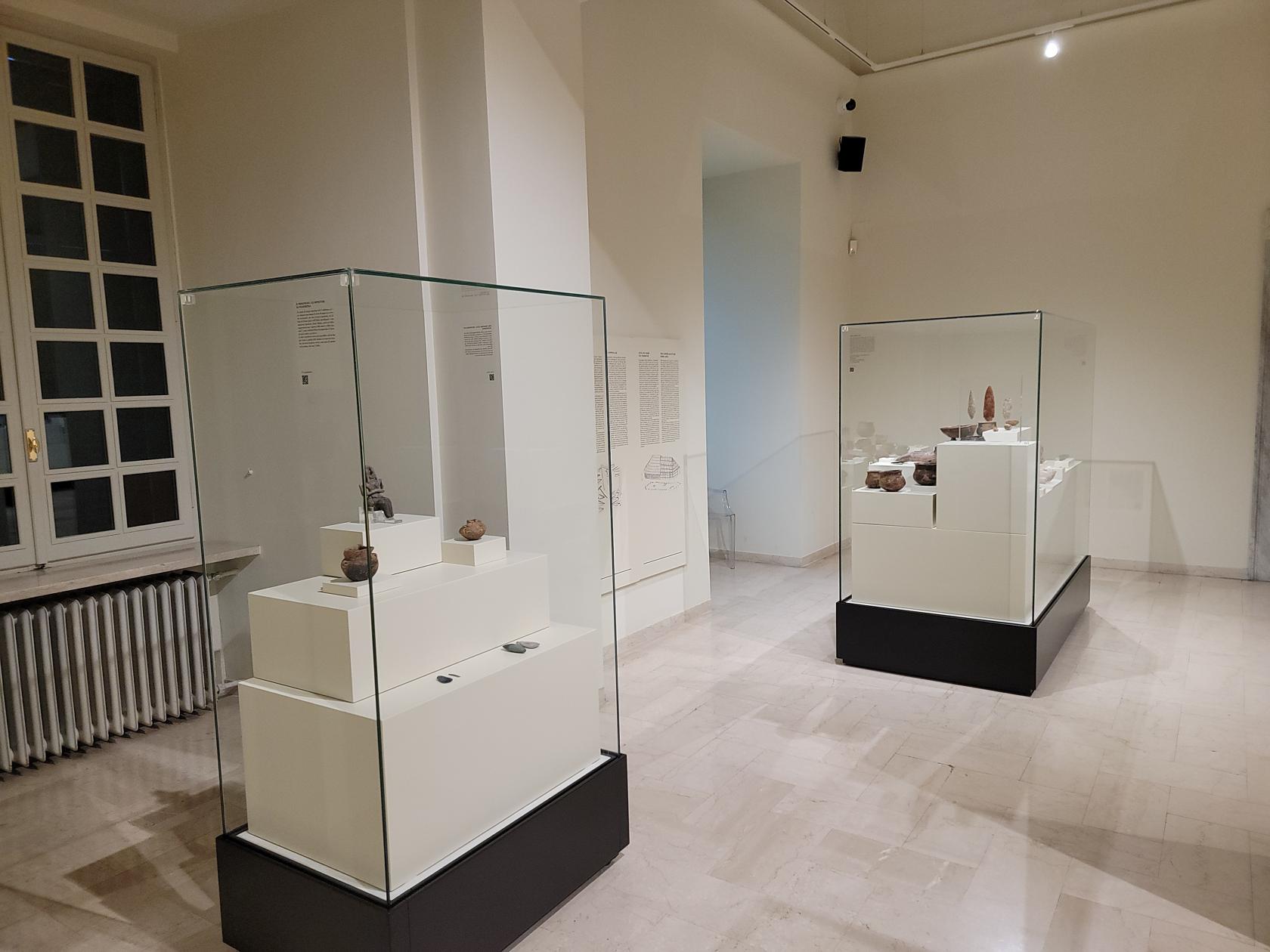
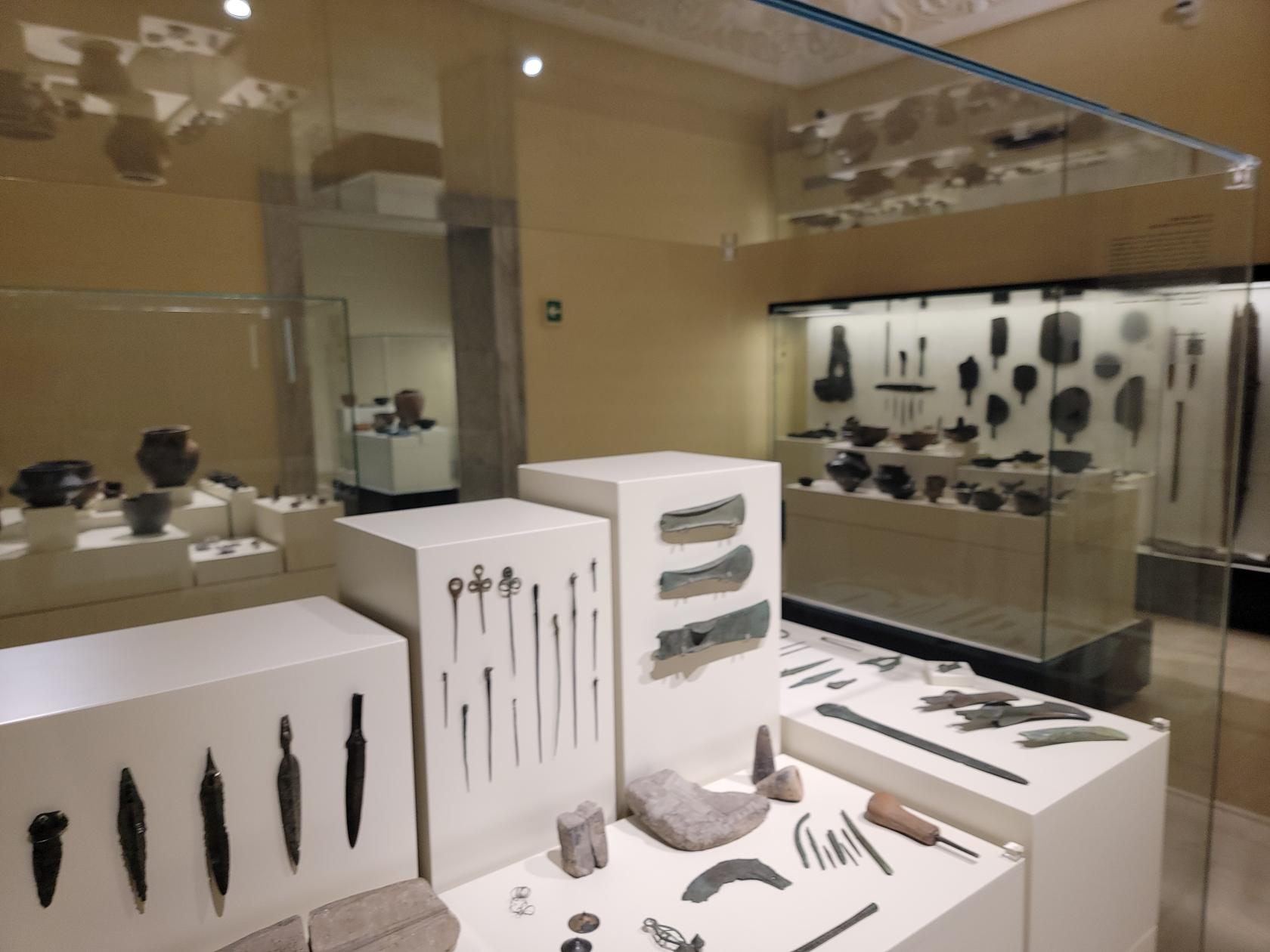
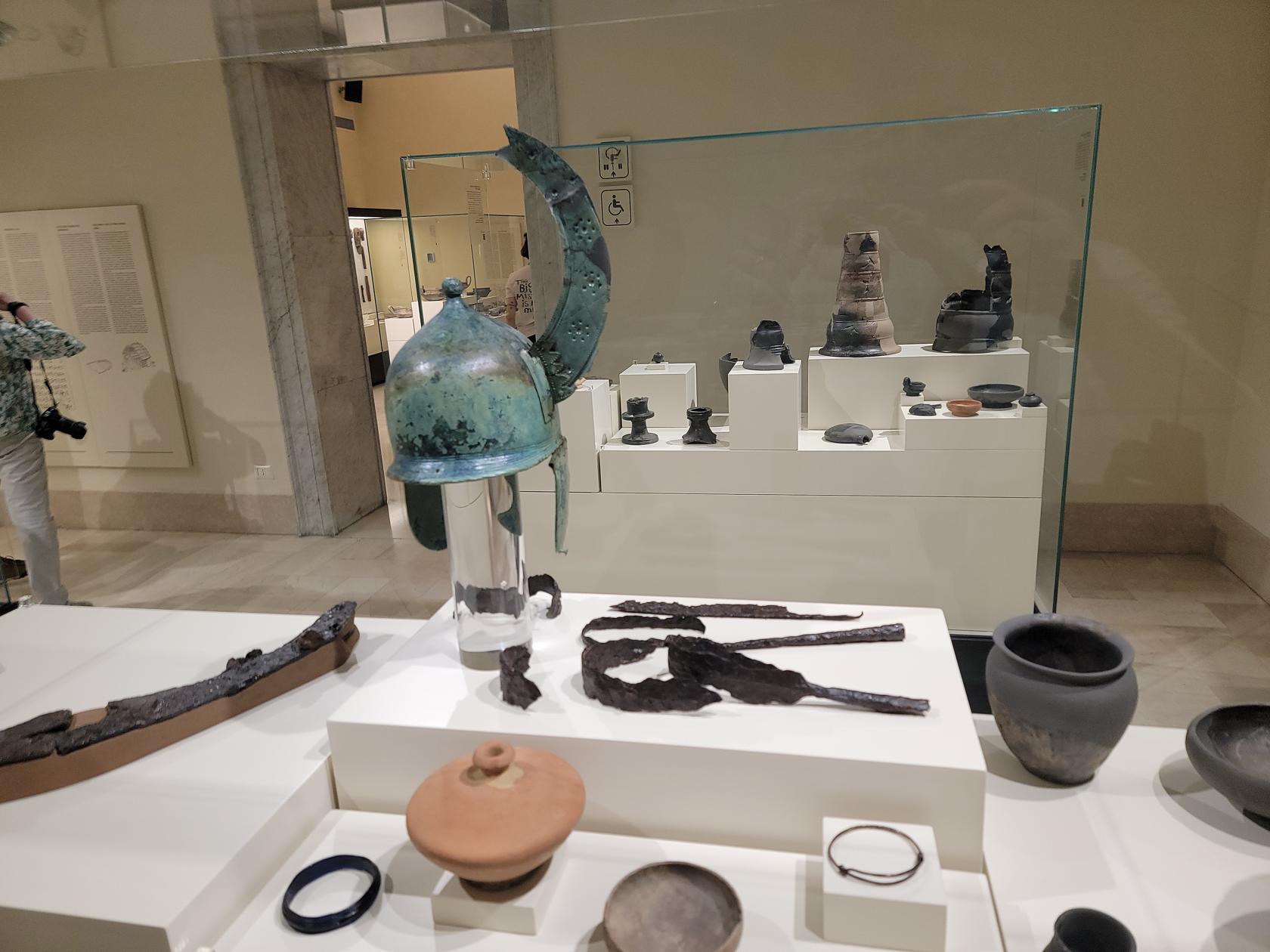
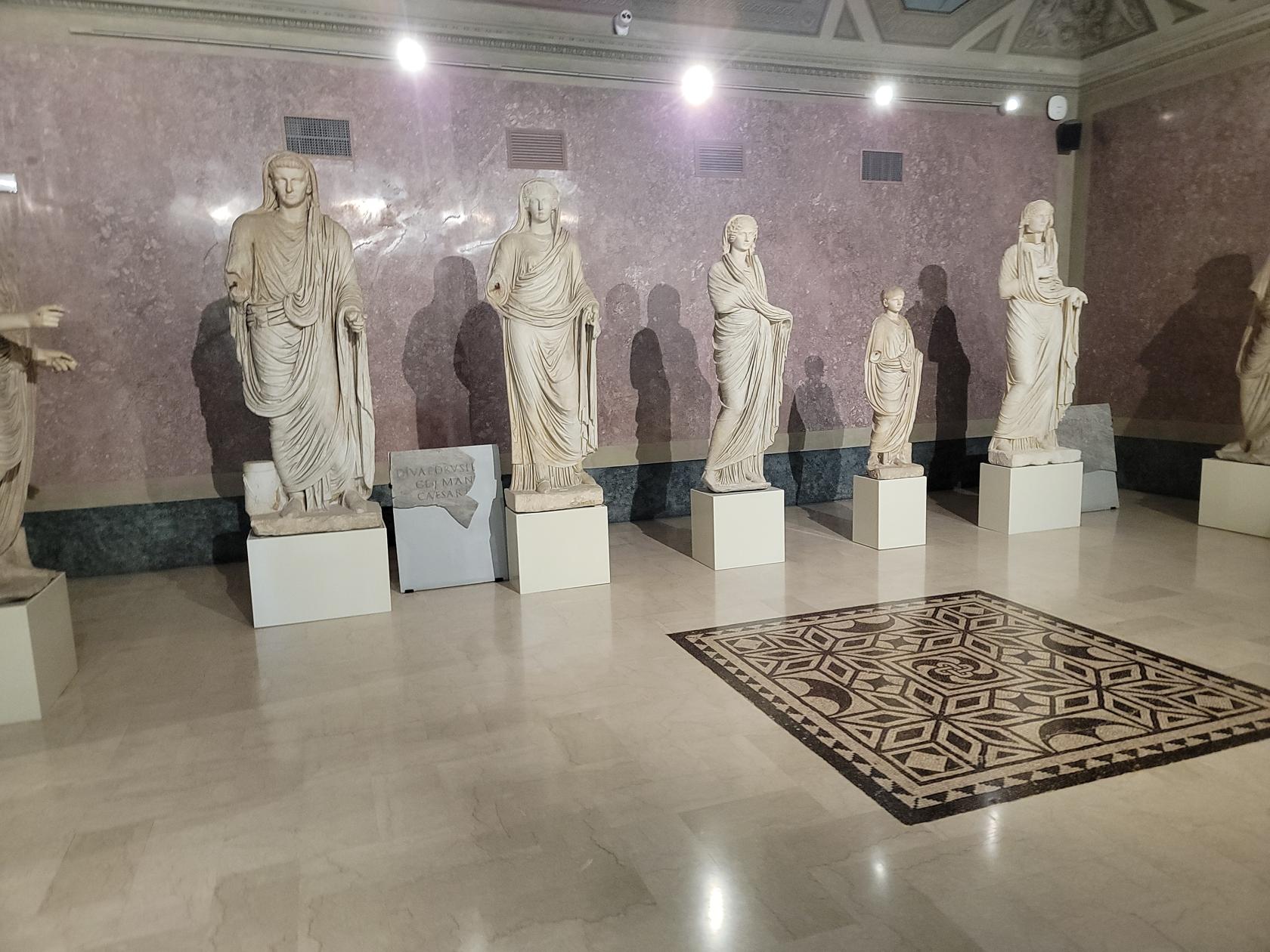
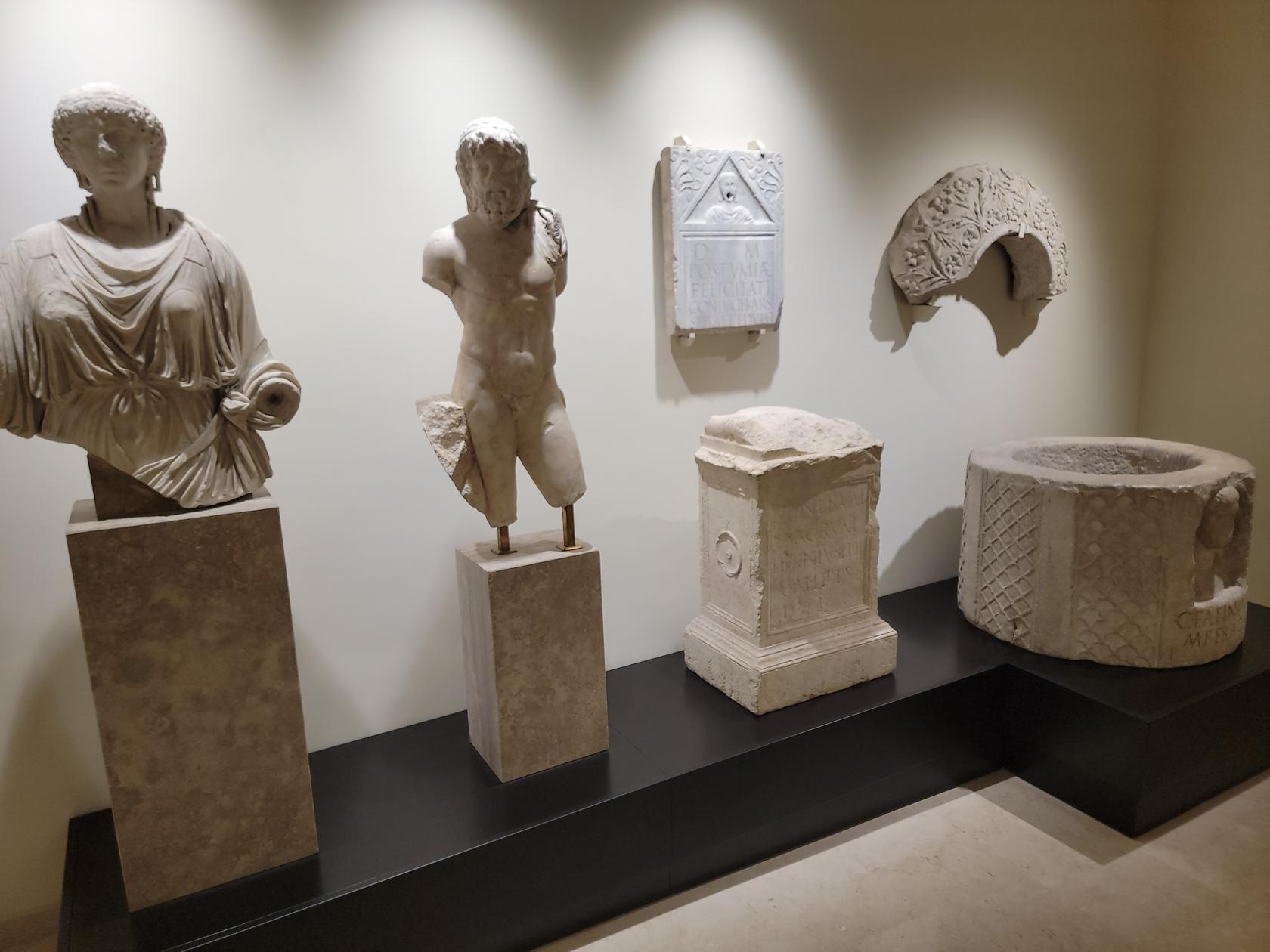
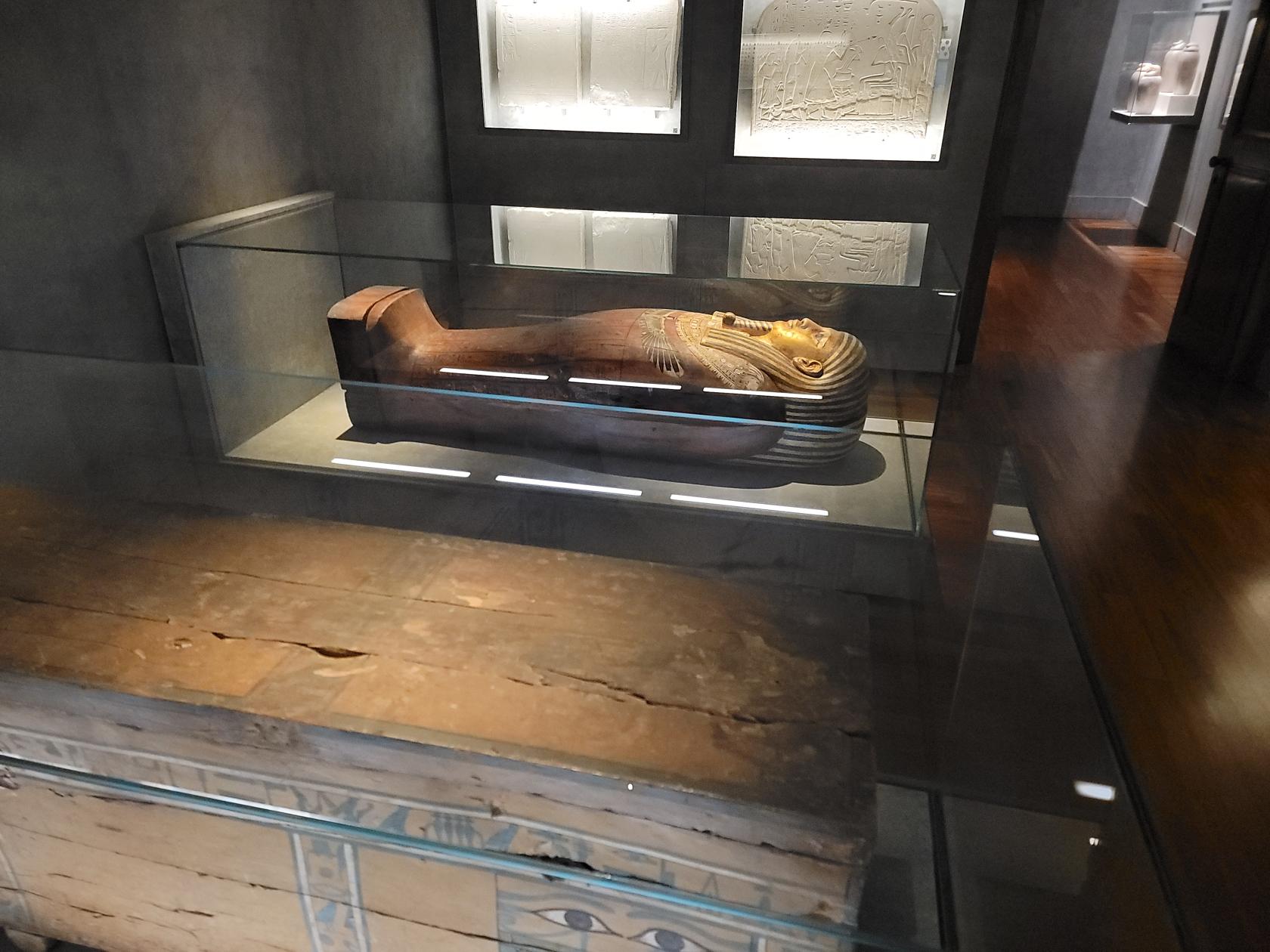
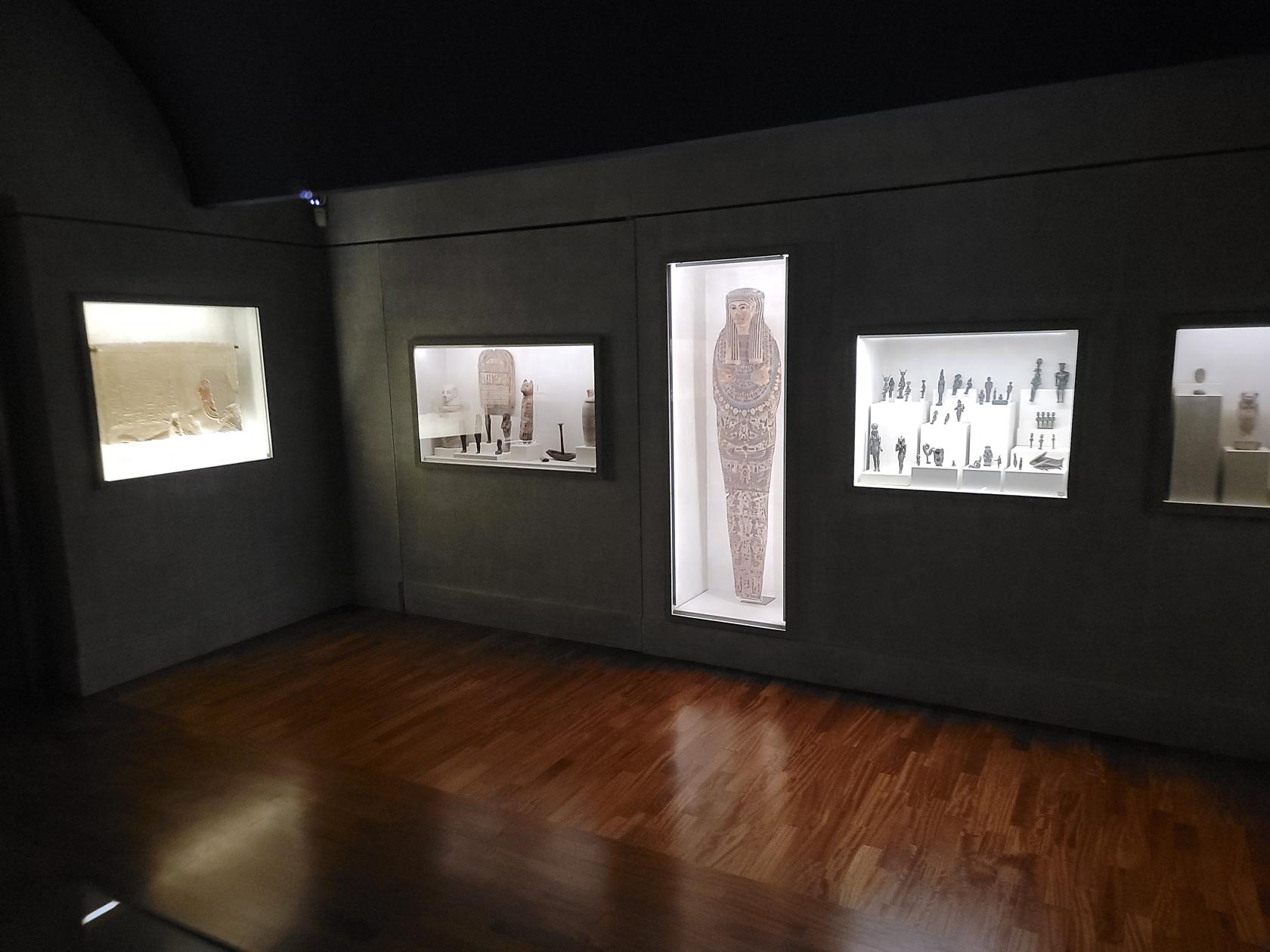
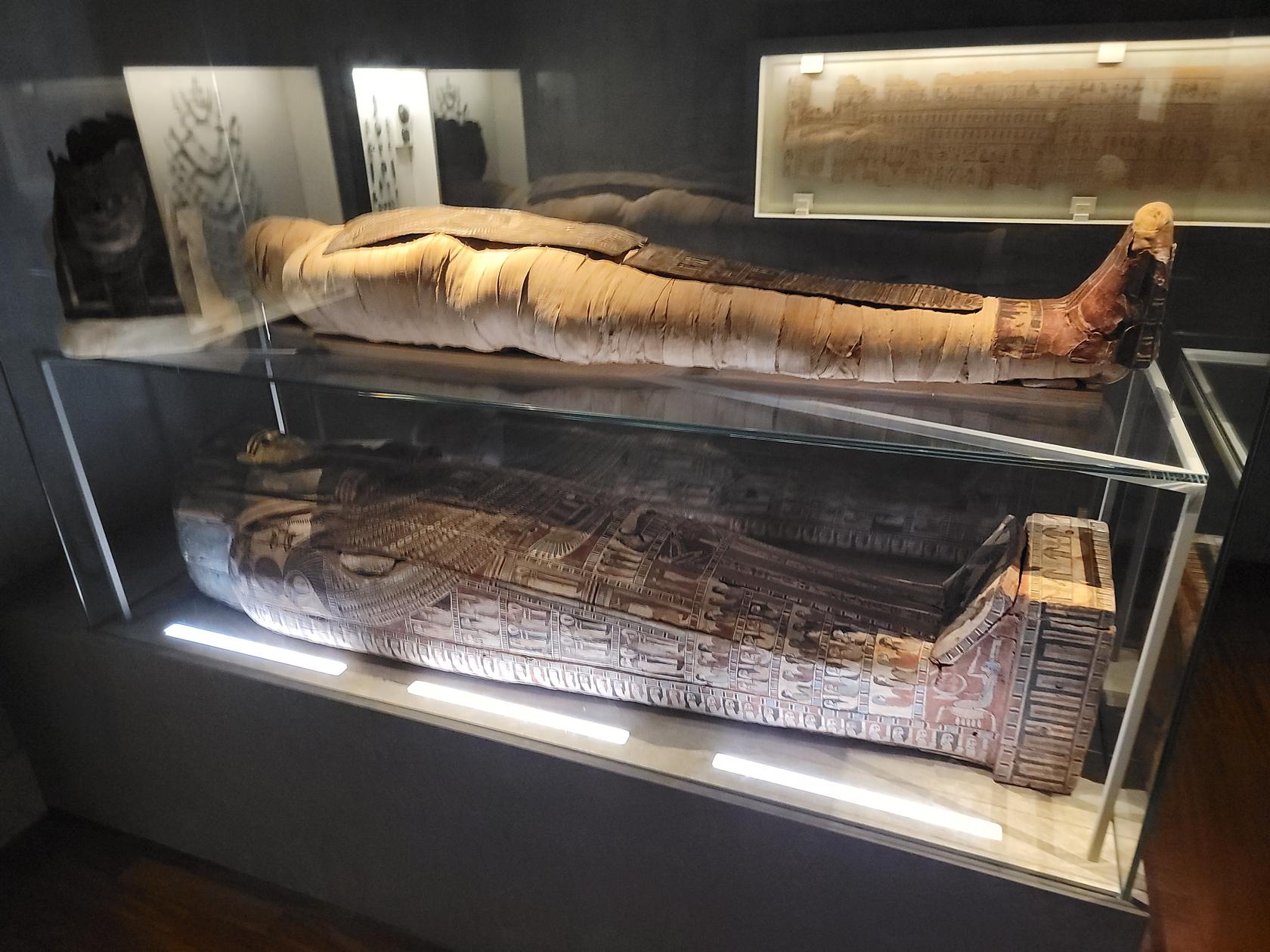
The museum also has a display of ancient Roman tombs, including sarcophogy and examples of mummified remains.
Farnese Theater
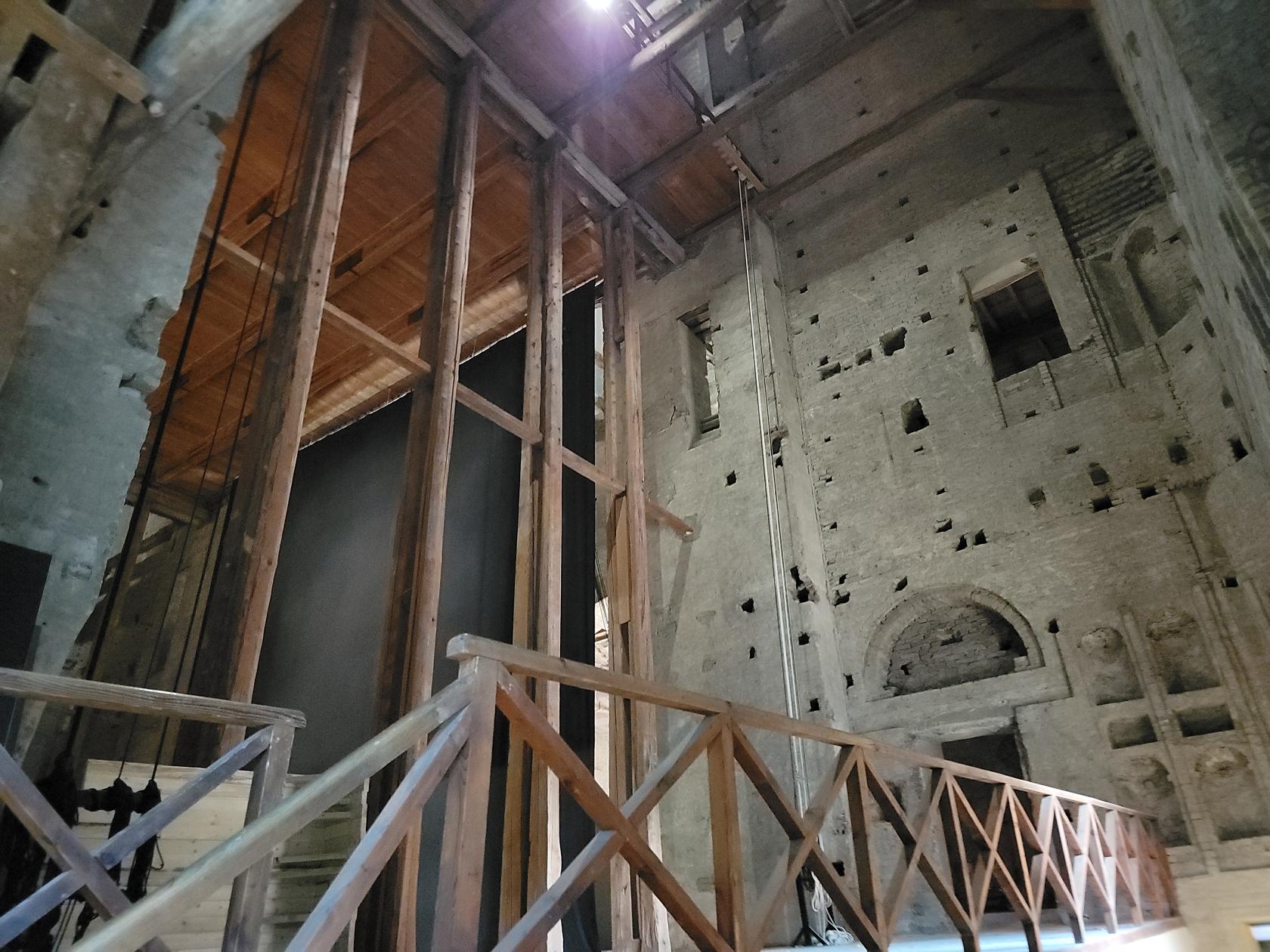
The Farnese Theater is actually a rather bizarre construction. Built within a very large room of the palace is a theater that was constructed quickly, in order to entertain some political majistrate of the Medici family. However, the event never took place and subsequent to it completion, it was only used eight or nine times.
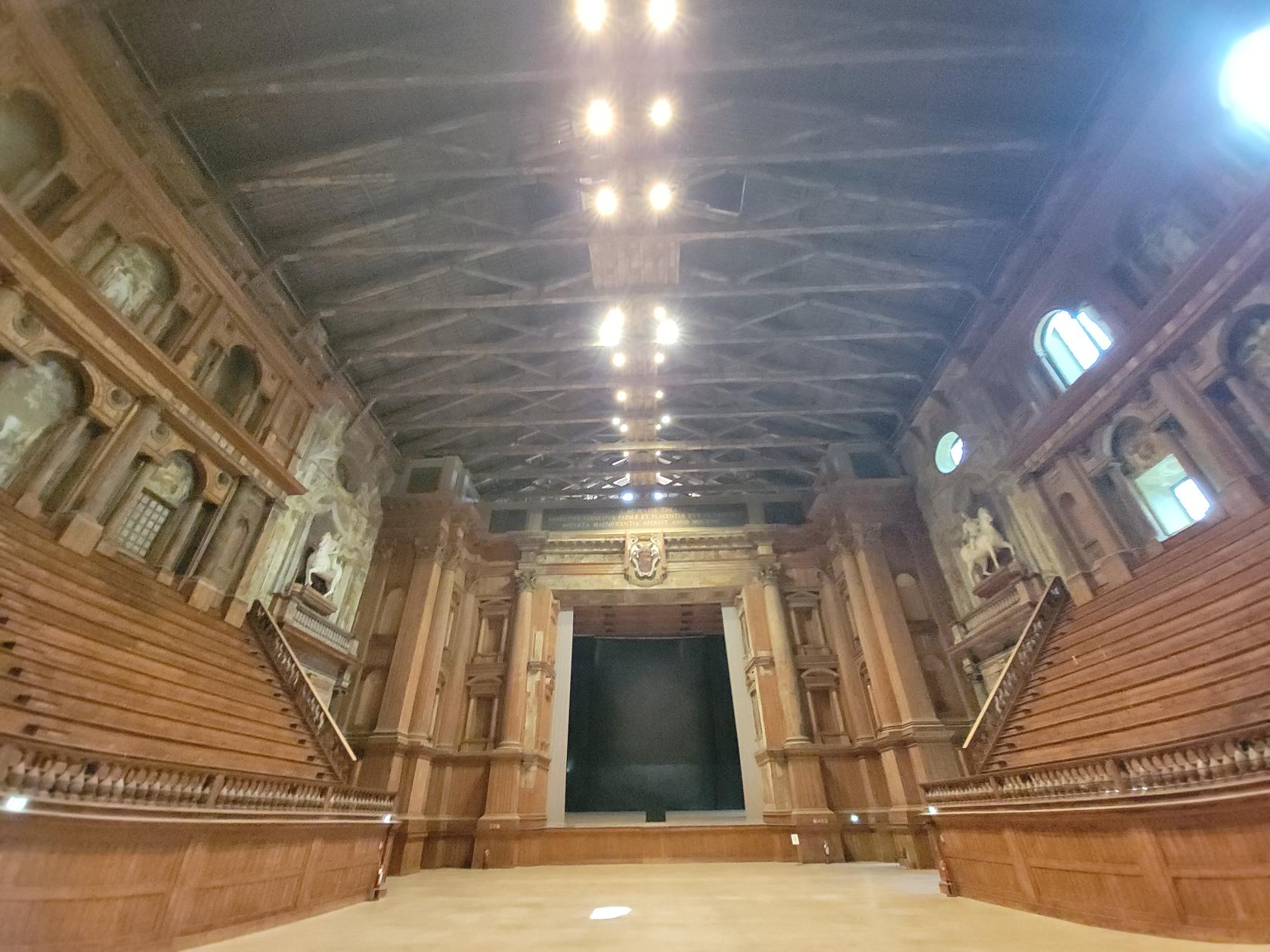
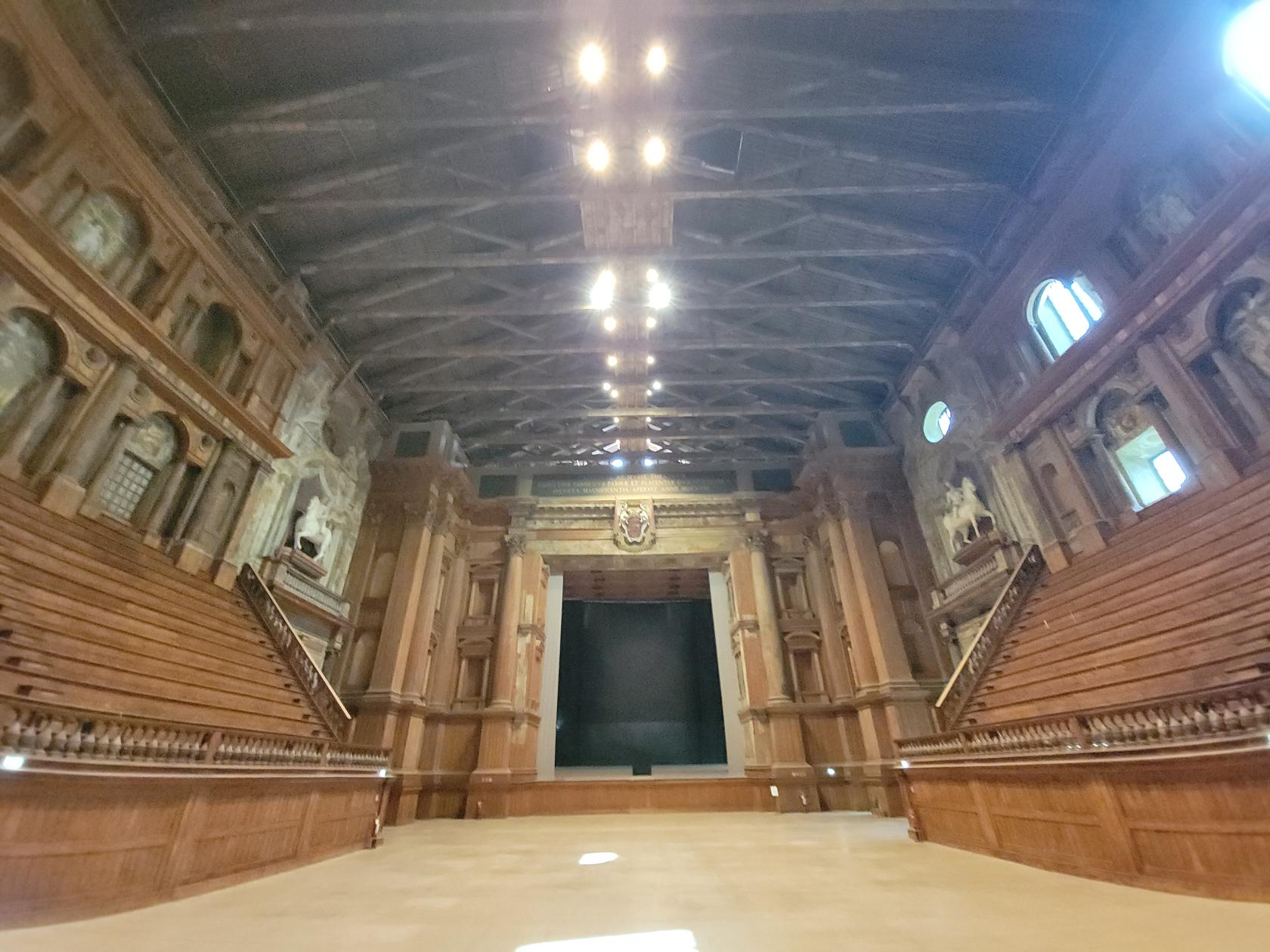
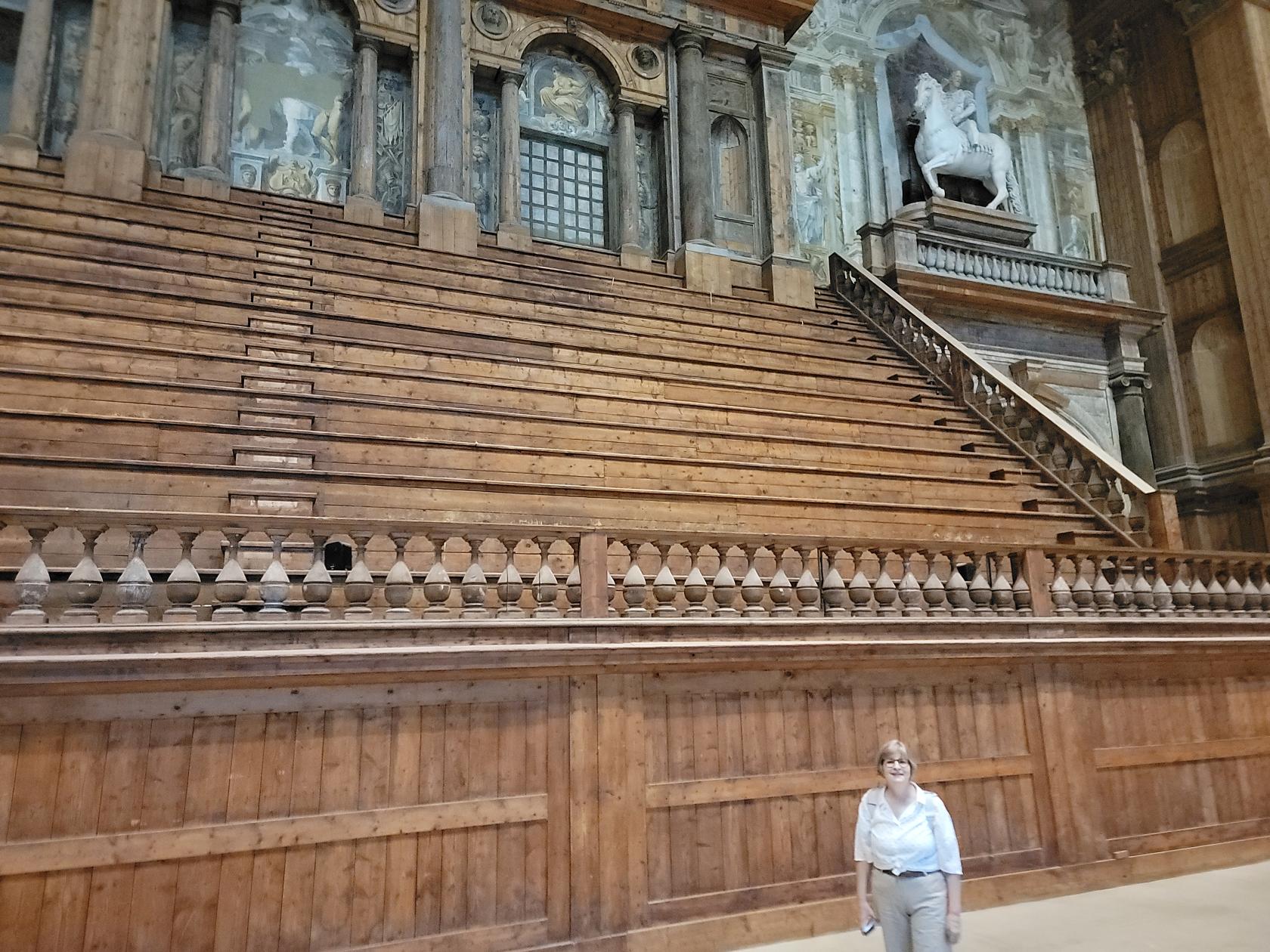
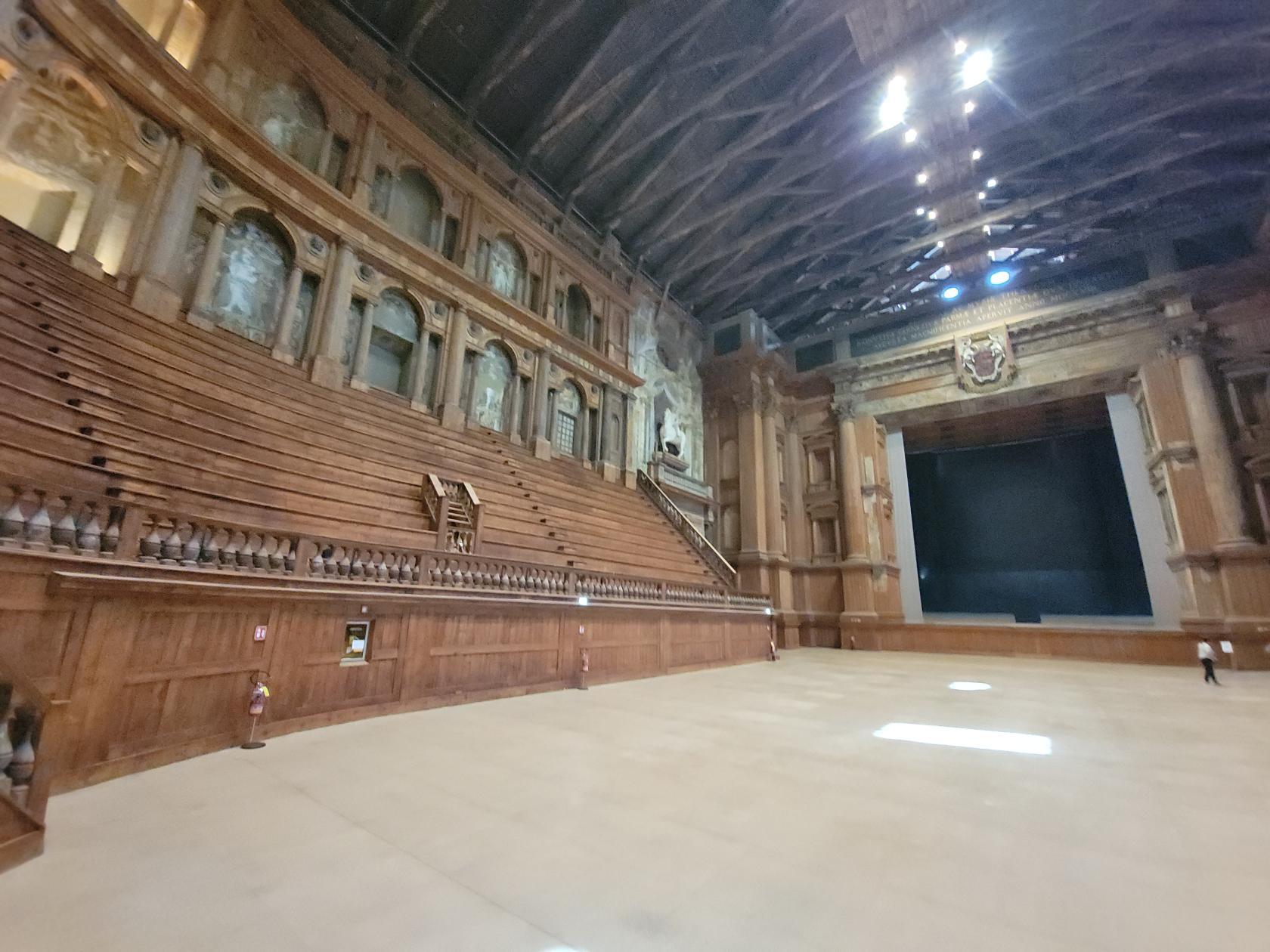
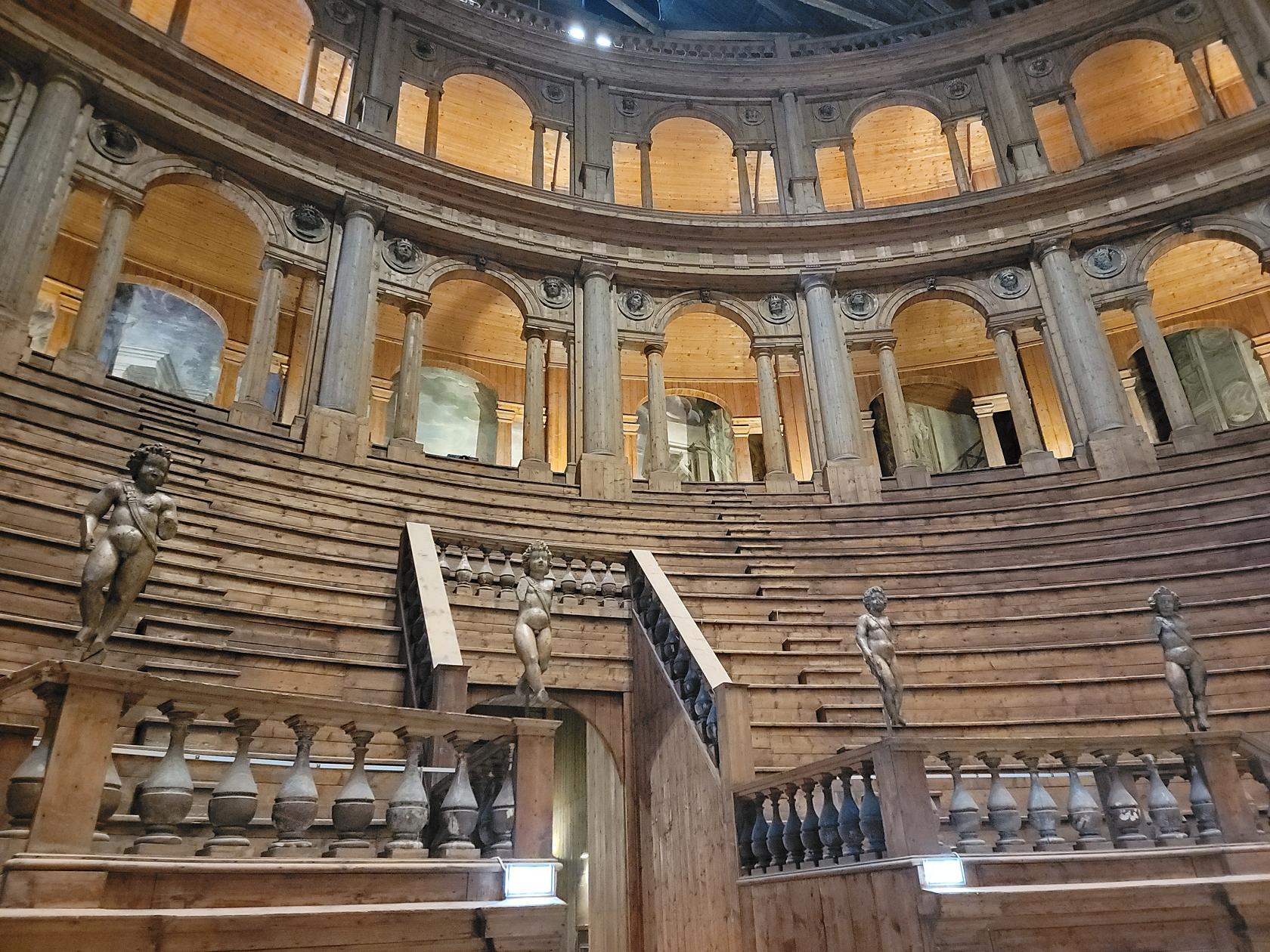
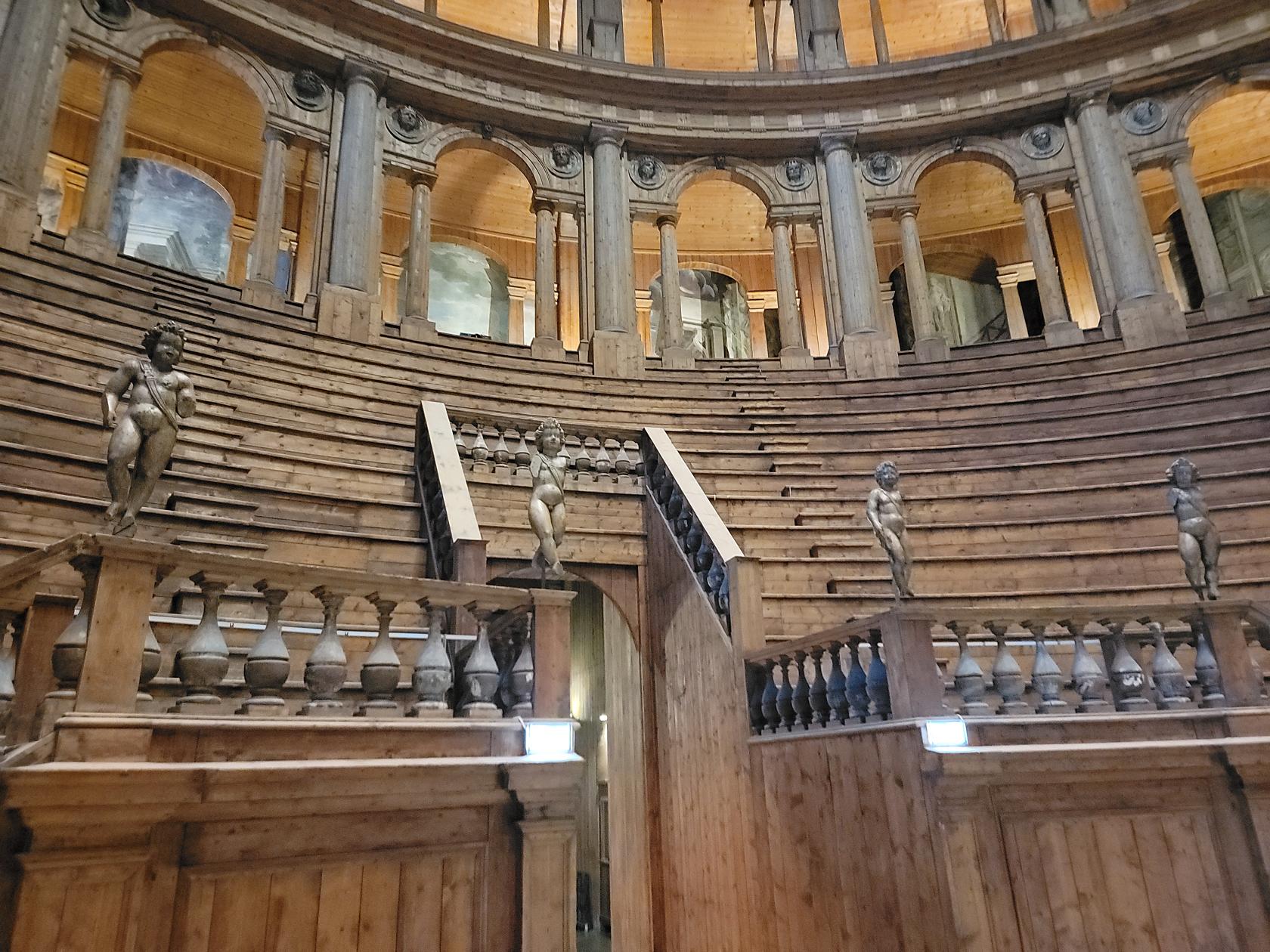
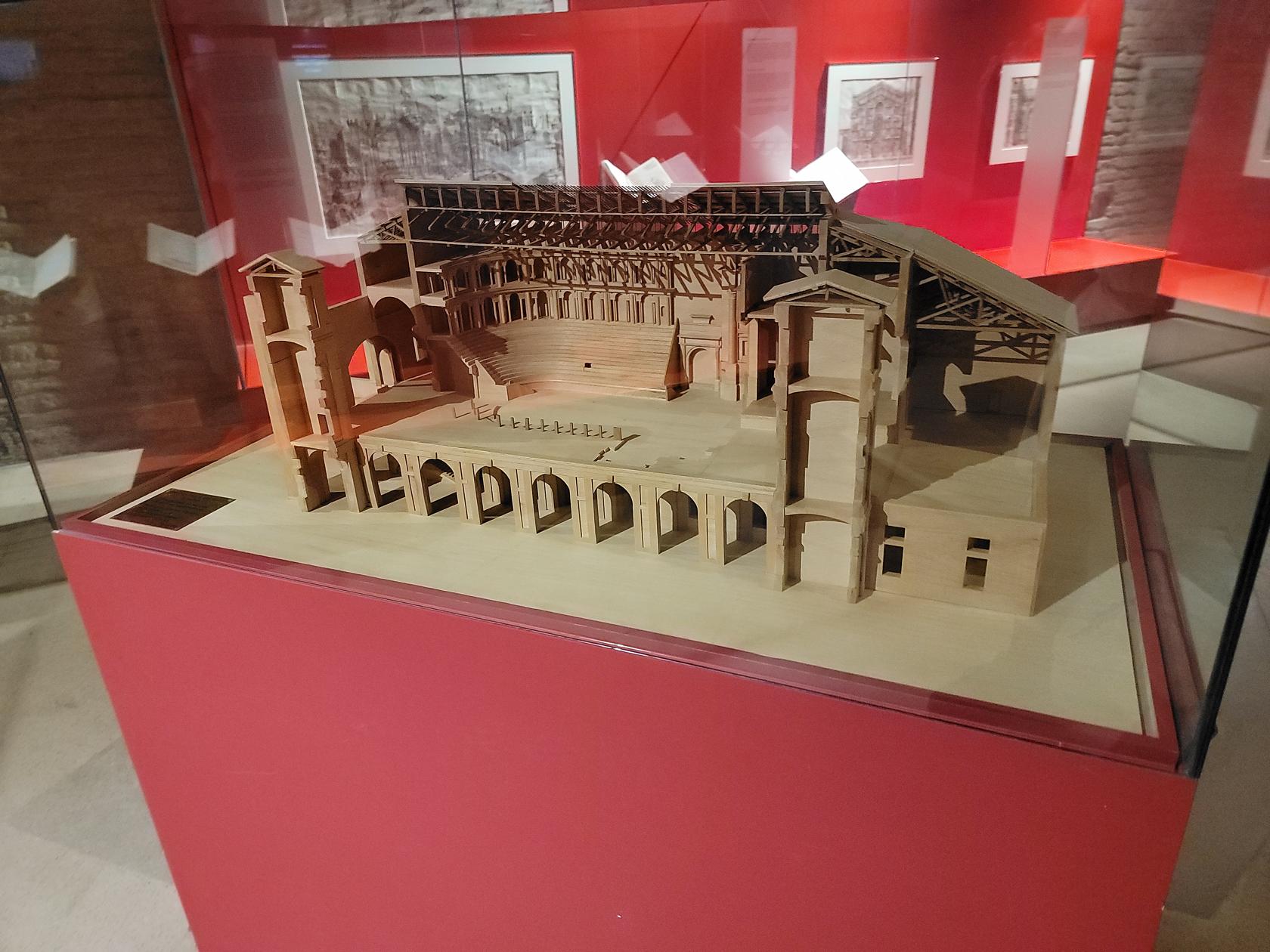
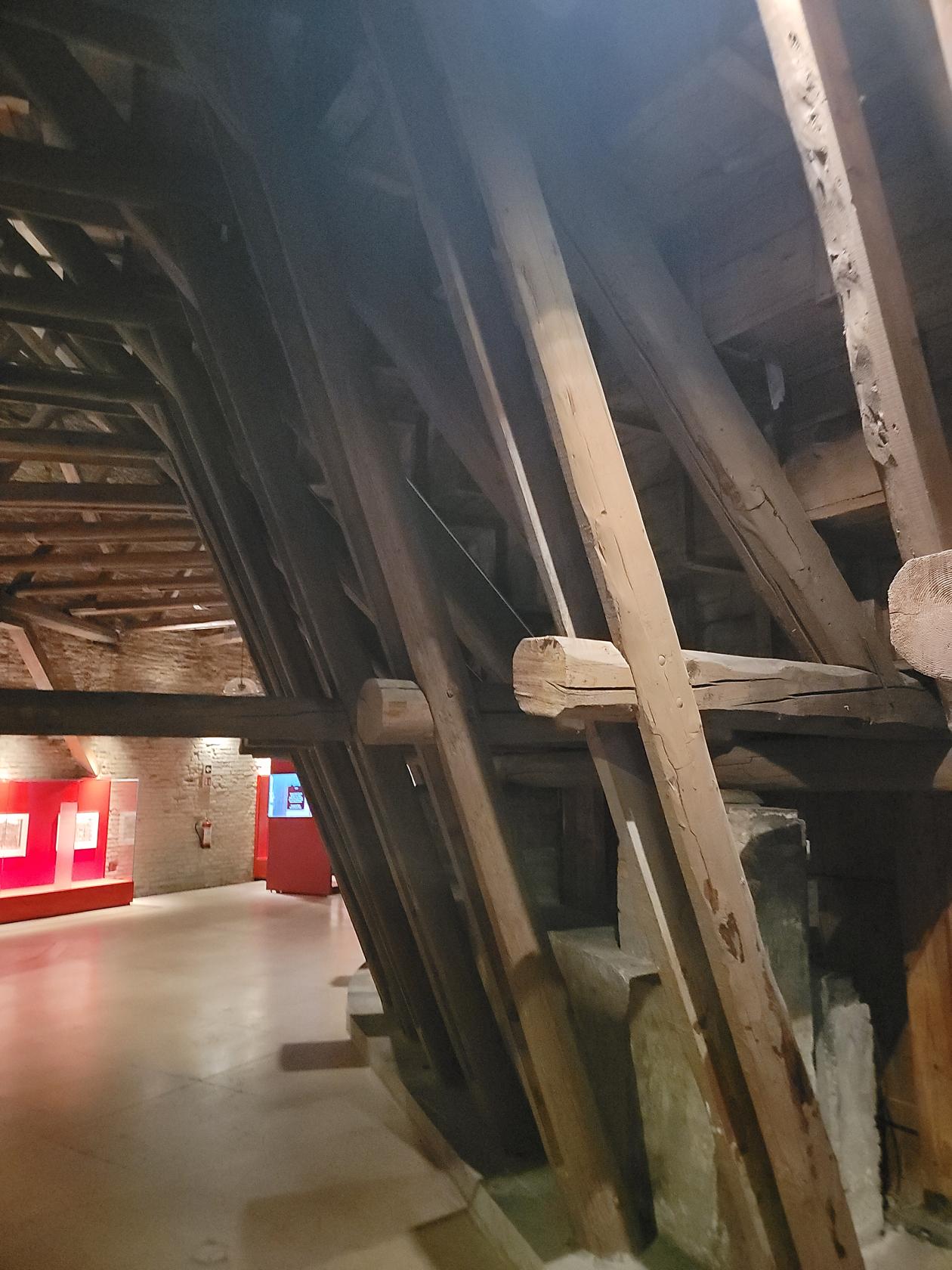
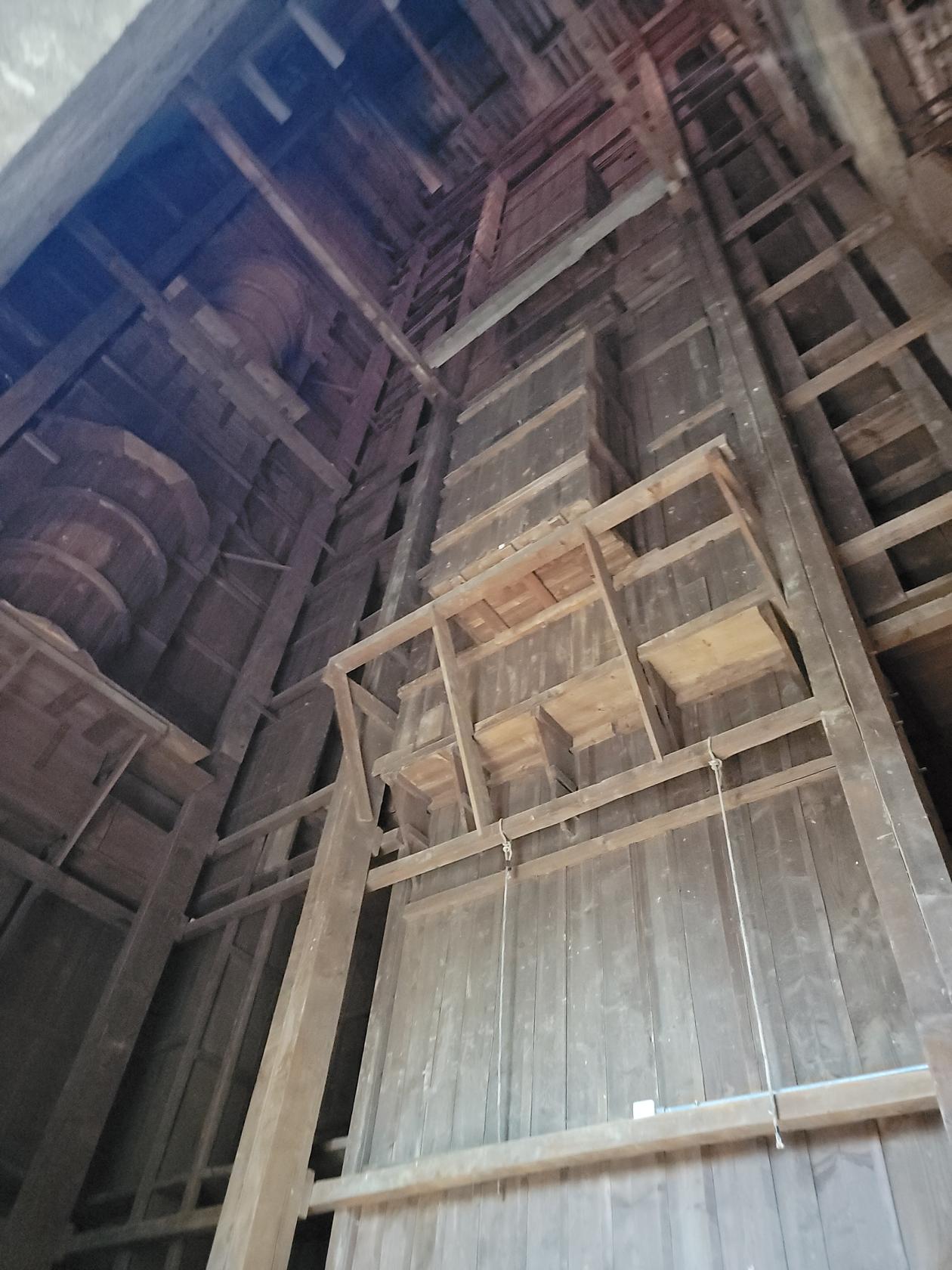
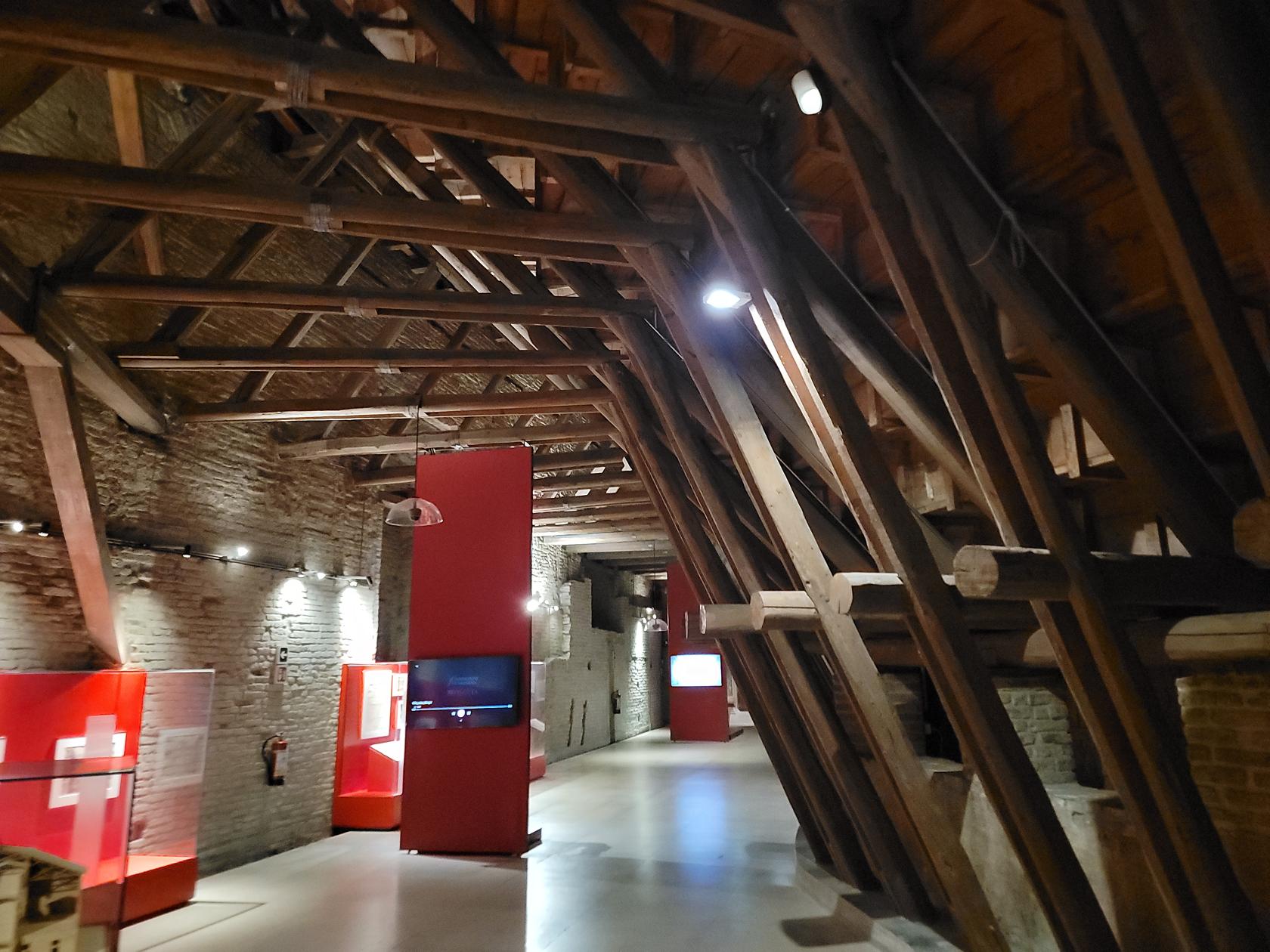
It eventually succumbed to allied bombings in the mid 1940s and was almost completely destroyed and then rebuilt later, for cultural reasons. Though none of the plaster exterior has never been replaced, as is evident by the missing ceiling, it still enjoys a woddy charm. Luckily, the old frescoes survived and can still be seen today.
Galleria Nazionale di Parma
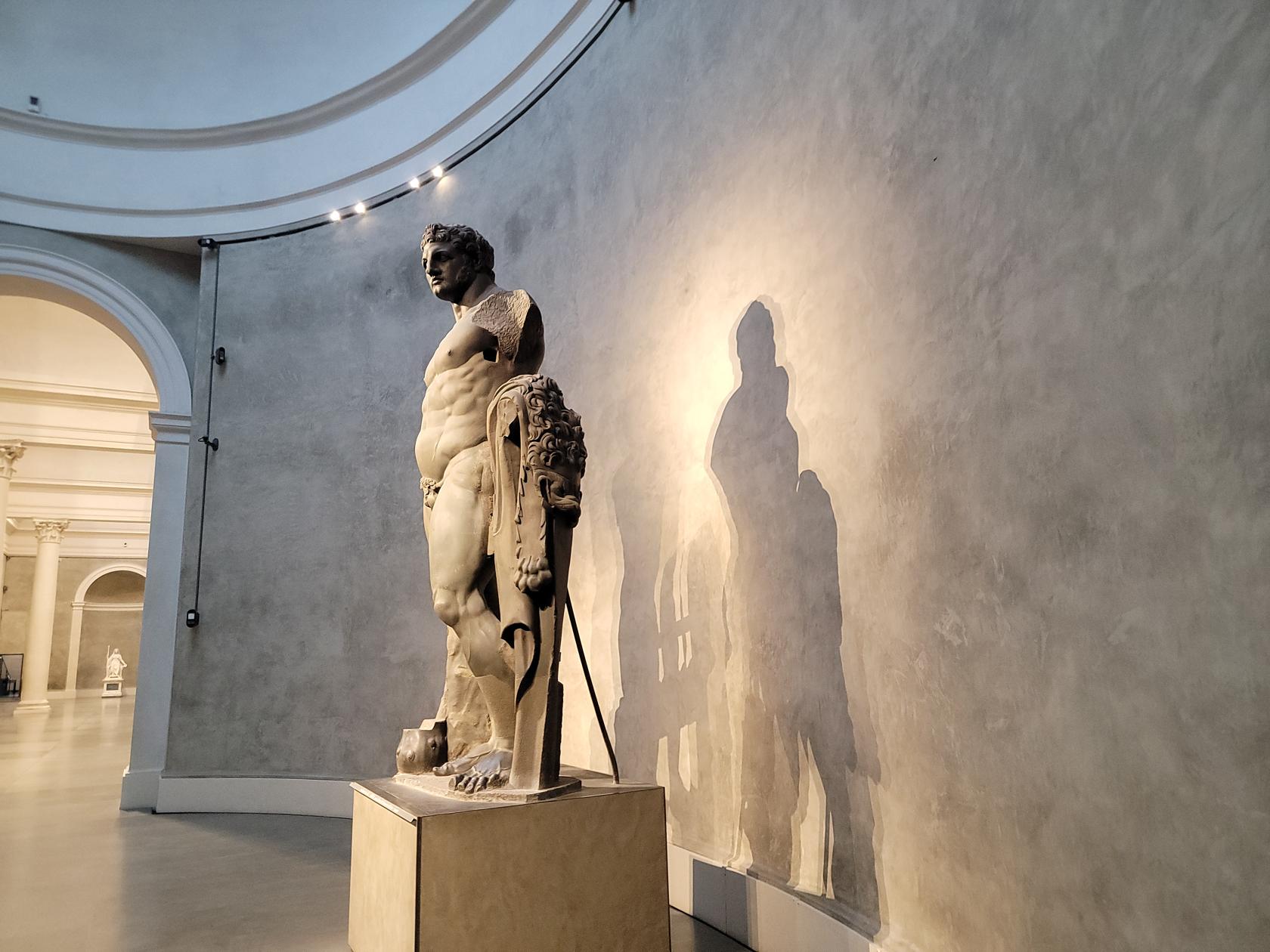
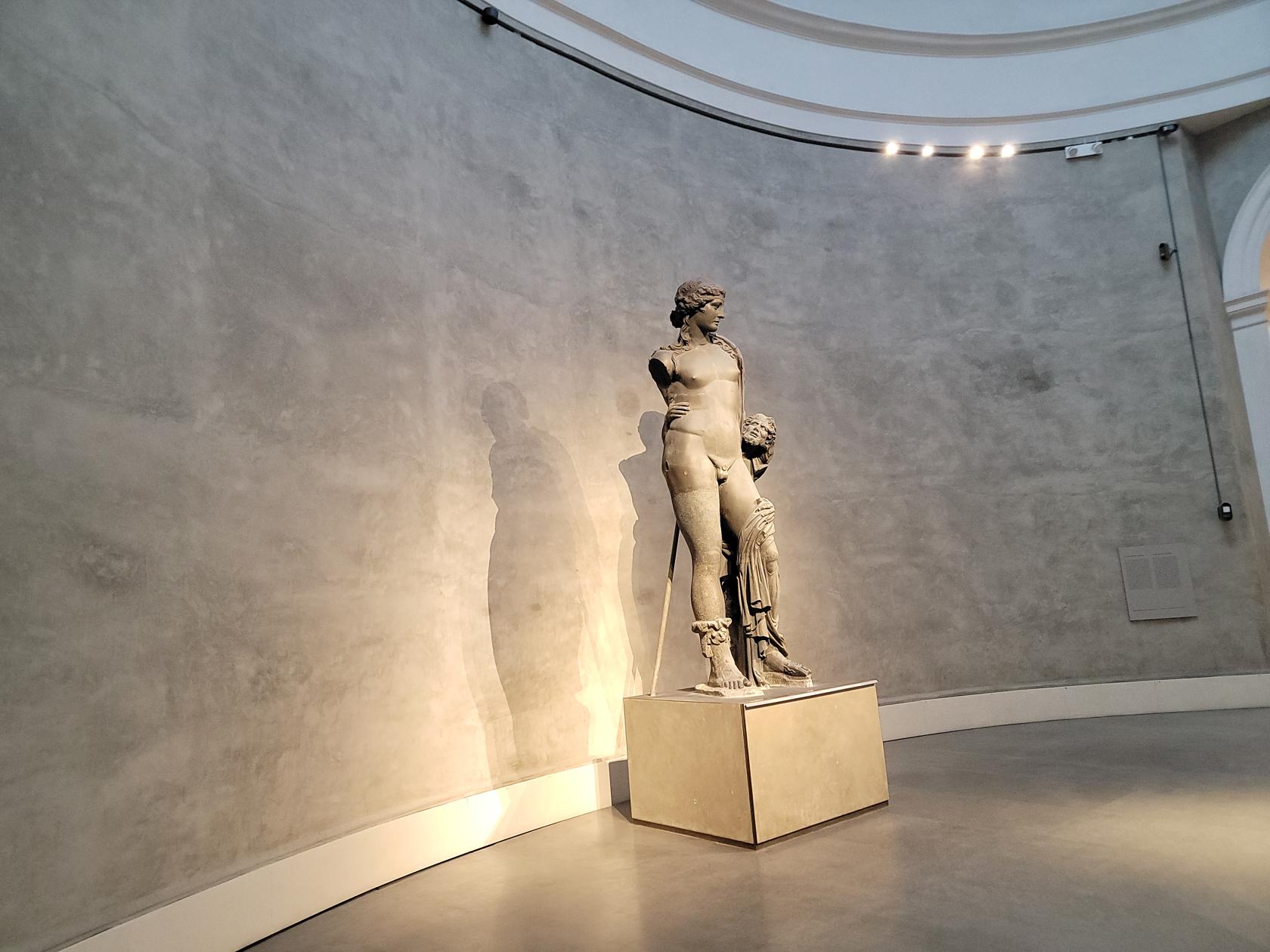
The entrance to the National Gallery is flanked by two huge statues. One of Dionysus and the other or Hercules. They are both impressive in their own right, with the one of Hercules looking like it is right on the boundary of the human anatomy.
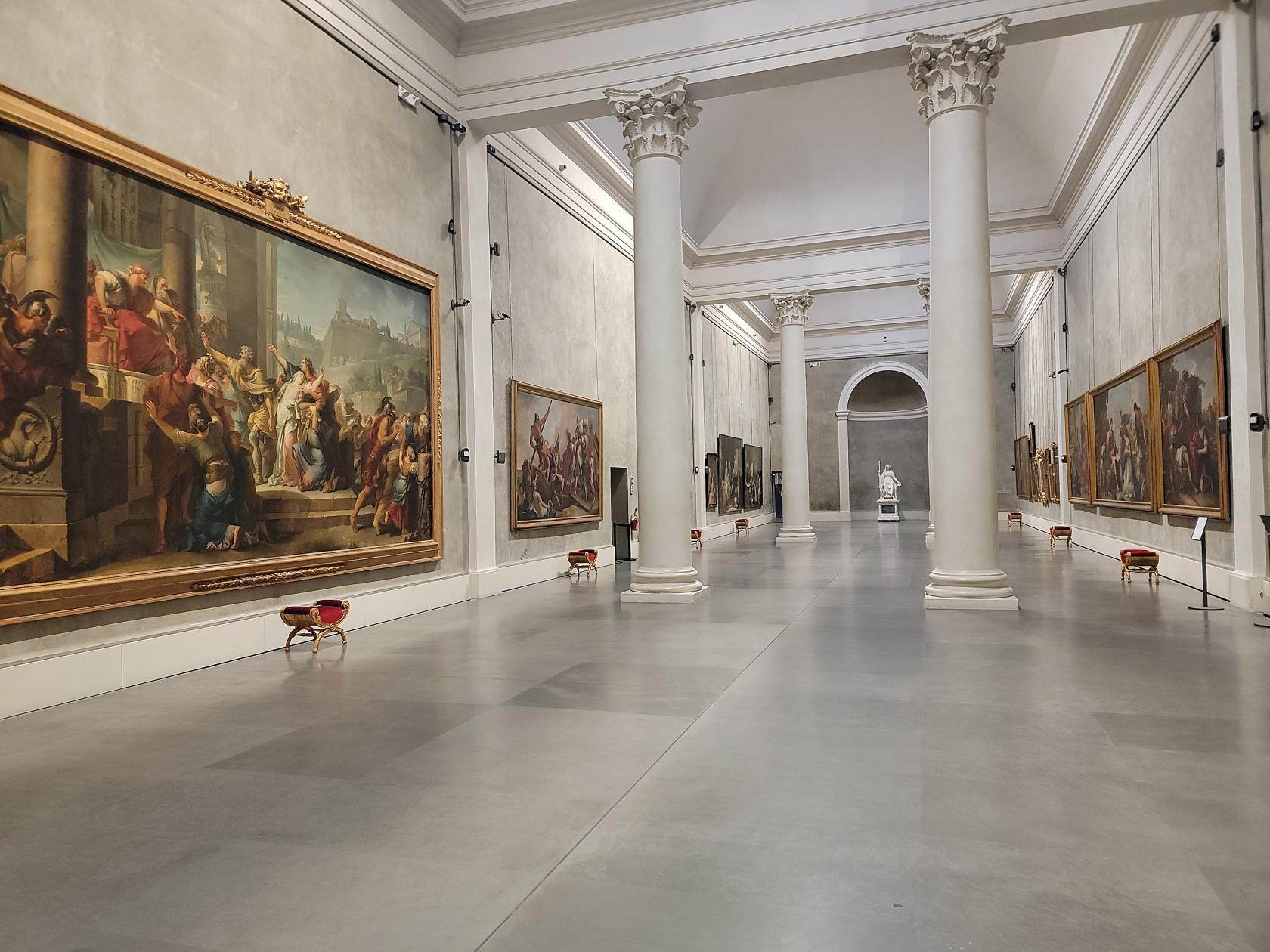
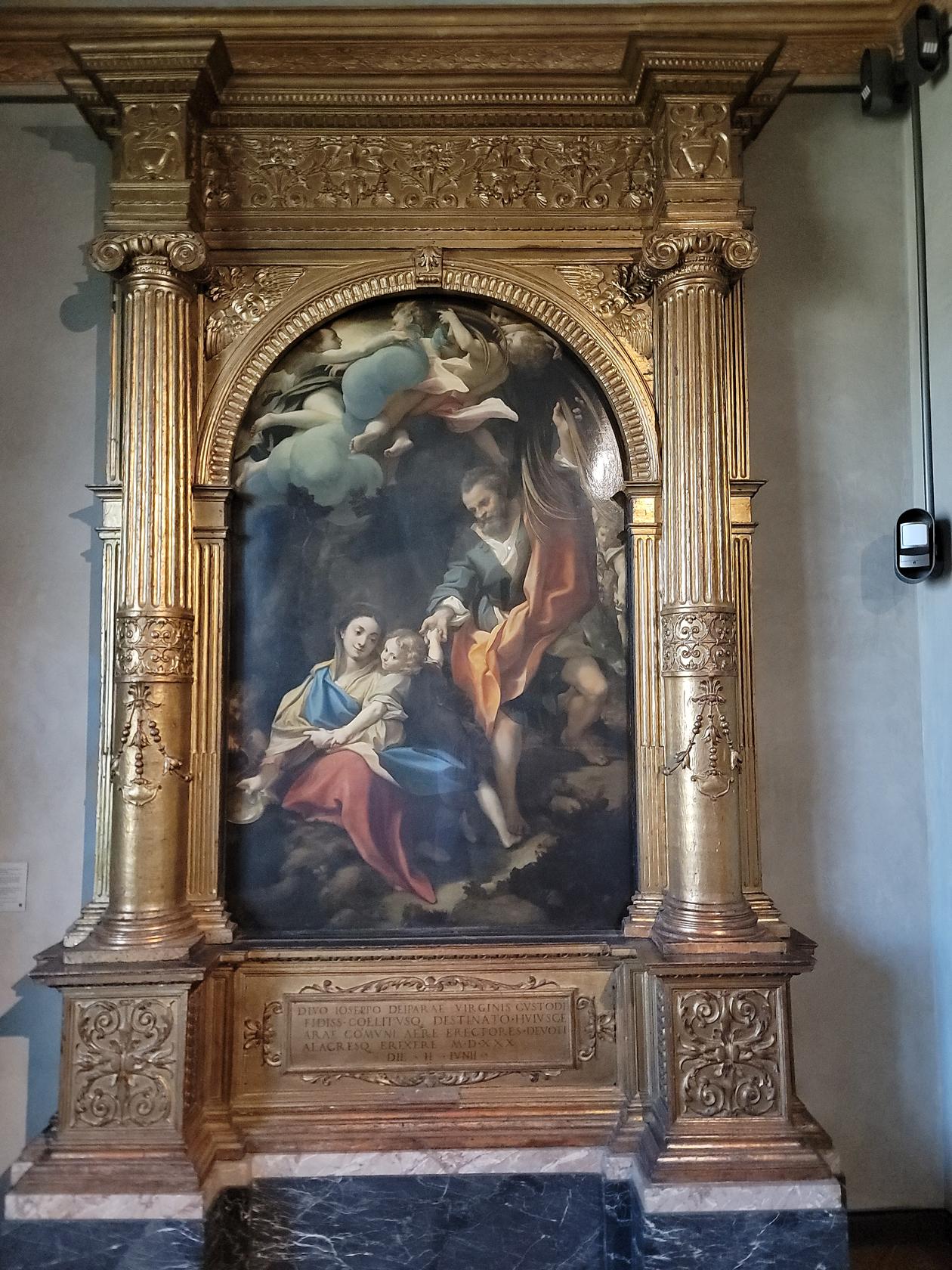
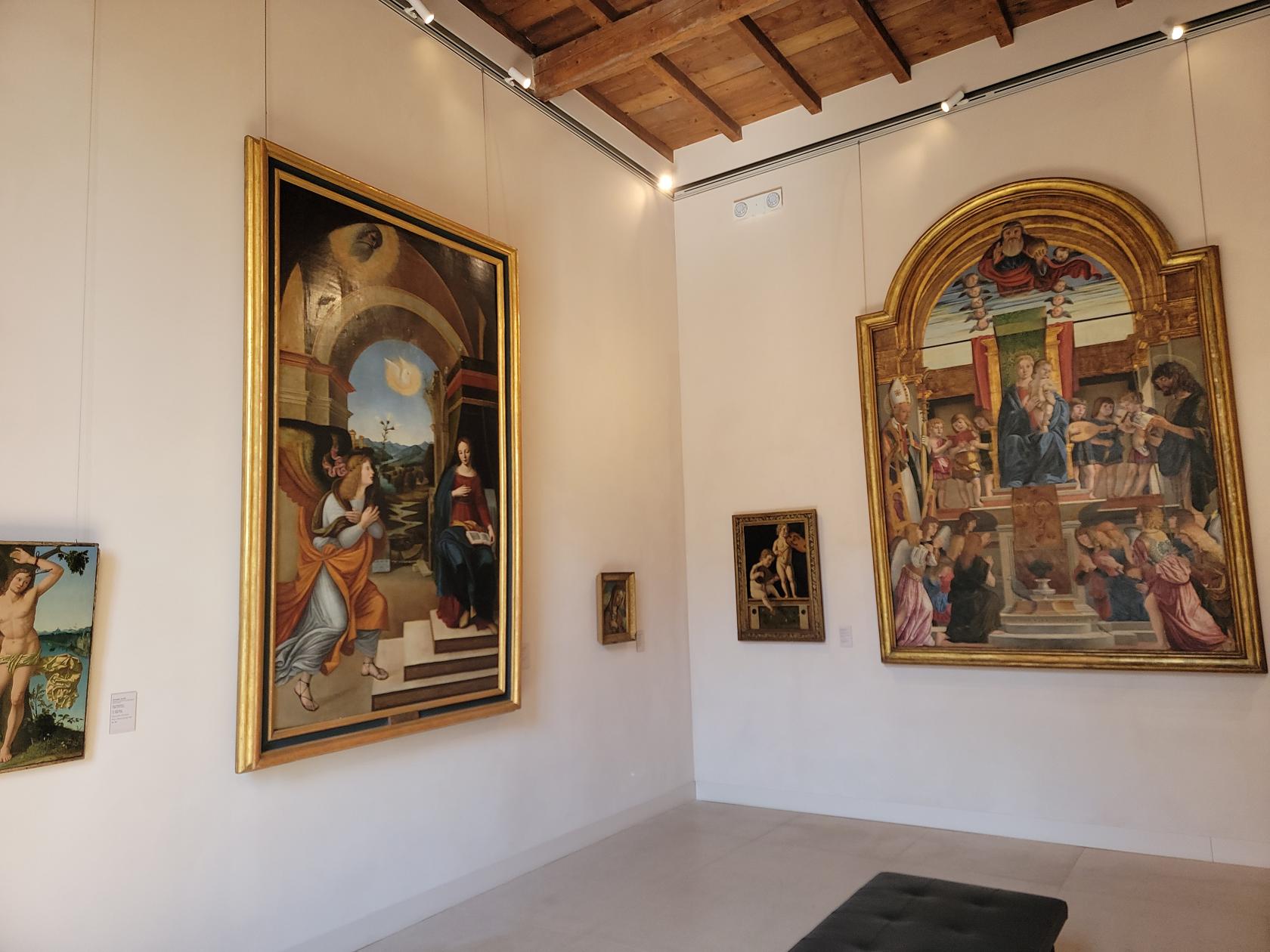
The rest of the gallery houses a myriad of large paintings in its large hall. Unfortunately there are no benches or seating to admire them, so one can only slowly walk by or stand in front of them for a bit, in order to admire them.
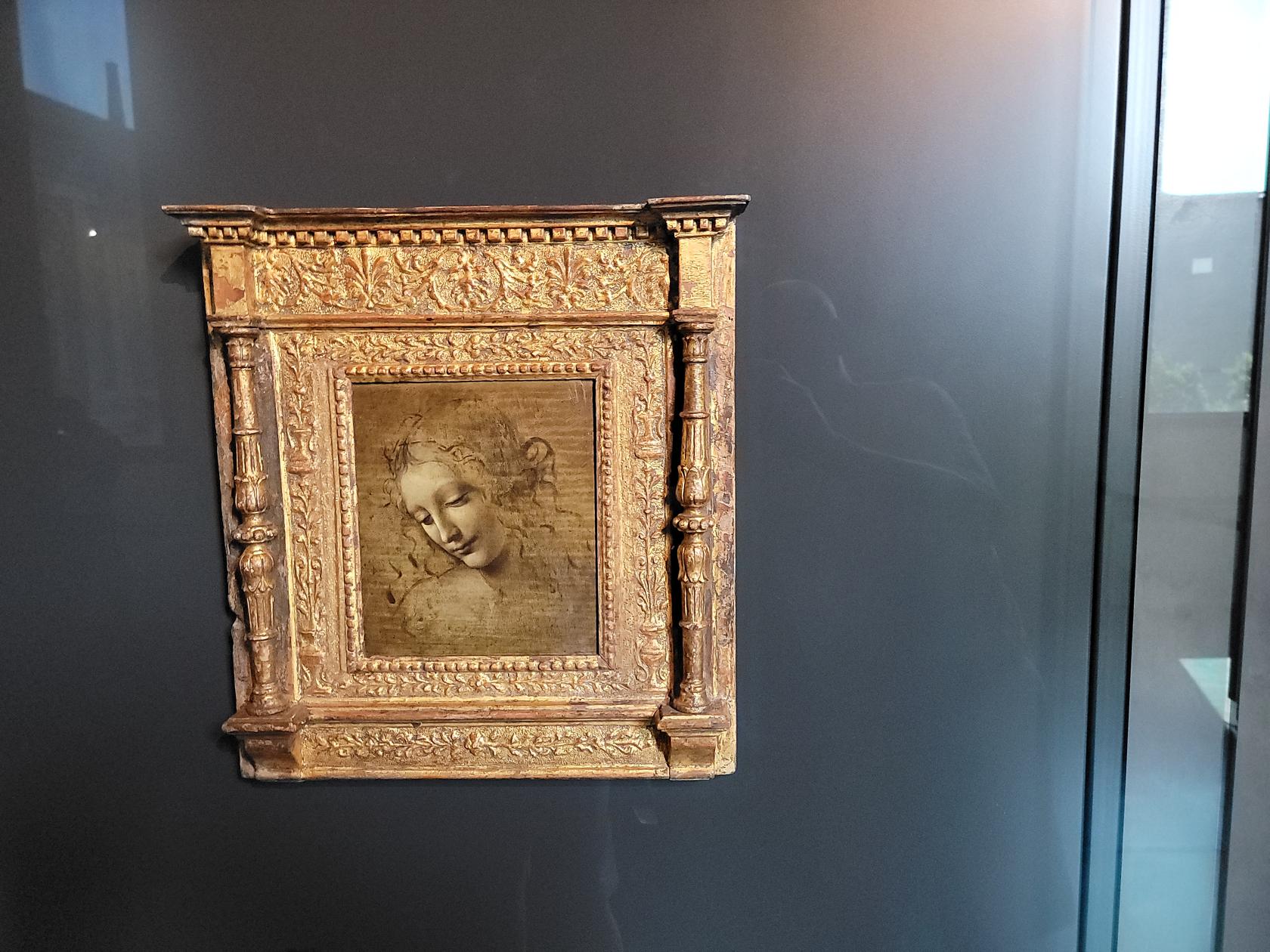
As of this writing, the back of the gallery held the real prize for a visitor, a work by Leonardo da Vinci called the head of a woman, or “La Scapiliata”. One can see similarities with her face and that of the Mona Lisa, which was painted some time after and is now in the Louvre in Paris, France.
Palatina Library
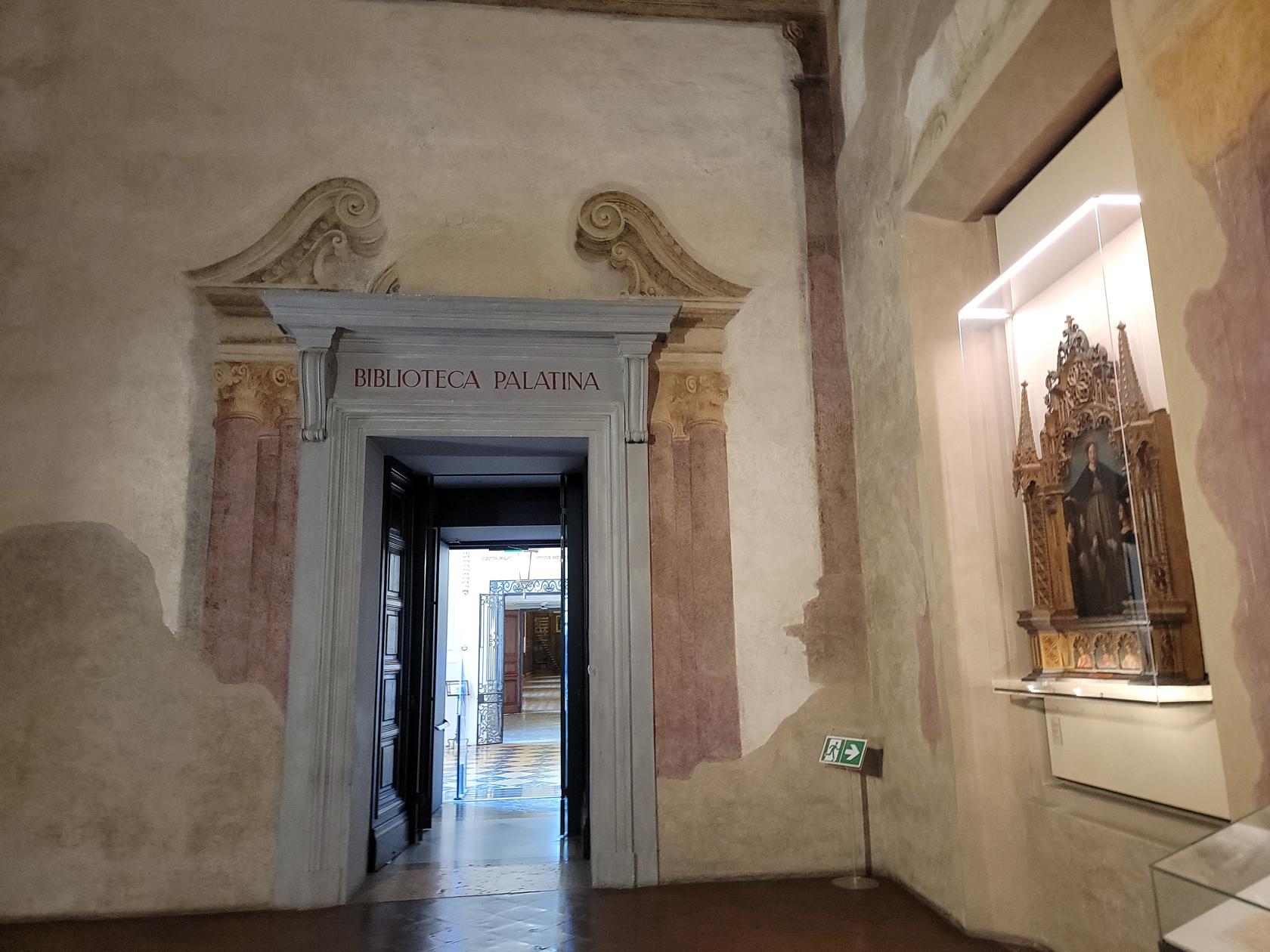
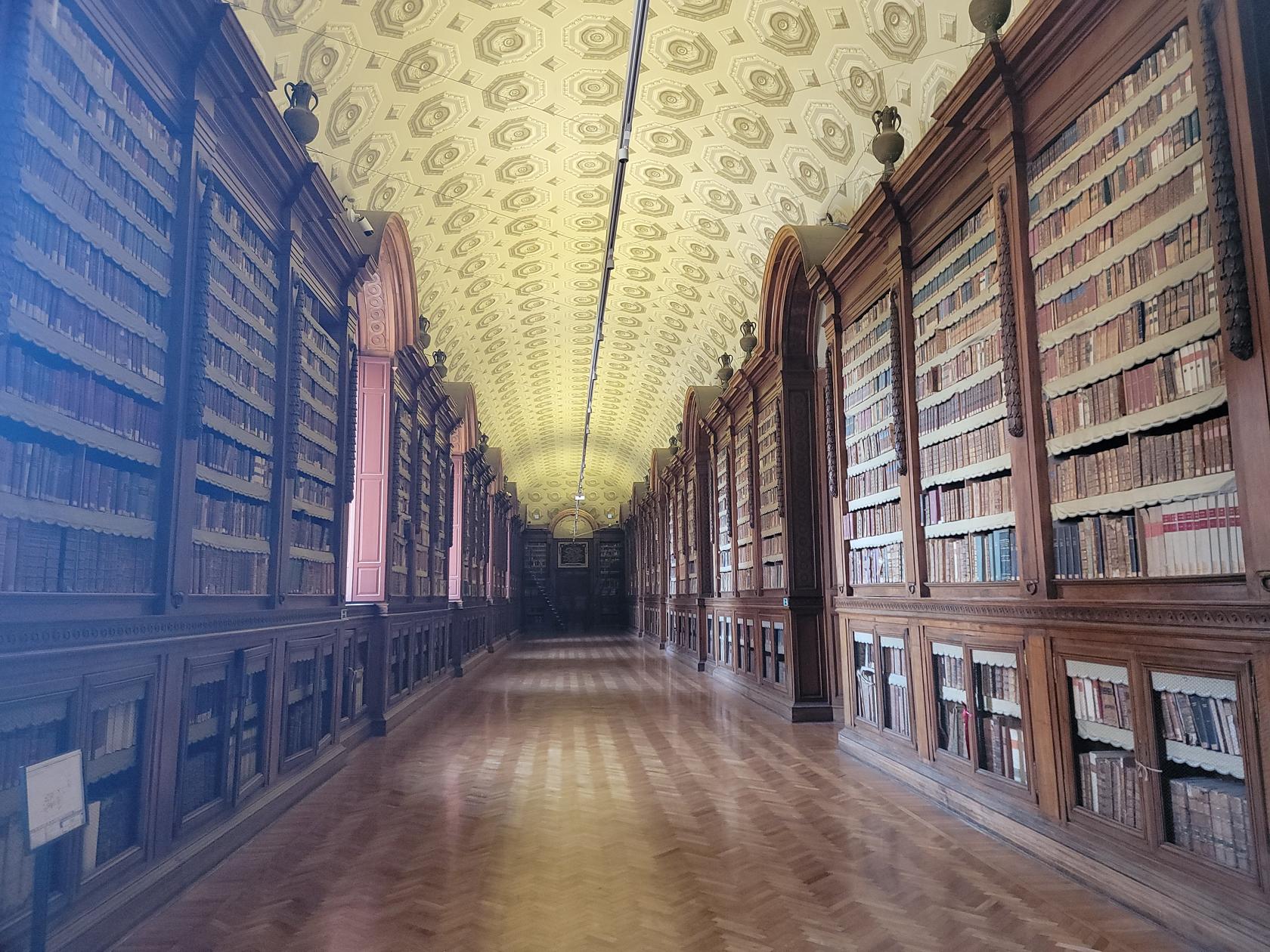
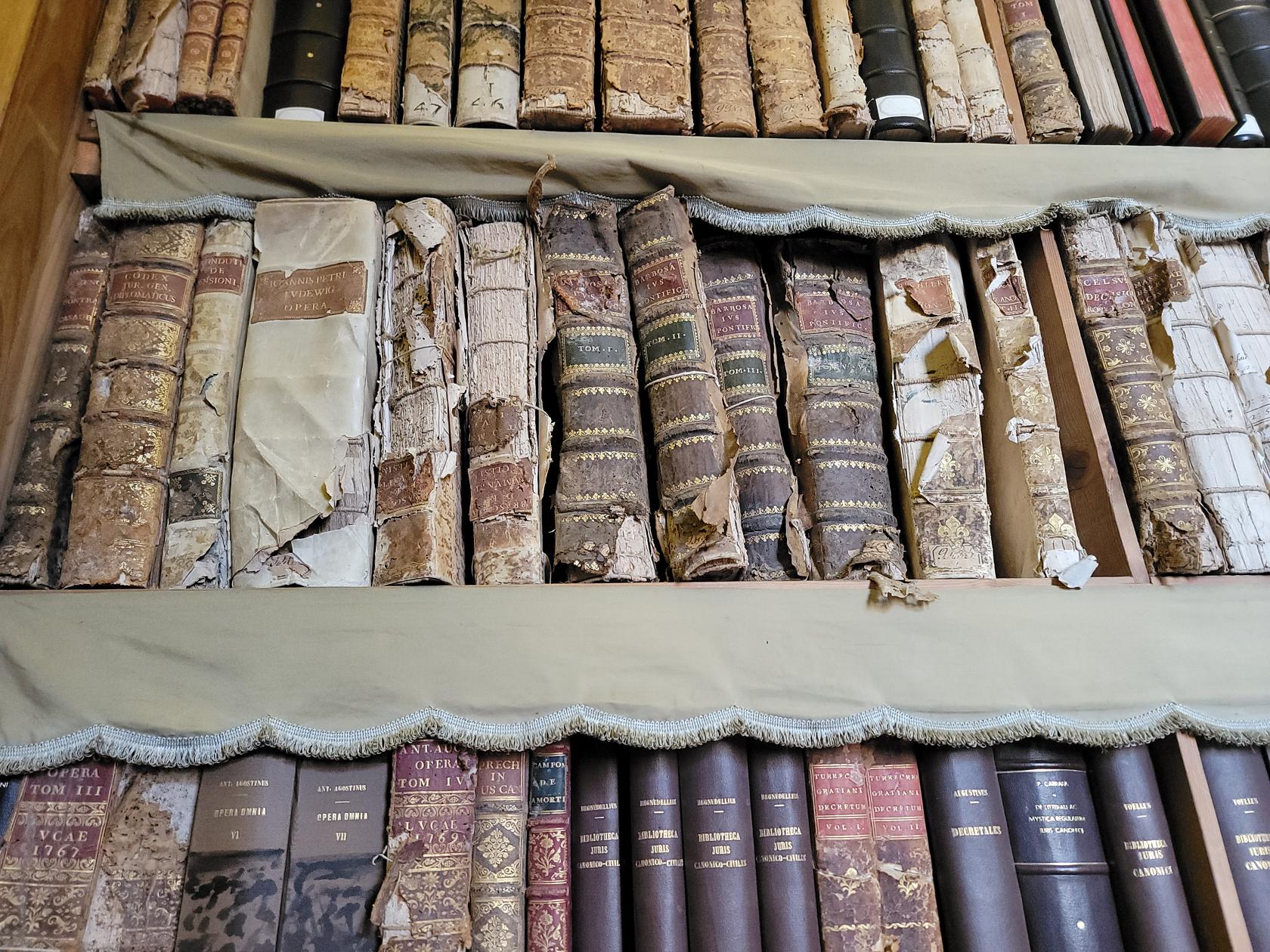
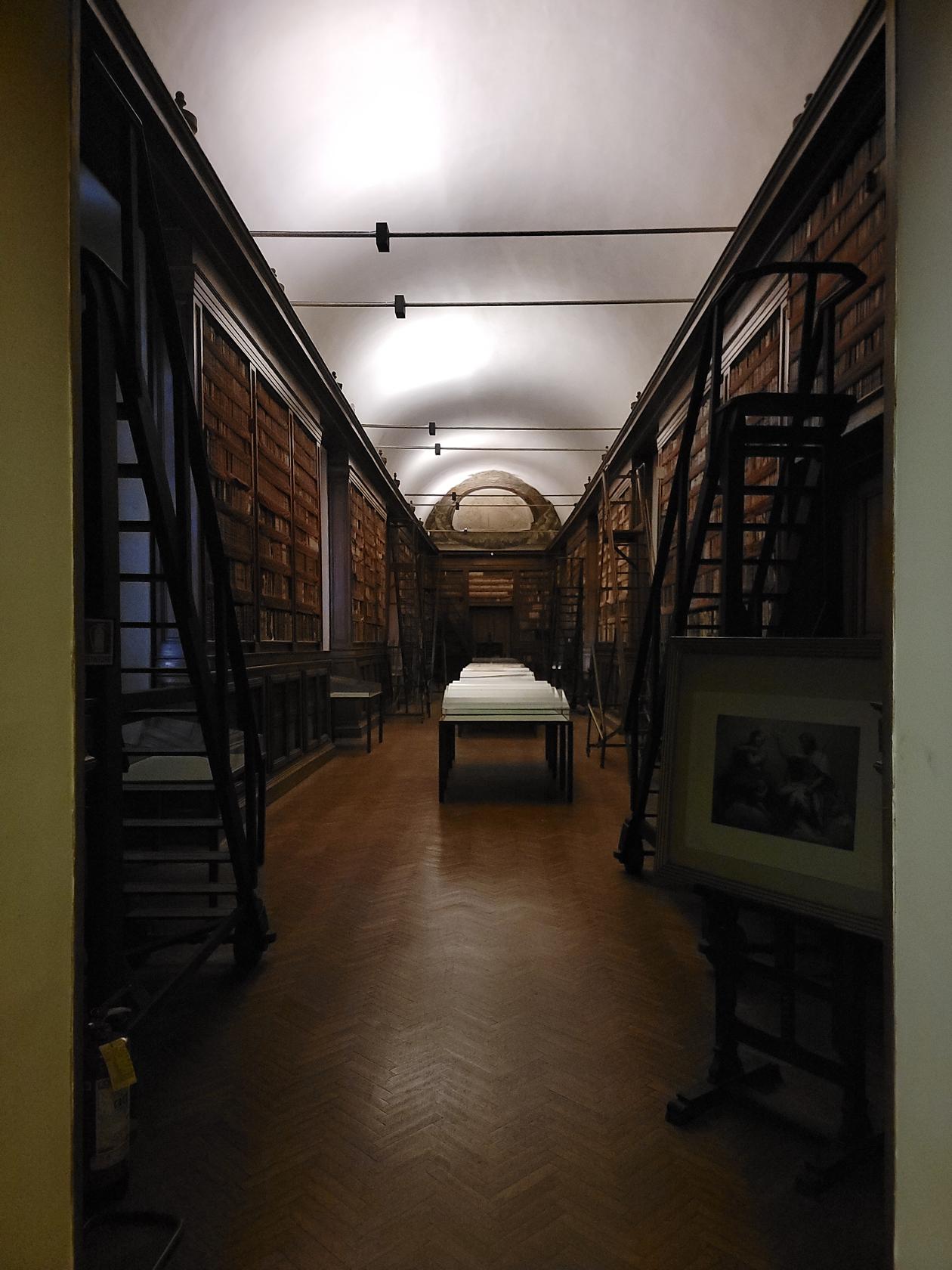
The Palatina Library is a large library that is still functioning, although for academic and research purposes only. However, the Petitot Gallery is still open to the public, where one can find a wide variety of topics, mostly in Italian of course.
The Bodoni Museum
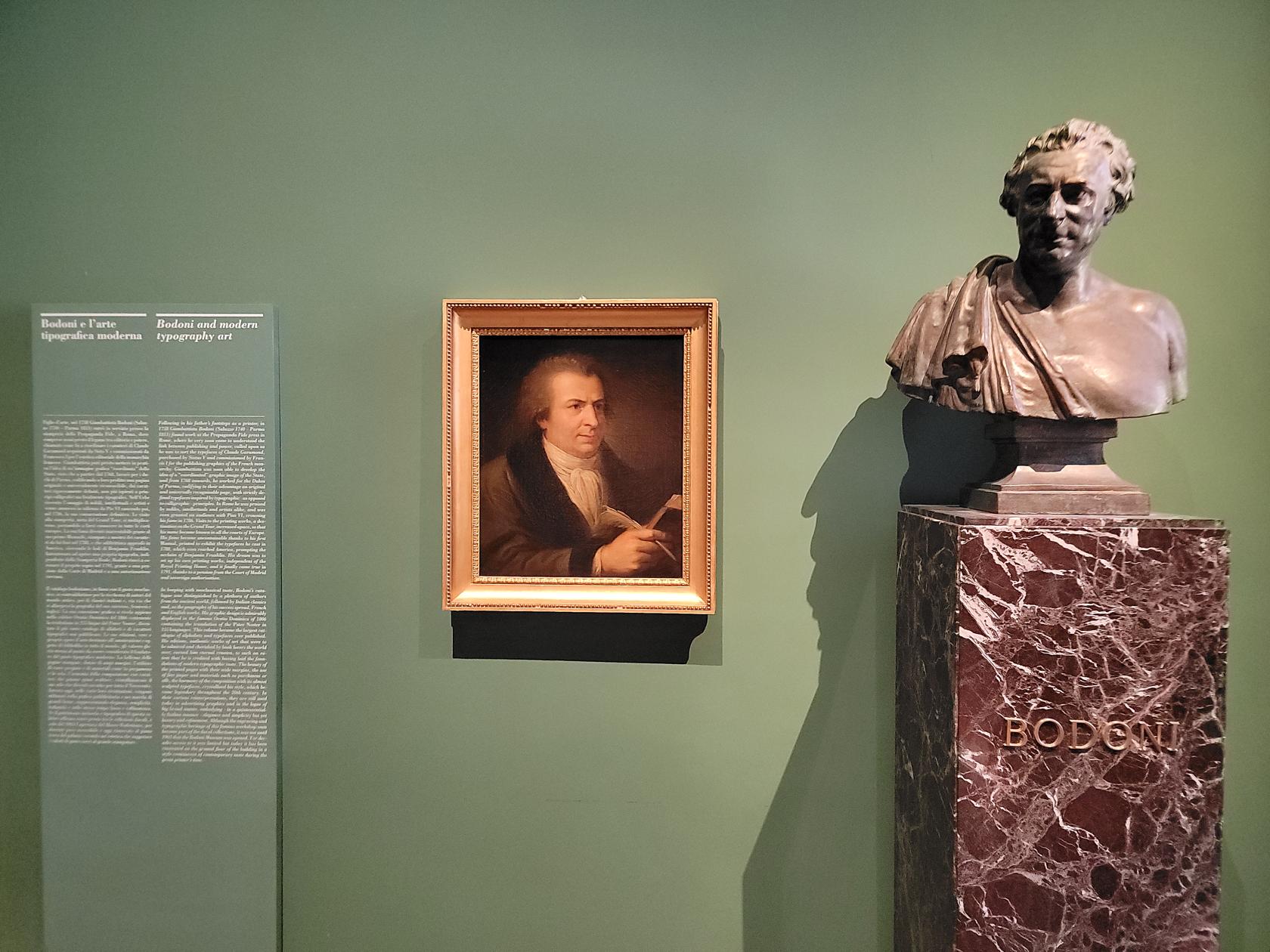
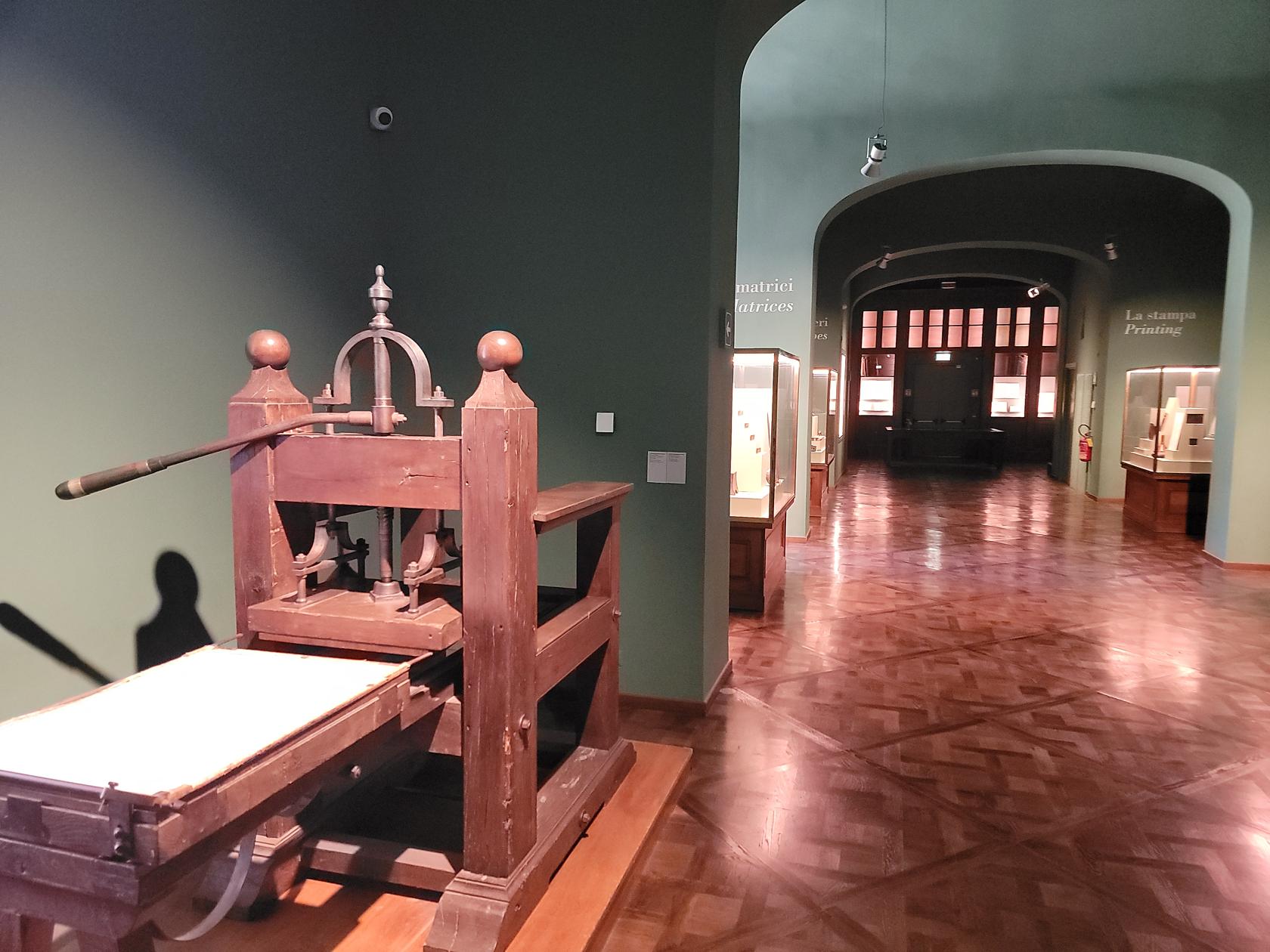
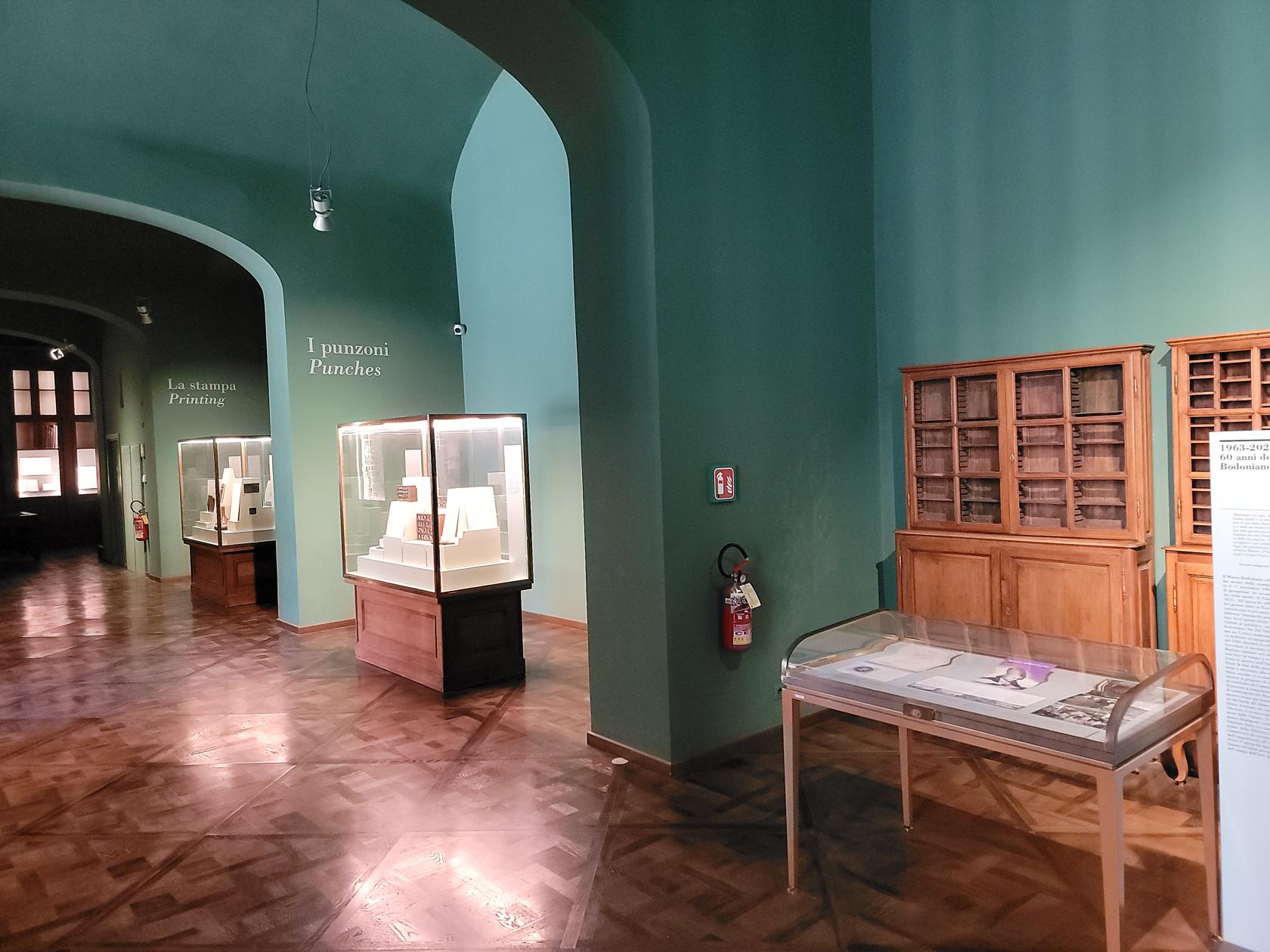
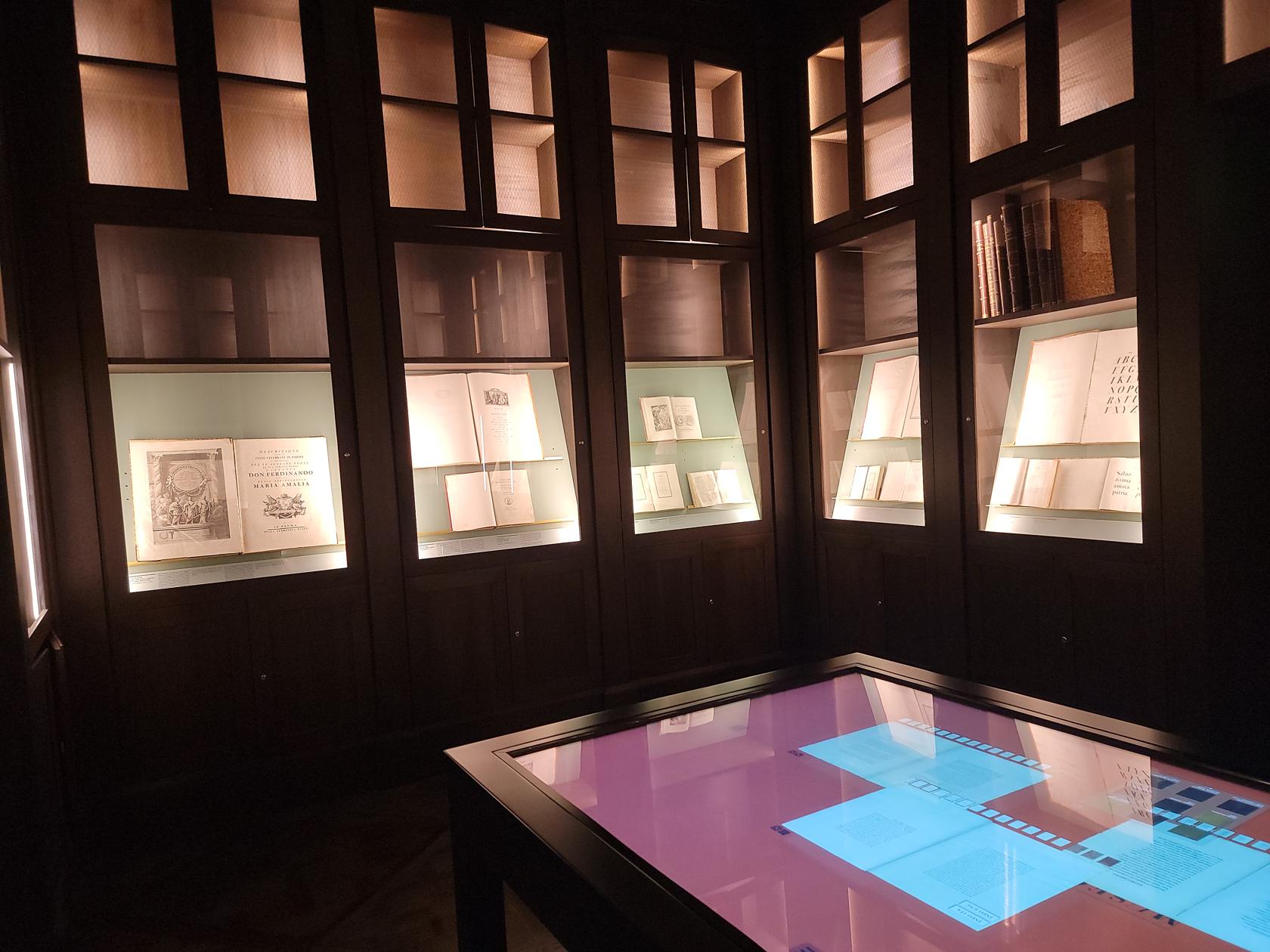
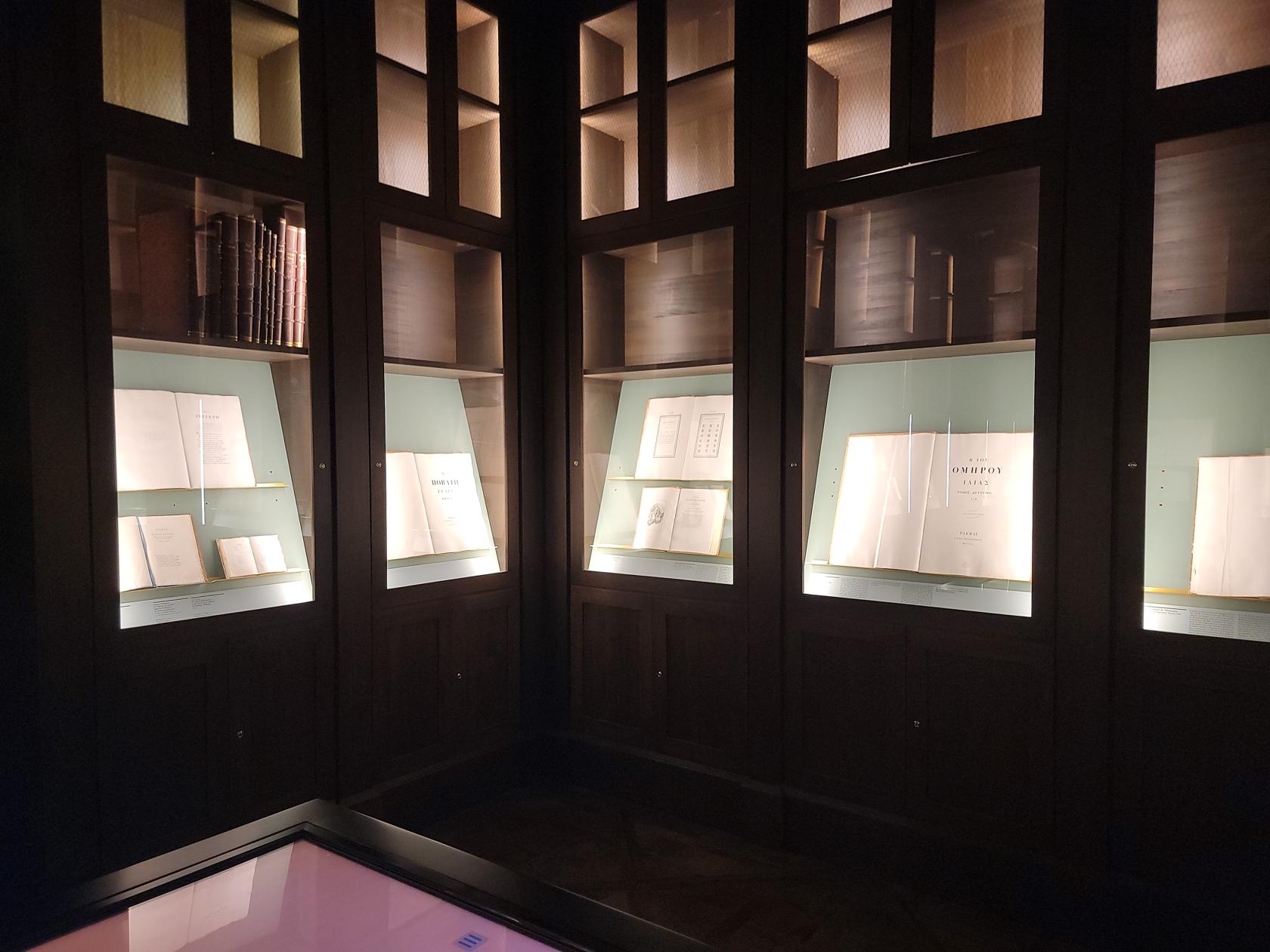
Anyone who has taken typesetting in school would enjoy the Bodoni Museum. The museum honors the famous Parma typesetter and printer, Giambattista Bodoni, and his eponymous typeface as well. The Bodoni typeface was a favorite of mine in high school, where I learned the intricacies of setting type. I loved its clean lines and serifs, using it to print a set of invitations for my mother at one time[1]To use the museum’s own words, “The severe, neoclassical imprint of the letters, characterized by the stark contrast between the thickness of the strokes and the thinness of the lines and … Continue reading.
Restaurants
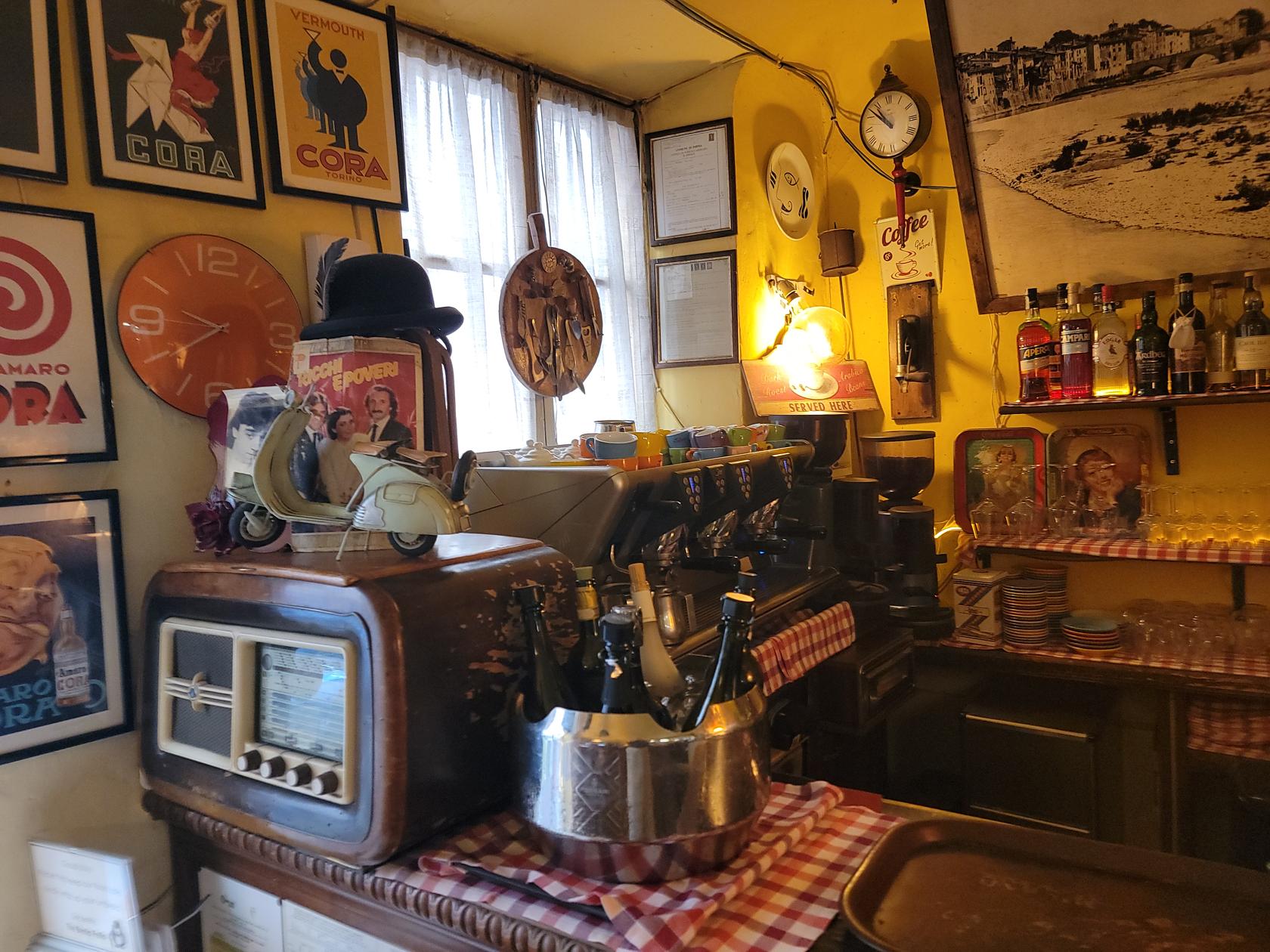
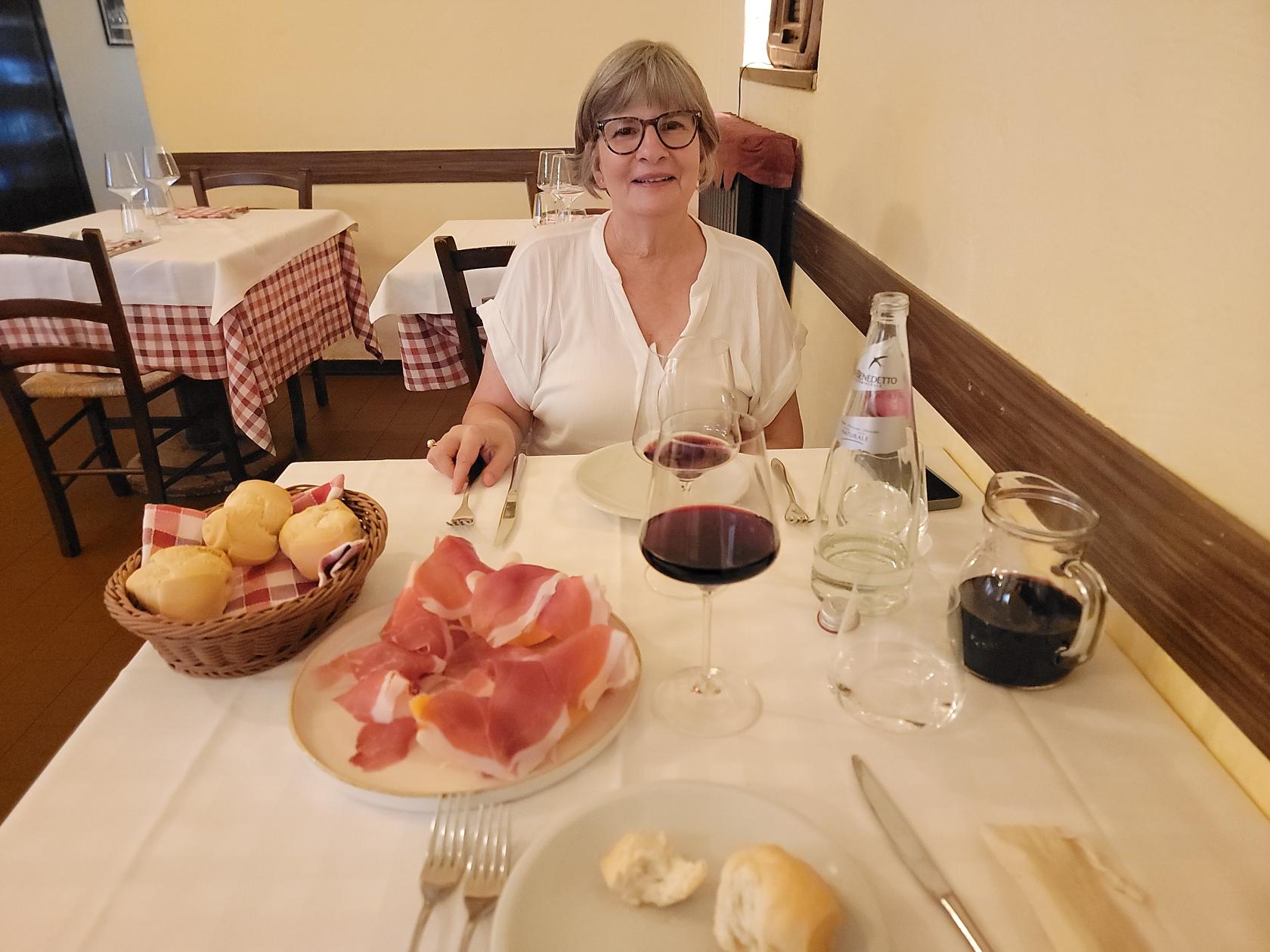
You will find most of the non-industrial restaurants away from the main shopping street of Strada Cavour. Reservations are recommended, even for lunch, for these are often used by locals and the business crowd. Most of the Osterias and Trattorias serve wine by the tap in quarter, half and full liter sizes, whereas the corporate restaurants on Cavour serve only by the glass, so they can up-charge for it, like in the United States.
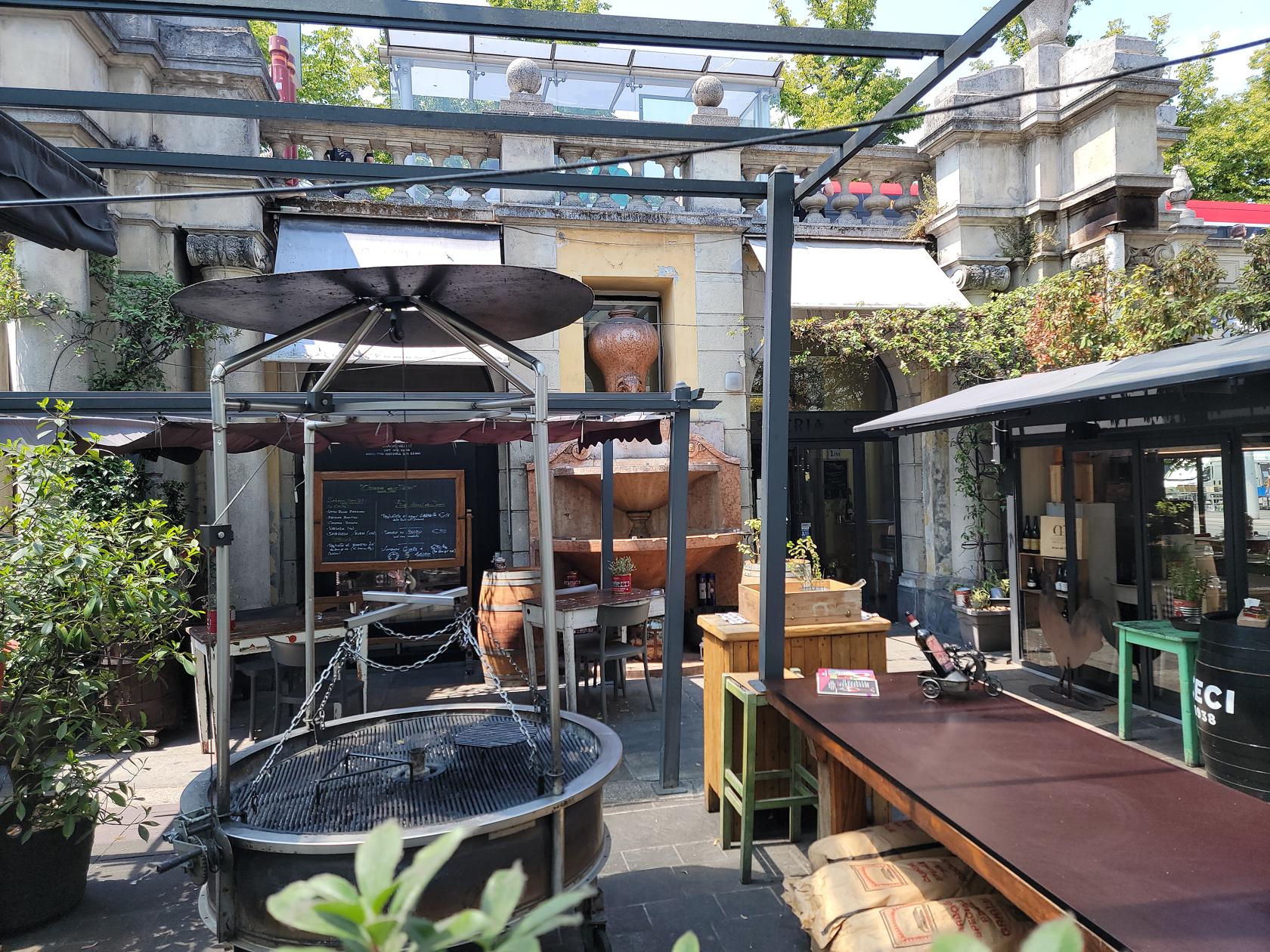
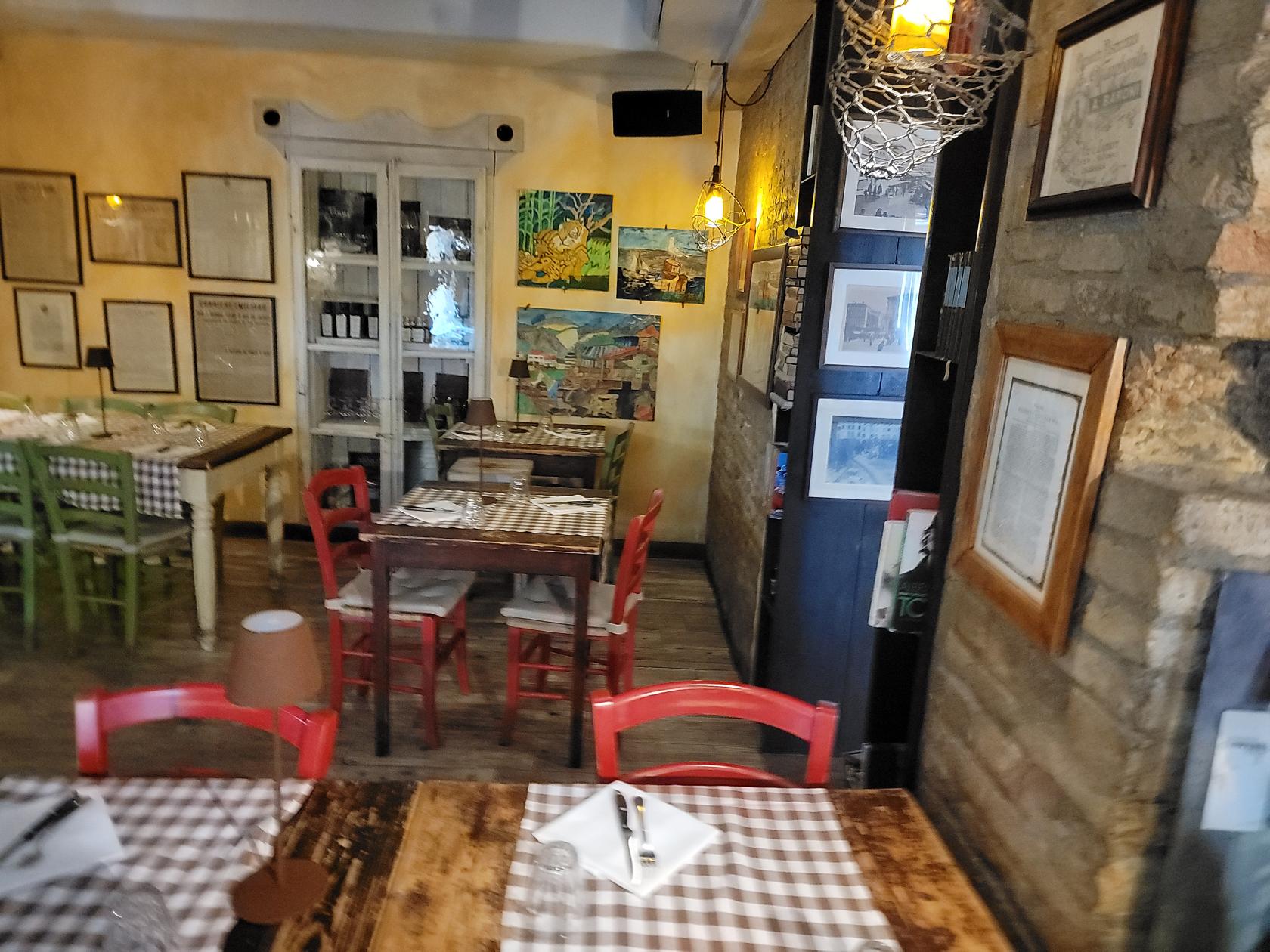
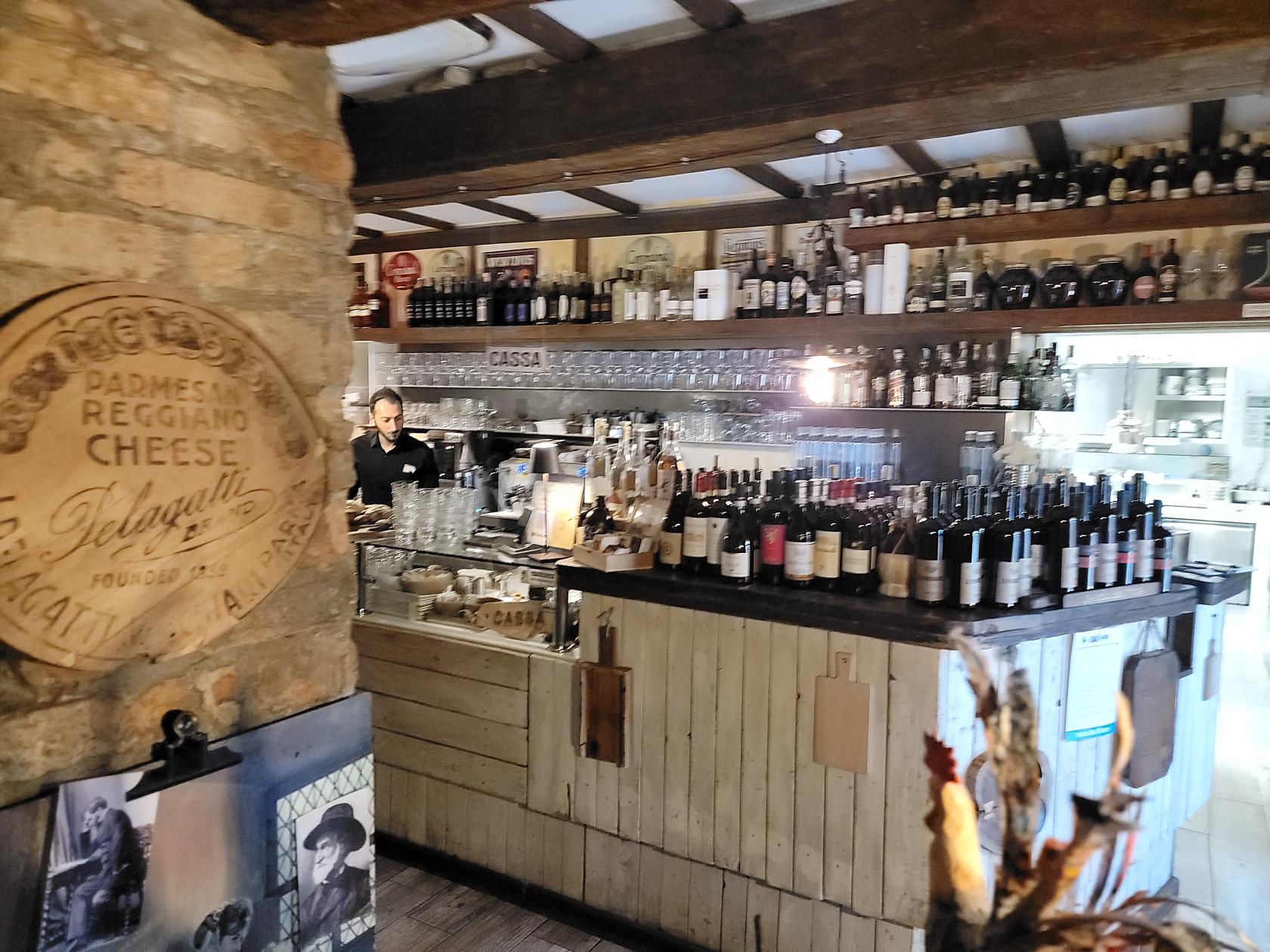
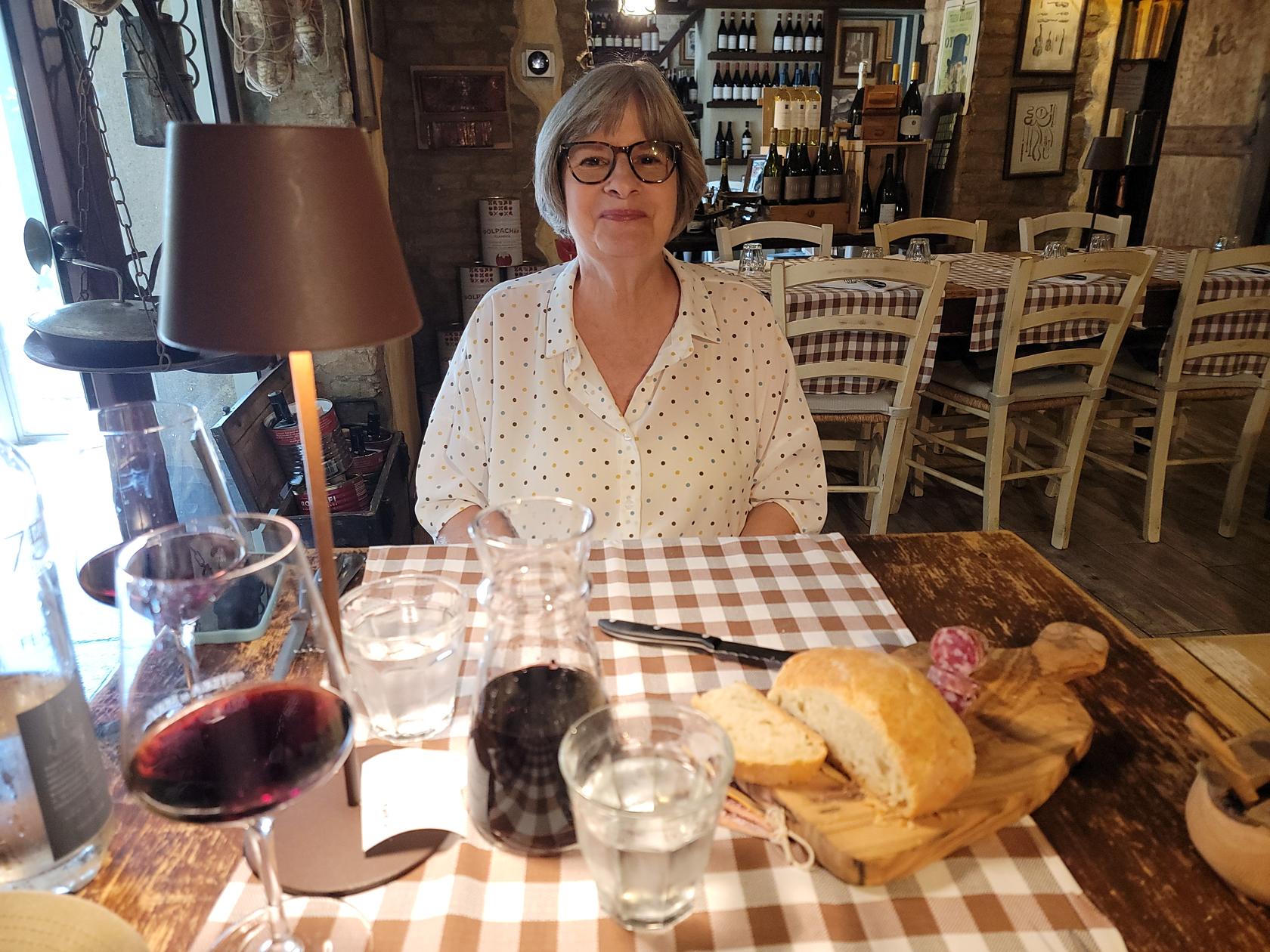
Osteria dei Servi
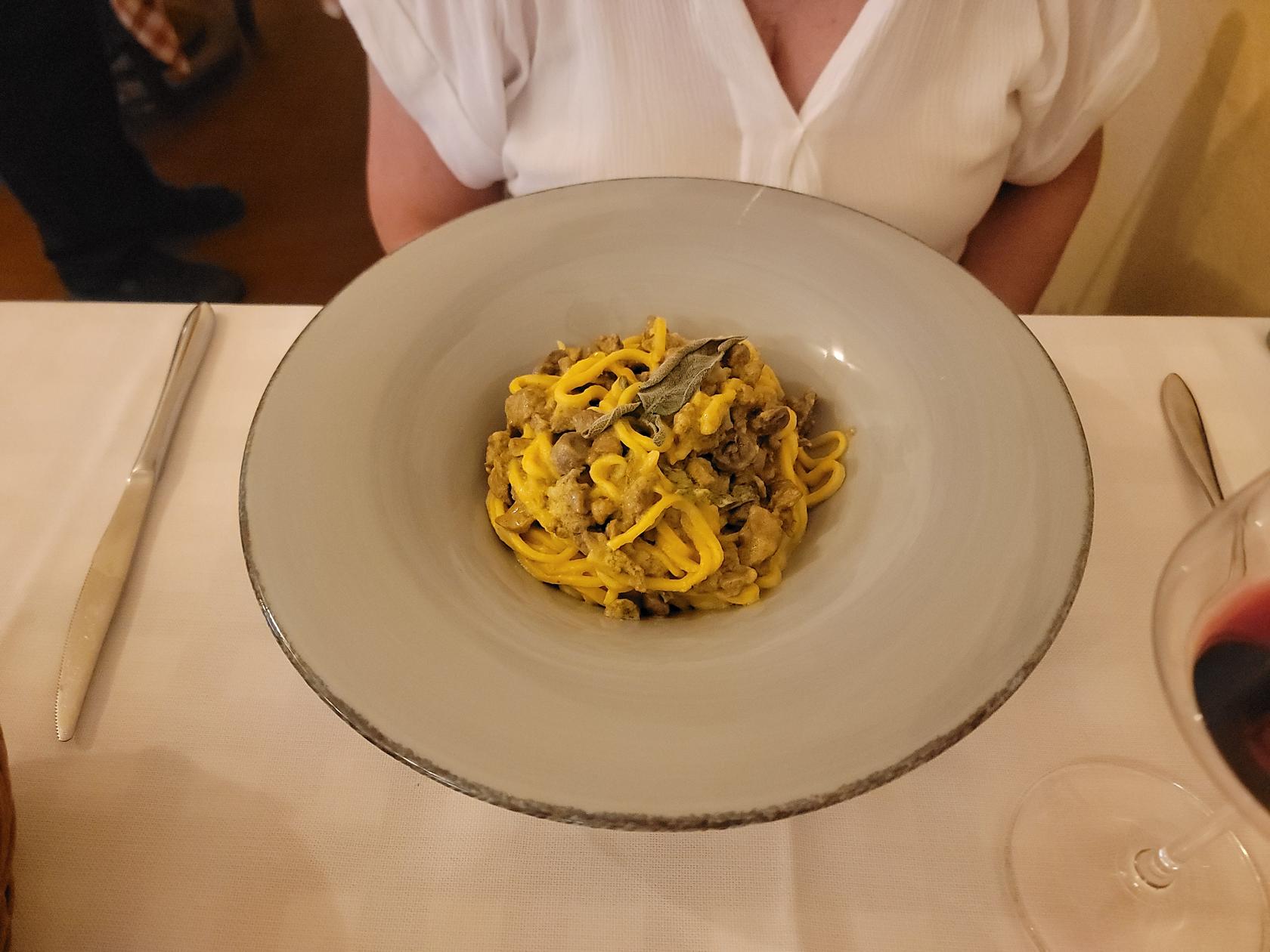
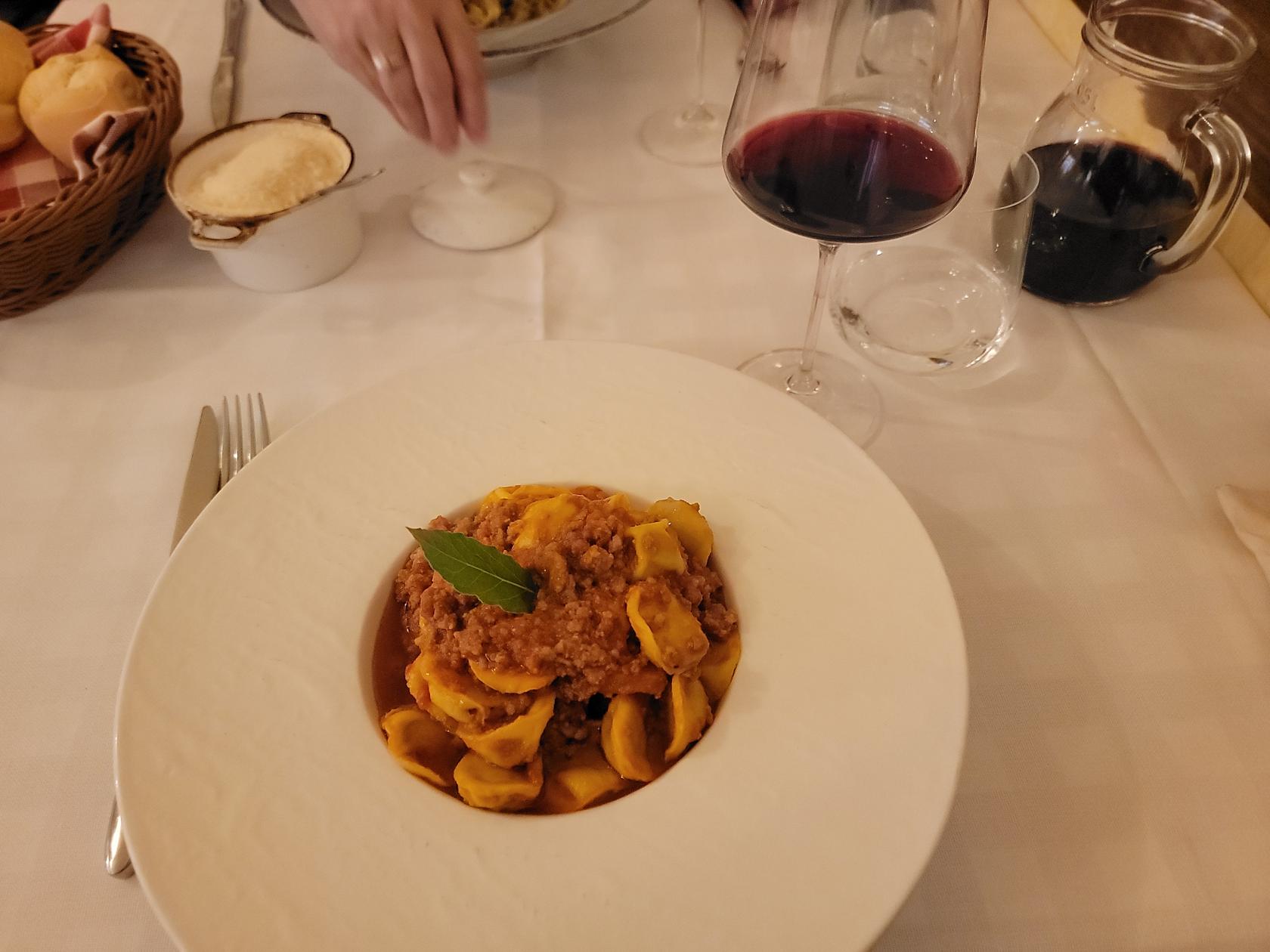
The Osteria dei Servi is actually housed under the Viale Giovanni Mariotti and has a rather odd entrance. But don’t let that fool you. The restaurant is actually quite nice inside and comfortable. The food is excellent and typical for the area.
Trattoria Corrieri Parma
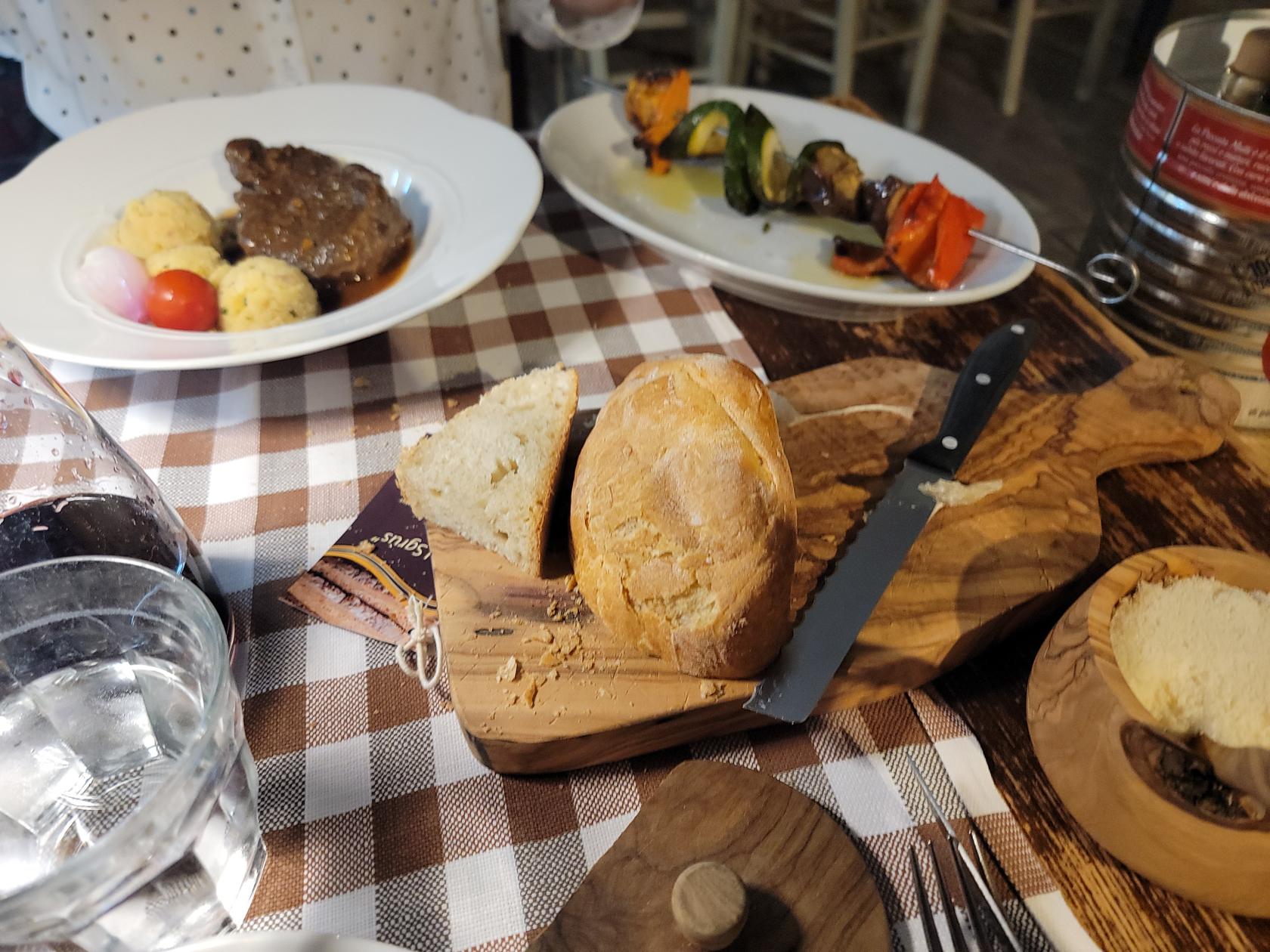
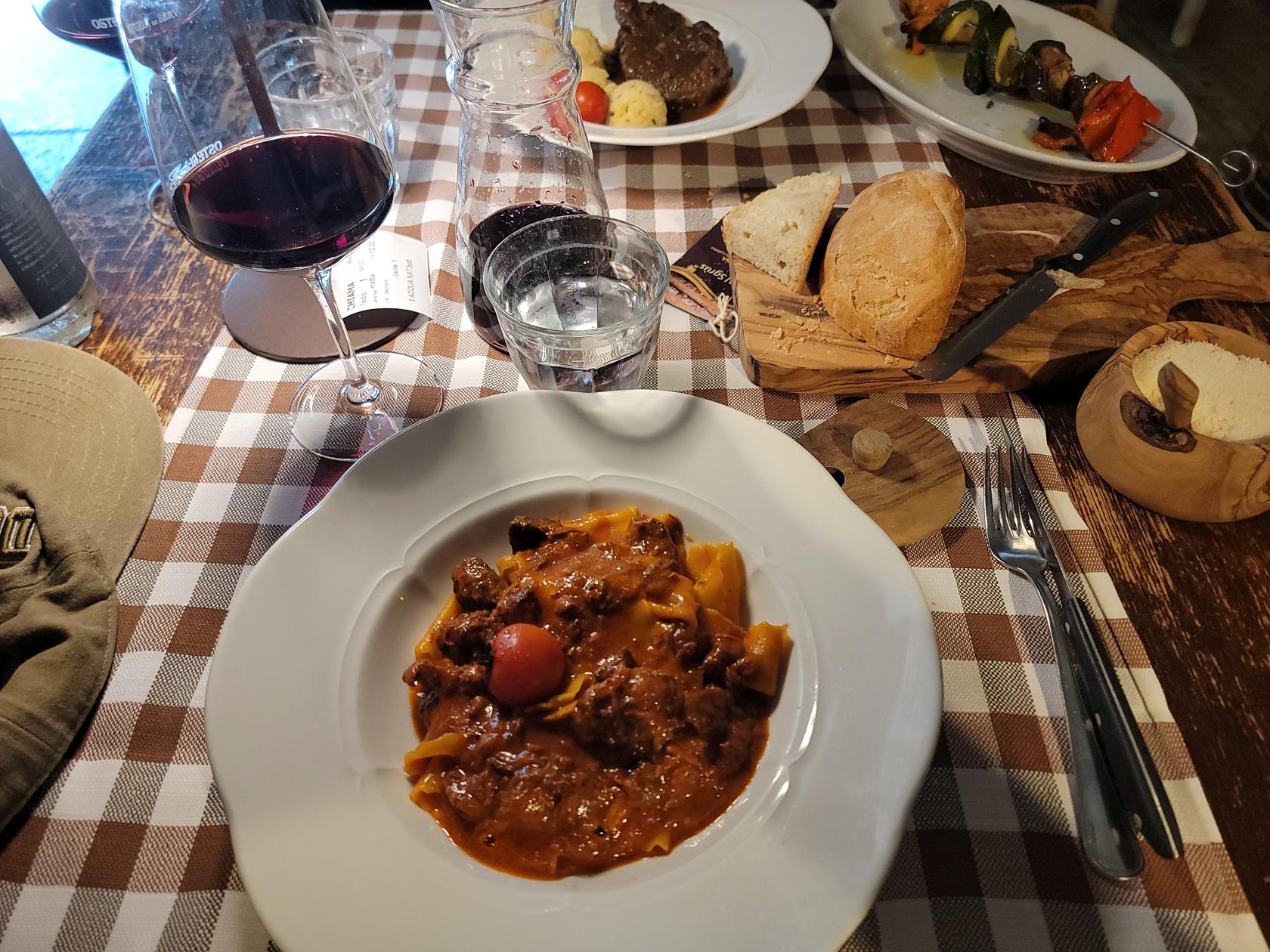
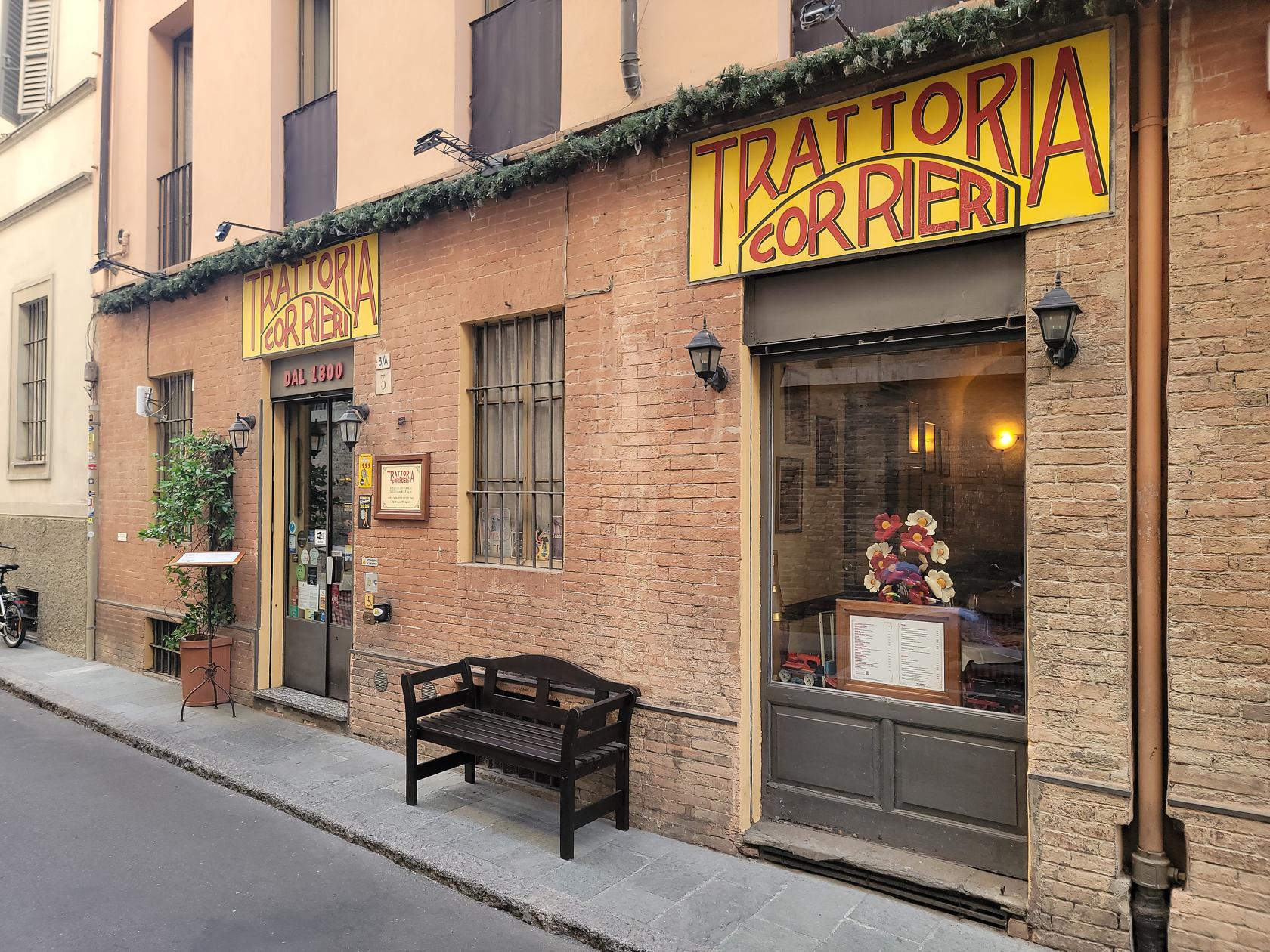
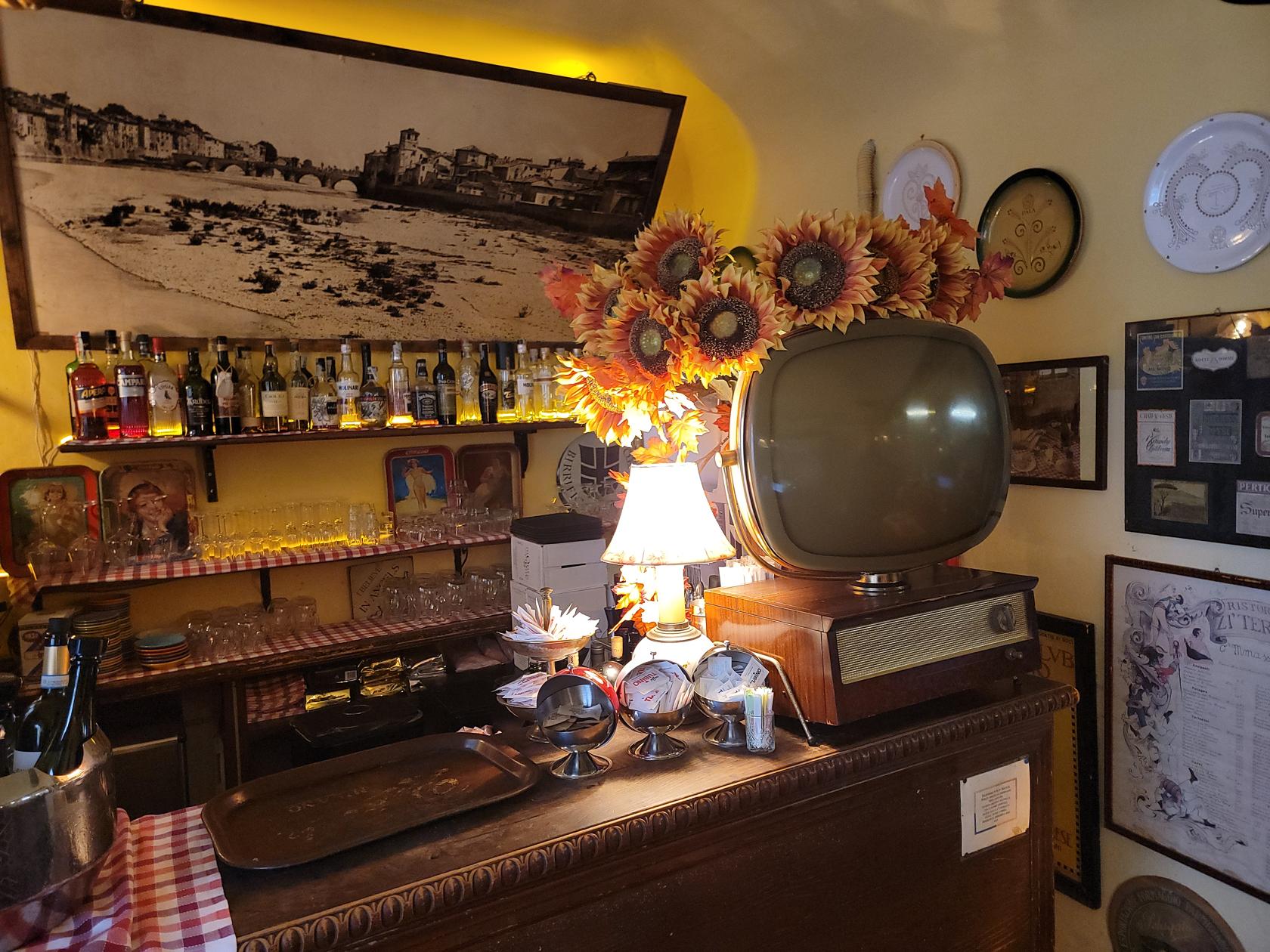
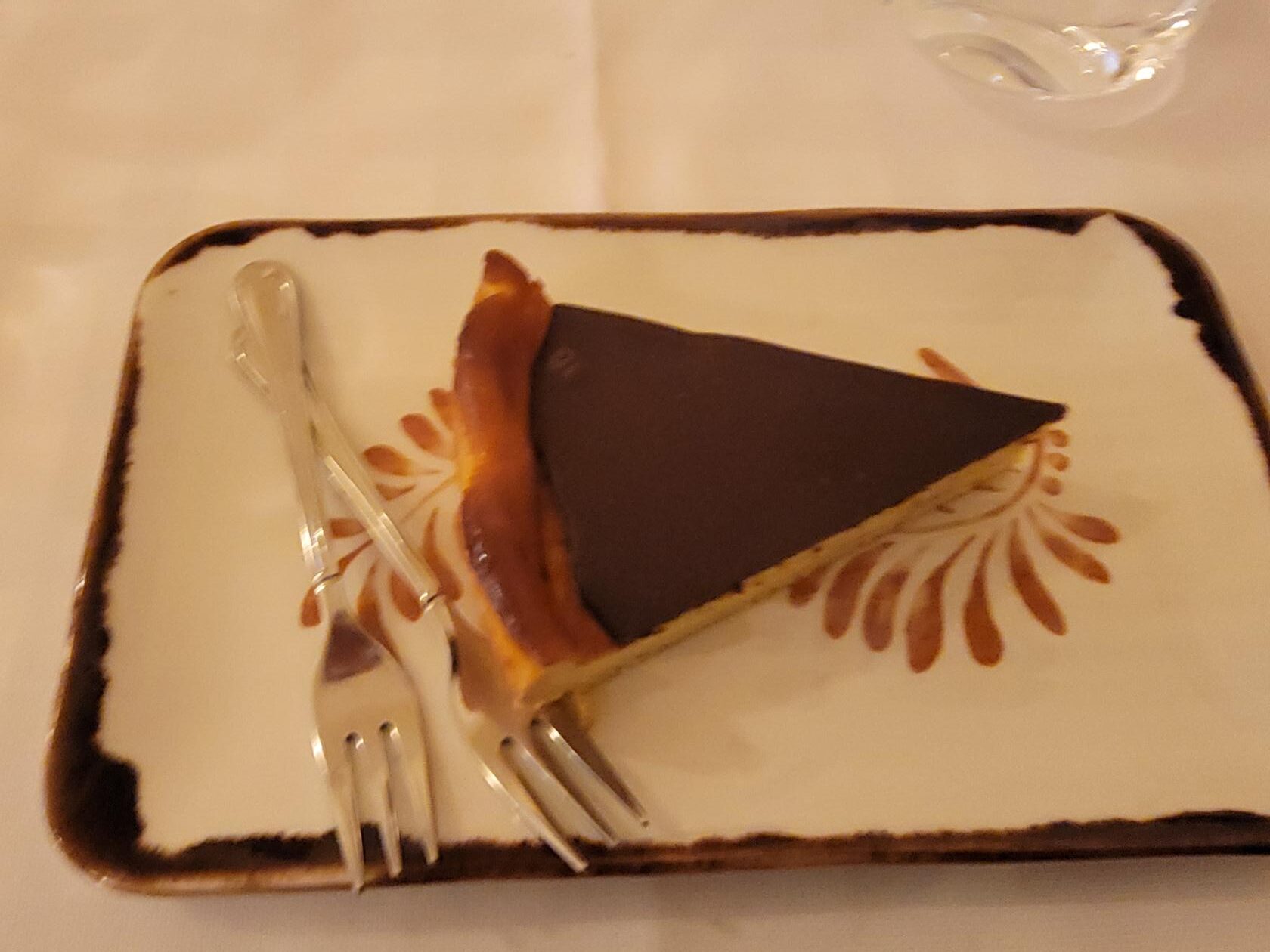
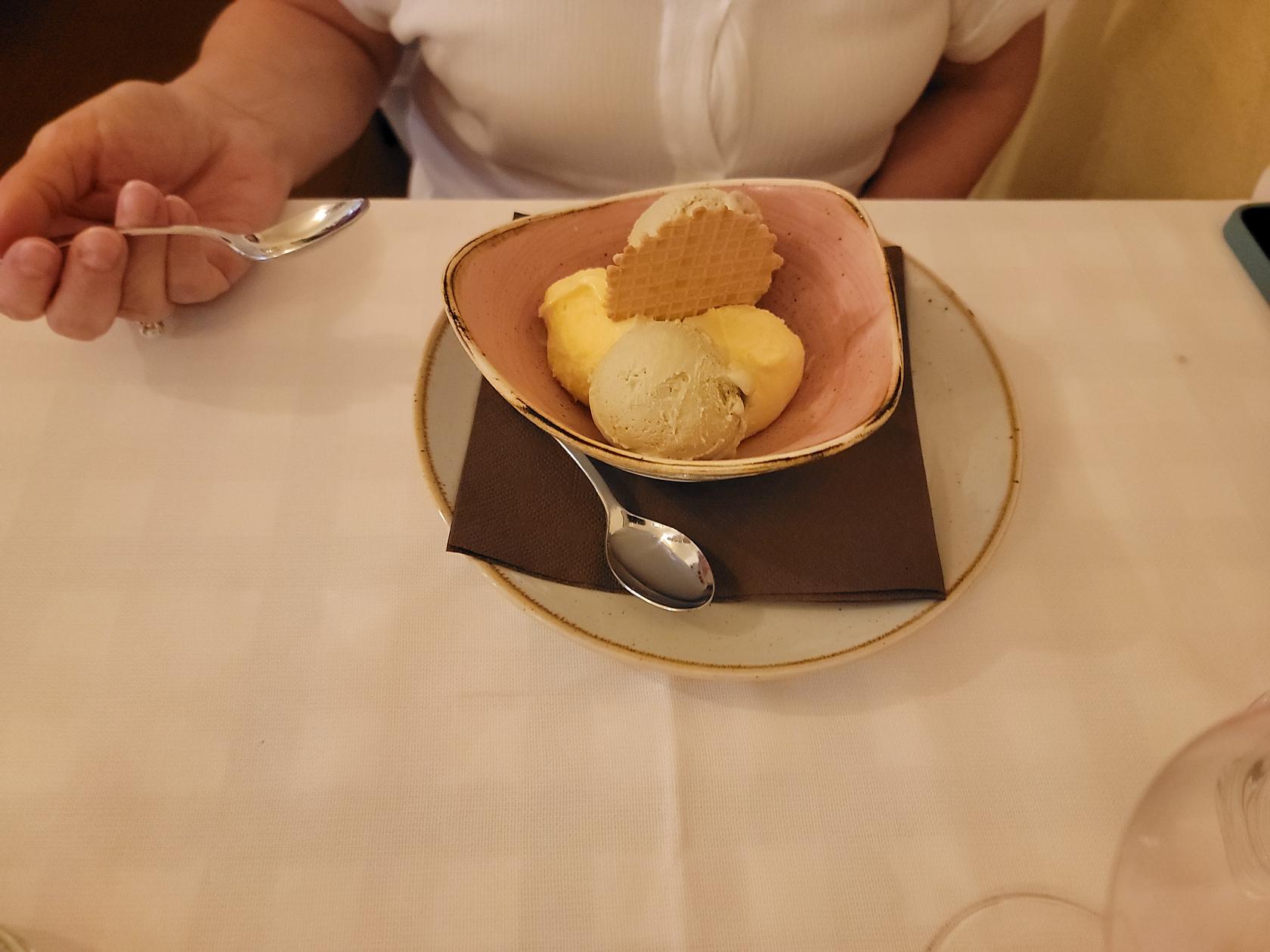
Another fine local restaurant is the Trattoria Corrieri Parma. Located further down in the city and by a Parma University building, it offers great food at even lower prices than die Servi. We found the service similar and the menu full of local dishes for us to try.
References
| ↑1 | To use the museum’s own words, “The severe, neoclassical imprint of the letters, characterized by the stark contrast between the thickness of the strokes and the thinness of the lines and serifs; the stark, epigraphic composition of the title pages and dedications; the airy, correct relationship between text and images, between line and line, between light and dark make Bodoni’s page a prodigy of harmony and readability.“ |
|---|